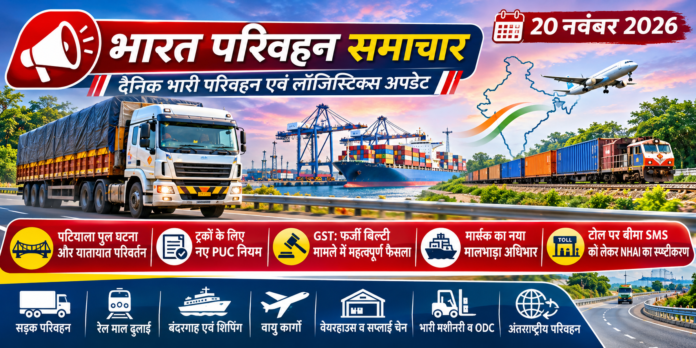
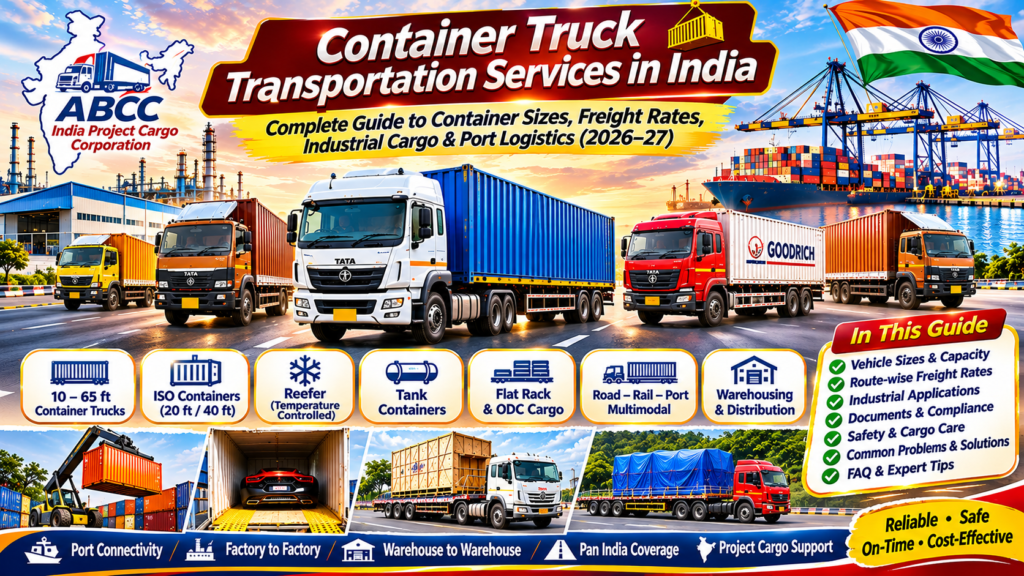
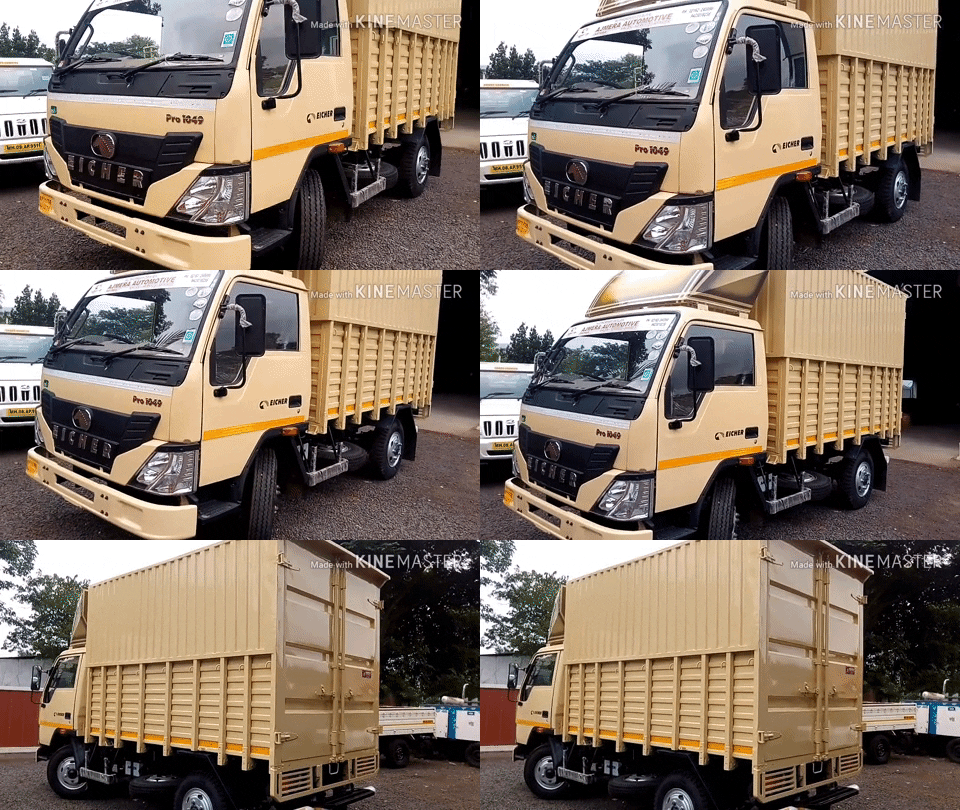
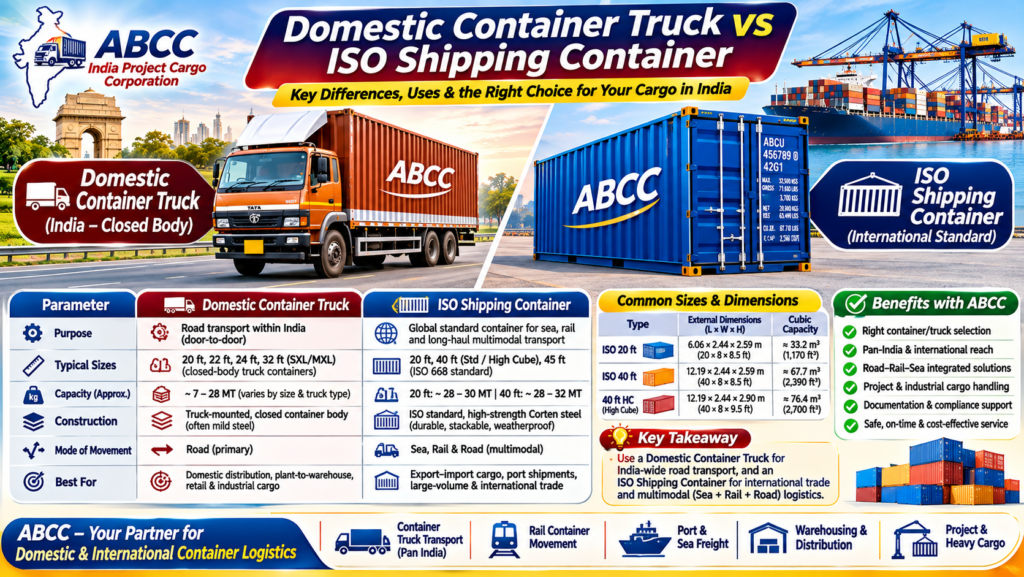
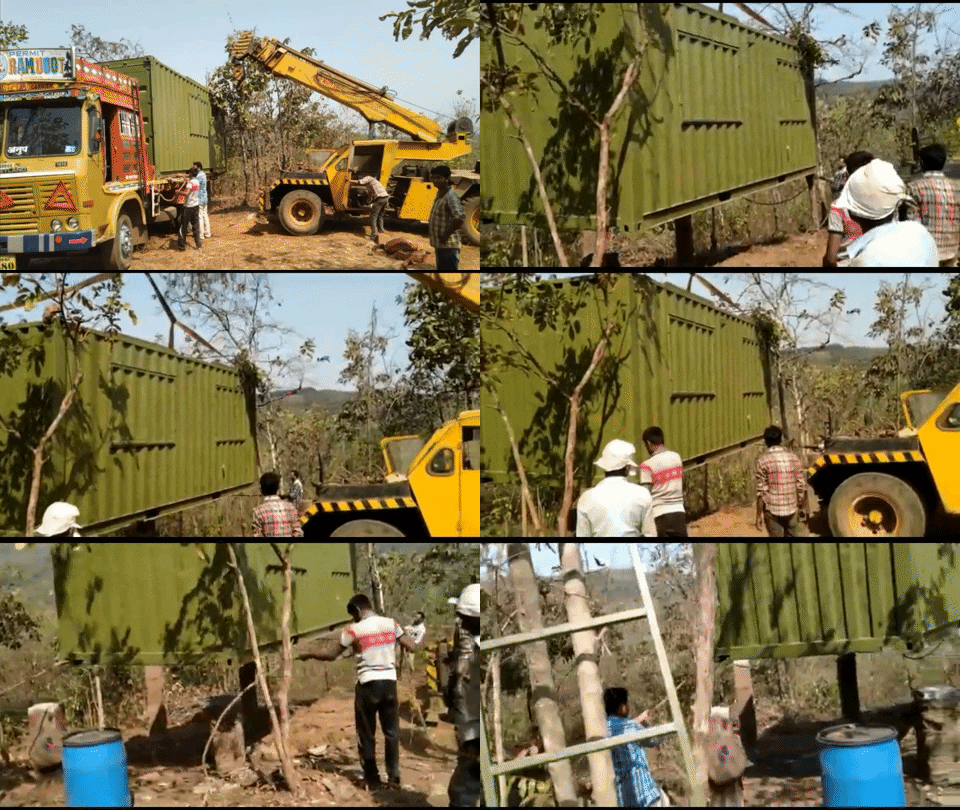
🚨 १. पंजाब में पुल गिरने के बाद भारी वाहनों का रास्ता बदला, जाँच और ओवरलोडिंग पर कार्रवाई
📍 स्थान: पसियाना गाँव के पास, पटियाला, पंजाब 📅 पुल दुर्घटना: १९ नवंबर २०२६, सुबह लगभग छह बजे 📅 नया प्रशासनिक घटनाक्रम: २० नवंबर २०२६
पटियाला बाईपास पर भाखड़ा मुख्य नहर के ऊपर बना लगभग ६० मीटर लंबा स्टील पुल गिरने से दो रेत लदे ट्रक क्षतिग्रस्त हिस्से में फँस गए। एक ट्रक में आग लगी और एक चालक घायल हुआ। उपलब्ध रिपोर्टों में किसी मृत्यु की पुष्टि नहीं हुई।
राष्ट्रीय राजमार्ग प्राधिकरण ने प्रभावित हिस्से से यातायात हटाकर वैकल्पिक व्यवस्था की है। अस्थायी बेली पुल लगाने की तैयारी है। जिला प्रशासन ने आपदा प्रबंधन कानून के अंतर्गत स्थल की सुरक्षा, तकनीकी रिकॉर्ड सुरक्षित रखने और ओवरलोड वाहनों की जाँच के निर्देश दिए हैं। Hindustan Times+1
🚛 ट्रांसपोर्टरों पर प्रभाव: पटियाला–संगरूर और चंडीगढ़–बठिंडा की ओर जाने वाले ट्रक एवं ट्रेलर संचालकों को अतिरिक्त समय लग सकता है।
🛡️ चालक सलाह: भारी वाहन को सर्विस रोड या वैकल्पिक पुल पर भेजने से पहले स्थानीय यातायात पुलिस से वाहन की अनुमति, वजन सीमा और मार्ग की पुष्टि करें।
🚨 २. सरकार ने प्रदूषण प्रमाणपत्र की वैधता में बदलाव की घोषणा की
📍 स्थान: नई दिल्ली, पूरे भारत के वाहन मालिक प्रभावित 📅 सरकारी प्रेस विज्ञप्ति: १९ नवंबर २०२६ 📄 मीडिया में उल्लिखित अधिसूचना: जीएसआर ९९१(ई), दिनांक १३ नवंबर २०२६
सड़क परिवहन एवं राजमार्ग मंत्रालय ने वाहन की उम्र और उत्सर्जन श्रेणी के अनुसार प्रदूषण नियंत्रण प्रमाणपत्र की वैधता अवधि में बदलाव की जानकारी दी है।
बीएस-६ व्यावसायिक वाहनों के लिए:
छह वर्ष तक पुराने वाहन — दो वर्ष।
छह वर्ष से अधिक और दस वर्ष तक — एक वर्ष।
दस वर्ष से अधिक — छह महीने।
बीएस-४ वाहनों के लिए छह महीने और बीएस-१, बीएस-२ तथा बीएस-३ वाहनों के लिए तीन महीने की अवधि बताई गई है।
मंत्रालय की विज्ञप्ति में संशोधन का उल्लेख है, लेकिन कुछ स्थानों पर प्रस्तावित शब्द भी आया है। मीडिया रिपोर्टों के अनुसार राजपत्र में प्रकाशन १६ नवंबर को हुआ। मूल राजपत्र की प्रति इस जाँच में स्वतंत्र रूप से नहीं पढ़ी जा सकी, इसलिए लागू तारीख का अंतिम कानूनी सत्यापन अभी बाकी है। Press Information Bureau+2
🚛 प्रभाव: नए बीएस-६ ट्रक मालिकों को बार-बार प्रमाणपत्र बनवाने से राहत मिल सकती है, जबकि पुराने वाहनों को अधिक नियमित जाँच करानी होगी।
🛡️ काम की बात: मौजूदा प्रमाणपत्र की छपी समाप्ति तारीख देखें। अगला नवीनीकरण कराने से पहले अधिकृत प्रदूषण जाँच केंद्र से नई व्यवस्था की पुष्टि करें।
🚨 ३. टोल प्लाजा पर बीमा नवीनीकरण संदेश के नाम पर कोई चालान नहीं
📍 स्थान: राष्ट्रीय राजमार्ग, भारत 📅 आधिकारिक स्पष्टीकरण: १९ नवंबर २०२६
भारतीय राष्ट्रीय राजमार्ग प्राधिकरण ने स्पष्ट किया है कि कुछ वाहन मालिकों को बीमा समाप्त होने की सूचना देने वाले संदेश एक प्रस्तावित जागरूकता व्यवस्था के परीक्षण का हिस्सा हैं।
इन संदेशों के आधार पर टोल प्लाजा पर कोई चालान या जुर्माना लगाने की व्यवस्था नहीं है। यह स्पष्टीकरण सीधे सरकारी प्रेस विज्ञप्ति से सत्यापित हुआ है। Press Information Bureau
🚛 प्रभाव: वाहन मालिकों को बीमा संदेश देखकर टोल पर अतिरिक्त जुर्माने की आशंका नहीं रखनी चाहिए। हालाँकि वैध मोटर बीमा रखना अलग कानूनी जिम्मेदारी है।
🛡️ धोखाधड़ी से बचाव: किसी अनजान संदेश में दिए गए भुगतान लिंक पर बिना पुष्टि क्लिक न करें।
🚨 ५. प्रयागराज जीएसटी अपीलीय अधिकरण में फर्जी बिल्टी के कारण लगभग ४.१७ लाख रुपये की माँग बरकरार
📍 स्थान: प्रयागराज, उत्तर प्रदेश 📅 समाचार प्रकाशन: १९ नवंबर २०२६ 📅 मूल खरीद लेनदेन: जून २०१८
जीएसटी अपीलीय अधिकरण की प्रयागराज पीठ से संबंधित प्रकाशित रिपोर्ट के अनुसार एक लौह उत्पाद निर्माता के मामले में लगभग ४,१६,८४९ रुपये की कर, ब्याज और जुर्माने की संयुक्त माँग बरकरार रखी गई।
मामले में करदाता ने इनवॉइस, ई-वे बिल, बैंक भुगतान और लेखा रिकॉर्ड प्रस्तुत किए थे। अधिकरण ने परिवहन रसीदों में बदलाव और अधूरी प्रविष्टियाँ पाईं। उपलब्ध साक्ष्यों के आधार पर माल की वास्तविक प्राप्ति सिद्ध नहीं मानी गई।
रिपोर्ट में करदाता और विभाग, दोनों के तर्क दर्ज हैं। मूल निर्णय की पूरी प्रति सदस्यता प्रतिबंध के कारण उपलब्ध नहीं हुई; निर्णय की सटीक तारीख और केस संख्या की स्वतंत्र पुष्टि शेष है। Juris Hour
🚛 ट्रांसपोर्टरों के लिए सीख: बिल्टी में वाहन संख्या, माल का वजन, भेजने और प्राप्त करने वाले का विवरण तथा वास्तविक डिलीवरी प्रमाण सही रखें।
⚖️ कानूनी सावधानी: इस एक मामले से यह निष्कर्ष नहीं निकलता कि हर इनवॉइस या ई-वे बिल अमान्य है। यहाँ परिवहन रसीदों की विश्वसनीयता निर्णायक थी।
१८. प्रदूषण प्रमाणपत्र की वैधता में बदलाव: मंत्रालय की १९ नवंबर की मूल प्रेस विज्ञप्ति सत्यापित हुई। मूल राजपत्र का स्वतंत्र सत्यापन शेष है। पूरा विवरण मुख्य समाचार संख्या दो में दिया गया है।
१९. बीमा संदेश और टोल चालान: राष्ट्रीय राजमार्ग प्राधिकरण का १९ नवंबर का मूल सरकारी स्पष्टीकरण सत्यापित हुआ। पूरा विवरण मुख्य समाचार संख्या तीन में दिया गया है।
२०. कच्ची चीनी आयात कोटा: विदेश व्यापार महानिदेशालय की सार्वजनिक सूचना संख्या ४१/२०२६–२७ और आवेदन की अंतिम तारीख २७ नवंबर का उल्लेख उद्योग रिपोर्ट में है। मूल सरकारी दस्तावेज सत्यापित नहीं हुआ, इसलिए इसे अंतिम आधिकारिक आदेश के रूप में प्रस्तुत नहीं किया जा रहा।
समुद्री मालभाड़ा: मार्स्क ने निर्धारित मार्गों के लिए नया अधिभार प्रकाशित किया है। निर्यातक अपने वास्तविक मार्ग और माल की मात्रा के अनुसार लागत जाँचें।
प्रदूषण प्रमाणपत्र: निर्धारित बीएस-६ व्यावसायिक वाहनों को नवीनीकरण की लंबी अवधि से प्रशासनिक खर्च में राहत मिल सकती है। वास्तविक बचत वाहन और स्थानीय शुल्क पर निर्भर करेगी।
पटियाला मार्ग: पुल क्षतिग्रस्त होने से वैकल्पिक मार्ग पर अतिरिक्त समय और ईंधन लग सकता है। बिना वास्तविक दूरी के निश्चित खर्च बताना उचित नहीं होगा।
जीएसटी: गलत या अविश्वसनीय परिवहन दस्तावेजों से कर, ब्याज और जुर्माने का गंभीर आर्थिक जोखिम हो सकता है।
📦 माल आपका, गाड़ी की तलाश हमारी साझा जिम्मेदारी! 🤝 ट्रांसपोर्टर, गाड़ी मालिक, ब्रोकर, माल भेजने वाली कंपनियाँ और लोडिंग एजेंट अपनी जरूरत के अनुसार आपसी संपर्क कर सकते हैं।
📲 लोड या गाड़ी की जानकारी भेजते समय बताइए:
📍 गाड़ी कहाँ खड़ी है और माल कहाँ जाना है? 🚛 गाड़ी की लंबाई, प्रकार और वास्तविक भार क्षमता ⚖️ माल का वजन, लंबाई, चौड़ाई और ऊँचाई 📅 लोडिंग की तारीख और समय 💰 अपेक्षित भाड़ा और भुगतान की शर्तें 📄 जरूरी परमिट, ई-वे बिल और अन्य दस्तावेज
⚠️ महत्वपूर्ण सूचना: यह सूची उपलब्ध कराए गए नमूने पर आधारित है। गाड़ियों की वास्तविक समय की उपलब्धता, मालिकाना विवरण, भार क्षमता और किराये की स्वतंत्र पुष्टि नहीं की गई है। बुकिंग से पहले सभी विवरण और लागू परिवहन नियम जाँच लें।
🚛 खाली गाड़ी को मिले सही लोड, माल को मिले सही वाहन! 🇮🇳
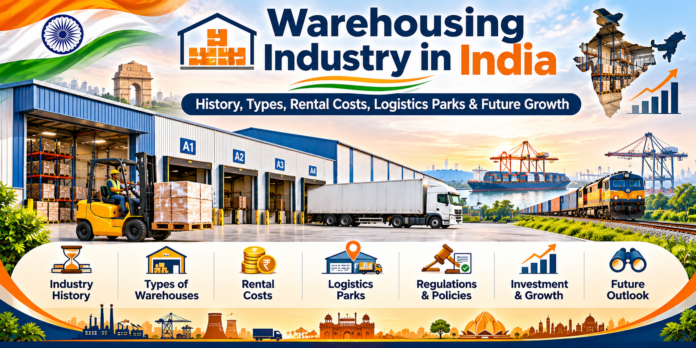
🏭 Warehousing Industry in India: Complete Industrial, Storage & Logistics Guide 2026–27
📦 Why Warehousing Matters to India’s Economy
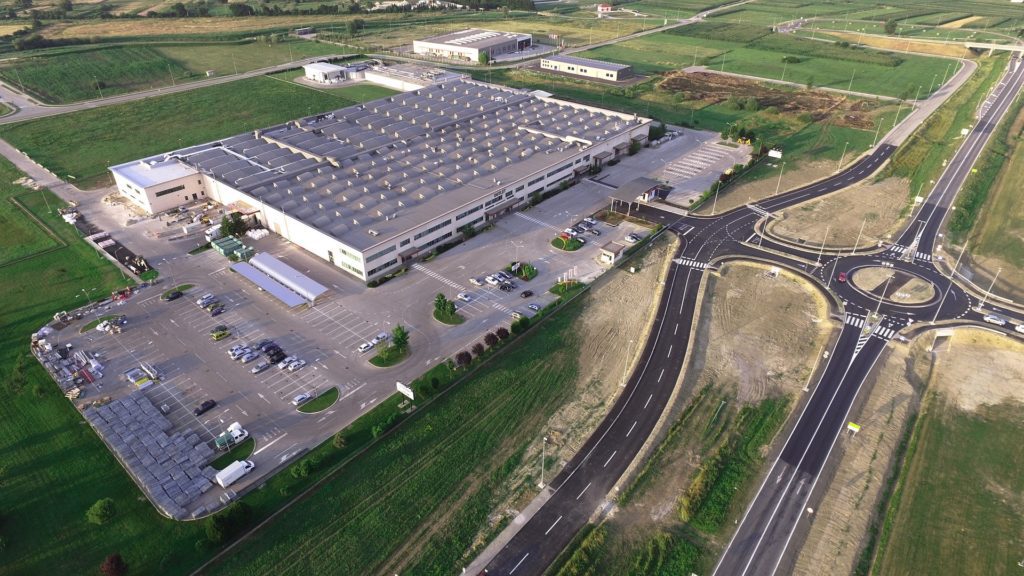
India’s warehousing industry is one of the essential foundations of its manufacturing, agricultural, trading and logistics economy. Every product travelling from a factory to a customer depends on a series of decisions about storage, inventory, handling, transportation and distribution.
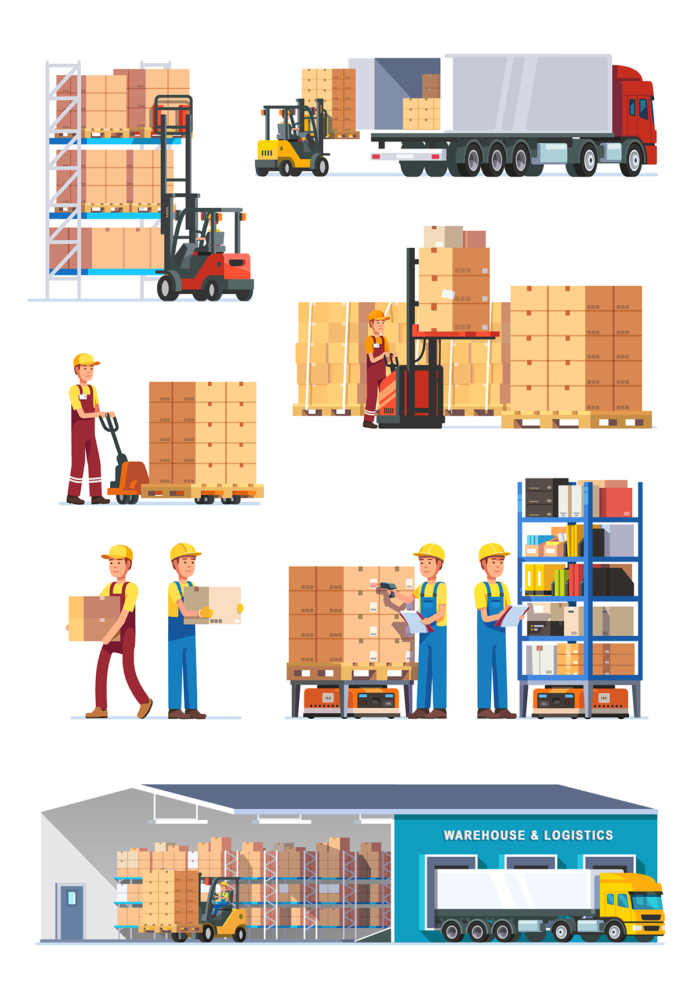
A warehouse is more than a building where goods are kept. In a modern supply chain, it is an operational centre where products are received, inspected, identified, protected, organised and dispatched according to customer requirements.
Warehousing helps manufacturers maintain production continuity, farmers preserve harvested commodities, traders manage seasonal inventory and retailers serve changing consumer demand.
For logistics companies, warehouses also serve as important connection points between road transport, rail freight, ports, factories and final delivery destinations.
The development of industrial corridors, large manufacturing clusters, organised retail and digital commerce has increased the importance of professional warehouse operations in India.
However, the sector remains diverse. Traditional godowns, agricultural storage facilities, modern distribution centres, cold-chain warehouses and specialised industrial yards operate under different commercial and technical conditions.
Understanding these differences is essential for businesses planning to rent, develop, invest in or operate a warehouse.
📊 Warehouse, warehousing, logistics and supply chain: Key differences
warehouse and warehousing
Term
Meaning
Main Function
Example
Warehouse
Physical storage facility
Holds goods
Industrial storage building
Warehousing
Activities associated with storing and managing goods
Inventory protection and control
Receiving, stacking and dispatch
Logistics
Planning and execution of goods movement and related activities
Transportation and distribution
Factory-to-warehouse delivery
Supply Chain
Network of organisations and processes involved in supplying products
End-to-end coordination
Supplier to manufacturer to customer
Distribution Centre
Facility focused on receiving and distributing goods
🏛️ History of Warehousing in India: From Ancient Storage to Modern Logistics
warehouse and warehousing
The history of warehousing in India is closely connected with agriculture, trade, transportation and urban development.
Storage existed long before modern industrial buildings or computerised inventory systems.
Ancient agricultural communities required ways to preserve grain between harvests. Merchants needed facilities to protect commodities during long-distance trade. Political authorities also maintained storage arrangements to support administration and food supplies.
Over time, the nature of storage changed as commercial networks expanded.
Traditional agricultural storage
In agricultural communities, storage helped preserve crops for household consumption, future planting, trade and periods of scarcity.
Traditional arrangements included household granaries, community storage and larger facilities associated with merchants or authorities.
These methods varied according to climate, building materials, local agricultural practices and the type of commodity.
Trade routes and commercial godowns
As trade expanded, merchants required secure places to hold goods before sale or onward transportation.
Commercial godowns developed around trading centres, market towns, river routes and ports.
Their primary functions included temporary storage, protection against weather and organisation of merchandise.
Colonial-era railways and ports
Railways and maritime trade significantly influenced the geography of commercial storage.
Goods could be transported over longer distances and consolidated near railway stations, ports and wholesale markets.
Storage facilities increasingly supported organised trade in cotton, grain, textiles, minerals and manufactured products.
Post-Independence institutional development
After Independence, food security, agricultural procurement and public distribution became major national priorities.
The Central Warehousing Corporation and Food Corporation of India became important institutions within the public food-storage and warehousing system.
The Department of Food and Public Distribution continues to oversee policy concerning Central Pool foodgrain storage and scientific storage infrastructure. dfpd.gov.in
📊 Evolution of warehousing in India
Historical Stage
Dominant Storage Requirement
Typical Infrastructure
Economic Significance
Ancient agricultural communities
Crop preservation
Traditional granaries
Food availability
Historical trading networks
Merchant storage
Commercial storage structures
Regional trade
Colonial trade expansion
Port and railway cargo
Godowns and depots
Commodity movement
Early post-Independence
Foodgrain storage
Public storage facilities
Food security
Industrial expansion
Raw materials and finished goods
Factory warehouses
Manufacturing growth
Economic liberalisation
Commercial distribution
Private warehouses
Expanding supply chains
Organised retail and 3PL growth
Regional inventory management
Distribution centres
Wider market coverage
E-commerce expansion
Order fulfilment
Fulfilment facilities
Faster distribution
Modern industrial logistics
Integrated storage and transport
Specialised and technology-enabled facilities
Supply-chain coordination
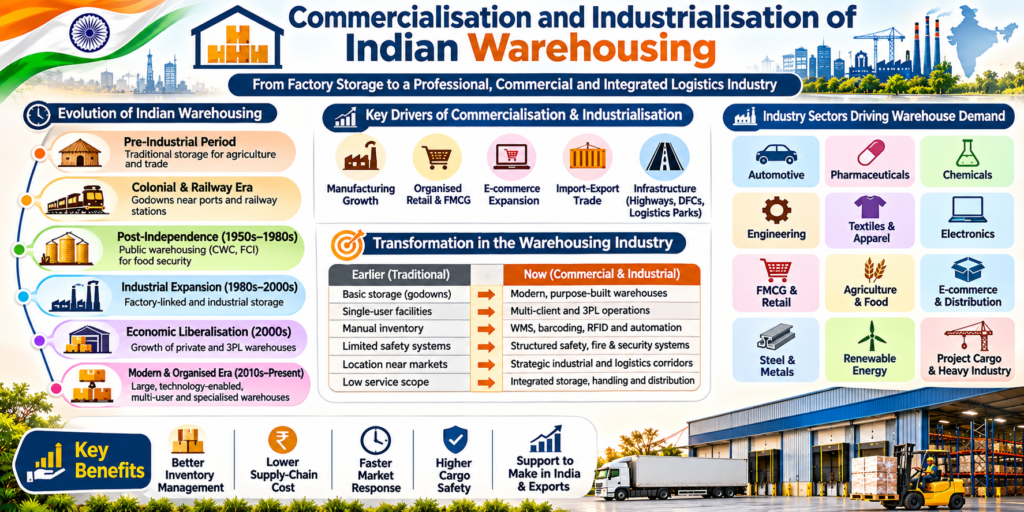
🏗️ Commercialisation and Industrialisation of Indian Warehousing
Commercialisation of Indian Warehousing
The industrialisation of warehousing occurred alongside the expansion of manufacturing and organised distribution.
Factories require raw materials, spare parts, packaging materials and components. They also need space to store finished products before dispatch.
As industrial production increased, warehousing became a specialised commercial service rather than merely an extension of factory premises.
Third-party warehouse operators began offering storage and inventory services to multiple customers.
Modern industrial warehousing now serves sectors such as automotive manufacturing, pharmaceuticals, chemicals, electronics, steel, textiles, engineering and consumer goods.
📊 Industry-wise warehousing requirements
Industry
Common Cargo
Warehouse Requirements
Key Operational Concern
Automotive
Components, assemblies, spare parts
Organised inventory and sequencing
Production continuity
Engineering
Machinery, fabricated components
Suitable floors and handling equipment
Heavy-load safety
Pharmaceuticals
Medicines and materials
Product-specific environmental controls
Quality and traceability
Chemicals
Industrial chemicals
Compatibility and safety controls
Hazard management
Textiles
Fabrics and garments
Clean and dry storage
Moisture and contamination
Electronics
Components and finished products
Secure and suitable storage
Damage and inventory accuracy
Food processing
Raw and processed foods
Product-specific storage
Food safety
Agriculture
Grains, pulses and produce
Scientific storage
Spoilage prevention
E-commerce
Mixed consumer products
Picking and fulfilment systems
Order accuracy
Steel and metals
Coils, sections and components
Engineered storage and lifting
Weight and handling
Renewable energy
Solar and electrical equipment
Specialised protection and handling
Damage prevention
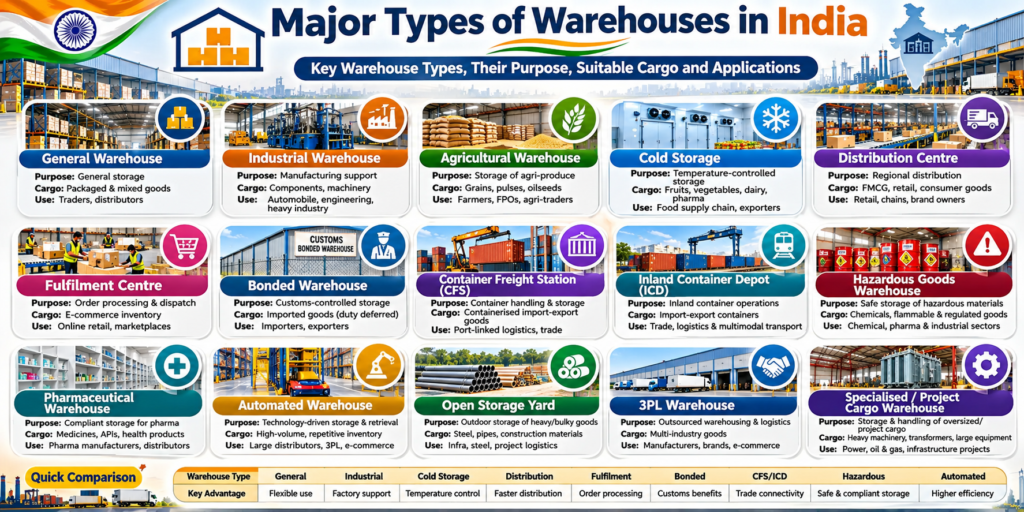
🏢 Major Types of Warehouses in India
Warehouse classification depends on ownership, cargo type, operational purpose and regulatory requirements.
📊 Types of warehouses and their applications
Warehouse Type
Main Purpose
Suitable Cargo
Principal Advantage
Main Limitation
General warehouse
Commercial storage
Packaged goods
Flexible use
Limited specialisation
Industrial warehouse
Manufacturing support
Components and machinery
Factory integration
Cargo-specific infrastructure
Agricultural warehouse
Crop storage
Grains, pulses
Seasonal inventory management
Quality preservation
Cold storage
Temperature-controlled storage
Selected food and pharmaceutical products
Product protection
Energy cost
Distribution centre
Regional product distribution
FMCG and retail goods
Faster order movement
Throughput requirements
Fulfilment centre
Customer order processing
E-commerce inventory
Picking and packing efficiency
Operational complexity
Bonded warehouse
Customs-controlled storage
Eligible imported goods
Customs-related storage arrangements
Regulatory obligations
Container freight station
Container-related cargo operations
Import-export cargo
Port logistics support
Authorisation and infrastructure
Inland container depot
Inland container and customs operations
Containerised trade
Inland logistics access
Service availability
Cross-docking facility
Rapid cargo transfer
Distribution shipments
Reduced storage time
Precise scheduling
Hazardous goods warehouse
Specialised regulated storage
Applicable hazardous materials
Product-specific protection
Strict safety requirements
Pharmaceutical warehouse
Healthcare inventory
Medicines and related products
Traceability
Environmental controls
Automated warehouse
Technology-supported operations
Suitable repetitive inventory
Potential productivity gains
Capital and integration cost
Open storage yard
Outdoor industrial storage
Suitable heavy materials
Large cargo accommodation
Weather exposure
3PL warehouse
Outsourced storage services
Multiple commercial categories
Professional service model
Contract dependency
The choice of warehouse must be based on actual cargo characteristics rather than a generic property description.
🚛 Warehousing and Transportation: The Foundation of Integrated Logistics
warehouse and warehousing
Warehouse efficiency and freight transportation are closely connected.
A warehouse may operate efficiently internally but still create substantial supply-chain costs if trucks face poor access, long queues or repeated loading delays.
Likewise, a transport operator may provide dependable vehicles but experience detention because the receiving warehouse is not prepared for the shipment.
An integrated logistics strategy should therefore coordinate warehouse operations with freight planning.
📊 Transportation requirements by warehouse category
Warehouse Category
Common Transport Requirement
Typical Equipment
Important Planning Factor
FMCG distribution
Frequent regional dispatch
Suitable goods trucks
Delivery scheduling
Automotive warehouse
Factory-linked component movement
Trucks and trailers
Production schedules
Container storage
Container movement
Container trailers
Terminal coordination
Heavy industrial storage
Machinery transportation
Flatbed, lowbed or suitable trailers
Cargo dimensions and lifting
Agricultural warehouse
Seasonal commodity movement
Appropriate goods vehicles
Loading and stock condition
Cold-chain warehouse
Temperature-controlled distribution
Refrigerated vehicles
Temperature integrity
E-commerce fulfilment
Parcel and line-haul movement
Suitable delivery and line-haul vehicles
Dispatch cut-off times
Steel warehouse
Heavy material movement
Suitable heavy goods vehicles
Load distribution and securing
Project cargo yard
Oversized equipment movement
Specialised trailers
Route feasibility and permissions
Why truck access matters
Before selecting a warehouse, operators should evaluate the roads used by incoming and outgoing vehicles.
A facility located near a national highway may still be unsuitable if its final access road has inadequate turning space, restrictions, weak pavement or insufficient clearance.
The design should account for the actual vehicles expected to serve the property.
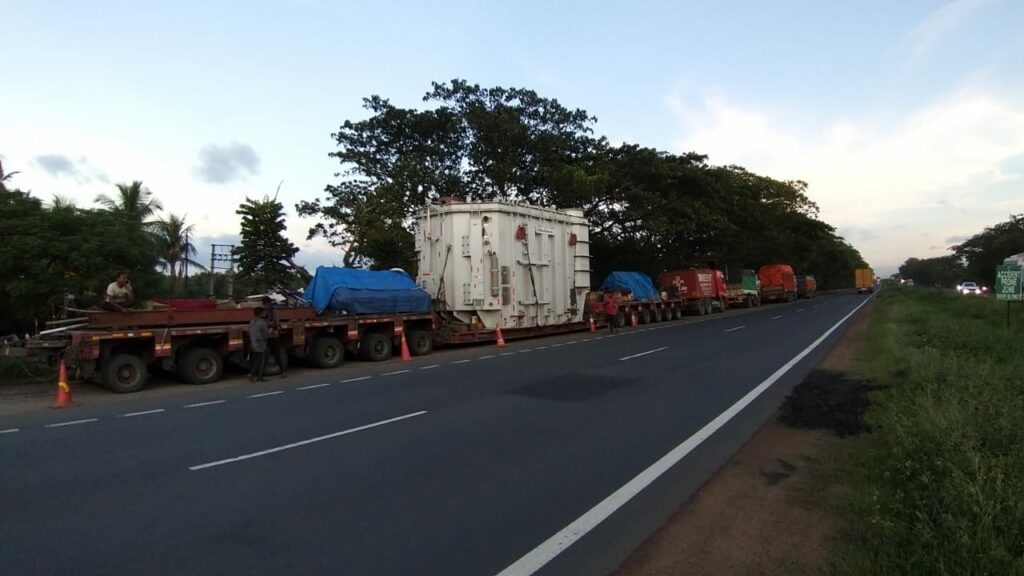
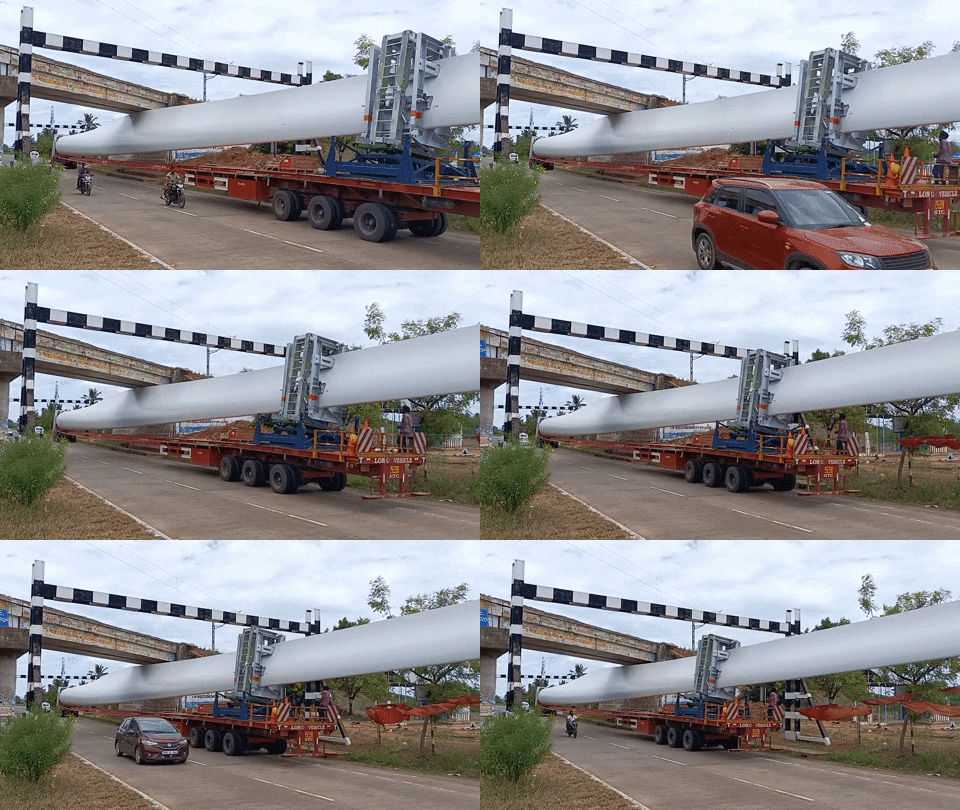
For heavy machinery and oversized cargo, route assessment may need to consider bridges, overhead obstacles, turning geometry, ground conditions and applicable movement permissions.
🗺️ Major Warehousing Regions and Industrial Clusters in India
india map
India’s warehousing geography reflects the location of manufacturing industries, ports, major highways, agricultural production and consumption centres.
The largest commercial opportunity is not necessarily in the most expensive metropolitan location. Regional facilities may offer advantages where they reduce transport distance, improve customer service or support nearby factories.
📊 State-wise warehousing and logistics industry overview
The remaining Union Territories, including Chandigarh, Puducherry, Jammu and Kashmir, Ladakh, Dadra and Nagar Haveli and Daman and Diu, Lakshadweep, and Andaman and Nicobar Islands, have distinct storage requirements related to local industries, geography, distribution and essential supplies.
These locations represent industrial geography, not a verified inventory of available warehouse properties.
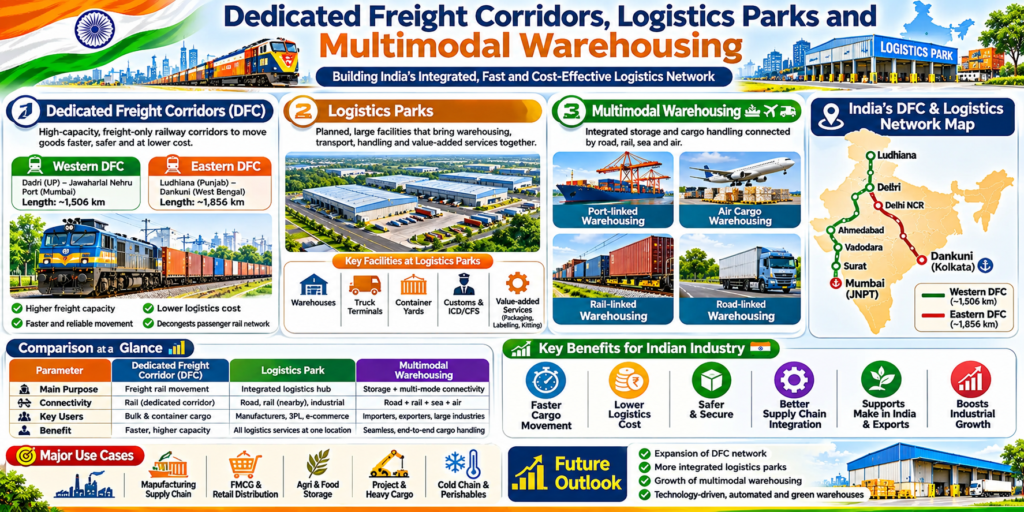
🛣️ Dedicated Freight Corridors, Logistics Parks and Multimodal Warehousing
Freight infrastructure influences where warehouses can operate economically.
India’s Eastern and Western Dedicated Freight Corridors are important components of the country’s freight railway infrastructure. Their commercial impact depends on actual terminal access, rail service availability and connectivity to industrial customers.
A warehouse located near a railway alignment does not automatically have access to freight trains.
Similarly, a logistics park may offer several logistics services without necessarily providing operational rail or customs facilities.
📊 Infrastructure comparison
Infrastructure
Primary Purpose
Warehousing Relevance
National highways
Road connectivity
Truck movement and distribution
Expressways
High-capacity road access
Regional logistics connectivity
Dedicated Freight Corridors
Freight rail movement
Suitable rail-linked supply chains
Industrial corridors
Industrial infrastructure development
Manufacturing-related warehouse demand
Inland Container Depots
Inland container logistics
Import-export cargo support
Container Freight Stations
Container handling and related services
Port cargo logistics
Multimodal Logistics Parks
Integration of logistics facilities
Cargo consolidation and transfer
Ports
Maritime trade
Import-export storage
Airport cargo facilities
Air freight
Time-sensitive and high-value cargo
PM GatiShakti and National Logistics Policy
PM GatiShakti was launched in October 2021 to support coordinated infrastructure planning and multimodal connectivity. The National Logistics Policy followed in September 2022, focusing on logistics services, processes, digitalisation and skills. dpiit.gov.in+1
These frameworks are relevant to the warehousing sector because storage facilities depend on reliable connections with transport infrastructure.
However, individual warehouse investments still require commercial feasibility studies. National policy objectives do not guarantee that a particular logistics park or warehouse will achieve its projected occupancy.
💰 Warehouse Rental Models and Commercial Pricing
warehouse and warehousing
Warehouse rental agreements can differ substantially.
A dedicated warehouse may be leased on a monthly area basis. A shared warehouse may charge for pallets, tonnes, storage days or handling activities.
The correct comparison is the total cost of the service, not simply the advertised monthly rent.
📊 Warehouse rental models
Model
Pricing Basis
Suitable Customers
Key Consideration
Dedicated warehouse lease
Area and contract duration
Manufacturers and large distributors
Fixed occupancy cost
Shared warehousing
Space and services used
MSMEs
Flexible capacity
Pallet storage
Pallet positions and time
Packaged goods businesses
Handling charges
Per-tonne storage
Commodity weight
Suitable bulk goods
Commodity conditions
Per-unit storage
Inventory units
Retail and e-commerce
Inventory accuracy
Throughput-based pricing
Goods handled
Distribution operations
Volume variation
Built-to-suit lease
Custom property agreement
Large industrial occupiers
Long-term commitment
Managed warehouse contract
Property and operational services
Outsourced logistics customers
Service-level obligations
📊 Illustrative warehouse rent calculator
These are hypothetical examples for budgeting, not verified market rental rates.
Area
Assumed Monthly Rate
Monthly Rent
Annual Rent
5,000 sq ft
₹20/sq ft
₹1,00,000
₹12,00,000
10,000 sq ft
₹22/sq ft
₹2,20,000
₹26,40,000
20,000 sq ft
₹24/sq ft
₹4,80,000
₹57,60,000
30,000 sq ft
₹25/sq ft
₹7,50,000
₹90,00,000
50,000 sq ft
₹25/sq ft
₹12,50,000
₹1,50,00,000
1,00,000 sq ft
₹28/sq ft
₹28,00,000
₹3,36,00,000
2,00,000 sq ft
₹30/sq ft
₹60,00,000
₹7,20,00,000
Warehouse quotations should also specify maintenance, deposits, escalation, electricity, fit-out, insurance responsibilities, loading charges and applicable taxes.
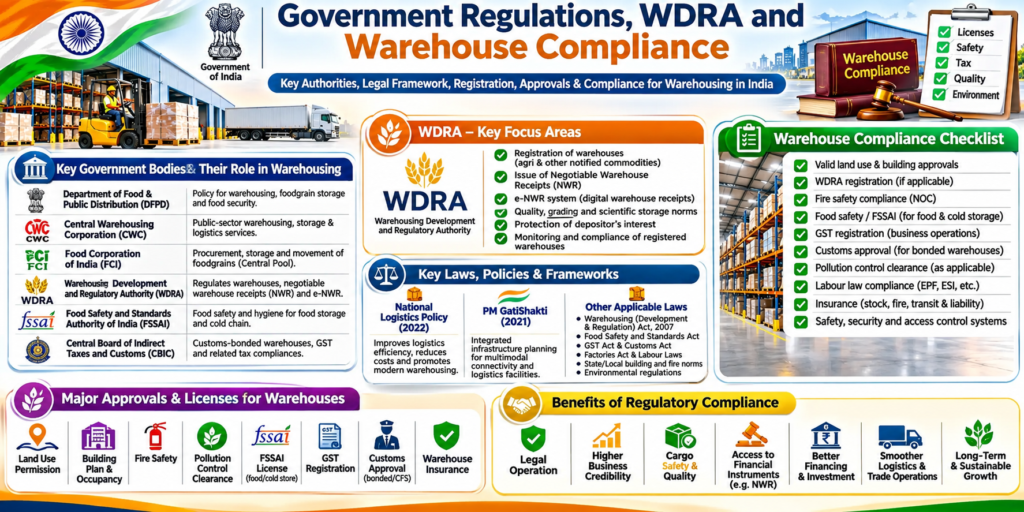
🧾 Government Regulations, WDRA and Warehouse Compliance
Warehousing activities in India may be subject to central, state and local regulations.
The requirements depend on the type of facility, location, stored commodities and commercial operations.
A food warehouse, customs-bonded warehouse and industrial machinery storage yard should not be assumed to have identical regulatory obligations.
📊 Warehouse regulatory framework
Authority / Framework
Area of Responsibility
Relevance
WDRA
Regulated warehouse receipt system
Eligible registered warehousing activities
CWC
Public-sector warehousing
Storage and logistics services
FCI
Foodgrain procurement and movement
Food security storage
FSSAI
Food safety
Applicable food storage
CBIC / Customs
Customs and indirect taxes
Bonded facilities and GST
State fire authorities
Fire safety
Applicable approvals
Local planning authorities
Land use and construction
Permitted use and occupancy
State pollution control boards
Environmental requirements
Applicable storage activities
Labour authorities
Employment requirements
Workforce compliance
The Department of Food and Public Distribution identifies CWC, FCI and WDRA as major institutions within its warehousing and food-storage responsibilities. dfpd.gov.in
🌾 Agricultural Warehousing, Food Security and Scientific Storage
Agricultural warehousing is particularly important because production is seasonal while consumption continues throughout the year.
Scientific storage involves appropriate methods for preserving commodity quality, monitoring inventory and reducing avoidable losses.
The Department of Food and Public Distribution describes the development of adequate and scientific foodgrain storage as part of its storage policy responsibilities. dfpd.gov.in
📊 Agricultural storage requirements
Commodity
Storage Concern
Recommended Management Focus
Wheat
Moisture and pests
Inspection and suitable dry storage
Rice
Moisture and quality deterioration
Commodity-specific preservation
Pulses
Infestation
Monitoring and stock rotation
Oilseeds
Quality deterioration
Moisture management
Cotton
Fire and contamination
Fire protection and suitable stacking
Spices
Moisture and contamination
Clean storage and packaging
Fruits
Spoilage
Product-specific cold chain
Vegetables
Temperature sensitivity
Appropriate environmental control
Seeds
Viability
Suitable storage conditions
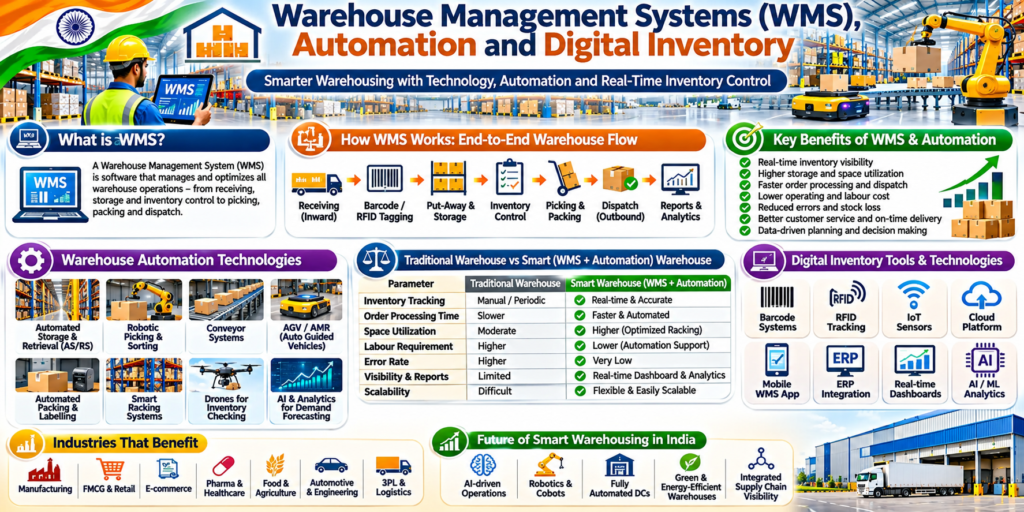
💻 Warehouse Management Systems, Automation and Digital Inventory
A Warehouse Management System, or WMS, helps organise receiving, storage, stock identification, picking, packing and dispatch.
Modern systems can integrate with enterprise resource planning software and transportation management systems.
Technology should support a clearly defined operational process.
A warehouse with poor inventory discipline will not necessarily become efficient simply by installing expensive software.
These supporting articles can be linked internally from the WMS section to strengthen the site’s topical organisation.
🏗️ Warehouse Construction, Design and Technical Requirements
warehouse and warehousing
A warehouse should be designed for the goods it will actually store.
Important considerations include floor loading, building height, structural capacity, loading docks, vehicle circulation, fire protection, drainage, utilities and material-handling equipment.
A general-purpose warehouse may be unsuitable for transformers, steel coils or large industrial machinery.
📊 Warehouse design checklist
Design Feature
Business Importance
Verification Required
Land-use approval
Lawful operation
Planning authority
Building structure
Structural safety
Qualified engineer
Floor capacity
Safe cargo storage
Load assessment
Clear height
Storage configuration
Equipment and racking design
Loading docks
Vehicle turnaround
Vehicle compatibility
Truck turning area
Safe circulation
Swept-path assessment
Fire protection
Life and asset safety
Applicable fire requirements
Drainage
Flood protection
Site assessment
Power supply
Operational continuity
Electrical load study
Security
Inventory protection
Risk assessment
Racking
Efficient storage
Rated capacities
Staff amenities
Workforce welfare
Applicable requirements
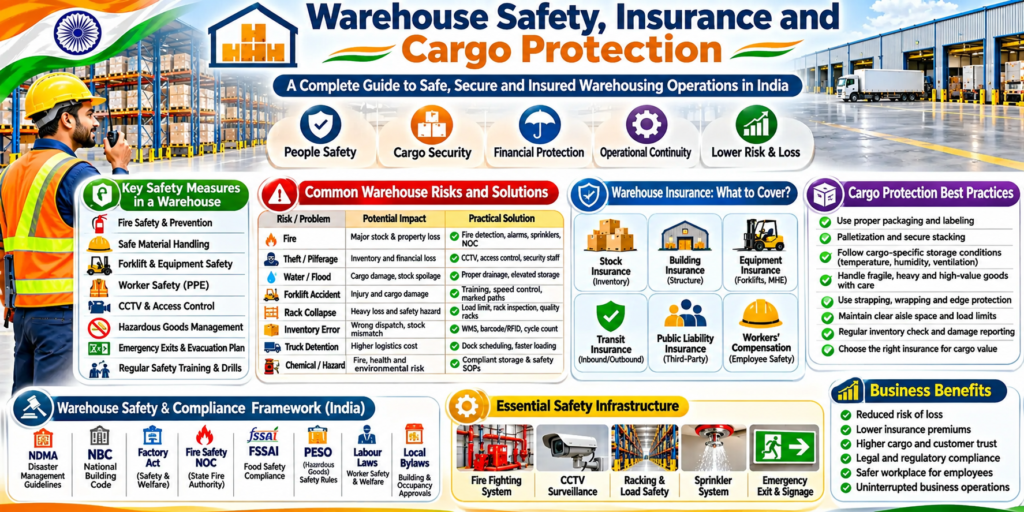
🔥 Warehouse Safety, Insurance and Cargo Protection
Warehouse risk management involves preventing accidents and preparing for incidents that cannot be completely eliminated.
Common risks include fire, theft, water damage, forklift collisions, falling materials, equipment failure and incorrect cargo handling.
📊 Warehouse problems and practical solutions
Problem
Potential Impact
Recommended Solution
Fire
Property and stock losses
Suitable fire protection and emergency planning
Theft
Inventory losses
Access control and reconciliation
Flooding
Water damage
Drainage and site-risk planning
Forklift collision
Injury and damage
Operator training and traffic separation
Rack failure
Falling goods
Engineering inspections and load limits
Inventory mismatch
Incorrect dispatch
WMS and cycle counting
Truck detention
Higher freight cost
Dock appointment systems
Labour shortage
Lower productivity
Training and workforce planning
Insurance disputes
Financial exposure
Clear policy and contract terms
Equipment breakdown
Operational interruption
Preventive maintenance
Warehouse insurance coverage depends on the actual policy, insured property, exclusions and applicable conditions.
Businesses should establish written responsibility for cargo damage, theft, storage charges and insurance claims before operations begin.
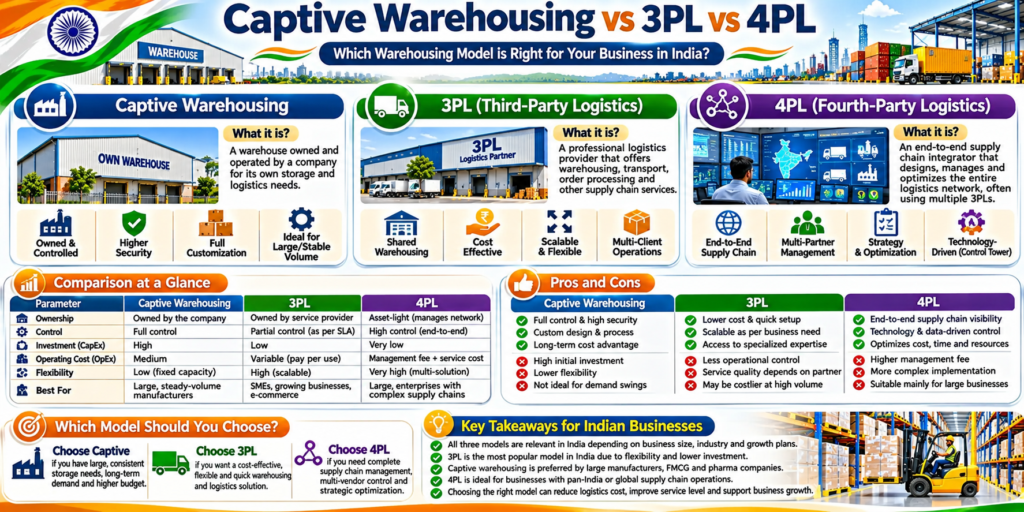
🤝 Captive Warehousing vs 3PL vs 4PL
Businesses can operate warehouses internally or outsource storage and logistics management.
📊 Warehousing operating models
Parameter
Captive Warehousing
3PL
4PL
Operational responsibility
Internal team
Logistics service provider
Supply-chain integrator
Main advantage
Direct control
Specialist execution
Multi-provider coordination
Main challenge
Fixed cost
Provider dependency
Governance complexity
Suitable business
Stable internal operations
Outsourced logistics
Complex supply chains
Inventory handling
Internal
Usually provider-managed
Coordinated through providers
Technology
Internal systems
Provider or integrated systems
Network integration
The best model depends on cost, operational complexity, customer expectations and contractual responsibility.
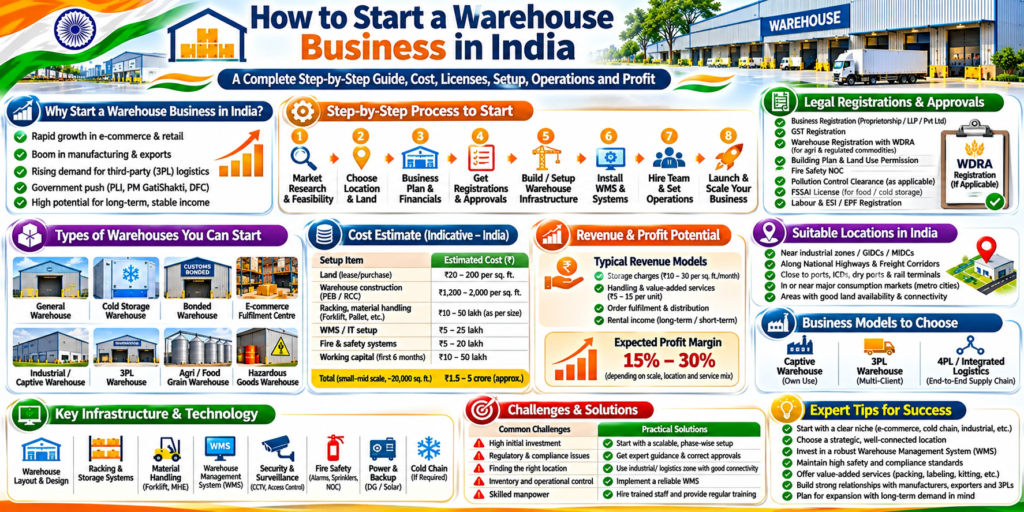
📈 How to Start a Warehouse Business in India
A warehousing business may involve property leasing, storage services, inventory management, cold-chain operations or logistics coordination.
The first step is selecting a business model and identifying genuine customer demand.
📊 Warehouse business startup roadmap
Step
Activity
Business Objective
1
Identify target customers
Understand demand
2
Select business model
Define services
3
Study location
Evaluate connectivity
4
Verify property
Establish legal suitability
5
Prepare financial plan
Assess investment
6
Confirm compliance
Reduce regulatory risk
7
Design operations
Improve efficiency
8
Arrange equipment
Support cargo handling
9
Select technology
Manage inventory
10
Recruit personnel
Build capability
11
Arrange insurance
Manage risk
12
Prepare contracts
Define responsibilities
13
Conduct trial operations
Test procedures
14
Launch services
Begin commercial operations
💸 Warehouse Investment and Profitability
Warehouse investment returns depend on occupancy, rental rates, capital costs, operating expenditure and financing.
A simplified financial model can help investors evaluate different scenarios.
📊 Hypothetical 100,000 sq ft warehouse investment example
Parameter
Illustrative Value
Total area
1,00,000 sq ft
Assumed monthly rent
₹25/sq ft
Monthly rent at full occupancy
₹25,00,000
Assumed occupancy
85%
Effective annual rental revenue
₹2,55,00,000
Assumed annual operating expenses
₹51,00,000
Illustrative net operating income
₹2,04,00,000
Hypothetical property investment
₹25,00,00,000
Simplified NOI yield
8.16%
This is a calculation example, not an actual investment proposal or forecast. Financing, taxes, depreciation and capital expenditure are excluded.
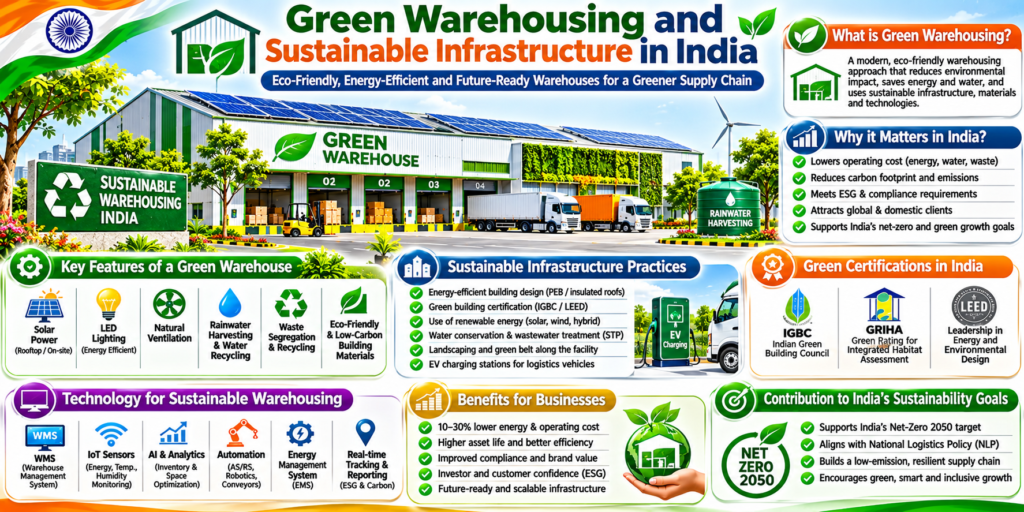
🌱 Green Warehousing and Sustainable Infrastructure
Green warehousing aims to improve resource efficiency and reduce environmental impact while maintaining operational safety.
📊 Sustainable warehouse development opportunities
Initiative
Potential Benefit
Solar rooftop systems
Reduced purchased electricity
LED lighting
Improved energy efficiency
Roof insulation
Better thermal performance
Electric forklifts
Reduced local exhaust emissions
Rainwater harvesting
Improved water management
Efficient refrigeration
Reduced cold-chain energy consumption
Reusable pallets
Reduced selected packaging waste
Digital inventory systems
Reduced unnecessary handling
Truck scheduling
Less avoidable vehicle waiting
Actual savings depend on facility conditions, operating patterns and investment costs.
👷 Employment and Entrepreneurship in Indian Warehousing
Warehousing supports employment across operations, technology, transportation, maintenance, engineering and commercial services.
📊 Warehouse jobs and business opportunities
Job / Business
Main Activity
Warehouse manager
Facility operations
Inventory controller
Stock management
Forklift operator
Material handling
Safety officer
Workplace risk management
WMS administrator
Warehouse software
Transport coordinator
Freight scheduling
Warehouse broker
Commercial property transactions
Packaging contractor
Cargo protection
Equipment rental provider
Handling equipment services
3PL operator
Outsourced warehousing
Industrial logistics consultant
Storage and freight planning
Warehouse developer
Industrial property investment
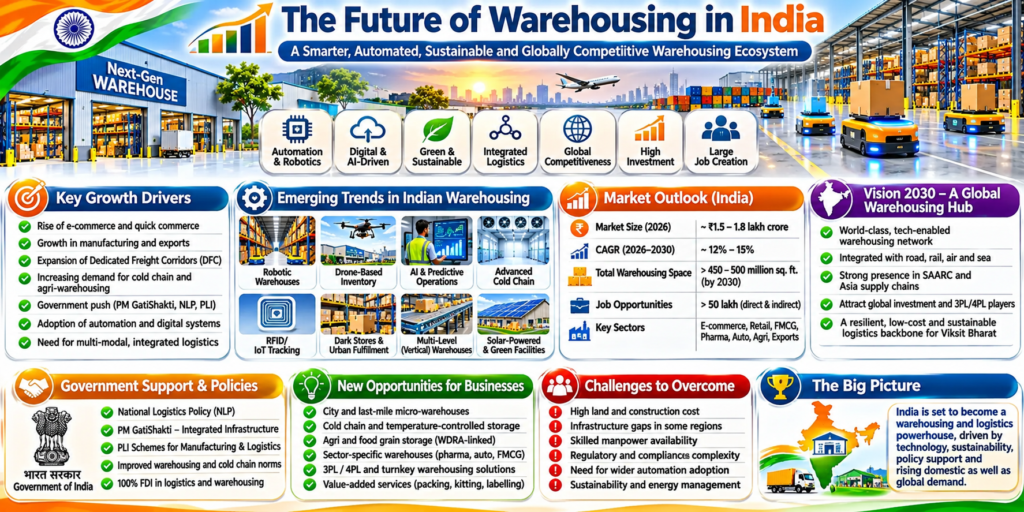
🚀 Future of Warehousing in India: 2027–2035
India’s future warehouse development will be influenced by manufacturing, trade, regional consumption, freight connectivity and technology.
The pace and nature of development will vary across regions.
📊 Future industry trends
Trend
Expected Business Application
Key Challenge
Smart warehouses
Digital inventory management
Implementation cost
AI forecasting
Inventory and demand planning
Data quality
Robotics
Repetitive material handling
Capital requirements
Cold-chain expansion
Temperature-sensitive goods
Energy and equipment
Regional distribution
Improved market access
Network design
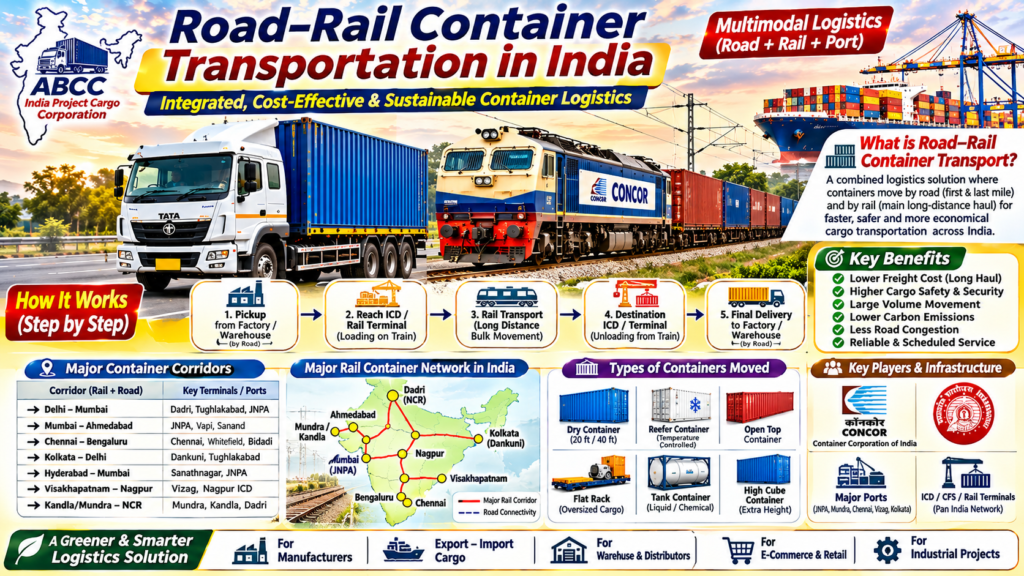
Multimodal logistics
Road–rail coordination
Terminal availability
Green infrastructure
Energy and resource efficiency
Investment feasibility
Specialised industrial storage
Machinery and project cargo
Technical infrastructure
Warehouse analytics
Productivity measurement
Reliable records
These are strategic development themes, not guaranteed market forecasts.
❓ Frequently Asked Questions
What is the warehousing industry in India?
It comprises the facilities, businesses and services involved in receiving, storing, managing and dispatching goods.
What are the major warehouse types?
General, industrial, agricultural, cold-chain, distribution, fulfilment, bonded and specialised warehouses.
What determines warehouse rental prices?
Location, building specifications, connectivity, demand, contract duration and services.
Is WDRA registration mandatory for every warehouse?
No universal requirement applies to all ordinary commercial warehouses. Applicability depends on the regulated activity and relevant legal framework.
Can a transporter start a warehousing business?
Yes, provided the chosen operation has suitable infrastructure, expertise, agreements and applicable compliance.
What is the role of a WMS?
It supports inventory management and warehouse processes.
Are warehouse investments risk-free?
No. Occupancy, financing, operational costs and property conditions can affect returns.
Why are logistics parks important?
They can bring together storage, cargo handling and transport-related services.
What is the difference between 3PL and 4PL?
3PL generally performs logistics services, while 4PL coordinates a broader network of providers and resources.
What is the future of warehousing in India?
Further development is likely in organised industrial storage, technology, specialised facilities and integrated logistics, depending on demand and investment conditions.
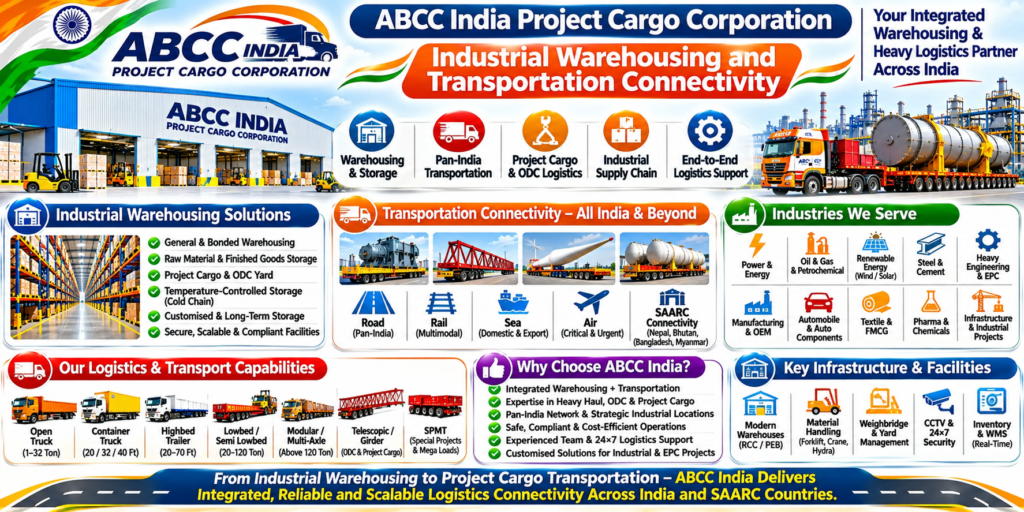
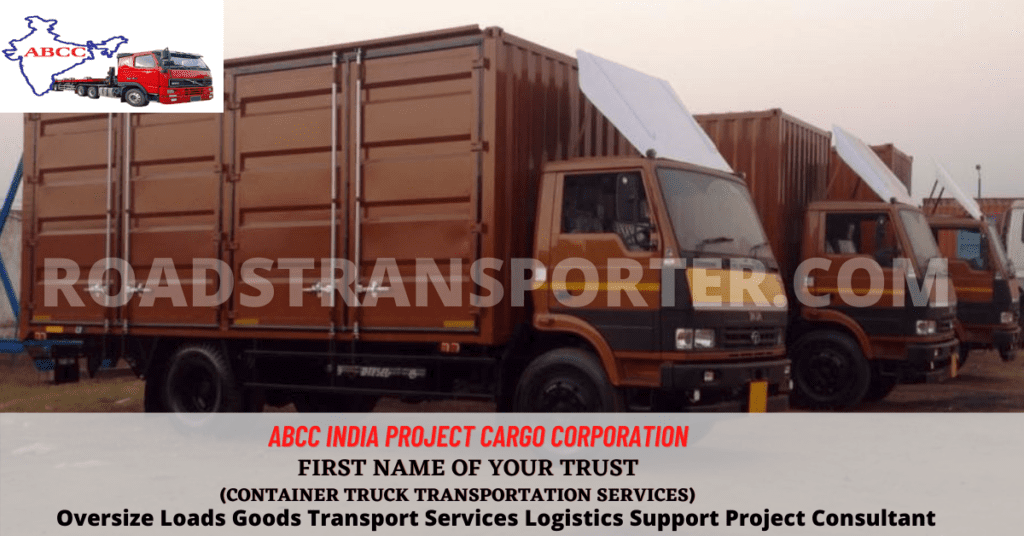
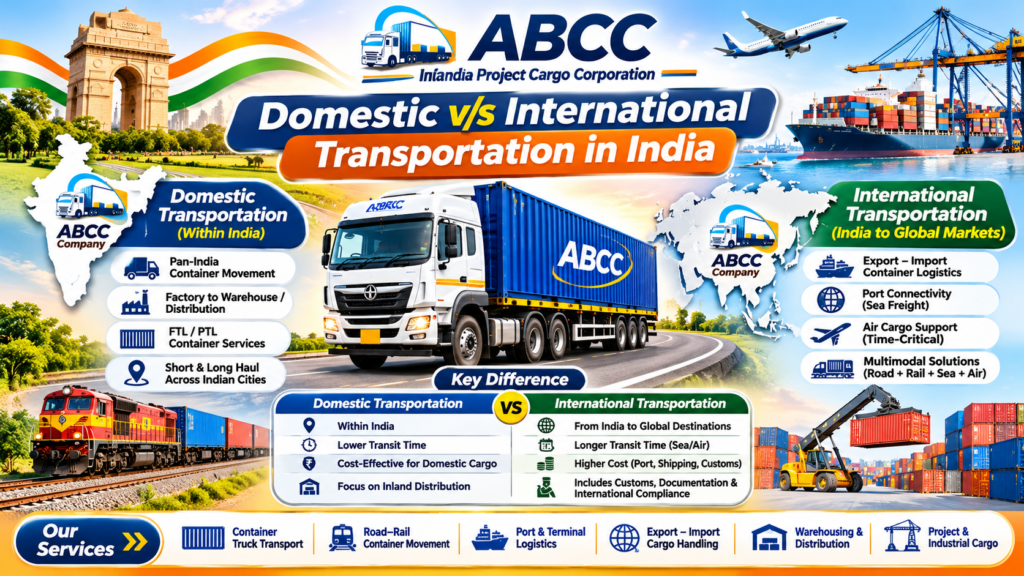
🏢 ABCC India Project Cargo Corporation – Industrial Warehousing and Transportation Connectivity
Warehousing and goods transportation form two connected parts of industrial logistics.
Manufacturers need reliable movement of raw materials into storage facilities and timely dispatch of finished products to customers.
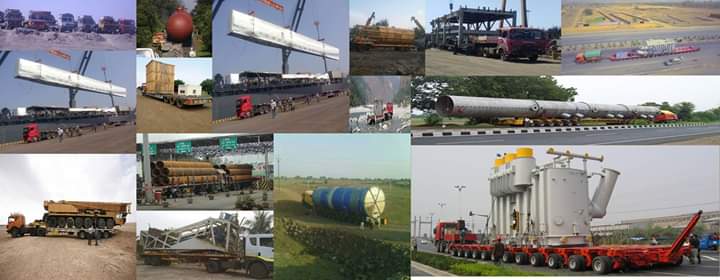
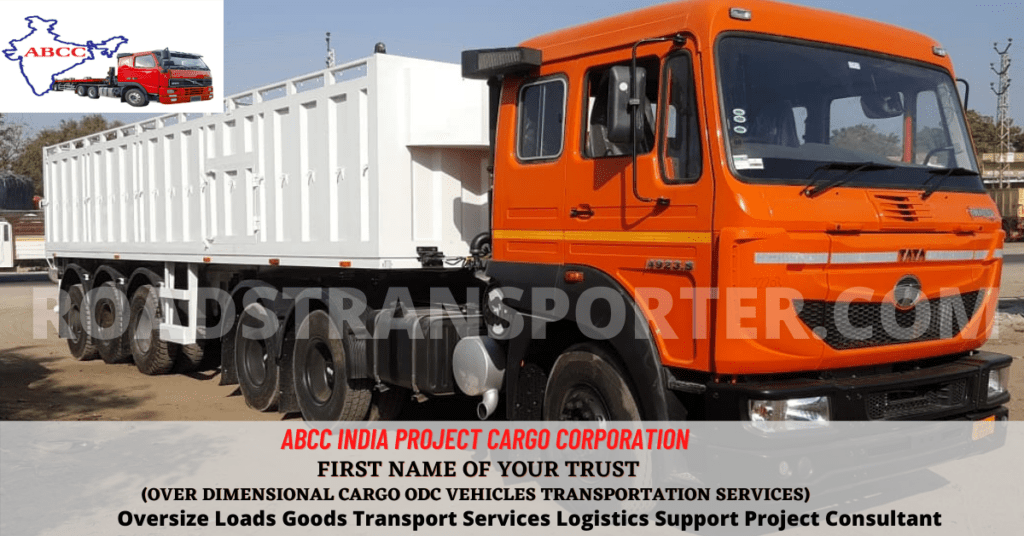
ABCC India Project Cargo Corporation’s transportation and project-cargo focus is relevant to industrial cargo movements associated with warehouses, factories and logistics facilities.
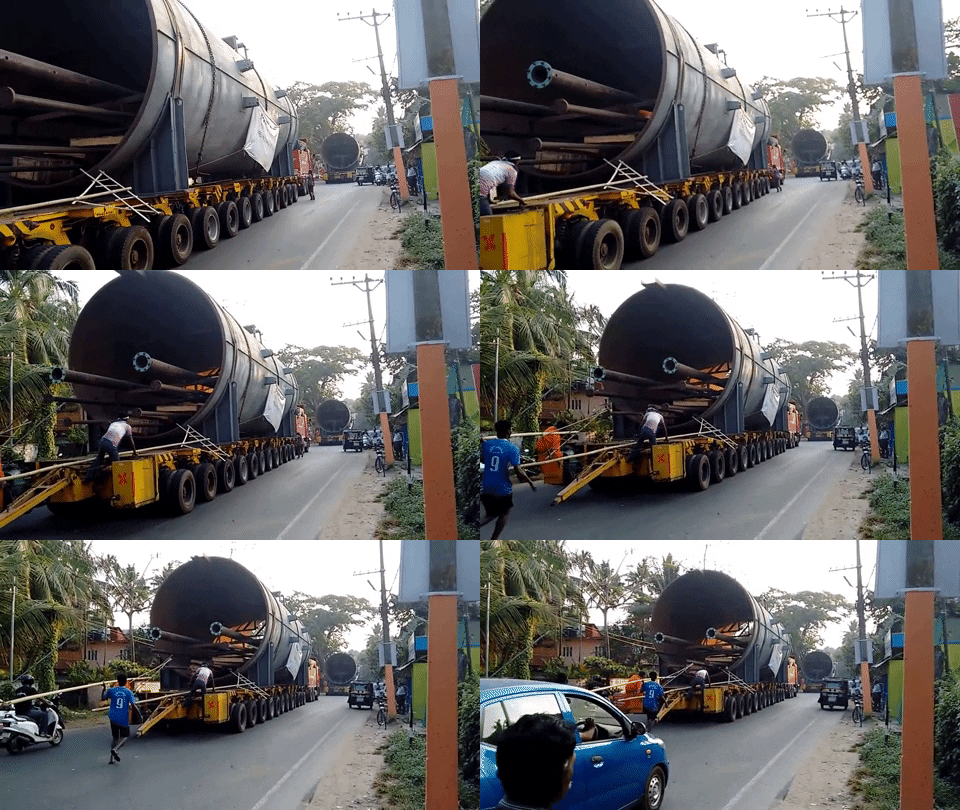
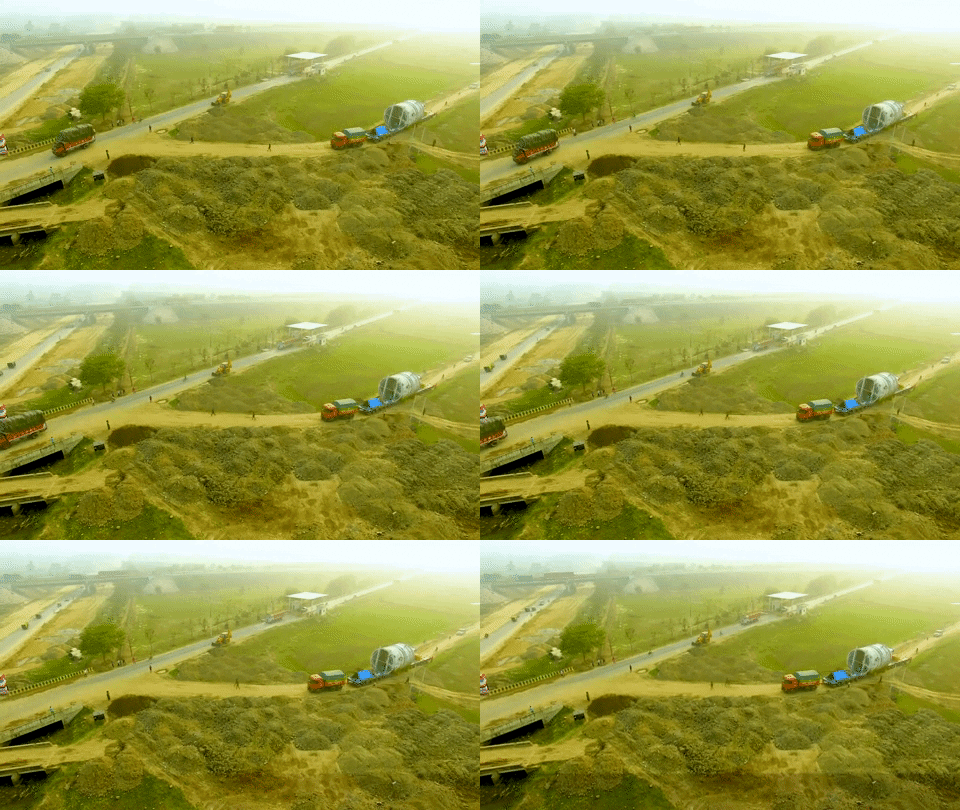
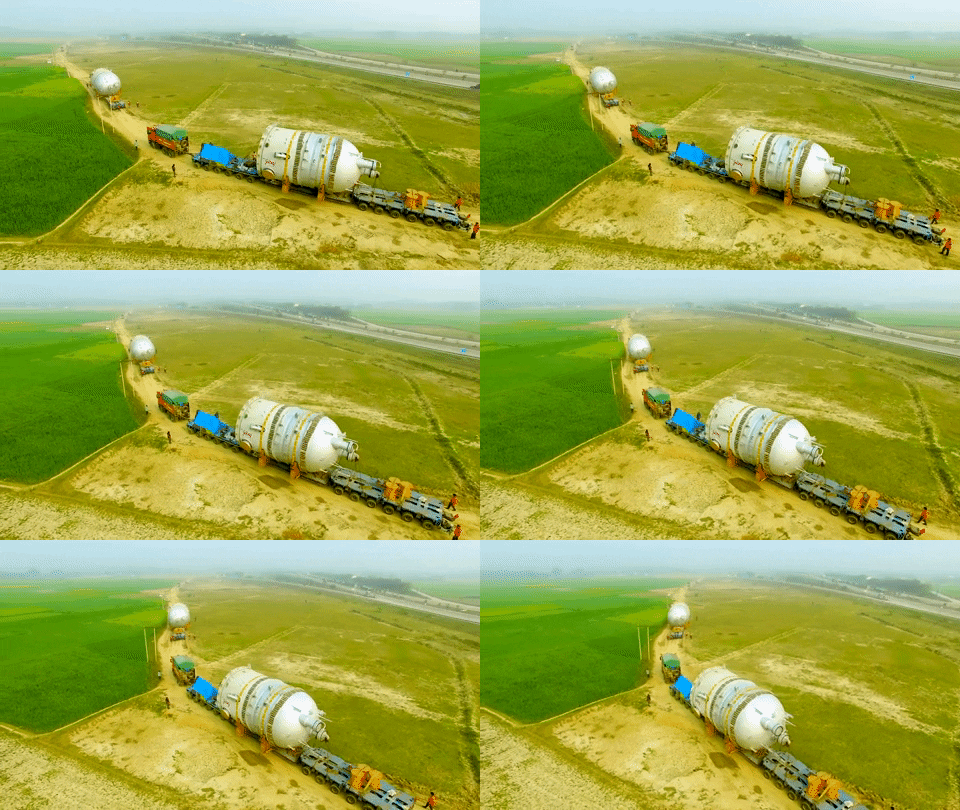
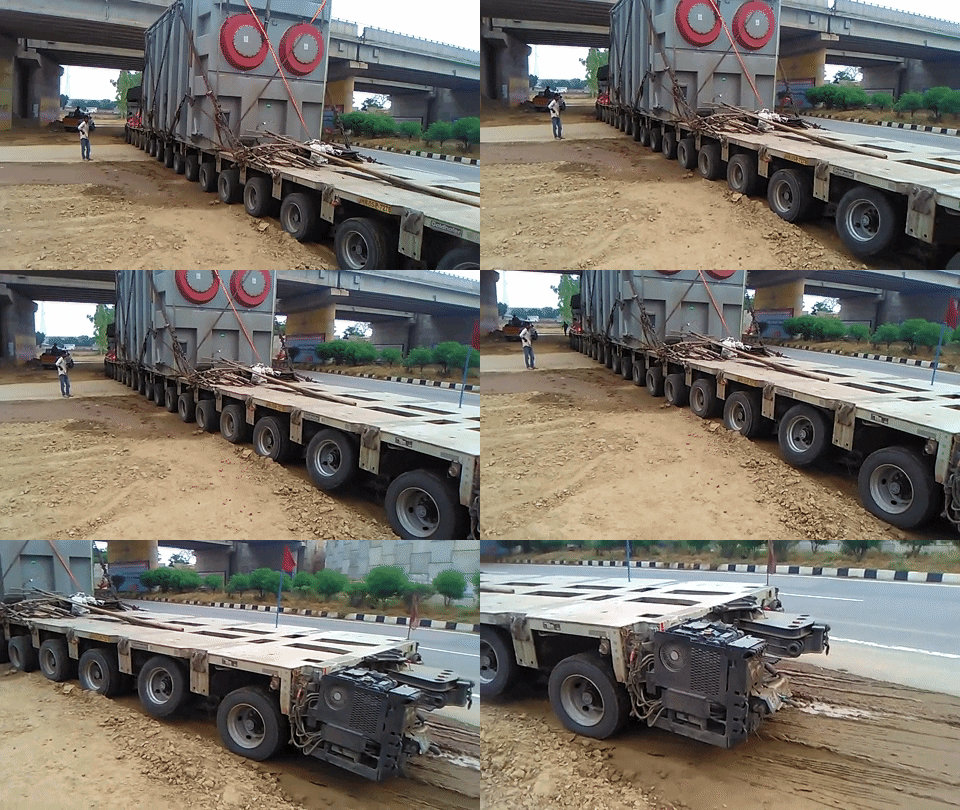
These requirements can include conventional goods transportation, container movement, specialised trailer selection, heavy machinery relocation and over-dimensional cargo planning.
The objective of integrated planning is to reduce avoidable handling, detention and transportation inefficiencies while protecting cargo and meeting applicable safety requirements.
📝 How This Guide Was Prepared
This guide has been organised around the principal subjects relevant to Indian warehousing: history, commercialisation, warehouse types, industrial geography, rental arrangements, transportation, government institutions, technology, safety, investment and future development.
The article is intended for manufacturers, logistics businesses, warehouse operators, transporters, investors and entrepreneurs.
Final Conclusion: Warehousing as the Backbone of India’s Industrial Supply Chain
India’s warehousing industry is moving beyond traditional storage towards a more integrated industrial and logistics ecosystem.
Agricultural warehouses help preserve commodities. Industrial warehouses support manufacturing. Distribution centres connect businesses with markets. Specialised facilities protect sensitive and oversized cargo.
The future success of this industry will depend on more than warehouse construction.
Businesses must invest in suitable locations, dependable transport connections, accurate inventory systems, cargo protection, workforce capability and sound financial management.
For manufacturers, the priority is uninterrupted material availability and efficient distribution.
For warehouse developers, the priority is building commercially useful facilities supported by genuine demand.
For logistics providers, the opportunity is to connect storage infrastructure with reliable freight movement.
Warehousing protects the value of goods. Transportation connects that value with markets. Together, they support India’s industrial growth.
पसियाना गाँव के पास भाखड़ा नहर पर बना पुल दो भारी ट्रकों के गुजरते समय ढह गया। दोनों चालक बचा लिए गए। एक ट्रक में आग लगी, जिसे दमकल कर्मियों ने बुझाया। प्रभावित सड़क पर यातायात मोड़ा गया है।
प्रभाव: संगरूर और बठिंडा जाने वाले भारी वाहनों को वैकल्पिक मार्ग अपनाना पड़ सकता है। पुल टूटने का अंतिम कारण अभी जाँच में है।
बचाव: वैकल्पिक पुल की भार क्षमता और स्थानीय यातायात निर्देश की पुष्टि करें।
https://www.tribuneindia.com/news/patiala/bailey-bridge-on-patiala-sangrur-bathinda-highway-collapses-2-trucks-left-dangling/Chandigarh News – The Indian Express+1
२. आंध्र प्रदेश में कंटेनर ट्रक दुर्घटना, तीन लोगों की मृत्यु
📍 पलनाडु, आंध्र प्रदेश | 📅 घटना १८ नवंबर, समाचार १९ नवंबर
कंटेनर ट्रक डिवाइडर पार करके सामने से आ रहे मालवाहक वाहन से टकराया। दो श्रमिकों सहित तीन लोगों की मृत्यु हुई। पुलिस के अनुसार चालक को कथित तौर पर नींद आई थी।
प्रभाव: लंबी दूरी के ट्रक संचालन में चालक की थकान का गंभीर खतरा।
बचाव: पर्याप्त विश्राम, यात्रा योजना और चालक की सतर्कता सुनिश्चित करें। मामले की पुलिस जाँच जारी है।
🔗 मूल समाचार स्रोत — प्रेस ट्रस्ट ऑफ इंडिया, द प्रिंट पर प्रकाशित
३. कानपुर देहात में बस और ट्रक की टक्कर, दो मृत और २२ घायल
📍 कानपुर देहात, उत्तर प्रदेश | 📅 १९ नवंबर
राष्ट्रीय राजमार्ग १९ पर यात्रियों से भरी बस आगे चल रहे ट्रक से टकराई। दो यात्रियों की मृत्यु हुई और २२ घायल हुए। एक यात्री ने चालक को पर्याप्त आराम नहीं मिलने का आरोप लगाया है।
प्रभाव: यात्री एवं मालवाहक वाहनों के बीच सुरक्षित दूरी तथा चालक विश्राम का महत्व।
बचाव: थकान के लक्षण दिखने पर सुरक्षित स्थान पर रुकें। यात्री का आरोप अंतिम दुर्घटना-जाँच का निष्कर्ष नहीं है।
५. गुजरात में भारी इलेक्ट्रिक ट्रकों से सीमेंट और क्लिंकर ढुलाई शुरू
📍 सांघी संयंत्र, गुजरात | 📅 १८ नवंबर की घोषणा
अदाणी सीमेंट ने भारी इलेक्ट्रिक ट्रकों का संचालन शुरू किया है। मार्च २०२७ तक ४१० ट्रक तैनात करने और २०३० तक सड़क माल ढुलाई का दस प्रतिशत हिस्सा इलेक्ट्रिक वाहनों से करने का लक्ष्य है।
प्रभाव: औद्योगिक परिवहन, इलेक्ट्रिक ट्रक सेवाओं और चार्जिंग ढाँचे के लिए संभावित अवसर।
बचाव: वाहन खरीदने से पहले वास्तविक मालभाड़ा अनुबंध, चार्जिंग, बैटरी और कुल लागत जाँचें।
🔗 मूल घोषणा स्रोत — अदाणी सीमेंट
https://connect.adani.com/media/2026/nov26/adani-cement-flags-off-heavy-duty-electric-trucks-for-clinker–cement-transport/aConnect by Adani
६. कर्नाटक में मालवाहक वाहन और कार की टक्कर में चार लोगों की मृत्यु। चिक्कबल्लापुर जिले की घटना में ओवरटेकिंग के दौरान कार डिवाइडर पार करने की प्रारंभिक जानकारी है। भारी वाहन चालकों को विपरीत दिशा से आने वाले वाहनों के प्रति सतर्क रहना चाहिए।
७. दिल्ली में कार और ऑटो रिक्शा की टक्कर में दो लोगों की मृत्यु। कश्मीरी गेट के पास हुई घटना में पुलिस की कानूनी कार्रवाई जारी है। प्राथमिकी में आरोप दर्ज होना दोषसिद्धि नहीं है।
🔗 मूल समाचार स्रोत — प्रेस ट्रस्ट ऑफ इंडिया, द प्रिंट
८. नागपुर में राज्य परिवहन बस की टक्कर से महिला की मृत्यु। वैरायटी चौक के पास हुई घटना बड़े वाहनों के ब्लाइंड स्पॉट और पैदल यात्री सुरक्षा का महत्व बताती है।
१०. मणिपुर में सैन्य वाहन दुर्घटना में दो सैनिकों की मृत्यु। इंफाल पूर्व में वाहन नदी में गिरने की खबर है। भारी विशेष वाहनों के लिए मार्ग निरीक्षण और आपातकालीन बचाव व्यवस्था महत्वपूर्ण है।
🔗 मूल समाचार स्रोत — प्रेस ट्रस्ट ऑफ इंडिया, द प्रिंट
१३. जीएसटीआर-२ए में अंतर के आधार पर आईटीसी माँग संबंधी न्यायाधिकरण का निर्णय
📍 बेंगलुरु, कर्नाटक | 📅 कानूनी रिपोर्ट १८ नवंबर
जीएसटी अपीलीय न्यायाधिकरण ने ऑप्टिव ट्रेडिंग इंडिया प्राइवेट लिमिटेड से संबंधित मामले में कहा कि अपीलकर्ता अनुपस्थित होने पर भी अपीलीय अधिकारी को प्रस्तुत दस्तावेजों और अपील के आधारों की जाँच करनी चाहिए।
मामले में वित्त वर्ष २०१८–१९ के आईटीसी अंतर को बिना पर्याप्त बिलवार जाँच के कर माँग का आधार बनाया गया था।
प्रभाव: परिवहन कंपनियों को पुराने आईटीसी विवादों में चालान और रिटर्न मिलान का महत्व समझना चाहिए।
सावधानी: प्रत्येक आईटीसी अंतर स्वतः स्वीकार्य नहीं हो जाता। फैसला संबंधित तथ्यों और कानून पर निर्भर करता है।
१४. कर्नाटक के कोलार में ₹३५० करोड़ के लॉजिस्टिक्स पार्क की घोषणा। इंडोस्पेस के प्रस्तावित नरसापुरा-द्वितीय परिसर से औद्योगिक भंडारण और स्थानीय माल ढुलाई के अवसर विकसित हो सकते हैं।
१५. भारतीय रेल के पूँजीगत खर्च की नई समीक्षा। वित्त वर्ष की पहली छमाही में रेल बुनियादी ढाँचे पर बड़े निवेश की रिपोर्ट है। इसमें यात्री और मालवाहक दोनों तरह की परियोजनाएँ शामिल हो सकती हैं।
१६. भारत का लॉजिस्टिक्स बाजार २०३२ तक ५२३.३ अरब डॉलर पहुँचने का अनुमान।
📅 शोध रिपोर्ट १८ नवंबर
मॉर्डर इंटेलिजेंस ने २०२६ में बाजार का आकार ३१५.९ अरब डॉलर और २०३२ तक ५२३.३ अरब डॉलर होने का अनुमान दिया है। वार्षिक चक्रवृद्धि वृद्धि दर ८.८२ प्रतिशत अनुमानित है।
प्रभाव: छोटे ट्रक मालिकों के लिए बढ़ते बाजार के साथ चालक उपलब्धता, डीजल खर्च और भुगतान अवधि की चुनौतियाँ भी बनी रहेंगी।
सावधानी: यह निजी शोध संस्था का पूर्वानुमान है, निश्चित भविष्य का आँकड़ा नहीं।
२०. मालदीव में अंतरराष्ट्रीय बंदरगाह एवं लॉजिस्टिक्स केंद्र का समझौता। प्रस्तावित परियोजना से भविष्य में समुद्री माल परिवहन, भंडारण और जहाज सहायता सेवाओं के अवसर बन सकते हैं।
२१. चार देशों की समुद्री निगरानी सहयोग पहल। भारत, अमेरिका, ऑस्ट्रेलिया और जापान ने समुद्री सुरक्षा सहयोग बढ़ाने की योजना घोषित की है। इसे वाणिज्यिक जहाजों के लिए नया परमिट नियम नहीं समझना चाहिए।
आज के संयुक्त संस्करण में दो महत्वपूर्ण आधिकारिक प्रकृति के दस्तावेज सामने आए हैं।
सर्वोच्च न्यायालय का १८ नवंबर का आदेश: राजमार्ग किनारे विवादित संरचनाओं से संबंधित विशिष्ट आवेदनों में अंतरिम संरक्षण की शर्तें स्पष्ट की गई हैं। यह न्यायिक आदेश है, नया एनएचएआई परिपत्र नहीं।
अशोका बिल्डकॉन की १७ नवंबर की शेयर बाजार सूचना: राष्ट्रीय राजमार्ग प्राधिकरण की परियोजना में सबसे कम बोलीदाता घोषित होने की जानकारी है। इसे अंतिम ठेका स्वीकृति नहीं माना जाएगा।
सड़क परिवहन मंत्रालय, सीमा सड़क संगठन, राज्य आरटीओ, सीबीआईसी, रेलवे, नौवहन महानिदेशालय, नागरिक उड्डयन, पर्यटन और बीबीआईएन से संबंधित आज कोई अन्य नई सत्यापित सरकारी घोषणा नहीं मिली, जिसके नए मूल आदेश और लागू तारीख का पूरा प्रत्यक्ष दस्तावेज इस जाँच में स्थापित हो सका हो।
🔥 पिछले २४ घंटों का वायरल परिवहन वीडियो
पटियाला पुल दुर्घटना के वीडियो समाचार माध्यमों में सामने आए हैं, लेकिन मूल अपलोड का प्रत्यक्ष लिंक और प्रमाणित वायरल आँकड़े स्थापित नहीं हुए। इसलिए कोई अपुष्ट वायरल वीडियो शामिल नहीं किया गया है।
🚛 ट्रक और ट्रेलर मालिक: पुल, अंडरपास और वैकल्पिक मार्ग पर वाहन भेजने से पहले भार और ऊँचाई सीमा की पुष्टि करें।
⚖️ जीएसटी: जीएसटीआर-२ए, जीएसटीआर-२बी, जीएसटीआर-३बी और मूल चालानों का नियमित मिलान करें।
🏗️ ओडीसी और प्रोजेक्ट कार्गो: नई एक्सप्रेसवे परियोजनाओं की निविदा को तुरंत उपलब्ध परिवहन अनुबंध न मानें। वास्तविक निर्माण कार्यक्रम और ठेकेदार की आवश्यकता जाँचें।
🔋 इलेक्ट्रिक ट्रक: औद्योगिक ग्राहकों के नए अनुबंधों में चार्जिंग, परिचालन दूरी और वाहन क्षमता को प्राथमिकता दें।
👷 चालक सुरक्षा: थकान, कोहरे और रात्रिकालीन यात्रा के जोखिम को ध्यान में रखकर सुरक्षित विश्राम की व्यवस्था करें।
🚛 देशभर में खड़ी ट्रक एवं ट्रेलर गाड़ियों की उपलब्धता
🚛 जहीराबाद — २७ टन हाईबेड — महाराष्ट्र, गुजरात, छत्तीसगढ़, ओडिशा, झारखंड, पश्चिम बंगाल, पंजाब।
🚛 बेलगावी — २५ फुट खांचा, २ एक्सएल लोबेड — महाराष्ट्र, गुजरात, छत्तीसगढ़, ओडिशा, झारखंड, पश्चिम बंगाल।
🚛 ओरवकल — ३२ टन हाईबेड — महाराष्ट्र के लिए।
🚛 कोप्पार्थी — १६ पहिया लोबेड — महाराष्ट्र के लिए।
━━━━━━━━━━━━━━━━ 📦 मालभाड़े के लिए गाड़ी चाहिए या अपनी गाड़ी के लिए लोड? ━━━━━━━━━━━━━━━━
🤝 ट्रांसपोर्टर, ट्रेलर मालिक, ब्रोकर, औद्योगिक कंपनियाँ एवं लोडिंग एजेंट आपसी समन्वय से माल ढुलाई की व्यवस्था कर सकते हैं।
📋 भाड़ा तय करते समय ये विवरण साझा करें:
📍 लोडिंग एवं अनलोडिंग स्थान ⚖️ माल का वजन और माप 🚛 आवश्यक ट्रक या ट्रेलर का प्रकार 📅 लोडिंग की तारीख 💰 प्रस्तावित भाड़ा एवं भुगतान शर्तें 📄 ई-वे बिल, परमिट और अन्य आवश्यक दस्तावेज
⚠️ जरूरी सूचना: बुकिंग से पहले वाहन मालिक और सभी विवरण जाँच लें।
📍 Junagadh GIDC Industrial Area – Location, Industrial Identity and Logistics Overview
Junagadh is an important agricultural, commercial and industrial district in the Saurashtra region of Gujarat, western India. Situated near the Girnar hills, Junagadh city serves as a regional centre for agricultural trading, food processing, engineering workshops, manufacturing enterprises and goods distribution.
The district’s industrial transportation network connects agricultural producers, manufacturing units, wholesale traders, warehouses and commercial markets with other parts of Gujarat and India.
Unlike the large petrochemical complexes of Bharuch or the automotive manufacturing clusters around Sanand, Junagadh’s industrial character is strongly influenced by agricultural processing, small and medium enterprises, engineering activities and regional commerce.
This creates demand for several types of commercial vehicles, including pickup trucks, light commercial vehicles, medium and heavy goods trucks, container-body trucks, flatbed trailers and specialised machinery carriers.
🏭 Where exactly are the Junagadh GIDC industrial estates located?
The Gujarat Industrial Development Corporation (GIDC) has developed industrial estates to provide organised industrial land and infrastructure for manufacturing and commercial activities.
Junagadh’s GIDC industrial presence is not confined to one location. Industrial estates are associated with Junagadh city and other locations in the district, including Sheel and Visavadar.
It is important to distinguish the current geographical boundaries of Junagadh district from historical GIDC administrative listings. Veraval, sometimes appearing in older Junagadh-related industrial records, is now located in Gir Somnath district.
📋 Junagadh District GIDC Industrial Estate Location Chart
GIDC industrial estate
Location
Industrial transport relevance
Junagadh – I
Junagadh city
Manufacturing supplies, industrial goods and local distribution
Junagadh – II
Junagadh city
Engineering materials, packaged products and regional freight
Sheel (Shil)
Sheel, Junagadh district
Industrial development, machinery and future manufacturing requirements
Visavadar (RIDC)
Visavadar, Junagadh district
Rural industry and agriculture-linked goods movement
Veraval GIDC
Veraval, present-day Gir Somnath district
Coastal industrial and port-linked logistics
Estate names are supported by the official GIDC FY 2026–27 directory. The logistics applications are indicative; they do not establish the current industries or operating status of individual plots.
🚛 What Is the Goods Transportation and Logistics Industry Like in Junagadh?
Junagadh’s logistics industry primarily serves the movement of agricultural commodities, food-processing materials, manufactured products, engineering components and construction supplies.
Its transport economy is influenced by three important commercial activities.
🌾 Agricultural and Agro-Processing Transportation
Groundnuts are especially significant to Junagadh’s agricultural economy. A Gujarat government agricultural-industry publication identifies Junagadh as a leading groundnut-producing district. Gujarat Agricultural Information Center
This creates potential demand for the movement of harvested produce, oilseeds, packaging materials, processed products and agricultural equipment.
Transport requirements change with harvesting schedules, market demand, processing activity and warehouse availability.
⚙️ Manufacturing and Engineering Logistics
Junagadh’s manufacturing and engineering activities require transportation of steel, industrial components, machinery, fabricated materials and finished products.
GIDC’s industrial-cluster presentation identifies engineering among the relevant industries of the wider Junagadh–Amreli region. gidc.gujarat.gov.in
Smaller consignments may be transported using pickups and light commercial vehicles, while larger machinery and fabricated components may require heavy trucks or specialised trailers.
📦 Regional Distribution and Interstate Freight
Junagadh’s commercial connections with Rajkot, Jetpur, Ahmedabad and other Gujarat markets support regional goods distribution.
Interstate transportation also allows local businesses to procure industrial raw materials and distribute products to markets in Maharashtra, Rajasthan, Madhya Pradesh and other states.
The choice between full truckload, part-load and dedicated trailer transportation depends on cargo characteristics, delivery requirements and commercial feasibility.
📊 Junagadh Goods Transportation Industry at a Glance
Logistics segment
Main cargo or application
Typical transport solution
Agricultural logistics
Groundnuts, grains, oilseeds
Open or covered trucks
Food-processing logistics
Ingredients, packaged foods
Enclosed goods vehicles
Engineering logistics
Components, fabricated structures
Open trucks, flatbeds
Machinery transportation
Industrial and agricultural equipment
Flatbed, semi-lowbed
Construction logistics
Steel, cement, aggregates
Rigid trucks, tippers
Wholesale distribution
Cartons and commercial goods
LCV, MCV, container-body truck
Industrial project cargo
Oversized equipment where required
Suitable specialised trailer
Parcel logistics
Samples, documents, spare parts
Courier and parcel networks
🛣️ Why Is Junagadh Important for Gujarat’s Regional Logistics Network?
Junagadh serves as a commercial link between agricultural production areas, local industrial enterprises and larger Saurashtra markets.
Its connections towards Rajkot and Jetpur are useful for engineering procurement and industrial distribution. Routes towards Veraval and Porbandar provide access to coastal commercial areas, while longer corridors connect Junagadh businesses with major Gujarat and interstate markets.
For freight operators, this creates opportunities in local pickup and delivery, agricultural transportation, factory dispatch, industrial equipment movement and return-load coordination.
However, cargo availability is not uniform throughout the year. Agricultural seasonality, manufacturing schedules, vehicle positioning and delivery requirements influence freight demand and rates.
🧠 What Should Manufacturers and Transporters Know Before Booking a Truck in Junagadh GIDC?
A successful industrial dispatch begins with accurate cargo information.
Manufacturers should confirm the precise industrial estate, factory gate, material description, packaging, gross weight, cargo dimensions and loading arrangements.
Transporters should verify vehicle suitability, legal payload limits, road access, documentation and unloading conditions.
For oversized or unusually heavy machinery, additional route feasibility checks and applicable statutory permissions may be necessary.
Junagadh’s combination of agriculture-linked commerce, manufacturing and regional trading makes it a relevant industrial freight market. Its greatest logistical advantage lies in connecting local production and business activity with Gujarat’s wider road transportation network.
🏭 How Many GIDC Industrial Estates Are There in Junagadh District, Gujarat?
According to the Gujarat Industrial Development Corporation’s FY 2026–27 allotment-price directory, five industrial estates are listed under the Junagadh District heading. However, one of these—Veraval—is geographically located in present-day Gir Somnath district.
GIDC’s 2026 brochure separately identifies four estates within the current geographical boundaries of Junagadh district. Therefore, for a district-specific industrial and logistics article, four is the appropriate geographical count, while five is the count in the allotment-price directory.
4
Current district estates
5
GIDC directory entries
9
Junagadh regional-office estates
Regional-office jurisdiction is broader than Junagadh district and must not be confused with the district count.
📋 Junagadh GIDC Industrial Estate Directory – Location, Industry Types and Freight Requirements
GIDC estate
Location
Industrial company types / relevant activities
Typical logistics requirements
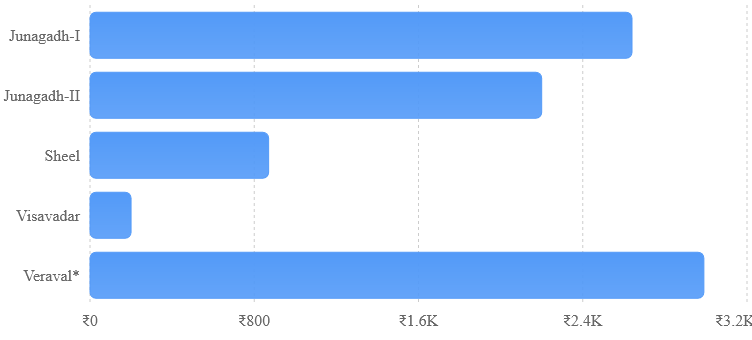
FY 2026–27 allotment price
Junagadh – I
Dolatpara, Junagadh
Plastics, rubber, food processing, machinery, auto components
Raw materials, packaging, finished goods
₹2,640/m²
Junagadh – II
Sabalpur, Junagadh
Plastics, engineering, fabrication and other MSME activities
Steel, machinery, factory dispatch
₹2,200/m²
Sheel (Shil)
Sheel, Junagadh
General industrial development; current tenant mix needs confirmation
Industrial supplies and potential manufacturing cargo
₹870/m²
Visavadar (RIDC)
Visavadar, Junagadh
Rural industrial activities; current tenant mix needs confirmation
Sources: GIDC FY 2026–27 directory and Government of India district industrial profiles. Industry descriptions for Sheel and Visavadar are indicative rather than verified active-tenant inventories. gidc.gujarat.gov.in+2
🏢 Major and Identifiable Industrial Companies in Junagadh GIDC
The following businesses appear in a third-party industrial directory for Junagadh-I GIDC. These are identifiable company examples, not a ranking of the district’s largest companies. Their current operations, factory addresses and business scale require independent verification before commercial contact.
Company name
Reported industry
Industrial products or business category
Directory area
Amber Plastics
Plastics and rubber
Plastic manufacturing
Junagadh-I
Arjun Packaging
Plastics and packaging
Packaging-related products
Junagadh-I
Deluxe Rubber Industries
Rubber products
Rubber manufacturing
Junagadh-I
Evergreen Polymers
Plastics and polymers
Polymer products
Junagadh-I
Hind Plastic Process
Plastics
Plastic processing
Junagadh-I
Jaydeep Machinery
Machinery
Industrial machinery
Junagadh-I
Jyoti Plastic
Plastics
Plastic products
Junagadh-I
Eagle Foods
Food manufacturing
Food products
Junagadh-I
Dharti Proteins
Food processing
Food-related products
Junagadh-I
Kamnath Industries
Food manufacturing
Food-related products
Junagadh-I
Kohinoor Accessories Pvt Ltd
Automotive components
Auto accessories
Junagadh-I
Guru Auto Pvt Ltd
Transport-equipment manufacturing
Automotive-related manufacturing
Junagadh-I
📦 Junagadh Industrial Sectors and Goods Transportation Opportunities
Industrial sector
Typical inbound materials
Typical outbound cargo
Suitable transport
Plastic manufacturing
Polymer granules, additives
Plastic products
Covered trucks, LCV
Rubber manufacturing
Rubber compounds, chemicals
Moulded rubber goods
Covered trucks
Food processing
Agricultural produce, ingredients
Packaged food
Enclosed trucks
Packaging manufacturing
Plastic and paper inputs
Packaging products
LCV, MCV
Engineering
Steel, castings, components
Machinery and fabricated parts
Open trucks, flatbeds
Auto components
Metal and component inputs
Finished automotive parts
Container-body trucks
Agricultural processing
Groundnuts, oilseeds
Processed products
Open and covered trucks
Construction-related manufacturing
Cement, steel and other inputs
Construction products
Rigid trucks, tippers
Cargo and vehicle categories are typical industry-based applications, not confirmed shipments from the listed companies.
📊 What Does the Official Historical Industrial Profile Show?
An older Government of India Junagadh industrial profile recorded the following figures:
Historical indicator
Recorded figure
Registered industrial units
7,796
Registered medium and large units
12
Estimated average workers in small-scale industries
41,170
Employment in medium and large industries
7,783
These are historical figures from a profile published before the present district configuration was fully reflected in industrial datasets. They must not be described as 2026 employment or factory counts.
🚛 Which Junagadh GIDC Estates Matter Most for Transport Businesses?
For transporters, truck owners and industrial logistics brokers, Junagadh-I and Junagadh-II are useful starting points for investigating factory dispatch opportunities because identifiable manufacturing businesses and industrial associations are documented there.
Sheel and Visavadar should be approached with more targeted verification of active factories, cargo requirements and current operating activity.
Commercial opportunities may include local factory pickup, interstate full truckload services, part-load consolidation, machinery transportation, industrial packaging, loading equipment coordination and return-load brokerage.
🧠 Final Industrial Research Summary
Junagadh has four GIDC estates within its present district boundaries, while the FY 2026–27 GIDC allotment directory retains five entries under its Junagadh heading. The district’s industrial logistics opportunities are associated with manufacturing, plastics, food processing, agricultural products, engineering and regional trading.
For an authoritative industrial encyclopedia, publish verified estate names and identifiable companies, but avoid claiming unverified factory counts, live operating status, freight volumes or company rankings.
🏗️ How Industrialization Changed Junagadh District GIDC’s Economy
Industrialization has gradually changed Junagadh district’s economy from one primarily associated with agriculture, traditional trading and rural occupations into a more diversified commercial system supported by food processing, engineering workshops, plastics manufacturing, packaging, industrial services and road transportation.
Located in Gujarat’s Saurashtra region, Junagadh has developed an industrial identity different from the large petrochemical, automobile and port-based manufacturing centres elsewhere in the state. Its economic transformation is closely connected to the processing of agricultural commodities, the growth of small and medium enterprises, and the expansion of supporting commercial services.
GIDC industrial estates have contributed to this transformation by providing designated locations for industrial activity. Junagadh-I, Junagadh-II, Sheel and Visavadar form part of the district’s industrial estate network, although their levels of development and operating activity should not be assumed to be identical.
The significance of industrialization extends beyond factory production. When a manufacturing business expands, it can create additional requirements for raw-material procurement, packaging, machinery maintenance, warehousing, commercial transportation, skilled labour and finished-goods distribution.
This relationship explains why industrial development matters to truck operators, freight brokers, logistics companies, equipment suppliers, warehouse businesses and local employment markets.
🌾 From Agricultural Trading to Value-Added Manufacturing
Agriculture remains one of the foundations of Junagadh’s economy. Groundnuts, oilseeds and other farm products support commercial activity beyond cultivation.
Industrial processing allows agricultural commodities to move through additional economic stages, including cleaning, grading, oil extraction, packaging, storage and wholesale distribution.
This creates value for processors, machinery suppliers, packaging businesses and transport operators.
NABARD’s Junagadh Potential Linked Plan for 2019–20 identified opportunities in edible oils, agricultural processing, cattle feed, fruit preservation and other resource-based industries. These were documented opportunities, not proof that every proposed industry subsequently became operational. NABARD
🏭 How GIDC Industrial Estates Supported Manufacturing
Organised industrial estates can reduce some of the difficulties faced by manufacturers when establishing production units.
Industrial plots, factory accommodation, access roads and connections to essential services help businesses concentrate manufacturing and supporting activities in designated locations.
Historical Government of India industrial records document developed industrial land and manufacturing units in Junagadh-I, Junagadh-II, Shil and Visavadar. This demonstrates an established industrial base, although the historical unit counts should not be interpreted as current factory occupancy. V **INFRASTRUCTURE FOR INDUSTRIAL D
Industrial clustering can also support local suppliers. A machinery workshop may obtain fabrication services nearby, while a food-processing business may use regional packaging, maintenance and transportation contractors.
📊 Economic Transformation: Before and After Industrial Development
The following comparison explains the broad structural changes associated with industrialization. It is a qualitative assessment, not a measured before-and-after economic survey.
Economic activity
Traditional economic structure
Changes associated with industrialization
Agriculture
Sale of raw farm produce
Greater scope for processing and packaged products
Manufacturing
Small workshops and traditional production
More diversified factory and engineering activities
Employment
Farming, trading and manual occupations
Additional factory, technical and logistics occupations
Transportation
Farm-to-market movement
Raw-material procurement and finished-goods distribution
Warehousing
Agricultural storage
Industrial inventory and commercial distribution
Entrepreneurship
Farming and local trading
Manufacturing, packaging and industrial support services
Skills
Traditional occupational experience
Greater demand for technical and operational skills
Market access
Local and regional trade
Wider interstate distribution opportunities
Machinery
Agricultural implements and basic equipment
Industrial machinery, fabrication and maintenance requirements
👷 Industrialization and Job Creation in Junagadh
Manufacturing activity creates direct employment inside factories and indirect employment through supporting businesses.
Direct employment can include machine operators, production supervisors, electricians, mechanics, quality-control staff, packaging workers and administrative employees.
Indirect employment can arise in transportation, equipment maintenance, warehousing, loading, industrial supplies and commercial services.
A historical Gujarat Centre for Entrepreneurship Development manpower assessment explicitly identified goods transport, vehicle repair workshops, fabrication and material supply among the activities associated with indirect industrial employment. ced.gujarat.gov.in
📈 Historical industrial employment assessment
Indicator
Historical base estimate
Historical future projection
Medium/large industries and MOU-linked manpower
11,602
16,125
Small-scale industry workforce
12,511
17,515
Total direct manpower requirement
24,113
33,640
Estimated indirect employment
4,823
6,728
Overall employment estimate
28,936
40,368
Source: Gujarat Centre for Entrepreneurship Development historical manpower assessment, using a 2007–08 base and projections towards 2013. These are estimates and projections, not verified employment outcomes or 2026 figures. The study predates district reorganisation.
These figures illustrate the economic relationship between industrial activity and supporting employment. They should not be used to claim that Junagadh currently employs 40,368 industrial workers.
🧑🏭 Industrialization, Migration and Workforce Development
Industrial growth can influence migration by creating demand for workers with different levels of education, technical training and experience.
When local businesses need machinery operators, drivers, maintenance technicians or skilled production workers, they may recruit from nearby towns, rural areas or other districts.
At the same time, limited availability of specialised employment can encourage skilled residents to move towards larger industrial centres.
A district-level study of Gujarat’s urbanization identified labour migration as an important feature of industrial regions, including Saurashtra. However, this does not establish how many workers migrated specifically into Junagadh’s GIDC estates. Frontiers
For Junagadh, the economic implications of workforce mobility include potential demand for rental housing, local transport, food services, training institutions and other supporting businesses.
The overall effect depends on wages, job availability, housing costs and the district’s ability to retain skilled workers.
🚛 How Industrial Growth Changes Goods Transportation Demand
Industrial development affects freight transportation through several connected processes.
Industrial development and the freight demand cycle
Factory establishment and investment
Raw materials and machinery
Workers and support services
Manufacturing and processing activity
Packaging, warehousing and finished-goods dispatch
Truck transportation, distribution and related employment
A processing unit, for example, requires incoming agricultural commodities and packaging materials. Once production is completed, finished goods must reach warehouses, distributors or customers.
Engineering businesses create different freight requirements, including steel procurement, component movement, machinery delivery and equipment maintenance.
As industrial activity becomes more diversified, the transport market can support a wider range of commercial vehicles and logistics services.
📦 Industrial Growth and Logistics Business Opportunities
Industrial development
Additional logistics requirement
Potential business opportunity
Agro-processing
Seasonal raw-material collection
Agricultural truck transportation
Food manufacturing
Packaging and finished-goods distribution
Covered trucks and warehousing
Engineering workshops
Steel, components and machinery
Flatbed and open-truck services
Industrial expansion
Equipment installation
Crane and machinery transport coordination
Manufacturing supply chains
Regular factory dispatch
Contract truck transportation
Wholesale distribution
Smaller multi-customer shipments
Part-load and parcel logistics
Factory maintenance
Spare parts and equipment
Pickup and LCV services
Industrial construction
Building materials and equipment
Tipper and heavy-truck services
Wider interstate trading
Long-distance dispatch
FTL transport and return-load brokerage
These are commercially plausible opportunities arising from the district’s industrial character, not verified current contracts or guaranteed freight demand.
🏢 How Industrialization Supports Local MSMEs and Entrepreneurs
Industrial estates can provide business opportunities beyond factory ownership.
Small enterprises may supply packaging materials, spare parts, electrical components, industrial consumables, fabrication services, maintenance work and transportation support.
The Government of India’s Junagadh industrial potentiality survey for 2016–17 identified several resource-based and market-oriented manufacturing opportunities, including food processing, oil mills and agricultural-related industries. DCMSME
For entrepreneurs, the practical opportunity is to identify recurring requirements of operating manufacturers rather than investing solely on the expectation of future industrial expansion.
⚖️ Economic Challenges Associated with Industrial Development
Industrialization can create employment and commercial opportunities, but it also introduces operational and environmental responsibilities.
Challenge
Possible economic effect
Practical response
Seasonal agricultural supply
Uneven factory throughput
Diversify procurement and storage planning
Freight cost fluctuations
Reduced manufacturer margins
Compare total logistics costs and plan dispatches
Skilled-worker shortages
Production and maintenance delays
Training and apprenticeship programmes
Factory loading delays
Higher transportation costs
Scheduled loading and dispatch management
Industrial waste
Environmental and compliance risks
Appropriate waste handling and regulatory compliance
Limited working capital
Delayed supplier and transporter payments
Written payment terms and credit management
Road-access limitations
Difficulties for large vehicles
Access assessment before equipment dispatch
Dependence on a narrow customer base
Revenue instability
Diversify customers and industries
These challenges are potential business risks, not findings that every Junagadh industrial estate currently experiences them.
🌱 Long-Term Economic Importance of Junagadh’s Industrialization
Junagadh’s industrial development is important because it provides opportunities to connect agricultural production with manufacturing, value addition and commercial distribution.
Further economic diversification would depend on reliable infrastructure, commercially viable industrial investment, skilled labour, access to finance, environmental compliance and efficient transportation.
The district’s future logistics opportunities are likely to be influenced by the performance of its agro-processing enterprises, engineering businesses, manufacturing SMEs and wider Saurashtra trade connections.
For transport operators, this makes market research particularly important. Understanding factory activity, seasonal cargo flows, vehicle requirements and payment conditions is more useful than assuming that every industrial estate generates the same level of freight demand.
Industrialization has changed Junagadh’s economic opportunities by connecting production, processing, employment and goods transportation. Its lasting value will depend on how effectively local businesses convert these connections into productive enterprises, stable jobs and reliable supply chains.
📈 Junagadh District GIDC Industrial Evolution Chart
Junagadh district’s industrial evolution reflects the gradual transformation of an agriculture-oriented regional economy into a more diversified network of agro-processing units, engineering workshops, plastics manufacturers, packaging businesses and industrial service providers.
Unlike Gujarat’s large petrochemical and automobile manufacturing corridors, Junagadh’s industrial development has been closely associated with agricultural resources, small-scale entrepreneurship, regional trade and organised industrial estates.
The establishment and development of GIDC industrial areas helped provide a framework for manufacturing investment, while improvements in road transportation allowed businesses to access wider markets.
However, a complete decade-wise statistical series for factory numbers, industrial investment, production, employment and freight volumes across Junagadh’s present district boundaries is not available in the material reviewed. Therefore, the following chart distinguishes documented historical developments from broad economic interpretation rather than inventing annual growth percentages.
Agriculture and traditional commercial activity remained central
Agricultural trading, oilseed processing, small workshops
Farm-to-market goods movement
Broad historical context
1960–1969
Gujarat’s formation and the establishment of GIDC created a statewide industrial-development framework
Small manufacturing, trading and processing
Growing scope for organised industrial freight
Statewide institutional milestone
1970–1979
Industrial estate development provided opportunities for manufacturing concentration
Agro-processing, engineering and small industries
Raw-material and finished-goods transportation
General development pattern; estate-specific dates unverified
1980–1989
Manufacturing and support activities continued to diversify
Engineering, processing, fabrication and trading
More varied commercial vehicle requirements
Qualitative interpretation
1990–1999
Economic liberalisation created wider market opportunities
MSMEs, trading, packaging and manufacturing
Greater potential for interstate distribution
National economic milestone; local impact not quantified
2000–2009
Historical industrial surveys documented an established manufacturing base
Small industries, engineering, food-related activities
Factory dispatch, material supply and industrial support services
Supported by historical industrial studies
2010–2019
Industrial planning documents continued to identify resource-based manufacturing opportunities
Agro-processing, edible oil, food manufacturing and engineering
Agricultural supply chains and regional goods distribution
Documented industrial potential, not confirmed growth rates
2020–2026
GIDC estate listings continue to identify organised industrial locations
Manufacturing, industrial services and regional commerce
Truck transport, machinery movement and distribution requirements
Estate existence documented; decade growth unquantified
Historical interpretation only. This chart does not claim that each decade experienced measurable growth or that all listed activities began during the stated period.
A Gujarat district-wise skill-gap study records the following MSME figures for Junagadh, based on registration statistics available around 2012–13.
Registered MSME units
899
Recorded investment
₹474.62 Cr
Manufacturing units
782
MSME category
Units
Recorded investment (₹ lakh)
Micro
718
13,304
Small
177
29,901
Medium
4
4,257
Total
899
47,462
Historical MSME registration snapshot, not a 2026 count or a GIDC-only census. api-stag.nsdcdigital.org
Historical MSME investment by enterprise size
Junagadh district registration snapshot, around 2012–13; values in ₹ crore.
The historical evidence indicates that small enterprises accounted for a substantial portion of recorded investment, while micro enterprises represented the largest number of registered units. These figures describe one historical registration dataset; they cannot establish a decade-wise growth rate.
🗺️ Industrial Growth Junagadh District GIDC – Area-Wise Development Chart
Industrial area
Industrial development profile
Historical or current evidence
Logistics relevance
Junagadh-I
Established urban industrial estate
Listed in GIDC FY 2026–27 directory
Factory supplies, engineering materials and finished-goods dispatch
Junagadh-II
Established industrial estate
Listed in GIDC FY 2026–27 directory
Manufacturing distribution and equipment transport
Sheel
Designated GIDC industrial estate
Listed in current GIDC directory
Industrial cargo potential; active tenant mix needs confirmation
Visavadar (RIDC)
Rural industrial estate
Listed in current GIDC directory
Agricultural and rural industrial freight
Veraval
Coastal industrial centre in present-day Gir Somnath
Still grouped under Junagadh in the GIDC price directory
Coastal processing and port-linked freight; excluded from current Junagadh geographical totals
The official directory establishes the estate names, but does not provide a comparable time series of operating factories, annual investment, production or employment for each estate. gidc.gujarat.gov.in
💸 GIDC Industrial Land Allotment Price Comparison – FY 2026–27
Official GIDC industrial allotment prices
FY 2026–27, rupees per square metre. Veraval is in present-day Gir Somnath district.
These are published industrial plot allotment prices, not market resale valuations or evidence of historical price appreciation. The GIDC Cost Branch circular takes precedence if it differs from the website listing. gidc.gujarat.gov.in
🚛 How Industrial Evolution Influenced Junagadh’s Transport Industry
Industrial development
Cargo movement created or supported
Transport opportunity
Agricultural processing
Farm produce, oilseeds and packaged food
Covered trucks and regional FTL
Engineering workshops
Steel, castings, equipment and fabricated products
Open trucks and flatbeds
Plastics and packaging
Polymer inputs and finished packaging
LCVs and enclosed trucks
Industrial machinery investment
Machinery delivery and installation
Flatbed and semi-lowbed trailers
Regional distribution
Finished goods and wholesale consignments
Container-body trucks and LTL
Industrial construction
Building materials and equipment
Tippers and heavy goods vehicles
Wider market connectivity
Interstate raw materials and finished products
Long-haul freight and return-load coordination
This table describes the economic mechanism through which industrial development generates freight demand. It does not claim measured growth in truck registrations or cargo tonnage.
🔮 Industrial Development Outlook: 2027–2035
The next stage of Junagadh’s industrial development will depend on manufacturing investment, agricultural value addition, infrastructure, workforce availability and access to regional markets.
Potential development
Possible economic effect
Logistics implication
Modernisation of agro-processing
Higher-value packaged products
Better handling and enclosed transportation
Engineering MSME investment
Additional manufacturing activity
Machinery and component freight
Improved industrial infrastructure
More efficient factory operations
Reduced loading and access difficulties
Warehouse modernisation
Better inventory management
Scheduled distribution
Digital freight coordination
Improved shipment visibility
More efficient vehicle planning
Workforce training
Greater technical capacity
Skilled drivers, operators and logistics staff
These are conditional opportunities, not announced projects or forecasts of guaranteed growth.
🧠 What Does Junagadh’s Industrial Evolution Tell Investors and Transporters?
Junagadh’s industrial development has been shaped by the relationship between agricultural resources, manufacturing enterprises and regional trade. Historical government data confirms an established MSME base, while GIDC’s current directory confirms the continued designation of industrial estates.
For factory owners, the key requirement is efficient procurement and distribution. For transport operators, opportunities depend on identifying actual factory dispatch volumes, seasonal cargo requirements, legal vehicle capacities and viable return loads.
A reliable industrial growth assessment should therefore distinguish historical registrations, current estate listings and future commercial potential rather than treating them as interchangeable measures of economic expansion.
👷 Career Options and Job Opportunities in Junagadh District GIDC Industrial Estates
Junagadh district, located in Gujarat’s Saurashtra region, offers career opportunities across agricultural processing, food manufacturing, engineering, plastics, packaging, industrial maintenance, construction, transportation and logistics.
The district’s organised industrial areas, including Junagadh-I, Junagadh-II, Sheel and Visavadar, provide locations where manufacturing enterprises and supporting service businesses can operate.
Employment opportunities are not limited to factory workers. Industrial activity also supports technical professionals, machine operators, truck drivers, transport brokers, warehouse personnel, electricians, mechanics, accountants, sales representatives and small entrepreneurs.
The charts below explain career options relevant to Junagadh’s documented industrial sectors, together with qualifications, practical skills and potential career progression. They do not represent verified current job vacancies or guarantee that every occupation is available at every GIDC estate.
🏭 Junagadh GIDC Industry-Wise Career Opportunities Chart
Industry / sector
Entry-level career options
Skilled and professional careers
Self-employment opportunities
Groundnut and oilseed processing
Sorting worker, packing assistant, helper
Oil mill operator, production supervisor, quality technician
Equipment rental and specialised transport coordination
Industrial maintenance
Technician helper
Electrician, mechanic, instrumentation technician
Factory maintenance services
Industrial administration
Office assistant, data-entry operator
Accountant, HR executive, compliance officer
Accounting and documentation services
These industries are relevant to Junagadh’s broader manufacturing and commercial economy. Individual factory presence and hiring requirements must be verified separately.
📍 GIDC Estate-Wise Career Opportunities in Junagadh
GIDC’s official FY 2026–27 directory identifies Junagadh-I, Junagadh-II, Sheel and Visavadar within the district’s current geography. Veraval also appears in its administrative listing but belongs to present-day Gir Somnath district. gidc.gujarat.gov.in
GIDC estate
Career sectors to investigate
Suitable qualifications
Verification status
Junagadh-I
Plastics, rubber, food processing, machinery, auto components
10th, 12th, ITI, diploma, degree
Industry categories supported by a third-party company directory
Estate verified; current employer mix needs checking
Sheel GIDC
Manufacturing, technical maintenance, material handling
10th, ITI, diploma
Estate verified; active hiring sectors unconfirmed
Visavadar RIDC
Rural industrial services, agricultural processing, transport
10th, 12th, ITI, diploma
Estate verified; active hiring sectors unconfirmed
The Junagadh-I business directory identifies plastics, rubber, food, machinery and auto-component businesses, providing a useful starting point for sector-specific job searches. BharatSeal
🎓 Career Options According to Educational Qualifications
Production, mechanical, electrical or quality engineering
Technical design and management
B.Sc. Chemistry
Laboratory technician, quality-control assistant
Testing and documentation
B.Sc. Food Technology
Food processing and quality assurance
Food safety systems
B.Com
Accounts assistant, billing executive
GST, Tally and Excel
BBA/MBA
Operations, procurement, HR and logistics management
Planning and communication
Relevant driving licence
Commercial vehicle driver
Vehicle-specific licensing and safe driving
Qualifications are indicative. Employers may require experience, certifications or additional statutory authorisations.
🚛 Transportation and Logistics Career Opportunities
Junagadh’s industrial and agricultural supply chains create potential demand for road freight, warehousing, loading, maintenance and distribution services.
Job profile
Main responsibilities
Career progression
Truck driver
Safe goods transportation
Senior driver, fleet supervisor
Trailer driver
Machinery and specialised cargo movement
Heavy-haul specialist
Transport broker
Vehicle sourcing and freight negotiation
Independent brokerage business
Dispatch executive
Truck scheduling and delivery coordination
Transport manager
Fleet supervisor
Vehicle operations and maintenance coordination
Fleet manager
Logistics coordinator
Shipment planning and documentation
Supply-chain manager
Warehouse assistant
Stock handling and dispatch
Warehouse supervisor
Inventory executive
Inventory records and stock reconciliation
Inventory manager
Forklift operator
Pallet and material movement
Material-handling supervisor
Crane operator
Industrial lifting operations
Senior operator, lifting supervisor
Rigger
Load attachment and lifting preparation
Rigging supervisor
Industrial packer
Machinery and product protection
Packing contractor
Route survey assistant
Road measurement and obstacle documentation
ODC route survey coordinator
Freight billing executive
Freight invoices and documentation
Commercial manager
Vehicle mechanic
Truck repairs and maintenance
Workshop supervisor
Transport safety officer
Safety inspections and compliance
Safety manager
For transport brokerage, practical knowledge of truck types, cargo dimensions, legal loading capacity, route conditions and commercial payment terms is especially valuable.
🏗️ Industrial Machinery, Cranes and ODC Career Chart
Specialised career
Relevant work
Training or competency
Heavy machinery operator
Industrial equipment operation
Equipment-specific training
Hydra/pick-and-carry crane operator
Suitable industrial lifting
Operator competency and safe lifting
Mobile crane operator
Machinery loading and installation
Crane-specific training and certification where required
Rigging technician
Slings, shackles and lifting arrangements
Rigging and load calculations
Trailer coordinator
Flatbed, semi-lowbed and lowbed planning
Cargo measurement and vehicle selection
ODC transport coordinator
Oversized cargo movement
Permits, route planning and documentation
Route survey technician
Clearance and access assessment
Measurement and technical reporting
Lashing supervisor
Cargo restraint planning
Load-securing knowledge
Industrial safety officer
Hazard identification and workplace safety
Relevant safety qualification
Project logistics manager
Coordinating complex machinery shipments
Project management and transport experience
These specialised roles may involve assignments across Gujarat or other states rather than permanent positions inside Junagadh GIDC.
💼 Self-Employment and Small Business Opportunities
Business idea
Potential customers
Important requirements
Transport commission agency
Manufacturers, traders, transporters
Verified fleet network and payment controls
Pickup and LCV service
Workshops, traders, warehouses
Commercial vehicle and operating compliance
Industrial packaging
Machinery and manufacturing units
Packaging skills and materials
Forklift rental coordination
Warehouses and factories
Equipment availability and operator competence
Truck repair workshop
Commercial fleet operators
Mechanical expertise and workshop setup
Industrial spare-parts trading
Engineering and manufacturing units
Supplier relationships and inventory
Warehouse services
Traders and distributors
Suitable premises and inventory controls
Loading and unloading contractor
Factories and transport companies
Trained labour and safety procedures
Agricultural commodity logistics
Processors and traders
Seasonal planning and truck sourcing
Industrial documentation services
SMEs and freight operators
GST, e-way bill and invoicing knowledge
Machinery transportation consultancy
Engineering and project cargo customers
Vehicle knowledge and route assessment
Business viability depends on local demand, capital, competition, operating expenses and applicable permissions. These are opportunities to investigate, not guaranteed profitable ventures.
📚 Where to Find Industrial Jobs and Training
Job seekers should combine direct factory enquiries with verified employment portals, industrial associations, apprenticeship opportunities and local training institutions.
Before accepting employment, verify the employer’s identity, workplace address, salary structure, working hours, statutory benefits and any training requirements. Avoid paying unverified recruitment agents for promises of guaranteed factory jobs.
📊 Career Pathways: Entry-Level to Management
Starting position
Intermediate position
Advanced career
Factory helper
Machine operator
Production supervisor
Workshop assistant
Skilled fitter
Maintenance supervisor
Packing assistant
Packaging operator
Packaging manager
Warehouse helper
Inventory executive
Warehouse manager
Dispatch assistant
Logistics coordinator
Logistics manager
Driver assistant
Licensed commercial driver
Fleet supervisor
Transport booking assistant
Freight broker
Transport business owner
Accounts assistant
Senior accountant
Finance manager
Sales assistant
Industrial sales executive
Regional sales manager
Safety assistant
Safety officer
Industrial safety manager
Career progression depends on performance, qualifications, experience and available positions.
🧠 Future Skills for Junagadh’s Industrial Workforce
Industrial workers can improve their career prospects by developing skills that are useful across multiple sectors, including basic computer literacy, digital inventory systems, preventive maintenance, quality control, electrical safety, industrial automation fundamentals and transport documentation.
For freight and logistics professionals, familiarity with GPS tracking, electronic proof of delivery, e-way bills, vehicle documentation and load planning can improve operational capability.
Technical skills should be combined with workplace safety, communication and reliable record keeping.
🏁 Career Opportunities in Junagadh GIDC – Practical Conclusion
Junagadh’s industrial employment opportunities extend beyond factory production into agriculture-linked processing, engineering, plastics, packaging, industrial services and commercial transportation.
For students and first-time job seekers, ITI trades, apprenticeships and entry-level industrial positions can provide practical routes into skilled employment. Diploma and degree holders can explore technical, supervisory, commercial and management careers.
For experienced transport professionals and entrepreneurs, freight brokerage, fleet coordination, machinery transportation and industrial support services are additional business avenues.
The most useful approach is to identify actual operating employers, understand their workforce requirements and acquire skills relevant to their production and logistics activities.
From the groundnut fields of Saurashtra to the factory floors of Junagadh, this is a story of how agriculture, entrepreneurship, industrial skills and transportation became connected in the journey of economic development.
🌅 A Land Where Every Harvest Carried a Dream
Before factory machines became familiar symbols of economic opportunity, Junagadh’s commercial life was deeply connected to its agricultural land.
At sunrise, farmers worked in the fields surrounding the historic city. Traders prepared for another day of buying and selling. Small workshops opened their shutters, while goods vehicles travelled between villages, markets and commercial centres.
The groundnut crop was more than an agricultural commodity. It represented months of labour, uncertainty, investment and hope.
For a farming family, a successful harvest could mean a better education for a child, repayment of a loan or the possibility of investing in a small business.
But agricultural production alone could not provide every opportunity the next generation needed.
A question gradually became more important:
Could the products grown in Junagadh create more value, more businesses and more employment within the region itself?
That question captures one of the economic ideas behind industrial development.
🏭 When Agricultural Produce Became an Industrial Opportunity
Industrialization did not mean abandoning Junagadh’s agricultural identity.
Instead, it created opportunities to connect agriculture with processing, manufacturing and commercial distribution.
Groundnuts could move from farms to cleaning and grading facilities, oil-processing units, packaging businesses and wholesale markets.
Every additional stage required people, equipment, electricity, technical knowledge, commercial investment and transportation.
The economic significance was not limited to the factory owner.
A machinery mechanic could find repair work. A packaging supplier could receive orders. A truck operator could transport raw materials. A warehouse worker could help manage finished products.
One productive enterprise could create business opportunities for several supporting enterprises.
This is how industrialization can transform a regional economy: not through a single factory, but through relationships between producers, workers, suppliers and customers.
⚙️ The Industrial Estates That Gave Manufacturing a Place to Grow
As Gujarat developed its industrial infrastructure, GIDC estates provided designated spaces for manufacturing and related activities.
In Junagadh district, industrial estates such as Junagadh-I, Junagadh-II, Sheel and Visavadar became part of the organised industrial landscape.
These estates represent an important change in the way industrial businesses can develop.
A manufacturer needs more than machinery. Production also depends on suitable premises, access for commercial vehicles, raw-material suppliers, utilities, workers and distribution networks.
Industrial estates can help bring some of these requirements together.
For Junagadh, the importance of this development lies in creating an environment where agricultural processing, engineering, plastics, packaging and other enterprises can contribute to the local economy.
Yet industrial progress is not measured simply by the number of estate names on a government list. It is measured through productive businesses, sustainable employment and the ability to serve customers efficiently.
👷 The Young Worker Who Wanted a Different Future
The following narrative is an illustrative fictional story inspired by the types of careers and businesses associated with Junagadh’s industrial economy. It is not an interview, biography or documented historical event.
Imagine a young man named Mahesh growing up in a village near Junagadh.
His father works in agriculture. His mother manages the household while helping the family through difficult seasons.
Mahesh has watched his family work hard for years. He understands the value of farming, but he also wants to learn a technical skill.
After completing his education, he enrols in vocational training and begins learning machinery maintenance.
His first industrial job is modest. He assists experienced technicians, cleans equipment, observes repairs and slowly learns how production machinery operates.
There are days when the work feels difficult.
He makes mistakes. He asks questions. He learns to follow safety procedures and respect the experience of older workers.
Over time, he becomes capable of diagnosing mechanical problems and carrying out routine maintenance.
His income begins supporting his family, while his technical skills create opportunities beyond his first workplace.
One evening, he returns home and tells his father:
“You taught me how to work with the land. Now I am learning how to work with machines. Both kinds of work build our future.”
Mahesh’s fictional journey represents a real economic possibility: industrial skills can help young people pursue employment while remaining connected to their home region.
🚛 The Truck Driver Who Connected Factories With Markets
A factory may produce excellent goods, but those goods have limited commercial value until they reach customers.
This is where road transportation becomes essential.
Imagine a truck driver preparing to carry packaged agricultural products from Junagadh towards a distribution centre in another Gujarat city.
Before departure, he checks the vehicle, documents, cargo security and delivery instructions.
His work involves more than steering a truck.
He must protect the consignment, comply with road safety requirements, coordinate with the receiving location and manage the practical challenges of commercial transportation.
Behind that single shipment are several economic relationships.
The farmer supplied the agricultural commodity. The processing unit manufactured the product. Packaging workers prepared it. Warehouse staff arranged dispatch. The transporter connected the business to its customer.
The truck driver completes an essential link in that chain.
For Junagadh’s industrial economy, transportation is therefore not merely a supporting expense. It is part of the process through which production becomes commercial revenue.
📦 The Small Entrepreneur Who Saw Opportunity Beyond the Factory Gate
Industrialization also creates opportunities for people who may never own a manufacturing plant.
Consider another illustrative character, a young entrepreneur who begins supplying industrial packaging materials.
At first, the business handles small orders. The entrepreneur purchases materials, delivers them to customers and gradually learns the requirements of different manufacturers.
Some customers need cartons. Others require protective wrapping, pallets or wooden crates.
The entrepreneur discovers that reliability matters as much as price.
Deliveries must arrive when required. Materials must meet the customer’s specifications. Payment terms must be managed carefully.
Over time, the business may expand into industrial packing or warehouse support.
This fictional example illustrates an important principle of industrial development: small enterprises can grow by solving practical problems for larger supply chains.
🌍 How Industrialization Can Change Families and Communities
The influence of manufacturing extends beyond production facilities.
When industrial employment is available, households may gain additional income sources. Young people may pursue technical education. Businesses may require accounting, maintenance, transportation and commercial services.
Industrial development can also influence migration.
Some workers may find opportunities closer to home, while others may move into the district for employment. Skilled workers may still leave for larger industrial centres when suitable positions are unavailable locally.
The direction and scale of these movements depend on actual job availability, wages, housing, training and working conditions.
For Junagadh, there is insufficient verified estate-level evidence to quantify how many people migrated because of GIDC development. The relationship is economically relevant, but should not be presented as a measured local outcome.
📊 From Agricultural Work to Industrial Supply Chains – The Human Impact
Economic participant
Traditional connection to the economy
Additional opportunity associated with industrialization
Farmer
Agricultural production
Supply to processing industries
Young job seeker
Farming, trading or local employment
Technical and manufacturing careers
Skilled worker
Traditional workshop occupations
Machinery operation and industrial maintenance
Small entrepreneur
Retail and local trading
Packaging, industrial supplies and support services
Truck driver
Agricultural and commercial transport
Factory dispatch and industrial freight
Transport broker
Local goods movement
Industrial vehicle sourcing and interstate freight
Mechanic
Vehicle and equipment repairs
Industrial machinery and fleet maintenance
Warehouse worker
Agricultural storage
Inventory management and distribution
Local trader
Regional buying and selling
Wider industrial procurement and distribution
This chart describes potential economic relationships, not a statistical assessment of employment outcomes.
🌱 Progress Also Brings Responsibility
Industrial development cannot be judged only by production, investment or the number of trucks entering an industrial area.
Workers need safe conditions and fair employment practices. Manufacturers need reliable infrastructure. Transporters need reasonable loading arrangements and safe vehicle access.
Agricultural resources, water, land and the surrounding environment also require responsible management.
An industrial economy becomes more resilient when its businesses combine productivity with safety, environmental compliance, skill development and sustainable commercial relationships.
🏁 Junagadh’s Industrial Story Is Still Being Written
Junagadh’s industrial transformation is not a story of agriculture disappearing beneath factories.
It is a story of agriculture and manufacturing finding opportunities to support one another.
The farmer grows the commodity. The processor adds value. The engineer maintains the machinery. The packaging worker prepares the product. The transporter carries it to the market.
Each contribution matters.
The district’s future will depend on the strength of these connections, the ability of enterprises to compete, the availability of skilled workers and the reliability of its logistics infrastructure.
And somewhere in this economic journey, a young worker may find a first job, a small entrepreneur may secure a first industrial customer, or a truck driver may complete another safe delivery that supports a family.
Junagadh’s industrial progress is ultimately about more than land, machinery and factories. It is about the people whose work gives those industries their purpose.
🚛 Why Is the Junagadh District GIDC Transportation and Logistics Industry Growing in Gujarat?
Junagadh district’s transportation and logistics industry is supported by a combination of agricultural production, food processing, engineering, plastics manufacturing, packaging, regional trading and the movement of industrial goods across Gujarat and other Indian states.
Located in the Saurashtra region, Junagadh connects agricultural production areas with manufacturing enterprises, wholesale markets and larger commercial centres such as Rajkot, Jetpur, Ahmedabad, Veraval and Porbandar.
The district’s industrial estates, including Junagadh-I, Junagadh-II, Sheel and Visavadar, form part of this economic network. They create potential demand for raw-material procurement, factory dispatch, machinery transportation, loading and unloading, industrial packaging, storage and commercial vehicle services.
However, rapid logistics growth in Junagadh cannot be established without comparable recent data on freight volumes, registered goods vehicles, industrial output and warehouse capacity. The more accurate conclusion is that Junagadh has several structural drivers of transportation demand, with opportunities for further development.
📊 Major Factors Driving Junagadh’s Industrial Transportation and Logistics Demand
Growth driver
Industrial activity
Logistics requirement
Business opportunity
Agricultural production
Groundnuts, oilseeds and other crops
Farm collection, market delivery and processing supply
Agricultural truck transportation
Agro-processing
Cleaning, grading, oil extraction and packaging
Raw materials and finished-goods dispatch
Covered trucks and FTL
Engineering industries
Fabrication, machinery and components
Steel procurement and machinery delivery
Flatbed and open-truck services
Plastics manufacturing
Polymer processing and finished products
Granule transportation and packaged dispatch
Container-body trucks
Packaging industries
Cartons, bags and industrial packaging
Packaging-material distribution
LCV and medium trucks
Industrial construction
Factory buildings and equipment installation
Cement, steel, machinery and construction materials
Heavy trucks, tippers and trailers
Regional wholesale trading
Consumer and industrial goods
Multi-destination distribution
LTL and parcel transportation
Interstate commerce
Procurement and finished-goods sales
Long-distance freight
FTL and return-load brokerage
Machinery maintenance
Replacement parts and equipment
Spare-parts delivery
Pickup and LCV services
Industrial storage
Raw-material and finished-goods inventory
Warehouse handling and distribution
Storage and 3PL services
The relationship between these activities and transport demand is commercially logical, but the table does not represent measured year-on-year growth.
🌾 Agricultural Production Creates a Foundation for Freight Transportation
Junagadh’s agricultural economy is one of its most important freight-demand drivers.
Groundnuts and oilseeds require transportation from agricultural production areas to traders, processors, storage facilities and commercial markets.
After processing, products such as packaged edible oils, processed groundnuts and oil cake may require further distribution.
This creates two connected freight streams: incoming agricultural materials and outgoing processed products.
Agricultural transport is also seasonal. Truck availability, freight demand and warehouse requirements may change according to harvesting periods, procurement schedules and market conditions.
For transport businesses, understanding these cycles is essential for fleet planning and return-load coordination.
Manufacturing enterprises require materials before production and transport services after production.
An engineering workshop may procure steel, components and machinery. A plastics manufacturer may receive polymer granules and packaging materials. A food-processing unit may require agricultural commodities, containers and finished-product distribution.
These activities support different vehicle requirements.
Small consignments may use pickups and LCVs. Larger factory shipments may require medium or heavy goods vehicles, while long fabricated equipment may need flatbed trailers.
Industrial transport demand therefore depends on the actual manufacturing activity and shipment characteristics of each business, not merely the presence of a GIDC estate.
📦 Industrial Packaging Services Support Safer Goods Transportation
Packaging is an important part of Junagadh’s industrial supply chain because it protects products during loading, transit, storage and unloading.
Different goods require different protection methods.
Industrial cargo
Appropriate packaging approach
Main transport risk
Groundnuts and oilseeds
Suitable bags, moisture protection
Contamination and moisture
Packaged edible oil
Sealed containers, cartons and pallets
Leakage and crushing
Machinery
Wooden crates, blocking and protective wrapping
Impact and movement
Fabricated components
Protective supports and surface covering
Scratches and deformation
Plastic products
Cartons, bags or protective wrapping
Crushing and contamination
Electrical equipment
Moisture-resistant protective packaging
Shock and water damage
Spare parts
Boxes, cushioning and segregation
Loss and handling damage
Industrial packaging may create business opportunities for carton manufacturers, wooden-crate suppliers, pallet providers, packing contractors and warehouse operators.
The availability of any particular packaging provider in Junagadh should be verified before naming the business.
🏷️ Labelling, Marking and Cargo Identification
Correct labelling helps manufacturers, transporters and warehouse personnel identify consignments and handle them appropriately.
A practical industrial cargo label may include the consignor, consignee, destination, product identification, package count, gross weight and handling instructions.
Where applicable, labels should also communicate warnings such as fragile cargo, lifting points, orientation requirements or hazardous-material information.
Labelling requirement
Purpose
Consignor and consignee
Shipment identification
Product description
Correct cargo handling
Package number
Consignment reconciliation
Gross weight
Handling and load planning
Dimensions
Storage and vehicle-space planning
Handling symbols
Damage prevention
Batch or lot number
Product traceability
Hazard markings, where applicable
Regulatory compliance and safety
Barcode or QR code
Digital inventory tracking
Cargo labels do not replace invoices, e-way bills, transport documents or statutory dangerous-goods markings.
⛓️ Lashing and Cargo Securing Services for Industrial Trucks
Lashing is particularly important when transporting machinery, fabricated components, agricultural equipment and other loads that may shift during transit.
Suitable securing systems may include rated chains, webbing straps, binders, friction materials, chocks and blocking arrangements.
The method must account for cargo weight, geometry, centre of gravity, vehicle anchorage points and expected movement during transport.
Cargo
Common securing approach
Important consideration
Industrial machinery
Rated chains, suitable restraints and blocking
Centre of gravity and anchorage capacity
Fabricated steel
Appropriate restraints and timber supports
Rolling, sliding and sharp edges
Agricultural equipment
Suitable chains and wheel restraints
Moving parts and stability
Palletised goods
Load-rated restraints and appropriate unitisation
Pallet stability
Heavy components
Engineered securing arrangement
Load distribution and restraint strength
Packaged goods
Suitable containment and securing
Package movement and crushing
The number and rating of restraints must be determined through proper load-securing assessment. A generic number of chains or straps cannot safely be prescribed for every shipment.
For Junagadh manufacturers, professional cargo securing can help reduce avoidable damage and transport interruptions.
🏢 Warehousing and Storage Services in Junagadh
Industrial storage becomes important when raw materials arrive before production or finished products must wait for dispatch.
Different businesses require different storage conditions.
Storage category
Suitable cargo
Facility requirements
Agricultural warehouse
Bagged groundnuts, grains and oilseeds
Dry conditions, pest control and ventilation
Industrial warehouse
Machinery, spare parts and components
Secure premises and handling equipment
Packaged-goods warehouse
Cartons and consumer products
Racking, inventory control and fire safety
Food-grade storage
Food ingredients and finished products
Hygiene, temperature and contamination controls
Open storage yard
Suitable steel and weather-resistant materials
Drainage, security and load supports
Covered industrial shed
Fabricated components and machinery
Weather protection and truck access
Cold storage
Temperature-sensitive agricultural and food products
Refrigeration and temperature monitoring
Junagadh has an agricultural and industrial economy that can benefit from these storage services. However, the number, capacity, current occupancy and availability of warehouses in individual GIDC estates have not been independently established.
Customers should confirm the warehouse’s location, storage conditions, insurance arrangements, handling equipment and vehicle access before booking space.
⚖️ Weighbridge Availability and Legal Truck Weight Compliance
A weighbridge is an important facility for manufacturers, traders and transporters handling heavy commercial consignments.
It helps determine vehicle weight before dispatch, supports load compliance and provides documentary evidence of the measured weight.
Typical industrial weighbridge workflow
Vehicle weight measurement
Measure the loaded vehicle on a suitable calibrated weighbridge.
Compare against permitted limits
Check registered gross vehicle weight, axle limits and loading distribution.
Record and authorise dispatch
Retain the weighment slip and correct any overload before departure.
A weighbridge measurement of total vehicle weight does not, by itself, establish that every axle is within its legal limit. Axle-wise verification may also be required.
📋 Weighbridge Facilities and Availability in Junagadh Industrial Areas
Industrial area
Weighbridge requirement
Verified public availability
Junagadh-I GIDC
Industrial dispatch and heavy truck weighing
Specific operating facility not confirmed
Junagadh-II GIDC
Factory loading and vehicle weight checks
Specific operating facility not confirmed
Sheel GIDC
Industrial and commercial goods weighing
Specific operating facility not confirmed
Visavadar RIDC
Agricultural and regional freight weighing
Specific operating facility not confirmed
Junagadh regional commercial areas
Agricultural and industrial goods weighing
Individual providers require verification
This table identifies where weighing services would be useful. It is not a directory of confirmed public weighbridges.
Before using a weighbridge, verify its operating status, rated capacity, calibration or legal metrology verification, vehicle access, working hours and accepted payment arrangements.
🚚 Full Truckload, Part-Load, Container and Trailer Logistics
Junagadh’s mix of agriculture-linked manufacturing and commercial distribution supports several transportation models.
Logistics service
Suitable application
Main commercial advantage
FTL transport
Dedicated factory dispatch
Direct vehicle allocation
LTL or part-load
Smaller industrial consignments
Shared transport capacity
Local pickup
Workshop supplies and local deliveries
Flexible small-vehicle movement
Container-body truck
Packaged and weather-sensitive goods
Enclosed cargo protection
Open truck
Suitable steel, machinery and industrial materials
Accessible loading
Flatbed trailer
Long fabricated equipment
Open-deck cargo accommodation
Semi-lowbed trailer
Machinery requiring lower deck height
Improved loaded-height suitability
Lowbed transport
Heavy or tall industrial equipment
Specialised load accommodation
Agricultural freight
Groundnuts, oilseeds and farm supplies
Seasonal commodity movement
Courier and parcel
Samples, documents and spare parts
Small-consignment distribution
Trailer and ODC services are specialised options rather than evidence that large project-cargo volumes originate from Junagadh every day.
Junagadh’s connections with Jetpur, Rajkot, Veraval, Porbandar and other Gujarat commercial centres help businesses obtain materials and distribute products.
Regional road transport also connects Junagadh with longer interstate freight corridors serving Maharashtra, Rajasthan, Madhya Pradesh and other markets.
For manufacturers, this makes route planning, vehicle availability, delivery schedules and return-load coordination commercially important.
A well-organised freight operation considers both the loaded journey and the vehicle’s next assignment. Return-load opportunities may improve fleet utilisation, although savings depend on actual market conditions.
📊 Junagadh Industrial Logistics Support Services – Complete Overview
Service
Main industrial purpose
Business relevance
Availability assessment
Industrial packaging
Protect cargo
Manufacturing and dispatch
Provider-specific verification needed
Cargo labelling
Identify and trace shipments
Warehousing and distribution
Can be arranged by shipper or contractor
Lashing and securing
Prevent cargo movement
Machinery and heavy freight
Competent personnel required
Warehouse storage
Manage inventory
Agriculture and manufacturing
Facility-specific verification needed
Weighbridge
Verify vehicle weight
Legal loading and dispatch
Public facility details not confirmed
Forklift handling
Move palletised goods
Factories and warehouses
Equipment availability must be checked
Mobile crane
Lift suitable industrial cargo
Machinery loading and installation
Lift-specific equipment assessment
Industrial rigging
Support safe lifting
Heavy machinery
Qualified rigging personnel
Truck brokerage
Source suitable vehicles
Factory dispatch
Verify operator credentials
Fleet management
Coordinate vehicles
Regular freight operations
Service-dependent
Freight documentation
Maintain shipment records
Interstate and regional transport
Applicable legal requirements
Cargo insurance
Manage insured transit risks
Valuable consignments
Policy-specific coverage
ODC route survey
Assess oversized-load movement
Specialised project cargo
Route and load-specific assessment
Vehicle repair
Maintain fleet reliability
Truck operations
Verify local service facilities
Parcel and courier
Move small consignments
Spares and commercial samples
Network coverage varies
💰 How These Supporting Services Affect Freight Costs
The actual cost of industrial transportation is broader than the vehicle’s basic freight charge.
Packaging, handling, loading delays, storage, weighing and specialised equipment may contribute to the total cost of moving goods.
Cost component
Why it matters
Cost-control approach
Vehicle freight
Main transportation expense
Match vehicle to cargo
Packaging
Prevents avoidable damage
Use cargo-appropriate materials
Labelling
Reduces handling and identification errors
Standardise shipment information
Lashing
Improves cargo security
Plan securing before loading
Warehousing
Supports inventory and dispatch timing
Avoid unnecessary storage duration
Weighbridge
Helps verify loading compliance
Check weights before departure
Crane/forklift
Enables safe mechanical handling
Confirm equipment and timing
Detention
Increases vehicle waiting costs
Coordinate loading appointments
Return-load positioning
Influences vehicle economics
Plan compatible return movements
The lowest quoted truck rate does not always produce the lowest total logistics cost. Cargo damage, waiting time, unsuitable equipment and avoidable handling can increase the final expense.
📈 What Will Determine Junagadh’s Future Logistics Growth?
The long-term development of Junagadh’s transportation sector will depend on the strength of its manufacturing enterprises, agricultural processing activity, industrial investment and regional market connections.
More reliable warehousing, professional packaging, standardised cargo labelling, safe lifting and lashing practices, calibrated weighing facilities and digital shipment management could improve supply-chain efficiency.
For transport businesses, opportunities exist in serving genuine manufacturing requirements rather than relying on assumptions about rapid industrial expansion.
For industrial customers, the most useful strategy is to treat transportation, packaging, storage, material handling and weight compliance as connected parts of one supply chain.
🧠 Junagadh GIDC Transportation and Logistics Industry – Final Business Perspective
Junagadh’s industrial transportation economy is supported by agricultural production, processing industries, manufacturing enterprises and regional commercial distribution.
The district requires more than trucks alone. Effective industrial logistics also depends on packaging, labelling, lashing, warehousing, weighing, material handling, documentation and reliable delivery coordination.
As these supporting services become more accessible and professionally managed, they can help local manufacturers improve efficiency and serve wider markets.
The central opportunity for Junagadh is not simply to increase the number of freight vehicles, but to build more reliable connections between agricultural producers, factories, warehouses, transport operators and customers.
🚚 Truck Transportation Services for Junagadh GIDC Industries
Junagadh’s industrial goods transportation market serves a distinctive combination of groundnut and oilseed processing, edible-oil manufacturing, engineering workshops, plastics and packaging industries, agricultural equipment suppliers, wholesale traders and construction-related businesses.
For these industries, the transportation requirement begins before a finished product leaves the factory. Raw materials must arrive on time, production equipment must be positioned safely, packaging must be available, and finished goods must reach distributors, warehouses, industrial customers or export gateways.
ABCC India Project Cargo Corporation can be approached for coordinating suitable commercial trucks and trailers according to the shipment’s weight, dimensions, loading method, destination and operating conditions. Vehicle availability, rates and specialised arrangements require consignment-specific confirmation.
This guide explains how to select trucks for Junagadh GIDC industries, what goods typically move into and out of different manufacturing sectors, and how to plan local, interstate, containerised and heavy-machinery transportation without relying on invented freight rates or factory dispatch records.
🏭 Junagadh GIDC Industrial Estates and Manufacturing Clusters
GIDC’s FY 2026–27 directory identifies Junagadh-I, Junagadh-II, Sheel and Visavadar within present-day Junagadh district. Veraval appears in the wider administrative listing but is geographically part of Gir Somnath district.
Industrial area
Industrial character
Inbound cargo opportunities
Outbound cargo opportunities
Suitable transport categories
Junagadh-I GIDC
Manufacturing and MSME activities, including documented plastics, rubber, food and machinery businesses
Polymers, packaging, metals, components
Manufactured products, machinery, packaged goods
LCV, MCV, HCV, open and enclosed trucks
Junagadh-II GIDC
Industrial manufacturing and workshop activity
Engineering materials, components, equipment
Fabricated goods and industrial products
Open trucks, container-body trucks, flatbeds
Sheel GIDC
Designated industrial estate; active tenant mix requires verification
Industrial construction and production inputs where applicable
Factory products where units are operating
Vehicle selected according to verified shipment
Visavadar RIDC
Rural industrial estate
Agricultural and industrial materials
Processed and regional commercial goods where applicable
Pickup, LCV, rigid trucks
Junagadh agricultural trading areas
Groundnut, oilseed and agricultural commerce
Farm produce, bags, agricultural supplies
Commodities and processed agricultural products
Open or covered rigid trucks
Junagadh engineering and commercial areas
Engineering, repair, fabrication and wholesale activities
Steel, components, spare parts
Fabricated products and commercial goods
Pickup, open trucks, flatbeds
Industry descriptions distinguish documented sector presence from typical logistics applications. Estate designation does not establish current factory occupancy or regular truck availability.
📦 Industry-Wise Inbound and Outbound Cargo Transportation Chart
Industrial freight planning becomes more accurate when cargo is classified by manufacturing process rather than merely by company name.
The following chart identifies typical supply-chain requirements relevant to Junagadh’s industrial economy.
Industry / company type
Major goods coming IN
Finished products going OUT
Typical cargo nature
Suitable vehicles
Groundnut processing
Raw groundnuts, bags, packaging
Graded groundnuts, processed products
Bagged, moisture-sensitive
Covered trucks, HCV
Edible-oil manufacturing
Oilseeds, containers, packaging
Packaged edible oil, oil cake
Liquid or packaged cargo
Enclosed trucks, suitable tankers
Food manufacturing
Ingredients, packaging, additives
Packaged foods
Hygiene-sensitive
LCV, MCV, enclosed trucks
Plastics manufacturing
Polymer granules, additives
Plastic components and products
Bagged or packaged
Container-body trucks
Rubber manufacturing
Rubber compounds, chemicals
Moulded rubber components
Packaged industrial goods
Covered trucks
Packaging manufacturing
Paper, polymer inputs, adhesives
Cartons, bags, packaging materials
Often bulky and relatively light
LCV, MCV, enclosed HCV
Engineering workshops
Steel, castings, motors, components
Fabricated assemblies, equipment
Heavy, irregular dimensions
Open trucks, flatbeds
Agricultural machinery
Steel, engines, tyres, components
Farm equipment and implements
Machinery and assembled equipment
Flatbeds, suitable rigid trucks
Automotive components
Metals, rubber, bought-out parts
Finished components
Palletised or crated
Container-body trucks
Construction suppliers
Cement, steel, aggregates
Construction materials
Heavy or bulk cargo
Rigid trucks, tippers, bulkers
Electrical equipment suppliers
Cables, motors, components
Electrical assemblies
Damage-sensitive
Enclosed trucks, flatbeds
Wholesale distributors
Cartons, packaged products
Mixed commercial consignments
Palletised or loose cartons
Pickup, LCV, MCV, HCV
These are typical industrial cargo flows. The chart does not claim that every listed product is manufactured by a specific named Junagadh factory.
🏢 Major Industrial Companies and Factory Transportation Requirements
A useful industrial transport directory should distinguish confirmed company identities from general manufacturing sectors.
The following businesses have appeared in Junagadh-I industrial directory records discussed earlier in this guide. Their current operational status, exact factory addresses, production capacity and transport contracts have not been independently confirmed.
Reported company
Business category
Relevant transportation requirements
Amber Plastics
Plastics
Polymer inputs and finished plastic goods
Arjun Packaging
Packaging
Raw packaging materials and finished packaging
Deluxe Rubber Industries
Rubber products
Rubber compounds and manufactured components
Evergreen Polymers
Polymers
Raw polymers and processed products
Hind Plastic Process
Plastics
Plastic processing materials
Jaydeep Machinery
Industrial machinery
Machinery, components and equipment
Jyoti Plastic
Plastics
Packaged plastic products
Eagle Foods
Food manufacturing
Ingredients, packaging and finished food
Dharti Proteins
Food-related processing
Processing inputs and finished goods
Kamnath Industries
Food-related manufacturing
Raw materials and packaged products
Kohinoor Accessories Pvt Ltd
Automotive accessories
Components and packaged accessories
Guru Auto Pvt Ltd
Automotive-related business
Automotive components and equipment
These names are not a verified list of Junagadh’s largest manufacturers. A company should only be described as a major producer after checking current registration, operating address and production information.
📏 Truck Body Sizes, Approximate Load Planning and Suitable Cargo
Truck body length and payload capacity are separate measurements. A 32-foot truck does not automatically carry more legal weight than every shorter truck.
The following ranges are broad planning examples, not vehicle specifications or legally approved payload limits.
Vehicle or body type
Illustrative cargo weight
Suitable applications
Important limitation
Mini truck
0.5–1 tonne
Local parcels and small factory supplies
Model-specific legal capacity
Pickup
1–2 tonnes
Agricultural supplies, workshop goods
Payload and body dimensions
LCV
2–5 tonnes
Small industrial dispatches
Registration and axle limits
MCV
5–10 tonnes
Medium factory consignments
Actual configuration
HCV
10–20 tonnes
Larger industrial shipments
GVW and permitted payload
14-ft truck
2–5 tonnes
Local and regional packaged goods
Body length is not payload
17-ft truck
3–7 tonnes
Machinery parts and commercial goods
Vehicle-specific
19-ft truck
5–9 tonnes
Packaged industrial goods
Vehicle-specific
20-ft truck
6–12 tonnes
Factory dispatch and distribution
Vehicle-specific
22-ft truck
7–15 tonnes
Industrial and agricultural cargo
Vehicle-specific
24-ft truck
9–18 tonnes
Larger factory shipments
Vehicle-specific
32-ft truck
7–20 tonnes
High-volume packaged goods
Volume may govern before weight
Taurus / multi-axle rigid truck
Configuration-dependent
Heavy packaged and bulk industrial cargo
Axle loading
Container-body truck
Configuration-dependent
Weather-sensitive goods
Internal dimensions and payload
Reefer truck
Configuration-dependent
Temperature-sensitive products
Refrigeration capacity
Flatbed trailer
Configuration-dependent
Machinery and fabricated equipment
Deck and axle limits
Semi-lowbed trailer
Configuration-dependent
Taller machinery
Loaded height and route
Lowbed trailer
Configuration-dependent
Heavy equipment
Engineering assessment
Hydraulic modular trailer
Project-specific
Exceptional heavy cargo
Route, axle loads and permits
The numerical ranges are illustrative commercial categories only. They must not be used to authorise loading. The actual vehicle registration, approved weights, axle configuration and manufacturer’s specifications govern selection.
🚚 Cargo-to-Vehicle Selection Chart for Junagadh Factories
Cargo requirement
Preferred vehicle category
Loading arrangement
Small packaged industrial goods
Pickup or LCV
Manual or forklift
Palletised factory products
Enclosed MCV/HCV
Forklift
Bagged groundnuts
Suitable covered rigid truck
Manual or mechanical handling
Polymer granules in bags
Enclosed truck
Pallet or bag handling
Fabricated steel
Open truck or flatbed
Crane or forklift
Agricultural machinery
Flatbed or suitable rigid truck
Ramp or crane
Tall industrial equipment
Semi-lowbed or lowbed
Engineered lifting
Exceptional heavy machinery
Suitable hydraulic multi-axle trailer
Specialist lifting and route survey
Bulk edible liquid
Compatible food-grade tanker
Suitable pumping equipment
Bulk cement
Cement bulker
Compatible pneumatic unloading
Aggregates
Tipper
Controlled tipping area
Temperature-sensitive food
Reefer truck
Temperature-controlled loading
Passenger cars
Suitable car carrier
Vehicle loading ramps
A car carrier, reefer, bulker or hydraulic trailer should only be arranged when the actual consignment requires that equipment. These are not necessarily regular freight categories at every Junagadh industrial estate.
🗺️ Junagadh GIDC to All India – Industrial Freight Corridors
Junagadh manufacturers and traders can access Gujarat and interstate markets through Saurashtra’s wider road network. The corridors below represent commercially relevant destinations, not verified daily freight flows from individual factories.
Destination market
Commercial relevance
Potential cargo categories
Suitable transport
Rajkot
Engineering, industrial procurement and distribution
Machinery parts, packaged goods
LCV, HCV, open trucks
Jetpur
Regional industrial and commercial connections
Industrial supplies, packaged goods
LCV, MCV, HCV
Ahmedabad
Manufacturing and wholesale distribution
Food products, plastics, components
Enclosed trucks, FTL/LTL
Vadodara
Industrial procurement and distribution
Machinery, components, packaged goods
HCV, flatbed
Surat
Industrial and commercial markets
Packaging, manufactured products
Enclosed trucks, FTL
Vapi
Industrial supply-chain connections
Machinery and industrial goods
HCV, trailers
Mumbai / Navi Mumbai
Wholesale, industrial and logistics markets
Packaged goods, machinery
HCV, container-body trucks
Pune
Engineering and industrial markets
Components and equipment
HCV, flatbed
Indore
Regional trading and distribution
Agricultural and packaged goods
Covered trucks
Jaipur
Interstate commercial distribution
Industrial and consumer goods
FTL/LTL
Delhi NCR
Industrial procurement and large distribution markets
Machinery, food products, commercial goods
HCV, enclosed trucks
Hyderabad
Manufacturing and distribution
Packaged goods and industrial materials
FTL
Bengaluru
Engineering and commercial distribution
Components, equipment, packaged goods
FTL
Chennai
Manufacturing and industrial markets
Engineering products, machinery
HCV, flatbed
Kolkata
Eastern India distribution
Packaged goods and industrial products
Long-haul FTL
These routes should be evaluated using actual origin and destination addresses, loading requirements, tolls, road restrictions and current vehicle availability.
⚓ Factory-to-Port and Export–Import Cargo Transportation
Junagadh-based businesses involved in international trade may need road connections to suitable Gujarat ports, container freight stations and inland logistics facilities.
The choice of port depends on the shipping line, cargo type, destination country, container requirements, customs arrangements and commercial terms.
Export–import requirement
Transportation solution
Important coordination
Factory to container freight station
Suitable truck or container trailer
CFS acceptance and booking
Factory to seaport
Road freight according to cargo type
Port entry and terminal arrangements
Empty container positioning
Skeletal container trailer
Container release and equipment condition
Stuffed export container
Container trailer
Verified gross mass and documentation
Imported machinery delivery
Flatbed, lowbed or specialised trailer
Customs release, cargo dimensions and unloading
Breakbulk project cargo
Appropriate heavy-haul equipment
Port handling and route feasibility
Ports such as Mundra, Kandla/Deendayal and Pipavav may be relevant depending on the shipment. Their use should not be assumed without checking shipping schedules, terminal suitability and overall logistics costs.
🏗️ Heavy Machinery, ODC and Project Cargo Transportation
Some industrial consignments cannot be transported safely on standard rigid trucks because of their dimensions, weight distribution or loading requirements.
These may include large fabricated structures, heavy machinery, industrial vessels, transformers and construction equipment.
Project cargo category
Potential vehicle
Key planning requirement
Fabricated machinery assembly
Flatbed or semi-lowbed
Dimensions and centre of gravity
Tall industrial machine
Lowbed
Loaded height and clearance
Long steel structure
Suitable extendable trailer
Turning radius and overhang
Heavy industrial component
Lowbed or modular hydraulic trailer
Axle loads and route feasibility
Large transformer
Engineered heavy-haul arrangement
Weight distribution and lifting
Industrial plant relocation
Multiple suitable trucks and trailers
Dismantling, packing and sequence planning
A route survey may be necessary for over-dimensional or unusually heavy consignments. It should examine bridge restrictions, overhead clearances, road geometry, utilities, access gates and unloading conditions.
Applicable permissions must be obtained before movement. The precise requirements depend on the route, vehicle combination and cargo.
📦 FTL, LTL, Factory-to-Warehouse and Local Transportation
Service model
When it is suitable
Important commercial consideration
Full Truck Load
Dedicated factory dispatch
Vehicle utilisation and delivery schedule
Less Than Truck Load
Smaller compatible shipments
Consolidation and handling
Local goods transportation
Short-distance factory or warehouse movement
Loading access and turnaround
Intercity freight
Regional market distribution
Route and delivery timing
Interstate freight
Long-distance industrial dispatch
Documentation and return-load availability
Factory-to-warehouse
Inventory positioning
Warehouse receiving schedule
Warehouse-to-distributor
Regional distribution
Multi-drop planning
Machinery shifting
Factory equipment relocation
Lifting, securing and installation coordination
Project cargo
Large industrial equipment
Engineering, route and permissions
The most economical transport model depends on total shipment cost, delivery urgency, cargo handling risks and the availability of suitable equipment.
📋 How ABCC India Project Cargo Corporation Can Coordinate Junagadh Industrial Truck Transportation
A manufacturer seeking a Junagadh GIDC truck transport service should begin with accurate shipment information rather than selecting a truck solely by its advertised body length.
ABCC India Project Cargo Corporation can be approached for coordinating requirements involving industrial road freight, truck and trailer sourcing, machinery movement, specialised cargo planning and route survey consulting.
Customer requirement
Coordination scope
Details needed
Incoming factory raw materials
Suitable truck selection and dispatch planning
Supplier address, cargo and delivery schedule
Outgoing finished goods
FTL/LTL transport coordination
Quantity, packaging, destination
Local factory delivery
Pickup or rigid-truck requirement
Loading and unloading access
Interstate industrial freight
Vehicle sourcing and route planning
Cargo weight, destination and delivery date
Containerised cargo
Appropriate container transport arrangement
Container type, dimensions and terminal
Machinery shifting
Trailer and handling coordination
Equipment drawings, weight and lifting points
ODC transport
Specialised trailer and route planning
Complete cargo dimensions and route
Factory-to-port movement
Road transport coordination
Port, terminal, booking and documentation
Project cargo
Multi-stage movement planning
Engineering details and handling sequence
Service availability, equipment sourcing, third-party participation, rates and contractual responsibility must be confirmed for each enquiry.
💰 How to Request an Accurate Junagadh GIDC Truck Freight Quotation
Prepare a transport enquiry with the details needed for a practical quotation. This form generates a message you can copy; it does not submit a booking.Loading location
Junagadh-I GIDCDestination city or factoryCargo descriptionGross cargo weightDimensions (L × W × H)Preferred vehicle
Not sure — recommend a vehicleLoading arrangementNot specifiedManual loadingForkliftCrane Copy transport enquiry
🧠 Choosing the Right Junagadh Industrial Transport Service
For manufacturers, the important decision is not simply whether to book a 20-foot, 24-foot or 32-foot truck. The vehicle must match the cargo’s weight, volume, dimensions, packaging, loading method and delivery conditions.
For transport brokers and fleet operators, Junagadh offers opportunities to investigate agricultural freight, manufacturing dispatches, regional distribution and occasional machinery movements.
For specialised equipment, safe transport requires engineering assessment and compliance rather than assumptions based on common market vehicle names.
The practical value of a Junagadh logistics company lies in coordinating these requirements efficiently and communicating clear commercial terms.
🚚 10 ft to 65 ft Truck, Container, Car Carrier, Small Van and Special Cargo Transportation Services
Service coverage: Junagadh City | Junagadh-I GIDC | Junagadh-II GIDC | Sheel GIDC | Visavadar RIDC | Gujarat | All India
Industrial transportation is not limited to moving large factory consignments. A manufacturing unit may require a small Tata Ace for urgent spare parts, a 22-foot container truck for finished products, a 34-foot vehicle for high-volume packaging materials, or a 50–65-foot specialised trailer for long industrial equipment.
Banks, government departments, hospitals, educational institutions, automobile dealers and commercial establishments may also require vehicles for secure documents, sensitive equipment, furniture, vehicles and other valuable goods.
ABCC India Project Cargo Corporation can be approached to coordinate different commercial vehicle requirements through suitable transport arrangements, subject to equipment availability, cargo acceptance, regulatory permissions and agreed service terms.
The following guide covers 10, 12, 14, 17, 19, 22, 24, 28, 34, 40, 50 and 65-foot vehicle categories, along with pickups, tempos, container trucks, car carriers, bike carriers, specialised trailers and small vans.
These lengths are market descriptions, not standardised legal payload classes. Actual availability, dimensions and carrying capacity must be checked for each vehicle.
📊 A. Junagadh GIDC Truck and Container Rental – Complete Vehicle Chart
Vehicle / body length
Vehicle category
Typical suitable cargo
Industrial application
Tata Ace / mini pickup
Small commercial vehicle
Cartons, tools, spare parts
Local factory supply
Small van
Enclosed light vehicle
Documents, samples, small equipment
Offices, laboratories, commercial deliveries
10 ft
Mini truck / LCV
Small machinery parts, cartons
Local industrial dispatch
12 ft
LCV
Packaging, electrical components
City and district distribution
14 ft
LCV / MCV
Bagged goods, packaged products
Regional factory transportation
17 ft
MCV
Industrial components, cartons
Intercity industrial freight
19 ft
MCV / HCV
Engineering materials, packaged products
Factory-to-warehouse
22 ft
Rigid truck / container-body
Industrial goods and packaged products
Gujarat and interstate FTL
24 ft
Rigid truck / container-body
Palletised and manufactured goods
Long-distance distribution
28 ft
Long-body rigid truck, where available
Voluminous industrial consignments
Regional and interstate freight
34 ft
Long-body rigid truck / specialised configuration
High-volume packaged cargo
Long-distance commercial movement
40 ft
Container trailer / flatbed configuration
ISO containers, machinery
Container and industrial freight
50 ft
Specialised long trailer
Long machinery and fabricated structures
Project cargo
65 ft
Extendable / specialised trailer
Exceptional-length industrial cargo
Engineered ODC transport
Commercial length descriptions vary by body builder and vehicle configuration. A 34-foot vehicle may be described differently by operators; 50-foot and 65-foot equipment are specialised rather than ordinary rigid goods trucks.
Important: ABCC’s ability to arrange any listed vehicle for a specific Junagadh movement requires confirmation. This chart describes transport service categories, not a verified live fleet inventory.
🏭 B. Junagadh Industry-Wise Vehicle Requirements
Industry or customer
Goods transported
Recommended vehicle
Common movement
Groundnut processors
Bagged agricultural produce
14–24 ft covered truck, suitable HCV
Collection centre to processing unit
Edible-oil manufacturers
Packaged edible oil
17–32/34 ft enclosed truck
Factory to distributor
Food manufacturers
Packaged food products
LCV, MCV, container-body truck
Factory to warehouse
Plastics manufacturers
Polymer inputs and finished goods
14–34 ft suitable truck
Supplier to factory and factory to customer
Rubber-product units
Raw compounds and finished components
14–24 ft enclosed truck
Factory to industrial buyer
Packaging manufacturers
Cartons, bags, packaging material
17–34 ft enclosed truck
Factory to customer
Engineering workshops
Steel, fabricated assemblies
Open truck, flatbed
Supplier to workshop and customer
Machinery manufacturers
Industrial machines
Flatbed, semi-lowbed, lowbed
Factory to industrial installation site
Agricultural equipment businesses
Implements and machinery
Pickup, open truck, flatbed
Workshop to dealer or farm
Automobile dealers
New and used vehicles
Suitable car carrier
Dealer-to-dealer or distribution
Banks and offices
Furniture, fixtures, IT equipment
Enclosed van or container-body truck
Branch relocation
Government offices
Files, furniture, equipment
Sealed enclosed vehicle
Approved departmental movement
Hospitals and laboratories
Non-hazardous equipment and supplies
Enclosed van, specialised vehicle where needed
Supplier to facility
Construction contractors
Steel, cement, equipment
Open truck, tipper, flatbed
Supplier to project site
Vehicle selection must consider actual payload, cargo volume, packaging, security, loading access and delivery requirements.
🚐 C. Small Van, Tata Ace, Pickup and Tempo Services – Junagadh City and District
Small commercial vehicles are useful when a full-size truck would be uneconomical or unsuitable for the loading location.
Vehicle
Typical cargo
Suitable customers
Service coverage
Tata Ace
Cartons, small tools, spare parts
Factories, shops, workshops
Local and nearby towns
Maruti Suzuki Super Carry
Light commercial goods
Traders, suppliers, retailers
City and district
Mahindra Jeeto
Small consignments
Small businesses
Local delivery
Ashok Leyland Dost
Industrial components and packaged goods
MSMEs, distributors
District and intercity
Bolero Pickup
Machinery parts, suitable agricultural goods
Engineering and agricultural businesses
Regional and interstate
Small enclosed cargo van
Samples, documents, equipment
Offices, laboratories
Local and intercity
Tempo
Furniture, cartons, commercial goods
Shops, offices, warehouses
Local and interstate, subject to permits
Refrigerated small van
Temperature-sensitive permitted goods
Food and healthcare suppliers
Route-dependent
For short-distance transport, customers should confirm whether the vehicle can enter the premises, whether loading assistance is included and whether charges are based on a trip, distance, time or multiple deliveries.
🚗 D. Car Carrier, Bike Carrier and Vehicle Transportation Services
Automobiles and motorcycles require specialised handling to reduce transit damage.
Vehicle transportation requirement
Suitable arrangement
Important precautions
Single passenger car
Suitable enclosed or open vehicle transporter
Secure wheel restraint and condition record
Multiple cars
Multi-car carrier
Vehicle clearance and safe loading
Luxury or premium car
Enclosed specialist car carrier, where available
Protection, insurance and controlled handling
Motorcycle
Suitable bike carrier or enclosed goods vehicle
Wheel chocks and appropriate restraints
Multiple motorcycles
Dedicated or consolidated two-wheeler transport
Individual protection and identification
Dealer vehicle stock
Commercial car carrier
Delivery inspection and documentation
Non-running vehicle
Suitable recovery or flatbed vehicle
Recovery method and loading assessment
Agricultural vehicle
Flatbed or appropriate equipment transporter
Dimensions, weight and securing
A car carrier is not automatically suitable for every SUV, modified vehicle or oversized agricultural machine. Vehicle dimensions, loading angles and carrier specifications must be checked.
🔐 E. Banking, Government and High-Value Goods Transportation
Sensitive goods require more than an ordinary enclosed truck. Their transportation may involve confidentiality, custody records, security procedures, insurance, restricted access and specialist service providers.
Sensitive cargo category
Suitable transport arrangement
Essential controls
Bank furniture and fixtures
Enclosed commercial truck
Inventory, packing and delivery acknowledgement
Banking IT equipment
Enclosed vehicle with protective packing
Asset identification and controlled handling
Government office furniture
Covered truck or container-body vehicle
Authorised dispatch and inventory
Government files and records
Secure enclosed vehicle
Sealed packages and chain-of-custody records
Servers and data-centre equipment
Shock-protected enclosed vehicle
Anti-static packaging and handling plan
Laboratory instruments
Suitable enclosed vehicle
Vibration protection and handling instructions
Valuable industrial machinery
Suitable secured truck or trailer
Declared value, insurance and cargo restraint
Jewellery or precious metals
Licensed specialist secure-logistics provider
Dedicated security and custody procedures
Cash and ATM replenishment
Authorised specialist cash-in-transit operator
Applicable RBI, bank and security requirements
Confidential examination material
Approved secure transport arrangement
Restricted access and documented handover
Cash, bullion, jewellery and other high-risk valuables should not be offered as ordinary truck cargo. These movements may require specialised authorised operators, security arrangements and insurer approval.
For sensitive government consignments, the contracting department’s procurement rules, custody requirements and security instructions take precedence over a general freight quotation.
ABCC should not be represented as an authorised cash-in-transit or armed-security provider unless that capability has been separately verified.
⚰️ F. Mortuary Van and Human Remains Transportation – Within Junagadh, Gujarat and Interstate
Mortuary transportation is a distinct, sensitive service that requires dignity, suitable equipment and compliance with applicable health and transport requirements.
It must not be treated as ordinary commercial goods transportation.
Service requirement
Appropriate vehicle or arrangement
Important requirements
Local deceased-person transfer
Dedicated mortuary van or authorised funeral transport
Dignified handling and required documentation
Hospital to residence or crematorium
Suitable dedicated mortuary vehicle
Hospital release and destination coordination
District-to-district transfer
Appropriate mortuary vehicle
Journey planning and documentation
Interstate transfer
Dedicated mortuary vehicle, with preservation arrangements where needed
Applicable certificates, health requirements and receiving arrangements
Long-distance transfer
Suitable mortuary vehicle with necessary preservation facilities
Journey duration, preservation and handling
International repatriation
Specialist funeral/repatriation provider
Consular, airline, health and customs documentation
A normal cargo van, Tata Ace or goods tempo must not be presented as a mortuary van simply because it has sufficient space.
Where requested, ABCC may help customers identify an appropriate specialist provider, but mortuary vehicle availability and ABCC’s actual service capability are not verified here. Confirm these before advertising or accepting a booking.
🗺️ G. Intracity, Intradistrict, Intrastate and Interstate Transport Coverage
Movement category
Illustrative origin–destination
Suitable service
Within Junagadh city
Industrial premises to commercial warehouse
Mini truck, pickup, LCV
Within Junagadh district
Junagadh to Visavadar
Pickup, MCV, HCV
Saurashtra regional
Junagadh to Rajkot
LCV, MCV, HCV
Gujarat intrastate
Junagadh to Ahmedabad
FTL, LTL, container-body truck
Gujarat intrastate
Junagadh to Surat or Vapi
Enclosed or open industrial truck
Maharashtra interstate
Junagadh to Mumbai or Pune
FTL, LTL, trailers
Rajasthan interstate
Junagadh to Jaipur
Suitable commercial goods vehicle
North India interstate
Junagadh to Delhi NCR
HCV, container-body truck
South India interstate
Junagadh to Bengaluru or Chennai
Long-distance FTL
East India interstate
Junagadh to Kolkata
Long-distance FTL
Specialised project movement
Junagadh to an industrial installation site
Flatbed, lowbed or engineered trailer
These are serviceable route categories for planning, not a claim of confirmed vehicle availability or daily departures.
🧰 H. Loading, Packaging, Lashing and Insurance Requirements
Cargo category
Packaging and handling
Security / safety considerations
Industrial spare parts
Cartons, crates, pallets
Item identification and load securing
Electrical equipment
Moisture and impact protection
Safe lifting and vibration control
Factory machinery
Blocking, crating where appropriate, engineered restraints
Centre of gravity and anchorage
Cars and motorcycles
Protective covers and vehicle restraints
Pre-loading condition photographs
Government records
Sealed and numbered packages
Authorised handover
Banking IT assets
Protective packing and inventory
Confidentiality and controlled custody
High-value goods
Specialist packing and custody
Appropriate insurance and approved provider
Food products
Hygienic, suitable packaging
Temperature and contamination control
Cargo insurance must be assessed against the declared goods, policy exclusions, valuation and transport conditions. A general goods-in-transit policy may not cover cash, jewellery, certain electronics or specialised project cargo.
📋 I. Documents Required Before Dispatch
Document or information
Why it matters
Invoice or other applicable movement document
Identifies goods and commercial transaction
E-way bill, where applicable
GST transport compliance
Vehicle registration and fitness
Vehicle eligibility
Goods carriage permit, where applicable
Authorised operation
Driver’s appropriate licence
Legal driving eligibility
Insurance documents
Vehicle and cargo risk assessment
Packing list
Package identification
Weighment slip, where needed
Weight verification
Cargo dimensions and drawings
Machinery and ODC planning
Special permissions, where applicable
Oversized, overweight or regulated cargo
Delivery and custody instructions
Controlled receipt of sensitive goods
The precise documents depend on the nature of the goods and movement. For example, transporting a deceased person requires a separate set of health and administrative documents, not an ordinary goods invoice.
💼 J. Why Industrial Customers May Approach ABCC India Project Cargo Corporation
For Junagadh’s manufacturing and commercial businesses, ABCC India Project Cargo Corporation’s proposed service scope centres on matching a transport requirement with a suitable vehicle and coordinating the movement.
This may involve small goods vehicles, rigid trucks, container-body trucks, trailers or specialised project-cargo equipment.
The principal advantages of a properly coordinated transport arrangement are accurate vehicle selection, clearer loading responsibilities, better cargo protection and more transparent freight terms.
Before booking, customers should request written confirmation of vehicle availability, freight charges, loading and unloading arrangements, detention charges, insurance responsibility and any specialist equipment or permits.
❓Frequently Asked Questions
Can I arrange a Tata Ace or small pickup for Junagadh GIDC local delivery?
A small commercial vehicle may be suitable for light factory supplies, spare parts and packaged goods. Availability and legal payload must be confirmed.
Are 10-foot to 34-foot container trucks suitable for Junagadh industrial transportation?
Different enclosed-body configurations can serve packaged goods, plastics, food products and other compatible cargo. The correct vehicle depends on internal dimensions, volume and legal payload.
Can a 50-foot or 65-foot trailer transport machinery from Junagadh?
Specialised trailers may be suitable for long or oversized equipment after assessing cargo dimensions, vehicle configuration, loading method, route feasibility and required permissions.
Can ABCC transport cars and motorcycles?
Car and bike carrier arrangements may be requested, but the actual transporter, equipment, insurance and service availability must be confirmed.
Can banks and government offices book secure transportation?
Ordinary office equipment and furniture may use appropriately secured commercial vehicles. Cash, bullion and other high-security cargo require authorised specialist arrangements.
Is mortuary van service available in Junagadh?
Dedicated funeral and mortuary transport must be confirmed with an appropriate specialist provider. It should not be advertised as a confirmed ABCC service without verification.
🏁One Transport Requirement, the Right Vehicle
Junagadh’s industrial and commercial customers have widely different transportation needs. A factory may need a 24-foot enclosed truck, an engineering business may require a flatbed trailer, and a small supplier may need only a Tata Ace or pickup.
The correct solution is determined by the goods being moved, their dimensions and weight, the route, the handling requirements and the level of security needed.
ABCC India Project Cargo Corporation can position its Junagadh transport offering around practical vehicle sourcing and freight coordination, while ensuring that specialised services are advertised only when genuinely available.
🐘 All Types of ODC Trailer Truck Transportation in Junagadh GIDC
Junagadh district’s engineering workshops, agricultural machinery businesses, industrial fabrication units, construction contractors and manufacturing enterprises may require specialised trailers when cargo cannot be transported safely or legally on conventional goods trucks.
ABCC India Project Cargo Corporation can be approached for ODC trailer sourcing, heavy-haulage planning, route surveys, machinery shifting and project cargo coordination from Junagadh-I GIDC, Junagadh-II GIDC, Sheel GIDC, Visavadar RIDC and other suitable loading locations.
Heavy-haul equipment is not necessarily stationed permanently in Junagadh. For a particular consignment, a trailer may need to be mobilised from Rajkot, Ahmedabad, another Gujarat industrial centre or a more distant specialist fleet base.
The tables below cover trailer types, industrial applications, likely mobilisation corridors and indicative commercial budgets. Rental figures are planning allowances, not verified November 2026 supplier quotations. Availability, loading capacity and final prices must be confirmed against a specific vehicle and shipment.
🚛 Complete Trailer Types for Junagadh Industrial and ODC Cargo
Trailer type
Typical application
Relevant Junagadh industry
Important selection factor
20-ft flatbed trailer
Compact machinery and industrial equipment
Engineering, agricultural equipment
Payload and deck dimensions
30-ft flatbed trailer
Fabricated components, machinery
Fabrication and manufacturing
Load distribution
40-ft flatbed trailer
Long machinery, industrial structures
Engineering and construction
Length and axle loading
50-ft mechanical trailer
Longer fabricated equipment
Machinery and project contractors
Turning radius and overhang
60-ft mechanical trailer
Long industrial structures
Fabrication and infrastructure projects
Route geometry
70-ft mechanical trailer
Exceptional-length cargo
Project cargo
Road access and permissions
80-ft mechanical trailer
Very long structures
Specialist industrial projects
Engineering and route feasibility
Highbed trailer
Industrial machinery and suitable heavy cargo
Engineering and construction
Loaded height
Semi-lowbed trailer
Taller machinery and construction equipment
Machinery shifting
Deck height and ramp geometry
Lowbed trailer
Heavy or tall equipment
Construction and project cargo
Ground clearance and axle loads
Double-drop lowbed
Equipment requiring reduced deck height
Industrial installation projects
Ground clearance
Double-crown semi-trailer
Certain heavy and tall machinery
Heavy-equipment transport
Actual deck and suspension configuration
Extendable / telescopic trailer
Long fabricated structures
Engineering and infrastructure
Extension length and load support
Bolster trailer
Long self-supporting structures
Fabrication and structural transport
Load support and steering
Hydraulic modular multi-axle trailer
Exceptional heavy equipment
Major project cargo
Axle-line configuration
Girder bridge trailer
Extremely heavy concentrated loads
Major industrial equipment
Structural engineering and route approval
SPMT
Heavy equipment positioning and short-distance movement
Plant installation and project sites
Ground-bearing capacity
Special industrial trolley
Controlled movement within premises
Factory machinery relocation
Towing, braking and load capacity
Kalandia-type special trolley
Locally described special heavy-load arrangement
Project-specific heavy equipment
Exact design and certified capacity must be identified
🏭 Industry-Wise ODC Trailer Demand in Junagadh District
Junagadh’s documented engineering and manufacturing activity supports the commercial relevance of machinery and fabrication transport. Gujarat’s official industrial-cluster presentation also identifies engineering activity in the wider Junagadh–Amreli region. gidc.gujarat.gov.in
Industry / customer type
Possible heavy or oversized cargo
Suitable trailer
Demand character
Engineering workshops
CNC machines, presses, fabricated assemblies
Flatbed, semi-lowbed
Machinery delivery or relocation
Agricultural machinery businesses
Large farm equipment, implements
Flatbed, lowbed
Equipment movement
Food-processing plants
Processing lines, dryers, storage vessels
Semi-lowbed, lowbed
Installation and plant expansion
Edible-oil processing
Oil-processing equipment, tanks
Flatbed, lowbed
Project-based
Plastics manufacturing
Injection-moulding machines, extruders
Semi-lowbed, lowbed
Machinery shifting
Packaging factories
Printing presses, converting equipment
Flatbed, semi-lowbed
Equipment installation
Construction contractors
Excavators, piling equipment
Lowbed, detachable-gooseneck trailer
Project-based
Steel fabrication contractors
Long beams and structural assemblies
40–80 ft or telescopic trailer
Dimension-dependent
Infrastructure contractors
Precast beams and heavy equipment
Extendable, modular trailer
Project-based
Electrical infrastructure contractors
Transformers, large electrical equipment
Lowbed, hydraulic modular
Weight-dependent
Industrial plant relocation
Multiple machines and production lines
Mixed trailer fleet
Project-based
Exceptional heavy-lift projects
Very heavy equipment or modules
Girder trailer, modular hydraulic, SPMT
Specialist engineering
These are technically plausible use cases, not evidence that every cargo category is currently produced in Junagadh.
🗺️ Nearest Practical Trailer Mobilisation Hubs for Junagadh
Specialised trailer sourcing should begin with the closest suitable available equipment, rather than automatically mobilising a vehicle from the largest city.
Potential sourcing location
Equipment to investigate
Mobilisation relevance
Confirmed live stock?
Junagadh local industrial market
Flatbeds, ordinary machinery trailers
First enquiry for local availability
No
Jetpur–Gondal
Mechanical trailers and flatbeds
Nearby regional sourcing
No
Rajkot – Shapar-Veraval, Metoda, Aji industrial areas
Flatbeds, lowbeds, machinery trailers
Strong regional engineering market
No
Jamnagar
Industrial and heavy-equipment trailers
Alternative Saurashtra sourcing
No
Morbi
Industrial trailers and machinery transport
Alternative regional sourcing
No
Ahmedabad–Sanand
Semi-lowbeds, lowbeds, specialist trailers
Wider fleet sourcing market
No
Vadodara–Savli
Heavy machinery and project cargo equipment
Specialist mobilisation
No
Bharuch–Dahej
Hydraulic modular and project cargo equipment
Major industrial-project sourcing
No
Surat–Hazira
Heavy-haul and industrial equipment
Specialist sourcing
No
Gandhidham–Kandla / Mundra
Port-linked trailers and heavy equipment
Export–import project cargo
No
Mumbai–Pune industrial region
Specialist heavy-haul equipment
Interstate mobilisation if necessary
No
💰 Junagadh ODC Trailer Mobilisation Charges and Monthly Rental Cost
Trailer rental in India is not governed by a single published tariff. Prices vary with trailer configuration, axle lines, prime mover, rental duration, mobilisation distance, fuel, crew, route restrictions and equipment availability.
For preliminary budgeting, the following figures are illustrative estimates, informed by broad published transport-industry pricing examples, not independently verified Junagadh supplier offers.
Illustrative Indian rupee budgets · approximately 30-day hire period
Trailer category
One-time mobilisation allowance
Indicative monthly hire budget
20-ft mechanical flatbed
₹15,000–50,000
₹1–2.5 lakh
30-ft mechanical flatbed
₹20,000–60,000
₹1.5–3 lakh
40-ft flatbed
₹25,000–75,000
₹1.8–3.5 lakh
40-ft highbed
₹30,000–80,000
₹2–4 lakh
40-ft semi-lowbed
₹40,000–1 lakh
₹2.5–5 lakh
40-ft lowbed
₹50,000–1.25 lakh
₹3–6 lakh
50-ft mechanical trailer
₹40,000–1 lakh
₹2.5–5 lakh
60-ft mechanical trailer
₹50,000–1.25 lakh
₹3.5–6 lakh
70-ft specialised trailer
₹60,000–1.5 lakh
₹4–7 lakh
80-ft specialised trailer
₹75,000–2 lakh
₹5–10 lakh
Telescopic / extendable trailer
₹75,000–2 lakh
₹4–9 lakh
Multi-axle mechanical lowbed
₹75,000–2 lakh
₹4–8 lakh
Hydraulic modular multi-axle
₹2–10 lakh or more
₹8–25 lakh or more
Girder bridge trailer
Engineering quotation
Engineering quotation
Transformer-carrying system
Engineering quotation
Engineering quotation
SPMT
Specialist quotation
Specialist quotation
Kalandia-type special trolley
Configuration-specific quotation
Configuration-specific quotation
Commercial limitations: The figures do not establish a market minimum or maximum. They may exclude GST, fuel, driver/operator, prime mover, tolls, permits, escorts, lifting equipment, insurance, detention, demobilisation and route modifications. Specialised projects may cost substantially more.
For ordinary single-trip ODC transportation, a project-based freight quotation is often more useful than a monthly rental.
📊 Indicative Monthly Trailer Rental Comparison
Illustrative monthly hire budgets by equipment
₹ lakh per month; midpoint of the planning ranges above. Not verified Junagadh rental quotations.
⚙️ How Trailer Mobilisation Charges Are Calculated
Mobilisation means positioning the required trailer or specialised equipment at the loading site before the actual cargo movement begins.
Cost factor
Commercial impact
Equipment’s current location
Determines empty-running or transfer requirements
Trailer type
Specialised equipment may require additional transport
Prime mover requirement
Heavy-duty tractors may be charged separately
Axle-line configuration
More complex modular systems require additional planning
Assembly and dismantling
May be required for modular trailers
Operator and crew
Specialist technicians may need to travel
Escort arrangements
Required according to load and route conditions
Route survey
May be necessary before equipment positioning
Waiting and detention
Delays can increase the project cost
Demobilisation
Equipment return or next positioning may be charged
For example, if a suitable lowbed is already completing a delivery near Junagadh, its mobilisation cost may be lower than positioning a different trailer from Ahmedabad.
However, geographical proximity alone does not determine price. Equipment suitability and current availability are equally important.
🏗️ Mechanical vs Hydraulic Modular vs SPMT – Which Equipment Should Be Selected?
Comparison
Mechanical trailer
Hydraulic modular trailer
SPMT
Primary use
Conventional machinery and suitable ODC
Very heavy or concentrated loads
Extremely heavy site movements
Load distribution
Fixed axle configuration
Multiple hydraulic axle lines
Multiple independently controlled axle lines
Steering
Depends on trailer configuration
Often hydraulically assisted
Highly manoeuvrable
Typical movement
Public-road transport
Engineered road or site transport
Primarily controlled site movement
Setup complexity
Lower
High
Very high
Route assessment
According to load
Detailed engineering assessment
Ground-bearing and site assessment
Commercial pricing
Trip or monthly rental
Project-specific
Specialist project-specific
An SPMT should not be described as an ordinary road-going trailer. It is principally used for controlled heavy-load movement, with separate arrangements often needed to transport the SPMT equipment itself.
⛓️ Special Trailer Equipment and Accessories
Equipment
Purpose
Common application
Heavy-duty prime mover
Provides towing capability
Lowbed and modular transport
Hydraulic power pack
Powers hydraulic equipment
Modular trailer and SPMT
Extendable deck
Accommodates long cargo
Telescopic trailer
Bolster arrangement
Supports long structures
Steel structures and beams
Gooseneck
Connects tractor and trailer
Lowbed and detachable configurations
Loading ramps
Facilitates equipment loading
Construction machinery
Hydraulic suspension
Supports levelling and axle load distribution
Modular transport
Rated lashing chains
Restrains cargo movement
Machinery and steel
Timber or engineered supports
Supports cargo
Heavy machinery
Escort vehicle
Assists approved abnormal-load movement
Route-specific ODC
Height survey equipment
Checks route clearance
Tall cargo
Load-spreading arrangements
Manage concentrated loads
Heavy industrial equipment
Every component must be selected and used within its rated capacity and applicable safety requirements.
🛣️ Junagadh GIDC to All India – ODC Trailer Transport Applications
Destination region
Relevant industrial destinations
Possible trailer demand
Saurashtra
Rajkot, Jamnagar, Morbi, Bhavnagar
Machinery and fabricated equipment
North Gujarat
Mehsana, Sanand, Ahmedabad
Industrial machinery and structures
Central Gujarat
Vadodara, Savli
Engineering and project equipment
South Gujarat
Bharuch, Dahej, Surat, Hazira, Vapi
Industrial plant machinery
Kutch
Gandhidham, Kandla, Mundra
Port and industrial project cargo
Maharashtra
Mumbai, Pune, Nashik, Nagpur
Engineering and machinery shifting
Rajasthan
Jaipur, Jodhpur, Udaipur
Industrial and construction equipment
Madhya Pradesh
Indore, Bhopal, Pithampur
Machinery and project cargo
Delhi NCR
Faridabad, Gurugram, Noida
Industrial equipment
Southern India
Hyderabad, Bengaluru, Chennai
Machinery and industrial installations
Eastern India
Jamshedpur, Durgapur, Kolkata
Industrial equipment and project cargo
These are potential service corridors. They are not evidence of completed ABCC shipments or regular trailer departures.
🛡️ Government Permissions, Route Surveys and Safety
Before transporting an oversized or overweight consignment, the transporter must determine whether the proposed movement complies with applicable vehicle, axle-load and dimensional requirements.
A competent route survey may need to assess bridges, culverts, road widths, turning radii, overhead utilities, railway crossings, gradients, traffic restrictions and loading-site access.
Depending on the load and route, permissions or coordination may be necessary with road authorities, transport authorities, police, utility owners and other relevant agencies. No single permission automatically authorises an abnormal load across every road.
Cargo securing and lifting plans must be prepared by competent personnel using the actual cargo drawings, certified equipment capacities and approved operating procedures.
📋 ABCC Junagadh ODC Trailer Rental and Mobilisation Enquiry
For a practical quotation, customers should provide the following information:
ABCC India Project Cargo Corporation’s proposed coordination scope can include identifying suitable trailer operators, reviewing technical requirements, planning mobilisation, arranging route survey services where agreed and coordinating heavy-cargo transportation.
Equipment ownership, current fleet location, final hire charges and execution responsibilities should be confirmed in the written quotation.
❓ Frequently Asked Questions About Junagadh ODC Trailer Transportation
Which is the nearest trailer transport hub to Junagadh GIDC?
Junagadh and nearby Jetpur–Gondal are logical first places to enquire. Rajkot is an important regional industrial sourcing market. The nearest available suitable trailer can only be identified after checking operators.
Can ABCC arrange a 20–80 ft mechanical trailer from Junagadh?
These trailer requirements can be submitted for sourcing and quotation. The required deck length, cargo weight, vehicle configuration and availability must be verified.
What is the monthly rental cost of a lowbed trailer?
The illustrative planning range in this guide is ₹3–6 lakh for certain 40-foot lowbed arrangements, but this is not a confirmed Junagadh market rate or ABCC quotation.
Are hydraulic modular trailers and SPMTs available locally?
Their permanent presence in Junagadh has not been established. Specialist mobilisation may be required.
What is a Kalandia-type trailer?
It is a non-standardised trade description in this context. The actual equipment configuration must be identified before selecting it for a load.
Can a telescopic trailer carry long industrial structures?
Yes, where the specific trailer’s rated capacity, extension range, support points and route geometry are suitable.
Is monthly trailer hire always cheaper than single-trip transport?
No. The economical arrangement depends on utilisation, trip frequency, operating costs, detention and mobilisation.
🏁 Junagadh GIDC Heavy-Haul and ODC Logistics
Junagadh’s engineering, manufacturing and construction-related businesses may need specialised trailer transport for machinery installations, factory relocation, fabricated equipment and project cargo.
A properly planned heavy-haul operation begins with the cargo’s technical specifications, not the advertised length of the trailer.
For ABCC India Project Cargo Corporation, the most credible service proposition is suitable equipment sourcing, transparent mobilisation planning, technical assessment and coordinated transportation from Junagadh to industrial destinations across India.
Specialist trailer availability, pricing, permissions and operational responsibility should always be verified before accepting a project.
🚛 Taurus Lorry Transport Services in Junagadh District GIDC
Junagadh GIDC Taurus Truck Transport | Agricultural Mandi Freight | Milk and Dairy Logistics | Godown Transportation | Gujarat and All India Lorry Services
Junagadh district’s agricultural economy, food-processing businesses, industrial workshops and wholesale trading activities create demand for medium- and heavy-capacity lorries.
Taurus trucks—commonly used in the Indian market to describe certain multi-axle rigid goods vehicles—can be considered for bulk agricultural produce, bagged commodities, packaged food, construction materials, industrial raw materials and finished goods.
ABCC India Project Cargo Corporation can be approached for coordinating suitable lorry requirements from Junagadh’s industrial estates, agricultural markets, warehouses and commercial loading points to destinations within Gujarat and across India.
The term 12-ton, 16-ton, 19-ton, 21-ton, 25-ton or 30-ton Taurus is a commercial payload description, not a guaranteed legal capacity. Actual permissible cargo weight depends on the individual vehicle’s registration, approved gross vehicle weight, axle configuration, unladen weight and applicable loading rules.
📊 Taurus Lorry Types and Industrial Applications
Requested cargo payload
Suitable vehicle to investigate
Common goods
Typical customers
12 tonnes
Suitable medium/heavy rigid truck
Bagged produce, cartons, industrial supplies
Traders, processors, warehouses
16 tonnes
Multi-axle rigid truck where legally suitable
Groundnuts, packaged goods, machinery parts
Agricultural and manufacturing businesses
19 tonnes
Higher-capacity rigid truck
Oilseed products, packaged industrial goods
Processors and distributors
21 tonnes
Suitable multi-axle rigid truck
Agricultural commodities, industrial materials
Bulk traders and manufacturers
25 tonnes
Higher-capacity multi-axle truck, subject to legal payload
Dense packaged cargo, suitable bulk materials
Large-volume shippers
30 tonnes
Legally rated heavy multi-axle vehicle or suitable alternative
Heavy bulk or industrial cargo
Large industrial consignments
A 30-tonne cargo requirement should not automatically be assigned to a vehicle advertised as a Taurus. Where legal capacity is insufficient, a suitable articulated or other approved vehicle configuration may be required.
🌾 Junagadh APMC Mandi and Agricultural Freight Requirements
The principal agricultural freight opportunities around Junagadh are connected to agricultural production, procurement, storage, processing and wholesale distribution.
Agricultural market / area
Relevant cargo
Typical transport movement
Suitable vehicle
Junagadh agricultural market
Groundnuts, oilseeds, grains and other traded produce
Market to warehouse or processor
12–25 tonne suitable lorry
Visavadar agricultural trading area
Agricultural produce
Collection point to market or processor
Pickup, medium truck, Taurus
Keshod agricultural market area
Agricultural commodities
Farm/market to trader or warehouse
Covered rigid truck
Manavadar agricultural trading area
Groundnuts and other seasonal produce
Procurement to processing or distribution
Suitable HCV
Mendarda agricultural area
Seasonal agricultural goods
Farm to collection or regional market
Pickup, LCV, HCV
Vanthali agricultural area
Farm produce and trading consignments
Collection to storage or market
Rigid truck
Bhesan agricultural area
Seasonal agricultural commodities
Farm to warehouse or processor
Pickup, MCV, HCV
Malia Hatina agricultural area
Agricultural and horticultural goods
Farm to market or processing point
Suitable covered truck
These are geographically relevant agricultural market areas. A functioning APMC market yard, exact gate address, licensed trader availability and loading facilities must be confirmed individually before presenting any location as a verified active mandi.
🥜 Verified APMC Markets, Nearby Mandis and Godown Connections
Junagadh APMC’s official website identifies the Sardar Vallabhbhai Patel Marketing Yard on Sakkarbaug Road, Dolatpara, and documents trading in groundnuts, castor, sesame and other agricultural commodities. The market began auctions in October 1986. એપીએમસી-ખેતીવાડી ઉત્પન્ન બજાર સમિતિ – જૂનાગઢ
A published Gujarat APMC study lists Bhesan, Junagadh, Keshod and Visavadar as Junagadh district markets. Other local trading and sub-market locations may also be relevant, but should not automatically be described as independently regulated APMCs.
Market / loading centre
Evidence and market role
Practical lorry requirement
Warehouse / godown connection
Junagadh APMC, Dolatpara
Official APMC marketing yard
12–30 tonne requirement, vehicle permitting
Commodity traders and storage facilities
Bhesan APMC
Listed in district APMC research
12–25 tonne agricultural lorries
Farm collection and trader godowns
Keshod APMC
Listed in district APMC research
12–30 tonne covered lorries
Agricultural processing and storage
Visavadar APMC
Listed in district APMC research
12–25 tonne suitable trucks
Rural commodity storage
Vanthali trading area
Agricultural trading and horticultural activity
Pickup to HCV
Trader warehouses
Mendarda trading area
Agricultural collection and produce movement
Pickup to HCV
Collection centres and storage
Manavadar trading area
Regional agricultural commerce
Medium and heavy goods vehicles
Commodity godowns
Jetpur / Gondal, Rajkot district
Nearby regional agricultural and commercial markets
Multi-axle lorries
Regional distribution warehouses
🥛 Milk Collection, Dairy and Chilled-Goods Transportation Routes
Milk transportation requires a different vehicle-selection process from ordinary grain or oilseed freight.
Raw milk should be moved in appropriate hygienic collection equipment and, where required, insulated or refrigerated food-grade tankers. Packaged dairy products may require temperature-controlled vans or trucks according to their product specifications.
A conventional open-body Taurus should not be selected for loose raw milk.
Dairy logistics corridor
Possible movement
Suitable vehicle
Service consideration
Villages around Junagadh → collection centre
Raw milk collection
Approved milk collection vehicle
Hygiene and collection schedule
Visavadar area → dairy collection/chilling facility
Collected milk
Food-grade insulated tanker where appropriate
Temperature control
Keshod area → dairy processing destination
Bulk milk
Suitable dairy tanker
Cleaning and traceability
Manavadar area → collection/processing centre
Raw milk
Dedicated dairy vehicle
Product quality
Dairy plant → Junagadh retailers
Packaged milk
Refrigerated or suitably temperature-controlled van
Cold-chain continuity
Dairy distributor → Rajkot
Packaged dairy products
Reefer truck where required
Product-specific temperature
Dairy distributor → Ahmedabad
Packaged dairy products
Reefer truck where required
Delivery timing
Dairy plant → interstate market
Temperature-sensitive dairy products
Reefer vehicle
Shelf life and route planning
These are potential dairy logistics corridors, not verified routes operated by a named milk union or transporter. Exact milk collection routes, dairy destinations and volumes require confirmation from the relevant dairy organisation.
Taurus lorry freight depends on the loading point, destination, legal payload, cargo type, seasonal demand, diesel prices and vehicle positioning.
Publicly available transport rate cards show significant variation even between comparable Gujarat corridors. For example, published Rajkot–Ahmedabad freight estimates distinguish ordinary rigid trucks, multi-axle trucks and trailers, with different assumptions about load weight and inclusions. Those prices cannot reliably be transferred to Junagadh without a new quotation.
The chart below is therefore a route-wise freight quotation matrix, rather than a fabricated rate list.
Origin / mandi
Destination
Cargo example
Lorry capacity to request
Freight status
Junagadh APMC
Junagadh processing unit
Groundnuts
12–16 tonnes
Current quote required
Junagadh APMC
Keshod
Oilseeds
12–21 tonnes
Current quote required
Bhesan
Junagadh
Agricultural commodities
12–19 tonnes
Current quote required
Visavadar
Junagadh
Bagged produce
12–25 tonnes
Current quote required
Keshod
Rajkot
Agricultural products
16–25 tonnes
Current quote required
Junagadh
Gondal
Bagged commodities
16–25 tonnes
Current quote required
Junagadh
Ahmedabad
Processed agricultural goods
19–30 tonnes
Current quote required
Junagadh
Surat
Packaged goods
16–25 tonnes
Current quote required
Junagadh
Vapi
Industrial goods
19–25 tonnes
Current quote required
Junagadh
Mumbai
Agricultural or industrial goods
21–30 tonnes
Current quote required
Junagadh
Pune
Packaged industrial cargo
19–25 tonnes
Current quote required
Junagadh
Indore
Agricultural commodities
19–30 tonnes
Current quote required
Junagadh
Jaipur
Packaged goods
19–25 tonnes
Current quote required
Junagadh
Delhi NCR
Industrial or agricultural goods
21–30 tonnes
Current quote required
All payloads are requested shipment categories, not a declaration that a particular Taurus vehicle can legally carry them.
For preliminary comparison, the following calculator uses a user-entered assumed rate per loaded kilometre, plus separate allowances. It does not supply or claim a verified market rate.Loaded distance (km)Assumed ₹/kmRequested cargo (tonnes)
19 tonnesExtra allowance (₹)
Illustrative trip budget
₹19,000
300 km × ₹55/km + ₹2,500 allowances
Requested cargo: 19 tonnes, subject to vehicle legal capacity
Copy budget calculationThe starting inputs are examples only. Replace them with an actual route distance and supplier-provided assumptions. Taxes and other costs may be additional.
🏬 Taurus Lorry Transportation for Warehouses, Godowns and Utility Goods
Customer / facility
Goods handled
Suitable transport
Special consideration
APMC trader godown
Bagged agricultural commodities
Covered multi-axle truck
Moisture and bag integrity
Edible-oil processor
Oilseed products and packaged oil
Suitable rigid truck
Leakage prevention
Food-processing warehouse
Packaged food
Enclosed lorry
Hygiene and product protection
Industrial raw-material godown
Steel, polymers, components
Open or enclosed truck
Weight distribution
Wholesale warehouse
Consumer and utility goods
Container-body truck
Inventory reconciliation
Agricultural input dealer
Fertilisers, seeds, equipment
Suitable covered truck
Product-specific handling
Construction supplier
Cement, steel and materials
Rigid truck or appropriate bulk vehicle
Load securing
Government supply warehouse
Approved utility goods
Suitable enclosed truck
Documentation and custody
Relief-material warehouse
Packaged essential supplies
Covered truck
Delivery accountability
👳 Taurus Lorry Providers and Vehicle Availability Near Junagadh
Transport sourcing area
Services to investigate
Availability
Junagadh city and Dolatpara
Agricultural and industrial lorries
Live availability unverified
Keshod
Agricultural goods transportation
Live availability unverified
Visavadar
Rural commodity freight
Live availability unverified
Bhesan
Mandi-linked goods transportation
Live availability unverified
Jetpur–Gondal
Regional heavy goods vehicles
Live availability unverified
Rajkot
Multi-axle truck and interstate freight sourcing
Live availability unverified
ABCC India Project Cargo Corporation can be approached for sourcing suitable vehicles, but a specific operator’s identity, vehicle number, legal payload, location and placement time should be confirmed before dispatch.
📋 Booking Checklist for APMC and Warehouse Transportation
Before booking a Taurus lorry, confirm the commodity, total weight, package count, loading and unloading arrangements, exact market gate, warehouse address and delivery deadline.
For agricultural goods, also check moisture protection, loading restrictions, weighbridge access and applicable mandi procedures. The transporter should verify vehicle registration, axle limits, insurance, permit conditions and the required goods documentation.
For milk and dairy products, obtain a dedicated dairy-transport quotation rather than assuming that a conventional Taurus freight rate applies.
🏁 Junagadh Taurus Lorry and Agricultural Freight Services
Junagadh’s agricultural markets, processing businesses, warehouses and industrial units provide a practical customer base for medium and heavy goods transportation.
The most suitable arrangement depends on the cargo’s nature and weight, the market’s loading conditions, the destination and the vehicle’s legally permitted capacity.
For ABCC India Project Cargo Corporation, the appropriate service offering is verified Taurus and heavy-lorry sourcing, APMC-to-warehouse coordination, industrial freight planning and interstate goods transportation, supported by written quotations and clear operating responsibilities.
These sources support market context and freight variability. They do not establish current Taurus lorry availability or actual Junagadh route-wise quotations.
🚨 Tow Truck, Recovery Van, Generator Van and Self-Loading Truck Transportation Services in Junagadh District GIDC
Junagadh’s industrial estates, agricultural processing units, engineering workshops, warehouses and regional highways create practical demand for specialised vehicle recovery and material-handling services.
A broken-down truck carrying groundnuts, a disabled factory delivery vehicle, a generator requiring relocation or a heavy machine awaiting installation all need different equipment.
For Junagadh-I GIDC, Junagadh-II GIDC, Sheel GIDC and Visavadar RIDC, the most relevant services include towing, roadside recovery, mobile cranes, hydraulic lifting equipment, generator transport and self-loading trucks.
ABCC India Project Cargo Corporation can be approached for coordinating suitable equipment and specialist operators, subject to availability and technical assessment.
🚛 Complete Specialised Vehicle Services Chart
Vehicle / equipment
Primary use
Suitable Junagadh industry
Availability assessment
Light-duty tow truck
Car and small-vehicle breakdown
Commercial offices, vehicle operators
Local providers identified
Flatbed recovery truck
Transporting disabled cars and light vehicles
Automotive businesses
Confirm individual equipment
Heavy-duty recovery truck
Disabled HCV and industrial trucks
Transporters, factories
Specialist availability unconfirmed
Underlift recovery truck
Recovery of suitable heavy vehicles
Truck fleet operators
Equipment-specific enquiry
Recovery van
Roadside mechanical assistance
Commercial vehicles
Local service enquiry
Mobile breakdown workshop van
On-site repair assistance
Industrial fleets
Provider-specific
Crane-mounted recovery truck
Lifting and recovering vehicles
Industrial and highway operations
Local crane providers identified
Hydra crane
Machinery handling and positioning
Engineering and fabrication
Local crane providers identified
Truck-mounted loader crane
Self-loading and unloading suitable cargo
Engineering and construction
Specific vehicle unconfirmed
Hydraulic tail-lift truck
Palletised goods and equipment
Warehouses and distributors
Specific vehicle unconfirmed
Hook-loader truck
Compatible containers and skips
Industrial and municipal operations
Specific vehicle unconfirmed
Skip-loader truck
Compatible industrial skips
Waste and material handling
Specific vehicle unconfirmed
Generator transport truck
Moving diesel generator sets
Factories, contractors, institutions
Suitable truck and lifting plan required
Mobile generator van
Transportable power-generation unit
Events, temporary sites, emergency power
Local generator-equipped vehicle unconfirmed
Lowbed recovery transporter
Disabled construction machinery
Contractors and industrial projects
Specialist sourcing required
Self-loading machinery truck
Machinery pickup and placement
Workshops and small factories
Rated crane and vehicle required
Generator van vs generator transport truck: A generator van supplies temporary electricity using an onboard generator. A generator transport truck carries a generator set as cargo. These are different services and should be quoted separately.
🏭 Industry-Wise Demand for Recovery and Self-Loading Trucks
Industrial customer
Typical problem
Suitable equipment
Service objective
Groundnut processing factory
Delivery truck breakdown
Suitable recovery vehicle
Move disabled truck safely
Edible-oil processing unit
Generator relocation
Crane and suitable goods truck
Shift generator equipment
Engineering workshop
Machinery loading
Truck-mounted crane or mobile crane
Load machinery onto transport
Plastics factory
Injection-moulding machine relocation
Crane, flatbed or lowbed
Equipment shifting
Packaging factory
Heavy equipment delivery
Tail-lift truck or crane-assisted truck
Controlled unloading
Industrial warehouse
Palletised equipment movement
Tail-lift truck or forklift-assisted transport
Warehouse delivery
Construction contractor
Disabled excavator
Suitable recovery equipment and lowbed
Equipment retrieval
Truck fleet operator
Heavy truck breakdown
Heavy recovery vehicle
Roadside recovery
Government department
Equipment and generator relocation
Suitable truck and lifting equipment
Departmental asset movement
Hospital or institution
Standby generator movement
Crane-assisted transport
Equipment installation
Commercial establishment
Disabled delivery van
Flatbed recovery truck
Vehicle transfer
These are industry-specific use cases, not claims of current service contracts.
📍 Identified Tow Truck, Crane and Recovery Service Companies Near Junagadh GIDC
The following businesses have identifiable public listings. They are potential enquiry contacts, not confirmed ABCC subcontractors.
Service provider
Listed location
Publicly supported service
Equipment to verify
Poonam Crane Services
GIDC 2, Junagadh, Sukhpur, Gujarat 362037, India
Crane hire and vehicle recovery
Recovery truck, crane capacity
PATEL CRANE SERVICE JUNAGADH
3, GIDC 2, Junagadh, Gujarat 362037, India
Crane and towing-related services
Tow equipment, lifting capacity
Sagar Crane Service Junagadh
Sabalpur, chowkdi, Junagadh, Sukhpur, Gujarat 362037, India
Crane rental and machinery handling
Crane type and lifting radius
S.S crane service jetpur road gondal
GIDC, near Siyaram Weighbridge, Jetpur Rd, Jamvadi, Gondal, Gujarat 360311, India
7R24+7HG, Gondal Rd, near Sathiya Pool, Kotharoya, Bhakti Nagar, Rajkot, Gujarat 360002, India
Mobile crane and lifting support
Recovery and crane equipment
⚙️ Tow Truck vs Recovery Van vs Self-Loading Truck
Comparison
Tow truck
Recovery van
Self-loading truck
Main purpose
Move disabled vehicles
Roadside assistance and repairs
Lift and transport cargo
Typical load
Disabled car or truck
Tools, technicians, parts
Machinery and materials
Lifting equipment
May include winch or underlift
Usually limited
Mounted crane or tail-lift
Industrial use
Fleet breakdown
Mechanical assistance
Factory dispatch and machinery shifting
Critical safety check
Vehicle recovery capacity
Safe roadside work
Crane load chart and truck payload
A Hydra crane is primarily lifting equipment and should not automatically be treated as a road-legal self-loading goods truck. Cargo lifting and road transportation may require separate vehicles.
🔌 Generator Van, Diesel Generator Truck and Mobile Power Services
Generator requirement
Suitable arrangement
Important checks
Small portable generator
Suitable pickup or enclosed truck
Weight, restraint and fuel safety
Medium diesel generator set
Flatbed with appropriate lifting equipment
Weight, dimensions and lifting points
Large industrial generator
Flatbed, lowbed or specialised trailer
Centre of gravity and route clearance
Temporary site electricity
Mobile generator unit
Electrical capacity, earthing and ventilation
Event power supply
Generator vehicle or separately installed DG set
Noise, emissions and electrical safety
Factory emergency backup
Appropriate DG rental and installation arrangement
Electrical connection and regulatory compliance
Generator relocation
Crane-assisted machinery transport
Disconnect, lift, secure and reinstall
Generator transport and temporary electricity supply should not be advertised as the same service.
🦾 Self-Loading Truck and Hydraulic Material Handling Services
Equipment
Suitable cargo
Advantages
Limitations
Truck-mounted knuckle-boom crane
Machinery parts, suitable construction materials
Lifting and transport on one vehicle
Reduced payload and radius-dependent lifting capacity
Straight-boom crane truck
Suitable industrial equipment
Onboard lifting
Stability and setup restrictions
Hydraulic tail-lift truck
Palletised goods and wheeled equipment
Easier loading at suitable sites
Tail-lift rated capacity
Hook-loader truck
Compatible skips and containers
Rapid container exchange
Requires compatible containers
Recovery flatbed with winch
Disabled vehicles and rolling equipment
Controlled vehicle loading
Winch and deck capacity
Lowbed with loading ramps
Suitable mobile construction equipment
Equipment loading
Ramp rating and approach angle
For any self-loading truck, verify the crane’s load chart, lifting radius, stabiliser deployment, ground-bearing conditions and remaining legal vehicle payload.
🛣️ Local, Regional and Interstate Service Coverage
Service area
Suitable requirement
Sourcing approach
Junagadh-I GIDC
Machinery loading and vehicle breakdown
Local crane/recovery enquiry
Junagadh-II GIDC
Industrial lifting and towing
Local listed providers
Sheel GIDC
Machinery and equipment handling
Confirm local availability
Visavadar RIDC
Agricultural vehicle and equipment recovery
Regional provider mobilisation
Keshod and Manavadar
Vehicle breakdown and equipment movement
Local/regional sourcing
Jetpur and Gondal
Crane and machinery handling
Regional operators
Rajkot
Specialist crane and heavy recovery
Wider equipment sourcing
Gujarat interstate corridors
Vehicle and machinery relocation
Destination-specific operator
All India
Specialist equipment and project movement
Route and equipment assessment
🛡️ Recovery and Lifting Safety Requirements
Vehicle recovery and industrial lifting can create serious hazards if equipment is selected without knowing the actual load.
For recovery work, operators should assess the disabled vehicle’s weight, position, braking condition, damage and surrounding traffic.
For machinery lifting, the plan should consider lifting points, load centre, crane radius, ground conditions, overhead obstructions and suitable rigging equipment.
Roadside operations should use appropriate traffic protection and coordinate with police or highway authorities when required.
📋 What Customers Should Provide for a Quotation
Required detail
Why it matters
Exact location and landmark
Dispatch and site access
Vehicle or cargo type
Equipment selection
Gross weight
Capacity assessment
Dimensions
Clearance and deck selection
Breakdown or accident condition
Recovery method
Photographs
Initial assessment
Loading/unloading facilities
Equipment planning
Destination
Route and freight calculation
Required date and time
Mobilisation planning
Special restrictions
Permits, access and safety
For urgent accident recovery, prioritise personal safety and contact emergency services where necessary before arranging commercial recovery.
🏁 Junagadh GIDC Recovery and Self-Loading Logistics
Junagadh’s industrial transport ecosystem benefits from specialist services beyond conventional goods trucks.
Tow trucks, recovery vans, crane-mounted vehicles, self-loading trucks and generator transport equipment can support factory operations, vehicle breakdown response, machinery movement and project logistics.
For ABCC India Project Cargo Corporation, the appropriate role is to coordinate suitable equipment and competent operators according to the customer’s actual requirements, while verifying service availability and responsibility before dispatch.
🚜 Hydra, Forklift, Crane, Mining, Construction & Agricultural Machinery Rental and Manual Loading–Unloading Services in Junagadh District GIDC
Junagadh’s industrial estates, agricultural markets, food-processing units, engineering workshops, warehouses and construction sites require more than ordinary goods transportation. Many consignments need specialised equipment or trained workers before they can be loaded, moved, stored or unloaded safely.
A groundnut processing unit may need labour for handling bagged commodities. An engineering workshop may require a forklift for palletised components. A factory installing a new machine may need a mobile crane, riggers and a suitable transport trailer.
For customers searching for Junagadh GIDC Hydra crane rental, forklift hire, industrial loading and unloading labour, material handling contractors or machinery shifting services, the first step is to match the equipment and workforce to the actual job.
ABCC India Project Cargo Corporation can be approached to coordinate transportation and associated material-handling requirements, subject to suitable operator availability and agreed responsibilities.
🏭 Industry-Wise Material Handling Requirements in Junagadh District
Industry / establishment
Typical material
Loading and unloading requirement
Suitable equipment or workforce
Groundnut processing
Bagged groundnuts, processed products
Bag stacking, truck loading, warehouse unloading
Trained labour, pallet truck, forklift
Edible-oil processing
Packaged oil, processing equipment
Pallet handling, machinery positioning
Forklift, crane, riggers
Food manufacturing
Ingredients, cartons, pallets
Hygienic goods handling
Pallet truck, forklift, trained workers
Plastics manufacturing
Polymer bags, moulds, finished goods
Bag handling and machine shifting
Forklift, suitable crane
Rubber-product manufacturing
Rubber compounds, machinery
Raw-material handling
Forklift, pallet truck
Packaging industry
Paper rolls, cartons, machinery
Roll handling, pallet stacking
Forklift with appropriate attachment
Engineering workshops
Steel sections, motors, fabricated components
Lifting and positioning
Hydra-type pick-and-carry crane, mobile crane
Agricultural machinery businesses
Implements, machinery components
Equipment loading
Forklift, crane, suitable ramps
APMC trading yards
Bagged agricultural commodities
Truck loading and unloading
Labour gangs, suitable handling aids
Warehouses and godowns
Cartons, bags, pallets
Receiving, stacking and dispatch
Forklift, hand pallet truck, labour
Construction sites
Steel, aggregates, equipment
Material movement and earthwork
Crane, excavator, backhoe loader
Mining and quarrying operations
Rock, aggregates, overburden
Excavation and loading
Excavator, wheel loader, tipper
Hospitals and institutions
Generators, heavy equipment
Installation and relocation
Mobile crane, riggers
Government facilities
Furniture, equipment, stored goods
Packing and loading
Trained labour, suitable truck
These are practical applications relevant to the district’s economic activities. They do not establish that every equipment category is permanently available at every GIDC estate.
⚙️ Complete Hydra, Forklift and Crane Rental Chart
Equipment
Common market category
Best industrial use
Important selection requirement
Mini forklift
Compact material-handling equipment
Small warehouses and workshops
Rated capacity and aisle width
2–3 tonne forklift
Common warehouse forklift class
Pallets and industrial goods
Load centre and mast height
3–5 tonne forklift
Medium industrial forklift class
Heavier pallets and components
Floor capacity and operating space
5–10 tonne forklift
Heavy industrial forklift
Machinery and large components
Actual load chart
10+ tonne forklift
Specialist heavy forklift
Heavy industrial cargo
Equipment availability and ground conditions
Electric forklift
Battery-powered forklift
Suitable indoor operations
Charging, ventilation and floor conditions
Diesel forklift
Engine-powered forklift
Outdoor yards and industrial sites
Ventilation and emissions
Reach truck
Warehouse lifting equipment
High-rack storage
Floor and racking compatibility
Hand pallet truck
Manual hydraulic pallet mover
Palletised warehouse goods
Floor condition and load rating
Electric pallet truck
Powered pallet mover
Frequent pallet movement
Battery and operating environment
Hydra-type pick-and-carry crane
Mobile industrial lifting equipment
Suitable machinery and steel handling
Rated capacity, terrain and load chart
Truck-mounted crane
Crane mounted on goods vehicle
Loading compatible machinery
Lifting radius and vehicle payload
Mobile telescopic crane
Mobile lifting crane
Machinery installation
Boom length, radius and outriggers
Rough-terrain crane
Specialist mobile crane
Uneven industrial and project sites
Ground-bearing capacity
Crawler crane
Heavy site lifting
Major construction and installation
Assembly space and ground conditions
Tower crane
Fixed construction crane
Multi-storey construction
Engineered installation
Gantry crane
Fixed or portable lifting system
Factory and workshop handling
Support structure and rated capacity
EOT crane
Electric overhead travelling crane
Factory production and machinery handling
Building design and certified capacity
Chain pulley block
Manual or powered hoist
Controlled workshop lifting
Rated working load and anchorage
Hydraulic jack system
Machinery positioning
Industrial installation
Engineered lifting and support plan
📍 Identified Hydra, Crane, Forklift and Earthmoving Service Providers
The following are identifiable businesses in Junagadh or nearby sourcing centres. Their public listings provide a starting point for enquiries, but do not confirm live machine availability, certified capacity, rental price or ABCC affiliation.
Service provider
Listed location
Relevant service
Verification needed
Poonam Crane Services
GIDC 2, Junagadh, Sukhpur, Gujarat 362037, India
Crane and lifting services
Crane type, load chart, operator
Sagar Crane Service Junagadh
Sabalpur, chowkdi, Junagadh, Sukhpur, Gujarat 362037, India
Crane rental
Capacity and availability
PATEL CRANE SERVICE JUNAGADH
3, GIDC 2, Junagadh, Gujarat 362037, India
Crane service
Suitable equipment and mobilisation
JCB~Avadh
Leriya, road, Ishvariya Mandavad, Gujarat 362130
Earthwork / JCB-related services
Machine model and operator
S.S crane service jetpur road gondal
GIDC, near Siyaram Weighbridge, Jetpur Rd, Jamvadi, Gondal, Gujarat 360311, India
Crane and forklift rental
Forklift or crane specifications
FORKLIFT RENTAL SERVICE “REHAMAT LIFTER”
Dhabar roud, Yogeshwar Main Rd, cornar, Rajkot, Gujarat 360002, India
Forklift rental
Forklift payload and lift height
GARUDA LFT
Rajkot Gondal highway, Shapar, Gujarat 360026, India
Una Highway, Prabhas Patan, Simasi, Gujarat 362268, India
Crane and lifting support
Mobilisation from Gir Somnath
🚧 Mining, Quarrying and Construction Machinery Rental
Construction and earthmoving machinery should be selected according to the job, ground conditions and permitted operating area. Mining equipment demand should not be confused with evidence of an active authorised mine at a particular location.
Equipment
Main function
Relevant application in Junagadh
Rental basis to request
Backhoe loader (JCB-type)
Excavation and loading
Site development, trenching
Hourly or daily
Mini excavator
Compact excavation
Restricted construction sites
Daily or project
Hydraulic excavator
Earthmoving and excavation
Construction and permitted quarry work
Hourly, shift or monthly
Wheel loader
Bulk material loading
Aggregate yards and industrial sites
Hourly or monthly
Bulldozer
Earth pushing and grading
Large site preparation
Project or monthly
Motor grader
Road and surface grading
Infrastructure construction
Shift or project
Soil compactor
Ground compaction
Road and industrial plot development
Daily or monthly
Vibratory roller
Surface compaction
Roads and construction sites
Daily or monthly
Skid-steer loader
Compact material handling
Warehouses, yards and confined sites
Daily or monthly
Tipper truck
Bulk material movement
Construction and permitted mineral transport
Trip or monthly
Tractor with trolley
Agricultural and suitable local material movement
Farms and rural construction
Trip or hourly
Rock breaker attachment
Breaking suitable rock or concrete
Authorised construction work
Hourly or project
Mobile screening equipment
Material separation
Permitted aggregate operations
Project-specific
Concrete mixer
Concrete preparation
Building construction
Daily or project
Concrete pump
Concrete placement
Larger construction sites
Project-specific
Scissor lift / boom lift
Elevated work access
Industrial maintenance
Daily or monthly
For mining and quarrying activities, verify mineral permissions, site authorisations and applicable environmental conditions. Equipment rental does not itself authorise extraction.
Junagadh’s demand for such equipment is not merely theoretical: publicly recorded 2026 procurement notices from the ICAR groundnut research establishment include JCB-type earthmoving equipment and tractor-trailer hiring requirements. These notices establish procurement demand, not that a particular contractor currently has machines available.
🚜 Agricultural Machinery Rental and Farm Material Handling
Agricultural equipment hire is relevant to Junagadh’s groundnut, oilseed and broader farming economy, particularly during land preparation, harvesting and commodity movement.
Agricultural machine
Main use
Suitable customer
Handling / transport requirement
Tractor
Field work and towing
Farmers, agricultural contractors
Suitable trailer if transported
Rotavator
Soil preparation
Farmers
Tractor-mounted operation
Cultivator
Land preparation
Farmers
Tractor-mounted
Seed drill
Sowing
Farmers and custom-hiring centres
Field transport
Groundnut digger
Groundnut harvesting operations
Groundnut growers
Tractor and implement movement
Groundnut thresher
Crop processing
Farmers and processors
Equipment positioning
Combine harvester
Suitable crop harvesting
Agricultural contractors
Route and dimensional assessment
Power tiller
Small-field cultivation
Small farms
Pickup or suitable trailer
Agricultural sprayer
Crop spraying
Farm operators
Product and operator safety
Water tanker
Water supply
Farms and construction sites
Suitable tanker vehicle
Tractor trolley
Farm produce transport
Farmers and traders
Legal loading and road-use compliance
Mini loader
Produce and material handling
Agricultural godowns
Surface and capacity assessment
Actual rental availability and agricultural suitability depend on the crop, season, machinery configuration and service provider. Tractor-mounted machinery should not be described as suitable for every crop or soil condition.
👳Manual Loading–Unloading Labour and Industrial Manpower Services
Mechanical equipment cannot replace every loading task. Bagged agricultural produce, cartons, loose commercial goods, household materials and certain warehouse operations may require trained manual workers.
However, manual labour must not be used for lifts that exceed safe handling limits or require engineered lifting equipment.
Labour service
Typical activity
Suitable customer
Charging method to confirm
Truck loading labour
Loading bags and cartons
APMC traders, manufacturers
Per tonne, bag or shift
Truck unloading labour
Unloading goods
Warehouses, factories
Per tonne, bag or shift
Bag stacking workers
Stacking agricultural commodities
Godowns and processing units
Per bag, tonne or shift
Carton handling workers
Sorting and moving packaged goods
Packaging and distribution
Per carton or shift
Warehouse helpers
Receiving, stacking and dispatch
Warehouses
Daily or monthly
Packing workers
Packing and labelling
Manufacturing units
Shift or production basis
Palletising workers
Preparing goods on pallets
Food and industrial businesses
Shift or contract
Container stuffing labour
Loading export containers
Exporters and logistics operators
Container or shift
Container destuffing labour
Unloading containers
Importers and warehouses
Container or shift
Machinery shifting crew
Supporting equipment relocation
Engineering factories
Project basis
Qualified riggers
Rigging and guiding engineered lifts
Heavy machinery projects
Shift or project
Forklift operator
Operating material-handling equipment
Factories and warehouses
Shift or monthly
Crane operator
Operating lifting machinery
Industrial and construction sites
Shift or project
Loading supervisor
Coordinating loading and tallying
APMC and industrial customers
Shift or monthly
Housekeeping and warehouse staff
Facility operations
Industrial premises
Monthly contract
Identified manpower enquiry contacts
Provider
Listed location
Potential relevance
Important qualification
PRABHAT LABOUR CONTRACTOR
Market Yard, Dolatpara, Junagadh, Gujarat 362037, India
Market-yard labour enquiry
Listing is marked temporarily closed; do not present as available
Loading labour capability is not independently confirmed
These listings are not proof of an available loading gang or a current labour-supply contract. Confirm the contractor’s identity, workforce availability, skill level and commercial terms before assigning work.
📦Cargo-Wise Loading and Unloading Method
Cargo
Preferred handling method
Why it matters
Bagged groundnuts
Suitable manual or mechanical handling
Reduce bag damage and contamination
Packaged edible oil
Pallet jack or forklift where palletised
Prevent leakage and crushing
Polymer bags
Forklift or controlled manual handling
Protect bags and workers
Paper rolls
Forklift with suitable roll clamp
Prevent roll damage
Cartons
Manual handling, pallet truck or forklift
Maintain packaging integrity
Steel sections
Crane or suitable forklift
Control long and heavy loads
Industrial machinery
Engineered crane lift and rigging
Protect equipment and workers
Electrical panels
Forklift or crane with appropriate supports
Prevent shock and tipping
Agricultural implements
Ramps, forklift or crane as appropriate
Avoid unstable lifting
Loose aggregates
Wheel loader or excavator
Efficient bulk loading
Heavy generators
Crane and suitable lifting arrangement
Account for weight and centre of gravity
Fragile laboratory equipment
Specialist packing and controlled handling
Reduce vibration and impact
📍 Loading and Unloading Service Coverage by Industrial Area
Industrial area / commercial centre
Likely service requirements
First sourcing approach
Junagadh-I GIDC, Dolatpara
Forklift, labour, crane and warehouse handling
Junagadh-based operators
Junagadh-II GIDC, Sabalpur
Industrial lifting and machinery shifting
Local crane and handling providers
Sheel GIDC
Industrial loading and unloading
Confirm nearby equipment
Visavadar RIDC
Agricultural and industrial handling
Local labour and regional equipment
Junagadh APMC Market Yard
Bag handling, stacking and truck unloading
Market-yard labour contractors
Keshod
Agricultural storage and industrial goods handling
Local workers and equipment
Manavadar
Commodity handling and warehouse work
Local/regional providers
Bhesan
Agricultural goods loading
Market and warehouse contractors
Vanthali
Agricultural and commercial handling
Local labour and vehicle sourcing
Jetpur–Gondal
Machinery and industrial handling
Regional forklift/crane operators
Rajkot
Larger equipment and specialist lifting
Wider industrial rental market
These are service-planning areas rather than a verified register of individual labour contractors or forklift depots.
💰 Hydra, Forklift, JCB, Crane and Loading Labour Rental Cost Structure
Equipment and labour prices should be quoted according to actual work rather than presented as fixed district-wide tariffs.
Service
Common billing basis
Possible additional charges
Hydra crane
Hourly, shift, daily or monthly
Mobilisation, operator, overtime
Forklift
Hourly, daily or monthly
Transport, operator, fuel or charging
Mobile crane
Per lift, shift or project
Mobilisation, rigging, counterweights
Heavy crawler crane
Project or monthly
Assembly, dismantling, transport
JCB / backhoe loader
Hourly or shift
Fuel, operator, travel
Excavator
Hourly, shift or monthly
Attachment, fuel, mobilisation
Wheel loader
Hourly or monthly
Operator and fuel
Tractor trolley
Trip, hourly or daily
Loading, waiting
Manual loading labour
Per bag, tonne, vehicle or shift
Minimum gang charges, overtime
Warehouse labour
Daily or monthly
Supervision, statutory employment costs
Container stuffing
Per container or shift
Equipment, tallying, overtime
Machinery rigging
Per project
Lifting tools, supervision and engineering
For an accurate quotation, request the total payable amount, including minimum working hours, equipment mobilisation, demobilisation, fuel, operator, labour, waiting time and applicable taxes.
No live Junagadh rental tariff has been independently verified for these services. A low hourly quote can become expensive if equipment transport, minimum shifts or waiting charges are excluded.
🦺 Worker Safety, Labour Compliance and Equipment Inspection
Material handling involves risks to both workers and cargo. A reliable service provider should demonstrate safe operating practices before work begins.
Safety or compliance requirement
What the customer should verify
Equipment inspection
Machine condition and inspection records
Rated lifting capacity
Manufacturer’s load chart or equipment rating
Trained operator
Competence for the specific machine
Qualified riggers
Suitable training and supervision for lifting operations
Personal protective equipment
Helmets, footwear, gloves and other task-specific PPE
Safe working area
Pedestrian separation and exclusion zones
Ground condition
Suitable support for cranes, forklifts and machinery
Loading supervision
Defined responsibility for securing and positioning cargo
Labour engagement
Applicable wage, social-security and contractor requirements
Insurance
Appropriate equipment, third-party and worker coverage
Emergency arrangements
First aid and site-specific emergency procedures
Workers should not stand beneath suspended loads, ride on forklift forks or enter an unsafe loading zone. Heavy lifting should follow an approved plan prepared by competent personnel.
Applicable labour and occupational-safety requirements must be checked for the specific establishment and contractual arrangement.
🏢 How ABCC India Project Cargo Corporation Can Coordinate Material Handling
For customers arranging truck transportation together with loading and unloading, coordinating the equipment and labour schedule can reduce avoidable delays.
Customer requirement
ABCC coordination opportunity
Specialist support required
Factory machinery dispatch
Truck, trailer and loading schedule
Crane or forklift operator
Groundnut warehouse dispatch
Suitable goods vehicle
Loading gang or mechanical handling
Industrial equipment installation
Transport and site delivery planning
Crane, riggers and installation contractor
Factory relocation
Multiple vehicles and phased movement
Machinery movers and lifting specialists
Construction machinery movement
Lowbed or suitable transporter
Equipment operator and loading support
APMC-to-warehouse movement
Truck placement and dispatch
Market-yard handling workers
Project cargo
Route and equipment coordination
Engineered lifting and securing
❓ Frequently Asked Questions
Where can I hire a Hydra crane near Junagadh-II GIDC?
Public listings identify crane-service businesses around Sabalpur and GIDC Phase 2. Confirm the required lifting capacity, boom radius, operator and dispatch availability directly.
Is forklift rental available for Junagadh factories?
Forklift rental businesses are identifiable in the wider Rajkot–Gondal industrial region. A particular forklift’s availability in Junagadh and its mobilisation charges require confirmation.
Can I hire JCB machinery for agricultural and construction work in Junagadh?
Earthmoving operators are publicly listed in Junagadh and Visavadar. The exact machine, attachments, rental period and authorised worksite should be checked.
Are manual loading and unloading labour contractors available near Junagadh APMC?
Market-yard labour contracting is a relevant service category, but current gang availability and verified contractor details must be established before booking.
Can a Hydra crane unload a heavy industrial machine?
Only if the actual load, lifting radius, ground conditions and equipment load chart permit the operation. A larger mobile crane or engineered lifting arrangement may be necessary.
Can ABCC arrange both transportation and unloading?
Customers can request a combined transport and unloading quotation. The equipment, labour provider, costs and contractual responsibility should be confirmed in writing.
🏁 Material Handling Is Part of Reliable Industrial Logistics
Junagadh’s industrial logistics requirements extend from manual handling of agricultural commodities to forklift-assisted warehouse operations, crane-supported machinery shifting and construction-equipment rental.
The right material-handling solution depends on the cargo, site conditions, operator competence and actual equipment availability.
ABCC India Project Cargo Corporation can develop its Junagadh industrial transport offering around coordinated truck transportation, appropriate loading and unloading arrangements, equipment sourcing and specialist machinery movement, without representing unverified third-party equipment as its own fleet.
For manufacturers, traders and contractors, the most useful quotation is one that clearly identifies the vehicle, lifting equipment, workforce, operating responsibilities and complete charges.
📦 Best Packers and Movers in Junagadh District GIDC🚚
Relocation in Junagadh is not limited to household shifting. Families moving between cities, employees changing workplaces, retailers relocating shops, offices transferring furniture and computers, and manufacturers moving machinery all require different packing and transportation arrangements.
Junagadh-I GIDC, Junagadh-II GIDC, Sheel GIDC and Visavadar RIDC create a practical market for commercial relocation, while residential areas in Junagadh, Keshod, Manavadar and nearby towns create demand for household goods transportation.
A reliable packers and movers company should provide more than a truck. The customer needs clear packing specifications, trained loading workers, an itemised inventory, suitable transport, insurance information and an accountable delivery process.
This guide compares relocation services, packing methods, vehicle choices, storage arrangements and the checks customers should make before choosing a provider.
🏠Types of Packers and Movers Services in Junagadh
Relocation service
Typical goods
Packing requirements
Suitable transportation
Local household shifting
Beds, cupboards, appliances, cartons
Cartons, blankets, stretch wrap
Pickup, tempo, LCV
Interstate household relocation
Furniture, luggage, appliances
Multi-layer protective packing
Enclosed truck, FTL
Office relocation
Computers, desks, records
Labelled cartons, protective crates
Enclosed truck
Factory office relocation
Office furniture, IT accessories
Inventory and controlled packing
LCV, MCV, container-body truck
Shop and showroom shifting
Display units, stock, fixtures
Protective wrapping and cartons
Tempo, enclosed truck
Car transportation
Cars and SUVs
Vehicle inspection and secure restraint
Suitable car carrier
Bike transportation
Motorcycles and scooters
Protective packing and wheel restraint
Suitable bike carrier or enclosed vehicle
Student luggage transportation
Books, clothes, personal items
Strong cartons and labelling
Part load or courier
Industrial equipment relocation
Machinery, tools, electrical equipment
Heavy-duty crates and engineered securing
Flatbed, lowbed where necessary
Warehouse stock shifting
Cartons, pallets, commercial goods
Palletising and inventory
FTL/LTL
Temporary goods storage
Furniture, boxes, office equipment
Protected packing and inventory
Warehouse with appropriate safeguards
🏢 Packers and Movers Companies in Junagadh – Name, Address, Contact, GST and Rating
The following is a research-based shortlist of identifiable relocation businesses. It is not a paid ranking or a guarantee of service quality. Some businesses have a physical Junagadh listing, while others operate from Rajkot or advertise a Junagadh service desk.
Local Junagadh providers
Company
Listed address
Services and suitability
Contact and rating
Krishna Packers And Movers Junagadh
Shop No 70, Moti Palace, S.T. colony, Kalva Chowk, Junagadh, Gujarat 362001, India
Household packing, loading, unloading and relocation. Worth considering for local household moves.
Household and office moving, packing and unloading. Confirm storage and vehicle carrier arrangements.
+91 85709 61341. 5(1)
Vrl Cargo Packers And Movers Junagadh
B-9 State Hwy 31, Talab Darwaja, Junagadh, Gujarat 362001, India
Packing and moving enquiry for household goods. Detailed service scope needs confirmation.
+91 92743 26974. 5(1)
Gati Packers And Movers Junagadh
Shop Number 78 Oppo, Ashok Nagar Community Hall, Nehru Park Society, Talav Gate, Junagadh, Gujarat 362001, India
Household relocation and moving/storage enquiry. Confirm warehouse premises before booking storage.
+91 93136 45562. Rating not available.
The ratings above are public listing ratings, not independent safety audits. Small review counts reduce their usefulness for comparing service quality.
Providers with published Junagadh contact information
Company-published Junagadh branch; advertises domestic relocation, car/bike transport, office shifting, warehousing and transit insurance. Garg Relocation Packers And Movers
Balaji Packers & Movers
Asha Complex, near Bus Stand, Talav Gate, Junagadh – 362001
+91 90676 01690
Junagadh@balajipackersandmovers.co.in
Published local contact office; useful for requesting a written household or commercial shifting quotation. balajipackersandmovers.co.in
Hind Movers Group
Vanthali Road, Moti Baug, near Junagadh University, Junagadh – 362001
+91 81308 71277
Not reliably extracted
Advertises household and commercial shifting, protective packing and loading services. Hind Movers Group
Shifting Sathi Group
Junagadh operations desk; no full street address published
+91 70491 96577
support@shiftingsathigroup.com
Advertises local/interstate shifting, office relocation and vehicle movement. Confirm whether it has a physical local branch. Intracity & Intercity Relocation
📦 Heavy-Duty Packing Materials for Household, Office and Industrial Relocation
Good packing is not measured simply by the number of wrapping layers. The correct material depends on the item’s fragility, weight, dimensions, value and expected handling.
Packing material
Suitable goods
Why choose it
3-ply / 5-ply corrugated cartons
Clothes, books, kitchen items
Organised packing and stacking
Heavy-duty double-wall cartons
Heavy household accessories
Greater resistance to compression
Bubble wrap
Crockery, glassware, decorative items
Impact cushioning
EPE foam sheets
Electronics, furniture surfaces
Scratch and shock protection
Stretch film
Wrapped furniture and palletised cartons
Keeps protective layers together
Moving blankets
Tables, cupboards, wooden furniture
Surface protection
Corner protectors
Furniture, mirrors, frames
Protects vulnerable edges
Custom plywood / wooden crates
Machinery, instruments, fragile heavy goods
Rigid external protection
Wooden pallets
Commercial cartons, equipment
Forklift handling
Anti-static packaging
Computers and electronic components
Reduces electrostatic risk
Moisture-barrier packing
Sensitive equipment and documents
Protection against humidity
Ratchet straps and rated restraints
Appropriate secured cargo
Reduces movement during transit
For export shipments, wooden packaging may need to comply with ISPM 15 requirements. For domestic movement, wooden crating should still be designed for the actual weight and handling method.
🪑 Item-Wise Packing and Handling Requirements
Household or office item
Recommended protection
Handling consideration
Sofa and upholstered furniture
Protective wrap and moving blankets
Avoid moisture and crushing
Wooden bed and wardrobe
Dismantling where appropriate, padded wrapping
Label fittings and components
Refrigerator
Manufacturer-recommended preparation and upright handling
Protect compressor and doors
Washing machine
Transit bolts where required
Secure drum and connections
Television
Original carton or properly fitted protective crate
Keep upright as specified
Glass dining table
Rigid protective crate
Avoid pressure on glass
Office desktop computers
Protective cartons and anti-static material
Back up data before shifting
Server and networking equipment
Specialist shock-protected packaging
Controlled inventory and custody
Office files
Numbered, sealed cartons
Confidentiality and traceability
Heavy safe or commercial cabinet
Engineered lifting and suitable transport
Verify floor loading and weight
Industrial machinery
Designed wooden crate or skid
Certified lifting points and securing
🚗 Car and Bike Transportation from Junagadh to All India
Vehicle transport service
Recommended method
Key customer checks
Motorcycle within Gujarat
Suitable enclosed or dedicated bike transporter
Photographs, restraint and delivery
Motorcycle interstate
Properly secured bike transport
Fuel and battery handling instructions
Scooter transportation
Protected two-wheeler transport
Mirror and body-panel protection
Single passenger car
Suitable flatbed or car carrier
Condition report and insurance
Multiple cars
Multi-car carrier
Loading clearance and restraint
Premium or luxury car
Enclosed specialist carrier where available
Declared value and policy coverage
Non-running car
Suitable recovery flatbed
Winch and loading arrangements
Vehicle transportation should include a pre-dispatch condition report, documented accessories, pickup and delivery details, and a clear explanation of insurance exclusions.
🚚 Full Truck Load vs Part Load for Household and Commercial Goods
Feature
FTL – Dedicated Vehicle
Part Load – Shared Vehicle
Vehicle use
Dedicated to one consignment
Shared with compatible consignments
Cost
Usually higher for small loads
May be economical for smaller loads
Handling
Potentially fewer transfer points
May involve consolidation
Delivery
More control over schedule
Depends on consolidation and route
Suitable for
Complete household, office, fragile goods
Limited luggage, cartons, smaller shipments
Main risk to assess
Vehicle selection and securing
Additional handling and mixing of goods
A part-load service is not necessarily unsafe. Its suitability depends on packing quality, consolidation practices, tracking, custody and the goods’ value.
🏬 Safe Warehousing, Godown Storage and Furniture Storage
Temporary storage may be necessary when a new house is not ready, an office lease is changing or industrial goods must wait before dispatch.
Storage requirement
Suitable facility
Essential safeguards
Household furniture
Dry, secure warehouse
Pest control, inventory, moisture protection
Student luggage
Small secure storage area
Package identification
Office furniture
Commercial storage warehouse
Access control and stock records
IT equipment
Secure, environmentally suitable facility
Anti-static and humidity protection
Commercial cartons
Racked or floor-stacked warehouse
Fire safety and inventory
Industrial spare parts
Industrial warehouse
Suitable floor capacity
Heavy machinery
Industrial storage yard or covered warehouse
Ground bearing and lifting access
Sensitive documents
Controlled-access storage
Confidentiality and custody
Cars and motorcycles
Secure vehicle storage
Condition records and suitable insurance
🛡️ Travel Insurance, Transit Insurance and Storage Insurance
Relocation customers often confuse personal travel insurance with insurance for transported goods.
Insurance category
What it is intended for
What to verify
Goods-in-transit insurance
Covered goods during transportation
Risks insured, valuation and exclusions
All-risk cargo cover
Broader specified transit risks
Exact policy wording and exclusions
Restricted transit cover
Specified insured events only
Whether breakage and handling damage are included
Storage insurance
Goods while stored
Named warehouse, period and covered risks
Car transport insurance
Insured vehicle movement
Existing motor policy and additional carrier cover
Personal travel insurance
Risks associated with a person’s journey
Usually not a substitute for household cargo cover
💰 Packers and Movers Charges – What Determines the Final Price?
Rather than presenting unverified fixed Junagadh prices, the following chart explains the main quotation components.
Charge component
How it affects cost
Household size and goods volume
Determines packing materials and vehicle size
Distance
Influences freight and operating costs
Packing grade
Basic wrapping versus specialised crating
Labour
Number of workers and handling complexity
Floor and lift access
Stair carrying and difficult access may increase cost
Dedicated or shared truck
Changes transport cost and scheduling
Car or bike transportation
Separate carrier and handling charges
Insurance
Depends on declared value and policy
Storage
Depends on space, duration and services
Wooden crating
Custom material and fabrication costs
Loading/unloading equipment
Forklift, crane or tail-lift charges
GST and other charges
According to applicable tax treatment
🏭 Junagadh GIDC Commercial Packaging and Industrial Relocation
Industrial shifting differs from ordinary household moving because equipment can be heavy, fragile, expensive or difficult to dismantle.
Industrial relocation requirement
Packing / handling
Transport
Factory office furniture
Protective wrap and cartons
Enclosed truck
Computer workstations
Anti-static protection and inventory
Enclosed LCV/HCV
Electrical panels
Shock protection and suitable crate
Enclosed truck or flatbed
Machinery components
Wooden crate or engineered skid
Flatbed or suitable truck
Industrial instruments
Custom protective packaging
Controlled transport
Warehouse stock
Pallets, cartons and stretch wrap
FTL/LTL
Heavy production machine
Engineered lifting and securing
Lowbed or suitable trailer
Factory relocation
Phased packing, tagging and inventory
Multiple coordinated vehicles
For commercial relocation, verify whether the mover actually undertakes machinery shifting or only handles office furniture and cartons.
❓ Frequently Asked Questions
Which packers and movers in Junagadh should I contact first?
Start with providers that publish a complete local address and reachable contact details. Compare at least three written quotations and independently check their current registration, customer feedback and insurance terms.
Can I move household goods from Junagadh to Mumbai, Pune, Ahmedabad or Delhi?
Intercity and interstate relocation services are advertised by several providers serving Junagadh. Confirm the route, vehicle type and delivery schedule for your actual move.
Is wooden packing available for expensive furniture and industrial equipment?
Custom wooden crating is a recognised protective packing method, but the mover must confirm whether it provides it directly or through a specialist packaging contractor.
Can my car and household goods move in the same truck?
Only when the transport configuration is specifically designed and approved for the combined load. A dedicated vehicle carrier is often the more appropriate arrangement for a car.
Can I store household goods for one or two months?
Some relocation companies advertise storage services. Verify the actual facility, minimum storage period, access arrangements, charges and insurance before booking.
Does transit insurance cover every type of damage?
No. Coverage depends on the policy, declared value, insured events and exclusions. Ask for the policy documents before dispatch.
🏢 ABCC India Project Cargo Corporation – Relocation and Commercial Transport Coordination
For Junagadh district customers, ABCC India Project Cargo Corporation can be approached for commercial goods transportation, suitable vehicle sourcing, office equipment movement and industrial relocation coordination.
Where household packing, car/bike transportation, temporary storage or specialist wooden crating is required, the scope and identity of the responsible service provider should be confirmed before a booking is accepted.
A combined quotation should identify the packing contractor, transporter, handling responsibilities, insurance arrangement and final delivery obligations.
The best packers and movers in Junagadh are not necessarily those with the highest advertised rating or lowest initial price. A dependable relocation service should demonstrate a genuine business identity, suitable packing materials, competent handling, transparent charges, appropriate insurance and a clear claims process.
For household shifting, office relocation, car and bike transport, furniture storage or industrial packaging, verified service capability matters more than promotional promises.
🚚 Domestic & International Courier, Logistics and Freight Companies in Junagadh District GIDC, Gujarat📦
🏭 Introduction: Courier and Logistics Industry in Junagadh District
Junagadh’s agricultural markets, groundnut and oilseed processors, engineering workshops, packaging businesses, commercial warehouses and growing online retail activity create demand for several different logistics services.
A small engineering workshop may need to courier a machine component to Pune. An agricultural trader may dispatch several tonnes of packaged groundnuts to Ahmedabad. An exporter may need container transportation to Mundra Port, while an online seller may require daily parcel pickups and reverse logistics.
These are not interchangeable services. Courier companies generally handle parcels and documents, while FTL and LTL transport operators manage larger commercial consignments. Freight forwarders coordinate international movement, and warehouse operators provide storage, inventory handling and dispatch support.
For Junagadh-I GIDC (Dolatpara), Junagadh-II GIDC (Sabalpur), Sheel GIDC and Visavadar RIDC, choosing the correct service provider can reduce unnecessary handling, freight costs and delivery risks.
📊 Complete Logistics Services Required by Junagadh Industries
Logistics service
Suitable cargo
Relevant customers
Main transport mode
Domestic document courier
Documents, invoices, contracts
Offices, businesses
Road and air networks
Express parcel delivery
Small commercial parcels
Retailers, online sellers
Road and air
Surface courier
Non-urgent parcels
E-commerce and distributors
Road
LTL / part-load transport
Small commercial consignments
MSMEs, wholesalers
Road
FTL transport
Full truck consignments
Manufacturers, traders
Road
Container transportation
Containerised industrial goods
Exporters, manufacturers
Road and rail
Rail cargo
Suitable bulk or container cargo
Large-volume shippers
Rail
Air cargo
Urgent, high-value goods
Engineering and commercial customers
Air
Sea freight
Export and import cargo
International traders
Sea
Warehousing
Raw materials and finished goods
Factories and distributors
Storage
Fulfilment logistics
Inventory, picking and packing
E-commerce businesses
Storage and parcel networks
Reverse logistics
Returns and rejected goods
Online sellers and manufacturers
Road
Cross-border road freight
Eligible international commercial cargo
Exporters and importers
Road and multimodal
Important: Not every company provides all these services. A courier franchise should not be described as a container freight forwarder, customs broker or bonded warehouse unless that capability is verified.
Verified Local Courier, Cargo and Logistics Companies in Junagadh
The following businesses have identifiable local listings. This is a service-selection directory, not a ranking. Their network-wide services should not be confused with services guaranteed at a particular Junagadh branch.
📦 Courier and express parcel companies
Company
Junagadh location
Suitable services
Why consider
SHREE MAHAVIR COURIER SERICE PVT LTD
Rajkot Hwy, near SAKKARBAUG ZOO, opp. ESSEL PARK, Joshipura, Junagadh, Gujarat 362037, India
Domestic courier and business parcels
Near Sakkarbaug and the GIDC industrial belt
Blue Dart Express Limited
Gokul Apt Shop No #2 Gr Flr Giriraj Society Main Road B/H S.T Stand, Junagadh, Gujarat 362015, India
Express parcels and documents
Established express logistics network
THE PROFESSIONAL COURIERS
State Bank of India ATM, Opp, A . G . School Samvad Compales, Same, Junagadh, Gujarat 362001
Documents and domestic parcels
Local counter around Azad Chowk
Anjani Courier Services P. Ltd
near Morgan dinning hall, Nehru Park Society, Talav Gate, Junagadh, Gujarat 362001
Courier and business-to-business parcels
Accessible Talav Gate location
Shree Anjani Courier Services Pvt. Ltd.
Sakkarbaug, Rajkot Road, Dolatpara, near Odedara Transport, Junagadh, Gujarat 362037, India
Domestic courier dispatch
Convenient Dolatpara/Rajkot Road location
Arati Commercial
Office No.202, Times Square, Zanzarda Rd, above SBI bank, Vishnu Colony, Junagadh, Gujarat 362001, India
A Junagadh cargo office may accept a shipment even when the actual long-distance movement is performed by another vehicle or partner within its network. Confirm who issues the consignment note and who bears responsibility for loss or damage.
🏬 Goods storage and warehousing options
Facility
Listed location
Potential use
Important limitation
G.S.W.C Junagadh
GF35+GXM, Gandhi Gram, Junagadh, Gujarat 362001, India
Agricultural and eligible commodity storage
Admission and capacity depend on warehouse rules
CENTRAL WAREHOUSING CORPORATION OF INDIA
48WF+HGM, Janadi, Gujarat 362245
Institutional agricultural storage
Not automatically available for private commercial rental
Sorath Logistics
Pipardi Timbo, Gujarat 362011, India
Commercial warehouse enquiry
Current rentable capacity and safeguards unverified
🌐 National, Multinational and Technology-Based Logistics Companies
Not every major logistics company has a verified physical office inside Junagadh GIDC. Nevertheless, its national network may be relevant for arranging shipments through a nearby service point, regional hub or freight-forwarding partner.
Company / network
Main service category
Relevant Junagadh use
Local availability
DTDC
Domestic and international parcels, express logistics
Samples, documents, commercial parcels
Check official branch locator
Blue Dart
Express distribution
Urgent parcels and documents
Junagadh listing identified
Delhivery
E-commerce, parcels, PTL and supply-chain services
Online sellers and business freight
Keshod listing identified
Shree Maruti Courier
Domestic courier network
Routine commercial dispatch
Published Junagadh centres
TCI
Surface freight, supply chain and multimodal logistics
Industrial consignments
Local branch unverified
Gati
Express cargo and distribution
Commercial freight
Local branch unverified
BlackBuck
Trucking technology and freight services
Truck sourcing
Vehicle availability to be checked
FR8
Truck booking and freight technology
FTL enquiries
Route availability to be checked
DHL
International express and freight
Overseas commercial shipments
Nearest acceptance point to be confirmed
FedEx
International express and parcel shipping
Export samples and urgent parcels
Serviceability to be confirmed
Maersk
Ocean shipping and integrated logistics
Containerised imports and exports
Port/network-based service
Kuehne+Nagel
Air, ocean and contract logistics
International industrial freight
Regional office enquiry
DSV
International air, sea and road freight
Export-import project coordination
Regional office enquiry
These are examples of relevant logistics networks, not claims that all accept bookings in Junagadh or operate every listed service on every route.
🚂 Road, Rail, Air and Sea Transportation from Junagadh
Mode
Practical logistics arrangement
Suitable cargo
Important limitation
Road FTL
Factory to destination in a dedicated truck
Full-load industrial and agricultural goods
Legal vehicle capacity
Road LTL/PTL
Consolidation with other shipments
Smaller commercial consignments
Additional handling
Rail parcel
Accepted goods through railway parcel facilities
Eligible parcels and packages
Station and service restrictions
Rail freight
Cargo movement through an accepting freight terminal
Suitable bulk or container cargo
Terminal capability and minimum volume
Air express
Road pickup to an appropriate air-cargo gateway
Urgent parcels, samples
Airline acceptance and restrictions
Air freight
Freight forwarder consolidates cargo through an airport
Export samples and valuable goods
Documentation and handling
Sea FCL
Container truck to port and vessel shipment
Full-container exports/imports
Container and customs requirements
Sea LCL
Road movement to a consolidation warehouse/CFS
Smaller international cargo
Consolidation and handling
Multimodal
Combination of road, rail, air or sea
Long-distance and international shipments
Responsibility across transport legs
⚓ Gujarat Port and Freight Gateway Options
Gateway
Possible use for Junagadh businesses
Practical arrangement
Mundra Port
Containerised international trade
Road transport to port/CFS
Deendayal Port, Kandla
Suitable bulk and container cargo
Road or connected multimodal transport
Pipavav Port
Container and other eligible port cargo
Road or rail-linked logistics
Hazira Port
Containerised and industrial cargo
Road transport to port
Mumbai / Nhava Sheva (JNPA)
International container trade
Interstate road or multimodal transport
Ahmedabad air-cargo gateway
Suitable international air shipments
Road feeder plus air freight
Mumbai air-cargo gateway
International air freight
Road feeder plus air freight
Port selection should depend on the actual vessel service, cargo acceptance, customs arrangements, total logistics cost and delivery schedule—not merely the shortest road distance.
🌏 Junagadh to Nepal, Bhutan, Bangladesh and Myanmar – Cross-Border Road Freight
International road transportation requires substantially more preparation than a domestic truck booking.
India’s Land Ports Authority and customs authorities identify established land-border trade facilities, but the existence of a border post does not guarantee that an Indian truck can enter the neighbouring country or that a specific commodity can be cleared there.
Myanmar requires particular caution. A Moreh border facility exists, but this is not evidence of routine, currently available commercial through-trucking. Given border security and operational restrictions, a licensed freight forwarder must verify whether the proposed cargo and movement are permitted before offering a road-freight quotation. Sea or air freight may be more practical.
Similarly, the Bangladesh, Bhutan, India and Nepal Motor Vehicles Agreement provides a framework for cross-border transport, but its provisions should not be presented as proof of unrestricted through-truck access on every route. LPAI
📑 Documents Required for International Cargo Transportation
Document / requirement
Domestic India
Cross-border / international
Commercial invoice
As applicable
Generally required for commercial exports
Packing list
Useful for cargo control
Generally required
E-way bill
Where applicable
Applicable Indian movement requirements
LR / consignment note
Road freight
Road leg and contractual evidence
Shipping bill
Not normally required
Indian export customs declaration
Bill of lading
Not for ordinary road freight
Sea shipment
Air waybill
Not for ordinary road freight
Air shipment
Certificate of origin
Not normally required
When required or claiming trade preferences
Import Export Code (IEC)
Not ordinarily required
Generally required for commercial import/export, subject to exemptions
Product-specific certificate
Where applicable
May include phytosanitary, food-safety or technical certificates
Customs clearance
Not for ordinary domestic movement
Required according to border and customs procedures
Vehicle permits and insurance
Domestic requirements
Additional cross-border requirements may apply
For agricultural commodities, particularly food products, verify export restrictions, quality standards, destination-country import requirements and any plant-health documentation before booking transportation.
🏬 Warehousing, Fulfilment and Logistics Startups in Junagadh
Modern logistics increasingly combines storage with software-enabled inventory and dispatch management.
Logistics business model
Customer benefit
Relevance to Junagadh
Multi-client warehouse
Shared storage space
MSMEs and wholesalers
Agricultural commodity warehouse
Suitable storage for eligible produce
Traders and processors
E-commerce fulfilment centre
Picking, packing and dispatch
Online sellers
Micro-fulfilment / local dispatch centre
Short-distance order distribution
Local retailers
Digital truck marketplace
Access to available vehicles
FTL freight buyers
LTL freight aggregator
Consolidation of small loads
Manufacturers and distributors
Courier aggregation platform
Comparison of parcel networks
E-commerce sellers
Cold-chain logistics startup
Temperature-controlled movement
Eligible food and dairy goods
Export logistics facilitator
Documentation and freight coordination
New exporters
Reverse-logistics operator
Returns and damaged-goods movement
Online businesses
Warehouse management software provider
Inventory and dispatch visibility
Warehouses and distributors
These are potential business models, not a verified list of startups headquartered in Junagadh. Before naming a local startup in a published directory, confirm its registered identity, office, actual services and operating status.
📊 Cargo-Wise Logistics Selection Chart
Cargo category
Preferred service to investigate
Storage requirement
Small machinery spare parts
Express courier or parcel cargo
Short-term dispatch holding
Groundnuts in commercial quantities
LTL/FTL or appropriate bulk freight
Dry commodity warehouse
Packaged edible oil
Surface cargo or FTL
Suitable dry storage
Industrial machine
FTL, flatbed or specialist trailer
Heavy-duty storage where needed
Online retail parcels
Courier aggregation or fulfilment
Inventory shelving
Export samples
International courier or air freight
Controlled packing
Full-container export
Container haulage and ocean freight
Export warehouse/CFS
Small-volume sea export
LCL freight forwarding
Consolidation warehouse
Temperature-sensitive food
Reefer logistics
Temperature-controlled storage
Imported industrial components
Customs brokerage and domestic distribution
Suitable bonded or domestic storage, as applicable
🧾 How to Compare Courier, Freight and Warehouse Quotations
A fair comparison should examine the complete service rather than the advertised per-kilogram or per-kilometre rate.
Quotation item
Questions to ask
Pickup
Factory gate or courier counter?
Freight basis
Actual weight, volumetric weight, chargeable weight or full vehicle?
Minimum charge
Is there a minimum shipment charge?
Loading/unloading
Included or additional?
Packaging
Who is responsible?
Tracking
AWB, LR, GPS or shipment milestones?
Transit time
Estimated or contractually committed?
Insurance
What risks are covered?
Warehouse
Exact facility and storage period?
Delivery
Door delivery or destination branch collection?
International charges
Customs, duties, terminal charges and destination delivery?
Claims
Time limits, exclusions and documentation?
🏢 ABCC India Project Cargo Corporation – Integrated Logistics Coordination
For Junagadh GIDC manufacturers, traders and distributors, ABCC India Project Cargo Corporation can be approached for suitable truck sourcing, FTL and LTL coordination, industrial cargo movement and project transportation planning.
Where a shipment requires courier acceptance, rail freight, air cargo, ocean shipping, customs clearance or warehousing, the responsible specialist provider should be separately identified and its capabilities verified.
A multimodal shipment quotation should clearly explain which party handles each transport leg and who is responsible for customs, insurance, storage and final delivery.
❓ Frequently Asked Questions
Which courier companies serve Junagadh GIDC?
Identifiable local listings include Shree Mahavir Courier, Blue Dart, Shree Anjani Courier and other domestic courier counters. Shree Maruti Courier also publishes multiple Junagadh service locations.
Can Junagadh businesses send goods by FTL and LTL across India?
Yes. Road freight providers in the Junagadh industrial area offer relevant booking options, subject to the cargo, destination, equipment and actual service coverage.
Are international courier services available from Junagadh?
National courier networks offer international services, but the local branch must confirm acceptance of the particular shipment and destination.
Can cargo from Junagadh reach Nepal and Bhutan by road?
Cross-border road-freight arrangements are possible through established trade gateways, subject to customs, vehicle permissions, route conditions and carrier arrangements.
Can a truck go directly from Junagadh to Bangladesh or Myanmar?
Do not assume direct through-trucking. Bangladesh freight may require border transloading or other approved arrangements. Myanmar road freight requires especially careful verification of current border operations and security conditions.
Are government warehouses available for private goods storage?
Government warehousing facilities exist in the region, but storage eligibility, available capacity, commodity restrictions and contractual conditions must be checked.
🏁Connecting Junagadh Industries to India and International Markets
Junagadh’s industrial and agricultural businesses can benefit from a logistics ecosystem that combines local courier counters, regional road transporters, national freight networks, warehouses, freight forwarders and multimodal transport gateways.
For small parcels, a courier network may be sufficient. For manufacturing and agricultural consignments, FTL or LTL transport may be more appropriate. International cargo requires an additional layer of freight forwarding, customs compliance and route planning.
The strongest logistics solution is not one company claiming to provide every service. It is a clearly coordinated supply chain with verified providers, suitable equipment, transparent quotations and defined responsibility at every stage.
🚛 Junagadh District GIDC Goods Transport & Logistics Industry – Myths vs Facts
🏭 Separating Transport Myths from Industrial Reality
Is the cheapest truck always the most economical? Can a 30-tonne Taurus lorry legally carry 30 tonnes of cargo? Does every GIDC industrial estate have its own transport terminal? And is ODC transportation simply a matter of hiring a bigger trailer?
These questions matter to manufacturers, agricultural traders, truck owners, transport brokers, warehouse operators and logistics customers across Junagadh district.
Industrial areas such as Junagadh-I GIDC (Dolatpara), Junagadh-II GIDC (Sabalpur), Sheel GIDC and Visavadar RIDC depend on suitable goods transportation arrangements for raw materials, finished products, machinery, agricultural commodities and commercial supplies.
However, misunderstandings about truck capacity, freight quotations, permits, cargo insurance and loading responsibilities can cause delays, financial losses and avoidable disputes.
The following Junagadh GIDC Goods Transport Industry Myths vs Facts Chart explains common misconceptions in simple language, using practical examples relevant to Junagadh’s industrial and agricultural economy.
📊 Top 25 Goods Transportation Myths vs Facts
No.
Common transport myth
Actual fact
Practical impact
1
Every GIDC estate has a truck terminal.
An industrial estate does not automatically include a dedicated public truck terminal.
Verify parking and loading arrangements.
2
The cheapest freight quotation is always best.
A lower quote may exclude loading, tolls, insurance or detention.
Compare the total payable amount.
3
A 30-tonne Taurus always carries 30 tonnes legally.
Legal payload depends on the vehicle’s registered specifications and applicable axle limits.
Check vehicle documents and weight.
4
Any truck can carry industrial machinery.
Machinery may require a lowbed, flatbed, crane or specialised securing.
Match the vehicle to the cargo.
5
All goods transporters provide insurance.
Insurance coverage is not automatic.
Obtain policy details before dispatch.
6
FTL is always more expensive than LTL.
For sufficiently large consignments, FTL may offer better overall value.
Compare both quotations.
7
LTL is always unsafe.
Professional consolidation can be suitable for properly packed goods.
Check handling and liability.
8
A bigger truck always means a lower freight cost.
Empty space, route restrictions and vehicle availability affect pricing.
Select the right vehicle size.
9
Every GIDC factory needs a heavy trailer.
Many businesses primarily require pickups, LCVs or ordinary goods trucks.
Avoid unnecessary equipment costs.
10
ODC cargo only needs a large trailer.
Route clearance, permits, axle loading and securing may also be necessary.
Plan before dispatch.
11
Every crane can lift its advertised maximum weight at any distance.
Lifting capacity changes with radius and configuration.
Use the actual load chart.
12
A Hydra crane can replace a transport truck.
Lifting equipment is not automatically suitable or authorised for road freight.
Separate lifting and transport requirements.
13
Groundnut transportation requires no special care.
Moisture, contamination, bag damage and poor stacking can affect cargo quality.
Use suitable packing and protection.
14
Milk can travel in any ordinary goods truck.
Raw milk requires appropriate hygienic equipment and temperature management.
Use suitable dairy logistics.
15
Every warehouse accepts every commodity.
Storage facilities have different capacity, safety and commodity restrictions.
Check warehouse suitability.
16
Every courier company handles heavy industrial cargo.
Courier and industrial freight networks serve different shipment categories.
Choose the correct provider.
17
Every transport broker owns trucks.
Brokers and coordinators may source vehicles from independent fleet operators.
Confirm contractual responsibility.
18
A WhatsApp vehicle availability message guarantees a truck.
Vehicle location and availability may change quickly.
Reconfirm before booking.
19
Freight rates remain fixed throughout the year.
Seasonal demand, fuel costs and vehicle supply can affect rates.
Obtain a current quotation.
20
A route shown on a map is automatically suitable for ODC.
Maps do not establish bridge capacity or overhead clearance.
Conduct a technical route assessment.
21
All transport delays are caused by drivers.
Loading delays, documentation, traffic and site restrictions also matter.
Identify the actual cause.
22
Wooden packing makes cargo damage impossible.
Packaging reduces risk but cannot eliminate it.
Use correct packing and insurance.
23
All cross-border road routes are freely open to Indian trucks.
Customs, permits, border operations and country-specific rules apply.
Verify international movement conditions.
24
A high online rating guarantees a reliable transporter.
Ratings do not replace business, vehicle and insurance verification.
Perform due diligence.
25
Logistics only means moving goods by road.
Logistics also includes storage, packaging, inventory, handling and multimodal movement.
Plan the complete supply chain.
🥜 Agricultural, APMC Mandi and Food Logistics – Myths vs Facts
Junagadh’s agricultural trading and processing activity creates distinctive transportation requirements, particularly for oilseeds, groundnuts, packaged food and farm equipment.
Myth
Fact
Example
All APMC produce can be loaded in the same vehicle.
Cargo characteristics and packaging determine vehicle suitability.
Bagged groundnuts and delicate produce require different handling.
A covered tarpaulin guarantees waterproof transport.
Water can still enter through damaged covers or poor securing.
Agricultural bags may become wet during heavy rain.
Loading labour is always included in truck freight.
Loading and unloading charges depend on the quotation.
A mandi trader may need to arrange a separate labour gang.
Every warehouse has a weighbridge.
Weighbridge availability varies.
Verify the weighing facility before dispatch.
Produce weight remains unchanged throughout transit.
Moisture and handling conditions can affect some commodities.
Proper weighment and documentation help resolve discrepancies.
Dairy transport is the same as ordinary agricultural transport.
Raw milk and many dairy products require specialised hygiene or temperature controls.
A food-grade milk tanker differs from a Taurus goods lorry.
Every agricultural shipment needs a 25-tonne truck.
Shipment volume and vehicle legality determine capacity.
Small farm collections may be better suited to pickups or LCVs.
The nearest mandi always provides the cheapest total logistics cost.
Market price, storage, handling and onward freight all affect economics.
A farther processor may offer a better overall commercial arrangement.
🚛 Taurus, Container, Flatbed and Trailer Transportation – Myths vs Facts
Myth
Fact
Business recommendation
Taurus means one fixed truck size.
The term is used commercially for different multi-axle rigid vehicles.
Ask for the registration and body dimensions.
A 40-foot container truck can carry any 40-foot cargo.
Cargo must satisfy payload, dimensions and securing requirements.
Check internal dimensions and legal weight.
Open-body trucks are always cheaper.
Rates depend on market conditions and vehicle positioning.
Compare suitable options.
Highbed trailers are ideal for all tall machinery.
Loaded height may exceed permitted route clearance.
Consider lowbed configurations where appropriate.
A lowbed can carry unlimited weight.
Every trailer has rated structural and axle capacities.
Verify the complete configuration.
Telescopic trailers are required for every long item.
Some loads can use conventional trailers if legally and technically suitable.
Assess dimensions and support points.
SPMTs are normal highway trucks.
SPMTs are primarily specialised heavy-load transporters for controlled environments.
Plan site movement separately from road haulage.
A hydraulic modular trailer eliminates the need for permits.
Applicable road and load permissions still matter.
Complete route and regulatory assessment.
Heavy-duty chains alone guarantee safe lashing.
Correct restraint design depends on cargo, friction, geometry and rated equipment.
Prepare an appropriate securing plan.
An empty return trailer is always available at a discount.
Return-load opportunities depend on timing, route and suitability.
Confirm the actual equipment and price.
🏬 Warehousing, Packing, Courier and Industrial Relocation – Myths vs Facts
Myth
Fact
Practical guidance
Any godown is suitable for food storage.
Hygiene, pest control, moisture and commodity requirements matter.
Inspect the storage conditions.
Storage insurance is included with warehouse rent.
Insurance must be specifically confirmed.
Obtain policy details.
Every packers and movers company owns a warehouse.
Some use third-party storage facilities.
Ask for the actual warehouse address.
Bubble wrap is enough for heavy machinery.
Heavy equipment may require engineered skids, crates and restraints.
Use specialist industrial packaging.
Courier is always cheaper than part-load freight.
Pricing depends on chargeable weight, dimensions and service.
Compare courier and LTL rates.
A delivery receipt proves goods arrived undamaged.
Damage can be concealed or discovered during unpacking.
Inspect promptly and record exceptions.
Online tracking guarantees delivery at the displayed time.
Tracking provides visibility, not an unconditional delivery guarantee.
Check service commitments.
All car carriers are enclosed.
Vehicle carriers have different configurations.
Confirm the actual carrier type.
Every relocation quotation includes unpacking.
Service scope varies by provider.
Request itemised inclusions.
Warehouse storage is always cheaper than direct delivery.
Extra handling and storage can increase total costs.
Compare complete supply-chain costs.
👷 Drivers, Labour, Transport Brokers and Freight Payment – Myths vs Facts
Myth
Fact
Why it matters
Loading and unloading are always the driver’s duty.
Responsibilities depend on the agreement and safe operating arrangements.
Avoid unsafe expectations and disputes.
Transport brokers cannot provide useful logistics services without owning trucks.
Brokers may coordinate suitable independent operators.
Verify accountability and supplier credentials.
An advance payment guarantees truck placement.
Payment alone does not establish vehicle availability.
Confirm the vehicle and written booking terms.
Drivers can always choose their own highway route.
Vehicle restrictions, permits and route conditions may constrain movement.
Plan routes in advance.
Waiting time is always free.
Detention charges may apply under agreed terms.
Record free time and chargeable delays.
Every labour contractor provides trained riggers.
General loading labour and qualified riggers have different competencies.
Use appropriate workers for heavy lifts.
Overloading saves money.
Overloading creates legal, safety and operational risks.
Use legally suitable equipment.
Freight payment should be released without delivery verification.
Payment milestones should follow the agreed contract and proof-of-delivery process.
Maintain transparent records.
🌍 Domestic and International Logistics – Myths vs Facts
Myth
Fact
Every road transporter can handle international customs clearance.
Customs brokerage and cross-border logistics require appropriate arrangements and authorisations.
A domestic e-way bill replaces export customs documentation.
Domestic movement and export clearance have different requirements.
Every container shipment requires a full container.
LCL consolidation may be available for smaller export consignments.
Sea freight is always cheaper than air freight.
Total cost depends on cargo, volume, urgency and handling.
Goods from Junagadh must use only one Gujarat port.
Port choice depends on shipping services, cargo acceptance and cost.
Rail freight is suitable for every small shipment.
Rail freight and parcel services have specific acceptance conditions.
Indian trucks can freely enter Nepal, Bhutan, Bangladesh and Myanmar.
Border operations, permits, customs and bilateral arrangements must be checked.
A freight forwarder always owns the vessel, aircraft or truck.
Forwarders commonly arrange transportation through carriers and partners.
🏭 What These Facts Mean for Junagadh GIDC Industries
For an agricultural trader, understanding freight quotations and commodity handling can help avoid preventable losses.
For a factory owner, correct vehicle selection and machinery lifting arrangements can protect valuable equipment.
For a transport broker, confirming vehicle availability, legal capacity and contractual responsibility improves service reliability.
For a truck driver, realistic loading schedules, safe cargo weight and clear delivery instructions can reduce unnecessary operational pressure.
And for a warehouse operator, suitable storage conditions, documented stock movement and transparent responsibility are essential parts of a dependable logistics service.
❓ Frequently Asked Questions
Is Junagadh GIDC a major industrial logistics location?
Junagadh has established industrial estates and agricultural-commercial activity that generate goods transportation requirements. Its logistics scale should not be compared with larger industrial centres without reliable data.
What is the difference between a transport company and a transport broker?
A transport company may operate its own vehicles, while a broker or logistics coordinator may arrange vehicles from independent operators. Some businesses perform both functions. Customers should verify the actual contracting and operating parties.
Are online freight rates accurate for Junagadh?
Online figures can provide preliminary guidance but may not reflect current vehicle availability, cargo requirements or the total payable amount.
Do all oversized loads need the same permits?
No. Applicable permissions depend on vehicle dimensions, weight, route and regulatory conditions.
Can Junagadh manufacturers export goods by road, rail, air and sea?
They can investigate these modes through appropriate transport and freight-forwarding networks, depending on the commodity, destination and available services.
Does hiring a larger truck guarantee safer transportation?
No. Safety depends on legal payload, load distribution, packaging, restraint and operational planning.
🏢 ABCC India Project Cargo Corporation – Building Trust Through Transport Knowledge
For ABCC India Project Cargo Corporation, an effective Junagadh GIDC logistics service begins with realistic advice rather than promises that every truck, trailer or specialist vehicle is immediately available.
The company can position its coordination services around appropriate vehicle sourcing, freight planning, heavy-cargo assessment and transparent communication with customers.
Clear quotations, verified operators and practical transport knowledge are more valuable than exaggerated claims about guaranteed rates, capacity or delivery.
🏁 Better Transport Decisions Begin with Better Information
The Junagadh District GIDC goods transportation industry connects manufacturers, farmers, traders, truck owners, drivers, warehouse operators and logistics service providers.
Many transport disputes begin with assumptions: that the lowest quote includes everything, that a large truck can carry any load, that insurance is automatic or that every transporter offers every logistics service.
Understanding the facts helps businesses make better decisions about truck transportation, ODC cargo, agricultural freight, warehousing, loading and unloading, industrial relocation and domestic or international logistics.
The most dependable transport arrangement is one in which the cargo is understood, the equipment is suitable, the commercial terms are transparent and each participant knows their responsibilities.
💸🚛 Junagadh District GIDC to Major Indian Cities – Tentative Goods Transportation Freight Rate Chart
South India
Destination
Approx. road km
Service
Indicative rate
Estimated FTL trip cost
Bengaluru
1,900
Open Truck
₹40–50/km
—
Bengaluru
1,900
Container
₹46–58/km
—
Bengaluru
1,900
Trailer
₹65–90/km
—
Bengaluru
1,900
Part Load (LTL)
₹9–16/kg
—
Bengaluru
1,900
Full Truck Load (FTL)
₹40–50/km
₹76,000–₹95,000
Chennai
2,250
Open Truck
₹40–50/km
—
Chennai
2,250
Container
₹46–58/km
—
Chennai
2,250
Trailer
₹65–90/km
—
Chennai
2,250
Part Load (LTL)
₹9–16/kg
—
Chennai
2,250
Full Truck Load (FTL)
₹40–50/km
₹90,000–₹112,500
Hyderabad
1,700
Open Truck
₹40–50/km
—
Hyderabad
1,700
Container
₹46–58/km
—
Hyderabad
1,700
Trailer
₹65–90/km
—
Hyderabad
1,700
Part Load (LTL)
₹9–16/kg
—
Hyderabad
1,700
Full Truck Load (FTL)
₹40–50/km
₹68,000–₹85,000
Visakhapatnam
2,350
Open Truck
₹40–50/km
—
Visakhapatnam
2,350
Container
₹46–58/km
—
Visakhapatnam
2,350
Trailer
₹65–90/km
—
Visakhapatnam
2,350
Part Load (LTL)
₹9–16/kg
—
Visakhapatnam
2,350
Full Truck Load (FTL)
₹40–50/km
₹94,000–₹117,500
Vijayawada
2,050
Open Truck
₹40–50/km
—
Vijayawada
2,050
Container
₹46–58/km
—
Vijayawada
2,050
Trailer
₹65–90/km
—
Vijayawada
2,050
Part Load (LTL)
₹9–16/kg
—
Vijayawada
2,050
Full Truck Load (FTL)
₹40–50/km
₹82,000–₹102,500
Guntur
2,080
Open Truck
₹40–50/km
—
Guntur
2,080
Container
₹46–58/km
—
Guntur
2,080
Trailer
₹65–90/km
—
Guntur
2,080
Part Load (LTL)
₹9–16/kg
—
Guntur
2,080
Full Truck Load (FTL)
₹40–50/km
₹83,200–₹104,000
Nellore
2,250
Open Truck
₹40–50/km
—
Nellore
2,250
Container
₹46–58/km
—
Nellore
2,250
Trailer
₹65–90/km
—
Nellore
2,250
Part Load (LTL)
₹9–16/kg
—
Nellore
2,250
Full Truck Load (FTL)
₹40–50/km
₹90,000–₹112,500
Tirupati
2,250
Open Truck
₹40–50/km
—
Tirupati
2,250
Container
₹46–58/km
—
Tirupati
2,250
Trailer
₹65–90/km
—
Tirupati
2,250
Part Load (LTL)
₹9–16/kg
—
Tirupati
2,250
Full Truck Load (FTL)
₹40–50/km
₹90,000–₹112,500
Coimbatore
2,350
Open Truck
₹40–50/km
—
Coimbatore
2,350
Container
₹46–58/km
—
Coimbatore
2,350
Trailer
₹65–90/km
—
Coimbatore
2,350
Part Load (LTL)
₹9–16/kg
—
Coimbatore
2,350
Full Truck Load (FTL)
₹40–50/km
₹94,000–₹117,500
Madurai
2,550
Open Truck
₹40–50/km
—
Madurai
2,550
Container
₹46–58/km
—
Madurai
2,550
Trailer
₹65–90/km
—
Madurai
2,550
Part Load (LTL)
₹11–20/kg
—
Madurai
2,550
Full Truck Load (FTL)
₹40–50/km
₹102,000–₹127,500
Salem
2,250
Open Truck
₹40–50/km
—
Salem
2,250
Container
₹46–58/km
—
Salem
2,250
Trailer
₹65–90/km
—
Salem
2,250
Part Load (LTL)
₹9–16/kg
—
Salem
2,250
Full Truck Load (FTL)
₹40–50/km
₹90,000–₹112,500
Tiruchirappalli
2,450
Open Truck
₹40–50/km
—
Tiruchirappalli
2,450
Container
₹46–58/km
—
Tiruchirappalli
2,450
Trailer
₹65–90/km
—
Tiruchirappalli
2,450
Part Load (LTL)
₹11–20/kg
—
Tiruchirappalli
2,450
Full Truck Load (FTL)
₹40–50/km
₹98,000–₹122,500
Tirunelveli
2,700
Open Truck
₹40–50/km
—
Tirunelveli
2,700
Container
₹46–58/km
—
Tirunelveli
2,700
Trailer
₹65–90/km
—
Tirunelveli
2,700
Part Load (LTL)
₹11–20/kg
—
Tirunelveli
2,700
Full Truck Load (FTL)
₹40–50/km
₹108,000–₹135,000
Thoothukudi
2,700
Open Truck
₹40–50/km
—
Thoothukudi
2,700
Container
₹46–58/km
—
Thoothukudi
2,700
Trailer
₹65–90/km
—
Thoothukudi
2,700
Part Load (LTL)
₹11–20/kg
—
Thoothukudi
2,700
Full Truck Load (FTL)
₹40–50/km
₹108,000–₹135,000
Kochi
2,550
Open Truck
₹40–50/km
—
Kochi
2,550
Container
₹46–58/km
—
Kochi
2,550
Trailer
₹65–90/km
—
Kochi
2,550
Part Load (LTL)
₹11–20/kg
—
Kochi
2,550
Full Truck Load (FTL)
₹40–50/km
₹102,000–₹127,500
Thiruvananthapuram
2,800
Open Truck
₹40–50/km
—
Thiruvananthapuram
2,800
Container
₹46–58/km
—
Thiruvananthapuram
2,800
Trailer
₹65–90/km
—
Thiruvananthapuram
2,800
Part Load (LTL)
₹11–20/kg
—
Thiruvananthapuram
2,800
Full Truck Load (FTL)
₹40–50/km
₹112,000–₹140,000
Kozhikode
2,450
Open Truck
₹40–50/km
—
Kozhikode
2,450
Container
₹46–58/km
—
Kozhikode
2,450
Trailer
₹65–90/km
—
Kozhikode
2,450
Part Load (LTL)
₹11–20/kg
—
Kozhikode
2,450
Full Truck Load (FTL)
₹40–50/km
₹98,000–₹122,500
Thrissur
2,500
Open Truck
₹40–50/km
—
Thrissur
2,500
Container
₹46–58/km
—
Thrissur
2,500
Trailer
₹65–90/km
—
Thrissur
2,500
Part Load (LTL)
₹11–20/kg
—
Thrissur
2,500
Full Truck Load (FTL)
₹40–50/km
₹100,000–₹125,000
Mangaluru
2,050
Open Truck
₹40–50/km
—
Mangaluru
2,050
Container
₹46–58/km
—
Mangaluru
2,050
Trailer
₹65–90/km
—
Mangaluru
2,050
Part Load (LTL)
₹9–16/kg
—
Mangaluru
2,050
Full Truck Load (FTL)
₹40–50/km
₹82,000–₹102,500
Mysuru
2,050
Open Truck
₹40–50/km
—
Mysuru
2,050
Container
₹46–58/km
—
Mysuru
2,050
Trailer
₹65–90/km
—
Mysuru
2,050
Part Load (LTL)
₹9–16/kg
—
Mysuru
2,050
Full Truck Load (FTL)
₹40–50/km
₹82,000–₹102,500
Hubballi
1,550
Open Truck
₹40–50/km
—
Hubballi
1,550
Container
₹46–58/km
—
Hubballi
1,550
Trailer
₹65–90/km
—
Hubballi
1,550
Part Load (LTL)
₹7–12/kg
—
Hubballi
1,550
Full Truck Load (FTL)
₹40–50/km
₹62,000–₹77,500
Belagavi
1,400
Open Truck
₹40–50/km
—
Belagavi
1,400
Container
₹46–58/km
—
Belagavi
1,400
Trailer
₹65–90/km
—
Belagavi
1,400
Part Load (LTL)
₹7–12/kg
—
Belagavi
1,400
Full Truck Load (FTL)
₹40–50/km
₹56,000–₹70,000
Ballari
1,750
Open Truck
₹40–50/km
—
Ballari
1,750
Container
₹46–58/km
—
Ballari
1,750
Trailer
₹65–90/km
—
Ballari
1,750
Part Load (LTL)
₹9–16/kg
—
Ballari
1,750
Full Truck Load (FTL)
₹40–50/km
₹70,000–₹87,500
Warangal
1,850
Open Truck
₹40–50/km
—
Warangal
1,850
Container
₹46–58/km
—
Warangal
1,850
Trailer
₹65–90/km
—
Warangal
1,850
Part Load (LTL)
₹9–16/kg
—
Warangal
1,850
Full Truck Load (FTL)
₹40–50/km
₹74,000–₹92,500
Kakinada
2,200
Open Truck
₹40–50/km
—
Kakinada
2,200
Container
₹46–58/km
—
Kakinada
2,200
Trailer
₹65–90/km
—
Kakinada
2,200
Part Load (LTL)
₹9–16/kg
—
Kakinada
2,200
Full Truck Load (FTL)
₹40–50/km
₹88,000–₹110,000
West India
Destination
Approx. road km
Service
Indicative rate
Estimated FTL trip cost
Rajkot
110
Open Truck
₹40–50/km
—
Rajkot
110
Container
₹46–58/km
—
Rajkot
110
Trailer
₹65–90/km
—
Rajkot
110
Part Load (LTL)
₹3–6/kg
—
Rajkot
110
Full Truck Load (FTL)
₹40–50/km
₹4,400–₹5,500
Jamnagar
190
Open Truck
₹40–50/km
—
Jamnagar
190
Container
₹46–58/km
—
Jamnagar
190
Trailer
₹65–90/km
—
Jamnagar
190
Part Load (LTL)
₹3–6/kg
—
Jamnagar
190
Full Truck Load (FTL)
₹40–50/km
₹7,600–₹9,500
Porbandar
105
Open Truck
₹40–50/km
—
Porbandar
105
Container
₹46–58/km
—
Porbandar
105
Trailer
₹65–90/km
—
Porbandar
105
Part Load (LTL)
₹3–6/kg
—
Porbandar
105
Full Truck Load (FTL)
₹40–50/km
₹4,200–₹5,200
Bhavnagar
220
Open Truck
₹40–50/km
—
Bhavnagar
220
Container
₹46–58/km
—
Bhavnagar
220
Trailer
₹65–90/km
—
Bhavnagar
220
Part Load (LTL)
₹4–7/kg
—
Bhavnagar
220
Full Truck Load (FTL)
₹40–50/km
₹8,800–₹11,000
Amreli
110
Open Truck
₹40–50/km
—
Amreli
110
Container
₹46–58/km
—
Amreli
110
Trailer
₹65–90/km
—
Amreli
110
Part Load (LTL)
₹3–6/kg
—
Amreli
110
Full Truck Load (FTL)
₹40–50/km
₹4,400–₹5,500
Ahmedabad
325
Open Truck
₹40–50/km
—
Ahmedabad
325
Container
₹46–58/km
—
Ahmedabad
325
Trailer
₹65–90/km
—
Ahmedabad
325
Part Load (LTL)
₹4–7/kg
—
Ahmedabad
325
Full Truck Load (FTL)
₹40–50/km
₹13,000–₹16,200
Gandhinagar
350
Open Truck
₹40–50/km
—
Gandhinagar
350
Container
₹46–58/km
—
Gandhinagar
350
Trailer
₹65–90/km
—
Gandhinagar
350
Part Load (LTL)
₹4–7/kg
—
Gandhinagar
350
Full Truck Load (FTL)
₹40–50/km
₹14,000–₹17,500
Vadodara
440
Open Truck
₹40–50/km
—
Vadodara
440
Container
₹46–58/km
—
Vadodara
440
Trailer
₹65–90/km
—
Vadodara
440
Part Load (LTL)
₹4–7/kg
—
Vadodara
440
Full Truck Load (FTL)
₹40–50/km
₹17,600–₹22,000
Anand
390
Open Truck
₹40–50/km
—
Anand
390
Container
₹46–58/km
—
Anand
390
Trailer
₹65–90/km
—
Anand
390
Part Load (LTL)
₹4–7/kg
—
Anand
390
Full Truck Load (FTL)
₹40–50/km
₹15,600–₹19,500
Surat
590
Open Truck
₹40–50/km
—
Surat
590
Container
₹46–58/km
—
Surat
590
Trailer
₹65–90/km
—
Surat
590
Part Load (LTL)
₹5–9/kg
—
Surat
590
Full Truck Load (FTL)
₹40–50/km
₹23,600–₹29,500
Vapi
720
Open Truck
₹40–50/km
—
Vapi
720
Container
₹46–58/km
—
Vapi
720
Trailer
₹65–90/km
—
Vapi
720
Part Load (LTL)
₹5–9/kg
—
Vapi
720
Full Truck Load (FTL)
₹40–50/km
₹28,800–₹36,000
Bharuch
510
Open Truck
₹40–50/km
—
Bharuch
510
Container
₹46–58/km
—
Bharuch
510
Trailer
₹65–90/km
—
Bharuch
510
Part Load (LTL)
₹5–9/kg
—
Bharuch
510
Full Truck Load (FTL)
₹40–50/km
₹20,400–₹25,500
Gandhidham
400
Open Truck
₹40–50/km
—
Gandhidham
400
Container
₹46–58/km
—
Gandhidham
400
Trailer
₹65–90/km
—
Gandhidham
400
Part Load (LTL)
₹4–7/kg
—
Gandhidham
400
Full Truck Load (FTL)
₹40–50/km
₹16,000–₹20,000
Bhuj
465
Open Truck
₹40–50/km
—
Bhuj
465
Container
₹46–58/km
—
Bhuj
465
Trailer
₹65–90/km
—
Bhuj
465
Part Load (LTL)
₹4–7/kg
—
Bhuj
465
Full Truck Load (FTL)
₹40–50/km
₹18,600–₹23,200
Morbi
180
Open Truck
₹40–50/km
—
Morbi
180
Container
₹46–58/km
—
Morbi
180
Trailer
₹65–90/km
—
Morbi
180
Part Load (LTL)
₹3–6/kg
—
Morbi
180
Full Truck Load (FTL)
₹40–50/km
₹7,200–₹9,000
Mumbai
920
Open Truck
₹40–50/km
—
Mumbai
920
Container
₹46–58/km
—
Mumbai
920
Trailer
₹65–90/km
—
Mumbai
920
Part Load (LTL)
₹5–9/kg
—
Mumbai
920
Full Truck Load (FTL)
₹40–50/km
₹36,800–₹46,000
Navi Mumbai
900
Open Truck
₹40–50/km
—
Navi Mumbai
900
Container
₹46–58/km
—
Navi Mumbai
900
Trailer
₹65–90/km
—
Navi Mumbai
900
Part Load (LTL)
₹5–9/kg
—
Navi Mumbai
900
Full Truck Load (FTL)
₹40–50/km
₹36,000–₹45,000
Thane
910
Open Truck
₹40–50/km
—
Thane
910
Container
₹46–58/km
—
Thane
910
Trailer
₹65–90/km
—
Thane
910
Part Load (LTL)
₹5–9/kg
—
Thane
910
Full Truck Load (FTL)
₹40–50/km
₹36,400–₹45,500
Pune
1,050
Open Truck
₹40–50/km
—
Pune
1,050
Container
₹46–58/km
—
Pune
1,050
Trailer
₹65–90/km
—
Pune
1,050
Part Load (LTL)
₹7–12/kg
—
Pune
1,050
Full Truck Load (FTL)
₹40–50/km
₹42,000–₹52,500
Nashik
900
Open Truck
₹40–50/km
—
Nashik
900
Container
₹46–58/km
—
Nashik
900
Trailer
₹65–90/km
—
Nashik
900
Part Load (LTL)
₹5–9/kg
—
Nashik
900
Full Truck Load (FTL)
₹40–50/km
₹36,000–₹45,000
Chhatrapati Sambhajinagar
1,120
Open Truck
₹40–50/km
—
Chhatrapati Sambhajinagar
1,120
Container
₹46–58/km
—
Chhatrapati Sambhajinagar
1,120
Trailer
₹65–90/km
—
Chhatrapati Sambhajinagar
1,120
Part Load (LTL)
₹7–12/kg
—
Chhatrapati Sambhajinagar
1,120
Full Truck Load (FTL)
₹40–50/km
₹44,800–₹56,000
Kolhapur
1,230
Open Truck
₹40–50/km
—
Kolhapur
1,230
Container
₹46–58/km
—
Kolhapur
1,230
Trailer
₹65–90/km
—
Kolhapur
1,230
Part Load (LTL)
₹7–12/kg
—
Kolhapur
1,230
Full Truck Load (FTL)
₹40–50/km
₹49,200–₹61,500
Nagpur
1,450
Open Truck
₹40–50/km
—
Nagpur
1,450
Container
₹46–58/km
—
Nagpur
1,450
Trailer
₹65–90/km
—
Nagpur
1,450
Part Load (LTL)
₹7–12/kg
—
Nagpur
1,450
Full Truck Load (FTL)
₹40–50/km
₹58,000–₹72,500
Panaji
1,550
Open Truck
₹40–50/km
—
Panaji
1,550
Container
₹46–58/km
—
Panaji
1,550
Trailer
₹65–90/km
—
Panaji
1,550
Part Load (LTL)
₹7–12/kg
—
Panaji
1,550
Full Truck Load (FTL)
₹40–50/km
₹62,000–₹77,500
Margao
1,590
Open Truck
₹40–50/km
—
Margao
1,590
Container
₹46–58/km
—
Margao
1,590
Trailer
₹65–90/km
—
Margao
1,590
Part Load (LTL)
₹7–12/kg
—
Margao
1,590
Full Truck Load (FTL)
₹40–50/km
₹63,600–₹79,500
North India
Destination
Approx. road km
Service
Indicative rate
Estimated FTL trip cost
New Delhi
1,300
Open Truck
₹40–50/km
—
New Delhi
1,300
Container
₹46–58/km
—
New Delhi
1,300
Trailer
₹65–90/km
—
New Delhi
1,300
Part Load (LTL)
₹7–12/kg
—
New Delhi
1,300
Full Truck Load (FTL)
₹40–50/km
₹52,000–₹65,000
Gurugram
1,280
Open Truck
₹40–50/km
—
Gurugram
1,280
Container
₹46–58/km
—
Gurugram
1,280
Trailer
₹65–90/km
—
Gurugram
1,280
Part Load (LTL)
₹7–12/kg
—
Gurugram
1,280
Full Truck Load (FTL)
₹40–50/km
₹51,200–₹64,000
Faridabad
1,330
Open Truck
₹40–50/km
—
Faridabad
1,330
Container
₹46–58/km
—
Faridabad
1,330
Trailer
₹65–90/km
—
Faridabad
1,330
Part Load (LTL)
₹7–12/kg
—
Faridabad
1,330
Full Truck Load (FTL)
₹40–50/km
₹53,200–₹66,500
Noida
1,350
Open Truck
₹40–50/km
—
Noida
1,350
Container
₹46–58/km
—
Noida
1,350
Trailer
₹65–90/km
—
Noida
1,350
Part Load (LTL)
₹7–12/kg
—
Noida
1,350
Full Truck Load (FTL)
₹40–50/km
₹54,000–₹67,500
Ghaziabad
1,370
Open Truck
₹40–50/km
—
Ghaziabad
1,370
Container
₹46–58/km
—
Ghaziabad
1,370
Trailer
₹65–90/km
—
Ghaziabad
1,370
Part Load (LTL)
₹7–12/kg
—
Ghaziabad
1,370
Full Truck Load (FTL)
₹40–50/km
₹54,800–₹68,500
Jaipur
1,030
Open Truck
₹40–50/km
—
Jaipur
1,030
Container
₹46–58/km
—
Jaipur
1,030
Trailer
₹65–90/km
—
Jaipur
1,030
Part Load (LTL)
₹7–12/kg
—
Jaipur
1,030
Full Truck Load (FTL)
₹40–50/km
₹41,200–₹51,500
Ajmer
930
Open Truck
₹40–50/km
—
Ajmer
930
Container
₹46–58/km
—
Ajmer
930
Trailer
₹65–90/km
—
Ajmer
930
Part Load (LTL)
₹5–9/kg
—
Ajmer
930
Full Truck Load (FTL)
₹40–50/km
₹37,200–₹46,500
Jodhpur
800
Open Truck
₹40–50/km
—
Jodhpur
800
Container
₹46–58/km
—
Jodhpur
800
Trailer
₹65–90/km
—
Jodhpur
800
Part Load (LTL)
₹5–9/kg
—
Jodhpur
800
Full Truck Load (FTL)
₹40–50/km
₹32,000–₹40,000
Udaipur
660
Open Truck
₹40–50/km
—
Udaipur
660
Container
₹46–58/km
—
Udaipur
660
Trailer
₹65–90/km
—
Udaipur
660
Part Load (LTL)
₹5–9/kg
—
Udaipur
660
Full Truck Load (FTL)
₹40–50/km
₹26,400–₹33,000
Kota
930
Open Truck
₹40–50/km
—
Kota
930
Container
₹46–58/km
—
Kota
930
Trailer
₹65–90/km
—
Kota
930
Part Load (LTL)
₹5–9/kg
—
Kota
930
Full Truck Load (FTL)
₹40–50/km
₹37,200–₹46,500
Bikaner
1,060
Open Truck
₹40–50/km
—
Bikaner
1,060
Container
₹46–58/km
—
Bikaner
1,060
Trailer
₹65–90/km
—
Bikaner
1,060
Part Load (LTL)
₹7–12/kg
—
Bikaner
1,060
Full Truck Load (FTL)
₹40–50/km
₹42,400–₹53,000
Alwar
1,130
Open Truck
₹40–50/km
—
Alwar
1,130
Container
₹46–58/km
—
Alwar
1,130
Trailer
₹65–90/km
—
Alwar
1,130
Part Load (LTL)
₹7–12/kg
—
Alwar
1,130
Full Truck Load (FTL)
₹40–50/km
₹45,200–₹56,500
Chandigarh
1,550
Open Truck
₹40–50/km
—
Chandigarh
1,550
Container
₹46–58/km
—
Chandigarh
1,550
Trailer
₹65–90/km
—
Chandigarh
1,550
Part Load (LTL)
₹7–12/kg
—
Chandigarh
1,550
Full Truck Load (FTL)
₹40–50/km
₹62,000–₹77,500
Ludhiana
1,570
Open Truck
₹40–50/km
—
Ludhiana
1,570
Container
₹46–58/km
—
Ludhiana
1,570
Trailer
₹65–90/km
—
Ludhiana
1,570
Part Load (LTL)
₹7–12/kg
—
Ludhiana
1,570
Full Truck Load (FTL)
₹40–50/km
₹62,800–₹78,500
Amritsar
1,730
Open Truck
₹40–50/km
—
Amritsar
1,730
Container
₹46–58/km
—
Amritsar
1,730
Trailer
₹65–90/km
—
Amritsar
1,730
Part Load (LTL)
₹9–16/kg
—
Amritsar
1,730
Full Truck Load (FTL)
₹40–50/km
₹69,200–₹86,500
Jalandhar
1,630
Open Truck
₹40–50/km
—
Jalandhar
1,630
Container
₹46–58/km
—
Jalandhar
1,630
Trailer
₹65–90/km
—
Jalandhar
1,630
Part Load (LTL)
₹9–16/kg
—
Jalandhar
1,630
Full Truck Load (FTL)
₹40–50/km
₹65,200–₹81,500
Patiala
1,560
Open Truck
₹40–50/km
—
Patiala
1,560
Container
₹46–58/km
—
Patiala
1,560
Trailer
₹65–90/km
—
Patiala
1,560
Part Load (LTL)
₹7–12/kg
—
Patiala
1,560
Full Truck Load (FTL)
₹40–50/km
₹62,400–₹78,000
Dehradun
1,600
Open Truck
₹40–50/km
—
Dehradun
1,600
Container
₹46–58/km
—
Dehradun
1,600
Trailer
₹65–90/km
—
Dehradun
1,600
Part Load (LTL)
₹7–12/kg
—
Dehradun
1,600
Full Truck Load (FTL)
₹40–50/km
₹64,000–₹80,000
Haridwar
1,570
Open Truck
₹40–50/km
—
Haridwar
1,570
Container
₹46–58/km
—
Haridwar
1,570
Trailer
₹65–90/km
—
Haridwar
1,570
Part Load (LTL)
₹7–12/kg
—
Haridwar
1,570
Full Truck Load (FTL)
₹40–50/km
₹62,800–₹78,500
Jammu
1,850
Open Truck
₹40–50/km
—
Jammu
1,850
Container
₹46–58/km
—
Jammu
1,850
Trailer
₹65–90/km
—
Jammu
1,850
Part Load (LTL)
₹9–16/kg
—
Jammu
1,850
Full Truck Load (FTL)
₹40–50/km
₹74,000–₹92,500
Srinagar
2,100
Open Truck
₹40–50/km
—
Srinagar
2,100
Container
₹46–58/km
—
Srinagar
2,100
Trailer
₹65–90/km
—
Srinagar
2,100
Part Load (LTL)
₹9–16/kg
—
Srinagar
2,100
Full Truck Load (FTL)
₹40–50/km
₹84,000–₹105,000
Shimla
1,680
Open Truck
₹40–50/km
—
Shimla
1,680
Container
₹46–58/km
—
Shimla
1,680
Trailer
₹65–90/km
—
Shimla
1,680
Part Load (LTL)
₹9–16/kg
—
Shimla
1,680
Full Truck Load (FTL)
₹40–50/km
₹67,200–₹84,000
Agra
1,350
Open Truck
₹40–50/km
—
Agra
1,350
Container
₹46–58/km
—
Agra
1,350
Trailer
₹65–90/km
—
Agra
1,350
Part Load (LTL)
₹7–12/kg
—
Agra
1,350
Full Truck Load (FTL)
₹40–50/km
₹54,000–₹67,500
Meerut
1,450
Open Truck
₹40–50/km
—
Meerut
1,450
Container
₹46–58/km
—
Meerut
1,450
Trailer
₹65–90/km
—
Meerut
1,450
Part Load (LTL)
₹7–12/kg
—
Meerut
1,450
Full Truck Load (FTL)
₹40–50/km
₹58,000–₹72,500
Hisar
1,350
Open Truck
₹40–50/km
—
Hisar
1,350
Container
₹46–58/km
—
Hisar
1,350
Trailer
₹65–90/km
—
Hisar
1,350
Part Load (LTL)
₹7–12/kg
—
Hisar
1,350
Full Truck Load (FTL)
₹40–50/km
₹54,000–₹67,500
East India
Destination
Approx. road km
Service
Indicative rate
Estimated FTL trip cost
Kolkata
2,400
Open Truck
₹40–50/km
—
Kolkata
2,400
Container
₹46–58/km
—
Kolkata
2,400
Trailer
₹65–90/km
—
Kolkata
2,400
Part Load (LTL)
₹9–16/kg
—
Kolkata
2,400
Full Truck Load (FTL)
₹40–50/km
₹96,000–₹120,000
Howrah
2,410
Open Truck
₹40–50/km
—
Howrah
2,410
Container
₹46–58/km
—
Howrah
2,410
Trailer
₹65–90/km
—
Howrah
2,410
Part Load (LTL)
₹11–20/kg
—
Howrah
2,410
Full Truck Load (FTL)
₹40–50/km
₹96,400–₹120,500
Durgapur
2,250
Open Truck
₹40–50/km
—
Durgapur
2,250
Container
₹46–58/km
—
Durgapur
2,250
Trailer
₹65–90/km
—
Durgapur
2,250
Part Load (LTL)
₹9–16/kg
—
Durgapur
2,250
Full Truck Load (FTL)
₹40–50/km
₹90,000–₹112,500
Asansol
2,200
Open Truck
₹40–50/km
—
Asansol
2,200
Container
₹46–58/km
—
Asansol
2,200
Trailer
₹65–90/km
—
Asansol
2,200
Part Load (LTL)
₹9–16/kg
—
Asansol
2,200
Full Truck Load (FTL)
₹40–50/km
₹88,000–₹110,000
Haldia
2,520
Open Truck
₹40–50/km
—
Haldia
2,520
Container
₹46–58/km
—
Haldia
2,520
Trailer
₹65–90/km
—
Haldia
2,520
Part Load (LTL)
₹11–20/kg
—
Haldia
2,520
Full Truck Load (FTL)
₹40–50/km
₹100,800–₹126,000
Siliguri
2,600
Open Truck
₹40–50/km
—
Siliguri
2,600
Container
₹46–58/km
—
Siliguri
2,600
Trailer
₹65–90/km
—
Siliguri
2,600
Part Load (LTL)
₹11–20/kg
—
Siliguri
2,600
Full Truck Load (FTL)
₹40–50/km
₹104,000–₹130,000
Patna
2,200
Open Truck
₹40–50/km
—
Patna
2,200
Container
₹46–58/km
—
Patna
2,200
Trailer
₹65–90/km
—
Patna
2,200
Part Load (LTL)
₹9–16/kg
—
Patna
2,200
Full Truck Load (FTL)
₹40–50/km
₹88,000–₹110,000
Gaya
2,150
Open Truck
₹40–50/km
—
Gaya
2,150
Container
₹46–58/km
—
Gaya
2,150
Trailer
₹65–90/km
—
Gaya
2,150
Part Load (LTL)
₹9–16/kg
—
Gaya
2,150
Full Truck Load (FTL)
₹40–50/km
₹86,000–₹107,500
Muzaffarpur
2,300
Open Truck
₹40–50/km
—
Muzaffarpur
2,300
Container
₹46–58/km
—
Muzaffarpur
2,300
Trailer
₹65–90/km
—
Muzaffarpur
2,300
Part Load (LTL)
₹9–16/kg
—
Muzaffarpur
2,300
Full Truck Load (FTL)
₹40–50/km
₹92,000–₹115,000
Bhagalpur
2,400
Open Truck
₹40–50/km
—
Bhagalpur
2,400
Container
₹46–58/km
—
Bhagalpur
2,400
Trailer
₹65–90/km
—
Bhagalpur
2,400
Part Load (LTL)
₹9–16/kg
—
Bhagalpur
2,400
Full Truck Load (FTL)
₹40–50/km
₹96,000–₹120,000
Ranchi
2,100
Open Truck
₹40–50/km
—
Ranchi
2,100
Container
₹46–58/km
—
Ranchi
2,100
Trailer
₹65–90/km
—
Ranchi
2,100
Part Load (LTL)
₹9–16/kg
—
Ranchi
2,100
Full Truck Load (FTL)
₹40–50/km
₹84,000–₹105,000
Jamshedpur
2,200
Open Truck
₹40–50/km
—
Jamshedpur
2,200
Container
₹46–58/km
—
Jamshedpur
2,200
Trailer
₹65–90/km
—
Jamshedpur
2,200
Part Load (LTL)
₹9–16/kg
—
Jamshedpur
2,200
Full Truck Load (FTL)
₹40–50/km
₹88,000–₹110,000
Dhanbad
2,250
Open Truck
₹40–50/km
—
Dhanbad
2,250
Container
₹46–58/km
—
Dhanbad
2,250
Trailer
₹65–90/km
—
Dhanbad
2,250
Part Load (LTL)
₹9–16/kg
—
Dhanbad
2,250
Full Truck Load (FTL)
₹40–50/km
₹90,000–₹112,500
Bokaro
2,180
Open Truck
₹40–50/km
—
Bokaro
2,180
Container
₹46–58/km
—
Bokaro
2,180
Trailer
₹65–90/km
—
Bokaro
2,180
Part Load (LTL)
₹9–16/kg
—
Bokaro
2,180
Full Truck Load (FTL)
₹40–50/km
₹87,200–₹109,000
Bhubaneswar
2,350
Open Truck
₹40–50/km
—
Bhubaneswar
2,350
Container
₹46–58/km
—
Bhubaneswar
2,350
Trailer
₹65–90/km
—
Bhubaneswar
2,350
Part Load (LTL)
₹9–16/kg
—
Bhubaneswar
2,350
Full Truck Load (FTL)
₹40–50/km
₹94,000–₹117,500
Cuttack
2,370
Open Truck
₹40–50/km
—
Cuttack
2,370
Container
₹46–58/km
—
Cuttack
2,370
Trailer
₹65–90/km
—
Cuttack
2,370
Part Load (LTL)
₹9–16/kg
—
Cuttack
2,370
Full Truck Load (FTL)
₹40–50/km
₹94,800–₹118,500
Rourkela
2,050
Open Truck
₹40–50/km
—
Rourkela
2,050
Container
₹46–58/km
—
Rourkela
2,050
Trailer
₹65–90/km
—
Rourkela
2,050
Part Load (LTL)
₹9–16/kg
—
Rourkela
2,050
Full Truck Load (FTL)
₹40–50/km
₹82,000–₹102,500
Sambalpur
1,950
Open Truck
₹40–50/km
—
Sambalpur
1,950
Container
₹46–58/km
—
Sambalpur
1,950
Trailer
₹65–90/km
—
Sambalpur
1,950
Part Load (LTL)
₹9–16/kg
—
Sambalpur
1,950
Full Truck Load (FTL)
₹40–50/km
₹78,000–₹97,500
Berhampur
2,400
Open Truck
₹40–50/km
—
Berhampur
2,400
Container
₹46–58/km
—
Berhampur
2,400
Trailer
₹65–90/km
—
Berhampur
2,400
Part Load (LTL)
₹9–16/kg
—
Berhampur
2,400
Full Truck Load (FTL)
₹40–50/km
₹96,000–₹120,000
Raipur
1,650
Open Truck
₹40–50/km
—
Raipur
1,650
Container
₹46–58/km
—
Raipur
1,650
Trailer
₹65–90/km
—
Raipur
1,650
Part Load (LTL)
₹9–16/kg
—
Raipur
1,650
Full Truck Load (FTL)
₹40–50/km
₹66,000–₹82,500
Bhilai
1,670
Open Truck
₹40–50/km
—
Bhilai
1,670
Container
₹46–58/km
—
Bhilai
1,670
Trailer
₹65–90/km
—
Bhilai
1,670
Part Load (LTL)
₹9–16/kg
—
Bhilai
1,670
Full Truck Load (FTL)
₹40–50/km
₹66,800–₹83,500
Bilaspur
1,750
Open Truck
₹40–50/km
—
Bilaspur
1,750
Container
₹46–58/km
—
Bilaspur
1,750
Trailer
₹65–90/km
—
Bilaspur
1,750
Part Load (LTL)
₹9–16/kg
—
Bilaspur
1,750
Full Truck Load (FTL)
₹40–50/km
₹70,000–₹87,500
Guwahati
3,100
Open Truck
₹40–50/km
—
Guwahati
3,100
Container
₹46–58/km
—
Guwahati
3,100
Trailer
₹65–90/km
—
Guwahati
3,100
Part Load (LTL)
₹11–20/kg
—
Guwahati
3,100
Full Truck Load (FTL)
₹40–50/km
₹124,000–₹155,000
Shillong
3,200
Open Truck
₹40–50/km
—
Shillong
3,200
Container
₹46–58/km
—
Shillong
3,200
Trailer
₹65–90/km
—
Shillong
3,200
Part Load (LTL)
₹11–20/kg
—
Shillong
3,200
Full Truck Load (FTL)
₹40–50/km
₹128,000–₹160,000
Agartala
3,500
Open Truck
₹40–50/km
—
Agartala
3,500
Container
₹46–58/km
—
Agartala
3,500
Trailer
₹65–90/km
—
Agartala
3,500
Part Load (LTL)
₹11–20/kg
—
Agartala
3,500
Full Truck Load (FTL)
₹40–50/km
₹140,000–₹175,000
🚛 Truck Terminals, Transport Nagars & Logistics Parks in Junagadh District GIDC, Gujarat
📍 Where are the truck terminals and transport hubs in Junagadh?
The most identifiable goods-transport cluster in Junagadh is the Sabalpur–Satkar Transport Nagar–GIDC Phase 2 corridor, followed by the Dolatpara–Rajkot Road industrial belt.
Public business listings confirm several freight operators around Satkar Transport Nagar, including TCI Freight, V-Trans and TCI Express. However, this does not establish that Satkar Transport Nagar is a government-operated integrated truck terminal with officially designated paid parking, dormitories, public toilets and other facilities.
GIDC’s official records also confirm the regional office at Dolatpara.
🗺️ Junagadh Truck Terminals, Transport Nagar and Logistics Locations – Main Chart
No.
Location / transport cluster
Area
Type and verified relevance
Truck facilities to check
1
Satkar Transport Nagar
Sabalpur, GIDC Phase 2, Junagadh
Named freight and godown cluster with identifiable transport offices
Parking, godowns, loading, washrooms
2
GIDC Phase 2 Freight Belt
Sabalpur–Sukhpur
Industrial freight booking, cargo handling and weighbridge cluster
Truck access, weighment, repair
3
Junagadh-I GIDC
Dolatpara
Industrial estate with regional GIDC office and nearby transport businesses
Dispatch space, weighbridges, parking
4
Rajkot Road Logistics Corridor
Dolatpara–Rajkot Road
Transport offices, industrial suppliers and weighment
Freight booking, fuel, tyre services
5
Saragvada–Sukhpur Corridor
GIDC 2 approaches
Freight movement and weighbridge locations
Weighment, roadside assistance
6
Junagadh APMC Market Yard Area
Dolatpara / Sakkarbaug Road
Agricultural goods collection and dispatch
Loading labour, commodity handling
7
Sheel GIDC
Sheel, Junagadh district
Industrial estate requiring freight access
Parking and handling to be verified
8
Visavadar RIDC
Visavadar
Industrial and agricultural dispatch area
Local truck placement and storage
9
Keshod Highway Freight Corridor
Keshod / SH-31
Regional agricultural and road-freight movement
Weighment and vehicle services
10
Shapar–Veraval Industrial Corridor
Shapar, Rajkot district
Nearby regional industrial freight sourcing
Freight offices and equipment support
11
Metoda GIDC Logistics Area
Metoda, Rajkot district
Regional industrial transport and freight network
Transport agents, warehousing
12
Rajkot–Gondal Industrial Corridor
Rajkot district
Larger regional transport-support market
Truck workshops, tyres, OEM service
🏢 Verified Transport Companies and Freight Booking Offices in Junagadh
These businesses can serve as practical contact points when locating transport offices, freight godowns, vehicle operators and cargo-handling support.
Company / freight office
Listed address
Main relevance
TCI FREIGHT
Godown No.4,, C/O Satkar Transport Nagar,, Sawalpur, Junagadh, Gujarat 362310, India
Freight booking and cargo handling at Satkar Transport Nagar
Index Transport co, Majevedi Gate road, opp. Jagdish Oil Mill, near Hero Service Center, Khwaja Nagar, Junagadh, Gujarat 362001, India
Regional freight booking
Jaipur golden transport
Saragwada, Bus Stop, GJ SH 31, GIDC 2, Junagadh, Gujarat 362037, India
Commercial goods transport
⚖️ Truck Weighbridges in and Around Junagadh GIDC
Weighbridges are particularly important for agricultural goods, bagged commodities, construction materials, machinery and multi-axle trucks.
Weighbridge
Listed address
Suitable logistics purpose
ROYAL WEIGH BRIDGE
HFGC+5G7, GIDC 2, Junagadh, Sukhpur, Gujarat 362310, India
Industrial truck weighment around GIDC 2
Shradha Weight Bridge
HF8C+V8M, GIDC 2, Junagadh, Gujarat 362037, India
GIDC 2 dispatch weight checks
Shree Rajdhani Weigh Bridge
Rajkot road, Dolatpara, Junagadh, Gujarat 362037, India
Dolatpara / Rajkot Road truck weighing
Vanraj weigh-bridge
HF78+4HP, Dolatpara, Junagadh, Gujarat 362037, India
Agricultural and industrial vehicle weighing
Perfect Weighbridge
HF9C+F2R, Unnamed Road, GIDC 2, Junagadh, Gujarat 362037, India
GIDC 2 weighment
A ONE WEIGH BRIDGE
HFM8+C48, Saragvada, Junagadh, Sukhpur, Gujarat 362310, India
Saragvada / Sukhpur weighment
MAHADEV WEIGHT BRIDGE
Opp: Amrut Institute, Bilkha Rd, Khadiya, Junagadh, Gujarat 362110, India
Bilkha Road truck weighing
Weigh Bridge
C7FV+4JM, GJ SH 31, Gujarat 362222, India
Keshod highway-area weighing
Madhuvanti Weigh Bridge
C8Q3+FHJ, Junagadh, Gujarat 362610
Regional vehicle weighing
Before visiting, confirm the platform length, rated weighing capacity, calibration status, operating hours and whether the facility can accommodate the truck’s axle configuration.
For ODC and hydraulic multi-axle trailers, an ordinary weighbridge may not be suitable because of vehicle length, axle spacing or turning restrictions.
🅿️ Truck Parking, Driver Restrooms, Washrooms and Support Facilities
The chart below separates facilities drivers should look for from amenities actually verified at a named location.
Facility
Why truck operators need it
Priority location to investigate
Verification status
Paid truck parking
Secure overnight or waiting parking
Satkar Transport Nagar / GIDC 2
Public paid-parking facility not verified
Free short-term parking
Brief vehicle waiting
Industrial loading premises
Permission required
Driver restrooms
Rest during long journeys
Transport Nagar and highway stops
Specific facility unverified
Public toilets
Driver hygiene
Transport clusters and fuel stations
Site-specific verification needed
Bathing facilities
Driver welfare
Highway lodging and truck stops
Unverified
Drinking water
Safe hydration
Transport offices and rest stops
Confirm availability
Truck washing centre
Cleaning vehicle body and chassis
Junagadh industrial/highway areas
Specific provider unverified
Commercial fuel pump
Diesel and approved vehicle fuels
Rajkot Road / highway corridors
Confirm truck access
Tyre puncture repair
Emergency tyre service
Highway and industrial approaches
Specific shop unverified
New truck tyre sales
Tyre replacement
Junagadh commercial vehicle market
Dealer verification needed
General spare-parts shops
Routine repair parts
Industrial and automotive markets
Shop-level verification needed
OEM truck workshop
Manufacturer-authorised repairs
Junagadh or Rajkot
Authorisation must be confirmed
Vehicle electrician
Electrical breakdowns
Local commercial vehicle workshops
Provider verification needed
Battery dealer
Battery testing and replacement
Vehicle-service areas
Provider verification needed
Mechanic / mobile repair
Roadside breakdown support
Junagadh and nearby highways
Call-out availability unverified
Freight broker
Truck sourcing and return loads
GIDC 2 / Sabalpur
Transport businesses identified
Loading and unloading labour
Cargo handling
GIDC and APMC areas
Contractor availability to verify
Weighbridge
Gross and tare weight checks
GIDC 2 / Dolatpara
Multiple facilities identified
Godown / warehouse
Temporary goods holding
Transport clusters and GIDC
Confirm commercial storage terms
Food / dhaba
Driver meals
Highway approaches
Specific truck-stop amenities unverified
CCTV and security
Cargo and vehicle protection
Paid parking or private yards
Not verified for named clusters
Fire safety
Emergency preparedness
Transport godowns and yards
Site inspection required
First aid / medical help
Emergency response
Junagadh city
Facility and emergency access to verify
A Gujarat transport-infrastructure planning document identifies parking, fuel pumps, service centres, toilets, godowns, weighbridges, spare-parts shops, dhabas and administrative services as typical components of a Transport Nagar. These are planning standards and recommended amenities, not proof that every facility exists at Junagadh’s Satkar Transport Nagar.
🛠️ Truck Repair, Tyre, OEM Service, RTO Agents and Legal Support
Service category
Where to start searching
Recommended checks
Heavy truck mechanical repair
Junagadh industrial and commercial-vehicle service areas
Vehicle compatibility, mechanic experience
OEM-authorised service
Official Ashok Leyland, Tata Motors, BharatBenz or other manufacturer locator
Confirm current authorised outlet
Tyre sales
Commercial tyre dealers in Junagadh or Rajkot
Size, load index, invoice and warranty
Tyre puncture and roadside service
Highway-facing truck service shops
Mobile repair and emergency availability
Truck body building
Specialist body builders in Saurashtra
Structural suitability and legal approvals
Trailer fabrication
Rajkot-area engineering and fabrication market
Engineering capability and documentation
Hydraulic hose and cylinder repair
Industrial maintenance providers
Pressure rating and compatibility
Diesel and lubricants
Licensed commercial fuel stations
Vehicle access and product suitability
RTO assistance
Official RTO or appropriately qualified documentation professional
Avoid unauthorised intermediaries
Transport legal advice
Licensed advocate specialising in transport/commercial matters
Verify professional credentials
Motor insurance claims
Insurer or authorised intermediary
Policy, claim procedure and documents
Roadside police assistance
Relevant local police or emergency service
Use official channels
Truck association / union
Local transport offices and registered association contacts
Membership and current office status
🏛️ Important Government and Administrative Contacts
Vehicle registration, permits and related regulatory matters
District Industries Centre, Junagadh
Sardar Baug, Junagadh – 362001
Industrial development and business assistance
Official Parivahan Services
Parivahan Portal
Vehicle and transport-related online services
GIDC’s official website supports the regional office contact details. The RTO address is published in a third-party directory and should be reconfirmed through official transport-department channels before visiting.
🚚 Which Transport Location Should a Driver or Fleet Operator Choose?
Driver or logistics requirement
Suggested starting area
Reason
Find a freight broker or goods transporter
Satkar Transport Nagar, Sabalpur
Multiple identifiable transport offices
Book LTL or PTL cargo
GIDC 2 / Sabalpur
Freight booking branches
Find a full truck load
Sabalpur–Dolatpara industrial belt
Trucking and freight businesses
Weigh a loaded industrial truck
GIDC 2
Several identified weighbridges
Weigh agricultural cargo
Dolatpara / Rajkot Road
Weighbridge and market access
Visit the GIDC administration
Dolatpara
Official regional office
Arrange agricultural loading
Junagadh APMC / relevant market
Commodity handling demand
Source specialised truck repairs
Junagadh, then Rajkot if needed
Wider regional workshop market
Source heavy trailer support
Rajkot–Shapar–Gondal region
Larger regional industrial supplier base
Find overnight secure truck parking
Enquire around Sabalpur and highway corridors
No specific public parking site verified
🌱 What Junagadh Needs from a Modern Integrated Transport Nagar
A properly planned transport hub could benefit Junagadh’s agricultural and industrial supply chains by combining truck parking, cargo handling, repair services and driver welfare in one organised location.
Proposed facility
Potential benefit
Dedicated paid parking for heavy trucks
Less roadside obstruction
Separate ODC and trailer parking
Safer handling of long and oversized vehicles
Public weighbridge
Better load verification
24-hour driver toilets and bathing
Improved driver welfare
Rest dormitories
Safer long-distance operations
Truck washing and maintenance area
More organised vehicle servicing
Tyre and spare-parts market
Faster repairs
Freight broker offices
Easier vehicle sourcing
Digital parking management
Better space allocation
Warehouse and cross-docking area
Faster industrial distribution
Fire and emergency support
Improved incident response
Medical and first-aid centre
Driver and worker assistance
Food court and drinking water
Better working conditions
CCTV and controlled entry
Improved cargo and vehicle security
Legal, insurance and documentation desks
Easier compliance support
These are development recommendations, not existing or approved projects. The Gujarat transport-planning references support this type of integrated facility model.
❓ Frequently Asked Questions
Where is Transport Nagar located in Junagadh?
The identifiable Satkar Transport Nagar freight cluster is in the Sabalpur / GIDC Phase 2 area. TCI Freight has a listed godown address there.
Is there a government truck terminal in Junagadh GIDC?
The research identifies transport offices and industrial freight clusters, but does not establish a government-operated integrated public truck terminal with verified parking and driver amenities.
Where can truck drivers find a weighbridge near Junagadh GIDC?
Several weighbridges are listed in GIDC Phase 2, Dolatpara, Saragvada and nearby industrial corridors.
Is paid truck parking available at Satkar Transport Nagar?
Its public availability, tariff, security and overnight parking rules could not be verified. Contact the site operator or nearby freight offices before arrival.
Where can I find transport brokers in Junagadh?
Sabalpur, GIDC Phase 2 and Dolatpara are useful starting points because identifiable road-freight businesses operate there.
Is there a logistics park near Junagadh?
There are regional industrial freight hubs around Rajkot, Shapar and Metoda. However, a formal logistics park with publicly verified operator, site boundaries and integrated facilities has not been established by the evidence used here.
Junagadh’s transport geography is centred on its industrial and agricultural freight-generating areas, particularly Sabalpur–Satkar Transport Nagar–GIDC 2 and Dolatpara–Rajkot Road.
These locations provide identifiable freight offices, goods transportation businesses and weighbridge services. For larger-scale vehicle maintenance and specialist industrial support, the wider Rajkot industrial region offers additional sourcing opportunities.
The next improvement for Junagadh’s goods transport ecosystem would be better organised truck parking, reliable driver amenities, transparent weighment, repair services and secure cargo-handling infrastructure.
For ABCC India Project Cargo Corporation, these transport clusters are relevant to truck placement, freight coordination, industrial cargo movement and route planning across Saurashtra.
👷Job Opportunities in Junagadh District GIDC – Transport, Logistics, Shipping, Cargo & Shifting Industry🚛
Truck Driver Jobs | Logistics Executive | Warehouse Staff | Cargo Handling | Shipping Documentation | Packers and Movers | Transport Broker | Supply Chain Careers
🏭Employment Opportunities in Junagadh’s Transport and Logistics Industry
Junagadh district’s industrial estates, agricultural markets, food-processing businesses, engineering workshops and goods transportation networks create opportunities for skilled, semi-skilled and entry-level workers.
The main industrial locations include Junagadh-I GIDC (Dolatpara), Junagadh-II GIDC (Sabalpur), Sheel GIDC and Visavadar RIDC.
Employment is not limited to truck drivers. A single industrial shipment may involve a transport booking executive, warehouse worker, forklift operator, loading supervisor, driver, accountant, cargo documentation assistant and delivery coordinator.
For young job seekers, experienced drivers, technical workers, women seeking office-based logistics roles and entrepreneurs interested in transport brokerage, the sector offers several possible career paths.
📊 Transport and Logistics Job Opportunities in Junagadh GIDC
No.
Job position
Main responsibilities
Typical qualification or skill
Relevant work location
1
Truck driver
Transport commercial goods safely
Appropriate driving licence and experience
GIDC, transport offices
2
Heavy vehicle driver
Operate legally authorised heavy goods vehicles
Suitable licence and vehicle training
Industrial transport
3
Trailer driver
Transport heavy or long cargo
Relevant heavy-vehicle experience
Industrial/project cargo
4
Pickup / LCV driver
Local goods pickup and delivery
Appropriate driving licence
Junagadh city, GIDC
5
Transport booking executive
Book vehicles and coordinate customers
Communication and basic computer skills
Transport Nagar
6
Freight broker / commission agent
Match available trucks with cargo
Route and market knowledge
Sabalpur, Dolatpara
7
Fleet coordinator
Manage vehicle movement
Logistics knowledge
Transport companies
8
Dispatch executive
Prepare dispatch schedules
Documentation and computer skills
Factories
9
Logistics supervisor
Supervise movement of goods
Operations experience
GIDC industrial units
10
Warehouse assistant
Receive, stack and dispatch goods
Inventory handling
Godowns and warehouses
11
Warehouse manager
Manage stock and warehouse operations
Inventory and supervisory skills
Industrial storage
12
Loading–unloading worker
Handle goods safely
Physical capability and safety training
APMC, warehouses
13
Loading supervisor
Coordinate labour and vehicle loading
Cargo-handling experience
Factories, market yards
14
Forklift operator
Move palletised materials
Equipment training and competence
Industrial warehouses
15
Crane operator
Perform suitable lifting operations
Equipment-specific training
Machinery handling
16
Rigger
Assist engineered lifting and securing
Rigging competence
Heavy cargo sites
17
Packing assistant
Pack cartons and industrial goods
Packing and handling skills
Factories, relocation firms
18
Packers and movers supervisor
Manage relocation crews
Inventory and team coordination
Household/office shifting
19
Courier delivery executive
Deliver eligible parcels
Driving skills and route knowledge
Courier networks
20
Courier branch assistant
Book and track shipments
Computer and customer-service skills
Courier offices
21
Cargo documentation executive
Prepare LR, invoices and dispatch records
Documentation skills
Transport offices
22
Logistics accountant
Handle freight billing and accounts
Accounting and GST knowledge
Transport companies
23
Vehicle maintenance mechanic
Repair commercial vehicles
Mechanical skills
Truck workshops
24
Tyre technician
Inspect and repair tyres
Technical training
Vehicle service centres
25
Transport customer-support executive
Handle shipment enquiries
Communication and tracking skills
Logistics offices
These roles reflect common logistics functions and potential local demand, rather than a verified count of vacancies.
💰 Indicative Monthly Salaries in Transport, Logistics, Shipping and Cargo Jobs
These are broad illustrative salary ranges for career planning, not verified Junagadh-specific wage surveys or current job offers. Actual compensation depends on the employer, skill, experience, working hours and applicable minimum-wage requirements.
Job category
Illustrative monthly pay
Experience level
Warehouse helper
₹12,000–18,000
Entry-level
Loading and unloading worker
₹12,000–20,000
Entry-level
Packing assistant
₹12,000–19,000
Entry-level
Courier office assistant
₹13,000–22,000
Entry-level
Delivery executive
₹14,000–25,000
Entry-level / experienced
Pickup and LCV driver
₹15,000–25,000
Skilled
Heavy truck driver
₹20,000–38,000
Experienced
Trailer / ODC driver
₹25,000–50,000
Specialist
Forklift operator
₹16,000–28,000
Trained
Crane operator
₹20,000–45,000
Specialist
Transport booking executive
₹15,000–28,000
Entry-level / experienced
Logistics coordinator
₹18,000–35,000
Experienced
Dispatch executive
₹15,000–30,000
Entry-level / experienced
Warehouse supervisor
₹20,000–38,000
Experienced
Warehouse manager
₹28,000–55,000
Experienced
Freight forwarding executive
₹20,000–40,000
Skilled
Shipping documentation executive
₹18,000–35,000
Skilled
Logistics accountant
₹18,000–35,000
Skilled
Supply chain manager
₹35,000–75,000+
Senior
Driver allowances, trip payments, incentives and overtime should be distinguished from fixed salary. Self-employed transport brokers and vehicle owners do not have a guaranteed monthly salary.
🚢 Shipping, Export–Import, Rail and Air Cargo Careers
Junagadh is an inland industrial and agricultural district. Consequently, shipping and international cargo careers may require employment with freight forwarders or logistics businesses operating through regional centres, airports, inland terminals or Gujarat ports.
Career
Main work
Suitable qualification
Possible employment location
Export documentation assistant
Invoices, packing lists and export files
Commerce and computer skills
Exporters, freight forwarders
Freight forwarding executive
Coordinate international shipments
Logistics or commerce background
Regional forwarding offices
Customs documentation assistant
Prepare supporting customs paperwork
Relevant trade-document knowledge
Customs brokerage firms
Ocean freight coordinator
Container bookings and shipping schedules
Freight-forwarding experience
Port-linked logistics offices
Air cargo executive
Coordinate accepted air shipments
Cargo handling and documentation skills
Airport cargo networks
Rail logistics coordinator
Arrange suitable rail freight
Transport and documentation knowledge
Rail freight operators
Container yard supervisor
Container handling and yard operations
Industrial logistics experience
Container terminals
Import–export logistics manager
Coordinate international supply chains
Trade and logistics experience
Export/import companies
Cargo insurance assistant
Support transit policy documentation and claims
Insurance and documentation skills
Insurers, intermediaries
International transport coordinator
Plan cross-border cargo movement
Customs and route knowledge
Freight forwarding businesses
A local candidate can begin in domestic dispatch or documentation before progressing into export-import operations.
📦 Packers and Movers, Household Shifting and Commercial Relocation Jobs
Position
Responsibilities
Skills required
Household packing worker
Pack furniture and household items
Protective packing
Furniture dismantling technician
Dismantle and reassemble suitable furniture
Carpentry and tools
Relocation surveyor
Estimate household volume and requirements
Inventory assessment
Shifting supervisor
Manage packing and transport teams
Team management
Car carrier coordinator
Arrange vehicle transportation
Vehicle inspection and booking
Bike packing technician
Prepare motorcycles for suitable transport
Protective packing and restraint
Commercial relocation executive
Coordinate office shifting
Scheduling and documentation
Wooden crate fabricator
Build protective industrial crates
Carpentry and load awareness
Storage coordinator
Manage temporarily stored goods
Inventory and customer records
Relocation customer-service executive
Manage bookings and complaints
Communication and problem-solving
🏭 Industry-Wise Employment Opportunities in Junagadh GIDC
Freight booking, transport operations, machinery handling
Drivers, coordinators, operators
Satkar Transport Nagar area
Goods transportation and cargo offices
Booking clerks, drivers, accountants
Sheel GIDC
Industrial handling and dispatch
Factory and warehouse workers
Visavadar RIDC
Industrial and agricultural logistics
Drivers, helpers, storekeepers
Junagadh APMC
Commodity handling and dispatch
Labour, tally clerks, supervisors
Keshod
Agricultural logistics and parcel distribution
Drivers, delivery workers
Manavadar
Agricultural goods transportation
Transport and warehouse workers
Rajkot–Gondal industrial corridor
Larger engineering and freight operations
Skilled logistics professionals
Mundra, Pipavav and other port-linked hubs
Shipping, container and export logistics
Freight and documentation professionals
The location chart indicates where relevant employers may operate, not confirmed vacancies at these sites.
🎓 Qualifications and Training for Logistics Careers
Education / training
Suitable entry-level opportunities
Career development
Class 8–10
Packing and warehouse assistance
Skilled handling roles
Class 12
Courier assistant, dispatch clerk
Logistics coordinator
ITI
Vehicle mechanic, equipment maintenance
Technical supervisor
Diploma
Warehouse and equipment operations
Operations management
B.Com
Freight billing, GST documentation
Logistics accounts manager
BBA / BMS
Transport operations
Supply chain management
Engineering degree
Project cargo, technical logistics
Heavy-lift planning
Logistics / supply chain certification
Warehouse, dispatch and planning
Specialist or managerial roles
Suitable driving licence and training
Commercial vehicle driver
Heavy-vehicle and specialist driving
Equipment-specific operator training
Forklift and crane operations
Senior equipment operator
For regulated equipment and vehicle operation, a qualification alone is insufficient: the worker must also meet applicable legal, licensing, training and competence requirements.
👩💼 Opportunities for Women, Freshers and Experienced Workers
Transport and logistics employment is not restricted to driving or physically demanding work.
Women and other job seekers can apply for roles such as dispatch management, freight billing, customer support, warehouse inventory, e-commerce fulfilment, export documentation and supply chain planning.
Freshers may begin with shipment tracking, data entry, inventory records or courier operations. Experienced workers can progress into fleet supervision, transport management, warehouse administration and independent logistics consulting.
Employment selection should be based on relevant skills, qualifications, safe working conditions and fair recruitment practices.
💼 Self-Employment and Logistics Business Opportunities
Business opportunity
Main investment requirement
Important consideration
Transport brokerage
Office, phone, customer network
Verify carriers and commercial terms
Return-load coordination
Communication and route knowledge
Avoid unverified vehicle availability claims
Local pickup and delivery
Suitable commercial vehicle
Permits, insurance and operating cost
Loading–unloading contractor
Trained workforce and supervision
Labour compliance and safety
Packing material supply
Cartons, wrapping and storage
Material quality
Industrial wooden crating
Workshop and trained carpenters
Safe crate design
Small warehouse
Suitable premises and equipment
Fire safety and inventory
Courier franchise
Approved franchise arrangement
Verify genuine company authorisation
Truck tyre and repair services
Tools, workshop and technicians
Technical competence
Freight documentation service
Computer and compliance knowledge
Confidentiality and accuracy
Digital logistics services
Software and customer network
Data reliability
Machinery handling contractor
Equipment or specialist partnerships
Lifting safety and insurance
These are possible business models, not guarantees of profitability.
🏛️ Official Job Search and Employment Assistance
Organisation / portal
Contact / website
Purpose
District Employment Exchange, Junagadh
Rang Mahal, Junagadh. Email: dee-jun@gujarat.gov.in. Phone: 0285-2620139
Employment guidance and enquiries
National Career Service (NCS)
Official NCS Portal
Job search, career guidance and job fairs
Gujarat Anubandham
Gujarat Employment Portal
Gujarat employment matching
GIDC Regional Office, Junagadh
Official GIDC Contacts
Industrial estate information, not a job-placement guarantee
The central government’s employment-exchange directory lists the Junagadh District Employment Exchange at Rang Mahal. NCS identifies Gujarat’s Anubandham portal as the state’s employment platform. Directorate General of Education+1
NCS also offers career information, skills resources and job-fair listings. Its registration and application services are free. National Career Service
🚨 How to Avoid Fake Transport and Logistics Job Offers
Never pay an unverified recruiter for a guaranteed driver, warehouse or shipping job.
Confirm the employer’s legal name and workplace address.
Request written information about salary, duty hours, allowances and employment conditions.
Do not surrender original educational certificates or identity documents without a legitimate reason and proper safeguards.
Verify overseas recruitment agencies through authorised government channels.
Be cautious of WhatsApp-only offers promising unusually high salaries without interviews or documentation.
The NCS helpline is 1514 for checking information related to its services. National Career Service
❓ Frequently Asked Questions
Are transport and logistics jobs available in Junagadh GIDC?
The industrial and freight sectors create relevant employment categories, but specific current vacancies must be confirmed with employers or job portals.
Can a Class 10 or Class 12 student work in logistics?
Entry-level opportunities may exist in packing, warehousing, courier operations and dispatch assistance, subject to minimum-age, safety and employment laws.
Which jobs are suitable for commerce graduates?
Freight billing, GST documentation, transport accounting, inventory control and export-import documentation are relevant options.
Are shipping jobs available inside Junagadh?
Some exporters and logistics businesses may employ documentation staff locally. Port operations and specialised shipping roles are more likely to be concentrated at larger logistics gateways.
Can truck drivers become transport brokers?
Yes. Experienced drivers may develop freight coordination businesses, provided they understand commercial contracts, customer requirements and carrier verification.
Where can I find government-supported employment assistance?
The District Employment Exchange, Gujarat Anubandham and National Career Service are appropriate starting points.
🏢 ABCC India Project Cargo Corporation – Careers and Industry Development
ABCC India Project Cargo Corporation’s transport coordination activities illustrate the range of professional skills needed in modern logistics, from freight enquiries and truck sourcing to cargo planning and customer communication.
Experienced drivers, transport coordinators, equipment operators and logistics professionals can explore opportunities across the wider industry. However, this guide does not claim that ABCC currently has open positions or is operating a formal recruitment programme.
Junagadh’s transport and logistics industry offers possible career pathways for people with different educational backgrounds and skill levels.
From truck driving, loading and unloading, warehouse operations and courier delivery to shipping documentation, freight forwarding, industrial cargo handling and supply chain management, the sector requires both practical workers and trained professionals.
The most effective career approach is to develop relevant skills, verify employers, use legitimate employment channels and build experience progressively.
📜Top Transport Commission Agents & Freight Brokers in Junagadh District GIDC, Gujarat🚛
🏭 Transport Commission Agents and Brokers in Junagadh
Transport commission agents play an important role in connecting manufacturers, agricultural traders, warehouse operators and industrial customers with suitable truck owners and logistics service providers.
In Junagadh district, freight demand comes from industrial estates such as Junagadh-I GIDC (Dolatpara), Junagadh-II GIDC (Sabalpur), Sheel GIDC and Visavadar RIDC, alongside agricultural markets, processing businesses and commercial warehouses.
A freight broker may help arrange an open truck, container-body truck, trailer, part-load service or specialised heavy-haulage equipment. However, a transport commission agent does not necessarily own the vehicle being arranged.
For customers searching for Junagadh transport brokers, truck commission agents, freight booking agents, ODC trailer brokers or industrial transport consultants, the following chart provides a starting point.
📊 Transport Commission Agents and Freight Brokers – Supplied Business Contacts
No.
Business / agent
Contact number
Email
Service relevance
Why consider
1
ABCC India Project Cargo Corporation
+91 94082 75245
heavyhaulage@roadstransporter.com
Industrial freight, heavy haulage, ODC trailers and truck sourcing
Enquiry option for project cargo and specialist transportation coordination
2
Prime Movers
+91 94054 10002
shifting@cargoo.in
Goods transportation and shifting-related enquiries
Contact for relocation and commercial transport requirements
3
Bhartiya Marg Parivahan
+91 94031 17961
overdimensionalcargo@gmail.com
Freight brokerage and over-dimensional cargo enquiries
Contact for ODC and industrial freight requirements
📍 Additional Junagadh GIDC Transport Agents, Freight Booking Offices and Road Carriers
These are locally identifiable transport businesses. Their inclusion helps customers locate freight booking offices, but their legal status as independent commission agents has not been confirmed.
No.
Transport business
Listed address
Contact
Relevant service
4
Murlidhar Transport
HF89+442, GIDC 2, Junagadh, Gujarat 362037, India
+91 97377 72342
Local and interstate truck freight
5
Sardar patel transport (all india)
GIDC 2, Junagadh, Sukhpur, Gujarat 362037, India
+91 85116 22362
All-India goods transportation enquiries
6
Bharat Roadways
B-4-5, Saragwara Rd, Sabalpur, GIDC 2, Junagadh, Gujarat 362037, India
+91 85115 11512
Industrial road freight
7
Inland World Logistics Pvt Ltd
Sabalpur, GIDC 2, Dolatpara Part, Junagadh, Gujarat 362037, India
Broker quotes customer and contracts carrier separately
Final price and responsibility
Monthly logistics contract
Recurring coordination fee
Deliverables and billing
Project cargo coordination
Fee for complex movement planning
Engineering and specialist costs
Return-load arrangement
Vehicle placement on return corridor
Actual vehicle availability
There is no single universal commission percentage applicable to all Junagadh transport brokers. Rates are commercial arrangements between the parties.
🤝 How to Choose a Reliable Transport Commission Agent
Before paying an advance or confirming a vehicle, check the broker’s business identity, contact details, agreed freight, vehicle registration, cargo suitability, loading arrangements, insurance and payment terms.
For ODC or heavy haulage, also obtain cargo dimensions, verified weight, suitable trailer specifications, route feasibility and applicable permissions.
A broker should clearly explain whether it acts as an intermediary, contracting transporter or logistics coordinator.
❓ Frequently Asked Questions
Where can I find truck brokers near Junagadh GIDC?
Sabalpur, Satkar Transport Nagar and the GIDC Phase 2 area are useful starting points because several freight booking offices operate there.
Can a transport commission agent arrange trucks throughout India?
Some agents coordinate interstate movements through independent vehicle operators. Actual availability and service coverage must be confirmed for each route.
Can brokers arrange ODC trailers and heavy machinery transportation?
Specialist brokers may coordinate lowbed, semi-lowbed, flatbed and other heavy-haulage equipment. Engineering suitability and permits require separate assessment.
Do all commission agents own trucks?
No. Some are intermediaries who arrange vehicles belonging to independent operators.
Should a customer pay the full freight advance?
Payment terms should be agreed in writing after verifying the broker, vehicle, carrier and service obligations. Avoid payments to unidentified accounts.
Junagadh’s industrial transport network includes independent truck operators, freight booking offices, national logistics branches and transport coordination businesses.
For manufacturers and agricultural traders, a dependable transport commission agent can help source suitable vehicles, coordinate loading schedules and manage freight communication.
The three supplied businesses—ABCC India Project Cargo Corporation, Prime Movers and Bhartiya Marg Parivahan—provide direct enquiry contacts for this guide. The additional locally listed businesses offer further options for freight booking and carrier comparison.
The best transport broker is not necessarily the one quoting the lowest rate. It is the one who provides transparent terms, verifies the vehicle and clearly accepts responsibility for the agreed service.
🚍 Public vs Goods Transportation Services in Junagadh District – A Comparative Study
Transportation is the lifeline of Junagadh district, connecting its agricultural villages, industrial estates, coastal communities, commercial markets and historical tourism destinations. Public transportation facilitates the movement of passengers, students, workers, pilgrims and tourists, while goods transportation supports agriculture, manufacturing, fisheries, construction and interstate trade.
From the historical Junagadh State Railway to modern highways, container trucks and refrigerated vehicles, the district’s transportation system has undergone significant development.
Junagadh city, Keshod, Manavadar, Vanthali, Visavadar, Mendarda, Mangrol and other commercial centres collectively contribute to the growth of the district’s transportation and logistics economy.
📊 Public vs Goods Transportation in Junagadh District – Comparison Chart
Comparison Factor
Public Transportation
Goods Transportation
Primary objective
Passenger mobility
Movement of goods and industrial cargo
Major beneficiaries
Students, workers, tourists and residents
Farmers, manufacturers, traders and exporters
Main vehicles
Buses, taxis, trains and auto-rickshaws
Trucks, trailers, pickups, tankers and containers
Government operators
GSRTC and Indian Railways
Indian Railways freight services
Private operators
Travel agencies, taxi owners and bus operators
Logistics companies, truck owners and transport brokers
Rural connectivity
Village buses and shared passenger vehicles
Mini trucks, pickups and agricultural tractors
Urban connectivity
City buses, taxis and auto-rickshaws
Local delivery vehicles and commercial trucks
Industrial connectivity
Employee buses and staff vehicles
FTL, LTL, container trucks and ODC trailers
Agricultural contribution
Movement of farmers and agricultural workers
Transportation of groundnuts, cotton, mangoes and vegetables
Fisheries contribution
Passenger movement to coastal villages
Refrigerated trucks, seafood containers and fishing equipment
Tourism contribution
Girnar, Uparkot Fort and Sakkarbaug Zoo connectivity
Hotel supplies and tourism infrastructure materials
Religious contribution
Pilgrim buses and private taxis
Religious event equipment and essential supplies
Railway services
Passenger trains
Bulk freight, subject to suitable terminal availability
Airport connectivity
Passenger flights through Keshod Airport, subject to schedules
Potential time-sensitive cargo connectivity, subject to available services
Revenue model
Ticket fares and passenger vehicle hire
Freight charges and vehicle hire
Seasonal demand
Festivals, holidays and pilgrimages
Harvest seasons and industrial dispatches
Employment generation
Drivers, conductors and travel agents
Drivers, brokers, loaders and logistics professionals
Operational challenges
Congestion, overcrowding and passenger safety
Freight fluctuations, empty returns and cargo security
Legal requirements
Passenger permits, insurance and vehicle fitness
Goods carriage permits, insurance, fitness and applicable e-way bills
Technology adoption
Online ticketing and GPS tracking
GPS, digital freight booking, e-way bills and fleet management
Environmental concerns
Passenger vehicle emissions
Diesel consumption, overloading and freight emissions
Economic contribution
Social mobility and access to essential services
Industrial growth, trade and supply-chain development
Future opportunities
Electric buses and improved rural connectivity
Cold-chain networks, logistics parks and multimodal freight
📍 Major Public and Goods Transportation Hubs in Junagadh District
Location
Public Transportation
Major Goods Transportation Activities
Junagadh City
Railway, GSRTC buses, taxis and autos
GIDC cargo, machinery, engineering goods and wholesale distribution
Keshod
Airport, railway and bus services
Groundnuts, cotton, agricultural processing and commercial goods
Manavadar
Buses and shared passenger vehicles
Cotton, oilseeds and agricultural commodities
Vanthali
Rural and intercity buses
Kesar mangoes, groundnuts and vegetables
Visavadar
Bus and rural passenger connectivity
Agricultural produce and farming equipment
Mendarda
Local buses and tourism vehicles
Agricultural commodities and hospitality supplies
Mangrol
Coastal passenger road connectivity
Seafood, fisheries, refrigerated cargo and marine equipment
Chorwad
Buses, taxis and tourist vehicles
Seafood and agricultural products
Bhesan
Local and rural passenger services
Groundnuts, cotton and agricultural equipment
Maliya Hatina
Road and railway connectivity
Agricultural produce and general merchandise
Bilkha
Local buses and shared passenger vehicles
Farm produce and rural distribution
Bantwa
Road-based passenger services
Agricultural trading and commercial supplies
Shapur
Local passenger connectivity
Agricultural produce and rural logistics
🚛 Major Goods Transportation Services Supporting Junagadh’s Economy
Transportation Service
Major Applications
Mini Truck Transportation
Small consignments and local market deliveries
LCV Transportation
Agricultural produce and retail distribution
Open Body Truck Transportation
Machinery, agricultural commodities and construction materials
Taurus Truck Transportation
Bulk groundnuts, cotton and agricultural commodities
Container Truck Transportation
Packaged goods, industrial products and weather-sensitive cargo
Full Truck Load – FTL
Large consignments and interstate factory dispatches
Less Than Truck Load – LTL
Small commercial and industrial consignments
Parcel Transportation
Retail goods and small business shipments
Courier Transportation
Documents, samples and e-commerce products
Refrigerated Transportation
Kesar mangoes, seafood and perishable commodities
Tanker Transportation
Compatible liquid cargo and industrial requirements
Tipper Transportation
Sand, aggregates and construction materials
Flatbed Trailer Transportation
Industrial machinery and structural materials
Semi Lowbed Trailer Transportation
Heavy machinery and oversized equipment
Lowbed Trailer Transportation
Tall and heavy industrial equipment
ODC Transportation
Oversized machinery and project cargo
Packers and Movers
Household relocation and office shifting
Railway Freight
Bulk cargo through suitable rail terminals
Multimodal Logistics
Combined road, rail and maritime transportation
Warehouse and Distribution Services
Storage, inventory management and regional distribution
🏛️ Historical Personalities Who Transformed Junagadh’s Transportation System
Junagadh’s transportation history is closely associated with the development of the princely state’s railway network, coastal trade, postal services and aviation infrastructure. Several historical personalities contributed to this transformation through administrative decisions, engineering studies and infrastructure investments.
📜 Names and Contributions of Historical Transport Pioneers
Name
Period or Year
Documented Contribution
Impact on Transportation
Nawab Mahabat Khanji II
1851–1882
Establishment of the state postal service in 1864; early railway proposals during his reign
Improved communications and laid the foundation for regional connectivity
Nawab Bahadur Khanji III
1882–1892
Undertook construction of the Jetalsar–Junagadh–Veraval railway through the agreement of 1886
Connected Junagadh with coastal markets and regional railway networks
Nawab Mahabat Khanji III
20th century
Historical accounts associate his administration with Keshod Airport, bus services and port development
Supported diversification into road, air and maritime connectivity
A. W. Forde
1872
Conducted a railway route survey between Veraval, Junagadh and Dhoraji
Contributed to early railway feasibility studies, although the surveyed proposal was not implemented
Colonel C. Wodehouse
1886
Acting Political Agent who signed the administrative railway agreement
Contributed to the institutional arrangements for railway operations
Historical railway records and the original agreement dated 31 October 1886 provide documented evidence of Nawab Bahadur Khanji III’s contribution.
🚂 Nawab Bahadur Khanji III – Pioneer of Junagadh’s Railway Development
Nawab Bahadur Khanji III played a significant role in transforming Junagadh’s transportation infrastructure through the construction of a metre-gauge railway connecting Jetalsar, Junagadh and Veraval.
The first railway section reached Junagadh in 1888, followed by the extension to Veraval in 1889. This railway established an important connection between inland commercial centres and coastal markets.
The development helped create opportunities for agricultural trading, passenger mobility, industrial distribution and maritime commerce.
✈️ Nawab Mahabat Khanji III – Expansion Towards Modern Transportation
Historical accounts associate Nawab Mahabat Khanji III with the development of Keshod Airport, bus transportation and coastal infrastructure.
These initiatives reflected a gradual transition from railway-dependent mobility towards a more diversified transportation system incorporating roads, aviation and maritime connectivity. Muslim Institute
📅 Historical Evolution of Junagadh’s Transportation Industry
Period
Transportation Development
Economic and Social Significance
Before the railway era
Bullock carts, horse carriages and traditional coastal vessels
Village connectivity and regional trade
1864
Establishment of state postal services
Improved commercial and administrative communication
1869
Preliminary railway feasibility study
Identified potential railway connectivity
1872
Railway survey by A. W. Forde
Technical examination of proposed routes
1886
Railway construction agreement
Foundation of organized railway connectivity
1888
Jetalsar–Junagadh railway opened
Improved inland transportation
1889
Railway extended to Veraval
Connected commercial areas with coastal trade
1911
Independent operation of Junagadh State Railway
Regional railway administration
1912
Railway extension towards Visavadar
Improved rural connectivity
20th century
Development of bus and aviation infrastructure
Diversification of passenger transportation
1948
Railway incorporated into Saurashtra Railway
Integration with the regional railway system
Post-independence
Expansion of public buses and road networks
Improved rural and urban mobility
Industrial development era
GIDC estates and commercial truck transportation
Manufacturing and industrial supply chains
Modern era
Container trucks, trailers and cold-chain logistics
Interstate trade and specialized cargo movement
Digital era
Online booking, GPS and electronic documentation
Improved freight management and operational visibility
Sources: Historical railway documents and Junagadh State Railway archives.
Geographical note: Historical Junagadh State covered territories outside the present-day Junagadh district, including Veraval, which is now part of Gir Somnath district.
👷 Unsung Local Heroes Who Contributed to Junagadh’s Transportation Economy
Beyond historical rulers and engineers, generations of hardworking local individuals and business communities have developed Junagadh’s ground-level transportation ecosystem.
Local Contributor
Contribution
Economic Impact
Traditional bullock-cart operators
Early farm-to-market transportation
Rural trade development
Local truck owners
Established commercial freight services
Interstate market connectivity
Transport commission agents
Connected available trucks with cargo owners
Better vehicle utilization
Groundnut merchants
Created regular agricultural freight demand
Oilseed supply-chain development
Cotton traders
Supported bulk commodity transportation
Agricultural and textile trade
Kesar mango growers
Developed seasonal fruit distribution networks
Higher market accessibility
Mangrol fishing communities
Supported seafood transportation
Fisheries and cold-chain development
Local bus operators
Connected villages and commercial centres
Improved rural mobility
GSRTC drivers and conductors
Provided public passenger services
Affordable transportation
Railway employees
Maintained railway operations
Passenger and freight connectivity
Local automobile mechanics
Provided vehicle maintenance and repairs
Reduced vehicle downtime
Tyre and spare-parts dealers
Supported commercial vehicle operations
Growth of transport-support businesses
Loading and unloading workers
Facilitated cargo handling
Efficient market and factory operations
Warehouse operators
Provided storage and distribution facilities
Improved inventory management
Small courier entrepreneurs
Established door-to-door parcel services
Supported small businesses
Logistics entrepreneurs
Introduced organized freight management
Improved supply-chain efficiency
Highway dhaba operators
Provided food and resting facilities for drivers
Supported long-distance transport workers
Research transparency: Individual names of modern local truck owners, transport brokers and logistics entrepreneurs should be included only after verification through registered transport associations, business records, local newspapers or direct interviews. Unverified personal names have deliberately not been published.
🏢 Government Institutions Supporting Junagadh’s Transportation Development
Government Institution
Role in Transportation
Official Website
Junagadh District Administration
District-level infrastructure and development coordination
📝 Transportation Is the Foundation of Junagadh’s Prosperity
From traditional bullock carts and historical metre-gauge railways to modern buses, container trucks, refrigerated vehicles and specialized heavy-haul trailers, Junagadh’s transportation industry has undergone a remarkable transformation.
Public transportation connects people with education, employment, healthcare, tourism and religious destinations. Goods transportation connects agricultural producers, fisheries, GIDC industries and local entrepreneurs with regional and national markets.
The historical contributions of Junagadh’s rulers, railway engineers, government institutions and countless local transport workers deserve recognition.
Future investments in organized truck terminals, agricultural logistics parks, cold-chain transportation, road safety and digital freight management can further strengthen Junagadh’s position in Gujarat’s transportation and logistics economy.
“Public transportation connects people with opportunities, while goods transportation connects businesses with prosperity. Together, they drive Junagadh towards a stronger and more sustainable future.”
🏗️ ODC Cargo Transportation Problems and Solutions in Junagadh District
Junagadh district’s agricultural processing industries, groundnut oil mills, cotton ginning units, engineering workshops, fisheries, renewable energy projects, construction activities and GIDC industrial estates generate demand for specialized transportation of heavy machinery and oversized industrial equipment.
Unlike conventional truck transportation, Over Dimensional Cargo (ODC) transportation requires careful vehicle selection, road route surveys, load distribution calculations, statutory permissions, professional cargo handling and suitable transit insurance.
ABCC India Project Cargo Corporation offers project-specific transportation planning using semi lowbed trailers, lowbed trailers, modular hydraulic multi-axle trailers, bolster trailers, telescopic trailers and conventional mechanical trailers according to cargo dimensions, weight, route conditions and customer requirements.
🏭 Industry-Wise ODC Cargo Transportation Demand in Junagadh District
Industry
Major ODC Cargo
Suitable Transportation Equipment
Industrial Locations
Groundnut oil mills
Expellers, boilers, filtration machinery and storage tanks
Semi lowbed and lowbed trailers
Junagadh, Keshod, Manavadar
Cotton ginning industries
Ginning machines, presses and processing equipment
Semi lowbed and mechanical trailers
Manavadar, Keshod, Vanthali
Agricultural processing
Cleaning, grading and processing plants
Flatbed and semi lowbed trailers
Junagadh, Visavadar, Bhesan
Cold storage industries
Refrigeration plants, compressors and insulated equipment
Semi lowbed and lowbed trailers
Junagadh, Vanthali, Keshod
Fisheries and seafood processing
Refrigeration machinery, ice plants and processing equipment
Semi lowbed and mechanical trailers
Mangrol, Chorwad
Engineering industries
CNC machines, fabrication machinery and heavy presses
Lowbed and semi lowbed trailers
Junagadh industrial estates
Renewable energy projects
Windmill blades, towers, transformers and related equipment
Telescopic, bolster and hydraulic modular trailers
Suitable project locations across Saurashtra
Solar power projects
Transformers, inverter stations and structural materials
Semi lowbed and mechanical trailers
Project-specific locations
Power transmission
Transformers, substations and electrical equipment
Lowbed and modular hydraulic trailers
District-wide project locations
Construction industries
Excavators, cranes, piling rigs and batching plants
Lowbed and semi lowbed trailers
Junagadh and surrounding areas
Road infrastructure
Road rollers, graders, pavers and bridge components
Lowbed, bolster and mechanical trailers
Highway and road development projects
Water infrastructure
Large pipelines, pumps and pumping stations
Bolster, telescopic and semi lowbed trailers
District-wide water projects
Cement and concrete businesses
Silos, batching plants and crushers
Lowbed and hydraulic modular trailers
Construction and industrial locations
Government infrastructure projects
Heavy machinery and fabricated structures
Project-specific mechanical and hydraulic trailers
District-wide
Industrial relocation
Complete production lines and factory machinery
Combination of specialized trailers
GIDC estates and private industrial premises
⚠️ ODC Cargo Transportation Problems and ABCC Solutions in Junagadh District
Sr. No.
ODC Transportation Problem
Potential Risk
ABCC Transportation Solution
Suitable Trailer or Equipment
1
Narrow village roads
Cargo collision and restricted movement
Advance route survey and alternate route planning
Short-wheelbase semi lowbed
2
Heavy industrial machinery
Vehicle or axle overloading
Engineering-based load distribution
Modular hydraulic multi-axle trailer
3
Excessive cargo height
Collision with bridges and overhead structures
Low deck height and overhead clearance assessment
Lowbed or lowboy trailer
4
Excessive cargo length
Difficulty at curves and intersections
Extendable deck and turning analysis
Telescopic trailer
5
Excessive cargo width
Obstruction to other road users
Approved route, escort arrangements and traffic coordination
Mechanical or modular hydraulic trailer
6
Long windmill blades
Excessive swept path during turning
Specialized extendable transportation planning
Telescopic or blade transportation trailer
7
Long steel structures
Excessive overhang and cargo bending
Engineered support-point positioning
Bolster trailer
8
Heavy transformers
Concentrated axle loading
Hydraulic load equalization and load-spreading design
Modular hydraulic multi-axle trailer
9
Tall industrial tanks
Overhead clearance problems
Lowest practical deck configuration
Lowbed trailer
10
Heavy pressure vessels
Cargo instability
Engineered saddles, cradles and certified lashing
Semi lowbed or modular trailer
11
Weak rural bridges
Structural failure
Bridge capacity assessment and approved alternate route
Suitable multi-axle configuration
12
Railway level crossings
Restricted clearance and vehicle grounding
Crossing survey and railway coordination where applicable
Route-compatible lowbed trailer
13
Overhead electrical lines
Electrocution and infrastructure damage
Utility coordination and authorized clearance arrangements
Low-profile trailer
14
Sharp mountain or hill-road curves
Trailer off-tracking and rollover
Turning simulation, route assessment and suitable steering system
Steerable mechanical or hydraulic trailer
15
Congested city roads
Traffic delays and collision risk
Authorized movement timings and traffic coordination
Suitable compact trailer
16
Monsoon-damaged roads
Vehicle sinking and route disruption
Weather assessment and road bearing-capacity verification
Route-compatible multi-axle trailer
17
Soft industrial premises
Trailer sinking and instability
Ground-strength assessment and engineered ground support
Hydraulic trailer with appropriate ground preparation
18
Machinery loading difficulties
Equipment damage and worker injuries
Professional crane loading and lifting plan
Cranes, hydraulic jacks and trailers
19
Machinery unloading difficulties
Equipment damage at destination
Advance unloading-site survey
Crane or engineered lifting system
20
Unbalanced cargo
Rollover and uneven axle loading
Centre-of-gravity calculation and engineered securing
Suitable lowbed or hydraulic trailer
21
Unexpected vehicle breakdown
Project delays
Pre-dispatch inspection and recovery planning
Maintained prime mover and trailer
22
Lack of suitable trailers locally
Increased mobilization costs
Regional trailer sourcing and deployment planning
Demand-specific specialized trailers
23
Empty return movement
Higher transportation expense
Return-load coordination where feasible
Suitable mechanical or hydraulic fleet
24
Incorrect cargo dimensions
Wrong vehicle selection
Physical cargo measurement and verified packing drawings
Project-specific trailer
25
Inadequate lashing
Cargo shifting during transit
Rated chains, restraint systems and engineered securing
All suitable trailer types
26
Cargo theft and pilferage
Financial loss
Approved parking, GPS monitoring and shipment controls
GPS-enabled transportation
27
Missing statutory permissions
Vehicle detention, penalties and delay
Applicable permit and route-approval coordination
Legally compliant trailer combination
28
Inadequate transit insurance
Uninsured financial losses
Appropriate policy selection and written coverage verification
All cargo categories
29
Insurance claim rejection
Financial dispute
Complete documentation and compliance with policy conditions
Insurance-supported transport planning
30
Project deadline pressure
Unsafe movement and operational failures
Realistic dispatch schedule and milestone monitoring
Project-specific equipment
🚛 ABCC ODC Trailer Selection Chart According to Industry Demand
Trailer Type
Best Suitable Cargo
Typical Advantage
Important Limitation
Flatbed Trailer
Steel structures, machinery and fabricated components
Easy loading and economical transportation
Higher cargo travelling height
Semi Lowbed Trailer
Industrial machinery, boilers and processing equipment
Balance between deck height and transportation cost
Suitable deck configuration for selected heavy cargo
Actual specifications vary by manufacturer
2XL Lowbed / Khancha Trailer
Machinery requiring a recessed loading platform
Reduced travelling height for suitable equipment
Loading dimensions must match cargo geometry
Conventional Mechanical Multi-Axle Trailer
Medium to heavy industrial cargo
Cost-effective for compatible loads
Less adaptable than hydraulic modular systems
Hydraulic Modular Multi-Axle Trailer
Heavy transformers, reactors and project cargo
Hydraulic suspension and modular axle configuration
Higher mobilization and engineering requirements
Bolster Trailer
Long pipes, bridge girders and fabricated structures
Supports long cargo at engineered support points
Requires detailed turning and structural analysis
Telescopic Trailer
Long machinery, windmill blades and structural components
Extendable cargo platform
Extended length increases turning requirements
Steerable Multi-Axle Trailer
Long or heavy cargo on complex routes
Improved manoeuvrability
Specialized operators and route planning required
Girder Bridge Trailer
Exceptionally heavy transformers and industrial equipment
Engineered load support and axle distribution
High project-specific engineering costs
SPMT
Extremely heavy equipment within project sites
Precision positioning and multi-directional steering
Generally intended for controlled site movement rather than routine highway transportation
Important: Trailer payload capacities cannot be determined from the trailer name or number of wheels alone. Selection must consider registered gross vehicle weight, permissible axle loads, manufacturer specifications, cargo centre of gravity and applicable route permissions.
📋 Cargo-Specific Trailer Selection for Junagadh Industries
Cargo Description
Recommended Primary Trailer
Alternative Equipment
Groundnut oil expeller
Semi lowbed
Mechanical flatbed
Cotton ginning machinery
Semi lowbed
Mechanical trailer
Industrial boiler
Semi lowbed
Lowbed
Heavy transformer
Hydraulic modular multi-axle
Engineered mechanical multi-axle
Excavator
Lowbed
Semi lowbed
Large storage tank
Lowbed
Hydraulic modular trailer
Windmill blade
Telescopic
Specialized blade carrier
Wind turbine tower section
Bolster or specialized tower trailer
Extendable mechanical trailer
Steel bridge girder
Bolster
Telescopic trailer
Industrial compressor
Semi lowbed
Lowbed
Cold storage machinery
Semi lowbed
Flatbed
Heavy hydraulic press
Hydraulic modular trailer
Suitable mechanical multi-axle
Large crushing plant
Lowbed
Hydraulic modular trailer
CNC machinery
Semi lowbed
Lowbed
Long industrial pipelines
Bolster
Telescopic trailer
Large industrial silo
Lowbed
Modular hydraulic trailer
Concrete batching plant
Semi lowbed
Lowbed
Heavy electrical substation
Hydraulic modular trailer
Engineered lowbed configuration
Mobile crane
Lowbed
Suitable multi-axle trailer
Entire industrial production line
Multiple specialized trailers
Project-specific combination
🛣️ Junagadh District ODC Cargo Road Route Challenges
Transportation Corridor
Potential Challenges
Recommended Solutions
Junagadh–Rajkot
Urban traffic, junctions and industrial access
Route survey and approved movement schedule
Junagadh–Jetpur
Commercial traffic and town crossings
Turning assessment and traffic coordination
Junagadh–Keshod
Agricultural traffic and local road access
Advance road-condition inspection
Keshod–Mangrol
Coastal roads and village settlements
Width, bridge and turning-radius verification
Junagadh–Manavadar
Agricultural vehicles and local industrial approaches
Suitable trailer selection and site inspection
Junagadh–Visavadar
Rural road geometry and potential narrow sections
Detailed route feasibility survey
Junagadh–Mendarda
Rural settlements and environmentally sensitive surroundings
Approved route and compliance with applicable restrictions
Junagadh–Veraval
Commercial and coastal corridor traffic
Route planning and bridge-clearance assessment
Junagadh–Porbandar
Long cargo movement through regional roads
Telescopic or steerable trailer planning where suitable
Junagadh–Ahmedabad
Highway junctions, toll plazas and extended transit
Multi-stage route survey and monitoring
Junagadh–Mundra
Port-bound heavy cargo movement
Port coordination and highway route verification
Junagadh–Dahej
Long-distance industrial project cargo
Detailed bridge and axle-load assessment
These are indicative transportation corridors, not certified ODC routes. Every oversized shipment requires cargo-specific route feasibility verification before dispatch.
Heavy machinery and oversized project cargo often represent substantial financial investment. A single accident, incorrect lifting operation, cargo shift or overturning incident can cause significant financial losses.
ABCC’s transportation planning can include coordination with licensed insurance providers to help customers select suitable inland transit or project cargo insurance, with particular attention to declared cargo dimensions, weight, vehicle configuration, loading methods and intended transportation routes.
Transit Insurance Coverage Selection Chart
Insurance Requirement
Suitable Insurance or Extension
Purpose
Accidental vehicle collision
Inland transit insurance with applicable accident coverage
Protects against insured accidental cargo damage
Trailer overturning
Appropriate inland transit coverage
Protects against covered overturning losses
Fire and explosion
Applicable transit policy coverage
Protects cargo against specified insured events
Theft and pilferage
Broader transit cover, subject to terms
Protects against insured theft-related losses
Loading damage
Loading-risk extension or appropriate policy wording
Provides coverage for specified loading incidents
Unloading damage
Unloading-risk extension or appropriate policy wording
Provides coverage for specified unloading incidents
High-value machinery
Single-transit machinery insurance
Shipment-specific financial protection
Oversized transformers
Specialized project cargo insurance
Customized coverage for complex heavy shipments
Windmill components
Specialized renewable energy project cargo policy
Covers agreed transportation risks
Multiple machinery shipments
Annual open transit policy or project-specific policy
Protects eligible recurring shipments
Temporary storage during transit
Agreed intermediate storage extension
Protects against insured storage-related losses
Multimodal transportation
Appropriate marine cargo or combined transit policy
Covers agreed road, rail and sea transportation
International project cargo
Marine cargo insurance with suitable extensions
Cross-border shipment protection
Project delay following insured physical damage
Delay in Start-Up or Advance Loss of Profits insurance
Protects against specified financial consequences of insured delay
Carrier’s legal liability
Carrier’s legal liability insurance
Protects the transporter against covered legal liabilities
Third-party property damage
Applicable motor or liability insurance
Protects against covered third-party liability
⚖️ Understanding Different Inland Transit Insurance Options
Insurance Option
General Protection Level
Recommended Application
Inland Transit Clause A
Broader accidental physical loss or damage cover, subject to exclusions
High-value machinery and sensitive cargo
Inland Transit Clause B
Specified named-peril coverage
Suitable conventional cargo where risks are acceptable
Project Cargo Insurance
Customized transportation risk coverage
Heavy transformers, industrial plants and ODC machinery
Marine Cargo Open Policy
Eligible recurring shipments under agreed conditions
Manufacturers and regular cargo dispatchers
Single Transit Policy
One specified shipment
One-time machinery transportation
Carrier’s Legal Liability Policy
Covered legal liability of the transporter
Supplementary protection for transport operators
Insurance advisory: Broader coverage does not mean every possible loss is insured. Coverage depends on policy wording, exclusions, deductibles, declared cargo information, endorsements and compliance with insurer-imposed conditions.
🚨 Common Reasons for ODC Cargo Insurance Claim Rejection or Disputes
Claim Rejection Risk
Preventive Solution
Incorrect cargo value declaration
Declare accurate insurable value
Incorrect cargo weight or dimensions
Submit verified cargo specifications
Unauthorized overloading
Follow applicable axle-load and vehicle regulations
Unsuitable transportation vehicle
Obtain appropriate equipment approval
Missing ODC permissions
Secure required permissions before dispatch
Poor packing
Use suitable industrial packaging and protection
Inadequate lashing
Follow engineered cargo-securing arrangements
Unauthorized route deviation
Follow agreed route conditions and obtain approval for changes
Late accident notification
Notify the insurer promptly as required by the policy
Missing accident evidence
Maintain complete incident documentation
Existing machinery damage
Conduct pre-dispatch condition inspection
Uninsured loading or unloading activities
Obtain appropriate written coverage extensions
Mechanical or electrical breakdown without insured external cause
Arrange appropriate machinery coverage where available
False or inflated claims
Submit genuine evidence and actual loss details
Breach of policy warranties
Review and comply with insurer-imposed conditions
ABCC may assist with transportation documentation, incident reporting and claim coordination. Final claim admissibility and settlement remain the responsibility of the insurance company under the applicable policy. No transporter can legitimately guarantee insurance claim approval.
📄 Government Permissions and Statutory Compliance
Compliance Requirement
Responsible Authority or Applicable Framework
Vehicle registration and fitness
Concerned Regional Transport Office
Goods carriage permit
State Transport Authority / RTO
Permissible vehicle dimensions
Central Motor Vehicles Rules, including applicable Rule 93 provisions
Permissible axle loads and vehicle weights
Applicable MoRTH notifications and motor vehicle regulations
Oversized cargo movement permissions
Competent road and transport authorities
National highway movement approval
Concerned highway authority, where applicable
State highway movement approval
Concerned state road authority
Bridge structural clearance
Responsible bridge or highway authority
Electrical line clearance
Concerned electricity distribution or transmission authority
Railway crossing coordination
Concerned railway administration, where required
Police escort and traffic arrangements
Concerned traffic police and district authorities
Forest or environmentally sensitive route restrictions
💰 How ABCC Can Help Reduce ODC Transportation Costs in Junagadh
Cost Reduction Strategy
Potential Customer Benefit
Correct trailer selection
Avoid unnecessary specialized equipment costs
Professional route survey
Reduce unexpected road diversions and delays
Regional trailer sourcing
Reduce empty vehicle mobilization expenses
Return-load coordination
Potentially reduce total freight expenditure
Advance project scheduling
Reduce trailer waiting and detention charges
Cargo consolidation
Reduce transportation cost for compatible shipments
Accurate dimensions and weight verification
Avoid last-minute trailer replacement
Coordinated loading and unloading
Reduce crane and manpower waiting costs
Permit planning
Reduce avoidable detention and penalties
Appropriate transit insurance
Reduce exposure to uninsured financial losses
Mechanical trailer selection where technically suitable
Avoid unnecessary hydraulic trailer expenses
Engineered hydraulic axle configuration
Improve load distribution for exceptional heavy cargo
Local transport partnerships
Improve equipment availability and regional coordination
🏢 ABCC India Project Cargo Corporation – Integrated ODC Transportation Solutions in Junagadh
ABCC India Project Cargo Corporation aims to support Junagadh’s industries through carefully planned, technically suitable and legally compliant project cargo transportation services.
ABCC Service
Customer Benefit
ODC and heavy cargo transportation
Project-specific equipment selection
Semi lowbed trailer transportation
Economical machinery movement where suitable
Lowbed trailer transportation
Reduced travelling height for tall equipment
Modular hydraulic multi-axle transportation
Engineered movement of exceptionally heavy cargo
Bolster trailer transportation
Specialized long structural cargo movement
Telescopic trailer transportation
Extra-long cargo handling
Mechanical trailer transportation
Cost-effective solutions for compatible industrial cargo
Road route survey
Identification of route obstacles before dispatch
Project cargo consultancy
Technical and commercial transportation planning
Machinery relocation
Coordinated factory machinery shifting
Loading and unloading coordination
Organized cargo handling
Transit insurance assistance
Suitable insurance selection and documentation coordination
Genuine claim documentation assistance
Transparent insurance claim support
Return-load management
Potential freight cost optimization
📝 Conclusion – Safe, Economical and Insured ODC Transportation in Junagadh
The future of Junagadh’s industrial development depends not only on manufacturing capacity but also on the availability of reliable and specialized transportation infrastructure.
Whether transporting a groundnut oil expeller from Keshod, cotton ginning machinery from Manavadar, seafood processing equipment from Mangrol or heavy industrial machinery from Junagadh’s GIDC estates, the key priorities remain correct trailer selection, engineered cargo securing, legal compliance, professional route planning and suitable transit insurance.
ABCC India Project Cargo Corporation seeks to integrate these requirements into a practical transportation solution that balances safety, cost, operational efficiency and financial risk management.
🚛 ABCC India Project Cargo Corporation – Right Trailer, Right Route, Right Planning, Suitable Insurance and Transparent Claim Assistance.
“Heavy cargo transportation is not simply about moving machinery from one location to another. It is about protecting industrial investment throughout the journey.”
🚛 From Keshod’s Groundnut Oil Mills to Maharashtra’s Industrial Belt
The journey begins where Saurashtra’s groundnuts become industrial wealth
On Airport Road in Keshod, the history of Junagadh’s agricultural economy is recorded in the names of its oil mills. The Government of India’s Economic Census directory lists establishments such as Rameswar Oil Mill, Kamnath Oil Mill and Raghuvir Oil Mill in Keshod.
These are documented examples of an industrial ecosystem built around agricultural processing, rather than large metropolitan manufacturing complexes. Ministry of Stats & Program Implementation+1
Groundnuts arrive from agricultural villages. Processing industries convert them into edible oil and oilcake. Trucks carry these products towards wholesale markets, distributors and industrial consumers.
However, the machinery that makes this supply chain possible presents a different transportation challenge.
An industrial oil expeller, boiler, filtration system or oversized processing vessel cannot always travel on an ordinary goods truck. Depending on its dimensions and weight, its movement may require specialized over dimensional cargo transportation, engineered loading arrangements and a detailed road route survey.
Keshod’s oil-processing industry provides a documented local foundation for examining such a heavy machinery movement towards Maharashtra’s industrial belt. The following transportation plan examines the Keshod–Pune corridor without attributing an unverified shipment to any named oil mill.
Chapter 1 – The Machinery Behind Keshod’s Agricultural Economy
Junagadh’s District Disaster Management Plan identifies edible oil production, food processing and fish processing among its industrial activities. Keshod, Manavadar, Vanthali and Junagadh are important centres of this agricultural economy. gsdma.org
For a heavy industrial oil-processing vessel, transportation planning begins with the manufacturer’s engineering drawings rather than the freight quotation.
The essential questions are:
What is the actual packed weight of the machinery?
Can removable components be transported separately?
What is the machinery’s centre of gravity?
What is the overall travelling height after loading?
Can a conventional mechanical trailer legally and safely carry the equipment?
Will the trailer negotiate the factory gate and surrounding industrial roads?
An oversized oil-processing vessel may appear manageable inside a factory but become a complicated transportation assignment when placed on a trailer.
The first engineering challenge begins before the vehicle enters the highway.
Chapter 2 – Selecting the Right Trailer Without Increasing the Customer’s Freight Cost
For industrial machinery moving from Keshod towards Pune, a semi lowbed trailer should be evaluated before deploying more expensive specialized equipment.
A lower loading platform can help reduce travelling height while remaining commercially practical for suitable machinery.
Cargo Condition
Suitable Trailer
Selection Reason
Medium-weight industrial oil expeller
Semi lowbed trailer
Economical equipment transportation
Tall processing vessel
Lowbed trailer
Reduced overall travelling height
Heavy refinery machinery
Mechanical multi-axle trailer
Economical where legal loading permits
Exceptionally heavy indivisible machinery
Modular hydraulic multi-axle trailer
Engineered axle-load distribution
Long fabricated processing equipment
Telescopic trailer
Adjustable deck length
Long cylindrical vessel requiring separated supports
Bolster trailer
Engineered support positioning
Equipment requiring recessed loading
2XL Khancha lowbed trailer
Additional height reduction where compatible
The final decision must depend on actual cargo measurements, manufacturer specifications, permissible vehicle weights and road conditions.
Deploying a hydraulic modular trailer unnecessarily can increase transportation expenditure. Selecting an undersized mechanical trailer can introduce unacceptable safety and legal risks.
The correct trailer is the one that meets every engineering requirement at a commercially reasonable cost.
Chapter 3 – The First Road Route Survey: Keshod to Junagadh
Keshod lies along the Jetpur–Somnath transportation corridor, identified by NHAI as NH-151, formerly NH-8D.
An official NHAI document dated 16 April 2024 concerning this highway also identifies the existing Junagadh bypass. Ministry of Road Transport & Highways
A road route survey for ODC cargo originating in Keshod must therefore begin with the industrial access road and its connection to NH-151.
The local inspection would cover factory gates, roadside structures, overhead electrical conductors, median openings, drainage crossings and turning space.
Survey Location
Required Engineering Inspection
Oil mill premises
Loading space and ground-bearing capacity
Factory entrance
Gate width and overhead clearance
Keshod industrial access roads
Trailer turning radius
NH-151 entry junction
Swept path and traffic merging
Vanthali corridor
Road geometry and local traffic interaction
Junagadh bypass
Junctions, bridge clearances and restricted structures
Jetpur connection
Highway transition and turning requirements
Railway infrastructure near the route
Crossing geometry and electrical clearances where applicable
A normal truck may pass through a junction without difficulty. An extended trailer carrying an oversized industrial vessel may require considerably more road space.
These differences cannot be reliably assessed using a navigation application alone.
Chapter 4 – A Real Electrical Infrastructure Issue Documented by NHAI
One particularly relevant official record demonstrates why electrical infrastructure must be included in Junagadh ODC road route surveys.
In April 2024, NHAI published a proposal concerning a 66 kV overhead transmission line connecting Keshod GETCO substation infrastructure with the Maliya Hatina traction substation.
The proposed crossing was identified near Panidhara village, Maliya Hatina taluka, between kilometre 81.300 and 81.400 of NH-151. Ministry of Road Transport & Highways
Panidhara lies south of Keshod and would not ordinarily form part of the proposed northbound Keshod–Pune journey. However, this documented infrastructure proposal is directly relevant to ODC movements approaching Keshod from the Maliya Hatina and Somnath sides.
It also demonstrates why a route survey must consider both highway infrastructure and changing electrical installations.
A transmission line shown in an official proposal cannot automatically be treated as an existing obstruction. Its actual construction status, conductor height and safe electrical clearance must be verified at the site.
For an oversized shipment, electrical clearance is not merely a measurement of whether the machinery will physically fit underneath a wire. It is a safety requirement involving electrical hazards, conductor movement and applicable utility standards.
Only the concerned authorized electricity personnel may undertake any necessary isolation or modification.
Chapter 5 – Loading Industrial Machinery Without Damaging the Customer’s Investment
Heavy oil-processing machinery contains components that may be damaged through incorrect lifting, vibration, impact or contamination.
Before loading, the machinery manufacturer must confirm approved lifting points and transportation support arrangements.
Loading Operation
Required Safety Procedure
Machinery inspection
Record existing condition and identify sensitive components
Equipment preparation
Secure removable components according to manufacturer instructions
Oil and fluid management
Drain or retain fluids according to manufacturer requirements
Crane positioning
Verify ground conditions and prepare approved crane setup
Lifting arrangement
Use certified lifting equipment and approved lifting points
Trailer preparation
Inspect deck condition and cargo support points
Machinery placement
Position according to engineered load distribution
Cargo packing
Protect electrical panels, openings and machined surfaces
Lashing
Use correctly rated restraints and approved securing points
Final inspection
Confirm cargo dimensions, axle loading and equipment stability
No lifting operation should proceed solely because a crane’s nominal lifting capacity exceeds the cargo weight. Actual lifting capacity depends on operating radius, boom configuration, lifting accessories and ground conditions.
Oil mill workers, crane operators, riggers, trailer drivers and the equipment manufacturer each have a distinct responsibility.
The movement succeeds through coordinated engineering rather than individual strength.
Chapter 6 – The Interstate Corridor from Saurashtra to Maharashtra
A geographically logical preliminary transportation corridor from Keshod to Pune is:
The exact connecting roads and final alignment must be selected after route inspection and authority verification.
Route Section
Major Highway or Corridor
ODC Survey Priority
Keshod–Jetpur
NH-151
Industrial access and local road geometry
Jetpur–Rajkot
NH-27
Junctions and bridge structures
Rajkot–Bamanbore
NH-27 corridor
Connecting roads and turning requirements
Bamanbore–Ahmedabad
NH-47 corridor
Junctions, toll infrastructure and overhead clearance
Ahmedabad–Vadodara
NH-48 corridor
Approved heavy vehicle alignment
Vadodara–Bharuch
NH-48
Bridge structures and industrial traffic
Bharuch–Surat
NH-48
Narmada crossing and freight traffic
Surat–Vapi
NH-48
Industrial approaches and highway structures
Vapi–Thane region
NH-48
Interstate movement and metropolitan traffic
Thane region–Panvel
Approved connecting roads
Urban restrictions and bridge clearances
Panvel–Pune
Approved Mumbai–Pune corridor
Bhor Ghat, gradients and restricted structures
Pune–Industrial destination
Approved local roads
Final factory approach and unloading access
NHAI maintains project records for relevant Gujarat highway sections, including Ahmedabad–Vadodara, Vadodara–Bharuch, Bharuch–Surat and Surat–Dahisar. National Highways Authority of India
The proposed corridor should not be treated as an approved ODC movement route. Actual movement depends on bridge capacity, dimensions, vehicle configuration, local restrictions and statutory permissions.
Chapter 7 – Crossing the Rivers That Connect Gujarat’s Industrial Economy
The Gujarat section of the journey brings the transportation assignment towards major river systems, including the Mahi and Narmada.
The Narmada crossing near Bharuch is particularly important for heavy industrial transportation between central and southern Gujarat.
For ordinary freight vehicles, crossing a major highway bridge is part of routine operations. For overweight and over dimensional cargo transportation, the bridge itself becomes an engineering checkpoint.
The road route survey must establish:
Bridge Assessment Factor
Importance
Bridge identification
Ensures the correct structure is evaluated
Structural load rating
Establishes permissible loading conditions
Trailer gross weight
Determines combined vehicle and cargo load
Axle spacing
Influences structural load distribution
Bridge approach geometry
Helps assess vehicle grounding risk
Existing load restrictions
Determines whether movement is permitted
Road maintenance status
Identifies temporary operational limitations
Competent authority approval
Confirms authorized movement conditions
A bridge that accommodates ordinary commercial vehicles is not automatically suitable for every modular hydraulic trailer configuration.
MoRTH has issued specific guidelines for national highway movement of single indivisible ODC and OWC consignments on modular hydraulic trailers, including configuration-based loading and bridge assessment requirements. Ministry of Road Transport & Highways
Chapter 8 – The Commercial Pressure Between Gujarat and Maharashtra
A machinery transportation operation involves more than the cost of the truck.
Manufacturers may need to complete installation before production deadlines. Crane suppliers allocate equipment according to reservations. Workers, engineers and receiving-site contractors depend on the dispatch schedule.
At the same time, the transporter must manage diesel expenses, tolls, driver allowances, specialized trailer mobilization and equipment detention.
Commercial Pressure
Responsible Transportation Response
Customer demands early delivery
Establish realistic project milestones
Expensive hydraulic trailer mobilization
Use mechanical equipment only where technically suitable
Crane waiting charges
Coordinate vehicle arrival with crane availability
Rising operational expenditure
Evaluate route and vehicle utilization
Empty return journey
Arrange compatible return cargo where feasible
Unexpected route restriction
Maintain an assessed alternative route
Production shutdown
Coordinate dispatch with installation requirements
Insurance cost
Obtain suitable coverage based on genuine shipment risks
Delayed permission
Schedule dispatch only after applicable approvals
The cheapest quotation may become the most expensive transportation arrangement when it excludes route surveys, loading engineering, permissions or adequate insurance.
Chapter 9 – Indian Highway Life: The People Behind Heavy Cargo Movement
Between Keshod’s agricultural markets and Maharashtra’s industrial areas, road transportation depends on an extensive network of supporting occupations.
Drivers, mechanics, tyre repair workers, roadside dhaba operators, crane operators, transport agents and local traffic personnel form an essential part of this ecosystem.
The Saurashtra agricultural belt supplies one category of commercial traffic. The manufacturing zones of Ahmedabad, Vadodara, Bharuch, Surat and Vapi generate another.
For a heavy trailer, safe parking and adequate driver rest are operational requirements.
Stopping a long or oversized vehicle at an unsuitable roadside location can obstruct other vehicles and expose both machinery and road users to unnecessary risk.
The transportation plan must therefore identify suitable parking locations, emergency assistance arrangements and rest periods before dispatch.
Chapter 10 – The Western Ghats: The Most Demanding Section of the Journey
The Mumbai–Pune corridor crosses the Western Ghats through the Bhor Ghat region near Khopoli, Khandala and Lonavala.
For heavy machinery transportation, this geographical transition introduces different operating conditions from the comparatively level agricultural and industrial landscapes of Gujarat.
Gradient, braking performance, traction, road curvature, tunnel clearance and adverse weather must be assessed carefully.
Ghat Transportation Risk
Required Solution
Steep gradients
Verify prime mover traction and manufacturer-approved operating limits
Long downhill sections
Confirm braking performance and safe descent procedures
Sharp curves
Conduct swept-path assessment
Low trailer ground clearance
Examine gradient transitions and breakover geometry
Monsoon rainfall
Review weather conditions and suspend movement when unsafe
Reduced visibility
Follow approved visibility and traffic management requirements
Tunnel restrictions
Obtain verified dimensional clearances and movement authorization
Vehicle breakdown
Maintain a suitable recovery and emergency response plan
Heavy combination weight
Verify permitted vehicle configuration
Traffic congestion
Coordinate authorized movement timings
An ODC vehicle cannot automatically use the Mumbai–Pune Expressway or every section of the old highway. The permitted alignment must be established with the concerned highway and traffic authorities.
A successful road route survey must identify such restrictions before cargo dispatch.
Chapter 11 – The Critical Decision: Proceed, Change the Route or Stop
The most important decision in heavy transportation is not always how to continue the journey. Sometimes it is whether movement should continue at all.
For a Keshod–Pune ODC consignment, an unacceptable bridge-loading result, insufficient overhead clearance or unsafe ghat operating condition would require immediate reassessment.
Survey Finding
Correct Operational Decision
Excessive travelling height
Evaluate a lower-deck trailer or approved cargo reconfiguration
Bridge capacity inadequate
Identify an authorized alternative route
Turning space insufficient
Evaluate steerable equipment or an alternative alignment
Electrical clearance inadequate
Obtain authorized utility intervention or change the route
Local road access and coordination with the competent road authority
Taluka Panchayat
Rural administrative coordination
Roads under its jurisdiction
District Panchayat
District rural infrastructure
Applicable district roads and local infrastructure
Junagadh Municipal Corporation
Municipal infrastructure
Movement affecting municipal roads or assets
GIDC
Industrial estate infrastructure
Industrial estate access and local operational coordination
Pune municipal or industrial authorities
Destination-area infrastructure
Last-mile access and applicable restrictions
Forest Department
Protected and environmentally regulated areas
Only if the selected route requires relevant authorization
Insurance Company
Cargo risk protection
Policy approval and project-specific insurance requirements
Legal clarification: Gram Panchayat consent, police coordination or a local authority’s letter does not replace statutory highway, bridge, transport or electrical permissions.
Important MoRTH ODC and OWC Transportation Guidelines
MoRTH’s revised framework provides online route-approval procedures for qualifying single indivisible ODC/OWC consignments transported on designated modular hydraulic trailer configurations.
The official circular includes trailer classifications, loading arrangements and bridge-related requirements. Ministry of Road Transport & Highways
🛡️ Chapter 13 – Protecting the Machinery Through Genuine Transit Insurance
For industrial oil-processing machinery, the financial consequences of cargo damage can extend beyond the immediate repair expense.
Replacement components, installation delays and interruption of factory operations may create additional commercial losses.
Before dispatch, the cargo owner should obtain appropriate insurance from a licensed insurer and disclose the actual transportation risks.
Insurance Requirement
Recommended Protection
Heavy machinery transportation
Suitable inland transit or project cargo insurance
Accidental collision
Applicable accidental damage coverage
Trailer overturning
Appropriate insured transit risk
Machinery loading
Express loading-risk coverage where required
Machinery unloading
Express unloading-risk coverage where required
Temporary intermediate storage
Agreed storage extension
Theft or pilferage
Appropriate policy coverage
Monsoon-related exposure
Suitable coverage subject to policy terms
Project commissioning delay
Separate appropriate delay-related insurance where available
Genuine insurance claim assistance requires accurate documentation, immediate incident reporting according to policy terms and cooperation with the insurer’s appointed surveyor.
A genuine insurance claim should never depend on exaggerated losses, incorrect cargo declarations or fabricated accident records.
🏭 Chapter 14 – The Final Factory Gate in Pune
The receiving industrial area introduces the last engineering challenge.
Pune’s industrial belt includes Pimpri-Chinchwad, Chakan, Talegaon and Ranjangaon, each with established manufacturing infrastructure.
The selected destination depends on the actual consignee and equipment application. Before arrival, its access roads, unloading facilities and installation requirements must be verified.
Destination Operation
Required Action
Factory entry
Verify gate and internal road clearances
Trailer parking
Prepare a suitable level operating area
Crane deployment
Verify ground capacity and approved lifting configuration
Lashing removal
Follow a controlled unloading sequence
Machinery unloading
Use approved lifting points and trained personnel
Equipment condition inspection
Compare with pre-dispatch condition records
Delivery acknowledgement
Obtain documented proof of delivery
Installation coordination
Hand over to the responsible installation engineers
Documentation closure
Complete transportation and insurance-related records
The completion of an actual assignment would be established through physical delivery records, consignee acknowledgement and equipment inspection.
The Final Logistics Lesson from Junagadh
Keshod’s agricultural processing economy illustrates how even a relatively small industrial town can generate complex heavy machinery transportation requirements.
The journey from Saurashtra’s groundnut-producing villages to Maharashtra’s manufacturing belt brings together agricultural economics, industrial engineering, highway infrastructure, electrical safety, bridge assessment, specialized vehicles and human expertise.
For ABCC India Project Cargo Corporation, the practical priorities of such an assignment are accurate cargo assessment, appropriate trailer selection, a professional road route survey, statutory compliance, suitable transit insurance and commercially responsible transportation planning.
A heavy trailer carries industrial machinery on its deck, but the safety of that machinery rests on decisions made long before its wheels begin to turn.
👩🏻💻📊 How This Guide Was Prepared 🚚📦🗺️
The Junagadh District GIDC Transport and Logistics Industry Guide has been developed to provide manufacturers, agricultural traders, industrial entrepreneurs, transport operators, exporters, investors and logistics professionals with a comprehensive understanding of the district’s transportation ecosystem.
Junagadh is an important agricultural and commercial district of Gujarat, where groundnut processing, cotton ginning, Kesar mango cultivation, edible oil production, seafood processing, engineering workshops and infrastructure development generate diverse transportation requirements.
From small agricultural consignments moving between villages and APMC markets to heavy industrial machinery requiring specialized ODC trailers, the district’s logistics network connects rural producers and industrial establishments with Gujarat’s major commercial centres, interstate markets and maritime export gateways.
This guide combines local industrial research, transportation knowledge, geographical analysis, cargo-specific vehicle selection, road connectivity, statutory requirements and practical logistics considerations to explain how efficient transportation can contribute to Junagadh’s economic development.
📊 Junagadh District Transport and Logistics Industry – Complete Guide Recap
Sr. No.
Transportation Sector
Major Applications in Junagadh
Economic Importance
1
Full Truck Load – FTL
Bulk agricultural commodities and industrial dispatches
Efficient large-volume transportation
2
Less Than Truck Load – LTL
Small industrial consignments and commercial goods
Affordable transportation for MSMEs
3
Part Load Transportation
Shared vehicle space for smaller shipments
Reduced individual freight expenditure
4
Open Body Truck Transportation
Machinery, groundnuts, cotton and construction materials
Flexible general cargo transportation
5
Container Truck Transportation
Packaged products, engineering goods and processed food
Improved cargo protection
6
Mini Truck and LCV Transportation
Village collection and local commercial deliveries
Last-mile connectivity
7
Taurus Truck Transportation
Bulk agricultural and industrial goods
High-volume regional distribution
8
ODC Cargo Transportation
Oversized machinery, boilers and industrial vessels
Suitable commodities through operational maritime facilities
Alternative bulk transportation opportunities
26
International Shipping
Agricultural exports and processed products through export ports
Global market connectivity
27
Multimodal Transportation
Integrated road, rail and sea movements
Supply-chain optimization
28
Warehouse and Storage Services
Agricultural and industrial inventory
Improved product availability
29
Cold Storage Logistics
Mangoes, seafood and other perishable products
Post-harvest loss reduction
30
Crane and Hydra Services
Loading and unloading industrial machinery
Safer cargo handling when properly planned
31
Forklift and Material Handling
Warehouses and industrial establishments
Improved operational efficiency
32
Road Route Survey
Heavy and oversized project cargo
Identification of transportation obstacles
33
Transit Insurance
Agricultural, industrial and high-value cargo
Protection against insured financial losses
34
Return Load Transportation
Compatible reverse freight movements
Reduced empty-running expenses
35
Public Transportation
Workers, students, traders and tourists
Social and commercial connectivity
36
Third-Party Logistics – 3PL
Outsourced transportation and warehousing
Professional supply-chain management
37
Freight Forwarding
Export and import shipment coordination
International trade facilitation
38
Transport Commission Agents
Connecting vehicles with cargo requirements
Improved freight market coordination
39
Project Cargo Consultancy
Complex industrial machinery transportation
Technical and commercial risk management
40
Digital Logistics Services
GPS tracking, freight booking and documentation
Greater shipment visibility
🔍 Research Methodology – How This Junagadh Logistics Guide Was Developed
The guide follows a multidisciplinary approach combining industrial research, transportation engineering, agricultural supply-chain analysis, geographical understanding and commercial logistics knowledge.
The Government of India’s District Export Plan identifies groundnuts, cotton, mangoes, onions and other agricultural commodities as important products of Junagadh. NABARD’s district development assessment also highlights opportunities in agricultural infrastructure, storage facilities, food processing and fisheries. Export Hubs+1
Research Area
Methodology
Purpose
District geography
Government district profiles and geographical references
Understanding industrial and commercial locations
Industrial development
GIDC and district industrial information
Identifying manufacturing and processing sectors
Agricultural economy
NABARD, district export plans and agricultural records
Understanding commodity transportation demand
Export opportunities
District Export Promotion Plan and ODOP resources
Identifying international market opportunities
Road connectivity
MoRTH and NHAI highway information
Understanding regional and interstate freight corridors
Railway connectivity
Western Railway information
Evaluating rail-based logistics opportunities
Maritime connectivity
Gujarat Maritime Board and port information
Understanding coastal and international shipping opportunities
Aviation connectivity
Airports Authority of India information
Evaluating potential air cargo connections
Commercial vehicles
Cargo-specific vehicle characteristics
Selecting suitable transportation equipment
ODC and heavy haulage
Engineering principles and applicable government regulations
Developing specialized transportation solutions
Freight economics
Distance, payload, vehicle type and operational cost factors
Understanding transportation expenditure
Transit insurance
Insurance policy principles and regulatory information
Understanding financial protection
Employment opportunities
Transportation industry occupational analysis
Identifying entrepreneurship and employment potential
Local transport history
Historical railway and administrative records
Understanding transportation evolution
Industry challenges
Cargo requirements and operational risk analysis
Providing practical transportation solutions
Environmental responsibility
Fuel efficiency and logistics optimization principles
Supporting responsible transportation development
🏭 Hyperlocal Industrial Research – Why Junagadh Requires a Different Logistics Strategy
Unlike Gujarat’s major petrochemical and automobile manufacturing centres, Junagadh’s transportation requirements are strongly influenced by agriculture, agricultural processing, fisheries and small-scale industrial enterprises.
The district’s development records identify Vanthali, Mendarda and Maliya Hatina with mango cultivation, Manavadar and Bantwa with cotton trading, and Junagadh, Keshod, Manavadar and Mangrol with small-scale industrial activities. gsdma.org
Local Industrial Centre
Economic Specialization
Logistics Research Focus
Junagadh City
Industrial establishments, wholesale markets and services
Industrial and commercial distribution
Keshod
Groundnut processing and agricultural trade
Bulk cargo and processing machinery
Manavadar
Cotton and agricultural processing
Seasonal freight management
Bantwa
Cotton trading
Bulk commodity transportation
Vanthali
Kesar mangoes and agricultural products
Perishable cargo supply chains
Mendarda
Horticulture and farming
Rural collection and distribution
Mangrol
Fisheries and seafood-related activities
Refrigerated cargo and coastal logistics
Maliya Hatina
Agriculture and horticulture
Agricultural transportation
Bhesan
Agriculture and rural trade
Farm-to-market logistics
Visavadar
Agriculture and commercial activities
Rural logistics and equipment movement
👨🏻💻 About the Author – R.K. Savarn
Transport Journalist | Indian Logistics Strategist | Heavy Haulage Consultant | Freight Market Analyst | Project Cargo Transportation Specialist
R.K. Savarn is a logistics professional whose published author profile describes his experience in freight management, heavy haulage, commercial vehicle operations, RTO regulations and industrial transportation corridors.
His writing examines the relationship between India’s industrial development, highway infrastructure, commercial transportation and supply-chain efficiency. Road Transporter
His professional perspective is particularly relevant to Junagadh, where transportation requirements range from small agricultural consignments to specialized industrial machinery movements.
📊 Author Expertise and Its Relevance to Junagadh’s Logistics Industry
🤝 Editorial Transparency, Accuracy and Research Limitations
This guide is intended to serve as an informative industrial and transportation resource rather than simply a commercial advertisement.
Its editorial approach emphasizes the following principles:
Preference for official government records and credible institutional sources.
Clear distinction between documented industrial activities and future business opportunities.
No fabricated company names, transportation projects or personal experiences.
Indicative freight estimates must not be treated as binding transportation quotations.
Cargo-specific vehicle selection must comply with applicable vehicle and axle-load regulations.
Historical district information must be interpreted according to the administrative boundaries applicable during the reference period.
Rail, air and maritime freight options remain subject to actual terminal facilities, service availability and shipment acceptance.
ODC transportation requires project-specific technical assessment and applicable statutory permissions.
Transit insurance coverage and claim settlement remain subject to the insurer’s policy conditions.
Actual transportation operations require current verification of road conditions, commercial rates, vehicle availability and local restrictions.
📝 Final Blog Recap – Junagadh’s Industrial Growth Depends on Efficient Logistics
Junagadh represents an important combination of agricultural production, industrial processing, rural entrepreneurship, horticulture and coastal economic activity.
Its groundnut oil mills, cotton markets, Kesar mango orchards, fisheries, processing units and GIDC industries depend on transportation networks that connect local goods with regional, national and international markets.
The development of affordable truck transportation, organized FTL and LTL services, cold-chain infrastructure, railway freight connectivity, maritime access, warehousing and specialized ODC cargo transportation can further strengthen the district’s economic potential.
Through continued investment in responsible logistics practices, technology, infrastructure and professional expertise, Junagadh can improve its supply-chain efficiency while creating opportunities for manufacturers, farmers, transport operators and future generations of entrepreneurs.
Research and editorial perspective: R.K. Savarn – ABCC India Project Cargo Corporation.
“A district’s prosperity is not measured only by what it produces, but also by how safely, efficiently and economically its products reach the world.”
🏁 Conclusion – Junagadh GIDC Transport & Logistics Services: Connecting Local Industries with India’s Growing Economy
Junagadh is more than a historic city beneath the Girnar hills. It is an important agricultural, commercial and industrial centre of Gujarat’s Saurashtra region, where farmers, manufacturers, traders, transport operators and skilled workers contribute to a growing regional supply chain.
From groundnut farms and cotton trading businesses to oil mills, engineering workshops, GIDC industrial estates and manufacturing units, every industry depends on the safe, timely and economical movement of goods.
The future of Junagadh GIDC transport and logistics services will depend not simply on the number of trucks available, but on how efficiently businesses manage freight costs, vehicle selection, cargo safety, documentation, warehousing and delivery schedules.
🚛 From Junagadh’s Industrial Estates to All India Markets
Junagadh’s industrial transportation requirements extend beyond district boundaries. Businesses need reliable connections with Rajkot, Ahmedabad, Surat, Mumbai, Pune, Delhi NCR, Bengaluru, Hyderabad, Chennai, Kolkata and other major Indian markets.
Different shipments require different transportation solutions:
Open Truck Transportation: For suitable general cargo, agricultural commodities, steel and industrial materials.
Container Truck Transportation: For packaged goods and cargo requiring enclosed transportation.
Full Truck Load (FTL): For dedicated vehicle movements and larger commercial consignments.
Part Truck Load (LTL): For smaller shipments where shared transportation is commercially suitable.
Trailer and ODC Transportation: For heavy machinery, industrial equipment, oversized loads and project cargo.
Warehousing and Multimodal Logistics: For storage, consolidation, distribution and connections with rail, ports and air cargo networks.
Choosing the right transportation method can help businesses reduce avoidable expenses, improve cargo protection and maintain more predictable supply chains.
💰 Sustainable Logistics Growth Begins with Better Planning
The lowest freight quotation is not always the most economical transportation solution.
Manufacturers and traders should consider vehicle suitability, legal carrying capacity, loading and unloading arrangements, transit insurance, route conditions, documentation, delivery commitments and the transporter’s operational reliability before confirming a booking.
For heavy machinery and over-dimensional cargo, appropriate route surveys, statutory permissions, engineered cargo securing and safe handling procedures are particularly important.
Similarly, transparent freight agreements, verified transport partners and responsible payment practices can help protect both customers and small transport operators.
ABCC India Project Cargo Corporation aims to support manufacturers, MSMEs, industrial suppliers, project contractors and commercial customers with practical goods transportation and logistics coordination.
Our transportation approach focuses on matching cargo requirements with suitable trucks, containers, trailers and specialised heavy-haulage equipment, while considering operational safety, regulatory requirements and overall transportation costs.
Whether a customer needs general goods transportation, interstate truck movement, factory machinery relocation, ODC cargo planning or project logistics assistance, our objective is to help identify a commercially practical and technically suitable transportation solution.
We also recognise the contribution of truck owners, drivers, transport brokers, fleet operators and local logistics entrepreneurs. Their experience and cooperation remain essential to building an efficient and responsible transportation network.
❤️🚛 The ABCC Spirit – Every Shipment Carries Someone’s Future
Behind every loaded truck is a farmer waiting for payment, a factory fulfilling an order, a driver working to support a family and a business owner trusting that valuable goods will reach their destination.
Transportation is therefore not merely about moving freight from one city to another. It is about connecting livelihoods, supporting industries and strengthening economic opportunities.
Junagadh’s industrial future deserves transportation that is safe, transparent, economical and dependable.
At ABCC India Project Cargo Corporation, we believe that responsible logistics begins with informed decisions, respect for transport workers and a commitment to protecting every customer’s cargo.
From the industrial estates of Junagadh to markets across India — let every journey create opportunity, every delivery strengthen trust and every kilometre contribute to India’s progress.
🚛 ABCC India Project Cargo Corporation – Moving Cargo, Connecting Industries, Building India.
For Junagadh GIDC truck transportation, container services, trailer requirements, heavy machinery movement and ODC logistics planning, contact ABCC India Project Cargo Corporation to discuss your cargo specifications and request a suitable freight quotation.
दिल्ली के वाणिज्यिक वाहनों पर उत्सर्जन संबंधी प्रतिबंध की खबर २४ अक्टूबर को प्रकाशित हुई थी। इसका महत्वपूर्ण अनुपालन चरण १ नवंबर से शुरू हुआ।
जीएसटी धारा १३० पर ट्रांसपोर्टरों के अधिकारों का कानूनी विश्लेषण ११ अक्टूबर को प्रकाशित हुआ था। इसमें नवंबर २०२५ के न्यायिक फैसले का भी उल्लेख है।
अटल सेतु–मुंबई-पुणे एक्सप्रेसवे संपर्क मार्ग के ६७ प्रतिशत निर्माण की जानकारी ९ नवंबर को सामने आई।
श्रीराम मोबिलिटी बुलेटिन में अक्टूबर के मालभाड़े का विश्लेषण है, जिसे नवंबर के पहले सप्ताह में प्रकाशित किया गया।
इन विषयों को आज की मुख्य खबरों से अलग महत्वपूर्ण परिवहन परामर्श और बाजार समीक्षा के रूप में शामिल किया गया है, ताकि पुरानी जानकारी को नई खबर बनाकर प्रस्तुत न किया जाए।
🚨 १. हरियाणा में ट्रक चालकों से लूटपाट और चालक के अपहरण का आरोप
📍 स्थान: पलवल, हरियाणा 📅 घटना: १६ नवंबर २०२६ 📅 समाचार: १७ नवंबर २०२६
पुलिस के अनुसार कुछ संदिग्धों ने राजमार्ग पर ट्रक चालकों से नकदी लूटी और एक चालक का कथित तौर पर अपहरण किया। पुलिस ने पीछा करके चालक को छुड़ाया। कार्रवाई के दौरान एक विशेष पुलिस अधिकारी गंभीर रूप से घायल हुए।
🚛 असर: रात में माल लेकर चलने वाले चालकों के लिए राजमार्ग सुरक्षा और आपातकालीन संपर्क का महत्व बढ़ा है।
🛡️ बचाव: अनजान व्यक्तियों के कहने पर सुनसान स्थान में वाहन न रोकें। खतरे में सुरक्षित स्थान से पुलिस सहायता लें और वाहन की लोकेशन साझा रखें।
⚖️ स्थिति: आरोपों की पुलिस जाँच जारी है; दोषसिद्धि नहीं हुई है।
🚨 ३. पुणे के आकुर्डी में कंटेनर ट्रक से दुर्घटना, डिलीवरी कर्मचारी की मृत्यु
📍 स्थान: आकुर्डी, पुणे, महाराष्ट्र 📅 घटना: १४ नवंबर २०२६ 📅 समाचार: १७ नवंबर २०२६
एक कंटेनर ट्रक चालक को अंडरपास की ऊँचाई सीमा का संकेत दिखाई दिया। सही मोड़ छूटने के बाद वाहन पीछे करते समय मोटरसाइकिल से दुर्घटना हुई, जिसमें डिलीवरी कर्मचारी की मृत्यु हो गई।
🚛 असर: कंटेनर ट्रेलर, हाईबेड और ओडीसी वाहनों के लिए अंडरपास की ऊँचाई तथा सुरक्षित रिवर्सिंग का महत्व सामने आया।
🛡️ बचाव: मार्ग सर्वेक्षण करें। गलत मोड़ होने पर असुरक्षित तरीके से वाहन पीछे न करें; अधिकृत यातायात सहायता लें।
🚆 ४. दिल्ली-एनसीआर से मुंद्रा बंदरगाह तक नई निर्यात कंटेनर रेल सेवा
📍 स्थान: पानीपत, पाली, मोदीनगर और मुंद्रा 📅 घोषणा: १६ नवंबर २०२६ 📅 समाचार: १७ नवंबर २०२६
डीपी वर्ल्ड ने ओशन नेटवर्क एक्सप्रेस के लिए नई निर्यात कंटेनर रेल सेवा शुरू की है। यह सेवा डेडिकेटेड फ्रेट कॉरिडोर के माध्यम से सप्ताह में दो बार चलने की योजना पर आधारित है।
प्रति यात्रा क्षमता अधिकतम १८० टीईयू बताई गई है।
🚛 असर: स्थानीय ट्रक संचालकों को औद्योगिक इकाइयों से कंटेनर डिपो तक माल पहुँचाने के अवसर मिल सकते हैं।
🛡️ काम की बात: रेल बुकिंग, कंटेनर कटऑफ, डिपो शुल्क और सड़क मालभाड़े की पुष्टि करें।
२१. दिल्ली में पुराने डीजल मालवाहक वाहनों के प्रवेश पर प्रतिबंध — ट्रांसपोर्टरों के लिए आवश्यक सूचना
📍 स्थान: दिल्ली और उससे जुड़े अंतरराज्यीय प्रवेश मार्ग 📅 पुलिस परामर्श: १६ अक्टूबर २०२६ 📅 समाचार प्रकाशन: २४ अक्टूबर २०२६ 📅 महत्वपूर्ण अनुपालन तारीख: १ नवंबर २०२६
दिल्ली में वायु प्रदूषण नियंत्रण के अंतर्गत दूसरे राज्यों में पंजीकृत पुराने उत्सर्जन मानक वाले मालवाहक वाहनों के प्रवेश पर प्रतिबंध लागू है।
बीएस-४ वाहनों के लिए पूर्व में दी गई संक्रमण अवधि ३१ अक्टूबर २०२६ को समाप्त हुई। सीएनजी, एलएनजी, इलेक्ट्रिक तथा पात्र बीएस-६ वाहनों के लिए अलग छूट और शर्तें हैं। दिल्ली में पंजीकृत वाहनों तथा यात्री बसों के लिए भी अलग नियम हो सकते हैं।
🚛 परिवहन व्यवसाय पर प्रभाव: दिल्ली जाने वाले ट्रक मालिकों को वाहन की पंजीकरण श्रेणी, ईंधन और उत्सर्जन मानक के अनुसार मार्ग की योजना बनानी होगी।
🛡️ बचाव: वाहन की आरसी में दर्ज उत्सर्जन मानक, पीयूसी, फिटनेस और प्रवेश पात्रता जाँचें। ग्रेडेड रिस्पॉन्स एक्शन प्लान के अतिरिक्त प्रतिबंध भी लागू हो सकते हैं।
⚠️ महत्वपूर्ण सुधार: यह कहना सही नहीं होगा कि पूरे दिल्ली-एनसीआर में हर बीएस-४ वाहन पर बिना किसी अपवाद के समान प्रतिबंध है। नियम वाहन की श्रेणी, पंजीकरण और लागू निर्देशों पर निर्भर करते हैं।
२२. अटल सेतु से मुंबई-पुणे एक्सप्रेसवे तक संपर्क मार्ग का ६७ प्रतिशत काम पूरा
📍 स्थान: चिरले–पलास्पे, नवी मुंबई एवं रायगढ़, महाराष्ट्र 📅 प्रगति जानकारी: ९ नवंबर २०२६
मुंबई महानगर क्षेत्र विकास प्राधिकरण के अनुसार अटल सेतु और मुंबई-पुणे एक्सप्रेसवे को जोड़ने वाले ७.३५ किलोमीटर लंबे, छह लेन के उन्नत मार्ग का ६७ प्रतिशत निर्माण पूरा हो चुका है।
परियोजना पूरी होने के बाद दक्षिण मुंबई और पुणे के बीच यात्रा में लगभग ६०–९० मिनट की संभावित बचत बताई गई है। इससे पनवेल जंक्शन पर यातायात दबाव कम करने में भी मदद मिल सकती है।
🚛 परिवहन व्यवसाय पर प्रभाव: भविष्य में बंदरगाह, नवी मुंबई और पुणे औद्योगिक क्षेत्रों के बीच सड़क संपर्क बेहतर हो सकता है।
⚠️ महत्वपूर्ण: संपर्क मार्ग अभी निर्माणाधीन है। प्रस्तावित समय बचत को सभी ट्रक और ओडीसी वाहनों के लिए सुनिश्चित नहीं माना जा सकता। भारी वाहनों की पात्रता और अंतिम यातायात व्यवस्था चालू होने पर जाँचनी होगी।
२३. जीएसटी धारा १३० के अंतर्गत निर्दोष ट्रक मालिक के लिए कानूनी बचाव
📍 क्षेत्र: भारत 📅 कानूनी विश्लेषण: ११ अक्टूबर २०२६ 📅 संदर्भित इलाहाबाद उच्च न्यायालय का फैसला: २० नवंबर २०२५
जीएसटी अधिनियम की धारा १३०(१)(पाँच) में वाहन मालिक के लिए बचाव का प्रावधान है।
यदि वाहन मालिक यह प्रमाणित कर सके कि वाहन का उपयोग संबंधित कानूनी उल्लंघन में उसकी, उसके एजेंट या वाहन के प्रभारी व्यक्ति की जानकारी अथवा मिलीभगत के बिना हुआ था, तो जब्ती के विरुद्ध वैधानिक बचाव उपलब्ध हो सकता है।
कर संबंधी अनियमितता केवल माल भेजने वाले या प्राप्त करने वाले पक्ष से जुड़ी होने पर ट्रांसपोर्टर की भूमिका और जानकारी की अलग जाँच आवश्यक है। TaxGuru
🚛 परिवहन व्यवसाय पर प्रभाव: ट्रक मालिकों को यह समझना चाहिए कि माल के मालिक की कर संबंधी गलती में वाहन मालिक की जिम्मेदारी स्वतः सिद्ध नहीं होती।
🛡️ बचाव: माल बुकिंग रिकॉर्ड, बिल्टी, कर चालान, ई-वे बिल, वाहन विवरण, भाड़ा समझौता, चालक का बयान और भुगतान प्रमाण सुरक्षित रखें।
⚖️ महत्वपूर्ण सुधार: केवल सही ई-वे बिल होने से वाहन की जब्ती हर स्थिति में असंभव नहीं हो जाती। निर्दोष होने का बचाव तथ्यों और प्रमाणों के आधार पर स्थापित करना पड़ सकता है। यह अक्टूबर का कानूनी विश्लेषण है, आज जारी नया सरकारी आदेश नहीं।
२४. अक्टूबर में ट्रक भाड़े में वृद्धि, दिल्ली–कोलकाता मार्ग पर वार्षिक बढ़ोतरी १३ प्रतिशत
📍 क्षेत्र: प्रमुख भारतीय मालवाहक मार्ग 📅 आँकड़ों की अवधि: अक्टूबर २०२६ 📅 प्रकाशन: ५ नवंबर २०२६
श्रीराम मोबिलिटी बुलेटिन के अनुसार त्योहारों के दौरान माल ढुलाई गतिविधियों ने प्रमुख मार्गों पर ट्रक किराये को समर्थन दिया।
रिपोर्ट में पिछले वर्ष के अक्टूबर की तुलना में निम्न वृद्धि बताई गई है:
दिल्ली–कोलकाता–दिल्ली: १३ प्रतिशत
बेंगलुरु–मुंबई–बेंगलुरु: १२ प्रतिशत
कोलकाता–गुवाहाटी–कोलकाता: ९ प्रतिशत
अन्य निगरानी वाले प्रमुख मार्ग: ४–७ प्रतिशत
मासिक आधार पर बेंगलुरु–मुंबई मार्ग में २ प्रतिशत और दिल्ली–चेन्नई मार्ग में १.४ प्रतिशत वृद्धि दर्ज हुई।
इसी रिपोर्ट के अनुसार मालवाहक वाहन पंजीकरण में सितंबर की तुलना में ११ प्रतिशत वृद्धि हुई, जबकि पिछले वर्ष के अक्टूबर की तुलना में मामूली कमी रही। TrucksBuses+1
🚛 परिवहन व्यवसाय पर प्रभाव: त्योहारों के दौरान ट्रक उपलब्धता और माल की माँग के अनुसार कुछ मार्गों पर किराये में मजबूती दिखाई दी।
⚠️ महत्वपूर्ण सुधार: दिल्ली–कोलकाता मार्ग पर १३ प्रतिशत वृद्धि वार्षिक तुलना है, एक महीने की वृद्धि नहीं। आपके दिए मसौदे में ३४ प्रतिशत ट्रक पंजीकरण वृद्धि के दावे की पुष्टि इस स्रोत से नहीं होती, इसलिए उसे शामिल नहीं किया गया है।
📍 भाड़े के लिए: महाराष्ट्र, गुजरात, छत्तीसगढ़, ओडिशा, झारखंड, पश्चिम बंगाल, पंजाब
२. द्रांगधुरान — १ २७ फुट खांचा टू एक्सएल लोबेड
📍 भाड़े के लिए: महाराष्ट्र, गुजरात, छत्तीसगढ़, ओडिशा, झारखंड, पश्चिम बंगाल, पंजाब
३. नीमच — १ ३२ टन सेमी ट्रेलर
📍 भाड़े के लिए: महाराष्ट्र, गुजरात, छत्तीसगढ़, ओडिशा, झारखंड, पश्चिम बंगाल, पंजाब
४. साणंद — १ ३२ टन हाईबेड
📍 भाड़े के लिए: महाराष्ट्र, गुजरात, छत्तीसगढ़, ओडिशा, झारखंड, पश्चिम बंगाल, पंजाब
५. अंबड — १ ५५ फुट सेमी ट्रेलर
📍 भाड़े के लिए: महाराष्ट्र, गुजरात, छत्तीसगढ़, ओडिशा, झारखंड, पश्चिम बंगाल, पंजाब
६. मोती खावड़ी — १ २७ फुट खांचा टू एक्सएल लोबेड
📍 भाड़े के लिए: उत्तर भारत
७. मिहान, नागपुर — १ ४० टन हाईबेड
📍 भाड़े के लिए: महाराष्ट्र, गुजरात, छत्तीसगढ़, ओडिशा, झारखंड, पश्चिम बंगाल, पंजाब
८. वैढ़न — १ १६ पहिया लोबेड
📍 भाड़े के लिए: महाराष्ट्र, गुजरात, छत्तीसगढ़, ओडिशा, झारखंड, पश्चिम बंगाल, पंजाब
९. मेहसाणा — १ ५० फुट सेमी ट्रेलर
📍 भाड़े के लिए: महाराष्ट्र, गुजरात, छत्तीसगढ़, ओडिशा, झारखंड, पश्चिम बंगाल, पंजाब
१०. पीथमपुर — १ ५० फुट हाईबेड
📍 भाड़े के लिए: महाराष्ट्र, गुजरात, छत्तीसगढ़, ओडिशा, झारखंड, पश्चिम बंगाल, पंजाब
११. खावड़ा — १ ५० फुट सेमी ट्रेलर
📍 भाड़े के लिए: दिल्ली
१२. तलेगांव — १ ३२ टन सेमी ट्रेलर
📍 भाड़े के लिए: महाराष्ट्र, गुजरात, छत्तीसगढ़, ओडिशा, झारखंड, पश्चिम बंगाल, पंजाब
१३. बीना — १ २७ टन हाईबेड
📍 भाड़े के लिए: महाराष्ट्र, गुजरात, छत्तीसगढ़, ओडिशा, झारखंड, पश्चिम बंगाल, पंजाब
१४. विंध्यनगर — १ ४० फुट सेमी ट्रेलर
📍 भाड़े के लिए: महाराष्ट्र, गुजरात, छत्तीसगढ़, ओडिशा, झारखंड, पश्चिम बंगाल, पंजाब
🏔️ उत्तर भारत—18वाहन
१. राजपुरा — १ ४० टन हाईबेड
📍 भाड़े के लिए: महाराष्ट्र, गुजरात, छत्तीसगढ़, ओडिशा, झारखंड, पश्चिम बंगाल, पंजाब
२. पचपदरा — १ २७ फुट खांचा टू एक्सएल लोबेड
📍 भाड़े के लिए: महाराष्ट्र, गुजरात, छत्तीसगढ़, ओडिशा, झारखंड, पश्चिम बंगाल, पंजाब
३. जेवर — १ ४५ फुट सेमी ट्रेलर
📍 भाड़े के लिए: महाराष्ट्र, गुजरात, छत्तीसगढ़, ओडिशा, झारखंड, पश्चिम बंगाल, पंजाब
४. हिसार — १ ४० फुट डबल क्राउन सेमी
📍 भाड़े के लिए: झारखंड, छत्तीसगढ़
५. खुरपिया — १ २० टन हाईबेड
📍 भाड़े के लिए: महाराष्ट्र, गुजरात, छत्तीसगढ़, ओडिशा, झारखंड, पश्चिम बंगाल, पंजाब
६. निंबाहेड़ा — १ ५५ फुट सेमी ट्रेलर
📍 भाड़े के लिए: महाराष्ट्र, गुजरात, छत्तीसगढ़, ओडिशा, झारखंड, पश्चिम बंगाल, पंजाब
७. ललितपुर — १ १६ पहिया लोबेड
📍 भाड़े के लिए: महाराष्ट्र, गुजरात, छत्तीसगढ़, ओडिशा, झारखंड, पश्चिम बंगाल, पंजाब
८. बीकानेर — १ २० टन हाईबेड
📍 भाड़े के लिए: महाराष्ट्र, गुजरात, छत्तीसगढ़, ओडिशा, झारखंड, पश्चिम बंगाल, पंजाब
९. रानिया — १ २५ फुट खांचा टू एक्सएल लोबेड
📍 भाड़े के लिए: महाराष्ट्र, गुजरात, छत्तीसगढ़, ओडिशा, झारखंड, पश्चिम बंगाल, पंजाब
१०. प्रयागराज — १ ४० टन हाईबेड
📍 भाड़े के लिए: महाराष्ट्र, गुजरात
११. जैसलमेर — १ ४० फुट डबल क्राउन सेमी
📍 भाड़े के लिए: महाराष्ट्र, गुजरात, छत्तीसगढ़, ओडिशा, झारखंड, पश्चिम बंगाल, पंजाब
१२. पानीपत — १ ३० फुट खांचा टू एक्सएल लोबेड
📍 भाड़े के लिए: महाराष्ट्र, गुजरात, छत्तीसगढ़, ओडिशा, झारखंड, पश्चिम बंगाल, पंजाब
१३. आगरा — १ २० टन हाईबेड
📍 भाड़े के लिए: गुजरात
१४. शक्तिनगर — १ ४० फुट सेमी ट्रेलर
📍 भाड़े के लिए: महाराष्ट्र, गुजरात, छत्तीसगढ़, ओडिशा, झारखंड, पश्चिम बंगाल, पंजाब
१५. पाली — १ ३० फुट खांचा टू एक्सएल लोबेड
📍 भाड़े के लिए: महाराष्ट्र, गुजरात, छत्तीसगढ़, ओडिशा, झारखंड, पश्चिम बंगाल, पंजाब
१६. फुल्लोखारी — १ ४० फुट डबल क्राउन सेमी
📍 भाड़े के लिए: महाराष्ट्र, गुजरात, छत्तीसगढ़, ओडिशा, झारखंड, पश्चिम बंगाल, पंजाब
१७. बाड़मेर — १ ४० टन हाईबेड
📍 भाड़े के लिए: महाराष्ट्र, गुजरात, छत्तीसगढ़, ओडिशा, झारखंड, पश्चिम बंगाल, पंजाब
१८. रिहंद — १ २० टन हाईबेड
📍 भाड़े के लिए: महाराष्ट्र, गुजरात, छत्तीसगढ़, ओडिशा, झारखंड, पश्चिम बंगाल, पंजाब
🌄 पूर्वी भारत—17वाहन
१. झारसुगुड़ा — १ २७ टन हाईबेड
📍 भाड़े के लिए: महाराष्ट्र, गुजरात, छत्तीसगढ़, ओडिशा, झारखंड, पश्चिम बंगाल, पंजाब
२. बोकारो — १ २५ फुट खांचा टू एक्सएल लोबेड
📍 भाड़े के लिए: महाराष्ट्र, गुजरात, छत्तीसगढ़, ओडिशा, झारखंड, पश्चिम बंगाल, पंजाब
३. दुर्गापुर — १ ३२ टन हाईबेड
📍 भाड़े के लिए: महाराष्ट्र, गुजरात, छत्तीसगढ़, ओडिशा, झारखंड, पश्चिम बंगाल, पंजाब
४. अंगुल — १ २५ फुट खांचा टू एक्सएल लोबेड
📍 भाड़े के लिए: महाराष्ट्र, गुजरात, छत्तीसगढ़, ओडिशा, झारखंड, पश्चिम बंगाल, पंजाब
५. जमशेदपुर — १ ४५ फुट सेमी ट्रेलर
📍 भाड़े के लिए: मुंबई
६. चांपा — १ ४० टन हाईबेड
📍 भाड़े के लिए: महाराष्ट्र, गुजरात, छत्तीसगढ़, ओडिशा, झारखंड, पश्चिम बंगाल, पंजाब
७. धनबाद — १ ५० फुट सेमी ट्रेलर
📍 भाड़े के लिए: महाराष्ट्र, गुजरात, छत्तीसगढ़, ओडिशा, झारखंड, पश्चिम बंगाल, पंजाब
८. ढेंकनाल — १ १६ पहिया लोबेड
📍 भाड़े के लिए: महाराष्ट्र, गुजरात, छत्तीसगढ़, ओडिशा, झारखंड, पश्चिम बंगाल, पंजाब
९. नबीनगर — १ ५० फुट हाईबेड
📍 भाड़े के लिए: महाराष्ट्र, गुजरात, छत्तीसगढ़, ओडिशा, झारखंड, पश्चिम बंगाल
१०. कोरबा — १ ४० फुट डबल क्राउन सेमी
📍 भाड़े के लिए: महाराष्ट्र, गुजरात, छत्तीसगढ़, ओडिशा, झारखंड, पश्चिम बंगाल, पंजाब
११. बरौनी — १ २७ फुट खांचा टू एक्सएल लोबेड
📍 भाड़े के लिए: महाराष्ट्र, गुजरात, छत्तीसगढ़, ओडिशा, झारखंड, पश्चिम बंगाल, पंजाब
१२. कलिंगनगर — १ ४० फुट सेमी ट्रेलर
📍 भाड़े के लिए: महाराष्ट्र, गुजरात, छत्तीसगढ़, ओडिशा, झारखंड, पश्चिम बंगाल, पंजाब
१३. गया — १ १६ पहिया लोबेड
📍 भाड़े के लिए: महाराष्ट्र
१४. भिलाई — १ २० टन हाईबेड
📍 भाड़े के लिए: महाराष्ट्र, गुजरात, छत्तीसगढ़, ओडिशा, झारखंड, पश्चिम बंगाल, पंजाब
१५. पतरातू — १ ३२ टन हाईबेड
📍 भाड़े के लिए: महाराष्ट्र, गुजरात, छत्तीसगढ़, ओडिशा, झारखंड, पश्चिम बंगाल, पंजाब
१६. अकलतरा — १ ५५ फुट सेमी ट्रेलर
📍 भाड़े के लिए: महाराष्ट्र, गुजरात, छत्तीसगढ़, ओडिशा, झारखंड, पश्चिम बंगाल, पंजाब
१७. रायगढ़ — १ ३० फुट खांचा टू एक्सएल लोबेड
📍 भाड़े के लिए: महाराष्ट्र, गुजरात, छत्तीसगढ़, ओडिशा, झारखंड, पश्चिम बंगाल, पंजाब
⚓ तटीय एवं बंदरगाह क्षेत्र—16वाहन
१. काकीनाडा — १ ३० फुट खांचा टू एक्सएल लोबेड
📍 भाड़े के लिए: महाराष्ट्र, गुजरात, छत्तीसगढ़, ओडिशा, झारखंड, पश्चिम बंगाल
२. दहेज — १ ३२ टन सेमी ट्रेलर
📍 भाड़े के लिए: महाराष्ट्र, गुजरात, छत्तीसगढ़, ओडिशा, झारखंड, पश्चिम बंगाल, पंजाब
३. तूतीकोरिन — १ ५० फुट हाईबेड
📍 भाड़े के लिए: महाराष्ट्र, गुजरात, छत्तीसगढ़, ओडिशा, झारखंड, पश्चिम बंगाल
४. दिघी — १ ५५ फुट सेमी ट्रेलर
📍 भाड़े के लिए: महाराष्ट्र, गुजरात, छत्तीसगढ़, ओडिशा, झारखंड, पश्चिम बंगाल, पंजाब
५. कृष्णपट्टनम — १ ४० फुट डबल क्राउन सेमी
📍 भाड़े के लिए: महाराष्ट्र, गुजरात, छत्तीसगढ़, ओडिशा, झारखंड, पश्चिम बंगाल, पंजाब
६. हल्दिया — १ ३२ टन सेमी ट्रेलर
📍 भाड़े के लिए: महाराष्ट्र, गुजरात, छत्तीसगढ़, ओडिशा, झारखंड, पश्चिम बंगाल, पंजाब
७. राजापुर — १ २७ फुट खांचा टू एक्सएल लोबेड
📍 भाड़े के लिए: महाराष्ट्र, गुजरात, छत्तीसगढ़, ओडिशा, झारखंड, पश्चिम बंगाल, पंजाब
८. अच्युतापुरम — १ ५५ फुट सेमी ट्रेलर
📍 भाड़े के लिए: महाराष्ट्र, गुजरात, छत्तीसगढ़, ओडिशा, झारखंड, पश्चिम बंगाल, पंजाब
९. वाडीनार — १ ५० फुट हाईबेड
📍 भाड़े के लिए: पूर्वी भारत, पश्चिम बंगाल तक
१०. अंबालामुगल — १ ३२ टन सेमी ट्रेलर
📍 भाड़े के लिए: महाराष्ट्र, गुजरात, छत्तीसगढ़, ओडिशा, झारखंड, पश्चिम बंगाल
११. पारादीप — १ ४५ फुट सेमी ट्रेलर
📍 भाड़े के लिए: महाराष्ट्र, गुजरात, छत्तीसगढ़, ओडिशा, झारखंड, पश्चिम बंगाल, पंजाब
१२. सालाव — १ ३२ टन हाईबेड
📍 भाड़े के लिए: महाराष्ट्र, गुजरात, छत्तीसगढ़, ओडिशा, झारखंड, पश्चिम बंगाल, पंजाब
१३. एन्नोर — १ २७ फुट खांचा टू एक्सएल लोबेड
📍 भाड़े के लिए: महाराष्ट्र, गुजरात, छत्तीसगढ़, ओडिशा, झारखंड, पश्चिम बंगाल
१४. डोलवी — १ ५० फुट सेमी ट्रेलर
📍 भाड़े के लिए: महाराष्ट्र, गुजरात, छत्तीसगढ़, ओडिशा, झारखंड, पश्चिम बंगाल, पंजाब
१५. परवाड़ा — १ ४० टन हाईबेड
📍 भाड़े के लिए: महाराष्ट्र, गुजरात, छत्तीसगढ़, ओडिशा, झारखंड, पश्चिम बंगाल, पंजाब
१६. नागपट्टिनम — १ ४० फुट सेमी ट्रेलर
📍 भाड़े के लिए: महाराष्ट्र, गुजरात, छत्तीसगढ़, ओडिशा, झारखंड, पश्चिम बंगाल
☀️ पूर्वोत्तर भारत—5वाहन
१. गुवाहाटी — १ २० टन हाईबेड
📍 भाड़े के लिए: महाराष्ट्र, गुजरात, छत्तीसगढ़, ओडिशा, झारखंड, पश्चिम बंगाल, पंजाब
२. डिगबोई — १ ४० फुट डबल क्राउन सेमी
📍 भाड़े के लिए: महाराष्ट्र, गुजरात, छत्तीसगढ़, ओडिशा, झारखंड, पश्चिम बंगाल, पंजाब
३. गेरुकामुख — १ ५० फुट हाईबेड
📍 भाड़े के लिए: महाराष्ट्र, गुजरात, छत्तीसगढ़, ओडिशा, झारखंड, पश्चिम बंगाल, पंजाब
४. उमरांगसो — १ ५० फुट सेमी ट्रेलर
📍 भाड़े के लिए: महाराष्ट्र, गुजरात, छत्तीसगढ़, ओडिशा, झारखंड, पश्चिम बंगाल, पंजाब
५. नुमालीगढ़ — १ ३० फुट खांचा टू एक्सएल लोबेड
📍 भाड़े के लिए: महाराष्ट्र, गुजरात, छत्तीसगढ़, ओडिशा, झारखंड, पश्चिम बंगाल, पंजाब
🌊 दक्षिण भारत—9वाहन
१. पलक्कड़ — १ ३२ टन हाईबेड
📍 भाड़े के लिए: महाराष्ट्र, गुजरात, छत्तीसगढ़, ओडिशा, झारखंड, पश्चिम बंगाल, पंजाब
२. तोरणगल्लु — १ ४५ फुट सेमी ट्रेलर
📍 भाड़े के लिए: महाराष्ट्र, गुजरात, छत्तीसगढ़, ओडिशा, झारखंड, पश्चिम बंगाल, पंजाब
३. कडपा — १ २७ टन हाईबेड
📍 भाड़े के लिए: महाराष्ट्र, गुजरात, छत्तीसगढ़, ओडिशा, झारखंड, पश्चिम बंगाल, पंजाब
४. कोप्पार्थी — १ ४५ फुट सेमी ट्रेलर
📍 भाड़े के लिए: महाराष्ट्र
५. रामागुंडम — १ १६ पहिया लोबेड
📍 भाड़े के लिए: महाराष्ट्र, गुजरात, छत्तीसगढ़, ओडिशा, झारखंड, पश्चिम बंगाल, पंजाब
६. बेलगावी — १ २७ टन हाईबेड
📍 भाड़े के लिए: महाराष्ट्र, गुजरात, छत्तीसगढ़, ओडिशा, झारखंड, पश्चिम बंगाल
७. ओरवकल — १ ५० फुट सेमी ट्रेलर
📍 भाड़े के लिए: महाराष्ट्र
८. जहीराबाद — १ ४० फुट सेमी ट्रेलर
📍 भाड़े के लिए: महाराष्ट्र, गुजरात, छत्तीसगढ़, ओडिशा, झारखंड, पश्चिम बंगाल, पंजाब
९. कोप्पल — १ २५ फुट खांचा टू एक्सएल लोबेड
📍 भाड़े के लिए: महाराष्ट्र, गुजरात, छत्तीसगढ़, ओडिशा, झारखंड, पश्चिम बंगाल
📊 कुल वाहन विवरण
वाहन प्रकार
कुल प्रविष्टियाँ
सेमी ट्रेलर
२६
हाईबेड
२७
खांचा टू एक्सएल लोबेड
१५
डबल क्राउन सेमी
६
सोलह पहिया लोबेड
५
कुल
७९
📢 लोड है तो जानकारी भेजिए! लोडिंग स्थान, माल का वजन, लंबाई, चौड़ाई, ऊँचाई और गंतव्य बताइए। उसके अनुसार उपयुक्त वाहन एवं भाड़े की पुष्टि की जा सकती है।
🏛️ सरकारी घोषणा एवं राजपत्र निगरानी
आज कोई नई सत्यापित घोषणा नहीं मिली, जिसका १७ नवंबर का नया मूल भारतीय सरकारी आदेश, प्रकाशन तारीख, लागू तारीख और पूरा प्रत्यक्ष दस्तावेज लिंक इस अतिरिक्त जाँच में स्थापित हुआ हो।
दिल्ली उत्सर्जन प्रतिबंध पहले से प्रभावी नियमों से संबंधित है। अटल सेतु संपर्क मार्ग निर्माण प्रगति है। जीएसटी धारा १३० का विषय पुराना कानूनी विश्लेषण है। अक्टूबर का मालभाड़ा बुलेटिन बाजार समीक्षा है। इन्हें आज की नई सरकारी घोषणाएँ नहीं माना गया है।
🔥 पिछले २४ घंटों का वायरल परिवहन वीडियो🎬
असम में कोयला ट्रक पलटने का वीडियो समाचार पिछली रिपोर्ट में शामिल है। स्वतंत्र वायरल स्थिति की पुष्टि नहीं होने के कारण उसे दोबारा नई वायरल घटना नहीं बताया गया है।
💡 आज की काम की बात — ट्रांसपोर्टर मास्टर अलर्ट
🚛 दिल्ली जाने वाले ट्रक: वाहन की आरसी, उत्सर्जन श्रेणी, पीयूसी, फिटनेस और स्थानीय प्रवेश प्रतिबंध की पुष्टि करें। केवल फास्टैग चालू होने से वाहन प्रवेश के लिए पात्र नहीं हो जाता।
⚖️ जीएसटी विवाद: वाहन रोकने पर अधिकारी का लिखित नोटिस और आरोप समझें। सभी दस्तावेज सुरक्षित रखें तथा आवश्यकतानुसार कर विशेषज्ञ की सहायता लें। धारा १२९ और धारा १३० की प्रक्रियाओं को एक जैसा न समझें।
🛣️ मुंबई–पुणे मार्ग: अटल सेतु संपर्क मार्ग अभी निर्माणाधीन है। वर्तमान अधिकृत सड़क मार्ग ही इस्तेमाल करें।
📦 मालभाड़ा तय करते समय: अक्टूबर की वार्षिक बाजार वृद्धि को आज की निश्चित दर न मानें। वाहन प्रकार, वजन, लोडिंग स्थान, गंतव्य, टोल, वापसी माल और वास्तविक उपलब्धता के अनुसार भाड़ा तय करें।
👷 चालक सुरक्षा: पलवल की कथित लूट की घटना को ध्यान में रखते हुए रात्रिकालीन यात्रा में सुरक्षित ठहराव, आपातकालीन संपर्क और वाहन लोकेशन की व्यवस्था रखें।
🚨 १. मुंबई में अतिविशिष्ट अतिथि यात्रा के कारण यातायात प्रतिबंध, बंदरगाह जाने वाले वाहन सावधान
📍 स्थान: दक्षिण मुंबई, महाराष्ट्र 📅 पुलिस घोषणा: १५ नवंबर २०२६ 📅 यातायात व्यवस्था: १६ से १९ नवंबर २०२६ के दौरान विभिन्न प्रतिबंध
मुंबई यातायात पुलिस ने ब्रिटेन के प्रिंस विलियम और प्रिंसेस कैथरीन की १६–१८ नवंबर की यात्रा के मद्देनजर दक्षिण मुंबई में अस्थायी यातायात परिवर्तन, कुछ सड़क बंदी और पार्किंग प्रतिबंध घोषित किए हैं।
प्रभावित स्थानों में मादाम कामा रोड, फ्री प्रेस रोड, शहीद भगत सिंह मार्ग, वालचंद हीराचंद मार्ग, बैलार्ड पियर क्षेत्र, एन. मोरारजी रोड तथा कुछ अन्य सड़कें शामिल हैं।
🚛 परिवहन व्यवसाय पर प्रभाव: दक्षिण मुंबई में माल पहुँचाने वाले छोटे ट्रक, पार्सल वाहन, कंटेनर-संबंधित सेवा वाहन और डिलीवरी ऑपरेटरों को मार्ग परिवर्तन तथा देरी का सामना करना पड़ सकता है।
🛡️ बचाव: वाहन भेजने से पहले स्थानीय यातायात पुलिस की ताजा सूचना देखें। बैलार्ड पियर, फोर्ट और आसपास की डिलीवरी के लिए ग्राहक से प्रवेश समय की पुष्टि करें।
⚠️ महत्वपूर्ण: सभी भारी वाहनों पर पूरे दक्षिण मुंबई में चार दिनों का पूर्ण प्रतिबंध घोषित नहीं हुआ है। प्रतिबंध सड़क, समय और वाहन श्रेणी के अनुसार अलग हैं। India News – Business Standard
🔗 मूल समाचार स्रोत — प्रेस ट्रस्ट ऑफ इंडिया, बिजनेस स्टैंडर्ड में प्रकाशित
🚨 २. तमिलनाडु में एसिड टैंकर से लॉरी की टक्कर, रसायन रिसाव से यातायात बाधित
📍 स्थान: डिंडीगुल–करूर राजमार्ग, तमिलनाडु 📅 घटना: १५ नवंबर २०२६ 📅 समाचार: १६ नवंबर २०२६
तूतीकोरिन से हाइड्रोक्लोरिक एसिड लेकर जा रहे टैंकर में चूना पत्थर लदी लॉरी पीछे से टकरा गई। टक्कर से टैंकर का वाल्व क्षतिग्रस्त हुआ और एसिड का रिसाव शुरू हो गया।
पुलिस ने यातायात दूसरी दिशा में मोड़ा। अग्निशमन कर्मचारियों को स्थिति नियंत्रित करने में तीन घंटे से अधिक समय लगा।
🚛 प्रभाव: रासायनिक टैंकरों की सुरक्षा, वाल्व संरक्षण और खतरनाक माल ढुलाई के दौरान आपातकालीन प्रबंधन की आवश्यकता सामने आई।
🛡️ बचाव: रिसाव की स्थिति में चालक सुरक्षित दूरी बनाए, लोगों को दूर रखे और प्रशिक्षित आपातकालीन दल को सूचित करे।
⚖️ स्थिति: मामला दर्ज हुआ है। अंतिम दुर्घटना कारण और कानूनी जिम्मेदारी जाँच का विषय हैं।
🚨 ३. तमिलनाडु में कंटेनर ट्रक और बस के बीच दबकर पिता-पुत्र की मृत्यु
📍 स्थान: समयपुरम, तिरुचिरापल्ली, तमिलनाडु 📅 घटना: १५ नवंबर २०२६
चेन्नई–तिरुचिरापल्ली राष्ट्रीय राजमार्ग पर एक पार्सल कंपनी के कंटेनर ट्रक और मोटरसाइकिल की दुर्घटना हुई। मोटरसाइकिल पर सवार पिता और पुत्र ट्रक तथा आगे खड़ी बस के बीच दब गए।
दोनों की मृत्यु हो गई। पुलिस ने ट्रक जब्त किया और संबंधित धाराओं में मामला दर्ज किया।
🚛 प्रभाव: पार्सल परिवहन कंपनियों के लिए बस स्टॉप, बाजार और आबादी वाले क्षेत्रों में भारी वाहन नियंत्रण का महत्व सामने आया।
🛡️ बचाव: वाहन की गति, ब्रेक प्रणाली और सुरक्षित दूरी पर विशेष ध्यान दें।
⚖️ स्थिति: प्राथमिकी दर्ज होना अंतिम दोषसिद्धि नहीं है।
🛣️ ४. जवाहरलाल नेहरू बंदरगाह के पास खोपटा पुल खुला, लेकिन भारी वाहनों के लिए वजन सीमा
📍 स्थान: उरण, रायगढ़, महाराष्ट्र 📅 पुल खुलने की तारीख: १४ नवंबर २०२६ 📅 समाचार: १६ नवंबर २०२६
मरम्मत के लिए लंबे समय से बंद पुराना खोपटा पुल फिर खोला गया है।
पुल पर अधिकतम १६ टन तक के वाहनों को अनुमति दी गई है। इससे उरण, द्रोणागिरी औद्योगिक क्षेत्र और जवाहरलाल नेहरू बंदरगाह से संबंधित स्थानीय यातायात को राहत मिल सकती है।
🚛 प्रभाव: छोटे मालवाहक वाहनों को अतिरिक्त मार्ग विकल्प मिल सकता है, लेकिन भारी कंटेनर ट्रेलर और ओडीसी वाहन इस पुल का उपयोग नहीं कर सकते यदि उनका वास्तविक वजन सीमा से अधिक है।
🛡️ बचाव: पुल के प्रवेश संकेत, वाहन का वास्तविक कुल वजन और स्थानीय यातायात आदेश जाँचें।
⚖️ ५. जीएसटी न्यायाधिकरण का महत्वपूर्ण फैसला: आपूर्तिकर्ता की ई-इनवॉइस गलती पर प्राप्तकर्ता का जुर्माना रद्द
📍 मामला: तमिलनाडु से केरल भेजे गए काजू के माल का परिवहन 📍 न्यायाधिकरण: तिरुवनंतपुरम पीठ 📅 समाचार प्रकाशन: १४ नवंबर २०२६
जीएसटी अपीलीय न्यायाधिकरण ने एक मामले में ₹१,०१,६३१ का जुर्माना रद्द किया।
माल के साथ उचित कर चालान और वैध ई-वे बिल मौजूद थे। माल की मात्रा या विवरण में कोई विसंगति नहीं थी। समस्या यह थी कि आपूर्तिकर्ता ने आवश्यक ई-इनवॉइस तैयार नहीं किया था।
न्यायाधिकरण ने माना कि इन परिस्थितियों में केवल आपूर्तिकर्ता की इस चूक के लिए माल प्राप्तकर्ता पर धारा १२९ के अंतर्गत संबंधित जुर्माना उचित नहीं था।
🚛 परिवहन व्यवसाय पर प्रभाव: वैध दस्तावेज लेकर चलने वाले प्राप्तकर्ताओं के लिए यह महत्वपूर्ण न्यायिक उदाहरण है।
⚖️ कानूनी सावधानी: इसका अर्थ यह नहीं कि ई-वे बिल सही होने पर जीएसटी अधिकारी कभी वाहन रोक नहीं सकते। न ही ई-इनवॉइस बनाना वैकल्पिक हो गया है। आपूर्तिकर्ता की अलग कर जिम्मेदारी बनी रहती है।
🛡️ बचाव: ई-वे बिल, कर चालान, माल विवरण और वाहन नंबर सही रखें। विवाद होने पर आदेश और दस्तावेज के साथ योग्य कर सलाहकार की सहायता लें। Juris Hour
१२. कराची बंदरगाह पर फँसे छह भारतीय समुद्री कर्मचारियों की वापसी के प्रयास
📍 स्थान: कराची, पाकिस्तान 📅 विदेश मंत्रालय का बयान: १३ नवंबर २०२६ 📅 प्रकाशन: १६ नवंबर २०२६
एमवी केवर नामक मालवाहक जहाज पर छह भारतीय समुद्री कर्मचारियों के फँसे होने की रिपोर्ट है।
भारतीय विदेश मंत्रालय के अनुसार संबंधित अधिकारियों, जहाज संचालक और स्थानीय एजेंट से संपर्क किया जा रहा है। कर्मचारियों की सुरक्षित वापसी के लिए राहत दल की व्यवस्था भी आवश्यक बताई गई है।
👷 प्रभाव: अंतरराष्ट्रीय समुद्री कर्मचारियों की सुरक्षित वापसी, अनुबंध, वेतन और दूतावास सहायता महत्वपूर्ण विषय हैं।
🛡️ बचाव: समुद्री कर्मचारी अपने रोजगार अनुबंध, जहाज का नाम, नियुक्ति एजेंसी और संपर्क रिकॉर्ड सुरक्षित रखें।
१४. होर्मुज क्षेत्र के व्यवधान के बाद आपूर्ति शृंखला सामान्य होने में समय लगने का अनुमान
📍 क्षेत्र: पश्चिम एशिया एवं अंतरराष्ट्रीय समुद्री व्यापार 📅 प्रकाशन: १६ नवंबर २०२६
डीएचएल ग्लोबल फॉरवर्डिंग के क्षेत्रीय अधिकारी के अनुसार समुद्री व्यवधान समाप्त होने के बाद भी आपूर्ति शृंखला को सामान्य होने में तीन से छह महीने लग सकते हैं।
कंटेनरों की असमान उपलब्धता, वैकल्पिक बंदरगाहों पर भीड़ और अतिरिक्त माल हैंडलिंग चुनौतियाँ बताई गई हैं।
🚛 प्रभाव: भारतीय निर्यातकों, कंटेनर ट्रांसपोर्टरों और बंदरगाह आधारित गोदामों पर संभावित असर पड़ सकता है।
⚠️ स्थिति: यह उद्योग अधिकारी का अनुमान है, निश्चित सरकारी समय-सीमा नहीं।
१८. भारत और मिस्र के बीच रेल, बंदरगाह एवं लॉजिस्टिक्स सहयोग पर चर्चा
📍 स्थान: काहिरा, मिस्र 📅 प्रकाशन: १६ नवंबर २०२६
भारत के वाणिज्य एवं उद्योग मंत्री पीयूष गोयल ने मिस्र के परिवहन अधिकारियों के साथ रेलवे, राजमार्ग, बंदरगाह और मल्टीमॉडल कनेक्टिविटी में सहयोग की संभावनाओं पर चर्चा की।
🚢 प्रभाव: भविष्य में भारतीय इंजीनियरिंग कंपनियों, प्रोजेक्ट कार्गो ऑपरेटरों और अंतरराष्ट्रीय लॉजिस्टिक्स कंपनियों के लिए सहयोग के अवसर बन सकते हैं।
⚠️ स्थिति: चर्चा हुई है; किसी नई मालवाहक सेवा या व्यापार समझौते के लागू होने की पुष्टि नहीं है।
१९. बांग्लादेश में वेतन विवाद से वस्त्र उद्योग का उत्पादन प्रभावित
📍 स्थान: सावर, आशुलिया एवं गाजीपुर, बांग्लादेश 📅 स्थिति: १५ नवंबर २०२६ 📅 समाचार: १६ नवंबर २०२६
वेतन संबंधी विरोध के बीच वस्त्र निर्माता एवं निर्यातक संघ ने ६५ कारखानों को अनिश्चितकाल के लिए बंद घोषित किए जाने की जानकारी दी। कुल १२१ इकाइयों के प्रभावित होने की रिपोर्ट है।
🚛 प्रभाव: वस्त्र निर्यात, कंटेनर बुकिंग, गोदाम और बंदरगाह डिस्पैच पर असर पड़ सकता है।
⚖️ स्थिति: यह औद्योगिक वेतन विवाद है। इसे राष्ट्रीय ट्रक परिवहन हड़ताल नहीं कहा जा रहा।
⚖️ सरकारी नीति, सीमा शुल्क एवं पुराने महत्वपूर्ण निर्णय
२०. अस्थायी आयात वाले पेशेवर उपकरणों के पुनः निर्यात की अवधि बढ़ाने का प्रावधान
📍 क्षेत्र: भारत 📅 अधिसूचना की रिपोर्ट की गई तारीख: १३ नवंबर २०२६ 📅 प्रकाशन: १६ नवंबर २०२६
उद्योग रिपोर्ट के अनुसार केंद्रीय अप्रत्यक्ष कर एवं सीमा शुल्क बोर्ड ने पात्र पेशेवर उपकरणों के अस्थायी आयात और पुनः निर्यात से संबंधित समय-सीमा विस्तार की व्यवस्था की है।
रिपोर्ट में अधिसूचना संख्या ३६/२०२६–सीमा शुल्क का उल्लेख है।
🚛 प्रभाव: प्रदर्शनी उपकरण, पेशेवर मशीनरी और कुछ परियोजना कार्गो के अस्थायी आयात की योजना बनाने वाले व्यवसायों को लाभ हो सकता है।
⚠️ स्थिति: मूल सरकारी राजपत्र का प्रत्यक्ष दस्तावेज इस जाँच में सत्यापित नहीं हुआ। इसलिए इसे लागू नियम के रूप में प्रकाशित करने से पहले सरकारी अधिसूचना देखना आवश्यक है।
🏛️ २१. भारत सरकार ने एकीकृत परिवहन एवं लॉजिस्टिक्स प्राधिकरण की स्थापना को मंजूरी दी
📍 क्षेत्र: संपूर्ण भारत 📅 वास्तविक केंद्रीय मंत्रिमंडल मंजूरी: ६ अक्टूबर २०२६
प्रधानमंत्री की अध्यक्षता में केंद्रीय मंत्रिमंडल ने एकीकृत परिवहन एवं लॉजिस्टिक्स प्राधिकरण की स्थापना को मंजूरी दी थी।
प्राधिकरण के प्रस्तावित कार्यों में राष्ट्रीय परिवहन मास्टर प्लान, बहुविध परिवहन योजना, परियोजनाओं का तकनीकी मूल्यांकन, निगरानी और परिवहन आँकड़ों का विश्लेषण शामिल हैं।
₹५०० करोड़ या अधिक की केंद्र सरकार की बुनियादी ढाँचा परियोजनाओं का तकनीकी मूल्यांकन तथा ₹५०० करोड़ से अधिक की परियोजनाओं की निगरानी इसकी जिम्मेदारियों में रखी गई है।
ई-वे बिल, फास्टैग, वाहन और अन्य परिवहन प्रणालियों के आँकड़ों को एकीकृत योजना के लिए उपयोग करने का भी प्रावधान है। Prime Minister of India
🚛 परिवहन व्यवसाय पर प्रभाव: भविष्य में सड़क, रेल, बंदरगाह, हवाई माल ढुलाई और लॉजिस्टिक्स परियोजनाओं के बीच बेहतर समन्वय संभव हो सकता है।
⚠️ महत्वपूर्ण: यह अक्टूबर की मंजूरी है, १६ नवंबर की नई घोषणा नहीं। इससे आज कोई नया ट्रक परमिट, टोल या जीएसटी नियम लागू नहीं हुआ है।
⚡ २२. भारी इलेक्ट्रिक ट्रकों की ओर बढ़ता भारतीय औद्योगिक परिवहन
📍 क्षेत्र: भारत 📅 मूल उद्योग लेख: २ नवंबर २०२६
ईटी ऑटो में प्रकाशित एक उद्योग विश्लेषण के अनुसार खनन, सीमेंट, इस्पात और बंदरगाह से जुड़े औद्योगिक माल परिवहन में भारी इलेक्ट्रिक ट्रकों का उपयोग बढ़ रहा है।
लेख में मॉन्ट्रा इलेक्ट्रिक तथा आईपीएलटेक के ३०० से अधिक भारी इलेक्ट्रिक ट्रकों के पीएम ई-ड्राइव ढाँचे के अंतर्गत परिचालन का दावा किया गया है।
लेखक ने कुछ औद्योगिक मार्गों पर इलेक्ट्रिक ट्रकों की परिचालन लागत डीजल वाहनों की तुलना में कम होने का अनुमान भी प्रस्तुत किया है। ETAuto.com
🚛 परिवहन व्यवसाय पर प्रभाव: निश्चित औद्योगिक मार्गों पर इलेक्ट्रिक प्राइम मूवर, चार्जिंग स्टेशन और बैटरी आधारित माल ढुलाई नए व्यावसायिक विकल्प बन सकते हैं।
⚠️ महत्वपूर्ण सुधार: यह लेख उद्योग कंपनी से जुड़े अधिकारी का विश्लेषण है। ३०० वाहनों का आँकड़ा स्वतंत्र सरकारी सत्यापन के बिना पूरे देश की आधिकारिक संख्या नहीं माना जा सकता। लेख में सुझाई गई टोल छूट और अन्य प्रोत्साहन नीतिगत सुझाव हैं, पहले से लागू सुविधाएँ नहीं।
इस संयुक्त रिपोर्ट में सरकारी नीतियों से संबंधित तीन महत्वपूर्ण विषय मिले हैं:
एकीकृत परिवहन एवं लॉजिस्टिक्स प्राधिकरण: सरकारी मंजूरी सत्यापित, लेकिन मूल घोषणा ६ अक्टूबर की है।
सीमा शुल्क अधिसूचना: उद्योग रिपोर्ट उपलब्ध, मूल सरकारी दस्तावेज का प्रत्यक्ष सत्यापन शेष।
मुंबई यातायात प्रतिबंध: १५ नवंबर को प्रकाशित पुलिस आदेश पर आधारित समाचार उपलब्ध। वास्तविक मार्ग प्रतिबंध स्थानीय यातायात पुलिस के निर्देशों के अनुसार लागू होंगे।
आज कोई नई सत्यापित घोषणा नहीं मिली, जिसका पूर्ण सरकारी राजपत्र, आदेश संख्या, प्रकाशन तारीख और लागू होने की तारीख इस अतिरिक्त जाँच में स्वतंत्र रूप से स्थापित हुई हो।
यह सभी केंद्रीय और राज्य विभागों, बीबीआईएन समझौते तथा प्रत्येक सरकारी पोर्टल की संपूर्ण जाँच का निष्कर्ष नहीं है।
🚨 मुंबई के ट्रांसपोर्टर: दक्षिण मुंबई और बैलार्ड पियर क्षेत्र में वाहन भेजने से पहले यातायात प्रतिबंध और डिलीवरी समय जाँचें। पूरे क्षेत्र को बंद मानकर अनावश्यक रूप से वाहन न रोकें।
⚖️ जीएसटी एवं ई-वे बिल: वैध कर चालान, ई-वे बिल और सही वाहन नंबर के साथ माल भेजें। न्यायाधिकरण का फैसला उपयोगी कानूनी उदाहरण है, लेकिन हर मामले में स्वतः छूट नहीं देता।
⚓ जवाहरलाल नेहरू बंदरगाह: खोपटा पुल पर १६ टन वजन सीमा का पालन करें। भारी ट्रेलर के लिए अधिकृत वैकल्पिक मार्ग चुनें।
🚛 रसायन टैंकर: वाल्व, सील, पाइपलाइन और सुरक्षा दस्तावेज जाँचें। दुर्घटना होने पर प्रशिक्षित आपातकालीन दल की सहायता लें।
🏗️ ओडीसी एवं प्रोजेक्ट कार्गो: अंगुल और विशाखापत्तनम की औद्योगिक परियोजनाओं पर नजर रखें। वास्तविक निविदा, लोडिंग तारीख और भुगतान शर्तें जाँचने के बाद ही वाहन बुक करें।
⚡ इलेक्ट्रिक ट्रक: इलेक्ट्रिक प्राइम मूवर खरीदने से पहले वास्तविक माल क्षमता, चार्जिंग सुविधा, दैनिक दूरी, बैटरी वारंटी, वित्त लागत और सरकारी प्रोत्साहन की पात्रता जाँचें।
👷 चालक एवं कर्मचारी सुरक्षा: वेतन विवाद, अवैध वसूली, उत्पीड़न या धमकी की स्थिति में उपलब्ध प्रमाण सुरक्षित रखें और संबंधित पुलिस, श्रम विभाग या अन्य सक्षम प्राधिकरण से संपर्क करें।
📰 अंतिम संपादकीय निष्कर्ष
२२
कुल विषय
४
आपके अतिरिक्त विषय
५
प्रमुख समाचार
यह संयुक्त मसौदा पिछले १८ विषयों और आपके चार अतिरिक्त विषयों को एक क्रम में प्रस्तुत करता है। मुंबई का यातायात अलर्ट सबसे अधिक तत्काल उपयोगी है। जीएसटी न्यायाधिकरण का फैसला कानूनी दृष्टि से महत्वपूर्ण है, जबकि परिवहन प्राधिकरण और इलेक्ट्रिक ट्रकों के विषयों को पुराने नीतिगत एवं बाजार अपडेट के रूप में रखा गया है।
पिछले २४–७२ घंटों की उपलब्ध खबरें | सड़क दुर्घटनाएँ, भारी वाहन सुरक्षा, रेल कार्गो और औद्योगिक परिवहन
🚨 १. उत्तर प्रदेश में कोहरे के बीच पिकअप और ईंट लदी ट्रैक्टर-ट्रॉली की दुर्घटना, तीन भाई-बहनों की मृत्यु
📍 स्थान: रिहार, तंबौर थाना क्षेत्र, सीतापुर, उत्तर प्रदेश 📅 घटना: १५ नवंबर २०२६, रविवार सुबह लगभग ६ बजे
समाचार के अनुसार हरियाणा से लौटे तीन भाई-बहन मोटरसाइकिल पर अपने गाँव जा रहे थे। घने कोहरे में पहले एक पिकअप वाहन ने उनकी मोटरसाइकिल को टक्कर मारी। इसके बाद ईंटों से लदी ट्रैक्टर-ट्रॉली की चपेट में आने से तीनों की मृत्यु हो गई।
पुलिस ट्रैक्टर-ट्रॉली और उसके चालक की तलाश कर रही है। वाहन के ओवरलोड होने का दावा भी रिपोर्ट में है, जिसकी अंतिम जाँच आवश्यक है।
🚛 परिवहन पर प्रभाव: कोहरे में भारी वाहनों की गति, दृश्यता, वाहन दूरी और माल लदान की सुरक्षा का गंभीर प्रश्न सामने आया है।
🛡️ बचाव: घने कोहरे में गति घटाएँ, लो-बीम तथा उपयुक्त फॉग लाइट का उपयोग करें। आगे चल रहे वाहन से पर्याप्त दूरी रखें।
⚖️ स्थिति: जाँच जारी है; अंतिम दोष निर्धारित नहीं हुआ है।
🔗 मूल समाचार स्रोत — टाइम्स ऑफ इंडिया
https://timesofindia.indiatimes.com/city/lucknow/up-horror-3-siblings-returning-from-haryana-killed-as-pickup-hits-bike-brick-laden-tractor-runs-them-over-amid-dense-fog/articleshow/135849526.cmsThe Times of India
🚨 २. पंजाब में राष्ट्रीय राजमार्ग पर दो तीर्थयात्री बसों की टक्कर, चार लोगों की मृत्यु
📍 स्थान: नौशहरा पन्नुआं, तरनतारन, पंजाब 📅 घटना: १४ नवंबर २०२६, शनिवार शाम
राष्ट्रीय राजमार्ग ५४ पर दो सरकारी तीर्थयात्रा बसों की टक्कर में चार लोगों की मृत्यु और १८ लोगों के घायल होने की रिपोर्ट है।
पुलिस के अनुसार एक बस का चालक मोटरसाइकिल से बचने का प्रयास कर रहा था। बस डिवाइडर पार कर दूसरी दिशा से आ रही बस से टकरा गई।
🚌 परिवहन पर प्रभाव: राष्ट्रीय राजमार्गों पर अचानक दिशा बदलने, डिवाइडर सुरक्षा और भारी यात्री वाहनों के नियंत्रण का महत्व सामने आया है।
🛡️ बचाव: चालक सुरक्षित गति रखें और आपात स्थिति में वाहन नियंत्रण के लिए निर्धारित प्रशिक्षण का पालन करें।
🔗 मूल समाचार स्रोत — टाइम्स ऑफ इंडिया
https://timesofindia.indiatimes.com/city/chandigarh/4-killed-18-injured-as-2-pilgrimage-buses-collide-on-nh-54-in-tarn-taran/articleshow/135841416.cmsThe Times of India
🚛 ३. गुजरात में कंटेनर ट्रक, ट्रैक्टर-ट्रॉली और सीमा सुरक्षा बल के वाहन की टक्कर
📍 स्थान: डीसा, बनासकांठा, गुजरात 📅 घटना: १४ नवंबर २०२६, शनिवार
डीसा क्षेत्र में पुल पर तीन वाहनों की दुर्घटना हुई। एक कंटेनर ट्रक की सीमा सुरक्षा बल के वाहन से टक्कर हुई और आगे चल रही ट्रैक्टर-ट्रॉली पलट गई।
चार सीमा सुरक्षा बल कर्मी घायल हुए। दुर्घटना के बाद राजमार्ग पर यातायात बाधित हुआ।
🚛 परिवहन पर प्रभाव: पुलों पर भारी वाहनों की सुरक्षित दूरी, गति नियंत्रण और आपातकालीन यातायात प्रबंधन की आवश्यकता सामने आई है।
⚖️ स्थिति: कंटेनर ट्रक की तेज गति का आरोप रिपोर्ट में है; इसे अंतिम तकनीकी निष्कर्ष नहीं माना जा सकता।
🔗 मूल समाचार स्रोत — टाइम्स ऑफ इंडिया
https://timesofindia.indiatimes.com/city/rajkot/4-bsf-personnel-injured-in-triple-accident-in-deesa/articleshow/135841281.cmsThe Times of India
🚨 ४. आगरा–लखनऊ एक्सप्रेसवे पर मिनी बस और ट्रक की टक्कर, सूरत के दो यात्रियों की मृत्यु
📍 स्थान:आगरा के निकट, उत्तर प्रदेश 📅 घटना: १४ नवंबर २०२६, शनिवार तड़के
गुजरात के सूरत जिले से धार्मिक यात्रा पर निकले परिवार की मिनी बस आगे चल रहे ट्रक से टकरा गई। दो यात्रियों की मृत्यु और दस लोगों के गंभीर रूप से घायल होने की रिपोर्ट है।
उत्तर प्रदेश एक्सप्रेसवे औद्योगिक विकास प्राधिकरण के कर्मियों ने घायलों को अस्पताल पहुँचाने में सहायता की।
🚛 परिवहन पर प्रभाव: लंबी दूरी की रात्रिकालीन यात्रा में थकान, वाहन दूरी और चालक सतर्कता महत्वपूर्ण हैं।
🛡️ बचाव: लंबी यात्रा में नियमित विश्राम करें। रात में आगे चल रहे भारी वाहनों से पर्याप्त दूरी बनाए रखें।
🔗 मूल समाचार स्रोत — टाइम्स ऑफ इंडिया
https://timesofindia.indiatimes.com/city/surat/two-from-surat-killed-as-mini-bus-rams-truck-near-agra/amp_articleshow/135841386.cmsThe Times of India
🚆 ५. रेल से वाहन ढुलाई बढ़ाने के लिए ₹३२९.५३ करोड़ के १५ रेक का ऑर्डर
📍 क्षेत्र: भारत 📅 उद्योग रिपोर्ट: १४ नवंबर २०२६ 📅 मूल अनुबंध सूचना: ५–६ नवंबर २०२६
जुझार लॉजिस्टिक्स समूह की सहायक कंपनी ने टेक्समैको रेल एंड इंजीनियरिंग को कार और एसयूवी ढुलाई के लिए १५ रेल रेक का ऑर्डर दिया है।
परियोजना का घोषित मूल्य लगभग ₹३२९.५३ करोड़ है।
🚛 परिवहन पर प्रभाव: वाहन निर्माताओं के लिए लंबी दूरी की रेल ढुलाई क्षमता बढ़ सकती है। रेल टर्मिनल से डीलरशिप तक सड़क परिवहन की आवश्यकता भी बनी रहेगी।
⚠️ स्थिति: यह नया प्रकाशित उद्योग अपडेट है, लेकिन अनुबंध की मूल सूचना नवंबर के पहले सप्ताह की है। इसे आज मिला नया ऑर्डर नहीं कहा जा रहा।
६. दिल्ली में ट्रैक्टर की टक्कर से बुजुर्ग की मृत्यु, चालक की तलाश
📍 स्थान: छावला, दक्षिण-पश्चिम दिल्ली 📅 घटना: १३ नवंबर २०२६, रात लगभग १०:२० बजे 📅 प्रकाशन: १५ नवंबर २०२६
पुलिस के अनुसार ८२ वर्षीय बनारसी राम की ट्रैक्टर की टक्कर से मृत्यु हुई। पुलिस ने ट्रैक्टर जब्त कर लिया है और चालक की तलाश कर रही है।
भारतीय न्याय संहिता की धारा २८१ और १०६(१) के अंतर्गत मामला दर्ज हुआ है।
🚜 काम की बात: ग्रामीण और शहरी संपर्क मार्गों पर ट्रैक्टर चालकों को रात में रोशनी, रिफ्लेक्टर और पैदल यात्रियों की सुरक्षा का विशेष ध्यान रखना चाहिए।
🔗 मूल समाचार स्रोत — टाइम्स ऑफ इंडिया
https://timesofindia.indiatimes.com/city/delhi/82-year-old-crushed-by-tractor-in-delhi/articleshow/135847008.cmsThe Times of India
७. जूनागढ़ औद्योगिक क्षेत्र में मिनी ट्रक की चपेट में आने से तीन वर्षीय बच्ची की मृत्यु
📍 स्थान: जूनागढ़ जीआईडीसी-०२, गुजरात 📅 घटना: १२ नवंबर २०२६ 📅 प्रकाशन: १५ नवंबर २०२६
प्लास्टिक निर्माण इकाई में माल ले जाने के लिए मिनी ट्रक चलाते समय एक श्रमिक की तीन वर्षीय बेटी वाहन के पिछले पहिए की चपेट में आ गई। पुलिस ने मामला दर्ज किया है।
👷 औद्योगिक सुरक्षा पर प्रभाव: कारखाने के भीतर मालवाहक वाहनों और आवासीय या पैदल आवाजाही वाले क्षेत्रों को अलग रखना आवश्यक है।
🛡️ बचाव: वाहन पीछे करते समय प्रशिक्षित संकेतक की सहायता लें। बच्चों और अनधिकृत व्यक्तियों को वाहन संचालन क्षेत्र से दूर रखें।
🔗 मूल समाचार स्रोत — टाइम्स ऑफ इंडिया
https://timesofindia.indiatimes.com/city/rajkot/3-year-old-girl-crushed-to-death-by-fathers-mini-truck-in-factory/amp_articleshow/135841337.cmsThe Times of India
८. दिल्ली–मुंबई एक्सप्रेसवे के निकट सड़क दुर्घटना में माँ-बेटी की मृत्यु
मोटरसाइकिल और कार की टक्कर में एक महिला तथा उनकी बेटी की मृत्यु हुई। मोटरसाइकिल चला रहे परिवार के सदस्य गंभीर रूप से घायल हुए।
पुलिस कार चालक की तलाश कर रही है। रिपोर्ट में राष्ट्रीय राजमार्ग प्राधिकरण के अधिकारी ने बताया कि संबंधित शहरी बाईपास हिस्से पर दोपहिया वाहनों को अनुमति थी।
🛣️ काम की बात: किसी एक्सप्रेसवे पर दोपहिया वाहन प्रतिबंधित हैं या नहीं, यह पूरे मार्ग के बजाय संबंधित खंड के नियमों से निर्धारित हो सकता है।
🔗 मूल समाचार स्रोत — टाइम्स ऑफ इंडिया
https://timesofindia.indiatimes.com/city/gurgaon/woman-daughter-die-after-bike-rams-car-on-delhi-mumbai-expressway/articleshow/135841698.cmsThe Times of India
९. गोवा में मोपा हवाई अड्डे को रेल से जोड़ने का प्रस्ताव
📍 स्थान: मोपा, गोवा 📅 प्रकाशन: १४ नवंबर २०२६
गोवा के मुख्यमंत्री प्रमोद सावंत ने मनोहर अंतरराष्ट्रीय हवाई अड्डे को रेल संपर्क देने की योजना की जानकारी दी। सिंधुदुर्ग, कारवार, काणकोण और मडगांव को जोड़ने वाली तेज शटल सेवा का प्रस्ताव भी सामने आया है।
🚆 परिवहन पर प्रभाव: भविष्य में यात्रियों की क्षेत्रीय कनेक्टिविटी बेहतर हो सकती है। इससे माल ढुलाई की नई सेवा शुरू होने का निष्कर्ष अभी नहीं निकाला जा सकता।
🌫️ कोहरे में माल ढुलाई: गति नियंत्रित रखें, दृश्यता के अनुसार सुरक्षित दूरी बढ़ाएँ और वाहन की लाइट तथा रिफ्लेक्टर जाँचें।
🚛 कंटेनर एवं ट्रेलर सुरक्षा: पुल, ढलान और संकरे मार्गों पर गति कम रखें। लोडिंग के बाद माल की सुरक्षा तथा वाहन संतुलन जाँचें।
👷 कारखाना सुरक्षा: मिनी ट्रक, फोर्कलिफ्ट और क्रेन संचालन क्षेत्रों में पैदल व्यक्तियों का प्रवेश नियंत्रित करें।
🚨 दुर्घटना के बाद: तत्काल सहायता के लिए ११२ पर संपर्क करें। घायलों की सहायता करें और पुलिस जाँच के लिए उपलब्ध साक्ष्य सुरक्षित रखें।
📰 आज का संपादकीय निष्कर्ष
आज की रिपोर्ट में नौ अलग-अलग समाचार शामिल हैं। सड़क दुर्घटनाओं और औद्योगिक वाहन सुरक्षा की खबरें प्रमुख रहीं। रेल आधारित वाहन परिवहन और गोवा रेल संपर्क प्रस्ताव भी उपयोगी उद्योग अपडेट हैं।
सभी नौ समाचारों के प्रत्यक्ष प्रकाशक लिंक मिले हैं, लेकिन प्रत्येक घटना के लिए अलग आधिकारिक रिकॉर्ड और अनेक स्वतंत्र प्रकाशकों की पुष्टि उपलब्ध नहीं हुई। पुराने मामलों को नया बताने और अपुष्ट संख्या बढ़ाने से बचा गया है।
🇮🇳 सुरक्षित चालक • सुरक्षित माल • सुरक्षित सड़क • मजबूत भारतीय परिवहन उद्योग
🚛🇮🇳 भारतीय मार्ग परिवहन — दैनिक लॉजिस्टिक्स मास्टर अलर्ट
📅 १४ नवंबर २०२६, शनिवार 📰 विशेष संयुक्त संस्करण — भारतीय एवं अंतरराष्ट्रीय परिवहन समाचार 🚛 सड़क परिवहन | ट्रक-ट्रेलर | ओडीसी | रेल कार्गो | बंदरगाह | हवाई माल ढुलाई | जीएसटी | आरटीओ | सड़क सुरक्षा
📢 आज की प्रमुख जानकारी: इस संयुक्त संस्करण में १७ समाचार, कानूनी जानकारी और उद्योग अपडेट शामिल हैं। कुछ घटनाएँ १२–१४ नवंबर की हैं, जबकि पुराने नियमों और परियोजनाओं को उनकी वास्तविक तारीख के साथ अलग पहचान दी गई है।
🚨 १. जयपुर में १८ पहियों वाले भारी ट्रेलर की टक्कर से दो लोगों की मृत्यु, तीन घायल
📍 स्थान: विश्वकर्मा औद्योगिक क्षेत्र, जयपुर, राजस्थान 📅 घटना: १३ नवंबर २०२६
जयपुर-दिल्ली राजमार्ग पर अनाज मंडी के पास एक भारी ट्रेलर ने कई वाहनों को टक्कर मार दी। प्रकाशित पुलिस विवरण के अनुसार दुर्घटना में दो लोगों की मृत्यु और तीन लोग घायल हुए, जिनमें ट्रेलर चालक भी शामिल है।
प्रारंभिक रिपोर्ट के अनुसार ट्रेलर फ्लाईओवर से उतरते समय अनियंत्रित हुआ। दुर्घटना के अंतिम तकनीकी कारण की पुष्टि नहीं हुई है।
🚛 परिवहन व्यवसाय पर प्रभाव: औद्योगिक क्षेत्रों में भारी ट्रेलरों की गति, ब्रेक प्रणाली, ढलान पर नियंत्रण और सर्विस रोड सुरक्षा का महत्व सामने आया है।
🛡️ बचाव: चालक ढलान पर उपयुक्त गियर रखें, ब्रेक की जाँच करें और वाहनों से पर्याप्त दूरी बनाए रखें।
⚖️ कानूनी स्थिति: किसी व्यक्ति की अंतिम जिम्मेदारी जाँच के निष्कर्ष पर निर्भर करेगी।
🚆 २. पंजाब में ₹६० करोड़ की नई रेल कार्गो टर्मिनल परियोजना
📍 स्थान: न्यू शंभू रेलवे स्टेशन, राजपुरा के निकट, पंजाब 📅 समाचार: १३ नवंबर २०२६
जेएसडब्ल्यू इन्फ्रास्ट्रक्चर की सहायक कंपनी जेएसडब्ल्यू मिनरल्स रेल लॉजिस्टिक्स को गति शक्ति मल्टीमॉडल कार्गो टर्मिनल परियोजना मिली है।
लगभग ₹६० करोड़ की परियोजना के लिए डेडिकेटेड फ्रेट कॉरिडोर कॉर्पोरेशन ऑफ इंडिया ने आवंटन पत्र जारी किया है।
🚛 परिवहन व्यवसाय पर प्रभाव: भविष्य में रेलवे टर्मिनल के आसपास ट्रक परिवहन, माल लोडिंग-अनलोडिंग, वेयरहाउसिंग और अंतिम गंतव्य तक डिलीवरी सेवाओं के अवसर बढ़ सकते हैं।
⚠️ स्थिति: परियोजना आवंटित हुई है; इसे चालू टर्मिनल न समझें।
⚓ ४. न्यू मैंगलोर बंदरगाह पर ₹८.६५ करोड़ का नया माल भंडारण शेड
📍 स्थान: मंगलुरु, कर्नाटक 📅 उद्घाटन: १३ नवंबर २०२६
न्यू मैंगलोर पोर्ट अथॉरिटी ने ४,८०० वर्गमीटर क्षेत्रफल वाले नए ढके हुए माल भंडारण शेड का उद्घाटन किया।
लगभग ₹८.६५ करोड़ की लागत से निर्मित इस सुविधा का उपयोग उर्वरक, चीनी, मक्का, खाद्यान्न और नमी से प्रभावित होने वाले अन्य माल के भंडारण में किया जा सकता है।
🚛 परिवहन व्यवसाय पर प्रभाव: बंदरगाह पर माल भंडारण क्षमता बढ़ने से आगे सड़क और रेल परिवहन के संचालन में सहायता मिल सकती है।
💡 काम की बात: पोर्ट से माल उठाने से पहले गेट पास, डिलीवरी आदेश, वजन और भंडारण शुल्क की स्थिति जाँचें।
🚛 ६. दिल्ली में पुराने उत्सर्जन मानक वाले बाहरी मालवाहक वाहनों के प्रवेश पर प्रतिबंध
📍 स्थान: दिल्ली एवं राष्ट्रीय राजधानी क्षेत्र 📅 प्रतिबंध अवधि: १ नवंबर २०२६ से ३१ जनवरी २०२७
दिल्ली में शीतकालीन वायु प्रदूषण नियंत्रण के अंतर्गत दूसरे राज्यों में पंजीकृत पुराने उत्सर्जन मानक वाले मालवाहक वाहनों के प्रवेश पर प्रतिबंध लागू किया गया है।
प्रकाशित जानकारी के अनुसार बीएस-४ और उससे नीचे के कुछ बाहरी मालवाहक वाहन प्रभावित हैं। दिल्ली में पंजीकृत वाहनों और अधिसूचित छूट वाली श्रेणियों की स्थिति अलग हो सकती है।
🚛 परिवहन व्यवसाय पर प्रभाव: राजस्थान, हरियाणा, पंजाब, उत्तर प्रदेश, गुजरात और महाराष्ट्र से दिल्ली माल भेजने वाले ट्रांसपोर्टरों को वाहन भेजने से पहले प्रवेश पात्रता जाँचनी चाहिए।
🛡️ बचाव: वाहन का पंजीकरण, उत्सर्जन मानक, प्रदूषण प्रमाणपत्र और उस दिन लागू प्रतिबंध की पुष्टि करें। केवल दिल्ली से होकर गुजरने वाले वाहनों के लिए परिधीय एक्सप्रेसवे के विकल्प देखें।
⚠️ कानूनी स्थिति: यह कहना सही नहीं कि हर बीएस-६ से नीचे के वाहन पर बिना किसी छूट के समान प्रतिबंध है।
🚛 ७. हजीरा बंदरगाह क्षेत्र से उत्तर भारत जाने वाले पॉलिमर माल में देरी की रिपोर्ट
📍 स्थान:हजीरा, सूरत, गुजरात 📅 मूल उद्योग रिपोर्ट: ९ नवंबर २०२६
पॉलिमर्स बाजार की रिपोर्ट के अनुसार हजीरा क्षेत्र में कंटेनर और रेल रेक की उपलब्धता संबंधी समस्याओं से उत्तर भारत जाने वाले कुछ पॉलिमर शिपमेंट प्रभावित हुए।
रिपोर्ट में लुधियाना, जयपुर और दिल्ली-एनसीआर के लिए चार से सात दिन तक की देरी का उल्लेख है।
🚛 परिवहन व्यवसाय पर प्रभाव: यदि रेल ढुलाई में बाधा जारी रहती है तो तत्काल सड़क परिवहन की माँग बढ़ सकती है। हालांकि १४ नवंबर तक देरी जारी रहने या मालभाड़ा दरें बढ़ने की स्वतंत्र पुष्टि नहीं हुई है।
💡 काम की बात: हजीरा से उत्तर भारत के लिए ट्रक बुकिंग से पहले ग्राहक से वास्तविक माल उपलब्धता, डिस्पैच तारीख और लोडिंग स्थान की पुष्टि करें।
⚠️ स्थिति: यह पुरानी उद्योग रिपोर्ट है, वर्तमान बंदरगाह जाम का स्वतंत्र रूप से पुष्ट अलर्ट नहीं।
🧾 ८. आगरा जीएसटी न्यायाधिकरण ने गलत वाहन नंबर और समाप्त ई-वे बिल के मामले में जुर्माना बरकरार रखा
📍 स्थान: आगरा, उत्तर प्रदेश 📅 मूल वाहन जाँच: ५ मई २०२२ 📅 न्यायाधिकरण निर्णय: ३० अक्टूबर २०२६ 📅 समाचार प्रकाशन: १४ नवंबर २०२६
एमजी ट्रेडर्स बनाम राज्य कर आयुक्त मामले में जीएसटी अपीलीय न्यायाधिकरण, आगरा ने ₹१,७८,२८८ के जुर्माने को बरकरार रखा।
मामले में ई-वे बिल के भाग-बी में दर्ज वाहन नंबर और वास्तविक वाहन नंबर अलग थे। वाहन की जाँच के समय ई-वे बिल की वैधता भी समाप्त हो चुकी थी।
व्यापारी ने वाहन खराब होने के कारण देरी होने की दलील दी, लेकिन प्रस्तुत दस्तावेज पर्याप्त विश्वसनीय नहीं माने गए।
🚛 परिवहन व्यवसाय पर प्रभाव: ई-वे बिल की वैधता और वाहन नंबर की सही जानकारी बेहद महत्वपूर्ण है।
🛡️ बचाव: वाहन बदलने पर भाग-बी अपडेट करें। ब्रेकडाउन होने पर मरम्मत बिल, चालक संदेश, वाहन लोकेशन और अन्य प्रमाण सुरक्षित रखें। वैधता विस्तार की प्रक्रिया नियमानुसार समय पर पूरी करें।
⚖️ कानूनी स्थिति: यह विशिष्ट मामले का न्यायाधिकरण निर्णय है। प्रत्येक छोटी तकनीकी गलती पर अपने आप समान जुर्माना लगने का सार्वभौमिक नियम नहीं।
🛣️ ९. बकाया राष्ट्रीय राजमार्ग टोल और वाहन एनओसी से संबंधित नियम
📍 क्षेत्र: भारत 📅 मूल सरकारी राजपत्र: १४ जुलाई २०२५
केंद्रीय मोटर वाहन नियमों से संबंधित सरकारी संशोधन में बकाया उपयोगकर्ता शुल्क और वाहन के अनापत्ति प्रमाणपत्र की प्रक्रिया से जुड़े प्रावधान दर्ज हैं।
इसका संबंध वाहन के स्वामित्व परिवर्तन तथा राज्य परिवर्तन के लिए आवश्यक दस्तावेजी प्रक्रिया से हो सकता है।
🚛 परिवहन व्यवसाय पर प्रभाव: पुराना ट्रक, ट्रेलर या अन्य वाणिज्यिक वाहन खरीदने वाले व्यक्ति को बकाया टोल और अन्य देनदारियों की जानकारी पहले लेनी चाहिए।
🛡️ काम की बात: वाहन खरीदने से पहले वाहन पोर्टल, फास्टैग जारीकर्ता, संबंधित आरटीओ और उपलब्ध चालान रिकॉर्ड से जानकारी जाँचें।
⚠️ महत्वपूर्ण: यह १४ नवंबर २०२६ का नया आदेश नहीं है। हर प्रकार के बकाया टोल पर फिटनेस या स्वामित्व परिवर्तन स्वतः रुकने का दावा बिना संबंधित लागू प्रावधान जाँचे नहीं किया जाना चाहिए।
🔗 मूल सरकारी दस्तावेज — सड़क परिवहन एवं राजमार्ग मंत्रालय
🧾 १०. टोल संग्रह पर जीएसटी के संबंध में स्पष्टीकरण
📍 क्षेत्र: भारत 📅 संबंधित कर अधिसूचना: २८ अक्टूबर २०२६
टोल–ऑपरेट–ट्रांसफर व्यवस्था के अंतर्गत टोल संग्रह और उससे संबंधित कर उपचार को लेकर स्पष्टीकरण की रिपोर्ट प्रकाशित हुई है।
🚛 परिवहन व्यवसाय पर प्रभाव: यह विषय मुख्य रूप से राष्ट्रीय राजमार्ग रियायतधारकों और टोल संचालन करने वाली कंपनियों से संबंधित है।
टोल संग्रह पर कर छूट और सड़क मरम्मत जैसी अन्य सेवाओं पर कर देनदारी अलग-अलग विषय हैं।
⚠️ स्थिति: इसे सामान्य ट्रक मालिकों के लिए टोल दर घटने की घोषणा नहीं समझें। संबंधित सरकारी अधिसूचना के सटीक प्रावधान और लागू होने की तारीख अलग से जाँचने योग्य हैं।
🚛 ११. केंद्रीय मंत्री ने भारत की लॉजिस्टिक्स लागत लगभग ९ प्रतिशत होने का दावा किया
📍 स्थान: विशाखापत्तनम, आंध्र प्रदेश 📅 बयान: १३ नवंबर २०२६
केंद्रीय सड़क परिवहन एवं राजमार्ग मंत्री नितिन गडकरी ने कहा कि बेहतर राजमार्ग और परिवहन बुनियादी ढाँचे के कारण भारत की लॉजिस्टिक्स लागत लगभग ९ प्रतिशत तक पहुँच गई है।
उन्होंने रायपुर–विशाखापत्तनम कॉरिडोर का उदाहरण देते हुए बताया कि परियोजना पूरी होने पर संबंधित मार्ग का यात्रा समय लगभग १३ घंटे से घटकर पाँच घंटे हो सकता है।
🚛 परिवहन व्यवसाय पर प्रभाव: बेहतर सड़कें ईंधन, यात्रा समय और वाहन उपयोग की दक्षता सुधार सकती हैं।
⚠️ महत्वपूर्ण: ९ प्रतिशत मंत्री द्वारा बताया गया अनुमान है। इसे सभी परिवहन कंपनियों की प्रमाणित वास्तविक लागत नहीं मानना चाहिए। यात्रा समय में कमी भी विशेष परियोजना से संबंधित अनुमान है।
🛣️ १२. अटल सेतु–मुंबई-पुणे एक्सप्रेसवे कनेक्टर का ६७ प्रतिशत निर्माण पूरा
📍 स्थान: चिर्ले–पलस्पे, महाराष्ट्र 📅 प्रगति रिपोर्ट: ९ नवंबर २०२६
अटल सेतु को मुंबई–पुणे एक्सप्रेसवे से जोड़ने वाले लगभग ७.३५ किलोमीटर लंबे छह लेन एलिवेटेड मार्ग का ६७ प्रतिशत निर्माण पूरा होने की जानकारी सामने आई है।
प्रस्तावित मार्ग से पनवेल के व्यस्त यातायात क्षेत्र को बाईपास करने में सहायता मिल सकती है। चालू होने पर कुछ यात्राओं में ६०–९० मिनट तक समय बचने का अनुमान है।
🚛 परिवहन व्यवसाय पर प्रभाव: नवी मुंबई, पुणे, औद्योगिक क्षेत्रों और बंदरगाह आधारित परिवहन को भविष्य में लाभ मिल सकता है।
⚠️ स्थिति: निर्माणाधीन परियोजना है। ओडीसी, भारी ट्रेलर और कंटेनर वाहनों के लिए मार्ग की अंतिम पात्रता तथा प्रतिबंध की पुष्टि जरूरी होगी।
⚓ १४. ट्रांसवर्ल्ड ने ३,७५२ कंटेनर क्षमता वाला जहाज अपने बेड़े में जोड़ा
📅 समाचार: १४ नवंबर २०२६
ट्रांसवर्ल्ड समूह ने स्पिरिट ऑफ सिडनी नामक कंटेनर जहाज का अधिग्रहण करके उसका नया नाम टीडब्ल्यू पूर्णा रखा है।
जहाज की क्षमता लगभग ३,७५२ मानक बीस फुट कंटेनर इकाइयों के बराबर है।
🚢 परिवहन व्यवसाय पर प्रभाव: कंपनी के समुद्री कंटेनर परिवहन बेड़े का विस्तार हुआ है। इससे भविष्य में समुद्री माल ढुलाई क्षमता बढ़ाने में सहायता मिल सकती है।
⚠️ स्थिति: जहाज किस मार्ग पर तैनात होगा और भारतीय बंदरगाहों को कितनी अतिरिक्त सेवा मिलेगी, इसकी पुष्टि नहीं हुई है।
🔐 १५. चेन्नई बंदरगाह पर मलेशिया भेजे जा रहे कंटेनर से १२.८७ टन लाल चंदन जब्त
📍 स्थान:चेन्नई बंदरगाह, तमिलनाडु 📅 कार्रवाई: ९–११ नवंबर २०२६ 📅 सरकारी सूचना: १२ नवंबर २०२६
राजस्व खुफिया निदेशालय ने मलेशिया भेजे जाने वाले एक निर्यात कंटेनर से लगभग १२.८७ टन लाल चंदन जब्त किया। इसकी अनुमानित कीमत ₹७.७२ करोड़ बताई गई है।
रिपोर्ट के अनुसार माल को कागज की लैमिनेट रोल सामग्री के रूप में घोषित किया गया था। मामले में तीन लोगों की गिरफ्तारी की सूचना है।
🚛 परिवहन व्यवसाय पर प्रभाव: निर्यात माल के दस्तावेज, कंटेनर सील, माल की वास्तविक पहचान और ग्राहक सत्यापन का महत्व सामने आया है।
🛡️ बचाव: ट्रांसपोर्टर और फ्रेट फॉरवर्डर बुकिंग पार्टी की पहचान, माल का घोषित विवरण और सील रिकॉर्ड सुरक्षित रखें। संदिग्ध माल की सूचना संबंधित सीमा शुल्क अधिकारियों को दें।
⚖️ कानूनी स्थिति: यह जब्ती और जाँच का मामला है। गिरफ्तारी को अंतिम दोषसिद्धि नहीं माना जाना चाहिए।
सड़क परिवहन, राष्ट्रीय राजमार्ग, रेल माल ढुलाई, बंदरगाह, जीएसटी, ई-वे बिल, सीमा-पार परिवहन और औद्योगिक लॉजिस्टिक्स से संबंधित उपलब्ध सरकारी तथा उद्योग सूचनाओं की समीक्षा के आधार पर:
आज कोई नई सत्यापित घोषणा नहीं मिली, जिसे १४ नवंबर २०२६ से लागू नया राष्ट्रीय परिवहन नियम बताया जा सके।
इस रिपोर्ट में जिन पुराने या पूर्व घोषित विषयों का उल्लेख किया गया है, उनकी स्थिति निम्न प्रकार है:
🚛 दिल्ली प्रदूषण प्रतिबंध: पहले से घोषित मौसमी वाहन प्रवेश प्रतिबंध।
🧾 टोल बकाया और एनओसी: पुराने राजपत्र से संबंधित कानूनी जानकारी।
⚖️ जीएसटी एवं ई-वे बिल: पूर्व अधिसूचना और विशिष्ट न्यायाधिकरण निर्णय।
🚆 पंजाब कार्गो टर्मिनल: परियोजना आवंटन, नया लागू परिवहन कानून नहीं।
🛣️ अटल सेतु कनेक्टर: निर्माण प्रगति, चालू मार्ग नहीं।
सीमा सड़क संगठन, राज्य परिवहन विभागों, भारतीय राजपत्र, बंदरगाह प्राधिकरणों, नौवहन महानिदेशालय, अंतर्देशीय जलमार्ग, नागरिक उड्डयन, पर्यटन विभागों और बीबीआईएन सीमा-पार परिवहन समझौते के सभी पोर्टलों की संपूर्ण जाँच इस संस्करण में स्थापित नहीं हुई है। इसलिए इसे सभी विभागों की अंतिम निगरानी रिपोर्ट नहीं माना जाना चाहिए।
🛡️ ट्रक चालक, क्लीनर, श्रमिक एवं माल सुरक्षा विशेष निगरानी
पैकर्स एवं मूवर्स धोखाधड़ी, नकली परिवहन कंपनियाँ, सामान रोककर अतिरिक्त वसूली, चालक उत्पीड़न, वेतन रोकना, हाईवे पार्किंग चोरी, डीजल चोरी, कंटेनर सील छेड़छाड़, सीमा पर अवैध वसूली, क्रेन-फोर्कलिफ्ट हादसे और परिवहन हड़तालें इस दैनिक रिपोर्ट के महत्वपूर्ण निगरानी विषय हैं।
१४ नवंबर के इस संयुक्त संस्करण में इन विषयों पर कोई अतिरिक्त नई घटना पर्याप्त स्वतंत्र पुष्टि और प्रत्यक्ष मूल लिंक के साथ उपलब्ध नहीं हुई। इसलिए पुराने या अपुष्ट आरोपों को समाचार बनाकर शामिल नहीं किया गया है।
भारत में १४ नवंबर को बाल दिवस मनाया जाता है। इस अवसर पर स्कूलों, आवासीय क्षेत्रों और बाजारों के आसपास सड़क सुरक्षा पर ध्यान देना उपयोगी है।
हालाँकि इस तारीख को पूरे देश में आरटीओ द्वारा किसी एक विशेष अभियान के आयोजन की पुष्टि नहीं हुई है।
🚛 चालकों के लिए संदेश: स्कूल बस, बच्चों, पैदल यात्रियों और दोपहिया वाहनों के आसपास भारी ट्रक, डंपर और ट्रेलर की गति नियंत्रित रखें। मोड़ पर ब्लाइंड स्पॉट की जाँच करें।
🚛 वाहन और मार्ग सुरक्षा: ढलान पर भारी ट्रेलर के ब्रेक और नियंत्रण की जाँच करें। सड़क किनारे खड़े वाहन में चेतावनी संकेत और रिफ्लेक्टिव सामग्री का उचित उपयोग करें।
🧾 जीएसटी एवं ई-वे बिल: माल भेजने से पहले ई-वे बिल की वैधता, वाहन नंबर और दस्तावेजों का मिलान करें। वाहन बदलने पर नियमानुसार जानकारी अपडेट करें।
🛣️ दिल्ली माल ढुलाई: दूसरे राज्यों से आने वाले मालवाहक वाहनों के उत्सर्जन मानक और लागू प्रवेश प्रतिबंध जाँचें।
📦 हजीरा से उत्तर भारत: माल की वास्तविक उपलब्धता, रेल या सड़क डिस्पैच की स्थिति और ग्राहक की समय-सीमा की पुष्टि करें। अपुष्ट देरी के आधार पर मालभाड़ा न बढ़ाएँ।
⚓ बंदरगाह एवं कंटेनर सुरक्षा: माल की पहचान, कंटेनर सील, वजन, निर्यात दस्तावेज और बुकिंग पार्टी का सत्यापन करें।
👷 चालक और श्रमिक अधिकार: वेतन रोकने, मारपीट, जबरन वसूली या धमकी की स्थिति में दस्तावेज और उपलब्ध प्रमाण सुरक्षित रखें। तत्काल खतरे में ११२ पर सहायता लें।
🚚 पुराने ट्रक की खरीद-बिक्री: वाहन कर, चालान, टोल बकाया, वित्तीय बंधक, फिटनेस और एनओसी की स्थिति की पुष्टि करें।
🚛🇮🇳 भारतीय मार्ग परिवहन — दैनिक लॉजिस्टिक्स मास्टर अलर्ट | १३ नवंबर २०२६
📅 दिनांक: शुक्रवार, १३ नवंबर २०२६
📰 विशेष रिपोर्ट: भारतीय सड़क परिवहन, ट्रक-ट्रेलर, राष्ट्रीय राजमार्ग, औद्योगिक लॉजिस्टिक्स, चालक सुरक्षा और परिवहन इतिहास।
भारत के ट्रांसपोर्टरों, ट्रक मालिकों, ड्राइवरों, फ्लीट ऑपरेटरों, फ्रेट ब्रोकरों और औद्योगिक माल भेजने वाली कंपनियों के लिए आज की महत्वपूर्ण खबरें।
आज की रिपोर्ट में तीन ताजा घटनाएँ और एक पिछले २४ घंटों की महत्वपूर्ण औद्योगिक घोषणा शामिल हैं। किसी पुरानी खबर को आज की नई घटना बनाकर नहीं दिखाया गया है।
🚨 १. ओडिशा में खड़े ट्रक से तीर्थयात्रियों की बस टकराई, कई यात्री घायल
📍 स्थान: बड़ाचना, जाजपुर जिला, ओडिशा
📅 घटना: १३ नवंबर २०२६, शुक्रवार सुबह
ओडिशा के जाजपुर जिले में राष्ट्रीय राजमार्ग १६ पर एक यात्री बस सड़क किनारे खड़े ट्रक से टकरा गई।
बस पश्चिम बंगाल के मेदिनीपुर क्षेत्र से लगभग ५५ तीर्थयात्रियों को लेकर पुरी जा रही थी।
ओडिशा टीवी की रिपोर्ट के अनुसार, बस बड़ाचना ओवरब्रिज के पास ट्रक के पिछले हिस्से से टकराई। ट्रक का टायर पंक्चर होने के कारण उसे सड़क किनारे खड़ा किया गया था।
घायलों की संख्या को लेकर समाचार संस्थानों की प्रारंभिक रिपोर्टों में अंतर है। ओडिशा टीवी ने कम से कम १६ यात्रियों के घायल होने की जानकारी दी है। इनमें कुछ की हालत गंभीर बताई गई है।
दो गंभीर रूप से घायल यात्रियों को बेहतर उपचार के लिए कटक भेजे जाने की जानकारी भी सामने आई है।
🚛 परिवहन व्यवसाय पर प्रभाव
यह दुर्घटना राष्ट्रीय राजमार्गों पर खराब ट्रक खड़ा करने, पर्याप्त चेतावनी संकेत लगाने और लंबी दूरी के वाहन चालकों की सतर्कता से जुड़े गंभीर सवाल सामने लाती है।
🛡️ ड्राइवरों के लिए सलाह
वाहन खराब होने पर उसे यथासंभव मुख्य सड़क से हटाकर सुरक्षित स्थान पर रोकें। हैज़र्ड लाइट, रिफ्लेक्टर और नियमानुसार चेतावनी संकेतों का इस्तेमाल करें।
⚠️ दुर्घटना का अंतिम कारण पुलिस जाँच के बाद ही निश्चित होगा।
🛣️ २. तमिलनाडु के २५ दुर्घटना संभावित स्थानों पर ₹६३५ करोड़ के राष्ट्रीय राजमार्ग सुरक्षा सुधार की योजना
📍 स्थान: तमिलनाडु — राष्ट्रीय राजमार्ग ४४ और ७८५
📅 समाचार: १३ नवंबर २०२६
भारतीय राष्ट्रीय राजमार्ग प्राधिकरण ने तमिलनाडु में २५ दुर्घटना संभावित स्थानों पर लगभग ₹६३५ करोड़ के इंजीनियरिंग और सड़क सुरक्षा सुधार की योजना बनाई है।
प्रस्तावित परियोजना में राष्ट्रीय राजमार्ग ४४ के करूर, डिंडीगुल, मदुरै और कायथार के बीच २३ स्थान तथा राष्ट्रीय राजमार्ग ७८५ के दो स्थान शामिल हैं।
🏗️ प्रस्तावित कार्य
🚛 वाहनों के लिए १६ अंडरपास।
🚶 पैदल यात्रियों के लिए तीन फुट ओवरब्रिज।
🛣️ लगभग ३५.६ किलोमीटर सर्विस रोड।
🚧 लगभग २.१ किलोमीटर स्लिप रोड।
💡 सड़क प्रकाश व्यवस्था और हाई-मास्ट लाइट।
🚦 खतरनाक चौराहों तथा सड़क मोड़ों में सुधार।
🛡️ क्रैश बैरियर और रिफ्लेक्टिव यातायात संकेत।
रिपोर्ट के अनुसार, परियोजना के लिए निविदा जमा करने की अंतिम तारीख १७ नवंबर २०२६ है।
🚚 ट्रांसपोर्टरों पर प्रभाव
ये राजमार्ग औद्योगिक क्षेत्रों, शहरों और ग्रामीण मार्गों को जोड़ते हैं। इन पर लंबी दूरी के मालवाहक ट्रक, कंटेनर और यात्री वाहन चलते हैं।
सुरक्षा सुधार पूरे होने पर स्थानीय वाहनों और तेज गति वाले राजमार्ग यातायात के बीच दुर्घटना जोखिम कम करने में सहायता मिल सकती है।
⚠️ महत्वपूर्ण स्पष्टीकरण
यह प्रस्तावित परियोजना है। सभी निर्माण कार्य पूरे हो जाने या आज से कोई नया यातायात नियम लागू होने का दावा नहीं किया जा रहा है।
🎬 ५. आज का परिवहन समाचार वीडियो — जाजपुर बस और ट्रक दुर्घटना
📍 स्थान: जाजपुर, ओडिशा
📅 वीडियो प्रकाशित: १३ नवंबर २०२६
ओडिशा के जाजपुर जिले में तीर्थयात्रियों की बस और खड़े ट्रक की टक्कर से संबंधित वीडियो समाचार प्रकाशित हुआ है।
इकनॉमिक टाइम्स ने इस दुर्घटना की वीडियो रिपोर्ट जारी की है।
इस वीडियो से संबंधित घटना का समाचार क्रमांक १ में विस्तार से उल्लेख किया गया है।
⚠️ इसे अलग दुर्घटना नहीं माना गया है। वीडियो के वायरल होने के स्वतंत्र आँकड़े उपलब्ध नहीं हैं, इसलिए इसे सत्यापित समाचार वीडियो कहा जा रहा है, वायरल वीडियो नहीं।
आज की ओडिशा दुर्घटना ने सड़क किनारे खड़े भारी वाहनों की सुरक्षा का मुद्दा सामने रखा है।
१. वाहन खराब होने पर यथासंभव सुरक्षित पार्किंग स्थान चुनें।
२. हैज़र्ड लाइट और रिफ्लेक्टर का उपयोग करें।
३. नियमानुसार चेतावनी त्रिकोण लगाएँ।
४. वाहन के आसपास अनावश्यक भीड़ न होने दें।
५. खराब टायर बदलते समय कर्मचारियों की सुरक्षा सुनिश्चित करें।
६. वाहन रवाना करने से पहले टायर, ब्रेक और लाइट की जाँच करें।
७. दुर्घटना की स्थिति में तत्काल आपातकालीन सहायता लें।
📦 माल और दस्तावेजों की सुरक्षा
ट्रक ऑपरेटर यात्रा शुरू होने से पहले वाहन के पंजीकरण, फिटनेस, परमिट, बीमा, प्रदूषण नियंत्रण प्रमाणपत्र और जहाँ लागू हो ई-वे बिल की वैधता जाँचें।
कंटेनर सील नंबर, चालक का संपर्क विवरण और डिलीवरी प्रमाण सुरक्षित रखें।
🏗️ ओडीसी एवं भारी मशीनरी परिवहन
ओडीसी, ओओजी और भारी प्रोजेक्ट कार्गो के परिवहन में वाहन की वैधानिक क्षमता, आवश्यक परमिट, लोडिंग योजना, मार्ग सर्वे तथा पुल और ऊँचाई संबंधी बाधाओं की जाँच आवश्यक है।
१३ नवंबर २०२६ की परिवहन रिपोर्ट में सबसे प्रमुख मुद्दे सड़क सुरक्षा, भारी वाहन संचालन, राष्ट्रीय राजमार्ग सुधार और औद्योगिक माल ढुलाई में नई तकनीक रहे।
ओडिशा की बस दुर्घटना ने हाईवे पर खराब वाहनों की सुरक्षित पार्किंग का महत्व सामने रखा।
तमिलनाडु की प्रस्तावित राजमार्ग परियोजना दुर्घटना संभावित स्थानों पर बेहतर इंजीनियरिंग की आवश्यकता दिखाती है।
तेलंगाना में सैन्य वाहन दुर्घटना ने भारी वाहन चालक प्रशिक्षण और सुरक्षित संचालन की अहमियत याद दिलाई।
नवी मुंबई में इलेक्ट्रिक ट्रकों की तैनाती से यह संकेत मिलता है कि औद्योगिक लॉजिस्टिक्स में कम उत्सर्जन वाले वाहनों का उपयोग धीरे-धीरे बढ़ रहा है।
🙏 सुरक्षित चालक, सुरक्षित माल और सुरक्षित सड़क — यही भारतीय परिवहन उद्योग की असली ताकत है।
🇮🇳 भारतीय मार्ग परिवहन — सड़क से समुद्र तक, ड्राइवर से प्रोजेक्ट कार्गो तक, परिवहन जगत की विश्वसनीय जानकारी।
आज की रिपोर्ट में सड़क दुर्घटनाओं, चालक सुरक्षा, टोल प्लाजा पर कार्रवाई, ईंधन हड़ताल, जीएसटी मामलों, बंदरगाहों की गतिविधियों, रेल कंटेनर सेवा और भारी परिवहन के नए नियमों को शामिल किया गया है।
🚨 १. दिल्ली में डंपर और ऑटो रिक्शा की टक्कर, तीन लोगों की मृत्यु
📍 स्थान: सोनिया विहार, उत्तर-पूर्वी दिल्ली
📅 घटना: १२ नवंबर २०२६
दिल्ली के सोनिया विहार क्षेत्र में एक डंपर ट्रक और ऑटो रिक्शा की टक्कर में एक बच्ची सहित तीन लोगों की मृत्यु और पाँच अन्य के घायल होने की खबर सामने आई है।
दुर्घटना के बाद राहत और बचाव दल घटनास्थल पर पहुँचे। घायलों को अस्पताल ले जाया गया।
🚛परिवहनपरप्रभाव: यह घटना शहरी मार्गों पर भारी निर्माण वाहनों और छोटे यात्री वाहनों के बीच दुर्घटनाओं के गंभीर जोखिम को सामने लाती है।
🛡️चालकसुरक्षासलाह: डंपर और भारी ट्रक चालक भीड़भाड़ वाले मार्गों पर गति नियंत्रित रखें। मोड़ लेते समय वाहन के ब्लाइंड स्पॉट और आसपास के दोपहिया तथा छोटे वाहनों की स्थिति जाँचें।
⚖️कानूनीस्थिति: दुर्घटना की जाँच और अंतिम जिम्मेदारी का निर्धारण संबंधित अधिकारियों द्वारा किया जाना है।
🚨 २. चेन्नई–बेंगलुरु हाईवे पर नेमिली टोल प्लाजा बैरियर-फ्री करने की घोषणा
📍 स्थान: नेमिली, श्रीपेरंबुदूर के पास, तमिलनाडु
📅 समाचारप्रकाशित: ११ नवंबर २०२६
📅 निर्धारितशुरुआत: १२ नवंबर २०२६
राष्ट्रीय राजमार्ग ४८ पर स्थित नेमिली टोल प्लाजा में मल्टी-लेन फ्री-फ्लो टोल संग्रह व्यवस्था शुरू करने की घोषणा की गई है।
इस तकनीक में फास्टैग पहचानने वाले उपकरण और स्वचालित नंबर प्लेट पहचान कैमरे लगाए जाते हैं।
इस व्यवस्था का उद्देश्य वाहनों को सामान्य टोल बैरियर पर रोके बिना टोल संग्रह करना है।
🚛परिवहनपरप्रभाव: चेन्नई–बेंगलुरु मार्ग पर कंटेनर ट्रक, ट्रेलर, औद्योगिक वाहन और लंबी दूरी के मालवाहक वाहनों को टोल पर प्रतीक्षा समय कम होने का लाभ मिल सकता है।
💡कामकीबात: वाहन का फास्टैग सक्रिय रखें और बैंक खाते तथा वाहन पंजीकरण का विवरण सही रखें।
⚖️स्थिति: समाचार में १२ नवंबर से शुरुआत निर्धारित बताई गई है। वास्तविक परिचालन शुरू होने की अलग सरकारी पुष्टि आवश्यक है।
🚨 ३. बिजवासन टोल प्लाजा पर दुर्व्यवहार, एजेंसी पर ₹१५ लाख जुर्माना
📍 स्थान: राष्ट्रीय राजमार्ग २४८ बीबी, दिल्ली क्षेत्र
📅 घटना: ५ नवंबर २०२६
📅 सरकारीघोषणा: ११ नवंबर २०२६
भारतीय राष्ट्रीय राजमार्ग प्राधिकरण ने बिजवासन टोल प्लाजा पर सड़क उपयोगकर्ता के साथ कर्मचारियों के दुर्व्यवहार के मामले में टोल संग्रह एजेंसी रिद्धि सिद्धि एसोसिएट्स पर ₹१५ लाख का जुर्माना लगाया है।
एजेंसी को एक महीने के लिए प्राधिकरण की निविदाओं में भाग लेने से प्रतिबंधित किया गया है।
इसके अतिरिक्त एजेंसी तथा उसके मालिकों या निदेशकों को एक वर्ष तक निविदाओं से प्रतिबंधित करने का प्रस्ताव रखते हुए कारण बताओ नोटिस जारी किया गया है।
एजेंसी को १४ नवंबर तक टोल प्लाजा का संचालन नई एजेंसी को सौंपने का निर्देश दिया गया है।
🚛परिवहनपरप्रभाव: टोल प्लाजा पर सड़क उपयोगकर्ताओं और ट्रक चालकों के साथ अनुचित व्यवहार के मामलों में यह महत्वपूर्ण प्रशासनिक कार्रवाई है।
💡कामकीबात: किसी टोल प्लाजा पर दुर्व्यवहार होने पर घटना का समय, स्थान, वाहन नंबर, फास्टैग लेनदेन और उपलब्ध वीडियो सुरक्षित रखें।
⚖️स्थिति: एक महीने का निविदा प्रतिबंध और जुर्माना घोषित कार्रवाई हैं। एक वर्ष का अतिरिक्त प्रतिबंध अभी प्रस्तावित है।
🚨 ५. कश्मीर में बर्फबारी से श्रीनगर–लेह और मुगल रोड पर यातायात प्रभावित
📍 स्थान: जम्मू-कश्मीर और लद्दाख संपर्क मार्ग
📅 घटना: १२ नवंबर २०२६
जोजिला दर्रे और अन्य पर्वतीय क्षेत्रों में बर्फबारी तथा सड़क पर फिसलन के कारण श्रीनगर–लेह राजमार्ग और मुगल रोड पर यातायात अस्थायी रूप से रोकने की सूचना सामने आई है।
🚛परिवहनपरप्रभाव: लद्दाख की ओर जाने वाले खाद्यान्न, निर्माण सामग्री, मशीनरी और अन्य आवश्यक माल की आपूर्ति प्रभावित हो सकती है।
💡कामकीबात: पहाड़ी मार्गों पर ट्रक भेजने से पहले स्थानीय यातायात पुलिस और सड़क प्राधिकरण से ताजा स्थिति की पुष्टि करें।
⚖️स्थिति: यह घटना के समय की सड़क स्थिति है। मार्ग बाद में खुल भी सकता है।
६. एक्सपायर ई-वे बिल पर आगरा जीएसटी अपीलीय न्यायाधिकरण ने लगभग ₹१.७८ लाख जुर्माना बरकरार रखा
📍 स्थान: आगरा, उत्तर प्रदेश
📅 फैसला: ३० अक्टूबर २०२६
📰 समाचारप्रकाशित: ९ नवंबर २०२६
एमजी ट्रेडर्स से संबंधित मामले में झाँसी से अलवर जा रहे मूँगफली दाने से लदे ट्रक को मई २०२२ में जाँच के लिए रोका गया था।
जाँच के समय माल के साथ जारी ई-वे बिल की वैधता समाप्त हो चुकी थी।
व्यापारी ने वाहन खराब होने के कारण देरी का तर्क दिया, लेकिन न्यायाधिकरण के अनुसार वाहन खराब होने के पर्याप्त समकालीन प्रमाण उपलब्ध नहीं कराए गए।
इसके आधार पर संबंधित जुर्माना बरकरार रखा गया।
🚛परिवहनपरप्रभाव: ट्रक मालिक, ट्रांसपोर्टर, व्यापारी और चालक सभी के लिए ई-वे बिल की वैधता तथा यात्रा के दौरान देरी के प्रमाण सुरक्षित रखना महत्वपूर्ण है।
💡कामकीबात: वाहन खराब होने पर मरम्मत बिल, चालक की तत्काल सूचना, समय, स्थान और उपलब्ध अन्य रिकॉर्ड सुरक्षित रखें। निर्धारित नियमों के अनुसार समय रहते ई-वे बिल की वैधता बढ़ाने की प्रक्रिया अपनाएँ।
⚖️स्थिति: यह निर्णय मामले के विशेष तथ्यों पर आधारित है। प्रत्येक एक्सपायर ई-वे बिल के मामले में एक जैसा परिणाम मानना उचित नहीं है।
७. डिलीवरी चालान में गलत जीएसटीआईएन पर जुर्माने से राहत
📍 स्थान: तिरुवनंतपुरम, केरल
📰 समाचारप्रकाशित: ११ नवंबर २०२६
कुरियन अब्राहम प्राइवेट लिमिटेड से संबंधित मामले में प्राकृतिक रबर लेटेक्स के परिवहन के दौरान डिलीवरी चालान में गलत जीएसटीआईएन दर्ज होने का विवाद सामने आया।
जीएसटी अपीलीय न्यायाधिकरण ने मामले की परिस्थितियों, संबंधित दस्तावेजों और लागू ई-वे बिल छूट पर विचार करते हुए ₹३८,५५६ का जुर्माना हटाया।
🚛परिवहनपरप्रभाव: परिवहन दस्तावेजों में मामूली गलती और वास्तविक कर चोरी के बीच अंतर समझना महत्वपूर्ण है।
💡कामकीबात: माल की वास्तविक पहचान, सही चालान, जीएसटीआईएन और वैधानिक छूट के प्रमाण सुरक्षित रखें।
⚖️स्थिति: यह सभी गलत जीएसटीआईएन मामलों में स्वतः जुर्माना माफी का सामान्य नियम नहीं है।
९. राष्ट्रीय राजमार्गों के बड़े पुलों की स्वतंत्र डिजाइन जाँच १ दिसंबर से लागू होगी
📍 क्षेत्र: भारत के राष्ट्रीय राजमार्ग
📅 सरकारीघोषणा: १५ अक्टूबर २०२६
📅 लागूहोनेकीतारीख: १ दिसंबर २०२६
भारतीय राष्ट्रीय राजमार्ग प्राधिकरण ने प्रमुख पुलों और महत्वपूर्ण राजमार्ग संरचनाओं के डिजाइन की स्वतंत्र तकनीकी जाँच की नई व्यवस्था घोषित की है।
इसके अंतर्गत निर्धारित श्रेणी के पुलों और अन्य महत्वपूर्ण संरचनाओं के डिजाइन की जाँच विशेषज्ञ तकनीकी संस्थानों और अधिकृत फर्मों से कराई जाएगी।
नई व्यवस्था में ४० मीटर या उससे अधिक प्रभावी स्पैन वाले पुल और अन्य निर्धारित जटिल संरचनाएँ शामिल हैं।
🚧ओडीसीपरिवहनपरप्रभाव: भविष्य में राष्ट्रीय राजमार्ग संरचनाओं की गुणवत्ता और सुरक्षा बेहतर बनाने में यह व्यवस्था सहायक हो सकती है।
💡ओडीसीट्रांसपोर्टरोंकेलिएसलाह: भारी मशीनरी, ट्रांसफॉर्मर, बॉयलर या अन्य ओवर डायमेंशनल कार्गो भेजने से पहले मार्ग सर्वे, पुल क्षमता और आवश्यक अनुमति की अलग जाँच करें।
⚖️स्थिति: यह पुल डिजाइन की जाँच संबंधी नीति है। इससे ओडीसी ट्रेलर को अतिरिक्त वजन लेकर पुल पार करने की स्वतः अनुमति नहीं मिलती।
१०. चार लेन और उससे बड़े राष्ट्रीय राजमार्गों पर बैरियर-फ्री टोल के लिए नए मानक
📍 क्षेत्र: भारत
📅 सरकारीघोषणा: ६ नवंबर २०२६
राष्ट्रीय राजमार्ग प्राधिकरण ने मल्टी-लेन फ्री-फ्लो टोल व्यवस्था के लिए टोल प्लाजा के डिजाइन और आवश्यक बुनियादी ढाँचे के मानकीकरण संबंधी दिशा-निर्देश जारी किए हैं।
इसमें सड़क विन्यास, कैमरा और उपकरण लगाने की व्यवस्था, संकेतक, प्रकाश व्यवस्था और अन्य आवश्यक सुविधाओं का उल्लेख है।
🚛परिवहनपरप्रभाव: भविष्य में टोल प्लाजा पर लंबी कतारें, ईंधन की खपत और प्रतीक्षा समय कम करने में सहायता मिल सकती है।
⚖️स्थिति: दिशा-निर्देश जारी होने का अर्थ यह नहीं कि देश के सभी टोल प्लाजा तत्काल बैरियर-फ्री हो गए हैं।
१३. वैश्विक समुद्री माल भाड़े और परिवर्तित जहाज मार्गों का लॉजिस्टिक्स कारोबार पर असर
📍 क्षेत्र: पश्चिम एशिया और अंतरराष्ट्रीय समुद्री व्यापार
📰 समाचारप्रकाशित: १२ नवंबर २०२६
एडी पोर्ट्स समूह के तिमाही वित्तीय परिणामों में समुद्री माल भाड़े और लॉजिस्टिक्स गतिविधियों से संबंधित आय वृद्धि सामने आई है।
रिपोर्ट के अनुसार समूह का तिमाही शुद्ध लाभ पिछले वर्ष की समान अवधि से लगभग ६४ प्रतिशत बढ़ा।
🚢परिवहनपरप्रभाव: वैश्विक समुद्री भाड़ा, जहाजों के मार्ग बदलने और बंदरगाह संचालन में परिवर्तन भारतीय निर्यातकों तथा आयातकों की लागत को प्रभावित कर सकते हैं।
💡कामकीबात: अंतरराष्ट्रीय माल बुक करते समय वास्तविक जहाज मार्ग, पारगमन समय, बीमा और अतिरिक्त शुल्क की लिखित पुष्टि करें।
१४. कानपुर से मुंद्रा बंदरगाह तक साप्ताहिक निर्यात कंटेनर रेल सेवा की घोषणा
📍 मार्ग: कानपुर, उत्तर प्रदेश से मुंद्रा, गुजरात
📅 घोषितशुरुआत: १८ नवंबर २०२६
कंटेनर कॉरपोरेशन ऑफ इंडिया ने कानपुर के अंतर्देशीय कंटेनर डिपो से मुंद्रा बंदरगाह तक निर्यात कंटेनरों के लिए साप्ताहिक निर्धारित रेल सेवा की घोषणा की है।
🚛परिवहनपरप्रभाव: कानपुर और आसपास के औद्योगिक क्षेत्रों में कंटेनर ट्रक, स्थानीय माल ढुलाई तथा रेल-सड़क संपर्क सेवाओं के लिए संभावित व्यावसायिक अवसर।
⚖️स्थिति: १८ नवंबर पहली ट्रेन की निर्धारित तारीख है। इसे अभी पूर्ण हो चुका संचालन नहीं माना जा सकता।
१५. मुंबई एयर कार्गो कर्मचारियों के पिछले सप्ताह के आंदोलन की स्थिति पर ध्यान आवश्यक
📍 स्थान: मुंबई, महाराष्ट्र
📅 मूलसमाचार: ६ नवंबर २०२६
मुंबई हवाई अड्डे के कार्गो परिसर में माल की लोडिंग और अनलोडिंग से जुड़े कर्मचारियों के आंदोलन के कारण परिचालन प्रभावित होने की रिपोर्ट सामने आई थी।
✈️परिवहनपरप्रभाव: आयात-निर्यात माल, समय-संवेदनशील एयर कार्गो और स्थानीय ट्रक परिवहन प्रभावित हो सकते हैं।
⚖️स्थिति: १२ नवंबर को आंदोलन जारी होने या समाप्त होने की नई स्वतंत्र पुष्टि उपलब्ध नहीं है। इसलिए यह आज की नई घटना नहीं, बल्कि पिछले सप्ताह का परिचालन संदर्भ है।
१८. गोवा में सड़क और जल परिवहन सेवाओं में हड़ताल पर छह महीने के प्रतिबंध की रिपोर्ट
📍 स्थान: गोवा
📅 सरकारीआदेशकीबताईगईतारीख: १० नवंबर २०२६
गोवा में सड़क और जलमार्ग से यात्रियों तथा माल का परिवहन करने वाली सेवाओं में छह महीने तक हड़ताल प्रतिबंधित करने का आदेश जारी होने की समाचार रिपोर्ट सामने आई है।
इसी दौरान कदंब परिवहन निगम के कर्मचारियों की प्रस्तावित हड़ताल बातचीत के बाद स्थगित होने की खबर भी प्रकाशित हुई।
🚛परिवहनपरप्रभाव: सड़क और जल परिवहन कर्मचारियों, संचालकों तथा यात्री सेवाओं के लिए महत्वपूर्ण कानूनी और श्रमिक विषय।
⚖️स्थिति: संबंधित सरकारी आदेश की मूल प्रति स्वतंत्र रूप से सत्यापित नहीं हुई है। आदेश की कानूनी व्याप्ति की पुष्टि मूल दस्तावेज से की जानी चाहिए।
१२ नवंबर २०२६ की परिवहन रिपोर्ट में सड़क सुरक्षा, टोल प्रशासन, ईंधन आपूर्ति, जीएसटी विवाद, कंटेनर रेल सेवा, बंदरगाह गतिविधियों, ओडीसी मार्ग सुरक्षा और अंतरराष्ट्रीय माल परिवहन से संबंधित महत्वपूर्ण जानकारी सामने आई।
देश में बढ़ती माल आवाजाही के साथ परिवहन कारोबार के अवसर दिखाई देते हैं, लेकिन सुरक्षित संचालन, सही दस्तावेज, वाहन रखरखाव और विश्वसनीय समाचार जानकारी का महत्व भी बढ़ रहा है।
भारतीय मार्ग परिवहन — चालक से लेकर अंतरराष्ट्रीय प्रोजेक्ट कार्गो तक, परिवहन जगत की महत्वपूर्ण जानकारी एक स्थान पर।
आज की रिपोर्ट में सड़क दुर्घटनाओं, रेल सुरक्षा, औद्योगिक श्रमिकों की मृत्यु, परिवहन कर्मचारियों की हड़ताल और राष्ट्रीय राजमार्गों की स्थिति पर विशेष ध्यान दिया गया है।
महत्वपूर्ण: आज पाँच बड़ी खबरों सहित कुल १४ अलग-अलग समाचार और अपडेट शामिल हैं। इनमें अधिकांश घटनाएँ १०–११ नवंबर की हैं।
🚨 १. असम में कोलकाता–सैरांग एक्सप्रेस पटरी से उतरी, चार यात्री मामूली घायल
📍 स्थान: डिगारू रेलवे स्टेशन, कामरूप महानगर जिला, असम 📅 घटना: ११ नवंबर २०२६, सुबह लगभग ६:५४ बजे
कोलकाता से मिजोरम के सैरांग जा रही एक्सप्रेस ट्रेन का इंजन और पाँच डिब्बे डिगारू स्टेशन पर पटरी से उतर गए।
पूर्वोत्तर सीमांत रेलवे की शुरुआती सूचना में किसी के घायल होने की पुष्टि नहीं की गई थी। बाद में असम के मुख्यमंत्री ने बताया कि चार यात्रियों को मामूली चोटें आई हैं और उनका उपचार किया जा रहा है।
रेलवे ने प्रभावित यात्रियों के लिए वैकल्पिक ट्रेन की व्यवस्था की। दुर्घटना के बाद गुवाहाटी–जोरहाट जनशताब्दी और कोयंबटूर–सिलचर एक्सप्रेस की आवाजाही भी नियंत्रित की गई।
🚛 परिवहन व्यवसाय पर प्रभाव: पूर्वोत्तर भारत में रेल संपर्क बाधित होने से यात्रियों की आवाजाही प्रभावित हुई। मालगाड़ियों के संचालन पर वास्तविक प्रभाव की अलग पुष्टि नहीं मिली है।
🛡️ काम की बात: रेल दुर्घटना के बाद माल ढुलाई की योजना बदलने से पहले संबंधित रेलवे मंडल से वास्तविक परिचालन स्थिति की पुष्टि करें।
⚖️ जाँच की स्थिति: दुर्घटना के तकनीकी कारणों का अंतिम निष्कर्ष उपलब्ध नहीं है।
🚨 २. पंजाब में सरकारी बस फ्लाईओवर की दीवार से टकराई, तीन लोगों की मृत्यु
📍 स्थान: संगरूर, पंजाब 📅 घटना: ११ नवंबर २०२६, बुधवार सुबह
पंजाब रोड ट्रांसपोर्ट कॉरपोरेशन की बस संगरूर में फ्लाईओवर की दीवार से टकराने के बाद सड़क किनारे खेत में जा गिरी।
दुर्घटना में तीन लोगों की मृत्यु हुई।
घायलों की संख्या पर प्रकाशित रिपोर्टों में अंतर है। शुरुआती रिपोर्ट में १८ घायल बताए गए, जबकि बाद की रिपोर्टों में २४ से २६ घायल होने की जानकारी दी गई।
कुछ रिपोर्टों में बस की तेज गति और चालक को झपकी आने की आशंका व्यक्त की गई है, लेकिन दुर्घटना का अंतिम कारण जाँच से ही स्पष्ट होगा।
🚛 परिवहन व्यवसाय पर प्रभाव: लंबी दूरी की बसों और भारी वाहनों में चालक की थकान तथा समय पर पहुँचने के दबाव से जुड़े सुरक्षा जोखिम सामने आए हैं।
🛡️ बचाव: चालक को पर्याप्त विश्राम दें। यात्रा में देरी की भरपाई तेज गति से करने का दबाव न बनाएँ।
🚨 ४. तमिलनाडु के औद्योगिक संयंत्र में जहरीली गैस से तीन ठेका श्रमिकों की मृत्यु
📍 स्थान: होसुर औद्योगिक क्षेत्र, कृष्णागिरि जिला, तमिलनाडु 📅 घटना: ९ नवंबर २०२६, सोमवार शाम 📰 विस्तृत रिपोर्ट: १० नवंबर २०२६
टाटा इलेक्ट्रॉनिक्स के कारखाना परिसर में नाल्को वाटर द्वारा संचालित सुविधा में अपशिष्ट जल उपचार टैंक की सफाई के दौरान तीन ठेका श्रमिकों की मृत्यु हो गई।
पुलिस के अनुसार टैंक में जहरीली गैस और ऑक्सीजन की कमी के कारण दुर्घटना हुई।
एक श्रमिक के बेहोश होने के बाद अन्य श्रमिक उसे बचाने के लिए अंदर गए और वे भी प्रभावित हो गए।
जिला प्रशासन ने सुरक्षा प्रक्रियाओं की जाँच शुरू की तथा संबंधित प्रबंधन से कार्रवाई रिपोर्ट माँगी।
🚛 परिवहन एवं औद्योगिक व्यवसाय पर प्रभाव: यह दुर्घटना औद्योगिक टैंक, बंद स्थान, रासायनिक संयंत्र और रखरखाव कार्यों में सुरक्षा व्यवस्था के महत्व को दर्शाती है।
🛡️ बचाव: बंद टैंक में प्रवेश से पहले गैस परीक्षण, प्रवेश अनुमति, प्रशिक्षित निगरानीकर्मी और उपयुक्त श्वसन सुरक्षा सुनिश्चित करें। बिना उपकरण किसी बेहोश श्रमिक को बचाने के लिए अंदर न उतरें।
⚖️ स्थिति: सुरक्षा में संभावित लापरवाही की जाँच जारी है। किसी संस्था या व्यक्ति की अंतिम आपराधिक जिम्मेदारी स्थापित नहीं हुई है।
⚖️ १२. मोगा में राजमार्ग भूमि मुआवजा मामले की जाँच, विधायक को पूछताछ के लिए बुलाया गया
📍 स्थान: मोगा, पंजाब 📅 समाचार: ११ नवंबर २०२६
प्रवर्तन निदेशालय ने राजमार्ग भूमि अधिग्रहण मुआवजे से संबंधित कथित अनियमितताओं के मामले में मोगा की विधायक अमनदीप कौर अरोड़ा को २५ नवंबर को पूछताछ के लिए बुलाया है।
रिपोर्ट के अनुसार जाँच का संबंध भूमि रिकॉर्ड में कथित हेरफेर और राजमार्ग मुआवजे के वितरण से है।
इससे पहले संबंधित स्थानों पर तलाशी की कार्रवाई की गई थी।
🚛 परिवहन व्यवसाय पर प्रभाव: राजमार्ग परियोजनाओं में भूमि अधिग्रहण और मुआवजा व्यवस्था की पारदर्शिता महत्वपूर्ण है।
⚖️ स्थिति: यह जाँच और पूछताछ का मामला है। आरोपों को सिद्ध भ्रष्टाचार या दोषसिद्धि नहीं माना जाना चाहिए।
११ नवंबर २०२६ की उपलब्ध खोज में निम्न विषयों पर कोई ऐसा नया आदेश या राजपत्र दस्तावेज पुष्ट नहीं हुआ जिसे आज से लागू नया परिवहन नियम बताकर प्रकाशित किया जा सके:
सड़क परिवहन मंत्रालय, राष्ट्रीय राजमार्ग प्राधिकरण, सीमा सड़क संगठन और राज्य परिवहन विभागों के नए वाहन, परमिट या टोल नियम।
भारतीय राजपत्र, प्रेस सूचना ब्यूरो, जीएसटी तथा केंद्रीय अप्रत्यक्ष कर एवं सीमा शुल्क बोर्ड के नए परिवहन संबंधी आदेश।
बंदरगाह, पोत परिवहन, नौवहन महानिदेशालय, अंतर्देशीय जलमार्ग, भारतीय रेल और समर्पित माल गलियारों की नई बाध्यकारी अधिसूचनाएँ।
नागरिक उड्डयन, पर्यटन, औद्योगिक माल ढुलाई और बांग्लादेश–भूटान–भारत–नेपाल सीमा-पार परिवहन समझौते से संबंधित नए नियम।
स्पष्टीकरण: यह उपलब्ध सार्वजनिक खोज के आधार पर सीमित सत्यापन है। सभी विभागीय पोर्टलों और प्रत्येक राज्य के राजपत्र की पूर्ण जाँच का दावा नहीं किया जा रहा है।
आज की खबरों में हिसार की सड़क सुरक्षा बैठक और पंजाब की प्रस्तावित हड़ताल शामिल हैं। इन्हें नई केंद्रीय अधिसूचना या लागू कानून नहीं माना जाना चाहिए।
🔐 चालक सुरक्षा, माल चोरी और धोखाधड़ी पर विशेष निगरानी
आज की खोज में निम्न विषयों पर १०–११ नवंबर की कोई पर्याप्त रूप से सत्यापित नई घटना नहीं मिली, इसलिए पुराने मामलों को नई खबर बनाकर शामिल नहीं किया गया है।
निगरानी विषय
आज की सत्यापन स्थिति
पैकर्स एवं मूवर्स धोखाधड़ी
नई पुष्ट घटना नहीं मिली
सामान रोककर अतिरिक्त वसूली
नई पुष्ट घटना नहीं मिली
ट्रक पार्किंग में डीजल, बैटरी और टायर चोरी
नई पुष्ट घटना नहीं मिली
कंटेनर सील से छेड़छाड़ और माल चोरी
नई पुष्ट घटना नहीं मिली
हाईवे पर चालक से लूटपाट
नई पुष्ट घटना नहीं मिली
पुलिस या आरटीओ द्वारा अवैध वसूली
नई पुष्ट कार्रवाई नहीं मिली
नई क्रेन या फोर्कलिफ्ट दुर्घटना
पिछले २४ घंटों की पुष्ट घटना नहीं मिली
विशेष ध्यान: तमिलनाडु में तीन ठेका श्रमिकों की मृत्यु और पंजाब में संविदा परिवहन कर्मचारियों का प्रदर्शन आज की रिपोर्ट में शामिल हैं।
🚛💡 आज की काम की बात — ट्रक मालिकों, चालकों और ट्रांसपोर्टरों के लिए
१. धुंध में वाहन संचालन: पंजाब, हरियाणा और उत्तर भारत के मार्गों पर कम दृश्यता में गति घटाएँ। खराब लाइट और रिफ्लेक्टर वाले वाहन सड़क पर न भेजें।
२. चालक की थकान: लंबी यात्रा के दौरान चालक के विश्राम की योजना बनाएँ। निर्धारित समय पर पहुँचने के लिए तेज गति का दबाव न डालें।
३. श्रमिकों का परिवहन: ट्रैक्टर-ट्रॉली और मालवाहक वाहन में असुरक्षित तरीके से श्रमिकों को न बैठाएँ।
४. औद्योगिक टैंक सुरक्षा: बंद टैंक, रासायनिक भंडारण और अपशिष्ट जल संयंत्र में बिना गैस परीक्षण तथा उचित सुरक्षा उपकरण के प्रवेश न करें।
५. वाहन दुर्घटना: दुर्घटना के बाद सुरक्षित स्थान पर रुकें, पुलिस और चिकित्सा सहायता बुलाएँ तथा उपलब्ध साक्ष्य सुरक्षित रखें।
६. पंजाब की प्रस्तावित हड़ताल: १६ नवंबर के आसपास सरकारी बस सेवाओं पर निर्भर यात्रा के लिए आधिकारिक परिचालन स्थिति की पुष्टि करें।
७. माल चोरी से बचाव: ट्रक पार्किंग के समय सील संख्या, ईंधन स्तर, वाहन की तस्वीरें और माल के दस्तावेज सुरक्षित रखें।
८. धोखाधड़ी की शिकायत: पैकर्स एवं मूवर्स या ट्रांसपोर्ट एजेंट से विवाद होने पर लिखित कोटेशन, भुगतान प्रमाण, वाहन संख्या और संदेशों का रिकॉर्ड रखें। अपराध की आशंका हो तो पुलिस में शिकायत करें।
1926 (मशहूर रूट 66 की स्थापना): 11 नवंबर 1926 को दुनिया के सबसे मशहूर हाईवे “यूएस रूट 66” (US Route 66) की आधिकारिक शुरुआत हुई थी। इसी मार्ग ने आधुनिक हाईवे नेटवर्क और भारी ट्रांसपोर्ट (Long-haul trucking) की दुनिया भर में नींव रखी थी।
११ नवंबर की परिवहन खबरों में तीन विषय सबसे अधिक महत्वपूर्ण रहे।
पहला — सड़क और रेल सुरक्षा: असम में रेल दुर्घटना, पंजाब में बस दुर्घटना और उत्तर प्रदेश में श्रमिकों की ट्रैक्टर-ट्रॉली से टकराया ट्रक गंभीर चेतावनी हैं।
दूसरा — श्रमिक सुरक्षा और अधिकार: तमिलनाडु में तीन ठेका श्रमिकों की मृत्यु तथा पंजाब में परिवहन कर्मचारियों का प्रदर्शन कार्यस्थल सुरक्षा और रोजगार संबंधी मुद्दों को सामने लाते हैं।
तीसरा — सड़क ढाँचा और प्रशासन: हिसार में सुरक्षा सुधार के निर्देश, धारूहेड़ा में जलभराव और लुधियाना की लंबित सड़क परियोजना से स्पष्ट है कि सुरक्षित परिवहन के लिए सड़क की स्थिति भी उतनी ही महत्वपूर्ण है जितनी वाहन और चालक की तैयारी।
🇮🇳🚛 भारतीय मार्ग परिवहन — सत्यापित समाचार, सुरक्षित चालक, जिम्मेदार परिवहन व्यवसाय।
इस संस्करण में केवल उन खबरों को रखा गया है जिनकी घटना या प्रकाशन की तारीख, मुख्य तथ्य और संबंधित समाचार का प्रत्यक्ष स्रोत उपलब्ध है। जहाँ अलग-अलग स्रोतों में आँकड़े भिन्न हैं, वहाँ अंतर स्पष्ट किया गया है।
🚨 १. झारखंड में ट्रक और पिकअप की भीषण टक्कर, सात लोगों की मृत्यु
📍 स्थान: दनुआ घाटी, चौपारण, हजारीबाग, झारखंड 📅 घटना: ९ नवंबर २०२६, सुबह लगभग १०:१७ बजे 📰 प्रकाशन: ९ नवंबर २०२६
हजारीबाग जिले में जीटी रोड पर अंतिम संस्कार के लिए वाराणसी जा रहे लोगों की पिकअप को एक ट्रक ने टक्कर मार दी।
टाइम्स ऑफ इंडिया की शाम की रिपोर्ट के अनुसार सात लोगों की मृत्यु और १३ लोग घायल हुए। शुरुआती समाचार एजेंसी की रिपोर्ट में पाँच मृतक और १६ घायल बताए गए थे। यह अंतर अलग-अलग समय पर उपलब्ध जानकारी का है।
पुलिस के अनुसार दुर्घटना के कारणों की जाँच जारी थी।
🚛 परिवहन पर प्रभाव: सड़क किनारे खड़े वाहनों और तेज गति से आने वाले भारी वाहनों के बीच टक्कर का गंभीर जोखिम सामने आया।
🛡️ बचाव: आपात स्थिति में वाहन रोकते समय चेतावनी संकेत लगाएँ और यात्रियों को सुरक्षित स्थान पर रखें।
⚖️ स्थिति: दुर्घटना की जाँच जारी थी। किसी चालक को दोषी ठहराने का अंतिम न्यायिक निष्कर्ष उपलब्ध नहीं है। The Times of India+1
🛣️ ३. तेलंगाना में राष्ट्रीय राजमार्ग ४४ के दुर्घटना संभावित स्थानों की संयुक्त जाँच शुरू
📍 स्थान: साइबराबाद, तेलंगाना 📅 समाचार: १० नवंबर २०२६
साइबराबाद पुलिस ने राष्ट्रीय राजमार्ग ४४ और अन्य प्रमुख सड़कों पर बार-बार होने वाली दुर्घटनाओं के कारणों की पहचान के लिए विभिन्न सरकारी विभागों के साथ संयुक्त अभियान शुरू किया है।
इसमें यातायात पुलिस, राष्ट्रीय राजमार्ग प्राधिकरण, सड़क एवं भवन विभाग तथा अन्य प्रशासनिक विभाग शामिल हैं।
अधिकारी सड़क की तकनीकी कमियों, दुर्घटना संभावित स्थानों और संभावित सुधारों का अध्ययन कर रहे हैं।
🚛 परिवहन पर प्रभाव: भविष्य में सड़क सुरक्षा सुधार होने से भारी वाहनों की दुर्घटनाओं का जोखिम कम हो सकता है।
🛡️ काम की बात: चालक खतरनाक मोड़ों, खराब सड़क और दृश्यता की समस्या वाले स्थानों पर विशेष सावधानी बरतें।
⚖️ स्थिति: यह निरीक्षण और सुधार योजना से संबंधित पहल है। सभी सुधार कार्य पूरे हो जाने की पुष्टि नहीं है। Telangana Today
🚧 ४. हैदराबाद में एक्सप्रेसवे दुर्घटना से हवाई अड्डे की ओर यातायात बाधित
📍 स्थान: पीवीएनआर एक्सप्रेसवे, राजेंद्रनगर, हैदराबाद 📅 घटना: १० नवंबर २०२६, मंगलवार सुबह
पीवीएनआर एक्सप्रेसवे पर दो कारों की टक्कर से हवाई अड्डे की दिशा में लंबा यातायात जाम लग गया।
रिपोर्ट के अनुसार दुर्घटना में एक कार क्षतिग्रस्त हुई, लेकिन उसके चालक को गंभीर चोट नहीं आई।
यातायात पुलिस ने क्रेन की सहायता से क्षतिग्रस्त वाहन हटवाया और यातायात बहाल कराया।
🚛 परिवहन पर प्रभाव: एक्सप्रेसवे पर दुर्घटना से मालवाहक और अन्य व्यावसायिक वाहनों की आवाजाही प्रभावित हो सकती है।
🛡️ काम की बात: हवाई अड्डे और एक्सप्रेसवे मार्गों पर वाहन चलाते समय सुरक्षित दूरी बनाए रखें।
⚖️ स्थिति: पुलिस ने मामला दर्ज कर दुर्घटना की जाँच शुरू की। INDToday News
🔗 मूल समाचार स्रोत — इंडिया टुडे न्यूज़ डेस्क
🚛 ५. हैदराबाद आउटर रिंग रोड दुर्घटना में दोनों वाहन चालकों की भूमिका की जाँच
📍 स्थान: राजेंद्रनगर, तेलंगाना 📅 घटना: ७ नवंबर २०२६ 📰 नई विस्तृत रिपोर्ट: १० नवंबर २०२६
आउटर रिंग रोड पर तीन श्रमिकों की मृत्यु वाले मामले में पुलिस ने ट्रक और वैन, दोनों के चालकों के विरुद्ध लापरवाही संबंधी आरोपों पर मामला दर्ज किया।
⚠️ संपादकीय स्पष्टता: यह दूसरी खबर में वर्णित उसी दुर्घटना की कानूनी कार्रवाई है, कोई अलग दुर्घटना नहीं। इसे स्वतंत्र समाचार की संख्या बढ़ाने के लिए नहीं गिना जाना चाहिए। The Times of India
📦 लैपटॉप की जगह इलेक्ट्रॉनिक कबाड़ मिलने पर ₹१.२९ लाख लौटाने का आदेश
📍 स्थान: भोपाल, मध्य प्रदेश 🏛️ न्यायिक संस्था: जिला उपभोक्ता विवाद प्रतितोष आयोग, भोपाल 📅 निर्णय: १५ अक्टूबर २०२६ 📰 समाचार प्रकाशन: २७ अक्टूबर २०२६
भोपाल के एक उपभोक्ता ने ऑनलाइन मंच से ₹१,२९,९९० का लैपटॉप खरीदा था। शिकायत के अनुसार पार्सल खोलने पर लैपटॉप के बजाय इलेक्ट्रॉनिक कबाड़ मिला।
अमेज़न ने अपने बचाव में कहा कि वह केवल ऑनलाइन बाज़ार उपलब्ध कराता है और ओटीपी से डिलीवरी की पुष्टि हुई थी।
आयोग ने उपलब्ध साक्ष्यों के आधार पर अमेज़न को सेवा में कमी और अनुचित व्यापार व्यवहार के लिए जिम्मेदार ठहराया।
आयोग के आदेश के अनुसार:
विवरण
राशि
लैपटॉप की धनवापसी
₹१,२९,९९०
वार्षिक ब्याज
९ प्रतिशत
मानसिक परेशानी का मुआवजा
₹२५,०००
मुकदमे का खर्च
₹५,०००
ब्याज २९ मई २०२३ से भुगतान होने तक देय बताया गया। आयोग ने सैमसंग के विरुद्ध शिकायत खारिज कर दी।
🚛 परिवहन व्यवसाय के लिए सीख: पार्सल की सील, वजन, सुपुर्दगी का प्रमाण और शिकायत निवारण व्यवस्था महत्वपूर्ण हैं। इस निर्णय से प्रत्येक कूरियर या ट्रक संचालक की स्वतः कानूनी जिम्मेदारी स्थापित नहीं होती।
⚠️ तारीख संबंधी स्पष्टीकरण: यह अक्टूबर का न्यायिक निर्णय है, १० नवंबर का नया आदेश नहीं। यह सर्वोच्च न्यायालय का निर्णय भी नहीं है। SCC Times
१. खावड़ा — १ गाड़ी, ५० फुट हाईबेड | दिल्ली के लिए।
२. मोती खावड़ी — २ गाड़ियाँ, ४० फुट डबल क्राउन सेमी | उत्तर भारत के लिए।
३. वाडीनार — १ गाड़ी, ४० फुट, २७ टन हाईबेड | पूर्वी भारत, बंगाल तक।
४. दहेज — २७/३२/४० टन हाईबेड एवं सेमी।
५. साणंद — २७/३२/४० टन हाईबेड एवं सेमी।
६. मेहसाणा — २७/३२/४० टन हाईबेड एवं सेमी।
🟠 राजस्थान
७. पचपदरा — २७ फुट खांचा, २ एक्सएल लोबेड।
८. जैसलमेर — २७ फुट खांचा, २ एक्सएल लोबेड।
९. बीकानेर — २७/३२/४० टन हाईबेड एवं सेमी।
१०. बाड़मेर — २५ फुट खांचा, २ एक्सएल लोबेड।
११. निंबाहेड़ा — ३० फुट खांचा, २ एक्सएल लोबेड।
१२. पाली — ४० टन हाईबेड।
🟠 हरियाणा
१३. पानीपत — २७/३२/४० टन हाईबेड एवं सेमी।
१४. रानिया — १६ पहिया लोबेड।
१५. हिसार — २७/३२ टन हाईबेड | झारखंड एवं छत्तीसगढ़ के लिए।
🟠 पंजाब
१६. फुल्लोखारी — ३० फुट खांचा, २ एक्सएल लोबेड।
१७. राजपुरा — ३२ टन हाईबेड।
🟠 उत्तर प्रदेश
१८. रिहंद — ५० फुट सेमी ट्रेलर।
१९. शक्तिनगर — २५ फुट खांचा, २ एक्सएल लोबेड।
२०. ललितपुर — ५५ फुट सेमी ट्रेलर।
२१. जेवर — २७/३२/४० टन हाईबेड एवं सेमी।
२२. आगरा — २७ टन हाईबेड | गुजरात के लिए।
२३. प्रयागराज — २० टन हाईबेड अथवा सेमी | गंतव्य की पुष्टि आवश्यक।
🟠 मध्य प्रदेश
२४. बीना — १६ पहिया लोबेड।
२५. विंध्यनगर — ३२ टन हाईबेड।
२६. वैढ़न — २० टन हाईबेड।
२७. पीथमपुर — २७/३२/४० टन हाईबेड एवं सेमी।
२८. नीमच — १६ पहिया लोबेड।
🟠 महाराष्ट्र
२९. सालाव — २० टन हाईबेड।
३०. डोलवी — २७/३२/४० टन हाईबेड एवं सेमी।
३१. राजापुर — २० टन हाईबेड।
३२. चाकण — २७/३२/४० टन हाईबेड एवं सेमी।
३३. तलेगांव — २७/३२/४० टन हाईबेड एवं सेमी।
३४. मिहान, नागपुर — १६ पहिया लोबेड।
३५. अंबड — २७/३२/४० टन हाईबेड एवं सेमी।
३६. दिघी — ३२ टन हाईबेड।
🟠 छत्तीसगढ़
३७. रायगढ़ — १६ पहिया लोबेड।
३८. कोरबा — ३० फुट खांचा, २ एक्सएल लोबेड।
३९. भिलाई — ५५ फुट खांचा, २ एक्सएल लोबेड।
४०. चांपा — ४५ फुट खांचा, २ एक्सएल लोबेड।
४१. अकलतरा — १६ पहिया लोबेड।
🟠 ओडिशा
४२. पारादीप — ४० फुट खांचा, २ एक्सएल लोबेड।
४३. अंगुल — १६ पहिया लोबेड।
४४. झारसुगुड़ा — १६ पहिया लोबेड।
४५. कलिंगनगर — ५० फुट खांचा, २ एक्सएल लोबेड।
४६. ढेंकानाल — १६ पहिया लोबेड।
🟠 झारखंड
४७. जमशेदपुर — २ गाड़ियाँ, ५० फुट सेमी ट्रेलर | मुंबई के लिए।
४८. बोकारो — २ गाड़ियाँ, ५० फुट सेमी ट्रेलर।
४९. पतरातू — ५० फुट सेमी ट्रेलर।
५०. धनबाद — ४५ फुट सेमी ट्रेलर।
🟠 बिहार
५१. बरौनी — २७/३२/४० टन हाईबेड एवं सेमी।
५२. नबीनगर — २७ फुट खांचा, २ एक्सएल लोबेड।
५३. गया — ४० टन हाईबेड | महाराष्ट्र के लिए।
🟠 पश्चिम बंगाल
५४. हल्दिया — २७/३२/४० टन हाईबेड एवं सेमी।
५५. दुर्गापुर — ५० फुट सेमी ट्रेलर।
🟠 असम
५६. उमरांगसो — ४० टन हाईबेड।
५७. नुमालीगढ़ — २७/३२/४० टन हाईबेड एवं सेमी।
५८. डिगबोई — २७/३२/४० टन हाईबेड एवं सेमी।
५९. गुवाहाटी — २७/३२/४० टन हाईबेड एवं सेमी।
६०. गेरुकामुख — २७ टन हाईबेड।
🟠 आंध्र प्रदेश
६१. परवाड़ा — ५० फुट सेमी ट्रेलर।
६२. अच्युतापुरम — २७/३२ टन हाईबेड।
६३. काकीनाडा — २५ फुट खांचा, २ एक्सएल लोबेड।
६४. कृष्णपट्टनम — २७/३२/४० टन हाईबेड।
६५. कडपा — २७/३२/४० टन हाईबेड।
६६. ओरवकल — ३२ टन हाईबेड | महाराष्ट्र के लिए।
६७. कोप्पर्थी — २७ टन हाईबेड | महाराष्ट्र के लिए।
🟠 तेलंगाना
६८. ज़हीराबाद — ४० टन हाईबेड।
६९. रामागुंडम — २७/३२ टन हाईबेड।
🟠 कर्नाटक
७०. तोरनगल्लू — ४० टन हाईबेड।
७१. कोप्पल — २७ फुट खांचा, २ एक्सएल लोबेड।
७२. बेलगावी — २७/३२ टन, ४० फुट सेमीबेड।
🟠 तमिलनाडु
७३. नागपट्टिनम — ५० फुट हाईबेड।
७४. एन्नोर — २७ टन सेमीबेड।
७५. तूतीकोरिन — ३२ टन हाईबेड।
🟠 केरल
७६. अंबालमुगल — ५० फुट हाईबेड।
७७. पलक्कड़ — ३२ टन हाईबेड।
🟠 उत्तराखंड
७८. खुरपिया — ३२ टन हाईबेड।
🟠 हिमालयी औद्योगिक क्षेत्र
७९. द्रांगधुरान — ४० टन हाईबेड।
🗺️ प्रमुख गंतव्य एवं वापसी भाड़ा मार्ग
क्रमांक ४–७८ की अधिकांश गाड़ियों के लिए, जहाँ कोई अलग गंतव्य नहीं दिया गया है, निम्न राज्यों के लिए लोडिंग प्रस्ताव स्वीकार हैं:
🚚 महाराष्ट्र | गुजरात | छत्तीसगढ़ | ओडिशा | झारखंड | पश्चिम बंगाल | पंजाब
कुछ गाड़ियों के लिए विशेष मार्ग:
📍 खावड़ा → दिल्ली 📍 मोती खावड़ी → उत्तर भारत 📍 वाडीनार → पूर्वी भारत, बंगाल तक 📍 जमशेदपुर → मुंबई 📍 हिसार → झारखंड / छत्तीसगढ़ 📍 आगरा → गुजरात 📍 गया / ओरवकल / कोप्पर्थी → महाराष्ट्र
📦 लोडिंग के लिए संपर्क करें
यदि आपके पास मशीनरी, भारी औद्योगिक सामान, प्रोजेक्ट कार्गो या ओडीसी माल की लोडिंग है, तो कृपया निम्न जानकारी भेजें:
📍 लोडिंग स्थान और अनलोडिंग स्थान ⚖️ माल का वजन और लंबाई–चौड़ाई–ऊँचाई 🚛 आवश्यक ट्रेलर का प्रकार 📅 लोडिंग की तारीख 💰 प्रस्तावित भाड़ा
🙏 खाली गाड़ी को भाड़ा मिले और आपके माल को सही वाहन — यही हमारी कोशिश है।
🚛 गाड़ी खड़ी है, आपके भाड़े में जाने के लिए!
नोट: गाड़ी की वर्तमान उपलब्धता, वास्तविक भार क्षमता, मार्ग और भाड़े की अंतिम पुष्टि बुकिंग से पहले करें।
🏍️ १८८५ — पेट्रोल इंजन वाली शुरुआती मोटरसाइकिल की ऐतिहासिक यात्रा
📍 स्थान: कानश्टाट से उन्टरतुर्खाइम, जर्मनी 📅 तारीख: १० नवंबर १८८५ 👨🔧 आविष्कारक: गॉटलीब डेमलर और विल्हेम मेबैक
१० नवंबर १८८५ को गॉटलीब डेमलर के बेटे एडोल्फ डेमलर ने पेट्रोल इंजन से चलने वाले ऐतिहासिक वाहन डेमलर राइटवागेन की लगभग तीन किलोमीटर की परीक्षण यात्रा पूरी की।
लकड़ी के ढाँचे और सहायक पहियों वाले इस वाहन को शुरुआती पेट्रोल चालित मोटरसाइकिलों में महत्वपूर्ण स्थान प्राप्त है।
डेमलर ने इस वाहन के लिए २९ अगस्त १८८५ को पेटेंट आवेदन किया था।
🚛 परिवहन इतिहास में महत्व: इस प्रयोग ने सड़क वाहनों में आंतरिक दहन इंजन की उपयोगिता प्रदर्शित की। बाद में इसी प्रकार की इंजन तकनीक ने कारों, बसों और ट्रकों के विकास में महत्वपूर्ण भूमिका निभाई।
ऐतिहासिक सावधानी: कुछ अन्य स्रोत परीक्षण चालक का नाम पॉल डेमलर बताते हैं। इसलिए प्रकाशन में मर्सिडीज़-बेंज़ के आधिकारिक ऐतिहासिक अभिलेख को प्राथमिकता दी गई है। Mercedes-Benz Media+2
⚖️ RTO Rules in India 2026/2027: Complete Motor Vehicles Act, Traffic Fines, Driving Licence & Road Safety Guide
For Drivers, Women, Students, Senior Citizens, Vehicle Owners, Transporters, Truck Operators and Every Road User in India
This guide explains Indian road transport laws in practical language, with references to the Motor Vehicles Act, 1988, the Central Motor Vehicles Rules, 1989, and other applicable legal frameworks.
It is written for people who want to understand not only what the law says, but also what they must do, what can happen if they break a rule, and how they can protect their legal rights.
The complete guide is divided into four parts. This first part covers the legal foundations, driving licences, vehicle ownership basics and important protections for different categories of road users.
🚦 Introduction: Why Every Indian Should Understand RTO Rules
Road transport is an essential part of everyday life in India.
Millions of people use motorcycles, cars, buses, taxis, trucks and other vehicles for commuting, business, education, tourism and transportation of goods.
Road traffic laws exist to regulate these activities, protect road users and establish responsibilities for vehicle owners, drivers and transport operators.
However, many people are uncertain about the difference between a traffic offence, an RTO compliance requirement, a vehicle permit condition and a criminal offence arising from dangerous driving.
These are not always the same thing.
For example, a private car owner may need to understand driving licence validity, vehicle registration, insurance and traffic signals.
A commercial truck operator must also consider vehicle fitness, transport permits, authorised vehicle weights and other applicable conditions.
A person injured in a road accident may need information about medical assistance, police reporting, insurance and compensation.
A parent may need to understand the legal consequences of allowing an underage child to drive.
This guide addresses those different needs.
📊 Who needs to know which RTO rules?
Road User
Important Legal Subjects
Why They Matter
Motorcycle rider
Driving licence, helmet, insurance, traffic rules
Personal safety and legal compliance
Car driver
Licence, seat belts, registration, insurance
Safe and lawful driving
Women drivers
Equal driving rights, safety, reporting and remedies
Protection and legal awareness
Students
Learner licences, age restrictions
Prevent illegal driving
Parents
Juvenile driving and vehicle-owner responsibilities
Avoid serious legal consequences
Senior citizens
Licence validity, renewal and fitness requirements
Continued lawful driving
Persons with disabilities
Licensing eligibility and adapted vehicles
Accessible and lawful mobility
Taxi drivers
Transport authorisation and passenger safety
Commercial compliance
Bus operators
Permits, fitness and passenger safety
Public transport obligations
Truck drivers
Commercial licensing, permits, loading and enforcement
Freight compliance
Transport companies
Vehicle records, permits, insurance and driver compliance
Fleet risk management
Pedestrians
Road safety and accident remedies
Protection of vulnerable road users
Accident victims
Reporting, medical assistance and compensation
Access to legal remedies
🏛️ History of Motor Vehicle Laws in India
India’s road transport laws developed alongside the growth of motor vehicles and road infrastructure.
The Motor Vehicles Act, 1988 is the principal central legislation governing motor vehicle registration, driving licences, permits, insurance and numerous road transport obligations.
It replaced the Motor Vehicles Act, 1939 and has been amended over time.
The Motor Vehicles (Amendment) Act, 2019 introduced important changes concerning penalties, road safety, enforcement, accident-related provisions and other areas.
The Central Motor Vehicles Rules, 1989 provide detailed rules under the Act.
States also have powers to make rules and administer aspects of motor vehicle regulation within the legal framework.
📊 Evolution of Indian road transport law
Period
Development
Significance
Early motor vehicle regulation
Initial rules for motor vehicles
Basic control of road transport
1939
Motor Vehicles Act, 1939
Earlier comprehensive framework
1988
Motor Vehicles Act, 1988
Modern central legislative framework
1989
Central Motor Vehicles Rules
Detailed regulatory requirements
2019
Motor Vehicles (Amendment) Act
Significant changes to safety and enforcement
2020s
Digital services and continuing regulatory amendments
Online documentation and compliance processes
Important: A legal provision’s original enactment date does not necessarily establish when a particular amendment became enforceable. Commencement notifications and later amendments must also be considered.
⚖️ Understanding the Motor Vehicles Act, 1988
The Motor Vehicles Act is the central statutory framework for many road transport activities.
It addresses the legal authority to drive, vehicle registration, transport permits, traffic control, insurance and penalties.
📊 Major chapters and subjects
Legal Subject
Important Sections
Practical Meaning
Driving licence requirement
Section 3
Appropriate licence required
Minimum driving age
Section 4
Age eligibility
Owner’s responsibility for driving
Section 5
Restriction on allowing unauthorised driving
Learner and driving licence framework
Sections 8–15
Application, issue and renewal
Vehicle registration
Section 39
Registration requirement
Transfer of ownership
Section 50
Ownership record changes
Vehicle alteration
Section 52
Regulation of alterations
Fitness certification
Section 56
Applicable transport vehicle fitness
Transport permit requirement
Section 66
General permit framework
Speed limits
Section 112
Applicable speed regulation
Traffic signs
Section 119
Obedience to traffic signs
Owner information duties
Section 133
Information to authorities
Third-party insurance
Section 146
Mandatory insurance framework
Driving without required licence
Section 181
Penalty provision
Dangerous driving
Section 184
Offence and punishment
Drunken driving
Section 185
Offence and punishment
Overloading
Section 194
Excess weight penalties
Juvenile offences
Section 199A
Special provisions concerning juveniles
These are selected sections, not a complete reproduction of the Act.
🪪 Central RTO Rules vs State RTO Rules
India has a central legal framework, but vehicle administration and certain enforcement arrangements vary by state.
The Motor Vehicles Act, 1988 provides the primary statutory structure. The Central Motor Vehicles Rules, 1989 provide detailed requirements. States administer registration and licensing services and may make rules or issue notifications within their legal powers.
Example: A traffic offence may be defined by central legislation, while the amount accepted for compounding that offence may depend on an applicable state notification. A statutory maximum penalty and an on-the-spot compounding amount are not necessarily identical.
📊 Central law and state administration
Subject
Main Legal Framework
What May Vary by State
Driving licence eligibility
Motor Vehicles Act and central rules
Administrative procedures
Vehicle registration
Central Act and rules
Local processing arrangements
Traffic enforcement
Central law and applicable regulations
Enforcement procedures and compounding
Transport permits
Central and state frameworks
Permit conditions and administration
Road tax
Applicable state taxation laws
Rates and payment procedures
Vehicle fitness
Central standards and applicable rules
Testing infrastructure and administration
Parking restrictions
Applicable traffic laws and orders
Local restrictions
Commercial vehicle operations
Central and state requirements
Route-specific and permit conditions
Practical advice
Drivers should not assume that a fine shown on a social media poster applies uniformly throughout India.
Check the legal section, the relevant state notification, the date of the alleged offence and the actual challan.
🚗 Driving Licence Rules in India – Sections 3, 4 and 5
Section 3: Necessity for a Driving Licence
Section 3 generally prohibits driving a motor vehicle in a public place without an effective driving licence authorising that vehicle.
Transport vehicle driving may involve additional licensing requirements and applicable exceptions.
Simple explanation: Knowing how to drive is not the same as being legally authorised to drive. IndiaCode
Section 4: Minimum Driving Age
The general minimum age for driving a motor vehicle in a public place is 18 years.
Section 4 contains a limited provision for motorcycles with engine capacity not exceeding 50 cc after the age of 16, subject to the applicable licensing conditions.
The general minimum age for driving a transport vehicle is 20 years, subject to the statutory framework and exceptions. IndiaCode
📊 Driving age and licence requirements
Vehicle / Situation
General Age Rule
Important Qualification
Private car
18 years
Appropriate valid licence
Ordinary motorcycle
18 years
Appropriate vehicle category
Motorcycle not exceeding 50 cc
16 years under the statutory exception
Applicable licensing conditions
Transport vehicle
Generally 20 years
Additional legal requirements may apply
Learner driving
Relevant age eligibility
Learner licence conditions
Underage driving
Not permitted outside applicable exceptions
Owner and guardian consequences may arise
Section 5: Responsibility of Vehicle Owners
A vehicle owner or person in charge must not cause or permit a person who fails to meet the requirements of Sections 3 or 4 to drive.
Example: A vehicle owner should not hand over a truck to a person who lacks the appropriate legal authorisation to drive it.
The driver and the person permitting unauthorised driving may face separate legal consequences.
🎓 Learner Licence and Permanent Driving Licence
A learner licence allows a person to learn driving under prescribed conditions.
It is not equivalent to unrestricted permission to drive independently.
The application, testing and licensing process is administered through the relevant licensing authority and the applicable government system.
📊 Important licence sections
Section
Subject
Practical Relevance
7
Restrictions concerning learner licences for certain vehicles
Select the relevant driving licence service and state.
Review the current eligibility, documents, fee and test requirements.
Complete the applicable application process.
Attend any required verification or driving test.
Check the application status through the official service.
Avoid unofficial agents promising a licence without required eligibility checks or testing.
🔄 Driving Licence Validity, Renewal and Changes
A driving licence is not necessarily valid indefinitely.
Its validity depends on the applicable statutory provisions, licence category, holder’s age and relevant circumstances.
The Motor Vehicles (Amendment) Act, 2019 introduced changes to renewal arrangements. The government implementation material describes applications for renewal within a window extending from one year before expiry to one year after expiry, with a fresh competence test required in the specified circumstances when applying after that period. parivahan.gov.in
Important distinction: Being allowed to apply for renewal after expiry does not automatically mean the expired licence authorises driving throughout that period.
📊 Common licence problems
Problem
Recommended Action
Licence approaching expiry
Apply for renewal within the permitted period
Licence already expired
Check renewal eligibility; do not assume driving is permitted
Wrong vehicle category
Apply for the required class or authorisation
Incorrect personal details
Use official correction procedure
Lost licence
Apply for the appropriate replacement service
Medical eligibility question
Follow applicable medical and licensing requirements
Licence suspension
Check the order and available remedies
Licence refusal
Review reasons and statutory appeal provisions
👩💼 Women Drivers: Legal Rights, Road Safety and Protection
Indian motor vehicle licensing law does not impose a general gender-based prohibition on women driving.
Women who meet the applicable legal requirements may obtain driving licences and operate eligible vehicles, including commercial vehicles where the necessary conditions are satisfied.
Safety, harassment, accident reporting and access to official complaint mechanisms are important practical issues for all drivers.
📊 Practical legal and safety guidance
Situation
Recommended Response
Applying for a licence
Use official licensing procedures
Traffic checking
Cooperate with lawful directions and request identification when appropriate
Harassment or threats
Seek safety and report through appropriate police channels
Disputed challan
Preserve details and use the official dispute mechanism
Road accident
Prioritise medical assistance and lawful reporting
Unsafe commercial workplace
Document concerns and use relevant workplace or labour remedies
Vehicle breakdown
Move to a safe location if possible and request assistance
Unauthorised payment demand
Request an official receipt and use complaint channels
Important principle
A driver’s legal obligations do not disappear because the driver is a woman, and lawful enforcement should not involve discriminatory or abusive treatment.
Specific procedures for searches, detention and criminal complaints depend on the applicable law and circumstances. They should not be confused with ordinary traffic-document checking.
👴 Senior Citizens and Drivers with Disabilities
Age alone does not mean every older person is automatically prohibited from driving.
Licence validity, renewal and medical requirements must be assessed under the applicable legal framework.
Likewise, disability does not automatically disqualify a person from driving every category of motor vehicle.
Eligibility may depend on the nature of the disability, vehicle adaptations, medical assessment and the relevant licensing provisions.
📊 Key considerations
Driver Category
Main Consideration
Practical Action
Older private vehicle driver
Licence validity and applicable medical requirements
Check renewal rules
Older commercial driver
Transport licence and fitness requirements
Verify applicable conditions
Driver with physical disability
Ability to operate suitable vehicle safely
Seek appropriate licensing assessment
Driver using an adapted vehicle
Vehicle suitability and authorisation
Verify modification and licence requirements
Driver with a medical condition
Safety and statutory eligibility
Obtain relevant professional assessment
Avoid assuming that a single age threshold applies to every licence holder and every vehicle class.
👨👩👧 Children, School Vehicles and Juvenile Driving – Section 199A
Underage driving can create serious risks for the child, passengers, pedestrians and other road users.
Section 199A establishes special consequences where a juvenile commits an offence under the Motor Vehicles Act, subject to the section’s conditions and exceptions.
These may include proceedings against the guardian or vehicle owner, statutory punishment, cancellation of vehicle registration for twelve months and restrictions affecting the juvenile’s future licence eligibility. IndiaCode
📊 Juvenile driving – Legal consequences
Legal Issue
Relevant Provision
Explanation
Minimum age
Section 4
General age restrictions
Owner permitting unauthorised driving
Sections 5 and 180
Separate owner responsibility
Driving contrary to age or licence requirements
Section 181
Driver offence
Juvenile offence
Section 199A
Special guardian/owner and juvenile consequences
Registration cancellation
Section 199A
Twelve-month consequence under the provision
Future licence eligibility
Section 199A
Restriction until age 25 in covered cases
Statutory guardian/owner punishment
Section 199A
Up to three years’ imprisonment and ₹25,000 fine, subject to legal conditions and defences
The law includes qualifications, including a defence concerning knowledge or due diligence and an exception for appropriately licensed juvenile driving within the legally permitted category.
For parents: Do not allow an underage child to drive a car, ordinary motorcycle or other vehicle outside the legally permitted framework, even for a short journey.
School transport
School transport involves additional obligations relating to vehicle safety, fitness, authorisation, driver suitability and applicable state requirements.
Schools, vehicle owners and contractors should verify the specific rules applicable in their state rather than relying on a generic nationwide checklist.
🏍️ Two-Wheeler Rules in India: Helmets, Pillion Riders and Motorcycle Safety
Motorcycles and scooters are among India’s most widely used forms of personal transportation.
Their convenience makes them particularly important for commuting, education, delivery services and small businesses.
However, riders and passengers are exposed to significant injury risks during collisions.
Indian motor vehicle law therefore establishes requirements concerning licensing, protective headgear, passenger numbers and road behaviour.
Section 129 – Protective Headgear
Section 129 of the Motor Vehicles Act deals with protective headgear for persons riding or being carried on motorcycles in public places.
The statutory framework generally requires protective headgear complying with prescribed standards, subject to applicable exceptions and qualifications.
The Act provides a specific exemption for a Sikh person wearing a turban. The legal position concerning other exemptions or modifications must be checked against applicable law.
Simple explanation: Both the rider and pillion passenger should use a legally compliant, properly secured helmet wherever required.
A construction helmet, decorative head covering or unapproved novelty helmet should not be assumed to satisfy motorcycle helmet requirements.
Section 128 – Safety Measures for Motorcycle Riders
Section 128 regulates the carrying of passengers on motorcycles.
The general rule does not permit more than one person in addition to the driver, and that passenger must be carried in the legally prescribed manner.
Additional requirements may apply to children, including relevant safety equipment.
📊 Two-wheeler rules and penalties
Subject
Relevant Section
Legal Requirement
Potential Consequence
Driving licence
Sections 3 and 181
Appropriate effective licence
Statutory penalty for unauthorised driving
Minimum age
Section 4
Meet legal age conditions
Driver and potentially owner liability
Passenger limit
Section 128
Follow passenger restrictions
Section 194C consequences
Helmet requirement
Section 129
Compliant protective headgear
Section 194D consequences
Dangerous riding
Section 184
Avoid dangerous driving
Fine, imprisonment or both
Drunken riding
Section 185
Do not drive in violation of alcohol/drug provisions
Criminal consequences
Insurance
Sections 146 and 196
Required third-party insurance
Statutory punishment
Traffic signs
Section 119
Obey applicable signs
Relevant enforcement provisions
Common motorcycle offences
Unsafe riding can involve several different legal provisions.
For example, travelling without a helmet is different from dangerous driving. A rider may commit multiple offences during one incident, but each allegation must have a valid legal basis.
Similarly, the absence of a rear-view mirror, defective lighting or an unauthorised vehicle alteration may raise questions under applicable vehicle construction and equipment rules.
Practical safety guidance
Riders should maintain suitable tyres, brakes, lights and mirrors. Protective equipment should fit properly and be used correctly.
Parents should not permit children to operate vehicles outside the legally authorised age and licence framework.
🚘 Car Rules in India: Seat Belts, Child Safety, Speed and Passenger Responsibilities
Car owners and drivers must comply with licensing, registration, insurance, vehicle condition and road traffic requirements.
Passengers also have responsibilities, particularly concerning seat belts and safe behaviour.
Section 194B – Seat Belts and Child Safety
Section 194B provides penalties concerning specified failures to use safety belts and certain child-passenger safety requirements.
The exact obligations must be read together with applicable rules governing vehicle construction, seat belts and child restraints.
Simple explanation: Seat belts should be worn by occupants for whom they are required. Children should be transported using legally compliant and age-appropriate safety arrangements.
Section 112 – Speed Limits
Section 112 addresses speed limits.
A driver must comply with the speed limits legally applicable to the vehicle and road.
There is no single nationwide speed limit that applies to every vehicle on every road.
Speed restrictions can differ according to vehicle class, road category and applicable notifications.
📊 Important car-related rules
Legal Subject
Section
Practical Meaning
Valid driving licence
3
Appropriate licence required
Minimum driving age
4
Age eligibility
Registration
39
Vehicle must meet registration requirements
Vehicle alteration
52
Alterations are regulated
Speed limits
112
Follow applicable speed restrictions
Traffic signs
119
Obey traffic signs
Seat belts and child safety
194B
Comply with applicable restraint rules
Dangerous driving
184
Avoid driving that meets the statutory offence
Drunken driving
185
Do not drive in violation of alcohol/drug limits
Insurance
146
Required third-party insurance
Insurance-related punishment
196
Penalty for relevant contraventions
Mobile phones and distracted driving
Using a phone while driving can create serious risks.
Certain mobile-phone use is specifically relevant to dangerous driving provisions. The applicable legal classification depends on the conduct and circumstances.
Drivers should avoid messaging, video calls and other distractions while operating a vehicle.
📄 Vehicle Registration, RC, Ownership Transfer and Vehicle Alterations
Vehicle registration establishes the official registration identity of a motor vehicle.
Registration records may contain information concerning ownership, vehicle class, chassis number, engine number and other prescribed details.
Section 39 – Necessity for Registration
Section 39 generally prohibits driving a motor vehicle in a public place, or allowing it to be driven there, unless it is registered and displays the registration mark as prescribed, subject to applicable exceptions.
Section 50 – Transfer of Ownership
Section 50 deals with transfer of ownership.
When a registered vehicle is sold or otherwise transferred, the applicable statutory reporting and registration procedures should be followed.
A private sale agreement alone should not be assumed to complete every statutory registration obligation.
Section 52 – Alteration in Motor Vehicle
Section 52 governs alterations to motor vehicles.
Not every aftermarket accessory or modification is automatically lawful.
Changes affecting vehicle particulars, structure, equipment or compliance may require specific legal assessment or approval.
📊 Registration and ownership compliance
Situation
Relevant Section
Required Action
New vehicle registration
39 and related provisions
Complete registration
Registration certificate
41
Follow applicable registration procedure
Renewal of registration
41 and applicable rules
Check validity and renewal requirements
Transfer of ownership
50
Complete prescribed transfer process
Change of residence or business address
49
Follow applicable address-change requirements
Vehicle alteration
52
Verify legal permissibility
Suspension of registration
53
Understand grounds and remedies
Cancellation of registration
55
Follow statutory procedure
Registration mark display
Act and applicable rules
Display prescribed registration mark
Buying a used vehicle: Essential precautions
Before purchasing a used vehicle, check the registration details, seller’s authority, insurance, hypothecation status where relevant, and applicable transfer requirements.
For commercial vehicles, additional checks may include fitness, permit validity, tax status and outstanding compliance issues.
Use official vehicle information services where available.
🛡️ Vehicle Insurance, PUC and Fitness Certificates
Vehicle owners often confuse three separate requirements: insurance, pollution certification and vehicle fitness.
These documents serve different purposes and cannot automatically substitute for one another.
Section 146 – Compulsory Third-Party Insurance
Section 146 generally requires a motor vehicle used in a public place to have insurance complying with the Act’s third-party risk requirements, subject to statutory exceptions.
Third-party insurance primarily addresses legally covered liabilities arising from injury, death or property damage involving third parties.
It is different from own-damage insurance, which concerns damage to the insured vehicle under the policy terms. IndiaCode
Important 2026 change to Section 196
For an uninsured vehicle, do not rely on older internet charts showing a universal ₹2,000 first-offence fine.
A 2026 statutory amendment changed Section 196, with effect reported from 15 August 2026. The amended provision uses a penalty linked to the applicable base premium, subject to minimum amounts. legislations.in
Three times the applicable base premium or ₹5,000, whichever is higher
Subsequent contravention
Five times the applicable base premium or ₹10,000, whichever is higher
The actual amount depends on the legally applicable base premium and the relevant statutory framework. This table should not be confused with an insurer’s quoted annual premium or a state compounding schedule.
What if the insurance has expired?
Do not assume that an expired policy provides continuing protection.
Arrange valid coverage before using the vehicle where compulsory insurance applies.
If an accident has already occurred, obtain legal and insurance advice regarding the applicable facts and liabilities.
🚦 Traffic Signals, Speed Limits, Parking and Road Discipline
Traffic regulations are intended to reduce collisions, maintain orderly movement and protect vulnerable road users.
Section 119 – Duty to Obey Traffic Signs
Section 119 concerns compliance with mandatory traffic signs and lawful traffic directions.
A driver should distinguish between traffic signals, regulatory signs, warning signs and road markings.
Section 112 – Speed Limits
Section 112 addresses speed regulation.
The permitted speed depends on the applicable legal limit, vehicle type and location.
Drivers must not assume that a road’s design speed or an expressway’s maximum permitted speed applies to every category of vehicle.
Parking and vehicle obstruction
Parking restrictions can arise under the Act, applicable regulations and local traffic orders.
Section 127 deals with the removal of certain abandoned, unattended or illegally parked vehicles, subject to statutory conditions. indiacode.nic.in
📊 Common traffic offences
Offence
Relevant Legal Area
What Drivers Should Do
Speeding
Sections 112 and 183
Follow applicable speed limits
Dangerous driving
Section 184
Avoid conduct meeting the statutory offence
Drunken driving
Section 185
Do not drive under prohibited influence
Disobeying traffic signs
Section 119 and penalty provisions
Obey lawful signs and directions
Driving without required licence
Sections 3 and 181
Hold the correct licence
Riding without required helmet
Sections 129 and 194D
Use compliant headgear
Seat belt contravention
Section 194B
Use required restraints
Overloading passengers
Relevant passenger and permit provisions
Follow authorised capacity
Illegal parking
Applicable parking provisions
Park only where permitted
Driving without insurance
Sections 146 and 196
Maintain required coverage
Editorial caution: Avoid publishing a single nationwide fine amount beside every offence without checking amendments and the applicable state compounding notification.
💸 Traffic Challans and Penalties in India
A traffic challan is an enforcement record alleging a violation of an applicable law or regulation.
A challan is not, by itself, proof that every allegation is correct.
Drivers should understand the offence, evidence, payment process and available dispute mechanisms.
Difference between fine, penalty and compounding
Term
Meaning
Practical Example
Statutory fine
Fine prescribed by legislation
Punishment under a Motor Vehicles Act section
Compounding amount
Amount accepted under an applicable compounding framework
Eligible offence resolved through prescribed process
Court-imposed punishment
Punishment ordered by a competent court
Fine or other lawful sentence
Administrative action
Regulatory action distinct from a fine
Suspension or cancellation where authorised
Challan
Formal enforcement record
Alleged traffic violation
Notice
Communication requiring response
Electronic enforcement notice
Important 2026 e-challan procedure
A Ministry of Road Transport and Highways reply to the Rajya Sabha on 25 March 2026 describes amendments notified through G.S.R. 48(E), dated 20 January 2026, concerning Rule 167 of the Central Motor Vehicles Rules.
Under the procedure described by the government, a person issued a challan generally has 45 days from issuance to accept and pay or contest it through the designated portal, with additional time limits governing subsequent steps. sansad.in
📊 Challan response timeline under the notified framework
Stage
Time Period Described by Government
Action
Challan issued
Day of issuance
Check allegation and evidence
Initial response
Within 45 days
Pay or contest through designated process
No contest within initial period
After 45 days
Challan deemed accepted under the described rule
Payment after deemed acceptance
Further 30 days
Pay as prescribed
Contested challan
Authority’s prescribed process
Review supporting evidence
Rejected contest
30 days from receipt/uploading of rejection order
Pay or pursue the prescribed further remedy
These are important 2026 procedural changes. The complete rule, exceptions, portal workflow and subsequent appeal provisions should be reviewed before giving case-specific advice.
Why challan amounts may differ
Two drivers committing apparently similar violations may encounter different amounts because of legally relevant circumstances.
These may include the applicable law, repeat-offence provisions, vehicle class, state compounding notification or court proceedings.
The correct approach is to identify the precise legal provision and enforcement basis rather than rely on a generic viral penalty chart.
📱 How to Check, Pay or Contest an e-Challan in India
The government’s official e-Challan service provides facilities to check challans, make payments, obtain receipts, raise grievances and check grievance status. NextGen eChallan
Review the offence, location, date and available evidence.
If the challan is correct, follow the authorised payment process.
If the challan is incorrect, use the designated contest or grievance procedure within the applicable deadline.
Save the payment receipt, complaint reference or order.
📊 Common e-challan disputes
Situation
Useful Evidence
Recommended Action
Wrong vehicle number
RC and vehicle photographs
Submit a dispute
Vehicle sold before offence
Transfer records and sale documents
Explain ownership circumstances
Incorrect location
GPS or other reliable records
Submit supporting evidence
Duplicate challan
Both challan references
Request verification
Incorrect vehicle category
RC and vehicle classification
Seek correction
Payment made but still pending
Transaction reference and receipt
Check transaction status
Suspected fake challan
Official portal records
Do not pay through suspicious links
Unclear offence evidence
Challan record and available photographs
Seek review through designated process
Beware of fake e-challan messages
The official portal warns about fraudulent websites and applications impersonating government challan services.
It states that users should not share passwords, OTPs or sensitive payment information through unsolicited messages, calls or links. NextGen eChallan
Never assume a payment link is genuine merely because a message includes a vehicle registration number.
👮 Police and RTO Enforcement Powers: What Can Officers Legally Check?
Traffic police and authorised transport officials perform different enforcement functions under the Motor Vehicles Act and applicable rules.
Drivers must cooperate with lawful checking, but enforcement action must also have a legal basis.
The powers of a traffic police officer, an RTO inspector and a police officer investigating a criminal offence should not be treated as identical.
Section 130 – Duty to Produce Documents
Section 130 concerns production of driving licences and specified vehicle documents.
The Act expressly refers to production of a driving licence on demand by a police officer in uniform, while other document-production obligations operate under the section and applicable rules. IndiaCode
Digital Driving Licence and RC
Government procedures recognise verification of eligible digital documents through DigiLocker and mParivahan.
The Ministry’s enforcement guidance describes electronic verification of driving licences, registration, insurance, fitness and related records. It also addresses circumstances where physical documents need not be demanded if valid information can be verified electronically. morth.nic.in
Important: A photograph of a licence saved in a phone gallery is not necessarily equivalent to a valid document available through an authorised digital system.
📊 Traffic police and RTO enforcement powers
Enforcement Activity
Relevant Legal Basis
Driver’s Responsibility
Important Safeguard
Driving licence verification
Section 130
Produce valid licence as prescribed
Authorised verification
Registration verification
Section 130 and applicable rules
Provide prescribed documents
Digital verification where recognised
Vehicle inspection
Applicable inspection provisions
Cooperate with lawful inspection
Officer must act within legal authority
Traffic challan
Relevant offence and enforcement rules
Respond through lawful process
Contest mechanisms
Vehicle detention
Section 207 and other applicable provisions
Follow lawful directions
Detention requires statutory grounds
Licence seizure
Section 206, where applicable
Follow lawful process
Statutory procedure
Accident investigation
Applicable motor vehicle and criminal laws
Provide required information
Procedural rights
Owner information request
Section 133
Furnish required information
Request must be legally authorised
Section 206 – Power to Impound Documents
Section 206 provides powers concerning impounding of documents in specified circumstances.
These powers are not an unrestricted authority to seize every document during every routine vehicle check.
Where a document is lawfully seized or impounded, the applicable statutory procedures should be followed.
Section 207 – Power to Detain Vehicles
Section 207 permits detention of vehicles in specified circumstances, including certain registration, licence and permit-related contraventions.
The power is subject to the statutory conditions.
Simple example: A commercial truck operating without a required permit may face different enforcement consequences from a private car whose driver is unable to immediately access a document because of a temporary connectivity problem.
What should a driver do during checking?
Stay calm, stop safely and cooperate with lawful directions.
Ask which document or legal requirement is being checked. Present valid physical or officially recognised electronic records as applicable.
If a challan is issued, obtain its reference and review the alleged offence.
Do not offer unofficial payments or attempt to obstruct lawful enforcement.
🚑 Road Accidents in India: Driver Duties, FIR, Insurance and Compensation
Road accidents can involve several separate legal issues:
Immediate medical assistance.
Police reporting and investigation.
Vehicle and insurance documentation.
Criminal liability, where applicable.
Civil compensation claims.
Insurance disputes.
These matters should not be confused.
An accident does not automatically establish criminal guilt or determine which party is legally responsible for compensation.
Section 134 – Duty of Driver After an Accident
Section 134 establishes duties for the driver or person in charge of a motor vehicle when an accident causes injury or damage to third-party property.
These include taking reasonable steps to secure medical attention for an injured person, subject to the statutory qualifications, and complying with applicable information and reporting requirements. IndiaCode
Immediate accident response
Priority
Recommended Action
Reason
1
Check immediate danger
Protect life
2
Contact emergency services
Obtain medical and police assistance
3
Arrange medical help
Reduce harm
4
Avoid creating another road hazard
Prevent secondary accidents
5
Inform police as required
Support lawful investigation
6
Preserve available evidence safely
Assist fact-finding
7
Notify insurer promptly
Follow policy requirements
8
Record witness and vehicle details where safe
Support documentation
9
Cooperate with investigation
Meet legal obligations
10
Seek legal assistance when necessary
Protect procedural rights
Do not move a seriously injured person unnecessarily unless immediate danger makes movement essential or emergency professionals direct otherwise.
Important accident-related sections
Section
Subject
Practical Importance
132
Duty of driver to stop in specified cases
Accident-related stopping obligations
133
Duty of owner to give information
Information concerning vehicle and driver
134
Driver’s duties after accident
Medical assistance and reporting
134A
Protection of Good Samaritans
Protection for persons assisting victims
159
Accident information report
Information supporting claims
160
Information concerning accident vehicle
Access to relevant particulars
161
Compensation concerning hit-and-run accidents
Statutory compensation framework
164
Compensation for death or grievous hurt
Specified statutory compensation
165
Motor Accidents Claims Tribunals
Claims adjudication framework
166
Application for compensation
Claim procedure
Section 164 – Statutory Compensation
Section 164 provides a specified compensation framework for death or grievous hurt arising from the use of a motor vehicle.
The statutory amounts under this provision are:
Consequence
Compensation Under Section 164
Death
₹5,00,000
Grievous hurt
₹2,50,000
These amounts concern the particular statutory route under Section 164. They are not a universal maximum for all motor accident compensation claims.
Different legal claims may involve different requirements, remedies and restrictions. Claimants should obtain advice before choosing a compensation route or accepting a settlement.
Section 166 – Compensation Claims
Section 166 concerns applications for compensation before the appropriate Motor Accidents Claims Tribunal.
The legal procedure may involve the accident circumstances, vehicle ownership, insurance, injuries, income and other relevant evidence.
A compensation claim is not necessarily resolved merely because a police challan has been paid.
Driver and transporter responsibilities
Commercial transport companies should maintain accurate vehicle and driver records.
Following a serious accident, the operator should cooperate with lawful investigations, notify the insurer, preserve relevant records and assist affected persons as required.
Records may include vehicle registration, insurance, permit, fitness certificate, driver licence, trip documents and maintenance history.
❤️ Good Samaritan Protection: Legal Rights of People Helping Accident Victims
A Good Samaritan is a person who voluntarily assists an accident victim without expecting a reward.
Such assistance may involve calling emergency services, arranging transport to a hospital or helping obtain medical attention.
Fear of unnecessary police questioning or legal complications can discourage bystanders from helping injured people.
India has established legal protections intended to address these concerns.
Section 134A – Protection of Good Samaritans
Section 134A provides statutory protection for Good Samaritans, subject to the applicable legal framework and rules. IndiaCode
📊 Good Samaritan rights and responsibilities
Situation
General Legal Principle
Practical Advice
Witness assists accident victim
Good Samaritan protections may apply
Prioritise safe assistance
Person calls emergency services
Assistance is encouraged
Give accurate location
Bystander transports victim to hospital
Applicable protections may apply
Seek urgent medical attention
Police request information
Good Samaritan procedures govern relevant interactions
Understand applicable protections
Hospital requests personal details
Applicable rules protect qualifying Good Samaritans
Do not assume unnecessary disclosure is compulsory
Person volunteers as a witness
Relevant procedural rules apply
Give truthful information
Helper expects payment
May affect Good Samaritan classification
Understand the statutory definition
Person involved in causing the accident
Different legal responsibilities may arise
Do not assume Good Samaritan protection eliminates liability
What should an ordinary citizen do?
If you witness a road accident, first assess whether it is safe to approach.
Contact emergency assistance. Provide the location, nature of injuries and any immediate hazards.
Offer reasonable assistance without exposing yourself or others to additional danger.
If an injured person needs urgent care, help obtain professional medical assistance as quickly as possible.
Emergency assistance
112 – Emergency Response
In India, 112 is the national emergency response number for police and other integrated emergency assistance.
Emergency service arrangements and ambulance availability may also vary locally.
🚚 Commercial Vehicle Registration, Fitness and Roadworthiness
Commercial vehicles perform a wide range of activities, including goods carriage, passenger transport, construction logistics and specialised industrial transportation.
The legal classification of a vehicle affects its registration, permit requirements, fitness obligations and operating conditions.
Section 39 – Registration
Section 39 of the Motor Vehicles Act, 1988 generally requires a motor vehicle used in a public place to be registered and display its registration mark as prescribed.
Section 56 – Certificate of Fitness
Section 56 establishes the certificate-of-fitness framework for transport vehicles.
A transport vehicle subject to the provision must satisfy the applicable fitness requirements.
Simple explanation: A commercial vehicle cannot be considered legally roadworthy merely because its engine starts and its tyres appear usable.
📊 Commercial vehicle compliance checklist
Document or Requirement
Main Legal Basis
Practical Purpose
Registration certificate
Section 39
Establishes vehicle registration
Certificate of fitness
Section 56
Confirms prescribed fitness compliance
Third-party insurance
Section 146
Covers statutory third-party risk requirements
Transport permit
Section 66, where applicable
Authorises relevant transport operation
Driving licence
Sections 3 and 10
Appropriate driving authorisation
Pollution certificate
Applicable CMVR provisions
Emission compliance
Vehicle tax
Applicable state law
Tax compliance
Authorised weight limits
Sections 113–115 and applicable rules
Prevents unlawful loading
Vehicle equipment
CMVR and applicable standards
Road safety
Goods documentation
Applicable tax and transport law
Supports lawful cargo movement
Common fitness-related problems
Transport vehicles may fail prescribed inspection requirements because of defective brakes, lighting, tyres, steering, suspension or other safety-critical equipment.
For trailers, coupling systems, braking arrangements, electrical connections and structural integrity require particular attention.
A vehicle fitness certificate does not automatically authorise the vehicle to carry any weight or cargo dimension the operator chooses.
🛣️ National Permits, State Permits and Goods Carriage Authorisations
Commercial transport permits regulate certain uses of transport vehicles.
The exact permit required depends on vehicle classification, the nature of the operation, geographical coverage and applicable statutory exemptions.
Section 66 – Necessity for Permits
Section 66 establishes the general requirement for transport vehicles to operate in accordance with the applicable permit framework, subject to exceptions.
A goods vehicle operator should not assume that registration in one state authorises every commercial operation throughout India.
Section 79 – Goods Carriage Permits
Section 79 deals with applications for goods carriage permits.
Section 88 – Validity Outside the Granting Region
Section 88 concerns the validity of permits outside the region in which they are granted, including relevant interstate arrangements.
Section 88(12) – National Permits
Section 88 includes the statutory framework concerning national permits for goods carriages.
The detailed rules and conditions must be checked against the current Central Motor Vehicles Rules and applicable notifications.
📊 Goods transport permit comparison
Permit / Authorisation
Typical Purpose
Important Consideration
Goods carriage permit
Authorised goods transportation
Permit area and conditions
Interstate permit arrangement
Operation across specified state boundaries
Validity and countersignature requirements
National permit
Goods carriage operation under national permit framework
Authorisation and prescribed conditions
Temporary permit
Specified temporary operations
Statutory eligibility and duration
Special permit or permission
Specific movement or circumstances
Nature of authorisation
ODC movement permission
Oversized or overweight movement where required
Route and infrastructure conditions
Important: An ODC movement approval is not automatically a substitute for a goods carriage permit, vehicle registration, insurance or other mandatory documents.
National permit myths vs facts
Myth
Legal Reality
A national permit allows unlimited loading
Weight limits still apply
A national permit allows unrestricted road access
Route restrictions can still apply
Any truck can operate under another vehicle’s permit
Permit validity is vehicle- and condition-dependent
A national permit eliminates road tax obligations
Applicable tax requirements must be checked
A permit makes an unfit truck legal
Fitness requirements remain applicable
National permit means no ODC permissions are needed
Oversize and overweight approvals are separate issues
⚖️ Truck Loading, Gross Vehicle Weight, Axle Weight and Overloading
Overloading is one of the most important legal and operational issues in Indian goods transportation.
It can affect braking distance, tyre loading, suspension, steering, bridge safety and road infrastructure.
Section 113 – Limits of Weight and Limitations on Use
Section 113 deals with limits of weight and restrictions on use.
Operators must consider the vehicle’s legally applicable weight limits.
Section 114 – Power to Have Vehicle Weighed
Section 114 provides powers concerning weighing vehicles in specified circumstances.
An authorised officer may require a vehicle to be weighed under the statutory procedure.
Section 115 – Restrictions on Use of Vehicles
Section 115 permits restrictions on the use of vehicles in specified circumstances, including restrictions associated with road or bridge safety.
Section 194 provides penalties for relevant weight-related contraventions.
The amended statutory framework includes a fine of ₹20,000 and an additional ₹2,000 per tonne of excess load, together with liability to pay charges for off-loading the excess load.
The exact application must be assessed against the statutory provision, relevant notifications and the actual offence.
📊 Illustrative overloading penalty calculation
Excess Load
Base Fine
Additional Amount
Illustrative Total
1 tonne
₹20,000
₹2,000
₹22,000
2 tonnes
₹20,000
₹4,000
₹24,000
5 tonnes
₹20,000
₹10,000
₹30,000
10 tonnes
₹20,000
₹20,000
₹40,000
These examples illustrate the statutory arithmetic, not a verified state-specific compounding amount or a complete assessment of every charge and consequence.
GVW, GCW, payload and axle load
Term
Meaning
Why It Matters
Gross Vehicle Weight (GVW)
Total loaded weight of a single vehicle
Vehicle weight compliance
Gross Combination Weight (GCW)
Total weight of a vehicle combination
Tractor-trailer operation
Payload
Weight of goods carried
Commercial loading calculation
Unladen weight
Weight of vehicle without payload as defined
Capacity assessment
Axle load
Weight transmitted through an axle or axle group
Road and bridge protection
Manufacturer’s rating
Technical design rating
Vehicle capability
Registered weight
Weight recorded under applicable registration framework
Legal compliance
Route-specific restriction
Limit applicable to a particular road or bridge
Movement feasibility
Example: A loaded trailer
Suppose a trailer combination has:
Tractor and trailer unladen weight: 18 tonnes.
Cargo weight: 30 tonnes.
Total loaded combination weight: 48 tonnes.
The arithmetic is:
\[ 18+30=48\text{ tonnes} \]
This does not establish that the combination is legally permitted to operate at 48 tonnes.
The operator must verify the applicable combination rating, registered particulars, axle configuration, statutory limits and route restrictions.
A vehicle can violate an axle-load restriction even when its overall weight appears acceptable.
🏗️ ODC, OOG and Oversized Cargo Transportation Rules
Over-dimensional cargo (ODC) generally refers to cargo whose dimensions exceed applicable standard limits when carried on the selected transport arrangement.
Out-of-gauge (OOG) is also used in logistics for cargo exceeding the normal dimensional envelope of a transport system.
Overweight cargo concerns weight-related restrictions, which must be assessed separately from dimensions.
These concepts overlap in practice but are not legally interchangeable.
Why ODC transport requires special planning
Industrial cargo such as transformers, reactors, turbines, boilers, pressure vessels, construction machinery and large fabricated structures may exceed normal road transport dimensions or weight limits.
Movement may require a combination of engineering assessments, route surveys, suitable equipment, cargo securing, infrastructure coordination and legally required permissions.
📊 ODC compliance areas
Compliance Area
What Must Be Verified
Cargo dimensions
Length, width and height
Cargo weight
Actual verified weight
Centre of gravity
Stability and load distribution
Trailer specification
Design and rated capacity
Axle configuration
Axle and axle-group loading
Vehicle registration
Appropriate vehicle particulars
Fitness and insurance
Applicable legal requirements
Transport permit
Relevant goods carriage authorisation
Route permissions
Applicable authority approvals
Bridge restrictions
Structural capacity and movement conditions
Overhead clearances
Electrical lines, structures and obstacles
Traffic management
Escorts, timing and control where required
Cargo securing
Suitable engineered restraint system
Loading and unloading
Safe handling and lifting plan
Does every ODC shipment need the same permit?
No.
There is no reliable universal statement that every oversized load in India requires one identical permission issued by one authority.
Requirements depend on the vehicle, load, route, dimensions, weight, infrastructure and applicable central or state rules.
Some movements may involve road-owning authorities, transport departments, police, utility agencies or other infrastructure stakeholders.
A route survey is an engineering and operational assessment; it is not itself a statutory permit.
ODC route survey process
Cargo engineering: Confirm dimensions, weight, centre of gravity and lifting points.
Vehicle selection: Choose a technically suitable trailer and prime mover.
Route reconnaissance: Identify road geometry, gradients, turning constraints and obstructions.
Bridge assessment: Review applicable structural restrictions and obtain specialist evaluation where necessary.
Authority coordination: Identify legally required permissions and infrastructure approvals.
Movement plan: Develop timing, escort, traffic management and emergency arrangements.
Execution monitoring: Verify compliance and document significant route changes.
Common ODC myths
Myth
Reality
A hydraulic trailer can legally carry any weight
Design and legal limits still apply
A route survey guarantees permission
Authorities must independently approve where required
Night movement is always compulsory
Movement timing depends on applicable conditions
A police escort makes overloading legal
Escort arrangements do not replace weight compliance
All bridges can carry multi-axle trailers
Bridge suitability must be established
A national permit covers every oversized movement
Separate restrictions may apply
🚛Trailer, Semi-Trailer and Multi-Axle Vehicle Rules in India
Trailers are essential for transporting steel, machinery, containers, industrial structures, construction equipment and project cargo.
However, trailer operators must distinguish between technical carrying capacity and legally authorised road movement.
A trailer manufacturer’s capacity rating does not automatically override statutory weight limits, registration particulars or bridge restrictions.
Legal framework for trailers
The Motor Vehicles Act, 1988 and Central Motor Vehicles Rules, 1989 regulate applicable aspects of vehicle registration, construction, equipment, roadworthiness, weights and dimensions.
Relevant requirements may also arise under standards and notifications concerning vehicle combinations, braking systems, coupling arrangements, lighting and dimensions.
Refrigeration equipment and cargo-specific compliance
SPMT
Exceptional industrial loads
Site/road authorisation and movement-specific assessment
Note: These are operational trailer categories. Their commercial names do not necessarily correspond to separate statutory vehicle classes.
Tractor–trailer combinations
A tractor–trailer combination must be assessed as an integrated vehicle system.
Important considerations include the tractor’s towing capability, coupling design, trailer braking system, steering characteristics, axle configuration and total combination weight.
The suitability of one component does not automatically establish the suitability of the entire combination.
What should be inspected before departure?
Inspection Area
Recommended Check
Coupling
Locking and connection condition
Brakes
Tractor and trailer braking performance
Tyres
Condition, pressure and suitability
Suspension
Damage, alignment and load support
Lighting
Tail, brake, indicator and marker lights
Electrical connections
Secure and functional connections
Load securing
Restraint system and anchor points
Axle distribution
Actual loaded configuration
Hydraulic equipment
Pressure, leaks and operating condition
Registration and fitness
Applicable validity
Route clearance
Height, width, length and weight restrictions
Emergency equipment
Suitable equipment for the operation
Can a 40-foot or 60-foot trailer operate anywhere in India?
No.
Commercial trailer length descriptions do not establish unrestricted road legality.
The operator must verify the applicable statutory dimensional limits and any relevant vehicle-specific permissions.
A trailer that can physically pass through a road may still be restricted by law or by infrastructure conditions.
☣️ Hazardous Goods, Tanker Transportation and Dangerous Cargo Rules
Transporting hazardous goods requires additional precautions because certain substances can create fire, explosion, toxicity, environmental or public safety risks.
Examples include some petroleum products, industrial gases, chemicals, corrosive materials and other regulated dangerous goods.
Not every liquid transported in a tanker is legally classified as hazardous.
Likewise, not every industrial chemical falls under identical transport requirements.
Important legal framework
Hazardous goods transportation may involve:
Motor Vehicles Act, 1988.
Central Motor Vehicles Rules, 1989, including applicable dangerous-goods provisions.
Petroleum Act, 1934 and Petroleum Rules, 2002, where applicable.
Gas Cylinders Rules, 2016, where applicable.
Static and Mobile Pressure Vessels (Unfired) Rules, 2016, where applicable.
Other applicable chemical, environmental, safety and state requirements.
The precise obligations depend on the substance, packaging, quantity, vehicle and operation.
📊 Hazardous cargo compliance chart
Compliance Area
Purpose
Practical Requirement
Cargo classification
Identify the hazard
Confirm the correct substance classification
Vehicle suitability
Prevent unsafe carriage
Use appropriate vehicle and containment
Driver qualification
Ensure competent operation
Meet applicable training and licensing requirements
Emergency information
Support incident response
Carry prescribed information where required
Hazard identification
Warn responders and road users
Display applicable labels and markings
Tank integrity
Prevent leakage
Maintain prescribed inspection and testing
Fire precautions
Reduce ignition risk
Use suitable precautions and equipment
Loading procedure
Prevent spills and instability
Follow approved operating procedures
Route restrictions
Protect people and infrastructure
Observe applicable restrictions
Incident reporting
Enable emergency response
Follow relevant reporting obligations
Dangerous-goods driver training
Applicable Central Motor Vehicles Rules establish additional training requirements for drivers transporting specified dangerous or hazardous goods.
Transport companies should verify the current training syllabus, certification requirements, licence conditions and any cargo-specific rules.
A normal goods vehicle driving licence alone should not be assumed sufficient for every hazardous cargo operation.
Tanker safety checklist
Before Loading
During Transportation
After Delivery
Verify product identity
Follow authorised route
Complete delivery records
Inspect tank condition
Monitor vehicle condition
Check for leakage
Confirm loading compatibility
Avoid unsafe parking
Follow unloading procedures
Verify loading limits
Maintain safe operating practices
Inspect equipment
Check emergency information
Respond to incidents under the emergency plan
Report abnormalities
Verify required permissions
Follow lawful restrictions
Prepare for next assignment
What should a driver do after a hazardous cargo leak?
The first priority is personal and public safety.
The driver should follow the applicable emergency response plan, notify emergency services and avoid actions that could increase exposure, ignition or environmental damage.
Do not attempt to contain an unknown chemical release without appropriate training, equipment and authorisation.
For an incident involving immediate danger, contact 112 and provide the cargo identification and precise location where possible.
👷Truck Driver Rights, Responsibilities and Working Conditions
Truck drivers are essential to India’s industrial supply chain.
Their work often involves long-distance travel, industrial loading areas, highways, border checkpoints, toll plazas and transport terminals.
Understanding the law helps drivers distinguish legitimate enforcement from improper demands.
Driver responsibilities
Professional drivers must comply with applicable driving licence, road safety, vehicle operation and transport requirements.
They should also follow lawful instructions concerning cargo safety, dangerous goods and emergency response.
📊 Driver rights and responsibilities
Situation
Driver Responsibility
Relevant Right or Safeguard
Traffic checking
Cooperate with lawful directions
Enforcement must have legal authority
Licence verification
Present prescribed documents
Recognised digital verification where applicable
Challan issued
Respond within applicable deadlines
Contest through prescribed procedure
Vehicle detained
Follow lawful directions
Statutory grounds and procedures apply
Accident
Provide required assistance and information
Applicable procedural protections
Employer pressure to overload
Avoid unlawful vehicle operation
Report unsafe or unlawful instructions
Hazardous cargo
Follow applicable safety requirements
Necessary training and safety arrangements
Unofficial payment demand
Do not offer a bribe
Use lawful complaint mechanisms
Threats or violence
Seek safety
Police protection and legal remedies
Workplace dispute
Preserve employment records
Applicable labour remedies
Can a transporter force a driver to carry excess weight?
A commercial agreement or employer instruction cannot legalise a violation of statutory loading restrictions.
Transport companies should establish loading procedures that verify cargo weight, axle distribution and vehicle capacity before departure.
Driver fatigue and working hours
Fatigue can significantly impair driving performance.
Driver working conditions may be governed by employment arrangements and applicable labour legislation, including the Motor Transport Workers Act, 1961 where it applies, subject to the current legal framework and implementation of relevant labour codes.
It would be misleading to claim that one universal driving-hours rule applies identically to every Indian driver and every transport operation.
Operators should verify applicable working-hours, rest, safety and employment obligations.
Driver welfare and highway facilities
Suitable highway facilities can support road safety and driver wellbeing.
These include secure parking, toilets, rest areas, drinking water, food, vehicle repair services and access to emergency assistance.
Transport companies should incorporate safe rest planning into trip scheduling rather than relying solely on delivery deadlines.
🚌 Passenger Buses, Stage Carriages and Contract Carriage Rules
Passenger transport vehicles operate under additional rules concerning permits, passenger safety, vehicle fitness and service conditions.
The applicable requirements depend on the nature of the service.
Major passenger transport categories
Vehicle / Service
Legal Framework
Typical Operation
Stage carriage
Section 72 and related provisions
Passenger services under stage carriage permit conditions
Contract carriage
Section 74 and related provisions
Passenger transport under contract carriage arrangements
Tourist vehicle
Section 88 and applicable rules
Tourist transport under relevant authorisation
School bus
Applicable central and state requirements
Student transportation
Private service vehicle
Relevant statutory provisions
Transport connected with an operator’s business
Interstate passenger bus
Relevant permit and interstate provisions
Passenger movement between states
Important passenger transport sections
Section
Subject
Practical Meaning
66
Necessity for permits
Applicable transport operations require authorisation
70
Application for stage carriage permit
Application framework
72
Grant of stage carriage permits
Permit issue and conditions
73
Application for contract carriage permit
Contract carriage applications
74
Grant of contract carriage permits
Contract carriage authorisation
84
General conditions attaching to permits
Permit compliance
86
Cancellation and suspension of permits
Consequences of specified contraventions
88
Validity outside region
Interstate and other relevant arrangements
Bus operator safety checklist
Requirement
Why It Matters
Valid registration
Legal vehicle identity
Applicable permit
Authorised passenger service
Fitness certificate
Vehicle roadworthiness
Insurance
Statutory risk coverage
Qualified driver
Lawful vehicle operation
Passenger capacity compliance
Prevent unsafe overcrowding
Emergency exits and equipment
Passenger evacuation and safety
Lighting and braking systems
Operational safety
Route and timetable conditions
Permit compliance
Driver rest planning
Fatigue risk management
School bus safety
School transportation requires particular attention because children may not be able to identify or respond to hazards as effectively as adults.
Schools and transport contractors should verify the applicable state school-transport requirements, driver eligibility, vehicle fitness, emergency equipment and passenger supervision arrangements.
A school name painted on a bus does not establish that the vehicle complies with all applicable school transport requirements.
🚕 Taxi, Auto-Rickshaw, E-Rickshaw and App-Based Transport Rules
Electric vehicles are becoming increasingly relevant to urban deliveries, passenger transportation, industrial mobility and fleet operations.
However, electric propulsion does not automatically exempt a vehicle from registration, insurance, driving licence or road safety requirements.
Are electric vehicles exempt from RTO rules?
Not as a general rule.
Some vehicle categories may qualify for specific exemptions under applicable law, but eligibility depends on technical specifications and the relevant legal provision.
📊 Electric mobility compliance
Vehicle Category
Important Legal Considerations
Electric passenger car
Registration, licence, insurance and road safety
Electric goods vehicle
Commercial classification, fitness and permit requirements where applicable
E-rickshaw
Applicable vehicle-specific registration and operating rules
Electric bus
Passenger transport permits and safety requirements
Electric delivery vehicle
Vehicle classification and lawful commercial use
Low-speed electric two-wheeler
Check whether it meets a specific statutory exemption
Electric industrial vehicle
Public-road use versus restricted industrial-site operation
Electric heavy truck
Vehicle standards, weight limits and commercial compliance
Electric truck safety
Electric commercial vehicles introduce additional operational considerations, including high-voltage systems, charging infrastructure, battery protection and specialised maintenance.
Operators should follow manufacturer instructions, applicable electrical safety standards and emergency response procedures.
Electric vehicle myths vs facts
Myth
Reality
All electric vehicles are registration-free
Registration depends on applicable classification and exemptions
Electric trucks do not require permits
Relevant commercial permit requirements may still apply
EVs are exempt from all road taxes
Tax treatment depends on applicable law and notifications
Electric trucks can carry unlimited weight
Statutory and technical weight limits still apply
Any charging point is suitable for any EV
Equipment compatibility and electrical safety matter
EVs cannot be challaned
Applicable traffic laws still apply
📋 Commercial Transport Compliance: Master Checklist
This chart can serve as a quick reference for fleet managers and professional drivers.
Pre-Dispatch Vehicle Compliance
0/14 checked
Registration certificate
Confirm current registration details
Driving licence
Verify appropriate class and validity
Fitness certificate
Check applicability and expiry
Third-party insurance
Confirm required cover is active
Transport permit
Verify operation and geographical validity
Pollution compliance
Check applicable certificate
Vehicle tax
Confirm applicable payments
GVW and axle loads
Verify legal and technical limits
Cargo documentation
Check applicable transport and tax documents
Load securing
Inspect restraint system
Trailer connections
Inspect coupling, brakes and lights
Route restrictions
Check bridges, dimensions and access
Special cargo approvals
Confirm permissions where required
Emergency arrangements
Review contacts and equipment
Reset Copy checklist
This is an operational checklist, not a substitute for vehicle-specific statutory requirements.
⚡ Electric Vehicles, Vehicle Technology and Digital RTO Services
Electric mobility and digital transport services are changing how Indian citizens register vehicles, manage documents and interact with transport authorities.
However, technology does not automatically eliminate legal obligations.
An electric car may still require registration, insurance and a valid driving licence. An electric goods vehicle may also require commercial transport authorisation, fitness certification and compliance with applicable weight limits.
Electric vehicle compliance
Vehicle Category
Important Requirements
Practical Explanation
Electric car
Registration, licence, insurance and traffic compliance
Similar basic legal responsibilities to other cars
Electric motorcycle
Applicable registration, licensing and helmet rules
Exemptions depend on legal classification
Electric goods vehicle
Commercial vehicle requirements where applicable
Electric propulsion does not eliminate permit obligations
Electric bus
Passenger transport and vehicle safety requirements
Operator must meet applicable service conditions
E-rickshaw
Vehicle-specific statutory requirements
Rules differ from ordinary private cars
Electric heavy truck
Technical standards, axle limits and road restrictions
Battery weight must be included in legal weight calculations
Industrial electric vehicle
Rules depend on use and location
Public-road use may trigger additional requirements
Digital transport services
India’s transport administration increasingly uses digital records and electronic verification.
Common services include driving licence applications, registration services, vehicle information, permits and e-challan enquiries.
Practical advice: Use the official government service rather than a third-party website promising guaranteed approvals or immediate cancellation of traffic fines.
🛣️FASTag, National Highway Toll Rules and Road User Rights
Toll collection is an important part of India’s highway infrastructure financing.
FASTag uses electronic identification and payment systems to facilitate toll collection at participating toll plazas.
However, toll requirements depend on the relevant fee rules, notifications, vehicle classification and toll facility.
Legal framework
National highway user fees are governed by applicable legislation and rules, including the National Highways Fee (Determination of Rates and Collection) Rules, 2008, as amended.
These are not identical to ordinary RTO licensing rules.
Common FASTag questions
Question
General Position
What to Verify
Is FASTag required at every road toll?
Requirements depend on the facility and applicable rules
Toll operator and notification
Can a vehicle be charged extra without valid FASTag arrangements?
Additional charges may apply under prescribed conditions
Current payment rules
Is every vehicle eligible for a toll exemption?
No
Statutory exemption category
Do all toll plazas charge the same amount?
No
Vehicle category and notified fee
Are local passes available?
Some facilities have applicable local arrangements
Plaza-specific conditions
Can an incorrect toll deduction be disputed?
Yes, through applicable complaint channels
Issuer and toll operator
Does a national permit eliminate toll fees?
No general exemption follows merely from holding a national permit
Relevant fee rules
Can oversized vehicles use every toll lane?
Not necessarily
Vehicle dimensions and facility restrictions
What should a driver do after an incorrect toll deduction?
Check the transaction record and vehicle details.
Contact the FASTag issuing bank or the designated complaint service.
Preserve the transaction reference, plaza details, date and time.
Where appropriate, use the relevant highway grievance mechanism.
National highway assistance
1033 – National Highway Helpline
The 1033 helpline is associated with assistance and complaints concerning applicable national highway services.
For an immediate emergency, use 112 or the locally applicable emergency service.
Toll myths vs facts
Myth
Reality
Every toll plaza has the same rates
Rates depend on applicable notifications
A truck with a national permit never pays toll
Permit status does not create a general toll exemption
A FASTag transaction cannot be disputed
Applicable complaint procedures exist
A toll receipt permits overloading
Toll payment does not override vehicle weight laws
Every road in India follows NHAI fee rules
Different road authorities and fee frameworks exist
Every toll road has identical local-pass rules
Eligibility and arrangements vary
🔧 Vehicle Modification, Retrofitting and Scrappage Rules
Vehicle owners frequently modify their vehicles for business, accessibility, appearance or operational requirements.
Examples include changes to body structures, seating arrangements, fuel systems, vehicle dimensions and specialised equipment.
However, the legal treatment of a modification depends on its nature and applicable approval requirements.
Section 52 – Alteration in Motor Vehicle
Section 52 regulates alterations to motor vehicles.
A vehicle owner should not assume that every structural change is permitted merely because a workshop is willing to perform it.
📊 Vehicle modification compliance
Modification
Legal Concern
Recommended Action
Vehicle body alteration
Registered particulars and safety standards
Verify approval requirements
Additional axle
Vehicle configuration and weight compliance
Obtain specialist and regulatory assessment
Fuel conversion
Approved equipment and registration particulars
Follow prescribed procedure
Accessible vehicle adaptation
Safety and licensing suitability
Verify applicable rules
Trailer extension
Dimensions and structural capacity
Check technical and legal limits
Additional seating
Passenger capacity and safety
Confirm legal permissibility
Lighting modifications
Equipment and road safety rules
Use compliant equipment
Heavy equipment installation
Weight distribution and structural safety
Check registration and fitness implications
Vehicle scrappage framework
India has established a framework for registered vehicle scrapping facilities and related procedures.
The applicable requirements may involve registration status, fitness, vehicle category, age, ownership records and scrapping certification.
A vehicle does not automatically become illegal throughout India merely because it reaches a particular age.
Specific age-related restrictions can apply in certain jurisdictions, and the legal position must be checked for the relevant location and vehicle category.
Scrappage checklist
Step
Practical Requirement
Verify ownership
Confirm registration records
Check restrictions
Review applicable local and national rules
Select authorised facility
Verify facility credentials
Review financial obligations
Check loans, hypothecation and dues
Follow documentation procedure
Complete required forms
Obtain prescribed certificate
Retain scrapping records
Confirm registration treatment
Check cancellation or related status
🌏 Interstate and International Vehicle Movement
india map
Interstate goods transportation is essential to India’s economy.
A truck may travel through several states during a single journey, but crossing state borders does not remove applicable legal requirements.
Interstate goods movement
Operators should verify registration, insurance, fitness, permits, vehicle tax requirements and cargo documentation.
Certain cargo movements may also be affected by state restrictions, road conditions or infrastructure limitations.
📊 Interstate transport requirements
Requirement
Why It Matters
Valid registration
Vehicle identification
Applicable permit
Commercial operating authority
Permit authorisation
Geographical and operating conditions
Insurance
Statutory third-party protection
Fitness certificate
Transport vehicle compliance
Driver licence
Appropriate driving authorisation
Vehicle tax
Applicable taxation requirements
Cargo invoice
Commercial documentation
E-way bill, where applicable
GST movement compliance
Weight compliance
Vehicle and infrastructure safety
Special cargo approvals
ODC or other restricted movement
Hazardous-goods documentation
Applicable dangerous cargo requirements
E-way bill is not an RTO permit
An e-way bill is part of the GST movement-documentation framework.
It is not a substitute for a vehicle registration certificate, transport permit or ODC movement approval.
Similarly, a valid transport permit does not eliminate GST documentation obligations.
International road transport
International movement may involve bilateral or multilateral arrangements, customs procedures, immigration requirements, vehicle authorisation and cargo-specific documentation.
India’s road transport connections with neighbouring countries may involve different arrangements depending on the destination and route.
📊 Cross-border transport considerations
Destination / Region
Important Considerations
Nepal
Applicable bilateral transport arrangements, customs and vehicle permissions
Bhutan
Relevant bilateral and border procedures
Bangladesh
Applicable cross-border transport and customs arrangements
Myanmar
Relevant international and border authorisations
Other SAARC countries
Route availability, transit agreements and country-specific requirements
Important: Do not promise unrestricted Indian truck access across every SAARC country. Vehicle entry, transshipment, transit and customs requirements must be verified for the actual route and date.
🛡️ RTO Corruption, Unlawful Demands and Complaint Procedures
Drivers and transporters may occasionally encounter disputed penalties, unexplained delays, unofficial payment demands or suspected misconduct during enforcement.
A lawful inspection and an unlawful demand are not the same thing.
An authorised officer may inspect documents, issue a challan or take other action where the law permits. However, public authority must be exercised within the limits of the relevant legislation.
Section 213 – Motor Vehicles Officers
Section 213 provides for the appointment of motor vehicles officers and regulates their functions and powers through the statutory framework.
Specified authorised officers may exercise inspection, enquiry, document examination and other powers, subject to the conditions laid down by law. upload.indiacode.nic.in
Section 210B – Offences by Enforcing Authorities
Section 210B addresses offences committed by enforcing authorities under the Motor Vehicles Act.
It provides for punishment linked to the corresponding offence, subject to its statutory conditions. This is different from saying that every complaint against an officer automatically establishes an offence. indiacode.nic.in
📊 Problems and legal remedies
Problem
Recommended Action
Relevant Authority
Unofficial cash demand
Do not offer a bribe; preserve evidence lawfully
Vigilance or anti-corruption authority
Incorrect challan
Use designated contest procedure
Traffic enforcement authority
RTO application delay
Seek written status and escalate
RTO / Transport Department
Vehicle detained without clear explanation
Request legal grounds and documentation
Competent transport or police authority
Threats or violence
Seek safety and report
Police
Forged registration documents
Preserve records and report suspected fraud
Police / RTO
Agent demanding money for illegal approval
Avoid transaction and report
Transport Department / Police
Insurance-related fraud
Contact insurer and appropriate grievance authority
Insurer / Regulator
How to file an effective complaint
Record the date, location, vehicle number and relevant official reference.
Identify the department involved.
Describe what happened without exaggeration.
Attach lawful supporting evidence.
Submit the complaint through the appropriate official channel.
Retain the acknowledgement or complaint number.
Follow the prescribed escalation procedure.
For complaints involving central government departments, the CPGRAMS public grievance portal may be relevant. State RTO complaints generally require the appropriate state grievance or departmental mechanism.
Driver protection during enforcement
A driver should remain cooperative, avoid confrontation and request the legal basis for any enforcement action.
Where documents are seized or a vehicle is detained, ask for the prescribed record or acknowledgement.
Do not assume that refusing every inspection is a lawful way to challenge an officer’s conduct.
🧠 RTO Rules in India: Myths vs Facts
Misleading legal information frequently spreads through social media, WhatsApp groups and outdated fine charts.
These misunderstandings can create unnecessary disputes and expose drivers to additional legal risks.
📊 20 important RTO myths vs facts
Myth
Legal Reality
1. Every traffic offence has the same fine across India
State compounding arrangements and statutory conditions may differ
2. A national permit permits unlimited loading
Weight limits remain applicable
3. Digital driving licences are never accepted
Recognised electronic documents may be valid
4. A gallery photograph is always equivalent to an official digital licence
It may not satisfy prescribed verification requirements
5. Paying a challan removes every other consequence
Other statutory actions may remain applicable
6. A vehicle can carry any load if the transporter agrees
Legal and technical loading limits apply
7. All electric vehicles are registration-free
Classification and exemptions matter
8. Every 15-year-old vehicle must be scrapped nationwide
The legal position depends on applicable rules and jurisdiction
9. Women cannot drive commercial trucks
No general gender-based prohibition exists
10. A route survey is an ODC permit
It is an assessment, not a statutory authorisation
11. FASTag eliminates toll charges
It is principally a payment mechanism
12. A vehicle fitness certificate guarantees unlimited payload
Fitness and weight authorisation are separate
13. An e-way bill replaces a transport permit
GST and motor vehicle compliance are separate
14. A truck driver can ignore bridge restrictions with police escort
Infrastructure restrictions remain relevant
15. A national permit authorises every international border crossing
International transport requires separate legal assessment
16. Every accident automatically makes the larger vehicle responsible
Liability depends on applicable law and evidence
17. Every traffic challan must be paid immediately in cash
Prescribed payment and contest procedures apply
18. An expired driving licence is automatically valid during the entire renewal window
Renewal eligibility and permission to drive are different
19. All vehicle modifications are legal after installation
Applicable approval and safety rules must be followed
20. An RTO agent can legally guarantee a licence without required eligibility
Licensing requirements cannot be bypassed lawfully
Section 200 – Compounding of Certain Offences
Section 200 permits specified motor vehicle offences to be compounded through the legally authorised process, with amounts and authorities specified under the relevant notification.
Not every offence is compoundable, and compounding does not necessarily eliminate every related regulatory consequence. A1988-59.docx
🗺️ State-Wise RTO Rules and Transport Compliance in India
The Motor Vehicles Act establishes a nationwide legal framework, but state-level administration and certain regulatory requirements differ.
State differences may concern motor vehicle taxation, permits, compounding amounts, local transport conditions and enforcement arrangements.
A nationwide guide should therefore link readers to the appropriate state transport authority rather than invent one uniform state-wise fine chart.
📊 State-wise RTO compliance reference
State / UT
Important Local Compliance Areas
Andhra Pradesh
Vehicle tax, permits, regional transport services
Arunachal Pradesh
Hill-road operations and applicable permits
Assam
Commercial transport permits and regional administration
Bihar
Registration, permits, taxation and enforcement
Chhattisgarh
Industrial goods transportation and vehicle compliance
Goa
Tourist transport and applicable local permits
Gujarat
Industrial freight, commercial permits and taxation
Haryana
NCR-related restrictions where applicable, permits and tax
Himachal Pradesh
Hill-road restrictions and passenger transport
Jharkhand
Mining and industrial freight compliance
Karnataka
Commercial transport, permits and taxation
Kerala
State transport administration and passenger operations
Madhya Pradesh
Interstate freight and transport compliance
Maharashtra
Commercial vehicles, permits and vehicle taxation
Manipur
Regional and interstate transport requirements
Meghalaya
Hill transport and regional permits
Mizoram
Hill-road transport and vehicle compliance
Nagaland
Regional transport and permit administration
Odisha
Industrial, mining and port-related road transportation
Punjab
Goods carriage permits and vehicle taxation
Rajasthan
Interstate goods transport and regional restrictions
Sikkim
Mountain-road restrictions and permits
Tamil Nadu
Industrial freight and passenger transport administration
Telangana
Commercial vehicle permits and taxation
Tripura
Regional and cross-border transport considerations
Uttar Pradesh
Freight corridors, commercial permits and enforcement
Uttarakhand
Hill-road restrictions and passenger safety
West Bengal
Commercial transport, border logistics and taxation
Delhi
Vehicle-age restrictions, commercial transport and NCR rules
Jammu and Kashmir
Mountain transport and applicable regional restrictions
Ladakh
High-altitude routes and seasonal access conditions
Chandigarh
Urban transport administration and enforcement
Puducherry
Vehicle registration, taxation and permits
Andaman and Nicobar Islands
Island transport administration
Lakshadweep
Local transport requirements
Dadra and Nagar Haveli and Daman and Diu
UT transport administration and industrial freight
This is a directory of topics to verify, not a statement that every listed restriction applies throughout each jurisdiction.
How to verify a state-specific rule
Use the relevant state Transport Department’s official website.
Identify the notification number, issue date, commencement date, vehicle category and geographical applicability.
Check whether the notification has been amended, suspended or replaced.
❓Frequently Asked Questions About RTO Rules in India
These questions address common search queries from drivers, vehicle owners, women, parents and commercial transport operators.
Driving licences and ordinary road users
1. Can I drive a car in India without a driving licence?
Generally, no. Section 3 requires an appropriate effective driving licence for driving in a public place, subject to the prescribed learner-driving exception.
2. What is the minimum age for a car driving licence?
The general minimum age is 18 years, subject to the applicable licensing requirements.
3. Can a 16-year-old ride a motorcycle?
Section 4 contains a limited exception for motorcycles not exceeding 50 cc, subject to prescribed conditions. It does not generally authorise a 16-year-old to ride an ordinary motorcycle or scooter.
4. Can women obtain heavy vehicle driving licences?
Yes. Eligibility is determined by applicable legal, medical, training and licensing requirements, not a general prohibition based on gender.
5. Can senior citizens continue driving?
Yes, provided they satisfy the applicable licence validity, renewal and medical requirements.
6. Is a driving licence issued in one Indian state valid in another?
An effective Indian driving licence generally has nationwide validity under Section 13, subject to the Act and relevant restrictions.
7. Can I drive while my licence renewal application is pending?
A pending application does not by itself authorise driving. Check whether the licence remains legally effective.
8. Is a DigiLocker driving licence legally acceptable?
Recognised electronic driving licence records may be accepted under applicable government rules and verification procedures.
Traffic rules and enforcement
9. Can traffic police check my vehicle documents?
Yes, where authorised by the applicable law and procedures.
10. Can I contest an incorrect traffic challan?
Yes. Use the designated procedure within the applicable time limit and preserve supporting evidence.
11. Is the fine for not wearing a helmet identical across India?
Do not assume so. Distinguish the statutory penalty from applicable state compounding arrangements.
12. Can police detain a vehicle without any legal reason?
Vehicle detention requires a lawful basis. Section 207 provides powers in specified circumstances.
13. Can I pay a traffic fine directly to an officer?
Only through a legally authorised payment or compounding process. Request an official receipt and avoid unofficial cash payments.
14. Can I challenge a vehicle seizure or detention?
Legal remedies depend on the statutory basis, authority involved and circumstances. Obtain the detention documentation and seek appropriate review or legal assistance.
15. Is driving after drinking alcohol always legal if the driver feels normal?
No. Section 185 contains statutory alcohol and drug-related driving offences. A driver’s subjective feeling of fitness is not a legal defence.
Vehicle registration and insurance
16. Is third-party insurance compulsory?
Generally, yes, under Section 146 for vehicles and circumstances covered by the provision.
17. Can I drive with an expired insurance policy?
Not where compulsory insurance is required and no valid coverage exists.
18. Is a PUC certificate the same as a fitness certificate?
No. Pollution certification and transport vehicle fitness certification address different legal requirements.
19. Can I sell a vehicle without transferring the RC?
A sale does not eliminate statutory ownership-transfer obligations. Follow the applicable Section 50 procedure.
20. Are all modifications to cars and trucks legal?
No. Section 52 and applicable construction and safety rules regulate alterations.
Commercial transport and logistics
21. Does a national permit allow a truck to carry unlimited weight?
No. Statutory vehicle and axle-weight restrictions still apply.
22. Can a truck operate without a fitness certificate?
A transport vehicle subject to Section 56 must satisfy the applicable fitness certification requirements.
23. Is an e-way bill sufficient for interstate truck transportation?
No. GST documentation does not replace motor vehicle registration, permit, insurance or fitness requirements.
24. Does every ODC cargo shipment require the same government permission?
No. Requirements depend on the load, vehicle, route and applicable legal restrictions.
25. Can a hydraulic modular trailer exceed normal road weight limits?
Its technical capacity does not automatically authorise exceeding statutory limits. Applicable permissions and infrastructure restrictions must be assessed.
26. Can a commercial truck carry hazardous chemicals without special precautions?
No. Relevant dangerous-goods laws, vehicle requirements, driver qualifications and safety procedures may apply.
27. Can an Indian truck enter every neighbouring country using a national permit?
No. International operations depend on applicable cross-border agreements, customs procedures and vehicle authorisations.
28. Can a transporter require a driver to operate an overloaded vehicle?
An employer’s instruction cannot legalise unlawful loading.
Accidents and legal protection
29. What should I do immediately after a road accident?
Prioritise safety and medical assistance, contact emergency services, fulfil applicable reporting duties and preserve relevant evidence safely.
30. Can a person helping an accident victim receive legal protection?
Yes. Section 134A establishes Good Samaritan protections, subject to the applicable legal framework.
31. Does paying a traffic challan settle an accident compensation claim?
Not necessarily. Traffic enforcement and civil compensation are separate legal matters.
32. Can accident victims obtain legal aid?
Eligible persons may seek assistance through the legal services authorities established under the applicable legal aid framework.
📚 Government Sources, Legal Verification and Editorial Methodology
Whether a penalty is statutory, compoundable or court-imposed.
Any relevant exemption or qualification.
Whether subsequent legal changes have altered the position.
📊 Legal content verification matrix
Information
Verification Standard
Update Priority
Motor Vehicles Act sections
Current official statutory text
High
Traffic fines
Act, amendments and state notifications
Very high
Driving licence eligibility
Act and applicable rules
High
Vehicle fitness
Current CMVR and notifications
High
National permits
Act, CMVR and authorisation rules
High
ODC permissions
Vehicle, load and route-specific legal requirements
Very high
Toll charges
Relevant fee notification
Very high
Insurance penalties
Current statutory provisions
Very high
State vehicle taxes
Relevant state law and notifications
High
International transport
Applicable agreements and border procedures
Very high
How this guide was prepared
This guide is structured around the Motor Vehicles Act, 1988, relevant central rules, official government sources and practical questions faced by road users and transport businesses.
The writing approach separates legal obligations from operational recommendations, with simple explanations intended for non-lawyers.
For the published article, the author information may identify R.K. Savarn and the relevant transport and logistics research background, with a link to the existing author profile.
Professional experience in transportation should not be presented as a qualification to practise law unless that qualification is independently established.
Editorial disclosure: This material is a general educational reference. It is not an individual legal opinion, and the final published version should receive a current-law review by a qualified Indian legal professional.
🏁 Conclusion: Building a Safer and Legally Compliant Road Transport System in India
Road transport laws affect far more than traffic challans.
They determine who may drive, which vehicles may operate, how goods and passengers can be transported, what safety standards apply and how road users can seek remedies when problems arise.
For ordinary citizens, understanding the law can prevent avoidable violations and improve personal safety.
For women, students, senior citizens and persons with disabilities, clear legal information can help protect mobility, accessibility and equal treatment.
For truck drivers, understanding permits, loading limits, enforcement procedures and accident obligations is essential.
For fleet owners and transport companies, legal compliance should be part of daily operations rather than an activity undertaken only after a penalty or accident.
📊 Final road transport compliance summary
Road User
Most Important Action
Motorcycle rider
Maintain valid licence, helmet and insurance compliance
Car owner
Keep registration, insurance and required documents valid
Woman driver
Know applicable driving rights and complaint mechanisms
Parent
Prevent unlawful underage driving
Senior citizen
Review licence renewal and applicable medical requirements
Professional driver
Follow vehicle, road safety and transport requirements
Truck owner
Verify permits, fitness, weight limits and insurance
Trailer operator
Check vehicle combination, axle loads and route restrictions
ODC transporter
Conduct engineering assessment and obtain required permissions
Hazardous cargo operator
Follow cargo-specific transport and safety rules
Passenger transport company
Meet permit, vehicle fitness and passenger safety requirements
Accident victim
Seek medical help and understand compensation remedies
🏢 ABCC India Project Cargo Corporation – A Transport Industry Perspective
Industrial transportation involves more than moving cargo from one city to another.
A reliable logistics plan must consider vehicle suitability, route feasibility, cargo securing, loading and unloading, applicable permits and infrastructure restrictions.
ABCC India Project Cargo Corporation’s transport-oriented content aims to help businesses understand these operational challenges, particularly in heavy machinery and project cargo movement.
However, commercial transport planning and legal authorisation remain separate responsibilities. Each movement must be assessed under the applicable law and actual operating conditions.
The central message of this guide is simple: legal compliance, responsible driving and sound transport planning protect people, cargo and infrastructure.
DOMESTIC OVER DIMENSIONAL CARGO TRANSPORTATION IN INDIA
Introduction: The Backbone of India’s Heavy Industrial Development
Over Dimensional Cargo Transportation in India is one of the most specialized segments of the road freight, heavy haulage and project logistics industry. It supports the movement of large industrial machinery, power generation equipment, refinery components, wind turbine structures, mining machinery, infrastructure materials and other indivisible loads that cannot be accommodated within normal vehicle dimensional limits.
When a manufacturing plant needs to move a large transformer from Gujarat to a power project in Uttar Pradesh, the assignment involves considerably more than hiring a truck. The transport team must understand the cargo’s weight, height, width, length, centre of gravity, support points, road conditions, bridge capacities, government permissions and unloading requirements.
A similar challenge arises when a wind turbine manufacturer needs to deliver long blades to a remote installation site, or when a refinery contractor must move a pressure vessel through congested industrial roads.
The importance of ODC transportation becomes even greater when the cargo must cross international borders into Nepal, Bhutan or Bangladesh, or travel by sea to Sri Lanka and Maldives.
Across South Asia, specialized cargo transportation connects industrial production centres with infrastructure development sites.
What Makes ODC Transportation Different?
Conventional road freight transportation generally involves vehicles operating within prescribed dimensional and weight limits. ODC transportation may require a special transport configuration, a route-specific feasibility assessment, permission from relevant authorities and a carefully managed movement plan.
The distinction is not simply the size of the machinery. The complete loaded transport combination must be evaluated.
A cargo item measuring 10 metres in length might travel on a suitable vehicle without exceeding applicable limits. Another item with a shorter length but excessive width or height may require ODC classification and special movement arrangements.
The transporter’s responsibility is to determine the correct legal and engineering requirements for each shipment.
Major Industrial Applications
Industrial sector
Typical ODC cargo
Transportation requirement
Thermal power
Generators, turbines, transformers
Heavy haulage
Hydropower
Turbine runners, generators, penstocks
Heavy haulage and mountain-route survey
Wind energy
Blades, towers, nacelles
Extendable and specialized trailers
Solar energy
Large transformers and power equipment
Lowbed or modular trailer
Oil refineries
Reactors, columns, pressure vessels
Heavy and over-dimensional movement
Petrochemicals
Process modules, separators
Specialized trailers
Cement plants
Kiln shells, mill equipment
Long-load transportation
Steel plants
Furnace shells, rolling mill equipment
Heavy machinery movement
Mining
Crushers, excavators, large components
Heavy haulage
Rail infrastructure
Bridge girders, equipment
Long-load and heavy-lift logistics
Metro projects
Tunnel boring machine components
Modular heavy transport
Ports
Cranes, fabricated structures
Heavy-lift and multimodal transport
Shipbuilding
Hull sections, industrial modules
SPMT and heavy transport
Defence manufacturing
Specialized equipment and structures
Project-specific regulated movement
Construction
Precast beams and large structures
Bolster and long trailers
What Is Over Dimensional Cargo?
Over Dimensional Cargo (ODC) is a term used for an indivisible cargo unit whose transportation exceeds applicable vehicle dimensional limits.
In India, the GST e-way bill framework expressly connects ODC classification to the dimensional limits under Rule 93 of the Central Motor Vehicles Rules, 1989. TGC थाने
The actual dimensions of the cargo and the loaded vehicle are both important.
Dimensions Used in ODC Assessment
Length
Overall longitudinal dimension, including cargo projection and transport configuration.
Width
Maximum lateral dimension of the loaded combination, including projections.
Height
Total loaded height from road surface to the highest point.
Weight
Cargo mass, gross vehicle weight and individual axle or axle-row loads.
ODC, OWC, OOG and Heavy Lift Cargo
Category
Full form
Explanation
ODC
Over Dimensional Cargo
Exceeds applicable dimensions
OWC
Over Weight Cargo
Exceeds applicable weight limits
OOG
Out of Gauge
Exceeds standard equipment envelope, commonly in shipping
Heavy Lift Cargo
—
Requires specialized lifting equipment
Breakbulk Cargo
—
Transported as individual pieces rather than in standard containers
Project Cargo
—
Cargo forming part of a larger industrial project
Super Heavy Cargo
—
Commercial description of exceptionally heavy cargo
Types of ODC Cargo by Shape, Weight and Industrial Application
Long-Length ODC Cargo
Long-length cargo creates problems related to turning radius, rear overhang, swept path and road alignment.
Typical examples include wind turbine blades, bridge girders, steel beams, fabricated structures, industrial pipes and large tower sections.
Main challenges: Negotiating sharp turns, roundabouts, narrow bridges, toll plazas and industrial gates.
Common equipment: Telescopic trailers, bolster trailers, steerable dollies and specialized blade transport systems.
Wide ODC Cargo
Wide cargo may occupy more than one traffic lane or require special lateral clearance.
Examples include large industrial vessels, prefabricated modules, equipment skids, heavy construction components and certain transformers.
The route survey must examine road width, roadside obstructions, bridge parapets, median barriers and available clearance at toll plazas.
Over-Height Cargo
Tall cargo can encounter obstacles even on roads that otherwise accommodate heavy commercial vehicles.
Important obstacles include flyovers, railway bridges, electrical lines, overhead structures, industrial gates and road signs.
Low-deck trailers may reduce the total loaded height, but the final configuration must be calculated.
Overweight Cargo
Overweight cargo is primarily an engineering and infrastructure issue.
A transformer weighing substantially more than a conventional road vehicle’s permissible loading may require a modular hydraulic trailer, additional axle rows and bridge assessment.
The critical consideration is not merely the cargo’s total mass. It is how the load is distributed through the vehicle to the road and bridge structures.
High Centre-of-Gravity Cargo
Some cargo items have a relatively high centre of gravity.
This can increase overturning risk during cornering, braking, road camber changes and uneven-ground movement.
Transport planning must evaluate stability, trailer suspension, support arrangements and operating conditions.
Fragile and High-Value Project Cargo
Power transformers, generators, precision industrial equipment and sensitive manufacturing machinery may require special handling.
Possible controls include shock monitoring, tilt monitoring, moisture protection, controlled lifting, specialized cradles and transit insurance.
Cylindrical Cargo
Boilers, pressure vessels, reactors, kiln shells and large pipes often require purpose-designed saddles.
Securing must prevent rolling, sliding and unwanted movement without damaging the equipment.
Irregular-Shaped Cargo
Industrial modules and prefabricated structures may have protrusions, uneven weight distribution or unusual lifting arrangements.
Such cargo requires detailed drawings and engineered handling plans.
Complete Guide to ODC Transportation Vehicles and Trailers in India
The selection of an ODC vehicle depends on the cargo’s dimensions, mass, support requirements, road geometry, axle-load restrictions and handling arrangements.
A trailer that is suitable for one industrial project may be unsafe or commercially inefficient for another.
Highbed Trailer
A highbed trailer is a commonly used industrial transport platform with a comparatively elevated loading deck.
It may be used for fabricated steel structures, industrial machinery, equipment skids, construction materials and cargo that does not require a very low loading height.
Not suitable for every tall or exceptionally heavy machine.
Cargo securing and weight distribution remain critical.
Limited usefulness on routes with low overhead clearance.
Best applications: Fabricated structures, compatible machinery and industrial equipment.
Flatbed Trailer
odc trailer truck transport over dimensional cargo vehicles for oversized load
A flatbed trailer provides an open loading platform without permanent sidewalls.
It is useful for machinery, structural steel, fabricated components and cargo requiring overhead crane loading.
Pros: Flexible loading access, simple cargo positioning and suitability for many industrial loads.
Cons: Cargo remains exposed to weather, requires appropriate securing and may not provide sufficient height reduction for tall ODC loads.
Semi-Lowbed Trailer
A semi-lowbed trailer offers a lower loading platform than many conventional highbed arrangements.
It can be useful when equipment height is an important consideration but a full lowbed or modular hydraulic arrangement is unnecessary.
Pros: Reduced loaded height, useful machinery-handling geometry and potential cost advantages over more specialized equipment.
Cons: Deck-length limitations, ground-clearance considerations and restricted suitability for exceptionally heavy loads.
Lowbed and Lowboy Trailer
odc trailer truck transport over dimensional cargo vehicles for oversized load
Lowbed trailers are widely associated with transporting construction machinery and tall industrial equipment.
Their lowered deck can reduce the overall loaded height.
Pros: Lower centre of gravity, reduced transport height and compatibility with selected heavy equipment.
Cons: Ground-clearance difficulties, risk of grounding on uneven roads, limited suitability for some long cargo and dependence on the particular trailer’s rated capacity.
Typical applications include excavators, cranes, crushers and industrial machinery.
Double-Drop Trailer
Drop Deck Trailer for 300 ton cargo
A double-drop trailer features a lower central deck section between raised portions.
It is designed for loads requiring reduced transport height.
Pros: Low loading height and suitability for selected tall equipment.
Cons: Restricted well length, loading-access challenges and potential difficulties on steep road transitions.
Telescopic or Extendable Trailer
A telescopic trailer incorporates an extendable chassis arrangement for long cargo.
It is commonly associated with wind turbine blades, long steel structures and other extended loads.
Pros: Adjustable length, specialized long-load support and compatibility with selected steerable configurations.
Cons: Large turning envelope, route sensitivity, complex support positioning and reduced manoeuvrability in confined areas.
Bolster Trailer
A bolster arrangement supports long cargo at defined support positions, sometimes using separate front and rear units.
It can be suitable for long beams, structural components and certain fabricated loads.
Pros: Supports selected long cargo efficiently and may accommodate substantial longitudinal spacing.
Cons: Requires careful coordination between support units, detailed turning analysis and suitable cargo structural strength.
Steerable Dolly Trailer
Steerable dollies can support long cargo or form part of specialized heavy transport combinations.
Pros: Improved manoeuvrability for suitable configurations and flexible support arrangements.
Cons: Complex steering coordination, additional operational requirements and configuration-specific limitations.
Hydraulic Modular Multi-Axle Trailer
Hydraulic modular trailers are among the most important equipment categories in heavy project cargo transportation.
They use multiple axle rows and hydraulic suspension arrangements to distribute heavy loads.
Depending on the configuration, they may be coupled longitudinally or laterally and combined with specialized attachments.
Advantages
Engineered load distribution across multiple axle rows.
Configurable transport arrangements.
Hydraulic suspension and leveling capability.
Suitable for selected exceptionally heavy industrial cargo.
Compatibility with specialized bolster or girder arrangements.
Disadvantages
High mobilization and operating costs.
Complex engineering and maintenance.
Significant route and bridge restrictions.
Need for competent operators and specialized prime movers.
Additional regulatory requirements.
Government HT-1 to HT-13 Trailer Classifications
A MoRTH circular identifies modular hydraulic trailer combinations HT-1 through HT-13, with specified gross vehicle weight figures excluding the puller tractor. These are regulatory configuration figures, not interchangeable cargo payload capacities. Ministry of Road Transport & Highways
Type
Trailer axle rows
Stated trailer GVW
HT-1
4
72 tonnes
HT-2
6
108 tonnes
HT-3
8
144 tonnes
HT-4
10
180 tonnes
HT-5
12
216 tonnes
HT-6
14
252 tonnes
HT-7
16
288 tonnes
HT-8
18
324 tonnes
HT-9
20
360 tonnes
HT-10
8 + 8
288 tonnes
HT-11
10 + 10
360 tonnes
HT-12
14 + 14
504 tonnes
HT-13
16 + 16
576 tonnes
Figures reproduced from the cited MoRTH configuration table for regulatory reference. Actual permissible movement depends on the applicable circular, equipment approval, route, bridge conditions and specific permission.
Girder Bridge Trailer
A girder bridge trailer is a highly specialized arrangement for selected heavy industrial cargo.
It uses engineered structural members to carry or suspend the cargo between transport modules.
Pros: Specialized load distribution, potential reduction of concentrated loading in suitable configurations and applicability to exceptionally heavy equipment.
Cons: High cost, extensive engineering requirements, complex assembly and strict route feasibility constraints.
Self-Propelled Modular Transporter (SPMT)
An SPMT is a self-propelled modular transport platform used for highly specialized heavy movements.
SPMTs are particularly valuable inside ports, shipyards, manufacturing plants, fabrication yards and large industrial construction sites.
Pros: Precise manoeuvring, configurable platform combinations, controlled movement and suitability for large modules.
Cons: High operating cost, substantial ground-bearing requirements, complex planning and limited practicality for many ordinary public-road routes.
SPMT deployment on public roads must not be assumed permissible without specific regulatory and engineering review.
Additional Specialized ODC Equipment
Equipment
Typical use
Advantage
Limitation
Double-crown semi-trailer
Selected industrial cargo
Specialized deck arrangement
Configuration-specific
Beam trailer
Long fabricated loads
Long-load support
Swept-path restrictions
Schnabel-type carrier
Certain very heavy transformers
Specialized suspended-load support
High engineering complexity
Blade lifter
Wind blade movement
Can adjust blade orientation
Stability and route-specific constraints
Hydraulic platform trailer
Industrial modules
Hydraulic support and leveling
High cost
Heavy-duty extendable trailer
Long structures
Adjustable cargo support
Turning restrictions
Rear-steering trailer
Long industrial equipment
Improved steering control
Operator and maintenance complexity
Heavy-duty machinery carrier
Construction equipment
Equipment-specific loading
Restricted cargo flexibility
Multi-axle prime mover combination
Heavy transport
Traction and hauling capability
Route and legal limitations
Push-pull transport arrangement
Difficult gradients and heavy movements
Additional controlled tractive effort
Complex coordination
How to Select the Right ODC Vehicle
Cargo requirement
Potential equipment
Long wind blade
Telescopic trailer or blade transport system
Tall industrial machinery
Lowbed or double-drop trailer
Large transformer
Engineered modular or girder arrangement
Bridge girder
Bolster or specialized long trailer
Large refinery vessel
Lowbed or modular trailer
Heavy fabricated module
Hydraulic modular trailer or SPMT
Construction excavator
Suitable lowbed or machinery carrier
Long industrial pipe
Flatbed, telescopic or bolster arrangement
Large turbine component
Engineered heavy trailer
Shipyard module
SPMT or modular platform
This chart provides possible equipment choices, not automatic recommendations. The final selection requires engineering verification.
Domestic ODC Transportation Process in India
Domestic ODC transportation refers to the movement of over-dimensional consignments between locations within India.
A typical project may involve a factory, fabrication yard, port, industrial estate, power plant, mining site or infrastructure construction location.
Stage 1: Cargo Engineering Data
The first step is collecting complete information about the cargo.
Important documents include general arrangement drawings, cargo dimensions, verified weight, centre of gravity, lifting points, support points and packing specifications.
For sensitive machinery, the manufacturer should also provide transport restrictions and handling instructions.
Stage 2: Preliminary Transportation Feasibility
The logistics team examines possible trailer types, transport modes and routes.
At this stage, it should identify whether the cargo can be transported as one indivisible unit and whether the proposed road movement requires special permission.
Stage 3: Road Route Survey
The proposed route must be evaluated for physical and structural suitability.
The survey should cover bridges, culverts, flyovers, sharp turns, gradients, road widths, railway crossings, utility lines and site access.
A route survey report should distinguish confirmed clearances from assumptions requiring further investigation.
Stage 4: Vehicle and Trailer Selection
Equipment is selected based on cargo geometry, mass, support requirements, route feasibility and applicable legal conditions.
For complex cargo, engineering calculations may be necessary to verify stability and axle-load distribution.
Stage 5: Government Permissions
Relevant authorities are identified and permission applications are prepared.
The approval process depends on the actual route and transport configuration.
Stage 6: Loading and Securing
Cargo loading must follow an approved methodology.
Crane capacity, rigging, ground-bearing conditions, lifting points and cargo securing arrangements must be checked.
Stage 7: Transportation Execution
Movement takes place under the applicable permissions and approved operating plan.
The team may use escort vehicles, communication systems, route monitoring and planned stopping locations.
Stage 8: Delivery and Unloading
The receiving site must be ready before the vehicle arrives.
Unloading arrangements, crane positioning, access roads and handover procedures should be confirmed.
Stage 9: Documentation and Project Closure
After delivery, the parties should complete the required receipt, inspection and contractual handover records.
Government Permissions for Domestic ODC Transportation in India
ODC movement may require several distinct categories of approval. A single permit does not necessarily cover every aspect of a shipment.
Central Government and National Highway Permissions
MoRTH has issued guidelines for movement of over-dimensional and overweight consignments on National Highways, including modular hydraulic trailer arrangements.
Its guidance considers bridge infrastructure, trailer configurations and permission procedures. Ministry of Road Transport & Highways+1
The operator should confirm the applicable process through the official ministry portal.
When an ODC route includes state highways, district roads or local roads, the relevant road-owning authority may need to review the movement.
Requirements can differ between states and routes.
Vehicle Registration and Transport Compliance
Depending on the vehicle and operation, relevant compliance may include registration, fitness, insurance, applicable transport permits, driver licensing and other statutory documents.
Specialized transport equipment may also require configuration-specific approvals.
Traffic Police Coordination
Traffic management may be necessary for wide loads, restricted intersections, urban movements or other operations affecting normal traffic.
The operator should follow the conditions imposed by the competent authority.
Bridge Crossing Approval
Heavy transport movements may require bridge capacity assessment.
MoRTH guidance identifies bridge categories for which certain permissions do not apply, including single-lane bridges, steel truss or Bailey bridges, curved bridges, specified skew bridges, timber bridges and structurally restricted bridges. Ministry of Road Transport & Highways
A route approval must not be treated as permission to disregard bridge-specific restrictions.
Railway Crossing Coordination
Railway infrastructure may require separate coordination, particularly where clearance, loading or operational restrictions arise.
No railway crossing should be modified or obstructed without authorization.
Electrical Utility Permissions
If a proposed movement affects electrical infrastructure, the responsible utility must assess and authorize any necessary action.
Transport personnel must not independently lift, disconnect or interfere with live electrical lines.
Municipal and Local Authority Permissions
Urban movements may require coordination for road closures, traffic diversions, temporary obstacle management or other municipal restrictions.
Port and Industrial Estate Permissions
Port authorities and industrial facilities may impose their own access, safety, handling and movement conditions.
Special Project and Equipment Approvals
Certain specialized transport arrangements may require additional technical approvals or specific government authorization.
Domestic ODC Permission Matrix
Permission or document
Responsible authority or party
When relevant
National Highway ODC/OWC movement approval
MoRTH / competent highway authority
Applicable NH movement
State-road movement clearance
State road authority
Applicable state-road movement
Vehicle registration and fitness
Competent transport authority
Vehicle compliance
Vehicle configuration approval
Competent authority
Where legally required
Traffic management permission
Traffic police
Restricted traffic movements
Bridge-specific clearance
Bridge-owning authority
Heavy or restricted crossings
Railway infrastructure clearance
Railway authority
Relevant crossings or structures
Electrical line coordination
Electricity utility
Overhead-line conflicts
Municipal permissions
Local authority
Urban road restrictions
Port entry and handling approval
Port/operator
Port movement
Industrial site entry permit
Site operator
Plant access
E-way bill
GST system
Applicable goods movement
Dangerous goods compliance
Relevant competent authorities
If cargo is regulated as hazardous
Insurance documentation
Insurer and contracting parties
As required by law or contract
This is a planning matrix, not a statement that every listed approval is mandatory for every ODC movement.
ODC Transportation Under GST
An ODC consignment may qualify for special e-way bill validity based on the applicable GST rules.
The official e-way bill guidance states that qualifying ODC movement receives one day of validity for every 20 kilometres or part thereof. eWay Bill GST
Distance
Illustrative ODC validity
Up to 20 km
1 day
21–40 km
2 days
41–60 km
3 days
61–100 km
5 days
101–200 km
6–10 days
201–400 km
11–20 days
401–600 km
21–30 days
601–1,000 km
31–50 days
For imported or exported cargo, the Indian e-way bill distance is calculated for the relevant domestic leg as explained in the official guidance. eWay Bill GST
The e-way bill and ODC movement permission serve different purposes. Both must be evaluated independently.
PART II — INTERNATIONAL OVER DIMENSIONAL CARGO TRANSPORTATION IN SAARC COUNTRIES
International ODC Transportation: South Asia’s Cross-Border Heavy Logistics Network
International Over Dimensional Cargo Transportation involves moving oversized or overweight industrial equipment between countries through road, rail, sea, inland waterways or a combination of transport modes.
The South Asian Association for Regional Cooperation (SAARC) has eight member states: Afghanistan, Bangladesh, Bhutan, India, Maldives, Nepal, Pakistan and Sri Lanka. SAARC
For project logistics companies, this region presents diverse transportation challenges.
India has extensive road, rail, industrial and port infrastructure. Nepal and Bhutan have mountainous terrain and limited alternative transport corridors. Bangladesh has river systems, bridges, ports and industrial growth centres. Sri Lanka and Maldives depend heavily on maritime connectivity for freight originating in India.
Pakistan and Afghanistan present additional regulatory, political, transit and security considerations.
The movement of a large industrial machine from India to another SAARC country must therefore be designed around the destination country’s actual infrastructure and legal framework.
SAARC Country-Wise ODC Transportation Overview
Country
Primary transport options from India
Major ODC consideration
India
Road, rail, coastal shipping, inland waterways
Domestic permits and infrastructure
Nepal
Road, rail-road, multimodal
Mountain roads, border customs and vehicle entry
Bhutan
Road and multimodal via India
Steep terrain, narrow roads and border compliance
Bangladesh
Road, rail, inland waterway, sea
Bridge capacity, border handling and waterways
Sri Lanka
Sea followed by road
Port handling and island road restrictions
Maldives
Sea and island-specific handling
Limited road networks and marine logistics
Pakistan
Sea or other legally authorized routes
Bilateral restrictions and regulatory uncertainty
Afghanistan
Multimodal through authorized transit countries
Landlocked access, transit permissions and security
Important: SAARC membership does not create a universal road-transport permit. Border entry, vehicle movement, customs, cargo importation and ODC movement are separate regulatory matters.
Nepal is an important destination for industrial machinery, hydropower equipment, transformers, construction equipment and infrastructure-related project cargo.
Many shipments originating from Indian manufacturing centres require movement through designated land customs points before entering Nepal.
Important Logistics Corridors
Potential corridors for feasibility evaluation include:
Indian gateway
Nepal-side destination or gateway
Typical logistics relevance
Raxaul
Birgunj
Major trade and logistics gateway
Jogbani
Biratnagar
Eastern Nepal access
Sonauli
Bhairahawa
Central-western trade corridor
Rupaidiha
Nepalgunj
Western Nepal access
Panitanki
Kakarbhitta
Eastern Nepal connectivity
Banbasa
Mahendranagar area
Far-western Nepal access
The suitability of any corridor for ODC must be independently established. A functioning commercial border crossing is not necessarily suitable for an exceptionally wide, tall or heavy consignment.
Government Permissions and Documents
India-to-Nepal project cargo may require export customs documentation, relevant Indian ODC movement permissions, Nepal customs clearance, vehicle entry documentation and destination-road approvals.
The Consulate General of India in Birgunj explains the temporary import arrangements for Indian-registered vehicles entering Nepal, including Nepal’s Temporary Import Vehicle/Bhansar process. Consulate General of India, Birgunj
Nepal’s geography creates major challenges for heavy transport.
Steep gradients, narrow mountain roads, sharp hairpin bends, slope instability, seasonal landslides and bridge limitations can affect the feasibility of transporting large equipment.
For hydropower cargo, the final access road may be substantially more difficult than the international highway portion.
Recommended Transportation Method
The planning process should examine road transport, compatible rail-road movement and other multimodal alternatives.
The India–Nepal Treaty of Transit and the Rail Services Agreement provide a framework for trade and rail freight connectivity, but project-specific ODC feasibility and permissions remain necessary. Embassy of India Kathmandu
Suitable ODC Equipment
Potential equipment includes lowbed trailers, telescopic trailers, modular hydraulic trailers and specialized heavy transport combinations.
The equipment must be suitable for Nepal’s route geometry and applicable local regulations.
Bhutan’s hydropower and infrastructure requirements create demand for specialized industrial cargo logistics.
Transportation from India to Bhutan may involve machinery manufactured in Indian industrial centres and delivered to project locations in mountainous terrain.
Important Border Corridors
Potential trade gateways include Jaigaon–Phuentsholing, Samdrup Jongkhar and other authorized crossings.
The final corridor must be selected according to current border arrangements and the destination site.
Main Transportation Challenges
Bhutan’s mountain roads may present steep gradients, narrow carriageways, tight bends and limited bridge capacity.
For large transformers or hydropower components, route feasibility may determine whether the cargo can be delivered as a single unit.
Government Permissions
The logistics plan should verify Indian export clearance, Bhutan import customs requirements, applicable vehicle entry permissions, destination-country road movement approvals and any project-specific authorizations.
Indian road permissions do not replace Bhutanese requirements.
Suitable Vehicles
Lowbed trailers, modular hydraulic combinations and selected long-load transport systems may be considered.
For steep routes, traction, braking, turning geometry and emergency recovery capability require particular attention.
Bangladesh is a significant destination for industrial machinery, power generation equipment, textile machinery, manufacturing systems and infrastructure components.
ODC transportation can involve road, rail, sea and inland-waterway combinations.
Major Logistics Gateways
Potential land gateways include Petrapole–Benapole, Ghojadanga–Bhomra, Hili and other authorized crossings.
Port-based movement may involve Chattogram, Mongla or other suitable terminals, subject to cargo handling and current access conditions.
Road Transportation Challenges
Major challenges may include bridge loading restrictions, road congestion, border handling capacity, urban access and industrial site constraints.
Long or wide cargo can be particularly difficult to manoeuvre through congested road networks.
Inland Waterway Opportunities
For suitable project cargo, inland-waterway movement may reduce dependence on difficult road corridors.
However, the operator must verify vessel suitability, navigable depth, bridge clearances, terminal capacity, seasonal conditions and cargo transfer arrangements.
Cross-Border Permissions
Relevant requirements may include Indian export clearance, Bangladesh import clearance, applicable road transport and border permissions, customs transit arrangements and cargo-specific approvals.
The Bangladesh–Bhutan–India–Nepal Motor Vehicles Agreement was signed in 2015, but it should not be treated as an unrestricted operational right for any foreign heavy vehicle to cross every border. Actual movement must follow implemented protocols and applicable national permissions. LPAI
India to Sri Lanka ODC Transportation
Sri Lanka is an island nation, so industrial cargo originating in India generally requires a maritime leg.
A typical movement may involve road transportation from an Indian factory to a suitable port, loading onto a vessel, sea transportation, discharge at a Sri Lankan port and final delivery by road.
Potential Indian Ports
Depending on the shipment and service availability, ports such as Chennai, Kamarajar, V.O. Chidambaranar and other suitable Indian ports may be evaluated.
Potential Sri Lankan Ports
Colombo, Hambantota and other capable terminals may be assessed according to vessel access, cargo-handling equipment and onward transportation requirements.
ODC Shipping Methods
Method
Suitable application
Breakbulk shipping
Large non-containerized machinery
Heavy-lift vessel
Exceptionally heavy cargo
Flat-rack container
Compatible out-of-gauge cargo
Ro-Ro
Suitable wheeled or trailer-based equipment
Project cargo vessel
Multiple large industrial components
Barge movement
Selected port or coastal transfers
Government Permissions
Requirements may include Indian export customs clearance, port permissions, maritime documentation, Sri Lankan import clearance and relevant destination road movement approvals.
The logistics provider should also verify the availability and capacity of unloading equipment.
India to Maldives ODC Transportation
Maldives presents a different transportation environment from mainland South Asia.
Large industrial cargo may be required for airport development, resort construction, power generation, water infrastructure and other projects.
Most international project cargo requires a maritime movement.
Main Transportation Challenges
Limited island road networks.
Port and jetty handling constraints.
Cargo transfer between vessels and barges.
Marine weather and sea-state limitations.
Restricted space for cranes and heavy equipment.
Ground-bearing capacity at construction sites.
Transportation Planning
The project team should assess the Indian origin port, ocean vessel, Maldivian discharge location, local barge availability, lifting equipment and final installation site.
A shipment may require multiple marine and land handling stages.
Permissions
Applicable customs, port, maritime, local handling and site approvals must be verified for the specific island and project.
International heavy cargo transportation between India and Pakistan requires special attention to the prevailing legal and diplomatic environment.
It would be misleading to describe a particular land crossing as a routinely available commercial ODC route without current authorization.
Potential Transportation Considerations
Possible options must be assessed according to the prevailing trade restrictions, customs rules, maritime services, sanctions and other applicable government directions.
Important Risks
Regulatory restrictions, unavailable transit routes, insurance limitations, customs uncertainty and security concerns may affect feasibility.
Required Approach
Before accepting a shipment, the logistics provider should obtain current written confirmation that the proposed trade, transport route, consignee, cargo and transaction are legally permitted.
No general SAARC transit entitlement should be assumed.
India to Afghanistan ODC Transportation
Afghanistan is landlocked, making international heavy cargo transportation dependent on transit through other countries or combinations of air, sea and road transport.
Major Planning Issues
The logistics provider must assess the legally available transit corridor, customs arrangements, border operations, security, infrastructure and destination access.
Transit Route Restrictions
Transit through Pakistan cannot be assumed available. A carrier notice issued in January 2026 reported suspension of commercial cargo transit operations at the Pakistan–Afghanistan border at that time. Current status requires fresh confirmation before any shipment commitment. Hapag-Lloyd
Alternative Logistics Planning
Where legally available, multimodal routes through authorized ports and transit countries may be evaluated.
Each transit jurisdiction may impose its own customs, vehicle, security and road movement requirements.
High-Risk Cargo Planning
For valuable industrial equipment, the transport plan should address security, insurance coverage, handling responsibility, contingency arrangements and potential border delays.
International ODC Customs and Government Permission Matrix
International ODC transportation involves multiple legal layers. These should be treated separately.
Permission or document
India export side
Destination / transit side
Commercial invoice
As applicable
Import customs use
Packing list
As applicable
Import customs use
IEC and exporter compliance
As applicable
Not a substitute for importer registration
Shipping bill
For applicable exports
Not applicable as Indian export filing
Bill of lading
Maritime shipment
Cargo release
Air waybill
Air shipment
Cargo release
Certificate of origin
When required
Import/tariff assessment
Cargo insurance
Contract-specific
Coverage across borders
ODC road permission
Relevant Indian road leg
Separate local permission
Vehicle entry authorization
Applicable outbound/transit requirements
Destination-specific
Customs transit documentation
If required
Transit-country requirements
Import declaration
—
Destination customs
Project-specific import approval
If applicable
Destination-specific
Port handling approval
Origin port
Destination port
Dangerous goods documentation
If applicable
Destination and mode-specific
Temporary import / re-export papers
When applicable
Destination-specific
Escort and traffic approval
Relevant road authorities
Local road authorities
Bridge or structural approval
Indian road infrastructure
Destination infrastructure
Tax and duty documentation
Indian export treatment
Destination import treatment
This matrix is a general project-planning reference. It is not a country-specific legal clearance checklist.
Domestic vs International ODC Transportation
Parameter
Domestic India
International SAARC
Customs
Normally no import/export customs crossing
Import, export and possibly transit customs
GST e-way bill
Applicable Indian rules
Applicable Indian leg plus foreign requirements
Road permits
Indian competent authorities
Separate country-wise authorities
Vehicle movement
Indian vehicle compliance
Foreign entry and transit compliance
Insurance
Domestic transit coverage as arranged
Cross-border/multimodal coverage
Documentation
Domestic commercial and transport records
Customs, shipping and international trade records
Route survey
Indian roads and infrastructure
Multiple countries and border interfaces
Currency
Primarily INR
Contract-dependent currencies
Taxation
Applicable Indian taxes
Import duties, taxes and bilateral arrangements
Cargo handling
Origin and destination
May include border or port transfers
Main risk
Road, engineering and operational
Additional border, customs and geopolitical risks
PART III — TECHNICAL ENGINEERING, COST, SAFETY AND COMMERCIAL LOGISTICS
Route feasibility is one of the most important factors in both domestic and international ODC transportation.
A conventional freight operator may prioritize the shortest road. A project cargo specialist must identify the safest technically feasible and legally authorized corridor.
Route Survey Parameters
Parameter
Survey requirement
Risk if ignored
Overall loaded height
Measure overhead clearance
Collision with overhead structure
Loaded width
Check road and structure clearance
Roadside collision
Vehicle length
Evaluate turning geometry
Vehicle immobilization
Axle loads
Assess road and bridge compatibility
Infrastructure damage
Road gradients
Evaluate traction and braking
Loss of control
Road camber
Assess lateral stability
Overturning risk
Bridge structures
Obtain appropriate engineering assessment
Structural failure
Railway crossings
Verify clearance and authorization
Infrastructure conflict
Electrical lines
Utility-authorized assessment
Electrocution or service disruption
Road surface
Evaluate pavement and bearing conditions
Grounding or road failure
Industrial gates
Check entry dimensions
Delivery failure
Unloading area
Verify crane access and ground capacity
Unsafe unloading
Route Survey Deliverables
A professional route survey should produce a route map, obstacle register, critical-dimension records, structural-assessment requirements, photographic evidence, proposed mitigation measures and a list of pending approvals.
For long vehicles, swept-path analysis can identify whether the transport combination can negotiate a particular turn.
For exceptionally heavy cargo, competent engineers may need to evaluate bridge loading and ground-bearing conditions.
A survey report must clearly distinguish verified information from preliminary assumptions.
ODC Loading and Unloading Engineering
Heavy industrial cargo handling is a safety-critical activity.
A large machine can suffer serious damage during a relatively short lifting operation even when the subsequent road journey is uneventful.
Pre-Lifting Assessment
The lifting team should establish the verified cargo mass, centre of gravity, lifting points, rigging geometry, crane capacity, crane operating radius and ground conditions.
Manufacturer instructions should take precedence over informal handling practices.
Crane Selection
Potential equipment includes mobile cranes, crawler cranes, gantry systems, strand-jack systems and other engineered lifting arrangements.
The appropriate equipment depends on the lift plan.
Hydraulic Jacking and Skidding
Some industrial equipment cannot be loaded using a conventional crane.
Engineered jacking and skidding systems may be used for suitable equipment, particularly where site access is restricted.
These methods require competent engineering supervision.
Cargo Securing and Lashing
Securing arrangements may involve chains, rated tensioners, blocking, support saddles, cradles and other approved restraint systems.
The plan must consider longitudinal, lateral and vertical forces.
Unverified chains, damaged slings, improvised welds or unsuitable anchor points should not be used.
Loading and Unloading Safety Checklist
Check
Purpose
Verified cargo weight
Prevent equipment overload
Centre-of-gravity data
Maintain stability
Certified lifting equipment
Ensure suitable lifting capability
Approved lift plan
Control lifting risks
Ground-bearing assessment
Prevent crane or support failure
Correct trailer position
Maintain loading stability
Engineered cargo supports
Prevent cargo damage
Approved securing arrangement
Restrict unwanted movement
Communication procedure
Coordinate personnel
Emergency response plan
Manage unexpected incidents
ODC Freight Rates and Transportation Cost Factors
ODC freight pricing depends on the actual transport assignment.
It is not appropriate to publish a universal per-kilometre rate for all modular trailers, lowbeds or heavy-lift equipment without defining the cargo and service conditions.
Major Freight Cost Components
Component
Domestic ODC
International ODC
Trailer mobilization
Yes
Yes
Prime mover
Yes
Where road movement applies
Route survey
As required
Often multiple jurisdictions
Bridge engineering
As required
Country-specific
Government permissions
Applicable charges
Multiple authorities
Escorts
As required
Country-specific
Loading and unloading
Contract-dependent
Contract-dependent
Port charges
If applicable
Often significant
Ocean freight
If applicable
For maritime legs
Customs clearance
Normally not for purely domestic movement
As applicable
Cargo insurance
Contract-dependent
Cross-border coverage
Waiting and detention
Possible
Possible at borders and ports
Empty return mobilization
Possible
May be more complex
Illustrative ODC Freight Calculation Method
A preliminary commercial estimate may be structured as:
The actual quotation should specify taxes, exclusions, waiting charges, additional engineering work and responsibilities for unforeseen route restrictions.
What Customers Should Provide for an ODC Freight Quotation
The customer should supply the cargo description, technical drawing, dimensions, weight, centre of gravity where available, loading address, delivery address, required delivery schedule and lifting arrangements.
International enquiries should additionally identify the destination country, customs status, proposed Incoterms and responsibility for import clearance.
ODC Cargo Insurance and Risk Management
Heavy project cargo can involve substantial financial exposure.
A transport-related incident may damage the cargo itself, delay a major project or affect surrounding infrastructure.
Insurance planning should therefore begin before dispatch.
Potential policies may include cargo transit, marine cargo, project-related insurance and other coverage appropriate to the transaction.
The parties should review exclusions, deductibles, insured values, route limitations, handling conditions and claims procedures.
Insurance cannot replace safe engineering or regulatory compliance.
ODC Transportation by Road, Rail, Sea, Inland Waterway and Air
Mode
Advantages
Disadvantages
Suitable application
Road
Direct delivery and route flexibility
Bridge, width and height restrictions
Factory-to-site machinery
Rail
Useful for compatible heavy cargo
Loading gauge and terminal constraints
Selected industrial consignments
Sea
Suitable for very large project cargo
Port dependency and additional handling
International heavy lift
Inland waterway
Can reduce difficult road movement
Navigation and terminal restrictions
Suitable river-connected projects
Air
Fast for compatible urgent cargo
Very high cost and strict dimensions
Specialized urgent equipment
Multimodal
Combines suitable transport methods
Complex interfaces
Large industrial projects
Indian Railways applies its own over-dimensional consignment procedures and technical requirements. Railway ODC should be evaluated independently from road ODC.
Common ODC Transportation Failures and Their Prevention
Problem
Likely consequence
Prevention
Incorrect cargo dimensions
Route obstruction
Verified measurement
Inaccurate weight declaration
Overloading
Certified weight data
Poor route survey
Vehicle immobilization
Detailed feasibility assessment
Wrong trailer selection
Instability or clearance failure
Engineering review
Inadequate lashing
Cargo movement
Approved securing plan
Unapproved bridge crossing
Infrastructure risk
Structural clearance
Incomplete permits
Regulatory delay
Pre-dispatch compliance review
Unprepared unloading site
Detention and safety risk
Site readiness inspection
Inadequate insurance
Financial exposure
Policy review
Poor border planning
International delays
Customs and permit coordination
Future of ODC and Heavy Haulage Transportation in South Asia
Several developments may influence the future of project cargo transportation.
These include improved industrial corridors, specialized trailers, digital route surveys, infrastructure monitoring, port modernization, renewable energy projects and more integrated multimodal logistics.
Technology can assist through digital mapping, swept-path simulation, vehicle monitoring, electronic documentation and engineering analysis.
However, software cannot replace verified road measurements, competent engineering or approval from the relevant authorities.
For South Asian project logistics, better coordination between manufacturers, transport operators, infrastructure owners, customs authorities and project developers will remain essential.
How to Choose an ODC Transportation Company
A reliable heavy haulage provider should be assessed on technical competence, relevant experience, access to suitable equipment, route-planning methodology, documentation practices and safety management.
Customers should request a clear scope of work and understand which party is responsible for permits, surveys, lifting, insurance, customs and site readiness.
A quotation that excludes important activities may appear cheaper while creating substantial project risk.
ABCC India Project Cargo Corporation – Heavy Haulage and Project Logistics Coordination
ABCC India Project Cargo Corporation works in the goods transportation and project cargo logistics sector, supporting enquiries involving industrial machinery and specialized transportation requirements.
For domestic ODC movements, customers can discuss equipment requirements, route feasibility, transport coordination and project-specific freight planning.
For SAARC-related enquiries, the scope should be established only after verifying the destination-country requirements, available transport corridors, customs arrangements and suitable logistics partners.
The guiding principle is straightforward:
Every heavy cargo movement begins with correct information, realistic engineering and responsible planning.
Frequently Asked Questions
What is Over Dimensional Cargo Transportation?
It is the specialized transportation of indivisible cargo exceeding applicable statutory dimensional limits.
What is the difference between ODC and OWC?
ODC relates to excessive dimensions, while OWC relates to excessive weight.
Which vehicles are used for ODC transportation?
Depending on the cargo, operators may use highbed, flatbed, semi-lowbed, lowbed, telescopic, bolster, hydraulic modular, girder bridge and other specialized transport equipment.
Is a modular hydraulic trailer necessary for every ODC shipment?
No. Equipment selection depends on the cargo’s characteristics and route requirements.
Is an ODC permit required for every oversized shipment?
The applicable permissions depend on the vehicle, cargo, road network and relevant law. The competent authorities must be consulted.
Can ODC be transported from India to Nepal?
Yes, subject to the applicable customs, vehicle entry, road movement and other project-specific requirements.
Can Indian ODC trailers enter Bhutan or Bangladesh automatically?
No. Entry and movement must comply with the destination country’s applicable requirements.
Is ODC transportation possible from India to Sri Lanka?
Yes. Maritime transport combined with domestic road movement may be used where feasible.
Can heavy cargo be transported to Maldives?
Yes, subject to suitable shipping, terminal handling, local infrastructure and permissions.
Is there one SAARC permit for ODC transportation?
No universal SAARC ODC permit should be assumed.
Is an e-way bill the same as an ODC permit?
No. The e-way bill addresses GST-related movement documentation, while ODC permissions concern relevant transport and infrastructure requirements.
What is the best trailer for transporting a transformer?
It depends on transformer dimensions, weight, support points, route conditions and engineering requirements.
Why is route survey important?
A route survey identifies physical and infrastructure constraints before movement.
What affects ODC freight rates?
Equipment, cargo characteristics, route, permits, handling, engineering, escorts and other project costs.
Can ODC travel by rail?
Yes, when the cargo and transport arrangement satisfy applicable railway requirements and approvals.
Can ODC be transported by sea?
Yes. Breakbulk, heavy-lift and other suitable maritime arrangements are commonly considered for project cargo.
Does cargo insurance cover every type of damage?
No. Coverage depends on the actual policy wording and exclusions.
What documents are needed for international ODC transport?
Depending on the transaction, documents may include commercial invoices, packing lists, customs filings, transport documents, insurance records, permits and country-specific approvals.
Can a single ODC shipment use road and sea transport?
Yes. Multimodal transportation is often appropriate for large industrial cargo.
What is the most important factor in successful ODC transportation?
Accurate cargo information, engineering feasibility, legal compliance and coordinated execution are all essential.
These are the principal original sources to use in the published article. Government references should take priority over commercial blogs where legal requirements are discussed.
Over Dimensional Cargo Transportation in India and SAARC countries is an essential part of industrial development and infrastructure construction.
From transporting a transformer between Indian industrial centres to delivering hydropower machinery in Nepal or moving large equipment by sea to Sri Lanka, every project presents a different combination of engineering, operational and regulatory challenges.
There is no single trailer, route, permit or transportation method suitable for every oversized consignment.
Successful heavy haulage depends on selecting appropriate equipment, understanding the complete cargo configuration, assessing the proposed route, obtaining applicable permissions and coordinating loading, transportation and unloading safely.
For international movements, these responsibilities extend to customs, border entry, multimodal handling and the legal requirements of every relevant country.
The future of project logistics will depend not simply on larger transport equipment, but on better planning, stronger engineering practices, reliable infrastructure information and responsible cooperation across the supply chain.
आज की रिपोर्ट में उत्तर प्रदेश की दो गंभीर सड़क दुर्घटनाएँ, लुधियाना में औद्योगिक आग की घटनाएँ, दिल्ली–एनसीआर में प्रदूषण की स्थिति और व्यापारिक संगठनों की ओर से माल आपूर्ति बाधित होने की शिकायतें प्रमुख हैं।
समाचार अवधि: मुख्यतः 8–9 नवंबर 2026। जहाँ घटना और समाचार प्रकाशन की तारीख अलग हैं, वहाँ दोनों स्पष्ट की गई हैं।
🚨 1. चित्रकूट में ट्रैक्टर-ट्रॉली पलटने से चार लोगों की मृत्यु, 12 घायल
📍 स्थान: रामनगर, चित्रकूट, उत्तर प्रदेश 📅 घटना: 9 नवंबर 2026, सोमवार सुबह 📰 समाचार प्रकाशन: 9 नवंबर 2026
झाँसी–प्रयागराज राजमार्ग पर यात्रियों से भरी एक ट्रैक्टर-ट्रॉली पलटने से चार लोगों की मृत्यु और 12 अन्य के घायल होने की खबर है।
मृतकों में छह और आठ वर्ष के बच्चे भी शामिल हैं।
प्रारंभिक जानकारी के अनुसार ट्रैक्टर-ट्रॉली में लगभग 30 लोग सवार थे। दुर्घटना उस समय हुई जब ट्रैक्टर और ट्रॉली को जोड़ने वाला हुक अलग हो गया।
🚛 परिवहन व्यवसाय पर प्रभाव: यह दुर्घटना ट्रैक्टर-ट्रॉली के जोड़ने वाले उपकरण, भार सीमा और यात्री सुरक्षा की गंभीरता दर्शाती है।
🛡️ बचाव और शिकायत: ट्रॉली का हुक, लॉकिंग व्यवस्था और सुरक्षा चेन नियमित जाँचें। मालवाहक ट्रॉली में अनधिकृत यात्री परिवहन से बचें।
⚖️ कानूनी स्थिति: हुक अलग होने की जानकारी प्रारंभिक रिपोर्ट पर आधारित है। अंतिम तकनीकी कारण की पुष्टि जाँच से होगी।
🔥 3. लुधियाना में 24 घंटे के भीतर आग की 68 घटनाएँ, कारखाने और कबाड़ गोदाम प्रभावित
📍 स्थान: लुधियाना, पंजाब 📅 घटनाओं की अवधि: 8–9 नवंबर 2026 📰 प्रकाशन: 9 नवंबर 2026, दोपहर 1:15 बजे
दीपावली के दौरान लुधियाना में 24 घंटे के भीतर आग लगने की 68 घटनाएँ दर्ज होने की रिपोर्ट है।
इनमें कम से कम छह घटनाएँ कारखानों में हुईं। कबाड़ से संबंधित स्थानों, खाली भूखंडों और कचरा स्थलों पर कम से कम 22 घटनाएँ दर्ज की गईं।
अग्निशमन विभाग को विभिन्न क्षेत्रों में आग बुझाने के लिए कार्रवाई करनी पड़ी।
🏭 परिवहन और लॉजिस्टिक्स पर प्रभाव: औद्योगिक गोदामों, कबाड़ भंडारण स्थलों और कारखानों में आग से माल, पैकेजिंग सामग्री तथा आपूर्ति व्यवस्था को खतरा हो सकता है।
🛡️ बचाव: गोदामों में अग्निशमन उपकरण, सुरक्षित विद्युत व्यवस्था, स्पष्ट निकास मार्ग और ज्वलनशील माल का अलग भंडारण सुनिश्चित करें।
⚠️ महत्वपूर्ण: सभी 68 घटनाएँ परिवहन गोदामों में नहीं हुई थीं। उपलब्ध रिपोर्ट से केवल औद्योगिक और भंडारण क्षेत्र से संबंधित घटनाओं को ही इस रिपोर्ट में विशेष महत्व दिया गया है।
दीपावली के बाद दिल्ली–एनसीआर में वायु गुणवत्ता खराब होने की खबर है।
गुरुग्राम में सोमवार सुबह एक अंतरराष्ट्रीय वायु गुणवत्ता निगरानी सेवा के अनुसार सूचकांक लगभग 307 दर्ज हुआ।
रिपोर्ट में केंद्रीय प्रदूषण नियंत्रण बोर्ड के रविवार के आँकड़ों का भी उल्लेख है, जिनके अनुसार दिल्ली में वायु गुणवत्ता सूचकांक 376 और गाजियाबाद में 344 दर्ज हुआ था।
🚛 परिवहन व्यवसाय पर प्रभाव: प्रदूषण बढ़ने पर व्यावसायिक वाहनों के लिए अतिरिक्त प्रतिबंध लागू किए जा सकते हैं। हालाँकि केवल प्रदूषण बढ़ने की खबर से नया ट्रक प्रवेश प्रतिबंध लागू होना सिद्ध नहीं होता।
🛡️ काम की बात: दिल्ली–एनसीआर में वाहन भेजने से पहले वर्तमान प्रदूषण नियंत्रण आदेश, वाहन की उत्सर्जन श्रेणी और प्रवेश पात्रता की पुष्टि करें।
⚠️ स्पष्टीकरण: अलग-अलग निगरानी सेवाओं और समय के आँकड़ों को सीधे तुलनीय नहीं माना जाना चाहिए।
अखिल भारतीय व्यापारी परिसंघ ने प्रदर्शनों और आंदोलन के कारण व्यापारिक गतिविधियों में आने वाली बाधाओं का मुद्दा सरकार तथा न्यायपालिका के समक्ष उठाने की योजना बताई है।
संगठन के अनुसार प्रदर्शनों से दुकानों के कारोबार के साथ माल आपूर्ति, कर्मचारियों की आजीविका और छोटे व्यवसायों की नकदी व्यवस्था भी प्रभावित होती है।
इस विषय पर 13 नवंबर को दिल्ली में विभिन्न राज्यों के व्यापारी प्रतिनिधियों की बैठक प्रस्तावित है।
🚛 परिवहन व्यवसाय पर प्रभाव: सड़क अवरोध और लंबे प्रदर्शन के कारण मालवाहक वाहनों की डिलीवरी, वापसी भाड़ा और परिचालन लागत प्रभावित हो सकती है।
🛡️ काम की बात: संभावित मार्ग अवरोध की स्थिति में ग्राहक को सूचना दें। अतिरिक्त प्रतीक्षा समय और मार्ग परिवर्तन का रिकॉर्ड रखें।
⚖️ स्थिति: यह संगठन की प्रस्तावित पहल है। इसे सरकार या न्यायालय द्वारा कोई नया आदेश जारी होने के रूप में प्रस्तुत नहीं किया जाना चाहिए। The Tribune
6. हरदोई में गंगा एक्सप्रेसवे पर डबल डेकर बस पलटी, छह यात्री घायल
📍 स्थान: बिलग्राम, हरदोई, उत्तर प्रदेश 📅 घटना: 8 नवंबर 2026 📰 नई रिपोर्ट: 9 नवंबर 2026
दिल्ली से अयोध्या जा रही निजी डबल डेकर बस गंगा एक्सप्रेसवे पर पलट गई।
प्रारंभिक समाचार के अनुसार छह यात्री घायल हुए, जिनमें दो बच्चे शामिल हैं।
दुर्घटना के कारण और घायलों की अंतिम चिकित्सकीय स्थिति की पर्याप्त जानकारी उपलब्ध नहीं है।
🚛 परिवहन पर प्रभाव: लंबी दूरी की यात्री बसों में वाहन संतुलन, निर्धारित गति और तकनीकी निरीक्षण का महत्व सामने आता है।
🛡️ बचाव: वाहन चालक निर्धारित गति सीमा का पालन करें। बस संचालक टायर, ब्रेक और निलंबन व्यवस्था की नियमित जाँच कराएँ।
🔗 मूल समाचार स्रोत — टाइम्स ऑफ इंडिया
प्रत्यक्ष मूल लिंक का सत्यापन अधूरा है। उपलब्ध खोज परिणाम में समाचार शीर्षक और संबंधित पृष्ठ के विवरण में अंतर था। इसलिए गलत लिंक प्रकाशित नहीं किया जा रहा है।
लुधियाना की आग की घटनाएँ परिवहन व्यवसाय के लिए विशेष रूप से महत्वपूर्ण हैं।
गोदाम संचालकों को यह सुनिश्चित करना चाहिए कि माल के प्रकार के अनुसार अग्नि सुरक्षा व्यवस्था हो। रसायन, ज्वलनशील पैकेजिंग सामग्री, पुराने टायर और कबाड़ को बिना उचित सुरक्षा व्यवस्था के एक साथ जमा न किया जाए।
क्रेन, फोर्कलिफ्ट अथवा भारी माल उठाने वाले उपकरण से संबंधित 9 नवंबर की कोई अतिरिक्त दुर्घटना पर्याप्त रूप से सत्यापित नहीं हुई। इसलिए इस विषय में अपुष्ट घटना नहीं जोड़ी गई है।
7. पुणे–मुंबई मार्ग के मोरवाड़ी अंडरपास पर बड़े कंटेनर फँसने की समस्या
📍 स्थान: मोरवाड़ी, पिंपरी-चिंचवड़, महाराष्ट्र 📰 प्रकाशन: 6 नवंबर 2026 📅 स्थिति: पिछले नौ महीनों की घटनाओं पर आधारित रिपोर्ट
मोरवाड़ी अंडरपास पर अधिक ऊँचाई वाले कंटेनर वाहनों के फँसने की समस्या सामने आई है।
प्रकाशित रिपोर्ट के अनुसार पिछले नौ महीनों में आठ ऐसी घटनाएँ दर्ज की गईं।
इन घटनाओं से मुंबई–पुणे मार्ग पर यातायात प्रभावित हुआ।
🚛 परिवहन व्यवसाय पर प्रभाव: गलत मार्ग चयन के कारण कंटेनर फँसने, वाहन क्षतिग्रस्त होने और डिलीवरी में देरी का खतरा है।
🛡️ काम की बात: कंटेनर या ऊँचे औद्योगिक माल को भेजने से पहले वाहन की कुल ऊँचाई और अंडरपास की उपलब्ध ऊँचाई का मिलान करें।
⚠️ तारीख संबंधी स्पष्टीकरण: यह 9 नवंबर की नई दुर्घटना नहीं है। इसे पिछले 72 घंटों में प्रकाशित प्रासंगिक सड़क सुरक्षा रिपोर्ट के रूप में शामिल किया गया है।
आज की उपलब्ध सरकारी प्रकाशन खोज में सड़क परिवहन, राष्ट्रीय राजमार्ग, टोल, भारी वाहन परमिट, जीएसटी, ई-वे बिल तथा औद्योगिक माल ढुलाई से संबंधित कोई ऐसी नई अधिसूचना पर्याप्त रूप से सत्यापित नहीं हुई जिसके लिए मूल सरकारी दस्तावेज, आदेश संख्या और लागू होने की तारीख की पुष्टि की जा सके।
आज कोई नई सत्यापित घोषणा नहीं मिली।
यह निष्कर्ष उपलब्ध खोज परिणामों तक सीमित है। भारतीय राजपत्र, राज्य परिवहन विभागों, सीमा सड़क संगठन, बंदरगाह प्राधिकरणों, नौवहन महानिदेशालय, रेलवे, समर्पित माल गलियारा, नागरिक उड्डयन, पर्यटन, अंतर्देशीय जलमार्ग और बांग्लादेश–भूटान–भारत–नेपाल परिवहन व्यवस्था के प्रत्येक पोर्टल की पूर्ण जाँच की पुष्टि नहीं की जा सकती।
🛣️ पिछली सरकारी घोषणा — नई खबर नहीं
6 नवंबर को राष्ट्रीय राजमार्ग प्राधिकरण ने बिना बैरियर वाली टोल वसूली व्यवस्था के लिए डिजाइन संबंधी मानकों की घोषणा की थी।
यह 9 नवंबर की नई अधिसूचना नहीं है। इसे आज के नए सरकारी आदेशों की संख्या में शामिल नहीं किया गया है।
⚖️🇮🇳 9 नवंबर 1995 — राष्ट्रीय विधिक सेवा दिवस और भारतीय परिवहन क्षेत्र में कानूनी जागरूकता का महत्व
📍 स्थान: संपूर्ण भारत 📅 ऐतिहासिक तारीख: 9 नवंबर 1995 🏛️ संबंधित संस्था: राष्ट्रीय विधिक सेवा प्राधिकरण
भारत में प्रतिवर्ष 9 नवंबर को राष्ट्रीय विधिक सेवा दिवस मनाया जाता है। इसी तारीख को वर्ष 1995 में विधिक सेवा प्राधिकरण अधिनियम, 1987 लागू हुआ था।
इस दिवस का मुख्य उद्देश्य नागरिकों को उनके कानूनी अधिकारों, पात्र व्यक्तियों के लिए निःशुल्क कानूनी सहायता और लोक अदालत जैसी विवाद समाधान व्यवस्थाओं के बारे में जागरूक करना है।
🚛 ट्रक मालिकों, चालकों और परिवहन कर्मचारियों के लिए महत्व
परिवहन उद्योग में मोटर वाहन अधिनियम, परमिट, सड़क दुर्घटना मुआवजा, वाहन बीमा, श्रमिक अधिकार और कानूनी शिकायत प्रक्रियाओं की जानकारी महत्वपूर्ण है।
किसी ट्रक चालक के साथ मारपीट, वेतन रोकने, दुर्घटना के बाद मुआवजे या अन्य कानूनी विवाद की स्थिति में पात्र व्यक्ति जिला विधिक सेवा प्राधिकरण से सहायता प्राप्त कर सकता है।
🛡️ आज की काम की बात: वाहन मालिक अपने परमिट, बीमा, फिटनेस प्रमाणपत्र और अन्य आवश्यक दस्तावेज अद्यतन रखें। किसी अनुचित चालान या प्रशासनिक कार्रवाई का सामना होने पर उपलब्ध वैधानिक अपील और शिकायत प्रक्रिया अपनाएँ। विधिक सहायता की पात्रता संबंधित नियमों के अनुसार निर्धारित होती है।
🔗 मूल सरकारी स्रोत — राष्ट्रीय विधिक सेवा प्राधिकरण
9 नवंबर 1896 को अमेरिका में पहली मोटर वाहन बीमा पॉलिसी जारी होने का दावा प्रमाणित नहीं हुआ।
बीमा सूचना संस्थान के ऐतिहासिक अभिलेख के अनुसार अमेरिका में पहली ऑटोमोबाइल बीमा पॉलिसी वर्ष 1898 में ट्रैवलर्स इंश्योरेंस कंपनी द्वारा जारी की गई थी। एक अन्य ऐतिहासिक अध्ययन इसकी तारीख 1 फरवरी 1898 बताता है।
इसलिए 1896 की घटना को 9 नवंबर के परिवहन इतिहास में शामिल नहीं करना चाहिए।
📌 संपादकीय निष्कर्ष: आज की सबसे गंभीर घटनाएँ चित्रकूट में ट्रैक्टर-ट्रॉली पलटना और लखनऊ–आगरा एक्सप्रेसवे पर बस दुर्घटना हैं। लुधियाना की औद्योगिक आग की घटनाएँ गोदाम और कारखाना सुरक्षा की आवश्यकता दर्शाती हैं। वहीं दिल्ली–एनसीआर का प्रदूषण और व्यापारिक गतिविधियों में बाधा से जुड़ी शिकायतें परिवहन व्यवसाय के लिए निगरानी योग्य विषय हैं।
🇮🇳🚛 भारतीय मार्ग परिवहन — सुरक्षित चालक, निष्पक्ष प्रशासन और मजबूत भारतीय लॉजिस्टिक्स उद्योग।
road survey for oversize load odc cargo transportation
Introduction: Why Route Surveys Are Essential for Oversized Cargo Transportation
India’s industrial development depends on the safe movement of machinery, infrastructure components and specialised equipment between manufacturing facilities, ports, construction sites, power plants, refineries and project locations.
Unlike conventional freight, oversized and overweight cargo cannot always travel through ordinary highway networks without detailed engineering assessments, infrastructure verification and regulatory coordination.
A transformer weighing several hundred tonnes, a wind turbine blade extending beyond 70 metres, or a refinery vessel with an exceptional diameter may encounter numerous obstacles during transportation. These include narrow roads, railway crossings, low-clearance bridges, overhead electrical lines, sharp bends, weak culverts, restricted urban corridors and insufficient turning space.
A road route survey for ODC cargo is a technical assessment of a proposed transportation corridor to determine whether an oversized, overweight or unusually configured load can move safely, legally and economically from its origin to its destination.
The survey evaluates more than the road itself. It considers the complete transportation system, including cargo dimensions, trailer configuration, axle loads, bridge capacity, turning geometry, overhead clearance, road gradients, temporary obstructions, loading arrangements, emergency access and applicable permissions.
For project cargo logistics companies, industrial manufacturers, EPC contractors, freight forwarders and heavy haulage operators, a properly documented route survey is an important foundation for transportation planning.
The relationship between ODC transportation and route surveys
Transportation category
Typical cargo
Major route survey concern
Over-Dimensional Cargo (ODC)
Large tanks, structural modules, industrial vessels
Width, height, length and clearances
Out-of-Gauge Cargo (OOG)
Cargo exceeding a transport equipment’s standard envelope
Overall loaded dimensions and equipment compatibility
Overweight Cargo (OWC)
Heavy transformers, generators, industrial machinery
Axle loads, bridges, pavements and structural capacity
Heavy Lift Project Cargo
Large plant components and machinery
Lifting arrangements and route engineering
Long-Length Cargo
Wind blades, girders, towers and pipes
Turning radius, swept path and rear overhang
Super-Heavy Cargo
Exceptional industrial equipment
Bridge analysis, modular axle arrangements and ground-bearing capacity
Multimodal Project Cargo
Cargo moving by road, rail, inland waterway or sea
Interface feasibility, transshipment and terminal access
These categories can overlap. A single transformer may be both over-dimensional and overweight, while a wind turbine blade may be primarily a long-length OOG movement.
The classification should be based on actual cargo dimensions, weight, vehicle configuration and the regulations applicable to the proposed journey.
What Is a Road Route Survey in Heavy Haulage Logistics?
A road route survey is a structured process of collecting, measuring, evaluating and documenting physical and operational conditions along a transportation corridor.
For ordinary trucks, routing may largely involve road connectivity, distance, travel time, tolls and restrictions. For ODC and heavy haulage, routing becomes an engineering and risk-management exercise.
The survey team must establish whether the complete loaded transport combination can negotiate every critical section of the proposed route.
This requires consideration of the cargo, loading supports, trailer, suspension, tractor, steering system, axle configuration and operational arrangements as one integrated transport unit.
Five essential questions
Physical feasibility: Can the loaded combination pass through every road section, junction, bridge, underpass and overhead obstruction?
Structural feasibility: Can the roads, bridges, culverts, approaches and temporary working areas safely accommodate the proposed loading?
Legal feasibility: What permissions, exemptions, escorts and coordination are required from the relevant authorities?
Operational feasibility: Can the cargo be loaded, transported, manoeuvred, parked, secured and unloaded using the proposed equipment?
Commercial feasibility: Can the transportation be completed within an acceptable schedule, budget and risk profile?
A route should not be declared feasible merely because another heavy vehicle has previously travelled along it. Changes in vehicle dimensions, axle spacing, cargo centre of gravity, infrastructure condition and temporary obstructions can materially change the outcome.
Why India Requires Specialised ODC Route Surveys
India has a diverse road transportation environment.
National highways, expressways, state highways, industrial access roads, rural roads, urban corridors, port approaches and construction roads may all form part of a single project cargo journey.
A route that appears suitable on a digital map may contain a critical restriction only a few kilometres from the delivery location.
Common route engineering challenges
Infrastructure condition
Potential transport problem
Survey requirement
Low railway overbridge
Insufficient vertical clearance
Measure actual clearance and loaded height
Narrow village road
Insufficient vehicle envelope
Measure carriageway and roadside constraints
Sharp highway junction
Trailer cannot negotiate turn
Swept-path simulation
Weak bridge or culvert
Structural loading uncertainty
Competent structural assessment
Overhead electrical conductors
Electrical safety and clearance risk
Utility coordination and authorised isolation planning
Elevated median or traffic island
Restricted turning geometry
Evaluate authorised temporary modification
Steep gradient
Insufficient traction or braking capability
Grade, traction and braking assessment
Uneven road or crossfall
Ground clearance and stability problems
Road profile and trailer articulation analysis
Railway level crossing
Grounding, clearance and railway operational risks
Crossing geometry and railway coordination
Toll plaza or narrow gate
Width and height restrictions
Gate and lane clearance assessment
Soft industrial yard
Ground-bearing failure
Geotechnical and ground-bearing verification
Urban traffic congestion
Restricted movement window
Traffic management and escort planning
A technically successful survey must identify these constraints before transportation begins.
The purpose is not simply to find the shortest road. It is to identify the safest practicable and properly authorised transportation corridor.
ODC, OOG, OWC and Heavy Lift Cargo: Understanding the Terminology
mechanical ,plainbed ,highbed ,semi lowbed, spmt,modular hydraulic multi axle trailer transport .
Project logistics frequently uses several overlapping technical terms. Although they are sometimes used interchangeably in commercial discussions, they describe different transport characteristics.
Over-Dimensional Cargo (ODC)
Over-Dimensional Cargo refers to a consignment whose dimensions, or the dimensions of the loaded vehicle combination, exceed the applicable limits for normal road transportation.
Examples include industrial tanks, boilers, large prefabricated structures, wind turbine components and specialised machinery.
The important distinction is that the legal assessment concerns the vehicle and load configuration, not merely the cargo’s dimensions in isolation.
Out-of-Gauge Cargo (OOG)
Out-of-Gauge Cargo is a term widely used in international freight forwarding, container shipping and project logistics.
An OOG consignment extends beyond the normal dimensional envelope of the intended transport equipment.
For example, industrial machinery extending beyond the sides of a flat-rack container may be classified as OOG cargo.
OOG classification for maritime transport does not automatically establish the applicable road transport classification in India.
Overweight Cargo (OWC)
Overweight Cargo describes a consignment or loaded vehicle configuration exceeding the applicable weight limits.
A load may be overweight without being unusually wide or tall.
Conversely, a large but lightweight industrial structure may be over-dimensional without being overweight.
Weight distribution, axle loads, bridge loading and vehicle configuration are particularly important for OWC movements.
Heavy Lift Cargo
Heavy lift is primarily an engineering and operational classification rather than a universal road-vehicle legal category.
It commonly describes cargo requiring specialised lifting systems, cranes, hydraulic jacking, strand jacks, skidding equipment or other engineered handling arrangements.
Project Cargo
Project cargo refers to machinery, equipment and materials transported for a particular industrial, energy, infrastructure or construction project.
Project cargo may consist of conventional truckloads, containerised cargo, ODC, OOG and OWC shipments.
Not every project cargo shipment requires an exceptional-load route survey. The requirement depends on the load characteristics and transport risk.
Types of Road Route Surveys for ODC and Heavy Cargo
Route surveys can be classified by the level of investigation required.
Survey type
Principal objective
Typical application
Preliminary desktop survey
Identify possible corridors and major constraints
Early project budgeting
Physical reconnaissance survey
Inspect actual road conditions
Standard ODC movements
Detailed dimensional survey
Measure width, height, gradients and turning geometry
Wide, tall or long cargo
Heavy-load structural survey
Assess bridge, culvert and pavement loading
OWC and super-heavy cargo
Swept-path survey
Verify turning and manoeuvring requirements
Long trailers and wind blades
Overhead utility survey
Identify electrical and communication obstacles
High ODC consignments
Last-mile access survey
Examine industrial gates, yards and final approach roads
Factory and project delivery
Multimodal interface survey
Verify port, railhead, jetty and terminal interfaces
International project cargo
Pre-dispatch verification
Confirm that approved conditions remain valid
Before actual movement
Post-movement survey
Document changes, damage and lessons learned
Project closeout and repeated moves
Preliminary desktop route survey
The preliminary stage uses available maps, satellite imagery, road network information, project drawings and known infrastructure restrictions.
It identifies candidate routes and eliminates obviously unsuitable alternatives.
Desktop analysis may examine:
Approximate route distance and highway connectivity.
Major river crossings and railway interfaces.
Urban congestion and industrial access.
Potential steep gradients and mountainous terrain.
Known road restrictions and construction activities.
Port connectivity and alternate transport modes.
Desktop assessment is useful for initial planning but cannot establish final clearance or structural suitability.
Physical road reconnaissance
The survey team travels along the proposed corridor to verify actual conditions.
The inspection should cover the complete route, including service roads, turning areas, access gates, parking locations and delivery approaches.
Critical observations should be georeferenced and supported by measurements, photographs and field notes.
Detailed engineering survey
A detailed engineering survey may require survey-grade GNSS, total stations, laser measurement, road profiling, swept-path modelling and structural engineering calculations.
The level of detail should reflect the consequences of failure.
For exceptionally heavy or geometrically complex cargo, a visual inspection alone is insufficient.
Final route validation
Conditions can change between the initial survey and the planned movement.
Temporary construction barriers, damaged pavements, newly installed utilities, seasonal flooding and traffic restrictions can invalidate previous assumptions.
The transport operator should establish a suitable revalidation interval and perform a final critical-obstruction check before dispatch.
Complete Road Route Survey Procedure: From Cargo Drawings to Final Approval
Stage 1 — Cargo data collection Dimensions, weight, centre of gravity, lifting points and drawings
Stage 2 — Transport equipment engineering – Tractor, trailer, axle arrangement, support and loaded envelope
Stage 3 — Desktop corridor screening – Primary route, alternatives and major infrastructure constraints
Stage 4 — Physical and engineering survey – Clearances, turns, bridges, road profile and utility crossings
Stage 5 — Feasibility and mitigation study – Structural checks, swept paths, route modifications and risk controls
Stage 6 — Permissions and execution planning – Authority approvals, escorts, traffic controls and movement method statement
Stage 7 — Pre-dispatch verification – Final route condition, equipment inspection and cargo securement
Stage 8 — Controlled movement and closeout
Authorised transport, monitoring, delivery and post-movement documentation
Collecting the cargo data sheet
The first engineering requirement is an accurate cargo data sheet.
A typical data sheet should include:
Data field
Engineering purpose
Cargo description
Identify equipment and handling requirements
Cargo length, width and height
Determine transport envelope
Gross cargo weight
Establish lifting and trailer requirements
Centre of gravity
Assess stability and load distribution
Support locations
Design saddles, stools or transport cradles
Lifting points
Verify lifting method
Lashing points
Design cargo restraint arrangements
Fragile components
Establish protection requirements
Permitted inclination
Define allowable transport and handling angles
Environmental limitations
Identify weather and vibration restrictions
Manufacturer’s drawings
Validate geometry and structural interfaces
The cargo data should be obtained from the manufacturer or an authorised technical representative.
When dimensions or weight are uncertain, the survey report should identify the uncertainty rather than replace missing information with assumptions.
Establishing the loaded transport envelope
The loaded height is not necessarily equal to the cargo height plus the nominal trailer deck height.
A more accurate calculation considers the actual cargo support geometry, loaded suspension condition, packing, cradle and any protruding components.
For a simple configuration:
H_loaded H_deck H_support H_cargo above support
This relationship must be adjusted for the actual geometry, road crossfall, suspension movement and any tilting or articulation.
Similarly, the effective transport width must include cargo projections, transport supports and any other relevant components.
The effective swept envelope may be substantially larger than the static vehicle width.
Establishing the design vehicle
The survey team should select a realistic transport combination before conducting detailed clearance studies.
For example, a route survey designed around a conventional lowbed trailer may not be valid if the final contractor deploys a modular hydraulic multi-axle system with different axle spacing and steering characteristics.
The route survey should therefore identify the proposed equipment configuration and its permitted operating envelope.
Road Geometry, Turning Radius and Swept-Path Analysis
Road geometry is one of the most important aspects of ODC route feasibility.
A long vehicle does not follow the same path as a passenger car or conventional rigid truck.
During a turn, different parts of the vehicle combination may follow different trajectories.
The rear trailer wheels may track inside the tractor’s path, while the cargo or rear overhang may sweep outside the expected lane.
Turning radius versus swept path
Turning radius describes a particular turning characteristic of a vehicle.
Swept-path analysis evaluates the complete area occupied by the moving vehicle combination during a manoeuvre.
For heavy haulage, the latter is generally more useful.
A proper simulation should consider the actual vehicle geometry, articulation limits, steering behaviour, load overhang and clearances.
Critical turning locations
Particular attention is required at:
Highway intersections and roundabouts.
Toll plaza approaches.
Factory entrances.
Village roads and narrow market areas.
Hairpin bends in hilly terrain.
Railway crossings.
Industrial estate access roads.
Port and refinery gates.
A route can fail at a single junction even if every other road section is suitable.
Potential engineering solutions
Depending on the site and available approvals, solutions may include temporary traffic management, authorised removal of roadside furniture, temporary widening, alternative approach geometry or selection of a more manoeuvrable trailer.
For exceptionally long cargo, specialised steerable trailers, blade transporters or other purpose-designed equipment may be evaluated.
Temporary modifications must be engineered and authorised. Public roads, utilities and traffic installations should never be altered without the responsible authority’s permission.
Bridge, Culvert and Pavement Assessment for Overweight Cargo
Bridge feasibility is a central concern in the transportation of exceptionally heavy machinery.
A bridge cannot be declared suitable merely because its posted weight limit appears higher than the cargo weight.
The engineering assessment must consider the complete transport combination, including axle groups, wheel spacing, gross vehicle mass, bridge geometry and structural condition.
Important bridge assessment parameters
Parameter
Why it matters
Gross combination weight
Overall transport loading
Individual axle and axle-group loads
Localised structural effects
Axle spacing
Distribution of load effects along the span
Bridge span and structural system
Determines structural response
Bridge condition
Identifies deterioration and damage
Carriageway width
Determines safe lateral positioning
Approach geometry
Affects trailer entry and exit
Dynamic effects
Accounts for movement-induced loading
Existing restrictions
Identifies legal and operational limitations
Previous structural records
Supports engineering assessment
Why equal axle loading matters
Modular hydraulic trailers can distribute substantial loads across multiple axle lines.
However, nominal hydraulic equalisation does not eliminate the need for engineering verification.
The actual load distribution depends on suspension grouping, cargo position, support geometry, hydraulic settings and operating conditions.
This is only a preliminary average. It is not proof of compliance or bridge suitability.
The actual configuration must be checked against the applicable requirements, equipment ratings and engineering calculations.
Bridge crossing method statement
For exceptional-load movements, the responsible structural engineer and road authority may require a specific crossing procedure.
It can address vehicle position, traffic exclusion, movement speed, stopping restrictions, monitoring and other controls.
No general crossing speed or axle load should be assumed safe for every bridge.
Pavement and temporary access roads
Bridge capacity is not the only structural concern.
Pavement failure, settlement, soft shoulders, underground services and weak culverts may also threaten a heavy transport movement.
Temporary access roads and unloading yards require particular attention because they may not have been designed for heavy concentrated loads.
A ground-bearing assessment should be completed where required, especially for crane outriggers, jacking positions and heavy trailer manoeuvring areas.
Overhead Clearance Survey: Bridges, Power Lines and Railway Structures
Overhead clearance can determine whether an otherwise suitable route is usable.
Common restrictions include road overbridges, pedestrian bridges, gantries, power lines, communication cables, signboards and industrial pipe racks.
Measuring the available clearance
The survey should record the minimum relevant clearance across the actual swept path of the transport combination.
Clearance at the centre of a road may differ from clearance near the edge.
Road camber, crossfall and trailer articulation can also affect the effective loaded height.
A level crossing may present problems associated with road profile, trailer grounding, rail clearances and crossing occupancy time.
Any necessary railway permissions or operational arrangements must be obtained through the relevant railway authorities.
Road Gradients, Traction, Braking and Vehicle Stability
Steep gradients can make an ODC movement difficult even when road width and overhead clearance are sufficient.
The transport engineer should evaluate the complete loaded combination’s ability to climb, descend, stop and restart under the anticipated conditions.
Gradient assessment
The survey should identify maximum gradients, gradient transitions, available traction and road surface condition.
A simplified expression for the component of gravitational force along a slope is: F_g = mg sin(0)
where m is the mass, g is gravitational acceleration and (0) is the road slope angle.
Actual traction and braking assessments require additional inputs, including rolling resistance, tyre-road friction, drivetrain characteristics and the complete vehicle configuration.
Crossfall and stability
High-centre-of-gravity cargo is especially sensitive to lateral inclination.
The stability assessment should consider cargo centre of gravity, trailer suspension, road crossfall, turning manoeuvres and dynamic effects.
Where the cargo manufacturer specifies allowable transport inclination, that limitation must be incorporated into the route and handling plan.
Puller tractors and additional traction equipment
Heavy haulage may use specialised prime movers or multiple tractors in engineered push-pull arrangements.
Such arrangements require coordinated control, suitable couplings, braking compatibility and an approved operating procedure.
Adding a second tractor does not automatically make an otherwise unsafe movement feasible.
Types of Trailers and Specialised Equipment Used for ODC Transportation in India
The choice of transport equipment directly affects route feasibility.
A lowbed trailer may reduce loaded height, while a highbed trailer may provide a suitable platform for long but relatively low-height machinery. A modular hydraulic trailer may be required when exceptional weight and axle-load distribution become the primary considerations.
Equipment selection must be based on actual manufacturer ratings, vehicle registration, cargo characteristics and engineering requirements.
Comparison of ODC trailers and heavy haulage equipment
Lower loading platform than many standard trailers
Transformers, plant machinery
Ground clearance, gradients
Lowbed trailer
Low cargo-carrying deck
Tall and heavy equipment
Approach angles, grounding
Lowboy trailer
Deep-drop loading platform
Heavy construction equipment
Deck clearance, turning
Double-drop trailer
Lower central deck between raised sections
Tall industrial components
Loaded height and transitions
Extendable flatbed
Adjustable trailer length
Long pipes, structures and beams
Turning and overhang
Telescopic trailer
Extendable platform configuration
Wind blades and long structures
Swept path, rear clearance
Bolster trailer
Supports long rigid cargo at separated locations
Long girders, structural sections
Steering and load support
Steerable trailer
Controlled axle steering
Long and complex loads
Steering envelope
Modular hydraulic multi-axle trailer
Interconnected axle modules with hydraulic suspension
Heavy transformers and vessels
Axle loads, bridges, road strength
Girder bridge trailer
Load carried within specialised girder structure
Extremely heavy concentrated cargo
Overall dimensions, bridge loading
Self-Propelled Modular Transporter (SPMT)
Powered modular platform with coordinated steering
Heavy modules and industrial relocation
Ground bearing, steering and gradients
Blade transporter
Specialised wind blade handling arrangement
Wind turbine blades
Blade clearance and wind exposure
Tower adapter system
Specialised support for tower sections
Wind tower components
Height, stability and turning
Hydraulic jacking and skidding system
Controlled lifting and horizontal movement
Installation and plant relocation
Foundation, ground bearing
Multi-axle platform trailer
Multiple axle groups supporting heavy loads
Industrial modules
Axle distribution and geometry
Terminology such as highbed, semi-lowbed, lowboy and lowbed can vary among Indian operators and manufacturers. Commercial names alone do not establish legal capacity or actual deck height.
Flatbed trailers
Flatbed trailers are among the most versatile equipment types in road freight and project cargo transportation.
They offer an accessible loading platform for machinery, fabricated steel, industrial components and other cargo that can be adequately supported and secured.
Flatbeds are particularly useful when crane loading is required from the side or above.
However, they may not be suitable for tall machinery where the resulting loaded height exceeds the permissible route envelope.
Flatbed cargo requires carefully engineered restraint because it is not contained by conventional vehicle body walls.
Highbed trailers
Highbed trailers are used for many industrial transportation applications, particularly where a comparatively elevated deck is acceptable.
They may carry machinery, structural equipment and project cargo, depending on their rated capacity.
The route survey should establish the actual loaded height rather than relying on a generic equipment description.
Highbed configurations can also create challenges at overhead obstructions, loading platforms and steep road transitions.
Semi-lowbed trailers
Semi-lowbed trailers provide a lower cargo-carrying arrangement than many conventional flatbed or highbed configurations.
They are frequently considered for transformers, industrial machinery, construction equipment and heavy project components.
The lower deck can improve vertical clearance, but it does not eliminate restrictions associated with road camber, approach angles or ground clearance.
Lowbed and lowboy trailers
Lowbed and lowboy trailers are designed to accommodate cargo that benefits from a reduced deck height.
They are commonly associated with the transportation of tall machinery and heavy equipment.
Certain designs incorporate detachable goosenecks or other loading features.
The survey team must examine locations where the trailer may ground, particularly at railway crossings, bridge approaches, speed humps and sudden changes in gradient.
A lower deck is advantageous for height clearance but can increase sensitivity to road profile.
Telescopic trailers
Telescopic trailers can extend to accommodate long cargo.
Applications include wind turbine blades, pipes, structural beams and other elongated components.
The engineering assessment must account for the extended configuration, load support locations, steering geometry, trailer deflection and allowable operating conditions.
A telescopic trailer’s ability to extend does not mean that every extended configuration is suitable for every cargo.
Bolster trailers
Bolster transport arrangements are used for long rigid cargo requiring support at separated positions.
They may be suitable for certain beams, girders and fabricated structures.
Their movement characteristics depend on the design of the supports, articulation and steering arrangement.
The cargo itself must be checked for bending, torsion and support reactions.
Modular hydraulic multi-axle trailers
Modular hydraulic trailers are central to many super-heavy road transportation projects.
They consist of specialised axle modules that can be configured according to cargo weight, dimensions and support requirements.
Hydraulic suspension enables controlled load distribution and height adjustment within the equipment’s design limitations.
Important engineering considerations include:
Permitted axle-line and wheel loads.
Number and arrangement of modules.
Hydraulic suspension groups.
Load distribution and support reactions.
Steering modes and turning requirements.
Braking and towing arrangements.
Cargo centre of gravity.
Trailer structural capacity.
Bridge and pavement loading.
The applicable MoRTH framework includes specific provisions for modular hydraulic trailer movements on National Highways. These must be reviewed against the current circular and the exact proposed vehicle configuration. Ministry of Road Transport & Highways+1
Girder bridge trailers
Girder bridge trailer systems can be considered for exceptional concentrated loads.
In suitable designs, the cargo is supported within or between structural girder assemblies, allowing load transfer to separated axle groups.
These systems require substantial engineering work, including structural analysis, load support design and route feasibility assessment.
Their physical dimensions and manoeuvring requirements may be significantly different from those of conventional modular platforms.
Self-Propelled Modular Transporters (SPMT)
SPMTs are specialised powered transport platforms used for heavy industrial modules and precision movements.
They are particularly valuable in controlled environments such as shipyards, fabrication yards, ports and industrial project sites.
Depending on the system, SPMTs can provide coordinated steering, hydraulic lifting and controlled positioning.
However, an SPMT is not automatically suitable or authorised for unrestricted public-road transportation.
Public-road use requires separate consideration of registration, permissions, route conditions and the applicable regulatory framework.
Choosing the correct equipment
Cargo condition
Equipment worth evaluating
Critical engineering decision
Tall but moderate-weight machinery
Lowbed or semi-lowbed
Loaded height
Long steel beam
Extendable or bolster trailer
Support and swept path
Heavy transformer
Modular hydraulic trailer
Axle distribution and bridges
Wind turbine blade
Telescopic or blade transporter
Turning and blade clearance
Very heavy industrial module
SPMT or modular transport system
Ground bearing and stability
Exceptional concentrated load
Girder bridge system
Structural support and route capacity
Conventional project machinery
Flatbed or highbed
Securement and dimensional compliance
The final equipment selection should be approved by the responsible transport engineering team.
Loading and Unloading ODC Cargo: Engineering Requirements
Loading and unloading are critical operations because the cargo may temporarily be supported by fewer points than during transportation.
An incorrectly planned lift can damage machinery, overload a crane, destabilise a trailer or create a serious risk to personnel.
Preparing a lifting plan
A lifting plan should be developed by competent personnel and include the cargo weight, centre of gravity, lifting points, equipment configuration and operational conditions.
The plan should also identify the crane or lifting system capacity at the actual working radius, rigging arrangement, ground-bearing requirements and exclusion zones.
Crane loading
Crane selection must consider more than the headline lifting capacity.
The usable capacity depends on the specific crane configuration, boom length, operating radius, counterweight arrangement, ground conditions and manufacturer’s load chart.
The lifting team should verify the load and rigging weight, inspect lifting accessories, confirm support conditions and establish clear communication.
Personnel must not stand beneath a suspended load.
Hydraulic jacking
Hydraulic jacking may be used for controlled lifting, support transfer and installation activities.
The operation requires properly rated jacks, engineered support points, stable foundations and controlled synchronisation where multiple jacks are involved.
Temporary supports must be designed to carry the required loads.
A hydraulic system must not be treated as a substitute for mechanically secure support where personnel may be exposed to an unsupported load.
Skidding systems
Skidding arrangements allow heavy cargo to be moved horizontally across prepared support surfaces.
The method may be appropriate for transformers, generators, large machinery and plant equipment where crane access is restricted.
Engineering considerations include friction, track alignment, support reactions, pulling force, structural integrity and emergency stopping arrangements.
Roll-on and roll-off operations
Roll-on/roll-off arrangements may be used when cargo can be moved onto suitable equipment or through a purpose-designed ramp system.
The ramp gradient, bearing capacity, vehicle traction, braking and interface geometry must be verified.
Improvised ramps or unsupported loading plates should not be used.
Unloading at project sites
The unloading location should be surveyed before dispatch, not after the cargo reaches the destination.
The receiving site should confirm that the necessary unloading equipment, access, foundations and personnel will be available.
A delivery is not complete simply because the trailer reaches the project gate.
Cargo Lashing, Securing, Dunnage and Transport Stability
Cargo securement is a fundamental requirement for safe ODC transportation.
A properly designed restraint system prevents unacceptable cargo movement during acceleration, braking, turning, vibration and other anticipated transport conditions.
Cargo lashing is not merely the practice of tightening chains around machinery.
It is an engineered arrangement involving load restraint, friction, structural supports, anchorage capacity and equipment compatibility.
Common securing equipment
Equipment
Function
Essential verification
Rated transport chains
Direct restraint
Rated capacity and condition
Webbing lashings
Suitable restraint for compatible cargo
Working load limit and edge protection
Ratchet binders
Apply tension
Compatibility and condition
Turnbuckles
Adjustable restraint
Rating and locking
Wire rope assemblies
Specialised restraint
Approved terminations and condition
Shackles
Connect restraint components
Rated capacity and correct assembly
Engineered stoppers
Resist cargo movement
Strength and attachment
Timber or engineered dunnage
Support and separate cargo
Bearing and stability
Anti-slip materials
Improve friction where appropriate
Verified friction performance
Transport saddles
Support curved or specialised cargo
Structural design
Edge protectors
Prevent damage to restraints and cargo
Suitability for contact conditions
Lashing design principles
The restraint system must account for the forces expected during transportation.
A simplified force relationship is: F=ma
However, cargo securement design requires more than applying this equation to the total cargo weight.
The engineer must consider the applicable design accelerations, friction, restraint geometry, pretension, anchorage capacity and load paths.
Appropriate recognised standards and manufacturer instructions should be selected for the project. Any contractual use of international cargo-securing standards must be reconciled with applicable Indian requirements.
Direct lashing
Direct lashing uses restraint components arranged to resist movement in specified directions.
It is commonly considered for heavy machinery with engineered securing points.
The actual restraining capacity depends on the lashing geometry, equipment ratings and load paths.
Frictional or tie-down lashing
Tie-down systems increase the normal force between cargo and its support surface, where the arrangement and friction conditions permit.
The effectiveness depends on reliable friction characteristics and appropriate pretension.
Frictional restraint should not be assumed sufficient for exceptional loads without engineering verification.
Cargo support and dunnage
Dunnage distributes contact loads, protects surfaces and supports cargo at designated positions.
The support material must have suitable strength and stability.
Incorrect support placement can introduce excessive stress into the cargo or trailer structure.
Lashing inspection before dispatch
The inspection should confirm that the restraint system matches the approved plan, components are undamaged, connections are properly assembled and all required protective materials are installed.
Lashing tension and cargo position should be checked at defined intervals during transportation, subject to safe access arrangements.
Special precautions for transformers and industrial vessels
Transformers and pressure vessels may have sensitive components, restricted support positions and manufacturer-defined handling limits.
Transport restraints should be attached only to approved locations.
Piping, instruments, lifting eyes or other components must not be used as lashing anchors unless specifically approved for that purpose.
Government compliance and technical standards
Indian law governs the legal use of vehicles and roads. Engineering standards and equipment instructions provide additional technical requirements for safe handling and securement.
These are related but distinct obligations.
A transport contractor should not assume that compliance with a lashing standard automatically authorises an over-dimensional road movement.
Similarly, obtaining a road movement permission does not establish that the cargo is adequately secured.
Both matters require separate verification.
Indian Government Rules, ODC Permissions and Regulatory Compliance
ODC transportation in India operates within a regulatory framework involving central legislation, vehicle regulations, highway authorities, state agencies and infrastructure owners.
There is no single universal permit that automatically authorises every oversized movement on every road in India.
The applicable requirements depend on the vehicle, cargo, route, road jurisdiction and proposed movement.
Principal legal and regulatory framework
Law, regulation or authority
Relevance to ODC transportation
Motor Vehicles Act, 1988
Vehicle registration, weight regulation, road use and enforcement
Central Motor Vehicles Rules, 1989
Vehicle dimensions, construction, equipment and related requirements
National Highway policy and relevant ODC/OWC movement procedures
National Highways Authority of India (NHAI)
Relevant National Highway infrastructure and movement coordination
National Highways & Infrastructure Development Corporation Limited (NHIDCL)
Relevant highway infrastructure under its jurisdiction
State Public Works Departments
State road infrastructure and applicable permissions
State transport authorities
Vehicle and movement-related regulatory requirements
Traffic police
Traffic management and movement coordination
Railway authorities
Railway crossing and infrastructure interfaces
Electrical utilities
Power-line clearance and authorised interventions
Port and industrial authorities
Terminal and industrial access requirements
MoRTH guidance for ODC and OWC movements
MoRTH has issued dedicated guidance for over-dimensional and overweight consignments.
The Ministry’s 24 January 2013 circular addressed exceptional-load movements, road-authority permissions, trailer registration and safety conditions. Later circulars developed online permission procedures for specified modular hydraulic trailer movements on National Highways. Ministry of Road Transport & Highways+1
More recent Ministry documents address online applications, cargo details, vehicle information, axle loads, bridge assessment and movement conditions. Ministry of Road Transport & Highways+1
Important regulatory principle: Historical circulars should not be combined indiscriminately. Where a later circular supersedes or amends an earlier procedure, the applicable current requirements and the actual permission conditions take precedence.
Information generally required for exceptional-load applications
Depending on the applicable permission category, documentation may include:
Applicant and transporter identification.
Consignor and consignee details.
Cargo description and dimensions.
Cargo weight and supporting certification.
Origin, destination and proposed route.
Puller tractor and trailer details.
Registration, fitness and insurance documents.
Axle arrangement and actual loading information.
Applicable declarations and engineering documents.
Bridge assessments and other supporting approvals.
MoRTH’s published procedures specifically recognise the importance of cargo identification, transport weight, route information and vehicle documentation.
Bridge crossing restrictions
Certain MoRTH permission guidelines include detailed operating conditions for heavy hydraulic trailer movements, including bridge crossing controls, pilot vehicles, load positioning and weather-related restrictions.
These conditions are specific to the relevant regulatory framework and should not be applied as a universal operating procedure to every trailer or bridge.
For example, a published revised guideline specifies particular controls for certain ODC/OWC bridge movements, including a maximum crossing speed and carriageway positioning requirements. The transport team must follow the conditions of its actual permission and any more restrictive engineering instructions.
Why a route survey is not a permit
A survey establishes technical findings and recommendations.
A permit or approval provides legal authorisation subject to its conditions.
A technically feasible route may still require approvals before use. Conversely, an administrative permission does not replace the responsibility to verify safe transport conditions.
Permissions Required from Different Authorities
A single project cargo movement may cross several jurisdictions.
The permission matrix should be developed at the route-planning stage.
Authority
Circumstances requiring coordination
MoRTH or relevant NH authority
Applicable exceptional-load movement on National Highways
NHAI/NHIDCL
Infrastructure and route sections under their jurisdiction
State PWD
State road and bridge restrictions
State transport department
Applicable vehicle and movement requirements
Local traffic police
Traffic control and escorts
Municipal authority
Urban restrictions and temporary modifications
Electricity distribution/transmission utility
Electrical clearance issues
Railway administration
Railway crossings and structures
Industrial development corporation
Industrial estate access
Port authority
Port terminal entry and cargo handling
Local administration
Public safety and temporary movement arrangements
The exact permission path should be confirmed for the specific movement. A general-purpose right-of-way or industrial-access permission portal should not be confused with the dedicated ODC movement approval procedure.
ODC Route Survey Instruments and Modern Technology
Technology improves the accuracy, consistency and traceability of route surveys.
However, digital tools do not replace competent engineering judgement or necessary field verification.
Survey instruments
Instrument or technology
Application
Survey-grade GNSS
Georeferenced positioning
Total station
Precise geometric measurements
Laser distance meter
Local clearance measurements
Terrestrial laser scanning
Detailed three-dimensional corridor geometry
Mobile LiDAR
Corridor mapping
Digital inclinometer
Slope and crossfall assessment
Road profiling equipment
Longitudinal geometry
Ground investigation tools
Pavement and soil assessment
Drone photogrammetry
Site reconnaissance where legally authorised
GIS software
Route mapping and spatial analysis
Swept-path software
Vehicle manoeuvring simulation
Structural analysis software
Bridge and support assessment
Digital reporting systems
Findings, photographs and approval tracking
Satellite imagery
Satellite imagery is valuable for identifying route alternatives, junction geometry and nearby infrastructure.
Nevertheless, imagery may be outdated or insufficiently precise.
It should not be used as the sole evidence of overhead clearance, bridge condition or load-bearing capacity.
LiDAR and three-dimensional corridor models
LiDAR-based surveys can capture complex roadside geometry and identify potential clearance conflicts.
The resulting point cloud can support transport-envelope analysis.
Its accuracy depends on survey design, calibration, processing and field conditions.
Digital twins and transport simulation
A digital route model can combine road geometry, vehicle dimensions and infrastructure constraints.
This allows engineers to test alternative transport configurations before mobilising equipment.
Digital simulations are particularly valuable for wind turbine blades, long girders and complex modular trailer movements.
Artificial intelligence in route planning
Artificial intelligence may assist with image classification, obstruction detection, document processing and route comparison.
However, automated recommendations should be validated by competent personnel.
AI-generated clearance values, bridge capacities or permit assumptions must never be treated as verified engineering evidence.
Risk Assessment and Hazard Management
A route survey should include a formal risk assessment appropriate to the complexity of the movement.
The assessment should identify foreseeable hazards, their potential consequences and the controls required to reduce risk.
Typical ODC transportation risk register
Risk
Potential consequence
Recommended control
Insufficient overhead clearance
Cargo or infrastructure damage
Verified measurements and authorised mitigation
Bridge overload
Structural failure
Competent bridge assessment and approval
Trailer grounding
Equipment damage or immobilisation
Road-profile assessment
Cargo movement
Instability or cargo damage
Engineered securing system
Unstable crane foundation
Crane overturning
Ground-bearing verification
Poor turning geometry
Collision or obstruction
Swept-path analysis
Unauthorised utility interference
Electrocution or service disruption
Utility-owner coordination
Excessive wind exposure
Loss of stability
Cargo-specific weather limits
Mechanical failure
Stranded convoy
Preventive maintenance and recovery plan
Unexpected road closure
Delay or route deviation
Pre-assessed alternative route
Inadequate communication
Uncoordinated manoeuvres
Defined command and communication protocol
Weak unloading yard
Settlement or equipment instability
Ground investigation and engineered supports
A risk register should identify the responsible person, required control, verification evidence and residual risk.
High-consequence risks should remain open until suitable controls have been demonstrated.
Escort Vehicles, Pilot Cars and Convoy Management
Escort vehicles are an important component of many exceptional-load movements.
Their function may include route observation, hazard communication, convoy coordination and assistance with authorised traffic management.
An escort vehicle is not automatically empowered to stop public traffic or override traffic regulations.
Such activities must be undertaken in accordance with applicable permissions and the instructions of competent authorities.
Typical convoy roles
Role
Main responsibility
Transport manager
Overall movement coordination
Route survey engineer
Route-related technical verification
Convoy supervisor
Operational control
Lead pilot vehicle
Advance observation and communication
Trailer operator
Vehicle manoeuvring and equipment control
Rear escort
Rear visibility and hazard communication
Mechanical support team
Equipment maintenance and recovery
Lashing inspector
Cargo restraint inspection
Authority representative
Oversight where required by permission
Convoy communication
The movement plan should establish communication protocols, command hierarchy, stop-work authority and emergency procedures.
Communication failure at a critical manoeuvre should trigger the predetermined safe response.
Parking and emergency stopping
Suitable parking areas should be identified before the journey.
An oversized convoy may not be able to use ordinary roadside parking safely.
The route plan should consider stopping distances, shoulder capacity, security, access and the effect on other road users.
ODC Route Surveys for Major Indian Industrial Sectors
The following are examples of industrial regions and the types of route considerations that may arise. They are not pre-approved ODC routes.
Industrial region
Typical project logistics relevance
Survey emphasis
Gujarat: Dahej, Hazira, Vadodara
Petrochemical and industrial equipment
Port-to-plant access, utilities, bridges
Gujarat: Kutch and Jamnagar
Energy and large industrial projects
Long corridors, wind, remote access
Maharashtra: Mumbai, Pune, Chakan
Manufacturing and project machinery
Urban approaches, junctions, access
Maharashtra: Raigad industrial belt
Industrial and port-linked cargo
Highway interfaces and plant access
Rajasthan: Barmer and Jaisalmer
Energy and infrastructure projects
Remote roads, long loads, weather
Madhya Pradesh: Singrauli region
Power and heavy industrial equipment
Heavy-load corridors and site access
Chhattisgarh: Korba and Raigarh
Power, steel and industrial machinery
Bridges, industrial roads
Odisha: Angul, Jharsuguda, Paradip
Steel, power and port cargo
Port interfaces and structural constraints
Jharkhand: Jamshedpur and Bokaro
Steel and heavy machinery
Industrial access and bridge capacity
Andhra Pradesh: Visakhapatnam and Kakinada
Port and industrial project cargo
Port clearance and last-mile access
Tamil Nadu: Chennai and Thoothukudi
Manufacturing and port logistics
Urban restrictions and terminal access
Karnataka: Ballari industrial region
Steel and mining equipment
Heavy-load access and road geometry
Assam: Numaligarh region
Refinery and infrastructure equipment
Bridges, rainfall and regional access
Each shipment requires its own route-specific evaluation. Industrial importance does not establish that a corridor can safely carry a particular exceptional load.
Road Route Survey Cost and Commercial Planning in India
The cost of an ODC route survey varies according to the complexity of the assignment.
A short reconnaissance for a moderately oversized load is fundamentally different from a multi-state engineering study for a super-heavy transformer.
Major cost factors
Cost component
Typical basis
Preliminary feasibility
Desk-based research and engineering time
Physical reconnaissance
Route length and survey personnel
Detailed dimensional survey
Number and complexity of critical locations
Bridge engineering
Number and type of structures requiring assessment
Swept-path simulation
Junction count and vehicle complexity
Utility survey
Number and type of overhead restrictions
Geotechnical investigation
Ground conditions and required testing
Permissions coordination
Authorities and application complexity
Traffic management planning
Movement restrictions and escort requirements
Revalidation
Changes between survey and dispatch
Why the cheapest survey may not be the lowest-cost option
A low-priced survey that overlooks a critical bridge or turning restriction can result in substantial project delays.
Potential consequences include equipment detention, route modification, additional crane mobilisation, cargo damage and contract penalties.
The commercial value of a survey should therefore be measured against the risks it helps identify and control.
Commercial quotation structure
A professional route survey quotation should define the proposed corridor, scope, deliverables, exclusions, assumptions, schedule and validity period.
Additional engineering investigations should be identified separately.
Survey fees, statutory fees, third-party testing and infrastructure modification costs should not be confused.
Sample ODC Road Route Survey Report
The following format is suitable as a starting point for a professional report. It must be populated with actual survey evidence and reviewed by competent personnel.
ODC / OWC Route Feasibility Report
ILLUSTRATIVE DOCUMENT STRUCTURE — NOT A COMPLETED ENGINEERING CERTIFICATE
A. Project identification
Field
Information required
Project name
[Project identification]
Client
[Client organisation]
Origin
[Loading location]
Destination
[Delivery location]
Cargo
[Description and drawing reference]
Dimensions
[Verified L × W × H]
Weight
[Verified transport weight]
Equipment
[Proposed tractor and trailer]
Survey date
[Date]
Report revision
[Revision number]
B. Executive feasibility statement
Record whether the proposed movement is feasible, conditionally feasible or not feasible, and clearly identify unresolved issues.
C. Route description
Provide the route map, road identifiers, distances, critical locations and alternatives.
D. Engineering findings
Include dimensional measurements, swept-path results, bridge assessments, road profiles and utility constraints.
E. Mitigation and approvals
Identify required actions, responsible parties and evidence of completion.
[ ] Cargo dimensions and weight verified [ ] Centre of gravity and support points confirmed [ ] Transport equipment configuration approved [ ] Route survey and critical clearances reviewed [ ] Bridge and pavement assessments completed where required [ ] Applicable permits and authority clearances obtained [ ] Cargo loading and lifting plans approved [ ] Lashing and restraint inspection completed [ ] Trailer, tractor and hydraulic systems inspected [ ] Weather and road conditions reviewed [ ] Pilot escorts and communication arrangements confirmed [ ] Unloading site and equipment readiness verified [ ] Emergency and recovery plans available [ ] Final go/no-go authorisation recorded
Common Mistakes in ODC Route Surveys
Even experienced transport organisations can encounter problems when route surveys are treated as routine logistical exercises.
Mistake 1: Surveying before finalising the vehicle
A route may be checked for one trailer configuration while a different vehicle is ultimately deployed.
The correct approach is to establish a defined transport envelope and assess whether the final equipment remains within it.
Mistake 2: Measuring only the centre of the road
Overhead clearance, road crossfall and roadside obstructions can vary across the carriageway.
Exceptional loads require the appropriate structural assessment and authority approval.
Mistake 4: Overlooking the last mile
The final few kilometres can contain the most difficult obstacles, including narrow factory gates, weak access roads and restricted unloading yards.
Mistake 5: Treating a previous movement as approval
A previous successful transport does not demonstrate that another cargo, trailer or bridge condition is safe.
Mistake 6: Inadequate loading and securing plans
An otherwise suitable route cannot compensate for unsafe cargo support or restraint.
Mistake 7: Relying entirely on digital maps
Maps and satellite imagery support planning but cannot replace critical field measurements.
Mistake 8: Ignoring temporary changes
Construction works, utility installations and seasonal deterioration can invalidate an earlier survey.
Mistake 9: Unauthorised route deviations
A driver should not independently divert an exceptional load onto an unassessed route.
The revised route must be technically and legally evaluated.
Mistake 10: Incomplete documentation
Without recorded measurements, assumptions and approvals, the feasibility conclusion may be difficult to verify.
Frequently Asked Questions About ODC Road Route Surveys
What is the main purpose of an ODC road route survey?
The purpose is to determine whether a proposed oversized or overweight cargo movement can be completed safely, technically and legally along a particular route.
Is a road route survey mandatory for every ODC movement in India?
Requirements depend on the cargo, vehicle and applicable regulations. Particular exceptional-load movements require permissions and supporting technical information. The appropriate survey scope must be established for the specific operation.
What is the difference between ODC and OOG cargo?
ODC generally refers to over-dimensional road cargo, while OOG commonly describes cargo exceeding the normal envelope of transport equipment, particularly in shipping and multimodal logistics.
What is the difference between ODC and OWC?
ODC relates to dimensions; OWC relates to weight. A shipment may fall into both categories.
Which trailer is best for ODC cargo?
There is no universal best trailer. Selection depends on cargo dimensions, weight, support requirements, route geometry and regulatory conditions.
When is a modular hydraulic multi-axle trailer required?
It may be selected when exceptional weight, load distribution or transport geometry requires specialised modular equipment. Suitability must be established through engineering assessment.
Can an SPMT travel on public roads in India?
Not automatically. Public-road movement requires assessment of the specific equipment and applicable legal authorisations.
Can a lowbed trailer eliminate height restrictions?
It can reduce loaded height, but the final transport envelope and ground-clearance limitations must still be checked.
Who should conduct an ODC route survey?
A competent team with relevant heavy haulage, surveying and engineering expertise. Specialist structural, geotechnical or electrical personnel should be involved where required.
Can a route survey guarantee successful transportation?
No. It reduces uncertainty and supports informed planning, but actual execution remains subject to equipment condition, weather, infrastructure changes, permissions and operational controls.
How long is a route survey valid?
There is no single universal validity period for every survey. Revalidation should reflect changes in route conditions, cargo configuration, permissions and project timing.
Does a route survey include bridge certification?
Not necessarily. A general reconnaissance report and a detailed structural assessment are different deliverables. The required scope must be specified.
Can overhead electrical wires be temporarily raised?
Only where technically feasible and authorised by the relevant utility, using an approved safe procedure.
What is swept-path analysis?
It is an engineering assessment of the area occupied by a moving vehicle combination during manoeuvres.
Is cargo lashing part of a road route survey?
Lashing design is a separate technical activity, but the route survey should consider transport conditions that influence cargo stability and restraint requirements.
Can a heavy trailer cross a bridge at normal highway speed?
Exceptional-load bridge crossings may be subject to specific restrictions. The actual permission and approved crossing method govern the movement.
Can a route survey be completed using Google Maps?
Digital maps can support preliminary route screening, but they cannot establish structural capacity or precise physical clearance.
Does the shortest route offer the lowest transport cost?
Not necessarily. A longer route may avoid expensive modifications, structural restrictions or operational delays.
What should a client receive after a route survey?
The agreed deliverables should include a route description, critical findings, feasibility assessment, constraints, mitigation recommendations and supporting technical evidence.
Why should a manufacturer arrange the survey before dispatch?
Early assessment helps identify transportation constraints while there is still time to consider equipment, route or project design alternatives.
How This Guide Was Prepared: Engineering, Regulatory and Industry Perspective
This guide integrates practical project cargo planning principles with published Indian government material concerning exceptional-load movements.
The technical discussion distinguishes between general engineering practice, regulatory requirements and project-specific approval conditions.
It is designed to support manufacturers, EPC contractors, industrial project teams, transport operators, freight forwarders and logistics consultants in understanding the principal decisions involved in ODC route feasibility.
The guide does not certify any particular route, bridge, vehicle or cargo movement.
ABCC India Project Cargo Corporation: ODC Route Survey and Heavy Haulage Planning
ABCC India Project Cargo Corporation operates in the project cargo and goods transportation services sector, with a focus on heavy haulage, specialised trailers and transportation coordination.
For complex ODC requirements, the value of a logistics consultant lies in coordinating the technical and commercial elements of the movement.
These may include preliminary route evaluation, equipment selection, survey scope definition, contractor coordination, permissions planning and transport cost assessment.
ABCC’s project cargo services can be considered by industrial clients seeking support with trailer availability, heavy transportation planning and associated logistics coordination.
Specialist engineering certification, statutory approvals and operational execution should remain with appropriately qualified and authorised parties.
Conclusion: A Successful ODC Movement Begins Before the Trailer Starts
The transportation of oversized and overweight cargo is not simply a matter of finding a powerful tractor and a suitable trailer.
It is a coordinated engineering and logistics operation involving cargo characteristics, vehicle design, road geometry, structural capacity, cargo restraint, regulatory compliance and operational control.
A well-executed route survey identifies the constraints that matter, establishes realistic mitigation measures and supports a safer, more predictable transportation plan.
For India’s expanding industrial, energy and infrastructure sectors, this discipline is essential to responsible project cargo logistics.
🚛 Transport Company in Pune – Truck Transportation, Logistics, Trailer & ODC Services Across India
Pune Transport & Logistics Guide | FTL • LTL • Container Trucks • Heavy Trailers • Project Cargo • Industrial Freight
Pune is one of India’s important manufacturing and industrial logistics centres. From automobile components manufactured in Chakan and Talegaon to engineering equipment produced around Bhosari, Pimpri-Chinchwad and Ranjangaon, thousands of businesses depend on reliable goods transportation to keep their supply chains moving.
Finding a suitable transport company in Pune involves more than comparing truck hire charges. Businesses must consider vehicle specifications, cargo weight, loading arrangements, delivery schedules, road restrictions, insurance, documentation and the experience of the transport coordinator.
ABCC India Project Cargo Corporation supports businesses with truck transportation arrangements, freight coordination, heavy trailer sourcing, Over Dimensional Cargo (ODC) planning and industrial logistics consulting for shipments originating from Pune and surrounding industrial areas.
Whether the requirement is a small commercial shipment, a full truckload of factory goods or a heavy industrial machine requiring specialized equipment, the objective is the same: select a suitable transport solution, manage avoidable risks and control the overall cost of moving cargo.
Pune is located in western Maharashtra, southeast of Mumbai. Its industrial development, road connections and access to western India’s commercial markets have made it an important origin and destination for manufacturing freight.
The Pune metropolitan region includes several distinct industrial and logistics belts. Chakan and Talegaon support automotive manufacturing and engineering supply chains. Pimpri-Chinchwad and Bhosari have established engineering and manufacturing businesses. Ranjangaon, Sanaswadi and Shikrapur serve another major industrial corridor east of Pune.
These clusters create demand for inbound raw materials, inter-factory transportation, component distribution, finished-product dispatches, warehouse transfers and heavy machinery movement.
Pune also benefits from road access toward Mumbai, Gujarat, Karnataka, Telangana, central India and northern India. For exporters, connectivity to the Jawaharlal Nehru Port Authority (JNPA) region is particularly important.
Unlike a purely consumer-oriented distribution market, Pune has a substantial industrial freight base. A single manufacturing business may require small parcel deliveries, scheduled full truckloads, container transportation and occasional heavy project cargo movements.
This diversity makes correct vehicle selection and transport planning especially important.
🏭 Major Industrial Areas Served by Pune Transport Companies
These descriptions represent the broad industrial character of each area. Individual businesses may have different freight requirements.
Why Local Pickup Knowledge Matters
A truck arranged for Chakan may face different practical conditions from a truck collecting cargo in central Pune.
Industrial gates may impose reporting procedures, vehicle entry windows, driver documentation requirements or loading appointments. Some factories require specific vehicle body types or prohibit vehicles that do not meet their safety rules.
For heavy cargo, the loading area must also be assessed for turning space, ground bearing conditions, crane access and safe vehicle positioning.
A low freight quotation is not necessarily the most economical option if the wrong vehicle arrives and loading is delayed.
🚚 Full Truck Load (FTL) Transportation Services in Pune
Full Truck Load transportation generally involves allocating a dedicated truck to a particular customer’s consignment.
FTL is suitable when cargo volume, weight, handling sensitivity or delivery requirements justify a dedicated vehicle.
Manufacturers commonly use FTL transportation for:
Automotive components and industrial assemblies
Electrical panels and packaged machinery
Steel and fabricated products
Packaging materials and finished goods
Building materials and engineering supplies
Factory relocation consignments
Warehouse-to-warehouse inventory transfers
Benefits of FTL Transportation
A dedicated truck reduces the need to combine unrelated customers’ cargo in one vehicle. It can also simplify dispatch planning, seal control and delivery coordination.
However, FTL does not automatically mean faster delivery. Actual transit depends on distance, road conditions, loading delays, legal driving limits, weather and vehicle availability.
How to Select an FTL Truck
The decision should consider the cargo’s gross weight, package dimensions, loading method, protection requirements and the permitted payload of the proposed vehicle.
For example, a shipment of lightweight but bulky packaging material may require more cargo space than a dense shipment of metal components.
The appropriate truck is therefore determined by both weight and volume, not by tonnage alone.
Less Than Truck Load transportation is useful when a shipment does not justify hiring an entire vehicle.
Several consignments may be consolidated through an operator’s freight network, subject to cargo compatibility and routing arrangements.
Common LTL shipments include spare parts, industrial consumables, packed commercial goods, replacement equipment and small business consignments.
FTL vs LTL Comparison
Factor
FTL
LTL / Part Load
Vehicle allocation
Dedicated
Shared or consolidated
Best suited for
Larger consignments
Smaller consignments
Handling stages
Often fewer
May involve additional transfers
Delivery planning
More direct control
Depends on consolidation network
Pricing
Vehicle-based quotation
Weight, volume, route and handling-based
Cargo suitability
Broad, subject to vehicle
Subject to operator acceptance
Fragile, unusually shaped, hazardous or high-value cargo should not automatically be booked as ordinary part load. Packaging and carrier acceptance must be confirmed first.
🚛 Open Truck Transportation in Pune
jcb-trucks-transportation
Open-body trucks remain essential to industrial transportation because many manufacturing and construction products are easier to load using cranes or forklifts.
Typical cargo includes fabricated steel, machinery bases, pipes, industrial structures, construction products and properly packed equipment.
Vehicle choices may include light commercial trucks, medium commercial trucks, heavy rigid trucks and multi-axle vehicles.
Important Loading Considerations
Open trucks expose cargo to weather, dust and road conditions. Appropriate covers, packaging, edge protection and securement arrangements are therefore important.
The loading team should check:
Cargo weight against the vehicle’s legal carrying capacity
Distribution of weight across the vehicle
Position of the centre of gravity
Lashing points and restraint strength
Weather protection and packaging
Whether any part of the cargo exceeds permitted dimensions
A truck with sufficient engine power is not necessarily legally or structurally suitable for every load.
📏 Truck Sizes and Vehicle Selection Guide
The following table describes common commercial vehicle length categories used in the Indian market. These are broad commercial descriptions, not standardized legal payload specifications.
Vehicle Category
Common Applications
Selection Note
10–14 ft goods vehicle
Local commercial deliveries
Verify permitted payload
17–19 ft truck
Regional industrial shipments
Check body dimensions
20–22 ft truck
Manufacturing and distribution
Match cargo weight and volume
24 ft truck
Larger general cargo
Confirm axle and body configuration
28 ft truck
Industrial and commercial freight
Verify loading access
32 ft SXL
Bulky industrial and packaged goods
Check actual payload and GVW
32 ft MXL
Suitable larger consignments
Verify axle configuration
40 ft equipment
Long or specialized cargo
Confirm vehicle type and legality
50–65 ft specialized equipment
Long or heavy project cargo
Requires engineering assessment
Important: A vehicle’s advertised length does not establish its legal payload. Always verify the registration details, permitted gross vehicle weight, axle limits and actual unladen weight.
Container trucks help protect packaged cargo from ordinary road exposure and reduce some handling risks when properly loaded.
Domestic closed-body trucks are widely used for industrial components, packaged products, consumer goods and distribution cargo.
Common requirements include 20 ft, 24 ft and 32 ft container-body vehicles, depending on the market and vehicle configuration.
Domestic Container Truck vs ISO Shipping Container
A domestic container-body truck and a standardized ISO shipping container are not the same thing.
Feature
Domestic Container Truck
ISO Shipping Container
Primary use
Domestic road freight
Intermodal and maritime cargo
Construction
Vehicle-specific enclosed body
Standardized freight container
Typical equipment
Rigid commercial vehicle
Container on suitable chassis
Common movement
Factory to warehouse or consignee
Port, ICD, rail and road
Loading method
Rear or other body-specific access
Container-specific handling arrangements
International use
Not inherently intermodal
Designed for standardized intermodal handling
When Should a Business Use a Container Truck?
Container transportation is often appropriate for packed engineering components, cartons, manufactured goods and cargo that benefits from an enclosed body.
But enclosure alone does not guarantee cargo safety. Internal bracing, restraint, packaging and loading distribution remain essential.
For export or import cargo, the transport plan must also account for container condition, seals, gross mass requirements, customs procedures and terminal handling.
Pune’s manufacturing ecosystem creates demand for trailers capable of moving industrial machinery and equipment that cannot be carried safely on an ordinary goods truck.
The correct trailer depends on cargo weight, length, width, height, centre of gravity, loading arrangement and road conditions.
Major Trailer Types
Trailer Type
Typical Application
Flatbed trailer
Industrial structures and equipment
High-bed trailer
Suitable general industrial cargo
Semi-lowbed trailer
Machinery requiring a lower loading deck
Lowbed trailer
Heavy or tall machinery
Double-drop / specialized lowbed
Cargo requiring additional deck-height reduction
Telescopic trailer
Long industrial components
Modular hydraulic trailer
Exceptional heavy-load transportation
Girder bridge trailer
Selected very heavy or specialized cargo
Multi-axle trailer
Cargo requiring distributed axle loading
Trailer names and capacities vary between operators. A trailer must be selected using verified equipment drawings and load charts rather than a marketing description.
Typical Industrial Cargo
Heavy trailer transport may be required for transformers, pressure vessels, fabricated structures, large machinery, construction equipment, process plant components and other project equipment.
Every heavy movement requires a separate feasibility assessment.
⚙️ ODC and Project Cargo Transportation from Pune
Over Dimensional Cargo refers to cargo movements that exceed applicable standard vehicle or load dimensional limits.
Heavy cargo and oversized cargo are related but not identical. A load may be heavy without exceeding dimensional limits, or oversized without being exceptionally heavy.
ODC Planning Process
Step 1 — Cargo Data Collection
Collect the equipment’s overall dimensions, gross weight, lifting points, centre of gravity and transport drawings.
Step 2 — Equipment Selection
Evaluate trailer deck height, axle capacity, wheelbase, loading method and suitability for the cargo.
Step 3 — Road Route Survey
Assess relevant roads, bridges, underpasses, overhead utilities, turning radii, gradients, access roads and the destination gate.
Step 4 — Permissions and Coordination
Identify permits, escorts, road-authority approvals and utility coordination required under applicable rules.
Step 5 — Loading Engineering
Plan lifting, jacking, skidding, load distribution, cribbing and cargo restraint as applicable.
Verify site readiness, unloading equipment and final placement requirements.
Why a Route Survey Is Important
A trailer may be suitable for the cargo but unsuitable for the intended route.
A bridge restriction, narrow turn, low overhead cable or steep factory entrance can make a seemingly straightforward movement difficult or unsafe.
For this reason, unusual cargo should be assessed before a firm transportation commitment is made.
🏭 Industry-Specific Transportation Solutions in Pune
mechanical ,plainbed ,highbed ,semi lowbed, spmt,modular hydraulic multi axle trailer transport .
Automotive and Auto Components
Pune’s automotive supply chains often depend on scheduled component dispatches, repeat transport lanes, packaging discipline and reliable factory reporting.
Cargo can include fabricated parts, castings, assemblies, tooling and packaged finished components.
Engineering and Machinery
Engineering companies require transport solutions for machine tools, production equipment, fabricated structures, electrical machinery and heavy industrial components.
These shipments may require open trucks, container trucks or specialized trailers.
Electrical and Power Equipment
Transformers, electrical panels, switchgear and associated equipment require careful handling according to their weight, construction and sensitivity.
Heavy electrical cargo may also require specific lifting and route arrangements.
Construction and Infrastructure
Construction-related freight includes steel structures, fabricated members, pipes, mechanical equipment and machinery.
Vehicle selection should consider loading-site access, cargo geometry and unloading capability.
Packaging and Consumer Goods
Packaged products generally require attention to cargo space, stacking limitations, moisture exposure, load restraint and delivery schedules.
Warehousing and Distribution
Warehouse freight often involves regular vehicle movement, appointment-based dispatches, proof of delivery, inventory transfers and coordination between multiple locations.
🛣️ Pune to All India Goods Transportation Routes
india map
Pune is connected to several major freight markets through India’s highway network.
Destination Region
Important Freight Destinations
Typical Cargo Movement
Western Maharashtra
Mumbai, Navi Mumbai, Thane, Nashik
Industrial and distribution cargo
Gujarat
Vapi, Surat, Bharuch, Vadodara, Ahmedabad
Machinery, manufacturing and commercial freight
North India
Jaipur, Delhi NCR, Gurugram, Faridabad
Industrial supplies and finished goods
Central India
Indore, Bhopal, Nagpur, Raipur
General and industrial freight
South India
Bengaluru, Hyderabad, Chennai, Coimbatore
Automotive and engineering freight
Eastern India
Kolkata, Jamshedpur, Durgapur, Bhubaneswar
Industrial and project cargo
Northern Industrial Belts
Ludhiana, Chandigarh, Panipat
Machinery, components and commercial freight
These are indicative trade corridors, not claims of guaranteed daily departures or direct services.
Pune–Mumbai and Port Connectivity
The Pune–Mumbai corridor supports manufacturing supply chains, commercial distribution and port-linked cargo movement.
Exporters and importers may require transportation between factories in Pune and terminals, depots or logistics facilities in the JNPA region.
Container transport should be coordinated with terminal appointments, documentation, container weight, customs status and the appropriate road vehicle.
Pune–Chakan–Talegaon Industrial Movement
This belt is particularly relevant to automotive manufacturing, engineering production and warehousing.
Short-distance industrial transport can still involve significant costs because of waiting time, loading delays, traffic restrictions and equipment availability.
Pune–Ranjangaon–Shirur Corridor
The eastern industrial belt supports factory dispatches, component movement, warehouse transfers and transportation toward other regions of Maharashtra and India.
The exact pickup location should be confirmed before quoting, since industrial estates and warehouse addresses may be spread across a wide area.
💰 Truck Transportation Rates in Pune – How Freight Is Calculated
A quotation for the same route can vary according to cargo specifications, equipment availability, season, fuel costs, tolls, route restrictions and the probability of finding a return load.
Main Freight Cost Factors
Cost Factor
Why It Matters
Distance
Influences fuel, time and vehicle operating cost
Truck type
Different vehicles have different operating costs
Cargo weight
Affects equipment selection and legal loading
Cargo dimensions
May require a specialized vehicle
Loading and unloading
Labour and equipment costs may apply
Toll and route
Changes the total trip cost
Detention
Waiting time may create additional charges
Return load
Affects vehicle positioning economics
Permits and escorts
Relevant to specialized movements
Insurance
Depends on cargo and contractual arrangements
Illustrative Freight Calculation
Suppose a hypothetical transport quotation uses a base vehicle rate of ₹45 per kilometre for a 500 km chargeable journey.
Base calculation: 500 × ₹45 = ₹22,500
This is only a mathematical example. It is not a verified Pune market quotation and excludes additional commercial or statutory charges that may apply.
The actual price should be confirmed through a written quotation.
What to Include in a Freight Enquiry
Provide the exact loading and unloading locations, cargo description, gross weight, package dimensions, loading method, preferred dispatch date and delivery expectations.
For a heavy or oversized shipment, provide technical drawings where available.
A complete enquiry reduces repeated clarification and helps prevent quotation disputes.
📦 FTL, LTL, Trailer and Container Freight – Which Is Better?
semi trailer trucks
No single transport method is best for every consignment.
Requirement
Often Suitable Option
Dedicated factory shipment
FTL
Small packaged consignment
LTL
Enclosed road transportation
Container-body truck
Crane-loaded steel structure
Open truck or trailer
Heavy machinery
Appropriate lowbed or specialized trailer
Oversized project equipment
Engineered ODC transport
Export container
Suitable container chassis and port coordination
Repeated warehouse dispatch
Scheduled vehicle arrangement
The final decision must be based on actual cargo specifications, carrier acceptance and commercial requirements.
🏗️ Crane, Hydra, Forklift and Loading Coordination in Pune
Transportation does not begin when a truck leaves the factory. It begins with a safe loading plan.
Heavy industrial cargo may require a mobile crane, Hydra-type pick-and-carry crane, forklift, jacking equipment or another engineered handling arrangement.
Equipment Selection Considerations
Crane selection depends on load weight, lifting radius, boom configuration, ground conditions and the manufacturer’s load chart.
Forklift selection depends on load centre, rated capacity, attachment configuration and site conditions.
For unusually heavy or unstable cargo, a competent lifting professional should prepare or approve the lifting method.
Loading Safety Checklist
Confirm the actual cargo weight.
Verify lifting points and handling instructions.
Check ground stability and equipment positioning.
Keep unauthorized personnel away from lifting operations.
Use suitable certified lifting accessories where required.
Secure the load before vehicle departure.
Recheck restraints during the journey as appropriate.
Improvised lifting arrangements can create serious safety risks and should be avoided.
Pune’s manufacturing and distribution activities have encouraged the development of warehousing clusters around major industrial corridors.
Warehouses may support raw material storage, finished-goods distribution, spare-parts inventory, packaging, consolidation and dispatch planning.
Transport and warehousing are closely connected. A warehouse may have sufficient storage space but inadequate truck access, or convenient highway access but limited loading infrastructure.
Businesses evaluating a warehouse should consider truck parking, dock capacity, fire and safety compliance, vehicle access, inventory systems and proximity to suppliers or customers.
ABCC’s role in any warehousing-related arrangement should be defined according to the services actually agreed for that shipment or project.
📄 Documents Required for Goods Transportation from Pune
Documentation depends on the nature of the cargo, transaction and applicable law.
Common documents may include:
Document
Purpose
Tax invoice or relevant commercial document
Describes the transaction
Delivery challan
Used where legally appropriate
E-way bill
Required when applicable under GST rules
Lorry receipt / consignment note
Records transport acceptance and terms
Packing list
Identifies packages and contents
Vehicle registration and statutory documents
Supports lawful vehicle operation
Insurance documents
Establishes applicable coverage
Cargo drawings
Important for specialized equipment
Permits and approvals
Required for certain movements
E-Way Bill and GST Considerations
The applicability of an e-way bill depends on the consignment, transaction, value, movement and applicable GST provisions.
Businesses should verify the current rules and exemptions rather than relying on a single general threshold for every situation.
Transit Insurance
Transport coordination and cargo insurance are different services.
Customers should establish whether insurance exists, who purchased it, what risks are covered, the insured value and the procedure for reporting damage.
A carrier’s general assurance should not be treated as a substitute for reviewing the actual policy terms.
⚠️ Common Transportation Problems in Pune and Practical Solutions
Wrong Truck Selection
Problem: The vehicle arrives but cannot legally or safely carry the cargo.
Solution: Share verified weight and dimensions before booking and confirm the vehicle specification in writing.
Factory Loading Delays
Problem: The truck reaches the gate before the cargo, loading equipment or documents are ready.
Solution: Coordinate reporting windows, cargo readiness and loading resources before dispatch.
Damage to Industrial Equipment
Problem: Inadequate packaging or restraint allows movement during transportation.
Solution: Use suitable packaging, bracing, lashing and handling instructions.
Unclear Freight Quotations
Problem: Detention, tolls, loading charges or other costs become disputed.
Solution: Obtain a written quotation showing inclusions, exclusions and payment terms.
ODC Route Restrictions
Problem: Oversized cargo encounters an unsuitable bridge, turn or overhead obstruction.
Solution: Conduct a suitable route feasibility assessment and obtain necessary approvals before movement.
Delivery Coordination Problems
Problem: The receiving site cannot unload the vehicle.
Solution: Confirm unloading equipment, access conditions and receiving schedules in advance.
📉 How Pune Businesses Can Reduce Transportation Costs
Lowering logistics cost should not mean selecting the cheapest vehicle regardless of suitability.
Businesses can often improve transport economics by planning dispatches and reducing avoidable operational delays.
Practical Cost-Control Methods
Consolidate compatible consignments. Where commercially suitable, combining shipments can improve vehicle utilization.
Avoid last-minute bookings. Advance planning may increase equipment options, although it does not guarantee a lower price.
Reduce detention. Ensure cargo, documents and loading equipment are ready before the vehicle arrives.
Choose the correct truck. Oversized vehicles increase cost unnecessarily, while undersized vehicles create safety and compliance risks.
Improve packaging. Efficient and safe packaging can reduce handling problems and damage exposure.
Consider return-load opportunities. Where suitable, backhaul planning may improve the overall transport economics.
Review total delivered cost. Freight should be evaluated alongside handling, delays, insurance and operational risk.
A transport consultant’s value lies partly in identifying these avoidable costs before they become expenses.
🌱 Sustainable and Technology-Enabled Logistics in Pune
Modern logistics increasingly uses digital communication, vehicle location systems, electronic documentation and better shipment planning.
Useful technology may include GPS-enabled tracking, electronic proof of delivery, route planning, digital freight records and fleet management systems.
However, the availability of any specific technology should be confirmed with the actual carrier.
Alternative-fuel vehicles, improved loading efficiency and route consolidation may help reduce environmental impact where commercially and operationally feasible.
The most practical sustainability improvement is often simple: avoid unnecessary journeys, improve vehicle utilization and reduce preventable delays.
👨🔧 The Role of Drivers, Fleet Owners and Transport Brokers
A well-managed brokerage arrangement can reduce the time businesses spend searching for equipment and clarifying technical requirements.
But the broker’s role should be transparent.
Customers should understand who is operating the vehicle, who is responsible for the cargo under the agreed contract, what services are included and how claims or disputes will be handled.
Professional transport coordination depends on clear responsibilities rather than exaggerated promises.
🏢 Why Choose ABCC India Project Cargo Corporation for Pune Transportation?
Industrial transportation becomes difficult when cargo is unusual, deadlines are demanding or equipment specifications are unclear.
ABCC India Project Cargo Corporation focuses on connecting commercial transportation requirements with practical truck, trailer and logistics arrangements.
Its service approach emphasizes vehicle selection, industrial freight understanding, coordination and cost-conscious planning.
🚛 Broad Commercial Vehicle Knowledge
Different shipments require different equipment.
ABCC’s transport-related expertise covers requirements involving general goods trucks, container-body vehicles, heavy-duty trucks, flatbed trailers, lowbed trailers and other specialized transport arrangements.
Equipment availability and suitability are confirmed for each enquiry.
🏗️ Heavy and Project Cargo Understanding
Heavy machinery transportation requires attention to more than freight price.
Cargo dimensions, load distribution, lifting arrangements, route constraints and permits can influence the entire project.
ABCC can support the planning and coordination of such requirements according to the agreed scope of service.
📊 Cost-Conscious Transport Planning
The lowest initial quotation may not produce the lowest final logistics cost.
Suitable vehicle selection, advance scheduling, loading readiness and clear commercial terms can help businesses avoid unnecessary expenditure.
🤝 Transport Brokerage and Coordination
ABCC works in the goods transportation and logistics coordination field.
Where vehicles or equipment are arranged through associated operators, the respective operational responsibilities and commercial terms should be confirmed with the customer.
🛣️ Industrial Freight Across India
Pune-based manufacturers often require transportation to Maharashtra, Gujarat, northern India, central India, southern India and eastern industrial markets.
ABCC supports the evaluation and coordination of suitable interstate transportation arrangements, subject to route and equipment availability.
🎥 Experience Supported by Real Project Material
Authentic project photographs, videos, shipment details and documented operational experience can help industrial customers understand the practical nature of transportation work.
Where ABCC’s own historical project footage is published, it should be identified accurately by cargo type, location and project context.
A genuine operational example is more valuable than an unsupported claim of being the largest or best transport company.
❓ Frequently Asked Questions About Transport Companies in Pune
1. Which transport services are available in Pune?
Pune’s transport market includes FTL, LTL, open truck transportation, container-body trucks, industrial trailers, courier networks, warehousing, vehicle transport and specialized project cargo services.
2. How do I find a suitable transport company in Pune?
Compare relevant equipment experience, verified business details, quotation terms, cargo-handling capability, communication standards and the responsibilities of the actual carrier.
3. What is the difference between a transport company and a logistics company?
A transport company primarily arranges or operates cargo movement. A logistics company may also manage storage, inventory, distribution planning and other supply-chain activities. Actual services vary by provider.
4. Are 32 ft container trucks available in Pune?
The Indian commercial freight market includes 32 ft enclosed-body vehicle configurations. Actual availability, SXL/MXL specifications and legal payload must be confirmed with the operator.
5. Can heavy machinery be transported from Chakan MIDC?
Yes, suitable industrial machinery can be transported using appropriate trucks or trailers, subject to engineering, loading, route and regulatory requirements.
6. What is the difference between FTL and LTL?
FTL generally allocates a dedicated vehicle to one customer’s consignment. LTL consolidates smaller consignments through a shared freight arrangement.
7. How much does truck transportation cost from Pune?
The cost depends on vehicle type, distance, cargo weight, dimensions, loading arrangements, tolls, detention, availability and other applicable charges. A shipment-specific quotation is required.
8. Are lowbed trailers available for industrial transportation?
Lowbed and other specialized trailer arrangements are available in the wider heavy transport market. Their suitability depends on cargo specifications and equipment availability.
9. What is ODC transportation?
ODC transportation involves moving cargo that exceeds applicable standard dimensional limits and may require specialized vehicles, route planning and permissions.
10. Can Pune factories send cargo to Gujarat?
Yes. Pune and Gujarat are connected by established road freight corridors. Vehicle selection and transit arrangements depend on the shipment.
11. Is container transportation suitable for electronic equipment?
An enclosed truck may be appropriate for properly packaged electronics, but protection against shock, moisture, movement and handling damage must be assessed.
12. Do all transport companies provide GPS tracking?
No. Tracking capability varies by operator, vehicle and service arrangement. Confirm it before booking.
13. What documents are needed for interstate goods transport?
Documents may include the appropriate commercial invoice or challan, e-way bill where applicable, consignment documentation and other cargo-specific records.
14. Is cargo insurance automatically included in freight?
Not necessarily. Insurance arrangements and coverage should be confirmed separately in writing.
15. Can a truck transport cargo directly from a Pune factory to JNPA?
Suitable road freight and container movements can be arranged between Pune industrial areas and the JNPA region, subject to cargo, terminal and documentation requirements.
16. How is trailer freight different from ordinary truck freight?
Specialized trailer pricing may reflect equipment positioning, axle configuration, route restrictions, permits, escorts, handling requirements and the complexity of the cargo.
17. Can small businesses use part-load services?
Yes, where the consignment meets the carrier’s acceptance, packaging and routing requirements.
18. What should be checked before loading heavy machinery?
Verify the weight, centre of gravity, lifting points, handling method, vehicle capacity, load distribution and restraint plan.
19. Does ABCC own every truck or trailer it arranges?
Vehicle ownership and operating responsibility should be confirmed for the particular booking. Transportation may involve associated fleet operators and coordinated equipment arrangements.
20. What information is needed for an ODC quotation?
Provide technical drawings, dimensions, gross weight, centre of gravity where available, loading and unloading details, exact route endpoints and the required movement schedule.
🏁 Conclusion – Choosing the Right Transport and Logistics Partner in Pune
Pune’s industrial strength depends on the continuous movement of raw materials, manufactured components, finished products and heavy equipment.
The transportation requirements of a small engineering workshop are different from those of a major automobile manufacturer or infrastructure contractor. Some shipments need a simple commercial truck. Others require enclosed cargo protection, a dedicated trailer or a detailed route feasibility assessment.
The most effective logistics decision begins with understanding the cargo rather than choosing a vehicle solely on price.
For businesses operating in Chakan, Talegaon, Bhosari, Pimpri-Chinchwad, Ranjangaon, Sanaswadi and surrounding industrial areas, dependable transportation requires suitable equipment, accurate documentation, safe loading and clear coordination.
ABCC India Project Cargo Corporation aims to support these requirements through practical transport knowledge, equipment coordination and industrial logistics planning.
The right truck moves the goods. The right planning protects the entire shipment.
🚛 Container Truck Transport Services in India: Types, Sizes & Freight Rates
From a small closed-body delivery truck to a 40-foot ISO shipping container, discover how India’s container transport system connects factories, warehouses, ports, rail terminals and consumers.
📦 Introduction: Why Container Transportation Matters in India
Every day, Indian manufacturers, wholesalers, retailers and logistics companies need to move goods between production facilities, warehouses, distribution centres, ports and customer locations.
Some shipments contain clothing or consumer goods. Others carry electrical equipment, automotive components, pharmaceuticals, industrial spare parts, machinery accessories or export merchandise.
These products have different transportation requirements, but many share one concern: they must reach their destination without avoidable damage, contamination, theft or delay.
This is where container truck transportation plays an important role.
A container truck provides an enclosed cargo space that helps protect suitable goods during road transportation. Standardized shipping containers extend this concept further by allowing cargo to move between ships, railway wagons and road vehicles without repeatedly unpacking the goods.
India uses both systems extensively.
Domestic closed-body trucks connect manufacturing clusters such as Pune, Bengaluru, Chennai, Ahmedabad, Delhi NCR and Hyderabad with regional markets.
ISO freight containers connect Indian importers and exporters with maritime terminals, inland container depots and international shipping networks.
Although both are frequently called container transportation, their equipment, operating methods, legal requirements and pricing structures are different.
A business shipping eight tonnes of packaged consumer products from Pune to Bengaluru may need a domestic enclosed truck. An exporter dispatching merchandise from an inland factory to a seaport may need a shipping-line container mounted on a suitable chassis.
Choosing between these systems requires more than comparing vehicle lengths.
The customer must understand cargo weight, volume, handling methods, legal payload, road access, delivery schedule, insurance requirements and the total cost of transportation.
This guide explains those decisions in practical terms.
It covers domestic container trucks, ISO shipping containers, container trailers, refrigerated equipment, industrial freight corridors, road–rail logistics, port operations, safety, documentation, freight estimation and common transportation problems.
The objective is simple: help Indian businesses choose suitable transportation equipment and understand the commercial and operational responsibilities involved.
🚚 What Is Container Truck Transportation?
Container truck transportation is the movement of goods inside an enclosed cargo body or a detachable freight container carried by a suitable commercial road vehicle.
The word container describes an enclosure for goods, but not every enclosed cargo body is a standardized intermodal container.
In the Indian domestic trucking market, transporters frequently use the term container truck for rigid trucks fitted with a permanently mounted closed body.
These vehicles are popular for factory dispatches, retail distribution, FMCG transportation, textiles, electronics and other packaged merchandise.
In international logistics, container transportation normally refers to standardized freight units designed for handling by specialized equipment at ports, rail terminals and inland container facilities.
A standardized container can be lifted from a ship and placed on a railway wagon or road chassis without unloading the merchandise inside.
This feature makes containerization valuable for international trade and multimodal transportation.
How Domestic Container Transportation Works
A typical domestic movement follows these stages:
The customer shares pickup and delivery locations.
Cargo dimensions, weight and packaging are confirmed.
A suitable enclosed vehicle is selected.
Freight charges and commercial conditions are agreed upon.
The vehicle reports to the loading location.
Goods are loaded, counted and secured.
Dispatch documents are checked.
The truck travels to the destination.
The consignee unloads and verifies the shipment.
Delivery confirmation and final commercial settlement are completed.
For a direct full-truckload movement, the same vehicle can normally carry the shipment from pickup to delivery.
For part-load transportation, the goods may pass through consolidation centres or other handling points.
How ISO Container Transportation Works
An ISO container movement involves additional coordination.
Depending on whether the shipment is an import, export or domestic intermodal movement, the process may involve a shipping line, freight forwarder, customs broker, container yard, port terminal, railway operator and road transporter.
The container may be collected empty, taken to a factory for stuffing, sealed, moved to a terminal and transferred to a ship or train.
For imports, the sequence operates in the opposite direction.
The customer should understand which party is responsible for container collection, stuffing, customs procedures, transport, terminal charges and empty-container return.
⚓ Domestic Container Truck vs ISO Shipping Container
The difference between domestic and ISO containers is one of the most important concepts in Indian transportation.
Feature
Domestic Closed-Body Truck
ISO Shipping Container
Basic structure
Enclosed cargo body, usually fixed to truck
Detachable standardized freight unit
Main purpose
Domestic road distribution
Intermodal and international freight
Common sizes
14, 17, 19, 20, 22, 24, 32 ft
20 ft and 40 ft
Vehicle requirement
Suitable rigid commercial vehicle
Container chassis or approved trailer
Port handling
Generally not designed for standardized lifting
Designed for intermodal handling
Rail compatibility
Usually no direct body transfer
Can move on suitable rail equipment
Door arrangement
Varies by body builder
Standardized designs with variants
Freight quotation
Vehicle and route based
Road haulage plus relevant container-related charges
Typical customers
Manufacturers, distributors, retailers
Importers, exporters, logistics operators
A 20-foot domestic enclosed truck is not necessarily the same as a 20-foot ISO container.
Likewise, a 32-foot domestic truck is not a standard maritime container simply because it has an enclosed body.
The difference affects handling, dimensions, loading limits, documentation and transport costs.
Why This Difference Matters
Imagine a customer asking for a 40-foot container to move cargo from a factory in Gujarat to a warehouse in Maharashtra.
The transporter must first establish whether the customer wants:
A 40-foot ISO shipping container on a chassis.
A custom enclosed road vehicle.
A flatbed trailer carrying an empty or loaded container.
A specialized vehicle for unusually large cargo.
These are different transport arrangements.
Quoting without identifying the correct equipment can lead to unsuitable vehicles, failed loading, unexpected costs and operational delays.
📏 Types of Domestic Container Trucks in India
India has a diverse commercial vehicle market, with enclosed cargo bodies built for different shipment sizes and operating conditions.
Vehicle dimensions and legally permitted payloads are not determined by body length alone.
The following categories are useful for understanding common commercial applications.
10-Foot Container Truck
A 10-foot enclosed vehicle is useful for small commercial consignments, city distribution, retail stock and industrial spare parts.
It may be suitable where loading space is limited or the shipment does not justify a larger vehicle.
However, a short body does not guarantee access to every city street. Vehicle height, turning radius and local restrictions still matter.
12-Foot Container Truck
A 12-foot vehicle is commonly considered for small packaged shipments, electronics, furniture, cartons and local business distribution.
It can provide an alternative to open-body light commercial vehicles when the cargo requires protection from dust or rain.
14-Foot Container Truck
A 14-foot enclosed body can serve small and medium industrial consignments.
Applications include electrical accessories, packaged engineering products, warehouse stock and consumer goods.
The transporter should confirm usable internal dimensions, door opening and actual payload.
17-Foot Container Truck
A 17-foot body is useful for medium-volume cargo that requires an enclosed environment.
Examples include industrial components, textiles, packaged machinery accessories and commercial distribution.
The body configuration and vehicle capacity vary between operators.
19-Foot Container Truck
A 19-foot enclosed truck is a familiar category in many domestic transport markets.
It may be used for industrial goods, consumer products, warehouse replenishment and regional full-truckload movement.
Loading and unloading arrangements must match the cargo and body design.
20-Foot Domestic Container Truck
The 20-foot domestic truck is widely discussed in the Indian freight market.
It can be suitable for packaged goods, engineering components, electronics and commercial consignments.
However, customers should not assume that its internal dimensions match those of a 20-foot ISO shipping container.
22-Foot Container Truck
A 22-foot enclosed body may be selected for longer-distance transportation of packaged industrial goods.
It offers more cargo volume than smaller bodies, but its suitability depends on payload, weight distribution and loading access.
24-Foot Container Truck
A 24-foot container truck is used for industrial distribution, warehouse transfers, consumer goods and suitable manufacturing cargo.
A larger body may improve volume utilization for lightweight products, but a longer vehicle may be less convenient at restricted factory gates.
28-Foot Container Truck
A 28-foot enclosed body may be encountered in certain markets or specialized vehicle configurations.
It should not be assumed to be a universally standardized commercial vehicle category.
Before booking, verify actual availability, body dimensions, payload and vehicle approval.
32-Foot SXL Container Truck
The 32-foot single-axle-category container truck is widely used for relatively high-volume domestic freight.
It is often considered for packaged consumer goods, textiles, electronics, paper products and other consignments where cargo volume is important.
The commonly advertised SXL category does not itself establish a single legal payload for every vehicle.
32-Foot MXL Container Truck
The 32-foot multi-axle-category container truck is a common choice for larger industrial consignments.
It may offer greater carrying capability than an SXL configuration, subject to the particular vehicle’s approved gross weight and axle arrangement.
Applications include large FMCG dispatches, manufacturing materials, packaged industrial products and warehouse distribution.
Domestic Container Truck Selection Chart
Body length
Typical cargo
Selection priority
10–12 ft
Small packaged consignments
Access, payload, minimum freight
14–17 ft
Medium industrial shipments
Internal space and weight
19–20 ft
General industrial cargo
Weight, dimensions, handling
22–24 ft
Larger packaged consignments
Volume and loading access
28 ft
Selected configurations
Verify actual equipment
32 ft SXL
High-volume freight
Cargo density and legal payload
32 ft MXL
Larger-volume and heavier suitable freight
Axle configuration and approved payload
These are practical categories rather than guaranteed equipment specifications.
🐘 Can 34, 40, 50 or 65-Foot Enclosed Vehicles Be Used?
Special industrial projects sometimes require equipment outside conventional domestic truck categories.
A manufacturer may need to transport a long fabricated component, a delicate assembly or an unusual product that cannot fit inside a standard enclosed vehicle.
In such cases, transport specialists may investigate custom-built bodies, enclosed trailer arrangements or other engineered solutions.
However, an advertised body length does not establish that the vehicle is legally suitable for public roads.
A 40-foot enclosed road arrangement is not automatically equivalent to a 40-foot ISO container.
Similarly, a 50-foot or 65-foot enclosed arrangement must not be treated as an ordinary domestic container truck.
Before discussing such equipment, confirm:
Overall vehicle dimensions.
Approved vehicle configuration.
Gross vehicle weight and axle loads.
Road access and turning radius.
Bridge and overhead clearances.
Loading and unloading arrangements.
Applicable permits and restrictions.
Cargo restraint and structural suitability.
For very long or oversized cargo, an open flatbed, extendable trailer, lowbed or engineered project transport arrangement may be more appropriate than a closed body.
The goal is not to fit every cargo into a container.
The goal is to select the safest and most practical vehicle for the actual shipment.
📦 What Is an ISO Freight Container?
An ISO freight container is a standardized cargo unit designed to support transport, handling and storage across compatible logistics systems.
Its standardized dimensions and corner fittings allow suitable handling equipment to lift, secure and transfer the container.
Containerization reduces the need to handle individual packages at every transport interchange.
For example, cargo can be stuffed into a container at a factory, transported to a port, loaded onto a ship and moved through another transport network without opening the container at every transfer point.
This does not eliminate cargo handling risks.
Incorrect packing, weight distribution, damaged containers, improper securing and documentation errors can still cause serious problems.
The benefit is that the cargo unit can move through multiple transport modes with a more standardized handling process.
📐 ISO Container Dimensions, Capacity and TEU
The most familiar ISO container categories are 20-foot and 40-foot units.
Container type
Approx. external length
External width
External height
20 ft standard
6.06 m
2.44 m
2.59 m
40 ft standard
12.19 m
2.44 m
2.59 m
40 ft high cube
12.19 m
2.44 m
2.90 m
These are representative external dimensions.
Internal dimensions vary according to construction, insulation, floor design and other features.
What Is TEU?
TEU stands for Twenty-foot Equivalent Unit.
It is a standard unit used to express container capacity in shipping and port logistics.
A conventional 20-foot container represents one TEU.
A conventional 40-foot container represents two TEU.
TEU measures container capacity rather than actual cargo weight.
A container terminal handling thousands of TEUs is reporting standardized container volume, not the number of tonnes transported.
Container Weight Terminology
Three important terms are:
Tare weight: Weight of the empty container.
Payload: Maximum cargo weight permitted by the container’s rating, subject to additional transport restrictions.
Maximum gross weight: Total weight of the container and its contents.
A container may be structurally rated for a particular gross weight while the road vehicle carrying it has a different permissible limit.
The transporter must comply with the applicable limits of the container, chassis, vehicle, axles and route.
❄️ Types of Shipping Containers and Their Industrial Uses
Dry Standard Container
A dry container is the most familiar general-purpose container type.
It is used for compatible packaged merchandise, consumer products, textiles, machinery components and industrial materials.
A dry container is not automatically suitable for every chemical, temperature-sensitive or moisture-sensitive product.
High Cube Container
High cube containers provide additional height.
They can be useful for relatively bulky cargo, but the extra height must be considered when planning road transport.
Overhead restrictions, vehicle deck height and total loaded height can affect route suitability.
Reefer Container
A refrigerated container, or reefer, provides controlled-temperature transportation for compatible products.
Applications include frozen foods, seafood, certain pharmaceutical products and temperature-sensitive commodities.
The customer must specify required temperature conditions and monitoring procedures.
Reefer equipment requires suitable power arrangements and operating supervision.
Open-Top Container
An open-top container allows suitable cargo to be loaded from above.
It may be selected for machinery or materials that are difficult to load through ordinary end doors.
Cargo protection and securing requirements must be assessed individually.
Flat-Rack Container
Flat racks are designed for cargo that cannot be accommodated inside a conventional enclosed container.
Applications may include machinery, vehicles and irregularly shaped industrial equipment.
Out-of-gauge cargo requires special attention to lifting, lashing, clearances and transport permissions.
Tank Container
Tank containers are designed for compatible liquids, gases or other approved cargo.
The tank must be suitable for the specific commodity and comply with applicable safety and regulatory requirements.
A tank that carried one product should not automatically be considered suitable for another.
Side-Opening Container
Side-opening containers provide access through side doors.
They may simplify loading for suitable palletized or long cargo.
Insulated Container
An insulated container can reduce temperature exchange, but it is not automatically a powered refrigerated container.
The product’s transport requirements determine whether passive insulation is sufficient.
Container Type Comparison
Container
Main application
Key limitation
Dry standard
General merchandise
No active temperature control
High cube
Bulky cargo
Height restrictions
Reefer
Temperature-sensitive cargo
Power and monitoring requirements
Open-top
Overhead-loaded cargo
Additional protection and securing
Flat rack
Oversized machinery
Specialized lashing and routing
Tank
Compatible liquids and gases
Product-specific certification
Side-opening
Side-access cargo
Equipment availability
Insulated
Selected temperature-sensitive goods
Limited passive protection
🏭 Industrial Applications of Container Truck Transportation
Container transportation supports industries with different cargo characteristics.
Automobile and Auto Components
Automobile manufacturers depend on regular deliveries of parts, assemblies, electrical components and accessories.
Closed-body trucks can protect suitable components during inter-plant and supplier-to-assembly movements.
However, large body panels, heavy dies and production machinery may require specialized transport equipment.
Electronics and Electrical Equipment
Electronics often require protection from dust, moisture, impact and unauthorized access.
An enclosed truck provides a useful transport environment, but proper packaging and securing remain essential.
Sensitive equipment may also require shock monitoring or specialized handling.
Textile and Garment Industry
Textiles, garments, yarn packages and finished clothing are frequently transported in enclosed vehicles.
Protection from rain, road dust and contamination is particularly important for export-ready merchandise.
FMCG and Consumer Goods
Fast-moving consumer goods move regularly between factories, regional warehouses, distributors and retail networks.
Container trucks are useful for packaged goods that can be loaded efficiently and transported in suitable quantities.
Pharmaceutical Industry
Pharmaceutical products have different storage and transport requirements.
Some products can move in suitable ambient conditions, while others require controlled temperatures and documented handling procedures.
The vehicle must match the product requirements.
Engineering and Machinery Components
Engineering companies transport fabricated components, tools, assemblies, spares and finished products.
An enclosed truck may be suitable for smaller components.
Large or heavy machinery may require a flatbed, lowbed or other specialized vehicle.
Furniture and Home Appliances
Furniture and appliances can benefit from weather protection and reduced exposure during transport.
However, their dimensions and packaging can consume cargo volume before the vehicle reaches its weight limit.
Paper and Packaging Industry
Paper products and packaging materials can be sensitive to moisture.
Closed-body vehicles help reduce weather exposure, but dry loading conditions and appropriate packaging are still necessary.
Food Processing
Packaged food products may travel in dry enclosed trucks if the product’s transport requirements allow it.
Frozen, chilled or otherwise temperature-controlled food requires suitable specialized equipment.
Renewable Energy
Electrical components, control panels and selected renewable-energy equipment may travel in enclosed vehicles.
Large solar structures, transformers, wind-turbine components and other oversized equipment often need specialized project transport.
⚖️ Cargo Weight vs Cargo Volume: The Most Common Booking Mistake
Many customers choose a truck based only on the total weight of the shipment.
This can be a costly mistake.
A vehicle may have enough permitted payload but insufficient internal space.
Alternatively, a large enclosed truck may have enough volume but be unsuitable for a concentrated heavy load.
Consider two consignments.
The first contains six tonnes of dense engineering components packed in compact crates.
The second contains six tonnes of lightweight but bulky consumer products.
Both shipments have the same weight, but they may need very different body volumes.
Important Cargo Measurements
Before selecting a truck, record:
Gross cargo weight, including packaging.
Number of packages.
Length, width and height of the largest unit.
Total cubic volume.
Stackability.
Centre of gravity where relevant.
Loading method.
Unloading method.
Special handling restrictions.
Cubic Metre Calculation
For a rectangular package:
Volume (m³) = Length × Width × Height, with dimensions expressed in metres.
For example, a package measuring 2 m × 1 m × 1.5 m occupies:
2 × 1 × 1.5 = 3 m³
If a shipment contains ten identical packages, the theoretical package volume is 30 m³.
However, the truck must also accommodate loading gaps, packaging, access and safe cargo restraint.
A simple volume calculation is not a guarantee that the cargo will fit.
🚛 Container Truck vs Open Truck vs Taurus Lorry vs Trailer
semi trailer trucks
Not every cargo should be transported in an enclosed vehicle.
Vehicle
Best suited to
Main consideration
Closed-body container truck
Packaged and protected cargo
Body access and legal payload
Open truck
Materials requiring flexible loading
Weather protection
Taurus lorry
Suitable higher-capacity road freight
Vehicle configuration and load limits
Flatbed trailer
Long or heavy cargo
Cargo securing
Semi-lowbed trailer
Selected machinery
Height and route
Lowbed trailer
Heavy or tall machinery
Engineering and permissions
Extendable trailer
Long cargo
Turning radius and route survey
ISO container chassis
Standardized freight containers
Container and chassis compatibility
When Should You Choose a Container Truck?
Choose a container truck when the cargo fits within the body, can be safely loaded and requires enclosed protection.
When Should You Choose an Open Truck?
Choose an open truck when overhead or side loading is necessary, the cargo is suitable for open transportation and the vehicle complies with loading regulations.
When Should You Choose a Lowbed?
A lowbed may be appropriate for machinery with height or weight characteristics that make ordinary trucks unsuitable.
When Is a Modular Trailer Required?
Modular hydraulic trailers are used for exceptionally heavy or complex project cargo.
They are not substitutes for ordinary container trucks.
Their use requires engineering, route assessment and specialized operations.
💰 Container Truck Transportation Freight Rates in India
Freight rates are among the most frequently searched topics in Indian road transportation.
Customers want to know the cost of hiring a 20-foot, 24-foot or 32-foot container truck.
However, a single all-India per-kilometre rate cannot accurately describe every route.
Transport prices depend on vehicle configuration, cargo, distance, operating costs, demand and return-load availability.
Freight Rate Calculation Example
Suppose a factory needs a suitable enclosed truck for an 850 km journey.
If the illustrative rate is ₹38 per kilometre:
850 × ₹38 = ₹32,300
This is a mathematical example, not a verified market quotation.
The actual amount may differ because of tolls, minimum charges, loading time, cargo weight and vehicle availability.
Published Freight Examples
Publicly displayed freight platforms sometimes provide route-specific prices.
For example, FR8 publishes indicative or live-labelled container truck rates for corridors including Bengaluru–Chennai, Mumbai–Delhi and Pune–Bengaluru.
Such figures should be checked at the time of booking because the published rate may change.
Why a 32-Foot MXL Costs More Than an SXL
A larger-capacity vehicle can have higher operating costs, different equipment availability and different market demand.
But the relationship is not fixed.
On some routes, available return loads or local truck supply can narrow or widen the price difference.
Freight Components
Component
Description
Basic transport freight
Agreed vehicle movement charge
Toll
Applicable road-user charges
Loading
Labour or equipment at pickup
Unloading
Labour or equipment at destination
Detention
Charge for waiting beyond agreed time
Insurance
Relevant cargo cover
Special handling
Forklift, crane or additional equipment
Port-related charges
Applicable terminal or container charges
Taxes
As applicable to the transaction
Why Return Loads Matter
A truck delivering cargo from one industrial region to another may obtain a return shipment.
If the truck returns empty, the operator must recover costs over fewer revenue-generating kilometres.
Therefore, two routes of similar distance can have different freight rates.
📊 How to Compare Container Truck Quotations
container transportation
A quotation should be compared on more than the final amount.
Quotation item
What to verify
Vehicle type
Exact body and axle configuration
Payload
Legally permissible load
Body dimensions
Internal usable space
Pickup point
Exact factory or warehouse
Delivery point
Exact destination
Freight
Total agreed transport amount
Toll
Included or extra
Loading
Responsibility and cost
Unloading
Responsibility and cost
Detention
Free time and additional charges
Insurance
Who arranges it
Transit
Estimated delivery window
Documentation
LR, invoice and POD process
Special conditions
Cargo restrictions and permits
The cheapest quotation is not necessarily the most economical.
A wrong vehicle, failed loading, delayed delivery or damaged shipment can create costs greater than the initial freight saving.
🗺️ Major Container Transportation Corridors in India
India’s container freight demand is linked to industrial production, consumer markets, ports and warehousing networks.
Western India
The Mumbai–Pune industrial belt is an important manufacturing and distribution region.
Chakan, Talegaon, Bhiwandi, Navi Mumbai and the JNPA area support different types of freight activity.
Gujarat contains major industrial and port-linked corridors around Ahmedabad, Sanand, Vadodara, Bharuch, Ankleshwar, Vapi, Surat, Mundra and Gandhidham.
These corridors support automotive, engineering, chemicals, textiles and export-import logistics.
Northern India
Delhi NCR connects manufacturing and distribution centres in Gurugram, Faridabad, Noida, Ghaziabad and surrounding areas.
Panipat, Ludhiana and other northern industrial centres generate demand for textile, engineering and consumer-goods transportation.
Southern India
Chennai, Sriperumbudur and Oragadam support automotive and electronics manufacturing.
Bengaluru’s industrial areas include Peenya, Bommasandra, Bidadi and Hoskote.
Hyderabad and its surrounding industrial corridors support pharmaceuticals, engineering and distribution.
Coimbatore, Tiruppur and other Tamil Nadu industrial centres generate machinery, textile and manufacturing freight.
Eastern India
Kolkata, Howrah, Dankuni, Haldia and surrounding industrial areas serve eastern distribution and port-related cargo.
Odisha’s Angul, Jajpur–Kalinganagar and Paradip regions support heavy industry and port-linked logistics.
Jharkhand’s industrial centres include Jamshedpur, Bokaro, Dhanbad and Ranchi.
Central India
Indore, Pithampur, Nagpur, Raipur, Bhilai and other central industrial locations support manufacturing and interregional freight.
These are important logistics markets, but specific container truck availability must be confirmed for each route.
⚓ Container Transport from Indian Seaports
Seaport container transport connects international shipping with inland factories, warehouses and markets.
An import container may arrive at a maritime terminal, undergo applicable procedures and move inland by road or rail.
An export container may be stuffed at a factory or authorized facility and transported to a port for loading onto a vessel.
Important Container Gateways
Major container-related gateways include:
Jawaharlal Nehru Port Authority area.
Mundra.
Deendayal Port/Kandla area.
Chennai.
Kamarajar/Ennore.
Visakhapatnam.
Kolkata–Haldia.
Other ports and terminals with relevant facilities.
Actual container services, terminal capabilities and cargo restrictions vary.
Port-to-Factory Transportation
The road transporter must coordinate container release, vehicle reporting, terminal access and delivery instructions.
A failure in documentation can cause delay even when the truck is available.
Factory-to-Port Transportation
Export cargo must be packed and documented according to applicable commercial, customs and shipping requirements.
The dispatch team must consider cut-off times, container condition, sealing and terminal reporting arrangements.
🚆 Road–Rail Container Transportation in India
Rail transportation is an important component of India’s container logistics network.
Standardized containers can move between suitable inland terminals and ports using rail services.
Road transport provides flexibility for first-mile and last-mile movements.
What Is an ICD?
An Inland Container Depot is an inland facility supporting relevant container handling and customs-related logistics functions.
What Is a CFS?
A Container Freight Station is a facility used for container and cargo handling associated with port logistics.
What Is a Container Yard?
A container yard is an area used for storing, positioning or managing containers.
Role of CONCOR
Container Corporation of India is an important participant in India’s containerized rail and multimodal logistics system.
Its services and terminal network form part of the country’s inland container transport infrastructure.
Why Multimodal Transport Matters
A suitable road–rail arrangement may reduce dependence on a single mode for long-distance container movement.
However, the customer must compare total transit time, terminal handling, service frequency and door-to-door cost.
Rail is not automatically the cheapest or fastest option for every shipment.
🏗️ Container Loading and Unloading Equipment
The right handling equipment depends on the cargo and container type.
Forklift
Forklifts are commonly used for palletized and suitable packaged cargo.
The forklift’s rated capacity, load centre, floor condition and operating space must be checked.
Hydraulic Crane
A crane may be required for heavy machinery or cargo that cannot be handled through ordinary loading methods.
Reach Stacker
Reach stackers are used in suitable container handling facilities to lift and position freight containers.
Gantry Crane
Container terminals use specialized cranes for handling standardized containers.
Manual Loading
Manual loading may be used for suitable small packages, but safe working practices and appropriate labour arrangements are necessary.
Dock-Level Loading
Warehouses may use loading docks and dock levellers to improve handling efficiency.
A vehicle should not be sent to a loading dock without checking its floor height and access requirements.
🔒 Cargo Lashing, Blocking and Bracing
Container walls do not replace proper cargo restraint.
A truck can brake suddenly, accelerate, turn sharply or encounter uneven road surfaces.
Cargo that is not properly secured can move inside the body.
This movement may damage goods, destabilize the vehicle or injure workers when doors are opened.
Common Securing Methods
Depending on cargo characteristics, securing may involve:
Suitable straps.
Blocking materials.
Bracing.
Dunnage.
Pallets.
Anti-slip materials.
Approved anchor points.
Engineered cradles.
Heavy Machinery Inside Containers
A heavy machine may create concentrated floor loading.
Even when its total weight is within the container’s rated capacity, the floor and load distribution must be suitable.
The machinery should not be secured merely by placing wooden blocks around its wheels.
Appropriate engineering and cargo-securing methods are essential.
Cargo Restraint Documentation
For complex shipments, a documented loading and restraint plan can help identify responsibilities and reduce disputes.
Photographs taken before closing the doors may also support cargo-condition records.
🌧️ Monsoon Container Transportation in India
India’s monsoon creates additional challenges for road transportation.
Rain can affect loading yards, roads, cargo packaging and delivery schedules.
An enclosed truck reduces direct weather exposure, but it does not guarantee a completely dry cargo environment.
Common Monsoon Problems
Water may enter through damaged roof joints, doors or body panels.
Cargo may become wet during loading before the doors are closed.
Condensation may develop under certain temperature and humidity conditions.
Road closures and flooding may delay delivery.
Practical Preventive Measures
Inspect the vehicle before loading.
Avoid placing moisture-sensitive cartons directly on a wet floor.
Use suitable protective packaging.
Check the condition of door seals.
Follow official road and weather advisories.
Allow realistic transit time during severe weather.
For temperature-sensitive products, use equipment appropriate to the actual product specification.
📑 Documents Required for Domestic Container Transportation
Domestic road freight documentation depends on the transaction and applicable legal requirements.
Common documents include:
Document
Main purpose
Tax invoice
Commercial details
Delivery challan
Applicable non-sale or other movements
E-way bill
GST movement compliance where required
Lorry receipt
Transport record
Vehicle registration
Vehicle identification
Fitness and permit documents
Applicable vehicle compliance
Driver licence
Driver authorization
Insurance
Relevant vehicle and cargo cover
Proof of delivery
Delivery confirmation
The exact requirements should be checked for the shipment.
A domestic container truck does not automatically require a different GST process merely because its body is enclosed.
🛃 Export-Import Container Documentation
Export-import movements involve additional commercial, shipping and customs requirements.
Documents may include:
Commercial invoice.
Packing list.
Shipping bill or applicable customs declaration.
Bill of lading.
Container number.
Seal number.
Shipping instructions.
Terminal-related documents.
Delivery order or release instructions.
Applicable certificates or permits.
Not every document applies to every shipment.
Responsibilities also depend on the agreed commercial terms and the parties involved.
Why Container Numbers Matter
The container number identifies the freight unit.
Incorrect numbers can create problems with terminal records, shipping documentation and cargo tracking.
Why Seal Numbers Matter
Seal numbers help identify the recorded sealing arrangement.
A seal alone does not guarantee that cargo is secure or that tampering is impossible.
⚠️ Container Detention, Demurrage and Storage Charges
Container detention and demurrage are frequently misunderstood.
The exact meaning and charging arrangements depend on the shipping line, terminal and contract.
Generally, demurrage concerns the container remaining within a terminal or specified facility beyond the permitted free period.
Detention generally concerns keeping a container outside the relevant facility beyond the allowed period.
Storage charges may be separately applicable.
How to Reduce These Costs
Confirm free-time conditions.
Prepare customs and release documents promptly.
Schedule trucks realistically.
Coordinate unloading equipment before arrival.
Plan empty-container return.
Record delays and responsibilities.
Avoid assuming that a freight quote includes all container-related charges.
🚨 Common Container Transportation Problems and Solutions
container transport asia
Problem 1: Wrong Vehicle Arrives
The truck may be too short, too low, too narrow or unsuitable for the cargo weight.
Solution: Share complete cargo specifications before dispatch and obtain vehicle confirmation.
Problem 2: Truck Cannot Enter Factory
A narrow gate, low overhead clearance or restricted turning space can prevent loading.
Solution: Check access dimensions and vehicle manoeuvring requirements.
Problem 3: Cargo Exceeds Permitted Payload
The cargo may fit physically but exceed the legal carrying limit.
Solution: Verify the vehicle’s approved capacity and axle loading.
Problem 4: Loading Takes Too Long
Unavailable forklifts, incomplete packing or delayed paperwork can increase waiting time.
Solution: Prepare the cargo and loading equipment before vehicle reporting.
Problem 5: Cargo Is Damaged
Poor packaging or inadequate restraint can allow movement inside the body.
Solution: Use suitable packing and securing procedures.
Problem 6: Truck Is Delayed at a Port
Container release, terminal procedures or documentation may be incomplete.
Solution: Coordinate with the relevant port, shipping and customs parties before dispatch.
Problem 7: Empty Container Return Is Delayed
The consignee may finish unloading after the agreed return schedule.
Solution: Plan unloading and empty-return arrangements in advance.
Problem 8: Freight Charges Are Disputed
The customer and transporter may disagree about tolls, detention or handling charges.
Solution: Record inclusions and exclusions in the quotation.
Problem 9: Cargo Requires Special Handling
Machinery may be too heavy for ordinary forklifts or loading docks.
Solution: Confirm lifting and restraint requirements before selecting equipment.
Problem 10: Return Load Is Unavailable
The vehicle may have to return empty.
Solution: Consider route planning and backhaul opportunities without compromising the shipment’s requirements.
🏭 Container Transportation for Manufacturing Supply Chains
Manufacturing companies depend on predictable cargo movement.
A delayed shipment of a critical component can affect production planning.
A damaged delivery can create quality-control problems.
An unsuitable vehicle can cause loading delays.
Therefore, container transportation should be integrated with factory dispatch planning rather than treated as an isolated truck-booking activity.
Inbound Logistics
Inbound logistics covers materials arriving at a factory.
These may include raw materials, components, packaging products and machinery parts.
Outbound Logistics
Outbound logistics covers finished goods leaving the factory.
Container trucks can support movement to distributors, warehouses and customers.
Inter-Plant Transfers
Companies with multiple factories may move semi-finished products, assemblies and components between facilities.
Warehouse Replenishment
Distribution networks use road transport to replenish inventory according to demand.
Seasonal Demand
Festivals, agricultural cycles and retail promotions can affect freight demand and truck availability.
Manufacturers should plan dispatches accordingly.
📦 Container Transportation for E-Commerce and Retail
half and full body container trucks
E-commerce logistics relies on frequent movement of packaged products.
Large enclosed trucks may carry consolidated freight between fulfilment centres and regional warehouses.
Smaller vehicles can support local distribution.
The main challenges include shipment volume, delivery schedules, package protection and warehouse handling efficiency.
Why Volume Matters
E-commerce consignments can contain many cartons with relatively low density.
A vehicle may become full before reaching its maximum legal weight.
Why Loading Discipline Matters
Poorly arranged cartons can collapse or become damaged during transit.
Modern containerization transformed global freight by standardizing cargo units and reducing repeated handling.
Before widespread containerization, many goods were loaded and unloaded as individual packages.
This process required substantial labour and created opportunities for delay, damage and loss.
Standardized containers changed the handling system.
Instead of transferring every package individually, terminals could move the entire container between compatible transport modes.
Containerization and International Trade
The growth of standardized containers supported the expansion of international shipping networks.
Ports invested in container cranes, yards and terminal infrastructure.
Railways developed container-compatible services.
Road transport operators introduced container chassis and related equipment.
Development in India
India expanded its container logistics system through port development, inland terminals, rail container services and private logistics investment.
Container Corporation of India, established in 1988, became an important participant in inland containerized transportation.
The expansion of industrial production and international trade increased demand for both ISO containers and domestic enclosed trucks.
The Digital Logistics Era
Modern freight operations increasingly use electronic documentation, shipment tracking, digital freight platforms and data-supported planning.
These technologies improve visibility, but effective transportation still depends on suitable vehicles, trained personnel and disciplined operations.
📚 Container Transport Terminology Explained
Term
Meaning
FTL
Full Truck Load
PTL/LTL
Part Truck Load / Less Than Truckload
TEU
Twenty-foot Equivalent Unit
FEU
Forty-foot Equivalent Unit
ISO Container
Standardized intermodal freight container
ICD
Inland Container Depot
CFS
Container Freight Station
CY
Container Yard
Reefer
Refrigerated freight equipment
High Cube
Container with additional height
Flat Rack
Specialized container platform
Drayage
Short container movement, often terminal-related
Stuffing
Loading cargo into a container
Destuffing
Unloading cargo from a container
Tare
Empty equipment weight
Payload
Permissible cargo weight under relevant rating
Gross Weight
Equipment plus cargo weight
Demurrage
Charge related to exceeding applicable terminal free time
Detention
Charge related to exceeding applicable container-use free time
POD
Proof of Delivery
LR
Lorry Receipt
E-way Bill
Applicable GST goods-movement document
Backhaul
Return-direction freight movement
Lashing
Securing cargo against movement
ODC
Over-Dimensional Cargo
❓ Frequently Asked Questions About Container Truck Transportation
What is container truck transportation?
It is the movement of cargo inside an enclosed road vehicle or a detachable freight container carried on a suitable vehicle.
What is the difference between a container truck and a container trailer?
A domestic container truck usually has a fixed enclosed body. A container trailer carries a detachable container on a suitable chassis.
What are the common container truck sizes in India?
Common domestic market categories include 17, 19, 20, 22, 24 and 32 feet, with other sizes available in selected configurations.
What is a 32-foot SXL container truck?
It is a commonly marketed domestic enclosed-truck category associated with a single-axle configuration. Actual payload depends on the vehicle.
What is a 32-foot MXL container truck?
It is a multi-axle-category enclosed truck commonly used for larger domestic consignments.
Is a 32-foot container an ISO container?
A typical 32-foot domestic closed-body truck is not a standard maritime ISO container.
What is the difference between 20-foot and 40-foot shipping containers?
They have different standardized lengths and cargo volumes. Their exact payload ratings depend on the individual container.
What is a high cube container?
A high cube container offers additional height compared with a standard-height container.
What is a reefer container?
A reefer is a refrigerated container designed to maintain specified temperature conditions for suitable cargo.
Can machinery be transported inside a container truck?
Yes, when the machinery fits, the vehicle is suitable and loading and securing can be performed safely.
Can a container truck carry steel coils?
Only if the specific vehicle, floor, weight distribution and restraint arrangements are suitable. Heavy coils often require specialized transport planning.
Can pharmaceuticals move in an ordinary dry container?
Only when the product’s specified storage and transport conditions can be maintained.
Can a container truck carry hazardous chemicals?
Only with equipment, packaging, documentation and operating arrangements suitable for the product and applicable regulations.
What is container drayage?
Drayage generally refers to a relatively short container movement associated with ports, terminals or nearby logistics facilities.
What is container stuffing?
Stuffing means loading cargo into a freight container.
What is destuffing?
Destuffing means unloading cargo from a freight container.
What is a container seal?
A container seal is a device used to identify the recorded sealing arrangement and provide evidence of possible interference.
Is a container seal theft-proof?
No. Seals support security procedures but do not eliminate theft or tampering risks.
What is an ICD?
An Inland Container Depot is an inland facility providing relevant container and customs-related logistics functions.
What is a CFS?
A Container Freight Station is a cargo and container handling facility associated with port logistics.
What is CONCOR?
Container Corporation of India is a major Indian logistics organization involved in containerized rail and multimodal transportation.
What is the role of a container chassis?
A container chassis supports a freight container during road transportation.
What is the difference between FTL and LTL?
FTL uses a dedicated truck for the shipment. LTL or part-load transportation combines smaller consignments in a shared freight network.
How is container truck freight calculated?
It depends on route, vehicle, cargo, demand, tolls, handling, waiting time and other commercial conditions.
Is container truck freight charged per kilometre?
It may be calculated or benchmarked per kilometre, but many actual quotations are negotiated as complete trip charges.
Is toll included in container freight?
That depends on the quotation. Customers should confirm it in writing.
Is loading included in truck hire?
Not necessarily. Loading and unloading responsibilities should be agreed before dispatch.
What is container detention?
It generally concerns retaining a container beyond the applicable free-use period outside a terminal or designated facility.
What is demurrage?
It generally concerns container time beyond the permitted free period at a terminal or specified facility.
Does a domestic container truck require an e-way bill?
The requirement depends on the goods movement and applicable GST rules, not simply on the vehicle body type.
Can a container truck move between all Indian states?
Interstate movement is possible subject to vehicle compliance, permits, road restrictions and other applicable conditions.
What happens if cargo is overloaded?
Overloading can create safety risks and legal consequences. The shipment must comply with applicable vehicle and axle limits.
Is a container truck safer than an open truck?
An enclosed truck provides useful protection for suitable cargo, but safety depends on vehicle condition, packaging, restraint and operating procedures.
Can a container truck protect cargo during monsoon?
It can reduce direct exposure to rain, but the body must be inspected and moisture-sensitive goods must be packed appropriately.
How do I choose between a 24-foot and 32-foot container truck?
Compare actual cargo dimensions, weight, volume, loading requirements, vehicle availability and total freight cost.
Can a 40-foot ISO container be carried on any trailer?
No. The trailer or chassis must be suitable for the container and comply with applicable transport requirements.
What is the best container transport company in India?
There is no single objectively best provider for every shipment. Compare relevant experience, suitable equipment, service coverage, commercial terms and verified performance.
How do I obtain an accurate freight quotation?
Provide complete pickup and delivery addresses, cargo weight, dimensions, packaging, loading arrangements and required dispatch date.
👨💼 How This Container Transport Guide Was Prepared
This guide has been developed as a practical reference for businesses seeking to understand container transportation in India.
It combines general container logistics principles, domestic commercial vehicle categories, industrial freight requirements, road transport operations and multimodal logistics concepts.
The guide distinguishes between ordinary domestic closed-body trucks and standardized ISO freight containers.
It also explains why vehicle length alone cannot determine payload or legal suitability.
Published logistics industry material has been used for background research, while the operational explanations have been written independently.
Where actual vehicle availability, freight charges, terminal procedures or legal requirements may change, readers are advised to verify current conditions before making a commercial decision.
Author: R.K. Savarn Industry focus: Goods transportation, project cargo coordination, trailer brokerage and road logistics.
These principles apply to container trucks, open trucks and specialized trailers.
For container transportation enquiries, share the cargo details, exact pickup and delivery locations, preferred dispatch date and loading arrangements before requesting a final quotation.
Beyond Truck Booking: A Professional Approach to Container Logistics
In India’s competitive logistics industry, successful container transportation requires more than arranging a commercial vehicle. It demands practical experience, technical understanding, accurate documentation, route planning, cost efficiency and dependable coordination.
ABCC India Project Cargo Corporation approaches industrial freight transportation from this broader logistics perspective.
Whether the requirement involves domestic container trucks, industrial cargo, specialized trailers or project transportation, the primary objective is to identify a suitable transport arrangement based on the customer’s actual cargo and operational requirements.
A transport service should not be evaluated only by the number of trucks advertised or the lowest freight quotation. Its real value lies in understanding the shipment, anticipating operational challenges and supporting informed transportation decisions.
🧠 Industry Experience – Understanding Cargo Before Arranging Vehicles
Experience in industrial transportation develops through exposure to different cargo categories, vehicle configurations, loading conditions and road transport challenges.
ABCC’s business focus includes goods transportation coordination, trailer brokerage and project cargo logistics.
This background supports a practical approach to evaluating container transport requirements.
Before selecting a vehicle, important factors include cargo weight, dimensions, packaging, loading access, delivery location and route conditions.
Our guiding principle: The right transportation decision begins with understanding the cargo, not merely quoting a truck rate.
⚙️ Technical Competence – Selecting the Right Container Truck
Domestic container trucks and ISO shipping containers serve different purposes.
A 20-foot domestic closed-body truck, a 32-foot SXL/MXL vehicle and a 40-foot ISO shipping container have different operational characteristics.
Similarly, some industrial consignments may be better suited to open trucks, flatbed trailers or lowbed equipment.
ABCC’s transport coordination approach emphasizes evaluating equipment suitability before finalizing a movement.
The objective is to reduce the risk of vehicle mismatch, unnecessary handling and avoidable operational delays.
💰 Cost Optimization – Improving Total Transportation Value
Freight optimization is not simply about offering the lowest price per kilometre.
The total transportation cost may include vehicle hire, tolls, loading, unloading, waiting time, route restrictions and return-load availability.
Effective freight planning considers these factors together.
ABCC’s brokerage-oriented approach can support cost comparisons through suitable vehicle selection, available transport capacity and practical route planning.
Where feasible, evaluating backhaul opportunities and avoiding oversized vehicle bookings may also help reduce unnecessary expenses.
Cost optimization means identifying the most commercially practical transport solution without compromising safety or compliance.
💡 Innovation – Combining Industry Knowledge with Modern Logistics Practices
Modern transportation increasingly depends on digital communication, electronic documentation, shipment visibility and coordinated planning.
Innovation also includes improving traditional operating practices.
Better cargo information, timely vehicle confirmation, improved loading coordination and transparent freight terms can create measurable operational benefits.
ABCC’s approach is to combine practical road transport knowledge with opportunities for more efficient coordination and logistics planning.
Technology is most valuable when it improves decision-making, communication and accountability.
India’s commercial connectivity with neighbouring South Asian countries creates opportunities for regional road and multimodal freight transportation.
Cross-border movements involving countries such as Nepal, Bhutan and Bangladesh may require additional planning related to customs, vehicle permissions, border procedures, transit arrangements and cargo documentation.
Understanding these requirements is an important part of international logistics preparation.
ABCC recognizes the importance of evaluating applicable cross-border procedures and coordinating with appropriately authorized service providers where such arrangements are required.
Cross-border transport capability must always be confirmed for the specific country, route, shipment and regulatory conditions.
📑 Documentation Expertise – Supporting Compliant Cargo Movement
Documentation is a critical component of professional goods transportation.
For domestic shipments, relevant records may include invoices, e-way bills, lorry receipts, vehicle compliance documents and proof of delivery.
Export-import container movements may additionally involve container identification, seal records, shipping instructions, customs declarations and terminal-related documentation.
Incomplete or incorrect information can cause delays, disputes and additional expenses.
ABCC’s logistics coordination perspective recognizes the importance of documentation readiness and clear allocation of responsibilities among customers, transport operators and other relevant parties.
🤝 Operational Coordination – Connecting Cargo Owners and Transport Capacity
A freight coordinator helps connect these activities through clear communication and practical planning.
ABCC’s role as a transportation and project cargo coordination business is particularly relevant where customers need assistance identifying suitable transport arrangements.
The value of professional coordination lies in reducing misunderstandings and improving operational preparedness.
🏗️ Industrial and Project Cargo Understanding – Beyond Standard Container Trucks
Not every industrial shipment fits inside a conventional container truck.
Heavy machinery, fabricated structures, transformers and other specialized cargo may require different transport equipment.
Knowledge of high-bed trailers, lowbeds, extendable trailers and project cargo requirements can help distinguish routine enclosed freight from movements requiring specialized assessment.
ABCC’s industrial transportation focus provides a broader context for considering these alternatives.
Vehicle selection, lifting arrangements, route suitability and applicable permissions should always be evaluated according to the actual shipment.
❤️ Building Long-Term Business Relationships Through Professional Responsibility
A successful transport relationship is built through consistent communication, transparent commercial terms and responsible coordination.
Customers value clear quotations, suitable equipment, realistic delivery expectations and prompt communication when operational conditions change.
For ABCC India Project Cargo Corporation, the long-term business objective is to develop relationships based on practical logistics knowledge and customer requirements rather than promotional claims alone.
Professional transportation is not measured only by kilometres travelled. It is measured by the quality of planning, coordination and responsibility behind every shipment.
🌟 The ABCC Difference – Experience, Efficiency and Commercial Understanding
The strength of a logistics partner should be assessed through its understanding of cargo requirements, suitability of transport arrangements, documentation awareness and ability to coordinate complex operational needs.
ABCC India Project Cargo Corporation brings together a business focus on industrial goods transportation, trailer brokerage and project cargo coordination.
Its value proposition is built around six practical principles:
🧠 Experience: Understanding industrial freight and transport challenges.
⚙️ Efficiency: Matching cargo requirements with suitable vehicles.
💰 Cost Optimization: Evaluating total freight expenses and operational alternatives.
💡 Innovation: Improving coordination through practical and modern logistics methods.
🌏 Regional Logistics Knowledge: Recognizing domestic and SAARC cross-border transport requirements.
📑 Documentation Awareness: Supporting accurate preparation and compliance coordination.
ABCC India Project Cargo Corporation – Connecting Industrial Cargo, Suitable Transport Capacity and Practical Logistics Solutions.
Every shipment has different requirements. The right logistics decision begins with understanding those differences.
🏁 Final Conclusion: The Right Container Truck Is More Important Than the Biggest Truck
Container transportation is an essential part of India’s domestic distribution and international trade networks.
It connects manufacturing plants, warehouses, ports, inland terminals, distribution centres and customers.
But the term container transport includes several different services.
A 20-foot domestic enclosed truck, a 32-foot MXL vehicle, a 40-foot ISO shipping container and a refrigerated container are not interchangeable.
Each has its own operational purpose.
A successful transport decision begins with the cargo.
What is being shipped?
How much does it weigh?
How much space does it occupy?
How will it be loaded?
Where must it travel?
What protection does it require?
Which legal and operational restrictions apply?
Once these questions are answered, vehicle selection and freight comparison become more meaningful.
For manufacturers, traders, warehouse operators and logistics professionals, the most valuable transport arrangement is one that combines cargo suitability, safety, dependable coordination and transparent commercial terms.
Container transportation works best when the vehicle, cargo, route and handling plan are designed to work together.
India moves on roads. Every day, commercial trucks connect manufacturing plants with warehouses, agricultural markets with distribution centres, seaports with inland factories, and infrastructure projects with the machinery they need.
Behind every successful goods delivery is a combination of the right vehicle, an experienced driver, practical route planning, secure loading, proper documentation and coordinated delivery.
ABCC India Project Cargo provides truck transport coordination, industrial freight solutions, trailer transportation and specialized project cargo logistics for businesses operating across India.
Whether a manufacturer needs a full truckload from Gujarat to Maharashtra, a construction contractor requires a lowbed trailer for an excavator, or an engineering company must move an oversized transformer to a remote power project, the transportation requirement begins with one question:
What is the safest, most practical and commercially suitable way to move this cargo?
This guide explains truck transportation services in India, available vehicle categories, freight charges, interstate logistics, industrial cargo requirements, safety procedures, booking considerations and specialized heavy haulage solutions.
📦 What Is a Truck Transport Service in India?
A truck transport service is the commercial movement of goods by road using suitable goods vehicles, including pickups, rigid trucks, container trucks, flatbeds, tractor-trailers and specialized heavy transport equipment.
Road freight provides flexible pickup and delivery between locations that may not have direct railway, air cargo or port access.
In India, truck transportation supports industries ranging from agriculture and retail to automotive manufacturing, steel production, renewable energy, construction, engineering and large infrastructure development.
A typical truck transportation assignment may involve:
Collecting cargo from a factory, warehouse, market or project site.
Selecting a vehicle based on cargo weight, dimensions and handling requirements.
Preparing the freight quotation and confirming commercial terms.
Coordinating loading, securing and dispatch.
Checking relevant transport documents and permits.
Monitoring the shipment and communicating with the customer.
Delivering cargo and obtaining proof of delivery.
For ordinary commercial goods, this process can be relatively straightforward. For oversized industrial cargo, it may require engineering studies, route surveys, cranes, permits and specialist trailers.
🚚 ABCC India Project Cargo – Truck Transportation Services Overview
Transportation Service
Suitable Cargo
Vehicle Category
Typical Customer
Full Truck Load (FTL)
Large single-customer consignments
Open truck, container, trailer
Manufacturers, distributors
Less Than Truck Load (LTL)
Smaller commercial shipments
Shared truck, consolidation vehicle
MSMEs, wholesalers
Open Truck Transportation
Steel, machinery, building materials
Open-body truck
Factories, contractors
Container Truck Transportation
Packaged and protected goods
Container-body truck
Warehouses, exporters
Flatbed Transportation
Machinery, pipes, fabricated steel
Flatbed truck or trailer
Engineering companies
Taurus Truck Transportation
Heavy general cargo
Multi-axle rigid truck
Industrial suppliers
Trailer Truck Transportation
Large and heavy consignments
Semi-trailer, highbed
Project contractors
Lowbed Trailer Transportation
Tall equipment, construction machinery
Lowbed, semi-lowbed
Infrastructure companies
ODC Transportation
Oversized cargo
Specialized trailers
EPC and industrial companies
Hydraulic Trailer Transportation
Exceptional heavy cargo
Modular hydraulic trailer
Power, refinery and engineering
Project Cargo Logistics
Industrial plant components
Cargo-specific vehicle combination
EPC contractors
Return Load Transportation
Suitable backhaul consignments
Available returning vehicles
Manufacturers, traders
Local Goods Transportation
Short-distance commercial cargo
Pickup, LCV, rigid truck
Retailers, warehouses
Port Cargo Transportation
Import and export-related cargo
Container, flatbed, trailer
Importers, exporters
Crane and Handling Coordination
Heavy lifting and unloading
Hydra, mobile crane, forklift
Factories, construction sites
Actual service availability, equipment configuration and transport scope are confirmed against each shipment.
PUNE TO ALL INDIA METRO CITIES TRUCK TRANSPORTATIOON TENTETIVE FREIGHT RATE LIST
WEST INDIA
Destination
Approx. km
1T
2.5T
3.5T
5T
7T
9T
10T
12T
Mumbai
150
₹3,900
₹4,500
₹5,000
₹5,400
₹6,000
₹6,600
₹7,000
₹7,500
Navi Mumbai
135
₹3,500
₹4,000
₹4,500
₹4,900
₹5,400
₹5,900
₹6,300
₹6,800
Thane
155
₹4,000
₹4,600
₹5,100
₹5,600
₹6,200
₹6,800
₹7,300
₹7,800
Palghar
245
₹6,400
₹7,400
₹8,100
₹8,800
₹9,800
₹10,800
₹11,500
₹12,200
Nashik
210
₹5,500
₹6,300
₹6,900
₹7,600
₹8,400
₹9,200
₹9,900
₹10,500
Ahmednagar
120
₹3,100
₹3,600
₹4,000
₹4,300
₹4,800
₹5,300
₹5,600
₹6,000
Chhatrapati Sambhajinagar
240
₹6,200
₹7,200
₹7,900
₹8,600
₹9,600
₹10,600
₹11,300
₹12,000
Jalna
300
₹7,800
₹9,000
₹9,900
₹10,800
₹12,000
₹13,200
₹14,100
₹15,000
Kolhapur
235
₹6,100
₹7,000
₹7,800
₹8,500
₹9,400
₹10,300
₹11,000
₹11,800
Sangli
235
₹6,100
₹7,000
₹7,800
₹8,500
₹9,400
₹10,300
₹11,000
₹11,800
Satara
115
₹3,000
₹3,400
₹3,800
₹4,100
₹4,600
₹5,100
₹5,400
₹5,800
Solapur
255
₹6,600
₹7,600
₹8,400
₹9,200
₹10,200
₹11,200
₹12,000
₹12,800
Ratnagiri
305
₹7,900
₹9,200
₹10,100
₹11,000
₹12,200
₹13,400
₹14,300
₹15,200
Nagpur
720
₹18,700
₹21,600
₹23,800
₹25,900
₹28,800
₹31,700
₹33,800
₹36,000
Ahmedabad
660
₹17,200
₹19,800
₹21,800
₹23,800
₹26,400
₹29,000
₹31,000
₹33,000
Surat
420
₹10,900
₹12,600
₹13,900
₹15,100
₹16,800
₹18,500
₹19,700
₹21,000
Vadodara
550
₹14,300
₹16,500
₹18,200
₹19,800
₹22,000
₹24,200
₹25,800
₹27,500
Rajkot
870
₹22,600
₹26,100
₹28,700
₹31,300
₹34,800
₹38,300
₹40,900
₹43,500
Jamnagar
960
₹25,000
₹28,800
₹31,700
₹34,600
₹38,400
₹42,200
₹45,100
₹48,000
Vapi
325
₹8,400
₹9,800
₹10,700
₹11,700
₹13,000
₹14,300
₹15,300
₹16,200
NORTH INDIA
Destination
Approx. km
1T
2.5T
3.5T
5T
7T
9T
10T
12T
New Delhi
1450
₹37,700
₹43,500
₹47,800
₹52,200
₹58,000
₹63,800
₹68,200
₹72,500
Gurugram
1430
₹37,200
₹42,900
₹47,200
₹51,500
₹57,200
₹62,900
₹67,200
₹71,500
Faridabad
1460
₹38,000
₹43,800
₹48,200
₹52,600
₹58,400
₹64,200
₹68,600
₹73,000
Noida
1480
₹38,500
₹44,400
₹48,800
₹53,300
₹59,200
₹65,100
₹69,600
₹74,000
Ghaziabad
1510
₹39,300
₹45,300
₹49,800
₹54,400
₹60,400
₹66,400
₹71,000
₹75,500
Meerut
1570
₹40,800
₹47,100
₹51,800
₹56,500
₹62,800
₹69,100
₹73,800
₹78,500
Panipat
1550
₹40,300
₹46,500
₹51,200
₹55,800
₹62,000
₹68,200
₹72,800
₹77,500
Sonipat
1510
₹39,300
₹45,300
₹49,800
₹54,400
₹60,400
₹66,400
₹71,000
₹75,500
Karnal
1600
₹41,600
₹48,000
₹52,800
₹57,600
₹64,000
₹70,400
₹75,200
₹80,000
Ambala
1690
₹43,900
₹50,700
₹55,800
₹60,800
₹67,600
₹74,400
₹79,400
₹84,500
Chandigarh
1730
₹45,000
₹51,900
₹57,100
₹62,300
₹69,200
₹76,100
₹81,300
₹86,500
Ludhiana
1820
₹47,300
₹54,600
₹60,100
₹65,500
₹72,800
₹80,100
₹85,500
₹91,000
Jalandhar
1870
₹48,600
₹56,100
₹61,700
₹67,300
₹74,800
₹82,300
₹87,900
₹93,500
Amritsar
1960
₹51,000
₹58,800
₹64,700
₹70,600
₹78,400
₹86,200
₹92,100
₹98,000
Jaipur
1190
₹30,900
₹35,700
₹39,300
₹42,800
₹47,600
₹52,400
₹55,900
₹59,500
Ajmer
1100
₹28,600
₹33,000
₹36,300
₹39,600
₹44,000
₹48,400
₹51,700
₹55,000
Jodhpur
1250
₹32,500
₹37,500
₹41,200
₹45,000
₹50,000
₹55,000
₹58,800
₹62,500
Udaipur
910
₹23,700
₹27,300
₹30,000
₹32,800
₹36,400
₹40,000
₹42,800
₹45,500
Bikaner
1510
₹39,300
₹45,300
₹49,800
₹54,400
₹60,400
₹66,400
₹71,000
₹75,500
Dehradun
1740
₹45,200
₹52,200
₹57,400
₹62,600
₹69,600
₹76,600
₹81,800
₹87,000
SOUTH INDIA
Destination
Approx. km
1T
2.5T
3.5T
5T
7T
9T
10T
12T
Bengaluru
840
₹21,800
₹25,200
₹27,700
₹30,200
₹33,600
₹37,000
₹39,500
₹42,000
Mysuru
990
₹25,700
₹29,700
₹32,700
₹35,600
₹39,600
₹43,600
₹46,500
₹49,500
Mangaluru
780
₹20,300
₹23,400
₹25,700
₹28,100
₹31,200
₹34,300
₹36,700
₹39,000
Hubballi
430
₹11,200
₹12,900
₹14,200
₹15,500
₹17,200
₹18,900
₹20,200
₹21,500
Belagavi
340
₹8,800
₹10,200
₹11,200
₹12,200
₹13,600
₹15,000
₹16,000
₹17,000
Ballari
610
₹15,900
₹18,300
₹20,100
₹22,000
₹24,400
₹26,800
₹28,700
₹30,500
Davangere
660
₹17,200
₹19,800
₹21,800
₹23,800
₹26,400
₹29,000
₹31,000
₹33,000
Tumakuru
780
₹20,300
₹23,400
₹25,700
₹28,100
₹31,200
₹34,300
₹36,700
₹39,000
Chennai
1190
₹30,900
₹35,700
₹39,300
₹42,800
₹47,600
₹52,400
₹55,900
₹59,500
Coimbatore
1160
₹30,200
₹34,800
₹38,300
₹41,800
₹46,400
₹51,000
₹54,500
₹58,000
Salem
1050
₹27,300
₹31,500
₹34,600
₹37,800
₹42,000
₹46,200
₹49,400
₹52,500
Hosur
800
₹20,800
₹24,000
₹26,400
₹28,800
₹32,000
₹35,200
₹37,600
₹40,000
Tiruppur
1130
₹29,400
₹33,900
₹37,300
₹40,700
₹45,200
₹49,700
₹53,100
₹56,500
Madurai
1370
₹35,600
₹41,100
₹45,200
₹49,300
₹54,800
₹60,300
₹64,400
₹68,500
Tiruchirappalli
1250
₹32,500
₹37,500
₹41,200
₹45,000
₹50,000
₹55,000
₹58,800
₹62,500
Hyderabad
560
₹14,600
₹16,800
₹18,500
₹20,200
₹22,400
₹24,600
₹26,300
₹28,000
Warangal
710
₹18,500
₹21,300
₹23,400
₹25,600
₹28,400
₹31,200
₹33,400
₹35,500
Vijayawada
850
₹22,100
₹25,500
₹28,000
₹30,600
₹34,000
₹37,400
₹40,000
₹42,500
Visakhapatnam
1230
₹32,000
₹36,900
₹40,600
₹44,300
₹49,200
₹54,100
₹57,800
₹61,500
Kochi
1340
₹34,800
₹40,200
₹44,200
₹48,200
₹53,600
₹59,000
₹63,000
₹67,000
CENTRAL INDIA
Destination
Approx. km
1T
2.5T
3.5T
5T
7T
9T
10T
12T
Indore
620
₹16,100
₹18,600
₹20,500
₹22,300
₹24,800
₹27,300
₹29,100
₹31,000
Pithampur
650
₹16,900
₹19,500
₹21,400
₹23,400
₹26,000
₹28,600
₹30,600
₹32,500
Ujjain
670
₹17,400
₹20,100
₹22,100
₹24,100
₹26,800
₹29,500
₹31,500
₹33,500
Dewas
650
₹16,900
₹19,500
₹21,400
₹23,400
₹26,000
₹28,600
₹30,600
₹32,500
Bhopal
790
₹20,500
₹23,700
₹26,100
₹28,400
₹31,600
₹34,800
₹37,100
₹39,500
Sehore
750
₹19,500
₹22,500
₹24,800
₹27,000
₹30,000
₹33,000
₹35,200
₹37,500
Ratlam
760
₹19,800
₹22,800
₹25,100
₹27,400
₹30,400
₹33,400
₹35,700
₹38,000
Neemuch
870
₹22,600
₹26,100
₹28,700
₹31,300
₹34,800
₹38,300
₹40,900
₹43,500
Mandsaur
840
₹21,800
₹25,200
₹27,700
₹30,200
₹33,600
₹37,000
₹39,500
₹42,000
Khandwa
540
₹14,000
₹16,200
₹17,800
₹19,400
₹21,600
₹23,800
₹25,400
₹27,000
Burhanpur
470
₹12,200
₹14,100
₹15,500
₹16,900
₹18,800
₹20,700
₹22,100
₹23,500
Jabalpur
1040
₹27,000
₹31,200
₹34,300
₹37,400
₹41,600
₹45,800
₹48,900
₹52,000
Sagar
1000
₹26,000
₹30,000
₹33,000
₹36,000
₹40,000
₹44,000
₹47,000
₹50,000
Gwalior
1240
₹32,200
₹37,200
₹40,900
₹44,600
₹49,600
₹54,600
₹58,300
₹62,000
Satna
1220
₹31,700
₹36,600
₹40,300
₹43,900
₹48,800
₹53,700
₹57,300
₹61,000
Rewa
1310
₹34,100
₹39,300
₹43,200
₹47,200
₹52,400
₹57,600
₹61,600
₹65,500
Singrauli
1500
₹39,000
₹45,000
₹49,500
₹54,000
₹60,000
₹66,000
₹70,500
₹75,000
Raipur
1100
₹28,600
₹33,000
₹36,300
₹39,600
₹44,000
₹48,400
₹51,700
₹55,000
Bhilai
1080
₹28,100
₹32,400
₹35,600
₹38,900
₹43,200
₹47,500
₹50,800
₹54,000
Bilaspur
1220
₹31,700
₹36,600
₹40,300
₹43,900
₹48,800
₹53,700
₹57,300
₹61,000
EAST INDIA
Destination
Approx. km
1T
2.5T
3.5T
5T
7T
9T
10T
12T
Kolkata
1900
₹49,400
₹57,000
₹62,700
₹68,400
₹76,000
₹83,600
₹89,300
₹95,000
Howrah
1890
₹49,100
₹56,700
₹62,400
₹68,000
₹75,600
₹83,200
₹88,800
₹94,500
Haldia
2020
₹52,500
₹60,600
₹66,700
₹72,700
₹80,800
₹88,900
₹94,900
₹101,000
Durgapur
1750
₹45,500
₹52,500
₹57,800
₹63,000
₹70,000
₹77,000
₹82,200
₹87,500
Asansol
1700
₹44,200
₹51,000
₹56,100
₹61,200
₹68,000
₹74,800
₹79,900
₹85,000
Siliguri
2250
₹58,500
₹67,500
₹74,200
₹81,000
₹90,000
₹99,000
₹105,800
₹112,500
Bhubaneswar
1590
₹41,300
₹47,700
₹52,500
₹57,200
₹63,600
₹70,000
₹74,700
₹79,500
Cuttack
1620
₹42,100
₹48,600
₹53,500
₹58,300
₹64,800
₹71,300
₹76,100
₹81,000
Paradip
1730
₹45,000
₹51,900
₹57,100
₹62,300
₹69,200
₹76,100
₹81,300
₹86,500
Rourkela
1500
₹39,000
₹45,000
₹49,500
₹54,000
₹60,000
₹66,000
₹70,500
₹75,000
Sambalpur
1340
₹34,800
₹40,200
₹44,200
₹48,200
₹53,600
₹59,000
₹63,000
₹67,000
Jharsuguda
1390
₹36,100
₹41,700
₹45,900
₹50,000
₹55,600
₹61,200
₹65,300
₹69,500
Angul
1490
₹38,700
₹44,700
₹49,200
₹53,600
₹59,600
₹65,600
₹70,000
₹74,500
Jamshedpur
1660
₹43,200
₹49,800
₹54,800
₹59,800
₹66,400
₹73,000
₹78,000
₹83,000
Ranchi
1650
₹42,900
₹49,500
₹54,400
₹59,400
₹66,000
₹72,600
₹77,600
₹82,500
Dhanbad
1770
₹46,000
₹53,100
₹58,400
₹63,700
₹70,800
₹77,900
₹83,200
₹88,500
Bokaro
1690
₹43,900
₹50,700
₹55,800
₹60,800
₹67,600
₹74,400
₹79,400
₹84,500
Patna
1740
₹45,200
₹52,200
₹57,400
₹62,600
₹69,600
₹76,600
₹81,800
₹87,000
Gaya
1660
₹43,200
₹49,800
₹54,800
₹59,800
₹66,400
₹73,000
₹78,000
₹83,000
Guwahati
2780
₹72,300
₹83,400
₹91,700
₹100,100
₹111,200
₹122,300
₹130,700
₹139,000
🛻 Types of Trucks Used for Goods Transportation in India
Indian road freight uses vehicles of different sizes and configurations. A truck suitable for cartons or packaged goods may not be appropriate for heavy steel, machinery or unusually long structures.
The right selection depends on payload, cargo dimensions, axle limits, body design, loading equipment, road conditions and delivery access.
1. Mini Trucks and Pickup Transportation
Mini trucks and pickup vehicles are commonly used for local goods movement, retail deliveries, small industrial consignments and short-distance distribution.
They are particularly useful when a larger truck cannot enter narrow industrial lanes, city markets or small warehouse premises.
Common cargo includes spare parts, cartons, packaged products, lightweight equipment and retail supplies.
2. Light Commercial Vehicle (LCV) Transportation
Light commercial vehicles are suitable for smaller commercial consignments that require more cargo space than a mini truck but do not justify hiring a large vehicle.
They are used for city-to-city deliveries, industrial components, warehouse distribution and smaller factory dispatches.
3. Medium Commercial Vehicle (MCV) Transportation
Medium commercial vehicles serve regional freight routes and transport loads that require larger body dimensions or greater permissible payload.
They are commonly used for packaged industrial materials, machinery components, agricultural products and distribution freight.
4. Heavy Commercial Vehicle (HCV) Transportation
Heavy commercial trucks handle larger loads and longer interstate journeys.
Common applications include steel, industrial raw materials, building products, packaged goods, machinery and general factory freight.
The permissible payload depends on the specific registered vehicle and axle configuration, not merely its number of wheels.
5. Open Truck Transportation
Open-body trucks are suitable for cargo that can be safely transported on an open loading platform with appropriate protection and securing.
Examples include structural steel, pipes, fabricated components, certain machinery and construction materials.
Weather-sensitive goods may require covers, protective wrapping or a different vehicle type.
6. Container Truck Transportation
Container-body trucks offer enclosed cargo space for packaged and relatively weather-sensitive goods.
They are commonly used for cartons, consumer products, industrial components and commercial distribution.
A fixed-body container truck should not be confused with a tractor-trailer carrying a detachable ISO shipping container.
7. Taurus Truck Transportation
Taurus is a commonly used Indian market term for certain multi-axle rigid goods trucks.
These vehicles are widely associated with heavy general cargo transportation, including industrial materials, packaged commodities, steel and construction-related goods.
Actual vehicle selection must consider registered permissible weight and the type of body fitted to the chassis.
8. Flatbed Trailer Transportation
Flatbed trailers provide an open loading platform suitable for machinery, long materials, fabricated structures and industrial equipment.
They offer loading flexibility but require careful cargo positioning, weight distribution and lashing.
9. Highbed Trailer Transportation
Highbed trailers are commonly used for industrial cargo where platform height is compatible with the cargo’s dimensions and route restrictions.
Typical applications include factory machinery, fabricated steel, equipment modules and project materials.
10. Semi-Lowbed Trailer Transportation
Semi-lowbed trailers provide a lower loading arrangement than many standard flatbed configurations.
They are useful for machinery and cargo requiring additional loaded-height clearance.
11. Lowbed Trailer Transportation
Lowbed trailers are designed with a low loading platform and are often selected for tall construction machinery, excavators, industrial equipment and heavy components.
Loading ramps, ground clearance and approach angles must be assessed.
12. Hydraulic Modular Trailer Transportation
Hydraulic modular trailers are specialized systems used for exceptionally heavy or difficult cargo.
They can be configured according to load distribution, axle-line requirements and engineering feasibility.
Such movements require detailed technical planning rather than ordinary truck booking.
13. Telescopic and Extendable Trailer Transportation
Extendable trailers are designed for cargo that exceeds the practical length of conventional trailers.
Applications may include long fabricated structures, industrial beams and wind energy components.
14. Girder Bridge and Specialized Heavy Haulage
Certain exceptionally heavy loads may require girder bridge trailer arrangements or other specialized engineering solutions.
Vehicle configuration depends on the cargo’s mass, centre of gravity, dimensions, route constraints and structural calculations.
MUMBAI TO ALL INDIA METRO CITIES TRUCK TRANSPORTATIOON TENTETIVE FREIGHT RATE LIST
West India
Destination
Approx. Road km
1 Ton
2.5 Ton
3.5 Ton
5 Ton
7 Ton
9 Ton
10 Ton
12 Ton
Mumbai
0
—
—
—
—
—
—
—
—
Navi Mumbai
30
₹800
₹900
₹1,000
₹1,100
₹1,200
₹1,300
₹1,400
₹1,500
Thane
30
₹800
₹900
₹1,000
₹1,100
₹1,200
₹1,300
₹1,400
₹1,500
Palghar
110
₹2,900
₹3,300
₹3,600
₹4,000
₹4,400
₹4,800
₹5,200
₹5,500
Pune
150
₹3,900
₹4,500
₹5,000
₹5,400
₹6,000
₹6,600
₹7,100
₹7,500
Nashik
170
₹4,400
₹5,100
₹5,600
₹6,100
₹6,800
₹7,500
₹8,000
₹8,500
Ahmednagar
260
₹6,800
₹7,800
₹8,600
₹9,400
₹10,400
₹11,400
₹12,200
₹13,000
Chhatrapati Sambhajinagar
370
₹9,600
₹11,100
₹12,200
₹13,300
₹14,800
₹16,300
₹17,400
₹18,500
Kolhapur
380
₹9,900
₹11,400
₹12,500
₹13,700
₹15,200
₹16,700
₹17,900
₹19,000
Satara
260
₹6,800
₹7,800
₹8,600
₹9,400
₹10,400
₹11,400
₹12,200
₹13,000
Solapur
410
₹10,700
₹12,300
₹13,500
₹14,800
₹16,400
₹18,000
₹19,300
₹20,500
Ratnagiri
340
₹8,800
₹10,200
₹11,200
₹12,200
₹13,600
₹15,000
₹16,000
₹17,000
Surat
285
₹7,400
₹8,600
₹9,400
₹10,300
₹11,400
₹12,500
₹13,400
₹14,300
Vapi
180
₹4,700
₹5,400
₹5,900
₹6,500
₹7,200
₹7,900
₹8,500
₹9,000
Valsad
195
₹5,100
₹5,900
₹6,400
₹7,000
₹7,800
₹8,600
₹9,200
₹9,800
Bharuch
360
₹9,400
₹10,800
₹11,900
₹13,000
₹14,400
₹15,800
₹16,900
₹18,000
Vadodara
420
₹10,900
₹12,600
₹13,900
₹15,100
₹16,800
₹18,500
₹19,700
₹21,000
Ahmedabad
530
₹13,800
₹15,900
₹17,500
₹19,100
₹21,200
₹23,300
₹24,900
₹26,500
Rajkot
730
₹19,000
₹21,900
₹24,100
₹26,300
₹29,200
₹32,100
₹34,300
₹36,500
Jamnagar
810
₹21,100
₹24,300
₹26,700
₹29,200
₹32,400
₹35,600
₹38,100
₹40,500
North India
Destination
Approx. Road km
1 Ton
2.5 Ton
3.5 Ton
5 Ton
7 Ton
9 Ton
10 Ton
12 Ton
New Delhi
1420
₹36,900
₹42,600
₹46,900
₹51,100
₹56,800
₹62,500
₹66,700
₹71,000
Gurugram
1390
₹36,100
₹41,700
₹45,900
₹50,000
₹55,600
₹61,200
₹65,300
₹69,500
Faridabad
1420
₹36,900
₹42,600
₹46,900
₹51,100
₹56,800
₹62,500
₹66,700
₹71,000
Noida
1450
₹37,700
₹43,500
₹47,900
₹52,200
₹58,000
₹63,800
₹68,200
₹72,500
Ghaziabad
1460
₹38,000
₹43,800
₹48,200
₹52,600
₹58,400
₹64,200
₹68,600
₹73,000
Meerut
1510
₹39,300
₹45,300
₹49,800
₹54,400
₹60,400
₹66,400
₹71,000
₹75,500
Panipat
1510
₹39,300
₹45,300
₹49,800
₹54,400
₹60,400
₹66,400
₹71,000
₹75,500
Karnal
1550
₹40,300
₹46,500
₹51,200
₹55,800
₹62,000
₹68,200
₹72,900
₹77,500
Hisar
1530
₹39,800
₹45,900
₹50,500
₹55,100
₹61,200
₹67,300
₹71,900
₹76,500
Chandigarh
1660
₹43,200
₹49,800
₹54,800
₹59,800
₹66,400
₹73,000
₹78,000
₹83,000
Ludhiana
1740
₹45,200
₹52,200
₹57,400
₹62,600
₹69,600
₹76,600
₹81,800
₹87,000
Jalandhar
1800
₹46,800
₹54,000
₹59,400
₹64,800
₹72,000
₹79,200
₹84,600
₹90,000
Amritsar
1880
₹48,900
₹56,400
₹62,000
₹67,700
₹75,200
₹82,700
₹88,400
₹94,000
Jaipur
1140
₹29,600
₹34,200
₹37,600
₹41,000
₹45,600
₹50,200
₹53,600
₹57,000
Ajmer
1040
₹27,000
₹31,200
₹34,300
₹37,400
₹41,600
₹45,800
₹48,900
₹52,000
Jodhpur
1010
₹26,300
₹30,300
₹33,300
₹36,400
₹40,400
₹44,400
₹47,500
₹50,500
Bikaner
1260
₹32,800
₹37,800
₹41,600
₹45,400
₹50,400
₹55,400
₹59,200
₹63,000
Udaipur
760
₹19,800
₹22,800
₹25,100
₹27,400
₹30,400
₹33,400
₹35,700
₹38,000
Agra
1290
₹33,500
₹38,700
₹42,600
₹46,400
₹51,600
₹56,800
₹60,600
₹64,500
Lucknow
1540
₹40,000
₹46,200
₹50,800
₹55,400
₹61,600
₹67,800
₹72,400
₹77,000
South India
Destination
Approx. Road km
1 Ton
2.5 Ton
3.5 Ton
5 Ton
7 Ton
9 Ton
10 Ton
12 Ton
Bengaluru
980
₹25,500
₹29,400
₹32,300
₹35,300
₹39,200
₹43,100
₹46,100
₹49,000
Mysuru
1110
₹28,900
₹33,300
₹36,600
₹40,000
₹44,400
₹48,800
₹52,200
₹55,500
Mangaluru
940
₹24,400
₹28,200
₹31,000
₹33,800
₹37,600
₹41,400
₹44,200
₹47,000
Hubballi
590
₹15,300
₹17,700
₹19,500
₹21,200
₹23,600
₹26,000
₹27,700
₹29,500
Belagavi
500
₹13,000
₹15,000
₹16,500
₹18,000
₹20,000
₹22,000
₹23,500
₹25,000
Ballari
800
₹20,800
₹24,000
₹26,400
₹28,800
₹32,000
₹35,200
₹37,600
₹40,000
Hyderabad
710
₹18,500
₹21,300
₹23,400
₹25,600
₹28,400
₹31,200
₹33,400
₹35,500
Warangal
850
₹22,100
₹25,500
₹28,100
₹30,600
₹34,000
₹37,400
₹40,000
₹42,500
Nizamabad
700
₹18,200
₹21,000
₹23,100
₹25,200
₹28,000
₹30,800
₹32,900
₹35,000
Vijayawada
1030
₹26,800
₹30,900
₹34,000
₹37,100
₹41,200
₹45,300
₹48,400
₹51,500
Visakhapatnam
1320
₹34,300
₹39,600
₹43,600
₹47,500
₹52,800
₹58,100
₹62,000
₹66,000
Nellore
1210
₹31,500
₹36,300
₹39,900
₹43,600
₹48,400
₹53,200
₹56,900
₹60,500
Tirupati
1240
₹32,200
₹37,200
₹40,900
₹44,600
₹49,600
₹54,600
₹58,300
₹62,000
Chennai
1330
₹34,600
₹39,900
₹43,900
₹47,900
₹53,200
₹58,500
₹62,500
₹66,500
Coimbatore
1330
₹34,600
₹39,900
₹43,900
₹47,900
₹53,200
₹58,500
₹62,500
₹66,500
Salem
1240
₹32,200
₹37,200
₹40,900
₹44,600
₹49,600
₹54,600
₹58,300
₹62,000
Madurai
1530
₹39,800
₹45,900
₹50,500
₹55,100
₹61,200
₹67,300
₹71,900
₹76,500
Tiruchirappalli
1470
₹38,200
₹44,100
₹48,500
₹52,900
₹58,800
₹64,700
₹69,100
₹73,500
Kochi
1350
₹35,100
₹40,500
₹44,600
₹48,600
₹54,000
₹59,400
₹63,500
₹67,500
Thiruvananthapuram
1660
₹43,200
₹49,800
₹54,800
₹59,800
₹66,400
₹73,000
₹78,000
₹83,000
Central India
Destination
Approx. Road km
1 Ton
2.5 Ton
3.5 Ton
5 Ton
7 Ton
9 Ton
10 Ton
12 Ton
Indore
590
₹15,300
₹17,700
₹19,500
₹21,200
₹23,600
₹26,000
₹27,700
₹29,500
Ujjain
650
₹16,900
₹19,500
₹21,500
₹23,400
₹26,000
₹28,600
₹30,600
₹32,500
Dewas
620
₹16,100
₹18,600
₹20,500
₹22,300
₹24,800
₹27,300
₹29,100
₹31,000
Bhopal
780
₹20,300
₹23,400
₹25,700
₹28,100
₹31,200
₹34,300
₹36,700
₹39,000
Sehore
750
₹19,500
₹22,500
₹24,800
₹27,000
₹30,000
₹33,000
₹35,300
₹37,500
Ratlam
640
₹16,600
₹19,200
₹21,100
₹23,000
₹25,600
₹28,200
₹30,100
₹32,000
Neemuch
790
₹20,500
₹23,700
₹26,100
₹28,400
₹31,600
₹34,800
₹37,100
₹39,500
Khandwa
680
₹17,700
₹20,400
₹22,400
₹24,500
₹27,200
₹29,900
₹32,000
₹34,000
Burhanpur
540
₹14,000
₹16,200
₹17,800
₹19,400
₹21,600
₹23,800
₹25,400
₹27,000
Jabalpur
1110
₹28,900
₹33,300
₹36,600
₹40,000
₹44,400
₹48,800
₹52,200
₹55,500
Sagar
1010
₹26,300
₹30,300
₹33,300
₹36,400
₹40,400
₹44,400
₹47,500
₹50,500
Gwalior
1180
₹30,700
₹35,400
₹38,900
₹42,500
₹47,200
₹51,900
₹55,500
₹59,000
Rewa
1270
₹33,000
₹38,100
₹41,900
₹45,700
₹50,800
₹55,900
₹59,700
₹63,500
Satna
1220
₹31,700
₹36,600
₹40,300
₹43,900
₹48,800
₹53,700
₹57,300
₹61,000
Singrauli
1490
₹38,700
₹44,700
₹49,200
₹53,600
₹59,600
₹65,600
₹70,000
₹74,500
Raipur
1130
₹29,400
₹33,900
₹37,300
₹40,700
₹45,200
₹49,700
₹53,100
₹56,500
Bhilai
1100
₹28,600
₹33,000
₹36,300
₹39,600
₹44,000
₹48,400
₹51,700
₹55,000
Bilaspur
1250
₹32,500
₹37,500
₹41,300
₹45,000
₹50,000
₹55,000
₹58,800
₹62,500
Korba
1360
₹35,400
₹40,800
₹44,900
₹49,000
₹54,400
₹59,800
₹63,900
₹68,000
Raigarh
1450
₹37,700
₹43,500
₹47,900
₹52,200
₹58,000
₹63,800
₹68,200
₹72,500
East India
Destination
Approx. Road km
1 Ton
2.5 Ton
3.5 Ton
5 Ton
7 Ton
9 Ton
10 Ton
12 Ton
Nagpur
830
₹21,600
₹24,900
₹27,400
₹29,900
₹33,200
₹36,500
₹39,000
₹41,500
Amravati
680
₹17,700
₹20,400
₹22,400
₹24,500
₹27,200
₹29,900
₹32,000
₹34,000
Akola
590
₹15,300
₹17,700
₹19,500
₹21,200
₹23,600
₹26,000
₹27,700
₹29,500
Chandrapur
960
₹25,000
₹28,800
₹31,700
₹34,600
₹38,400
₹42,200
₹45,100
₹48,000
Ranchi
1730
₹45,000
₹51,900
₹57,100
₹62,300
₹69,200
₹76,100
₹81,300
₹86,500
Jamshedpur
1790
₹46,500
₹53,700
₹59,100
₹64,400
₹71,600
₹78,800
₹84,100
₹89,500
Dhanbad
1900
₹49,400
₹57,000
₹62,700
₹68,400
₹76,000
₹83,600
₹89,300
₹95,000
Bokaro
1840
₹47,800
₹55,200
₹60,700
₹66,200
₹73,600
₹81,000
₹86,500
₹92,000
Patna
1750
₹45,500
₹52,500
₹57,800
₹63,000
₹70,000
₹77,000
₹82,300
₹87,500
Gaya
1700
₹44,200
₹51,000
₹56,100
₹61,200
₹68,000
₹74,800
₹79,900
₹85,000
Muzaffarpur
1830
₹47,600
₹54,900
₹60,400
₹65,900
₹73,200
₹80,500
₹86,000
₹91,500
Bhagalpur
1960
₹51,000
₹58,800
₹64,700
₹70,600
₹78,400
₹86,200
₹92,100
₹98,000
Kolkata
1980
₹51,500
₹59,400
₹65,300
₹71,300
₹79,200
₹87,100
₹93,100
₹99,000
Howrah
1980
₹51,500
₹59,400
₹65,300
₹71,300
₹79,200
₹87,100
₹93,100
₹99,000
Durgapur
1860
₹48,400
₹55,800
₹61,400
₹67,000
₹74,400
₹81,800
₹87,400
₹93,000
Haldia
2090
₹54,300
₹62,700
₹69,000
₹75,200
₹83,600
₹92,000
₹98,200
₹104,500
Bhubaneswar
1670
₹43,400
₹50,100
₹55,100
₹60,100
₹66,800
₹73,500
₹78,500
₹83,500
Cuttack
1690
₹43,900
₹50,700
₹55,800
₹60,800
₹67,600
₹74,400
₹79,400
₹84,500
Paradip
1770
₹46,000
₹53,100
₹58,400
₹63,700
₹70,800
₹77,900
₹83,200
₹88,500
Guwahati
2720
₹70,700
₹81,600
₹89,800
₹97,900
₹108,800
₹119,700
₹127,800
₹136,000
📊 Truck Length, Vehicle Types and Industrial Applications
Truck / Trailer Type
Common Market Size or Configuration
Suitable Cargo
Important Consideration
Mini Truck
Compact goods body
Local parcels, small goods
Payload and access
Pickup
Small open or covered body
Industrial spares, retail goods
Load securing
10 ft Truck
Approximate body length
Small commercial goods
Actual internal dimensions
12 ft Truck
Approximate body length
Cartons, small equipment
Permissible payload
14 ft Truck
Approximate body length
Regional commercial cargo
Weight and volume
17 ft Truck
Approximate body length
Factory dispatches
Loading access
19 ft Truck
Approximate body length
Industrial goods
Body and axle rating
22 ft Truck
Approximate body length
Packaged commercial cargo
Cargo distribution
24 ft Truck
Approximate body length
Industrial materials
Vehicle configuration
28 ft Truck
Approximate body length
Larger consignments
Route access
32 ft Truck
Approximate body length
Long packaged loads
Internal usable length
34 ft Truck
Market-specific configuration
Industrial consignments
Availability
40 ft Container / Trailer
Body or trailer length
Large commercial cargo
Height and axle limits
50 ft Highbed / Semi
Trailer length
Long industrial equipment
Turning radius
55 ft Semi-Trailer
Trailer length
Long fabricated structures
Rear swing
65 ft Trailer
Specialized length
Long project cargo
Route feasibility
2XL Lowbed
Specialized axle configuration
Heavy equipment
Axle load and clearance
Double Crown Semi
Specialized trailer arrangement
Project equipment
Exact platform geometry
Hydraulic Multi-Axle
Modular axle-line configuration
Heavy project cargo
Engineering assessment
Telescopic Trailer
Extendable platform
Long components
Loaded length
Girder Bridge Trailer
Cargo-specific configuration
Exceptional heavy cargo
Structural design
SPMT
Self-propelled modular transporter
Site-based super-heavy movement
Ground-bearing capacity
Important: Lengths in the table are common market descriptions, not universal vehicle specifications. Payload cannot be calculated from body length alone.
⚖️ Truck Payload, Gross Vehicle Weight and Legal Loading Capacity
Three terms are frequently confused in the Indian transport market:
Gross Vehicle Weight (GVW): The maximum permissible total weight of a rigid vehicle, including its own weight and cargo, subject to registration and applicable rules.
Payload: The weight of goods a vehicle can legally carry after accounting for its own weight and relevant operating limits.
Gross Combination Weight (GCW): The permitted combined weight of a tractor-trailer combination, where applicable.
A vehicle described as a 32 ft truck does not automatically have the same payload as every other 32 ft truck.
Similarly, a 40 ft trailer’s carrying capability depends on its tractor, trailer design, axle configuration, registered limits and operating conditions.
For safe transportation, the customer should provide the actual cargo weight rather than an estimated weight based on appearance.
📦 Full Truck Load (FTL) Transportation in India
Full Truck Load transportation is suitable when a customer requires a dedicated truck for a particular shipment.
FTL does not necessarily mean the vehicle must be filled to its maximum permissible capacity. A dedicated truck may be selected because the cargo is valuable, time-sensitive, difficult to handle or incompatible with other consignments.
Advantages of FTL Transportation
Dedicated vehicle for the agreed shipment.
Reduced need for intermediate consolidation.
Greater control over loading and delivery arrangements.
Suitable for larger or sensitive consignments.
Practical for factory-to-factory and factory-to-project movements.
FTL is commonly used by manufacturers, engineering companies, construction contractors and wholesale distributors.
📦 Less Than Truck Load (LTL) Transportation in India
LTL transportation is designed for consignments that do not require a complete truck.
Multiple shipments may be consolidated into one vehicle, subject to cargo compatibility, route availability and service arrangements.
LTL is useful for small businesses, distributors and industrial suppliers sending smaller quantities of goods.
However, consolidation can involve additional handling and terminal operations.
FTL vs LTL Transport Comparison
Feature
FTL Transportation
LTL Transportation
Vehicle Use
Dedicated shipment
Shared capacity
Best For
Larger or dedicated cargo
Smaller consignments
Freight Pricing
Vehicle or trip based
Weight, volume or consignment based
Intermediate Handling
Often less
May involve consolidation
Transit Planning
More direct control
Depends on network schedule
Cargo Compatibility
Customer-specific
Shared-load compatibility matters
Typical Customers
Factories, EPC contractors
MSMEs, distributors
Suitable for ODC
Usually specialized dedicated transport
Generally unsuitable
Cost Advantage
Larger shipments
Smaller shipments
Documentation
Shipment-specific
Shipment and consolidation records
AHMEDABAD TO ALL INDIA METRO CITIES TRUCK TRANSPORTATIOON TENTETIVE FREIGHT RATE LIST
WEST INDIA
Destination
Approx. Road km
1 Ton
2.5 Ton
3.5 Ton
5 Ton
7 Ton
9 Ton
10 Ton
12 Ton
Gandhinagar
30
₹800
₹900
₹1,000
₹1,100
₹1,200
₹1,300
₹1,400
₹1,500
Mehsana
75
₹2,000
₹2,200
₹2,500
₹2,700
₹3,000
₹3,300
₹3,500
₹3,800
Anand
75
₹2,000
₹2,200
₹2,500
₹2,700
₹3,000
₹3,300
₹3,500
₹3,800
Nadiad
60
₹1,600
₹1,800
₹2,000
₹2,200
₹2,400
₹2,600
₹2,800
₹3,000
Vadodara
110
₹2,900
₹3,300
₹3,600
₹4,000
₹4,400
₹4,800
₹5,200
₹5,500
Bharuch
190
₹4,900
₹5,700
₹6,300
₹6,800
₹7,600
₹8,400
₹8,900
₹9,500
Ankleshwar
200
₹5,200
₹6,000
₹6,600
₹7,200
₹8,000
₹8,800
₹9,400
₹10,000
Surat
265
₹6,900
₹8,000
₹8,700
₹9,500
₹10,600
₹11,700
₹12,500
₹13,200
Navsari
295
₹7,700
₹8,800
₹9,700
₹10,600
₹11,800
₹13,000
₹13,900
₹14,800
Valsad
345
₹9,000
₹10,400
₹11,400
₹12,400
₹13,800
₹15,200
₹16,200
₹17,200
Vapi
380
₹9,900
₹11,400
₹12,500
₹13,700
₹15,200
₹16,700
₹17,900
₹19,000
Rajkot
215
₹5,600
₹6,400
₹7,100
₹7,700
₹8,600
₹9,500
₹10,100
₹10,800
Morbi
195
₹5,100
₹5,800
₹6,400
₹7,000
₹7,800
₹8,600
₹9,200
₹9,800
Jamnagar
310
₹8,100
₹9,300
₹10,200
₹11,200
₹12,400
₹13,600
₹14,600
₹15,500
Bhavnagar
175
₹4,600
₹5,200
₹5,800
₹6,300
₹7,000
₹7,700
₹8,200
₹8,800
Junagadh
325
₹8,400
₹9,800
₹10,700
₹11,700
₹13,000
₹14,300
₹15,300
₹16,200
Gandhidham
285
₹7,400
₹8,600
₹9,400
₹10,300
₹11,400
₹12,500
₹13,400
₹14,200
Bhuj
335
₹8,700
₹10,000
₹11,100
₹12,100
₹13,400
₹14,700
₹15,700
₹16,800
Mumbai
530
₹13,800
₹15,900
₹17,500
₹19,100
₹21,200
₹23,300
₹24,900
₹26,500
Pune
660
₹17,200
₹19,800
₹21,800
₹23,800
₹26,400
₹29,000
₹31,000
₹33,000
NORTH INDIA
Destination
Approx. Road km
1 Ton
2.5 Ton
3.5 Ton
5 Ton
7 Ton
9 Ton
10 Ton
12 Ton
New Delhi
930
₹24,200
₹27,900
₹30,700
₹33,500
₹37,200
₹40,900
₹43,700
₹46,500
Gurugram
910
₹23,700
₹27,300
₹30,000
₹32,800
₹36,400
₹40,000
₹42,800
₹45,500
Faridabad
945
₹24,600
₹28,400
₹31,200
₹34,000
₹37,800
₹41,600
₹44,400
₹47,200
Noida
955
₹24,800
₹28,600
₹31,500
₹34,400
₹38,200
₹42,000
₹44,900
₹47,800
Ghaziabad
965
₹25,100
₹29,000
₹31,800
₹34,700
₹38,600
₹42,500
₹45,400
₹48,200
Jaipur
670
₹17,400
₹20,100
₹22,100
₹24,100
₹26,800
₹29,500
₹31,500
₹33,500
Ajmer
540
₹14,000
₹16,200
₹17,800
₹19,400
₹21,600
₹23,800
₹25,400
₹27,000
Jodhpur
460
₹12,000
₹13,800
₹15,200
₹16,600
₹18,400
₹20,200
₹21,600
₹23,000
Udaipur
260
₹6,800
₹7,800
₹8,600
₹9,400
₹10,400
₹11,400
₹12,200
₹13,000
Bikaner
640
₹16,600
₹19,200
₹21,100
₹23,000
₹25,600
₹28,200
₹30,100
₹32,000
Alwar
800
₹20,800
₹24,000
₹26,400
₹28,800
₹32,000
₹35,200
₹37,600
₹40,000
Hisar
925
₹24,000
₹27,800
₹30,500
₹33,300
₹37,000
₹40,700
₹43,500
₹46,200
Panipat
1010
₹26,300
₹30,300
₹33,300
₹36,400
₹40,400
₹44,400
₹47,500
₹50,500
Karnal
1050
₹27,300
₹31,500
₹34,600
₹37,800
₹42,000
₹46,200
₹49,400
₹52,500
Chandigarh
1190
₹30,900
₹35,700
₹39,300
₹42,800
₹47,600
₹52,400
₹55,900
₹59,500
Ludhiana
1220
₹31,700
₹36,600
₹40,300
₹43,900
₹48,800
₹53,700
₹57,300
₹61,000
Jalandhar
1280
₹33,300
₹38,400
₹42,200
₹46,100
₹51,200
₹56,300
₹60,200
₹64,000
Amritsar
1360
₹35,400
₹40,800
₹44,900
₹49,000
₹54,400
₹59,800
₹63,900
₹68,000
Dehradun
1160
₹30,200
₹34,800
₹38,300
₹41,800
₹46,400
₹51,000
₹54,500
₹58,000
Haridwar
1100
₹28,600
₹33,000
₹36,300
₹39,600
₹44,000
₹48,400
₹51,700
₹55,000
SOUTH INDIA
Destination
Approx. Road km
1 Ton
2.5 Ton
3.5 Ton
5 Ton
7 Ton
9 Ton
10 Ton
12 Ton
Hyderabad
1190
₹30,900
₹35,700
₹39,300
₹42,800
₹47,600
₹52,400
₹55,900
₹59,500
Secunderabad
1200
₹31,200
₹36,000
₹39,600
₹43,200
₹48,000
₹52,800
₹56,400
₹60,000
Bengaluru
1490
₹38,700
₹44,700
₹49,200
₹53,600
₹59,600
₹65,600
₹70,000
₹74,500
Mysuru
1630
₹42,400
₹48,900
₹53,800
₹58,700
₹65,200
₹71,700
₹76,600
₹81,500
Mangaluru
1430
₹37,200
₹42,900
₹47,200
₹51,500
₹57,200
₹62,900
₹67,200
₹71,500
Hubballi
1070
₹27,800
₹32,100
₹35,300
₹38,500
₹42,800
₹47,100
₹50,300
₹53,500
Belagavi
900
₹23,400
₹27,000
₹29,700
₹32,400
₹36,000
₹39,600
₹42,300
₹45,000
Ballari
1230
₹32,000
₹36,900
₹40,600
₹44,300
₹49,200
₹54,100
₹57,800
₹61,500
Vijayapura
910
₹23,700
₹27,300
₹30,000
₹32,800
₹36,400
₹40,000
₹42,800
₹45,500
Chennai
1830
₹47,600
₹54,900
₹60,400
₹65,900
₹73,200
₹80,500
₹86,000
₹91,500
Coimbatore
1850
₹48,100
₹55,500
₹61,000
₹66,600
₹74,000
₹81,400
₹87,000
₹92,500
Salem
1740
₹45,200
₹52,200
₹57,400
₹62,600
₹69,600
₹76,600
₹81,800
₹87,000
Tiruppur
1800
₹46,800
₹54,000
₹59,400
₹64,800
₹72,000
₹79,200
₹84,600
₹90,000
Madurai
2040
₹53,000
₹61,200
₹67,300
₹73,400
₹81,600
₹89,800
₹95,900
₹102,000
Tiruchirappalli
1930
₹50,200
₹57,900
₹63,700
₹69,500
₹77,200
₹84,900
₹90,700
₹96,500
Visakhapatnam
1780
₹46,300
₹53,400
₹58,700
₹64,100
₹71,200
₹78,300
₹83,700
₹89,000
Vijayawada
1550
₹40,300
₹46,500
₹51,200
₹55,800
₹62,000
₹68,200
₹72,800
₹77,500
Tirupati
1740
₹45,200
₹52,200
₹57,400
₹62,600
₹69,600
₹76,600
₹81,800
₹87,000
Kochi
1940
₹50,400
₹58,200
₹64,000
₹69,800
₹77,600
₹85,400
₹91,200
₹97,000
Thiruvananthapuram
2150
₹55,900
₹64,500
₹71,000
₹77,400
₹86,000
₹94,600
₹101,000
₹107,500
CENTRAL INDIA
Destination
Approx. Road km
1 Ton
2.5 Ton
3.5 Ton
5 Ton
7 Ton
9 Ton
10 Ton
12 Ton
Indore
390
₹10,100
₹11,700
₹12,900
₹14,000
₹15,600
₹17,200
₹18,300
₹19,500
Ujjain
420
₹10,900
₹12,600
₹13,900
₹15,100
₹16,800
₹18,500
₹19,700
₹21,000
Dewas
430
₹11,200
₹12,900
₹14,200
₹15,500
₹17,200
₹18,900
₹20,200
₹21,500
Bhopal
590
₹15,300
₹17,700
₹19,500
₹21,200
₹23,600
₹26,000
₹27,700
₹29,500
Sehore
570
₹14,800
₹17,100
₹18,800
₹20,500
₹22,800
₹25,100
₹26,800
₹28,500
Ratlam
350
₹9,100
₹10,500
₹11,600
₹12,600
₹14,000
₹15,400
₹16,400
₹17,500
Neemuch
390
₹10,100
₹11,700
₹12,900
₹14,000
₹15,600
₹17,200
₹18,300
₹19,500
Mandsaur
410
₹10,700
₹12,300
₹13,500
₹14,800
₹16,400
₹18,000
₹19,300
₹20,500
Gwalior
920
₹23,900
₹27,600
₹30,400
₹33,100
₹36,800
₹40,500
₹43,200
₹46,000
Jabalpur
990
₹25,700
₹29,700
₹32,700
₹35,600
₹39,600
₹43,600
₹46,500
₹49,500
Sagar
800
₹20,800
₹24,000
₹26,400
₹28,800
₹32,000
₹35,200
₹37,600
₹40,000
Satna
1130
₹29,400
₹33,900
₹37,300
₹40,700
₹45,200
₹49,700
₹53,100
₹56,500
Rewa
1220
₹31,700
₹36,600
₹40,300
₹43,900
₹48,800
₹53,700
₹57,300
₹61,000
Singrauli
1390
₹36,100
₹41,700
₹45,900
₹50,000
₹55,600
₹61,200
₹65,300
₹69,500
Khandwa
590
₹15,300
₹17,700
₹19,500
₹21,200
₹23,600
₹26,000
₹27,700
₹29,500
Burhanpur
620
₹16,100
₹18,600
₹20,500
₹22,300
₹24,800
₹27,300
₹29,100
₹31,000
Raipur
1290
₹33,500
₹38,700
₹42,600
₹46,400
₹51,600
₹56,800
₹60,600
₹64,500
Bhilai
1320
₹34,300
₹39,600
₹43,600
₹47,500
₹52,800
₹58,100
₹62,000
₹66,000
Bilaspur
1420
₹36,900
₹42,600
₹46,900
₹51,100
₹56,800
₹62,500
₹66,700
₹71,000
Korba
1510
₹39,300
₹45,300
₹49,800
₹54,400
₹60,400
₹66,400
₹71,000
₹75,500
EAST & NORTHEAST INDIA
Destination
Approx. Road km
1 Ton
2.5 Ton
3.5 Ton
5 Ton
7 Ton
9 Ton
10 Ton
12 Ton
Kolkata
2080
₹54,100
₹62,400
₹68,600
₹74,900
₹83,200
₹91,500
₹97,800
₹104,000
Howrah
2070
₹53,800
₹62,100
₹68,300
₹74,500
₹82,800
₹91,100
₹97,300
₹103,500
Durgapur
1900
₹49,400
₹57,000
₹62,700
₹68,400
₹76,000
₹83,600
₹89,300
₹95,000
Asansol
1850
₹48,100
₹55,500
₹61,000
₹66,600
₹74,000
₹81,400
₹87,000
₹92,500
Haldia
2150
₹55,900
₹64,500
₹71,000
₹77,400
₹86,000
₹94,600
₹101,000
₹107,500
Siliguri
2190
₹56,900
₹65,700
₹72,300
₹78,800
₹87,600
₹96,400
₹102,900
₹109,500
Patna
1670
₹43,400
₹50,100
₹55,100
₹60,100
₹66,800
₹73,500
₹78,500
₹83,500
Gaya
1650
₹42,900
₹49,500
₹54,400
₹59,400
₹66,000
₹72,600
₹77,600
₹82,500
Muzaffarpur
1760
₹45,800
₹52,800
₹58,100
₹63,400
₹70,400
₹77,400
₹82,700
₹88,000
Bhagalpur
1880
₹48,900
₹56,400
₹62,000
₹67,700
₹75,200
₹82,700
₹88,400
₹94,000
Ranchi
1750
₹45,500
₹52,500
₹57,800
₹63,000
₹70,000
₹77,000
₹82,200
₹87,500
Jamshedpur
1880
₹48,900
₹56,400
₹62,000
₹67,700
₹75,200
₹82,700
₹88,400
₹94,000
Dhanbad
1840
₹47,800
₹55,200
₹60,700
₹66,200
₹73,600
₹81,000
₹86,500
₹92,000
Bokaro
1780
₹46,300
₹53,400
₹58,700
₹64,100
₹71,200
₹78,300
₹83,700
₹89,000
Bhubaneswar
1840
₹47,800
₹55,200
₹60,700
₹66,200
₹73,600
₹81,000
₹86,500
₹92,000
Cuttack
1860
₹48,400
₹55,800
₹61,400
₹67,000
₹74,400
₹81,800
₹87,400
₹93,000
Rourkela
1620
₹42,100
₹48,600
₹53,500
₹58,300
₹64,800
₹71,300
₹76,100
₹81,000
Sambalpur
1570
₹40,800
₹47,100
₹51,800
₹56,500
₹62,800
₹69,100
₹73,800
₹78,500
Guwahati
2600
₹67,600
₹78,000
₹85,800
₹93,600
₹104,000
₹114,400
₹122,200
₹130,000
Shillong
2700
₹70,200
₹81,000
₹89,100
₹97,200
₹108,000
₹118,800
₹126,900
₹135,000
🏭 Industrial Truck Transport Services in India
Industrial transportation differs from ordinary commercial delivery because production schedules, machinery handling, factory access and project deadlines can affect the entire operation.
Steel Industry Transportation
Steel plants, stockyards and fabrication companies regularly move coils, plates, beams, pipes, structural sections and finished steel products.
Transport planning must account for weight concentration, dunnage, restraints and suitable loading equipment.
Cement and Construction Material Transportation
Cement plants and construction supply chains depend on trucks for packaged cement, raw materials, structural products and project supplies.
Bulk commodities may require specialized vehicles.
Automotive Industry Transportation
Automotive manufacturers and component suppliers require predictable freight movement between production facilities, suppliers, warehouses and distribution locations.
Suitable transport arrangements may include container trucks, covered vehicles and dedicated industrial freight vehicles.
Power Plant Transportation
Power projects require movement of transformers, generators, turbines, fabricated components, steel structures and electrical equipment.
Heavy components may need lowbed trailers, hydraulic multi-axle systems and route engineering.
Renewable Energy Transportation
Solar and wind energy projects generate demand for structural steel, solar modules, transformers, towers, nacelles and other equipment.
Wind turbine components can present exceptional length, height and turning-radius challenges.
Oil, Gas and Petrochemical Transportation
Refineries and petrochemical plants require movement of fabricated equipment, industrial vessels, pipes, machinery and construction materials.
Hazardous materials require appropriately authorized transport arrangements and additional safety compliance.
Mining and Heavy Equipment Transportation
Mining and infrastructure contractors may need to move excavators, crushers, drilling equipment, heavy machinery and large components.
Lowbed and specialized trailers may be necessary.
JAIPUR TO ALL INDIA METRO CITIES TRUCK TRANSPORTATIOON TENTETIVE FREIGHT RATE LIST
WEST INDIA
Destination
Approx. Road km
1 Ton
2.5 Ton
3.5 Ton
5 Ton
7 Ton
9 Ton
10 Ton
12 Ton
Jaipur
0
Local quote
Local quote
Local quote
Local quote
Local quote
Local quote
Local quote
Local quote
Jodhpur
335
₹8,700
₹10,000
₹11,100
₹12,100
₹13,400
₹14,700
₹15,700
₹16,800
Ajmer
135
₹3,500
₹4,000
₹4,500
₹4,900
₹5,400
₹5,900
₹6,300
₹6,800
Udaipur
395
₹10,300
₹11,800
₹13,000
₹14,200
₹15,800
₹17,400
₹18,600
₹19,800
Bikaner
335
₹8,700
₹10,000
₹11,100
₹12,100
₹13,400
₹14,700
₹15,700
₹16,800
Kota
250
₹6,500
₹7,500
₹8,200
₹9,000
₹10,000
₹11,000
₹11,800
₹12,500
Alwar
155
₹4,000
₹4,600
₹5,100
₹5,600
₹6,200
₹6,800
₹7,300
₹7,800
Bhilwara
250
₹6,500
₹7,500
₹8,200
₹9,000
₹10,000
₹11,000
₹11,800
₹12,500
Pali
300
₹7,800
₹9,000
₹9,900
₹10,800
₹12,000
₹13,200
₹14,100
₹15,000
Barmer
540
₹14,000
₹16,200
₹17,800
₹19,400
₹21,600
₹23,800
₹25,400
₹27,000
Ahmedabad
675
₹17,600
₹20,200
₹22,300
₹24,300
₹27,000
₹29,700
₹31,700
₹33,800
Gandhinagar
650
₹16,900
₹19,500
₹21,400
₹23,400
₹26,000
₹28,600
₹30,600
₹32,500
Surat
940
₹24,400
₹28,200
₹31,000
₹33,800
₹37,600
₹41,400
₹44,200
₹47,000
Vadodara
780
₹20,300
₹23,400
₹25,700
₹28,100
₹31,200
₹34,300
₹36,700
₹39,000
Rajkot
900
₹23,400
₹27,000
₹29,700
₹32,400
₹36,000
₹39,600
₹42,300
₹45,000
Jamnagar
1000
₹26,000
₹30,000
₹33,000
₹36,000
₹40,000
₹44,000
₹47,000
₹50,000
Bhuj
1020
₹26,500
₹30,600
₹33,700
₹36,700
₹40,800
₹44,900
₹47,900
₹51,000
Mumbai
1150
₹29,900
₹34,500
₹38,000
₹41,400
₹46,000
₹50,600
₹54,000
₹57,500
Pune
1190
₹30,900
₹35,700
₹39,300
₹42,800
₹47,600
₹52,400
₹55,900
₹59,500
Nashik
1010
₹26,300
₹30,300
₹33,300
₹36,400
₹40,400
₹44,400
₹47,500
₹50,500
NORTH INDIA
Destination
Approx. Road km
1 Ton
2.5 Ton
3.5 Ton
5 Ton
7 Ton
9 Ton
10 Ton
12 Ton
New Delhi
270
₹7,000
₹8,100
₹8,900
₹9,700
₹10,800
₹11,900
₹12,700
₹13,500
Gurugram
245
₹6,400
₹7,400
₹8,100
₹8,800
₹9,800
₹10,800
₹11,500
₹12,200
Faridabad
290
₹7,500
₹8,700
₹9,600
₹10,400
₹11,600
₹12,800
₹13,600
₹14,500
Noida
300
₹7,800
₹9,000
₹9,900
₹10,800
₹12,000
₹13,200
₹14,100
₹15,000
Ghaziabad
315
₹8,200
₹9,400
₹10,400
₹11,300
₹12,600
₹13,900
₹14,800
₹15,800
Meerut
350
₹9,100
₹10,500
₹11,600
₹12,600
₹14,000
₹15,400
₹16,400
₹17,500
Sonipat
310
₹8,100
₹9,300
₹10,200
₹11,200
₹12,400
₹13,600
₹14,600
₹15,500
Panipat
360
₹9,400
₹10,800
₹11,900
₹13,000
₹14,400
₹15,800
₹16,900
₹18,000
Karnal
400
₹10,400
₹12,000
₹13,200
₹14,400
₹16,000
₹17,600
₹18,800
₹20,000
Ambala
490
₹12,700
₹14,700
₹16,200
₹17,600
₹19,600
₹21,600
₹23,000
₹24,500
Chandigarh
510
₹13,300
₹15,300
₹16,800
₹18,400
₹20,400
₹22,400
₹24,000
₹25,500
Ludhiana
570
₹14,800
₹17,100
₹18,800
₹20,500
₹22,800
₹25,100
₹26,800
₹28,500
Jalandhar
630
₹16,400
₹18,900
₹20,800
₹22,700
₹25,200
₹27,700
₹29,600
₹31,500
Amritsar
710
₹18,500
₹21,300
₹23,400
₹25,600
₹28,400
₹31,200
₹33,400
₹35,500
Patiala
530
₹13,800
₹15,900
₹17,500
₹19,100
₹21,200
₹23,300
₹24,900
₹26,500
Hisar
310
₹8,100
₹9,300
₹10,200
₹11,200
₹12,400
₹13,600
₹14,600
₹15,500
Rohtak
295
₹7,700
₹8,800
₹9,700
₹10,600
₹11,800
₹13,000
₹13,900
₹14,800
Agra
245
₹6,400
₹7,400
₹8,100
₹8,800
₹9,800
₹10,800
₹11,500
₹12,200
Mathura
200
₹5,200
₹6,000
₹6,600
₹7,200
₹8,000
₹8,800
₹9,400
₹10,000
Dehradun
540
₹14,000
₹16,200
₹17,800
₹19,400
₹21,600
₹23,800
₹25,400
₹27,000
SOUTH INDIA
Destination
Approx. Road km
1 Ton
2.5 Ton
3.5 Ton
5 Ton
7 Ton
9 Ton
10 Ton
12 Ton
Hyderabad
1570
₹40,800
₹47,100
₹51,800
₹56,500
₹62,800
₹69,100
₹73,800
₹78,500
Secunderabad
1580
₹41,100
₹47,400
₹52,100
₹56,900
₹63,200
₹69,500
₹74,300
₹79,000
Bengaluru
2000
₹52,000
₹60,000
₹66,000
₹72,000
₹80,000
₹88,000
₹94,000
₹100,000
Mysuru
2140
₹55,600
₹64,200
₹70,600
₹77,000
₹85,600
₹94,200
₹100,600
₹107,000
Chennai
2180
₹56,700
₹65,400
₹71,900
₹78,500
₹87,200
₹95,900
₹102,500
₹109,000
Coimbatore
2340
₹60,800
₹70,200
₹77,200
₹84,200
₹93,600
₹103,000
₹110,000
₹117,000
Tiruppur
2350
₹61,100
₹70,500
₹77,600
₹84,600
₹94,000
₹103,400
₹110,400
₹117,500
Salem
2220
₹57,700
₹66,600
₹73,300
₹79,900
₹88,800
₹97,700
₹104,300
₹111,000
Madurai
2480
₹64,500
₹74,400
₹81,800
₹89,300
₹99,200
₹109,100
₹116,600
₹124,000
Tiruchirappalli
2370
₹61,600
₹71,100
₹78,200
₹85,300
₹94,800
₹104,300
₹111,400
₹118,500
Tirunelveli
2630
₹68,400
₹78,900
₹86,800
₹94,700
₹105,200
₹115,700
₹123,600
₹131,500
Thoothukudi
2630
₹68,400
₹78,900
₹86,800
₹94,700
₹105,200
₹115,700
₹123,600
₹131,500
Kochi
2580
₹67,100
₹77,400
₹85,100
₹92,900
₹103,200
₹113,500
₹121,300
₹129,000
Thiruvananthapuram
2820
₹73,300
₹84,600
₹93,100
₹101,500
₹112,800
₹124,100
₹132,500
₹141,000
Palakkad
2480
₹64,500
₹74,400
₹81,800
₹89,300
₹99,200
₹109,100
₹116,600
₹124,000
Mangaluru
2220
₹57,700
₹66,600
₹73,300
₹79,900
₹88,800
₹97,700
₹104,300
₹111,000
Hubballi
1750
₹45,500
₹52,500
₹57,800
₹63,000
₹70,000
₹77,000
₹82,200
₹87,500
Belagavi
1600
₹41,600
₹48,000
₹52,800
₹57,600
₹64,000
₹70,400
₹75,200
₹80,000
Vijayawada
1820
₹47,300
₹54,600
₹60,100
₹65,500
₹72,800
₹80,100
₹85,500
₹91,000
Visakhapatnam
2080
₹54,100
₹62,400
₹68,600
₹74,900
₹83,200
₹91,500
₹97,800
₹104,000
EAST INDIA
Destination
Approx. Road km
1 Ton
2.5 Ton
3.5 Ton
5 Ton
7 Ton
9 Ton
10 Ton
12 Ton
Kolkata
1530
₹39,800
₹45,900
₹50,500
₹55,100
₹61,200
₹67,300
₹71,900
₹76,500
Howrah
1535
₹39,900
₹46,000
₹50,700
₹55,300
₹61,400
₹67,500
₹72,100
₹76,800
Durgapur
1370
₹35,600
₹41,100
₹45,200
₹49,300
₹54,800
₹60,300
₹64,400
₹68,500
Asansol
1320
₹34,300
₹39,600
₹43,600
₹47,500
₹52,800
₹58,100
₹62,000
₹66,000
Haldia
1660
₹43,200
₹49,800
₹54,800
₹59,800
₹66,400
₹73,000
₹78,000
₹83,000
Kharagpur
1550
₹40,300
₹46,500
₹51,200
₹55,800
₹62,000
₹68,200
₹72,800
₹77,500
Bhubaneswar
1800
₹46,800
₹54,000
₹59,400
₹64,800
₹72,000
₹79,200
₹84,600
₹90,000
Cuttack
1770
₹46,000
₹53,100
₹58,400
₹63,700
₹70,800
₹77,900
₹83,200
₹88,500
Paradip
1890
₹49,100
₹56,700
₹62,400
₹68,000
₹75,600
₹83,200
₹88,800
₹94,500
Rourkela
1600
₹41,600
₹48,000
₹52,800
₹57,600
₹64,000
₹70,400
₹75,200
₹80,000
Sambalpur
1630
₹42,400
₹48,900
₹53,800
₹58,700
₹65,200
₹71,700
₹76,600
₹81,500
Jamshedpur
1510
₹39,300
₹45,300
₹49,800
₹54,400
₹60,400
₹66,400
₹71,000
₹75,500
Ranchi
1320
₹34,300
₹39,600
₹43,600
₹47,500
₹52,800
₹58,100
₹62,000
₹66,000
Dhanbad
1360
₹35,400
₹40,800
₹44,900
₹49,000
₹54,400
₹59,800
₹63,900
₹68,000
Bokaro
1360
₹35,400
₹40,800
₹44,900
₹49,000
₹54,400
₹59,800
₹63,900
₹68,000
Patna
1100
₹28,600
₹33,000
₹36,300
₹39,600
₹44,000
₹48,400
₹51,700
₹55,000
Gaya
1190
₹30,900
₹35,700
₹39,300
₹42,800
₹47,600
₹52,400
₹55,900
₹59,500
Muzaffarpur
1170
₹30,400
₹35,100
₹38,600
₹42,100
₹46,800
₹51,500
₹55,000
₹58,500
Siliguri
1760
₹45,800
₹52,800
₹58,100
₹63,400
₹70,400
₹77,400
₹82,700
₹88,000
Guwahati
2130
₹55,400
₹63,900
₹70,300
₹76,700
₹85,200
₹93,700
₹100,100
₹106,500
🏗️ ODC Transportation and Heavy Haulage Services in India
Over Dimensional Cargo (ODC) refers to cargo movements that exceed applicable standard dimensional limits.
An oversized load may be unusually wide, high or long. Overweight cargo presents a separate issue and may require different engineering and regulatory considerations.
Examples include:
Power transformers
Industrial generators
Turbine components
Heavy fabrication
Wind turbine blades and tower sections
Refinery equipment
Large construction machinery
Industrial vessels and tanks
Bridge components
Oversized manufacturing equipment
Unlike ordinary freight, an ODC movement cannot be planned only by checking distance between two cities.
ODC Transportation Planning Chart
Planning Activity
Why It Matters
Possible Requirement
Cargo Measurement
Establishes loaded dimensions
Certified cargo drawing
Weight Verification
Determines load distribution
Weight certificate
Centre of Gravity
Helps prevent instability
Engineering calculation
Trailer Selection
Matches cargo to equipment
Vehicle specification
Route Survey
Identifies road restrictions
Physical route inspection
Bridge Assessment
Evaluates structural feasibility
Engineering review
Turning Radius Check
Identifies difficult curves
Swept-path analysis
Overhead Clearance
Checks cables and structures
Clearance survey
Permit Review
Addresses applicable restrictions
Relevant authority approval
Escort Planning
Supports movement safety
Pilot / escort arrangement
Loading Plan
Reduces lifting risks
Crane and rigging plan
Lashing Plan
Secures cargo
Restraint calculation
Delivery Planning
Ensures site accessibility
Site access survey
No special movement should proceed solely on the assumption that a similar load has previously travelled along the route.
🚚 NCR TO ALL INDIA METRO CITIES TRUCK TRANSPORTATIOON TENTETIVE FREIGHT RATE LIST
🌅 West India
Destination
KM
1T
2.5T
3.5T
5T
7T
9T
10T
12T
Mumbai
1,420
36,900
41,200
46,900
51,100
55,400
61,100
65,300
71,000
Navi Mumbai
1,450
37,700
42,100
47,900
52,200
56,600
62,400
66,700
72,500
Thane
1,430
37,200
41,500
47,200
51,500
55,800
61,500
65,800
71,500
Pune
1,470
38,200
42,600
48,500
52,900
57,300
63,200
67,600
73,500
Nashik
1,250
32,500
36,300
41,300
45,000
48,800
53,800
57,500
62,500
Surat
1,160
30,200
33,600
38,300
41,800
45,200
49,900
53,400
58,000
Vapi
1,280
33,300
37,100
42,200
46,100
49,900
55,000
58,900
64,000
Valsad
1,250
32,500
36,300
41,300
45,000
48,800
53,800
57,500
62,500
Bharuch
1,080
28,100
31,300
35,600
38,900
42,100
46,400
49,700
54,000
Vadodara
990
25,700
28,700
32,700
35,600
38,600
42,600
45,500
49,500
Ahmedabad
940
24,400
27,300
31,000
33,800
36,700
40,400
43,200
47,000
Gandhinagar
960
25,000
27,800
31,700
34,600
37,400
41,300
44,200
48,000
Rajkot
1,160
30,200
33,600
38,300
41,800
45,200
49,900
53,400
58,000
Jamnagar
1,240
32,200
36,000
40,900
44,600
48,400
53,300
57,000
62,000
Bhavnagar
1,130
29,400
32,800
37,300
40,700
44,100
48,600
52,000
56,500
Morbi
1,130
29,400
32,800
37,300
40,700
44,100
48,600
52,000
56,500
Gandhidham
1,250
32,500
36,300
41,300
45,000
48,800
53,800
57,500
62,500
Bhuj
1,320
34,300
38,300
43,600
47,500
51,500
56,800
60,700
66,000
Kolhapur
1,640
42,600
47,600
54,100
59,000
64,000
70,500
75,400
82,000
Chhatrapati Sambhajinagar
1,370
35,600
39,700
45,200
49,300
53,400
58,900
63,000
68,500
🏔️ North India
Destination
KM
1T
2.5T
3.5T
5T
7T
9T
10T
12T
New Delhi
25
3,500
3,500
3,500
3,500
3,500
3,500
3,500
3,500
Gurugram
35
3,500
3,500
3,500
3,500
3,500
3,500
3,500
3,500
Noida
30
3,500
3,500
3,500
3,500
3,500
3,500
3,500
3,500
Ghaziabad
35
3,500
3,500
3,500
3,500
3,500
3,500
3,500
3,500
Faridabad
30
3,500
3,500
3,500
3,500
3,500
3,500
3,500
3,500
Sonipat
60
3,500
3,500
3,500
3,500
3,500
3,500
3,500
3,500
Panipat
100
3,500
3,500
3,500
3,600
3,900
4,300
4,600
5,000
Karnal
135
3,500
3,900
4,500
4,900
5,300
5,800
6,200
6,800
Rohtak
90
3,500
3,500
3,500
3,500
3,500
3,900
4,100
4,500
Hisar
180
4,700
5,200
5,900
6,500
7,000
7,700
8,300
9,000
Chandigarh
270
7,000
7,800
8,900
9,700
10,500
11,600
12,400
13,500
Ludhiana
330
8,600
9,600
10,900
11,900
12,900
14,200
15,200
16,500
Jalandhar
390
10,100
11,300
12,900
14,000
15,200
16,800
17,900
19,500
Amritsar
460
12,000
13,300
15,200
16,600
17,900
19,800
21,200
23,000
Patiala
290
7,500
8,400
9,600
10,400
11,300
12,500
13,300
14,500
Ambala
210
5,500
6,100
6,900
7,600
8,200
9,000
9,700
10,500
Dehradun
260
6,800
7,500
8,600
9,400
10,100
11,200
12,000
13,000
Haridwar
220
5,700
6,400
7,300
7,900
8,600
9,500
10,100
11,000
Jammu
600
15,600
17,400
19,800
21,600
23,400
25,800
27,600
30,000
Jaipur
280
7,300
8,100
9,200
10,100
10,900
12,000
12,900
14,000
🌴 South India
Destination
KM
1T
2.5T
3.5T
5T
7T
9T
10T
12T
Bengaluru
2,150
55,900
62,400
71,000
77,400
83,900
92,500
98,900
1,07,500
Mysuru
2,290
59,500
66,400
75,600
82,400
89,300
98,500
1,05,300
1,14,500
Mangaluru
2,150
55,900
62,400
71,000
77,400
83,900
92,500
98,900
1,07,500
Hubballi
1,850
48,100
53,700
61,100
66,600
72,200
79,600
85,100
92,500
Belagavi
1,730
45,000
50,200
57,100
62,300
67,500
74,400
79,600
86,500
Ballari
1,930
50,200
56,000
63,700
69,500
75,300
83,000
88,800
96,500
Hyderabad
1,550
40,300
45,000
51,200
55,800
60,500
66,700
71,300
77,500
Secunderabad
1,560
40,600
45,200
51,500
56,200
60,800
67,100
71,800
78,000
Warangal
1,650
42,900
47,900
54,500
59,400
64,400
71,000
75,900
82,500
Vijayawada
1,810
47,100
52,500
59,700
65,200
70,600
77,800
83,300
90,500
Guntur
1,830
47,600
53,100
60,400
65,900
71,400
78,700
84,200
91,500
Visakhapatnam
1,900
49,400
55,100
62,700
68,400
74,100
81,700
87,400
95,000
Kakinada
1,900
49,400
55,100
62,700
68,400
74,100
81,700
87,400
95,000
Tirupati
2,140
55,600
62,100
70,600
77,000
83,500
92,000
98,400
1,07,000
Chennai
2,200
57,200
63,800
72,600
79,200
85,800
94,600
1,01,200
1,10,000
Coimbatore
2,450
63,700
71,100
80,900
88,200
95,600
1,05,400
1,12,700
1,22,500
Salem
2,320
60,300
67,300
76,600
83,500
90,500
99,800
1,06,700
1,16,000
Madurai
2,600
67,600
75,400
85,800
93,600
1,01,400
1,11,800
1,19,600
1,30,000
Kochi
2,700
70,200
78,300
89,100
97,200
1,05,300
1,16,100
1,24,200
1,35,000
Thiruvananthapuram
2,900
75,400
84,100
95,700
1,04,400
1,13,100
1,24,700
1,33,400
1,45,000
🌾 East India
Destination
KM
1T
2.5T
3.5T
5T
7T
9T
10T
12T
Kolkata
1,500
39,000
43,500
49,500
54,000
58,500
64,500
69,000
75,000
Howrah
1,510
39,300
43,800
49,800
54,400
58,900
64,900
69,500
75,500
Durgapur
1,290
33,500
37,400
42,600
46,400
50,300
55,500
59,300
64,500
Asansol
1,240
32,200
36,000
40,900
44,600
48,400
53,300
57,000
62,000
Haldia
1,610
41,900
46,700
53,100
58,000
62,800
69,200
74,100
80,500
Kharagpur
1,600
41,600
46,400
52,800
57,600
62,400
68,800
73,600
80,000
Bhubaneswar
1,800
46,800
52,200
59,400
64,800
70,200
77,400
82,800
90,000
Cuttack
1,770
46,000
51,300
58,400
63,700
69,000
76,100
81,400
88,500
Rourkela
1,500
39,000
43,500
49,500
54,000
58,500
64,500
69,000
75,000
Sambalpur
1,570
40,800
45,500
51,800
56,500
61,200
67,500
72,200
78,500
Jharsuguda
1,510
39,300
43,800
49,800
54,400
58,900
64,900
69,500
75,500
Berhampur
1,960
51,000
56,800
64,700
70,600
76,400
84,300
90,200
98,000
Ranchi
1,260
32,800
36,500
41,600
45,400
49,100
54,200
58,000
63,000
Jamshedpur
1,360
35,400
39,400
44,900
49,000
53,000
58,500
62,600
68,000
Dhanbad
1,210
31,500
35,100
39,900
43,600
47,200
52,000
55,700
60,500
Bokaro
1,210
31,500
35,100
39,900
43,600
47,200
52,000
55,700
60,500
Patna
1,050
27,300
30,500
34,700
37,800
41,000
45,200
48,300
52,500
Gaya
1,080
28,100
31,300
35,600
38,900
42,100
46,400
49,700
54,000
Siliguri
1,550
40,300
45,000
51,200
55,800
60,500
66,700
71,300
77,500
Guwahati
1,950
50,700
56,600
64,400
70,200
76,100
83,900
89,700
97,500
🏭 Central India
Destination
KM
1T
2.5T
3.5T
5T
7T
9T
10T
12T
Indore
850
22,100
24,700
28,100
30,600
33,200
36,600
39,100
42,500
Bhopal
790
20,500
22,900
26,100
28,400
30,800
34,000
36,300
39,500
Ujjain
820
21,300
23,800
27,100
29,500
32,000
35,300
37,700
41,000
Dewas
830
21,600
24,100
27,400
29,900
32,400
35,700
38,200
41,500
Ratlam
760
19,800
22,000
25,100
27,400
29,600
32,700
35,000
38,000
Neemuch
620
16,100
18,000
20,500
22,300
24,200
26,700
28,500
31,000
Mandsaur
670
17,400
19,400
22,100
24,100
26,100
28,800
30,800
33,500
Gwalior
350
9,100
10,200
11,600
12,600
13,700
15,100
16,100
17,500
Jabalpur
850
22,100
24,700
28,100
30,600
33,200
36,600
39,100
42,500
Sagar
650
16,900
18,900
21,500
23,400
25,400
28,000
29,900
32,500
Satna
760
19,800
22,000
25,100
27,400
29,600
32,700
35,000
38,000
Rewa
800
20,800
23,200
26,400
28,800
31,200
34,400
36,800
40,000
Katni
850
22,100
24,700
28,100
30,600
33,200
36,600
39,100
42,500
Chhindwara
1,050
27,300
30,500
34,700
37,800
41,000
45,200
48,300
52,500
Betul
1,000
26,000
29,000
33,000
36,000
39,000
43,000
46,000
50,000
Nagpur
1,100
28,600
31,900
36,300
39,600
42,900
47,300
50,600
55,000
Amravati
1,200
31,200
34,800
39,600
43,200
46,800
51,600
55,200
60,000
Akola
1,150
29,900
33,400
38,000
41,400
44,900
49,500
52,900
57,500
Raipur
1,250
32,500
36,300
41,300
45,000
48,800
53,800
57,500
62,500
Bhilai
1,220
31,700
35,400
40,300
43,900
47,600
52,500
56,100
61,000
🗺️ Road Route Survey for Heavy Cargo Transportation
A road route survey is an engineering and operational assessment of the proposed transportation corridor.
For ordinary trucks, route planning may focus on distance, tolls, road conditions and delivery access.
For oversized cargo, a survey can become a critical feasibility requirement.
Important checks include:
Bridge and culvert suitability.
Road width and usable carriageway.
Overhead cables and utility lines.
Sharp bends and junction geometry.
Railway crossings and overhead structures.
Road gradients and ground clearance.
Temporary roadworks and diversions.
Village and urban traffic restrictions.
Safe parking and emergency stopping locations.
Entry conditions at the destination project site.
A route survey report should identify constraints, required interventions, assumptions and outstanding approvals.
💰 Truck Transport Charges in India
The cost of hiring a truck in India depends on the route, vehicle, cargo and commercial arrangement.
There is no single national freight rate applicable to every truck category or shipment.
For example, transporting 15 tonnes of packaged goods on a standard truck is fundamentally different from transporting a 15-tonne machine that is unusually tall or wide.
Main Factors Affecting Truck Freight Rates
Freight Cost Factor
Impact on Quotation
Transport Distance
Influences fuel, driver and operating cost
Vehicle Type
Specialized vehicles generally have different cost structures
Cargo Weight
Affects legal vehicle selection and load distribution
Cargo Dimensions
May require larger or specialized equipment
Pickup Location
Remote or restricted access can increase cost
Delivery Location
Last-mile conditions may require additional arrangements
Toll Charges
Route-specific expense
Fuel Cost
Influences vehicle operating cost
Return Load Availability
Can affect vehicle positioning economics
Loading Equipment
Crane or forklift cost may be separate
Detention
Waiting time can create additional charges
Permit Requirements
Relevant for certain special movements
Escort Arrangements
May be required for exceptional cargo
Seasonal Conditions
Weather and market demand can affect availability
Cargo Insurance
Depends on agreed coverage and responsibilities
Taxes
Depend on the transaction and applicable law
Illustrative Truck Freight Calculation
The following figures are mathematical examples only, not current market quotations.
These examples exclude any additional charges unless specifically included in the negotiated rate. They should not be used as advertised ABCC freight prices.
🚚 UDHAM SINGH NAGAR DISTRICT TO ALL INDIA METRO CITIES TRUCK TRANSPORTATIOON TENTETIVE FREIGHT RATE LIST
🏔️ North India
Destination
KM
1T
2.5T
3.5T
5T
7T
9T
10T
12T
Delhi
250
6,300
7,300
8,300
9,000
9,800
10,800
11,500
12,500
Noida
265
6,600
7,700
8,700
9,500
10,300
11,400
12,200
13,300
Ghaziabad
225
5,600
6,500
7,400
8,100
8,800
9,700
10,400
11,300
Gurugram
290
7,300
8,400
9,600
10,400
11,300
12,500
13,300
14,500
Faridabad
280
7,000
8,100
9,200
10,100
10,900
12,000
12,900
14,000
Meerut
175
4,400
5,100
5,800
6,300
6,800
7,500
8,100
8,800
Muzaffarnagar
165
4,100
4,800
5,400
5,900
6,400
7,100
7,600
8,300
Saharanpur
220
5,500
6,400
7,300
7,900
8,600
9,500
10,100
11,000
Haridwar
190
4,800
5,500
6,300
6,800
7,400
8,200
8,700
9,500
Dehradun
235
5,900
6,800
7,800
8,500
9,200
10,100
10,800
11,800
Roorkee
200
5,000
5,800
6,600
7,200
7,800
8,600
9,200
10,000
Moradabad
80
3,500
3,500
3,500
3,500
3,500
3,500
3,700
4,000
Bareilly
80
3,500
3,500
3,500
3,500
3,500
3,500
3,700
4,000
Haldwani
35
3,500
3,500
3,500
3,500
3,500
3,500
3,500
3,500
Nainital
65
3,500
3,500
3,500
3,500
3,500
3,500
3,500
3,500
Rampur
45
3,500
3,500
3,500
3,500
3,500
3,500
3,500
3,500
Lucknow
350
8,800
10,200
11,600
12,600
13,700
15,100
16,100
17,500
Kanpur
430
10,800
12,500
14,200
15,500
16,800
18,500
19,800
21,500
Agra
330
8,300
9,600
10,900
11,900
12,900
14,200
15,200
16,500
Chandigarh
380
9,500
11,000
12,500
13,700
14,800
16,300
17,500
19,000
🌅 West India
Destination
KM
1T
2.5T
3.5T
5T
7T
9T
10T
12T
Mumbai
1,650
41,300
47,900
54,500
59,400
64,400
71,000
75,900
82,500
Navi Mumbai
1,670
41,800
48,400
55,100
60,100
65,100
71,800
76,800
83,500
Thane
1,620
40,500
47,000
53,500
58,300
63,200
69,700
74,500
81,000
Pune
1,700
42,500
49,300
56,100
61,200
66,300
73,100
78,200
85,000
Nashik
1,480
37,000
42,900
48,800
53,300
57,700
63,600
68,100
74,000
Surat
1,390
34,800
40,300
45,900
50,000
54,200
59,800
63,900
69,500
Vapi
1,510
37,800
43,800
49,800
54,400
58,900
64,900
69,500
75,500
Valsad
1,470
36,800
42,600
48,500
52,900
57,300
63,200
67,600
73,500
Bharuch
1,300
32,500
37,700
42,900
46,800
50,700
55,900
59,800
65,000
Vadodara
1,210
30,300
35,100
39,900
43,600
47,200
52,000
55,700
60,500
Ahmedabad
1,160
29,000
33,600
38,300
41,800
45,200
49,900
53,400
58,000
Gandhinagar
1,170
29,300
33,900
38,600
42,100
45,600
50,300
53,800
58,500
Rajkot
1,390
34,800
40,300
45,900
50,000
54,200
59,800
63,900
69,500
Jamnagar
1,470
36,800
42,600
48,500
52,900
57,300
63,200
67,600
73,500
Bhavnagar
1,370
34,300
39,700
45,200
49,300
53,400
58,900
63,000
68,500
Morbi
1,370
34,300
39,700
45,200
49,300
53,400
58,900
63,000
68,500
Gandhidham
1,480
37,000
42,900
48,800
53,300
57,700
63,600
68,100
74,000
Bhuj
1,560
39,000
45,200
51,500
56,200
60,800
67,100
71,800
78,000
Kolhapur
1,870
46,800
54,200
61,700
67,300
72,900
80,400
86,000
93,500
Chhatrapati Sambhajinagar
1,600
40,000
46,400
52,800
57,600
62,400
68,800
73,600
80,000
🌾 East India
Destination
KM
1T
2.5T
3.5T
5T
7T
9T
10T
12T
Patna
930
23,300
27,000
30,700
33,500
36,300
40,000
42,800
46,500
Gaya
990
24,800
28,700
32,700
35,600
38,600
42,600
45,500
49,500
Muzaffarpur
1,000
25,000
29,000
33,000
36,000
39,000
43,000
46,000
50,000
Bhagalpur
1,150
28,800
33,400
38,000
41,400
44,900
49,500
52,900
57,500
Darbhanga
1,070
26,800
31,000
35,300
38,500
41,700
46,000
49,200
53,500
Ranchi
1,250
31,300
36,300
41,300
45,000
48,800
53,800
57,500
62,500
Jamshedpur
1,400
35,000
40,600
46,200
50,400
54,600
60,200
64,400
70,000
Dhanbad
1,220
30,500
35,400
40,300
43,900
47,600
52,500
56,100
61,000
Bokaro
1,250
31,300
36,300
41,300
45,000
48,800
53,800
57,500
62,500
Kolkata
1,500
37,500
43,500
49,500
54,000
58,500
64,500
69,000
75,000
Howrah
1,510
37,800
43,800
49,800
54,400
58,900
64,900
69,500
75,500
Durgapur
1,310
32,800
38,000
43,200
47,200
51,100
56,300
60,300
65,500
Asansol
1,270
31,800
36,800
41,900
45,700
49,500
54,600
58,400
63,500
Haldia
1,630
40,800
47,300
53,800
58,700
63,600
70,100
75,000
81,500
Kharagpur
1,580
39,500
45,800
52,100
56,900
61,600
67,900
72,700
79,000
Bhubaneswar
1,820
45,500
52,800
60,100
65,500
71,000
78,300
83,700
91,000
Cuttack
1,790
44,800
51,900
59,100
64,400
69,800
77,000
82,300
89,500
Rourkela
1,530
38,300
44,400
50,500
55,100
59,700
65,800
70,400
76,500
Siliguri
1,510
37,800
43,800
49,800
54,400
58,900
64,900
69,500
75,500
Guwahati
1,930
48,300
56,000
63,700
69,500
75,300
83,000
88,800
96,500
🌴 South India
Destination
KM
1T
2.5T
3.5T
5T
7T
9T
10T
12T
Bengaluru
2,350
58,800
68,200
77,600
84,600
91,700
1,01,100
1,08,100
1,17,500
Mysuru
2,490
62,300
72,200
82,200
89,600
97,100
1,07,100
1,14,500
1,24,500
Mangaluru
2,380
59,500
69,000
78,500
85,700
92,800
1,02,300
1,09,500
1,19,000
Hubballi
2,050
51,300
59,500
67,700
73,800
80,000
88,200
94,300
1,02,500
Belagavi
1,940
48,500
56,300
64,000
69,800
75,700
83,400
89,200
97,000
Ballari
2,140
53,500
62,100
70,600
77,000
83,500
92,000
98,400
1,07,000
Hyderabad
1,770
44,300
51,300
58,400
63,700
69,000
76,100
81,400
88,500
Secunderabad
1,780
44,500
51,600
58,700
64,100
69,400
76,500
81,900
89,000
Warangal
1,870
46,800
54,200
61,700
67,300
72,900
80,400
86,000
93,500
Vijayawada
2,040
51,000
59,200
67,300
73,400
79,600
87,700
93,800
1,02,000
Guntur
2,060
51,500
59,700
68,000
74,200
80,300
88,600
94,800
1,03,000
Visakhapatnam
2,110
52,800
61,200
69,600
76,000
82,300
90,700
97,100
1,05,500
Kakinada
2,100
52,500
60,900
69,300
75,600
81,900
90,300
96,600
1,05,000
Tirupati
2,360
59,000
68,400
77,900
85,000
92,000
1,01,500
1,08,600
1,18,000
Chennai
2,420
60,500
70,200
79,900
87,100
94,400
1,04,100
1,11,300
1,21,000
Coimbatore
2,680
67,000
77,700
88,400
96,500
1,04,500
1,15,200
1,23,300
1,34,000
Salem
2,550
63,800
74,000
84,200
91,800
99,500
1,09,700
1,17,300
1,27,500
Madurai
2,830
70,800
82,100
93,400
1,01,900
1,10,400
1,21,700
1,30,200
1,41,500
Kochi
2,930
73,300
85,000
96,700
1,05,500
1,14,300
1,26,000
1,34,800
1,46,500
Thiruvananthapuram
3,130
78,300
90,800
1,03,300
1,12,700
1,22,100
1,34,600
1,44,000
1,56,500
🏭 Central India
Destination
KM
1T
2.5T
3.5T
5T
7T
9T
10T
12T
Indore
1,080
27,000
31,300
35,600
38,900
42,100
46,400
49,700
54,000
Bhopal
1,010
25,300
29,300
33,300
36,400
39,400
43,400
46,500
50,500
Ujjain
1,050
26,300
30,500
34,700
37,800
41,000
45,200
48,300
52,500
Dewas
1,060
26,500
30,700
35,000
38,200
41,300
45,600
48,800
53,000
Ratlam
990
24,800
28,700
32,700
35,600
38,600
42,600
45,500
49,500
Neemuch
850
21,300
24,700
28,100
30,600
33,200
36,600
39,100
42,500
Mandsaur
900
22,500
26,100
29,700
32,400
35,100
38,700
41,400
45,000
Gwalior
550
13,800
16,000
18,200
19,800
21,500
23,700
25,300
27,500
Jabalpur
1,040
26,000
30,200
34,300
37,400
40,600
44,700
47,800
52,000
Sagar
850
21,300
24,700
28,100
30,600
33,200
36,600
39,100
42,500
Satna
940
23,500
27,300
31,000
33,800
36,700
40,400
43,200
47,000
Rewa
980
24,500
28,400
32,300
35,300
38,200
42,100
45,100
49,000
Katni
1,030
25,800
29,900
34,000
37,100
40,200
44,300
47,400
51,500
Chhindwara
1,250
31,300
36,300
41,300
45,000
48,800
53,800
57,500
62,500
Betul
1,200
30,000
34,800
39,600
43,200
46,800
51,600
55,200
60,000
Nagpur
1,320
33,000
38,300
43,600
47,500
51,500
56,800
60,700
66,000
Amravati
1,420
35,500
41,200
46,900
51,100
55,400
61,100
65,300
71,000
Akola
1,370
34,300
39,700
45,200
49,300
53,400
58,900
63,000
68,500
Raipur
1,470
36,800
42,600
48,500
52,900
57,300
63,200
67,600
73,500
Bhilai
1,440
36,000
41,800
47,500
51,800
56,200
61,900
66,200
72,000
Why Per-Kilometre Rates Can Be Misleading
A vehicle may need to travel empty to the loading location, wait for cargo readiness, pay tolls, return without a load or take a longer permitted route.
For this reason, a per-trip quotation is often more useful than a simple distance multiplication.
ODC and heavy project cargo may require an entirely different costing method involving equipment mobilization, engineering, escorts, permits, route modifications and detention.
🚛 Truck Rental vs Truck Transportation Service
Truck rental and goods transportation are related but not always identical commercial arrangements.
Factor
Truck Rental
Managed Truck Transportation
Primary Arrangement
Vehicle hiring
Cargo movement service
Driver
Depends on agreement
Usually arranged under transport scope
Route Planning
May be customer-managed
Usually coordinated
Loading
Contract-specific
Contract-specific
Freight Documentation
Depends on arrangement
Transport documentation expected
Delivery Responsibility
Contract-specific
Defined in transport agreement
Best For
Customers managing operations
Customers requiring coordinated freight
Before booking, customers should establish whether the quotation covers only vehicle hire or a complete transportation service.
🏢 Why Transport Brokerage and Fleet Coordination Matter
India’s road freight market includes vehicle owners, transport companies, brokers, fleet operators, freight forwarders and specialist project logistics providers.
A transport broker or coordinator helps connect a cargo requirement with suitable vehicle capacity.
For industrial shipments, effective coordination involves more than identifying the lowest-priced truck.
It may require checking:
Whether the vehicle is suitable for the cargo.
Whether the driver and vehicle documents are valid.
Whether the trailer can enter the loading site.
Whether the loading equipment is compatible.
Whether the proposed route is practical.
Whether freight terms and responsibilities are clear.
ABCC India Project Cargo’s service positioning combines transport coordination with specialized attention to industrial and oversized cargo requirements.
🚚 GUWAHATI TO ALL INDIA METRO CITIES TRUCK TRANSPORTATIOON TENTETIVE FREIGHT RATE LIST
🌾 East & North-East India
Destination
KM
1T
2.5T
3.5T
5T
7T
9T
10T
12T
Shillong
100
3,500
3,500
3,800
4,300
4,800
5,300
5,700
6,200
Nagaon
125
3,500
4,100
4,800
5,400
6,000
6,600
7,100
7,800
Tezpur
180
5,000
5,900
6,800
7,700
8,600
9,500
10,300
11,200
Jorhat
310
8,700
10,200
11,800
13,300
14,900
16,400
17,700
19,200
Dibrugarh
440
12,300
14,500
16,700
18,900
21,100
23,300
25,100
27,300
Silchar
330
9,200
10,900
12,500
14,200
15,800
17,500
18,800
20,500
Dimapur
280
7,800
9,200
10,600
12,000
13,400
14,800
16,000
17,400
Kohima
350
9,800
11,600
13,300
15,100
16,800
18,600
20,000
21,700
Imphal
480
13,400
15,800
18,200
20,600
23,000
25,400
27,400
29,800
Agartala
560
15,700
18,500
21,300
24,100
26,900
29,700
31,900
34,700
Siliguri
470
13,200
15,500
17,900
20,200
22,600
24,900
26,800
29,100
Jalpaiguri
510
14,300
16,800
19,400
21,900
24,500
27,000
29,100
31,600
Cooch Behar
310
8,700
10,200
11,800
13,300
14,900
16,400
17,700
19,200
Malda
720
20,200
23,800
27,400
31,000
34,600
38,200
41,000
44,600
Kolkata
1,000
28,000
33,000
38,000
43,000
48,000
53,000
57,000
62,000
Howrah
1,010
28,300
33,300
38,400
43,400
48,500
53,500
57,600
62,600
Durgapur
850
23,800
28,100
32,300
36,600
40,800
45,100
48,500
52,700
Patna
1,000
28,000
33,000
38,000
43,000
48,000
53,000
57,000
62,000
Ranchi
1,110
31,100
36,600
42,200
47,700
53,300
58,800
63,300
68,800
Bhubaneswar
1,450
40,600
47,900
55,100
62,400
69,600
76,900
82,700
89,900
🌅 West India
Destination
KM
1T
2.5T
3.5T
5T
7T
9T
10T
12T
Mumbai
2,700
75,600
89,100
1,02,600
1,16,100
1,29,600
1,43,100
1,53,900
1,67,400
Navi Mumbai
2,720
76,200
89,800
1,03,400
1,17,000
1,30,600
1,44,200
1,55,000
1,68,600
Thane
2,680
75,000
88,400
1,01,800
1,15,200
1,28,600
1,42,000
1,52,800
1,66,200
Pune
2,670
74,800
88,100
1,01,500
1,14,800
1,28,200
1,41,500
1,52,200
1,65,500
Nashik
2,490
69,700
82,200
94,600
1,07,100
1,19,500
1,32,000
1,41,900
1,54,400
Surat
2,400
67,200
79,200
91,200
1,03,200
1,15,200
1,27,200
1,36,800
1,48,800
Vapi
2,550
71,400
84,200
96,900
1,09,700
1,22,400
1,35,200
1,45,400
1,58,100
Valsad
2,510
70,300
82,800
95,400
1,07,900
1,20,500
1,33,000
1,43,100
1,55,600
Bharuch
2,320
65,000
76,600
88,200
99,800
1,11,400
1,23,000
1,32,200
1,43,800
Vadodara
2,230
62,400
73,600
84,700
95,900
1,07,000
1,18,200
1,27,100
1,38,300
Ahmedabad
2,150
60,200
71,000
81,700
92,500
1,03,200
1,14,000
1,22,600
1,33,300
Gandhinagar
2,160
60,500
71,300
82,100
92,900
1,03,700
1,14,500
1,23,100
1,33,900
Rajkot
2,380
66,600
78,500
90,400
1,02,300
1,14,200
1,26,100
1,35,700
1,47,600
Jamnagar
2,460
68,900
81,200
93,500
1,05,800
1,18,100
1,30,400
1,40,200
1,52,500
Bhavnagar
2,340
65,500
77,200
88,900
1,00,600
1,12,300
1,24,000
1,33,400
1,45,100
Morbi
2,350
65,800
77,600
89,300
1,01,100
1,12,800
1,24,600
1,34,000
1,45,700
Gandhidham
2,460
68,900
81,200
93,500
1,05,800
1,18,100
1,30,400
1,40,200
1,52,500
Bhuj
2,540
71,100
83,800
96,500
1,09,200
1,21,900
1,34,600
1,44,800
1,57,500
Kolhapur
2,820
79,000
93,100
1,07,200
1,21,300
1,35,400
1,49,500
1,60,700
1,74,800
Chhatrapati Sambhajinagar
2,480
69,400
81,800
94,200
1,06,600
1,19,000
1,31,400
1,41,400
1,53,800
🏔️ North India
Destination
KM
1T
2.5T
3.5T
5T
7T
9T
10T
12T
New Delhi
1,900
53,200
62,700
72,200
81,700
91,200
1,00,700
1,08,300
1,17,800
Gurugram
1,940
54,300
64,000
73,700
83,400
93,100
1,02,800
1,10,600
1,20,300
Noida
1,890
52,900
62,400
71,800
81,300
90,700
1,00,200
1,07,700
1,17,200
Ghaziabad
1,870
52,400
61,700
71,100
80,400
89,800
99,100
1,06,600
1,15,900
Faridabad
1,920
53,800
63,400
73,000
82,600
92,200
1,01,800
1,09,400
1,19,000
Meerut
1,810
50,700
59,700
68,800
77,800
86,900
95,900
1,03,200
1,12,200
Panipat
1,980
55,400
65,300
75,200
85,100
95,000
1,04,900
1,12,900
1,22,800
Chandigarh
2,160
60,500
71,300
82,100
92,900
1,03,700
1,14,500
1,23,100
1,33,900
Ludhiana
2,220
62,200
73,300
84,400
95,500
1,06,600
1,17,700
1,26,500
1,37,600
Amritsar
2,360
66,100
77,900
89,700
1,01,500
1,13,300
1,25,100
1,34,500
1,46,300
Jalandhar
2,290
64,100
75,600
87,000
98,500
1,09,900
1,21,400
1,30,500
1,42,000
Jammu
2,520
70,600
83,200
95,800
1,08,400
1,21,000
1,33,600
1,43,600
1,56,200
Dehradun
2,090
58,500
69,000
79,400
89,900
1,00,300
1,10,800
1,19,100
1,29,600
Haridwar
2,040
57,100
67,300
77,500
87,700
97,900
1,08,100
1,16,300
1,26,500
Lucknow
1,400
39,200
46,200
53,200
60,200
67,200
74,200
79,800
86,800
Kanpur
1,510
42,300
49,800
57,400
64,900
72,500
80,000
86,100
93,600
Agra
1,760
49,300
58,100
66,900
75,700
84,500
93,300
1,00,300
1,09,100
Jaipur
2,190
61,300
72,300
83,200
94,200
1,05,100
1,16,100
1,24,800
1,35,800
Jodhpur
2,530
70,800
83,500
96,100
1,08,800
1,21,400
1,34,100
1,44,200
1,56,900
Udaipur
2,420
67,800
79,900
92,000
1,04,100
1,16,200
1,28,300
1,37,900
1,50,000
🌴 South India
Destination
KM
1T
2.5T
3.5T
5T
7T
9T
10T
12T
Bengaluru
3,000
84,000
99,000
1,14,000
1,29,000
1,44,000
1,59,000
1,71,000
1,86,000
Mysuru
3,140
87,900
1,03,600
1,19,300
1,35,000
1,50,700
1,66,400
1,79,000
1,94,700
Mangaluru
3,150
88,200
1,04,000
1,19,700
1,35,500
1,51,200
1,67,000
1,79,600
1,95,300
Hubballi
2,820
79,000
93,100
1,07,200
1,21,300
1,35,400
1,49,500
1,60,700
1,74,800
Belagavi
2,760
77,300
91,100
1,04,900
1,18,700
1,32,500
1,46,300
1,57,300
1,71,100
Ballari
2,700
75,600
89,100
1,02,600
1,16,100
1,29,600
1,43,100
1,53,900
1,67,400
Hyderabad
2,450
68,600
80,900
93,100
1,05,400
1,17,600
1,29,900
1,39,700
1,51,900
Secunderabad
2,460
68,900
81,200
93,500
1,05,800
1,18,100
1,30,400
1,40,200
1,52,500
Warangal
2,330
65,200
76,900
88,500
1,00,200
1,11,800
1,23,500
1,32,800
1,44,500
Vijayawada
2,200
61,600
72,600
83,600
94,600
1,05,600
1,16,600
1,25,400
1,36,400
Guntur
2,250
63,000
74,300
85,500
96,800
1,08,000
1,19,300
1,28,300
1,39,500
Visakhapatnam
1,800
50,400
59,400
68,400
77,400
86,400
95,400
1,02,600
1,11,600
Kakinada
2,040
57,100
67,300
77,500
87,700
97,900
1,08,100
1,16,300
1,26,500
Tirupati
2,650
74,200
87,500
1,00,700
1,14,000
1,27,200
1,40,500
1,51,100
1,64,300
Chennai
2,600
72,800
85,800
98,800
1,11,800
1,24,800
1,37,800
1,48,200
1,61,200
Coimbatore
3,230
90,400
1,06,600
1,22,700
1,38,900
1,55,000
1,71,200
1,84,100
2,00,300
Salem
3,050
85,400
1,00,700
1,15,900
1,31,200
1,46,400
1,61,700
1,73,900
1,89,100
Madurai
3,270
91,600
1,07,900
1,24,300
1,40,600
1,57,000
1,73,300
1,86,400
2,02,700
Kochi
3,400
95,200
1,12,200
1,29,200
1,46,200
1,63,200
1,80,200
1,93,800
2,10,800
Thiruvananthapuram
3,650
1,02,200
1,20,500
1,38,700
1,57,000
1,75,200
1,93,500
2,08,100
2,26,300
🏭 Central India
Destination
KM
1T
2.5T
3.5T
5T
7T
9T
10T
12T
Indore
2,200
61,600
72,600
83,600
94,600
1,05,600
1,16,600
1,25,400
1,36,400
Bhopal
2,000
56,000
66,000
76,000
86,000
96,000
1,06,000
1,14,000
1,24,000
Ujjain
2,180
61,000
71,900
82,800
93,700
1,04,600
1,15,500
1,24,300
1,35,200
Dewas
2,160
60,500
71,300
82,100
92,900
1,03,700
1,14,500
1,23,100
1,33,900
Ratlam
2,250
63,000
74,300
85,500
96,800
1,08,000
1,19,300
1,28,300
1,39,500
Neemuch
2,260
63,300
74,600
85,900
97,200
1,08,500
1,19,800
1,28,800
1,40,100
Mandsaur
2,230
62,400
73,600
84,700
95,900
1,07,000
1,18,200
1,27,100
1,38,300
Gwalior
1,830
51,200
60,400
69,500
78,700
87,800
97,000
1,04,300
1,13,500
Jabalpur
1,650
46,200
54,500
62,700
71,000
79,200
87,500
94,100
1,02,300
Sagar
1,800
50,400
59,400
68,400
77,400
86,400
95,400
1,02,600
1,11,600
Satna
1,500
42,000
49,500
57,000
64,500
72,000
79,500
85,500
93,000
Rewa
1,450
40,600
47,900
55,100
62,400
69,600
76,900
82,700
89,900
Katni
1,550
43,400
51,200
58,900
66,700
74,400
82,200
88,400
96,100
Chhindwara
1,850
51,800
61,100
70,300
79,600
88,800
98,100
1,05,500
1,14,700
Betul
1,900
53,200
62,700
72,200
81,700
91,200
1,00,700
1,08,300
1,17,800
Nagpur
1,800
50,400
59,400
68,400
77,400
86,400
95,400
1,02,600
1,11,600
Amravati
2,000
56,000
66,000
76,000
86,000
96,000
1,06,000
1,14,000
1,24,000
Akola
2,100
58,800
69,300
79,800
90,300
1,00,800
1,11,300
1,19,700
1,30,200
Raipur
1,450
40,600
47,900
55,100
62,400
69,600
76,900
82,700
89,900
Bhilai
1,490
41,700
49,200
56,600
64,100
71,500
79,000
84,900
92,400
🌍 All India Truck Transport Network
india map
India’s road freight network connects major industrial regions with ports, manufacturing clusters, distribution centres and project locations.
Western India Truck Transportation
Gujarat, Maharashtra and Rajasthan contain major industrial and freight corridors.
Northern freight demand is influenced by manufacturing, warehousing, agriculture, construction and infrastructure development.
Important locations include Delhi NCR, Gurugram, Faridabad, Sonipat, Panipat, Hisar, Ludhiana, Jalandhar, Amritsar, Ghaziabad, Noida, Greater Noida, Kanpur, Lucknow, Agra, Prayagraj and Varanasi.
Central India Truck Transportation
Madhya Pradesh and Chhattisgarh support industrial, mining, steel, cement, power and engineering-related cargo.
Important locations include Indore, Pithampur, Dewas, Bhopal, Gwalior, Jabalpur, Singrauli, Raipur, Bhilai, Durg, Raigarh, Korba, Bilaspur and Janjgir-Champa.
Eastern India Truck Transportation
Eastern India has significant steel, mining, power, port and industrial activity.
Important locations include Jamshedpur, Bokaro, Dhanbad, Ranchi, Angul, Jharsuguda, Kalinganagar, Paradip, Bhubaneswar, Cuttack, Haldia, Durgapur, Asansol, Kolkata, Barauni and Patna.
Southern India Truck Transportation
Southern India has major automotive, electronics, engineering, port, energy and manufacturing corridors.
Important locations include Bengaluru, Chennai, Hosur, Coimbatore, Tiruppur, Hyderabad, Zaheerabad, Visakhapatnam, Kakinada, Krishnapatnam, Nellore, Tirupati, Kochi, Palakkad, Mangaluru and Ballari.
Northeastern India Truck Transportation
The northeastern region has distinctive road transport requirements because of mountainous terrain, river crossings, seasonal weather and remote delivery locations.
Important freight locations include Guwahati, Numaligarh, Dibrugarh, Tinsukia, Silchar, Dimapur, Itanagar, Shillong and other project-specific destinations.
Vehicle availability and route feasibility must be checked for each movement.
🚚 HYDERABAD TO ALL INDIA METRO CITIES TRUCK TRANSPORTATIOON TENTETIVE FREIGHT RATE LIST
🌴 South India
Destination
KM
1T
2.5T
3.5T
5T
7T
9T
10T
12T
Secunderabad
15
3,500
3,500
3,500
3,500
3,500
3,500
3,500
3,500
Warangal
150
3,500
3,900
4,500
5,100
5,700
6,300
6,800
7,400
Karimnagar
165
3,600
4,300
5,000
5,600
6,300
6,900
7,400
8,100
Nizamabad
180
4,000
4,700
5,400
6,100
6,800
7,600
8,100
8,800
Khammam
200
4,400
5,200
6,000
6,800
7,600
8,400
9,000
9,800
Mahbubnagar
105
3,500
3,500
3,500
3,600
4,000
4,400
4,700
5,100
Nalgonda
110
3,500
3,500
3,500
3,700
4,200
4,600
5,000
5,400
Sangareddy
55
3,500
3,500
3,500
3,500
3,500
3,500
3,500
3,500
Vijayawada
275
6,100
7,200
8,300
9,400
10,500
11,600
12,400
13,500
Guntur
290
6,400
7,500
8,700
9,900
11,000
12,200
13,100
14,200
Kurnool
215
4,700
5,600
6,500
7,300
8,200
9,000
9,700
10,500
Anantapur
360
7,900
9,400
10,800
12,200
13,700
15,100
16,200
17,600
Tirupati
560
12,300
14,600
16,800
19,000
21,300
23,500
25,200
27,400
Nellore
460
10,100
12,000
13,800
15,600
17,500
19,300
20,700
22,500
Kakinada
490
10,800
12,700
14,700
16,700
18,600
20,600
22,100
24,000
Rajahmundry
420
9,200
10,900
12,600
14,300
16,000
17,600
18,900
20,600
Visakhapatnam
620
13,600
16,100
18,600
21,100
23,600
26,000
27,900
30,400
Bengaluru
575
12,700
15,000
17,300
19,600
21,900
24,200
25,900
28,200
Chennai
630
13,900
16,400
18,900
21,400
23,900
26,500
28,400
30,900
Coimbatore
920
20,200
23,900
27,600
31,300
35,000
38,600
41,400
45,100
🌅 West India
Destination
KM
1T
2.5T
3.5T
5T
7T
9T
10T
12T
Mumbai
710
15,600
18,500
21,300
24,100
27,000
29,800
32,000
34,800
Navi Mumbai
700
15,400
18,200
21,000
23,800
26,600
29,400
31,500
34,300
Thane
690
15,200
17,900
20,700
23,500
26,200
29,000
31,100
33,800
Pune
560
12,300
14,600
16,800
19,000
21,300
23,500
25,200
27,400
Nashik
660
14,500
17,200
19,800
22,400
25,100
27,700
29,700
32,300
Solapur
310
6,800
8,100
9,300
10,500
11,800
13,000
14,000
15,200
Kolhapur
590
13,000
15,300
17,700
20,100
22,400
24,800
26,600
28,900
Sangli
520
11,400
13,500
15,600
17,700
19,800
21,800
23,400
25,500
Satara
600
13,200
15,600
18,000
20,400
22,800
25,200
27,000
29,400
Chhatrapati Sambhajinagar
570
12,500
14,800
17,100
19,400
21,700
23,900
25,700
27,900
Ahmednagar
530
11,700
13,800
15,900
18,000
20,100
22,300
23,900
26,000
Surat
970
21,300
25,200
29,100
33,000
36,900
40,700
43,700
47,500
Vapi
860
18,900
22,400
25,800
29,200
32,700
36,100
38,700
42,100
Valsad
900
19,800
23,400
27,000
30,600
34,200
37,800
40,500
44,100
Bharuch
1,040
22,900
27,000
31,200
35,400
39,500
43,700
46,800
51,000
Vadodara
1,110
24,400
28,900
33,300
37,700
42,200
46,600
50,000
54,400
Ahmedabad
1,230
27,100
32,000
36,900
41,800
46,700
51,700
55,400
60,300
Rajkot
1,450
31,900
37,700
43,500
49,300
55,100
60,900
65,300
71,100
Jamnagar
1,530
33,700
39,800
45,900
52,000
58,100
64,300
68,900
75,000
Gandhidham
1,580
34,800
41,100
47,400
53,700
60,000
66,400
71,100
77,400
🏔️ North India
Destination
KM
1T
2.5T
3.5T
5T
7T
9T
10T
12T
New Delhi
1,550
34,100
40,300
46,500
52,700
58,900
65,100
69,800
76,000
Gurugram
1,530
33,700
39,800
45,900
52,000
58,100
64,300
68,900
75,000
Noida
1,570
34,500
40,800
47,100
53,400
59,700
65,900
70,700
76,900
Ghaziabad
1,590
35,000
41,300
47,700
54,100
60,400
66,800
71,600
77,900
Faridabad
1,540
33,900
40,000
46,200
52,400
58,500
64,700
69,300
75,500
Meerut
1,640
36,100
42,600
49,200
55,800
62,300
68,900
73,800
80,400
Panipat
1,640
36,100
42,600
49,200
55,800
62,300
68,900
73,800
80,400
Sonipat
1,610
35,400
41,900
48,300
54,700
61,200
67,600
72,500
78,900
Chandigarh
1,800
39,600
46,800
54,000
61,200
68,400
75,600
81,000
88,200
Ludhiana
1,870
41,100
48,600
56,100
63,600
71,100
78,500
84,200
91,600
Jalandhar
1,940
42,700
50,400
58,200
66,000
73,700
81,500
87,300
95,100
Amritsar
2,010
44,200
52,300
60,300
68,300
76,400
84,400
90,500
98,500
Jammu
2,190
48,200
56,900
65,700
74,500
83,200
92,000
98,600
1,07,300
Dehradun
1,840
40,500
47,800
55,200
62,600
69,900
77,300
82,800
90,200
Haridwar
1,800
39,600
46,800
54,000
61,200
68,400
75,600
81,000
88,200
Jaipur
1,460
32,100
38,000
43,800
49,600
55,500
61,300
65,700
71,500
Jodhpur
1,530
33,700
39,800
45,900
52,000
58,100
64,300
68,900
75,000
Udaipur
1,370
30,100
35,600
41,100
46,600
52,100
57,500
61,700
67,100
Ajmer
1,460
32,100
38,000
43,800
49,600
55,500
61,300
65,700
71,500
Agra
1,370
30,100
35,600
41,100
46,600
52,100
57,500
61,700
67,100
🌾 East & North-East India
Destination
KM
1T
2.5T
3.5T
5T
7T
9T
10T
12T
Kolkata
1,500
33,000
39,000
45,000
51,000
57,000
63,000
67,500
73,500
Howrah
1,510
33,200
39,300
45,300
51,300
57,400
63,400
68,000
74,000
Durgapur
1,440
31,700
37,400
43,200
49,000
54,700
60,500
64,800
70,600
Asansol
1,410
31,000
36,700
42,300
47,900
53,600
59,200
63,500
69,100
Haldia
1,590
35,000
41,300
47,700
54,100
60,400
66,800
71,600
77,900
Kharagpur
1,480
32,600
38,500
44,400
50,300
56,200
62,200
66,600
72,500
Bhubaneswar
1,100
24,200
28,600
33,000
37,400
41,800
46,200
49,500
53,900
Cuttack
1,130
24,900
29,400
33,900
38,400
42,900
47,500
50,900
55,400
Rourkela
1,150
25,300
29,900
34,500
39,100
43,700
48,300
51,800
56,400
Sambalpur
1,030
22,700
26,800
30,900
35,000
39,100
43,300
46,400
50,500
Jharsuguda
1,100
24,200
28,600
33,000
37,400
41,800
46,200
49,500
53,900
Berhampur
1,050
23,100
27,300
31,500
35,700
39,900
44,100
47,300
51,500
Ranchi
1,350
29,700
35,100
40,500
45,900
51,300
56,700
60,800
66,200
Jamshedpur
1,400
30,800
36,400
42,000
47,600
53,200
58,800
63,000
68,600
Dhanbad
1,450
31,900
37,700
43,500
49,300
55,100
60,900
65,300
71,100
Bokaro
1,400
30,800
36,400
42,000
47,600
53,200
58,800
63,000
68,600
Patna
1,660
36,500
43,200
49,800
56,400
63,100
69,700
74,700
81,300
Gaya
1,580
34,800
41,100
47,400
53,700
60,000
66,400
71,100
77,400
Siliguri
2,050
45,100
53,300
61,500
69,700
77,900
86,100
92,300
1,00,500
Guwahati
2,450
53,900
63,700
73,500
83,300
93,100
1,02,900
1,10,300
1,20,100
🏭 Central India
Destination
KM
1T
2.5T
3.5T
5T
7T
9T
10T
12T
Indore
860
18,900
22,400
25,800
29,200
32,700
36,100
38,700
42,100
Bhopal
840
18,500
21,800
25,200
28,600
31,900
35,300
37,800
41,200
Ujjain
890
19,600
23,100
26,700
30,300
33,800
37,400
40,100
43,600
Dewas
860
18,900
22,400
25,800
29,200
32,700
36,100
38,700
42,100
Ratlam
1,000
22,000
26,000
30,000
34,000
38,000
42,000
45,000
49,000
Neemuch
1,140
25,100
29,600
34,200
38,800
43,300
47,900
51,300
55,900
Mandsaur
1,080
23,800
28,100
32,400
36,700
41,000
45,400
48,600
52,900
Gwalior
1,190
26,200
30,900
35,700
40,500
45,200
50,000
53,600
58,300
Jabalpur
840
18,500
21,800
25,200
28,600
31,900
35,300
37,800
41,200
Sagar
1,000
22,000
26,000
30,000
34,000
38,000
42,000
45,000
49,000
Satna
1,070
23,500
27,800
32,100
36,400
40,700
44,900
48,200
52,400
Rewa
1,160
25,500
30,200
34,800
39,400
44,100
48,700
52,200
56,800
Katni
950
20,900
24,700
28,500
32,300
36,100
39,900
42,800
46,600
Chhindwara
650
14,300
16,900
19,500
22,100
24,700
27,300
29,300
31,900
Betul
690
15,200
17,900
20,700
23,500
26,200
29,000
31,100
33,800
Nagpur
500
11,000
13,000
15,000
17,000
19,000
21,000
22,500
24,500
Amravati
620
13,600
16,100
18,600
21,100
23,600
26,000
27,900
30,400
Akola
610
13,400
15,900
18,300
20,700
23,200
25,600
27,500
29,900
Raipur
780
17,200
20,300
23,400
26,500
29,600
32,800
35,100
38,200
Bhilai
760
16,700
19,800
22,800
25,800
28,900
31,900
34,200
37,200
🚧 Truck Transportation for India’s Infrastructure Projects
Road construction, industrial corridors, power plants, renewable energy facilities, ports, rail projects and manufacturing investments create transportation requirements at different project stages.
Project Cargo Demand by Construction Stage
Project Stage
Common Transport Requirement
Suitable Vehicle Category
Site Preparation
Construction equipment, site materials
Tipper, flatbed, lowbed
Civil Construction
Steel, machinery, precast components
Open truck, trailer
Structural Erection
Fabricated beams and large structures
Flatbed, extendable trailer
Mechanical Installation
Industrial machinery and equipment
Lowbed, semi-lowbed
Electrical Installation
Transformers, generators, panels
Container, lowbed, hydraulic trailer
Commissioning
Specialist equipment and replacement components
Cargo-specific vehicle
Maintenance
Spare parts and machinery
LCV, rigid truck, trailer
Plant Expansion
Additional industrial modules
Trailer, specialized heavy haulage
Not every infrastructure project generates large ODC movements. The equipment procurement and construction schedule determine the actual freight opportunity.
Indian ports are important gateways for imported machinery, industrial equipment, containers and export cargo.
Port-related transportation may involve:
Container pickup and delivery.
Import machinery transportation.
Factory-to-port export cargo.
Heavy equipment movement.
Breakbulk cargo.
Project cargo and oversized consignments.
Port-to-warehouse distribution.
Important port-connected freight regions include Mundra, Deendayal/Kandla, Mumbai–JNPA, Hazira, Dahej, Paradip, Visakhapatnam, Chennai, Kamarajar/Ennore, V.O. Chidambaranar/Thoothukudi and Cochin.
The cargo handling process must account for customs status, terminal requirements, vehicle access, documentation and any specialized lifting arrangements.
📋 Documents Required for Truck Transportation in India
Relevant videos can help customers understand trailer configurations, loading challenges and the practical complexity of heavy cargo movement.
For the strongest credibility, each embedded project video should identify the actual cargo, location, transport equipment and project date where these details are documented and authorized for publication.
Historical project footage should not be presented as evidence of a currently active project.
📞 How to Request a Truck Transport Quotation
To obtain a useful freight quotation, customers should provide complete shipment details.
Truck Transport Enquiry Checklist
Required Information
Customer Details
Loading City and State
To be provided
Loading Address / Industrial Area
To be provided
Delivery City and State
To be provided
Delivery Address / Project Site
To be provided
Cargo Description
To be provided
Total Cargo Weight
To be provided
Cargo Length
To be provided
Cargo Width
To be provided
Cargo Height
To be provided
Number of Packages / Units
To be provided
Preferred Vehicle
If known
Loading Equipment
Crane, forklift or other
Unloading Equipment
Crane, forklift or other
Expected Dispatch Date
To be provided
Special Handling Requirements
If applicable
Contact Details
To be provided
Customers may also share cargo photographs or technical drawings where available.
Transport Enquiries: Use the current verified contact information published on the ABCC website.
🚛 ODISHA TO ALL INDIA METRO CITIES TRUCK TRANSPORTATIOON TENTETIVE FREIGHT RATE LIST
East & North-East India
Destination
KM
1T
2.5T
3.5T
5T
7T
9T
10T
12T
Bhubaneswar
100
3,500
3,500
3,500
3,700
4,100
4,500
4,800
5,200
Cuttack
125
3,500
3,600
4,100
4,600
5,100
5,600
6,000
6,500
Puri
135
3,500
3,900
4,500
5,000
5,500
6,100
6,500
7,000
Berhampur
240
6,000
7,000
7,900
8,900
9,800
10,800
11,500
12,500
Balasore
290
7,300
8,400
9,600
10,700
11,900
13,100
13,900
15,100
Bhadrak
215
5,400
6,200
7,100
8,000
8,800
9,700
10,300
11,200
Rourkela
410
10,300
11,900
13,500
15,200
16,800
18,500
19,700
21,300
Sambalpur
370
9,300
10,700
12,200
13,700
15,200
16,700
17,800
19,200
Jharsuguda
430
10,800
12,500
14,200
15,900
17,600
19,400
20,600
22,400
Kolkata
520
13,000
15,100
17,200
19,200
21,300
23,400
25,000
27,000
Howrah
530
13,300
15,400
17,500
19,600
21,700
23,900
25,400
27,600
Kharagpur
420
10,500
12,200
13,900
15,500
17,200
18,900
20,200
21,800
Durgapur
660
16,500
19,100
21,800
24,400
27,100
29,700
31,700
34,300
Asansol
700
17,500
20,300
23,100
25,900
28,700
31,500
33,600
36,400
Ranchi
680
17,000
19,700
22,400
25,200
27,900
30,600
32,600
35,400
Jamshedpur
570
14,300
16,500
18,800
21,100
23,400
25,700
27,400
29,600
Patna
970
24,300
28,100
32,000
35,900
39,800
43,700
46,600
50,400
Siliguri
1,120
28,000
32,500
37,000
41,400
45,900
50,400
53,800
58,200
Guwahati
1,520
38,000
44,100
50,200
56,200
62,300
68,400
73,000
79,000
Agartala
1,920
48,000
55,700
63,400
71,000
78,700
86,400
92,200
99,800
West India
Destination
KM
1T
2.5T
3.5T
5T
7T
9T
10T
12T
Mumbai
1,720
43,000
49,900
56,800
63,600
70,500
77,400
82,600
89,400
Navi Mumbai
1,700
42,500
49,300
56,100
62,900
69,700
76,500
81,600
88,400
Thane
1,710
42,800
49,600
56,400
63,300
70,100
77,000
82,100
88,900
Pune
1,570
39,300
45,500
51,800
58,100
64,400
70,700
75,400
81,600
Nashik
1,580
39,500
45,800
52,100
58,500
64,800
71,100
75,800
82,200
Nagpur
920
23,000
26,700
30,400
34,000
37,700
41,400
44,200
47,800
Amravati
1,070
26,800
31,000
35,300
39,600
43,900
48,200
51,400
55,600
Solapur
1,370
34,300
39,700
45,200
50,700
56,200
61,700
65,800
71,200
Kolhapur
1,720
43,000
49,900
56,800
63,600
70,500
77,400
82,600
89,400
Chhatrapati Sambhajinagar
1,450
36,300
42,100
47,900
53,700
59,500
65,300
69,600
75,400
Vapi
1,920
48,000
55,700
63,400
71,000
78,700
86,400
92,200
99,800
Surat
2,020
50,500
58,600
66,700
74,700
82,800
90,900
97,000
1,05,000
Bharuch
2,120
53,000
61,500
70,000
78,400
86,900
95,400
1,01,800
1,10,200
Vadodara
2,220
55,500
64,400
73,300
82,100
91,000
99,900
1,06,600
1,15,400
Ahmedabad
2,320
58,000
67,300
76,600
85,800
95,100
1,04,400
1,11,400
1,20,600
Gandhinagar
2,340
58,500
67,900
77,200
86,600
95,900
1,05,300
1,12,300
1,21,700
Rajkot
2,520
63,000
73,100
83,200
93,200
1,03,300
1,13,400
1,21,000
1,31,000
Jamnagar
2,620
65,500
76,000
86,500
96,900
1,07,400
1,17,900
1,25,800
1,36,200
Gandhidham
2,720
68,000
78,900
89,800
1,00,600
1,11,500
1,22,400
1,30,600
1,41,400
Bhuj
2,820
70,500
81,800
93,100
1,04,300
1,15,600
1,26,900
1,35,400
1,46,600
North India
Destination
KM
1T
2.5T
3.5T
5T
7T
9T
10T
12T
New Delhi
1,770
44,300
51,300
58,400
65,500
72,600
79,700
85,000
92,000
Noida
1,750
43,800
50,800
57,800
64,800
71,800
78,800
84,000
91,000
Ghaziabad
1,730
43,300
50,200
57,100
64,000
70,900
77,900
83,000
90,000
Gurugram
1,800
45,000
52,200
59,400
66,600
73,800
81,000
86,400
93,600
Faridabad
1,770
44,300
51,300
58,400
65,500
72,600
79,700
85,000
92,000
Meerut
1,790
44,800
51,900
59,100
66,200
73,400
80,600
85,900
93,100
Panipat
1,870
46,800
54,200
61,700
69,200
76,700
84,200
89,800
97,200
Chandigarh
2,020
50,500
58,600
66,700
74,700
82,800
90,900
97,000
1,05,000
Ludhiana
2,120
53,000
61,500
70,000
78,400
86,900
95,400
1,01,800
1,10,200
Jalandhar
2,190
54,800
63,500
72,300
81,000
89,800
98,600
1,05,100
1,13,900
Amritsar
2,270
56,800
65,800
74,900
84,000
93,100
1,02,200
1,09,000
1,18,000
Jammu
2,470
61,800
71,600
81,500
91,400
1,01,300
1,11,200
1,18,600
1,28,400
Dehradun
2,020
50,500
58,600
66,700
74,700
82,800
90,900
97,000
1,05,000
Haridwar
1,950
48,800
56,600
64,400
72,200
80,000
87,800
93,600
1,01,400
Lucknow
1,220
30,500
35,400
40,300
45,100
50,000
54,900
58,600
63,400
Kanpur
1,320
33,000
38,300
43,600
48,800
54,100
59,400
63,400
68,600
Agra
1,570
39,300
45,500
51,800
58,100
64,400
70,700
75,400
81,600
Jaipur
1,920
48,000
55,700
63,400
71,000
78,700
86,400
92,200
99,800
Jodhpur
2,220
55,500
64,400
73,300
82,100
91,000
99,900
1,06,600
1,15,400
Udaipur
2,120
53,000
61,500
70,000
78,400
86,900
95,400
1,01,800
1,10,200
South India
Destination
KM
1T
2.5T
3.5T
5T
7T
9T
10T
12T
Hyderabad
1,170
29,300
33,900
38,600
43,300
48,000
52,700
56,200
60,800
Secunderabad
1,180
29,500
34,200
38,900
43,700
48,400
53,100
56,600
61,400
Warangal
1,070
26,800
31,000
35,300
39,600
43,900
48,200
51,400
55,600
Vijayawada
870
21,800
25,200
28,700
32,200
35,700
39,200
41,800
45,200
Guntur
910
22,800
26,400
30,000
33,700
37,300
41,000
43,700
47,300
Visakhapatnam
520
13,000
15,100
17,200
19,200
21,300
23,400
25,000
27,000
Kakinada
720
18,000
20,900
23,800
26,600
29,500
32,400
34,600
37,400
Rajahmundry
770
19,300
22,300
25,400
28,500
31,600
34,700
37,000
40,000
Tirupati
1,270
31,800
36,800
41,900
47,000
52,100
57,200
61,000
66,000
Chennai
1,320
33,000
38,300
43,600
48,800
54,100
59,400
63,400
68,600
Bengaluru
1,520
38,000
44,100
50,200
56,200
62,300
68,400
73,000
79,000
Mysuru
1,670
41,800
48,400
55,100
61,800
68,500
75,200
80,200
86,800
Mangaluru
1,920
48,000
55,700
63,400
71,000
78,700
86,400
92,200
99,800
Hubballi
1,720
43,000
49,900
56,800
63,600
70,500
77,400
82,600
89,400
Belagavi
1,820
45,500
52,800
60,100
67,300
74,600
81,900
87,400
94,600
Ballari
1,470
36,800
42,600
48,500
54,400
60,300
66,200
70,600
76,400
Coimbatore
1,920
48,000
55,700
63,400
71,000
78,700
86,400
92,200
99,800
Salem
1,720
43,000
49,900
56,800
63,600
70,500
77,400
82,600
89,400
Madurai
1,870
46,800
54,200
61,700
69,200
76,700
84,200
89,800
97,200
Kochi
2,120
53,000
61,500
70,000
78,400
86,900
95,400
1,01,800
1,10,200
Central India
Destination
KM
1T
2.5T
3.5T
5T
7T
9T
10T
12T
Raipur
670
16,800
19,400
22,100
24,800
27,500
30,200
32,200
34,800
Bhilai
700
17,500
20,300
23,100
25,900
28,700
31,500
33,600
36,400
Bilaspur
570
14,300
16,500
18,800
21,100
23,400
25,700
27,400
29,600
Korba
540
13,500
15,700
17,800
20,000
22,100
24,300
25,900
28,100
Durg
720
18,000
20,900
23,800
26,600
29,500
32,400
34,600
37,400
Bhopal
1,320
33,000
38,300
43,600
48,800
54,100
59,400
63,400
68,600
Indore
1,520
38,000
44,100
50,200
56,200
62,300
68,400
73,000
79,000
Ujjain
1,550
38,800
45,000
51,200
57,400
63,600
69,800
74,400
80,600
Dewas
1,500
37,500
43,500
49,500
55,500
61,500
67,500
72,000
78,000
Ratlam
1,670
41,800
48,400
55,100
61,800
68,500
75,200
80,200
86,800
Neemuch
1,770
44,300
51,300
58,400
65,500
72,600
79,700
85,000
92,000
Mandsaur
1,720
43,000
49,900
56,800
63,600
70,500
77,400
82,600
89,400
Gwalior
1,520
38,000
44,100
50,200
56,200
62,300
68,400
73,000
79,000
Jabalpur
1,070
26,800
31,000
35,300
39,600
43,900
48,200
51,400
55,600
Sagar
1,270
31,800
36,800
41,900
47,000
52,100
57,200
61,000
66,000
Satna
1,070
26,800
31,000
35,300
39,600
43,900
48,200
51,400
55,600
Rewa
1,020
25,500
29,600
33,700
37,700
41,800
45,900
49,000
53,000
Katni
1,020
25,500
29,600
33,700
37,700
41,800
45,900
49,000
53,000
Chhindwara
1,120
28,000
32,500
37,000
41,400
45,900
50,400
53,800
58,200
Betul
1,220
30,500
35,400
40,300
45,100
50,000
54,900
58,600
63,400
❓ Frequently Asked Questions – Truck Transport Service in India
What is the best way to book a truck transport service in India?
Start by providing accurate cargo details, pickup and delivery locations, expected dispatch date and loading requirements. Select a suitable vehicle and review the freight quotation and transport terms before confirming the booking.
Does ABCC India Project Cargo provide all India truck transportation?
ABCC India Project Cargo presents nationwide goods transportation and project cargo coordination among its service areas. Specific route coverage and vehicle availability should be confirmed for each shipment.
What is the difference between a truck transport company and a truck broker?
A truck transport company may operate vehicles, arrange transportation or both. A truck broker generally coordinates freight requirements with suitable transport capacity. The contractual responsibilities should be clear in either arrangement.
Can I hire a truck for a single interstate shipment?
Yes. A dedicated vehicle can be arranged for an individual shipment, subject to vehicle availability and agreed terms.
Is FTL cheaper than LTL?
FTL can be economical for larger shipments, while LTL may be more suitable for smaller consignments. The best option depends on cargo size, route, handling and delivery requirements.
Which truck is suitable for 20 tonnes of cargo?
The correct vehicle depends on registered permissible payload, axle configuration, cargo dimensions and loading conditions. Cargo weight alone is not sufficient to choose a truck.
Can a container truck carry heavy machinery?
Some machinery can be transported in suitable enclosed vehicles, but loading access, internal dimensions, floor strength and legal payload must be checked.
What is a lowbed trailer?
A lowbed trailer has a lowered cargo platform and is commonly used for tall machinery and construction equipment.
What is ODC transportation?
ODC transportation involves cargo exceeding applicable standard dimensional limits and may require specialized vehicles, route planning and permissions.
How is truck freight calculated in India?
Freight is generally influenced by distance, vehicle type, cargo weight, dimensions, route conditions, fuel, tolls, vehicle positioning and other contractual charges.
Are toll charges included in truck freight?
This depends on the quotation. Customers should confirm whether tolls are included or charged separately.
What is truck detention?
Detention refers to waiting time beyond the agreed allowance, commonly caused by loading or unloading delays. Charges depend on contractual terms.
Can I transport an excavator by road?
Yes, provided a suitable vehicle is selected and the movement complies with applicable weight, dimension and route requirements.
Do oversized loads require a route survey?
A route survey may be necessary where the load’s dimensions, weight or route conditions create significant clearance or structural concerns.
Can ABCC arrange a hydraulic multi-axle trailer?
Specialized hydraulic trailer requirements can be discussed with ABCC. Equipment availability and technical feasibility must be confirmed for the specific cargo.
What documents are needed for interstate goods transport?
Depending on the shipment, relevant documents may include invoices, e-way bills, consignment notes, vehicle records and other applicable permits.
Is cargo insurance compulsory for every shipment?
Insurance obligations depend on the type of shipment, contractual arrangements and applicable requirements. Customers should confirm the scope of coverage and exclusions.
What is proof of delivery?
Proof of delivery is a record confirming that goods were received at the delivery location, usually with appropriate acknowledgement.
Can a truck carry goods from a port to an inland factory?
Yes. Port-to-factory road transportation is a common logistics activity, subject to cargo release, documentation, suitable vehicle availability and terminal requirements.
How can I reduce truck transportation costs?
Provide accurate cargo information, plan dispatches early, minimize loading delays, choose a suitable vehicle, compare complete quotations and consider compatible return load opportunities.
🚚 KOLKATA TO ALL INDIA METRO CITIES TRUCK TRANSPORTATIOON TENTETIVE FREIGHT RATE LIST
🌾 East & North-East India
Destination
KM
1T
2.5T
3.5T
5T
7T
9T
10T
12T
Howrah
15
3,500
3,500
3,500
3,500
3,500
3,500
3,500
3,500
Haldia
125
3,500
3,800
4,300
4,800
5,300
5,800
6,100
6,600
Kharagpur
120
3,500
3,600
4,100
4,600
5,000
5,500
5,900
6,400
Durgapur
175
4,600
5,300
6,000
6,700
7,400
8,100
8,600
9,300
Asansol
215
5,600
6,500
7,300
8,200
9,000
9,900
10,500
11,400
Siliguri
560
14,600
16,800
19,000
21,300
23,500
25,800
27,400
29,700
Malda
340
8,800
10,200
11,600
12,900
14,300
15,600
16,700
18,000
Bardhaman
110
3,500
3,500
3,700
4,200
4,600
5,100
5,400
5,800
Bhubaneswar
440
11,400
13,200
15,000
16,700
18,500
20,200
21,600
23,300
Cuttack
410
10,700
12,300
13,900
15,600
17,200
18,900
20,100
21,700
Rourkela
520
13,500
15,600
17,700
19,800
21,800
23,900
25,500
27,600
Sambalpur
600
15,600
18,000
20,400
22,800
25,200
27,600
29,400
31,800
Jharsuguda
560
14,600
16,800
19,000
21,300
23,500
25,800
27,400
29,700
Berhampur
610
15,900
18,300
20,700
23,200
25,600
28,100
29,900
32,300
Ranchi
400
10,400
12,000
13,600
15,200
16,800
18,400
19,600
21,200
Jamshedpur
280
7,300
8,400
9,500
10,600
11,800
12,900
13,700
14,800
Dhanbad
270
7,000
8,100
9,200
10,300
11,300
12,400
13,200
14,300
Patna
580
15,100
17,400
19,700
22,000
24,400
26,700
28,400
30,700
Guwahati
1,000
26,000
30,000
34,000
38,000
42,000
46,000
49,000
53,000
Agartala
1,560
40,600
46,800
53,000
59,300
65,500
71,800
76,400
82,700
🌅 West India
Destination
KM
1T
2.5T
3.5T
5T
7T
9T
10T
12T
Mumbai
1,960
51,000
58,800
66,600
74,500
82,300
90,200
96,000
1,03,900
Navi Mumbai
1,940
50,400
58,200
66,000
73,700
81,500
89,200
95,100
1,02,800
Thane
1,950
50,700
58,500
66,300
74,100
81,900
89,700
95,600
1,03,400
Pune
1,850
48,100
55,500
62,900
70,300
77,700
85,100
90,700
98,100
Nashik
1,740
45,200
52,200
59,200
66,100
73,100
80,000
85,300
92,200
Solapur
1,690
43,900
50,700
57,500
64,200
71,000
77,700
82,800
89,600
Kolhapur
1,950
50,700
58,500
66,300
74,100
81,900
89,700
95,600
1,03,400
Chhatrapati Sambhajinagar
1,550
40,300
46,500
52,700
58,900
65,100
71,300
76,000
82,200
Vapi
1,870
48,600
56,100
63,600
71,100
78,500
86,000
91,600
99,100
Surat
1,820
47,300
54,600
61,900
69,200
76,400
83,700
89,200
96,500
Bharuch
1,760
45,800
52,800
59,800
66,900
73,900
81,000
86,200
93,300
Vadodara
1,710
44,500
51,300
58,100
65,000
71,800
78,700
83,800
90,600
Ahmedabad
1,900
49,400
57,000
64,600
72,200
79,800
87,400
93,100
1,00,700
Gandhinagar
1,920
49,900
57,600
65,300
73,000
80,600
88,300
94,100
1,01,800
Rajkot
2,130
55,400
63,900
72,400
80,900
89,500
98,000
1,04,400
1,12,900
Jamnagar
2,210
57,500
66,300
75,100
84,000
92,800
1,01,700
1,08,300
1,17,100
Bhavnagar
2,080
54,100
62,400
70,700
79,000
87,400
95,700
1,01,900
1,10,200
Morbi
2,100
54,600
63,000
71,400
79,800
88,200
96,600
1,02,900
1,11,300
Gandhidham
2,300
59,800
69,000
78,200
87,400
96,600
1,05,800
1,12,700
1,21,900
Bhuj
2,400
62,400
72,000
81,600
91,200
1,00,800
1,10,400
1,17,600
1,27,200
🏔️ North India
Destination
KM
1T
2.5T
3.5T
5T
7T
9T
10T
12T
New Delhi
1,500
39,000
45,000
51,000
57,000
63,000
69,000
73,500
79,500
Gurugram
1,540
40,000
46,200
52,400
58,500
64,700
70,800
75,500
81,600
Noida
1,480
38,500
44,400
50,300
56,200
62,200
68,100
72,500
78,400
Ghaziabad
1,460
38,000
43,800
49,600
55,500
61,300
67,200
71,500
77,400
Faridabad
1,510
39,300
45,300
51,300
57,400
63,400
69,500
74,000
80,000
Meerut
1,450
37,700
43,500
49,300
55,100
60,900
66,700
71,100
76,900
Panipat
1,580
41,100
47,400
53,700
60,000
66,400
72,700
77,400
83,700
Sonipat
1,550
40,300
46,500
52,700
58,900
65,100
71,300
76,000
82,200
Chandigarh
1,750
45,500
52,500
59,500
66,500
73,500
80,500
85,800
92,800
Ludhiana
1,830
47,600
54,900
62,200
69,500
76,900
84,200
89,700
97,000
Jalandhar
1,900
49,400
57,000
64,600
72,200
79,800
87,400
93,100
1,00,700
Amritsar
1,980
51,500
59,400
67,300
75,200
83,200
91,100
97,000
1,04,900
Jammu
2,170
56,400
65,100
73,800
82,500
91,100
99,800
1,06,300
1,15,000
Dehradun
1,690
43,900
50,700
57,500
64,200
71,000
77,700
82,800
89,600
Haridwar
1,640
42,600
49,200
55,800
62,300
68,900
75,400
80,400
86,900
Lucknow
990
25,700
29,700
33,700
37,600
41,600
45,500
48,500
52,500
Kanpur
1,050
27,300
31,500
35,700
39,900
44,100
48,300
51,500
55,700
Agra
1,290
33,500
38,700
43,900
49,000
54,200
59,300
63,200
68,400
Jaipur
1,700
44,200
51,000
57,800
64,600
71,400
78,200
83,300
90,100
Jodhpur
2,050
53,300
61,500
69,700
77,900
86,100
94,300
1,00,500
1,08,700
🌴 South India
Destination
KM
1T
2.5T
3.5T
5T
7T
9T
10T
12T
Hyderabad
1,500
39,000
45,000
51,000
57,000
63,000
69,000
73,500
79,500
Secunderabad
1,510
39,300
45,300
51,300
57,400
63,400
69,500
74,000
80,000
Warangal
1,400
36,400
42,000
47,600
53,200
58,800
64,400
68,600
74,200
Vijayawada
1,250
32,500
37,500
42,500
47,500
52,500
57,500
61,300
66,300
Guntur
1,280
33,300
38,400
43,500
48,600
53,800
58,900
62,700
67,800
Visakhapatnam
880
22,900
26,400
29,900
33,400
37,000
40,500
43,100
46,600
Kakinada
1,100
28,600
33,000
37,400
41,800
46,200
50,600
53,900
58,300
Rajahmundry
1,160
30,200
34,800
39,400
44,100
48,700
53,400
56,800
61,500
Tirupati
1,710
44,500
51,300
58,100
65,000
71,800
78,700
83,800
90,600
Chennai
1,660
43,200
49,800
56,400
63,100
69,700
76,400
81,300
88,000
Bengaluru
1,870
48,600
56,100
63,600
71,100
78,500
86,000
91,600
99,100
Mysuru
2,010
52,300
60,300
68,300
76,400
84,400
92,500
98,500
1,06,500
Mangaluru
2,320
60,300
69,600
78,900
88,200
97,400
1,06,700
1,13,700
1,23,000
Hubballi
2,100
54,600
63,000
71,400
79,800
88,200
96,600
1,02,900
1,11,300
Belagavi
2,050
53,300
61,500
69,700
77,900
86,100
94,300
1,00,500
1,08,700
Ballari
1,850
48,100
55,500
62,900
70,300
77,700
85,100
90,700
98,100
Coimbatore
2,240
58,200
67,200
76,200
85,100
94,100
1,03,000
1,09,800
1,18,700
Salem
2,070
53,800
62,100
70,400
78,700
86,900
95,200
1,01,400
1,09,700
Madurai
2,250
58,500
67,500
76,500
85,500
94,500
1,03,500
1,10,300
1,19,300
Kochi
2,450
63,700
73,500
83,300
93,100
1,02,900
1,12,700
1,20,100
1,29,900
🏭 Central India
Destination
KM
1T
2.5T
3.5T
5T
7T
9T
10T
12T
Raipur
1,050
27,300
31,500
35,700
39,900
44,100
48,300
51,500
55,700
Bhilai
1,090
28,300
32,700
37,100
41,400
45,800
50,100
53,400
57,800
Bilaspur
900
23,400
27,000
30,600
34,200
37,800
41,400
44,100
47,700
Korba
860
22,400
25,800
29,200
32,700
36,100
39,600
42,100
45,600
Durg
1,110
28,900
33,300
37,700
42,200
46,600
51,100
54,400
58,800
Nagpur
1,250
32,500
37,500
42,500
47,500
52,500
57,500
61,300
66,300
Amravati
1,430
37,200
42,900
48,600
54,300
60,100
65,800
70,100
75,800
Akola
1,520
39,500
45,600
51,700
57,800
63,800
69,900
74,500
80,600
Indore
1,600
41,600
48,000
54,400
60,800
67,200
73,600
78,400
84,800
Bhopal
1,400
36,400
42,000
47,600
53,200
58,800
64,400
68,600
74,200
Ujjain
1,650
42,900
49,500
56,100
62,700
69,300
75,900
80,900
87,500
Dewas
1,580
41,100
47,400
53,700
60,000
66,400
72,700
77,400
83,700
Ratlam
1,750
45,500
52,500
59,500
66,500
73,500
80,500
85,800
92,800
Neemuch
1,850
48,100
55,500
62,900
70,300
77,700
85,100
90,700
98,100
Mandsaur
1,800
46,800
54,000
61,200
68,400
75,600
82,800
88,200
95,400
Gwalior
1,250
32,500
37,500
42,500
47,500
52,500
57,500
61,300
66,300
Jabalpur
1,050
27,300
31,500
35,700
39,900
44,100
48,300
51,500
55,700
Sagar
1,200
31,200
36,000
40,800
45,600
50,400
55,200
58,800
63,600
Satna
930
24,200
27,900
31,600
35,300
39,100
42,800
45,600
49,300
Rewa
880
22,900
26,400
29,900
33,400
37,000
40,500
43,100
46,600
🚛 Conclusion – Moving India’s Business and Industrial Progress
Truck transportation is one of the essential connections between India’s factories, farms, warehouses, ports, markets and infrastructure projects.
From small commercial consignments to heavy industrial machinery, successful road freight depends on correct vehicle selection, reliable coordination, safe loading, regulatory compliance and clear commercial agreements.
A business looking for a truck transport service in India should evaluate more than freight price. The right transportation partner should understand the cargo, explain the operational requirements and coordinate the movement according to the agreed scope.
ABCC India Project Cargo brings its focus on general goods transport coordination, trailers, ODC and project cargo logistics to customers seeking practical road transportation solutions across India.
ABCC India Project Cargo – Connecting Industry, Infrastructure and Opportunity Through Road Transportation.
🚚 PATNA TO ALL INDIA METRO CITIES TRUCK TRANSPORTATIOON TENTETIVE FREIGHT RATE LIST
आज की रिपोर्ट में ट्रक चालक की मृत्यु, भारी वाहन दुर्घटनाएँ, राजमार्ग पर यातायात बाधा, सड़क धँसने से मालवाहक वाहन फँसना और परिवहन कर्मचारियों के बकाया भुगतान का मुद्दा प्रमुख है।
समाचार अवधि: मुख्यतः 7–8 नवंबर 2026। कुछ दुर्घटनाएँ पहले हुई थीं, लेकिन उनकी रिपोर्ट या संबंधित कार्रवाई इस अवधि में सामने आई है।
🚨 1. झारखंड में खराब ट्रक के पीछे टकराया कोयला लदा टिप्पर, चालक की मृत्यु
📍 स्थान: आलूबेड़ा, काठीकुंड, दुमका, झारखंड 📅 दुर्घटना: 7 नवंबर 2026, सुबह लगभग 5 बजे 📰 प्रकाशन: 7 नवंबर 2026, रात 8:26 बजे
दुमका–पाकुड़ मुख्य मार्ग पर कोयला लेकर जा रहे टिप्पर की सड़क किनारे खड़े एक खराब ट्रक से टक्कर हो गई। दुर्घटना में टिप्पर चालक भानु ठाकुर, उम्र 31 वर्ष, की मृत्यु हो गई।
पुलिस के अनुसार जिस ट्रक से टक्कर हुई, वह लगभग तीन दिनों से खराब हालत में उसी स्थान पर खड़ा था। पुलिस ने खड़े ट्रक के मालिक के विरुद्ध प्राथमिकी दर्ज की है।
🚛 परिवहन व्यवसाय पर प्रभाव: खराब वाहन को लंबे समय तक सड़क पर छोड़ना दूसरे चालकों के लिए गंभीर जोखिम बन सकता है। वाहन मालिक की जवाबदेही भी जाँच का विषय बन सकती है।
🛡️ बचाव और शिकायत: खराब ट्रक के पीछे चेतावनी त्रिकोण और उचित संकेत लगाएँ। सड़क बाधित होने पर यातायात पुलिस और संबंधित राजमार्ग प्राधिकरण को सूचना दें। दुर्घटना की स्थिति में वाहन की तस्वीरें और स्थान संबंधी प्रमाण सुरक्षित रखें।
⚖️ कानूनी स्थिति: प्राथमिकी दर्ज हुई है; वाहन मालिक का दोष न्यायालय से सिद्ध नहीं हुआ है।
🚨 2. पंजाब में ट्रैक्टर-ट्रेलर और मोटरसाइकिल की टक्कर, तीन लोगों की मृत्यु
📍 स्थान: जौरकियां–नथेहा मार्ग, मानसा, पंजाब 📅 दुर्घटना: 6 नवंबर 2026, रात लगभग 8:30 बजे 📰 प्रकाशन: 8 नवंबर 2026
मानसा जिले में धान की पराली की गांठों से लदे ट्रैक्टर-ट्रेलर और मोटरसाइकिल की आमने-सामने टक्कर हो गई।
इस दुर्घटना में मोटरसाइकिल पर सवार तीन लोगों की मृत्यु हो गई।
पुलिस ने बताया कि दुर्घटना में शामिल ट्रैक्टर-ट्रेलर के चालक की तलाश की जा रही है। पुलिस अधिकारी के अनुसार वाहन पर निर्धारित सीमा से अधिक माल होने का मामला भी सामने आया है।
🚛 परिवहन व्यवसाय पर प्रभाव: कृषि माल ढुलाई में अधिक भार, माल की ऊँचाई और रात के समय दृश्यता महत्वपूर्ण सुरक्षा विषय हैं।
🛡️ बचाव और शिकायत: पराली या अन्य हल्के लेकिन अधिक आयतन वाले माल को निर्धारित आकार और भार सीमा में रखें। पीछे परावर्तक संकेत तथा उचित प्रकाश व्यवस्था सुनिश्चित करें।
⚖️ कानूनी स्थिति: चालक के संबंध में पुलिस की जाँच जारी है। प्रकाशित आरोप अंतिम न्यायिक निष्कर्ष नहीं हैं।
🛣️ 3. चंडीगढ़–रोपड़ राजमार्ग पर भारी जाम, अव्यवस्थित पार्किंग बनी समस्या
📍 स्थान: खरड़ और कुराली, मोहाली, पंजाब 📅 यातायात समस्या: 7 नवंबर 2026 📰 प्रकाशन: 8 नवंबर 2026
दीपावली से पहले चंडीगढ़–रोपड़ राजमार्ग पर पटाखों की अस्थायी दुकानों के आसपास भारी भीड़ और अव्यवस्थित पार्किंग के कारण यातायात प्रभावित हुआ।
कुराली बाईपास के पास लगभग एक किलोमीटर हिस्से में वाहनों की आवाजाही बहुत धीमी रही।
रिपोर्ट के अनुसार इस क्षेत्र में बड़ी संख्या में अस्थायी दुकानें लगाई गई हैं।
🚛 परिवहन व्यवसाय पर प्रभाव: पंजाब, हिमाचल प्रदेश और चंडीगढ़ के बीच चलने वाले मालवाहक वाहनों को अतिरिक्त यात्रा समय लग सकता है।
🛡️ काम की बात: त्योहारों के दौरान बाजार और अस्थायी दुकानों वाले राजमार्ग हिस्सों में अतिरिक्त समय रखें। भारी वाहन सड़क किनारे अव्यवस्थित तरीके से खड़े न करें।
लुधियाना में लगभग 22 फुट चौड़ी सड़क का एक हिस्सा धँस गया। इससे ईंटों से लदी ट्रॉली का पिछला पहिया सड़क में फँस गया।
घटना में किसी के घायल होने की सूचना नहीं है।
स्थानीय निवासियों ने सड़क निर्माण की गुणवत्ता पर सवाल उठाए हैं। उनका कहना है कि सड़क कुछ महीने पहले ही बनाई गई थी।
🚛 परिवहन व्यवसाय पर प्रभाव: औद्योगिक और शहरी माल ढुलाई में सड़क की भार सहन क्षमता महत्वपूर्ण है। सड़क धँसने से वाहन क्षतिग्रस्त होने और माल की डिलीवरी रुकने का खतरा रहता है।
🛡️ काम की बात: भारी मालवाहक वाहन भेजने से पहले कमजोर सड़क, भूमिगत निर्माण और स्थानीय भार प्रतिबंधों की जानकारी लें। क्षति होने पर फोटो, माल का वजन और संबंधित दस्तावेज सुरक्षित रखें।
⚖️ स्थिति: सड़क की गुणवत्ता पर स्थानीय लोगों के आरोप हैं। निर्माण में अनियमितता सिद्ध होने की पुष्टि नहीं मिली है। The Tribune
6. महाराष्ट्र के चंद्रपुर में ट्रक और मोटरसाइकिल की टक्कर, दो श्रमिकों की मृत्यु
📍 स्थान: पांढरकवड़ा के पास, घुग्घुस–चंद्रपुर मार्ग, महाराष्ट्र 📅 दुर्घटना: 6 नवंबर 2026 📰 प्रकाशन: 7 नवंबर 2026
मोटरसाइकिल से घर लौट रहे तीन ईंट-भट्ठा श्रमिकों को सामने से आए ट्रक ने टक्कर मार दी।
दुर्घटना में दो श्रमिकों की मृत्यु हुई और तीसरा गंभीर रूप से घायल हुआ।
पुलिस के अनुसार दुर्घटना के बाद ट्रक चालक घटनास्थल से चला गया था, जिसे बाद में गिरफ्तार कर लिया गया।
🚛 प्रभाव: औद्योगिक क्षेत्रों में ट्रक और दोपहिया वाहनों के बीच सुरक्षित दूरी तथा रात-दिन दोनों समय सतर्क ड्राइविंग की आवश्यकता सामने आती है।
🛡️ बचाव: वाहन चालकों को तेज गति, गलत दिशा में प्रवेश और असुरक्षित ओवरटेकिंग से बचना चाहिए। दुर्घटना के बाद घायल व्यक्ति की सहायता करें और पुलिस को सूचना दें।
⚖️ स्थिति: चालक की गिरफ्तारी हुई है; दोषसिद्धि की जानकारी उपलब्ध नहीं है। The Times of India
जम्मू के मंडलायुक्त ने रिंग रोड परियोजना के अंतर्गत निर्माणाधीन सुरंगों और संबंधित ढाँचे का निरीक्षण किया।
खेड़ी और जगती को जोड़ने वाली पहली तथा दूसरी सुरंग के निर्माण की प्रगति की समीक्षा की गई।
राष्ट्रीय राजमार्ग प्राधिकरण के परियोजना निदेशक ने पहली सुरंग के निर्माण में ढीली मिट्टी के कारण आ रही कठिनाइयों की जानकारी दी।
अधिकारियों ने निर्माण कार्य में तेजी और विभागों के बीच बेहतर समन्वय के निर्देश दिए।
🚛 परिवहन व्यवसाय पर प्रभाव: रिंग रोड परियोजना पूरी होने पर क्षेत्रीय यातायात और मालवाहक वाहनों की आवाजाही को लाभ मिल सकता है। फिलहाल इसे नया खुला मार्ग नहीं समझना चाहिए।
🛡️ काम की बात: निर्माणाधीन मार्ग पर भारी वाहन भेजने से पहले वर्तमान यातायात अनुमति की पुष्टि करें। The Tribune
सड़क परिवहन मंत्रालय, राष्ट्रीय राजमार्ग प्राधिकरण, रेलवे, पेट्रोलियम मंत्रालय और प्रेस सूचना ब्यूरो की उपलब्ध प्रकाशन सूचियों में संबंधित हालिया घोषणाओं की जाँच की गई।
आज कोई नई सत्यापित घोषणा नहीं मिली, जिसे 8 नवंबर 2026 की नई परिवहन अधिसूचना के रूप में मूल सरकारी आदेश संख्या और लागू होने की तारीख सहित प्रकाशित किया जा सके।
इसका अर्थ यह नहीं है कि सभी विभागों के प्रत्येक राजपत्र, राज्य परिवहन आदेश, बंदरगाह परिपत्र या निविदा पोर्टल की संपूर्ण जाँच हो चुकी है।
🛣️ पिछली महत्वपूर्ण सरकारी घोषणा — नई खबर नहीं
विषय: चार या अधिक लेन वाले राष्ट्रीय राजमार्गों पर बिना बैरियर वाली टोल वसूली के लिए डिजाइन मानक।
विभाग: भारतीय राष्ट्रीय राजमार्ग प्राधिकरण प्रकाशन तारीख: 6 नवंबर 2026 प्रभावित क्षेत्र: नई तथा संबंधित निर्माणाधीन राष्ट्रीय राजमार्ग परियोजनाएँ व्यावहारिक असर: भविष्य में टोल पर वाहनों के रुकने और प्रतीक्षा समय में कमी की संभावना।
यह पुराने टोल प्लाजा पर तत्काल लागू होने वाला सार्वभौमिक आदेश नहीं है। इस घोषणा को आज की नई अधिसूचना के रूप में दोबारा नहीं गिना गया है। Press Information Bureau
8 नवंबर की कोई नई ऐसी अधिसूचना पर्याप्त रूप से सत्यापित नहीं हुई, जिसके आधार पर मालवाहक वाहनों के लिए नया कर, जुर्माना, परमिट या ई-वे बिल नियम लागू होने का दावा किया जा सके।
व्यावहारिक सलाह: वाहन मालिक और परिवहन एजेंट किसी सोशल मीडिया संदेश के आधार पर नया नियम लागू मानकर भुगतान या दस्तावेजों में बदलाव न करें। पहले संबंधित आधिकारिक आदेश की पुष्टि करें।
1. खराब ट्रक को सड़क पर असुरक्षित न छोड़ें। दुमका की दुर्घटना याद दिलाती है कि सड़क पर लंबे समय से खड़ा वाहन दूसरे चालकों के लिए जानलेवा जोखिम बन सकता है।
2. ट्रैक्टर-ट्रेलर में माल सुरक्षित बाँधें। पराली, भूसा और अन्य अधिक आयतन वाले माल के परिवहन में भार सीमा, ऊँचाई और पीछे के संकेतों की जाँच करें।
3. कमजोर सड़कों पर भारी वाहन भेजने से पहले जाँच करें। लुधियाना की घटना से सड़क की भार सहन क्षमता का महत्व सामने आया है।
4. त्योहारों में अतिरिक्त यात्रा समय रखें। चंडीगढ़–रोपड़ राजमार्ग और प्रमुख बस अड्डों के आसपास यातायात प्रभावित हो सकता है।
5. कर्मचारियों के बकाया भुगतान का रिकॉर्ड रखें। वेतन, भत्ता, पेंशन या चिकित्सा भुगतान संबंधी विवादों में लिखित दस्तावेज महत्वपूर्ण होते हैं।
🔬 1895: एक्स-रे की खोज और आधुनिक कार्गो स्कैनिंग से उसका संबंध
8 नवंबर 1895 को जर्मन वैज्ञानिक विल्हेम कॉनराड रोंटजेन ने एक्स-रे की खोज की थी।
यह खोज चिकित्सा विज्ञान से जुड़ी थी, लेकिन आगे चलकर एक्स-रे आधारित तकनीक का उपयोग औद्योगिक परीक्षण, सीमा शुल्क जाँच और मालवाहक कंटेनरों की सुरक्षा जाँच में भी होने लगा।
आज अनेक बंदरगाहों और विशेष जाँच केंद्रों पर एक्स-रे आधारित स्कैनर माल को पूरी तरह उतारे बिना उसके भीतर की वस्तुओं की जाँच करने में सहायता करते हैं।
🚛 परिवहन व्यवसाय के लिए महत्व: आधुनिक कार्गो स्कैनिंग सीमा शुल्क जाँच, सुरक्षा और प्रतिबंधित वस्तुओं की पहचान में उपयोगी है। हालाँकि प्रत्येक औद्योगिक क्षेत्र या जाँच चौकी पर ऐसी सुविधा उपलब्ध नहीं होती।
महत्वपूर्ण ऐतिहासिक अंतर: 8 नवंबर 1895 को एक्स-रे की खोज हुई थी; उसी दिन कार्गो स्कैनिंग शुरू नहीं हुई थी।
📊 आज की रिपोर्ट का सारांश
विवरण
स्थिति
रिपोर्ट तारीख
8 नवंबर 2026
पाँच प्रमुख समाचार
5
अतिरिक्त समाचार
5
कुल स्वतंत्र समाचार विषय
10
प्रमुख प्रकाशन अवधि
7–8 नवंबर 2026
दुर्घटना और सड़क सुरक्षा
शामिल
चालक और कर्मचारी कल्याण
शामिल
हाईवे और परियोजना समाचार
शामिल
सार्वजनिक परिवहन
शामिल
सरकारी अधिसूचना निगरानी
शामिल
आज की नई पुष्ट अधिसूचना
नहीं मिली
मूल समाचार के प्रत्यक्ष लिंक
प्रत्येक समाचार के साथ
अपुष्ट समाचार जोड़कर संख्या बढ़ाना
नहीं
📌 संपादकीय निष्कर्ष: आज की रिपोर्ट में सबसे गंभीर विषय दुमका में ट्रक चालक की मृत्यु और मानसा की ट्रैक्टर-ट्रेलर दुर्घटना हैं। दोनों घटनाएँ सड़क पर खड़े खराब वाहनों, माल की सुरक्षित ढुलाई और भारी वाहनों के आसपास सुरक्षा व्यवस्था की आवश्यकता को सामने लाती हैं।
🇮🇳🚛 भारतीय मार्ग परिवहन — सुरक्षित चालक, निष्पक्ष प्रशासन और मजबूत भारतीय परिवहन व्यवस्था।