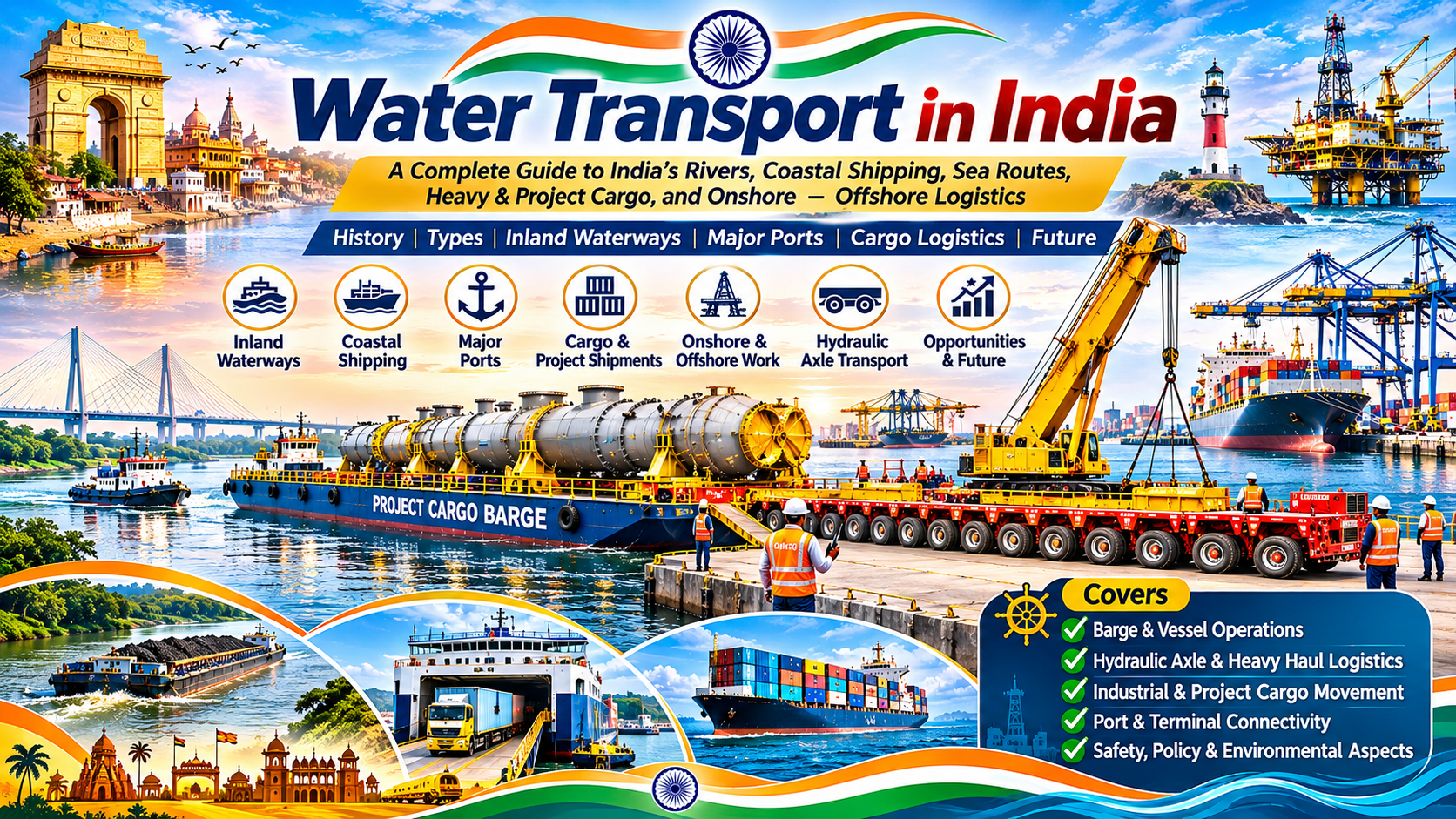
Water Transport in India and Its Economic Importance
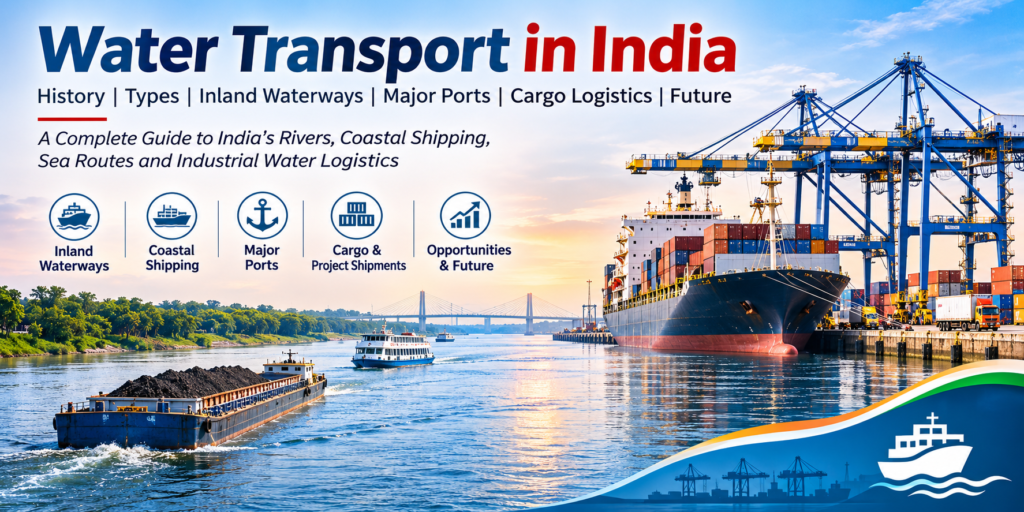
Water transport in India is one of the country’s oldest transportation systems and remains a strategically important component of its modern logistics infrastructure. From the historic maritime trading centres of Gujarat to the inland waterways of the Ganga and Brahmaputra, India’s rivers, canals, coastal routes and seaports have supported commerce, cultural exchange and industrial development for centuries.
In the contemporary economy, water transportation performs a much broader function than carrying passengers and goods between two locations. It connects industrial manufacturing clusters with domestic markets, supports international trade, facilitates the movement of energy commodities and provides alternative freight corridors for selected bulk and heavy cargo.
India’s geographical position between the Arabian Sea and the Bay of Bengal gives it access to major international shipping routes. Its river systems and backwaters offer additional opportunities for inland navigation, particularly in eastern, northeastern and southern regions.
Water transportation is especially relevant to businesses handling coal, iron ore, cement, fertilizers, petroleum products, agricultural commodities, shipping containers and large industrial equipment.
Unlike road transport, which can generally provide direct access to factories and warehouses, water transport depends on navigable routes, suitable vessels, ports, terminals and connecting infrastructure. Its commercial value therefore increases when integrated with road, rail, warehousing and cargo-handling services.
The Government of India has declared 111 National Waterways covering approximately 20,187 kilometres across 23 states and four Union Territories. Of these, 32 National Waterways have been operationalized, covering approximately 5,155 kilometres of navigable routes. Ministry of Ports,Shipping and Waterways+1
These developments have created new opportunities for domestic cargo movement, passenger services, river tourism and multimodal logistics.
For manufacturers, exporters, transport operators and infrastructure developers, understanding water transport in India is increasingly important when evaluating transportation cost, cargo capacity, delivery reliability and supply-chain efficiency.
What Is Water Transport in India?
Water transport refers to the movement of people, goods, vehicles, raw materials and commercial cargo through navigable water bodies using boats, ferries, barges, ships and other marine or inland vessels.
India’s water transportation system operates through two broad networks:
Inland water transport involves movement through rivers, canals, backwaters, creeks and other navigable inland waters.
Maritime transport involves shipping through coastal waters and international sea routes.
Both systems serve different commercial and social requirements.
For example, an inland barge may carry bulk cargo along the Ganga, while a container vessel may transport manufactured products from an Indian seaport to an international destination.
Similarly, a passenger ferry may connect communities separated by a river, while a Ro-Ro vessel may transport commercial vehicles across a coastal or inland route.
Water Transport in India: Key Facts
| Parameter | Details |
|---|---|
| Main transport categories | Inland and maritime |
| Maritime subdivisions | Coastal and international shipping |
| Declared National Waterways | 111 |
| Declared National Waterway length | Approximately 20,187 km |
| Operational National Waterways | 32 |
| Operational navigable length | Approximately 5,155 km |
| Inland cargo movement, FY 2025–26 | 218 million metric tonnes |
| Cargo handled by Major Ports, FY 2025–26 | 915.17 million tonnes |
| Important cargo | Coal, ores, containers, petroleum, fertilizers and industrial machinery |
| Key authorities | Ministry of Ports, Shipping and Waterways, IWAI, DG Shipping and port authorities |
Government-reported figures for 2025–26 and operational waterways information. Inland waterways cargo and Major Ports cargo are different statistical categories and must not be added together as a single national total. Ministry of Ports,Shipping and Waterways+1
History of Water Transport in India
The history of water transportation in India is closely connected with the development of civilization, trade, agriculture, navigation and maritime technology.
Long before the establishment of modern highways and railway networks, rivers and coastal waters provided natural transportation corridors for communities and commercial settlements.
Ancient India: Rivers and Maritime Trade
Archaeological discoveries associated with the Indus Valley Civilization provide evidence of sophisticated trade networks and commercial exchanges.
Lothal, located in present-day Gujarat, is frequently discussed in connection with ancient maritime trade and a large basin interpreted by many researchers as a dockyard. The precise function of the structure remains a subject of archaeological debate.
Ancient settlements along major river systems benefited from access to water for agriculture, domestic use and transportation.
The Ganga, Indus and other river networks helped connect settlements and trading communities.
Classical and Medieval Maritime Commerce
Over subsequent centuries, Indian merchants established extensive commercial connections with trading centres across the Arabian Sea, Persian Gulf, East Africa and Southeast Asia.
Indian textiles, spices, agricultural products, gemstones and manufactured goods circulated through maritime trade networks.
Ports along the western coast, particularly in Gujarat and the Malabar region, played important roles in international commerce.
Eastern coastal trading centres maintained connections across the Bay of Bengal.
The maritime activities associated with South Indian kingdoms, including the Cholas, illustrate the importance of seaborne trade and regional naval capabilities.
Colonial Period and Modern Port Development
European colonial expansion transformed India’s maritime economy.
Major coastal cities developed into important trading and administrative centres, while port infrastructure increasingly supported overseas commerce.
Mumbai, Kolkata and Chennai became major maritime gateways.
The development of railways changed the relationship between inland transport and seaports, allowing larger quantities of commodities to move between industrial centres and coastal terminals.
Water Transport After Independence
Following independence, India expanded its shipping industry, port infrastructure and maritime institutions.
Public-sector shipping enterprises, modern port facilities, mechanized cargo handling and specialized vessels gradually became important components of the transportation system.
The Inland Waterways Authority of India was established in 1986 to support the development and regulation of inland waterways for shipping and navigation.
A major legislative milestone followed with the National Waterways Act, 2016, which declared 111 National Waterways.
This created a broader framework for developing inland navigation and integrating selected waterways into India’s freight transportation network.
Types of Water Transport in India
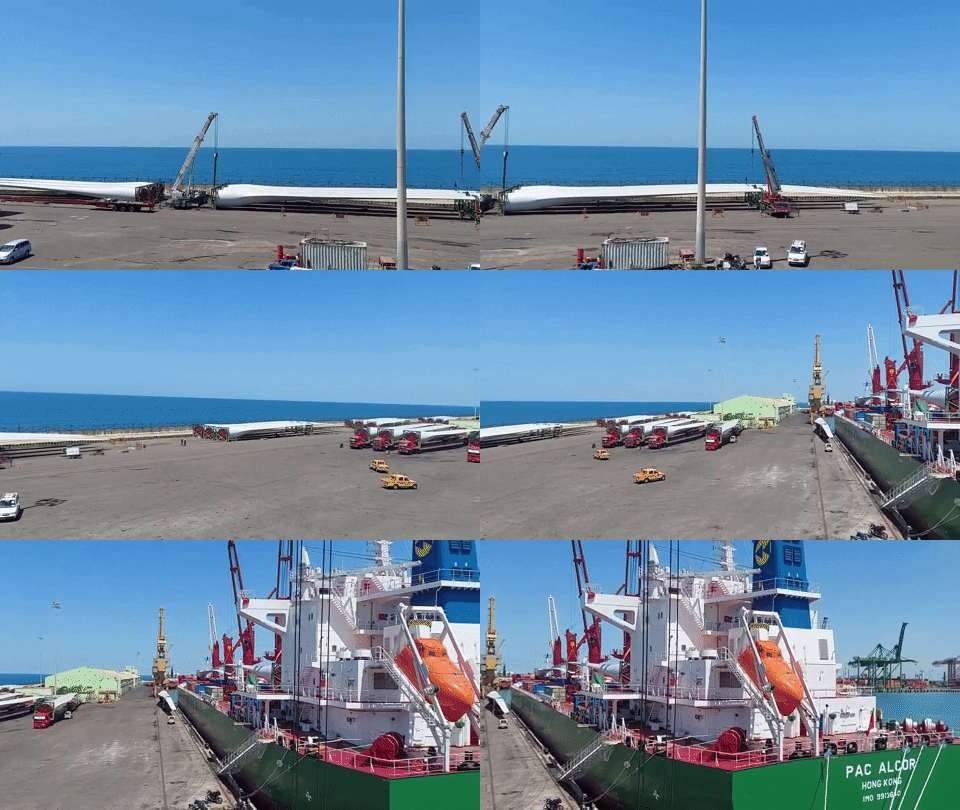
Water transportation can be classified according to geographical operation, cargo requirements, vessel design and commercial application.
| Type | Operating environment | Common applications | Main users |
|---|---|---|---|
| Inland river transport | Rivers | Bulk cargo and passenger movement | Industries and communities |
| Canal transport | Navigable canals | Regional cargo and local mobility | Local businesses |
| Backwater transport | Lakes and connected backwaters | Ferries, tourism and cargo | Residents and tourism operators |
| Coastal shipping | Indian coastal waters | Domestic industrial freight | Manufacturers and logistics companies |
| International shipping | Oceans and international routes | Imports and exports | Exporters and importers |
| Container shipping | Inland and maritime networks | Containerized goods | Manufacturing and trading companies |
| Bulk shipping | Inland and maritime networks | Coal, ore, grain and minerals | Bulk commodity industries |
| Tanker transport | Inland and maritime networks | Petroleum, chemicals and gas | Energy and chemical industries |
| Ro-Ro transport | Suitable water routes | Trucks and wheeled vehicles | Transport operators |
| Ro-Pax transport | Suitable ferry routes | Passengers and vehicles | Communities and commercial users |
| Heavy-lift shipping | Maritime and specialized inland routes | Oversized industrial cargo | Infrastructure and engineering companies |
Inland Water Transport
Inland water transport is the movement of passengers and cargo through rivers, canals, lakes, creeks and backwaters.
It is particularly suitable for commercial routes where navigable water depth, cargo demand, terminal facilities and vessel availability support reliable operations.
Inland navigation may provide an alternative to road and rail transport for selected bulk commodities.
However, inland water transport is not equally developed throughout India.
Navigation conditions vary significantly between river systems and seasons.
Coastal Water Transport
Coastal transport involves the movement of goods and passengers between locations along the coastline of a country.
In India, coastal shipping connects maritime and industrial regions across the western and eastern coasts.
It can support the transportation of coal, steel, cement, containers, vehicles, petroleum products and industrial equipment.
Coastal shipping is particularly attractive where substantial cargo volumes are available between suitable ports.
Oceanic or International Water Transport
Oceanic transport refers to international shipping across seas and oceans.
It forms a major part of global trade and supports India’s imports and exports.
International shipping services carry manufactured goods, energy commodities, raw materials, consumer products and specialized industrial consignments.
Its operations involve shipping lines, vessel operators, port terminals, freight forwarders, customs authorities, marine insurers and logistics service providers.
Inland Water Transport in India: Network, Operations and Commercial Potential
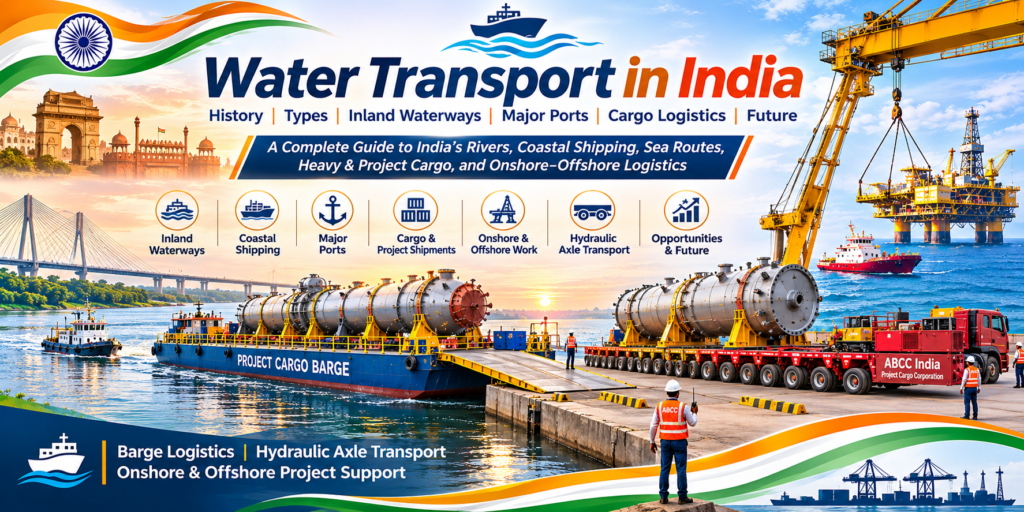
India’s inland waterways system includes navigable portions of major rivers and connected canals.
Important river systems include the Ganga, Brahmaputra, Barak, Godavari, Krishna, Mahanadi and other regional waterways.
The commercial potential of inland navigation depends on several conditions.
A waterway must provide sufficient navigable depth, suitable channel width, safe vessel passage and adequate terminal infrastructure.
Cargo owners must also have access to practical loading and unloading points.
For inland freight to become competitive, waterways should ideally connect areas that generate substantial cargo demand, such as industrial estates, mining regions, power plants, agricultural markets and logistics hubs.
Key Functions of Inland Water Transport
Inland waterways can support:
- Movement of bulk industrial commodities.
- Passenger ferry services.
- Agricultural cargo transportation.
- River tourism and cruise operations.
- Selected container and general cargo services.
- Transportation of heavy industrial equipment.
- Connectivity in areas with difficult road access.
- Multimodal transport between inland terminals and coastal ports.
A declared National Waterway does not necessarily have year-round commercial vessel operations across its full length.
For cargo planning, the operational status of the relevant stretch must be verified separately.
National Waterways in India: Major Routes and Industrial Importance
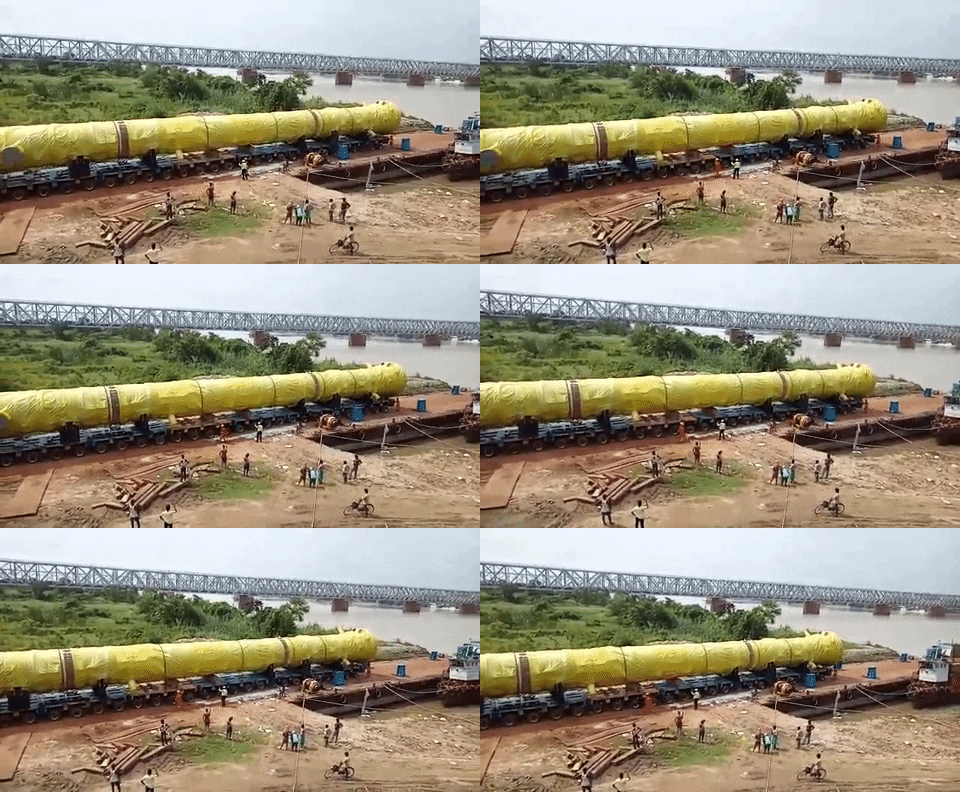
The National Waterways Act, 2016 established the framework for 111 declared National Waterways.
These waterways differ in length, geography, commercial activity and infrastructure development.
Important National Waterways
| National Waterway | River or water system | Principal region | Logistics importance |
|---|---|---|---|
| NW-1 | Ganga–Bhagirathi–Hooghly | Uttar Pradesh, Bihar, Jharkhand, West Bengal | Bulk freight and multimodal terminals |
| NW-2 | Brahmaputra | Assam | Northeast connectivity and freight |
| NW-3 | West Coast Canal and associated canals | Kerala | Regional inland navigation |
| NW-4 | Krishna–Godavari and connected waterways | Southern and central India | Potential regional cargo corridors |
| NW-5 | East Coast Canal and connected rivers | Odisha and West Bengal | Industrial and mineral cargo potential |
| NW-16 | Barak River | Assam | Regional connectivity |
| NW-27 | Cumberjua Canal | Goa | Regional navigation |
| NW-68 | Mandovi River | Goa | Inland commercial navigation |
| NW-97 | Sundarbans waterways | West Bengal | Delta navigation and regional connectivity |
| NW-111 | Zuari River | Goa | Inland transport and regional cargo |
Route classifications are based on the Ministry’s official National Waterways list. Commercial availability varies by section. Ministry of Ports,Shipping and Waterways+1
National Waterway 1: Ganga–Bhagirathi–Hooghly System
National Waterway 1 is among India’s most strategically important inland navigation corridors.
The declared route extends between Haldia and Prayagraj, formerly Allahabad, across the Ganga–Bhagirathi–Hooghly river system.
It connects several important economic regions and provides opportunities for bulk cargo, industrial freight and multimodal logistics.
The Jal Marg Vikas Project has supported infrastructure development along the Varanasi–Haldia stretch.
Important facilities include multimodal terminals at Varanasi, Sahibganj and Haldia, along with the intermodal terminal at Kalughat.
These terminals improve opportunities to connect inland vessels with road and rail transportation. India Budget
National Waterway 2: Brahmaputra River
National Waterway 2 follows the Brahmaputra River in Assam.
The river provides an important natural transportation corridor in northeastern India.
Its commercial relevance includes cargo movement, passenger connectivity and potential integration with regional trade routes.
River navigation is influenced by seasonal water levels, sediment movement and changing channel conditions.
National Waterway 3: Kerala’s West Coast Canal
National Waterway 3 is associated with the West Coast Canal and connected waterways in Kerala.
Kerala’s network of backwaters, canals and lagoons has historically supported local transportation.
Modern inland navigation continues to provide passenger mobility, tourism opportunities and selected cargo services.
National Waterway 4: Krishna–Godavari System
National Waterway 4 includes a network of rivers and canals associated with the Krishna–Godavari system and other connected stretches.
Its geographical scope is extensive, but development and commercial navigation conditions vary between sections.
Potential applications include regional cargo transport and integration with industrial and agricultural supply chains.
National Waterway 5: Odisha Industrial Connectivity
National Waterway 5 is important in discussions of inland water transport development in eastern India.
Its connected river and canal systems offer potential links between industrial areas, mineral-producing regions and coastal ports.
Commercial development requires suitable fairways, terminals, navigational infrastructure and viable cargo volumes.
Major Seaports in India and Their Role in Water Transportation
India’s seaports are essential gateways for international trade, domestic coastal shipping and industrial logistics.
The country has 12 operational Major Ports under central administrative control.
Vadhavan Port in Maharashtra and Galathea Bay Port in the Andaman and Nicobar Islands have also been notified as Major Ports, but they should not be counted among the 12 established operational ports. Press Information Bureau+1
Major Ports of India
| Port | State | Important cargo categories | Industrial significance |
|---|---|---|---|
| Deendayal Port | Gujarat | Bulk, liquid and general cargo | Western industrial trade |
| Mumbai Port | Maharashtra | Liquid, bulk and general cargo | Maharashtra industrial economy |
| Jawaharlal Nehru Port | Maharashtra | Containers | International container logistics |
| Mormugao Port | Goa | Bulk and general cargo | Western coastal freight |
| New Mangalore Port | Karnataka | Petroleum, bulk and general cargo | Karnataka industrial connectivity |
| Cochin Port | Kerala | Containers, liquid and general cargo | Kerala maritime trade |
| V.O. Chidambaranar Port | Tamil Nadu | Containers, bulk and industrial cargo | Southern industrial logistics |
| Chennai Port | Tamil Nadu | Containers, automobiles and general cargo | Automotive and manufacturing trade |
| Kamarajar Port | Tamil Nadu | Coal, automobiles and industrial cargo | Energy and manufacturing sectors |
| Visakhapatnam Port | Andhra Pradesh | Minerals, bulk and general cargo | Eastern industrial freight |
| Paradip Port | Odisha | Coal, ores and bulk cargo | Mining and heavy industry |
| Syama Prasad Mookerjee Port | West Bengal | Containers, bulk and general cargo | Eastern and inland trade |
India also has important non-major ports, including Mundra, Pipavav, Hazira, Dhamra, Gangavaram and Krishnapatnam.
The distinction between Major Ports and other ports is administrative and legal; it is not a simple ranking by cargo volume or commercial importance.
Coastal Shipping in India: Connecting Industrial States
Coastal shipping is a component of domestic water transportation.
It allows goods to move between Indian coastal locations without relying entirely on long-distance highways or railway corridors.
For suitable cargo volumes and routes, coastal shipping can complement road and rail freight.
Major Coastal Industrial Regions
| Region | Important coastal locations | Relevant industries |
|---|---|---|
| Gujarat | Kandla, Mundra, Hazira, Pipavav | Petrochemicals, engineering, containers |
| Maharashtra | Mumbai, JNPA region, Jaigad | Manufacturing, energy, containers |
| Goa | Mormugao and regional terminals | Bulk commodities and coastal trade |
| Karnataka | New Mangalore and coastal terminals | Energy, fertilizers and manufacturing |
| Kerala | Kochi and nearby coastal facilities | Containers, petroleum and general cargo |
| Tamil Nadu | Chennai, Ennore, Thoothukudi | Automotive, energy and manufacturing |
| Andhra Pradesh | Visakhapatnam, Gangavaram, Krishnapatnam | Steel, minerals, energy |
| Odisha | Paradip, Dhamra, Gopalpur | Coal, minerals and industrial freight |
| West Bengal | Haldia and Kolkata | Industrial and inland-connected cargo |
These locations represent important coastal logistics regions, not a guarantee of direct scheduled shipping between every pair of ports.
When Is Coastal Shipping Commercially Suitable?
Coastal shipping may be attractive when a business has high cargo volume, predictable shipment schedules, access to suitable ports and flexibility in transit time.
It may be less competitive for small, urgent or highly fragmented shipments requiring substantial additional road movement.
The correct decision depends on total logistics cost rather than the sea freight component alone.
International Ocean Transport and India’s Global Trade
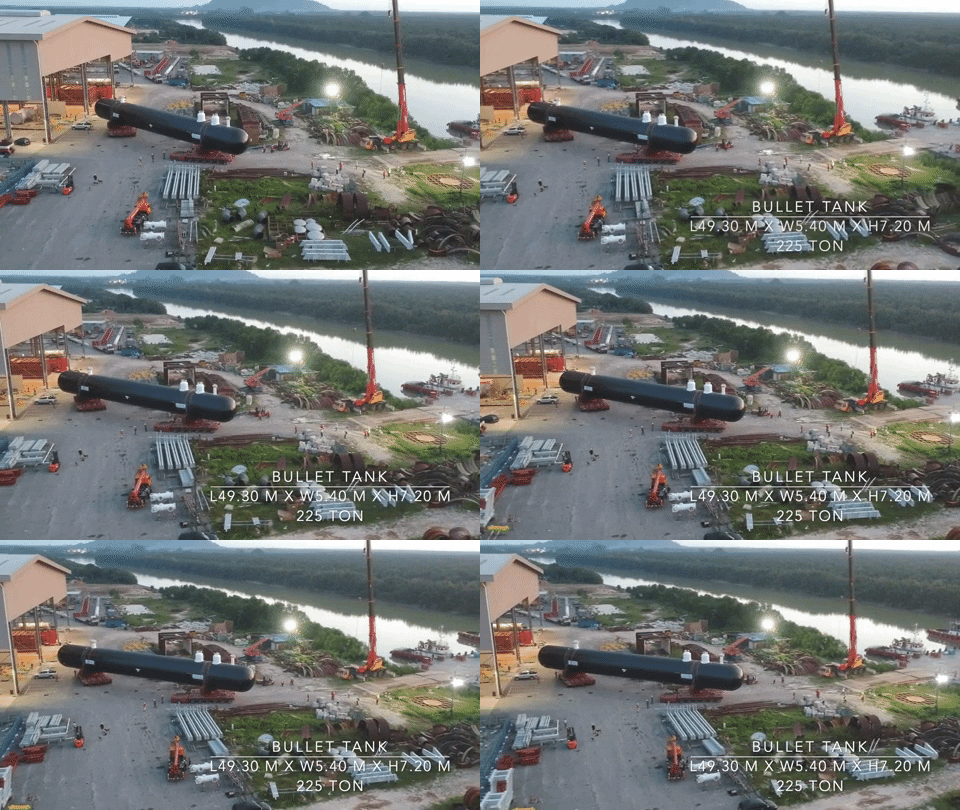
International maritime transportation connects Indian businesses with global supply chains.
Manufacturers use ocean freight to export machinery, textiles, chemicals, automotive components, engineering products and consumer goods.
Importers depend on shipping for energy commodities, industrial raw materials, equipment and merchandise.
Main Categories of International Shipping
Container shipping: Used for standardized cargo packed in ISO containers.
Dry bulk shipping: Used for commodities such as coal, iron ore and grain.
Liquid bulk shipping: Used for crude oil, petroleum products and chemicals.
Ro-Ro shipping: Used for vehicles and other wheeled cargo.
Breakbulk shipping: Used for cargo that cannot conveniently be containerized.
Heavy-lift shipping: Used for exceptionally heavy or oversized industrial equipment.
International shipping is supported by port authorities, customs agencies, shipping lines, freight forwarders, cargo insurers and marine service providers.
Shipping Corporation of India and India’s Maritime Development
The Shipping Corporation of India (SCI) has played an important role in the development of India’s organized shipping sector.
Established in 1961 through the amalgamation of Eastern Shipping Corporation and Western Shipping Corporation, SCI developed activities across different segments of commercial shipping.
Its historical operations have included tanker services, bulk shipping, liner services, offshore activities and ship management.
The corporation’s development reflects India’s efforts to build domestic maritime capabilities and participate in international shipping.
The historical information in the previous version of this article included outdated financial and fleet figures from the 1990s and early 2000s.
Those figures should not be used to describe the corporation’s current size or performance.
Readers seeking current information should consult the company’s latest published annual reports and regulatory disclosures.
Ships, Barges and Vessels Used for Water Transport in India
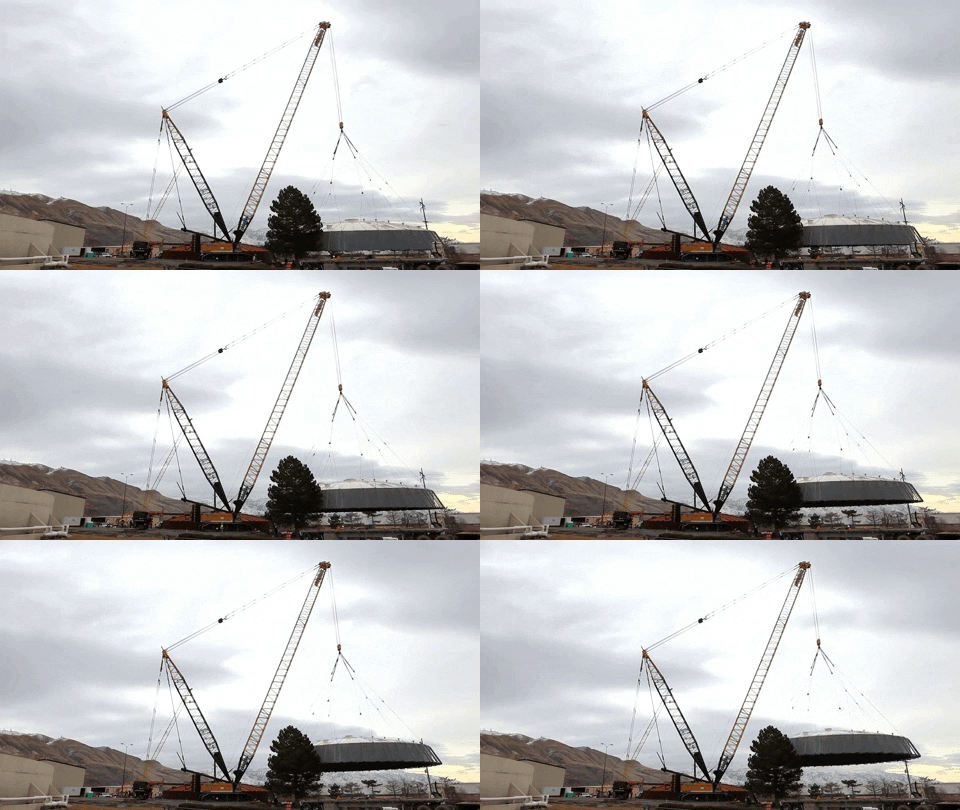
Different types of vessels are designed for different cargo and operating environments.
| Vessel type | Main cargo | Operational characteristics |
|---|---|---|
| Inland barge | Bulk and general cargo | Suitable for navigable inland routes |
| Container vessel | Containerized merchandise | Requires suitable container terminals |
| Bulk carrier | Coal, ore and grain | Designed for high-volume commodities |
| Oil tanker | Petroleum and liquid products | Specialized liquid cargo systems |
| Chemical tanker | Liquid chemicals | Cargo compatibility and safety requirements |
| LNG carrier | Liquefied natural gas | Specialized containment systems |
| Ro-Ro vessel | Vehicles and trailers | Ramp-based loading |
| Ro-Pax vessel | Vehicles and passengers | Combined ferry service |
| Multipurpose vessel | General and project cargo | Flexible cargo configurations |
| Heavy-lift vessel | Oversized industrial machinery | Specialized lifting and securing systems |
| Tugboat | Towing and manoeuvring | Assists barges and vessels |
| Dredger | Sediment removal | Maintains or develops navigable channels |
Inland Barges
Barges are particularly relevant to inland cargo movement.
They may carry coal, construction materials, agricultural commodities, industrial goods and selected heavy equipment.
Their operational suitability depends on water depth, loading capacity, vessel dimensions and terminal arrangements.
Container Vessels
Container vessels support standardized cargo movement.
Containerization improves compatibility between ships, trucks, railway wagons, cranes and storage facilities.
Heavy-Lift and Project Cargo Vessels
Heavy-lift vessels are used for cargo requiring specialized handling.
Typical consignments may include power-generation equipment, large industrial modules and oversized engineering components.
Such operations require detailed marine engineering and cargo-securing plans.
Industrial Cargo Transported Through Waterways
Water transport is particularly relevant to industries moving substantial quantities of raw materials or finished products.
| Industry | Common cargo | Suitable water transport |
|---|---|---|
| Steel | Iron ore, coal, finished steel | Bulk and breakbulk |
| Power generation | Coal, fuel and equipment | Bulk and project cargo |
| Cement | Clinker, limestone and cement | Bulk cargo |
| Petroleum | Crude oil and refined products | Tankers |
| Fertilizers | Raw materials and finished products | Bulk and general cargo |
| Automotive | Vehicles and components | Ro-Ro and containers |
| Engineering | Machinery and equipment | Breakbulk and heavy-lift |
| Agriculture | Grain and commodities | Bulk and general cargo |
| Manufacturing | Components and finished goods | Container shipping |
| Renewable energy | Wind and power equipment | Heavy-lift and project cargo |
Industrial suitability depends on actual vessel services, terminals, cargo handling infrastructure and origin-to-destination economics.
Water Transport vs Road, Rail and Air Transport
Every transportation mode has different operational strengths.
| Parameter | Water transport | Road transport | Rail transport | Air transport |
|---|---|---|---|---|
| Bulk cargo capacity | Very high | Moderate | High | Low |
| Door-to-door access | Limited | Excellent | Limited | Limited |
| Transit speed | Generally slower | Moderate | Moderate | Fast |
| Heavy industrial cargo | Suitable on planned routes | Suitable with route clearance | Loading-gauge restrictions | Highly restricted |
| Terminal requirement | High | Low | High | High |
| Fuel efficiency for bulk freight | Often favourable | Generally lower | Often favourable | Generally lower |
| Route flexibility | Limited to navigable routes | High | Fixed network | Airport network |
| Best application | Bulk and maritime freight | First/last-mile freight | Inland bulk movement | Urgent, high-value cargo |
Is Water Transport Cheaper Than Road Transport?
Water transport can offer lower movement costs for high-volume cargo over suitable routes.
A government comparison using 2014 price levels reported indicative freight costs of ₹1.06 per tonne-kilometre for inland waterways, ₹1.36 for railways and ₹2.50 for highways. These are historical comparative estimates, not current freight quotations. Press Information Bureau
For an actual shipment, the total landed cost must include terminal charges, cargo handling, storage, loading, unloading, road transportation and other applicable expenses.
A lower vessel freight rate does not necessarily mean a lower overall transportation cost.
Advantages of Water Transport in India
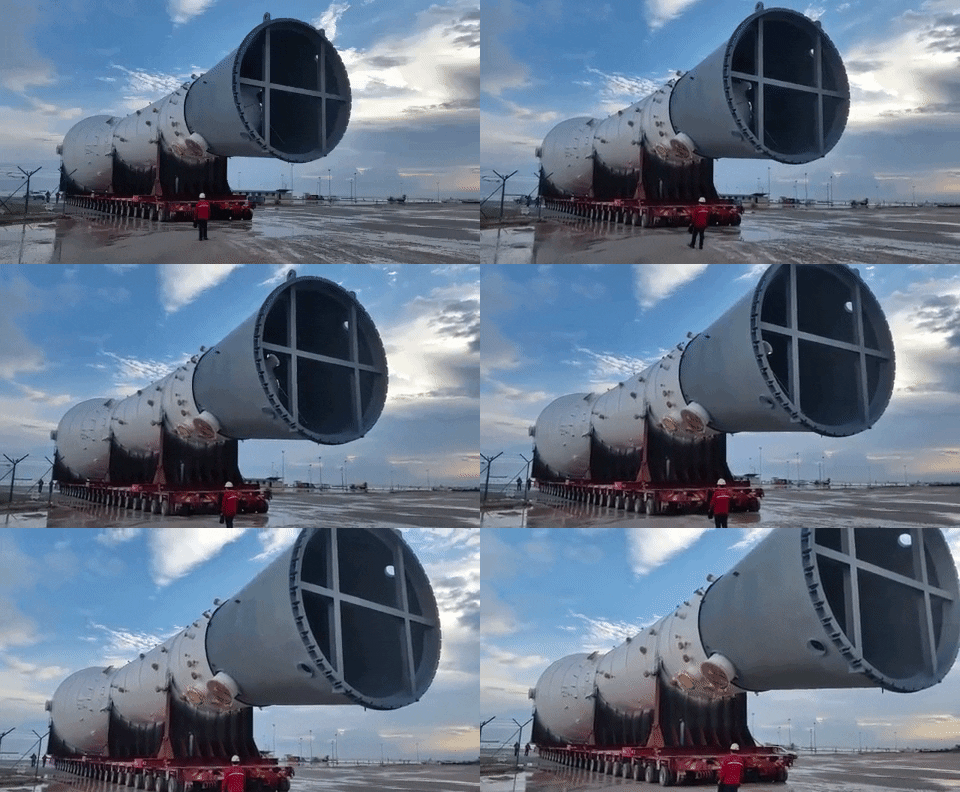
Water transport offers several economic, operational and environmental advantages when the selected route and cargo are suitable.
High Cargo-Carrying Capacity
One of the greatest advantages of water transport is its ability to accommodate large cargo volumes.
Bulk carriers, tankers and inland barges can transport substantial quantities of commodities in a single voyage.
This is particularly beneficial for mining, energy, steel, cement and agricultural industries.
Potentially Lower Transportation Cost
Water transport can be economical for large consignments travelling between locations with suitable terminals.
Its cost advantage is generally stronger when cargo volumes are high and additional road transportation is limited.
Reduced Pressure on Road Infrastructure
Moving suitable freight through waterways can reduce the demand for long-distance truck movements along certain corridors.
This may help manage congestion and reduce pressure on highway infrastructure.
Energy Efficiency
For bulk freight, well-utilized vessels can provide favourable energy consumption per tonne-kilometre compared with some road transport operations.
Actual performance depends on vessel design, load factor, route conditions and fuel technology.
International Market Connectivity
Maritime shipping connects Indian industries with global suppliers and customers.
It is essential for the movement of large quantities of imported raw materials and exported manufactured products.
Heavy and Oversized Cargo Movement
Waterways and specialized marine vessels can support the movement of certain oversized industrial consignments.
This can be valuable when road routes involve substantial physical restrictions.
Passenger Connectivity and Tourism
Inland ferries, coastal passenger vessels and river cruises support mobility and tourism.
In selected regions, water transport provides an important alternative where bridges and road connections are limited.
Disadvantages and Limitations of Water Transport
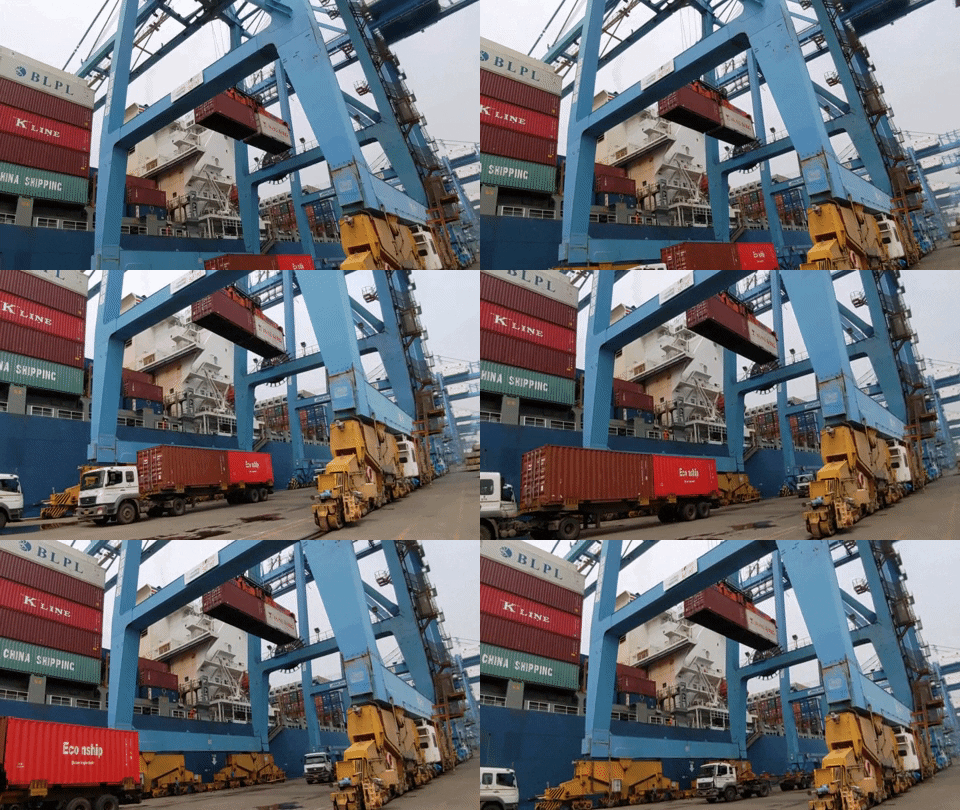
Water transportation also involves significant operational constraints.
Limited Door-to-Door Accessibility
Factories and warehouses are rarely located directly beside fully equipped shipping terminals.
Additional road or rail transportation is often necessary.
Longer Transit Times
Water transport may involve longer transit periods than direct road transportation, particularly when loading, port handling and transshipment are included.
Seasonal Navigation Challenges
Inland waterways may experience changing depths, sediment accumulation, strong currents and seasonal navigation restrictions.
Port and Terminal Dependency
Cargo operations require suitable berths, cranes, loading equipment, storage facilities and safe vessel access.
Weather-Related Disruptions
Cyclones, storms, rough seas, flooding and poor visibility may interrupt vessel movements or terminal operations.
Cargo Handling Risks
Every additional cargo transfer introduces handling requirements and potential risks of damage, delay or loss.
Environmental Concerns
Shipping and inland navigation may affect aquatic habitats, water quality and coastal ecosystems.
Oil spills, vessel emissions, dredging and underwater noise require appropriate environmental management.
National Water Transport Policy and Government Development Initiatives
India’s water transportation development has evolved through national planning, institutional reforms and infrastructure programmes.
National Transport Policy and Early Development
Earlier transport policy discussions recognized the importance of coordinating road, rail and water transportation.
The expansion of road and rail infrastructure had reduced the relative commercial importance of several traditional inland routes.
However, policymakers continued to recognize the value of waterways in regions where navigable rivers could support economical movement.
Establishment of the Inland Waterways Authority of India
The Inland Waterways Authority of India was established in 1986.
Its responsibilities include development and regulation of inland waterways for shipping and navigation within its statutory mandate.
National Waterways Act, 2016
The National Waterways Act, 2016 declared 111 waterways as National Waterways.
The legislation created a wider framework for assessing and developing inland navigation corridors.
However, declaring a waterway does not automatically make it commercially navigable.
Jal Marg Vikas Project
The Jal Marg Vikas Project focuses on improving navigation infrastructure along the Ganga waterway corridor.
Important components include fairway development, terminals and navigation support.
The project is intended to strengthen the commercial viability of inland cargo movement and multimodal connectivity.
Sagarmala Programme
Sagarmala focuses on port-led development and improved maritime connectivity.
Its broad objectives include port modernization, connectivity enhancement, coastal economic development and logistics efficiency.
National Logistics Policy
India’s National Logistics Policy emphasizes improved logistics efficiency, digital systems, multimodal integration and better coordination across transportation networks.
Water transport contributes to these objectives where it can be integrated effectively with road and rail services.
Maritime India Vision 2030 and Maritime Amrit Kaal Vision 2047
These strategic frameworks outline long-term ambitions for port development, shipping, maritime infrastructure and logistics modernization.
Government targets include expanding the operational inland waterways network and increasing the role of water transport in domestic freight movement.
The Ministry has reported a target of more than 500 million metric tonnes of inland waterway cargo by 2047, alongside an increase in its modal share. This is a policy target, not an achieved result. Ministry of Ports,Shipping and Waterways
Inland Water Transport Growth in India: Cargo Statistics
India’s inland waterway cargo movement has increased significantly over the past decade.
Inland Waterway Cargo Growth in India
Official reported cargo movement on inland waterways, million metric tonnes
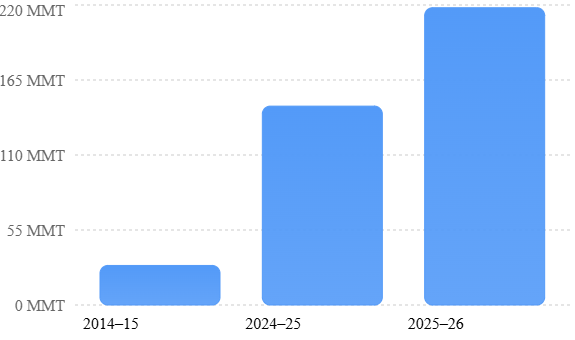
Sources: Ministry of Ports, Shipping and Waterways and Economic Survey 2025–26. The figures represent inland waterway cargo movement, not all Indian seaborne freight. Ministry of Ports,Shipping and Waterways+1
This expansion reflects growing interest in inland freight, development of navigational infrastructure and increased commercial use of selected waterways.
Nevertheless, the industry remains unevenly developed.
Some waterways handle substantial cargo volumes, while others are primarily used for passenger services, tourism or limited local transportation.
Commercial viability depends on route-specific demand, terminal infrastructure and reliable operations.
Major Industries Benefiting from Water Transport
Steel and Metallurgical Industries
Steel manufacturing requires the movement of substantial quantities of iron ore, coal, limestone and finished products.
Bulk shipping and inland waterways can support these supply chains where suitable routes are available.
Thermal Power Generation
Coal transportation is an important logistics requirement for thermal power plants.
Waterborne cargo can complement rail and road transportation for facilities located near navigable waterways or coastal terminals.
Cement Manufacturing
Cement and clinker movement can benefit from bulk transportation when large volumes are available.
Petroleum and Petrochemicals
Petroleum transportation relies heavily on specialized maritime vessels, terminals and pipeline networks.
Water transport plays an important role in the movement of crude oil, petroleum products and selected chemical commodities.
Automotive Manufacturing
Ro-Ro and container shipping can support the movement of vehicles, components and automotive products.
Renewable Energy Projects
Wind turbines, large electrical equipment and other energy infrastructure components may require specialized project cargo transportation.
Agriculture and Food Commodities
Waterways may provide an additional transport option for bulk agricultural commodities, subject to handling, storage and delivery requirements.
Water Transport for ODC, OWC and Heavy Project Cargo in India
Water transport can be strategically valuable for the movement of over-dimensional cargo (ODC), over-weight cargo (OWC) and other heavy industrial consignments.
These shipments may include large transformers, generators, turbines, pressure vessels, industrial reactors, structural modules and power-generation equipment.
Such cargo often presents challenges for conventional road transportation.
Restricted bridge capacity, overhead utilities, sharp turns, railway crossings, road gradients and limited turning space can complicate land movement.
Where appropriate water infrastructure is available, marine transportation may offer an alternative for part of the journey.
Typical Multimodal Project Cargo Movement
01
Factory Dispatch
Cargo dimensions, weight, centre of gravity and lifting points verified
02
Heavy Road Transportation
Suitable trailer selected and route survey completed
03
Port or Jetty Handling
Crane capacity, berth strength and transfer method assessed
04
Waterborne Transportation
Barge or vessel suitability, stability and securing arrangements verified
05
Destination Terminal
Cargo discharged using approved handling arrangements
06
Final Road Delivery
Last-mile transportation and site access coordinated
Important Technical Considerations
Project cargo transportation by water requires detailed engineering.
Relevant factors include:
- Cargo dimensions, weight and centre of gravity.
- Vessel or barge loading capacity.
- Deck strength and cargo support arrangements.
- Port and jetty load-bearing capacity.
- Water depth, tides and navigational restrictions.
- Crane or roll-on loading arrangements.
- Cargo securing, lashing and stability calculations.
- Weather limitations and marine insurance.
- Applicable permissions and environmental requirements.
- Final delivery route and unloading arrangements.
A specialized marine surveyor, naval architect or other competent professional may be required depending on the nature of the cargo and operation.
Ro-Ro and Ro-Pax Water Transportation in India
Roll-on/Roll-off transportation allows suitable wheeled cargo to be driven or moved onto and off a vessel using ramps.
Ro-Ro services may accommodate trucks, trailers, buses, cars and other vehicles, depending on vessel specifications and operating restrictions.
Ro-Pax services combine vehicle and passenger transportation.
Advantages of Ro-Ro Transport
Ro-Ro services can reduce the need for lengthy road diversions where suitable water crossings exist.
They may also support regional trade, passenger convenience and more efficient vehicle movement.
However, commercial operations require appropriate vessels, ramps, terminal facilities, schedules and safety procedures.
Not every Ro-Ro service accepts loaded heavy trailers or oversized cargo.
Vehicle dimensions, axle loads, ground clearance and dangerous-goods restrictions must be checked before booking.
Water Transport Freight Rates in India: How Shipping Costs Are Calculated
Water transportation rates depend on numerous commercial and operational factors.
Unlike standardized parcel delivery, bulk and project cargo shipping quotations are often prepared for individual consignments.
Main Freight Cost Factors
| Cost component | What affects the charge |
|---|---|
| Vessel freight | Route, vessel type, capacity and market conditions |
| Cargo quantity | Weight, volume and shipment frequency |
| Loading | Crane, conveyor, pump or specialized equipment |
| Unloading | Destination terminal handling requirements |
| Port charges | Applicable port and terminal tariffs |
| Storage | Cargo dwell time and warehouse requirements |
| Road transport | Factory-to-port and port-to-destination movement |
| Insurance | Cargo value, risk and policy terms |
| Documentation | Customs, shipping and other applicable paperwork |
| Special handling | Heavy lifts, dangerous goods and unusual cargo |
| Waiting time | Demurrage, detention and operational delays |
| Taxes | Applicable tax treatment and statutory charges |
Illustrative Total Logistics Cost Calculation
The following is a hypothetical example for understanding the calculation method. It is not a market quotation.
Water Cargo Cost Calculator
IllustrativeCargo quantity
1,000 tonnesWater freight (₹/tonne)Road transport (₹)Handling charges (₹)Other charges (₹)
Estimated total logistics cost
₹14,00,000
Estimated cost per tonne
₹1,400
Reset examplePlanning illustration only. Excludes unspecified taxes, insurance, customs, detention and other shipment-specific charges. No current market rates are implied.
For a real shipment, businesses should obtain quotations from relevant vessel operators, terminal providers and road transport contractors.
Environmental Impact of Water Transportation
Water transport is often promoted as an energy-efficient mode of freight transportation.
For certain cargo types and routes, shipping can produce lower greenhouse gas emissions per tonne-kilometre than road transport.
However, environmental performance depends on several variables.
These include vessel fuel, engine technology, cargo utilization, sailing conditions, port operations and additional land transportation.
Environmental Advantages
Efficient water transport can reduce road congestion, support high-volume cargo movement and potentially lower emissions intensity.
Environmental Risks
Marine and inland transportation can also create environmental impacts through oil spills, exhaust emissions, ballast-water discharge, dredging, underwater noise and disturbance to sensitive aquatic habitats.
Responsible waterway development should therefore incorporate environmental assessments, spill prevention, waste management and appropriate vessel operating practices.
The sustainability of a logistics route should be evaluated across the complete transportation chain.
Safety, Legal Compliance and Cargo Insurance
Water transportation involves a combination of maritime, inland navigation, cargo handling and commercial regulations.
Applicable requirements depend on the vessel, cargo, route, terminal and nature of the operation.
Important Compliance Areas
| Area | Main consideration |
|---|---|
| Vessel registration | Applicable registration and certification |
| Vessel safety | Inspection, equipment and operational standards |
| Crew | Appropriate qualifications and manning requirements |
| Cargo documentation | Accurate cargo description and transport records |
| Dangerous goods | Classification, segregation and handling requirements |
| Cargo securing | Appropriate stowage, lashing and stability |
| Port operations | Terminal rules and safe working procedures |
| Customs | Import/export declarations where applicable |
| Marine insurance | Appropriate cargo and liability coverage |
| Environmental compliance | Pollution prevention and applicable approvals |
| Heavy cargo | Engineering assessment and specialized handling plans |
Important Indian Authorities
The Ministry of Ports, Shipping and Waterways provides national policy oversight.
The Directorate General of Shipping performs important maritime regulatory functions.
The Inland Waterways Authority of India has responsibilities concerning inland waterway development and regulation within its mandate.
Port authorities and state maritime bodies administer relevant port facilities and requirements.
Cargo owners should obtain route- and operation-specific regulatory guidance rather than assuming that one general permission covers every water transport movement.
Water Transport and Multimodal Logistics in India
Multimodal transportation combines two or more transport modes within a coordinated logistics movement.
For example, industrial cargo may move by road from a manufacturing facility to a river terminal, continue by barge and then travel by truck to its final destination.
Similarly, export cargo may move by road or rail to a seaport before being transported internationally by container vessel.
Example: Industrial Multimodal Cargo Movement
| Stage | Mode | Main activity |
|---|---|---|
| Factory dispatch | Road | Pickup and loading |
| Inland terminal | Road/terminal handling | Cargo transfer |
| Main freight movement | Inland vessel | River transportation |
| Coastal terminal | Port handling | Transshipment |
| Coastal movement | Ship | Domestic maritime transportation |
| Destination port | Terminal handling | Discharge and clearance |
| Final delivery | Road | Customer delivery |
The commercial objective is to identify a suitable combination of transport modes based on total cost, reliability, cargo characteristics and delivery requirements.
Role of Logistics Consultants
A logistics consultant may help cargo owners compare alternative routes, assess cargo handling requirements, identify suitable transport equipment and coordinate different service providers.
For heavy industrial consignments, this may involve road route surveys, terminal feasibility assessments and coordination with marine specialists.
Business Opportunities in India’s Water Transport Industry
India’s water transportation sector creates opportunities across shipping, cargo handling, infrastructure and logistics services.
| Business segment | Potential services | Main customers |
|---|---|---|
| Inland vessel operations | Barge and cargo movement | Industrial cargo owners |
| Coastal shipping | Domestic maritime freight | Manufacturers and traders |
| Freight forwarding | Shipment coordination | Importers and exporters |
| Port logistics | Cargo handling and storage | Shipping and industrial companies |
| Road connectivity | First/last-mile trucking | Cargo owners and forwarders |
| Project cargo | Heavy cargo planning and coordination | Engineering and infrastructure firms |
| Warehousing | Storage and distribution | Manufacturers and traders |
| Marine engineering | Vessel and cargo technical services | Operators and project owners |
| Equipment supply | Handling and terminal equipment | Ports and contractors |
| Tourism | Passenger and cruise services | Travellers and tourism operators |
| Ship repair | Maintenance and technical services | Vessel owners |
| Digital logistics | Tracking and documentation systems | Logistics businesses |
Business opportunities should be assessed against licensing requirements, investment costs, infrastructure availability, commercial demand and operational risks.
Challenges Facing India’s Inland Water Transport Industry
Despite policy support and infrastructure investment, the expansion of inland navigation faces several challenges.
Seasonal water availability: River depth can change considerably during the year.
Sedimentation: Shifting sediment may affect navigation channels and require maintenance.
Terminal availability: Commercial cargo movement requires suitable loading and unloading infrastructure.
Cargo aggregation: Reliable vessel operations often require sufficient cargo volume.
Return cargo: Imbalanced freight demand can increase the cost of empty return movements.
Intermodal connectivity: Poor road or rail access can reduce the advantages of water transport.
Transit reliability: Navigation restrictions and weather conditions can affect delivery schedules.
Commercial coordination: Cargo owners, vessel operators, terminals and land transport providers must coordinate effectively.
Environmental management: Waterway development must account for ecological and community impacts.
Addressing these issues is essential for the long-term commercial success of inland water transport.
Future of Water Transport in India
The future of water transport in India will depend on infrastructure investment, technology, cargo demand and integration with other transport modes.
Several developments are likely to influence the sector.
Expansion of Inland Navigation
Investment in navigational infrastructure may support additional commercial waterways and improve the reliability of selected routes.
Modernization of Ports
Improved cargo handling, terminal automation, digital systems and port connectivity can support greater operational efficiency.
Development of Multimodal Terminals
Integrated terminals can facilitate cargo transfer between inland vessels, road vehicles and railway wagons.
Cleaner Vessel Technology
Alternative fuels, improved vessel efficiency and electric or hybrid propulsion may support lower-emission operations where technically and commercially viable.
Digital Navigation and Cargo Tracking
Digital systems can improve vessel monitoring, cargo visibility, documentation and transport coordination.
Project Cargo and Industrial Logistics
Large infrastructure projects may create demand for specialized heavy-lift shipping and integrated marine-road transportation.
Regional Trade Connectivity
Selected waterways and coastal corridors may support stronger domestic and regional commercial connections.
The long-term opportunity lies in developing water transport as a dependable component of India’s overall logistics network rather than treating it as an isolated alternative to road and rail.
Water Transport in India: Myths vs Facts
| Common myth | Practical reality |
|---|---|
| Water transport is always cheaper than road transport. | Savings depend on cargo volume, route, terminal charges and first/last-mile costs. |
| Every National Waterway is operational. | India has 111 declared National Waterways, but only a portion are operational. |
| Ships are suitable only for international cargo. | Ships also support domestic coastal transportation. |
| Inland waterways are used only for passengers. | They also transport bulk, general and selected project cargo. |
| Water transportation eliminates the need for trucks. | Trucks remain essential for many first/last-mile movements. |
| Every port can handle heavy industrial cargo. | Terminal equipment, berth capacity and cargo dimensions determine suitability. |
| Water transport has no environmental impact. | Shipping can affect air quality, water quality and aquatic ecosystems. |
| Marine cargo does not need insurance. | Appropriate insurance is an important risk-management consideration. |
| All cargo ships can carry containers. | Vessel design and cargo handling arrangements differ. |
| A declared waterway guarantees year-round navigation. | Actual navigability depends on route conditions and infrastructure. |
How to Choose the Right Water Transport Solution in India
Choosing a suitable transportation solution requires a structured assessment of cargo requirements and available logistics infrastructure.
Step 1: Identify the Cargo
Determine the cargo category, weight, dimensions, packaging, value and handling requirements.
Bulk commodities, containers, dangerous goods and heavy machinery require different transportation arrangements.
Step 2: Evaluate the Origin and Destination
Identify the nearest suitable ports, terminals or inland waterways.
Distance alone is not sufficient. Actual accessibility and operational capability must also be considered.
Step 3: Assess Vessel Availability
Confirm whether suitable vessels or barges operate along the intended route.
Step 4: Examine Handling Requirements
Check the availability of cranes, conveyors, ramps, storage facilities and specialized cargo-handling equipment.
Step 5: Compare Complete Logistics Costs
Include water freight, road transportation, terminal handling, storage, documentation, insurance and potential delays.
Step 6: Evaluate Transit Time
Consider sailing time, loading, unloading, vessel schedules and delivery commitments.
Step 7: Verify Legal and Safety Requirements
Confirm applicable permissions, vessel compliance, cargo documentation and insurance arrangements.
Step 8: Select Qualified Service Providers
Choose transport operators and logistics partners based on relevant capabilities, documented experience, technical suitability and commercial terms.
ABCC India Project Cargo Corporation: Connecting Industrial Road Transport with Water Logistics
Industrial transportation requires more than moving cargo from one location to another.
It requires coordination between cargo owners, transport operators, infrastructure providers and specialized handling professionals.
ABCC India Project Cargo Corporation operates in the industrial road transportation and project cargo logistics sector.
For businesses planning shipments involving seaports, inland terminals or water-connected industrial locations, road transportation can form an essential part of the overall logistics arrangement.
Relevant Logistics Requirements
Industrial cargo pickup and delivery: Transportation between factories, warehouses, industrial estates and suitable logistics terminals.
Trailer transportation: Selection of appropriate road transport equipment based on cargo specifications and route conditions.
ODC and heavy-haul planning: Evaluation of specialized transport requirements for oversized and heavy consignments.
Road route surveys: Assessment of road geometry, bridge restrictions, overhead obstacles and site access.
Multimodal coordination: Planning road transportation requirements alongside relevant port, terminal and marine service providers.
Cost evaluation: Comparing transport alternatives based on the complete origin-to-destination movement.
Marine freight, vessel chartering, port handling and other specialized services must be arranged through appropriately qualified providers, with the actual service scope confirmed before shipment.
Why Integrated Transport Planning Matters
A shipment can be economical during its waterborne journey but expensive during loading, unloading or final road delivery.
Similarly, a heavy cargo consignment may travel efficiently by barge but require extensive engineering work to reach its destination after discharge.
Successful project logistics therefore depend on evaluating the entire journey.
ABCC India Project Cargo Corporation — Supporting industrial transportation planning from factory dispatch to complex project delivery requirements.
Frequently Asked Questions About Water Transport in India
What is water transport in India?
Water transport in India refers to the movement of passengers and cargo through rivers, canals, backwaters, coastal waters and oceans using boats, barges, ferries and ships.
What are the main types of water transport in India?
The two main categories are inland water transport and maritime transport. Maritime transport includes coastal shipping and international ocean transportation.
How many National Waterways are there in India?
India has 111 declared National Waterways under the National Waterways Act, 2016. Of these, 32 have been operationalized according to government reporting in 2026.
Which is the longest National Waterway in India?
National Waterway 1, the Ganga–Bhagirathi–Hooghly river system between Haldia and Prayagraj, is approximately 1,620 kilometres long and is the longest declared National Waterway.
Which river is National Waterway 2?
National Waterway 2 follows the Brahmaputra River in Assam, connecting the Dhubri–Sadiya stretch.
What is National Waterway 3?
National Waterway 3 includes the West Coast Canal and connected waterways in Kerala.
Why is water transport important in India?
Water transport supports international trade, industrial freight, bulk cargo movement, passenger connectivity, tourism and multimodal logistics development.
Which goods are commonly transported by water?
Common cargo includes coal, iron ore, petroleum products, fertilizers, cement, agricultural commodities, containers, vehicles and industrial machinery.
What are the advantages of water transport?
Major advantages include high cargo capacity, potential freight savings for suitable bulk shipments, reduced pressure on road networks and access to international markets.
What are the disadvantages of water transport?
Limitations include slower transit on some routes, dependence on terminals, seasonal navigation challenges, weather disruptions and additional cargo handling requirements.
Is water transport cheaper than road transport in India?
It can be more economical for large cargo volumes on suitable routes. The actual comparison must include all handling, terminal and connecting transport costs.
How many operational Major Ports are there in India?
India has 12 operational Major Ports under central administrative control. Two additional ports, Vadhavan and Galathea Bay, have been notified as Major Ports but should not be counted as operational equivalents.
What is the difference between inland and coastal water transport?
Inland water transport operates through rivers, canals and backwaters. Coastal water transport operates between locations along the coastline.
What is Ro-Ro transportation?
Ro-Ro transportation uses vessels designed to load and unload suitable wheeled vehicles through ramps.
Can heavy machinery be transported by water?
Yes. Suitable barges, multipurpose vessels and heavy-lift ships can transport selected heavy or oversized machinery, subject to engineering and terminal feasibility.
What is the role of the Inland Waterways Authority of India?
The Inland Waterways Authority of India is responsible for the development and regulation of inland waterways for shipping and navigation within its statutory mandate.
What is the future of water transport in India?
Future development is expected to focus on improved waterways, port infrastructure, multimodal terminals, digital navigation, cleaner vessel technology and stronger industrial connectivity.
Conclusion: Building India’s Future Through Integrated Water Transportation
Water transport has played a fundamental role in India’s commercial history and continues to contribute to the country’s economic development.
From ancient maritime trading centres to modern container ports and inland navigation corridors, India’s waterways have supported the movement of people, commodities and industrial goods.
Today, water transportation provides opportunities to improve freight efficiency, expand regional connectivity and support industrial supply chains.
Its greatest commercial value lies in the movement of suitable cargo volumes through reliable maritime and inland routes.
However, waterways cannot function independently of the broader transportation system.
Road networks, railway connections, cargo terminals, warehouses, handling equipment and professional logistics coordination remain essential.
For India’s manufacturing, mining, energy, agricultural and infrastructure sectors, the future of freight transportation will increasingly depend on selecting the right combination of transport modes.
The objective is not to replace road or rail transportation with waterways. It is to build a more connected, commercially efficient and resilient logistics system in which every transport mode performs the work for which it is best suited.
How This Guide Was Prepared
This guide combines the historical subject coverage of the previously published Water Transport India article with updated government information and a broader industrial logistics perspective.
The editorial approach focuses on explaining water transportation through three connected dimensions: national infrastructure, commercial freight operations and practical industrial logistics.
Historical information has been separated from current operational statistics to avoid presenting outdated figures as present-day facts.
Government-reported data has been used for National Waterways, inland cargo growth and Major Port statistics.
Industrial cargo discussions describe general logistics applications rather than claiming that every route, port or vessel service is commercially available.
Editorial Attribution
R.K. Savarn — Transport and Logistics Content Author
Author profile: R.K. Savarn – Author Profile
The article is prepared for the ABCC India Project Cargo Corporation transport and logistics knowledge platform.
Official References and Further Reading
The following official resources provide supporting information and can be linked directly from the published article.
| Official source | Reference subject |
|---|---|
| Ministry of Ports, Shipping and Waterways | Inland water transport development and cargo statistics |
| Official List of National Waterways | Waterway numbers, names, lengths and states |
| Operational Inland Waterways | Operational waterways and navigable length |
| Major Ports Cargo Performance | FY 2025–26 cargo statistics |
| Ownership of Major Ports | Port administration and operational Major Ports |
| Inland Waterways and Multimodal Connectivity | Government programmes and historical transport cost comparisons |
| Economic Survey 2025–26 | Inland navigation and infrastructure development |