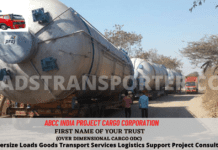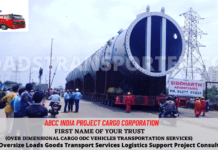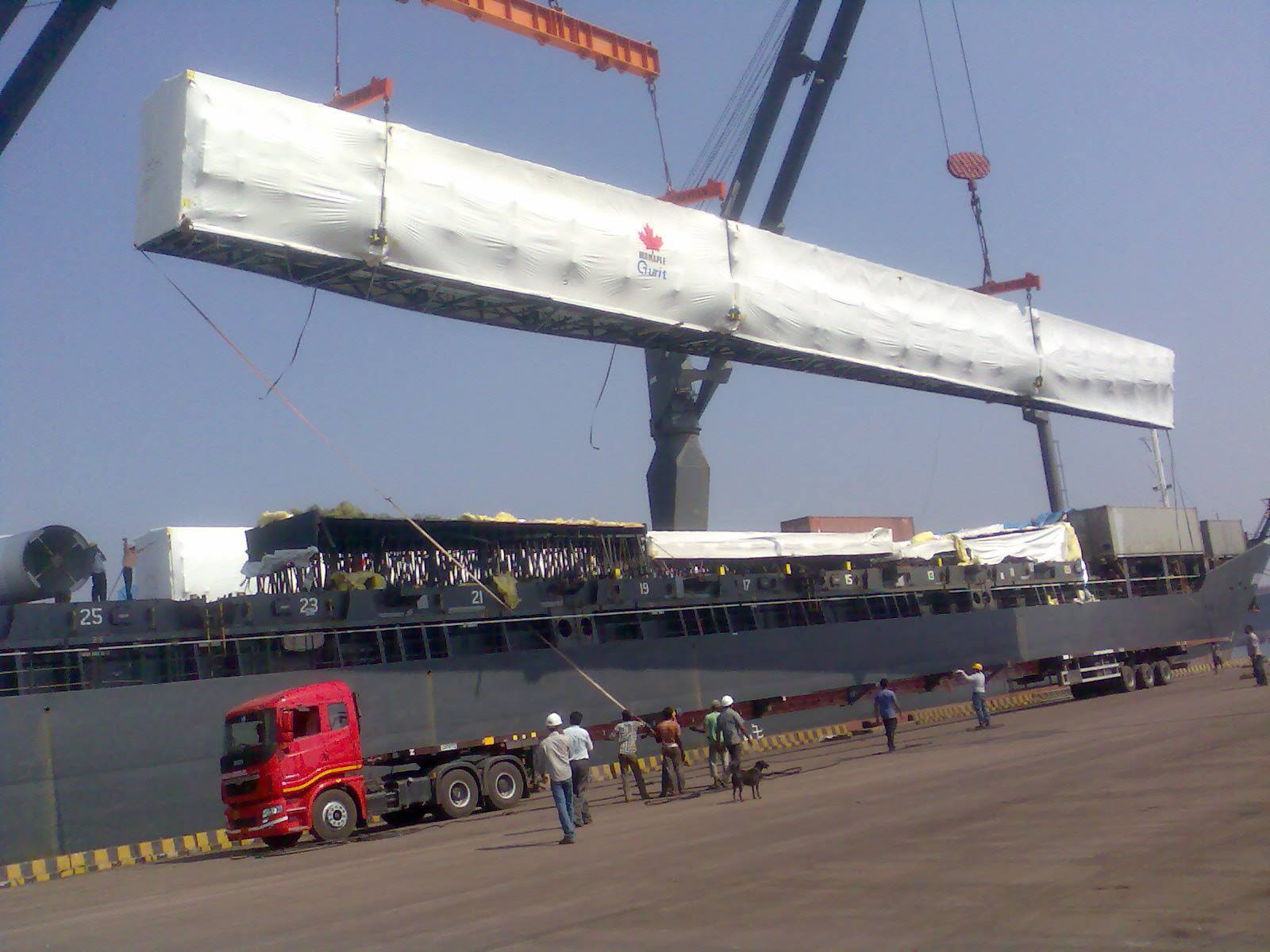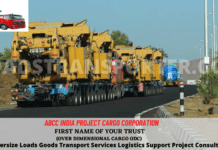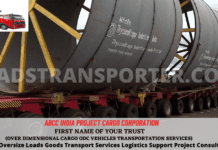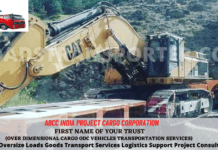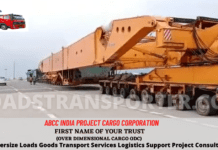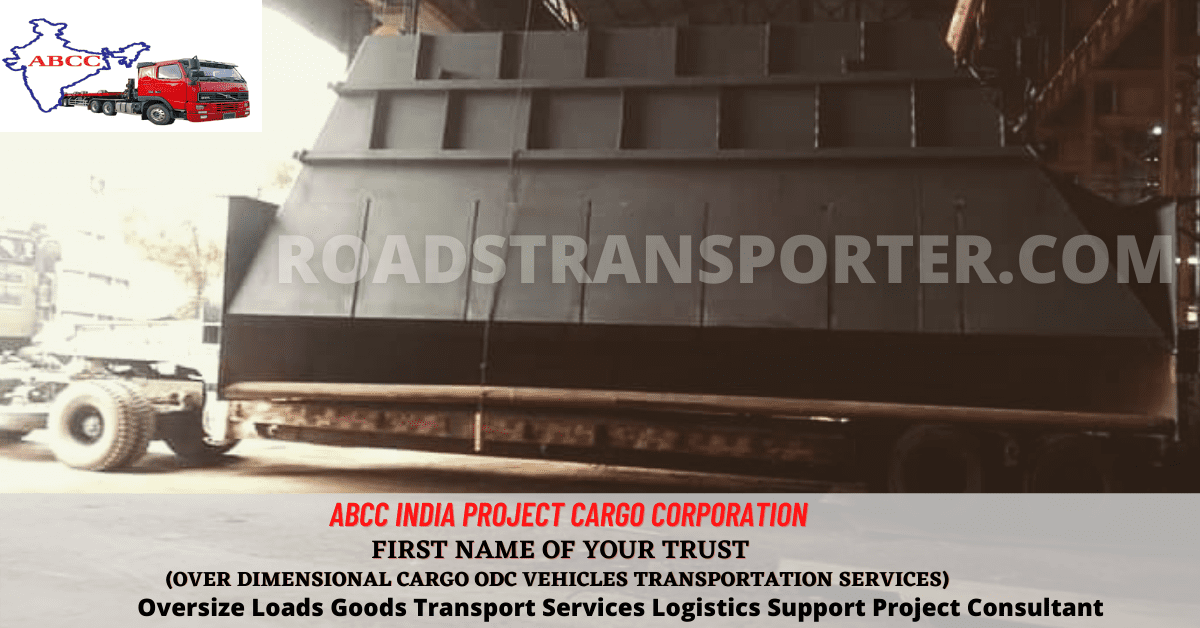
Over-dimensional cargo (ODC) refers to any cargo exceeding the standard size and weight limitations set for a specific mode of transport, like trucks, trains, or ships.
In simpler terms, it’s cargo that’s too big or too heavy to fit inside a standard container or trailer. Imagine a wind turbine blade or a massive oil and gas module; those are prime examples of ODC.
Here are some key characteristics of ODC:
- Size: Exceeds the standard height, width, and length limitations of the chosen transportation mode.
- Weight: Heavier than the maximum weight limit for the specific vehicle or container.
- Irregular shape: May have odd shapes that don’t fit snugly within a regular container.
Because of these unique features, ODC often requires:
- Specialized handling and equipment: This could involve flatbed trailers, extended axles, cranes, or even custom-built cradles to secure and transport the cargo safely.
- Permits and route planning: ODC movement might necessitate special permits for oversized vehicles and require planning specific routes to avoid low bridges, narrow roads, or other obstacles.
- Higher costs: The specialized equipment, permits, and route planning typically add to the overall shipping cost compared to regular cargo.
Despite the challenges, ODC plays a crucial role in various industries:
- Construction: Transporting heavy machinery, prefabricated structures, and building materials.
- Energy: Moving wind turbine blades, oil rigs, and other large components.
- Aerospace: Shipping aircraft fuselages, wings, and other parts.
- Manufacturing: Delivering big machines, industrial components, and oversized products.
So, next time you see a massive blade being carefully maneuvered on a special trailer, remember, that’s ODC making our world a little bit bigger, one oversized shipment at a time!