Home Blog

🚛 Goa Transport & Logistics Services Guide 2026-2027 | GOA-IDC

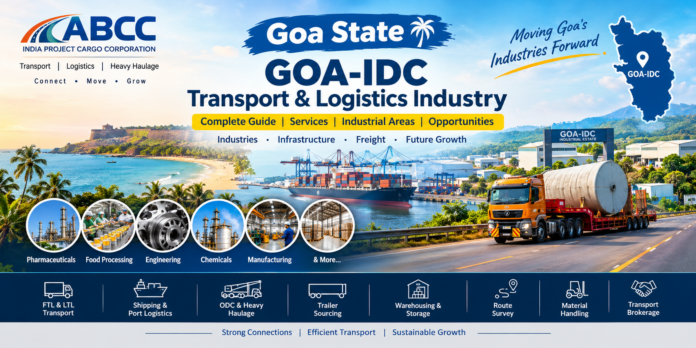
Goa Transport And Logistics Industry

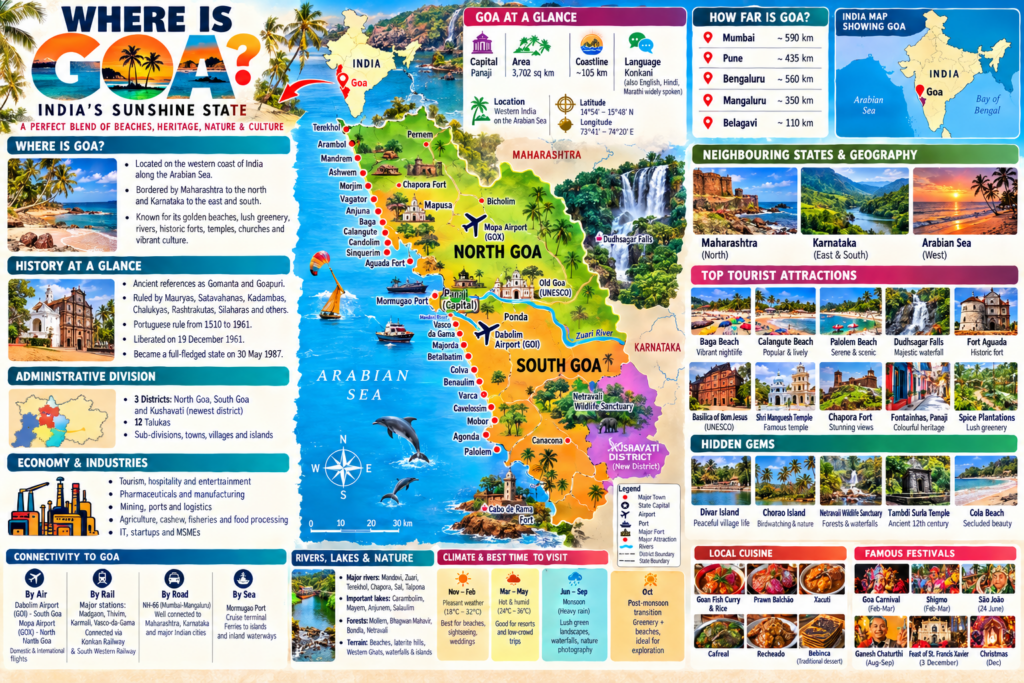
📦⛓️ Where Is Goa ?🚚🧠🗺️
🚛 Goa Transport & Logistics Services Guide 2026-2027 | GOA-IDC 1

Goa is widely celebrated for its golden beaches, historic churches, Portuguese-influenced architecture, seafood, coastal villages and tourism. Yet beyond its holiday destinations lies another side of the state—an industrial economy supported by manufacturing factories, engineering workshops, pharmaceutical production, warehouses, commercial vehicles, industrial suppliers and an interconnected road transportation network.

From the industrial roads of Verna and Kundaim to the manufacturing units of Pilerne, Tivim, Corlim and Cuncolim, goods transportation plays an important role in keeping Goa’s industrial activities connected with suppliers and customers across India.

A factory may manufacture pharmaceutical products in Verna, receive packaging material from another state, arrange machinery maintenance through a regional engineering supplier and dispatch finished goods to distribution centres hundreds of kilometres away. Each movement requires a different logistics decision: selecting the right vehicle, planning the route, preparing documents, arranging loading and unloading, and ensuring the cargo reaches its destination in suitable condition.

This is why understanding Goa Industrial Development Corporation (Goa-IDC) industrial estates and their goods transportation ecosystem matters to manufacturers, MSMEs, exporters, transport companies, fleet owners, truck brokers, logistics consultants and industrial investors.

Goa is not simply a tourist destination. It is also a coastal manufacturing and distribution market where industrial road transport connects factories with Maharashtra, Karnataka and the wider Indian economy.

📍 Where Is Goa-IDC Industrial Estate Located in Goa?

Goa-IDC does not refer to one single industrial estate. The Goa Industrial Development Corporation is a government-established industrial development organisation responsible for developing and administering industrial estates across Goa.

Its administrative headquarters is situated at Plot No. 13A-2, EDC Complex, Patto Plaza, Panaji, Goa – 403001.

The corporation traces its establishment to February 1966, when it was created as the Goa, Daman and Diu Industrial Development Corporation under the 1965 industrial development legislation. Its principal purpose was to support organised industrial development through industrial estates and developed industrial plots.

For logistics planning, Goa’s industrial estates can broadly be understood through their geographical relationship with North Goa, South Goa, the Ponda industrial belt, the Mormugao port area and the interstate highway network.

🏭 Goa-IDC Industrial Estates: Geographical Overview

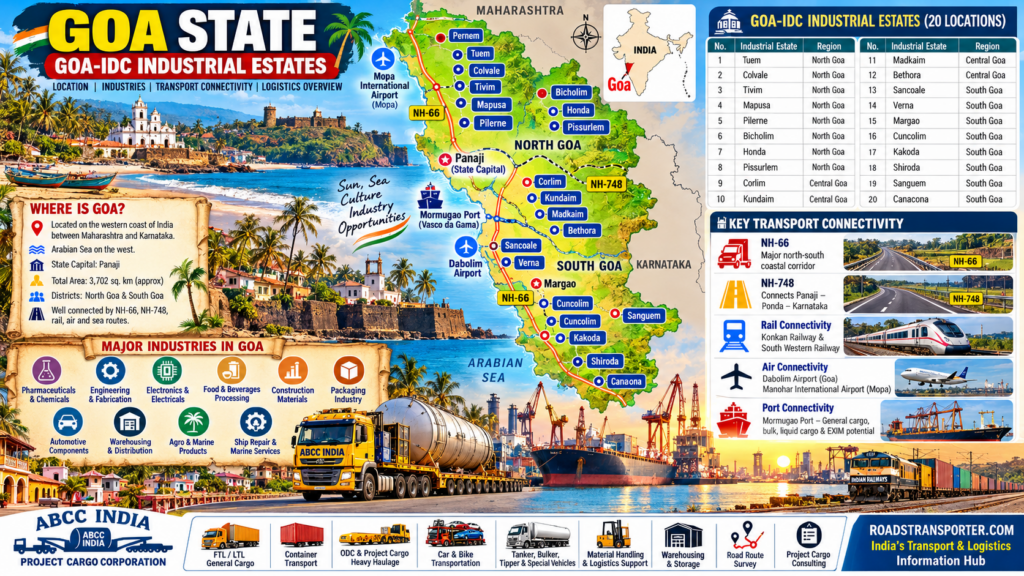
The Government of Goa’s Directorate of Industries, Trade and Commerce identifies the following 20 principal industrial estate locations.

RegionIndustrial estatesLogistics relevance
North Goa – Bardez and Pernem beltTuem, Colvale, Tivim, Mapusa, PilerneManufacturing dispatches and Maharashtra-bound road connectivity
North Goa – Bicholim and Sattari beltBicholim, Honda, PissurlemIndustrial materials, machinery and regional freight
Central Goa – Tiswadi and Ponda beltCorlim, Kundaim, Madkaim, BethoraManufacturing, engineering, raw-material supply and distribution
South Goa – Coastal industrial beltSancoale, VernaIndustrial manufacturing, airport-region access and port-linked logistics
South Goa – Margao and Quepem beltMargao, Cuncolim, Kakoda, ShirodaIndustrial goods movement and Karnataka/Maharashtra market connections
South Goa – Interior and southern beltSanguem, CanaconaLocal industrial supply, construction materials and regional transportation

These are geographical groupings for logistics understanding, not separate official Goa-IDC administrative zones.

The official Goa Economic Survey 2023–24 also records Latambarcem, Panchawadi and Quitol in its industrial-estate statistics. They should not automatically be described as fully operational manufacturing clusters: the survey reports no running-plant figure for Latambarcem and Panchawadi and zero running plants for Quitol.

🚛 How Important Is Goods Transportation to Goa’s Industrial Economy?

Goods transportation is an essential link between Goa’s industrial estates and the rest of India’s manufacturing and consumer markets.

Factories require raw materials, packaging, components, spare parts, maintenance equipment and machinery. Finished products must then reach wholesalers, distributors, warehouses, ports or end customers.

Goa’s logistics industry therefore involves more than hiring a truck. It includes cargo consolidation, vehicle sourcing, freight forwarding, material handling, warehouse coordination, industrial packing, documentation and specialized project transportation.

The Government of Goa’s Economic Survey 2023–24 recorded 2,747 running plants across its listed industrial estates. The figures included 354 at Verna, 291 at Kundaim, 128 at Sancoale and 112 at Pilerne. These are historical survey figures, not verified live operating counts for October 2026.

🏭 Industry-to-Cargo Transportation Relationships

Industrial sectorTypical cargo movementLogistics requirements
PharmaceuticalsRaw materials, packaging, finished medicinesEnclosed vehicles, handling controls, temperature-controlled transport where required
Engineering and fabricationComponents, machines, fabricated structuresOpen trucks, flatbeds, cranes and specialized trailers
Electronics and electrical equipmentComponents, finished equipmentProtective packing, enclosed vehicles and secure handling
Food and beverage processingIngredients, packaging, finished productsHygienic transport, cold chain where applicable
Construction materialsSteel, pipes, equipment, building productsHCVs, open trucks, suitable loading equipment
Industrial chemicalsPackaged chemicals and liquid productsCargo-compatible vehicles and applicable safety compliance
Warehousing and distributionPalletized and mixed consignmentsFTL, LTL, PTL and distribution vehicles

These are practical industry-level cargo patterns, not claims about the dispatches of individual factories.

🛣️ Road, Rail, Port and Air Connectivity Supporting Goa Logistics

Goa’s position between Maharashtra and Karnataka gives its industrial sector access to both western coastal markets and inland manufacturing centres.

NH-66 provides an important north–south road corridor, while NH-748 connects the Panaji–Ponda side of Goa towards Karnataka. Other national and state roads connect the industrial estates with Vasco da Gama, Margao, Mapusa and interior industrial locations.

The Mormugao Port area provides a maritime freight gateway. Official port information identifies general cargo, liquid cargo, bulk handling and rail-related facilities. This makes the port relevant to suitable import-export, industrial and bulk-cargo supply chains.

Goa also has Dabolim and Manohar International Airport at Mopa. Air-freight suitability must be checked against the cargo facilities and services actually available at the selected airport.

Transport modeMajor connectionIndustrial logistics importance
🚛 RoadNH-66 and connecting national/state roadsFactory dispatches, interstate FTL/LTL and first-mile/last-mile delivery
🚆 RailKonkan Railway and South Western Railway connectionsSuitable bulk and long-distance freight through available terminals
⚓ SeaMormugao PortMaritime cargo, bulk commodities and applicable EXIM operations
✈️ AirDabolim and Mopa airportsTime-sensitive shipments where cargo services are available
🏢 WarehousingIndustrial estates and commercial distribution locationsInventory storage, consolidation and dispatch coordination

🐘 ODC, Heavy Machinery and Project Cargo Transportation in Goa

Industrial transportation becomes more technically demanding when the consignment is unusually heavy, wide, tall or long.

Machinery installation, factory expansion, electrical infrastructure, marine engineering and industrial maintenance can create requirements for specialized transportation.

Depending on verified cargo dimensions, weight, centre of gravity and road conditions, suitable equipment may include flatbed trailers, semi-low-bed trailers, low-bed trailers, extendable trailers or hydraulic modular combinations.

Such equipment should not be assumed to be permanently available within every Goa industrial estate. Mobilization may be necessary from larger regional or national project-logistics fleets.

For oversized cargo, route planning must also consider bridge capacity, turning radius, road gradients, overhead obstructions, axle loading, loading arrangements and applicable movement permissions.

🤝 How Transporters, Fleet Owners and Truck Brokers Support Goa Industries

Goa’s transportation ecosystem involves different service providers working together.

Fleet owners supply commercial vehicles, transport companies coordinate shipments, truck brokers help source appropriate vehicles, warehouses manage inventory, and freight forwarders arrange relevant multimodal movements.

For manufacturers, reliable logistics coordination can help reduce avoidable vehicle waiting, incorrect vehicle selection, handling delays and documentation problems.

For truck operators, Goa creates potential freight opportunities involving industrial raw materials, finished goods, interstate movements and return-load coordination. Actual truck availability and return loads depend on location, vehicle type, cargo and market conditions.

🌟 Why Goa-IDC Industrial Estates Matter to India’s Logistics Network

Goa’s industrial importance comes from the combination of its manufacturing estates, interstate highway connections, coastal geography and access to a major port.

Verna, Kundaim, Sancoale, Pilerne, Tivim, Corlim and other established industrial locations serve different manufacturing and distribution requirements. Together, they create demand for practical, cargo-specific transportation solutions rather than a single standard trucking service.

For an industrial buyer, the most important question is not simply whether a truck is available. It is whether the selected transport arrangement suits the cargo, loading site, delivery destination, required schedule and applicable safety obligations.

ABCC India Project Cargo Corporation supports industrial transport planning through truck and trailer sourcing, heavy-haulage coordination, project-cargo consulting, road-route survey services and related material-handling logistics support, subject to project requirements and availability.

Understanding Goa’s industrial geography is the starting point for making better freight decisions—whether transporting a small consignment between industrial estates or planning a complex machinery movement across state boundaries.

🏭🚛 How Many Goa-IDC Industrial Estates Are There in Goa? District-Wise Industries, Major Companies & Logistics Guide
🚛 Goa Transport & Logistics Services Guide 2026-2027 | GOA-IDC 2

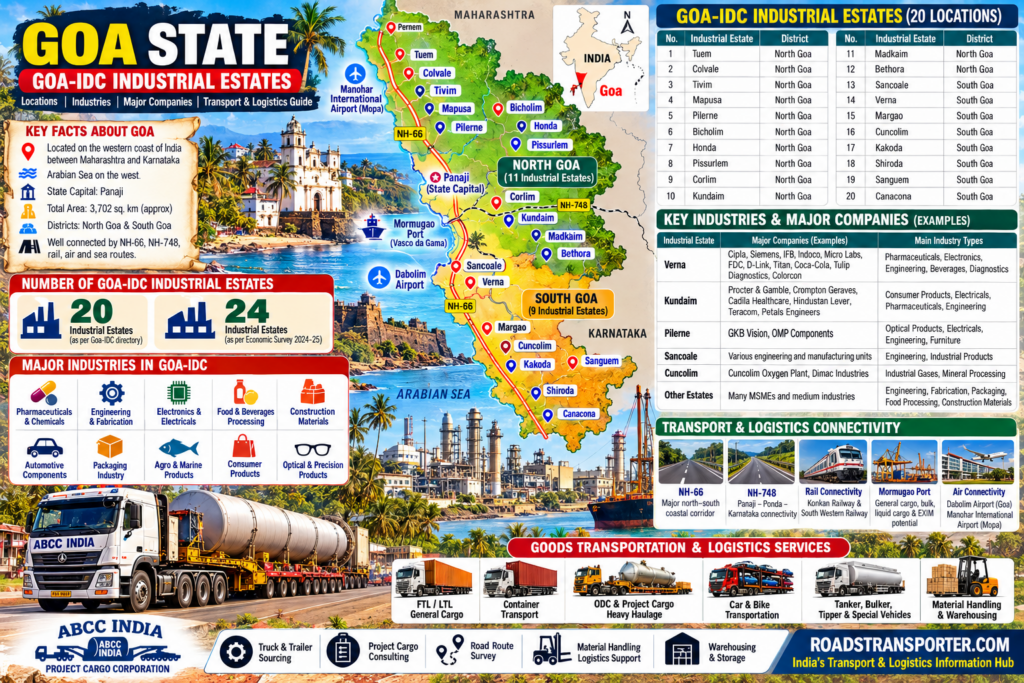
Goa has 20 principal industrial estates commonly listed by the Goa Industrial Development Corporation (Goa-IDC), spread across the state’s two districts: North Goa and South Goa.

These estates support pharmaceuticals, chemicals, engineering, electronics, food processing, packaging, fabrication, construction materials and other manufacturing activities.

For the goods transportation industry, the important industrial centres include Verna, Kundaim, Madkaim, Sancoale, Pilerne, Tivim, Corlim, Cuncolim and several smaller industrial estates.

An important distinction: Goa-IDC is one industrial development corporation, not 20 separate corporations. The number refers to industrial estate locations. Some government reports also include additional estate locations, so counts can vary according to the reporting year and development status.

📊 Official Industrial Estate Count and Manufacturing Activity

The newer Goa Economic Survey 2024–25 reports 24 industrial estates, covering 3,307 industrial plots. Verna alone accounts for 651 plots and 333 running plants in that report.

The 2,747 running-plant figure is from the previous survey year and should not be treated as the current count for 2026.

🗺️ District-Wise Goa-IDC Industrial Estates and Industry Types

The following chart covers the 20 locations in the Goa government’s industrial-estate directory. Industry categories describe the general industrial activity associated with these locations, not an exhaustive verified inventory of every factory.

DistrictIndustrial estateMain industry types / cargo opportunities
North GoaTuemSmall manufacturing, engineering, fabrication
North GoaColvaleLight engineering, manufacturing, packaging
North GoaTivimEngineering, plastics, consumer products
North GoaMapusaSmall manufacturing, processing, distribution
North GoaPilerneOptical products, electrical components, engineering, food products
North GoaBicholimEngineering, fabrication, industrial materials
North GoaHondaManufacturing, engineering, industrial supplies
North GoaPissurlemIndustrial manufacturing, machinery, materials
North GoaCorlimManufacturing, engineering, industrial products
North GoaKundaimEngineering, manufacturing, electrical products, fabrication
North GoaMadkaim (Marcaim)Manufacturing, machinery, engineering, packaging
North GoaBethoraEngineering, fabrication, industrial products
South GoaSancoaleManufacturing, engineering, industrial products
South GoaVernaPharmaceuticals, electronics, engineering, diagnostics, packaging
South GoaMargaoSmall manufacturing, industrial processing
South GoaCuncolimManufacturing, engineering, industrial materials
South GoaKakodaEngineering, fabrication, industrial supplies
South GoaShirodaSmall manufacturing, fabrication
South GoaSanguemSmall-scale industrial activities
South GoaCanaconaSmall manufacturing and regional industrial supply

District grouping uses the established North Goa/South Goa industrial geography. Ponda-area estates fall in North Goa. The table is a logistics-oriented classification, not an official sector-by-sector census.

🏢 Major Companies Associated With Goa-IDC Industrial Estates

The following companies appear in official Goa government estate directories. Some of these directories are historical, so their present operating status, ownership and factory addresses must be verified before publishing them as currently active companies or planning client visits.

Industrial estateCompany nameIndustry / products
VernaCipla LimitedPharmaceuticals
VernaSiemens LimitedElectrical and engineering
VernaIFB Industries LimitedManufacturing
VernaIndoco Remedies LimitedPharmaceuticals
VernaMicro Labs LimitedPharmaceuticals
VernaFDC LimitedPharmaceuticals
VernaD-Link India LimitedNetworking and electronics
VernaTitan Time Products LimitedTime products
VernaMarine ElectricalsElectrical and marine systems
VernaHindustan Coca-Cola BottlingBeverage bottling
VernaTulip DiagnosticsMedical diagnostics
VernaColorcon AsiaPharmaceutical coatings
KundaimProcter & Gamble India LimitedConsumer products
KundaimCrompton Greaves LimitedElectrical motors
KundaimCadila Healthcare LimitedPharmaceuticals
KundaimHindustan Lever LimitedConsumer products
KundaimTeracom Private LimitedOptical fibre products
KundaimPetals Engineers Private LimitedPharmaceutical machinery
PilerneGKB Vision LimitedOptical lenses
PilerneOMP Components (India) Private LimitedFurniture and electrical systems
CuncolimCuncolim Oxygen Plant Private LimitedIndustrial oxygen
CuncolimDimac IndustriesMineral processing

Sources: Government of Goa estate directories for Verna, Kundaim, Pilerne and Cuncolim. These are documented company associations, not a verified 2026 live tenant list.

🚚 Industrial Estate-Wise Goods Transportation Opportunities

Industrial beltTypical freight demandSuitable transport services
Verna–SancoalePharmaceuticals, machinery, packaging, finished goodsFTL, LTL, container, specialized transport
Kundaim–MadkaimEngineering products, components, machineryOpen trucks, HCVs, flatbed trailers
Pilerne–TivimElectrical goods, consumer products, componentsClosed-body trucks, FTL, PTL
Corlim–BethoraIndustrial supplies, fabrication, equipmentHCVs, open trucks, machinery transport
Cuncolim–KakodaIndustrial materials, fabrication, construction goodsOpen trucks, trailers, material handling
Tuem–ColvaleSmall industrial consignments, equipmentLCVs, FTL, LTL
Bicholim–Honda–PissurlemEngineering and industrial goodsTrucks, trailers, project-cargo coordination

These are potential logistics requirements, not confirmed shipment volumes or guaranteed truck availability.

📈 What Makes Goa Attractive for Industrial Transport Businesses?

The state’s industrial estates generate opportunities for factory-to-factory freight, interstate goods transportation, distribution, warehousing and machinery movement. Maharashtra and Karnataka are particularly relevant neighbouring markets, while longer-distance shipments connect Goa with manufacturing and distribution centres throughout India.

For trailer operators and heavy-haulage brokers, industrial machinery, plant maintenance, factory expansion and equipment relocation can create specialized transport enquiries. Such movements may require route surveys, loading studies, crane coordination and appropriate vehicle mobilization.

For MSMEs, reliable part-load services and regional distribution can be as important as large full-truck shipments.

🔎 Official Sources for Further Research

  1. Government of Goa – Industrial Estate Directory
  2. Goa Economic Survey 2024–25
  3. Goa Industrial Development Corporation

Goa’s industrial network extends far beyond its tourism economy. Its Goa-IDC estates accommodate a mix of pharmaceutical, engineering, electrical, consumer-product and small manufacturing activities, each requiring different transportation arrangements.

Logistics guide, 24 industrial estates is the more recent government-reported total, while the official industrial-estate directory provides 20 commonly listed locations. The distinction should be stated clearly rather than treating the two figures as contradictory.

ABCC India Project Cargo Corporation can use this industrial geography as a foundation for developing location-specific information about truck sourcing, FTL/LTL, trailer transportation, ODC project cargo, road-route surveys and material-handling coordination.

🏗️Goa-IDC Industrial Growth, Migration, Employment, Manufacturing & Logistics Development🚛
🚛 Goa Transport & Logistics Services Guide 2026-2027 | GOA-IDC 3

Goa is widely known for its golden beaches, Portuguese-influenced architecture, historic churches, coastal villages, seafood and tourism. But beyond the familiar holiday destinations lies another important story—the rise of Goa as a manufacturing and industrial economy supported by pharmaceutical factories, engineering workshops, electronics manufacturers, industrial warehouses, commercial trucks and interstate logistics networks.

From the manufacturing facilities of Verna to the engineering activities of Kundaim and Madkaim, the industrial businesses of Pilerne and Tivim, and the manufacturing clusters of Corlim, Sancoale and Cuncolim, industrialization has helped diversify Goa’s economy.

This transformation has created opportunities for factory workers, engineers, technicians, MSME entrepreneurs, transporters, truck brokers, fleet owners, warehouse operators, crane contractors and supply-chain professionals.

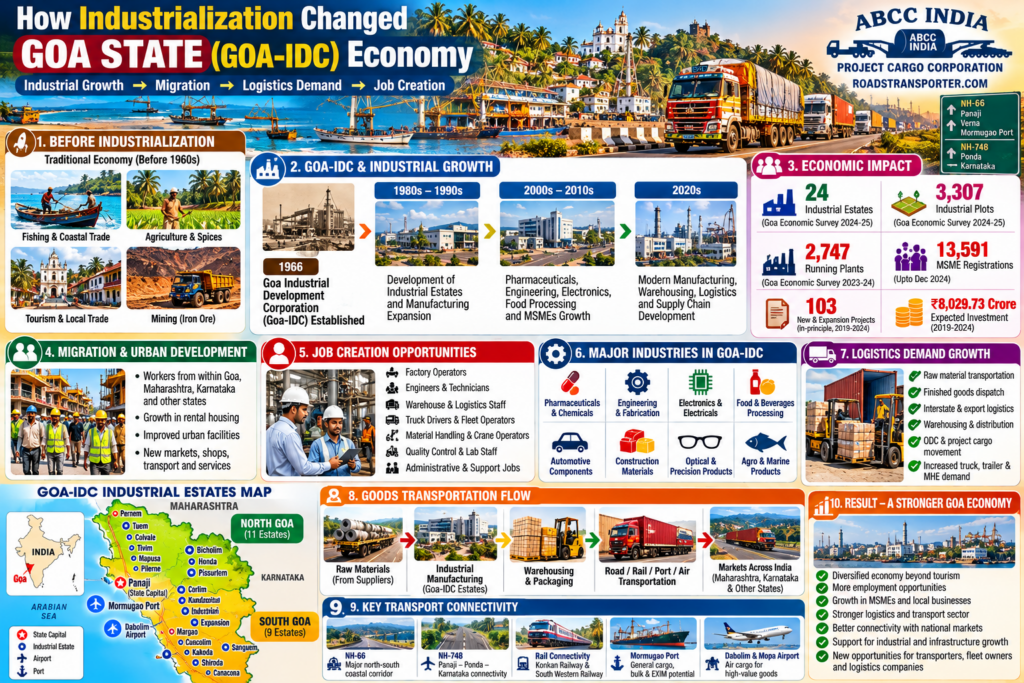
Industrialization changed Goa’s economy by expanding manufacturing, creating direct and indirect employment, encouraging business investment, influencing labour mobility and increasing demand for goods transportation.

A factory does not operate in isolation. It purchases raw materials, employs workers, uses electricity and water, requires machinery maintenance, arranges packaging and hires transport vehicles to deliver finished products.

Every stage creates commercial relationships with other businesses.

A pharmaceutical manufacturing unit in Verna, for example, may require packaging material from another state, laboratory equipment from an engineering supplier, temperature-sensitive transportation for certain products and warehouse facilities for distribution.

An engineering factory in Kundaim may need steel, industrial components, fabrication services, forklifts, cranes and heavy commercial vehicles.

These examples illustrate how manufacturing creates logistics demand; they are not claims about particular companies’ current shipments.

The Goa Industrial Development Corporation (Goa-IDC), established in 1966 under its earlier Goa, Daman and Diu industrial development framework, has played an important role in developing organized industrial estates.

Goa’s industrial transformation has therefore affected not only manufacturing output but also local commerce, employment, residential development, road transportation, industrial services and connections with Maharashtra, Karnataka and other Indian markets.

🕰️ Industrial Evolution of Goa: From Traditional Economy to Organized Manufacturing

Goa’s economic history includes agriculture, fishing, trading, mining, maritime activity and traditional occupations.

Mining and associated transportation were important components of Goa’s economy even before the expansion of organized industrial estates.

Following Goa’s liberation in 1961, industrial development became an important part of the state’s economic diversification.

The establishment of the industrial development corporation in 1966 helped create a framework for developing industrial land and supporting manufacturing activity.

Over subsequent decades, organized industrial estates provided locations for factories, engineering units, pharmaceutical production, electrical equipment manufacturing and other industries.

📊 Goa’s Industrial Development Timeline

PeriodIndustrial and Economic DevelopmentEmployment ImpactTransportation and Logistics Impact
🌾 Before 1961Agriculture, fishing, coastal trade, mining and traditional occupationsFarmers, fishermen, traders, miners and artisansLocal goods movement, coastal shipping and mineral transportation
🏗️ 1961–1970sPost-liberation industrial development and establishment of the industrial development corporation in 1966Factory construction, industrial services and emerging manufacturing jobsIndustrial road access, construction-material transport and machinery delivery
🏭 1980s–1990sExpansion of organized industrial estates and manufacturing activitiesFactory operators, technicians, engineers and maintenance workersGreater demand for commercial trucks, industrial supplies and distribution
⚙️ 2000sManufacturing diversification and stronger integration with national marketsTechnical, administrative and industrial employmentInterstate FTL, LTL, packaging, warehousing and cargo handling
💊 2010sDevelopment of specialized manufacturing and supply-chain activitiesQuality-control, technical and logistics employmentMore specialized handling, documentation and freight coordination
🚛 2020sContinuing industrial modernization, investment proposals and logistics developmentPotential opportunities in manufacturing, warehousing and technical servicesDemand for efficient distribution, specialized transport and industrial logistics

The timeline represents broad economic trends rather than exact commissioning dates for individual factories.

🏭 How Goa-IDC Industrial Estates Changed Goa’s Economic Geography

Before the expansion of organized industrial estates, industrial activities were less concentrated within designated manufacturing locations.

The development of industrial estates helped provide planned industrial land and created opportunities for factories and supporting businesses to operate near one another.

This concentration can improve access to suppliers, maintenance contractors, transport operators and shared industrial infrastructure.

It also creates demand for connecting roads, utilities, warehouses, loading facilities and commercial vehicle services.

Goa’s industrial geography is spread across North Goa and South Goa rather than being concentrated in a single manufacturing city.

📍 Goa-IDC Industrial Estates and Their Economic Importance

Industrial Estate / ClusterDistrictMajor Industry TypesEconomic ContributionLogistics Requirements
🏭 VernaSouth GoaPharmaceuticals, electronics, diagnostics, engineering and packagingSkilled employment, manufacturing and industrial investmentFTL, LTL, container trucks, specialized transportation
⚙️ KundaimNorth GoaEngineering, electrical equipment, machinery and manufacturingTechnical employment, fabrication and industrial servicesOpen trucks, HCVs, flatbeds and machinery transport
🔧 MadkaimNorth GoaEngineering, machinery and industrial manufacturingComponent supply, factory employment and industrial servicesRaw-material trucks, trailers and distribution
💡 PilerneNorth GoaOptical products, electrical components and manufacturingSpecialized manufacturing and supplier developmentEnclosed trucks, component transport and distribution
📦 TivimNorth GoaEngineering, light manufacturing and industrial productsMSME activity and local enterprise developmentLCVs, FTL, LTL and regional freight
🏗️ CorlimNorth GoaEngineering, fabrication and manufacturingIndustrial services and supply-chain activityOpen trucks, flatbeds and equipment transport
🚢 SancoaleSouth GoaManufacturing, engineering and industrial productsIndustrial employment and regional commercial activityFactory freight and port-region logistics
🔩 CuncolimSouth GoaManufacturing, fabrication and processingSouthern Goa industrial activity and employmentHCVs, industrial materials and trailers
🏢 KakodaSouth GoaEngineering, fabrication and smaller manufacturing unitsTechnical services and supporting businessesMachinery, industrial components and general cargo
🚛 Tuem–ColvaleNorth GoaSmaller manufacturing and industrial businessesLocal entrepreneurship and industrial employmentPickup trucks, LCVs, FTL and LTL
⚒️ Bicholim–Honda–PissurlemNorth GoaEngineering and industrial manufacturingInland industrial employment and supplier activityCommercial trucks, equipment movement and material handling

These are general industrial characteristics, not a live factory census. The precise tenant mix and operational status of individual units may change.

📊 Goa Industrial Development: Economic Statistics and Investment Indicators

The Goa Economic Survey 2024–25 provides useful evidence of the scale of organized industrial development in the state.

The reported data helps distinguish industrial infrastructure, investment proposals, potential employment and existing manufacturing activity.

📈 Goa-IDC Industrial Growth – Key Economic Statistics

📈 Economic Indicator📊 Reported Figure📝 Details
🏭 Industrial Estates24Goa-IDC industrial estate network reported in the Goa Economic Survey 2024–25
🏗️ Industrial Plots3,307Statewide reported industrial plots
📋 Approved Projects103In-principle approvals during 2019–December 2024
👷 Employment Potential26,284Projected employment, not jobs already created

💰 Additional Industrial Investment and Manufacturing Indicators

Economic IndicatorReported FigureReporting Period / Interpretation
💰 Expected Investment₹8,029.73 croreInvestment associated with reported project approvals
🏭 New Manufacturing Projects61In-principle approved new manufacturing proposals
🔧 Manufacturing Expansion Projects22In-principle approved manufacturing expansion proposals
🏢 Service-Sector Projects15Approved service-sector proposals
🏨 Hospitality Projects5Approved hospitality proposals
📦 MSME Registrations13,591Reported for 2024–25 up to December 2024
🏭 Running Industrial Plants2,747Historical figure from Goa Economic Survey 2023–24

Source: Goa Economic Survey 2024–25.

The 103 project approvals consist of 61 new manufacturing proposals, 22 manufacturing expansions, 15 service-sector projects and five hospitality projects.

The employment potential of 26,284 represents expected jobs associated with the proposals. It should not be interpreted as confirmed employment already created.

Similarly, industrial plots, registered MSMEs and running plants represent different statistical categories. They should not be added together to estimate the number of factories.

The industrial-estate count of 24 also differs from the 20 principal locations commonly listed in the Goa government industrial-estate directory. The difference reflects reporting scope and estate development records; it does not mean Goa has 24 separate industrial development corporations.

👷 How Industrialization Created Employment Opportunities in Goa

Industrialization expanded Goa’s employment opportunities by introducing a wider range of manufacturing, technical, administrative and logistics-related occupations.

Factories require production workers, engineers, machine operators, maintenance personnel, laboratory technicians, quality-control staff and supervisors.

Supporting businesses create additional opportunities in transportation, warehousing, industrial packing, equipment servicing and commercial distribution.

A pharmaceutical manufacturer may require trained scientific and technical employees, while an engineering unit may depend on machinists, welders, electricians and fabrication workers.

Both also need people to coordinate supplies, maintain inventory, arrange dispatches and manage transportation.

👨‍💼 Industry-Wise Employment and Career Opportunities

Industry / ServiceEmployment OpportunitiesSkills / QualificationsEconomic Importance
🏭 ManufacturingProduction operators, supervisors, techniciansITI, diploma, engineering or relevant trainingDirect factory employment
💊 PharmaceuticalsChemists, laboratory technicians, quality-control staffRelevant pharmacy, science and technical qualificationsSpecialized manufacturing employment
⚙️ EngineeringFitters, welders, machinists, electriciansITI, technical training and practical experienceMachinery and component manufacturing
🚛 TransportationTruck drivers, trailer drivers, fleet coordinatorsAppropriate driving licence and operational skillsFactory-to-market goods movement
📦 WarehousingStorekeepers, inventory executives, supervisorsInventory systems and warehouse operationsStorage and distribution
🏗️ Material HandlingForklift operators, crane operators, riggersEquipment-specific training and safe handling skillsMachinery loading and industrial cargo movement
🛣️ Project LogisticsRoute surveyors, ODC coordinators, transport plannersCargo assessment, route planning and technical knowledgeHeavy machinery and project transportation
📑 Logistics AdministrationDispatch executives, documentation staff, billing executivesDocumentation, communication and logistics systemsShipment coordination
🔧 Industrial MaintenanceMechanics, electricians, maintenance techniciansMechanical and electrical skillsFactory equipment reliability
🏪 Supporting ServicesRetail, catering, accommodation and repair workersBusiness and service skillsIndirect employment and local economic activity

These are potential occupational categories rather than verified current vacancies.

Industrialization can create both direct and indirect employment.

Direct employment includes people working within manufacturing units. Indirect employment includes people working for suppliers, transport contractors, warehouses, maintenance companies and other service businesses.

The extent of these employment benefits depends on actual factory operations, production demand, workforce requirements and investment implementation.

🧳 How Industrialization Influenced Migration and Urban Development

Industrial development can attract workers towards locations where employment opportunities are concentrated.

In Goa, manufacturing employment is relevant to workers from within the state as well as people from Maharashtra, Karnataka and other parts of India.

Workers may relocate closer to industrial estates or commute from surrounding towns and villages.

As industrial employment expands, surrounding communities may experience greater demand for rental accommodation, food services, retail shops, staff transportation, healthcare and other facilities.

However, it would be inaccurate to claim that Goa-IDC alone caused a specific increase in migration without supporting census or labour-migration data.

🏘️ Industrialization, Migration and Local Economic Development

Economic ChangeHow Industrialization ContributesPotential Local Impact
👷 Worker MigrationFactories recruit skilled, technical and general workersDemand for accommodation and local services
🏠 Rental HousingWorkers may seek housing near industrial centresRental and residential development opportunities
🛒 Retail BusinessesIndustrial employees purchase food and household goodsGrowth in local shops and services
🚌 Staff TransportationEmployees commute between homes and factoriesDemand for buses and employee transport
🍛 Food and CateringFactories and workers require mealsCanteens, catering and restaurant opportunities
🏥 HealthcareIndustrial communities require healthcare facilitiesMedical and occupational health services
🔧 Vehicle RepairsCommercial vehicles and industrial equipment need maintenanceWorkshops and spare-parts businesses
🏗️ InfrastructureIndustrial activity increases road and utility requirementsNeed for infrastructure investment and maintenance
🏢 Commercial ServicesManufacturers require banking and professional servicesSupporting commercial activity

Industrialization may also create challenges involving traffic congestion, housing costs, road maintenance, utility demand and environmental management.

Therefore, industrial development needs to be accompanied by adequate planning for workers, residents and surrounding communities.

🚛 How Industrialization Increased Goods Transportation and Logistics Demand

One of the most important effects of industrialization in Goa has been the creation of regular demand for industrial goods transportation.

Every manufacturing unit needs an organized system for receiving production materials and dispatching finished goods.

Inbound logistics involves transporting raw materials, machinery, packaging, industrial components and other supplies into manufacturing facilities.

Outbound logistics involves moving finished products from factories to warehouses, distributors, ports and customers.

Factories may also require transportation for machinery installation, equipment maintenance, spare parts, rejected materials, reusable packaging and factory relocation.

For example, an engineering factory in Kundaim may need steel components from Maharashtra, arrange fabrication work within Goa and dispatch finished equipment to an industrial customer in Karnataka.

The vehicle required for each movement depends on cargo weight, dimensions, packaging, loading facilities and delivery requirements.

📦 Industrial Production and Logistics Chain in Goa-IDC

StepIndustrial Production & Logistics ChainActivities and Transportation Requirements
1📦 Raw Materials & ComponentsPurchased from local and interstate suppliers, including industrial materials, machinery parts and packaging
⬇️Inbound Material MovementRaw materials prepared for delivery to factories
2🚛 Inbound Freight TransportationFTL, LTL, container trucks, HCVs and specialized vehicles
⬇️Factory DeliveryCargo delivered to the manufacturing unit
3🏭 Goa-IDC Manufacturing UnitProcessing, production, assembly, quality inspection and packaging
⬇️Finished Goods TransferManufactured products transferred to storage and dispatch facilities
4🏢 Warehousing & DispatchInventory management, palletization, consolidation, packing and cargo handling
⬇️Outbound MovementFinished goods assigned to suitable transportation modes
5🚚 Outbound LogisticsRoad, rail, port or air cargo transportation where suitable and available
⬇️Market DistributionGoods transported to regional and national markets
6🏬 Distributors, Industries & CustomersDelivery across Goa, Maharashtra, Karnataka and other Indian markets

🔄 Complete Goa-IDC Industrial Logistics Flow

📦 Raw Materials & Components → 🚛 Inbound Freight Transportation → 🏭 Goa-IDC Manufacturing Unit → 🏢 Warehousing & Dispatch → 🚚 Outbound Logistics → 🏬 Distributors, Industries & Customers

🏭 Industry → Cargo → Vehicle → Market Relationship

IndustryInbound Raw MaterialsOutbound ProductsSuitable VehiclesPotential Markets
💊 PharmaceuticalsIngredients, packaging, industrial suppliesMedicines and pharmaceutical productsClosed-body trucks, temperature-controlled vehicles where requiredMaharashtra, Karnataka and national distribution centres
⚙️ EngineeringSteel, machinery parts, componentsFabricated machinery and equipmentOpen trucks, flatbeds, trailersIndustrial manufacturing markets
💡 ElectronicsComponents, circuits, packagingElectronic and electrical productsEnclosed trucks, container vehiclesDistributors and industrial buyers
🍱 Food ProcessingIngredients, packaging materialsProcessed food and beveragesHygienic enclosed trucks, refrigerated vehicles where necessaryRegional and national consumer markets
🏗️ Construction MaterialsSteel, cement, industrial materialsFabricated structures and building productsOpen trucks, HCVs, bulkersConstruction and infrastructure markets
🧪 ChemicalsChemical raw materials and industrial packagingChemical productsCargo-compatible, appropriately authorized vehiclesManufacturing and processing industries
🔩 Industrial MachineryComponents, motors, fabricated partsAssembled machinery and equipmentFlatbed, semi-low-bed and specialized trailersFactories and industrial projects

These are illustrative industry-level supply-chain patterns. They do not imply that particular companies currently ship cargo on every listed route.

🛣️ How Industrial Growth Strengthened Goa’s Road, Rail, Port and Air Connectivity

Goa’s industrial development is closely connected with its geographical position on India’s western coast.

The state lies between Maharashtra and Karnataka, making interstate road connectivity particularly important for manufacturing businesses.

Industrial goods must move between factories, suppliers, warehouses, commercial markets and transport terminals.

NH-66 provides an important north–south coastal road corridor, while NH-748 connects the Panaji–Ponda side towards Karnataka.

The Konkan Railway and South Western Railway networks provide rail connectivity, while Mormugao Port supports suitable maritime freight operations.

Dabolim Airport and Manohar International Airport at Mopa provide aviation connectivity. Specific air-cargo facilities and shipment acceptance must be confirmed before planning freight.

🚦 Goa Industrial Transportation Connectivity Chart

Transport ModeInfrastructure / CorridorIndustrial Logistics Importance
🚛 RoadNH-66North–south coastal corridor connecting Goa with Maharashtra and Karnataka
🛣️ RoadNH-748Panaji–Ponda–Karnataka connectivity
🚆 RailKonkan RailwayRegional and long-distance rail connectivity
🚂 RailSouth Western RailwayInland railway connections and freight opportunities through suitable terminals
⚓ SeaMormugao PortGeneral cargo, bulk cargo and applicable import-export movements
✈️ AirDabolim AirportAviation connectivity; cargo acceptance depends on available facilities
✈️ AirManohar International Airport, MopaAviation gateway; cargo services require verification
🏢 WarehousingIndustrial and commercial storage facilitiesInventory, consolidation and distribution
🏗️ Material HandlingForklifts, cranes and industrial handling equipmentFactory loading, unloading and machinery handling

🚚 Goa’s Interstate Industrial Freight Connections

Origin Industrial ClusterImportant Market DirectionTypical Logistics Requirements
Verna–SancoaleMaharashtra and KarnatakaManufacturing dispatches, packaging, machinery and industrial freight
Kundaim–MadkaimKarnataka, Maharashtra and other Indian marketsEngineering products, machinery and industrial components
Pilerne–TivimMaharashtra and regional distribution marketsElectrical goods, components and finished products
Corlim–BethoraGoa and interstate industrial centresFabricated equipment and industrial materials
Cuncolim–KakodaKarnataka, Maharashtra and national marketsManufacturing goods, engineering and industrial materials
Tuem–ColvaleNorth Goa and MaharashtraGeneral cargo, smaller industrial consignments and distribution

Actual routes, vehicle positioning, freight costs and delivery schedules depend on shipment requirements and current operating conditions.

🏢 How Industrialization Encouraged MSMEs and Supporting Businesses

Industrial growth creates commercial opportunities beyond the boundaries of large factories.

Manufacturers depend on suppliers and service providers for components, packaging, maintenance, equipment, transportation and distribution.

This creates opportunities for micro, small and medium enterprises.

For example, a manufacturing company may purchase locally fabricated parts, arrange industrial packaging through a nearby supplier and hire a transport operator to deliver finished goods.

The growth of such relationships can help support entrepreneurship and local economic diversification.

🤝 Industrial Supporting Businesses and Commercial Opportunities

Business CategoryServices and ProductsPotential Customers
🚛 Truck Transport CompaniesFTL, LTL and industrial goods transportationManufacturers, warehouses and distributors
🐘 Trailer OperatorsHeavy machinery and oversized cargo transportationEngineering companies and project contractors
🤝 Truck BrokersVehicle sourcing and freight coordinationFactories, transport companies and cargo owners
🏗️ Crane and Hydra OperatorsLoading, unloading and machinery handlingIndustrial units and contractors
📦 Packaging SuppliersWooden crates, pallets, cartons and protective packingManufacturers and exporters
🏢 Warehouse OperatorsStorage, inventory and distributionManufacturing and logistics companies
🔧 Engineering WorkshopsFabrication, machinery repair and maintenanceFactories and equipment owners
⚙️ Equipment SuppliersIndustrial tools, components and spare partsManufacturing and maintenance departments
👷 Labour ContractorsSkilled and general industrial workforceFactories and industrial service providers
🛣️ Road Route Survey ConsultantsRoute feasibility and technical assessmentHeavy-haulage and project-cargo operators

These are potential commercial relationships rather than a verified list of active companies.

🐘 How Industrial Growth Creates ODC and Heavy-Haulage Transportation Opportunities

Industrial development creates transportation requirements beyond ordinary packaged goods.

Factory construction, plant expansion, machinery installation, electrical infrastructure and equipment relocation may require heavy or oversized cargo transportation.

Such consignments may involve transformers, fabricated structures, industrial machinery, pressure vessels and other project equipment.

Unlike ordinary goods transportation, ODC movement can require technical route assessment, trailer selection, axle-load planning, cargo securing and applicable permissions.

🏗️ Heavy Machinery and Project-Cargo Transportation Requirements

Cargo CategoryPossible EquipmentImportant Planning Requirements
Heavy Industrial MachineryFlatbed, semi-low-bed or low-bed trailerVerified weight, dimensions and loading arrangements
Industrial TransformersSuitable heavy-haul trailer or engineered combinationCentre of gravity, axle planning and route feasibility
Pressure VesselsExtendable or specialized trailerDimensions, lashing and obstruction assessment
Long Fabricated StructuresExtendable or telescopic trailerTurning radius, overhang and road geometry
Factory Relocation EquipmentSuitable trucks, trailers and handling equipmentDismantling, packing, loading and installation coordination
Exceptional Heavy CargoHydraulic modular trailer or engineered transport systemStructural assessment, axle configuration and route capacity

Specialized equipment may need to be mobilized from regional or national fleets.

A physical road-route survey helps assess practical movement constraints, but it does not automatically constitute bridge structural certification or replace applicable government permissions.

🌿 Industrialization, Environmental Responsibility and Infrastructure Challenges

Industrial development creates economic opportunities, but it can also increase pressure on infrastructure and the environment.

Goa’s coastal ecosystems, rivers, agricultural areas, residential settlements and tourism destinations make responsible industrial planning especially important.

Factories, transport operators and industrial authorities must consider waste management, wastewater treatment, hazardous-material handling, road safety and resource consumption.

🌱 Industrial Growth: Benefits, Challenges and Solutions

Industrial Development BenefitsPotential ChallengesResponsible Development Approach
Manufacturing employmentHousing and commuting pressureBetter industrial and residential planning
Increased freight movementTraffic congestionImproved freight scheduling and route planning
Industrial investmentGreater utility demandEfficient water and energy management
Manufacturing expansionIndustrial waste generationAppropriate treatment and disposal
MSME developmentInfrastructure pressureRoad and utility maintenance
Expanded road transportationFuel consumption and vehicle emissionsBetter load planning and vehicle utilization
Heavy machinery transportationRoad and structural limitationsTechnical route assessments and compliance
Industrial land developmentEnvironmental and land-use concernsRegulatory assessment and responsible site planning

Industrial growth should not automatically be described as environmentally sustainable or environmentally harmful without evidence about specific operations.

🔭 Future Opportunities for Goa’s Industrial and Logistics Economy

Goa’s future industrial development will depend on manufacturing competitiveness, infrastructure, skilled workers, investment implementation and access to markets.

Existing industrial estates provide a foundation for future industrial and logistics services.

Modern warehousing, specialized engineering, efficient road transportation, digital freight coordination and machinery-handling services may support industrial productivity.

📈 Potential Industrial and Logistics Growth Opportunities

Growth AreaPotential OpportunityLogistics and Transportation Benefits
🏭 Manufacturing ModernizationFactory upgrades and machinery installationSpecialized equipment transportation
💊 Pharmaceutical ManufacturingQuality-controlled manufacturing and distributionSuitable enclosed and temperature-controlled logistics
⚙️ EngineeringMachinery, components and fabricationHeavy vehicles, flatbeds and trailers
📦 Modern WarehousingInventory and distribution improvementsStorage, consolidation and dispatch
🚛 Interstate FreightGoa–Maharashtra–Karnataka cargo movementFTL, LTL and truck brokerage
🐘 Project CargoMachinery installation and factory expansionODC trailers, route surveys and lifting coordination
🏢 MSME Supply ChainsSmaller and more frequent consignmentsPTL, LTL and regional distribution
💻 Digital LogisticsBetter freight planning and documentationImproved shipment coordination
🌿 Efficient TransportationBetter route planning and vehicle utilizationPotential reduction in unnecessary trips

These are potential opportunities, not confirmed future investments or guaranteed freight demand.

🏁 From Industrial Estates to a Connected Economic Network

Industrialization has helped Goa develop an economic identity that extends beyond tourism, fishing, agriculture and traditional trade.

The development of organized industrial estates has supported manufacturing, technical employment, business investment and the growth of industrial supply chains.

Its effects extend beyond factory boundaries.

Manufacturing workers support local businesses, factories create demand for contractors and suppliers, warehouses facilitate distribution, and commercial vehicles connect Goa’s production centres with markets across India.

Industrial growth has also influenced migration, settlement patterns, transport infrastructure and the demand for specialized logistics services.

At the same time, long-term development requires attention to environmental management, infrastructure capacity, worker mobility and industrial safety.

For goods transportation businesses, Goa’s industrial network presents potential opportunities in FTL, LTL, container transportation, industrial machinery movement, trailer sourcing, material handling, warehousing and project-cargo coordination.

ABCC India Project Cargo Corporation supports industrial logistics planning through truck and trailer sourcing, heavy-haulage consulting, road-route surveys, project-cargo coordination and related material-handling support, subject to operational requirements and service availability.

Goa’s industrial future will depend not simply on establishing more factories, but on building a productive, well-connected and responsible economic network where manufacturing, employment, entrepreneurship, logistics and environmental sustainability develop together.

📚 Research, Official Sources and Verification

Official SourceInformation CoveredWebsite
Government of Goa – Directorate of Industries, Trade and CommerceIndustrial estates, policies and manufacturing informationhttps://ditc.goa.gov.in/
Goa Industrial Development CorporationIndustrial estate development and administrationhttps://idc.goa.gov.in/
Goa Economic Survey 2024–25Industrial statistics, investment proposals and employment potentialhttps://www.dpse.goa.gov.in/Economic-Survey-2024-25.pdf
Government of GoaGovernment departments and industrial development informationhttps://www.goa.gov.in/
Ministry of Road Transport and HighwaysNational highways and road transport informationhttps://morth.nic.in/
Mormugao Port AuthorityPort infrastructure and maritime cargo informationhttps://www.mptgoa.gov.in/

📈💸🏭 Goa State GOA-IDC Industrial Evolution Chart (1960s–2026):

Goa’s industrial economy has evolved from a traditional coastal economy supported by agriculture, fishing, mining and trade into a diversified manufacturing and services economy. The establishment of the Goa Industrial Development Corporation (Goa-IDC) in 1966 marked an important institutional step in developing organized industrial estates and attracting manufacturing businesses.

Over subsequent decades, industrial locations such as Verna, Kundaim, Madkaim, Pilerne, Tivim, Corlim, Sancoale and Cuncolim became important parts of Goa’s manufacturing geography.

Industrial growth also created opportunities for engineering contractors, industrial suppliers, commercial truck operators, warehouse businesses, material-handling companies and logistics professionals.

Goa’s industrial evolution is best understood through three connected developments: manufacturing expansion, employment diversification and increasing integration with interstate supply chains.

The following charts distinguish documented historical milestones from broad economic trends. They do not invent decade-wise factory counts, investment totals or freight volumes where comparable official data is unavailable.

🕰️ Goa-IDC Industrial Evolution Chart: Decade-Wise Growth

DecadeIndustrial Development in GoaMajor Economic ChangesGoods Transportation & Logistics Evolution
🌾 Before 1960Agriculture, fishing, mining, traditional trades and limited organized manufacturingStrong dependence on primary activities and tradingLocal cargo movement, mineral transportation and coastal shipping
🏗️ 1960sPost-liberation industrial planning; industrial development corporation established in 1966Institutional foundation for organized industrial land developmentIndustrial construction materials, machinery deliveries and road connectivity became important
🏭 1970sGradual development of planned industrial estates and manufacturing facilitiesDiversification beyond traditional economic activitiesFactory supply transport and commercial trucking requirements expanded
⚙️ 1980sManufacturing activities and industrial-estate development continuedOpportunities in factory production, engineering and industrial servicesMore demand for raw-material transportation and finished-goods dispatch
💊 1990sGreater integration with India’s liberalizing manufacturing economyPharmaceuticals, engineering and specialized manufacturing became increasingly relevantInterstate freight, industrial packing and commercial distribution gained importance
🚛 2000sManufacturing diversification and broader supply-chain integrationIndustrial employment, technical services and supporting MSMEsFTL, LTL, warehousing, machinery transportation and freight coordination
📦 2010sSpecialized manufacturing, electronics, pharmaceuticals and modern supply-chain practicesTechnical employment and greater demand for quality-controlled industrial servicesEnclosed cargo, container transportation, inventory management and specialized handling
💻 2020–2024Continued industrial investment planning, modernization and logistics-policy developmentManufacturing expansion proposals, service-sector investment and infrastructure requirementsDigital freight coordination, project cargo, industrial warehousing and distribution planning
🔭 2025–2026Continuing industrial development and modernization prioritiesPotential opportunities in manufacturing, MSMEs, logistics and skilled employmentScope for improved truck sourcing, regional distribution, machinery movement and multimodal coordination

The 2025–2026 row describes development priorities and potential opportunities, not verified year-on-year industrial growth results.

📊 Goa-IDC Industrial Estate Expansion: Official Decade-Wise Numbers

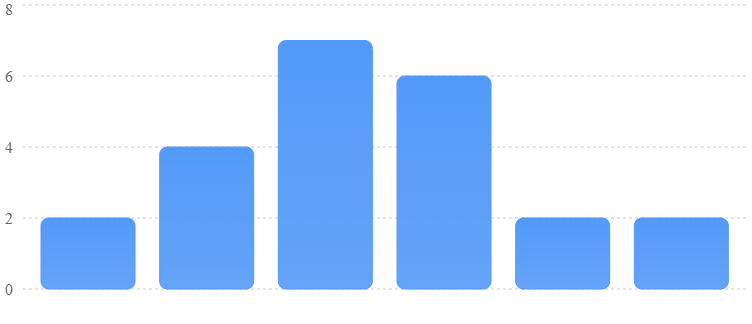
The Goa-IDC Regulations Manual 2023 contains a historical list of industrial estates and their establishment years. This allows a genuine decade-wise chart of industrial-estate development, rather than an estimated growth graph.

Goa-IDC estates established by decade

Number of industrial estates with documented establishment years; excludes Dharbandora, whose year is not specified.
🚛 Goa Transport & Logistics Services Guide 2026-2027 | GOA-IDC 4
DecadeNewly Established EstatesCumulative EstatesMajor Estate Developments
1960s22Corlim, Margao
1970s46Sancoale, Mapusa, Tivim, Bicholim
1980s713Honda, Kakoda, Kundaim, Bethora, Canacona, Tuem, Verna
1990s619Cuncolim, Pilerne, Madkaim, Colvale, Pissurlem, Shiroda
2000s221Sanguem, Quitol
2010s223Panchwadi, Latambarcem
Year unspecified124 listedDharbandora

The cumulative figures describe estates recorded as established by each decade, not the number of operational factories or actual industrial production in those periods.

🗺️ Goa-IDC Area-Wise Industrial Growth: Establishment Year and Industrial Land

The official Goa-IDC historical list provides both the establishment year and area for each estate.

Industrial EstateTalukaEstablishment YearRecorded Area (Hectares, Approx.)
🏭 CorlimTiswadi196621.14
🏭 MargaoSalcete196729.26
🏭 SancoaleSalcete197142.93
🏭 MapusaBardez19736.69
🏭 TivimBardez197625.37
🏭 BicholimBicholim197721.23
🏭 HondaSattari198165.40
🏭 KakodaQuepem198126.08
🏭 KundaimPonda1984249.83
🏭 BethoraPonda198520.46
🏭 CanaconaCanacona198614.33
🏭 TuemPernem198863.48
🏭 VernaSalcete1989696.05
🏭 CuncolimSalcete199297.23
🏭 PilerneBardez199350.20
🏭 MadkaimPonda199453.04
🏭 ColvaleBardez199823.11
🏭 PissurlemSattari199880.17
🏭 ShirodaPonda199810.51
🏭 SanguemSanguem200249.89
🏭 QuitolQuepem200988.36
🏭 PanchwadiPonda201421.61
🏭 LatambarcemBicholim201632.70
🏭 DharbandoraDharbandoraNot specified11.20

The official historical schedule records approximately 1,800.26 hectares of industrial-estate land across the 24 entries. This is recorded estate area, not proof that all land has been developed, allotted or occupied by operating factories.

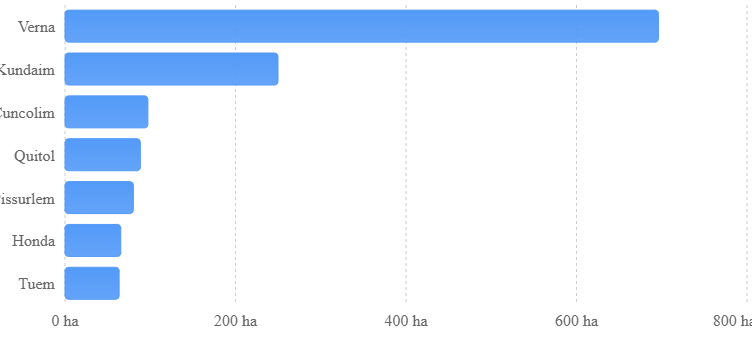
📏 Largest Goa-IDC Industrial Estates by Recorded Land Area

Largest Goa-IDC estates by recorded land area

Approximate hectares from the Goa-IDC Regulations Manual 2023.
🚛 Goa Transport & Logistics Services Guide 2026-2027 | GOA-IDC 5

Verna stands out in the historical area data, followed by Kundaim. However, industrial land area alone does not measure economic productivity, number of employees, freight demand or current factory activity.

💰 4. Goa Industrial Investment Growth: Government Economic Indicators

The Goa Economic Survey 2024–25 reports 24 industrial estates and 3,307 industrial plots. It also records 103 in-principle project approvals between 2019–20 and December 2024, with expected investment of ₹8,029.73 crore and projected employment potential of 26,284 people.

📈 Industrial Growth IndicatorReported FigureEconomic Interpretation
🏭 Industrial Estates24Statewide industrial-estate network
🏗️ Industrial Plots3,307Industrial land parcels reported
📋 In-Principle Approved Projects103Projects approved during the stated reporting period
💰 Expected Investment₹8,029.73 croreProposed investment associated with approvals
👷 Employment Potential26,284Projected jobs, not confirmed employment
🏭 New Manufacturing Proposals61In-principle approvals
🔧 Manufacturing Expansion Proposals22In-principle approvals
🏢 Service-Sector Proposals15In-principle approvals
🏨 Hospitality Proposals5In-principle approvals

📊 Composition of Approved Investment Projects

In-principle project approvals by category

103 approvals, 2019–20 to December 2024. Not all projects are necessarily operational.

■ Hospitality

■ Manufacturing expansion

■ New manufacturing

■ Services

The figures represent investment intentions and approvals rather than completed industrial projects. They should not be used to calculate an actual annual industrial growth rate.

🚛 Decade-Wise Evolution of Goods Transportation and Logistics in Goa

DecadeIndustrial Freight CharacteristicsVehicle and Logistics RequirementsMajor Development
1960sIndustrial construction and early factory suppliesGeneral trucks, building-material vehiclesDevelopment of industrial access infrastructure
1970sGrowing factory supply requirementsCommercial trucks and local distributionExpansion of industrial-estate connectivity
1980sIncreasing manufacturing activityHCVs, machinery carriers and loading equipmentLarger manufacturing supply chains
1990sWider interstate industrial relationshipsFTL, industrial packing and commercial freightIntegration with national manufacturing markets
2000sDiversified manufacturing and distributionFTL, LTL, containers and warehousingMore complex industrial supply chains
2010sSpecialized manufacturing and quality-controlled shipmentsEnclosed trucks, suitable cold-chain vehicles and industrial handlingGreater attention to cargo-specific logistics
2020sModernization and logistics infrastructure planningSpecialized trailers, digital freight coordination and warehouse servicesOpportunities for more integrated logistics

This is a qualitative logistics-evolution chart, not measured historical freight-volume data.

🏭 Goa-IDC Area-Wise Industrial Growth and Cargo Demand

Industrial BeltManufacturing CharacteristicsTypical CargoLogistics Opportunity
Verna–SancoalePharmaceuticals, electronics, engineering and industrial manufacturingMachinery, components, packaging and finished productsFTL, LTL, containers, specialized transport
Kundaim–MadkaimEngineering, machinery and electrical productsSteel, machinery, components and fabricated equipmentOpen trucks, flatbeds, trailers
Pilerne–TivimOptical products, electrical equipment and light manufacturingComponents, finished goods and packagingEnclosed trucks, PTL, FTL
Corlim–BethoraEngineering, fabrication and manufacturingIndustrial supplies and machineryHCVs, flatbeds, material handling
Cuncolim–KakodaManufacturing, fabrication and processingIndustrial materials and equipmentGeneral cargo, HCVs and trailers
Tuem–ColvaleSmall manufacturing and industrial servicesComponents and mixed industrial consignmentsLCVs, LTL and regional distribution
Bicholim–Honda–PissurlemEngineering and industrial manufacturingMachinery, equipment and raw materialsIndustrial trucks and specialized handling

The table describes potential industry-level cargo requirements. It does not establish current freight volumes, individual factory movements or guaranteed vehicle availability.

👷 Industrial Evolution, Employment and Migration

Industrial growth can generate direct factory jobs and indirect employment in transportation, warehousing, machinery maintenance and local services.

Economic DevelopmentEmployment OpportunitiesPossible Migration and Local Impact
Manufacturing expansionFactory operators, supervisors, engineersGreater demand for skilled and technical workers
Pharmaceutical manufacturingChemists, technicians, quality-control personnelSpecialized employment and training needs
Engineering and fabricationWelders, machinists, electriciansTechnical workforce development
Goods transportationTruck drivers, fleet coordinators, brokersRegional and interstate labour opportunities
WarehousingStorekeepers, forklift operators, inventory staffLogistics employment around industrial locations
Industrial constructionContractors, equipment operators, skilled labourTemporary and project-based workforce demand
Supporting commerceRetail, catering, repairs and accommodationAdditional economic activity around industrial areas

The projected employment potential of 26,284 people is associated with approved investment proposals. It is not a verified migration count or the number of jobs already created.

🔭 Goa Industrial Growth Outlook: 2026 and Beyond

Future industrial growth will depend on investment implementation, available infrastructure, skilled labour, regulatory compliance, manufacturing competitiveness and access to markets.

For logistics businesses, the most relevant opportunities include interstate FTL/LTL freight, industrial warehousing, machinery transportation, specialized trailers, cargo handling and road-route survey services.

However, a large industrial estate does not automatically produce the highest freight demand. Actual opportunities depend on operational factories, shipment frequency, cargo characteristics and customer requirements.

🏁 What Goa’s Industrial Evolution Means for Transport and Logistics

Goa’s industrial history demonstrates a gradual transition from traditional economic activities towards organized manufacturing and more diversified supply chains.

The official establishment records show particularly active industrial-estate expansion during the 1980s and 1990s, while recent economic surveys document a statewide network of 24 estates and continuing investment proposals.

For transporters, truck brokers, fleet owners and industrial buyers, this development creates opportunities in cargo transportation, machinery movement, warehousing and project logistics.

ABCC India Project Cargo Corporation supports industrial transportation through truck and trailer sourcing, heavy-haulage consulting, project-cargo coordination, road-route surveys and material-handling logistics support, subject to technical and commercial assessment.

Goa’s future industrial competitiveness will depend not only on industrial land and investment approvals, but also on efficient transportation, dependable infrastructure, skilled workers and responsible industrial development.

📚 Official Research Sources

Government SourceResearch InformationReference
Goa-IDC Regulations Manual 2023Estate names, establishment years and recorded land areaOfficial Goa-IDC Manual
Goa Economic Survey 2024–25Industrial plots, project approvals, investment and employment potentialOfficial Economic Survey
Goa Industrial Development CorporationInstitutional history and industrial developmentGoa-IDC Government Portal
Directorate of Industries, Trade and CommerceIndustrial-estate directory and estate informationOfficial Industrial Estate Directory

🚴👮🏻‍♂️Career Opportunities in Goa State GOA-IDC Industrial Estates👷‍♂️🚜:

Goa is not only a tourism destination but also an important manufacturing, engineering, pharmaceutical and industrial services economy on India’s western coast. The industrial estates developed by the Goa Industrial Development Corporation (Goa-IDC) support a variety of businesses that create opportunities for skilled workers, technicians, engineers, drivers, logistics professionals, warehouse operators, contractors and entrepreneurs.

From the manufacturing units of Verna and the engineering industries of Kundaim to industrial activities in Madkaim, Pilerne, Tivim, Corlim, Sancoale and Cuncolim, Goa’s industrial network offers different career pathways depending on education, practical experience and technical skills.

Career opportunities in Goa-IDC industrial estates include manufacturing, pharmaceuticals, engineering, electronics, logistics, warehousing, transportation, construction, industrial maintenance, material handling, safety, administration and supporting services.

These opportunities are relevant to freshers, ITI trainees, diploma holders, engineering graduates, commerce graduates, experienced industrial workers, professional drivers and people interested in starting transport-related businesses.

The following charts cover potential career categories across Goa’s industrial ecosystem. They are not live job-vacancy listings, and inclusion of an industry does not mean every Goa-IDC estate has companies operating in that sector.

🏭 Goa-IDC Industry-Wise Career Opportunities: Complete Overview

Industry / SectorJob OpportunitiesEducation / SkillsBest For
💊 PharmaceuticalsProduction operator, chemist, QA/QC analyst, packaging executive, maintenance technicianB.Pharm, M.Pharm, B.Sc., M.Sc., ITI, diplomaScience graduates, pharmacists, technicians
⚙️ Mechanical EngineeringFitter, machinist, CNC operator, production engineer, maintenance engineerITI, mechanical diploma, B.E./B.TechTechnical workers and engineers
💡 Electrical EquipmentElectrician, motor technician, testing engineer, maintenance supervisorITI Electrician, electrical diploma, engineeringElectrical technicians and engineers
🔌 ElectronicsAssembly technician, PCB technician, testing executive, electronics engineerITI Electronics, diploma, B.E./B.TechElectronics graduates and technicians
🩺 Medical Devices & DiagnosticsAssembly operator, quality technician, laboratory assistant, validation executiveScience degree, relevant diploma, engineeringScience and technical professionals
🧪 ChemicalsChemical operator, laboratory technician, process engineer, EHS officerChemistry, chemical engineering, relevant technical trainingChemical and science professionals
🍱 Food ProcessingFood technologist, machine operator, quality inspector, packaging supervisorFood technology, science, ITI, diplomaFood-industry professionals
🥤 BeveragesBottling operator, maintenance technician, quality inspector, dispatch coordinatorITI, diploma, food scienceProduction and logistics workers
📦 PackagingPackaging operator, printing technician, quality inspector, packaging designerITI, diploma, packaging technologyFreshers and skilled operators
🪑 Furniture & Wood ProductsCarpenter, CNC wood operator, furniture assembler, finishing technicianITI, carpentry skills, technical trainingSkilled craftspeople
🏗️ Metal FabricationWelder, fabricator, fitter, cutting-machine operator, QC inspectorITI Welder/Fitter, fabrication experienceIndustrial tradespeople
🔩 Precision ComponentsCNC programmer, toolmaker, machine operator, metrology inspectorITI, mechanical diploma, engineeringPrecision manufacturing workers
🛠️ Industrial MachineryMachine assembler, service engineer, commissioning technicianITI, diploma, engineeringMachinery specialists
🧱 Construction MaterialsPlant operator, maintenance worker, quality technician, dispatch executiveITI, diploma, relevant experiencePlant and equipment workers
🧴 Plastics & Polymer ProductsInjection-moulding operator, mould technician, QC inspectorITI, plastics technology, diplomaMachine operators and technicians
👓 Optical ProductsLens technician, polishing operator, coating technician, QC inspectorTechnical training, optics-related skillsPrecision manufacturing workers
🚢 Marine Engineering SupportFabricator, marine electrician, service technician, mechanical engineerMarine/electrical/mechanical trainingEngineering professionals
🚛 Road TransportationHCV driver, trailer driver, transport supervisor, dispatcherValid vehicle-class licence, transport experienceDrivers and fleet professionals
🏢 WarehousingWarehouse supervisor, inventory executive, picker, storekeeper10th/12th, diploma, graduation, inventory skillsFreshers and logistics workers
🏗️ Material HandlingForklift operator, crane operator, rigger, lifting supervisorEquipment training, practical skills, safety competencyIndustrial equipment operators
🐘 ODC & Project CargoHeavy-haulage coordinator, route surveyor, trailer supervisorTechnical planning, transport knowledge, engineering where requiredExperienced logistics professionals
🛣️ Road InfrastructureSite engineer, surveyor, roadwork supervisor, equipment operatorCivil diploma, engineering, equipment trainingConstruction professionals
🌿 Environmental ServicesETP/STP operator, environmental technician, compliance executiveEnvironmental science, chemistry, technical qualificationsEnvironmental professionals
👮🏻‍♂️ Industrial Security & SafetySecurity guard, safety supervisor, fire technician, EHS executiveRole-specific training and certificationsSecurity and safety professionals
💻 IT & Industrial AutomationPLC technician, automation engineer, ERP executive, IT supportITI, diploma, engineering, IT qualificationsTechnical and digital professionals
💼 Accounts & AdministrationAccountant, HR executive, payroll officer, purchase executiveB.Com, BBA, MBA, relevant software skillsCommerce and management graduates
🤝 Sales & Industrial ProcurementSales engineer, procurement executive, vendor coordinatorDiploma, graduation, engineering, communication skillsBusiness and technical graduates
🚜 Industrial Equipment ServicesDiesel mechanic, hydraulic technician, equipment operatorITI, equipment-specific trainingMechanics and equipment specialists

These represent possible occupations across relevant industrial sectors. Some roles may be more common in nearby logistics hubs or service businesses than inside the estates themselves.

🗺️ Goa-IDC Industrial Estate-Wise Career Opportunities

The Goa government’s industrial-estate directory lists 20 principal locations, while subsequent economic surveys report a wider estate network. The table below covers the 20 directory locations and their potential employment ecosystems.

DistrictIndustrial EstateRelevant Career FieldsLogistics & Transport Jobs
North GoaTuemManufacturing, fabrication, maintenanceDriver, dispatcher, warehouse assistant
North GoaColvaleEngineering, industrial products, packagingFTL coordinator, truck driver
North GoaTivimPharmaceuticals, optical lenses, electrical equipment, engineeringLogistics executive, QC, storekeeper, driver
North GoaMapusaSmall manufacturing, industrial servicesDelivery driver, inventory assistant
North GoaPilerneOptical products, engineering, electrical componentsProduction technician, warehouse executive
North GoaBicholimEngineering, fabrication, industrial servicesHCV driver, machinery handler
North GoaHondaIndustrial manufacturing, engineeringMaintenance technician, dispatch supervisor
North GoaPissurlemManufacturing and industrial operationsStorekeeper, truck operator
North GoaCorlimEngineering, fabrication, manufacturingTrailer coordinator, loading supervisor
North GoaKundaimEngineering, electrical equipment, machineryCNC operator, engineer, logistics manager
North GoaMadkaimMachinery, industrial manufacturingMechanical fitter, dispatch executive
North GoaBethoraFabrication, engineering, industrial servicesWelder, forklift operator
South GoaSancoaleManufacturing, engineering, industrial servicesTransport supervisor, warehouse assistant
South GoaVernaPharmaceuticals, electronics, diagnostics, engineeringQA/QC, production, logistics, warehouse, fleet operations
South GoaMargaoSmall manufacturing and industrial servicesTechnician, inventory and delivery staff
South GoaCuncolimManufacturing, fabrication, processingPlant operator, mechanic, HCV driver
South GoaKakodaEngineering, fabrication, industrial suppliesWelder, fitter, truck driver
South GoaShirodaSmall manufacturing and industrial servicesMachine operator, storekeeper
South GoaSanguemIndustrial and supporting servicesEquipment operator, maintenance worker
South GoaCanaconaSmall manufacturing and regional servicesDelivery driver, technician, warehouse assistant

The estate-specific job fields are career possibilities, not confirmed vacancies or proof that every listed industry is presently active at that estate.

🚛 Transport, Logistics, Trailer and ODC Career Options in Goa

Job / ProfessionMain ResponsibilitiesSkills RequiredCareer Progression
🚚 LCV DriverSmall industrial consignments and distributionAppropriate licence, local routesSenior driver, fleet coordinator
🚛 HCV DriverHeavy goods transportationAppropriate licence, load safetySenior driver, fleet supervisor
🐘 Trailer DriverIndustrial machinery and heavy cargoTrailer handling, route awarenessSpecialized heavy-haul driver
📦 FTL Booking ExecutiveFull-truck booking and customer coordinationVehicle knowledge, negotiationTransport manager
📦 LTL/PTL ExecutiveConsolidation and part-load bookingsDocumentation, cargo handlingDistribution manager
🤝 Truck BrokerMatch cargo owners with suitable vehiclesMarket knowledge, verification, negotiationTransport agency owner
🚛 Fleet SupervisorVehicle allocation and driver coordinationFleet operations, complianceFleet manager
🗺️ Route SurveyorAssess physical road and access constraintsSurvey techniques, dimensions, route planningSenior route survey specialist
🏗️ ODC CoordinatorPlan oversized cargo movementsCargo assessment, trailer and axle knowledgeProject logistics manager
🐘 Heavy-Haulage PlannerCoordinate complex machinery transportationEngineering and logistics knowledgeHeavy-haul consultant
📍 GPS CoordinatorShipment tracking and reportingTracking systems, communicationControl-tower supervisor
🏢 Warehouse ExecutiveInventory, receiving and dispatchWMS, stock controlWarehouse manager
🚜 Forklift OperatorPallet and industrial goods handlingForklift training, load-centre knowledgeMaterial-handling supervisor
🏗️ Crane OperatorEquipment liftingTraining, load-chart knowledgeSenior crane operator
⛓️ RiggerSlinging and securing lifted loadsRigging and lifting safetyRigging supervisor
📋 Documentation ExecutiveLR, POD, e-way bill and shipping paperworkDocumentation and GST workflow knowledgeLogistics compliance executive
⚓ Freight Forwarding ExecutiveCoordinate multimodal shipmentsEXIM processes, documentationFreight forwarding manager
🚢 Port Logistics CoordinatorPort-related cargo and vehicle coordinationTerminal procedures and documentationPort operations manager
🔧 Fleet MechanicMaintain commercial vehiclesDiesel mechanics, hydraulicsWorkshop manager
💼 Logistics Sales ExecutiveDevelop industrial freight customersCommunication and freight knowledgeBusiness development manager

🎓 Career Opportunities by Education and Qualification

QualificationSuitable Entry-Level Career OptionsUseful Additional Skills
8th–10th PassPacking assistant, warehouse helper, supervised loading workSafety awareness, basic numeracy
12th PassDispatch assistant, inventory assistant, office supportComputer basics, Excel
ITI FitterMechanical fitter, maintenance technicianDrawings, measurement, machine safety
ITI ElectricianIndustrial electrician, maintenance assistantElectrical safety, motors, control panels
ITI WelderWelder, fabrication technicianWelding processes, drawings
ITI Diesel MechanicTruck mechanic, equipment maintenanceEngines, hydraulics, diagnostics
Diploma MechanicalProduction supervisor trainee, maintenance technicianCAD, CNC, quality control
Diploma ElectricalElectrical supervisor trainee, testing technicianPLC, electrical testing
B.E./B.TechProduction, quality, design and maintenance engineeringIndustry-specific software and internships
B.Sc./M.Sc.Laboratory, quality-control and pharmaceutical rolesGMP, analytical testing
B.Pharm/M.PharmPharmaceutical production, QA/QC, regulatory functionsGMP, documentation
B.ComAccounts, billing, purchase and inventory administrationTally, Excel, GST
BBA/MBAProcurement, HR, logistics and operationsERP, negotiation, analytics
Computer/IT GraduateERP, IT support, automation and data rolesSQL, software systems
Valid Commercial Driving LicenceEligible goods vehicle driving rolesVehicle-specific experience, cargo securing
Experienced Transport BrokerFreight brokerage and fleet aggregationCustomer acquisition, vehicle verification

Eligibility varies by employer, role, licence category and statutory requirements. Equipment operation and hazardous tasks require appropriate training and authorization.

🏗️ Construction, Heavy Equipment and Industrial Maintenance Careers

Equipment / ActivityPossible JobsImportant Skills
🚜 ExcavatorOperator, mechanicEquipment handling, site safety
🏗️ Mobile CraneOperator, lifting supervisorLoad charts, radius, rigging
🚛 Hydra / Pick-and-Carry CraneOperator, equipment supervisorStability, lifting procedures
📦 ForkliftOperator, maintenance technicianLoad centre, stacking, inspection
🚧 Road ConstructionSurveyor, site supervisor, equipment operatorCivil works, safety
⚙️ CNC MachineryCNC operator, programmerProgramming, drawings, precision
🔩 Welding & FabricationWelder, fabricator, QC inspectorWelding and measurement
🔌 Electrical MaintenanceElectrician, maintenance engineerIndustrial power and controls
🛢️ Industrial PumpsPump technician, maintenance fitterMechanical seals, alignment
❄️ Refrigeration & Cold StorageRefrigeration technicianHVAC, refrigerant safety
🧯 Fire & Industrial SafetyFire technician, EHS executiveFire prevention, emergency procedures
🧪 ETP/STPTreatment plant operatorProcess monitoring and environmental compliance

🚀 Self-Employment and Business Opportunities for Goa Industrial Workers

Business OpportunityPotential CustomersInitial Requirements
🚛 Truck BrokerageFactories, transporters, tradersVerified vehicle network, customer relationships
🐘 Trailer Commission AgencyMachinery manufacturers, project contractorsTrailer knowledge, fleet network
📦 Packing & CratingManufacturers, machinery suppliersPacking skills, workshop, materials
🏗️ Crane / Forklift RentalFactories, warehousesEquipment, operators, maintenance, compliance
🔧 Industrial MaintenanceManufacturing plantsSkilled technicians, tools
🚚 Local Goods DeliveryMSMEs, distributorsSuitable vehicle, permits, clients
🏢 WarehousingManufacturers, wholesalersSuitable premises, safety systems
⚙️ Fabrication WorkshopEngineering units, contractorsMachines, skilled labour
📋 Transport DocumentationTruck operators, logistics companiesDocumentation knowledge and authorized workflows
💻 Inventory / ERP SupportMSMEs and warehousesSoftware skills
🛣️ Road Route Survey ConsultingProject-cargo companiesSurvey expertise, equipment, technical scope
🍛 Industrial CateringFactory staff and contractorsFood-safety compliance, kitchen operations

These are possible business models, not guaranteed income opportunities. Investment, permissions, insurance and legal requirements depend on the activity.

🧑‍🎓 Skill Development, Apprenticeships and Industrial Training in Goa

Goa has an established government vocational training system. Its Economic Survey 2024–25 reports that 17,312 people benefited from the Craftsmen Training Scheme during 2019–20 through 2024–25, and describes training initiatives involving industrial safety, electric vehicles, solar technology and other technical trades.

Training PathwayRelevant CareersOfficial Resource
🛠️ Government and Private ITIsFitter, electrician, welder, mechanic, technicianGoa Skill Development Directorate
🏭 Industry-Linked ITI TrainingProduction, maintenance, technical operationsTrade-wise Employment Opportunities
🎓 Apprenticeship TrainingManufacturing and engineering traineesApprenticeship India
📋 National Career ServiceIndustrial and logistics job searchNational Career Service
📦 Logistics Sector SkillsWarehousing, transport and supply-chain operationsLogistics Sector Skill Council
🏢 Industrial Business DevelopmentMSME guidance and enterprise supportGoa Industries Directorate

The state government also identifies medical devices, pharmaceuticals, electronic products, marine and fisheries, agro-food processing, auto components, logistics and warehousing among its industrial or service-sector priorities. These policy priorities indicate potential career directions, not proof of existing vacancies in each sector.

❓ Frequently Asked Questions About Careers in Goa-IDC

What types of jobs are available in Goa-IDC industrial estates?

Manufacturing, engineering, pharmaceuticals, electrical maintenance, quality control, warehousing, logistics, transportation and industrial administration are important career categories.

Which Goa industrial estate is suitable for pharmaceutical careers?

Verna and Tivim are relevant locations to research. Applicants should check current companies and vacancies before applying.

Can ITI students find industrial employment in Goa?

ITI qualifications are relevant to roles such as fitter, electrician, welder, mechanic and industrial maintenance technician, depending on employer requirements.

Are there jobs for truck drivers and transport supervisors in Goa?

Goods transportation creates opportunities for drivers, dispatch coordinators, fleet supervisors and other logistics workers. Actual openings require confirmation.

Can a 12th-pass candidate work in industrial logistics?

Yes. Some employers may consider 12th-pass candidates for entry-level warehouse, dispatch, inventory and office-support roles, with additional training.

What career opportunities exist in ODC and project cargo?

Heavy-haulage coordination, trailer operations, route surveying, rigging, lifting supervision and project logistics planning are possible specialist careers.

Are government jobs available through Goa-IDC?

Goa-IDC and other government departments may advertise recruitment separately. Industrial-estate factory jobs are generally private-sector positions and should not be confused with government employment.

Which qualification is useful for a logistics manager?

A diploma or degree in logistics, supply-chain management, commerce, business or engineering can be useful, alongside relevant practical experience.

Can a person start a truck brokerage business in Goa?

Yes, subject to applicable business and regulatory requirements. Vehicle verification, payment arrangements, customer relationships and documentation are particularly important.

Where can candidates find verified industrial jobs in Goa?

Candidates can check official company career pages, Goa’s employment and skill-development resources, National Career Service and apprenticeship portals.

🏁 Building an Industrial Career in Goa

Goa’s industrial estates provide a foundation for careers in manufacturing, technical services, supply-chain operations and industrial entrepreneurship.

Students can begin with ITI, diploma, degree or apprenticeship pathways. Experienced workers may progress into supervisory and specialist roles, while transport professionals can develop expertise in fleet management, freight brokerage, machinery movement and project logistics.

ABCC India Project Cargo Corporation operates in the industrial transportation and project-logistics field, including truck and trailer sourcing, heavy-haulage coordination, road-route surveys and material-handling support. These services illustrate the specialist knowledge needed in the wider logistics profession.

The most useful approach for job seekers is to identify the relevant industrial sector, obtain appropriate qualifications, build practical experience and verify opportunities directly with employers.

💫👨‍💼🚛 The Industrial Revolution of Goa:

From the fishing boats of the Arabian Sea to the factory floors of Verna, from the engineering workshops of Kundaim to the highways carrying Made-in-Goa products across India—this is the story of a state that learned to grow beyond its familiar identity.

Editorial note: This is a creative, historically inspired narrative. The workers, families and conversations described are fictional representations, not documented interviews or verified personal experiences. The historical setting draws on Goa’s post-1961 industrial development and the establishment of its industrial development corporation in 1966.

🌅 A Land Known for Its Beaches, but Dreaming of Something More

Every morning, the Arabian Sea sends its waves towards Goa’s beautiful coastline.

Fishing boats return with their catch. Shopkeepers open their shutters. Farmers walk towards their fields. Tourists prepare to explore the beaches, churches, villages and markets.

For generations, these activities have shaped the identity of Goa.

But somewhere beyond the sound of the waves, another Goa was beginning to emerge.

A Goa of factory whistles, engineering drawings, machines, laboratory equipment, warehouses and commercial trucks.

A Goa where young people could imagine careers not only in tourism, agriculture, fishing and trade, but also in manufacturing, technology, engineering and industrial logistics.

The story of Goa’s industrial development is not simply about factories and industrial plots.

It is about people discovering new possibilities.

It is about the dignity of skilled work.

It is about the relationship between a worker’s ambition, a family’s future and a state’s changing economy.

🏗️ The 1960s: When Industrial Dreams Began Taking Shape

Following Goa’s liberation in 1961, the region entered a new phase of political and economic development.

The establishment of the industrial development corporation in 1966 became an important milestone in the development of organized industrial estates.

Industrialization was not an overnight revolution. It was a gradual process involving land development, infrastructure, private investment, government planning and the efforts of thousands of workers.

Imagine a young Goan student in that era.

His father works in a traditional occupation. His family has lived in the same village for generations.

One evening, the student hears people discussing new factories, industrial workshops and employment opportunities.

He asks his father:

“Will there be work for someone like me in these new industries?”

His father replies:

“Learn a skill. Wherever there is work to be done, there is a future to be built.”

That fictional conversation captures an important part of industrial development: the possibility that technical education and manufacturing employment could open new career pathways.

👷‍♂️ A Young Worker’s Dream: From a Small Village to an Industrial Workshop

Imagine a young man named Rohan, growing up in a modest Goan household during a period of industrial expansion.

Rohan is a fictional character, but his ambitions represent those of many young people seeking stable employment.

His family cannot afford an expensive education.

Instead, he chooses technical training.

He learns to use measuring instruments, understand engineering drawings, handle tools and repair machines.

Eventually, he secures an entry-level position in an industrial workshop.

His first working day is unforgettable.

The machines seem enormous.

The production floor is noisy.

Experienced technicians move confidently between equipment.

Rohan feels nervous.

His supervisor hands him a measuring tool and explains that accuracy matters as much as speed.

During the first few weeks, he makes mistakes. He asks questions. He watches experienced workers. He learns the importance of discipline and safety.

Months pass.

One day, he successfully completes a difficult technical task.

The achievement seems small to everyone else.

But for Rohan, it means something extraordinary.

He has become a skilled industrial worker.

And that skill can support his future.

The true power of industrialization is not only the machinery installed inside factories, but the knowledge and confidence developed by the people who operate it.

🏭 Verna, Kundaim, Madkaim and Pilerne: Industrial Estates Become Places of Opportunity

As Goa’s industrial network expanded, locations such as Verna, Kundaim, Madkaim, Pilerne, Tivim, Corlim and Cuncolim became associated with different types of manufacturing activity.

Each industrial estate contributed to the wider economic ecosystem.

A pharmaceutical manufacturing unit required trained technicians, scientific professionals, packaging materials and quality-control systems.

An engineering workshop needed machinists, welders, electricians and machinery components.

An electronics manufacturer depended on assembly workers, testing equipment and careful product handling.

Factories also required accountants, security personnel, maintenance teams, transport coordinators and warehouse workers.

📊 The Human Side of Goa-IDC Industrial Development

🏭 Industrial Activity👨‍👩‍👧‍👦 Human Opportunity🚛 Supporting Economic Activity
💊 Pharmaceutical manufacturingScientists, technicians, quality-control professionalsPackaging, suitable freight and warehousing
⚙️ Engineering and fabricationWelders, machinists, engineers and fittersSteel supply, machinery transport and maintenance
💡 Electronics manufacturingAssembly technicians and testing professionalsComponent transport and finished-goods distribution
📦 Packaging industriesMachine operators and packaging techniciansRaw-material supplies and dispatch
🏗️ Factory constructionCivil workers, electricians and equipment operatorsConstruction materials, cranes and machinery movement
🚛 Goods transportationDrivers, dispatch executives and fleet supervisorsInterstate freight and local delivery
🏢 WarehousingStorekeepers, inventory staff and supervisorsStorage, consolidation and distribution
🔧 Industrial maintenanceMechanics and service techniciansSpare parts, repairs and equipment servicing

The table describes relevant economic relationships, not verified employment counts at individual estates.

🚛 The Truck Driver Who Connected Goa’s Factories With India

Now imagine another character: a truck driver named Mahesh.

His work begins before sunrise.

He checks the tyres, brakes, lights, documents and condition of his vehicle.

Today, his assignment is to collect industrial cargo from a manufacturing unit in Goa and transport it to a customer in another state.

At the factory gate, the security staff verify his documents.

Warehouse workers prepare the shipment.

A forklift operator positions the cargo.

The dispatch executive checks the consignment details.

Mahesh confirms the loading and securing arrangements before departure.

He understands that the goods inside his truck are more than commercial products.

They represent the combined work of factory operators, engineers, technicians, suppliers and warehouse staff.

As he drives towards the interstate highway, the factory slowly disappears behind him.

But its economic connection with the rest of India continues through his vehicle.

A factory may manufacture a product, but transportation helps that product reach the market.

Industrial growth and logistics growth are closely connected: manufacturing creates freight demand, while reliable transportation helps manufacturing businesses serve customers.

📦 From Factory Floor to Customer: The People Behind Every Shipment

StagePeople InvolvedContribution
1. 📦 Raw-material supplySuppliers, procurement executivesArrange manufacturing inputs
2. 🚛 Inbound transportationTruck drivers, brokers, fleet operatorsDeliver materials to factories
3. 🏭 ManufacturingOperators, technicians, engineersProduce and inspect goods
4. 🏢 WarehousingStorekeepers, forklift operatorsStore and prepare shipments
5. 📋 DispatchLogistics executives, documentation staffCoordinate delivery
6. 🚚 Outbound transportationDrivers, fleet supervisorsMove finished goods
7. 🏬 Final deliveryDistributors, industrial buyersReceive and use the products

This chain demonstrates how a single industrial shipment can involve many different professions.

👩‍🔬The Daughter Who Chose a Career in Science

Industrial development also creates opportunities for people pursuing specialized education.

Imagine a young woman named Meera, whose family hopes she will find a stable professional career.

Meera enjoys chemistry.

She studies science and later begins working towards a career in pharmaceutical quality control.

Her ambition is to work in a laboratory where product quality, accuracy and safety matter every day.

She understands that a mistake in pharmaceutical manufacturing can have serious consequences.

So she learns to follow procedures, maintain records, inspect results and ask questions when something appears incorrect.

Her story represents a broader change.

Industrial employment is not limited to heavy machinery or physical labour.

Modern manufacturing also depends on science, research, testing, administration, digital systems and skilled technical judgment.

For young people in Goa, technical and scientific education can provide pathways into these occupations, depending on employer requirements and available vacancies.

🏠 How One Factory Job Can Influence an Entire Household

Imagine that Rohan, the young technician from our earlier story, has now completed several years of work.

His technical experience has grown.

He contributes regularly to his household expenses.

His family can plan its finances with greater confidence.

A younger sibling becomes interested in vocational education after watching his progress.

A local shop benefits from workers purchasing everyday essentials.

A vehicle mechanic gains customers from commercial transport activity.

A catering business supplies meals to an industrial workplace.

These examples illustrate how employment can generate wider economic relationships.

But industrialization does not automatically guarantee prosperity for every family.

Wages, working conditions, job security, training, housing costs and access to services all influence whether industrial growth translates into improved living standards.

A successful industrial economy must therefore consider the well-being of workers alongside manufacturing investment.

🤝 Migration, New Communities and the Changing Social Life of Goa

Industrial estates can attract workers from different regions.

Some employees commute from nearby towns and villages.

Others may relocate for employment.

Goa’s manufacturing economy has connections with workers, suppliers and businesses from Maharashtra, Karnataka and other Indian states.

As people work together, industrial workplaces can become meeting points for different languages, experiences and professional skills.

A machinist may learn from an experienced technician.

A young engineer may work with a production supervisor who has decades of practical knowledge.

A driver from another state may develop long-term relationships with Goa-based transport companies.

Such interactions can strengthen professional networks and knowledge-sharing.

At the same time, migration and industrial expansion can increase demand for affordable housing, public transport, healthcare and infrastructure.

Respect for local communities, fair working conditions and responsible planning are essential parts of sustainable development.

🐘 When an Industrial Machine Becomes a Project-Cargo Challenge

Not every industrial shipment fits inside an ordinary truck.

During factory construction, modernization or equipment relocation, companies may need to transport large machinery, fabricated structures or exceptionally heavy equipment.

Imagine an engineering team preparing to move a large industrial machine into a manufacturing facility.

The equipment has been measured.

Its weight and centre of gravity have been assessed.

The logistics team must determine whether the proposed trailer is suitable.

A route survey may be required to examine turning space, gradients, road width and overhead obstructions.

Specialist engineers may need to assess structural constraints, while applicable permissions must be obtained.

Crane operators, riggers, trailer drivers, supervisors and project managers coordinate the movement.

Everyone has a different responsibility.

The driver cannot complete the movement alone.

The engineer cannot complete it without the transport team.

The lifting contractor cannot work safely without a suitable lifting plan.

The operation succeeds through technical preparation, communication and teamwork.

This fictional example illustrates the specialist logistics requirements that can accompany industrial growth.

🌱 Industrial Progress Must Also Protect Goa’s Natural Heritage

Goa’s identity is closely connected with its beaches, rivers, forests, agricultural areas, villages and cultural heritage.

Industrial development should not require the state to abandon these strengths.

Instead, economic planning should seek a balance between manufacturing activity, employment, environmental protection and community well-being.

Factories need appropriate waste-management systems.

Transport operators need safe vehicles and responsible cargo-handling practices.

Industrial infrastructure requires maintenance.

Workers need safe conditions and access to essential services.

The success of an industrial economy should be judged not only by investment announcements or industrial land development, but also by the quality and sustainability of the opportunities it creates.

📈 Goa’s Industrial Journey: From Economic Change to Human Opportunity

Industrial Development StageEconomic ChangeHuman ImpactLong-Term Importance
🌾 Traditional economyAgriculture, fishing, mining and tradeEstablished livelihoods and local skillsEconomic and cultural foundation
🏗️ Organized industrial planningDevelopment of industrial estatesNew technical and construction opportunitiesIndustrial infrastructure
🏭 Manufacturing expansionGrowth of factories and supporting businessesProduction and technical employmentEconomic diversification
💊 Specialized industriesPharmaceuticals, electronics and engineeringScientific and skilled careersHigher technical capabilities
🚛 Logistics integrationGreater movement of industrial goodsDriving, warehousing and freight coordinationWider market connectivity
💻 Modern industrial operationsGreater use of technology and structured processesDigital and technical skill requirementsPotential productivity improvements
🌿 Responsible future growthFocus on infrastructure and environmental managementSafer, more sustainable communitiesLong-term industrial competitiveness

❤️ An Inspirational Message to Goa’s Young Generation

To the student who is uncertain about the future:

A technical skill can become the beginning of a meaningful career.

To the young engineer preparing for a first job:

Your knowledge can help improve a machine, a manufacturing process or an industrial operation.

To the driver who travels long distances:

Your work helps connect factories with customers.

To the welder, fitter, electrician and machine operator:

Your skills are essential to manufacturing.

To the warehouse worker who carefully prepares a shipment:

Your attention to detail matters.

To the entrepreneur starting a small industrial service business:

Your work may help another business operate more efficiently.

And to every family supporting someone through education, training or a difficult first job:

Industrial progress is built not only through investment and machinery, but through people learning, working and creating opportunities for the next generation.

🏁 Goa’s Industrial Revolution Is a Story of People

Goa’s industrial transformation is more than a history of industrial estates.

It is a story of changing career opportunities, manufacturing diversification, technical education, entrepreneurship and the transportation networks that connect local production with markets across India.

The establishment of the industrial development corporation in 1966 provided an important institutional foundation. Over time, industrial locations such as Verna, Kundaim, Madkaim, Pilerne, Tivim and Cuncolim became part of the state’s manufacturing landscape.

Industrialization has also created responsibilities: protecting workers, managing infrastructure, reducing environmental impacts and ensuring that economic development benefits surrounding communities.

ABCC India Project Cargo Corporation works within this wider industrial ecosystem through heavy-haulage consulting, truck and trailer sourcing, project-cargo coordination, road-route surveys and material-handling logistics support.

Yet the most important message is not about any single company or factory.

It is about the people whose work keeps an industrial economy moving.

Goa’s beaches tell the story of its natural beauty. Its villages tell the story of its culture. And its industrial estates tell another story—of skills, determination, manufacturing and the people helping build its economic future.

Because behind every machine is a skilled person, behind every shipment is a team, and behind every industrial achievement is a human story worth telling.

🚛👩🏻‍💻📊 Why the Goa GOA-IDC Transportation and Logistics Industry Is Growing 🚚📦🗺️:

Goa is famous for tourism, beaches and coastal culture, but its industrial economy also depends on an extensive network of road transporters, truck brokers, warehouse operators, freight forwarders, packaging contractors, material-handling specialists and manufacturing supply-chain professionals.

Industrial estates developed by the Goa Industrial Development Corporation (Goa-IDC) have created demand for the movement of raw materials, industrial machinery, packaging supplies, engineering components and finished manufactured products.

From Verna and Sancoale in South Goa to Kundaim, Madkaim, Corlim, Pilerne and Tivim in North Goa, industrial activity creates connections between factories, transport companies, suppliers, warehouses, ports and customers across India.

Why is Goa’s transportation and logistics sector growing? The principal structural drivers are manufacturing activity, interstate supply chains, specialized cargo requirements, warehousing needs, industrial construction, distribution networks and the increasing importance of professional freight management.

However, the term rapid growth should be used carefully. Industrial activity creates logistics opportunities, but confirming the actual growth rate of Goa’s transportation sector requires comparable freight-volume, revenue, vehicle-registration or employment data across multiple years.

The following guide explains these growth drivers, including industrial packaging, labelling, lashing, storage, weighbridge facilities, loading and unloading, and specialized heavy-haulage logistics.

🏭 How Goa-IDC Industrialization Creates Transportation Demand

A manufacturing unit cannot function without a reliable flow of materials.

Before production begins, factories need raw materials, machinery, tools, components and packaging. After production, finished goods must reach warehouses, distributors, industrial customers or export gateways.

This creates two essential transportation activities:

  1. Inbound logistics: Movement of materials and components into the factory.
  2. Outbound logistics: Movement of finished products from the factory to the market.

Manufacturers also require reverse logistics, internal transfers, spare-parts deliveries and machinery relocation.

📊 Industrial Growth Drivers and Logistics Opportunities

Growth DriverIndustrial RequirementTransportation / Logistics OpportunityRelevant Goa Industrial Areas
🏭 Manufacturing activityRegular supply and dispatch of goodsFTL, LTL, PTL and distributionVerna, Kundaim, Madkaim
💊 Pharmaceutical productionProtected and quality-controlled cargo movementEnclosed vehicles, temperature-controlled logistics where requiredVerna and relevant manufacturing clusters
⚙️ Engineering industriesMachinery, steel, components and fabricated productsOpen trucks, flatbeds, heavy trailersKundaim, Madkaim, Corlim
💡 Electronics manufacturingCareful handling of components and finished goodsEnclosed trucks, protective packaging, inventory servicesPilerne, Verna and relevant units
📦 MSME supply chainsSmaller and mixed consignmentsLTL, PTL, cargo consolidationTivim, Colvale and other estates
🏗️ Factory constructionStructural steel, machinery and equipmentHCVs, trailers, cranes and project cargoIndustrial estates across Goa
🏢 Inventory managementStorage of raw materials and finished productsWarehousing, palletization, stock controlVerna–Sancoale and other industrial clusters
⚓ Import-export activitySuitable maritime cargo movementFreight forwarding, port haulage, documentationMormugao port-connected corridors
🚛 Interstate manufacturing tradeGoods movement between statesLong-distance trucking and freight brokerageGoa–Maharashtra–Karnataka corridors
🔧 Machinery maintenanceSpare parts and replacement equipmentExpress industrial freight and equipment transportStatewide industrial locations

These are industry-level requirements, not confirmed freight volumes or guaranteed business opportunities at particular factories.

📦 Complete Goa-IDC Industrial Logistics Supply Chain

Every industrial shipment passes through several operational stages. Each stage may involve different service providers, documentation and safety requirements.

⛓️ Industrial Goods Movement: Factory-to-Customer Chart

StepLogistics ActivityMain WorkResponsible Professionals
1📦 Raw-Material ProcurementPurchase of components, machinery parts and suppliesPurchase managers, suppliers
2🏷️ Packaging & LabellingProtect and identify cargoPacking contractors, warehouse teams
3⚖️ Weight VerificationCheck gross, tare and net weight where requiredWeighbridge operators, dispatch teams
4🏗️ LoadingLoad cargo using suitable equipmentForklift operators, crane operators, riggers
5⛓️ Lashing & SecuringRestrain cargo for safe transportationLashing teams, supervisors, drivers
6🚛 Inbound TransportationDeliver goods to manufacturing facilitiesTransporters, fleet owners, truck brokers
7🏭 ManufacturingProcessing, assembly, inspection and productionFactory employees
8🏢 Storage & InventoryStore and manage finished goodsWarehouse operators
9📋 Dispatch DocumentationPrepare applicable transport and commercial documentsDispatch and accounts teams
10🚚 Outbound TransportationMove finished goods to customersRoad transporters, logistics companies
11🏬 Final DeliveryUnloading, receipt and delivery confirmationReceiving teams, drivers
12🔄 Reverse LogisticsReturns, reusable packaging and rejected goodsLogistics and customer-service teams

Industrial Logistics Flow: 📦 Procurement → 🏷️ Packaging → ⚖️ Weighing → 🏗️ Loading → ⛓️ Lashing → 🚛 Transportation → 🏭 Manufacturing → 🏢 Warehousing → 📋 Dispatch → 🚚 Delivery

🚚 Types of Transportation Services Required by Goa-IDC Industries

Different industries require different vehicles. Vehicle selection should be based on the cargo’s verified weight, dimensions, packaging, handling needs and delivery requirements.

🚛 Industrial Transportation Services Chart

Transportation ServiceSuitable CargoTypical Vehicle / EquipmentImportant Considerations
🚚 FTL – Full Truck LoadLarge industrial consignmentsLCV, MCV, HCV, container truckPayload, loading, delivery schedule
📦 LTL / PTL – Part Truck LoadSmall and mixed consignmentsShared-load trucks, distribution vehiclesConsolidation, cargo segregation
🚛 Container TransportationPacked manufactured goodsClosed-body / container vehiclesInternal dimensions, weight and loading
🏗️ Flatbed TransportationMachinery, fabricated equipmentFlatbed truck or trailerSecuring, dimensions, axle loads
🐘 ODC TransportationOversized machinery and structuresLow-bed, semi-low-bed, extendable trailerRoute feasibility and permissions
⚙️ Heavy Machinery TransportIndustrial equipmentSuitable heavy-duty trailerWeight distribution and lifting plan
❄️ Temperature-Controlled TransportCargo requiring controlled temperaturesRefrigerated or temperature-controlled vehicleValidated temperature requirements
🧪 Chemical TransportationCompatible industrial chemicalsApproved cargo-specific vehicleClassification, documentation and compliance
🏭 Factory RelocationMachinery and industrial equipmentMultiple vehicle typesDismantling, packing, handling and installation
🚜 Construction Equipment TransportExcavators, loaders and industrial machinesSuitable flatbed or low-bedEquipment dimensions, securing and access
🚢 Port-Connected FreightImport/export and maritime cargoSuitable road vehiclesPort procedures and cargo documentation
🚐 Local Industrial DistributionSpare parts, samples, smaller deliveriesLCVs and delivery vehiclesDelivery frequency and handling

📦 Industrial Packaging Services: Protecting Cargo Before Transportation

Industrial packaging is an essential part of manufacturing logistics.

Packaging protects products against vibration, impact, moisture, contamination and damage during handling, storage and transportation.

The correct packing method depends on the product’s characteristics, transport conditions and customer requirements.

For example, delicate electronic components may require anti-static protection, while machinery may need protective wrapping, wooden supports and engineered packing.

📦 Types of Industrial Packaging Required in Goa-IDC

Packaging TypeSuitable CargoMain PurposeImportant Precautions
📦 Corrugated BoxesSmall manufactured products and componentsProtection and unit packingCorrect box strength and stacking
🪵 Wooden CratesMachinery, equipment and delicate componentsMechanical protectionSuitable timber, bracing and handling
🪵 Wooden PalletsCartons, industrial componentsForklift handling and stackingLoad rating and pallet condition
🧰 Export Wooden PackagingInternational shipmentsCargo protection and export handlingApplicable ISPM 15 compliance
🛡️ Bubble Wrap / FoamFragile equipmentCushioning and surface protectionAdequate shock protection
🌧️ Waterproof WrappingMoisture-sensitive goodsReduce exposure to moistureAppropriate sealing and inspection
🔩 VCI PackagingCorrosion-sensitive metal componentsCorrosion protectionMaterial compatibility and storage duration
⚡ Anti-Static PackagingElectronic componentsElectrostatic discharge protectionAppropriate ESD procedures
🧵 Strapping / BandingPalletized cargoUnitization and load stabilityCorrect tension and edge protection
🧴 Drums / IBCsCompatible liquids and chemicalsContainmentMaterial compatibility and applicable approvals
📐 Customized Machinery PackingIndustrial machines and instrumentsFit-for-purpose protectionWeight, centre of gravity and lifting points

Important: Packaging and cargo lashing are different operations. Packaging protects and unitizes the goods; vehicle cargo securing prevents the load from shifting during transportation.

🏷️ Industrial Cargo Labelling, Marking and Identification

Labelling supports safe handling, accurate identification, traceability and correct delivery.

Industrial consignments may require product labels, package identification, batch information, shipping marks, handling symbols or hazardous-goods markings, depending on the cargo and applicable rules.

🏷️ Industrial Labelling and Marking Chart

Label / MarkingPurposeCommon Application
📦 Product IdentificationIdentify product or componentGeneral manufacturing
🔢 Batch / Lot NumberProduct traceabilityPharmaceuticals, food, components
🏭 Manufacturer DetailsIdentify responsible manufacturerProduct and regulatory documentation
📍 Consignee / DestinationCorrect shipment deliveryFreight transportation
⚖️ Gross / Net WeightWeight identificationIndustrial packing and dispatch
📐 Package DimensionsHandling and space planningMachinery and export cargo
⬆️ This Way UpOrientation guidanceSensitive or orientation-dependent cargo
🍷 Fragile / Handle With CareHandling precautionsInstruments, glass and electronics
🌧️ Keep DryMoisture protectionElectrical and sensitive products
🌡️ Temperature RequirementStorage and transport conditionsTemperature-sensitive cargo
🏗️ Centre of GravityLifting and handling referenceHeavy machinery and project cargo
⛓️ Lifting PointsIdentify approved lifting locationsIndustrial equipment
⚠️ Hazardous-Goods MarkingCommunicate regulated hazardsClassified dangerous goods

Hazard labels and transport documents must match the applicable classification and regulations. A generic warning sticker is not a substitute for required hazardous-goods marking.

⛓️ Cargo Lashing, Securing and Heavy Machinery Safety

Lashing is particularly important for Goa-IDC engineering cargo, machinery, steel structures, fabricated equipment and oversized consignments.

Poorly secured cargo may shift during braking, turning or movement over uneven road surfaces.

Cargo securing must account for the actual load, vehicle structure, friction, restraint arrangement and expected transport forces.

⛓️ Industrial Cargo Lashing Services Chart

Lashing / Securing MethodSuitable CargoMain Requirement
⛓️ Chain LashingHeavy machinery and fabricated equipmentSuitable rated chains, tensioners and anchor points
🪢 Polyester Ratchet StrapsPackaged industrial goods and suitable equipmentRated straps, edge protection and correct tension
🧱 Blocking & BracingMachinery and rigid equipmentSuitable supports to restrict movement
🪵 Timber DunnageMachinery and industrial materialsLoad support, separation and stability
🛞 Wheel ChocksWheeled machinery and equipmentPrevent unintended rolling
🧲 Anti-Slip MatsSuitable heavy cargoImprove friction as part of a designed securing system
🔩 Engineered RestraintsExceptional or irregular cargoEngineering assessment and verified load paths
📦 Pallet StrappingCartons and smaller industrial consignmentsKeep the packaged unit stable
🛡️ Edge ProtectorsStrapped or chained cargoProtect cargo and securing equipment
🚧 Pre-Dispatch Cargo-Securing Checklist
Inspection PointWhat Must Be Checked
⚖️ Cargo WeightVerified weight and load distribution
📐 Cargo DimensionsLength, width, height and overhang
🎯 Centre of GravityStability and appropriate positioning
🚛 Vehicle CapacityPermissible gross and axle loads
⛓️ Lashing EquipmentCondition, rating and suitability
🔩 Anchor PointsStructural suitability and rated capacity
🏗️ Loading MethodSafe lifting and placement
🛣️ RouteRoad access and applicable restrictions
📋 DocumentationCargo details, permits and required records
👷 SupervisionCompetent loading and securing personnel

A visual inspection alone does not prove that a lashing design is adequate. Exceptional cargo may require a formal securing calculation and engineered transport plan.

🏢 Industrial Storage and Warehousing Services in Goa

Warehousing helps manufacturers manage the difference between production schedules, incoming supplies and customer demand.

A factory may receive materials in large quantities but consume them gradually. Finished products may also need to be stored until transportation or customer delivery is arranged.

Warehouses therefore provide more than empty storage space. They support inventory control, cargo protection, handling, consolidation and dispatch.

📦 Types of Warehousing and Storage

Storage TypeSuitable GoodsImportant Facility Requirements
🏢 General WarehousePackaged industrial productsSecurity, access, ventilation and suitable flooring
🏭 Raw-Material WarehouseManufacturing inputsInventory control and segregation
📦 Finished-Goods WarehouseCompleted productsDispatch management and stock tracking
❄️ Temperature-Controlled StorageProducts requiring specified temperaturesMonitoring, backup systems and validated conditions
🧪 Chemical StorageCompatible industrial chemicalsSegregation, fire safety and regulatory compliance
🐘 Heavy Machinery StorageIndustrial equipment and large componentsFloor capacity, access and lifting facilities
🪵 Open Storage YardSuitable weather-resistant industrial materialsDrainage, security and safe stacking
🚛 Transit WarehouseCargo awaiting onward transportLoading bays and short-term inventory control
🏷️ Bonded WarehouseEligible customs-controlled goodsCustoms authorization and compliance
📦 3PL WarehouseOutsourced manufacturer inventoryWMS, service-level arrangements and distribution

📍 Goa Industrial Belts Where Warehousing Demand May Arise

Industrial BeltPotential Storage RequirementsMain Logistics Considerations
Verna–SancoaleManufacturing inputs, packaged products, distribution inventoryHighway access, cargo-specific conditions
Kundaim–MadkaimEngineering components, machinery, fabricated goodsFloor strength, loading access, handling equipment
Pilerne–TivimElectrical and industrial productsDry storage, security, inventory control
Corlim–BethoraEngineering materials and machineryYard access and loading equipment
Cuncolim–KakodaIndustrial materials and manufactured productsRegional dispatch and truck access
Tuem–ColvaleSmaller industrial consignmentsConsolidation and local distribution

These are potential demand areas, not a verified directory of available warehouses.

⚖️ Weighbridge Availability in Goa-IDC Industrial Areas

Weighbridges are important for industrial transportation because they help establish the weight of loaded and unloaded vehicles.

A typical weighbridge process records vehicle tare weight and loaded gross weight, allowing the net cargo weight to be calculated.

For many industrial shipments, accurate weighing supports dispatch control, commercial documentation and legal load compliance.

However, a weighbridge ticket does not necessarily establish individual axle loads. Where axle loading is critical, suitable axle-weighing arrangements or technical assessment may also be needed.

⚖️ Weighbridge Services and Their Uses

Weighbridge Type / ServicePurposeSuitable Application
🚛 Full-Length Truck WeighbridgeMeasure vehicle gross and tare weightIndustrial trucks and trailers within platform limits
📟 Digital WeighbridgeElectronic weight measurement and ticketingFactory dispatch and receiving
🏭 Factory WeighbridgeWeigh vehicles within a manufacturing facilityRaw-material receipt and finished-goods dispatch
🏢 Public Commercial WeighbridgePaid weighing services for outside vehiclesTransporters and independent freight operators
⚖️ Axle WeighingAssess individual axle or axle-group loadsHeavy trucks and specialized movements
📋 Weighment Certificate / SlipRecord measured weightCommercial and operational documentation

📍 Goa-IDC Area-Wise Weighbridge Availability and Verification Chart

Industrial Area / CorridorWeighbridge RequirementVerified Public Facility AvailabilityWhat Transporters Should Confirm
🏭 Verna–SancoaleFactory dispatch and interstate freightNot verified for specific public facilitiesLocation, operating hours, capacity, public access
⚙️ Kundaim–MadkaimEngineering cargo and machineryNot verified for specific public facilitiesPlatform length, vehicle capacity, axle requirements
📦 Pilerne–TivimIndustrial product dispatchNot verified for specific public facilitiesTruck accessibility and calibration status
🏗️ Corlim–BethoraMachinery and industrial materialsNot verified for specific public facilitiesSuitable approach roads and weighment capacity
🚛 Cuncolim–KakodaManufacturing and heavy goodsNot verified for specific public facilitiesAvailability for HCVs and trailers
🏢 Tuem–ColvaleGeneral industrial freightNot verified for specific public facilitiesPublic access, timing and ticketing
⚓ Mormugao Port CorridorApplicable port-connected freightFacility access and conditions require verificationTerminal rules, cargo type, weighment procedures

Important availability clarification: This chart identifies areas where weighbridge services may be needed. It does not confirm that a public weighbridge is operating at every location.

Before dispatch, transporters should verify the facility’s physical address, contact number, working hours, calibrated capacity, platform dimensions, approach-road suitability and whether outside vehicles are accepted.

For ODC movements, weighbridge access must also be assessed against trailer length, width, ground clearance and turning requirements.

🏗️ Loading, Unloading and Material-Handling Services

Industrial transportation depends on safe loading and unloading arrangements.

A suitable truck alone is not enough. The dispatch and receiving locations must have the equipment, trained personnel and access needed to handle the cargo.

🚜 Industrial Material-Handling Equipment Chart

Equipment / ServiceTypical UseImportant Safety Requirement
🚜 ForkliftPallets and suitable industrial goodsLoad rating, fork positioning and ground conditions
🏗️ Mobile CraneMachinery and heavy equipmentLifting plan, load chart and ground stability
🚛 Pick-and-Carry CraneSuitable lifting and positioning operationsStability, capacity and safe operating limits
⛓️ Chain Pulley BlockControlled lifting within rated capacityCertified equipment and suitable supports
🏭 EOT CraneFactory and workshop liftingRated capacity and competent operators
📦 Pallet JackPallet movementFloor suitability and load rating
🛠️ Hydraulic JackControlled lifting or positioningRated capacity and stable support
🚧 Loading RampVehicle-to-warehouse transferRamp capacity and secure positioning
🐘 Heavy-Lift EngineeringExceptional machinery handlingEngineered lifting and transport plan
👷 Manual HandlingSmall and manageable goodsErgonomics, training and appropriate assistance

🗺️ Goa-IDC Industrial Estate-Wise Complete Logistics Service Matrix

Goa’s official Economic Survey 2024–25 reports 24 industrial estates with 3,307 industrial plots. Verna alone was reported to have 651 plots and 333 running plants during that survey period. These figures demonstrate the scale of the manufacturing infrastructure, but do not by themselves establish the growth rate of freight transportation.

In this chart, “potential requirement” means a service that may be commercially relevant to an estate; it does not confirm that a particular service provider, warehouse or weighbridge is available on-site.

Goa-IDC Industrial EstatePotential Transport & Logistics ServicesPackaging / Storage / Weighbridge Planning
🏭 VernaFTL, LTL, enclosed cargo, machinery transport, project cargoPackaging, warehousing, weighbridge verification
🚛 SancoaleIndustrial freight, general cargo, port-related movementsCargo handling, storage and weighing arrangements
⚙️ KundaimEngineering cargo, flatbeds, machinery and trailersCrating, lashing, heavy storage, weighing
🔧 MadkaimManufacturing freight, machinery and industrial componentsPacking, forklift handling, storage
💡 PilerneComponent freight, enclosed trucks, distributionProtective packing, labelling and inventory
📦 TivimFTL, LTL, industrial distributionConsolidation, warehousing, weighing
🏗️ CorlimFabrication cargo, machinery and flatbedsLashing, cranes and equipment storage
🏭 CuncolimIndustrial materials, HCVs and trailersPacking, loading and weighbridge planning
🔩 KakodaMachinery, fabrication and general freightCrating, handling and storage
🏢 TuemIndustrial freight and local distributionPackaging and consolidation
🚚 ColvaleGeneral manufacturing freightStorage, dispatch and weighing
⚒️ BicholimEngineering and industrial cargoMachinery handling and weighing
🏭 HondaManufacturing freight and equipmentLoading, storage and lashing
🏗️ PissurlemIndustrial materials and machineryHeavy-cargo handling and weighing
📦 MapusaSmaller industrial consignmentsPacking, LTL consolidation
🔧 BethoraFabrication and engineering freightLashing and equipment handling
⚙️ ShirodaGeneral manufacturing cargoPacking, storage and dispatch
🏢 MargaoGeneral industrial and distribution freightWarehousing and local delivery
🚛 SanguemIndustrial goods and equipmentLoading, storage and weighing verification
📦 CanaconaRegional industrial distributionPacking and local cargo handling
🏗️ QuitolIndustrial freight where facilities are operationalVerify current operations and available services
🏭 PanchwadiIndustrial freight where facilities are operationalVerify current operations and available services
🔧 LatambarcemIndustrial freight where facilities are operationalVerify current operations and available services
🏢 DharbandoraPotential industrial transport requirementsVerify current development and operational status

⚓ Port, Rail and Multimodal Logistics Opportunities

Goa’s coastal position provides additional freight opportunities through Mormugao Port and suitable railway connections.

Mormugao Port Authority publishes information about cargo-handling facilities, storage, port railway facilities and cargo throughput. These facilities are relevant to maritime logistics, but their suitability depends on the commodity, terminal and applicable operating arrangements.

Logistics ModeTypical Industrial ApplicationImportant Considerations
🚛 Road FreightFactory-to-factory and factory-to-market deliveriesVehicle suitability, route and compliance
🚆 Rail FreightSuitable bulk or consolidated cargoTerminal access and service availability
⚓ Maritime FreightEligible import-export, bulk and general cargoBerth facilities, handling and documentation
🚚 Port Road HaulageFactory-to-port or port-to-factory movementTerminal procedures and truck access
✈️ Air CargoSuitable urgent or high-value consignmentsCargo acceptance, airport facilities and cost
📦 Multimodal LogisticsCombination of road, rail, sea or airTransfer handling, documentation and scheduling

💼 Business Opportunities for Transporters, Truck Brokers and Logistics Entrepreneurs

Industrial logistics creates opportunities not only for large transport companies but also for specialized contractors and small businesses.

Business OpportunityTarget CustomersRequired Capabilities
🚛 Truck BrokerageFactories, manufacturers, distributorsVerified fleet network and freight coordination
🚚 FTL / LTL TransportManufacturing and trading companiesSuitable vehicles and shipment management
🐘 Trailer Commission AgencyEngineering and project-cargo buyersTrailer selection and technical coordination
📦 Industrial PackagingMachinery and product manufacturersPacking design, materials and trained workers
🏷️ Labelling ServicesFactories, warehouses and exportersAccurate marking and traceability
⛓️ Cargo LashingMachinery and heavy-cargo transportersRated equipment and competent personnel
🏢 WarehousingManufacturers and distributorsSuitable premises, inventory systems and safety
⚖️ Weighbridge OperationsTransporters and factoriesCalibrated equipment, approvals and site access
🏗️ Crane / Forklift RentalFactories and warehousesEquipment, competent operators and maintenance
🛣️ Road Route SurveyODC and project-cargo operatorsTechnical surveying and route assessment
📋 Logistics DocumentationTransport and supply-chain businessesDocumentation and regulatory knowledge
🔧 Fleet MaintenanceCommercial vehicle operatorsWorkshop, tools and qualified technicians

🏁 Why Goa’s Industrial Logistics Ecosystem Matters

Goa’s industrial development has created a network of manufacturing facilities, suppliers, transporters, warehouse operators, technical contractors and industrial service providers.

The logistics requirements of these businesses extend well beyond simply arranging a truck.

A complete industrial shipment may require protective packaging, accurate labelling, weight verification, forklift or crane loading, cargo lashing, suitable vehicle selection, secure storage, transportation documentation and careful delivery planning.

For heavy machinery, additional requirements may include road-route surveys, specialized trailers, lifting engineering and applicable movement permissions.

This integrated logistics ecosystem creates potential opportunities for transporters, fleet owners, truck brokers, warehouse operators, packaging companies, weighbridge operators and project-cargo specialists.

ABCC India Project Cargo Corporation supports industrial transport planning through truck and trailer sourcing, heavy-haulage coordination, road-route surveys, project-cargo consulting and material-handling logistics support, subject to technical assessment and service availability.

The long-term development of Goa’s logistics sector will depend on reliable infrastructure, responsible operations, skilled professionals and the ability to connect manufacturing businesses with their suppliers and customers efficiently.

🚛🏭 Truck Transportation Services for Goa GOA-IDC Industries by ABCC India Project Cargo Corporation

An Industrial Freight, Factory Transportation, FTL/LTL, Container Truck, Trailer Rental, Machinery Shifting and ODC Heavy-Haulage Guide for Goa to All India

Goa is not only a tourism destination. It is also a manufacturing centre where pharmaceutical plants, engineering workshops, electrical equipment manufacturers, packaging units and other industries depend on commercial transportation.

The Goa Industrial Development Corporation (Goa-IDC) has developed industrial estates in locations including Verna, Kundaim, Madkaim, Pilerne, Tivim, Corlim, Sancoale, Cuncolim and Kakoda. These estates connect Goa’s industrial economy with suppliers and customers in Maharashtra, Karnataka, Gujarat and other parts of India.

What transportation services are required by Goa-IDC industries? Manufacturers use pickups and mini trucks for small consignments; LCVs, MCVs, HCVs and enclosed trucks for packaged industrial goods; Taurus and multi-axle trucks for heavier materials; reefers and tankers for suitable specialized commodities; and flatbed, low-bed or hydraulic modular trailers for machinery and oversized cargo.

ABCC India Project Cargo Corporation supports industrial freight requirements through truck and trailer sourcing, logistics coordination, road-route surveys and project-cargo consulting. Specific vehicles, services and commercial terms are subject to confirmation.

This guide explains which industries generate freight, what materials typically move into and out of factories, the vehicles that may be appropriate, and how industrial transportation can be planned safely.

🗺️ Goa-IDC Industrial Geography and Transportation Network

Goa lies on India’s western coast between Maharashtra and Karnataka. Its industrial supply chains connect with inland manufacturing centres through highways, railway infrastructure and port facilities.

The Goa Economic Survey 2024–25 reports 24 industrial estates and 3,307 industrial plots. These figures describe industrial infrastructure, not the number of active transport contracts or available loads.

🏭 Industrial Cluster-Wise Transportation Requirements

Industrial BeltMajor EstatesRelevant Manufacturing ActivitiesCommon Transport Requirements
🏭 Verna–SancoaleVerna, SancoalePharmaceuticals, electronics, engineering, diagnosticsEnclosed trucks, HCVs, specialized freight
⚙️ Kundaim–MadkaimKundaim, MadkaimEngineering, electrical equipment, industrial manufacturingOpen trucks, Taurus, flatbeds, trailers
💡 Pilerne–TivimPilerne, TivimOptical products, electrical products, manufacturingEnclosed LCV/MCV/HCV
🏗️ Corlim–BethoraCorlim, BethoraEngineering, fabrication and industrial servicesOpen trucks, machinery carriers
📦 Tuem–ColvaleTuem, ColvaleGeneral manufacturing and smaller industrial unitsPickup, LCV, MCV
🔩 Cuncolim–KakodaCuncolim, KakodaFabrication, manufacturing and processingHCV, Taurus, flatbed
🚛 Bicholim–HondaBicholim, Honda, PissurlemIndustrial manufacturing and engineering-related activityHeavy trucks, equipment transport
🏢 Other EstatesMapusa, Margao, Shiroda, Sanguem, Canacona and othersActivities vary by operational statusShipment-specific vehicle selection

📦 Industry-Wise Raw Materials IN, Finished Goods OUT and Truck Requirements

The following table illustrates common freight flows in Goa’s manufacturing sectors. It does not represent verified shipments by individual factories.

Industry TypeIncoming Raw MaterialsOutgoing ProductsCargo NatureTypical Shipment Size*Suitable Vehicle
💊 PharmaceuticalsIngredients, excipients, bottles, cartonsPackaged medicinesProtected, sometimes temperature-sensitive0.5–15 tonnesEnclosed LCV/MCV/HCV, reefer if specified
🩺 DiagnosticsReagents, components, packagingDiagnostic kits and instrumentsFragile, sometimes controlled-temperature0.2–10 tonnesEnclosed truck, suitable reefer
⚙️ EngineeringSteel, castings, bearings, motorsMachinery, fabricated componentsHeavy, palletized, irregular1–30 tonnesHCV, Taurus, flatbed
🔌 Electrical EquipmentCopper, steel, insulation, partsPanels, motors, assembliesPackaged or heavy equipment1–25 tonnesEnclosed truck, flatbed
💻 ElectronicsBoards, components, packagingElectronic equipmentFragile, ESD-sensitive0.2–12 tonnesEnclosed LCV/MCV/HCV
👓 Optical ProductsLens materials, precision componentsOptical productsFragile, precision cargo0.1–8 tonnesEnclosed LCV/MCV
📦 PackagingPaperboard, film, polymer materialsCartons, films, packaging productsBulky, sometimes lightweight1–18 tonnes17/20/22/32-ft trucks
🍱 Food ProcessingIngredients, containers, packagingProcessed foodsHygienic, sometimes temperature-sensitive1–20 tonnesEnclosed truck, reefer as required
🥤 BeveragesIngredients, bottles, cansPackaged beveragesDense, palletized2–25 tonnesMCV, HCV, multi-axle
🧪 ChemicalsCompatible chemical inputsIndustrial chemicalsPackaged or bulk liquidCargo-specificApproved tanker or compatible truck
🔩 FabricationSteel plates, pipes, sectionsFabricated structuresLong, heavy, irregular2–35 tonnesOpen HCV, flatbed, trailer
🏗️ Industrial ConstructionSteel, cement, equipmentProject materials and structuresBulk, heavy or oversizedCargo-specificTipper, bulker, HCV, trailer

Shipment-size ranges are illustrative planning scenarios, not observed average loads or guaranteed truck payloads. Actual consignments can fall outside these ranges. Use verified weight, dimensions and legal vehicle limits when booking.

🏢 Major Goa Manufacturing Companies and Potential Freight Requirements

The following are representative manufacturers associated with Goa’s industrial economy. Company operations and exact factory locations should be checked against current company and government records before publishing a definitive active-unit directory.

CompanyIndustryAssociated Goa LocationPotential Incoming GoodsPotential Outgoing GoodsTransport Requirement
CiplaPharmaceuticalsVernaIngredients, packaging, machineryPharmaceutical productsEnclosed or controlled-temperature freight as required
Indoco RemediesPharmaceuticalsVernaManufacturing inputs, packagingMedicinesEnclosed FTL/LTL
Micro LabsPharmaceuticalsVernaIngredients, cartons, equipmentFinished medicinesEnclosed trucks
FDCPharmaceuticalsVernaInputs and packagingHealthcare productsEnclosed trucks
Tulip DiagnosticsDiagnosticsVernaReagents, components, packagingDiagnostic productsProtected freight
D-LinkElectronicsVernaComponents, packagingNetworking equipmentEnclosed trucks
SiemensElectrical / engineeringGoa manufacturing associationComponents, equipmentIndustrial productsHCV, flatbed where appropriate
Marine ElectricalsElectrical engineeringGoa manufacturing associationSteel, copper, componentsPanels and equipmentEnclosed truck, HCV, flatbed
GKB VisionOptical productsPilerne associationPrecision componentsOptical lensesProtected enclosed freight
Procter & GambleConsumer goodsKundaim associationIngredients, packagingPackaged consumer productsEnclosed distribution trucks

These are examples of possible supply-chain requirements, not confirmed ABCC clients, procurement sources or dispatch records.

🏭 Goa-IDC Estate-Wise Truck Transportation Requirements

Goa-IDC’s 2023 regulations manual identifies 24 industrial estates. The chart below describes possible freight needs, not confirmed current loads or vehicle bookings.

Goa-IDC EstateTypical Industrial Cargo to EvaluateSuitable Vehicle Options
VernaPharmaceuticals, electronics, engineering productsEnclosed trucks, reefers where required, flatbeds
SancoaleManufactured goods, machineryHCVs, container trucks, trailers
KundaimEngineering materials, electrical equipmentTaurus, HCV, flatbed, low-bed
MadkaimPackaging, plastic products, fabricated goodsMCV, HCV, open trucks
PilernePrecision products, industrial componentsEnclosed LCV/MCV
TivimPackaged manufactured goodsPickup, LCV, MCV, HCV
CorlimEngineering and fabricationOpen trucks, flatbeds
CuncolimIndustrial products and machineryHCV, Taurus, trailers
KakodaFabrication and industrial componentsMCV, HCV, flatbeds
TuemGeneral manufacturing suppliesPickup, LCV, MCV
ColvaleIndustrial materials and packaged goodsLCV, MCV, enclosed trucks
MapusaSmaller industrial consignmentsMini trucks, pickups, LCVs
BicholimEngineering materialsHCV, open truck
HondaMachinery and industrial materialsHCV, flatbed
PissurlemIndustrial cargoHCV, flatbed
BethoraEngineering and fabricated goodsMCV, open truck
ShirodaManufacturing suppliesLCV, MCV, HCV
MargaoIndustrial distributionPickup, LCV, MCV
SanguemIndustrial goodsMCV, HCV
CanaconaSmaller regional consignmentsPickup, LCV
QuitolSubject to current industrial activityVerify operations before selecting a vehicle
PanchwadiSubject to current industrial activityVerify operations before selecting a vehicle
LatambarcemSubject to current industrial activityVerify operations before selecting a vehicle
DharbandoraSubject to current industrial activityVerify operations before selecting a vehicle

⚓ Factory-to-Warehouse, Factory-to-Port and Export-Import Logistics

ServiceTransportation RequirementSuitable Equipment
🏢 Factory-to-WarehouseRaw materials and finished goodsLCV, MCV, HCV, enclosed trucks
🚛 Factory-to-FactoryComponents, machinery and intermediate goodsOpen/enclosed trucks, flatbeds
⚓ Factory-to-PortEligible export cargoSuitable container chassis or cargo vehicle
📦 Port-to-FactoryImported components and machineryHCV, container chassis, low-bed
🚢 Export Container MovementCargo in suitable ISO shipping containersApproved container trailer/chassis
🏗️ Machinery ShiftingProduction equipmentFlatbed, semi-low-bed, low-bed
🐘 ODC Project CargoOversized industrial equipmentSpecialized trailer or hydraulic modular vehicle

Port access, terminal handling, container acceptance, customs procedures and vehicle restrictions must be checked for each shipment.

📦 Industrial Packaging, Labelling, Lashing, Storage and Weighbridge Services

Supporting ServiceIndustrial PurposeImportant Verification
📦 Industrial PackagingProtect cargo from handling and transit damageMaterial suitability
🪵 Wooden CratingProtect machinery and precision equipmentPacking design and load rating
🏷️ Cargo LabellingIdentification, handling and traceabilityCorrect shipment details
⛓️ LashingRestrain heavy and irregular cargoRated restraints and anchor points
🏗️ Crane LoadingLift machineryLift plan and equipment capacity
🚜 Forklift HandlingMove pallets and componentsLoad rating and site conditions
🏢 WarehousingStore goods before dispatchSecurity, floor capacity, cargo compatibility
⚖️ WeighbridgeMeasure gross and tare vehicle weightsCalibration, platform size and availability
📍 Shipment TrackingMonitor vehicle movementAgreed tracking arrangements
🛡️ Cargo InsuranceProtect against specified insured risksCoverage and exclusions

Availability note: A public weighbridge, crane contractor, warehouse or packaging provider has not been verified at every Goa-IDC estate. Confirm the actual service location and capacity before booking.

🐘 Goa ODC Transport and Factory Machinery Shifting

Oversized or exceptionally heavy industrial cargo may require specialized engineering and road-route planning.

🛣️ Heavy-Haulage Planning Chart

StageRequired ActionMain Objective
1. Cargo AssessmentVerify weight, dimensions and centre of gravityDetermine transport requirements
2. Trailer SelectionEvaluate flatbed, low-bed or modular trailerMatch cargo to equipment
3. Loading EngineeringPlan crane, rigging and supportSafe loading
4. Cargo SecuringDesign restraints and supportsPrevent cargo movement
5. Road Route SurveyCheck road geometry, clearances and accessEstablish route feasibility
6. Axle AssessmentEvaluate legal and structural constraintsCompliant loading
7. PermissionsObtain applicable approvalsAuthorized transportation
8. ExecutionCoordinate movement and deliveryControlled operation

🤝 How ABCC India Project Cargo Corporation Supports Goa Industrial Transportation

Customer RequirementABCC Coordination ScopeInformation Required
📥 Inbound Raw MaterialsSuitable truck sourcingOrigin, destination, cargo weight
📤 Outbound Finished GoodsFTL/LTL coordinationPackages, weight, delivery requirements
🚚 Local DeliveryMini truck, pickup, LCV sourcingPickup and delivery access
🚛 Interstate FTLDedicated truck arrangementRoute, cargo and dispatch date
📦 Interstate LTLPart-load coordination where availablePackage count, weight, dimensions
🏢 Factory-to-WarehouseTransport and handling coordinationStorage and loading requirements
⚓ Factory-to-PortSuitable vehicle sourcingTerminal and cargo documents
🏗️ Machinery ShiftingFlatbed and specialized trailer coordinationMachine weight and dimensions
🐘 Goa ODC TransportHeavy-haulage planning and equipment sourcingCargo drawings, route and permissions
🛣️ Road Route SurveyTechnical survey and feasibility assessmentLoaded dimensions and route
🚜 Material HandlingCrane/forklift coordination where availableLift details and site conditions

ABCC’s actual role, vehicle availability, liability and service scope should be documented in the agreed quotation.

📋 Industrial Freight Quotation Checklist

InformationRequired Details
📍 PickupGoa-IDC estate, factory address and PIN code
🗺️ DeliveryDestination address and PIN code
📦 CargoCommodity description and package count
⚖️ WeightVerified cargo weight
📐 DimensionsLength × width × height
🚛 VehiclePreferred truck or trailer type
🏗️ HandlingForklift, crane, ramp or other method
🛡️ ProtectionPackaging, lashing, temperature, security
📅 DatePickup and delivery requirements
📋 DocumentsInvoice, e-way bill where applicable, permits
💰 ChargesFreight, loading, detention, tolls and other agreed costs

❓ Frequently Asked Questions

What is the best truck transport service for Goa-IDC industries? It depends on cargo weight, dimensions, handling requirements and destination. Smaller shipments may use LCVs; heavy machinery may need specialized trailers.

Can ABCC arrange Goa-IDC to all-India goods transportation? ABCC can assist with sourcing and coordinating suitable vehicles, subject to route, availability and commercial agreement.

Which trucks are suitable for Goa pharmaceutical manufacturers? Appropriate enclosed vehicles are commonly used. Temperature-controlled transport is required when specified by the product.

Are 14-, 17-, 19-, 20-, 22-, 24- and 32-ft trucks available for industrial goods? These are commonly referenced body-size categories. Actual availability and permitted payload must be confirmed.

What is a Taurus truck used for? A Taurus is commonly a multi-axle rigid truck used for suitable heavier goods, within its permitted weight limits.

Can ABCC arrange machinery transportation from Goa to Gujarat? ABCC can coordinate suitable trailer sourcing and project-cargo planning, subject to technical feasibility.

What is Goa ODC transportation? It is transportation of cargo exceeding applicable ordinary dimensional limits, requiring specialized planning and, where applicable, permissions.

Can Goa factories use LTL transportation? Yes, for suitable smaller consignments where consolidation services are available.

Is a weighbridge available at every Goa-IDC estate? That has not been verified. Confirm the facility and its suitability before dispatch.

How can a Goa factory request a truck quotation? Provide the pickup and delivery locations, cargo description, weight, dimensions, loading method and dispatch date.

🏁 Goa Factory Transportation and All-India Logistics

Goa’s industrial transportation requirements range from small spare-parts deliveries to long-distance pharmaceutical distribution, engineering freight, machinery relocation and oversized project cargo.

A dependable logistics arrangement must combine appropriate vehicles with accurate cargo information, secure loading, compliant transportation and practical route planning.

ABCC India Project Cargo Corporation supports manufacturers and industrial buyers through truck and trailer sourcing, FTL/LTL coordination, machinery shifting, road-route surveys and heavy-haulage consulting.

For shipments from Verna, Kundaim, Madkaim, Pilerne, Tivim, Sancoale, Cuncolim and other Goa industrial estates to destinations across India, the central objective is to select equipment that matches the shipment’s actual requirements.

🚚Container Truck Rental, Tempo, Pickup, Small Van, Car Carrier & Specialized Transportation Services in Goa🚛🚐

Goa’s industrial transportation requirements range from a few cartons moving between factories in Verna to high-value industrial machinery being transported across India. A pharmaceutical manufacturer may need an enclosed truck, an engineering workshop may require a heavy-duty trailer, and a small business in Panaji or Margao may need a Tata Ace, pickup, tempo or secure delivery van.

ABCC India Project Cargo Corporation supports the sourcing and coordination of suitable commercial vehicles for industrial freight, local distribution, intercity goods movement, interstate transportation and specialized project cargo, subject to vehicle availability, service capability and agreed commercial terms.

This guide covers 10, 12, 14, 17, 19, 22, 24, 28, 34, 40, 50 and 65-foot vehicle categories, together with car carriers, bike carriers, mini trucks, small vans and specialist vehicles.

It also explains additional precautions for banking equipment, government consignments, costly machinery, sensitive documents and medical equipment.

Important factual clarification: Goa has an established industrial transport market, but there is no verified national ranking establishing Goa as India’s No. 1 container truck market. For a credible business guide, describe Goa as a manufacturing and freight market connected to Maharashtra, Karnataka and the rest of India rather than making an unsupported No. 1 claim.

🗺️ Three Levels of Goods Transportation in Goa

Service CoverageMeaningExample RoutesSuitable Vehicles
🏙️ Intra-City TransportationGoods movement within a city or local urban areaPanaji to nearby commercial areas; Margao local deliveriesTata Ace, mini truck, pickup, small van
🏭 Intra-State TransportationMovement between locations within GoaVerna to Panaji; Kundaim to Margao; Pilerne to VernaPickup, tempo, LCV, MCV, HCV
🚛 Interstate TransportationGoa to another Indian state or vice versaGoa to Pune, Mumbai, Belagavi, Bengaluru, Vapi, Ahmedabad, DelhiLCV, HCV, container truck, trailer
🐘 Project Cargo TransportationHeavy or oversized industrial movementGoa factory to an industrial project elsewhere in IndiaFlatbed, low-bed, modular trailer

Intra-city services may involve local access restrictions, parking constraints and delivery windows. Interstate transportation also requires applicable commercial-vehicle documentation and regulatory compliance.

🚐 Small Van, Tata Ace, Pickup, Tempo and Mini Truck Services

Small commercial vehicles are useful for local industrial logistics because they can handle smaller consignments without booking a full-sized truck.

🚚 Small Vehicle Transportation Chart

VehicleIllustrative Cargo RequirementSuitable GoodsTypical Goa Use CaseSafety Considerations
🚐 Small Enclosed Cargo VanSmall-volume loads within rated payloadDocuments, samples, tools, electronic componentsOffice-to-office, factory spares, urgent deliveryLocking, secure packaging
🛻 Tata Ace / Mini TruckGenerally sub-tonne to approximately 1-tonne class, model-dependentCartons, light industrial materialsPanaji, Margao and industrial-area deliveriesWeight limit, load securing
🚚 Compact PickupApproximately 1–2-tonne class where ratedSmall machinery, industrial suppliesFactory-to-warehouse movementProper tie-downs
🚛 Small TempoLight goods vehiclePackaging, spare parts, shop inventoryLocal business distributionCovered body if cargo requires it
🚛 10-ft TruckSmall enclosed or open bodyCartons, parts, office goodsLocal and regional factory freightBody dimensions and rated payload
🚛 12-ft TruckLCV enclosed or open bodyElectrical items, packaging, toolsGoa industrial distributionLoading and stacking
🚛 14-ft TruckLCV / MCVPackaged products and machinery partsIntra-state and interstate goods transportCargo weight and dimensions
❄️ Small Reefer VanRefrigerated vehicleEligible temperature-sensitive productsMedical, food and pharmaceutical deliveriesTemperature monitoring
🔐 Secure Cargo VanEnclosed commercial vehicle with suitable security measuresDocuments, electronics, sensitive equipmentAuthorized office and industrial deliveriesChain of custody, tracking where agreed

The weight descriptions are broad planning categories, not guaranteed payloads for every model. Check the actual vehicle’s registration and manufacturer-rated capacity.

🚛 Complete 10–65 Feet Container Truck and Trailer Rental Chart

Not all advertised vehicle lengths refer to standard enclosed container-body trucks. Long configurations may be specialized trailers, and some requested sizes are less common than others.

Requested LengthVehicle Category to EvaluateSuitable CargoTypical ServiceAvailability / Technical Note
🚚 10 ftMini / light truckCartons, componentsLocal, intra-stateCheck actual body size
🚚 12 ftLCVPacked industrial goodsLocal, regionalOpen/enclosed options vary
🚛 14 ftLCV / MCVIndustrial suppliesIntra-state, interstateVerify payload
🚛 17 ftMCVPackaging, componentsFTL and regional distributionVehicle-specific capacity
🚛 19 ftMCV / HCVPalletized productsInterstate freightConfirm internal dimensions
🚛 22 ftHCVFinished goods, machinery partsFTLOpen/enclosed configurations
🚛 24 ftHCVLarger industrial consignmentsInterstate FTLConfirm loading height
🚛 28 ftLong-body vehicleBulky packaged cargoIndustrial distributionConfiguration availability varies
🚛 34 ftLong-body truck or suitable trailerLarge-volume goodsInterstate freightConfirm actual vehicle category
🚛 40 ftISO container chassis or specialized trailerContainerized goods, industrial cargoPort and interstate logisticsCorrect chassis and container requirements
🏗️ 50 ftLong / extendable trailerLong machinery and structuresProject cargoRoute and dimension assessment
🐘 65 ftSpecialized extendable trailer combinationExceptional-length cargoODC heavy haulageEngineered plan and permissions

For standard high-volume road freight, 20-, 22-, 24- and 32-foot enclosed-body trucks may also be practical options. Vehicle sourcing should prioritize suitability rather than a particular advertised length.

🏭 Goa-IDC Industrial Estate-Wise Vehicle Requirements

Industrial AreaCommon Industry TypesLocal Delivery VehiclesInterstate / Heavy Cargo Vehicles
🏭 VernaPharmaceuticals, diagnostics, electronics, engineeringCargo van, Tata Ace, LCVEnclosed HCV, reefer where required, flatbed
⚙️ KundaimEngineering, electrical equipmentPickup, LCVTaurus, HCV, flatbed, low-bed
🔧 MadkaimIndustrial manufacturing, fabricationPickup, tempo, MCVHCV, trailer
💡 PilerneOptical and industrial productsSmall van, LCVEnclosed MCV/HCV
📦 TivimManufacturing and industrial productsTata Ace, pickup, LCVHCV, enclosed truck
🚛 SancoaleEngineering and industrial servicesPickup, MCVHCV, flatbed, trailer
🏗️ CorlimFabrication and engineeringPickup, LCVOpen truck, flatbed
🏭 CuncolimManufacturing and processingLCV, MCVHCV, Taurus, trailer
🔩 KakodaEngineering and fabricationPickup, MCVHCV, flatbed
🏢 Tuem–ColvaleGeneral industrial businessesSmall van, mini truck, LCVMCV, HCV

The chart describes possible service needs, not confirmed truck positions or active factory contracts.

🔐 Sensitive, Banking, Government and High-Value Goods Transportation

High-value transportation requires more than an enclosed truck. The shipment may need specialized packing, tamper-evident seals, documented handover, tracking, suitable insurance and authorized personnel.

🛡️ Secure Transportation Chart

Goods CategoryExamplesVehicle to EvaluateEssential Security Measures
🏦 Banking EquipmentATMs, safes, office hardwareSuitable enclosed or specialist vehicleControlled loading, documented custody
🏛️ Government EquipmentComputers, instruments, office machineryEnclosed cargo vehicleAuthorized dispatch, receipt records
📁 Confidential RecordsBanking and government filesSecure enclosed van/truckSealed packaging, access controls
💻 Expensive ElectronicsServers, networking equipmentEnclosed truckShock protection, tracking, insurance
🔬 Laboratory EquipmentPrecision instrumentsEnclosed or specialized vehicleCrating, handling supervision
🩺 Medical EquipmentDiagnostic machineryEnclosed truck, flatbed where necessaryCorrect packing and lifting
💊 Pharmaceutical ProductsPackaged medicinesEnclosed / temperature-controlled vehicleProduct-specific handling and monitoring
💎 High-Value MachineryIndustrial machinesFlatbed or specialized trailerEngineered securing and agreed insurance
🗄️ Office RelocationComputers, records, furnitureEnclosed truck or vanInventory, protective packing
🔋 Power EquipmentUPS systems, electrical componentsCargo-specific truckBattery classification and safe handling

Regulated cargo limitation: Cash-in-transit, bullion and certain high-risk consignments may require licensed security operators and dedicated procedures. Ordinary truck rental should not be represented as a certified cash-in-transit service.

🚗 Car Carrier, Bike Carrier and Vehicle Transportation

Car and motorcycle transportation serves vehicle dealerships, companies, employees relocating between states and private customers.

Carrier ServiceSuitable VehicleCommon RequirementRecommended Precautions
🚗 Single-Car CarrierPassenger carIndividual vehicle movementInspection and securing
🚘 Multi-Car CarrierMultiple passenger carsDealership and fleet movementVehicle-specific restraints
🚙 SUV CarrierSUVs and larger carsInterstate vehicle movementHeight and clearance assessment
🏎️ Premium Car CarrierLuxury / high-value carProtected transportationSpecialist carrier, insurance and condition report
🛵 Scooter TransportScooterRelocationProtective packing and secure loading
🏍️ Motorcycle TransportMotorcycleInterstate or local movementWheel restraint and padding
🏍️ Premium Bike TransportHigh-value motorcycleProtected deliverySuitable enclosed carrier where available
🚗 Corporate Fleet RelocationCompany carsMultiple-vehicle movementInventory and handover records

For vehicle transportation, photographs and a written condition report before loading and after delivery can help document the handover condition.

🕊️ Mortuary Vehicle, Hearse and Deceased-Person Transportation

Mortuary transportation is a specialized humanitarian service. It is separate from industrial freight and should be arranged with appropriate dignity, documentation and care.

ServicePurposeAppropriate VehicleKey Requirements
🕊️ Local Hearse ServiceTransportation of a deceased person within GoaPurpose-suitable hearseFamily coordination and required records
🚑 Hospital-to-Residence TransferAuthorized transfer after hospital releaseSuitable mortuary vehicleHospital documentation
❄️ Refrigerated Mortuary TransportTransfer requiring temperature managementSpecialized refrigerated mortuary vehicleAppropriate refrigeration and trained operator
🛣️ Interstate Mortuary TransportGoa to another state or vice versaSuitable specialist vehicleApplicable documents and receiving arrangements
🏥 Hospital / Funeral CoordinationTransfer connected with funeral arrangementsSpecialist providerAuthorized handover and communication

ABCC availability clarification: Mortuary transportation has not been independently verified as an operational ABCC service. It should only be offered under ABCC’s name after confirming appropriate specialist providers and service arrangements.

🌅 Goa to Gujarat and All-India Container Truck Transportation

Goa’s industrial freight network connects with manufacturing and distribution centres across India.

Destination RegionImportant CitiesSuitable Services
🌅 GujaratVapi, Valsad, Surat, Bharuch, Ankleshwar, Vadodara, Ahmedabad, Sanand, RajkotEnclosed trucks, HCVs, trailers
🚛 MaharashtraMumbai, Navi Mumbai, Pune, Nashik, Kolhapur, NagpurMini/LCV for suitable consignments, FTL/LTL, trailers
🌊 KarnatakaBelagavi, Hubballi, Bengaluru, Mangaluru, MysuruGeneral freight, industrial machinery
🏔️ North IndiaDelhi, Gurugram, Faridabad, Jaipur, Ludhiana, ChandigarhInterstate FTL/LTL, project cargo
🌄 East IndiaKolkata, Jamshedpur, Ranchi, Bhubaneswar, RourkelaEnclosed trucks, HCVs, heavy equipment
☀️ Central IndiaIndore, Bhopal, Raipur, BhilaiIndustrial freight, machinery transport
🌿 Northeast IndiaGuwahati and suitable onward marketsLong-distance freight subject to carrier availability

📦 Supporting Industrial Logistics Services

ServicePurposeSuitable Cargo
📦 Industrial PackagingProtect goods during movementMachinery, electronics, components
🪵 Wooden CratingProtect delicate or heavy equipmentInstruments, industrial machinery
🏷️ LabellingShipment identification and traceabilityGeneral industrial goods
⛓️ Cargo LashingSecure goods against movementHeavy and irregular cargo
🏗️ Crane LoadingLift heavy machineryIndustrial equipment
🚜 Forklift HandlingMove pallets and packaged goodsWarehouse and factory cargo
🏢 WarehousingTemporary or longer-term storageManufacturing inventory
⚖️ WeighbridgeVerify vehicle weightHCVs and trailers
📍 GPS TrackingImprove shipment visibilityHigh-value freight
🛡️ Cargo InsuranceCover specified insured risksDeclared-value consignments

Specific facility availability and inclusion in a freight quotation must be confirmed.

🤝 ABCC India Project Cargo Corporation – Service Arrangement Chart

Customer RequirementVehicle / Service to ArrangeBooking Information
🏙️ Within-City DeliveryTata Ace, mini truck, pickup, cargo vanLocal pickup, delivery and cargo
🏭 Goa Intra-State FreightLCV, MCV, HCV, enclosed truckOrigin, destination, weight
🚛 Goa to All India FTLDedicated suitable truckCargo, route and dispatch date
📦 Part-Load / LTLSuitable consolidated freightPackage count, dimensions, weight
🔐 Sensitive EquipmentSecure enclosed transport where availableCargo value, custody and insurance
🚗 Car TransportationSuitable vehicle carrierVehicle model, condition, pickup/delivery
🏍️ Bike TransportationSuitable bike carrierMotorcycle details and packing
🏗️ Factory MachineryFlatbed, low-bed or suitable trailerWeight, dimensions, lifting details
🐘 ODC Heavy HaulageSpecialized trailer and route planningTechnical drawings and route
🕊️ Mortuary TransportationAppropriate specialist provider, if separately confirmedRequired transfer details and documents

📋 Truck Booking and Freight Quotation Checklist

DetailRequired Information
📍 PickupFull address, industrial estate or city
🗺️ DeliveryFull destination and PIN code
📦 CargoDescription, package count
⚖️ WeightVerified cargo weight
📐 DimensionsLength × width × height
🚚 VehicleVan, pickup, tempo, container, carrier or trailer
🏗️ HandlingLoading and unloading method
🔐 SecurityValue, insurance and special requirements
📅 SchedulePickup and delivery requirements
💰 Commercial TermsFreight, tolls, loading, waiting and other agreed charges

❓ Frequently Asked Questions

Can ABCC arrange Tata Ace and small tempo transportation within Goa?

ABCC may coordinate suitable small commercial vehicles through available operators, subject to service-area coverage and booking confirmation.

What is the difference between intra-city, intra-state and interstate transportation?

Intra-city is local movement within a city, intra-state is movement within Goa, and interstate is transportation between Goa and another Indian state.

Are 10–65-ft container trucks available for Goa transportation?

Different truck and trailer configurations may be sourced, but not every requested length is a standard enclosed container-body vehicle. Actual availability and legal suitability must be checked.

Which vehicle is best for small factory goods?

A Tata Ace, mini truck, pickup, tempo or LCV may be suitable depending on weight, dimensions and access.

Can high-value electronics be transported safely?

They can be transported using appropriate enclosed vehicles, protective packing, controlled handling and agreed security arrangements. No transport method eliminates every risk.

Does ABCC provide banking cash transportation?

Certified cash-in-transit capability has not been established. Regulated cash and bullion movements should use qualified specialist providers.

Can cars and motorcycles be transported from Goa to other states?

Yes, through suitable vehicle-carrier arrangements, subject to availability and agreed conditions.

Does ABCC provide mortuary vehicle services?

This has not been verified. Such services require separate confirmation with appropriate specialist operators.

Is Goa India’s No. 1 container truck market?

There is no verified national ranking supporting that claim. Goa is an industrial freight market with connections to major Indian logistics corridors.

What details are required to book a truck?

Pickup, destination, cargo type, weight, dimensions, loading requirements, preferred vehicle and dispatch date.

🏁 Safe and Suitable Transportation Across Goa and India

From small vans and Tata Ace mini trucks serving local deliveries to enclosed container-body trucks, car carriers and heavy-duty trailers moving industrial cargo across India, different transport requirements demand different equipment and operating procedures.

Goa-IDC manufacturers, traders, offices, vehicle owners and industrial buyers benefit from accurate vehicle selection, proper packing, secure loading, reliable documentation and clear commercial arrangements.

ABCC India Project Cargo Corporation supports industrial transport and project-cargo requirements through truck sourcing, trailer coordination, freight planning and heavy-haulage consulting, subject to confirmed capabilities and availability.

For high-value, regulated or specialist movements, the appropriate service provider and safety arrangements must be established before accepting a booking.

🐘💥🚛 All Types of ODC Trailer Trucks, Heavy Haulage, Hydraulic Modular Trailers & Monthly Rental Services for Goa GOA-IDC Industries

Goa’s industrial transportation requirements extend beyond ordinary commercial trucks. Manufacturing plants, engineering contractors, electrical equipment suppliers, industrial construction companies and project-cargo operators may need specialized trailers to move heavy, tall, wide or exceptionally long equipment.

A 12-tonne industrial machine, a 35-tonne transformer and a 100-tonne process vessel cannot automatically be transported using the same equipment. Each load must be evaluated according to its actual dimensions, gross weight, centre of gravity, lifting points, road restrictions and unloading arrangements.

ABCC India Project Cargo Corporation provides heavy-haulage consulting, trailer sourcing, road-route survey support and transportation coordination for eligible industrial cargo moving within Goa and from Goa to destinations across India, subject to actual equipment availability, engineering feasibility, permits and commercial agreement.

This guide covers trailer types, relevant Goa-IDC industrial demand, possible mobilization hubs, indicative mobilization costs and monthly rental planning.

🏭 Which Goa Industries Need Specialized ODC Trailers?

Industry / Project CategoryPossible Heavy CargoTrailer Requirement
⚙️ Engineering & Machinery ManufacturingIndustrial machinery, fabricated assembliesFlatbed, semi-low-bed, low-bed
🔌 Electrical EquipmentTransformers, large panels, generatorsLow-bed, multi-axle, hydraulic modular
🏗️ Industrial ConstructionSteel structures, bridge componentsFlatbed, telescopic, multi-axle
🏭 Factory InstallationPresses, production lines, plant machinerySemi-low-bed, low-bed, hydraulic trailer
🛢️ Process IndustriesTanks, pressure vessels, industrial skidsLow-bed, telescopic, hydraulic modular
⚓ Port & Marine EngineeringMarine equipment and project componentsMulti-axle, modular hydraulic trailer
🌬️ Renewable Energy ProjectsWind-turbine components, transformersExtendable, blade-adapter, hydraulic modular
🚜 Construction EquipmentExcavators, cranes, heavy machinerySemi-low-bed, low-bed
🏢 Industrial Plant RelocationLarge machines and production equipmentFlatbed, low-bed, modular equipment

🚛 Complete Trailer Types and Industrial Applications

Trailer TypeCommon ConfigurationSuitable Industrial CargoMain Selection Consideration
🚛 Flatbed TrailerOpen platformMachinery, steel, fabricated structuresDeck length and load distribution
🏗️ High-Bed TrailerHigher loading platformSuitable industrial equipmentTotal loaded height
🐘 Semi-Low-Bed TrailerReduced deck heightConstruction machinery, equipmentGround clearance and loading
🐘 Low-Bed TrailerLow loading deckTall and heavy machineryHeight clearance and axle limits
⚙️ Mechanical Multi-Axle TrailerMultiple fixed/mechanical axlesHeavy industrial cargoAxle distribution and turning
📏 Telescopic / Extendable TrailerExtendable loading platformLong fabricated structures, pipesOverall length and turning radius
🌉 Girder Bridge TrailerEngineered load-carrying girder arrangementExceptional heavy cargoStructural engineering and support
🏗️ Hydraulic Modular TrailerModular axle-line configurationVery heavy project cargoHydraulic suspension and axle-line design
🐘 SPMTSelf-propelled modular transporterHeavy plant equipment within suitable sitesGround bearing and site engineering
🛠️ Kalandia / Trolley-Type TrailerLocal-market trolley or heavy-load configurationSpecific machinery and industrial equipmentVerify exact design and rating
🏭 Step-Deck TrailerTwo-level deckMachinery requiring reduced loading heightDeck geometry
🚜 Detachable-Gooseneck TrailerDetachable front loading arrangementConstruction equipmentRamp and loading feasibility
📦 Container Skeletal TrailerContainer chassisSuitable ISO freight containersContainer locking and terminal rules
🛢️ Tank TrailerSpecialized tank bodyCompatible bulk liquidsProduct compatibility and regulations
🌬️ Wind-Blade TrailerSpecialized extendable/blade transportWind-turbine bladesBlade geometry and route constraints
🏗️ Tower-Section TrailerSuitable extended or modular configurationWind towers and large cylindrical structuresWidth, height and route
🚢 Heavy Port TrailerPort-compatible heavy-haul equipmentIndustrial and marine cargoTerminal approval and pavement capacity

📏 Mechanical Trailer Lengths: 20, 30, 40, 50, 60, 70 and 80 Feet

Trailer length is a commercial description, not a certified carrying capacity. An 80-foot extendable trailer does not automatically carry more weight than a shorter heavy-duty modular trailer.

Requested LengthPossible EquipmentTypical ApplicationAvailability Assessment
20 ftShort flatbed / specialized platformCompact machinery, equipmentConfirm with local and regional fleets
30 ftMechanical flatbed or semi-low-bedEngineering machineryRegional sourcing may be practical
40 ftFlatbed, high-bed, low-bedGeneral project cargoCommon sourcing category; exact unit unverified
50 ftLong flatbed or extendable trailerLong industrial structuresSpecialist fleet confirmation
60 ftTelescopic / extendable trailerLong beams, fabricated sectionsSpecialized equipment
70 ftExtended platform configurationExceptional-length cargoEngineering and route assessment
80 ftTelescopic / specialized trailerVery long project componentsSpecialist mobilization and permissions

Lengths above ordinary regulatory limits may require applicable approvals and must not be assumed road-legal merely because a trailer can extend mechanically.

📍 Nearest Practical Trailer Mobilization Hubs for Goa-IDC

A mobilization hub is a location from which equipment may be sourced or positioned. It does not necessarily mean that a particular trailer is stationed there today.

Goa Pickup BeltHubs to Check FirstSecondary Equipment MarketsLikely Sourcing Strategy
Verna–SancoaleVerna / Vasco industrial transport operatorsBelagavi, Hubballi, PuneCheck Goa-based equipment, then interstate sourcing
Kundaim–MadkaimPonda / Kundaim transport operatorsBelagavi, Hubballi, PuneLocal mechanical trailer enquiry first
Pilerne–TivimMapusa / northern Goa operatorsBelagavi, Kolhapur, PuneCompare empty positioning cost
Corlim–BethoraPonda / central Goa operatorsBelagavi, PuneSource by load dimensions
Cuncolim–KakodaMargao / southern Goa operatorsKarwar, Hubballi, BelagaviCheck southbound and inland approaches
Bicholim–HondaBicholim / Ponda operatorsBelagavi, HubballiAssess road approach and loaded route
Mormugao Port CorridorPort-related heavy transport operatorsGoa, Pune, MumbaiCheck terminal access and specialist equipment

For hydraulic modular trailers, girder bridges and SPMTs, sourcing may need to extend to larger specialist fleet bases elsewhere in India.

Live availability has not been confirmed at any of these hubs. A broker should request the trailer’s present position, configuration, photographs, axle-line details, fitness documents and earliest mobilization date.

💰 Trailer Mobilization and Monthly Rental Cost Chart

Trailer rental is not standardized across India. Rates depend on equipment type, axle configuration, hire duration, operator responsibilities, fuel, empty positioning, cargo characteristics and site conditions.

A publicly displayed Pune rental listing quotes approximately ₹3.80 lakh per month for certain low-bed trailer categories, while specialized hydraulic transport providers generally require project-specific quotations rather than fixed published tariffs.

🚛 Equipment-Wise Commercial Planning Chart

Trailer CategoryMonthly Rental / Hire BasisMobilization Cost BasisPrice Verification
20–30-ft mechanical platformFleet quotationEmpty travel and positioningNo reliable Goa rate verified
40-ft flatbed / high-bedFleet quotationHub-to-site movementNo reliable Goa rate verified
40-ft semi-low-bedFleet quotationPositioning plus applicable expensesNo reliable Goa rate verified
40-ft low-bedPublished Pune example: ₹3.80 lakh/month for certain categoriesQuoted separatelyNot a confirmed Goa rate
50–60-ft mechanical trailerSpecialist fleet quotationEquipment positioningNo reliable Goa rate verified
70–80-ft telescopic trailerSpecialist project quotationEmpty movement, escorts where neededNo reliable Goa rate verified
Mechanical multi-axle trailerFleet-specific monthly hirePositioning and configurationNo reliable Goa rate verified
Hydraulic modular trailerProject-specific hireAxle-line transport, assembly and positioningNo standardized rate verified
Girder bridge trailerEngineered project quotationSpecialized transport and assemblyNo standardized rate verified
SPMTEngineered site-project quotationModule delivery, assembly and commissioningNo standardized rate verified
Kalandia trolleyConfiguration-specific quotationLocal or regional positioningEquipment specification must be established
Wind-blade / tower trailerSpecialist quotationFleet positioning and route assessmentNo reliable Goa rate verified

The ₹3.80 lakh figure is an advertised rental listing, not a verified transaction, firm ABCC quotation or guarantee of availability. GST, fuel, driver/operator, tolls, permits, loading, insurance and other charges may be additional.

🧮 Mobilization and Monthly Hire Calculator

Illustrative budget calculator — edit the assumptions to estimate a scenario. These inputs are not confirmed market quotations.Monthly trailer hire (₹)Empty mobilization distance (km)Assumed empty movement rate (₹/km)Other positioning charges (₹)Rental duration (months)

Illustrative mobilization

₹65,000

Rental for 1 month(s)

₹3,80,000

Estimated combined budget, before exclusions

₹4,45,000

Copy budget estimate

A real quotation should separate equipment hire, mobilization, demobilization, operator, fuel, permits, route surveys, escorts, crane work, taxes and detention. This avoids presenting an incomplete rental price as an all-inclusive heavy-haulage cost.

🏗️ Goa-IDC Industrial Estate to Suitable Trailer Matching

Industrial Estate / BeltPotential Heavy CargoFirst Trailer to EvaluateSpecialist Alternative
VernaProduction machinery, plant equipmentFlatbed, semi-low-bedHydraulic modular
SancoaleHeavy industrial equipmentLow-bed, multi-axleModular hydraulic
KundaimEngineering machines, electrical equipmentFlatbed, low-bedHydraulic multi-axle
MadkaimFabricated machinery and industrial equipmentFlatbed, semi-low-bedTelescopic
PilernePrecision machineryFlatbed, low-bedEngineered machinery carrier
TivimFactory machineryFlatbed, semi-low-bedMulti-axle
CorlimFabricated frames and structuresFlatbedExtendable trailer
CuncolimProcess equipment and machineryLow-bed, flatbedHydraulic modular
KakodaFabrication and machineryFlatbed, semi-low-bedTelescopic
Honda–BicholimHeavy industrial equipmentLow-bed, multi-axleHydraulic modular
Mormugao Port AreaMarine and industrial project cargoHeavy-duty flatbed, low-bedSPMT or modular system where technically suitable

This chart is based on plausible industrial requirements. It is not evidence of current ODC cargo bookings at these locations.

🛣️ Goa to All-India ODC and Heavy-Haulage Corridors

Destination RegionImportant Industrial MarketsRelevant Trailer Types
🌅 MaharashtraPune, Chakan, Talegaon, Mumbai, Nashik, NagpurFlatbed, low-bed, multi-axle
🏭 GujaratVapi, Surat, Dahej, Bharuch, Vadodara, Ahmedabad, Sanand, JamnagarFlatbed, telescopic, hydraulic modular
🌊 KarnatakaBelagavi, Hubballi, Bengaluru, MangaluruMechanical, low-bed, hydraulic
🌴 South IndiaChennai, Hosur, Coimbatore, HyderabadFlatbed, modular, project-cargo trailers
☀️ Central IndiaIndore, Bhopal, Raipur, BhilaiLow-bed, multi-axle, modular
🏔️ North IndiaDelhi NCR, Jaipur, LudhianaFlatbed, telescopic, modular
🌄 East IndiaJamshedpur, Rourkela, Kolkata, BhubaneswarHeavy-duty and specialized trailers

These are potential destination markets, not approved ODC routes. Every exceptional load requires its own route feasibility assessment.

⚙️ Heavy-Haulage Technical and Safety Checklist

StageMandatory Planning Question
📐 Cargo DimensionsWhat are the actual length, width and height?
⚖️ Cargo WeightIs the gross cargo weight verified?
🎯 Centre of GravityWhere is the centre of gravity located?
🚛 Trailer EngineeringAre axle configuration, deck rating and load distribution suitable?
🏗️ LoadingIs the crane and rigging plan adequate?
⛓️ SecuringAre the lashing design and restraints appropriate?
🛣️ Route SurveyCan the loaded combination pass all critical sections?
🌉 StructuresAre bridges and road structures suitable for the imposed loads?
📋 PermissionsWhich authorities must approve the movement?
🏭 Site AccessCan the vehicle enter, turn, unload and exit?
🛡️ InsuranceAre cargo and transport risks covered as agreed?
🧾 DocumentationAre the required permits and freight documents complete?

🤝 How ABCC India Project Cargo Corporation Can Support Trailer Rental and ODC Transportation

RequirementABCC Coordination Scope
Mechanical Trailer RentalSuitable trailer sourcing and commercial coordination
Flatbed / High-BedVehicle matching for industrial cargo
Semi-Low-Bed / Low-BedMachinery transport equipment sourcing
Telescopic TrailerSpecialist sourcing for long cargo
Girder Bridge TrailerEngineered heavy-haulage equipment coordination
Hydraulic Modular TrailerSpecialist fleet enquiry and technical planning
SPMTSite-project specialist coordination where available
Road Route SurveyRoute feasibility and technical survey support
Crane / RiggingSpecialist contractor coordination where available
MobilizationEquipment positioning and scheduling
Monthly RentalHire-term and commercial coordination
Interstate ODC FreightCargo-specific movement planning and trailer sourcing

ABCC’s confirmed scope, contractual role and available equipment must be established for each job.

❓ Frequently Asked Questions

Which trailer is suitable for Goa-IDC industrial machinery? Flatbeds, semi-low-beds and low-beds are common options. The final selection depends on cargo dimensions, weight and loading requirements.

Can ABCC arrange 20–80-foot mechanical trailers? ABCC can coordinate enquiries for suitable configurations, subject to actual fleet availability and legal feasibility.

What is the monthly rental cost of a low-bed trailer? One publicly advertised Pune listing shows ₹3.80 lakh per month for certain categories, but Goa rental prices must be quoted separately.

What is a hydraulic modular trailer? It is a specialized multi-axle transport system configured for heavy or exceptional loads, with engineering requirements determined by the cargo.

What is an SPMT? A self-propelled modular transporter is specialized equipment for controlled heavy-load movement, commonly in industrial sites, yards and terminals.

What is a girder bridge trailer? It is an engineered heavy-haulage arrangement using a load-supporting girder structure for particular exceptional cargo.

What is a telescopic trailer? It is a trailer with an extendable platform used for suitable long cargo, subject to its design limits.

What is a Kalandia trolley trailer? The term can be used in local transport markets for particular trolley configurations. Its exact construction, capacity and regulatory classification must be established before quotation.

Are hydraulic trailers available immediately in Goa? No immediate availability has been verified. The nearest practical specialist fleet must be checked.

Does monthly trailer rental include mobilization? Not necessarily. Mobilization, demobilization and technical costs should be explicitly addressed in the written quotation.

Goa-IDC industries may require mechanical flatbeds, high-beds, semi-low-beds, low-beds, telescopic trailers, multi-axle hydraulic systems, girder bridge equipment and SPMTs depending on their industrial projects.

The most suitable trailer is determined by the cargo and the route—not simply by the advertised trailer length or axle count.

ABCC India Project Cargo Corporation supports industrial buyers with trailer sourcing, mobilization coordination, monthly hire enquiries, route surveys and heavy-haulage consulting for suitable movements within Goa and across India.

👳🚛12, 16, 19, 21, 25 & 30 Ton Taurus Lorry Transport Services in Goa GOA-IDC🥛🌾

ABCC India Project Cargo Corporation | Industrial Lorry Rental, Milk-Route Logistics, APMC & Mandi Transportation, Warehouse and Godown Distribution, FTL/LTL and Goa-to-All-India Freight

Goa’s industrial, agricultural and wholesale supply chains require trucks that can move goods between factories, market yards, cold-storage facilities, distribution centres, warehouses and interstate trading markets.

A Taurus lorry—commonly understood in the Indian transport market as a multi-axle rigid truck—may be suitable for heavy industrial materials, bagged commodities, palletized goods and other eligible commercial loads. However, 12, 16, 19, 21, 25 and 30 tonnes must be treated as requested payload categories, not guaranteed carrying capacities. The actual permissible payload depends on the vehicle’s registration, gross vehicle weight, axle configuration and unladen weight.

ABCC India Project Cargo Corporation can coordinate enquiries for suitable Taurus lorries and other heavy goods vehicles for Goa-IDC industrial estates, agricultural supply chains, warehouses and interstate goods movement, subject to verified fleet availability and commercial terms.

🚛 Taurus Lorry Capacity and Industrial Applications

Requested PayloadVehicle to EvaluateSuitable GoodsTypical Requirement
🚛 12 TonSuitable HCV / multi-axle rigid truckBagged food products, packaging, industrial componentsFactory-to-warehouse FTL
🚛 16 TonSuitable heavy goods truckPalletized goods, machinery parts, agricultural produceRegional and interstate freight
🚛 19 TonSuitable multi-axle truckSteel, industrial products, bagged commoditiesHeavy FTL
🚛 21 TonSuitable multi-axle rigid vehicleDense packaged goods, engineering materialsFactory and wholesale distribution
🚛 25 TonHeavy multi-axle vehicle, where legally ratedIndustrial materials, bulk packaged cargoHeavy industrial dispatch
🚛 30 TonAppropriately rated heavy vehicle or trailer combinationHeavy industrial consignmentsSpecialized load planning

A requested 30-tonne cargo load should not automatically be assigned to a rigid Taurus lorry. It may require a different vehicle combination depending on the legally permitted payload.

🏭 Goa Industrial Region-Wise Taurus Lorry Requirements

Goa RegionIndustrial / Commercial AreasPotential GoodsSuitable Lorry Service
🏭 South GoaVerna, SancoaleManufacturing goods, packaging, engineering components12–25-tonne-class suitable vehicles
⚙️ Ponda BeltKundaim, Madkaim, Bethora, CorlimEngineering materials, steel, factory suppliesHeavy HCV / Taurus
🔩 Southern Industrial BeltCuncolim, Kakoda, MargaoFabricated goods, food and industrial suppliesHCV, multi-axle
📦 North GoaPilerne, Tivim, Colvale, MapusaPackaged goods, warehouse inventoryMCV / HCV
🚛 Bicholim BeltBicholim, Honda, PissurlemIndustrial materials and equipmentTaurus, HCV
🏙️ Urban DistributionPanaji, Mapusa, Margao, VascoRetail, grocery and commercial suppliesSmaller distribution trucks; Taurus only where suitable

Large Taurus vehicles are not necessarily appropriate for narrow city streets, congested markets or locations with restricted access. Smaller trucks may be required for final delivery.

🌾 Goa APMC Mandi and Market Yard Transportation Routes

Goa’s Agricultural Produce and Livestock Marketing Board identifies eight regulated market yards: Margao Main Yard and seven sub-yards at Ponda, Sanquelim, Mapusa, Curchorem, Canacona, Valpoi and Pernem. The Goa Economic Survey 2025–26 also records facilities such as godowns, cold storage, weighing equipment and ripening infrastructure within the market-yard network.

📊 APMC Mandi Route-Wise Lorry Transport Chart

APMC Market YardIndicative Collection / Delivery CorridorPotential GoodsSuitable Vehicle
🌾 Margao Main Yard, Arlem–RaiaMargao ↔ Ponda, Verna, CuncolimVegetables, fruits, coconuts, packaged agricultural productsPickup, MCV, HCV
🥥 Ponda Sub-YardPonda ↔ Kundaim, Madkaim, DharbandoraAgricultural commodities, food productsPickup, MCV, HCV
🍌 Mapusa Sub-YardMapusa ↔ Tivim, Colvale, PernemFruits, vegetables, coconutsPickup, MCV, HCV
🌽 Sanquelim Sub-YardSanquelim ↔ Bicholim, Honda, ValpoiAgricultural produce, bagged commoditiesMini truck, MCV, HCV
🥬 Curchorem Sub-YardCurchorem ↔ Quepem, Sanguem, MargaoFarm produce and wholesale goodsPickup, MCV, HCV
🌴 Canacona Sub-YardCanacona ↔ Chaudi, MargaoFruits, vegetables and local producePickup, MCV
🥭 Valpoi Sub-YardValpoi ↔ Sattari, SanquelimFarm produce, coconuts, cashew-related goodsPickup, MCV
🌾 Pernem Sub-YardPernem ↔ Mapusa, northern GoaAgricultural and wholesale goodsMini truck, MCV, HCV

These are potential transport corridors, not verified daily truck schedules or contracted commodity flows.

A Taurus lorry is most relevant where a sufficiently large consolidated load is available and the market yard permits the vehicle’s entry, parking and unloading. For smaller farm collections, pickups and MCVs are usually more practical.

🥛 Goa Dairy and Milk-Route Transportation

Milk logistics is different from ordinary dry-cargo freight. Raw milk requires hygienic collection and appropriate temperature management; packaged milk distribution may need insulated or refrigerated equipment depending on the product and delivery requirements.

Goa government documentation identifies the dairy cooperative collection system and Goa Dairy Milk Union at Curti, Ponda. NABARD’s Goa dairy-sector material describes village-level collection, milk cans, bulk milk coolers and organized procurement routes.

🥛 Milk Collection and Distribution Planning Chart

Route TypeIndicative MovementRecommended VehicleTaurus Suitability
🐄 Village CollectionVillage dairy societies → approved collection/chilling facilitySmall hygienic milk collection vehicleGenerally unsuitable for scattered small collections
🥛 Bulk Milk MovementChilling centre → processing plantFood-grade insulated milk tankerOnly if correctly designed and rated
🏭 Dairy Input SupplyPackaging supplier → dairy plantEnclosed MCV/HCVSuitable for large dry consignments
🐂 Cattle Feed DistributionFeed warehouse → dairy cooperativesCovered MCV/HCV or suitable TaurusSuitable for consolidated loads
❄️ Packaged Dairy ProductsDairy plant → cold-chain distribution centreReefer / temperature-controlled vehicle as requiredOrdinary Taurus not suitable if refrigeration is required
🏪 Retail Milk DistributionDistributor → retail outletsSmall refrigerated/insulated distribution vehicleGenerally unsuitable
🚛 Interstate Dairy SupplyEligible processing centre → Goa distribution facilityFood-grade tanker or refrigerated vehicleDepends on the actual body and commodity

Milk-route clarification: A 12–30-tonne ordinary Taurus lorry is not a substitute for a food-grade milk tanker. The official daily collection timetable, collection points and milk volumes were not verified, so specific scheduled milk routes are not claimed.

🏢 Goa Warehouse, Godown and Utility-Goods Transportation

Warehouse-to-market and warehouse-to-factory transport is another major use case for heavy rigid trucks.

Warehouse / Distribution BeltGoods to ConsiderTransport Service
Verna Industrial EstateManufacturing inputs, packaged finished goodsEnclosed HCV, Taurus where rated
Sancoale–ZuarinagarIndustrial inventory, food and chilled productsHCV, reefer, suitable specialist truck
Kundaim–PondaEngineering goods, electrical components, industrial suppliesHCV, Taurus
Cuncolim Industrial EstatePackaged goods, secondary packaging, industrial inventoryMCV, HCV
Margao–ArlemAgricultural produce, wholesale suppliesMCV, HCV, suitable Taurus
Mapusa–ColvaleRetail inventory, packaged utility goodsMCV, HCV
Bicholim–SanquelimAgricultural supplies, building materialsHCV, Taurus where suitable

📦 Utility Goods and Godown Cargo Chart

Goods CategorySuitable VehicleSpecial Consideration
Rice, wheat, pulses and bagged food grainsCovered HCV / TaurusMoisture protection and weight distribution
FertilizersCompatible covered truckProduct classification and contamination prevention
Cattle feedCovered HCV / TaurusMoisture protection
Sugar and packaged food commoditiesEnclosed / covered HCVHygiene and packaging
Cartons and FMCGEnclosed long-body truckCargo volume and stacking
Cement bagsSuitable HCV / TaurusDust protection and legal payload
Steel and hardwareOpen HCV / TaurusLashing and load distribution
Electrical goodsEnclosed HCVShock and weather protection
Chilled or frozen foodReefer truckTemperature compliance
Agricultural produceVentilated or refrigerated vehicle as requiredProduct-specific handling

💰 Route-Wise Taurus Lorry Freight Quotation Chart

A reliable freight rate requires a verified vehicle and cargo specification. Rather than inventing ₹/km rates, the table identifies what must be quoted for each route.

Freight CorridorCargo TypeVehicle CategoryQuotation Basis
Margao APMC → PondaBagged agricultural goodsMCV / HCVWeight, loading and unloading
Mapusa APMC → MargaoConsolidated wholesale goodsMCV / HCVCargo volume, access and route
Ponda → Verna IDCIndustrial and packaging goodsHCV / TaurusPayload, waiting and handling
Kundaim → SancoaleEngineering materialsTaurus / HCVWeight, securing and unloading
Verna → BelagaviIndustrial productsHCV / TaurusInterstate freight quotation
Ponda → HubballiBagged goods / industrial materialsHCV / TaurusWeight, route and delivery
Goa → KolhapurWholesale and industrial freightHCV / TaurusFull-truck quotation
Goa → PuneIndustrial goodsHCV / TaurusCargo and delivery conditions
Goa → MumbaiManufacturing and warehouse goodsHCV / TaurusFTL terms
Goa → Vapi / SuratIndustrial goodsHCV / TaurusInterstate freight terms
Goa → BengaluruIndustrial and distribution cargoHCV / TaurusCargo and schedule
Goa → HyderabadIndustrial freightHCV / TaurusVehicle suitability and freight terms

The correct commercial quote should specify freight, GST treatment, tolls, loading/unloading, detention, insurance responsibilities and any applicable market fees.

🤝 ABCC India Project Cargo Corporation – Taurus Lorry Booking Services

Customer RequirementABCC Coordination Scope
🚛 12–30 Ton Lorry EnquirySource appropriately rated vehicles
🌾 APMC Mandi TransportationCoordinate suitable wholesale freight
🥛 Dairy Input TransportSource covered vehicles for cattle feed and packaging
❄️ Milk and Dairy Cold ChainCoordinate appropriate specialist vehicles where available
🏭 Goa-IDC Factory TransportInbound and outbound industrial FTL
🏢 Warehouse / Godown TransportStorage-to-distribution freight
🚚 Part-Load ServicesLTL consolidation where available
🌅 Goa to All IndiaInterstate freight coordination
⚖️ Heavy Cargo PlanningCheck permissible vehicle and axle loads

ABCC India Project Cargo Corporation supports freight buyers through suitable truck sourcing, full-truckload coordination and industrial transportation planning. Accurate cargo information, appropriate vehicle selection and verified commercial terms are essential for every booking.

🚍🛢️☠️ Specialized Truck Transportation Services in Goa GOA-IDC🚚⛓️⚙️🦾

Industrial Tankers, Dumpers, Tippers, Hazardous Goods Trucks, Garbage Compactors, Cement Bulkers, Tow Trucks, Recovery Vans, Generator Trucks and Self-Loading Vehicles

Goa’s industrial estates, manufacturing plants, construction sites, warehouses, ports, hospitals and public utilities require more than ordinary goods trucks. Some commodities need liquid tankers; construction projects need tippers; factories need self-loading equipment; and commercial vehicle fleets require breakdown recovery support.

Which specialized trucks are suitable for Goa-IDC industries? Chemical-compatible tankers, water tankers, bulk cement carriers, dumpers, tippers, hook-loaders, recovery vehicles, mobile generator trucks and truck-mounted cranes are relevant to different industrial operations. Hazardous waste and municipal waste transportation require additional authorization and specialized handling.

ABCC India Project Cargo Corporation can coordinate suitable vehicle-sourcing enquiries, industrial transport planning and material-handling support, subject to actual service availability and applicable legal requirements.

🚛 Complete Specialized Truck Transportation Chart

Vehicle TypeTypical Cargo / FunctionSuitable Industry or CustomerGoa Industrial Use Case
🛢️ Chemical TankerCompatible liquid chemicalsChemical and process industriesBulk liquid supply to eligible factories
⛽ Petroleum TankerDiesel and other eligible petroleum productsFuel distributors, industrial facilitiesFuel distribution
💧 Water TankerPotable or industrial-use waterConstruction, factories, utilitiesApproved water supply
🥛 Food-Grade TankerMilk and eligible food liquidsDairy and food processingHygienic bulk liquid movement
🏗️ Tipper TruckAggregates, sand, soil and rubbleConstruction contractorsBuilding and infrastructure works
🚜 DumperExcavated earth and site materialsEarthmoving contractorsExcavation and site development
🏭 Cement BulkerBulk cement and compatible powdersCement suppliers, batching plantsPneumatic cement delivery
☠️ Hazardous Goods TruckLegally classified dangerous goodsEligible industrial manufacturersCompliant dangerous-goods transportation
🧪 Hazardous Waste VehicleAuthorized industrial hazardous wasteFactories and waste contractorsTransfer to authorized treatment facilities
♻️ Garbage CompactorSegregated municipal solid wasteMunicipal bodies, authorized contractorsUrban waste collection
🚮 Hook-Loader TruckCompatible waste skips and containersWaste and industrial service providersSkip collection and transfer
🧹 Vacuum / Suction TankerEligible sludge and liquid wasteSanitation and industrial maintenanceTank and approved waste removal
🚘 Tow TruckDisabled cars and light vehiclesFleet operators, workshopsBreakdown towing
🚒 Heavy Recovery TruckDisabled buses and heavy trucksCommercial fleetsHeavy vehicle recovery
⚡ Generator Van / TruckMobile generator setIndustrial plants, events, utilitiesTemporary backup power
🦾 Self-Loading TruckMachinery, equipment and compatible containersEngineering and constructionLoading and transportation
🏗️ Truck-Mounted CraneMachinery and industrial componentsFactories and contractorsLoading, unloading and shifting
🚜 Skip LoaderCompatible skips and bulk waste containersIndustrial and municipal contractorsWaste-container handling

Important: Vehicle availability, capacity and certification must be confirmed individually. A tanker, waste vehicle or recovery truck cannot be treated as interchangeable with an ordinary open-body goods truck.

🏭 Goa-IDC Industrial Area-Wise Specialized Vehicle Demand

Industrial AreaPotential Industrial DemandSpecialized Vehicles to Evaluate
🏭 VernaPharmaceutical manufacturing, engineering, industrial maintenanceCompatible tankers, truck-mounted cranes, generator trucks
⚙️ KundaimEngineering, factory maintenance and machinery movementSelf-loading trucks, cranes, suitable tippers
🔧 MadkaimIndustrial manufacturing and construction supportTippers, water tankers, machinery carriers
🚛 SancoaleEngineering, logistics and infrastructureDumpers, tippers, forklifts, recovery vehicles
💡 PilerneManufacturing and facility maintenanceSmall tankers, generator trucks, self-loading vehicles
📦 Tivim–ColvaleManufacturing and construction supportTippers, water tankers, recovery vehicles
🏗️ Corlim–BethoraEngineering and fabricationTruck-mounted cranes, self-loading trucks
🏭 Cuncolim–KakodaManufacturing and infrastructureTippers, cement bulkers, industrial tankers
🔩 Bicholim–HondaIndustrial equipment and earthworksDumpers, tippers, recovery vehicles
♻️ PissurlemAuthorized industrial waste treatmentCompliant hazardous waste vehicles
⚓ Mormugao / VascoPort-related industrial logisticsHeavy recovery, cranes, specialized transport

These are potential demand categories rather than confirmed daily loads or current fleet positions.

🛢️ Tanker Truck Transportation Services

Tanker CategorySuitable CommodityKey Safety Requirement
Chemical TankerCompatible industrial liquidsTank material and commodity compatibility
Stainless Steel TankerSuitable food or chemical liquidsHygiene or chemical compatibility
Fuel TankerEligible petroleum productsApplicable petroleum and transport approvals
Water TankerPotable or non-potable waterApproved source and suitable tank
Milk TankerBulk milkFood-grade construction and sanitation
Insulated TankerTemperature-sensitive eligible liquidsTemperature requirements
Bitumen TankerBitumenSuitable heating and operating systems
Vacuum TankerApproved liquid waste or sludgeWaste classification and disposal authorization
Tank Container TrailerSuitable ISO tank containersCorrect chassis, securing and cargo approvals

A tanker previously used for hazardous chemicals must not be assumed suitable for milk, drinking water or food products.

🚜 Dumper, Tipper and Cement Bulker Truck Services

VehicleTypical ApplicationRelevant Goa CustomerImportant Check
🚛 6-Wheeler TipperSmall construction-material loadsCivil contractorsLegal payload and site access
🚛 10-Wheeler TipperAggregates and earthworksInfrastructure contractorsAxle limits and covering
🚛 Multi-Axle TipperLarger bulk-material movementsMajor construction projectsPermissible weight
🚜 Site DumperInternal earthmovingConstruction and excavation sitesSite terrain and machine rating
🏭 Pneumatic Cement BulkerBulk cement to compatible silosReady-mix concrete plantsSilo compatibility and unloading system
🏗️ Cement Bag TruckBagged cementDealers, warehouses and construction sitesMoisture protection
🚛 Hook-LoaderSkips and compatible containersIndustrial maintenance contractorsContainer compatibility

Bulk cement transport and bagged cement transport are different services. A pneumatic bulker is appropriate only when the receiving facility has a suitable bulk unloading arrangement.

♻️ Hazardous Waste, Garbage and Environmental Transportation

Goa has a documented hazardous-waste treatment system. The Goa Waste Management Corporation identifies a Common Hazardous Waste Treatment, Storage and Disposal Facility at Pissurlem Industrial Estate, operated by Ponda Envocare Limited. The facility handles specified hazardous-waste streams through authorized treatment and disposal arrangements.

Waste CategoryAppropriate TransportRelevant Destination / System
Industrial hazardous wasteAuthorized compatible waste vehicleApproved recycler or treatment facility
Used oilSuitable approved waste-oil transportAuthorized recycler
Hazardous sludgeCompatible sealed container or specialized vehicleAuthorized treatment facility
Municipal solid wasteCollection truck or compactorAuthorized municipal processing system
Construction and demolition wasteSuitable tipper or covered truckApproved processing/disposal facility
Biomedical wasteDedicated authorized biomedical-waste vehicleAuthorized biomedical-waste treatment facility
E-wasteSecure, compliant collection vehicleAuthorized recycler or collection system
Sewage or eligible liquid wasteSuitable vacuum tankerAuthorized treatment facility

The Goa State Pollution Control Board maintains information on waste authorizations, hazardous-waste management and solid-waste requirements. A general truck operator should not accept regulated waste without verifying its authorization and the receiving facility.

🏢 Goa Specialized Truck and Equipment Service Companies – Verified Local Enquiry Chart

The following are identifiable Goa businesses or public-sector facilities relevant to the requested services. A business listing does not prove that a particular truck is available for immediate dispatch.

Company / OperatorLocationRelevant ServiceIndustrial Use
GOA EARTHMOVERSTivim / SirsaiEarthmoving and tipper logisticsExcavation and bulk construction materials
VEDA ENTERPRISESSancoale / ZuarinagarConstruction equipment, truck and dumper enquiriesFactory and construction projects
All Goa Cargo HandlingVerna Industrial EstateCrane, forklift and cargo handlingMachinery loading and unloading
KRISHNA CRANESVerna Industrial EstateMobile cranes and industrial liftingMachinery shifting
DADA CRANEMargaoCrane and equipment hireHeavy loading and self-loading support enquiries
Shiva Crane Service, GoaFatorda, MargaoCrane, towing and recoveryBreakdown and industrial lifting
H.A.H SERVICE PROVIDERSVerna / NH-66Crane and recovery enquiriesIndustrial and roadside assistance
Choudhary towing servicePorvorimTowing and recoveryFleet breakdowns
Kamat Towing AssistanceSanta Cruz / PanajiTowing assistanceLight vehicle recovery
Eco Green Infra Solutions Pvt LtdAgarvada, North GoaWaste-management servicesWaste collection and environmental services
Ponda Envocare LimitedPissurlem Industrial EstateCommon hazardous-waste facility operatorAuthorized industrial waste treatment

Ponda Envocare’s role is documented by the Goa Waste Management Corporation; it is not presented as an ordinary tanker or truck-rental business.

For chemical tankers, fuel tankers, pneumatic cement bulkers, generator trucks and specialized hazardous-goods fleets, this research did not establish a sufficiently verified Goa-based provider with confirmed equipment. Those categories require additional fleet-specific enquiries rather than an invented company list.

⚡ Generator Truck, Self-Loading Truck and Recovery Vehicle Selection

ServiceSuitable EquipmentCommon Industrial Requirement
Mobile Generator RentalTruck-mounted or trailer-mounted generatorFactory shutdown, temporary power
Emergency Generator TransportSuitable flatbed or self-loading truckDelivering a generator set
Self-Loading Machinery TruckTruck-mounted crane / loader craneEquipment pickup and delivery
Hook-Loader TruckHydraulic hook-loaderCompatible industrial skips
Light Vehicle RecoveryFlatbed tow truckCars and small commercial vehicles
Heavy Truck RecoveryRated heavy recovery vehicleTrucks, buses and large commercial vehicles
Factory Machinery LoadingMobile crane or appropriate forkliftPlant installation and shifting

A self-loading truck must have a crane and vehicle configuration rated for the intended lift. The crane’s nominal maximum capacity does not represent its capacity at every working radius.

🤝 ABCC India Project Cargo Corporation – Specialized Truck Service Coordination

Customer RequirementABCC Coordination Approach
🛢️ Industrial TankerIdentify compatible and appropriately approved tanker operators
🚜 Tipper / DumperSource suitable construction-material vehicles
🏭 Cement BulkerCheck bulk-cement vehicle and unloading compatibility
☠️ Hazardous GoodsRefer to appropriately authorized specialist operators
♻️ Waste TransportationCoordinate only with suitably authorized providers
🚘 Tow / Recovery TruckLocate appropriate roadside or heavy recovery equipment
⚡ Generator TruckCoordinate suitable mobile-power or equipment transport providers
🦾 Self-Loading TruckSource truck-mounted cranes or suitable machinery carriers
🏗️ Industrial Machinery ShiftingCoordinate lifting, loading and transportation
🚛 Interstate Specialized TransportCheck equipment, route, permits and commercial terms

These are potential coordination services, not a declaration that ABCC owns every listed vehicle or holds every specialist authorization.

📋 Specialized Truck Booking Checklist

Required InformationDetails
📍 Pickup / DeliveryFull addresses and site access
📦 CommodityExact goods or material classification
⚖️ QuantityWeight, volume or number of units
🚛 VehicleTanker, tipper, bulker, recovery truck, etc.
🧪 CompatibilityTank material, waste class or equipment suitability
📋 DocumentationApplicable permits and authorizations
🏗️ LoadingPump, silo, crane, ramp or forklift
🛡️ SafetyEmergency procedures, insurance and operator competence
📅 ScheduleDate, duration and dispatch requirements
💰 QuotationFreight, hire, mobilization, waiting and other charges

Goa’s manufacturing, construction and public-service sectors require specialized vehicles that ordinary goods trucks cannot replace. Selecting a suitable tanker, tipper, bulker, recovery truck, generator vehicle or self-loading truck requires technical assessment, operational planning and appropriate legal compliance.

ABCC India Project Cargo Corporation can assist industrial customers with specialized truck sourcing, logistics coordination, material-handling arrangements and project-cargo planning, depending on the equipment and services confirmed for each assignment.

🚜👷 Goa GOA-IDC Material Handling Equipment Rental & Manual Loading–Unloading Services🚧🏗️

Goa’s industrial estates, construction projects, warehouses, factories and agricultural businesses require different kinds of material-handling equipment. A pharmaceutical warehouse may need an electric forklift; an engineering plant may need a mobile crane; a construction site may need an excavator or wheel loader; and a wholesale godown may need trained workers for loading, unloading, stacking and sorting.

What material-handling services are suitable for Goa-IDC industries? Forklifts, suitable pick-and-carry cranes, mobile cranes, truck-mounted cranes, pallet trucks, excavators, backhoe loaders, tippers, agricultural machinery and trained manual-handling teams can all be relevant, depending on the site and task.

ABCC India Project Cargo Corporation can support enquiries for equipment rental, industrial material handling, machinery shifting, transport coordination and loading–unloading contractors, subject to confirmed availability and commercial terms.

🏭 Goa-IDC Industry-Wise Material Handling Demand

Industrial SectorTypical Handling WorkSuitable EquipmentLabour Requirement
💊 PharmaceuticalsPalletized cartons, machinery installationElectric forklift, pallet truck, craneTrained warehouse staff and riggers
⚙️ EngineeringSteel, motors, machines, fabricated partsForklift, mobile crane, Hydra-type crane where suitableRiggers, helpers, signalers
🔌 Electrical EquipmentPanels, transformers, generatorsForklift, mobile crane, suitable trailerSpecialist rigging team
📦 PackagingPaper rolls, pallets, cartonsForklift, stacker, pallet truckWarehouse handling staff
🥫 Food ProcessingIngredients and packaged foodHygienic pallet equipment, forkliftTrained warehouse workers
🏗️ ConstructionSteel, aggregates, formwork, equipmentExcavator, loader, crane, backhoeEquipment operators and helpers
🏭 Factory RelocationMachinery dismantling, lifting and installationMobile crane, forklift, jacks, skatesTechnicians, riggers, supervisors
⚓ Port-Related LogisticsHeavy equipment and industrial cargoMobile crane, heavy forklift, specialized equipmentQualified operators and lifting team
🌾 AgricultureProduce, farm equipment and materialsTractor, loader, suitable small handling equipmentFarm and loading workers

The examples represent plausible industrial requirements, not confirmed current rental orders.

🚜 Complete Equipment Rental and Material Handling Services Chart

EquipmentCommon ApplicationRental Basis to RequestEssential Safety Check
🏗️ Hydra / Pick-and-Carry CraneSuitable industrial lifting and positioningShift, day, monthRated load chart and travel restrictions
🏗️ Mobile CraneMachinery loading and heavy liftingShift, day, projectLift plan and ground conditions
🚒 Truck-Mounted CraneLoading and unloading equipmentTrip, day, monthCrane capacity at working radius
🦾 ForkliftPallet and industrial material movementShift, day, monthRated capacity and operator competence
🔋 Electric ForkliftIndoor warehouse operationsShift, monthFloor rating and charging arrangements
🚜 Diesel ForkliftSuitable outdoor industrial handlingShift, monthVentilation and operating environment
📦 Reach TruckWarehouse rackingShift, monthAisle clearance and rack design
🏢 StackerPallet stackingDay, monthLoad and lift-height limits
🛒 Pallet TruckShort-distance pallet movementDay, monthFloor suitability
🚧 ExcavatorEarthmoving and excavationHour, shift, monthGround stability and utility clearance
🚜 Backhoe LoaderExcavation and site handlingHour, shift, monthOperator and worksite safety
🪨 Wheel LoaderBulk material loadingHour, shift, monthMaterial density and bucket rating
🏗️ TelehandlerElevated material placementShift, monthLoad chart and approved attachment
🚜 Tractor with TrailerAgricultural and site material movementTrip, day, monthAppropriate road and site use
🌾 Agricultural HarvesterEligible harvesting workAcre, hour, dayCrop and terrain suitability
🚛 Dumper / TipperBulk material movementTrip, shift, monthLegal load and site access
🏭 Machinery Skates / JacksControlled machine positioningProjectEngineered support and load path

A rental quotation should identify whether the equipment comes with an operator, fuel, mobilization, maintenance, rigging accessories and insurance.

📍 Goa Industrial Region-Wise Equipment and Labour Requirements

Goa Industrial BeltTypical WorkEquipment to ConsiderWorkforce
Verna–SancoaleFactory dispatch, machine installation, container loadingForklift, mobile crane, Hydra-type craneRiggers, forklift operators, loading staff
Kundaim–MadkaimFabrication, machinery shifting, steel handlingPick-and-carry crane, forklift, mobile craneRiggers, signalers, helpers
Corlim–BethoraEngineering materials, factory loadingForklift, truck-mounted craneSkilled handling team
Pilerne–TivimPackaged goods and warehouse operationsElectric forklift, stacker, pallet truckWarehouse staff
Cuncolim–KakodaFactory and construction logisticsForklift, crane, excavatorEquipment operators, handling workers
Bicholim–Honda–PissurlemIndustrial maintenance and suitable earthworksExcavator, loader, craneOperators and site workers
Mapusa–Colvale–TuemDistribution, construction and storageForklift, backhoe loader, pallet equipmentLoading and unloading teams
Margao–PondaWholesale godowns, factory supplies, machinery handlingForklift, mini crane, pallet truckWarehouse and loading staff

Goa’s Directorate of Industries lists industrial estates and factory directories that support these geographic clusters. Some published unit lists are historical, so the equipment requirements above are planning examples rather than verified current contracts.

🏢 Material Handling Equipment Rental Service Providers in Goa

These local businesses were found in equipment-rental and material-handling listings. They are useful enquiry points, not confirmed ABCC subcontractors or live equipment inventories.

Company / ProviderAreaListed ServiceBest Enquiry For
All Goa Cargo HandlingVernaForklift, crane, cargo handlingFactory loading, unloading and machinery shifting
Express Machines,Warehouse and Scaffolding Private LimitedVernaForklift, warehousing, scaffoldingIndustrial storage and equipment hire
Aryan forklift rental serviceVernaForklift rentalPallet and warehouse handling
Ramanand LaudVernaCrane and forklift rentalIndustrial material handling
KRISHNA CRANESVernaCrane rental and liftingHydra, mobile crane and equipment enquiries
VEDA ENTERPRISESSancoaleForklift and construction equipmentIndustrial and construction-site support
Goa Crane ServicesPondaCrane hireMachinery lifting and shifting
Choudhary CranesFarmagudi, PondaCrane rentalConstruction and industrial lifting
Vaishali CranesPondaCrane rentalLifting and erection work
Shiva Crane Service, GoaFatorda, MargaoCrane hire, lifting and recoveryMachinery loading and unloading
DADA CRANEMargaoCrane and forklift rentalFactory equipment shifting
RAFKON INFRA, CONSTRUCTION & JCB FOR HIRECandolimJCB, excavation, debris removalConstruction machinery
Jcb on hireBorim, PondaEarthmovingBackhoe and site-work enquiries
VERMA EARTHMOVERSSanquelimEarthmoving-related servicesNorth Goa equipment enquiries

📞 Selected Contact Details

ProviderPublicly Listed ContactLocation
All Goa Cargo Handling+91 98221 68395Verna
Krishna Cranes+91 97662 14615Verna
Aryan Forklift Rental Service+91 97672 76117Verna
Express Machines, Warehouse and Scaffolding+91 98226 89753Verna
Goa Crane Services+91 98231 31095Ponda
Choudhary Cranes+91 98232 89937Farmagudi
Shiva Crane Service+91 98221 57499Margao
DADA CRANE+91 99220 22283Margao
RAFKON INFRA+91 98224 84147Candolim

Telephone numbers are from public business listings. Confirm the number, business identity, equipment capacity and service terms before dispatching cargo or making payment.

👷 Manual Loading, Unloading, Labour and Warehouse Employee Services

Manual labour is important for cartons, bagged commodities, furniture, warehouse sorting and cargo preparation. Heavy or unstable machinery, however, must not be lifted manually without an appropriate engineered handling method.

Labour / Handling ServiceSuitable WorkWorkers or Skills NeededTypical Worksite
📦 Truck LoadingCartons, bags and suitable packagesLoading workers, supervisorFactory dispatch bay
🚚 Truck UnloadingGoods receipt and stackingUnloading workersWarehouse or godown
🏢 Warehouse StackingOrganized storageWarehouse assistantsDistribution centre
🏷️ Sorting and LabellingPackage identificationPackers and sorting staffFactory and warehouse
🪵 Industrial PackingCrates, protective materialsPackers, carpentersMachinery dispatch
⛓️ Lashing AssistanceCargo securingTrained rigging staffTruck and trailer loading
🦾 Machinery ShiftingHeavy equipment positioningQualified riggers, operatorsFactory relocation
🚜 Forklift OperationPallet handlingTrained forklift operatorWarehouse
🏗️ Crane SignallingLift coordinationCompetent signaler / banksmanIndustrial lifting
📋 Inventory HandlingCounting, scanning, documentationWarehouse employeesGodown
🧹 Post-Loading CleanupPackaging and site housekeepingSite support staffLoading bay

👳🏾‍♀️ Manual Labour Contractors – Verification Status

The available local business results establish several crane, forklift and cargo-handling companies, but they do not independently establish which providers supply dedicated manual loading–unloading labour teams on a contract or daily-wage basis.

For that reason, a named labour-contractor directory is not presented as verified. Factories should obtain written confirmation of staffing, supervision, worker training, labour-law compliance, insurance and payment responsibility.

🌾 Agriculture and Mining Machinery Rental in Goa

MachineryPossible ApplicationService / Rental BasisImportant Note
🚜 Agricultural TractorFarm transport and field preparationHour / day / projectMatch implement and terrain
🌾 Power TillerSmall agricultural plotsHour / daySuitable for plot size
🚜 RotavatorSoil preparationAcre / hourTractor compatibility
🌾 Paddy HarvesterSuitable rice harvestingAcre / projectCrop and field conditions
🚚 Farm Produce LoaderProduce and agricultural inputsDay / shiftLoad protection
🪨 ExcavatorApproved earthworks and site excavationHour / shiftPermissions and ground conditions
🚜 Wheel LoaderBulk material handlingShift / monthMaterial density
🚧 Backhoe LoaderConstruction and utility trenchingHour / shiftUnderground utility checks
🚛 DumperApproved bulk material transportTrip / shiftSite and road regulations
🪨 Rock Breaker AttachmentAuthorized demolition or rock-breakingShift / projectNoise, vibration and safety controls

Mining-related machinery should be hired only for activities that have the necessary permissions. A machinery rental enquiry does not establish that a mining site or extraction operation is legally active.

For agricultural harvesting equipment, this search did not confirm a named specialist rental provider in Goa with a verified available machine. Local agricultural mechanization channels and equipment owners should be checked before promising service.

💰 Material Handling Rental and Labour Quotation Chart

Rental prices vary by equipment capacity, work location, duration, operator inclusion, fuel, mobilization and job complexity. No verified Goa-wide price schedule was established for these services.

ServiceCommon Quotation UnitCharges to Clarify
Hydra / Pick-and-Carry CraneShift, day, monthCapacity, operator, fuel, mobilization
Mobile CraneShift, day, projectLift plan, boom configuration, operator
ForkliftShift, day, monthCapacity, operator, fuel/charging
Truck-Mounted CraneTrip, shift, dayTravel, lifting radius, waiting
Excavator / JCBHour, shift, monthFuel, operator, attachment
Wheel LoaderHour, shiftBucket capacity, material
Agricultural TractorHour, day, acre where applicableImplement, operator, transport
Manual Loading LabourWorker-shift, team-shift, or agreed work quantityTeam size, supervision, safety
Warehouse HandlingMonthly staffing or handling contractHeadcount, shifts, productivity scope
Machinery ShiftingProject quotationRigging, lifting, packing and installation

A factory should compare total job cost, not merely the advertised hourly rental.

🛡️ Material Handling Safety and Labour Compliance

Before equipment or labour enters a factory, verify the following:

  1. Equipment suitability: Rated capacity, operating condition, inspection and maintenance.
  2. Operator competence: Relevant training and authorization for the machine.
  3. Lifting plan: Required for complex, heavy or high-risk lifting.
  4. Site conditions: Ground bearing, slopes, overhead obstructions and access.
  5. Worker protection: Appropriate PPE, welfare arrangements and safe handling procedures.
  6. Labour compliance: Applicable employment, wage, contractor and workplace-safety obligations.
  7. Insurance: Equipment, third-party and worker-related coverage as appropriate.
  8. Supervision: Clearly assigned responsibilities between the factory and contractor.
  9. Cargo protection: Suitable packaging, slings, pallets and securing.
  10. Documentation: Written scope, commercial terms and completion records.

🤝 ABCC India Project Cargo Corporation – Material Handling Support

Customer RequirementPotential ABCC Coordination
🏭 Factory Loading and UnloadingArrange suitable equipment and handling enquiries
🚜 Hydra Crane RentalSource appropriate pick-and-carry equipment
🦾 Forklift RentalCoordinate industrial forklift hire
🏗️ Mobile Crane RentalSource lifting equipment and specialist operators
🚧 Construction MachineryCoordinate JCB, excavator and loader enquiries
🌾 Agricultural EquipmentIdentify suitable specialist rental channels
👷 Manual Loading–UnloadingCoordinate qualified labour contractors where available
📦 Warehouse Material HandlingPlan pallet, forklift and staffing requirements
🐘 ODC Machinery ShiftingCoordinate heavy lifting and trailer transportation
🚛 Factory-to-Factory RelocationCombine loading, transport and unloading planning

ABCC’s actual responsibility, subcontractor arrangements and commercial scope must be confirmed for each assignment.

Goa’s industrial estates require a combination of machinery and skilled people to move goods efficiently. Forklifts support warehouse operations, cranes handle suitable heavy lifts, construction equipment supports site development, and trained workers perform loading, unloading, sorting and packing.

ABCC India Project Cargo Corporation can help industrial buyers coordinate suitable material-handling equipment, labour-service enquiries and transport planning for Goa-IDC factories, warehouses and project sites.

The essential principle is to match equipment and personnel to the actual task, rather than choosing solely by advertised machine capacity or lowest rental price.

👨‍💼📦🚚 Best Packers and Movers in Goa – Goa-IDC Household, Office, Car, Bike and Luggage Transportation Guide

Goa’s relocation market serves families, students, professionals, government employees, industrial workers, business owners and companies shifting offices or machinery. Moving a few cartons from Panaji to Margao is different from transporting an entire household from Vasco to Pune or relocating expensive laboratory equipment from Verna Industrial Estate.

The best packers and movers in Goa are those that match your particular relocation needs, provide a written itemized quotation, identify the actual transporter, explain packing and storage arrangements, and supply verifiable business and insurance documents.

This guide includes locally listed relocation providers, contact details, service comparisons, heavy-duty packing methods, car and bike transportation, full-truckload (FTL), part-load (LTL), safe warehousing and practical moving precautions.

🏆 Best Packers and Movers in Goa – Company Directory

Company and AddressContactMain ServicesPublic RatingWhy Consider
Mohak Packers and movers Flat No. 203, Sayaddari Manor, nr. Morson graphics, Upper Bazar, Antruj Nagar, Ponda, Goa 403401, India+91 98223 95659Household, office, car/bike shifting, storage enquiries4.9(527)Broad relocation services and substantial customer feedback
Kalonia packers and movers House no 759/S2, Madgaon Belgaum, Margao – Belgaum By Pass Rd, near HKBN Marbles Bondbag, Betora, Ponda, Goa 403401, India+91 86983 78078Household shifting, packing, car/bike transportation4.9(254)Ponda/Betora location and local/interstate service focus
Ezzy Relocations / Packers and Movers Plot 16-1-2-2-/A, Kazarwada, Kurtarkar Nagari, Betora, Ponda, Goa 403401, India+91 89285 55556Residential, office, vehicle relocation, storage5(102)Useful for combined shifting and storage enquiries
Safe India Express Packers And Movers Goa Shop No. 203, 2nd Floor, near Masjid Road, Indira Nagar, Chimbel, Panaji, Goa 403006, India+91 90369 70077Household, local and interstate shifting4.8(162)Panaji-area relocation enquiries
Trackspot Relocation Packers And Movers Flat no. 102, Jairam appartment, Sai parking, Belgam Highway, near Amigoz hotel, Curti, Ponda, Goa 403401, India+91 95818 16464Household, office, car/bike shifting, storage enquiries4.7(115)Ponda-based local and interstate moving
Shree Balaji Fast Packers Movers Shop No. 2, 16/1-11/B, Margao – Belgaum By Pass Rd, near Ceat tyres, Kirtinagar, Kurtarkar Nagari, Betora, Ponda, Goa 403401, India+91 97642 62506Household packing and interstate relocation4.8(93)Suitable for obtaining a second home-shifting quotation
Perfect Packways H.No.1506/6-FF2, Pundalik Nagar, BARDEZ, Alto Porvorim, Penha de Franc, Porvorim, Goa 403521, India+91 77700 45051Home, office, packing, loading/unloading5(91)North Goa and Porvorim relocation enquiries
Max Packers And Movers Shop No. 3, Pragati Home, Cardoz Waddo, Taleigao, Goa 403002, India+91 84839 97803Household, office, vehicle transport, storage4.4(768)Wide service range; check recent complaints and claim handling
Goa Roadlines | Transporters for all India 7/210, Angod, Mapusa, Goa 403507, India+91 92096 15986Goods transportation, bike shifting, packing, storage enquiries4.9(65)Mapusa-based transport and two-wheeler enquiries
Dadhich Transport Company shop no 03, near puc center, Ponda, Betora, Goa 403409, India+91 99237 96341Household, office and vehicle transport enquiries4.8(108)Freight-oriented alternative around Ponda
PN Writer Shop no.6, Citi Centre Building, Patto Centre, Panaji, Goa 403001, India+91 98204 20222Household and corporate relocation4.8(43)Panaji office and business-relocation enquiries
Arpan India Packers & Movers Pvt Ltd | Packers and Movers Goa Shop No – 4, 2, Airport Rd, nr. Jogers Park, near Chicalim, Chicalim, Vasco Da Gama, Goa 403711, India+91 72003 12051Home, office, car/bike shifting, warehousing4.8(21)Vasco/Chicalim-area enquiries

Contact numbers are drawn from public business listings. Check the current number, business identity, actual service coverage and written quotation before paying an advance.

📧 Providers with Publicly Listed Email and Website Details

These additional providers have identifiable company websites and published contact information.

CompanyOffice / LocationPhoneEmailServices and Reasons to Compare
Professional Relocation ServicesPonda, Goa 403401+91 78877 00040professional.relocate@gmail.comHome, office, car/bike moves; publishes packing and itemized-quotation information
Move Max Packers & MoversSector H, Alto Porvorim, Goa 403521+91 90211 70991info@movemaxglobal.inHome, office, vehicle transport and warehouse-storage enquiries
Global Packers & Cargo MoversGarage AG-11, Kamat Complex Building A, opposite EasyBuy Mall, Colmorod, Navelim, Margao 403601+91 95033 76236Not reliably extractable from the available pageHome, office and vehicle relocation; also lists Hubballi and Pune offices

Professional Relocation describes optional transit-cover discussions and wooden-crate packing; Move Max advertises warehouse storage and transit-insurance assistance. These are provider-stated services, not independent insurance or warehouse audits.

📦 Household, Office, Car and Bike Transportation Services

Relocation ServiceSuitable GoodsVehicle / EquipmentPacking and Handling
🏠 Household ShiftingFurniture, appliances, kitchenwareEnclosed LCV, MCV or HCVCartons, foam, wrapping, loading labour
🛏️ Furniture TransportationBeds, wardrobes, tables, sofasEnclosed truckCorner protection, stretch film, padding
🧳 Luggage TransportationSuitcases, personal effects, cartonsCargo van, mini truck, part-load serviceSealed cartons and identification labels
💻 Office RelocationComputers, printers, desks, recordsEnclosed truckInventory, anti-static protection where required
🚗 Car TransportationPassenger cars and SUVsSuitable car carrierInspection, securing and handover report
🏍️ Bike TransportationMotorcycles and scootersSuitable bike carrierWheel restraints, padding and condition report
🏭 Factory Office ShiftingOffice equipment, racks, workstationsHCV and material-handling equipmentDismantling, packing and reassembly
🏢 Warehouse RelocationPallets, inventory, shelvingFTL trucks, forkliftsPalletizing, stock records
🖼️ Fragile GoodsGlassware, artwork, instrumentsProtected enclosed vehicleCustom foam or wooden crates
🗄️ Records and DocumentsOffice files, archivesLockable enclosed vanNumbered seals and custody records

🪵 Heavy-Duty Box and Wooden Packing Chart

Packing MaterialBest ForProtection Provided
📦 Five-Ply / Seven-Ply CartonsBooks, utensils, office accessoriesStacking and handling protection
🫧 Bubble WrapGlassware, electronics, decorative goodsCushioning
🧽 EPE FoamTVs, monitors, precision goodsShock absorption
🪵 Wooden CratesMachinery, fragile equipment, expensive goodsRigid external protection
🪚 Wooden PalletsIndustrial cartons and machineryForklift-compatible handling
🛋️ Furniture BlanketsSofas, tables and cabinetsScratch protection
🧴 Stretch FilmWrapped furniture and palletsSurface and dust protection
🌧️ Waterproof SheetsMonsoon-sensitive household goodsMoisture protection
🏷️ Fragile LabelsGlassware, electronicsHandling identification
🔒 Tamper-Evident SealsValuable office records and cartonsEvidence of unauthorized opening

Wooden packing must be designed for the actual cargo. An ordinary wooden box is not automatically suitable for lifting a heavy industrial machine.

For international shipments, wooden packaging may require phytosanitary treatment or marking under applicable destination rules.

🚚 FTL vs Part-Load (LTL) Transportation

FeatureFTL – Full Truck LoadLTL – Less Than Truckload
VehicleDedicated truckShared or consolidated freight
Suitable ForComplete home or office movesFew cartons, luggage, small furniture
HandlingUsually fewer consolidation transfersMay involve hub handling
SchedulingGreater dispatch flexibilityDepends on consolidation
Cost BasisDedicated vehicle and routeVolume, weight and service
Cargo SeparationDedicated spaceMust be properly identified and separated
Best UseLarge household, corporate relocationStudent luggage, small shipments

Consumer tip: For a single bike or a few household cartons, compare part-load quotes. For an entire home containing fragile furniture and appliances, a dedicated enclosed truck may reduce handling complexity.

🏢 Goa-IDC Factory, Warehouse and Office Relocation Requirements

Industrial AreaLikely Relocation NeedSuitable Service
VernaEmployee relocation, office shifting, equipment packingHousehold movers, office relocation, wooden crating
KundaimFactory-office furniture and machinery accessoriesFTL, forklift and packing
MadkaimIndustrial office shiftingEnclosed truck, loading/unloading
PilerneOffice equipment and fragile productsProtected packing, enclosed transport
TivimEmployee household relocationLocal and interstate movers
CorlimWorkshop office and equipment relocationIndustrial packing and material handling
CuncolimFactory administration and storage shiftingFTL, labour and warehouse coordination
SancoaleIndustrial office and employee relocationEnclosed truck and packing teams
VascoResidential and commercial shiftingMini trucks, LCVs, interstate movers
Panaji / Margao / MapusaApartment, villa and office shiftingPackers and movers, mini truck, storage

These are potential requirements, not confirmed relocation contracts with any factory.

🏬 Safe Warehousing and Household Goods Storage

Storage ServiceAppropriate UseWhat to Verify
📦 Short-Term StorageGap between moving datesStorage duration and access rules
🏢 Long-Term Household StorageTemporary relocationSecurity, ventilation, moisture protection
🗄️ Office Records StorageArchived documentsAccess control and inventory
🪑 Furniture StorageBeds, sofas, cabinetsProtection against dampness and pests
🚗 Vehicle StorageCars and motorcyclesSecurity, parking conditions and insurance
🏭 Industrial Goods StorageOffice inventory and suitable materialsFloor load, handling and cargo compatibility
❄️ Climate-Controlled StorageEligible sensitive goodsVerified temperature/humidity monitoring

Ask the warehouse provider for its physical storage address, inventory receipt, insurance details, access policy, storage charges and responsibility for damage. A relocation company’s advertisement for warehousing does not establish that it owns the facility.

🛡️ Travel Insurance vs Transit Insurance – Important Difference

Travel insurance generally concerns risks affecting a person during a journey. Goods-in-transit insurance concerns specified risks to property while it is being transported. They are not interchangeable.

CoverPrimary PurposeRelocation Relevance
✈️ Travel InsuranceEligible personal travel risksPersonal journey, subject to policy
🚛 Goods-in-Transit InsuranceSpecified damage or loss during movementHousehold goods and office equipment
🏠 All-Risk Property / Moving CoverBroader insured events where offeredFragile and valuable belongings
🏢 Storage InsuranceSpecified risks while goods are storedWarehouse holding period
🚗 Vehicle Transit CoverEligible vehicle transportation risksCar and motorcycle relocation

Before paying for insurance, obtain the insurer’s name, policy number, insured value, covered events, exclusions, deductible, coverage dates and claim process.

A mover’s promise that a shipment is “fully insured” is insufficient without written policy evidence.

🤝 ABCC India Project Cargo Corporation – Relocation and Transport Support

Customer RequirementPotential ABCC Service Coordination
🏠 Household RelocationSuitable moving vehicle and packing contractor enquiry
🏢 Office RelocationEnclosed vehicle, packing and material handling
🚗 Car TransportationAppropriate vehicle-carrier sourcing
🏍️ Bike TransportationTwo-wheeler transport coordination
📦 Luggage and Part-LoadSuitable LTL freight enquiry
🚛 Full Truck LoadDedicated vehicle sourcing
🪵 Wooden Heavy-Duty PackingSpecialist industrial packing coordination
👷 Loading and UnloadingHandling contractor and labour enquiry
🏬 WarehousingSuitable storage-provider enquiry
🛡️ Transit InsuranceAssistance identifying applicable cover requirements; policy must be issued by an authorized insurer or intermediary

These are coordination opportunities, not claims that ABCC owns every warehouse, operates every moving crew or directly underwrites insurance.

A successful relocation from Goa depends on careful packing, suitable transport equipment, trustworthy handling, transparent quotations and clear responsibility for goods during movement and storage.

For families, professionals and students, the priority may be furniture, luggage, car or bike transportation. For Goa-IDC businesses, it may involve office relocation, industrial wooden packing, material handling, warehouse storage and dedicated FTL transportation.

ABCC India Project Cargo Corporation can assist with vehicle sourcing, freight coordination and industrial logistics planning, while specialist packing, moving, insurance and warehousing arrangements should be confirmed with the responsible providers.

For your next move, compare at least three written quotations and verify the business, insurance and handling arrangements before booking.

🤵🚚 Domestic & International Courier, Logistics, FTL/LTL Transportation and Warehousing Companies in Goa GOA-IDC🚂✈️🚢

Goa’s manufacturing and commercial economy requires a combination of local transporters, national parcel networks, industrial freight companies, customs brokers, warehouse operators and international freight forwarders.

A pharmaceutical manufacturer in Verna may need secure, temperature-controlled distribution. An engineering company in Kundaim may require a dedicated full-truckload vehicle. A small exporter in Ponda may need international air cargo, while a business importing machinery through Mormugao Port may require sea freight, customs clearance and bonded storage.

The right logistics company depends on the shipment—not just the company’s size. Courier operators are generally suited to parcels and small consignments; road transporters handle FTL and part loads; freight forwarders coordinate international cargo; and 3PL providers manage warehousing, inventory and distribution.

🚛 Goa-Based Regional and Industrial Logistics Companies

The following companies have identifiable Goa business locations. Their listed services are useful starting points for enquiries, but individual routes, truck availability and storage capacity require confirmation.

Company / Office AddressCategoryRelevant ServicesWhy Consider
Shree Shyam Road Carrier Kundai, Kundaim Industrial Estate, Goa 403115, IndiaRegional industrial logisticsFTL, LTL, cold-chain and multimodal enquiriesLocated within Kundaim Industrial Estate
Reema Transport Pvt. Ltd. Reema House, Plot U-1, Phase-1, Verna Ind. Estate, Verna, Goa 403722, IndiaNational road transporterIndustrial FTL, part loads, distributionVerna industrial-area presence
J K Cargo Care SA5 Sancoale Industrial Estate, Zuari Nagar, Goa 403726, IndiaFreight and logisticsFTL, LTL, ODC and warehousing enquiriesSancoale Industrial Estate location
Vikash Logistics Building No.B, Singbal Residency, HO: F-1, 1st Floor, above Jayshree Steel Varkhande, Ponda, Goa 403401, IndiaMultimodal logisticsRoad, rail freight, customs coordinationUseful for combined road–rail enquiries
Associated Logistics Manmohan Residency, Dhavali, Panaji – Farmagudi – Margao Hwy Bypass Rd, near M.R.F. Showroom, Khadpabandh, Ponda, Goa 403401, IndiaIndustrial transportAll-India commercial freightPonda-based industrial logistics enquiries
Shiv Roadways Flat No. S-2, Sharma Furniture Building, Varkhande, Warkhandem, Ponda, Goa 403401, IndiaRoad freightTruck booking and interstate freightRegional road-transport alternative
Goa Roadlines | Transporters for all India 7/210, Angod, Mapusa, Goa 403507, IndiaRegional transportRoad freight, vehicle and goods transportationMapusa-based transport enquiries
Machado & Sons Agents & Stevedores Pvt. Ltd. H-5/6, First Floor, FL Gomes Rd, Vaddem, Vasco Da Gama, Goa 403802, IndiaPort logisticsShipping agency, stevedoring and warehousingMormugao port-oriented logistics

🏢 Goods Storage, 3PL Warehousing and Distribution Companies

Company / WarehouseLocationRelevant Facility / ServiceBest For
Sat Kabir Logistics Pvt. Ltd. | GoaNOS N73, Plot, N74, Phase IV, Verna Industrial Estate, Verna, Lotli, Goa 403701, IndiaIndustrial warehousing and distributionManufacturing inventory and 3PL enquiries
Central Warehousing Corporation CFSM-50-To-M-54, Verna Industrial Estate, Verna, Rasaain, Goa 403722, IndiaCFS-related storage and handlingImport/export cargo enquiries
Machado & Sons Agents & Stevedores WarehouseMachado & Sons Agents & Stevedores Pvt. Ltd., Plot No. U02-D, Verna Industrial Estate, Verna, Goa 403722, IndiaIndustrial warehousingCommercial storage and inventory
CMM LOGISTICS9W9W+8P8, Verna Industrial Estate, Verna, Rasaain, Goa 403722, IndiaDistribution and warehousingFMCG and industrial distribution
Ndr goaspace pvt ltd9X65+7F8, Verna Industrial Estate, Verna, Goa 403722, IndiaOrganized industrial warehouseStorage and 3PL enquiries

Warehouse availability, bonded status, temperature control, floor loading and commercial rental must be confirmed with the operator. A CFS is not automatically equivalent to a general-purpose storage warehouse.

📦 Domestic Courier and National Logistics Networks Serving Goa

Company / NetworkMain Service CategorySuitable GoodsFTL/LTL / Storage Relevance
Blue Dart ExpressDomestic and international express courierDocuments, parcels, eligible commercial shipmentsExpress logistics; confirm cargo-specific services
DTDC ExpressDomestic and international courierParcels, documents, e-commerce shipmentsParcel distribution and business shipping
DelhiveryParcel, PTL and supply-chain logisticsE-commerce, commercial consignmentsPart-truckload, truckload and warehousing enquiries
VRL LogisticsSurface goods transportationIndustrial and commercial goodsRoad freight and parcel consignments
TCI ExpressExpress distributionTime-sensitive commercial freightSurface express and cargo enquiries
SafexpressSupply-chain and express logisticsCommercial and industrial consignmentsExpress distribution and warehousing enquiries
DHL ExpressInternational express courierExport documents and eligible parcelsInternational express, not ordinary heavy FTL
FedExInternational express shippingParcels and export cargoInternational shipping through available service channels
India PostPostal and parcel networkDocuments and eligible parcelsDomestic and international postal services
XpressbeesE-commerce logisticsE-commerce parcelsFulfilment and parcel distribution enquiries
Ekart LogisticsE-commerce delivery networkConsumer parcelsE-commerce delivery and supply-chain services
ShiprocketTechnology-enabled shipping aggregationE-commerce parcelsCourier aggregation and fulfilment options

These are established logistics networks, but this table does not claim that each company operates a public branch, dedicated fleet or warehouse in every Goa-IDC estate.

🌍 International Freight Forwarding and Multinational Logistics Companies

CompanyInternational Logistics SpecializationSuitable Goa Export / Import RequirementOfficial Website
DHL Global ForwardingAir and ocean freight forwardingIndustrial exports, consolidated freightdhl.com
Kuehne+NagelSea, air, contract logisticsIndustrial supply-chain projectskuehne-nagel.com
DSVRoad, air, sea and contract logisticsMultimodal freight and warehousingdsv.com
DB SchenkerInternational forwarding and logistics networkProject and commercial cargo enquiriesdbschenker.com
MaerskOcean shipping and integrated logisticsContainerized exports and importsmaersk.com
CMA CGMContainer shipping and logisticsInternational container freightcma-cgm.com
MSC Mediterranean Shipping CompanyInternational container shippingEligible import/export containersmsc.com
CEVA LogisticsFreight forwarding and contract logisticsMultimodal industrial cargocevalogistics.com

Important distinction: These are international logistics networks that may serve Goa-origin cargo through their wider Indian operations or partners. A physical Goa office, active local service lane, specific shipping schedule or direct sea/air departure has not been established for every company.

🚚🚂 Road, Rail, Air and Sea Cargo Transportation Comparison ✈️🚢

Transport ModeGoa Logistics GatewaySuitable CargoService Type
🚚 RoadVerna, Kundaim, Sancoale, Ponda and national highway corridorsIndustrial goods, cartons, machinery, FMCGFTL, LTL, PTL, dedicated trucks
🚂 RailSuitable railway goods terminals and connecting rail freight networkBulk cargo, containers where service is availableRail rake, container and multimodal freight
✈️ AirDabolim / Manohar International Airport cargo channels where acceptedUrgent, high-value, eligible lightweight cargoAir freight, express
🚢 SeaMormugao Port and connecting Indian container portsBulk, breakbulk and suitable containerized cargoCoastal shipping, international sea freight
📦 MultimodalRoad pickup + rail/air/sea transferDomestic and export/import consignmentsDoor-to-door coordinated logistics

Goa’s Logistics and Warehousing Policy 2023 specifically discusses road, rail, airport and port infrastructure, along with the state’s ambitions for container logistics, warehousing and multimodal integration. These policy objectives should not be confused with guaranteed operational services.

🌏 Goa to Nepal, Bhutan, Bangladesh and Myanmar by Road – Cross-Border Freight Chart

India’s land ports provide formal customs and cargo-processing gateways. A Goa shipment can be transported domestically toward an authorized border point, but crossing into the destination country depends on trade permissions, cargo classification, customs procedures, vehicle arrangements and current border operations.

CountryIndicative India-Side GatewayIllustrative Goa Freight RoutingSuitable Cargo / ServiceImportant Limitation
🇳🇵 NepalRaxaul–BirgunjGoa → Maharashtra → North India → Bihar → RaxaulIndustrial goods, machinery, eligible commercial cargoCustoms, vehicle entry and destination rules
🇳🇵 NepalJogbani–BiratnagarGoa → Eastern India → Bihar → JogbaniCommercial and industrial goodsVerify permitted cargo and transport arrangements
🇳🇵 NepalRupaidiha–NepalgunjGoa → Uttar Pradesh → RupaidihaRegional commercial freightBorder and vehicle rules
🇧🇹 BhutanJaigaon–PhuentsholingGoa → Eastern India → North Bengal → JaigaonEligible industrial goods and commercial consignmentsConfirm current customs gateway and vehicle eligibility
🇧🇹 BhutanDarranga–Samdrup JongkharGoa → Assam → DarrangaEligible commercial freightCheck border operating procedures
🇧🇩 BangladeshPetrapole–BenapoleGoa → Eastern India → West Bengal → PetrapoleIndustrial exports and containerized cargoCustoms and transshipment requirements
🇧🇩 BangladeshAgartala–AkhauraGoa → Northeast India → AgartalaEligible regional commercial freightVerify cargo restrictions and route
🇧🇩 BangladeshDawki–TamabilGoa → Meghalaya → DawkiPermitted commercial cargoGateway-specific permissions
🇲🇲 MyanmarMoreh–TamuGoa → Northeast India → Manipur → MorehPotentially eligible cross-border cargoCurrent operational feasibility must be verified before booking

The Land Ports Authority of India identifies major integrated land ports including Raxaul, Jogbani, Rupaidiha, Petrapole, Agartala, Dawki, Darranga and Moreh.

📋 Cross-Border Documentation Checklist

Document / RequirementWhy It Matters
Commercial InvoiceCustoms valuation and transaction details
Packing ListItem quantities, packaging and weights
IEC / Exporter DetailsApplicable Indian import/export compliance
Shipping Bill / Customs DeclarationExport customs formalities
Certificate of OriginOrigin verification and possible trade preferences
Vehicle and Driver DocumentsAuthorized road movement
Cargo InsuranceDefined cross-border risk coverage
Product-Specific ApprovalsFood, pharmaceuticals, chemicals and restricted goods
Destination Import DocumentsReceiving-country customs compliance
Customs Broker / Freight ForwarderDocumentation, clearance and delivery coordination

For Nepal, Bhutan and Bangladesh, direct vehicle movement or transshipment depends on the applicable bilateral arrangements and gateway procedures. For Myanmar, operational verification is especially important.

🏭 Goa-IDC Industry-Wise Courier, FTL/LTL and Warehousing Requirements

Industrial Estate / RegionPotential CargoRecommended Logistics ServiceStorage Requirement
VernaPharmaceuticals, engineering, electronics, packagingFTL, PTL, express courier, air freightPalletized storage, temperature control where needed
KundaimEngineering goods, electrical equipmentFTL, LTL, machinery freightIndustrial warehouse
MadkaimFabricated goods and factory suppliesFTL, regional road freightGeneral warehouse
SancoaleIndustrial materials and port-related goodsFTL, container transport, forwardingStaging and cargo storage
PilernePrecision goods and commercial productsCourier, PTL, secure freightDry storage
Tivim–ColvaleConsumer goods and manufacturing productsRoad distribution, parcel logisticsDistribution warehouse
Corlim–BethoraEngineering components and machineryFTL, part-load freightIndustrial godown
Cuncolim–KakodaIndustrial products and commercial goodsFTL, LTLGeneral warehouse
Bicholim–HondaIndustrial materialsHeavy road freightMaterial storage
Vasco–MormugaoImport/export and port-linked cargoCustoms brokerage, shipping, road freightPort-linked storage
Panaji–Margao–MapusaE-commerce, office supplies, consumer parcelsCourier, last-mile and PTLFulfilment and distribution

This chart represents plausible requirements rather than evidence that specific factories currently contract with the named logistics companies.

🧑🏻‍💻 Logistics Startups and Technology-Enabled Supply-Chain Services

Company / PlatformBusiness ModelPotential Goa Customer Use
ShiprocketE-commerce shipping aggregationOnline sellers and parcel dispatch
DelhiveryTechnology-enabled parcel and freight networkPTL, truckload and e-commerce
XpressbeesE-commerce and supply-chain servicesParcel distribution and fulfilment
LetsTransportEnterprise transport technologyUrban and regional distribution enquiries
BlackBuckDigital trucking ecosystemTruck sourcing and fleet services
PorterApp-enabled goods transportationLocal goods movement where serviceable
WareIQTechnology-enabled fulfilment and warehousingE-commerce inventory and fulfilment enquiries

These are technology-enabled logistics businesses, not necessarily new startups today. Their Goa serviceability and warehouse coverage must be checked individually.

📦 FTL, LTL, Courier, Container and Warehousing Comparison

ServiceSuitable ShipmentMain AdvantageWhat to Verify
FTL – Full Truck LoadLarge industrial consignmentDedicated vehiclePayload, transit terms, insurance
LTL / PTL – Part Truck LoadSmaller commercial loadsShared freight costConsolidation and handling
Domestic CourierDocuments, parcels, small goodsTracking and distributionWeight, dimensions, restrictions
International CourierEligible export parcelsDoor-to-door express optionsCustoms and duties
Air CargoUrgent or high-value goodsSpeedAcceptance, dimensions, airport routing
Rail FreightSuitable bulk or container cargoLarge-volume movementTerminal availability and schedule
Sea Freight – FCLFull container shipmentDedicated containerSailing, port and customs
Sea Freight – LCLSmaller export shipmentsContainer consolidationCFS and handling
3PL WarehousingInventory and distributionOutsourced storage operationsSpace, security, systems and SLA
Bonded WarehousingEligible customs-controlled goodsCustoms-regulated storageFacility authorization and procedures

🤝 ABCC India Project Cargo Corporation – Logistics Service Coordination

Customer RequirementPotential ABCC Coordination
🚛 Goa to All India FTLDedicated truck and trailer sourcing
📦 LTL / Part LoadSuitable consolidation carrier enquiries
🏭 Industrial FreightFactory pickup and distribution planning
🐘 ODC / Project CargoHeavy-haulage and route-survey coordination
🏬 Goods StorageWarehouse and godown sourcing
👷 Material HandlingCrane, forklift and labour contractor coordination
🚂 Rail FreightSuitable multimodal operator enquiries
✈️ Air CargoAir freight-forwarder coordination
🚢 Sea FreightShipping line, freight forwarder and customs-broker coordination
🌏 Cross-Border Road FreightNepal, Bhutan and Bangladesh trade-lane enquiries; Myanmar only after operational verification
📋 Export DocumentationCoordination with appropriately authorized specialists

ABCC’s contractual role and the specialist provider’s authorization must be confirmed for each service. Cross-border and international freight arrangements are not automatically included in ordinary domestic road-transport services.

Goa’s logistics ecosystem combines regional road transporters, national courier networks, industrial freight operators, warehousing companies, international forwarders and port-related service providers.

For Goa-IDC manufacturers, the most effective logistics solution may combine factory pickup, FTL or LTL movement, warehouse storage, customs clearance and onward road, rail, air or sea transportation.

ABCC India Project Cargo Corporation can assist with industrial transport sourcing, heavy-haulage planning, warehousing coordination and multimodal logistics enquiries. International shipments require particular attention to customs, carrier capability, insurance and destination-country regulations.

🚛🏭 Goa State GOA-IDC Goods Transport Industry – Myths vs Facts

Goa’s goods transport industry is often associated with tourism supplies, seafood, mining and port cargo. But its freight requirements also include pharmaceutical products, industrial machinery, engineering components, packaging materials, agricultural commodities, consumer goods and construction materials.

Businesses moving goods through Verna, Kundaim, Madkaim, Pilerne, Tivim, Sancoale, Cuncolim and other Goa industrial areas face several misconceptions about vehicle availability, transport pricing, cargo insurance, delivery schedules and interstate freight.

Understanding the difference between transport myths and verified operating realities can help factories, warehouse managers, truck owners, brokers and commercial buyers make better logistics decisions.

🚛 Goa Goods Transport Industry – 30 Myths vs Facts

No.❌ Common Myth✅ Actual Fact💡 Practical Transport Advice
1Goa’s economy depends only on tourism.Goa also has manufacturing, trade, agriculture, fisheries, construction and port-related economic activities.Consider industrial as well as tourism-related freight demand.
2Goa-IDC is one single industrial estate.Goa Industrial Development Corporation manages multiple industrial estates across the state.Identify the exact estate, factory gate and loading location.
3Every Goa factory requires the same truck.Vehicle selection depends on commodity, weight, volume and handling requirements.Share a detailed cargo specification.
4A 32-foot truck can carry any industrial load.Body length does not determine legal payload or suitability.Check registered weights, axle configuration and cargo dimensions.
5Every Taurus lorry can legally carry 30 tonnes.Permissible payload varies with vehicle configuration and registration.Verify the specific vehicle’s documents.
6A low-bed trailer is suitable for every ODC shipment.Some loads require semi-low-beds, telescopic trailers, hydraulic modular systems or engineered arrangements.Obtain a technical trailer recommendation.
7ODC transport only depends on truck availability.Route clearances, bridge loading, permits, lifting arrangements and site access can be equally important.Assess the complete movement before dispatch.
8The shortest road route is always best.A longer route may be more suitable for heavy or oversized cargo.Choose routes based on engineering feasibility.
9Any transport company can carry hazardous chemicals.Dangerous goods require suitable vehicles, trained personnel and applicable legal compliance.Verify the operator’s commodity-specific credentials.
10All tankers can transport any liquid.Tank material, previous cargo, cleaning, product compatibility and approvals matter.Specify the exact liquid and tanker requirements.
11Ordinary trucks can transport raw milk without special arrangements.Raw milk needs hygienic and appropriate temperature-controlled handling.Use a suitable food-grade milk transport system.
12Cement bulkers and cement bag trucks are identical.Pneumatic bulkers deliver compatible dry bulk material; bagged cement uses suitable general cargo vehicles.Confirm the unloading facility.
13A small part load always needs a dedicated truck.LTL/PTL networks can consolidate eligible consignments.Compare shared freight and dedicated FTL.
14Part-load transportation always delivers faster.Consolidation and transfer schedules can affect transit time.Confirm handling points and expected delivery.
15Courier companies transport every kind of industrial machinery.Express parcel networks have commodity, size and weight restrictions.Use industrial freight or project-cargo specialists when necessary.
16Goa has no road connectivity to major industrial states.Goa connects to interstate road networks serving Maharashtra, Karnataka and wider India.Compare suitable interstate routes.
17Every Goa-to-India freight lane has a fixed rate per kilometre.Freight depends on truck type, cargo, route, empty positioning, market conditions and service terms.Obtain a dated written quotation.
18A cheap transport quote includes all charges.Loading, unloading, detention, permits, escorts and insurance may be extra.Request an itemized all-in commercial comparison.
19Transport brokers and truck owners have identical responsibilities.Their contractual and operational roles can differ.Identify the contracting carrier and responsible parties.
20GPS tracking guarantees cargo safety.GPS supports visibility but cannot replace secure packing, trained handling or appropriate insurance.Use multiple risk controls.
21Every transporter’s goods are automatically insured.Insurance coverage depends on the actual policy and its terms.Obtain policy evidence and review exclusions.
22Warehouse storage is always included in freight.Warehousing and transportation are commonly separate commercial services.Confirm storage duration, handling and charges.
23Every Goa warehouse is suitable for pharmaceuticals.Temperature, humidity, hygiene and regulatory requirements differ.Audit the storage conditions for the commodity.
24Forklifts can lift any machine if the load appears small.Forklift capacity depends on load centre, attachment, lift height and stability.Check the load chart and equipment suitability.
25Hydra cranes can safely perform every lifting job.Pick-and-carry cranes have defined operating limits and may not suit certain lifts or site conditions.Use a qualified lifting assessment.
26Manual loading is always cheaper than mechanical handling.Labour time, injury risk, cargo damage and productivity affect total cost.Compare complete handling costs.
27Any waste truck can carry hazardous industrial waste.Hazardous waste movements require appropriate classification, documentation and authorized arrangements.Verify transporter and destination authorization.
28All Goa-origin international freight must leave directly from a Goa airport or port.Cargo may move by road to another Indian airport, port or freight gateway.Compare end-to-end multimodal options.
29Cross-border road transport to neighbouring countries works exactly like domestic freight.Customs, trade permissions, vehicle eligibility and border procedures apply.Verify the gateway and destination requirements.
30The biggest logistics company is automatically the best choice.Service suitability, reliability, local coverage, technical ability and contractual accountability matter more than brand size alone.Evaluate providers against the actual shipment.

Key takeaway: A transport service is suitable only when the vehicle, route, handling method, documentation, insurance and commercial agreement all match the cargo.

🏭 Goa-IDC Industrial Estate-Specific Myths vs Facts

Goa-IDC’s 2023 Regulations Manual lists 24 industrial estates, including Verna, Kundaim, Madkaim, Corlim, Pilerne, Tivim, Cuncolim, Pissurlem and Dharbandora. An estate’s presence in this list does not mean every plot is occupied or every factory is currently operating.

Industrial Belt❌ Myth✅ Fact🚛 Freight Planning Tip
Verna–SancoaleEvery factory needs only container trucks.Industrial cargo may require enclosed trucks, flatbeds, reefers or specialist vehicles.Match the truck to the commodity.
Kundaim–MadkaimAll machinery loads are automatically ODC.Machinery becomes over-dimensional only when its loaded dimensions exceed applicable limits.Measure cargo and vehicle combination.
Pilerne–TivimSmaller factories cannot benefit from FTL.Dedicated FTL can be useful for fragile, high-value or time-sensitive goods.Compare risk and handling, not only price.
Corlim–BethoraA warehouse can accept any vehicle.Dock height, access width, floor capacity and unloading equipment vary.Confirm warehouse infrastructure.
Cuncolim–KakodaEvery bulk product can travel in a tipper.Some goods need enclosed trucks, tankers, bulkers or other compatible equipment.Check commodity requirements.
Bicholim–HondaMining-related truck demand is always constant.Mining-related movements depend on lawful activity, approvals and commercial conditions.Verify the actual permitted operation.
PissurlemIndustrial waste can go to any dumping location.Regulated waste requires appropriate authorization and approved handling or disposal.Check Goa State Pollution Control Board requirements.
Vasco–MormugaoAll cargo at the port travels only by sea.Mormugao has road-linked cargo operations and rail infrastructure.Compare road, rail and sea connections.

The Mormugao Port Authority documents cargo-handling facilities, bulk liquid operations and a broad-gauge railway reception and dispatch yard.

💰 Freight Rates, Truck Rental and Brokerage – Myths vs Facts

❌ Myth✅ FactWhat a Transport Buyer Should Do
Freight is calculated only by kilometres.Distance is one factor among many.Request a complete rate breakup.
An empty-return truck is always cheapest.Return-load availability can reduce positioning cost, but the final rate depends on timing and demand.Compare actual vehicle offers.
Monthly trailer rental includes unlimited trips.Hire contracts may specify duty hours, distance, operating limits and exclusions.Review the rental agreement.
The broker’s quotation proves the truck is booked.Booking is confirmed only under agreed contractual arrangements.Obtain written vehicle and dispatch confirmation.
The lowest rate is always most profitable.Delays, cargo damage and unexpected handling costs can outweigh savings.Compare total landed cost.
A transport invoice proves the cargo is insured.Insurance requires actual coverage under an applicable policy.Request policy details.
All truck operators accept 30-day payment terms.Credit terms vary by carrier and agreement.Confirm advance, balance and payment due dates.
Loading labour is included in every truck hire.Handling may be separately contracted.Specify loading and unloading responsibilities.
A quoted delivery date is guaranteed.Weather, breakdowns, restrictions and operational issues may affect transit.Agree on service commitments and contingency procedures.
Vehicle availability today guarantees availability next week.Fleet positions and commitments change.Reconfirm the truck before final booking.

🌧️ Goa Monsoon and Transport Safety – Myths vs Facts

❌ Myth✅ FactPractical Advice
Waterproof tarpaulin makes every cargo completely waterproof.Poor covering, damaged sheets and condensation can still expose goods to moisture.Use suitable packaging and inspect covering.
Monsoon transport should always be stopped.Many ordinary freight movements can continue subject to conditions and restrictions.Check current weather and road advisories.
A truck can safely cross any waterlogged road.Flood depth, current, pavement condition and vehicle design affect risk.Avoid unsafe crossings.
Steel cargo does not need weather protection.Some steel products can corrode or suffer surface damage.Match protection to the material specification.
Packaging cartons are safe in any warehouse.Moisture and poor storage conditions can damage cartons and contents.Inspect storage conditions.
A driver alone can assess every ODC route.Exceptional loads may require a specialist route survey and engineering assessment.Plan before dispatch.
Every bridge suitable for cars is suitable for a heavy trailer.Bridge loading and vehicle axle distribution are critical.Verify structural suitability.

🏁 Better Freight Decisions Begin With Better Information

Goa’s goods transport industry is more diverse than many common assumptions suggest. Industrial freight buyers need to understand the difference between truck length and legal payload, ordinary freight and ODC transportation, cargo tracking and insurance, and warehouse availability and warehouse suitability.

The most reliable logistics decision combines verified vehicle details, realistic freight quotations, safe cargo handling, appropriate documentation and clear contractual responsibility.

ABCC India Project Cargo Corporation supports industrial transportation planning, trailer sourcing, heavy-haulage coordination and material-handling enquiries across suitable Goa-to-India freight routes. For businesses moving machinery, factory goods or oversized cargo, the priority should always be technical suitability and transparent commercial arrangements.

🚛💸 Goa GOA-IDC to All India Freight Rate

🌴 South India

Station / CityStatekmOpen Truck ₹Container ₹Trailer ₹LTL ₹/kgFTL ₹
BelagaviKarnataka1554,960–6,2006,200–8,0609,300–13,1754–75,425–6,975
HubballiKarnataka1855,920–7,4007,400–9,62011,100–15,7254–76,475–8,325
DharwadKarnataka2006,400–8,0008,000–10,40012,000–17,0004–77,000–9,000
KarwarKarnataka953,040–3,8003,800–4,9405,700–8,0754–73,325–4,275
SirsiKarnataka1906,080–7,6007,600–9,88011,400–16,1504–76,650–8,550
HaveriKarnataka2558,160–10,20010,200–13,26015,300–21,6754–78,925–11,475
DavangereKarnataka32510,400–13,00013,000–16,90019,500–27,6255–911,375–14,625
ShivamoggaKarnataka31510,080–12,60012,600–16,38018,900–26,7755–911,025–14,175
UdupiKarnataka2859,120–11,40011,400–14,82017,100–24,2254–79,975–12,825
MangaluruKarnataka36511,680–14,60014,600–18,98021,900–31,0255–912,775–16,425
BallariKarnataka39012,480–15,60015,600–20,28023,400–33,1505–913,650–17,550
VijayapuraKarnataka34010,880–13,60013,600–17,68020,400–28,9005–911,900–15,300
BagalkotKarnataka2909,280–11,60011,600–15,08017,400–24,6504–710,150–13,050
GadagKarnataka2608,320–10,40010,400–13,52015,600–22,1004–79,100–11,700
BengaluruKarnataka60519,360–24,20024,200–31,46036,300–51,4257–1121,175–27,225
MysuruKarnataka63020,160–25,20025,200–32,76037,800–53,5507–1122,050–28,350
TumakuruKarnataka56017,920–22,40022,400–29,12033,600–47,6005–919,600–25,200
HassanKarnataka51016,320–20,40020,400–26,52030,600–43,3505–917,850–22,950
KalaburagiKarnataka57018,240–22,80022,800–29,64034,200–48,4505–919,950–25,650
HyderabadTelangana67521,600–27,00027,000–35,10040,500–57,3757–1123,625–30,375
WarangalTelangana82026,240–32,80032,800–42,64049,200–69,7007–1128,700–36,900
VijayawadaAndhra Pradesh94030,080–37,60037,600–48,88056,400–79,9007–1132,900–42,300
VisakhapatnamAndhra Pradesh1,30041,600–52,00052,000–67,60078,000–110,5009–1445,500–58,500
ChennaiTamil Nadu89028,480–35,60035,600–46,28053,400–75,6507–1131,150–40,050
CoimbatoreTamil Nadu80525,760–32,20032,200–41,86048,300–68,4257–1128,175–36,225
KoppalKarnataka42013,440–16,80016,800–21,84025,200–35,7005–914,700–18,900
RaichurKarnataka55017,600–22,00022,000–28,60033,000–46,7505–919,250–24,750
BidarKarnataka69022,080–27,60027,600–35,88041,400–58,6507–1124,150–31,050
ChitradurgaKarnataka49015,680–19,60019,600–25,48029,400–41,6505–917,150–22,050
ChikkamagaluruKarnataka45014,400–18,00018,000–23,40027,000–38,2505–915,750–20,250
HosapeteKarnataka41513,280–16,60016,600–21,58024,900–35,2755–914,525–18,675
KolarKarnataka69022,080–27,60027,600–35,88041,400–58,6507–1124,150–31,050
NelloreAndhra Pradesh90028,800–36,00036,000–46,80054,000–76,5007–1131,500–40,500
TirupatiAndhra Pradesh81025,920–32,40032,400–42,12048,600–68,8507–1128,350–36,450
GunturAndhra Pradesh90028,800–36,00036,000–46,80054,000–76,5007–1131,500–40,500
KurnoolAndhra Pradesh69022,080–27,60027,600–35,88041,400–58,6507–1124,150–31,050
NizamabadTelangana75024,000–30,00030,000–39,00045,000–63,7507–1126,250–33,750
MaduraiTamil Nadu1,05033,600–42,00042,000–54,60063,000–89,2509–1436,750–47,250
SalemTamil Nadu79025,280–31,60031,600–41,08047,400–67,1507–1127,650–35,550
KochiKerala84026,880–33,60033,600–43,68050,400–71,4007–1129,400–37,800

🌅 West India

Station / CityStatekmOpen Truck ₹Container ₹Trailer ₹LTL ₹/kgFTL ₹
PuneMaharashtra43013,760–17,20017,200–22,36025,800–36,5505–915,050–19,350
MumbaiMaharashtra56017,920–22,40022,400–29,12033,600–47,6005–919,600–25,200
Navi MumbaiMaharashtra54517,440–21,80021,800–28,34032,700–46,3255–919,075–24,525
ThaneMaharashtra57018,240–22,80022,800–29,64034,200–48,4505–919,950–25,650
KolhapurMaharashtra2457,840–9,8009,800–12,74014,700–20,8254–78,575–11,025
SangliMaharashtra2808,960–11,20011,200–14,56016,800–23,8004–79,800–12,600
SataraMaharashtra32510,400–13,00013,000–16,90019,500–27,6255–911,375–14,625
SolapurMaharashtra44514,240–17,80017,800–23,14026,700–37,8255–915,575–20,025
RatnagiriMaharashtra2457,840–9,8009,800–12,74014,700–20,8254–78,575–11,025
ChiplunMaharashtra34010,880–13,60013,600–17,68020,400–28,9005–911,900–15,300
PanvelMaharashtra53517,120–21,40021,400–27,82032,100–45,4755–918,725–24,075
NashikMaharashtra74023,680–29,60029,600–38,48044,400–62,9007–1125,900–33,300
AhmednagarMaharashtra55517,760–22,20022,200–28,86033,300–47,1755–919,425–24,975
Chhatrapati SambhajinagarMaharashtra67521,600–27,00027,000–35,10040,500–57,3757–1123,625–30,375
JalgaonMaharashtra84026,880–33,60033,600–43,68050,400–71,4007–1129,400–37,800
DhuleMaharashtra86527,680–34,60034,600–44,98051,900–73,5257–1130,275–38,925
NagpurMaharashtra1,10035,200–44,00044,000–57,20066,000–93,5009–1438,500–49,500
AmravatiMaharashtra1,07034,240–42,80042,800–55,64064,200–90,9509–1437,450–48,150
AkolaMaharashtra97031,040–38,80038,800–50,44058,200–82,4507–1133,950–43,650
NandedMaharashtra77024,640–30,80030,800–40,04046,200–65,4507–1126,950–34,650
LaturMaharashtra61019,520–24,40024,400–31,72036,600–51,8507–1121,350–27,450
AhmedabadGujarat99531,840–39,80039,800–51,74059,700–84,5757–1134,825–44,775
SuratGujarat83026,560–33,20033,200–43,16049,800–70,5507–1129,050–37,350
VadodaraGujarat93529,920–37,40037,400–48,62056,100–79,4757–1132,725–42,075
RajkotGujarat1,20038,400–48,00048,000–62,40072,000–102,0009–1442,000–54,000
VapiGujarat76024,320–30,40030,400–39,52045,600–64,6007–1126,600–34,200
ValsadGujarat78525,120–31,40031,400–40,82047,100–66,7257–1127,475–35,325
BharuchGujarat90028,800–36,00036,000–46,80054,000–76,5007–1131,500–40,500
AnkleshwarGujarat89528,640–35,80035,800–46,54053,700–76,0757–1131,325–40,275
Vapi GIDCGujarat76024,320–30,40030,400–39,52045,600–64,6007–1126,600–34,200
GandhinagarGujarat1,02032,640–40,80040,800–53,04061,200–86,7009–1435,700–45,900
JamnagarGujarat1,30041,600–52,00052,000–67,60078,000–110,5009–1445,500–58,500
BhavnagarGujarat1,17037,440–46,80046,800–60,84070,200–99,4509–1440,950–52,650
JunagadhGujarat1,35043,200–54,00054,000–70,20081,000–114,7509–1447,250–60,750
MorbiGujarat1,27040,640–50,80050,800–66,04076,200–107,9509–1444,450–57,150
GandhidhamGujarat1,42045,440–56,80056,800–73,84085,200–120,7009–1449,700–63,900
BhujGujarat1,48047,360–59,20059,200–76,96088,800–125,8009–1451,800–66,600
PalgharMaharashtra65020,800–26,00026,000–33,80039,000–55,2507–1122,750–29,250
BhiwandiMaharashtra57518,400–23,00023,000–29,90034,500–48,8755–920,125–25,875
ChakanMaharashtra45014,400–18,00018,000–23,40027,000–38,2505–915,750–20,250

🏔️ North India

Station / CityState / UTkmOpen Truck ₹Container ₹Trailer ₹LTL ₹/kgFTL ₹
DelhiDelhi1,90060,800–76,00076,000–98,800114,000–161,50011–1666,500–85,500
GurugramHaryana1,87059,840–74,80074,800–97,240112,200–158,95011–1665,450–84,150
FaridabadHaryana1,90560,960–76,20076,200–99,060114,300–161,92511–1666,675–85,725
NoidaUttar Pradesh1,92061,440–76,80076,800–99,840115,200–163,20011–1667,200–86,400
GhaziabadUttar Pradesh1,93561,920–77,40077,400–100,620116,100–164,47511–1667,725–87,075
JaipurRajasthan1,65052,800–66,00066,000–85,80099,000–140,25011–1657,750–74,250
AjmerRajasthan1,59050,880–63,60063,600–82,68095,400–135,1509–1455,650–71,550
UdaipurRajasthan1,37043,840–54,80054,800–71,24082,200–116,4509–1447,950–61,650
JodhpurRajasthan1,58050,560–63,20063,200–82,16094,800–134,3009–1455,300–71,100
BikanerRajasthan1,79057,280–71,60071,600–93,080107,400–152,15011–1662,650–80,550
KotaRajasthan1,64052,480–65,60065,600–85,28098,400–139,40011–1657,400–73,800
AlwarRajasthan1,79057,280–71,60071,600–93,080107,400–152,15011–1662,650–80,550
ChandigarhChandigarh2,16069,120–86,40086,400–112,320129,600–183,60011–1675,600–97,200
LudhianaPunjab2,24071,680–89,60089,600–116,480134,400–190,40011–1678,400–100,800
AmritsarPunjab2,37075,840–94,80094,800–123,240142,200–201,45013–1882,950–106,650
JalandharPunjab2,29073,280–91,60091,600–119,080137,400–194,65011–1680,150–103,050
PatialaPunjab2,20070,400–88,00088,000–114,400132,000–187,00011–1677,000–99,000
AmbalaHaryana2,14068,480–85,60085,600–111,280128,400–181,90011–1674,900–96,300
PanipatHaryana1,99063,680–79,60079,600–103,480119,400–169,15011–1669,650–89,550
KarnalHaryana2,04065,280–81,60081,600–106,080122,400–173,40011–1671,400–91,800
RohtakHaryana1,93061,760–77,20077,200–100,360115,800–164,05011–1667,550–86,850
HisarHaryana2,00064,000–80,00080,000–104,000120,000–170,00011–1670,000–90,000
DehradunUttarakhand2,18069,760–87,20087,200–113,360130,800–185,30011–1676,300–98,100
HaridwarUttarakhand2,10067,200–84,00084,000–109,200126,000–178,50011–1673,500–94,500
LucknowUttar Pradesh2,01064,320–80,40080,400–104,520120,600–170,85011–1670,350–90,450
KanpurUttar Pradesh1,90060,800–76,00076,000–98,800114,000–161,5009–1466,500–85,500
AgraUttar Pradesh1,80057,600–72,00072,000–93,600108,000–153,0009–1463,000–81,000
MeerutUttar Pradesh2,00064,000–80,00080,000–104,000120,000–170,0009–1470,000–90,000
PrayagrajUttar Pradesh2,11067,520–84,40084,400–109,720126,600–179,35013–1873,850–94,950
VaranasiUttar Pradesh2,24071,680–89,60089,600–116,480134,400–190,40013–1878,400–100,800
BareillyUttar Pradesh2,08066,560–83,20083,200–108,160124,800–176,80013–1872,800–93,600
MoradabadUttar Pradesh2,08066,560–83,20083,200–108,160124,800–176,80013–1872,800–93,600
GorakhpurUttar Pradesh2,34074,880–93,60093,600–121,680140,400–198,90013–1881,900–105,300
ShimlaHimachal Pradesh2,29073,280–91,60091,600–119,080137,400–194,65013–1880,150–103,050
SolanHimachal Pradesh2,18069,760–87,20087,200–113,360130,800–185,30013–1876,300–98,100
BaddiHimachal Pradesh2,17069,440–86,80086,800–112,840130,200–184,45013–1875,950–97,650
JammuJammu and Kashmir2,50080,000–100,000100,000–130,000150,000–212,50013–1887,500–112,500
SrinagarJammu and Kashmir2,77088,640–110,800110,800–144,040166,200–235,45013–1896,950–124,650
PathankotPunjab2,36075,520–94,40094,400–122,720141,600–200,60013–1882,600–106,200
BathindaPunjab2,21070,720–88,40088,400–114,920132,600–187,85013–1877,350–99,450

🌄 East & Northeast India

Station / CityStatekmOpen Truck ₹Container ₹Trailer ₹LTL ₹/kgFTL ₹
RaipurChhattisgarh1,26040,320–50,40050,400–65,52075,600–107,1009–1444,100–56,700
BhilaiChhattisgarh1,23039,360–49,20049,200–63,96073,800–104,5509–1443,050–55,350
BilaspurChhattisgarh1,39044,480–55,60055,600–72,28083,400–118,1509–1448,650–62,550
KorbaChhattisgarh1,47047,040–58,80058,800–76,44088,200–124,9509–1451,450–66,150
JagdalpurChhattisgarh1,21038,720–48,40048,400–62,92072,600–102,8509–1442,350–54,450
BhubaneswarOdisha1,57050,240–62,80062,800–81,64094,200–133,4509–1454,950–70,650
CuttackOdisha1,60051,200–64,00064,000–83,20096,000–136,0009–1456,000–72,000
PuriOdisha1,62051,840–64,80064,800–84,24097,200–137,70011–1656,700–72,900
RourkelaOdisha1,66053,120–66,40066,400–86,32099,600–141,10011–1658,100–74,700
SambalpurOdisha1,49047,680–59,60059,600–77,48089,400–126,6509–1452,150–67,050
BerhampurOdisha1,43045,760–57,20057,200–74,36085,800–121,5509–1450,050–64,350
BalasoreOdisha1,75056,000–70,00070,000–91,000105,000–148,75011–1661,250–78,750
KolkataWest Bengal1,94062,080–77,60077,600–100,880116,400–164,90011–1667,900–87,300
HowrahWest Bengal1,94062,080–77,60077,600–100,880116,400–164,90011–1667,900–87,300
DurgapurWest Bengal1,90060,800–76,00076,000–98,800114,000–161,50011–1666,500–85,500
AsansolWest Bengal1,93061,760–77,20077,200–100,360115,800–164,05011–1667,550–86,850
SiliguriWest Bengal2,35075,200–94,00094,000–122,200141,000–199,75013–1882,250–105,750
RanchiJharkhand1,78056,960–71,20071,200–92,560106,800–151,30011–1662,300–80,100
JamshedpurJharkhand1,79057,280–71,60071,600–93,080107,400–152,15011–1662,650–80,550
DhanbadJharkhand1,90060,800–76,00076,000–98,800114,000–161,50011–1666,500–85,500
BokaroJharkhand1,83058,560–73,20073,200–95,160109,800–155,55011–1664,050–82,350
PatnaBihar2,16069,120–86,40086,400–112,320129,600–183,60011–1675,600–97,200
GayaBihar2,05065,600–82,00082,000–106,600123,000–174,25011–1671,750–92,250
GuwahatiAssam2,93093,760–117,200117,200–152,360175,800–249,05013–18102,550–131,850
AgartalaTripura3,250104,000–130,000130,000–169,000195,000–276,25013–18113,750–146,250
HaldiaWest Bengal2,00064,000–80,00080,000–104,000120,000–170,0009–1470,000–90,000
KharagpurWest Bengal1,96062,720–78,40078,400–101,920117,600–166,6009–1468,600–88,200
KalyaniWest Bengal2,02064,640–80,80080,800–105,040121,200–171,70013–1870,700–90,900
MaldaWest Bengal2,21070,720–88,40088,400–114,920132,600–187,85013–1877,350–99,450
HazaribaghJharkhand1,95062,400–78,00078,000–101,400117,000–165,7509–1468,250–87,750
DeogharJharkhand2,10067,200–84,00084,000–109,200126,000–178,50013–1873,500–94,500
GiridihJharkhand2,05065,600–82,00082,000–106,600123,000–174,25013–1871,750–92,250
MuzaffarpurBihar2,37075,840–94,80094,800–123,240142,200–201,45013–1882,950–106,650
DarbhangaBihar2,46078,720–98,40098,400–127,920147,600–209,10013–1886,100–110,700
PurniaBihar2,48079,360–99,20099,200–128,960148,800–210,80013–1886,800–111,600
BegusaraiBihar2,39076,480–95,60095,600–124,280143,400–203,15013–1883,650–107,550
DibrugarhAssam3,450110,400–138,000138,000–179,400207,000–293,25013–18120,750–155,250
ShillongMeghalaya3,03096,960–121,200121,200–157,560181,800–257,55013–18106,050–136,350
DimapurNagaland3,250104,000–130,000130,000–169,000195,000–276,25013–18113,750–146,250
ImphalManipur3,420109,440–136,800136,800–177,840205,200–290,70013–18119,700–153,900

🌏 International Freight Chart – Goa to Neighbouring Countries

Country / ModeGateway / RouteFreight PricingImportant Requirement
🇳🇵 NepalGoa → Raxaul → BirgunjVehicle freight + border costsCustoms and vehicle eligibility
🇧🇹 BhutanGoa → Jaigaon → PhuentsholingVehicle freight + border costsCustoms and entry rules
🇧🇩 BangladeshGoa → Petrapole → BenapoleVehicle freight + customs costsBorder clearance and transshipment
🇲🇲 MyanmarGoa → Moreh → TamuSpecialist quotation onlyVerify whether commercial road crossing is currently feasible
🚢 International Sea FreightGoa → suitable Indian export port → overseas destinationFCL/container or LCL/CBMOcean freight, terminal handling and customs
✈️ International Air FreightGoa → suitable cargo airport → overseas destinationChargeable weight/kgAirline acceptance and customs

🚛Truck Terminals, Transport Nagars, Logistics Parks & Truck Driver Facilities in Goa GOA-IDC🏭

Where are the major truck terminals and logistics hubs in Goa?

Goa’s freight activity is concentrated around Verna–Sancoale, Vasco–Mormugao Port, Kundaim–Madkaim–Ponda, Cuncolim–Margao, Pilerne–Tivim–Mapusa and the highway connections toward Karnataka and Maharashtra.

However, an industrial estate, roadside truck-parking area, freight-office cluster and officially designated Transport Nagar are not the same thing. Not every industrial corridor has a formal truck terminal or a fully equipped logistics park.

For transporters, trailer brokers, fleet owners, industrial buyers and truck drivers, the most useful approach is to identify the actual freight hub first, then verify parking, weighbridge, workshop, fuel and rest facilities individually.

📍 Goa Truck Terminals, Logistics Parks and Freight Hubs – Location Chart

Goa’s Logistics and Warehousing Policy 2023 identifies Balli’s existing multimodal logistics facility, proposes additional logistics parks near Mormugao Port, and envisages highway markets with truck parking, terminals, storage and courier services. Proposed facilities must not be presented as operational truck terminals.

Location / HubDistrict / Nearby AreaFacility TypeFreight ImportanceOperational Status
🚂 Balli Multimodal Logistics Park / ICDBalli, South GoaRail-road logistics / inland cargo facilityContainer and multimodal freightExisting facility referenced in government policy; current services to verify
⚓ Mormugao PortVasco da Gama, South GoaSeaport cargo terminalBulk, breakbulk, shipping and port-connected truckingEstablished port
🏭 Verna Industrial EstateSalcete, South GoaIndustrial freight clusterManufacturing dispatch, warehouses, truck loadingExisting industrial estate; not a designated Transport Nagar
📦 Verna CWC CFSVerna Industrial EstateContainer freight station / warehouseImport-export handling and storage enquiriesIdentifiable facility
🏢 Horizon Industrial Parks, VernaVerna Industrial EstatePrivate industrial/logistics parkIndustrial warehousing and distributionIdentifiable facility; access is commercial
🏬 NDR GoaspaceVerna Industrial EstatePrivate warehouse / logistics facilityFactory storage and distributionIdentifiable facility
🚛 Verna Goods YardCuelim–Nagve, South GoaRailway goods-handling locationRoad-rail freight interfaceExisting rail-linked location; service permissions to verify
🏬 Varama Logistic ParkSancoale–ConsuaPrivate logistics / warehouse complexIndustrial goods storageIdentifiable facility
🏭 Kundaim Industrial EstatePonda regionIndustrial freight clusterEngineering goods and industrial transportExisting industrial estate
🚚 Madkaim Industrial EstatePonda regionIndustrial freight clusterFactory dispatch and regional truckingExisting industrial estate
🏗️ Cuncolim–KakodaSouth GoaIndustrial freight clusterManufacturing and construction logisticsExisting industrial estates
📦 Pilerne–Tivim–ColvaleNorth GoaIndustrial / distribution clusterWarehousing, goods movement, vehicle servicingExisting industrial areas
🚛 Mapusa–PorvorimNorth GoaCommercial freight-service areaParcel, distribution and road transportCommercial cluster; not verified formal truck terminal
🚚 Ponda–FarmagudiCentral GoaHighway and industrial service areaTruck weighment, vehicle supportService locations exist; not verified formal Transport Nagar
✈️ Mopa Airport SurroundingsPernem, North GoaProposed logistics-development areaAir cargo and future multimodal logisticsPolicy opportunity; do not assume completed park
🏗️ Mormugao-area Additional MMLPPort surroundingsProposed multimodal logistics parkContainer and port logisticsPolicy proposal; operational status not established

🚚 Verified Truck Support Facilities – Weighbridges, Warehouses, Tyres and Workshops

These are specific business locations that drivers, transport brokers and fleet managers can investigate. Facilities are not automatically open to public truck parking, and listed operating hours should be confirmed.

Facility / ProviderLocationServicePractical Use
MERAJ COMPUTERISED WEIGH BRIDGE ( 80 ) TONSPlot no 250 c opp IDC office kundaim industrial estate kundaim ponda, Kundaim Industrial Estate, Goa 403115, IndiaComputerized weighbridgeIndustrial truck weighing
Saaj Enterprises( Public Weighbridge )Plot, IDC, U-V, Phase IIIB, Verna Industrial Estate, Verna, Goa 403722, IndiaPublic weighbridgeVerna goods dispatch
Kapil Weigh BridgeCX6R+2V7, opp. Hotel PANJAB,,NH4,,FARMAGUDI, Donshiwado, Ponda, Bandiwada, Goa 403401, IndiaWeighbridge; parking mentioned in reviewsPonda highway stop enquiry
Horizon Industrial Parks, VernaPlot No. N-76, opp. Siemens EMTS, Phase-IV, Verna Industrial Estate, Verna, Lotli, Goa 403722, IndiaIndustrial logistics parkWarehouse leasing and distribution
Ndr goaspace pvt ltd9X65+7F8, Verna Industrial Estate, Verna, Goa 403722, IndiaIndustrial warehouseStorage and 3PL enquiries
Central Warehousing Corporation CFSM-50-To-M-54, Verna Industrial Estate, Verna, Rasaain, Goa 403722, IndiaCFS / warehouseImport-export storage enquiries
VARAMA LOGISTIC PARKCOMPLEX, Sancoale, Consua, Goa 403726, IndiaLogistics and warehousingGodown / industrial storage enquiries
Railside Warehouse Complex. Verna goodshed9W26+PPX, Cuelim, Nagve, Goa 403712, IndiaRailside warehouseRoad–rail cargo handling
Eicher Trucks and Buses Service Center – Chowgule Industries, North Goa, KolvalShop No 219, 220/1, near Glenmark Company, Industrial Estate, Colvale, Bardez, Goa 403513, IndiaEicher truck workshopCommercial vehicle maintenance
Barreto Service CentreHONDA PONDA ROAD, HONDA, SATTARI, Honda, Goa 403530, IndiaTruck repair workshopFleet repair around Honda
Manora Auto Works; TATA Authorised Service StationManora, Raia, Santemol, Goa 403720, IndiaTata vehicle serviceCommercial vehicle repairs
Suchana Motors / Deepraj Transport / Mahindra Truck and Bus Service StationG2C6+JRW, Navelim, Sanquelim, Goa 403505, IndiaMahindra commercial vehicle workshop enquiryNorth Goa fleet servicing
Union TyresUnion motors, plot No S-1/1 IDC, behind binani factory, Colvale, Goa 403513, IndiaTyre shopTyre replacement / service
Konkan Retreads (MRF Pretreads)Shed No. D2-28, Margao Industrial Estate, Sao Jose De Areal, Goa 403709, IndiaTyre retreadingCommercial tyre maintenance
Laxmi Tyre DignemSanquelim–velguem–Surla-Usgao Rd, Kudne, Goa 403505, IndiaRoadside tyre shopTyre repairs around Sanquelim

For workshop service, confirm whether the facility handles your particular truck make, axle configuration and tyre size.

🚻 Truck Terminal Amenities – What Should Be Available?

The following is a recommended amenities checklist, not a claim that every Goa freight hub provides these facilities.

AmenityWhy Drivers / Transporters Need ItWhat to Verify
🅿️ Paid Truck ParkingSafe parking during waiting and restLegal parking, charges, trailer length and overnight permission
🚻 Washrooms / ToiletsDriver hygieneCleanliness, water and accessibility
🛏️ Driver Restroom / DormitoryRest during long journeysActual beds, operating hours and charges
🚿 Bathing FacilitiesHygiene during interstate tripsWater, maintenance and access
🚛 Truck Washing CentreVehicle cleaningHeavy vehicle access, wastewater arrangements
⚖️ WeighbridgeGross / tare weighingCapacity, certification, hours and fee
⛽ Diesel Fuel StationRefuellingCommercial vehicle access and payment methods
🛞 Tyre Repair ShopPunctures and emergency repairTruck tyre sizes and service capability
🛞 Tyre Sales / RetreadingReplacement and tyre-life managementBrand, warranty and service suitability
🔧 General Spare PartsFilters, belts, hoses, brake componentsVehicle-specific inventory
🏭 OEM WorkshopManufacturer-approved serviceAuthorized status and truck-model coverage
🔋 Battery / Electrical RepairStarting, charging and lighting faultsDiagnostic capability
🛠️ Welding / FabricationPermitted vehicle-body repairsRepair safety and compliance
🚒 Breakdown RecoveryDisabled truck recoveryHeavy vehicle lifting / towing rating
🏢 Transport Broker OfficesLoads, truck placement and backloadsBusiness identity and payment terms
👨‍💼 RTO Documentation AssistancePermits and vehicle paperworkAuthorized process and official fees
⚖️ Legal SupportTransport disputes, accidents and complianceQualified advocate or appropriate professional
🛡️ Insurance AssistanceVehicle and cargo insuranceAuthorized insurer / intermediary
🍛 Dhaba / FoodMeals and drinking waterHygiene and parking
🏥 Medical / First AidEmergency assistanceNearest functional facility
🏧 ATM / Digital PaymentsDriver expensesPayment availability
📶 Internet / Mobile NetworkTracking and dispatch communicationNetwork coverage
📦 Warehouse / Cross-DockFreight consolidation and temporary storageAccess, cargo compatibility and charges
🦾 Crane / ForkliftHeavy cargo loading and unloadingEquipment rating and operator competence
🗑️ Waste DisposalResponsible waste managementApproved disposal arrangements

A good truck terminal should support drivers and goods, not simply provide an open space for vehicle parking.

🔧 Region-Wise Truck Driver Support Planning Chart

RegionMain Truck ActivityConfirmed Nearby Support ExamplesAdditional Facilities to Check
VernaFactory loading, FTL/LTL dispatchPublic weighbridge, industrial warehouses, CFSPaid parking, fuel, washroom, tyre shop
Sancoale–VascoPort and industrial transportVarama logistics / warehousingPort-gate parking, customs agents, heavy recovery
Kundaim–PondaFactory goods, heavy vehiclesKundaim weighbridge, Farmagudi weighbridgeTruck broker, repair shop, fuel, rest facility
Margao–CuncolimIndustrial freight, commercial goodsTyre retreading around Margao Industrial EstateTruck parking, repair, washing
Colvale–MapusaNorth Goa goods movementEicher service centre, tyre shopParking, fuel, brokers, RTO support
Honda–SanquelimIndustrial and construction vehiclesCommercial vehicle workshops, tyre supportRecovery, rest stop, fuel
BalliMultimodal freightGovernment-identified logistics facilityCurrent rail booking, container handling, parking
Mopa–PernemAirport-linked freight opportunitiesAirport gatewayActual cargo-terminal access, future logistics projects

🏗️ Future Logistics Parks and Truck Terminal Development in Goa

Government Policy InitiativeProposed BenefitStatus Interpretation
Additional MMLP near MormugaoContainer freight, multimodal handlingPolicy proposal
Balli ICD / MMLP enhancementImproved domestic and international cargo handlingProposed enhancement of an existing node
Mini logistics parksLocal freight consolidation and storagePolicy proposal
Highway MarketsTruck parking, terminals, cold storage, warehousing and courier servicesPolicy proposal
Airport-area logistics infrastructureAir cargo and distribution supportDevelopment objective
Warehouses near railway sidingsRail-road freight integrationDevelopment objective
Integrated cargo complexesCargo handling and trade supportDevelopment objective

The Goa Logistics and Warehousing Policy provides the basis for these initiatives, but it does not prove that every proposed project is complete or publicly operational.

Goa’s truck logistics infrastructure is distributed across industrial estates, port and rail cargo facilities, warehouses, weighbridges and commercial vehicle service centres rather than concentrated in one universally recognized Transport Nagar.

For Goa-IDC freight operators, Verna, Kundaim–Ponda, Sancoale–Vasco, Balli and Colvale–Mapusa are especially useful areas to investigate according to the load, vehicle type and destination.

ABCC India Project Cargo Corporation can support transport buyers and fleet operators with suitable truck sourcing, heavy-haulage planning, material-handling coordination and logistics enquiries. Drivers should independently confirm safe parking, sanitation, workshop access and other amenities before arrival.

🚛💼 Job Opportunities in Goa State GOA-IDC – Transport, Logistics, Shipping, Cargo & Shifting Careers

Goa offers employment opportunities beyond tourism, particularly in industrial goods transportation, port logistics, freight forwarding, warehouse operations, cargo handling, commercial vehicle maintenance and household or office relocation services.

The main employment areas include Verna, Sancoale, Vasco da Gama, Mormugao Port, Kundaim, Madkaim, Ponda, Cuncolim, Margao, Tivim, Colvale and the Mapusa industrial corridor.

This guide covers entry-level workers, experienced drivers, ITI and diploma holders, graduates, logistics professionals, women jobseekers and people interested in starting a small transport business.

Important: The following tables describe job opportunities and indicative salary ranges. They are not a list of confirmed vacancies. Actual openings, qualifications, salary and hiring conditions must be checked with employers.

📊 Goa Transport, Logistics, Shipping, Cargo & Shifting Jobs – Salary Chart

Indicative monthly salary ranges in INR, for career planning only. These are not verified current Goa employer offers. Experience, overtime, incentives, licensing and employer benefits can change compensation substantially.

No.Job / CareerSectorQualification / SkillApprox. Salary / Month
1Truck Driver – LCVTransportSuitable driving licence₹15,000–25,000
2Heavy Truck DriverRoad TransportValid heavy vehicle entitlement, experience₹20,000–38,000
3Trailer DriverHeavy LogisticsRelevant licence, trailer experience₹25,000–45,000
4ODC Heavy Haulage DriverProject CargoSpecialized driving experience₹30,000–55,000
5Truck Cleaner / HelperTransportBasic skills₹12,000–19,000
6Transport Booking ClerkFreight Office12th pass, computer knowledge₹14,000–24,000
7Transport SupervisorFleet OperationsGraduate / experience₹20,000–38,000
8Fleet ManagerTransport ManagementFleet and maintenance experience₹35,000–65,000
9Logistics CoordinatorLogisticsGraduate, Excel, dispatch₹18,000–35,000
10Supply Chain ExecutiveSupply ChainGraduate / diploma₹22,000–42,000
11Logistics ManagerSupply ChainExperience / MBA₹40,000–80,000
12Warehouse AssistantWarehousing10th / 12th pass₹13,000–22,000
13Warehouse SupervisorWarehousingInventory and team management₹20,000–38,000
14Warehouse ManagerWarehousingWMS, inventory, leadership₹35,000–70,000
15Inventory ControllerWarehouseExcel / ERP₹20,000–38,000
16Forklift OperatorMaterial HandlingOperator training and experience₹18,000–32,000
17Crane OperatorHeavy LiftingCompetent operator, machine-specific skills₹25,000–48,000
18Hydra / Pick-and-Carry OperatorMaterial HandlingTraining and lifting experience₹22,000–40,000
19Rigger / SlingerProject CargoRigging and lifting safety₹18,000–35,000
20Cargo Loading SupervisorCargo HandlingLoad securing, site supervision₹20,000–38,000
21Freight Forwarding ExecutiveInternational LogisticsShipping documentation₹22,000–45,000
22Customs Documentation ExecutiveImport / ExportCustoms and trade documentation₹22,000–45,000
23Shipping Operations ExecutiveMaritime LogisticsGraduate / maritime operations knowledge₹25,000–48,000
24Port Cargo SupervisorPort LogisticsCargo operations and safety₹25,000–50,000
25Vessel / Shipping Agency AssistantShippingDocumentation and coordination₹18,000–35,000
26Container Yard SupervisorContainer LogisticsContainer operations experience₹25,000–45,000
27Courier Delivery ExecutiveCourierTwo-wheeler, licence, smartphone₹14,000–28,000
28Courier Hub SupervisorExpress LogisticsSorting and dispatch₹20,000–38,000
29Packers and Movers Team LeaderShiftingPacking and relocation experience₹18,000–35,000
30Furniture Packing TechnicianRelocationProtective packing skills₹15,000–28,000
31Household Shifting LabourRelocationManual handling₹12,000–22,000
32Car Carrier DriverVehicle LogisticsSuitable licence and experience₹22,000–42,000
33Cold Chain TechnicianReefer LogisticsRefrigeration / ITI₹20,000–38,000
34Truck Diesel MechanicFleet MaintenanceITI / practical experience₹18,000–38,000
35Commercial Vehicle ElectricianFleet MaintenanceITI / electrical diagnostics₹18,000–35,000
36Tyre Service TechnicianFleet SupportTyre repair and replacement₹14,000–28,000
37Transport Sales ExecutiveLogistics SalesCommunication, sales skills₹18,000–35,000 + incentives
38Freight Broker / Load CoordinatorTruck BrokerageNegotiation, route knowledgeVariable / commission-based
39ODC Route Survey AssistantHeavy HaulageField surveying, route documentation₹20,000–38,000
40Logistics Business Development ManagerTransport / ShippingIndustry experience₹35,000–75,000 + incentives

Salary ranges are illustrative, not a wage survey. Verify applicable minimum wages, statutory benefits and contract terms.

🏭 Goa-IDC Industrial Estate-Wise Job Opportunities

The Goa Directorate of Industries publishes a map and list of industrial estates, including Verna, Kundaim, Madkaim, Pilerne, Tivim, Colvale, Corlim, Cuncolim and others.

Industrial AreaDistrictRelevant Job CategoriesSuitable Candidates
Verna Industrial EstateSouth GoaTransport, warehousing, inventory, forklift, dispatch, supply chain12th, ITI, diploma, graduates
SancoaleSouth GoaTruck driving, industrial dispatch, cargo movementDrivers, logistics workers
KundaimNorth GoaMachinery handling, transport coordination, warehouse operationsITI, diploma, experienced workers
MadkaimNorth GoaFactory logistics, loading, fleet operations10th/12th, ITI
CorlimNorth GoaIndustrial dispatch, inventory, goods movementGraduates, warehouse staff
PilerneNorth GoaDistribution, warehouse operations, transportFreshers, graduates
TivimNorth GoaGoods transport, delivery, industrial dispatchDrivers, supervisors
ColvaleNorth GoaFleet servicing, transport, goods handlingDrivers, mechanics
MapusaNorth GoaCourier, parcel, local distribution, shiftingFreshers, delivery workers
BicholimNorth GoaIndustrial goods movement, truck maintenanceITI, drivers
HondaNorth GoaHeavy vehicle support, industrial transportMechanics, drivers
PissurlemNorth GoaIndustrial logistics, material handlingSkilled operators
CuncolimSouth GoaIndustrial dispatch, loading, warehousingHelpers, supervisors
KakodaSouth GoaConstruction and industrial cargo logisticsOperators, drivers
BethoraNorth GoaFactory transport, material handlingITI, logistics staff
MargaoSouth GoaCourier, distribution, freight booking, relocationFreshers, sales staff
TuemNorth GoaIndustrial goods movement and local logisticsDrivers, warehouse staff
CanaconaSouth GoaRegional goods delivery, courier, shiftingDelivery staff, drivers

These are job-search target areas, not evidence of currently advertised openings in each estate.

🚢 Goa Logistics, Transport and Shipping Companies – Where to Enquire About Careers

The following businesses have identifiable Goa operations. Their inclusion does not mean they are recruiting today.

CompanyLocationBusiness AreaJob Profiles to Enquire About
Reema Transport Pvt. Ltd.Reema House, Plot U-1, Phase-1, Verna Ind. Estate, Verna, Goa 403722, IndiaRoad transportBooking, dispatch, fleet coordination
VRL Logistics Ltd – VernaCMM BULDING INDUSTRIAL ESTATE, near CENTERL WARE HOUSE, Verna Industrial Estate, Verna, Goa 403722, IndiaLogistics / freightBranch operations, parcel handling, booking
Sat Kabir Logistics Pvt. Ltd. | GoaNOS N73, Plot, N74, Phase IV, Verna Industrial Estate, Verna, Lotli, Goa 403701, IndiaWarehousing / 3PLInventory, warehouse operations
All Goa Cargo HandlingPlot no. U02-D5, near The Warehouse Company, PHASE IV, Verna Industrial Estate, Verna, Lotli, Goa 403722, IndiaCargo handling / cranesEquipment operators, riggers, supervisors
Machado & Sons Agents & Stevedores Pvt. Ltd.H-5/6, First Floor, FL Gomes Rd, Vaddem, Vasco Da Gama, Goa 403802, IndiaShipping / stevedoringPort cargo and shipping coordination
Delta Infralogistics Worldwide Ltd4th Floor, Anand Trade Centre, 401, Center, opp. Muncipal Building, Vaddem, Vasco Da Gama, Goa 403802, IndiaShipping and logisticsOperations, documentation
Samuel Dias & CompanyB2,JAEE-JUEE APTS, opp. TILAK MAIDAN, Vasco Da Gama, Goa 403802, IndiaFreight forwardingDocumentation, forwarding operations
Machado & Sons Agents & Stevedores WarehouseMachado & Sons Agents & Stevedores Pvt. Ltd., Plot No. U02-D, Verna Industrial Estate, Verna, Goa 403722, IndiaWarehousingWarehouse operations, dispatch
Central Warehousing Corporation CFSM-50-To-M-54, Verna Industrial Estate, Verna, Rasaain, Goa 403722, IndiaCFS / warehousingCargo documentation, inventory, handling
Ndr goaspace pvt ltd9X65+7F8, Verna Industrial Estate, Verna, Goa 403722, IndiaIndustrial warehousingInventory, facility operations

For these companies, use their official HR channels or verified office contact information. Avoid sending personal documents or payments to unverified recruiters.

📢 Where to Find Verified Goa Transport and Logistics Vacancies

Official Job PortalJobs to SearchHow to Apply
National Career Service (NCS)Transport, logistics, warehouse, driver, supply chainRegister, select Goa, filter by job title
Government of Goa RecruitmentGovernment driver, transport and related postsRead the individual recruitment notice
Mormugao Port Authority CareersPort operations, engineering, administrationApply according to the official advertisement
Goa-IDC Official WebsiteIndustrial estate information and corporation noticesCheck official announcements
Government of Goa PortalPublic-sector recruitmentSearch department notices

The Goa government recruitment portal currently lists a Driver on Contract Basis advertisement issued by Goa Tourism Development Corporation on 14 October 2026, with a stated deadline of 5 November 2026. This is a government driver opportunity, not specifically a GOA-IDC freight vacancy. Applicants must check eligibility in the official notice.

Mormugao Port Authority also maintains an official careers page, although the notices observed in the search include earlier 2026 deadlines; do not treat them as currently open without checking.

🎓 Career Paths by Qualification

QualificationEntry-Level OpportunitiesGrowth Path
8th–10th passPacking helper, loading assistant, warehouse helperTeam leader, warehouse supervisor
12th passBooking clerk, courier operations, dispatch assistantTransport coordinator
ITI Diesel MechanicTruck maintenance technicianWorkshop supervisor
ITI ElectricianVehicle electrical maintenanceDiagnostic technician
Diploma MechanicalFleet maintenance, equipment operationsMaintenance manager
B.ComBilling, freight accounting, documentationCommercial manager
BBA / BMSLogistics operations, transport salesBranch manager
B.Sc / B.TechInventory systems, industrial logisticsSupply chain specialist
MBA Logistics / Supply ChainManagement trainee, planning executiveLogistics manager
Experienced DriverHeavy vehicle and trailer operationsDriver trainer, fleet supervisor

💼 Self-Employment and Small Business Opportunities

Goa’s industrial freight ecosystem can also create opportunities for people who want to work independently.

Business OpportunityCustomersMain Requirement
🚛 Truck Commission AgentFactories, truck owners, transport companiesVerified vehicle network, commercial agreements
📦 LTL Booking AgentTraders, distributors, MSMEsReliable transport partners
🏭 Warehouse Service ContractorManufacturers, distributorsStorage and handling capability
🦾 Forklift / Hydra Rental CoordinatorFactories, contractorsSuitable equipment suppliers
🚚 Packers and Movers ServiceFamilies, offices, businessesPacking team, vehicles, insurance arrangements
🛞 Truck Tyre ServiceFleet owners, driversTechnical skills and equipment
🔧 Mobile Truck RepairCommercial vehicle operatorsQualified mechanics and tools
📑 Transport Documentation ServiceTruck owners, transportersRegulatory knowledge and lawful authorization
🚢 Freight Forwarding AgencyImporters, exportersTrade knowledge and required registrations
🏗️ ODC Transport CoordinatorIndustrial project buyersHeavy-haul knowledge, route and equipment partners

For new transport brokers: Start with a limited number of reliable truck owners and verified industrial clients. Confirm cargo details, freight terms, vehicle documents and payment responsibility before accepting a load.

🔒 Job Application Safety Checklist

  1. Check the company’s official identity and the recruiter’s authorization.
  2. Never pay a fee for a guaranteed job or interview.
  3. Confirm salary, duty hours, overtime, accommodation and statutory benefits in writing.
  4. For drivers, verify vehicle category, licence requirements and operating conditions.
  5. For crane, forklift and ODC jobs, confirm training and safety procedures.
  6. Do not share banking OTPs or sensitive documents with unknown recruiters.

The National Career Service states that its registration and application services are free and warns against fraudulent job offers.

For entry-level applicants, warehouse and dispatch positions may be accessible starting points. Experienced professionals can explore fleet management, international forwarding, ODC heavy haulage and industrial logistics planning.

ABCC India Project Cargo Corporation works in the wider road transport, project cargo, material-handling and logistics-services ecosystem. Its industry model illustrates the different skills required to coordinate trucks, trailers, industrial freight and specialized cargo movements. This is not an ABCC recruitment announcement.

📜Top Transport Commission Agents & Truck Brokers in Goa State GOA-IDC 🚛
🚛 Goa Transport & Logistics Services Guide 2026-2027 | GOA-IDC 6

Goa’s industrial transport sector needs reliable connections between factories, transport companies, truck owners, trailer operators, warehouses and freight buyers. A transport commission agent or freight broker helps coordinate these parties, arrange suitable vehicles, negotiate commercial terms and support dispatch.

For Goa-IDC businesses, the most relevant brokerage requirements include full truckload (FTL), part-load (LTL), container trucks, flatbed trailers, semi-lowbed trailers, heavy machinery transportation, project cargo and household or office shifting.

🤝 Transport Commission Agents & Brokers – Contact Chart

No.Transport Company / BrokerContact NumberEmailRelevant Service EnquiriesCoverage
1ABCC India Project Cargo Corporation9408275245heavyhaulage@roadstransporter.comODC heavy haulage, trailers, project cargo, route surveys, industrial freight and logistics coordinationGoa-IDC to interstate routes, subject to availability
2Prime Movers9405410002shifting@cargoo.inHousehold shifting, office relocation, packing, goods movement and vehicle transport enquiriesService area to be confirmed
3Bhartiya Marg Parivahan9403117961overdimensionalcargo@gmail.comGeneral goods transport, trailer sourcing and ODC-related enquiriesService area to be confirmed

🏭 Other Transport Booking Offices, Roadlines and Freight Agents in Goa

Company / AgencyOffice LocationTransport Services / Enquiry Type
Dadhich Transport Companyshop no 03, near puc center, Ponda, Betora, Goa 403409, IndiaLocal and interstate transportation enquiries
Shiv RoadwaysFlat No. S-2, Sharma Furniture Building, Varkhande, Warkhandem, Ponda, Goa 403401, IndiaTruck and container freight
CHOUDHARY TRANSPORT CO. (KFC)9XXV+2M5, Donshiwado, Ponda, Goa 403401, IndiaRoad transport and truck booking
Vaishnavi Roadlines GOANear rk weight bridge phoda Panjim, Ponda – Margao Hwy, baypass, Ponda, Goa 403401, IndiaGoods transportation / roadlines
J K Cargo CareSA5 Sancoale Industrial Estate, Zuari Nagar, Goa 403726, IndiaIndustrial FTL, LTL and cargo logistics
Harsh TransportMangor Hill, Gandhinagar, Sasmolem, Mormugao, Goa 403802, IndiaGoa-to-all-India truck coordination
Reema Transport Pvt. Ltd.Reema House, Plot U-1, Phase-1, Verna Ind. Estate, Verna, Goa 403722, IndiaIndustrial road transport
V-Trans – Verna Goa Branch | South Goa, Goa | Logistics ServicesB Zuarinagar, NH 17, near Upasnagar, Goa 403722, IndiaNational cargo booking and logistics
CJ Darcl Logistics Ltd.2nd Floor, Hno. 230, opp. Alameda School, near Old Bus Stand, Khadpabandh, Ponda, Goa 403401, IndiaFTL and multimodal logistics
Ezzy Relocations / Packers and MoversPlot 16-1-2-2-/A, Kazarwada, Kurtarkar Nagari, Betora, Ponda, Goa 403401, IndiaHousehold and commercial relocation
Gati Logistics Packers And Movers623/2, near Bethoda, near KGN HALL, Prabhu Nagar, Ponda, Betora, Goa 403401, IndiaPacking, shifting and goods movement

⚓Shipping Agents and Freight Forwarders – Vasco / Mormugao

CompanyGoa OfficeSuitable B2B Enquiry
Machado & Sons Agents & Stevedores Pvt. Ltd.H-5/6, First Floor, FL Gomes Rd, Vaddem, Vasco Da Gama, Goa 403802, IndiaPort cargo, shipping and stevedoring
BROEKMAN LOGISTICS INDIA PVT. LTD.No. 9 1st Floor, Chase Chamber, Swatantra Path, opp. HoT La Paz, Vaddem, Vasco Da Gama, Goa 403802, IndiaFreight forwarding and import/export
Merchant Shipping Services Private Limited5th Floor, Karma Express, Near Kadamba, Bus Stand, Vasco, Vasco, Goa, 403804, IndiaShipping agency and maritime freight
Chowgule Brothers Head Office503, Gambar Appartments, FL Gomes Rd, Vaddem, Vasco Da Gama, Goa 403802, IndiaPort agency and shipping coordination
Industrial AreaTypical Transport Brokerage RequirementVehicle Types to Source
VernaFactory dispatch and interstate freightOpen trucks, containers, trailers
SancoaleIndustrial and port-linked freightFlatbeds, containers, heavy trucks
KundaimMachinery and engineering cargoOpen trucks, semi-lowbeds
MadkaimRaw material and finished goodsFTL, LTL, container trucks
PilerneManufacturing and distributionLCV, open trucks, containers
TivimIndustrial goods and regional dispatchLCV, FTL trucks
ColvaleIndustrial freight and truck servicesOpen trucks, containers
CorlimFactory logistics and warehousingFTL, LTL, cargo trucks
CuncolimIndustrial machinery and construction freightFlatbeds, trailers, open trucks
KakodaIndustrial and construction logisticsTippers, open trucks, trailers
Vasco / MormugaoPort cargo and shippingContainers, flatbeds, specialist trailers
Ponda / BethoraRegional truck booking and interstate goodsOpen trucks, FTL and LTL

💰 Transport Commission Agents – Brokerage and Payment Guide

Business ModelHow Revenue Is EarnedImportant Precaution
Truck commission agentAgreed commission for arranging a load or vehicleConfirm who pays the commission
Freight booking agentAgreed booking margin or service feeClarify responsibility for freight payment
Trailer sourcing brokerAgreed brokerage for specialized equipmentVerify equipment and mobilization charges
ODC project coordinatorContracted planning and coordination feeSeparate engineering, permits and execution costs
Part-load booking agentAgreed margin on eligible consolidated freightDisclose handling and delivery conditions
Packers and movers coordinatorAgreed relocation coordination feeConfirm packing, insurance and damage responsibility
Shipping freight forwarderContracted forwarding or documentation feesVerify customs and trade responsibilities

There is no single universal commission percentage applicable to every Goa freight transaction. Fees depend on the agreement, scope of work and commercial risk.

🔒 How to Select a Reliable Truck Broker in Goa

Before giving a factory load or trailer booking to an agent, verify:

  1. Business identity, GST details where applicable, and office/contact information.
  2. Whether the agent acts as a broker, contracting transporter or vehicle owner.
  3. Truck registration, fitness, insurance, permit and driver documents.
  4. Cargo dimensions, weight, loading arrangements and delivery location.
  5. Written freight quotation, brokerage fee and payment responsibility.
  6. Consignment documentation, applicable e-way bill requirements and proof of delivery.
  7. Claims procedure for delay, damage or non-delivery.

Goa’s transport commission-agent network serves industrial manufacturers, freight buyers, truck owners, trailer operators and shipping-related businesses. Verna, Ponda, Sancoale and Vasco are useful commercial locations for sourcing transport services.

For heavy machinery, ODC cargo, trailer placement and industrial logistics enquiries, ABCC India Project Cargo Corporation can be contacted using the details above. Prime Movers and Bhartiya Marg Parivahan are also included as user-provided business contacts.

🚛🛢️ The Last Turn Before the Oilfield: A Heavy Haulage Journey Through Sivasagar, Assam

🌧️ 5:45 AM — An Oilfield Equipment Dispatch Near Sivasagar

The steel chains were still wet from the night’s rain.

In a transport yard near Sivasagar, Assam, a crew was preparing to move a heavy oilfield equipment skid toward the Geleky oil-producing area.

The equipment sat on wooden supports. Its steel frame carried several connection points, and its centre of gravity was not immediately obvious from its shape.

A trailer stood nearby. The driver was waiting for the loading supervisor to finish checking the lifting arrangement.

The cargo was intended for an oilfield maintenance contractor operating in the Geleky area. No real contractor or actual consignment is being represented in this fictional scenario.

This was not an ordinary factory dispatch.

The journey would pass through the working landscape of Upper Assam, where oil installations, tea gardens, agricultural settlements and narrow local roads coexist.

Sivasagar’s industrial identity made the assignment geographically plausible. ONGC’s Assam Asset is headquartered at Nazira, while the wider Sivasagar oil-producing region includes Geleky, Lakwa and Rudrasagar.

The destination was not a warehouse beside a national highway.

It was a controlled-access industrial worksite.

And the most difficult part of the movement might be the final few kilometres.

🏗️ 6:30 AM — A Trailer Selected for the Cargo, Not Its Appearance

The fictional consignment was a fabricated oilfield equipment skid requiring careful handling.

Before confirming a trailer, the transport engineer requested the equipment drawing, verified weight, dimensions, centre-of-gravity information and lifting-point details.

A semi-lowbed trailer was considered because a lower loading deck can be useful for certain heavy machinery movements.

But the team did not assume that a semi-lowbed was automatically necessary—or sufficient.

Technical ParameterTransport Planning Decision
CargoFabricated oilfield equipment skid
OriginIndustrial transport yard near Sivasagar
DestinationGeleky oilfield area, via the Nazira corridor
IndustryOil and natural gas
Proposed vehicleSuitable semi-lowbed trailer, subject to engineering verification
Prime moverCompatible heavy-duty tractor
LoadingRated crane and engineered lifting arrangement
Cargo securingEngineered chains, restraints and support points
RouteSivasagar → Nazira area → Geleky-area access road
Main concernLocal road access, turning space and ground bearing
PermissionsSubject to actual vehicle dimensions, axle loads, route and site requirements

The engineering team would need to confirm whether the loaded combination exceeded applicable dimensional or weight limits.

A heavy-looking machine is not automatically an ODC load. Its legal classification depends on the actual loaded vehicle configuration and applicable regulations.

⚖️ 8:10 AM — The Loading Operation

The crane operator waited for the lifting supervisor’s signal.

Nobody stood beneath the suspended equipment.

The rigging crew checked the lifting accessories against the load information and the approved lifting plan.

Once the skid was positioned on the trailer, the team checked its support points and secured it against forward, backward and sideways movement.

The transport supervisor inspected the arrangement before the lifting equipment was released.

The crew then performed a final walk-around.

The load was ready.

But the vehicle was not yet cleared to depart.

A route assessment still had to answer an important question: could the trailer reach the intended worksite without encountering an unsuitable bridge, tight turn, weak approach or inadequate unloading area?

🌿 9:25 AM — Nazira: Where Oilfields and Tea Gardens Meet

The convoy’s planned corridor passed toward Nazira.

Nazira lies roughly 17 kilometres from Sivasagar town and is known for tea production as well as oil and natural gas activity. The district administration identifies the town as the headquarters of ONGC’s Assam Asset.

The surrounding landscape was not an empty industrial zone.

Tea gardens, settlements, small commercial establishments and local traffic were part of the road environment.

For the driver, the challenge was maintaining adequate clearance without interfering with pedestrians, motorcycles or roadside activity.

The convoy’s fictional route coordinator had prepared a movement plan that included stopping points, communication procedures and the final worksite approach.

The team did not use a public road as an uncontrolled staging yard.

Nor did it assume that local traffic would simply move aside.

The movement had to fit into the everyday life of Sivasagar.

🌉 10:40 AM — The Dikhow River Question

Before dispatch, the team had considered whether the route would involve a crossing of the Dikhow River.

The river is an important geographical feature of Sivasagar and Nazira. Sivasagar’s district administration documents a historic British-era Dikhow bridge, built in 1935, along the Assam Trunk Road toward Joysagar.

That historical bridge was not treated as an approved heavy-haul route.

Its existence demonstrated why bridge identification matters, but it supplied no evidence of current load-carrying capacity.

For any actual heavy trailer movement, the transport engineer would need to identify every bridge on the selected route and verify the relevant restrictions and structural suitability.

The team had three possible decisions:

  1. Use a route with verified bridge and road suitability.
  2. Arrange additional engineering assessment where required.
  3. Reject a route that could not be demonstrated to be safe and lawful.

The fictional movement proceeded only on the assumption that the selected road and structures had been assessed and found suitable.

There was no shortcut around that requirement.

🚧 12:15 PM — The Final Approach to Geleky

Near the destination, the main transport problem finally appeared.

The worksite entrance had enough width for ordinary service vehicles, but the trailer’s swept path needed careful examination.

The driver stopped at the designated holding point.

The route supervisor walked the approach and reviewed the prearranged turning plan. The unloading supervisor confirmed that the designated hardstanding area was ready.

The team had anticipated the issue during planning.

Instead of attempting a hurried turn, the crew arranged controlled access within the site, confirmed clearance and guided the driver through the approved manoeuvre.

The prime mover advanced slowly.

The trailer followed the turn.

The equipment remained secure.

The entrance was cleared without forcing the vehicle into an unsuitable roadside area.

That was the turning point of the story.

Not an accident. Not a spectacular rescue.

A problem solved before it became an emergency.

🦺 1:30 PM — Unloading at the Oilfield Worksite

Inside the controlled worksite, the receiving team checked the consignment details and inspected the load.

The unloading supervisor reviewed the lifting arrangement, ground conditions and exclusion zone.

Only authorized workers entered the designated lifting area.

The cargo restraints were removed in the planned sequence, and the equipment was transferred to its prepared supports.

After the lift, the receiving team inspected the skid and completed the appropriate delivery documentation.

The fictional shipment had reached its destination without cargo damage.

But the operation was not complete until the trailer, lifting crew and supporting vehicles had safely left the worksite.

📊 Sivasagar Heavy Haulage Case Study – Logistics Lessons

Journey StageLocal ChallengeSolutionPractical Lesson
Sivasagar dispatch yardHeavy equipment handlingEngineered lifting and securingCargo preparation begins before the journey
Trailer selectionEquipment dimensions and weight distributionVerify trailer and axle suitabilityNever select by trailer length alone
Nazira corridorTea gardens, settlements and mixed trafficPlanned movement and controlled speedRespect local road users
River and bridge planningPotential structural restrictionsRoute-specific verificationNever assume bridge capacity
Geleky approachTight industrial accessSwept-path and site-access planningThe last kilometre may control the entire route
Oilfield unloadingLifting and ground-bearing risksApproved lifting plan and exclusion zoneDelivery includes safe unloading
Commercial coordinationWorksite readiness and vehicle waiting timeConfirm access and unloading arrangementsAvoid preventable detention

🛢️ Why Sivasagar Is Important for Heavy Transport and Project Cargo

Sivasagar’s logistics requirements differ from those of a typical consumer-goods distribution centre.

The district’s oil and natural gas industry creates potential demand for specialized industrial transportation, including drilling-related equipment, mechanical components, fabricated structures, maintenance materials and oilfield service vehicles.

ONGC identifies its Nazira-based Assam Asset as a major operating centre, while official Assam government information documents the district’s oilfields and tea-growing economy.

For logistics providers, this means a technically capable transport plan may need to account for industrial access roads, site-specific safety rules, bridges, weather and lifting operations—not merely the distance between two towns.

🚛 ABCC India Project Cargo Corporation – Project Logistics Perspective

For Sivasagar, Nazira and Geleky industrial freight enquiries, ABCC India Project Cargo Corporation can support discussions about suitable trailer sourcing, ODC heavy-haulage planning, route surveys and material-handling coordination, subject to technical assessment and confirmed availability.

Heavy Haulage Enquiries: 9408275245 Email: heavyhaulage@roadstransporter.com

🌄 The Final Lesson: A Road Is More Than a Line on a Map

By late afternoon, the fictional driver had completed the delivery formalities.

The trailer was empty. The crew was preparing for the next assignment.

Beyond the worksite, the ordinary life of Upper Assam continued: tea gardens, local traffic, small roadside businesses and the industrial activity that supports the region’s economy.

The most important moment of the journey had not been the lift at the beginning or the unloading at the end.

It was the decision to stop before the final turn and verify that the trailer could enter safely.

In Sivasagar’s oilfield country, successful heavy haulage is not about forcing a large machine through a small road. It is about making every kilometre—and especially the last one—technically possible before the wheels begin to move.

Editorial disclosure: This is an illustrative documentary-style case study, not a report of an actual ONGC shipment, ABCC project or witnessed operation. Sivasagar, Nazira, Geleky, the Dikhow River and the region’s oil-and-tea industries are real; the cargo, crew, timing, access challenge and outcome are fictional. No specific public bridge, road or worksite has been certified here for heavy-haulage movement.

🚛 Goa Transport & Logistics Industry – Blog Recap

🚛 Goa Transport & Logistics Services Guide 2026-2027 | GOA-IDC 7

Goa’s transport and logistics industry connects industrial manufacturing, port operations, warehousing, construction, tourism-related supply chains, wholesale trade and interstate commerce. Although Goa is geographically smaller than many Indian states, its freight requirements are diverse. A shipment leaving Verna Industrial Estate may require a container truck for manufactured goods, while machinery moving from Kundaim may need a flatbed or specialized trailer. Businesses near Vasco da Gama and Mormugao Port may require shipping agents, cargo handling and road–sea coordination.

The state’s logistics ecosystem also supports parcel distribution, courier delivery, household shifting, cold-chain movements, rail-linked cargo and air freight. Each service has different operational requirements, documentation, equipment and commercial considerations.

This guide has been organized to help manufacturers, MSMEs, transport buyers, fleet owners, truck brokers, trailer operators, drivers, logistics professionals, students and investors understand the freight services available in Goa and the practical factors affecting their use.

The central purpose is not merely to list trucks or transport companies. It is to explain how businesses can select suitable transport arrangements, understand local industrial geography, evaluate operational risks and identify the questions they should ask before booking a shipment.

📊 Goa Transport & Logistics Sectors – Complete Summary Chart

Transport SectorPrimary ServiceTypical Cargo / CustomerRelevant Goa LocationsImportance
🚚 Full Truck Load (FTL)Dedicated truck transportationFactory raw materials, finished goodsVerna, Kundaim, Madkaim, CuncolimIndustrial supply chain
📦 Less Than Truck Load (LTL)Shared freight movementMSME consignments, cartons, spare partsMargao, Ponda, Mapusa, VascoEconomical small consignments
🏗️ ODC Heavy HaulageOversized cargo transportationIndustrial machinery, fabricated structuresIndustrial estates and project sitesSpecialized project logistics
🚛 Trailer TransportFlatbed, semi-lowbed, lowbed and other suitable trailersHeavy equipment, machineryVerna, Sancoale, KundaimIndustrial equipment movement
🚢 Sea ShippingCoastal and international maritime freightBulk, breakbulk, containerized cargoMormugao PortMaritime trade
⚓ Port LogisticsCargo handling and port-related transportImport/export and industrial cargoVasco–MormugaoPort connectivity
🚆 Rail FreightRailway goods and multimodal movementEligible bulk and container cargoBalli and available rail freight terminalsLong-distance freight alternatives
✈️ Air CargoTime-sensitive freightUrgent, high-value, eligible cargoGoa’s airport cargo gatewaysSpeed-sensitive logistics
🌊 Inland Water TransportWaterway cargo where operationally feasibleSuitable bulk or project cargoGoa’s navigable waterwaysSpecialized transport potential
📬 Parcel TransportConsolidated parcel movementSmall commercial shipmentsUrban and industrial distribution hubsTrader and MSME support
📮 Courier ServicesExpress document and parcel deliveryDocuments, e-commerce parcelsPanaji, Margao, Vasco, MapusaLast-mile connectivity
🏠 Packers & MoversHousehold and office shiftingFurniture, personal belongingsResidential and commercial GoaRelocation support
🚗 Car & Bike TransportVehicle relocationCars, motorcyclesUrban and interstate corridorsPersonal and commercial mobility
🏢 WarehousingStorage and inventory managementIndustrial and consumer goodsVerna and other industrial locationsStock management
🦾 Material HandlingForklift, crane and lifting servicesMachinery, pallets, heavy equipmentIndustrial estates and cargo terminalsSafe loading and unloading
🧊 Cold ChainTemperature-controlled logisticsTemperature-sensitive food and pharmaceutical cargoIndustrial and distribution networksProduct quality protection
🛢️ Tanker TransportSuitable bulk liquid transportationPetroleum, food-grade and other compatible liquidsAuthorized industrial and supply routesSpecialized liquid freight
🏗️ Construction LogisticsBuilding material transportationSteel, cement, aggregates, equipmentConstruction and industrial corridorsInfrastructure supply
🔧 Fleet MaintenanceCommercial vehicle servicingTrucks, trailers, LCVsWorkshop and industrial service clustersVehicle reliability
🤝 Transport BrokerageMatching freight with suitable vehiclesFactory loads, return loads, project cargoIndustrial freight marketsCapacity coordination
📋 Freight ForwardingMultimodal shipment coordinationDomestic and international freightPort and industrial business centresTrade documentation and coordination

Important distinction: Road, rail, air and sea freight are established transport categories, but the availability of a particular service depends on the cargo, terminal, operator and route. Goa’s Logistics and Warehousing Policy 2023 also discusses future improvements to rail-linked logistics, port connectivity, inland waterways, logistics parks and truck terminals; policy proposals should not be described as completed facilities.

🗺️ How This Goa GOA-IDC Transport Guide Was Prepared

This guide uses a structured research and editorial approach intended to distinguish established geography, operational transport knowledge, policy objectives and information requiring current verification.

Research StageInformation CoveredResearch / Editorial ApproachBenefit to Readers
📍 Geographic ResearchGoa districts, industrial areas, road corridorsCross-check locations against official administrative and industrial sourcesMore accurate local context
🏭 Industrial ResearchManufacturing, cargo-producing sectors, industrial estatesRelate transport requirements to the industries actually associated with GoaRelevant freight guidance
🚛 Vehicle ResearchFTL, LTL, containers, trailers, Taurus and specialized vehiclesExplain equipment applications and technical limitationsBetter vehicle selection
🏗️ Heavy Haulage AnalysisODC, machinery transport, route surveysConsider dimensions, axle loading, bridges, turning radii and site accessSafer project planning
⚓ Multimodal ResearchShipping, rail, air and inland waterwaysDistinguish operational facilities from proposed infrastructureAvoid misleading availability claims
📦 Supply Chain ResearchWarehousing, courier, distribution and relocationGroup services by cargo type and customer requirementEasier comparison
⚖️ Regulatory ReviewPermits, vehicle documentation, safety and applicable transport rulesRefer readers to relevant authorities and current requirementsCompliance awareness
💰 Freight Cost AnalysisRoad distances, rates, detention and handling costsSeparate illustrative calculations from confirmed quotationsTransparent budgeting
👷 Workforce ResearchDrivers, logistics coordinators, operators and warehouse staffDescribe career pathways and qualification needsEducational and employment value
🛡️ Safety ResearchMonsoon driving, cargo securing, lifting and breakdownsExplain practical risk-control considerationsBetter operational decisions
✍️ Editorial ReviewReadability, terminology and local relevanceOrganize information into explanations, tables and direct answersEasier reading and search accessibility
🔄 Update PlanningRates, businesses, road restrictions and policiesFlag information requiring periodic recheckingMore reliable long-term use

🔎 Research Transparency and Limitations

This guide is a researched industry reference, not a substitute for a certified route survey, legal opinion, live freight quotation or inspection of a specific facility.

The editorial process distinguishes:

  1. Established facts: Named industrial estates, geographical locations and documented government policies.
  2. Technical guidance: General transport planning, cargo securing, vehicle suitability and operational considerations.
  3. Illustrative material: Freight estimates, example journeys and hypothetical logistics case studies.
  4. Dynamic information: Road restrictions, company contacts, vacancies, rates, parking facilities and equipment availability, which must be checked again before use.

No claim is made that the author personally inspected every Goa industrial estate, terminal, company or highway mentioned in the article.

👨‍💼 3. About the Author – R.K. Savarn

R.K. Savarn

Transport & Logistics Industry Writer | Heavy Haulage and Project Cargo Consultant

R.K. Savarn is presented on the Roads Transporter website as a logistics strategist, transporter and heavy-haulage consultant whose subject areas include Indian freight transportation, highway networks, fleet management, industrial corridors and project logistics. The website also associates R.K. Savarn with ABCC India Project Cargo Corporation.

For this Goa GOA-IDC guide, the author’s relevant subject-matter perspective is the relationship between industrial cargo requirements, suitable commercial vehicles, route planning, loading arrangements and freight coordination.

The guide is designed to combine this industry-oriented perspective with official geographical and policy references, while keeping illustrative examples separate from documented facts.

📊 Author Expertise and Relevance to This Guide

Expertise AreaRelevance to Goa Transport IndustryReader Benefit
🚛 Road TransportTruck selection, freight dispatch, interstate movementUnderstanding practical goods transportation
🏗️ ODC & Heavy HaulageTrailers, heavy machinery and project cargoAwareness of specialized transport planning
🗺️ Road Route SurveysBridge constraints, road access, turning spaceUnderstanding route feasibility
🏭 Industrial LogisticsFactory-to-warehouse and factory-to-customer movementBetter industrial freight decisions
📦 Supply Chain CoordinationCargo consolidation, dispatch and deliveryMore effective shipment planning
🦾 Material HandlingLoading, unloading and lifting equipmentSafer cargo handling
🤝 Transport BrokerageCarrier sourcing and commercial coordinationUnderstanding freight procurement
📑 Transport DocumentationMovement documents and operational checksCompliance awareness
✍️ Industry CommunicationExplaining technical subjects to general readersAccessible logistics education

🏛️ Government and Industry Sources for Further Verification

SourceInformation to VerifyOfficial Link
Goa Industrial Development CorporationIndustrial estates and related administrationGoa-IDC
Goa Investment Promotion BoardIndustrial estate and investment informationGoa IPB
Goa Logistics and Warehousing Policy 2023Logistics infrastructure objectivesOfficial Policy PDF
Mormugao Port AuthorityPort operations and cargo facilitiesMormugao Port
Directorate of Transport, GoaTransport regulations and public servicesTransport Department
Indian RailwaysFreight services and terminal informationIndian Railways
Airports Authority of IndiaAirport and relevant cargo informationAAI
Ministry of Road Transport & HighwaysRoad transport rules and policiesMoRTH

The Goa government’s policy framework specifically recognizes the importance of logistics infrastructure, multimodal connections and warehousing for the state’s industrial economy.

🌱 Why Transport and Logistics Matter to Goa’s Economy

Goa’s transport industry is more than a network of trucks carrying goods between factories.

For manufacturers, reliable freight movement supports raw-material supply and finished-goods distribution. For small businesses, parcel and LTL services can make interstate commerce accessible without booking an entire truck. For exporters and importers, port logistics and freight forwarding connect local operations with international trade.

Warehousing and material handling help businesses manage inventory and cargo safely. Truck workshops, tyre suppliers, fuel stations, transport brokers and driver-support services contribute to the wider freight economy.

Specialized heavy haulage adds another dimension. Industrial machinery cannot always be moved using a standard goods vehicle. Its transportation may require engineering calculations, a suitable trailer, lifting equipment, road-route assessment and coordination with relevant authorities.

Goa’s industrial economy therefore depends not on one mode of transportation, but on the interaction of road, rail, sea, air, warehousing, cargo handling and human expertise.

🏁 Connecting Goa’s Industries with India’s Freight Network

From Verna’s manufacturing operations and Kundaim’s industrial activity to the maritime gateway at Mormugao and the rail-linked logistics opportunities around Balli, Goa’s freight landscape has distinct operational requirements.

The most useful lesson from this guide is that transport planning should begin with the cargo, not with a generic truck quotation. The correct solution depends on cargo dimensions, weight, packaging, handling requirements, route conditions, delivery urgency, legal compliance and total logistics cost.

For industrial buyers, the objective should be safe, suitable and commercially transparent freight movement rather than choosing a vehicle solely on the lowest quoted price.

ABCC India Project Cargo Corporation works in the wider transport brokerage, project cargo, heavy-haulage planning, material-handling and logistics-coordination sector. Businesses seeking support for specialized freight can enquire about suitable equipment and planning assistance, subject to technical assessment and availability.

ABCC India Project Cargo Corporation 📞 9408275245 📧 heavyhaulage@roadstransporter.com 🌐 roadstransporter.com

Author: R.K. Savarn

Goa’s logistics strength lies not simply in how much cargo it moves, but in how intelligently its industries, transport networks, infrastructure and people work together.

🏢👨‍💼Why Choose Us for Transport & Logistics in Goa State GOA-IDC?🚛

Goa’s industrial economy depends on reliable transportation between manufacturing units, industrial estates, ports, warehouses and interstate markets. From Verna, Kundaim, Madkaim and Sancoale to Cuncolim, Pilerne, Tivim and Mormugao Port, businesses need more than a truck booking service. They need the right vehicle, a practical route, clear commercial terms and dependable coordination.

ABCC India Project Cargo Corporation focuses on connecting industrial transport requirements with suitable trucking, trailer, heavy-haulage and material-handling solutions. Its aggregator and logistics-coordination approach can help businesses compare available options and plan specialized movements without assuming that one vehicle type fits every cargo.

⭐ Why Choose ABCC India for Goa-IDC Transport Services?

AdvantageHow ABCC Can HelpPotential Customer Benefit
🚛 Truck AggregationSource suitable trucks through transport partnersWider vehicle options
🏗️ ODC Heavy HaulageCoordinate specialist trailers and project-cargo requirementsBetter equipment matching
🗺️ Road Route SurveyAssess road access, bridges, turning space and cargo dimensionsIdentify route risks before movement
📦 FTL TransportArrange dedicated vehicle enquiriesDirect industrial dispatch planning
🚚 LTL / Part LoadCoordinate suitable consolidated freight optionsAvoid unnecessary full-truck bookings
🚢 Port-Connected LogisticsSupport road transport enquiries related to shipping cargoImproved road–port coordination
🦾 Material HandlingSource cranes, forklifts, Hydra and suitable lifting equipmentIntegrated loading and unloading planning
🏢 Warehousing SupportCoordinate storage and handling enquiriesGreater supply-chain flexibility
🤝 Trailer BrokerageConnect cargo owners with suitable trailer operatorsImproved equipment sourcing
📋 Documentation CoordinationHelp identify applicable transport-document requirementsBetter dispatch preparation
🔄 Return Load CoordinationExplore compatible return-freight opportunitiesPotential reduction in empty running
👨‍💼 Single Coordination PointConsolidate discussions across transport service providersLess fragmented communication

Services depend on cargo specifications, operator availability, commercial agreement and applicable permissions. These are service capabilities and potential benefits, not guaranteed outcomes or claims of owned fleet capacity.

🏭 Goa Industrial Area-Wise ABCC Transport Solutions

Goa Industrial AreaCommon Freight RequirementRelevant ABCC Service
Verna Industrial EstateManufacturing goods, machinery, packaging materialFTL, LTL, containers, trailers
Kundaim Industrial EstateEngineering equipment and industrial cargoFlatbed trailers, heavy haulage
Madkaim Industrial EstateRaw materials and finished goodsFTL and truck sourcing
SancoaleIndustrial and port-connected goodsContainer trucks, project logistics
Cuncolim Industrial EstateFactory dispatch and equipment transportOpen trucks, trailers, material handling
Kakoda Industrial EstateIndustrial and construction cargoTrucks, tippers and equipment transport
Pilerne Industrial EstateIndustrial distributionFTL, LTL and warehousing enquiries
Tivim Industrial EstateInterstate industrial freightTruck and container sourcing
Colvale Industrial EstateManufacturing and goods movementFTL and specialized vehicles
Corlim Industrial EstateFactory logisticsIndustrial transport coordination
Vasco–MormugaoShipping and port-related freightRoad–port cargo coordination
Ponda–BethoraEngineering and industrial goodsTrucks, trailers and loading equipment

These are examples of service suitability, not claims that ABCC has a permanent office, franchise or active vehicle at every listed estate.

💰 How ABCC’s Aggregator Model May Help Reduce Logistics Costs

Reducing freight costs does not always mean selecting the lowest quotation. It means avoiding unnecessary expenses while maintaining suitable vehicles, safe handling and dependable delivery.

Cost DriverCost-Reduction ApproachExpected Operational Benefit
Empty return tripsExplore verified return loadsPotentially lower repositioning costs
Wrong vehicle selectionMatch truck type to cargo weight and dimensionsAvoid unsuitable equipment
Multiple intermediariesClarify the contracting and coordination structureGreater pricing transparency
Excessive loading delaysConfirm loading equipment and appointmentReduced detention exposure
Route mistakesEvaluate road restrictions and access before dispatchFewer avoidable diversions
Part-load shipmentsConsider LTL rather than dedicated FTLBetter utilization for smaller consignments
Heavy cargo handlingPlan crane, forklift and trailer togetherFewer coordination gaps
Repeated truck enquiriesUse an organized supplier networkFaster comparison of available options
Cargo damageImprove packing, lashing and handling arrangementsLower avoidable loss exposure
Warehouse delaysCoordinate storage and delivery schedulingBetter inventory movement

📊 Example: Cost Reduction Through Better Vehicle Utilization

Illustrative freight planning example

Separate truck arrangement

₹60,000

Optimized arrangement

₹54,000

Illustrative difference

₹6,000 (10%)

Hypothetical arithmetic only. Not an ABCC quotation, measured saving or promise of a 10% reduction. Actual cost depends on route, cargo, availability and contractual charges.

The objective is cost efficiency without compromising safety, compliance or service quality.

🤝 ABCC India Franchise, Membership & Business Partnership Opportunities

ABCC’s transport coordination model may be relevant to truck owners, independent commission agents, fleet operators, equipment suppliers and industrial service providers who want to develop additional B2B connections.

The following are suggested partnership models for enquiry, not confirmed, currently available franchise packages or membership schemes.

Partnership OptionSuitable ForPotential BenefitConditions to Confirm
🚛 Truck Owner MembershipIndividual truck ownersFreight enquiry connectionsRegistration, verification, charges
🏗️ Trailer Operator NetworkLowbed, flatbed, highbed and specialized trailer operatorsIndustrial and project-cargo opportunitiesVehicle capacity and documentation
🤝 Transport Commission AgentLocal freight brokersAccess to wider transport enquiriesCommission agreement and payment terms
🏢 District FranchiseLocal transport entrepreneursPotential area-based business developmentOfficial availability, territory and fees
🏭 Industrial Area PartnerGOA-IDC freight coordinatorsFactory and transport-network developmentScope of representation
🦾 Equipment Supplier PartnerCrane, forklift and Hydra operatorsMaterial-handling enquiriesEquipment certification and commercial terms
📦 Warehouse PartnerStorage and logistics providersIndustrial warehousing enquiriesFacility suitability and insurance
🚚 Return Load PartnerFleet owners and transportersPotential reduction in empty journeysRoute compatibility and freight terms

📋 Suggested Membership and Partner Verification

Before entering a partnership, both parties should confirm the business identity, written agreement, service scope, commission or fee structure, payment responsibilities, liability arrangements and termination conditions.

Important: No ABCC franchise fee, membership price, income guarantee, exclusive territory or official enrollment programme is being advertised here because those terms have not been supplied or independently confirmed.

🎯 Who Can Benefit from ABCC’s Transport Network?

Manufacturers & MSMEs

Industrial cargo, FTL, LTL, dispatch and machinery movement.

Truck & Trailer Owners

Suitable load enquiries, fleet utilization and return-load coordination.

Transport Brokers

Industrial customer connections and collaboration opportunities.

Project Contractors

ODC planning, route assessment and equipment coordination.

🎬 ABCC Transport & Heavy Haulage Video Resource

🏁 Building a More Efficient Goa Transport Network

Goa’s industrial transport future depends on the effective connection of manufacturers, truck owners, trailer operators, freight brokers, ports, warehouses and skilled logistics professionals.

From Verna and Kundaim to Madkaim, Sancoale, Cuncolim and the Mormugao Port corridor, every shipment has different requirements. Some need economical part-load distribution; others require dedicated trucks, container transport, specialized trailers or engineered heavy-haulage planning.

The most dependable logistics solution is not necessarily the cheapest initial quotation. It is the arrangement that combines suitable equipment, clear pricing, responsible handling, safe routing and dependable communication.

ABCC India Project Cargo Corporation aims to contribute to this ecosystem through transport sourcing, project-cargo planning and collaboration with relevant service providers. For truck owners, transport commission agents and logistics entrepreneurs, carefully structured partnerships may offer opportunities to expand their business networks.

🌟 Final Message

“A strong transport network is not built by trucks alone. It is built by trust between the manufacturer, transporter, driver, broker and customer—and by delivering every consignment with responsibility.”

For Goa-IDC businesses, the goal should be straightforward: move goods safely, reduce avoidable logistics costs and build long-term, transparent transport relationships.
🚛 Road Transport in India: Major Problems, Traffic Challenges and Practical Solutions for a Safer, Smarter Future

Road Transport in India_ From Challenges to Solutions

🌍 Introduction: Why Road Transport Is the Lifeline of India

Every morning, before the streets of India’s cities become crowded, thousands of trucks are already moving through industrial corridors, agricultural markets, ports and national highways.

A truck carrying vegetables from Nashik may be heading towards Mumbai. A container trailer could be transporting export cargo from a manufacturing unit in Gujarat to a seaport. A heavy-duty multi-axle trailer might be carrying a transformer to a power project hundreds of kilometres away.

These journeys are part of a transportation network that connects India’s economy.

Road transport in India is the movement of passengers and goods using roads, highways, expressways and local streets. It connects rural communities, agricultural markets, manufacturing centres, commercial cities, warehouses, ports and consumers.

Unlike railways or shipping, road transport provides flexible door-to-door connectivity. A truck can collect goods from a factory, travel along a highway and deliver them directly to a customer’s warehouse.

However, this flexibility comes with serious challenges.

Traffic congestion, deteriorating road surfaces, unsafe driving practices, inadequate truck parking, freight delays, rising operating expenses and environmental pollution affect transport users across India.

These problems are not unique to developing economies. The United States experiences highway congestion and trucking capacity challenges. European countries face urban mobility and freight decarbonisation pressures. Asian megacities struggle with mixed traffic, limited road space and increasing vehicle ownership.

The fundamental challenge is similar everywhere: How can countries move more people and goods without making roads slower, more dangerous and more polluted?

India’s answer will require much more than constructing additional highways.

Better road engineering, intelligent traffic management, disciplined driving, integrated logistics systems, driver welfare, transparent freight operations and effective public transport must work together.

The World Bank ranked India 38th in its 2023 Logistics Performance Index, compared with 44th in 2018. This represents improvement in overall logistics performance, although the index measures multiple dimensions of logistics rather than road quality alone.

This guide examines the most important road transportation problems in India, their economic and social consequences, international approaches and practical solutions for governments, businesses, truck operators, drivers and ordinary road users.

🛣️ What Is Road Transport in India?

Road transport refers to the movement of people, commercial cargo, agricultural products, construction materials, industrial equipment and other goods through road-based vehicles.

India’s road transportation system includes national highways, state highways, district roads, rural roads, urban streets, expressways and industrial access roads.

Major types of road transportation

Transport categoryCommon vehiclesPrimary purpose
Passenger transportBuses, taxis, cars, auto-rickshawsPublic and private mobility
General freightTrucks, lorries, light commercial vehiclesFactory and warehouse deliveries
FTL transportMedium and heavy trucksDedicated full-truckload shipments
LTL transportSmall trucks and consolidated vehiclesPart-load shipments
Container transportationContainer trucks and trailersDomestic and export-import cargo
Heavy haulageLow-bed, semi-low-bed and modular trailersODC and heavy industrial machinery
Agricultural transportationTractor trailers and goods carriersFarm-to-market connectivity
Construction logisticsTippers, dump trucks and bulkersMinerals and construction materials
Last-mile deliveryVans and small commercial vehiclesRetail and e-commerce distribution
Emergency transportAmbulances, fire vehicles, recovery trucksEssential emergency services

The challenges vary considerably between these categories.

An urban bus operator may struggle with congestion and inadequate bus lanes. A long-distance truck driver may face insufficient rest facilities. A project cargo transporter may need to examine bridge capacities, turning radii and overhead electrical clearances before beginning a journey.

Consequently, one universal solution cannot address every road transportation problem.

📊 Road Transport Problems in India: Quick Overview

Major problemPrimary causesConsequencesPractical solutions
Traffic congestionExcess vehicles, bottlenecks, poor junction managementTravel delays and fuel wastePublic transport, adaptive signals, junction redesign
Road accidentsUnsafe speeds, road defects, risky behaviourInjuries and fatalitiesSafe System design and enforcement
Poor road maintenanceDrainage failure, overloaded vehicles, delayed repairsVehicle damage and unsafe travelPreventive maintenance and pavement monitoring
Freight delaysCongestion, terminal queues, loading delaysHigher transport costsAppointment scheduling and digital tracking
Truck parking shortagesInsufficient dedicated facilitiesFatigue and unsafe roadside parkingPlanned truck terminals
Driver fatigueLong duty periods and inadequate restHigher crash riskRest scheduling and welfare facilities
PollutionFossil fuels, congestion, older vehiclesHealth and environmental damageCleaner fleets and efficient operations
Empty return tripsPoor freight matchingLost earning capacityReturn-load coordination
OverloadingCommercial pressure and weak compliancePavement damage and crash riskWeighing and consistent enforcement
ODC movement obstaclesBridges, curves, clearances, local restrictionsProject delays and safety hazardsEngineering route surveys
Urban parking problemsRoadside parking and weak enforcementReduced road capacityParking management and freight bays
Climate disruptionFlooding, landslides, extreme heatRoad closures and supply interruptionsResilient design and alternative routes

🚦 Traffic Congestion in India: Causes, Effects and Solutions

Traffic congestion occurs when the number of vehicles trying to use a road exceeds the road network’s ability to accommodate them efficiently.

It is particularly visible in major urban areas, industrial corridors, commercial markets and junctions connecting highways with local roads.

Why does traffic congestion occur?

India’s urban transport problems result from several interacting factors.

Rapid urbanisation: As cities expand, residential development, commercial activity and employment centres generate additional travel demand.

Mixed traffic: Cars, motorcycles, buses, trucks, bicycles, pedestrians and auto-rickshaws frequently share the same road space.

Poor junction design: A road may have sufficient width along most of its length but lose capacity at a poorly designed intersection.

Unregulated parking: Vehicles parked along carriageways reduce usable road width.

Construction activity: Metro projects, utility works, flyover construction and road repairs can temporarily restrict capacity.

Weak last-mile public transport: Commuters may prefer private vehicles when bus or rail services do not provide convenient access to their destinations.

Freight movement conflicts: Heavy commercial vehicles entering dense market areas during peak passenger travel periods can intensify congestion.

How congestion affects transport businesses

Consider a hypothetical truck carrying industrial machinery between two manufacturing locations.

If its planned journey takes six hours but congestion increases travel time to nine hours, the operator may face additional fuel consumption, driver duty time, delayed unloading and possible disruption to the next assignment.

The loss is not limited to the truck operator. The receiving factory may experience production delays, while the customer may need to reschedule installation work.

Practical solutions for traffic congestion

  1. Improve reliable public transport and last-mile connectivity.
  2. Introduce adaptive traffic signals where traffic patterns justify them.
  3. Redesign intersections with dangerous or inefficient turning movements.
  4. Provide designated loading and unloading zones.
  5. Manage parking instead of allowing unrestricted roadside occupation.
  6. Coordinate roadworks to reduce simultaneous closures.
  7. Use traffic data to identify recurring bottlenecks.
  8. Develop freight access plans for industrial and commercial districts.

Road widening can help where physical capacity is genuinely insufficient, but it is not always a permanent solution. Additional road space can attract more traffic over time.

The objective should be to improve the movement of people and goods, not simply increase the number of vehicles passing through a corridor.

🚨 Road Accidents and Highway Safety in India

Road safety is among the most serious transportation challenges facing India.

According to the Ministry of Road Transport and Highways’ Road Accidents in India 2023 report, the country recorded 172,890 road accident fatalities during 2023. The report also identified pedestrians, cyclists and two-wheeler users as particularly vulnerable road users.

Ministry of Road Transport & Highways These figures represent actual human losses rather than merely statistical indicators.

Behind every fatal collision may be a family losing its income earner, a student losing an opportunity or a commercial driver never returning home.

Common road accident risk factors

Unsafe speeds are particularly dangerous because higher impact speeds increase the severity of crashes.

Other contributing factors include dangerous overtaking, distraction, impaired driving, poor visibility, unsafe road geometry, vehicle defects and inadequate separation between fast vehicles and vulnerable road users.

Fatigue is especially important for commercial transport operations.

A driver who has spent many hours navigating traffic, waiting at loading points and searching for safe parking may be less alert even when the vehicle itself is mechanically sound.

India’s road safety framework

The Ministry of Road Transport and Highways describes its approach through four broad areas:

  1. Education: Driver training and road safety awareness.
  2. Engineering: Safer roads and vehicles.
  3. Enforcement: Compliance with traffic and vehicle safety rules.
  4. Emergency care: Timely assistance after crashes.

This multi-pronged strategy recognises that road accidents rarely have a single cause.

What should improve?

Road authorities should prioritise dangerous junctions, unsafe crossings, inadequate shoulders and crash-prone road sections.

Transport operators should establish vehicle inspection schedules, fatigue management procedures and incident-reporting systems.

Drivers should follow speed limits, maintain safe distances, avoid distraction and stop when fatigued.

Emergency response systems should focus on rapid location identification, ambulance access and appropriate trauma care.

The most effective road safety approach assumes that human mistakes can occur and designs the transport system to prevent those mistakes from becoming fatal.

🕳️ Poor Road Conditions, Potholes and Infrastructure Maintenance

Constructing a highway is only the beginning of its operational life.

Road surfaces experience continuous stress from vehicle loads, rainfall, temperature changes and environmental conditions.

When drainage and maintenance are inadequate, small defects can develop into major hazards.

Common road infrastructure problems

Road defectPotential consequencesRecommended response
PotholesLoss of control, tyre and suspension damageTimely, durable pavement repairs
Damaged shouldersRollover and roadside collision risksShoulder strengthening
WaterloggingReduced visibility and pavement deteriorationDrainage improvements
Faded markingsLane confusionPeriodic remarking
Poor lightingDifficulty identifying hazardsTargeted lighting improvements
Damaged guardrailsGreater roadside crash severityBarrier inspection and replacement
Uneven surfacesCargo instability and vehicle wearSurface rehabilitation
Weak bridgesRestricted heavy-vehicle movementStructural assessment and strengthening

Why drainage matters

Water is one of the most damaging factors affecting road infrastructure.

Poor drainage can weaken pavement layers, accelerate surface deterioration and create dangerous conditions during monsoon travel.

A road maintenance programme should therefore include drainage inspection, shoulder maintenance, pavement condition surveys and timely repairs.

Technology-based maintenance

Road agencies can use pavement management systems, geotagged inspection records and vehicle-mounted sensors to identify defects.

However, technology is only useful when the collected information leads to actual repairs.

A practical maintenance system requires clearly assigned responsibility, adequate budgets, quality control and public accountability.

🚛 Major Problems Faced by India’s Trucking Industry

Commercial trucking is essential to India’s industrial and agricultural supply chains.

Nevertheless, truck operators face challenges that ordinary passenger vehicle users may rarely notice.

Freight rate uncertainty

Freight rates can vary according to route demand, season, cargo type, truck availability, fuel expenses, return-load prospects and loading conditions.

A transport operator may accept a shipment expecting a profitable round trip, only to discover that no suitable return cargo is available.

Empty return journeys

An empty truck still consumes fuel, incurs tolls and requires driver time.

For example, a trailer carrying machinery from Gujarat to Maharashtra may struggle to find compatible return cargo because of differences in load dimensions, weight or loading requirements.

A return-load marketplace can improve matching, but it cannot eliminate all empty journeys.

Loading and unloading delays

A truck may reach a factory on schedule and still wait several hours because the loading bay is occupied or the required equipment is unavailable.

The solution involves better appointment scheduling, warehouse coordination, cargo readiness and clearly agreed detention terms.

Payment delays

Delayed freight settlement can affect cash flow, particularly for small fleet owners who must continue paying for fuel, wages, repairs and finance instalments.

Written contracts, transparent billing and agreed payment milestones can reduce disputes.

Maintenance expenses

Tyres, brakes, suspension systems and engine components require periodic maintenance.

Operators who defer essential maintenance may reduce short-term expenses but increase breakdown and safety risks.

Driver availability and welfare

Long-distance transport work can involve irregular schedules, prolonged separation from families, uncertain rest arrangements and limited access to hygienic facilities.

Improving driver welfare is therefore both a social responsibility and a business necessity.

🏭 Industrial Corridors and Regional Road Transport Challenges

Road transportation problems differ between India’s industrial regions.

The following table identifies representative operational concerns. It is a planning guide rather than a live traffic assessment.

Industrial regionTypical transport challengeImprovement opportunity
Mumbai–Pune corridorMixed freight and passenger demandBetter freight scheduling and interchange management
Delhi NCRCongestion, pollution and urban freight restrictionsCleaner fleets and planned freight access
Ahmedabad–VadodaraIndustrial truck movements and junction conflictsDedicated logistics facilities
Surat–VapiFactory traffic, container movement and loading delaysIndustrial access and truck staging
Chennai–SriperumbudurManufacturing supply-chain reliabilityAppointment-based deliveries
Bengaluru industrial beltUrban congestion and delivery uncertaintyFreight time-window management
Jamshedpur industrial regionHeavy industrial cargo and local road constraintsEngineering surveys and maintenance
Raipur–BhilaiSteel, mineral and bulk cargo movementsSafer heavy-vehicle routing
Kolkata–HaldiaPort-linked freight and terminal coordinationDigital gate and yard scheduling
Hyderabad industrial regionGrowing distribution and manufacturing trafficLogistics hub planning

A transport policy designed for a congested metropolitan market may not work for a rural mining route or a mountainous highway.

Regional planning must reflect actual road conditions, cargo characteristics, traffic composition and local community needs.

🚧 Oversized and Over-Dimensional Cargo Transportation Problems

Oversized and over-dimensional cargo, commonly called ODC, creates challenges beyond those encountered in conventional trucking.

Examples include transformers, industrial boilers, wind-energy components, large machinery and heavy project equipment.

Why ODC transportation is different

A normal truck route cannot automatically be considered suitable for a heavy-duty trailer.

The route may contain narrow bridges, sharp bends, steep gradients, low overhead structures, restricted railway crossings or insufficient turning space.

Cargo weight distribution is also critical.

A heavy shipment may require specialised axle arrangements to distribute loads appropriately.

ODC transport risk and solution chart

ChallengePotential impactEngineering response
Low bridge clearanceCargo collisionMeasured vertical clearance survey
Weak bridge capacityStructural riskEngineering assessment and authorised crossing plan
Narrow turnsTrailer obstructionSwept-path analysis
Steep gradientsTraction or braking difficultyGrade and vehicle capability assessment
Overhead power linesElectrical hazardUtility coordination and approved isolation arrangements
Restricted urban entrySchedule disruptionPermit and traffic management planning
Unstable loadingCargo movementEngineered securing and stability checks
Poor road shouldersTrailer instabilityRoute inspection and suitable mitigation

Why road route surveys matter

An engineering road route survey should examine the entire journey, not merely the distance between origin and destination.

The assessment may include road geometry, structures, utilities, gradients, traffic restrictions, staging areas and emergency arrangements.

Permits and escorts must be determined according to the applicable authorities and shipment characteristics.

No heavy cargo movement should proceed solely because a digital map displays a road connection.

🅿️ Truck Parking, Driver Rest Areas and Highway Facilities

A modern road transportation network requires more than smooth carriageways.

Truck drivers need safe places to rest, inspect vehicles, access drinking water and obtain essential services.

Inadequate parking can lead to commercial vehicles stopping along highway shoulders, near junctions or in unsuitable industrial areas.

This creates safety risks for drivers and other road users.

Essential facilities at a modern truck terminal

FacilityBenefit
Secure truck parkingReduces unsafe roadside stopping
Toilets and bathing facilitiesImproves hygiene and dignity
Drinking waterSupports driver health
Affordable foodMakes long-distance travel more manageable
Rest and sleeping facilitiesSupports fatigue management
Vehicle inspection areaEnables basic safety checks
Tyre and repair servicesReduces breakdown-related delays
Emergency assistanceSupports incident response
Digital freight informationImproves load coordination
Lighting and securityImproves personal and cargo safety

Truck terminals should be planned near industrial corridors, freight hubs and major highway intersections where demand justifies them.

Access roads must also be designed to avoid creating new bottlenecks.

⛽ Fuel Costs, Toll Expenses and Freight Economics

Road freight prices are influenced by several operating expenses.

Fuel is an important variable, but it is not the only one.

Vehicle finance, insurance, maintenance, tyre replacement, wages, permits, tolls, administrative expenses and loading delays can all affect profitability.

Illustrative transport cost calculation

Consider a hypothetical 1,000-kilometre truck journey.

Cost componentIllustrative amount
Fuel₹24,000
Tolls₹6,000
Driver and trip allowances₹4,000
Maintenance allocation₹5,000
Vehicle fixed-cost allocation₹7,000
Other trip expenses₹2,000
Total estimated operating cost₹48,000

These figures are hypothetical for explaining cost structure, not verified market freight rates or quotations.

If the operator receives ₹55,000 for the trip, the apparent difference is ₹7,000 before considering any omitted expenses, taxes or commercial risks.

An unexpected unloading delay or empty return journey can change the economics significantly.

How operators can improve cost efficiency

Operators should measure cost per kilometre, loaded kilometres, empty kilometres, fuel consumption, maintenance expenditure and waiting time.

Freight rates should reflect cargo requirements, operational risks and contractual obligations rather than being determined by distance alone.

Digital tools can improve visibility, but disciplined accounting remains essential.

🌧️ Monsoon, Flooding, Landslides and Climate Risks

India’s diverse geography exposes road transportation to different seasonal hazards.

Heavy rainfall can flood urban roads and damage pavement surfaces. Mountain roads may face landslides and falling debris. Extreme heat can affect vehicles, workers and infrastructure.

These risks require location-specific planning.

Seasonal road transportation challenges

Season or conditionRiskRecommended precautions
Heavy monsoon rainfallFlooding and poor visibilityCheck official advisories and avoid flooded routes
Mountain rainfallLandslides and road closuresMonitor local authorities and maintain alternatives
Winter fogReduced visibilityAdjust speed and travel plans
Extreme heatTyre stress and driver fatigueInspect tyres and schedule rest
Cyclonic weatherWind, flooding and infrastructure damageFollow official warnings and suspend unsafe journeys
Snow and iceLoss of tractionUse suitable equipment and follow restrictions

Transporters should avoid assuming that a road is safe merely because navigation software shows it as open.

For critical freight, alternate routes and contingency schedules should be prepared before dispatch.

Climate-resilient road design should include drainage, slope protection, appropriate materials and realistic maintenance plans.

🌐 Global Road Transport Problems: What India Can Learn

Road transportation challenges vary internationally, but several themes are common.

Global comparison

Country or regionImportant transport challengesRelevant approaches for India
United StatesHighway congestion, long-distance freight, infrastructure maintenanceFreight corridor planning and asset management
GermanyHeavy freight demand and motorway maintenanceEngineering standards and coordinated maintenance
JapanDense urban mobility and ageing infrastructureReliable public transport and preventive inspection
SingaporeLimited road space and high travel demandDemand management and integrated traffic planning
NetherlandsCompetition for urban road spaceSafe cycling infrastructure and multimodal planning
ChinaLarge-scale freight flows and urban congestionIntegrated logistics hubs and freight data systems
BrazilLong-distance trucking and infrastructure variationFreight diversification and road resilience
United KingdomUrban congestion and road maintenance pressuresTraffic management and road-user safety programmes
AustraliaVery long freight routes and remote-area operationsHeavy-vehicle route planning and fatigue management
IndiaMixed traffic, road safety, freight inefficiency and varied infrastructureCombined infrastructure, enforcement and logistics reform

These comparisons represent broad policy and operational characteristics, not a ranking of national road transport systems.

Lessons from international transport systems

Japan: Reliability through coordination

Japan demonstrates the value of integrating transport services, maintaining infrastructure and providing clear information to travellers.

For India, the lesson is that dependable transport requires operational discipline as well as infrastructure investment.

Singapore: Managing limited road space

Singapore’s experience illustrates how road pricing, public transport and traffic management can work together in a land-constrained environment.

India cannot copy every measure directly, but cities can study the principles of managing demand and providing attractive alternatives to private vehicle use.

Netherlands: Protecting vulnerable road users

Dutch urban planning places considerable emphasis on cycling infrastructure and street design.

Indian cities can adapt suitable approaches to improve pedestrian and cyclist safety, particularly near schools, markets and transit stations.

Australia: Long-distance heavy vehicle operations

Australia’s freight networks illustrate the importance of route suitability, vehicle configuration and fatigue management in long-distance trucking.

These principles are especially relevant for Indian heavy-haul and project cargo operators.

🌱 Environmental Pollution and Sustainable Road Transportation

Road transport contributes to air pollution, greenhouse gas emissions, noise and energy consumption.

The environmental impact depends on vehicle technology, fuel quality, driving behaviour, congestion and transport demand.

An older poorly maintained vehicle operating in stop-and-go traffic may create more local pollution than a well-maintained cleaner vehicle operating efficiently.

However, improving traffic flow alone does not guarantee lower overall emissions if vehicle travel continues to increase.

Sustainable transport solutions

SolutionMain benefitImportant limitation
Electric urban busesLower tailpipe emissionsRequires charging infrastructure
Electric delivery vehiclesCleaner last-mile operationsSuitability depends on route and charging
Cleaner heavy vehiclesPotential emissions reductionFuel and technology availability
Rail-road multimodal freightReduces dependence on long road haulsRequires suitable terminals and service reliability
Route optimisationReduces avoidable distanceCannot eliminate all congestion
Preventive maintenanceImproves efficiency and reliabilityRequires consistent implementation
Consolidated deliveriesReduces fragmented freight tripsRequires coordination
Walking and cycling networksSupports low-emission mobilityRequires safe infrastructure

The objective should be to move passengers and freight using the most appropriate combination of transport modes.

For some journeys, road transport will remain essential. For others, railways, waterways or public transport may offer better overall efficiency.

🚆 Multimodal Logistics: Reducing Pressure on Indian Roads

Multimodal logistics combines two or more transportation modes within a supply chain.

A shipment might travel from a factory to a railway terminal by truck, continue over a long distance by rail and complete the final delivery by road.

This can reduce the need for long-distance trucking on suitable routes.

Road-only versus multimodal freight

FactorRoad-only transportMultimodal transport
Door-to-door flexibilityGenerally highDepends on road connections
Long-distance bulk movementCan be expensiveMay be more efficient
Terminal handlingOften fewer transfersRequires transfer coordination
SchedulingFlexible but exposed to trafficDepends on service timetables
Cargo visibilityDepends on operator systemsRequires data integration
SuitabilityWide variety of shipmentsStrongest where volume and infrastructure support it

India’s National Logistics Policy and PM GatiShakti framework aim to improve connectivity, logistics efficiency and coordination between transportation systems.

The National Logistics Policy was launched in September 2022, with a stated ambition to improve India’s logistics performance and reduce costs towards global benchmarks.

For businesses, the important question is not whether road or rail is universally better.

It is which combination provides safe, reliable and economical transportation for a particular shipment.

📱 Technology and Digital Solutions for Road Transportation

Digital technology can help transport operators make better decisions.

However, the most useful systems solve real operational problems rather than simply generating more data.

Important transport technologies

GPS vehicle tracking: Provides location visibility and supports arrival estimates.

Transport Management Systems (TMS): Help manage dispatch, freight documentation, vehicle allocation and shipment status.

Electronic proof of delivery: Reduces uncertainty about completed deliveries.

Fleet telematics: Can monitor selected vehicle operating parameters and support preventive maintenance.

Digital freight marketplaces: Connect available vehicles with shipment demand.

Intelligent traffic systems: Use traffic information to support signal management and incident response.

Digital logistics integration: Allows authorised systems to exchange shipment and transportation information.

India’s Unified Logistics Interface Platform is intended to support information exchange across the logistics ecosystem. Government reporting in 2025 described expansion of its integrations and applications.

Technology adoption challenges

Small transport operators may face limited digital literacy, inconsistent connectivity, software costs and concerns about data privacy.

Technology should therefore be affordable, multilingual where necessary and compatible with existing business processes.

A system that saves dispatch time and reduces payment disputes may be more valuable to a small fleet than an expensive platform with features it rarely uses.

👨‍✈️ Truck Drivers: Working Conditions, Safety and Welfare

Commercial drivers are essential workers within the road transportation economy.

Their responsibilities extend beyond operating vehicles.

Drivers must manage route conditions, cargo security, documentation, vehicle inspections, delivery schedules and unexpected disruptions.

Yet their working conditions can be difficult.

Long periods away from home, uncertain rest facilities and pressure to meet deadlines may affect physical and mental well-being.

Improvements that can support drivers

Transport companies should provide realistic trip schedules, safe vehicles, clear instructions and accessible grievance procedures.

Loading facilities should minimise unnecessary waiting.

Highway operators and public agencies should support secure parking and hygienic rest facilities.

Training should address defensive driving, fatigue, emergency response, cargo security and vehicle-specific hazards.

Driver welfare should not be treated as separate from road safety.

A rested, trained and properly supported driver is better positioned to make safe decisions.

🏙️ Urban Road Transport Problems and Solutions

Indian cities need to move commuters, goods and essential services through limited road space.

The same street may serve pedestrians, school buses, delivery vehicles, public transport and private cars.

Conflicts arise when street design does not clearly accommodate these uses.

Key urban transport problems

Pedestrians may be forced onto carriageways when footpaths are obstructed.

Buses may lose reliability when they operate in the same congestion as private vehicles.

Delivery vehicles may stop in active traffic lanes because designated loading areas are unavailable.

Poorly coordinated intersections can cause queues that extend into neighbouring junctions.

Integrated urban solutions

Cities should prioritise safe walking routes, accessible public transport, appropriate cycling facilities and efficient junction operations.

Freight delivery windows can be considered in busy commercial areas, but restrictions should be based on local demand and should not simply transfer congestion to residential streets.

Urban planning should also reduce the need for unnecessarily long daily journeys by improving access to employment, education and essential services.

🏘️ Rural Road Connectivity and Agricultural Transportation

Rural roads connect villages with healthcare, education, markets and economic opportunities.

For farmers, reliable transportation can influence whether produce reaches buyers in good condition.

Poor rural roads can increase travel time, vehicle maintenance expenses and the risk of damage to perishable goods.

Rural transport improvement priorities

  1. Maintain all-weather access where feasible.
  2. Improve drainage and small bridge infrastructure.
  3. Provide safe connections to agricultural markets.
  4. Support appropriate vehicles for local road conditions.
  5. Improve access to storage and collection centres.
  6. Coordinate road investment with agricultural and economic development.

A rural road should be evaluated not only by its length but also by the services and opportunities it makes accessible.

💼 Road Transport Challenges for Businesses and MSMEs

Small and medium enterprises frequently depend on road transport to receive raw materials and deliver finished products.

A shipment delay can interrupt production, increase inventory requirements or damage customer relationships.

Business problems and practical responses

Business challengeRecommended action
Unpredictable delivery timesUse realistic lead times and shipment tracking
Freight rate disputesAgree on written scope and charges
Cargo damageImprove packaging and loading procedures
Unloading delaysIntroduce delivery appointments
Vehicle shortagesMaintain qualified carrier relationships
Poor shipment visibilityUse milestone-based updates
Transport documentation errorsCheck documents before dispatch
ODC route uncertaintyConduct engineering route assessments
Seasonal disruptionsMaintain contingency plans
Delayed freight paymentsEstablish documented payment terms

Businesses should assess transport partners on reliability, safety, transparency and cargo capability, not price alone.

🧮 How to Measure Road Transportation Efficiency

Transport performance should be measured using practical indicators.

A company cannot improve a problem consistently if it does not know how frequently the problem occurs.

Important road transport KPIs

KPIWhat it measures
On-time delivery percentageReliability against agreed delivery schedules
Vehicle utilisationEffective use of available fleet capacity
Empty running percentageDistance travelled without revenue cargo
Fuel consumption per kilometreOperating efficiency
Cost per loaded kilometreFreight cost performance
Average detention timeTime lost at loading and unloading
Breakdown frequencyFleet reliability
Preventable incident rateOperational safety performance
Average trip turnaroundTime required to complete a transport cycle
Customer complaint resolution timeService responsiveness

These indicators should be interpreted together.

For example, improving vehicle utilisation by forcing excessive driving hours would be a poor outcome if it increases fatigue and crash risk.

The best transport operation balances productivity with safety and worker welfare.

🛠️ A Practical Road Transport Improvement Action Plan for India

India’s road transport challenges require cooperation among public authorities, transport operators, industrial customers and road users.

Short-term, medium-term and long-term priorities

Time horizonPriority actionsResponsible stakeholders
Short termRepair dangerous defects and improve warning signsRoad agencies
Short termImprove vehicle inspection and driver rest schedulingFleet operators
Short termReduce loading delaysFactories and warehouses
Short termEnforce safe parking and provide temporary alternativesLocal authorities
Medium termRedesign high-risk junctionsRoad engineers and authorities
Medium termDevelop truck parking and logistics facilitiesPublic and private developers
Medium termExpand digital freight coordinationLogistics companies
Medium termImprove public transport reliabilityUrban transport agencies
Long termBuild climate-resilient road infrastructureInfrastructure agencies
Long termIntegrate road, rail and water freightTransport policymakers
Long termModernise commercial vehicle fleetsIndustry and government
Long termCreate safer, more accessible urban mobility networksUrban planners

A realistic implementation approach

The first step should be identifying the problem accurately.

A congested junction needs traffic and road design analysis. A dangerous highway curve needs safety engineering. A freight corridor with excessive loading delays needs better logistics coordination.

Authorities should avoid applying the same intervention everywhere.

Projects should establish measurable targets, publish progress and evaluate outcomes after implementation.

The aim is continuous improvement rather than isolated infrastructure announcements.

🔭 The Future of Road Transport in India

India’s road transport future will be influenced by industrial expansion, e-commerce, changing energy systems, urbanisation and advances in digital technology.

Several developments could reshape the sector.

Smarter freight planning

More transport operators may use integrated dispatch, tracking and route-planning systems.

This could improve shipment visibility and reduce avoidable waiting.

Cleaner commercial vehicles

Electric vehicles and other lower-emission technologies may become more practical for selected transport applications as vehicle technology, energy supply and infrastructure improve.

Long-distance heavy freight will require careful evaluation of payload, range, charging or refuelling time and economics.

Improved multimodal connectivity

Better coordination between highways, rail freight terminals, ports and warehouses can reduce unnecessary transfers and support more predictable supply chains.

Stronger safety systems

Vehicle safety technology, road engineering improvements and better crash data may support targeted interventions.

However, technology cannot replace effective enforcement and responsible operations.

Climate-resilient infrastructure

Road planning will increasingly need to account for flooding, heat, landslides and other environmental risks.

Professionalisation of trucking

Transparent contracts, reliable payment practices, driver training and structured maintenance could improve the long-term sustainability of road freight businesses.

The future should not be measured only by highway kilometres or vehicle sales.

It should also be measured by fewer fatalities, dependable deliveries, cleaner mobility and better working conditions.

❓ Frequently Asked Questions About Road Transport in India

1. What is road transport in India?

Road transport in India is the movement of passengers and goods through roads, highways, expressways and local streets using vehicles such as buses, cars, trucks, trailers and commercial goods carriers.

2. What are the major problems of road transport in India?

Major problems include traffic congestion, road accidents, poor maintenance, inadequate truck parking, freight delays, driver fatigue, pollution, overloading and inconsistent last-mile connectivity.

3. Why is road transport important for the Indian economy?

Road transport connects factories, farms, warehouses, ports, businesses and consumers. It supports industrial production, agriculture, retail distribution, construction and passenger mobility.

4. What causes traffic congestion in Indian cities?

Common causes include high travel demand, mixed traffic, poorly designed junctions, roadside parking, construction activity, inadequate public transport and inefficient traffic management.

5. How can road accidents be reduced in India?

Road accidents can be reduced through safer road engineering, appropriate speed management, vehicle maintenance, driver training, enforcement, pedestrian protection and timely emergency medical care.

6. What problems do truck drivers face in India?

Truck drivers may face long duty periods, fatigue, uncertain rest facilities, congestion, loading delays, vehicle breakdowns and inadequate access to safe parking and hygiene facilities.

7. What is the biggest challenge in road freight transportation?

There is no single biggest challenge for every operator. Depending on the route and cargo, major difficulties can include unpredictable delivery times, operating costs, empty return trips, payment delays and road safety risks.

8. How can technology improve road transport?

GPS tracking, fleet management, digital documentation, route planning, freight matching and intelligent traffic systems can improve coordination, visibility and operational efficiency.

9. What is the difference between road transport and multimodal transport?

Road transport uses road vehicles for movement. Multimodal transport combines different modes, such as road and rail, within a shipment journey.

10. Why are truck terminals important?

Truck terminals provide safe parking, rest facilities, food, sanitation, security and operational support. They can reduce unsafe roadside parking and support driver welfare.

11. What is the role of road route surveys in ODC transportation?

Road route surveys assess road geometry, structural capacity, clearances, gradients, restrictions and operational risks to determine whether a proposed heavy or oversized cargo movement can be undertaken safely.

12. How can India reduce road transport pollution?

India can reduce pollution through cleaner vehicles, better maintenance, efficient freight operations, reliable public transport, active mobility infrastructure and suitable multimodal freight solutions.

13. What can India learn from global road transportation systems?

India can learn from international approaches to road safety, preventive maintenance, public transport integration, freight corridor management, driver welfare and sustainable urban mobility.

14. What is the National Logistics Policy of India?

The National Logistics Policy, launched in 2022, aims to improve logistics efficiency through integration, digitalisation, standardisation, workforce development and coordinated transport planning.

15. What is the future of road transportation in India?

The future is likely to involve better digital coordination, safer road infrastructure, cleaner vehicle technologies, improved multimodal logistics and greater attention to driver welfare and climate resilience.

🏁 Conclusion: Building a Safer and More Efficient Road Transport System

Road Transport in India

Road transport is more than a network of highways and vehicles.

It is the connection between a farmer and a market, a factory and its customer, a worker and a workplace, and a remote community and essential public services.

India has made progress in infrastructure development and logistics coordination, but important challenges remain.

Traffic congestion reduces productivity. Unsafe roads endanger lives. Inadequate freight facilities affect drivers and businesses. Environmental pressures demand cleaner and more efficient mobility.

These problems cannot be solved by one technology, one policy or one construction programme.

A better road transportation system requires safe infrastructure, efficient logistics, responsible driving, reliable public transport, skilled workers and coordinated decision-making.

India can strengthen its transport competitiveness while protecting the people who depend on its roads.

🚛 ABCC India Project Cargo Corporation: Transport and Route Planning Perspective

ABCC India Project Cargo Corporation works in the road transport, project cargo and logistics consulting sector, with a focus on freight coordination, heavy haulage requirements, specialised trailer transportation and road route survey support.

For industrial cargo, particularly oversized and heavy shipments, route feasibility, cargo characteristics, loading arrangements and regulatory requirements are important considerations before dispatch.

The broader lesson applies to every transport operation: effective planning and clear communication can help reduce avoidable delays, control operational risks and support safer cargo movement.

India’s transport future depends not simply on moving more vehicles, but on moving people and goods more safely, reliably and efficiently.

📚 Official References and Further Reading

ReferenceWhy it matters
MoRTH — Road Accidents in India 2023Official Indian road accident data
MoRTH — Annual Report 2024–25Road infrastructure, transport and safety programmes
WHO — Global Status Report on Road Safety 2023International road safety evidence
World Bank — Logistics Performance IndexLogistics performance comparisons
Government of India — National Logistics PolicyNational logistics planning and policy
World Bank — Road Safety InvestmentsGlobal evidence on safety interventions

🚗🌿 Goa Tourist Places: Beaches, Waterfalls ,Wildlife ,Trekking & Hidden Gems

Places to Visit in Goa State

🌴 Places to Visit in Goa State, India – The Ultimate Travel & Tourism Guide

🚗🌿 Goa Tourist Places: Beaches, Waterfalls ,Wildlife ,Trekking & Hidden Gems 8

There is a moment in Goa when the postcard disappears.

It may happen early in the morning, before the beach shacks become busy, when fishing boats are returning to shore and the Arabian Sea seems almost silver. It may happen on a narrow village road shaded by coconut palms, beside an old Portuguese-era house glowing after rain. Or perhaps it happens much farther inland, where Goa turns intensely green, forest replaces sand, and the soundtrack changes from waves to birds, flowing water and the occasional bell from a village temple or church.

That is when you begin to understand that Goa is much bigger than its beaches.

For first-time visitors searching for the best places to visit in Goa State, names such as Calangute, Baga, Anjuna and Palolem naturally come to mind. They belong to the Goa millions of travellers recognize: beaches, sunsets, seafood, cafés, watersports and long evenings by the sea. But treating Goa only as a beach vacation means seeing just one layer of a surprisingly diverse destination.

Goa Tourism itself has increasingly promoted a “Beyond Beaches” approach built around hinterlands, heritage, village experiences, biodiversity, cuisine and community-based travel.

And that wider Goa is where this journey becomes interesting.

🌊 Come for the Coast, But Don’t Stop at the Coast

Goa’s coastline remains irresistible. There are lively stretches where music, restaurants and watersports create an energetic holiday atmosphere, as well as quieter coastal pockets where the pleasure is simply walking beside the sea as daylight fades.

Yet a rewarding Goa itinerary should leave room for contrast.

One morning might begin barefoot beside the Arabian Sea; another can begin among the centuries-old monuments of Old Goa. The Churches and Convents of Goa are recognized by UNESCO for their historical and architectural significance, with the Basilica of Bom Jesus among the monuments forming this World Heritage property.

Drive away from the busiest coastal belt and the scenery changes again. Rivers, wetlands, forested landscapes, agricultural villages and spice-growing areas reveal a greener side of the state. Goa Tourism has recently highlighted experiences ranging from heritage walks and village trails to Carambolim Lake biodiversity activities, forest picnics and cycling.

This contrast is one reason Goa sightseeing works for far more travellers than the stereotype suggests.

❤️ A Different Goa for Every Traveller

Goa does not demand that everyone experience it in the same way.

A couple can build a slow vacation around quieter beaches, sunsets, heritage neighbourhoods and intimate meals. Families can balance beaches with cultural attractions, nature, short drives and relaxed picnic spots. Groups of friends may prefer watersports, road trips and lively coastal areas. Students and photographers can concentrate on architecture, village landscapes, markets, wetlands and street life.

For the solo traveller, Goa offers something different again: the freedom to change plans.

You can spend one day exploring famous tourist places and devote the next to a village, heritage walk or natural landscape that never appeared on your original itinerary. That flexibility makes Goa particularly suited to both carefully planned vacations and spontaneous weekend getaways.

Adventure travellers should also resist reducing Goa to parasailing and jet skis. Registered tourism activities in the state include watersports and adventure sports, while the government’s broader tourism direction increasingly encompasses nature trails, kayaking, cycling and hinterland experiences.

The important word, however, is responsible. Forests, waterfalls, rivers and coastal waters are natural environments, not amusement parks. Seasonal conditions can change access and risk considerably, so current local restrictions and official guidance should always take priority over a viral reel or an old travel video.

🌿 Goa’s Green Side May Surprise You Most

Ask someone who has never visited Goa to imagine the state and they will probably picture blue water and golden sand.

Visit during or around the monsoon and the palette changes dramatically.

Vegetation becomes richer, hills and forest landscapes take on deeper shades of green, streams and waterfalls become more prominent, and inland drives can feel completely removed from the Goa of beach advertisements. The state tourism department actively promotes monsoon experiences around lush landscapes, nature walks, heritage, wellness and hinterland tourism.

This is the Goa for travellers searching for natural places, waterfalls, lakes, hills, hidden gems and offbeat attractions.

But “hidden” needs to mean something here.

A place is not a hidden gem simply because social media calls it one. Some supposedly secret locations are already heavily visited; others may be environmentally sensitive, difficult to access or unsuitable in certain weather. In this guide, lesser-known and unexplored places in Goa should earn their inclusion because they offer genuine natural, cultural or historical value—not because an article needs another keyword.

Even well-known Goa can feel unexplored when experienced differently.

A wetland observed patiently in the morning, a village explored on foot, an old neighbourhood understood through its architecture, or a traditional festival witnessed respectfully can reveal more about Goa than racing between ten attractions in a day.

⛪ Goa Is Also a Story of Faith, Villages and Living Culture

Some of Goa’s most memorable travel experiences are surprisingly quiet.

Beyond the coastline are temples, churches and sacred landscapes that remain part of everyday community life rather than existing only for tourists. Goa Tourism highlights festivals including Shigmo, São João and traditional temple celebrations as expressions of the state’s living cultural identity.

This matters because Goa’s heritage should not be reduced to beautiful buildings.

Its identity lives in neighbourhoods, food, music, religious traditions, village celebrations, markets, architecture and family kitchens. The pleasure of travelling here often lies in noticing how these influences coexist rather than trying to fit Goa into a single cultural label.

Food tells the story particularly well.

A serious Goa vacation deserves time beyond generic resort menus. Local breads, seafood traditions, rice-based meals, coconut, kokum, cashew and distinctive Hindu and Catholic culinary traditions can turn eating into another form of sightseeing.

Sometimes the most memorable destination of the day is the table.

🚗 The Best Goa Trip Is Not a Race

One of the easiest mistakes for a first-time visitor is trying to cover all of Goa as though it were a sightseeing checklist.

Beach. Fort. Church. Waterfall. Market. Sunset. Repeat.

Goa rewards a slower rhythm.

Rather than measuring your holiday by the number of pins completed on a map, organize it around experiences. Give a coastal day enough time to actually enjoy the coast. Combine nearby heritage attractions instead of crossing the state repeatedly. Keep separate time for inland nature and village landscapes. Allow an evening to remain unscheduled.

This approach works whether you are planning a family trip, couple getaway, solo journey, group tour, short vacation or longer stay.

It also makes budget planning easier. Goa can accommodate very different travel styles, but costs depend heavily on season, location, accommodation, transport choices, food preferences and activities. A traveller staying near a busy beach and relying on frequent private transport will experience a very different budget from someone choosing a quieter base and planning routes efficiently.

The same principle applies to choosing tourist places: famous does not automatically mean suitable for you, and lesser-known does not automatically mean better.

The right Goa is the one that matches your season, companions, interests, mobility, time and budget.

🌅 Your Goa Journey Starts Here

Perhaps that is Goa’s greatest travel secret.

You don’t really choose between famous places and unknown places, beaches and forests, relaxation and adventure, history and nightlife, or food and sightseeing.

You choose your own combination.

Goa can be an easy weekend escape, a family vacation, a romantic couple destination, a solo reset, a photography journey, an adventure trip, a cultural exploration or a slow road trip through villages and hinterlands. Its official tourism vision itself emphasizes authenticity, diversity, sustainability and preservation of the state’s natural and cultural assets.

So don’t arrive merely asking, “What are the best places to visit in Goa?”

Ask what kind of Goa you want to experience.

Do you want the sunrise before the crowds arrive? A road disappearing beneath monsoon-green trees? Centuries-old architecture in Old Goa? A quiet wetland morning? A family picnic surrounded by nature? Local food worth driving across town for? A romantic sunset? An unfamiliar village road that makes you curious enough to slow down?

This Ultimate Goa Travel & Tourism Guide is designed to help you find those answers. Continue exploring for verified famous attractions and genuine offbeat places, beaches and natural escapes, budget planning, authentic Goan food, practical itineraries, photography spots, family and couple ideas, adventure experiences, transport guidance, seasonal advice and essential travel tips—so that your Goa journey becomes more than a collection of places on a map.

Come for the Goa you already know. Stay long enough to discover the Goa you didn’t expect.

🌴 25 Genuinely Available Best Places to Visit in Goa State, India

Goa’s real strengths are beaches, Western Ghats forests, wildlife, waterfalls, heritage, churches, temples, museums, gardens, river landscapes, food, wellness and adventure. Official Goa sources confirm its coastline, hills, heritage monuments, churches, temples and protected natural areas.

Budget below is an approximate per-person sightseeing/day-trip planning range, normally excluding overnight accommodation and long-distance travel to Goa. Entry/activity/boat/watersport charges can change.

PlaceBest SeasonWhen to VisitWhy to VisitIdeal ForApprox BudgetTravel Tip
🏖️ Calangute BeachNov–FebMorning / sunsetFamous North Goa beach, swimming-area experience, food and coastal recreationFamily, Couples, Friends, Gen Z, Millennials₹500–₹2,500Choose only authorized watersports; follow lifeguard flags
🌊 Baga BeachNov–FebLate afternoon–eveningBeach recreation, restaurants and energetic holiday atmosphereFriends, Couples, Groups, Gen Z₹700–₹3,000+Better for activity than solitude; expect peak-season crowds
🌴 Anjuna BeachNov–FebAfternoon–sunsetRocky-coastal scenery, youthful atmosphere and nearby market/café cultureCouples, Friends, Solo, Gen Z₹500–₹2,000Combine with Vagator rather than making repeated cross-Goa drives
🏝️ Vagator Beach & Chapora areaNov–FebLate afternoonDramatic coastal landscape and sunset viewpointsCouples, Friends, Photographers₹400–₹1,500Clifftop/fort areas can involve uneven walking
❤️ Palolem BeachNov–MarMorning & sunsetScenic crescent-shaped South Goa beach and relaxed vacation atmosphereCouples, Families, Solo, Friends₹600–₹2,500Stay nearby if you want a slower South Goa holiday
🌅 Agonda BeachNov–MarEarly morning / sunsetQuieter coastal experience and long beach walksCouples, Solo, Adults, Boomers₹500–₹2,000Particularly suitable when nightlife is not your priority
🌴 Colva BeachNov–FebMorning / eveningAccessible South Goa beach for traditional family seaside outingsFamilies, Groups, Seniors*₹400–₹1,500Midday heat can be uncomfortable for older travellers
🌊 Miramar Beach & BoardwalkNov–FebEveningPanaji-accessible coast and easy urban sightseeing combinationFamilies, Seniors, Couples₹300–₹1,000The Miramar Boardwalk was inaugurated as an accessibility initiative in 2025.
🏰 Fort AguadaNov–FebMorning / late afternoonFort architecture, history and coastal landscapeFamilies, Couples, Students, Photographers₹300–₹1,200Carry water and sun protection
🏰 Reis Magos FortOct–MarMorningRestored heritage setting overlooking the Mandovi areaFamilies, Couples, Students, History lovers₹400–₹1,200Pair with Panaji/Reis Magos rather than a distant South Goa circuit
⛪ Basilica of Bom Jesus & Old GoaOct–MarMorningMajor Christian heritage and architecture; part of Goa’s internationally important historic church landscapeFamilies, Pilgrims, Seniors, Students₹300–₹1,000Dress respectfully and keep worship areas quiet
⛪ Sé Cathedral, Old GoaOct–MarMorningMonumental church architecture and religious historyFamilies, Christians, Students, Seniors₹300–₹1,000Combine with other Old Goa monuments on foot where practical
🛕 Shri Mangueshi TempleOct–MarMorning / eveningImportant living Hindu pilgrimage and cultural siteFamilies, Pilgrims, Seniors₹300–₹1,000Follow temple dress, photography and worship etiquette; Goa Tourism lists Mangueshi among the state’s temple attractions.
🛕 Shri Shantadurga TempleOct–MarMorning / eveningDevotional tourism and Goan temple architectureFamilies, Pilgrims, Seniors₹300–₹1,000Combine with a Ponda cultural circuit
🛕🌳 Tambdi Surla Mahadev TempleNov–FebDaytimeHistoric stone temple in a forested Western Ghats settingFamilies, Couples, Students, Heritage lovers₹500–₹1,500Particularly valuable for travellers combining heritage with nature; official sources locate it near the Mollem landscape.
💦 Dudhsagar FallsPost-monsoon / cooler monthsDay tripGoa’s spectacular Western Ghats waterfall landscapeFriends, Couples, Families*, Adventure travellers₹1,000–₹3,000+Access is seasonal and regulated; verify the current permitted route before departure. Goa Forest Department places the falls within the Bhagwan Mahavir protected landscape.
🐅 Bhagwan Mahavir Wildlife Sanctuary & Mollem National ParkNov–MarEarly morningWestern Ghats forest, birding, biodiversity and nature tourismNature lovers, Students, Families, Photographers₹500–₹2,000+Wildlife sightings are never guaranteed. It forms Goa’s largest contiguous protected wildlife area.
🦌🌹 Bondla Wildlife SanctuaryOct–MarMorning–afternoonWildlife, mini zoo, deer area, botanical garden and educational outingChildren, Families, Students, Seniors₹400–₹1,500Excellent alternative to forcing a separate “garden” attraction; official sources identify its zoo, botanical garden and eco-tourism complex.
🐦 Dr. Salim Ali Bird Sanctuary, ChoraoNov–FebEarly morningMangroves, estuarine ecology and birdwatchingBirders, Couples, Solo, Students, Photographers₹500–₹1,500Early morning generally gives a better nature experience; it lies on Chorao Island along the Mandovi.
🌳 Cotigao Wildlife SanctuaryNov–MarMorningDense South Goa woodland, biodiversity and quieter eco-tourismNature lovers, Solo, Students, Friends₹500–₹1,500Better for forest experience than guaranteed animal sightings; it is an officially protected sanctuary in Canacona.
🏛️ Goa State Museum / Panaji museum circuitYear-roundLate morning–afternoonHistory, archaeology and cultural learning away from beachesStudents, Families, Seniors, History lovers₹200–₹800A useful indoor option during strong heat or rain; verify current gallery location/hours before visiting
🎨🏘️ Fontainhas, PanajiOct–MarMorning / late afternoonHistoric streetscape, colourful architecture and photographyCouples, Solo, Students, Photographers₹300–₹1,200It is a living neighbourhood—avoid blocking homes or photographing residents intrusively
🌊 Dona PaulaOct–MarMorning / sunsetMandovi–Zuari coastal setting, viewpoints and easy Panaji-side sightseeingFamilies, Couples, Seniors₹300–₹1,200Combine with Miramar and Panaji for an efficient half/full-day circuit
🌿🌶️ Ponda Spice-Plantation BeltOct–MarDaytimeSpice cultivation, rural landscape, food and agriculture-oriented tourismFamilies, Students, Corporate groups, Seniors₹800–₹2,500Choose a genuine operating plantation and confirm inclusions before paying
🛍️🍛 Panaji + Mapusa Local Food & Market ExperienceOct–MarMorning for markets; lunch/evening for foodGoan produce, local shopping, seafood, traditional flavours and everyday cultureFoodies, Families, Friends, Solo, All adult generations₹500–₹2,500Try local food rather than spending the entire trip in generic tourist restaurants

Suitability depends on mobility, weather, access and current conditions.

Official tourism material describes Goa as having about 105 km of coastline along with green hills, World Heritage monuments, churches and temples, reinforcing why the state works for far more than beach tourism.

🎯 Which Goa Experience Fits Which Traveller?

Traveller / InterestStrong Goa Choices
👨‍👩‍👧‍👦 Family vacationPalolem, Colva, Old Goa, Bondla, Panaji
❤️ Couples / spouseAgonda, Palolem, Vagator, Fontainhas, Dona Paula
🎒 Gen Alpha / StudentsBondla, Old Goa, spice plantations, museums, wildlife
📱 Gen ZAnjuna, Vagator, Baga, watersports, photography
👨‍💼 Millennials / Corporate team outingBeach activities, spice-plantation experience, heritage trails, nature outings
👨‍👩‍👧 Gen XOld Goa, South Goa beaches, temples, wildlife, food tourism
👴 Boomers / Senior CitizensMiramar, Old Goa, Panaji, temples, selected accessible beaches
🚶 Solo / Lonely travellerAgonda, Fontainhas, Panaji, birding and heritage exploration
📸 PhotographersFontainhas, Vagator, Old Goa, Salim Ali sanctuary, Mollem
🐅 Wildlife loversBhagwan Mahavir–Mollem, Bondla, Cotigao, Salim Ali
🙏 Devotional tourismOld Goa churches, Mangueshi, Shantadurga, Tambdi Surla
🌾 Agriculture tourismGenuine spice plantations around Ponda
🍛 FoodiesPanaji, Mapusa and established Goan restaurants
🧘 Wellness / AyurvedaRegistered/reputable Ayurveda and wellness centres rather than an unverified roadside massage outlet

🌴 Best Time to Visit Goa State: Seasonal Weather & Travel Guide

The best time to visit Goa for classic beach holidays is generally November to February, when conditions are comparatively comfortable and the state is in its main tourism season. June to September is the monsoon period and is better suited to green landscapes, culture, food, waterfalls and carefully planned hinterland travel. March to May becomes progressively hotter and more humid, but can suit travellers interested in heritage, quieter stays, wellness and slower holidays rather than intensive midday sightseeing. Goa Tourism notes that May afternoons can exceed 33°C, while the monsoon normally runs from June through September.

IMD describes Goa as a tropical Konkan-coast state with partly hilly terrain rising toward the Western Ghats. It receives most of its rainfall from June to September, averaging around 250 cm annually.

🌡️ Goa Season-at-a-Glance

SeasonApprox. ConditionsBest Travel StyleMain AdvantagesMain Limitations
☀️ Summer – March to MayRoughly mid-20s°C at night to low/mid-30s°C by day; hot and humidHeritage, wellness, food, slower beach staysFewer peak-season crowds in many areas; relaxed itinerariesStrong sun, humidity, uncomfortable midday sightseeing
🌧️ Monsoon – June to SeptemberUsually mid-20s to around 30°C; very humid with substantial rainfallWaterfalls, forests, culture, food, green GoaSpectacular greenery and a different side of GoaHeavy rain, rough sea, slippery terrain, activity/access restrictions
❄️ Winter – November to FebruaryBroadly around 19–32°C, depending on month/timeBeaches, wildlife, heritage, couples, families, outdoor sightseeingMost comfortable all-round tourism periodHigher demand and peak prices, especially Christmas/New Year
🌤️ October transitionRainfall generally declines; warmMixed nature + beach + sightseeingGreen scenery with improving outdoor conditionsResidual rain remains possible

Goa Tourism’s long-term table gives average monthly temperatures of about 25°C in January, rising to 30°C in May, before settling around 26–28°C through much of the monsoon. These are monthly averages, not daily maximum/minimum temperatures.

☀️ SUMMER IN GOA — MARCH TO MAY

Summer is the season to change your Goa itinerary rather than abandon Goa altogether. Early mornings, shaded heritage areas, long lunches, museums, wellness experiences and sunset outings work much better than attempting continuous midday sightseeing.

Goa Tourism identifies May as the hottest period, with noon temperatures often crossing 33°C.

☀️ Six non-repeating summer choices

DestinationWhy It Works in SummerIdeal TimeSuggested StayBest For
Panaji & FontainhasHeritage + food + shorter walks7–10 AM, 4:30 PM onward½–1 dayCouples, Solo, Seniors, Students
Old GoaChurches, history and architecture8–11 AM½ dayFamily, Seniors, Students
Dona PaulaCoastal views and evening outing5 PM–sunset1–2 hrsCouples, Families
MiramarEasy sunset beach outingEvening1–2 hrsFamilies, Seniors
Goa museum/cultural circuitIndoor or partly sheltered sightseeingLate morning/afternoon2–4 hrsStudents, Families
Ponda temple circuitSpiritual and cultural tourismMorning/evening½–1 dayFamilies, Seniors, Pilgrims

🏘️ 1. Panaji & Fontainhas — Summer Heritage Without Chasing Beaches

Panaji is one of the most sensible bases for a summer trip to Goa because travellers can combine architecture, food, riverfront areas and short heritage walks without committing the entire day to exposed beaches.

The colourful historic neighbourhood of Fontainhas is particularly suited to early-morning exploration. Its narrow streets and distinctive architecture reward travellers who slow down rather than treat the neighbourhood as a selfie backdrop.

🌡️ Weather & timing

Expect warm, increasingly humid conditions during March–May. Schedule walking roughly between 7:00 and 10:00 AM, retreat indoors during the strongest afternoon heat, and return outside toward evening.

Allow half a day to one full day.

💳 Approximate budget

A self-guided Panaji day can reasonably be planned around ₹700–₹2,500 per person, excluding accommodation and premium dining. This is a planning estimate rather than an official tariff.

Goa has accommodation ranging from backpacker-style guesthouses to luxury hotels, while Panaji is among the areas listed by the Tourism Department for accommodation.

🍛 Food & experience

This is an excellent destination for travellers who want to understand Goa through food rather than beaches alone. Plan a Goan lunch, explore local markets where appropriate and leave room for cafés rather than attempting nonstop sightseeing.

📸 Photography

Fontainhas offers colourful façades, doors, balconies and streetscapes. Photograph respectfully: these are living neighbourhoods and private homes, not studio sets.

👨‍👩‍👧‍👦 Who should choose it?

Couples, solo travellers, Millennials, Gen X travellers, students, photographers and active seniors can all enjoy Panaji. Corporate groups can use a guided heritage experience as an alternative to a conventional resort outing.

For families with young children or older adults, avoid long exposed walks around noon.

Pack: breathable clothing, hat, refillable water bottle, sunscreen and comfortable walking shoes.

⛪ 2. Old Goa — History for a Hot-Weather Morning

Old Goa is an excellent example of choosing a destination according to the time of day rather than simply the season.

The Churches and Convents of Goa constitute a UNESCO World Heritage property, making this much more than an indoor escape from summer heat. It is one of India’s major historic Christian heritage landscapes.

Start early.

Spend approximately 3–5 hours exploring the principal heritage area rather than trying to combine Old Goa with distant beaches in the same morning.

💳 Budget & access

Allow roughly ₹500–₹1,500 per person for local transport, meals and incidental sightseeing expenses, excluding accommodation.

Panaji makes a practical nearby base.

📸 What makes it special?

Architecture, large façades, interior details and the relationship between individual monuments make Old Goa particularly valuable for history and architecture students.

It also works for multigenerational families because sightseeing can be paced around rest periods, although heat remains important.

🙏 Travel etiquette

These monuments include functioning religious spaces. Modest clothing and respectful behaviour are appropriate, particularly during worship.

Couples and families can comfortably continue into Panaji for an evening meal rather than extending outdoor sightseeing into the hottest part of the day.

🌅 3. Dona Paula — Save the Coast for Sunset

Dona Paula is a much better summer evening destination than a midday stop.

Its coastal setting allows travellers to experience Goa’s maritime landscape without turning an entire hot day into a beach excursion.

Allocate 1–2 hours around late afternoon and sunset, potentially combining the visit with Panaji.

Budget approximately ₹300–₹1,200 per person, depending primarily on transport and food.

For couples and spouses, it makes a straightforward romantic evening stop. Families can enjoy it without planning a strenuous activity schedule, while seniors may find an evening visit easier than extensive beach walking.

Photography works best when softer evening light reaches the coast.

However, viewpoint infrastructure should never be interpreted as permission to enter unsafe rocks or water. Remain within permitted areas.

Carry drinking water even for a short visit.

🌊 4. Miramar — An Easy-Going Summer Evening

Miramar is particularly useful for families staying around Panaji because it doesn’t require turning a simple beach outing into a long road journey.

Treat summer here as an evening experience.

Arrive after the harshest sunlight has eased, walk, enjoy the sea breeze and combine the visit with dinner in the Panaji area.

Suggested duration: 1–2 hours.

Estimated local outing budget: ₹300–₹1,000 per person.

Families, couples, children and older travellers can all appreciate a low-intensity visit. Solo travellers may enjoy the open shoreline at busier public hours.

For photography, sunset colours, silhouettes and coastal scenes are more rewarding than midday images.

Swimming conditions should never be inferred from calm-looking water. Follow lifeguard instructions and flags.

🏛️ 5. Goa’s Museum & Cultural Circuit — Smart Midday Sightseeing

A museum or cultural visit is one of the easiest ways to build a heat-conscious Goa itinerary.

Rather than spending 11 AM–3 PM continuously outdoors, use the hottest part of the day for history, art or cultural interpretation.

Allow approximately 2–4 hours, depending on the institution selected.

A planning budget of around ₹300–₹1,200 per person covers local travel, refreshments and modest admission expenses in many cases, but travellers should verify the current museum, location, opening day and admission fee before departure.

This is especially useful for students, families, senior citizens and educational groups.

It also gives corporate groups a cultural alternative between meetings or outdoor activities.

Do not assume every museum follows the same weekly closure or operating hours; those are dynamic details worth checking immediately before visiting.

🛕 6. Ponda Temple Circuit — Spiritual Goa Beyond the Coast

Ponda introduces first-time visitors to a Goa substantially different from beach tourism.

Important temples and cultural landscapes make the area suitable for devotional tourism, architecture, family outings and educational travel. Goa’s officially declared tourist places include multiple temples in the state.

Summer requires careful timing: visit early morning or later afternoon/evening rather than walking extensively at midday.

Allocate half a day, or a relaxed full day when combining several sites.

A practical budget might be ₹600–₹1,800 per person, mainly depending on private transport and meals.

Ponda works particularly well for families travelling with parents or grandparents, though heat tolerance and walking ability should determine the itinerary.

Wear respectful clothing, remove footwear where required and check individual temple rules regarding photography.

🌧️ MONSOON IN GOA — JUNE TO SEPTEMBER

This is when Goa changes personality.

IMD says most of Goa’s annual rainfall occurs from June through September, while Goa Tourism’s climate table shows particularly heavy average rainfall in June and July.

Monsoon Goa is therefore not simply “cheap beach Goa.” It is a destination of forests, swollen rivers, agriculture, village traditions, food and dramatic greenery.

🌧️ Six different monsoon destinations

DestinationMonsoon AppealIdeal TimeDurationParticularly Good For
Dudhsagar Falls landscapePowerful waterfall + Western GhatsDaytime, permitted conditionsFull dayFriends, Nature lovers
Bhagwan Mahavir–MollemForest ecologyMorning/day½–1 dayStudents, Nature groups
Tambdi SurlaTemple + forest landscapeDaylight2–4 hrsCouples, Heritage travellers
Chorao & Salim Ali Bird SanctuaryMangrove/wetland ecologyMorning2–4 hrsBirders, Students
Mayem Lake/Bicholim hinterlandGreen inland GoaDaytime½ dayFamilies, Couples
MarcelMonsoon cultural traditionsFestival-dependent½ dayCulture seekers, Students

💦 7. Dudhsagar Falls Landscape — Monsoon Drama with Serious Safety Rules

Dudhsagar is among Goa’s most dramatic natural landscapes, but monsoon travel here requires more caution than glossy photographs suggest.

Heavy rain can affect access, trails, water levels and authorized tourism operations. Never assume that a route used during another season remains open or safe.

Make this a full-day excursion and confirm current access before leaving.

Budget approximately ₹1,200–₹3,500+ per person, depending on authorized transport and tour arrangements. Do not treat that figure as an official jeep or entry tariff.

The attraction is strongest for friends, couples, students and nature-oriented groups comfortable with changing weather. Families should assess conditions carefully; it may be inappropriate for very young children or mobility-limited seniors depending on current access.

📸 Photography

Rain clouds, forest, mist and the waterfall provide extraordinary landscape opportunities. Protect cameras and phones with proper waterproofing.

⚠️ Safety

Do not enter restricted railway infrastructure, cross dangerous flowing water or approach an overflowing waterfall merely for photographs.

Pack a rain shell, quick-dry clothing, waterproof pouch, suitable footwear and dry spare clothes.

A monsoon waterfall should be admired as a powerful natural system—not treated automatically as a swimming pool.

🌳 8. Bhagwan Mahavir Wildlife Sanctuary & Mollem — Goa Turns Wild

The Mollem landscape is one of the strongest answers to the question: “Where can I experience Goa beyond beaches during monsoon?”

Rain transforms the Western Ghats vegetation into intense green, making forest scenery itself the attraction.

Allow half to one full day.

Plan roughly ₹700–₹2,000+ per person, depending on transport and permitted activities.

Students studying ecology, nature photographers, friends and corporate nature groups may find the area particularly rewarding.

But wildlife tourism requires realistic expectations: no sighting should ever be guaranteed.

Wet roads, leeches, slippery surfaces, reduced visibility and sudden rain should shape the day’s decisions.

Pack covered footwear, rain protection, drinking water, insect protection and a waterproof bag.

Avoid wandering after dark. A protected forest is not the place for an improvised night picnic.

🛕🌧️ 9. Tambdi Surla — Stone, Forest and Rain

Tambdi Surla’s Mahadev Temple creates one of Goa’s most distinctive combinations of heritage and Western Ghats landscape.

Official tourism legislation recognizes the Mahadev Temple at Tambdi Surla as a tourist place.

In monsoon, surrounding vegetation can make the setting exceptionally atmospheric.

Plan 2–4 hours, generally during daylight, and consider combining it with the wider Mollem region only when roads and weather make that sensible.

Estimated outing budget: ₹600–₹1,800 per person.

It works for couples, families with older children, history students, photographers and small groups.

Rain makes stone surfaces slippery. Wear footwear with grip and don’t convert streams, rocks or forest edges into unofficial adventure routes.

For photography, the contrast between dark stone and saturated vegetation can be beautiful even under overcast skies.

🐦 10. Chorao & Dr. Salim Ali Bird Sanctuary — Slow Travel in the Rain

Chorao offers a very different monsoon mood: waterways, mangrove ecology and bird habitat rather than crashing surf.

An early morning visit of 2–4 hours is generally more satisfying than rushing through.

Budget approximately ₹500–₹1,500 per person, depending on transfers and any locally available authorized activity.

This is particularly suited to solo nature travellers, couples, birders, photographers, biology students and small educational groups.

Children who genuinely enjoy nature may find it fascinating; children expecting amusement-park entertainment probably won’t.

Photography should focus on habitat as much as individual birds. A telephoto lens or binoculars are useful.

Rain gear and insect protection matter. Avoid loud behaviour, feeding wildlife or disturbing nesting/resting animals.

🌿 11. Mayem Lake & Bicholim Hinterland — A Gentler Green Goa

Mayem and the surrounding hinterland provide a useful counterpoint to high-energy coastal tourism.

Goa Tourism has itself incorporated the Mayem/Bicholim hinterland into monsoon-oriented culinary/tourism experiences, demonstrating the area’s role in Goa’s beyond-beaches offering.

A half-day outing works well.

Allow approximately ₹500–₹1,500 per person, depending on transport and meals.

This can suit couples, families, photographers and travellers who simply want a slower drive through green Goa.

It can also work for a small corporate group seeking a low-intensity outing rather than adventure sports.

Do not assume boating or other activities are operating merely because they existed previously; verify current availability.

🎭 12. Marcel — Experience Goa’s Monsoon Culture

Nature isn’t the only reason to visit Goa during the rains.

Goa Tourism highlights monsoon cultural traditions occurring between June and September, including Chikhal Kalo at Marcel, illustrating how village celebrations reveal another side of the state.

This makes Marcel valuable for travellers interested in culture, photography and local traditions rather than conventional sightseeing.

Festival dates change from year to year, so this is not an attraction that should be scheduled from an evergreen article alone.

When a relevant celebration coincides with your trip, allow half a day and verify dates through current official information.

A modest outing might cost ₹400–₹1,200 per person, excluding specialized transport or guided experiences.

Students, photographers, families and cultural travellers can find the experience rewarding.

Observe rather than obstruct religious or community activity. Ask before taking close portraits, and don’t treat a living tradition as a staged tourist performance.

❄️ WINTER IN GOA — NOVEMBER TO FEBRUARY

For the traveller asking “Which season is best for Goa?”, winter remains the easiest all-round answer.

The Goa Tourism directory identifies November–February as peak season. Its historical climate guidance gives winter conditions around 19–29°C, although actual daily temperatures vary.

This is the period for beaches, wildlife, walking, outdoor heritage and romantic evenings—but also the period when accommodation demand can become intense. Goa Tourism specifically warns that rooms can become difficult to secure in December and January without advance booking.

❄️ Seven non-repeating winter destinations

DestinationMain ExperienceBest TimeDurationBest For
PalolemScenic South Goa beachMorning + sunset½–1 dayCouples, Families
AgondaQuieter coastMorning/evening½–1 dayCouples, Solo
Vagator + ChaporaBeach + dramatic viewsAfternoon–sunset½ dayFriends, Couples
Fort Aguada + CandolimHeritage + coastMorning½ dayFamilies, Students
BondlaWildlife/educational natureMorning½–1 dayFamilies, Children
CotigaoForest nature tourismMorning/day½–1 dayNature travellers
Colva–BenaulimSouth Goa beach holidayMorning/evening½–1 dayFamilies, Groups

🏖️ 13. Palolem — Winter Goa for Couples and Families

Palolem represents the gentler face of South Goa.

Winter provides the most straightforward conditions for enjoying the coastline: mornings can be spent walking or relaxing, midday reserved for lunch and rest, and sunset enjoyed back beside the sea.

Allow half a day, though staying one or two nights gives the area more value.

A day visitor might spend approximately ₹800–₹2,500 per person, while accommodation can vary enormously by property type and peak-season dates.

Couples and spouses will appreciate the sunset atmosphere; families can enjoy a relatively simple seaside day; solo travellers can use Palolem as a base for slower South Goa exploration.

Photography is strongest around early morning and sunset.

For swimming or watersports, use designated areas and follow lifeguard guidance rather than assuming calm water equals safe water.

🌅 14. Agonda — For Travellers Who Want Goa to Slow Down

Agonda works particularly well for travellers whose ideal Goa vacation means space, walking, reading, conversation and sunset rather than constant entertainment.

Winter is the logical season for this style of coastal stay.

Spend at least half a day, though Agonda makes more sense as a one- or two-night base for slow travellers.

A day budget might fall around ₹700–₹2,000 per person, excluding accommodation.

It is particularly attractive for couples, spouses, solo travellers, Millennials, Gen X travellers and adults seeking a quieter break.

Pack normal beach protection even in winter: sunscreen, hat and drinking water remain useful.

Evening dining can be enjoyable around populated hospitality areas, but isolated stretches of beach should not be treated as automatically safe for solitary late-night wandering.

🌅🏰 15. Vagator & Chapora — Goa’s Sunset Landscape

Vagator and the Chapora area combine coastal scenery with elevated viewpoints and heritage.

Winter afternoons work beautifully here because travellers can explore before finishing with sunset.

Allow 3–5 hours.

Budget roughly ₹500–₹1,800 per person depending on transport and meals.

This is particularly strong for friends, couples, photographers and younger travellers, although active families can also enjoy it.

Some terrain around viewpoints and historic structures can be uneven, so mobility-limited seniors should assess the walking component rather than assuming every viewpoint is easily accessible.

Avoid cliff edges and unsafe shortcuts for photographs.

🏰🌊 16. Fort Aguada & Candolim — History Meets the Arabian Sea

Fort Aguada provides something many Goa itineraries need: historical context alongside the coast.

Visit during the morning or later afternoon, allowing around 3–5 hours when combined with the Candolim area.

Budget approximately ₹500–₹1,800 per person.

Families, couples, school/college groups, photographers and corporate visitors can all use this combination effectively.

Winter makes exposed sightseeing substantially more comfortable than late summer.

Photographers can work with fort architecture, coastal perspectives and strong geometric compositions.

Wear walking shoes rather than treating every Goa excursion as a flip-flop outing.

🦌 17. Bondla Wildlife Sanctuary — Winter Nature for Families

Bondla provides an important alternative for families whose children need more than beaches.

Its wildlife/nature and educational character makes it particularly useful for children, students and multigenerational groups.

Plan half to one full day, preferably beginning in the morning.

Allow roughly ₹600–₹1,800 per person for transport, food and sightseeing; verify current entry charges separately.

Winter’s relatively comfortable conditions improve walking compared with the hottest months.

Carry water, comfortable footwear and basic sun protection.

Parents should teach children to observe animals quietly rather than feeding, chasing or provoking them.

For photographers, ethical wildlife photography means keeping appropriate distance and accepting that animals do not perform on demand.

🌳 18. Cotigao Wildlife Sanctuary — South Goa Beyond the Sand

Travellers staying around Canacona can use Cotigao to discover Goa’s forest environment without crossing the entire state.

Winter provides comfortable conditions for nature walks and daytime forest exploration.

Allow half to one full day.

Estimated budget: ₹600–₹1,800 per person, depending heavily on transport.

It is best suited to nature lovers, students, photographers, couples and small groups. Families can participate when children are comfortable with quiet nature activities.

Senior suitability depends on the specific route and mobility requirements.

Do not promise yourself a tiger, leopard or any particular wildlife sighting. Forest tourism is about habitat, ecology and observation—not guaranteed encounters.

Return before late evening unless participating in an explicitly authorized activity.

👨‍👩‍👧‍👦 19. Colva–Benaulim — An Easy Winter Family Beach Day

Colva and Benaulim provide a practical South Goa combination for travellers who want a conventional beach holiday without constructing a complicated itinerary.

Both appear within Goa Tourism’s accommodation listings, and the state’s seasonal beach-shack allotment records include Colva and Benaulim areas.

Spend half to one full day, or use the area as a multi-night base.

A day-trip budget of approximately ₹600–₹2,000 per person is reasonable for planning, excluding premium watersports and accommodation.

Families, children, friend groups, couples and senior travellers who prefer relatively straightforward coastal access may consider this area.

Morning and sunset are strongest for photography and comfortable walking.

Choose reputable food establishments, drink safe water and check current beach-safety instructions before swimming.

🎒 What to Pack for Goa by Season

Item☀️ Summer🌧️ Monsoon❄️ Winter
Light breathable clothingEssentialEssentialRecommended
SunscreenEssentialRecommendedEssential
Hat / sunglassesEssentialUsefulEssential
Rain jacket / ponchoOptionalEssentialUsually optional
Quick-dry clothesUsefulEssentialUseful
Shoes with gripUsefulEssentialUseful for forts/forests
Waterproof phone pouchUsefulEssentialOptional
Insect protectionUsefulEssential inlandUseful
Light layerUsually unnecessaryOptionalUseful on some evenings
Refillable water bottleEssentialEssentialEssential
Prescription medicinesEssentialEssentialEssential

👨‍👩‍👧‍👦 Which Goa Season Is Best for You?

TravellerMost Suitable PeriodWhy
👨‍👩‍👧‍👦 FamiliesNov–FebComfortable outdoor sightseeing
❤️ Couples / SpousesNov–FebBeaches, sunsets and outdoor evenings
🎒 Solo travellersNov–Feb or selected monsoon tripsOutdoor mobility or slow green-season travel
👶 Young childrenNov–FebLess oppressive heat
👴 Senior citizensNov–FebGenerally easier sightseeing weather
🎓 StudentsMonsoon or winterEcology, heritage and educational travel
🧑‍🤝‍🧑 FriendsNov–Feb; monsoon for natureBeach/adventure versus green Goa
🏢 Corporate groupsNov–FebEasier outdoor team activities
📸 PhotographersMonsoon + winterGreen landscapes versus beaches/heritage
🌿 Nature travellersMonsoon/post-monsoonForests and waterfalls at their most dramatic
💳 Budget-conscious travellersSummer/monsoon, selectivelyPotential off-peak value; verify current rates
🌙 Evening-outing travellersNov–FebMore comfortable outdoor temperatures

🏨 A Crucial Accommodation Difference

There is no single “Goa hotel price.”

Accommodation varies enormously by beach, property type, weekday/weekend, festival calendar and booking date. Goa Tourism confirms that the state offers everything from simple guesthouses to five-star luxury accommodation. It also warns that December and January can create accommodation pressure, particularly around Christmas and New Year.

Therefore, rather than publishing a supposedly evergreen ₹1,500/₹3,000/₹5,000 hotel rate that quickly becomes inaccurate:

Summer: compare current rates and look for heat-friendly properties with good ventilation or air conditioning.

Monsoon: prioritize reliable road access, covered spaces and flexible cancellation.

Winter: reserve early, particularly for Christmas–New Year and popular beach belts.

⚠️ Seasonal Safety Rules Travellers Should Not Ignore

The weather should determine what you do in Goa—not merely what photographs you want.

During summer, dehydration, sun exposure and heat are the main practical concerns. Move major outdoor sightseeing to morning and evening.

During the monsoon, monitor IMD warnings. Heavy rainfall can affect roads, forests, waterfalls, rivers and visibility. IMD Goa provides district/state forecasts, highway forecasts and impact-based warnings.

At waterfalls, never assume swimming is safe.

At forests, stay on authorized routes.

At beaches, obey lifeguards, warning flags and restrictions.

During winter, don’t mistake pleasant weather for zero risk. Sun exposure, sea conditions, alcohol-related poor decisions, crowded roads and late-night isolation still require sensible judgment.

For official tourism assistance, Goa Tourism currently lists the Tourism Helpline as 1364.

🌴 So, What Is the Best Month to Visit Goa?

For a first Goa trip centered on beaches, family sightseeing, couples’ travel and comfortable outdoor exploration, November through February is the strongest general window. It is also peak season, so expect greater accommodation demand.

Choose June–September when your priority is green landscapes, monsoon culture, food, forests and the atmospheric side of Goa—and you are comfortable changing plans around rain and official warnings. Goa’s monsoon is substantial, not decorative: IMD says most annual rainfall occurs during these four months.

Choose March–May for a slower, heat-aware holiday emphasizing heritage, wellness, food and morning/evening outings rather than nonstop beach sightseeing.

There is therefore no single perfect season for every traveller. Winter gives you classic Goa; monsoon reveals green Goa; summer rewards travellers willing to slow the itinerary down.

The best time to visit Goa ultimately depends on whether your dream trip is about beaches and sunsets, waterfalls and forests, romance, family vacations, photography, food, heritage, wildlife, weekend getaways or simply doing less for a few days beside the Arabian Sea.

🍛 Best Dhabas, Restaurants, Vegetarian & Famous Food Chains in Goa

🚗🌿 Goa Tourist Places: Beaches, Waterfalls ,Wildlife ,Trekking & Hidden Gems 9

Goa’s food scene is far broader than seafood and beach shacks. A useful food guide needs to distinguish authentic Goan restaurants, NH-66 highway stops, pure-vegetarian/Jain kitchens, vegan cafés, bakeries, chain restaurants and premium group-dining venues rather than claiming every requested cuisine is widely available.

🍽️ Verified Goa Food & Restaurant Chart

NameCategoryAddressNearby Highway / LocationFamous DishesMeal TypeCuisineVeg / Non-Veg / Jain / VeganApprox Budget*Family FriendlyParkingContactGoogle Rating**Why VisitTravel Tip
🐟 Spice GoaHighway seafood restaurantSatt Adhar Complex, Karaswada, Mapusa 403526Mumbai–Goa Hwy / NH-66 corridorFish thali, rava-fried fish, crab, prawnsLunch, DinnerGoan, SeafoodVeg + Non-Veg₹500–₹1,200 pp✅Check onsite+91 95452 630394.6Excellent highway-positioned stop for authentic Goan seafoodUseful around Mapusa/Mopa–Panaji journeys
🐟 Ritz Classic PanjimFamous local restaurantWagle Vision Building, 18th June Rd, Panaji 403001Central PanajiFish thali, rava fry, seafoodLunch, DinnerGoan, SeafoodVeg + Non-Veg₹400–₹1,200 pp✅Limited urban+91 832 242 64174.3One of Panaji’s established fish-thali namesLunch can be busy; seafood varies seasonally
🦐 Evergreen Restaurante 1975Heritage-style local restaurantDr Dada Vaidya Rd, Altinho, Panaji 403001PanajiFish thali, solkadhi, seafoodLunch, DinnerGoan, Seafood, IndianVeg + Non-Veg₹400–₹1,200 pp✅Check onsite+91 98221 669684.8Long-running local-style Goan food experienceStrong alternative to tourist-strip dining
🍚 BOMBIL RESTAURANTLocal thali restaurantCampal Bridge, Panaji 403001Campal/PanajiFish thali, fried seafood, Goan curriesLunchGoanMainly Non-Veg + some options₹300–₹800 pp✅Check onsite+91 98232 914134.6No-frills home-style Goan seafoodArrive early for popular lunch items
🌊 The Fishermans WharfPremium riverside restaurantRiverside, Cavelossim/Mobor 403731Sal River, South GoaFish curry-rice, seafood, Goan dishesLunch, DinnerGoan, Seafood, Indian, AsianVeg + Non-Veg₹1,200–₹3,000+ pp✅Usually available; verify+91 90110 188664.4Waterfront setting suited to families, couples and corporate mealsAsk seafood price before ordering when sold by weight
🍽️ The Fisherman’s Wharf PanjimPremium / group diningCampal, Panaji 403001Central PanajiSeafood, xacuti, cafreal, prawnsLunch, DinnerGoan, Indian, Pan-AsianVeg + Non-Veg₹1,000–₹2,500+ pp✅Check onsite+91 88884 933334.3Good choice for groups wanting ambience plus broad menuReserve for larger corporate/family groups
🐟 Adlem GoiGoan family restaurantDauji Rd, Old Goa 403402Old GoaSeafood thali, curries, Goan dishesLunch, Dinner, Late eveningGoan + Multi-cuisineVeg + Non-Veg₹500–₹1,500 pp✅Check onsite+91 80808 284784.6Convenient food stop with an Old Goa heritage visitUseful after church/heritage sightseeing
🐠 Fat FishLarge Goan restaurantCalangute–Arpora Rd, Arpora 403516Calangute/Baga beltGoan thali, fish, seafoodLunch, DinnerGoan + Multi-cuisineVeg + Non-Veg₹600–₹1,800 pp✅Check onsite+91 88061 775503.9Broad menu helps mixed-preference family groupsGood alternative to eating only inside beach areas
🌴 Kismoor SangoldaPremium Goan diningBella Vista, Sangolda 403507Sangolda / Porvorim sideRecheado seafood, rava fry, crab, clamsLunch, DinnerGoan / CoastalVeg + Non-Veg₹800–₹2,000+ pp✅Check onsite+91 88886 219054.0Garden-style setting for relaxed diningSuitable for celebrations and groups
🌱 Bean Me UpVegan restaurantDevulvaddo, Ozran Beach Rd, Vagator 403509Vagator/AnjunaPlant-based breakfast, pancakes, global vegan dishesBreakfast, Brunch, Lunch, DinnerVegan / GlobalVegan₹600–₹1,500 pp✅Check onsite+91 77690 953564.4Established plant-based Goa destinationStrong choice for strict plant-based travellers
💚 GRATITUDE – 💚 ( Vegan,Jain )Vegan + Jain caféPequeno Peddem, Anjuna 403509AnjunaVegan meals, smoothies, juices, gluten-free dishesBrunch, Lunch, DinnerVegan / Healthy / FusionVegan + Jain₹500–₹1,200 pp✅Limited; verify+91 98207 288894.8Particularly useful for Jain and plant-based visitorsClearly state strict Jain requirements when ordering
🥗 Greenr Cafe, PanjimPlant-based chain caféRua de Ourém, Fontainhas, Panaji 403001FontainhasJackfruit bowls, black-bean bowls, healthy mealsLunch, DinnerVegetarian / Plant-forwardVeg + Vegan options₹600–₹1,400 pp✅Urban/limited+91 86920 605045.0†Healthy meal option during Panaji sightseeingConfirm whether a particular item is fully vegan
🌿 Bibhitaki Vegan & Vegetarian CafeVegan/vegetarian caféPatnem Main Rd, Canacona 403702Palolem–PatnemPad Thai, vegan pasta, spring rolls, vegan sushiBreakfast–DinnerVegan / Vegetarian / FusionVegan + Veg₹500–₹1,300 pp✅Check onsite+91 97394 637234.8South Goa option for plant-based travellersConfirm ingredient availability for strict diets
🥐 Padaria PrazeresFamous bakery-caféCeleste Plaza, Caranzalem, Panaji 403002Miramar/CaranzalemPastel de nata, breads, pastries, coffeeBreakfast, SnacksPortuguese/European bakeryVeg + Egg/Non-Veg options₹400–₹1,000✅Limited+91 93228 061304.7Excellent bakery stop around PanajiEarlier visit gives better choice of fresh bakes
🍰 Confeitaria 31 De JaneiroHeritage bakeryRua 31 de Janeiro, Panaji 403001Fontainhas/PanajiTraditional Goan-Portuguese baked goodsSnacksGoan/Portuguese BakeryMixed₹200–₹400✅Limited+91 832 222 57914.2Historic bakery dating to 1930Combine with a Fontainhas walk
🧁 Café CentralLocal bakery & sweetsAltinho, Panaji 403001PanajiSamosas, pattices, biscuits, cakes, sweetsBreakfast/SnacksBakery / Indian snacksVeg + mixed₹150–₹500✅Limited+91 832 242 64514.7Old-school Panaji snack stopBetter for takeaway than a long sit-down meal
🍰 Jila Bakers and confectionersTraditional bakeryCamorlim/Loutolim 403718South GoaÉclairs, plum cake, cookies, bakery snacksBreakfast/SnacksBakery / ConfectioneryMixed₹150–₹500✅Check onsite+91 832 277 72244.6Useful for traditional bakery products and road-trip takeawayCheck daily availability
✨ BonitaLuxury / corporate diningHeritage Village Resort, Arossim 403712Arossim, South GoaSeafood, grills, global platesLunch, DinnerGlobal / ContemporaryMixed₹1,500–₹3,500+ pp✅Resort parking+91 74100 429914.7Celebration, executive or corporate diningReservation advisable

🐟 What Food Should a First-Time Goa Visitor Actually Try?

For a genuinely Goa-specific experience, prioritise fish curry-rice, seasonal fish thali, rava-fried seafood, recheado preparations, cafreal, xacuti, solkadhi, poi and traditional Goan bakery products according to dietary preference. Current restaurant listings consistently identify fish thalis and coastal seafood among the strongest local restaurant draws in Panaji and Mapusa.

Vegetarian travellers do not need to abandon local exploration, but they should ask about ingredients rather than assuming “veg” means Jain, vegan or onion-and-garlic-free. Vegetarian, Jain, vegan and fasting food are four different requirements.

For seafood, always ask the current price before ordering fish, crab, lobster or prawns sold by size/weight, particularly at premium establishments.

🏭 Industrial Evolution & Economic Landscape of Goa State, India

Goa is often imagined as a tourism-led beach economy, but that picture is incomplete. Behind the coastline is an unusually diversified small-state economy shaped by iron-ore mining, port trade, pharmaceuticals, electrical and electronic manufacturing, shipbuilding, fisheries, food processing, tourism, construction, logistics, MSMEs and increasingly technology-led entrepreneurship.

The scale of manufacturing is particularly revealing. Goa’s Economic Survey 2024–25 put 2023–24 GSDP at ₹1,06,532.57 crore at current prices. At constant 2011–12 prices, manufacturing alone accounted for about ₹24,039 crore, considerably larger than trade/hotels/restaurants in that series. This makes Goa not simply a tourism economy, but an important manufacturing and services economy with an export-oriented industrial base.

📜 From Port Trade and Mining to Modern Manufacturing

Goa’s commercial identity predates modern factories. Its west-coast location connected agriculture, fishing, maritime commerce and overseas trade for centuries. Mormugao’s development into a modern port began in the nineteenth century; today’s Mormugao Port Authority traces the port’s commissioning to 1888.

The first great modern industrial transformation, however, came from iron ore.

Goa’s Directorate of Mines and Geology dates modern mining activity to 1947. Iron-ore exports rose from 436,400 tonnes in 1951 to 35 million tonnes in 2008–09. The state’s combination of mineral deposits, rivers, barges and a deep-sea port created an unusually integrated mine-to-waterway-to-port logistics system.

Mining also helped create some of Goa’s best-known indigenous business groups. Historical research records early export activity by Chowgule & Co., including an iron-ore shipment to Japan in 1950.

Mormugao Port consequently developed around ore logistics: in 1959, Chowgule & Co. was permitted to install a mechanical ore-handling plant at Berth 6 with a stated capacity of 1,000 tonnes per hour.

After Goa’s liberation in 1961, the next transformation was deliberate industrial diversification.

🏗️ Goa IDC and the Industrial-Estate Revolution

The Goa, Daman and Diu Industrial Development Corporation was established in February 1966 under the 1965 Industrial Development Act. Its purpose was to create industrial areas, develop plots and enable orderly industrialization.

Today, the official Directorate of Industries map identifies the following industrial-estate network:

Industrial EstateBroad Geographic BeltEconomic Role / Practical Character
🏭 VernaSouth/Central GoaMajor diversified manufacturing, pharma, electronics and engineering hub
💊 ColvaleNorth GoaManufacturing including pharmaceuticals
⚙️ KundaimCentral GoaEngineering and diversified manufacturing
🏭 CorlimOld Goa beltEstablished manufacturing estate
🔧 PilerneBardezLight/diversified industrial activity
🚚 TivimNorth GoaManufacturing and regional industrial activity
🏗️ MapusaBardezIndustrial/MSME activity near a major commercial town
⛏️ BicholimNorth-east GoaManufacturing near traditional mining hinterland
⚙️ HondaSattariIndustrial manufacturing
🏭 PissurlemSattariIndustrial activity
🏭 TuemPernemNorthern industrial growth belt
🏭 SancoaleMormugaoIndustry close to port/airport belt
⚙️ Madkaim/MarcaimPonda beltManufacturing and engineering
🏭 BethoraPonda beltIndustrial/MSME manufacturing
🏭 ShirodaPonda beltIndustrial activity
🏗️ MargaoSalceteIndustrial/commercial support
🏭 KakodaQuepemIndustrial estate
🌿 SanguemEastern/South GoaSmaller inland industrial base
🏭 CuncolimSalceteImportant South Goa industrial cluster
🌴 CanaconaSouth GoaSmaller southern industrial estate

The Directorate currently maps 20 industrial estates.

A terminology point matters for SEO accuracy: these are Goa IDC/GIDC industrial estates, not Maharashtra MIDC estates. “MIDC Goa” should therefore not be presented as an official Goa industrial-estate system.

Likewise, SEZs should not simply be mixed with GIDC estates. SEZ status is governed separately under India’s SEZ framework and should always be checked against the current Department of Commerce notified/operational lists before describing a project as an active SEZ.

💊 Verna: The Industrial Counterweight to Goa’s Beach Image

The scale and diversity of Verna Industrial Estate make it one of the clearest examples of Goa’s industrial transformation.

The Government of Goa’s current unit directory includes names such as Siemens, Cipla, IFB Industries, D-Link India, Finolex Cables, Indoco Remedies and other engineering, pharmaceutical, electronics, packaging and logistics units.

Siemens’ official India locations page confirms Goa Works at Verna for energy automation and medium-voltage switchgear.

Pharmaceutical manufacturing is particularly important. Goa’s drug-control records identify manufacturing locations associated with Cipla and Micro Labs at Verna and Glenmark at Colvale, among other pharmaceutical units.

This concentration creates demand beyond the factory gate: packaging, engineering maintenance, testing, calibration, industrial gases, employee transport, warehousing, security, cold/controlled logistics, trucking, material handling and professional services all participate in the wider industrial ecosystem.

🧪 What Industries Drive Goa?

SectorGoa’s Economic RoleMajor Locations / ConnectionsBusiness Opportunity
💊 PharmaceuticalsManufacturing and export-oriented productionVerna, Colvale and other industrial areasPackaging, compliance, cold/controlled logistics, engineering
⚡ Electrical/ElectronicsEquipment and technology manufacturingVernaComponents, automation, maintenance
⚙️ EngineeringFabrication, machinery and industrial supportVerna, Kundaim, Madkaim, other estatesVendor development, machining, industrial services
🚢 ShipbuildingDefence and specialized vesselsVasco-da-GamaFabrication, electricals, manpower, marine supply chain
⛏️ MiningHistoric iron-ore economyInterior Goa → waterways/portMining services, equipment and regulated mineral logistics
⚓ Port & MaritimeCargo and marine logisticsMormugao/VascoFreight, stevedoring, warehousing, marine services
🐟 FisheriesFood economy and coastal livelihoodsCoastal GoaCold chain, processing, packaging
🥭 Agro/Food ProcessingCashew, fruit, spices and processed foodsStatewide/inlandBranding, processing, GI products
🏨 Tourism & HospitalityLarge services ecosystemCoastal + urban GoaHotels, food, experiences, mobility
🚛 Logistics & WarehousingSupports factories, tourism, mining and tradeVerna–Mormugao–NH corridors3PL, warehousing, truck services
💻 IT/ITES & StartupsEmerging knowledge economyPanaji and distributed hubsSaaS, AI, fintech, travel-tech
🏗️ ConstructionUrban, tourism and industrial demandStatewideMaterials, equipment, services

The government’s current investment framework itself identifies medical devices, pharmaceuticals, electronic/technology products, marine and fisheries, agro/food processing, logistics and warehousing and auto components among manufacturing priorities; service priorities include IT/ITES, retail/e-commerce, tourism/hospitality and fintech.

That direction is significant: Goa’s next industrial chapter is intended to be less dependent on land- and pollution-intensive activity and more oriented toward high-value, cleaner manufacturing and services.

📊 MSMEs: Goa’s Less Visible Industrial Backbone

Large factories attract attention, but MSMEs show how widely business activity has spread.

According to Goa’s Economic Survey 2024–25, 68,654 MSMEs had been registered by December 2024, associated with stated employment potential of 388,940 and investment of approximately ₹4,425.35 crore. These figures describe registrations/potential reported by the survey and should not be interpreted as a count of currently operating factories or current filled jobs.

MSMEs operate throughout manufacturing, food, hospitality, fabrication, services, transport, printing, repair, construction supply and professional activities.

Goa’s entrepreneurial story also includes small locally built enterprises rather than only multinational factories. In a 2025 MSME recognition announcement, the state highlighted entrepreneurs associated with Desai Concrete Castings, Desai Beverages, Parsekar Foods and Siddhivinayak Occupational Health Services, while Dr. Shweta Shriram Khandeparkar received recognition as a woman entrepreneur.

That is a more defensible way to discuss individual entrepreneurs than creating an unverifiable “richest/famous Goan businesspeople” list.

🚢 Goa Shipyard: Industry with Strategic National Importance

One enterprise gives Goa an economic role extending well beyond the state’s size:

Goa Shipyard is a Government of India undertaking under the Ministry of Defence, located at Vasco-da-Gama near Mormugao Port.

Its portfolio includes offshore patrol vessels, specialized army boats, frigates and other naval/maritime platforms. The company states that it has built more than 200 ships and over 100 GRP fast interceptor boats.

Its economic significance extends into a supplier ecosystem. Current procurement notices show requirements spanning fabrication, piping, cable laying, electrical work, inspection, steel preparation, manpower and technical design.

That translates into opportunities for engineering SMEs, welders, fabricators, electrical contractors, logistics operators, equipment suppliers and skilled technicians.

🚢 Mormugao Port + Rivers = Goa’s Logistics Advantage

Goa’s industrial geography cannot be understood without water.

The state has approximately 555 km of inland waterways, of which the Captain of Ports says about 255 km are navigable, particularly through the Mandovi, Zuari and their tributaries. Historically these waterways became closely integrated with iron-ore transportation to Mormugao and outer anchorage.

The logistics system therefore has several layers:

Factory → road → warehouse → port,
mine → truck/barge → river → port, and
supplier → industrial estate → manufacturer → domestic/export gateway.

NH-66 provides the principal north-south road spine, while railways, Mormugao Port, Goa International Airport at Dabolim and Manohar International Airport at Mopa give Goa multiple passenger and cargo connectivity options.

For heavy and project cargo, however, a map distance alone is insufficient. Bridge capacity, axle loads, road geometry, turning radius, overhead clearances, port handling capability and permissions need project-specific assessment.

📦 Exports: From Iron Ore to Pharmaceuticals

Historically, iron ore dominated Goa’s export identity. The Mines Department records the rise of exports to tens of millions of tonnes at their pre-disruption peak and identifies Asian markets among important destinations.

Modern Goa is more diversified.

Pharmaceuticals, marine products, manufactured goods, engineering products and processed/agricultural products complement mineral trade. The presence of globally regulated pharmaceutical manufacturing gives the state a high-value export dimension very different from bulk ore.

This transition is economically important because a tonne of pharmaceutical output, an engineered electrical product and a tonne of iron ore represent completely different value chains, employment profiles and logistics requirements.

🥭 ODOP: Goa’s Local Product Economy

Under the One District One Product / Districts as Export Hubs product list, Goa’s two districts are represented as:

DistrictIdentified Products
🌰 North GoaCashew; Feni
🍶 South GoaFeni; Cashew

The official ODOP-DEH list supports these designations.

This creates opportunities beyond primary production: grading, processing, bottling where legally permitted, packaging, branding, e-commerce, tourism experiences and export-market development.

🏷️ GI-Tagged Goa: Agriculture Becomes Intellectual Property

Goa’s local economy has another valuable asset: geographically distinctive products.

IP India records registered Goa GIs including Khola Chilli, Harmal Chilli, Myndoli Banana, Goa Cashew (Kaju/Caju), Agsechi Vayingim or Agassaim Brinjal, Sat Shiro Bheno/Sat Shirancho Bhendo, Goa Mankurad Mango and Goan Khaje.

APEDA’s Goa GI catalogue also documents these products and their registered producer organizations.

For entrepreneurs, the commercial opportunity is not merely selling a mango or chilli. It lies in authenticity, traceability, premium packaging, processing, farmer aggregation, farm tourism, storytelling and legitimate GI-linked branding.

🛍️ Traditional Commerce & Offline Purchasing Markets

Goa’s economic landscape also lives outside industrial estates.

Market / Commercial ZoneWhat Buyers Commonly ExploreBusiness/Traveller Relevance
🛍️ PanajiRetail, food, services, branded productsUrban commercial centre
🥭 Mapusa MarketProduce, spices, food products, household goodsStrong North Goa regional market
🛒 Margao MarketProduce, groceries, fish, household and commercial goodsMajor South Goa trading centre
🐟 Local fish marketsMarine produceImportant fisheries-retail link
🌰 Cashew/product outletsCashew and processed local productsTourism + agro-processing
🏭 Industrial-estate suppliersComponents, packaging, engineering suppliesB2B procurement
⚓ VascoMarine, transport and commercial servicesPort/shipyard-oriented economy

Wholesale buyers should distinguish a tourist retail market from a true B2B sourcing channel. Industrial raw materials, machinery, packaging and bulk commercial supplies are generally better sourced through manufacturers, authorized distributors and industrial-estate vendors rather than tourist markets.

🚀 Goa’s Startup Economy

Goa is now trying to build a third economic identity alongside tourism and manufacturing: a high-value startup and technology ecosystem.

The official Startup Goa portal currently reports 241 certified startups, 6 incubators and more than 100 mentors.

Its registered-startup directory illustrates the diversity of the ecosystem, listing businesses in clean energy, technology, healthcare, consulting, consumer services and other fields.

The Goa Startup Policy 2025 strengthens this direction through accelerator support, investor-startup networking, government procurement participation and a single-window mechanism.

Potential niches fit Goa unusually well:

AI and SaaS, travel technology, hospitality technology, marine technology, health-tech, clean energy, waste management, water technology, creator businesses, food-tech, logistics technology and remote-work infrastructure.

💰 Investment Is Moving Beyond the Old Economy

Goa IPB figures reported in the Economic Survey show that, from 2019–20 through December 2024, 103 projects received approval, representing expected investment of about ₹8,029.73 crore and employment potential of 26,284. In 2024–25 through December alone, 15 projects represented proposed investment of roughly ₹1,459.55 crore and employment potential of 1,984.

These are approved/projected figures, not proof that every rupee has already been invested or every projected job created.

That distinction matters for EEAT.

🏢 Corporate Houses, MNCs, PSUs & Local Enterprise

Goa’s industrial history has been influenced by several different types of enterprise rather than one dominant corporate model.

Enterprise TypeExamples / RoleContribution
🌍 Multinational/large manufacturingSiemens and other major manufacturersTechnology, skilled employment, vendor demand
💊 Pharmaceutical corporationsCipla, Indoco, Micro Labs, Glenmark and othersManufacturing, regulated production, exports
🚢 Central PSUGoa Shipyard LimitedDefence shipbuilding, skills, procurement ecosystem
⛏️ Indigenous business groupsHistoric Goan mining/trading houses such as Chowgule and othersMining, trade, shipping and diversification
🏭 MSMEsThousands of registered enterprisesDistributed jobs, services and supplier development
🚀 StartupsState-certified technology and innovation venturesNew-economy jobs and entrepreneurship
🌾 Producer organizationsGI/agricultural producer associationsLocal-product commercialization

This is preferable to claiming that every famous Goa family or entrepreneur “built Goa’s economy.” Contributions differ by era, sector and evidence.

👩‍💼 Women in Goa’s Enterprise Economy

Women entrepreneurship belongs in the industrial story, but it should not be reduced to a decorative list of personalities.

Government policy has explicitly used incentive frameworks to encourage women-led enterprises and self-employment, while recent MSME recognition has included women entrepreneurs and women-led service businesses.

Future growth areas for women-led businesses are particularly broad in food processing, hospitality supply, digital services, healthcare, wellness, creative industries, agro-products, professional services and technology startups.

⚠️ Goa’s Economic Challenges

Goa’s advantages create constraints too.

The state has limited land, sensitive coastal and Western Ghats ecosystems and competing demands from housing, tourism, agriculture, infrastructure and industry.

Mining illustrates the danger of excessive sector dependence and regulatory uncertainty.

Tourism creates seasonal pressure on transport, labour, waste systems and property markets.

Manufacturers need reliable power, water, waste management, skilled labour and efficient logistics.

Pharmaceutical and food exporters need increasingly sophisticated compliance and traceability.

Industrial estates need continuous infrastructure modernization.

And development decisions must balance employment with Goa’s greatest economic asset: its environmental and cultural quality.

This explains why the Industrial Growth and Investment Promotion Policy emphasizes areas including IT/ITES, high-end hospitality, niche tourism, agro/food processing and white/green-category industry.

🔭 Where Are Goa’s Strongest Future Business Opportunities?

For an entrepreneur or investor, Goa’s strongest possibilities are likely to emerge where high value can be generated from relatively limited land.

That points toward pharmaceutical and medical-device supply chains; electronics and precision engineering; marine and shipbuilding suppliers; food processing and premium GI products; cold-chain and fisheries logistics; specialized warehousing; clean energy; recycling and waste technology; water management; SaaS and AI; travel-tech; health-tech; high-value hospitality; and professional services.

For logistics businesses, particularly interesting demand sits around the Verna–Vasco–Mormugao corridor, Goa IDC estates, pharmaceutical manufacturing, shipbuilding, industrial machinery and project cargo.

For agricultural entrepreneurs, Goa Cashew, Mankurad mango, chillies and other GI-linked products create opportunities in processing and premium branding rather than commodity selling alone.

For startup founders, Goa offers a comparatively unusual proposition: a small geographic market that can function as a test bed for tourism technology, mobility, sustainability, hospitality, marine solutions and digitally exportable services.

🌴 What This Means for a Traveller

Understanding industrial Goa can actually improve a travel experience.

Drive through Verna and you see the manufacturing economy hidden behind the tourism brand. Visit Vasco and Mormugao and Goa becomes a maritime and shipbuilding state. Travel inland toward mining country and its rivers explain decades of mineral logistics. Walk through Mapusa or Margao markets and traditional commerce becomes visible. Buy authentic cashew, GI-linked agricultural products or locally made foods and tourism connects directly with the local economy.

Goa’s economic story therefore cannot be summarized as “beaches + tourism.”

It is a transition from maritime trade → mining and ore exports → planned industrial estates → pharmaceuticals and engineering → diversified services → technology startups and higher-value sustainable enterprise.

That transition is still underway.

For manufacturers and investors, the practical question is no longer simply “Can we establish a factory in Goa?” It is whether the business fits Goa’s land, workforce, environmental, logistics and high-value economic model.

For entrepreneurs, the opportunity increasingly lies in solving the gaps between those sectors: factory and port, farmer and premium market, shipyard and supplier, tourist and local producer, pharmaceutical plant and compliant logistics, or startup and global customer.

🛍️ Economic Shopping & Business Growth Guide for Goa State, India

Goa is one of India’s most unusual consumer and business markets. A relatively small state supports several overlapping economies: tourism and hospitality, pharmaceuticals and manufacturing, mining and maritime trade, fisheries, agriculture, traditional markets, modern retail, MSMEs, logistics and a growing startup ecosystem.

For a traveller, this means Goa offers much more than beach-side souvenir shopping. For an entrepreneur, manufacturer or investor, it means the real opportunities are often found away from the tourist belt—in Mapusa, Panaji, Margao, Vasco, Verna, Ponda and Goa’s industrial estates and logistics corridors.

The Goa Directorate of Industries, Trade & Commerce explicitly frames its mission around sustainable employment, environmentally sustainable industrial development, competitive existing industry and reliable infrastructure.

🛒 Goa Shopping Markets: What to Buy and Where

Market / Shopping ZoneAreaBest Known ForRetail / WholesaleBest ForPractical Buying Tip
🥭 Mapusa Municipal MarketMapusaSpices, fruit, vegetables, fish, dried fish, local foods, household goods, Goan productsRetail + trader-oriented local commerceLocal products, value shopping, travellersFriday is the signature market day; arrive early
🛍️ Panjim MarketPanajiProduce, groceries, fish, spices, household itemsMainly retail/local commerceEveryday shopping + touristsBetter for practical city shopping than resort souvenirs
🧺 Margao MarketMargaoGroceries, produce, local products, clothing and household shoppingRetail + regional tradeSouth Goa residents, bargain huntersExplore the surrounding lanes, not only the central covered section
🛒 M.M.C New MarketMargaoEveryday goods, clothing and local productsRetail/local tradingSouth Goa bulk household buyingCompare several vendors before larger purchases
⚓ Vasco Municipal MarketVasco da GamaProduce, fish, groceries, clothing and everyday goodsRetail/local tradeVasco/Mormugao visitorsUse designated parking rather than stopping in crowded market streets
🐟 Fish Market, Panjim, GoaPanajiFresh fish, prawns and seafoodFresh-food retailSeafood buyers, food travellersEarly morning generally provides the broadest fresh-market experience
🏬 Mall De GoaPorvorimBranded retail, food, entertainmentOrganized retailFamilies, branded shoppingLocated conveniently on the NH-66 corridor
🛍️ Caculo MallPanajiApparel, everyday branded retail, foodOrganized retailQuick city shoppingMore compact than a metropolitan mega-mall
🛍️ Umiya MercadoBenaulim/MargaoFashion, groceries, dining and family entertainmentOrganized retailSouth Goa familiesConvenient when staying around Benaulim/Varca
🌴 Calangute Beach Road MallCalanguteSouvenirs, clothing, tourist shoppingTourist retailFirst-time visitorsCompare prices before buying tourist merchandise

The Government of Goa itself describes Mapusa primarily as a market town serving surrounding areas such as Calangute, Candolim, Anjuna and Baga. Its Friday market attracts sellers and shoppers from across Goa, with products ranging from fish, spices, fruit and vegetables to Goan sausages and other local goods.

Margao plays a similar role in the south. The government describes its extensive bazaar area as a good place for authentic souvenirs and bargain shopping.

🌰 What Should You Buy in Goa?

For travellers, resellers and speciality-product buyers, Goa’s economic identity is reflected in what its markets sell.

ProductWhere to ExploreBuyer TypeCommercial PotentialBuying Precaution
🌰 Goa cashewMapusa, Panaji, Margao, specialist sellersTourist + traderProcessing, gifting, premium packagingCheck grade, weight and origin
🌶️ Local chillies & spicesMapusa/regional marketsHousehold + food businessSpice processing, packaged foodsDistinguish genuine local produce from generic packaged spices
🥭 Seasonal mangoesLocal produce marketsConsumer + specialty food buyerPremium fruit/processingHighly seasonal
🥥 Coconut productsMarkets + producersRetail/B2BFood, bakery, wellnessCheck processing/label compliance
🐟 Fresh seafoodPanaji, Margao and coastal fish marketsHousehold/HORECARestaurants, processing, cold chainTemperature control is critical
🐟 Dried fishTraditional marketsRetail/food tradeRegional food marketPackaging and hygiene matter
🍞 Goan bakery productsLocal bakeriesTraveller/consumerFood tourismBest purchased fresh
🧵 HandicraftsTourist/local marketsTravellersGifts and décorVerify handmade/local claims
🍶 FeniLicensed sellersAdult consumersGI/local-product economyBuy only through lawful channels; transport rules apply
🍬 Local sweetsMarkets/specialist storesTravellersGifts and food tourismCheck manufacturing/expiry date

A business buyer should not confuse “made in Goa,” “sold in Goa,” and “GI-tagged Goan product.” They are not equivalent.

🌾 APMC, Agricultural Markets & Goa’s Farm Economy

Goa has an official Agricultural Produce and Livestock Marketing Board. The regulated marketing framework was introduced in 1968 with the stated purpose of protecting producer-sellers, improving prices and providing more scientific marketing facilities.

For entrepreneurs, agricultural commerce can extend well beyond buying vegetables at a mandi.

Potential value chains include cashew processing, coconut processing, bakery products, fruit processing, spices, cold storage, seafood cold chain, grading, packaging, farmer aggregation and branded speciality foods.

Goa’s 2025–26 Economic Survey reports that a Common Incubation Centre at Krishi Vigyan Kendra, Chinchinim, supported under PMFME for coconut and bakery processing, had reached about 90% physical progress and was expected to be completed in 2026.

That is precisely the type of infrastructure that can help transform agricultural produce from commodity sales into higher-value processed goods.

🏭 GIDC Industrial Estates: Where Goa Actually Manufactures

A terminology correction is important for search accuracy:

Goa does not have Maharashtra’s MIDC system.

Its principal state industrial-estate authority is the Goa Industrial Development Corporation (Goa IDC/GIDC).

Major industrial estates include Verna, Kundaim, Corlim, Pilerne, Tivim, Mapusa, Colvale, Bicholim, Honda, Pissurlem, Tuem, Sancoale, Madkaim, Bethora, Shiroda, Margao, Kakoda, Cuncolim, Sanguem and Canacona.

🏗️ Industrial areas by business opportunity

Industrial BeltBroad StrengthAttractive Opportunities
🏭 VernaPharma, electronics, engineering, diversified manufacturingWarehousing, packaging, industrial transport, automation, MRO
⚙️ KundaimManufacturing/engineeringFabrication, machinery, industrial supplies
💊 ColvaleManufacturing/pharmaPharma supply chain, packaging, logistics
🔧 Madkaim–BethoraEngineering/manufacturingComponents, maintenance, transport
🏗️ CorlimEstablished manufacturingB2B supplies and industrial services
🚛 Pilerne–Mapusa–TivimNorth Goa industrial beltDistribution, service industry, warehousing
🏭 CuncolimSouth Goa manufacturingTransport, warehouse and vendor opportunities
⚓ Sancoale–VascoAirport/port/manufacturing proximityLogistics, marine and cargo-related services
🌿 Honda/PissurlemInland industrial activityManufacturing support and regional logistics
🌴 TuemNorth Goa growth areaFuture industrial/logistics opportunities

For a manufacturer, an industrial estate should be evaluated using power, water, plot/building cost, permitted industry category, environmental clearance, workforce availability, road geometry, distance to customers, airport/port access and truck movement rather than land price alone.

🏢 SEZs, Industrial Parks & Investment Promotion Areas

SEZ and industrial-estate terminology should not be mixed merely for keywords.

A GIDC industrial estate, an SEZ, an Investment Promotion Area and a private industrial/commercial park are legally and functionally different.

This is particularly relevant in 2026 because Goa continues to notify Investment Promotion Areas. Government notifications in September 2026 included an area at Ambaulim, Quepem, while an August notification concerned Latambarcem, Bicholim.

Any investor evaluating such land should verify the exact notification, project proponent, permitted use, title, zoning, environmental requirements and infrastructure commitments rather than assuming that an “investment area” automatically means ready industrial land.

🚛 Logistics, Warehousing & Distribution: A Major Emerging Opportunity

Goa’s economy creates several different logistics markets simultaneously:

pharma logistics + FMCG distribution + tourism supplies + seafood cold chain + industrial cargo + port cargo + e-commerce + mining logistics + project cargo.

That diversity creates an opportunity for professional warehousing.

Goa now has a formal Logistics & Warehousing Policy 2023 and a Goa State Logistics and Warehousing Incentives Scheme 2025. The state’s MSME portal says eligible infrastructure can include logistics parks, warehouses, cold-chain facilities, testing facilities and transport yards.

The scheme currently describes capital support beginning at 10% with a ₹25 lakh-per-year ceiling for general projects, with higher provisions for specified eligible categories. Investors should read the complete current notification before building a financial model.

🚚 Strategic logistics corridors

CorridorMain Demand
Verna–Vasco–MormugaoManufacturing, pharma, airport/port, shipbuilding
Panaji–Porvorim–MapusaRetail, tourism, FMCG, e-commerce
Mapusa–Tivim–ColvaleManufacturing + North Goa distribution
Ponda–Kundaim–MadkaimIndustrial/manufacturing cargo
Margao–CuncolimSouth Goa manufacturing + distribution
Margao–coastal South GoaHotels, restaurants, tourism supply
Mopa–Pernem–TuemAirport-linked future distribution opportunities

For heavy cargo, ODC or industrial machinery, actual route feasibility requires a route survey. Google Maps distance alone cannot establish ODC feasibility.

🚢 Goa’s Transport Infrastructure & Business Geography

Goa benefits from an unusually dense combination of transport modes for its size:

NH-66 + industrial roads + Konkan Railway/rail network + Mormugao Port + inland waterways + Dabolim Airport + Manohar International Airport at Mopa.

That creates an interesting commercial geography.

North Goa combines tourism, retail, airport-linked growth and distribution.

Central Goa combines Panaji’s administrative/business economy with Ponda-area manufacturing.

The Verna–Vasco–Mormugao axis links manufacturing with aviation, port and shipbuilding infrastructure.

South Goa combines Margao’s commercial role with tourism, manufacturing and agricultural markets.

The Goa Economic Survey says the state’s logistics master plan is a critical component of PM Gati Shakti and reports ongoing industrial-infrastructure works at Verna.

🧑‍🏭 MSME Opportunities in Goa

For a small entrepreneur, the highest-value opportunity may not be opening another generic tourist shop.

The more defensible opportunities are often businesses supplying existing economic ecosystems.

MSME IdeaCustomer BaseCapital IntensityWhy Goa Fits
📦 Industrial packagingPharma/manufacturingMediumLarge manufacturing base
🚛 B2B transportFactories/distributorsMedium–HighMultiple industrial corridors
🏬 Warehouse/3PLManufacturers/FMCG/e-commerceHighPolicy-supported logistics sector
❄️ Cold storageSeafood/food/HORECAHighFisheries + hospitality
🔧 Industrial maintenanceFactoriesMediumRecurring B2B requirement
🍪 Food processingLocal agriculture/tourismLow–MediumPMFME + tourist consumer market
🌰 Premium cashew brandRetail/export/touristsLow–MediumStrong Goa identity
🥭 GI-product packagingPremium consumer marketLow–MediumHigh-value local branding
🏨 Hotel supply businessHospitalityMediumLarge recurring tourism demand
♻️ Waste/recycling servicesHotels/industry/local bodiesMediumSustainability pressure
💻 SaaS/AIGlobal customersLow–MediumLocation-independent high-value business
🌊 Marine servicesShipyard/port/marine operatorsMedium–HighMormugao/Vasco ecosystem

🚀 Startup Goa: Small State, High-Value Ambition

Goa’s startup strategy deliberately targets businesses capable of producing high value without requiring enormous land banks.

The official Startup Goa portal currently reports 241 certified startups, six incubators, 100+ mentors and more than 100 events organized.

The Goa Startup Policy 2025 supports areas including intellectual-property protection, incubation, skills, R&D and seed-capital-related mechanisms. The IT department states that 12 schemes were formulated under the policy; its IPR scheme can reimburse eligible national IP costs up to ₹2 lakh and international IP costs up to ₹5 lakh under stated conditions.

Promising sectors include AI, SaaS, hospitality-tech, travel-tech, marine-tech, fintech, health-tech, climate-tech, food-tech, waste management, clean energy and logistics technology.

For founders needing workspace, Goa also has practical business infrastructure such as BIZ Nest – Co-Working & Meetings Zone in Panaji, 91Springboard Panjim Goa and FiiRE – Forum for Innovation Incubation Research and Entrepreneurship, Fatorda in South Goa.

🤝 Business Associations & Networks

Entrepreneurs should build relationships with the appropriate ecosystem rather than relying entirely on online lead generation.

Useful categories include Goa Chamber of Commerce & Industry, Goa State Industries Association, industrial-estate associations, tourism and hotel associations, startup incubators, export organizations and sector-specific industry bodies.

For investment approvals, the Government’s Goa Investment Promotion and Facilitation Board is particularly important. Established in 2014, it facilitates state approvals and assistance with relevant central clearances; the government says it has handled approvals for more than 150 major investment projects.

For MSME/industry policy and incentives, the Directorate of Industries, Trade & Commerce is the core state department.

💰 Government Schemes Worth Checking Before Investing

Do not prepare a Goa investment DPR using an old blog’s subsidy figures.

As of 2026, entrepreneurs should check the current versions of:

Goa Industrial Growth & Investment Promotion Policy 2022, Goa Logistics & Warehousing Policy 2023, Goa State Logistics & Warehousing Incentives Scheme 2025, Goa Startup Policy 2025, PMFME, MSME-related assistance, employment/skill incentives and relevant central schemes.

The Goa government republished/notified several investment and logistics instruments in September 2026, making current official documents especially important before committing capital.

📈 Where Could Goa’s Next Business Growth Come From?

Goa’s physical constraints make high-value-per-square-metre businesses especially interesting.

That includes pharmaceutical ancillaries, medical devices, electronics, precision engineering, marine equipment, shipbuilding vendors, premium food processing, cold-chain infrastructure, specialized warehouses, AI/SaaS businesses, hospitality technology, waste processing, water technology and high-value branded agricultural products.

The 2025–26 Economic Survey also shows continued attention to PMFME entrepreneurship and industrial infrastructure, while the state maintains formal policies for investment, startups and logistics.

💡 Practical Investment Matrix

Business ConceptOpportunityKey Location LogicMajor Risk to Check
💊 Pharma-support warehouseStrong B2B potentialVerna/Colvale connectivityCompliance + customer concentration
❄️ Seafood cold chainFisheries + hospitalityCoastal/market logisticsPower, hygiene, utilization
🚛 Industrial transportRecurring B2B needGIDC corridorsFleet utilization + permits
📦 3PL warehouseGrowing distribution needNH-66/industrial corridorsLand economics
🌰 Cashew processing/brandGoa identity + giftingNear sourcing/distributionRaw-material economics
🍪 Micro food processingTourism + local marketStatewideShelf life + FSSAI compliance
🏨 Hotel procurementLarge HORECA ecosystemCoastal beltsSeasonal demand
⚙️ Engineering vendorManufacturing/shipbuildingVerna–Vasco/PondaTechnical qualification
🌊 Marine supplyPort + shipbuildingVasco/MormugaoSpecialized certification
💻 SaaS/AI startupGlobal revenue potentialPanaji/remoteTalent retention
♻️ Waste-techStructural local needTourism/urban/industrial areasApprovals + collection contracts
🔋 Clean technologyEmerging policy fitIndustrial/commercial marketCapex + policy dependence

These are opportunity areas, not investment-return promises. Project economics need site-specific due diligence.

⚠️ 10 Rules for Shopping or Investing in Goa

  1. Mapusa for local-product discovery; Panaji for urban retail; Margao for South Goa regional commerce.
  2. Compare tourist-market prices with ordinary municipal markets before bulk souvenir purchases.
  3. Don’t assume something labelled “Goan” was produced in Goa.
  4. For cashew, spices and packaged foods, inspect weight, manufacturer, licence and expiry information.
  5. B2B buyers should source industrial material through authorized manufacturers/distributors rather than tourist markets.
  6. Do not describe every Goa industrial area as “MIDC”; verify the GIDC estate or other legal designation.
  7. Never assume an SEZ or proposed industrial project is currently operational.
  8. Logistics investors should model seasonality, industrial demand and tourism demand separately.
  9. Property buyers should conduct title, zoning, access, environmental and permitted-use due diligence before treating land as industrial/commercial.
  10. Check the latest government notification before relying on subsidy percentages, investment incentives or eligibility rules.

🌴 Shopping + Business Tourism: A Useful Goa Itinerary

A business traveller can understand Goa’s economy surprisingly well in three days.

Day 1 – North Goa: Start at Mapusa Municipal Market to understand traditional trade, travel through the Porvorim/NH-66 commercial belt, and observe the consumer economy around Mall De Goa.

Day 2 – Central/Industrial Goa: Visit Panaji’s commercial/administrative district, then move toward Verna or the Ponda industrial belt for pre-arranged B2B meetings. Panaji’s Patto area also illustrates Goa’s emerging professional-services economy.

Day 3 – South/Maritime Goa: Explore Margao Market, then examine the Verna–Vasco–Mormugao corridor to understand how manufacturing, port activity, shipbuilding, aviation and logistics interact.

That trip reveals the part of Goa most holiday itineraries miss.

🔭 The Bigger Opportunity

The strongest Goa business proposition is probably not copying a business model from Mumbai, Pune or Bengaluru on a smaller scale.

Goa has different economics: limited land, subst antial tourism demand, environmentally sensitive geography, established pharmaceutical and manufacturing clusters, maritime infrastructure, distinctive agricultural products and an increasingly organized startup ecosystem.

That favours businesses that create high value with relatively modest land and environmental footprints.

For a traveller, Goa remains a wonderful place to shop for food, local produce, crafts and speciality products.

For a trader, it is a compact consumer market with tourism-driven demand.

For a manufacturer, it offers established industrial clusters and multimodal connectivity.

For a startup founder, it offers an emerging innovation ecosystem.

And for a logistics entrepreneur, perhaps the most interesting opportunity lies between all four—connecting Goa’s factories, farms, ports, hotels, markets, retailers and consumers more efficiently.

💼 Best Business Ideas & Corporate Team Outing Places in Goa State, India

Goa presents an unusual combination for entrepreneurs and corporate planners: a tourism-heavy consumer market, more than 100,000 Udyam-registered MSMEs as of July 31, 2026, established pharmaceutical and manufacturing activity, fisheries and agriculture, two airports, port connectivity and a growing startup/logistics ecosystem. The Goa MSME portal reports 100,353 registered MSMEs, of which 98.5% are micro enterprises.

The same geography makes Goa particularly versatile for corporate offsites: beachfront conferences, luxury retreats, Western Ghats nature stays, spice farms, adventure activities and wellness programs can all be planned within the state.

🚀 Best Business Ideas in Goa

📊 Goa Business Ideas & Investment Opportunities Chart

Business IdeaWhy Suitable for GoaTarget CustomersEstimated Investment*Profit Potential**Skills RequiredSchemes / Possible Support***Main RisksSuccess TipsFuture Growth
🏨 Boutique Homestay / Heritage StayTourism + demand for local experiencesCouples, families, foreign/domestic tourists₹10L–₹75L+Medium–HighHospitality, digital marketingGoa Homestay/B&B framework; MSME finance where eligibleSeasonality, licensing, property costSell authentic neighbourhood experiences rather than another generic roomHigh
🧳 Experiential Tour CompanyBeaches + heritage + hinterland + foodFamilies, corporate groups, international visitors₹3L–₹15LMedium–HighTourism operations, sales, safetyTourism/startup/MSME support where eligibleCompetition, seasonalitySpecialize in heritage, culinary, birding or village tourismHigh
🌿 Eco-Tourism / Nature RetreatWestern Ghats and inland Goa diversify beach tourismCouples, schools, corporate teams₹20L–₹2Cr+Medium–HighHospitality, ecology, operationsTourism/MSME/green-investment schemes where eligibleEnvironmental permissions, monsoon accessLow-impact development + naturalist-led experiencesHigh
🌰 Cashew Processing & Premium BrandStrong local identity and established value chainTourists, hotels, gifting, retailers₹10L–₹50L+MediumFood processing, procurementPMEGP; food/MSME schemes; Goa incentives subject to eligibilityRaw-material prices, qualityPremium grading, packaging and traceabilityHigh
🥭 Goan GI-Product BrandGoa has commercially distinctive agricultural productsPremium retail, gifting, e-commerce₹5L–₹25LMedium–HighBranding, sourcing, e-commerceMSME/PMEGP/marketing support where eligibleAuthenticity and supply consistencyWork with genuine producer groupsHigh
🍪 Local Food ProcessingTourism creates a large ready consumer marketHotels, tourists, retailers₹5L–₹40LMedium–HighFood technology, FSSAI, salesPMFME/PMEGP/MSME schemes as applicableShelf life, food complianceBuild products that travel wellHigh
🐟 Seafood Processing / Cold ChainFisheries + HORECA + retail demandHotels, restaurants, distributors₹25L–₹3Cr+High if utilized wellCold chain, food safetyFisheries schemes; logistics incentives where eligiblePower, spoilage, utilizationSecure customers before investing in capacityHigh
❄️ Cold StorageFood, seafood and hospitality supply chainsFarmers, distributors, HORECA₹50L–₹5Cr+Medium–HighRefrigeration, warehouse managementGoa Logistics & Warehousing incentives; eligible central schemesElectricity, capex, occupancyMulti-client model instead of dependence on one commodityHigh
📦 Modern Warehouse / 3PLManufacturing + FMCG + tourism + e-commercePharma, manufacturers, distributors₹50L–₹10Cr+Medium–HighLogistics, WMS, B2B salesGoa Logistics & Warehousing Incentives SchemeLand cost, utilizationTarget Verna/Ponda/NH-66 corridors based on customersVery High
🚛 Industrial Transport / FleetIndustrial estates require inbound/outbound cargoManufacturers, distributors₹15L–₹2Cr+MediumFleet management, complianceMSME finance/Mudra depending scale and eligibilityDiesel, empty return, maintenanceContracted cargo before fleet expansionHigh
🏗️ Project Cargo / ODC SupportEngineering, port, shipyard and industrial machineryFactories, EPCs, project companies₹25L–₹5Cr+High but specializedRoute surveys, heavy transport, complianceMSME/business finance where eligibleHigh liability, irregular jobsBuild technical capability rather than compete only on freight priceHigh
📦 Pharma Packaging & LogisticsGoa has an established pharma-manufacturing basePharmaceutical manufacturers₹20L–₹2Cr+HighGMP-aware operations, QA, B2BMSME/industrial/logistics support depending projectQualification barriersCertifications and traceability matterVery High
⚙️ Engineering / Fabrication UnitIndustrial estates + shipbuilding ecosystemManufacturers, marine/industrial buyers₹25L–₹3Cr+Medium–HighEngineering, welding, QAMSME, CGTMSE, industrial incentives where eligibleSkilled labour, equipment utilizationBecome an approved vendorHigh
🚢 Marine & Shipyard Supply BusinessVasco–Mormugao maritime ecosystemShipyard, vessels, contractors₹10L–₹1Cr+Medium–HighProcurement, marine standardsMSME schemesVendor approvalsSpecialize in hard-to-source industrial consumables/componentsHigh
🏨 Hotel & Restaurant B2B SuppliesLarge hospitality ecosystemHotels, resorts, restaurants₹10L–₹75LMedium–HighProcurement, sales, logisticsMSME/Mudra/PMEGP where eligibleSeasonal cash flowLinen, food, cleaning and amenity contracts create repeat businessHigh
🧺 Commercial LaundryHotels require recurring linen servicesResorts, villas, hospitals, restaurants₹20L–₹1Cr+Medium–HighLaundry operations, logisticsMSME finance/incentives if eligibleWater, energy, environmental complianceCluster customers geographicallyHigh
🧹 Hospitality Waste & RecyclingTourism creates persistent waste-management demandResorts, restaurants, offices₹15L–₹1Cr+Medium–HighWaste compliance, operationsGreen-investment/MSME schemes where applicablePermits, collection economicsSecure institutional contractsVery High
💧 Water Treatment ServicesHospitality and industry both need water solutionsHotels, factories, housing₹10L–₹1Cr+Medium–HighEnvironmental engineeringGreen/MSME/startup support if eligibleTechnical failures, approvalsAMC/service revenue improves economicsHigh
☀️ Commercial Solar/Energy ServicesHotels and industry have substantial energy demandHotels, factories, villas₹10L–₹1Cr+Medium–HighElectrical/solar engineeringRenewable-energy/green schemes subject to current rulesPolicy and equipment costsFocus on energy savings and maintenanceHigh
💻 Travel-Tech / Hotel SaaSLarge hospitality market offers testing groundHotels, villas, tour operators₹3L–₹30LHigh/scalableSoftware, UX, salesGoa Startup Policy/Seed Capital if certifiedCustomer acquisitionSolve pricing, bookings, staffing or guest-management pain pointsVery High
🤖 AI / SaaS StartupHigh value with low land requirementIndia/global businesses₹5L–₹50L+High but uncertainSoftware, AI, salesGoa startup and IT incentivesTalent, product-market fitBuild for markets beyond GoaVery High
🧑‍💻 Coworking / Remote-Work HubGoa attracts mobile professionals and foundersStartups, freelancers, corporate teams₹15L–₹1Cr+MediumCommunity, real estate, ITIT/startup schemes where eligibleSeasonal occupancyReliable power/internet + meeting facilitiesMedium–High
🧘 Wellness / Ayurveda RetreatTourism + wellness positioningCouples, executives, international visitors₹20L–₹2Cr+Medium–HighHospitality + qualified wellness professionalsTourism/MSME support where eligibleMedical/wellness claims and staffingUse properly qualified practitionersHigh
🌶️ Spice / Farm TourismGoa’s hinterland complements beachesFamilies, schools, corporate teams₹10L–₹75L+MediumAgriculture, hospitalityNABARD-linked/agri/MSME programs subject to eligibilityWeather, land permissionsCombine education, local meals and direct farm salesHigh
🎤 Corporate MICE & Offsite CompanyGoa has extensive resort/event infrastructureCompanies, agencies, associations₹5L–₹30LMedium–HighEvent management, contractingStartup/MSME support if eligibleSeasonal rates, cancellationSell end-to-end conference + activities + transportHigh
🚐 Corporate Ground TransportAirport–hotel–conference movementsMICE agencies, resorts, companies₹15L–₹1Cr+MediumFleet dispatch, customer serviceMSME/vehicle finance subject to eligibilityFleet utilizationContract with MICE organizers and hotelsHigh

Goa’s official MSME portal currently lists 64+ schemes, including PMEGP, CGTMSE, ASPIRE and state schemes covering capital, employment, green investment and logistics.

💰 Important Funding Reality

PMEGP currently provides eligible new micro-enterprises with a credit-linked margin-money subsidy of up to 35%, depending on category/location, rather than simply handing every entrepreneur a 35% cash grant.

For eligible Goa-certified startups, the state’s Seed Capital Scheme can provide a one-time grant up to ₹10 lakh for MVP development, subject to evaluation and approval.

Logistics is particularly noteworthy. Goa’s current scheme provides eligible logistics/warehouse projects with a 10% fixed-capital subsidy up to ₹25 lakh per year for general projects, with specified higher provisions for backward talukas and eligible women/SC/ST-owned projects. It covers qualifying infrastructure such as warehouses, cold chains, transport yards and logistics parks.

The same policy framework includes separate incentives for areas such as stamp duty/registration, interest, software, tracking technology, quality and skill development.

For larger investment proposals, the Goa Investment Promotion & Facilitation Board facilitates state approvals and assistance with relevant central-government clearances.

🏖️ Best Corporate Team Outing, Offsite & Get-Together Places in Goa

Goa does not have a conventional hill station comparable with Mahabaleshwar or Ooty. Corporate planners searching for a “Goa hill-station outing” should instead consider Western Ghats forest retreats or hilltop resorts. That preserves geographical accuracy while delivering the mountain/nature experience the team is actually seeking.

The capacities and package prices of corporate venues are particularly dynamic. Therefore, instead of inventing fixed numbers, capacity is expressed by practical group scale and budgets are indicative per-person planning bands. For conferences or groups above roughly 30–50 people, obtain a dated MICE proposal from the property.

🏢 Corporate Offsite & Team Outing Comparison Chart

PlaceCategoryBest SeasonIdeal DurationTeam ActivitiesPractical Group Scale*Approx Budget**FacilitiesWhy ChooseTravel Tip
🏖️ ITC Grand Goa, a Luxury Collection Resort & Spa, GoaLuxury Beach Resort / MICENov–Feb2D/1N–3D/2NMeetings, beach games, wellness, gala dinnerSmall–Large₹8,000–₹25,000+ pp/dayMeeting/event spaces, lawns, beach, spa, diningStrong premium South Goa offsite environmentRequest corporate room + conference + meal package together
🌴 The St. Regis Goa ResortUltra-Luxury Beach RetreatNov–Feb2–3 nightsStrategy retreat, wellness, golf/leisure, gala eventsExecutive–Large₹12,000–₹35,000+Beach, gardens, dining, luxury facilities, event venuesSuitable for senior-management and incentive travelMobor is far from Mopa; account for transfer time
⛳ The LaLiT Golf & Spa Resort GoaBeach/Golf/Conference ResortNov–Feb2–3 daysGolf, meetings, beach activities, team gamesLarge₹7,000–₹22,000+32,000+ sq ft stated conference/banquet space, golf, spa, beachParticularly useful for large-format MICEBest when the group can remain primarily on-property
🏝️ Holiday Inn Resort GoaBeach Resort / ConferenceOct–Mar2D/1N–3D/2NBeach games, meetings, group dinnerMedium–Large₹6,000–₹18,000+Ballroom/meeting facilities, lawns, pool, beachBalanced corporate + leisure formatAsk for exclusive conference meal packages
🌊 Novotel Goa Dona Sylvia ResortBeach ResortOct–Mar2–3 daysTeam games, sports, beach activities, conferenceMedium–Large₹6,000–₹18,000+Pool, spa, sports, dining, beach accessRelaxed Cavelossim settingGood for teams wanting less North-Goa nightlife
🌴 Kenilworth Resort & Spa, GoaBeach Resort / Corporate OffsiteNov–Feb2–3 daysBeach activities, meetings, pool, wellnessMedium–Large₹6,000–₹18,000+Banquets, lawns, beach, resort facilitiesNearer the central South Goa/airport beltCompare Utorda-area transfer costs with deeper South Goa
🏙️ Goa Marriott Resort & SpaCity + Resort / MICEOct–Mar1–3 daysConference, presentations, team dinner, sightseeingSmall–Large₹8,000–₹25,000+Ballroom, meeting rooms, business/event servicesPanaji location works well for business-heavy offsitesCombine with Panaji/Old Goa rather than long beach transfers
🌊 DoubleTree by Hilton Goa – PanajiRiverside Resort / ConferenceOct–Mar2–3 daysWorkshops, meetings, pool, heritage outingSmall–Large₹6,000–₹18,000+Conference/event facilities, banquet spaces, river settingUseful compromise between retreat and Panaji accessOld Goa can complement a cultural team activity
🌄 Hilton Goa ResortHilltop Resort / OffsiteOct–Mar2–3 daysWorkshops, pool, group dining, relaxationSmall–Medium₹7,000–₹20,000+Event/banquet facilities, hilltop settingA genuine elevated-landscape alternative to falsely calling Goa a hill stationCheck accessibility requirements because of terraced terrain
🌴 Taj Holiday Village Resort and Spa, GoaLuxury Beach ResortNov–Feb2–3 daysBeach games, wellness, leadership retreatMedium–Large₹9,000–₹30,000+Beachfront setting, event venues, spaPremium North Goa corporate retreatUseful when nightlife/leisure access matters after meetings
🌳 Nature Trails Riverview Rock Valley GoaAdventure / Nature RetreatOct–Mar; selected monsoon dates1–2 daysZipline, rope challenges, archery, kayaking, outdoor gamesSmall–Medium₹2,500–₹8,000+Adventure activities, pool, nature setting, accommodationOne of the stronger activity-led alternatives to a hotel ballroomObtain current activity/safety availability before booking
🐦 Natures Nest GoaEco-Tourism / Forest RetreatOct–Mar1–2 nightsNature trails, birding, wildlife interpretation, group discussionsSmall–Medium₹3,000–₹8,000+Eco-stay, food, naturalist-led experiencesExcellent for quieter teams and sustainability-oriented retreatsNot intended for loud party-style corporate events
🌿 Tanshikar Spice Farm & Restaurant – Where Nature Meets Authentic Goan FlavoursFarm Stay / Eco-TourismOct–Mar; monsoon for greeneryDay–1 nightSpice tour, farming education, nature, local foodSmall–Medium₹1,000–₹5,000+Farm experience, meals, eco-stayAuthentic inland Goa alternative to resort offsitesBetter for experiential teams than large conferences
🌶️ Sahakari Spice FarmFarm / Picnic / Agriculture TourismOct–Mar3–5 hrsPlantation tour, team lunch, learningSmall–Medium₹800–₹2,500+Guided plantation experience, mealSimple corporate day outing around PondaConfirm group meal/tour arrangements in advance
🌿 Tropical Spice PlantationFarm / Eco-TourismOct–Mar3–5 hrsGuided spice walk, lunch, farm learningSmall–Medium₹800–₹2,500+Guided farm visit, meal, shopAccessible nature-and-culture outingBetter as a half-day component than a full MICE venue
🐅 Bhagwan Mahavir Wildlife Sanctuary–MollemEco-Tourism / NatureNov–MarFull dayNature interpretation, birding, guided outdoor activitySmall groups₹800–₹3,000+Protected natural environment; limited conventional corporate infrastructureStrong nature/sustainability outingUse authorized guides/routes; wildlife sightings aren’t guaranteed
🌳 Bondla Wildlife SanctuaryNature / Educational PicnicOct–MarHalf/full dayNature learning, walking, biodiversitySmall–Medium₹500–₹2,000+Nature facilities rather than resort infrastructureUseful for educational/CSR/environment teamsKeep activities quiet and environmentally responsible
🏖️ Palolem–CanaconaBeach / Picnic / LeisureNov–FebFull day–2 nightsBeach games, kayaking where authorized, sunset gatheringSmall–Medium₹1,500–₹8,000+Many independent hospitality optionsRelaxed small-team retreatDon’t run unsupervised water activities
🏖️ Colva–Benaulim BeltBeach / Picnic / Get-TogetherNov–FebFull day–2 nightsBeach games, meals, informal bondingSmall–Large₹1,000–₹8,000+Wide accommodation/dining choiceConvenient South Goa optionUse a resort/private venue for organized large events
🧘 South Goa Wellness Retreat FormatWellness / Executive RetreatOct–Mar2–4 daysYoga, spa, mindfulness, strategy sessionsExecutive–Medium₹6,000–₹30,000+Depends on selected resortUseful for leadership and burnout-recovery style retreatsUse qualified wellness practitioners; don’t promise medical outcomes

Exact event capacity depends on seating layout, venue selection and fire/safety restrictions.Indicative planning range per person; airfare/rail, alcohol, specialized production, private entertainment and major event staging excluded.

The protected Bhagwan Mahavir–Mollem landscape covers about 240 sq km in the Western Ghats, making it a genuine eco-tourism option rather than an invented “Goa hill station.”

🎯 Which Goa Corporate Offsite Fits Which Team?

Corporate RequirementSuitable Format
🧑‍💼 CEO / Leadership retreatLuxury South Goa resort or secluded premium retreat
👥 50–200 employee offsiteLarge beachfront MICE resort
🏢 Conference + leisurePanaji or large South Goa conference resort
🧗 Team building & adventureInland adventure/nature retreat
🌿 Sustainability / ESG teamMollem-area eco-retreat or spice/farm experience
🌶️ Agriculture/FMCG teamPonda/Netravali spice-farm outing
🎓 Student/young employee groupNature + adventure day program
🧘 Executive wellnessFull-service spa/wellness resort
🏖️ Informal annual get-togetherBeach resort with private lawn/banquet
💻 Startup retreatSmall resort/villa + coworking/workshop format
📸 Creative/marketing teamHeritage Panaji + beach/nature combination
🤝 Dealer/distributor meetLarge hotel with ballroom + rooms + airport transfers

💡 Corporate Planning Tip That Can Save Significant Money

Do not ask a Goa resort only for “20 rooms” or “100 rooms.”

For a genuine company offsite, request a single MICE quotation containing:

rooms + breakfast + conference hall + projector/AV + morning/evening tea + working lunch + dinner + team activity space + airport transfers + taxes + early check-in/late checkout terms + cancellation policy.

The cheapest room rate can become the most expensive offsite after meeting-room rental, AV, food, transfers and activity charges are added.

For outdoor programs, also insist on a bad-weather backup plan, especially from June through September.

📈 Business + Corporate Tourism Opportunity

There is also a useful connection between both halves of this guide.

Goa’s corporate-offsite industry itself creates business opportunities in MICE management, buses and executive cars, corporate gifting, AV equipment, event production, photography, catering, adventure facilitation, team-building trainers, wellness instructors, temporary staffing, destination management and B2B hotel contracting.

For entrepreneurs looking beyond tourism, however, logistics and warehousing deserve particular attention because Goa now has an explicit policy and incentive framework. The state supports qualifying warehouses, logistics parks, cold-chain units, testing facilities and transport yards, subject to scheme conditions.

Goa’s wider MSME ecosystem is also substantial: the state’s portal reported 100,353 Udyam-registered MSMEs as of July 31, 2026, but 98.5% were micro enterprises. That suggests a market with a very large small-business base—and therefore opportunities for businesses that help those firms with logistics, technology, compliance, finance, marketing and B2B procurement.

For investors, the central principle is simple: don’t build a business merely because Goa receives tourists. Build around a recurring local or B2B problem that tourism, manufacturing, agriculture, fisheries, logistics or technology makes worth solving throughout the year.

🎉 Famous Festivals & Cultural Events in Goa State, India

Goa’s festival calendar is far richer than Carnival and New Year. Hindu temple traditions, Catholic feasts, monsoon village celebrations, folk dances, harvest-linked rituals, food festivals and contemporary arts events together make Goa a strong year-round cultural tourism destination. Goa Tourism’s official calendar includes events across summer, monsoon, winter and spring.

🥁 Goa Festivals & Cultural Events Chart

Festival / EventUsual TimeMajor LocationTypeWhat Makes It FamousMain ExperiencesBest ForApprox DurationTravel Tip
🎭 Goa Carnaval / CarnivalFeb–MarPanaji, Margao, Vasco, Mapusa & other centresCultural / CarnivalGoa’s iconic pre-Lenten street celebrationFloats, King Momo, music, costumes, paradesFamilies, Couples, Friends, Photographers3–4 daysPanaji gets very crowded; book accommodation early
🥁 Shigmo / ShigmotsavFeb–MarAcross Goa; major town paradesHindu / Folk / SpringOne of Goa’s major folk festivalsFolk dances, drums, traditional costumes, floatsFamilies, Culture seekers, PhotographersMulti-dayCheck the centre-wise parade calendar rather than assuming one date statewide
🌧️🍃 São JoãoAround 24 JuneEspecially Siolim; communities across GoaChristian / MonsoonCelebrates St John the Baptist during Goa’s rainsTraditional celebrations, music, floral headgear, community festivitiesFriends, Couples, Cultural travellers1 dayRespect local customs; don’t enter wells or water unsafely
🟤🌧️ Chikhal KaloJune/JulyMarcel, near Devaki Krishna TempleHindu / Monsoon / AgrarianExtraordinary traditional mud celebrationMud games, devotion, folk culture, traditional gamesCulture seekers, Photographers, Students1–3 days around celebrationsWear washable clothes and protect cameras/phones
🚩 BonderamAugustDivar IslandVillage / HeritageColourful flag festival rooted in Divar’s local historyFlags, floats, music, village celebrationsFamilies, Photographers, Culture travellers1 dayFerry/road traffic becomes busy; start early
🥒 Touxeachem FestMonsoonSt Anne’s Church, TalaulimChristian / AgrarianFamous “Cucumber Festival”Cucumber offerings, thanksgiving and community traditionsFamilies, Faith travellers, Culture seekers1 dayAttend respectfully—the celebration is a religious observance
🐘 Ganesh Chaturthi / ChovothAug–SepStatewideHindu / FamilyOne of Goa’s most important household religious festivalsGanesh worship, family gatherings, traditional foodFamilies, Cultural travellersSeveral daysMuch celebration occurs inside homes; don’t treat private rituals as tourist attractions
🌺 Navratri & MakharotsavSep–OctTemples across GoaHindu / DevotionalElaborate temple traditions and decorated makharsWorship, music, temple ceremoniesFamilies, Seniors, Devotees9 nightsCheck temple-specific programs
🔥 Narkasur CelebrationsAround DiwaliAcross GoaFolk / HinduLarge effigies of Narkasur are constructed and ceremonially destroyedEffigies, competitions, neighbourhood celebrationsFamilies, Youth, PhotographersEvening/early morningExpect traffic diversions and crowds
🪔 Deepotsav / DiwaliOct–NovPorvorim and statewideReligious / CulturalLamps and festive community celebrationsDiyas, decorations, sweets, local eventsAll ages1–2 daysCombine with local markets but expect holiday closures
🛶🪔 Tripurari PoornimaOct–NovSankhali/SanquelimHindu / CulturalIlluminated miniature boats and lamps associated with the Valvanti River celebrationLamps, boats, devotional events, cultural programsFamilies, Couples, PhotographersEveningArrive before sunset for the atmosphere and photography
⛪ Feast of St. Francis Xavier3 DecemberBasilica of Bom Jesus, Old GoaChristian / PilgrimageOne of Goa’s most important Catholic pilgrimagesNovena, Mass, pilgrimage, fair atmospherePilgrims, Families, Heritage travellersNovena + feast dayOld Goa becomes extremely busy; plan transport carefully
👑⛪ Feast of the Three KingsJanuaryTraditionally associated with Cansaulim and other communitiesChristian / TraditionalDistinctive Three Kings celebrationsProcessions, Mass and village festivitiesFamilies, Heritage travellers1 dayVerify the year’s local program before travelling
🎄 Christmas24–25 DecStatewide; especially churches and Christian communitiesChristian / CulturalGoa’s churches and communities create a distinctive Christmas atmosphereMidnight Mass, cribs, carols, festive foodFamilies, Couples, SeniorsSeveral daysAttend church services respectfully; book December stays well ahead
🎆 New Year Celebrations31 Dec–1 JanCoastal belts, Panaji and resortsContemporary / EntertainmentOne of India’s major holiday-period celebrationsParties, dinners, music, fireworks/eventsCouples, Friends, Groups1–2 daysThis is peak tourism season; accommodation and transport demand surge
🛕 Shirgao JatraUsually Apr–MayShirgaoHindu / Temple JatraTraditional village/temple religious celebrationRituals, procession and fairDevotees, Cultural travellers1 dayFollow temple rules and crowd controls
🌈 GulalotsavAround Holi/Shigmo periodZambaulimHindu / TempleDramatic gulal-filled devotional celebrationProcessions, colour and temple ritualsPhotographers, Culture seekers1 dayProtect camera equipment and wear suitable clothing
🪔 Dindi UtsavUsually around Kartik periodMargaoHindu / DevotionalTraditional procession and devotional musicBhajans, procession, community participationFamilies, DevoteesEvening/nightVerify procession route and traffic restrictions
🐟 Sea Food FestivalUsually DecVenue variesFood / TourismCelebrates Goa’s coastal culinary identitySeafood, Goan cooking, cultural programsFoodies, Families, TouristsMulti-dayVenue and dates are not fixed annually
🍛🎶 Food & Cultural FestivalDates varyOften Margao / notified venueFood / CulturalCombines Goan cuisine with cultural entertainmentFood stalls, music, performancesFamilies, Foodies, GroupsMulti-dayCheck official calendar for current venue
🌴 Spirit of Goa FestivalUsually AprilVenue varies; 2026 calendar used ColvaFood / Culture / CraftHighlights Goa’s culture, cuisine and craftLocal food, performances, craftsFamilies, Travellers, FoodiesMulti-dayUseful for experiencing Goa beyond beach tourism
🎨 Heritage FestivalUsually Jan/Apr depending annual calendarSaligao or notified venueHeritage / CultureCelebrates built and living Goan heritageCrafts, music, food, cultural programsFamilies, Students, PhotographersMulti-dayAnnual dates can move significantly
🎣 Ramponkaranche FestDate variesArambolFishing / Community CultureHighlights Goa’s traditional fishing communityCoastal traditions, food and cultural activityCulture seekers, Families1 dayVerify annual date before planning
🚗 Vintage Car & Bike FestivalOften OctPanajiHeritage / LifestyleDisplay of classic and restored vehiclesVintage cars, motorcycles, enthusiastsFamilies, Auto lovers, Photographers1 dayArrive early for unobstructed photographs
🎬 International Film Festival of India (IFFI)Usually NovPanajiCinema / International Cultural EventMajor Indian and international film gatheringScreenings, filmmakers, panels, cultural activityFilm lovers, Students, CreativesAbout a weekRegistration/tickets may be required for screenings
🎨 Serendipity Arts FestivalUsually DecemberPanajiArts / CultureLarge multidisciplinary contemporary arts festivalVisual art, theatre, dance, music, installationsFamilies, Artists, Gen Z, StudentsSeveral daysPlan venues in advance; events are spread around Panaji

Goa Tourism’s official 2026–27 calendar specifically lists São João, Chikhal Kalo, Deepotsav, Tripurari Poornima, Ramponkaranche Fest, Food & Cultural Festival, Carnaval, Shigmo, Heritage Festival and Spirit of Goa, while its broader tourism material also documents Bonderam and other traditional celebrations.

🌧️ Goa’s Extraordinary Monsoon Festival Season

One of the most useful things for travellers to know is that June–September is not culturally an “off season.” It can actually be one of Goa’s most distinctive periods.

Goa Tourism highlights Chikhal Kalo at Marcel, Touxeachem Fest and Bonderam on Divar Island as living monsoon traditions tied to religion, agriculture, village identity and community life.

Chikhal Kalo is particularly unusual. Goa Tourism describes it as an annual celebration associated with the Devaki Krishna Temple at Marcel, combining devotion, mud play and traditional games. The 2026 edition was held from 24–26 July 2026.

🎭 Carnival vs Shigmo: Don’t Confuse Them

Feature🎭 Goa Carnival🥁 Shigmo
Cultural rootsPre-Lenten/Catholic-influenced Goan traditionHindu spring/folk tradition
Typical periodFebruary–MarchFebruary–March
Signature experienceKing Momo, floats, costumes, street entertainmentFolk dance, traditional music, mythological/cultural floats
WhereMajor Goa towns/citiesNumerous centres across Goa
Best forStreet spectacle, entertainment, photographyFolk culture, heritage, traditional Goa
Traveller valueFamous international-facing Goa celebrationExceptional introduction to Goa’s indigenous folk traditions

Official Goa Tourism material describes Carnival as a four-day celebration with decorated floats led by King Momo, while Shigmo is characterized by folk dances and music associated with Goa’s spring festivities.

📅 Goa Cultural Calendar for Trip Planning

MonthFestivals & Experiences Commonly Worth Watching For
JanuaryThree Kings Feast, heritage/cultural programs
February🎭 Carnival in some years, cultural events
March🥁 Shigmo; Carnival depending liturgical calendar
April🌴 Spirit of Goa; temple jatras/heritage events depending year
MayTemple/village festivals; summer cultural programs
June🌧️ São João
July🟤 Chikhal Kalo; monsoon village traditions
August🚩 Bonderam
September🐘 Ganesh Chaturthi depending lunar calendar
October🌺 Navratri, Deepotsav/Diwali-period events depending year
November🛶 Tripurari Poornima, 🎬 IFFI
December⛪ St. Francis Xavier Feast, 🎄 Christmas, arts/food events, New Year

The official 2026–27 Goa Tourism calendar marks several future event dates and venues as tentative, so an evergreen travel article should avoid hard-coding future dates unless updated annually.

🌴 Best festivals for first-time Goa visitors

For folk culture, Shigmo is especially important. For Goa’s internationally recognized street-festival atmosphere, Carnival is the obvious major event. For monsoon culture, São João, Chikhal Kalo and Bonderam reveal a completely different Goa. For religious and heritage travel, the Feast of St. Francis Xavier, Ganesh Chaturthi, temple jatras and Tripurari Poornima add considerable depth. Goa Tourism itself highlights Shigmo, São João, Chikhal Kalo, Tripurari Poornima, Gulalotsav, Dindi Utsav, Shirgao Jatra and Makharotsav as examples of the state’s living spiritual traditions.

For travellers planning specifically around a festival, verify the year’s official Goa Tourism calendar before booking flights and hotels, particularly for Shigmo routes, Carnival centres, temple festivals and government-organized food/cultural events.

💍 Complete Wedding, Pre-Wedding & Honeymoon Guide for Goa, India

Goa is unusually well suited to a destination wedding + honeymoon combination because couples can move from Portuguese-era streets and historic churches to forts, beaches, luxury resorts, forested South Goa and candle-light dinners without leaving the state.

For the most comfortable outdoor wedding and photography conditions, November–February is generally the easiest period. October and March can also work well, while monsoon weddings can produce spectacular green backgrounds but need indoor backup plans.

Budget note: Prices below are realistic planning ranges, not vendor quotations. Wedding, photography, hotel, décor and car prices vary sharply by date, guest count, deliverables and season. Verified phone numbers are included where publicly available; always reconfirm them before publishing or booking.

📸 Best Pre-Wedding & Couple Photoshoot Places in Goa

PlaceCategoryBest TimeWhy ChooseApprox Shoot Expense*Ideal ForImportant Tip
🌈 Fontainhas, PanajiHeritage streets7–9 AMColourful Indo-Portuguese streets, doors and balconies₹15k–₹50kLifestyle, colourful shootsRespect residents and private homes
🏰 Chapora FortFort + seaMorning / pre-sunsetElevated coast and dramatic landscape₹15k–₹50kCinematic couplesUneven terrain; avoid dangerous edges
🏰 Fort AguadaHeritage + coastMorningFort architecture + Arabian Sea₹15k–₹50kClassic/cinematicCheck current photography rules
🏖️ Ashwem BeachQuiet beachSunrise/sunsetSofter, less urban beach mood₹15k–₹50kRomantic/minimalistSunrise often provides cleaner frames
🌊 VagatorBeach/cliff landscapeSunsetDramatic coast₹15k–₹50kFashion/cinematicStay away from unsafe cliff edges
🌴 PalolemSouth Goa beachSunrise/sunsetPalm-lined curved shoreline₹15k–₹55kHoneymoon/casualEarly morning helps avoid crowds
🌊 AgondaNatural beachSunrise/sunsetQuieter visual environment₹15k–₹55kIntimate shootsExcellent for simple natural styling
🏝️ ColaLagoon/coastDaylight/sunsetUnusual South Goa landscape₹20k–₹60kAdventure-romanceAccess/logistics need advance planning
🌿 Divar IslandVillage/islandMorningRural Goa, greenery and heritage₹20k–₹60kTraditional/editorialDon’t block village roads or homes
⛪ Old GoaHeritage/church exteriorMorningMonumental historic architecture₹15k–₹50kElegant/traditionalReligious sites aren’t commercial sets; obtain permissions where necessary
🌾 Moira/Aldona countrysideVillage/natureMorningFields, roads, greenery₹20k–₹60kRustic/slow-romanceAvoid entering private property
🌅 Dona PaulaCoastal viewpointSunsetSea views close to Panaji₹15k–₹45kQuick couple sessionCrowd management matters

Photography-team fees may be separate from styling, transport, makeup, permits and props.

🎞️ Post-Wedding Photography

For a post-wedding shoot, couples have more freedom because there is no wedding-day schedule pressure. Agonda–Palolem works for relaxed barefoot imagery; Fontainhas–Panaji for fashion/heritage photographs; Divar for traditional attire; and Chapora–Vagator for cinematic sunset frames.

A practical Goa post-wedding session usually requires 4–8 hours. For two geographically distant areas, use a full day rather than spending the shoot inside a car.

📷 Professional Wedding Photographers & Videographers

VendorBaseServicesContactIndicative Budget*Best For
Photography ThakurColva–Benaulim Rd, MargaoWeddings, candid, couples, pre/post wedding+91 96735 01527Ask quotationSouth Goa weddings
Timeless Photography By SoniaPondaWedding, candid, traditional, films, pre-wedding+91 80800 70309Ask quotationCouples wanting guided/candid coverage
Alphagraphy ProductionsChorao IslandWeddings, destination weddings, pre-wedding, films+91 76661 43709Ask quotationCinematic destination coverage
The Bridal Photography – GoaFontainhas/Patto Colony, PanajiWedding, pre-wedding, engagement+91 77962 25566Ask quotationPanaji/North-Central Goa

Alphagraphy identifies itself as a Goa-based photography and film studio and publishes its Chorao contact details. The Bridal Photography lists a Goa office on the second floor of Prema Building, Fontainhas/Patto Colony.

💰 Realistic Photography Planning Budget

RequirementPlanning Range
📷 Simple pre-wedding shoot₹15,000–₹30,000
🎥 Premium pre-wedding photo + film₹30,000–₹75,000+
👗 Makeup/styling addition₹5,000–₹25,000+
🚘 Props/vintage/luxury car₹5,000–₹30,000+
💒 Basic one-day wedding coverage₹40,000–₹1 lakh+
🎬 Candid + traditional + cinematic film₹75,000–₹2 lakh+
👰 Multi-event destination wedding team₹1.5–₹5 lakh+
🚁 DroneQuote separately; subject to lawful flying permissions
📚 Premium albums₹15,000–₹50,000+

Do not compare photographers by headline price alone. Ask for the number of photographers, videographers, working hours, edited photographs, teaser, full film, reels, drone, albums, raw-data policy, travel/stay expenses and delivery timeline.

👰 Wedding Planners, Decorators & Event Management

VendorCategoryBase / AddressContactServicesBudget Guidance
BigFatWeddingsDestination wedding plannerDona Paula, Panaji 403004+91 96570 79990Multi-day destination weddings, coordinationCustom quotation
Goa Wedding PlannerPlanner + décor18th June Rd, Panaji 403001+91 77700 12210Planning, décor, destination weddingsCustom quotation
Destinations Wedding PlannersFull-service plannerComba, Margao 403601+91 98224 86605Venue, décor, catering, photography, transport, entertainment, honeymoonCustom quotation
Rajashree Event ManagementEvent + décorAgalli/Borda, Margao 403601+91 99234 90670Weddings, sangeet, décor, event managementCustom quotation

The Margao-based Destinations Wedding Planners explicitly lists services covering decoration, entertainment, photography, venues, transportation, theme weddings, catering, honeymoon arrangements and NRI wedding packages. Goa Wedding Planner publishes its Panaji address and contact number and showcases wedding décor work.

For décor budgeting, a small function may start around ₹50,000–₹1.5 lakh, while elaborate destination-wedding décor can run into several lakhs or considerably more. Venue scale, fresh flowers, structures, lighting and production determine the actual figure.

💄 Bridal Makeup & Beauty

One currently verifiable Goa-based option is Looks Unlocked by Sonam, an on-location bridal and occasion makeup service covering bridal makeup, airbrush options, hairstyling and draping. Current contact: +91 95291 41028.

A reasonable planning range is approximately ₹8,000–₹25,000+ for bridal makeup, with premium artists, HD/airbrush work, multiple functions, assistants and family makeup costing more.

Always ask whether the quotation includes hair, lashes, draping, extensions, travel, early-morning surcharge, touch-ups and taxes.

🚘 Wedding Cars, Vintage Cars & Couple Transfers

ProviderServiceContactBaseGood For
Celebration WheelsWedding + luxury cars+91 96577 35095Porvorim/TaleigaoBride/groom entry, weddings
Wedding Miles GoaLuxury + vintage cars+91 77749 99947PanajiPre-wedding shoots, vintage wedding entry
TranslinesLuxury cars, SUVs, wedding cars+91 98900 01900Serves GoaPremium transfers

Celebration Wheels publishes a Goa wedding fleet and addresses at Porvorim and Taleigao. celebrationwheels Wedding Miles lists Mercedes/Porsche models alongside vintage Chevrolet, Rover, Ford, Morris and Mercedes vehicles.

Planning range: approximately ₹4,000–₹15,000+ for premium chauffeured local use and ₹10,000–₹40,000+ for special vintage/luxury wedding requirements, depending on vehicle, hours and distance. Get an exact written quote.

❤️ Best First Honeymoon Destinations in Goa

DestinationRomance StyleIdeal StayApprox Couple Budget/Day*Why Choose
🌴 PalolemClassic beach honeymoon2–3 nights₹4k–₹15k+Scenic South Goa
🌊 AgondaQuiet romance2–3 nights₹4k–₹15k+Less hectic atmosphere
🏝️ ColaSecluded/nature1–2 nights₹6k–₹20k+Lagoon + dramatic coast
🌅 AshwemBoutique beach2–3 nights₹5k–₹20k+Quieter North Goa
🌿 MoiraVillage luxury1–2 nights₹6k–₹20k+Green, slow Goa
🌈 Panaji/FontainhasHeritage romance1–2 nights₹4k–₹15k+Cafés, architecture, culture
🌴 Cavelossim/MoborLuxury beach2–4 nights₹8k–₹30k+Resort-style honeymoon
🌊 BenaulimRelaxed luxury2–3 nights₹6k–₹25k+South Goa + premium resorts

Excludes flights/rail and major luxury experiences.

💕 Romantic Second-Honeymoon & Anniversary Escapes

Second honeymoons often benefit from privacy and slow travel rather than trying to see all of Goa again.

Cabo Serai – Eco Resort above Cabo de Rama suits secluded nature-focused stays; Storii By ITC Hotels Moira Riviera, Goa offers a quieter village/backwater setting; Elsewhere . . . at Ashvem emphasizes privacy and an uncrowded beachfront environment.

For couples who want private-villa luxury closer to North Goa activity, Baale Resort Goa in Arpora is another option.

🏨 Luxury Honeymoon & Couple Staycation Resorts

ResortLocationCategoryCouple AppealContact
Taj Exotica Resort & Spa, GoaBenaulimLuxury beachfrontRomantic packages, spa, beach+91 832 668 3333
The St. Regis Goa ResortMoborUltra-luxuryBeach, tropical grounds, destination wedding/honeymoon+91 832 662 1234
ITC Grand Goa, a Luxury Collection Resort & Spa, GoaArossimLuxury beachfrontBeach, spa, wedding/staycation+91 832 272 1234
Cabo Serai – Eco ResortCabo de RamaEco-luxuryPrivacy, ocean views, nature+91 78878 82414
Palma Beach ResortAshwemBoutique beachQuieter beachfront+91 84848 04496
Storii By ITC Hotels Moira Riviera, GoaMoiraBoutique/natureVillage atmosphere+91 98346 02551

Taj Exotica currently advertises a round-the-year romance offer with a five-course romantic dinner and a 120-minute couples’ wellness experience, subject to availability and conditions.

🕯️ Candle-Light Dinner & Romantic Dining Experiences

Rather than publishing unverified beach-table vendors, couples can use hotel-managed experiences.

Holiday Inn Resort Goa advertises a private beach dinner with candlelight, with event enquiries at +91 832 6626000 ext. 1569.

Taj Cidade de Goa Heritage advertises both a seaside-date experience in a secluded gazebo and “Whispers by Candlelight” dining.

Simroseate at Cola is better suited to couples wanting a private nature-oriented villa stay and in-villa dining rather than a busy restaurant outing.

Plan roughly ₹2,500–₹10,000+ per couple for a specially arranged private/candle-light dinner at premium properties, but obtain the actual menu and package price before booking.

🧘 Couple Spa, Ayurveda & Wellness

Wellness CentreAreaTypeContactBest For
KARE Ayurveda Wellness Retreat GoaColvaAyurveda-led wellness+91 70300 72133Structured Ayurveda/wellness
Ayurglow Spa & Kerala AyurvedaAnjuna–VagatorAyurveda + spa+91 90280 27107North Goa couples
GoAsian Wellness Spa – Family OrientedAnjunaAyurveda/day spa+91 90748 17607Abhyanga/Shirodhara-style wellness
Arti Spa in GoaAshwemDay spa/Ayurveda+91 77579 80001Beach-holiday relaxation
Ayurmitra Ayurvedic SpaPatnemAyurveda/spa+91 89212 46556South Goa honeymoon

For a premium benchmark, Grand Hyatt Goa’s Shamana Spa currently publishes a 120-minute Couples Retreat at ₹15,000 before stated taxes/service charge. Hyatt Taj’s J Wellness Circle at Fort Aguada also offers 90- and 120-minute couple-oriented therapies.

🪂 Romantic & Adventure Activities for Couples

ActivityBest AreaTypical Couple BudgetRomance / Adventure LevelSafety Tip
🌅 Sunset beach walkAgonda/Ashwem/PalolemFree❤️❤️❤️❤️❤️Stay in populated/permitted areas after dark
🛶 KayakingPalolem/backwaters where operating₹1k–₹3k❤️❤️❤️ + 🪂Use life jackets
🏄 Water sportsAuthorized beach operators₹2k–₹8k+🪂🪂🪂Check weather/lifeguard advice
🚲 Heritage explorationPanaji/Fontainhas₹500–₹3k❤️❤️❤️Avoid midday heat
🌿 Spice plantation visitPonda belt₹1k–₹4k❤️❤️Confirm current tour arrangements
🐦 Bird/nature experienceChorao₹1k–₹4k❤️❤️❤️Early morning is preferable
💆 Couples spaLuxury resort/spa₹5k–₹20k+❤️❤️❤️❤️❤️Reserve together in advance
🚘 Vintage-car shootPanaji/selected locations₹10k–₹40k+❤️❤️❤️❤️Clarify shoot-hour and kilometre limits

🙏 Religious Blessings After Marriage

Goa offers both Hindu and Christian sacred heritage, but couples should approach these places as places of worship, not wedding props.

Sacred PlaceAreaTraditionWhy Couples VisitEtiquette
🛕 Shri Manguesh TemplePondaHinduDarshan/blessingsDress modestly; check photography rules
🛕 Shantadurga TempleKavlemHinduFamily/couple blessingsRespect ritual areas
🛕 Mahalsa NarayaniMardolHinduDevotional visitVerify current temple timings
⛪ Basilica of Bom JesusOld GoaCatholicPilgrimage/heritage prayerMaintain silence during worship
⛪ Sé CathedralOld GoaCatholicPrayer + sacred heritageAvoid commercial posing during services
⛪ Our Lady of the Immaculate ConceptionPanajiCatholicBlessing/heritage visitRespect active services

A church visit is not automatically permission for a wedding ceremony or professional shoot. Contact the relevant parish/authority when planning anything beyond ordinary visitor access.

🛍️ Wedding & Honeymoon Shopping

AreaShop ForBest Buyer
🛍️ PanajiClothing, jewellery, gifts, branded goodsWedding guests/couples
🧺 MargaoFabrics, clothing, jewellery, household shoppingSouth Goa wedding families
🛒 MapusaLocal products, gifts, spices, cashewsWedding hampers
🌰 Specialist cashew storesCashew gift boxesReturn gifts
🍰 Traditional bakeriesGoan sweets/baked productsWelcome hampers
🧵 Local craft outletsHandmade giftsCouple/wedding souvenirs

For bulk wedding gifts, request GST invoice, delivery schedule, sample approval and packaging specification before placing a large order.

💰 Goa Destination Wedding Budget Planner

Wedding StyleGuestsBroad Planning Range*
💐 Intimate ceremony20–40₹5–₹12 lakh+
🌴 Boutique destination wedding50–80₹10–₹25 lakh+
🏖️ Resort wedding100–150₹20–₹50 lakh+
💎 Premium destination wedding150–250₹40 lakh–₹1 crore+
👑 Luxury multi-day wedding200–400+₹75 lakh–₹2 crore+

These are planning envelopes, not Goa market averages or vendor quotes. Room nights, venue exclusivity, food, alcohol, décor complexity, artists, guest transport and peak dates can move the total dramatically.

📋 Complete Before & After Wedding Checklist

StageActivitySuggested TimingKey Check
💍 PlanningDecide total budget9–12 monthsKeep contingency
🏨 PlanningShortlist Goa venue9–12 monthsRooms + event spaces
📑 PlanningConfirm ceremony/legal requirementsEarlyRequirements depend on ceremony/couple circumstances
📸 VendorPhotographer/videographer6–10 monthsDeliverables in writing
🎨 VendorPlanner/decorator6–10 monthsScope + cancellation clauses
💄 VendorMakeup artist4–8 monthsTrial where possible
🚘 LogisticsGuest transport2–4 monthsMopa vs Dabolim matters
🍽️ FoodMenu tasting1–3 monthsVeg/Jain/allergy requirements
🎵 EntertainmentDJ/live artists2–6 monthsVenue sound restrictions
👗 Pre-weddingOutfits/props1–2 monthsMatch locations/weather
📷 Pre-weddingShoot1–3 monthsSunrise/sunset schedule
🧳 FinalGuest rooming list2–4 weeksIDs/check-in requirements
🌧️ FinalWeather backupBefore eventEssential for outdoor venues
💒 WeddingVendor coordination sheet1 weekOne responsible contact
💳 WeddingFinal payment scheduleContract basedObtain receipts
❤️ After weddingBlessing/quiet family time1–2 daysAvoid overloading itinerary
🌴 HoneymoonMove to quieter Goa2–5 daysChoose a different property from wedding hotel
📸 Post-weddingCouple shootOptionalMuch less time pressure
💆 HoneymoonSpa/wellness dayMid-tripPre-book couple room
🕯️ HoneymoonPrivate dinnerFinal eveningWeather backup
🎞️ After weddingPhoto/film follow-upContract timelineBack up delivered files

🌴 A particularly effective Goa wedding-to-honeymoon plan

Instead of holding a large wedding and honeymoon at the same North Goa resort, consider changing the atmosphere completely.

Have the wedding around Arossim/Benaulim/Cavelossim, spend the first post-wedding day resting, then move farther south toward Agonda, Cola or Cabo de Rama for 2–3 private nights. Alternatively, after a South Goa wedding, head north to Moira or Ashwem for a boutique stay.

That simple change makes the honeymoon feel like the beginning of a new trip rather than an extension of the wedding reception.

🌴 “I Am Goa”

🚗🌿 Goa Tourist Places: Beaches, Waterfalls ,Wildlife ,Trekking & Hidden Gems 10

I am not merely a destination on India’s western coast. I am Goa—a small piece of land carrying centuries of memory between the Western Ghats and the Arabian Sea.

My capital is Panaji, my language is Konkani, and my body stretches across about 3,702 sq km. The Arabian Sea touches my western edge, while the Western Ghats rise toward my east. Rivers such as the Mandovi and Zuari run through me like veins.

But measurements cannot explain me.

To understand me, you must listen to my temples at dawn, church bells in Old Goa, rain striking tiled roofs in July, fishermen returning from the sea, market sellers calling to customers, drums during Shigmo and waves folding themselves onto my beaches after sunset.

This is my story.

📜 I Was Ancient Long Before the World Called Me a Holiday Destination

My story did not begin with beaches, tourism—or even the Portuguese.

I remember rulers and kingdoms changing across centuries. My recorded history reaches back to the Mauryan period. Chutus, Satavahanas, Chalukyas, Rashtrakutas, Silharas and Kadambas are among the powers associated with different periods of my early history. Later came the Delhi Sultanate, Vijayanagara, Bahmani and Adil Shahi rule.

Each age left something behind.

Routes changed. Settlements grew. Languages encountered one another. Temples rose and were transformed. Merchants arrived and departed.

Then, in 1510, another dramatic chapter began when Portuguese forces took Goa from the Bijapur rulers with the assistance of the local ally Timayya.

What followed would shape me for roughly four and a half centuries.

⛪ I Became a Meeting Place Between India and Europe

Under Portuguese rule, Old Goa grew into an important centre of Portuguese power in Asia.

Churches, convents and grand religious buildings changed my architectural landscape. Christianity became deeply embedded in Goan society alongside older Hindu traditions.

Today, the Churches and Convents of Goa are recognized as a UNESCO World Heritage property. Their architecture demonstrates how European Manueline, Mannerist and Baroque forms interacted with local materials and practices, creating a distinctive Indo-Portuguese legacy.

I carry that history in the Basilica of Bom Jesus, Sé Cathedral and the surviving churches of Old Goa.

Yet look elsewhere and you will hear another part of me.

Temple bells ring at Mangueshi and Shantadurga. Village shrines preserve traditions generations old. Konkani changes subtly from community to community.

That is why it is difficult to divide me neatly into “Indian” and “Portuguese.”

I am Goan.

My identity emerged from encounters—sometimes peaceful, sometimes painful—between cultures, religions, rulers, traders and ordinary families.

🇮🇳 December 19, 1961 — The Day My Story Changed Again

Centuries passed.

India became independent in 1947, but Portuguese rule continued here.

Then came 19 December 1961.

Following Operation Vijay, Portuguese colonial rule ended and Goa became part of India, initially together with Daman and Diu as a Union Territory.

I had entered another era.

And on 30 May 1987, I became India’s 25th state.

Those dates are not simply examination questions in my autobiography.

They mark transformations in identity, administration and opportunity.

I began modernizing rapidly, but I never completely abandoned what came before.

🎭 My Culture Lives in Celebration

People sometimes think my culture means nightlife.

I smile when I hear that.

Come during Shigmo, when folk traditions, music and colour fill the streets.

Come when Catholic communities celebrate their feasts.

Watch families prepare for Ganesh Chaturthi.

Experience São João when the monsoon has transformed my landscape.

Visit village jatras rather than remaining inside a beach resort.

Listen to Konkani music.

Watch traditional performances.

Walk through a village in the evening when there is no tourist event at all.

That is where you begin meeting me.

My culture exists in the coexistence of temples and churches, Konkani and other languages, Indian and European architectural influences, village traditions and cosmopolitan coastal life. Goa’s own government describes the state as a meeting point of peoples, religions and cultures from East and West over centuries.

🍛 If You Want to Know My Heart, Sit at My Table

Please don’t judge me after eating one plate at a generic beach restaurant.

Sit down properly.

Taste my fish curry and rice.

Try seafood according to season and preference. Discover recheado flavours, cafreal and xacuti. Drink solkadhi. Find fresh poi from a local bakery.

Follow the smell coming from an old neighbourhood bakery in the morning.

Try cashews and local produce.

My kitchen tells the same story as my architecture.

The sea contributes fish and shellfish. Coconut appears naturally in my culinary landscape. The hinterland supplies agricultural produce and spices. Portuguese contact introduced and influenced ingredients, techniques and preparations that generations of Goan families subsequently made their own.

My food is not a museum exhibit.

It continues to change because I continue to change.

🏭 I Am Not Just Beaches — I Work for a Living

There is something I wish every visitor understood.

Tourism is important to me, but tourism is not my entire economy.

Behind your beach holiday are farms, fishing communities, markets, factories, workshops, mines, ports, transporters, restaurants, hotels and thousands of small businesses.

Iron ore and manganese have historically played important roles in my economy, while agriculture has long produced crops including rice, coconut, cashew and mango.

Industrial estates brought manufacturing.

Pharmaceuticals, engineering and other industries created another Goa—the Goa that wakes for factory shifts rather than beach sunsets.

Mormugao connected me to maritime trade.

Vasco grew around a different rhythm from the resort towns.

Panaji became my administrative and commercial heart.

Margao became a major southern commercial centre.

Mapusa retained the energy of a market town.

My economy grew through tourism, but also through industry, agriculture, mining, fisheries, commerce and services.

Even my tourism story itself is relatively modern in its present form. Planned tourism development began after Liberation, and the Goa Tourism Development Corporation was established in 1982.

🏖️ Then the World Discovered My Beaches

At some point, travellers began arriving not for conquest or commerce but simply because they wanted to stay.

Anjuna.

Vagator.

Calangute.

Baga.

Candolim.

Colva.

Benaulim.

Agonda.

Palolem.

My beaches acquired identities of their own.

During the 1960s and 1970s, Goa became associated internationally with counterculture travellers; over subsequent decades, tourism expanded into a much broader industry.

Backpackers came.

Then families.

Then honeymooners.

Then luxury resorts, destination weddings, corporate offsites, wellness retreats, food tourism and international festivals.

Some visitors wanted parties.

Others wanted silence.

And I learned that I could offer both.

🌿 But My Greatest Secret Lies Away from the Shore

Turn your back on the Arabian Sea and drive east.

I change.

Coconut-lined coast gives way to villages, fields, forests and the foothills of the Western Ghats.

Goa’s terrain is partly hilly, with the Western Ghats rising along the eastern side of the state, while a substantial portion of Goa remains forested.

Here you discover another version of me.

Mollem.

Tambdi Surla.

Wildlife landscapes.

Waterfalls during the rains.

Spice-growing countryside.

Quiet roads.

Villages where tourism does not determine every conversation.

This is the Goa I wish more first-time travellers would meet.

🌧️ I Love Myself Most During the Rain

People used to speak about my monsoon as though I closed for the season.

I never understood that.

When June arrives, I become intensely alive.

Clouds gather above the Ghats.

Rain pounds my red earth.

Fields turn green.

Rivers swell.

Waterfalls awaken.

Old tiled houses shine beneath the rain.

The beaches become wild and the hinterland becomes lush.

This is not necessarily the season for every conventional beach activity—but it can be an extraordinary season for travellers who understand weather, respect safety restrictions and want to experience my natural landscape.

The rain does not hide Goa.

It reveals another Goa.

❤️ I Have Watched Millions Fall in Love Here

I have witnessed proposals at sunset.

Newly married couples walking barefoot beside the sea.

Children seeing the ocean for the first time.

College friends promising to return together.

Retired couples sitting quietly without needing to speak.

Solo travellers arriving exhausted by city life and slowly rediscovering the pleasure of an unhurried morning.

Perhaps this is why people repeatedly describe me as a feeling rather than simply a location.

My appeal does not come from one monument.

It comes from contrast.

A church and a temple.

A crowded market and an empty beach.

A luxury resort and a village bakery.

A nightclub and a silent forest.

Portuguese-era architecture and an Indian household celebrating Ganesh Chaturthi.

An industrial estate and a coconut grove.

History and reinvention occupying the same few kilometres.

📸 But Please Don’t Reduce Me to a Photograph

I know what happens when a destination becomes famous.

People begin consuming it rather than experiencing it.

A beach becomes a backdrop.

A heritage home becomes somebody else’s photo prop.

A sacred place becomes content.

A forest becomes an adventure playground.

A village becomes a shortcut.

And sometimes the people who actually live there disappear from the traveller’s imagination.

So when you visit me, remember:

I am someone’s home before I am your holiday.

My churches are places of worship.

My temples are living sacred spaces.

My forests are ecosystems.

My fishing villages are workplaces.

My old neighbourhoods contain people’s homes.

My beaches are natural environments, not limitless entertainment zones.

Come to enjoy me—but come with respect.

🌅 My Story Is Still Being Written

I have survived kingdoms, colonialism, political transformation and enormous economic change.

I have gone from ancient settlements and maritime commerce to colonial capital, from mining and port trade to manufacturing, and from the journeys of a few adventurous visitors to one of India’s best-known tourism destinations.

My Churches and Convents entered UNESCO’s World Heritage List in 1986, recognizing a chapter of my history whose architectural influence extended far beyond my borders.

But my future cannot depend only on celebrating my past.

I must protect my coastline.

I must protect my forests and rivers.

I must find space for residents as well as visitors.

I must allow tourism to generate livelihoods without permitting tourism to consume the very character people travel here to experience.

Development will continue.

Hotels will open.

Businesses will grow.

Young Goans will create companies and careers that their grandparents could never have imagined.

Travellers will keep arriving.

But I hope the sound of waves, temple bells, church bells, Konkani conversations, monsoon rain and village life survives alongside them.

🌴 Come and Meet the Goa Behind “Goa”

If this is your first journey to me, don’t ask only:

“Which is Goa’s best beach?”

Ask where my history began.

Walk through Old Goa.

Wake before sunrise.

Eat where local families eat.

Visit a market.

Spend an afternoon in Panaji.

Travel inland.

See a temple.

Enter a church respectfully.

Follow a village road.

Taste something whose name you have never heard before.

Sit beside the Mandovi.

Watch the rain.

And one evening, when the sun begins sinking into the Arabian Sea, put your phone away for a few minutes.

Just listen.

Because I have been telling stories for centuries.

I am Goa.

I carry India and the wider world in my memories, the Konkan in my landscape, the Arabian Sea at my feet, and generations of Goans in my soul.

I have been conquered, transformed, liberated, industrialized, photographed, celebrated and travelled across—but I am still more complicated, more beautiful and more human than the postcard you came looking for.

Come for my beaches if you wish.
But stay long enough to discover me.

📍 Where Is Goa State?

🚗🌿 Goa Tourist Places: Beaches, Waterfalls ,Wildlife ,Trekking & Hidden Gems 11

Ask most travellers “Where is Goa?” and the quick answer is: on India’s west coast, beside the Arabian Sea.

That answer is correct, but it barely begins the story.

Goa occupies a remarkable meeting point between the Konkan coast, Arabian Sea and Western Ghats. Maharashtra lies to its north, Karnataka to its east and south, and the Arabian Sea opens along its western edge. The state covers just 3,702 sq km, yet within that compact landscape are beaches, estuaries, islands, laterite plateaus, forests, waterfalls, historic ports, industrial estates, farming villages, temples, churches and centuries-old settlements.

In other words, Goa is not simply somewhere you travel to. Geographically, historically and commercially, it is a bridge between coast and Ghats, maritime India and the Deccan, tourism and industry, and India’s past and present.

🗺️ Goa State Location at a Glance

Geographic DetailGoa
🇮🇳 CountryIndia
📍 RegionWestern India / Konkan Coast
🏛️ CapitalPanaji
🌊 Western BoundaryArabian Sea
⬆️ Northern NeighbourMaharashtra
➡️ Eastern NeighbourKarnataka
⬇️ Southern NeighbourKarnataka
📐 Area3,702 sq km
🏖️ CoastlineAbout 105 km
⛰️ Eastern LandscapeWestern Ghats / Sahyadri terrain
🌊 Important RiversMandovi, Zuari, Terekhol, Chapora, Sal, Talpona
🗣️ Official LanguageKonkani
✈️ Major Aviation GatewaysDabolim and Mopa
🚆 Important Rail GatewaysMadgaon, Thivim, Karmali, Vasco-da-Gama and others
⚓ Major Maritime GatewayMormugao Port
🛣️ Principal Road SpineNH-66

Government sources place Goa roughly between 14°54′–15°48′ N latitude and 73°41′–74°20′ E longitude. Its narrow coastal territory stretches approximately 105 km north to south, while the eastern side rises into the Sahyadris/Western Ghats.

🏛️ How Is Goa Administratively Divided?

Goa has traditionally been organized around North Goa and South Goa. However, this is an area where an evergreen guide needs updating rather than copying older material.

The Government of Goa’s dedicated district page now also identifies Kushavati as Goa’s newest district, comprising Dharbandora, Sanguem, Quepem and Canacona talukas, while noting that its collectorate is presently functioning from the South Goa Collectorate until the new administration is established. At the same time, some other Goa government pages still display older two-district information, and the state homepage currently shows three districts.

That administrative transition is worth noting because many older travel articles still describe Goa simply as a two-district state.

🌊 Goa Is a Land Built Around Rivers

Look at Goa from the air and the beaches attract your eye first.

Look more carefully, and the rivers explain the state.

The Mandovi and Zuari are Goa’s great waterways. Together with their tributaries they drain about 69% of Goa’s geographic area. Other important rivers include the Terekhol, Chapora and Sal. Government physiographic information puts the navigable length of Goa’s rivers at roughly 253 km and notes more than 40 estuarine islands.

These waterways have influenced settlement, farming, fishing, mining transport, maritime trade and tourism.

The Mandovi shapes Panaji and the surrounding estuarine landscape.

The Zuari leads toward Mormugao’s natural harbour.

Between them sits Tiswadi, while islands such as Divar and Chorao preserve a very different atmosphere from Goa’s busy beach belt.

For a traveller, this means some of Goa’s most rewarding journeys involve crossing rivers rather than following beaches.

💧 Lakes, Reservoirs & Wetlands

Goa’s natural geography also contains inland water landscapes that receive much less attention than its coastline.

Important wetland and freshwater environments identified in Goa’s wetland atlas include Carambolim Lake, Chorao Island, Salaulim Reservoir, Anjunem Reservoir and Mayem Lake.

Carambolim and Chorao are particularly interesting for bird and wetland enthusiasts, while inland reservoirs and village water bodies reveal the agricultural and ecological Goa that beach-focused itineraries often miss.

⛰️ Where the Coast Meets the Western Ghats

Drive east from Goa’s coastline and the landscape changes remarkably quickly.

The terrain rises into the Western Ghats/Sahyadri system, creating forested slopes, ridges, river valleys and waterfall country. Official sources record elevations reaching about 1,022 metres.

This eastern landscape helps explain attractions such as Dudhsagar Falls, Mollem and the Bhagwan Mahavir wildlife landscape, as well as the greener interiors around Sattari, Dharbandora, Sanguem and Canacona.

So Goa should not be marketed as a hill-station state.

It is better understood as a coastal state backed by Western Ghats terrain.

🌳 Forest Goa: The Side First-Time Visitors Often Miss

Government information puts Goa’s forest cover at more than 1,424 sq km, roughly a third of its territory. Coconut is widespread in lower areas, while cashew, mango, jackfruit and pineapple form part of the wider vegetation and agricultural landscape.

For travellers, this produces an extraordinary contrast.

Morning can begin beside the Arabian Sea.

Lunch can be eaten near a spice-growing agricultural belt.

By afternoon, you can be surrounded by dense greenery toward the Ghats.

That geographical compression is one of Goa’s greatest tourism advantages.

🌦️ What Is Goa’s Climate Like?

Goa has a tropical, warm and humid coastal climate.

Summer temperatures are commonly around 24°C–36°C, while the southwest monsoon normally begins around June and supplies most of the state’s annual rainfall through September.

For practical travel planning:

SeasonBroad ExperienceBest Suited To
☀️ Nov–FebPleasant, comparatively drier weatherBeaches, sightseeing, weddings, seniors, families
🌤️ Mar–MayHotter and more humidLower-crowd trips, resorts, early-morning sightseeing
🌧️ Jun–SepHeavy monsoon, intense greeneryNature, culture, monsoon photography, slow travel
🌿 OctGreen post-monsoon transitionNature + beaches + road trips

Swimming and waterfall access should always follow current weather, lifeguard and government safety advice rather than a fixed seasonal assumption.

🪨 Goa Before Written History: Archaeological Evidence

Goa’s story extends dramatically further back than colonial history.

Ancient rock carvings discovered at Mauxi and sites around Panasaimol/Usgalimal provide evidence of prehistoric human presence. Goa government material describes some rock carvings as potentially dating to the Mesolithic period, while other archaeological discussions caution that precise dating remains debated.

That distinction matters.

The carvings are archaeological evidence.

The famous story of Goa’s creation by Lord Parashurama is mythological tradition.

They should not be presented as the same kind of historical evidence.

🏹 Did Lord Parashurama Create Goa?

One of the Konkan’s most enduring legends says that Lord Parashurama reclaimed land from the sea, creating the coastal territory associated with Goa and the wider Konkan.

At Benaulim, local tradition specifically associates the place with the landing of Parashurama’s arrow. Goa’s official tourism material preserves this legend, and Ancestral Goa also depicts Parashurama as the legendary creator of the land.

Ancient literary associations also use names such as Gomanta, Gopakapattana and related forms, although identifying every ancient textual reference directly with the boundaries of modern Goa requires caution.

The most accurate way to tell the story is therefore:

Both help us understand Goa, but in different ways.

👑 Kingdoms & Dynasties That Shaped Goa

Goa’s documented political history is extraordinarily layered.

Period / PowerHistorical Importance
🦁 Mauryan periodGoa’s known history reaches at least the 3rd century BCE
🏺 Satavahana-related/Chutu periodEarly regional political influence
👑 Bhojas and other regional powersPart of Goa’s early historical sequence
🛕 ChalukyasControlled the region during parts of the early medieval era
⚔️ RashtrakutasImportant Deccan power influencing Goa
🏯 SilaharasRuled parts of Konkan/Goa
👑 Kadambas of GoaParticularly significant medieval Goan dynasty
🕌 Delhi SultanateControlled Goa briefly from the early 14th century
🏰 Vijayanagara EmpireTook control later in the 14th century
☪️ Bahmani SultanateAcquired Goa in the 15th century
🕌 Adil Shahi BijapurGoa became an important regional centre
🇵🇹 PortugueseEstablished permanent rule from 1510
🇮🇳 IndiaPortuguese rule ended in 1961; statehood came in 1987

The Goa Department of Information traces this sequence from the Mauryan era through Chutus, Satavahanas, Kshatrapas, Bhojas, Chalukyas, Rashtrakutas, Silaharas and Kadambas, followed by the Delhi Sultanate, Vijayanagara, Bahmani and Adil Shahi periods.

⛪ 1510: The Beginning of Portuguese Goa

In 1510, Portuguese forces defeated the Bijapur rulers with assistance from local ally Timayya and established a permanent settlement at Velha Goa—Old Goa.

That event began more than four centuries of Portuguese political presence.

Old Goa grew into an extraordinary religious and administrative centre.

Churches, convents, European architectural forms, Christianity, maritime connections, new ingredients and cultural interactions reshaped the region. Portuguese influence eventually became interwoven with local traditions rather than replacing Goa’s older identities entirely.

The capital was transferred from Old Goa to Panjim/Panaji in 1843.

Today’s Goa consequently contains Hindu temple traditions, Catholic sacred architecture, Konkani cultural identities, Portuguese-influenced built heritage and broader Indian influences simultaneously.

🇮🇳 From Liberation to Statehood

Portuguese administration continued even after India became independent in 1947.

That ended on 19 December 1961, when Operation Vijay brought Goa, Daman and Diu into the Indian Union.

Goa then formed part of the Union Territory of Goa, Daman and Diu.

On 30 May 1987, Goa became India’s 25th state.

These two dates—19 December and 30 May—remain fundamental milestones in understanding modern Goa.

🏭 Goa Is Also an Industrial & Commercial State

The popular tourism image can hide the scale of Goa’s non-tourism economy.

The state’s 2024–25 GSDP at current prices was estimated at ₹1,12,525.47 crore, according to the Goa Economic Survey 2025–26.

Its economic landscape includes:

tourism and hospitality, pharmaceuticals, manufacturing, mining, engineering, fisheries, agriculture, food processing, maritime activity, construction, logistics, retail, MSMEs and technology/startups.

Industrial estates at Verna, Kundaim, Corlim, Colvale, Pilerne, Tivim, Madkaim, Bethora, Cuncolim and elsewhere connect Goa to domestic and export-oriented manufacturing.

This matters to travellers too: Verna, Vasco, Mormugao and the Ponda industrial belt reveal a Goa very different from Calangute or Palolem.

⚓ Why Goa Matters for Transport & Logistics

Goa’s geography creates a naturally multimodal logistics system.

Its rivers historically supported movement of mineral cargo. Mormugao developed around one of India’s important natural harbours. Rail lines connect the coast with both the Konkan corridor and the Deccan interior.

The Balli Multi-Modal Logistics Park, located on the Konkan Railway near Madgaon, was developed through cooperation between Konkan Railway and CONCOR; Goa’s official district export plan identifies it as infrastructure intended to improve trade and industrial logistics.

This produces several freight chains:

Industrial estate → highway → domestic market

Factory → warehouse → rail/road → national market

Mine/industrial origin → road/waterway → port

Port → road/rail → hinterland

For ODC and project cargo, however, route feasibility cannot be inferred merely from this connectivity. Bridge capacity, turning radius, gradients, overhead clearances, axle loading and permits require project-specific surveys.

🛣️ How to Reach Goa by Road

NH-66 is Goa’s principal north-south highway connection, linking the state toward Maharashtra and Mumbai in one direction and coastal Karnataka/Mangaluru in the other.

Road connections eastward provide access toward Belagavi and the Deccan plateau, creating onward connections toward Karnataka’s major urban and industrial centres.

This makes Goa a natural road-trip destination from western and southern India.

Travellers should distinguish straight-line distance from actual driving time: Ghats, urban traffic, holiday congestion and monsoon conditions can significantly affect journeys.

🚆 Goa by Train

Rail travel is one of the most scenic ways to approach Goa.

The Konkan Railway corridor provides north-south connectivity toward Mumbai and Mangaluru, while the South Western Railway side provides important eastward connections. Goa’s official export plan specifically identifies these two railway axes and notes their role in connecting the state with the rest of India.

Important traveller stations include:

Madgaon (Margao), Thivim, Karmali and Canacona, while Vasco-da-Gama is important for the Mormugao side and inland rail connection.

Do not automatically choose the station labelled “Goa” closest to your train’s route—choose according to your accommodation. A traveller staying in North Goa may find Thivim more practical, while Madgaon is often more convenient for South Goa.

✈️ Goa by Air: A Two-Airport State

Modern Goa has the unusual advantage of two civilian aviation gateways:

Dabolim (GOI) in South/Central Goa’s Vasco area and Manohar International Airport at Mopa (GOX) in North Goa.

Goa’s Civil Aviation Directorate confirms responsibility for both Mopa and Dabolim and notes that civilian operations at Dabolim were intended to continue alongside Mopa.

Dabolim itself handled approximately 68.72 lakh passengers in FY2023–24, according to the Airports Authority of India.

For travellers, choosing the airport matters.

North Goa stay? Mopa may often be geographically more convenient.

Vasco, South/Central Goa or parts of the southern beach belt? Dabolim may be more convenient.

Always compare actual road-transfer time to your hotel rather than selecting solely by airfare.

🚢 Goa by Sea & Water

Mormugao gives Goa a maritime dimension that most Indian leisure destinations do not possess.

The port lies near Vasco, while Dabolim Airport’s official passenger information also identifies a Mormugao Port cruise terminal nearby.

Goa’s navigable rivers further add ferries, estuarine travel and inland-waterway possibilities to the transport landscape.

For visitors, river crossings around islands such as Divar can become part of the travel experience rather than merely transportation.

🏖️ Why Is Goa So Important for Indian Tourism?

Goa’s tourism strength is not one attraction.

It is density of variety.

Within one state a visitor can combine:

Travel MoodPlaces / Experiences
🏖️ Famous beachesCalangute, Baga, Candolim, Vagator
❤️ Quieter couple beachesAgonda, Ashwem, Palolem
🏰 FortsAguada, Chapora, Reis Magos, Cabo de Rama
⛪ Christian heritageBasilica of Bom Jesus, Sé Cathedral, Old Goa
🛕 Temple heritageMangueshi, Shantadurga, Tambdi Surla
🌳 WildlifeMollem, Bondla, Chorao
💦 WaterfallsDudhsagar and seasonal inland falls
🌈 Heritage streetsFontainhas
🏝️ Island landscapesDivar, Chorao
🥁 CultureShigmo, Carnival, São João, village festivals
🍛 FoodFish-curry rice, xacuti, cafreal, recheado dishes, local breads and sweets
🌿 Hidden GoaVillages, wetlands, farms, Ghats and inland river landscapes

The mistake first-time travellers make is assuming North Goa = Goa.

It isn’t.

North Goa provides many of the state’s best-known beach and entertainment zones. Panaji and Old Goa provide urban and heritage depth. Ponda adds temples and inland culture. Vasco and Mormugao reveal maritime Goa. Margao is a gateway to the south. Canacona, Agonda and Palolem offer a very different coastal rhythm. Mollem and the eastern interior reveal Goa’s Western Ghats identity.

🍛 Geography Even Explains Goan Food

Goan cuisine makes more sense when you understand the map.

The Arabian Sea provides a powerful seafood tradition.

Rivers and estuaries support fishing communities.

Coconut thrives across much of the landscape.

Cashew became economically and culturally important.

Rice remains fundamental.

Centuries of Portuguese contact added ingredients and culinary influences that Goan communities adapted into distinctive local traditions.

That is why dishes such as fish curry-rice, xacuti, cafreal, recheado preparations and traditional breads and sweets belong to a broader cultural landscape rather than a generic “beach food” category.

🥁 Festivals Reveal Goa’s Cultural Geography

Different parts of Goa reveal themselves through festivals.

Shigmo foregrounds folk and Hindu traditions.

Carnival reflects another strand of Goa’s historical-cultural evolution.

São João transforms the monsoon into celebration.

Ganesh Chaturthi/Chovoth is deeply significant to many Goan Hindu families.

The Feast of St. Francis Xavier draws pilgrims to Old Goa.

Village jatras, church feasts, Bonderam, Chikhal Kalo and other celebrations remind visitors that Goan culture continues outside the major tourist calendar.

🚗 Goa as a Gateway to the Wider West Coast

Goa’s location also makes it a useful base for longer journeys.

To the north lie Sindhudurg and Maharashtra’s Konkan coast.

To the east, roads climb toward Belagavi and Karnataka’s Deccan interior.

To the south are Karwar, the Kali River landscape, Gokarna and the Karnataka coast, with Mangaluru farther down the coastal corridor.

To the east and southeast, the Western Ghats create access to forest, waterfall and hill landscapes rather than another continuous beach strip.

That means a Goa trip can become part of a much larger:

Mumbai → Konkan → Goa → Karwar → Gokarna → Udupi → Mangaluru

coastal journey, or a:

Goa → Western Ghats → Belagavi → Karnataka interior

road journey.

🧭 Practical Visitor Insights Before You Go

QuestionPractical Answer
📅 Best first-trip season?November–February for generally comfortable outdoor sightseeing
🌧️ Is monsoon worth visiting?Yes for greenery, culture and slow travel—but outdoor/water activities require weather awareness
⏱️ Minimum useful trip?3 days for highlights; 5–7 days is much better for geographic variety
🏖️ North or South Goa?North for busier tourism/entertainment; South for many quieter beach experiences—neither description applies everywhere
✈️ Which airport?Compare Mopa and Dabolim against your actual accommodation
🚆 Which station?Choose by final destination, not merely train availability
🚗 Need a car?Useful for multi-region exploration; taxis/buses/two-wheelers suit different itineraries
👴 Suitable for seniors?Yes, with accessible hotels, shorter transfers and less strenuous attractions
👨‍👩‍👧‍👦 Good for families?Very much—beaches, heritage, nature and resort options extend beyond nightlife
❤️ Couples?Beaches, boutique stays, river landscapes, heritage quarters and South Goa work particularly well
🎒 Solo travellers?Strong choice, but normal transport, beach, nightlife and late-night safety precautions remain important
🌿 Want hidden Goa?Spend less time beach-hopping and more time around islands, villages, wetlands and the eastern interior

🌅 So, Where Is Goa Really?

Geographically, Goa is a small state on India’s western coast between Maharashtra, Karnataka and the Arabian Sea.

Historically, it sits at the meeting point of prehistoric settlement, ancient and medieval dynasties, Deccan politics, maritime trade, Portuguese colonialism and modern India.

Ecologically, it lies between the Arabian Sea and the Western Ghats.

Economically, it connects tourism with manufacturing, pharmaceuticals, agriculture, fisheries, mining, port activity and logistics.

Culturally, it is far more complex than the shorthand of beaches and nightlife.

And for a traveller, that may be the most important answer of all.

Don’t arrive in Goa merely asking, “Where is Baga Beach?”

Ask where the Mandovi flows. Cross to an island. Walk through Old Goa. Look for Kadamba-era traces. Enter a temple respectfully. Wake early for a village market. Travel toward the Ghats. Eat a meal that reflects the land and sea around you. Watch the sunset—but also stay long enough to see what happens after the postcard moment is over.

Goa may occupy only 3,702 square kilometres on India’s map, but its geography contains enough coast, forest, river, history, faith, food and human stories to make a week feel surprisingly short.

🚆✈️🚌 How to Reach Goa State, India – Complete Transport, Public Transit & Stay Guide

For a first-time or outstation traveller, the most important thing to understand about Goa is that there is no single “Goa station,” “Goa airport,” or city centre that works for every holiday. Goa is a state stretched north–south along the Arabian Sea, so the best arrival point depends heavily on whether you are staying in North Goa, Panaji/Old Goa, Vasco, Margao, or the far South Goa beach belt.

Goa currently has two passenger airports, several important railway stations, a statewide Kadamba bus network, taxis and app-based cabs, rental cars/two-wheelers and government ferries. Goa does not currently have an operational metro rail system, so travellers should not search for a “Goa Metro station” for airport or hotel transfers.

🧭 Goa Transport at a Glance

ModeMain Goa GatewayBest ForTypical CostSpeedOnline BookingLast-Mile Convenience
✈️ FlightDabolim GOI / Mopa GOXLong-distance travellersVariable⭐⭐⭐⭐⭐YesExcellent by taxi; buses on selected routes
🚆 TrainMadgaon, Thivim, Karmali, Vasco etc.Budget + long-distance travel₹200–₹3,000+⭐⭐⭐⭐YesBus/taxi/auto depending station
🚌 KTCL BusPanaji, Margao, Mapusa, Vasco, Ponda etc.Budget travellersUsually low⭐⭐⭐Yes on bookable servicesGood in major towns
🚌 Private BusPanaji/Mapusa/Margao and operator stopsMumbai/Pune/Bengaluru etc.₹700–₹3,000+⭐⭐⭐YesDepends on drop point
🚖 TaxiStatewideFamilies, luggage, seniorsDistance based⭐⭐⭐⭐App/prepaid/local bookingExcellent
📱 App TaxiGoaMilesTourists wanting digital bookingDistance based⭐⭐⭐⭐YesExcellent where available
🛺 Auto-rickshawTown/local routesShort tripsMeter/negotiated/local tariff⭐⭐⭐Usually noGood locally
🛵 Rental scooter/bikeTourist beltsSolo/couples₹300–₹800+ /day⭐⭐⭐⭐Vendor dependentExcellent
🚗 Self-drive carStatewideFamily/group sightseeing₹1,200–₹4,000+ /day⭐⭐⭐⭐Vendor dependentExcellent
⛴️ Government ferryRiver/island crossingsDivar, Chorao etc.Free for many passenger categories; vehicle toll where applicable⭐⭐Usually not neededRoute-specific
🚇 MetroNone operational————Use bus/taxi instead

✈️ How to Reach Goa by Air

Goa has two airports, and choosing the right one can save a surprising amount of road travel.

🛫 Goa Airports Comparison

AirportCodeLocationUsually Better ForApprox Road Transfer*
✈️ Goa International Airport, DabolimGOIDabolim/Vasco, South-Central GoaVasco, Bogmalo, Verna, Margao, Colva, Benaulim, parts of South GoaVasco ~10–20 min; Margao ~35–50 min; Panaji ~40–60 min
✈️ Manohar International Airport, MopaGOXMopa/Pernem, North GoaPernem, Arambol, Mandrem, Morjim, Ashwem, Mapusa, Anjuna, Vagator, much of North GoaMapusa ~30–45 min; Morjim ~30–45 min; Calangute ~45–70 min; Panaji ~50–75 min

Indicative under normal conditions—not guaranteed transfer times.

Dabolim Airport officially provides lifts, ramps, tactile flooring, designated PRM parking and PRM assistance, making it considerably easier for senior citizens and travellers with reduced mobility.

🚌 Mopa Airport Bus

Kadamba Transport Corporation (KTCL) operates public transport across Goa and airport services. Goa government information confirms shuttle/point-to-point services connecting major commercial centres and airports.

The government also maintains a dedicated current page for Mopa Airport EV-bus timings, updated in September 2026.

An earlier published KTCL airport timetable illustrates how inexpensive this option can be, listing Mopa services from Mapusa, Calangute, Panaji and Margao; because schedules and fares can change, use the current timetable before travelling.

📱 Airport Taxi

GoaMiles provides app-based city and airport transfers and states that it operates under the Goa tourism ecosystem with government-rate arrangements.

For a new traveller arriving late at night, with children, elderly passengers or substantial luggage, a pre-arranged airport taxi is generally easier than changing buses.

🚆 How to Reach Goa by Train

Goa is particularly convenient by rail because the Konkan Railway runs through the state.

Konkan Railway officially lists Thivim, Karmali and Madgaon among its passenger reservation locations, and its network also includes Pernem.

🚉 Which Goa Railway Station Should You Choose?

Railway StationCodeBest Destination AreasApprox Last-Mile Option
🚆 Madgaon JunctionMAOMargao, Colva, Benaulim, Varca, Cavelossim, South GoaTaxi/auto/bus
🚆 ThivimTHVMMapusa, Calangute, Baga, Anjuna, VagatorTaxi/bus/auto
🚆 KarmaliKRMIOld Goa, Panaji, Central GoaTaxi/bus
🚆 PernemPERNPernem, Mandrem, Arambol, North GoaTaxi/bus
🚆 Vasco-da-GamaVSGVasco, Dabolim, MormugaoTaxi/auto/bus
🚆 CanaconaCNOPalolem, Patnem, Agonda regionTaxi/auto/local transport
🚆 Sanvordem/Curchorem areaSVMInterior/South-East GoaTaxi/bus
🎯 Simple rule for first-time visitors

Baga/Calangute/Anjuna/Vagator → look at Thivim.

Panaji/Old Goa → Karmali can be convenient.

Colva/Benaulim/Margao → Madgaon.

Palolem/Patnem → Canacona where your train stops there; otherwise Madgaon.

Vasco/Dabolim → Vasco-da-Gama.

Do not automatically book Madgaon merely because it is Goa’s best-known major junction.

Konkan Railway’s 2026 special-train announcements demonstrate that trains can call at multiple Goa stations such as Madgaon, Karmali and Thivim, so compare your train’s actual halts before purchasing a ticket.

For current schedules and reservations use Indian Railways enquiry and IRCTC.

🚇 Can You Reach Goa by Metro?

No. Goa does not currently have an operational metro rail system.

Therefore:

Nearest Metro Station to Goa: Not applicable.

Visitors arriving from metro-connected cities such as Mumbai, Pune, Delhi, Bengaluru or Hyderabad need to change to flight, railway, interstate bus or road transport for Goa.

Within Goa, use buses, taxis, autos, rental vehicles or ferries instead.

🚌 Public Transport in Goa State

The backbone of Goa’s government road transport is Kadamba Transport Corporation.

Current Goa government information says KTCL has services connecting major centres including Panaji, Margao, Vasco, Mapusa, Ponda, Curchorem and Sanquelim, as well as airport services. It identifies 16 bus stands, including Panaji, Margao, Ponda, Vasco, Mapusa, Marcel, Sankhali, Bicholim, Assonora, Honda, Cuncolim, Canacona, Shiroda, Curchorem, Valpoi and Pernem.

🚌 Important Bus Terminals for Tourists

Bus StandUseful For
🏙️ Panaji Kadamba Bus StandPanaji, Old Goa, North/Central connections
🌴 Mapusa Bus StandCalangute, Baga, Anjuna, Vagator and North Goa
🌊 Margao Bus StandSouth Goa and regional/interstate travel
✈️ Vasco Bus StandVasco/Dabolim side
🛕 Ponda Bus StandTemples and interior Goa
🏖️ Canacona Bus StandPalolem/Canacona region
🌿 Pernem Bus StandNorthern Goa/Mopa side

KTCL’s online portal currently advertises interstate routes including Goa–Mumbai, Goa–Pune, Goa–Hyderabad and Goa–Shirdi, alongside its wider network.

🚌 How to Reach Goa by Private & Interstate Bus

Overnight buses are especially practical from:

OriginApprox Road Journey*Typical Bus Budget*Common Goa Arrival Area
🚍 Mumbai11–15 hrs₹800–₹2,500+Mapusa/Panaji/Margao
🚍 Pune9–12 hrs₹700–₹2,000+Mapusa/Panaji/Margao
🚍 Bengaluru10–13 hrs₹800–₹2,500+Panaji/Margao
🚍 Mangaluru7–9 hrs₹500–₹1,500+Margao/Panaji
🚍 Belagavi3–5 hrs₹300–₹1,000+Panaji/Ponda/Margao
🚍 Hyderabad13–17 hrs₹1,000–₹3,000+Panaji/Margao

Broad planning estimates; route, operator, traffic and bus category matter.

For first-time travellers, choose the drop point before choosing the cheapest bus. A bargain bus terminating in Margao is not necessarily a bargain if your hotel is near Arambol.

📱 Online Ticket Booking for Goa

Travel RequirementRecommended Booking Channel
✈️ FlightsAirline’s official website/app
🚆 TrainIRCTC
🚌 KTCL interstate/bookable busKTCL official portal
🚖 App taxiGoaMiles
🚍 Private interstate busOperator’s official portal or established booking platform
⛴️ Government ferryGenerally local/on-site; many crossings do not need advance passenger booking
🚗 Rental car/bikeLicensed rental operator; verify documentation before payment

KTCL also operates a Smart Transit Card system, with separate options for general passengers, students, senior citizens and persons with disabilities.

🚖 Taxi & App-Based Cab Travel in Goa

For tourists who don’t want to drive, taxis are one of the easiest ways to explore Goa.

GoaMiles provides app booking, airport transfers, city transfers and tour/package bookings and publishes 24×7 support.

For ordinary taxis, railway-station taxis and yellow-and-black/contract-carriage services, use authorized operators and establish the applicable fare before starting the trip. Goa’s Department of Transport regulates commercial passenger vehicles and currently publishes transport-related notices and digital services.

🛺 Auto-Rickshaw, Bike Taxi & Local Last-Mile Travel

Auto-rickshaws are useful mainly for shorter local journeys, particularly around towns and railway/bus areas where available.

For motorcycle-based passenger services or “bike taxi” offers, visitors should verify that the service and vehicle are legally authorized for passenger transport rather than assuming every two-wheeler offering a paid ride is licensed.

For first-time tourists carrying luggage, a taxi or bus is usually simpler.

🛵 Rental Scooter & Motorcycle in Goa

Two-wheelers can be extremely useful because attractions are spread out.

Indicative daily planning budget:

VehicleTypical Planning Range
🛵 Basic scooter₹300–₹600+
🛵 Premium scooter₹400–₹800+
🏍️ Motorcycle₹500–₹1,500+
🏍️ Premium motorcycle₹1,000–₹2,500+

Season, model, rental duration and demand can change prices significantly.

Carry the required driving licence and documents, wear helmets, check insurance/vehicle papers and photograph the vehicle before accepting it.

Never surrender your original passport as rental security.

🚗 Self-Drive Rental Cars

Self-drive cars make sense for:

families + four or more travellers + South/North Goa combination trips + travellers staying away from main bus routes.

A broad planning range is roughly ₹1,200–₹4,000+ per day, before fuel and other charges.

Before taking the vehicle, check:

insurance, registration, rental authorization, existing damage, tyre condition, fuel policy, kilometre limits, interstate restrictions and breakdown assistance.

⛴️ How to Travel Goa by Ferry

This is one of the most interesting parts of public transport in Goa.

Goa’s River Navigation Department operates regular ferry crossings primarily for islands and communities separated by rivers. Its current site lists 17 ferry routes, including Panaji–Betim, Ribandar–Chorao, Old Goa–Piedade, St Pedro–Divar, Naroa–Divar, Pomburpa–Chorao and Kerim–Tiracol.

Foot passengers and two-wheelers are exempt from toll on government ferry crossings; tolls apply to certain other vehicles.

Some services operate remarkably late—for example, the current schedule lists Ribandar–Chorao until around 2:00 AM and Old Goa–Piedade until around 2:15 AM.

Ferry terminals generally have basic passenger shelters, and the department says parking is available at most ferry points.

This is local river transport, however—not a substitute for a Mumbai-to-Goa passenger train or flight.

🚙 Major Goa Last-Mile Transfer Guide

Arrival PointNearby/Logical DestinationTypical Road Time*Best Transport
✈️ Dabolim AirportVasco10–20 minTaxi/bus
✈️ Dabolim AirportPanaji40–60 minTaxi/bus
✈️ Dabolim AirportMargao35–50 minTaxi
✈️ Dabolim AirportBenaulim/Colva40–60 minTaxi
✈️ Dabolim AirportPalolem1.5–2 hrsTaxi
✈️ Mopa AirportMapusa30–45 minEV bus/taxi
✈️ Mopa AirportMorjim/Ashwem30–50 minTaxi
✈️ Mopa AirportCalangute/Baga45–70 minEV bus/taxi
✈️ Mopa AirportPanaji50–75 minEV bus/taxi
🚆 ThivimMapusa~20–30 minTaxi/bus
🚆 ThivimCalangute~35–50 minTaxi/bus
🚆 KarmaliOld Goa~10–15 minTaxi/bus
🚆 KarmaliPanaji~25–40 minTaxi/bus
🚆 MadgaonMargao centre~10–20 minAuto/taxi/bus
🚆 MadgaonColva~25–35 minTaxi/bus
🚆 MadgaonPalolem~60–90 minTaxi/train+local option
🚆 CanaconaPalolem~10–20 minAuto/taxi

Indicative only; traffic and road conditions can materially change times.

🅿️ Paid Parking & Driving in Goa

Major airports, larger hotels, shopping centres and many tourist attractions have designated parking, but historic quarters and popular beach approaches can have limited space.

Dabolim Airport specifically provides PRM parking as part of its passenger facilities.

At beaches, forts and tourist centres, use only authorized parking areas and pay the displayed official charge where applicable. Avoid leaving valuables visible inside vehicles.

Fontainhas, Panaji’s older streets and dense Calangute/Baga lanes are particularly poor places to assume doorstep parking will be available.

⚡ EV Charging in Goa

Goa has an official EV-policy and charging-infrastructure framework administered through the Goa Energy Development Agency. GEDA publishes the state’s EV Charging Infrastructure Policy and related electric-mobility documentation.

For an EV road trip, however, do not rely on an old static list of chargers.

Check live charger availability, connector type, charging speed and operational status immediately before departure using your vehicle’s navigation/charging network application. Keep enough range to reach an alternative station.

♿ Senior Citizens & Differently Abled Travellers

Dabolim is well documented for accessibility: lifts, tactile flooring, ramps, PRM parking and passenger assistance are officially listed.

KTCL’s Smart Transit system also includes specific Senior Citizen and PwD card categories.

For an elderly traveller arriving in Goa for the first time, minimize transfers. A direct airport/railway taxi to the hotel is usually more comfortable than changing from intercity transport to bus and then to local transport.

Wheelchair users should confirm step-free hotel access, accessible bathrooms and actual accessible vehicles before booking rather than relying only on a property’s “accessible” filter.

🏨 Where to Stay Near Goa’s Transport Hubs & Attractions

Hotel rates in Goa can change dramatically between monsoon weekdays and Christmas/New Year. The ranges below are indicative room-night planning bands, not live quotations.

Area / Arrival PointExample StayCategoryApprox Budget/NightLocation AdvantageUseful Amenities / Booking Tip
✈️ DabolimHotel Navil ExoticaBudget–Mid₹2,000–₹5,000+Airport/Verna/Vasco sideUseful for early flight or one-night transit
🏖️ CalanguteBloom Hotel – CalanguteBudget–Mid₹3,000–₹7,000+Calangute/Baga sightseeingPool; central North Goa location
🏖️ CalanguteBloomrooms @ Calangute, GoaMid-range₹3,000–₹7,500+Calangute–Candolim beltPractical for first-time North Goa tourists
🌊 CalanguteThe Park Calangute GoaUpscale₹7,000–₹18,000+Beachfront North GoaExcellent beach access; parking can be limited
🌴 PalolemSOBIT SAROVAR PORTICO GOA – PALOLEMMid–Upscale₹5,000–₹12,000+Palolem/CanaconaSuitable for families/couples; near beach
🌴 PalolemGateway Goa PalolemUpscale₹7,000–₹18,000+South Goa beachesResort comfort and beach-area access
🏖️ PalolemCoco CabanaBudget–Mid₹2,500–₹7,000+Direct beach areaStrong choice if beach access matters more than touring all Goa

For Madgaon Railway Station, staying around Margao is usually more practical for a late arrival than immediately travelling to the far north. For Panaji Bus Stand, choose Panaji/Patto if you have business, Old Goa or central sightseeing the next morning. For Mopa, travellers with very late arrivals should compare an airport-area stay against the cost and time of immediately travelling to South Goa.

💰 First-Time Traveller: Transport Budget for 5 Days

Travel StyleLocal Transport StrategyApprox Transport Budget / Person*
🎒 BackpackerBus + walking + occasional auto/ferry₹1,000–₹2,500
💸 Budget CoupleScooter + bus + occasional taxi₹2,000–₹5,000
👩‍❤️‍👨 Comfortable CoupleRental scooter/car + taxis₹4,000–₹10,000
👨‍👩‍👧‍👦 FamilyTaxi/self-drive car₹6,000–₹15,000+
👴 Senior CoupleDoor-to-door taxi₹7,000–₹18,000+
💎 Luxury TravellerChauffeured/private transfers₹15,000–₹40,000+

Planning estimate excluding travel to Goa, accommodation and sightseeing admission charges.

🧳 Best Arrival Strategy for Someone Visiting Goa for the First Time

The easiest way to avoid expensive and exhausting transfers is to choose your Goa region before booking the ticket.

For Calangute, Baga, Anjuna, Vagator, Morjim or Ashwem, compare Mopa Airport and Thivim Railway Station first.

For Panaji and Old Goa, compare Karmali railway station, Mopa and Dabolim according to your actual schedule and fare.

For Margao, Colva, Benaulim, Varca and Cavelossim, Madgaon Junction and Dabolim Airport are generally logical gateways.

For Palolem, Patnem and Canacona, consider Canacona station when your train stops there, Madgaon for wider rail choice, or Dabolim for air travel.

And for a trip covering both North and South Goa, consider an open-jaw-style itinerary: arrive near one end of the state, stay there first, move once to the other region, and depart from the most convenient airport or railway station. This is far more efficient than repeatedly travelling from a single hotel across the entire state.

The key answer to “How to Reach Goa State?” is therefore not simply flight, train or bus. It is:

Choose your Goa destination first → choose the nearest practical gateway → book the long-distance journey → arrange the last mile.

That simple order can save a first-time visitor several hours of unnecessary road travel—and often a substantial amount of money as well.

🌴 What Is Goa State Famous For?

🚗🌿 Goa Tourist Places: Beaches, Waterfalls ,Wildlife ,Trekking & Hidden Gems 12

Goa is famous for far more than beaches and nightlife. India’s small west-coast state is known for Arabian Sea beaches, UNESCO-listed churches, Hindu temples, Portuguese-influenced architecture, Konkani culture, Carnival and Shigmo, seafood, cashew and feni traditions, forts, Western Ghats forests, waterfalls, music, Tiatr theatre, GI-tagged agricultural products, pharmaceuticals, mining, logistics, MSMEs and an emerging startup economy.

That diversity is the real reason Goa works equally well for a family holiday, honeymoon, solo trip, pilgrimage, heritage tour, food trip, adventure vacation, corporate offsite or business visit.

⭐ What Is Goa Famous For? At-a-Glance Chart

CategoryFamous Attraction / ThingWhy It Is FamousHistorical / Cultural SignificanceBest Time to ExperienceInteresting FactTravel Tip
🏖️ BeachesCalangute & BagaGoa’s best-known busy beach beltHelped define Goa’s mass-tourism imageNov–FebRestaurants, shopping and nightlife cluster nearbyVisit early for a calmer experience
🌅 BeachesVagatorCliffs, sunsets and coastal sceneryPart of North Goa’s internationally known coastal beltNov–FebChapora Fort overlooks the wider landscapeCombine beach + fort
🌴 Quiet BeachesAgondaMore relaxed South Goa atmosphereRepresents Goa’s quieter tourism identityNov–MarLong natural beachfrontIdeal for slow travel
❤️ Beach EscapePalolemCrescent-shaped scenic beachOne of Canacona’s tourism iconsNov–FebFamous for its palm-fringed settingStay overnight rather than making a rushed day trip
🏰 FortFort AguadaSea-facing Portuguese fortificationBuilt during the Portuguese period for coastal defenceNov–FebHistoric fort and lighthouse landscapeMorning is cooler
🏰 FortChapora FortPanoramic Vagator coastlineHistoric strategic hilltop locationNov–FebBecame especially popular with photographers and film touristsAvoid unsafe cliff edges
🏰 Hidden HeritageReis Magos FortRestored fort beside the MandoviImportant Portuguese-period defensive siteOct–MarLess hectic than some famous fortsCombine with Reis Magos village
⛪ UNESCO HeritageChurches & Convents of GoaMonumental Christian architectureUNESCO World Heritage ensemble in Old GoaNov–FebReflect Goa’s role in Portuguese AsiaVisit as sacred heritage, not merely a photo set
⛪ ChurchBasilica of Bom JesusAssociated with St Francis XavierMajor Catholic pilgrimage landmarkNov–Feb; feast periodLocated within UNESCO-listed Old GoaDress respectfully
⛪ ChurchSé CathedralMonumental religious architectureMajor legacy of Portuguese-era Old GoaNov–FebAmong Old Goa’s most imposing structuresExplore the heritage precinct on foot
🛕 TempleShri Manguesh TempleMajor Goan Hindu pilgrimage centreImportant living temple traditionYear-roundPonda belt contains several major templesObserve dress/photography rules
🛕 TempleShantadurga Temple, KavlemRevered deity and temple complexCentral to Goa’s Hindu religious landscapeYear-roundLocated in the temple-rich Ponda regionAvoid peak ritual hours if only sightseeing
🪨 Ancient TempleTambdi Surla Mahadev TempleStone temple surrounded by forestImportant medieval sacred architectureOct–MarVery different from coastal GoaCombine with a nature trip
🕌 Faith HeritageSafa Masjid, PondaImportant Islamic heritage monumentReflects Goa’s pre-Portuguese Muslim-era historyYear-roundAssociated with the Adil Shahi periodDress respectfully
🌈 Heritage QuarterFontainhasColourful historic streetsPreserves Panaji’s Indo-Portuguese urban characterOct–MarBalconies, tiled roofs and narrow lanes create a distinctive streetscapeRemember these are residential streets
🏛️ MuseumGoa State Museum collectionsGoan archaeology/history/artHelps explain Goa beyond beachesYear-roundCollections illuminate multiple periods of Goan historyVerify current gallery location/opening before visiting
🛩️ MuseumNaval Aviation MuseumAviation exhibitsHighlights India’s naval aviation historyOct–MarParticularly popular with families and aviation enthusiastsCheck current opening day/time
💦 WaterfallDudhsagar FallsHuge seasonal waterfall landscapeOne of Goa’s most recognizable natural attractionsMonsoon/post-monsoon depending lawful accessLocated in the Western Ghats landscapeAccess rules change seasonally—check officially
🌳 WildlifeBhagwan Mahavir Wildlife Sanctuary & MollemForests and biodiversityPart of Goa’s Western Ghats ecological identityOct–MarShows how different inland Goa is from the coastNature first; wildlife sightings aren’t guaranteed
🐦 WildlifeDr Salim Ali Bird SanctuaryMangrove and bird habitatImportant Chorao Island ecosystemNov–Feb / early morningReached in Goa’s estuarine landscapeCarry binoculars
🐾 WildlifeBondla Wildlife SanctuaryNature and educational tourismCompact inland wildlife destinationOct–MarUseful for family nature tripsStart early
🌊 RiversMandovi & ZuariEstuaries, ferries and maritime landscapeShaped settlements, commerce and transportOct–MarRivers are fundamental to Goa’s geographyTry a lawful ferry/river experience
🏝️ IslandsDivar & ChoraoVillages, ferries, wetlandsPreserve another side of Goan lifeOct–Mar; monsoon for greeneryClose to famous tourist centres but feel very differentDon’t treat private village property as attractions
⛰️ Hill LandscapeWestern Ghats / Sahyadri sideForested highlandsEcologically important eastern boundaryOct–FebGoa has hilly terrain but no conventional hill stationMarket it as Ghats/nature tourism, not a false hill station
🪂 AdventureWater sportsParasailing, jet skiing and related activitiesMajor component of coastal tourismFair-weather seasonActivities are regulatedUse authorized operators and obey lifeguards
🛶 Eco-AdventureKayaking / backwatersSlower nature-based explorationConnects visitors with estuarine GoaOct–MarVery different experience from motorized beach sportsWear a life jacket
🎭 FestivalGoa CarnivalFloats, music and street celebrationsGoa’s distinctive pre-Lenten traditionFeb/MarKing Momo is an iconic part of festivitiesVerify annual parade schedule
🥁 FestivalShigmoFolk dance, music and floatsMajor Goan Hindu spring celebrationFeb/MarOne of the best times to see folk traditions publiclyParade dates differ by town
🌧️ FestivalSão JoãoMonsoon celebrationCatholic feast intertwined with Goan community traditionAround 24 JuneFamous for floral headgear and monsoon festivitiesParticipate responsibly around water
🟤 Folk FestivalChikhal KaloMud celebration at MarcelDevotional and agrarian cultural traditionMonsoonOne of Goa’s most unusual cultural experiencesProtect electronics
🚩 Village FestivalBonderamFlags, floats and village celebrationsStrongly associated with Divar IslandAugustA distinctive island festivalFerry traffic can become busy
🪔 Hindu FestivalChovoth / Ganesh ChaturthiFamily worship and traditionOne of Goa’s major household festivalsAug–SepMuch of the authentic celebration is private/family-basedRespect private rituals
🎶 Folk ArtsFugdi, Dekhni, Mando, DulpodDistinctive Goan performance traditionsPreserve Hindu, Catholic and community historiesFestivals/cultural programsGoa’s government lists these among traditional art formsSeek genuine cultural performances
🎭 TheatreTiatrKonkani theatre traditionMajor part of Goan popular cultureYear-roundMusic, comedy and social commentary are important elementsWatch locally rather than only resort entertainment
🗣️ LanguageKonkaniGoa’s official languageFundamental to Goan identity and literatureYear-roundSpoken forms vary regionallyLearn a few local expressions
🎼 MusicHindustani classical & Goan musical traditionsGoa produced major musiciansTemples and cultural institutions supported musical traditionsYear-roundGoa has an influence on Indian music disproportionate to its sizeLook for cultural concerts
🎤 Famous PersonalitiesLata Mangeshkar, Asha Bhosle, Kishori Amonkar, Kesarbai Kerkar etc.Major contributions to Indian musicGoa government specifically highlights these musical connections—Goa has deep Hindustani classical traditionsExplore music history alongside nightlife
📚 LiteratureKonkani & Marathi literary traditionsRich multilingual literary heritageLiterature helped sustain cultural identityYear-roundGoa has important Konkani and Marathi writing traditionsBrowse local bookshops/libraries
🎨 ArtGoan visual artsPainting, sculpture and contemporary practicePart of the state’s long cultural evolutionYear-roundGovernment cultural awards cover fine art and other disciplinesCheck Panaji cultural calendars
🍛 FoodGoan fish curry & riceEveryday culinary signatureReflects rice, coconut, seafood and coastal geographyYear-roundNot merely a tourist restaurant dishTry a local-style meal
🍗 FoodChicken CafrealAromatic Goan preparationReflects layers of Goan culinary exchangeYear-roundStrongly associated with Goan cuisineCompare traditional local versions
🌶️ FoodXacutiComplex roasted-spice curryDistinctive local culinary traditionYear-roundCan be prepared with different proteinsAsk about spice level
🐟 FoodRecheado preparationsSpicy-tangy masalaCharacteristic Goan coastal cookingYear-roundOften associated with seafoodChoose fresh fish
🥩 Food HeritageSorpotelFestive Goan dishStrong association with Catholic Goan celebrationsFestivalsTraditionally prepared for special occasionsSeek established Goan kitchens
🍞 Local BreadPão / PoiIconic Goan bakery culturePortuguese-era influence became deeply localizedMorning/eveningTraditional bread sellers remain part of daily lifeBuy it fresh
🍰 SweetBebincaLayered Goan dessertClosely associated with festive Goan cuisineYear-round/ChristmasLabor-intensive layered preparationExcellent edible souvenir if properly packed
🍬 SweetsDodol / DoceTraditional festive sweetsAssociated with Goan celebrationsFestival periodsReflect coconut and confectionery traditionsCheck shelf life before travel
🌰 GI ProductGoa Cashew (Kaju/Caju)Premium local identityMajor agricultural and processing associationHarvest/products year-roundOfficially GI-registeredBuy labelled products from reliable sellers
🌶️ GI ProductKhola ChilliDistinctive local chilliAgricultural heritage of GoaHarvest season / packaged year-roundOfficial GICheck provenance
🌶️ GI ProductHarmal ChilliLocal chilli varietyConnected with North Goa agricultureSeasonalOfficial GILook for authentic producer/seller details
🥭 GI ProductGoa Mankurad MangoHighly prized mangoImportant seasonal Goan fruitSummerOfficially GI-registeredBuy in season
🍌 GI ProductMyndoli BananaLocal banana varietyTraditional Goan agricultureSeasonalOfficial GIExplore local produce markets
🍆 GI ProduceAgsechi Vayingim / Agassaim BrinjalDistinctive brinjalLocal agricultural heritageSeasonalGI-registeredBest encountered through local food/agriculture
🧺 HandicraftsCoconut-shell, bamboo, pottery and local craft traditionsSouvenirs and rural craftsmanshipPart of village/small-industry economyYear-roundCraft authenticity variesPrefer genuine producer/cooperative outlets
🛍️ MarketMapusa MarketProduce, spices and everyday Goan commerceHistoric regional market-town functionFriday especiallyOne of the best places to see commercial GoaGo early
🛒 MarketMargao MarketSouth Goa trading hubMargao is a major commercial centreWeekdaysFood, produce and household trade surround the marketExplore adjoining streets
🏙️ ShoppingPanajiUrban shopping and speciality productsState capital and commercial centreYear-roundCombines heritage with modern retailWalk rather than repeatedly park
🌾 AgricultureRice, coconut, cashew & mangoStaple/local commercial cropsAgriculture shaped village landscapes and cuisineSeasonalGoa government identifies rice and coconut as staple produceVisit responsibly; farms aren’t automatically tourist sites
💊 IndustryPharmaceuticalsImportant manufacturing sectorPart of Goa’s post-Liberation industrializationBusiness travel year-roundIndustrial Goa is largely invisible to beach touristsIndustrial visits need appointments
⛏️ IndustryIron ore miningHistorically major economic activityLong-standing role in Goa’s economy and transport—Linked historically with port/river logisticsMines aren’t casual tourist attractions
🏭 Industrial HubVerna Industrial EstateLarge diversified industrial clusterMajor manufacturing/employment centreBusiness visitsStrategically located toward the Vasco/airport corridorArrange factory meetings beforehand
⚙️ Industrial HubsKundaim–Madkaim–Corlim beltManufacturing/engineering activityImportant inland industrial geographyBusiness visitsShows Goa’s non-tourism economyAllow truck/industrial traffic time
🚢 LogisticsMormugao PortMaritime cargo gatewayHistorically central to Goa’s trade geographyYear-roundGoa’s economy has a strong maritime dimensionPort access is controlled
🚆 LogisticsKonkan RailwayScenic + strategic transport corridorTransformed west-coast connectivityYear-roundLinks Goa toward Mumbai and MangaluruChoose station according to your hotel
✈️ ConnectivityDabolim + Mopa airportsTwo aviation gatewaysStrengthen tourism and business connectivityYear-roundSmall Goa is served by two major passenger airportsPick by destination, not airfare alone
🚀 StartupsGoa startup ecosystemHigh-value, relatively low-land-footprint economyPart of diversification beyond conventional tourismYear-roundState policy actively promotes startupsPanaji and incubation networks are useful starting points
🏪 MSMEsMicro & small businessesHuge local entrepreneurial baseImportant for jobs, services and supply chainsYear-round100,353 Udyam-registered MSMEs were reported as of July 31, 2026B2B visitors should look beyond tourist markets
🎓 EducationGoa UniversityState’s major universityResearch and higher education institutionAcademic calendarLocated on the Taleigao PlateauCampus access depends on purpose/rules
🧪 EducationBITS Pilani, Goa CampusNationally known higher-education campusEngineering/science educationAcademic calendarLocated near the Zuarinagar/Sancoale beltNot a routine tourist attraction
🏥 EducationGoa Medical CollegeHistoric medical institutionImportant in Goa’s healthcare/education history—Medical education has deep roots in GoaVisit only for legitimate purpose
🌿 Hidden GemDivar IslandRural/island GoaVillage culture and landscapeOct–MarFerry journey is part of the experienceSlow down and respect residents
🌳 Hidden GemNetravali regionForests, waterfalls and hinterlandShows Goa’s inland ecological identityPost-monsoon/winterVery different from resort GoaVerify seasonal access
🏖️ Hidden GemCola coastLagoon-like coastal scenerySecluded South Goa experienceNov–FebAccess can be slower than major beachesDon’t attempt unsuitable roads in bad weather
🪨 ArchaeologyUsgalimal/Panasaimol rock carvingsPrehistoric rock-art evidencePushes Goa’s story far beyond colonial historyDrier monthsDating/interpretation requires archaeological cautionDon’t touch or damage carvings

Goa’s official cultural material emphasizes the coexistence of Shigmo, Chavoth, Diwali, Christmas and Easter and identifies Fugdi, Dekhni, Corridinho, Mando and Dulpod among traditional art forms. It also highlights Goa’s exceptional contribution to Indian classical music through figures including Lata Mangeshkar, Asha Bhosle, Kishori Amonkar and Kesarbai Kerkar.

🏷️ Goa’s GI-Tagged Products Are a Major Part of Its Identity

The official Indian GI register confirms multiple Goa agricultural products, including Khola Chilli, Harmal Chilli, Myndoli Banana, Goa Cashew (Kaju/Caju), Agsechi Vayingim or Agassaim Brinjal, Sat Shiro Bheno, Goa Mankurad Mango and Taleigao Vayingim.

This is important for travellers because “local Goan product” and “GI-registered product from Goa” are not interchangeable descriptions. When buying premium mangoes, chillies, cashews or other speciality produce, provenance matters.

👨‍🎨 Famous Goans & Personalities Associated With Goa

Goa’s fame also comes from people rather than places. The state government notes major musical personalities with Goan roots or associations such as Lata Mangeshkar, Asha Bhosle, Kishori Amonkar, Kesarbai Kerkar, Jitendra Abhisheki and Prabhakar Karekar.

Its broader cultural world includes writers, Tiatr performers, painters, musicians and folk artists. The state’s cultural-awards database, for example, recognizes contributors across fine art, Tiatr, drama, literature, bhajan, kirtan and music, demonstrating how diverse Goa’s living arts remain.

In freedom-struggle history, names such as T. B. Cunha and other activists associated with the Goa liberation movement deserve attention. For a full historical profile, these figures are better treated in a dedicated Goa freedom-fighters section rather than reduced to tourist trivia.

💃 Goa Is Famous for a Culture That Doesn’t Fit Into One Box

One of Goa’s greatest distinctions is the coexistence of traditions.

You can hear a temple bhajan in the morning, encounter Indo-Portuguese architecture later in the day, watch a Konkani Tiatr, listen to Mando or Dulpod, attend a village feast and experience Shigmo—all within the same state.

The Government of Goa itself describes the state’s cultural identity through religious harmony and the coexistence of different traditions.

Goa Tourism’s current strategy is also deliberately drawing attention toward faith, heritage and spiritual tourism, including temples, churches and mosques across villages, hinterlands and river valleys rather than presenting Goa solely as a beach destination.

🏭 What Is Goa Famous for Economically?

Goa’s tourism image often hides its industrial economy.

The state is associated with pharmaceuticals, manufacturing, mining, agriculture, fisheries, hospitality, port activity, logistics, food processing and a large MSME base. The government’s current portal continues to identify agriculture and mining among its major business industries.

More strikingly, Goa’s official MSME portal reported 100,353 Udyam-registered MSMEs as of July 31, 2026, with 98,814—or 98.5%—classified as micro enterprises.

The 2025–26 Economic Survey also records programs to convert self-help-group members into MSMEs, develop “Champion MSMEs,” support water and energy audits and improve MSME export connections through reverse buyer-seller meets.

Goa’s startup program, meanwhile, explicitly aims to develop the state as a base for high-value startups and Goan entrepreneurship, another indication that the future economy is intended to extend beyond traditional tourism.

🌟 15 Things Goa Is Most Famous For

  1. 🏖️ Arabian Sea beaches ranging from busy Calangute and Baga to quieter Agonda and Palolem.
  2. ⛪ Old Goa’s UNESCO-listed churches and convents, among India’s most significant Christian heritage landscapes.
  3. 🛕 Temples and devotional tourism, particularly around the Ponda region.
  4. 🌈 Fontainhas, Panaji’s distinctive heritage quarter.
  5. 🏰 Aguada, Chapora, Reis Magos and Cabo de Rama forts.
  6. 🎭 Carnival and Shigmo, which showcase very different strands of Goa’s cultural history.
  7. 🌧️ São João, Chikhal Kalo and Bonderam, demonstrating why monsoon Goa is culturally fascinating.
  8. 🍛 Fish curry-rice, xacuti, cafreal, recheado dishes, poi and bebinca.
  9. 🌰 Cashew and other GI-recognized agricultural products.
  10. 🎼 Konkani music, Mando, Dulpod, classical music and Tiatr theatre.
  11. 💦 Dudhsagar Falls and the Western Ghats landscape.
  12. 🌳 Mollem, wildlife, mangroves, rivers and eco-tourism.
  13. ⚓ Mormugao’s port and maritime economy.
  14. 💊 Pharmaceutical, manufacturing and MSME activity, particularly around industrial estates.
  15. ❤️ Honeymoons, destination weddings, family holidays, nightlife, wellness and slow travel—all within an unusually compact state.

🔎 What Is Goa Famous For Besides Beaches?

This is perhaps the most useful question for a first-time visitor.

Goa is famous for the cultural overlap between Indian and Portuguese-era influences, but that description should not obscure Goa’s much older history. Its temples, archaeological sites, Konkani language, village traditions, agriculture and folk arts existed within a much longer regional story.

It is famous for food that grew from coastal geography, agriculture and centuries of cultural exchange.

It is famous for music. Goa’s Directorate of Art and Culture describes music as deeply rooted in the state’s cultural life and maintains dedicated programs for folk traditions, Hindustani classical music, Konkani literature, Tiatr and visual art.

It is famous for religious coexistence. Goa’s contemporary cultural landscape includes temples, churches, mosques, festivals and community traditions rather than one single heritage narrative.

And increasingly, Goa is becoming known for startups, MSMEs, modern hospitality, pharmaceuticals and new tourism experiences alongside the beach economy.

🌅 What Makes Goa Unique in India?

Perhaps Goa’s greatest attraction is contrast within a very small geographical area.

At sunrise, you can walk beside the Arabian Sea.

By breakfast, you can eat fresh local bread in a village.

Before lunch, you can stand inside centuries-old sacred architecture.

In the afternoon, you can cross a river by ferry, walk through a spice-growing landscape or travel toward the Western Ghats.

By evening, you can return to Panaji, a beach resort, a Konkani cultural performance or a quiet South Goa sunset.

That is the Goa worth discovering.

Come for the famous beaches—but leave enough time for its food, markets, music, temples, churches, forts, villages, rivers, forests, farms, festivals and people. Goa becomes much more interesting when you stop treating it as only a beach holiday.

⚠️ Common Travel Myths, Tourist Scams, Safety Issues & Practical Solutions in Goa

Goa is a major tourism destination and most trips are trouble-free, but first-time visitors can avoid common problems by using registered accommodation and operators, confirming prices before paying, protecting digital payments, following beach flags and lifeguards, and knowing the correct official helplines. Goa Police maintains a dedicated Tourist Police unit, while Goa Tourism currently operates a 24×7 multilingual Tourism Helpline at 1364.

🛡️ Goa Tourist Scams, Problems & Solutions Chart

Myth / Scam / ProblemRealityCommon TargetWarning SignsPrevention TipsRecommended SolutionEmergency Helpline / Authority
🚕 “Every taxi charges the same official price.”Fares and trip arrangements can differ; Goa Transport publishes notified taxi fare information. Goa Tourism recommends settling the applicable fare before departure. First-time touristsDriver won’t clarify total fare; unclear inclusionsAsk total fare, toll/parking/waiting charges before boarding; use authorized taxi/app channelsDon’t argue roadside; retain vehicle details and payment proof112 Police; Transport Dept for fare/operator issues
🛺 Auto-rickshaw overchargingGoa Tourism notes autos have a meter system but also warns that negotiated fares have commonly occurred. Railway/bus arrivalsNo fare agreement; sudden extra chargesClarify fare before starting and use recognized standsNote registration number; report serious disputesPolice 112
🏍️ Unverified motorcycle/bike taxiGoa has traditional licensed motorcycle taxis or “pilots”; not every person offering a paid motorcycle ride should automatically be treated as authorized. Solo travellersUnclear commercial registration/identityUse identifiable authorized services; wear helmetDecline doubtful offersTransport Dept / 112 if threatened
🧑‍💼 Fake tourist guide/toutPopular attractions can attract unsolicited offers; Goa Tourism explicitly advises visitors to be careful of touts. Foreigners, familiesAggressive approach, “official guide” without evidenceUse registered/authorized tourism providersWalk away; don’t hand over original ID or cashTourism 1364
🎟️ Counterfeit activity/event ticketTickets bought through unknown sellers are harder to verifyParty/event touristsHuge discount, QR screenshot, cash-only pressureBuy from organizer, venue or recognized booking channelContact organizer before paying againTourism 1364 / Police for suspected fraud
🪂 Cheap unverified water-sport packageSafety and operating conditions matter more than the cheapest quoteYoung groups/couplesNo safety briefing, unclear operator, pressure to enter rough seaUse authorized operators and follow lifeguard instructionsStop activity when safety instructions/weather require itLifeguard / 112
🏨 Fake hotel/villa listingFraudulent or misleading online listings can occur anywhere, including tourist marketsFamilies, wedding groupsPayment requested to personal account; copied photos; unrealistic discountCross-check address, reviews, official contact and registration where applicableContact platform/bank immediately if fraud suspectedCyber fraud 1930 / Tourism 1364
🏠 “Beach villa” that is actually far inlandMarketing descriptions may be vague rather than fraudulentCouples/familiesNo precise map locationCheck map pin and recent guest information before payingUse booking-platform dispute process if materially misrepresentedPlatform / Tourism 1364
💳 Card taken out of sightCard misuse risk increases when payment leaves your supervisionRestaurant/shop customersStaff carries card away; unfamiliar payment deviceKeep card visible; enable transaction alertsFreeze/block card if suspiciousBank + cyber fraud 1930
📱 UPI QR-code fraudReceiving money normally does not require entering your UPI PINAll tourists“Scan this QR to receive refund”; requests for OTP/PINRead the payment screen carefully; never disclose OTP/PINContact bank immediately; report quickly1930
📲 Fake booking-payment linkSearch ads/messages can impersonate hotels or vendorsOnline plannersShortened links, urgency, different beneficiary nameReach the property through its verified channelPreserve screenshots and transaction ID1930
🏧 ATM/card fraudATM tampering and shoulder-surfing are general travel risksCash usersLoose card slot, suspicious attachment/person offering helpPrefer bank ATMs; shield PIN; enable alertsBlock card immediately if compromisedBank + 1930
💵 Cash-change confusionBusy markets/nightlife can make cash disputes easierForeign/domestic visitorsRushed change countingCount change before leavingAsk calmly for bill/recountPolice only if deliberate fraud/threat
🍽️ Restaurant bill shockMenu prices, taxes and special seafood pricing may varyBeach diners“Market price” without price/weight clarificationAsk price, quantity and taxes before ordering expensive itemsRequest itemized billConsumer grievance mechanism where appropriate
🐟 Seafood price misunderstandingFish may sometimes be sold according to size/weight/seasonFood touristsNo price confirmation before preparationConfirm species, weight/portion and final priceResolve before payment where possibleConsumer authority for genuine unfair practice
🛍️ “Guaranteed authentic local product”“Goan,” handmade and GI-certified are different claimsSouvenir buyersNo label/provenance; extravagant authenticity claimsBuy from reliable sellers and request billDon’t pay premium solely on verbal claimsConsumer grievance channel
💎 Gem/jewellery investment pitchHoliday purchases should not be treated as guaranteed investmentsForeigners/high-spend touristsGuaranteed resale/profit; pressure to buy immediatelyObtain hallmark/certification and invoiceWalk away from guaranteed-return pitchesPolice/Cybercrime if fraudulent
🅿️ Unofficial parking collectionSome tourist locations have legitimate paid parking; a person asking for money does not itself prove official statusDriversNo board/receipt/uniform/authorizationUse marked parking; request receipt where applicableMove to authorized parking if doubtfulLocal authority / Police
🚗 Rental vehicle damage disputeExisting scratches can become disputed when undocumentedScooter/car rentersNo inspection sheet; pressure to pay cash depositRecord timestamped photos/video before and after; read contractCompare claimed damage with your evidencePolice/consumer channel if dispute escalates
🪪 Rental operator asks to retain original passportHanding over irreplaceable identity documents creates unnecessary riskForeign/young travellersOriginal passport demanded as collateralPrefer operators accepting lawful documentation/deposit alternativesDon’t casually surrender passportTourism 1364 for guidance
🛵 “Anyone can ride a rental scooter.”A valid licence and road-law compliance are still requiredYoung touristsVendor says documentation/helmet doesn’t matterCarry appropriate licence; wear helmet; verify vehicle papersDon’t rent if paperwork is doubtfulGoa Transport / Police
🍺 “Beach rules don’t apply on holiday.”Goa Police specifically advises that drinking on beaches is prohibited and that vehicles must not be driven on beaches. Party touristsOthers breaking rulesFollow posted rules regardless of what crowds doCooperate with authoritiesPolice 112
🌊 “Every Goa beach is safe to swim anytime.”Conditions vary. Official guidance requires swimmers to obey designated zones, red flags and lifesavers. Everyone, especially non-swimmersRed flags, rough surf, lifeguard warningsSwim only in permitted zones and during safe conditionsExit water immediately when instructedLifeguard / 112
🌊 Rip currentsRip currents can pull swimmers away from shore; Goa Tourism specifically warns visitors to seek lifeguard advice. SwimmersWarning flags/signage, strong channel of moving waterFollow lifesavers; don’t enter prohibited waterSignal for help; follow trained rescue guidanceLifeguard / 112
🍻🌊 Swimming after alcoholOfficial tourism guidance explicitly warns against entering the sea after consuming alcohol. Nightlife groupsImpaired judgement/balanceKeep drinking and swimming completely separateStay out of water112 if emergency
🌙 Night swimmingOfficial Goa Tourism beach guidance says not to swim/bathe after sunset. Couples/groupsDark water, no safe supervised swimmingEnjoy the shoreline without entering the seaWait for safe supervised hours112
🌧️ “Monsoon waterfalls are automatically safer because they look beautiful.”Heavy rain can make waterfalls, rivers, lakes and other water bodies dangerous; authorities have issued monsoon drowning advisories. Adventure travellersFlooding, slippery rocks, barriers, official warningsCheck current restrictions and weatherCancel rather than bypass closure/barrier112 / 101
🪨 Slippery cliffs/rocksWet coastal rock formations can be hazardousPhotographers/couplesWaves reaching rocks; wet algae-covered surfaceDon’t climb for photographsMove to stable ground112
🌧️ Monsoon transport disruptionIntense rain can slow road/rail journeys and affect outdoor activitiesOutstation travellersWeather alerts, flooded roads, cancellationsKeep buffer time and flexible bookingsFollow operator/government updates112 in emergency
👜 Pickpocketing / unattended belongingsCrowded tourist areas require normal theft precautions; Goa Police advises keeping wallets secure and belongings attended. Market/nightlife visitorsCrowding, distractionUse zipped cross-body bag; keep phone/wallet secureReport theft promptlyPolice 112
🛏️ Hotel-room valuablesGoa Police recommends using hotel safe-deposit facilities for passports, jewellery and important papers. All travellersValuables left visible/unattendedUse secure storageNotify hotel + police for theft112
👩 Women travelling aloneGoa has Tourist Police and an all-women Pink Force; normal personal-safety precautions remain appropriate. Solo womenUnwanted following, unsafe transport situationShare trip/vehicle details; use known transport; avoid isolated areas late at nightMove to populated place and contact authorities1091 / 112
👴 Senior traveller separated/lost/in distressGoa Police operates a dedicated senior-citizen helplineSeniorsDisorientation, missed transport, lost phoneCarry hotel/contact card and medicines listSeek police/tourism assistance1090 / 112
👶 Child separated from familyCrowded beaches/festivals require close supervisionFamiliesChild missing from immediate sightGive child hotel/parent contact informationNotify lifeguard/police immediately1098 / 112
💊 Illegal drugs offered to touristNarcotics possession/trafficking can carry serious legal consequences; Goa Police tells tourists to report drug peddlers. Nightlife touristsStranger offers unknown substancesRefuse and leaveContact police if necessary112
🕍 “Tourist clothes are acceptable everywhere.”Religious sites may require modest clothing and respectful conductBeach tourists visiting temples/churches/mosquesPosted dress/photography rulesCarry a light cover-up; ask before photographing worshipFollow site instructionsSite management
📸 Intrusive photographyVillages, religious services and private homes are not unrestricted photo setsContent creatorsResidents object; restricted signsAsk permission for people/private propertyStop when requestedSite/local authority if needed
🌴 “Hidden place means unrestricted place.”Forests, turtle areas, private land and protected zones may have access restrictionsExplorers/social-media travellersFence, closure notice, restricted roadNever bypass barriers for a photoUse permitted alternativesForest/Tourism authority
🌃 Late-night isolated beach shortcutRemote stretches can lack lighting, transport and assistanceSolo/couple travellersEmpty area, weak signal, no transportStay on known routes; pre-arrange return transportMove toward a staffed/populated area112
🩺 Heat/dehydrationGoa’s heat and humidity can affect even otherwise healthy travellersSeniors, children, trekkersDizziness, headache, excessive fatigueHydrate, use shade, avoid intense midday exertionRest/cool down; seek medical help if severeAmbulance 108/102
🦟 Mosquito exposureTropical/monsoon conditions make bite prevention sensibleAll visitorsStanding water/mosquito activityRepellent, suitable clothing, screened roomsSeek medical care for persistent fever/illness108 if urgent
🧾 No receipt/no proofComplaints are harder to resolve without evidenceEveryoneCash-only transaction with no documentationKeep bills, screenshots, booking IDs and vehicle numbersPreserve evidence before complainingRelevant authority

🚨 Goa Emergency & Tourist Assistance Numbers

These are the most useful numbers to save before travelling. The Goa Government’s current portal lists Police 100/112, Ambulance 108/102, Fire 101, Child 1098, Senior Citizen 1090 and Women 1091. Goa Police also lists 1930 for financial cyber fraud.

SituationOfficial Number / AuthorityWhen to Use
🚨 Emergency / Police112Immediate danger, crime, accident
👮 Police100Police assistance
🌴 Goa Tourism Helpline136424×7 tourism information, accommodation/activity guidance and tourism concerns
🚑 Ambulance108 / 102Medical emergency
🔥 Fire101Fire/rescue emergency
👩 Women Helpline1091Women’s safety/assistance
👴 Senior Citizen Helpline1090Senior-citizen assistance
👶 Child Helpline1098Child protection/emergency
💳 Financial Cyber Fraud1930UPI/card/online financial fraud
🌊 Beach emergencyNearest lifeguard + 112Drowning, rip current or beach emergency

The 1364 Goa Tourism Helpline operates around the clock in English, Hindi, Marathi and Konkani and can provide information about accommodation, attractions, activities and other tourism-related concerns.

🧠 12 Goa Travel Myths Worth Correcting

  1. “Goa is only for nightlife.” Goa also offers heritage, temples, churches, wildlife, islands, villages, museums, food, wellness and family tourism.
  2. “South Goa is completely empty.” It has major towns, resorts and popular beaches; it is simply different from the busiest North Goa belts.
  3. “Every secluded beach is safer.” Fewer people can also mean fewer immediate services.
  4. “If locals are swimming, tourists can too.” Follow lifeguard flags and instructions rather than copying another swimmer.
  5. “Monsoon means Dudhsagar and every waterfall will be freely accessible.” Access can be restricted because of weather and safety conditions.
  6. “A cheap online villa with beautiful photos must be genuine.” Verify the address, property identity and payment recipient.
  7. “Every person selling a tour outside an attraction is an official guide.” Verify credentials/operator status.
  8. “UPI refunds require my PIN.” Never approve a payment request simply to supposedly receive money.
  9. “Rental scooters mean traffic rules are relaxed.” They are not.
  10. “Everything labelled local is authentic Goan handicraft or produce.” Ask about provenance when authenticity affects the price.
  11. “Beachwear is suitable everywhere in Goa.” Religious sites and residential communities deserve context-appropriate dress and behaviour.
  12. “Goa is dangerous because scams exist.” That conclusion is unsupported. Sensible precautions are appropriate just as they are in other major tourist destinations.

🏖️ The Most Important Goa Beach Safety Rule

For beach safety, the lifeguard’s instruction should override your itinerary, online reel, tour schedule or swimming experience. Goa Tourism’s published guidance tells visitors to swim only in marked zones, stay out of red-flagged water, avoid swimming after drinking alcohol, keep away from dangerous wet rocks and follow the lifesaver on duty.

Goa Police similarly instructs tourists to follow lifeguards and Tourist Police regarding designated bathing zones, keep valuables secure and avoid leaving belongings unattended.

💳 What to Do Immediately After a UPI, Card or Online Booking Fraud

If money has actually left your account, speed matters. Contact your bank/payment provider immediately and report financial cyber fraud through 1930; Goa Police currently lists 1930 as its citizen financial cyber-fraud reporting number. Preserve transaction IDs, phone numbers, QR codes, screenshots, chats, URLs and booking confirmations rather than deleting them.

👩‍🦰 Solo Women, Families & Senior Citizens

Goa’s safety infrastructure includes the Tourist Police Unit, Goa Police, Pink Force and coastal lifeguards. Goa Tourism says these services operate across important tourism corridors, marketplaces, nightlife areas and event locations.

That does not mean abandoning normal precautions. Solo travellers should use known transport, avoid accepting rides from strangers and keep somebody informed about late-night journeys. Families should closely supervise children near water. Senior citizens can reduce risk by avoiding excessive midday heat, choosing shorter transfers and keeping medication and hotel contact information accessible.

✅ Golden Rule for First-Time Goa Travellers

A simple formula prevents many problems:

Verify → Confirm Price → Keep Proof → Follow Official Safety Instructions → Pay Through Traceable Channels → Call the Correct Authority if Something Goes Wrong.

A traveller does not need to approach Goa suspiciously. The better approach is to be informed without being fearful: use registered businesses, verify unusually attractive deals, retain receipts, respect local laws and communities, and treat the sea, monsoon, waterfalls and Western Ghats with the caution that natural environments deserve.

For general tourism assistance during the trip, save 1364; for an immediate emergency, save 112.

🛣️ National Highways, State Highways, Ghats & Road Safety Guide for Goa State

Goa has a compact but strategically important road network connecting the Konkan coast, Maharashtra, Karnataka, Western Ghats, Mormugao Port, Dabolim and Mopa airports, Panaji, Margao, Vasco, Mapusa, Ponda and major industrial estates. For an outstation traveller, the most important roads are NH-66 for north–south coastal movement, NH-748 for the Belagavi–Ponda/Panaji approach, and the Vasco/Mormugao connectors serving the airport, industrial and port belt.

Road conditions, diversions, no-entry orders and heavy-vehicle restrictions are dynamic. For example, as of September 30, 2026, a temporary NH-66 diversion is in force around the new toll-plaza construction near the Goa–Maharashtra side through October 31, 2026.

🗺️ Major National Highways in Goa

Highway / RoadMajor Goa ConnectivityImportanceTypical Traveller UseMain Cautions
🛣️ NH-66Maharashtra border–Pernem–Mapusa/Porvorim–Panaji region–Verna/Margao–Canacona–KarnatakaGoa’s principal north–south highwayMumbai/Konkan, North Goa, Panaji, South Goa, Karwar/MangaluruHeavy traffic, junctions, tourist-season congestion, construction/diversions
⛰️ NH-748Karnataka/Belagavi side–Anmod–Mollem–Ponda and onward connectivityMajor Goa–Belagavi/Deccan routeBelagavi, Hubballi-side connections, Mollem, PondaGhat driving, curves, rain, trucks
⚓ NH-366NH-66 near Cortalim–Vasco–Mormugao PortPort and Vasco connectorVasco, Mormugao, port/business trafficHeavy commercial traffic and urban congestion
✈️ NH-566Ponda/Verna–NH-66–Vasco-side connectivityAirport/industrial/port-side connectorVerna, Vasco, Dabolim-side journeysIndustrial traffic, junction congestion
🚚 Port/industrial connectorsVasco–Mormugao–Cortalim–VernaFreight corridorAirport, industrial and logistics travelTrucks, shift-hour traffic
🌊 Coastal arterial networkMapusa–Calangute–Candolim–Panaji and southern beach connectorsTourism mobilityBeaches, hotels and sightseeingPeak-season jams, limited parking
🏙️ Panaji–Porvorim corridorPanaji–Mandovi crossing–Porvorim–Mapusa directionMajor commuter/tourism spinePanaji ↔ North GoaOffice-hour and holiday congestion

MoRTH’s official NH schedule identifies NH-366 as the Cortalim–Vasco–Mormugao Port highway and NH-566 as the route connecting the Ponda/NH-748 side through Verna/NH-66 toward NH-366 near Vasco.

🚫 Expressways in Goa

Goa does not currently have a conventional operational access-controlled expressway comparable with the Mumbai–Pune Expressway or Delhi–Mumbai Expressway running across the state.

🚗 Major Goa Road Corridors for Travellers

JourneyPractical Road CorridorUseful ForMain Concern
Mumbai → GoaNH-66 / Konkan corridorRoad trips from MaharashtraLong journey; monsoon conditions
Pune → GoaMultiple approaches via western Maharashtra/Karnataka depending destination and conditionsPune travellersGhat sections and route choice
Belagavi → GoaNH-748/Anmod or other permitted approach depending destinationFast inland connectionGhat/weather/truck movement
North Goa → PanajiMapusa–Porvorim–Mandovi/Panaji corridorDaily sightseeingCongestion
Panaji → Old Goa → PondaCentral Goa arterial roadsChurches + templesUrban/village traffic
Panaji → Calangute/BagaPorvorim/Saligao-side approachesNorth Goa tourismSevere peak-period congestion possible
Panaji → MopaNorth Goa road networkAirport transferAllow buffer time
Panaji → MargaoNH-66South GoaPeak traffic
Margao → PalolemNH-66 southwardCanacona beachesJunction/local traffic
Margao → Vasco/DabolimNH-66/Cortalim-side networkAirport/VascoCortalim bottlenecks
Vasco → MormugaoNH-366Port/businessCommercial vehicles
Ponda → Mollem → KarnatakaNH-748Ghats/BelagaviCurves, trucks, monsoon
Goa → KarwarNH-66 southCoastal KarnatakaHoliday traffic

⛰️ Goa Ghat Roads: Extra Caution Required

Goa’s eastern boundary climbs into the Western Ghats. These routes should not be treated like ordinary coastal roads.

Ghat / Mountain RouteConnectsRisk FactorsBest Practice
⛰️ Anmod Ghat / NH-748 corridorGoa–Belagavi/KarnatakaCurves, gradient, heavy vehicles, rain, reduced visibilityDrive in lower gear; don’t overtake blindly
🌳 Chorla GhatNorth/east Goa–Belagavi sideSharp bends, forest, fog/rain, heavy-vehicle issuesPrefer daylight, especially in monsoon
🌿 Mollem sectionPonda/Mollem–KarnatakaForest, curves, truck movementWatch for animals and stopped vehicles
🌧️ Interior Sattari roadsValpoi/Honda/Chorla regionNarrow sections, monsoon runoffSlow down and avoid unfamiliar shortcuts after dark
🌲 Canacona/interior roadsSouth Goa–forest/village beltNarrow winding roadsDon’t blindly follow navigation shortcuts

A useful example of why travellers must verify current orders: in 2024 the North Goa District Magistrate prohibited heavy commercial vehicles on specified Chorla Ghat/SH-1 approaches except between 10 PM and 5 AM for the notified period. That historical order should not be interpreted as today’s permanent restriction; current notifications must be checked before a commercial-vehicle journey.

⚠️ Goa Road Travel Awareness & Safety Chart

Road / Area / ProblemRiskWho Should Be Extra CarefulPractical RecommendationAlternative / Solution
🛣️ NH-66High traffic and junction interactionTourists unfamiliar with GoaMaintain lane discipline and safe following distanceTravel outside peaks where practical
🚧 NH-66 northern worksTemporary construction/diversionMaharashtra–Goa road travellersFollow temporary signs rather than old navigation instructionsAllow extra time
🏙️ Porvorim corridorCongestion/constructionAirport and North Goa travellersAdd transfer bufferFollow official diversions
🌴 Calangute–BagaTourist trafficRental scooter ridersSlow down; expect pedestriansPark and walk locally
🌴 Anjuna–VagatorNarrow/local tourist roadsCars and inexperienced ridersAvoid aggressive overtakingUse main roads
🏙️ PanajiDense urban traffic/parkingCarsUse designated parkingWalk for nearby attractions
🌉 Mandovi approachesPeak-hour congestionNorth ↔ Central Goa trafficAdd bufferFollow traffic-police routing
✈️ Cortalim/DabolimAirport + commuter + freight trafficFlight passengersLeave substantial airport bufferMonitor current traffic
🚚 VernaIndustrial trafficTourists/ridersWatch for heavy vehicles entering/exiting estatesMaintain distance
🏙️ MargaoDense commercial trafficOutstation driversAvoid unnecessary city-centre drivingPark and walk
🚆 Margao railway areaBus/taxi/pedestrian activityRail passengersSlow down near stationUse designated pickup
🏖️ Palolem/CanaconaNarrow local approachesLarge vehiclesAvoid unsuitable village shortcutsRemain on established route
⛰️ AnmodGhat drivingNew drivers/heavy vehiclesLow gear, safe speed, no blind overtakingTravel in daylight
⛰️ ChorlaGhat/fog/rainMotorcycles and heavy vehiclesCheck current restriction/weatherUse legally open alternative corridor
🌧️ Interior GoaFlash runoff/waterlogging possibleMonsoon road tripsNever drive through unknown-depth floodwaterTurn around
🌳 Forest roadsWildlife/low illuminationNight driversReduce speed; no unnecessary stoppingPrefer daylight
🌊 Beach approach roadsPedestrians + parking congestionAll driversExpect sudden pedestrian movementUse official parking
🛵 Tourist beltsMany rental scootersCar/bus driversExpect inexperienced ridersIncrease following distance
🍺 Nightlife beltsImpaired-driving riskEveryoneNever drink and driveUse taxi/designated driver

Goa Police specifically advises helmet use on two-wheelers, seat belts in four-wheelers, lane discipline, no mobile-phone use while driving and parking only in designated places.

🚧 Current 2026 Road Diversions Travellers Should Know

Because this guide is being prepared on September 30, 2026, some temporary conditions should be separated from evergreen road information.

🚧 NH-66: Goa–Maharashtra Side

A government notification dated September 22, 2026 says traffic is being diverted around the toll-plaza works between approximately Ch. 476/360 and Ch. 476/670, with construction-related routing continuing through October 31, 2026. The works concern a temporary/permanent toll plaza at km 476.500 and affect Mapusa-to-Banda-direction traffic.

🚧 Old Goa–Gaundalim

A Goa government notice lists temporary closure of the road from the Fisherman Training Centre, Ella Old Goa, to Dempo Football Ground, Gaundalim, through December 31, 2026, during specified daytime and nighttime periods.

These are temporary conditions and should be removed or updated in future versions of the article.

🚛 No-Entry Roads & Heavy-Vehicle Restrictions

Goa does not have one simple statewide “truck no-entry time” that can safely be applied to every city and highway.

Restrictions are issued for particular roads, towns, construction projects, schools, festivals and safety situations.

Location / ExampleRestrictionTiming / StatusImportant Note
🚚 Pedda Khareband–Old Market/Ring Road, MargaoHeavy vehicles & buses except minibuses6:30 AM–8:30 PM under Jan 2025 notificationVerify latest DM order before commercial trip
🚛 Chorla/SH-1 approachesHeavy-commercial restriction existed2024 order permitted movement 10 PM–5 AM during notified periodHistorical—not proof of a current restriction
🏫 Pirna/Bardez roadsHeavy-vehicle no-entry/no-parking during school hours7:30–8:15 AM and 12:30–2 PM under 2023 notificationCheck whether order remains/currently applies
🚫 Karaswada/Mapusa service roadsCertain no-entry movements notifiedRoad-specificFollow signage/current DM notification
🚧 Construction zonesTemporary restrictions/diversionsVariableFollow Police/PWD instructions
🎭 Festival/procession routesTemporary closure/no-entryEvent-specificDon’t rely on last year’s timing

For trucks, trailers, buses, ODC/project cargo and other commercial vehicles, verify the latest District Magistrate/PWD/Traffic Police order before dispatch rather than relying on an evergreen tourism article.

🚚 Special Note for ODC, Trailer & Project-Cargo Operators

Tourist-route advice is not sufficient for heavy haulage.

Before moving ODC cargo through Goa, check:

axle load → bridge capacity → vertical clearance → railway crossings → power lines → median openings → turning radius → gradients → ghat geometry → roadwork → police restrictions → port/industrial gate access → permits → escort requirements.

Routes such as NH-748/Anmod, Chorla approaches, urban Panaji, Vasco/Mormugao and narrow industrial connectors should never be assumed suitable merely because ordinary trucks use them.

A physical route survey may be necessary.

🚨 Accident-Prone Areas & Black Spots: How to Report Them Accurately

A safety guide should not casually label a junction a “black spot.”

“Accident-prone” and the technical road-engineering term black spot should be based on an official MoRTH/state road-safety identification, not social-media reputation or isolated crashes.

For travellers, a more useful approach is to recognize risk environments:

Road EnvironmentTypical Hazard
NH intersectionsHigh-speed + turning traffic
Ghat bendsRestricted sight distance
Village crossingsPedestrians and two-wheelers
Tourist beach roadsRental scooters and pedestrians
Industrial estatesHeavy trucks entering roadway
Market areasSudden stopping and pedestrian crossings
BridgesLane changing/bottlenecks
Monsoon roadsStanding water and reduced braking
Night rural roadsLow visibility/animals
Construction areasLane shifts and uneven surfaces

For publication, update any named “official black spot” list against the latest Goa Road Safety/PWD/Transport/MoRTH dataset rather than keeping an old list evergreen.

🌧️ Flood, Landslide & Monsoon Road Risks

Goa’s monsoon changes road-risk conditions substantially.

🌧️ Flood/Waterlogging Risk

Low-lying urban roads, underpasses, river-adjacent areas and local village roads can experience temporary water accumulation during intense rainfall.

Never enter floodwater when you cannot judge its depth or road condition underneath.

⛰️ Landslide/Ghat Risk

Western Ghats approaches deserve special attention after prolonged heavy rain. Rockfall, fallen trees, surface runoff and localized slope failures can occur on mountain roads.

🌊 Bridge & Causeway Safety

Do not cross a submerged causeway or road merely because another vehicle has done so.

For monsoon road trips, live government/weather/traffic information should override a pre-planned itinerary.

🅿️ Parking in Goa

Destination TypeParking SituationAdvice
🏙️ PanajiDesignated public/paid parking available but demand can be highPark once and explore nearby areas on foot
🏖️ Calangute/BagaParking can become crowdedUse designated lots
🌴 Anjuna/VagatorAttraction-specificDon’t obstruct village roads
⛪ Old GoaDesignated parking around major visitor areasFestival days require extra time
🛕 Ponda templesParking varies by templeFollow local signs
🏰 Fort AguadaVisitor parking available in surrounding areaArrive early
🌴 PalolemLimited space near dense beach areasPark legally and walk
🚆 Railway stationsStation/nearby parking variesUse designated pickup zones
✈️ AirportsFormal parking facilitiesFollow airport tariff/signage
🏙️ Margao marketsCongestedPrefer formal parking + walking

Goa Police explicitly tells visitors to park only at designated parking places.

⚡ EV Charging for Goa Road Trips

Goa has an official EV Charging Infrastructure Policy, and the state policy’s stated objective includes encouraging charging availability approximately every 25 km on highways and every 3 km within city limits. This is a policy objective—not a guarantee that a functioning charger will exist at every such interval.

GEDA also publishes EV-charging infrastructure initiatives and tenders.

For an EV road trip:

Never plan purely from an old blog charger list.

Check live status for:

location + connector → charging speed → operational status → availability → payment method → opening hours.

Keep enough reserve range for an alternative charger, especially before entering ghat or rural routes.

💳 Toll Plazas & FASTag

NH-66 road travellers entering Goa from neighbouring states may encounter toll plazas on the wider interstate corridor. For example, NHAI’s National Highways Toll Information System lists Holegadde on NH-66 in Karnataka, south of Goa.

Within Goa, a new NH-66 toll-plaza project at km 476.500 is currently associated with construction/diversion works as of September 2026. Travellers should therefore check the current operational/toll status immediately before their journey rather than assuming an old toll list remains accurate.

Use a valid FASTag and maintain sufficient balance on interstate highway trips.

🚦 Major Congestion Hotspots for Tourist Planning

These are best understood as potential high-demand corridors, not permanent traffic jams:

AreaWhy Congestion Can BuildAvoid / Manage
🚦 Porvorim–PanajiMajor North/Central commuter corridorAdd peak-hour buffer
🌉 Mandovi approachesBridge trafficAvoid tight schedules
🏖️ Calangute–BagaDense tourismWalk locally
🌴 CandolimResorts + beach trafficStart early
🏖️ Anjuna/VagatorTourist events/weekendsAvoid event exit times
🏙️ MapusaMarket/commercial trafficFriday market can be busier
✈️ CortalimAirport/Vasco/NH trafficAdd flight-transfer buffer
🏭 VernaIndustrial + highway trafficWatch shift periods
🏙️ MargaoCommercial hubAvoid central market driving where possible
🚢 VascoPort + city trafficPlan around commercial traffic
🎄 Old GoaMajor religious eventsUse traffic-management plans
🎉 Event/nightlife zonesConcert/festival trafficPre-arrange transport

🔒 Crime & Personal-Security Awareness on Goa Roads

It is better to discuss situational risks than publish “crime zones.” Calling a neighbourhood a crime zone requires current, geographically comparable police crime data and can unfairly stigmatize residents.

Goa Police maintains police stations across tourist areas including Calangute, Mandrem, Mopa, Porvorim, Vasco, Dabolim Airport, Colva, Canacona, Margao and other locations, while Goa has had a dedicated Tourist Police unit since 1990.

SituationRisk Reduction
🌙 Isolated beach road late at nightUse known routes and pre-arranged transport
🛵 Rental scooter after nightlifeNever drink and ride
🚗 Unknown shortcutStay on established roads
🅿️ Isolated parkingPrefer staffed/designated parking
📱 Phone navigation while drivingPassenger navigates or stop safely
💰 Cash/phone visible in parked vehicleRemove valuables
🚕 Unknown ride offerUse identifiable authorized transport
👩 Solo late-night travelShare vehicle/trip details with trusted contact
🆘 Feeling followed/threatenedDrive toward a staffed/public place or police station and call 112

Goa Police’s visitor guidance specifically warns against unauthorized touts, instructs tourists to obey road rules and advises against entering the sea at night, especially after consuming alcohol.

🚑 Road Emergency Checklist

For an accident or immediate threat, 112 is the key nationwide emergency number.

If you encounter a crash:

Stop safely → switch on hazard lights → don’t create a second collision → call emergency services → give an identifiable road/junction/location → don’t unnecessarily move a seriously injured person → follow police/medical instructions.

For remote ghat journeys, save an offline map and keep:

charged phone + power bank + water + spare tyre/inflator + torch + first-aid kit + vehicle documents + emergency contacts.

🛵 15 Essential Safe-Driving Rules for Goa

  1. 🪖 Wear a helmet on every two-wheeler journey.
  2. 🚗 Wear seat belts in the front and rear where provided.
  3. 🍺 Never drink and drive or ride.
  4. 📱 Never operate a phone while driving.
  5. 🌧️ Reduce speed substantially during heavy rain.
  6. ⛰️ Use appropriate lower gears on steep descents.
  7. 🚫 Never overtake on a blind ghat bend.
  8. 🚚 Give trucks extra stopping and turning space.
  9. 🛵 Expect inexperienced rental-scooter riders in tourist areas.
  10. 🐄 Expect animals and pedestrians on village roads.
  11. 🌊 Never drive a vehicle onto a beach unless specifically authorized.
  12. 🅿️ Use designated parking.
  13. 🌙 Prefer major roads over unknown shortcuts after dark.
  14. 🚧 Obey temporary PWD/Traffic Police diversions even when navigation software disagrees.
  15. ⏰ Leave substantial buffer time when travelling to an airport or railway station.

Goa Police officially reinforces several of these basics, including helmets, seat belts, lane discipline, designated parking and the prohibition on mobile-phone use while driving.

🧭 Best Road-Trip Rule for Someone New to Goa

A first-time visitor should think of Goa as three road environments in one state:

Coastal Goa — dense tourism, scooters, pedestrians and parking pressure.

Central/industrial Goa — NH traffic, trucks, airports, towns and industrial estates.

Eastern Goa — forests, Ghats, curves, gradients and monsoon-related risks.

The safest strategy is therefore not simply to choose the shortest route shown on a navigation app. Check the road class, current diversion, weather, ghat conditions, destination parking and arrival time before leaving.

For commercial trucks and trailers, add current no-entry notifications and vehicle-specific restrictions to that checklist. For tourists, add daylight, rest stops and safe parking.

That combination makes Goa’s excellent road connectivity useful without treating a busy highway, a beach lane and a Western Ghats road as though they require the same style of driving.

🌴 Goa Travel Planning, Booking, Safety & Tourist Assistance Guide

Goa is easy to visit, but a smooth trip depends on choosing the right airport or railway station, verified accommodation, registered travel operator, safe local transport and season-appropriate activities. This guide is designed especially for first-time and outstation travellers who may need offline assistance rather than relying entirely on apps.

An important verification rule comes directly from the Goa Department of Tourism: tourism businesses such as travel agencies, tour operators, guides, hotels and water-sports operators are required to be registered under Goa’s tourism-trade framework. The Department also publishes lists of registered travel agencies.

🧳 Verified Physical Travel Agencies & Tour Operators in Goa

The service symbols below mean ✓ = specifically supported by the current business listing/research; — = not verified, so ask the agency rather than assuming it is available.

AgencyPhysical Address & ContactMain Verified ServicesDomestic / InternationalRoad / Rail / AirCruiseVisa / PassportHotelInsuranceGoogle Rating*Best For / Travel Tip
Travel Shop15 Trionora Apartment, Dr Alvares Costa Rd, Panaji 403001 • 98221 82284Tour planning, ticketing, cruise, transport, visas✓ / ✓✓ / ask / ✓✓Visa ✓✓Ask4.9Families, honeymooners, international/group travel. Get inclusions and cancellation conditions in writing.
GAC HolidaysS104, Gera Imperium Star, Patto Plaza, Panaji 403001 • 80072 74939Air tickets, tours, hotels, taxis, visas, activities✓ / ✓✓ / ask / ✓AskVisa ✓✓Ask4.9Full-service itinerary planning and groups. Confirm supplier names before advance payment.
HOLIDAYPACK TRAVEL15, Gera Imperium Star, Patto Centre, Panaji 403001 • 93263 81124Domestic/international holidays, corporate travel, Goa stays✓ / ✓✓ / ask / askAskAsk✓Ask4.7Families and corporate/group trips. Request a day-wise itinerary.
Travelholic Goa Tours and Travels501 Mathias Plaza, 18th June Rd, Panaji 403001 • 73919 90930Packages, itineraries, transport, group travel✓ / ✓✓ / ask / askAskAsk✓Ask4.9Organized groups. Verify private versus fixed-departure tour.
Arsh Global GatewayBS-3, Dr Dada Vaidya Rd, Altinho, Panaji 403001 • 91450 64222Tours, taxis, transfers, hotels, sightseeing✓ / some packages✓ / — / —Some packages—✓—4.9Airport/rail transfers and Goa ground arrangements.
Make It HappenSolar Costa Campus, Dr Cunha Gonsalves Rd, Altinho, Panaji 403001 • 97649 72646Heritage, food, cultural and storytelling experiencesGoa/local✓ / — / —————4.9Heritage lovers and repeat visitors seeking Goa beyond beaches.
OneBoard204 Mangirish Apartments, 18th June Rd, Altinho, Panaji 403001 • 74986 46966Activities, sightseeing, adventure experiencesGoa/local✓ / — / —Experiences———4.9Adventure/activity booking. Check age, health and cancellation requirements.
TravelBug GoaE-05, Ground Floor, Saldanha Towers, near Court Junction, Mapusa 403507 • 96073 68999Packages, train arrangements, hotels, group transport✓ / packages✓ / ✓ / askAskAsk✓Ask4.8Families and escorted/group tours from Goa.
MytravistaOm Sai Priti 5, 72/C Dr Ambedkar Rd, Altinho, Mapusa 403507 • 86695 29480Air tickets, customized tours, visa consulting✓ / ✓✓ / ask / ✓AskVisa ✓✓Ask4.9Customized domestic/international planning.
SandyGoa Tours & TravelsCalangute Rd, opposite SBI, Calangute Market, Goa 403516 • 98603 14676Shared sightseeing, water sports, Dudhsagar and cruisesGoa/local✓ / — / —✓—Ask—4.7Budget North/South Goa sightseeing; confirm pickup and activity inclusions.
Travco Holidays Pvt. Ltd.Office 6, Rangavi Chambers, opposite Margao Municipal Council, Margao 403601 • 98600 90341Flights, holidays, passports, visas✓ / ✓✓ / ask / ✓Ask✓ / ✓✓Ask4.8International travellers needing documentation assistance.
RcGo TravelsSCO 14, Krishna Plaza, Vidhyanagar, Gogol, Margao 403601 • 78753 87775Air/bus ticketing, tours, cruises, passport/visa assistance✓ / ✓✓ / ask / ✓✓✓ / ✓✓Ask4.9Goa packages plus assisted international planning/documentation.
ALIEANDRA TOURS & TRAVELSF9, Regency Plaza area, behind Police Station, Comba, Margao 403601 • 98231 40013Ticketing, travel coordination, transfers, sightseeing✓ / ✓✓ / ask / ✓AskVisa support reported✓Reported4.8Families wanting an established walk-in travel desk.
Soul Trip Tours & Travels™Malbhat, near Apollo Hospital, Margao 403601 • 96046 40516Goa activities, air tickets, domestic/international packages, transport✓ / ✓✓ / — / ✓AskAsk✓Ask4.9Goa package + activities + transport combinations.
Soul Travelling1st Floor, Gogol Vista, above Caro Central, Margao 403601 • 95294 90245Heritage, cultural, food, ecology and offbeat trailsGoa/local✓ / — / —————4.9Solo travellers, families and culturally curious visitors.
Navar tours and travels GoaFatona, Colva, Margao 403707 • 99701 29216Cars, tempo travellers, buses, airport transfers, sightseeingGoa/local✓ / — / —————4.9Corporate groups, weddings and larger group transport.
Goa Cab N Taxi ServicesH.No.11, Kamar Khajan, Peddem, Mapusa 403507 • 86684 23516Airport/rail transfers, taxis, private sightseeingGoa/local✓ / transfer / —————4.8Families needing private vehicle + driver.

Ratings are snapshots, not permanent quality certifications.

The official Department list additionally records businesses such as Citra Holidays, Spice Route Tours & Travels, Manorama Tours & Travels, Jet International Travels and Tours, Vishwa Tours & Travels, South Goa Car Rental and others as registered travel/tour businesses as of its March 2025 update.

🧭 Which Type of Travel Agent Should You Choose?

TravellerMost Useful ServiceWhat to Verify
👨‍👩‍👧‍👦 FamilyHotel + vehicle + sightseeing packageChild policy, room configuration, vehicle size
❤️ Honeymoon coupleCustomized private itineraryActual hotel category, transfers, private/shared tours
🎒 Solo travellerSmall-group heritage/activity toursMeeting point and return transport
👴 Senior citizensDoor-to-door assisted itineraryStairs, walking distance, medical access
♿ Reduced mobilityAccessible hotel + private transportActual room/bathroom/vehicle accessibility
👨‍💼 Corporate/MICEGroup hotel + conference + coach logisticsGST invoice, cancellation, capacity, AV facilities
🎓 StudentsEducational/group tourSupervision, insurance, transport permits
🌍 International trip from GoaFull-service agencyVisa assistance scope, airfare conditions, insurance
🚢 Cruise holidayCruise-specialist agencyPort, cabin, taxes, visa requirements
🪂 Adventure travellerRegistered activity operatorInsurance, safety equipment, weather cancellation
🛕 PilgrimageTemple/church circuit + transportOpening times and accessibility
🚗 Goa sightseeingLicensed taxi/tour operatorVehicle, total kilometres/hours, parking charges

📝 Before Paying a Goa Travel Agent

A genuine office alone is not enough. Goa’s tourism rules require travel agencies and tour operators to be registered, and the Department has North and South Zone offices responsible for tourism-trade registration and monitoring.

Before paying a substantial amount, obtain:

agency legal/trade name → registration details → GST invoice where applicable → exact hotels → room category → transport type → sightseeing inclusions → activity operator → taxes → cancellation/refund policy → emergency contact → total final amount.

Avoid transferring a large amount merely because someone sends a logo, visiting card or WhatsApp PDF.

☀️ Best Time to Plan a Goa Trip

SeasonExperienceAdvantagesLimitationsBest For
☀️ Nov–FebPleasant/drier main seasonBeaches, sightseeing, outdoor diningHighest demand/prices around holidaysFirst trip, family, seniors
🌤️ Mar–MayHot, humidOften fewer crowdsMidday heatResorts, budget-conscious trips
🌧️ Jun–SepMonsoon, lush landscapesGreen Goa, culture, slow travelSea/waterfall/activity restrictions possibleNature and monsoon travellers
🌿 OctPost-monsoon transitionGreen landscapes + improving beach weatherConditions varyPhotography/road trips

💰 Goa Holiday Budget Planner

These are planning estimates, not fixed market prices.

Expense / DayBudgetMid-RangeLuxury
🏨 Accommodation₹1,000–₹2,500₹3,000–₹8,000₹10,000–₹30,000+
🍛 Food₹600–₹1,200₹1,500–₹3,000₹4,000+
🚌 Local transport₹200–₹700₹1,000–₹2,500₹3,000+
🎟️ Sightseeing₹200–₹1,000₹1,000–₹3,000Private experiences vary
🪂 ActivitiesOptional₹1,000–₹5,000+Private/premium varies
💰 Approx daily total/person₹2,000–₹5,000₹5,500–₹13,000₹17,000+

Christmas/New Year, major events and premium beach locations can cost substantially more.

🎒 Goa Packing Checklist

PackWhy
👕 Lightweight breathable clothesTropical humidity
🧥 Modest cover-upTemples/churches and cultural sites
🧢 Hat + sunglassesStrong daytime sun
🧴 SunscreenOutdoor/beach exposure
👟 Walking footwearForts, heritage streets and nature
🩴 SandalsBeach/resort use
☔ Raincoat/umbrellaEssential in monsoon
🦟 Mosquito repellentUseful particularly around greenery/monsoon
💊 Regular medicationCarry adequate personal supply
🔋 Power bankNavigation/emergency communication
🪪 ID + digital backupsHotels, flights, rentals
💧 Reusable water bottleHydration and less plastic waste
🧳 Dry/waterproof pouchMonsoon, boats and beaches

🚌 Public Transport & Getting Around Goa

For inexpensive travel, use government buses where practical. For families, elderly travellers, airport transfers and multi-attraction days, taxis/private vehicles are easier.

Rental scooters provide flexibility but are not automatically the cheapest choice once fuel, parking, rental conditions and safety are considered.

Do not ride without the appropriate licence and helmet.

Government ferries are particularly useful around river/island routes such as Divar and Chorao.

🚨 Essential Goa Emergency Contacts

The Goa government’s current portal lists the following statewide emergency contacts.

EmergencyNumber
🚨 National/Police Emergency112
👮 Police100
🌴 Goa Tourism 24×7 Helpline1364
🚑 Ambulance108 / 102
🔥 Fire101
👩 Women1091
👴 Senior Citizens1090
👶 Child Helpline1098
💳 Financial Cyber Fraud1930
🏥 Goa Medical College, Bambolim0832-2458700–08
⚡ Electricity1912

The 1364 tourism helpline operates 24×7 in English, Hindi, Marathi and Konkani and provides tourism information and assistance regarding accommodation, attractions and activities.

👮 Tourist Police & Official Complaint Channels

Goa established its Tourist Police Unit in 1990. It assists visitors and also supports enforcement of the Goa Registration of Tourist Trade Act.

For a tourism-service complaint, the Department of Tourism headquarters is at Paryatan Bhavan, Patto, Panaji 403001, phone 0832-2494204. The Department identifies public-grievance officers for North and South Goa and accepts tourism feedback/complaints through its official channels.

For immediate danger, however, don’t wait for an administrative grievance process—call 112.

💳 ATM, UPI & Cashless-Payment Safety

Goa is well suited to card and UPI payments, but carry some cash for smaller establishments, ferries/local purchases or network problems.

Never disclose an OTP, UPI PIN, CVV or banking password.

A QR code used to receive money should not require you to approve a debit. If somebody says, “enter your PIN to receive your refund,” check the transaction screen carefully.

If money is fraudulently transferred, contact your bank immediately and report financial cyber fraud on 1930, which Goa Police specifically publishes for cyber-fraud reporting.

⚠️ Common Tourist Scam & Problem Prevention

ProblemWarning SignPreventionWhat to Do
🧑‍💼 Fake travel agentHuge discount + urgent personal-account transferVerify physical office/registrationStop payment; preserve evidence
🏨 Fake hotel bookingCopied photos/no verifiable addressContact property independentlyPlatform/bank + 1930 if fraud
🚕 Taxi overchargingFare never agreedEstablish price before departureKeep vehicle/payment details
🎟️ Fake ticketScreenshot-only ticket from strangerBuy through official/established sellerVerify with venue/operator
🪂 Unregistered activityNo safety briefing/credentialsUse registered operatorDon’t participate
📱 QR refund scamPIN requested to “receive” moneyNever approve unknown debitBank + 1930
🏧 ATM tamperingLoose device/card slotPrefer bank ATMsBlock card immediately
🛍️ Shopping scam“Guaranteed genuine” with no provenanceRequest bill/certificationDon’t pay premium without proof
💰 Fake charity requestPressure/unclear organizationDonate only when independently verifiedDecline politely
👜 PickpocketingCrowded distractionSecure zipped bagPolice 112 for theft
🅿️ Parking collectionNo sign/receiptUse designated parkingMove to authorized lot
🏍️ Rental damage disputeNo pre-rental inspectionRecord vehicle video/photosRetain rental agreement

Goa Tourism’s own safety material specifically advises visitors to be careful of touts and safeguard personal belongings.

🌊 Beach, Swimming & Water-Sports Safety

This is one area where social-media advice should never override the lifeguard.

Goa Tourism instructs visitors to swim only in areas marked by red-and-yellow flags, obey lifesavers, stay out of red-flagged areas, avoid entering the sea after consuming alcohol and avoid swimming after sunset. It also warns about rip currents, slippery rocky outcrops and jumping from rocks.

The state says its wider visitor-safety system includes trained coastal lifeguards, Tourist Police, Goa Police, night patrols and the all-women Pink Force.

Water-sports rule: cheapest is not necessarily safest. Verify operator registration, life jackets, weather conditions, activity boundaries and emergency procedures.

🌧️ Monsoon Safety

Monsoon Goa is beautiful, but it changes the risk profile.

Avoid entering swollen rivers, unknown-depth water, closed waterfall areas or flooded roads. Don’t climb wet cliffs for photographs. Allow additional road and rail time during intense rain.

Waterfall access—including popular inland attractions—can change according to forest, weather and safety restrictions. A tour operator’s advertisement is not permission to enter a temporarily closed site.

🐾 Wildlife, Trekking & Eco-Tourism Safety

For wildlife sanctuaries, forests and protected landscapes:

use authorized entry → obey Forest Department instructions → don’t feed wildlife → don’t play loud music → don’t leave marked trails without authorization → don’t litter → don’t use drones where prohibited.

Wildlife sightings are never guaranteed.

Avoid describing a remote forest location found on social media as a “hidden tourist place” until its legal public access is confirmed.

🍛 Food & Drinking-Water Safety

Choose busy, hygienic establishments and freshly cooked food.

For seafood, ask the price and portion/weight before ordering, particularly where a menu uses market pricing.

Use sealed packaged water or reliably treated drinking water. Stay hydrated during hot months.

People with severe allergies should explain them clearly; don’t assume every restaurant can guarantee complete allergen separation.

🏥 Medical Facilities & Travel Insurance

Goa Tourism says pharmacies are widely available in towns and tourist areas, while the principal well-equipped hospital centres are around Panaji, Mapusa, Margao and Vasco-da-Gama.

For major emergencies, Goa Medical College at Bambolim is one important government referral facility; the current state portal publishes 0832-2458700–08 for GMC and 108/102 for ambulance services.

🛡️ Is Travel Insurance Worth It?

It becomes particularly useful for:

expensive flights + international travel + adventure activities + seniors + pre-paid hotels + cruises + costly equipment.

Depending on the policy, cover may include medical emergencies, hospitalization, trip cancellation/interruption, baggage problems and emergency assistance.

Never assume adventure sports, alcohol-related incidents, rental-vehicle damage or pre-existing medical conditions are covered—read the exclusions.

👩 Solo & Women Traveller Safety

Goa can work very well for solo travel, but familiarity created by a busy tourist environment should not replace normal precautions.

Use identifiable transport, share late-night vehicle details with somebody you trust, keep your accommodation address available offline, avoid isolated shortcuts after dark and don’t accept unattended drinks from strangers.

The state visitor-safety network includes Tourist Police and the Pink Force, while the statewide women’s helpline is 1091.

👴 Senior Citizen Safety

For elderly travellers:

choose direct airport/station transfers → avoid changing multiple buses with luggage → request lower-floor/lift-access rooms → schedule outdoor sightseeing early → keep medication accessible → allow rest periods → avoid steep fort climbs when unsuitable.

The Goa government’s senior-citizen helpline is 1090.

👶 Goa With Children

At beaches, adult supervision must be continuous. Inflatable toys do not make open-sea swimming safe.

Write the parent’s phone number and hotel name on a card carried by younger children when visiting festivals, markets or crowded beaches.

Goa Tourism specifically instructs beach visitors to keep children in their vicinity.

Child emergency assistance is available through 1098.

♿ Differently Abled Travellers

Goa’s accessibility varies substantially by property and attraction.

Modern airports and many larger hotels are easier than historic forts, beaches, older churches, village lanes and natural trails. “Accessible” on a booking website should therefore be treated as a starting point rather than proof.

Before paying, ask specifically about:

step-free entrance | lift | wheelchair-width doors | accessible bathroom | shower configuration | parking-to-room distance | beach access | wheelchair-friendly vehicle.

Request photographs where accessibility is essential.

⚖️ Local Laws, Etiquette & Responsible Tourism

Goa Tourism’s official beach rules prohibit activities including drinking alcohol, drug use and smoking on beaches, driving vehicles on beaches and littering; visitors must also stay away from protected turtle-nesting areas.

Beyond formal rules:

dress appropriately at religious sites • ask before photographing worshippers • don’t enter private heritage houses • keep music low in residential villages • don’t treat beaches as rubbish dumps • don’t damage dunes or vegetation • use reusable bottles where practical • support locally owned businesses and genuine crafts.

Goa is a holiday destination, but it is also somebody’s home.

👍 Advantages & 👎 Disadvantages of Visiting Goa

👍 Advantages👎 Challenges
Beaches + heritage + nature in one compact statePeak-season accommodation can become expensive
Two airports and strong rail connectivityCross-state transfers can take longer than expected
Excellent family/couple/solo varietyPopular beaches can become crowded
Strong hotel rangeTourist-area traffic and parking pressure
Rich food and cultural sceneSummer heat/humidity
Adventure + wellness + nightlifeSome sea activities are seasonal/weather dependent
Churches + temples + forts + villagesRemote attractions may require private transport
Strong tourist-support infrastructureOnline/booking fraud still requires vigilance
English/Hindi commonly workable in tourist areasFirst-time visitors can underestimate North–South travel time
Monsoon creates a completely different experienceRain can disrupt outdoor itineraries

✅ 20-Point Goa Hassle-Free Travel Checklist

Before leaving home, verify weather, hotel, airport/station, transfers and travel insurance. Keep booking confirmations offline.

After arriving, save 112, 1364 and 1930.

Before paying a travel agency, confirm its identity and tourism registration where applicable. Before entering a taxi, establish the fare or use an appropriate booking method. Before renting a vehicle, photograph it and verify documentation.

At the beach, obey the lifeguard rather than another tourist. During monsoon, respect closures. At temples, churches and villages, behave as a visitor rather than treating living communities as photo sets.

For digital payments, read the transaction screen before entering your PIN. For shopping, ask for bills. For activities, verify the operator. For expensive seafood, establish the price first.

Most importantly, don’t try to cover all of Goa every day. A first-time traveller usually has a better experience by dividing the trip geographically—North Goa, Panaji/Old Goa and South Goa—rather than repeatedly crossing the state.

🌴 The Best Safety Tool in Goa Is Verification

A safe Goa holiday does not require travelling with suspicion. It requires knowing what to verify and whom to contact when something goes wrong.

Use registered tourism businesses, retain receipts, choose transport appropriate to your group, respect weather and water conditions, protect your digital payments and keep official assistance numbers accessible.

For an outstation traveller who arrives without a local contact, one number is particularly worth saving:

☎️ Goa Tourism 24×7 Helpline: 1364

It provides multilingual assistance in English, Hindi, Marathi and Konkani for tourism-related information and concerns.

That combination of preparation, verified bookings and sensible local decisions is far more valuable than trying to memorize hundreds of warnings—and leaves more of your Goa trip for what you actually came for: the coast, culture, food, heritage, forests, people and the freedom to explore them at your own pace.

🎬📚 Goa State Movies, Books, News, Museums, Digital Archives & Trusted Research Resources

Goa can be researched through much more than travel blogs. Its cinema locations, Konkani literature, newspapers, government records, museums, archives, libraries, cultural institutions and official tourism portals together provide a much more reliable picture of the state.

🎬📚 Complete Goa Media, Learning & Reference Resource Chart

Resource NameCategoryDescriptionWhy It Is ImportantBest ForOfficial Website / SourceTravel & Learning Tip
🎬 Dil Chahta Hai (2001)FilmFriendship film partly shot in GoaChapora Fort sequence became strongly associated with Goa travel cultureTourists, film fans, creatorsIndia Cine HubVisit Chapora for heritage/scenery, not merely the film photo
🎬 Drishyam (2015)FilmThriller set substantially in GoaShows Goa as a lived-in state rather than simply a resort destinationFilm fans, creatorsIndia Cine HubDon’t assume every fictional location corresponds exactly to a real place
🎬 Dear Zindagi (2016)FilmPortions filmed in GoaHelped popularize Goa’s quieter lanes and residential/coastal imageryCouples, creatorsIndia Cine HubParra and village roads are living communities
🎬 Golmaal 3 (2010)FilmComedy with extensive Goa imageryPart of a franchise closely associated with Goa locationsFamilies, film touristsIndia Cine HubCombine film-location interest with actual heritage
🎬 The Bourne SupremacyInternational FilmInternational production featuring GoaIllustrates Goa’s attraction for international filmmakingFilm students, creatorsIndia Cine HubUseful for comparing international screen representation
🎬 Finding FannyFilmUses Goan villages and landscapesParticularly useful for seeing a more rural/less resort-driven visual GoaCreators, touristsFilm/reference sourcesExplore villages respectfully
🎬 Go Goa GoneFilmHorror-comedy strongly associated with GoaUses Goa’s party-tourism image as narrative settingYoung viewers, film researchersFilm databases/platformTreat the film as fiction, not a travel-safety guide
🎬 Dum Maaro DumFilmCrime drama set extensively in GoaExplores a darker fictionalized tourism/nightlife landscapeFilm researchersFilm databases/platformDon’t generalize fictional crime narratives to real Goa
🎬 Singham (2011)FilmMajor scenes associated with GoaDona Paula and other Goa imagery became recognizable through cinemaFamilies, film touristsFilm/reference sourceCompare screen geography with real geography
🎥 India Cine Hub – GoaOfficial Film ResourceNFDC’s filming-location resource for GoaParticularly valuable because it identifies locations and filmography officiallyCreators, film researchersIndia Cine Hub – GoaExcellent first stop for film-location verification

India Cine Hub officially identifies Dear Zindagi, Drishyam, The Bourne Supremacy, Golmaal 3 and Dil Chahta Hai in its Goa filmography and highlights locations including Dona Paula, Fort Aguada and the Basilica of Bom Jesus.

📖 Books & Literature for Understanding the Real Goa

ResourceCategoryWhat You’ll LearnWhy ImportantBest ForSourceLearning Tip
📕 Goa: A Daughter’s Story – Maria Aurora CoutoMemoir / social historyGoa through family, society and historical changeCombines personal memory with social historyHistorians, students, travellersGTDC reading listRead before a heritage-focused trip
📘 Goa Gold, Goa Silver – Prajal SakhardandeHistoryGoa from early periods into modern timesBroad historical treatmentResearchers, studentsGTDC reading listUseful background before Old Goa/Panaji exploration
📗 Medieval Goa: A Socio-Economic History – Teotonio R. de SouzaAcademic historySociety and economy in medieval GoaGoes far beyond tourist narrativesResearchers, historiansGTDC reading listUseful for serious historical research
📙 Ethnography of Goa, Daman and Diu – A.B. de Braganza PereiraEthnographyCommunities and traditional societyImportant historical ethnographic resourceResearchersGTDC reading listRead critically in its historical context
📔 Goa – Olivinho GomesCulture/historyLand, people, culture and historyAccessible overviewStudents, travellersGTDC reading listGood introductory companion
🎉 Feasts, Festivals and Observances – Maria Lourdes Bravo da Costa RodriguesCultural studiesGoa’s festivals and traditionsUseful for cultural-tourism researchTravellers, creatorsGTDC reading listCross-check annual event dates separately
👗 Moda Goa – Wendell RodricksFashion/historyHistory of Goan clothingUnusual route into Goa’s social historyDesigners, historiansGTDC reading listUseful for fashion/cultural content
🍛 Cozinha de Goa – Fatima da Silva GraciasFood historyEvolution of Goan food and ingredientsConnects cuisine with historical exchangeFoodies, creatorsGTDC reading listExcellent before a food-focused trip
🧑‍🌾 Traditional Occupations of GoaCultural resourceTraditional livelihoodsHelps explain village economy beyond tourismStudents, creatorsGTDC reading listConnect occupations with geography
📚 Konkani Publications – Sahitya AkademiLiteratureKonkani fiction, essays, translation and literary scholarshipNational-level literary resourceStudents, researchersSahitya Akademi publicationsSearch the Konkani catalogue, not just English-language Goa books

Goa Tourism Development Corporation maintains its own recommended Books on Goa list spanning history, memoir, culture and food, including many of the titles above.

📰 Newspapers, Magazines & Local News

ResourceCategoryDescriptionWhy ImportantBest ForSource / WebsiteTip
📰 The Navhind TimesEnglish newspaperLong-running Goa dailyLocal politics, business, civic affairs and tourismTravellers, business, researchersRecognized by Goa DIPUseful for current local developments
📰 O Heraldo / HeraldEnglish newspaperHistoric Goan newspaperImportant contemporary and historical news sourceResearchers, residentsGoa DIP listingSearch archives for historical events
📰 The Goan EverydayEnglish newspaperGoa-focused dailyLocal reporting and commentaryTravellers, businessGoa DIP directoryUseful for local issues
📰 GomantakMarathi newspaperMajor Marathi-language publicationImportant for regional reportingMarathi readersGoa DIPCompare language perspectives
📰 NavprabhaMarathi newspaperLocal/regional dailyGoa civic and cultural reportingResearchersGoa DIPUseful for local-language research
📰 Goan VartaNewspaperLocal news publicationState/community reportingResidents, studentsGoa DIP directoryVerify breaking stories with primary authorities
📖 Goa TodayMagazineEnglish monthly identified by Goa governmentLong-form Goan subjectsHistorians, culture readersGoa DIPUseful for cultural context
📖 GulabKonkani magazineKonkani monthlyLanguage and cultural materialStudents, literature researchersGoa DIPUseful for Konkani cultural research
📖 BimbKonkani publicationDevanagari KonkaniLocal-language literature/cultureResearchersGoa DIPUseful alongside Goa Konkani Akademi
📰 Vavraddeancho IxttKonkani weeklyRoman-script Konkani publicationValuable part of Goa’s multilingual press traditionLanguage researchersGoa DIPUseful for studying Roman-script Konkani

The Goa Department of Information & Publicity officially lists publications including The Navhind Times, Herald, Gomantak Times, The Goan, Gomantak, Navprabha, Goan Varta, Goa Today, Gulab and Bimb.

📺 Local TV, News Channels & Audio Sources

ResourceTypeImportanceBest ForVerification
📺 Prudent MediaTV/digital newsGoa-focused current affairsResidents, travellers, businessGoa DIP official media directory
📺 Goa 365 TVLocal TV/digitalState news and eventsCurrent local informationGoa DIP directory
📺 Goan Varta LiveDigital/newsGoa regional coverageLocal-language audiencesGoa DIP directory
📺 In Goa 24×7Marathi newsGoa-focused Marathi reportingMarathi audiencesGoa DIP directory
📺 Prime Media GoaNews mediaLocal coverageResidents/content creatorsGoa DIP directory
📺 GoemkarponnDigital mediaGoa news/current affairsLocal-information seekersGoa DIP directory
📻 All India Radio PanajiPublic radioNews, culture and public broadcastingFamilies, language learnersGovernment-recognized broadcaster
📺 Doordarshan Kendra GoaPublic televisionPublic-interest and regional programmingFamilies, researchersGovernment broadcaster

These are not arbitrary internet recommendations: the Government of Goa’s integrated media directory currently lists All India Radio Panaji, Doordarshan, Goa 365 TV, Prudent Media, Goan Varta Live, Goemkarponn, Prime Media Goa and other accredited media organizations.

For breaking weather, road closures or emergencies, however, a news channel should complement—not replace—the relevant government authority.

▶️ YouTube, Video & Travel Content: How to Use It Safely

YouTube is extremely useful for seeing beaches, hotel approaches, roads, parking, railway stations, festivals and walking routes, but individual creator channels change rapidly and videos age badly.

For evergreen research, prioritize official channels belonging to:

Video SourceUse It ForReliability
🏛️ Goa Government departmentsSchemes, public notices, events⭐⭐⭐⭐⭐
🌴 Goa TourismDestination campaigns, attractions, events⭐⭐⭐⭐⭐
📺 DD Goa / AIR public mediaCulture/public affairs⭐⭐⭐⭐⭐
📰 Established Goa newsroomsCurrent local reporting⭐⭐⭐⭐
🏛️ Museums/cultural bodiesHeritage education⭐⭐⭐⭐⭐
🎒 Independent travel creatorsVisual impressions and practical experienceVariable

A creator saying that a waterfall is “open,” a beach is “secret,” or an entry is “free” should never be treated as current official confirmation.

🏛️ Government Portals Every Goa Researcher Should Bookmark

Official ResourceWhat It ProvidesBest ForOfficial SourceTip
🏛️ Government of GoaDepartments, services, events, helplines, official noticesEveryoneGovernment of GoaBest general starting point
🌴 Department of Tourism, GoaTourism registration, advisories, attractions, policiesTourists/businessesGoa TourismPrefer it for tourism regulations
🏨 Goa Tourism Development CorporationAccommodation, tourism products and Goa resourcesTravellersGTDCAlso has a useful Goa reading list
📰 Department of Information & PublicityGovernment releases, media informationJournalists, creatorsGoa DIPExcellent for official announcements
👮 Goa PoliceTourist safety, contacts, citizen servicesTravellersGoa PoliceUse for current safety guidance
🏺 Department of ArchaeologyArchaeological/heritage informationHistoriansGoa ArchaeologyBetter than tourism blogs for protected heritage
📜 Department of ArchivesArchival and historical recordsResearchersGoa Department of ArchivesEssential for primary-source history
🌳 Forest DepartmentWildlife/protected-area informationEco-touristsGoa Forest DepartmentCheck access before forest trips
⚓ Captain of PortsMaritime/port informationBusiness and marine researchersCaptain of Ports GoaUseful for waterways and maritime Goa
🗺️ North Goa CollectorateDistrict notices/administrationResidents, researchersNorth Goa DistrictCheck district-specific orders
🗺️ South Goa CollectorateDistrict administration/noticesResidents, travellersSouth Goa DistrictUseful for local restrictions
📊 Directorate of Planning, Statistics & EvaluationEconomic surveys and statisticsBusiness, researchersGoa DPSEPrefer over unsourced economic statistics
💼 Goa Investment Promotion BoardInvestment/business informationInvestorsGoa IPBUseful for industrial research
🗣️ Goa Konkani AkademiKonkani language/literature research and promotionStudents, linguistsGoa Konkani AkademiExcellent cultural source

The Government’s official directory links the Archaeology, Archives, Environment, Tourism, Forest, Police, Gazetteer, Museum and district administration portals from a single government resource.

🏺 Museums & Heritage Learning Resources

InstitutionCategoryWhy Visit / ResearchBest ForOfficial SourcePractical Tip
🏛️ Goa State MuseumState museumArchaeology, sculpture, history and Goan cultural objectsFamilies, students, historiansGoa State MuseumCurrently listed at Adil Shah Palace; verify hours before travelling
✈️ Naval Aviation MuseumAviation museumIndian naval aviation heritageFamilies, aviation enthusiastsIndian Navy / tourism informationUseful addition near Vasco/Dabolim
🏠 Houses of Goa MuseumArchitecture/cultureGoan house architecture and identityArchitects, creatorsMuseum sourceExcellent complement to Fontainhas
🎨 Museum of Christian ArtArt/heritageIndo-Portuguese Christian sacred artHistorians, pilgrimsMuseum sourceCombine with Old Goa
🏺 Archaeological Museum, Old GoaArchaeologyGoa’s historical material cultureStudents, historiansArchaeological Survey of IndiaPair with UNESCO churches
🏘️ Ancestral Goa / Big FootCultural museumInterpretive presentation of Goan village cultureFamiliesInstitution sourceTreat reconstructions as interpretation, not primary evidence

The Goa State Museum states that its mission is to centralize and preserve antiquities, art objects and culturally important material illustrating Goa’s historical and cultural traditions. It currently lists free admission, Monday–Friday opening and the Adil Shah Palace in Panaji as its location.

📜 Archives, Libraries & Digital Research Resources

ResourceWhat It ContainsBest ForWhy Valuable
📜 Goa Department of ArchivesHistorical government and archival recordsSerious historiansPrimary-source research
📚 Krishnadas Shama Goa State Central LibraryBooks, periodicals, newspapers and reference collectionsEveryoneMajor public research institution
📰 Central Library Newspaper CollectionHistoric Goan newspapersHistorians, journalism studentsTracks Goa across colonial and post-Liberation periods
📖 Goa GazetteerGeography, history, economy and societyResearchers, writersStrong baseline reference
📚 Sahitya AkademiKonkani literature and literary scholarshipLanguage/literature studentsNational literary authority
🗣️ Goa Konkani AkademiKonkani research and publicationsLinguists, studentsState-supported specialist institution
🎓 Goa UniversityAcademic departments, theses/researchResearchersContemporary academic scholarship
🗺️ Survey of India / official GIS resourcesAuthoritative geographic mappingGeographers, creatorsBetter for geographic verification than tourist maps
📊 DPSE Economic SurveyPopulation/economic/sector statisticsBusiness researchersEssential for current economic claims
📑 Goa Government Gazette/notificationsRegulations and official ordersLegal/business researchPrimary authority for government decisions

The State Central Library’s holdings are especially valuable. Its catalogue lists historical newspaper material including India Portuguesa (1861–1937), O Heraldo from 1900, Gomantak from the post-Liberation era, Gomantak Times from 1988 and The Navhind Times from 1963.

That makes the library useful not merely for tourists, but for anyone researching how Goa was reported across different political and cultural periods.

🗺️ Best Resources for Goa Maps, Geography & Environmental Research

For geographic claims, avoid relying solely on Google Maps screenshots or tourism blogs.

Use a hierarchy such as:

Survey of India → Government of Goa → district administration → Forest/Environment/Water Resources departments → official tourism mapping → commercial maps for navigation.

This distinction matters for questions involving:

district boundaries, protected forests, wildlife sanctuaries, rivers, wetlands, industrial estates, highways, village boundaries and restricted areas.

Commercial navigation maps are excellent for driving; they are not automatically authoritative for administrative or ecological boundaries.

🎓 Educational & Academic Resources

Students preparing projects on Goa can combine:

SubjectStrong Starting Resources
📜 HistoryArchives + Archaeology + Gazetteer + State Museum
🗣️ KonkaniGoa Konkani Akademi + Sahitya Akademi
🌍 GeographyGovernment datasets + Survey of India
🌳 EnvironmentForest + Environment Department
🏭 EconomyDPSE Economic Survey + Industries/IPB
📰 Media studiesDIP + State Central Library newspaper archives
🎭 CultureDirectorate of Art & Culture + Konkani Akademi
⛪ HeritageArchaeology + ASI + UNESCO
🎬 CinemaIndia Cine Hub/NFDC
📚 LiteratureSahitya Akademi + State Central Library
🚢 Maritime studiesCaptain of Ports
🌴 TourismDepartment of Tourism + GTDC

This produces substantially stronger school, college and blog research than copying one generic “Facts About Goa” page.

🧭 Which Source Should a Traveller Trust?

QuestionFirst Source to Check
🌧️ Is there severe weather today?IMD / government alert
💦 Is a waterfall accessible?Forest/Tourism/local authority
🏖️ Is swimming permitted?Lifeguard/current beach flags
🚧 Is a road closed?Traffic Police/Collector/PWD
🎉 When is a festival?Organizer + Tourism/Government
🏛️ Is a museum open?Museum’s official source
🚆 Is my train running?Indian Railways
✈️ Flight status?Airline/airport
🏨 Is an agency/hotel registered?Goa Tourism
🌳 Can I enter this forest?Forest Department
📜 Is this historical claim accurate?Archives/Archaeology/Gazetteer + scholarly sources
📊 Goa economic statistic?DPSE/concerned department
🚨 Emergency?112
🌴 Tourist assistance?1364
💳 Online financial fraud?1930

🔎 Best Goa Research Strategy for Bloggers & Content Creators

For a high-quality Google Discover, AI Overview and EEAT-oriented Goa article, don’t cite 30 travel blogs repeating one another.

Start with primary evidence.

For example, if writing about Dudhsagar, first verify current access with government/forest sources. If discussing Goa’s economy, use the Economic Survey. For heritage, use Archaeology, ASI, UNESCO and archival scholarship. For cinema, use India Cine Hub. For Konkani literature, use Goa Konkani Akademi and Sahitya Akademi.

Then use newspapers for contemporary reporting and books for interpretation and context.

Finally, use YouTube, Instagram, travel blogs and traveller reviews to understand visitor experience—parking difficulty, crowds, visual atmosphere, typical trip flow and practical questions—but don’t let these override an official restriction or primary historical source.

🌟 Why These Resources Reveal a Different Goa

Someone who knows Goa only through movies may remember Chapora Fort, palm-lined roads and beaches.

Someone who reads its newspapers discovers civic Goa.

Someone who enters the State Museum discovers archaeological Goa.

Someone who searches the archives finds colonial and pre-Liberation Goa.

Someone who reads Konkani literature encounters Goa through its own linguistic imagination.

Someone studying the Economic Survey discovers pharmaceutical, industrial, agricultural and logistics Goa.

And someone exploring the State Central Library can follow the region through newspapers published more than a century ago.

That is why the best answer to “Where can I learn about Goa?” is not one website or YouTube channel. Use a layered research method:

🎬 Cinema for imagination → 📚 books for depth → 📰 journalism for contemporary context → 🏛️ museums for material history → 📜 archives for primary evidence → 📊 government data for factual verification → 🌴 official tourism sources for trip planning.

Together, these resources transform Goa from a beach destination into what it actually is: a living historical, linguistic, cultural, ecological and economic landscape worth studying as carefully as it is worth travelling.

🌴 People Who Raised Goa’s Name Worldwide, Development Projects & Investment/CSR Opportunity Guide

🚗🌿 Goa Tourist Places: Beaches, Waterfalls ,Wildlife ,Trekking & Hidden Gems 13

Goa’s international identity has been shaped not only by beaches and tourism but also by writers, musicians, artists, scientists, architects, freedom-era intellectuals, entrepreneurs and public leaders. Its next phase is being shaped by transport upgrades, tourism infrastructure, logistics and warehousing policy, heritage conservation, industrial investment, environmental projects, public-space redevelopment and digital governance.

Verification date: 30 September 2026. Project status, budgets, tenders and investment opportunities are time-sensitive. I have therefore used current Goa/Central government material wherever these claims are dynamic and separated an officially announced/tendered project from a potential investment or CSR theme.

🌟 Famous Personalities Who Raised Goa’s Name & Fame

NameFieldGoa ConnectionMajor ContributionNational / Global RecognitionLegacyCultural / Tourism / Economic Impact
🎤 Lata MangeshkarMusicFamily roots in GoaOne of India’s most influential playback singersBharat Ratna; global Indian cultural iconExtraordinary musical legacyStrengthens Goa’s association with Indian music
🎤 Asha BhosleMusicMangeshkar family’s Goan rootsDecades of Indian playback and popular musicMajor national/international recognitionCross-generational music influenceAdds to Goa’s musical-cultural identity
🎼 Kishori AmonkarHindustani classical musicBorn in Bombay into a Goan musical family; strong Goan cultural associationMajor Jaipur-Atrauli exponentPadma VibhushanOne of modern India’s leading classical vocalistsStrengthens cultural/music-tourism narrative
🎼 Kesarbai KerkarClassical musicBorn at Keri, GoaMajor Hindustani classical vocalistPadma BhushanLandmark Goan contribution to Indian classical musicCultural heritage
🎼 Jitendra AbhishekiMusicBorn in Mangeshi, GoaClassical, devotional and theatrical musicNationally respected musician/composerInfluenced Indian and Marathi musical theatreTemple/music-cultural tourism
🎨 Mario de MirandaCartooning & illustrationBorn in Goa; closely identified with Goan visual cultureInternationally recognized cartoons and illustrationsPadma honours; international exhibitionsHis distinctive drawings became visual symbols of Goan lifeArt, heritage and cultural tourism
📚 Ravindra KelekarLiteratureMajor Konkani intellectualLiterature and Konkani-language advocacyJnanpith Award, Padma BhushanMajor figure in modern Konkani literatureLanguage and literary tourism
✍️ Bakibab BorkarLiteratureGoan poetMajor poetry in Marathi and KonkaniSahitya Akademi AwardInfluential Konkani literary figureLiterary and cultural identity
🖋️ Francisco Luís GomesWriter, economist, parliamentarianBorn in NavelimWriter, social thinker, economist and Portuguese parliamentarianInternational historical/intellectual significanceImportant figure in Goa’s political/intellectual historyHeritage and academic tourism
📰 Luís de Menezes BragançaJournalism/intellectual lifeChandorJournalism and advocacy concerning Goa’s political futureMajor historical Goan intellectualInfluential in Goa’s political thoughtHeritage/research value
🕊️ T. B. CunhaAnti-colonial movementGoan nationalist figureImportant role in Goa’s anti-colonial political movementKnown as a foundational figure in Goa’s nationalist movementPolitical and freedom-struggle heritageMuseums, education, heritage interpretation
🏛️ Manohar ParrikarPublic lifeBorn in Mapusa; served as Goa CMGoa governance and later national defence portfolioFormer Defence Minister of IndiaMajor figure in modern Goan public historyContemporary political/governance history
🏗️ Charles CorreaArchitectureBorn in Secunderabad to a Goan family; ancestral connection to GoaGlobally influential modern architecture and urbanismInternationally acclaimed architectMajor Indian architectural legacyArchitecture/design education
🩺 Dr. Froilano de MelloMedicine/scienceBorn in BenaulimPhysician, microbiologist and researcherInternational scientific workImportant figure in Goan medical/scientific historyEducational/scientific heritage
🎨 V. S. GaitondeModern artCame from a Goan familyPioneer of Indian abstract/non-objective paintingInternational art-market and museum recognitionMajor modern Indian artistGoa’s wider artistic diaspora connection
⚙️ Sumant MoolgaokarEngineering/industryFrom a Goan familyKey figure in indigenous Indian automotive engineering and TELCOMajor Indian industrial leadershipIndustrial-engineering legacyUseful link between Goa and Indian industrial history

Goa’s official “Eminent Goans” resource documents figures including Bakibab Borkar, Francisco Luís Gomes, Mario de Miranda, V. S. Gaitonde and Sumant Moolgaokar, among many others.

This section is deliberately about documented contribution and recognition, not a ranking of who was “greatest.”

🏗️ Government Authorities & Projects Shaping Goa’s Future

Goa’s infrastructure pipeline is broader than tourism. The 2025–26 Economic Survey says the state had availed ₹1,405.58 crore as of 31 January 2026 through the Centre’s Special Assistance to States for Capital Investment as a 50-year interest-free loan for infrastructure.

Authority / DepartmentRole / ProjectLocationStatus / Latest Verifiable UpdateOfficial Budget / FundingChallenges / DependenciesExpected CompletionLikely ImpactOfficial Source
🛣️ PWD / MoRTHNH-66 improvement and associated worksNorth–South GoaMultiple works/maintenance packages continue; temporary works/diversions remain project-specificCentral/NH funding by projectTraffic management, construction interfacesPackage-specificFaster interstate and intra-state movementMoRTH/PWD
🌉 MoRTH/PWDZuari Bridge Observatory Towers & Viewing GalleriesZuari/Chicalim sideConstruction launch announced May 2025Project-specific official fundingEngineering + tourism integrationGovernment announcement targeted July 2026; current completion should be rechecked before publicationTourism attraction, employment, visitor economyDIP Goa
🌳 Goa Govt/PWDGreen NH-66 Mission~70 km, Patradevi–GalgibagLaunched June 2026; phased across 10 locationsGovernment initiativePlant survival, maintenance, road safetyPhasedGreener highway, soil stabilization, carbon sequestrationDIP Goa
🏢 Goa Govt + NBCCPhase-I government infrastructure redevelopmentPanaji, St Inez, VascoMoU entered; Phase I includes multiple buildingsEstimated ₹1,721 crorePhasing, redevelopment and executionProject-specificGovernment services, construction, urban redevelopmentGoa Panchayati Raj
🚌 Goa Govt/NBCCKTC Bus Stand redevelopmentVascoIncluded in NBCC Phase IIncluded in ₹1,721-crore Phase-I estimateOperational continuity during redevelopmentNot separately stated in sourceBetter passenger/public-transport infrastructureGoa Panchayati Raj
🏛️ Goa Govt/NBCCJunta House redevelopmentPanajiPhase IIncluded in Phase-I estimateDense urban siteNot separately statedImproved public infrastructureGoa Panchayati Raj
🏢 Goa Govt/NBCCPrashashan Stambh / administrative buildingPanajiPhase IIncluded in Phase-I estimateProject executionNot separately statedAdministrative capacity
🌳 Tourism/GovtForest Garden at Salaulim DamSanguem70% complete in Economic Survey 2025–26₹33.27 crore from Liberation special assistanceCompletion, long-term operation/maintenanceNot statedEco-tourism and recreationGoa Panchayati Raj
🛍️ GovernmentGoa HAAT + handicrafts e-commerce platformMala, PanajiListed under Liberation special assistance₹25.15 croreVendor/market activation, digital adoptionNot statedArtisan sales, tourism retailGoa Panchayati Raj
🏰 GovernmentDigital Museum, Aguada FortAguadaCompleted; inaugurated Oct 2024₹13.59 croreO&M and content refreshCompletedHeritage interpretation and tourismGoa Panchayati Raj
🏺 ArchaeologyProtected monuments conservationVarious Goa sitesRestoration at Khorjuve Fort, Sankhali Fort and Chapel of Our Lady of Monte identified as in progress in 2025–26 budget material₹28 crore BE 2025–26 for protected monument/site conservationHeritage approvals and specialist conservationProject-specificHeritage preservation/tourismGoa Panchayati Raj
🛕 ArchaeologySaptakoteshwar Temple restorationNarvaBudget provision identified₹10 crore BE 2025–26Conservation standardsProject-specificDevotional/heritage tourismGoa Panchayati Raj
🏙️ GSUDAVasco Historic Core / market redevelopmentVascoProcurement activity visible in 2026 for fruit-market redevelopment into food plaza + modern vegetable/fruit marketTender/project documentsUrban construction, vendor relocation/managementTender-dependentPublic-space and commercial improvementeProcurement Goa
🅿️ GTDCBaga parking + ancillary tourism/commercial facilitiesBaga2026 tender on Private Investment ModePrivate-investment modelCommercial viability, traffic, approvalsProcurement-dependentParking relief + tourism serviceseProcurement Goa
🚚 Industries/DITCLogistics & Warehousing ecosystemStatewidePolicy active; incentives scheme notified in 2026 listingsPolicy/scheme basedLand, connectivity, environmental approvalsLong-termWarehousing, freight efficiency, employmentGovernment of Goa | Official Portal
🏭 Goa-IPB / DITCNew Investment Promotion AreasAmbaulim, Latambarcem, Surla etc.Notifications issued during 2026Project/investor-specificStatutory approvals, infrastructureProject-specificNew investment capacityGovernment of Goa | Official Portal
🗺️ Finance/GovtOne Map Goa GISStatewideState GIS decision-support platform developedGovernmentData updating/interdepartmental integrationOperational/evolvingBetter infrastructure planning/monitoringGoa Panchayati Raj

🚇 What About a Goa Metro or BRTS?

There is no verified operational Goa Metro, and I found no authoritative current approval supporting a claim that a statewide Goa Metro is an approved construction project.

Therefore, a “Goa Metro investment opportunity” should not be presented to investors or readers as an approved opportunity.

Public-transport investment should instead be discussed around verified bus infrastructure, electric mobility, multimodal integration, parking and last-mile connectivity unless a future official DPR/approval changes the position.

🚚 Goa’s Logistics & Warehousing Opportunity Is Particularly Important

Goa’s official Logistics and Warehousing Policy is unusually useful for identifying what the government itself wants the sector to develop.

The policy envisages, among other things:

integrated logistics parks • multimodal logistics parks • rail-side warehousing • airport cargo facilities • port logistics • cold/specialized storage • modernized jetties • inland-waterway cargo • testing facilities • green logistics.

It specifically discusses facilitating an MMLP near Mormugao Seaport, identifying other MMLP locations with Government of India support, and exploring mini-logistics parks through PPP mode.

That makes logistics different from a speculative “business idea”: there is an identifiable official policy basis.

💼 Investor, PPP, Corporate Partnership & CSR Opportunity Mapping

Important distinction: The entries below are opportunity themes derived from official policies, schemes, tenders or documented public needs. They are not offers to invest unless an active tender, RFP, concession or government invitation exists.

Development Need / OpportunitySector & LocationInvestment PotentialSuitable PartnerCSR Eligibility / Schedule VII Link*CSR Funding RolePPP / Commercial PotentialGovt / Institutional RoutePotential ImpactBeneficiariesLikely Implementing CounterpartGovernance & MeasurementKey RisksValue Proposition / Official Route
🚚 MMLP / modern logistics facilitiesMormugao / suitable logistics nodesCommercial investment3PLs, ports, warehouse developers, infra fundsGenerally not CSR as ordinary commercial infrastructureLimited to separately eligible social componentsHigh; policy explicitly considers PPPLogistics & Warehousing Policy / IPBFreight efficiency, jobs, exportsManufacturers/exportersDITC/IPB/GIDC/port stakeholdersSPV/concession KPIs, independent auditLand, environment, cargo volumesOfficial policy identifies MMLP/PPP direction Government of Goa | Official Portal
🏭 Mini logistics parksIndustrial clustersCommercialLogistics developers/3PLsCore asset ordinarily not CSRSkills/green/community elements may qualify separatelyExplicit PPP exploration in policyDITC/IPBMSME logistics efficiencyMSMEsGovernment/private concessionaireTender/concession monitoringDemand/landStrong policy fit
❄️ Cold-chain & food/fish storageAgriculture/fisheries clustersCommercial/blendedCold-chain firms, food processorsRural livelihood/hunger-related eligible projects may potentially qualify if structured lawfullyTraining/community infrastructureHighDITC/agriculture/fisheriesLower spoilage, market accessFarmers/fishersRelevant dept/private operatorTemperature/throughput/wastage KPIsPower cost, utilizationPolicy recognizes specialized storage
✈️ Air cargo ecosystemAirport-linkedCommercialExpress logistics, pharma, perishablesCore commercial cargo operation not CSRSkill-development component possibleCommercial/PPP depending procurementAirport operators/IPBExports and time-critical freightPharma/MSMEs/exportersRelevant airport/operatorCargo-volume and service KPIsAirport approvalsOfficial policy envisages air cargo terminals/corridor MSME Goa
⚓ Inland waterways / modern jettiesNavigable waterwaysCommercial/public infrastructureMaritime/logistics companiesEnvironmental/community components potentially eligibleWater/ecology/community projectsPossibleCaptain of Ports/DITCModal shift, lower logistics burdenIndustry/local communitiesGovt/port authorityEnvironmental + operational auditEcology/navigationPolicy specifically supports waterborne cargo Goa AI PB
🅿️ Baga parking & ancillary facilitiesBagaActive private-investment procurement context in 2026Parking, mobility, tourism operatorsNot normal CSR—YesGTDC procurementCongestion management/tourismVisitors/local businessesGTDCConcession/tender conditionsSeasonality, congestionCurrent tender evidence eProcurement Goa
🌳 Highway greeningNH-66CSR/partnership potential only subject to authority-approved structureCorporates, foundationsEnvironmental sustainabilityPlantation/maintenance may potentially fit Schedule VIISponsorship/partnership subject to approvalPWD/appropriate authorityGreening/carbon/soil benefitsRoad users/communitiesGovt-appointed authoritySurvival rate, geotagging, auditPlant mortality/maintenanceExisting Green NH66 Mission provides policy context DIP Goa
🏺 Heritage conservationProtected monumentsCSR/philanthropic potential subject to statutory controlFoundations, heritage specialistsProtection of national heritage, art and cultureConservation, interpretation where legally structuredLimited commercial componentArchaeology/ASI as applicableHeritage/tourismCommunities/visitorsArchaeology authorityConservation plan, utilization certificate, third-party reviewConservation damage, approvals₹28-cr state conservation provision demonstrates active need Goa Panchayati Raj
🧵 Artisan livelihood / Goa HAAT ecosystemPanaji + statewide producersSocial enterprise/CSRRetail, e-commerce, hospitality companiesLivelihoods, traditional arts/handicraftsTraining, market linkage, digital inclusionYes for commercial market channelsRelevant govt departmentsArtisan income and cultural preservationArtisans/SHGsGovt/eligible implementing partnerSales/income/beneficiary KPIsMarket uptakeExisting ₹25.15-cr public project Goa Panchayati Raj
🎓 School infrastructure & digital learningMining-affected/rural areasCSR/socialIT, manufacturing, foundationsEducationStrong potential where CSR-law conditions metLow commercialEducation/DMF/eligible partnersLearning accessStudentsGovt/eligible CSR partnerAttendance/outcomes/assets auditMaintenanceDMF already records education projects dmf.goa.gov.in
🚰 Drinking-water projectsRural/mining-affected areasCSR/socialWater/engineering companiesSanitation, safe drinking waterStrong potentialLimitedPWD/DMF/local bodiesPublic healthRural communitiesGovernment/eligible partnerWater quality, uptime, coverageO&M/water sourceDMF reports active water investments dmf.goa.gov.in
🏥 Health infrastructureRural/underserved areasCSR/socialHospitals, pharma, foundationsPromoting healthcareEquipment, screening, public-health programs subject to eligibilityPPP possible in separately structured projectsHealth/NHMHealthcare accessResidentsHealth Dept/NHM/eligible partnerPatient/outcome metrics, auditStaffing/O&MNHM has FY2026–27 approved-program documentation NHM Goa
👩 Women digital empowermentStatewideCSR/socialIT, banks, telecom, foundationsGender equality + vocational skillsTraining/devices/digital literacy where eligibleCorporate partnership possibleRelevant Goa scheme/departmentInclusion and employabilityWomenGovt/eligible partnerCompletion/employment/digital-use KPIsDigital divideGoa notified Mahila Digital Sashaktikaran Yojana in 2026 Government of Goa | Official Portal
🧑‍🔧 Logistics skill developmentIndustrial/logistics clustersCSR + industry3PLs, OEMs, warehouse firmsVocational skills/livelihood enhancementDriver, forklift, warehouse, safety skillsStrong industry partnershipDITC/skill institutionsEmployability/productivityYouth/workersGovt/training partnerPlacement/certification/safety KPIsTraining qualityLogistics policy explicitly targets skill/employment Goa AI PB
♻️ Green logisticsStatewideCommercial + ESGEV fleets, renewable-energy/logistics firmsEnvironmental sustainability for genuinely eligible non-business-as-usual projectsCommunity/environment componentsHigh commercial opportunityLogistics policy/GEDA/IPBEmissions reductionIndustry/communityPrivate investor + govtCO₂/energy/fleet KPIsCapex/charging infrastructurePolicy specifically promotes green logistics MSME Goa
🌿 Eco-tourism/public recreationSalaulim/Sanguem and appropriate sitesTourism/socialHospitality/ecotourism firms, foundationsEnvironmental sustainability where eligibleEnvironmental education/community elementsPossible only through authorized procurementTourism/Forest/other authorityTourism diversificationRural communities/touristsGovt authorityFootfall + ecological carrying-capacity KPIsOver-tourism/ecologySalaulim Forest Garden already 70% complete in 2025–26 survey Goa Panchayati Raj
🏙️ Public spaces/urban amenitiesGoa townsPPP/CSR depending assetInfra firms, banks, local corporatesCSR only when project independently qualifies under Schedule VIIEligible community amenities possibleHigh for selected commercial assetsGSIDC/GSUDA/local bodiesLivability/tourismResidents/visitorsRelevant urban bodyProcurement, utilization, O&M metricsLand/O&MGSIDC is state’s infrastructure SPV Government of Goa | Official Portal

Schedule VII eligibility depends on the actual design, beneficiary structure and Companies Act/CSR Rules, not merely on the sector label.

⚖️ CSR, PPP, Commercial Investment & Philanthropy Are Not the Same

This distinction is critical for corporate outreach.

Funding RoutePrimary PurposeFinancial Return?Typical Goa Example
💼 Commercial investmentBuild a viable businessYesWarehouse, cold chain, logistics facility, hospitality
🤝 PPPDeliver public infrastructure/service under contract/concessionUsually structured commercial return/paymentParking, selected logistics/tourism infrastructure
❤️ CSRLegally qualifying social/environmental activity under Companies ActNo private commercial return as the objectiveEducation, health, drinking water, skills, heritage/environment projects where eligible
🎁 PhilanthropyVoluntary social/cultural supportNoScholarships, cultural initiatives, charitable programs
🏛️ Government grant/schemePublic-policy objectiveNot investor returnMuseum, infrastructure, rural development schemes
🌱 ESG/business sustainability investmentOperational sustainability/business risk reductionCan have business valueEV fleet, solar warehouse, efficiency upgrades

A company cannot simply finance its own ordinary commercial project and label the expenditure CSR. CSR eligibility has to satisfy the Companies Act, CSR Rules, Schedule VII and implementing-agency requirements applicable to the specific project.

🏛️ Who Should Investors Approach?

For a genuine industrial or commercial proposal, the central investor-facing institution is the Goa Investment Promotion & Facilitation Board.

The Board says its mandate includes reviewing investment proposals, facilitating government approvals and coordinating with DITC, GIDC, GTDC, EDC, ITG and other authorities.

The state also provides an Online Single Window System for approvals, while the National Single Window System can be used for relevant central/state clearances.

For land/industrial-estate enquiries, Goa-IPB’s official GIDC directory currently publishes estate-level management contacts for Bethora, Bicholim, Corlim, Cuncolim, Canacona and other estates.

🔍 Investor & CSR Due-Diligence Framework

Before a corporate board approves ₹10 lakh—or ₹100 crore—the proposal should pass the same basic discipline:

Need → Authority → Legal route → Land/title → approvals → beneficiary → procurement → financial model → implementation → monitoring → independent evidence → audit → impact.

For CSR, additionally verify the Schedule VII linkage, CSR-policy fit, implementing-agency eligibility/CSR-1 where applicable, administrative-overhead treatment, related-party/conflict issues, asset ownership, utilization certificates and impact-assessment requirements where legally triggered.

For PPP or commercial investment, verify RFP/concession terms, demand study, land availability, environmental permissions, tariff/revenue model, termination provisions, financing conditions and government obligations.

For heritage, forest, coastal and environmentally sensitive projects, an enthusiastic CSR proposal cannot substitute for statutory permission.

📊 A Useful Opportunity Signal: Goa’s New Investment Promotion Areas

There is tangible current investment activity rather than merely a generic “Goa welcomes investors” statement.

During 2026, the state published notifications concerning Investment Promotion Areas at Ambaulim in Quepem, Latambarcem in Bicholim and Surla in Bicholim, among others.

Under the Goa Investment Promotion framework, an area with potential for facilities such as power, roads and water supply can be recommended and formally notified as an Investment Promotion Area; private-land investors with appropriate zoning can also follow the statutory application route.

That does not mean every notified IPA is freely available land or that every proposed project is approved. Investors need project-specific due diligence.

🚛 Particularly Strong B2B Theme: Goa Logistics 2030

Goa’s official policy baseline records a state logistics ecosystem encompassing two airports, a major seaport plus minor ports, industrial estates, rail freight facilities, an ICD, air-cargo facilities, warehouses and navigable waterways.

This creates an unusually interesting logistics proposition for a geographically small state:

🚢 Port → 🚆 Rail → 🚚 Highway → ✈️ Air cargo → 🏭 Industrial estates → ❄️ cold chain → 📦 warehouse → 🌱 green logistics.

The opportunity is therefore not simply “more trucks.” The official policy direction supports better multimodal integration, specialized warehousing, container logistics, testing facilities, rail-side storage, cargo infrastructure and cleaner freight movement.

🌱 CSR Themes With the Clearest Public-Interest Logic

For companies seeking Goa-based social-impact programs rather than commercial investments, several themes have particularly clear public-purpose alignment:

🎓 education and digital learning • 🚰 safe drinking water • 🏥 preventive/public healthcare • 👩 women empowerment • 🧑‍🔧 employability and vocational skills • ♻️ environmental sustainability • 🏺 heritage/art/culture • 🌳 biodiversity/ecological restoration • 🏘️ rural development.

The District Mineral Foundation provides a useful example of needs-based public spending. Its current portal reports South Goa projects in areas including drinking water and education, with ₹18.32 crore allocated to 13 drinking-water projects and ₹18.43 crore to 16 education projects on the portal snapshot.

Those figures do not mean those projects are seeking CSR money. They demonstrate documented public-development needs and government activity around which companies can investigate separate, non-duplicative eligible partnerships.

🚫 What Investors Should Not Be Told

For a trustworthy investor-attraction article, avoid claims such as:

❌ “Goa Metro investment is open.” No verified approved opportunity established here.

❌ “Government guarantees returns.” Investment facilitation is not a return guarantee.

❌ “Every green project qualifies for CSR.” It does not.

❌ “A company can advertise its own infrastructure as CSR.” CSR treatment depends on the statutory framework.

❌ “This land is available because it is in an Investment Promotion Area.” Notification and land availability are different issues.

❌ “₹X crore CSR funding is available.” Unless an authority has actually issued an invitation, RFP or scheme specifying that amount, this should not be stated.

That restraint improves rather than weakens EEAT.

🌏 Why Goa Can Attract Different Types of Capital

Goa’s opportunity lies in combining several distinct economic identities rather than depending on one.

It has an internationally recognized visitor economy, a pharmaceutical/manufacturing base, two airports, maritime infrastructure, national-highway access, industrial estates, a growing logistics-policy framework, skilled human capital and strong cultural assets.

At the same time, land constraints, ecological sensitivity, coastal regulation, water availability, seasonal tourism pressure, traffic and community acceptance mean that high-footprint development is not automatically the right development.

For an investor, that makes productivity, technology, specialized logistics, clean mobility, knowledge industries, high-value manufacturing and efficient infrastructure particularly relevant areas to investigate through the official approval system.

For CSR, the strongest proposition is different: measurable community impact with transparent governance, particularly in education, healthcare, water, livelihoods, skills, environment and heritage.

And for Goa itself, the key question is not simply how much investment arrives, but whether a project can produce jobs, skills, better infrastructure, stronger local enterprises, environmental safeguards and durable public value while remaining commercially or socially viable under the funding model chosen.

That distinction—commercial investment where returns are expected, PPP where public infrastructure needs private participation, and CSR where the primary objective is eligible social impact—is the foundation for presenting Goa credibly to Indian and global companies.

🚛🏔️ From Goa’s Sea Breeze to Ladakh’s Frozen Frontier: The 2,800-Kilometre ODC Mission That Tested Every Limit

Goa → Maharashtra → Gujarat → Rajasthan → Haryana → Punjab → Jammu & Kashmir → Ladakh

Fictional documentary-style narrative based on real Indian geography and engineering practices. The project, characters, dimensions and events are illustrative, not a record of an actual shipment. Route distance is a preliminary storytelling estimate, not a surveyed distance.

🌊 3:45 AM — Vasco da Gama, Goa: A Cargo That Had to Reach the Himalayas

The Arabian Sea was unusually calm that morning.

I stood in a logistics yard near Mormugao Port, watching a team of riggers prepare an enormous steel equipment module for transportation.

Our destination was not another port, industrial city or power station.

It was a proposed high-altitude infrastructure facility near Leh, Ladakh.

The module had arrived by sea and now needed to travel across western and northern India before entering the Himalayas.

Our fictional cargo specification read:

🚛 Project detailsDescription
OriginMormugao Port area, Goa
DestinationProposed industrial infrastructure site near Leh, Ladakh
CargoPrefabricated power-system equipment module
Weight54 metric tonnes
Length17.5 metres
Width4.2 metres
Height3.8 metres
Proposed equipmentMulti-axle hydraulic low-bed trailer
Transport typeInterstate ODC project cargo
Major challengesGhats, bridges, tunnels, snow, altitude and remote access

The cargo height was only one part of the problem. Once placed on the trailer, the overall loaded height would depend on the deck arrangement, supports and suspension settings.

Our senior driver, Ibrahim, examined the route map.

“Sir, Goa se Ladakh? Itna bada load pahadon mein kaise jayega?”

I looked toward the rising sun.

“Pehle hum raste se poochhenge ki woh humein jaane dega ya nahi.”

He laughed.

I did not.

Because somewhere between the warm coast of Goa and the cold mountains of Ladakh, a single bridge, tunnel portal or narrow bend could stop the entire mission.

🗺️ 6:30 AM — Eight Regions, One Unforgiving Route

Our preliminary map showed a possible journey north through Maharashtra, Gujarat, Rajasthan, Haryana, Punjab, Jammu & Kashmir and Ladakh.

But the coloured line on the map was not an approved transport route.

We divided the journey into engineering sections, each requiring independent assessment.

RegionCandidate corridorPrincipal survey concern
GoaMormugao–Ponda–northern exitIndustrial junctions, overhead lines, bridges
MaharashtraMumbai–Pune region and northbound highway linksGhats, urban bypasses, flyovers
GujaratSurat–Vadodara–Ahmedabad corridorBridge capacities, toll plazas, service roads
RajasthanUdaipur–Ajmer–Jaipur regionCurves, grades, structures and junctions
HaryanaNorthern highway corridorTraffic management, median openings
PunjabLudhiana–Jalandhar–Pathankot directionUrban crossings, road structures
Jammu & KashmirJammu–Udhampur–Banihal–SrinagarMountain roads, tunnel geometry, slope stability
LadakhSrinagar–Kargil–Leh corridorHigh passes, weather, narrow roads, altitude

Our first rule was clear: no route would be approved merely because ordinary commercial trucks used it.

Our second rule was even more important: we would not dispatch the cargo into Ladakh until the final mountain section had been technically cleared.

🌧️ Day 2 — The Konkan Highway and the First Warning

The survey vehicle entered Maharashtra through the coastal highway corridor.

The landscape was filled with coconut trees, red laterite soil, rivers and steep green slopes.

Near the Ratnagiri–Chiplun section, the first major discussion began.

“Sir, NH-66 se itna bada trailer nikal jayega?” Ibrahim asked.

“Only after we check every critical structure.”

NH-66 provides the Goa–Konkan–Panvel connection, but highway classification alone cannot establish ODC suitability.

At a proposed bridge crossing, our survey engineer, Nisha, reviewed the structural information requested from the road authority.

The loaded combination’s axle configuration had not yet been finalised.

Without that information, we could not complete a defensible bridge-loading assessment.

We recorded the crossing as pending and requested structural clearance.

The next obstacle was a temporary traffic diversion near a roadwork section.

The narrow diversion might accommodate normal trucks, but our proposed modular trailer required a larger turning envelope.

A highway worker pointed toward another approach.

“Badi gaadi wale udhar se dekhte hain.”

His suggestion became an alternative for investigation, not an automatic approval.

We measured the available road width and added the diversion to our list of critical locations.

By sunset, the team had learned an uncomfortable truth.

The easiest road for a tourist is not necessarily the safest road for a heavy-haul convoy.

🌉 Day 4 — Mumbai–Pune: The Shortcut We Rejected

Our next planning meeting took place near the Panvel industrial and logistics corridor.

The customer wanted us to use the fastest available highway connection.

But an expressway built for ordinary commercial traffic could not simply be assumed to permit our oversized combination.

We reviewed an alternative through permitted national-highway links toward Pune.

The Mumbai–Pune region introduced a different set of problems: gradients, flyovers, overhead sign gantries, busy junctions and restrictions on vehicle categories.

Nisha projected the preliminary loaded-height envelope onto the survey drawings.

“One overhead structure is enough to stop the entire movement,” she warned.

We considered whether a lower trailer configuration would reduce the height.

But lowering the deck could create ground-clearance problems at vertical curves.

There was no universal solution.

We needed to compare complete vehicle configurations rather than adjust one dimension in isolation.

That night, I wrote in my diary:

“Every kilometre we save on a map may cost us ten hours if the road cannot accommodate the cargo.”

🏭 Day 6 — Gujarat: Where Industry Meets Heavy Logistics

By the sixth day of our fictional survey programme, we were examining the Gujarat corridor.

Surat, Bharuch, Vadodara and Ahmedabad were familiar names in industrial logistics.

Petrochemicals, manufacturing, engineering and freight activity made the region an important part of our planning.

Yet our concerns remained specific to this vessel.

Near an industrial junction in the Bharuch region, a turning assessment showed that the trailer’s rear swing might interfere with roadside infrastructure.

The transport coordinator proposed removing a roadside sign.

I stopped him.

“Nothing is removed without the asset owner’s permission.”

We documented the obstruction, considered alternative manoeuvres and asked the relevant authority about permitted arrangements.

Further north, our team reviewed potential parking areas, fuel arrangements, tyre support, escort availability and breakdown-recovery options.

The Gujarat section taught us that a heavy-haul journey is supported by far more people than those sitting inside the prime mover.

Mechanics, road engineers, traffic officers, equipment operators and local transport businesses all become part of the supply chain.

🏜️ Day 8 — Rajasthan: Heat, Hills and a Dangerous Assumption

The scenery changed near Udaipur.

Green coastal vegetation had disappeared. Rocky hills, dry stretches and long highways dominated the landscape.

Our candidate route continued toward Ajmer and Jaipur.

The afternoon temperature made working beside the highway exhausting.

At a hilly section, the engineering team reviewed the relationship between gradient, trailer mass and braking performance.

Ibrahim asked whether we could use a powerful additional tractor.

“Only if the coupling, braking, traction and entire vehicle arrangement are engineered for it,” I replied.

Adding horsepower does not automatically make a movement safe.

Our transport engineer reviewed the required gradeability, braking capacity and emergency stopping provisions.

At another location, a roadside culvert demanded attention.

Its surface looked undamaged.

But appearance could not establish its load-bearing capacity.

We requested the necessary structural information.

The customer called again.

“Can you promise the arrival date?”

I looked at the incomplete engineering register.

“Not yet.”

He sighed.

But I would rather disappoint a customer on the telephone than put a driver at risk on a mountain road.

🚦 Day 10 — Haryana and Punjab: The Battle with Traffic

As our survey progressed through the northern plains, the landscape became less mountainous.

But the route was not necessarily easier.

Industrial traffic, toll plazas, flyovers, pedestrian activity and urban intersections created their own challenges.

In the Ludhiana–Jalandhar region, we assessed candidate bypass connections.

At one junction, the available turning space was reduced by roadside barriers.

Our escort coordinator suggested moving the convoy during a quieter traffic period.

“That may help traffic management,” Nisha replied, “but it cannot solve an inadequate turning radius.”

We recorded the need for a revised swept-path assessment.

Our movement plan also required coordination across state jurisdictions.

The team prepared a consolidated register covering applicable ODC permissions, road-authority approvals, bridge clearances, police coordination, utility arrangements and insurance documentation.

By the time we reached the Pathankot direction, our route file was thick with drawings.

The mountains were getting closer.

And our most difficult decision was still ahead.

🏔️ Day 12 — Jammu & Kashmir: The Mountains Refused to Negotiate

The air changed as we approached Jammu.

Beyond the plains lay the Himalayan road system.

Our candidate route followed the Jammu–Udhampur–Banihal–Srinagar direction.

The scenery was magnificent.

But our engineering concerns multiplied.

Mountain highways brought retaining walls, tunnels, rockfall zones, steep approaches and limited recovery locations.

At a tunnel approach, we stopped the survey vehicle.

The portal looked enormous.

But that was irrelevant without its certified usable clearance.

Nisha explained that we needed to consider the entire loaded envelope, including cargo width, trailer articulation, lateral movement, vertical clearance and restrictions imposed by the tunnel operator.

We could not assume that an ODC trailer would be allowed inside merely because ordinary heavy trucks were permitted.

Our team also examined the possibility of an alternate road connection.

None could be accepted without equivalent verification.

That evening in the Srinagar region, the customer sent another message.

“Ladakh site urgently needs the equipment.”

I stared at the screen for a long time.

Urgency had travelled with us from Goa.

But the mountains did not recognise commercial deadlines.

❄️ Day 14 — Sonamarg: The White Wall of Zoji La

The next morning, we reached the Sonamarg side of the Zoji La corridor.

Beyond the valley, the road climbed toward one of the most challenging gateways to Ladakh.

Zoji La lies on the Srinagar–Kargil–Leh NH-1 route and is historically vulnerable to winter closure and severe weather. Its management requires coordination among the Border Roads Organisation, traffic police and local administrations.

I stepped out of the survey vehicle.

The wind was cold enough to sting my face.

A road-maintenance worker looked at our drawings.

“Kitna bada load hai?”

I showed him the cargo dimensions.

He shook his head.

“Normal truck aur yeh load bahut alag hain.”

He was right.

Our biggest problems were not limited to snow.

We had to consider:

  1. Narrow mountain carriageways and hairpin bends.
  2. Rockfall, loose surfaces and roadside edge stability.
  3. Severe gradients and braking requirements.
  4. Snow, ice, wind and sudden visibility changes.
  5. Traffic-control windows and convoy restrictions.
  6. Emergency recovery in remote terrain.
  7. Availability of suitable holding and turning locations.
  8. Actual permitted width, height, gross weight and axle loading.

The proposed movement could not be justified merely because the pass was open to other vehicles.

We needed explicit confirmation that our loaded combination could be accommodated under the prevailing restrictions.

Then the weather deteriorated.

Mist moved across the road.

Our survey team returned to the staging location.

Ibrahim was frustrated.

“Sir, hum itni door aa gaye.”

I placed a hand on the route file.

“Distance travelled does not make the next kilometre safe.”

🧭 Day 15 — The Decision That Saved the Mission

The next morning, the customer arranged a video conference.

His first question was simple.

“Can the cargo reach Leh this week?”

I looked at the engineering team.

We had completed the preliminary corridor reconnaissance, but the critical Himalayan movement approvals and technical assessments remained unresolved.

“No,” I answered.

There was silence.

Then I explained our recommendation.

The cargo should remain at a suitable approved staging facility outside the unresolved mountain section until the final vehicle configuration, route geometry, bridge capacities, traffic permissions, weather window and emergency arrangements had all been verified.

We also recommended investigating whether the equipment could be redesigned into smaller transportable modules.

That option would require the manufacturer to confirm that dismantling, protection, reassembly and recommissioning were technically acceptable.

The customer asked about the additional cost.

I showed him the potential consequences of attempting a movement without the necessary clearances.

A damaged trailer could block a mountain road.

A failed manoeuvre could endanger workers and other road users.

A stranded convoy could interfere with essential local supplies.

The customer finally nodded.

“Proceed with the engineering review. Do not dispatch until it is cleared.”

For the first time in two weeks, I felt the pressure ease.

🌄 Day 18 — The View Toward Kargil and Leh

Our survey team continued its reconnaissance along the Kargil–Leh corridor, independently of the cargo.

The scenery was unlike anything we had seen in Goa.

The blue-grey mountains seemed to rise directly from the road.

Near Kargil, we discussed the remaining engineering work.

Further east, the route toward Leh would require assessment of mountain passes, bridges, narrow settlements and the destination’s final approach.

The team also considered how reduced oxygen availability at high altitude could affect people and equipment.

Crew acclimatisation, medical readiness, engine performance, cooling systems, hydraulic equipment and emergency support all needed attention.

A local driver joined our conversation.

“Yahan pahad ko respect dena padta hai.”

I smiled.

That sentence captured the entire assignment.

Back in Goa, we had worried about industrial gates and urban junctions.

In Gujarat, we had worried about bridges and roadside infrastructure.

In Rajasthan, heat and gradients.

In Punjab, traffic.

In Jammu & Kashmir and Ladakh, the environment itself demanded another level of preparation.

Yet the engineering principle never changed.

Measure first.

Verify independently.

Obtain approval.

Move only when safe.

🌌 The Ending — A Delivery That Began with the Courage to Wait

On the final evening, I stood near Leh looking toward the mountains.

Far below, ordinary vehicles moved along the road.

Some carried food.

Some carried construction materials.

Others carried people returning home.

Our enormous equipment module was not among them.

It remained under controlled storage while the technical and regulatory work continued.

The customer had accepted a revised schedule.

The engineering team had identified the unresolved obstacles.

The drivers had been protected from a movement that was not yet ready.

And the proposed high-altitude facility still had a practical path forward—provided the remaining engineering conditions could be satisfied.

I called Ibrahim.

“Goa yaad aa raha hai?” I asked.

“Bahut, sir. Wahan samundar tha. Yahan sirf pahad.”

I laughed.

Then he asked, “Load kab aayega?”

“When the route is ready.”

He paused.

“Phir hum sahi kaam kar rahe hain.”

I looked toward the last light fading behind the mountains.

Our assignment had begun beside the Arabian Sea, where cargo ships and industrial cranes dominated the horizon.

It had brought us to Ladakh, where roads are carved into some of India’s most demanding terrain.

The vessel had not yet reached its destination.

But our team had delivered something just as essential to the project: a clear understanding of the risks, the required approvals and the work still needed to move safely.

I closed my notebook with one final thought:

“From Goa’s coastline to Ladakh’s mountains, the greatest achievement of a heavy-haulage team is not how far it can move a load, but how responsibly it decides when and where that load should move.”

Some journeys are measured in kilometres. Others are measured in the lives protected, the mistakes avoided and the trust earned along the way.

movement, none of these story measurements or routing decisions should be reused as a live route survey. A fresh physical survey, engineering assessment and current authority/utility verification are required for the specific cargo, trailer, axle loads and movement date.

🌴 Goa Travel Guide Recap – Beaches Are Only the Beginning

🚗🌿 Goa Tourist Places: Beaches, Waterfalls ,Wildlife ,Trekking & Hidden Gems 14

Goa is often introduced through photographs of beaches, palms and sunsets, but a complete journey through the state reveals something much larger. On India’s Konkan coast, between Maharashtra, Karnataka, the Western Ghats and the Arabian Sea, Goa occupies just 3,702 sq km, yet combines a 105-km coastline, river systems, forests, historic settlements, industrial centres and internationally known tourism landscapes. The Mandovi and Zuari are especially important to its physical and cultural geography.

For travellers asking “What are the best places to visit in Goa?”, the better question may be: Which Goa do you want to experience?

🌟 Travel InterestWhat Goa Offers
🏖️ BeachesNorth and South Goa coastal experiences, from busy tourism belts to quieter shores
⛪ HeritageOld Goa churches, colonial-era architecture, forts and historic neighbourhoods
🛕 Spiritual TravelTemples, churches, village shrines, festivals and pilgrimage traditions
🌳 NatureWestern Ghats, forests, waterfalls, rivers, wetlands and hinterland landscapes
🐾 WildlifeProtected forests, birdlife and nature-based experiences
🏘️ Hidden GoaVillages, islands, traditional settlements and lesser-visited hinterland routes
🍛 FoodSeafood, local breads, vegetarian traditions, sweets and distinctive Goan cuisine
🎭 CultureKonkani identity, music, dance, Shigmo, village festivals and living traditions
🏰 HistoryPre-colonial legacies, Portuguese rule, Liberation and modern statehood
🚶 ExperiencesHeritage walks, food trails, village tourism, photography and slow travel
🪂 AdventureWater sports, trekking and seasonal outdoor experiences
❤️ CouplesBeaches, heritage stays, sunsets, wellness and quieter South Goa
👨‍👩‍👧‍👦 FamiliesBeaches, museums, heritage, nature and relaxed sightseeing
🎒 Solo TravellersCulture, hostels, walking experiences and flexible exploration
👨‍💼 Corporate GroupsResorts, meetings, team activities, beaches and nature retreats

🏛️ A State Where History Still Lives in the Landscape

Goa’s identity developed through many historical layers rather than a single colonial chapter. Its temples, churches, forts, traditional houses, settlements, language, cuisine and festivals reflect centuries of cultural exchange.

Portuguese colonial rule ended on 19 December 1961, and Goa eventually attained statehood on 30 May 1987.

Its religious and cultural traditions also carry older legends and local sacred narratives. Such mythology is valuable for understanding community identity, but travellers and writers should distinguish faith traditions and oral narratives from independently established historical evidence.

That distinction makes Goa’s story richer rather than less interesting.

🎭 Culture Is One of Goa’s Greatest Attractions

A visitor who spends the entire holiday moving only between famous beaches misses much of the state.

Konkani language and literature, temple celebrations, church feasts, Shigmo, village traditions, music, architecture, handicrafts and Goan cooking are all parts of the destination.

Current Goa Tourism strategy itself increasingly emphasizes “Goa Beyond Beaches”, including hinterland tourism, heritage walks, food trails, temple circuits, village experiences and community-based encounters.

That creates an opportunity for visitors to see Goa not merely as a recreational product but as a living cultural landscape.

🌊 Beaches to Western Ghats – Goa’s Natural Contrast

Few small Indian states offer such rapid landscape changes.

A morning can begin near the Arabian Sea and end among the greener interior landscapes toward the Western Ghats.

Between them lie:

rivers → estuaries → islands → wetlands → agricultural landscapes → villages → forests → waterfalls → hills.

The state government notes that Goa’s major river systems include the Mandovi, Zuari, Terekhol/Tiracol, Chapora, Sal and Talpona, while substantial forest cover forms another major component of its geography.

This ecological variety is one reason a Goa itinerary should leave room for nature and hinterland exploration rather than becoming a beach checklist.

💼 Goa Is Also a Working Economy

Tourism is enormously important, but Goa should not be portrayed as an economy consisting only of hotels and beach shacks.

Agriculture, mining, manufacturing, pharmaceuticals and other industrial activities form part of its economic landscape, alongside tourism and services. Goa’s investment authority identifies 24 industrial estates and roughly 4,000 operating industrial units in its published state profile.

Industrial estates such as Verna, Kundaim, Corlim, Pilerne, Tivim and Cuncolim reveal another side of Goa rarely encountered in conventional travel writing.

Its ports, airports, national highways, railways and industrial infrastructure also make the state significant for freight and logistics.

This is why the traveller moving through Goa may encounter a fishing village, heritage church, pharmaceutical plant, container truck and beach resort within a surprisingly compact geography.

✈️ Goa Is Exceptionally Well Connected for Its Size

Goa’s accessibility is one of its greatest travel advantages.

The state has two airports—Dabolim and Manohar International Airport at Mopa—rail connections, national highways, a major port and navigable waterways.

Within Goa, state/private buses, taxis, rental vehicles, motorcycles and ferries provide different levels of flexibility. Goa Tourism specifically notes ferry connections such as Old Goa–Divar, Divar–Narve and Querim–Tiracol among the state’s local transport experiences.

For first-time visitors, however, distances can be deceptive. A destination appearing close on a map may take longer because of traffic, village roads, river crossings or tourist-season congestion.

Plan Goa geographically rather than attempting to cross the state repeatedly every day.

🧭 Don’t Ignore Goa’s Hidden Side

After visiting the headline attractions, slow down.

Explore a village.

Take an authorized ferry.

Walk through a heritage quarter.

Visit a local market.

Discover traditional architecture.

Try a regional dish whose name you have never heard before.

Spend time in the hinterland.

Visit a museum.

Attend a cultural event respectfully.

Talk to local people without treating their neighbourhood as a tourist set.

The quieter experiences frequently explain Goa better than another crowded beach photograph.

🛡️ Smart Travel Makes Goa Better

Goa’s relaxed atmosphere should never be mistaken for an absence of normal travel precautions.

Wear helmets and seat belts. Never drink and drive. Use authorized accommodation, transport and adventure operators. Confirm prices before accepting services. Protect OTPs, UPI PINs and payment credentials.

At beaches, obey lifeguards and current warning flags. During monsoon, waterfall, forest, ghat and river conditions can change quickly.

Respect places of worship, residential villages, wildlife habitats and private property.

Most importantly, don’t leave plastic, bottles or food waste behind.

Goa’s own tourism policy emphasizes sustainability, safety, authentic Goan experiences, cultural preservation and ease of mobility as central principles for the destination’s development.

🚛 A Small ABCC India Note for Road Travellers & Industry

Travel and freight share the same physical geography.

Behind Goa’s tourism economy is a working network of highways, industrial estates, ports, warehouses, construction projects and manufacturing supply chains.

ABCC India Project Cargo Corporation / RoadsTransporter.com works in the transport and logistics ecosystem, including project cargo and heavy-haul movement. For oversized or heavy cargo, tourist navigation should never substitute for an engineering-led route survey covering bridges, gradients, overhead utilities, turning radii, road restrictions and permissions.

That commercial perspective is only one small part of Goa’s much larger story.

🌅 Goa in One Powerful Summary

Goa is not one destination.

It is the Arabian Sea and the Western Ghats.

It is beaches and forests.

It is temples and churches.

It is Konkani culture and centuries of historical change.

It is seafood and village kitchens.

It is forts, museums, rivers, islands and markets.

It is nightlife—but also mornings when a village road seems almost silent.

It is tourism—but also agriculture, industry, logistics and entrepreneurship.

It can suit students, backpackers, honeymooners, families, photographers, pilgrims, senior citizens, food lovers, corporate groups, historians, nature enthusiasts and travellers simply searching for a few peaceful days away from routine.

The most rewarding Goa trip therefore isn’t necessarily the one that covers the greatest number of attractions.

It is the one that understands where it has arrived.

Travel beyond the famous photographs. Eat locally. Learn a little history. Listen to the stories behind the architecture. Give villages their privacy. Support responsible local businesses. Follow safety instructions. Protect beaches, forests and waterways.

And when you finally leave Goa, try to leave behind nothing except responsible tourism income, respectful memories and footprints that the next tide can erase.

Because the best way to explore Goa is not simply to see more of it.

It is to understand more of it—and help keep what you came to discover worth returning to.

🌴 Conclusion: A Journey Far Beyond the Beaches

The best places to visit in Goa State reveal a destination far richer than the familiar picture of golden beaches, coconut palms and nightlife. Goa brings together the Arabian Sea, river landscapes, Western Ghats hinterlands, wildlife, waterfalls, historic forts, centuries-old churches, temples, colourful neighbourhoods, village life, local markets and a distinctive Konkani cultural identity within a remarkably compact state.

From the heritage monuments of Old Goa and Fort Aguada to the beaches of North and South Goa, from quieter villages and islands to forest and waterfall experiences, every part of the state can offer a different reason to travel. Families can combine beaches with heritage and nature, couples can seek quieter coastal experiences and sunsets, students can explore history and ecology, solo travellers can discover local culture, while corporate and group travellers have access to resorts, recreation and team-outing experiences.

Yet a memorable Goa trip should not be measured simply by how many tourist places are covered. The richer experience comes from slowing down—trying Goan food, exploring a local market, learning about Konkani traditions, visiting museums and heritage sites, respecting places of worship, and discovering landscapes beyond the most crowded tourism belts.

Season also matters. Winter generally offers comfortable conditions for extensive sightseeing, while the monsoon transforms the hinterland into a greener landscape but requires greater care around waterfalls, forests, rivers, ghats and slippery roads. Summer can suit travellers seeking a different pace, provided outdoor activities are planned around the heat. Conditions, access rules and activity availability should always be checked close to the travel date.

Responsible tourism is equally important. Follow beach and lifeguard warnings, use legitimate transport and activity operators, wear helmets and seat belts, avoid drinking and driving, respect local communities and private property, and never leave waste at beaches, forests or picnic locations. Goa’s natural and cultural attractions remain special only when visitors help protect them.

For travellers arriving for the first time, the most practical approach is to divide the itinerary geographically instead of repeatedly crossing the state. Allow realistic travel time, keep some flexibility for weather and traffic, and balance famous attractions with lesser-known experiences. That approach can turn a checklist of places to visit in Goa State into a much deeper understanding of Goa itself.

🚛 ABCC India Project Cargo Corporation – Connecting Geography with Movement

Travel, industry and transportation ultimately depend on understanding geography. ABCC India Project Cargo Corporation (RoadsTransporter.com) works in road-route surveying, transport and logistics consulting, project-cargo planning, industrial connectivity and heavy-haul transportation support across India. Its route-planning perspective focuses on practical factors such as road geometry, bridges, gradients, overhead obstructions, industrial access and movement feasibility—particularly relevant where oversized or project cargo requires engineering-led planning rather than ordinary navigation.

For visitors, Goa is a destination to explore. For industry, it is also a network of roads, ports, airports, industrial estates and interstate transport corridors connecting businesses with the wider country.

Ultimately, Goa rewards curiosity. Explore its famous beaches, but don’t stop there. Discover its history, villages, food, forests, rivers, heritage and people—and travel in a way that leaves Goa as beautiful, culturally alive and welcoming for the people who come after you as it was when you arrived.

❓ New Traveller FAQs

🌴 What are the best places to visit in Goa for a one-day trip?

Popular choices include Old Goa, Panaji, Fort Aguada, Chapora Fort, Divar Island, Palolem, Colva, Vagator, Mollem and the Dudhsagar Falls region. The best choice depends on your starting point, season, group type and preferred activities.

🚗 Which places can I visit in Goa within 5 to 100 km?

Because Goa is geographically compact, travellers can plan many 5–100 km day trips involving beaches, forts, churches, temples, islands, wildlife areas, waterfalls and heritage neighbourhoods. Actual road distance should always be calculated from your hotel or starting location.

🌟 What are some hidden and offbeat places to visit in Goa?

Travellers looking beyond the major beach belt can explore Divar Island, Chorao Island, Netravali-area landscapes, quieter hinterland villages, heritage neighbourhoods and lesser-visited stretches of South Goa. Access conditions should be checked before visiting remote natural locations.

👨‍👩‍👧‍👦 Which Goa picnic spots are best for families with children?

Families can consider Miramar, Dona Paula, Old Goa, Colva, selected South Goa beaches, museums, riverfront areas and suitable nature attractions. With young children, prioritize toilets, food availability, safe parking, shade and manageable walking distances.

👨‍💼 What are the best corporate team outing places in Goa?

Corporate groups can choose beach resorts, conference resorts, nature retreats, heritage experiences and organized adventure venues depending on team size and budget. For larger groups, confirm coach parking, meals, meeting facilities, activity safety and group capacity before booking.

❤️ Which places in Goa are best for couples on a one-day trip?

Couples often prefer Fontainhas, Dona Paula, Vagator, Chapora, Palolem and quieter South Goa coastal areas for heritage walks, photography, sunsets and relaxed meals. Avoid isolated locations late at night simply for photographs.

🌧️ Which places are worth visiting in Goa during the monsoon?

The monsoon brings lush landscapes, forests and seasonal waterfall experiences, while Old Goa, Panaji and cultural attractions provide alternatives during heavy rain. Waterfall, sanctuary and trekking access can change with weather, so check current official conditions before travelling.

💳 How much does a one-day Goa picnic trip cost?

A self-planned budget outing may cost roughly ₹800–₹2,500+ per person, while private taxis, premium restaurants, resorts and paid activities can raise the cost considerably. Transport is often one of the biggest expenses, so groups can reduce per-person costs by planning geographically close attractions.

👴 Which Goa tourist places are suitable for senior citizens?

Old Goa, Panaji, Miramar, accessible beaches, major temples and selected museums can work well for seniors when excessive walking is avoided. Check wheelchair access, steps, toilets, seating, parking and midday heat before finalizing the itinerary.

🗺️ Can North Goa and South Goa both be covered properly in one day?

Technically some attractions from both regions can be reached, but trying to cover too much usually means spending much of the day in traffic. For a better Goa one-day itinerary, concentrate on one geographical cluster—North Goa, Panaji–Old Goa, the hinterland, or South Goa—and explore it at a comfortable pace.

🥾🧗🌄 Arunachal Pradesh Adventure Travel: Culture, Monasteries, Festivals ,Heritage, Mountains, Treks & Rivers

Arunachal Pradesh_ Mountains, Culture, Adventure

🌿 Introduction – An Invitation to Explore India’s Land of Dawn-Lit Mountains

🥾🧗🌄 Arunachal Pradesh Adventure Travel: Culture, Monasteries, Festivals ,Heritage, Mountains, Treks & Rivers 15

There are journeys you take to see famous places, and then there are journeys that quietly change the way you look at mountains, distance, culture and silence. Arunachal Pradesh belongs to the second kind.

At India’s far northeastern edge, the landscape rises dramatically from the Assam plains into forested hills, deep river valleys and the high Eastern Himalayas. Arunachal Pradesh shares international boundaries with Bhutan, China and Myanmar, and its official tourism identity—“Land of the Dawn-lit Mountains”—feels especially fitting for a state where misty ridges, early sunlight and enormous horizons become part of the travel experience.

If you are searching for the best places to visit in Arunachal Pradesh State, do not imagine a destination that can be understood through a simple “Top 10” list. This is a place for travellers who enjoy the journey as much as the attraction itself. Roads wind through forests and mountain valleys; monasteries occupy dramatic Himalayan settings; rivers cut through remote landscapes; waterfalls appear beside mountain routes; and small settlements introduce visitors to cultures that cannot be understood from photographs alone.

The better question is not simply, “What are the tourist places in Arunachal Pradesh?” It is: What kind of Arunachal Pradesh do you want to experience?

Perhaps it is the high-altitude world of Tawang, where Buddhist heritage, mountain scenery and glacial lakes create one of Northeast India’s most distinctive travel experiences. Tawang sits at about 3,500 metres, and the wider region includes celebrated landmarks such as Tawang Monastery and Sela Pass, alongside numerous high-altitude lakes.

Or perhaps your idea of a vacation is much quieter.

In Ziro, the attraction is not one giant monument demanding your attention. The landscape itself becomes the experience: a high plateau of forests, streams and cultivated fields shaped by generations of Apatani knowledge. The area is particularly known for its paddy-cum-fish cultivation system and the distinctive cultural traditions of the Apatani community.

Then there is Pasighat, where the mighty Siang changes the mood completely. Here, river landscapes, hanging bridges, forests and nearby natural attractions make the eastern side of the state feel different from the Himalayan monastery circuit of western Arunachal. The official tourism portal identifies places around Pasighat such as Daying Ering Memorial Wildlife Sanctuary, Sirki Waterfall, Bodak and Pongging hanging bridge.

And these familiar names are only the beginning.

Arunachal Pradesh rewards travellers willing to look beyond the most photographed tourist places. Routes towards Mechukha, Aalo, Tuting, Yingkiong, Roing, Anini, Tezu, Hayuliang, Miao and Namdapha reveal why the state works so well for slow travel and offbeat exploration. The tourism department itself promotes multiple circuits across these regions rather than presenting Arunachal as a single linear sightseeing route.

🏔️ One State, Many Completely Different Journeys

For a first-time visitor to Arunachal Pradesh, the biggest planning mistake is trying to cover everything quickly.

Distances on a map can be deceptive in mountain country. A trip here is better planned around one geographical circuit, with enough time for changing road conditions, weather, rest and spontaneous stops. Arunachal is a destination where an unhurried morning in a valley, a conversation around a homestay meal or an unexpected mountain view can become as memorable as a scheduled sightseeing stop.

Families can build comfortable trips around established destinations and cultural attractions. Couples looking beyond conventional honeymoon destinations can choose peaceful valleys, mountain viewpoints and intimate homestay experiences. Solo travellers may appreciate the sense of discovery, although remote routes demand more preparation than an ordinary city break. Student and group tours can combine geography, biodiversity, tribal cultures, history and environmental learning in ways few destinations can match.

Adventure travellers have even more possibilities. Official tourism information highlights trekking, rafting, angling, cycling, birding and other outdoor experiences, while recognised trekking routes connect areas such as Bomdila–Tawang, Aalo–Mechukha and Pasighat–Tuting.

For nature lovers, Arunachal Pradesh offers another scale of travel altogether. Forests cover much of the state, while the Kameng, Subansiri, Siang, Lohit and Tirap are among its major river systems. Its protected landscapes include wildlife sanctuaries, national parks and biodiversity-rich forest areas that make the state especially important for birdwatchers, wildlife enthusiasts and travellers interested in the Eastern Himalayas.

This means your list of places to visit in Arunachal Pradesh can be built around your own mood.

You can chase mountain views rather than nightlife. Choose waterfalls and lakes instead of shopping malls. Spend a weekend around a relatively compact circuit or reserve a longer vacation for remote valleys. You can plan photography around monasteries, forests, rivers and sunrise landscapes; build a family trip around culture and accessible sightseeing; or turn the journey into an adventure through trekking routes and lesser-visited settlements.

❤️ Come for the Scenery, Stay Long Enough to Notice the People

Yet reducing Arunachal Pradesh to mountains, lakes and waterfalls would miss much of what makes it special.

Its cultural landscape is remarkably diverse. Indigenous communities have preserved distinct languages, festivals, textiles, food traditions, architecture, agricultural knowledge and relationships with the surrounding environment. Official tourism information describes the state as home to numerous major tribes and sub-tribes, making cultural sensitivity an essential part of responsible travel here.

Travel slowly enough and the details begin to matter: prayer flags moving against a mountain sky, bamboo and cane craftsmanship, local textiles, village fields, monasteries above valleys, market food unfamiliar to a first-time visitor, and the sound of powerful rivers travelling through landscapes that still feel enormous.

These are not attractions to consume and move on from. They are reminders that travellers are guests in living communities.

That distinction becomes particularly important when looking for hidden gems, unexplored places, unknown places and offbeat attractions in Arunachal Pradesh. “Hidden” should never mean entering restricted areas, disturbing villages or treating local communities as exhibits. The most rewarding offbeat travel is usually the opposite: staying on permitted routes, choosing local guides where appropriate, supporting homestays and local businesses, asking before photographing people, carrying waste back, and giving remote landscapes the respect that made you want to visit them in the first place.

🚗 Arunachal Pradesh Is a Journey That Needs Planning

The romance of remote travel should also come with practical preparation.

Arunachal Pradesh is not a destination where every journey should be improvised after arrival. Weather, altitude, long mountain roads and permit requirements can affect travel plans. Domestic tourists require an Inner Line Permit (ILP) to enter Arunachal Pradesh, while foreign visitors are subject to separate Protected Area Permit requirements; travellers should verify current rules through official channels before departure.

High-altitude destinations deserve additional care. A beautiful lake or pass is not worth rushing towards if your body needs time to acclimatise. Likewise, an ambitious itinerary that looks efficient on a screen may become exhausting after repeated hours on mountain roads.

That is why this guide will treat Arunachal Pradesh not merely as a collection of tourist places, picnic spots and sightseeing destinations, but as a complete travel ecosystem.

We will separate famous attractions from genuinely lesser-known experiences; distinguish practical family destinations from demanding adventure routes; examine natural places, waterfalls, lakes, hills and wildlife landscapes; and help you understand which regions make sense for solo travel, couples, families, students, senior citizens and groups.

Most importantly, you will be able to plan according to time, season, comfort level and budget rather than following a generic list copied from one traveller to another.

So come with curiosity—but leave space in your itinerary.

Arunachal Pradesh is better when you do not hurry through it.

Continue through this Ultimate Arunachal Pradesh Travel & Tourism Guide to explore its major attractions and hidden gems, realistic budget planning, local food, suggested itineraries, photography spots, transport guidance, seasonal advice, safety considerations and practical travel tips—everything you need to turn the idea of visiting India’s far northeast into a journey you can actually plan.

🏔️ Best Places to Visit in Arunachal Pradesh State, India

Arunachal Pradesh especially strong for Himalayan scenery, Buddhist heritage, tribal culture, wildlife, trekking, rivers, waterfalls, monasteries, agriculture-based experiences and remote valleys. Official Arunachal Tourism currently organizes travel through multiple circuits including Tawang, Ziro–Aalo–Pasighat, Aalo–Mechuka, Roing–Anini and Tezu–Hayuliang.

Budgets are planning estimates per person, excluding long-distance travel to Arunachal Pradesh, and can change considerably with shared/private vehicles, accommodation and season.

PlaceBest SeasonWhen to VisitWhy to VisitIdeal ForApprox Budget*Travel Tip
🛕 Tawang Monastery, TawangMar–Jun, Sep–OctMorning; 1–2 hrsMajor Buddhist monastery, Himalayan culture, architecture and spiritual atmosphereFamily, Couple, Friends, Students, Seniors₹500–₹1,500Dress respectfully and keep the visit unhurried. Tawang is high altitude.
🏔️ Sela Pass & Sela LakeApr–Jun, Sep–OctDaylightHigh-altitude landscapes, mountain photography and lake scenery on the Tawang routeCouple, Friends, Gen Z, Photographers₹1,500–₹4,000Weather can change rapidly; do not treat it as a casual roadside picnic.
🌊 Sangetsar Lake, TawangApr–Jun, Sep–OctMorning–afternoonDramatic high-altitude lake landscape and photographyCouple, Family, Friends₹1,500–₹4,000Check current access/permit and road conditions locally before departure.
💦 Nuranang/Jung WaterfallMar–Jun, Sep–NovDaytimeOne of the Tawang circuit’s impressive waterfall landscapesFamily, Couple, Friends, Photography₹800–₹2,500Wear shoes with good grip and stay within safe viewing areas.
🎖️ Tawang War MemorialMar–OctLate afternoonMilitary history, remembrance and Himalayan settingFamily, Students, Seniors, Groups₹300–₹1,000Combine with Tawang town rather than making a separate long journey.
🌄 Ziro ValleyMar–May, Sep–Nov2–3 daysApatani culture, agricultural landscape, villages and slow travelFamily, Couple, Solo, Students, Groups₹2,500–₹6,000/dayStay locally and experience the valley rather than rushing through viewpoints.
🌲 Talley Valley Wildlife SanctuaryOct–AprFull-day/trek planBiodiversity, forest landscapes and trekking; official tourism identifies it as a biodiversity hotspotTrekkers, Wildlife Lovers, Friends₹2,000–₹6,000+This is not an ordinary picnic park; arrange appropriate local guidance.
🏞️ Mechuka ValleyOct–Apr2–3 daysSiyom River, mountain valley, indigenous culture and remote Himalayan sceneryCouple, Solo, Friends, Millennials, Gen Z₹3,000–₹7,000/dayAllow buffer days—the journey is an important part of Mechuka.
🌿 Sangti Valley, DirangOct–AprMorning/full dayPeaceful valley, rural landscape, birding and natureFamily, Couple, Seniors, Photography₹1,000–₹3,000Excellent for a relaxed nature day rather than checklist sightseeing.
♨️ Dirang Hot Spring & Dirang AreaMar–Jun, Sep–NovHalf/full dayMountain-town break, hot spring and nearby agricultural landscapesFamily, Couple, Friends₹800–₹2,500Official tourism lists hot spring, apple/kiwi orchards and Sangti Valley among Dirang attractions.
🛕 Bomdila Monastery & ViewpointsMar–Jun, Sep–NovMorning–sunsetMonastery, Himalayan views, crafts and cultural experiencesFamily, Couple, Seniors, Students₹800–₹2,500Bomdila makes a practical stop on the journey toward Tawang.
🏘️ ThembangMar–Jun, Sep–NovFull day/overnightTraditional Monpa village landscape, heritage, agriculture and mountain cultureCulture Lovers, Students, Families, Groups₹1,500–₹4,000Treat the settlement as a living community, not an open-air photo set.
🌺 Tipi Orchid Area, Bhalukpong CircuitSpring/season-dependentDaytimeOrchid-focused nature experience and greeneryFamily, Students, Seniors, Botany Lovers₹500–₹2,000Confirm current visitor access and flowering conditions before making a special journey.
🌊 Bhalukpong & Kameng RiverOct–AprFull dayRiverside scenery, picnic atmosphere and gateway to western ArunachalFriends, Family, Groups, Adventure Travellers₹1,000–₹3,500Use established operators for any river activity; avoid entering strong currents.
🐅 Pakke/Pakhui Tiger Reserve LandscapeNov–AprGuided visitForest ecosystem, birding and wildlife-oriented travelWildlife Lovers, Students, Photographers₹2,000–₹6,000+Wildlife sightings are never guaranteed; follow current forest-entry rules.
🐯 Namdapha National ParkNov–Mar2–4 daysMajor forest wilderness, biodiversity, birding and trekking experiencesWildlife Lovers, Solo, Friends, Researchers₹3,000–₹8,000+/dayPlan as a wilderness trip, not a quick sightseeing stop.
🏞️ Pasighat & Siang RiverOct–Apr1–2 daysRiver landscapes, outdoor experiences and gateway to East Siang attractionsFamily, Friends, Groups, Adventure₹1,500–₹4,000/dayGood base for exploring the surrounding Siang region.
🦌 Daying Ering Memorial Wildlife SanctuaryNov–MarMorning/full dayWetland/river-island ecosystem, birds and wildlifeFamily, Students, Wildlife Lovers₹1,500–₹4,000Official tourism places the sanctuary about 13 km from Pasighat; verify current boat/access arrangements.
💦 Sirki Waterfall, PasighatPost-monsoon–springDaytimeForest-and-waterfall outing close to the Pasighat circuitFriends, Couple, Nature Lovers₹700–₹2,000Avoid slippery areas and high-flow conditions after intense rain.
🌉 Pongging Hanging Bridge AreaOct–AprDaylightTraditional-style hanging bridge experience and Siang landscapeFriends, Students, Adventure Travellers₹800–₹2,500Respect local instructions and do not overload or misuse bridges for photos.
🏛️ Ita Fort & ItanagarOct–AprHalf dayState-capital sightseeing, history and an easy introduction to ArunachalFamily, Seniors, Students, Solo₹500–₹2,000Useful first/last-day destination when routing through the capital region.
🏺 Jawaharlal Nehru State Museum, ItanagarYear-roundDaytimeTribal material culture, crafts and historical contextStudents, Family, Seniors, Researchers₹300–₹1,000Visit early in your trip—it helps explain cultures encountered later.
🌿 Ganga Lake/Gekar Sinyi, ItanagarOct–AprMorning/afternoonForested lake setting and relaxed nature outingFamily, Couple, Friends, Seniors₹500–₹1,500Better suited to a gentle local outing than an adventure expedition.
🛕 Parshuram Kund, LohitNov–FebMorningMajor Hindu pilgrimage destination on the Lohit River with mythological associationsDevotees, Family, Seniors₹1,000–₹3,500Makar Sankranti attracts pilgrims; expect substantially higher crowds then.
🏛️ Malinithan Archaeological SiteOct–AprMorningTemple ruins, sculptures, archaeology and Krishna–Rukmini-associated traditionFamily, Students, Heritage Lovers₹700–₹2,000Valuable for travellers interested in archaeology rather than only landscapes.
🏯 Golden Pagoda, NamsaiOct–MarMorning/eveningBuddhist architecture, peaceful grounds and cultural tourismFamily, Couple, Seniors, Photography₹800–₹2,500Dress modestly and preserve the site’s contemplative atmosphere.
🏔️ Mayodia PassOct–Apr, weather permittingDaytimeMishmi Hills scenery, cool mountain environment and road-trip experienceCouple, Friends, Photographers₹1,500–₹4,000Winter conditions can change; check the road before leaving Roing.
🌄 Roing & Lower Dibang ValleyOct–Apr1–2 daysMountains, rivers, archaeological surroundings and gateway to Dibang countryFamily, Couple, Friends, Solo₹1,500–₹4,000/dayA useful base for combining nature and heritage rather than a single attraction.
🏔️ Anini & Dibang ValleyOct–Apr2–4 daysRemote mountain landscapes, rivers, forests and offbeat travelExperienced Solo, Couple, Friends, Photographers₹3,500–₹8,000+/dayKeep extra time for long road journeys and weather disruption.
🌳 Tezu & Lohit ValleyOct–Apr1–2 daysMishmi cultural landscape, agriculture, river country and access toward Parshuram KundFamily, Culture Lovers, Groups₹1,500–₹4,000/dayLocal agricultural products include mustard, ginger and oranges.

Budget is an indicative local planning range for meals, local/shared transport, basic accommodation or sightseeing as applicable—not a quoted package price or official tariff.

🌦️ Best Time to Visit Arunachal Pradesh State & Seasonal Weather Conditions

Arunachal Pradesh cannot be described by one temperature chart. The state rises from warm, humid foothills to high Himalayan country, so Tawang, Ziro, Pasighat and Namsai can experience very different weather on the same day. As a broad planning rule, October–April is the most dependable tourism window for much of the state, while summer is particularly useful for higher-altitude travel. July–September brings spectacular greenery but also heavier rain and a greater possibility of disrupted road travel. Arunachal Tourism likewise notes October–April as a broadly favourable period and warns that some attractions may become inaccessible during heavy monsoon rainfall.

For domestic visitors, an Inner Line Permit (ILP) is required; foreign visitors have separate Protected Area Permit requirements. These rules should always be checked through the official system before travelling.

📊 Arunachal Pradesh Seasonal Travel at a Glance

SeasonBroad PeriodGeneral ExperienceBest ForMain Caution
☀️ SummerMarch–JunePleasant highlands; warmer foothills; longer sightseeing daysTawang, trekking, mountains, lakes, family vacationsStrong sun, altitude, occasional rain
🌧️ MonsoonJuly–SeptemberIntense greenery, clouds, waterfalls, atmospheric photographySlow travel, culture, selected lower-altitude basesHeavy rain, landslides, road disruption
❄️ WinterNovember–FebruaryDry/cool lower regions; severe cold and possible snow at altitudeWildlife, culture, valleys, monasteriesCold, shorter daylight, high-pass conditions
🌸 Shoulder monthsOctober & parts of springOften excellent balance of weather and sceneryFirst-time visitors, road trips, photographyConditions still vary by altitude

Official tourism material itself illustrates this variation: its Tawang guidance gives roughly 5–25°C for summer and temperatures around or below freezing during the coldest winter periods, whereas lower circuits can be considerably warmer.

☀️ Best Places to Visit in Arunachal Pradesh in Summer

For travellers who want the Himalayas rather than heavy winter conditions, March to June is one of the most useful periods for western and high-altitude Arunachal Pradesh. Five destinations particularly suited to this season are Tawang, Sela Pass, Dirang, Mechuka and Bomdila.

🛕 1. Tawang – Summer’s Great Himalayan Journey

Tawang is one of the strongest answers to the question, “Where should I visit in Arunachal Pradesh during summer?” The district occupies rugged Himalayan terrain, while Tawang town sits at high altitude. Summer brings comparatively comfortable sightseeing conditions without removing the dramatic mountain character that makes the region special. Arunachal Tourism describes March–June temperatures around 5–25°C, although conditions vary with elevation and weather.

Allow three to four nights in the Tawang area, particularly if arriving by road through Bomdila and Dirang. Trying to compress the entire western Arunachal circuit into a weekend ignores both the road distances and the need to adjust gradually to altitude.

Tawang Monastery is the cultural centrepiece. Founded in 1680–81 according to Arunachal Tourism, it provides far more than a photograph: architecture, Buddhist heritage and the wider Monpa cultural landscape give context to the journey. The region also contains several high-altitude lakes, including Sangetsar and P.T. Tso; official tourism notes that many lakes freeze during winter and become more accessible as summer conditions develop.

Summer mornings are especially valuable for photography. Begin early for softer mountain light and clearer views; cloud can increase later. Monastery architecture, prayer flags, valleys, distant ridges and lakes provide completely different visual subjects.

A practical mid-range allowance of roughly ₹2,500–₹6,000 per person per day can cover accommodation, meals and a share of local transport, but private long-distance vehicles and remote sightseeing can push costs much higher. Hotels, guesthouses and homestays are available in Tawang; reserve ahead during busy holiday periods.

For food, explore local Monpa-influenced meals and simple warming dishes rather than expecting metropolitan restaurant variety everywhere. Ask locally about ingredients if you have dietary restrictions.

Families with older children, couples, friends, students and photographers can find Tawang particularly rewarding. Senior citizens and travellers with heart, respiratory or mobility concerns should seek appropriate medical advice before high-altitude travel. Small children should not be rushed directly from low altitude into demanding high-altitude excursions.

Pack layers rather than one heavy outfit: thermal or warm inner layers, fleece, windproof/water-resistant outerwear, sunscreen, sunglasses, comfortable shoes, personal medicines and reusable water bottles.

Tawang town can be pleasant after sunset, but remote mountain sightseeing should be planned for daylight. Do not make unfamiliar high-altitude roads into a night-drive attraction.

For couples, the romance here comes from quiet Himalayan landscapes rather than artificial entertainment. For families, it offers cultural learning. For solo travellers, it offers reflection—but careful transport planning remains essential.

🏔️ 2. Sela Pass & Sela Lake – Summer Above the Clouds

Sela is not a conventional hill-station picnic ground. It is a high-altitude mountain-pass experience, and that distinction matters.

Located on the road towards Tawang, Sela Pass is among the defining landscapes of the western Arunachal journey. Summer generally provides a more practical opportunity to experience the pass than severe winter periods, but high-altitude weather can still change quickly.

Plan Sela primarily as a daylight transit-and-sightseeing experience, not an isolated overnight holiday. Most visitors incorporate it into the Bomdila–Dirang–Tawang circuit.

The appeal is elemental: mountain ridges, open high-altitude terrain, changing clouds and the lake. Photographers should carry both wide-angle capability for landscapes and protection against moisture and wind. Bright mountain light can create high contrast, so early or later daylight is often more forgiving than harsh midday sun.

Budget is tied mainly to vehicle hire. If Sela forms part of a shared circuit, allocate roughly ₹1,500–₹4,000 per person for the day’s transport and meals, depending heavily on group size and vehicle arrangement. Accommodation is better planned at established bases such as Dirang or Tawang rather than treating the pass itself as a resort destination.

Food options become more limited on remote stretches, so carry water and modest snacks without littering.

Friends, couples, photographers and physically comfortable family travellers are the natural audience. Corporate groups can incorporate Sela into a properly paced Tawang itinerary, but it is unsuitable for a casual large-team picnic with music, alcohol or uncontrolled activities.

Altitude is the key safety consideration. Headache, dizziness, nausea and unusual fatigue should never be dismissed merely because everyone wants a photograph. Avoid running or strenuous exertion immediately after reaching high elevation.

Pack warm layers even in summer, along with a rain/wind shell, sun protection, gloves if you are sensitive to cold and shoes with reliable grip.

This is also not a night-out destination. Mountain roads, cold, reduced visibility and unpredictable conditions make daylight travel the sensible choice.

For couples, the landscape can feel wonderfully remote; for students, it offers a living geography lesson; for photographers, it delivers scale. But Sela is most rewarding when visitors remember that the mountains—not the itinerary—set the rules.

🌿 3. Dirang & Sangti Valley – A Gentler Himalayan Summer

Dirang provides something extremely useful on the road towards Tawang: time to slow down.

At about 1,497 metres, according to Arunachal Tourism, Dirang sits substantially lower than Tawang and offers hot springs, apple and kiwi orchards, the Sangti Valley, Dirang Dzong and Buddhist cultural attractions.

Stay one or two nights. This makes Dirang more than a refuelling stop and also creates a more gradual western Arunachal itinerary.

Summer days are generally comfortable compared with India’s hot plains, although rain and cloud remain possible. Rather than promising a fixed temperature, prepare for cool mornings, mild-to-warm daytime conditions and noticeably cooler evenings.

Sangti Valley is especially attractive to travellers who prefer rural landscapes over monument-heavy sightseeing. Agricultural fields, surrounding hills and open valley scenery create strong opportunities for landscape and lifestyle photography. Dirang’s orchards also introduce an agricultural-tourism dimension to the journey.

Accommodation includes modest hotels, guesthouses and homestay-style options. A sensible independent budget is around ₹2,000–₹4,500 per person per day, depending on room sharing and vehicle arrangements.

Families, couples and senior travellers may find Dirang more relaxed than the highest reaches of the Tawang circuit. Students can connect geography with horticulture and local culture, while photographers can work with valley light rather than only dramatic snow peaks.

Couples should consider an early morning valley drive or an unhurried evening near their accommodation rather than searching for conventional nightlife. Dirang is about quiet landscapes, not clubs.

Pack a light warm layer, rain protection, walking shoes, sunscreen and insect protection. Avoid entering rivers or unfamiliar water bodies simply because the weather looks pleasant.

The hot spring is a documented local attraction, but it should not be marketed as an invented luxury Ayurvedic spa. Arunachal Tourism describes the sulphur-rich spring and local beliefs about its properties; travellers should not interpret tourism descriptions as medical treatment claims.

For a family vacation or couple’s Himalayan road trip, Dirang works because it creates breathing space between longer road journeys.

🌄 4. Mechuka – Summer for Slow Adventure

Mechuka—or Menchuka—is one of Arunachal Pradesh’s great valley journeys.

Official tourism places the settlement at roughly 6,000 feet, surrounded by mountains with the Siyom River running through the valley. It also highlights the area’s Memba and other indigenous communities and its religious and historical significance.

Summer makes sense for travellers who want outdoor exploration without deliberately chasing severe winter weather. Allow two to four nights, not including the considerable road journey required to reach the valley.

The attraction is not a single monument. It is the relationship between river, mountains, settlement and road. Walking, landscape photography, cultural exploration and carefully planned adventure activities are more appropriate than racing through a checklist.

Arunachal Tourism recognizes the Aalo–Mechuka circuit as a formal tourism itinerary, which is a useful way to understand the destination: Mechuka is part of a journey, not an isolated attraction beside a major airport.

Budget around ₹2,500–₹5,500 per person per day locally, but transportation to and from the valley can substantially increase total trip cost. Homestays and modest accommodation fit the destination better than expecting large luxury-resort inventory.

Eat locally where possible. Simple rice-based meals, vegetables, meat dishes where desired and regional preparations can become part of the experience. Travellers with strict dietary needs should communicate them early.

Mechuka works particularly well for couples, friends, solo explorers, photographers and smaller corporate groups seeking a genuine retreat. Families with children can enjoy it if everyone is comfortable with long road travel. Seniors should evaluate journey time and medical access before committing.

Bring rain protection, layers, sturdy shoes, power backup and essential medication. Mobile connectivity should never be treated as guaranteed in remote mountain travel.

Sunrise, mist, the Siyom River and wide valley compositions provide excellent photography opportunities.

Evening walks should remain around inhabited, familiar areas. Avoid unfamiliar trails and riverbanks after dark.

Mechuka’s strongest luxury is not a five-star room. It is space.

🏯 5. Bomdila – Culture, Mountains and a Comfortable Summer Stop

Bomdila is often overshadowed by Tawang, yet that makes it particularly useful for travellers who dislike rushing.

As the headquarters of West Kameng district, it forms part of the established Tezpur–Bhalukpong–Bomdila–Dirang–Tawang tourism corridor. Official tourism highlights Buddhist monasteries and the area’s multi-community cultural character.

Spend one night, or two if travelling slowly.

Summer offers a refreshing mountain break from the hotter plains. Clouds, showers and cool evenings are possible, so a light jacket and rain layer remain useful even when the plains below are experiencing intense heat.

Monastery visits, local markets, viewpoints and mountain-road photography provide the core experience. Bomdila is also an excellent place to stop thinking of Arunachal merely as scenery and start noticing its cultural geography.

Allow roughly ₹1,800–₹4,000 per person per day for ordinary accommodation, meals and local movement. Private intercity transport is additional.

Families and senior travellers may appreciate Bomdila because a relaxed town stay can be less demanding than repeated high-altitude excursions. Couples can use it as a quiet road-trip stop, while students can focus on Buddhist culture and the ethnic diversity of West Kameng.

For corporate groups, it can work as a small retreat stopover, but responsible behaviour matters: monasteries and communities are not party venues.

Photographers should look beyond panoramic viewpoints. Monastery details, changing clouds, streets, crafts and mountain-town life can tell a richer story.

Pack comfortable walking footwear, a light fleece, rain protection and sun protection. Plan evening activity around the town and your accommodation rather than unnecessary night driving.

🌧️ Best Places to Visit in Arunachal Pradesh During Monsoon

Monsoon Arunachal is exceptionally green—but it requires a different travel mindset. Official tourism warns that heavy rainfall can close or disrupt access to some attractions during July–September.

Therefore, the following are bases or destinations that can be considered in monsoon with flexible planning, not a claim that monsoon is their safest or universally best season. Check weather and roads immediately before each journey.

🌾 6. Ziro Valley – Green Fields, Mist and Apatani Landscapes

Monsoon transforms Ziro into an intensely green cultural landscape.

The destination is a recognised hill town on Arunachal Tourism’s Itanagar–Ziro–Daporijo–Aalo–Pasighat circuit, with Talley Valley nearby and a landscape strongly associated with Apatani culture and agriculture.

Allow two or three nights.

Rain can make the valley atmospheric rather than merely inconvenient. Paddy landscapes become saturated with colour, clouds descend around surrounding hills, and photography shifts from clear panoramas to texture, mist and agricultural life.

But this beauty comes with responsibility. Rural paths can become muddy and slippery, road journeys can take longer, and weather may disrupt plans. A monsoon traveller should keep buffer time rather than booking every hour.

Expect roughly ₹2,000–₹4,500 per person per day for homestay/hotel accommodation, meals and local travel, excluding major transfers.

Homestays are particularly valuable because they allow visitors to learn about the valley through residents rather than simply photographing villages. Ask before photographing people or private homes.

Families with older children, couples, students and cultural travellers can enjoy Ziro in the rains. Solo travellers should keep hosts informed about their movements. Senior citizens need extra caution on wet surfaces.

Pack a proper rain jacket, umbrella, quick-drying clothes, waterproof footwear or shoe protection, dry bags for electronics and insect repellent.

Photography can be superb: rice fields, fog, rain clouds, village architecture and reflections offer a visual language completely different from dry-season Arunachal.

Nightlife is not the point. Enjoy dinner, conversation and a safe short evening around your accommodation. Avoid unknown trails after dark.

For travellers who understand that rain is part of the experience rather than an interruption, monsoon Ziro can be deeply atmospheric.

🌆 7. Itanagar – The Practical Monsoon Base

For first-time visitors who want Arunachal Pradesh during the rains without immediately committing to the remotest mountains, Itanagar offers a more practical base.

Official tourism identifies the state capital’s major attractions as Ita Fort, Jawaharlal Nehru State Museum, the Buddhist Gompa and forest-surrounded Geker Sinying/Ganga Lake.

Plan one or two days.

Monsoon weather can be warm, humid and wet, so structure sightseeing around weather windows. Museums and cultural attractions become particularly useful when persistent rain makes outdoor plans uncomfortable.

A daily allowance of around ₹1,500–₹4,000 per person can accommodate a wide range of city stays, meals and local taxis.

Students should prioritize the museum because understanding textiles, crafts and indigenous cultures early can improve the rest of an Arunachal journey. Families can mix indoor attractions with short outdoor visits. Solo travellers benefit from the conveniences of a capital city.

Ganga Lake offers greenery and photography but should be approached according to current weather conditions. Do not enter unsafe water or forest trails during storms.

Pack breathable quick-drying clothes, waterproof footwear, rain protection for phones and cameras and mosquito/insect repellent.

For photography, wet streets, saturated forest vegetation and cloudy hill backgrounds can be surprisingly effective. Protect equipment from condensation as well as direct rain.

Safe evening plans should focus on established restaurants, markets where active, and accommodation areas rather than isolated lake or forest locations.

Itanagar is not the wildest Arunachal experience—and that is exactly why it can be useful during unpredictable weather.

🌊 8. Pasighat – Monsoon Drama Along the Siang

Pasighat sits at only about 155 metres elevation and has a very different atmosphere from Tawang. Arunachal Tourism describes it as the land of the Siang and highlights attractions including Sirki Waterfall, Daying Ering Memorial Wildlife Sanctuary, Bodak, Raneghat and Pongging hanging bridge.

Allow two days, adding buffer time in wet weather.

Monsoon intensifies the region’s river-and-forest character. Waterfalls can become visually impressive and vegetation extraordinarily green—but swollen rivers are a serious reason to remain conservative around water.

Budget around ₹1,800–₹4,500 per person per day depending on hotel level and transport.

Pasighat suits friends, couples, students and photographers interested in river landscapes. Families can enjoy it with careful planning, while corporate groups can use the town as a base rather than organizing risky monsoon adventure activities.

Do not interpret a powerful monsoon river as an invitation to swim. Rafting, boating or angling should only be undertaken when conditions permit and with appropriate authorized/experienced local operators.

Carry serious rain protection, not just a decorative umbrella. Waterproof important documents and electronics.

Sirki Waterfall and forest landscapes can provide dramatic long-exposure photography, but never stand on slippery rocks or cross barriers for an image.

After dark, remain around established urban or accommodation areas. Riverbanks, waterfalls and hanging bridges are daytime experiences.

🏞️ 9. Aalo – A Green Siang-Belt Stop for Slow Travellers

Aalo forms part of two recognised tourism routes: the wider Itanagar–Ziro–Daporijo–Aalo–Pasighat corridor and the Aalo–Mechuka circuit.

In monsoon, consider it primarily as a slow-travel base rather than an aggressive sightseeing schedule.

Spend one or two nights, particularly when connecting larger circuits.

The appeal comes from river-valley landscapes, surrounding greenery, local communities and the experience of travelling through central-western Arunachal. Rain gives the landscape extraordinary colour but can lengthen road journeys.

A budget of roughly ₹1,800–₹4,000 per person per day is a reasonable planning starting point for accommodation, food and local travel, with inter-district private vehicles extra.

Friends and couples on longer Arunachal journeys will appreciate Aalo most. Students interested in geography and indigenous culture can also find value here. Corporate groups should keep schedules flexible enough to accommodate weather delays.

For monsoon photography, use polarizing protection cautiously, carry lens cloths and keep batteries and memory cards dry. Cloud formations above river valleys can produce stronger photographs than a perfectly blue sky.

Choose cooked local meals and safe drinking water, particularly during heavy rain. Carry basic medication and ORS as part of normal travel preparedness.

Avoid river edges during high water, landslide-prone roadside stopping points and unnecessary night driving.

🛕 10. Namsai – Culture and Spiritual Travel in the Rains

Namsai offers a gentler cultural counterpoint to Arunachal’s extreme mountain journeys.

Official tourism highlights the district’s combination of plains and mountains, ethnic diversity, handloom and handicrafts, religious tourism and the Golden Pagoda.

A one- to two-night stay works well.

The monsoon brings lush vegetation and atmospheric skies. Because the experience can combine cultural and religious attractions with relatively shorter local sightseeing, travellers can adapt the day around rain breaks more easily than on a high-pass expedition.

Allow approximately ₹1,500–₹3,500 per person per day for normal lodging, meals and local transport.

The Golden Pagoda is the visual centrepiece. Visit respectfully, preferably in quieter daylight periods. Rain-washed architecture and reflective surfaces can be beautiful for photography.

Families, couples, seniors and students are well suited to Namsai. It can also work for corporate or educational groups interested in cultural tourism rather than adventure.

Wear modest clothing at religious sites, carry rain protection and remove wet footwear where local etiquette requires it.

Evening plans are best kept gentle—dinner, established public areas and your hotel rather than remote drives.

❄️ Best Places to Visit in Arunachal Pradesh in Winter

Winter is one of Arunachal Pradesh’s strongest travel seasons, particularly in lower and middle elevations. High Himalayan destinations can become severely cold, so this section deliberately uses five destinations not already recommended above.

🐅 11. Namdapha National Park – Winter Wilderness

Namdapha is for travellers who want Arunachal Pradesh to feel genuinely wild.

The official tourism circuit connects Margherita–Miao–Namdapha–Vijoynagar, and October–April is identified as the broader favourable period for Arunachal travel.

Allow two to four days, depending on your approved route and activities.

Winter generally offers a more practical forest-travel window than the peak monsoon. The experience centres on biodiversity, forest walking, birding and wilderness rather than conventional resort entertainment.

A realistic planning allowance can reach ₹3,000–₹8,000+ per person per day once guides, permits/entry requirements, transport and accommodation are considered. Treat this only as a planning range; verify current forest charges and arrangements before travelling.

Accommodation around the wider Miao/Namdapha area is more functional than urban luxury. Advance planning is important.

This destination particularly suits wildlife enthusiasts, birders, researchers, students, photographers and physically prepared solo or group travellers. Families should assess the specific itinerary carefully; very young children and travellers expecting effortless sightseeing may prefer another destination.

Wildlife is never guaranteed. Ethical wildlife travel means observing quietly rather than demanding sightings.

Carry good walking shoes, warm layers for mornings, insect protection, torch/headlamp, reusable water, essential medicines and rain protection even in the nominally drier season.

Never walk into forest areas after dark without proper authorization and expert guidance. Night should not be treated as an opportunity for independent wildlife searching.

Namdapha rewards patience—the ability to listen to a forest without demanding that it perform.

🦅 12. Pakke Tiger Reserve Landscape – Winter for Birding & Forests

The Pakke/Pakhui landscape in the Eastern Himalayan foothills provides another strong winter nature experience. Arunachal Tourism identifies Pakhui Wildlife Sanctuary on its Seijosa–Bhalukpong circuit and records its extensive protected forest landscape.

Plan two or three days.

Winter’s comparatively drier conditions can make forest-oriented travel more manageable than peak monsoon. Early mornings are particularly valuable for birding and photography.

Budget approximately ₹2,500–₹6,000+ per person per day, depending on transport, accommodation and guided activities. Current entry procedures and charges should be confirmed rather than copied from old travel blogs.

Birdwatchers, wildlife photographers, students and eco-conscious families are natural audiences. Corporate groups can use a nature-based programme if group size and behaviour remain compatible with conservation rules.

The correct expectation is habitat experience, not guaranteed tiger photography. A quiet hornbill sighting, forest soundscape or river-edge morning may become more memorable than chasing a checklist.

Use neutral, comfortable clothing, walking shoes, binoculars, a telephoto lens where available and warm layers for early starts.

Avoid loud music, litter, feeding animals and independent night wandering. Follow forest staff and guide instructions.

🌄 13. Roing – A Comfortable Winter Gateway

Roing is an excellent winter choice for travellers who want nature and heritage without immediately committing to Arunachal’s harshest high-altitude conditions.

It belongs to the official Dibrugarh–Roing–Mayudia–Anini tourism circuit.

Spend two nights, longer if using Roing as a base for wider Lower Dibang Valley exploration.

Winter mornings can be crisp, while daytime sightseeing is generally more comfortable than the wet monsoon period. Exact temperatures vary considerably between Roing and higher surrounding areas, so layers remain the safest packing strategy.

A daily budget around ₹1,800–₹4,500 per person can work for accommodation, meals and local sightseeing, excluding major private transfers.

Families, couples, friends, solo travellers and students can all use Roing effectively. Its value lies in variety: river-and-valley landscapes, cultural context and access towards higher Dibang country.

Photography works particularly well around sunrise and late afternoon when mountain and valley light is softer.

Carry a fleece or jacket for mornings, comfortable shoes, sunscreen, personal medicines and power backup.

Evening activity should remain around populated areas and accommodation. Save remote roads and wilderness for daylight.

🏔️ 14. Anini & Dibang Valley – Winter for Experienced Offbeat Travellers

Anini represents the more demanding side of Arunachal travel.

It sits on the official Dibrugarh–Roing–Mayudia–Anini circuit, signalling an important planning fact: this is a road journey through remote mountain country rather than a simple weekend flight-and-hotel destination.

Allow three to five days in the wider journey, with additional contingency time.

Winter can deliver striking mountain landscapes, clear air and a powerful sense of remoteness. It can also mean serious cold and changing road conditions at higher elevations. Never use an evergreen article as a substitute for a current road check.

Budget around ₹3,000–₹7,000+ per person per day when private/shared transport and limited remote accommodation are factored in.

Anini is strongest for experienced couples, friends, photographers, road-trip enthusiasts and independent travellers comfortable with basic infrastructure. It is not automatically the best choice for very young children, medically vulnerable travellers or anyone needing predictable urban services.

Bring substantial warm clothing, rain/wind protection, sturdy footwear, medicines, cash backup, snacks and charging capacity.

Photographers should prepare for huge landscapes rather than only identifiable landmarks—rivers, forested slopes, winter light and mountain roads create the story.

Avoid unnecessary night driving. In remote Arunachal, arriving before darkness is not merely convenient; it can materially simplify the journey.

🛕 15. Parshuram Kund & Lohit Valley – Winter Pilgrimage and Landscape Travel

Parshuram Kund provides a very different final chapter to the seasonal guide.

Located in the Lohit region, it is a major pilgrimage destination associated with the legend of Sage Parashuram. The winter period is particularly significant because the site attracts pilgrims around Makar Sankranti. Official tourism documents the religious importance of the kund and its pilgrimage tradition.

Plan one day for the site, or two to three days when combining it with Tezu/Namsai and the wider Lohit region.

Winter generally provides more comfortable conditions for this eastern circuit than peak monsoon. Festival periods, however, can mean substantially greater crowds and demand for transport and accommodation.

An ordinary non-festival planning budget might begin around ₹1,500–₹4,000 per person per day, while festival-period costs and availability can differ significantly.

The destination suits devotees, families, students interested in mythology and cultural geography, and senior travellers who can comfortably manage the actual terrain. Anyone with limited mobility should check current access conditions before committing.

Photography should respect worship. A pilgrimage is not a staged cultural performance, and people bathing or praying deserve privacy.

Carry warm morning layers, comfortable non-slip footwear and drinking water. During busy periods, keep valuables secure and follow crowd-management instructions.

Do not enter strong river currents simply for ritual, swimming or photography. Follow local safety instructions.

For families, Parshuram Kund connects mythology with geography. For students, it demonstrates how landscape and sacred tradition become intertwined. For spiritual travellers, the destination’s meaning extends well beyond sightseeing.

🧳 Seasonal Packing & Traveller Suitability Chart

TravellerBest ChoiceWhy
👨‍👩‍👧 FamilyDirang, Ziro, Namsai, RoingBalanced culture, nature and manageable sightseeing
❤️ CouplesMechuka, Tawang, Ziro, AniniQuiet landscapes and slow-travel atmosphere
🎒 Solo travellersZiro, Mechuka, Pasighat, RoingCulture, photography and exploratory travel
👴 Senior citizensNamsai, Itanagar, Bomdila, DirangGenerally easier sightseeing than extreme high-altitude circuits
🧒 ChildrenZiro, Itanagar, Namsai, DirangEducational and family-oriented experiences
🎓 StudentsZiro, Itanagar Museum, Pakke, NamdaphaCulture, ecology, history and geography
👥 FriendsTawang, Mechuka, Pasighat, AniniRoad trips, nature and adventure
🏢 Corporate groupsZiro, Dirang, NamsaiBetter suited to responsible retreats and cultural outings
📸 PhotographersTawang, Mechuka, Ziro, Anini, NamdaphaMountains, people, forests, wildlife and cultural landscapes

⚠️ Important Seasonal Safety Advice

Arunachal Pradesh rewards flexible travellers. Do not treat road time shown on a map as guaranteed journey time. Heavy rain can disrupt monsoon roads, while winter snow or ice can affect high-altitude routes. Official tourism’s own itinerary network demonstrates how travel is organized around long geographic circuits rather than isolated attractions.

Avoid scheduling important flights or trains immediately after a long remote road sector. A buffer day can be worth more than another rushed attraction.

Swimming in unfamiliar rivers and waterfalls should never be assumed safe. During monsoon, the answer should generally be even more conservative because water levels and currents can change rapidly.

For trekking, official Arunachal Tourism identifies May and October as particularly favourable months and lists routes including Bomdila–Tawang, Aalo–Mechuka and Pasighat–Tuting.

Night sightseeing deserves similar restraint. Town centres, established restaurants, hotels and organized cultural programmes can be reasonable evening options, but remote waterfalls, forests, high passes, riverbanks and unfamiliar mountain roads should not be promoted as casual night attractions.

🌤️ So, What Is the Best Time to Visit Arunachal Pradesh?

For a first trip, the most practical answer is generally October through April, selecting the exact month according to altitude and the experiences you want. Spring and early summer become particularly attractive for high Himalayan travel, while winter is excellent for many lower and middle-elevation cultural and wildlife circuits.

Choose summer for Tawang, Sela, Dirang, Mechuka and Bomdila. Choose monsoon only with flexibility for the intensely green landscapes around Ziro, Itanagar, Pasighat, Aalo and Namsai. Choose winter for Namdapha, Pakke, Roing, the Dibang/Anini journey and the Lohit–Parshuram Kund circuit.

There is no single “perfect weather” month for an entire state with such enormous variation in altitude. The better strategy is to decide which Arunachal Pradesh you want to experience first—snow mountains, Buddhist culture, tribal landscapes, forests, wildlife, rivers or remote valleys—and then choose the season around that journey.

That approach produces a safer, slower and far more memorable Arunachal Pradesh vacation than trying to fit every corner of the state into one hurried itinerary.

🍽️ Best Dhabas, Restaurants, Cafés & Food Stops in Arunachal Pradesh

🥾🧗🌄 Arunachal Pradesh Adventure Travel: Culture, Monasteries, Festivals ,Heritage, Mountains, Treks & Rivers 16

Arunachal Pradesh’s food scene is quite different from Maharashtra, Rajasthan or the major North Indian highway belts. Travellers should come primarily for Arunachali and wider Northeast Indian flavours, momos, thukpa/noodle dishes, rice-based meals, smoked or boiled preparations, local vegetables, Indian and Indo-Chinese food, alongside an expanding café culture in places such as Itanagar and Tawang.

Current restaurant listings also show that Itanagar has considerably greater dining variety than remote tourism circuits. Because restaurant ratings, phone numbers, menus and opening hours change, the information below should be rechecked immediately before publication or travel.

🥘 Verified Food & Restaurant Chart

NameCategoryAddressNearby Highway / LocationFamous Dishes / Best ForMeal TypeCuisineVeg / Dietary AvailabilityApprox BudgetFamily FriendlyParkingContact NumberGoogle Rating*Why VisitTravel Tip
Nani Kitchen Thali DhabaThali / Dhaba-style RestaurantVIP Rd, Niti Vihar, Itanagar 791111Niti Vihar, ItanagarThali; ask for day’s specialsLunch, DinnerIndian / ThaliAsk for current veg/Jain options₹400–600YesVerify8……34.9/5 (42)Strong option for travellers specifically seeking a filling thali-style mealAsk about the day’s thali before ordering
Mumma’s kitchenLocal RestaurantK2 Building, Niti Vihar, Itanagar 791111ItanagarMenu variesLunch, DinnerIndian / Multi-cuisineVerify dietary options₹200–1,000YesVerify7……74.6/5 (322)Popular, well-reviewed city restaurantUseful for families staying around central Itanagar
J’s JaikaFine Dining RestaurantTT Marg, VIP Rd, Bank Tinali, Itanagar 791111Bank TinaliMulti-cuisine diningBreakfast, Lunch, DinnerIndian / Multi-cuisineAsk restaurant₹200–800YesVerify8……84.5/5 (365)Better suited to comfortable family or business diningReserve/check ahead for larger groups
Choe-Wang’s KitchenPremium RestaurantNH415, Itanagar 791111NH-415Tingmo, Asian dishes; menu variesLunch, DinnerAsian / Chinese / Multi-cuisineVegetarian choices reported; confirm vegan/Jain₹2,000+ listed rangeYesVerify8……74.2/5 (568)One of the better-known premium dining choices directly along NH-415Useful for corporate/family dining; confirm dietary requests in advance
Banamo Kitchen and BarRestaurant / BarWaii Apartments, Abotani Colony, Itanagar 791111Abotani ColonyIndian and regional-style mealsLunch, DinnerIndian / Arunachali-influencedVeg and non-veg; confirm special diets₹400–1,400YesVerify8……84.6/5 (72)Comfortable social and group-dining optionBetter for leisurely dinner than a quick highway halt
A2 Restaurant Cum CafeCafé / RestaurantZoo Tinali, Itanagar 791111Zoo TinaliCafé and restaurant menuBreakfast, Lunch, Snacks, DinnerMulti-cuisineVerify₹200–400YesVerify6……54.9/5 (38)Affordable café-style stopPractical for younger travellers and casual meals
Li’s Kitchen NaharlagunRestaurantDokum Colony, Naharlagun 791110NaharlagunMenu variesLunch, DinnerMulti-cuisineVerify₹400–1,400YesVerify8……94.7/5 (136)Well-reviewed Naharlagun dining choiceConvenient if staying outside central Itanagar
GB BISTRO MULTI CUSINE FAMILY RESTAURANTFamily RestaurantPapu Nalah 791110Papu NalahMulti-cuisine mealsLunch, DinnerMulti-cuisineVerify₹400–1,600YesVerifyNot surfaced4.4/5 (42)Explicitly positioned for family diningSuitable for family/group meals; confirm group seating
The Capital HiveRestaurant / Late DiningNH415, Itanagar–Naharlagun 791111NH-415Multi-cuisineLunch, Dinner, Late EveningMulti-cuisineVerifyVerifyAdults / groupsVerifyNot surfaced4.8/5 (18)Current listing shows unusually late operating hoursReconfirm same-day hours rather than assuming 24×7 operation
THE MARQUEE RESTOBARPremium RestobarILPP City Center, opposite ICICI Bank, Itanagar 791111Central ItanagarAsian/modern multi-cuisine menuLunch, Dinner, Late EveningMulti-cuisineVegetarian choices; verify Jain/vegan₹400–1,400Groups / adultsVerifyNot surfaced4.2/5 (863)Large review base and suitable atmosphere for social/corporate diningRestaurant has changing late hours; verify before visiting
Food HutHighway Food StopTrans Himalaya Hwy, Shergaon 790003Trans-Arunachal / Trans Himalaya Highway corridorSimple road-trip mealsBreakfast, Lunch, Early DinnerIndian / Local-styleVerify₹200–400YesRoadside; verify9……44.5/5 (377)Particularly useful as an actual road-trip food stop rather than a city restaurantCurrent listing closes around 7 pm; don’t depend on it for late-night food
L. K. RestaurantBudget Local RestaurantCentre Point, near District Museum, Bomdila 790001Bomdila townAffordable mealsBreakfast, Lunch, DinnerLocal / IndianVerify₹1–200 listedYesVerify9……75.0/5 (23)Budget-friendly stop near central BomdilaUseful during Bomdila sightseeing; ratings based on relatively few reviews
Slice of heaven restaurantRestaurantBomdila 790001BomdilaRestaurant mealsBreakfast, Lunch, DinnerMulti-cuisineVerify₹200–1,200YesVerify8……85.0/5 (20)Another current Bomdila dining optionVerify menu and location before setting out
Mon Valley RestaurantLocal RestaurantNehru Market, opposite Post Office, Arunachal Pradesh 790104TawangChinese-style mealsBreakfast, Lunch, DinnerChinese / Himalayan-styleAsk for veg₹400–600YesVerify9……14.8/5 (17)Central market location makes it useful during Tawang sightseeingFinish dinner reasonably early on mountain trips
Tsering’Resturant & CafeRestaurant & CaféNehru Market, Man Road, Arunachal Pradesh 790104Tawang marketCafé/restaurant foodLunch, Snacks, DinnerMulti-cuisineVerifyVerifyYesVerify8……65.0/5 (54)Convenient Tawang market food stopAsk for local recommendations rather than ordering only familiar dishes
Jimpan Hot Chilli RestaurantLocal RestaurantArunachal University Rd, Namsai 792103NamsaiEveryday restaurant dishesBreakfast, Lunch, DinnerIndian / AsianVerify₹200–400YesVerifyNot surfaced4.6/5 (44)Affordable option around NamsaiCurrent listing opens from 7 am, useful for an early start
Taste of Heaven Delight RestaurantRoadside RestaurantNH15, Arunachal Pradesh 792102NH-15Road-trip mealsLunch, DinnerIndian / Multi-cuisineVerify₹1–1,000 listedYesVerify8……34.9/5 (36)Convenient highway-location optionConfirm operating hours before building a route around it
Dalai Eco Restro & HomestayEco Restro / HomestayDalai Bridge, Hayuliang 792102Hayuliang / Lohit circuitHomestay-style mealsBreakfast, Lunch, DinnerLocal / IndianAsk hostVerifyYesVerify8……74.8/5 (136)Particularly relevant to travellers heading through the remote Hayuliang circuitArrange food in advance when travelling through remote areas

Ratings and review counts above are live-search snapshots and not permanent quality scores.

🏭 Industrial Evolution & Economic Landscape of Arunachal Pradesh State

Arunachal Pradesh is entering an unusual phase of economic change. Unlike Maharashtra, Gujarat or Tamil Nadu, its industrial identity is not built around giant automobile belts, petrochemical corridors or dense manufacturing cities. Its comparative strengths come from hydropower, horticulture, agriculture, bamboo and forest-based value addition, handloom and handicrafts, food processing, tourism, construction, renewable energy and small enterprises adapted to difficult Himalayan geography.

The transformation is becoming particularly visible in power. NEEPCO already operates the 405 MW Panyor Lower, 110 MW Pare and 600 MW Kameng hydro stations in Arunachal Pradesh. Meanwhile, NHPC’s 2,000 MW Subansiri Lower project has begun phased commissioning: NHPC reports four 250 MW units, totaling 1,000 MW, commercially commissioned by May 2026.

That makes Arunachal’s industrial story less about smokestacks and more about converting natural resources, connectivity and indigenous knowledge into sustainable economic value without destroying the landscapes and communities on which those opportunities depend.

📈 Arunachal Pradesh’s Industrial Evolution at a Glance

PhaseEconomic CharacterMajor ChangeLong-Term Significance
Traditional economyAgriculture, livestock, weaving, cane/bamboo crafts, local exchangeCommunity-oriented productionFoundation of today’s handicraft and rural enterprise economy
Early institutional developmentCottage industries, craft centres, basic processingGovernment-supported skills and small industryFirst formal industrial ecosystem
Industrial-estate eraSmall industrial estates and District Industries CentresWorkshops and small manufacturing gained organized spaceBeginning of MSME formalization
Connectivity expansionHighways, bridges, telecom, electricityReduced isolation of marketsImproved movement of labour, tourists and goods
Tourism & horticulture growthKiwi, oranges, spices, hospitality, homestaysGreater commercial value from local resourcesRural diversification
Hydropower expansionLarge hydro projects and transmission infrastructureMajor capital investmentPotential long-term energy and revenue economy
Emerging phaseFood processing, logistics, digital businesses, renewables and startupsLocal value additionOpportunity to retain more economic value within Arunachal

Historical government gazetteer material records an industrial estate at Pasighat, District Industries Centres at Aalo and Pasighat, and earlier incentives for village and small-scale industries.

⚡ Hydropower – The Emerging Heavy-Industry Backbone

No discussion of Arunachal Pradesh’s future economy is complete without electricity.

The state’s steep gradients and powerful river systems give it exceptional hydropower potential. Existing NEEPCO assets demonstrate that this is already an operating industry rather than merely a proposal: Panyor Lower 405 MW, Pare 110 MW and Kameng 600 MW together represent substantial installed capacity.

The next development wave is much larger. The Ministry of Power reports that hydro-sector CPSUs signed agreements with the Arunachal Pradesh government in 2023 covering 13 hydroelectric projects totalling 12,723 MW. It also describes the broader allocation of projects to NHPC, SJVN, THDCIL and NEEPCO.

NHPC’s Subansiri Lower illustrates how this translates into physical economic activity. Four 250 MW units had entered commercial operation by May 2026, while the full scheme is designed for 2,000 MW. NHPC also lists the 2,880 MW Dibang Multipurpose Project among its Arunachal projects under construction.

Another major investment pipeline is emerging around Kamala. NHPC published a 2026 tender for major civil works on the 1,720 MW Kamala Hydroelectric Project, with an estimated tender cost of ₹5,541.23 crore for that package alone.

These projects create economic demand far beyond electricity generation: cement, steel, explosives handled under regulated conditions, heavy machinery, construction equipment, fabricated structures, transformers, cables, warehousing, employee accommodation, catering, road construction, surveying, environmental services, security and heavy/project-cargo logistics all become part of the supply chain.

But hydro development also carries environmental, social, geological and displacement concerns. Investment value should therefore not be confused with automatic local prosperity; the lasting economic outcome depends on safeguards, benefit sharing, employment, skills and responsible project execution.

🌾 Agriculture, Horticulture & Food Processing

The second major opportunity is almost the opposite of mega hydropower: small-scale value addition close to farms.

Arunachal’s diverse elevations support products such as kiwi, oranges and other citrus fruits, pineapple, spices, ginger, large cardamom and various local crops. Instead of shipping only fresh produce, entrepreneurs can potentially capture greater value through grading, sorting, cold storage, dehydration, juice, preserves, spices, packaging and branded specialty foods.

This creates a practical industrial chain:

Farm → collection centre → grading → cold chain → processing → packaging → branding → wholesale/distribution → retail/e-commerce.

The greatest business opportunity may therefore not be another giant factory. In some districts, a packhouse, reefer vehicle, food-processing unit or reliable aggregation business could solve a more immediate economic problem.

🥝 Arunachal Kiwi – Important GI Accuracy Note

Arunachal kiwi deserves attention, but its GI status needs precise wording.

As of the current Intellectual Property India record, “Arunachal Kiwi” has GI application number 1841 and its status is “Pre Examination.” The applicant is West Kameng Organic Farmer Producer Company Limited, which filed the application in February 2026. It should therefore not yet be described as a registered GI-tagged product unless the official registry later changes its status.

That distinction is important for EEAT. “GI application filed” and “GI registered” are not interchangeable.

Commercially, however, the application itself demonstrates the growing effort to connect Arunachal horticulture with geographical identity, farmer organization and premium branding.

🧵 Handloom, Handicrafts, Bamboo & Traditional Enterprise

Traditional industries are not relics of Arunachal’s economy. They can become modern creative businesses.

Weaving traditions, textiles, cane and bamboo work, woodcraft and community-specific craftsmanship have potential across tourism retail, premium décor, apparel, gifting and online commerce.

The opportunity is not mass production at the expense of identity. It is better design collaboration, quality control, geographical storytelling, packaging, digital catalogues, fair pricing and wider market access.

A ₹500 locally sold craft and a professionally documented, authenticated, beautifully packaged product reaching a metropolitan buyer represent very different value chains even when the artisan’s underlying skill is identical.

Women-led producer groups, SHGs, cooperatives and small enterprises can play a particularly important role here.

🏗️ Industrial Estates, Parks & Manufacturing Clusters

Historically, government documentation records an industrial estate at Pasighat and institutional support through District Industries Centres.

Arunachal’s industrial geography is better understood as small, dispersed clusters near population centres and transport corridors rather than one continuous factory belt.

Industrial GeographyNatural Economic Role
Itanagar–Naharlagun–Banderdewa beltServices, trade, construction, warehousing, MSMEs
PasighatAgriculture, food processing, trading, small industry
NamsaiAgriculture, tourism, food/value-added enterprise
Lower Subansiri/ZiroHorticulture, tourism, local products
West KamengHorticulture, tourism, hydro-linked services
Papum PareGovernment, services, construction, power-linked activity
Lower Dibang/Dibang regionHydropower, construction and project logistics
Changlang/Miao beltTourism, forest-linked livelihoods and regional trade
Tawang/West Kameng tourism corridorHospitality, transport, food and tourism services

Specific estate boundaries, vacant plots and current allotment status are dynamic and should be checked with the responsible state agency before investment.

🏪 MSMEs – Where Arunachal Can Build a Broader Economy

Large hydro projects attract headlines, but MSMEs can spread employment across far more communities.

Promising categories include food processing, bakeries, packaged foods, bamboo products, furniture, tailoring, textiles, tourism services, vehicle maintenance, construction materials, fabrication, electrical repair, printing, digital services, packaging, transport, warehousing and hospitality.

Micro enterprises are particularly relevant because difficult terrain and relatively small local markets can make huge factories economically inappropriate.

A successful Arunachal industrial policy therefore needs two engines working together: large infrastructure that improves connectivity and power availability, and thousands of smaller enterprises that convert those improvements into local incomes.

🚛 Logistics – The Hidden Industry Behind Industrial Growth

Geography makes logistics unusually important.

Arunachal’s production centres are separated by mountains, rivers and long road corridors. Freight entering the state commonly depends on gateways through Assam before moving deeper into Arunachal.

That creates opportunities for:

  1. regional warehouses and distribution centres;
  2. cold-chain and reefer transportation;
  3. horticultural aggregation;
  4. last-mile mountain logistics;
  5. construction-material transport;
  6. project-cargo movement;
  7. equipment rental;
  8. crane and material handling;
  9. vehicle recovery;
  10. spare-parts distribution;
  11. fuel and fleet-support services.

Hydropower creates an entirely different logistics category. Transformers, turbines, generators, fabricated components and construction machinery may require route surveys, bridge assessments, turning-radius studies, permissions, specialized trailers and coordinated material handling.

For investors, this means transport itself is an industrial opportunity, not merely a cost attached to manufacturing.

🛍️ Wholesale, Offline Purchasing & Local Markets

Arunachal Pradesh does not have a wholesale ecosystem comparable in scale with Delhi, Mumbai, Ahmedabad or Kolkata. Its markets are more decentralized.

Itanagar–Naharlagun is the strongest general commercial belt for consumer goods, building materials, food distribution and services. Pasighat functions as an important commercial centre in eastern Arunachal, while Namsai, Tezu, Roing, Bomdila, Tawang, Aalo and Ziro provide district- or circuit-level trading hubs.

For travellers, these markets are valuable for local foods, textiles, handicrafts and everyday cultural observation. For business buyers, however, retail markets should not automatically be treated as manufacturing sources. Bulk procurement requires verification of producer, cooperative, FPO or wholesaler credentials.

💼 Tourism Is Also an Industry

Tourism converts scenery into a surprisingly long economic chain.

A traveller visiting Tawang may spend on taxis, hotels, homestays, restaurants, guides, handicrafts, fuel, photography, local produce and communications. A visitor to Ziro or Mechuka distributes spending differently, often toward smaller locally owned businesses.

This makes tourism particularly valuable when expenditure remains in the community.

The next growth stage can include professionally operated homestays, destination transport, trained guides, adventure operators, local-food experiences, farm tourism, handicraft retail, eco-lodges and responsible corporate retreats.

Overbuilding environmentally sensitive destinations would undermine the very asset on which the tourism economy depends.

🏢 Corporate Houses & Public-Sector Enterprises Shaping the Economy

The most clearly documented large corporate influence comes from India’s power-sector enterprises.

operates Panyor Lower, Pare and Kameng hydro stations in Arunachal. It is also progressing additional Arunachal projects: Ministry of Power reporting lists projects including Tato-I, Tato-II, Heo, Naying and Hirong among its pipeline.

is central to the next phase through Subansiri Lower, Dibang and other planned developments.

SJVN and THDCIL are also part of the central government’s strategy for developing previously stalled Arunachal hydro projects, alongside NEEPCO and NHPC.

Their economic footprint can extend through contracting, roads, bridges, workforce accommodation, procurement, training and local services. The precise employment or CSR contribution of each company should be reported from project-specific audited/current disclosures rather than estimated.

📦 ODOP, Local Products & Export Potential

The One District One Product (ODOP) idea is particularly compatible with Arunachal because districts have strongly differentiated agriculture, craft and cultural identities.

Rather than describing this inaccurately as “One State One Product,” an Arunachal business guide should map verified district products to their current official ODOP designation.

The strongest export/value-addition possibilities broadly fall into four groups:

SectorPotential Value AdditionPotential Market
🥝 HorticultureGrading, cold chain, processing, brandingNortheast + Indian metros
🌿 Spices/agri-productsCleaning, drying, packagingDomestic speciality food
🧵 Textiles & craftsDesign, authentication, premium packagingTourism, urban retail, e-commerce
⚡ ElectricityHydropower generation and interstate supplyRegional/national grid
🌱 BambooFurniture, engineered products, craftsConstruction/interiors/retail
🏔️ TourismExperiences rather than physical exportsDomestic/international visitors

For physical exports, Arunachal’s distance from major seaports creates additional logistics costs. High-value, low-bulk or differentiated products can therefore make more economic sense than competing with mass-produced low-margin goods.

🧑‍🔧 Employment – What Types of Jobs Can Industrial Growth Create?

Hydropower can generate construction, engineering, surveying, environmental, electrical, mechanical, safety and logistics employment.

Tourism creates drivers, guides, cooks, hotel workers, travel planners, photographers and adventure professionals.

Horticulture creates opportunities in nurseries, collection, grading, cold storage, food technology, packaging and sales.

Construction and connectivity create demand for machine operators, mechanics, welders, electricians and civil workers.

Digital connectivity adds another layer: online sellers, designers, marketers, programmers, content creators and remote service providers no longer require a giant industrial estate to participate in the wider economy.

The policy challenge is ensuring that local skills grow fast enough for Arunachal’s residents to participate in higher-value roles, rather than capturing only peripheral employment.

🚧 Major Challenges to Industrialization

Arunachal Pradesh’s advantages come with genuine constraints.

Mountainous terrain increases freight costs. Landslides and heavy monsoon rainfall can disrupt roads. Settlements are dispersed. Large urban consumer markets are limited. Cold-chain gaps can reduce agricultural value. Remote businesses may face higher inventory costs, while large projects must navigate complex environmental and social considerations.

Hydropower development in particular involves questions about ecology, river systems, seismic/geological risk, community impacts and land. These cannot responsibly be treated as minor obstacles to investment.

For small businesses, finance, skilled manpower, digital market access, packaging quality and consistent logistics can matter as much as the underlying product.

🚀 Future Business Opportunities in Arunachal Pradesh

The most promising opportunities are businesses that solve a real geographic problem rather than simply copying models from industrialized states.

Cold-chain hubs can reduce horticultural losses. Small food-processing plants can capture value before produce leaves the state. Solar and distributed-energy businesses can serve difficult locations. Warehouses can improve inventory reliability. Specialized transport companies can support hydropower and infrastructure construction.

Bamboo engineering, eco-friendly packaging, furniture and handicrafts can connect traditional resources with modern markets.

Tourism offers room for quality homestays, specialist guides, wellness retreats, birding services, adventure travel, photography tours and premium cultural experiences—provided development remains environmentally responsible.

Digital commerce can allow textiles, crafts and specialty foods to reach consumers without requiring a physical showroom in every Indian city.

📊 Investor Opportunity Matrix

OpportunityCapital RequirementLocal AdvantageMain RiskOutlook
Cold storageMedium–HighHorticultureEnergy/logistics economicsStrong where volumes justify it
Food processingSmall–MediumLocal produceScale & market accessStrong
Homestay/ecotourismSmall–MediumUnique destinationsSeasonalityStrong in suitable locations
WarehousingMediumGrowing trade/infrastructureLow density in some districtsCorridor-specific
Project logisticsHigh/specializedHydro/infrastructure pipelineDifficult terrainSpecialized opportunity
Bamboo productsSmall–MediumLocal raw material/skillsQuality and scalePromising
Handloom e-commerceSmallDistinctive designsAuthentication/marketingPromising
Agri aggregation/FPO servicesSmall–MediumDispersed growersLogistics coordinationStrong
Renewable-energy servicesMediumRemote settlements/projectsTechnical servicingLong-term potential
Digital servicesLow–MediumYoung entrepreneursConnectivity/skillsExpanding

🌄 From Remote Frontier to a Value-Addition Economy

Arunachal Pradesh does not need to become another Gujarat or Maharashtra to become economically stronger.

Its opportunity is different.

The state possesses water, forests, biodiversity, horticulture, distinctive crafts, culturally rich destinations and strategic geography. The next economic chapter depends on adding value to those assets while protecting them.

Large hydropower investments are already changing the scale of infrastructure development. The Ministry of Power’s 12,723 MW package of 13 projects and NHPC’s progress at Subansiri demonstrate the magnitude of the emerging energy economy. Yet sustainable development will ultimately be judged not merely by megawatts or project expenditure, but by whether better roads, electricity, skills and markets translate into durable local prosperity.

For an entrepreneur, some of the most practical opportunities may be surprisingly ordinary: a refrigerated truck, fruit packhouse, clean homestay, reliable warehouse, bamboo workshop, local-food brand, equipment-repair business or professionally managed transport service.

For manufacturers and investors, the central question should therefore be: What problem created by Arunachal’s geography can my business solve?

And for travellers, the economic landscape adds another dimension to the journey. Behind a Ziro farm, West Kameng kiwi grower, local loom, roadside market, hydropower construction corridor or family-run homestay lies the same evolving story—Arunachal Pradesh trying to connect its extraordinary natural and cultural wealth with a modern economy without losing what makes the state extraordinary in the first place.

🛍️ Economic Shopping & Business Growth Guide for Arunachal Pradesh, India

Arunachal Pradesh is a very different shopping and investment market from Gujarat, Maharashtra or Delhi. Its commercial opportunity comes from the interaction of mountain geography, agriculture and horticulture, tourism, hydropower, government infrastructure spending, local handicrafts, border-state logistics and a growing urban market around Itanagar–Naharlagun.

For shoppers, this means local markets can reveal products that large malls cannot: regional produce, textiles, bamboo and cane crafts, spices and everyday Northeast Indian goods. For entrepreneurs, the same geography creates gaps in cold storage, food processing, warehousing, transport, packaging, tourism, construction services and digital commerce.

🛒 Major Shopping & Commercial Markets

The strongest all-purpose shopping belt is Itanagar–Naharlagun, while Pasighat, Tawang, Bomdila, Ziro, Namsai, Tezu, Roing and Aalo serve as important regional markets.

Market / Commercial AreaLocationBest ForBuyer TypeEconomic ImportanceShopping Tip
Ganga marketItanagarEveryday shopping, local trade, produce, clothingTravellers + residentsMajor traditional urban marketCompare prices between vendors
Ganga Vendors’ MarketNear APST station, ItanagarFresh/local market shoppingBudget shoppersSmall-vendor economyMorning is useful for fresh-market activity
Gandhi MarketItanagarGrocery, FMCG, vegetables, general tradeRetail + small wholesale buyersCommercial distributionUseful for comparing bulk and retail availability
KD StoreGandhi Market, ItanagarWholesale vegetablesTraders / food businessesFresh-produce supplyConfirm daily wholesale prices locally
NEELAM TRADERSGandhi Market, ItanagarFMCG wholesaleRetailers / businessesConsumer-goods distributionUseful lead for B2B sourcing
Saturday Market DoimukhDoimukhWeekly/local market shoppingResidents + travellersSupports small traders and growersVisit on the actual market day
Yupia Tinali – Naharlagun -Arunachal PradeshNH-415, Papu NalahGeneral market activityLocal consumersNH-415 commercial corridorCombine with Naharlagun procurement
Pasighat market areasEast SiangProduce, household trade, regional goodsEastern Arunachal buyersRegional commercial gatewayUseful base for East Siang sourcing
Tawang town marketsTawangWoollens, souvenirs, regional food, tourist shoppingTravellersTourism-driven retailPrefer locally produced crafts
Bomdila marketsWest KamengHandicrafts, food, everyday goodsTravellers + residentsTourism and district tradeAsk where a craft was actually produced
Ziro/Hapoli marketsLower SubansiriProduce, local foods and handicraftsCultural travellersAgriculture + tourismExplore alongside local producers
Namsai marketsNamsaiAgricultural products and general tradeLocal/regional buyersEastern commercial corridorGood area for agri-market research

Individual businesses change; the market areas are more evergreen than any single shop.

🏬 Modern Retail & Shopping Centres in Itanagar

Traditional markets coexist with increasingly organized retail. Current local listings include Akash Deep shopping complex near Ganga Market/APST bus stand, BB Plaza, Max – Sunshine Plaza, Itanagar at Zero Point and STYLE BAAZAR ITANAGAR on NH-415/VIP Road.

These are useful for understanding the urban consumer economy, but travellers looking for distinctly Arunachali products should not restrict themselves to malls. Traditional markets, producer groups, craft outlets and local food sellers usually offer greater cultural information gain.

🧺 What Is Worth Buying in Arunachal Pradesh?

ProductRelevant AreasTourist AppealBusiness PotentialBest Buying Strategy
🥝 Kiwi & processed kiwiLower Subansiri, Shi Yomi, Dibang ValleyHighHighBuy seasonally or from verified processors
🍊 Orange productsEast Kameng, Kamle, Upper Siang, Upper SubansiriHighHighProcessor/FPO sourcing for bulk
🌶️ SpicesMultiple districtsHighHighCheck origin and processing
🌿 Large cardamomAnjaw, Kra Daadi, Kurung Kumey, SiangHighHighCompare cleaned/graded quality
🫚 Ginger productsLongding, Lower Dibang Valley, Pakke KessangMediumHighStrong processing opportunity
🌾 Millet productsTirapMediumHighPotential healthy-food positioning
🍍 Pineapple productsWest SiangHighHighProcessing can reduce perishability
🍎 Apple productsWest KamengHighMedium–HighSeasonal aggregation important
🟡 TurmericNamsai, Papum Pare, Lower SiangHighHighGrading, powdering and branding
🧵 Handloom textilesMultiple tribal regionsVery highHighVerify artisan/community origin
🎋 Cane & bamboo craftsStatewide traditionsVery highHighBuy directly where practical
🍯 Specialty/local foodsMultiple districtsHighMedium–HighCheck packaging and shelf life

The revised official PMFME list identifies 26 Arunachal Pradesh district entries with ODOP products including kiwi, orange, apple, pineapple, ginger, turmeric, large cardamom, walnut, millet, jaggery, sesamum and arecanut.

🌾 APMC, Mandis & Agricultural Buying – Understand the Difference

Entrepreneurs coming from Maharashtra or Gujarat should not assume Arunachal has the same dense network of large regulated APMC yards.

Agricultural commerce is considerably more dispersed. Production often begins with individual farmers, village-level aggregation, SHGs, FPOs/cooperatives and local markets before products move toward larger towns and onward through Assam.

That creates a major business gap.

A modern agricultural value chain needs:

Farmer → collection → aggregation → grading → storage → processing → packaging → cold chain → wholesale → retail/export market.

This is precisely why horticulture logistics can be more commercially significant than simply building another retail store.

🥝 ODOP – A Ready-Made Business Opportunity Map

The central government’s PMFME programme uses One District One Product to develop procurement scale, common services, processing and marketing infrastructure.

Important Arunachal ODOP examples from the revised list include:

DistrictODOP ProductBusiness Opportunity
ChanglangArecanutCleaning, grading, packaging
East KamengOrange productsJuice, squash, marmalade, dried products
KamleOrange productsProcessing + cold chain
Kra DaadiLarge cardamomDrying, grading, branded spice
Kurung KumeyLarge cardamomAggregation + processing
LeparadaPickleCommercial food production
LohitSesamum productsOil/value-added foods
LongdingGinger productsPowder, paste, dried ginger
Lower Dibang ValleyGinger productsProcessing and distribution
Lower SubansiriKiwi productsJuice, preserve, dehydration
NamsaiTurmericPowder, processing, branding
SiangLarge cardamomPremium spice marketing
TawangWalnutGrading, packaging, premium foods
TirapMillet productsHealthy foods and packaged snacks
Upper SiangOrange productsProcessing
East SiangJaggeryPackaging and food products
West SiangPineapple productsJuice, canned/dried fruit
West KamengApple productsJuice, jam, grading
Shi YomiKiwi productsProcessing
Dibang ValleyKiwi productsAggregation and processing

The complete government list contains 26 entries.

This is far more useful to a prospective food entrepreneur than choosing a factory location first and deciding what to manufacture later.

🏭 MIDC, GIDC, SEZ & Industrial-Park Reality Check

Arunachal Pradesh should not be presented as having MIDCs or GIDCs.

Its industrial geography is smaller and more distributed. Historical state records document industrial-estate and District Industries Centre development, while today’s opportunity is better thought of through industrial estates, growth centres, MSME facilities, food-processing infrastructure and activity clusters.

From an investment perspective, the more meaningful economic corridors are:

Economic BeltStrongest Opportunities
🏙️ Itanagar–Naharlagun–BanderdewaRetail, warehousing, FMCG, services, construction, distribution
🌾 Pasighat–East SiangAgriculture, food processing, regional logistics
🥝 Ziro–Lower SubansiriKiwi, tourism, hospitality, specialty foods
🍎 Bomdila–West KamengApple/horticulture, tourism, transport
🛕 Tawang corridorTourism, hospitality, food, transport
🌿 Namsai–LohitAgriculture, turmeric/sesamum processing, tourism
🚧 Roing–DibangInfrastructure and project services
⚡ Hydropower corridorsHeavy transport, construction, equipment and engineering services

🚛 Logistics & Warehousing – One of the Biggest Hidden Opportunities

Arunachal’s geography makes logistics expensive—but this is precisely what creates business opportunity.

Most heavy consumer and industrial goods must negotiate long road corridors, often using Assam as a gateway. Mountain roads then distribute freight into Arunachal’s interior.

NH-415 is particularly important to the capital-region economy; current business results show multiple commercial establishments directly along this corridor.

The business opportunities include regional warehouses, FMCG distribution, reefer trucks, fruit collection vehicles, last-mile delivery, spare-parts hubs, construction-material depots, cold rooms, packhouses and project-cargo services.

A trader should therefore ask not only, “What can I sell in Arunachal?” but also:

“What product is difficult or expensive to move reliably here?”

The answer may reveal the better business.

❄️ Cold Chain – Perhaps the Most Logical Agricultural Investment

🥾🧗🌄 Arunachal Pradesh Adventure Travel: Culture, Monasteries, Festivals ,Heritage, Mountains, Treks & Rivers 17

Kiwi, oranges, apples, pineapple and many vegetables lose commercial value quickly when harvesting, transport and market demand are poorly synchronized.

A well-located cold-chain business could combine:

farm collection + pre-cooling + sorting + grading + packaging + cold storage + reefer distribution.

The investor still needs a detailed feasibility study. A cold store without adequate crop volumes, power economics or downstream buyers can become an expensive empty building.

The strongest model may therefore be a multi-service aggregation and processing centre, not cold storage alone.

🏪 Wholesale Business Opportunities

For an outsider exploring wholesale trade, the capital belt is the natural starting point.

Gandhi Market already shows evidence of FMCG and vegetable wholesale activity, while Ganga Market and Naharlagun broaden the consumer catchment.

Promising categories include packaged food, building materials, electrical equipment, plumbing products, vehicle parts, hospitality supplies, institutional goods, clothing, household goods and agricultural inputs.

But inventory planning must account for longer replenishment times than major mainland wholesale centres.

That creates another competitive advantage:

The business that maintains reliable stock can sometimes outperform the business offering the lowest nominal price.

🏨 Tourism & Hospitality Investment

Tourism produces demand far beyond hotels.

Tawang needs transport, restaurants, cafés, guides, laundry, equipment, packaged foods and vehicle services.

Ziro creates demand for homestays, cultural guides, local food and handicrafts.

Mechuka rewards smaller accommodation and experience-based businesses.

Namsai supports religious/cultural tourism, while Namdapha and Pakke create specialist wildlife-tourism opportunities.

Rather than another generic hotel, entrepreneurs should investigate gaps such as clean family accommodation, reliable washrooms, EV charging, parking, laundry, local breakfast, luggage storage, guided experiences and dependable tourist transport.

💻 Startup Ecosystem – Where Young Entrepreneurs Can Compete

A startup in Arunachal does not need to resemble a Bengaluru software company.

Potential models include farm-to-city produce distribution, local-product e-commerce, travel booking, homestay aggregation, digital marketing for small businesses, drone-supported mapping where legally permitted, logistics coordination, handicraft marketplaces, food brands and renewable-energy services.

Digital businesses have an unusual advantage: they allow entrepreneurs to reach markets far larger than their immediate district.

A craft producer in a remote community no longer necessarily needs a shop in Delhi. The missing pieces may instead be photography, cataloguing, payments, packaging and dependable shipping.

💰 PMFME – Particularly Relevant to Arunachal

For micro food-processing businesses, the central PMFME framework is directly relevant.

The scheme states that eligible individual enterprises can receive a 35% credit-linked capital subsidy up to ₹10 lakh per unit, while eligible common infrastructure for FPOs, cooperatives, SHGs and government agencies can receive 35% support up to ₹3 crore. It also provides seed-capital support to SHGs and branding/marketing assistance subject to scheme conditions.

Scheme availability, eligibility and application windows should always be reconfirmed before preparing a project report.

👩‍🌾 FPOs, SHGs & Cooperatives – Better Partners Than Random Middlemen

Outside investors should not assume that the most efficient sourcing strategy is buying individually from hundreds of growers.

Farmer Producer Organisations, cooperatives and Self-Help Groups can potentially provide aggregation, traceability, collective bargaining and more consistent procurement.

The model can be particularly powerful for kiwi, spices, oranges, pineapple and processed foods.

The PMFME structure explicitly recognizes FPOs, cooperatives and SHGs within its food-processing support architecture.

🎋 Handloom & Handicraft Business Opportunity

Handwoven textiles and cane/bamboo crafts have value because they carry skill, community identity and cultural knowledge.

The weakest commercial strategy would be turning them into generic souvenirs.

The stronger model is:

artisan identification → authentic design story → quality standards → professional photography → premium packaging → digital catalogue → responsible retail/e-commerce.

Tourists can support this economy by asking whether an item is locally produced rather than automatically buying the cheapest version.

For investors, partnerships should preserve artisan attribution and fair compensation.

📦 From Local Market to National E-Commerce

Arunachal’s biggest commercial market does not necessarily need to exist inside Arunachal.

Consider a packaged turmeric producer in Namsai. Instead of depending only on local customers, a well-run business can potentially reach Guwahati, Kolkata, Delhi, Mumbai, Bengaluru and other markets.

But online selling requires more than creating an Instagram account.

The product needs standardized quality, legal food compliance where applicable, batch information, packaging, inventory management, shipping economics, returns handling and consistent customer service.

That is where logistics and digital commerce meet.

⚡ Hydropower & Infrastructure Supply Chain

Large infrastructure creates an entirely separate B2B economy.

Hydropower, highways, bridges and public works create demand for cement, reinforcement steel, fabricated components, electrical equipment, safety products, tools, machinery, lubricants, accommodation, catering, transport and material handling.

Specialized logistics businesses can serve oversized or heavy project cargo requiring route surveys, suitable trailers, cranes and coordinated handling.

For entrepreneurs experienced in industrial India, this may offer greater opportunity than ordinary consumer retail—but tendering, compliance, working capital and technical capability become much more important.

📈 Business Opportunity Comparison

BusinessInvestmentDemand PotentialGeographic AdvantageDifficulty
🥝 Fruit aggregationLow–MediumHighHorticultural districtsMedium
❄️ Cold chainMedium–HighHighFarm-to-market corridorsHigh
🥫 Food processingMediumHighODOP districtsMedium
🚛 Transport fleetHighHighStatewideHigh
📦 WarehouseMedium–HighHigh in selected corridorsCapital/gateway townsMedium
🎋 Bamboo/craft enterpriseLow–MediumMedium–HighLocal skill baseMedium
🧵 Textile e-commerceLowMedium–HighCultural differentiationMedium
🏨 HomestayLow–MediumHigh in tourist areasDestination dependentMedium
☕ Café/restaurantLow–MediumStrong in tourist/urban centresLocation criticalMedium
🏗️ Construction supplyMedium–HighStrongInfrastructure pipelineHigh
🔧 Vehicle/equipment repairMediumStrongHighway/project corridorsMedium
💻 Digital servicesLowGrowingLocation-lightLow–Medium
🌾 FPO/aggregation servicesMediumStrongAgricultural districtsMedium
📸 Tourism experiencesLowGrowingMajor destinationsMedium

These are opportunity categories, not guaranteed-return recommendations.

🚧 Major Business Challenges

Distance is the first challenge. A product that costs ₹100 at a mainland wholesale centre can become significantly more expensive after multiple transport stages.

Weather is the second. Landslides and heavy rainfall can affect delivery reliability.

Scale is the third. A business model designed for a city of five million consumers may fail in a small mountain market.

Skills, cold-chain availability, finance, warehousing and supplier consistency can add further constraints.

Environmental sensitivity also matters. A tourism or industrial project that damages the landscape may destroy the resource generating its own future revenue.

💡 10 Practical Investment Themes Worth Studying

Rather than blindly opening a generic shop, investors can study cold-chain logistics, ODOP food processing, horticultural aggregation, tourism accommodation, local-product e-commerce, warehousing/FMCG distribution, construction supplies, renewable-energy services, vehicle/equipment maintenance and project logistics.

Food processing has particularly strong policy alignment because PMFME’s ODOP framework is explicitly designed around value-chain development, common services, processing, marketing and infrastructure.

🧭 Practical Shopping Tips for Travellers

When shopping for local products, ask where the item was made or grown. A product sold in Arunachal is not automatically an Arunachal product.

For textiles and handicrafts, direct artisan or producer-group purchases can provide better provenance. For food products, check packaging, manufacturing/packing details, expiry dates and FSSAI information where required.

Fresh fruit may look attractive, but carrying agricultural produce across states can sometimes be subject to plant-health or transport requirements depending on the commodity and destination.

For valuable crafts, ask for a bill.

And do not buy wildlife products, protected flora/fauna derivatives or anything whose legality or origin is doubtful.

🏆 Which Area Is Best for Which Business?

LocationParticularly Worth Studying
🏙️ ItanagarRetail, corporate services, hospitality, distribution
🚛 Naharlagun/Banderdewa corridorWarehousing, transport, wholesale
🌾 PasighatFood processing, agriculture, logistics
🥝 ZiroKiwi value chain, tourism, local products
🍎 West KamengApple/horticulture, tourism
🛕 TawangHospitality, restaurants, tourist services
🌿 NamsaiTurmeric/agriculture, food processing, tourism
🏞️ RoingTourism, logistics, infrastructure support
⚡ Hydropower project regionsEngineering supplies, transport, construction services
🎋 Rural craft clustersHandloom, bamboo, e-commerce

🌄 Future Economic Growth of Arunachal Pradesh

The biggest mistake would be measuring Arunachal Pradesh against the factory density of Gujarat or Maharashtra.

Its competitive advantage is different.

Agriculture needs processing. Horticulture needs cold chains. Remote towns need dependable logistics. Tourism needs quality services. Infrastructure needs contractors and suppliers. Crafts need branding. Young entrepreneurs need digital access.

These gaps are simultaneously weaknesses and business opportunities.

A traveller can participate in this economy simply by buying authentic local products, choosing locally owned accommodation and eating at independent establishments. A small entrepreneur can enter through food processing, tourism or digital commerce. A larger investor can investigate warehousing, cold chain, construction supply, renewable energy or project logistics.

The strongest business idea is therefore unlikely to be the one copied from Mumbai, Ahmedabad or Delhi.

It will be the one that solves a specifically Arunachal Pradesh problem—distance, preservation, aggregation, connectivity, market access or responsible tourism—at a price customers can actually afford.

That is where Arunachal Pradesh’s shopping economy and its next generation of business growth meet.

💼 Best Business Ideas & 🏕️ Corporate Team Outing Places in Arunachal Pradesh

Arunachal Pradesh offers an unusual combination for entrepreneurs and corporate travellers: horticulture, agriculture, tourism, handicrafts, food processing, hydropower-linked services, logistics and an emerging startup ecosystem, alongside mountain valleys, monasteries, wildlife landscapes, rivers and culturally distinctive towns.

For business planning, the state’s geography is crucial. A model that works in a dense metro may not work in a sparsely populated Himalayan market. Businesses that solve problems involving distance, cold chain, aggregation, accommodation, transportation, food processing, digital market access and infrastructure support have particularly logical use cases.

Arunachal Pradesh’s Startup Policy 2022–23 runs through 2027 according to Startup India. It provides multiple incentives subject to eligibility, including idea-support grants, proof-of-concept assistance, scale-up support and digital-upgradation assistance.

📊 1. Best Business Ideas in Arunachal Pradesh

Business IdeaWhy SuitableTarget CustomersEstimated InvestmentProfit Potential*Skills RequiredPotential Schemes / Support**Key RisksSuccess TipsFuture Growth
🥝 Kiwi collection & processingLocal horticulture + value-addition opportunityFarmers, retailers, hotels, urban buyers₹5–30 lakhMedium–HighFood processing, sourcingPMFME, MSME, MUDRA; applicable startup supportSeasonality, spoilageAdd grading, packaging and processingHigh
🍊 Orange/fruit processingPerishable crops benefit from processingGrowers, wholesalers, consumers₹10–50 lakhMedium–HighFood technology, marketingPMFME, PMEGP, MSMERaw-material fluctuationsProduce juice, preserves, dried productsHigh
🌶️ Spice processing & packagingGinger, turmeric/cardamom value chainsRetail, hotels, e-commerce₹5–25 lakhMediumProcessing, brandingPMFME, MUDRA, PMEGPQuality inconsistencySource directly and standardize batchesHigh
❄️ Cold-storage/packhouseLong distances make preservation importantFarmers, FPOs, traders₹50 lakh–₹5 crore+Medium–HighRefrigeration, operationsNABARD-linked opportunities; horticulture/food-processing support where eligibleHigh capex, power, insufficient volumesDo crop-volume feasibility firstVery High
🚚 Reefer transportComplements horticulture and food processingFarmers, FPOs, food companies₹20–60 lakh+Medium–HighFleet managementMSME/business finance; eligible schemesEmpty return loads, maintenanceAggregate several commodities/routesHigh
📦 Regional warehouseDifficult replenishment creates inventory needsFMCG, retailers, institutions₹25 lakh–₹2 crore+MediumInventory/logisticsMSME/business financeLow utilizationLocate near proven trade corridorsHigh
🚛 Mountain freight serviceRoad-dependent economyBusinesses, households, projects₹10 lakh–₹1 crore+Medium–HighFleet/route managementMUDRA/PMEGP depending on scale/eligibilityRoads, weather, fuelSpecialize by route/cargoHigh
🏗️ Project logisticsHydro/infrastructure requires equipment movementEPCs, contractors, PSUs₹50 lakh–₹5 crore+High but specializedEngineering, ODC logistics, complianceMSME finance / institutional creditCapital, safety, receivablesRoute surveys + specialist equipmentHigh
🔧 Heavy-equipment maintenanceInfrastructure creates machinery demandContractors, fleet owners₹10–50 lakhMedium–HighMechanical/electricalPMEGP/MUDRA/MSME as applicableSkilled manpowerMobile repair teams add valueHigh
🏠 Quality homestayStrong destination tourismCouples, families, solo travellers₹5–30 lakhMediumHospitalityTourism/startup/MSME support where applicableSeasonalitySell experience, cleanliness and local foodHigh
🏕️ Eco-campValleys and nature tourismYouth, groups, corporates₹10–50 lakhMedium–HighOutdoor hospitalityTourism/startup support where eligibleWeather, permits, ecologyLow-impact infrastructureHigh
🚐 Tourist taxi fleetLong road circuits create demandTourists, corporate groups₹10–60 lakhMediumDriving, schedulingMUDRA/PMEGP subject to eligibilitySeasonal demandReliable drivers + online bookingHigh
🧭 Specialist local guidingCulture, wildlife and trekking need expertiseTourists, students, photographers₹1–5 lakhMediumLanguages, local knowledgeStartup/skilling programmesSeasonal incomeSpecialize: birds/culture/trekkingHigh
☕ Highway caféLong routes create food/rest-stop gapsTourists, drivers, locals₹5–25 lakhMediumFood serviceMUDRA/PMEGPLocation dependenceClean washrooms + parking matterHigh
🍲 Local-food restaurantTourism supports authentic food demandTravellers, families₹5–30 lakhMediumCulinary/hospitalityMUDRA/PMEGPFood consistencyAuthentic but accessible menuMedium–High
🎋 Bamboo productsTraditional resource and craft skillsTourism, interiors, e-commerce₹3–25 lakhMediumCraft/designMSME, PMEGP; relevant cluster supportScaling without quality lossModern design + artisan identityHigh
🧵 Handloom e-commerceDistinctive textiles can reach national buyersTourists, urban consumers₹2–15 lakhMedium–HighSourcing, digital marketingStartup/MSME/MUDRACounterfeiting, logisticsDocument maker and originHigh
🛒 Local-product marketplaceProducers need wider market accessArtisans, farmers, consumers₹5–25 lakhMediumTechnology, logisticsStartup India/state startup incentivesCustomer acquisitionCombine online + tourist retailHigh
🏨 Budget business hotelInfrastructure/projects create non-tourist demandContractors, officials, corporate travellers₹50 lakh–₹5 crore+MediumHospitalityMSME/tourism financeLocation and occupancyTarget commercial corridorsMedium–High
☀️ Solar/backup-energy servicesRemote sites need resilient energyHomes, businesses, tourism operators₹5–50 lakhMedium–HighElectrical/solarRenewable-energy programmes where applicableMaintenance/service networkInclude after-sales supportHigh
💻 Digital services agencyBusinesses increasingly need online presenceHotels, SMEs, tourism businesses₹1–10 lakhMedium–HighWeb, design, SEOState startup ecosystemSkills/competitionSell outside Arunachal tooHigh
🧺 FPO aggregation serviceDispersed growers need market linkageFarmers, processors, wholesalers₹5–30 lakhMediumProcurement, logisticsNABARD/FPO and food-processing programmes where eligibleSupply consistencyTransparent farmer pricingHigh
♻️ Waste-management serviceTourism and urban growth increase wasteHotels, municipalities, institutions₹10–75 lakhMediumWaste segregation/logisticsMSME/startup programmesCollection economicsBegin with commercial contractsHigh
🧺 Corporate gift businessLocal crafts/foods offer distinctive giftingCompanies, government, events₹3–15 lakhMedium–HighProcurement, packagingMUDRA/MSME/startup supportSeasonal ordersCurate authentic local productsMedium–High

Profit potential describes business opportunity, not guaranteed profitability.

PMEGP, MUDRA, NABARD, PMFME and other programmes have separate eligibility, sector, borrower and subsidy/credit rules. A business should not assume simultaneous eligibility for every scheme.

🚀 Arunachal Startup Support Worth Knowing

The state’s startup policy is unusually relevant to young entrepreneurs. Startup India’s current policy page describes annual entrepreneurship challenges targeting 50 startups, with stated idea-support grants of ₹5 lakh for the top ten winners and ₹4 lakh for the next forty, subject to policy conditions. It also describes proof-of-concept support and potential scale-up assistance for eligible startups.

The policy additionally provides a digital-upscaling reimbursement of up to ₹10 lakh for eligible startups, with preference for technologies such as AI, ML and blockchain. It also states a procurement preference framework for eligible state-registered startups.

That makes APIIP—the Arunachal Pradesh Innovation and Investment Park in Itanagar—particularly relevant to founders rather than treating Bengaluru or Delhi as the only possible starting point.

🏕️ 2. Best Corporate Team Outing, Offsite & Get-Together Places

Corporate travel needs a different standard from ordinary tourism. A spectacular destination is not automatically a good 100-person conference venue.

Arunachal is strongest for small and medium corporate retreats, leadership offsites, incentive trips, outdoor team building, photography groups, nature retreats and educational corporate programmes. Official tourism identifies established circuits including Tezpur–Bhalukpong–Bomdila–Tawang, Itanagar–Ziro–Daporijo–Aalo–Pasighat, Dibrugarh–Roing–Mayudia–Anini and Aalo–Mechuka.

Capacities below are recommended group-size planning ranges, not the certified capacity of any particular hotel or resort.

PlaceCategoryBest SeasonIdeal DurationTeam ActivitiesPractical Group SizeApprox Budget / PersonFacilitiesWhy ChooseTravel Tip
🌾 Ziro ValleyNature Retreat / Cultural TourismOct–Apr; spring pleasant2–3 nightsVillage exploration, photography, team games, local-food experiences10–40₹6,000–15,000+Hotels/homestays, restaurants, local transportBalanced nature + cultureSplit large teams across verified properties
🏔️ TawangHill Destination / Cultural RetreatMar–Jun, Oct–Nov generally easier3–4 nightsMonastery visits, viewpoints, group photography, cultural learning10–40₹10,000–25,000+Hotels, restaurants, tourist transportHigh-impact incentive tripBuild in altitude adjustment
🌿 DirangNature Retreat / Hill StayMar–Jun, Oct–Nov2 nightsSangti Valley, orchard visits, nature walks, team discussions10–35₹6,000–14,000+Hotels/homestays, foodQuieter than TawangExcellent stop before higher altitude
🌄 MechukaEco-Tourism / Adventure RetreatOct–Apr; spring3 nightsWalking, valley exploration, photography, cultural activities8–30₹9,000–20,000+Homestays/hotels, local transportRemote, memorable leadership retreatLong road access requires buffer time
🏯 BomdilaHill Station / Cultural StopMar–Jun, Oct–Dec1–2 nightsMonastery visits, viewpoints, group dinner10–40₹4,000–10,000+Hotels/restaurantsEasy addition to western circuitBetter as part of a longer offsite
🌊 PasighatRiver / Adventure / Eco-TourismOct–Apr2 nightsNature walks, team sightseeing, river landscapes10–40₹5,000–12,000+Hotels, restaurants, transportSiang landscape + accessibilityUse trained operators for water activities
🌳 BhalukpongNature / Adventure GatewayOct–Apr1–2 nightsNature activities, group recreation, river scenery10–40₹4,000–10,000+Lodging, food, road accessConvenient western gatewayVerify outdoor activities seasonally
🐅 Pakke landscapeEco-Tourism / WildlifeNov–Apr2–3 nightsBirding, conservation learning, guided forest experience6–20₹7,000–18,000+Eco-oriented accommodation variesExcellent sustainability-themed retreatWildlife rules override team activities
🦋 Tipi–BhalukpongEco-Tourism / EducationalOct–Apr1 day–1 nightOrchid/nature learning, photography10–30₹2,500–7,000+Basic tourist infrastructureGood educational corporate outingConfirm current attraction access
🏙️ ItanagarUrban / Conference BaseOct–Apr broadly comfortable1–2 nightsMeetings, museum, city dining, networking10–100+****₹4,000–12,000+Strongest urban hotel/dining baseBest logistics for formal meetingsVerify actual conference room capacity
🌿 NamsaiCultural / Wellness-style RetreatOct–Apr2 nightsGolden Pagoda, cultural tours, quiet team sessions10–40₹5,000–12,000+Hotels, restaurantsCalm eastern-Arunachal retreatKeep religious-site activities respectful
🏞️ RoingNature RetreatOct–Apr2 nightsNature exploration, cultural activities, photography10–30₹5,000–12,000+Hotels, food, transportGateway to Lower Dibang landscapesAvoid overloading the itinerary
🏔️ AniniRemote Eco-RetreatOct–Nov / suitable spring windows3–4 nightsLeadership retreat, photography, nature exploration6–20₹10,000–25,000+Limited compared with citiesTrue digital-detox characterKeep contingency days
🏕️ Sangti ValleyNature / Picnic / Eco-RetreatMar–Jun, Oct–NovDay trip–1 nightPicnic, photography, team games, nature walks8–30₹2,000–7,000+Limited; use Dirang as baseExcellent small-team outdoor dayLeave no waste
🏞️ Ganga Lake / Gekar SinyiPicnic / NatureDry-season daylightHalf dayPicnic, photography, informal team bonding10–30₹500–2,000+Basic visitor infrastructureClose to ItanagarBest as daylight city outing
🌲 Namdapha landscapeWildlife / Eco-TourismNov–Apr2–4 nightsGuided nature walks, birding, conservation activities6–20₹8,000–20,000+Nature-oriented facilitiesSerious wilderness experienceNot suitable for loud corporate parties
🛕 Golden Pagoda, Namsai circuitCultural RetreatOct–AprHalf day–1 dayMindful visit, photography, cultural learning10–40₹1,500–5,000+Namsai accommodation nearbyPeaceful team experienceRespect religious etiquette
🌉 Pongging/Pasighat circuitAdventure / NatureDry season1 dayHiking, landscape photography, team exploration6–20₹2,000–6,000+Limited outside townMore adventurous small-team optionUse local guidance where necessary

Indicative land-package planning ranges only; airfare/rail travel to Northeast India is excluded.

Itanagar can accommodate larger groups across its urban hospitality inventory, but this is not a claim that a specific venue has a 100-person hall.

Pasighat is particularly suitable for nature-oriented teams: official tourism documents the Siang, Sirki Waterfall, Daying Ering Memorial Wildlife Sanctuary, Bodak and Pongging among its attractions.

🧑‍💼 Which Destination Fits Which Corporate Goal?

Corporate ObjectiveBetter-Fit DestinationsWhy
🧠 Leadership offsiteMechuka, Dirang, ZiroQuiet environment and fewer urban distractions
🤝 Team bondingZiro, Sangti, BhalukpongNature + manageable group activities
🏆 Incentive tripTawangHigh visual and experiential value
🌱 Sustainability programmePakke, NamdaphaBiodiversity and conservation context
📊 Formal conference + outingItanagarStronger urban infrastructure
📸 Creative/marketing retreatZiro, MechukaExceptional visual environment
🧘 Quiet executive retreatNamsai, DirangSlower cultural/nature setting
🎓 Educational corporate tourPasighat, Ziro, ItanagarEcology, culture and institutions
🥾 Adventure-oriented teamMechuka, Pasighat circuitOutdoor exploration
👥 Senior-management groupDirang, Namsai, ItanagarLess physically demanding when carefully planned

🚗 Practical Corporate Offsite Planning

The biggest logistical mistake is choosing the prettiest destination without calculating the road journey.

A team travelling to Tawang, Mechuka or Anini spends significant time on the road. That travel can be part of the experience for a small leadership group, but it can become exhausting for a large conference delegation.

For 50–100+ people, Itanagar and other relatively developed centres are generally easier starting points for venue research. For 10–30 people, remote destinations become much more realistic.

Keep at least one buffer period in mountain itineraries. Avoid important return flights immediately after a long remote road sector.

For senior employees, children accompanying families, or participants with relevant medical conditions, high altitude and physically demanding itineraries require additional planning.

🌱 The Business Opportunity Hidden Inside Corporate Tourism

Corporate tourism itself creates business opportunities.

Arunachal Pradesh has room for professional destination-management companies, corporate transport fleets, outdoor facilitators, clean group accommodation, conference support, local catering, branded corporate gifting, trained guides, camping equipment, photography services and responsible team-building operators.

A particularly strong model could combine several:

Corporate transport + accommodation coordination + local activities + authentic meals + meeting support + local-product gifting.

Instead of building another generic resort, an entrepreneur could solve the organizational difficulty companies face when bringing 15–30 employees into Arunachal.

That is a geographically specific problem—and therefore a potentially defensible business opportunity.

🌄 Final Business & Corporate Travel Insight

The strongest Arunachal business ideas share one characteristic: they solve a problem created by geography or unlock value from something the state already possesses.

A cold-chain operator protects fruit. A food processor extends shelf life. A logistics company reduces isolation. An e-commerce business connects artisans to national buyers. A homestay converts tourism into local income. A corporate destination-management company turns complicated mountain logistics into a usable business retreat.

The same principle applies to corporate outings. Arunachal should not imitate Goa’s beach offsites or Gurugram’s giant convention resorts. Its advantage is the opposite: small teams can leave the conventional corporate environment behind and experience mountains, indigenous culture, forests, monasteries, rivers and remote valleys.

That combination—local enterprise + responsible tourism + better logistics + digital market access—offers one of the most credible paths for both business growth and high-value corporate tourism in Arunachal Pradesh.

🎉 Famous Festivals & Cultural Events in Arunachal Pradesh

Arunachal Pradesh has an exceptionally diverse festival calendar because its indigenous communities maintain distinct agricultural, spiritual and cultural traditions. Official Arunachal Tourism material lists festivals associated with communities including the Tagin, Idu Mishmi, Nyishi, Galo, Khamti, Singhpo, Apatani, Adi, Nocte, Wancho and others.

🎊 Festival / Event👥 Community / Character📍 Major Place / Region📅 Usual Period🌾 Type⭐ Major Highlights📸 Best For🧳 Traveller Tip
☀️ Si-DonyiTaginDaporijo & Upper SubansiriEarly JanuarySpiritual / CulturalWorship associated with Earth and Sun, traditional ceremonies, music and danceCulture, photography, studentsDaporijo is a useful base; respect ritual areas.
🎭 TorgyaMonpa / Buddhist monastic traditionTawang MonasteryUsually JanuaryReligious / MonasticThree-day Cham ritual dances, masks, monastery ceremoniesFamilies, photographers, cultural travellersOne of the strongest cultural reasons for a winter Tawang trip; dates follow the lunar calendar.
🙏 RehIdu MishmiDibang Valley / Lower Dibang Valley regionEarly FebruaryCommunity / SpiritualCommunity rituals, traditional dress and cultural gatheringsCultural tourismTreat ceremonies as living traditions, not staged entertainment.
🌾 Boori-Boot YulloNyishiNyishi-inhabited areasEarly FebruaryAgricultural / CulturalCommunity celebrations and traditional practicesCulture seekersConfirm the local celebration venue before travelling.
🎊 Shapawng Yawng Manau PoiSingphoSingpho areasMid-FebruaryCulturalCommunity dance, heritage and traditional celebrationsCultural photographersA useful festival for understanding eastern Arunachal’s cultural diversity.
🌾 OriahWanchoLongding regionMid-FebruaryAgricultural / CommunityTraditional celebrations, dance and community gatheringHeritage travellersCombine with a carefully planned eastern Arunachal itinerary.
🌿 NyokumNyishiNyishi regions including areas around Papum Pare/East KamengAround 26 FebruaryAgricultural / SpiritualCommunity rituals, traditional dress, dance and celebrationFamilies, students, photographersOne of the better-known Nyishi festivals.
🏹 Unying-Aran / AranAdiAdi-inhabited regionsEarly MarchTraditional / CommunityTraditional cultural practices associated historically with huntingCultural researchContemporary observance can differ from older descriptions; don’t expect historical practices literally.
🌸 MopinGaloAalo and Galo regionsAround early AprilAgricultural / CulturalCommunity celebrations, ritual traditions, dance and feastingFamilies, photographersAalo is a practical destination for experiencing Galo culture.
💦 SangkenKhamti & SinghphoNamsai and adjoining eastern areasMid-AprilBuddhist / New YearWater-related celebrations, Buddhist traditions and community gatheringsFamilies, cultural travellersNamsai makes a useful travel base; dress respectfully around monasteries.
🌱 DreeApataniZiro ValleyEarly JulyAgrarian / Harvest-relatedPrayers for healthy crops, traditional culture, songs, dances, sports and community programmesFamilies, students, photographersOne of the best occasions for understanding Apatani agricultural culture.
🌾 SolungAdiPasighat & Adi regionsAround SeptemberAgricultural / Socio-religiousHarvest/fertility traditions, community ceremonies and cultural celebrationsHeritage tourismPasighat can serve as a practical base for Adi cultural exploration.
🌾 Keh-Meh-HaIdu MishmiIdu Mishmi areasLate SeptemberHarvest FestivalHarvest-related cultural observancesCulture, anthropologyCheck district-level celebrations before making a dedicated journey.
🎶 Ziro FestivalContemporary music + Apatani cultural settingZiro ValleyUsually around Sep/OctMusic / Culture / CulinaryIndependent music, bamboo stages, food, handicrafts and cultural interactionGen Z, Millennials, music lovers, familiesThis is a modern music festival rather than a traditional Apatani religious festival.
🌾 Chalo LokuNocteTirap/Khonsa regionAround late NovemberAgricultural / CulturalCommunity festivities, traditional dance and cultural heritageCultural travellersUseful for understanding Nocte traditions; confirm annual programme.
🏔️ LosarMonpaTawang regionLunar-calendar period, usually winterBuddhist New YearPrayer, family celebrations, monasteries and traditional customsFamilies, couples, photographersExact dates vary by lunar calendar. Arunachal Tourism identifies Losar as a major Monpa religious festival.
🙏 Sonam LosarMembaMechukaVariesReligious / CulturalFamily observance, monastery prayers, songs and dancesCultural travellers, photographersDistinctive Mechuka cultural experience; annual dates should be verified.
🎭 DungyurMonpa / BuddhistTawang MonasteryPeriodicMonastic / ReligiousMonastic celebrations connected with Torgya traditionHeritage travellersArunachal Tourism states Dungyur is observed every third year of Torgya.
🌊 Yomgo River FestivalGalo cultural & tourism eventAalo, West SiangDate variesEco-tourism / CultureGalo music, traditional performances and river-oriented tourismFriends, teams, photographersVerify whether the event is being staged in your travel year.
🎪 Tawang FestivalTourism & cultural eventTawangSchedule variesTourism / CulturalTribal culture, food, performances and tourism activitiesFamilies, groups, photographersDon’t confuse it with religious Torgya or Losar; verify the current edition.
🍊 Dambuk Orange FestivalTourism / Music / HorticultureDambukSchedule variesMusic / Food / TourismOrange-growing landscape, music and destination tourismYoung travellers, photographersTreat dates and programme as dynamic rather than evergreen.

📅 Arunachal Pradesh Festival Calendar at a Glance

MonthImportant Festivals / Cultural Experiences
❄️ JanuarySi-Donyi, Torgya
❤️ FebruaryReh, Boori-Boot Yullo, Shapawng Yawng Manau Poi, Oriah, Nyokum
🌸 MarchUnying-Aran; Losar period can vary
🌼 AprilMopin, Pongtu, Sangken, Longte, Moh-Mol
🌧️ JulyDree
🌾 SeptemberSolung, Pham-Kho-Sowai, Keh-Meh-Ha; Ziro Festival often falls around Sep/Oct
🍂 OctoberChindang; some tourism-event schedules may fall in autumn
🏹 NovemberNyethrii-Dow, Chalo Loku
🎊 DecemberPodi-Barbi; some tourism/music events vary by year

This broader traditional calendar is supported by Arunachal Tourism’s published festival material.

📸 Which Festival Is Best for Different Travellers?

For traditional agricultural culture, Dree, Mopin, Nyokum and Solung are especially useful festivals to research. For Buddhist and monastic heritage, Torgya and Losar in Tawang and Sonam Losar in Mechuka provide a different cultural experience. For contemporary music and younger travellers, Ziro Festival is the standout modern event; the Ministry of Tourism describes it as a four-day independent-music festival using locally sourced bamboo infrastructure and incorporating food, crafts and community engagement.

Visitors should remember that many of these celebrations are first and foremost community, agricultural or religious observances—not tourist shows. Ask before photographing rituals or individuals, follow local instructions, avoid interfering with ceremonies, and buy food and handicrafts locally where practical. Arunachal Pradesh’s 2025–30 Tourism Policy specifically identifies indigenous festivals, cuisine, crafts and nature-centred spirituality as important components of responsible tribal tourism.

💍 Complete Wedding, Pre-Wedding & Honeymoon Guide for Arunachal Pradesh, India

Arunachal Pradesh is particularly suited to couples who prefer mountains, monasteries, forests, valleys, indigenous culture and intimate destination experiences over beach weddings or large commercial wedding resorts. Tawang, Ziro, Dirang, Sangti Valley, Mechuka, Namsai and the Siang landscapes provide very different photographic settings.

A factual limitation matters: Arunachal is landlocked, so there are no sea-beach wedding or honeymoon destinations. Likewise, a natural hot spring should not be advertised as an Ayurvedic wellness centre unless a licensed facility actually provides those services.

Domestic visitors also require an Inner Line Permit (ILP), while foreign visitors require the applicable Protected Area Permit arrangements.

Photography, hotel and vendor prices below are either currently published prices or planning estimates clearly marked as such. Wedding rates change significantly with dates, crew size, travel, décor and deliverables.

📸 Best Pre-Wedding & Post-Wedding Photoshoot Places

PlaceCategoryBest TimePhotography CharacterApprox Shoot Budget*Ideal ForTravel Tip
🏔️ TawangMountain / HeritageMar–Jun, Oct–DecMonasteries, Himalayan backgrounds₹25K–₹1L+Cinematic shootsKeep altitude and weather buffer
🙏 Tawang Monastery surroundingsCultural / ArchitecturalMorning / late afternoonMonastery architecture and mountains₹20K–₹75K+Traditional outfitsObtain permission and respect worship
❄️ Sela landscapeHigh-altitude mountainWeather permittingLake, mountains, dramatic terrain₹30K–₹1L+Cinematic couplesWeather can change rapidly
💦 Nuranang/Jung areaWaterfall / NaturePost-monsoon–springWaterfall and forest₹25K–₹75K+Nature photographyWet surfaces require care
🌲 DirangMountain villageMar–Jun, Oct–NovHills, orchards, architecture₹20K–₹60K+Natural portraitsGood stop on Tawang circuit
🌿 Sangti ValleyValley / NatureMar–Jun, Oct–NovOpen valley, river and mountains₹20K–₹60K+Minimal romantic shootsStart early for soft light
🌾 Ziro ValleyCultural landscapeMar–May, Oct–NovPaddy fields, villages, hills₹20K–₹75K+Rustic/elegant shootsSeek permission before photographing residents
🏞️ MechukaRemote mountain valleyMar–Jun, Oct–NovSiyom River, valley, mountains₹30K–₹1L+Adventure couplesCrew travel raises costs
🌊 Pasighat/SiangRiverside landscapeOct–AprRiver, hills, open landscape₹20K–₹60K+Outdoor shootsAvoid unsafe river-edge posing
🛕 Golden Pagoda areaReligious / ArchitectureOct–AprGolden Buddhist architecture₹20K–₹60K+Traditional/elegant portraitsPermission and modest clothing essential
🌄 BomdilaHill / MonasteryMar–Jun, Oct–DecHills and Buddhist architecture₹20K–₹60K+Small shootsCombine with Dirang/Tawang
🌲 ShergaonRural / NatureMar–Jun, Oct–NovVillage and orchard landscape₹25K–₹70K+Intimate shootsLimited local vendor infrastructure
🌿 RoingNatureOct–AprForest/hill landscapes₹20K–₹60K+Offbeat couplesUse local transport planning
🏔️ AniniRemote mountainOct–AprDramatic Dibang landscapes₹35K–₹1.25L+Adventure shootsBest for small crews

Includes a broad allowance for photography plus destination logistics; not an official location fee.

Official Tourism recognizes routes through Tawang, Ziro, Pasighat, Roing–Anini and Aalo–Mechuka. Its Mechuka information specifically highlights valleys, snow-clad mountains and the Siyom River, supporting the destination’s photographic appeal.

🎥 Wedding Photographers & Videographers in Itanagar

The capital is the most practical place to begin vendor searches because photographers can then travel to Ziro, Tawang, Dirang or other destinations.

VendorLocationServiceContactPublished/Planning BudgetBest Use
Donyi Polo StudioC-Sector, ItanagarPhotography studio9……1Quote requiredLocal wedding/photo coverage
D. D. StudioNH-415, Vivek ViharPhotography studio7……8Quote requiredLocal photography
Pritm studio and electronicsBank Tinali, ItanagarPhotography studioVerify liveQuote requiredLocal studio services
Instaclick MemoriesItanagar Capital ComplexCandid, traditional, cinematography, pre-wedding, albumsEnquire through current listingPre-wedding ₹85K published; 2-day ₹1.89L; 3-day ₹2.52LPremium full wedding coverage

Instaclick Memories currently publishes ₹85,000 for a one-day pre-wedding shoot, ₹1.89 lakh for a two-day engagement/reception plus wedding package, and ₹2.52 lakh for a three-day package including pre-wedding and wedding functions. More generally, current Itanagar wedding-photography marketplace data shows a very broad ₹10,000–₹2 lakh range depending on crew, functions, video, albums and extras.

💰 Photography Budget Planner

RequirementPractical Planning Range
📷 Basic local couple shoot₹10,000–₹25,000
❤️ Standard pre-wedding₹20,000–₹60,000
🎬 Cinematic destination pre-wedding₹50,000–₹1,25,000+
💒 Basic wedding-day photography₹25,000–₹60,000
📸 Candid + traditional₹50,000–₹1,00,000+
🎥 Photography + cinematic video₹75,000–₹2,00,000+
💍 Multi-day premium wedding₹1.5–₹3 lakh+
🚁 DroneAdditional; operator/location permission required
📖 Premium album₹10,000–₹40,000+

These are planning ranges, except where a vendor has published a specific tariff.

❤️ Best First-Honeymoon Destinations

DestinationRomance StyleIdeal StayCouple ActivitiesApprox Couple Budget*Best For
🏔️ TawangHimalayan luxury + culture3–4NMonastery, viewpoints, cafés, mountain drives₹30K–₹1L+First honeymoon
🌲 DirangQuiet mountain romance2NSangti, walks, slow travel₹15K–₹40KRelaxed couples
🌾 ZiroRural/cultural romance2–3NVillage landscapes, nature, cafés₹18K–₹50KCulture lovers
🏞️ MechukaRemote adventure romance3NRiver scenery, walks, monastery₹25K–₹60K+Adventurous couples
🛕 NamsaiPeaceful cultural getaway2NGolden Pagoda, countryside₹12K–₹35KSlow honeymoon
🌄 BomdilaShort mountain break1–2NMonastery, viewpoints₹10K–₹30KShort stays
🌿 RoingOffbeat nature2–3NNature excursions₹15K–₹40KRepeat travellers
🏔️ AniniRemote wilderness3–5NLandscapes, road trip₹30K–₹75K+Second honeymoon

Indicative in-state couple budget excluding travel to/from Arunachal.

For a conventional first honeymoon, Tawang–Dirang offers more developed accommodation choices. For a second honeymoon or anniversary, Mechuka, Ziro or Anini can provide greater privacy and novelty.

🏨 Romantic, Luxury & Nature Stays

Vivanta Arunachal Pradesh, Tawang is the state’s clearest verified luxury-honeymoon option. It has 80 keys including 20 suites, three event spaces, an indoor pool, restaurants and mountain views. Its current Romantic Hideaways offer also includes savings on food and spa therapies.

Timilo Boutique offers a more intimate boutique setting below Tawang Monastery, with handcrafted interiors and valley views.

For Ziro, currently publishes rooms from roughly ₹4,300–₹4,850 per night, with a restaurant and couple-oriented mountain accommodation; verify live dates and taxes before publication/booking.

Other useful current options include Bliss Hometays in Tawang, Siiro Homestay in Ziro and Golden Pagoda Eco Resort near Namsai.

☕ Romantic Cafés & Dinner Options

VenueLocationCategoryCouple UseBudgetTip
Be Happy Cafe, TawangOld Market, TawangCaféCasual honeymoon café stop₹₹Better for café dates than formal candlelight dinner
Zigsa cafeNew Market, TawangCaféCoffee/snacks₹₹Useful after sightseeing
Cafe Liege CocoNamsaiCaféRelaxed couple date₹₹Combine with Namsai sightseeing
Taobao korean cafeNamsaiKorean restaurantCasual dinner₹₹Verify current menu
Mynt at VivantaTawangHotel diningSpecial-occasion dinner₹₹₹Ask hotel directly about private/candlelight setup

A restaurant being romantic does not mean it routinely offers a candle-light package. Private tables, cakes, flowers and candlelight arrangements should be confirmed directly rather than advertised as guaranteed.

🧖 Spa, Wellness & Hot-Spring Options

Soul Spa in Hotel Pybss, Itanagar is a currently listed massage spa, while B Treasure Unisex Spa & Saloon provides salon/beauty services in the capital.

Vivanta Tawang currently promotes savings on spa therapies under its Romantic Hideaways offer.

Dirang has a genuine natural hot spring identified by Arunachal Tourism. However, it should not be called an Ayurvedic spa. Arunachal Tourism’s page makes traditional therapeutic claims about the spring, but these should not be presented as established medical benefits.

💄 Wedding Planners, Makeup Artists & Decorators

VendorServiceLocationContactBudget Guidance
Lynn Luxe Event StudioEvent planningJollang, ItanagarVerify liveQuote required
The Wild Flower ProductionEvent managementH-Sector, Itanagar8……2Quote required
Ms Makeup Studio & AcademyBridal makeupGanga, Itanagar8……7Quote required
Ritu’s MakeupMakeup artistChandra Nagar9……9Quote required
CREATIVE DECORDecorationVivek Bihar9……3Quote required
Urban DecorDecoration/interiorsVivek Vihar9……5Quote required

🎊 Wedding & Entertainment Venues

For larger Itanagar celebrations, current venue listings include State banquet hall itanagar, DK Convention Hall and Hill Top Hall.

For destination celebrations, Vivanta Tawang is notable because the property officially lists three event spaces totalling more than 464 sq m.

Venue capacity, alcohol rules, catering, music cut-off, fire safety, generator backup and parking should be confirmed directly for the intended wedding date.

🚘 Wedding Cars, Rental Cars & Honeymoon Transport

Provider / OptionBaseContactSuitable ForPrice
CAPITAL TOURS AND TRAVELSItanagar6……9Local/outstation couple transportQuote
HONPE TOURS AND TRAVELSItanagar7……4Honeymoon road tripsQuote
PRO RIDE TAXI ITANAGARItanagar9……7Local/outstation taxiQuote
KI-GO CAR RENTAL SERVICE ItanagarItanagar8……4Rental carQuote
Clear Car RentalItanagar service8……0Wedding/luxury car requestsQuote required

One marketplace currently advertises wedding cars in Itanagar starting around ₹2,999, with premium examples substantially higher. Another advertises vehicles such as Mercedes, Audi, BMW and other premium categories. These are marketplace claims rather than proof that every listed luxury model is physically stationed in Arunachal on every date, so vehicle registration, exact model, photographs and local availability should be confirmed before paying an advance.

🙏 Religious Blessing & Spiritual Couple Visits

For Buddhist blessings or a reflective post-wedding journey, Tawang Monastery is the state’s most prominent option. Golden Pagoda in Namsai provides another significant Buddhist setting.

Couples can also encounter Hindu and Christian places of worship across Arunachal, but a tourism article should not imply that a monastery, temple or church provides a formal “wedding blessing package” without confirmation.

Religious sites should remain places of worship first and photo locations second.

🛍️ Wedding & Honeymoon Shopping

Shopping NeedBetter AreaWhat to Look For
👗 General wedding clothingItanagar–NaharlagunFashion, tailoring, accessories
💍 JewelleryItanagarEstablished jewellers; request bills/hallmark where applicable
🧵 Arunachali textilesItanagar + craft-producing communitiesAuthentic woven textiles
🎋 Wedding giftsCraft markets/producer groupsBamboo/cane crafts
🎁 Return giftsArtisan/SHG productsLocally made products
🥝 Honeymoon food souvenirsZiro/producing districtsPackaged local produce
🙏 Tawang souvenirsTawangRegional crafts/religious souvenirs from legitimate sellers

For traditional indigenous textiles, avoid describing one community’s dress as generic “Arunachali bridal wear.” Designs and cultural meanings differ considerably among communities.

🧗 Romantic Adventure Activities for Couples

Trekking and nature walks work particularly well around Mechuka, Ziro and other mountain destinations. Scenic road trips suit Tawang–Dirang–Bomdila. Pasighat offers a Siang-centred landscape, while wildlife-oriented couples can consider Pakke or Namdapha with appropriate guides and permissions.

Adventure should not be confused with risky photography. Couples should avoid standing on unstable cliffs, entering fast rivers, walking onto unsafe ice or blocking mountain roads for photographs.

Drone photography requires compliance with applicable aviation and local restrictions, and sensitive/border areas deserve particular caution.

💰 Sample Arunachal Honeymoon Budget for Two

Style5–7 Day Couple Budget*Typical Experience
🎒 Budget₹25K–₹45KHomestays + shared/basic transport
❤️ Comfortable₹45K–₹80KBetter hotels + private vehicle portions
💎 Premium₹80K–₹1.5LPremium stays + private transport
👑 Luxury₹1.5L–₹3L+Luxury accommodation, private vehicle, experiences

Planning estimates excluding flights/rail travel to the Northeast gateway.

As a live market reference, one current operator publishes Arunachal honeymoon itineraries beginning at ₹33,800 per person for five nights, ₹50,500 for seven nights and ₹72,600 for nine nights, before applicable GST. Treat these as one operator’s current prices, not statewide standard tariffs.

✅ Before Wedding & After Wedding Activities Checklist

StageActivityPriorityArunachal-Specific Advice
💍 6–12 months beforeFix wedding style & budgetEssentialDecide local vs destination wedding first
🏨 6–10 monthsVenue shortlistEssentialCheck room inventory, heating and backup power
📸 4–8 monthsPhotographerEssentialAsk whether travel/stay is included
💄 3–6 monthsMakeup artistEssentialBook trials where possible
🌸 3–6 monthsDecorator/plannerImportantObtain written inclusions
🚘 2–4 monthsCars/guest transportEssentialMountain SUVs may be more practical than luxury sedans
👗 2–4 monthsOutfitsEssentialInclude warm layers for mountain shoots
📍 1–3 monthsPhotoshoot locationEssentialCheck permissions and accessibility
📄 Before travelILP/PAPEssentialComplete applicable permit requirements
🌦️ 1–2 weeksWeather/road checkEssentialMaintain backup shoot plan
🎒 Wedding weekEmergency kitImportantMedicines, chargers, power banks, warm clothing
❤️ After weddingHoneymoon departure—Avoid an exhausting immediate mountain transfer
🏔️ HoneymoonAcclimatizationEssential at altitudeKeep first day lighter
🍽️ HoneymoonRomantic dinnerOptionalPre-arrange special setup
📷 HoneymoonCouple shootOptionalGolden-hour natural photography
🙏 Post-weddingSpiritual visitOptionalFollow local religious etiquette
🛍️ Return journeyLocal shoppingOptionalPrefer authentic artisan/local products
📖 After tripAlbum/video selectionImportantBack up originals in two locations

❤️ Practical Recommendation for Couples

For a luxury first honeymoon, the most straightforward combination is Dirang + Tawang, because it combines mountain scenery with comparatively stronger premium accommodation. Vivanta Tawang now gives the state a genuine high-end option with suites, indoor pool, dining, recreation and event spaces.

For an intimate pre-wedding shoot, Ziro or Sangti Valley offers a softer landscape. For an adventure-style second honeymoon, Mechuka is considerably more distinctive. For a peaceful spiritual honeymoon, Namsai and the Golden Pagoda circuit deserve consideration.

The central planning rule is simple: choose Arunachal for what Arunachal genuinely offers—mountains, valleys, monasteries, indigenous culture, forests and slow road journeys. Do not try to turn it into Goa by inventing beaches, or Kerala by inventing Ayurvedic resorts. A well-planned Arunachal wedding or honeymoon becomes memorable precisely because it remains authentically Arunachal Pradesh.

🌄“I Am the Land Where India Meets the Dawn”

🥾🧗🌄 Arunachal Pradesh Adventure Travel: Culture, Monasteries, Festivals ,Heritage, Mountains, Treks & Rivers 18

I am Arunachal Pradesh.

I am not a city. I am an entire state spread across India’s far northeastern mountains—about 83,743 sq km of valleys, forests, rivers, villages and Himalayan heights. People lovingly call me the Land of the Dawn-lit Mountains.

Before most of India wakes, light begins touching my eastern horizons.

But if you want to understand me, do not know me only through sunrise photographs, Tawang’s snow or Ziro’s green landscapes.

Sit beside me for a while.

I have a much longer story to tell.

🌅 “My Story Began Long Before My Present Name”

I existed long before political boundaries gave me the name Arunachal Pradesh.

My mountains, river valleys and communities carried histories that cannot be reduced to one kingdom or one ruler. Different parts of me developed different relationships with the Himalayan world, the Brahmaputra valley and neighbouring cultural regions.

Old traditions and archaeological remains still whisper across my landscape. The official state portal connects my cultural memory with the Kalika Purana and Mahabharata traditions, while archaeological and historical sites such as Malinithan, Bhismaknagar and Ita Fort preserve evidence of a much more complex past.

Some of my stories belong to documented history.

Others belong to mythology, faith and oral tradition.

I ask travellers to respect the difference—and appreciate both.

🗺️ “There Was a Time When the World Called Me NEFA”

My modern administrative story eventually became intertwined with the North-East Frontier Agency—NEFA.

That name remains important in understanding my twentieth-century history.

On 20 January 1972, NEFA was renamed Arunachal Pradesh and became a Union Territory. Then came another defining morning: on 20 February 1987, I attained statehood and became India’s 24th state.

My political status changed.

But my rivers continued running.

My villages continued weaving.

My farmers continued cultivating their land.

And my communities continued carrying languages, rituals and memories much older than any administrative name.

👨‍👩‍👧‍👦 “Do Not Call Me One Culture”

This is one of the most important things I want every visitor to understand.

There is no single costume, dance, cuisine or village tradition that can represent all of me.

Official tourism material describes me as home to 26 major tribes and more than 100 sub-tribes, with distinct customs and traditions.

The Adi, Galo, Apatani, Nyishi, Tagin, Monpa, Sherdukpen, Khamti, Singpho, Mishmi, Nocte, Wancho and many other communities make my cultural landscape extraordinarily varied.

Walk through Tawang and you encounter a strong Buddhist Himalayan cultural world.

Reach Ziro and Apatani landscapes tell another story.

Move toward Pasighat and Adi traditions become more visible.

Travel farther east and yet more languages, foods, festivals and beliefs emerge.

That is why I become uncomfortable when someone writes simply:

“Arunachal culture is…”

Which Arunachal?

Which community?

Which valley?

Which generation?

Ask those questions, and you begin to know me properly.

🙏 “My Faith Has Many Voices”

I have never spoken to the sacred in only one language.

Indigenous belief systems, including Donyi-Polo traditions, remain part of my cultural landscape. Buddhism has deep roots among communities including the Monpa and others, while other indigenous communities maintain their own spiritual traditions. Christianity and Hindu traditions are also part of contemporary Arunachal Pradesh.

In Tawang stands the great monastery that has watched generations pass beneath the Himalayan sky.

In Namsai, Buddhist architecture and culture tell another eastern story.

Parshuram Kund carries Hindu pilgrimage traditions.

Across villages, indigenous relationships between community, ancestors and nature continue to shape cultural life.

I do not ask travellers to choose one version of me.

I ask them to understand my plurality.

🎉 “When I Celebrate, My Villages Become My Stages”

If you arrive during one of my festivals, you may understand in a few days what ordinary sightseeing cannot teach in weeks.

Nyokum, Mopin, Dree, Solung, Reh, Losar, Sangken, Oriah and Chalo Loku are not merely colourful additions to a tourism calendar. Many have deep agricultural, community or spiritual meanings. Official tourism material notes the close relationship between many of my festivals and agriculture.

My celebrations can carry prayers for crops, thanksgiving, community memory, music, dance and food.

My modern cultural calendar has grown too.

The Ziro music experience has brought contemporary music audiences into my mountains, while events associated with Tawang, Dambuk and river and adventure tourism have introduced new ways for visitors and local economies to meet.

But remember something when you arrive with your camera:

My festivals existed before your photograph.

Some ceremonies are sacred.

Ask before entering intimate spaces. Ask before photographing people closely. Let celebration remain celebration rather than turning every human moment into content.

🧵 “My History Is Woven Into My Hands”

Look carefully at my textiles.

You may find history without opening a textbook.

Weaving, cane and bamboo work, basketry, wood carving, painting, pottery and other forms of craftsmanship have long formed part of my artistic traditions. Different communities developed recognizable techniques, designs and objects.

These are not merely “souvenirs.”

A handwoven textile can contain identity.

A basket can contain generations of practical knowledge.

A carved object may have a meaning that a casual buyer never notices.

So when you shop here, ask:

“Who made this?”

That simple question can transform shopping into cultural learning—and can help direct economic value toward the people who preserve the skill.

🍚 “Come Hungry, But Do Not Ask Me for One Arunachali Dish”

My food changes as my geography and communities change.

Rice is important across many areas. Depending on the community and locality, travellers may encounter bamboo-shoot preparations, leafy vegetables, meat dishes, smoked or fermented foods, fish, momos, noodles and warming soups such as thukpa.

But please do not reduce my cuisine to “momos and thukpa.”

Nor should every local preparation be labelled “traditional Arunachali food” without identifying the community or place from which it comes.

My contemporary towns have changed too.

Itanagar, Naharlagun, Tawang and other centres now serve combinations of regional food, Indian dishes, Indo-Chinese cooking, cafés and modern restaurant fare.

The Government’s current tourism policy itself recognizes indigenous cuisine, local beverages, festivals and crafts as part of the state’s potential for culturally responsible tourism.

For me, food is not merely something a tourist consumes.

It is geography served on a plate.

🌾 “My Fields Are Part of My Identity”

I am famous for mountains, but agriculture remains deeply connected to my communities.

Travel through my valleys and you may see a different economic Arunachal emerging—horticulture, fruit, spices, local produce, farmer organizations and small processing enterprises.

Kiwi, oranges, apples, pineapple, ginger, turmeric, cardamom and other products offer opportunities for farmers and entrepreneurs in suitable districts.

My future need not be only about producing more.

It can be about adding more value locally.

Grade my fruit here.

Pack it here.

Process it here.

Brand it here.

Build cold chains that reduce waste.

Help my farmers reach distant customers.

When more of that value remains with local communities, economic growth begins to feel different.

🏭 “My Industrial Revolution Does Not Look Like Mumbai or Gujarat”

Do not search my mountains expecting endless factory chimneys.

My industrial evolution follows my geography.

Small enterprises, food processing, handicrafts, tourism, construction, transportation and services matter. Hydropower and major infrastructure projects have introduced another scale of economic activity.

Road building brings machinery.

Hydropower construction brings engineering and project logistics.

Tourism creates demand for hotels, taxis, cafés, guides and homestays.

Horticulture creates demand for packhouses, refrigeration, transportation and processing.

Digital connectivity allows a young entrepreneur sitting in one of my towns to sell beyond my borders.

My industrial future does not need to imitate somebody else’s past.

🚧 “For Generations, Distance Protected Me—and Limited Me”

Mountains are beautiful when seen through a traveller’s camera.

For the person trying to move vegetables, medicine, construction equipment or school supplies, those same mountains are a logistics problem.

That contradiction has shaped me.

Roads and bridges have gradually changed how my communities connect with one another and with neighbouring Assam.

Today, official tourism promotes road circuits linking destinations such as Tawang, Ziro, Pasighat, Tezu, Namdapha, Roing, Anini, Pakke and Mechuka.

Every improved road can mean more than tourists.

It can mean a farmer reaches market faster.

A patient reaches treatment sooner.

A student gains access to education.

A shopkeeper replenishes stock more reliably.

And a remote tourism entrepreneur suddenly becomes reachable.

🌲 “Please Do Not Call My Forests Empty Land”

Much of what appears empty on a map is alive.

My geography ranges from subtropical environments in lower elevations toward alpine conditions in the high mountains. Official tourism material describes more than 80% forest cover and extraordinarily rich biodiversity.

My rivers include the Kameng, Subansiri, Siang, Lohit and Tirap.

My protected landscapes include Namdapha and Mouling National Parks and wildlife sanctuaries such as Pakke/Pakhui and Eaglenest, among others.

Orchids have become another part of my natural identity; Tipi near Bhalukpong is particularly associated with orchid conservation and display.

I want tourists.

I want livelihoods.

I want better infrastructure.

But I cannot afford growth that destroys the reason people travel thousands of kilometres to see me.

🏔️ “Tawang Is Famous, But I Am Much Bigger Than Tawang”

Yes, Tawang is magnificent.

Its Himalayan setting, Monpa culture and monastery have become internationally recognizable symbols of me.

But please keep travelling.

Come to Ziro and slow down.

Follow the Siang toward Pasighat.

Travel to Aalo.

Go farther toward Mechuka.

Explore Namsai.

Discover Roing and the road toward Anini.

Understand Bhalukpong, Tipi and Pakke.

Look toward Miao and Namdapha.

Official tourism now promotes numerous circuits across my western, central and eastern landscapes because I cannot be understood through one destination.

🥾 “I Am Not a Checklist—I Am a Journey”

You may come looking for “Top 10 Places to Visit in Arunachal Pradesh.”

I understand.

But I hope you leave thinking differently.

My road journeys are part of the destination.

Sometimes clouds descend and hide the mountain you travelled hours to photograph.

Sometimes rain changes your plan.

Sometimes the most memorable moment is not a famous attraction but tea in a small settlement while waiting for the weather to clear.

Official tourism highlights trekking, rafting, angling, wildlife, culture and heritage among my major visitor experiences.

You do not need to conquer me.

Travel slowly enough to understand me.

📸 “Photograph Me, But Do Not Hurt Me for a Photograph”

My mountains can make people reckless.

Do not walk onto an unstable edge for a selfie.

Do not enter a powerful river because it looks calm from the road.

Do not fly a drone simply because the valley looks beautiful—aviation, security and local restrictions matter, especially in sensitive border areas.

Do not photograph a person in traditional clothing as though they were part of the scenery.

Ask.

Respect.

Observe.

A better photograph often begins with better behaviour.

🏡 “Tourism Is Changing My Villages”

A traveller sees a homestay.

I see an economic chain.

One guest may create income for a driver, farmer, cook, guide, craftsperson, café, shop and family-owned accommodation.

That is why community-based tourism matters so much to my future.

My 2025–30 Tourism Policy explicitly emphasizes sustainable tourism, indigenous culture, cuisine, crafts, festivals and community experiences.

I do not want every valley covered with identical concrete hotels.

I would rather grow in ways that allow visitors to stay comfortably while still knowing where they are.

💼 “My Young People Are Writing My Next Chapter”

My story is no longer only agriculture and government employment.

A new generation can build tourism companies, food brands, logistics services, digital agencies, photography businesses, cafés, e-commerce stores, homestays and value-added agricultural enterprises.

Some will leave my mountains to study.

Some will return.

Some will build businesses from laptops.

Some will continue family skills with modern branding and technology.

My greatest opportunity is not to become another state.

It is to make being Arunachal an economic advantage.

❤️ “Why Should You Visit Me?”

Do not visit me only because I am beautiful.

Visit because I can change the rhythm of your journey.

Come when you have enough time to drive slowly.

Come when you are willing to learn the difference between communities instead of calling everything “tribal culture.”

Come hungry enough to try local food.

Come curious enough to enter a museum.

Come patient enough to sit beside a river without needing entertainment.

Come respectful enough to understand that a monastery is not a film set, a village is not a theme park and a festival is not performed merely for visitors.

And come prepared.

Domestic tourists require an Inner Line Permit (ILP), while foreign visitors are subject to the applicable Protected Area Permit (PAP) requirements.

🌄 “I Am Arunachal Pradesh, and My Story Is Still Being Written”

I have been known through indigenous homelands, frontier administration, NEFA, Union Territory and finally statehood.

I have watched old walking routes become roads.

I have watched remote settlements receive visitors carrying smartphones and cameras.

I have seen traditional markets meet e-commerce, homestays meet online booking and ancient cultural practices encounter a rapidly changing world.

Yet every morning, the mountains remind me of something simple.

Development is important.

But memory is important too.

Roads matter—but so do forests.

Tourism matters—but so does dignity.

Industry matters—but so do rivers.

Jobs matter—but so does cultural identity.

I am Arunachal Pradesh—the Land of the Dawn-lit Mountains.

Do not rush through me simply collecting destinations.

Listen to my rivers. Learn from my communities. Taste my food. Walk gently through my forests. Buy from my artisans. Respect my sacred spaces. Give my mountains the time they deserve.

Because perhaps my greatest attraction is not that I am one of the first places in India to meet the morning light.

It is that, even after centuries of change, I can still remind a traveller what it feels like to slow down, look carefully, and begin again.

📍 Where Is Arunachal Pradesh State in India?

🥾🧗🌄 Arunachal Pradesh Adventure Travel: Culture, Monasteries, Festivals ,Heritage, Mountains, Treks & Rivers 19

Arunachal Pradesh sits at the far northeastern edge of India, where the plains of Assam rise dramatically into forested hills, deep river valleys and the eastern Himalayas. Its capital is Itanagar, and with an area of about 83,743 sq km, it is the largest state in Northeast India by geographical area. The current Arunachal Pradesh State Portal lists 28 districts.

Look at Arunachal Pradesh on a map and its location immediately explains much of its character. Bhutan lies to the west, China/Tibet to the north and northeast, Myanmar to the east, while Assam and Nagaland lie along its southern side. This international-border position makes Arunachal not only a spectacular tourism destination but also a strategically significant Himalayan state.

🧭 Quick FactArunachal Pradesh
📍 RegionNortheast India / Eastern Himalayas
🏛️ CapitalItanagar
📐 Area83,743 sq km
🗺️ Districts28
🌏 International neighboursBhutan, China and Myanmar
🇮🇳 Indian neighboursAssam and Nagaland
🌲 LandscapeHimalayas, forests, valleys, rivers and high-altitude terrain
🌊 Major riversKameng, Subansiri, Siang, Lohit and Tirap
🌦️ ClimateSubtropical in lower areas to alpine in high mountains
🛫 Main capital airportDonyi Polo Airport, Itanagar
🚆 Important rail gatewayNaharlagun
🚗 Travel characterPrimarily road-based within the state
🪪 Visitor requirementILP for domestic tourists; applicable PAP requirements for foreign tourists

Official tourism describes Arunachal’s climate as ranging from subtropical in the south to alpine in the north, with more than 80% of its landscape under thick evergreen forest.

🗺️ Understanding Arunachal Pradesh on the Map

Arunachal Pradesh is not one compact valley or one mountain destination. It stretches for a considerable distance from the Tawang–West Kameng region in the west to the Lohit–Anjaw–Changlang side in the east.

This matters enormously when planning a holiday.

A traveller should not think of Tawang, Ziro, Mechuka, Namdapha and Anini as nearby attractions that can simply be joined in a three-day itinerary. Mountain geography, river systems and road corridors make travel times far more important than straight-line distances.

The state can be understood through several broad travel landscapes:

🗺️ Travel ZoneImportant PlacesLandscape / Character
🏔️ Western ArunachalTawang, Dirang, Bomdila, BhalukpongHigh Himalayas, monasteries, passes
🌾 Central-WestItanagar, Ziro, DaporijoCapital region, valleys, indigenous culture
🌊 Siang beltAalo, Pasighat, Yingkiong, TutingMajor river valleys and adventure
🏞️ Dibang regionRoing, Mayodia, AniniMountains, forests, remote valleys
🙏 Eastern beltTezu, Namsai, HayuliangRiver valleys, Buddhist and cultural landscapes
🌳 SoutheastMiao, Namdapha, ChanglangRainforest, wildlife, WWII history

Arunachal Tourism itself structures travel around multiple circuits such as Tezpur–Bhalukpong–Bomdila–Tawang, Itanagar–Ziro–Daporijo–Aalo–Pasighat, Pasighat–Jengging–Yingkiong, Dibrugarh–Roing–Mayudia–Anini and Aalo–Mechuka.

That is a much more realistic way to plan Arunachal than trying to “cover the whole state.”

🏔️ Geography – From Assam’s Plains to the High Himalayas

The physical transition into Arunachal Pradesh can be dramatic.

Approach from Assam and the landscape begins climbing from broad plains toward densely forested foothills. Continue northward and valleys become narrower, rivers faster and mountains increasingly dominant.

Eventually, in the higher reaches, forested mountains give way to severe Himalayan terrain and snowbound landscapes.

Official tourism describes four broad forest types arising from variations in altitude and climate, and reports more than 500 varieties of orchids.

This vertical geography creates extraordinary ecological diversity—but it also creates difficult engineering and logistics conditions.

A road distance that looks modest on a map can involve bends, steep gradients, bridges, landslide zones and considerable elevation change.

That is why Arunachal is best travelled circuit by circuit rather than kilometre by kilometre.

🌊 The Rivers That Shape Arunachal Pradesh

Five river systems are particularly important in understanding the state:

Kameng, Subansiri, Siang, Lohit and Tirap.

Among them, the Siang has extraordinary geographic significance. It enters India from Tibet and eventually contributes to the Brahmaputra system downstream. Official tourism notes that early explorers once regarded this stretch as the missing geographical link between Tibet’s Tsangpo and Assam’s Brahmaputra.

These rivers are simultaneously natural attractions and economic resources.

They support ecosystems, agriculture, fisheries, rafting and tourism while also underpinning Arunachal Pradesh’s enormous hydropower potential.

But they are powerful Himalayan rivers—not casual swimming pools. Travellers should treat apparently calm stretches with caution.

🏞️ Lakes, Passes and High Mountains

Western Arunachal provides some of the state’s most recognizable high-altitude scenery.

The Sela Pass landscape, alpine lakes around the Tawang circuit, snow-covered peaks and steep mountain roads produce the visual image many first-time travellers associate with Arunachal.

Sangetsar Lake near Tawang has become another well-known high-altitude attraction.

Yet the state contains very different mountain environments farther east.

Mechuka lies within a broad, dramatic valley around the Siyom landscape. Anini opens toward the remote Dibang mountains. Tuting leads travellers deep into the upper Siang country.

These are not simply substitutes for Tawang.

Each landscape has its own geography and communities.

🌲 Forests & Wildlife – Arunachal’s Living Natural Wealth

More than four-fifths of Arunachal Pradesh is described by official tourism material as being covered by thick evergreen forests.

Important protected landscapes include Namdapha, Mouling, Pakke/Pakhui, Eaglenest, Mehao and Daying Ering, among others.

For wildlife travellers, birdwatchers and botanists, this is one of Arunachal’s greatest strengths.

Namdapha in particular represents an entirely different Arunachal from the snowy photographs of Tawang: humid, heavily forested and extraordinarily biodiverse.

Tipi near Bhalukpong is closely associated with orchids, while Pakke and Eaglenest have strong appeal for bird and wildlife enthusiasts.

This diversity explains why a comprehensive Arunachal itinerary can feel almost like travelling through several different geographical regions.

🌦️ Climate – There Is No Single “Arunachal Weather”

As elevation changes, climate changes with it.

Lower areas can be warm, humid and subtropical.

Middle elevations can be comparatively temperate.

High Himalayan locations can experience severe winter conditions.

Official tourism reports average rainfall above 3,000 mm annually across the state while describing the overall climate transition from subtropical to alpine.

This makes broad statements such as “Arunachal temperature is 15°C” meaningless without naming a location and season.

For most sightseeing circuits, October to April offers broadly favourable conditions, while spring and early summer can also work particularly well for mountain landscapes. Monsoon travel can reveal intensely green scenery, but heavy rain may disrupt mountain roads.

Always check actual road and weather conditions immediately before travel.

🏺 Ancient History, Archaeology & Mythology

Arunachal Pradesh has a fascinating meeting point between archaeology, oral traditions and mythology—but these should not be mixed together as though they are equally documented history.

The official tourism portal associates the region with references in the Kalika Purana and Mahabharata traditions. It recounts traditions concerning Parashurama, Vyasa, King Bhishmaka, Rukmini and Krishna.

These are religious and mythological traditions, not evidence that every corresponding event has been historically established.

Archaeology provides a different layer.

🏰 Bhismaknagar

Bhismaknagar in Lower Dibang Valley contains the ruins of a fortified settlement constructed with burnt bricks. Official tourism material dates the remains to roughly the 12th century CE while also recording the traditional association with King Bhismaka and Rukmini.

🪨 Malinithan

Malinithan contains temple ruins and stone sculptures and is associated in local religious tradition with Krishna, Rukmini and Parvati/Malini.

🏯 Ita Fort

Ita Fort is an important archaeological landmark associated with the capital region. The very name Itanagar—“city of bricks”—is connected with the fort.

🙏 Parshuram Kund

Parshuram Kund on the Lohit is a major pilgrimage landscape. Religious tradition recorded in the Kalika Purana associates it with Parashurama washing away his sin.

These places give travellers something much richer than a simplistic claim that “Arunachal has no ancient history.”

👑 Kingdoms, Chiefs and Cultural Regions

It is misleading to search for one continuous “Arunachal dynasty.”

Today’s state incorporates many culturally and historically distinct territories.

Different valleys interacted with neighbouring Assam, Tibet and Himalayan polities in different ways. Indigenous communities maintained their own social and political institutions, while some regions experienced Buddhist cultural influences and others interacted with plains kingdoms.

The Monpa cultural landscape of western Arunachal, for example, cannot simply be interpreted through the same historical framework as the Adi areas around the Siang or the communities of eastern Arunachal.

This fragmented historical geography is not a weakness.

It is precisely what makes Arunachal’s history unusually rich.

🇬🇧 Colonial Era – From Frontier Tracts to NEFA

The modern administrative shape developed largely during the colonial and post-colonial periods.

The official state gazetteer records that in 1914, hill tracts separated from parts of Assam were organized into the North-East Frontier Tract. Administrative names and divisions subsequently changed several times.

The region later became widely known as the North-East Frontier Agency (NEFA).

On 20 January 1972, it became the Union Territory of Arunachal Pradesh.

On 20 February 1987, Arunachal Pradesh attained full statehood.

The state’s southeastern history also contains an unusual Second World War chapter: the Stilwell Road connected Ledo in Assam toward Myanmar and China, and official tourism material notes WWII-related remains in the Changlang region.

👨‍👩‍👧‍👦 Cultural Geography – Many Arunachals Within One State

Arunachal Tourism describes the state as home to 26 major tribes and more than 100 sub-tribes, each with distinct traditions and customs.

This diversity is fundamental to responsible travel writing.

Tawang and West Kameng have strong Monpa and Buddhist cultural influences.

Ziro is strongly associated with Apatani cultural landscapes.

Adi traditions are important across the Siang region.

Galo culture is prominent around Aalo and adjoining areas.

Eastern Arunachal introduces still more cultural worlds, including Khamti, Singpho, Mishmi, Nocte and Wancho traditions.

Donyi-Polo indigenous traditions coexist with Buddhism, Christianity, Hindu traditions and other indigenous belief systems.

Therefore, there is no single “Arunachal costume,” “Arunachal festival” or “Arunachal tribal food.”

Specificity is respect.

🎉 Festivals That Help Explain the State

Agriculture and community life shape many traditional festivals.

Well-known examples include Nyokum, Dree, Mopin, Solung, Reh, Sangken, Oriah, Si-Donyi and Chalo Loku, alongside Buddhist celebrations such as Losar and Torgya.

Arunachal Tourism specifically notes that agriculture is closely connected with many community festivals.

Modern tourism and cultural events have added another layer, including the Ziro Music Festival, Tawang Festival and Dambuk Orange Festival.

For visitors, the distinction matters: a traditional religious or agricultural festival is first a community event and only secondarily a tourist attraction.

🍚 What Does Arunachal Pradesh Taste Like?

Food changes significantly by community and location.

Rice is important across many areas. Travellers may encounter preparations involving bamboo shoots, local greens, meat, smoked or fermented ingredients, fish, momos, noodles and thukpa, depending on where they travel.

Local beverages also occur within particular cultural traditions.

It is better to ask, “What food is traditional to this community?” rather than searching for one universal “Arunachal thali.”

Contemporary Itanagar, Tawang and other towns additionally have cafés and restaurants serving North Indian, Northeast Indian, Indo-Chinese and other modern cuisines.

💰 Economy – Why Geography Shapes Business

Mountains explain Arunachal’s economy almost as much as policy does.

Agriculture and horticulture remain important, while hydropower, tourism, construction, government services, handicrafts and small businesses contribute to its changing economy.

IBEF estimates Arunachal Pradesh’s GSDP at approximately ₹495.06 billion (₹49,506 crore) at current prices in FY2025-26. It identifies arts and crafts, weaving, cane and bamboo, tourism and horticulture among important industries.

The state’s industrial policy identifies areas including food and agro-processing, horticulture processing, bamboo/cane and other non-timber forest products, textiles, handicrafts, sericulture, tourism and adventure-tourism infrastructure as thrust sectors.

This is why Arunachal’s future industrial model should not be imagined as another Pune, Surat or Ahmedabad.

Its comparative opportunities are different.

🚛 Why Arunachal Pradesh Matters for Transport & Logistics

Arunachal Pradesh is a textbook example of how geography changes freight economics.

Consumer goods, construction materials, machinery, fuel, agricultural products and project equipment often depend heavily on roads and gateways through Assam.

Mountain logistics then become progressively more demanding.

For ordinary freight, that means longer transit times and greater sensitivity to weather and road conditions.

For heavy and oversized industrial cargo, the challenges become much more technical:

bridge capacity → gradient → hairpin bends → turning radius → road width → overhead obstruction → landslide risk → unloading location.

Hydropower and infrastructure development consequently create demand for specialized trucking, route surveys, cranes, material handling, warehousing, equipment maintenance and project logistics.

At the other end of the supply chain, horticulture creates the opposite logistics problem: moving perishable, relatively lightweight cargo quickly enough to preserve value.

That is why packhouses, reefer transport, cold storage and aggregation can be as strategically important as heavy haulage.

🛣️ Road Connectivity – The Backbone of Travel

For most visitors, roads remain the essential way of actually experiencing Arunachal.

The state’s tourism circuits demonstrate how strongly Arunachal connects outward through Assam gateways.

Examples include:

Tezpur → Bhalukpong → Bomdila → Tawang

Itanagar → Ziro → Daporijo → Aalo → Pasighat

Dibrugarh → Roing → Mayudia → Anini

Margherita → Miao → Namdapha

Aalo → Mechuka

This creates an important planning principle:

A 150-km Himalayan journey can behave very differently from 150 km on an expressway.

✈️ Air Connectivity – Donyi Polo Changed the Capital Gateway

Donyi Polo Airport at Hollongi is the primary aviation gateway for Itanagar.

The Airports Authority of India describes it as a greenfield airport connected to the capital via NH-415. Its runway is 2,300 metres long.

AAI’s February 2026 publication reports direct connectivity with Delhi, Kolkata, Guwahati and Tezu at that time; airline schedules remain dynamic and should be checked before travel.

Tezu also has an operational AAI airport.

Depending on the destination, airports in neighbouring Assam—including Guwahati and Dibrugarh—can remain useful gateways.

For example, Dibrugarh is strategically convenient for parts of eastern Arunachal, while Assam-side gateways serve the western Tawang circuit.

🚆 Rail Connectivity – Naharlagun Is the Key Passenger Gateway

Rail does not penetrate most of Arunachal’s mountain destinations.

Naharlagun, near Itanagar, is therefore particularly important.

Northeast Frontier Railway reported in July 2025 that seamless electric traction had reached Naharlagun, with services including the Arunachal AC Express operating over electrified routes.

From the railway station, however, the Arunachal experience quickly becomes road-based.

There is no train directly to Tawang, Ziro, Mechuka or Anini.

That distinction is useful for voice-search queries such as:

“Can I reach Tawang by train?”

The practical answer is no—rail gets you to a gateway; mountain road transport completes the journey.

🚢 Water Connectivity – River Potential, Not a Mature Passenger Network

Arunachal has enormous rivers, but tourists should not interpret that as meaning the state has a developed ferry or cruise network comparable with major inland-waterway regions.

A 2026 Inland Waterways Authority of India document says the Siang currently lacks organized inland-navigation infrastructure, including designated navigation channels, terminals and navigational aids. IWAI is assessing a roughly 114-km Oriumghat–Pasighat View Point stretch for potential inland-waterway development.

So the correct current description is:

Road = primary internal transport.
Rail = important gateway connectivity.
Air = increasingly important gateway connectivity.
Water = substantial future potential, but limited organized navigation infrastructure today.

🏔️ Why Arunachal Pradesh Is Important for Tourism

Few Indian states combine such contrasting experiences within one border.

A visitor can experience Himalayan monasteries in Tawang, Apatani cultural landscapes around Ziro, the Siang around Pasighat, the remote mountain scenery of Mechuka and Anini, Buddhist architecture around Namsai and tropical biodiversity around Namdapha.

Official tourism highlights trekking, rafting, angling, wildlife, culture and heritage among its major experiences.

⭐ Famous Attractions and Hidden Landscapes

DestinationWhy It Matters
🛕 Tawang MonasteryMajor Himalayan Buddhist heritage
❄️ Sela landscapeHigh-altitude mountain scenery
💦 Nuranang/Jung WaterfallMajor waterfall attraction
🌾 Ziro ValleyApatani cultural landscape
🏞️ MechukaRemote mountain valley and Siyom landscape
🌊 PasighatGateway to Siang experiences
🌳 NamdaphaMajor biodiversity landscape
🐦 PakkeWildlife and birding
🌺 TipiOrchid-focused attraction
🛕 Golden Pagoda, NamsaiBuddhist architecture and culture
🌄 RoingGateway to Lower Dibang landscapes
🏔️ AniniRemote Dibang mountain scenery
🌲 Sangti ValleyQuieter valley near Dirang
🏘️ ShergaonVillage and cultural landscape
🏺 BhismaknagarArchaeological heritage
🙏 Parshuram KundPilgrimage and Lohit landscape

🧭 Arunachal Pradesh as a Gateway

Arunachal should not be thought of as an isolated endpoint.

Its tourism geography is closely linked to Assam.

Tezpur helps feed the western route toward Bhalukpong, Bomdila and Tawang.

North Lakhimpur/Harmuti connects naturally with the Itanagar side.

Dibrugarh and Tinsukia are important gateways toward eastern circuits such as Roing, Namsai, Tezu, Miao and Namdapha.

This also matters commercially.

Assam provides access to larger railheads, airports, wholesale markets and the wider Brahmaputra transport economy. Arunachal then functions as the mountain market and production landscape beyond those gateways.

Its location also gives it potential long-term relevance to cross-border Asian connectivity, although international borders and actual trade routes are subject to national security, customs and bilateral arrangements; geographic proximity should never be confused with an automatically open commercial border.

🎒 Practical Visitor Information

Domestic tourists need an Inner Line Permit (ILP) to visit Arunachal Pradesh, while foreign visitors are subject to the applicable Protected Area Permit (PAP) framework. Arunachal Tourism provides the official entry points for these permit processes.

Build buffer days into longer itineraries. Check road and weather conditions immediately before remote journeys. Carry identification and permit copies, essential medication, warm layers for high elevations, rain protection where appropriate and some cash for places where digital connectivity may be unreliable.

Most importantly, do not attempt to cover the entire state simply because a map makes the destinations appear close.

❤️ So, Where Is Arunachal Pradesh Really?

On a political map, the answer is easy:

Arunachal Pradesh is India’s northeasternmost Himalayan state, bordered internationally by Bhutan, China and Myanmar and domestically by Assam and Nagaland.

But a traveller discovers a larger answer.

Arunachal Pradesh lies where the Brahmaputra’s great tributary systems descend from the mountains; where tropical forests gradually climb toward snow country; where monasteries, indigenous faiths, archaeological ruins and living village traditions share the same landscape; and where India’s roads eventually disappear into some of its most remote valleys.

Come for Tawang if that is what first puts Arunachal on your map.

Then look beyond it.

Follow another journey toward Ziro, the Siang, Mechuka, Namsai, Namdapha, Roing or Anini. Travel slowly enough to understand why each valley feels culturally and geographically different.

Because Arunachal Pradesh is not a destination to be “finished.”

It is a state best discovered one river, one road, one community and one mountain valley at a time.

✈️🚆🚌 How to Reach Arunachal Pradesh – Complete Public Transport & Stay Guide

For a first-time or outstation traveller, the most important thing to understand is that there is no single transport hub for the whole of Arunachal Pradesh. The best gateway depends on whether you are going to Itanagar, Ziro, Tawang, Mechuka, Pasighat, Namsai, Roing, Anini or Namdapha.

For Itanagar and central Arunachal, Donyi Polo Airport and Naharlagun railway station are the key gateways. For Tawang, travellers commonly enter through Assam and continue by road via Bhalukpong–Bomdila–Dirang. For eastern Arunachal, Dibrugarh/Tinsukia and other Assam-side gateways can be more practical than travelling through Itanagar.

Indian tourists should also arrange an Inner Line Permit (ILP). Arunachal Tourism currently states that tourist eILP is for stays up to 14 days and lists facilitation at Donyi Polo Airport and Naharlagun railway station, among other locations.

🚦 Arunachal Pradesh Transport Comparison Chart

🚗 ModeMain Gateway / AvailabilityBest ForTypical Cost*Travel CharacterOnline BookingFirst-Time Traveller Advice
✈️ AirDonyi Polo Airport (Hollongi)Itanagar/NaharlagunDynamic airfareFastest long-distance gatewayAirline websites/appsBest if capital is first stop
🚆 TrainNaharlagunItanagar, onward road trips₹200–₹3,000+EconomicalIRCTCGood for budget travellers
🚆 Assam rail gatewayGuwahati/Harmuti & destination-specific stationsConnecting journeysDynamicUseful network gatewayIRCTCMatch station to final destination
🚌 State busAPSTS routesBudget intercity travelRoute dependentEconomical but slowerVerify current route/bookingConfirm departure a day before
🚌 Private bus/shared vehicleMajor towns/Assam gatewaysBudget travellers₹300–₹2,000+Route dependentSome operators onlineDon’t assume every route runs daily
🚙 Shared Sumo/Maxi CabWidely importantMountain towns₹500–₹2,500+Very useful locallyMostly local bookingCommon solution for remote routes
🚕 Private taxiAirports/stations/townsFamilies/seniors₹2,000–₹8,000+ per travel dayFlexibleLocal operator/OTA where availableConfirm one-way vs round-trip price
🚘 Rental vehicleLimited compared with metrosRoad trips₹2,500–₹7,000+ dailyFlexibleOperator dependentLocal driver is often easier
🛺 Auto-rickshawMainly urban/local areasShort distancesLocal fareLast mileMostly offlineNegotiate/confirm fare first
🏍️ Bike taxiLimited/not statewideShort urban tripsDynamicAvailability uncertainApp/localNever depend on it for itinerary
📱 App cabLimited outside larger urban areasLocal transfersDynamicNot dependable statewideApp if service availableKeep local taxi backup
🚇 MetroNone——Not available—Do not search for an Arunachal Metro
🚊 Local/suburban trainVery limited relevance——Not a practical tourism networkIRCTCUse rail as gateway, then road
⛴️ WaterwayNo mature tourist passenger networkFuture/niche potential—Not regular public transport—Do not plan a trip around ferries

Costs are planning ranges, not quoted fares. Fuel, season, road conditions, vehicle type and shared/private travel can change them substantially.

✈️ How to Reach Arunachal Pradesh by Air

🛬 Donyi Polo Airport – Main Airport for Itanagar

Donyi Polo Airport at Hollongi is the principal airport serving the capital region. It is the obvious air gateway for travellers whose itinerary starts around Itanagar, Naharlagun or central Arunachal.

AAI’s current information shows the airport operating scheduled services, but flight schedules change and should always be checked for the actual travel date.

✈️ Airport Planning Chart
AirportBest ForApprox Road ConnectionLast MileBest Traveller Type
Donyi Polo AirportItanagar/NaharlagunRoughly 25–30 km to Itanagar depending destinationTaxi/private transferFamilies, business, seniors
Guwahati AirportWestern/central connectionsLong onward road/rail journeyTaxi/bus/train combinationAll-India connectivity
Dibrugarh AirportEastern ArunachalRoad onwardTaxi/shared vehicleRoing/Namsai/eastern circuits
Tezpur-side gatewayTawang circuitRoad via BhalukpongTaxi/shared transportTawang visitors

Do not automatically fly to Itanagar if your only destination is Tawang or far eastern Arunachal. It can create unnecessary backtracking.

🎫 Online Flight Booking

For reliable booking, compare fares but preferably complete the purchase through the operating airline or a reputable travel platform. Search using Donyi Polo Airport / Itanagar rather than assuming every booking engine uses the same destination wording.

Keep your ILP and identification accessible when entering the state.

🚆 How to Reach Arunachal Pradesh by Train

🚉 Naharlagun Railway Station

For the capital region, Naharlagun is the key railway station.

Arunachal Tourism places Naharlagun approximately 15 km from Itanagar and notes onward state/private buses and taxis. It also identifies Harmuti in Assam as another useful railway point.

🚆 Railway Gateway Comparison
StationStateUseful ForApprox Onward ConnectionLast Mile
NaharlagunArunachal PradeshItanagar/Naharlagun~15 km to ItanagarBus/taxi
HarmutiAssamCapital-region alternative~34 km to Itanagar per Tourism informationTaxi/bus
GuwahatiAssamNational rail connectivityConnect onward toward ArunachalTrain/bus/taxi
New Tinsukia/Tinsukia areaAssamEastern Arunachal gatewaysRoad onwardTaxi/shared vehicle
Dibrugarh areaAssamRoing/Namsai/eastRoad onwardTaxi/shared vehicle

Arunachal Tourism specifically suggests that travellers with limited direct rail choices can reach Guwahati first and connect onward toward Naharlagun.

📱 Online Train Booking

Use the official for reservations.

A useful first-time rule is:

Train gets you to the gateway; road transport gets you deep into Arunachal.

There is no tourist railway to Tawang, Mechuka, Ziro town centre, Anini or Namdapha.

🚌 Public Transport in Arunachal Pradesh

Public transport exists, but travellers coming from Delhi, Mumbai, Pune, Kolkata, Bengaluru or other major cities should not expect the frequency and predictability of a large metropolitan transport system.

State buses, private buses, shared Sumos/maxi cabs and taxis form the practical road-transport ecosystem.

In many mountain corridors, shared vehicles are especially important.

🚌 Choosing Public Transport

TravellerBetter ChoiceWhy
🎒 Solo backpackerState bus/shared SumoLower cost
👨‍🎓 StudentBus/shared taxiBudget friendly
❤️ CoupleShared cab/private taxiBetter balance
👨‍👩‍👧‍👦 FamilyPrivate vehicleLuggage + flexibility
👴 Senior citizenPrivate taxiRest stops and comfort
♿ Reduced mobilityPre-arranged accessible vehicleOrdinary mountain public transport may be difficult
📸 PhotographerPrivate taxiFlexible stops
🥾 TrekkerShared/private vehicle + local guideRemote last mile
👨‍💼 Business travellerAirport taxi/private vehiclePredictability
🏔️ Large groupReserved tempo/traveller-type vehicle where availableGroup logistics

For buses and shared taxis, verify the actual departure point, reporting time, baggage policy and whether the vehicle runs daily before building a tight itinerary.

🚕 Taxis, Auto-Rickshaws & Last-Mile Transport

Itanagar–Naharlagun has considerably better local transport options than remote tourism circuits.

Autos and local taxis can handle short urban journeys. Shared vehicles become more important for inter-town transport.

App-based cab availability should be treated as supplementary rather than essential infrastructure. Do not construct a Tawang, Ziro or Mechuka itinerary on the assumption that an app cab will appear whenever you tap your phone.

For remote destinations, keep the driver’s number and agree beforehand on:

fare + fuel inclusion + waiting charges + driver’s night allowance + parking + toll/entry charges + return journey + weather-related delay policy.

That prevents most transport misunderstandings.

🚗 Self-Drive & Rental Vehicles

A private vehicle gives freedom, but Arunachal mountain driving can involve steep gradients, sharp bends, fog, rain, rough sections and long distances between services.

A locally experienced driver is often more practical for a first visit.

For high-altitude and remote circuits, choose a vehicle according to actual road conditions, not social-media aesthetics.

A luxury sedan is not automatically a luxury experience on a rough mountain road.

🏍️ Motorcycle Travel

Arunachal can be spectacular for experienced touring riders.

Popular broad riding landscapes include:

Bhalukpong → Bomdila → Dirang → Tawang

and circuits toward Ziro, Mechuka and eastern Arunachal.

But a bike journey requires more preparation than renting a motorcycle and opening Google Maps. Carry suitable riding gear, rain protection, basic puncture/repair supplies and adequate fuel planning.

Avoid riding remote mountain roads after dark.

🚇 Is There a Metro in Arunachal Pradesh?

No. Arunachal Pradesh does not have a metro railway system.

Therefore, phrases such as “nearest metro station to Tawang” or “Itanagar Metro” should not appear in a factual travel guide.

Use airport + railway + bus/shared taxi + local road transport instead.

🚊 Are Local Trains Available?

Arunachal does not have the dense suburban/local railway network seen around Mumbai, Kolkata or Chennai.

Naharlagun provides important rail access, but rail is essentially a gateway mode, not the principal way tourists move between Arunachal destinations.

⛴️ Can You Reach Arunachal Pradesh by Water?

Arunachal contains enormous rivers, but that does not mean there is a regular statewide passenger-waterway network.

For normal tourists, waterways should currently be treated as an experience or future transport opportunity rather than a dependable way to reach the state.

Do not book an Arunachal itinerary expecting regular cruise/ferry connections between tourist destinations.

🧭 Best Gateway for Each Major Tourist Destination

🎯 Destination✈️ Practical Air Gateway🚆 Useful Rail Gateway🚗 Main Last-Mile ModeApprox Road Character
🏛️ ItanagarDonyi PoloNaharlagunTaxi/busEasy relative to remote circuits
🌾 ZiroDonyi PoloNaharlagunTaxi/shared vehicleMountain road
🛕 TawangGuwahati/appropriate Assam gatewayAssam-side rail gatewayTaxi/shared vehicleLong Himalayan drive
🌲 DirangAssam-side gatewayAssam railheadRoadMountain
🏞️ MechukaDestination-specific Assam/Arunachal gateway + roadAssam/Arunachal gatewayLong road transferRemote
🌊 PasighatRegional air/road optionsAssam gatewayTaxi/shared vehicleMixed
🙏 NamsaiDibrugarh-side gateway often practicalTinsukia-area railRoadComparatively accessible
🌿 RoingDibrugarh-side gatewayTinsukia-area railRoadRegional mountain/valley
🏔️ AniniDibrugarh/eastern gatewayAssam rail gatewayLong road transferRemote mountain road
🌳 Namdapha/MiaoDibrugarh-side gatewayTinsukia/Margherita sideRoadForest/eastern circuit

The central lesson is choose the airport and railway station for your final destination, not merely because it lies inside Arunachal Pradesh.

🛣️ Important Tourist Road Circuits

Arunachal Tourism officially promotes circuit-based travel. One of the most established western routes is Tezpur–Bhalukpong–Bomdila–Tawang. The official tourism site describes that circuit as roughly 350 km.

Another important circuit links Itanagar–Ziro–Daporijo–Aalo–Pasighat, while eastern and remote routes require separate planning.

For an outstation traveller, this circuit approach is far more sensible than attempting a “whole Arunachal tour.”

⏱️ Practical Road-Time Planning

Never convert distance into time using plains-highway assumptions.

Road TypeExample Planning Rule
Urban/capital beltNormal road estimates may broadly work
Foothill roadAdd traffic/weather margin
Himalayan roadAdd substantial buffer
High passWeather can dominate travel time
Remote valleyKeep daylight and fuel reserve
Monsoon routeAdd contingency day
Winter high-altitude routeVerify pass/road status immediately before departure

Google Maps time is an estimate—not a promise from the mountain.

🅿️ Parking & Paid Parking

Formal parking availability is inconsistent across Arunachal.

Larger hotels and some urban attractions may provide parking, while monasteries, market areas, viewpoints and village destinations can have limited designated space.

Do not advertise a tourist site’s parking as “free” or “paid” unless that specific site’s current system has been verified.

For accommodation, ask:

Is parking on the property? Is it secured? Can an SUV enter? Is overnight parking permitted? Is driver accommodation available?

These questions become particularly important for family road trips.

⚡ EV Charging in Arunachal Pradesh

EV travel is possible in parts of Northeast India, but an Arunachal road trip should not yet be planned with the assumption of metropolitan-style charging density.

For an electric-car itinerary, verify charging points immediately before travel, particularly before Tawang, Mechuka, Anini or other long remote sectors.

Keep generous battery reserve and confirm charging at accommodation.

For remote mountain travel, a charging point shown in an app should not be considered operational until recently confirmed.

👴♿ Senior Citizens & Differently Abled Travellers

Arunachal can be rewarding for older travellers, but destination selection matters.

Itanagar and developed town stays are easier than remote treks. Tawang requires high-altitude consideration, and some attractions involve steps, uneven terrain or steep access.

For reduced-mobility travellers, pre-arrange a vehicle rather than relying on shared transport. Ask hotels specifically about:

step-free entrance, lift availability, accessible bathroom, ground-floor rooms, wheelchair width, parking-to-room distance and backup electricity.

Accessible hotel” should never be assumed merely because an online listing says “senior friendly.”

🎫 Online Ticket Booking for Arunachal Pradesh

RequirementRecommended Booking Route
✈️ FlightsOperating airline / reputable OTA
🚆 TrainIRCTC
🪪 ILPArunachal Tourism ILP information
🏨 AccommodationHotel directly / reputable OTA
🚌 BusVerify current operator/state transport availability
🚕 TaxiHotel/local registered operator/verified marketplace
🏡 HomestayTourism listing/direct verified property
🥾 Adventure activityRecognized local operator; verify permits and insurance

Arunachal Tourism currently confirms tourist ILP facilitation at Naharlagun railway station and Donyi Polo Airport, among other entry points.

🏨 Budget, Mid-Range & Luxury Accommodation Guide

Arunachal Tourism confirms that accommodation across its circuits ranges from budget hotels and guest houses to homestays and hotels.

Because hotel prices fluctuate by season, festival, room category and booking date, the ranges below are planning budgets rather than live quotations.

📍 Area🛏️ CategoryApprox Nightly RangeBest Location StrategyTypical AmenitiesBooking Tip
Itanagar/NaharlagunBudget₹1,000–₹2,500Near city/transport connectionBasic room, Wi-Fi variesCheck parking and hot water
ItanagarMid-range₹2,500–₹5,500City centre/business areasRestaurant, better roomsGood for first/last night
ItanagarPremium₹5,500–₹10,000+Better city propertiesLarger rooms/servicesCompare airport transfer
Ziro/HapoliHomestay/Budget₹1,200–₹3,000Near village/town according itineraryLocal experienceBook early around festivals
ZiroMid-range₹3,000–₹6,000+Valley/townBetter comfortConfirm vehicle access
DirangHomestay/Budget₹1,200–₹3,000Town/Sangti accessBasic mountain stayHeating/hot water matter
DirangMid-range/Premium₹3,500–₹8,000+Scenic propertiesViews, restaurantConfirm winter heating
TawangHomestay/Budget₹1,200–₹3,500Town/monastery-side areasBasic/local hospitalityCheck room heating
TawangMid-range₹3,500–₹7,000TownRestaurant/parking variesBook well ahead in peak periods
TawangLuxury₹8,000–₹20,000+Premium propertyHigher-end servicesCompare meal inclusions
PasighatBudget₹1,000–₹2,500Town centreBasic hotelUseful transit base
PasighatMid-range₹2,500–₹5,500TownBetter room/restaurantAsk about transport
NamsaiBudget/Mid₹1,500–₹5,000Town/Golden Pagoda circuitBasic to comfortableCheck attraction distance
RoingBudget/Homestay₹1,200–₹3,500TownBasic/localUseful before onward travel
MechukaHomestay₹1,500–₹4,000Village/valleyLocal stayReserve before arrival
AniniHomestay/Basic hotel₹1,500–₹4,500TownLimited compared with capitalDon’t expect city luxury
Miao/NamdaphaBasic/Eco-style stay₹1,200–₹4,000+Access-orientedSimple facilitiesConfirm forest/permit logistics

Official Arunachal Tourism maintains accommodation information for the Itanagar–Ziro–Daporijo–Aalo–Pasighat, West Kameng–Tawang and Aalo–Mechuka circuits, as well as district-based homestay listings.

🏡 Why Homestays Matter in Arunachal

For many destinations, a homestay is not merely the cheap alternative to a hotel.

It can be the more meaningful accommodation.

Arunachal Tourism explicitly promotes homestays as a way to experience local culture and hospitality and lists properties across Tawang, East Siang, Lower Subansiri, Shi Yomi, West Kameng, Namsai, Changlang, Lower Dibang Valley and many other areas.

In Tawang alone, the official tourism directory includes a substantial number of registered/listed homestays across Old Market, Lebrang, Kitpi, Mandreling, Shyo and other areas.

🧳 First-Time Outstation Traveller: The Simplest Strategy

For someone visiting Arunachal for the first time, avoid creating an itinerary around maximum places. Create it around one geographical circuit.

A Tawang-focused traveller can use the western Assam gateway and continue through Bhalukpong–Bomdila–Dirang. A Ziro-focused traveller can enter through Donyi Polo Airport or Naharlagun and continue by road. Someone visiting Namsai, Roing or Namdapha should investigate eastern Assam gateways rather than automatically travelling through Itanagar.

Keep at least one buffer day on a longer mountain itinerary.

Download tickets and permits before leaving a strong internet connection. Carry both digital and offline copies of essential documents. Keep some cash, necessary medication and a power bank. Do not schedule a flight or important train immediately after an exceptionally long remote-road sector without contingency time.

Most importantly, remember the transport rule that makes Arunachal much easier to understand:

✈️ Fly or 🚆 take the train to the right gateway → 🚌/🚕 use road transport for the circuit → 🚙 use local transport for the final mile.

That is the practical answer to “How to Reach Arunachal Pradesh?” for an outstation traveller.

⭐ What Is Arunachal Pradesh Famous For?

🥾🧗🌄 Arunachal Pradesh Adventure Travel: Culture, Monasteries, Festivals ,Heritage, Mountains, Treks & Rivers 20

Arunachal Pradesh is famous for its Eastern Himalayan landscapes, Tawang Monastery, Ziro Valley and Apatani culture, high-altitude lakes and passes, enormous biodiversity, indigenous communities, distinctive festivals, handwoven textiles, bamboo and cane craftsmanship, horticulture, adventure travel and remote valleys such as Mechuka and Anini.

But that short answer barely introduces the state. Arunachal is not one uniform culture or tourism landscape: Ziro, Tawang, Pasighat, Namsai, Namdapha and the Dibang Valley can feel remarkably different from one another.

A particularly important development for travellers interested in authentic products is the recognition of multiple Arunachal products under India’s GI system. The official GI registry confirms, among others, Arunachal Orange, Yak Churpi, Khaw Tai (Khamti Rice), Apatani Textile, Monpa Textile, Tangsa Textile, Tai Khamti Textile, Adi Textile, Nyishi Textile, Galo Textile and Adi Apong as registered geographical indications.

🌄 What Is Arunachal Pradesh Famous For? Complete Chart

CategoryFamous Attraction/ThingWhy It Is FamousHistorical/Cultural SignificanceBest Time to ExperienceInteresting FactsTravel Tip
🌅 IdentityLand of the Dawn-lit MountainsDramatic eastern Himalayan sunrise landscapesThe state’s name is closely associated with the mountains of dawnOct–AprIndia’s far northeastern geography creates its sunrise identitySunrise timing varies by season and location
🛕 Buddhist HeritageTawang MonasteryMonumental Himalayan Buddhist centreCentral to Monpa Buddhist religious and cultural lifeOct–AprTawang sits around 3,500 m above sea levelAcclimatize and behave respectfully inside religious areas
🏔️ MountainsTawang Himalayan landscapeSnow, valleys and high mountainsMonpa homeland with long Himalayan cultural connectionsMar–Jun, Oct–DecDistrict elevations vary enormouslyKeep a weather buffer
❄️ High PassSela PassSnow landscapes and high-altitude road journeyImportant gateway on the Tawang roadSeasonalWeather can change rapidlyVerify road conditions before departure
💙 Alpine LandscapeSela LakeHigh-altitude lake sceneryClosely associated with the Sela landscapeSpring/autumnA classic Tawang-route photo stopAvoid strenuous activity immediately after rapid ascent
🏞️ LakeSangetsar LakeDramatic mountain lake landscapeImportant modern tourism attraction near TawangApr–Oct, conditions permittingOften popularly called Madhuri LakeLocal access/permit conditions should be checked
💦 WaterfallNuranang/Jung WaterfallPowerful mountain waterfallOne of western Arunachal’s recognizable natural attractionsPost-monsoon–springLocated around the Tawang/Jang circuitRocks near waterfalls can be slippery
🌾 Cultural LandscapeZiro ValleyPaddy fields, villages and Apatani cultureApatani traditional ecological knowledge is central to its identityMar–May, Sep–NovPaddy-cum-pisciculture is a defining Ziro featureStay longer than a photo stop
🌱 Traditional AgricultureApatani paddy-cum-fish cultivationIngenious integrated farmingReflects generations of local ecological knowledgeAgricultural seasonArunachal Tourism specifically highlights Ziro’s polyculture and water managementExplore with a knowledgeable local guide
🏞️ Remote ValleyMechukaMountain scenery and Siyom ValleyMemba cultural landscape adds depth beyond sceneryOct–AprRemote location is part of its appealKeep extra road days
🌊 River LandscapeSiangHuge Himalayan river and adventure landscapeCentral to communities across the Siang beltOct–AprBecomes part of the Brahmaputra river system downstreamNever assume calm-looking water is safe
🌄 Eastern GatewayPasighatSiang scenery and access to eastern/central circuitsOne of Arunachal’s important older towns and regional centresOct–AprCombines town facilities with river-country accessUseful base rather than only a transit stop
🏔️ Remote HimalayaAnini & Dibang ValleySolitude, mountains and sparsely developed landscapesHomeland of Idu Mishmi communitiesOct–AprAmong the state’s more remote travel regionsPlan fuel, cash and accommodation ahead
🌳 RainforestNamdapha National ParkExceptional forest biodiversityMajor conservation landscape in eastern ArunachalNov–MarGives visitors a tropical-forest Arunachal very different from TawangWildlife sightings are never guaranteed
🐦 WildlifePakke/PakhuiForests, birds and wildlifeImportant conservation and eco-tourism landscapeNov–AprParticularly attractive to nature and birding travellersUse authorized guides where required
🦅 BirdingEaglenest Wildlife SanctuaryExceptional birding reputationImportant Eastern Himalayan biodiversity areaMar–May, Oct–NovInternationally known among serious birdwatchersSlow travel works better than checklist tourism
🌺 FloraOrchids & TipiOrchid diversityOrchid conservation is an important part of Arunachal’s natural identityFlowering seasons varyThe state is associated with hundreds of orchid varietiesNever collect wild orchids
🏯 Buddhist LandmarkGolden Pagoda, NamsaiStriking golden Buddhist architectureReflects the Theravada Buddhist traditions of the regionOct–AprEastern Arunachal offers a different Buddhist landscape from TawangDress respectfully
🙏 PilgrimageParshuram KundMajor pilgrimage on the LohitConnected with the religious tradition of ParashuramaWinter/Makar Sankranti periodCombines pilgrimage and dramatic river geographyFestival periods can be crowded
🏺 ArchaeologyBhismaknagarFortified archaeological ruinsAssociated archaeologically with medieval settlement and traditionally with Bhismaka-Rukmini storiesOct–AprHistory and mythology overlap here but should not be treated as identical evidencePair with Roing circuit
🗿 ArchaeologyMalinithanTemple ruins and sculpturesAssociated with religious traditions involving Krishna, Rukmini and MaliniOct–AprImportant archaeological-religious landscapeDistinguish legend from established archaeology
🧱 FortIta FortHistoric brick fortificationGives Itanagar its “fort of bricks” associationOct–AprOne of the capital area’s key historical landmarksCombine with museum visits
🏛️ MuseumJawaharlal Nehru State Museum, ItanagarIndigenous material cultureHelps visitors understand Arunachal beyond sightseeingYear-roundParticularly useful before a longer state tourVisit early in your itinerary
🎉 FestivalNyokumMajor Nyishi festivalConnected with community, nature and traditional beliefAround FebOne of the state’s recognizable cultural celebrationsAsk before photographing rituals
🌾 FestivalDreeImportant Apatani festivalClosely connected with agriculture and community lifeAround JulParticularly associated with Ziro/Apatani communitiesDo not treat ritual activity as a staged show
🎊 FestivalMopinMajor Galo festivalAgricultural/community significanceAround AprCelebrated prominently in Galo areasVerify annual dates
🌾 FestivalSolungMajor Adi festivalAgricultural and cultural significanceAround SepStrongly associated with Adi communitiesAttend through respectful local participation
🛕 FestivalLosar & TorgyaMonpa/Buddhist celebrationsImportant in Tawang’s Buddhist cultural calendarLunar/annual datesTawang Tourism identifies both as major Monpa religious festivals Confirm dates before booking
💦 FestivalSangkenWater festivalImportant among Khamti and related Buddhist communitiesAround AprParticularly associated with Namsai/eastern ArunachalRespect monastery etiquette
🎵 Contemporary CultureZiro FestivalMusic amid a spectacular valley settingModern event layered onto the much older Apatani cultural landscapeUsually Sep/OctIt is not a traditional Apatani religious festivalAccommodation can fill early
🍚 Staple FoodRice-based cuisineRice is central to many local food traditionsAgricultural life varies across communitiesYear-roundThere is no single standardized “Arunachal thali”Ask which community a dish belongs to
🍜 Comfort FoodMomos & thukpaWidely enjoyed Himalayan foodsEspecially visible in mountain townsCool monthsPopular does not mean uniquely ArunachaliTry local preparations rather than expecting one statewide recipe
🌿 Food TraditionBamboo-shoot preparationsDistinctive flavour in several Northeast cuisinesConnected with local ingredients and preservation traditionsYear-roundPreparation differs between communitiesAsk about fermentation if sensitive to strong flavours
🧀 GI FoodArunachal Pradesh Yak ChurpiTraditional yak-milk cheese productLinked to high-altitude pastoral food cultureYear-roundOfficially GI registered; certificate issued in 2023 Buy from traceable producers
🍚 GI AgricultureKhaw Tai/Khamti RiceDistinctive agricultural productAssociated with Khamti farming heritageHarvest/market seasonRegistered GI since 2023 Look for authentic producer information
🍊 GI HorticultureArunachal OrangeImportant horticultural identitySupports hill agriculture and value-added businessFruit seasonGI registered and renewed through 2032 Buy seasonally from producers/markets
🥝 HorticultureKiwiArunachal has become strongly associated with kiwi cultivationImportant high-value horticulture opportunityHarvest seasonDon’t automatically describe “Arunachal Kiwi” as a registered GI without checking the current GI registryPrefer locally packed traceable fruit
🍺 GI BeverageAdi ApongTraditional beverage associated with Adi culturePart of cultural and social traditionsCultural occasions“Arunachal Pradesh Adi Apong” is GI registered Consumption should respect community context and local rules
🍬 SweetsCommunity-specific sweets/snacksFood traditions vary by communityNo single famous statewide sweet equivalent to Mysore Pak or PethaYear-roundA useful example of why generic state-food lists can misleadAsk locally rather than expecting one “famous Arunachal sweet”
🍢 Street FoodMomos, noodles, snacks, local cafésPopular in towns and marketsShows contemporary food culture alongside traditional cuisineYear-roundItanagar and Tawang offer more urban food varietyPrefer busy hygienic stalls
🧵 GI TextileApatani TextileDistinctive woven traditionConnected with Apatani identityYear-roundOfficially GI registered Buy from genuine weavers/producers
🧶 GI TextileMonpa TextileDistinctive Monpa weavingConnected with West Kameng/Tawang cultural traditionsYear-roundGI registration covers handicraft/textile classes Ask who made the piece
🪡 GI TextileTai Khamti TextileDistinctive weaving traditionConnected with Tai Khamti heritageYear-roundRegistered GI in 2024 Namsai is a logical cultural-shopping region
🧵 GI TextileTangsa TextileTraditional textile craftsmanshipConnected with Tangsa cultural identityYear-roundGI registered Avoid generic “tribal print” descriptions
🧵 GI TextileAdi, Nyishi & Galo TextilesDistinct community weaving traditionsDemonstrate that Arunachal textiles are not one uniform styleYear-roundAll have registered GI recognition Identify community and producer
🎋 HandicraftsCane & bamboo workBaskets, utility objects and craft traditionsPractical knowledge passed through generationsYear-roundFunction and art often overlapChoose locally produced pieces
🪵 Folk CraftWood carving & traditional craftsCultural and decorative craftsmanshipStyles differ across communitiesYear-roundNot every object sold as “tribal” is locally madeAsk origin before buying
💃 Folk ArtsCommunity dancesColourful performance traditionsConnected with festivals and community eventsFestival periodsDance forms vary by communityAvoid describing every dance as one “Arunachal folk dance”
🥁 MusicFolk songs, drums and modern musicStrong traditional and contemporary scenesOral tradition remains importantFestivalsZiro also gives the state modern music visibilitySeek community context
🗣️ LanguagesExceptional linguistic diversityMany indigenous languages coexistReflects extraordinary ethnic diversityYear-roundHindi often functions as a practical contact languageLearn basic greetings locally where possible
🧘 TraditionsDonyi-Polo and indigenous beliefsImportant indigenous spiritual traditionsNature, community and ancestral relationships are significantCultural occasionsReligious life differs widely across the stateNever generalize one community’s beliefs to everyone
⛪ ChristianityChurches across several districtsImportant part of contemporary religious lifeChristianity has substantial presence among several communitiesYear-roundChurch architecture and congregation traditions varyWorship spaces are not tourist sets
☪️ IslamMosques in urban/commercial centresReflects contemporary religious diversitySmaller part of the state’s wider plural societyYear-roundNot a defining tourism category, but part of modern ArunachalObserve normal worship etiquette
🎒 AdventureTrekkingMountains and remote valleysIncreasingly important nature-tourism activityOct–Apr; route dependentWeather can transform difficultyUse experienced local guides
🚣 AdventureRiver raftingSiang and other powerful river landscapesAdventure tourism potentialSeasonal/operator dependentHimalayan rivers can be extremely powerfulUse competent operators and PPE
🚴 AdventureMountain cycling/road tripsLong mountain roads and valleysModern adventure-tourism nicheDry seasonsElevation gain matters more than distanceCarry repair and weather gear
🏕️ Eco-tourismForest camps & community staysNature plus local livelihoodsCan channel tourism income locallyOct–AprSmall-scale experiences often fit Arunachal better than mass tourismMinimize waste
📸 PhotographyZiro, Tawang, Mechuka, Siang, DibangHuge landscape varietyPhotography can document both nature and cultureSeason dependentHuman subjects require consentDon’t stage unsafe photos
🏘️ Hidden GemSangti ValleyQuiet mountain-valley sceneryConnected with the wider Dirang landscapeMar–Jun, Oct–NovMuch quieter than major Tawang attractionsUse Dirang as a practical base
🏡 Hidden GemShergaonVillage, forest and cultural landscapeStrong community characterMar–May, Oct–NovSuitable for slower travelPrefer community-sensitive stays
🏔️ Hidden GemTutingRemote Upper Siang sceneryStrong geographic and cultural appealOct–AprFar beyond the standard first-time circuitAllow several buffer days
🛍️ ShoppingItanagar–Naharlagun marketsBroadest urban shopping environmentMix of local and contemporary commerceYear-roundBetter for general purchases than remote villagesFor crafts, verify producer origin
🧺 Local MarketsZiro, Pasighat, Namsai, Tawang marketsLocal produce, food and daily lifeMarkets reveal living economy rather than staged tourismMorning/daytimeProduct mix changes seasonallyCarry cash backup
🌱 AgricultureHorticulture & spicesKiwi, orange, ginger, cardamom and other produceImportant opportunity for hill agricultureHarvest dependentCold-chain and processing can add local valueBuy directly from credible producers where practical
🏭 IndustryHydropower & infrastructureLarge river systems create major energy potentialIncreasingly important to the modern economyNot tourism-season dependentInfrastructure also drives heavy logistics demandIndustrial sites are not casual tourist attractions
🏭 MSMEFood, crafts, tourism and servicesWell suited to decentralized economyLinks traditional skills with modern marketsYear-roundMSMEs can add value locally rather than exporting raw produceLook for authentic local brands
🚀 StartupsAPIIP/startup ecosystemEmerging entrepreneurship supportReflects diversification beyond traditional employmentYear-roundStartup India’s current listing gives Arunachal’s policy a 2022–2027 duration Verify current schemes before applying
🚛 LogisticsMountain & project logisticsTerrain makes freight movement unusually demandingHydropower, roads, construction and remote communities depend on logisticsYear-round, weather dependentRoute surveys matter greatly for oversized cargoNever judge mountain freight by km alone
📦 Export PotentialHorticulture, crafts and specialty foodsHigh-value products can reach markets outside the stateValue addition offers livelihood potentialProduct dependentDistance makes packaging/cold chain particularly important“Export potential” is not the same as current export volume
🎓 EducationRajiv Gandhi UniversityMajor higher-education institutionImportant centre for teaching and research in the stateAcademic calendarLocated near the capital regionCampus access rules should be respected
🎓 Technical EducationNIT Arunachal PradeshNational-level technical institutionEngineering and technical educationAcademic calendarPart of India’s NIT networkNot primarily a tourist attraction
👩‍💼 LiteratureMamang DaiProminent Arunachal writer and poetHer work engages landscape, memory and indigenous lifeYear-roundUseful reading before travelling through ArunachalRead local writers to understand place beyond sightseeing
🇮🇳 Freedom MovementMoje RibaRemembered in Arunachal’s freedom-movement historyAssociated with anti-colonial political activity in the regionYear-roundRegional freedom histories are less widely known nationallyUse museum/archival sources for deeper study
🏋️ SportsWeightlifting, boxing, football & martial-sport participationStrong youth interest and emerging athletesModern identity increasingly extends into competitive sportEvent dependentIndividual achievements change over timeCheck current federation records before calling someone the state’s “most famous” athlete
🏖️ BeachesNo sea beachesArunachal is landlockedRiverbanks and lakes replace coastal tourism—“Arunachal beach tourism” is geographically misleadingChoose riverside scenery instead
🚡 Ropeway/Theme TourismNot a defining verified statewide attractionNature rather than amusement infrastructure dominates——Do not invent cable cars or theme parks to complete a keyword listVerify every facility individually

🌟 Why Arunachal Pradesh Feels Different

  1. 🌄 It is not only a mountain destination. A journey can move from the high Himalayas around Tawang to the agricultural landscape of Ziro, the Siang river country and the rainforest environment of Namdapha.
  2. 👨‍👩‍👧‍👦 There is no single “Arunachali tribe.” The state’s communities have distinct languages, textiles, cuisines, festivals and belief systems.
  3. 🧵 Its crafts now have unusually strong GI visibility. Multiple community-specific textile traditions are registered separately rather than being collapsed into a generic “tribal textile” category.
  4. 🧀 Yak Churpi is a genuine GI product, not merely a generic tourism-food claim. The official GI registry lists its registration through December 2031.
  5. 🍊 Arunachal Orange is also GI registered, making horticulture part of the state’s identity as well as its economy.
  6. 🌾 Ziro’s fame goes beyond scenery. Arunachal Tourism specifically highlights Apatani land-use practices, paddy-cum-pisciculture, water management, handloom and cane-and-bamboo skills.
  7. 🏭 Its industrial story is geography-led. Hydropower, horticulture, tourism, food processing, handicrafts, construction and difficult mountain logistics make more sense here than imagining a Maharashtra-style MIDC or Gujarat-style GIDC economy.
  8. 🚀 Its startup ecosystem is still developing. Startup India currently lists the state’s Startup Policy as running from 2022–2027 and identifies the Arunachal Pradesh Innovation and Investment Park in Itanagar as the nodal ecosystem hub.
  9. 🏖️ It has no sea beaches. River valleys, alpine lakes, waterfalls and forest landscapes are the geographically authentic alternatives.
  10. ❤️ Its greatest attraction is diversity itself. Tawang, Ziro, Namsai, Pasighat, Mechuka, Roing, Anini and Namdapha should not be treated as interchangeable sightseeing stops.

For a first-time traveller asking “What is Arunachal Pradesh famous for?”, the most useful answer is therefore not just Tawang or snow. Arunachal is famous for the meeting of Himalayan geography, indigenous cultures, Buddhist heritage, living agricultural traditions, extraordinary biodiversity, distinctive textiles and foods, powerful rivers, remote road journeys and communities whose identities remain strongly connected to their own valleys and landscapes.

That combination is what makes Arunachal Pradesh worth exploring slowly rather than simply collecting its famous places.

⚠️ Common Travel Myths, Tourist Scams, Safety Issues & Practical Solutions in Arunachal Pradesh

Arunachal Pradesh should not be portrayed as a scam-heavy or inherently unsafe destination without evidence. For most visitors, the more realistic travel problems are mountain-road disruption, weather, limited connectivity, permit misunderstandings, cash/UPI difficulties, unverified online bookings and the normal fraud risks that can occur anywhere in India.

For Indian citizens, a valid Inner Line Permit (ILP) is required; Arunachal Tourism currently states that the tourist eILP is applicable for stays up to 14 days, while foreign nationals use the applicable PAP/RAP process.

🛡️ Arunachal Pradesh Travel Safety, Myths, Scams & Solutions Chart

Myth/Scam/ProblemRealityCommon TargetWarning SignsPrevention TipsRecommended SolutionEmergency Helpline/Authority
🏔️ “Arunachal is unsafe for tourists”This sweeping claim is unsupported. Risks vary by route, weather, activity and locationFirst-time visitorsSensational social-media claims without location/dateCheck official advisories rather than rumoursJudge each destination and route separatelyPolice 112 / 100
🪪 “Indian tourists don’t need a permit”Indian visitors require an ILP; tourist eILP is currently for stays up to 14 daysDomestic touristsAgent says “no permit needed”Use official permit systemObtain ILP before/at authorized facilityArunachal Tourism/ILP authority
🌍 Foreign-tourist permit confusionForeign nationals follow PAP/RAP requirements rather than domestic eILPInternational visitorsSomeone sells an Indian eILP as sufficientVerify official arrival formalitiesObtain applicable foreign-national permitArunachal Tourism/competent authority
🎫 Fake ILP website/agentUnofficial intermediaries can mimic legitimate booking/permit servicesOutstation travellersStrange domain, personal UPI payment, urgencyStart from official tourism/government portalDon’t submit ID/payment to suspicious sitesCyber fraud 1930
🚕 Taxi overchargingFares can vary substantially because of route, vehicle and mountain conditions; disagreement is not automatically fraudAirport/station arrivalsDriver won’t state fare/termsAgree fare before departureConfirm total, waiting, parking and return chargesLocal police if fraud/threat occurs
🚙 Taxi “per person vs whole vehicle” confusionShared and reserved vehicles use different pricing modelsSolo travellersAmbiguous quoteAsk explicitly: seat fare or full-car fare?Get written WhatsApp confirmationTransport operator/local police if necessary
🚖 Unofficial airport/station taxi solicitationNot every person approaching you is an authorized operatorNew arrivalsPressure to leave immediatelyPrefer official counter, hotel transfer or verified operatorNote vehicle number and share trip detailsPolice 112/100
🛺 Auto-rickshaw fare disputeUrban short-distance fares may require confirmation before travelItanagar/Naharlagun visitorsNo fare discussionConfirm price firstPay agreed amount; avoid confrontationPolice for serious dispute
📱 “App cabs work everywhere”App-based services should not be assumed available throughout remote ArunachalMetro-city travellersApp shows no vehicles after arrivalPre-book local transportKeep local taxi/hotel transfer backup—
🧑‍🏫 Fake/unqualified guideGuide quality and authorization can varyTrekkers/cultural touristsNo identification, vague itinerary, large advanceUse tourism/property/community referralsVerify guide/operator before paymentLocal tourism/police
🥾 Unauthorized adventure operatorRiver and mountain activities require competent operators and suitable safety equipmentAdventure touristsNo PPE, briefing or emergency planAsk about equipment and experienceWalk away if safety standards look inadequate112 in emergency
🎟️ Counterfeit attraction ticketNot a documented Arunachal-specific epidemic, but generic fake-ticket risk existsOnline plannersPersonal payment link presented as “official”Buy at official counter/site where availablePreserve transaction evidencePolice/cybercrime
🏨 Fake hotel/homestay listingCopied photos/names can be used in online booking fraud anywhereCouples/familiesFull advance to personal account; number differs across sourcesCross-check property contact and locationCall property independently before large paymentCyber fraud 1930
🏡 Accommodation doesn’t match photosListings can become outdated or selectively photographedBudget travellersFew recent reviews, vague room categoryAsk for recent room photos and amenitiesConfirm room type in writingBooking platform/property
💳 Fake booking-payment linkPhishing links can imitate hotel/OTA pagesOnline bookers“Booking will cancel in 5 minutes”; OTP/card requestOpen official app/site yourselfNever share OTP/PIN1930 immediately
📲 UPI QR-code fraudScammers may claim you must scan/enter PIN to receive moneyAny traveller“Scan QR to receive refund”Remember that receiving money normally doesn’t require UPI PIN authorizationStop transaction; contact bank1930 / Cybercrime portal
💰 Fake refundFraudster impersonates hotel/taxi/airline and offers refundCancelled-booking customersScreen-sharing app or OTP requestedContact merchant using independently verified detailsNotify bank quickly if money leaves account1930
🏧 ATM fraudStandard ATM risks apply; remote areas also make cash access less predictableTourists carrying cashTampered card slot, strangers offering helpPrefer bank ATMs; shield PINBlock card immediately if compromisedBank + 1930 if fraudulent debit
📶 UPI/network failurePoor connectivity can make legitimate digital payment failRemote-area visitorsNo signal/payment pendingCarry reasonable cash plus secondary payment methodNever repeatedly pay until transaction status is checkedBank/payment provider
💵 “Cash isn’t needed anywhere”Remote shops, homestays and transport may face connectivity/payment limitationsUrban travellersOnly one digital payment method carriedKeep smaller cash denominationsSplit money securely—
👛 PickpocketingNormal crowd precautions are sensible, but don’t portray it as uniquely widespread in ArunachalMarket/festival visitorsCrowding/distractionKeep phone/wallet secureReport theft promptlyPolice 112/100
🛍️ “Every tribal craft is locally handmade”Mass-produced goods may be sold alongside genuine local craftsSouvenir buyersSeller cannot identify maker/community/originAsk who produced itPrefer artisan, SHG or credible local outletConsumer authority if clear fraud
🧵 Fake “GI product” claimsA generic textile/product is not automatically GI-authenticCraft shoppers“GI” used only as sales languageAsk for provenance and producer informationBuy traceable productsGI Registry/consumer authority
🍯 Food-product mislabellingPackaged local foods can vary in quality and traceabilityFood shoppersNo manufacturer, batch, ingredients or labelCheck packaged-food informationAvoid suspicious unlabeled packaged goodsFood-safety authority
🍽️ Food hygiene problemRemote travel can change food storage and refrigeration conditionsEveryonePoor hygiene, improperly stored foodChoose freshly cooked food and safe drinking waterHydrate; seek medical care if seriously illAmbulance 108/102
🌶️ “All Arunachal food is extremely spicy”Cuisine varies greatly by communityFirst-time food travellersGeneric social-media stereotypeAsk ingredients/preparationStart with familiar/local mild dishes—
🅿️ Fake/unclear parking feeParking systems vary by town and attractionSelf-drive touristsNo sign/receipt/official identificationAsk whether fee is officialRequest receipt where applicableLocal authority/police for coercion
🚗 “Parking is available at every attraction”Remote viewpoints, villages and religious sites may have limited formal parkingFamilies/self-driversRoadside congestionAsk property/guide beforehandPark only where safe and permittedLocal police/authority
⛽ Fuel availability assumptionRemote circuits can have long gaps and temporary supply constraintsRoad-trippers/bikersLow tank entering remote roadRefuel earlyMaintain sensible reserve—
⚡ EV charger shown online = workingCharger status can change; network is much thinner than major metrosEV travellersOld app/check-in informationConfirm charger shortly before arrivalMaintain substantial range bufferCharger operator
🛣️ Google Maps travel time is exactMountain distance ≠ plains-highway travel timeFirst-time driversVery optimistic ETAAdd generous buffersTravel in daylight and don’t chase ETA—
🌧️ Monsoon road disruptionHeavy rain can trigger landslides, blockages and delaysRoad travellersPersistent rain/weather alertsCheck weather and road statusDelay rather than force passagePolice/Disaster Management/NDMA
❄️ “Snow means the road is definitely closed”Snowfall and road closure are different things; conditions varyTawang visitorsSocial-media clip without dateCheck current route statusFollow local authority instructionsLocal administration/police
🌨️ “No snow means high passes are automatically safe”Ice, fog, rockfall, cold and road damage can exist without fresh snowMountain travellersPoor visibilityVerify actual conditionsAvoid risky driving112 if emergency
🌊 River swimmingHimalayan rivers can have strong currents and sudden depth changesYoung/adventure travellersLocals/operators warning against entryNever infer safety from calm surfaceUse designated activity operators112/108
💦 Waterfall selfie riskWet rocks and edges can be hazardousSocial-media travellersCrossing barriers for photosStay on safe access areasDon’t climb for a photograph112/108
🏔️ High-altitude illnessTawang/Sela-area travel can involve rapid altitude gainAll agesHeadache, nausea, dizziness, unusual fatigueAscend sensibly; hydrate; disclose health needsStop ascending; seek medical assessment if symptoms worsenAmbulance 108/102
💊 “Alcohol cures mountain cold/altitude”Alcohol is not altitude treatment and may complicate dehydration/judgmentHigh-altitude touristsAdvice based on folklorePrioritize warmth, hydration and proper medical adviceSeek medical help for concerning symptoms108/102
🌙 Night drivingDarkness, fog, animals, bends and road conditions can increase mountain-road riskRoad-trippersLate departure for long sectorStart earlyStop overnight rather than rush112
🐾 Wildlife selfie/feedingWildlife encounters should remain wildWildlife touristsApproaching/feeding animalsMaintain distanceFollow forest staff/guide directionsForest authority
🦜 Wildlife-sighting guaranteeNo ethical operator can guarantee a wild animal appearanceSafari visitors“100% guaranteed sighting”Book for habitat experience, not guaranteeTreat wildlife sightings as unpredictableForest/tourism authority
🚁 Drone photography anywhereBorder, defence, protected, wildlife and other sensitive locations can have restrictionsPhotographers/vloggers“Everyone flies here” justificationCheck current aviation/local/forest rulesDon’t launch until legality and local permission are clearLocal administration/competent authority
🛕 Photography inside monastery/ritualAccess does not automatically mean photography is allowedPhotographersSigns or worshippers objectingAsk firstPut camera away immediately when requestedMonastery/local authority
👩 Women travelling aloneAvoid blanket claims that anywhere is “100% safe”Solo womenIsolated late-night travel/unverified pickupVerified stay/transport, share itinerary, daylight arrivalsContact police if threatened112/100; Women 1091/181
👴 Senior travellersLong mountain drives, steps and altitude may be more relevant than crimeSeniorsTight schedule/no rest daysChoose slower itineraryPrivate vehicle and suitable accommodation can help108/102
♿ Accessibility assumption“Tourist attraction” does not guarantee step-free accessDifferently abled travellersNo accessibility detailsConfirm entrance, bathroom, stairs and parking directlyPre-arrange appropriate vehicle/helpProperty/local authority
📵 Mobile network assumptionConnectivity may weaken in remote valleysEveryoneSingle SIM/no offline infoDownload maps/tickets/permitsKeep hotel/driver details offline—
🪪 Lost ILP/IDDocuments may be needed during travelOutstation visitorsOnly one physical copyKeep secure digital/offline copiesContact issuing authority/police if necessaryTourism/ILP authority
🤝 Cultural misunderstandingArunachal contains many distinct communities; one custom cannot represent the whole stateCultural touristsTreating villages as tourist exhibitsAsk before photos/ritual entryFollow host/community guidanceLocal administration if needed
🚯 Littering/campfire problemsFragile mountain and forest landscapes need responsible behaviourCampers/picnickersUnmanaged fire/wasteCarry waste out; follow forest rulesUse authorized camping areasForest/local authority
📢 “A viral post says the road is closed”Old videos frequently circulate without current contextRoad travellersMissing date/locationVerify with current official/local sourcesDon’t reroute solely on viral contentPolice/local administration
🚨 Fake police/customs “digital arrest”Legitimate authorities do not require travellers to transfer money to escape a supposed online arrestAnyone with a phoneVideo call, secrecy, threat, immediate money demandDisconnect; independently contact policeReport financial/cyber fraud immediately1930 / 112

🚨 Emergency Numbers Travellers Should Save

The Arunachal Pradesh government currently lists Police 100, Fire 101 and Ambulance 108, while the Arunachal Police citizen portal also lists Women Helpline 1091, Child Helpline 1098 and Citizen Call Centre 155300. India’s national emergency number 112 can also be used for police emergencies.

🆘 SituationContact
🚨 National Emergency / Police112
👮 Arunachal Police Control Room100
🚑 Ambulance108; police portal also lists 102
🔥 Fire101
👩 Women Helpline1091; national women helpline 181
👶 Child Helpline1098
💳 Cyber/UPI/online financial fraud1930
☎️ Arunachal Citizen Call Centre155300

For a fraudulent UPI, card or online-booking transaction, speed matters: the National Cyber Crime Reporting Portal specifically directs victims of cyber financial fraud to call 1930 immediately.

🌧️ Mountain Travel Safety Rule

For Arunachal Pradesh, one of the most useful safety habits is surprisingly simple:

Never allow a hotel booking, flight, social-media itinerary or fixed schedule to pressure you into travelling on a mountain road when current conditions say you should wait.

During heavy rain, landslide-prone periods or severe mountain weather, check current alerts rather than relying on an evergreen article. NDMA’s SACHET platform distributes geo-targeted official disaster and weather alerts and was updated in September 2026.

🛡️ 10 Golden Rules for a First-Time Arunachal Traveller

  1. 🪪 Obtain the correct ILP/PAP through official channels.
  2. 🚕 Confirm taxi fare and inclusions before departure.
  3. 🏨 Independently verify accommodation before paying a large advance.
  4. 💳 Never disclose OTP, UPI PIN, card PIN or banking credentials.
  5. 📱 If financial cyber fraud occurs, call 1930 immediately.
  6. 🌧️ Check current weather and mountain-road conditions every travel day.
  7. 💵 Carry both digital payment options and reasonable cash.
  8. 🏔️ Allow acclimatization and contingency time on high-altitude circuits.
  9. 📸 Ask before photographing people, ceremonies or sensitive sites.
  10. 🚨 Keep 112, 100, 108 and 1930 saved offline.

The strongest evergreen message for Arunachal Pradesh tourist safety is therefore not “beware of scams everywhere.” It is verify before paying, confirm before travelling, respect permits and local communities, prepare for mountain conditions, and use official authorities when something genuinely goes wrong.

🛣️ Major National Highways, Mountain Roads & Road-Safety Guide to Arunachal Pradesh

Road travel is central to Arunachal Pradesh tourism. Airports and railways can bring travellers to gateways, but Tawang, Ziro, Mechuka, Anini, Namdapha, Koloriang and many remote valleys ultimately depend on road connectivity.

The most important fact for an outstation traveller is that Arunachal is not an expressway-style road destination. Mountain gradients, sharp bends, construction zones, high passes, heavy rain, landslides, fog and long distances between services can matter more than the number of kilometres on a map.

As of September 2026, NHIDCL’s official project database shows both completed and ongoing highway works across the state, including NH-13/15, NH-113, NH-215, NH-313, NH-713 and the new NH-913 Frontier Highway.

🚧 Major National Highways in Arunachal Pradesh

Highway / CorridorImportant Areas ServedTourism / Economic ImportanceRoad CharacterMain Traveller Concern
🛣️ NH-13 / Trans-Arunachal corridorMultiple central/eastern belts including Pasighat sideOne of the state’s major east-west connectivity systemsHills, valleys, bridges, construction sectionsRain, landslides, road works
🛣️ NH-15Eastern/foothill connectivity around Brahmakund–Kamlang–Chowkham sectionsAssam–Arunachal regional movement, agriculture and tourismLower-elevation regional roadConstruction and seasonal rain
🛣️ NH-415Banderdewa–Naharlagun–Itanagar regionPrincipal capital-region roadUrban/foothill arterialCongestion, junctions, local traffic
🛣️ NH-713Joram–KoloriangKurung Kumey connectivityMountain highwayConstruction, landslides, long travel times
🛣️ NH-313Roing–Hunli–AniniDibang Valley accessRemote mountain roadLandslides, construction, limited services
🛣️ NH-215Changlang–Khonsa–Longding/eastern beltTirap–Changlang–Longding regional connectivityHill/forest roadWeather and remote sections
🛣️ NH-113Khupa–Hayuliang–HawaiAnjaw district connectivityMountain/river-valley roadRain, slope instability
🛣️ NH-913 Frontier HighwayPlanned/developing frontier corridor through multiple remote areasStrategic and future regional connectivityLarge sections under developmentDo not treat as a finished tourist highway
🚗 Bhalukpong–Bomdila–Dirang–Tawang roadWest Kameng–TawangEssential western tourism corridorHigh-altitude Himalayan roadFog, snow/ice, rain, landslides
🚗 Akajan–Likabali–Bame corridorLower Siang/West Siang sideAalo and western-central accessFoothill-to-hill roadMonsoon disruption
🚗 Miao–Namdapha/Vijaynagar sideChanglang districtWildlife and remote tourismForest/remote roadLimited services and weather

For example, NHIDCL records the Pasighat–Bomjur section as part of the Trans-Arunachal Highway and confirms the completed 22.15-km two-laning project there.

🏗️ Frontier Highway – Important Future Road, Not Yet a Finished Tourist Route

A traveller should be especially careful with articles describing the Frontier Highway (NH-913) as though it were already a seamless road trip.

It is being developed in multiple packages. NHIDCL currently lists, among other works, Hunli–Hayuliang, Tato–Monigong and Kharsang–Miao–Gandhigram–Vijaynagar sections as ongoing projects, with several packages having scheduled completion dates in 2027–28.

Therefore:

NH-913 = major developing strategic corridor, not currently a guaranteed end-to-end tourist highway.

⚠️ Arunachal Pradesh Road Awareness & Travel Advisory Chart

Road / AreaMain RiskWhen Risk IncreasesWarning SignsTraveller ActionAlternate / Backup Strategy
🏔️ Bhalukpong–BomdilaMountain bends, rain, slope instabilityMonsoonFalling stones, muddy runoff, stopped trafficDrive in daylightWait for official/local clearance
❄️ Dirang–TawangAltitude, fog, ice/snow, mountain weatherWinter/rainLow visibility, frozen surfaceReduce speed drasticallyStay overnight rather than force journey
🏔️ Sela sectorHigh altitude and rapidly changing weatherWinter/poor weatherSnow, ice, fogCheck same-day road statusUse operational road/tunnel arrangement directed locally
🌧️ Itanagar–BanderdewaHeavy rain + urban trafficMonsoon/peak hoursWaterlogging/congestionAdd time bufferFollow traffic-police diversions
🌾 Itanagar–ZiroHill driving, rain/fogMonsoon/nightRockfall/debrisDaylight travelDelay if conditions deteriorate
🏔️ Joram–Koloriang NH-713Mountain terrain + continuing works on partsRain/construction periodsMachinery, temporary diversionsSlow down; expect delaysAsk locally before departure
🌊 Pasighat/Siang roadsHeavy rainfall, river-related disruptionMonsoonFlood warnings/high waterDon’t enter inundated roadWait for administration clearance
🌧️ Roing–HunliConstruction + mountain terrainRainExcavation/debris/traffic holdAllow substantial bufferCheck current NHIDCL/local status
🏔️ Hunli–Anini NH-313Remote mountain travelMonsoonLandslide debris, damaged edgeTravel early; fuel upPostpone rather than improvise
🌲 Miao–NamdaphaForest road and limited servicesHeavy rainMud/damaged stretchesCheck locally at MiaoStay near Miao if access deteriorates
🌲 Vijaynagar sideExtremely remote connectivityRain/constructionLong service gapsSpecialist planning requiredNever treat as casual day drive
⛰️ Hayuliang–Hawai/AnjawMountain/river terrainMonsoonLandslide/falling stonesDaylight only where practicalLocal administration advice
🌄 Mechuka routeLong mountain journeyRain/fogRoad damage/low visibilityCarry buffer dayOvernight at suitable intermediate point
🌙 Any remote highwayNight-driving hazardsAfter darkFog, animals, poor visibilityAvoid unnecessary night drivingStop in nearest suitable town
🚧 Active roadworkExcavation/blasting/temporary closuresProject dependentMachinery/flagmenObey work-zone controlWait for controlled opening

NHIDCL’s current database confirms that parts of the Roing–Hunli–Anini NH-313 corridor remain under infrastructure development. Its Roing–Hunli project alone describes a roughly 74.863-km greenfield alignment.

A September 2026 NHIDCL tender also seeks construction of a major bridge on the Hunli–Anini section at design chainage 28+200, another reason an evergreen article should not describe every part of this corridor as permanently “excellent road.”

🚫 No-Entry Roads, Truck Restrictions & Timings

There is no responsible evergreen statewide table of permanent no-entry timings that can be applied to every Arunachal town.

Traffic restrictions can be issued locally because of construction, VIP/security movement, festivals, landslides, markets, school traffic or other temporary conditions.

🚦 SituationPossible RestrictionIs Timing Evergreen?What Traveller/Driver Should Do
Itanagar/Naharlagun urban roadsHeavy/commercial vehicle controls may be imposed❌ NoCheck current traffic notification
Market areasParking/loading restrictions❌ NoFollow signs/local police
Construction zonesTimed road closure❌ NoConfirm before starting
Landslide clearanceComplete temporary closure❌ NoWait for clearance
Blasting areasShort controlled closure❌ NoFollow contractor/police instructions
Festival/event roadsDiversions/no parking❌ NoCheck district advisory
Border/sensitive roadsPermit/access controlsCan changeCarry correct permits and ID
Wildlife/protected areasEntry hours/vehicle conditionsSite specificCheck forest authority
Heavy/ODC cargoRoute/bridge/permission restrictionsConsignment specificConduct professional route survey

Do not publish invented timings such as “trucks banned 8–11 AM” unless the competent authority has issued a current notification for that exact road.

🚛 Heavy Trucks, Trailers & Project Cargo

Arunachal’s road network has major logistics importance because hydropower, bridges, road construction and other infrastructure projects require movement of machinery and construction materials.

But mountain freight is fundamentally different from normal highway freight.

For heavy trailers, ODC or project cargo, operators should assess:

bridge capacity → road width → gradient → hairpin turning radius → overhead clearance → pavement condition → retaining walls → temporary structures → landslide exposure → unloading area → crane positioning → weather window.

NHIDCL itself notes that NH-313 connectivity supports movement of heavy machinery, construction material and personnel associated with Dibang Valley infrastructure development.

A route being labelled a “National Highway” does not prove that a 40-, 60- or 100-tonne ODC combination can safely use every bridge and curve.

⚫ Accident-Prone Roads & Black Spots

A road-safety black spot is a technical designation, not simply a dangerous-looking mountain bend.

Therefore, tourist articles should not manufacture lists such as “Top 20 accident black spots in Arunachal Pradesh” from newspaper accident reports.

For evergreen publishing, use three separate descriptions:

TermCorrect Meaning
⚫ Official black spotLocation formally identified under applicable road-safety criteria
⚠️ Hazardous mountain sectionTerrain/weather suggests extra caution
🚨 Recent accident locationA crash occurred there; this alone does not make it an official black spot

For an exact current list of notified black spots, use the latest MoRTH/state road-safety authority/police data rather than copying an old list into an evergreen travel article.

🌧️ Landslide, Flood & Weather-Prone Road Awareness

Arunachal’s climate and topography make rain-related road disruption one of the most practical travel risks.

The appropriate warning is not that every mountain road is “unsafe.” It is that conditions can change quickly.

🌦️ ConditionRoad ImpactBest Response
Heavy rainLandslide/rockfall riskDelay if authorities advise
Continuous multi-day rainSaturated slopesAdd contingency day
Flash floodingCulvert/road inundationNever drive through unknown water
River riseBridge/approach disruption possibleFollow district alerts
FogVery poor visibilitySlow down/use safe lights
Fresh snowSlippery high-altitude roadCheck current clearance
Black iceLoss of tractionAvoid aggressive braking/steering
RockfallRoad blockage/vehicle dangerDon’t wait directly below unstable slope
Road constructionDust, loose surface, traffic holdsFollow flag personnel
Night + rainMultiplied visibility riskStop rather than race itinerary

🚗 Tawang Road Safety

The Tawang road is among Arunachal’s most important tourism corridors.

For a new outstation traveller, a sensible journey is not “Guwahati to Tawang as fast as possible.” Breaking the road journey around Bomdila or Dirang can make the trip more manageable and also helps with the transition to higher elevations.

At Sela, never equate “road open” with “normal plains-highway conditions.”

Snow, fog, ice, temperature and visibility can still matter.

🏔️ Anini Road Safety

NH-313 toward Hunli and Anini is one of the routes where an evergreen blog needs especially careful wording.

NHIDCL confirms ongoing work on the Roing–Hunli greenfield alignment, while its current Arunachal project inventory records multiple completed and developing works associated with Hunli–Anini.

For travellers this means:

carry a buffer day, refuel before remote sections, travel in daylight, download offline information and obtain current local road information before departure.

🛣️ Joram–Koloriang NH-713

NH-713 is another useful example of why highway status must be checked section by section.

NHIDCL records completed packages but also currently labels some Joram–Koloriang packages as ongoing.

A travel guide should therefore say:

“NH-713 provides important Koloriang connectivity, but verify current construction and weather conditions.”

—not—

“NH-713 is completely finished and smooth throughout.”

🚧 Expressways in Arunachal Pradesh

Travellers searching for “expressways in Arunachal Pradesh” should understand the terminology.

Arunachal’s important long-distance network consists mainly of National Highways, state/district roads, strategic roads and mountain arterial routes. It does not currently offer the type of controlled-access expressway network familiar from Delhi–Mumbai, Delhi–Meerut or other plains corridors.

The developing Frontier Highway should also not be mislabeled as a conventional urban/plains expressway.

💰 Toll Plazas & FASTag

Do not assume that every Arunachal National Highway has a toll plaza simply because it is an NH.

Likewise, an old toll-plaza list should not be made “evergreen.”

Before a long drive, check the current toll information through the official or FASTag ecosystem. Where a toll applies, keep a valid FASTag and sufficient balance.

🅿️ Parking Guide

Location TypeTypical SituationRecommendation
🏙️ Itanagar/NaharlagunMore formal urban parking optionsFollow marked parking/local restrictions
🛕 Tawang townSpace can tighten in busy periodsPrefer hotel parking
🏯 Monastery/religious siteSite-specific arrangementsFollow local signs
🏔️ Viewpoint/passLimited safe spaceNever block carriageway
🌾 Ziro villagesCommunity/local roadsAsk before parking
🌲 Wildlife areaDesignated access pointsFollow forest staff
💦 WaterfallLimited roadside space possibleAvoid unsafe shoulder parking
🚛 Heavy vehicleMuch harderPre-identify lay-by/yard
🚌 Tour coachCannot assume car parking = bus parkingConfirm in advance

Never advertise a parking fee as ₹20, ₹50 or “free parking” unless it has been recently verified for that exact facility.

⚡ EV Charging & Electric Road Trips

Electric mobility is developing, but Arunachal should not yet be approached like Delhi NCR or Mumbai–Pune for charging redundancy.

An EV traveller should plan:

charger A → backup charger → hotel charging confirmation → battery reserve → weather effect → elevation → return range.

Do not rely solely on an old charger pin appearing on a map.

Remote circuits such as Mechuka, Anini, Namdapha/Vijaynagar and high-altitude Tawang sectors deserve substantially more conservative energy planning.

🚑 Road Emergency Planning

Save these numbers before entering remote areas:

🆘 EmergencyNumber
🚨 Integrated Emergency112
👮 Police100 / 112
🚑 Ambulance108
🔥 Fire101
👩 Women Helpline1091 / 181
👶 Child Helpline1098
💳 Cyber financial fraud1930

In remote areas, mobile coverage can itself become the limitation. Keep hotel, driver and local-contact details available offline.

🚨 Crime Zones & Personal-Security Awareness

It would be misleading to label entire Arunachal neighbourhoods, highways, districts or tourist places as “crime zones” without current official crime data demonstrating that classification.

A better travel-safety approach is to identify situations where vulnerability can increase:

SituationPractical RiskSafer Approach
🌙 Isolated road after darkBreakdown/help may be far awayComplete remote drives in daylight
🚕 Unverified taxi pickupFare/identity disputeRecord vehicle/driver details
🏧 Isolated ATMGeneric card/cash riskPrefer bank/secure urban ATM
🍺 Late-night unfamiliar locationReduced transport availabilityArrange return transport first
🏨 Unverified accommodationBooking/payment fraudConfirm property independently
📱 Fake payment/refund requestUPI/card fraudNever disclose OTP/PIN
🥾 Solo remote trekInjury/getting lostGuide + route plan + check-in
🌲 Forest roadWildlife/breakdown/connectivityFollow forest/local instructions
🛂 Sensitive border areaAccess restrictionsCarry permits/ID and obey authorities
📸 Sensitive installationSecurity/legal problemNever photograph restricted facilities

This distinction matters for EEAT: a recent theft, assault or road accident does not automatically make an entire town or highway a “crime zone.”

🚦 15 Road-Safety Rules for First-Time Arunachal Drivers

  1. 🚗 Treat travel time, not distance, as the key planning metric.
  2. 🌅 Start long mountain journeys early.
  3. 🌙 Avoid unnecessary remote night driving.
  4. 🌧️ Check current weather before every major road sector.
  5. 🪨 Never stop unnecessarily beneath an active landslide/rockfall face.
  6. 🌊 Never drive through floodwater whose depth and road surface you cannot assess.
  7. ⛽ Refuel before remote sectors.
  8. 📱 Download maps and key information offline.
  9. 🛞 Check tyres, spare wheel, brakes and coolant before mountain journeys.
  10. 🏔️ Use lower gears appropriately on long descents; do not continuously ride the brakes.
  11. 🚘 Give uphill and heavy vehicles adequate manoeuvring room.
  12. 🚧 Obey construction-zone flagmen and temporary closures.
  13. 📸 Never stop on a blind curve for photography.
  14. 🍺 Never combine alcohol with mountain driving.
  15. 🕐 Keep at least one contingency day on remote multi-day circuits.

🌄 The Most Important Arunachal Road-Trip Rule

In Arunachal Pradesh, “National Highway” does not mean “four-lane road,” “expressway,” “all-weather perfection” or “constant mobile connectivity.”

The state is undergoing substantial road development. Current NHIDCL records simultaneously show completed corridors, ongoing widening, greenfield construction and the developing NH-913 Frontier Highway.

For travellers, the safest planning formula is:

🗺️ Choose the correct route → 🌦️ check same-day weather → 🚧 verify current road status → ⛽ refuel early → 🌅 travel in daylight → 📱 keep offline information → 🕐 retain a buffer day.

That approach is much more useful than a static list claiming certain roads are permanently “safe,” “dangerous,” “no-entry” or “accident-prone,” because in Arunachal Pradesh the condition of a mountain road can change far faster than an evergreen travel article.

🧳 Arunachal Pradesh Travel Planning, Booking, Safety & Tourist Assistance Guide

For an outstation traveller, Arunachal Pradesh is best planned circuit by circuit rather than as one city-style destination. The practical sequence is: choose the region you want to visit, obtain the correct permit, reserve the main air/rail gateway, confirm a registered or independently verified local operator, book accommodation, arrange the mountain-road transfers, and retain at least one weather-buffer day.

The Arunachal Pradesh Department of Tourism publishes a directory of registered tour operators, including operators specializing in customized, cultural, adventure, wildlife and Northeast India tours. This official directory is a stronger starting point than choosing an agent solely from an advertisement or social-media message. Arunachal Tourism

Verification note: ratings, phone numbers, opening hours, packages and services are dynamic. The ratings below are a current search snapshot, not permanent scores. A service marked “Verify” means I found the business but did not find adequate evidence to claim that particular service. Cruise, international ticketing, visas, passports and insurance should never be assumed merely because a business calls itself a travel agency.

🏢 Verified Physical Travel Agencies & Tour Operators

Agency NameAddressContactVerified / Evidenced ServicesDomestic / InternationalRoadRailAirCruiseVisa & PassportHotelInsuranceCurrent RatingBest ForTravel Tip
ITAMOTO TRAVELNH-415, ItaMoto Building, H-Sector, Itanagar 7911119…..2Physical travel agency; also appears in Tourism Dept operator directoryVerifyVerifyVerifyVerifyNot verifiedNot verifiedVerifyNot verified4.7/5, 504 reviewsItanagar enquiriesObtain itemized quotation
SAHARA TOURS & TRAVELSAkash Deep Complex, Ganga, Itanagar 7911117…..1Travel agency; also listed by Arunachal TourismVerifyVerifyVerifyVerifyNot verifiedVerifyNot verified4.9/5, 304 reviewsCapital-region planningConfirm exact services before payment
DRIYANG TOURS TRAVELS AGENCYOld Papunala, DTO Office area, Naharlagun/Itanagar 7911107…..3Physical travel agencyVerifyVerifyVerifyVerifyNot verifiedVerifyNot verified5.0/5, 85 reviewsNaharlagun arrivalsUseful location for rail-side enquiries
Hills King Tour & Travels OPC private limitedChandra Nagar, Itanagar 7911118…..9Physical travel agencyVerifyVerifyVerifyVerifyNot verifiedVerifyNot verified4.9/5, 91 reviewsItinerary enquiriesAsk what is included/excluded
HIGHVEN ADVENTURESAkash Deep Complex, Ganga, Itanagar 7911139…..5Travel agency/adventure-oriented business listingDomestic focus; verifyYes/verify routeVerifyVerifyNot verifiedNot verifiedVerifyNot verified4.9/5, 67 reviewsAdventure enquiriesAsk about guides, PPE and permits
DRISTI TRAVELSBank Tinali, near Apex Bank, C-Sector, Itanagar 7911119…..2Physical travel agencyVerifyVerifyVerifyVerifyNot verifiedNot verifiedVerifyNot verified5.0/5, 34 reviewsCity-based bookingsCompare quote before advance
Eli Tour & Travel Itanagar.Opp. RK Mission Hospital, First Gate, Itanagar 7911117…..7Physical travel agencyVerifyVerifyVerifyVerifyNot verifiedNot verifiedVerifyNot verified4.9/5, 22 reviewsLocal travel enquiriesConfirm vehicle registration and driver
Pator Gumin Tours and TravelsNear Executive Office, C-Sector, Itanagar 7911119…..2Tour operatorVerifyVerifyVerifyVerifyNot verifiedNot verifiedVerifyNot verified4.8/5, 28 reviewsCustomized tour enquiryRequest written itinerary
Tawang Taxi ServiceNew Market, Tawang 7901048…..4Car rental/local road transportDomestic/localYesNoAirport transfer: verifyNoNoNoNo5.0/5, 5 reviewsTawang local transportSmall review sample; verify current quote
Rigyang tour & travelsDirang 7901019…..4Taxi/local transportDomestic/localYesNoTransfer: verifyNoNoNoNo5.0/5, 33 reviewsDirang/Tawang road sectorConfirm waiting/night charges

🧭 Government-registered operators with specialist services

The Tourism Department’s directory provides useful additional evidence about operator specialization. For example, Abor Country Travels is listed for customized cultural and adventure tours; BAC Voyages for Northeast cultural and birding travel; Miaopum Tours & Travels for homestays, rafting, wildlife and cultural tourism; and Neverland Tour and Travel for Pasighat–Yingkiong–Tuting trekking. Particularly relevant to international travellers, Mercy Tours and Travel is listed for Northeast and international cultural/adventure tours, passport and visa services and customized tours.

The directory does not establish that every operator sells railway tickets, cruises, travel insurance, luxury holidays, international air tickets, MICE packages or bike rentals. Those services should be confirmed individually.

🎫 Which Booking Channel Should a First-Time Traveller Use?

NeedSafer Booking StrategyWhat to Verify
✈️ FlightAirline or reputable OTABaggage, cancellation, airport
🚆 TrainOfficial IRCTC channelStation, date, wait-list status
🚌 BusState/operator’s current booking systemBoarding point and actual departure
🚕 TaxiVerified local operator/hotelFull vehicle vs per-seat fare
🚙 Private vehicleEstablished rental/operatorVehicle, driver, fuel and night charges
🏨 HotelProperty directly or reputable OTAExact room, heating, parking, cancellation
🏡 HomestayTourism listing/verified hostLocation, meals, bathroom, road access
🥾 Trek/adventureExperienced local operatorGuide, equipment, permit, emergency plan
🪪 ILPGovernment-authorized systemNever send ID to random agent
🌍 Foreign permitApplicable government processPAP/RAP requirements
💳 InsuranceIRDAI-regulated insurer/channelMedical evacuation and adventure exclusions
🛳️ CruiseNot a normal Arunachal transport productDon’t buy an “Arunachal cruise” without independently verifying itinerary

🪪 ILP & Entry Planning

Indian citizens require an Inner Line Permit. Arunachal Tourism currently states that the tourist eILP applies to Indian citizens for stays up to 14 days; visitors staying longer use the applicable provisional-ILP process. Children below 14 do not require an individual eILP when accompanied by an adult. Arunachal Tourism

Tourist ILP facilitation is currently listed at Naharlagun railway station, Gumto railway station, Guwahati’s Asom Paryatan Bhawan/LGBI Airport and Donyi Polo Airport. Arunachal Tourism

Foreign nationals use the applicable Protected/Restricted Area Permit framework, not the domestic tourist eILP.

Official Arunachal Tourism ILP information

Because permit rules can change, verify them again immediately before publication or travel.

🌦️ Best Time & Itinerary Planning

SeasonWhat It OffersMain ConcernPlanning Approach
🌸 Mar–AprSpring landscapes, generally comfortable touringVariable mountain weatherStrong multi-circuit period
🌤️ May–JunHigher areas become attractiveRain increasingly possibleCheck route daily
🌧️ Jul–SepExtremely green landscapesHeavy rain, landslides, road delaysSlow itinerary + buffer days
🍂 Oct–NovClearer touring conditions in many circuitsCold increases at altitudeExcellent road-trip window for many areas
❄️ Dec–FebWinter landscapes, Tawang snow possibilitiesSevere high-altitude cold, ice/snowFlexible schedule essential

There is no single statewide “perfect month.” Tawang, Namdapha, Ziro and Anini have different elevations, ecosystems and weather patterns.

💰 Practical Arunachal Travel Budget

Traveller StyleAccommodationFoodLocal TransportTypical Approach
🎒 Budget₹1,000–₹2,500/night₹500–₹1,000/dayShared transportHomestays + shared Sumo/bus
👨‍👩‍👧 Comfortable₹2,500–₹6,000₹800–₹1,800Shared/private mixBetter hotel + reserved transfers
❤️ Premium couple₹6,000–₹15,000+₹1,500–₹3,000+Private SUVScenic stays + flexible itinerary
👨‍💼 Premium/private group₹8,000–₹20,000+VariableDedicated vehicleCustomized tour

These are planning estimates, not quoted market tariffs. Tawang peak periods, festivals, remote vehicle transfers and premium properties can substantially increase costs.

🎒 Packing Checklist

For Arunachal, pack for the route and elevation, not merely the state name. Carry government ID and permit copies, waterproof footwear, rain protection, warm layers for high-altitude circuits, essential medicines, reusable water bottle, sunscreen, sunglasses, power bank, torch, small cash reserve, offline maps, emergency contacts and basic snacks.

A Tawang winter bag and a Namdapha rainforest bag should not look the same.

🚌 Public Transport & Last-Mile Reality

State/private buses and shared Sumos can reduce costs, but schedules and frequency are not comparable with major metros.

Private taxis are particularly useful for families, senior citizens, photographers and travellers with substantial luggage. Remote mountain travel should preferably start early in the day.

Do not assume app cabs, bike taxis, 24-hour buses or rental vehicles will be available in every district.

🚨 Essential Tourist Emergency Contacts

The Arunachal Pradesh government currently publishes Police 100, Ambulance 108 and Fire 101. India’s national emergency number is 112.

EmergencyContactWhen to Use
🚨 Integrated emergency112Immediate police/emergency assistance
👮 Police100Crime/security emergency
🚑 Ambulance108Medical emergency
🔥 Fire101Fire/rescue
👩 Women Helpline181Women requiring assistance
💳 Cyber financial fraud1930UPI/card/online financial fraud
👶 Child emergency1098Child protection/help

The National Cyber Crime Reporting Portal confirms 1930 as the 24×7 helpline for online financial fraud

💳 UPI, ATM & Online-Booking Safety

A traveller receiving a “refund” does not normally need to enter a UPI PIN simply to receive money. Never disclose an OTP, card PIN or UPI PIN to an agent, hotel employee, taxi operator or alleged bank representative.

If money has been fraudulently transferred, contact 1930 quickly, preserve screenshots/transaction IDs and submit the complaint through the cybercrime portal. The government portal specifically supports reporting and tracking cybercrime complaints.

⚠️ Common Tourist Problems & Prevention

Problem / ScamWarning SignPreventionWhat to Do
🚕 Taxi overchargingFare unclear before departureAgree total price in writingPay agreed fare; escalate serious coercion
🧑‍🏫 Fake guideNo identity/operator connectionUse tourism/operator referralDecline and verify
🏨 Fake hotelPersonal UPI + extreme discountCall property independentlyStop payment/report fraud
📲 QR-code scamAsked to enter PIN for “refund”Never authorize unknown collect/payment requestCall 1930 if money lost
🎟️ Counterfeit ticketPersonal payment presented as officialUse recognized booking channelPreserve evidence
🧳 PickpocketingCrowded market/eventSecure wallet/phoneReport theft
🛍️ Fake “local handicraft”Seller cannot identify originAsk maker/communityBuy traceable artisan work
💰 Fake charity requestAggressive/emotional pressureDonate only to verified organizationsDecline politely
🚗 Car-rental disputeFuel/waiting terms omittedWritten quotationRetain chat/receipt
🥾 Unsafe adventure operatorNo helmet/PFD/guide briefingInspect safety arrangementsDon’t participate
🌧️ Road closureDriver says “we’ll somehow cross”Follow authority/local road informationWait or reroute
🪪 Fake permit agentPersonal payment + suspicious portalGovernment channelStop and verify

These are prevention scenarios, not claims that each scam is widespread in Arunachal Pradesh.

👩 Women & Solo Traveller Safety

Solo travel is possible, but no destination should be advertised as “100% safe.” Choose verified accommodation, schedule remote arrivals during daylight, share the vehicle number and itinerary with someone you trust, and avoid depending on an unverified last-minute ride.

For immediate danger use 112; the national women helpline is 181.

👴 Senior Citizen Safety

For older travellers, altitude, long road journeys, stairs and medical access can matter more than crime.

Tawang/Sela itineraries deserve conservative acclimatization. Choose private transport when long shared-vehicle journeys would be uncomfortable, and confirm heating, ground-floor/lift access, hot water and distance between parking and room before booking.

Anyone with significant pre-existing medical concerns should seek personalized medical advice before high-altitude travel.

♿ Differently Abled Travellers

Do not interpret “family hotel” or “senior friendly” as proof of accessibility.

Ask specifically about step-free entry, accessible bathroom, lift, doorway width, wheelchair access, parking-to-room route and accessible vehicle availability.

Remote viewpoints, monasteries, village paths, trails and waterfalls may have stairs or uneven surfaces.

👶 Travelling with Children

Avoid overloaded itineraries. Carry familiar food/snacks, warm layers, prescribed medication and identification.

Arunachal Tourism currently says children below 14 do not need an individual eILP when accompanied by an adult, but permit rules should be rechecked before departure.

🏔️ High-Altitude Health

Tawang and the Sela region can expose visitors to significant altitude.

Headache, nausea, unusual fatigue, dizziness or worsening breathlessness should not simply be dismissed as “normal mountain tiredness.” Avoid rapid exertion after ascent, and if symptoms become concerning, stop ascending and seek medical help.

Alcohol is not treatment for altitude illness.

🌧️ Monsoon & Landslide Safety

Heavy rain can alter an itinerary quickly. A hotel reservation or return flight should never pressure a traveller into crossing an actively unsafe mountain-road section.

During monsoon travel:

check current weather → ask about road condition → leave early → retain fuel → avoid unnecessary night driving → keep a contingency day.

Never cross unknown floodwater merely because another vehicle attempted it.

🐯 Wildlife & Forest Safety

Namdapha, Pakke and other protected landscapes should be experienced according to forest regulations.

Wildlife sightings are never guaranteed. Don’t feed animals, approach wildlife for selfies, play loud music in forests or leave marked/authorized routes without appropriate guidance.

A “100% tiger/red panda/bird sighting guarantee” is a marketing warning sign rather than a credible wildlife promise.

🚣 Adventure Tourism Safety

For rafting, trekking, camping or other adventure activities, verify the operator’s experience, route plan, equipment, weather assessment and emergency procedure.

For rafting, correctly fitted PFDs and safety briefing matter more than attractive social-media photographs.

Drone flying should never be assumed legal merely because other tourists have uploaded aerial footage; aviation, defence, border, forest and local restrictions may apply.

🍛 Food & Drinking-Water Safety

Choose freshly cooked food from hygienic establishments, particularly on long road trips. Use reliably treated, filtered or sealed drinking water where water quality is uncertain.

Traditional foods are an important part of Arunachal travel, but ask about ingredients if you have allergies or dietary restrictions. Different communities have different cuisines; there is no single universal “Arunachal thali.”

🏥 Medical Planning

Itanagar/Naharlagun provides substantially better access to larger medical facilities than many remote tourism circuits.

Before travelling to Anini, Mechuka, Namdapha or other remote areas, carry sufficient regular medication and do not assume a specific specialist, pharmacy or diagnostic service will be available locally.

In a medical emergency use 108.

🌿 Responsible & Eco-Friendly Travel

Arunachal’s greatest tourism assets—forests, rivers, villages, biodiversity and living cultures—are also easily damaged by careless tourism.

Carry reusable bottles where safe refilling is possible, avoid single-use plastic, bring non-biodegradable waste back from remote areas, never collect orchids or wildlife products, avoid loud music in natural areas, buy directly from local artisans where practical and ask before photographing people.

A village is someone’s home, not an outdoor museum.

👍 Advantages vs 👎 Practical Challenges

👍 Why Visit Arunachal👎 What Requires Planning
Extraordinary Himalayan landscapesLong mountain travel times
Strong indigenous cultural diversityLimited last-mile transport in remote areas
Tawang Buddhist heritageHigh-altitude conditions
Ziro cultural landscapeMonsoon road disruption
Namdapha/Pakke biodiversityWildlife never guaranteed
Mechuka/Anini remote landscapesFewer urban services
Distinctive textiles and craftsAuthenticity should be checked
Community homestaysAmenities vary
Less mass tourism in many areasAdvance planning matters more
Outstanding road-trip potentialWeather can override itinerary

✅ Final First-Time Traveller Checklist

Before leaving home, verify your ILP/PAP, ID, flight/train, hotel, local operator, vehicle, weather, road conditions and travel insurance. Keep digital and offline copies of important documents. Never send a large advance merely because an unknown agent creates urgency.

Once in Arunachal, favour daylight mountain travel, keep cash plus digital payment options, respect community and religious etiquette, allow weather buffers, and remember that a 100-km mountain journey can demand much more time and energy than the same distance on a plains highway.

For booking local tours, the safest starting point is the government’s current directory rather than an arbitrary online “Top 10” ranking:

That combination—official verification + careful local planning + flexible mountain travel + responsible tourism—is the strongest foundation for a safe and enjoyable Arunachal Pradesh trip.

🎬📚 Arunachal Pradesh Related Movies, Books, Media, Museums, Archives & Trusted Travel Research Resources

Arunachal Pradesh is best understood through a combination of official tourism information, ethnographic research, local literature, museums, archival records, responsible journalism and selected films/documentaries. For travellers and researchers, government and institutional sources should take priority whenever information involves permits, roads, districts, weather-related disruption, public notices or safety.

The Directorate of Research is particularly valuable: its work covers culture, history, archaeology, philology, museums, archives, publications and a reference library. Its State Archives preserve records including NEFA-era tour diaries, maps, administrative reports, manuscripts, photographs and records connected with the 1962 Sino-Indian War.

🎥📖 Media, Literature, Research & Public Information Chart

Resource NameCategoryDescriptionWhy It Is ImportantBest ForOfficial Website/Source (if available)Travel & Learning Tip
Arunachal TourismOfficial Tourism WebsiteState tourism portal covering destinations, circuits, heritage, culture, wildlife and activities.One of the most useful starting points for destination research and itinerary planning. Tourists, Families, Couples, Content CreatorsArunachal TourismVerify destination details here before relying on travel blogs.
Government of Arunachal Pradesh State PortalGovernment PortalCentral state portal linking departments, districts, public notices, government orders, GIS and citizen information. Useful for authoritative administrative and public information.Tourists, Researchers, Students, Business TravelersArunachal Pradesh State PortalCheck government notices when researching changing rules or administrative information.
Directorate of Research, Department of Cultural AffairsResearch / Cultural InstitutionGovernment research institution covering culture, philology, history, archaeology, museums, archives, publications and reference-library functions. An unusually rich primary institutional source for studying Arunachal Pradesh.Researchers, Students, Historians, Content CreatorsDirectorate of ResearchExcellent starting point before writing about tribal culture, archaeology or historical development.
Arunachal Pradesh State ArchivesArchiveGovernment repository for non-current state records, with holdings including NEFA-period tour diaries, judicial and administrative records, maps, manuscripts, photographs and other historical material. Provides primary-source material unavailable in ordinary tourism guides.Historians, Researchers, StudentsState Archives informationResearchers should identify the specific district, community or historical period before consulting archival holdings.
Reference Library, Directorate of ResearchLibrary / Research ResourceSpecialist collection emphasizing social sciences, tribal research, books, journals and reports concerning Arunachal Pradesh. Particularly valuable for deeper academic work beyond general web sources.Students, Researchers, HistoriansReference Library informationUse it for bibliography-building before conducting field research.
Jawaharlal Nehru State Museum, ItanagarMuseumMajor ethnographic museum containing material connected with textiles, handicrafts, weapons, household life and the state’s diverse cultures. Gives travellers visual context for cultures they encounter across Arunachal Pradesh.Families, Students, Researchers, TouristsDirectorate Museum InformationVisit early in an Arunachal trip if possible; it provides useful cultural context for later district travel.
District Museums of Arunachal PradeshMuseumsDirectorate records identify ethnographic museums in locations including Tawang, Bomdila, Seppa, Ziro, Daporijo, Aalo, Pasighat, Tezu, Changlang and Khonsa. Helps travellers learn about local material culture closer to the communities being visited.Families, Students, Cultural TouristsOfficial Museum DirectoryCheck current operating status before making a museum the main purpose of a long detour.
Directorate of Research PublicationsBooks / Research PublicationsGovernment catalogue covering anthropological, sociological, linguistic and historical works and gazetteers. Valuable bibliography for serious Arunachal research.Researchers, Students, Historians, WritersOfficial Publications CatalogueSearch by community or district rather than reading the catalogue as a general travel guide.
RESARUNResearch JournalDepartmental research journal associated with the Directorate of Research; the Directorate states that it has been published since 1975. Useful for specialist cultural, historical and anthropological research.Researchers, Historians, StudentsDirectorate Reference LibraryUseful for finding subjects that mainstream tourism publications rarely cover.
A Philosophy for NEFA – Verrier ElwinBookInfluential work dealing with the former North-East Frontier Agency and approaches to tribal administration and development. The Directorate lists it among its publications. Important historical reading for understanding the administrative ideas surrounding what later became Arunachal Pradesh.Historians, Students, ResearchersOfficial Directorate Publications CatalogueRead critically as a historical work reflecting its own period rather than as a current guide to communities.
Myths of NEFA – Verrier ElwinBook / FolkloreListed by the Directorate among its publications on the former NEFA region. Provides a route into documented folklore and oral traditions.Students, Researchers, Cultural TravellersDirectorate PublicationsTreat mythology and oral tradition separately from independently verified historical fact.
Art of NEFA – Verrier ElwinBook / Art & CultureDirectorate-listed work dealing with artistic traditions of the former NEFA region. Helpful background for appreciating material culture, crafts and museum collections.Art Students, Researchers, TravellersDirectorate PublicationsPair the reading with museum collections rather than treating historical descriptions as a complete picture of present-day culture.
The Noctes – P. C. DuttaEthnographic BookGovernment publication listed by the Directorate concerning the Nocte community. Community-specific research resource.Researchers, Students, HistoriansOfficial Publications CatalogueParticularly useful for focused cultural research rather than general sightseeing.
The Tangsas – P. C. DuttaEthnographic BookDirectorate-listed publication focused on the Tangsa community. Adds community-level depth absent from generic state guides.Researchers, Students, Cultural WritersOfficial Publications CatalogueCross-check historical ethnographic descriptions with contemporary sources.
The Mopin Festival – P. C. DuttaCultural BookDirectorate publication concerning Mopin. Useful background for understanding festival traditions.Tourists, Students, Content CreatorsDirectorate PublicationsVerify current festival dates separately before planning travel.
The Solung Festival – P. C. DuttaCultural BookGovernment-listed publication devoted to Solung. Useful cultural context for travellers researching festivals.Cultural Tourists, Students, ResearchersDirectorate PublicationsHistorical/cultural description should not substitute for current event schedules.
Handicrafts of Arunachal Pradesh – P. C. DuttaBook / CraftsDirectorate-listed publication on the state’s handicraft traditions. Helps travellers understand craft objects beyond their souvenir value.Shoppers, Students, Researchers, Content CreatorsDirectorate PublicationsUseful companion reading before visiting craft centres and museums.
Crossing BridgesFeature Film2013 film directed by Sange Dorjee Thongdok and made in Sherdukpen; it received the National Film Award for Best Film in Sherdukpen. A significant cinematic reference connected with Arunachal’s indigenous language and cultural landscape.Film Lovers, Students, Cultural TravellersAvailability varies by legitimate film/OTT distributorUse it as cultural cinema, not as a substitute for factual travel information.
Government GIS Map / State GIS resourcesGIS / Map ResourceThe state portal provides access to GIS mapping among its citizen and information services. Helpful for understanding districts, administrative geography and spatial relationships.Researchers, Road-Trippers, Students, Business TravelersArunachal State PortalFor remote trips, combine maps with current road and district-administration information.
Arunachal Pradesh State Disaster Management AuthorityEmergency / Safety InformationState disaster-management source providing preparedness information, updates and emergency/control-room information. Particularly important because mountain travel can be affected by weather and natural hazards.Tourists, Families, Road-Trippers, Business TravelersArunachal Pradesh SDMACheck current situation reports and advisories during periods of heavy rain or disruption rather than relying on an old travel article.
District Disaster Management Officers DirectoryEmergency InformationDistrict-level disaster-management contact resource. Useful when travelling beyond Itanagar into remote districts.Tourists, Tour Leaders, Researchers, Business TravelersDDMO DirectorySave relevant district information before travelling where mobile connectivity may be inconsistent.
District Administration WebsitesGovernment / Local InformationDistrict portals are linked through the state government’s administrative ecosystem. Often more relevant than a state-wide travel blog for local notices and administration.Tourists, Researchers, Business TravelersArunachal Pradesh State PortalCheck the destination district’s official portal for locally changing information.
Philology Section, Directorate of ResearchLanguage / Educational ResourceGovernment research section documenting indigenous languages through language guides, phrase books and dictionaries. Particularly valuable in a multilingual state where language is central to cultural identity.Linguists, Students, Researchers, Cultural TravellersDirectorate of ResearchLearn a few locally appropriate words only from reliable language resources rather than assuming one language applies statewide.
History & Archaeology SectionArchaeological / Historical ResearchDirectorate unit involved in surveys and publications concerning historical places and archaeological sites. Strong source for researching heritage beyond popular tourist summaries.Historians, Students, Content CreatorsDirectorate of ResearchUseful for fact-checking heritage claims before publishing travel content.
Culture Section, Directorate of ResearchCultural ResearchConducts work concerning folk life, oral literature, communities and cultural subjects. Provides deeper cultural information than attraction-focused tourism pages.Researchers, Students, WritersDepartment of Cultural AffairsPrefer community-specific research over generalized claims about “Arunachali culture.”
India CodeLaw / Official ReferenceGovernment legal-information platform linked as an important resource by the Cultural Affairs portal. Useful when research involves legislation rather than tourism commentary.Researchers, Students, Business TravelersIndia CodeUse current statutory text when discussing laws; don’t rely solely on travel blogs.
National Archives of IndiaNational Digital/Physical ArchiveNational archival institution useful for wider historical and administrative research concerning India’s Northeast.Complements Arunachal’s State Archives for historical investigation.Historians, Researchers, StudentsNational Archives of IndiaSearch both older geographic terminology such as “NEFA” and modern “Arunachal Pradesh.”
Digital South Asia LibraryDigital Research ResourceAcademic digital collection containing maps, reference works and historical South Asian resources.Helpful for historical geography and contextual research.Researchers, Students, HistoriansDigital South Asia LibraryHistorical maps should never be treated as current road maps.
Internet ArchiveDigital ArchiveLarge digital repository where older books and public-domain research materials may be discoverable.Useful for locating historical editions and hard-to-find references.Researchers, Students, HistoriansInternet ArchiveSearch using NEFA, North-East Frontier Agency and individual community names.
Google BooksDigital Book DiscoverySearchable catalogue and preview platform containing historical works including bibliographic records for A Philosophy for NEFA. Useful for identifying editions and building reading lists.Students, Researchers, Content CreatorsGoogle BooksUse it for discovery; verify important historical claims against primary or scholarly sources.
Survey of IndiaOfficial Mapping ResourceIndia’s national mapping agency.Useful reference for authoritative geographic and topographic research.Researchers, Trekkers, Road-TrippersSurvey of IndiaFor sensitive border regions, follow current access and mapping restrictions.
India Meteorological DepartmentWeather / Public InformationNational official weather and warning source.Weather can materially affect Himalayan road travel and outdoor itineraries.Tourists, Families, Trekkers, Business TravelersIndia Meteorological DepartmentCheck forecasts close to departure; don’t use an evergreen article as a live weather source.

🌄 People Who Raised Arunachal Pradesh’s Name Worldwide, Future-Shaping Development Projects & Investment–CSR Opportunities

Arunachal Pradesh_ Land of Opportunities

Arunachal Pradesh presents a very different development and investment landscape from large industrial states. Its strengths lie in strategic road and air connectivity, hydropower, nature and adventure tourism, horticulture and food processing, bamboo and non-timber forest produce, handloom and handicrafts, community livelihoods and border-area infrastructure. The state’s industrial policy identifies tourism, agro/horticulture processing, biotechnology, bamboo/cane and medicinal-plant industries, textiles, handicrafts, sericulture and creative industries among its thrust areas.

For investors and CSR teams, four routes must remain separate: 💼 commercial investment, 🤝 PPP/contractual partnership, ❤️ statutory CSR and 🎁 philanthropy. A commercially attractive hotel, highway contract or hydropower asset does not become CSR merely because it generates employment.

👑🌟 1. Famous Personalities Who Raised Arunachal Pradesh’s Profile

This is a selective, non-ranked list representing literature, mountaineering, entrepreneurship, public life and culture.

👤 Personality🎯 Field📍 Arunachal Pradesh Connection🏆 Major Contribution🌍 Recognition🕊️ Legacy📈 Cultural / Tourism / Economic Impact
📚 Mamang DaiLiterature, journalismArunachal Pradesh writerPoetry, fiction and writing that brings Arunachal’s landscape, communities and oral traditions into Indian literaturePadma Shri, 2011 for Literature & Education Major literary voice from the state📖 Literary tourism, cultural documentation and wider understanding of Arunachal
🧗‍♀️ Anshu JamsenpaMountaineeringHails from BomdilaExceptional high-altitude mountaineering achievementsPadma Shri; became the first woman to summit Everest twice within five days in 2017. Inspiration for mountaineers and women athletes🏔️ Adventure-tourism identity, youth motivation and mountaineering visibility
🍷 Tage Rita TakheEntrepreneurship / agro-processingLower SubansiriFounded an enterprise producing kiwi wine from locally grown fruitNari Shakti Puraskar 2021; PIB also records recognition through the Women Transforming India Award. Example of value addition to local horticulture🥝 Agribusiness, entrepreneurship, farmer linkages and women-led enterprise
🧗‍♀️ Tashi YangjomMountaineeringArunachal Pradesh; NIMAS alumnaSuccessfully summited Mount EverestHonoured by NIMAS among its Everest-summiting alumni in 2024. Part of Arunachal’s emerging mountaineering tradition🏔️ Adventure sports and youth inspiration
🧗‍♀️ Kabak YanoMountaineeringArunachal Pradesh; NIMAS alumnaEverest summit in 2024Felicitated by NIMAS at Dirang with other Everest climbers. Contemporary women-in-adventure story🎒 Strengthens the state’s adventure-tourism narrative
🏛️ Kiren RijijuPublic lifeBorn in Arunachal Pradesh; long association with the state in national politicsNational-level public service and representationHas held Union ministerial portfoliosHigh national visibility for a political leader from Arunachal🏛️ Public visibility; political contributions should be documented separately from tourism/economic claims

For heritage content, avoid reducing Arunachal’s identity to a few contemporary celebrities. Community knowledge holders, traditional artisans, monks, oral historians, indigenous-language writers and craftspeople are equally important to cultural preservation even where they lack national awards.

🏗️🛣️ 2. Government Authorities & Major Development Projects

🏛️ Authority👷 Role🚧 Project📍 Location🚦 Verified Status📰 Latest Verifiable Update💰 Official Cost/Funding⚠️ Key Challenges📅 Expected Completion👥 Likely Impact🔗 Official Source
🛣️ NHIDCL / MoRTHNational highway developmentFrontier Highway NH-913 – Hunli–Hayuliang Package IEastern Arunachal🟡 Ongoing53 km; NHIDCL currently reports 18% physical progress₹1,262.43 crore TPCMountain terrain, weather, logistics, construction management1 Mar 2028 current likely dateStrategic and community road connectivityNHIDCL
🛣️ NHIDCL / MoRTHHighway developmentFrontier Highway – Hunli–Hayuliang Package IIIEastern Arunachal🟡 Ongoing61.5 km; current physical progress listed at 2%₹1,418.67 crore TPCDifficult terrain and remote mobilisation17 Jul 2028Regional access and logisticsNHIDCL
🛣️ NHIDCLHighway developmentTato–Monigong section, NH-913Arunachal Pradesh🟡 Ongoing53.04 km; current physical progress 22%₹625.61 crore TPCHigh-altitude/remote construction14 Nov 2027Border-area/community connectivityNHIDCL
🛣️ NHIDCLRoad connectivityPango–Jorging RoadArunachal Pradesh🟡 Ongoing40 km; NHIDCL lists 40% physical progress₹898.19 crore TPCTerrain and construction logistics16 Jul 2027Better remote-area accessNHIDCL
🚗 NHIDCLMountain road connectivityRoing–Hunli Greenfield RoadLower Dibang/Dibang approach🟡 Ongoing74.86 km; current listing shows 82% physical progress₹1,718.59 crore TPCLong-delayed mountain constructionCurrent NHIDCL likely date: 31 Oct 2026Tourism, communities, freight and access toward AniniNHIDCL
🌉 NHIDCLBridge infrastructure160-m major bridge on Hunli–Anini corridorHunli–Anini🟢 CompletedNHIDCL now records 100% physical/financial progress₹30 crore TPCMountain-river engineeringCompleted in 2026 according to current listingMore reliable corridor connectivityNHIDCL
🚆 Indian Railways / Northeast Frontier RailwayRailway expansionMurkongselek–Pasighat New LinePasighat approach🟡 Construction programmeA 2025 official factsheet listed Murkongselek–Sille and Sille–Pasighat as under construction, with then-targets of Oct 2025 and Feb 2026. Those dates have passed, so current commissioning status should be reconfirmed before publication.Use current Railway budget/project statementTerrain, land and project execution⚠️ ReverifyPassenger access, tourism and goods movementPIB/Railways
🚆 Indian RailwaysFuture railway connectivityBhalukpong–Tawang; Pasighat–Parashuram Kund–Wakro; Bame–Aalo–MechukaMultiple districts🔵 Survey/planning stageFinal Location Surveys were reported completed; this must not be described as construction approval without a newer sanction.Not presented here without project sanctionTerrain, tunnelling, environment, economicsNot establishedPotential long-term accessibility transformationPIB/Railways
✈️ Airports Authority of IndiaAviationDonyi Polo AirportHollongi/Itanagar🟢 OperationalGreenfield airport about 25 km from Itanagar; 2,300-m runway and terminal designed for 300 peak-hour passengers₹645 crore development cost stated by AAIRoute economics, last-mile access, weatherCompleted/operationalTourism, administration and business connectivityAAI
⚡ NHPCRenewable powerSubansiri Lower HEP – 2,000 MWArunachal–Assam border🟡 Partly commissioned / ongoingAs of 16 Mar 2026, 2 of 8 units had been commissioned; remaining units planned progressively through Dec 2026₹27,948 crore anticipated cost in official parliamentary informationGeological, environmental, construction and commissioning risksDec 2026 official targetPower generation, grid balancing and regional economic activityMinistry of Power
⚡ NHPCMultipurpose hydropowerDibang Multipurpose Project – 2,880 MWLower Dibang Valley🟡 Under constructionFoundation stone laid in 2024; official government information continues to list it under construction₹31,876 crore anticipated costHuge engineering footprint, ecology, rehabilitation and community impactsFeb 2032 anticipatedPower + flood moderation + infrastructure; also significant environmental/social management requirementsPIB/Power Ministry
⚡ NHPC + Govt. of Arunachal Pradesh JVHydropowerKamala HEP – 1,720 MWKamle, Kra Daadi & Kurung Kumey🟠 Approved / procurement-development stageCCEA approved investment on 8 Apr 2026; NHPC subsequently tendered major civil works₹26,069.50 crore approved outlayEnvironmental/social safeguards, resettlement, remote construction96 months estimated from approved project frameworkEnergy, roads, bridges, employment and local-area developmentPIB + NHPC
⚡ THDC India + Govt. of Arunachal Pradesh JVHydropowerKalai-II HEP – 1,200 MWAnjaw / Lohit basin🟠 ApprovedCCEA approved investment on 8 Apr 2026₹14,105.83 crore; central support includes ₹599.88 crore for enabling infrastructure and ₹750 crore toward state equityRemote terrain, ecological/social management, major construction78 months estimatedPower, jobs plus about 29 km of associated roads/bridgesPIB
🏨 Department of TourismTourism developmentArunachal Pradesh Tourism Policy implementationStatewide🟡 Policy implementationPolicy provides for an Investor Facilitation Cell and collaboration with Invest India for investor outreachProject-specificCarrying capacity, land, community consent, environmental sustainabilityContinuingHospitality investment, jobs and destination developmentTourism Policy

💰🤝 3. Investor, Corporate & CSR Opportunity Mapping

The entries below are opportunity themes, not declarations that government is currently accepting investment or CSR money for each project.

🚀 Development Need🏗️ Sector / 📍 Location💰 Investment Potential🏢 Suitable Partner❤️ CSR / Schedule VII Relevance💵 CSR Opportunity🤝 PPP / Partnership Potential🏛️ Scheme / Institutional Route📈 Potential Impact👥 Beneficiaries⚙️ Implementing Route🔍 Governance & Measurement⚠️ Risks💎 Value Proposition🔗 Starting Source
🏨 Eco-lodges & responsible accommodationTourism / identified destinationsHigh but site-specificSustainable hospitality, tourism operatorsCommercial hotel itself CSRCommunity skills/conservation components may separately qualifyStrong where officially structuredTourism Dept./Investor Facilitation CellJobs, longer stays, local spendingCommunities, guides, entrepreneursCommercial approval routeCarrying-capacity, land and environmental DDOver-tourism, land/community issuesHigh-value low-volume tourism potentialTourism Policy
🧗 Adventure-tourism ecosystemTawang, Dirang and other officially suitable areasMedium–HighAdventure operators, equipment/training firmsSkills/youth programmes may qualifyGuide/rescue/skill trainingCorporate/institutional partnershipTourism + NIMAS-type institutional ecosystemYouth jobs and safer tourismYouth, guides, visitorsCompetent authority/training bodyInstructor certification, safety SOPs, insuranceMountain/weather riskArunachal has authentic adventure credentialsNIMAS evidence
🥝 Kiwi & horticulture value additionHorticulture beltsHigh SME potentialFood processors, cold-chain, packaging firmsLivelihood/skill elements potentially eligibleFarmer training, livelihood capacityStrong producer-market partnershipsIndustrial/horticulture programmesFarmer income + reduced post-harvest lossesFarmers, women, youthFPO/cooperative/private enterprise/eligible CSR agency depending componentProcurement traceability, farmer-income KPIsSeasonality, cold-chain gapsLocal raw material + premium positioningState industrial policy
🎋 Bamboo, cane & NTFP processingRural/forest-linked economyMedium–HighFurniture, handicraft, bio-material firmsLivelihood/environment themes may qualify where compliantArtisan skills, sustainable livelihoodsProducer/company partnershipsIndustrial policy + relevant forest/rural schemesLocal manufacturing & artisan incomesArtisans, rural communitiesEnterprise/FPO/SHG/eligible agencySustainable sourcing, traceabilityForest regulation, overharvestingLocal-resource value additionIndustrial Policy
🧵 Handloom, handicraft & sericultureStatewide community clustersMediumFashion, retail, design, export companiesSkills/livelihood/culture can fit relevant Schedule VII purposesTraining, design, livelihoods, heritage craft preservationExcellent market-linkage potentialState/central textile-handicraft schemesWomen’s income + cultural preservationArtisans, women, youthSHGs/cooperatives/eligible institutionsArtisan attribution, wage/income trackingImitation, weak market accessAuthentic cultural productsIndustrial Policy
🎓 Remote education & digital learningRural/border communitiesPrimarily socialIT, telecom, education foundationsStrong potential: educationLabs, digital access, learning supportGovernment-school partnershipsEducation/digital schemesHuman-capital developmentStudents & teachersGovernment/eligible CSR agencyLearning baselines, utilisation, maintenanceConnectivity and teacher supportHigh measurable social valueCSR subject to MCA framework
🏥 Remote healthcareMountain/border districtsSocial + health ecosystemHospitals, pharma, diagnosticsStrong potential: healthcareTelemedicine support, diagnostics, preventive health where compliantInstitutional partnershipHealth programmesAccess and early diagnosisRemote communitiesHealth authority + eligible agencyClinical governance, patient privacy, utilisation auditStaffing/connectivityHigh social impactMCA CSR framework
🚰 Safe drinking water & sanitationRural/tourism settlementsSocial infrastructureWater-tech, FMCG, infrastructure firmsStrong potential where Schedule VII conditions metWater systems, sanitation and behaviour programmesGovernment/community partnershipRural/water schemesHealth + tourism cleanlinessVillages, schools, visitorsCompetent local authority + eligible agencyWater-quality testing, O&M responsibilityMaintenance failureClear measurable outcomesMCA CSR framework
🌳 Biodiversity/community conservationEcologically sensitive landscapesSocial/environmentalFoundations, ESG-focused firmsEnvironmental sustainability potentialHabitat restoration, awareness, community conservation subject to approvalsResearch/community partnershipsForest/environment authoritiesConservation + sustainable livelihoodsCommunities/ecosystemsCompetent forest authority + eligible institutionBiodiversity baseline, scientific monitoringGreenwashing, ecological disturbanceHigh-value nature stewardshipRequires authority-specific approval
👩 Women entrepreneurshipStatewideMedium commercial + strong social potentialBanks, food, retail, tourism firmsGender equality/livelihood themes potentially applicableSkills, enterprise development, financial literacyStrongLivelihood/enterprise programmesIncome and enterprise creationWomen entrepreneurs/SHGsEligible agency/institutionIncome and business-survival KPIsMarket accessStrong inclusion caseTage Rita provides a documented entrepreneurship example.
👷 Construction & logistics skillsHighway/hydropower growth corridorsHigh workforce relevanceEPC, logistics, heavy equipment firmsVocational skills potentially eligibleDriver, equipment, safety, technical trainingVery strong industry linkageSkill-development institutionsLocal jobs + safer projectsYouth/workersAccredited training routeCertification, placement and safety KPIsTraining without employment linkageDirect alignment with infrastructure pipelineNHIDCL’s large active programme demonstrates demand.
🚛 Project-cargo & construction logisticsHighway/hydropower corridorsCommercial opportunityHeavy haulage, warehousing, crane/project logistics companies❌ Ordinary logistics contracts are not CSROnly separately designed qualifying social projectsProcurement/EPC subcontractingNHPC/NHIDCL/other tender systemsSupports infrastructure executionProjects, contractors, workforceCommercial tender/subcontractRoute surveys, axle-load/bridge analysis, permits, HSEMountain roads, landslides, weather, oversized cargoSpecialized logistics demand from major infrastructureNHIDCL/NHPC project portals
⚡ Hydropower supply chainKamala, Dibang, Kalai-II etc.Very high commercial opportunityEPC, electrical, mechanical, tunnelling, logistics firms❌ Core commercial project expenditure ≠ CSRSeparate LADF/community/eligible CSR projects onlyTender/JV/vendor routeNHPC/THDC/governmentLarge construction and supply-chain demandBusinesses/workforce + affected communitiesFormal procurement routeTechnical, environmental, financial, R&R DDVery high execution/environment/social riskLarge officially approved project pipelinePIB/NHPC

⚖️💼 4. Investment, PPP, CSR & Philanthropy Are Not the Same

🔖 Route🎯 Purpose💵 Financial Return?🏗️ Appropriate Examples in Arunachal
💼 Commercial InvestmentBuild profitable enterprise✅ YesHotel, food-processing plant, warehouse, horticulture processing
🤝 PPP / ConcessionDeliver public/commercial service under government agreementUsually contract-basedAirport commercial service or another officially tendered concession
❤️ CSREligible Schedule VII social/environmental purpose❌ Not ordinary commercial returnEducation, health, skills, water, eligible environment/livelihood programmes
🎁 PhilanthropyCharitable/public-benefit support❌ NoScholarships, community support, cultural initiatives
🏛️ Government Scheme/GrantPublic-policy objective❌ Not investor returnRural infrastructure, education, livelihoods
🌐 Institutional/Development FundingDefined development outcomesInstrument-specificClimate resilience, sustainable infrastructure, institutional programmes

A useful real-world example of the PPP/concession distinction is Donyi Polo Airport: AAI has separately tendered commercial activities such as an automated vehicle-parking management concession. That is a commercial concession—not CSR.

⚡🏔️ 5. Hydropower: Huge Opportunity, but Not a Simple “Green Investment” Story

Arunachal’s hydropower pipeline is economically significant, but a credible investor guide must discuss environmental clearance, forest impacts, biodiversity, river systems, disaster risk, rehabilitation and resettlement, community interests and cumulative basin impacts, rather than describing every project simply as clean-energy opportunity.

The scale is substantial. The Kamala HEP alone received Cabinet approval for ₹26,069.50 crore, with an estimated 96-month construction period. The government says the associated project is expected to create roughly 196 km of roads and bridges, while the state is to receive 12% free power plus another 1% for the Local Area Development Fund.

The Kalai-II HEP received approval for ₹14,105.83 crore and a 78-month estimated completion period.

These are therefore important commercial procurement, engineering, construction, logistics and workforce-development ecosystems, but the core power projects should not be advertised as CSR projects.

🚛🏗️ 6. Transport, Heavy Haulage & Project-Cargo Opportunity

The state’s infrastructure pipeline creates specialist requirements beyond conventional trucking:

🚛 Heavy haulage • 🏗️ construction equipment movement • 🚜 earthmoving machinery • ⚙️ turbines/generators • 🏗️ transformers • 🚧 bridge components • 🏔️ mountain-road route surveys • 🏗️ crane/material handling • 📦 project warehousing • 🛞 specialized trailers • 🦺 HSE planning

The challenge is unusually technical because mountain freight can involve restricted turning radii, steep gradients, bridge capacities, landslide zones, seasonal disruption, narrow approaches and limited staging areas. Any actual ODC movement therefore requires a project-specific engineering and road-route survey; generic web-route distances are not sufficient.

NHIDCL’s current Arunachal project database itself demonstrates the size of the road-construction pipeline, with multiple NH-913/Frontier Highway and other packages carrying official costs in the hundreds or thousands of crores.

🏨🌿 7. Tourism Investment Should Follow Carrying Capacity, Not Mass Construction

The Arunachal Pradesh Tourism Policy specifically proposes an investor-facilitation mechanism to attract tourism investment, provide information on land, incentives and approvals, address investor queries and collaborate with Invest India.

That creates legitimate areas for investigation such as:

🏡 responsible accommodation • 🌿 eco-tourism • 🧗 adventure services • 🍲 local-food enterprises • 🧵 crafts • 🚐 destination transport • 👨‍🏫 guide training • ♻️ waste management • 🚰 visitor sanitation • 📱 tourism technology

But fragile mountain and community destinations require carrying-capacity, land-rights, environmental, cultural and local-community due diligence. “Untapped tourism potential” should never be interpreted as permission for unrestricted construction.

❤️📊 8. CSR Governance & Fund-Utilisation Framework

A defensible corporate programme should follow:

🔍 Need Assessment → ⚖️ Schedule VII Mapping → 🏢 Implementing-Agency Due Diligence → 👥 Community Consultation → ✅ CSR/Board Approval → 💰 Budget & Milestones → 💳 Controlled Disbursement → 📍 Physical Verification → 🧾 Utilisation Documentation → 📊 Output/Outcome Measurement → 🔎 Audit → 📑 Statutory Reporting → 🔄 Maintenance/Exit Plan

For remote Arunachal projects, monitoring should be especially rigorous. Useful evidence can include beneficiary baselines, geotagged assets where appropriate, invoices, procurement records, attendance/certification data, utilisation certificates, outcome indicators, maintenance ownership and independent verification for larger projects.

CSR implementation and reporting must follow the Companies Act/CSR Rules rather than treating “CSR funding available” as a generic grant pool. The official CSR framework contains specific reporting requirements for ongoing projects and Schedule VII classification.

🎯🌄 9. High-Potential Opportunity Matrix

PriorityOpportunity TypeAppropriate Funding Route
🥝 Horticulture & food processing💼 Business + farmer partnershipsCommercial / institutional
🏨 Sustainable tourism💼 Tourism investmentCommercial / approved PPP
🧵 Handloom & handicrafts💼 + ❤️ livelihood developmentCommercial + eligible CSR components
🎋 Bamboo/cane value addition💼 + 🌱 livelihood/environmentCommercial + qualifying programmes
🎓 Remote education❤️ Social developmentCSR / government
🏥 Remote healthcare❤️ Social developmentCSR / government
👷 Youth skills❤️ + 🏭 industry partnershipCSR / institutional
👩 Women entrepreneurship❤️ + 💼 enterpriseCSR + commercial ecosystem
🚰 Water & sanitation❤️ Community developmentCSR / government
🌳 Biodiversity❤️ Environmental stewardshipCSR / institutional, subject to approvals
🛣️ Highways🏗️ InfrastructureGovernment procurement / EPC, not ordinary CSR
🚆 Railways🏗️ InfrastructureGovernment procurement, not ordinary CSR
✈️ Airport commercial services💼/🤝Tender / concession
⚡ Hydropower💼🏗️ Major infrastructureCommercial/JV/procurement, not core CSR
🚛 Project logistics💼 Commercial serviceEPC/vendor/subcontract
🏔️ Community-based tourism💼 + ❤️ where genuinely separableCommercial + qualifying livelihood CSR

🌟 Final Perspective

Arunachal Pradesh’s strongest investment proposition is not mass industrialisation copied from another state. Its comparative opportunity lies in carefully planned connectivity, hydropower and associated supply chains, horticulture-based value addition, sustainable tourism, indigenous crafts, skilled local employment and services suited to difficult mountain geography.

For CSR, the strongest areas to investigate are 🎓 education, 🏥 healthcare, 👷 vocational skills, 👩 women’s livelihoods, 🚰 water and sanitation, 🌳 environmental sustainability, 🧵 traditional livelihoods and 🌾 rural development—subject in every case to Schedule VII, implementing-agency and project-specific compliance.

For commercial investors, the starting point should be officially notified policy, tender and investor-facilitation channels, not a generic online “investment opportunity” list. The state’s tourism policy expressly envisages an Investor Facilitation Cell and Invest India collaboration, while its industrial policy identifies sectors with natural or economic potential.

🚛🏔️ The 46-Tonne Transformer That Made Us Measure Arunachal Pradesh One Metre at a Time

At 4:35 in the morning, our convoy was standing in Assam with a 46-tonne power transformer loaded on a hydraulic multi-axle trailer. The final delivery point was in Arunachal Pradesh.

The cargo itself did not frighten me.

The mountains did.

I had already learned one rule from heavy-haul work: a road shown on a map is not necessarily an ODC route.

Our hypothetical documentary case begins in Assam, enters Arunachal Pradesh toward the Pasighat side, and then follows the NH-13/Trans-Arunachal Highway environment toward a fictional project delivery location farther inside the state. I am deliberately not naming a real customer or claiming this was an actual ABCC movement; the geography and engineering constraints are grounded in real corridors, while the shipment, crew and incidents are a reconstructed educational story.

NHIDCL officially records the 22.15-km Pasighat–Bomjur section as completed and identifies it as part of the Trans-Arunachal Highway programme. It also records completed Pasighat–Pangin packages on new NH-13.

🌅 “Sir, Google Map Says the Road Is Open”

Our young coordinator, Rakesh, showed me his phone.

“Sir, route clear dikha raha hai.”

I folded the phone screen down.

“Google truck ka gross combination weight nahi jaanta. Bridge ki capacity nahi jaanta. Aur hamare trailer ko hairpin par kitni swept width chahiye, woh bhi nahi jaanta.”

That morning we were not surveying kilometres.

We were surveying millimetres, tonnes, degrees and consequences.

Before mobilization, our engineering sheet had five figures written across the top:

📐 Survey Parameter🚛 What We Needed to Establish
⚖️ Loaded combination weightTractor + trailer + cargo + accessories
📏 Overall widthCargo plus safe lateral clearance
↕️ Overall travelling heightTrailer deck + cargo + securing arrangement
↔️ Overall convoy lengthTractor-to-rear extremity
🛞 Axle configurationActual load distribution, not simply cargo weight

I told the team:

“Aaj destination tak pahunchna objective nahi hai. Aaj objective hai yeh prove karna ki destination tak safely pahunch sakte hain.”

🗺️ Assam → Arunachal Pradesh: The Interstate ODC Story Begins

We divided the proposed movement into engineering segments:

Assam staging point → Arunachal entry → Pasighat → Bomjur → NH-13 mountain corridor → project approach road → unloading foundation

The first question was not how far?

It was:

Where does the route stop behaving like a highway and start behaving like an engineering problem?

Arunachal Pradesh’s own state portal provides access to the Inner Line Permit system, so entry documentation is a genuine planning issue for personnel entering the state.

But an ILP for personnel is not an ODC movement approval.

Our movement file therefore had separate checklists for:

👷 crew-entry requirements
🚛 vehicle documents
📦 cargo documents
🧾 invoice/e-way bill and applicable tax documentation
📐 dimensional drawings
⚖️ axle/loading data
🛣️ competent road-authority permissions wherever required
🌉 bridge/structure assessment
🚓 traffic/police coordination where required
⚡ utility-shifting coordination where necessary
🏗️ unloading/crane plan

Nothing was assumed to be approved merely because another transporter had previously driven through the corridor.

🌉 Obstruction No. 1 — A Bridge Can Carry Traffic and Still Be Wrong for an ODC

Our first serious stop came at a bridge approach.

Cars were crossing.

Pickup vehicles were crossing.

A loaded truck crossed while we watched.

Rakesh smiled.

“Sir, bridge okay hai.”

“No.”

I walked to the approach with the survey engineer.

A bridge being open to ordinary traffic does not prove that it can accept our axle group, gross vehicle weight or load configuration.

We recorded:

🌉 span and structure identification
📏 carriageway width
↪️ approach curvature
📐 gradient change at entry/exit
🛞 wheel-path position
🚧 parapet clearance
⚖️ proposed axle loading
🚛 simultaneous-traffic requirement
📸 photographs and coordinates

For any questionable structure, our survey report would mark it:

HOLD — structural verification required.

No inspirational story is worth turning engineering uncertainty into a fake clearance.

↩️ Obstruction No. 2 — The Hairpin Where Trailer Length Became More Important Than Road Width

Farther into the hills, the road looked wide enough.

Then came the bend.

The tractor could turn.

The trailer could not necessarily follow the same path.

I asked the driver to stop before entering the curve.

We measured the inside edge and outside sweep. On an articulated heavy-haul combination, the rear axle group can cut substantially inside the tractor’s path while the cargo or trailer nose can sweep outward.

Our surveyor marked three areas with chalk:

🔴 inner wheel-cut zone
🟡 tractor turning zone
🔵 rear/cargo swept-path zone

The solution was not “drive slowly.”

The engineering options were:

temporary widening, controlled steering, removal of movable roadside obstacles, traffic closure, repositioning of the tractor, or—if none provided adequate margin—rejecting the route.

That bend became Critical Point CP-07 in our survey register.

⛰️ Obstruction No. 3 — Gradient

The mountain began climbing harder.

For tourists, a steep road means a spectacular view.

For us it meant mathematics.

A heavy combination climbing a severe gradient creates questions about:

⚙️ available tractive effort
🛞 tyre-road adhesion
🔥 transmission temperature
🛑 stopping ability
🚛 push/pull tractor requirement
↩️ rollback risk
📍 emergency holding locations

Descending was potentially worse.

I told the driver:

“Chadhai mein truck ruk gaya toh problem hai. Utarai mein control chala gaya toh disaster hai.”

So every significant descent needed an identified safe stopping strategy, speed discipline and braking assessment.

🪨 Obstruction No. 4 — Rock Overhang

Then the measuring pole touched rock.

The carriageway was usable.

Our transport envelope was not.

A rock projection on the hill side reduced the available upper clearance. This is precisely why an ODC survey cannot record only pavement width.

We measured clearance at multiple heights.

Our sheet contained:

Road width: PASS

Cargo envelope: FAIL / engineering intervention required

No excavator was ordered. No rock was touched.

Any cutting in a mountain corridor would require authorization from the competent road/land/environment authority as applicable.

⚡ Obstruction No. 5 — Overhead Electrical Line

Near a settlement, another red mark appeared.

LOW OVERHEAD LINE.

Nobody in my crew was allowed to lift it with bamboo, rope or an improvised pole.

We measured the travelling height and recorded the line location for coordination with the competent utility.

Possible action:

⚡ utility shutdown
🔌 authorized lifting/rerouting
📅 timed movement
👷 utility personnel on site

The convoy would move only after formal coordination.

📡 Obstruction No. 6 — Telecom Cable

Twenty minutes later came a cable that looked harmless.

That is exactly what makes such obstacles dangerous.

Power lines, telecom/fibre cables and miscellaneous overhead services must be identified separately. You cannot assume every black cable is safe to touch.

It became another entry in the obstruction register.

🌳 Obstruction No. 7 — Tree Canopy

A large branch extended into the cargo envelope.

“Cut kar dete hain?”

“No.”

We photographed it, measured it and marked ownership/authority verification as pending.

Pruning or removal would be undertaken only through the appropriate permission process.

ODC route clearance does not give a transporter ownership of the roadside.

🏘️ Obstruction No. 8 — Market Settlement

The mountain was no longer the problem.

People were.

A narrow settlement had:

🏪 shops close to the carriageway
🏍️ parked two-wheelers
🚙 roadside vehicles
👥 pedestrians
🚌 passenger traffic
📦 loading/unloading activity

Moving a long ODC combination through such a place during peak activity would unnecessarily increase risk.

We proposed a controlled movement window subject to local authority/police coordination.

The local shopkeepers gave us the most valuable information of the day:

“Subah road relatively khaali rehta hai. Baad mein gaadi aur market dono badh jaate hain.”

That information did not replace official permission.

But it improved the plan.

🌧️ Obstruction No. 9 — Water Crossing and Monsoon Drainage

Arunachal’s terrain made the next warning obvious.

A dry-looking drain could not be treated as permanently dry.

The state’s official Gazetteer describes the southwest monsoon period as June to September and notes the strong influence of mountainous terrain on weather.

For our fictional movement, therefore, the monsoon register included:

🌧️ landslide susceptibility
💧 cross-drain condition
🪨 falling-rock areas
🌊 flash runoff
🛣️ shoulder erosion
🌫️ visibility
🏔️ slope instability

We added a rule:

Heavy rain = route revalidation, not blind continuation.

🪨 Obstruction No. 10 — Landslide Debris

Around another bend, part of the usable shoulder had been eaten away by old slope debris.

A normal vehicle could pass.

Our trailer required far more usable width.

I walked the edge myself.

There was pavement under my left boot.

Beyond my right boot was a drop.

That location received the strongest marking in the report:

🔴 NO NIGHT MOVEMENT WITHOUT RECTIFICATION AND RE-INSPECTION

The engineering team requested edge-strength assessment and restoration of usable width before movement.

🛣️ Obstruction No. 11 — Road Construction

Arunachal’s road network is actively changing. NHIDCL’s current project register contains both completed and ongoing works, including major Frontier Highway packages, while Pasighat–Bomjur and several NH-13/Trans-Arunachal sections are officially listed as completed.

That creates an unusual ODC problem:

the route you surveyed last month may not have the same traffic diversion this month.

At a work zone in our story, the permanent carriageway was not the issue.

The temporary diversion was.

Its radius was tighter, shoulder softer and entry angle sharper.

Our conclusion:

Survey again immediately before dispatch.

🛞 Obstruction No. 12 — Soft Shoulder

The road looked beautiful from the cab.

I stepped onto the shoulder.

My boot sank.

That ended the discussion.

A multi-axle trailer sometimes needs the outer shoulder during a tight curve. A shoulder that can hold a pedestrian tells us almost nothing about whether it can sustain concentrated heavy-wheel loading.

We flagged it for bearing-capacity verification / strengthening as necessary.

🚧 Obstruction No. 13 — Crash Barrier

At another curve, the pavement width was adequate but the metal barrier occupied part of our swept path.

Removing it casually was impossible.

Our register read:

Barrier interference — competent authority approval + controlled removal/reinstatement if permitted.

That final phrase mattered:

reinstatement.

ODC movement planning includes putting authorized temporary alterations back into safe condition.

🪧 Obstruction No. 14 — Signboards, Gantries and Height Restrictions

Every overhead structure went into the height-clearance table:

🚧 Obstruction📐 Survey Action
⚡ Electrical lineMeasure + utility coordination
📡 Telecom/fibreIdentify owner + clearance
🚦 Signal assemblyHeight/sweep check
🪧 SignboardClearance + authorized temporary action if required
🌳 Tree canopyMeasure + authority permission
🪨 Rock projectionEnvelope survey
🌉 Bridge portal/memberStructural + dimensional verification
🏘️ Building projectionPhysical clearance assessment
🚧 Construction gantryContractor/road-authority coordination

🌙 Then I Repeated the Route at Night

A daylight route survey was not enough.

At night I discovered problems that the afternoon survey had hidden:

🌫️ fog-prone stretches
💡 weak lighting
🚗 headlight glare at bends
🐕 animals near settlements
🚛 parked trucks
🕳️ difficult-to-see pavement edges
📱 weak communication pockets
🏘️ sleeping settlements where horn use needed discipline

But night also offered an advantage:

less traffic.

The movement window therefore became an engineering trade-off—not simply “night is better.”

📋 Our Final Obstruction Register

By midnight the survey board contained:

🌉 bridges
↩️ hairpins
⛰️ steep gradients
↘️ descents
🪨 rock overhangs
⚡ power lines
📡 telecom lines
🌳 trees
🚦 signals
🪧 signboards
🏘️ settlements
🛞 weak shoulders
🚧 barriers
🏗️ construction diversions
🌊 culverts/drains
🌧️ monsoon runoff
🪨 landslide zones
🌫️ fog
🚙 parked vehicles
🚶 pedestrians
🐄 animals
⛽ fuel planning
🅿️ holding areas
📱 communication gaps
🚑 emergency access
🔄 turning/recovery points
🏗️ final-site approach
🏋️ unloading/crane position

Only then could I say:

“Ab humne road dekha hai.”

🚛 Assam Border Crossed — Now the Convoy Was Committed

Movement day arrived.

The pilot vehicle left first.

Then came the tractor.

Behind it, the transformer looked almost unreal against the green mountains.

A rear escort followed.

Our communication protocol was deliberately simple:

STOP. HOLD. CLEAR. MOVE.

Nobody gave long speeches on the radio.

At the first critical curve:

“Pilot to convoy—HOLD.”

Everything stopped.

Local traffic was managed through the agreed control arrangement.

Our banksmen took positions.

“Rear clear.”

“Inside clear.”

“Move one metre.”

The tractor crawled.

The trailer steering responded.

One metre.

Stop.

Half a metre.

Stop.

Then the rear axle group crossed the critical point.

“CLEAR.”

Nobody cheered.

There were still mountains ahead.

🌉 At the Critical Structure, I Stopped the Convoy Again

We had the required engineering checks for the planned movement, but field condition still mattered.

I walked the approach once more.

No fresh damage.

No unexpected obstruction.

No vehicle parked in the swept path.

The convoy entered under controlled conditions.

The driver never accelerated to “finish quickly.”

That is one of the strangest truths of heavy haulage:

the bigger the cargo, the less useful hurry becomes.

🌧️ Then Arunachal Changed the Plan

Rain arrived.

Not dramatic cinematic rain.

Just enough to make me uncomfortable.

The hill surface darkened.

Water began finding its way toward the road.

Our predetermined weather rule applied.

HOLD.

We moved to the identified safe staging location rather than gambling with the next exposed section.

The customer wanted an ETA.

I gave him the only answer an engineer should give when conditions change:

“ETA safety ke baad aayega.”

👷 The Local Team Became Part of the Convoy

By the next morning, people from nearby settlements had begun recognizing us.

One man pointed toward a bend and said vehicles often cut too close to one side there.

We inspected it.

He was right.

Not because local knowledge replaces engineering.

Because good engineering knows when to listen.

Our route survey now contained something no satellite image could provide:

human memory of the road.

🏗️ The Final 600 Metres Were Harder Than Hundreds of Highway Kilometres

The project gate appeared.

Everyone relaxed.

I did not.

The last kilometre of an ODC journey is often where the highway ends and the real trouble begins.

The project approach contained:

tight gate geometry, uncompacted shoulder, drainage crossing, internal bend, temporary material stacks and limited crane positioning space.

We stopped outside.

The civil team cleared the designated corridor.

The unloading pad was checked.

The crane/outrigger plan was confirmed.

The trailer entered only after the site engineer gave clearance.

Six hundred metres took nearly two hours.

Then the transformer stopped beside its foundation.

Engine off.

Silence.

🌄 I Looked Back at the Mountains

Rakesh asked:

“Sir, delivery successful?”

I looked at the driver, survey engineer, banksmen, local coordinators and the men who had spent hours measuring bends that most travellers would cross without noticing.

“Cargo pahunch gaya. Lekin success woh nahi hai.”

He waited.

I pointed toward the mountains behind us.

“Success yeh hai ki Assam se Arunachal tak humne cargo pahunchane ke liye road ko force nahi kiya. Humne road ko samjha.”

The transformer was the heaviest object in our convoy.

But responsibility was heavier.

And that evening, somewhere deep in Arunachal Pradesh, I wrote the last line of the route-survey report:

A successful ODC journey is not the story of a powerful truck conquering a mountain. It is the story of engineers, drivers, authorities, communities and machines learning how to cross it without leaving danger behind.

🌄 Blog Recap: Where Mountains, Culture & Adventure Meet

🥾🧗🌄 Arunachal Pradesh Adventure Travel: Culture, Monasteries, Festivals ,Heritage, Mountains, Treks & Rivers 21

After travelling through this guide, one thing should be clear: Arunachal Pradesh cannot be understood simply as a collection of tourist places. It is a vast eastern Himalayan landscape where geography, indigenous cultures, spirituality, biodiversity, borderland history and difficult mountain connectivity shape almost every journey.

Located at India’s northeastern edge, Arunachal Pradesh covers about 83,743 sq km and shares international borders with Bhutan, China and Myanmar. From subtropical foothills, dense forests and powerful river valleys, the landscape rises toward high Himalayan terrain. The official state portal describes Arunachal as the “Land of the Dawn-lit Mountains”, while Arunachal Tourism highlights its extraordinary forests, orchids, rivers and mountain ecosystems.

🏔️ From Tawang to Ziro, Mechuka to Namdapha — Every Circuit Feels Different

One of Arunachal Pradesh’s greatest strengths is its geographical diversity. A journey toward Tawang brings high mountains, Buddhist heritage and the cultural world of the Monpa people. The Itanagar–Ziro–Daporijo–Aalo–Pasighat circuit connects the capital with valleys, indigenous communities, archaeological and natural attractions. Other official tourism circuits lead towards Mechuka, Tuting, Anini, Tezu, Hayuliang, Namdapha and Pangsau Pass, demonstrating why the state cannot realistically be explored in one hurried itinerary.

Ziro stands apart for its plateau landscape and Apatani cultural environment. Official tourism information particularly notes its traditional paddy-cum-pisciculture system, land-use practices, water management, handloom, bamboo craftsmanship and community institutions.

Pasighat, meanwhile, introduces travellers to the Siang landscape, hanging bridges, waterfalls and access to the Daying Ering Memorial Wildlife Sanctuary.

These places explain why a good Arunachal itinerary should be designed circuit by circuit rather than attraction by attraction.

🏛️ History, Mythology & Spiritual Heritage

Arunachal’s heritage is layered rather than uniform.

The official state narrative connects the region with traditions surrounding the Kalika Purana and Mahabharata, including legends associated with Parashuram, Vyasa, King Bhishmaka, Krishna and Rukmini. Such accounts are important elements of cultural tradition and should be presented as mythological associations rather than archaeological proof of the events themselves.

Archaeological places such as Bhismaknagar and Malinithan, the medieval Ita Fort at Itanagar, and the Buddhist heritage of Tawang add historical dimensions to the journey. Arunachal Tourism describes Tawang Monastery as a 17th-century centre of spiritual life associated with the Gelugpa tradition of Mahayana Buddhism.

👨‍👩‍👧‍👦 Culture Is the Journey, Not a Tourist Performance

Visitors should resist treating Arunachal’s communities merely as photography subjects.

The state contains remarkable linguistic, religious, artistic and cultural diversity. Official tourism material describes 26 major tribes and more than 100 sub-tribes, with distinct traditions and customs. Buddhist traditions are especially prominent in parts of western and eastern Arunachal, while Donyi-Polo and other indigenous belief systems form important parts of the state’s cultural landscape.

That diversity is expressed through festivals, weaving, cane and bamboo work, food, agriculture, village institutions, monasteries and oral traditions.

Responsible cultural tourism therefore means asking before photographing people or ceremonies, respecting sacred spaces, buying genuine local crafts fairly and avoiding stereotypes that reduce many distinct communities to a single “tribal culture.”

🐯🌳 Arunachal Is Also a Biodiversity Journey

Nature lovers can experience something very different from conventional hill-station tourism.

Official tourism resources highlight forests, orchids, trekking, angling, rafting and wildlife, and identify protected landscapes including Namdapha, Mouling, Pakke/Pakhui, Eaglenest, Mehao and Daying Ering among the state’s important nature destinations.

The rivers—particularly the Siang, Subansiri, Kameng, Lohit and Tirap systems—are not simply scenic backdrops. They influence settlement, ecology, agriculture, adventure tourism and transport geography.

For visitors, the practical lesson is simple: leave the ecosystem as you found it. Avoid littering, wildlife disturbance, uncontrolled drone use and activities that damage fragile trails or river environments.

🚗✈️ Connectivity Is Improving, but Distance Must Be Measured in Time

Arunachal is becoming more accessible, but travellers should not plan Himalayan journeys using kilometres alone.

Mountain gradients, weather, road works, landslides and long driving hours can radically change journey times. The state’s Tourism Policy 2025–30 identifies multimodal connectivity as central to tourism development and notes that the Sela Tunnel has improved all-weather access on the Tawang corridor. It also calls for better road access to destinations including Anini and Mechuka and stronger aviation connectivity.

Therefore, keep buffer days in a long Arunachal itinerary rather than scheduling every morning and evening around a rigid arrival time.

🥝🧵 Tourism Supports a Wider Local Economy

The visitor economy extends well beyond hotels.

Money spent responsibly can support homestays, guides, drivers, restaurants, farmers, horticulture producers, weavers, cane-and-bamboo artisans, adventure operators and small local businesses.

Ziro’s agricultural landscape illustrates the close relationship between culture, ecology and livelihood, while Pasighat’s tourism information even identifies a mechanised textile centre producing ethnic garments and household textiles.

Choosing locally operated accommodation, eating regional food, hiring knowledgeable local guides and buying authentic crafts can therefore make tourism expenditure more meaningful.

🔐⚠️ The Practical Rules First-Time Visitors Should Remember

Arunachal is a destination where preparation matters. Domestic tourists require an Inner Line Permit (ILP), while foreign nationals follow the applicable Protected/Restricted Area Permit framework; the official tourism portal should be checked immediately before travel because entry rules can change.

Beyond permits, travellers should carry identification and offline copies of essential documents, check weather and road conditions before long mountain sectors, avoid unrealistic night-driving plans, maintain fuel margins on remote routes, respect local instructions and never enter restricted or sensitive areas simply because an online map shows a road.

For high-altitude journeys, particularly around the western Himalayan circuit, acclimatisation and conservative scheduling matter more than completing a sightseeing checklist.

💎 Hidden Arunachal Is Often Found Between the Famous Places

Tawang, Ziro and Itanagar may attract the first search, but some of Arunachal’s most memorable travel experiences lie along the wider circuits—Aalo–Mechuka, Pasighat–Yingkiong–Tuting, Roing–Mayudia–Anini, Tezu–Hayuliang, and Miao–Namdapha, among others officially promoted by Arunachal Tourism.

“Hidden gem,” however, should never mean trespassing into a protected, culturally sensitive or unsafe location. Sometimes keeping a place special means accepting that visitors are guests rather than consumers of every landscape.

❤️🌄 The Journey Arunachal Leaves With You

Arunachal Pradesh rewards travellers who slow down.

Come for the snow mountains of Tawang, and you may remember the monastery bells. Come for Ziro’s landscape, and you may return thinking about the Apatani relationship with land and water. Follow the Siang toward Pasighat, and the scale of the river may become more memorable than any individual attraction. Travel east toward the forest landscapes, and the journey itself becomes part of the destination.

The best Arunachal trip is therefore not the one with the largest number of places checked off.

It is the one where you understand where you travelled, respect the people who live there, spend locally, protect the environment, follow permit and safety rules, and return without leaving unnecessary damage behind.

🚛 A Small Travel-Support Note from ABCC India

For travellers, groups and organizations planning longer road journeys, vehicle movement, relocation or logistics requirements connected with Northeast India, ABCC India Project Cargo Corporation / RoadsTransporter.com represents the transport-support side of the broader journey.

But the destination must remain the hero of this guide.

🌄 Arunachal Pradesh does not ask you merely to visit. It asks you to travel patiently enough to understand it—and responsibly enough that the mountains, forests, cultures and communities remain worth discovering for the traveller who comes after you.

🌄 Conclusion: Travel Far, Travel Slowly, Travel Responsibly

The best places to visit in Arunachal Pradesh State are not connected by a simple sightseeing checklist. They are spread across mountains, river valleys, forests, monasteries, traditional settlements and remote border landscapes where the journey itself often becomes as memorable as the destination.

From the spiritual atmosphere and dramatic Himalayan scenery of Tawang to the distinctive cultural landscape of Ziro, from the Siang valley around Pasighat to the extraordinary remoteness of Mechuka, Anini and Tuting, Arunachal Pradesh rewards travellers who allow enough time to understand its geography rather than simply racing between attractions.

🏔️ Nature lovers come for mountains, rivers, forests, wildlife and changing Himalayan landscapes.
🙏 Cultural travellers discover monasteries, festivals, indigenous traditions, weaving, crafts and local food.
🥾 Adventure travellers find trekking, rafting, angling, mountain drives and outdoor experiences.
👨‍👩‍👧‍👦 Families and groups can combine sightseeing, culture, nature and educational experiences.
📸 Photographers encounter extraordinary landscapes, but local customs, people and sacred spaces should always be photographed respectfully.
🌿 Responsible travellers can support homestays, guides, drivers, artisans, farmers and locally owned businesses while reducing waste and environmental disturbance.

Arunachal Pradesh is also a destination where planning matters. Mountain-road conditions, weather, landslides, long driving times, permit requirements, fuel availability and limited services in remote areas can affect an itinerary. Travellers should check the latest official information before departure, keep realistic buffer time between destinations and avoid treating map distance as actual mountain-road travel time.

The most rewarding journey is therefore not necessarily the one covering the greatest number of tourist attractions. It is the one that gives you enough time to appreciate a monastery in silence, understand the traditions of the community hosting you, watch a Himalayan valley change with the light, taste local food, purchase crafts responsibly and leave a destination as clean and culturally respected as you found it.

🚛 About ABCC India Project Cargo Corporation

Alongside destination information, ABCC India Project Cargo Corporation / RoadsTransporter.com works in India’s road transport and logistics sector, with a focus on road-route surveys, geographical route planning, project-cargo consulting, heavy-haul transportation planning, industrial connectivity and travel-logistics support.

For difficult road movements, particularly across mountainous and infrastructure-sensitive regions, professional route planning can involve assessment of road geometry, bridges, gradients, turning radii, overhead clearances, potential obstructions, vehicle configuration and operational logistics before movement. These transport services are separate from the tourism recommendations in this guide and should always be planned according to the specific route, cargo and applicable permissions.

Ultimately, places to visit in Arunachal Pradesh State are worth exploring not because they can fill an itinerary, but because they can change the way a traveller understands India’s mountains, cultures and natural heritage.

🌄 Explore Arunachal Pradesh with curiosity.
🙏 Respect its communities and traditions.
🌿 Protect its forests, rivers and mountains.
🚗 Plan mountain journeys patiently.
❤️ And leave every place worthy of being discovered again by the next generation.

❓ New Traveller FAQs

🌄 What are the best places to visit in Arunachal Pradesh?

Some of the best-known places to visit in Arunachal Pradesh include Tawang, Ziro Valley, Itanagar, Pasighat, Mechuka, Bomdila, Dirang, Roing, Anini, Tezu and Namdapha National Park. The right destinations depend on whether you prefer monasteries, Himalayan scenery, wildlife, indigenous culture, road trips or adventure.

⭐ Which is the most famous tourist place in Arunachal Pradesh?

Tawang is among Arunachal Pradesh’s best-known tourism destinations. Travellers visit for Tawang Monastery, high-altitude Himalayan scenery, Buddhist heritage and the wider Sela–Tawang landscape. Ziro is another major destination, particularly for its distinctive valley landscape and Apatani cultural heritage.

🌿 What are some hidden and offbeat places to visit in Arunachal Pradesh?

Travellers looking beyond the most familiar circuits can research Mechuka, Tuting, Yingkiong, Anini, Mayudia, Hayuliang and the Miao–Namdapha region. Many are remote, so road conditions, permits, weather and realistic travel time should be checked before departure.

👨‍👩‍👧‍👦 Which places in Arunachal Pradesh are suitable for a family trip?

Families can consider Tawang, Bomdila, Dirang, Ziro, Itanagar and Pasighat, depending on season and the ages and mobility of travellers. Families travelling with children or senior citizens should avoid overpacked itineraries because long mountain drives and high altitude can require additional rest.

💑📸 What are the best places in Arunachal Pradesh for couples and photographers?

Ziro, Mechuka, Dirang, Tawang and the Siang valley landscapes offer memorable settings for couples and photographers. Mountains, monasteries, rivers, forests, traditional architecture and changing Himalayan light create excellent photography opportunities, but permission should be requested before photographing people, ceremonies or culturally sensitive locations.

🌧️🌺 What is the best time to visit Arunachal Pradesh?

For many popular circuits, October to April can provide favourable conditions, although the ideal period varies considerably by altitude and destination. The monsoon can bring heavy rainfall, landslides and road disruption, while high-altitude winter routes may face snow or weather-related restrictions. Always check current conditions shortly before travelling.

🚗✈️🚆 How can tourists reach Arunachal Pradesh?

Travellers can enter through a combination of air, rail and road connections. Donyi Polo Airport near Itanagar provides direct aviation access to the capital region, while railheads and road gateways connect Arunachal with neighbouring Assam. Inside the state, road travel remains essential for many tourism circuits, and journey time can be much longer than map distance suggests.

📱🔒 Do tourists need a permit to visit Arunachal Pradesh?

Yes. Indian citizens generally require an Inner Line Permit (ILP) to enter Arunachal Pradesh, while foreign visitors are subject to the applicable Protected Area Permit/other current entry requirements. Because permit rules can change, travellers should verify requirements through official Arunachal Pradesh government or tourism channels before departure.

🥾🐯 What are the best adventure and wildlife experiences in Arunachal Pradesh?

Depending on destination, season, permissions and operator availability, Arunachal offers opportunities for trekking, hiking, rafting, angling, birdwatching, wildlife exploration and mountain road journeys. Nature travellers can research areas such as Namdapha National Park, Pakke landscape, Eaglenest, Mehao and Daying Ering, while adventure activities should be undertaken with appropriate local guidance and safety planning.

❤️🙏 How many days are enough for an Arunachal Pradesh trip?

There is no single ideal duration because Arunachal Pradesh is large and mountainous. About 7–10 days can work for one focused circuit, while 10–15 days or longer provides more flexibility for multiple destinations and weather-related delays. Instead of trying to cover the entire state, choose one geographical circuit, keep buffer time and travel slowly enough to experience local culture and landscapes responsibly.

🚆 Bihar Travel Guide: Places, Food, Routes, Budget & Safety

Places to visit in bihar

🌏 Places to Visit in Bihar State, India – The Ultimate Travel & Tourism Guide

🚆 Bihar Travel Guide: Places, Food, Routes, Budget & Safety 22

Bihar is not a destination that reveals itself in a single photograph. It unfolds slowly—in the silence of ancient ruins, in temple bells beside old rivers, in the green folds of forested hills, beside a monsoon waterfall, and along roads that lead from internationally known pilgrimage centres to places many first-time visitors have never heard of.

For travellers who know Bihar mainly through history books, the first surprise is its range. This is a state where a journey can move from the Buddhist landscape of Bodh Gaya and the archaeological remains of Nalanda to the hills and lakes around Rajgir, then farther west toward the forests, gorges and waterfalls of the Kaimur region. In the north-west, the landscape changes again around Valmiki Tiger Reserve in West Champaran. Bihar Tourism itself presents the state through Buddhist, Jain, Sufi, Ramayana and Sikh circuits, alongside nature and adventure destinations.

That diversity is the reason a list of the best places to visit in Bihar State should never be limited to famous monuments.

Bihar can be a pilgrimage journey, an archaeological expedition, a family vacation, a photography trip, a wildlife break, a student tour or a quiet weekend getaway. It can work for a solo traveller interested in history, a couple searching for peaceful landscapes, a family looking for picnic spots, or a group that wants to combine sightseeing with food, culture and nature.

🛕 Walk Through a Landscape That Changed World History

Few journeys in India allow travellers to encounter so many layers of civilization within one state.

At Bodh Gaya, the Mahabodhi Temple marks the landscape associated with the Buddha’s enlightenment and is a UNESCO World Heritage Site. Nalanda preserves the archaeological legacy of one of the world’s great historic centres of learning, while the wider Nalanda–Rajgir region carries Buddhist, Jain, Hindu and other cultural associations.

But Bihar becomes much more rewarding when you resist the temptation to rush between famous names.

Spend time understanding the landscape around them. Notice how pilgrimage towns still function as living communities rather than open-air museums. Explore the smaller archaeological and cultural sites. Allow enough time for conversations, local food and unplanned stops.

This slower approach turns sightseeing into something more meaningful: you begin to understand why Bihar’s past remains so visible in its present.

🌿 Beyond Monuments: Bihar Has a Wild Side

Travellers searching online for natural places, hills, waterfalls, lakes and adventure travel in Bihar may be surprised by what lies beyond the state’s better-known heritage circuit.

The Kaimur Hills form part of the eastern Vindhyan landscape and contain forests, gorges, rock shelters, archaeological remains and seasonal waterfalls. Bihar Tourism describes prehistoric rock shelters and paintings in this region as well as waterfalls scattered through its rugged terrain.

Then there is Kakolat Waterfall in Nawada, where water descends through a hill landscape into a natural reservoir below. It has long been a popular seasonal getaway and picnic destination.

In Kaimur, Telhar Kund brings together rocky cliffs, forest scenery and cascading water, while Karakatgarh lies within the Kaimur Wildlife Sanctuary landscape. These are very different experiences from the image of Bihar dominated by plains, cities and historic monuments.

Rajgir provides another mood entirely. Ghora Katora is a lake surrounded by hills, creating the kind of quieter landscape that can appeal to couples, families, photographers and travellers who simply want a pause between heritage visits.

And in West Champaran, Valmiki Tiger Reserve introduces visitors to Bihar’s forest and wildlife landscape. It is the state’s only tiger reserve, near the Nepal border, and supports wildlife and birdlife within a landscape of forest, streams and the Gandak river system. Wildlife sightings, of course, should never be treated as guaranteed.

These places make an important point: Bihar is not only somewhere to study the past. Parts of it invite you to walk, watch birds, photograph landscapes, explore hills and spend time outdoors.

🚗 Famous Places Are Only the Beginning

For a first-time visitor, famous tourist places provide a natural starting point. But some of the most memorable journeys can happen between the headline attractions.

A road trip may lead to an old fort above a plateau, a village associated with a local tradition, a hill trail, a wetland, a seasonal waterfall or a pilgrimage site rarely included in national travel itineraries.

That is where Bihar’s hidden gems, offbeat attractions, unexplored places and lesser-known travel destinations become interesting.

The word “hidden” needs care. A place should not be called a secret merely because it generates an attractive headline. Many supposedly unknown places are already important to nearby communities. The better way to travel is to ask why a lesser-known destination matters—historically, culturally, ecologically or simply because its landscape offers something different.

This approach is especially valuable for repeat visitors and travellers planning longer vacations.

👨‍👩‍👧‍👦 One Bihar, Many Different Journeys

A family travelling with children may prefer manageable sightseeing, parks, heritage attractions and comfortable day trips. Students can build journeys around archaeology, Buddhism, Jainism, architecture, ecology and ancient centres of learning.

Solo travellers may enjoy the freedom of combining major towns with lesser-known destinations, provided transport and accommodation are planned carefully. Couples can mix heritage sightseeing with Rajgir’s landscapes and quieter nature stops rather than searching only for conventional “couple destinations.”

Groups can build tours around religious circuits, historical routes and seasonal picnic spots. Weekend travellers can concentrate on one geographical cluster instead of trying to “cover Bihar” in two days.

And photographers will find subjects far beyond monuments: sunrise and evening light, pilgrimage rituals, old architecture, village landscapes, forests, waterfalls, markets, crafts, festivals and everyday street life.

The important thing is to design the trip around your interests, season, available days and realistic travel time rather than somebody else’s checklist.

🌧️ Bihar Changes With the Season

Season matters enormously when choosing where to go.

A waterfall that becomes dramatic during the rains offers a very different experience from an archaeological site best explored during comfortable walking weather. Forest travel has its own rules and seasonal considerations. Religious festivals can transform a quiet destination into an intensely crowded cultural experience.

Monsoon can bring out the green character of the Kaimur landscape and seasonal waterfalls, but rain can also complicate road conditions and outdoor plans. Bihar Tourism, for example, highlights June–August for Kakolat and Telhar Kund, illustrating why waterfall travel needs to be planned differently from a winter heritage itinerary.

So the “best time to visit Bihar” does not have one universal answer.

The right season depends on what you actually want to experience.

❤️ Come to Bihar With Curiosity, Not a Checklist

Perhaps the most rewarding way to travel through Bihar is to arrive without reducing it to one identity.

Come for Bodh Gaya—but look beyond Bodh Gaya.

Come for Nalanda—but give Rajgir time too.

Come for ancient history—but leave room for forests, lakes and waterfalls.

Come for famous tourist places—but remain curious about the communities and landscapes between them.

And most importantly, travel slowly enough to understand what you are seeing.

This Ultimate Bihar Travel & Tourism Guide is designed to help you do exactly that. Continue exploring to discover verified attractions and lesser-known places, family and couple destinations, picnic spots, seasonal escapes, approximate trip budgets, authentic local food, realistic itineraries, photography locations, transport planning, sightseeing ideas and practical travel tips—so whether Bihar is your weekend getaway or a longer journey, you can build a trip around the Bihar you genuinely want to experience.

🌏Best Places to Visit in Bihar State, India

Bihar Tourism officially highlights heritage, spiritual, nature, wildlife and adventure destinations including Mahabodhi Temple, Valmiki Tiger Reserve, Kanwar Lake, Kakolat Waterfall and Gurpa Hill.

Budget note: The figures below are practical approximate per-person local sightseeing/day-trip budgets, not official package prices. They can vary substantially with origin, hotel class, private cab use, food and season.

PlaceBest SeasonWhen to VisitWhy to VisitIdeal ForApprox Budget*Travel Tip
🛕 Mahabodhi Temple, Bodh GayaOct–MarEarly morning/eveningUNESCO Buddhist pilgrimage landscape, meditation, architecture and spiritual tourismFamily, Couples, Seniors, Students, Solo₹500–₹1,500Allow quiet time rather than treating it as a quick photo stop.
🎓 Nalanda Archaeological Site, NalandaOct–MarMorningAncient learning heritage, archaeology and educational tourismStudents, Families, Seniors, History lovers₹500–₹1,500Combine with nearby Rajgir instead of rushing both sites.
🚡 RajgirOct–MarFull dayHills, pilgrimage heritage, sightseeing and ropeway-oriented outingFamily, Couples, Friends, Students, Corporate groups₹800–₹2,500Keep a full day if combining hill attractions and local sightseeing.
🌊 Ghora Katora Lake, RajgirOct–MarMorning/late afternoonLake scenery, hills, photography and peaceful picnic-style outingCouples, Families, Friends, Gen Z, Millennials₹500–₹1,500Avoid peak midday heat.
🏞️ Pandu Pokhar, RajgirOct–MarAfternoon/eveningLandscaped recreational outing and group-friendly leisureFamily, Children, Friends, Corporate groups₹600–₹1,500Useful as a relaxed stop after heritage sightseeing.
🐅 Valmiki Tiger Reserve, West ChamparanCooler/drier monthsMorning wildlife hoursBihar’s only tiger reserve; forest, wildlife, birding and eco-tourismNature lovers, Families, Friends, Photographers₹1,500–₹4,000+Wildlife sightings are never guaranteed; verify current entry/safari arrangements.
🐦 Kanwar Lake, BegusaraiWinterEarly morningWetland ecosystem, migratory birds, nature photography and birdwatchingBirders, Students, Families, Seniors₹500–₹1,500Carry binoculars and never feed or disturb birds. Bihar Tourism recommends roughly September–April.
💦 Kakolat Waterfall, NawadaMonsoon/post-monsoonDaylightWaterfall, greenery, nature outing and seasonal picnicFriends, Families, Young travellers₹500–₹1,500Treat rocks and water cautiously, especially after heavy rainfall.
🏔️ Kaimur HillsOct–Mar; monsoon for scenery with cautionDaytimeHills, forests, waterfalls, archaeology and rugged landscapesFriends, Adventure travellers, Photographers₹800–₹2,500Some locations are remote; plan transport and daylight return beforehand.
💧 Telhar Kund, KaimurMonsoon/post-monsoonDaytimeWaterfall landscape and nature photographyFriends, Couples, Nature travellers₹600–₹1,500Do not assume swimming is safe merely because water is accessible.
🌿 Karakatgarh, KaimurCooler monthsDaytimeWildlife-sanctuary landscape, nature and outdoor explorationNature lovers, Friends, Students₹800–₹2,000Check local access and conditions before departure.
🚡 Mandar Hill & Ropeway, BankaSep–AprMorning–afternoonHill views, Hindu/Jain associations and an actual ropeway experienceFamilies, Couples, Seniors, Students₹600–₹1,500The official tourism site confirms the ropeway and says the ride reaches the top in about four minutes.
🥾 Gurpa HillOct–MarEarly morningHill trekking, pilgrimage associations and outdoor adventureFriends, Solo travellers, Fit adults, Students₹500–₹1,500Bihar Tourism notes that reaching the summit requires trekking.
🏛️ Bihar Museum, PatnaAll yearDaytimeModern museum, Bihar’s history, art and educational exhibitsFamilies, Students, Seniors, Solo travellers₹300–₹1,000Excellent indoor choice during uncomfortable weather; Bihar Tourism lists it as an all-year destination.
🏺 Patna MuseumSep–AprDaytimeArchaeological objects, sculpture, paintings and Bihar’s cultural historyStudents, Families, History lovers₹300–₹1,000Check current gallery/access arrangements before visiting.
🕊️ Buddha Smriti Park, PatnaOct–MarLate afternoon/eveningUrban spiritual and landscaped leisure stopCouples, Families, Seniors, Solo travellers₹200–₹700Easy to combine with central Patna attractions.
🌅 Gandhi Ghat, PatnaOct–MarSunset/eveningGanga views, photography and relaxed city sightseeingCouples, Families, Friends, Seniors₹200–₹800Pair with Patna’s museums and heritage sites for a full city day.
⛪ Padri Ki Haveli / St Mary’s Church, Patna CitySep–AprDaytime outside servicesChristian heritage and colonial-era architectureHeritage travellers, Christians, Students, Families₹200–₹700Maintain silence and avoid intrusive photography during worship. Bihar Tourism identifies it as Bihar’s oldest church.
🙏 Takht Sri Harmandir Sahib, Patna SahibOct–MarMorning/eveningMajor Sikh pilgrimage and devotional tourismFamilies, Pilgrims, Seniors, Students₹300–₹1,000Cover your head and follow gurdwara etiquette.
🛕 Vishnupad Temple, GayaOct–MarEarly morningHindu pilgrimage, Phalgu River and Pind Daan traditionsPilgrims, Families, Seniors₹400–₹1,200Festival/Pitru Paksha periods can require significantly more planning.
☸️ Kesariya Stupa, East ChamparanOct–MarMorningMonumental Buddhist stupa and archaeological sightseeingStudents, Families, History travellers₹500–₹1,500Best appreciated with some background reading on Bihar’s Buddhist circuit. Bihar Tourism lists it among its popular destinations.
🏺 Vikramshila Ruins, Bhagalpur regionOct–MarMorningAncient centre of learning and archaeologyStudents, Families, History enthusiasts₹600–₹1,800Particularly worthwhile for travellers pairing Nalanda with Bihar’s wider academic heritage.
🕊️ VaishaliOct–MarMorning–afternoonBuddhist/Jain heritage and ancient historical landscapePilgrims, Students, Families, Seniors₹500–₹1,500Better as a heritage circuit than a rushed photo stop.
🎨 Mithila/Madhubani cultural regionOct–MarDaytimeMadhubani painting, crafts, rural culture and creative tourismFamilies, Students, Artists, Gen Z, Millennials₹500–₹2,000Seek genuine artisan experiences rather than souvenir-only stops; Bihar Tourism specifically promotes Madhubani painting experiences.
🌄 Kawakol, NawadaSep–AprDaytimeHills, natural scenery, trekking trails and picnic potentialFriends, Families, Nature lovers₹600–₹1,500Bihar Tourism describes it as a nature and picnic destination; maintain cleanliness and respect local communities.

For Gen Alpha and families with children, Patna museums, parks and Rajgir are comparatively easy to structure into activity-rich days. Gen Z and Millennials can focus on Rajgir, Mandar Hill, Kakolat, Kaimur and wildlife/nature photography; Gen X and Boomers may prefer Bodh Gaya–Rajgir–Nalanda, Patna and Vaishali circuits. For senior citizens or people travelling alone, central heritage and pilgrimage destinations with easier transport generally require less logistical effort than remote waterfalls, forests and trekking locations. These are planning suggestions rather than formal age restrictions.

🌦️ Best Time to Visit Bihar State: Seasonal Weather & Travel Guide

The best overall time to visit Bihar is generally October to March, when cooler conditions make heritage walks, pilgrimage circuits, wildlife trips and outdoor sightseeing more comfortable. Summer is hotter and calls for early-morning/evening planning, while the monsoon transforms Bihar’s waterfalls, reservoirs and Kaimur landscapes into some of their most visually dramatic forms. Bihar Tourism itself recommends September–April for many heritage and nature destinations, while several waterfall attractions are specifically recommended for June–August.

Temperature ranges below are seasonal planning ranges rather than daily forecasts; Bihar’s actual temperature, humidity and rainfall vary by district, month and individual weather system. Likewise, budgets are approximate planning estimates per person and should not be treated as fixed tariffs.

SeasonBroad Travel CharacterTypical Planning RangeBest For
☀️ SummerHot, bright, longer days; outdoor sightseeing best early/lateroughly 25–42°C, occasionally hotterMuseums, spiritual visits, short city breaks, early-morning heritage
🌧️ MonsoonHumid, rainy, greener landscapes and fuller waterfallsroughly 24–34°CWaterfalls, reservoirs, green hills, photography, nature trips
❄️ WinterCooler, drier and generally easiest for extensive sightseeingroughly 8–26°C; colder spells possibleHeritage, wildlife, pilgrimage, families, seniors, road trips

☀️ Summer in Bihar: April to June

Summer is not Bihar’s easiest all-purpose travel season, especially during afternoon heat. But it should not automatically be written off. Indoor attractions, spiritual destinations, short urban breaks and carefully timed nature outings can still work well. The golden rule is simple: explore outdoors early, rest during peak heat, and return for evening activities.

🏛️ 1. Bihar Museum, Patna — The Smart Summer Escape

When Bihar’s afternoon heat makes long archaeological walks uncomfortable, Bihar Museum becomes one of the state’s most practical summer attractions. Bihar Tourism lists it as an all-year-round destination and describes its interactive galleries, sculptures, manuscripts and ancient artefacts as an introduction to Bihar’s cultural and historical heritage.

Weather & timing: Patna summers are hot, and daytime temperatures can move into the upper 30s or low 40s Celsius during hotter spells. An indoor museum therefore makes far more sense between late morning and afternoon than an exposed ruin or hill trail.

Allow 2–4 hours. Students and families with school-age children can easily spend longer if they explore galleries slowly.

The attraction works particularly well for families, children, students, solo travellers, senior citizens and corporate/educational groups. Couples interested in history can also combine it with a relaxed evening elsewhere in Patna.

The museum’s biggest advantage is context. Before travelling to Nalanda, Vaishali, Bodh Gaya or other historical landscapes, visitors can understand Bihar’s much larger archaeological and cultural story here.

Approximate local budget: ₹500–₹1,500 per person for local transport, admission, meals and miscellaneous expenses, excluding hotel. Bihar Tourism currently lists an admission fee of ₹100 on its Patna destination page, but travellers should verify current ticketing before visiting.

Stay & food: Central Patna provides the broadest accommodation choice, from budget lodging to established hotels. Food travellers can use the city stay to explore litti-chokha, sattu-based preparations, local sweets and mainstream North Indian/Bihari meals rather than depending on museum-area snacks alone.

📸 Photography: Architecture, exterior geometry and permitted exhibits can make good visual subjects, but Bihar Tourism specifically advises no flash photography.

🎒 Pack: water, light cotton clothing, sun protection and comfortable shoes.

Safety: Avoid unnecessary walking through exposed streets during extreme afternoon heat. Children and seniors need regular hydration.

For an evening extension, move to an established public attraction rather than treating isolated riverbanks or unfamiliar streets as automatic night-tourism locations.

🙏 2. Bodh Gaya & Mahabodhi Temple — Summer at a Slower Rhythm

Bodh Gaya remains one of Bihar’s most internationally significant destinations throughout the year, although September to April is Bihar Tourism’s recommended period for the Mahabodhi Temple. The temple is a UNESCO World Heritage Site associated with the place where Buddha attained enlightenment.

Summer requires a different travel rhythm.

Instead of attempting continuous sightseeing from late morning through afternoon, begin around sunrise. The softer morning light, comparatively manageable temperature and quieter atmosphere are much better suited to walking around the sacred landscape.

Expect summer daytime conditions to become hot, potentially around the high 30s or beyond during severe spells. Use the middle of the day for lunch, rest or suitable indoor activities, then resume exploration later.

Recommended duration: one full day works for the core Bodh Gaya experience; 1–2 nights is more rewarding for travellers interested in meditation, monasteries and a slower spiritual journey.

Bodh Gaya is particularly suitable for solo travellers, couples, spouses, families, seniors, students, international visitors and spiritual groups. It is less a conventional picnic destination than a place for contemplation, history and cultural learning.

Approximate budget: ₹800–₹2,500 per person per day for ordinary local travel, meals and budget-to-mid-range arrangements, excluding long-distance transport. Accommodation spans pilgrim-oriented stays through conventional hotels.

Food options are unusually diverse for a Bihar pilgrimage town because of its international visitor profile, although travellers seeking a distinctly local experience should also try regional Bihari meals.

📸 Photography: dawn and evening light can be beautiful, but do not assume cameras or phones are allowed everywhere. Bihar Tourism currently states electronic gadgets are prohibited at the Mahabodhi Temple; follow on-site security instructions.

🎒 Carry breathable clothing, a refillable water bottle, hat/umbrella and easy-to-remove footwear.

For children and senior citizens, reduce walking during the hottest hours. Couples should approach the temple as a sacred site rather than a conventional romantic photo location.

Summer Bodh Gaya rewards patience more than speed.

🧪 3. Shrikrishna Science Centre, Patna — Summer Fun for Children & Students

Families searching for a summer destination where children can remain engaged without spending an entire afternoon in direct sunlight should consider Shrikrishna Science Centre near Gandhi Maidan.

Bihar Tourism describes it as an interactive science museum featuring physics, biology and technology exhibits and notes that the outdoor dinosaur structures are particularly attractive to children.

That makes it especially useful for Gen Alpha children, school students, families, educational groups and curious teenagers.

Allow approximately 2–3 hours.

A science-centre visit can become part of a full Patna educational day by pairing it with Bihar Museum or another central attraction rather than making children travel long distances repeatedly in summer traffic.

Budget: approximately ₹400–₹1,200 per person for local transportation, admission where applicable, food and small expenses. Confirm current admission and opening arrangements before departure.

Central Patna makes accommodation simple compared with remote nature destinations. Budget hotels, mid-range properties and higher-category hotels are available across the city.

Food is another advantage: visitors are not dependent on a single tourist facility. Patna provides restaurants, snacks, sweets and Bihari staples across multiple neighbourhoods.

📸 Photograph permitted interactive displays, family moments and outdoor exhibits, while respecting exhibit-specific restrictions.

🎒 Pack water, summer clothing and sun protection for travel between the centre and your vehicle.

The Science Centre is not primarily a couple or romantic attraction, but it can work very well for friends and young adults who enjoy interactive experiences. Corporate teams seeking a serious outing may find other venues more appropriate, while educational corporate/family groups may enjoy it.

Bihar Tourism lists local access by auto-rickshaw, city bus and taxi from central Patna, making it one of the easier attractions for travellers without a private vehicle.

The combination of accessibility, indoor learning and relatively short visiting time makes it one of Bihar’s more sensible choices when summer heat limits outdoor tourism.

🌳 4. Prakash Punj, Patna — Culture Without a Long Road Journey

Prakash Punj provides another practical warm-season option for travellers who want cultural sightseeing without travelling into remote countryside.

The complex near Guru Gobind Singh Path incorporates landscaped space, exhibition areas and interpretation connected with Guru Gobind Singh and Sikh heritage. Bihar Tourism lists it as an all-year-round attraction, accessible by auto-rickshaw, taxi and city bus from Patna Junction.

Visit in the morning or later afternoon, avoiding unnecessary outdoor exposure around midday.

A typical visit can take 1.5–3 hours, depending on interest in the exhibitions and surrounding religious heritage.

It suits families, students, seniors, solo travellers, Sikh pilgrims and cultural tourists particularly well. Children can benefit when adults explain the historical material rather than treating it simply as another photo stop.

Budget around ₹300–₹1,000 per person for local travel, refreshments and associated sightseeing, excluding accommodation.

Staying in Patna City can be convenient for travellers concentrating on Sikh heritage; central Patna may offer broader hotel choice for visitors building a mixed city itinerary.

Food planning can also become part of the cultural experience, but respect religious practices and local etiquette around sacred spaces.

📸 Architectural lines, landscaped areas and cultural details offer photographic opportunities where permitted.

🎒 In summer carry water, sun protection and light clothing, while also keeping attire suitable for religious environments.

Because this is an urban attraction, it can be combined with other Patna sightseeing without creating an exhausting long-distance itinerary.

For senior citizens, that reduced road time matters. For families, the ability to return quickly to a hotel is useful. For solo travellers, established urban transport simplifies logistics.

Evening visits should follow the attraction’s current operating arrangements; do not assume that a public attraction remains open after dark merely because the surrounding city is active.

💦 5. Kakolat Waterfall, Nawada — Late-Summer Transition to the Rains

Kakolat represents the other face of Bihar’s summer: an outdoor escape that becomes increasingly appealing as the weather moves toward the rainy season.

The waterfall lies in Nawada district near the Bihar–Jharkhand border. Bihar Tourism describes it as one of the state’s renowned getaways and notes that summer weekends can attract substantial picnic crowds. The department, however, identifies June to August as its best visiting period.

So for this guide, Kakolat is best understood as a late-summer/early-monsoon crossover destination, rather than a recommendation for the hottest dry weeks.

Allow a half to full day, depending on your starting point.

It suits friends, younger couples, families with older children, photographers and picnic groups. Very young children, travellers with limited mobility and frail seniors need more caution because wet surfaces, steps, crowding and uneven ground can complicate access.

Approximate day-trip budget: ₹600–₹1,800 per person, heavily influenced by private transport and group size.

Nawada provides practical accommodation if an overnight stay is needed, although many visitors treat Kakolat as a day outing. Carry food responsibly or use established local outlets rather than leaving picnic waste.

📸 Water movement, surrounding greenery and rock formations are obvious photographic subjects. Protect phones and cameras from spray and rain.

🎒 Bring quick-drying clothes, non-slip footwear, rain protection, drinking water and a waterproof pouch.

Most importantly, do not equate a popular bathing location with guaranteed safe swimming conditions. Water volume, slippery rocks and currents can change after rainfall. Follow current local instructions and barriers rather than relying on old travel videos.

Kakolat is a daylight destination—not a night outing.

🌧️ Monsoon in Bihar: June to September

The monsoon is when Bihar’s nature tourism changes personality. Forested hills become greener, seasonal watercourses revive and waterfalls can become much more impressive. It is also the season demanding the most weather awareness: slippery surfaces, sudden heavy rain, changing water levels, road disruption and lightning all matter.

💧 6. Telhar Kund, Kaimur — Bihar’s Monsoon Waterfall Country

For travellers wanting to see Bihar at its greenest, Telhar Kund belongs high on the monsoon list.

Bihar Tourism places the waterfall in Kaimur district on the Rohtas plateau, surrounded by forests and rocky cliffs, and specifically recommends June to August. It is accessible by auto-rickshaw and private vehicle from Kaimur town.

Monsoon temperatures are commonly warm rather than cool—often roughly mid-20s to low-30s Celsius—but humidity and rainfall dramatically change how the day feels.

Arrive in daylight, preferably morning, allowing several hours rather than trying to squeeze the waterfall into a late-afternoon detour.

The landscape appeals to friends, nature-loving couples, photographers, students, younger families and small groups. It can also suit corporate outing groups when transport and safety are professionally organised, but it is not an ideal casual destination for people with serious mobility limitations.

A realistic day budget is roughly ₹700–₹2,000 per person, depending particularly on hired vehicle costs.

Accommodation is more practical in established towns such as Bhabua/Mohania or another suitable regional base rather than expecting resort-style infrastructure beside the waterfall.

Local food should be planned before entering less-developed stretches. Carry drinking water and basic snacks, but take every wrapper back with you.

📸 Mist, dark rock, forest greenery and falling water can produce dramatic monsoon photographs. Use a rain cover and lens cloth.

🎒 Wear footwear with strong wet-surface grip, quick-dry clothing and lightweight rain protection.

Bihar Tourism’s own page mentions taking a dip, but natural-water conditions can change rapidly. Never interpret general tourism descriptions as a real-time safety clearance for swimming. Obey local restrictions and stay away from deep water or strong flow.

Avoid night visits, thunderstorms and attempts to approach dangerous edges for photographs.

🌊 7. Tutla Bhawani Waterfall, Rohtas — Valley, Waterfall & Devotion

Tutla Bhawani combines three powerful monsoon experiences: a dramatic valley, cascading water and religious significance.

Bihar Tourism places it near Tilauthu, approximately 20 km southwest of Dehri-on-Sone, describing mountains converging around a green valley with a spring waterfall and the Kachuar River. The tourism department recommends June to August.

This is precisely why the destination should be approached differently in monsoon.

Rain makes the scenery richer, but it can also make rocks and pathways more hazardous.

Plan a half-day or full-day excursion, beginning early enough to leave the area well before darkness.

It is best for friends, couples interested in nature, devotional travellers, students, photographers and physically comfortable family groups. Senior citizens should assess walking conditions and current access rather than assuming a waterfall outing will be easy.

Budget roughly ₹700–₹2,000 per person for transport, food and a regional day trip. Private taxis or organised group vehicles generally simplify access; Bihar Tourism also mentions private taxis and buses from Sasaram.

Sasaram/Dehri can serve as more practical accommodation bases.

Foodies should use the road journey to sample established local Bihari eateries rather than expecting sophisticated tourist dining beside a natural attraction.

📸 Wide valley compositions, moving water, religious elements and rain-fed greenery create excellent photography conditions.

🎒 Pack a rain jacket, waterproof phone pouch, spare socks, basic medicines and high-grip shoes.

Do not climb wet rock faces merely for photographs. Keep children away from exposed edges and rapidly moving water. Avoid isolated exploration after dark.

For couples, this can be visually romantic, but it is not a controlled romantic resort environment. Weather, terrain and daylight should determine plans.

🌄 8. Kaimur Hills — Monsoon Adventure, Forests & Ancient Landscapes

The Kaimur Hills are among Bihar’s most unusual landscapes.

They form the eastern end of the Vindhyan system and contain rugged terrain, gorges, forests, waterfalls, archaeological remains and prehistoric rock shelters. Bihar Tourism specifically notes that several waterfalls reach their full visual character during the monsoon and recommends June–August.

This is not a single neatly packaged tourist attraction. That is precisely its appeal—and its challenge.

A serious Kaimur trip deserves 1–2 days, with a clear route and selected destinations rather than wandering into remote forest areas.

Typical monsoon conditions are warm, humid and wet. Rain can reduce visibility and change minor-road conditions quickly.

The hills appeal strongly to adventure travellers, photographers, friends, researchers, students, nature enthusiasts and active couples. Families can visit accessible locations, but remote trekking should not automatically be treated as child- or senior-friendly.

Budget approximately ₹1,200–₹3,500 per person per day, especially where a private vehicle, local guidance or overnight stay is required.

Use Sasaram, Bhabua or another established regional town as a logistical base according to your chosen route.

📸 This is one of Bihar’s stronger destinations for landscape photography: escarpments, rain clouds, forest, waterfalls and geological formations provide considerable variety.

🎒 Carry rain gear, sturdy footwear, offline navigation, power bank, water and basic first aid.

Do not enter forests, caves, cliffs or remote tracks merely because an online reel labels them “hidden.” Respect local communities and protected areas, and verify current access.

Corporate adventure groups should use structured transport and local coordination rather than informal convoy planning.

Kaimur is rewarding precisely because it remains rugged. That ruggedness should never be edited out of the safety advice.

🚤 9. Odhni Dam, Banka — Monsoon Picnic & Water Landscape

Odhni Dam offers a different kind of rainy-season experience.

Bihar Tourism describes this Banka reservoir as a picnic and nature destination surrounded by hills and lists June to August as its best period. Its tourism page also reports facilities for activities such as motorboating, speed boating and jet skiing.

Because activity availability is operational information, verify it locally before making a trip specifically for water sports.

For general sightseeing, allow 3–5 hours. A full-day outing works when combined with Banka-region attractions without creating excessive road travel.

Odhni suits families, friends, couples, students, younger travellers, picnic groups and corporate teams. It can also work for seniors who mainly want reservoir views rather than active water sports.

Approximate budget: ₹600–₹2,000 per person, excluding accommodation and depending on transport and paid activities.

Banka is the logical accommodation base for travellers staying overnight. Bihar Tourism notes road access by bus and private vehicle from Banka.

Bring picnic food only if you can manage waste responsibly; otherwise use established food outlets encountered on the route.

📸 Reflections, hills, monsoon skies and broad reservoir compositions are particularly attractive.

🎒 Carry rain protection, sun protection—monsoon does not eliminate UV exposure—waterproof footwear and dry clothing for children.

Use life jackets for authorised boating/water activities and follow operator instructions. Never enter reservoir water independently simply because conditions appear calm.

Evening light can be beautiful, but return before poor visibility creates road or waterside hazards. Treat this as a daylight/early-evening destination, not an informal late-night picnic spot.

🌿 10. Kawakol, Nawada — Green Hills & Rural Picnic Travel

Kawakol offers travellers an alternative to Bihar’s monument-heavy itinerary.

Bihar Tourism describes it as a scenic place surrounded by hills, with natural scenery, trekking opportunities and picnic appeal. The tourism page gives September to April as its preferred season, so placing it here refers particularly to the late-monsoon transition around September, when greenery can remain strong while conditions begin moving toward the official recommended window.

This distinction matters: an evergreen guide should not pretend that every green destination is automatically best during peak rainfall.

Spend half a day to one day depending on your route.

Kawakol can appeal to friends, couples, families, students, solo nature travellers and picnic groups. Active corporate groups may also find a countryside outing refreshing, provided facilities and transport are checked beforehand.

Approximate day budget: ₹600–₹1,800 per person.

Bihar Tourism lists buses and private vehicles from Gaya Ji and local auto-rickshaws, though travellers should verify the most practical route for their actual starting point.

For accommodation, Nawada/Gaya-region established stays are safer planning choices than assuming tourist accommodation exists beside every rural attraction.

📸 Green hills, rural landscapes and post-rain clouds provide attractive natural frames. Photography involving residents should always be respectful and consensual.

🎒 Carry rain protection, drinking water, insect repellent, suitable footwear and a small waste bag.

After heavy rain, avoid unknown trails and water crossings. Solo travellers should share their itinerary with someone and avoid isolated exploration near dusk.

Kawakol works best for people seeking slow rural and nature tourism, not nightlife or a commercial entertainment complex.

❄️ Winter in Bihar: October to March

For most first-time travellers, winter is Bihar’s strongest all-round tourism season. Walking is easier, archaeological circuits become more comfortable, wildlife and birding opportunities improve, and multi-destination road trips are more practical.

🐅 11. Valmiki Tiger Reserve — Bihar’s Premier Winter Wilderness

Valmiki Tiger Reserve in West Champaran is Bihar’s only tiger reserve and represents the easternmost Himalayan Terai forest landscape in India. Bihar Tourism recommends visiting between September and April and highlights wildlife viewing, birdwatching and nature-based experiences.

Winter is especially attractive because cooler conditions make outdoor forest experiences more comfortable.

Morning temperatures can feel genuinely cool, while afternoons are usually easier than Bihar’s summer heat. Pack layers rather than assuming northern Bihar is warm year-round.

Allow 2–3 days if wildlife is the main purpose of the journey. A rushed few-hour visit defeats the purpose.

VTR is excellent for wildlife photographers, couples who enjoy nature, families with older children, friends, students, birders, solo nature travellers and small corporate nature groups.

Approximate budget: ₹2,000–₹5,000+ per person per day, depending on accommodation, authorised safari/guided activities and private transportation. Treat this only as a planning range; verify current forest fees and activity prices.

Accommodation planning should prioritise recognised eco-tourism or established stays in the Valmikinagar region, booked in advance during busy periods.

Food choices may be simpler than in Patna or Bodh Gaya, so travellers with dietary needs should plan accordingly.

📸 Carry a telephoto lens if available, but never pressure guides to approach wildlife.

🎒 Winter layers, neutral comfortable clothing, binoculars, power bank and personal medicines are useful.

Most importantly, a tiger reserve does not guarantee tiger sightings. The forest itself—birds, mammals, vegetation and Terai landscape—is the experience.

Never attempt independent night wildlife exploration. Follow forest timings and instructions.

🐦 12. Kanwar Lake, Begusarai — Winter Birdwatching & Wetland Photography

Kanwar Lake is one of Bihar’s strongest winter destinations for travellers whose idea of sightseeing includes binoculars rather than monuments.

Bihar Tourism describes it as a freshwater natural wetland near Manjhaul, around 22 km northwest of Begusarai, attracting large numbers of birds during winter. Its recommended period is September to April.

Visit early morning, when light is softer and bird activity can be rewarding.

Allow 3–5 hours, or longer for serious birders.

The destination suits solo travellers, couples, families with nature-interested children, students, senior citizens who can manage the local terrain, photographers and birdwatching groups. It is also an excellent educational excursion for environmental-science students.

Approximate budget: ₹500–₹1,800 per person, depending primarily on transport.

Begusarai provides a more practical overnight base. Bihar Tourism lists buses and private taxis from Begusarai for local access.

This is not a destination where food should dominate the itinerary; carry basic refreshments responsibly and explore established eateries in town before or after the wetland visit.

📸 A telephoto lens is ideal. Sunrise light, water reflections, reeds and bird movement create more interesting images than trying to get physically close to wildlife.

🎒 Pack binoculars, winter layers for early morning, water, sun protection and quiet footwear.

Do not feed birds, play loud music, use drones without permission or enter sensitive wetland areas merely for a closer photograph.

For couples, Kanwar offers a peaceful nature outing rather than commercial romance. For corporate teams, it works better as a small eco-awareness or photography outing than a noisy picnic.

🚡 13. Mandar Hill & Ropeway, Banka — Winter Views Without the Summer Heat

Mandar Hill is an approximately 800-foot granite hill near Bounsi in Banka district, associated with Hindu and Jain traditions and the legend of Samudra Manthan. Bihar Tourism recommends September to April.

Winter makes the hill considerably more comfortable for sightseeing.

The destination also has a ropeway. Bihar Tourism says the ropeway can reach the hilltop in about four minutes, compared with the much longer traditional climb.

That changes the destination’s appeal for families, couples, children and some senior travellers, although accessibility should still be assessed individually.

Allow half a day, or a full day when combining the hill with nearby Banka attractions.

Budget approximately ₹600–₹1,800 per person, plus current ropeway charges and transportation; verify operational status and fares before travelling.

Banka/Bounsi-area accommodation can support an overnight itinerary, while travellers on a broader Bhagalpur–Banka circuit can choose a larger urban base.

Local food is generally straightforward regional fare rather than destination dining. Keep expectations realistic and enjoy the local character.

📸 The ropeway and hilltop offer opportunities for elevated landscape photographs, especially in clearer winter light.

🎒 Bring light winter clothing, walking shoes, water and sun protection.

Visitors should distinguish mythology from established history: the Samudra Manthan association belongs to religious tradition and should be presented respectfully as such.

Couples can enjoy the landscape; students can explore geology, religion and cultural geography; families gain a manageable hill experience.

Follow ropeway instructions and do not approach cliff edges for photographs.

🎓 14. Vikramshila Ruins, Bhagalpur — Winter Journey into Bihar’s Learning Heritage

The ruins of Vikramshila at Antichak near Kahalgaon offer one of Bihar’s most rewarding winter experiences for travellers fascinated by ancient education.

Bihar Tourism identifies Vikramshila as an important Buddhist learning centre founded during the Pala period and places it approximately 38 km from Bhagalpur. The department recommends September to April.

Winter matters because much of the experience involves walking through exposed archaeological remains.

Arrive in the morning and allow roughly 2–4 hours, longer for students, researchers and serious history enthusiasts.

Vikramshila is particularly suitable for students, solo history travellers, families with older children, couples interested in heritage, photographers, teachers and academic groups.

Approximate day-trip budget from a Bhagalpur base: ₹700–₹2,000 per person, depending on vehicle arrangements and group size.

Bhagalpur is the practical accommodation hub and provides much broader food and transport options than the archaeological site itself.

Food lovers can use the wider Bhagalpur stay to explore regional cuisine rather than expecting the ruins to function like a developed resort complex.

📸 Winter’s lower-angle light can emphasize brick textures, stupas and monastic layouts. Bihar Tourism states that electronic gadgets require ASI permission, so respect current photography rules rather than assuming unrestricted shooting.

🎒 Carry water, walking shoes, sun protection and a light winter layer.

Do not climb archaeological structures or remove fragments.

This is not a nightlife destination. Its appeal lies in silence, space and historical imagination—the ability to stand among the remains of an institution that once connected Bihar with wider networks of Buddhist scholarship.

🕊️ 15. Vaishali Heritage Circuit — Ideal Winter History & Pilgrimage Day

Vaishali deserves more than a single monument stop.

The district’s heritage landscape includes the Ashokan Pillar at Kolhua, Buddha Relic Stupa, Raja Vishal ka Garh, Vaishali Museum and other Buddhist and Jain associations. Bihar Tourism provides road access from Hajipur for several of these attractions.

Winter is the easiest season for moving between these open-air sites.

Plan one full day, or stay overnight if you prefer slower archaeological travel.

Vaishali suits an unusually wide range of visitors: families, senior citizens, students, Buddhist and Jain pilgrims, solo travellers, couples interested in culture, historians and educational groups.

Budget approximately ₹700–₹2,000 per person for a day excursion, depending on starting point and private transport.

Travellers coming from Patna can structure Vaishali as a road trip, but actual journey time should be checked on the travel day rather than relying on fixed estimates because traffic conditions vary.

Hajipur/Patna offer broader accommodation and restaurant choice than building an itinerary around small eateries near every monument.

📸 The Ashokan pillar, stupas, archaeological remains and broad winter skies provide excellent heritage-photography subjects. Avoid touching monuments and observe site restrictions.

🎒 Carry comfortable walking shoes, drinking water, a light jacket and sun protection.

Families should explain the historical context to children before arrival—the ruins become much more interesting when visitors understand what they represent.

Senior citizens may prefer a private vehicle between individual sites to reduce unnecessary walking.

Vaishali has little reason to be explored late at night. Finish archaeological sightseeing during official daylight hours and reserve the evening for your established hotel or city base.

🧭 Which Bihar Season Should You Choose?

For a first trip to Bihar, winter remains the easiest choice because it accommodates the widest combination of heritage, wildlife, pilgrimage, family travel and road touring. Summer works best when the itinerary is redesigned around early mornings, evenings and indoor attractions. Monsoon is the specialist season for travellers who specifically want waterfalls, reservoirs, green hills and dramatic landscape photography.

The larger lesson is that there is no single “best time” for every Bihar traveller. A family with young children, a honeymoon couple, a wildlife photographer, a Buddhist pilgrim, a student group and a corporate outing are solving completely different travel-planning problems.

That is why Bihar should be planned season first, destination second, and daily schedule third—not simply by copying a list of famous places.

⚠️ Seasonal Safety Note

Waterfalls, reservoirs and forest landscapes require particular caution during the rains. Never treat old photographs, reels or even a general tourism description as proof of today’s swimming, boating, trekking or road safety. Water levels and local restrictions can change rapidly. For heritage attractions, museums, ropeways and wildlife areas, verify current opening hours, tickets, activity availability and access shortly before travel.

For official destination information and trip planning, use the , which currently provides destination pages, travel information, recognised accommodation resources and tourism contacts.

🍽️ Best Dhabas, Restaurants, Vegetarian Food & Food Streets in Bihar

Bihar Tourism identifies litti chokha, Champaran meat, dahi-chura, khichdi, pittha and sattu sharbat among the state’s characteristic foods, while its tourism material also highlights sweets such as tilkut, anarsa, malpua, thekua and makhana preparations.

📊 Verified Bihar Restaurant & Food Guide

NameCategoryAddressNearby Highway / LocationFamous Dishes / Food FocusMeal TypeCuisineVeg / Non-Veg / Jain / VeganApprox BudgetFamily FriendlyParkingContactGoogle Rating*Why VisitTravel Tip
Ghoomar Traditional Thali Restaurants – Raja BazaarRajasthani Thali / Fine Dining5th Floor, Pillar 55, Samanpura, Raja Bazar, Patna 800014Raja Bazar / Bailey Road sideRoyal Rajasthani thali, dal-baati-style Rajasthani fareLunch, DinnerRajasthani, North IndianPure Veg; Jain option listed₹400–600 pp approx.✅ ExcellentVerify90312 969994.6/5Strong option for families, guests and corporate groups wanting a full Rajasthani thali experienceJain diners should specify restrictions when ordering
Bansi Vihar RestaurantPure-Veg / South IndianMarwari Campus, Fraser Road, Dak Bunglow, Patna 800001Central PatnaMasala dosa, idli, vada, sambar, filter coffeeBreakfast–DinnerSouth Indian, Indo-ChineseVegetarian₹250–600 approx.✅Limited/verify0612-22248044.0/5Long-running central Patna option for South Indian breakfastPeak meal periods can be crowded
Harilal’sPure-Veg / Sweets / BakeryRam Suchit Mishra Path, Kidwaipuri, Patna 800001Central PatnaJalebi, balushahi, chandrakala, rasmalai, samosa, chole bhatureBreakfast, Snacks, Lunch/DinnerIndian Veg, Sweets, SnacksVegetarian₹150–600 approx.✅Verify80844 444444.1/5Good one-stop option for sweets, snacks, vegetarian meals and takeaway giftsFestival periods can be extremely busy
Litti BaatiBihari Local FoodDevarun Apartment, Bhikhana Pahari, Patna 800016Bhikhana PahariLitti chokha, Bihari vegetarian combosBreakfast–DinnerBihariVegetarian-focused₹100–200 approx.✅ CasualVerify80847 40805Rating not sufficiently establishedBudget-friendly place specifically centred on Bihar’s signature litti-chokhaGood choice when you want local food rather than generic restaurant cuisine
Biryani MahalBiryani / MughlaiBuddh Marg, Kotwali Chauraha, Patna 800001Fraser Road/Buddh MargKolkata-style chicken/mutton biryani, kebabs, kassa curries, rollsLunch, DinnerMughlai, North IndianVeg + Non-Veg; not suitable to assume strict veg segregation₹300–800 approx.✅ CasualLimited/verify96932 667834.0/5Popular central Patna option for biryani and kebabsStrict vegetarians should clarify handling; peak hours can be crowded
Cafe HideoutCafé / Late-Night Casual Dining162A, New Patliputra Colony, Patna 800013Patliputra ColonyCoffee, shakes, pizza, sandwiches, honey chilli potatoLunch, Evening, DinnerCafé, Continental, North Indian, Indo-ChineseVeg + Non-Veg₹300–800 approx.✅Street parking reported73600 804144.1/5Youthful café suited to friends, couples and casual meet-upsListed until about 1 AM, but reconfirm same-day late-night hours
Pind BalluchiPunjabi / Family Dining6th Floor, above Reliance Trends, Saguna More, Patna 801503Saguna More / western PatnaDal makhani, dahi kebab, tandoori dishes, paneer/chicken curriesLunch, DinnerPunjabi, North IndianVeg + Non-Veg₹400–900 approx.✅Street parking reported92791 13300New listing; rating base too small for strong comparisonBranded Punjabi dining for family and group mealsReserve for larger groups and state your spice preference
Royal ThaliThali / Family RestaurantJagat Narayan Lal Road, Patna 801503Western PatnaThali and multi-item Indian mealsLunch, DinnerIndian / North IndianCheck current dietary menu₹400–800 approx.✅Verify73600 600554.8/5Comfortable sit-down meal for groups and familiesStrict Jain/upvas diners should confirm preparation before ordering
Paprika Fine Dine Pure Veg RestaurantPure-Veg Fine DiningKP Road near Kiran Cinema, Dulhingunj, Gaya 823001Central GayaPaneer chilli, masala dosa, chaat, veg mainsBreakfast–DinnerNorth Indian, South Indian, Indo-ChinesePure Vegetarian₹250–700 approx.✅Verify0631-22224034.2/5One of the better-established pure-veg choices for Gaya visitorsUseful for families visiting Gaya’s pilgrimage circuit
DOSA PLAZA MUZAFFARPURVegetarian / South IndianKalambagh Road beside Hero showroom, Muzaffarpur 842001Kalambagh RoadDosa varieties and South Indian mealsBreakfast–DinnerSouth IndianVegetarian₹200–600 approx.✅Verify91178 282824.7/5Strong choice when travellers want South Indian food instead of another North Indian mealOpens around 9 AM according to current listing
Shri Hari FoodsPure-Veg / Bakery / Family RestaurantNew Zero Mile, Ahiyapur, Muzaffarpur 842001Zero Mile / major road approachVeg meals, dosa, Punjabi dishes, Indo-Chinese, sweets, bakeryBreakfast–DinnerPunjabi, South Indian, Indian, ChinesePure Vegetarian₹200–600 approx.✅✅ Parking reported88777 004444.5/5Particularly useful road-trip stop because of its Zero Mile location, vegetarian menu and parkingA practical choice before/after a highway journey through Muzaffarpur
Kake Di Hatti – Muzaffarpur & Royal BanquetPunjabi / North IndianPark Central, near Jubba Sahni Park, Mithanpura, Muzaffarpur 842002MithanpuraNaan, kulcha, paneer and North Indian mainsLunch, DinnerPunjabi / North IndianVegetarian₹300–700 approx.✅Verify92343 110014.4/5Suitable for vegetarian Punjabi food and larger family/group mealsUseful for office and family groups; call ahead for large parties
Rajasthan’s Radhe Radhe – MithanpuraSweets / Veg SnacksClub Road, Mithanpura, Muzaffarpur 842002MithanpuraIndian sweets, chaat, pav bhaji, bakery-style itemsBreakfast, Snacks, Light MealsIndian Vegetarian / SweetsVegetarian-focused₹150–500 approx.✅Verify90316 388614.6/5Good for sweets, gifting, quick vegetarian snacks and office treatsUseful stop for takeaway sweets during festivals
Fauji Dhaba Hotel and RestaurantDhaba / Roadside RestaurantKafain Daria Chhapra, Bihar 844127Muzaffarpur district road corridorDhaba-style mealsLunch, Dinner, Late EveningIndian / DhabaCheck current menu₹200–400 approx.✅Roadside parking—verify heavy vehicle suitabilityNot surfaced4.7/5A genuine dhaba-style option rather than an urban restaurant branded as a dhabaTruck/bus parking should be confirmed before routing a large vehicle
JK Residency Eden RestaurantPremium Family / Hotel RestaurantMaripur Main Road, Tilak Nagar, Muzaffarpur 842001MaripurNorth Indian mains, breads, Indo-Chinese startersBreakfast–DinnerNorth Indian / Indo-ChineseVeg + Non-Veg₹400–1,000 approx.✅Verify78088 961114.8/5More polished choice for family guests and business/corporate diningRequest a quieter table when visiting with business guests
Aakriti CafetariaPure-Veg Garden CaféPrakriti Nursery, Alt. Bypass Road, Bhagalpur 812005Bhagalpur Bypass RoadVegetarian home-style and multi-cuisine foodLunch, Evening, DinnerVegetarian / IndianPure Vegetarian₹250–600 approx.✅Verify73836 961054.9/5Nursery setting makes it appealing for families, couples and relaxed groupsBetter suited to a leisurely break than a rushed highway meal
Sanskriti Family RestaurantFamily RestaurantOpp. St. Teresa’s School, Bypass Road, Bhagalpur 812005Bhagalpur BypassIndian, South Indian, Indo-Chinese, sweetsBreakfast–DinnerMulti-cuisineCheck menu₹200–400 approx.✅Verify96674 974204.9/5Convenient Bypass Road location with broad menu for mixed-age familiesUseful road-trip meal stop; reconfirm parking for larger vehicles
Pine Villa CafeGarden Café / HangoutLajpat Children Park, Swami Vivekanand Road, Bhagalpur 812001Central BhagalpurNorth Indian and café-style mealsLunch, Evening, DinnerNorth Indian / CaféVeg + other choices; verify₹300–700 approx.✅Verify74828 748884.5/5Garden-style ambience works well for friends, couples and relaxed evening mealsAvoid peak evening time if you prefer quieter service
Adarsh Jalpan GrihVegetarian / Sweets / Multi-cuisineAdarsh Jalpan Road, Sujaganj, Bhagalpur 812001SujaganjSweets, South Indian, North Indian, snacksBreakfast–DinnerIndian, South Indian, Gujarati, ChineseVegetarian; vegan options reported by travel listings₹150–500 approx.✅Verify0641-2420524Current structured result: 4.0/5Long-running vegetarian option with unusually broad menuVegan diners should still confirm dairy/ghee use dish by dish

Google/business ratings are snapshots, not evergreen facts. They can change after publication.

🌮 Bihar’s Best Food Streets & Local Food Areas

Individual street vendors change too frequently for an evergreen guide to publish invented phone numbers, permanent ratings or fixed opening hours. For travellers, the food area itself is often the more durable entity.

Food AreaCityBest ForWhat to TryTypical SpendBest TimeTravel Tip
🌮 Maurya LokPatnaClassic street-food explorationLitti chokha, chaat, samosa, rolls and quick snacks₹50–300EveningIncredible India specifically identifies Maurya Lok as a Patna food-street destination.
🍜 Boring RoadPatnaCafés + street food + young crowdLitti, momos, chaat, sweets, Indo-Chinese snacks₹50–600Late afternoon–eveningOne of Patna’s densest mixed café/restaurant/street-food corridors.
🥟 Hathwa MarketPatnaTraditional quick bitesChana ghugni, golgappa, samosa₹50–250EveningIncredible India specifically highlights the area for street food.
🍢 Exhibition RoadPatnaBudget street snacksSamosa, kachori, chaat, jalebi₹30–250EveningDense vendor environment; better for food exploration than luxury dining.
🍽️ Rajendra NagarPatnaMixed family foodNorth Indian, South Indian and Indo-Chinese₹100–600Lunch–DinnerUseful when groups want different cuisines.
🍢 Darbhanga House food areaPatnaStudent/young-traveller snacksKebabs, rolls, chaat₹50–300EveningRecognised by Incredible India among Patna’s street-food areas.
🍬 Ramna RoadGayaTraditional Bihar sweetsTilkut and anarsa₹100–500DaytimeBihar Tourism’s own material specifically identifies Ramna Road with Gaya’s tilkut and anarsa tradition.
🍬 SilaoNalanda districtRegional sweet stopSilao khaja₹100–500DaytimeA worthwhile food stop between the Bihar Sharif/Rajgir region; Bihar Tourism documents Silao’s khaja-making tradition.
🍡 ManerPatna districtTraditional sweetsManer laddoo₹100–500DaytimeBihar Tourism specifically associates Maner with its famous laddoo tradition.
🍯 Runi Saidpur corridorSitamarhi/Muzaffarpur routeRoad-trip sweetsBalushahi₹100–400DaytimeBihar Tourism identifies Runi Saidpur on this route with its balushahi tradition.

🥘 What Foodies Should Actually Eat in Bihar

For a traveller wanting local Bihar cuisine rather than generic paneer-Chinese-fast-food menus, prioritize litti chokha, sattu preparations, dal pitha, dahi-chura, chana ghugni, khichdi and Champaran meat, then regional sweets such as Silao khaja, Gaya tilkut/anarsa, thekua, malpua and makhana kheer. Official Bihar Tourism describes litti as baked wheat dough filled with seasoned sattu and commonly eaten with brinjal or potato chokha.

🚛 Highway Dhabas, Truckers & 24×7 Restaurants

The same verification rule matters even more here. I would not describe a restaurant as a trucker’s stop, 24×7 dhaba, large-trailer parking facility or NH-side restaurant merely because it appears close to a highway. The verified listings above show useful road-oriented locations around New Zero Mile Muzaffarpur and Bhagalpur Bypass, but truck/trailer parking must be confirmed locally before directing a commercial vehicle there.

🏭 Industrial Evolution & Economic Landscape of Bihar State, India

Bihar’s economic story is not simply a story of “old agriculture versus new industry.” It is a much longer transition—from fertile-river agriculture, artisanal production and trading towns to sugar, jute, tobacco and agro-processing; from post-Independence public-sector energy and petroleum projects to dairy cooperatives; and now toward food processing, textiles, leather and footwear, logistics, manufacturing parks, startups and district-level export clusters.

The scale of the economy has also expanded substantially. Bihar’s official 2024–25 Green Budget estimated nominal GSDP at about ₹9.77 lakh crore for 2024–25, compared with about ₹6.19 lakh crore in 2020–21. These are budget-period estimates rather than a claim about the final latest GSDP outturn.

For investors, manufacturers and business travellers, the important change is that Bihar increasingly needs to be viewed not only as a consumption and agricultural market, but as a potential farm-to-factory, food-processing, energy, textiles, leather, warehousing, logistics and MSME economy.

📜 From Agriculture & Artisan Economy to Modern Industry

Bihar’s traditional economy grew around its exceptionally fertile Gangetic plains, agricultural trade, livestock, weaving and crafts. Rice, wheat, maize, sugarcane, fruits, vegetables, milk, silk, tobacco and other agricultural commodities created the raw-material base from which many of its later industries developed.

Traditional production never disappeared. Bhagalpur silk, Madhubani painting, Sujini embroidery, Sikki grass craft, Khatwa appliqué and Manjusha art remain economically important precisely because they combine cultural identity with artisan employment and premium-market potential. Several have obtained Geographical Indication protection.

The twentieth century brought a different industrial layer: sugar mills, food processing, petroleum refining, thermal power, engineering and other organised manufacturing.

One of the clearest landmarks was . IndianOil says the refinery went on stream in 1964 and began with crude-processing capacity of 1 MMTPA; subsequent expansions increased capacity to 6 MMTPA. Barauni’s railway connectivity and industrial ecosystem helped make the Begusarai–Barauni belt one of Bihar’s most recognisable industrial zones.

That post-Independence industrialisation created a foundation on which today’s newer investment strategy is being built.

⚙️ Bihar’s Industrial Evolution at a Glance

Economic PhaseMajor Economic CharacterIndustries/Activities that MatteredLong-Term Significance
🌾 Traditional economyAgriculture + artisan productionRice, maize, sugarcane, dairy, silk, weaving, craftsCreated Bihar’s raw-material and skill base
🚂 Colonial/early industrial periodProcessing and trading centresSugar, jute, tobacco, rice mills, silk, agricultural tradingConnected farm output with organised markets
🏭 Post-Independence industrialisationLarge public/organised industryPetroleum refining, power, fertiliser legacy, engineering, sugarCreated Barauni and other industrial nodes
🥛 Cooperative expansionRural value additionMilk procurement, chilling, dairy processingLinked small farmers to organised markets
🍱 Agro-processing phaseFarm-to-factory economyMakhana, litchi, maize, rice, fruits, vegetables, dairyStrong MSME and export potential
👕 New manufacturing phaseLabour-intensive productionTextiles, garments, leather, footwear, packagingOpportunity for employment-intensive industrialisation
🚚 Logistics phaseWarehousing + multimodal distributionIndustrial parks, roads, rail, ICD/pack-house connectivityReduces distance between production and national markets
🚀 Startup/digital phaseInnovation-led entrepreneurshipTechnology, mobility, agritech, health, drones, automation, logisticsDiversifies Bihar beyond conventional manufacturing
🏗️ Emerging corridor phaseLarge integrated industrial developmentIMC Gaya, industrial parks, plug-and-play manufacturingPotential next stage of Bihar’s industrial transformation

🏢 Bihar Does Not Have GIDC or MIDC — It Has BIADA

This terminology is important for geographic and industrial accuracy.

GIDC refers to Gujarat Industrial Development Corporation, while MIDC refers to Maharashtra Industrial Development Corporation. Bihar’s principal industrial-land development authority is the Bihar Industrial Area Development Authority.

BIADA operates under the BIADA Act framework and currently publishes its land/shed bank, revised Land Allotment and Management Policy 2026, upcoming industrial areas and information about Bihar Integrated Manufacturing City Gaya.

BIADA’s official estate listing includes industrial areas and estates at locations such as Patliputra, Fatuha, Bihta, New Bihta, Bihar Sharif, Buxar, Bihiya, Gidha, Purnea, Maranga, Katihar, Kishanganj, Forbesganj, Supaul and Saharsa, among others.

🏗️ Major Industrial Nodes Worth Watching

Industrial NodeRegionIndustrial Importance / Opportunity
🛢️ Barauni–BegusaraiBegusaraiRefinery, energy, dairy, logistics, downstream opportunities
🏭 BihtaPatna regionBIADA industrial land, manufacturing, warehousing and logistics
🚚 FatuhaPatna regionEstablished industrial location with road/rail market access
🏢 Patliputra Industrial AreaPatnaUrban industrial/MSME ecosystem
🍱 HajipurVaishaliFood processing, manufacturing and industrial activity
👞 MahwalMuzaffarpurMega Leather, Footwear & Accessories Park promoted by BIADA
🌾 MuzaffarpurNorth BiharLitchi processing, food processing, MSMEs and regional distribution
🧵 BhagalpurEastern BiharSilk, food/agricultural processing and regional trade
🌾 Purnea–MarangaSeemanchalAgro-processing, maize/jute-linked opportunities and regional logistics
🏭 Gaya–DobhiSouth BiharEmerging integrated manufacturing and industrial-corridor opportunity
🪨 Rohtas–Kaimur beltSouth-west BiharCement, rice processing and mineral-linked manufacturing
🥛 SamastipurNorth-central BiharDairy, agriculture, food processing and rural value chains

BIADA also publishes a dedicated brochure for a Mega Leather, Footwear & Accessories Park at Mahwal, Muzaffarpur, indicating the state’s effort to develop sector-specific manufacturing ecosystems rather than relying only on general industrial estates.

🏗️ Gaya Integrated Manufacturing Cluster: A Potential Game Changer

One of Bihar’s most significant emerging industrial projects is the Integrated Manufacturing Cluster at Gaya, near Dobhi, under the Amritsar–Kolkata Industrial Corridor.

covers approximately 1,670 acres. NICDC reports a project cost of ₹1,339 crore, estimated investment potential of ₹16,524 crore and potential employment exceeding 109,000 jobs. These are project projections—not jobs or investments already realised.

Its strategic importance comes from connectivity. NICDC identifies proximity to NH-19, NH-22, Gaya railway station, Gaya International Airport, Fatuha multimodal logistics infrastructure and Patna ICD.

For Bihar, the bigger opportunity is not merely selling industrial plots. A large manufacturing node can generate secondary demand for packaging, fabrication, industrial gases, maintenance, transport fleets, warehousing, employee housing, catering, security, testing, training, construction equipment and thousands of MSME services.

🛢️ Energy, Petroleum & Large Public-Sector Industry

Bihar’s public-sector industrial footprint remains important.

IndianOil’s Barauni Refinery anchors petroleum processing around Begusarai. Meanwhile, currently lists multiple coal-based generating stations in Bihar: Barauni (500 MW), Barh (3,300 MW), Kahalgaon (2,340 MW), Kanti (390 MW) and Nabinagar-NPGC (1,980 MW). NTPC also lists the BRBCL Nabinagar project separately at 1,000 MW.

These projects matter beyond electricity generation. Large power and refinery assets generate demand for engineering services, maintenance contractors, fabrication, industrial transport, heavy haulage, cranes, warehousing, safety equipment, spare parts and skilled manpower.

For logistics companies, these are also project-cargo ecosystems: transformers, boilers, turbines, pressure vessels, structural equipment and maintenance machinery require specialised movement rather than ordinary parcel logistics.

🥛 Sudha: Bihar’s Cooperative Industrial Success Story

Industrialisation does not always begin with a giant private factory.

Bihar’s dairy transformation demonstrates how a cooperative can organise thousands of dispersed rural producers into an industrial supply chain.

The Bihar State Milk Co-operative Federation (COMFED) was established in 1983 as the implementing agency for Operation Flood in Bihar and markets milk and dairy products under the Sudha brand. Eight milk unions are affiliated with COMFED.

A COMFED document reported combined turnover of approximately ₹5,500 crore in 2022–23, with operations extending beyond Bihar into Jharkhand, the Northeast, West Bengal and Delhi-NCR.

The economic contribution is broader than milk packets. Cooperative dairying supports procurement networks, village collection centres, chilling infrastructure, cattle feed, veterinary services, processing plants, refrigerated logistics, distributors and rural household income.

COMFED’s history also records milk unions in Barauni, Patna/Vaishali and Samastipur, demonstrating how dairy industrialisation became geographically distributed rather than confined to Patna.

🌾 Food Processing: Bihar’s Natural Industrial Advantage

If Bihar wants to turn agricultural strength into manufacturing value, food processing is one of the most logical bridges.

Instead of exporting only raw farm produce, value can be created through cleaning, grading, sorting, cold storage, dehydration, pulping, milling, packaging, branding, ready-to-eat products and organised distribution.

Potential value chains include:

Makhana → cleaned/graded fox nuts → roasted snacks → flavoured premium packs → export

Litchi → fresh fruit → grading/cold chain → pulp/juice/dried products

Maize → grain → feed/starch/food processing

Milk → chilled milk → paneer/curd/ghee/sweets/ice cream

Rice → milling → premium GI/region-specific branded rice → retail/export

This is where Bihar’s agriculture, MSMEs, cold-chain logistics and e-commerce can converge.

The Union government’s PMFME ODOP system explicitly uses the One District One Product approach to create scale in procurement, common services, marketing and value-chain development.

For example, the official PMFME system identifies Muzaffarpur, East Champaran and Sitamarhi with litchi, while Arwal and Madhepura are among Bihar districts identified with mango under relevant ODOP listings.

🏷️ GI-Tagged Bihar: Intellectual Property as Economic Infrastructure

A GI tag is more than a tourism label. Used effectively, it can support origin-based branding, producer identity, premium pricing, authenticity and export storytelling.

IP India’s state-wise registered GI list includes Bihar products such as:

GI ProductTypeEconomic Opportunity
🎨 Madhubani PaintingHandicraftArt exports, tourism retail, premium décor
🧵 Bhagalpur SilkHandicraftApparel, fabrics, fashion and export
🌾 Katarni RiceAgriculturePremium packaged rice
🥭 Bhagalpuri ZardaluAgriculturePremium mango supply chain
🍈 Shahi Litchi of BiharAgricultureFresh/export/processed fruit
🍃 Magahi PaanAgriculturePremium regional produce
🌱 Mithila MakhanaAgricultureHealth snacks and global food markets
🍚 Marcha RiceAgricultureSpecialty rice branding
🍬 Silao KhajaFoodstuffTourism food retail and packaged sweets
🧺 Sikki Grass ProductsHandicraftSustainable décor and gifting
🪡 Sujini EmbroideryHandicraftApparel/home décor/artisan exports
🧶 Applique (Khatwa) WorkHandicraftTextile and décor products
🎨 Manjusha ArtHandicraftArt, souvenirs and creative economy

The official GI registry supports these registrations.

This creates an interesting investment space: Bihar does not necessarily need to convert every traditional product into mass industrial output. Some products can generate greater value through premiumisation, traceability, geographical branding and direct-to-consumer commerce.

🌍 Export Potential: From District Product to International Buyer

Bihar’s export opportunity is highly district-specific.

The Government of India’s Districts as Export Hubs material identifies products such as makhana and Madhubani painting in Darbhanga; Shahi Litchi and Lahathi in Muzaffarpur; jute products in Purnea; pharma and food processing in Patna; cement and tourism in Rohtas; and maize, makhana, rice and other agricultural products across several districts.

A useful export-development model is therefore:

farm/artisan → aggregation → quality control → processing → packaging → certification → cold/dry storage → inland logistics → port/airport → international buyer.

Bihar’s geography creates both an advantage and a challenge. It is close to the large eastern and northern Indian consumer belt and Nepal, but it is landlocked. Efficient rail, road, ICD and multimodal connections are therefore critical.

The Department of Commerce has supported an Integrated Export Pack House for Fresh Fruits and Vegetables at Bihta, Patna through TIES funding, demonstrating the importance of export-grade handling infrastructure for Bihar’s horticulture.

🚛 Logistics: The Industry Behind Bihar’s Industrialisation

Manufacturing does not become competitive simply because a factory exists.

Bihar requires an interconnected logistics ecosystem consisting of highways, rail freight, warehouses, cold storage, reefer transport, industrial trucking, container movement, last-mile distribution, multimodal terminals and export handling.

The logistics opportunity differs by cargo:

Cargo / IndustryLogistics Requirement
🍈 Litchi & fresh fruitReefer/cold chain, rapid handling
🌱 MakhanaDry warehousing, food-grade packaging
🌾 Rice & maizeBulk storage, covered trucks, silos/warehouses
🥛 DairyRefrigerated collection and distribution
🧵 Textiles/garmentsClean covered transport, parcel/LTL networks
👞 FootwearCartons, warehousing, container/FTL distribution
🛢️ Refinery/energyTankers, industrial cargo, project logistics
⚡ Power projectsHeavy haulage, ODC trailers, cranes
🏗️ Cement/constructionBulkers, trucks, tippers
🎨 HandicraftsSmall-parcel, protective packaging, e-commerce logistics

This is why future industrial growth can create opportunities not only for factories but for truck operators, brokers, warehouse developers, freight forwarders, cold-chain companies, material-handling contractors and technology-enabled logistics startups.

🚀 Startup Bihar: The New Entrepreneurial Layer

Bihar’s startup economy is still different in scale from India’s largest technology hubs, but an institutional ecosystem now exists.

The state says its startup programme evolved from the Bihar Startup Policy 2016/2017 to the Bihar Startup Policy 2022. The official portal describes seed funding, matching grants, entrepreneurship development/facilitation centres, incubators, mentoring and simplified clearances as elements of the ecosystem.

The official demonstrates how broad the entrepreneurial base has become, listing ventures in technology, manufacturing, mobility, aerospace/drones, agritech, healthcare, automation, logistics, AI and other categories.

It also documents founders including women entrepreneurs such as Puja Solanky, Ragani Kumari, Khushi Kumari, Arpana Kumari, Ekta Kumari, Sadhana Kumari, Alisha Raj, Aishwarya Priydarshni and Priyanka Kumari across various registered startup ventures. These examples show participation in the ecosystem; they should not be interpreted as a ranking of Bihar’s “most successful” businesswomen without comparable audited business data.

a founder being listed on an official startup portal verifies participation, but not revenue, valuation, employment or market leadership unless those figures are independently documented.

👔 Corporate Houses, Entrepreneurs & Bihar’s Wider Business Influence

Bihar’s relationship with entrepreneurship extends well beyond companies physically headquartered inside the state.

The state has produced or been associated with nationally prominent entrepreneurs and business leaders, but an industrial-history article should distinguish three different things:

born/raised in Bihar, company operating in Bihar, and company materially contributing to Bihar’s industrial economy are not the same claim.

For measuring Bihar’s actual industrial landscape, physical investments such as IndianOil’s Barauni Refinery, NTPC power stations, COMFED’s dairy network, BIADA manufacturing estates and emerging industrial parks are more economically meaningful than simply assembling a celebrity-style list of businesspeople with Bihar ancestry.

For local and family-owned enterprises, the same evidence rule applies: employment, factories, exports and investment should be documented before assigning labels such as “leading industrial house.”

🛍️ Wholesale & Offline Business Markets

Bihar’s traditional markets remain an important layer between agriculture, manufacturing and consumers.

Patna functions as the state’s largest consumption and distribution centre, with major wholesale and retail trading ecosystems. Muzaffarpur is a commercial gateway for north Bihar and an important agricultural trading centre. Bhagalpur combines silk/textile trade with eastern Bihar commerce. Purnea serves the Seemanchal and north-eastern Bihar market, while Gaya combines regional trade with a major tourism/pilgrimage economy.

For investors, however, a famous bazaar should not automatically be treated as a verified industrial wholesale cluster. Product sourcing should begin by identifying the actual manufacturer, FPO, cooperative, artisan group, authorised GI producer or registered wholesaler rather than purchasing purely on a market’s reputation.

🧑‍🏭 Employment: Why Labour-Intensive Manufacturing Matters

Bihar’s greatest industrial opportunity may ultimately be employment density.

Large capital-intensive plants are economically important, but they cannot alone absorb the state’s workforce. Food processing, textiles, garments, footwear, furniture, packaging, logistics, tourism-linked manufacturing, dairy and MSMEs can create employment at multiple skill levels.

The emerging Gaya manufacturing cluster is especially important in this context because NICDC’s projection exceeds 109,000 potential jobs if the planned industrial ecosystem develops as envisaged. Again, this is a project potential estimate—not current employment.

A successful industrial strategy therefore needs both ends:

large anchor investment + thousands of supplier MSMEs.

🏛️ Government Policy & Investment Environment

As of September 2026, Bihar’s industrial policy environment is in transition. The Industries Department states that the validity of the Bihar Industrial Investment Promotion Package 2025 has been extended to 31 December 2026 or until implementation of the new Industrial Investment Promotion Policy 2026, whichever applies under the notification framework. Investors should therefore verify the currently operative incentive rules before preparing a financial model.

BIADA has also published its revised Land Allotment and Management Policy 2026, along with online land/shed information.

This is precisely the type of information that should remain dynamic in an evergreen business article: never hard-code a subsidy percentage, land rate or incentive into a long-lived investment guide without a date and official source.

⚠️ What Still Holds Bihar Back?

Bihar has substantial opportunity, but investment analysis becomes misleading if it discusses only strengths.

Industrial growth still depends on solving practical issues around industrial land availability, reliable infrastructure, supplier depth, workforce training, quality control, cold chain, warehousing, access to finance, technology adoption and export readiness.

Agricultural abundance does not automatically create a food-processing industry. A litchi crop needs pre-cooling, sorting, packaging, refrigeration and fast transport. Makhana needs consistent grading and branded processing. Artisan products need design, quality control, digital marketing and reliable fulfilment.

Likewise, building an industrial park is only the beginning. Investors need electricity, water, roads, labour, housing, vendors, testing facilities, banks, transporters and predictable regulatory processes.

The real industrial revolution occurs when all these systems work together.

💡 Future Business & Investment Opportunities in Bihar

For entrepreneurs and investors, several value chains deserve serious feasibility study rather than speculative enthusiasm: food processing and cold chain; makhana grading and branded snacks; litchi processing; maize and grain processing; dairy value addition; textiles and garments; leather and footwear; packaging; warehousing and 3PL; reefer transport; industrial trucking; renewable-energy support services; EV and mobility services; construction materials; healthcare manufacturing; agri-tech; drones and precision agriculture; artisan e-commerce; export packaging; skill centres; and industrial maintenance.

The strongest opportunity is often not the obvious finished product. A growing footwear cluster needs cartons, labels, moulds, transport and warehouses. A food-processing cluster needs laboratories, packaging, refrigeration and waste management. A manufacturing city needs equipment rentals, cranes, forklifts, employee transport, catering and accommodation.

That supplier economy can sometimes offer MSMEs a more realistic entry point than constructing a large factory.

🧭 Practical Insight for Investors, Manufacturers & Business Travellers

Anyone evaluating Bihar for investment should avoid making a decision from a tourism trip or government brochure alone.

A serious industrial visit should include the relevant BIADA industrial area, available land/shed position, highway and railway approaches, nearest warehouse/cold-chain facilities, electricity and water arrangements, labour catchment, supplier ecosystem, raw-material source, outbound customer market and actual freight economics.

For agro-processing, visit farms/FPOs and mandis as well as industrial plots. For textiles or handicrafts, meet producer groups. For logistics investment, physically inspect truck movement, turning radii, congestion, loading facilities and last-mile roads rather than relying entirely on map distance.

provides its current land and shed bank, application resources and industrial-area information.

🌟 Conclusion: Bihar’s Next Industrial Chapter

Bihar’s economic strength lies in an unusual combination: a large domestic market, deep agricultural production, distinctive GI products, artisan skills, dairy networks, major energy assets, strategic eastern-India geography and a large workforce.

Its next industrial chapter will depend on converting those strengths into higher-value production.

The progression is straightforward:

grow → process → manufacture → package → store → transport → brand → export.

Barauni demonstrates what large industrial infrastructure can do. Sudha demonstrates what organised rural producers can achieve. Bhagalpur and Madhubani show the economic value of traditional skills. Bihar’s litchi, makhana and specialty agricultural products show the potential of origin-based branding. And the planned Gaya Integrated Manufacturing Cluster represents the state’s ambition to compete for a new generation of manufacturing investment.

For an entrepreneur, the opportunity is therefore bigger than asking, “What factory can I open in Bihar?”

The more useful questions are: What does Bihar produce well? What does it currently send outside without enough value addition? What do its emerging factories need locally? Where are storage and logistics gaps? Which traditional products can become premium brands? And which services will the next generation of industrial parks require?

Those questions lead from Bihar’s industrial history to its economic future.

🛍️ Economic Shopping & Business Growth Guide for Bihar State, India

Bihar works best as a network of specialised economic regions, not as one giant marketplace. Patna dominates organised retail, administration and distribution; Muzaffarpur is important for north-Bihar commerce and litchi; Bhagalpur combines silk, agricultural trade and eastern-Bihar distribution; Purnea anchors the Seemanchal agro-economy; Gaya is simultaneously a tourism market and emerging manufacturing location; while Begusarai–Barauni remains an important energy-industrial belt.

For entrepreneurs, the most promising shopping-to-business transition is often local product → aggregation → processing → packaging → warehousing → distribution/export. Bihar’s official ODOP programme already identifies district specialisations ranging from makhana and litchi to maize, honey, rice products, turmeric and sugarcane products.

🧭 Bihar Economic Shopping & Business Map

RegionWhat Travellers/Shoppers Should Look ForBusiness/Wholesale StrengthInvestment Angle
🏙️ PatnaBranded retail, garments, jewellery, electronics, food, handicraftsState-level distribution, institutional procurement, servicesWarehousing, retail, IT, food, logistics, healthcare
🍈 MuzaffarpurLitchi, sweets, garments, daily wholesale goodsAgricultural trade, north-Bihar distributionLitchi processing, cold chain, packaging, logistics
🧵 BhagalpurSilk sarees, tussar fabrics, Katarni rice, Zardalu mangoSilk/textiles + eastern Bihar tradingTextile branding, apparel, agro-processing, e-commerce
🌱 Darbhanga–MadhubaniMakhana, Madhubani art, Sikki productsMithila agricultural/artisan economyMakhana processing, art exports, tourism retail
🌽 PurneaMaize, makhana, farm commoditiesSeemanchal agricultural distributionGrain processing, warehouses, feed, logistics
🥭 Bhagalpur–BankaZardalu mango, Katarni rice, silkAgriculture + textilesGI branding, processing and export
🍚 Rohtas–KaimurRice and grain productsRice milling, agriculture, construction materialsFood processing, packaging, bulk logistics
🛢️ Begusarai–BarauniIndustrial/service purchasingEnergy, refinery-related ecosystem, dairyIndustrial supplies, engineering, warehousing
🥛 SamastipurTurmeric, dairy/agricultureRural procurement and food economySpice processing, dairy, cold chain
🏭 GayaTilkut/sesame foods, tourist shoppingTourism commerce + emerging manufacturingHospitality, manufacturing suppliers, logistics
🍯 Vaishali–HajipurHoney, agriculture, food productsIndustrial/agricultural proximity to PatnaFood processing, packaging, warehousing
🌾 West ChamparanMarcha rice, sugarcane productsAgriculture and Nepal-facing regional tradeSugarcane value addition, specialty rice, logistics

🛒 Traditional Markets vs Modern Malls vs Wholesale Hubs

A traveller shopping for souvenirs has very different needs from a retailer buying 500 sarees or an investor sourcing agricultural produce. Bihar’s markets should therefore be divided by purpose, not simply ranked as “best”.

Shopping TypeBest UseTypical BuyerAdvantageMain Caution
🏬 Modern mallsBrands, family shopping, entertainmentTravellers, familiesFixed-price convenience, organised environmentUsually poor choice for wholesale sourcing
🛍️ Traditional bazaarsClothing, jewellery, household products, foodResidents + travellersVariety and local characterCongestion and parking
📦 Wholesale marketsBulk garments/FMCG/grocery/produceRetailers, tradersBetter commercial quantities/pricingMOQ, quality and GST invoices must be checked
🌾 MandisAgricultural commoditiesTraders/processorsDirect commodity ecosystemSeasonal supply and quality variation
🎨 Artisan clustersCrafts, paintings, textilesTravellers/exporters/designersAuthentic origin-based sourcingVerify producer/authenticity
🏭 Industrial estatesB2B sourcing/manufacturingManufacturers/investorsSupplier and factory ecosystemNot conventional tourist-shopping areas
🚚 Logistics hubsWarehousing/distributionManufacturers, 3PLs, distributorsConsolidation and onward movementLand access and truck movement matter

🏙️ Patna: Bihar’s Largest Organised Shopping & Distribution Market

Central Patna remains Bihar’s most diverse consumer-shopping environment.

Maurya Lok Complex is particularly useful for understanding the difference between an old commercial complex and a contemporary mall. Located around New Dak Bunglow Road, it combines shopping, food and everyday services in a high-footfall central location.

For premium organised retail, City Centre Mall on Budh Marg combines branded retail, dining and entertainment. Reliance Centro Mall on Fraser Road is more fashion-oriented, while Patna One Plaza combines retail and commercial-office activity.

These are useful for retail-market observation—brands, spending patterns, product positioning and consumer behaviour—but should not be confused with wholesale procurement centres.

For an entrepreneur researching Bihar, a day in Patna’s traditional commercial streets plus a modern mall can reveal more about the state’s changing consumer economy than visiting only one category.

🍈 Muzaffarpur: North Bihar’s Trading Gateway

Muzaffarpur deserves particular attention from agro-processing investors because its economic identity extends well beyond urban retail.

The official PMFME ODOP list assigns litchi to Muzaffarpur, and Shahi Litchi of Bihar is GI registered.

For conventional commerce, Pankaj Market in the Saraiyaganj/Gola Road commercial belt combines garments, footwear, accessories and grocery-related wholesale/retail activity. It is useful for value shopping and for small traders studying the local market, although congestion and parking can be difficult.

Organised retail is represented by P&M Mall, Muzaffarpur, Icon Plaza Mall and The Grand Mall.

But Muzaffarpur’s larger investment opportunity lies outside the mall: litchi grading, pre-cooling, pulp, juice, packaging, cold storage, reefer transport and export-oriented handling.

That is the difference between shopping analysis and economic analysis.

🧵 Bhagalpur: Buy the Product Where the Skill Lives

Bhagalpur offers one of Bihar’s clearest examples of destination-specific economic shopping.

The city and surrounding region are associated with silk production, while APEDA’s Bihar GI information confirms Katarni Rice and Bhagalpuri Zardalu as registered Bihar geographical indications.

For travellers, buying silk closer to the manufacturing/weaving ecosystem provides an opportunity to understand fibre, weave, finishing and artisan value—not merely purchase a souvenir.

A concrete example is Malu Silk Processor in Naya Bazar, which operates as a fabric manufacturer/wholesaler and silk store specialising in Bhagalpur-region textiles.

For everyday wholesale food trade, Mini Market (wholesale market) in Bhikhanpur combines wholesale/retail produce activity, particularly fish, potatoes, onions and seasonal produce.

Modern retail is represented by FM Mall Bhagalpur in Barari’s Large Industrial Area.

🧵 Practical Silk-Buying Tip

Do not buy solely on the phrase “Bhagalpuri Silk.” For expensive purchases, ask about fibre composition, handloom/powerloom construction, silk type, bill/invoice and care instructions. If authenticity matters commercially, supplier verification is more valuable than bargaining for the lowest price.

🌱 GI Products: Bihar’s Best Premium Shopping Opportunity

APEDA currently documents Bihar GI products including Katarni Rice, Magahi Paan, Shahi Litchi of Bihar, Bhagalpuri Zardalu, Silao Khaja, Mithila Makhana and Marcha Rice.

These products create a natural bridge between tourism shopping and economic development.

A traveller may buy one packet of makhana.

A retailer may buy 100 kilograms.

A food company may establish cleaning, grading, roasting and packaging.

An exporter may require traceability, testing, certification and containerised logistics.

That progression is exactly how local products can generate higher economic value.

🌾 ODOP: What Bihar’s Districts Actually Produce

The PMFME ODOP framework is particularly useful for identifying potential district-product clusters. The government’s published Bihar list includes all 38 districts .

District / RegionODOP ProductBusiness Possibility
ArariaMakhanaProcessing/snacks
ArwalBesan & SattuPackaged foods
AurangabadStrawberryCold chain/jam/pulp
BankaKatarni rice productsPremium packaged foods
BegusaraiChilliSpice processing
BhagalpurJardalu mangoFresh premium fruit/processing
DarbhangaMakhanaRoasting/export
East ChamparanLitchiProcessing/cold chain
GayaSesame productsTilkut/snacks/oil
GopalganjPapayaProcessing
KaimurRice productsPoha/murmura
KhagariaBananaChips/flour/processing
KishanganjPineappleJuice/canning
MadhubaniMakhanaPremium food
MuzaffarpurLitchiCold chain/export
NalandaPotatoChips/flakes/cold storage
NawadaBetel vineFresh produce/value chain
PatnaBakery productsBranded food/FMCG
PurniaMaize productsFeed/starch/food
SamastipurTurmericSpice processing
SitamarhiLitchiProcessing
VaishaliHoneyProcessing/branding
West ChamparanSugarcane productsJaggery/processing

This programme is intended to create scale in input procurement, common facilities, marketing and value-chain development rather than simply provide a tourism slogan for each district.

🌾 APMC, Mandi & Agricultural Procurement Reality

The term “APMC market” should be used cautiously in Bihar. Bihar repealed its APMC framework in 2006, so a generic list of places labelled “Bihar APMC Mandis” would be misleading.

Agricultural trade nevertheless remains enormous. Produce continues to move through local markets, wholesale markets, traders, FPOs, cooperatives, processors and procurement networks.

For a manufacturer sourcing maize, makhana, rice, litchi, vegetables or fruit, the correct process is therefore not simply:

Google Maps → nearest mandi → buy bulk material.

A stronger commercial process is:

production cluster → farmer/FPO/cooperative → aggregation → grading → commercial sample → quality specification → contract → storage → transport.

For export-oriented agricultural sourcing, provides a platform intended to connect FPOs/FPCs/cooperatives with exporters.

🏭 BIADA Industrial Areas: Bihar’s Equivalent Industrial-Land Network

BIADA reports 94+ industrial areas/estates/growth centres/mega industrial parks, with more areas expected to enter its network.

Its official listing includes major clusters such as:

BIADA ClusterExamples of Industrial Locations
🏭 PatnaPatliputra, Fatuha, Bihta, New Bihta, Mega Industrial Park Bihta, Kopakala
🛢️ BegusaraiIGC Begusarai, IA Barauni
🧵 BhagalpurLarge Industrial Estate Barari, IGC Kahalgaon
🌾 DarbhangaBela, Dharampur, Donar, Pandaul, Jhanjharpur, Samastipur, Lohat, Sakri
🌽 PurneaPurnea City, Maranga, Katihar, Khagra, Bhediadangi, Forbesganj, Banmankhi
🌱 SaharsaMurliganj, Udakishanganj, Supaul, Saharsa
🏭 Bhojpur/BuxarBihiya, Gidha, Buxar, Nawanagar

For current land availability, investors should use rather than relying on old blog tables, because plot availability and allotment status change.

🚚 Logistics, Warehousing & Transport Growth

Bihar’s logistics opportunity comes from its position between eastern and northern India, Nepal-facing trade regions and the vast Gangetic consumption belt.

The state now has a dedicated Logistics Policy 2024, alongside IT, textiles/leather and other sectoral policies on its investment portal.

Different districts generate different freight requirements:

Economic ClusterLikely CargoLogistics Need
MuzaffarpurLitchiPre-cooling + reefer
MithilaMakhanaDry food-grade warehouse
PurneaMaizeBulk storage + FTL
BhagalpurSilkClean covered transport + parcel/LTL
NalandaPotatoCold storage
VaishaliHoneyFood-grade packaging/distribution
PatnaFMCG/bakery/retailUrban warehouse + distribution
BarauniIndustrial/energy cargoHeavy industrial transport
Emerging manufacturing parksMachinery/raw materialsFTL/container/project cargo

For warehouse investors, highway frontage alone is not enough. Check approach-road width, truck turning radius, drainage, flood exposure, land use, electricity, fire compliance, labour availability and actual distance to customers.

🚛 Where Logistics Investors Should Look

Patna–Bihta–Fatuha naturally deserves study because of its large consumer market and industrial activity.

Muzaffarpur is important for north-Bihar distribution and agricultural logistics.

Purnea/Seemanchal has strong potential for grain and agro-logistics.

Bhagalpur/Kahalgaon provides eastern-Bihar market access.

Barauni/Begusarai supports energy and industrial cargo.

Gaya–Dobhi deserves close attention as manufacturing and corridor development advances.

But “best logistics location” cannot be decided statewide without knowing the cargo, origin, destination and vehicle type. A reefer operator serving litchi has different geography from an ODC transporter serving a power project.

🚀 Startup & MSME Ecosystem

Bihar’s official startup programme operates under the Bihar Startup Policy 2022. The state says its startup trust was initially established with a ₹500 crore corpus, while the programme provides policy, funding and ecosystem support.

Startup India describes provisions including an interest-free seed loan of up to ₹10 lakh for eligible startups and preferential space provisions in future industrial parks/SME clusters, subject to policy eligibility and conditions.

is the appropriate official starting point for entrepreneurs rather than third-party consultants promising guaranteed government funding.

MSMEs can also examine food processing, khadi/village industries, entrepreneurship programmes and the Chief Minister’s entrepreneur schemes linked from Bihar’s Industries Department portal.

🏛️ Investment Approvals & Government Support

The state’s is designed as one platform through which industrial investors can apply for, track and receive relevant approvals.

As of September 2026, investors should note an important policy transition: Bihar’s Industries Department states that the Bihar Industrial Investment Promotion Package 2025 has been extended until December 31, 2026, or until implementation of the new Industrial Investment Promotion Policy 2026, as applicable.

Therefore, never prepare a Bihar investment DPR using incentive percentages copied from an old blog.

Check the applicable policy on the date of investment.

🤝 Business Associations & Networking

Entrepreneurs entering Bihar should build relationships across four levels: industry associations/chambers, district industries administration, BIADA/Industries Department, and product-specific FPO/cooperative/manufacturer networks.

For export products, APEDA and exporter/FPO networks become important. For startups, Startup Bihar and incubators matter. For manufacturing land, BIADA is central. For approvals, the Single Window system is relevant.

Business fairs, buyer-seller meets, startup events and trade exhibitions are date-sensitive. They should be researched when the trip is planned rather than hard-coded into an evergreen article.

💎 Hidden Economic Gems

Bihar’s strongest opportunities are not necessarily found in its largest shopping centres.

Silao Khaja demonstrates how a traditional sweet can become an origin-protected commercial identity. Mithila Makhana can move from an agricultural commodity into premium health-food packaging. Madhubani art can move from roadside souvenir to authenticated premium décor. Bhagalpur silk can move from fabric to designer apparel. Shahi Litchi can move from seasonal roadside fruit to cold-chain and processed products.

APEDA’s GI database is especially useful because it identifies registered proprietors and geographical areas for several Bihar GI products.

This is where a traveller can become a business researcher: visit the production region, understand the people behind the product and study why most of its final retail value may be captured elsewhere.

📈 Bihar Business Opportunities: Problem → Opportunity

Existing GapBusiness Opportunity
🍈 Perishable fruitsCold storage, reefer, processing
🌱 Commodity makhanaCleaning, roasting, flavours, premium branding
🧵 Artisan textilesDesign, D2C, export and quality certification
🌾 Grain productionWarehouses, silos, milling and branded food
📦 Weak packagingFood-grade and export packaging
🚚 Fragmented freightDigital aggregation, LTL/FTL networks
🏭 New industrial areasEquipment rental, fabrication, maintenance
👞 Manufacturing growthSupplier MSMEs and logistics
🛒 Expanding consumptionRegional distribution centres
🌐 Small producersE-commerce onboarding
🧪 Export ambitionsTesting, certification and traceability
👷 Young workforceIndustrial skill and driver/operator training
♻️ Agricultural residueBioenergy and circular-economy projects

🧑‍💼 Practical Shopping Tips for Travellers

When buying Bihar’s specialty products, origin matters more than a flashy package.

For silk, ask about fibre and weaving. For GI agricultural products, look for genuine producer/brand traceability. For Madhubani paintings, distinguish handmade work from mass-printed décor. For sweets, check freshness and shelf life before long-distance travel. For makhana, compare grade, size, moisture, breakage and processing—not only price.

For high-value wholesale purchases, insist on invoices and samples.

A traveller buying ₹500 worth of goods can take a small risk. A retailer ordering ₹5 lakh worth cannot.

🏭 Practical Investment Checklist

Before investing in Bihar, physically verify raw-material availability, seasonality, industrial land title/allotment conditions, electricity, water, labour, road access, truck access, rail connectivity, warehouse availability, flood/drainage risk, customer distance, competitor capacity, government approvals, applicable incentives and outbound freight cost.

For food projects, add FSSAI, cold chain, shelf life, testing and waste management.

For exports, add packaging specifications, certification, buyer standards and inland-to-port logistics.

For factories, add vendor availability, maintenance support and skilled manpower.

For warehousing, add fire compliance, dock design, floor load, clear height and vehicle circulation.

🔭 Future Growth: Where Bihar’s Shopping Economy Meets Industrialisation

Bihar’s long-term opportunity is not simply “more malls”.

The more transformative growth lies in converting what Bihar already grows, makes and trades into higher-value products.

That means:

farmer → FPO → processor → brand → distributor → retailer → exporter

and:

artisan → organised producer → designer → certified product → digital marketplace → national/international customer.

The state’s industrial network is already expanding: BIADA reports more than 94 industrial locations, while Bihar’s State Transformation Cell says the government is pursuing further industrial and MSME parks and priority sectors such as food processing and agro-industry.

🌟 Final Economic Shopping & Business Insight

For a traveller, Bihar offers silk, sweets, makhana, paintings, rice, agricultural products and deeply local bazaars.

For a retailer, it offers sourcing clusters.

For an MSME entrepreneur, it offers value-addition gaps.

For a manufacturer, it offers industrial locations, labour and a large regional market.

For a logistics operator, it offers agricultural, retail, industrial and cold-chain freight.

For an investor, the central question should therefore not be, “Which Bihar market is cheapest?”

A much stronger question is:

“Which Bihar product or industrial cluster produces substantial value locally—but still sends too much of that value elsewhere for processing, packaging, branding, storage or distribution?”

That gap between production and final market value is where many of Bihar’s most interesting future businesses may emerge.

💼🌿 Best Business Ideas & Corporate Team Outing Places in Bihar State

Bihar offers two quite different opportunities for entrepreneurs and companies. On the business side, agriculture, food processing, makhana, litchi, dairy, textiles, leather/footwear, warehousing, logistics and tourism-linked services are especially relevant to the state’s economic structure. BIADA’s current industrial network includes locations such as Bihta, Fatuha, Hajipur, Muzaffarpur, Purnea and emerging sector-specific parks, while Startup Bihar provides a formal startup-support ecosystem.

For corporate outings and offsites, Rajgir, Bodh Gaya, Valmiki Nagar, Banka and Patna serve very different requirements—from outdoor team bonding and eco-tourism to conferences and executive retreats. Bihar Tourism officially identifies MICE facilities in Patna, Bodh Gaya and Rajgir, which is particularly useful for companies that need a genuine meeting venue rather than simply a picnic location.

💡 1. Best Business Ideas in Bihar

Business IdeaWhy Suitable for BiharTarget CustomersIndicative Investment*Profit PotentialSkills RequiredPotential Schemes / Support**Main RisksSuccess TipsFuture Growth
🌱 Makhana cleaning, roasting & packagingStrong Mithila/north-Bihar value chain; scope for branded healthy snacksRetail, supermarkets, e-commerce, exporters₹5–30 lakhHigh if brandedFood processing, sourcing, brandingPMFME, MSME, MUDRA; Startup Bihar if innovative/eligibleRaw-material prices, quality inconsistencyGrade carefully; build premium flavours and traceability⭐⭐⭐⭐⭐
🍈 Litchi processing & cold chainMuzaffarpur/north Bihar production creates seasonal processing opportunityJuice/pulp companies, retailers, exporters₹15 lakh–₹2 crore+Medium–HighCold chain, food technology, procurementPMFME, agriculture/horticulture-linked support, bank financeHighly perishable crop, seasonalityLocate near production; secure growers/FPOs first⭐⭐⭐⭐⭐
🌽 Maize processing / animal feedNorth/eastern Bihar has major maize economyPoultry, livestock farms, food/feed processors₹25 lakh–₹5 crore+Medium–HighCommodity procurement, processingMSME/food-processing/agri-finance programmesCommodity-price volatilitySecure supply contracts and storage⭐⭐⭐⭐⭐
🥛 Dairy collection & value-added foodsBihar already has a strong cooperative dairy ecosystemHouseholds, retailers, hotels, sweet shops₹10 lakh–₹1 crore+Medium–HighDairy technology, cold chainDairy/agriculture-linked credit; MUDRA/PMEGP where eligibleCold-chain failure, spoilageFocus on paneer, curd, ghee and institutional demand⭐⭐⭐⭐
🍚 Specialty rice cleaning & packagingKatarni, Marcha and other regional rice offer differentiationPremium retail, hotels, online buyers₹8–40 lakhMedium–HighProcurement, grading, packagingPMFME/MSME/credit supportAdulteration, weak brandingSell origin and traceability rather than only price⭐⭐⭐⭐
🧵 Bhagalpur silk apparel brandExisting weaving/textile identityFashion retail, designers, tourists, exports₹5–25 lakhHigh with brandingTextile sourcing, design, e-commerceMSME, textile/handloom programmesImitation fabric, inconsistent qualityWork directly with credible weavers⭐⭐⭐⭐
🎨 Madhubani art D2C/export ventureStrong cultural identity and artisan baseHome décor, gifting, hotels, global buyers₹2–15 lakhHigh niche potentialDesign, artisan management, digital marketingMSME/handicraft/startup support where eligibleMass-produced imitationAuthenticate artists and tell producer stories⭐⭐⭐⭐
👞 Footwear/accessories manufacturingBIADA lists Leather Park Mahwal in the Muzaffarpur clusterBrands, wholesalers, institutional buyers₹25 lakh–₹5 crore+Medium–HighProduction, QC, procurementBIADA/industrial-policy/MSME supportCompetition and working capitalStart B2B/private-label before expensive own-brand expansion⭐⭐⭐⭐⭐
📦 Corrugated boxes & food packagingEvery food, footwear, textile and e-commerce cluster needs packagingMSMEs, food processors, factories₹15 lakh–₹1 crore+MediumManufacturing, B2B salesMSME/PMEGP/MUDRA where eligiblePaper-price volatilityLocate near industrial/customer clusters⭐⭐⭐⭐⭐
❄️ Cold storage / packhousePotato, fruit, vegetables and perishables need controlled storageFarmers, FPOs, processors, traders₹1–10 crore+High if utilisation stays strongRefrigeration, operations, commodity knowledgeNABARD/agri-infrastructure-linked finance subject to schemeElectricity cost, seasonal utilisationFeasibility study must precede land purchase⭐⭐⭐⭐⭐
🚛 FTL/LTL freight aggregationBihar generates agricultural, FMCG and industrial freightManufacturers, traders, MSMEs₹5–30 lakh asset-lightMedium–HighFreight brokerage, operations, technologyStartup/MSME/MUDRA depending modelPayment delays, truck availabilityBuild verified carrier + shipper database⭐⭐⭐⭐⭐
🏬 Warehouse / 3PLGrowing industrial and consumption clusters require distributionFMCG, e-commerce, manufacturers₹50 lakh–₹10 crore+High at good locationsWarehousing, compliance, WMSIndustrial/logistics policy + institutional financeWrong location, low occupancyChoose site from cargo flows—not cheap land⭐⭐⭐⭐⭐
🚚 Reefer logisticsLitchi, dairy, vegetables and processed food need temperature controlFarms, processors, retailers₹25 lakh–₹1 crore+High specialisedCold-chain transportAgri/MSME finance where eligibleEmpty return loads, refrigeration breakdownContract loads before fleet expansion⭐⭐⭐⭐⭐
🏗️ Forklift/crane/material-handling rentalNew factories and warehouses need equipment without owning itBIADA units, warehouses, contractors₹15 lakh–₹2 crore+Medium–HighEquipment operation, maintenanceMSME finance/asset loansIdle equipment, breakdownsCluster equipment around industrial belts⭐⭐⭐⭐
🔧 Industrial maintenance & fabricationIndustrial estates need local maintenance vendorsFactories, energy projects, warehouses₹10–75 lakhMedium–HighWelding, fabrication, mechanical/electrical skillsMSME/PMEGP where eligibleSafety/liability, skilled manpowerBuild compliance and vendor registration⭐⭐⭐⭐⭐
☀️ Solar EPC for MSMEs & farmsElectricity-cost reduction and distributed energy demandFactories, warehouses, institutions, farms₹5–50 lakhMedium–HighElectrical engineering, salesRenewable-energy/credit programmes as applicablePolicy/price changesFocus on audited savings and after-sales service⭐⭐⭐⭐
🧪 Food testing & quality serviceFood processing/export requires stronger quality systemsProcessors, exporters, FPOs₹25 lakh–₹2 crore+High specialistFood science, laboratory quality systemsStartup/MSME support subject to eligibilityAccreditation costsTarget clusters rather than general consumers⭐⭐⭐⭐
🏨 Rural/eco homestayValmiki Nagar, Mithila and other tourism areas can support experience-led staysFamilies, nature travellers, international tourists₹5–30 lakhMediumHospitality, digital bookingTourism/rural enterprise support where applicableSeasonality, inconsistent occupancySell genuine local experiences⭐⭐⭐⭐
🍲 Bihari packaged-food brandLitti mixes, sattu, tilkut, thekua and makhana have identityUrban Bihar, diaspora, e-commerce₹5–25 lakhHigh brand potentialFood safety, packaging, marketingPMFME/MSME/startup supportShelf life and copycatsStandardise recipes and packaging⭐⭐⭐⭐⭐
♻️ Agri-residue / biomass ventureAgricultural residues offer circular-economy possibilitiesIndustry, energy users, farms₹25 lakh–₹5 crore+Medium–HighBiomass supply chain, engineeringRenewable/agri/MSME finance subject to projectFeedstock collectionSecure radius-wise feedstock study first⭐⭐⭐⭐
💻 Agritech/FPO marketplaceFragmented supply chains create information and market-access gapsFarmers, FPOs, buyers, processors₹10–50 lakhScalableSoftware + agricultural marketsStartup BiharAdoption and monetisationSolve one crop/cluster problem first⭐⭐⭐⭐⭐

Investment excludes unusually expensive land and varies greatly by capacity.

Scheme names indicate possible financing/support channels, not entitlement. Startup Bihar states that the Bihar Startup Policy 2022 supports eligible startups through seed funding, matching grants, incubation and mentoring. Its current SOP also provides a separate post-seed early-stage funding route of ₹15 lakh for qualifying certified startups that meet specified turnover, employment and other conditions.

🏭 Where Should These Businesses Be Located?

Location can be more important than the idea itself.

A makhana plant belongs close to procurement and processing networks. A litchi packhouse should minimise farm-to-cooling time. A warehouse should follow consumption and freight corridors. A footwear supplier gains more from proximity to a manufacturing cluster than from cheap land hundreds of kilometres away.

BIADA’s current database confirms industrial infrastructure across Bihar, including Purnea/Maranga, Muzaffarpur-region locations, Mahwal Leather Park, West Champaran and numerous other industrial areas. Its live database should be checked before any land decision because vacant plots and sheds change over time.

For Bihar-specific startups, is the appropriate starting point for the current policy and application ecosystem.

👨‍💼🌿 2. Best Corporate Team Outing, Offsite & Get-Together Places in Bihar

Bihar’s corporate-outing market needs a useful distinction between formal MICE offsites and recreational team outings. A convention centre in Patna can accommodate a serious annual meeting; a Rajgir lake or Banka reservoir can create team bonding but should not be advertised as having conference infrastructure unless it genuinely does.

The capacities below therefore avoid fabricated headcounts. Where no authoritative event capacity is published, I mark it “confirm with venue/operator.”

PlaceCategoryBest SeasonIdeal DurationTeam ActivitiesCapacityApprox Group Budget*Facilities / CharacterWhy ChooseTravel Tip
🏛️ Samrat Ashok Convention Kendra, PatnaMICE / ConferenceAll yearHalf–2 daysConference, presentation, awards, networkingVenue-dependent₹₹₹Formal convention infrastructureStrong choice for major corporate eventsBook through current official system
🏢 Adhiveshan Bhawan, PatnaConference / CorporateAll yearHalf–1 dayMeetings, seminars, trainingConfirm officially₹₹–₹₹₹Formal event facilityCentral-city business event optionArrange hotels/transport separately
🧘 Mahabodhi Sanskritik Kendra, Bodh GayaMICE + Cultural OffsiteOct–Mar1–2 daysConference, cultural programme, heritage tourConfirm officially₹₹₹Official MICE destinationCombines formal event with Bodh Gaya experienceRespect pilgrimage environment
🏞️ Rajgir International Convention CentreMICE / OffsiteOct–Mar1–2 daysConference, workshops, awards + Rajgir excursionsConfirm officially₹₹₹Official convention facilityStrong conference + leisure combinationReserve excursion slots separately
🌄 Rajgir–Ghora KatoraNature / Eco Team OutingSep–AprHalf–1 dayBoating, photography, nature walk, team conversationsSmall/medium groups more practical₹800–₹2,000 ppLake, hills, low-impact recreationPeaceful alternative to noisy amusement outingsSome walking required; keep it plastic-free
🌳 Rajgir Nature/Eco CircuitAdventure / NatureOct–MarFull dayNature exploration, team bonding, sightseeingOperator-dependent₹1,000–₹3,000 ppMultiple Rajgir attractionsWorks for mixed leisure + activity itineraryVerify each attraction’s current booking rules
🌊 Odhni Dam, BankaPicnic / Water AdventureJun–AugFull dayBoating, speedboat/available water sports, games, photographyOperator-dependent₹700–₹2,000 ppParking, food availability, water recreationGood active outing for younger teamsVerify water-sport operations/weather same day
🌿 Valmiki Nagar / Valmiki Tiger ReserveEco-Tourism / Nature RetreatSep–Apr2–3 daysWildlife, birding, nature interpretation, group reflectionSmall/medium groups₹2,500–₹6,000+ pp/dayForest tourism + local staysExcellent disconnect-from-office retreatWildlife sightings never guaranteed
🏡 Tharu Homestay, Valmiki NagarHomestay / Cultural Eco RetreatOct–Mar1–2 nightsLocal culture, food, nature, informal bondingConfirm property₹₹Bihar Tourism-recognised homestayMore intimate than conventional corporate hotelBest for smaller teams; enquire well ahead
🏨 Mahabodhi Hotel Resort Convention Centre, Bodh GayaResort / ConventionOct–Mar1–2 nightsMeeting, dining, cultural sightseeingConfirm hotel₹₹₹Recognised hotel/resort/convention facilityMeeting + accommodation under one planAsk for group/MICE package
🏨 Marasa Sarovar Premiere, Bodh GayaPremium / Luxury StayOct–Mar1–2 nightsLeadership retreat, dining, sightseeingConfirm hotel₹₹₹–₹₹₹₹Bihar Tourism-recognised hotelBetter suited to executive offsitesRequest corporate rate directly
🏨 Bodhi Palace Resort, GayaResort / Team StayOct–Mar1–2 nightsMeetings, meals, local excursionsConfirm property₹₹₹Recognised accommodationPractical Gaya/Bodh Gaya corporate baseVerify current event package
🏞️ Pandu Pokhar, RajgirRecreation / PicnicSep–AprHalf dayGroup recreation, informal bonding, photographyVenue-dependent₹500–₹1,500 ppLandscaped recreational environmentSuitable for families + employee outingsBetter for recreation than formal conference
🚡 Mandar Hill, BankaHill / Ropeway / Cultural OutingSep–AprFull dayRopeway, hill views, cultural explorationSmall/medium groups₹700–₹1,800 ppHill landscape + ropewayDistinctive Bihar outdoor outingVerify ropeway operation before departure
🧗 Barabar Hills & CavesTrekking / Heritage AdventureOct–MarFull dayLight trek, caves, history, photographySmall/medium teams₹600–₹1,500 ppOutdoor heritage terrainLow-cost adventure + learning outingNot suitable for every mobility level
💦 Kakolat Waterfall, NawadaWaterfall / PicnicJun–AugFull dayNature photography, picnic, group outingSmaller controlled groups preferable₹600–₹1,500 ppNatural waterfallStrong monsoon visual experienceWet rocks and changing water flow require caution
💧 Tutla Bhawani, RohtasWaterfall / NatureJun–AugFull dayPhotography, nature walk, team picnicSmall/medium₹700–₹1,800 ppValley + waterfallScenic monsoon team outingDaylight only; avoid unsafe water/rock activity
🌲 Bhimbandh Wildlife SanctuaryEco-Tourism / NatureOct–MarFull dayNature observation, photographySmall groups₹800–₹2,000 ppForest environmentGood for nature-focused teamsCheck current access before travel

Indicative per-person recreational budget generally assumes shared local transport, food and ordinary activities. Accommodation, conference-hall rental, private coaches, alcohol, professional facilitators and premium banquet packages are excluded.

Bihar Tourism currently lists Samrat Ashok Convention Kendra, Adhiveshan Bhawan and Maulana Mazharul Haque Auditorium in Patna; Mahabodhi Sanskritik Kendra in Bodh Gaya; and Rajgir International Convention Centre as MICE destinations.

It also maintains a recognised-hotel list that includes Mahabodhi Hotel Resort Convention Centre, Bodhi Palace Resort, Marasa Sarovar Premiere and Tharu Homestay, among others. Recognition confirms their presence on the tourism department’s list; it should not be interpreted as a current quality ranking.

🎯 Match the Outing to the Corporate Objective

Corporate ObjectiveBetter Bihar Choice
🧑‍💼 Board / leadership retreatBodh Gaya premium hotel + cultural circuit
🎤 Annual conferencePatna MICE venue
🏆 Awards + team meetingRajgir Convention Centre + local excursion
🌳 Stress-relief retreatValmiki Nagar
🚣 Young-team adventureOdhni Dam
📸 Creative-team outingRajgir / Ghora Katora
🧗 Physical team bondingBarabar Hills
🌧️ Monsoon outingKakolat or Tutla Bhawani with weather safeguards
👨‍👩‍👧 Employee-family dayRajgir/Pandu Pokhar
🎓 Educational corporate visitBodh Gaya–Rajgir–Nalanda circuit
🧘 Quiet strategic planningNature stay near Valmiki Nagar
💰 Budget outingNearby picnic/nature destination chosen by office location

Ghora Katora is particularly suited to low-noise nature outings: Bihar Tourism describes the lake as surrounded by hills, plastic-free, accessible from Rajgir with some walking, and offering boating.

⚠️ Corporate Outing Planning Checklist

A company should never select an outing solely because a destination looks impressive in photographs. Before paying an advance, verify group capacity, bus parking, washrooms, meal arrangements, current admission/activity fees, first aid, mobile connectivity, accessibility, weather cancellation policy, emergency vehicle access and the venue’s rules for corporate games, sound systems and outside food.

For waterfalls, forests, reservoirs and trekking locations, nominate a safety coordinator and avoid unapproved swimming, night trekking and alcohol-related adventure activities. For large teams, a controlled resort or MICE property may be safer and operationally easier than a remote picnic location.

📈 Which Bihar Business Ideas Have the Strongest Structural Logic?

Rather than ranking businesses as guaranteed winners, Bihar’s current economic structure points to several particularly strong problem–opportunity matches:

agricultural production → food processing,
perishable crops → cold chain,
industrial expansion → warehousing,
new factories → material handling and maintenance,
fragmented freight → logistics aggregation,
GI/traditional products → premium branding, and
tourism growth → quality accommodation and experiences.

That is also why an entrepreneur should not choose a business simply because a subsidy exists. Customer demand must work before subsidy.

The same principle applies to corporate outings: choose the destination according to the team’s purpose rather than its popularity.

For current MICE information, Bihar Tourism maintains an official . For business founders, and are the more appropriate official starting points for current startup support and industrial-location information.

🎉 Famous Festivals & Cultural Events in Bihar State

Bihar’s festival calendar combines religion, folk traditions, pilgrimage, classical and folk performances, fairs, heritage celebrations and regional identity. Chhath Puja is particularly identified with Bihar, while Sonepur Mela, Shrawani Mela, Pitrapaksha and Rajgir Mahotsav are among the state’s major tourism-linked events. Bihar Tourism’s current event calendar also includes numerous district-level mahotsavs.

🎊 Festival / Cultural Event📍 Major Place / Region📅 Usual Time*🪔 Type🌟 Main Attraction / Cultural Importance👨‍👩‍👧‍👦 Best For📸 Traveller Experience & Tip
☀️ Chhath PujaStatewide; especially Patna and Ganga ghatsOct–Nov; also Chaiti Chhath in springReligious / FolkWorship of the Sun, river/pond rituals, evening and sunrise arghyaFamilies, photographers, cultural travellersOne of Bihar’s defining cultural experiences; observe rituals respectfully and avoid obstructing devotees
🐘 Sonepur Mela / Harihar Kshetra MelaSonepur, SaranAround Kartik Purnima, generally Nov–DecHistoric Fair / CulturalTraditional fair, pilgrimage, folk entertainment and cultural programmesFamilies, photographers, culture seekersHeld near the Ganga–Gandak confluence; combine with Harihar Nath Temple.
🚩 Shrawani MelaSultanganj–Munger–Banka pilgrim corridorShravan, usually Jul–AugPilgrimage / Religious FairKanwariyas carry Ganga water from Sultanganj toward Baidyanath DhamPilgrims, spiritual travellers, documentary photographersThe pilgrimage route is about 105 km; expect very heavy crowds.
🙏 Pitrapaksha MelaGayaSep–Oct, lunar calendar dependentPilgrimage / ReligiousPind Daan and ancestral rituals centred on Gaya’s sacred sitesPilgrims, families, cultural researchersMajor pilgrimage period; accommodation should be arranged early. In 2026 it runs 25 Sep–10 Oct.
🎶 Rajgir MahotsavRajgir, NalandaUsually Nov–DecCultural / Tourism FestivalMusic, dance, art and celebration of Rajgir–Nalanda heritageFamilies, couples, students, cultural touristsBihar Tourism says the festival tradition dates to 1986.
☸️ Buddha MahotsavBodh GayaDates vary; tourism calendar eventBuddhist / CulturalBuddhist heritage, spirituality and cultural programmesBuddhist travellers, international visitors, studentsCombine with Mahabodhi Temple and wider Bodh Gaya heritage circuit
🪯 Prakash ParvTakht Sri Harmandir Sahib, Patna SahibSikh calendar dependentSikh / ReligiousCelebrations connected with Guru Gobind Singh JiPilgrims, families, heritage travellersPatna Sahib becomes especially important for Sikh pilgrimage during major observances
🌾 Makar Sankranti / Makar MelaStatewide; Rajgir and other locationsJanuarySeasonal / ReligiousWinter harvest traditions, tilkut, dahi-chura and festive gatheringsFamilies, food travellersExcellent season for combining Bihar’s food traditions with sightseeing
🏔️ Mandar MahotsavMandar Hill, BankaJanuaryCultural / Religious / TourismMandar Hill traditions, pilgrimage and cultural programmesFamilies, pilgrims, studentsCombine the festival with Mandar Hill and ropeway; Bihar Tourism currently lists it in its event calendar.
🌞 Surya Mahotsav, DevDev, AurangabadEvent dates varyReligious / CulturalCelebration associated with the historic Sun Temple traditionPilgrims, photographers, heritage travellersParticularly relevant to travellers exploring Bihar’s Sun-worship traditions
🏰 Rohtasgarh Kila MahotsavRohtasUsually FebHeritage / CulturalFort heritage, regional history and cultural programmesHistory lovers, students, photographersGood opportunity to connect a cultural festival with the Rohtas landscape.
🏛️ Vikramshila MahotsavBhagalpur regionUsually Feb–MarHeritage / CulturalCelebration connected with Vikramshila’s Buddhist and educational heritageStudents, historians, familiesCombine with Vikramshila archaeological remains and Bhagalpur
🎨 Mithila MahotsavMadhubaniUsually MarchFolk Art / CulturalMithila culture, music, art and regional traditionsArt lovers, families, studentsCombine with Madhubani painting and local artisan exploration.
🌊 Koshi MahotsavSaharsaUsually MarchRegional Cultural FestivalCulture and identity of Bihar’s Koshi regionFamilies, researchers, regional travellersUseful for discovering Bihar beyond the better-known Patna–Gaya–Rajgir circuit
🛕 Thave MahotsavGopalganjUsually AprilReligious / CulturalTemple-linked cultural celebrationPilgrims, familiesCombine with Thawe Mandir; verify annual programme before travel
🪯 Patna Sahib MahotsavPatnaUsually AprilSikh / CulturalCultural celebration associated with Patna SahibPilgrims, families, heritage travellersUseful addition to a Patna heritage itinerary.
🪷 Vaishali MahotsavVaishaliUsually Mar–AprHeritage / Religious / CulturalCelebration of Vaishali’s Buddhist, Jain and ancient historical significanceStudents, pilgrims, international travellersCombine with Ashokan Pillar and Vaishali archaeological circuit
🛕 Mundeshwari MahotsavKaimurUsually AprilReligious / CulturalCelebration associated with Maa Mundeshwari TemplePilgrims, families, heritage travellersUseful with a Kaimur cultural and nature itinerary
🏰 Sher Shah MahotsavSasaram, RohtasDates varyHistorical / CulturalRegional history and cultural programmes associated with Sasaram’s heritageHistory lovers, studentsCombine with Sher Shah Suri’s Tomb and Sasaram monuments
🕌 Sufi MahotsavManer Sharif, Patna districtDates varySufi / CulturalSufi heritage, spiritual culture and communal traditionsCultural travellers, photographersDress respectfully and combine with Maner Sharif’s historic monuments
🛕 Malmaas MelaRajgirOccurs in Adhik Maas rather than every yearReligious FairSacred kunds, pilgrimage, discourses and month-long religious activityPilgrims, culture researchersNot an annual festival; it occurs when the Hindu calendar includes the additional month.
🌺 Sama-ChakevaMithila regionAround Kartik / after ChhathFolk / Family TraditionFolk songs, clay figurines and celebration of sibling relationshipsFamilies, cultural researchers, photographersOne of the distinctive folk traditions of Mithila; village/community celebrations provide stronger cultural context
🌿 MadhushravaniMithila regionJul–AugTraditional / FolkMithila marriage traditions, rituals and folk cultureCouples, culture researchersBest understood through local/community traditions rather than as a commercial tourist festival
💚 Jitiya / JivitputrikaAcross BiharSep–OctReligious / FamilyTraditional fasting observance centred on children’s well-beingCultural travellersRespect fasting households and religious practices
💃 TeejAcross BiharMonsoon seasonReligious / FolkWomen’s fasting traditions, songs and family celebrationsFamilies, cultural travellersParticularly interesting for studying Bihar’s household and folk traditions
🪔 Diwali & Chitragupta PujaStatewideOct–NovReligious / CommunityLamps, worship, family gatherings; Chitragupta Puja has particular community significanceFamilies, travellersMarkets become colourful but busy; book transport early
🎨 Durga Puja / DussehraPatna and statewideSep–OctReligious / CulturalPandals, processions, devotional celebrations and public festivitiesFamilies, photographersPatna becomes particularly lively; expect road diversions and evening crowds
🌈 HoliStatewideFeb–MarSeasonal / ReligiousColours, music, food and community celebrationsFriends, families, cultural travellersParticipate through trusted hosts; avoid unfamiliar crowds if travelling alone
☸️ Buddha PurnimaBodh Gaya and Buddhist sitesApr–MayBuddhist / ReligiousCelebration of Buddha, prayer and international Buddhist pilgrimageSpiritual travellers, studentsBodh Gaya is the principal destination; reserve accommodation early
🕉️ Mahavir JayantiJain pilgrimage sites including Pawapuri/Rajgir regionMar–AprJain / ReligiousCelebration of Lord MahaviraJain pilgrims, heritage travellersCombine with Pawapuri and Nalanda–Rajgir Jain sites
🌙 Eid-ul-Fitr & Eid-ul-AdhaStatewideIslamic lunar calendarIslamic / CommunityPrayer, family gatherings and festive foodCultural travellersDates shift annually; respect prayer times and local customs
🎄 ChristmasPatna and Christian communities statewide25 DecemberChristian / CulturalChurch services, decorations and community gatheringsFamilies, heritage travellersHistoric churches in Patna add architectural interest

Festival dates based on Hindu, Buddhist, Jain, Sikh and Islamic calendars can move every year. Bihar Tourism maintains a year-specific events calendar, so travellers should verify the exact dates before booking transport or hotels. Its current calendar includes Mandar, Buddha, Vikramshila, Mithila, Koshi, Thave, Patna Sahib, Sonepur, Rajgir and numerous district mahotsavs.

🌟 Bihar’s Festival Identity for Travellers

For a first-time visitor wanting to experience Bihar’s cultural identity, Chhath Puja provides the strongest window into living community tradition; Sonepur Mela combines pilgrimage, rural fair culture and entertainment; Shrawani Mela reveals the extraordinary scale of the Kanwar pilgrimage; Pitrapaksha makes Gaya a major ancestral-pilgrimage centre; and Rajgir Mahotsav showcases organised music, dance, heritage and tourism. Bihar Tourism itself highlights Chhath, Pitrapaksha, Prakash Parv and Rajgir Mahotsav among its principal festival experiences.

Bihar is also culturally broader than these headline events. Mithila’s folk festivals, Buddhist celebrations around Bodh Gaya, Jain observances around Rajgir–Pawapuri, Sikh traditions in Patna Sahib, Sufi heritage at Maner and district mahotsavs make the state’s festival calendar useful for family trips, pilgrimage tourism, photography, cultural research and repeat visits in different seasons.

💍 Complete Wedding, Pre-Wedding & Honeymoon Guide for Bihar State, India

Bihar can support a surprisingly varied wedding journey: urban weddings and vendor sourcing in Patna, destination ceremonies around Rajgir and Bodh Gaya, heritage and nature-based couple photography, spiritual blessings across Buddhist, Hindu, Sikh, Jain and Christian sites, and quiet honeymoon extensions in Rajgir or Valmiki Nagar.

Bihar Tourism itself now maintains a Destination Wedding section and lists wedding properties in Nalanda, Aurangabad, Madhubani and Bodh Gaya, while its recognised-hotel directory provides another useful verification layer.

📸 Best Pre-Wedding & Post-Wedding Photoshoot Places

PlaceCategoryBest TimeWhy ChoosePhotographer BaseApprox Shoot Budget*Ideal ForTravel Tip
🌄 Rajgir HillsNature/HeritageOct–MarHills, heritage and varied backgroundsRajgir/Patna photographer₹15,000–₹50,000+Pre/post-weddingShoot early; verify commercial-shoot permissions
🌊 Ghora Katora, RajgirLake/NatureSep–AprLake surrounded by hills; peaceful settingRajgir/Patna₹15,000–₹45,000+Romantic portraitsBihar Tourism permits mobiles/cameras, but commercial production permission should still be checked.
☮️ Vishwa Shanti Stupa areaScenic/SpiritualOct–MarHill landscape and iconic Rajgir settingRajgir/Patna₹15,000–₹45,000+Elegant couple portraitsAvoid disrupting worshippers
🌳 Pandu Pokhar, RajgirLandscaped/EcoOct–MarGardens, water and recreational backgroundsRajgir/Patna₹15,000–₹50,000+Colourful casual shootContact venue regarding professional photography
☸️ Bodh GayaHeritage/SpiritualOct–MarInternational Buddhist atmosphereGaya/Patna₹15,000–₹50,000+Subtle cultural portraitsSacred sites are not fashion sets; obtain permissions
🏞️ Barabar HillsHills/HeritageOct–MarRocky landscape and ancient cave environmentGaya/Patna₹20,000–₹60,000+Adventure-style couplesFootwear and mobility matter
🌿 Valmiki NagarForest/NatureNov–MarForest, river and Himalayan-foothill atmospherePatna/local crew₹25,000–₹75,000+Nature-loving couplesForest rules take priority over photography
🎨 Madhubani/MithilaCulturalOct–MarMithila art and regional visual identityDarbhanga/Patna₹20,000–₹60,000+Traditional attirePrefer genuine artisan/community settings
🌅 Gandhi Ghat, PatnaRiverfrontOct–MarGanga sunset atmospherePatna₹10,000–₹35,000+Short urban shootWeekday/early hours reduce crowds
🏛️ Bihar Museum surroundingsContemporary/ArchitectureOct–MarModern urban visual stylePatna₹10,000–₹35,000+Modern couplesAsk venue about professional/commercial photography

Photography crew only; travel, styling, entry/permission, accommodation and props may be additional.

🎥 Professional Wedding Photographers & Videographers

For statewide weddings, Patna has the deepest vendor market. These are current identifiable businesses, not a ranking.

Photographer / StudioLocationServicesContactPublished/Planning PriceSuitable For
weddingpurBoring Road, PatnaWedding, candid, cinematic, aerial/drone, editing+91 72406 87318Quote requiredFull wedding production
Moments StudioBuddh Marg, PatnaWedding, candid, traditional, cinematic, albums, pre-wedding+91 70047 42225Quote requiredMulti-function weddings
Platinum Events & PhotographyLalbagh, PatnaWedding/pre-wedding photography + event planning+91 79790 25115Quote requiredPhotography + planning
FOTOVISIONExhibition Road, PatnaCandid, traditional, cinematic, pre-wedding+91 98524 56545Quote requiredWedding films
SnapKnotDigha, PatnaWedding photography/cinematography+91 92290 17392Quote requiredWedding/couple coverage
Raghav Raj Video & PhotographyMithapur, PatnaPre-wedding, candid, traditional, cinematic film/reels+91 80836 85153Quote requiredPre-wedding + wedding
Blushing BrideNew Dak Bunglow Road, PatnaWedding packages + one-day/three-location pre-wedding+91 98678 55593Quote requiredPremium customised coverage

Raghav Raj publishes its Patna address and contact and specifies edited portraits, cinematic films, save-the-date visuals and reels among its pre-wedding deliverables. Blushing Bride publishes a Patna office and a one-day, three-location pre-wedding format but asks customers to enquire for current pricing.

💰 Photography Budget Planner

One current Patna-market provider publishes ₹35,000 for one-day photo/video coverage, ₹85,500 for a two-day package including pre-wedding and ₹1.60 lakh for a multi-day premium package. These are one vendor’s published prices—not statewide market averages.

CoveragePractical Planning RangeWhat to Clarify Before Booking
📷 Basic pre-wedding₹10,000–₹25,000Hours, photos, editing
🎬 Cinematic pre-wedding₹25,000–₹60,000+Film length, reels, locations
👰 Single wedding-day photo/video₹30,000–₹75,000+Crew, candid/traditional mix
💍 2-day wedding₹60,000–₹1.25 lakh+Haldi/mehndi/sangeet coverage
🎥 Premium 3+ day production₹1.25–₹3 lakh+Cinematic crew, albums, drone
🚁 Drone add-onQuote separatelyPermission + operator/legal restrictions
📚 Premium album₹10,000–₹30,000+Pages, size, duplicate parent albums
📱 Same-day reel/edit₹5,000–₹20,000+Delivery time and revisions

🏨 Destination Wedding, Honeymoon & Couple Stay Options

Bihar Tourism’s current destination-wedding directory specifically lists Hotel Gautam Vihar in Nalanda, Gargee Hotel in Aurangabad, Mithila Haat in Madhubani and Buddha Heritage & Resort in Bodh Gaya.

Property / DestinationCategoryContactBest ForIndicative Couple Budget*Why Consider
Marasa Sarovar Premiere Hotel, BodhgayaPremium hotel+91 92644 940431st honeymoon, staycation₹₹₹–₹₹₹Design-led quiet Bodh Gaya base
Mahabodhi Hotel Resort Convention CentreResort/Convention7546988900Destination weddingQuoteBihar Tourism-recognised property
Bodhi Palace ResortResort9341512720/21Wedding/honeymoonQuoteGaya resort option
Arunya gautam vihar hotel & Resort, RajgirResort+91 92644 94053Wedding/couple retreat₹₹–₹₹₹Rajgir tourism complex
The Rajgir Residency HotelResort-style hotelVerify at bookingHoneymoon/weekend₹₹–₹₹₹Pool + convenient Rajgir base
Pandu pokhar eco adventure resortEco-adventure resort+91 77669 16983Active couple getaway₹₹Recreation + cottage-style stay
Hotel Gridhakuta InternationalRajgir hotel7033638383 / 9431046246Budget/midrange couple trip₹₹Tourism-recognised Rajgir accommodation
Tharu HomestayValmiki Nagar9113752320 / 7870003014Nature honeymoon₹₹Forest-region cultural stay
Barabar Eco CampJehanabad7050330761Adventure couple retreat₹₹Hills/caves experience
Dalaan ResortDarbhanga8102926426Mithila staycation₹₹–₹₹₹Resort-style regional stay

The hotel contacts above are corroborated by Bihar Tourism’s recognised-property directory.

*₹ symbols are positioning guides, not live room rates.

❤️ 1st Honeymoon vs 2nd Honeymoon in Bihar

Couple TypeDestinationDurationExperienceApprox Trip Budget for Two*
💕 NewlywedsRajgir + Nalanda2–3 nightsHills, lake, heritage, relaxed sightseeing₹12,000–₹35,000
🧘 NewlywedsBodh Gaya2 nightsPremium stay, peaceful/spiritual atmosphere₹12,000–₹40,000
🌲 Nature honeymoonValmiki Nagar2–3 nightsForest and slow travel₹15,000–₹40,000
🌄 Adventure coupleBarabar + Gaya1–2 nightsHills, caves, heritage₹8,000–₹25,000
❤️ 2nd honeymoon/anniversaryRajgir resort stay2 nightsPool, sightseeing, relaxed dining₹12,000–₹35,000
🎨 Cultural anniversaryMadhubani–Darbhanga2 nightsMithila culture/art₹10,000–₹30,000
🏨 Luxury weekendBodh Gaya premium hotel1–2 nightsStaycation and dining₹15,000–₹45,000+

Planning estimate including ordinary accommodation, local transport, meals and sightseeing—not live package pricing.

🌹 Romantic Activities for Couples

Instead of forcing Bihar into a generic “beach honeymoon” template, couples can build trips around its genuine geography: boating at Ghora Katora, Rajgir hills and ropeway sightseeing, nature experiences around Valmiki Nagar, heritage walks, Bodh Gaya’s peaceful international atmosphere, Barabar’s rocky landscapes, Mithila art experiences and relaxed resort stays.

Ghora Katora is especially suitable for a quiet couple excursion: Bihar Tourism describes it as a hill-surrounded, plastic-free lake with boating and recommends September–April.

For candle-light dinners, private poolside dining, spa treatments or room decoration, contact the hotel directly. Do not assume that a hotel automatically offers these simply because it is marketed to couples.

💄 Bridal Makeup Artists in Patna

VendorLocationContactBridal ServicesCurrent Price Signal
Beauty island Bridal Makeup in PatnaBoring Road+91 72505 47186Bridal/occasion makeup, hair/beautyQuote
Mitusha SalonBailey Road+91 91553 66491Basic/HD/airbrush/signature bridal₹7,999–₹20,999 listed
NR MAKEUP STUDIO AND SALONAnisabad+91 82104 99585Bridal/event makeup + hairQuote
Bridal DivineGulzarbagh+91 88629 95621Bridal/HD makeup and hairQuote
Beauty Canvas SalonKankarbagh+91 96617 49768Bridal, HD/airbrush, pre-bridalQuote

For example, Mitusha’s currently surfaced menu lists basic bridal makeup at ₹7,999, HD at ₹11,999, airbrush at ₹13,999 and a signature bridal look at ₹20,999. Treat those as current listing prices and reconfirm before booking.

🎊 Wedding Planners, Decorators & Event Management

VendorLocationContactServicesBudget
Wedding EventwalaS.K. Puri/Boring Road, Patna+91 90061 23128Wedding planning, mandap, stage, floral décor, lighting, bridal services, entertainment coordinationCustom quote
Punaichak, Patna+91 79799 80680Planning, décor, vendor/venue coordinationCustom quote
Platinum Events & PhotographyLalbagh, Patna+91 79790 25115Planning + photography + vendor coordinationCustom quote

currently advertises mandap/stage/floral décor, lighting/SFX, bridal makeup, mehndi, bands/dhol and vintage-car/royal-entry services.

🙏 Religious Blessing & Spiritual Couple Visits

Bihar offers unusually diverse post-wedding blessing circuits. Hindu couples may choose Vishnupad in Gaya, Maa Mundeshwari in Kaimur or other family-deity temples; Sikh couples can visit Takht Sri Harmandir Sahib in Patna Sahib; Buddhist couples may respectfully visit Bodh Gaya; Jain couples have Rajgir and Pawapuri; Christian couples can explore historic churches in Patna.

These should be treated as places of worship first and photography locations second. Wedding clothing, elaborate posing, lights, drones and commercial photography may be restricted.

🛍️ Wedding Shopping in Bihar

Patna is the practical statewide centre for bridal garments, jewellery, cosmetics, gifts and wedding supplies, while individual regions add specialised purchases.

Shopping NeedUseful Bihar Market/RegionWhat to Look For
👰 Bridal wearPatna commercial marketsLehenga, saree, suits
🤵 Groom wearPatnaSherwani, kurta, formalwear
🧵 Silk sareeBhagalpurBhagalpuri silk/textiles
🎨 Wedding giftsMadhubani/MithilaMadhubani paintings
🧺 Eco-friendly giftingMithilaSikki craft
🍬 Wedding sweetsGaya/Silao/PatnaTilkut, Silao Khaja and regional sweets
🌱 Premium food giftsMithila/north BiharMakhana gift packs
💍 JewelleryEstablished Patna jewellersHallmarked gold/diamond jewellery

For expensive silk, jewellery or bulk gifting, demand an invoice and verify material purity/authenticity rather than relying on a shop’s tourism reputation.

💰 Complete Bihar Wedding Budget Framework

Wedding ComponentBudget Planning Range
📸 Photography/video₹35,000–₹3 lakh+
💄 Bridal makeup₹8,000–₹25,000+ per main look
🌺 Décor₹50,000–₹10 lakh+
🏨 Venue/banquetHighly guest-count dependent
🍽️ CateringQuote per plate
🎧 DJ/entertainment₹15,000–₹1 lakh+
🚘 Bridal/groom vehicle₹5,000–₹50,000+
🎬 Pre-wedding production₹10,000–₹75,000+
🛏️ Guest accommodationProperty/date dependent
💕 Bihar honeymoonRoughly ₹10,000–₹45,000+ for two
🎁 Wedding giftingCompletely custom

The enormous ranges are intentional: a 100-person local wedding and a 700-person multi-day destination wedding are different products.

✅ Before Wedding & After Wedding Activities Checklist

StageEssential ActivityPractical Action
💍 6–12 months beforeBudget & guest countFix realistic maximum spend
🏨 6–12 monthsVenueCheck rooms, parking, power backup and curfew
📸 6–9 monthsPhotographerLock dates and deliverables in writing
🎊 6–9 monthsPlanner/decoratorDefine what is included/excluded
👗 4–6 monthsBridal/groom shoppingAllow alteration time
💄 3–6 monthsMakeup artistBook trial where appropriate
🎬 2–4 monthsPre-wedding shootConfirm locations and permissions
🚘 2–3 monthsCars/busesFix exact vehicles and reporting times
🎵 1–3 monthsEntertainmentDJ/band/licensing/venue sound limits
💌 1–2 monthsInvitationsDigital + physical dispatch
🧳 2–4 weeksHoneymoonTickets, IDs, hotel and weather check
🧖 1–2 weeksGroomingAvoid untested aggressive treatments immediately before wedding
💳 1 weekVendor balancesCreate payment sheet
🆘 Wedding dayEmergency kitMedicines, pins, charger, cash, IDs
📷 After weddingPhoto selectionAgree album/revision deadline
🙏 After weddingBlessing/family visitsPlan around crowds and rituals
💕 After weddingHoneymoonKeep first day relatively light
🎞️ 1–3 months afterFilm/album deliveryTrack contractual deadline
❤️ Anniversary/2nd honeymoonCouple getawayRajgir, Bodh Gaya, Valmiki Nagar or cultural circuit

🌟 Best Way to Build a Bihar Wedding + Honeymoon Plan

A particularly practical combination is Patna for wedding shopping and vendors → Rajgir for pre-wedding photography or a destination celebration → Bodh Gaya for a peaceful couple stay, with Valmiki Nagar reserved for couples who specifically want a longer nature-oriented honeymoon.

The biggest mistake is booking every service independently on the lowest quoted price. Compare portfolio quality, recent work, exact deliverables, backup equipment, cancellation terms, travel charges, overtime, GST/invoice status and payment milestones.

For destination weddings, Bihar Tourism’s official directory is a useful first verification point: . For accommodation, its provides current property contacts across Patna, Bodh Gaya, Rajgir, Darbhanga, Muzaffarpur, Valmiki Nagar and other parts of Bihar.

🌏 I Am Bihar

🚆 Bihar Travel Guide: Places, Food, Routes, Budget & Safety 23

I am Bihar.

Do not search for me as a single city on the map. I am an entire state of India—a land divided by the Ganga, bordered by Nepal in the north, and shaped by the cultural regions of Mithila, Magadh, Bhojpur and Ang.

My story cannot be told only through monuments.

You must listen to my rivers, walk through my ruins, sit beside my village fields, taste my litti chokha, watch the lamps at Chhath, hear the looms of Bhagalpur and stand quietly beneath the Bodhi Tree.

Then, perhaps, you will begin to know me.

📜 I Remember When Pataliputra Watched Empires Rise

My memory is very old.

Long before today’s highways, railway stations and crowded markets, Magadh grew upon my soil. The Mauryan and Gupta dynasties flourished here, and Pataliputra—today’s Patna—became one of ancient India’s great political centres.

I remember Emperor Ashoka.

I remember messengers, scholars, monks and merchants travelling through my lands.

But power was never my only legacy.

I became a place where human beings came looking for answers.

In Bodh Gaya, Siddhartha Gautama attained enlightenment and became the Buddha. Bihar remains deeply connected with the development and spread of Buddhism, while my landscape is also profoundly important to Jain, Hindu, Sikh and Sufi traditions.

That is why, even after centuries, travellers still arrive carrying questions that are bigger than tourism.

Some come searching for history.

Some come searching for God.

Some come searching for themselves.

📚 I Once Welcomed Students From Distant Lands

There was a time when travellers did not come to me merely for sightseeing.

They came to learn.

Nalanda developed into one of the ancient world’s great monastic and educational centres. Vikramshila later became another important centre of Buddhist learning. Scholars travelled great distances to participate in these intellectual traditions.

Today, when I look at Nalanda’s surviving archaeological landscape, I do not see only bricks.

I imagine conversations.

Teachers debating philosophy.

Students studying medicine, mathematics, astronomy, language and logic.

Travellers arriving after exhausting journeys because knowledge was worth crossing borders for.

My classrooms eventually fell silent.

But my identity as a land of learning never entirely disappeared.

Every visitor who stands among those ruins becomes, for a moment, another student.

🌾 The Ganga Became One of My Lifelines

Through my middle flows the Ganga.

She crosses me from west to east, dividing the Bihar plain while nourishing an extensive agricultural landscape. The Kosi, Gandak and Sone belong to this larger river geography too.

My fertile plains grow rice, wheat, maize, sugarcane and many other crops. Agriculture continues to support a large part of my population and economic life.

Travel through rural Bihar and you begin to understand something that city maps cannot explain.

My villages are not empty spaces between tourist attractions.

They are part of the attraction.

Fields changing colour with the seasons, roadside tea stalls, cattle returning home at dusk, weekly markets, mango and litchi orchards, fishermen near rivers and families preparing for festivals—this everyday Bihar tells my story just as surely as an archaeological site does.

🎨 My Hands Learned to Paint Stories

Come north into Mithila, and you will discover another language I speak.

Colour.

For generations, Madhubani painting has transformed walls, paper, cloth and other surfaces into worlds filled with plants, animals, mythology, marriage, fertility, devotion and daily life.

Bihar Tourism describes Madhubani painting as synonymous with Bihar’s arts and crafts and presents Mithila as a region where centuries-old artistic traditions continue alongside festivals and local customs.

But my creativity does not end there.

My artisans weave silk, embroider textiles, make Sikki crafts and create objects whose economic value is inseparable from their cultural identity.

So when you shop here, look beyond the souvenir.

Ask who made it.

Ask where it came from.

Ask how long the craft has survived.

Sometimes the smallest object in your bag carries generations of my memory.

☀️ When Chhath Arrives, Watch Me Become Light

If you really want to understand my relationship with faith, come during Chhath Puja.

Before sunrise, people gather near rivers, ponds and ghats.

Families prepare offerings.

Devotees stand in water.

The setting sun is honoured, and then the rising sun.

Bihar Tourism identifies Chhath as one of my major festivals, celebrated with extraordinary faith and devotion.

But I am not represented by one faith alone.

I carry Buddhist footsteps at Bodh Gaya, Jain memories around Rajgir and Pawapuri, Sikh history at Patna Sahib, Hindu pilgrimage traditions at Gaya and other sacred landscapes, and Sufi traditions associated with places such as Maner Sharif and Bihar Sharif.

My festivals may have different names.

My prayers may sound different.

But generations have lived these traditions upon the same soil.

🍛 Sit Down — You Have Not Known Me Until You Have Eaten With Me

Now I must feed you.

Begin with litti chokha.

Break open the roasted wheat litti filled with seasoned sattu and eat it with chokha. Bihar Tourism describes litti chokha as one of the state’s signature foods.

But please do not stop there.

Taste sattu in its different forms.

Look for dal pitha and seasonal home cooking.

Try dahi-chura where it belongs naturally in local food traditions.

Travel toward Gaya for tilkut, Silao for khaja and Maner for its famous laddoo tradition.

My food does not need luxury plating to explain itself.

Much of it grew from agricultural life: ingredients that were available locally, meals that travelled well, recipes prepared for families and festivals, and foods shaped by seasons.

Sometimes my most memorable meal may come from a modest kitchen rather than an expensive restaurant.

🇮🇳 I Also Remember the Struggle for Freedom

Centuries passed.

Kingdoms changed.

Colonial rule came.

And once again, I found myself inside a turning point in Indian history.

In Champaran, Mahatma Gandhi’s intervention alongside indigo cultivators became an important chapter in India’s freedom struggle. Bihar Tourism identifies Champaran as the place where Gandhi began his Satyagraha movement against the oppression faced by indigo farmers.

Imagine those fields.

They did not look like imperial capitals.

Yet history does not always begin in palaces.

Sometimes it begins when ordinary people decide that suffering should no longer remain ordinary.

💔 Then, in 2000, My Map Changed

My modern political geography also carries a major dividing line.

On 15 November 2000, districts of southern Bihar became the new state of Jharkhand. Bihar’s State Transformation Cell notes that undivided Bihar had possessed a complementary economic structure: the northern plains were strongly agricultural, while major industrial centres such as Jamshedpur, Dhanbad and Bokaro lay in the southern region that became Jharkhand.

My economic identity had to adjust.

Agriculture remained central.

Services expanded.

Infrastructure grew.

New industrial ambitions appeared.

My journey became less about remembering what had been separated from me and more about deciding what I could build with what remained.

🏗️ I Am Not Only My Past

This is where many people misunderstand me.

They know ancient Bihar.

They do not always know changing Bihar.

Roads, bridges, urban development, education, healthcare, tourism infrastructure, businesses and services have been reshaping my economy. Bihar’s official State Transformation Cell reports continued economic expansion and diversification, with quick estimates showing real GSDP growth of 8.6% in 2024–25.

Patna continues expanding as my capital and commercial centre.

Industrial and logistics activity is developing in different corridors.

Food processing seeks to capture more value from my agricultural output.

Makhana can become a premium packaged food.

Litchi can become a sophisticated cold-chain product.

Bhagalpur silk can reach fashion markets far beyond my borders.

Young entrepreneurs can take traditional products and introduce them to digital consumers.

My future does not have to erase my villages.

My greatest opportunity may be connecting them more efficiently with modern markets.

🐅 I Have a Wild Side Too

People sometimes imagine me only through temples, fields and historical ruins.

Travel farther.

In West Champaran lies Valmiki Tiger Reserve, Bihar’s only tiger reserve. Elsewhere you will encounter waterfalls, wetlands, hills, forests, reservoirs and river landscapes. Bihar Tourism highlights natural destinations including Valmiki Tiger Reserve, Kakolat and Ghora Katora alongside my better-known heritage attractions.

Come to Rajgir and see hills surrounding an ancient landscape.

Travel toward Kaimur and discover a rougher terrain of hills, forests and waterfalls.

Visit my wetlands when migratory birds arrive.

Watch the Ganga change character between morning mist and evening light.

I am not a Himalayan state.

I have no sea beach.

I do not need either to possess natural beauty.

🧳 Do Not Rush Through Me

This is perhaps the request I most want to make of you.

Do not arrive, photograph Bodh Gaya and leave believing you have seen Bihar.

Give me time.

Follow a Buddhist circuit through Bodh Gaya, Rajgir, Nalanda and Vaishali.

Explore Patna’s museums, ghats and religious heritage.

Travel into Mithila for paintings, crafts and regional traditions.

Go toward Bhagalpur for silk and the ancient landscape of Vikramshila.

Travel to Champaran for history and nature.

Visit Gaya not merely as a tourist attraction but as a living pilgrimage city.

My official tourism programme itself presents Bihar through spiritual, natural, historical, cultural, wildlife, family and other experiences rather than as a single type of destination.

That is how I would like you to travel through me.

Slowly.

❤️ I Am Bihar — And My Story Is Still Being Written

I have been called ancient.

Spiritual.

Agricultural.

Poor.

Historic.

Difficult.

Resilient.

Developing.

Every word captures something.

None captures all of me.

I am the silence beneath the Bodhi Tree and the noise of a Patna street.

I am Nalanda’s ruined classrooms and today’s students carrying books.

I am a Madhubani artist filling an empty surface with colour.

I am a farmer watching clouds before the monsoon.

I am silk moving through Bhagalpur.

I am a pilgrim walking barefoot.

I am the fragrance of sattu and roasted litti.

I am the Ganga reflecting thousands of lamps.

I am a truck carrying agricultural produce toward another state, a small entrepreneur packing makhana for an online customer, and a family waiting at a railway station for someone returning home.

I remember emperors, monks, teachers, farmers, artisans, freedom fighters and migrants.

Yet please do not visit me only because of what happened here two thousand years ago.

Come and see what is happening now.

Walk through my history. Taste my food. Speak with my people. Visit my villages. Respect my sacred places. Explore my forests. Buy from my artisans. Sit beside my rivers.

And when your journey is over, perhaps you will understand the sentence I have spent centuries trying to say:

I am Bihar. My past is extraordinary—but I am not finished yet.

📍 Where Is Bihar State?

🚆 Bihar Travel Guide: Places, Food, Routes, Budget & Safety 24

Bihar lies in eastern India, but its location tells only the beginning of its story. Spread across the fertile Gangetic plains, bordered by Nepal to the north and crossed almost through its middle by the Ganga, Bihar has spent more than two millennia sitting at the intersection of pilgrimage, learning, agriculture, politics, trade and human movement.

On a modern map, Bihar is an inland state. On the map of Indian civilisation, however, it occupies an extraordinary crossroads. Bodh Gaya, Nalanda, Rajgir, Vaishali, Patna, Pawapuri, Gaya and Vikramshila connect the state with Buddhism, Jainism, ancient universities, powerful kingdoms and some of South Asia’s most influential historical movements.

For a first-time traveller asking, “Where is Bihar State in India?”, the simplest answer is:

But to understand where Bihar truly is, we need to look beyond coordinates.

🗺️ Bihar State Location at a Glance

Geographic FactBihar
🇮🇳 CountryIndia
🧭 RegionEastern India
🏙️ CapitalPatna
📐 AreaAbout 94,163 sq km
🏛️ Administrative divisions9
📍 Districts38
⬆️ NorthNepal
⬅️ WestUttar Pradesh
➡️ EastWest Bengal
⬇️ SouthJharkhand
🌊 Principal riverGanga
🏞️ Broad landscapeGangetic plains, wetlands, river systems and southern/southwestern uplands
🌦️ ClimateTropical/subtropical monsoon climate with hot summer, rainy monsoon and cooler winter
✈️ Important air gatewaysPatna, Gaya, Darbhanga
🚆 Major rail gatewaysPatna, Gaya, Muzaffarpur, Darbhanga, Barauni, Katihar and other junctions
🚢 Inland-waterway importanceGanga / National Waterway-1

Bihar government sources describe the state as lying between roughly 24°20′10″–27°31′15″ N latitude and 83°19′50″–88°17′40″ E longitude, with an area of 94,163 sq km.

🧭 Where Is Bihar on the Map of India?

Imagine India’s northern plains.

Find Uttar Pradesh and travel east. Before reaching West Bengal, you enter Bihar. Move north and the landscape reaches the international boundary with Nepal. Move south and you cross into Jharkhand.

This position gives Bihar an unusual geographic personality.

It belongs culturally and economically to the Gangetic heartland, yet it also sits on important east–west movement corridors and close to Nepal-facing trade routes. The Ganga provides the great physical spine, while numerous rivers descend from Nepal and the Himalayan foothills into Bihar’s northern plains.

Patna occupies a particularly strategic position along the Ganga and has developed into Bihar’s principal administrative and commercial metropolis.

🏛️ How Is Bihar Administratively Divided?

Bihar currently has 38 districts organised into nine administrative divisions: Patna, Tirhut, Saran, Darbhanga, Kosi, Purnia, Bhagalpur, Munger and Magadh.

These divisions are useful to travellers because Bihar changes noticeably as you move between regions.

Mithila in the north carries distinctive art, language, food and cultural traditions. Magadh, around Gaya–Rajgir, contains some of India’s most important ancient historical and religious landscapes. Bhojpur in western Bihar has its own linguistic and cultural identity. Anga, associated with the Bhagalpur region, connects travellers with silk, the Ganga and the ancient Vikramshila landscape.

Administrative borders and cultural regions are not always identical, which is why a serious Bihar journey should understand both.

🌊 The Ganga: Bihar’s Great Geographic Spine

Few geographic features explain Bihar better than the Ganga.

The river travels west to east across the state, with Patna, Bhagalpur and numerous smaller settlements forming part of its wider economic and cultural landscape.

The Ganga is joined by important rivers including the Gandak, Kosi, Bagmati, Kamla, Mahananda and Sone, among others. Many northern rivers originate in or flow through Nepal before entering Bihar.

These rivers make Bihar exceptionally fertile—but water is not always gentle.

Flooding, river migration, erosion and sedimentation have profoundly influenced settlement, agriculture, roads and infrastructure, particularly in northern Bihar. The Kosi’s shifting historical behaviour is an important part of this geography.

For travellers, these waterways create wetlands, ghats, bird habitats, agricultural landscapes and some remarkable sunrise and sunset scenes.

For logistics planners, they create an entirely different set of questions: bridges, flood vulnerability, seasonal access, embankments and route resilience.

🌾 Is Bihar Flat?

Mostly—but certainly not entirely.

Much of Bihar consists of the Gangetic alluvial plain, making agriculture one of the state’s defining economic activities.

Travel south and southwest, however, and the landscape begins changing.

Around Kaimur, plateau edges, forests, escarpments and waterfalls create scenery dramatically different from the northern plains.

Around Rajgir, isolated hills rise around one of India’s most historically important valleys.

Mandar Hill in Banka provides another distinctive rocky landscape, while Barabar Hills near Jehanabad contain ancient rock-cut caves.

So Bihar should not be advertised as a Himalayan mountain destination or conventional hill-station state.

But neither should it be described simply as flat farmland.

🌳 Forests, Wildlife, Wetlands & Lakes

Bihar’s natural tourism is often overshadowed by its religious history.

In West Champaran, Valmiki Tiger Reserve forms Bihar’s only tiger reserve and represents one of the state’s strongest forest and wildlife destinations.

Elsewhere, travellers encounter wetlands, river ecosystems, reservoirs and waterfalls.

Kanwar/Kabar Lake in Begusarai is internationally important as a Ramsar wetland. Ghora Katora near Rajgir provides a lake surrounded by hills. Kakolat Waterfall in Nawada and waterfalls of the Kaimur–Rohtas landscape become especially attractive around the rainy season.

These places reveal a Bihar that first-time visitors often do not expect.

🌦️ What Is Bihar’s Climate Like?

Bihar experiences three practical travel seasons:

SeasonApprox PeriodTravel CharacterBetter Experiences
☀️ SummerMar/Apr–JuneHot; afternoons can become uncomfortableMuseums, early sightseeing, pilgrimage
🌧️ MonsoonJune–SepHumid, rainy and greenWaterfalls, reservoirs, landscape photography
❄️ Cooler seasonOct–MarGenerally most comfortableHeritage, wildlife, road trips, pilgrimage, family tourism

For most first-time travellers, October to March provides the easiest conditions for a broad Bihar itinerary.

However, seasonal specialists may deliberately choose the monsoon for waterfalls or particular festival periods for cultural travel.

📜 Where Was Bihar in Ancient India?

This is where geography becomes history.

Much of modern Bihar formed the heartland of Magadha, one of ancient India’s most consequential political powers.

Rajgir—ancient Rajagriha—was associated with the early Magadhan kingdom. Later, Pataliputra, corresponding broadly with modern Patna, became an imperial capital.

The Mauryan Empire, associated with Chandragupta Maurya and later Emperor Ashoka, emerged from this political world. The Gupta period also reinforced the region’s importance in classical Indian history.

Bihar Tourism describes the region as the setting for major dynasties including the Mauryas and Guptas and emphasises Pataliputra’s historical importance.

This is why travelling through Bihar can sometimes feel less like moving between tourist attractions and more like moving between chapters of an ancient-history textbook.

☸️ Where Buddhism Changed World History

South of Patna lies Bodh Gaya.

Here, according to Buddhist tradition, Siddhartha Gautama attained enlightenment beneath the Bodhi Tree and became the Buddha.

The Mahabodhi Temple Complex at Bodh Gaya is today a UNESCO World Heritage Site. UNESCO describes it as one of the earliest surviving major brick Buddhist temples in India and a place directly associated with the life and enlightenment of the Buddha.

From Bodh Gaya, the story expands.

Rajgir was deeply connected with the Buddha.

Nalanda became an extraordinary monastic and educational centre.

Vaishali occupies an important place in Buddhist history.

Vikramshila later developed into another renowned centre of Buddhist scholarship.

For international Buddhist travellers, Bihar is therefore not simply another Indian state.

It is one of the fundamental landscapes of their religious history.

🪷 Jainism, Hinduism, Sikhism & Sufi Heritage

Bihar’s sacred geography extends far beyond Buddhism.

Pawapuri is one of Jainism’s most important pilgrimage locations because of its association with Lord Mahavira’s nirvana.

Gaya remains one of India’s great Hindu pilgrimage destinations, particularly for ancestral rites and the Pitrapaksha tradition.

The ancient Mundeshwari Temple landscape in Kaimur contributes another layer to the state’s Hindu heritage.

In Patna, Takht Sri Harmandir Sahib, Patna Sahib is among Sikhism’s most important sacred places and is associated with the birthplace of Guru Gobind Singh.

Bihar’s Islamic and Sufi history can be explored through places such as Maner Sharif and Bihar Sharif.

Christian heritage also survives through historic churches, particularly around Patna.

This religious diversity makes Bihar particularly suited to multi-faith heritage tourism.

📚 Nalanda: When Bihar Was a Global Learning Destination

Nalanda deserves to be understood as more than picturesque ruins.

The Archaeological Site of Nalanda Mahavihara is a UNESCO World Heritage Site representing the remains of a monastic and scholastic institution whose history extends across many centuries. UNESCO describes it as including stupas, shrines, residential and educational buildings and significant artworks.

Students and scholars came from distant regions of Asia.

That makes Nalanda important not only to Bihar or India, but to the broader history of knowledge exchange.

Nearby Rajgir deepens the experience.

Together, Bodh Gaya–Rajgir–Nalanda form one of Bihar’s strongest international tourism circuits.

🏹 Mythology, Legends & Living Tradition

Bihar contains many places connected in local and religious traditions with the Ramayana, Mahabharata, Buddhist Jataka traditions and Jain narratives.

Here an important distinction matters:

archaeological evidence, recorded history and religious tradition are not automatically the same thing.

A responsible traveller should appreciate all three without presenting mythology as scientifically established history.

Sites across Mithila, Gaya, Rajgir, Buxar, Banka and other regions carry stories transmitted through generations. Those narratives are valuable because they explain how communities understand their landscapes, festivals and sacred geography—even when their chronology cannot be independently verified archaeologically.

🇮🇳 Bihar Under Colonial Rule & the Freedom Movement

Bihar’s modern story also runs through colonial India.

The region experienced changes in agriculture, landholding, trade, administration and transportation under British rule.

One of the most famous episodes came in Champaran in 1917, where Mahatma Gandhi became involved in the struggle of indigo cultivators. The Champaran Satyagraha became a major chapter in Gandhi’s political development and India’s freedom movement.

Modern Bihar was separated from Bengal in 1912, initially as the province of Bihar and Orissa. Orissa became a separate province in 1936.

Another major geographical transformation came much later.

On 15 November 2000, Jharkhand was created from southern Bihar.

This changed Bihar’s economic geography significantly because much of the mineral-rich and heavy-industrial territory of undivided Bihar became part of Jharkhand.

🏭 Bihar’s Economy Today

Modern Bihar cannot be understood solely through agriculture, although agriculture remains enormously important.

Rice, wheat, maize, vegetables, sugarcane, fruits and other crops support extensive rural economies. Regional products such as makhana, Shahi litchi, Katarni rice and Zardalu mango also provide opportunities for processing, branding and higher-value marketing.

Other economic pillars include dairy, food processing, textiles, silk, construction, retail, transportation, services and an emerging startup/manufacturing ecosystem.

Bhagalpur is especially associated with silk.

Muzaffarpur has a strong litchi/agricultural economy.

Purnea and surrounding eastern/northeastern districts are important to maize and agricultural trade.

Barauni–Begusarai has an important energy and industrial base.

Patna dominates administration, services, consumption and distribution.

New industrial development around locations including Bihta and Gaya adds another dimension to Bihar’s future economy.

🚚 Why Bihar Matters for Transport & Logistics

Look at Bihar again—but this time through a truck driver’s windshield.

The state lies between the populous Gangetic markets of northern India and eastern India. It borders Nepal, sits immediately north of Jharkhand and connects toward West Bengal and the Northeast.

That creates substantial movement of:

agricultural produce → processing centres

FMCG → urban and rural markets

construction materials → growing towns

industrial cargo → factories and projects

food products → cold storage and distribution

silk/handicrafts → national markets

The Ganga also forms part of National Waterway-1, the navigable waterway extending along the Ganga–Bhagirathi–Hooghly river system between Prayagraj and Haldia. The Inland Waterways Authority of India identifies Bihar as part of this larger multimodal freight geography.

For logistics businesses, Bihar’s opportunity is increasingly about integrating road + rail + warehousing + cold chain + inland waterways rather than looking only at highway trucking.

🚆 Bihar by Train

Rail remains one of the most practical ways to enter and travel through Bihar.

Important railway gateways include Patna, Gaya, Muzaffarpur, Darbhanga, Barauni, Katihar and Bhagalpur, among others.

Bihar’s location means many long-distance trains travelling between northern, eastern and northeastern India pass through or near its major rail corridors.

For budget travellers, students, pilgrims and families, this dense rail connectivity is one of Bihar’s greatest practical advantages.

🚗 Bihar by Road

Major national highways connect Bihar with Uttar Pradesh, Jharkhand and West Bengal, while northbound roads connect toward the Nepal border.

Road travel is particularly valuable when exploring circuits rather than single cities.

For example:

Patna → Nalanda → Rajgir → Bodh Gaya

creates a remarkably dense heritage and spiritual journey.

Another route can combine:

Patna → Vaishali → Muzaffarpur → East/West Champaran

for ancient history, agricultural landscapes, Gandhian history and eventually nature tourism.

Road conditions, construction, diversions and flood-season access can change, so live navigation should always supplement an evergreen itinerary.

✈️ Bihar by Air

The three most important passenger-air gateways are Patna, Gaya and Darbhanga.

Patna serves the state capital and central Bihar.

Gaya is particularly important for the international Buddhist circuit and Bodh Gaya.

Darbhanga improves access to the Mithila and north-Bihar region.

Flight schedules and international operations are dynamic, so travellers should check current airline schedules rather than relying on an evergreen list of routes.

🚢 Can You Reach Bihar by Water?

Bihar is landlocked, so there is no sea coast or seaport.

But that does not mean water transport is irrelevant.

The Ganga forms part of National Waterway-1, making inland navigation and multimodal logistics strategically important.

This distinction matters for accurate travel writing:

Bihar has riverfronts—not sea beaches.

🏞️ Major Tourist Places That Explain Bihar

DestinationWhy It Matters
☸️ Bodh GayaBuddha’s enlightenment; UNESCO Mahabodhi Temple
📚 NalandaUNESCO archaeological site and ancient learning
🌄 RajgirHills, Buddhism, Jainism, history and nature
🏙️ PatnaCapital, museums, Ganga, Patna Sahib
🙏 GayaHindu pilgrimage and ancient sacred geography
🪷 PawapuriMajor Jain pilgrimage
🏛️ VaishaliAncient republic traditions, Buddhism and Jainism
🧱 VikramshilaAncient Buddhist learning centre
🐅 Valmiki Tiger ReserveBihar’s principal tiger-reserve landscape
🎨 MadhubaniMithila art and cultural traditions
🧵 BhagalpurSilk, Ganga and access toward Vikramshila
💦 KakolatWaterfall and seasonal nature
🌳 KaimurHills, waterfalls, forests and heritage
🪨 Barabar CavesAncient rock-cut caves and dramatic hills
⛰️ Mandar HillReligious traditions, hill landscape and ropeway

💎 Bihar’s Less-Obvious Travel Experiences

The famous sites deserve their reputation, but Bihar becomes more interesting when travellers stop counting monuments.

Wake before sunrise near a wetland.

Meet a Madhubani artist.

Explore the silk economy around Bhagalpur.

Eat freshly prepared regional food instead of searching only for national restaurant chains.

Spend time around Kaimur’s landscapes.

Visit Barabar.

Study the cultural geography of Mithila.

Explore Champaran beyond a textbook reference to Gandhi.

Travel slowly around the villages surrounding major heritage destinations.

These experiences provide something that a checklist cannot:

context.

🍛 What Should You Eat in Bihar?

Start with litti chokha, but do not finish there.

Look for sattu, dal pitha, dahi-chura, chana ghugni, khichdi, makhana preparations, thekua, malpua and regional meat and fish dishes where appropriate.

Sweet traditions are equally important.

Silao Khaja, Gaya Tilkut, Maner laddoo and regional versions of anarsa and other sweets turn food into geographic storytelling.

In Bihar, a food journey can sometimes double as a road trip.

☀️ Festivals That Bring Bihar to Life

If geography tells you where Bihar is, Chhath Puja tells you something about how Bihar feels.

Devotees gather beside rivers and ponds to worship the setting and rising sun, turning water, light, music, fasting and family participation into an extraordinary communal experience.

Other important cultural periods include Sonepur Mela, Shrawani Mela, Pitrapaksha Mela, Rajgir Mahotsav, Buddhist celebrations around Bodh Gaya, Sikh observances at Patna Sahib and regional Mithila traditions such as Sama-Chakeva.

Festival dates can change according to religious calendars, so exact dates should always be verified for the intended travel year.

🚪 Bihar as a Gateway

Bihar is not geographically isolated.

Travel west and major routes lead toward Varanasi and eastern Uttar Pradesh.

Travel south and you reach Jharkhand, including routes toward Ranchi and the mineral-industrial belt.

Travel east and corridors continue toward West Bengal and Kolkata.

Travel north and Bihar becomes one of India’s important approaches toward Nepal.

This makes the state valuable not only as a destination but as part of longer pilgrimage, business, road-trip and freight journeys across northern and eastern India.

🧳 Practical First-Time Visitor Guide

QuestionPractical Answer
📅 Best general travel season?October–March
⏳ Minimum useful trip?4–5 days for one circuit
🗓️ Better deep trip?7–12 days
🚆 Best budget transport?Rail + local road transport
🚗 Best for multiple destinations?Car/taxi/coach circuit
✈️ Main air gateways?Patna, Gaya, Darbhanga
🧘 Best spiritual circuit?Bodh Gaya–Rajgir–Nalanda
👨‍👩‍👧 Good family circuit?Patna–Nalanda–Rajgir–Bodh Gaya
🐅 Best nature-focused region?Valmiki Nagar; also Kaimur for landscape travel
🎨 Best cultural region?Mithila
📚 Best history focus?Patna–Vaishali–Nalanda–Rajgir–Gaya
🍛 Must-try food?Begin with litti chokha, then explore regional dishes
🌧️ Monsoon caution?Flooding, slippery waterfall terrain and changing road conditions
🔒 Safety approach?Use registered transport/accommodation and verify remote-site conditions
📱 Before departure?Recheck weather, opening hours, road conditions and tickets

❤️ So, Where Is Bihar Really?

Bihar is south of Nepal and between Uttar Pradesh, Jharkhand and West Bengal.

That is its geographic answer.

But the traveller’s answer is larger.

Bihar is where the Gangetic plain meets some of the deepest layers of Indian civilisation.

It is where Buddha attained enlightenment, ancient Nalanda welcomed scholars, Magadha produced empires, Jain traditions found sacred landscapes, Guru Gobind Singh was born, Gandhi’s Champaran movement entered India’s freedom story, and generations of farmers, artisans, pilgrims and traders continued building lives around rivers and fertile plains.

Come for Bodh Gaya if that is what first catches your attention.

But continue to Rajgir.

Walk through Nalanda.

Watch the Ganga in Patna.

Taste Bihar rather than merely eating in it.

Meet Mithila through its art.

Follow Bhagalpur’s silk.

Look for birds over its wetlands.

Travel toward Valmiki Nagar’s forests.

Listen to the stories attached to hills, temples, monasteries, villages and markets.

Bihar is easy to locate on a map. Understanding where Bihar stands in India’s history, culture and future takes a journey.

✈️🚆🚌 How to Reach Bihar State, India – Complete Public Transport & Stay Guide

For an outstation traveller visiting Bihar for the first time, the most important thing to understand is that Bihar is a large state, not a single destination. Your best entry point changes according to where you actually want to go.

For Patna, Vaishali and central Bihar, Patna is generally the practical gateway. For Bodh Gaya and Gaya, entering through Gaya can save considerable road travel. For Darbhanga, Madhubani and the Mithila region, Darbhanga is useful. For Rajgir and Nalanda, rail or road connections from Patna/Gaya are commonly used. For Valmiki Nagar, expect a longer rail-and-road or road journey.

Current official information should always be checked before departure because flights, trains, bus schedules, fares, metro operations and road conditions can change.

🧭 Quick Answer: What Is the Best Way to Reach Bihar?

Transport ModeBest ForMain Bihar GatewayIndicative CostTravel SpeedFirst-Time Traveller Convenience
✈️ AirLong-distance travellersPatna / Gaya / DarbhangaDynamic⭐⭐⭐⭐⭐⭐⭐⭐⭐⭐
🚆 TrainBudget + long-distance travelPatna / Gaya / Muzaffarpur / Darbhanga etc.₹150–₹3,000+⭐⭐⭐⭐⭐⭐⭐⭐⭐
🚄 Local/intercity trainCity-to-city Bihar travelMajor railway corridors₹20–₹300+⭐⭐⭐⭐⭐⭐⭐
🚌 State busBudget intercityMajor district bus terminals₹100–₹1,000+⭐⭐⭐⭐⭐⭐
🚍 Private busIntercity/interstatePatna + regional hubs₹300–₹2,000+⭐⭐⭐⭐⭐⭐
🚗 Self-drive/private carFamily/road tripNH networkFuel+toll⭐⭐⭐⭐⭐⭐⭐⭐
🚕 TaxiFamilies/seniors/circuitsAirports/stations/cities₹12–₹25+/km indicative⭐⭐⭐⭐⭐⭐⭐⭐⭐
🛺 Auto/e-rickshawLast mileCities/towns₹10–₹300+⭐⭐⭐⭐⭐⭐
📱 App cabUrban last mileMainly larger citiesDynamic⭐⭐⭐⭐⭐⭐⭐
🏍️ Bike taxiSolo/light luggageWhere currently availableDynamic⭐⭐⭐⭐⭐⭐
🚢 WaterwaySpecial/tourism/logistics useGanga corridorService-specific⭐⭐⭐

Costs above are planning ranges, not regulated/current fares. Always check the operator or booking platform before payment.

✈️ How to Reach Bihar by Air

An Airports Authority of India response identified Patna, Gaya and Darbhanga Civil Enclave among Bihar’s operational airports in its March 2025 information; airline schedules remain dynamic and should be checked for the intended date.

🛬 Which Bihar Airport Should You Choose?

AirportBetter ForImportant Nearby Travel RegionTypical Last MilePractical Advice
✈️ Patna AirportPatna, Vaishali, central Bihar, onward Rajgir/NalandaPatna metropolitan regionTaxi/app cab/autoStrong general-purpose gateway
☸️ Gaya AirportBodh Gaya, Gaya, Buddhist circuitBodh Gaya–GayaTaxi/auto/hotel transferBetter than flying to Patna if Bodh Gaya is your primary destination
🎨 Darbhanga AirportDarbhanga, Madhubani, Mithila, north BiharMithila regionTaxi/auto/local road transportCan substantially reduce road travel for north-Bihar visitors
🎟️ Online Flight Booking

Book directly through the operating airline whenever possible. Fare-comparison and online travel platforms can be useful for searching, but verify airport, terminal, baggage allowance, cancellation rules and final fare before paying.

For a new traveller, do not simply search “flight to Bihar.”

Search according to your destination:

Delhi → Patna
Mumbai → Patna
Delhi → Darbhanga
flight to Gaya/Bodh Gaya

and compare the onward road journey as well as the airfare.

A flight ₹1,000 cheaper can become a worse choice if it adds five hours of road travel.

🚆 How to Reach Bihar by Train

For many travellers, rail is the most practical form of public transport in Bihar.

Bihar lies on major east–west and north–east railway corridors, giving the state extensive long-distance connectivity.

Important gateways include:

Patna Junction, Gaya Junction, Muzaffarpur Junction, Darbhanga Junction, Barauni Junction, Katihar Junction and Bhagalpur, along with many other district and pilgrimage stations.

🚉 Choose Your Railway Station by Destination

DestinationUseful Rail GatewayLast Mile
🏙️ PatnaPatna Junction and other city stationsAuto/e-rickshaw/taxi/app cab
☸️ Bodh GayaGaya JunctionTaxi/auto/bus onward to Bodh Gaya
🌄 RajgirRajgir railway access / Bihar Sharif depending itineraryAuto/taxi/local transport
📚 NalandaNalanda/Rajgir/Bihar Sharif side depending trainAuto/taxi
🎨 MadhubaniMadhubani/DarbhangaAuto/taxi
🧵 BhagalpurBhagalpurAuto/e-rickshaw/taxi
🍈 MuzaffarpurMuzaffarpur JunctionAuto/e-rickshaw/taxi
🌾 PurneaPurnea-area rail stationsAuto/taxi
🐅 Valmiki NagarBagaha/Valmiki Nagar-area rail-road connection depending trainRoad transfer
🙏 GayaGaya JunctionAuto/taxi

🎟️ Online Train Ticket Booking

Use IRCTC for reserved Indian Railways tickets.

For first-time visitors, check:

train number → boarding station → destination station → class → confirmation status → scheduled arrival time → station exit → onward hotel transport.

Do not plan a tight connection solely around the scheduled arrival time of a long-distance train.

🚄 Local & Intercity Trains Inside Bihar

Local passenger, MEMU and other short/intermediate-distance rail services can be extremely useful for budget travel between connected towns.

They particularly suit:

students, solo travellers, frequent local passengers and travellers carrying limited luggage.

For families with several suitcases, seniors or visitors unfamiliar with the station, a reserved intercity train followed by a pre-arranged taxi may be easier.

Use the railway’s current timetable rather than hard-coding local-train timings into an evergreen itinerary.

🚇 Can You Travel Around Bihar by Metro?

This needs a very important distinction:

Metro is not a statewide Bihar transport system.

Patna is developing the Patna Metro, but a visitor should verify the actual operational corridors and stations on the date of travel before building an airport, railway or hotel transfer around it.

Even after metro services expand, they will solve only part of a Bihar journey.

They will not replace trains or buses for destinations such as Bodh Gaya, Rajgir, Nalanda, Valmiki Nagar, Madhubani or Bhagalpur.

For evergreen travel planning, treat metro as an urban Patna mobility option where operational, rather than “how to reach Bihar.”

🚌 How to Reach Bihar by State Transport Bus

State and regional buses are valuable for travellers reaching districts without a convenient direct train.

Bus services link Patna and other major towns with district headquarters and neighbouring states, although frequency, boarding points and vehicle type can change.

For a first-time visitor, confirm:

exact bus stand → operator → departure time → destination stop → luggage policy → seat type → arrival time.

Do not assume every Bihar-bound bus terminates at the central bus terminal of the city named on the ticket.

🚍 Private & Interstate Buses

Private operators provide another layer of road connectivity.

Depending on current schedules, travellers may find buses connecting Bihar with cities in Uttar Pradesh, Jharkhand, West Bengal, Delhi/NCR and other regions.

Sleeper and semi-sleeper coaches can be useful when direct rail tickets are unavailable.

For online ticket booking, major bus aggregators can be used to compare operators, but pay particular attention to the actual pickup and drop point.

“Patna” on a ticket may refer to an outer-city pickup point rather than somewhere near Patna Junction or your hotel.

🛣️ Reaching Bihar by Road

Bihar is connected by national and state highways with Uttar Pradesh, Jharkhand, West Bengal and Nepal-border corridors.

Road travel becomes especially useful once you enter the state because many of Bihar’s best journeys are circuits.

🚗 Useful Tourism Circuits

Road CircuitBest ForSuggested Time
Patna → Nalanda → RajgirHeritage + family2–3 days
Patna → Rajgir → Bodh GayaHeritage + spirituality3–4 days
Patna → Vaishali → MuzaffarpurHeritage + food/agriculture2 days
Gaya → Bodh Gaya → Rajgir → NalandaBuddhist/heritage3–4 days
Patna → Madhubani → DarbhangaMithila culture2–3 days
Bhagalpur → VikramshilaHistory + Ganga1–2 days
Patna → West Champaran → Valmiki NagarHistory + wildlife3–5 days

Actual driving time varies substantially with congestion, construction, weather, local traffic and stops.

🚕 Taxi, App Cab, Auto & Last-Mile Connectivity

This is where an outstation visitor most often becomes confused.

After reaching the airport or railway station, Bihar’s last mile may involve a combination of prepaid/local taxi, app-based cab where available, auto-rickshaw, e-rickshaw, shared vehicle, local bus or hotel transfer.

🛺 Which Last-Mile Option Should You Use?

ModeBetter ForLuggageCostMain Caution
🛺 Auto-rickshawShort urban journeyLight/mediumLowAgree fare/use applicable meter/local practice
🔋 E-rickshawShort local tripLightVery lowSlow; limited luggage
🚕 TaxiAirport/station → hotelHeavyMediumConfirm total fare
📱 App cabUrban point-to-pointMediumDynamicAvailability/surge varies
🏍️ Bike taxiSolo travellerVery lightLowHelmet, luggage and service availability
🚐 Hotel transferFamily/seniorsHeavyMedium–HighPre-book
🚙 Rental carMulti-day circuitHeavyHighClarify km/day, driver allowance, toll/parking
🚌 Shared transportBudget travellerLightLowestLess convenient with luggage

For senior citizens, families with children, wheelchair users and first-time international travellers, a pre-arranged hotel or taxi transfer is usually easier than changing between multiple local vehicles.

🚙 Rental Car & Chauffeur-Driven Vehicle

A car becomes particularly valuable when visiting several attractions outside major cities.

Typical options include:

sedan → couple/small family
SUV/MUV → family/group with luggage
Tempo Traveller → larger family/group
coach/bus → institutional/group tour

Before paying, obtain a written quotation showing:

vehicle model/category, AC, included kilometres, extra-km rate, driver allowance, tolls, parking, state tax if applicable, night charges, pickup time and cancellation terms.

Never compare two car quotes until you know whether toll, parking and driver allowance are included.

🏍️ Bike Taxi & Two-Wheeler Rental

Bike taxis may operate in selected urban markets through current mobility platforms, but availability can change according to city, regulation and platform operations.

They work best for:

one traveller + small backpack + short urban distance.

They are usually a poor choice for:

airport luggage, elderly travellers, children, monsoon travel or long-distance tourism.

Likewise, do not assume a tourist destination has a reliable self-drive motorcycle-rental ecosystem merely because a map listing exists.

Verify licence requirements, insurance, helmet provision, deposit and vehicle documents.

🚢 Can You Reach or Explore Bihar by Water?

Bihar has no sea coast.

However, the Ganga forms part of India’s inland-waterway network, and river transport has tourism and logistics significance.

For an ordinary first-time visitor, waterways should currently be regarded as a specialised or supplementary experience, not the primary statewide public-transport system.

Do not plan a Bihar itinerary assuming that a regular passenger boat functions like a railway or interstate bus.

Where ferries or tourism cruises are involved, verify the current jetty, operating day, weather/river condition and ticketing arrangement immediately before travel.

🎟️ Online Ticket Booking for Bihar Travel

NeedRecommended Booking Channel
✈️ FlightsOperating airline / reputable travel platform
🚆 Reserved trainIRCTC
🚌 State/private busOfficial operator/current authorised platform
🚕 App cabCurrent app serving that city
🏨 HotelHotel directly or established booking platform
🎟️ Tourist attractionOfficial tourism/attraction portal where offered
🚙 Rental carWritten vendor quotation
🚢 Cruise/ferryCurrent official/operator booking channel

Bihar Tourism also provides destination information, recognised accommodation and travel resources through its official portal.

🅿️ Paid Parking & Vehicle Planning

Parking varies enormously across Bihar.

Airports, railway precincts, malls, major hotels and organised attractions may have designated paid parking, while heritage centres, old markets and pilgrimage locations can have restricted or remote parking.

For a self-drive trip, ask your hotel specifically:

“Is secure overnight car parking included?”

For tourist attractions, check:

parking location + parking fee + walking distance + closing time + bus/SUV suitability.

Avoid publishing one statewide “parking fee” because each facility sets its own current tariff.

⚡ EV Charging in Bihar

EV travel in Bihar is increasingly possible, but an electric road trip requires more preparation than a petrol/diesel journey.

Before starting, map chargers around:

your highway corridor → overnight hotel → destination → backup charger.

Do not rely solely on an old blog’s EV-charger list. Charger status, connector type, operating hours and functionality can change.

For an EV road trip to Rajgir, Bodh Gaya, Valmiki Nagar or remote nature areas, maintain a comfortable battery reserve rather than planning to arrive with minimal charge.

Ask hotels whether charging is an actual EV charger or merely a conventional electrical socket.

♿ Senior Citizens & Differently Abled Travellers

Bihar can be rewarding for senior and mobility-limited travellers, but accessibility varies sharply between modern airports/hotels and ancient or natural sites.

👴 Better Planning Strategy

At airports and major railway stations, request wheelchair/assistance services in advance where available.

Choose a hotel with:

lift access, step-free entrance, accessible bathroom if needed, vehicle drop-off near reception and reliable power backup.

For sightseeing, distinguish between:

easy urban attraction and hill/forest/waterfall/archaeological terrain.

Rajgir hills, waterfalls, caves and forest destinations can involve walking, uneven surfaces or steps.

A destination being famous does not automatically mean it is fully wheelchair accessible.

🏨 Where Should a First-Time Traveller Stay?

Your hotel should follow your itinerary—not merely the lowest online room price.

🛏️ Bihar Accommodation Planning Chart

BaseBudgetMid-RangePremium/LuxuryBest Location StrategyApprox Room Range
🏙️ PatnaGuesthouse/basic hotelBusiness hotelPremium city hotelStation/Exhibition Rd/Gandhi Maidan/Bailey Rd depending need₹1,000–₹10,000+
☸️ Bodh GayaGuesthouse/homestayTourist hotelPremium resortTemple-area convenience vs quieter outer resort₹800–₹12,000+
🙏 GayaBasic station/city hotelBusiness/tourist hotelBetter full-service propertyStation vs pilgrimage area₹800–₹6,000+
🌄 RajgirBasic hotelTourism hotelResort-style stayNear town/attractions₹1,000–₹8,000+
🎨 DarbhangaBudget city hotelBusiness hotelResort/premium optionsCity/airport according to itinerary₹1,000–₹6,000+
🍈 MuzaffarpurBasic hotelBusiness hotelHigher-category city stayStation/commercial district₹1,000–₹6,000+
🐅 Valmiki NagarHomestay/basic stayEco/nature stayLimited compared with PatnaClose to approved tourism access₹1,000–₹5,000+
🧵 BhagalpurBudget city hotelBusiness hotelLimited premium inventoryStation/city centre₹1,000–₹6,000+

Planning bands only—not live room quotations.

🏨 Government-Recognised Accommodation Examples

Bihar Tourism’s current recognised-property directory provides useful verification for travellers rather than relying entirely on anonymous listings. It currently includes properties such as Hotel Panache and Lemon Tree Premier in Patna; Hotel Delta International, Mahabodhi Hotel Resort Convention Centre, Dhamma Grand, Bodhgaya Regency and Marasa Sarovar Premiere in Bodh Gaya; Hotel Gridhakuta International in Rajgir; Hotel Chandra Palace and J.K. Residency in Muzaffarpur; Hotel Ashoka and Dalaan Resort in Darbhanga; and Tharu Homestay in Valmiki Nagar.

PropertyLocationCategory PositioningUseful ForBooking Tip
Hotel PanacheSouth Gandhi Maidan, PatnaPremium/businessCentral PatnaCompare direct rate + breakfast
Lemon Tree PremierExhibition Road, PatnaPremium/businessRailway/business-city accessAsk about airport transfer
Hotel Amalfi GrandBailey Road, PatnaPremiumAirport/West Patna sideCheck transfer time during peak traffic
Hotel Delta InternationalBodh GayaMid-range/full-serviceBodh Gaya visitorsConfirm temple transfer
Mahabodhi Hotel Resort Convention CentreBodh GayaResort/conventionFamily/group/MICECompare room+meal package
Bodhgaya RegencyBodh GayaTourist hotelPilgrimage/heritageAsk exact distance from intended sites
Marasa Sarovar PremiereBodh GayaPremiumLeisure/couple/international visitorBook early in peak Buddhist season
Hotel Gridhakuta InternationalRajgirTourist hotelRajgir circuitConfirm parking and local sightseeing
Hotel Chandra PalaceMuzaffarpurCity hotelBusiness/outstationConfirm station transfer
J.K. ResidencyMuzaffarpurBusiness hotelBusiness/familyCheck parking
Hotel AshokaDarbhangaCity hotelMithila/urban stayCompare airport transfer
Dalaan ResortDarbhangaResortLeisure/groupCheck distance from your transport gateway
Tharu HomestayValmiki NagarHomestayWildlife/natureReserve ahead and coordinate forest itinerary

These are examples from the official recognised list, not rankings or endorsements. Recognition also does not establish today’s room rate, vacancy or guest-review score.

💰 Budget vs Mid-Range vs Luxury: What Do You Actually Get?

CategoryIndicative Nightly BudgetUsually Suitable ForCheck Carefully
🎒 Budget₹800–₹2,000Students, solo, pilgrimsAC, hot water, cleanliness, lift
🧳 Mid-range₹2,000–₹5,000Couples, families, businessBreakfast, parking, room size
🏨 Premium₹5,000–₹10,000+Families, executives, international travellersTransfers, dining, accessibility
🌿 Resort₹4,000–₹15,000+Leisure/offsite/coupleDistance from attractions
🏡 Homestay₹1,000–₹4,000+Cultural/nature travellerBathroom, meals, transport

Prices can rise substantially during Chhath, Pitrapaksha, Buddhist events, major fairs, weddings, holidays and conferences.

🧳 First-Time Outstation Traveller: Arrival Strategy

If you have never visited Bihar, avoid planning:

flight → random hotel → decide everything after arrival.

Instead plan:

Destination → best gateway → confirmed ticket → arrival time → last-mile vehicle → hotel → first sightseeing point.

For example, someone primarily visiting Bodh Gaya should compare arriving at Gaya against flying into Patna and then travelling by road.

Someone visiting Mithila should compare Darbhanga against Patna.

Someone planning Patna–Nalanda–Rajgir–Bodh Gaya can often use Patna as the entry gateway and Gaya as the exit gateway—or reverse the route—if schedules and fares make sense.

This avoids unnecessary backtracking.

🚦 Sample Transport Plans for New Visitors

👨‍👩‍👧 Family Heritage Trip

Arrive Patna → Patna sightseeing → Nalanda → Rajgir → Bodh Gaya → depart Gaya/return Patna.

A chauffeur-driven car becomes convenient once leaving Patna.

🎒 Budget Student Trip

Train to Patna/Gaya → rail/bus between major towns → e-rickshaw/auto locally → budget hotel/hostel-style stay.

👴 Senior-Citizen Pilgrimage

Fly/train to closest gateway → pre-arranged hotel transfer → centrally located hotel → private AC vehicle for sightseeing → fewer destinations per day.

Do not build an itinerary around constant vehicle changes.

🌿 Nature Traveller

For Valmiki Nagar, first solve the last 100–200 km transport question before booking the long-distance ticket. Remote nature trips fail most often because travellers research the flight/train but not the final road transfer.

⚠️ Important Bihar Transport Safety Tips

Keep your phone charged and save your hotel address offline.

Use the station/airport’s designated pickup area rather than following unsolicited drivers.

Confirm the fare before entering a non-metered vehicle.

For app cabs, verify the vehicle registration and driver shown in the app.

Do not leave valuables visible inside parked cars.

During monsoon, check flood and road conditions before long rural drives.

Avoid scheduling an important flight immediately after a long road transfer from a remote district.

For late-night arrivals, families, women travelling alone, seniors and international tourists may find a pre-booked hotel transfer preferable to searching for transport after arrival.

📌 Public Transport in Bihar State – Final Comparison

TravellerBetter Combination
💰 Lowest budgetTrain + bus/local train + e-rickshaw
👨‍👩‍👧 FamilyFlight/train + private taxi
👴 Senior citizensFlight/train + pre-booked AC car
🎒 BackpackerTrain + bus + local public transport
💑 CoupleFlight/train + cab/rental car
🧑‍💼 Business travellerFlight + hotel transfer/app cab
☸️ Buddhist international visitorGaya/Patna air gateway + private circuit vehicle
🐅 Wildlife travellerRail/air + pre-arranged road transfer
👥 Large groupTrain + chartered coach
🚗 Road-trip travellerOwn/rental car with parking plan
⚡ EV travellerRoad + pre-mapped charging/backup
♿ Mobility-limited visitorClosest gateway + accessible hotel + private vehicle

🌟 The Simplest Rule for Reaching Bihar

There is no single “nearest airport to Bihar” or “nearest railway station to Bihar” because Bihar itself covers a large area.

The better question is:

“Which gateway is closest and easiest for the Bihar destination I actually want to visit?”

For many first-time tourists, Patna is the broadest gateway. For Bodh Gaya, Gaya can be more practical. For Mithila, Darbhanga can reduce unnecessary road travel.

Once inside Bihar, combine rail for longer intercity journeys, road transport for tourism circuits, and autos/e-rickshaws/taxis/app cabs for the final mile.

Before travelling, recheck flight or train status, weather, road conditions, hotel check-in, attraction opening hours and your final-mile pickup. Bihar Tourism maintains current travel resources and a recognised-accommodation directory that can help with this final verification.

🌟 What Is Bihar State Famous For?

🚆 Bihar Travel Guide: Places, Food, Routes, Budget & Safety 25

Bihar is famous for something unusually difficult to compress into a single answer. It is the land of Bodh Gaya and the Buddha’s enlightenment, Nalanda’s ancient scholastic tradition, Magadha and the Mauryan age, Jain and Sikh pilgrimage, Madhubani art, Chhath Puja, litti chokha, Bhagalpur silk, Mithila makhana, Shahi litchi, the Ganga, Valmiki Tiger Reserve and the Champaran freedom movement.

Two places give Bihar exceptional international heritage importance: the Mahabodhi Temple Complex at Bodh Gaya, inscribed on UNESCO’s World Heritage List in 2002, and the Archaeological Site of Nalanda Mahavihara, inscribed in 2016. UNESCO describes Nalanda as a monastic and scholastic institution whose archaeological record extends from the 3rd century BCE to the 13th century CE.

🗺️ What Bihar Is Famous For – Comprehensive Chart

CategoryFamous Attraction / ThingWhy It Is FamousHistorical / Cultural SignificanceBest Time to ExperienceInteresting FactsTravel Tip
☸️ BuddhismMahabodhi Temple, Bodh GayaBuddha’s enlightenment landscapeOne of Buddhism’s most sacred pilgrimage placesOct–MarUNESCO World Heritage Site since 2002; present temple largely dates to the 5th–6th centuries CE Visit early morning for a quieter spiritual experience
📚 Ancient EducationNalanda MahaviharaAncient monastic university traditionMajor centre of Buddhist learningOct–MarUNESCO records roughly 800 years of organised transmission of knowledge Combine with Rajgir
📖 Ancient LearningVikramshilaBuddhist scholastic centreAssociated with the Pala-period intellectual worldOct–MarArchaeological ruins lie in the Bhagalpur regionCombine with Bhagalpur
🌄 HeritageRajgirHills, ancient Magadha, Buddhism and JainismRajagriha was an early Magadhan capitalOct–MarRare combination of sacred history and hill landscapeAllow at least one full day
🏛️ Ancient HistoryPataliputra / PatnaCapital of powerful ancient kingdomsClosely associated with Mauryan and later imperial historyOct–MarModern Patna occupies the historical Pataliputra regionUse museums to understand the archaeology
🪷 Jain TourismPawapuriSacred Jain pilgrimageAssociated with Mahavira’s nirvanaOct–MarJal Mandir is surrounded by waterDress respectfully
🙏 Hindu PilgrimageVishnupad Temple, GayaMajor ancestral-rites pilgrimageGaya has a long Pind Daan traditionOct–MarPitrapaksha brings large pilgrim numbersExpect crowds during major observances
🛕 Ancient TempleMundeshwari Temple, KaimurEarly historic temple landscapeImportant in Bihar’s long Hindu religious traditionOct–MarMundeshwari appears in UNESCO’s Gupta-temples tentative-list documentation Combine with Kaimur landscapes
🪯 Sikh HeritageTakht Sri Harmandir Sahib, Patna SahibBirthplace of Guru Gobind SinghOne of Sikhism’s principal TakhtsOct–Mar / major Sikh observancesMakes Patna internationally significant for Sikh pilgrimageCover head and follow gurdwara etiquette
☪️ Sufi HeritageManer SharifHistoric Sufi shrine complexImportant Islamic/Sufi heritage near PatnaOct–MarAdds another layer to Bihar’s multi-faith historyVisit respectfully rather than as only a photo stop
⛪ Christian HeritageHistoric Patna churchesColonial-era Christian architecture and community historyPart of Patna’s multi-faith heritageOct–MarChurches provide a lesser-known side of Bihar tourismConfirm visitor access around services
🪨 ArchaeologyBarabar CavesAncient rock-cut cavesAssociated with Mauryan-period rock architectureOct–MarAmong India’s remarkable early surviving rock-cut cavesWear shoes suitable for rocky terrain
🏛️ ArchaeologyLauriya NandangarhAshokan and archaeological heritageConnected with the Mauryan Buddhist landscapeOct–MarWest Champaran contains multiple layers of ancient and modern historyCombine with a Champaran itinerary
🏰 Fort HeritageRohtasgarh FortDramatic historic fort landscapeReflects Bihar’s military and regional political historyNov–FebRemote terrain is part of the experienceCheck current access before travelling
🇮🇳 Freedom MovementChamparanGandhi’s 1917 Champaran SatyagrahaMajor episode in India’s anti-colonial movementOct–MarAgricultural history and freedom history intersect hereExplore beyond one monument
☀️ FestivalChhath PujaWorship of the setting and rising sunOne of Bihar’s defining living traditionsOct–Nov; Chaiti Chhath in springRivers, ponds and ghats become community sacred spacesObserve rituals without obstructing devotees
🎪 FairSonepur MelaHistoric fair traditionLong associated with the Ganga–Gandak confluence regionAround Kartik PurnimaAmong Bihar’s best-known traditional fairsVerify current annual dates
🚩 Pilgrimage FestivalShrawani MelaKanwar pilgrimageSultanganj is an important starting pointJul–AugPilgrims carry Ganga water toward DeogharExpect heavy seasonal traffic
🕉️ PilgrimagePitrapaksha Mela, GayaAncestral ritesOne of India’s major Pind Daan periodsSep–Oct, varies annuallyGaya’s sacred geography becomes exceptionally busyReserve accommodation early
🎨 ArtMadhubani PaintingDistinctive Mithila visual traditionReligious, social, natural and domestic themesYear-roundRegistered GI handicraft of Bihar Buy signed/authentic work directly from artisans where possible
🌾 CraftSikki Grass ProductsFine grass craftTraditional Mithila/Bihar handicraftYear-roundGI-registered Bihar handicraft Lightweight and practical as a souvenir
🧵 EmbroiderySujini EmbroideryNarrative textile embroideryRural craft traditionYear-roundGI registered Ask about artisan/cooperative provenance
🪡 Textile CraftKhatwa AppliquéLayered fabric appliquéTraditional decorative textile workYear-roundGI registered Look for genuine handmade workmanship
🎨 Folk ArtManjusha ArtNarrative painting tradition associated with BhagalpurConnected with the Bihula-Bishahari traditionYear-roundGI-registered handicraft Particularly relevant around Bhagalpur
🧣 TextileBhagalpur SilkSilk weavingBhagalpur’s historic textile identityYear-roundGI-registered handicraft Ask fibre composition before buying
🍽️ Signature FoodLitti ChokhaBihar’s iconic savoury mealSattu-filled litti reflects regional grain and pulse food cultureYear-roundPortable, rustic food became a statewide identity markerTry freshly roasted litti
🌾 Food CultureSattuRoasted gram flour used in drinks and fillingsClosely associated with everyday Bihar cuisineEspecially summer, but year-roundUsed in litti, paratha, drinks and snacksTry savoury sattu sharbat in hot weather
🍚 Traditional FoodDal PithaRice-flour dumpling preparationHome-style regional foodCooler months/festive mealsLess internationally known than littiHome-style eateries may be better than generic chains
🍬 SweetSilao KhajaCrisp layered sweetStrong association with Silao near Rajgir/NalandaYear-roundGI-registered food product Buy fresh in Silao
🍬 SweetGaya TilkutSesame-based winter sweetStrongly associated with Gaya’s seasonal food cultureWinterTraditionally popular around Makar SankrantiFresh winter batches are ideal
🍪 Festival FoodThekuaWheat-jaggery sweet/snackStrong association with Chhath offeringsChhath / year-roundOne of Bihar’s most recognisable ritual foodsTreat Chhath prasad respectfully
🌰 AgricultureMithila MakhanaFox-nut production and cuisineMajor wetland-based agricultural economyYear-roundRegistered GI agricultural product Buy sealed, graded makhana for travel
🍈 AgricultureShahi LitchiAromatic litchi associated with north BiharClosely linked with Muzaffarpur’s horticultural economyMainly May–JuneGI-registered agricultural product Fresh-fruit season is short
🥭 AgricultureBhagalpuri ZardaluAromatic mangoImportant Bhagalpur regional produceSummerGI registered Check harvest season before planning food tourism
🍚 AgricultureKatarni RiceAromatic riceAssociated particularly with the Bhagalpur-Banka beltYear-roundGI registered Buy labelled product from reliable sellers
🌿 AgricultureMagahi PaanBetel leafPart of Magadh’s agricultural and social traditionsYear-roundGI registered Regional product, not merely a tourist souvenir
🍚 AgricultureMarcha RiceRegional aromatic riceWest Champaran agricultural identityYear-roundGI registered Look for verified origin
🐅 WildlifeValmiki Tiger ReserveBihar’s tiger-reserve landscapeImportant Terai forest ecosystem near NepalCooler/drier monthsGives Bihar a very different identity from its Gangetic plainsWildlife sightings are never guaranteed
🐦 WetlandKanwar/Kabar LakeWetland and bird habitatImportant natural ecosystemWinterAttractive to birdwatchersCarry binoculars and avoid disturbing birds
💦 WaterfallKakolat WaterfallScenic seasonal waterfallOne of Bihar’s better-known nature escapesMonsoon/post-monsoon, subject to safetyShows Bihar is more than plains and pilgrimageNever enter unsafe water during heavy flow
💦 WaterfallTutla BhawaniWaterfall + devotional landscapeNature and religious tourism intersectMonsoon/post-monsoonParticularly photogenic when water levels are healthyCheck road/weather conditions
⛰️ HillsKaimur HillsForested uplands and waterfallsDistinct from Bihar’s alluvial plainsOct–Mar; monsoon for greenery with cautionSouthwestern Bihar offers surprisingly rugged sceneryDo not market them as Himalayan hills
🌄 HillsRajgir HillsHeritage, spirituality and sceneryBuddhism, Jainism and ancient Magadha convergeOct–MarRare Bihar destination combining hills and archaeologyStart early
⛰️ Unique LandscapeMandar HillSacred and scenic hillConnected with Hindu and Jain traditionsOct–MarImportant Banka landmarkCombine spirituality with landscape tourism
🚣 LakeGhora KatoraScenic hill-surrounded waterbodyEco-tourism attraction near RajgirSep–AprAdds a quiet nature experience to the heritage circuitAllow time beyond central Rajgir
🌊 RiverGangaGeography, faith, agriculture and transportBihar’s principal river corridorOct–Mar for comfortable riverfront travelConnects cities, ghats, wetlands and freight geographySunrise/sunset riverfront visits are rewarding
🏖️ BeachesNo sea beachesBihar is landlockedPrevents misleading tourism claims—Riverbanks and ghats are not sea beachesDo not plan Bihar as a coastal holiday
🏔️ Hill StationsNo conventional Himalayan hill stationBihar has hills/uplands rather than high mountain resortsRajgir, Kaimur and Mandar provide alternative hill experiencesOct–Mar“Hill destination” is more accurate than claiming Himalayan-style hill stationsChoose Bihar for heritage + landscape
🥾 AdventureHiking, nature walks, boating and ropeway experiencesSoft adventure rather than extreme mountain tourismStrong around Rajgir and selected eco-destinationsOct–MarAdventure availability can changeVerify operator and safety arrangements
🛍️ ShoppingPatna marketsClothing, jewellery, food, general shoppingCapital-city commercial centreYear-roundModern retail and traditional shopping coexistCompare quality and invoices
🎨 Cultural ShoppingMadhubani/MithilaPaintings and handicraftsArtisan economy tied to cultural identityYear-roundBuying locally can retain more value within artisan communitiesAsk who created the piece
🧵 ShoppingBhagalpur silk marketsSilk sarees, fabric and apparelTextile production and trading heritageYear-roundBhagalpur Silk has GI recognition Check silk composition and authenticity
🗣️ LanguagesHindi, Urdu + regional languagesBihar has considerable linguistic diversityMaithili, Bhojpuri, Magahi and Angika are important regional speech traditionsYear-roundLanguage changes noticeably between cultural regionsA few local phrases improve interactions
🎵 Folk MusicBhojpuri, Maithili and Magahi traditionsSongs accompany seasons, marriage, labour and festivalsOral traditions preserve community memoryFestivals/weddingsBihar’s folk culture is broader than commercial Bhojpuri cinemaSeek cultural performances rather than stereotypes
💃 Folk PerformanceJat-Jatin, Jhijhiya and regional formsCommunity and seasonal performance traditionsEspecially associated with north-Bihar cultural lifeFestival periodsPerformance context varies by regionVerify local festival calendar
📖 LiteratureRamdhari Singh DinkarMajor Hindi poetBorn in Simaria, Begusarai districtYear-roundOften remembered as “Rashtrakavi” in popular discourseLiterary travellers can connect places with texts
📖 LiteraturePhanishwar Nath RenuLandmark Hindi regional novelistHis writing vividly represented rural north BiharYear-roundMaila Anchal is closely associated with regional literary realismRead before travelling through north Bihar
📖 LiteratureVidyapatiCelebrated Maithili poetFoundational cultural figure of MithilaYear-roundHis songs remain part of living cultural memoryExplore through Mithila’s language and music
🇮🇳 Freedom FighterDr Rajendra PrasadIndia’s first President and freedom-movement leaderBorn in Ziradei in present-day BiharYear-roundConnects Bihar with India’s constitutional historyAdd relevant museum/memorial sites where open
🇮🇳 Freedom FighterKunwar SinghLeader of the 1857 uprisingClosely associated with JagdishpurOct–MarBecame an enduring symbol of resistance in BiharJagdishpur suits history-focused travel
🎨 ArtistSita Devi and other Madhubani mastersHelped bring Mithila painting to wider audiencesImportant to modern recognition of traditional artYear-roundIndividual artists helped move wall painting into wider art marketsSupport authentic artisan work
🏑 SportsBihar’s emerging sporting ecosystemGrowing sporting infrastructure and participationContemporary rather than ancient tourism identityEvent-specificSports personalities and venues change over timeCheck current fixtures rather than evergreen schedules
🏫 EducationNalanda’s learning legacy + modern institutionsBihar’s identity is historically tied to scholarshipAncient Nalanda continues to inspire modern educational institutionsAcademic/calendar dependentUNESCO notes Nalanda’s continuing influence on modern institutions Combine educational tourism with archaeology
🏭 IndustryBarauni–BegusaraiEnergy and industrial activityMajor modern industrial beltBusiness travel year-roundContrasts sharply with Bihar’s tourism imageIndustrial visits require prior permission
🏗️ Industrial GrowthBihtaIndustrial/logistics growth near PatnaPart of Bihar’s evolving manufacturing geographyYear-roundBIADA currently lists industrial land/shed availability in Bihta Useful for business/investment research, not conventional sightseeing
🏭 Industrial AreasBIADA estates across BiharManufacturing/MSME developmentSupports regional industrialisationYear-roundBIADA currently lists land banks in regions including Bihta, Muzaffarpur, Motipur, Darbhanga, Gaya, Hajipur and Begusarai Check live BIADA data before investment decisions
🚀 StartupsStartup Bihar ecosystemState-backed entrepreneurship programmesBihar Startup Policy 2022 supports startup developmentYear-roundPolicy includes seed-funding/matching-grant and incubation-support mechanisms Policy eligibility is not guaranteed funding
🏪 MSMEsFood, textiles, crafts, fabrication and servicesConnect local raw material and labour with marketsImportant for distributed employmentYear-roundGI products create opportunities for value-added local enterprisesResearch cluster-specific demand
📦 ExportsSilk, agricultural and processed productsBihar has products with national/export potentialLinks local clusters to wider marketsProduct-specificGI recognition can strengthen product identity but does not itself guarantee exportsCheck current APEDA/DGFT data before commercial decisions
🚚 LogisticsEast–west + Nepal-facing locationBihar connects northern/eastern markets and Nepal-border corridorsAgriculture and consumption generate major freight movementYear-roundRoad, rail and river transport can complement each otherFlood season can affect route planning
🚢 Inland LogisticsGanga corridorInland-waterway potentialAdds multimodal freight significanceService-specificBihar is landlocked yet still strategically important for inland water transportVerify live cargo/passenger services
🌿 Eco-TourismValmiki NagarForest, wildlife and quieter landscapesStrong alternative to Bihar’s heritage circuitsNov–MarCan combine nature with Champaran historyBook authorised nature activities
🧘 Devotional TourismBodh Gaya–Gaya–Rajgir–Pawapuri–Patna SahibExceptional multi-faith concentrationBuddhism, Hinduism, Jainism and SikhismOct–MarSeveral internationally important sacred places fit into one state journeyAllow more time than a rushed circuit
💎 Hidden ExperienceMithila village-art landscapeLiving art rather than monument tourismCulture survives in homes, crafts and community practicesOct–MarThe artist can be more interesting than the souvenir shopSeek responsible local interaction
💎 Hidden GemBarabar–Kaimur–Champaran landscapesLess conventional Bihar tourismArchaeology, nature and history away from headline attractionsOct–MarShows Bihar’s geographic diversityResearch last-mile access carefully

🏷️ Bihar’s GI-Tagged Identity

Bihar has an unusually useful connection between tourism and geographically rooted products. The official GI registry includes Madhubani Painting, Bhagalpur Silk, Sikki Grass Products, Sujini Embroidery, Khatwa appliqué, Manjusha Art, Silao Khaja, Bhagalpuri Zardalu, Shahi Litchi of Bihar, Katarni Rice, Magahi Paan, Mithila Makhana and Marcha Rice, among Bihar registrations.

For a traveller, these are more than products to purchase. They can become a route through the state: Mithila for painting and makhana → Muzaffarpur for litchi → Bhagalpur for silk, Zardalu and nearby Katarni country → Silao for khaja → Magadh for Magahi Paan and regional food traditions.

❤️ Why Is Bihar Unique for Travellers?

  1. ☸️ It changed religious history: Bodh Gaya is inseparable from the story of the Buddha’s enlightenment, while Bihar also contains major Jain, Hindu, Sikh and Sufi pilgrimage landscapes. UNESCO describes Mahabodhi as one of Buddhism’s four most important pilgrimage destinations.
  2. 📚 Knowledge is part of its tourism identity: Nalanda is not simply an old ruin. UNESCO documents an organised scholastic tradition lasting roughly eight centuries, giving Bihar unusual significance in the global history of education.
  3. 🎨 Its culture can be taken home—but should be bought responsibly: Madhubani paintings, Bhagalpur silk, Sikki work, Sujini, Khatwa and Manjusha are connected to identifiable artisan traditions rather than generic souvenirs.
  4. 🍈 Its agriculture has destination value: litchi, makhana, aromatic rice, mango, paan and regional sweets allow food travellers to understand Bihar through its farms and production clusters.
  5. 🌳 Its landscape breaks stereotypes: Bihar is primarily a Gangetic state, yet Valmiki’s forests, Rajgir’s hills, Kaimur’s uplands, Barabar’s rocks, wetlands and waterfalls create genuine nature itineraries.
  6. 🏭 Modern Bihar deserves space beside ancient Bihar: BIADA’s current land bank shows industrial activity and development across multiple regional clusters, while the Startup Bihar programme operates under the Bihar Startup Policy 2022.
  7. 🚫 Some categories should not be forced for SEO: Bihar has no sea coast, so it should not be advertised for sea beaches. Likewise, Rajgir and Kaimur offer hill landscapes, but Bihar should not be presented as a conventional Himalayan hill-station state.
  8. 🧳 A first-time visitor should not try to “finish Bihar” in two days: A stronger 7–10 day journey might combine Patna → Vaishali → Nalanda → Rajgir → Bodh Gaya, while Mithila, Bhagalpur, Champaran/Valmiki Nagar and Kaimur deserve separate extensions.

Bihar is ultimately famous not for one monument, dish or festival but for the unusual density of stories occupying the same landscape: ancient universities and modern startups, Buddhist monasteries and Sikh pilgrimage, imperial capitals and farming villages, Madhubani painters and Bhagalpur weavers, Chhath ghats and tiger forests, litti chokha and GI-tagged agricultural products.

For travellers willing to move beyond stereotypes, that contrast is precisely what makes Bihar State worth exploring slowly.

🛡️ Common Travel Myths, Tourist Scams, Safety Issues & Practical Solutions in Bihar State

Bihar can be explored comfortably with normal travel precautions. A useful safety guide should not portray ordinary residents, taxi drivers, guides, vendors or particular districts as dishonest without evidence. Bihar Tourism itself advises visitors to use authorised transport, registered guides and verified booking sources, secure belongings, avoid isolated places after dark and follow local laws and customs.

The chart below therefore treats scams as possible traveller risks—not claims that they are widespread or uniquely associated with Bihar.

🚨 Bihar Tourist Safety, Scam & Problem-Solution Chart

Myth / Scam / ProblemRealityCommon TargetWarning SignsPrevention TipsRecommended SolutionEmergency Helpline / Authority
🚕 “Every taxi will overcharge tourists”Most journeys are routine; fare disputes can occur anywhere. Bihar Tourism advises checking surcharges and requesting a receipt. First-time/outstation touristsDriver avoids stating fare; unexpected extrasConfirm approximate/final fare, toll and parking before departureUse authorised taxi/app booking; retain receipt/details🚔 112 if threatened
🛺 Auto-rickshaw fare disputeShort-distance fares and local practices can be unfamiliar to outsidersStation/market visitorsNo clear fare agreementConfirm fare before boarding where no applicable meter/app fare is being usedAsk hotel/TIC for approximate local fareBihar Tourism: +91-612-2217045
🧭 Fake/unverified guideBihar Tourism explicitly advises using registered guides and verified sources. Bodh Gaya, Rajgir, Nalanda, pilgrimage visitorsUnsolicited approach; vague credentials; pressureCheck Bihar Tourism’s guide information/recognised resourcesDecline politely and use verified guideTourism Helpline
🎟️ Counterfeit attraction ticketTickets should come from official counters/sites where applicableHeritage/pilgrimage tourists“VIP ticket” offered unofficiallyBuy only at authorised counter/official portalPreserve receipt/screenshotSite management / 112 for suspected fraud
🚆 Fake railway ticket/toutTrain reservations should be made through authorised railway channelsVisitors unable to find confirmed ticketsGuaranteed berth for cash; unofficial paymentUse IRCTC/authorised railway channelsContact railway staff🚆 Railway 139
🏨 Fake hotel bookingA copied hotel name/photo/listing does not prove the seller represents the propertyOnline bookersPersonal-account payment; huge discount; refusal to provide confirmationVerify hotel independently; Bihar Tourism maintains recognised-hotel resources. Call property through independently verified contactPolice/cybercrime if fraudulent
📱 Fake travel-agency bookingSocial-media profiles can impersonate genuine operatorsPackage touristsUrgent advance payment; no address/invoiceCheck recognised travel-agency resources and independent contact details. Stop payment if suspicious; preserve evidenceCybercrime 1930
💳 UPI QR-code fraudReceiving money normally does not require entering a UPI PINAny digital-payment user“Scan this QR to receive refund”; screen-sharing requestRead every payment screen; never reveal PIN/OTPContact bank immediately and report quickly🛡️ Cybercrime 1930, 24×7
📲 Fake refund/cancellation callFraudsters may impersonate travel businessesOnline-ticket customersCaller asks OTP, PIN, card CVV or remote-access installationContact airline/hotel/platform yourselfFreeze/block compromised payment methodCybercrime 1930
🏧 ATM tampering/card fraudBasic ATM precautions remain usefulTourists needing cashLoose card slot, suspicious attachment, stranger offering helpPrefer bank ATMs; cover keypad; enable transaction alertsBlock card immediately after suspicious transactionBank + 1930
👛 Pickpocketing/bag lossCrowded stations, fairs and markets require ordinary valuables security; Bihar Tourism advises securing belongings. Festival/station/market visitorsDeliberate crowding/distractionFront/cross-body bag; separate cash/cardsReport theft promptly🚔 112 / nearest police station
📱 Phone snatching/lossA lost phone can also expose financial accountsTravellers using phone near busy roads/crowdsCareless roadside useStrong screen lock; cloud backup; SIM protectionBlock SIM/payment apps and report theftPolice 112
🛍️ “Government-approved” shop claimA salesperson’s verbal claim is not proof of government approvalHandicraft/silk buyersPressure, certificate claims without verificationCompare shops and ask for invoiceBuy based on provenance/quality rather than guide pressureConsumer/police channels as appropriate
🎨 Fake “Madhubani handmade” claimHand-painted, printed and mass-produced items can look similarSouvenir buyersIdentical mass-produced patterns sold as originalsAsk artist/material/origin; buy from credible artisan sourcesRequest invoice/provenance for expensive workConsumer remedy if misrepresented
🧵 Silk-quality confusion“Bhagalpur silk” branding alone does not establish fibre compositionTextile shoppersRefusal to disclose fabric compositionAsk fibre content and invoiceUse established seller; compare productsConsumer remedy
🍈 GI-product misuseGI reputation does not mean every item using a geographic name is authenticFood/souvenir buyersUnclear origin/packagingCheck producer, origin, packaging and invoiceChoose traceable sellerConsumer remedy
🍽️ Food overchargingMenu misunderstandings can occur, especially at informal venuesOutstation travellersNo displayed price; “special” item with unclear rateAsk price before orderingRequest itemised bill where availableLocal consumer/police help if coercive
🥤 Unsafe food/waterHygiene matters more than stereotypes about a particular placeEveryone, especially children/seniorsPoor storage, questionable water/iceChoose busy, hygienic establishments; use safe drinking waterHydrate; seek medical help for significant illness🚑 102/108
🚗 Fake parking attendantInformal collection can be confused with official parkingSelf-drive touristsNo board/rate slip/ticketUse designated parking and request ticketDo not leave valuables visibleSite authority / 112 if threatened
🅿️ Unexpected parking/toll chargesDriver quotes may exclude these costsTaxi/rental customersVery low base quote with vague extrasAsk whether toll, parking, driver allowance and taxes are includedObtain written all-inclusive quotationVendor/platform dispute channel
🚙 Rental-car billing disputePer-km, minimum-km, night and driver charges varyFamilies/groupsTerms only verbalObtain written rate sheet and odometer detailsPhotograph vehicle/odometer at startPlatform/vendor; police for serious fraud
⛽ “Fuel not included” misunderstandingRental structures varySelf-drive/chauffeur usersAmbiguous package wordingConfirm fuel policy before payingKeep fuel/payment receiptsRental provider
💼 Luggage-help overchargingUnsolicited assistance can create a price disputeSeniors/families at transport hubsBag taken before price agreedUse authorised porter/help where available; agree priceKeep valuables with youStation authority
🚉 Wrong station/drop pointBihar cities can have multiple stations and transport pointsFirst-time visitorsDriver/operator says “same place”Save exact station name and train numberCheck map before departureRailway 139
🌙 Late-night last-mile problemPublic transport availability can decline late at nightSolo travellers/women/seniorsIsolated pickup area; no verified vehiclePre-arrange transfer and stay in lit areasWait inside secure station/airport area112
👩 Women traveller safetySensible precautions are preferable to assuming the entire state is unsafeSolo women/groupsUnverified ride; isolated location; unwanted attentionShare ride details; use verified transport; avoid isolated areas after darkMove to populated location and seek assistance112; Women Helpline 181/1091
👴 Senior-citizen difficultyCrowds, stairs, heat and long walking can be more important than crimeSeniorsPacked itinerary, distant parking, uneven terrainFewer stops; pre-book vehicle; carry medicines/waterRequest assistance and rest early🚑 102/108
♿ Accessibility mismatchHistoric, hill and nature sites may not all be fully step-freeDifferently abled travellersGeneric “accessible” claim without detailConfirm entrance, toilet, lift/ramp and vehicle drop-off separatelyContact attraction/hotel beforehandTourism information centre
☀️ Heat stressHeat waves are a recognised Bihar hazard. Seniors, children, outdoor touristsDizziness, heavy fatigue, prolonged midday exposureHydrate; shade; reduce midday sightseeingMove to cool area; seek medical help for serious symptoms108 / BSDMA
🌧️ Flood disruptionFlood is a recognised Bihar hazard and can disrupt roads and local journeys. Monsoon road travellersRising water, diversions, official warningsCheck weather/local authority advice before remote travelNever drive/walk through uncertain floodwater112 / district administration / BSDMA
⚡ LightningBihar’s disaster authority specifically maintains lightning-awareness programmes. Monsoon outdoor travellersThunderstorm approachingLeave exposed fields, water and hilltopsSeek substantial shelter112 / BSDMA
🌫️ Winter fogFog can affect road/rail/air schedules in the Gangetic plainDec–Jan travellersLow visibility/delaysAdd connection bufferAvoid risky high-speed road travelOperator/traffic authorities
💦 Waterfall accidentBeautiful monsoon waterfalls can become slippery and fast-flowingYoung groups/photo seekersBarricades, strong current, slippery rocksObey barriers; avoid risky selfies/swimmingLeave hazardous area; call emergency services112 / 108
🐅 Wildlife misconceptionWildlife sighting is never guaranteedValmiki visitorsUnauthorised safari/“guaranteed tiger” sellerUse authorised arrangements and follow forest rulesReport suspicious operators to local forest/tourism authorityForest/site authority
🐒 Feeding wildlifeFeeding changes animal behaviour and can create injury riskNature/temple visitorsAnimals gathering around foodNever tease/feed wild animalsBack away calmlySite/forest staff
🛕 “Mandatory donation” claimReligious donations are generally distinct from legitimate entry/service feesPilgrims/international visitorsAggressive demand described as compulsoryUse official donation counters/receiptsDecline unofficial demandsTemple/site administration; 112 if threatened
📿 “Special ritual required” sales pressureRitual choices are personal; prices/services should be understood beforehandGaya/pilgrimage visitorsFear-based pressure; unclear feeUse trusted/verified religious contactsAgree service and amount before proceedingSite administration/tourism assistance
📸 Photography-rule violationBihar Tourism advises seeking permission before photographing people or sensitive places. Photographers/content creatorsNo-photo signage/security instructionAsk before drone/professional/commercial shootsDelete/stop if legitimately instructedSite/security authority
🏛️ Touching/climbing heritageHeritage protection rules matterPhoto/reel creatorsBarriers/signageDo not climb, scratch or vandalise monumentsFollow ASI/site instructionsSite authority
🍺 “Tourists can freely buy alcohol”False. Bihar Tourism states alcohol consumption is prohibited under state law. Domestic/international touristsUnofficial seller promises “no problem”Do not rely on another state’s rulesFollow current Bihar prohibition lawBihar Police lists Prohibition Helpline 15545
🚨 Fake police/authority payment demandLegitimate penalties should follow official procedureDrivers/touristsDemand for instant unofficial transfer/cash without documentationAsk for official identification/challan/processDo not obstruct authorities, but insist on documented procedureBihar Police 112
🔗 Fake QR at attraction/parkingQR stickers can potentially redirect paymentDigital payersBeneficiary name doesn’t match expected merchantRead recipient name before confirmingCancel transaction if mismatch1930 after fraud
🆘 “There is nobody tourists can contact”False. Bihar Tourism publishes emergency and tourist-information contacts throughout the state. First-time visitors—Save contacts offline before travellingContact nearest TIC/tourism helplineSee emergency box below

📞 Verified Bihar Travel Emergency Numbers

Save these numbers before starting an outstation Bihar journey. 112 is Bihar’s emergency response number; Bihar Police currently lists 1930 for cybercrime, 181/1091 for women’s assistance, 1098 for child protection and 15545 for prohibition-related assistance. Bihar Tourism lists 102/108 for ambulance services, 101 for fire, 139 for railway enquiry and +91-612-2217045 as its tourism helpline.

🚨 SituationVerified Contact
🚔 Emergency / Police112
🚑 Ambulance102 / 108
🔥 Fire101
👩 Women Helpline181 / 1091
👶 Child Helpline1098
💳 Cyber/UPI/online financial fraud1930
🍺 Prohibition assistance15545
🚆 Railway enquiry139
🧳 Bihar Tourism Helpline+91-612-2217045
🌧️ Bihar State Disaster Management Authority0612-2547232

The National Cyber Crime Reporting Portal states that 1930 operates 24×7. If money has just been lost through UPI, card, banking or other online fraud, report it promptly rather than waiting until the trip is over.

🧳 Practical Bihar Safety Checklist for First-Time Travellers

For an outstation visitor, the most effective precautions are simple: keep government-issued ID and emergency contacts available; book accommodation and guides through verifiable sources; confirm taxi fares and additional charges before starting; keep OTPs, UPI PINs and banking credentials private; secure phones and wallets in crowded stations, fairs and markets; and avoid isolated places after dark. These points closely match Bihar Tourism’s current visitor guidance.

During the monsoon, weather becomes part of travel safety rather than merely a sightseeing consideration. Bihar’s disaster authority identifies floods, lightning, heat waves, cold waves, high winds and other hazards among the state’s recognised risks and provides district flood-hazard information.

Most importantly, a traveller should distinguish inconvenience from a scam. A delayed train, traffic jam, seasonal road diversion, variable auto fare or crowded festival is not automatically fraud. Equally, a friendly stranger, driver, priest, shopkeeper or guide should not be labelled dishonest merely because a traveller is unfamiliar with local practices.

The best Bihar travel-safety strategy is therefore not fear—it is verification: verify the booking, fare, guide, payment recipient, weather, route and official rule before committing money or changing your plan. This makes the guide useful whether the traveller is arriving in Patna, Bodh Gaya, Rajgir, Nalanda, Gaya, Mithila, Bhagalpur, Champaran or Valmiki Nagar.

🛣️ Major National Highways, State Highways, Expressways & Road Travel Safety Guide for Bihar State

Bihar has an extensive road network linking Patna, Gaya, Bodh Gaya, Rajgir, Nalanda, Muzaffarpur, Darbhanga, Purnea, Bhagalpur, Begusarai, Buxar, Sasaram, Motihari, Raxaul and other district centres with Uttar Pradesh, Jharkhand, West Bengal and the Nepal border.

For travellers, however, the highway number alone does not tell the whole story. Bihar’s Road Construction Department manages and develops National Highways, State Highways and Major District Roads under its jurisdiction, including bridges, flyovers, ROBs and elevated corridors.

Important: no-entry timings, truck restrictions, diversions, toll rates, construction zones, flood closures and even highway numbering can change. Therefore, this guide deliberately avoids inventing a statewide fixed “no-entry timetable.” Check the current district traffic-police or administration order on the day of travel.

🚘 Major National Highways in Bihar – Traveller Connectivity Chart

Highway / CorridorImportant Bihar ConnectivityUseful For TravellersRoad Character / Awareness
🛣️ NH-19UP side → Kaimur/Mohania → Sasaram/Dehri → Aurangabad → Dobhi → Jharkhand sideVaranasi–Sasaram–Gaya region; interstate road tripsMajor long-distance freight corridor; high-speed/heavy-vehicle awareness essential
🛣️ NH-22Sonbarsa → Sitamarhi → Muzaffarpur → Hajipur → Patna → Punpun → Gaya → Bodh Gaya → DobhiNepal-border, Patna, Gaya and Bodh Gaya connectivityOne of Bihar’s particularly useful north–south tourism corridors
🛣️ NH-27East–west northern Bihar corridorGopalganj/Muzaffarpur/Darbhanga–north Bihar–Purnea side travelMajor interstate corridor; substantial bus/truck movement
🛣️ NH-31Important stretches across Bihar including Chhapra/Hajipur side and eastern Bihar corridorsRegional/interstate travelNumbering/alignment can be confusing because older NH references remain in common use
🛣️ NH-922Patna side → Ara/Bhojpur → BuxarPatna–Ara–Buxar/UP directionImportant western Bihar road corridor
🛣️ NH-139Patna/Naubatpur → Arwal → Aurangabad directionSouth-western Bihar connectivityBypass and capacity-improvement projects mean construction conditions can change
🛣️ NH-322Hajipur → Samastipur → DarbhangaMithila and central north-Bihar accessBusy town/crossing traffic on parts of corridor
🛣️ NH-122Muzaffarpur → Dholi → Mushrigharari → BarauniMuzaffarpur–Samastipur/Barauni movementImportant regional freight/passenger link
🛣️ NH-722Muzaffarpur → Rewaghat → ChhapraNorth Bihar–Saran movementMixed local and highway traffic
🛣️ NH-82Bihar Sharif → Barbigha → Mokama corridorNalanda/Rajgir-region onward road connectionsTollable Bihar Sharif–Barbigha–Mokama section exists
🛣️ NH-319Mohania → Dinara → Charpokhari → AraKaimur/Rohtas/Bhojpur movementUseful alternative regional axis
🛣️ NH-119Dehri → Akbarpur → Bihar/UP borderRohtas and south-west BiharRural/interstate corridor
🛣️ NH-219Mohania → Bhabhua → Chainpur → Chand → UPKaimur tourism and UP connectivityUseful for Kaimur district; local terrain differs from Gangetic plains
🛣️ NH-227ARam-Janaki corridor through north-west Bihar sectionsReligious/interstate circuitUpgradation work can affect journey times
🛣️ NH-527BDarbhanga-side corridorDarbhanga/north Bihar connectivityCurrent widening/construction status should be checked
🛣️ NH-80 corridorMokama → Munger and eastern BiharMunger/Bhagalpur-side movementImportant Ganga-side corridor; sections can carry mixed local/freight traffic

MoRTH’s official NH schedule, for example, describes NH-22 as running from Sonbarsa on the Indo-Nepal border through Sitamarhi, Muzaffarpur, Hajipur, Patna, Punpun, Gaya, Bodh Gaya and Dobhi, continuing into Jharkhand. It similarly records NH-322 from Hajipur through Mushrigharari, Samastipur and Darbhanga, and NH-922 between the Patna side, Ara/Bhojpur and Buxar.

🛤️ State Highways & Major District Roads

Bihar’s State Highways and Major District Roads perform a different job from the NH network: they provide the crucial connection between highways and district headquarters, villages, tourist sites, industrial areas, agricultural markets and local business centres.

The Bihar RCD’s stated development vision includes linking district headquarters to Patna with improved roads, widening State Highways and improving Major District Roads.

For tourism, these secondary roads become especially important around Rajgir–Nalanda, Kaimur, Valmiki Nagar, Mithila villages, Vikramshila, Mandar Hill, Kakolat, Tutla Bhawani and rural heritage destinations.

A highway can therefore be excellent while the final 10–30 km to a waterfall, village, fort or forest destination is considerably slower.

🚧 Bihar Expressways & New High-Speed Corridors

Do not assume every road described online as an “expressway” is already open.

Bihar currently has multiple major greenfield/high-capacity highway projects at different development stages. Government project documents include sections of the Varanasi–Ranchi–Kolkata greenfield highway, NH-119D projects, the Danapur–Bihta corridor and other major capacity additions.

MoRTH’s 2026–27 project documents also show ongoing/new works such as widening on NH-322 and four-lane bypass projects around Arwal and Daudnagar on NH-139.

🚦 Important Rule for Travellers

Online ClaimWhat Traveller Should Do
“New Bihar Expressway opened”Verify actual operational section
“4-hour journey now possible”Check live navigation
“Entire corridor is 4/6 lane”Confirm your particular section
“New bypass available”Verify opening before entering
“Old highway closed”Check district/NHAI advisory
“Expressway connects directly to tourist site”Check final-mile road separately

Never build an itinerary around a future highway merely because its route appears on a project map.

🚦 No-Entry Roads, Truck Restrictions & Traffic Rules in Bihar

There is no single permanent statewide tourist chart of truck no-entry timings that can safely be applied to every Bihar city.

Restrictions may be issued or changed by the relevant district administration, traffic police or local authority, particularly during festivals, examinations, VIP movement, major religious events, construction or unusual congestion.

🚛 Areas Where Travellers Should Expect Traffic Management

Area / SituationLikely IssueTraveller Strategy
🏙️ Central PatnaDense city trafficAvoid unnecessary peak-hour crossing
🌉 Major Ganga bridgesTraffic concentrationKeep buffer time
🚉 Patna Junction approachesAutos, buses, pedestriansUse designated pickup point
🏥 Bailey Road / major urban corridorsPeak-hour congestionCheck live traffic
🛕 Patna Sahib during major observancesPilgrim trafficUse police diversions
☸️ Bodh Gaya during major Buddhist eventsTourist/security traffic managementFollow local restrictions
🙏 Gaya during PitrapakshaMajor pilgrimage trafficPark outside crowded core where directed
☀️ Chhath ghatsTemporary closures/diversionsNever rely on normal route
🎪 Sonepur MelaEvent trafficFollow temporary parking plan
🚩 Shrawani Mela corridorHeavy pilgrim movementReduce speed; expect diversions
🛍️ Old commercial marketsNarrow streets/loading activityPrefer peripheral parking
🚚 Industrial areasTruck movementAvoid blind overtaking

A restriction applying today should not be presented as an evergreen permanent rule.

🚨 Traveller Awareness at Known Historical Black-Spot Types

Road SituationWhy Risk IncreasesSafe Driving Response
🚦 Busy highway junctionCrossing/turning trafficSlow before junction
🏘️ Highway through settlementPedestrians/local vehiclesReduce speed
🐄 Animals on carriagewaySudden braking/swervingMaintain stopping distance
↩️ Sharp turning near bridgeLimited reaction distanceAvoid overtaking
🚌 Bus/auto stopping areaSudden lane changesAnticipate stopping vehicles
🚚 Heavy freight corridorSpeed/size differencesMaintain safe following gap
🌉 Bridge approachLane merging/congestionAvoid aggressive overtaking
🚧 Construction zoneLane shifts/uneven surfaceObey temporary signs

MoRTH now specifically directs highway authorities to take advance action on accident locations reported by police rather than waiting for them to qualify formally as black spots.

🌧️ Flood-Prone Roads & Monsoon Travel

Flooding is a much more relevant Bihar road hazard than landslides across most of the state.

Northern Bihar is crossed by major river systems such as the Kosi, Gandak, Bagmati, Kamla and Mahananda, while the Ganga and tributaries affect other areas.

🌊 Higher Monsoon Awareness Zones

Broad RegionMain ConcernTraveller Advice
North Bihar river beltsFlooding/waterloggingCheck district advisory
Kosi regionFloodplain conditionsNever use unofficial shortcuts
Sitamarhi–Darbhanga beltHeavy-rain/flood disruption possibleMaintain alternate route
Supaul–Saharsa regionRiver/floodplain travelAllow additional time
East Champaran/Gandak areasLocal inundation possibleCheck bridges/approach roads
Purnea/Kishanganj sideHeavy monsoon rainfallCheck weather before departure
Ganga-side lowlandsLocal flooding/waterloggingAvoid submerged roads
Rural approach roadsSurface deterioration/waterloggingTravel preferably in daylight

Never drive through standing or flowing floodwater simply because another vehicle has crossed it.

⛰️ Ghat, Hill & Landslide Awareness

Bihar should not be described like Himachal Pradesh or Uttarakhand.

Most of Bihar is plain terrain, so major Himalayan-style landslide highways are not a normal statewide road hazard.

Nevertheless, travellers around Kaimur, Rohtas, Rajgir, Barabar and some southern/southwestern hill approaches can encounter bends, slopes, forest roads, rock surfaces and narrower local approaches.

Use lower speed after dark or during heavy rain and avoid assuming a road is suitable for a large vehicle merely because navigation software displays it.

🚗 Congestion Hotspots – Practical Traveller Awareness

Location TypeTypical ProblemBetter Strategy
Patna urban coreMixed dense trafficAdd time buffer
Gandhi Setu approachesHigh traffic volumeCheck live conditions
Hajipur approachesBridge/highway mergingAvoid tight schedules
Muzaffarpur urban approachesCommercial trafficUse bypass where appropriate
Darbhanga city approachesLocal/intercity mixingAvoid peak arrival
Gaya urban areaPilgrimage + city trafficPlan hotel access
Bodh GayaSeasonal tourist trafficWalk locally where practical
Begusarai/BarauniIndustrial/freight trafficMaintain lane discipline
BhagalpurUrban bottlenecksAdd buffer
PurneaRegional highway trafficCheck route before entering city
Bihar Sharif/RajgirTourist/local trafficWeekend/holiday buffer
Major railway stationsAuto/pedestrian congestionUse designated pickup

These are congestion-awareness locations, not permanent congestion claims.

💳 Toll Plazas in Bihar

Bihar’s NH network includes multiple tollable sections. Examples in the NHAI toll-information system include Saukala on NH-19, Toda on NH-82, Mahanth Maniyari on the Muzaffarpur–Barsoni corridor, Balgudar on the Mokama–Munger section, Barsoni on the Purnea–Dalkola corridor, and Kharik and Maranga on the Khagaria–Purnea corridor.

💰 Before a Bihar Road Trip

Do not copy an old toll-price table into your budget. Toll rates are periodically revised.

Check:

FASTag balance → vehicle class → toll plazas → current rate → route → exemptions if legally applicable.

A route that looks slightly shorter may not necessarily be cheaper after tolls and urban congestion.

⚡ EV Charging on Bihar Highways

EV infrastructure is expanding, but charger availability is dynamic.

For long Bihar journeys, plan charging around larger urban/highway nodes such as Patna, Hajipur, Muzaffarpur, Gaya/Bodh Gaya, Darbhanga, Begusarai/Barauni, Purnea and other major centres, but verify the exact operational charger before depending on it.

🔋 EV Traveller Checklist

CheckWhy
Charger operational statusListed ≠ working
Connector typeVehicle compatibility
Charging speedDetermines stop duration
24-hour availabilitySome chargers sit inside restricted premises
Backup chargerEssential
Food/toilet nearbyUseful during long charge
Hotel chargingExcellent overnight option
Battery reserveCritical on rural excursions

Never arrive at a remote attraction with the battery almost empty based solely on a map pin.

🅿️ Parking in Bihar Tourist Areas

Parking arrangements vary by destination.

Large hotels, airports, malls and organised attractions may have designated parking, while old pilgrimage areas and historic town centres can require peripheral parking.

Destination TypeParking Strategy
☸️ Bodh Gaya religious coreFollow designated tourist/security parking
🌄 RajgirUse attraction-specific parking
📚 NalandaUse official visitor parking
🏙️ PatnaHotel/mall/designated paid parking preferable
🙏 Gaya pilgrimage coreFollow event/local traffic arrangements
💦 WaterfallsPark only in recognised safe area
🐅 Wildlife areasUse authorised visitor facilities
🎪 Major festivalsUse temporary official parking
🛍️ Old marketsPark outside congested lanes

Ask for a parking slip where applicable and do not leave luggage visible inside the vehicle.

🚨 Road Emergency Services

For road travellers, 112 is Bihar’s principal 24×7 emergency response number. Bihar Police also publishes its control-room and district officer contacts.

EmergencyContact / Action
🚔 Police/emergency112
🚑 Serious road injury112 / emergency medical service
🔥 Vehicle/fire emergencyFire/emergency service
💳 Cyber/payment fraud1930
👩 Women’s emergency1091 / 112
🛣️ NH problemHighway/NHAI assistance displayed for corridor
🚧 Bihar RCD road complaintRCD publishes complaint WhatsApp +91-8544401052
🚗 AccidentSecure scene, call emergency service, do not crowd victim
🌊 Flooded roadTurn back; contact district/emergency authority

🚚 Truck & Heavy-Vehicle Awareness

Tourists sharing Bihar highways with commercial vehicles should understand the different stopping distance and blind spots of trucks.

Avoid travelling continuously beside a truck, especially near its cab or rear quarter. Do not cut sharply in front of a loaded truck.

Around Barauni/Begusarai, industrial areas, major NH corridors, wholesale-market approaches and bridge approaches, expect freight traffic.

City-level truck no-entry rules can change. A navigation app routing a car through a street does not prove that a truck, bus or oversized vehicle is permitted there.

🚧 Poor Road, Construction & Diversion Awareness

Bihar is simultaneously maintaining existing roads and building/widening multiple corridors. For example, current government documents identify widening work on NH-322 and bypass/capacity projects on NH-139, while NHAI documents numerous Bihar highway projects.

For travellers this means temporary:

lane diversions, unfinished shoulders, construction vehicles, dust, temporary median openings, reduced speeds and changed junctions.

Never describe an entire highway as “bad” based on one old review.

Road quality is section-specific and date-specific.

🕵️ Crime-Zone Awareness for Bihar Road Travellers

Police-recorded crime changes over time, and a place with more reported incidents is not automatically unsafe for every traveller.

Instead, use situation-based risk awareness:

SituationPotential RiskSafer Practice
🌙 Isolated highway stop after midnightTheft/personal-safety vulnerabilityStop at busy, well-lit fuel/food facilities
💵 Carrying visible cashOpportunistic theftKeep cash divided and concealed
📱 Unverified roadside QR paymentDigital fraudVerify recipient name
🚕 Unknown vehicle offering unsolicited ridePersonal/fare riskUse verified transport
🅿️ Isolated parkingVehicle/baggage theftUse attended parking
🚉 Crowded station/terminalPickpocketingKeep phone/wallet secure
🛍️ Crowded festival/marketLost property/separationFix family meeting point
🏧 Remote ATM at nightPersonal/financial riskPrefer bank/guarded ATM
🛣️ Breakdown in isolated areaVulnerability to traffic/strangersMove safely off carriageway and call assistance
🏨 Late-night arrival without bookingTransport/accommodation uncertaintyPre-book first night’s stay

For a genuine emergency, Bihar Police directs travellers to 112.

🌫️ Seasonal Bihar Road Travel Advisory

SeasonMain Road RiskRecommended Action
☀️ Apr–JunHeat, tyre stress, dehydrationTravel earlier; water + vehicle check
🌧️ Jun–SepHeavy rain, flooding, waterloggingCheck weather and district advisories
🌊 Peak flood periodsDiversions/bridge approach disruptionNever bypass official barricades
🌫️ Dec–JanDense fog/low visibilityReduce speed; avoid unnecessary night driving
🌾 Harvest/rural seasonsSlow agricultural vehiclesOvertake only with clear visibility
☀️ ChhathMajor local diversions near ghatsFollow traffic police route
🚩 Shrawani MelaPedestrian pilgrim movementDrive slowly and expect restrictions
🎪 Large fairs/festivalsParking/congestionUse designated parking/shuttle

🛡️ Bihar Highway Safe-Driving Checklist

For a first-time outstation traveller, the safest approach is to check the live route shortly before departure rather than depending entirely on an old itinerary. Keep FASTag funded, fuel or charge before entering remote stretches, avoid unnecessary night driving on unfamiliar rural roads, maintain extra distance from trucks, slow down through settlements and junctions, and never cross floodwater or an official barricade.

During fog, heavy rain or festival traffic, arrival time should become secondary to road safety. Historical black-spot lists are useful for awareness, but they should not be interpreted as a permanent ranking of “dangerous roads”; MoRTH’s own policy is to identify and rectify hazardous locations.

For Bodh Gaya, Rajgir, Nalanda, Valmiki Nagar, Kaimur, Champaran or other remote tourism areas, research the final approach separately from the main NH. That last stretch—its surface, lighting, fuel, mobile coverage, parking and seasonal accessibility—can matter more to the traveller than the condition of the main highway.

The most reliable rule for any Bihar State travel advisory is therefore:

🗺️ Check the route → 🌦️ check weather → 🚧 check construction/diversion → 🚦 check local restrictions → ⛽ fuel/charge → 🅿️ identify parking → 📞 save 112 → 🚗 then begin the journey.

🧳 Bihar State Travel Planning, Booking, Safety & Tourist Assistance Guide

For a first-time or outstation traveller, Bihar is easiest to plan as a multi-base destination rather than one city. Patna works well for central Bihar and Vaishali; Gaya/Bodh Gaya for the Buddhist and pilgrimage circuit; Rajgir for Nalanda–Rajgir; Darbhanga for Mithila; and separate planning is sensible for Bhagalpur, Kaimur and Valmiki Nagar.

Bihar Tourism currently provides official resources for recognised hotels, guides, travel agencies, transport information and tourist assistance. Its published visitor guidance recommends authorised transport, verified guides and official booking channels, while advising travellers to secure belongings, avoid isolated places after dark and respect local laws and religious customs.

🏢 Verified Physical Travel Agencies & Tour Operators in Bihar

Agency NameAddressContactVerified / Main ServicesDomestic / InternationalRoadRailAirCruiseVisa & PassportHotelInsuranceGoogle Rating*Best ForWhy ConsiderTravel Tip
TRAVEL BOX HOLIDAYSFlat 201, Suraj Complex, Exhibition Rd, Patna 8000019654422590Holidays, itinerary planning, flights, hotels, transfersBoth / confirm destination✓Confirm✓✓/ferry reportedConfirm✓Confirm4.8Families, couples, customised holidaysAlso appears on Bihar Tourism list Get complete inclusions in writing
POPULAR TOUR AND TRAVELSNorth Sri Krishna Puri, Patna 8000139102004428Taxi, rentals, Bihar circuits, hotels, custom packagesMainly domestic; confirm international✓ConfirmTransferConfirmConfirm✓Confirm4.9Bihar road circuitsBihar Tourism also lists the agency Confirm vehicle/model/km/toll
TripYogIndralok Nagar, Agam Kuan/Chhoti Pahari, Patna 8000087532812944Custom holidays/group travelDomestic; ask for international✓ConfirmConfirmConfirmConfirm✓Confirm4.9Budget customised tripsAlso appears on Bihar Tourism’s approved list Check cancellation terms
Ghumo BiharNH-30 Bypass Rd, West Ashok Nagar/Mithapur, Patna 8000279060288568Group tours, sightseeing, Bihar/Nepal packagesDomestic + Nepal offerings✓ConfirmConfirm—Confirm✓Confirm4.9Group and road toursBihar Tourism lists Ghumo Bihar among approved agencies Check seat allocation and meal plan
A Link Tour & Travels1st Floor, Sushil Plaza, Phulwari Sharif, Patna 8000027003435554Tour planning, air/train tickets, visa consultingBoth✓✓✓ConfirmVisa ✓; passport assistance confirm✓Confirm4.9End-to-end/international planningBroad booking categoriesNever hand over passport without receipt
Gofriends Go Private LimitedShop 104, Shaheed Rajendra Singh Complex, Anisabad, Patna 8000029709709833Flights, buses, tours, hotels, cruises, visa/passport servicesBoth✓Confirm✓✓✓✓Confirm4.9Multi-service holiday planningBroad physical-office service mixVerify visa fees separately from government fees
Truetrip.co – Truetrip Trailscape Pvt. Ltd.Parvati Tower, Phulwari Rd/Jagdeo Path, Patna 8000147070412481Custom holidays, hotels, transfersDomestic + selected destinations✓ConfirmBooking supportConfirmConfirm✓Confirm4.8Himalayan/family holidaysCustomisable itinerary modelCompare final supplier names
KNOCKABOUT TRAVELDulare Market, Bailey Rd, Samanpura, Patna 8000147070783765Packages, hotels, transfers, sightseeingDomestic / confirm international✓ConfirmConfirmConfirmConfirm✓Confirm5.0Couples/familiesEnd-to-end itinerary coordinationRead cancellation schedule
TRAVEDA TOUR PRIVATE LIMITEDBirla Dharamshala Rd area, Bodh Gaya 8242319939835777Air/train ticketing, tours, car rental, currency exchange, visa consultingBoth✓✓✓ConfirmVisa ✓ConfirmConfirm4.9International/Buddhist travellersStrong Bodh Gaya service mixConfirm guide language beforehand
Bodhi Travel Desk Luxury Bus & Coach ServiceNasib Niwas, Pachhatti, near Police Station, Bodh Gaya 8242317970997707Taxi, coach, transfers, sightseeing, Buddhist circuitsDomestic/regional; confirm international packages✓TransferAirport transfer——Package-dependentConfirm5.0Groups, pilgrimsCars through larger ground transportSpecify vehicle capacity/luggage
KTECH Holidays Pvt. Ltd. (Tours & Travels )Magadh Vihar Colony, Wat Thai Magadh Rd, Bodh Gaya 8242317541061022Tours, car rental, Buddhist/religious circuitsDomestic; wider circuits available✓TransferTransfer—ConfirmPackage-dependentConfirm5.0Buddhist/religious circuitsLocal Bodh Gaya baseCheck monument/guide fees separately
Sanghapathways Tour IndiaRajapur, Sujata Rd, Bodh Gaya 8242319155511029Buddhist tours, car rental, sightseeingDomestic/regional circuits✓TransferTransfer——Package-dependentConfirm5.0Buddhist pilgrimsSpecialised local ground handlingAgree driver hours in advance
Abram TravelsSujata Bypass Rd, behind Karmapa Temple, Bodh Gaya 8242319097687085Taxi, rental, transfers, sightseeing, toursDomestic/regional✓TransferTransfer——ConfirmConfirm5.0Gaya/Bodh Gaya transport24-hour listing; transfer focusReconfirm pickup 12–24 h ahead
Star TravelsNear Namo Budha Hotel, Bodh Gaya 8242319973994312Taxi, rentals, sightseeing, airport/rail transfersDomestic/regional✓TransferTransfer————4.9Local sightseeingLarge volume of current reviewsAsk for all-inclusive taxi quotation
Travelex Tour – Taxi Service & Cab Booking-GayaJail Rd/AP Colony area, Gaya 8230019334962200Cab, airport shuttle, sightseeing, pilgrimage toursDomestic/regional✓TransferTransfer——Package-dependentConfirm5.0Gaya–Bodh Gaya–Rajgir–NalandaFlexible private road circuitsClarify toll, parking and driver allowance
Soul of Advika Tour & TravelKatari Hill Rd, Old Kareem Ganj, Gaya 8230018340507194Pilgrimage/cultural tours, transportDomestic/regional✓TransferTransfer——Package-dependentConfirm5.0Gaya rituals/spiritual circuitsFamiliar with pilgrimage itinerariesHigh-demand Pitrapaksha dates need early booking

Google/business-listing ratings shown are a current search snapshot and can change at any time. They should never be interpreted as a permanent quality guarantee.

Bihar Tourism’s current agency page contains a much larger approved list—including operators in Patna, Bodh Gaya, Gaya, Rajgir, Muzaffarpur, Hajipur, Buxar and other locations. The page publishes physical addresses or locations, telephone numbers and emails for many agencies.

Official Bihar Tourism approved travel-agency directory

⚠️ Important Service-Verification Rule

Do not assume that “tour & travel agency” automatically means the office is authorised to provide every service—particularly passport processing, visas, foreign exchange, travel insurance, cruise booking or railway ticketing.

For these services, ask the agency to identify the actual authorised provider/insurer/booking channel. A travel agent can assist with a passport application, for example, but only the Government of India’s passport authority issues a passport.

🗺️ Bihar Travel Planning – Which Base Should You Choose?

Traveller’s Main InterestRecommended BaseSuggested CircuitIdeal Stay
🏛️ First Bihar tripPatnaPatna–Vaishali–Nalanda–Rajgir3–5 days
☸️ Buddhist pilgrimageBodh GayaBodh Gaya–Rajgir–Nalanda–Vaishali4–7 days
🙏 Hindu pilgrimageGayaGaya–Bodh Gaya + onward circuit2–4 days
🪯 Sikh pilgrimagePatnaPatna Sahib + Patna heritage2 days
🎨 CultureDarbhanga/MadhubaniMithila circuit2–4 days
🐅 WildlifeValmiki NagarVTR + Champaran2–4 days
📚 HistoryPatna/RajgirPatna–Vaishali–Nalanda–Rajgir–Gaya5–7 days
👨‍👩‍👧 FamilyPatna + RajgirPatna–Nalanda–Rajgir–Bodh Gaya4–6 days
🎒 Deep explorationMultiple basesAdd Mithila/Bhagalpur/Champaran10–15 days

🌤️ Best Time to Visit Bihar

SeasonConditionsBetter ForMain Precaution
🍂 Oct–NovGenerally pleasantHeritage, Chhath, sightseeingFestival crowds
❄️ Dec–FebCooler; fog possibleFull-state touring, wildlifeRail/air/road fog delays
🌼 MarPleasant to warmingHeritage/natureIncreasing afternoon heat
☀️ Apr–JunHot; severe heat possibleIndoor museums/pilgrimage with planningHeat illness
🌧️ Jun–SepMonsoonGreen landscapes/waterfallsFlooding, lightning, slippery terrain

For most first-time visitors, October through March is the easiest broad travel window. Bihar Tourism advises checking seasonal conditions before travel, while state disaster information should be consulted during severe monsoon or weather events.

💰 Bihar Travel Budget Planner

These are planning estimates, not live quotations.

Expense / Day🎒 Budget🧳 Comfortable Mid-Range🏨 Premium
Stay₹800–₹2,000₹2,000–₹5,000₹5,000–₹12,000+
Food₹400–₹800₹800–₹1,800₹1,800–₹4,000+
Local transport₹200–₹700₹700–₹2,000₹2,000–₹5,000+
Intercity transportPublic transportTrain + occasional taxiPrivate AC vehicle
Sightseeing₹100–₹500+₹300–₹1,000+Private guide/tour
Approx daily total₹1,500–₹4,000₹4,000–₹9,000₹9,000–₹25,000+

Festivals, weddings, Buddhist events, Pitrapaksha and holiday periods can raise room and vehicle prices significantly.

🎒 Essential Bihar Packing Checklist

CategoryCarry
🪪 DocumentsID, tickets, hotel confirmations, insurance
💳 MoneyTwo payment methods + limited cash
📱 DigitalPhone, charger, power bank, offline maps
💊 HealthRegular medicines, prescriptions, basic first aid
💧 SummerWater bottle, ORS, cap, sunscreen
☔ MonsoonUmbrella/rain jacket, quick-dry footwear
🧥 WinterLayered warm clothing
🛕 Religious sitesModest clothing/head covering where appropriate
🥾 NatureGrippy shoes, insect protection
🔒 SecuritySmall lock/secure day bag
👶 ChildrenSnacks, water, medicines, identification/contact card
👴 SeniorsMedication schedule, emergency details, comfortable footwear

🚆 Public Transport & Booking Safety

Bihar Tourism recommends official railway booking channels and authorised road transport.

TransportGood ForBooking AdviceSafety Tip
✈️ FlightLong-distance arrivalAirline/authorised booking platformVerify airport
🚆 TrainMost interstate travellersOfficial IRCTC channelsVerify station and train number
🚌 BusDistrict/intercityOfficial/operator-authorised bookingConfirm exact pickup/drop
🚕 TaxiFamilies/seniorsVerified operatorWritten fare
🛺 Auto/e-rickshawShort local journeyAgree fare where necessaryCarry smaller payment option
🚙 Rental vehicleMulti-day circuitsWritten quotationCheck km/toll/parking
🚐 Tour vehicleGroup pilgrimageRegistered operatorVerify vehicle capacity

🚨 Verified Bihar Emergency & Tourist-Assistance Contacts

Bihar Tourism currently publishes 112 for police/emergency response, 101 fire, 102/108 ambulance, 1091 women assistance, 1098 child assistance, 139 railway enquiry and +91-612-2217045 for Bihar Tourism. Bihar Police separately lists 1930 for cybercrime and 181/1091 for women.

SituationContact
🚨 Emergency Response / Police112
🔥 Fire101
🚑 Ambulance102 / 108
👩 Women181 / 1091
👶 Child1098
💻 Cyber/UPI fraud1930
🚆 Railway enquiry139
🧳 Bihar Tourism+91-612-2217045
✈️ Patna Airport assistance listed by Bihar Tourism9471006724
🚌 State transport enquiry listed by Bihar Tourism9471006732
🏥 AIIMS Patna0612-2451070
🏥 PMCH0612-2300080

Bihar Tourism also publishes Tourist Information Centre contacts for travellers within the state.

🏥 Medical Planning

For an ordinary sightseeing trip, save the closest hospital to each overnight base, not merely a Patna hospital.

Travellers with diabetes, cardiac conditions, severe allergies or other important medical requirements should carry their prescription and enough medication for the entire journey plus a small delay buffer.

A rural waterfall or wildlife trip may be hours from the medical facilities available in Patna or Gaya. This should influence planning for seniors and families with young children.

👩 Women, Solo, Child & Senior Traveller Safety

TravellerMain Planning PriorityPractical Approach
👩 Solo womanLate-night transportVerified pickup; share trip details
🎒 Solo travellerAccommodation/transport verificationAvoid isolated late-night arrival
👴 SeniorWalking + vehicle changesPrivate transfer; fewer stops/day
👵 Senior pilgrimHeat/crowdsMorning visits and rest periods
👶 ChildFood/water/crowdsContact card + supervision
♿ Mobility-limitedActual physical accessibilityVerify ramps/lifts/toilets before booking
🌍 International visitorDocuments/communicationsPassport copies, SIM/data, verified guide

Bihar Tourism specifically advises visitors to avoid isolated areas after dark and to remain in secure, well-lit locations.

♿ Accessibility for Differently Abled Travellers

Do not treat the word “accessible” as sufficient.

Ask the hotel or attraction five separate questions:

Can a vehicle reach the entrance? → Is the entrance step-free? → Is there a lift/ramp? → Is an accessible toilet available? → Can a wheelchair reach the main visitor experience?

Modern airports and larger hotels can be considerably easier than ancient ruins, caves, hills, waterfalls and forest environments.

A wheelchair user visiting Nalanda, Rajgir or a heritage site should verify the specific route inside the attraction, not merely whether a wheelchair is available at the entrance.

🛡️ Tourist Scams & Prevention Guide

These are general traveller risks that can occur in many destinations, not claims that they are widespread or uniquely associated with Bihar.

Possible ProblemWarning SignPreventionWhat to Do
🧭 Fake guideUnsolicited “official guide”Verify credentialsUse Bihar Tourism/authorised source
🏢 Fake travel agentPersonal payment account + huge discountVerify office/operatorPreserve evidence
🏨 Hotel fraudPayment demanded through unrelated QRCall hotel independentlyContact bank/platform
🚕 Taxi overchargingFare deliberately left unclearAgree written fareKeep vehicle details
🎟️ Counterfeit ticketUnofficial “VIP ticket”Official counter/site onlyReport to site authority
💳 UPI scamScan QR to “receive” moneyNever enter PIN to receive paymentCall 1930 promptly
📲 OTP fraudCaller asks OTP/CVV/PINNever discloseBlock account/card
🔗 QR-code substitutionRecipient name differsCheck beneficiary before paymentCancel transaction
👛 PickpocketingDistraction/crowdingSecure valuablesCall 112/report theft
🙏 Fake compulsory donationDonation described as mandatoryUse official counterDecline unofficial demand
🛍️ Shopping misrepresentation“Government certified” with no proofAsk invoice/provenanceConsumer remedy
🎨 Fake handmade productIdentical mass-produced piecesAsk maker/originBuy from credible artisan
🚗 Parking scamNo ticket/rate boardUse designated parkingAsk site authority
💱 Currency/forex issueInformal exchangeUse authorised providerRetain receipt

For financial cybercrime, Bihar Police currently directs users to 1930.

💳 Cash, ATM & UPI Safety

Bigger Bihar cities commonly support cards and UPI, but cash remains useful for small purchases and some rural transport.

Never disclose an OTP, UPI PIN, card CVV or banking password to a travel agent, hotel employee, taxi driver or caller.

To receive ordinary UPI money, you should not need to enter your UPI PIN. Treat a “refund” request involving screen sharing, remote-access software or an unknown QR code as suspicious.

Use bank ATMs in well-lit locations and cover the keypad.

🌧️ Monsoon, Flood, Lightning & Weather Safety

Monsoon travel in Bihar requires flexibility.

Never cross flooded roads because another vehicle managed to cross. Do not stand in open fields, under isolated trees or in water during lightning activity.

Waterfalls such as Kakolat or Tutla Bhawani can look most impressive after rain, but high water, slippery rocks and sudden flow make reckless swimming or selfie-taking dangerous.

Build a Plan B indoor/heritage day into a monsoon itinerary.

🐅 Wildlife & Adventure Safety

At Valmiki Tiger Reserve and other nature areas, use authorised visitor arrangements and follow forest instructions.

A tour operator promising a guaranteed tiger sighting should immediately raise doubts—wildlife sightings can never be guaranteed.

Do not feed monkeys or wildlife.

For boating, wear available safety equipment and follow operator restrictions. For hills, caves and waterfalls, proper footwear is more useful than fashionable footwear.

🍽️ Food & Drinking-Water Safety

Bihar’s food is one of the strongest reasons to explore the state, so food safety should encourage—not discourage—local eating.

Choose busy establishments with visible food turnover. Drink reliably treated/sealed water, particularly if your stomach is sensitive.

Try litti chokha, sattu, dal pitha, dahi-chura, makhana dishes, thekua, tilkut and Silao khaja, but introduce rich street foods gradually rather than eating several unfamiliar foods immediately after a long journey.

People with allergies should explicitly ask about milk, ghee, nuts, wheat and cooking oil.

⚖️ Local Laws, Religious Etiquette & Cultural Respect

Bihar Tourism’s visitor guidance specifically states that alcohol consumption is prohibited under Bihar law. It also recommends modest dress at religious sites, removing footwear where required and obtaining permission before photographing individuals or sensitive places.

Do ✅Don’t ❌
Respect queues and worshippersBlock rituals for reels/photos
Dress appropriately at sacred sitesTreat a temple/monastery as a fashion set
Remove footwear where requiredIgnore site instructions
Ask before photographing peoplePhotograph strangers intrusively
Use authorised guidesFollow aggressive touts
Keep receiptsPay large advances without documentation
Carry limited cashDisplay large amounts publicly
Use bins/refill bottlesLeave plastic at nature sites
Buy local crafts responsiblyAssume every “GI” claim is authentic
Respect wildlifeFeed or chase animals

🧾 Travel Insurance – Is It Worth It?

Travel insurance becomes more useful when the trip involves expensive flights, international travel, elderly travellers, adventure activities, long multi-city itineraries or substantial prepaid bookings.

Compare:

medical coverage → emergency evacuation → trip cancellation/interruption → baggage → missed connection → personal liability → adventure exclusions → pre-existing-condition rules.

Do not buy insurance merely because a travel agent says it is “mandatory” unless it genuinely is required for the destination/visa/product involved.

Read the insurer’s policy wording yourself.

📢 Complaint Procedure – What Should a Tourist Do?

If something goes wrong, first prioritise personal safety, then evidence.

For an ordinary booking dispute, save the quotation, invoice, payment receipt, chat history, cancellation policy and screenshots. Contact the agency/platform in writing.

For suspected online financial fraud, contact your bank/payment provider and 1930 promptly. For theft, threats or immediate physical danger, contact 112. Bihar Police provides emergency, cybercrime, women and child-protection channels.

For tourism assistance, contact Bihar Tourism at +91-612-2217045; the Department of Tourism’s current portal lists its office at Old Secretariat, Patna 800015 and working hours of 9:30 AM–6 PM Monday–Friday.

🌱 Responsible & Eco-Friendly Bihar Travel

Carry a refillable bottle where safe refilling is available, refuse unnecessary single-use plastic, keep waterfalls and forests litter-free, and never write on monuments.

Buy Madhubani art, Sikki craft, Sujini, Bhagalpur silk and regional food products from credible local producers where possible.

Responsible cultural tourism means spending time with the story behind the craft rather than treating every village merely as a photo location.

👍 Advantages & 👎 Limitations of Visiting Bihar

👍 Advantage👎 Planning ChallengePractical Solution
Exceptional Buddhist heritageAttractions spread across stateBuild regional circuits
Multi-faith pilgrimageFestival crowdsBook early
UNESCO heritageHot summer weatherPrefer Oct–Mar
Strong rail connectivityFog delays in winterConnection buffer
Rich food cultureHygiene variesChoose busy/clean vendors
Affordable travel possibleLast-mile transport variesPre-plan remote transfers
Authentic local craftsAuthenticity can be difficult to judgeBuy traceably
Wildlife + waterfalls + hillsSeasonal accessibilityCheck weather
Less-commercialised destinationsTourism infrastructure unevenUse verified operator
Excellent history depthEasy to rush too many sitesTravel slowly

🧭 Recommended First-Time Bihar Planning Formula

For someone completely new to Bihar, a reliable sequence is:

📍 Choose destinations → ✈️/🚆 choose entry gateway → 🏨 verify accommodation → 🚕 solve last-mile transport → 🧭 verify guide/operator → 💰 get written quotation → 🌦️ check weather → 🛡️ save emergency contacts → 🎒 pack for season → 🚆 reconfirm tickets → then travel.

A particularly practical first journey is:

Patna → Vaishali → Nalanda → Rajgir → Bodh Gaya/Gaya.

Travellers with more time can add Mithila, Bhagalpur–Vikramshila, Champaran–Valmiki Nagar or Kaimur/Rohtas rather than forcing everything into one rushed circuit.

The most important rule is simple: verify before you pay. Bihar Tourism maintains current directories for travel agencies, guides, recognised accommodation and tourist assistance, making those official resources a better starting point than an unknown social-media advertisement.

🎬📚 Bihar State Related Movies, TV Shows, Books, News, Museums, Archives & Trusted Research Resources

Bihar can be studied long before a traveller reaches Patna, Bodh Gaya or Rajgir. Its history, politics, literature, folk traditions, Buddhist and Jain heritage, freedom movement, archaeology and contemporary society appear across films, books, television, OTT productions, newspapers, museums, libraries, government portals and digital archives.

For travel research, the strongest approach is to separate creative works from factual sources. A film or novel can help a visitor understand atmosphere and social narratives, but it should not be used to verify history, safety, opening hours or present-day conditions. For those facts, official tourism, government, museum, archive and institutional sources are preferable.

🎥 Movies, TV Shows, Web Series & Screen Resources Related to Bihar

Resource NameCategoryDescriptionWhy It Is ImportantBest ForOfficial Website/SourceTravel & Learning Tip
🎬 Manjhi – The Mountain ManFilmBiographical drama inspired by Dashrath Manjhi of Gehlaur, BiharIntroduces one of Bihar’s best-known modern stories of persistenceTourists, Students, FamiliesFilm’s authorised OTT/distributor listingWatch before researching Gehlaur; verify biographical details separately
🎬 Super 30FilmDrama based on mathematician Anand Kumar and his educational initiative in PatnaConnects popular cinema with Bihar’s contemporary education storyStudents, FamiliesAuthorised OTT/distributorUse as a starting point, not a documentary record
🎬 GangaajalFilmFictional crime-police drama strongly associated with a Bihar settingInfluential popular representation of Bihar in Hindi cinemaFilm Researchers, StudentsAuthorised film distributor/OTTDo not treat fictional crime portrayal as current travel-safety evidence
🎬 ApaharanFilmCrime/political drama set against a Bihar-inspired social environmentUseful for studying how Bihar has been portrayed in mainstream cinemaMedia Students, ResearchersAuthorised distributor/OTTSeparate screenplay from historical evidence
🎬 ShoolFilmHindi political-crime drama set in BiharImportant in late-1990s cinematic representations of BiharFilm ResearchersAuthorised distributor/OTTBest studied critically alongside factual social history
🎬 DamulFilmPrakash Jha drama dealing with bonded labour and caste oppressionSignificant social cinema associated with rural BiharResearchers, Historians, StudentsNFDC/authorised source where availableUseful for social-history discussion, not modern tourism conditions
🎬 MrityudandFilmSocial drama associated with Bihar’s rural social structuresExamines gender, hierarchy and powerResearchers, StudentsAuthorised distributorCompare its themes with academic sources
🎬 Hazaaron Khwaishein AisiFilmPolitical drama touching the Bihar context within wider 1970s IndiaHelps explore the period’s political and social atmosphereStudents, HistoriansAuthorised sourceHistorical context should be independently researched
📺 MaharaniOTT SeriesPolitical drama located in BiharPopular fictional interpretation of Bihar’s political environmentOTT Viewers, Media StudentsOfficial streaming platformPolitics and characters are dramatized; don’t use as documentary evidence
📺 Khakee: The Bihar ChapterOTT SeriesCrime/police drama based on a published narrative and adapted for televisionWidely watched contemporary Bihar-set OTT productionOTT Viewers, Media ResearchersOfficial streaming platformDistinguish adaptation from current crime conditions
📺 Rangbaaz – Bihar-related storyline/seasonOTT Crime DramaCrime drama drawing on Bihar-related themes and figuresExample of Bihar in Indian streaming cultureMedia ResearchersOfficial streaming platformTreat as dramatized entertainment
📹 Bihar Tourism Video GalleryOfficial VideosDestination, cultural and tourism materialBetter visual planning source than fictional cinemaTourists, Families, CreatorsBihar TourismUse with official destination pages

films such as Gangaajal, Apaharan, Shool and crime-oriented streaming dramas have strongly influenced popular perceptions of Bihar, but fictional or dramatized stories should never be converted into claims that present-day Bihar or a particular district is inherently unsafe.

📚 Bihar Books, Literature & Historical Reading

Resource NameCategoryDescriptionWhy It Is ImportantBest ForOfficial Website/SourceTravel & Learning Tip
📖 Bihar Is in the Eye of the Beholder – Vijay NambisanTravel/Social WritingAuthor’s account based on sixteen months spent in a Bihar townA distinctive literary portrait of Bihar around the turn of the centuryTravellers, Students, ResearchersPenguin Random House IndiaRead as a period perspective, not a description of Bihar in 2026
📖 Maila Anchal – Phanishwar Nath RenuHindi NovelLandmark regional novel associated with rural north BiharMajor work for understanding regional literary cultureStudents, Literature ReadersPublisher/library editionRead before exploring the north Bihar cultural landscape
📖 Parti Parikatha – Phanishwar Nath RenuLiteratureRegional literary work deeply connected with rural BiharAdds cultural and linguistic contextStudents, ResearchersLibrary/publisher cataloguePair with regional history
📜 Vidyapati’s worksMaithili LiteraturePoetry central to Mithila’s literary traditionEssential for understanding Mithila’s language, music and devotional cultureLiterature Students, Cultural TravellersUniversity/library critical editionsPrefer annotated editions
📖 Rashmirathi – Ramdhari Singh DinkarHindi PoetryOne of Dinkar’s celebrated literary worksConnects Bihar with major modern Hindi literatureStudents, Literature LoversAuthoritative publisher/library editionAdd Simaria to a literary itinerary
📖 Godaan / Premchand studiesWider Hindi LiteratureUseful contextual reading but not specifically a Bihar travel sourceHelps situate north Indian rural literatureStudentsReputable editionDon’t label every north-Indian literary work “Bihar literature”
📚 Medieval Bihar: Sultanate and Mughal Period – S. H. AskariHistoryScholarly historical workValuable for medieval Bihar researchHistorians, ResearchersKhuda Bakhsh/library catalogueUse alongside primary sources
📚 Three Months at Patna during the Insurrection of 1857 – William TaylerHistorical Primary AccountColonial-period account concerning Patna in 1857Useful primary-source perspectiveHistoriansLibrary/archive editionRead critically because authorship and period perspective matter

Vijay Nambisan’s publisher describes Bihar Is in the Eye of the Beholder as an account arising from sixteen months in a small Bihar town. Because it dates to around 2000–01, it is useful for understanding a particular period and viewpoint, rather than as a current Bihar travel guide.

📰 Bihar Newspapers, Magazines & Local News Resources

Resource NameCategoryDescriptionWhy It Is ImportantBest ForOfficial Website/SourceTravel & Learning Tip
📰 Hindustan – BiharHindi NewspaperBihar editions and district reportingUseful for local developmentsTravellers, Residents, ResearchersOfficial Hindustan websiteCheck publication date carefully
📰 Dainik Jagran – BiharHindi NewspaperState/district reportingUseful for district-level newsTravellers, ResearchersOfficial Jagran websiteCross-check important safety stories
📰 Prabhat Khabar – BiharHindi NewspaperStrong eastern/northern India regional coverageUseful for local affairsTravellers, StudentsOfficial Prabhat Khabar websiteUseful for festival/local-event updates
📰 Dainik Bhaskar – BiharHindi NewspaperLocal and state reportingBroad regional coverageGeneral ReadersOfficial Bhaskar websiteCheck city/district edition
📰 The Times of India – Patna/BiharEnglish NewsEnglish-language state/city reportingAccessible to non-Hindi readersTourists, Business TravellersOfficial TOI websiteUseful for major urban developments
📰 The Telegraph – Bihar coverageEnglish NewsEastern India reporting including BiharRegional contextResearchers, Business TravellersOfficial publicationCompare with local-language reporting
📺 DD BiharPublic BroadcasterDoordarshan’s Bihar regional servicePublic-service and regional programmingFamilies, StudentsPrasar Bharati/DoordarshanUseful for cultural programmes
📺 News18 Bihar JharkhandTV/Digital NewsRegional television/digital newsFast local updatesTravellers, ResidentsOfficial News18 platformBreaking news can evolve—recheck
📺 Zee Bihar JharkhandTV/Digital NewsRegional news channelLocal/state reportingGeneral ReadersOfficial Zee platformVerify high-impact claims with authorities
📻 All India Radio / Akashvani PatnaRadioPublic radio news and cultural programmingUseful cultural/audio resourceFamilies, Students, TravellersPrasar BharatiUseful when travelling by road

For floods, closures, security restrictions, heat alerts or government orders, media reports are useful early-warning sources, but travellers should ultimately verify actionable information with the relevant government authority.

▶️ YouTube, Video & Digital Travel Resources

Resource NameCategoryDescriptionWhy It Is ImportantBest ForOfficial Website/SourceTravel & Learning Tip
▶️ Bihar Tourism official video resourcesTourism VideoDestination and promotional videosGovernment tourism contextTourists, Families, CreatorsBihar Tourism Video/ResourcesGood before itinerary planning
▶️ Bihar Government / IPRD digital mediaGovernment MediaPublic-information videos and announcementsUseful for official programmesResearchers, ResidentsOfficial Bihar Government/IPRD accountsConfirm account authenticity
▶️ Doordarshan BiharPublic VideoNews, interviews and cultural programmingRegional cultural recordStudents, FamiliesOfficial DD/Prasar Bharati channelsSearch archives by district/festival
▶️ News18 Bihar JharkhandNews VideoFrequent Bihar news clipsFast local visual updatesTravellers, ResearchersOfficial channelDo not use thumbnails as evidence
▶️ Zee Bihar JharkhandNews VideoBihar/Jharkhand regional newsCurrent affairsTravellersOfficial channelCheck date before embedding
🎥 Bihar Tourism influencer/reel resourcesTravel ContentTourism portal includes influencer and reel initiativesShows contemporary visual presentation of BiharContent CreatorsBihar Tourism ResourcesInspiration only; independently fact-check itinerary claims

Bihar Tourism’s current portal includes Stories from Bihar, an events calendar, video gallery, e-brochures, destination maps and a Ready Reckoner, making it one of the better starting points for travel content creation.

🏛️ Government Portals & Official Public-Information Sources

Resource NameCategoryDescriptionWhy It Is ImportantBest ForOfficial Website/SourceTravel & Learning Tip
🏛️ Government of BiharState GovernmentCentral gateway to state departments/servicesPrimary government referenceEveryoneBihar GovernmentPrefer department pages for official rules
🧳 Department of Tourism, BiharOfficial TourismDestinations, circuits, accommodation, guides, agencies, maps and travel informationPrimary Bihar tourism sourceTourists, Pilgrims, CreatorsBihar TourismFirst stop when verifying attractions
🗺️ Bihar Tourism DestinationsTourism DatabaseSearchable destination informationUseful itinerary researchTourists, FamiliesOfficial Destinations DirectorySearch district-by-district
🗺️ Bihar Government GISGovernment GISAdministrative and departmental geographic layersValuable geographic verification toolResearchers, Creators, Business TravellersBihar GISUseful for verifying districts/blocks
🗺️ Bihar GIS Map DownloadsGIS/MapsDistrict and block map downloads and GIS layersStrong research/map referenceResearchers, StudentsGIS Map ResourcesBetter than copying random web maps
👮 Home Department GISAdministrative MapsPolice, district, subdivision, block, village and administrative boundariesUseful public-administration geographyResearchersHome Department GISHelpful for precise administrative research
🚔 Bihar PoliceSafetyPolice information and emergency resourcesImportant traveller-safety referenceTourists, FamiliesBihar PoliceSave 112 before travelling
🌊 Bihar State Disaster Management AuthorityDisaster/SafetyFlood, lightning, heat and disaster informationImportant for seasonal travelTourists, ResidentsBSDMAEssential during monsoon/heat events
🛣️ Road Construction DepartmentRoadsState road infrastructure informationRoad/business researchDrivers, Business TravellersBihar RCDCombine with live traffic information
🏭 BIADAIndustryIndustrial areas, land and investment informationBihar industrial geographyInvestors, Business TravellersBIADAUseful for industrial-estate research
🚀 Startup BiharEntrepreneurshipState startup ecosystem and policy informationStartup/business researchEntrepreneurs, StudentsStartup BiharCheck current eligibility rather than old blogs

The Bihar Government GIS platform includes departmental layers for Home, Health, BIADA, roads, forests, disaster management, water resources, mines, rural development and other departments, plus district/block mapping.

🏺 Museums & Heritage Learning Centres

Resource NameCategoryDescriptionWhy It Is ImportantBest ForOfficial Website/SourceTravel & Learning Tip
🏺 Bihar Museum, PatnaMuseumMajor modern museum presenting Bihar’s history, art and cultureExcellent orientation before statewide travelEveryoneOfficial Bihar Museum / Bihar TourismVisit near beginning of trip
🏛️ Patna MuseumMuseumHistoric museum collectionImportant archaeological and cultural resourceHistorians, StudentsGovernment museum resourcesVerify current gallery access
☸️ Buddha Smriti Park MuseumBuddhist HeritageBuddhist interpretation and cultural spaceHelps contextualise Bihar’s Buddhist circuitPilgrims, TouristsBihar TourismPair with Bodh Gaya/Nalanda
📚 Nalanda archaeological site & interpretation resourcesArchaeologyUNESCO archaeological landscapeFundamental to Bihar’s educational historyStudents, HistoriansASI/UNESCO/Bihar TourismMuseum + ruins together are more meaningful
🏛️ Vikramshila archaeological remainsArchaeologyRemains of an important Buddhist learning centreAdds depth beyond NalandaResearchers, PilgrimsASI/Bihar TourismAllocate time from Bhagalpur
🕊️ Gandhi/Champaran heritage resourcesModern HistoryPlaces and collections connected with ChamparanImportant freedom-movement studyStudents, HistoriansGovernment/museum sourcesRead about 1917 before visiting

Bihar Tourism’s official portal categorises destinations by archaeological, historical, educational, cultural, spiritual, religious, natural and wildlife themes, which is particularly useful when building a research-led itinerary.

📜 Archives, Libraries & Research Resources

Resource NameCategoryDescriptionWhy It Is ImportantBest ForOfficial Website/SourceTravel & Learning Tip
📜 Bihar State ArchivesState ArchiveGovernment and historical recordsPrimary-source researchHistorians, ResearchersBihar Government archive departmentCheck access/catalogue requirements before visiting
📚 Khuda Bakhsh Oriental Public Library, PatnaNational Library/ManuscriptsInternationally important Oriental manuscript and printed-book collectionExceptional resource for Persian, Arabic, Urdu and Indo-Islamic studiesScholars, HistoriansOfficial Khuda Bakhsh LibraryResearch access may differ from tourist visiting
📚 Sinha Library, PatnaLibraryHistoric public/research libraryUseful regional scholarship resourceStudents, ResearchersInstitutional/government referenceCheck opening/access rules
🎓 Patna UniversityUniversityHistoric higher-education institutionAcademic research and Bihar scholarshipStudents, ResearchersOfficial university websiteSearch department publications
🎓 Nalanda UniversityUniversityContemporary international university near historic NalandaConnects ancient learning legacy with modern scholarshipStudents, AcademicsOfficial Nalanda UniversityDo not confuse modern university with UNESCO ruins
🎓 Central University of South BiharUniversityMajor central universityAcademic researchStudentsOfficial universityUseful for scholarly contacts
📚 National Digital Library of IndiaDigital LibrarySearchable educational resourcesHome research before travelStudents, TeachersOfficial NDLISearch Bihar + specific district/topic
📜 Internet Archive / institutional digitisationDigital ArchiveHistorical books/maps where legally digitisedOld travel and historical comparisonResearchersArchive/institutional collectionCheck publication date and provenance
📚 Google BooksDigital Book DiscoveryBibliographic search and previewsFinding historical Bihar literatureStudents, ResearchersGoogle BooksUse to discover books, then seek authoritative edition
📑 ShodhgangaThesis RepositoryIndian university theses/dissertationsDeep research on local topicsResearchers, Content CreatorsINFLIBNETSearch district + subject rather than only “Bihar”

For example, bibliographic records confirm Vijay Nambisan’s Bihar volume was published around 2000 and records his observations from an extended stay in the state.

🗺️ Maps, Archaeology & Geographic Verification Resources

ResourceBest UseReliability RoleTravel/Content Tip
🗺️ Bihar Government GISDistrict/block/administrative geographyPrimary state GISVerify whether a place actually belongs to a claimed district
🗺️ Survey of IndiaAuthoritative mappingNational mapping referenceUseful for geographic research
🏛️ Archaeological Survey of IndiaProtected monumentsPrimary archaeological authorityVerify protected-site facts
🌐 UNESCO World Heritage CentreBodh Gaya/NalandaInternational heritage referenceExcellent for significance and inscription facts
🐅 NTCA / Forest authoritiesTiger/wildlife informationWildlife authorityDon’t use travel blogs for tiger-population claims
🌊 BSDMAFlood/disaster mapsState disaster authorityUse during monsoon planning
🛣️ MoRTH/NHAINational highwaysPrimary road/highway informationVerify NH numbers and major projects
🚆 Indian Railways/IRCTCRailway informationPrimary transport sourceUse for current schedules/bookings

Bihar’s GIS system provides downloadable district and block maps as well as multiple departmental layers, making it especially valuable for destination fact-checking and avoiding the common SEO error of assigning an attraction to the wrong district.

☸️ Religious & Heritage Reference Platforms

ResourceMain SubjectBest ForResearch Advice
UNESCO World Heritage CentreMahabodhi Temple & NalandaInternational travellers, historiansStrong heritage reference
Archaeological Survey of IndiaMonuments/archaeologyResearchersPrefer ASI over unsourced history blogs
Bihar Tourism Buddhist CircuitBuddhist destinationsPilgrimsBuild geographically realistic itinerary
Bihar Tourism Jain CircuitJain heritagePilgrimsVerify temple etiquette locally
Bihar Tourism Sikh CircuitPatna Sahib and related heritageSikh pilgrimsCheck festival dates separately
Bihar Tourism Sufi CircuitSufi heritageCultural/religious travellersRespect active shrines
Bihar Tourism Ramayana CircuitTradition-linked placesReligious travellersDistinguish religious tradition from archaeological proof

The official tourism portal currently provides dedicated Buddhist, Jain, Sikh, Sufi and Ramayana circuits, alongside heritage, eco and other destination themes.

🚨 Public Information & Emergency Research Sources

For anything affecting an immediate travel decision, prioritise current official information rather than an evergreen article.

SituationBest SourceWhy
🚨 Immediate emergency112Integrated emergency response
🌧️ Flood/weather disasterBSDMA + IMD + district administrationConditions can change hourly
⚡ Lightning/heat waveIMD/BSDMAOfficial warnings
🚔 Police/securityBihar Police/district policeCurrent authority
🚆 Train disruptionIndian Railways/IRCTCLive operational information
✈️ Flight disruptionAirline + airport operatorLive flight status
🛣️ National highwayNHAI/MoRTHOfficial road information
🧳 Tourist assistanceBihar TourismTourism-specific help
💳 Cyber/UPI fraud1930 / National Cybercrime PortalFinancial cybercrime reporting
🐅 Forest/wildlifeBihar Forest Department/local reserve authorityEntry and wildlife rules
🏛️ Monument rulesASI/site authorityPhotography/access/ticket information

🔎 Best Bihar Sources by Traveller Type

Tourists and families should begin with Bihar Tourism because its current portal brings together destinations, districts, circuits, events, accommodation/travel resources, maps and critical contacts.

Students and historians will gain more from Bihar State Archives, Khuda Bakhsh Library, university libraries, ASI, UNESCO, Shodhganga and serious published histories than from generic tourism blogs.

Content creators and travel writers should use Bihar Tourism for destination discovery, then cross-check geography with Bihar Government GIS and historical/archaeological statements with ASI, museums, archives and UNESCO. A movie, reel, YouTube vlog or Wikipedia page can suggest a lead, but it should not be the final authority for a difficult factual claim.

Business travellers should add BIADA, Startup Bihar, state industry departments, RCD, NHAI/MoRTH and official district administration sources rather than relying on leisure-travel websites.

Pilgrims should combine Bihar Tourism’s religious circuits with the current official management information for the individual shrine or religious institution.

A simple source hierarchy prevents most misinformation:

🏛️ Government/official institution → 🎓 university/research publication → 🏺 museum/archive → 📚 reputable published book → 📰 established current reporting → 🧳 specialist travel source → ▶️ creator/vlog → 💬 social-media post.

The lower sources are not automatically useless. A local vlog may reveal a road condition, food stall or neighbourhood experience that an official portal never discusses. But claims about history, district boundaries, opening rules, ticket prices, government policy, crime, wildlife, transport schedules and emergencies should be verified higher up the chain.

This approach makes a Bihar travel guide richer without turning films into history, historical books into present-day advice, or social-media popularity into factual authority.

🌟 People Who Raised Bihar’s Name Worldwide, Development Projects Shaping Its Future & Investment–CSR Opportunity Guide

🚆 Bihar Travel Guide: Places, Food, Routes, Budget & Safety 26

Bihar’s strongest development story is not a single story. It combines the intellectual legacy of ancient Magadha and Nalanda, internationally known political and literary personalities, a large contemporary infrastructure pipeline, expanding industrial land and manufacturing initiatives, tourism investment incentives, and a newer institutional framework for CSR participation.

This section follows the larger destination-guide principle you supplied: information gain and factual usefulness should take priority over simply making the section long. Pasted text Accordingly, historical legacy, currently sanctioned projects, commercial investment opportunities, PPP possibilities and CSR opportunities are separated below rather than presented as if they were the same thing.

A particularly important development is Bihar’s Corporate Social Responsibility Policy, 2025. The Bihar government approved creation of the policy and a Bihar State CSR Society for monitoring and effective implementation of CSR funds. Bihar Government Separately, the Ministry of Corporate Affairs maintains state/district-level CSR expenditure information through its National CSR data system.

👑 Famous Personalities Who Gave Bihar National & Global Recognition

Bihar’s historical identity is unusually deep. Present-day Bihar contains the core of ancient Magadha; the Maurya and Gupta eras were centred on this wider region, while Nalanda developed into an international centre of learning that attracted scholars from abroad.

The table intentionally mixes historical figures, scholars, spiritual figures, freedom-era leaders, writers, artists and modern achievers. A person’s “Bihar connection” does not imply that every part of that person’s career took place in present-day Bihar.

👤 PersonalityField📍 Bihar ConnectionMajor Contribution🌍 National/Global RecognitionLegacyCultural / Tourism / Economic Impact
Gautama BuddhaSpiritual philosophyBodh Gaya is associated with his enlightenment; Rajgir and other Bihar sites are important in Buddhist historyTeachings that became BuddhismOne of history’s most internationally influential spiritual teachersGlobal Buddhist heritageFoundation of Bihar’s international Buddhist pilgrimage tourism
MahaviraJainismClosely associated with ancient Bihar; Vaishali region is central to Jain tradition24th Tirthankara of JainismGlobal Jain religious importanceMajor religious and philosophical legacySupports Jain pilgrimage and heritage circuits
Chandragupta MauryaStatecraftMauryan power was centred at PataliputraFounder of Mauryan EmpireMajor figure of ancient Indian historyImperial and administrative legacyGives Patna/Magadh major historical-tourism significance
AshokaGovernance & BuddhismMauryan emperor whose capital was PataliputraImperial governance and patronage of BuddhismInternationally recognized ancient rulerEdicts, Buddhist patronage and statecraftPowerful heritage and Buddhist-tourism association; Bihar Tourism identifies Pataliputra as his capital.
AryabhataMathematics & astronomyAssociated with Kusumapura/Pataliputra scholarly traditionAryabhatiya; major work in mathematics and astronomyInternational history-of-science significanceScientific and mathematical heritageStrong potential for science-history interpretation and educational tourism
Chanakya / KautilyaStatecraft & political economyTraditionally associated with the Mauryan rise and PataliputraArthashastra tradition and statecraftStudied internationally in political and economic thoughtGovernance and strategy legacyAdds intellectual depth to Magadh/Mauryan heritage interpretation
Guru Gobind SinghSikh historyBorn at Patna SahibTenth Sikh GuruWorldwide Sikh religious significanceTakht Sri Harmandir Sahib Patna SahibMakes Patna a major international Sikh pilgrimage destination
Dr Rajendra PrasadPublic lifeBorn at Ziradei in present-day Siwan districtFreedom movement; first President of IndiaNational constitutional historyDemocratic and civic legacyImportant educational and heritage-tourism identity
Jayaprakash NarayanPublic life & social movementBorn at Sitabdiara regionFreedom struggle and later democratic/social movementsMajor figure in modern Indian political historyCivic and democratic legacySupports historical and educational interpretation
Veer Kunwar SinghFreedom struggleJagdishpur, BhojpurLeading figure in the 1857 uprisingNational freedom-struggle recognitionResistance and military heritageJagdishpur’s heritage-tourism identity
Ramdhari Singh DinkarLiteratureBorn at Simaria, BegusaraiHindi poetry and essaysJnanpith-recognized literary figureMajor Hindi literary legacySimaria gains literary and cultural-tourism importance; the government also identifies Simaria as his birthplace.
Phanishwar Nath RenuLiteratureBorn in present-day Araria districtRegional Hindi literature including Maila AnchalMajor modern Hindi writerHelped bring rural Bihar into modern Indian literatureLiterary-tourism and regional-cultural interpretation potential
Ustad Bismillah KhanMusicBorn in Dumraon, Buxar districtElevated shehnai as a concert instrumentBharat Ratna; internationally recognized musicianHindustani classical-music legacyCultural identity and music-heritage potential
Ram Sharan SharmaHistoryBorn in BiharInfluential scholarship on ancient and early-medieval IndiaMajor Indian historianAcademic legacyStrengthens Bihar’s historical scholarship identity
Dashrath ManjhiSocial inspirationGehlaur, Gaya districtBecame famous for manually cutting a passage through a hillWidely known Indian story of determinationGrassroots social-symbol legacyGehlaur has cultural and visitor interest
Bindeshwar PathakSanitation/social reformBorn in BiharFounded Sulabh sanitation movementInternational recognition in sanitation and social reformPublic-health and dignity legacyRelevant to sanitation, social enterprise and development studies

🏗️ Government Authorities & Major Projects Shaping Bihar’s Future

As of September 2026, Bihar has significant projects across roads, rail, urban transport, industrial infrastructure and tourism. For perspective, the Union government reported that as of 1 April 2026, 59 railway projects covering 5,067 km and costing ₹96,651 crore were sanctioned wholly or partly in Bihar; 1,050 km had been commissioned through March 2026.

🚇 Selected high-impact projects and authorities

🏛️ Authority / DepartmentProject / Role📍 LocationStatus / Latest Verifiable Position💰 Officially Reported Cost/FundingMain Challenge / DependencyExpected CompletionLikely Traveller / Business / Community ImpactOfficial Source
Patna Metro Rail Corporation Ltd.Patna MetroPatnaUnder development; official PMRCL site publishes routes, tenders and project informationOriginal Union approval: ₹13,365.77 croreComplex underground/elevated urban construction, utilities and integrationTreat any current commissioning date as dynamic; verify before publicationUrban mobility, station-area accessibility, lower dependence on road vehiclesPatna Metro
Ministry of RailwaysStatewide new lines, doubling/multi-tracking and gauge-conversion portfolioAcross Bihar59 sanctioned projects wholly/partly in Bihar as of 1 Apr 2026₹96,651 crore sanctioned portfolioLand, execution and multi-project coordination vary by corridorProject-specificFreight capacity, passenger connectivity and regional market accessPress Information Bureau
MoRTH / highway agenciesKhagaria–Purnea NH-31/NH-231 four-laningKhagaria–Purnea corridorApproved June 2026₹3,936.05 crore; BOT (Toll)Execution, land and concession implementationVerify concession scheduleFaster east-Bihar movement; government expects journey time to fall to about two hoursPress Information Bureau
MoRTH / highway agenciesMuzaffarpur–Sitamarhi–Sonbarsa NH-22 four-laningNorth Bihar to India–Nepal borderApproved Aug 2026₹3,590.73 crore capital cost; HAMConstruction/land/urban congestion interfacesVerify contract milestonesStronger Nepal-border connectivity and freight/passenger movementPress Information Bureau
NHAI / MoRTHAunta–Simaria project and six-lane Ganga bridgeMokama–BegusaraiInaugurated 22 Aug 2025Over ₹1,870 croreOperational maintenanceCompletedDirect North–South Bihar connection; official estimate says heavy-vehicle detour reduced by up to 100 kmPress Information Bureau
BIADA / BIMCGLIntegrated Manufacturing Cluster / Manufacturing CityGaya regionDedicated Bihar Integrated Manufacturing City Gaya Ltd. platform operational; investor information availableProject-specific; verify individual allotment/infrastructure packagesAnchor investment, land development, utilities and industrial ecosystemPhasedManufacturing, supply chain, warehousing and employment potentialIMC Gaya
BIADAIndustrial land and industrial-area developmentStatewideBIADA currently publishes a Revised Land Allotment & Management Policy, 2026 and upcoming industrial areasPlot/project-specificLand suitability, utilities, environmental and sector approvalsProject-specificManufacturing, MSMEs, warehousing and industrial logisticsBihar Government
Bihar Tourism DepartmentTourism investment facilitationStatewide tourism destinationsBihar Tourism Policy 2023 remains the official investment framework; stated five-year operating period from approvalEligible incentives/subsidies are governed by policy/guidelinesProject eligibility and approvalsInvestor-specificHotels, tourism services, destination facilities and local employmentBihar Tourism
Tourism Department / relevant agenciesVishnupad Temple-related developmentGayaTourism Department reported directions in Apr 2026 to expedite projectsVerify project-specific sanctionHeritage/religious-site construction and visitor managementDynamicPilgrimage experience, local commerce and visitor managementBihar Tourism
Tourism Department / relevant agenciesHariharnath Temple corridor concept/developmentSonepur areaDepartment issued an Apr 2026 press release regarding a grand corridorDetailed project status must be verified before calling it under constructionHeritage design, approvals and implementationNot stated in source reviewedPilgrimage, visitor facilities and local economyBihar Tourism
BSRDCLState road connectivity programmesStatewideProcurement includes Enhancing Connectivity and Sustainability in Bihar Road Project and other road worksPackage-specificLand, contracting, environmental/social safeguardsPackage-specificBetter district accessibility and logisticsBihar Rural Development Corp

✈️ What about airports, BRTS and other proposed infrastructure?

They should be added project by project only after current sanction/status documents are checked. A news report saying an airport, BRTS, ropeway, logistics park or expressway is “planned” is not enough to label it an approved investment opportunity.

That distinction is particularly important because your master prompt explicitly requires dynamic infrastructure and transport information to be researched rather than assumed. Pasted text

💼 Bihar Investment, PPP, Corporate Partnership & CSR Opportunity Map

⚠️ First understand the four funding routes

These terms should never be used interchangeably.

RouteWhat It MeansReturn Expected?Typical Example
💰 Commercial investmentInvestor deploys capital into a business/project seeking financial returnYesHotel, factory, warehouse, food-processing unit
🤝 PPPGovernment and private participant share defined project responsibilities under a formal contract/concessionUsually commercial/contractualToll road concession or formally tendered public infrastructure
❤️ CSREligible company expenditure complying with Section 135, CSR Rules and Schedule VIINo private financial return from CSR spendingSkill training, healthcare, sanitation, heritage conservation
🌱 PhilanthropyVoluntary charitable/social fundingNoScholarships, community institutions, relief
🏦 Government/institutional fundingBudgetary support, scheme, grant, loan or development financeDepends on instrumentHighway, urban infrastructure, public health

MCA guidance includes areas such as healthcare and sanitation, education and vocational skills, women empowerment, environmental sustainability, heritage/art/culture and rural development within Schedule VII categories. Ministry of Corporate Affairs Importantly, ordinary government functions or normal commercial infrastructure expenditure should not simply be relabelled as CSR. MCA’s own clarification on road safety, for example, distinguishes eligible education/vocational/health interventions from government establishment functions.

🌱 High-Potential Opportunity Mapping

The following table identifies areas worth developing into proposals. Unless a row specifically cites an approved programme, it is an opportunity theme—not an assertion that government is currently soliciting investment or CSR funding for that exact project.

🎯 Development NeedSector / Location💰 Appropriate Capital Route🏢 Suitable Partner ProfileCSR / Schedule VII RelevancePPP / Commercial PotentialPossible Government / Institutional RouteExpected Impact👥 BeneficiariesPotential Implementing RouteGovernance & MeasurementMain RisksValue Proposition
Heritage conservation and interpretationNalanda, Rajgir, Vaishali, Gaya and verified heritage sitesCSR / philanthropy / public heritage fundingHeritage foundations, conservation firms, cultural institutionsHeritage, art & culture potentially relevantVisitor services may separately have commercial scopeTourism/heritage authoritiesConservation + tourism economyResidents, artisans, visitorsCompetent heritage authority + eligible implementing partnerConservation plan, procurement, milestones, visitor metrics, audited utilisationHeritage approvals; inappropriate commercializationConnects Bihar’s global heritage with measurable conservation
Patient attendant rest facilitiesMedical colleges/hospitals statewideCSRHealthcare, pharma, manufacturing, banking, PSU CSRHealth-related CSR subject to complianceLow commercial relevanceHealth DepartmentPatient-family welfareLow-income patient attendantsHealth Department/eligible agencyOccupancy, maintenance, sanitation, beneficiary feedbackO&M sustainabilityParticularly concrete opportunity: Bihar Health Department approved establishment of rest houses under CSR in state medical colleges/hospitals in May 2026.
Digital learning & school improvementAspirational/rural communitiesCSRIT, telecom, banks, education foundationsEducationLimitedEducation schemes + CSRLearning access and digital capabilityStudents/teachersEligible implementing agency + education authorityBaseline/endline learning indicators; asset registerEquipment without teacher supportLarge scalable social-impact field
Industrial skill centresGaya manufacturing ecosystem and industrial areasCSR + commercial training partnershipsManufacturing, automotive, engineering, logisticsVocational skills/livelihoodStrong industry partnershipSkill programmes/industry partnershipsEmployability and workforce pipelineYouth, women, industrial workersSkill agencies/institutionsPlacement, retention, certification and wage trackingTraining–job mismatchSocial impact and employer talent pipeline
Driver & road-safety trainingMajor freight corridorsCSRAuto OEMs, logistics, insurers, tyre/fuel companiesMCA has specifically recognized road-safety education/driver training within relevant CSR headsCorporate partnershipTransport/highway programmesReduced risk and better professional skillsCommercial drivers, communitiesQualified training organizationPre/post assessment, training completion, safety indicatorsWeak outcome measurementNatural alignment for transport-sector CSR
Women livelihood clustersRural BiharCSR / philanthropy / livelihood programmesBanks, FMCG, textiles, food processorsWomen empowerment + livelihoodSocial-enterprise potentialJEEViKA/rural-development ecosystemIncome and enterprise creationWomen/SHGsBRLPS/JEEViKA or qualified partnersIncome, enterprise survival, financial inclusionMarket linkageScalable community-based development
Water conservationWater-stressed rural/local areasCSR + public programmeFMCG, beverage, manufacturing, financial institutionsEnvironment / natural-resource conservationLimited direct returnJal-Jeevan-Hariyali and related public programmesWater resilienceFarmers and rural householdsRelevant departments/qualified agenciesGIS/assets, water indicators, third-party verificationPoor maintenance / hydrological assumptionsClimate resilience and measurable environmental impact
Drinking water & sanitationSchools, healthcare/community facilitiesCSRConsumer, infrastructure, banking, manufacturingSafe water/sanitationLimitedGovernment schemes + CSR gap-filling where legally appropriatePublic healthChildren, women, communitiesGovernment + eligible implementation agencyWater-quality testing, functionality, usageO&MClear, measurable social outcomes
Rural healthcare / diagnosticsUnderserved districtsCSR/philanthropyHospitals, pharma, diagnostics, insurersHealthcareCommercial models separately possibleHealth programmesEarlier detection/accessRural populationQualified medical institution/eligible agencyPatient data safeguards, service/output/outcome metricsClinical quality and continuityHigh social-impact potential
Wetlands, biodiversity and plantation survivalAppropriate ecological zonesCSRESG-focused companies, banks, manufacturingEnvironmental sustainabilityEco-tourism only where officially permittedEnvironment/forest programmesEcosystem servicesCommunities + biodiversityForest/environment authority + expert partnersSurvival rate rather than sapling count; biodiversity indicatorsWrong species/site; maintenanceStrong ESG measurement potential
Traditional crafts & artisan livelihoodMadhubani/Mithila and other genuine craft clustersCSR + commercial market linkageRetail, design, e-commerce, hospitalityArt/culture + livelihood where compliantStrongHandicraft/livelihood schemesArtisan income and cultural continuityArtisans, women, youthProducer groups/eligible agenciesIncome, orders, training, design/IP safeguardsExploitative intermediariesCombines cultural preservation with livelihoods
Tourist interpretation and accessibilityMajor verified tourism destinationsPublic funding + carefully structured CSR where eligibleTourism, accessibility-tech, cultural foundationsHeritage/accessibility/education depending on projectVisitor services may be commercialTourism Department/BSTDCBetter visitor experienceTourists, seniors, persons with disabilitiesRelevant tourism/heritage authorityAccessibility audit, visitor feedback, maintenanceHeritage permissions and O&MEnhances inclusive tourism
Rural tourism & homestay ecosystemSuitable villages/destinationsCommercial microenterprise + tourism incentives; CSR only for separately eligible social componentsHospitality, travel platforms, local entrepreneursSkills/livelihood may qualify; private homestay capital itself is not automatically CSRStrongBihar Tourism PolicyLocal income and longer visitor staysHouseholds, guides, artisansTourism Department/local entrepreneursRegistration, occupancy, income, safety standardsService quality, seasonalityDistributes tourism income locally
Waste-management behaviour & community systemsTourism/pilgrimage townsCSR + municipal programmesFMCG, packaging, hospitalitySanitation/environment depending on structureRecycling enterprise possible separatelyULB/programme fundingCleaner destinationsResidents + visitorsULB + eligible agencyWaste diversion, segregation, cleanliness indicatorsO&M and behavioural adoptionVisible community and destination impact

🏭 Commercial Investment: Where Bihar Has a Formal Entry Route

For investors, one of the strongest distinctions is between a genuine policy-backed opportunity and an attractive idea.

🏭 1. Industrial investment

BIADA currently publishes the BIADA Land Allotment & Management Policy (Revised), 2026, information on upcoming industrial areas and the Bihar Integrated Manufacturing City Gaya initiative. That creates a substantially firmer basis for investor due diligence than simply claiming that “Bihar needs factories.”

Potential investor categories include manufacturing, food processing, engineering, warehousing, industrial logistics and ancillary suppliers—but each investment still requires its own land, policy, utility, environmental and financial assessment.

🏨 2. Tourism & hospitality investment

Bihar Tourism Policy 2023 expressly seeks private-sector/local-entrepreneur participation and provides mechanisms involving ease of doing business, single-window clearance and specified incentives/subsidies for eligible tourism units. The policy was stated to operate for five years from approval.

This can potentially support eligible hotels and other tourism units, but the applicable incentive must be checked against the actual project and current policy guidelines before quoting a subsidy to an investor.

Bihar Tourism Policy and investment information

🛣️ 3. Infrastructure participation

Some opportunities are explicitly structured for private participation. The ₹3,936.05-crore Khagaria–Purnea highway project, for example, was approved on BOT (Toll) mode, while the ₹3,590.73-crore Muzaffarpur–Sitamarhi–Sonbarsa project was approved on Hybrid Annuity Mode (HAM).

These are fundamentally different from CSR: they are infrastructure procurement/investment structures.

❤️ Bihar’s New CSR Framework: Why It Matters

The Bihar Cabinet’s 2025 decision established a state CSR policy and provided for formation of a Bihar State Corporate Social Responsibility Society to support continuous monitoring and effective implementation of CSR funding. Bihar Government The policy is recorded in Bihar’s official digital repository under the Finance Department.

This gives Bihar an institutional basis for bringing together:

Corporate CSR budget → eligible development need → competent implementing organization → government coordination → monitoring → utilisation reporting → impact measurement.

However, the state policy does not override the Companies Act. The spending company must still establish that expenditure complies with Section 135, the CSR Rules and Schedule VII.

The MCA’s CSR database should also be used before corporate outreach because it allows CSR expenditure to be examined by financial year, state, district, PSU/non-PSU status and sector, including Bihar.

🔍 CSR Fund Utilisation & Governance Framework

For a credible Bihar CSR proposal, a glossy project description is insufficient. A stronger funding dossier would establish the problem through baseline evidence, map the intervention explicitly to Schedule VII, identify an eligible implementing route, define measurable outputs and outcomes, and show how money will be controlled.

🔎 StageMinimum Good-Practice Requirement
Need AssessmentDistrict/local baseline supported by credible data
Legal EligibilityWritten Schedule VII mapping and CSR-compliance review
Implementing PartnerEligibility, registrations, governance, track record and financial capacity verified
Project DesignGeography, beneficiaries, activities, outputs and outcomes clearly defined
BudgetItemised and benchmarked; no unexplained lump sums
ProcurementConflict-of-interest and competitive/proportionate procurement controls
Fund ReleaseMilestone-linked tranches wherever appropriate
Asset ControlAsset register, location evidence and responsible custodian
MonitoringMonthly/quarterly dashboard depending on project
Financial ControlUtilisation records, invoices and audit trail
Outcome MeasurementBaseline → target → achieved result
Field VerificationGeo-tagging/physical inspection where suitable
TransparencyProgress, expenditure and exceptions reported to funder
Impact AssessmentConduct where legally required and otherwise where scale justifies it
Exit/O&MIdentify who maintains the asset/service after CSR funding ends
Independent AssuranceThird-party technical/financial verification for larger or higher-risk projects

This is where Bihar’s development opportunities can become significantly more credible to national and international corporate foundations: do not sell “CSR sponsorship”; present an auditable development intervention.

🚛 Transport, Logistics & Infrastructure Opportunity Lens

Bihar’s connectivity investment can have effects well beyond passenger travel. The completed Aunta–Simaria connection removes a major heavy-vehicle detour according to the Union government’s infrastructure assessment, while new four-lane corridors toward Purnea and the Nepal border are intended to improve regional connectivity.

Meanwhile, the railway portfolio—59 sanctioned projects wholly or partly within Bihar as of April 2026—indicates substantial long-term expansion of rail capacity.

For businesses, that can create commercial areas to investigate, rather than guaranteed opportunities: industrial warehousing, multimodal logistics, cold-chain networks, agricultural aggregation, truck services, industrial transport, construction logistics and supply-chain support around expanding manufacturing areas.

For CSR, a different set of transport interventions is more appropriate: driver skill development, road-safety education, emergency-response capability, community safety and vocational training, subject to legal eligibility. MCA has specifically clarified CSR treatment for several road-safety education, driver-training and accident-victim healthcare activities.

🏛️ Where Investors and CSR Teams Should Verify Information

Rather than publishing personal mobile numbers of individual officers—which become obsolete quickly—the evergreen article should route readers to institutional sources.

RequirementAuthoritative Starting Point
🏭 Industrial land/investmentBIADA
🏗️ Gaya manufacturing clusterBihar Integrated Manufacturing City Gaya
🏨 Tourism investmentBihar Tourism Department
🚇 Patna MetroPatna Metro Rail Corporation
🛣️ State road projectsBihar State Road Development Corporation
🌉 Bridge infrastructureBihar Rajya Pul Nirman Nigam
❤️ National CSR expenditure/dataMCA CSR Data Portal
📑 Bihar CSR PolicyBihar Government Digital Repository
🌾 Rural development/JEEViKA/Jal-Jeevan-HariyaliBihar Rural Development Department

🌟 What Makes Bihar Particularly Interesting for Development Partnerships?

Bihar brings together several unusually complementary assets: internationally important Buddhist, Jain and Sikh heritage; the Nalanda/Magadh knowledge legacy; a large rural population and corresponding scope for education, health, livelihoods and skills interventions; major road and railway investment; emerging manufacturing infrastructure; and a state-level CSR framework.

But the most credible message to a corporate or investor is not:

That distinction protects the traveller reading the wider Bihar guide, the community expecting development, the government authority, and the company whose funds and reputation are at stake. It also follows your destination-master rule that uncertainty should never be converted into certainty and that information gaps should not be filled with assumptions. Pasted text

For the wider Bihar State travel encyclopedia, this section works best as a high-information contextual chapter—not as an investor advertisement. It explains who helped shape Bihar’s identity, which verified institutions and projects are changing connectivity and development, and where legitimate commercial, PPP or CSR participation may exist, while keeping tourism and traveller usefulness as the primary purpose of the page.

🚛 The Night a 180-Tonne Transformer Had to Find Its Way Into Bihar

At 4:40 in the morning, I was standing beside a long hydraulic modular trailer while the eastern sky was beginning to turn grey. Our assignment looked simple on paper: move a fictional 180-tonne power transformer from an industrial loading point in Jharkhand to Bihar’s Barauni–Begusarai industrial belt.

But an ODC movement is never just a line between two pins on a map.

The transformer in this story, its weight, dimensions, client and operational events are documentary-style fictional elements. The Bihar geography, industrial-area references and ODC engineering principles are based on verifiable sources. BIADA officially lists both Industrial Area Barauni and Industrial Growth Centre Begusarai, and its Barauni plan places the industrial area alongside NH-31.

My job began before the trailer moved.

I had to find a road on which it could move.

📏 The Cargo Was Heavy—Its Height Worried Me More

A heavy-haul survey begins with four numbers: loaded length, width, height and axle loads.

Weight tells me what bridges and pavement structures must be investigated. Width tells me where medians, toll lanes, market bottlenecks and sharp curves can stop us. Height brings electrical lines, sign gantries, railway structures and tree canopies into the survey. Length determines whether the combination can physically negotiate a junction.

So we did not simply ask:

“Which highway goes to Barauni?”

We asked:

“Which continuous corridor can accept this exact loaded configuration?”

That difference is the heart of ODC route surveying.

I divided the interstate survey into highway stretches, major structures, urban approaches, river crossings and the final industrial approach.

At every critical point, we photographed the obstruction, recorded its position, estimated available clearance and marked it:

🟢 Passable
🟡 Engineering action required
🔴 Route rejection until resolved

🛣️ Bihar Began on Paper Before It Began on the Road

My first survey sheet already contained more questions than answers.

Could the trailer negotiate the entry curve?

Was there enough swept-path width at the junction?

Would the hydraulic suspension have sufficient operating margin on the camber?

Were there weak shoulders?

Could a loaded combination stop safely before a bridge?

Would an alternate route remain available if a structure was rejected?

The official rules explain why these questions matter. MoRTH requires ODC/OWC operators to respect road and bridge load restrictions and obtain permission from the relevant authorities. Where objects such as poles, signboards or transmission lines have to be dealt with, prior permission from the concerned departments is required.

That meant my survey notebook was not just a route map.

It was becoming a permission map.

⚠️ One Route, Dozens of Possible Obstructions

By afternoon, our obstruction register had grown.

🚧 Survey PointWhat We CheckedWhy It Matters for ODC
🌉 Bridgesstructural suitability, width, approaches, restrictionsConcentrated axle loads can govern route feasibility
🕳️ Culvertscondition and load implicationSmall structures can become the weakest point
↪️ Sharp turnsturning radius and swept pathLong trailers may track far inside the tractor path
🛣️ Mediansusable turning envelopeCan physically block a long combination
🚦 Traffic signalsheight and lateral clearanceProjecting cargo may conflict
⚡ Power linesloaded-height clearanceElectrical safety is non-negotiable
📡 Telecom cablesactual clearanceLow cables can stop movement
🪧 Gantries/signboardsvertical clearanceFixed structures may make a route unusable
🎟️ Toll plazaslane width and canopy clearanceStandard lanes may be too narrow
🚆 Railway crossings/structuresclearance and operating restrictionsRequire separate scrutiny/coordination
🌳 Treesbranches and trunk positionOversize envelope can conflict
🏘️ Marketsencroachment, parked vehicles, crowdWidth may disappear at peak hours
🚌 Bus standscongestionCreates pedestrian and vehicle conflict
🛺 Town sectionsmixed trafficRequires controlled movement planning
⛽ Fuel stationsaccess and manoeuvringPuller/support fleet needs planned stops
🏗️ Road worksdiversions and temporary geometryYesterday’s survey can become obsolete
🟤 Soft shouldersbearing/edge riskTrailer wheels may leave pavement during turning
📐 Camberplatform inclinationCritical for tall/high-CG cargo
⛰️ Gradienttraction/braking demandMay require additional pulling/pushing strategy
💧 Waterloggingpavement edge visibility/conditionCan hide hazards
🚧 Barricadesavailable widthTemporary obstruction can stop the convoy
🏙️ Final factory gatewidth, height, turning radiusA 500-km journey can fail in its last 500 metres

That final line has stayed with me throughout my career:

A highway can carry you hundreds of kilometres, but one factory gate can defeat the entire transport plan.

🌉 The Bridge That Changed Our Thinking

Late in the survey, we reached a bridge approach that looked completely ordinary.

One of the younger surveyors looked at the broad carriageway and said, “Sir, width is fine.”

I replied, “Width tells us whether we fit. It does not tell us whether the structure can carry us.”

That became the most important lesson of the assignment.

For an overweight consignment, visual appearance is not structural approval.

MoRTH maintains specific guidance for movement of over-dimensional/overweight consignments on National Highways, including bridge-related requirements. Current permission conditions can require explicit assessment/permission for relevant structures, while distressed bridges cannot simply be assumed usable because ordinary trucks are crossing them.

So I marked the crossing:

HOLD — STRUCTURAL/PERMISSION VERIFICATION REQUIRED.

No deadline was important enough to convert uncertainty into engineering approval.

⚡ Then Came the Invisible Wall

Our next obstruction did not touch the road.

It hung above it.

An overhead utility crossing appeared uncomfortable against our surveyed loaded-height envelope.

The driver looked up.

The electrician looked up.

Everyone started estimating clearance with their eyes.

I stopped them.

In heavy haulage, “lagta hai nikal jayega” is not an engineering measurement.

We measured the available envelope and entered the crossing in the utility register. Any shutdown, lifting, relocation or other intervention would have to be coordinated with and permitted by the relevant authority; it was not something a transport crew could simply alter.

That principle is also reflected in current government ODC conditions, which require prior permissions for matters such as poles, signboards and transmission-line shutdowns.

The trailer stayed still.

That delay was not failure.

It was safety doing its job.

🌙 Why I Preferred the Quiet Hours

Our movement plan separated survey clearance from actual traffic management.

A pilot vehicle would lead.

The convoy team would maintain communication.

The rear escort would protect the trailer’s extended envelope.

Traffic-control arrangements would be coordinated wherever required.

Bridge movement would follow the applicable authority’s conditions rather than an improvised convoy rule.

MoRTH’s framework makes another point especially important: an oversized movement must not be allowed to obstruct normal traffic indiscriminately, and movement timing may be prescribed by the concerned authority.

So “night movement” was never an automatic assumption.

Authority-approved movement window was the correct phrase in my route plan.

🏘️ Bihar’s Most Difficult Obstruction Wasn’t Concrete

The road narrowed as settlements became denser.

There were bicycles.

E-rickshaws.

Motorcycles.

Roadside vendors.

People returning home.

Children curious about the enormous machine creeping toward their town.

This was where spreadsheets stopped being enough.

A heavy-haul convoy moves through somebody else’s everyday life.

Our local coordination team moved ahead to explain the operation and keep people away from the trailer’s turning and tail-swing zones. Nobody was allowed between tractor and trailer. Nobody was encouraged to stand near a steering axle just to take a photograph.

One elderly man stared at the transformer for several seconds.

Then he asked me:

“Itna bada samaan sadak se jaata hai?”

I smiled.

“Jaata hai. Lekin pehle sadak se poochhna padta hai ki woh ise jaane degi ya nahi.”

That sentence explained my profession better than any job title ever had.

🏭 Barauni Was Getting Closer

Barauni was not a location I had inserted merely to make the story industrial.

BIADA officially identifies Industrial Area Barauni, Begusarai, and its current industrial-land information places IA Barauni extremely close to both railway and highway connectivity.

That industrial geography explained why the final kilometres deserved as much attention as the interstate highway.

Near the destination we repeated our checks.

Factory approach.

Drain/culvert.

Gate width.

Gate height.

Inside turning radius.

Road-edge condition.

Unloading position.

Crane or jacking area.

Trailer withdrawal path.

Emergency access.

Because delivery is not complete when the cargo reaches the gate.

It is complete when the cargo can be positioned safely where the receiver needs it.

🚨 Then the Convoy Stopped

Not because the transformer had failed.

Not because the puller had failed.

Not because anyone had made a dramatic mistake.

A temporary road-work arrangement ahead had changed the usable geometry from what we had documented during reconnaissance.

That is one of the uncomfortable realities of route surveys:

a route is a condition observed at a point in time, not a lifetime guarantee.

We halted before committing the combination.

Our advance team went forward.

Measurements were repeated.

The trailer steering requirement was recalculated against the available width.

We checked whether the shoulder could be relied upon.

It could not.

So nobody ordered the driver to “try once.”

The convoy waited until an acceptable movement arrangement could be established through the appropriate coordination.

The driver’s patience saved us more than horsepower could have.

🤝 Nobody Moves an ODC Alone

At that moment I looked around the convoy.

There was no single hero.

The driver understood the puller.

The hydraulic operator understood axle behaviour.

The route-survey team understood the corridor.

The safety team watched the public interface.

The electrical team understood clearances.

The client understood the cargo.

Local coordinators understood the road in a way no satellite image could.

Road authorities controlled their infrastructure.

Police/traffic authorities, utilities and other agencies had their own roles whenever applicable.

And I understood something I had learned repeatedly:

Heavy haulage is not the art of owning the biggest trailer. It is the art of making many disciplines agree on one safe movement.

🌉 Crossing Bihar Was an Engineering Conversation

Every bridge asked us about weight.

Every curve asked about length.

Every overhead line asked about height.

Every narrow market asked about width.

Every slope asked about traction.

Every village asked about public safety.

Every authority asked for compliance.

And every kilometre asked whether our original survey was still valid.

Government rules themselves recognize this complexity. The applicable ODC conditions require prior permissions, observance of restrictions imposed by road authorities, advance intimation in relevant movements, and responsibility for damage arising from the movement.

That is why a professional ODC survey cannot truthfully be reduced to:

Origin → Google Maps → Destination.

🌅 The Last Turn

Dawn was breaking when the combination approached its final industrial turn.

I stood outside the curve with the radio.

The tractor moved slowly.

The trailer operator began steering the rear modules.

The front cleared.

The cargo body cleared.

Then the rear corner started moving toward the inside edge.

“Hold.”

Everything stopped.

We checked the margin.

A few centimetres on paper can become an expensive mistake under load.

The operator corrected the steering angle.

“Proceed slowly.”

The trailer moved again.

This time the rear cleared.

No applause.

No dramatic music.

Just a long breath from several tired people.

The transformer rolled into the industrial premises.

I watched the last axle cross the gate and closed the survey folder.

The journey had begun in another state with drawings, measurements, doubts and dozens of red marks.

It ended in Bihar without those red marks becoming accidents.

That was the achievement.

Not speed.

Not bravado.

Not the size of the trailer.

Preparation.

Before leaving, I wrote one sentence on the final page of my field diary:

The sun was already above Begusarai when our team finally sat down for tea.

Behind us stood the transformer.

Ahead of us was an empty trailer.

And somewhere on another drawing, in another state, another impossible-looking cargo was already waiting for a road surveyor to find it a safe way home.

🌟 Bihar State Blog Recap — Where Civilisation, Faith, Nature and Everyday India Meet

🚆 Bihar Travel Guide: Places, Food, Routes, Budget & Safety 27

A journey through Bihar State is far more than a checklist of tourist places. Bihar occupies an important position in eastern India, shaped by the Ganga and its fertile plains and connected culturally and economically with adjoining regions and Nepal. For travellers, this geography creates a destination where ancient cities, pilgrimage centres, river landscapes, rural settlements, wildlife areas and rapidly changing urban centres can all become part of the same journey.

🏛️ A Journey Through Thousands of Years of History

Few destinations in India allow travellers to encounter so many layers of history within one state. Ancient Magadha, Pataliputra, the Mauryas and Guptas form part of Bihar’s historical foundation, while Nalanda and Vikramshila recall its extraordinary intellectual traditions. Modern Patna stands where ancient Pataliputra once became one of the great political centres of the subcontinent.

Bihar’s spiritual geography is equally remarkable. Bodh Gaya is associated with Gautama Buddha’s enlightenment; Rajgir, Nalanda and Vaishali are deeply connected with Buddhist history. Jain traditions connect Bihar with Mahavira and Pawapuri, while Takht Sri Patna Sahib gives Patna international importance for Sikh pilgrims. Hindu traditions, Sufi heritage and Ramayana-associated places add still more layers. Bihar Tourism accordingly organizes the state’s experiences through Buddhist, Jain, Ramayana, Sikh, Sufi and other circuits.

Travellers should nevertheless distinguish documented history from religious tradition and mythology. Both are valuable parts of understanding Bihar, but they should not be presented as the same kind of evidence.

🌿 Beyond Bihar’s Famous Tourist Circuit

Bodh Gaya, Rajgir, Nalanda, Patna and Vaishali may form the best-known face of Bihar, but stopping there leaves the journey incomplete.

The official tourism catalogue also highlights places and experiences such as Valmiki Tiger Reserve, Kakolat Waterfall, Gurpa Hill, Kanwar Lake, Kesariya Stupa, Rohtasgarh Fort, Barabar Caves and Lauria Nandangarh. These show that Bihar can combine spirituality and archaeology with forests, hills, waterfalls, wetlands and quieter heritage landscapes.

For travellers looking for hidden gems, the better strategy is therefore not to chase an artificial “Top 50.” Explore district by district and choose places according to season, accessibility, interests and available time.

🎨 Culture Is Part of the Destination

Bihar is experienced as much through people as through monuments.

Its cultural identity stretches across regions such as Mithila, Magadh and Bhojpur and appears through languages and dialects, folk traditions, festivals, religious practices, handicrafts and food. A Bihar trip becomes richer when a traveller spends time beyond attraction gates—observing local markets, tasting regional dishes and sweets, understanding pilgrimage customs and speaking respectfully with residents.

Even familiar foods such as litti chokha, khaja and malpua form part of the travel experience; Bihar Tourism itself presents local cuisine alongside heritage, nature and spiritual attractions.

🏭 Bihar Beyond Tourism

Modern Bihar should not be viewed only through its archaeological past.

Agriculture and rural economies remain important, while cities, services, education, tourism, construction, manufacturing, logistics and infrastructure create another side of the state. Tourism itself connects multiple local livelihoods—hotels and homestays, taxis, guides, restaurants, crafts, pilgrimage services and small businesses.

The state’s Tourism Policy also treats improved infrastructure, connectivity and private participation as important components of future tourism development.

For a business traveller or industrial visitor, this contemporary Bihar is as relevant as ancient Magadha.

🚆 Getting Around Bihar Requires Planning

Patna is the natural gateway for many itineraries, while Patna and Gaya airports provide important air access. Rail and highway networks connect major cities and pilgrimage destinations, but a statewide trip should be planned as a series of geographic clusters rather than repeatedly returning to one base.

A first-time visitor might combine nearby destinations—for example, Patna and surrounding heritage locations in one segment and the Rajgir–Nalanda–Bodh Gaya belt in another—rather than trying to cover distant corners of Bihar in a rushed schedule.

Actual driving time can differ substantially from map distance. Traffic, urban congestion, road works, weather, pilgrimage crowds and local conditions can change a day’s plan. Check current railway schedules, flights, road conditions, attraction timings and local transport shortly before travelling.

🛡️ Simple Travel Habits Can Improve the Entire Trip

Carry identification and essential medicines, keep digital and offline copies of important bookings, use recognized transport services, confirm prices before hiring local vehicles, protect valuables in crowded pilgrimage areas and avoid isolated unfamiliar locations after dark without reliable local guidance.

During monsoon or extreme-weather periods, verify road and attraction conditions before making long detours. At forests, waterfalls, hills and wildlife areas, follow official access restrictions instead of relying on social-media reels.

Most importantly, never treat an old blog’s entry fee, opening time, permit rule or transport timetable as permanent information. Bihar Tourism maintains destination, travel, accommodation and visitor-information resources that can be checked while planning.

❤️ The Bihar You Remember May Not Be a Single Place

After exploring Bihar deeply, its strongest attraction becomes difficult to reduce to one monument.

For one traveller, Bihar may remain the silence around the Mahabodhi Temple. For another, it may be the ruins of Nalanda, the hills around Rajgir, Sikh heritage in Patna, the wilderness of Valmiki Tiger Reserve, an old fort, a village meal or a conversation beside the Ganga.

That diversity is Bihar’s strength.

The state can offer pilgrimage to a devotee, archaeology to a history lover, nature to a photographer, learning to a student, heritage to a family, quieter discoveries to an offbeat traveller and new commercial perspectives to a business visitor.

🌅 One Last Thought Before You Leave

Do not travel through Bihar merely collecting photographs.

Give its places time.

Read the history before entering the ruins. Understand the faith before photographing a shrine. Ask permission before photographing people. Buy from local artisans where practical. Keep heritage sites clean. Avoid disturbing wildlife. Respect village life, religious customs and local communities.

And remember that some of Bihar’s most meaningful experiences may never appear on a “Top Tourist Places” list.

Travel slowly enough to notice them.

For travellers who need road-transport, project-cargo or heavy-haul logistics support during industrial or commercial movement, ABCC India Project Cargo Corporation / Roadstransporter.com can serve as a specialist transport reference. That commercial role, however, remains separate from the purpose of this travel guide.

Because ultimately, Bihar belongs first to its people, its living traditions and the generations that preserved its extraordinary heritage. Explore it with curiosity, leave it with respect, and allow the journey to change what you thought you knew about Bihar.

🚛 Travel Beyond Tourism — Understanding Bihar Through Its Roads

Exploring the places to visit in Bihar State is also a journey through one of eastern India’s important road and transport landscapes. Highways, bridges, rural roads and industrial corridors do more than connect tourist destinations—they link farms with markets, industries with consumers, pilgrimage centres with visitors and communities with economic opportunities.

For travellers, reliable road connectivity can determine how comfortably destinations such as Patna, Nalanda, Rajgir, Bodh Gaya, Vaishali and Bihar’s lesser-known countryside can be explored. For industries and infrastructure projects, the same geography presents a different challenge: understanding bridge capacity, road width, gradients, overhead clearances, urban restrictions, turning radii and the practical feasibility of moving large or heavy cargo.

This is where specialist road knowledge becomes important.

ABCC India Project Cargo Corporation provides professional support in road route surveys, transport and logistics planning, project-cargo consulting and heavy-haul transportation across India. Its work focuses on geographical route planning, industrial connectivity and evaluating practical road conditions for specialized cargo movements, while also contributing transport and route knowledge relevant to travel-logistics planning.

Yet Bihar’s real story belongs to the destination itself. Whether you arrive for ancient history, Buddhist and Jain heritage, spiritual journeys, local food, wildlife, family travel, photography or an unfamiliar road leading towards a lesser-known place, explore Bihar with patience and respect.

The best places to visit in Bihar State are not simply destinations to tick off a list—they are opportunities to understand the people, landscapes and civilizations that have shaped this remarkable part of India. Travel responsibly, support local communities, respect sacred and heritage places, protect nature, and return home with more than photographs: return with a deeper understanding of Bihar.

❓ New Traveller FAQs

🌟 What are the best places to visit in Bihar State?

Some of the best-known places to visit in Bihar include Bodh Gaya, Nalanda, Rajgir, Patna, Vaishali, Pawapuri, Kesariya, Valmiki Tiger Reserve and important heritage and pilgrimage sites across the state. The best choice depends on whether you prefer history, spirituality, nature, wildlife or family sightseeing.

🚗 Which places in Bihar are good for a one-day trip?

Good one-day trips depend on your starting city. From major cities such as Patna, Gaya and other district headquarters, travellers can plan short journeys to nearby heritage sites, pilgrimage centres, parks and nature destinations. Always calculate the 5–100 km distance from your actual starting point.

👨‍👩‍👧‍👦 What are the best picnic places in Bihar for families?

Families can consider Rajgir, Nalanda, Bodh Gaya, Vaishali and suitable local nature or recreational destinations depending on location and season. For children and seniors, prioritize easy road access, toilets, food availability, shade and shorter walking distances.

🌿 Are there hidden and offbeat places to visit in Bihar?

Yes. Beyond Bihar’s famous tourism circuit, travellers can explore destinations such as Barabar Caves, Gurpa Hill, Rohtasgarh Fort, Kakolat Waterfall and other lesser-known archaeological and natural sites. Accessibility and seasonal conditions should be checked before visiting.

❤️ Which places in Bihar are suitable for couples?

Couples looking for history, nature and peaceful sightseeing can consider Rajgir, Nalanda, Bodh Gaya and selected nature destinations. Rather than searching only for “couple spots,” choose safe public destinations with good accessibility and suitable visiting hours.

👨‍💼 Which destinations in Bihar are suitable for corporate outings?

Corporate groups can consider accessible nature retreats, heritage destinations and organized recreational properties near their base city. Rajgir can work particularly well for groups combining sightseeing with an overnight or day outing, while the final choice should consider group size, parking, meals, activities and travel time.

🌧️ Which places are best to visit in Bihar during monsoon?

Monsoon can make Bihar’s greenery, hills and waterfalls attractive, but heavy rain can also affect roads, river conditions and outdoor access. Waterfalls and hill destinations should be visited only after checking current weather, local restrictions and safe access conditions.

🐯 Where can nature and wildlife lovers visit in Bihar?

Valmiki Tiger Reserve is Bihar’s major wildlife landscape, while wetlands, forests, hills and waterfall areas provide additional nature experiences. Wildlife sightings are never guaranteed, and visitors should follow forest-department rules and permitted tourism zones.

💳 Can I plan a budget one-day Bihar trip within 100 km?

Yes. A day trip can often be kept economical by choosing a destination close to your starting city, using public transport or sharing a vehicle, carrying essentials and avoiding unnecessary overnight accommodation. Actual expenses depend on distance, transport, entry charges, meals and group size.

📅 What is the best time for a one-day picnic or road trip in Bihar?

For many outdoor sightseeing trips, the cooler months are generally more comfortable, while summer requires heat precautions and monsoon trips require weather and road-condition checks. Religious festivals and major events can also increase crowds, so verify current conditions before departure.

👨‍👩‍👧‍👦 Assam Trip: Best Places for Every Traveller

Places to Visit in Assam State

🌄 Introduction – Come, Discover the India That Still Feels Wild and Wonderfully Alive

👨‍👩‍👧‍👦 Assam Trip: Best Places for Every Traveller 28

Some journeys begin with a famous monument, a crowded beach, or a checklist of attractions. A journey through Assam begins differently. It may begin with the first sight of the mighty Brahmaputra stretching toward the horizon, morning mist floating above a tea garden, the distant call of birds from a wetland, or a quiet village road disappearing between bamboo groves and green paddy fields.

Assam is not a destination that should be rushed.

It is a place to slow down, look around, taste something unfamiliar, speak with local people, watch the landscape change and allow Northeast India to reveal itself naturally.

Located in northeastern India, Assam is shaped by two major river valleys—the Brahmaputra Valley and the Barak Valley—and surrounded by an extraordinary mixture of forests, wetlands, hills, agricultural landscapes and culturally distinct communities. For a first-time visitor, this geographical diversity is one of the biggest surprises. Assam is much more than tea gardens and wildlife safaris.

The best places to visit in Assam State can take you from the busy streets and riverfront atmosphere of Guwahati to the grasslands of Kaziranga, the forests of Manas, the river-island landscapes of Majuli, historic Sivasagar, tea country around Jorhat and Dibrugarh, and the quieter corners of districts that many conventional itineraries barely mention.

And between these better-known travel destinations lies another Assam—the Assam of village markets, wetlands, forest roads, riverside sunsets, local festivals, traditional food, small picnic spots and landscapes where the journey itself becomes part of the holiday.

🐘 Why Assam Deserves More Than a Quick Visit

Ask, “What is Assam famous for?” and several answers immediately appear: the one-horned rhinoceros, Assam tea, the Brahmaputra, Bihu, silk, wildlife and the Kamakhya Temple.

All are important, but together they still tell only part of the story.

Assam contains two UNESCO World Heritage wildlife sites—Kaziranga National Park and Manas Wildlife Sanctuary—while Charaideo Moidams, the mound-burial system associated with the Ahom dynasty, adds another remarkable dimension to the state’s heritage. Assam therefore allows a traveler to move between wildlife, living culture, archaeology, spirituality and river landscapes within the same journey.

For nature lovers, there are forests, wetlands, grasslands, river islands and green countryside. Travelers searching for waterfalls, lakes, hills and other natural places can use Assam as a base for exploring landscapes both within the state and across the wider Northeast, although it is important not to confuse attractions in neighboring states with places actually located in Assam.

That distinction matters in this guide. A beautiful photograph on social media is not enough reason to put a destination on your itinerary. Location, season, road conditions, accessibility and local restrictions can completely change the experience.

🚗 One Assam, Many Different Kinds of Holidays

The beauty of Assam travel is that there is no single “correct” way to experience it.

A family trip may combine Guwahati sightseeing with wildlife, heritage attractions and relaxed nature stops. Couples may prefer peaceful river views, tea-estate surroundings, scenic drives and slower stays away from crowded city centres. Groups can build vacations around wildlife, culture, food and road trips, while students can turn the journey into a fascinating introduction to ecology, geography, history and the communities of Northeast India.

Solo travel in Assam offers another perspective. Railway towns, river crossings, markets, temples, old neighbourhoods and conversations over cups of strong Assam tea can make ordinary moments surprisingly memorable. Independent travelers should, however, plan transport carefully when moving beyond major towns, especially when visiting remote or seasonally affected areas.

Adventure travel does not always have to mean extreme sports either. In Assam, adventure can be a wildlife safari, a long road journey through changing landscapes, birdwatching at dawn, exploring a river island, discovering an unfamiliar village craft tradition or reaching an offbeat attraction that rarely appears on standard tourist maps.

For residents and short-stay travelers, there are also numerous possibilities for picnic spots, weekend getaways and short sightseeing trips. Some are famous; others remain primarily local recreation areas whose appeal can depend heavily on season and weather.

🌿 Look Beyond the Famous Tourist Circuit

First-time visitors naturally gravitate toward Assam’s headline attractions, and they should. Famous places become famous for a reason.

But leave enough room in your itinerary for curiosity.

Some of the most rewarding hidden gems and offbeat attractions may not come with grand entrance gates or long lists of online reviews. They can be wetlands alive with birds, historic remains hidden beyond a modern town, quiet riverbanks, traditional craft villages, lesser-known temples, forest-edge settlements or landscapes known better to local residents than to tourists.

These unexplored places and relatively unknown places can add enormous depth to an Assam vacation—but “hidden” should never be interpreted as permission to enter environmentally sensitive, restricted or unsafe areas. Responsible exploration means checking local access, respecting communities and avoiding locations where tourism could damage fragile landscapes.

Assam also changes dramatically with the seasons. A landscape that appears calm during one part of the year can look completely different during the monsoon. Rivers expand, roads may be affected, wildlife tourism schedules can change, and outdoor picnic locations may become unsuitable.

That is why good Assam travel planning should begin not only with “Where should I go?” but also with “When should I go, how long should I stay, and what kind of experience do I want?”

🍛 Travel Through Assam With Your Senses

Do not experience Assam only through a camera.

Wake early enough to see mist hanging over green fields. Watch the Brahmaputra change colour as daylight fades. Listen to the rhythm of a local market instead of walking through it hurriedly. Notice bamboo, cane and handwoven textiles in everyday life. If your journey coincides with a cultural celebration, observe respectfully rather than treating it merely as a photo opportunity.

And arrive hungry.

Assamese food can become one of the quiet highlights of the journey. Rice forms the heart of many meals, accompanied by preparations that may feature fish, vegetables, leafy greens, lentils, herbs and distinctive regional flavours. Food traditions vary among communities, so exploring beyond a generic restaurant menu can reveal another layer of Assam’s cultural diversity.

Photography enthusiasts will find equally rich possibilities: tea landscapes in soft morning light, wildlife habitats, river sunsets, heritage architecture, boats, markets, village scenes and festival colours. Yet the best travel photograph is never worth disturbing wildlife or photographing people without appropriate respect.

❤️ Your Assam Journey Starts Here

Perhaps you have a weekend. Perhaps you are planning a family vacation. Perhaps you are travelling alone across Northeast India, searching for couple destinations, organizing a group tour, planning an adventure, or giving yourself seven to fifteen days to understand Assam beyond its famous landmarks.

Whatever brings you here, do not treat Assam as a collection of pins on a map.

Treat it as a journey through rivers, forests, wildlife, history, faith, food, tea landscapes and living cultures.

This ultimate Assam travel and tourism guide is designed to help you decide not simply what to see, but how to experience the state meaningfully. Continue through the complete guide to discover famous attractions, hidden places and sightseeing ideas alongside realistic budget planning, local food experiences, suggested itineraries, photography spots, seasonal guidance, transport information and practical travel tips.

Come with time, curiosity and respect. Assam has far more stories waiting for you than a single journey can tell.

🌿 25 Genuinely Available Best Places to Visit in Assam State, India

Assam offers a particularly strong mix of wildlife, river landscapes, tea tourism, pilgrimage, heritage, wetlands, hill travel and rural culture. The list below is deliberately restricted to attractions genuinely located within Assam rather than padding it with places from neighbouring Northeast states. Assam Tourism itself highlights destinations including Kaziranga, Manas, Kamakhya, Charaideo, Haflong, Majuli, Pobitora, Hoollongapar, Deepor Beel, Dibrugarh and Panimoor.

Budget figures below are practical planning estimates per person for a typical visit and are not official tariffs. Safari, accommodation, private taxi and activity charges can substantially change the total.

🗺️ Best Places to Visit in Assam – Family, Couple, Friends, Students & Seniors

PlaceBest SeasonWhen to VisitWhy to VisitIdeal ForApprox. BudgetTravel Tip
🦏 Kaziranga National ParkNov–Apr2–3 daysOne-horned rhino, grasslands, birds, wildlife safari, photographyFamily, Couple, Friends, Students₹2,500–₹8,000+Reserve enough time for more than one range; official Assam Tourism recommends 2–3 days.
🐘 Manas National ParkCooler/drier months2–3 daysUNESCO-listed wildlife landscape, forests, grasslands, Himalayan foothill sceneryFamily, Friends, Wildlife Lovers, Corporate Groups₹2,500–₹8,000+Excellent for travelers wanting wildlife plus scenery; verify current safari/access conditions before departure.
🙏 Kamakhya Temple, GuwahatiMost of yearHalf–1 dayMajor Shakti pilgrimage, spirituality and distinctive temple cultureFamily, Couple, Seniors, Solo, Devotees₹500–₹2,500Festival periods can be extremely busy; allow additional time for queues.
🏝️ MajuliOct–Apr generally2–3 daysRiver-island landscape, Satras, Sattriya culture, mask-making, pottery, village lifeFamily, Couple, Solo, Students, Photographers₹1,500–₹5,000Keep ferry/river conditions in mind and avoid an overly tight same-day schedule. Assam Tourism suggests 2–3 days.
⛰️ HaflongPleasant dry periods2–4 daysAssam’s hill-station experience, walking, scenery, birdlife and small treksCouple, Family, Friends, Gen Z, Millennials₹2,000–₹6,000Assam Tourism recommends avoiding heavy monsoon travel and suggests 3–4 days for a fuller visit.
🏛️ Charaideo MoidamsOct–Mar generallyHalf–1 dayUNESCO World Heritage royal Tai-Ahom mound-burial landscapeFamily, Students, Seniors, History Lovers₹700–₹2,500Treat it as a sacred archaeological landscape, not merely a photo stop.
🦍 Hoollongapar Gibbon Wildlife SanctuaryNov–Apr generallyHalf–1 dayForest experience and India’s only ape species, the hoolock gibbonWildlife Lovers, Students, Friends, Photographers₹1,000–₹3,000Go for forest ecology rather than expecting zoo-like wildlife sightings.
🦏 Pobitora Wildlife SanctuaryCooler/drier season1 dayRhino country close to Guwahati, wetlands and wildlifeFamily, Friends, Couple, Short-stay Visitors₹1,500–₹4,500Useful wildlife option for travelers with limited time in Guwahati.
🐦 Nameri National ParkNov–Apr generally1–2 daysForests, birdlife, nature and adventure-oriented travelFriends, Couple, Students, Adventure Travelers₹1,500–₹5,000Verify locally permitted activities and seasonal conditions rather than assuming every adventure activity operates daily.
🌊 Deepor Beel, GuwahatiWinter especially2–4 hoursFreshwater wetland, birdwatching and nature observationBirders, Students, Solo, Photographers₹300–₹1,500Best approached as an ecological experience; keep noise and litter to a minimum.
🛕 Umananda Island, GuwahatiOct–Mar generally2–3 hoursBrahmaputra island, Shiva temple and short river outingFamily, Couple, Seniors, Devotees₹300–₹1,500Check current boat/ferry operation before planning the crossing.
💦 Kakochang WaterfallsPost-monsoon/cooler monthsHalf dayWaterfall, greenery and short nature getaway near BokakhatFriends, Couple, Young Travelers₹500–₹2,000Footing can be slippery; avoid treating a waterfall as a safe swimming pool. Assam Tourism places it about 13 km from Bokakhat.
💦 PanimoorCooler/drier conditionsHalf–1 dayDramatic Kopili River scenery and waterfall/rapids landscapeFriends, Couple, Photographers₹700–₹2,500Enjoy from safe areas; strong river currents and wet rocks demand caution.
🏞️ TezpurOct–Mar generally1–2 daysBrahmaputra setting, heritage, gardens and relaxed sightseeingFamily, Couple, Seniors, Students₹1,000–₹4,000Good slow-travel stop when combining central/northern Assam destinations. Assam Tourism describes it as a picturesque Brahmaputra town.
🍃 JorhatOct–Mar generally1–2 daysTea heritage, culture and gateway for Majuli/eastern AssamFamily, Couple, Students, Business Travelers₹1,200–₹4,500Combine with Majuli or nearby tea-country experiences rather than treating it only as a transit stop.
🍵 DibrugarhOct–Apr generally1–2 daysTea-country landscapes and gateway to Upper AssamFamily, Couple, Business Travelers, Corporate Groups₹1,500–₹5,000Particularly suitable for travelers interested in Assam’s tea economy and plantation landscapes. Assam Tourism calls it India’s “original tea city.”
🏺 SivasagarOct–Mar generally1–2 daysAhom-era heritage and historic AssamFamily, Students, Seniors, History Lovers₹800–₹3,000Pair with Charaideo for a stronger understanding of Ahom history.
🐬 Dibru-Saikhowa National ParkCooler/drier months1–2 daysRiverine biodiversity, wetlands, birding and wildernessFriends, Wildlife Lovers, Birders₹1,500–₹5,000Access is strongly influenced by river and weather conditions; confirm locally before travelling.
🐅 Orang National ParkCooler/drier months1 dayGrassland ecosystem and wildlife tourismFamily, Friends, Wildlife Photographers₹1,500–₹4,500A useful alternative for travelers interested in Assam’s protected landscapes beyond Kaziranga.
🧵 SualkuchiOct–Mar generallyHalf–1 dayAssamese silk, weaving traditions and rural-cultural tourismFamily, Women Travelers, Students, Shoppers, Seniors₹500–₹2,500Visit to understand weaving and craftsmanship, not simply to shop.
🌳 Assam State Zoo cum Botanical Garden, GuwahatiOct–Mar most comfortableHalf dayZoo, botanical environment and accessible city outingChildren, Family, Students, Seniors₹300–₹1,500Practical option for multigenerational families who cannot undertake a remote wildlife safari. Assam Tourism lists it among the state’s destinations.
🍵 Tocklai Tea Research Institute area, JorhatCooler monthsHalf dayAssam’s tea-science and agricultural heritageStudents, Researchers, Business Visitors, Agriculture Tourists₹500–₹2,000This is a research institution rather than a conventional amusement attraction; confirm visitor access before going. (
🌅 Chandubi LakeOct–Apr generally1 day/overnightLake landscape, picnic atmosphere, rural nature and quiet getawayCouple, Family, Friends, Corporate Team₹800–₹3,500Better for nature and relaxation than a packed sightseeing itinerary.
🏛️ GuwahatiOct–Apr most comfortable2–3 daysTemples, museums, Brahmaputra experiences, food and urban sightseeingEveryone, including Seniors & Business Travelers₹1,500–₹6,000/dayUse the city as a base for Kamakhya, Umananda, Deepor Beel and nearby excursions.
🌿 MayongOct–Mar generallyHalf–1 dayFolklore, rural Assam and unusual cultural history; close to PobitoraStudents, Friends, Culture Seekers, Offbeat Travelers₹500–₹2,000Approach stories of “magic” as folklore/cultural heritage rather than presenting supernatural claims as established fact.

🎯 Which Assam Experience Matches Your Travel Mood?

For Gen Alpha and families with children, Guwahati, the State Zoo, Kaziranga and accessible heritage attractions are easier choices. Gen Z travelers and friend groups may find Haflong, Majuli, Kakochang, Panimoor, Nameri and wildlife circuits more attractive. Couples can focus on Majuli, Haflong, Chandubi, tea-country landscapes and Brahmaputra sunsets, while students gain particularly strong educational value from Charaideo, Sivasagar, Majuli, wetlands, tea heritage and protected forests.

For Millennials, Gen X and corporate office team outings, Assam works especially well for nature retreats, tea-country stays, wildlife-oriented trips and carefully organized river or rural experiences. Boomers and senior citizens may prefer Guwahati, Kamakhya, Sivasagar, Charaideo, Sualkuchi and comfortable tea-country itineraries with shorter road days.

Solo or lonely travelers do not need to limit themselves to “solo attractions.” Guwahati, Majuli, Tezpur, Jorhat and Dibrugarh can provide meaningful slow-travel experiences, provided accommodation and transport are planned in advance.

🌦️ Best Time to Visit Assam State, India & Seasonal Weather Conditions

Assam does not have one perfect travel season for every kind of visitor. The best time to visit Assam depends on whether you want wildlife safaris, tea landscapes, waterfalls, cultural sightseeing, river scenery, photography, family vacations or quieter monsoon experiences.

For most first-time tourists, roughly October/November to April offers the easiest overall conditions. Assam Tourism describes September–April as broadly pleasant, while its destination guidance places major wildlife experiences such as Kaziranga and Nameri mainly in November–April. Summers become warmer and humid, while the southwest monsoon brings substantial rainfall, flooding risk and disruption to some wildlife and outdoor tourism.

🌡️ Assam Weather & Best Travel Season at a Glance

SeasonApprox. ConditionsBest ExperiencesMain ChallengesBest For
☀️ Summer – March/April to MayOften warm and increasingly humid; lowland temperatures can approach the mid-to-high 30s °CTea country, heritage, city sightseeing, Bihu-period cultural travel, hill escapesHeat, humidity, thunderstormsFamilies, students, culture lovers, couples
🌧️ Monsoon – June to SeptemberWarm, very humid and frequently rainyWater-rich landscapes, greenery, city culture, museums, food and selected accessible countrysideFlooding, waterlogging, landslides in hill areas, transport disruptionSlow travelers, photographers, repeat visitors
❄️ Winter – November to FebruaryGenerally mild to cool; colder mornings/nights, especially in hillsWildlife, birding, river islands, heritage, trekking and road tripsFog and cool early morningsAlmost everyone
🌼 Transition – October & MarchGenerally comfortable but variableRoad trips, photography, outdoor sightseeingOccasional rain/weather transitionsCouples, families, groups

Assam Tourism notes that low-lying Brahmaputra and Barak Valley areas can reach about 35–38°C in summer and around 6–8°C at the colder end of winter, with lower temperatures possible in hilly terrain.

☀️ Summer in Assam – Tea, Culture, Hills & Green Landscapes

Summer is better than many travelers expect. March is usually easier for extensive sightseeing than late May, while the approaching monsoon gradually increases humidity and thunderstorms. Instead of building a summer itinerary around strenuous midday activity, start early, rest during the hottest hours and return outdoors later in the afternoon.

🍃 1. Dibrugarh – Summer Journey Through Assam’s Tea Country

Dibrugarh is one of the most natural choices for travelers who associate Assam with endless green tea landscapes. Assam Tourism describes Dibrugarh as India’s “original tea city” and a gateway to Assam’s tea districts.

🌡️ Weather, Time & Duration

Expect warm, increasingly humid conditions, broadly around the low-20s to low/mid-30s °C depending on the month and weather system. Morning is the most comfortable period for outdoor photography and plantation-country drives.

Allow 2 days, or 3 days if Dibrugarh forms part of a slower Upper Assam itinerary.

🌿 What to Experience

The appeal is less about racing between monuments and more about understanding tea country, the Brahmaputra environment and Upper Assam’s distinctive rhythm. Tea-related experiences can be particularly rewarding, but remember that plantations and factories are workplaces and private properties—visitor access should always be arranged rather than assumed.

Summer’s fresh vegetation gives photographers layers of intense green. Early morning mist, workers moving through tea landscapes and dramatic pre-monsoon skies can produce memorable frames.

Food lovers can use Dibrugarh to explore Assamese cuisine rather than relying entirely on familiar North Indian menus.

💰 Budget, Stay & Transport

A practical independent-travel allowance is roughly ₹1,500–₹4,500 per person per day, excluding flights and premium tea-estate accommodation. Budget hotels, conventional city hotels and higher-end stays are available.

Dibrugarh is one of Upper Assam’s important transport gateways, with air, rail and road connectivity.

👨‍👩‍👧 Who Should Visit?

It suits couples, spouses, families, students, business visitors, solo travelers, tea enthusiasts and small corporate groups. Children may enjoy open landscapes more than long technical tea-industry tours, so families should mix educational experiences with relaxed sightseeing.

⚠️ Summer Safety & Packing

Carry breathable clothes, sunscreen, umbrella, insect repellent and drinking water. Do not enter working plantations without permission. For evening outings, established urban areas and reputable restaurants are preferable to isolated plantation roads.

🏛️ 2. Sivasagar – Summer Heritage Without the Winter Crowds

Sivasagar gives summer travelers something completely different: a journey into the Ahom-era heritage of Assam.

Historic architecture and archaeological landscapes make this a strong destination for students, families and travelers interested in understanding Assam beyond wildlife.

Plan 1–2 days.

Warm weather makes early morning sightseeing especially sensible. Heritage exploration becomes tiring under strong midday sun, so split the day into morning and late-afternoon sessions.

Important attractions in the wider Sivasagar heritage landscape include Ahom-era monuments and historic structures. Combining Sivasagar with Charaideo can turn a simple sightseeing trip into a much deeper historical itinerary; the Charaideo Moidams are now a UNESCO World Heritage property. Assam Tourism also identifies Charaideo among the state’s major cultural destinations.

A practical daily budget of ₹1,000–₹3,500 per

person can cover ordinary accommodation, meals and local travel, while private vehicles increase costs.

Sivasagar works especially well for school-age children, college students, senior travelers who enjoy history, multigenerational families and solo heritage enthusiasts. Couples who prefer architecture and slow travel to amusement-style tourism may also enjoy it.

Photography is strongest when sunlight is softer. Look for architectural details, reflections, old masonry and wider environmental compositions rather than photographing only signboards.

Pack a sun hat, water, breathable clothes and comfortable walking footwear. Historic monuments deserve respectful behavior; avoid climbing fragile structures merely for photographs.

Evenings are better used for meals and relaxed town exploration than isolated archaeological sightseeing after dark.

🌺 3. Tezpur – A Relaxed Summer Family Escape

Tezpur sits on the north bank of the Brahmaputra and works beautifully as a cultural and scenic pause between larger journeys.

Assam Tourism recommends November–April for particularly pleasant weather, but Tezpur remains useful in the earlier summer period when travelers plan around the heat. The official tourism portal describes its climate as subtropical monsoon, with warm and humid summers.

Plan 1–2 days.

Families can combine landscaped spaces, heritage-oriented sightseeing and Brahmaputra scenery without the physical demands of a major trek or safari. This makes Tezpur particularly practical when grandparents and children are travelling together.

Budget around ₹1,200–₹4,000 per person per day, depending heavily on hotel and vehicle choices. Assam Tourism notes accommodation ranging from economical to higher-end hotels, and road access from Guwahati is straightforward.

Couples can seek quieter sunset moments, while students can connect mythology, archaeology and modern Assamese urban culture. Friend groups may use Tezpur as part of a longer north-bank road journey.

Summer photography benefits from early starts and late-afternoon light. The combination of vegetation, heritage and river landscapes provides more variety than many first-time visitors expect.

For packing, prioritize cotton clothing, sunglasses, umbrella/rain protection, mosquito repellent and comfortable shoes.

Safe evening travel should mean populated public spaces, established restaurants and planned transport—not isolated riverbanks after dark.

🧵 4. Sualkuchi – Silk, Looms & Cultural Tourism

Summer does not always require waterfalls or hill stations. Sualkuchi offers something quieter: Assamese weaving culture.

This is an excellent destination for travelers interested in textiles, crafts, women’s entrepreneurship, traditional skills, photography and educational tourism.

A half-day to one full day is usually practical from the Guwahati region.

The experience is strongest when visitors understand that Sualkuchi is a living community rather than an outdoor museum. Looms, fabrics and weaving traditions are connected to people’s livelihoods. Ask before photographing artisans at close range and avoid interrupting work for staged social-media pictures.

Allow approximately ₹500–₹2,000 per person for a simple excursion, excluding major textile purchases and private long-distance transport.

Students can learn about craft economics and cultural geography. Families can introduce children to how textiles are produced. Couples and solo travelers may enjoy the slower pace, while corporate groups interested in local enterprise or responsible cultural outings can incorporate Sualkuchi into a wider itinerary.

The warm season makes lightweight clothing essential. A reusable water bottle and umbrella are useful, especially as pre-monsoon showers become more frequent.

Rather than planning late-night sightseeing, return toward your accommodation after daytime exploration. The real attraction here is daylight activity around weaving and community life.

🌳 5. Diphu – A Different Side of Summer Assam

Diphu provides access to the cultural and green landscapes of Karbi Anglong.

Assam Tourism identifies Diphu as a cultural centre with the Karbi Cultural Museum and surrounding green scenery. The tourism calendar recommends the broader Karbi Anglong region most strongly from October to April and warns against June–September travel because of heavy monsoon rain and landslide concerns.

That makes March and April the more suitable summer window.

Allow around 2 days.

Travelers interested in indigenous culture, landscapes and less conventional Assam itineraries will find more value here than visitors looking for theme parks or luxury nightlife.

A working budget of roughly ₹1,200–₹3,500 per person per day is sensible for ordinary travel, though hired vehicles for rural excursions can increase costs.

Students, photographers, friends, culturally curious couples and repeat Assam visitors are especially well suited. Senior citizens should keep excursions conservative and prioritize comfortable vehicles.

Summer packing should include breathable clothing, rain protection, sturdy footwear and sun protection.

Photography opportunities include green landscapes and cultural subjects, but photographing people requires sensitivity and permission.

Do not turn remote rural roads into spontaneous night drives. Finish countryside excursions before darkness whenever practical.

🌧️ Monsoon in Assam – Beautiful, Powerful and Unpredictable

Monsoon Assam can be extraordinarily green, but this is the season when itinerary flexibility matters most.

Flooding is part of the Brahmaputra system, and heavy rainfall can affect roads, ferries, low-lying areas and wildlife tourism. Assam Tourism’s published guidance notes that many national parks and sanctuaries close during the monsoon period.

The safest monsoon strategy is therefore to favour accessible urban, cultural and carefully selected nature destinations while checking conditions immediately before travel.

🌆 6. Guwahati – Assam’s Most Practical Monsoon Base

Guwahati is one of the easiest places to experience Assam when heavy rain makes remote travel uncertain.

Allow 2–3 days.

Temperatures are generally warm, often around the mid-20s to low-30s °C, but humidity can make it feel warmer. Heavy showers can interrupt outdoor plans.

The advantage is flexibility. Temples, cultural attractions, food experiences and city-based sightseeing allow visitors to change plans around the rain.

Kamakhya Temple is among Assam Tourism’s major spiritual attractions, while Umananda adds a Brahmaputra-island experience when river and ferry conditions permit.

Budget travelers might work with roughly ₹1,500–₹3,000 per person daily, while comfortable hotels, taxis and dining can push expenditure to ₹4,000–₹7,000 or more.

Guwahati suits practically everyone: solo travelers, families, children, couples, seniors, students, corporate travelers and first-time Northeast visitors.

Monsoon photographers can capture storm clouds, rain-washed cityscapes and the dramatic Brahmaputra—but never approach flooded banks simply for a photograph.

Pack a proper rain jacket, umbrella, quick-dry clothing, waterproof footwear or sandals with grip, waterproof phone protection and mosquito repellent.

For evening outings, established restaurant, hotel and commercial areas are more sensible than isolated riverfront locations during severe weather.

🛕 7. Hajo – Spiritual & Cultural Monsoon Excursion

Hajo offers a compact cultural journey from the Guwahati region.

Assam Tourism describes Hajo as a sacred centre containing temples and religious sites, with Hayagriva Madhava Mandir particularly prominent; the destination also has significance within different religious traditions.

A half-day or full day is sufficient for many travelers.

Monsoon greenery adds atmosphere, but wet steps and slippery surfaces deserve extra attention, particularly for seniors and young children.

A simple excursion might cost around ₹500–₹2,000 per person, depending mainly on the vehicle used.

Hajo suits families, pilgrims, history students, senior travelers, solo cultural tourists and couples seeking meaningful sightseeing rather than entertainment.

Dress respectfully for religious sites. Carry rain protection and footwear with strong grip. Photography rules may differ by location, so ask rather than assume.

Avoid framing religious beliefs as scientifically established “miracles.” A trustworthy travel guide should distinguish faith traditions from verifiable facts.

Complete the excursion during daylight where possible, particularly during persistent rain.

🌊 8. Panimoor – Monsoon Beauty That Demands Caution

Panimoor, on the Kopili River in Dima Hasao, is known for powerful water scenery and rock formations. Assam Tourism includes Panimoor Falls among the state’s attractions.

But there is an important distinction between spectacular monsoon scenery and ideal monsoon accessibility.

Assam Tourism explicitly advises avoiding Dima Hasao during the heavy monsoon because of rainfall, while its seasonal pages warn about landslide risk in the hill region.

Therefore, treat Panimoor as a late-monsoon/post-monsoon possibility only when authorities, roads and weather conditions are favourable, rather than a guaranteed June–August outing.

Allow one day locally, with additional time for reaching the region.

Budget approximately ₹1,000–₹3,500+ per person, largely dependent on transport.

Friends, couples and landscape photographers may appreciate it most. It is less appropriate for very young children or mobility-limited seniors during wet conditions.

Never swim near strong currents or climb wet rocks for photographs. Keep substantial distance from turbulent water.

Pack waterproof luggage protection, grippy footwear, rainwear, basic medication and offline navigation.

🏛️ 9. Guwahati Museums & Cultural Circuit – Rain-Proof Assam

A heavy-rain day does not need to become a wasted hotel day.

Guwahati’s cultural and educational attractions make the city particularly useful during the monsoon. Museum-focused sightseeing provides context for Assam’s archaeology, communities, art, history and wider Northeast identity.

Plan one flexible day within a longer Guwahati stay.

This is particularly suitable for students, families with school-age children, senior citizens, solo travelers and corporate visitors who unexpectedly lose an outdoor day to rain.

Budget roughly ₹500–₹2,000 per person, depending on transport, meals and which institutions you choose.

Indoor photography policies vary, so check signage rather than assuming cameras or flash are permitted.

Carry a compact umbrella and waterproof document/phone pouch even when travelling mostly by taxi because sudden downpours can be intense.

Evening can be devoted to Assamese cuisine in an established restaurant, creating a useful cultural experience without unnecessary exposure to bad weather.

🍵 10. Jorhat – Monsoon Tea-Country Atmosphere

Jorhat becomes intensely green during the rains.

For visitors comfortable with flexible schedules, this can create an atmospheric introduction to Assam’s tea culture and Upper Assam’s urban life.

Allow 1–2 days, but maintain spare time for rain disruption.

Expect warm, humid conditions, usually in the broad 20s to low-30s °C range. Heavy showers can arrive suddenly.

Tea landscapes can be beautiful under monsoon clouds, but plantation roads may become muddy and organized visits can be weather-dependent. Never enter private estates without permission.

A typical budget might be ₹1,200–₹4,000 per person daily, excluding premium stays.

This is suitable for couples, solo travelers, tea enthusiasts, students, photographers and business travelers. Families can enjoy it too if they avoid an overly ambitious road itinerary.

Photography can be exceptional immediately after rain when leaves shine and clouds create soft light.

Carry insect repellent, quick-dry clothing, rain protection and waterproof footwear.

Jorhat is a better monsoon choice for travelers who enjoy atmosphere and culture than for those expecting guaranteed outdoor adventure every hour.

❄️ Winter in Assam – The Prime Season for Wildlife & Exploration

Winter is the easiest season for a first Assam trip.

Cooler weather improves road touring, wildlife tourism, walking, birdwatching and heritage exploration. It is also when several of Assam’s signature experiences work together in one itinerary.

🦏 11. Kaziranga National Park – Assam’s Essential Winter Wildlife Journey

If you have imagined Assam through photographs of the greater one-horned rhinoceros standing in tall grass, winter is the season to turn that image into a journey.

Assam Tourism recommends November to April for Kaziranga. It describes winter lows around 15°C locally, while summer temperatures can rise much higher.

Allow 2–3 days rather than rushing through one safari.

Kaziranga’s attraction extends beyond rhinos. Its grasslands, wetlands, birds and large-mammal diversity make the landscape itself the experience.

Wildlife sightings are never guaranteed, which is precisely why a safari should be approached as nature observation rather than a checklist.

Budget roughly ₹3,000–₹10,000+ per person for a multi-day visit depending on accommodation, safari choices, group size and transport.

Families, couples, photographers, students, friends, corporate nature groups and active seniors can all enjoy Kaziranga. Very young children and travelers with back problems should consider the physical comfort of safari vehicles.

Assam Tourism lists accommodation around Kohora and road connectivity from Guwahati and Jorhat.

Carry layered clothing because early safaris can feel cold. Bring binoculars, sun protection and a dust mask if sensitive.

Never pressure drivers or guides to approach wildlife too closely. Silence and distance produce better wildlife experiences—and often better photographs.

🐘 12. Manas National Park – Winter Wilderness at the Himalayan Foothills

Manas offers a different visual personality from Kaziranga.

Located at the Bhutan-Himalaya foothills, it combines forest, grassland, river scenery and important wildlife habitat. Assam Tourism identifies species including rhino, tiger, elephant, golden langur, pygmy hog and hispid hare.

Winter brings more comfortable conditions for exploration.

Plan 2–3 days.

Budget roughly ₹2,500–₹8,000+ per person, depending on accommodation, transport and safari arrangements. Assam Tourism lists tourist lodges, eco-camps, private accommodation and homestay-style options around the destination.

Manas is superb for wildlife enthusiasts, couples, photographers, families with older children, students and corporate nature groups.

Early mornings offer atmospheric landscape photography. Long lenses are useful for wildlife; wide lenses capture the broader environment.

Pack layers, closed shoes, binoculars and basic medication.

Wildlife rules should be followed strictly. Do not play loud music, feed animals or treat protected landscapes as picnic grounds.

Night activity should remain within legitimate accommodation or authorized arrangements rather than unsupervised forest-edge exploration.

🏝️ 13. Majuli – Winter Culture on the Brahmaputra

Majuli rewards travelers who want more than sightseeing.

Assam Tourism describes the island as an important centre of Assamese neo-Vaishnavite culture, Satras, Sattriya traditions, mask-making and pottery. It recommends 2–3 days to explore major points of interest and highlights the Raas period as especially significant.

Winter is excellent for cycling, village exploration and cultural photography because temperatures are generally more comfortable and rainfall is lower than in the monsoon.

Allow 2–3 days.

Budget approximately ₹1,500–₹4,500 per person daily, depending on accommodation and transport. Bamboo cottages, homestays and other options are available, according to Assam Tourism.

Majuli works beautifully for couples, solo travelers, students, artists, families, photographers and travelers seeking slower vacations.

Ferries connect via the Jorhat side, but river transport remains condition-dependent, so never build a flight or train connection around an impossibly tight ferry schedule.

Pack layers for cool mornings, comfortable walking footwear and modest clothing for Satra visits.

Evenings can be peaceful, but rural darkness arrives quickly. Stay close to known accommodation rather than wandering unfamiliar roads late at night.

🐦 14. Nameri National Park – Winter for Birding & Gentle Adventure

Nameri is particularly appealing to travelers who prefer forest immersion and birdlife.

Assam Tourism recommends November–April because of the pleasant weather and notes rafting on the Jia Bharali among the area’s experiences.

Plan 1–2 days.

Winter mornings can be cool, while daytime conditions are generally comfortable for nature activities.

Budget around ₹2,000–₹6,000 per person, depending on accommodation, guides, permitted activities and transport.

Nameri works especially well for birdwatchers, couples, friends, students, solo nature travelers and corporate eco-groups. Families with older children may appreciate the educational side.

Accommodation includes tourism and private eco-camp/cottage options around the area.

Photographers should bring binoculars and a telephoto lens if available, but a smartphone can still capture forest atmosphere and river landscapes beautifully.

Follow guides and current park rules. Never assume rafting, trekking or another activity is operating merely because it appears in an old itinerary; river level and official permissions matter.

🦏 15. Pobitora Wildlife Sanctuary – Compact Winter Wildlife Escape

Pobitora is valuable for travelers who want a wildlife experience without building an entire journey around distant Assam.

The sanctuary lies relatively close to Guwahati and is known particularly for its rhinoceros habitat. Assam Tourism places it roughly 30 km from Guwahati in Morigaon district.

A full day can work well, although an overnight stay can make the experience more relaxed.

Budget approximately ₹1,500–₹4,500 per person, depending on transport and safari arrangements.

Families, students, friends, couples, photographers and short-stay business visitors can incorporate Pobitora into a Guwahati itinerary.

Winter morning light is excellent for grassland and bird photography. Fog can create atmosphere but may also reduce visibility.

Carry a light jacket, binoculars, water and sun protection.

As with Kaziranga, visitors should not expect or demand specific animal sightings. Respect wildlife distance and current sanctuary rules.

⛰️ 16. Haflong – Assam’s Winter Hill Escape

Haflong gives Assam a completely different visual identity.

Assam Tourism identifies it as the state’s only hill station and recommends summer and winter travel while specifically cautioning against the heavy monsoon.

Allow 2–3 days.

Winter brings cool mornings and evenings, so pack warmer layers than you would for Guwahati. The landscape invites slower travel: viewpoints, lake scenery, hills and nearby cultural landscapes rather than rushed attraction collecting.

Budget roughly ₹1,500–₹4,500 per person per day, with costs rising when hiring vehicles for excursions.

Couples and spouses may particularly enjoy the cooler atmosphere and scenic setting. Friends, solo travelers, photographers, students and small corporate groups also fit naturally. Seniors should choose comfortable road transport and avoid physically demanding excursions.

Photography is excellent around sunrise, sunset, mist and layered hills.

Do not confuse scenic mountain roads with safe late-night drives. Hill routes deserve additional caution after dark and during fog.

🏺 17. Charaideo Moidams – Winter Journey Into Ahom History

For travelers who think Assam means only rhinos and tea, Charaideo can fundamentally change that impression.

The Moidams represent the mound-burial tradition of the Tai-Ahom royal dynasty and form one of Assam’s most significant cultural heritage landscapes. Assam Tourism identifies Charaideo as the state’s third UNESCO World Heritage Site.

Winter’s comfortable temperatures make archaeological exploration much easier.

Allow half a day to one day, ideally within a larger Sivasagar–Charaideo itinerary.

Budget roughly ₹700–₹2,500 per person, primarily depending on transport.

Students, families, senior citizens, history enthusiasts, photographers and solo cultural travelers will gain the most from the site. Couples interested in heritage can combine it with a broader Upper Assam road trip.

Photography should emphasize landscape, geometry and archaeological context rather than intrusive poses.

Wear comfortable shoes and carry water. Remember that this is associated with royal funerary traditions; respectful behavior matters.

🎯 Which Season Should You Choose for Assam?

Your Travel GoalBest Period
🦏 Wildlife safariNovember–April, subject to current park operations
🐦 BirdwatchingWinter and early spring
💑 Romantic couple tripOctober–March
👨‍👩‍👧‍👦 Family vacationNovember–March
👴 Senior-friendly sightseeingNovember–February
🎒 Student educational tourOctober–March; summer for selected cultural/tea trips
🍃 Tea-country experienceSpring/summer or cooler season depending on desired experience
📸 Landscape photographyWinter, transition seasons and carefully planned monsoon travel
🌧️ Green monsoon photographyJune–September with weather flexibility
⛰️ Haflong/Dima HasaoMainly cooler/drier months; avoid heavy monsoon conditions
🏝️ MajuliOctober–March is particularly convenient
🧑‍💼 Corporate nature outingNovember–March
🚗 Long Assam road tripOctober/November–March
💰 Budget-conscious travelShoulder periods can offer value, but transport/weather trade-offs matter
🧳 Final Seasonal Travel Advice

For a first visit to Assam, winter is the simplest choice because wildlife, heritage, river-island travel and road sightseeing can be combined more easily. Summer rewards travelers interested in tea country, culture and selected hill destinations. Monsoon offers perhaps Assam’s most dramatic greenery, but it requires the greatest flexibility.

Never choose a season solely because photographs look beautiful online. Assam is a river-dominated state, and rain can alter road conditions, ferry services, wildlife access and local itineraries quickly. Check official weather warnings, transport status and destination access shortly before each journey.

Most importantly, leave some empty space in your itinerary. Assam is at its best when you have enough time to stop for tea, watch the Brahmaputra, listen to birds before breakfast, speak respectfully with local communities and occasionally abandon the checklist.

That is when a vacation begins to feel like Assam.

🍽️ Best Highway Dhabas, Local Restaurants & Food Places in Assam State

👨‍👩‍👧‍👦 Assam Trip: Best Places for Every Traveller 29

Assam’s food landscape is much broader than Assamese thalis alone. A road traveler can move from traditional fish, duck, pork and khar preparations to pure-vegetarian dining, Rajasthani food, South Indian breakfast, Punjabi-style dhabas, cafés, bakeries and busy street-food markets.

For an evergreen travel guide, it is important not to label a restaurant as Jain, vegan, 24×7, pure vegetarian or highway-friendly unless that facility can be verified. The establishments below were checked against current business listings; ratings, telephone numbers, prices, menus and opening hours remain dynamic and should be reconfirmed before travel.

🥘 Verified Food & Restaurant Chart

NameCategoryAddressNearby Highway / LocationFamous Dishes / Food StyleMeal TypeCuisineVeg / Non-Veg / Jain / VeganApprox BudgetFamily FriendlyParkingContact*Google Rating*Why VisitTravel Tip
HIGHWAY HUNGERS DHABAHighway DhabaDadhara, Dergaon, Bari Chowa GaonDergaon road corridorDhaba-style mealsBreakfast–Late DinnerIndian/DhabaAsk on arrival₹–₹₹YesCheck locally+91 86••• ••2844.9/5Road-trip meal stop; open until late in current listingConfirm kitchen hours before a late-night stop
National Highway Dhaba Cum Family RestaurantHighway Family RestaurantBhotpara Gaon, No.2 Tiulip BaganNH-52 corridorIndian road mealsBreakfast–DinnerIndianVeg + other options; verify specifics₹–₹₹YesCheck locally+91 70••• ••6644.1/5Practical family road-stopLarge groups should call ahead
Uttsah By SachikaHighway RestaurantNear Narayana Hospital, AmingaonNH-31 / North Guwahati sideIndian restaurant mealsBreakfast–DinnerIndian/Multi-cuisineCheck menu₹₹YesCheck locally+91 70••• ••5274.8/5Highly rated option for families and road travelersConvenient before/after a north-bank road journey
Rajasthani DHANIRajasthani Highway RestaurantMetro, GN Road, JorabatAH1/Jorabat gatewayRajasthani mealsBreakfast–DinnerRajasthani/IndianVeg options₹200–₹800YesCheck locally+91 70••• ••8084.0/5Useful Rajasthani stop entering/leaving GuwahatiGood option for highway groups wanting familiar North/West Indian food
Jaipuri Rajasthan BhojanalayaBhojanalayaGS Road, JorabatJorabat highway corridorRajasthani/Indian mealsBreakfast–DinnerIndian/RajasthaniVeg options; confirm Jain₹200–₹400YesCheck locally+91 80••• ••6753.8/5Budget-oriented Rajasthan-style road foodAsk what is freshly prepared before ordering
Rajasthani Dhaba Pure VegPure-Veg DhabaGurudwara Building, Pator KuchiNH-27, GuwahatiRajasthani/North Indian dishesBreakfast–DinnerRajasthani/North IndianPure Veg₹200–₹400YesCheck locally+91 70••• ••9704.0/5Particularly useful for vegetarian highway travelersCurrent listing runs from morning to late evening
Michinga RestaurantAssamese RestaurantJayanagar Road, Six MileSix Mile, GuwahatiAssamese regional mealsLunch/DinnerAssameseVeg + Non-Veg₹₹–₹₹₹YesCheck locally+91 84••• ••9994.4/5Strong option for exploring regional Assamese foodFirst-timers should ask staff to explain unfamiliar regional dishes
KhorikaaAssamese RestaurantKamal C Plaza, GS RoadGS Road, GuwahatiAssamese regional cuisineLunch/DinnerAssameseVeg + Non-Veg₹₹YesLimited/verify+91 97••• ••0294.0/5Established Assamese dining choice with thousands of reviewsTry a regional meal rather than defaulting to generic Chinese/North Indian food
Paradise RestaurantAssamese RestaurantManiram Dewan Road, SilphukuriCentral GuwahatiAssamese mealsLunch/DinnerAssameseVeg + Non-Veg₹₹YesCheck locally+91 94••• ••8124.0/5Long-established option for visitors exploring Assamese cuisineAsk about portion sizes before ordering multiple dishes
JholoeKiya : Experiential DiningPremium/Experiential DiningThe Greenwood, Beltola/BasisthaSouth GuwahatiExperiential regional/multi-cuisine diningBreakfast/Lunch/DinnerRegional/Multi-cuisineMenu-dependent₹₹₹YesHotel parking likely; verify+91 70••• ••2824.6/5Suitable for corporate meals, couples and comfortable family diningReservation is sensible for an important dinner
Urban Desi Kitchen | Pure Veg Family Restaurant in GuwahatiPure-Veg Family RestaurantCentre One, AK Azad Road, RehabariRehabariIndian vegetarian mealsLunch/DinnerIndianPure Veg₹₹YesCheck locally+91 87••• ••2884.8/5Strong current rating and dedicated vegetarian positioningUseful for mixed-age family groups
Pahi’s Pure Veg RestaurantPure VegetarianManiram Dewan Road, ChandmariChandmariVegetarian mealsLunch/DinnerIndian VegetarianPure Veg₹₹YesCheck locally+91 78••• ••9314.5/5Straightforward pure-vegetarian optionConfirm special dietary requirements separately
SHREE KRISHNAMVegetarian RestaurantOpp. Kalakshetra Gate 3, Panjabari RoadPanjabariVegetarian breakfast & mealsBreakfast/Lunch/DinnerIndian VegetarianVegetarian₹₹YesCheck locally+91 88••• ••8214.4/5Convenient around the Kalakshetra/Panjabari areaCan combine with cultural sightseeing
Âashirwad Restaurant(Jain Food)Vegetarian/Jain FoodRG Baruah Road, Ganeshguri CharialiGaneshguriVegetarian/Jain-oriented mealsBreakfast/Lunch/DinnerIndian VegetarianVeg; Jain food listed₹₹YesLimited/verify+91 99••• ••4964.0/5One of the clearer current listings specifically identifying Jain foodExplain no-onion/no-garlic requirements when ordering
Lush – The CaféCaféLamb Road, AmbariCentral GuwahatiCafé meals, beverages, snacksLunch/Evening/DinnerCaféMenu-dependent₹₹–₹₹₹YesCheck locally+91 75••• ••9994.5/5Relaxed café stop for younger travelers and couplesAsk directly about vegan substitutions
11th Avenue Cafe BistroCafé/BistroTayabulla Road, DighalipukhuriCentral GuwahatiCafé food, breakfast, snacksBreakfast–DinnerCafé/Multi-cuisineMenu-dependent₹₹YesLimited/verify+91 60••• ••6284.2/5Popular café with central sightseeing locationWorks well as a break during Dighalipukhuri-area sightseeing
Ethnic Taste – A Fusion CaféFusion CaféNear Barsapara Cricket StadiumBarsaparaFusion/ethnic café foodEvening/DinnerFusionVerify₹₹YesCheck locally+91 70••• ••5004.7/5Interesting evening food option near BarsaparaCurrent listing shows evening-only hours
Street-Za Food TruckFood Truck / Fast FoodChandmari FlyoverChandmariAffordable street/fast foodEvening Snacks/DinnerNorth Indian/Fast FoodOptions vary₹1–₹200CasualStreet-area parking+91 60••• ••3084.2/5Budget-friendly youth and street-food stopBest approached as casual food rather than formal family dining

🥣 Rajasthani thali and dal-baati

One particularly useful verified highway option is Rajasthani Dhaba at Beltola/NH-27, whose current menu includes Rajasthani food alongside breakfast parathas, dal, vegetables and North Indian dishes. Its current listing shows a 4.2 delivery rating and explicitly identifies the restaurant as North Indian/Rajasthani.

For dal-baati, ask restaurants about same-day availability instead of publishing it as a permanently available dish unless their current menu confirms it.

🌮 Best Food Streets & Eating Neighbourhoods

Food AreaLocationBest ForTypical FoodBudgetBest TimeParkingTravel Tip
🌮 Fancy BazaarCentral GuwahatiStreet food, sweets, snacks, vegetarian foodMithai, snacks, Chinese, Indian street food, beverages₹100–₹600Late afternoon/eveningDifficultWalk rather than attempting to drive through the busiest lanes
🍵 Paltan BazaarRailway-station area, GuwahatiBreakfast, tea, budget travelersGhugni, snacks, momos, tea and quick meals₹50–₹400Morning/eveningLimitedParticularly convenient for railway travelers
🥟 Pan BazaarCentral GuwahatiSouth Indian breakfast, snacks, cafésDosa, street food, tea, momos, fast food₹100–₹700Morning/eveningLimitedCombine with central Guwahati sightseeing
🌯 ChandmariGuwahatiYouth food scene, food trucks, snacksFast food, rolls, momos, North Indian₹100–₹600EveningVariableGood casual evening stop
🍽️ GS RoadGuwahatiRestaurants, cafés, corporate diningAssamese, Indian, Chinese, cafés, premium dining₹300–₹2,000+Lunch/dinnerBetter at restaurants than street areasUseful for business travelers and families

Current restaurant listings show a substantial street-food concentration around Fancy Bazaar, including sweets, Chinese, beverages and inexpensive snacks. Pan Bazaar listings also currently include South Indian breakfast and street-food businesses.

🏭 Industrial Evolution & Economic Landscape of Assam State, India

Assam’s industrial story is unusually layered. Tea plantations and river commerce created one economic geography; oil discovery at Digboi created another; refineries, natural gas, coal, railways and public-sector enterprises added heavy industry; handloom, silk, bamboo and food processing sustained a large traditional economy; and the newest phase is bringing semiconductors, modern logistics, warehousing, electronics and technology startups into the picture.

The state’s latest Economic Survey reports Assam’s Net State Domestic Product at current prices at about ₹5.81 lakh crore in 2024–25 (quick estimate), while the primary sector was about ₹1.85 lakh crore and the secondary sector about ₹1.16 lakh crore. These numbers illustrate an economy that remains strongly connected to natural resources and agriculture but is progressively broadening its industrial base.

For entrepreneurs and travelers alike, Assam is therefore worth understanding not simply as a tea-producing or tourism state, but as the principal commercial and logistics gateway of Northeast India.

📜 From Tea and Digboi to Chips: Assam’s Industrial Evolution

Assam’s modern industrial history is closely connected with colonial-era tea, petroleum, coal and transport infrastructure. Tea cultivation expanded commercially during the nineteenth century and transformed large parts of Upper Assam into plantation landscapes connected with processing factories, labour settlements, railways and trading networks.

Petroleum produced an equally important industrial turning point. Oil India records that India’s first commercial crude-oil discovery occurred at Digboi in 1889. Assam Oil Company was subsequently formed in 1899; independent India’s first hydrocarbon discovery came at Naharkatia in 1953, followed by Moran in 1956.

That legacy remains visible today. Assam hosts refineries at Digboi, Guwahati, Bongaigaon and Numaligarh. Government petroleum data for April 2026 lists capacities of 0.65 MMTPA at Digboi, 1.2 MMTPA at Guwahati, 2.7 MMTPA at Bongaigaon and 3 MMTPA at Numaligarh; NRL is undertaking a major expansion intended to raise Numaligarh’s capacity from 3 to 9 MMTPA.

The next industrial chapter looks very different.

At Jagiroad in Morigaon, Tata Semiconductor Assembly and Test is developing a semiconductor assembly-and-test facility. The Union government described the project at commencement of construction as an approximately ₹27,000-crore investment, with plans for 15,000 direct and 11,000–13,000 indirect jobs. This introduces advanced electronics manufacturing into a state historically associated with resource-processing industries.

That journey—from tea leaf to crude oil, refinery products and semiconductor packaging—is perhaps the clearest way to understand Assam’s economic transformation.

⚙️ Industries That Built Assam’s Economy

IndustryMajor Belt / ClusterEconomic ImportanceMajor Outputs / ActivitiesOpportunity
🍃 TeaDibrugarh, Tinsukia, Jorhat, Golaghat, Sonitpur, Udalguri and other beltsHistoric export and employment sectorCTC, orthodox, green and specialty teaBranding, premium tea, packaging, tourism
🛢️ Oil & GasDigboi, Duliajan, Naharkatia, Moran, Sivasagar beltOne of India’s oldest petroleum regionsCrude oil, natural gasServices, engineering, equipment, downstream industry
🏭 RefiningDigboi, Guwahati, Bongaigaon, NumaligarhMajor heavy-industry basePetroleum productsPetrochemicals, logistics, maintenance
🧵 Handloom & SilkSualkuchi and statewide clustersRural livelihoods and cultural economyMuga, Eri, Pat textiles, GamosaFashion, e-commerce, exports
🎋 Bamboo & CaneStatewideTraditional craft + emerging industrial materialFurniture, handicrafts, boards, utility productsEngineered bamboo, sustainable packaging
🌾 AgricultureBrahmaputra & Barak valleysMajor livelihood baseRice, mustard, vegetables, fruitsProcessing, cold chain, storage
🍍 Food ProcessingMultiple districtsValue addition to farm outputRice, spices, fruit, meat, beveragesPackaged foods, export processing
🌶️ Spices & HorticultureKarbi Anglong, Dima Hasao, Jorhat and othersHigh-value farm economyGinger, chilli, citrus, pineappleProcessing, branding, exports
🧪 Petrochemicals & PlasticsUpper Assam/Tinsukia and industrial corridorsDownstream manufacturing opportunityPlastic and chemical productsManufacturing MSMEs
💻 ElectronicsJagiroad/MorigaonNew high-technology industrial pillarSemiconductor assembly/testingSuppliers, skills, precision services
🏨 TourismGuwahati, Kaziranga, Majuli, Manas and othersService-sector employmentHotels, transport, experiencesEco-tourism and hospitality
🚛 LogisticsGuwahati, Jogighopa, highway/rail corridorsNortheast distribution gatewayRoad, rail, river, air cargo, warehousing3PL, cold chain, multimodal logistics

🏗️ GIDC or MIDC in Assam? Understand the Correct Terminology

GIDC is associated with Gujarat and MIDC with Maharashtra. In Assam, industrial infrastructure is developed through agencies including the Assam Industrial Development Corporation (AIDC) and Assam Industrial Infrastructure Development Corporation (AIIDC), alongside the Industries & Commerce machinery.

AIIDC was created under the AIIDC Act, 1990 and established in 1991 to support industrial areas, estates, growth centres and related infrastructure.

The state’s industrial infrastructure includes Industrial Estates, Industrial Areas, Growth Centres, Integrated Infrastructure Development projects, an Export Promotion Industrial Park and sector-specific parks. Government data describes 16 industrial estates, 17 industrial areas, three Industrial Growth Centres, ten integrated infrastructure projects, six mini-industrial estates and numerous commercial estates, alongside specialized facilities.

🏭 Important Industrial Estates, Parks & Business Clusters

Industrial LocationDistrict/RegionTypeMain Relevance
🏭 BamunimaidamGuwahatiIndustrial EstateEstablished urban industrial base
📦 AmingaonKamrupExport Promotion Industrial ParkManufacturing, warehousing and export-oriented activity
🏗️ ChaygaonKamrupIndustrial Growth CentreLarge industrial-development corridor
🎋 ChaygaonKamrupBamboo Technology ParkBamboo value addition
🌾 TihuNalbariMega Food Park / food infrastructureAgro and food processing
🧴 GelapukhuriTinsukiaPlastic ParkPlastics/downstream manufacturing
🌿 MatiaGoalparaGrowth Centre / agro-developmentAgro-industry
🏭 BaliparaSonitpurIndustrial Growth CentreManufacturing and processing
🧵 SilapatharDhemajiIndustrial infrastructure/textile-related developmentMSME/textiles
🚛 BijniWestern AssamLogistics HubFreight and distribution
🌐 MankacharWestern AssamBorder Trade CentreCross-border trade facilitation
🌐 GolakganjDhubriBorder Trade CentreBorder commerce
✈️ LGBI AirportGuwahatiAir Cargo ComplexHigh-value/time-sensitive cargo
🌶️ AmingaonKamrupGinger Pack House/AEZ infrastructureAgricultural value addition
🍃 Proposed/sectoral tea infrastructureKamrup regionTea ParkTea processing/value addition

AIDC officially lists Plastic Park, Mega Food Park, Bamboo Technology Park, Jute Park and Tea Park among its sector-oriented infrastructure, together with border-trade, air-cargo and logistics projects.

AIIDC’s updated land inventory also demonstrates that industrial development is geographically dispersed: industrial estates or areas are recorded in places including Pathsala, Sonkuchi, New Bongaigaon, Mangaldai, Duliajan, Lahowal, Moran, Jorhat, Chaygaon, Rani, Rangia, Kalapahar and Bamunimaidam.

🍃 Tea – The Industry That Made Assam a Global Name

Tea is simultaneously an agricultural crop, manufacturing industry, export product, tourism asset and cultural identity.

The economic chain begins in nurseries and plantations but extends through plucking, factory processing, grading, auctioning, blending, packaging, warehousing, trucking, retail and exports. This means tea generates economic activity far beyond the garden itself.

For future entrepreneurs, the opportunity is increasingly in value rather than simply volume: premium orthodox tea, specialty tea, organic products, attractive consumer packaging, direct-to-consumer brands, tea cafés, estate experiences and tea tourism.

Assam Orthodox is protected as a registered geographical indication, reinforcing the connection between product identity and place.

🛢️ Oil, Gas & Refining – Assam’s Heavy-Industry Backbone

The Digboi–Duliajan–Naharkatia–Moran belt tells one of India’s oldest industrial stories.

has deep historical roots in Assam’s hydrocarbon development, while refinery operations have created demand for mechanical engineering, fabrication, inspection, maintenance, pipelines, industrial gases, tankers, heavy transportation and skilled technical labour.

is particularly important to the next stage. Its expansion from 3 to 9 MMTPA and associated pipeline projects significantly enlarge the industrial and logistics ecosystem around refining. NRL also identifies a 2G ethanol project using bamboo biomass among its major initiatives.

These investments can create secondary opportunities for MSMEs supplying fabrication, safety equipment, electrical work, civil construction, industrial transport, warehousing, maintenance and workforce services.

💻 Jagiroad Semiconductor Project – A New Industrial Era

Few developments illustrate Assam’s economic transition as dramatically as semiconductor manufacturing.

The semiconductor project at Jagiroad is intended to serve automotive, EV, telecommunications and consumer-electronics applications. The Union electronics ministry stated that the planned facility could eventually produce up to 48 million chips per day.

Its wider importance is the ecosystem that can develop around a large anchor plant.

Precision logistics, electronics suppliers, clean industrial services, packaging, engineering contractors, employee housing, hotels, food services, training institutes, IT support, buses, warehouses and other supporting businesses can benefit when an advanced manufacturing cluster reaches scale.

The employment figures are projections, however—not jobs that should be described as already created.

🚢 Assam’s Logistics Revolution – Road + Rail + River + Air

Geography once imposed a major cost penalty on Assam. Today the same geography is increasingly being treated as a strategic asset.

National Waterway-2 follows the Brahmaputra, creating the possibility of moving suitable bulk and project cargo by inland waterways.

A particularly significant development is Jogighopa. An Inland Waterways Transport terminal was inaugurated there in February 2025 and is connected with the multimodal logistics-park development. The government says the location is intended to facilitate cargo movement across Assam and Northeast India and function as an international port of call involving Bhutan and Bangladesh.

This matters for manufacturers because logistics competitiveness depends on much more than highway distance.

For suitable cargo, future supply chains can combine:

Factory → truck → warehouse/logistics park → rail or Brahmaputra waterway → gateway market

Assam also has an Air Cargo Complex at Guwahati and border-trade infrastructure in western Assam.

Cold storage, reefer transportation, truck terminals, modern warehouses, consolidation centres, container handling, last-mile distribution and project-cargo services therefore represent important adjacent opportunities.

🚛 Why Assam Matters to the Entire Northeast Supply Chain

Assam’s importance is larger than its own consumer market.

Much of the freight travelling between mainland India and different parts of Northeast India passes through or connects via Assam. Guwahati consequently functions as a major distribution, warehousing, wholesale and corporate-services centre.

For transport companies, this creates both opportunities and difficulties. Inbound consumer goods and industrial materials must be balanced against outbound tea, petroleum-related products, agricultural goods and manufactured cargo.

Industrial expansion can improve this freight balance over time.

For heavy-haul and project-cargo operators, refinery expansions, power projects, industrial plants, semiconductor infrastructure and large construction projects can generate demand for route surveys, hydraulic axle trailers, low-bed trailers, cranes and specialized material handling.

🧵 Muga, Eri, Handloom & Traditional Manufacturing

Industrialization in Assam does not mean replacing traditional production.

The state possesses valuable craft economies in silk weaving, handloom, bamboo, cane, bell metal, pottery and related products.

Muga Silk of Assam is a registered GI, with its registration renewed through 2036. Gamosa of Assam is also GI-registered. (

The business opportunity lies in connecting artisan knowledge with contemporary design, quality control, traceability, packaging, digital commerce and reliable logistics without stripping the product of its local identity.

Sualkuchi remains particularly significant for silk and weaving, while Sarthebari is well known for bell-metal craftsmanship.

🌾 ODOP – One District One Product Opportunities

ODOP demonstrates how geographically diverse Assam’s productive economy really is.

The official product list includes honey in Baksa, bell-metal products and rice in Barpeta, maize in Bongaigaon, scented/glutinous rice in Cachar, aromatic rice in Charaideo, lemon in Chirang, vegetables in Darrang, red rice in Dhemaji, chilli in Dhubri, organic tea in Dibrugarh, ginger in Dima Hasao and Karbi Anglong, banana in Goalpara, orthodox tea in Golaghat, arecanut in Hailakandi and Bhut Jolokia in Jorhat.

Other listed opportunities include Eri/Muga/Assam-silk home furnishings in Kamrup Metropolitan, arecanut-leaf plates in Karimganj, processed pork in Lakhimpur, mustard in Majuli, rice products in Nalbari/Sivasagar/Sonitpur, cashew processing in South Salmara-Mankachar, Assam lemon in Tinsukia, tea and Eri products in Udalguri, tea in Biswanath and jaggery in Hojai.

This is extremely useful for entrepreneurs because it reveals opportunities beyond conventional factories: grading, processing, dehydration, packaging, branding, cold-chain services, collection centres and e-commerce can all create value around local products.

🏷️ GI Products – Turning Cultural Identity Into Economic Value

GI protection can help local producers differentiate authentic products from generic copies.

Verified examples include:

GI-linked ProductEconomic Potential
🍃 Assam Orthodox TeaPremium domestic and export tea
🧵 Muga Silk of AssamLuxury textiles, apparel and crafts
🧣 Gamosa of AssamHandloom, cultural products and gifting

These should not simply be treated as souvenirs. GI-linked industries can support producers through better authentication, storytelling, traceability and premium positioning.

🏪 Wholesale & Offline Business Markets

For business travelers, Guwahati is the state’s dominant commercial centre.

Fancy Bazaar is widely associated with wholesale and retail trade, while Athgaon is important to commercial and distribution activity. Beltola has major market activity, and GS Road has evolved into a modern retail, office, hospitality and corporate corridor.

Outside Guwahati, cities such as Dibrugarh, Jorhat, Tinsukia, Silchar, Bongaigaon, Nagaon and Tezpur function as important regional trading centres.

Entrepreneurs conducting supplier research should visit markets rather than depending exclusively on online directories. Actual wholesale prices, minimum order quantities, transport terms, seasonal supply and credit practices can differ considerably from web listings.

🏢 Corporate Houses & Public-Sector Enterprises

warehouse and warehousing

Assam’s industrial landscape combines national corporations, PSUs, plantation enterprises and thousands of local businesses.

Major identifiable participants include in hydrocarbons, in refining and associated projects, Indian Oil’s Digboi, Guwahati and Bongaigaon refinery operations, and the through the emerging semiconductor investment. Official refinery statistics confirm the continuing importance of Assam’s four refining centres.

The EPIP at Amingaon illustrates the wider private-manufacturing ecosystem: the government’s tenant list includes businesses involved in engineering, polymers, detergents, pharmaceuticals and other industries.

It is safer, however, to evaluate company-specific employment, CSR spending or exports individually rather than attributing unverified numbers to famous corporate names.

👩‍💼 Entrepreneurs, Family Businesses & Businesswomen

Assam’s entrepreneurial story is not confined to celebrity industrialists.

Tea growers, women weavers, silk traders, food processors, transport contractors, bamboo artisans, retailers, hospitality operators and family-owned trading businesses collectively form a substantial part of the state’s enterprise economy.

This distinction matters. A destination encyclopedia should not invent a list of “famous entrepreneurs” merely because the section demands names. Business ownership, founder status and regional contribution require individual verification.

Women’s entrepreneurship is particularly relevant in handloom, food processing, crafts, hospitality and self-help-group-based enterprises. The future opportunity is to move more of these businesses from low-margin production toward branded finished products.

🚀 MSMEs & Startups – Assam’s Next Employment Engine

MSMEs can fill the space between Assam’s large industrial projects and its agricultural economy.

Promising categories include food processing, tea packaging, bamboo products, textiles, fabrication, industrial maintenance, logistics, tourism, software, digital commerce and clean-energy services.

The policy environment is also broadening. AIIDC’s current policy directory includes the Assam Start-up and Innovation Policy 2025, Electronics/Semiconductor Policy, Logistics & Warehousing Policy, Aerospace and Defence Manufacturing Policy and MRO Policy, alongside earlier bamboo, handicraft, ethanol and procurement policies.

That combination suggests an industrial strategy increasingly aimed at both traditional comparative advantages and technologically advanced sectors.

📈 Where Future Investment Opportunities Could Emerge

OpportunityWhy Assam Has PotentialPotential Customers
🍍 Food processingLarge agricultural base + ODOP productsRetailers, exporters, hotels
❄️ Cold chainPerishable horticulture and food productsFarmers, processors, distributors
🍃 Premium tea brandsAssam identity + GI-linked teaDomestic/export consumers
🎋 Engineered bambooRaw-material and craft ecosystemConstruction, furniture, packaging
🧵 Silk & fashionMuga/Eri heritageFashion and luxury markets
💻 Electronics suppliersSemiconductor ecosystemElectronics manufacturers
🚛 Warehousing & 3PLNortheast gateway geographyFMCG, e-commerce, industry
🚢 Multimodal cargoBrahmaputra + rail + highwaysBulk/project cargo
🔧 Industrial maintenanceRefinery and manufacturing basePSUs and private plants
♻️ RecyclingGrowing manufacturing/urban demandIndustry and municipalities
☀️ Renewable-energy servicesIndustrial energy transitionFactories and commercial users
🏨 Industrial/business hotelsExpanding project locationsEngineers, vendors, executives
🎓 Technical trainingNew manufacturing skills demandStudents and employers
📦 PackagingTea, food, handicrafts, e-commerceMSMEs and exporters
🌿 Tea/agri tourismStrong production landscapesDomestic/international travelers

These are opportunity areas rather than guaranteed-return investments. Land, electricity, labour skills, environmental approvals, market size, transport economics and incentives need project-specific due diligence.

⚠️ Industrial Challenges Assam Still Needs to Solve

Assam’s opportunity is substantial, but geography cannot be romanticized.

Long distance from many western and southern Indian manufacturing centres can raise logistics costs. Floods can disrupt roads and supply chains. River crossings and difficult terrain matter when serving the wider Northeast. Cold-chain gaps can reduce the value of agricultural production. Smaller businesses may struggle with finance, technology, packaging and market access.

Industrial development must also coexist with Assam’s ecological sensitivity.

Tea landscapes, wetlands, forests, elephant corridors and the Brahmaputra system make careless industrial siting particularly costly. Sustainable drainage, effluent treatment, flood-resilient warehouses and responsible land-use planning are not optional extras.

🔮 Assam’s Economic Future – From Resource State to Value-Creation Hub

Assam’s first industrial advantage came from what lay in its soil and grew in its climate: tea, petroleum, natural gas, coal, forests and agriculture.

Its next advantage could come from what it does with those resources—and from industries that no longer depend on natural resources at all.

A tea leaf can leave Assam as bulk commodity, or as a premium packaged brand.

Bamboo can leave as inexpensive raw material, or become engineered furniture, boards and sustainable packaging.

Fruit can spoil near a farm, or move through a cold chain into juice, dehydrated products and branded foods.

And a state that pioneered India’s petroleum story at Digboi can now participate in the semiconductor supply chain at Jagiroad.

That is the real economic transformation.

For manufacturers, Assam offers access to Northeast India’s consumer and industrial markets. For logistics companies, it offers road, rail, air and increasingly important inland-waterway opportunities. For MSMEs, ODOP products create numerous processing and branding possibilities. For technology businesses, electronics manufacturing can create a new supplier ecosystem. For travelers, tea estates, oil heritage, handloom centres, markets and industrial towns reveal a side of Assam that conventional tourism itineraries rarely explain.

The most promising business strategy is therefore not simply to ask, “What can be sold in Assam?”

A more useful question is:

“What can Assam produce, process, brand, transport and sell to India and the world at much higher value?”

The answer increasingly stretches from tea gardens and traditional looms to refineries, multimodal logistics terminals and semiconductor technology—making Assam one of India’s most interesting examples of an old industrial economy attempting to build a new one.

🛍️ Economic Shopping & Business Growth Guide for Assam State, India

Assam is both a shopping destination and the principal commercial gateway to much of Northeast India. A traveler sees silk, tea, bamboo crafts, traditional jewellery and busy bazaars; a trader sees wholesale distribution; a manufacturer sees industrial land and raw materials; a logistics company sees a strategic road–rail–river–air network; and a startup founder sees a rapidly changing policy environment.

The state’s Economic Survey 2025–26, current industrial-infrastructure records and newer 2025 policies show that Assam is deliberately expanding beyond its historic tea, oil, agriculture and handloom base toward warehousing, logistics, electronics, startups, advanced manufacturing and value-added processing.

⚡ Assam Shopping & Business – Quick Answer

For tourists, Guwahati is the strongest all-round shopping base, while Sualkuchi is especially important for silk and weaving. For wholesale buyers, Guwahati’s traditional commercial districts remain important. For manufacturers, Assam offers industrial estates, areas, growth centres and specialized parks rather than the MIDC/GIDC terminology used in Maharashtra and Gujarat. For logistics investors, Guwahati and the state’s highway, rail and Brahmaputra corridors provide access to the wider Northeast.

The government currently records 16 industrial estates, 17 industrial areas, 3 Industrial Growth Centres, 10 Integrated Infrastructure projects, 6 mini-industrial estates and 64 commercial estates, plus specialized facilities including food, bamboo, jute and textile infrastructure.

🛒 Best Shopping Markets & Commercial Areas in Assam

Assam’s shopping economy operates at several levels: neighborhood markets, traditional bazaars, agricultural markets, specialized craft clusters, wholesale trading streets and modern malls.

For travelers and small buyers, these are among the most useful shopping categories.

Market / AreaLocationMarket TypeBest Known ForBest ForBuying Tip
🛍️ Fancy Bazar Guwahati. M. S. RoadGuwahatiTraditional retail/wholesale districtClothing, household products, general merchandise, tradingTourists, retailers, budget shoppersCompare prices between multiple sellers
🧺 Ganeshguri MarketGuwahatiLocal marketFruits, vegetables, daily goodsFamilies, local shoppersUseful for understanding everyday urban prices
🥬 Organic Market ComplexPanjabari, GuwahatiMarket complexProduce and general shoppingFamilies, food-oriented travelersAsk sellers about origin/seasonality rather than assuming everything is certified organic
🛒 Sixmile Regular MarketSix Mile, GuwahatiNeighborhood marketDaily shoppingResidents, travelers staying nearbyBetter for everyday purchases than souvenir hunting
🏬 City CenterGS Road, GuwahatiModern mallNational brands, shopping, entertainment, diningFamilies, couples, corporate travelersUseful when weather makes traditional-market shopping difficult
🏬 ROODRAKSH MALLBhangagarh, GuwahatiShopping mallRetail and entertainmentFamilies, younger travelersCombine with central-city travel
🛍️ CentroRG Baruah Road, GuwahatiShopping mallRetail, food, branded shoppingFamilies, Gen Z, MillennialsBetter for fixed-price shopping
📦 Five Star wholesale MarketFancy Bazaar, GuwahatiWholesale marketWholesale merchandiseSmall tradersAsk about MOQ, GST invoice and transport before negotiating
🛍️ Meer MarketFancy Bazaar, GuwahatiTraditional marketGeneral merchandiseBudget shoppersVisit during daytime business hours

Current business listings confirm that Fancy Bazaar continues to support both general markets and wholesale establishments, while GS Road and other parts of Guwahati support large modern retail centres.

🎁 What Should Tourists Buy in Assam?

Assam’s strongest shopping advantage is not generic merchandise. It is products whose identity is connected to the state’s agriculture, craftsmanship and culture.

ProductBest Shopping ContextWhy FamousTourist / Business Potential
🍃 Assam TeaTea stores, producer outlets, Upper AssamGlobal Assam identityRetail, gifting, premium branding
🧵 Muga SilkSualkuchi and specialist sellersDistinctive Assam silk traditionPremium textiles
🧣 GamosaHandloom stores and marketsAssamese cultural identityGifts, textiles
🪡 Eri SilkHandloom outletsTraditional textileClothing, sustainable-fashion potential
🎋 Bamboo ProductsCraft outlets/local fairsStrong bamboo traditionDécor, furniture, utility products
🪑 Cane CraftsCraft marketsTraditional craftsmanshipFurniture and home décor
🫖 Tea Gift PacksGuwahati/tea districtsEasy-to-carry regional giftCorporate gifting
🥣 Bell MetalSarthebari-linked sellersTraditional metal craftPremium craft/homeware
🎭 Majuli MasksMajuliSatra-associated craft traditionCultural collectibles
🍚 Joha/Aromatic RiceFood/agricultural marketsDistinctive aromaPremium food retail
🌶️ Bhut Jolokia ProductsFood storesHigh-value chilli identitySauces, processed foods
🍯 HoneyProducer outletsAgricultural value-added productFood/gifting

Buyers looking for authentic premium goods should ask about the producer, material and origin rather than assuming every product labelled “Assam silk” or “local tea” has identical provenance.

🌾 APMC, Mandi & Agricultural Market System

Assam uses slightly different terminology from many other Indian states.

The Assam Agricultural Produce Market Act was passed in 1972, and the regulated-market system began in 1976. Assam’s official Agricultural Marketing Board explains that its Regulated Market Committees perform the role commonly associated with APMCs in other states.

This distinction is worth preserving in SEO content rather than repeatedly calling every Assam agricultural market an “APMC mandi.”

The network connects farmers and traders dealing in agricultural commodities through principal and sub-market yards. For a commercial buyer, the practical opportunity extends beyond commodity trading to sorting, grading, packaging, collection, transportation, warehousing and food processing.

🏭 MIDC, GIDC, SEZ & Industrial Parks – Correct Assam Terminology

Assam does not use MIDC as its state industrial-development system; MIDC belongs to Maharashtra. Similarly, GIDC is Gujarat terminology.

Assam’s industrial ecosystem is principally supported by organizations such as the Assam Industrial Development Corporation (AIDC) and Assam Industrial Infrastructure Development Corporation (AIIDC).

The current government infrastructure inventory includes:

Infrastructure TypeRecorded Number / ExampleBusiness Purpose
🏭 Industrial Estates16MSME/manufacturing locations
🏗️ Industrial Areas17Industrial land/infrastructure
🌆 Industrial Growth Centres3Larger industrial development
⚙️ Growth Centres11Distributed industrial activity
🏢 Mini Industrial Estates6Smaller enterprise development
🏪 Commercial Estates64Commercial infrastructure
📦 Export Promotion Industrial Park1Export-oriented industrial activity
🍲 Food ParkNalbariFood processing
🎋 Bamboo ParkJagiroadBamboo value addition
🧶 Jute ParkKharupetia areaJute processing
🧵 Textile ParkSilapatharTextile manufacturing
🧴 Plastic ParkTinsukiaPlastics/downstream industry
🌾 Mega Agro-HubBokoAgriculture/value addition

The government reports approximately 10.66 sq km of developed industrial land across this infrastructure inventory.

📦 Logistics, Warehousing & Distribution Opportunity

Assam’s most important commercial advantage may be its geography.

Guwahati is not merely a large consumer city. It functions as a redistribution point for goods moving into other Northeast markets. This creates demand for:

FTL transport → LTL consolidation → warehouses → distribution centres → cold storage → e-commerce fulfilment → last-mile delivery.

The state has now published an Assam Logistics & Warehousing Policy 2025, confirming logistics and warehousing as a formal investment-policy area.

For investors, important logistics opportunities include modern Grade-A warehousing, cold chains, reefer transport, truck terminals, container handling, FMCG distribution, agricultural collection centres and specialized industrial/project logistics.

🚛 Important Commercial & Logistics Corridors

Corridor / HubBusiness ImportanceSuitable Opportunities
🚚 GuwahatiNortheast distribution centreWarehousing, 3PL, retail distribution
📦 AmingaonIndustrial/export/logistics activityWarehouses, trucking, manufacturing
🛣️ JalukbariHighway/urban gatewayDistribution and transport services
🏭 ChaygaonIndustrial-growth corridorManufacturing and industrial logistics
🚢 JogighopaMultimodal potentialRoad–rail–waterway cargo
🛢️ BongaigaonRefinery/industrial economyIndustrial supplies and logistics
🍃 JorhatTea/agri-commercial hubTea logistics, food processing
🛢️ Dibrugarh–DuliajanTea + hydrocarbonsIndustrial logistics, engineering
🚚 TinsukiaUpper Assam trading/industrial hubWarehousing and distribution
🌾 NagaonAgricultural/central Assam marketAgro-logistics
📦 SilcharBarak Valley gatewayWarehousing and regional distribution

For heavy cargo, route feasibility must be assessed project by project. Bridge capacity, turning radius, overhead obstructions, road width and permissions can matter more than nominal highway classification.

🏪 MSME Business Opportunities

Large factories receive headlines, but Assam’s economic-shopping ecosystem offers particularly interesting possibilities for smaller enterprises.

A tea-growing region needs packaging. A horticultural district needs cold storage. A weaving cluster needs design, marketing and fulfilment. A semiconductor plant needs supporting vendors. A tourist destination needs food, transport and accommodation.

That creates a long chain of possible MSMEs.

MSME IdeaLocal Economic ConnectionInvestment Level*Growth Potential
🍃 Tea packaging/brandingTea productionLow–MediumHigh
🌶️ Spice processingAgricultural productionLow–MediumHigh
🍍 Fruit processingHorticultureMediumHigh
❄️ Cold storagePerishable produceHighHigh
📦 Packaging unitFood/tea/e-commerceMediumHigh
🎋 Bamboo productsLocal material baseLow–MediumHigh
🧵 Silk garmentsHandloom clustersLow–MediumHigh
🛒 Regional e-commerceLocal productsLowHigh
🚛 Truck aggregationNortheast freightMediumHigh
🏭 Industrial fabricationRefinery/manufacturing ecosystemMedium–HighHigh
🏨 Business accommodationIndustrial corridorsMedium–HighMedium–High
🔧 Equipment maintenanceIndustrial plantsMediumHigh
🌾 Rice/spice millingAgricultureMediumMedium–High
🧊 Reefer logisticsFood/horticultureHighHigh
♻️ RecyclingUrban/industrial growthMediumEmerging

Investment level is comparative only, not a capital-cost quotation.

🚀 Startup Ecosystem & New-Age Business Growth

Assam’s startup strategy has recently been refreshed.

The Government of Assam lists the Assam Start-up and Innovation Policy 2025 as its current startup policy. Its broader policy portfolio now also includes Electronics/Semiconductor, Aerospace & Defence Manufacturing, MRO and Logistics & Warehousing policies.

This makes the future startup landscape broader than food delivery or tourism apps.

Potential areas include agritech, logistics technology, supply-chain visibility, drone-related services subject to regulation, climate/flood technology, healthcare, education, fintech, tourism technology, tea technology, food processing, bamboo products and B2B industrial services.

Entrepreneurs should verify the current eligibility conditions of each incentive before incorporating a project financial model; a policy being listed does not mean every startup automatically qualifies.

🤝 Business Associations & Networking

Investors entering Assam should not depend entirely on internet research.

Industry associations, chambers, government agencies, industrial-estate managers, banks, transport associations and local trade groups can help entrepreneurs understand issues that search results rarely reveal: real warehouse rents, labour availability, transport rates, seasonal disruptions, land status, supplier reliability and local demand.

For larger investments, useful institutional touchpoints include the state Industries & Commerce Department, AIDC, AIIDC, District Industries & Commerce Centres and relevant national/state industry associations.

📅 Business Events, Trade Fairs & Buyer-Seller Opportunities

Assam regularly hosts commercial exhibitions, government investment events, craft fairs, tea-related activity and sector-specific conferences, but event names and dates are not evergreen.

For that reason, a long-life travel/business article should avoid promising that a particular fair occurs on a fixed date every year.

Instead, business visitors should check official event calendars before travel and look for:

trade fairs, startup events, buyer-seller meets, MSME exhibitions, tea events, handloom exhibitions, food-processing events and investment summits.

This gives the article long-term value without publishing stale dates.

💎 Hidden Business Opportunities Beyond Guwahati

One of the biggest mistakes investors can make is equating Assam entirely with Guwahati.

Guwahati is commercially dominant, but value creation often begins elsewhere.

Upper Assam offers tea, oil and gas-related ecosystems. Sualkuchi provides a handloom and silk cluster. Sarthebari connects with bell-metal craftsmanship. Dima Hasao and Karbi Anglong offer agricultural and horticultural possibilities. Barak Valley has its own agricultural, consumer and distribution economy. Western Assam has strategic logistics potential.

The business opportunity is often to process locally and sell nationally, rather than transport low-value raw material over long distances.

📈 Shopping vs Business Location Comparison

LocationTourist ShoppingWholesaleAgricultureManufacturingLogisticsStartup/ServicesBest Overall Use
Guwahati⭐⭐⭐⭐⭐⭐⭐⭐⭐⭐⭐⭐⭐⭐⭐⭐⭐⭐⭐⭐⭐⭐⭐⭐⭐Commercial headquarters
Amingaon⭐⭐⭐⭐⭐⭐⭐⭐⭐⭐⭐⭐⭐⭐⭐⭐⭐⭐Industrial/logistics
Chaygaon⭐⭐⭐⭐⭐⭐⭐⭐⭐⭐⭐⭐⭐⭐⭐⭐⭐Manufacturing
Dibrugarh⭐⭐⭐⭐⭐⭐⭐⭐⭐⭐⭐⭐⭐⭐⭐⭐⭐⭐⭐⭐Tea/oil services
Jorhat⭐⭐⭐⭐⭐⭐⭐⭐⭐⭐⭐⭐⭐⭐⭐⭐⭐⭐⭐⭐Tea/agri business
Tinsukia⭐⭐⭐⭐⭐⭐⭐⭐⭐⭐⭐⭐⭐⭐⭐⭐⭐⭐⭐⭐Upper Assam trade
Sualkuchi⭐⭐⭐⭐⭐⭐⭐⭐⭐⭐⭐⭐⭐⭐⭐⭐⭐Silk/handloom
Silchar⭐⭐⭐⭐⭐⭐⭐⭐⭐⭐⭐⭐⭐⭐⭐⭐⭐⭐⭐⭐⭐Barak Valley distribution

These stars indicate relative functional suitability within this guide, not official investment rankings.

💡 Practical Shopping Tips for Travelers

For tea, silk and premium handicrafts, authenticity matters more than obtaining the lowest price. Ask for bills on substantial purchases and examine labels carefully.

Do not automatically bargain aggressively with artisans selling labour-intensive handmade products. Negotiation is normal in some markets, but craftsmanship has a real production cost.

Fancy Bazaar can be useful for broad market comparison, while modern malls offer predictable fixed-price shopping. Travelers looking for Assam-specific products should spend at least part of their budget with genuine producers, cooperatives, artisan outlets or established specialty retailers.

🧑‍💼 Practical Checklist Before Investing in Assam

Before purchasing land, leasing a warehouse or establishing a factory, verify:

  1. industrial land title/allotment and permitted land use;
  2. actual electricity load and reliability required by the project;
  3. water availability and effluent requirements;
  4. pollution-control classification and approvals;
  5. GST and business registrations;
  6. labour availability and skill requirements;
  7. distance to suppliers and customers—not merely to Guwahati;
  8. monsoon and flood exposure;
  9. highway and bridge suitability;
  10. warehouse and cold-chain availability;
  11. return-load availability for trucks;
  12. rail/inland-waterway feasibility where economically relevant;
  13. current incentives and eligibility conditions;
  14. realistic working-capital needs.

A subsidy should improve an already viable business; it should not be the only reason the business exists.

🔮 Future Economic Growth – Where Assam Could Gain Most

Assam’s strongest opportunity is value addition.

Instead of shipping agricultural produce with little processing, businesses can clean, grade, process, package and brand it. Instead of treating tea as a bulk commodity, companies can build specialty consumer brands. Instead of selling bamboo cheaply, entrepreneurs can create furniture, engineered materials and packaging. Instead of allowing handloom products to remain geographically restricted, digital commerce can connect artisans to national buyers.

Meanwhile, advanced manufacturing and new industrial policies can create an entirely different supplier economy.

The Government’s current policy catalogue now spans startups, semiconductors/electronics, logistics and warehousing, aerospace and defence manufacturing, MRO, handicrafts, bamboo, ethanol and procurement.

That diversity is significant: Assam is trying to develop traditional industry and advanced industry simultaneously.

🌟 Final Perspective – Shop Local, Invest With Research

For travelers, Assam’s markets provide a route into its culture. Tea explains plantations and global trade. Muga and Eri textiles explain craftsmanship. Bamboo and bell metal reveal traditional production systems. Food markets reveal the agricultural economy.

For entrepreneurs, the same products tell a different story: processing gaps, packaging needs, cold-chain demand, branding opportunities, warehouses and freight flows.

And for manufacturers and logistics investors, Assam’s importance extends beyond the state’s borders. Its position inside Northeast India’s transport and consumer network gives it a strategic role that a population or GDP figure alone cannot explain.

The practical strategy is therefore simple: shop where products originate, research where commodities move, locate businesses near the right supply chain, and verify infrastructure before investing.

That approach turns an Assam shopping guide into something much more useful—a map of how tourism, markets, agriculture, manufacturing, MSMEs and logistics connect to the state’s next phase of economic growth.

💼 Best Business Ideas & Corporate Team Outing Places in Assam State, India

Assam offers two unusually complementary opportunities. Its tea, agriculture, bamboo, handloom, tourism, oil-and-gas economy and position as a Northeast logistics gateway support many small and medium businesses, while its forests, hills, river landscapes and wildlife destinations make it attractive for corporate offsites and team retreats.

The state now has dedicated policies covering startups, logistics and warehousing, semiconductors/electronics, handicrafts, bamboo, ethanol, aerospace and defence manufacturing and MRO. Assam’s Industries & Commerce Department also lists PMEGP and several state enterprise-support schemes.

🚀 1. Best Business Ideas in Assam

📊 Business Ideas, Investment & Growth Potential Chart

Business IdeaWhy Suitable for AssamTarget CustomersIndicative InvestmentProfit Potential*Skills RequiredPossible Schemes / Support**Main RisksSuccess TipsFuture Growth
🍃 Premium Assam Tea BrandMajor tea-producing ecosystem and strong geographic identityConsumers, hotels, corporate gifting, e-commerce₹3–15 lakhMedium–HighSourcing, blending, brandingPMEGP, MUDRA, MSME; Startup support where eligibleCommodity competition, quality inconsistencySell origin-specific/specialty teas rather than generic tea⭐⭐⭐⭐⭐
📦 Tea Packaging UnitLarge local tea supply chainGardens, traders, D2C brands₹10–40 lakh+Medium–HighPackaging, QA, B2B salesMSME/industrial-policy support subject to eligibilityMachinery utilization, price competitionServe multiple small brands⭐⭐⭐⭐⭐
🌶️ Spice ProcessingGinger, chilli and other regional cropsRetail, hotels, distributors₹5–25 lakhMedium–HighFood processing, FSSAI, procurementPMEGP/MUDRA; food-processing schemes where eligibleSeasonal raw-material pricesBuild farmer sourcing network⭐⭐⭐⭐
🍍 Fruit ProcessingPineapple, citrus and horticultural outputRetail, hotels, wholesalers₹10–50 lakh+High if scaledFood technology, sourcingMSME/food-processing supportSpoilage, cold-chain gapsProcess close to production clusters⭐⭐⭐⭐⭐
🍚 Rice Packaging & BrandingStrong rice economy and specialty varietiesUrban consumers, retailers₹5–20 lakhMediumProcurement, packagingPMEGP/MUDRA/MSMEThin marginsFocus on premium/specialty rice⭐⭐⭐⭐
🧵 Muga/Eri Silk BrandDistinctive Assam textile heritageFashion buyers, tourists, exports₹3–20 lakhMedium–HighDesign, sourcing, e-commerceHandicraft/MSME/startup supportCounterfeit/quality issuesProducer traceability + contemporary design⭐⭐⭐⭐⭐
🎋 Bamboo ProductsExisting material and craft ecosystemHomes, hotels, offices, exporters₹5–30 lakhMedium–HighProduct design, manufacturingBamboo-related state/national supportTreatment/quality issuesMove beyond souvenirs into utility products⭐⭐⭐⭐⭐
📦 Sustainable Bamboo PackagingPlastic alternatives create new marketFMCG, hospitality, gifting₹15 lakh–₹1 crore+High but developingEngineering, manufacturingMSME/startup/bamboo supportTechnology and scaleTest B2B demand before large capex⭐⭐⭐⭐⭐
🪑 Cane & Bamboo FurnitureTraditional skills + hospitality demandResorts, homes, cafés₹5–25 lakhMediumCraft, design, finishingMSME/PMEGPStandardizationContemporary designs + online sales⭐⭐⭐⭐
🥣 Bell-Metal ProductsSarthebari craft ecosystemHotels, households, gifting₹3–15 lakhMediumArtisan network, brandingHandicraft/MSME supportArtisan shortage/copiesAuthenticity and premium packaging⭐⭐⭐⭐
❄️ Cold StorageHorticulture and perishable-food economyFarmers, traders, processors₹50 lakh–₹5 crore+Medium–HighRefrigeration, operationsNABARD-linked/food/agri schemes where eligibleElectricity cost, utilizationMap year-round commodity throughput first⭐⭐⭐⭐⭐
🚚 Reefer TransportationCold-chain gapsFood processors, farmers, distributors₹20–60 lakh/vehicle+Medium–HighFleet managementCommercial/MSME finance; relevant agri supportEmpty return tripsContract loads before vehicle purchase⭐⭐⭐⭐⭐
🏬 Modern WarehouseAssam distributes goods across NortheastFMCG, e-commerce, manufacturers₹1 crore–₹10 crore+Medium–HighWarehouse/3PL operationsAssam Logistics & Warehousing Policy where eligibleLand, occupancyLocate by freight flow, not cheap land alone⭐⭐⭐⭐⭐
🚛 LTL Cargo ConsolidationFragmented Northeast freight demandMSMEs, retailers₹10–50 lakh+Medium–HighLogistics/network managementMUDRA/MSME/other finance where eligibleClaims, low load factorFixed routes + digital POD⭐⭐⭐⭐⭐
🚜 Agricultural Collection CentreDispersed farm productionFarmers, processors₹10–40 lakhMediumProcurement, gradingNABARD/agri schemes where applicableSeasonal volumesAdd grading and packaging⭐⭐⭐⭐
🍯 Honey ProcessingODOP/local production opportunitiesConsumers, wellness retail₹3–15 lakhMediumProcessing, testing, brandingPMEGP/MUDRA/agri supportAdulteration concernsLaboratory testing and traceability⭐⭐⭐⭐
🌶️ Bhut Jolokia ProductsStrong regional identityGourmet buyers, export niches₹3–15 lakhHigh niche marginFood safety, recipe developmentMSME/food/startup schemesExtreme niche productSauces/pickles rather than raw-only sales⭐⭐⭐⭐
🏡 Tea & Rural HomestayTourism + plantation landscapesCouples, international/domestic travelers₹8–40 lakh+MediumHospitalityTourism/MSME financing where eligibleSeasonalitySell experiences, not just rooms⭐⭐⭐⭐
🚲 Eco-Tour OperationsWildlife, rivers, villages and hillsStudents, corporate teams, tourists₹3–15 lakhMediumGuiding, safety, marketingStartup/MSME/tourism support where eligibleWeather, permissionsSmall-group specialist experiences⭐⭐⭐⭐
🧑‍💼 Corporate Retreat PlannerStrong nature destinations near business centresCompanies, HR departments₹2–10 lakhMedium–HighEvents, travel, B2B salesMUDRA/startup support where eligibleSeasonal demandBuild resort + transport partnerships⭐⭐⭐⭐
💻 Logistics-Tech PlatformLarge interstate freight ecosystemTruckers, brokers, shippers₹10 lakh–₹1 crore+High but riskyTechnology + logisticsAssam Startup & Innovation PolicyAdoption, fundingSolve one real operational problem first⭐⭐⭐⭐⭐
🔧 Industrial MaintenanceOil, refinery and manufacturing ecosystemIndustrial plants, contractors₹15 lakh–₹1 crore+HighMechanical/electrical expertiseMSME/industrial incentives where eligibleSafety/complianceCertifications + trained workforce⭐⭐⭐⭐⭐
🏗️ Heavy Equipment RentalIndustrial/infrastructure projectsContractors, factories₹30 lakh–₹5 crore+High if utilizedFleet/maintenanceMSME/commercial financeIdle machinery, capexSecure contracts before fleet expansion⭐⭐⭐⭐
💻 Electronics Support ServicesJagiroad and emerging electronics ecosystemManufacturers/vendors₹10 lakh–₹2 crore+Emerging–HighElectronics/quality systemsElectronics/Startup policies where eligibleSkill and technology gapsEnter vendor ecosystem early⭐⭐⭐⭐⭐
🏨 Business Hotel/Serviced StayIndustrial corridors attract engineers/vendorsCorporate/project travelers₹50 lakh–₹5 crore+Medium–HighHospitalityTourism/MSME financing where applicableOccupancy cyclesTarget industrial clusters with poor accommodation⭐⭐⭐⭐

Profit potential is qualitative and does not predict actual returns.

Assam currently lists the Startup & Innovation Policy 2025, Logistics & Warehousing Policy 2025 and several industrial/MSME programs. PMEGP supports eligible new micro-enterprises; MUDRA has Shishu, Kishore and Tarun loan categories. Scheme eligibility, project limits and subsidy conditions should always be checked at application time.

💰 Important PMEGP Advantage for Assam Entrepreneurs

Assam falls within the Northeast Region. The Assam government’s published PMEGP guidance places NER beneficiaries within the special category, showing 5% beneficiary contribution and margin-money subsidy rates of 25% for urban and 35% for rural projects under the version of the scheme described on that page. Because PMEGP rules and project ceilings can be revised, entrepreneurs should confirm the current national guidelines before preparing financing.

🧑‍💼 2. Best Corporate Team Outing, Offsite & Get-Together Places in Assam

Assam can support several distinct corporate formats: a wildlife incentive trip, quiet management retreat, adventure-oriented team outing, cultural immersion, tea-country offsite, picnic or urban conference.

🌿 Corporate Outing & Offsite Destination Chart

PlaceCategoryBest SeasonIdeal DurationTeam ActivitiesPractical Group Size*Indicative Budget / Person*FacilitiesWhy ChooseTravel Tip
🦏 KazirangaWildlife / Eco-Tourism / Resort BeltNov–Apr2D/1N–3D/2NSafari, nature observation, photography, team dinner10–100+ with advance planning₹4,000–₹15,000+Wide accommodation range, restaurants, transportIconic Assam incentive destinationBook accommodation/safari well ahead in peak season
🐘 ManasWildlife / Nature RetreatNov–Apr generally2D/1N–3D/2NSafari, birding, nature activities, team sessions10–60+₹3,500–₹12,000+Lodges/eco-stays around tourism zoneQuieter wilderness atmosphereCheck current park activities before finalizing agenda
🏝️ MajuliCultural Eco-RetreatOct–Mar2D/1N–3D/2NVillage visits, cycling, crafts, cultural learning10–50₹3,000–₹8,000+Homestays/cottages; limited large-conference infrastructureExcellent creative-team retreatFerry logistics require buffer time
⛰️ HaflongHill Station / Nature RetreatOct–Apr2–3 nightsTrekking, viewpoints, photography, team games10–50+₹4,000–₹10,000+Hotels, local transportAssam’s hill-station experienceAvoid heavy-monsoon scheduling
🌊 Chandubi LakeLake / Eco-Tourism / PicnicOct–AprDay trip–1NNature walks, games, boating only where locally authorized10–50₹1,500–₹5,000+Eco-stay options around areaClose-to-nature retreat from Guwahati regionConfirm activity and accommodation availability
🦏 PobitoraWildlife / Day OutingCooler/drier season1 day–1NWildlife viewing, birding, team lunch10–50₹1,500–₹5,000+Tourism facilities in wider areaShorter wildlife escape from GuwahatiStart early
🐦 NameriAdventure / Eco-TourismNov–Apr1–2 nightsBirding, guided nature activities, rafting when officially operating10–40₹3,000–₹8,000+Eco-camps/lodgesAdventure + wilderness combinationNever promise rafting without checking river/operational status
🌳 TezpurHeritage / Riverside City RetreatOct–Mar1–2 nightsHeritage walk, group dinner, nearby nature excursions10–100₹2,500–₹7,000+Hotels, restaurants, road connectivityEasier for mixed-age corporate groupsGood base for north-bank itineraries
🍃 DibrugarhTea-Country / Business RetreatOct–Apr2 nightsTea experiences by arrangement, meetings, photography10–60₹4,000–₹12,000+Hotels, airport, corporate facilitiesCombines business accessibility with tea landscapesPlantation access must be pre-arranged
🍵 JorhatTea/Cultural RetreatOct–Mar1–2 nightsTea-country excursion, meetings, culture10–60₹3,000–₹9,000+Hotels, airport/road connectivityConvenient Upper Assam corporate baseCan combine with Majuli
🌆 GuwahatiLuxury/Conference/Urban OffsiteOct–Mar, year-round for indoor events1–2 daysConference, workshops, dining, river experience10–500+ depending venue₹2,500–₹15,000+Strongest hotel/conference infrastructureBest for large formal corporate eventsChoose venue around airport/office geography
🧵 SualkuchiCultural / CSR-style Day OutingOct–MarHalf–1 dayWeaving exposure, artisan interaction, cultural learning10–40₹800–₹3,000+Basic visitor infrastructureMeaningful alternative to amusement outingsArrange workshops rather than arriving with a large unannounced group
🏛️ SivasagarHeritage OffsiteOct–Mar1–2 daysHeritage trail, history activity, group meals10–60₹2,000–₹6,000+Hotels/restaurantsGood educational/corporate heritage outingCombine with Charaideo
🏺 CharaideoHeritage / Educational ExcursionOct–MarHalf–1 dayHeritage interpretation, photography10–40₹800–₹3,000+Limited compared with city destinationsDistinctive Ahom-history experienceUse as excursion rather than large standalone conference site
🌲 PanimoorNature / Scenic OutingDry/post-monsoon safe conditions1 dayPhotography, nature outingSmall groups preferable₹1,500–₹4,000+LimitedDramatic Kopili landscapeAvoid during unsafe rain/high-water conditions

Capacity is a planning estimate, not an official venue capacity. A destination can contain many hotels but that does not mean one property can accommodate the stated number. Budget is similarly indicative and varies substantially with transport, room category, activities and season.

Assam Tourism officially identifies Kaziranga, Manas and other nature/cultural destinations and promotes activities including cycling, trekking, jeep safari, boating and river cruising. Individual activity availability and permissions still need confirmation for the intended date.

🏨 Which Destination Is Best for Which Corporate Purpose?

Corporate RequirementSuitable Assam Option
🏢 Large annual corporate conferenceGuwahati
🦏 Premium incentive tripKaziranga
🌿 Senior-management nature retreatKaziranga / Manas
⛰️ Hill offsiteHaflong
🏝️ Creative-team retreatMajuli
🍃 Tea-industry/business retreatDibrugarh / Jorhat
🚣 Adventure-oriented groupNameri, subject to authorized activities
🧺 One-day picnicChandubi
🦏 Wildlife day trip from GuwahatiPobitora
🧵 Cultural/CSR-oriented team experienceSualkuchi
🏛️ Educational corporate outingSivasagar + Charaideo
👴 Mixed-age teamGuwahati / Tezpur
📸 Photography outingKaziranga / Majuli / Haflong
🌱 Eco-conscious small teamManas / Nameri / Chandubi

Kaziranga is particularly practical for organized corporate wildlife trips because Assam Tourism identifies accommodation around Kohora and recommends November–April for travel.

🧗 Adventure Parks, Waterparks & Resort-Specific Team Building

For a state-level evergreen article, named private adventure parks, waterparks, wellness resorts and luxury hotels should be maintained separately from permanent geographic destinations.

Why? Their operating hours, ownership, activity equipment, room inventory, corporate packages and safety status can change far faster than Kaziranga, Majuli or Haflong.

A corporate planner should verify five things directly before paying an advance:

  1. Actual conference/banquet capacity and room inventory.
  2. GST-inclusive group package and cancellation terms.
  3. Safety certification/qualified supervision for adventure or water activities.
  4. Bus and car parking.
  5. Medical/emergency arrangements and weather cancellation policy.

For wellness retreats, also distinguish a genuine qualified wellness/Ayurveda service from a hotel simply advertising a “spa.”

👥 Building the Right Assam Corporate Offsite

A successful corporate outing should not become an exhausting sightseeing tour.

For a 1-day outing, choose a destination within a manageable drive of the team’s starting point and reserve substantial time for interaction.

For a 2-day offsite, combine one structured meeting block, one team-building activity and one destination-specific experience.

For 3 days, wildlife, tea-country, Majuli or hill destinations become more practical because travel time no longer consumes most of the program.

A mixed-age workforce needs another consideration: rafting, trekking and long safaris cannot be the only activity. Provide lower-intensity alternatives for senior employees, pregnant travelers, people with disabilities or anyone who simply does not want an adventure activity.

💡 Best Assam Business Opportunities Connected to Corporate Tourism

The two parts of this guide actually connect.

Growth in corporate travel creates opportunities for MICE planners, destination-management companies, bus and premium-car rentals, corporate catering, outdoor trainers, event-production firms, photographers, branded merchandise suppliers, eco-resorts and business hotels.

Similarly, Assam’s expanding logistics and industrial economy creates more movement of engineers, consultants, suppliers and project teams—which in turn creates demand for accommodation and corporate services.

The Assam Startup & Innovation Policy 2025 and Logistics & Warehousing Policy 2025 provide a current policy backdrop for eligible ventures in the state’s changing business ecosystem.

🌟 Final Business & Corporate Travel Insight

For a small entrepreneur, some of Assam’s strongest opportunities come from adding value to something the state already does well: tea, agriculture, bamboo, silk, tourism or regional distribution.

For larger investors, logistics, warehousing, food processing, cold chains, industrial services and emerging electronics-related supply chains deserve deeper feasibility studies.

And for corporate teams, Assam should not be reduced to one generic resort outing. A company can choose Guwahati for a professional conference, Kaziranga for an incentive retreat, Haflong for hills, Majuli for culture, Nameri for adventure, Chandubi for a picnic or Dibrugarh for a tea-country business offsite.

The best choice depends on team size, age profile, budget, season and purpose—not simply which destination has the most photographs online.

🎉 Famous Festivals & Cultural Events in Assam State, India

Assam’s festival calendar reflects its agricultural cycles, Neo-Vaishnavite heritage, Shakti traditions and the cultures of Assamese, Bodo, Mishing, Karbi, Dimasa, Tai-Ahom, Tai-Phake and many other communities. Bihu is the state’s best-known celebration, but events such as Ambubachi Mela, Majuli Raas, Jonbeel Mela and Ali-Ai-Ligang give travelers very different cultural experiences. Assam Tourism and the state’s Department of Cultural Affairs recognize many of these among Assam’s important fairs and festivals.

📅 Assam Festival & Cultural Events Chart

🎊 Festival / Event📍 Famous Location📅 Usual Time👥 Community / Tradition🌟 Main Highlights🍛 Food / Local Experience📸 Best For⏱️ Suggested Visit💡 Travel Tip
🌺 Rongali / Bohag BihuAcross Assam; major celebrations in Guwahati and Upper AssamMid-AprilAssamese / agriculturalBihu dance, dhol, pepa, songs, new-year celebrationsPitha, laru, jolpan and festive mealsCulture, dance, photography, families2–4 daysOne of the best periods for first-time cultural travelers
🔥 Bhogali / Magh BihuAcross AssamMid-JanuaryAssamese / harvestMeji bonfires, community feasts, traditional gamesRice cakes, laru and harvest foodsFood tourism, village culture, families2–3 daysRural celebrations can provide a richer experience than city-only programs
🪔 Kati / Kongali BihuAcross AssamMid-OctoberAssamese / agriculturalEarthen lamps and prayers for cropsMore restrained than Bhogali BihuRural culture, traditions1 dayTreat it as a reflective agricultural observance, not a large entertainment festival
🙏 Ambubachi MelaKamakhya Temple, GuwahatiJune / monsoonShakti traditionMajor pilgrimage, rituals, sadhus and spiritual gatheringsPilgrimage food/community servicesPilgrimage, spirituality, documentary photography2–4 daysExpect enormous crowds and monsoon conditions
🎭 Raas Mahotsav – MajuliMajuliOct–Nov, around Raas PurnimaNeo-VaishnaviteRaas Leela, theatre, masks, music and Satra traditionsAssamese local foodCulture, theatre, families, photographers2–3 daysReserve accommodation and plan ferry movements early
🎡 Raas Utsav – NalbariNalbariUsually NovemberVaishnavite/culturalRaas Leela, large mela and mobile theatreFair food and local snacksFamilies, fair lovers1–2 daysEvening programs can be busy; arrange return transport beforehand
🌾 Ali-Ai-LigangMishing areas of AssamFeb–MarMishingSeed-sowing festival, Gumrag dance, drums and community celebrationTraditional Mishing foodsTribal culture, dance, students1–2 daysAttend respectfully through a locally organized celebration
🛍️ Jonbeel MelaDayang Belguri/Jonbeel, MorigaonJanuaryTiwa and neighboring hill communitiesTraditional barter market, cultural exchange and community gatheringLocal produceHeritage, markets, photography1–2 daysArrive early to experience trading activity
🕯️ Me-Dam-Me-PhiUpper Assam; especially Tai-Ahom areas31 JanuaryTai-AhomAncestor remembrance, prayers and cultural programsCommunity traditionsHistory and cultural learning1 dayBest approached as a heritage observance rather than entertainment
💃 Baishagu / BwisaguBodo-majority areas / BTRMid-AprilBodoDance, music, traditional instruments and spring/new-year celebrationBodo cuisineDance, music, cultural tourism1–2 daysExcellent complement to an April Assam cultural itinerary
💦 Poi SangkenTai Khamti/Tai Phake areas of Upper AssamMid-AprilBuddhist Tai communitiesBuddha images ceremonially washed, water celebrations, prayersCommunity feastsCulture, spirituality, photography1–2 daysAsk before photographing religious rituals
🎨 Doul Utsav / FakuwaBarpetaFeb–MarVaishnaviteColours, devotional traditions, music and processionsLocal festive foodsFamilies, spirituality, photography1–2 daysBarpeta offers a culturally distinctive Holi experience
🥁 Karbi Youth FestivalTaralangso, DiphuUsually FebruaryKarbiTraditional dance, music, dress, crafts and cultural performancesKarbi foodTribal culture, youth, photography2–3 daysParticularly valuable for travelers exploring Karbi Anglong
⛰️ Baokhungri FestivalKokrajharAprilBodo / regionalMass trek, cultural activities and eco-tourismRegional cuisineAdventure, groups, students1–2 daysSuitable footwear and sun protection are useful for the trek
🛕 Mahashivaratri MelaSivasagarFeb–MarHinduShiva Dol worship and pilgrimage fairFestival foodPilgrimage, heritage1–2 daysCombine with Sivasagar’s Ahom monuments
☸️ Buddha Purnima / Poi-Nun-HokNamphake and Buddhist communitiesUsually MayTai Phake/BuddhistMonastery prayers, religious observances and community feastLocal community cuisineSpiritual and cultural tourism1 dayDress modestly inside monastery areas
🎭 Under the Sal TreeRampur, GoalparaDecemberTheatre / performing artsOutdoor theatre beneath Sal treesLocal cultural experienceTheatre, artists, students1–2 daysA distinctive choice for travelers interested in performing arts
🍚 Judima FestivalDima HasaoUsually DecemberDimasaDimasa culture, music, dance, cuisine and craftsJudima and Dimasa cuisineFood and cultural tourism2–3 daysCombine with Haflong; never drink and drive
🦅 Falcon FestivalUmrangso, Dima HasaoUsually DecemberConservation/community eventAmur falcons, music, tribal culture and conservationLocal cuisineBirders, nature lovers2–3 daysPair with a wider Dima Hasao itinerary
🌊 Chandubi FestivalChandubi Lake areaAround early JanuaryRabha and regional communitiesFolk culture, food, crafts and lakeside activitiesEthnic foodsEco-tourism, families, photography1–2 daysAccommodation around the lake can be limited
🙏 Bathou PujaBodo areasJanuary observances include Gwthar Bathou SanBodoBathou worship and indigenous spiritual traditionsCommunity-basedCultural learning1 dayObserve religious practices respectfully
🛕 Ashokastami MelaNorth Guwahati and parts of western AssamMarch–AprilHindu pilgrimageWorship, pilgrimage and melaFair foodPilgrims, families1 dayExpect crowding around major religious sites
🎋 Bhatheli UtsavLower Assam, including Kamrup/Nalbari/Baksa areasAprilRegional folk traditionCommunity celebration and traditional festivitiesRegional foodsRural culture1 dayExact local programs vary by village

Assam Tourism confirms that the three Bihus follow the agricultural cycle: Bohag/Rongali in spring, Magh/Bhogali as a harvest celebration and Kati/Kongali as a quieter prayer-oriented observance.

⭐ Best Festivals for Different Types of Travelers

👨‍👩‍👧‍👦 Traveler / Interest🎉 Recommended Festival❤️ Why It Stands Out
First-time Assam visitorRongali BihuBroad introduction to Assamese music, dance and celebration
Cultural travelerMajuli RaasTheatre, Satras and Neo-Vaishnavite traditions
Food travelerBhogali BihuHarvest-season feasting
Spiritual travelerAmbubachi MelaOne of Assam’s largest pilgrimage experiences
Heritage travelerMe-Dam-Me-PhiTai-Ahom ancestral tradition
Market researcherJonbeel MelaFamous surviving barter tradition
Tribal-culture explorerKarbi Youth FestivalStrong showcase of Karbi heritage
Rural-tourism travelerAli-Ai-LigangMishing agricultural culture
Adventure travelerBaokhungri FestivalCulture combined with trekking
PhotographerRongali Bihu / Majuli RaasCostume, dance, theatre and ceremonies
Bird & nature travelerFalcon FestivalConservation-focused cultural event
Theatre loverUnder the Sal TreeUnusual open-air performing-arts experience
Family travelerRongali Bihu / Nalbari RaasAccessible festive atmosphere
International cultural travelerBihu / Majuli Raas / Jonbeel MelaStrong expressions of Assam’s living heritage

Jonbeel Mela is especially unusual: Assam Tourism traces the fair’s tradition to the 15th century and highlights its surviving barter system involving communities including Tiwa, Karbi, Khasi and Jaintia participants. Majuli’s Raas, meanwhile, is closely connected with its Satras and has developed into one of Assam’s major cultural attractions.

📆 Best Festival Months for Planning an Assam Trip

January–April is the richest continuous festival window for many travelers. January brings Bhogali Bihu, Jonbeel Mela and Me-Dam-Me-Phi; February–March brings Ali-Ai-Ligang and Doul Utsav; April brings Rongali Bihu, Baishagu, Poi Sangken and Baokhungri. Assam Tourism’s current calendar confirms several of these seasonal concentrations.

June is dominated by the extraordinary pilgrimage atmosphere of Ambubachi at Kamakhya Temple, but it coincides with Assam’s monsoon and can involve very large crowds. November is particularly valuable for Majuli and Nalbari Raas, while December brings cultural and conservation-oriented events in Dima Hasao, including Judima and Falcon Festival.

⚠️ Evergreen Travel Note

Festival dates based on lunar, religious or community calendars can change each year. Even recurring cultural festivals may have revised programs, venues or public-access arrangements. Travelers should therefore confirm the exact year’s dates, transport conditions, accommodation availability and official event schedule before booking.

The strongest festival cluster to emphasize is Bihu + Ambubachi + Majuli Raas + Jonbeel Mela + Ali-Ai-Ligang + Baishagu + Me-Dam-Me-Phi, while the smaller community festivals provide valuable information gain and help readers understand Assam far beyond its mainstream tourist attractions.

💍 Complete Wedding, Pre-Wedding & Honeymoon Guide for Assam State, India

Assam can work surprisingly well for couples who want their wedding journey to combine nature, Assamese culture, tea-country landscapes, heritage architecture, wildlife, river scenery and luxury city stays. Guwahati is the practical centre for photographers, makeup artists, planners, decorators, hotels and transport, while Kaziranga, Majuli, Haflong, Sivasagar, Chandubi, Tezpur and Upper Assam provide very different settings for pre-wedding photography and honeymoons.

For honeymoon planning, Assam Tourism highlights wildlife, cultural, spiritual and ecological experiences across the state and specifically describes Haflong as Assam’s only hill station. Kaziranga is generally best visited from November to April.

📸 Best Pre-Wedding & Post-Wedding Photoshoot Places in Assam

📍 PlaceCategoryBest TimeWhy ChooseSuitable PhotographyApprox Shoot Budget*Ideal ForTravel Tip
🌊 Brahmaputra Riverfront, GuwahatiRiver/UrbanOct–MarSunset, river and city backgroundsPre/Post-wedding₹15,000–₹60,000+Couples wanting easy city accessGolden hour generally gives softer light
🌿 DighalipukhuriUrban greeneryOct–MarWater and greenery in central GuwahatiPre-wedding₹10,000–₹40,000+Budget shootsCheck photography restrictions
🏛️ SivasagarHeritageOct–MarAhom-era architectural landscapePre/Post₹20,000–₹70,000+Heritage themesMonument rules should be checked first
🏺 CharaideoHeritage landscapeOct–MarHistoric setting and landscaped surroundingsPre-wedding₹20,000–₹70,000+Elegant traditional themesObtain any required photography permissions
🍃 Jorhat Tea CountryTea landscapeOct–AprIconic Assam greeneryPre-wedding₹25,000–₹1 lakh+Classic Assam conceptTea estates are private working properties—permission is essential
🍃 Dibrugarh Tea CountryPlantation landscapeOct–AprLong tea rows and Upper Assam atmospherePre/Post₹25,000–₹1 lakh+Destination shootsArrange estate access in advance
🏝️ MajuliIsland/CulturalOct–MarRural scenery and cultural architecturePre/Post₹30,000–₹1 lakh+Artistic storytellingRespect Satra rules; build ferry buffer into itinerary
⛰️ HaflongHills/NatureOct–AprHills, mist and green landscapesPre/Post₹30,000–₹1.2 lakh+Romantic destination shootAvoid weather-dependent monsoon plans
🌊 ChandubiLake/NatureOct–AprQuiet lakeside landscapePre-wedding₹20,000–₹70,000+Nature-loving couplesSunrise/late afternoon can work well
🌳 TezpurHeritage/NatureOct–MarGardens, river landscapes and heritage characterPre/Post₹20,000–₹70,000+Mixed themesScout individual sites beforehand
🦏 Kaziranga RegionNature/ResortNov–AprGrasslands, resort landscapes, rural sceneryPost/Pre-wedding₹30,000–₹1.2 lakh+Destination couplesNever leave designated areas or disturb wildlife for photographs
🌺 SualkuchiHandloom/CulturalOct–MarAssamese textile and village characterPre/Post₹20,000–₹60,000+Traditional Assamese themeArrange artisan/workshop photography respectfully

Includes broad photographer/travel-style planning ranges, not location fees, designer clothes or elaborate sets.

Photography inside protected areas, monuments, religious sites, tea estates and private resorts is subject to the respective authority/property’s rules.

🎥 Wedding Photographers & Videographers in Assam

Guwahati has the state’s deepest wedding-vendor market. Current marketplace listings show combined photo/video packages from roughly ₹40,000–₹70,000 per day among several vendors, while WeddingWire gives a much broader Guwahati wedding-photography range of approximately ₹50,000–₹2.5 lakh per day, depending on coverage and equipment.

📷 Photographer / Studio📍 LocationServiceContact*Published / Indicative PriceBest For
PHOTOGRAPHY WORLD GUWAHATINarengi, GuwahatiWedding photography7…..6Quote requiredWedding/couple coverage
Prantarip PhotographyBirubari, GuwahatiWedding photography9…..5Quote requiredWedding functions
Luxe Wedding PhotographerGS Road, GuwahatiPhotographyVerify directlyQuote requiredWedding photography
Tilak Medhi PhotographyZoo Road area, GuwahatiPhoto + cinematic video9…..5Pre-wedding ₹60,000 published; wedding both sides ₹1.20 lakh/2 days publishedCombined coverage

Tilak Medhi Photography currently publishes ₹60,000 for a full pre-wedding package including travel, makeup, drone, stills and video, and ₹1.20 lakh for a two-day both-sides wedding package. Treat these as current examples rather than permanent Assam-wide prices.

💰 Wedding Photography Budget Planner

PackagePractical Planning Range
📸 Simple pre-wedding photography₹10,000–₹30,000
🎬 Premium photo + cinematic pre-wedding₹30,000–₹75,000+
🚁 Destination/drone-heavy pre-wedding₹50,000–₹1.5 lakh+
💍 Basic wedding-day photography₹35,000–₹75,000+
🎥 Photo + video wedding package₹50,000–₹1.5 lakh+
🎞️ Premium cinematic multi-team coverage₹1–₹2.5 lakh+/day
📚 Albums/drone/reels/additional eventsExtra according to contract

Marketplace listings currently show examples such as Weddingscandidclicks at ₹40,000/day, True Moments Films and Treasured Memories at ₹45,000/day and 8Fold Stories at ₹70,000/day for photo/video offerings.

💄 Bridal Makeup Artists, Wedding Planners & Decorators

VendorCategoryLocationContact*Current Price InformationBooking Tip
PurpleMakeup ArtistHengrabari/Ganeshguri8…..4Quote directlyAsk who personally handles bridal makeup
Makeup Artist Pooja BoraMakeup ArtistSix Mile8…..9Marketplace listing around ₹8,000Confirm bridal package inclusions
Makeup Artist NeharikaMakeup ArtistRehabari8…..0Quote directlyTrial recommended
Nayra CareBridal MakeupGuwahatiVerify at bookingHD ₹18,000; Airbrush ₹24,000 currently publishedAsk about hair, draping, lashes and travel
Event MajorsWedding PlannerSatgaon7…..2Quote requiredRequest itemized proposal
A.B. Flowers wedding Planner Guwahati AssamWedding PlannerBeltola8…..9Quote requiredClarify planning vs décor scope
Auraflare Weddings & EventsWedding PlannerBeltola Tiniali9…..6Quote requiredCompare full-service and coordination-only plans
NARENGI TENT HOUSE & DECORATORSDécor/Wedding ServiceNarengi6…..6Quote requiredRequest stage and lighting mock-up
Brahmaputra Tent House & DecoratorsPlanner/DecoratorBeltola8…..0Quote requiredConfirm transport/setup charges

Contacts are intentionally masked for evergreen publishing; verify current details before publication/booking.

Current Guwahati bridal-market guidance places bridal makeup broadly around ₹10,000–₹40,000, depending on artist and package. Nayra Care currently advertises HD bridal makeup at ₹18,000 and airbrush at ₹24,000.

❤️ Best First Honeymoon Destinations in Assam

❤️ DestinationCategoryBest TimeIdeal StayApprox Couple Budget*Romantic ExperienceBest ForTravel Tip
🦏 KazirangaWildlife/Luxury ResortNov–Apr2–3 nights₹15,000–₹60,000+Safari + resort timeFirst honeymoonReserve safari and accommodation early
⛰️ HaflongHill StationOct–Apr3–4 days₹15,000–₹45,000+Hills, walks, slow travelPeaceful couplesAssam Tourism recommends avoiding heavy monsoon travel
🏝️ MajuliIsland/CultureOct–Mar2–3 nights₹10,000–₹30,000+Rural scenery, cycling, cultureOffbeat couplesKeep itinerary flexible around ferry movement
🍃 DibrugarhTea CountryOct–Apr2–3 nights₹15,000–₹50,000+Plantation atmosphereLuxury/slow honeymoonBook tea experiences with permission
🍵 JorhatTea & HeritageOct–Mar2 nights₹12,000–₹40,000+Tea-country escapeRelaxed couplesCombine with Majuli
🌊 ChandubiLake RetreatOct–Apr1–2 nights₹8,000–₹25,000+Lakeside relaxationNature couplesChoose accommodation carefully
🐘 ManasWildlife/Eco RetreatNov–Apr generally2–3 nights₹12,000–₹40,000+Wildlife + forest atmosphereAdventure couplesVerify seasonal activities
🌳 TezpurRiverside/HeritageOct–Mar1–2 nights₹8,000–₹25,000+Heritage + Brahmaputra regionBudget couplesWorks well as part of a longer circuit

Assam Tourism suggests three to four days for Haflong, while Kaziranga’s recommended tourism period is November–April.

💕 Romantic Second Honeymoon & Anniversary Escapes

A second honeymoon often benefits from a slower itinerary rather than repeating a packed sightseeing trip.

PlaceMoodRecommended PlanWhy Choose
🍃 DibrugarhSlow luxuryTea-country stay + relaxed mealsQuiet and distinctive
🏝️ MajuliCultural romanceHomestay + cycling + cultural explorationMinimal urban distraction
🐘 ManasWildernessEco-stay + wildlife activitiesNature-focused anniversary
⛰️ HaflongHills3-night slow stayCooler, relaxed setting
🦏 KazirangaLuxury natureResort + safari + spa where availableEasy celebratory upgrade
🌆 GuwahatiUrban luxuryPremium hotel + river experience + dinnerBest for short anniversaries
🌊 ChandubiDigital detoxLakeside stayPeace and privacy

🏨 Couple Staycation, Luxury Hotel & Nature-Retreat Strategy

For Guwahati, choose premium hotels for spa, fine dining, airport access and short staycations. For Kaziranga, choose a nature resort if wildlife is central to the honeymoon. In Majuli, prioritize characterful homestays or cottages over conventional luxury. In Haflong, views and location can matter more than star category.

A practical couple budget can range from around ₹2,000–₹5,000/night for comfortable accommodation, ₹5,000–₹12,000+ for upscale stays and considerably more for premium suites/resorts during peak dates.

🕯️ Candle-Light Dinner, Romantic Cafés & Date Venues

A restaurant being romantic does not mean it automatically provides candle-light dinner setups. Couples should request a private/candle-light arrangement beforehand.

VenueLocationCategoryContact*Couple ExperienceApprox Couple Spend
Lush – The CaféAmbari, GuwahatiCafé7…..9Casual date/café evening₹800–₹2,000+
Daphne’s CafeMG Road, GuwahatiCafé9…..7Café/date outing₹800–₹2,500+
Premium hotel restaurantsGuwahatiFine DiningProperty-specificAnniversary/honeymoon dinner₹2,500–₹8,000+
Resort diningKazirangaNature ResortProperty-specificHoneymoon dinner₹2,000–₹7,000+

For a proposal, anniversary or honeymoon dinner, ask specifically about private table decoration, cake, flowers, music, photography, taxes and cancellation charges.

🧘 Spa, Wellness & Couple Relaxation

Wellness CentreLocationCategoryContact*Best ForBudget Guidance
Tattva Wellness SpaGotanagar, GuwahatiSpa9…..3Premium relaxationVerify current treatment menu
IOSIS Spa & WellnessDighalipukhuriDay Spa8…..0City wellnessVerify package
E Thai SpaGS RoadMassage Spa9…..9RelaxationVerify services/prices

Do not describe a general spa as an Ayurvedic treatment centre unless qualified Ayurvedic practitioners and treatments are explicitly offered. Medical or therapeutic claims require stronger verification.

🚗 Wedding Cars, Honeymoon Rentals & Luxury Vehicle Hire

ProviderLocationServiceContact*Best For
Galaxy Car RentalLokhra/BarsaparaCar rental9…..6Wedding/honeymoon transport
WanderLust WheelsGotanagar/JalukbariCar rental8…..7Airport and tour transport
Goezy Self Drive Car RentalJyotikuchiSelf-drive rental8…..9Independent couple road trips

A car-rental company should not automatically be described as offering Mercedes, BMW, Audi, vintage cars or decorated wedding cars. Confirm the exact vehicle model, commercial authorization, chauffeur, decoration rules, kilometer allowance and interstate charges before booking.

🙏 Religious Blessings After Marriage

Assam offers important spiritual destinations for couples seeking blessings.

Religious PlaceLocationTraditionSuitable ForTravel Advice
🙏 Kamakhya TempleGuwahatiHindu/ShaktiBlessings/pilgrimageExpect queues, especially on important dates
🛕 Umananda TempleGuwahatiHindu/ShivaCouple pilgrimageAccess conditions depend on river transport
🛕 Navagraha TempleGuwahatiHinduSpiritual visitCombine with Guwahati itinerary
🛕 Hayagriva Madhava TempleHajoHinduBlessings/heritageDress respectfully
🛕 Shiva DolSivasagarHinduBlessings + heritageCombine with Sivasagar monuments
⛪ Christ ChurchGuwahatiChristianWorship/church visitCheck service and visitor timings
☸️ Satras of MajuliMajuliNeo-VaishnaviteSpiritual/cultural visitRespect photography and dress rules

Marriage rituals or private ceremonies should never be assumed to be permitted simply because a religious site allows ordinary visitors.

🛍️ Wedding & Honeymoon Shopping

Shopping NeedRecommended Area/ProductBest Buy
👰 Assamese bridal textilesSualkuchiMuga/Pat silk garments
🧣 Traditional giftsHandloom outletsGamosa
🍃 Wedding return giftsAssam tea retailersPremium tea boxes
🎋 Eco-friendly giftsCraft outletsBamboo/cane products
💍 JewelleryEstablished Guwahati jewellersBridal jewellery
👗 Modern wedding fashionGS Road / Guwahati retail districtsDesigner/fashion apparel
🛍️ Budget wedding shoppingFancy BazaarClothing/accessories
🎁 Honeymoon souvenirsDestination marketsLocal crafts/food products

For expensive silk or jewellery purchases, obtain a proper invoice and applicable authenticity/hallmark documentation rather than relying solely on a seller’s verbal claim.

🧗 Romantic & Adventure Activities for Couples

Couples can consider wildlife safaris in Kaziranga or Manas, trekking/walking around Haflong, cycling and cultural exploration in Majuli, Brahmaputra river experiences, birdwatching and nature activities. Assam Tourism also promotes activities such as cycling, rafting, trekking, boating and river cruising across appropriate destinations.

Adventure activities are weather- and operator-dependent. Use licensed/authorized operators, wear required safety equipment and never enter restricted wildlife or river areas merely to obtain a dramatic photograph.

💰 Complete Assam Wedding Budget Snapshot

ExpenseBudgetMid-RangePremium
📸 Pre-wedding shoot₹10k–₹25k₹25k–₹60k₹60k–₹1.5L+
🎥 Wedding photo/video₹40k–₹75k₹75k–₹1.5L₹1.5L–₹5L+
💄 Bridal makeup₹8k–₹15k₹15k–₹30k₹30k–₹50k+
🌺 Décor₹30k–₹75k₹75k–₹3L₹3L–₹10L+
📋 Wedding planningCoordination dependent₹50k–₹2L+₹2L–₹10L+
🚗 Wedding vehicle₹3k–₹10k₹10k–₹30kLuxury model-dependent
❤️ Assam honeymoon₹20k–₹35k₹35k–₹75k₹75k–₹2L+
🏨 Couple stay/night₹2k–₹5k₹5k–₹12k₹12k–₹30k+

These are planning bands, not statewide market averages. Guest count, season, city, number of ceremonies and service level can change total costs dramatically.

✅ Before Wedding & After Wedding Activities Checklist

StageActivityImportant Check
💍 6–12 months beforeVenue shortlistCapacity, parking, cancellation
📋 6–9 monthsWedding plannerScope and written quotation
📸 4–8 monthsPhotographerPortfolio + deliverables
🎬 3–6 monthsPre-wedding shootLocation permission + weather
💄 3–6 monthsMakeup artistTrial + exact artist
👗 3–6 monthsBridal/groom outfitsFitting schedule
🌺 2–4 monthsDécorDesign mock-up
🎵 2–4 monthsEntertainmentSound restrictions/timings
🚗 1–3 monthsCars/transportExact vehicles + drivers
🏨 1–3 monthsGuest roomsRoom block/cancellation
📑 1 monthVendor contractsBalance/payment dates
🌦️ 1 monthWeather backupIndoor alternative
🧳 1–2 weeksHoneymoon packingIDs, tickets, medicines
💵 Wedding weekFinal paymentsReceipts and responsible contact
🙏 After weddingBlessing visitTimings/dress/site rules
❤️ After weddingHoneymoonTransfers + confirmed accommodation
📸 After honeymoonPhoto selectionAlbum/editing deadline
💌 After weddingThank-you messagesGuests/vendors
📑 After weddingDocumentationMarriage-related paperwork as applicable
🎁 After weddingGifts/returnsTrack exchanges/warranties
💾 After weddingBackup memoriesKeep photographs/videos in two locations

🌟 Final Couple Planning Advice

For an elaborate Assam wedding, Guwahati is the easiest operational base because photographers, planners, makeup professionals, decorators, transport and premium accommodation are concentrated there. For photographs and honeymoon travel, move beyond the city: Sualkuchi for Assamese textiles, Sivasagar and Charaideo for heritage, Jorhat/Dibrugarh for tea landscapes, Majuli for culture, Haflong for hills, Kaziranga for wildlife and Chandubi for a quieter nature escape.

The best wedding itinerary does not need to include everything. Choose two or three experiences that reflect the couple’s personality, spend more on reliable vendors and comfortable logistics, and leave enough unscheduled time to actually enjoy the wedding and honeymoon.

🌿 “I Am the Land Where the Brahmaputra Sings”

👨‍👩‍👧‍👦 Assam Trip: Best Places for Every Traveller 30

🌅 My Name Is Assam

I am Assam.

I live in the northeastern corner of India, surrounded by hills, forests and frontiers, while the mighty Brahmaputra travels through my heart.

Some people first recognize me through a cup of strong Assam tea. Others imagine a one-horned rhinoceros walking through tall grass. Some remember the rhythm of Bihu, the golden glow of Muga silk, the sacred steps of Kamakhya, or the river island of Majuli.

But I am much more than any one of these things.

I am an old land carrying many histories and many peoples. My landscape stretches across more than 78,000 square kilometres, shaped above all by the Brahmaputra and Barak valleys.

If you want to know me, do not hurry.

Sit beside my river.

Walk through my tea gardens.

Listen to my looms.

Eat in my homes.

Then perhaps you will begin to understand my story.

🏞️ The Brahmaputra Has Been My Lifeline

Long before highways, airports and modern cities connected my towns, the Brahmaputra connected my people.

It brings fertility and livelihoods, but it can also bring floods, erosion and loss. Generation after generation has therefore learned to live not merely beside the river, but with its changing moods.

When you stand beside the Brahmaputra at sunset, you see more than water.

You see ferries carrying people home. You see fishermen working. You see islands and sandbars changing with the seasons. You see a river that has influenced where settlements grew, how people traded and how travelers moved.

Assam Tourism itself calls this great river the “Mahabahu” and presents the Brahmaputra, tea gardens, wildlife and cultural landscapes as defining elements of my visitor experience.

The river is not merely part of my geography.

It is part of my personality.

📜 I Remember Kingdoms, Battles and Changing Times

My memory stretches far beyond modern Assam.

Older traditions associate this region with Pragjyotishpur and Kamrupa. Over centuries, different kingdoms, communities and cultures shaped the land.

Then came one of the defining chapters of my history.

In the thirteenth century, Siu-Ka-Pha crossed the Patkai region and established the foundations of the Ahom kingdom. Charaideo became the first permanent Ahom capital and sacred royal centre.

The Ahoms would influence my political and cultural history for roughly six centuries.

Their memory still stands around Sivasagar in structures such as Rang Ghar, Talatal Ghar and Kareng Ghar.

And at Charaideo, my earth itself became memory.

Royal burial mounds known as Moidams were constructed within a sacred landscape. UNESCO describes the Charaideo necropolis as testimony to roughly 600 years of Tai-Ahom funerary architecture and traditions.

Today those Moidams are a UNESCO World Heritage Site.

I sometimes think of them as chapters of my autobiography written not on paper, but into hills of earth.

⚔️ I Have Known Conflict, But I Endured

My history was never a straight road.

Kingdoms rose and declined. Armies came. Political boundaries changed.

The Ahom era eventually gave way to another major transformation, and after the Treaty of Yandabo in 1826, Assam became part of British India.

Colonial rule changed my economy profoundly.

Tea estates spread across my valleys.

Oil emerged from beneath my soil.

Railways and commercial networks expanded.

Forests, plantations and mineral resources increasingly became connected to distant markets.

Some changes created industries that still define me. But economic history also carried exploitation, difficult labour histories and inequalities that should not disappear beneath romantic pictures of green plantations.

My tea gardens are beautiful.

Their history is complicated.

Both things can be true.

🍃 Then the World Discovered My Tea

There is perhaps no flavour that has carried my name farther around the planet than Assam tea.

But tea was not simply “brought” to me.

Indigenous tea plants and tea knowledge already existed among communities including the Singpho. Assam Tourism notes that recognition of these indigenous tea plants by the British in the early nineteenth century eventually led to commercial plantation development, with the Assam Tea Company pioneering large-scale production in the 1830s.

Plantations transformed parts of my landscape.

Dibrugarh, Tinsukia, Jorhat and other tea-growing regions became part of an enormous agricultural and commercial network.

Today, when someone thousands of kilometres away pours Assam tea into a cup, a little part of my landscape travels with it.

But when you visit me, I want you to look beyond the cup.

Look at the workers.

Look at the factory.

Learn about the communities.

Understand the difference between commodity tea and carefully produced specialty tea.

Then the drink becomes a story.

🛢️ Beneath My Tea Gardens Was Another Story

Above my soil grew tea.

Below it lay petroleum.

Digboi became inseparable from the history of India’s petroleum industry, while later oil and gas development around Duliajan, Naharkatia, Moran and Sivasagar helped create another industrial identity for Upper Assam.

Refineries, pipelines, workshops and engineering services followed.

So I developed an unusual landscape.

A traveler could move from a tea estate to an oil town, from a historic monument to a forest, and from a village loom to an industrial installation within the same wider region.

I became agricultural and industrial at the same time.

🧵 Listen Carefully—You Can Hear My Looms

My history is not only written by kings or industries.

Much of it has been woven by hand.

In Sualkuchi and countless homes elsewhere, looms transform threads into garments carrying generations of knowledge.

Muga, Pat and Eri are not simply fabrics to me. They represent craftsmanship, livelihoods, family traditions and identity. Assam’s tourism authorities particularly identify Muga as the state’s celebrated golden silk and recognize the importance of its handloom tradition.

My crafts extend beyond textiles.

Bamboo becomes baskets and objects of daily life.

Cane becomes furniture.

Bell metal becomes the Xorai and other traditional objects.

Masks become characters.

Clay becomes pottery.

Hands transform ordinary materials into culture.

That is why I hope travelers do more than photograph artisans.

Buy thoughtfully.

Ask who made the product.

Pay fairly.

Carry the story home with the object.

🎶 When Spring Comes, I Dance

If you visit me around Bohag, you may hear me before you understand me.

A dhol begins.

The pepa answers.

Feet start moving.

Voices rise.

And I become Bihu.

I celebrate Bihu three times through the agricultural year. Bohag or Rongali Bihu welcomes spring and the Assamese New Year. Magh or Bhogali Bihu celebrates harvest and feasting. Kati or Kongali Bihu is quieter, associated with prayers for a good harvest.

But I am not culturally one-dimensional.

Bodo, Mishing, Karbi, Dimasa, Rabha, Deori, Tiwa, Tai-Ahom, Tai-Phake, tea communities and many others contribute languages, foods, dances, beliefs and festivals to my identity.

My government’s tourism policy describes Assam as home to a very large number of ethnic and tribal communities with distinctive traditions, attire, dialects and festivals.

My culture is therefore not one colour.

It is a woven cloth.

🙏 My Spiritual Life Has Many Doors

Come to Guwahati and climb Nilachal Hill.

There stands Kamakhya Temple, one of my most important spiritual landmarks.

During Ambubachi, enormous numbers of pilgrims gather around it, turning the hill into an intense landscape of faith.

Travel farther and my spirituality changes again.

On Majuli, Satras preserve traditions associated with Assam’s Neo-Vaishnavite heritage.

Elsewhere are Naamghars, Shiva temples, mosques, churches, monasteries and sacred traditions belonging to numerous communities.

Faith here cannot be understood from a single doorway.

🍚 Come Hungry—I Have Stories on My Plate

Please do not visit me and eat only familiar restaurant food.

Sit down and discover what my kitchens say about my landscape.

Rice forms the foundation of many meals. Fish reflects my rivers and wetlands. Khar provides one of Assamese cuisine’s characteristic preparations. Tenga brings sourness and freshness. Duck, leafy greens, banana flower and numerous regional ingredients reveal how closely food is connected with season and place.

You may encounter masor tenga, duck preparations, doi-chira, pitha, laru and red tea, among many other foods and community-specific cuisines. Assam Tourism describes dishes including duck with white gourd, sour fish curry, beaten rice with curd and jaggery, and pitha with red tea among the state’s culinary experiences.

And then there is tea.

Always tea.

Sometimes I think I begin and end conversations with a cup of it.

🦏 My Wild Heart Still Beats

There are places where I become quiet.

Very quiet.

Tall elephant grass moves.

A wetland reflects the sky.

Then a one-horned rhinoceros appears.

Kaziranga has become one of my most recognizable faces, but my wildlife story is larger than one national park.

Manas carries forests, grasslands and extraordinary biodiversity. My wider natural landscapes support elephants, wild buffalo, primates, birds and many other species. Both Kaziranga and Manas are UNESCO World Heritage properties, and wildlife and biodiversity form a major part of Assam’s tourism identity.

I welcome travelers into these landscapes.

But I ask something in return.

Do not demand that wildlife perform for your camera.

Do not leave the permitted route for a photograph.

Do not turn silence into noise.

You are visiting someone’s habitat.

🏝️ Majuli Shows My Gentler Face

In Majuli, life seems to move differently.

River, villages, fields, monasteries, crafts and performance traditions meet in a landscape shaped by the Brahmaputra.

This is where travelers searching for my cultural heart often slow down.

They cycle.

They talk.

They watch craftsmen work.

They encounter Satras.

They experience Raas.

Majuli reminds visitors that travel does not always need another attraction every hour.

Sometimes the destination reveals itself only when the itinerary becomes quieter.

⛰️ And Yes, I Have Hills Too

People who imagine me only as flat tea country have not met all of me.

Come toward Dima Hasao.

Come to Haflong.

Here my personality changes again.

Hills rise, roads curve and the atmosphere feels different from the plains.

Then move through Karbi Anglong and other landscapes and you realize that “Assam” cannot be represented accurately by a single photograph of tea gardens.

That diversity is precisely my strength.

🚂 I Grew, and My Towns Grew With Me

Guwahati expanded into my largest urban and commercial centre.

Dibrugarh developed through tea, oil, commerce and connectivity.

Jorhat became closely associated with tea, culture and education.

Tinsukia developed as an important Upper Assam commercial centre.

Silchar serves the Barak Valley.

Sivasagar carries history beside modern life.

Bongaigaon, Nagaon, Tezpur and many other towns developed their own economic roles.

Roads, railways, airports, bridges, industries, universities, hospitals, warehouses and modern retail arrived.

My old world did not disappear.

It began living beside a new one.

🏭 I Am No Longer Only Tea, Oil and Agriculture

My economy continues to change.

Traditional industries remain important, but new logistics, manufacturing, tourism, food processing, startups and technology investments are broadening my economic landscape.

My geography also gives me a strategic responsibility.

I am an important gateway connecting much of Northeast India.

Roads, railways and air links meet here, while the Brahmaputra provides an inland-waterway dimension that few Indian regions possess.

This creates opportunities in warehousing, distribution, cold chains, food processing and multimodal logistics.

But growth must be thoughtful.

My wetlands cannot simply become real estate.

My rivers cannot become drains.

My forests cannot pay the entire bill for development.

Progress that destroys the landscape sustaining it is not progress for long.

🌧️ I Have Scars Too

Do not write my autobiography as though everything has always been beautiful.

The Brahmaputra that nourishes me also floods.

Erosion has taken land and displaced families.

Communities have faced economic and social difficulties.

Wildlife and people sometimes compete for shrinking spaces.

Urban growth produces congestion, waste and pressure on infrastructure.

Young people need meaningful opportunities.

Traditional crafts must survive changing markets.

And climate risks make old vulnerabilities more urgent.

I do not want travelers to pity me.

I want them to understand me.

📸 Why Do Travelers Keep Coming to Me?

Perhaps because I never give everyone the same Assam.

A wildlife traveler finds Kaziranga and Manas.

A spiritual traveler finds Kamakhya and Majuli’s Satras.

A history lover finds Sivasagar and Charaideo.

A tea lover finds Jorhat and Dibrugarh.

A hill traveler discovers Haflong.

A cultural traveler encounters Bihu, weaving, music, theatre and community festivals.

A photographer finds mist, grasslands, river sunsets, tea gardens, architecture and faces.

A food traveler discovers that Assamese cuisine is far more diverse than the stereotypical plate they expected.

Assam’s official tourism strategy similarly identifies wildlife, tea landscapes, the Brahmaputra, Majuli, historical monuments, villages and diverse cultures among its major tourism strengths.

❤️ I Am Assam, and This Is My Invitation

Do not come merely to tick Kaziranga off a list.

Stay a little longer.

Watch morning mist lift above a tea garden.

Listen to a loom working in a village.

Taste a meal whose ingredients you cannot immediately identify.

Cross the Brahmaputra.

Hear the dhol during Bihu.

Walk among the monuments of Sivasagar.

Stand quietly before the Moidams of Charaideo and remember that people were building kingdoms here centuries before modern borders existed.

Visit Majuli without rushing it.

Talk to people.

Buy from local makers.

Respect my forests.

And when you see a rhinoceros, remember that you have entered its home—not the other way around.

I have survived kingdoms and colonial rule, floods and erosion, economic transformations and generations of change. My culture continues to evolve rather than remaining frozen as a museum exhibit. Assam’s Cultural Affairs Department itself describes the state’s culture as living, blended and continually changing.

I am ancient, but I am not trapped in the past.

I am rural and urban.

I am tea garden and technology.

I am Satra and marketplace.

I am silk loom and refinery.

I am hill, wetland, forest and city.

Above all, I am the land through which the Brahmaputra continues its endless journey.

I am Assam.

Come not merely to see me.

Come to listen to my story.

📍 Where Is Assam State?

👨‍👩‍👧‍👦 Assam Trip: Best Places for Every Traveller 31

Imagine standing on the banks of a river so wide that the opposite shore sometimes feels like another country. Behind you are crowded markets, temple bells and modern Guwahati; ahead lie tea gardens, grasslands where one-horned rhinoceroses roam, ancient Ahom monuments, river islands, forested foothills and roads disappearing toward the eastern Himalayas.

You are in Assam, one of the eight states of Northeast India and one of the region’s most important geographical, cultural, economic and transport gateways.

🗺️ Where Is Assam Located in India?

Assam is located in Northeast India, approximately between 24°N–28°N latitude and 90°E–96°E longitude. It covers about 78,438 sq km, with Dispur, within Guwahati, as its capital. The state’s long shape follows the great Brahmaputra Valley, while southern Assam includes the Barak Valley and the hill districts create a dramatically different landscape between them.

Assam borders Arunachal Pradesh, Nagaland, Manipur, Mizoram, Tripura, Meghalaya and West Bengal, as well as the countries of Bhutan and Bangladesh. This location explains why Assam is frequently described as a gateway to the wider Northeast.

🧭 Quick Geographic FactAssam
📍 RegionNortheast India
🏛️ CapitalDispur
🌆 Largest commercial cityGuwahati
📐 Area78,438 sq km
🌊 Principal riverBrahmaputra
🏞️ Major valleysBrahmaputra Valley & Barak Valley
🌏 International neighboursBhutan & Bangladesh
🧭 Indian neighboursArunachal Pradesh, Nagaland, Manipur, Mizoram, Tripura, Meghalaya & West Bengal
⛰️ Major hill landscapesKarbi Anglong & Dima Hasao
🌧️ ClimatePredominantly humid subtropical/monsoon-influenced, varying with elevation
🚪 Strategic identityMajor gateway to Northeast India

Administrative district counts have changed through mergers and restorations in recent years, so an evergreen article should not hard-code a district total without checking the latest government notification. Assam government pages themselves currently show differing totals depending on their update period.

🌊 The Brahmaputra – The River That Explains Assam

To understand where Assam is, first understand the Brahmaputra.

The river enters the region from the northeast and crosses Assam from east to west, creating the vast alluvial Brahmaputra Valley. Towns, farms, wetlands, wildlife habitats, river islands and transport routes have developed around this river system.

The Brahmaputra gives Assam fertile land and spectacular scenery, but its annual hydrological cycle also brings floods, erosion and changing river channels.

Its importance extends beyond geography. It is simultaneously a cultural landscape, tourism resource and transport corridor.

The Brahmaputra stretch between the Bangladesh border and Sadiya is designated National Waterway 2, covering 891 km. The Inland Waterways Authority of India says the route is used by government, security, tourism and private vessels; over-dimensional cargo also moves on portions of it seasonally.

So when a traveler watches a boat crossing the Brahmaputra, and a logistics consultant studies the same river for cargo movement, both are looking at the same geographical advantage from different perspectives.

🏞️ Valleys, Hills, Lakes, Wetlands & Forests

Assam should never be imagined as one endless flat tea garden.

Its geography changes dramatically.

The Brahmaputra Valley dominates northern and central Assam. The Barak Valley, centred around Silchar, forms another major geographical and cultural region in the south. Between and around these valleys rise the landscapes of Karbi Anglong and Dima Hasao.

Then there are wetlands and water bodies.

Deepor Beel near Guwahati is especially important for birdlife and wetland ecology. Chandubi offers a quieter lake landscape. Haflong has its hill-town lake, while Umrangso is known for its large artificial water body. Assam Tourism also highlights rivers, wetlands, forests, hills and wildlife landscapes across the state.

The result is extraordinary geographical variety within one state.

⛰️ Where Are Assam’s Mountains?

Assam itself is primarily a valley-and-hill state rather than a high-Himalayan state.

Yet its northern edge meets the foothills of the eastern Himalayas, with Bhutan and Arunachal Pradesh rising beyond. To the southeast and east are hill systems associated with the Naga-Patkai region, while Karbi Anglong and Dima Hasao provide important upland landscapes within Assam itself. The state’s geology department describes Assam as surrounded on three sides by the Eastern Himalayan foothills and Naga-Patkai hill ranges.

This is why a journey through Assam can quickly transform from floodplain to forest, tea country and hill road.

🌳 Why Is Assam So Important for Wildlife?

Geography created another Assam treasure: biodiversity.

Floodplains, tall grasslands, forests, wetlands, rivers and Himalayan foothills support exceptionally rich wildlife.

Kaziranga National Park is internationally associated with the greater one-horned rhinoceros, while Manas National Park lies against the Bhutan-Himalayan foothills. Other important nature destinations include Nameri, Pobitora, Dibru-Saikhowa and the Laokhowa-Burhachapori landscape.

For a first-time visitor, this means Assam can support wildlife tourism, birdwatching, nature photography and eco-tourism without leaving the state.

📜 From Pragjyotisha and Kamarupa to Modern Assam

Assam’s location has made it a meeting ground of peoples and cultures for centuries.

Ancient literary traditions refer to regions associated with present-day Assam as Pragjyotisha and Kamarupa. These names appear in religious literature and later historical traditions, but mythology and documented political history should not be treated as identical evidence.

Assam Tourism notes references to Pragjyotisha and Kamarupa in the Ramayana, Mahabharata and Puranic traditions.

Recorded political history becomes clearer with the Varman dynasty, beginning with Pushyavarman. One of its most celebrated rulers was Bhaskaravarman, a contemporary and ally of Harshavardhana. The Chinese pilgrim Xuanzang—often rendered historically as Hiuen Tsang—visited Kamarupa during his reign.

The Varmans were followed by other ruling houses, while different regions later came under powers including the Chutiyas, Kacharis, Koches and local Bhuyan chiefs.

Then another chapter transformed Assam.

👑 The Ahoms and Six Centuries of History

In the thirteenth century, Sukapha entered the Brahmaputra Valley and laid the foundations of the Ahom kingdom.

Over centuries, Ahom power expanded across much of the valley. Palaces, temples, tanks, embankments and other remains around Sivasagar preserve this era’s architectural memory.

Nearby Charaideo became the sacred royal burial landscape of the Ahom rulers.

Its Moidams are now recognized internationally as a UNESCO World Heritage property, making Charaideo one of Assam’s most important destinations for travelers interested in archaeology, architecture and the history of Northeast India. Assam Tourism lists it as the state’s third UNESCO World Heritage Site.

🏹 Mythology Lives Beside Archaeology

Assam’s landscape contains another layer that travelers constantly encounter: mythology.

Ancient traditions associate Pragjyotisha with Narakasura and Bhagadatta, figures known from Puranic and epic narratives. Assam Tourism recounts these traditions while separately tracing documented dynastic history.

Tezpur is connected through tradition with the story of Usha and Aniruddha.

Kamakhya carries powerful Shakti traditions.

At Umananda, mythology says Shiva reduced Kamadeva to ashes; Assam Tourism presents this explicitly as a religious legend rather than historical fact.

Even Dighalipukhuri in Guwahati has a tradition associating its origin with King Bhagadatta, though the tourism authority appropriately describes this as a belief rather than established archaeological fact.

This distinction makes a travel guide stronger: mythology tells us what communities have remembered and believed; archaeology and historical records answer a different set of questions.

🇮🇳 Colonial Assam – Tea, Oil and Economic Transformation

The political landscape changed dramatically after conflict involving the Burmese kingdom and the British East India Company.

Following the Treaty of Yandabo in 1826, British control expanded across Assam.

The colonial period reshaped the economy.

Commercial tea plantations expanded.

Oil development emerged around Digboi.

Railways and roads were developed partly to move resources and goods.

New towns and trading centres grew.

These developments helped establish industries that remain important today, but the story also includes colonial extraction, difficult plantation labour histories and profound social change. A serious travel-history article should tell both sides rather than presenting colonial industrialization only as progress.

🍃 Tea Country – The Assam the World Tastes

Say “Assam” almost anywhere in the world and somebody will think of tea.

Upper Assam around Dibrugarh, Jorhat and Tinsukia contains extensive tea landscapes. Assam Tourism describes Dibrugarh as a gateway to Assam’s tea districts.

For travelers, tea tourism can include estate landscapes, tea tasting and—where properties permit—factory or plantation experiences.

For the economy, however, tea represents agriculture, manufacturing, labour, logistics, auctions, packaging, branding and export.

The same green field therefore has two identities: tourist attraction and industrial supply chain.

🛢️ Oil, Gas, Refineries & Modern Industry

Assam is also historically important to India’s petroleum story.

Digboi’s identity remains closely associated with early oil development, while Duliajan and other Upper Assam centres became important to hydrocarbon exploration and production.

Today Assam’s economy includes tea, petroleum and natural gas, refining, agriculture, food processing, handloom, silk, bamboo, tourism, construction, logistics and a growing modern manufacturing ecosystem.

The Assam government’s latest Economic Survey available for 2025–26 documents this wider economic transformation.

This diversification matters to travelers too. Business tourism in Assam increasingly overlaps with industrial travel, trade, logistics and project work rather than leisure alone.

🚛 Why Assam Matters to Indian Logistics

Look at Assam on an Indian map and its logistics importance becomes obvious.

The state’s western connection toward the rest of India funnels into a wider network serving the Northeast. From Assam, road and rail corridors branch toward Arunachal Pradesh, Nagaland, Meghalaya, Mizoram, Manipur and Tripura.

Guwahati therefore operates not simply as Assam’s biggest commercial city but as one of Northeast India’s major distribution and transport hubs.

Cargo arriving from western, northern or southern India can be redistributed through Assam toward markets across the region.

For logistics companies, that creates opportunities in:

FTL → LTL → warehousing → FMCG distribution → industrial cargo → cold chains → e-commerce → project cargo → last-mile delivery.

And the Brahmaputra adds a mode that many other states cannot offer.

🚢 Brahmaputra as a Cargo Highway

National Waterway 2 gives Assam genuine multimodal potential.

IWAI maintains navigability on different sections of the 891-km Brahmaputra waterway at varying target depths. The authority specifically reports tourism vessels and occasional ODC cargo movement on the river.

For heavy logistics, that can matter enormously.

A massive industrial component that faces road restrictions because of bridge capacity, height or turning radius may, in appropriate projects, benefit from a road–water–road logistics plan.

That does not mean every cargo can simply be placed on a barge. Jetty availability, water depth, season, cargo dimensions, lifting plans, last-mile roads and engineering feasibility must all be surveyed.

🚆 How to Reach Assam by Train

Railways form another backbone of Assam’s connectivity.

Guwahati is a principal rail gateway, while important railway nodes extend through western, central and Upper Assam and toward the Barak Valley.

Long-distance trains connect Assam with major Indian cities, while regional railways provide onward access through much of Northeast India.

For tourists planning Kaziranga, Upper Assam, Barak Valley or western Assam, the nearest practical station depends on the exact destination rather than simply choosing Guwahati for every trip.

✈️ How to Reach Assam by Air

For most first-time air travelers, Guwahati’s Lokpriya Gopinath Bordoloi International Airport is the principal gateway.

Other airports in Assam provide useful regional access, particularly for Upper Assam and the Barak Valley.

This is important when building a long itinerary. Someone visiting Dibrugarh or Upper Assam does not necessarily need to return to Guwahati merely because the journey began there.

An efficient itinerary can enter through one airport and exit through another, subject to current flight schedules.

🛣️ Road Connectivity – The Great Assam Journey

Road travel is often where Assam reveals itself best.

A highway journey may move through a city, paddy fields, river bridges, tea estates, roadside markets, forest edges and small towns within a few hours.

Major road corridors connect Guwahati with Kaziranga, Tezpur, Jorhat, Dibrugarh, Tinsukia, Sivasagar, Bongaigaon and Silchar, while onward highways link Assam with neighboring northeastern states.

Travel times should always be treated as approximate.

Floods, fog, wildlife-zone restrictions, roadworks, landslides in hill approaches and local traffic can alter journey times considerably.

🚤 Travel Assam by Water

Few Indian destinations allow water transport to become such an integral part of the travel experience.

Ferries connect riverine communities and islands, while Majuli journeys traditionally involve the Brahmaputra system.

Tourism cruises provide another perspective.

Assam Tourism describes Brahmaputra cruising as a way to experience forests, settlements, monuments and the wider cultural landscape of the river.

This is slow travel in its most literal form.

Instead of merely crossing Assam, you watch Assam pass beside you.

🦏 Why Is Assam Famous for Tourism?

If someone asks by voice search, “What is Assam famous for?”, the concise answer is:

Assam is famous for the Brahmaputra River, one-horned rhinoceroses, Kaziranga and Manas National Parks, tea gardens, Kamakhya Temple, Majuli, Ahom heritage, Charaideo Moidams, Bihu, Muga silk and its diverse cuisines and communities.

Assam Tourism currently organizes the state’s appeal around historical, ecological, spiritual and cultural experiences.

⭐ Major Places to Visit in Assam

🌟 Destination📍 Region❤️ Why Visit
🦏 Kaziranga National ParkCentral/Upper Assam corridorOne-horned rhino and wildlife
🐘 Manas National ParkWestern AssamForest, grassland and wildlife
🙏 Kamakhya TempleGuwahatiMajor Shakti pilgrimage
🏝️ MajuliBrahmaputraSatras, culture, island landscape
🏛️ SivasagarUpper AssamAhom monuments
🏺 CharaideoUpper AssamUNESCO-listed Moidams
🍃 JorhatUpper AssamTea and cultural gateway
🍵 DibrugarhUpper AssamTea country and regional gateway
⛰️ HaflongDima HasaoAssam’s hill-station landscape
🐦 NameriSonitpur regionForest, birding and nature
🦏 PobitoraNear GuwahatiRhino landscape and short wildlife trip
🌳 TezpurNorth bankHeritage, river and regional gateway

These destinations are among those currently highlighted by Assam Tourism.

💎 Hidden & Offbeat Assam

Once the headline attractions are covered, another Assam begins.

Explore Panimoor and its Kopili River landscape.

Discover Umrangso in Dima Hasao.

Travel toward Jatinga, known for its unusual seasonal bird-congregation phenomenon.

See Maibang, associated with Dimasa history.

Explore Khaspur’s ruins near Silchar.

Consider Khanduli, Amreng, Garampani Wildlife Sanctuary or the landscapes around Singhason Hills.

These are not invented “hidden gems”: they are among the lesser-known destinations currently identified by Assam Tourism.

The practical difference is infrastructure. Lesser-known places may have fewer hotels, guides, public transport options and reliable last-mile services, so research before setting out.

🍚 What Does Assam Taste Like?

Food tells the geography of Assam almost as clearly as a map.

Rice is fundamental.

Freshwater fish reflects rivers and wetlands.

Leafy vegetables and herbs reflect agricultural diversity.

Fermentation, smoking, souring and other preparation traditions vary between communities.

Travelers commonly encounter khar, masor tenga, duck preparations, pitha, laru, jolpan and Assam tea, while Bodo, Mishing, Karbi, Dimasa and other community cuisines add entirely different culinary experiences.

The best food exploration therefore happens when travelers move beyond a generic “Assamese thali” and ask what a particular community or district traditionally eats.

🎉 Festivals – When Assam Changes Its Rhythm

Bihu is the festival most closely associated with Assam.

Rongali or Bohag Bihu brings spring and new-year celebrations.

Bhogali or Magh Bihu celebrates harvest and feasting.

Kongali or Kati Bihu has a quieter agricultural and spiritual character.

But Assam’s cultural calendar is much wider.

Ambubachi transforms Kamakhya into a major pilgrimage centre.

Majuli’s Raas brings theatre and Vaishnavite tradition alive.

Ali-Ai-Ligang expresses Mishing agricultural culture.

Me-Dam-Me-Phi carries Tai-Ahom ancestral traditions.

Bwisagu/Baishagu reflects Bodo culture.

Jonbeel Mela preserves an extraordinary tradition of community exchange.

Festivals are therefore not decorative additions to Assam tourism.

They are living expressions of its cultural geography.

🧭 Assam as a Gateway – Where Can You Travel Next?

Assam makes an excellent base for a larger Northeast India journey.

From Guwahati, travelers can continue toward Shillong and Meghalaya.

North-bank Assam provides routes toward Arunachal Pradesh.

Upper Assam provides approaches toward parts of Nagaland and Arunachal Pradesh.

Southern Assam and the Barak Valley connect toward Mizoram, Manipur and Tripura through the wider regional network.

Western Assam leads toward North Bengal, while Bhutan lies beyond Assam’s northern frontier.

This is why a traveler with seven, ten or fifteen days should not think of Assam as merely a two-night stop before “going to the Northeast.”

Assam itself deserves a substantial itinerary.

🌦️ What Is the Best Time to Visit Assam?

For many first-time sightseeing and wildlife itineraries, the cooler and generally drier months are the easiest period.

But there is no single perfect month for every traveler.

A wildlife visitor follows park seasons.

A Bihu traveler may specifically choose April.

An Ambubachi pilgrim deliberately travels during the monsoon period.

A photographer may value mist, clouds and seasonal landscapes that another traveler considers inconvenient.

During the monsoon, rainfall can affect roads, river levels, wildlife tourism and rural access. Check destination-specific conditions immediately before travel.

🧳 How Many Days Are Enough for Assam?

For a first trip:

⏱️ Available Time🗺️ Practical Travel Style
2–3 daysGuwahati + nearby excursion
4–5 daysGuwahati + Kaziranga
6–7 daysGuwahati + Kaziranga + Majuli/Jorhat
8–10 daysAdd Sivasagar/Charaideo/Upper Assam
10–15 daysDeep Assam circuit including culture, wildlife, tea and offbeat landscapes
2+ weeksSlow travel with Upper Assam, western Assam or Dima Hasao

Distances can be deceptive on a map. A 10-day trip becomes much more satisfying when it covers fewer destinations properly instead of spending every day inside a vehicle.

❤️ So, Where Is Assam Really?

On a political map, Assam is a state in Northeast India, between approximately 24° and 28° north latitude, connected to seven Indian states and two international neighbours.

But that answer is only geography.

On a historical map, Assam is the landscape of Pragjyotisha and Kamarupa traditions, ancient dynasties, Ahom rule, colonial transformation and modern India.

On an economic map, it is tea country, petroleum country, agricultural land, an industrial economy and a logistics gateway.

On a wildlife map, it is rhinoceros grassland, elephant habitat, wetland and forest.

And on a traveler’s map, Assam is the place where the Brahmaputra ties everything together.

Come first for Kaziranga, Kamakhya or the tea gardens if that is what drew your attention. But give yourself enough time to continue—to Majuli’s Satras, Sivasagar’s monuments, Charaideo’s Moidams, Haflong’s hills, a village market, a quiet wetland or a cup of tea in Upper Assam.

Because the most useful answer to “Where is Assam?” is not simply a coordinate.

It is an invitation to discover one of India’s most geographically and culturally layered regions—slowly, respectfully and with enough time to see what lies beyond the famous places.

✈️🚆🚌 How to Reach Assam State, India – Complete Public Transport, Ticket Booking & Stay Guide

For an outstation traveler arriving in Assam for the first time, the most important thing to understand is that Assam is a large state, not a single destination. Guwahati is the easiest all-round gateway, but it is not automatically the nearest arrival point for every Assam itinerary. Travelers heading toward Upper Assam may save considerable time by flying or taking a train closer to Jorhat or Dibrugarh, while Silchar is a practical gateway for the Barak Valley.

Assam has an unusually diverse transport network: airports, long-distance railways, state and private buses, taxis, app-based cabs in larger cities, rental vehicles, local public transport and Brahmaputra ferries. The Brahmaputra’s Sadiya–Bangladesh-border stretch is also National Waterway-2, giving Assam a water-transport dimension uncommon among Indian destinations.

🧭 Quick Answer: What Is the Best Way to Reach Assam?

🚦 ModeMain Assam GatewayBest ForTypical Cost*Travel CharacterAdvance Booking
✈️ FlightGuwahatiLong-distance visitors₹3,000–₹15,000+FastestStrongly recommended
✈️ Regional flightDibrugarh/Jorhat/Silchar etc.Destination-specific trips₹2,500–₹12,000+Time-savingRecommended
🚆 TrainGuwahati/Kamakhya + regional stationsBudget/long-distance travel₹300–₹4,000+EconomicalRecommended
🚌 ASTC busGuwahati + district terminalsIntercity travel₹100–₹1,500+Budget friendlyAvailable on many routes
🚌 Private busMajor Assam townsOvernight/intercity₹300–₹2,000+Wide route choiceRecommended
🚕 TaxiAirport/station/cityFamily/luggage₹300–₹5,000+ConvenientOptional
🚗 Rental carGuwahati/major townsMulti-day sightseeing₹2,500–₹6,000+/dayFlexibleRecommended
🛺 Auto/e-rickshawTown/cityLast mile₹20–₹500+Short-distanceUsually local
🏍️ Bike taxiSelected urban areasSolo/light luggageDynamicQuick last mileApp/local availability
⛴️ FerryBrahmaputra routesIslands/river crossingsRoute-specificEssential on some routesRoute dependent
🚇 Metro———No operational Assam metro system should currently be assumed—

Indicative planning ranges only—not official fixed fares. Airfares, taxis, private buses and rentals can vary considerably by season, route and demand.

✈️ How to Reach Assam by Air

For most first-time tourists, Lokpriya Gopinath Bordoloi International Airport (LGBIA), Guwahati is Assam’s primary aviation gateway. India’s aeronautical information system lists Guwahati as an international airport and shows its air-traffic services operating 24 hours.

However, choosing Guwahati automatically can add unnecessary road travel.

✈️ Airport / Air GatewayUseful ForPractical Destination Strategy
Guwahati – LGBIAGuwahati, Kamakhya, Pobitora, western/central Assam, Meghalaya connectionsBest general-purpose Assam gateway
JorhatJorhat, tea country, Majuli approaches, Kaziranga’s eastern sideUseful for central/Upper Assam
Dibrugarh – MohanbariDibrugarh, Tinsukia, Digboi, Upper AssamExcellent for far-eastern Assam
SilcharSilchar and Barak ValleyAvoids a very long road trip from Guwahati
TezpurTezpur/north-bank region when scheduled service suitsCheck current flight schedule
Lilabari/North Lakhimpur regionLakhimpur and surrounding region when flights operateVerify current service
RupsiWestern Assam when suitable service is operatingCheck current flights before planning

AAI’s current aviation documentation identifies airports including Guwahati, Dibrugarh, Silchar and Jorhat; flight routes and frequencies remain dynamic and should be checked for the exact travel date.

🚕 Guwahati Airport to the City

LGBIA is at Borjhar, west of central Guwahati. Depending on traffic and your exact destination, allow roughly 45–90 minutes for central-city transfers rather than planning around a rigid journey time.

For first-time visitors carrying luggage, a prepaid/authorized airport taxi or app-based cab where available is generally simpler than changing multiple forms of transport.

🅿️ Guwahati Airport Paid Parking

LGBIA publishes parking tariffs and offers online parking pre-booking. Its current tariff page shows, depending on vehicle/category, rates such as ₹100 or ₹200 for up to two hours and ₹400 or ₹600 for 8–24 hours; the applicable vehicle category should be checked before arrival.

🚆 How to Reach Assam by Train

Rail is one of the most useful options for students, backpackers, families, pilgrims, long-stay travelers and budget visitors.

Guwahati is a major rail gateway, but Assam has numerous strategically useful stations.

🚆 Railway Station / RailheadBest For
GuwahatiCentral Guwahati, general Assam entry
KamakhyaWestern Guwahati/Kamakhya side
New BongaigaonWestern Assam
KokrajharWestern Assam/BTR region
RangiyaNorth-bank connections
Nagaon regionCentral Assam
Tezpur-area rail connectionsNorth-bank travel
Jorhat Town / Mariani areaJorhat and Upper Assam
SimaluguriSivasagar/Charaideo region
DibrugarhDibrugarh and Upper Assam
New TinsukiaTinsukia/Digboi/eastern Assam
SilcharBarak Valley
LumdingImportant railway junction

For Kaziranga, Assam Tourism identifies Jakhalabandha as the nearest railhead to Kohora at about 50 km, although many long-distance visitors use larger stations and continue by road.

🎫 Online Railway Ticket Booking

Use the official Indian Railways reservation platform:

Interestingly, ASTC also lists railway passenger reservation facilities at its stations in Morigaon, Nagaon, Bokakhat and Dergaon, which can help travelers who need assisted offline booking.

🚌 Public Transport in Assam – ASTC Buses

The Assam State Transport Corporation (ASTC) is one of the most useful transport systems for travelers moving between cities and districts.

ASTC lists inter-state bus terminals in Guwahati, Silchar and Jorhat, along with divisional operations in places including Nagaon, Sivasagar, Tinsukia, North Lakhimpur, Tezpur and Bongaigaon.

📱 ASTC Online Ticket Booking

ASTC officially supports online ticket booking. Passengers select their origin, destination and travel date and can pay digitally; tickets may be provided electronically.

For long-distance services, ASTC also states that advance reservations are available through Paltanbazar and Guwahati ISBT counters.

🚌 Private Buses & Night Coaches

Private operators supplement ASTC extensively on popular intercity routes.

Typical corridors include connections among Guwahati, Tezpur, Nagaon, Kaziranga/Bokakhat, Jorhat, Sivasagar, Dibrugarh, Tinsukia, North Lakhimpur, Bongaigaon and Silchar, although individual routes and departure points change.

Outstation travelers should verify three things before paying:

exact boarding point → exact dropping point → whether the bus actually enters the town or drops passengers on a highway bypass.

That last detail matters when arriving late at night.

🚇 Does Assam Have a Metro?

Travelers searching for “nearest metro station in Assam” should not build an itinerary around metro rail.

There is no operational metro network that should currently be assumed for routine tourist transportation in Assam.

In Guwahati, use city buses, taxis, app-based cabs where available, autos/e-rickshaws and other local road transport instead.

This distinction is important because generic destination templates often incorrectly insert a “nearest metro station” even where no metro service exists.

🚕 Taxi, App Cab, Auto-Rickshaw & Bike Taxi

Guwahati provides the state’s widest range of last-mile transport.

🚕 TransportBest UseTypical TravelerMain Limitation
App cabAirport/hotel/cityFirst-time visitorsAvailability/surge varies
Regular taxiIntercity/localFamilies/groupsAgree fare beforehand if not metered/app booked
Auto-rickshawShort city journeyBudget travelerLuggage capacity
E-rickshawShort/local movementBudget/local travelLimited range
Bike taxiShort urban tripSolo travelerUnsuitable for heavy luggage
Shared vehicleDistrict/town travelBudget travelerFixed/variable local routes
Chauffeur rentalMulti-day circuitFamily/couple/groupHigher cost

Do not assume that an app working in Guwahati will provide the same coverage in Majuli, Haflong, rural Kaziranga or remote districts.

For rural Assam, pre-arranged hotel pickup or a locally verified driver can be far more reliable.

🚗 Rental Cars & Self-Drive Travel

A rental vehicle becomes particularly useful for itineraries such as:

Guwahati → Kaziranga → Jorhat → Majuli → Sivasagar → Dibrugarh.

A chauffeur-driven vehicle is often easier for first-time visitors because local drivers understand road conditions, wildlife corridors, ferry approaches and hotel locations.

Indicative chauffeur-driven sightseeing vehicles may cost around ₹2,500–₹6,000+ per day, before considering vehicle class, fuel policy, driver allowance, tolls, parking, interstate permits or long-distance kilometer charges.

Ask for a written quotation defining:

vehicle model + AC + daily kilometre limit + extra-km rate + fuel + toll + parking + driver allowance + night charge + pickup/drop + cancellation.

⛴️ How to Travel Assam by Ferry & Waterway

Assam is one of the Indian states where waterways are genuinely relevant to ordinary travel.

This is particularly important for Majuli.

The Majuli district administration says travelers approaching from Jorhat cross the Brahmaputra from Nimati Ghat toward Kamalabari/Afalamukh, and recommends advance booking of passengers and vehicles through the inland-water-transport system.

Ferry timings can change because of river level, weather, season, maintenance and operational conditions. Never design a flight or train connection around an old ferry timetable without reconfirming it.

🌊 Majuli – A First-Time Traveler Example

Majuli demonstrates why Assam needs destination-specific transport planning.

The district administration lists Jorhat, Lilabari and Dibrugarh among useful airports for reaching Majuli. Road/bus approaches also exist from Lakhimpur, Dhemaji and Dibrugarh, while the traditional Jorhat approach involves a Brahmaputra ferry crossing.

So a traveler searching “nearest airport to Assam” is asking the wrong question.

The better question is:

“Which airport or railway station is nearest to the Assam destination I actually want to visit?”

🦏 How to Reach Kaziranga National Park

Assam Tourism places Kaziranga about 217 km by road from Guwahati and approximately 95 km from Jorhat Airport. It also states that ASTC and private luxury buses operate from Guwahati and taxis are available.

For a first visit:

Starting PointPractical Option
Guwahati AirportTaxi/rental car or transfer to bus
Guwahati cityASTC/private bus/taxi
Jorhat AirportRoad transfer
JakhalabandhaLocal onward road connection
KohoraMain tourist accommodation/activity base

Avoid booking an onward safari immediately after a long flight or train without a reasonable delay buffer.

🏝️ How to Reach Majuli

StageRecommended Connection
✈️ AirJorhat/Dibrugarh/Lilabari depending itinerary
🚆 RailJorhat-area rail connection + road
🚕 RoadTransfer toward ferry/bridge route as applicable
⛴️ FerryNimati–Majuli services where operating
🛺 Last mileLocal vehicle/hotel pickup

Assam Tourism’s published circuit illustrates why time buffers matter: one of its Majuli itineraries combines roughly two hours of driving with about 1½ hours of ferry travel.

🅿️ Paid Parking in Assam

Paid parking is easiest to plan at airports, larger hotels, commercial centres and designated city parking facilities.

ASTC’s official portal itself lists multi-level parking among its services/information areas.

At smaller tourist destinations, parking can range from organized paid lots to basic designated spaces.

Never park:

  1. on wildlife corridors or forest roads,
  2. at ferry ramps without authorization,
  3. in front of temple access roads,
  4. on narrow hill-road bends,
  5. or wherever local police/administration restrict parking.

For hotels, ask whether parking is on-site, guarded, chargeable and suitable for SUVs/large vehicles.

⚡ EV Charging for Assam Road Trips

Electric-vehicle travel is becoming increasingly practical around major urban/highway corridors, but do not assume charger availability in remote wildlife, island or hill destinations.

Before a long EV itinerary, check the charging network in real time and plan a reserve charging stop.

For routes toward Majuli, Dima Hasao, Manas, remote Upper Assam or rural eco-tourism destinations, charger status, connector compatibility, operating hours and power availability should be reconfirmed immediately before departure.

A sensible Assam EV itinerary works on the principle:

charge early rather than arrive nearly empty.

♿ Senior Citizens & Differently Abled Travelers

Assam can be very rewarding for senior citizens, but the transport mode matters.

For an easier itinerary, prioritize direct flights/trains, hotels with lifts or ground-floor rooms, chauffeur-driven cars and fewer hotel changes.

Wheelchair users should confirm accessibility directly with the airport, railway station, hotel and attraction rather than assuming universal accessibility.

Ferry ghats, rural homestays, riverbanks, wildlife safari vehicles, older temples and archaeological sites may involve uneven surfaces or steps.

Assam Tourism’s Majuli infrastructure notably lists accessible accommodation at its Prashanti Eco Tourism Resort, including cottages described for disabled guests.

🏨 Budget, Mid-Range & Luxury Accommodation Planning

Hotel prices vary strongly with season, festival dates, wildlife season and room category. The following ranges are travel-planning estimates, not fixed tariffs.

📍 AreaNearby Attraction/Transport🛏️ Budget🏨 Mid-Range✨ LuxuryApprox Nightly Planning RangeBooking Tip
Guwahati Station/Paltan BazaarRailway station/city centre✓✓Limited₹800–₹5,000+Excellent for rail travelers
Pan Bazaar/Uzan BazaarBrahmaputra/city attractions✓✓✓₹1,200–₹8,000+Good sightseeing base
GS RoadShopping/business✓✓✓₹1,500–₹12,000+Useful for business/family stays
Guwahati Airport/BorjharAirport✓✓✓₹1,200–₹10,000+Best for early flights
KamakhyaTemple✓✓Limited₹800–₹4,000+Book early around major festivals
Kohora, KazirangaNational park✓✓✓₹1,000–₹20,000+Wildlife season sells out
JorhatAirport/rail/tea region✓✓✓₹800–₹8,000+Good Majuli/Upper Assam base
MajuliSatras/island✓✓Boutique rather than conventional luxury₹800–₹5,000+Confirm ferry-compatible arrival
SivasagarAhom heritage✓✓Limited₹800–₹6,000+Stay near heritage circuit
DibrugarhAirport/tea/business✓✓✓₹1,000–₹10,000+Strong Upper Assam base
HaflongHills✓✓Limited₹1,000–₹6,000+Reserve in peak/event periods
TezpurHeritage/north-bank gateway✓✓Some upscale₹800–₹7,000+Useful for onward road trips
SilcharRail/airport/Barak Valley✓✓Some upscale₹800–₹8,000+Practical southern Assam base
ManasNational park✓Eco-resortsPremium nature stays₹1,000–₹10,000+Verify park-season logistics

🛏️ Government Tourism Lodges – Useful for Budget Travelers

Assam Tourism Development Corporation provides a particularly useful benchmark because it publishes actual tariffs rather than vague hotel-price estimates.

As of its published February 2025 tariff, Prashanti Tourist Lodge Guwahati ranged from ₹1,119 for a single standard room to ₹2,800 for a deluxe double; Aranya Tourist Lodge at Kaziranga listed standard rooms at ₹1,600, deluxe rooms at ₹1,800 and cottages at ₹2,100; Prashanti Jorhat listed standard/deluxe rooms around ₹952–₹1,064; and the Majuli Loghut cottage was ₹2,970. These are dated official tariffs and should be reconfirmed before booking.

ATDC also lists properties at Guwahati, Kamakhya, Jorhat, Majuli, Tezpur, Pobitora, Nameri, Kaziranga and other destinations.

📱 Online Ticket Booking for Assam – What to Book Where

NeedRecommended Official Channel
🚆 Railway ticketIRCTC
🚌 ASTC busASTC online booking
⛴️ Assam ferryAssam Inland Water Transport
✈️ FlightAirline/airport-linked booking channel
🏨 Government tourist lodgeAssam Tourism/ATDC
🅿️ Guwahati Airport parkingLGBIA official parking portal

For private buses, hotels, taxis and rentals, compare cancellation terms as carefully as price.

💰 Transport Comparison for a First-Time Assam Visitor

ModeCost LevelSpeedComfortLuggageRemote AccessBest Use
✈️ FlightHigh⭐⭐⭐⭐⭐⭐⭐⭐⭐⭐GoodLowEntering Assam
🚆 TrainLow–Medium⭐⭐⭐⭐⭐⭐–⭐⭐⭐⭐GoodMediumLong-distance budget trip
🚌 ASTCLow⭐⭐–⭐⭐⭐⭐⭐–⭐⭐⭐ModerateGoodDistrict travel
🚌 Private coachLow–Medium⭐⭐⭐⭐⭐⭐ModerateGoodIntercity/night journey
🚕 TaxiMedium–High⭐⭐⭐⭐⭐⭐⭐⭐ExcellentExcellentFamilies/groups
🚗 Rental carMedium–High⭐⭐⭐⭐⭐⭐⭐⭐ExcellentExcellentMulti-destination tour
🛺 Auto/e-rickshawLow⭐⭐⭐⭐LimitedLocalLast mile
🏍️ Bike taxiLow⭐⭐⭐⭐⭐PoorUrbanSolo short trips
⛴️ FerryLow/route-specific⭐⭐⭐⭐–⭐⭐⭐VariableEssential for some river routesMajuli/river crossing
🚇 Metro—————Not currently applicable

🧳 Best Strategy for Someone Visiting Assam for the First Time

For a 3–5 day trip, fly or take a train to Guwahati and combine the city with one major destination such as Kaziranga.

For 7–10 days, an efficient route can be Guwahati → Kaziranga → Jorhat → Majuli → Sivasagar, returning from Jorhat/Dibrugarh if the available flight or train schedule makes sense.

For a 10–15 day Assam trip, avoid repeatedly returning to Guwahati. An open-jaw journey—enter through Guwahati and leave from Dibrugarh, or the reverse—can reduce backtracking substantially.

Students and backpackers can combine trains, ASTC/private buses, shared local vehicles and government tourist lodges. Families with children or senior citizens will usually find a chauffeur-driven vehicle easier once they leave the major cities.

And for anyone arriving from outside Assam for the first time, remember one simple rule:

Do not search only “How to reach Assam?” Search “How to reach my exact destination in Assam?”

Guwahati may be the gateway, but Assam stretches far beyond Guwahati—from Manas and western Assam to Kaziranga, Majuli, Sivasagar, Dibrugarh, Tinsukia, Haflong and the Barak Valley. Choosing the correct airport, railway station or bus gateway can save half a day—or sometimes much more—while giving you more time for the reason you came: to actually experience Assam.

🌟 What Is Assam State Famous For?

👨‍👩‍👧‍👦 Assam Trip: Best Places for Every Traveller 32

Assam is famous worldwide for Assam tea, the Brahmaputra River, the greater one-horned rhinoceros, Kaziranga and Manas, Kamakhya Temple, Bihu, Majuli, Muga silk, Ahom heritage and the Charaideo Moidams. Yet these headline attractions explain only part of the state. Assam is equally interesting for its Sattriya traditions, riverine culture, indigenous cuisines, oil industry, handloom economy, bamboo crafts, wetlands, hill country and role as a transport gateway to Northeast India. Assam Tourism itself presents the state through historical, ecological, spiritual, cultural and adventure experiences.

🗺️ What Assam Is Famous For – A to Z Chart

CategoryFamous Attraction / ThingWhy It Is FamousHistorical / Cultural SignificanceBest Time to ExperienceInteresting FactsTravel Tip
🦏 WildlifeKaziranga National ParkGreater one-horned rhinoceros, grasslands, elephants, birdsOne of India’s internationally important wildlife landscapesGenerally cooler/drier tourism seasonUNESCO says it contains the world’s largest population of one-horned rhinocerosesFollow official safari routes; never approach wildlife
🐘 WildlifeManas Wildlife SanctuaryTiger, rhino, elephant, pygmy hog and Himalayan foothill sceneryExceptional biodiversity landscape bordering BhutanGenerally cooler/drier monthsUNESCO World Heritage property and part of the larger Manas Tiger ReserveVerify current park-zone openings before traveling
🏺 UNESCO HeritageCharaideo MoidamsRoyal mound-burial system of Tai-Ahom rulersSacred royal necropolis developed over about 600 yearsOct–MarUNESCO records 90 moidams within the World Heritage propertyCombine with Sivasagar for a deeper Ahom-history trip
🏝️ River CultureMajuliBrahmaputra island landscape, Satras, masks, pottery and village cultureMajor centre of Assamese Neo-Vaishnavite cultureOct–MarSatras preserve dance, literature, Bhaona, painting and mask traditionsKeep extra time for changing river/ferry conditions
🌊 RiverBrahmaputraImmense river landscape and Assam’s geographical lifelineShaped settlement, agriculture, transport and cultureOct–Apr for easier leisure travelAlso functions as an inland-water transport corridorSunset river experiences are memorable, but use authorized operators
🍃 AgricultureAssam TeaStrong, distinctive tea and vast plantation landscapesCommercial tea transformed Assam’s economy from the 19th century onwardTea landscapes are attractive much of the yearAssam’s name appears on tea products across the worldBuy from established producers and ask about origin/grade
🙏 Devotional TourismKamakhya TempleMajor Shakti pilgrimage centreDeeply connected with Assam’s Shakta traditionCooler months; Ambubachi for festival experienceAmbubachi is one of Assam’s best-known religious gatheringsExpect major crowds during festivals
🎉 FestivalRongali/Bohag BihuDance, dhol, pepa, music and spring celebrationAssociated with Assamese New Year and agricultural lifeAprilBihu is one of Assam’s strongest cultural identitiesRural and community celebrations can be especially rewarding
🔥 FestivalBhogali/Magh BihuHarvest feasts, Meji fires and community celebrationMarks the harvest seasonJanuaryFood is central to the celebrationExcellent time to discover pitha and laru
🪔 FestivalKati/Kongali BihuLamps, prayers and agricultural traditionsQuieter phase of the farming calendarOctoberVery different in mood from Rongali and BhogaliExperience respectfully rather than expecting a carnival
🎭 Cultural FestivalMajuli RaasTheatre, devotion, masks and performanceRooted in Neo-Vaishnavite traditionUsually Oct–NovMajuli is a major centre of Bhaona and Sattriya cultureBook accommodation well ahead
🙏 FestivalAmbubachi MelaMajor pilgrimage at KamakhyaAssociated with the annual fertility symbolism of Mother Goddess KamakhyaJuneDraws pilgrims and spiritual practitioners from far beyond AssamPrepare for monsoon weather and very heavy crowds
🛍️ Traditional FairJonbeel MelaHistoric barter traditionCultural exchange among Tiwa and neighboring communitiesJanuaryBarter remains its signature attractionVisit early when market activity is strongest
💃 DanceSattriyaClassical dance traditionDeveloped within Assam’s Neo-Vaishnavite Satra traditionYear-round cultural programsMajuli’s Satras helped preserve the traditionSeek authentic institutional/community performances
🥁 Folk DanceBihu DanceFast, expressive dance and musicCentral symbol of Assamese festive cultureApril especiallyDhol and pepa are strongly associated with performancesFestival season provides the best context
🧵 TextileMuga SilkNatural golden sheenClosely associated with Assam’s weaving heritageYear-roundMuga silk is one of Assam’s signature luxury textilesBuy from trusted handloom outlets
🪡 TextileEri SilkSoft, warm handloom textileImportant to weaving communities across AssamYear-roundUsed in traditional as well as contemporary productsAsk whether an item is handwoven or power-loomed
👗 Traditional DressMekhela ChadorIconic Assamese women’s attireImportant in festivals, weddings and formal cultureYear-roundAvailable in numerous silk and cotton traditionsSualkuchi is an important textile-shopping destination
🧣 Cultural SymbolGamosaRecognizable woven Assamese textileUsed in respect, hospitality, ceremony and daily cultural lifeYear-roundGI-protected versions reinforce its regional identityPrefer authentic locally woven pieces
🎋 HandicraftBamboo & Cane CraftBaskets, furniture and utility/decorative productsBamboo is deeply integrated into rural material cultureYear-roundAssam has a wide range of functional bamboo traditionsGood choice for locally made souvenirs
🔔 CraftSarthebari Bell MetalTraditional metal utensils and ceremonial objectsLong-established artisan tradition of Lower AssamYear-roundXorai-type ceremonial objects are culturally significantAsk about artisan origin before buying
🎭 CraftMajuli Mask MakingDramatic masks used in performanceAssociated particularly with Satra/Bhaona traditionsYear-roundMasks connect craftsmanship with theatre and religionBuy directly from recognized artisan workshops where possible
🍚 FoodKharDistinctive alkaline preparationSignature element of Assamese cuisineYear-roundRepresents a cooking technique unfamiliar to many visitorsTry it as part of a complete Assamese meal
🐟 FoodMasor TengaLight, sour fish curryReflects Assam’s freshwater-fish food cultureYear-roundSour ingredients vary by recipe and seasonTry at a reputable Assamese restaurant or homestay
🦆 FoodDuck PreparationsRich traditional dishesPopular in Assamese festive/home cuisineCooler months particularly appealingDuck may be combined with regional vegetables/spicesAsk for the house speciality rather than assuming one recipe
🍘 Sweet/SnackTil PithaRice and sesame-jaggery preparationStrongly associated with BihuEspecially Magh BihuAssam Tourism calls it one of the state’s loved Bihu delicaciesFresh homemade-style pitha is preferable
🍡 SweetTilor LaruSesame-and-jaggery sweetTraditional Bihu foodWinter/Magh BihuSymbolically linked with festive sharingMarkets offer packaged versions, but freshness matters
☕ BeverageAssam TeaBold tea characterAgricultural, social and economic iconYear-roundTea doubles as a souvenir and tourism experienceExplore tea tasting instead of buying solely by packaging
🍢 Street FoodGuwahati Food SceneMix of Assamese and wider Northeast/Indian snacksShows modern urban Assam alongside traditional cuisineEvening/year-roundGuwahati has Assam’s widest restaurant diversityChoose busy, hygienic vendors
🛍️ MarketFancy Bazaar, GuwahatiWholesale/retail shoppingLong-standing commercial districtYear-roundUseful for clothing, household goods and general shoppingExpect congestion; walk where practical
🛍️ Handloom ShoppingSualkuchiSilk weavingOne of Assam’s best-known weaving centresYear-roundOften associated with Muga and Pat silkVisiting weaving areas adds context to the purchase
🎨 CultureSatras & NaamgharsReligious, artistic and community institutionsCentral to Assamese Neo-Vaishnavite social and cultural historyYear-roundPreserve music, dance, drama and manuscript traditionsDress modestly and ask before photography
🏛️ HeritageRang GharAhom-era architecturePart of Sivasagar’s remarkable Ahom heritage landscapeOct–MarOne of Assam’s most recognizable historic structuresCombine with Talatal Ghar and nearby monuments
🏰 HeritageTalatal GharAhom royal architectureAssociated with the Ahom kingdomOct–MarSivasagar contains a dense concentration of Ahom heritageHire a knowledgeable guide for context
🛕 TempleSivadol, SivasagarMajor Shiva templePart of Sivasagar’s religious-historic landscapeOct–Mar / ShivaratriStands near the historic Sivasagar tankCombine worship with heritage sightseeing
🛕 TempleUmananda TempleShiva shrine on Brahmaputra islandReligious and river-cultural significanceCooler/drier periodReached through a river journeyCheck current boat operations
🕉️ PilgrimageHajoMulti-layered sacred landscapeAssociated with Hindu, Islamic and Buddhist traditions in regional historyOct–MarIllustrates Assam’s complex religious historyExplore with sensitivity to each sacred site
⛪ ChristianityHistoric Churches of AssamChristian heritage in several towns/hill communitiesReflect missionary and community historiesYear-roundChurch traditions vary widely by regionCheck worship/service times before visiting
🕌 Islamic HeritagePoa Mecca, HajoImportant Muslim pilgrimage sitePart of Hajo’s multi-faith identityCooler monthsHajo combines several religious traditions within one destinationRespect dress and prayer etiquette
🏛️ MuseumAssam State Museum, GuwahatiHistory, archaeology and cultural collectionsUseful introduction to Assam’s pastYear-roundExcellent context before deeper state travelVerify current opening day/timing
⛰️ Hill StationHaflongHills, lake and Dima Hasao sceneryDistinctive hill culture within AssamOct–AprPromoted as Assam’s hill-station destinationGive at least 2–3 days rather than rushing
💧 Water LandscapePanimoorKopili River sceneryPopular offbeat Dima Hasao landscapeSafer dry/post-monsoon conditionsPowerful river scenery changes dramatically by seasonAvoid dangerous high-water conditions
🐦 BirdingDeepor BeelWetland and birdlifeEcologically important wetland near GuwahatiWinter birding seasonMajor wetland landscape close to the cityObserve birds without disturbing habitat
🌿 Eco-tourismNameriForest, birding and nature activitiesImportant conservation landscapeCooler/drier seasonAppeals strongly to birdwatchersUse authorized guides/operators
🌊 Eco GetawayChandubi LakeLake, forest-edge scenery and rural atmospherePopular nature escape from Guwahati regionOct–AprSuitable for slow travel and community tourismStay overnight for a quieter experience
🚶 AdventureDima HasaoTrekking and hill travelMountain and community landscapesOct–AprVery different terrain from the Brahmaputra plainsCheck road/weather conditions
🚣 AdventureRiver ExperiencesRafting/boating/cruising where officially availableBrahmaputra and tributaries create water-based tourismSeason dependentAssam Tourism promotes rafting, boating and cruisingNever assume an activity operates year-round
🦅 Unique NatureJatingaSeasonal bird phenomenonLong attracted scientific and popular curiositySeasonalOften sensationalized; scientific explanations involve weather/light-related bird disorientationAvoid myths that portray birds as deliberately “committing suicide”
🏺 Hidden HeritageMaibangDimasa historyFormer Dimasa political/cultural centreOct–AprImportant for travelers exploring beyond mainstream AssamCombine with Dima Hasao
🏚️ Hidden HeritageKhaspur RuinsHistoric remains near SilcharConnected with Kachari/Dimasa heritageOct–MarLesser-known Barak Valley heritage destinationUseful addition to a Silchar itinerary
📚 LiteratureSrimanta SankardevaReligious literature, theatre, music and social-cultural reformFoundational figure in Assam’s Neo-Vaishnavite movementYear-roundHis legacy survives through Satras, Bhaona and devotional traditionsMajuli offers strong cultural context
📚 LiteratureLakshminath BezbaroaAssamese literatureMajor figure in modern Assamese literary cultureYear-roundWidely remembered as a literary iconMuseums/literary sites require current verification
🎵 MusicDr. Bhupen HazarikaSinger, composer, poet and filmmakerHis songs connected Assam and the Brahmaputra with wider Indian audiencesYear-roundOne of Assam’s most internationally recognizable cultural figuresExplore his music before a Brahmaputra journey
🎤 MusicZubeen GargAssamese popular music and cinemaMajor modern cultural figureYear-roundStrong influence on contemporary Assamese popular cultureLocal music adds context to modern Assam
🇮🇳 Freedom MovementKanaklata BaruaRemembered for participation in the Quit India movementImportant figure in Assam’s freedom-struggle memoryYear-roundBecame an enduring symbol of youthful courageHistorical memorial information should be verified locally
🇮🇳 Freedom MovementKushal KonwarFreedom fighterAssociated with India’s independence struggle in AssamYear-roundWidely commemorated in AssamPair biographies with documented historical sources
⚽ SportAssam’s Football CultureStrong regional followingFootball has deep popularity across many northeastern communitiesTournament seasonGuwahati hosts major sporting eventsCheck current fixtures
🏟️ SportGuwahati Sports InfrastructureStadiums and national/international eventsHelped position Guwahati as Northeast India’s major event cityEvent dependentCity has hosted large sporting competitionsBook hotels early around major events
🎓 EducationIIT GuwahatiEngineering, science and researchMajor national higher-education institutionAcademic visits year-roundScenic campus near the BrahmaputraCampus access is subject to institutional rules
🎓 EducationGauhati UniversityHigher education and researchOne of the region’s important universitiesYear-roundImportant educational centre in Northeast IndiaAcademic visitors should arrange access in advance
🛢️ IndustryDigboi Oil HeritageHistoric petroleum industryAssam played a pioneering role in India’s oil storyOct–Mar for travelDigboi remains strongly identified with oil heritageIndustrial facilities are not automatically tourist-accessible
🏭 IndustryDuliajanOil and gas industryImportant Upper Assam energy centreBusiness travel year-roundIndustrial economy sits beside tea countryIndustrial visits require authorization
🛢️ IndustryRefining & PetrochemicalsEnergy sectorLong-standing pillar of Assam’s industrial economyYear-roundAdds a very different identity beyond tourismNever enter operating facilities without permission
🧑‍💼 MSMEFood, Handloom, Bamboo & Tea EnterprisesLocal value-added manufacturingLinks traditional skills with modern marketsYear-roundStrong opportunity for branding and processingBuy locally where provenance is clear
🚀 StartupsGuwahati Startup EcosystemTechnology/services/consumer venturesGrowing entrepreneurial role in Northeast IndiaYear-roundGuwahati acts as the region’s main business gatewayStartup information changes quickly; verify current incubators/programs
🚛 LogisticsGuwahati GatewayDistribution hub for Northeast IndiaStrategic road, rail, air and river locationYear-roundAssam has road, railway, airway and inland-waterway connectivityBusiness travelers should plan monsoon buffers
🚢 Water LogisticsBrahmaputra / National Waterway 2Passenger and cargo movementHistoric river route with modern logistics importanceSeason dependentGovernment sources describe Brahmaputra water transport for passengers and goodsCargo feasibility is highly route/season specific
🌾 AgricultureRice, Mustard, Arecanut & HorticultureImportant rural economyAgriculture shapes food, festivals and village lifeCrop/harvest dependentAssam’s agricultural diversity extends far beyond teaRural visits should respect working farms
🌶️ Specialty FoodBhut JolokiaExtremely hot chilli associated with Northeast IndiaUsed in regional food traditionsSeasonal availabilityFamous internationally for its heatConsume cautiously
🧵 GI / Craft IdentityMuga Silk & GamosaStrong geographical/cultural associationEmbody weaving heritage and Assamese identityYear-roundGI protection helps distinguish origin-linked productsAsk for provenance and invoice
🍚 GI / Food IdentityRegional rice and agricultural productsUnique local varietiesReflect Assam’s agricultural biodiversityHarvest/market dependentAssam has multiple GI-recognized agricultural/craft productsVerify the current GI registry before publishing a complete list
🌍 Export IdentityTea & Petroleum-linked ProductsMajor economic associationsConnected Assam with national/international marketsYear-roundTea is Assam’s most globally recognizable consumer productFor current export values, use official trade statistics rather than evergreen estimates
🌅 Unique ExperienceBrahmaputra SunsetVast river horizonRiver is inseparable from Assamese lifeOct–Apr often easiestThe scale surprises many first-time visitorsChoose an authorized riverfront/boat experience
🍵 Unique ExperienceTea Garden StayPlantation atmosphereConnects tourism with Assam’s signature industryOct–Apr popularSome heritage tea properties offer curated staysNever enter working estates without permission
🎭 Unique ExperienceBhaona in MajuliTheatre, masks, music and devotionCenturies-old Neo-Vaishnavite performance cultureFestival/program dependentCombines theatre with spiritual storytellingCheck genuine performance schedules locally

Kaziranga, Manas and Charaideo give Assam three UNESCO World Heritage properties: two natural properties and one cultural property. UNESCO describes Kaziranga as a major Brahmaputra floodplain wildlife refuge, Manas as a Himalayan-foothill biodiversity landscape, and the Charaideo Moidams as the Tai-Ahom royal necropolis developed over six centuries.

🍛 What Food Is Assam Famous For?

Assamese food deserves to be treated as a travel attraction rather than a side note. Assam Tourism describes the cuisine as distinctive for its herbs, vegetables and generally restrained use of heavy oil and spices. Khar, masor tenga, duck dishes, pitha, laru and tea are useful starting points, but cuisines differ substantially among Assamese, Bodo, Mishing, Karbi, Dimasa and other communities.

For sweet and festive foods, Til Pitha, Ghila Pitha and Tilor Laru are particularly associated with Bihu. Til Pitha combines rice with black sesame and jaggery, while Tilor Laru uses sesame and jaggery.

🎭 What Culture Is Assam Famous For?

Assam’s cultural identity cannot be reduced to Bihu alone. The state is also known for Sattriya dance, Bhaona theatre, Borgeet devotional music, Satras, Naamghars, weaving, mask making and the traditions of numerous ethnic communities.

Majuli provides one of the clearest places to understand this cultural depth. Assam Tourism describes its Satras as preservers of Sattriya dance, literature, Bhaona, painting, sculpture, music and mask-making traditions.

Bihu remains the most immediately recognizable public expression. Assam Tourism also records the extraordinary 2023 Guwahati performance involving 11,304 Bihu dancers and drummers, which established a Guinness record.

🦏 What Wildlife Is Assam Famous For?

The greater one-horned rhinoceros is Assam’s international wildlife icon.

Kaziranga is much more than a rhino-viewing destination, however. UNESCO describes its floodplain ecosystem as tall alluvial grassland, shallow pools and woodland supporting elephants, tigers, bears, birds and other wildlife.

Manas provides a contrasting environment where Himalayan foothills meet grasslands and tropical forests. UNESCO identifies tiger, pygmy hog, rhinoceros, elephant, swamp deer and Bengal florican among its significant fauna.

🏺 What Is Assam Famous for Historically?

For heritage travelers, Sivasagar and Charaideo should be as important as Kaziranga.

The Charaideo Moidams preserve the royal funerary landscape of the Tai-Ahoms. UNESCO states that the Ahoms established Charaideo as their first capital after arriving in the region in the 13th century and created the royal necropolis there over roughly 600 years. Ninety moidams are contained within the World Heritage property.

Sivasagar complements this story through surviving Ahom-period architecture and religious monuments.

Together, Sivasagar + Charaideo form one of Northeast India’s strongest heritage circuits.

🚛 What Is Assam Famous for Economically?

Assam’s economic identity is unusual because agriculture, natural resources, traditional crafts and modern logistics exist side by side.

Tea is the internationally recognized agricultural industry. Petroleum and natural gas give Upper Assam a major industrial identity. Handloom, silk, bamboo, cane, food processing and agricultural enterprises support traditional and MSME economies.

Its geography also makes Assam a major distribution gateway to the Northeast. The state government’s Industries & Commerce department identifies road, rail, air and inland waterways as Assam’s principal transport modes and notes that the Brahmaputra functions as National Waterway 2 for passenger and goods movement.

That gives Assam a rare combination:

Tea gardens + oilfields + handlooms + agriculture + tourism + highways + railways + airports + inland waterways.

🏖️ Is Assam Famous for Beaches?

Assam is landlocked and has no sea coast or ocean beaches.

Travel content should therefore never manufacture “Assam sea beaches” simply to satisfy a tourism keyword.

What Assam does offer are riverbanks, river islands, wetlands, lakes and seasonal sandbars along waterways such as the Brahmaputra. These can be beautiful leisure landscapes, but they should be described accurately rather than marketed as coastal beaches.

💎 Lesser-Known Things Assam Is Famous For

  1. 🐦 Jatinga – known for an unusual seasonal bird phenomenon; avoid repeating the inaccurate “bird suicide” myth.
  2. 🌊 Panimoor – dramatic Kopili River scenery in Dima Hasao.
  3. 🏺 Maibang – important to Dimasa history and heritage.
  4. 🏚️ Khaspur – lesser-known historical ruins near Silchar.
  5. 🌿 Chandubi – lake and rural eco-tourism landscape.
  6. 🎭 Samaguri Satra mask tradition – one of Majuli’s distinctive living crafts.
  7. 🔔 Sarthebari – celebrated for bell-metal craftsmanship.
  8. 🧵 Sualkuchi – one of Assam’s best-known handloom and silk centres.
  9. 🍃 Dibrugarh–Jorhat tea country – valuable for tea tourism as well as industrial understanding.
  10. 🚢 Brahmaputra journeys – combine transportation, landscape, culture and slow travel in a way few Indian destinations can match.

❤️ Why Assam Is Worth Experiencing

The reason Assam stands out is not that it possesses one famous attraction. It is the unusual concentration of very different experiences.

You can watch a rhinoceros in a floodplain grassland, drink tea beside the landscape where it was grown, hear Bihu drums, explore a six-century royal burial tradition, visit Kamakhya, cross the Brahmaputra toward Majuli, watch artisans make masks or weave silk, eat masor tenga, walk through Ahom heritage and then arrive in a modern commercial city handling cargo for much of Northeast India.

That mixture of wildlife + river + tea + heritage + spirituality + food + living culture + industry is what Assam is truly famous for.

For a first journey, do not limit Assam to Guwahati and Kaziranga. Give yourself enough time for at least one cultural landscape such as Majuli, one historical circuit such as Sivasagar–Charaideo, and—if the itinerary allows—tea country, Manas or the hills of Dima Hasao.

That is when Assam stops being a collection of famous places and starts becoming a destination you understand.

🛡️ Common Travel Myths, Tourist Scams, Safety Issues & Practical Solutions in Assam

Assam is a rewarding destination for families, solo travelers, couples, students, senior citizens and international visitors. A useful safety guide should not portray Assam as inherently unsafe or imply that every taxi driver, guide, shopkeeper or accommodation provider is suspicious. The practical approach is to understand ordinary travel risks—fraud, overcharging, weather disruption, unfamiliar transport systems and online scams—and know what to do if something goes wrong.

For an immediate emergency anywhere in India, 112 is the national emergency number. Cyber-financial fraud should be reported quickly through 1930, while 181 is the national women’s helpline. Assam’s disaster-management authority lists 1070/1079 for its State Emergency Operation Centre and 1077 for District Emergency Operation Centres.

🚨 Assam Tourist Safety, Scams, Myths & Solutions Chart

Myth / Scam / ProblemRealityCommon TargetWarning SignsPrevention TipsRecommended SolutionEmergency Helpline / Authority
🚕 “Every taxi in Assam is expensive”Fares depend on route, vehicle, booking method and demand; disagreement is more likely when the fare is not settled firstFirst-time visitorsDriver avoids discussing total fareUse authorized/app/prepaid service where available; confirm fare before departureAsk for final fare including toll/parking112 for threats/emergency
🚖 Taxi overchargingPossible anywhere tourists do not know local fares; it should not be generalized to Assam driversAirport/station arrivalsSudden extra luggage, night or parking chargesScreenshot quoted fare; confirm inclusionsPay agreed amount and retain booking/vehicle detailsLocal police/112 if coercive
🛺 Auto fare disputeAutos/e-rickshaws are useful last-mile transport, but fare systems vary locallyNew visitorsNo fare agreementAsk fare before boardingConfirm destination and total price firstLocal police if necessary
📱 Fake app-cab driverFraudster may claim to be your assigned driverSolo travelersNumber plate/driver does not match appMatch vehicle, driver and OTP detailsCancel through app if details differ112 in emergency
🗺️ Fake tourist guideNot everyone approaching tourists is an authorized guideHeritage/wildlife visitorsNo credible identification; guaranteed wildlife sightingsUse tourism/park-approved guides where requiredVerify through attraction/tourism officeTourism authority/local police
🎟️ Counterfeit attraction ticketUnofficial sellers may imitate genuine ticketsFirst-time touristsCash-only unofficial seller, inflated “VIP” accessPurchase from official counter/portalPreserve receipt/QR confirmationSite management/local police
🦏 “Pay extra and the guide guarantees a rhino/tiger sighting”Wild animals cannot ethically or realistically be guaranteedWildlife touristsGuaranteed sighting claimUse authorized safari systemTreat wildlife sightings as chance encountersForest/park authority
🏨 Fake hotel listingFraudulent copies of genuine properties can appear onlineOnline bookersHuge discount, personal UPI payment, suspicious domainCross-check hotel phone/site and addressCall property independently before large advance payment1930 for cyber-financial fraud
🛏️ Accommodation bait-and-switchRoom may differ from advertisementBudget travelersUnrealistic photographs/ratesRead recent reviews and cancellation termsPhotograph serious discrepancy; request resolution through platform/propertyConsumer/platform support; police for fraud
💳 UPI QR-code scamScanning a QR code is generally for making a payment—not receiving moneyAnyone using UPIPerson asks you to scan QR or enter PIN to receive refundNever enter UPI PIN to receive moneyContact bank immediately and report quickly1930 / Cybercrime portal
📲 Fake refund/customer-care callFraudsters impersonate hotels, airlines or booking sitesTravelers after bookingOTP/PIN/screen-sharing requestCall only verified official supportBlock cards/accounts where necessary; save evidence1930
🏧 ATM skimming/tamperingCard fraud is a general travel risk, not Assam-specificVisitors withdrawing cashLoose card slot, unusual keypad/devicePrefer bank ATMs; shield PINFreeze card and contact bankBank + 1930 if fraudulent transaction
🔐 OTP fraudGenuine bank/payment staff should not need your secret OTP/PINAll travelersUrgency or threat to block accountNever disclose OTP/PINEnd call and contact institution independently1930
📶 Public Wi-Fi riskOpen networks can expose sensitive activityAirport/café usersUnknown/open networkAvoid banking on untrusted Wi-FiUse mobile data/trusted connectionBank + 1930 if compromised
👝 PickpocketingCrowded transport hubs, fairs and markets require normal big-city precautionsTourists in crowdsDeliberate jostling/distractionKeep wallet/phone secure; avoid open backpack pocketsBlock cards and report theftPolice / 112
🎒 Unattended baggageBusy stations and terminals demand normal vigilanceRail/bus travelersStranger asks you to leave belongingsKeep valuables with youInform station/security personnelPolice/security
🛍️ “Everything sold as Muga is genuine Muga silk”Quality, fibre and weaving method can differTextile shoppersSuspiciously cheap “pure Muga”Buy from reputable handloom sellers; obtain invoiceAsk for material/provenance details before paymentConsumer authority if fraud
🧣 Fake “local handicraft”Some souvenirs may be mass-produced elsewhereShoppersSeller cannot explain maker/originBuy from artisan groups/reputable outletsAsk who made it and whereConsumer complaint where appropriate
💎 Jewellery fraudPurity claims require verificationWedding/luxury shoppersNo hallmark/invoiceUse established jeweller and verify hallmarkingRetain invoice/certificateConsumer/legal authority
🍽️ Food overchargingUsually prevented by checking menu/prices beforehandTouristsNo menu or unclear seasonal pricingAsk price before orderingRequest itemized billConsumer support/local police only if fraud/coercion
🌶️ “Local food is always extremely spicy”Assamese cuisine is diverse and many dishes are relatively subtleFirst-time diners—Ask about ingredients and chilli levelTry small portions first—
🥤 Unsafe food/waterHygiene varies by establishment, as elsewhereTravelers with sensitive stomachsPoor storage, questionable water/icePrefer freshly cooked food and safe drinking waterHydrate; seek medical care for serious symptoms112 for medical emergency
🚗 Fake parking feeUnauthorized collection can occur in many destinationsSelf-drive visitorsNo board/receipt/uniformPrefer designated parkingAsk for ticket/receiptLocal civic authority/police
🅿️ Parking in prohibited areaTourist sites, temples and wildlife zones may have restricted parkingDriversNo-parking signs/barriersUse designated parkingMove vehicle when instructedTraffic/local police
⛽ Fuel/payment disputeGeneral road-trip riskRental/self-drive travelersMeter not reset or unclear paymentWatch zero reading; retain receiptUse established fuel stationsOperator/police for deliberate fraud
🚘 Rental-car hidden chargesToll, parking, driver allowance and extra-km charges may be excludedFamilies/groupsVery low headline quoteGet written all-inclusive quotationConfirm km/day, toll, parking, driver/night chargesBooking provider/consumer channel
🛵 Unsafe rental vehicleMaintenance/documentation matters more than cheap priceYoung travelersPoor tyres/brakes/no papersInspect vehicle; use helmet; verify documentsRefuse unsafe vehiclePolice/transport authority
⛴️ “Every ferry operates daily regardless of weather”River services can be affected by weather, water level and operational conditionsMajuli/river travelersStorm/high water/cancellation noticeVerify service on travel dayKeep schedule bufferIWT Assam
🚤 Overloaded/unofficial boatAssam IWT specifically prohibits overloading and operation in stormy conditionsRiver travelersNo life jackets, excessive passengersUse authorized ferry; follow crew instructionsDo not board an unsafe vesselIWT/112
🦺 “Life jackets aren’t necessary on short crossings”IWT safety guidance specifically calls for flotation devices/life jacketsFerry passengersSafety equipment absentWear/use provided safety equipmentFollow crew instructionsIWT Assam
🌧️ Monsoon road disruptionFloods, waterlogging and landslides can alter itinerariesMonsoon travelersOfficial warnings, rising rivers, blocked roadsCheck weather and ASDMA updatesDelay/reroute rather than forcing journey1070/1079/1077
🌊 “Flood means all of Assam is closed”Flood impacts are highly location-specificMonsoon visitorsViral/generalized social postsCheck district-level official informationReroute only affected sectorsASDMA
⛰️ Hill-road disruptionHeavy rain can affect roads particularly in hill areasHaflong/Dima Hasao travelersLandslide warning, prolonged rainfallAvoid rigid connectionsAdd buffer dayASDMA / district administration
🌫️ Winter fog/delayVisibility can disrupt road/air schedulesWinter travelersDense fog forecastKeep connection bufferReconfirm flight/train/driverOperator
🦏 Wildlife-zone speedingAnimals may cross roads near protected landscapesRoad travelersWildlife signage/speed restrictionsSlow down and obey restrictionsNever stop dangerously for photographsForest/traffic authority
🐘 Elephant encounterWild elephants require considerable distance and cautionRural/forest-edge travelersCrowd forming near elephantDo not approach, chase, flash or block animalFollow Forest Department/local authority instructionsForest Department/112
📸 Dangerous selfieRiverbanks, waterfalls, cliffs and moving vehicles can become hazardousSocial-media travelersSlippery edge/current/no barrierPrioritize footing and safety over photographLeave unsafe area112 if emergency
💦 Waterfall/river swimming assumptionScenic water does not automatically mean safe swimmingAdventure travelersStrong current/no lifeguard/no authorized swimmingSwim only where explicitly permitted and safeFollow local warning signs112
🏕️ Unofficial campingForest/protected/community land may require permissionAdventure travelersOperator says “permission not needed”Use authorized campsite/operatorConfirm permission before tripForest/local administration
🚁 Unauthorized drone useProtected areas, airports and sensitive locations may restrict dronesPhotographersSeller says “everyone flies here”Check current DGCA/site rulesObtain required permissionLocal authority/security
🙏 Temple “special entry” scamInformal intermediaries may offer questionable paid shortcutsPilgrimsUnofficial cash demandUse official temple systemsAsk official staffTemple authority/police
🛕 “Photography is allowed everywhere”Religious, cultural and protected sites may restrict itPhotographersSigns or instructions prohibit camerasAsk before shooting people/interiorsRespect refusalSite authority
👩 Women traveling aloneSolo women can travel Assam, but normal precautions remain sensibleSolo womenIsolated late-night pickup/unverified driverShare vehicle details; prefer verified transportMove to populated place if uncomfortable181 / 112
👴 Senior-citizen overpacked itineraryLong Assam distances can make rushed itineraries tiringSeniorsDaily 5–8 hour transfersReduce hotel changes; use direct transfersBuild rest days112 for medical emergency
♿ Accessibility assumptionHeritage sites, ghats and rural locations may have uneven accessDifferently abled travelersSteps, unpaved surfaces, steep ghatsVerify accessibility beforehandArrange assistance/accessible vehicleSite/operator
🗣️ “Everyone speaks the same language”Assam is multilingual and culturally diverseNew visitors—Simple English/Hindi may work in many places, but not universallyLearn a few courteous local expressions—
🤝 “All tribal/ethnic traditions are interchangeable”Assam contains many distinct communitiesCultural touristsGeneric “tribal Assam” marketingResearch the specific communityFollow local etiquetteTourism/local host
📷 Photographing people without consentCultural curiosity does not remove privacy and dignityPhotographersSubject appears uncomfortableAsk first, especially for close portraitsDelete image if requested—
🍺 Assuming alcohol rules are identical everywhereLocal rules, licensing and restricted days can applyLeisure travelersUnlicensed sellerBuy/consume only where legally permittedFollow current state/local rulesExcise/local police
🧾 Paying without receiptMakes disputes harderAll touristsVendor refuses invoice for major purchase/serviceRequest receipt for hotels, rentals, expensive shoppingKeep digital copiesConsumer/police depending issue
🧭 Following viral “hidden gem” coordinates blindlySocial posts can point to private, unsafe or restricted placesExplorersNo official road/access informationVerify locally before departingTurn back if access is restrictedDistrict/forest/local authority
🌙 Remote night travelRoad conditions/services can be less predictable outside major centresNew travelersPoor lighting/network coveragePrefer daylight arrival in unfamiliar rural areasInform hotel/driver of ETA112
📱 Weak mobile signalRural, forest, hill and river areas may have patchy coverageAll travelersSignal disappearing en routeDownload offline map; save hotel/driver detailsTell someone your route beforehand—
💵 “Cash is unnecessary because UPI works everywhere”Digital payment is widespread, but network/electricity problems can affect remote areasDigital-only travelersWeak network/QR unavailableCarry modest emergency cashSplit cash/cards/digital methods—

Assam’s Inland Water Transport Directorate says it operates passenger services across the Brahmaputra, Barak and tributaries and explicitly describes safe passenger and cargo transport as part of its mission. Its river-safety guidance says boats should carry flotation devices/life jackets, avoid overloading and not operate in stormy conditions.

📞 Essential Assam Tourist Emergency Numbers

🆘 SituationContact
🚔 Police / immediate emergency112
👩 Women’s Helpline181
💳 Cyber/UPI/online financial fraud1930
🌊 Assam State Emergency Operation Centre1070 / 1079
🗺️ District Emergency Operation Centre1077
🚤 Assam Inland Water Transport HQ0361-2526421
ℹ️ Directorate of Tourism, Assam0361-2547102

The emergency and cyber numbers above are supported by the National Cyber Crime Reporting Portal and ASDMA; Assam Tourism publishes its Directorate contact, while IWT publishes its departmental contact information.

🎒 Practical Safety Checklist for First-Time Visitors

  1. 📱 Save 112, 181, 1930 and 1070/1077 before the trip.
  2. 💳 Never share a UPI PIN, card PIN, CVV or OTP; report financial cyber fraud quickly to 1930.
  3. 🚕 Confirm taxi/rental fares and inclusions before starting.
  4. 🏨 Verify unusually cheap hotel offers directly with the property.
  5. 🎟️ Buy safari, transport and attraction tickets through authorized channels.
  6. 💵 Keep some emergency cash for rural areas, but avoid carrying excessive amounts.
  7. ⛴️ Recheck ferry operations on the day of travel and follow IWT safety instructions.
  8. 🌧️ During the monsoon, check district-specific flood/weather conditions instead of assuming the entire state is affected; ASDMA maintains Assam flood information and emergency resources.
  9. 🦏 Follow Forest Department rules around wildlife; never trade safety for a photograph.
  10. 🗺️ Download offline maps before visiting hill, forest, river-island or remote areas.
  11. 📸 Ask permission before photographing people, religious ceremonies or community activities.
  12. 🧾 Keep digital copies of ID, bookings, tickets and important receipts.
  13. 🚗 Share the vehicle number and trip details with family when taking a long private transfer.
  14. 👴 Senior citizens should avoid unnecessarily rushed multi-city schedules.
  15. ♿ Travelers needing accessibility assistance should confirm the specific vehicle, room, ghat and attraction, not merely whether the destination describes itself as accessible.

🌿 The most important Assam travel-safety rule

Do not let a “scam guide” become a reason to fear Assam.

Most journeys involve ordinary interactions with drivers, hotel staff, shopkeepers, guides, ferry crews and local residents. Good travel safety is primarily about verification, clear prices, authorized bookings, weather awareness, secure digital payments and sensible judgment.

For Assam specifically, add three habits: respect wildlife, respect the Brahmaputra, and leave flexibility for weather. Those precautions are considerably more useful than sensational warnings—and they help first-time visitors explore Guwahati, Kaziranga, Majuli, Sivasagar, Haflong, Manas, Dibrugarh and Assam’s lesser-known landscapes with greater confidence.

🚗 National Highways, State Highways, Road Safety & Travel Advisory for Assam

Assam has one of Northeast India’s most strategically important road networks. Its highways connect Guwahati, Kaziranga, Tezpur, Jorhat, Sivasagar, Dibrugarh, Tinsukia, Silchar, Haflong, Bongaigaon, Dhubri and numerous smaller towns, while also carrying traffic toward Meghalaya, Arunachal Pradesh, Nagaland, Manipur, Mizoram, Tripura, West Bengal and Bhutan.

For travelers, however, road planning in Assam requires more than knowing an NH number. Flooding, intense monsoon rain, hill-road landslides, wildlife crossings, urban congestion, construction zones and temporary traffic restrictions can change journey times. ASDMA continues to publish district disaster plans, flood reports and weather advisories, including heavy-rainfall advisories during the 2026 monsoon.

🛣️ Major National Highways & Road Corridors in Assam

Highway / CorridorImportant Assam ConnectionsMain Travel ImportanceTravelers Commonly Use It ForKey Awareness
🛣️ NH-27Western Assam–Bongaigaon–Guwahati–Nagaon corridor and onwardMajor east-west trunk corridorGuwahati, western Assam, central Assam, Northeast interstate movementHeavy passenger + freight traffic
🛣️ NH-17Guwahati/Lower Assam–Goalpara–Dhubri sideImportant western Assam corridorGoalpara, Dhubri and western districtsMonsoon conditions require checking
🛣️ NH-15North-bank Assam corridorMajor northern Brahmaputra routeTezpur-side, Lakhimpur and north-bank destinationsLong stretches; fuel/rest planning useful
🛣️ NH-2Upper Assam/interstate eastern corridorLinks Assam toward Nagaland and beyondUpper Assam/interstate tripsMixed freight/passenger traffic
🛣️ NH-6Southern Assam/Barak Valley interstate corridorCritical connection toward Meghalaya/Mizoram sideSilchar and Barak Valley journeysHill/monsoon disruptions can affect regional approaches
🛣️ NH-37 designation/legacy corridor referencesGuwahati–Kaziranga–Upper Assam axisHistorically familiar Assam travel corridor; sections now appear under renumbered NH networkKaziranga/Jorhat/Upper AssamUse current navigation rather than relying solely on old NH numbers
🛣️ Guwahati–Nagaon–Kaziranga corridorGuwahati–Nagaon–Jakhalabandha–KohoraAssam’s premier tourist road axisKaziranga tripsWildlife zones, local traffic, road works
🛣️ Kaziranga–Jorhat–Sivasagar–Dibrugarh corridorCentral to Upper AssamMajor tourism/business axisTea country + Ahom heritageAllow more time than map ETA
🛣️ Guwahati–Tezpur corridorGuwahati–Mangaldai/Tezpur regionNorth-bank tourism/business movementTezpur and onward Arunachal routesBusy local/intercity traffic
🛣️ Guwahati–Shillong approachGuwahati toward MeghalayaOne of Northeast India’s busiest tourist corridorsShillong/MeghalayaWeekend/holiday congestion possible
🛣️ Guwahati–Bongaigaon–KokrajharLower/western AssamInterstate and commercial movementManas approaches/western AssamHigh freight presence
🛣️ Silchar regional corridorsSilchar–Karimganj/Hailakandi and interstate approachesBarak Valley’s primary road networkSouthern AssamCheck heavy-rain disruptions
🏔️ Haflong–Dima Hasao roadsHill sections around HaflongHill tourism/local connectivityHaflong, Maibang, PanimoorRain, slopes, curves and landslides require caution

Highway numbers and alignments have changed through India’s NH renumbering and subsequent projects. For navigation, travelers should prioritize current road signage and official/current digital maps, not an old travel article or an old milestone.

🚦 Assam Road Traveler Awareness Chart

Area / IssueMain RiskWhen Risk IncreasesWarning SignsTraveler ActionAlternate / Solution
🌧️ Guwahati urban roadsWaterlogging + congestionIntense monsoon rainRapidly rising water, stalled trafficDo not enter flooded underpasses/roadsWait or use police-directed diversion
🌊 Brahmaputra valley roadsFloodingMonsoon/high river conditionsWater crossing carriagewayNever drive through unknown-depth waterCheck ASDMA district report
🌾 Kaziranga corridorWildlife crossingFlood periods/night/dawn-duskWildlife signs/forest instructionsReduce speed substantiallyFollow Forest/traffic directions
🦏 Kaziranga landscapeAnimals moving toward higher groundFlood conditionsAnimal movement near roadNever crowd, chase or photograph from unsafe positionStop only where legally safe
⛰️ Dima Hasao/HaflongLandslide/slope failureHeavy/prolonged rainFalling stones, mud, fresh debrisDo not cross unstable sectionWait for official clearance
🌧️ Barak Valley approachesRain/flood disruptionMonsoonRoad inundation/diversionRecheck route before departureFollow district advisories
🚛 Guwahati approachesHeavy truck trafficCommercial peak periodsSlow-moving freight queuesMaintain braking distanceTravel outside peak congestion where practical
🚦 JalukbariHeavy junction trafficRush hoursLong queuesAdd buffer timeFollow live traffic diversion
🚦 Paltan BazaarDense urban trafficStation peak periodsBus/taxi/pedestrian congestionAvoid unnecessary private-car entryWalk/cab drop nearby where appropriate
🚦 GS RoadUrban congestionOffice/evening peaksStop-start trafficAllow extra timeAlternative city roads depend on destination
🚦 KhanaparaInterstate/city traffic convergenceRush/weekend periodsQueue toward Meghalaya sideStart earlierFollow current traffic advice
🚦 Basistha/LokhraFreight + urban trafficPeak hoursTruck/bus queuesDefensive drivingUse current navigation
🚧 Highway constructionLane shifts/rough surfaceProject-dependentBarricades, temporary diversionsSlow downFollow temporary signage
🌙 Rural night drivingLow visibility + animals/pedestriansNightUnlit road/vehiclesReduce speedPrefer daylight travel
🌫️ Winter conditionsFogEarly morning/nightReduced visibilityFog lamps/low speedDelay departure if severe
🐄 Animals on roadCollision riskRural/peri-urban stretchesCattle near carriagewaySlow down earlyNever swerve abruptly
🚶 Village stretchesPedestrian/cycle trafficMorning/eveningMarkets/schools/settlementsReduce speedStay alert
🛵 Two-wheelersMixed trafficTown approachesSudden lane movementMaintain lateral clearanceAvoid aggressive overtaking
🚚 Slow trucksRisky overtakingHighway gradients/busy sectionsLong vehicle queuesOvertake only with full visibilityWait for safe straight section
⛽ Remote stretchesFuel/service gapsRural/hill routesFew settlementsRefuel earlyKeep reserve fuel/range
⚡ EV travelCharger uncertaintyRemote districtsLong distance to next chargerCharge before leaving major townVerify working charger beforehand

ASDMA specifically warns drivers not to drive around flood barriers, because a road or bridge beyond them may have been washed out.

🌧️ Flood-Prone Road Travel in Assam

Flood risk deserves special attention because Assam’s river systems are fundamental to its geography.

This does not mean that every Assam highway becomes unsafe during every monsoon. Flood effects vary dramatically by district, river level, rainfall and individual road section.

The better approach is to check the current ASDMA Assam Flood Report immediately before a monsoon road journey.

🚨 Never attempt this

If water is visibly flowing across a road, do not assume an SUV can cross because another vehicle did.

Water can hide:

washed-out pavement, open drains, damaged culverts, bridge approaches and strong cross-currents.

Turn around when police, disaster-management staff or road authorities close a road.

⛰️ Landslide & Ghat-Road Awareness

Most of Assam’s famous Brahmaputra-valley tourism routes are not Himalayan mountain highways. However, Dima Hasao and other hilly approaches require a different driving strategy.

Heavy rain can produce landslides, falling debris and road damage. ASDMA’s disaster guidance specifically includes landslide safety information.

For Haflong/Dima Hasao travel:

⛰️ SituationRecommended Action
Heavy rain forecastReconsider unnecessary night driving
Fresh debris on roadDo not cross blindly
Falling stonesLeave exposed area safely
Police barricadeNever bypass
Poor visibilityReduce speed significantly
Sharp blind bendHorn appropriately and remain in lane
Landslide closureWait for official road clearance
Google Maps shows tiny shortcutAvoid unless locally confirmed suitable

🦏 Kaziranga Highway – Special Wildlife Safety Zone

Road travel through the Kaziranga landscape deserves special treatment.

During floods, wildlife may move toward higher ground and cross roads. A rhinoceros, elephant, deer or other animal beside the highway is not an invitation to stop in the traffic lane for a selfie.

Drivers should:

  1. obey wildlife-zone speed restrictions,
  2. watch for Forest Department signs,
  3. never chase an animal with a vehicle,
  4. never sound the horn aggressively near wildlife,
  5. avoid crowding animals,
  6. never block their direction of movement,
  7. stop only where legally and physically safe.

This is both a traveler-safety and responsible-tourism issue.

🚛 No-Entry Roads & Truck Restrictions in Assam

This is one area where an evergreen article should not publish one permanent statewide timing table.

There is no single Assam-wide “truck no-entry time” applicable to every city and every road. Restrictions can be imposed locally depending on congestion, festivals, VIP movements, construction, accidents and public events.

In Guwahati especially, commercial/heavy-vehicle restrictions should be checked against the latest Assam Police/Traffic Police advisory before travel.

Assam Police publishes traffic rules and specifically states that vehicles must not be parked where they cause danger or obstruction; prohibited locations include road crossings, bends, hilltops, footpaths, pedestrian crossings, fast main roads, bus stops and other no-parking areas. Vehicles causing obstruction may be towed.

🚚 Particularly important for truck and ODC operators

A passenger-car route displayed by navigation software does not automatically mean the road is appropriate for:

trailers, container trucks, multi-axle vehicles, low-bed trailers, hydraulic axle combinations or over-dimensional cargo.

ODC/project cargo requires separate route-survey consideration for bridge capacity, overhead utilities, turning radius, road width, gradient, railway crossings, local permissions and temporary restrictions.

⚠️ Accident-Prone Black Spots – How Travelers Should Use This Information

Avoid labeling an entire locality as an “accident zone” simply because accidents have occurred there.

A formal road-accident black spot is an engineering/road-safety designation based on accident data and defined criteria—not a synonym for a dangerous neighborhood.

MoRTH maintains a national black-spot identification and rectification program and also directs authorities to address emerging accident locations from police reports rather than waiting for them to qualify formally as black spots.

Therefore, an evergreen Assam guide should not permanently reproduce an old black-spot list as if every location remains unchanged.

For travelers, the higher-value warnings are:

⚠️ Road EnvironmentMain Defensive Action
JunctionSlow before entering
Market settlementExpect pedestrians
School zoneReduce speed
Highway median openingExpect sudden turns
Bridge approachAvoid overtaking
Sharp bendStay in lane
Construction zoneObey temporary speed/signage
Wet roadIncrease braking distance
FogReduce speed and visibility assumptions
Wildlife zoneExpect unpredictable animal movement
Night highwayWatch unlit vehicles/pedestrians
Truck corridorAvoid blind overtaking

🅿️ Parking Rules & Safe Parking

Never assume roadside space equals legal parking.

Assam Police states that motorists should not park where a vehicle creates danger, obstruction or inconvenience. Its published rules specifically warn against parking near crossings, bends, hilltops, pedestrian crossings, bus stops, schools/hospitals and designated no-parking areas.

For tourists, prefer:

hotel parking → official attraction parking → designated paid parking → authorized highway rest/parking facilities.

For overnight road trips, avoid leaving valuables visible inside a parked vehicle.

💳 Toll Plazas & FASTag

National Highway tolls are route- and vehicle-specific and are periodically revised.

For example, NHAI’s National Highways Toll Information System records Madanpur Toll Plaza on the Nalbari–Bijni–Guwahati stretch, with its published tariff schedule tied to a specific effective period. This demonstrates why a travel article should link travelers to current toll information rather than hard-code rates permanently.

Use a properly funded FASTag and maintain enough balance before long highway journeys.

⚡ EV Charging on Assam Highways

EV travel is increasingly feasible around major cities and highway corridors, but charger availability should never be assumed in remote Assam.

NHAI’s wayside-amenity model includes facilities such as EV charging, parking, toilets, food services and vehicle-support infrastructure, while its newer highway QR-code initiative is designed to show nearby facilities including e-charging stations, hospitals, fuel pumps, truck lay-bys and service stations.

For an EV road trip:

Route TypeCharging Strategy
Guwahati urbanNumerous potential charging options; verify live status
Major NH corridorPlan charging stops beforehand
Kaziranga/JorhatCharge before reaching low state-of-charge
Dibrugarh/TinsukiaUse major-town charging opportunities
Haflong/Dima HasaoMaintain substantial reserve
Remote eco-tourismDo not assume destination charger
Rural homestayAsk about compatible charging before arrival

A charger appearing on a map does not guarantee that it is operational, available, compatible or accessible 24×7.

🚑 Highway Emergency Services

For emergencies on National Highways, remember:

☎️ 1033 – National Highway Helpline

NHAI’s current highway information initiative identifies 1033 as the highway emergency helpline and is adding project QR signs containing contacts for highway patrols, toll managers and project managers plus nearby hospitals, police stations, fuel pumps, toilets, truck lay-bys and e-charging facilities.

NHAI has also historically deployed ambulances, patrol vehicles and tow-away vehicles around its highway/toll network.

For general emergencies, 112 remains the number to remember.

🚨 Assam Road-Trip Emergency Quick Chart

EmergencyFirst Action
🚗 National Highway breakdown/incident1033
🚔 Police/emergency112
🚑 Serious injury112 / seek nearest emergency medical facility
🌊 Flood/road inundationStop and seek official alternate route
⛰️ LandslideRetreat from unstable area; follow authorities
🦏 Wildlife on roadStop safely/slow down; maintain distance
🔥 Vehicle fireExit occupants, move to safety, call emergency services
🚘 CollisionSecure scene without creating another hazard; call emergency services
🚛 Truck breakdownMove/mark vehicle safely where possible; highway assistance
🌙 Remote breakdownStay visible and communicate location/landmark/chainage

🔒 Crime Zones & Personal Security on Assam Road Trips

A responsible travel guide should not publish neighborhoods or highway stretches as “crime zones” without current official crime data. Such labels can unfairly stigmatize communities and quickly become outdated.

Instead, use a situational-risk approach:

🔒 SituationPotential ProblemSafer Practice
Isolated highway stop at nightTheft/personal vulnerabilityStop at staffed fuel station/toll/recognized establishment
Unknown roadside “parking”Theft or unofficial feeUse designated parking
Stranger offering very cheap rideUnverified transportUse identifiable/authorized vehicle
Remote ATM at nightFinancial/personal-security riskPrefer bank/secure commercial location
Highway dhaba parkingVehicle belongings exposedLock vehicle; keep valuables out of sight
Unverified shortcutIsolation/poor roadStay on recognized route
Breakdown after darkExposure to traffic/isolationUse hazard lights/triangle and contact 1033/112
Fake police/official demandExtortion riskAsk for identification; do not hand over PIN/OTP
Cash demand after “minor accident”Possible pressure/scamStay calm; document scene and involve police where needed
Late-night hotel arrivalDifficulty locating propertyConfirm location/reception before leaving previous stop

This is more useful than telling visitors that a particular town or community is “criminal.”

🌧️ Seasonal Road Travel Advisory

SeasonRoad ConditionsMain RiskRecommendation
☀️ Nov–FebGenerally favorableFog/cool early morningsExcellent road-trip period
🌸 Mar–AprGenerally favorableStorms/local rain possibleGood for touring
🌧️ May–SepHighly variableFlooding, heavy rain, landslides, waterloggingCheck conditions daily
🍂 OctImprovingResidual rain/road repairs possibleGood transition period

ASDMA maintains active disaster guidance and Assam Flood Reports, making it a better source for a monsoon journey than an evergreen travel article’s static road-status claim.

🚗 15 Safe-Driving Rules for First-Time Assam Visitors

  1. 🚦 Follow posted speed limits rather than copying local traffic speed.
  2. 🌧️ Never enter floodwater when depth and road condition are unknown.
  3. 🦏 Slow down significantly through wildlife landscapes.
  4. ⛰️ Avoid unnecessary hill driving during intense rain.
  5. 🌙 Prefer daylight for unfamiliar rural and hill routes.
  6. 🚚 Never overtake a long truck on a blind bend.
  7. 📱 Download offline maps but do not blindly follow remote shortcuts.
  8. ⛽ Refuel before entering long rural stretches.
  9. ⚡ EV drivers should verify the next charger before leaving the current one.
  10. 🅿️ Use designated parking rather than roadside gaps.
  11. 🍺 Never drink and drive.
  12. 😴 Stop when fatigued; long Assam routes can take considerably longer than their distance suggests.
  13. 🌫️ In fog, slow down and increase following distance.
  14. 📞 Save 1033 and 112 before beginning the trip.
  15. 📢 During severe weather, follow ASDMA, district administration, Assam Police and highway-authority instructions rather than social-media rumors.

🧭 Final Travel Advice

For most first-time visitors, Assam is very manageable by road when the itinerary is designed around distance, season and geography rather than just Google Maps ETA.

The most straightforward tourist corridors—Guwahati–Kaziranga, Kaziranga–Jorhat–Sivasagar–Dibrugarh, Guwahati–Tezpur and western Assam routes—can still experience freight traffic, construction, festivals, rain and local congestion. Haflong/Dima Hasao requires hill-road awareness, while Kaziranga requires unusually strong wildlife-road discipline.

During the monsoon, make one habit non-negotiable: check the current district-level weather, flood and road situation on the morning of travel. Assam’s conditions can differ enormously from one district to another, so a disruption in one area does not mean the entire state is inaccessible.

For highway emergencies, remember 1033; for a general emergency, 112. And when a barricade says a road is closed—especially during a flood or landslide—treat the closure as a safety instruction, not as an obstacle to bypass.

🧳 Assam Travel Planning, Booking, Safety & Tourist Assistance Guide

Assam is comparatively easy to enter but requires thoughtful planning once you begin exploring beyond Guwahati. A first-time traveler may need to combine flights or trains with buses, taxis, ferries, safari vehicles and local transfers, especially for destinations such as Kaziranga, Majuli, Manas, Haflong, Sivasagar and Upper Assam.

The safest booking strategy is simple: use government tourism offices, operators listed by Assam Tourism, established agencies with verifiable physical offices, and official airline/rail/bus/ferry portals. Assam Tourism currently publishes both a tour-operator directory and official tourist-information offices.

🏢 Verified Travel Agencies, Tour Operators & Offline Booking Offices in Assam

Agency NameAddressContactServicesDomestic / InternationalRoadRailAirCruiseVisa & PassportHotel BookingTravel InsuranceGoogle Rating*Best ForWhy ChooseTravel Tips
🏛️ Red River Tours & Travels – ATDC2nd Floor, Asom Paryatan Bhawan, A.K. Azad Road, Paltan Bazar, Guwahati 78100878960…..66 / 78960…..22Assam/Northeast tours, packages, tourist assistanceDomestic✓AskAskAssam experiences—✓AskCheck liveFirst-time Assam visitorsUnit of Assam Tourism Development CorporationExcellent starting point for official tourism guidance
🌿 Jungle Travels India3B, Dirang Arcade, GNB Road, Chandmari, Guwahati 78100392070…..31Wildlife, nature, Northeast itinerariesMainly domestic/inbound✓Arrange/askArrangeAskAsk✓AskCheck liveWildlife & Northeast touringListed by Assam TourismVerify park permits/safari inclusions
🌿 Natural Holidays2nd Floor, Asom Paryatan Bhawan, A.K. Azad Road, Paltan Bazar, Guwahati 78100898645…..81Tours and holiday planningDomestic/inbound✓AskAskAskAsk✓AskCheck liveAssam/Northeast circuitsAssam Tourism package listingGet complete inclusions in writing
✈️ Pushpak GroupRoyal Center, GS Road, Ulubari, Guwahati 7810070361-2456789Ticketing, packages, hotels, visa, forex, chartersDomestic + InternationalArrangeAsk✓Ask✓ Visa✓AskCheck liveInternational travel & air ticketingPhysical Guwahati office; current site states IATA/TAAI/IATO associationsConfirm visa requirements with embassy/official source too
🌏 NCS Travels & ToursS.R.C.B. Road, Fancy Bazaar, Guwahati 7810010361-254…..78Air tickets, visas, holidays, forex, insuranceDomestic + International✓/ArrangeAsk✓Package-dependent✓✓✓Check liveOverseas holidaysCurrent site identifies Guwahati office and broad travel servicesObtain visa-service fee separately
✈️ FlyerChoiceChatribari Road, Parmeshwari Building, Guwahati 78100192090…..00Flights, hotels, holidays, international packagesDomestic + InternationalPackage-dependentAsk✓AskAsk✓AskCheck liveFlights & holidaysCurrent physical Guwahati officeCompare airline cancellation rules before payment
🌍 FarAway TravelsHouse 12, Ajanta Path, Basisthpur, Guwahati 78102870025…..66Flights, hotels, tours, transfers, visa assistanceDomestic + International✓Ask✓Ask✓ Visa✓AskCheck liveCustomized overseas/Northeast travelCurrent site publishes physical address and servicesAsk for itemized itinerary
🛂 Travel Space HolidaysBishnu Rabha Path, Beltola, Guwahati 78102891271…..05Tours, car/coach, flights, rail, passport/visa, insurance, hotelsDomestic + International✓✓✓Ask✓✓✓Check liveOne-stop bookingBroad service list published by agencyPassport issuance itself remains a government function
🌏 Impression Tourism ServicesFlat 1B-919, Shine Sansaar, Guwahati-Accoland-Rani Rd, opposite BSF HQ, Kahikuchi, Guwahati 78101797332…..99DMC, customized East/Northeast India, Bhutan/BangladeshDomestic + regional international✓ArrangeArrangeAskAsk✓AskCheck liveCustomized Northeast & regional touringPhysical Guwahati branch and destination-management focusParticularly useful for complex regional itineraries
🌿 ABCD ExplorationDibrugarh district98643…..05Tour operationsDomestic/inbound✓AskAskAsk—AskAskCheck liveDibrugarh/Upper AssamListed by Assam TourismConfirm exact current office before visiting
🌿 Assam DiscoveryJorhat district98592…..91Assam toursDomestic/inbound✓AskAskAsk—AskAskCheck liveJorhat/Majuli/Upper AssamListed by Assam TourismUseful alternative to Guwahati-based planning
🦏 Kaziranga TravelsGolaghat district94010…..12Tour operationsDomestic/inbound✓AskAskAsk—✓/AskAskCheck liveKaziranga regionListed by Assam TourismConfirm safari booking separately
🏞️ Patkai TravelsGNG Road, Hospital Road, Sivasagar 78564098643…..15Local/regional toursDomestic✓AskAsk——AskAskCheck liveSivasagar/Upper AssamAppears in Assam Tourism’s registered-operator materialConfirm current address before walk-in visit

The first three operators and numerous others appear directly in Assam Tourism’s current operator/package resources. Assam Tourism’s directory currently includes operators from Guwahati/Kamrup Metro, Dibrugarh, Jorhat, Golaghat, Bongaigaon and North Lakhimpur, so visitors do not have to arrange everything from Guwahati.

Pushpak currently advertises ticketing, packages, hotels, visa/forex and charter services from its Ulubari office; NCS lists air tickets, visas, holidays, forex and travel insurance from its Fancy Bazaar branch. Travel Space publishes flight, railway, passport/visa, insurance, hotel and vehicle-rental services.

🏛️ Government Tourist Assistance Offices

For a traveler who arrives without a tour operator, these are particularly useful.

Tourist Assistance PointLocationPurpose
🏛️ Directorate of TourismStation Road, Guwahati 781001General tourism information
🌿 Assam Tourism Development CorporationAsom Paryatan Bhawan, A.K. Azad Road, Paltan BazarAccommodation/tourism services
✈️ Tourist Information OfficeLGBI Airport, BorjharAssistance on arrival by air
🚆 Tourist Information CounterGuwahati Railway StationAssistance for railway arrivals
🏙️ Assam Tourist Information OfficeNew DelhiPre-trip information
🏙️ Assam Tourist Information OfficeKolkataPre-trip/regional information
🏙️ Assam Tourist Information OfficeSiliguriUseful for travelers entering Northeast India overland

The Directorate of Tourism currently publishes 0361-2547102 for its Station Road office, while ATDC lists its office at Asom Paryatan Bhawan.

🗺️ Assam Trip Planning for a First-Time Visitor

Do not design an Assam itinerary solely around distance.

A 200-km trip can behave differently depending on traffic, ferry connections, weather, wildlife-zone restrictions and road conditions.

Available TimeSensible Travel Style
⏱️ 2–3 daysGuwahati + Kamakhya + nearby attraction
🚗 4–5 daysGuwahati + Kaziranga
🌿 6–7 daysGuwahati + Kaziranga + Jorhat/Majuli
🏺 8–10 daysAdd Sivasagar–Charaideo/Upper Assam
🧳 10–15 daysSlow multi-region Assam itinerary
🌏 15+ daysAssam + neighboring Northeast state(s)

A longer trip is usually better if you want Assam’s wildlife + culture + tea + Ahom history + Brahmaputra + village life rather than merely checking attractions off a list.

🌤️ Best Time to Visit Assam

SeasonExperienceAdvantagesMain ConcernSuitable For
☀️ Nov–FebCool/drierComfortable sightseeingCool mornings/fog possibleWildlife, heritage, families
🌸 Mar–AprSpringBihu season, greeneryIncreasing heat/rain laterCulture, photography
🌧️ May–SepMonsoonDramatic green landscapesFloods, heavy rain, transport disruptionExperienced/flexible travelers
🍂 OctTransitionGreener landscape, improving weatherSome residual rainGeneral touring

Wildlife-park access is seasonal and should be checked independently. Festival dates also change annually.

💰 Assam Travel Budget Planner

These are planning bands rather than fixed market prices.

ExpenseBudget TravelerMid-RangeComfortable/Luxury
🛏️ Room/night₹800–₹2,000₹2,000–₹5,000₹5,000–₹20,000+
🍛 Food/day₹400–₹900₹900–₹2,000₹2,000+
🚌 Local/intercity transport₹200–₹800₹800–₹2,500Private car ₹2,500–₹6,000+/day
🦏 Wildlife/activityExtraExtraExtra
☕ ShoppingPersonalPersonalPersonal
✈️ FlightDynamicDynamicDynamic

Safari charges, guide fees, park permits, premium resorts and long-distance taxis can significantly increase daily spending.

🎒 Packing Checklist for Assam

ItemWhy Carry It
👕 Lightweight breathable clothesWarm/humid periods
🧥 Light jacketWinter mornings/hill destinations
🌧️ Rain jacket/umbrellaMonsoon and unpredictable rain
👟 Walking shoesHeritage/nature sightseeing
🦟 Insect repellentForest/wetland/rural trips
☀️ Sunscreen/hatOutdoor touring
💊 Personal medicinesEspecially remote travel
🔋 Power bankLong road/ferry journeys
📱 Offline mapsPatchy rural signal
💧 Refillable bottleHydration/waste reduction
🪪 ID copiesHotels/permits/transport
💵 Emergency cashNetwork/UPI failure in remote areas
🧴 Basic hygiene kitRoad travel
🔦 Small torchRural/homestay/emergency use

🚌 Public Transport & Last-Mile Travel

Guwahati offers the broadest selection of taxis, local transport and app-based options. Outside large cities, travelers may depend more heavily on buses, shared vehicles, local taxis, e-rickshaws, hotel transfers and hired cars.

For Majuli and some riverine routes, ferries remain important.

Never assume that an app-based cab available in Guwahati will be equally available at Kaziranga, Majuli, Haflong or a remote village.

For an early flight, late train or remote resort, arrange your transfer beforehand.

🚨 Essential Assam Tourist Emergency & Assistance Chart

SituationNumber / Authority
🚨 National emergency112
🚑 Medical emergency108
👩 Women’s Helpline181
👶 Child Helpline1098
💻 Cyber-financial fraud1930
🌊 Disaster Management1070 / 1077
🛣️ National Highway assistance1033
🚆 Railway assistance139
🌿 Directorate of Tourism0361-2547102

The Assam government’s published helpline directory confirms 108 medical assistance, 181 women’s assistance, 1098 Child Helpline and 1070/1077 disaster-management contacts.

For immediate emergencies, 112 should be treated as the primary integrated emergency number.

🏥 Medical Planning & Hospitals

Do not wait until an emergency to search for medical care.

Guwahati has the state’s broadest concentration of major hospitals and specialist services. District headquarters such as Dibrugarh, Jorhat, Tezpur, Silchar and other large towns also provide hospital facilities.

For remote tourism:

carry essential medicines → note the nearest major town → inform your guide of medical conditions relevant to an activity → maintain insurance details → avoid exhausting travel schedules.

For a life-threatening emergency, use 108/112 rather than trying to diagnose or self-transport unnecessarily.

👩 Women & Solo Traveler Safety

Solo travel is entirely compatible with an Assam itinerary, but unfamiliar rural areas require sensible planning.

Prefer daylight arrivals at remote properties. Share your driver’s registration and journey details with a trusted contact. Use verified taxis or accommodation transfers where practical.

Do not disclose your hotel room number or unnecessary personal details to strangers.

If a situation becomes threatening, move toward a hotel reception, staffed shop, police facility, transport terminal or populated public area and call 112.

The Assam Women & Child Development Department says its women’s support system is designed to provide 24-hour emergency response and referral to police, hospitals, One Stop Centres and other services.

👴 Senior Citizen Travel

Assam’s biggest challenge for older visitors is often travel fatigue rather than the attraction itself.

Avoid consecutive long road-transfer days.

A better senior itinerary is:

2 nights Guwahati → 2 nights Kaziranga → 2 nights Jorhat/Majuli region → 2 nights Sivasagar/Dibrugarh, adjusted for individual mobility.

Request:

  1. ground-floor/lift-accessible rooms,
  2. easy vehicle entry,
  3. western-style toilets where required,
  4. minimal walking,
  5. dietary needs,
  6. early check-in where possible,
  7. assistance at airports/stations.

👶 Traveling Assam with Children

Children should remain supervised around:

Brahmaputra riverbanks, ferries, waterfalls, safari vehicles, highways, elephants and other wildlife, steep hill terrain and crowded festivals.

Do not allow children to feed wild animals.

Carry snacks, water, basic medicines, mosquito protection and spare clothing.

For infants, confirm road-transfer length before booking a remote itinerary.

♿ Differently Abled Travelers & Accessibility

Accessibility varies substantially.

Modern airports and many larger hotels may provide accessible facilities, while old temples, archaeological monuments, ferry ghats, village paths, forest terrain and remote homestays may be difficult.

Before booking, ask specifically:

Is there step-free access? Is the bathroom wheelchair-accessible? Is the lift large enough? Can a wheelchair enter the transfer vehicle? What is the surface between parking and the attraction?

A vague “yes, accessible” is not enough.

💳 UPI, Cashless Payments & ATM Safety

UPI is widely used in urban Assam, but a traveler should still carry modest emergency cash.

🚨 Golden UPI rule

You do not need to enter your UPI PIN merely to receive money.

Never share:

OTP • UPI PIN • ATM PIN • CVV • card password • banking password.

If a fraudulent financial transaction occurs, contact the bank immediately and report cyber-financial fraud through 1930 and the National Cyber Crime Reporting Portal.

⚠️ Common Tourist Scams & Prevention

Potential ProblemWarning SignPreventionWhat to Do
🚕 Taxi overchargingFare not agreedConfirm total before departureKeep vehicle/booking details
🗺️ Fake guideNo recognized credentialsUse authorized guideVerify with park/site
🏨 Fake hotelPersonal UPI request + huge discountCall hotel independentlyContact platform/bank
💳 QR scam“Scan this to receive refund”Never enter PIN to receive moneyCall bank + 1930
📱 Fake customer careRequests OTP/screen sharingContact official channel yourselfEnd call
🎟️ Fake ticketUnofficial sellerOfficial portal/counterReport to site authority
🛍️ Shopping fraud“Pure Muga” at implausibly low priceReputable handloom seller + invoiceAsk provenance
🙏 Fake donation pressureAggressive cash demandDonate only voluntarily/officiallyWalk away
👝 PickpocketingCrowded distractionSecure valuablesBlock cards/report theft
🅿️ Fake parkingNo receipt/signageDesignated parkingAsk for receipt
🦏 Fake safari guarantee“Guaranteed tiger/rhino”Wildlife cannot be guaranteedUse authorized safari
💱 Hidden tour chargesVery cheap headline quoteWritten inclusions/exclusionsDon’t pay until clarified

🦏 Wildlife & Adventure Safety

Kaziranga, Manas, Nameri and other natural landscapes should be treated as wild ecosystems rather than amusement parks.

Never leave a safari vehicle unless permitted.

Never request a driver to chase wildlife.

Never feed an animal.

Never block an elephant or rhino.

Never approach wildlife for selfies.

For rafting, boating or river activities, use properly equipped operators and wear safety equipment.

For trekking, inform someone of the route and avoid entering protected forests without authorization.

🌧️ Monsoon & Flood Safety

Assam’s monsoon can produce spectacular landscapes, but it can also alter transport plans.

Before a monsoon journey check:

weather → ASDMA advisory → district conditions → road status → ferry status → accommodation accessibility.

Never drive through unknown-depth floodwater.

A viral post saying “Assam is flooded” does not necessarily mean every district is affected. Conversely, clear weather in Guwahati does not prove that your remote destination is unaffected.

Use district-specific information.

🍛 Food & Drinking-Water Safety

Assamese cuisine is one of the pleasures of traveling here.

Eat at busy, hygienic establishments and prefer freshly prepared hot food if you have a sensitive stomach.

Use safe drinking water. Be cautious with ice where the water source is uncertain.

Travelers with allergies should ask about ingredients, especially when trying unfamiliar fermented foods, fish, meat preparations or regional herbs.

Do not describe Assam’s freshwater fish traditions as “seafood”—Assam is landlocked.

🛕 Local Laws, Culture & Etiquette

Assam is culturally diverse. Assamese, Bodo, Mishing, Karbi, Dimasa, Rabha, Tiwa and numerous other communities have their own traditions.

Dress respectfully at temples, mosques, churches, Satras and Naamghars.

Ask before photographing:

people • monks/religious figures • ceremonies • village homes • artisans at close range • religious interiors.

Never treat a village or indigenous community as a photography set.

Follow photography/drone restrictions at airports, protected areas, wildlife parks and sensitive installations.

🌱 Responsible & Eco-Friendly Assam Travel

Assam’s strongest tourism assets—rivers, forests, wetlands, wildlife, tea landscapes and village cultures—are also vulnerable.

Carry a refillable bottle where safe refill facilities exist, minimize disposable plastic, do not litter safari routes, avoid loud music in nature areas and never collect plants, stones or wildlife material from protected environments.

Buying locally woven textiles, artisan products, local food and community tourism experiences can keep more visitor spending in the destination.

🛡️ Why Travel Insurance Can Be Useful

Travel insurance may help with covered situations such as:

Coverage TypeWhy It Can Matter in Assam
✈️ Trip interruptionFlight/weather disruption
🏥 Medical emergencyUnexpected treatment
🧳 Baggage issueFlight/transport travel
🚑 Emergency assistanceRemote itinerary
❌ CancellationCovered unforeseen event
🌍 International extensionOverseas traveler requirements

Policies differ substantially. Flood, adventure sports, pre-existing conditions, safari activities, rental vehicles and trip cancellation are not automatically covered. Read exclusions.

⚖️ Advantages & Disadvantages of Visiting Assam

👍 Advantages⚠️ Practical Challenges
Extraordinary wildlifeWildlife access is seasonal
Brahmaputra landscapesFerry schedules can change
Tea tourismAttractions spread over large distances
Strong cultural diversityMulti-destination road journeys take time
Ahom/UNESCO heritageSome heritage sites have limited accessibility
Excellent food traditionsSpecialized diets need advance checking in remote areas
Majuli and Satra cultureRiver travel requires flexibility
Less commercialized destinationsTourism infrastructure varies by district
Good air/rail gateway through GuwahatiRemote last-mile transport needs planning
Excellent slow-travel potentialMonsoon can disrupt rigid itineraries

✅ Best Booking Strategy for an Outstation Visitor

A first-time traveler should book the long-distance flight/train first, then the first night’s accommodation, essential wildlife permits/safaris, critical ferry-dependent transfers and any private vehicle required for remote destinations.

Do not prepay every small activity months in advance.

For complicated trips, especially Guwahati → Kaziranga → Majuli → Sivasagar → Dibrugarh or multi-state Northeast circuits, a verified Assam-based tour operator can be useful because local road transfers and logistics matter as much as hotel booking.

Before transferring a substantial amount to any agency, verify its physical address, current phone number, written itinerary, cancellation terms, GST/invoice details where applicable, hotel names, vehicle category and exact inclusions.

The strongest official starting points are the Government of Assam’s tourism resources:

A well-planned Assam journey does not need to be complicated. Verify before paying, keep weather flexibility, use authorized wildlife and adventure services, respect local communities, and leave enough time between destinations. Those habits will do more for a safe and enjoyable Assam trip than an overloaded itinerary ever will.

📚 Assam Movies, Books, Media, Museums, Archives & Trusted Research Resources

Assam can be understood far more deeply when a journey is combined with its cinema, literature, newspapers, museums, historical records, government portals and academic research. For a first-time visitor, Assam Tourism and government portals are best for practical information; for students and historians, the Directorate of Historical and Antiquarian Studies, museums, university libraries and digital repositories provide much deeper context. The Government of Assam’s historical directorate, for example, maintains collections, publications, library services and Ahom Studies resources.

The chart below deliberately distinguishes official reference sources from newspapers, commercial media, films and books. A movie or travel video can inspire a journey, but it should not replace an official source for current permits, weather, road conditions or government rules.

🎬📚 Assam Related Movies, Books, Media & Research Resources

Resource NameCategoryDescriptionWhy It Is ImportantBest ForOfficial Website / SourceTravel & Learning Tip
🎬 Joymoti (1935)Assamese FilmJyotiprasad Agarwala’s pioneering Assamese film, based on Lakshminath Bezbaroa’s historical playLandmark in Assamese cinema and useful entry into Ahom-era cultural memoryStudents, historians, film loversFilm/archive/library sourcesRead about Ahom history before viewing
🎬 IndramalatiClassic Assamese FilmEarly Jyotiprasad Agarwala filmImportant in the development of Assamese cinemaFilm students, historiansFilm archivesStudy alongside Joymoti
🎬 Village RockstarsFilmRima Das film rooted in rural AssamInternationally acclaimed portrayal of childhood, aspiration and village lifeFamilies, creators, cinema travelersFilm-festival/distributor sourcesWatch for cultural understanding, not as a literal travel guide
🎬 Bulbul Can SingFilmRima Das coming-of-age drama set in rural AssamExplores youth, friendship and social expectationsStudents, creatorsFilm/distributor sourcesUseful for understanding contemporary rural social settings
🎬 AamisAssamese FilmBhaskar Hazarika’s unconventional contemporary dramaImportant example of modern Assamese independent cinemaAdult film enthusiastsFilm/distributor/OTT sourceCheck current legal streaming availability
🎬 KothanodiFilmAssamese film drawing from regional folktalesIntroduces darker dimensions of Assamese folkloreCulture researchers, adultsFilm/distributor sourceRead the underlying folk traditions afterward
🎬 Local Kung FuIndependent FilmAssamese martial-arts comedyPopular example of low-budget regional independent filmmakingYoung viewers, creatorsProducer/distributor sourceGood introduction to contemporary local cinema culture
🎥 Assam Tourism FilmsTourism VideosDestination and promotional filmsVisual introduction to wildlife, heritage, culture and landscapesTourists, familiesAssam Tourism DepartmentUse as inspiration, then verify practical information
📺 Doordarshan Kendra GuwahatiPublic TelevisionPublic-service broadcasting from AssamNews, culture, public affairs and regional programmingFamilies, studentsPrasar BharatiUseful for regional cultural programming
📻 All India Radio GuwahatiRadioPublic radio programmingAssamese music, news, culture and public informationStudents, culture travelersPrasar BharatiListen while traveling for regional context
📺 Pratidin TimeLocal News ChannelAssamese/Northeast news broadcasterUseful for current Assam events and disruptionsTravelers, business visitorsPratidin TimeCross-check emergency information with government authorities
📺 News LiveLocal News ChannelAssam/Northeast television newsRegional breaking news and public affairsTravelers, residentsNews LiveHelpful during major local developments
📺 NorthEast LiveRegional NewsNortheast-focused English news serviceGives interstate Northeast contextBusiness travelers, touristsNorthEast LiveUseful for multi-state Northeast itineraries
📰 The Assam TribuneNewspaperLong-established English newspaper from AssamRegional reporting and public affairsResearchers, travelers, studentsThe Assam TribuneSearch archives for historical events and places
📰 The SentinelNewspaperEnglish-language Northeast newspaperRegional news, opinion and local reportingResearchers, business travelersThe Sentinel AssamUseful supplementary source
📰 Asomiya PratidinAssamese NewspaperMajor Assamese-language dailyStrong local-language perspectiveAssamese readers, researchersAsomiya PratidinValuable for district-level cultural context
📚 Burhi Aair SadhuLiterature/FolkloreLakshminath Bezbaroa’s celebrated collection associated with Assamese folk storiesImportant doorway into Assamese storytelling traditionsFamilies, students, culture travelersLibraries/publishersExcellent pre-trip cultural reading
📚 A Cultural History of Assam – B.K. BaruaHistory/Culture BookMajor reference work on Assamese cultural historyHelps connect religion, society, literature and traditionsResearchers, historiansLibrary/catalogue sourcesRead selected chapters according to itinerary
📚 History of Assamese Literature – Birinchi Kumar BaruaLiterary HistoryStudy of the development of Assamese literatureStrong introduction to literary traditionsStudents, researchersGoogle Books recordPair with original Assamese texts
📚 The History of Assam – Edward GaitHistorical BookInfluential colonial-era historical workFrequently cited in Assam historiographyResearchers, historiansLibraries/digital archivesRead critically alongside modern scholarship
📚 An Early History of Kamarupa – K.L. BaruaHistoryHistorical study of ancient KamarupaUseful for early Assam/Kamarupa researchHistorians, studentsLibrary/archiveCompare with recent archaeology and scholarship
📚 Assam in the Ahom AgeHistorical ResearchStudy of Ahom-period AssamHelpful for understanding pre-colonial AssamHistoriansLibrary/catalogueParticularly useful before Sivasagar–Charaideo
📖 Lakshminath Bezbaroa studiesLiterary ResearchScholarship on one of modern Assamese literature’s central figuresConnects literature, language and colonial modernityResearchers, studentsIIT Guwahati has relevant doctoral researchAcademic research can add context missing from general travel books.
📖 Mamoni Raisom Goswami / Indira GoswamiLiteratureMajor Assamese author and scholarImportant for modern Assamese literary studyLiterature studentsSahitya Akademi/library cataloguesRead translated works if Assamese is unfamiliar
📖 Homen BorgohainLiteratureMajor Assamese novelist, journalist and intellectualImportant voice in modern Assamese writingStudents, readersLibraries/publishersUseful for social context beyond tourism
🎼 Jyotiprasad AgarwalaCulture/CinemaWriter, filmmaker, composer and cultural figureFoundational to modern Assamese cinema and musicHistorians, creatorsCultural institutions/archivesExplore film and music together
🎵 Bhupen HazarikaMusic/Cultural ResourceSinger, composer, filmmaker and cultural iconHis work strongly evokes Assam and the BrahmaputraAll travelersArchives/authorized music servicesListening before a Brahmaputra journey adds cultural context
🏛️ Assam State MuseumMuseumMajor museum in GuwahatiCollections help explain Assam’s archaeology, ethnography, crafts and historyFamilies, students, touristsDirectorate of Museums AssamVisit early in a long Assam trip
🏛️ Directorate of Museums, AssamGovernment Museum AuthorityGovernment authority responsible for museum collections and preservationAuthoritative museum informationResearchers, touristsDirectorate of MuseumsCheck current hours before visiting
📜 Directorate of Historical & Antiquarian Studies (DHAS)Archive/ResearchGovernment repository concerned with historical records, manuscripts, publications and researchOne of the most valuable authoritative Assam-history resourcesHistorians, researchersDHAS AssamCheck reader/access requirements before visiting
📜 DHAS LibraryResearch LibraryLibrary service attached to the historical directorateUseful for specialized Assam researchResearchers, historiansDHAS AssamSearch collection/publication lists before arrival
🏺 Directorate of Archaeology, AssamArchaeologyGovernment resource for archaeological heritageImportant for factual heritage researchHistorians, creatorsArchaeology AssamVerify monument information here rather than relying only on blogs
🏛️ Srimanta Sankaradeva KalakshetraCultural InstitutionCultural complex in GuwahatiHelps visitors understand Assamese arts and regional cultural traditionsFamilies, tourists, studentsOfficial institutional sourceAllocate several hours rather than treating it as a photo stop
📚 Krishna Kanta Handiqui Library, Gauhati UniversityAcademic LibraryMajor university research libraryStrong humanities and Assam studies potentialResearchers, studentsGauhati UniversityExternal-reader access should be confirmed
📚 Lakshminath Bezbaroa Central Library, IIT GuwahatiAcademic/Digital LibraryIIT Guwahati library and institutional scholarship ecosystemUseful for academic research and thesesResearchers, studentsIIT GuwahatiInstitutional repositories can reveal research unavailable in travel guides
🎓 GYAN – IIT Guwahati RepositoryDigital ArchiveRepository containing theses and academic workHigh-value scholarly source for Assam-related researchResearchers, creatorsIITG GYAN RepositorySearch specific places, communities or historical figures
🎓 Gauhati UniversityUniversityMajor higher-education institutionResearch in history, Assamese, geography, folklore and related disciplinesStudents, researchersGauhati UniversitySearch departmental publications
🎓 Dibrugarh UniversityUniversityMajor Upper Assam universityParticularly useful for Upper Assam studies and regional scholarshipResearchers, studentsDibrugarh UniversityUseful research stop for Upper Assam subjects
🎓 Tezpur UniversityCentral UniversityResearch university in TezpurAcademic resource across humanities, environment and technologyStudents, researchersTezpur UniversityExplore institutional repository/catalogue
🎓 Assam University, SilcharCentral UniversityMajor academic institution in Barak ValleyValuable for southern Assam/Barak Valley researchResearchers, studentsAssam UniversityImportant counterbalance to Brahmaputra-Valley-only research
🏛️ Government of Assam State PortalGovernment PortalGateway to Assam government departments and public servicesPrimary official reference platformEveryoneGovernment of AssamUse for rules, schemes and department links
🌿 Department of Tourism, AssamOfficial Tourism PortalGovernment tourism policy, destinations and travel informationAuthoritative tourism referenceTourists, operators, researchersAssam Tourism DepartmentUse for current tourism policy and official information
🌿 Assam TourismDestination PortalAttractions, culture, festivals and travel inspirationPractical destination researchTourists, familiesAssam TourismVerify seasonal information near departure
🦏 Forest Department AssamGovernment / WildlifeProtected areas, forestry and conservation informationEssential authority for wildlife-related researchEco-tourists, researchersAssam Forest DepartmentPark rules outrank third-party travel blogs
🌊 ASDMADisaster InformationFlood, disaster and emergency informationCritical during monsoon travelTravelers, families, businessesAssam State Disaster Management AuthorityCheck district-specific conditions during heavy rain
📊 Directorate of Economics & Statistics AssamData PortalOfficial statistical/economic informationStrong source for population, economy and sectoral researchResearchers, business travelersDES AssamPrefer official statistics over unsourced blogs
🏭 Industries & Commerce AssamBusiness/GovernmentIndustrial infrastructure, policies and business informationUseful for industrial tourism/business researchInvestors, business travelers, creatorsIndustries & Commerce AssamCheck policy dates carefully
🚢 Inland Water Transport AssamTransport AuthorityFerry and inland-waterway informationImportant for river travelTourists, business travelersIWT AssamRecheck ferry operations on travel day
🗺️ Survey of IndiaMaps/GISIndia’s national mapping agencyAuthoritative geographic referenceResearchers, creatorsSurvey of IndiaBetter for geographic validation than decorative online maps
🛰️ Bhuvan – NRSC/ISROGIS / Satellite MapsIndian geospatial and satellite-information platformUseful for terrain, land-use and spatial studyResearchers, plannersISRO BhuvanUseful when studying rivers, wetlands and settlement patterns
🌦️ India Meteorological DepartmentWeatherOfficial weather forecasts and warningsEssential for trip planning and severe-weather verificationEveryoneIMDCheck immediately before monsoon/hill journeys
🛣️ NHAI / Highway InformationRoad InformationNational-highway informationUseful for road trips and highway planningDrivers, business travelersNHAIPair with current local traffic advisories
🚆 Indian Railways / IRCTCTransportOfficial rail booking ecosystemEssential for Assam railway planningTourists, studentsIRCTCDon’t rely on old blog timetables
📚 National Digital Library of IndiaDigital LibraryLarge academic/digital-resource discovery platformUseful for locating books, articles and learning resourcesStudents, researchersNDLISearch both “Assam” and specific historical place names
📜 Internet ArchiveDigital ArchiveDigitized historical books and documentsParticularly useful for older Assam publicationsHistorians, creatorsInternet ArchiveTreat colonial texts as historical sources, not unquestioned modern facts
📖 Google BooksBook DiscoverySearchable historical and modern book recordsHelps identify Assam bibliographyStudents, creatorsGoogle BooksUse bibliographies to locate stronger primary/academic sources
📚 Sahitya AkademiLiterature InstitutionIndia’s national academy of lettersAuthoritative starting point for Assamese literary scholarship and authorsStudents, literature travelersSahitya AkademiExplore translations if you cannot read Assamese
🏺 UNESCO World Heritage CentreHeritage ReferenceOfficial documentation for Kaziranga, Manas and Charaideo MoidamsInternationally authoritative heritage sourceTourists, historians, creatorsUNESCO World Heritage CentreExcellent source for fact-checking World Heritage claims
🆘 112 IndiaEmergency InformationIntegrated emergency-response systemEssential practical resourceAll travelers112 IndiaSave 112 before traveling
💻 National Cyber Crime Reporting PortalPublic SafetyCybercrime and online financial-fraud reportingImportant for booking/UPI fraudEveryoneCyber Crime PortalFor financial cyber fraud, act quickly and use 1930
🎥 YouTube – Assam Tourism/Government ContentVideo ResearchDestination videos, cultural events and public informationHelpful visual preparationTourists, creatorsUse verified official-government channelsConfirm channel authenticity before treating videos as official
🎥 Independent Assam Travel CreatorsYouTube/Travel MediaGround-level videos of food, roads and destinationsCan reveal practical visitor experiencesTravelers, creatorsNo single creator should be treated as officialCross-check fees, roads and rules because videos age quickly

The Government of Assam says its Directorate of Museums exists to scientifically collect and preserve the state’s antiquities and art objects for future generations. That makes the museum network particularly useful for fact-checking cultural claims rather than relying entirely on tourism summaries.

🎬 Films to Watch Before Traveling Around Assam

A useful Assam cinema starter set is Joymoti → Village Rockstars → Bulbul Can Sing → Kothanodi → Aamis. They should not be treated as documentaries, but together they expose viewers to very different layers of Assamese history, rural life, folklore and contemporary society.

Joymoti is particularly significant historically: Jyotiprasad Agarwala’s 1935 production is recognized as the first Assamese film and was based on Lakshminath Bezbaroa’s play.

📚 Essential Books for Understanding Assam

For general cultural study, Birinchi Kumar Barua’s A Cultural History of Assam and History of Assamese Literature remain useful reference works. The latter was published as part of Sahitya Akademi’s histories-of-literature series.

Historical researchers can go considerably deeper through works on Kamarupa, Ahom history, tea plantations, colonial Assam and Assamese literature. A historical bibliography includes titles such as The History of Medieval Assam, An Early History of Kamarupa, Assam in the Ahom Age and Tungkhungia Buranji.

Older works should be read in context. A colonial-era publication can be extremely valuable as a primary or historiographical source without necessarily representing today’s scholarship, terminology or community perspectives.

🏛️ Best Resources for Historians & Serious Researchers

For deeper Assam research, a particularly useful sequence is:

DHAS → Directorate of Archaeology → Directorate of Museums → Gauhati University → IIT Guwahati GYAN → Dibrugarh University → Assam University → UNESCO → National Digital Library.

DHAS is especially important because its official portal explicitly provides library services, publications, collections and Ahom Studies resources.

IIT Guwahati’s institutional repository is valuable for newer scholarship. For example, it hosts doctoral research examining Lakshminath Bezbaroa in relation to colonial modernity, Assamese print culture, language, religion and social history—exactly the kind of information that can add depth beyond generic tourism copy.

🗺️ Best Sources for Travelers

For ordinary trip planning, use a different hierarchy:

Assam Tourism → Tourism Department → Forest Department → ASDMA → IMD → IWT → Indian Railways/NHAI → district administration.

The Assam Tourism Department’s official portal currently includes destinations, communication information, tourism policies, tea-tourism guidelines and tour-operator registration information.

During a monsoon trip, a beautiful YouTube travel video from last year is not an appropriate source for today’s flood, ferry or landslide status. Check ASDMA, IMD and the relevant transport/district authority.

📺 How to Use Newspapers, TV & YouTube Correctly

Local newspapers and television are valuable for understanding festivals, road disruption, local events, cultural debates, new attractions and breaking developments. Assamese-language media can also reveal district-level stories that national travel websites miss.

Government/primary source for rules and official facts → academic/archival source for history → reputable local journalism for current developments → firsthand traveler media for experience and inspiration.

🔎 Research Assam by Topic

Research GoalStart HereThen Cross-Check With
🦏 Kaziranga/ManasForest DepartmentUNESCO + Assam Tourism
🏺 Ahom historyDHASArchaeology + academic books
👑 Charaideo MoidamsUNESCOArchaeology/DHAS
🎭 Sattriya/SankardevaCultural institutionsUniversity scholarship
📚 Assamese literatureSahitya AkademiUniversity libraries
🎬 Assamese cinemaFilm archives/institutionsInterviews/academic research
🍃 Tea historyHistorical scholarshipGovernment/industry sources
🌊 BrahmaputraGovernment/GIS sourcesAcademic research
🗺️ MapsSurvey of India/BhuvanDistrict administration
🌧️ FloodsASDMAIMD
🚆 TrainsIndian RailwaysCurrent station information
⛴️ FerriesAssam IWTLocal operating notice
🏭 IndustryIndustries & CommerceDES Assam
📊 EconomyDES AssamGovernment economic surveys
🎉 Festival datesTourism/organizerDistrict administration
🆘 Emergency112/government authorityLocal police/administration

🌿 Travel & Learning Tip

The strongest way to understand Assam is to combine physical travel with cultural research. Before Kaziranga, read about the Brahmaputra floodplain ecosystem. Before Charaideo and Sivasagar, learn about the Ahoms. Before Majuli, understand Sankardeva, Satras, Bhaona and Sattriya. Before visiting a tea estate, read about plantation history as well as tea tourism.

That approach transforms an Assam itinerary from sightseeing into understanding—and it also produces substantially more trustworthy, original and useful travel content than simply rewriting attraction lists found across the web.

🌟 People Who Raised Assam’s Name Worldwide, Development Projects & Investment–CSR Opportunity Guide

👨‍👩‍👧‍👦 Assam Trip: Best Places for Every Traveller 33

Assam’s international identity rests on several layers at once: the Brahmaputra and tea economy, wildlife and UNESCO heritage, petroleum and natural resources, literature and music, sport, handloom traditions, and increasingly semiconductors, logistics, multimodal transport, healthcare and modern infrastructure.

For investors and CSR teams, one distinction is essential: an infrastructure need is not automatically an investable government project, and a socially useful activity is not automatically eligible CSR expenditure. Commercial investment, PPP/concession projects, government procurement, philanthropy and Companies Act CSR should be evaluated separately.

As of September 2026, Assam’s official investment platform highlights electronics and semiconductors, infrastructure, mobility/logistics, tourism, food and beverages, renewable energy/hydrocarbons, aerospace/defence and other sectors. The ₹27,000-crore Tata semiconductor assembly/test project at Jagiroad is one of the state’s major industrial anchors.

🌟 1. Famous Personalities Who Raised the Name of Assam

👤 NameFieldAssam ConnectionMajor ContributionNational / Global RecognitionLegacyCultural / Tourism / Economic Impact
🙏 Srimanta SankardevaSpirituality, literature, performing artsCentral figure of Assam’s Vaishnavite cultural historyNeo-Vaishnavite movement; literature, music, Bhaona and Satra traditionOne of Assam’s most influential cultural figuresSatras, Naamghars, Borgeet, Bhaona and Sattriya traditionsFundamental to Majuli and cultural tourism
🙏 MadhavdevaSpirituality, literature, musicMajor disciple and successor in Assam’s Vaishnavite traditionLiterature, devotional music and institutional developmentMajor Assamese saint-poetStrengthened Satra/Naamghar traditionsSupports pilgrimage and cultural tourism
⚔️ Lachit BorphukanMilitary historyAhom commanderAssociated especially with the Battle of SaraighatNationally commemorated historical figureSymbol of military leadership in AssamStrengthens heritage interpretation around Guwahati/Ahom history
👑 Chaolung SukaphaState formation/historyFounder of Ahom polity in AssamEstablished Ahom rule in the 13th centuryMajor figure in Northeast Indian historyBeginning of centuries of Ahom political historyImportant to Charaideo and Upper Assam heritage circuits
🎭 Jyotiprasad AgarwalaCinema, literature, musicMajor Assamese cultural figureMade Joymoti, the first Assamese film; literature and musicPioneer of Assamese cinemaJyoti Sangeet and Assamese filmmakingFilm, literary and cultural tourism
🎨 Bishnu Prasad RabhaMusic, dance, literature, cultureClosely identified with Assamese cultural lifeMultidisciplinary contribution to arts and societyCelebrated cultural iconRabha Sangeet and cultural legacyPerforming-arts and educational value
🎵 Dr Bhupen HazarikaMusic, cinema, poetryBorn in Assam; Brahmaputra and Assam central to much of his workMusic, filmmaking and socially engaged cultural workBharat Ratna recipient and nationally renowned artistOne of Assam’s strongest cultural identitiesMusic, film and Brahmaputra cultural tourism
📚 Lakshminath BezbaroaLiteratureMajor architect of modern Assamese literaturePoetry, essays, satire and folkloreCentral literary figureAssamese linguistic/literary identityLiterature and educational tourism
📚 Indira Goswami (Mamoni Raisom Goswami)LiteratureAssamese novelist and scholarFiction, scholarship and social engagementJnanpith Award recipientMajor modern Indian literary voiceLiterary and academic interest
🎬 Dr Bhabendra Nath SaikiaCinema, literatureAssamese filmmaker and writerLiterature and parallel/regional cinemaNationally recognized filmmaker/writerMajor Assamese cultural legacyFilm and educational value
🎤 Parveen SultanaHindustani classical musicBorn in AssamInternationally known classical vocalistPadma honours and major musical recognitionConnects Assam with Indian classical musicPerforming-arts identity
🕊️ Kanaklata BaruaFreedom movementBorn in present-day AssamParticipated in the Quit India movement and died carrying the national flagRemembered nationally as a young freedom fighterSymbol of courage and sacrificeFreedom-movement heritage
🇮🇳 Kushal KonwarFreedom movementAssamese independence activistExecuted during the Quit India periodRemembered in Indian freedom historyAnti-colonial heritageHistorical and educational tourism
🏃‍♀️ Hima DasAthleticsFrom AssamInternational sprint performancesInternational medal-winning Indian athleteYouth/sports inspirationSports and youth-development visibility
🥊 Lovlina BorgohainBoxingFrom AssamInternational boxing careerOlympic medalistMajor contemporary sporting iconSports participation and youth inspiration
🥊 Shiva ThapaBoxingAssociated with AssamInternational boxing careerOlympian and international medalistHelped strengthen Assam’s boxing profileSports ecosystem visibility

India’s President has publicly highlighted Sankardeva, Madhavdeva, Jyotiprasad Agarwala, Bishnu Prasad Rabha and Bhupen Hazarika among Assam’s figures whose cultural contributions reached wider Indian society.

The Assam Directorate of Cultural Affairs also maintains state cultural records and awards information, including records relating to Bhupen Hazarika.

🏗️ 2. Major Government Authorities & Development Projects Shaping Assam

Because individual officers change, an evergreen business guide should primarily identify the institution responsible. Where a current official is useful, it should be dated.

As of late August 2026, Assam Tourism lists Diganta Barah, IPS, as Commissioner & Secretary and Dr Debajit Khanikar, ACS, as Secretary. The Industries & Commerce Department lists Dr J.B. Ekka, IAS, as Additional Chief Secretary. Assam’s Personnel Department currently lists Dr Ravi Kota, IAS, as Chief Secretary. These names should be rechecked before corporate correspondence.

🏛️ Department / AuthorityRoleMajor Project / Programme📍 LocationStatusLatest Verifiable Update💰 Budget / FundingChallengesExpected CompletionImpactOfficial Source
🛣️ MoRTH / road agenciesNational highwaysBaihata Chariali–Tezpur NH-15 access-controlled corridorLower/North-bank AssamApprovedCCEA approval Aug 2026₹8,970.20 cr; BOT TollLand, execution, environment, utilitiesProject schedule to follow implementationFaster Guwahati–Tezpur movement, freight and tourism(Press Information Bureau)
🌉 Assam PWRDBridge/urban connectivityGuwahati–North Guwahati 6-lane extradosed bridgeGuwahatiOngoingOfficial PWRD project page₹2,608.68 cr stated project cost; NDB-supported, 80:20 external/state modelMajor-river construction, urban interfacesOfficial page contains older schedule; current completion date should be reconfirmedNorth-bank access, decongestion, urban expansion
🌉 NHIDCLHighway/bridgeDhubri–Phulbari Bridge, NH-127BDhubri–Meghalaya connectionOngoingNHIDCL currently lists project ongoingJICA loan assistance; 19.282-km design lengthLarge-river engineering, logisticsVerify current package scheduleDramatically improved cross-Brahmaputra connectivity
🚇 MoRTH / rail coordinationRoad + rail connectivityGohpur–Numaligarh including Brahmaputra road-cum-rail tunnelGohpur–NumaligarhApprovedCCEA approved Feb 2026₹18,662 crComplex tunnelling, geology, environment, executionTo follow sanctioned implementation programmeNew north-south connectivity; bypasses long existing route
🛣️ Assam PWRDState roadsAsom Mala 3.0StatewideLaunched/implementation programmeBhoomi Poojan announced for Mar 2026Scheme/project-specificLand, floods, maintenance, deliveryPackage-specificDistrict and economic-corridor connectivity
✈️ Assam PWRD / PM-DevINEAirport access6-laning LGBI Airport access roadGuwahatiOngoingPWRD page updated 23 Sep 2026₹377.48 cr sanctionedLive traffic + constructionVerify current works scheduleAirport access, tourism, business movement
🚆 Indian RailwaysRail capacityFurkating–Tinsukia doublingUpper AssamFoundation/implementation phase194-km doubling highlighted Mar 2026Railway programmeConstruction while maintaining operationsPackage-specificTea, oil, passenger and freight capacity
🚆 Indian RailwaysFreight/logisticsSix Gati Shakti Cargo Terminals announcedAssamAnnounced/development pipelineAnnounced at Advantage Assam 2.0Project-specificLand, cargo aggregation, rail interfacesVerify terminal-wise schedulesLower logistics cost and rail freight access
🚢 MoPSW/IWAIInland waterwaysAssam waterways investment programmeBrahmaputra/AssamAnnounced programme₹4,800+ cr programme announced at Advantage AssamMultiple central programmesRiver morphology, seasonality, terminalsMultiple timelinesFreight, tourism, greener mobility )
🚤 MoPSWUrban river transitWater MetroGuwahati & DhubriAnnounced₹315 cr announced Feb 2025Central waterways programmeRiver operations, terminals, integrationVerify DPR/tender milestonesPublic transport + tourism
🚢 MoPSWGreen transportHarit Nauka / green-vessel transitionAssam waterwaysAnnounced programmeTarget to 2030₹1,500 cr announcedFleet economics, charging/fuel infrastructure2030 programme horizonCleaner river mobility
🚛 AIDC / IndustriesIndustrial logisticsLogistics hubsBijni & JagiroadExisting industrial-development portfolioListed by AIDCProject-specificOccupancy, multimodal links, private participationProject-specificWarehousing/freight/business
🏭 AIDCIndustrial infrastructurePlastic, Mega Food, Bamboo Technology & Tea ParksMultiple locationsImplemented/development ecosystemListed by AIDCScheme-specificMarket linkages, utilities, capacity use—MSME/manufacturing value chains
💻 Tata Electronics / GoI / Assam ecosystemSemiconductorOSAT/semiconductor assembly & test facilityJagiroad, MorigaonMajor approved industrial investmentInvestment platform continues to highlight projectApprox. ₹27,000 crSkills, suppliers, utilities, high-tech logisticsFollow company/government commissioning updatesElectronics cluster, skilled employment, supply chain
🏥 Assam Infrastructure Financing AuthorityHealthcareNew medical collegesCharaideo, Biswanath, Golaghat, Tamulpur, Bongaigaon, Dhemaji, MorigaonOngoingAIFA currently lists all seven₹500–₹564.42 cr each on official listConstruction, staffing, equipmentProject-specificHealthcare access + medical education
🚰 PHED / JJMWaterRural tap-water infrastructureStatewideOngoingAssam coverage reported at 81.80% on 17 Jun 2026JJM + state/central fundingWater quality, sustainability, operation & maintenanceJJM 2.0 extends national mission to Dec 2028Health, rural quality of life
🌿 Tourism Department / ATDCTourismTourism infrastructure, tea tourism, lodges and destination developmentStatewideMultiple schemesTourism Department continues publishing schemes/tenders/budgetScheme-specificSustainability, maintenance, service qualityProject-specificVisitor stay, rural livelihood, destination economy(
🌳 GMDAUrban/public spacesRiverfront, parks, heritage/public realmGuwahatiSeveral completedGMDA lists Brahmaputra Riverfront, parks and heritage projects as completedProject-specificMaintenance and visitor managementCompleted for listed projectsUrban tourism and quality of life

💼 3. Assam Investor, Corporate Partnership & CSR Opportunity Mapping

The following table deliberately uses labels such as commercial opportunity, PPP potential, CSR-compatible theme and needs-based concept. A CSR-compatible theme is not a statement that the government is currently soliciting CSR money for that exact project.

🎯 Project / Development NeedSector / LocationInvestment PotentialSuitable PartnerCSR Eligibility / Schedule VII Link*CSR Funding OpportunityPPP / Commercial PotentialGovernment / Institutional RouteExpected ImpactBeneficiariesLikely Implementing RouteGovernance & MeasurementMain RisksValue Proposition / Official Source
🏨 Sustainable hotels/resorts/convention facilitiesTourism / Guwahati & destinationsCommercial investmentHospitality groups, PE/institutional investorsBuilding a commercial hotel is ordinarily not CSRCSR only for independently eligible community/environment componentsHigh where government tenders/JV framework permitsATDC / TourismRooms, MICE, jobs, visitor spendTourists/workforceInvestor/JV/concessionDPR, land title, approvals, EIA where applicable, audited SPVSeasonality, land, demandATDC itself identifies hotels/resorts/convention centres for investment/JV.
🚢 Luxury Brahmaputra cruisesTourism/waterwaysCommercialCruise/hospitality/marine operatorsCommercial vessel ≠ CSRCommunity-skilling/environment projects may separately qualifyHigh potential subject to permissionsATDC/IWAI/IWTHigher-value tourism, jobsTourists, river communitiesLicensed private operator/JVVessel safety, insurance, pollution control, audited accountsRiver conditions, capexATDC explicitly lists luxury cruises as an investment concept.
🍽️ Floating hotel/restaurantBrahmaputra/GuwahatiCommercialHospitality/marine infrastructureGenerally not CSR as commercial operationSeparate eligible environmental/community programme onlyPotential JV/PPPATDC/IWTTourism/night economyVisitors, hospitality workersConcession/JV subject to approvalsRiver-safety/environmental complianceFlood/river dynamicsOfficial ATDC investment list includes this concept.
🍵 Tea-tourism infrastructureTea districtsCommercial + rural-tourism partnershipsTea companies, resorts, heritage operatorsCommunity livelihood/heritage components may qualify depending structureSkills, livelihoods, heritage/environment elementsStrong private potentialTourism Dept schemeDiversifies tea-estate economyWorkers, artisans, guidesScheme beneficiary/private investorBeneficiary records, outcomes, separate CSR accountingSeasonality, estate permissionsAssam Tourism publishes tea-tourism infrastructure guidelines.
🚛 Warehousing/cold chainGuwahati, Jagiroad, western/Upper Assam corridorsCommercial3PL, cold-chain, FMCG, e-commerce, agri-logisticsCore commercial warehouse ≠ CSRFarmer livelihood/training components could qualifyHighIndustries/AIDC/private landLower wastage/logistics costsFarmers, MSMEs, industryPrivate/PPP depending projectUtilization, energy, cold-chain KPIsDemand, power, flood exposureMobility/logistics is an official investment focus.
🔌 Semiconductor supplier ecosystemJagiroadCommercial industrialElectronics, packaging, precision engineering, clean-room suppliers, logisticsNormal business activity ≠ CSRSTEM/skilling programmes may separately qualifyCommercial clusterIndustries/AIDC/MeitY ecosystemSkilled jobs, industrial diversificationEngineers/MSMEs/youthPrivate investmentQuality, EHS, supply-chain auditsTechnology/capex/talent₹27,000-cr anchor project strengthens supplier opportunity.
🎓 Semiconductor/electronics skillsJagiroad/Guwahati/statewideSocial + workforceElectronics companies, foundations, universitiesEducation/vocational skills potentially Schedule VII-alignedStrong potential if legally structuredCorporate-academia partnershipsUniversities/skill agenciesEmployabilityYouth/womenEligible CSR implementing agency/institutionPlacement, certification, gender, retention KPIsTraining-job mismatchLinks skills to emerging electronics ecosystem.
🧑‍🔧 Driver/mechanic/logistics skillsFreight corridorsWorkforce developmentLogistics, OEM, tyre, lubricant, fleet companiesVocational skills/livelihood theme potentially eligibleHigh potentialIndustry partnershipSkill agencies/ITIsSafer roads + employmentDrivers/youthEligible implementing agencyCertification, placement, accident-awareness metricsWeak placement linkageAligns with logistics growth and Schedule VII skill themes.
👩 Women’s livelihood enterprisesRural/tourism districtsSocial enterpriseBanks, FMCG, hospitality, foundationsGender equality/livelihood potentially eligibleStrong CSR fit subject to project designMarket-linkage partnershipsSHG/NRLM/state agenciesHousehold incomeWomen/SHGsEligible implementing agencyIncome baseline/endline, procurement trackingMarket accessSchedule VII includes gender equality and livelihood-linked themes.
🧵 Handloom/heritage craft livelihoodsSualkuchi/Majuli/rural clustersSocial enterprise + commercialTextile, retail, e-commerce, luxury brandsHeritage/art + livelihood may qualify depending designTraining, tools, design, digital salesStrong buyer/market partnershipCultural/handloom agenciesArtisan income + heritage preservationWeavers/artisansAgency/producer group/eligible CSR entityArtisan income, provenance, sales, IP/GI complianceImitation goods, weak market accessCombines cultural preservation with livelihood
🏺 Heritage conservationCharaideo/Sivasagar/other protected heritageConservationFoundations, heritage companies, conservation specialistsProtection of national heritage/art/culture can fall within Schedule VIIPotentially strong, subject to monument authority approvalLimited commercial; visitor services separately possibleASI/state archaeology/heritage authorityPreservation + tourismCommunities, visitorsCompetent heritage authority/eligible entityConservation plan, technical audit, no branding damageArchaeological sensitivitySchedule VII expressly covers heritage/art/culture.
🌊 Flood resilience/community preparednessFlood-prone districtsResilience/socialInsurers, banks, telecom, energy, foundationsDisaster management and related relief/reconstruction can qualify under current Schedule VII framework; legal review needed for exact projectWarning systems, preparedness, resilient community assetsLimited commercialASDMA/local authoritiesReduced vulnerabilityRiverine/rural communitiesGovernment/eligible CSR entityGIS baseline, beneficiaries, response-time/outcome metricsExtreme events, maintenanceHigh social-impact opportunity
🚰 Safe drinking waterRural AssamWater/public healthFMCG, energy, manufacturing, foundationsSafe drinking water & sanitation explicitly Schedule VII-alignedWater quality, source sustainability, community O&MSome technology/service partnershipsPHED/JJMHealth/time savingsRural householdsPHED/eligible CSR entityWater-quality tests, uptime, independent verificationO&M/source sustainabilityAssam still had 81.80% rural tap coverage as of 17 Jun 2026.
♻️ Plastic/solid-waste managementTourism towns/rural blocksEnvironmentPackaging, FMCG, recycling, tourism companiesEnvironmental sustainability/sanitation potentially eligibleMRFs, awareness, source segregation, circular livelihoodsRecycling/offtake PPP potentialPHED/ULBs/local bodiesCleaner destinationsResidents/tourists/waste workersULB/eligible entityTonnage diverted, recycling traceability, worker safetyO&M/offtake economicsPHED reports extensive SLWM infrastructure, creating scope for service-quality partnerships.
🏥 Community health/MNHUnderserved districtsHealthcarePharma, hospitals, med-tech, foundationsPromoting healthcare/preventive healthcareMobile screening, maternal/child health, equipment where compliantClinical partnershipsHealth Dept/medical collegesBetter access/outcomesWomen, children, rural communitiesGovernment hospital/eligible agencyClinical KPIs, procurement controls, patient privacyStaffing, continuityAssam’s expanding medical-college network creates institutional partnership potential.
♿ Accessible tourismMajor tourism destinationsInclusion/tourismHospitality, mobility, accessibility-tech firmsDisability-related education/access/livelihood may qualify depending design; ordinary commercial upgrades may notAccessibility audits, assistive facilities/trainingHotel/operator partnershipTourism/local authoritiesWider visitor accessDisabled travelers, elderlyAuthority + eligible agencyUniversal-design audit, user testingOld/heritage-site constraintsImproves inclusive tourism
🌱 Wetland/biodiversity restorationWetlands/wildlife landscapesEnvironmentESG-focused companies, foundationsEnvironmental sustainability/ecological balance potentially eligibleRestoration, community conservation, scientific monitoringEco-tourism partnerships must remain separateForest/environment/local authorityEcosystem services + tourismCommunities/wildlifeAuthorized conservation bodyBiodiversity baseline, water quality, remote sensing, independent scienceEcological harm from poor designStrong Assam-specific environmental proposition
🏫 Digital/STEM educationRural/small-town AssamEducationIT, telecom, semiconductor, banking firmsEducation/vocational skillsLabs, teacher capacity, connectivity supportCorporate-academic partnershipEducation Dept/institutionsSkills/digital inclusionStudents/youthSchool/university/eligible CSR entityLearning outcomes, attendance, device utilizationEquipment without pedagogyRelevant to Assam’s expanding digital/electronics economy
🌐 5G/advanced telecom researchGauhati UniversityDigital/educationTelecom, electronics, R&D companiesResearch/education eligibility depends on structure and Schedule VII complianceAcademic/R&D support possibleStrong industry-academia potentialUniversity/DoT ecosystemResearch and technical talentStudents/startupsUniversity/industryIP policy, research milestones, auditObsolescenceA 5G Lab at Gauhati University was officially announced in 2025.
🌳 Public spaces/urban greeningGuwahati/other townsUrban environmentReal estate, banks, hospitality, foundationsEnvironmental/public-benefit components potentially eligibleTrees, accessibility, community amenities if legally structuredMaintenance/adoption partnershipsGMDA/ULBsQuality of life + tourismResidents/visitorsULB/authorityAsset register, maintenance SLA, footfall/environment metricsLong-term maintenanceGMDA already operates a substantial public-space portfolio.

CSR eligibility must be determined against the Companies Act, 2013, Schedule VII, CSR Rules, MCA circulars and the company’s approved CSR policy for the specific proposal.

⚖️ 4. Commercial Investment vs PPP vs CSR vs Philanthropy

Funding RouteInvestor Gets Commercial Return?Government Approval Needed?Can It Be Called CSR?Typical Assam Example
💼 Commercial investmentYesDepends on sector❌ Normally noHotel, warehouse, manufacturing plant
🤝 PPP / concessionUsually✅ Yes❌ PPP investment itself is not automatically CSRTransport/tourism infrastructure where officially tendered
🏢 Corporate CSRNo commercial return as ordinary business investmentProject-specific✅ Only when compliant with Section 135/Schedule VII/RulesHealth, education, skills, sanitation, eligible heritage/environment projects
❤️ Corporate philanthropyNoDepends⚠️ Not automatically statutory CSRDonation/support outside qualifying CSR framework
🌍 Foundation/grantUsually no financial returnDependsNot necessarily Indian statutory CSRResearch, conservation, livelihoods
🏦 Institutional/development financeFinancing terms applyUsuallyNot CSRInfrastructure, water, transport
💰 Government grant/schemeNo investor equity returnScheme rulesNot corporate CSR unless specifically structured lawfullyJJM, PM-DevINE, tourism schemes

MCA’s official guidance makes an important distinction: activities undertaken in the normal course of a company’s business generally do not count as CSR, and Schedule VII defines the broad eligible themes.

🔍 5. CSR Due-Diligence & Fund-Management Framework

Before publishing “CSR funding available” beside any Assam project, verify the actual funding mechanism. A defensible corporate programme should move through:

Need assessment → Schedule VII legal mapping → government/community consultation → implementing-partner due diligence → baseline → measurable outputs/outcomes → Board-approved annual action plan → agreement and milestones → controlled disbursement → utilization certificates → financial/programmatic audit → beneficiary verification → impact assessment where legally applicable → public/Board reporting.

MCA says eligible CSR implementing agencies include qualifying Section 8 companies, registered public trusts/societies, government-established entities and statutory bodies under the conditions in the CSR Rules; relevant non-government implementing agencies generally require the prescribed tax registrations and MCA registration.

The CSR Rules also require Board-level oversight and reporting. Administrative overheads are capped at 5% of total CSR expenditure, and qualifying companies/projects can trigger mandatory independent impact assessment requirements.

📊 Minimum monitoring indicators

ProjectMeasure Outcomes With
💧 Drinking waterWater-quality compliance, uptime, households served
🎓 SkillsCompletion, certification, placement, 6/12-month retention
👩 Women livelihoodIncome change, enterprise survival, market linkage
🏥 HealthScreenings, referrals, treatment continuity, health outcomes
♻️ WasteCollection coverage, tonnes recovered, recycling rate
🌳 EnvironmentSurvival/restoration rate, biodiversity/water indicators
🏺 HeritageConservation milestones and expert technical audit
♿ AccessibilityAccessibility audit + user testing
🚨 Disaster resilienceCommunities covered, warning reach, preparedness indicators
🧵 Artisan programmeArtisan income, orders, authentic product sales
📚 EducationAttendance and measurable learning improvement

🏭 6. Where Commercial Investors Should Start Their Assam Research

The state’s Advantage Assam platform is the logical first official investment reference rather than approaching a random intermediary. It currently identifies infrastructure, electronics and semiconductors, aerospace and defence, renewable energy/hydrocarbons, tourism, food and beverage, fragrance/flavours, and mobility/logistics among its focus sectors.

The official helpdesk published by the platform is +91 361-2200399, with AIDC at R.G. Baruah Road, Guwahati, and the portal provides B2B/B2G networking information. Because contacts can change, companies should retrieve them directly from the portal when initiating discussions.

For industrial policy, logistics parks, SEZ and investment-cell matters, the Assam Industries & Commerce Department publishes responsible officials and departmental contact routes.

For tourism investment, ATDC’s official page is unusually useful because it explicitly identifies potential joint-venture/investment concepts including hotels, resorts, convention centres, floating hospitality and Brahmaputra luxury cruises. These are investment concepts, not blanket approvals or guaranteed concessions.

🚛 7. Logistics & Project-Cargo Opportunity Created by Assam’s Development

Assam’s infrastructure pipeline has a secondary economic effect that is particularly relevant to transport and industrial-service companies.

Projects involving bridges, highway construction, rail doubling, semiconductor equipment, medical colleges, industrial parks, waterways and energy infrastructure can create demand for heavy machinery movement, containerized cargo, cranes, warehousing, last-mile industrial transport and project logistics. That is an inference from the documented project pipeline—not a claim that any particular transport contract is currently open.

For ODC/heavy-haul operators, Assam also creates unusual engineering constraints: Brahmaputra crossings, bridge capacities, monsoon conditions, road geometry, urban no-entry restrictions, utility clearances and last-mile industrial access mean route survey and engineering validation should precede quotation and mobilization.

🌏 8. Why Assam Is Attracting Corporate Attention

Assam is no longer an investment story based only on tea, oil and natural gas.

The official investment agenda now combines those legacy strengths with semiconductors, digital infrastructure, multimodal logistics, highways, inland waterways, tourism, food processing, healthcare, manufacturing and skills. Advantage Assam 2.0 was specifically organized as the state’s investment and infrastructure promotion platform, while subsequent central and state announcements have continued adding large transport and infrastructure projects.

🚛 The Night the Transformer Had to Bow Before the Brahmaputra

At 4:40 in the morning, I was standing beside a highway in Assam, watching the first grey light appear over the Brahmaputra valley.

I was not there as a tourist.

There was no safari waiting for me, no tea-garden resort and no sightseeing itinerary folded inside my pocket. I had a laser distance meter, measuring tape, route drawings, bridge notes and a phone full of photographs of culverts, electric lines and junctions.

Several hundred kilometres away, an enormous electrical transformer was waiting to begin an interstate journey.

Our assignment was simple only on paper:

move one indivisible ODC transformer from Assam to an industrial project outside the state.

In reality, before that transformer could move even one kilometre, somebody had to answer a much harder question:

Could the road carry it?

That somebody was our route-survey team.

🌅 5:10 AM – Our Journey Began at Jogighopa

I chose Jogighopa as the opening point of this story for a reason.

It is no longer simply another settlement beside the Brahmaputra. The Inland Waterways Terminal at Jogighopa was inaugurated in February 2025 on National Waterway-2, and the government describes it as being connected with the Multi-Modal Logistics Park. The wider logistics development is intended to integrate road, rail and waterways.

For an ODC engineer, that makes Jogighopa fascinating.

A normal traveler sees a road.

I see:

width + gradient + axle loading + turning radius + bridge capacity + overhead clearance + road furniture + escape route.

We drove slowly out with an escort vehicle.

My colleague called out the first measurement.

“Clear.”

I wrote it down.

Then came another.

“Eleven-kV line ahead.”

That went into the obstruction sheet.

A few kilometres later:

“Culvert.”

Photograph.

GPS location.

Carriageway width.

Shoulder condition.

Parapet position.

Possible bypass.

Every obstruction received its own identity.

Because in heavy haulage, the obstruction you forget during the survey is often the obstruction that stops the convoy at midnight.

📏 The Cargo Was Bigger Than the Road Was Designed to Imagine

Our hypothetical transformer was loaded on a modular hydraulic axle trailer with a prime mover, producing an overall combination far beyond an ordinary commercial truck.

This immediately changed the engineering question.

For a car driver, a bridge is either open or closed.

For us, that was nowhere near enough.

We needed to know:

  1. bridge span and structural configuration,
  2. posted load restriction,
  3. approach gradient,
  4. carriageway width,
  5. parapet clearance,
  6. expansion-joint condition,
  7. trailer centreline,
  8. axle-load distribution,
  9. whether another vehicle could be permitted on the bridge simultaneously,
  10. and whether the bridge was eligible for the proposed ODC/OWC configuration at all.

That caution is not fictional.

MoRTH’s ODC/OWC framework requires route and bridge scrutiny for modular hydraulic trailer movements. Current guidance also places restrictions on distressed or under-capacity bridges and requires particular study for structures outside prescribed conditions.

This is why I never tell a client:

Google Maps can help you find a road.

It cannot certify that a bridge will accept your axle configuration.

🌉 The First Bridge Changed Our Entire Plan

By late morning we reached a structure that looked harmless.

Two lanes.

Straight approach.

No dramatic gradient.

Enough apparent width.

One of the younger members of the team said, “Sir, this one looks easy.”

I smiled.

“Easy for what?”

That question matters.

A bridge may be easy for a bus and completely unsuitable for a loaded hydraulic trailer.

We stopped away from traffic and began documenting it.

The real concern wasn’t merely the transformer weight. It was how that weight would be distributed through the trailer and ultimately into the bridge.

The photographs went to our structural team.

No bridge clearance, no movement.

We marked the route:

🟡 HOLD – ENGINEERING VERIFICATION REQUIRED

That yellow mark eventually forced us to examine an alternate approach.

We lost half a day.

But a route survey is not successful because it is fast.

It is successful because the convoy doesn’t discover the problem after the cargo arrives.

⚡ Then Assam Put a Wire Across Our Sky

At a market settlement, our vehicle slowed almost to walking speed.

Across the road hung several lines.

Telecommunication cable.

Service connection.

Electric distribution line.

And something that looked like a cable television line.

The lowest one worried me.

I stood on the shoulder and measured.

Our cargo envelope would not comfortably pass.

I wrote:

VERTICAL OBSTRUCTION – UTILITY COORDINATION REQUIRED.

This is where many people misunderstand ODC transportation.

You cannot simply arrive with a bamboo pole and lift an electrical wire over a transformer.

The utility belongs to an authority.

Isolation, lifting, shutdown or temporary modification—where permitted—requires coordination with the responsible utility and must be performed safely by authorized personnel.

The same applies to traffic signals, gantries and other public infrastructure.

So the route-survey report began acquiring another layer:

road permission → utility coordination → traffic management → bridge clearance → police/local coordination where required.

🚦 The Market Was Only 400 Metres Long—and Still Became a Major Obstruction

The road narrowed suddenly.

Shops appeared on both sides.

Motorcycles occupied the shoulder.

An auto-rickshaw stopped wherever its passenger wanted.

A vegetable cart reduced the turning envelope.

Then came the junction.

The prime mover could theoretically negotiate it.

The trailer could not simply follow the prime mover’s path.

That is one of the deceptive things about long ODC combinations.

The tractor turns first.

The cargo follows another geometry.

We measured the junction from edge to edge.

The inner corner had a concrete drain.

The outer side had a pole.

A traffic island sat almost exactly where our trailer’s swept path wanted to go.

We stood there for nearly an hour.

A tea seller eventually asked:

“इतनी देर से सड़क को क्यों नाप रहे हो?”

I showed him the cargo drawing.

His expression changed immediately.

“इतना बड़ा सामान इस रास्ते से जाएगा?”

I nodded.

He pointed farther down the road.

“आगे और तंग है।”

That sentence probably saved us several hours.

🤝 The Most Valuable Survey Instrument Was Sometimes a Local Person

We followed his advice.

The next section contained exactly what he had warned about: another constriction, this time accompanied by roadside structures and a sharper bend.

This is something years of road-route surveying teaches you.

Satellite imagery can show alignment.

Engineering drawings can show dimensions.

Government records can tell you the classification of a road.

But the mechanic beside a junction may know that every evening trucks queue there.

The shopkeeper may know which road floods.

The bus driver may know which bend causes trouble.

The farmer may know where the shoulder collapses after rain.

Local knowledge does not replace engineering.

It makes engineering smarter.

🌧️ Then the Rain Came

By afternoon, Assam had changed colour.

The sky darkened.

Rain struck the windshield so heavily that our driver reduced speed.

Within minutes, water began collecting along the shoulder.

For ordinary traffic it was inconvenient.

For us it was information.

I photographed every waterlogged location.

An ODC route that appears comfortable in the dry season can behave completely differently during heavy rain.

A hydraulic trailer needs more than a strip of pavement.

Its movement depends upon stable shoulders, predictable road edges and sufficient space for steering corrections.

And Assam adds another variable:

monsoon hydrology.

MoRTH’s ODC/OWC guidance itself calls for special care during monsoon conditions and says movement should occur when water current is minimum in relevant bridge situations. It also specifies that ODC/OWC vehicles should not move when wind speed exceeds 40 km/h.

So I added another note:

🔴 MONSOON MOVEMENT – REASSESS IMMEDIATELY BEFORE MOBILISATION.

A route survey is a snapshot.

Nature does not promise to remain identical until transportation day.

🌙 At Night, the Route Became a Different Road

We deliberately surveyed part of the corridor after dark.

That was when another set of problems appeared.

Tree branches that looked harmless during daylight suddenly formed a dark canopy.

Reflectors disappeared.

Pedestrians emerged from places where we had seen no settlement.

Trucks were parked partly on the carriageway.

A temporary barricade narrowed one construction section.

At another location, a badly positioned vehicle made the usable width smaller than our survey measurement.

This is why I always separate:

physical road width

from

operational road width.

The road may be 7 metres wide.

But if parked trucks consume 2 metres, the ODC convoy doesn’t have 7 metres.

It has a problem.

🚧 The Obstruction Register Became Longer Than the Route Map

By the end of that day our Assam survey sheet included almost every category that matters in serious heavy haulage:

🚧 ObstructionWhat We Checked
🌉 BridgesCapacity, width, span, approach, restrictions
🕳️ CulvertsWidth, condition, shoulder edges
⚡ Power linesVertical clearance and utility coordination
📡 Telecom cablesSag/clearance
🚦 Traffic signalsHeight and lateral clearance
🪧 Signboards/gantriesCargo-envelope conflict
🌳 TreesBranch clearance
🏘️ MarketsEncroachment and operating width
🔄 JunctionsSwept-path requirement
↩️ Sharp bendsTrailer steering geometry
⛰️ GradientPrime-mover traction/braking
🚧 Construction zonesTemporary diversions
🚆 Railway crossingsGeometry/clearance/authorization
🛣️ MediansTurning restriction
🧱 Toll plazasLane width/canopy clearance
🚏 Bus stopsCrowd/parking interference
🚛 Truck parkingNight-time narrowing
🌧️ Flood-prone sectionsSeasonal operability
🪨 Weak shouldersTrailer-edge risk
🏗️ ROB/RUB/underpassVertical clearance
🌉 Distressed structuresPossible prohibition/detour
🏙️ Urban entryTraffic/no-entry coordination
⛽ Fuel/repair pointsConvoy support planning
🚑 Emergency accessBreakdown/incident response
🅿️ Holding areaSafe ODC parking
🔧 Breakdown areaRecovery feasibility
👥 SettlementsPedestrian/community safety
🐘 Wildlife-sensitive roadSpeed/noise/night-movement considerations

The list was not created to make the report look impressive.

Every row could decide whether the transformer reached its destination.

🌉 The Brahmaputra Was Not Our Enemy

On the second morning, I stood near the river and understood why Assam teaches humility to a heavy-haul engineer.

The Brahmaputra does not care about a dispatch deadline.

Nor does a bridge become stronger because a factory is waiting for its transformer.

For a modular hydraulic trailer, official ODC/OWC permission procedures require route details and bridge scrutiny. Current MoRTH guidance says that on a bridge the ODC/OWC vehicle should travel at 5 km/h or less, should not brake while crossing, and its centreline should remain as close as practicable to the carriageway centreline within the specified eccentricity condition.

Those are not ceremonial conditions.

They exist because a bridge crossing is an engineering event.

We therefore began preparing three possibilities:

Plan A – approved road/bridge alignment

Plan B – engineered road detour

Plan C – investigate multimodal handling where commercially and technically practical

That third option is becoming increasingly interesting in Assam.

🚢 Jogighopa Changed the Way I Looked at Heavy Cargo

Standing beside the Brahmaputra, I remembered something important.

Heavy cargo does not always have to fight every kilometre by road.

The Jogighopa Inland Waterways Terminal was inaugurated in 2025 on National Waterway-2 and is linked strategically with the multimodal logistics development there.

The Jogighopa MMLP has been planned as a freight aggregation and distribution hub with road, rail and water connectivity. Government material describes facilities such as warehouses, container yards, cold storage, truck parking and associated logistics infrastructure.

For suitable future project cargo, that creates an important engineering question:

Not every ODC can use inland waterways.

Terminal lifting capacity, draft, vessel suitability, Ro-Ro/Lo-Lo arrangements, cargo dimensions, seasonal navigation, last-mile roads and commercial viability all have to work.

But a good heavy-haul consultant should evaluate road + rail + water, not fall in love with one mode.

🚛 Assam Was Only Half the Story

Our assignment did not finish at the state boundary.

The transformer had to leave Assam and continue into Meghalaya.

That changed everything again.

State-to-state ODC transportation is not simply:

Assam road ends → Meghalaya road begins.

Our documentation had to remain coherent across the entire route.

Vehicle configuration could not mysteriously change on paper.

Cargo dimensions could not be rounded down.

Axle loading had to remain consistent.

Bridge conditions had to be checked along the selected National Highway sections.

Traffic and local restrictions had to be incorporated.

And every detour created a new set of structures that needed evaluation.

The Dhubri–Phulbari corridor illustrated why Northeast logistics is changing. NHIDCL is constructing the 19.282-km four-lane Dhubri–Phulbari bridge and approaches on NH-127B, connecting Dhubri in Assam with Phulbari on the Meghalaya side. The project remains officially listed as ongoing.

But there was a critical professional lesson:

An ongoing future bridge cannot be treated as today’s available ODC route.

We could discuss its future logistics significance.

We could not put our trailer on a bridge that was not operational.

📋 Permission Day

Back in the temporary project office, our wall slowly disappeared beneath drawings.

Route map.

Cargo GA drawing.

Trailer configuration.

Prime-mover details.

Axle arrangement.

Gross vehicle weight.

Bridge list.

Obstruction register.

Photographs.

Utility locations.

Alternative alignments.

Traffic-management requirements.

Emergency plan.

MoRTH’s current framework provides an online permission process for single indivisible ODC/OWC units on modular hydraulic trailers on National Highways, with the concerned MoRTH/NHAI/NHIDCL regional authorities involved in route/bridge verification.

And there was one rule I repeated to the entire team:

We would never hide a dimension to make permission easier.

A 5.1-metre cargo does not become 4.7 metres because somebody changes an Excel cell.

A 200-tonne movement does not become safe because the quotation is urgent.

Heavy haulage has very little sympathy for dishonest mathematics.

⚠️ Then We Found the Obstruction That Nearly Killed the Route

It was not a giant bridge.

It was not a mountain.

It was an underpass.

From a distance it looked generous.

Then the laser returned the number.

I measured again.

Same result.

Our loaded height did not have adequate safe clearance.

Nobody spoke for several seconds.

Weeks of planning seemed to end underneath one concrete structure.

But that is exactly why we survey.

We opened the alternate-route drawing.

Twenty-six extra kilometres.

More village roads.

Two additional bridges.

One sharp junction.

Another power-line crossing.

The shortest route had failed.

The longer route still had a chance.

For an ODC transporter, shortest is rarely the same as safest.

MoRTH’s guidance specifically recognizes overhead structures, ROBs, RUBs and underpasses as vertical constraints; where required, the transporter may need an appropriate diversion rather than assuming the cargo can pass beneath them.

We selected the longer alignment for detailed engineering verification.

The client asked how much freight it would add.

I answered:

“First tell me what an immovable transformer underneath an underpass would cost.”

There was silence.

Then the alternate route was approved for further study.

🚨 Movement Night

Weeks later, after the engineering and required clearances had been worked through for our fictional movement, the convoy finally stood ready.

Prime mover in front.

Hydraulic modular trailer behind it.

Escort vehicles.

Supervisors.

Technicians.

Drivers.

Helpers.

Communication team.

Emergency equipment.

Nobody was celebrating yet.

I walked once around the cargo.

Lashing.

Supports.

Hydraulic system.

Tyres.

Lights.

Reflective markings.

Communication.

Everything checked.

“Ready?”

The driver looked at me.

I looked at the road.

“Move.”

The transformer began travelling.

Not fast.

Not dramatically.

Almost silently.

🌙 Assam Watched Us Pass

At one village, people came out of their homes.

Children stared at the trailer.

A man lifted his phone.

An elderly shopkeeper folded his hands behind his back and watched the machine crawl past.

At the narrow market we had surveyed weeks earlier, the road had been managed for the planned passage.

Our trailer entered the junction.

The prime mover turned.

The hydraulic steering operator watched the rear.

“Left two.”

Pause.

“Straight.”

Pause.

“Rear clear.”

The transformer missed the critical obstruction with the margin our survey had predicted.

That tiny empty space was worth more to me than a hundred kilometres of open highway.

🌉 Five Kilometres per Hour

Then came the bridge.

The convoy stopped before it.

The crossing procedure was reviewed again.

No improvisation.

No unnecessary traffic conflict.

No sudden braking.

The trailer aligned.

I walked ahead.

The driver eased forward.

One kilometre per hour.

Two.

Three.

The enormous load entered the structure.

Nobody spoke over the radio except the designated controllers.

Halfway across, I looked toward the dark river.

That moment explained the entire profession to me.

A transformer worth crores.

A bridge designed by engineers I would never meet.

A hydraulic trailer assembled from dozens of axle lines and components.

A driver trusting instructions through a radio.

A project somewhere beyond Assam waiting for electricity.

And between them—

a route survey.

The trailer rolled off the bridge.

“Rear clear.”

Only then did I breathe normally.

🌄 At the Assam Border, Nobody Said Goodbye

After days of controlled movement, our convoy approached the interstate transition.

Assam was behind us.

Another state lay ahead.

But logistics does not recognize emotion at a border.

We checked the next route package.

Different terrain.

Different traffic behaviour.

Different local coordination.

Fresh structures.

Fresh risks.

The driver asked me:

“Sir, Assam खत्म?”

I shook my head.

“Cargo destination तक पहुँचेगा तब खत्म होगा।”

We moved forward.

❤️ The Lesson Assam Left With Me

Months later, I did not remember the number of kilometres first.

I remembered the tea seller who warned us about the narrow road.

I remembered the engineer who refused to clear a bridge without proper assessment.

I remembered the electrician discussing a line crossing.

I remembered our driver waiting patiently while we measured the same corner three times.

I remembered rainwater reaching the edge of the pavement.

I remembered the underpass that destroyed our shortest route.

And I remembered the transformer moving across a bridge at walking speed while an entire team watched every axle.

People often think heavy haulage is about powerful trucks.

It isn’t.

The truck is only what everyone sees.

Behind every successful ODC movement are people nobody photographs:

route surveyors, bridge engineers, drivers, hydraulic operators, mechanics, utility teams, safety personnel, traffic authorities, local coordinators, helpers and villagers who sometimes know the road better than any map.

Assam taught me something I have carried into every route survey since:

That evening our transformer crossed into the next state.

The convoy continued toward its industrial destination.

I closed the Assam obstruction register.

Not one bridge had been gambled with.

Not one low wire had been ignored.

Not one impossible underpass had been challenged.

And nobody had been injured.

For me, that was the real delivery.

The cargo reaching the factory would be the client’s success.

Everyone reaching home safely would be ours.

🌿 Blog Recap: Where the Brahmaputra, Wildlife, Heritage and Human Stories Meet

👨‍👩‍👧‍👦 Assam Trip: Best Places for Every Traveller 34

After travelling through this guide—from the banks of the Brahmaputra to wildlife grasslands, tea country, ancient monuments, sacred places, river islands, hills and lesser-known rural landscapes—one thing becomes clear: Assam cannot be understood through a short list of tourist attractions.

Assam occupies a strategically important position in Northeast India. Spread across about 78,438 sq km, its landscape is broadly shaped by the Brahmaputra Valley, the central hill regions and the Barak Valley. Its location, bordering other northeastern states as well as Bhutan and Bangladesh, has helped make Assam an important geographical and transport gateway to the wider Northeast.

🌏 Assam Travel Guide at a Glance

⭐ Travel Theme🌿 What Assam Offers👨‍👩‍👧‍👦 Best Suited For
🦏 WildlifeKaziranga, Manas and other protected landscapesWildlife lovers, families, photographers
🌊 River ExperiencesBrahmaputra landscapes, islands, wetlands and ferry journeysSlow travelers, photographers, couples
🍃 Tea CountryTea gardens and Upper Assam landscapesFamilies, couples, business travelers
🏛️ HistoryCharaideo, Sivasagar and Ahom heritageStudents, historians, families
🙏 Spiritual TravelKamakhya and Assam’s diverse sacred traditionsPilgrims, cultural travelers
🎭 CultureBihu, Satras, Sattriya, Bhaona, music, crafts and community traditionsCulture seekers, students
🧵 ShoppingMuga and Eri silk, handloom, Gamosa, bamboo and cane craftsFamilies, shoppers
🍛 FoodRice-based cuisine, khar, masor tenga, pitha, jolpan and regional community cuisinesFood travelers
🌳 NatureForests, wetlands, hills, rivers and rural landscapesNature lovers
📸 PhotographyWildlife, tea estates, heritage, festivals and river sunsetsPhotographers, creators
🥾 Offbeat TravelDima Hasao, rural Assam and lesser-known heritage/nature areasExplorers, repeat visitors
🚆 ConnectivityRoad, rail, air and inland waterwaysAll traveler types
🏭 BusinessTea, energy, agriculture, manufacturing, logistics and emerging industriesBusiness travelers
🚛 LogisticsNortheast gateway and multimodal freight connectivityIndustrial/business visitors

🦏 More Than Kaziranga

Kaziranga deserves its global reputation. UNESCO describes it as one of the finest wildlife refuges in the world and an outstanding surviving representation of the Brahmaputra Valley floodplain, internationally important for the greater one-horned rhinoceros and numerous other species.

But travelers who see only Kaziranga see only one chapter of Assam.

Manas Wildlife Sanctuary adds Himalayan foothills, alluvial grasslands and tropical forests to the experience and protects globally important wildlife including rhino, tiger, elephant and pygmy hog.

Then there are the quieter experiences: village roads disappearing between paddy fields, tea landscapes around Upper Assam, wetlands filled with birds, the hills of Dima Hasao, river journeys and small communities where Assam feels very different from its famous tourism photographs.

These lesser-known experiences are often where slow travelers discover the state’s personality.

🏛️ History That Still Lives in the Landscape

Assam’s heritage stretches far beyond monuments.

Ancient traditions connect the region with Pragjyotisha and Kamarupa, while later centuries saw multiple kingdoms and political cultures shape the region. Mythological traditions surrounding Kamakhya and other sacred landscapes remain important parts of Assam’s cultural memory, but travelers should distinguish religious tradition and mythology from independently established historical evidence.

The Ahom period forms another extraordinary chapter.

The Tai-Ahom established Charaideo as their first capital in the 13th century, and the dynasty’s royal mound-burial tradition continued for centuries. Today, the Moidams – the Mound-Burial System of the Ahom Dynasty are recognized by UNESCO as a World Heritage property.

A journey through Charaideo and Sivasagar therefore becomes much more meaningful when travelers understand the people and history behind the monuments rather than treating them merely as photography locations.

🙏 Culture Is Assam’s Greatest Living Attraction

Some destinations preserve culture inside museums.

Assam also preserves it in everyday life.

It appears in Bihu celebrations, handwoven textiles, Naamghars and Satras, Sattriya and Bhaona, folk traditions, community festivals, music, food and hospitality.

The state’s cultural identity has developed through interaction among numerous communities with their own languages, customs, clothing, festivals and artistic traditions. Assam government sources similarly describe the state as having a rich composite culture encompassing many tribal and other communities.

That diversity is why travelers should resist searching for a single definition of “Assamese culture.”

Travel from Guwahati to Majuli, then toward Sivasagar, Dibrugarh, Karbi Anglong, Dima Hasao or the Barak Valley, and the cultural experience changes repeatedly.

🍃 Tea, Oil, Agriculture and a Changing Economy

Tourism is only one part of Assam’s identity.

Tea remains one of its internationally recognizable industries, while agriculture, petroleum and natural gas, refining, handloom and sericulture, bamboo-based activities, food processing and logistics have long contributed to the economy. Newer investment is expanding the industrial story further.

This matters even to leisure travelers.

Tea gardens explain landscapes. Oil explains parts of Upper Assam’s industrial history. Handloom explains what appears in markets. Agriculture shapes local cuisine. New roads and logistics infrastructure influence how quickly previously distant destinations become accessible.

Assam’s economy is also changing substantially: the state’s GSDP at current prices rose from about ₹3.40 lakh crore in 2020–21 to about ₹6.44 lakh crore in 2024–25, according to the state’s audited financial reporting.

So an industrialist arriving for business, a student studying development and a tourist photographing tea country are often observing different sides of the same Assam.

✈️🚆🚌⛴️ Connectivity Makes a Multi-Destination Assam Trip Possible

Assam has an unusual transportation advantage because road, railway, aviation and inland waterways all contribute to its connectivity. The Brahmaputra is designated National Waterway-2, while Guwahati functions as the state’s principal transport gateway.

For travelers, however, Assam should not automatically be planned as a series of day trips from Guwahati.

A better approach is to divide a longer journey geographically:

Guwahati → Kaziranga → Jorhat/Majuli → Sivasagar/Charaideo → Dibrugarh/Upper Assam

or create a separate western, Barak Valley or hill circuit depending on interests.

A 7–10 day trip can introduce several major landscapes. With 10–15 days, a traveler can slow down, include lesser-known destinations and experience Assam beyond headline attractions.

🌧️ Safety, Seasons and Responsible Planning

Assam rewards flexible travelers.

Weather and river conditions can change plans, particularly during the monsoon. Wildlife parks have seasonal operating schedules, ferries can be affected by river conditions, and road conditions in hill or flood-affected areas may change.

For that reason, travelers should verify weather, wildlife access, ferry operations, road conditions, accommodation and transport shortly before travel, rather than treating an old itinerary, reel or YouTube video as live information.

Official Assam Tourism currently identifies November through April as the preferred travel period for Kaziranga, illustrating why wildlife itineraries in particular need seasonal planning.

Travelers should also avoid feeding or disturbing wildlife, entering restricted areas, attempting unsafe river activities, photographing people without permission or treating religious and community spaces merely as social-media backgrounds.

Responsible tourism is not an inconvenience here.

It protects precisely what visitors have travelled so far to experience.

💡 Practical Lessons for a First Assam Journey

Do not try to “complete Assam” in three days. Choose a circuit according to your interests, keep realistic travel times between destinations and leave some flexibility for weather and transport changes.

Carry identification, essential medicines, rain protection when appropriate, comfortable footwear, power backup and some cash for locations where digital payments or mobile networks may be unreliable. Book critical long-distance transport and important wildlife experiences through legitimate channels, but verify current prices, schedules and rules rather than depending on old travel blogs.

Most importantly, speak with local people.

A guide can explain a forest. A monk or cultural interpreter can add context to a Satra. A weaver can change how you understand a piece of silk. A local cook can explain why a dish belongs to a particular community.

Those conversations often become stronger memories than another hurried photograph.

⭐ Summary – Why Assam Deserves More Than One Journey

Assam is where the Brahmaputra shapes geography, wildlife shapes conservation, tea shapes landscapes, the Ahoms shape historical memory, sacred traditions shape pilgrimage, and dozens of communities give the state its cultural depth.

Kaziranga and Manas provide internationally significant natural heritage, while the Charaideo Moidams add a globally recognized cultural World Heritage dimension.

Yet Assam’s real strength lies in how these experiences connect.

You can begin a morning beside a river, drive through tea country, encounter centuries-old architecture, eat a cuisine shaped by local agriculture, listen to music connected to the Brahmaputra and end the day in a landscape that feels completely different from where you started.

For a student, Assam can become a living classroom.

For a family, it can combine nature, history and learning.

For couples and photographers, it offers landscapes without requiring every journey to revolve around crowded tourist centres.

For pilgrims, it contains deeply significant sacred traditions.

For industrial and business travelers, Assam reveals another identity—as a transport and commercial gateway linking important parts of Northeast India.

And for slow travelers, its greatest reward may be everything that exists between the famous places.

🌿 A Quiet Conclusion

Perhaps the best way to leave Assam is without feeling that you have finished it.

There should still be a village road you did not take, a festival you want to return for, a tea garden you only saw through the window, another Brahmaputra sunset, another local dish, another forest and another story waiting somewhere beyond the highway.

That unfinished feeling is part of Assam’s attraction.

For travelers planning deeper road journeys, group movement, industrial visits or specialized logistics, ABCC India Project Cargo Corporation / ROADSTRANSPORTER.COM can naturally form part of the wider transport-planning ecosystem. But transportation should remain only a supporting element of the journey—the destination, its communities and its environment come first.

Travel slowly. Respect wildlife. Support local guides, artisans and businesses. Ask before photographing people. Keep Assam’s forests, rivers and villages cleaner than you found them.

And when you finally cross the state boundary or watch Assam disappear beneath an aircraft wing, don’t think of it as goodbye.

Think of it as a reason to return—because Assam is not simply a place to visit; it is a place that becomes larger the more deeply you explore it.

🌿 Conclusion: A Journey Worth Taking Slowly

The best places to visit in Assam State are not limited to a checklist of famous tourist attractions. Assam is a destination where the Brahmaputra shapes everyday life, tea gardens transform entire landscapes, forests protect remarkable wildlife, and centuries of history remain visible in temples, monuments, Satras, villages and living traditions.

From the one-horned rhinoceros landscapes of Kaziranga and the biodiversity of Manas to the spiritual atmosphere of Kamakhya Temple, the cultural world of Majuli, Ahom heritage around Sivasagar and Charaideo, tea country around Jorhat and Dibrugarh, and the hills of Dima Hasao, every region offers a different reason to explore Assam.

What makes Assam especially rewarding is everything between these celebrated destinations. Village markets, river ferries, handloom communities, traditional food, wetlands, tea estates, seasonal festivals and conversations with local people can become as memorable as the major sightseeing attractions.

For first-time visitors, Assam deserves time. A short trip can introduce Guwahati and one major destination, while a longer journey of 7–15 days allows travelers to combine wildlife, heritage, culture, food, nature and slower rural experiences. Families, couples, solo travelers, students, photographers, pilgrims, senior citizens and business visitors can therefore build very different itineraries around the same state.

Season and location should always guide the plan. Wildlife access, ferry services, road conditions and outdoor activities can change with weather and river conditions, particularly during the monsoon. Travelers should verify current information through official tourism, transport, forest and local-authority sources before departure rather than relying solely on an older itinerary.

Responsible travel is equally important. Respect religious customs and community traditions, ask permission before photographing people, follow wildlife regulations, avoid littering, support genuine local artisans and guides, and never compromise safety simply to reach an unfamiliar location or create a photograph.

Ultimately, the finest places to visit in Assam State are connected by something deeper than roads. They are connected by the Brahmaputra, centuries of cultural exchange, indigenous knowledge, extraordinary biodiversity and the hospitality of communities that give Assam its distinctive identity.

🚛 ABCC India Project Cargo Corporation – Connecting Geography with Movement

For journeys where geography becomes a transport and logistics challenge, ABCC India Project Cargo Corporation provides specialized support in road route surveys, transport and logistics planning, project-cargo consultancy, industrial connectivity and heavy-haul transportation across India. Its work focuses on understanding practical route conditions—including highways, bridges, gradients, clearances, industrial access and movement constraints—before complex cargo transportation is planned.

This geographical and logistics experience can also support businesses, industrial travelers and specialized travel-logistics requirements where dependable road connectivity and route planning matter.

But Assam should never be experienced only as a route between two points.

Travel beyond the highway. Spend time beside the Brahmaputra. Walk through tea country. Understand its history. Listen to its communities. Protect its wildlife and landscapes.

And when your journey ends, leave Assam with photographs, knowledge and memories—not footprints that its forests, rivers or communities have to repair.

Explore Assam responsibly today, and help preserve its extraordinary stories for the travelers who will arrive tomorrow.

❓ New Traveller FAQs

⭐ What are the best places to visit in Assam State?

The best places to visit in Assam include Kaziranga National Park, Manas National Park, Kamakhya Temple, Majuli, Sivasagar, Charaideo Moidams, Jorhat, Dibrugarh, Haflong and Guwahati. Assam is especially attractive for wildlife, tea gardens, Brahmaputra landscapes, history, culture and nature-based travel.

🚗 What are the best places to visit in Assam within 100 km for a one-day trip?

The best options depend on your starting city because Assam is a large state. From Guwahati, popular day-trip possibilities include Hajo, Sualkuchi, Chandubi Lake and Pobitora Wildlife Sanctuary. Travelers starting from Jorhat, Tezpur, Dibrugarh, Sivasagar or Silchar should use destination-specific 5–100 km circuits rather than distances measured from Guwahati.

🌿 What are the best hidden places to visit in Assam?

Travelers looking beyond Assam’s major attractions can explore destinations such as Panimoor, Maibang, Umrangso, Khaspur ruins, Chandubi, lesser-known areas of Dima Hasao and rural cultural landscapes around Majuli and Upper Assam. Accessibility and seasonal road conditions should be checked before visiting remote places.

👨‍👩‍👧‍👦 Which places in Assam are best for a family picnic?

Families can consider Chandubi Lake, Sualkuchi, Hajo, Pobitora, Tezpur, heritage areas around Sivasagar and selected nature destinations near major Assam towns. Choose locations according to children’s ages, senior travelers, travel time, weather, toilets, food availability and safe parking.

👨‍💼 Which places in Assam are suitable for corporate outings?

Corporate groups can consider tea-garden experiences, nature resorts, riverfront locations, wildlife-oriented stays, heritage circuits and outdoor destinations around Guwahati, Kaziranga, Jorhat and Upper Assam. For larger groups, confirm parking, meals, meeting facilities, activity safety and group capacity directly with the property or operator.

❤️ What are the best one-day destinations in Assam for couples?

Couples looking for a peaceful day trip can explore Chandubi, Sualkuchi, Hajo, Brahmaputra viewpoints, tea-country landscapes and suitable nature destinations near their starting city. Scenic drives, sunsets, photography and cultural experiences can work well, but isolated locations are better visited during safe daylight hours.

🌧️ Which Assam picnic places are best in summer, monsoon and winter?

Winter is generally convenient for wildlife, sightseeing and outdoor picnics, while spring combines pleasant travel with seasonal cultural experiences. The monsoon makes Assam exceptionally green but can bring floods, high river levels, ferry disruptions and difficult road conditions. Summer trips should prioritize comfortable travel times, shade and hydration.

8. 💳 Are there budget-friendly picnic places in Assam?

Yes. Public heritage areas, temples, river viewpoints, village experiences, local markets and some nature destinations can make relatively inexpensive day trips. Your largest expenses are often transport, food, parking, activity or entry charges, so confirm current fees and avoid assuming old online prices remain valid.

🐘 Can Kaziranga National Park be covered as a one-day Assam trip?

Kaziranga can be explored on a focused day if you are already staying nearby, but it is not a practical one-day outing from every Assam city. Safari zones, opening periods, permits and timings are regulated and seasonal, so visitors should verify current information before planning. An overnight stay often provides a less rushed wildlife experience.

📱 How should I plan a safe one-day picnic trip in Assam?

Choose the destination according to your starting city, season, road distance and return time. Check weather, road and ferry conditions where relevant; use authorized wildlife or adventure services; carry identification, water, essential medicines, rain protection and some cash; avoid entering floodwater or restricted areas; and respect wildlife, local communities and religious sites.

🏭 Surat GIDC Transport Company – FTL, LTL, ODC & Trucks

Surat GIDC Transport & Logistics

📦⛓️🚚Where Is the Surat District GIDC ?🧠🗺️

🏭 Surat GIDC Transport Company – FTL, LTL, ODC & Trucks 35

Surat is not represented by a single “Surat GIDC.” For a transport or logistics buyer, it is more accurate to understand Surat district as a network of GIDC industrial estates and industrial clusters connected with Surat city, NH-48, the Hazira industrial-port belt and the wider South Gujarat manufacturing corridor.

The current Gujarat Industrial Development Corporation (GIDC) listing for Surat includes Apparel Park–Sachin (SEZ), Bardoli, Doswada, Hajira/Hazira, Ichchapore, Katargam, Khatodara, Miyawadi, Miyawadi MSME/Women Development Park, Nizar, Olpad, Pandesara, Sachin and Valod. Importantly, GIDC currently marks Miyawadi, Miyawadi MSME/Women Development Park and Nizar as “Tentative,” so these should not be presented to logistics customers as established operating estates without further project-level verification.

This distinction matters for a locally trustworthy Surat transport and logistics guide. GIDC separately classifies several Surat-area estates—including Sachin, Hazira, Ichchapore, Pandesara, Katargam, Khatodara, Olpad, Bardoli and Doswada—as saturated estates for its property-allotment framework. “Saturated” here is a GIDC allotment category; it should not be interpreted as meaning that every factory, warehouse, transporter or plot is occupied or that logistics capacity is permanently full.

🏭 Surat GIDC Industrial Geography at a Glance

Industrial estate / areaCurrent GIDC evidenceLogistics relevance
Sachin GIDCListed by GIDC; saturated estateImportant industrial dispatch and receiving zone
Apparel Park–Sachin SEZListed by GIDCTextile/apparel-oriented logistics relevance
Pandesara GIDCListed by GIDC; saturated estateManufacturing and industrial goods movement
Ichchapore GIDCListed by GIDC; saturated estateIndustrial transport demand with access toward western Surat/Hazira side
Hajira/HaziraListed by GIDC; saturated estateStrategically important for heavy industry, project cargo and port-linked logistics
Katargam GIDCListed by GIDC; saturated estateUrban industrial goods movement
Khatodara GIDCListed by GIDC; saturated estateCity-side industrial and commercial freight movement
Olpad GIDCListed by GIDC; saturated estateIndustrial and regional road-freight relevance
Bardoli GIDCListed by GIDC; saturated estateLinks the district’s interior economy with wider road markets
DoswadaListed by GIDC; saturated estateDistrict-level industrial freight relevance
MiyawadiGIDC lists it as tentativeDo not describe as a fully established estate without verification
Miyawadi MSME / Women Development ParkGIDC lists it as tentativeProject/status verification required
NizarGIDC lists it as tentativeProject/status verification required
ValodListed by GIDCDistrict/interior industrial connectivity

Source/status classification follows GIDC’s current estate and allotment information.

🚚 Why Surat Creates Diverse Goods-Transportation Demand

For a transporter, Surat is better viewed as several overlapping freight ecosystems rather than one truck market.

The Sachin–Pandesara side creates industrial road-freight requirements around factory inputs, finished goods, packaging material, machinery, engineering supplies and distribution cargo. Depending on the commodity and consignment size, this can translate into pickup and LCV movement, part-load/LTL distribution, full-truck-load operations, containerized road movement and multi-axle truck requirements.

The Hazira side presents a very different logistics environment. Here, conventional road freight intersects with port connectivity and large industrial operations. Consequently, logistics planning can extend beyond ordinary FTL movement to containers, industrial machinery, fabricated structures, heavy equipment and, where cargo dimensions or weight require it, specialized trailer and project-cargo planning. The exact vehicle must always be selected from verified cargo weight, dimensions, centre of gravity, loading arrangement and legal vehicle configuration rather than simply choosing a truck by body length.

Sachin also has relevance beyond ordinary road freight. GIDC’s official PM MITRA connectivity information identifies ICD Sachin as part of the area’s logistics ecosystem and identifies Hazira as the port-side gateway in its connectivity planning. This helps explain why Surat’s industrial supply chain can involve road-to-ICD, road-to-port and other multimodal movements rather than only direct factory-to-factory trucking.

📦 From Small Parcels to Industrial Project Cargo

The practical strength of the Surat goods-transportation market is the variety of shipment profiles that an industrial buyer may need to manage.

A small manufacturer may require a pickup or LCV for local collection. An MSME may consolidate several consignments through LTL or part-load services. A factory dispatch may require an open-body, closed-body or container truck. Larger machinery may require a multi-axle vehicle, flatbed or specialized trailer. An oversized industrial component can move into an entirely different planning category involving dimensions, axle loading, route feasibility, loading and unloading arrangements, lashing, permissions where applicable and potentially a professional road-route survey.

Therefore, “Surat GIDC transport service” should not be treated as one standardized service. The correct logistics solution depends on what is being moved, from which industrial cluster, to which destination, in what quantity, and under what handling and delivery constraints.

🛣️ Surat as a South Gujarat Freight Gateway

Surat’s logistics importance also comes from its position within South Gujarat rather than from its GIDC estates alone. Industrial freight originating in Surat can interact with the broader Gujarat and interstate road network, while Hazira adds a maritime gateway to the district’s logistics geography.

This combination makes Surat relevant to manufacturers, MSMEs, traders, distributors, exporters/importers, contractors, warehouse operators, transport companies, fleet owners and project-logistics buyers.

For an industrial buyer, the important question is therefore not simply, “Is a truck available in Surat?”

A better enquiry is: What is the cargo, where exactly is the loading point, what are its verified weight and dimensions, how will it be loaded, where is it going, what delivery constraints exist, and which vehicle configuration can legally and safely perform the movement?

That difference between merely booking a truck and professionally planning cargo movement is central to understanding Surat’s transportation and logistics industry.

🐘🏗️ Where ABCC India Fits Into the Surat Logistics Ecosystem

ABCC India Project Cargo Corporation can position its Surat operations around truck transportation, FTL/LTL and industrial cargo coordination, trailer and heavy-haul requirements, ODC/project-cargo support, material-handling logistics, warehousing support and professional road-route-survey requirements.

For specialized ODC equipment, however, local availability should never be assumed. Hydraulic modular trailers, multi-axle combinations or other specialized equipment may need mobilization from regional or national project-logistics fleets depending on the shipment.

For buyers, the starting point remains the same: commodity, cargo photographs, verified weight, maximum length × width × height, number of packages, loading and unloading PIN codes, loading/unloading facilities and expected dispatch date. For ODC or project cargo, drawings, centre-of-gravity information and detailed site/route assessment may also become necessary.

Surat’s real logistics advantage is therefore not one GIDC estate or one type of truck. It is the interaction of multiple industrial estates, manufacturing clusters, road freight, ICD/container infrastructure, the Hazira industrial-port ecosystem and access to wider Gujarat and all-India markets—a combination that creates logistics requirements ranging from everyday industrial distribution to technically planned heavy and project cargo movement.

This introduction follows your master requirement that local industrial infrastructure be verified against GIDC and that proposed/tentative infrastructure not be described as fully operational.

🏭📍 How Many GIDC Industrial Estates Are in Surat District?

According to GIDC’s current FY 2026–27 estate listing, the Surat category contains 14 GIDC estate/area entries. However, this number needs an important qualification: 3 of the 14 are explicitly marked “Tentative” by GIDC—Miyawadi, Miyawadi MSME/Women Development Park, and Nizar. Therefore, a Surat logistics guide should not present all 14 as equally established and fully operational industrial estates.

📊 Surat District GIDC List, Industry Types & Logistics Importance

No.GIDC Estate / AreaGIDC StatusImportant Industry / Company TypesTypical Logistics Requirement
1🧵 Apparel Park–Sachin (SEZ)Listed / SEZApparel, garments, textile-linked unitsFabric, yarn, garments, packing material, container cargo
2🌾 BardoliListedAgro-linked MSMEs, engineering, general manufacturing and tradingLCV, FTL/LTL, agricultural and industrial cargo
3🏭 DoswadaListed – as-is-where basisGeneral industrial/MSME potential; exact current tenant mix should be individually verifiedGeneral cargo and regional road transport
4⚙️ Hajira/HaziraListed – as-is-where basisSteel, petrochemicals, heavy engineering, energy and port-linked industriesHCV, containers, trailers, ODC/project cargo, heavy haulage
5🏗️ IchchaporeListedEngineering, fabrication and general manufacturing ecosystemMachinery, fabricated cargo, FTL, trailers
6💎 KatargamListedUrban MSMEs and diamond/textile-linked businesses in the surrounding clusterSmall commercial vehicles, parcel, LTL, distribution
7📦 KhatodaraListedUrban industrial, engineering and commercial unitsPickup, LCV, FTL/LTL and city distribution
8🏭 Miyawadi MSME / Women Development Park⚠️ TentativeDo not assign a current industry mix without verificationFuture/project-specific requirement
9🏭 Miyawadi⚠️ TentativeDo not describe as an established operating industrial clusterFuture/project-specific requirement
10🏭 Nizar⚠️ TentativeDo not assign operating companies without verificationFuture/project-specific requirement
11🌾 OlpadListedAgro-linked and general industrial/MSME activity in the wider areaFTL/LTL, pickups, general industrial cargo
12🧵 PandesaraListedTextile processing, dyeing/printing, art silk, machinery/components, chemicals, paints, plastics and rubberRaw material inbound, textile outbound, chemicals, FTL/LTL
13🧶 SachinListedStrong textile/manufacturing ecosystem; engineering and supporting industriesFTL/LTL, containers, machinery and distribution cargo
14🏭 ValodListed – as-is-where basisGeneral/agro-linked industrial activity; individual unit verification requiredRegional goods transport and general cargo

GIDC itself confirms the 14 names and identifies the three tentative entries. The industry descriptions above are deliberately presented at cluster/industry level where company-level activity has not been independently established.

🧵🏭 Sachin–Pandesara: Surat’s Textile-Driven Freight Ecosystem

Sachin and Pandesara deserve special attention from a goods-transportation perspective because they sit within Surat’s enormous textile manufacturing and processing ecosystem.

Surat Municipal Corporation describes Pandesara Industrial Estate as approximately 219.58 hectares with 785 industrial units, with most units being small or micro enterprises. Its documented industry mix includes textile production, dyeing and printing, art silk, machinery/components, chemicals, paints, plastics and rubber. The same municipal planning document reports an average of more than 830 truck inflow/outflow movements per day for Pandesara; this should be treated as the planning document’s reported figure, not as a live 2026 truck count.

Surat’s broader textile ecosystem includes yarn production, weaving, processing and embroidery, with important clusters around Pandesara, Sachin, Kadodara and Palsana.

For transport buyers, this creates recurring requirements for yarn and fabric movement, textile chemicals and dyes where legally appropriate, packaging material, machinery/spares, finished textiles and distribution cargo.

⚙️🚢 Hazira: Heavy Industry, Steel, Petrochemical & Project Cargo Hub

Hazira has a completely different logistics profile from the textile-oriented parts of Surat.

Surat Municipal Corporation’s transport planning documentation identifies Hazira as a major industrial area with large and medium industries and highlights petroleum, chemicals, construction machinery, polymers, heavy engineering products, gas, steel-related products and other industrial commodities.

Several major industrial companies have independently verifiable facilities in the Hazira belt.

operates its A. M. Naik Heavy Engineering Complex at Hazira. L&T says the campus includes Heavy Engineering, Precision Engineering & Systems, power equipment, modular fabrication and green-hydrogen-electrolyser manufacturing capabilities. Its waterfront and load-out infrastructure is particularly relevant to very large engineered equipment.

officially lists its Hazira Manufacturing Division at Village Mora on Surat-Hazira Road under its petrochemicals manufacturing locations.

operates its integrated steel facility at Hazira. Its official documentation identifies manufacturing activities including hot-rolled, cold-rolled, galvanized and annealed coils/sheets, steel pipe and plate production.

These facilities should be understood as part of the wider Hazira industrial ecosystem. Their presence in Surat/Hazira does not mean that every company is necessarily located on a standard GIDC plot, nor should their specific freight routes or transporter relationships be assumed without evidence.

🚛📦 What Do These GIDC Areas Mean for Surat Logistics?

Surat’s industrial geography produces several very different freight streams. Textile clusters generate raw-material, processing and finished-goods distribution; engineering units generate machinery, steel and fabricated cargo; petrochemical activity requires commodity-specific and regulation-compliant transport; while Hazira’s heavy-engineering and steel ecosystem can create requirements for multi-axle vehicles, trailers and specialized project logistics.

The cargo-to-vehicle relationship can be summarized practically as:

Textile & apparel → yarn/fabric/finished garments → LCV, closed-body trucks, FTL/LTL and containers.

Engineering → machinery/components/fabrications → open trucks, container trucks, multi-axle vehicles or trailers depending on dimensions and weight.

Steel → coils, sheets, plates and fabricated products → appropriately configured HCVs/trailers with cargo-specific securing.

Petrochemical/chemical → industrial chemicals and petrochemical products → compatible, legally compliant vehicles and tank/container systems according to cargo classification.

Heavy engineering → oversized machinery and equipment → flatbed, high-bed, semi-low-bed, low-bed or specialized multi-axle equipment after technical assessment.

This distinction is important: being located in Surat does not automatically make a cargo ODC, and being heavy does not automatically determine the trailer. Verified weight, dimensions, centre of gravity, axle configuration, loading method, route feasibility and applicable regulations determine the transport plan.

🗺️ Important Clarification for This Blog

A more defensible sentence is:

“GIDC’s FY 2026–27 listing contains 14 estate/area entries under Surat, including Sachin, Pandesara, Hazira, Ichchapore, Katargam, Khatodara, Bardoli and Olpad; three entries—Miyawadi, Miyawadi MSME/Women Development Park and Nizar—are explicitly marked tentative.” (GIDC)

This follows your master prompt’s requirement to distinguish established infrastructure from tentative/proposed development rather than creating industrial areas or company information merely to make the article larger.

🏗️ ō͡≡o ✇⛟ ⚡︎⏲ How Industrialization Changed the Surat District GIDC Economy

🏭 Surat GIDC Transport Company – FTL, LTL, ODC & Trucks 36

Surat’s industrial transformation is much bigger than the growth of factories inside individual GIDC estates. Over decades, manufacturing, textile processing, diamond cutting and polishing, chemicals, petrochemicals, engineering and port-linked heavy industry have reshaped where people work, where goods move, how businesses source raw materials, and why the district requires such a diverse transportation and logistics ecosystem.

Surat Municipal Corporation notes that post-independence Surat experienced substantial growth in industrial activity—particularly textiles—along with trade, and that this concentration of economic activity contributed to the physical expansion of the city.

Today, the economic relationship can be understood as:

Industrial estates & clusters → factories & MSMEs → employment → worker migration → supplier networks → higher goods movement → trucking & distribution → warehousing & handling → wider regional and national markets.

🏭 From Trading City to Diversified Industrial Economy

Surat historically developed around commerce, but modern industrialization created several specialized economic zones rather than one uniform manufacturing belt.

Textile production and processing became deeply concentrated around areas such as Sachin and Pandesara. Diamond cutting and polishing developed another highly specialized urban economy. Hazira added a completely different industrial layer involving petrochemicals, natural gas, steel, engineering and other large-scale industries.

Surat Municipal Corporation currently identifies textile manufacturing and trade, diamond cutting and polishing, zari work, chemicals, and petrochemical/natural-gas-based industries at Hazira among the city’s important economic activities.

This diversification matters to logistics because a textile processor, diamond business, engineering manufacturer and heavy industrial plant do not create the same freight requirement.

🧵 Textile Industrialization Created a Large Supply-Chain Network

Textiles are especially important in understanding Surat’s industrial economy because the business is not limited to a finished piece of fabric leaving a factory.

The supply chain can involve raw materials and yarn, weaving, knitting, texturizing, dyeing, processing, embroidery, garment or made-up production, packaging and finally wholesale or distribution movement. GIDC’s current information on Gujarat’s textile ecosystem specifically recognizes activities including garments, apparel, technical textiles, weaving, knitting, dyeing and processing, texturizing, twisting and embroidery.

Every additional production stage can create another logistics transaction.

For example, material may arrive at one unit, undergo processing, move to another specialized unit, reach a packaging or trading facility and then leave Surat for a domestic or export-linked market.

This helps explain why Surat needs both high-volume factory transportation and flexible smaller-vehicle distribution.

💎⚙️ Industrial Diversification Expanded the Economic Base

Textiles alone do not explain Surat’s logistics economy.

Government industrial profiling has historically identified diamond processing, textiles, chemicals and petrochemicals as important contributors to Surat’s industrial development.

The Hazira belt expanded the nature of industrial freight further. Heavy engineering, steel, petroleum and petrochemical activities require different vehicles, handling practices and supply-chain planning from textile distribution.

As a result, the district’s logistics market can range from small commercial-vehicle collections to full truck loads, container movement, machinery transportation and technically planned heavy/project cargo.

That diversity is one of the most important consequences of industrialization for Surat’s transport economy.

👷‍♂️🏙️ Industrial Growth and Migration Became Closely Connected

Industrial growth also changed Surat socially.

Both the Surat district administration and Surat Municipal Corporation describe immigration from other parts of Gujarat and other Indian states as an important element in Surat’s rapid growth. The district administration also notes that people continue to come to Surat for business and employment.

The relationship is straightforward:

Factories need workers → supporting businesses need workers → construction and services expand → more people arrive → housing and consumption grow → urban distribution demand increases.

Industrial employment therefore creates logistics demand indirectly as well as directly.

A worker employed in textile processing or engineering is part of the industrial economy, but the growing population also requires food, household products, construction materials, consumer goods, vehicles, parcels and countless other supplies.

This means industrialization increases both B2B factory freight and the wider distribution economy.

🚛 Industrialization Turned Trucking Into Essential Infrastructure

A factory cannot operate merely because machinery and labour are available.

Raw materials have to arrive. Packaging has to reach production facilities. Finished products must leave. Machinery requires installation and maintenance. Spare parts need delivery. Warehouses require replenishment. Export cargo must connect with its next logistics gateway.

Surat’s official Comprehensive Mobility Plan illustrates the scale of this relationship. Based on its 2016 activity survey, it estimated approximately 269,000 internal-to-internal goods-vehicle trips, of which roughly 261,000 were LCV trips and 8,000 were truck trips. These are historical planning-survey figures—not current 2026 daily traffic counts—but they demonstrate how strongly commercial movement had already become embedded in the urban economy.

The same planning document reported that Sachin GIDC and adjoining areas generated an average of around 2,300 truck inflow/outflow movements per day at the time of the underlying study. Again, this should be treated as historical transport-planning evidence rather than today’s live truck count.

📦 How Industrial Growth Creates Different Logistics Demand

Industrial activityEconomic effectTypical logistics demandPotential employment ecosystem
🧵 TextilesManufacturing, processing and tradingYarn, fabric, chemicals, packaging, finished goodsOperators, production staff, dispatch, packing, transport
💎 Diamond & jewellerySpecialized processing and tradeSecure small/high-value consignments, parcels, air/road connectivitySkilled processing, trading, security, administration
⚗️ Chemicals & petrochemicalsIndustrial production and downstream supplyCompatible tankers/containers and regulated cargo transport where applicablePlant operations, safety, logistics, maintenance
⚙️ EngineeringMachinery and component manufacturingOpen trucks, containers, machinery transportFabrication, machining, maintenance, logistics
🏗️ Heavy engineeringLarge industrial equipmentTrailers, cranes, rigging, ODC/project logistics where requiredEngineers, operators, riggers, supervisors
🔩 Steel & metalIndustrial raw material and finished productsHCVs, trailers and cargo-specific securingPlant, warehouse, loading, fleet and handling jobs
📦 MSMEsDistributed manufacturing and tradingPickup, LCV, LTL, FTL and parcel movementDrivers, loaders, dispatchers, sales and warehouse staff
🚢 Port-linked industryDomestic and EXIM supply chainsContainer, project cargo and first/last-mile transportPort, documentation, freight, equipment and transport roles
🏢 WarehousingInventory positioning and distributionInbound/outbound trucks, cross-docking and local distributionWarehouse, forklift, inventory, picking and dispatch roles
🚚 Road logisticsConnects factories with marketsFTL, LTL, PTL, containers and specialized transportDrivers, brokers, fleet staff, mechanics and coordinators

These are industry-to-logistics relationships, not claims that every Surat company uses every listed service.

👨‍🔧 Industrialization Created Jobs Beyond Factory Gates

One of industrialization’s less visible effects is the creation of employment outside manufacturing itself.

A functioning industrial estate requires transport drivers, fleet supervisors, dispatch coordinators, warehouse workers, forklift and crane operators, riggers, mechanics, tyre technicians, packing and lashing workers, documentation staff, security personnel and supply-chain professionals.

Around these activities develop additional businesses—vehicle repair, tyres, fuel, food, accommodation, packaging, equipment rental, commercial transport and other industrial services.

Historical Gujarat Industries Commissionerate material illustrates the scale of the wider MSME ecosystem: its 2017 South Gujarat profile described textiles, diamonds, pharmaceuticals, chemicals/petrochemicals and mineral-based industries among the region’s key sectors and identified Surat as a particularly important MSME centre. Because those figures are historical, they should not be presented as Surat’s current 2026 MSME or employment totals.

🚚➡️🏭➡️📦➡️🇮🇳 How a GIDC Factory Creates a Logistics Chain

Consider a manufacturing unit in Sachin or Pandesara.

Production begins before the finished product leaves the factory. Raw material must first arrive. Supporting consumables, machinery parts and packaging material follow. Internal or inter-unit processing may create additional movements. Finished goods then require sorting, packing, consolidation and dispatch.

Depending on shipment size and destination, that cargo may move through parcel/PTL/LTL networks, a dedicated FTL truck, a container, a warehouse or another logistics gateway.

For heavy engineering, the chain becomes more technical:

Supplier → fabrication → machinery assembly → inspection → packing → lifting → trailer selection → securing → route planning → transportation → site unloading.

If the cargo becomes over-dimensional or unusually heavy, professional route feasibility, axle planning, specialized equipment and permissions where applicable may become part of the job.

🛣️ Industrialization Also Changed Surat’s Transport Geography

Industrial development concentrated freight generation around particular corridors rather than distributing it evenly across the district.

The Comprehensive Mobility Plan identifies major manufacturing clusters around Pandesara, Katargam, Sachin, Udhana and Hazira and documents substantial goods movement associated with Surat’s industrial economy.

That creates an important lesson for a transport buyer:

“Surat pickup” is not sufficiently precise information.

A truck being positioned for Hazira, Sachin, Pandesara, Katargam or an interior district location may face a different approach road, industrial traffic environment, loading arrangement, vehicle requirement and onward route.

Loading and delivery PIN codes therefore matter commercially.

🧠 Industrial Growth Changed Logistics From a Support Service Into Part of Production

Modern manufacturing depends on transportation performance.

If raw material arrives late, production may be affected. If the wrong truck is positioned, loading can fail. If machinery dimensions are not checked, a trailer may be unsuitable. Poor packaging or securing can increase cargo-damage risk. Delayed evacuation of finished goods can occupy factory or warehouse space.

This is why the economic effect of Surat’s industrialization should not be measured only through the number of factories.

It should also be understood through the ecosystem created around them:

Industrial investment → production → employment → migration → supplier development → freight demand → fleet and warehouse demand → distribution → market access → further economic activity.

Surat’s industrial development therefore transformed transportation from simple point-to-point truck movement into a broad logistics ecosystem involving local pickups, LCV distribution, FTL/LTL networks, containers, warehousing, material handling, multimodal connectivity and, for appropriate industrial cargo, specialized ODC and project logistics.

That is the deeper economic connection between Surat’s GIDC industrialization, migration, job creation and the growth of its goods-transportation industry.

📈💸 Surat District GIDC Industrial Evolution Chart – Decade-wise & Area-wise Growth

🏭 Surat GIDC Transport Company – FTL, LTL, ODC & Trucks 37

Surat’s industrial growth did not happen uniformly across the district or in a single decade. The most defensible way to explain “Industrial Growth Surat District GIDC Area wise” is through the evolution of industrial functions—traditional textile and diamond activity, development of GIDC estates, expansion of processing and MSMEs, growth of Hazira’s heavy-industrial ecosystem, and today’s increasingly integrated logistics network.

A historical MSME district profile confirms substantial industrial activity across Sachin, Pandesara, Ichchapore-Bhatpore, Hazira-Mora, Katargam, Khatodara, Olpad, Bardoli and Surat Apparel Park. Current GIDC data continues to list these major estates, while also identifying Miyawadi, Miyawadi MSME/Women Development Park and Nizar as tentative entries.

🕰️ Surat District Industrial Evolution – Decade-wise Chart

PeriodIndustrial evolutionImportant Surat areasLogistics transformation
🏘️ Pre-1960sSurat already had a strong commercial base with textile and trading traditionsSurat urban areaLocal goods movement, traditional trading and regional distribution
🧵 1960sOrganized industrial-estate development began becoming increasingly important in Gujarat’s industrial modelSurat industrial beltFactory-oriented road transport starts becoming more important
🏭 1970sManufacturing and textile-related industrialization expandedUrban and emerging industrial areasRaw-material inbound and finished-goods outbound freight grows
🧶 1980sSynthetic textiles, weaving, processing and supporting businesses strengthen Surat’s industrial identityPandesara and surrounding textile zonesMore frequent inter-unit movement, textile inputs and finished-fabric distribution
🚛 1990sIndustrial estates and MSME networks become increasingly important to productionSachin, Pandesara, Katargam, Khatodara and other clustersLCV, truck, part-load and factory-dispatch ecosystems expand
⚙️ 2000sIndustrial diversification becomes more visible alongside textile expansionSachin, Pandesara, Ichchapore and Hazira beltEngineering cargo, machinery, chemicals, containers and heavier freight become more significant
🚢 2010sPort-linked industry, heavy engineering, steel, petrochemical activity and mature textile clusters create multiple freight ecosystemsHazira, Sachin, Pandesara, IchchaporeContainers, HCVs, trailers, industrial warehousing and project logistics become increasingly relevant
📦 2020sEstablished estates coexist with newer investment, logistics and textile-infrastructure initiativesSachin–Pandesara–Hazira ecosystem plus wider districtFTL/LTL, containerization, warehousing, multimodal connectivity and specialized industrial logistics
🌐 2026 onwardGreater integration of industrial production with regional logistics infrastructure is the key direction rather than simply adding factoriesSurat plus South Gujarat manufacturing corridorFactory → road → ICD/CFS/port/rail gateway → domestic/export market integration

This is an industrial-development chronology, not a statistical claim that production or employment increased by a particular percentage in each decade. Reliable comparable decade-by-decade output data for every Surat GIDC estate is not available in the official material reviewed, so artificial “growth percentages” should not be created.

🗺️ Industrial Growth Surat District GIDC Area Wise

GIDC / Industrial AreaIndustrial character supported by available evidenceEvolution & present logistics significance
🧵 SachinLarge manufacturing cluster with textile, engineering, chemical and construction-machinery activity documented in planning sourcesDeveloped into one of Surat’s major freight-generating industrial areas
🎨 PandesaraTextile processing plus engineering/textile industrial activityHigh-frequency raw material, processing and finished-goods logistics
⚙️ IchchaporeLarge industrial estate; recent GIDC auctions include non-chemical industrial propertiesImportant western Surat industrial and Hazira-side connectivity
🚢 HaziraHeavy-industry and port-oriented industrial ecosystemHeavy engineering, steel/petrochemical-linked, container and project-logistics relevance
💎 KatargamDense urban industrial/MSME environmentSmall commercial vehicle, LTL and urban distribution significance
🏙️ KhatodaraSmaller urban industrial estateCity-oriented manufacturing and commercial freight
🌾 BardoliSmaller district industrial estateLinks interior Surat manufacturing/agro economy with larger markets
🚚 OlpadEstablished industrial estateRegional industrial freight and Hazira-side district connectivity
👕 Apparel Park–Sachin SEZApparel-focused industrial developmentGarment/textile production, packaging and domestic/export-linked logistics
🏗️ DoswadaCurrent GIDC-listed estateLocal industrial development; current unit-level composition should be verified before naming companies
🏭 ValodCurrent GIDC-listed estateInterior industrial activity; current company mix requires verification
⚠️ MiyawadiTentative in current GIDC listingShould not be described as a mature operational GIDC
⚠️ Miyawadi MSME/Women Development ParkTentative in current GIDC listingFuture/development status must be verified before commercial claims
⚠️ NizarTentative in current GIDC listingDo not assume established factory or logistics activity

Current estate status is based on GIDC’s FY 2026–27 listing.

🧵 Sachin – From Industrial Estate to Major Manufacturing & Freight Cluster

Sachin provides one of the clearest examples of Surat’s industrial scale.

An older official MSME profile, using GIDC Surat data, recorded approximately 749 hectares of acquired/developed land, 1,557 plots and 2,075 units in production at Sachin. Those figures describe the historical period covered by that report and should not be treated as a live 2026 unit count.

Surat’s Comprehensive Mobility Plan separately describes Sachin as a major manufacturing cluster containing engineering, textile and chemical industries and construction-machinery activity. Its underlying activity survey reported roughly 2,300 daily truck inflow/outflow movements from Sachin GIDC and adjoining areas. Again, this is historical transport-survey evidence rather than a current truck count.

For logistics, Sachin’s evolution means demand can extend from pickup and LCV movement through LTL/FTL and containers to machinery transportation.

🧶 Pandesara – Processing-Led Industrial Growth

Pandesara developed a different freight personality.

Historical GIDC data in the MSME district profile recorded about 218 hectares of developed industrial land and 782 units in production.

More recent evidence shows continued industrial use: a 2025 GIDC property auction specifically categorized a Pandesara property for Engineering/Textile industrial use.

The logistics consequence is important. Textile processing can generate repeated movements rather than one simple factory-to-customer trip:

Yarn/raw material → manufacturing → processing/dyeing → finishing → packing → trader/warehouse → domestic or export-linked dispatch.

Each stage potentially generates another transport requirement.

⚙️ Ichchapore – Industrial Expansion Toward Western Surat

Historical official data recorded Ichchapore-Bhatpore-Kawas at approximately 920 hectares, making its documented land footprint substantial.

The estate remains commercially relevant: GIDC’s 2025 auction documentation included multiple industrial non-chemical properties at Ichchapore.

Its location also matters because western Surat connects toward the Hazira industrial environment, creating potential interaction between conventional factory freight and larger industrial supply chains.

🚢 Hazira – The Heavy-Industry Transformation

Hazira represents perhaps the biggest change in the type of logistics Surat requires.

Textile freight may involve yarn, chemicals, fabric and cartons. Heavy industrial activity can involve steel products, fabricated structures, industrial machinery, equipment and other cargo whose weight or dimensions demand more technical transportation planning.

That changes the logistics chain from:

Factory → truck → market

into, for some shipments:

Factory → lifting/handling → specialized vehicle → securing → route planning → road movement → port/project/customer site.

This is where multi-axle vehicles, trailers, cranes, rigging and ODC/project-cargo expertise can become relevant—but only according to the actual cargo.

🚛 Industrial Evolution Also Changed the Type of Vehicle Surat Needs

Earlier / simpler movementExpanding industrial requirementModern logistics requirement
Local goods vehicleLCVIntegrated first/last-mile distribution
General truckDedicated FTLIndustry-specific vehicle selection
Local parcel movementLTL / part loadOrganized distribution networks
General factory cargoClosed/open truckContainerized road transport
Machinery transportMulti-axle truckSpecialized trailer where technically required
Local storageIndustrial godownWarehouse/distribution operations
Simple loadingForklift/Hydra/craneEngineered lifting and rigging for appropriate cargo
Road-only movementRoad + port linkageRoad + ICD/CFS/port/rail ecosystem
Large loadHeavy trailerODC/project logistics after dimensional assessment

🚢📦 The Next Stage Is Regional Logistics Integration

A useful indicator of Surat’s changing logistics geography lies just outside Surat district.

GIDC’s PM MITRA textile park is at Vansi in Navsari district, not Surat district, so it should never be incorrectly called a “Surat GIDC.” However, GIDC explicitly describes it as strategically located near Surat’s textile cluster. Its official connectivity plan identifies ICD Sachin at about 40 km, Hazira Port at about 65 km, Surat Airport at about 55 km and NH-48 at about 30 km from the park. )

That illustrates an important next phase of Surat’s industrial evolution: the logistics economy increasingly works across district boundaries.

Surat factories → South Gujarat logistics corridor → ICD/CFS → port/rail/road gateway → Indian and international markets.

📈 The Most Important SEO Takeaway

For the keyword “Industrial Growth Surat District GIDC Area Wise,” avoid an invented graph claiming something like “1980 = 20%, 1990 = 40%, 2020 = 95% growth.” There is no consistent official dataset in the sources reviewed that supports such a decade-by-decade percentage series.

A stronger EEAT approach is to present the evolution as:

Textile & trading base → GIDC estate expansion → MSME manufacturing → textile processing ecosystem → Hazira heavy-industry development → container/project logistics → integrated South Gujarat multimodal supply chain.

This gives Google and, more importantly, the industrial buyer meaningful historical and location-specific information without converting incomplete historical records into fake statistics.

🤷‍♂️🚴👮🏻‍♂️👷‍♂️ Career Options in Surat District GIDC – All Industries Overview

Surat District’s industrial economy creates career opportunities far beyond factory-floor jobs. The wider ecosystem around Sachin, Pandesara, Hazira, Ichchapore, Katargam, Khatodara, Olpad, Bardoli and other industrial areas supports manufacturing, textiles, engineering, chemicals, steel, logistics, warehousing, machinery maintenance, material handling and commercial services.

The chart below describes potential career categories associated with Surat’s industrial ecosystem—not verified current vacancies. Actual openings, qualifications, salaries and contractor requirements should be checked directly with employers or authorized recruitment channels.

🏭👷 Surat District GIDC Career Options – Industry-wise Chart

🏭 Industry / Sector👷 Career Options🎓 Useful Skills / Qualification📍 Relevant Surat Industrial Ecosystem
🧵 Textile ManufacturingMachine operator, loom operator, production helper, supervisor, quality checker, maintenance technicianITI, textile knowledge, machine operation, production experienceSachin, Pandesara and wider Surat textile clusters
🎨 Dyeing & Textile ProcessingDyeing operator, process operator, lab assistant, quality-control staff, maintenance worker, ETP-related technical rolesTextile/chemical knowledge, ITI/Diploma, process and safety trainingPandesara, Sachin
👕 Garment & ApparelTailor, cutting operator, sewing-machine operator, pattern worker, QC inspector, packing staff, production supervisorGarment production, tailoring, CAD/pattern skills depending on roleApparel Park–Sachin and textile ecosystem
💎 Diamond & JewelleryDiamond cutting/polishing roles, quality inspection, jewellery production, CAD/design, secure dispatch and administrationSpecialized diamond/jewellery skills, CAD where applicableSurat urban industrial/business clusters
⚙️ Engineering & FabricationFitter, welder, fabricator, machinist, CNC operator, production engineer, QC inspectorITI, Diploma, BE/BTech depending on positionHazira, Ichchapore, Sachin and engineering clusters
🔩 Steel & MetalProduction operator, fitter, welder, maintenance technician, material handler, quality staffITI/Diploma/engineering, industrial safetyHazira industrial belt
🧪 Chemical & PetrochemicalPlant operator, process technician, chemical engineer, laboratory staff, maintenance, EHS rolesChemical/process qualifications and role-specific safety competenceHazira, Sachin, Pandesara ecosystem
🏗️ Heavy EngineeringMechanical engineer, fabrication supervisor, welder, fitter, QA/QC, planning engineer, maintenance technicianITI/Diploma/Engineering plus specialized experienceHazira industrial ecosystem
⚡ Electrical & PowerElectrician, electrical technician, maintenance engineer, panel technician, instrumentation technicianITI Electrician, Diploma/BTech Electrical/InstrumentationLarge factories and industrial plants
🔧 Machinery MaintenanceMechanical fitter, millwright, maintenance technician, service engineerITI/Diploma, machinery knowledgeAcross manufacturing estates
🧴 Plastics & PackagingMachine operator, moulding operator, packing worker, QC, maintenance technicianMachine-operation and manufacturing skillsPandesara, Sachin and MSME clusters
🌾 Agro & Food ProcessingProcessing operator, packing staff, QC, warehouse worker, dispatch coordinatorFood-processing, hygiene and warehouse skills depending on roleBardoli, Olpad and wider district ecosystem
📦 PackagingPacking operator, wooden packer, palletization worker, supervisor, industrial packing technicianPacking, measurement, material-handling skillsAll major industrial clusters
🚛 Road TransportationHCV driver, LCV driver, trailer driver, fleet supervisor, transport coordinator, dispatcherAppropriate driving licence for driver roles; fleet/dispatch knowledgeSachin, Pandesara, Hazira, Ichchapore and wider Surat
🚚 Fleet OperationsFleet manager, vehicle coordinator, GPS coordinator, maintenance coordinator, trip plannerFleet software, documentation, route and vehicle knowledgeTransport markets and industrial clusters
🤝 Truck BrokerageTruck broker, commission agent, load coordinator, vehicle sourcing executiveFreight-market knowledge, negotiation, documentationWider Surat transport ecosystem
🐘 ODC & Project LogisticsProject coordinator, trailer supervisor, route surveyor, documentation coordinator, site logistics staffHeavy-transport knowledge, dimensions, routes and safety proceduresParticularly relevant to heavy-industrial/project movements
🏗️ Crane & Material HandlingCrane operator, Hydra operator, forklift operator, telehandler operator, lifting supervisorEquipment-specific competence/certification as applicableFactories, warehouses and project sites
⛓️ Rigging & LashingRigger, signalman/banksman, lashing technician, lifting crewRigging, lifting safety, rated-equipment knowledgeHeavy engineering and machinery movements
🏢 WarehousingWarehouse supervisor, picker/packer, inventory executive, forklift operator, dispatch executiveInventory, WMS/ERP, material handlingIndustrial and distribution areas
📋 Logistics DocumentationLR/POD executive, billing executive, transport documentation staff, MIS executiveComputer, Excel/ERP, transport documentationTransport offices, warehouses, factories
🌐 Supply ChainSupply-chain executive, logistics planner, procurement executive, inventory plannerSupply-chain knowledge, ERP, Excel/data skillsManufacturing and distribution companies
🛒 ProcurementPurchase executive, vendor-development executive, sourcing coordinatorCommercial negotiation, ERP, industrial-material knowledgeManufacturing industries
🚢 EXIM & FreightEXIM documentation, freight coordination, container operations, forwarding supportExport-import documentation and logistics knowledgeHazira/port-linked and export-oriented ecosystem
📦 Container LogisticsContainer coordinator, yard operations, documentation, transport plannerContainer operations, road logistics, documentationSurat–Sachin–Hazira logistics ecosystem
🔬 Quality ControlQC inspector, QA executive, laboratory technician, testing staffSector-specific Diploma/Degree/technical trainingTextile, engineering, chemical, food and other manufacturing
🦺 EHS & Industrial SafetySafety officer, EHS executive, fire & safety staffApplicable safety qualifications and industry-specific trainingChemical, engineering and large industrial facilities
🌱 Environment & ETPETP operator, environmental technician, laboratory assistant, environmental engineerEnvironmental/Chemical qualification depending on roleProcessing and regulated industries
🔧 Automobile & Truck RepairDiesel mechanic, electrician, tyre technician, body repair, welding technicianITI/technical experienceTruck workshops and industrial transport ecosystem
💻 Automation & ITPLC technician, automation engineer, IT support, ERP executiveElectronics, instrumentation, IT/automation skillsModern manufacturing facilities
👨‍💼 Sales & MarketingIndustrial sales, logistics sales, key-account support, business developmentCommunication, product/industry knowledgeIndustrial suppliers, manufacturers and logistics companies
🧾 Accounts & CommercialAccountant, billing executive, GST/documentation support, commercial executiveAccounting, ERP/Tally/GST knowledgeFactories, transport companies, warehouses
🏥 Occupational SupportIndustrial nurse/medical support, emergency-response staff where requiredRelevant professional qualificationLarger industrial establishments
🧹 Facility & Support ServicesSecurity, housekeeping, canteen, facility maintenance, gardeningRole-specific trainingIndustrial estates and large plants
👨‍💼 ManagementProduction manager, plant manager, logistics manager, warehouse manager, operations managerRelevant degree plus industry experienceMedium and large industrial organizations

🚛📦 Logistics Careers Created by Industrial Growth

Surat’s manufacturing economy also creates an important indirect employment chain. A factory job is only one part of it.

Raw-material supplier → factory → material handling → production → packing → warehouse → truck → transport office → distribution centre → customer

Each stage can support different occupations: drivers, loaders, forklift operators, dispatch coordinators, fleet supervisors, mechanics, tyre technicians, warehouse workers, transport brokers, documentation executives, packing/lashing workers, logistics planners and supply-chain professionals.

For heavy engineering and oversized machinery, additional specialist careers can include ODC transport coordination, road-route surveying, rigging, lifting supervision, trailer operations and project logistics.

🎓👷 Career Opportunities by Education & Skill Level

Education / Skill LevelPotential Career Direction
👷 Entry-level / trained workerPacking, warehouse support, production support and material handling
🔧 ITIFitter, electrician, welder, machinist, diesel mechanic, equipment technician
⚙️ DiplomaProduction, mechanical, electrical, instrumentation, maintenance and QC roles
🎓 GraduateLogistics, administration, procurement, sales, accounts, warehouse and operations
👨‍🔧 Engineering GraduateMechanical, electrical, chemical, civil, industrial, production and project roles
📊 MBA / Supply ChainProcurement, logistics planning, supply chain, warehouse, operations and commercial management
🚛 Commercial DriverLCV/HCV/trailer driving according to applicable licence and vehicle requirements
🏗️ Equipment-skilled workerForklift, crane, Hydra and other equipment roles subject to applicable competence/safety requirements
⛓️ Specialist technicianRigging, lashing, lifting, machinery installation and project-cargo support
💻 Digital/TechnicalERP, WMS, automation, PLC, GPS/fleet technology, MIS and data roles

🚧 Important Job-Seeker Note

“Career options in Surat GIDC” should not be confused with “current vacancies in Surat GIDC.” The roles above describe career pathways supported by the types of industries and logistics activities present in the Surat industrial ecosystem.

Current vacancies, salary, shift pattern, contractor status, qualification requirements and employer details change frequently and should be verified directly before applying. Never pay an unknown agent merely on the promise of a GIDC factory job.

For logistics professionals in particular, Surat offers a broad skills ladder—from driving, loading and warehouse operations at the operational level to fleet management, procurement, supply-chain planning, ODC/project logistics and industrial logistics management at specialist and managerial levels.

💫👨‍💼 Emotional & Inspirational Story of Surat District GIDC Industrial Revolution

🌅 A City That Learned to Turn Work Into Opportunity

Before sunrise, when much of Surat is still waking up, another Surat is already moving.

A truck approaches an industrial gate. A textile worker prepares for the morning shift. A mechanic opens his small workshop. Somewhere in Pandesara, material is being prepared for processing. In Sachin, a dispatch team checks packages waiting for transportation. Toward Hazira, the scale changes completely—steel, engineering equipment, industrial plants and port-linked cargo become part of the landscape.

These are different worlds, yet they tell one story: Surat’s industrial revolution was not created by factories alone. It was created by people, movement and opportunity.

Surat had been a trading city for centuries. After Independence, however, industrial and trading activities—particularly textiles—expanded substantially and contributed to the physical growth of the city.

🧵 From a Thread of Yarn to Thousands of Livelihoods

Imagine a young worker arriving in Surat with a small bag, a telephone number written on a piece of paper and one question:

“Will I find work here?”

This is a representative story, not the biography of a specific person.

That worker might have entered a textile unit as a helper. At first, the factory would have looked overwhelming—the noise of machinery, bundles of fabric, production schedules, loading vehicles and workers who seemed to know exactly where everything belonged.

Months passed.

The helper learned the machine.

The machine taught him a skill.

The skill gave him confidence.

Eventually, he was no longer simply looking for daily work. He understood production, quality, deadlines and the importance of getting material to the customer on time.

His story represents something documented in Surat’s development: the district administration says people from different parts of Gujarat and other Indian states have continued to come to Surat for business and employment

Industrialization therefore changed more than land use. It changed individual economic journeys.

🏭 Sachin and Pandesara: When Factories Created an Ecosystem

A factory rarely creates only factory jobs.

When Sachin and Pandesara expanded as industrial areas, the economic effect spread outward.

A textile unit needed yarn and other inputs. Production needed operators and technicians. Machinery needed mechanics. Finished material needed packing. Packed goods needed trucks. Trucks needed drivers, tyres, repairs and fuel. Dispatch required documentation. Growing businesses required warehouses, accountants, supervisors and transport coordinators.

Historical government industrial data illustrates the scale that these estates had already achieved: an MSME district profile recorded 2,075 units in production at Sachin and 782 at Pandesara at the time covered by that report. Those numbers are historical and should not be treated as current 2026 unit counts.

One industrial unit could therefore become the starting point of many livelihoods beyond its own gate.

🚚 The Driver Was Also Part of the Industrial Revolution

Industrial history is often written around investment, factories and production.

But consider the driver waiting outside a factory at midnight.

His truck might contain yarn going into production or finished fabric heading toward another Indian market. Another driver may be carrying machinery. A container movement may be connecting industrial production with a wider logistics gateway.

Without transportation, industrial output remains at the factory.

So Surat’s industrial revolution also belongs to the people rarely shown in corporate photographs—the driver, loader, mechanic, warehouse worker, forklift operator, packing worker, transport broker, dispatch executive and fleet coordinator.

Their work connects production with the market.

Factory creates the product. Logistics gives that product movement.

⚙️ Hazira Changed the Scale of the Dream

Then the industrial story moved toward another scale.

Hazira’s industrial development brought large industrial and engineering activity into Surat’s economic geography. Historical official industrial profiles identify Surat’s diamond processing, textiles, chemicals and petrochemicals as major parts of the district’s industrial development.

For a young technician, fitter, welder, engineer, crane operator or logistics worker, this meant a different world of opportunity.

Cargo could now be more than cartons and fabric rolls.

It could involve steel, fabricated equipment, machinery and other industrial loads requiring heavier vehicles and more specialized handling.

The transport professional’s job also changed. For suitable project cargo, the question was no longer merely:

“How many tonnes can the truck carry?”

It could become:

“What are the exact dimensions? Where is the centre of gravity? How will it be lifted? Which trailer configuration is suitable? Can the route accommodate it? How will it be secured?”

Industrial growth therefore created not only more work, but increasingly specialized work.

👷‍♂️ One Generation Worked; the Next Generation Learned

There is another emotional side to industrialization that statistics struggle to capture.

Picture a factory worker returning home after a long shift. His hands carry the marks of physical work, but his ambition may be that his daughter studies engineering or his son learns logistics, accounting, automation or another profession.

The first generation may enter industry as labour.

The next may become an operator.

Another may become a technician.

Another may become a supervisor, engineer, entrepreneur or supply-chain professional.

Not every family follows this path, and industrial growth does not guarantee upward mobility. But an expanding industrial economy can create a wider ladder of occupations—from entry-level work to technical and managerial careers.

That possibility is one reason migration and industrial growth became so closely connected in Surat. The district administration explicitly describes immigration from Gujarat and other states as part of Surat’s rapid development.

🔧 The Small Workshop Beside the Big Factory Matters Too

Surat’s industrial revolution should not be understood only through large companies.

Behind a large factory can exist hundreds of smaller economic relationships.

A mechanic repairs a truck.

A fabricator makes a component.

A small transporter arranges a vehicle.

A packaging supplier delivers material.

A tea stall serves workers and drivers.

A warehouse provides temporary storage.

A tyre shop keeps commercial vehicles moving.

A local entrepreneur begins with one service and gradually employs several people.

This is how industrialization spreads through an economy: direct employment inside factories and indirect economic activity outside them.

💎 From Silk and Diamonds to a Multi-Layered Industrial City

Surat’s identity still carries the familiar descriptions “Silk City” and “Diamond City.” The district administration identifies textiles and diamonds as defining parts of Surat’s economy and history.

But modern Surat’s industrial story is broader.

Textiles created enormous production and trading networks. Diamond processing created specialized skills and high-value commerce. Chemical and petrochemical industries diversified manufacturing. Engineering and heavy industry changed the scale of industrial cargo. Warehousing, trucking and distribution connected these activities to markets.

The transformation can be expressed simply:

🧵 Raw material → 🏭 Factory → 👷 Employment → 📦 Finished product → 🚛 Transport → 🏢 Warehouse → 🌍 Market → 💰 Business growth → 👨‍👩‍👧‍👦 New livelihoods

🌙 The Industrial City Never Completely Sleeps

Late at night, another truck leaves an industrial area.

Behind it is much more than cargo.

There may be a factory trying to meet a customer’s deadline.

A driver earning his livelihood.

A warehouse expecting the shipment.

A transport office tracking the delivery.

A small supplier waiting for payment.

Workers whose next production cycle depends on incoming material.

And eventually, a customer hundreds or thousands of kilometres away who may never know how many people helped that consignment reach its destination.

That is why transportation is woven so deeply into Surat’s industrial story.

❤️ Surat’s Industrial Revolution Is Ultimately a Human Story

Factories can be measured in hectares. Production can be measured in tonnes. Trucks can be counted. Industrial estates can be mapped.

But the full value of industrialization cannot be captured by those numbers alone.

It is also visible in the worker who learned a skill, the driver who connected a factory with a distant market, the mechanic who built a small business, the technician who moved into a specialist role, and the family that came to Surat looking for an economic opportunity.

Surat’s official history itself describes the post-Independence expansion of industry and trade and the resulting growth of the city

So the most meaningful story of the Surat District GIDC industrial revolution is not simply that industrial estates grew.

It is that industry created movement, movement created logistics, logistics connected markets, and the entire ecosystem created new forms of work and enterprise.

🏭 A factory may occupy one plot of land. But the economic chain it creates can extend across an entire district—and far beyond it.

🚛👩🏻‍💻📊🚚📦🗺️ Why the Surat GIDC Transportation Sector and All Types of Logistics Industry Is Growing Rapidly

Surat’s transportation and logistics industry is expanding because the district does not depend on a single commodity or industrial estate. It combines textiles, engineering, chemicals, petrochemicals, steel and metal, diamond-related businesses, MSMEs, heavy industry and port-linked manufacturing with multiple GIDC estates and industrial clusters.

GIDC’s current FY 2026–27 records list Sachin, Pandesara, Hazira, Ichchapore, Katargam, Khatodara, Olpad, Bardoli, Apparel Park–Sachin and other Surat-area estates. Surat Municipal Corporation’s mobility planning also identifies Sachin, Pandesara, Katargam, Udhana and Hazira among the major manufacturing clusters around the city.

This industrial diversity creates an important logistics effect:

More manufacturing → more inbound material → more inter-factory movement → more packaging and handling → more outbound cargo → more trucks → more warehousing → more distribution → more logistics jobs and supporting businesses.

🏭📦 Why Industrial Production Generates Continuous Freight Demand

A factory does not require transportation only when finished goods are ready.

The logistics cycle starts much earlier. Raw materials must reach the plant. Machinery, spare parts, consumables and packaging materials need replenishment. Some products move between manufacturing and processing units. Finished goods then require packing, labelling, weighing, loading, securing, transportation, storage and final distribution.

That creates multiple freight movements from a single production cycle.

Surat’s official Clean Air Action Plan, drawing on the MSME industrial profile, documented large industrial clusters including Sachin, Pandesara, Apparel Park, Ichchapore-Bhatpore-Kawas, Hazira-Mora, Khatodara, Olpad and Katargam. The figures in that report are historical rather than live 2026 establishment counts, but they demonstrate the breadth of Surat’s industrial base.

🚚📊 Surat’s Freight Requirement Extends From Pickup to Project Cargo

Industrial requirementTypical logistics solutionSupporting activity
📦 Small factory suppliesPickup / LCVPacking, labelling, local delivery
🧵 Textile consignmentsLCV, LTL/PTL, FTLBundling, packing, weighing
🏭 Factory dispatchFTL truckLoading, documentation, securing
📦 Consolidated cargoLTL / PTLSorting, labelling, consolidation
🚛 General industrial cargoOpen/closed-body truckPacking, loading, lashing as appropriate
🚢 Containerized cargoContainer road vehicleStuffing, sealing, documentation
⚙️ MachinerySuitable truck/trailerCrating, lifting, chocking and lashing
🔩 Steel/fabricationHCV/trailer as technically suitableWeight verification and cargo securing
🐘 ODC/project cargoSpecialized trailer after assessmentDimensions, axle planning, route feasibility, lifting and securing
🏢 Inventory/distributionWarehouse + road transportUnloading, palletization, storage, picking and dispatch

Vehicle selection must follow actual cargo weight, dimensions, packaging, loading method and legal vehicle configuration. A truck’s body length alone does establish its legal payload capacity.

📦🏷️ Packaging Is Becoming Part of Industrial Logistics

Packaging is not merely a cosmetic step before dispatch.

Surat’s different industries can require very different forms of cargo protection. Textile goods may require moisture-conscious wrapping and appropriate bundling. Machinery may need wooden crates, skids or other protective systems. Fragile or high-value equipment can require cushioning, controlled handling and stronger packaging. Export-linked cargo may have customer, carrier or destination-specific requirements.

A practical industrial workflow may look like:

Product inspection → packing → marking/labelling → weighing → loading → positioning → securing → dispatch.

Good packaging helps reduce handling and cargo-damage risk, but the correct method depends on the commodity rather than on one universal packing standard.

🏷️📋 Labelling Improves Cargo Identification and Handling

Industrial cargo frequently changes hands—from factory staff to loading crews, drivers, warehouses, distribution centres and finally receivers.

Clear labels can therefore identify information such as package number, consignee, destination, handling orientation, batch or order reference and special handling instructions where applicable.

For multi-package machinery or project consignments, package identification becomes even more important because individual pieces may need to be unloaded or installed in a planned sequence.

Labels, however, should complement—not replace—proper commercial and statutory transport documentation.

⛓️🚛 Lashing and Cargo Securing Are Critical

Loading a consignment onto a truck does not mean the transportation job is complete.

Cargo can move under acceleration, braking, cornering, road vibration and uneven road conditions. The load therefore needs an appropriate securing system based on its weight, dimensions, centre of gravity, vehicle configuration and available anchor points.

Depending on the cargo, securing can involve:

Dunnage → positioning → chocking → rated webbing/chains → suitable tensioning equipment → edge protection → final securing inspection.

Ordinary rope should not automatically be treated as sufficient for industrial machinery or heavy cargo.

For machinery, fabricated structures and project cargo, incorrect securing can create risks to the cargo, vehicle, driver and other road users.

⚖️🚚 Weighbridge Availability Is Important—But Must Be Verified Locally

Weighing is another important link in Surat’s industrial logistics chain.

A weighbridge can help establish the loaded vehicle’s measured weight and support operational checks before dispatch. For industrial cargo, this can be useful for comparing tare and gross vehicle weights and identifying possible overloading concerns.

But a weighbridge ticket does not by itself prove that a vehicle is legally or technically suitable for the cargo. RC/GVW, permitted axle configuration, load distribution and applicable regulations also matter.

For ODC and heavy cargo, total weight alone is even less sufficient; axle loading, centre of gravity, trailer configuration and route feasibility can become critical.

Specific public/private weighbridge names, capacities, operating hours and current availability around Sachin, Pandesara, Hazira or other Surat industrial areas should be verified before dispatch. I have not found sufficiently authoritative current evidence to justify publishing an “all Surat GIDC weighbridges” directory as fact, so it is safer not to invent one.

🏢📦 Storage and Warehousing Support Manufacturing

Factories cannot always synchronize production and customer delivery perfectly.

This creates requirements for industrial godowns, warehouses, temporary storage, staging and distribution facilities.

GIDC’s own 2025 Surat-region auction documentation included a commercial godown property at Sachin, providing direct evidence of warehousing/godown use within the industrial ecosystem.

A modern warehouse workflow may include:

Inbound truck → unloading → inspection → labelling → palletization → storage → inventory → picking → packing → dispatch → outbound truck.

This means warehousing creates another layer of logistics employment—warehouse supervisors, forklift operators, inventory executives, pickers/packers, dispatch coordinators and drivers.

🏗️🚜 Material Handling Connects Factory and Transport

Transportation cannot function efficiently if cargo cannot be loaded or unloaded safely.

Depending on cargo characteristics, Surat’s industrial logistics requirements can involve forklifts, Hydra-type pick-and-carry cranes, mobile cranes, hoists, chain pulley blocks, rigging equipment and manual handling teams.

Equipment selection should never be based simply on the cargo’s stated weight.

For crane work, the load weight, centre of gravity, lifting radius, required height, boom configuration, rigging arrangement, ground conditions and manufacturer’s load chart can all matter.

For forklifts, load weight, load centre, lifting height, attachment and floor conditions affect suitability.

🚢📦 Hazira and Sachin Add a Multimodal Dimension

Surat’s freight economy is not limited to factory-to-factory road transportation.

GIDC’s official connectivity information for the regional PM MITRA ecosystem identifies ICD Sachin and CFS Hazira as important logistics facilities. GIDC places ICD Sachin at approximately 40 km and CFS Hazira at about 70 km from the Vansi PM MITRA site, illustrating how the Surat textile/manufacturing ecosystem connects with container and multimodal infrastructure.

Surat district’s official connectivity information also describes the city as well connected by road and rail and identifies Hazira’s highway connectivity.

For suitable cargo, the chain can therefore become:

🏭 Factory → 🚛 road transport → 🏢 warehouse/ICD/CFS → 🚢 port or 🚆 rail gateway → 🌍 domestic/export market.

🐘🏗️ Heavy Industry Creates Specialized Logistics Demand

Hazira changes the nature of Surat’s transport market because industrial cargo can move beyond conventional cartons, textile bundles and pallets.

Machinery, fabricated structures and oversized industrial equipment may require flatbed, high-bed, semi-low-bed, low-bed, multi-axle or other specialized trailer configurations.

Specialized equipment should not be assumed to be permanently stationed in Surat. For individual projects, equipment may need to be mobilized from regional or national project-logistics fleets.

For genuine ODC movements, the planning sequence becomes more technical:

Cargo drawing/photos → verified weight → L × W × H → centre of gravity → loading arrangement → trailer selection → axle planning → route feasibility → road-route survey where necessary → permissions where applicable → loading → dunnage/lashing → movement → unloading.

📈🚛 Why Surat’s Logistics Ecosystem Keeps Expanding

The growth is therefore not simply “more trucks because there are more factories.”

It is the multiplication of logistics functions surrounding production.

Manufacturing creates freight.
Freight creates loading and unloading.
Cargo protection creates packaging and lashing work.
Multiple packages create labelling requirements.
Vehicle compliance creates weighing requirements.
Inventory creates storage and warehousing.
Distribution creates FTL/LTL and local-delivery demand.
Heavy industry creates trailer and project-logistics requirements.
Export-linked production creates container and multimodal logistics.

This is why Surat GIDC transportation and logistics should be understood as an interconnected industrial service ecosystem rather than only a truck-booking market.

From a small pickup carrying factory consumables to an FTL truck leaving Sachin, textile cargo moving through Pandesara, a container connecting with the wider freight network, warehouse inventory awaiting dispatch, or technically assessed machinery moving from the Hazira industrial belt, each movement is part of the same economic chain:

📦 Packaging → 🏷️ Labelling → ⚖️ Weighing → 🏗️ Handling → ⛓️ Lashing → 🚛 Transportation → 🏢 Storage → 📊 Distribution → 🌍 Market.

🚛🏭 Truck Transportation Services for Surat GIDC Industries by ABCC India Project Cargo Corporation

Surat District requires a broad truck-transportation ecosystem because its industrial economy ranges from textile manufacturing and processing to chemicals, engineering, steel, heavy fabrication and port-linked industry. Surat Municipal Corporation identifies textiles, diamond processing, zari, chemicals, and petrochemical/natural-gas-based activity at Hazira among the city’s important economic sectors.

For an industrial buyer, therefore, there is no single “best Surat GIDC truck.” A shipment may need a pickup for a few packages, an LCV for local factory movement, an FTL truck for finished goods, a container for protected cargo, a tanker for a compatible bulk liquid, or a technically selected trailer for heavy machinery.

GIDC’s FY 2026–27 Surat listing contains 14 estate/area entries: Apparel Park–Sachin SEZ, Bardoli, Doswada, Hajira, Ichchapore, Katargam, Khatodara, Miyawadi MSME/Women Development Park, Miyawadi, Nizar, Olpad, Pandesara, Sachin and Valod. GIDC explicitly marks Miyawadi, its MSME/Women Development Park and Nizar as tentative, so they should not be represented as mature operational estates without further verification.

🗺️🏭 Surat GIDC Area-wise Industrial Goods Transportation Requirements

Industrial area / clusterVerified / typical industrial characterGoods commonly relevant to the industryTypical transport requirement
🧵 Sachin GIDCTextiles, processing, engineering and supporting manufacturingYarn, fabric, textile inputs, packaging, machinery, spares, finished goodsPickup, LCV, LTL, FTL, open/closed truck, container, machinery vehicle
🎨 Pandesara GIDCStrong textile-processing/manufacturing ecosystem with associated industriesYarn/fabric, processing inputs, packaging, machinery/spares, finished textile cargoLCV, MCV/HCV, FTL/LTL, closed/open truck, container
⚙️ Ichchapore GIDCIndustrial/manufacturing estate with Hazira-side connectivityEngineering goods, fabricated items, machinery, general industrial cargoOpen truck, container, HCV, flatbed/trailer where dimensions require
🚢 Hazira industrial beltSteel, heavy engineering, petrochemical/natural-gas and port-linked industrial activitySteel products, plant equipment, fabricated structures, machinery and industry-specific bulk cargoHCV, container, trailer, specialized project transport; tanker/bulk equipment only when commodity-compatible
💎 KatargamDense urban MSME/diamond-textile business environmentSmall industrial consignments, packaging, machinery/spares, commercial goodsMini truck, pickup, LCV, parcel/PTL/LTL
🏙️ KhatodaraUrban industrial/commercial activityGeneral industrial goods, components and commercial consignmentsPickup, LCV, MCV, FTL/LTL
🌾 BardoliGIDC estate plus wider agro/MSME economyGeneral manufactured goods, agricultural/agro-linked cargo where applicablePickup, LCV, open truck, FTL/LTL
🚚 OlpadGIDC-listed industrial estateGeneral industrial/MSME consignmentsLCV, MCV/HCV, FTL/LTL
👕 Apparel Park–Sachin SEZApparel/textile-oriented estateFabric, garment inputs, packaging and finished apparelClosed truck, container, LTL/FTL
🏭 DoswadaGIDC-listed, as-is-where-basis estateCurrent unit-specific commodity must be verifiedVehicle after actual commodity/load assessment
🏭 ValodGIDC-listed, as-is-where-basis estateCurrent unit-specific commodity must be verifiedGeneral road transport after shipment assessment
⚠️ Miyawadi / MSME-Women Development Park / NizarTentative in current GIDC listingDo not assume an established factory/cargo baseVerify project and operating status first

The table deliberately uses industry-level cargo patterns where company-specific procurement or dispatch information is not publicly established. It should be interpreted as saying that every unit in an estate handles every listed commodity.

🧵📦 Textile Industries – Inbound Raw Materials to Outbound Finished Goods

Surat’s textile supply chain is unusually important to truck transportation because manufacturing can involve several separate production stages. Surat Municipal Corporation describes the local textile ecosystem as involving yarn production, weaving, processing and embroidery, with important clusters including Pandesara and Sachin.

Supply-chain stageTypical INTypical OUTCargo naturePractical vehicle options
🧶 Yarn/textile unitYarn/fibre and production inputsYarn/fabric/intermediate productBales, cartons, rollsPickup, LCV, closed/open truck
🧵 WeavingYarnGrey/raw fabricRolls/bundlesLCV, MCV, FTL/LTL
🎨 ProcessingGrey fabric + compatible processing inputsProcessed fabricRolls/bundlesLCV, MCV/HCV, closed/open truck
🪡 Embroidery/value additionFabric + accessoriesValue-added fabricBundles/rollsPickup, LCV, LTL
👕 ApparelFabric + trims + packagingGarments/apparelCartonsClosed truck, container
📦 Textile trader/warehouseMultiple finished productsConsolidated market dispatchCartons/bales/rollsLTL/PTL, FTL, container

Cargo protection should be matched to the commodity. Textile cargo may benefit from appropriate wrapping and protection from moisture/contamination; this does not mean every textile consignment needs the same packaging specification.

⚙️🏗️ Engineering, Machinery & Fabrication Transportation

Engineering cargo requires a different decision process.

A small pump, motor or machine component may fit into an LCV. A fabricated structure may require an open-body HCV. A large machine may require a flatbed or low-bed trailer. Oversized equipment can enter the ODC/project-logistics category.

The buyer should provide:

Commodity → number of packages → individual/max weight → L × W × H → loading point → delivery point → loading/unloading facility → cargo value where relevant → photographs/drawing.

Only after those details are available should the truck or trailer be finalized.

🏗️🐘 Hazira Heavy Engineering – A Different Scale of Cargo

One of Surat’s clearest examples of specialized industrial logistics is at Hazira.

L&T’s official information says its A. M. Naik Heavy Engineering Complex manufactures critical and ultra-heavy equipment for process-plant and nuclear sectors and has waterfront load-out/Ro-Ro infrastructure. The company reports facilities capable of handling extremely large engineered equipment.

L&T also identifies products such as reactors, vessels, columns and heat exchangers among its process-plant equipment.

This does not mean ABCC transports L&T cargo, nor should a commercial relationship be inferred. L&T is cited only as a verified example demonstrating the type and scale of manufacturing present in Hazira.

For this category of cargo, possible transport equipment can include flatbed, high-bed, semi-low-bed, low-bed, mechanical multi-axle or hydraulic modular equipment—but the selection must follow engineering assessment.

🔩🚛 Steel & Metal Industry Transportation

Surat’s Hazira industrial ecosystem also creates requirements associated with steel and fabricated-metal cargo.

Typical industrial movements can include plates, sheets, coils, structural steel, fabricated components and machinery inputs. The suitable vehicle depends strongly on cargo geometry.

CargoImportant transport considerationPossible vehicle category
🔩 Steel platesWeight, dimensions, support and securingHCV / flatbed
🌀 CoilsCoil orientation, concentrated load and securing arrangementTechnically suitable HCV/trailer
🏗️ Structural steelLength, overhang and securingOpen truck / flatbed / extendable trailer if technically required
⚙️ Fabricated equipmentL × W × H, weight and COGFlatbed/high-bed/low-bed
🐘 Oversized fabricationAxle loading + route feasibilityMulti-axle/specialized trailer

Simply stating “20 tonnes of steel” is not enough to select the vehicle safely. Twenty tonnes of compact plate and twenty tonnes of a long fabricated structure can require completely different configurations.

🧪⚗️ Chemical & Petrochemical Logistics

Surat’s official economic profile identifies chemicals and Hazira-based petrochemical activity as important components of the industrial economy.

This category needs particularly careful wording.

A tanker is not a universal chemical vehicle.

The correct transport system depends on the product’s classification, physical/chemical properties, compatibility requirements, packaging, applicable regulations and required documentation.

Possible modes can include compatible tanker systems, drums/IBCs or other approved packages in suitable vehicles, or containerized transport where appropriate.

ABCC should therefore collect the exact commodity name and relevant shipment/safety information before proposing equipment for chemical or regulated cargo.

🚚📐 Mini Truck to 32-ft Truck – Practical Selection Guide

The dimensions below describe common market body-length categories; they do not establish legal payload.

Vehicle categoryTypical useSuitable cargo examplesKey limitation
🛻 Mini truckLocal/light distributionSmall cartons, spares, samplesActual payload depends on registered vehicle
🚐 PickupFactory/local pickupComponents, packages, small machineryVerify RC/GVW and dimensions
🚚 LCVCity/regional movementTextile, cartons, industrial suppliesVehicle-specific capacity
🚛 MCVMedium industrial loadsPackaged goods, machinery/componentsWeight and volume both matter
🚛 HCVLarger FTL movementIndustrial goods, steel, bulk packaged cargoAxle/GVW limits apply
📏 14-ftSmaller distributionGeneral packaged cargoLength ≠ payload
📏 17-ftRegional distributionIndustrial/consumer cargoConfirm actual vehicle specification
📏 19/20-ftMedium FTLGeneral factory goodsCargo density matters
📏 22/24-ftLarger volume movementCartons, textile, industrial cargoVerify weight/volume
📏 32-ftHigh-volume cargoTextile/cartons/consumer/industrial cargoDifferent axle/body configurations exist
📦 Container truckProtected/containerized movementPackaged, sensitive or EXIM-linked cargoContainer/body specification matters
🏗️ Taurus/multi-axleHeavy conventional cargoSteel, machinery, industrial goodsRC/GVW/axle configuration governs capacity

A 32-ft truck cannot be assigned a universal tonnage merely because it is 32 feet long. The registered GVW, number of axles, body construction, tare weight and load distribution must be checked.

🚜🚢 Specialized Truck & Trailer Selection

EquipmentAppropriate applicationMust verify before deployment
🧊 ReeferTemperature-controlled cargoRequired temperature, commodity and equipment capability
🛢️ TankerCompatible liquid/bulk commodityCommodity compatibility and regulatory requirements
🌾 BulkerSuitable dry bulk materialProduct/equipment compatibility
🚜 Tipper/DumperSuitable loose bulk/construction materialLoading/unloading environment and legal configuration
🚗 Car carrierCars/appropriate automobilesVehicle count/dimensions and carrier configuration
🏍️ Vehicle carrierBikes/vehicles where configuredPacking/securing and carrier design
🛤️ FlatbedMachinery, steel, fabricationDimensions, weight and securing
🏗️ High-bedAppropriate industrial/project cargoOverall loaded height
🐘 Low-bedTall/heavy machineryGround clearance, axle loading, route
↔️ Extendable trailerLong cargoLoaded length, turning radius, route
⚙️ Mechanical multi-axleHeavy/project cargoAxle load distribution and route
💧 Hydraulic modular trailerVery heavy/special project cargoEngineering assessment and mobilization
🏭 Specialized ODC combinationExceptional cargoComplete transport engineering

Hydraulic modular trailers and SPMTs are not interchangeable terms. An SPMT is a specialized self-propelled modular transport system, typically used for very heavy load movement under specific site/project conditions.

Specialized trailers should also not be advertised as permanently available in Surat unless current fleet positioning has actually been confirmed. They may need mobilization from regional or national project-logistics fleets.

📍➡️🇮🇳 Surat GIDC to All-India Goods Transport – Typical Market Corridors

Surat’s location allows industrial cargo to connect with major Gujarat and interstate consumption/manufacturing markets. The following are planning corridors, not claims of fixed daily ABCC services or guaranteed truck availability.

DirectionExample market connectionsTypical freight purpose
🟢 GujaratAhmedabad, Vadodara, Bharuch, Ankleshwar, Vapi, RajkotIndustrial inputs, textiles, engineering, distribution
🔵 MaharashtraMumbai region, Navi Mumbai, Thane, Pune, NashikManufacturing, distribution, machinery, textiles
🟠 North IndiaDelhi-NCR, Rajasthan, Haryana, Punjab, UPFinished goods, textile distribution, industrial freight
🟣 Central IndiaIndore, Bhopal and other MP marketsDistribution and industrial freight
🔴 South IndiaHyderabad, Bengaluru, Chennai and regional marketsIndustrial/finished-goods movement
🟤 East IndiaKolkata and eastern industrial/consumer marketsLong-haul FTL/LTL and distribution

Exact route, distance, transit time, tolls, restrictions and current freight should be checked at enquiry stage.

📦🚛 FTL, LTL, PTL & Local Factory Transportation

Not every Surat GIDC shipment needs a dedicated truck.

FTL can make sense when the shipper needs a dedicated vehicle, has sufficient cargo, needs direct factory-to-customer movement, or has handling/security requirements that make consolidation unsuitable.

LTL/PTL can suit smaller consignments where the customer does not need the entire vehicle.

Local industrial transport can connect:

Factory → processor
Factory → warehouse
Supplier → factory
Factory → transporter hub
Warehouse → customer
Factory → ICD/CFS/port-linked gateway

The commercial decision should consider cargo nature, quantity, delivery urgency, handling sensitivity and total logistics cost—not merely the lowest quoted freight.

🏢📦 Factory-to-Warehouse & Distribution Logistics

Surat’s industrial transport chain does not end when a truck reaches a warehouse.

A complete distribution process may involve:

Inbound vehicle → unloading → inspection → identification → palletization → storage → inventory → picking → packing → loading → secondary distribution → POD.

This creates potential requirements for forklifts, pallet handling, temporary storage, cross-docking and local distribution in addition to the primary truck movement.

ABCC should describe these as services that can be coordinated subject to actual scope and availability, rather than promising every warehouse or handling machine at every Surat location.

🚢📦 Factory-to-Port, EXIM & Container Movement

For export/import cargo, a road transporter is one component of a larger chain.

A typical movement can look like:

Surat factory → road vehicle → warehouse/CFS/ICD/port terminal → sea/rail/other main mode → destination gateway → road delivery.

Road transportation, freight forwarding, customs brokerage, shipping-line services and terminal operations are different functions. A road transporter should not automatically represent itself as performing all of them unless those services are genuinely within its scope.

🏗️⚙️ Machinery Shifting Services

Machinery relocation may require considerably more than a truck.

A proper enquiry can involve:

Machine isolation/preparation → weight and dimensions → COG → lifting plan → crane/forklift selection → packing/skidding → trailer selection → loading → dunnage/chocking → lashing → transport → unloading → positioning.

Depending on scope, specialist riggers, forklifts, Hydra-type equipment, mobile cranes or other handling equipment may be required.

Nominal crane capacity alone is not enough. Lift radius, boom configuration, COG, rigging, ground condition and manufacturer’s load chart matter.

🐘🛣️ Surat ODC & Heavy-Haul Transportation

For oversized or exceptionally heavy industrial cargo, ABCC India’s role should begin with technical information rather than an instant freight figure.

A responsible ODC workflow is:

Enquiry → cargo drawing/photos → verified weight → L × W × H → COG → loading facility → trailer selection → axle planning → route feasibility → professional road-route survey where necessary → obstruction/structure assessment → permissions where applicable → loading → securing → movement → unloading → POD.

A visual/physical road-route survey should not be represented as a structural engineering certification. Bridge engineering, structural verification, utility shifting, permissions, escorts and traffic-management plans may require separate specialist scope.

💰📋 ABCC Professional Assessment & Quotation

For detailed commercial assessment, the supplied ABCC policy uses a separate Professional Assessment & Quotation Fee.

Enquiry categoryProfessional Assessment & Quotation Fee
🏍️🚗 2/4-Wheeler Transportation₹500
🏠🏢 Office & Home Relocation₹1,000
📦🚛 General Cargo / LTL / Part Load₹1,000
🐘🏗️ ODC / Project Cargo₹10,000

These are assessment/quotation fees, not transportation freight. The applicable scope should be explained before assessment. Refundability or adjustment against freight should not be promised unless ABCC has a written policy confirming it.

🛣️📐 Professional Road Route Survey Charges

Route survey distanceProfessional survey fee
🛣️ Up to 500 km₹3,00,000
🛣️ Above 500 km up to 1,500 km₹5,00,000

These figures are road-route-survey professional fees—not truck or trailer freight charges.

Final survey scope can depend on cargo dimensions/weight, route complexity, terrain, structures and obstructions, alternative-route studies, survey team, deliverables and schedule. GST, travel, accommodation, local conveyance, tolls, structural engineering, third-party studies, permissions, escorts, utility work or other project-specific costs may be additional according to the agreed written scope.

📋🚛 Information ABCC Needs Before Arranging a Truck

For faster and more technically appropriate vehicle assessment, an industrial buyer should provide commodity name, cargo description, number of packages, actual/estimated weight, maximum L × W × H, loading PIN code, delivery PIN code, loading facility, unloading facility, expected dispatch date, preferred vehicle if known, cargo value/insurance information where relevant and photographs.

For machinery and ODC cargo, add technical drawing, individual piece dimensions/weights and COG information where available.

Accurate enquiry data reduces the risk of sending an unsuitable vehicle.

🧠📈 Surat GIDC Transport Company – What Industrial Buyers Actually Need

A useful Surat District GIDC Transport Company is not simply one that can quote a truck quickly. Industrial buyers increasingly need the correct relationship between cargo, vehicle, loading method, securing, route and delivery requirement.

That applies equally to a small LTL textile consignment from Sachin and a large engineered component from the Hazira ecosystem.

ABCC India Project Cargo Corporation can position its Surat service around truck sourcing and coordination, FTL/LTL industrial transportation, container and trailer requirements, machinery movement, material-handling coordination, warehousing support and ODC/project-cargo planning, with equipment and commercial terms confirmed against the actual enquiry.

One SEO correction is important: the supplied keyword set includes “Nashik ODC Transport,” “Nashik Factory Transportation” and “Nashik Logistics Company.” Those keywords belong to a Nashik page, not this Surat guide. Inserting them here would weaken geographic relevance and create keyword stuffing. For this page, use natural Surat variants such as Surat ODC Transport, Surat Factory Transportation, Surat Logistics Company, Surat GIDC Trailer Transport, Surat GIDC FTL/LTL Service and Surat GIDC to All India Goods Transport instead.

🚚🚛🚐 ABCC India Truck, Container & Vehicle Carrier Services for Surat District GIDC to Gujarat & All India

ABCC India Project Cargo Corporation can position this service as a vehicle-arrangement and logistics-coordination solution for Surat’s industrial areas, including Sachin, Pandesara, Hazira, Ichchapore, Katargam, Khatodara, Olpad, Bardoli and other verified GIDC locations. GIDC’s current FY 2026–27 listing confirms these Surat-area estates, while Miyawadi, Miyawadi MSME/Women Development Park and Nizar remain marked tentative.

For website accuracy, 10, 12, 14, 17, 19, 22, 24, 28, 34, 40, 50 and 65 ft should be described as requested/market vehicle or body-length categories—not as fixed payload classes. Actual vehicle configuration, legal GVW, axle configuration, internal dimensions and current availability must be confirmed before booking.

🚛📏 Surat GIDC Truck & Container Vehicle Requirement Chart

🚚 Requested vehicle / length📦 Practical industrial use🏭 Suitable cargo examples🛡️ Protection / handling consideration
🚐 Small cargo vanLocal urgent deliveriesDocuments, samples, small cartons, sparesClosed-body option useful for sensitive packages
🛻 Mini truck / pickupGIDC-to-GIDC and local factory supplyComponents, cartons, packing material, small machinerySecure packing and load restraint
🚚 10 ftSmall industrial dispatchBoxes, spares, light factory materialConfirm actual payload/inside dimensions
🚚 12 ftLocal/regional distributionPackaged industrial goods, textile cargoOpen/closed configuration as required
🚚 14 ftLight/medium factory movementCartons, textile bundles, componentsMatch volume and weight
🚚 17 ftRegional industrial movementFactory goods, machinery componentsVerify body type and RC/GVW
🚚 19 ftMedium-volume FTLTextile, packaging, engineering productsCargo-specific loading
🚛 22 ftIndustrial FTLPackaged factory cargo, componentsOpen/closed/container configuration
🚛 24 ftLarger-volume dispatchTextile, consumer/industrial goodsWeight and cubic volume both matter
🚛 28 ftVolume-oriented industrial movementCartons, lightweight/high-volume cargoVerify actual market configuration
🚛 34 ftLong-body requirementIndustrial/volume cargoAvailability and exact configuration must be confirmed
🚛 40 ftContainer/long-body requirementContainerized/EXIM-linked and industrial cargoContainer/chassis specifications matter
🚛 50 ftLong industrial/project cargo requirementFabricated structures, machineryMay require specialized trailer rather than ordinary truck
🏗️ 65 ftExceptional long/project requirementLong structures/project equipmentTechnical assessment, turning radius and route feasibility essential
📦 Container truckProtected industrial cargoElectronics, machinery, textile, packaged/high-value goodsSeal, packing, handover and documentation
🚗 Car carrierCar movementPassenger cars/fleet vehiclesVehicle condition report and securing
🏍️ Bike carrierTwo-wheeler movementMotorcycles/scootersPacking and restraint
🚘 Multi-vehicle carrierDealer/fleet movementMultiple automobilesCarrier configuration and vehicle dimensions
🏗️ Flatbed trailerMachinery/steel/fabricationIndustrial equipment, steel structuresDunnage, chocking and rated securing
🐘 Low-bed / specialized trailerTall/heavy machineryHeavy equipment/project cargoWeight, L×W×H, COG and route assessment
⚙️ Multi-axle / hydraulic modular equipmentExceptional heavy cargoHeavy project equipmentEngineering assessment and mobilization required

Important: body length does not establish legal carrying capacity. A “34-ft” or “40-ft” vehicle can exist in different axle, body and GVW configurations.

🏦🏛️ Sensitive, Banking, Government & High-Value Cargo

Sensitive cargo should not be marketed with a blanket promise such as “100% safe” or “zero damage.” Instead, ABCC can offer cargo-damage and security-risk reduction through appropriate vehicle selection, packing, documented handover and shipment-specific controls.

🔐 Cargo category🚚 Possible transport arrangement🛡️ Recommended controls
🏦 Banking equipmentClosed-body/container vehiclePacking, seal, vehicle/driver verification, controlled handover
🏧 ATM/banking machinesClosed vehicle or suitable machinery vehicleCrating, lifting plan, anchoring and documented delivery
🏛️ Government office materialClosed-body truck/containerPackage numbering, inventory and POD
🗄️ Records/filesSealed closed-body vehicleNumbered boxes, manifest and controlled custody
💻 Servers/IT hardwareClosed/container vehicleAnti-impact packing, moisture protection, careful handling
🖥️ ElectronicsClosed-body/containerProtective packaging and controlled loading
🔬 Laboratory instrumentsSuitable protected vehicleManufacturer-appropriate packing, shock-sensitive handling
⚙️ Precision machineryContainer/flatbed as cargo requiresCrating, COG, lifting and securing
☀️ Solar/electrical equipmentClosed/open/container according to cargoEdge/impact protection and securing
🚗 Costly automobilesCar carrier / suitable enclosed option if arrangedPre-dispatch photographs and condition report
📦 Other high-value cargoShipment-specific vehicleDeclared value, insurance responsibility, seal/POD procedures

Tracking should only be promised when the selected vehicle actually has an operational tracking arrangement. Transit/goods-in-transit insurance responsibility should also be confirmed in writing rather than assumed.

📦🔒 Recommended Sensitive-Cargo Workflow

For valuable banking, government, electronic or industrial cargo, a stronger workflow is:

Enquiry → cargo identification → declared value where relevant → packing assessment → vehicle selection → vehicle/driver verification → package inventory → photographs → loading → securing → seal where applicable → dispatch documentation → controlled delivery → POD.

This gives the buyer more useful protection than simply advertising a “closed container truck.”

🚢🏭 Surat’s Container Logistics Advantage

Surat has a genuine container-logistics ecosystem rather than container transport being only an SEO phrase. GIDC identifies ICD Sachin and CFS Hazira in its regional connectivity information, while Hazira has active container/CFS infrastructure. )

Hazira Container Freight Station Pvt.Ltd. operates in the Hazira port logistics ecosystem, supporting the practical relevance of factory-to-CFS/port container movement in the Surat region.

A typical industrial chain can therefore be:

🏭 Surat GIDC factory → 🚛 container vehicle → 📦 ICD/CFS → 🚢 port/rail gateway → 🌍 onward market

For import cargo, the flow can operate in reverse toward the factory or warehouse.

🚗🏍️ Car & Bike Carrier Transportation

Car and bike transportation should remain separate from general factory cargo wherever the operating method requires specialized handling.

Before booking, record the vehicle’s condition, photographs, registration details, pickup/delivery locations, personal items policy and carrier type. At delivery, the consignee should inspect the vehicle against the handover record.

For premium or sensitive automobiles, an enclosed transportation option may be considered when genuinely available; it should not be advertised as automatically available on every Surat-to-India route.

🗺️🚚 Surat GIDC to Gujarat & All-India Movement

From Surat, truck requirements can connect industrial cargo with Ahmedabad, Vadodara, Bharuch, Ankleshwar, Vapi and other Gujarat markets, as well as Mumbai/Navi Mumbai, Pune, Nashik, Delhi-NCR, Rajasthan, Madhya Pradesh, Uttar Pradesh, Telangana, Karnataka, Tamil Nadu and eastern Indian markets.

These should be described as serviceable/arrangeable corridors subject to current vehicle positioning and commercial confirmation, rather than guaranteed daily departures.

📍🚛 About the Claim “Vapi Is India’s No.1 Container Truck Market”

I would not publish “Vapi is India’s No.1 container truck market” as a verified fact.

GIDC does confirm Vapi as a major established industrial estate: its official notified-area information records Vapi at about 939 hectares, and GIDC continues to list Vapi among its industrial estates. However, I did not find an authoritative government dataset establishing Vapi as India’s No.1 container-truck market.

A safer, strong sentence for the blog is:

🚛 Vapi is an important South Gujarat industrial and truck-sourcing market and can support the wider Surat–Vapi industrial freight corridor; however, specialized or specific container-vehicle availability should be reconfirmed for each shipment.

This preserves your commercial point without making an unsupported national ranking.

⚰️🚐 Mortuary / Hearse Transportation – Keep It Separate From Goods Transport

Dead-body transportation should not be placed inside the same commercial table as container trucks, factory cargo or banking goods.

It is a separate and sensitive service category.

A responsible ABCC wording would be:

“Mortuary/hearse transport coordination is subject to specialized vehicle availability and applicable documentation.”

Government hospital guidance itself treats hearse movement and mortuary intake as specialized processes involving records, identification and controlled handover of the deceased. For international movement of human remains, additional permissions and prescribed documentation apply.

Surat also has dedicated local providers advertising this type of service, confirming that it is a specialist ecosystem rather than ordinary goods transport; for example, Sirvi Ambulance Service – Ambulance Service in Surat lists hearse/deceased-transport support.

Therefore, ABCC should advertise this only as specialized coordination subject to availability and documentation unless it directly owns/operates the appropriate authorized vehicle.

🚛📋 ABCC Vehicle Arrangement Policy for Surat GIDC

ABCC India Project Cargo Corporation can present 10–65 ft vehicle requirements, mini trucks, pickups, LCV/MCV/HCV, container trucks, car/bike carriers and specialized trailers as vehicle categories that may be arranged according to the shipment requirement.

But the enquiry should first establish:

Cargo → Weight → L×W×H → Packages → Loading PIN → Delivery PIN → Loading/unloading facility → Dispatch date → Cargo value/sensitivity → Required body type.

Only then should the actual vehicle, availability and commercial quotation be confirmed.

For exceptional 50-ft/65-ft or ODC requirements, the process should move from ordinary truck booking to technical trailer selection and route-feasibility assessment. This approach keeps the Surat GIDC page commercially strong while avoiding unsupported claims about payload, vehicle availability, safety guarantees or nationwide fleet positioning.🚚🚛🚐 ABCC India Truck, Container & Vehicle Carrier Services for Surat District GIDC to Gujarat & All India

ABCC India Project Cargo Corporation can position this service as a vehicle-arrangement and logistics-coordination solution for Surat’s industrial areas, including Sachin, Pandesara, Hazira, Ichchapore, Katargam, Khatodara, Olpad, Bardoli and other verified GIDC locations. GIDC’s current FY 2026–27 listing confirms these Surat-area estates, while Miyawadi, Miyawadi MSME/Women Development Park and Nizar remain marked tentative.

For website accuracy, 10, 12, 14, 17, 19, 22, 24, 28, 34, 40, 50 and 65 ft should be described as requested/market vehicle or body-length categories—not as fixed payload classes. Actual vehicle configuration, legal GVW, axle configuration, internal dimensions and current availability must be confirmed before booking.

🚛📏 Surat GIDC Truck & Container Vehicle Requirement Chart

🚚 Requested vehicle / length📦 Practical industrial use🏭 Suitable cargo examples🛡️ Protection / handling consideration
🚐 Small cargo vanLocal urgent deliveriesDocuments, samples, small cartons, sparesClosed-body option useful for sensitive packages
🛻 Mini truck / pickupGIDC-to-GIDC and local factory supplyComponents, cartons, packing material, small machinerySecure packing and load restraint
🚚 10 ftSmall industrial dispatchBoxes, spares, light factory materialConfirm actual payload/inside dimensions
🚚 12 ftLocal/regional distributionPackaged industrial goods, textile cargoOpen/closed configuration as required
🚚 14 ftLight/medium factory movementCartons, textile bundles, componentsMatch volume and weight
🚚 17 ftRegional industrial movementFactory goods, machinery componentsVerify body type and RC/GVW
🚚 19 ftMedium-volume FTLTextile, packaging, engineering productsCargo-specific loading
🚛 22 ftIndustrial FTLPackaged factory cargo, componentsOpen/closed/container configuration
🚛 24 ftLarger-volume dispatchTextile, consumer/industrial goodsWeight and cubic volume both matter
🚛 28 ftVolume-oriented industrial movementCartons, lightweight/high-volume cargoVerify actual market configuration
🚛 34 ftLong-body requirementIndustrial/volume cargoAvailability and exact configuration must be confirmed
🚛 40 ftContainer/long-body requirementContainerized/EXIM-linked and industrial cargoContainer/chassis specifications matter
🚛 50 ftLong industrial/project cargo requirementFabricated structures, machineryMay require specialized trailer rather than ordinary truck
🏗️ 65 ftExceptional long/project requirementLong structures/project equipmentTechnical assessment, turning radius and route feasibility essential
📦 Container truckProtected industrial cargoElectronics, machinery, textile, packaged/high-value goodsSeal, packing, handover and documentation
🚗 Car carrierCar movementPassenger cars/fleet vehiclesVehicle condition report and securing
🏍️ Bike carrierTwo-wheeler movementMotorcycles/scootersPacking and restraint
🚘 Multi-vehicle carrierDealer/fleet movementMultiple automobilesCarrier configuration and vehicle dimensions
🏗️ Flatbed trailerMachinery/steel/fabricationIndustrial equipment, steel structuresDunnage, chocking and rated securing
🐘 Low-bed / specialized trailerTall/heavy machineryHeavy equipment/project cargoWeight, L×W×H, COG and route assessment
⚙️ Multi-axle / hydraulic modular equipmentExceptional heavy cargoHeavy project equipmentEngineering assessment and mobilization required

Important: body length does not establish legal carrying capacity. A “34-ft” or “40-ft” vehicle can exist in different axle, body and GVW configurations.

🏦🏛️ Sensitive, Banking, Government & High-Value Cargo

Sensitive cargo should not be marketed with a blanket promise such as “100% safe” or “zero damage.” Instead, ABCC can offer cargo-damage and security-risk reduction through appropriate vehicle selection, packing, documented handover and shipment-specific controls.

🔐 Cargo category🚚 Possible transport arrangement🛡️ Recommended controls
🏦 Banking equipmentClosed-body/container vehiclePacking, seal, vehicle/driver verification, controlled handover
🏧 ATM/banking machinesClosed vehicle or suitable machinery vehicleCrating, lifting plan, anchoring and documented delivery
🏛️ Government office materialClosed-body truck/containerPackage numbering, inventory and POD
🗄️ Records/filesSealed closed-body vehicleNumbered boxes, manifest and controlled custody
💻 Servers/IT hardwareClosed/container vehicleAnti-impact packing, moisture protection, careful handling
🖥️ ElectronicsClosed-body/containerProtective packaging and controlled loading
🔬 Laboratory instrumentsSuitable protected vehicleManufacturer-appropriate packing, shock-sensitive handling
⚙️ Precision machineryContainer/flatbed as cargo requiresCrating, COG, lifting and securing
☀️ Solar/electrical equipmentClosed/open/container according to cargoEdge/impact protection and securing
🚗 Costly automobilesCar carrier / suitable enclosed option if arrangedPre-dispatch photographs and condition report
📦 Other high-value cargoShipment-specific vehicleDeclared value, insurance responsibility, seal/POD procedures

Tracking should only be promised when the selected vehicle actually has an operational tracking arrangement. Transit/goods-in-transit insurance responsibility should also be confirmed in writing rather than assumed.

📦🔒 Recommended Sensitive-Cargo Workflow

For valuable banking, government, electronic or industrial cargo, a stronger workflow is:

Enquiry → cargo identification → declared value where relevant → packing assessment → vehicle selection → vehicle/driver verification → package inventory → photographs → loading → securing → seal where applicable → dispatch documentation → controlled delivery → POD.

This gives the buyer more useful protection than simply advertising a “closed container truck.”

🚢🏭 Surat’s Container Logistics Advantage

Surat has a genuine container-logistics ecosystem rather than container transport being only an SEO phrase. GIDC identifies ICD Sachin and CFS Hazira in its regional connectivity information, while Hazira has active container/CFS infrastructure.

Hazira Container Freight Station Pvt.Ltd. operates in the Hazira port logistics ecosystem, supporting the practical relevance of factory-to-CFS/port container movement in the Surat region.

A typical industrial chain can therefore be:

🏭 Surat GIDC factory → 🚛 container vehicle → 📦 ICD/CFS → 🚢 port/rail gateway → 🌍 onward market

For import cargo, the flow can operate in reverse toward the factory or warehouse.

🚗🏍️ Car & Bike Carrier Transportation

Car and bike transportation should remain separate from general factory cargo wherever the operating method requires specialized handling.

Before booking, record the vehicle’s condition, photographs, registration details, pickup/delivery locations, personal items policy and carrier type. At delivery, the consignee should inspect the vehicle against the handover record.

For premium or sensitive automobiles, an enclosed transportation option may be considered when genuinely available; it should not be advertised as automatically available on every Surat-to-India route.

🗺️🚚 Surat GIDC to Gujarat & All-India Movement

From Surat, truck requirements can connect industrial cargo with Ahmedabad, Vadodara, Bharuch, Ankleshwar, Vapi and other Gujarat markets, as well as Mumbai/Navi Mumbai, Pune, Nashik, Delhi-NCR, Rajasthan, Madhya Pradesh, Uttar Pradesh, Telangana, Karnataka, Tamil Nadu and eastern Indian markets.

These should be described as serviceable/arrangeable corridors subject to current vehicle positioning and commercial confirmation, rather than guaranteed daily departures.

📍🚛 About the Claim “Vapi Is India’s No.1 Container Truck Market”

I would not publish “Vapi is India’s No.1 container truck market” as a verified fact.

GIDC does confirm Vapi as a major established industrial estate: its official notified-area information records Vapi at about 939 hectares, and GIDC continues to list Vapi among its industrial estates. However, I did not find an authoritative government dataset establishing Vapi as India’s No.1 container-truck market.

A safer, strong sentence for the blog is:

🚛 Vapi is an important South Gujarat industrial and truck-sourcing market and can support the wider Surat–Vapi industrial freight corridor; however, specialized or specific container-vehicle availability should be reconfirmed for each shipment.

This preserves your commercial point without making an unsupported national ranking.

⚰️🚐 Mortuary / Hearse Transportation – Keep It Separate From Goods Transport

Dead-body transportation should not be placed inside the same commercial table as container trucks, factory cargo or banking goods.

It is a separate and sensitive service category.

A responsible ABCC wording would be:

“Mortuary/hearse transport coordination is subject to specialized vehicle availability and applicable documentation.”

Government hospital guidance itself treats hearse movement and mortuary intake as specialized processes involving records, identification and controlled handover of the deceased. For international movement of human remains, additional permissions and prescribed documentation apply.

Surat also has dedicated local providers advertising this type of service, confirming that it is a specialist ecosystem rather than ordinary goods transport; for example, Sirvi Ambulance Service – Ambulance Service in Surat lists hearse/deceased-transport support.

Therefore, ABCC should advertise this only as specialized coordination subject to availability and documentation unless it directly owns/operates the appropriate authorized vehicle.

🚛📋 ABCC Vehicle Arrangement Policy for Surat GIDC

ABCC India Project Cargo Corporation can present 10–65 ft vehicle requirements, mini trucks, pickups, LCV/MCV/HCV, container trucks, car/bike carriers and specialized trailers as vehicle categories that may be arranged according to the shipment requirement.

But the enquiry should first establish:

Cargo → Weight → L×W×H → Packages → Loading PIN → Delivery PIN → Loading/unloading facility → Dispatch date → Cargo value/sensitivity → Required body type.

Only then should the actual vehicle, availability and commercial quotation be confirmed.

For exceptional 50-ft/65-ft or ODC requirements, the process should move from ordinary truck booking to technical trailer selection and route-feasibility assessment. This approach keeps the Surat GIDC page commercially strong while avoiding unsupported claims about payload, vehicle availability, safety guarantees or nationwide fleet positioning.

🐘💥🚚🚛 ABCC India Project Cargo Corporation – All Types of ODC Trailer Trucks for Surat District GIDC to Gujarat & All India

Surat has a genuine requirement for specialized trailer transportation because the district combines textile machinery, engineering, steel, fabrication, chemical/petrochemical facilities and the heavy-industrial Hazira belt. Government environmental-clearance records, for example, document major steel-industry capacity at Hazira, while Surat’s mobility plan identifies Hazira as having substantial external HCV freight interaction.

For ABCC India Project Cargo Corporation, the technically correct approach is to arrange the trailer after checking cargo weight, L × W × H, centre of gravity, loading method, axle requirements and route feasibility. Specialized trailers should not be represented as permanently stationed in Surat; they may have to be mobilized from Surat/Hazira or larger Gujarat and national heavy-haul fleets.

🚛📊 Surat GIDC ODC Trailer Selection Chart

🐘 Trailer / equipment📏 Common requested configuration🏭 Suitable industry / cargo application📍 Practical sourcing / mobilization market💰 Monthly rental / mobilization
🚛 Flatbed trailer20–40 ft+Steel, machinery, fabricated structures, industrial equipmentSurat/Hazira; wider GujaratProject-specific quotation
🚛 High-bed trailer20–80 ft depending configurationLong structures, machinery, fabrication, project cargoSurat/Hazira; Ahmedabad/Vadodara if requiredProject-specific quotation
🏗️ Semi-low-bed trailerVarious axle/deck configurationsConstruction machinery, industrial equipment, moderately tall cargoSurat/Hazira; wider GujaratProject-specific quotation
🐘 Low-bed trailerMulti-axle optionsTall machinery, excavators, transformers, heavy equipmentSurat/Hazira; Vadodara/AhmedabadProject-specific quotation
🚜 Mechanical trailer20/30/40 ftMachinery, fabricated cargo, industrial equipmentSurat + Gujarat trailer marketsProject-specific quotation
🚜 Long mechanical trailer50/60/70/80 ft requirementLong structures and project cargoMay require regional mobilizationProject-specific quotation
↔️ Extendable / telescopic trailerExtendable deckLong beams, pipes, columns, industrial structuresSpecialist Gujarat/national fleetProject-specific quotation
🌬️ Wind-blade trailerSpecialized long-cargo configurationWind turbine blades and exceptional long cargoSpecialist national/project fleetEngineering quotation
⚙️ Multi-axle mechanical trailerAxle configuration selected by loadHeavy machinery, transformers, vesselsGujarat heavy-haul fleetProject-specific quotation
💧 Hydraulic modular trailerModular axle linesHeavy transformers, reactors, vessels, exceptional equipmentSpecialist regional/national fleetEngineering quotation
🧩 Hydraulic multi-axle combinationConfigured according to loadHeavy concentrated/project cargoSpecialist fleet mobilizationEngineering quotation
🏗️ Girder / bridge trailerSpecial engineered configurationExceptional concentrated heavy loadsNational specialist fleetEngineering/project quotation
🚢 Vessel/transformer trailerCargo-specific arrangementPressure vessels, transformers, reactorsGujarat/national project fleetsEngineering quotation
🛢️ Boiler trailer arrangementSelected after dimensions/weightBoilers/process equipmentRegional/national specialist fleetEngineering quotation
🏭 Drop-deck / double-dropCargo-dependentTall industrial machineryRegional specialist fleetProject-specific quotation
🔄 Steerable modular configurationProject engineeredLong/heavy cargo needing turning controlSpecialist heavy-haul fleetEngineering quotation
🦾 SPMTSelf-propelled modular transporterExtremely heavy modules, plant/site movement, shipyard/heavy-engineering operationsSpecialist national heavy-lift fleetProject-specific specialist quotation
🚜 Tractor trolley / industrial trolleyLocal/site-specific applicationSuitable plant/site material movementLocal/regionalAvailability-based quotation
🛞 “Kalandia/Kalendia” trolley terminologyMarket/local terminology variesConfiguration must be identified from drawing/photoVerify exact equipment requiredQuote only after identification

The term “Kalandia trolley/trailer” does not have a sufficiently clear standardized technical definition in the sources I reviewed, so ABCC should not assign it a capacity or technical specification without seeing the required equipment/photo/drawing.

🏭⚙️ Which Surat Industries Can Require Which Trailer?

📍 Industrial ecosystem📦 Potential ODC/project cargo🚛 Likely trailer family
🏗️ Hazira heavy engineeringReactors, vessels, columns, heavy fabricated equipmentLow-bed, multi-axle, hydraulic modular, specialized combinations
🔩 Hazira steelPlates, long structures, heavy mill equipmentFlatbed, high-bed, extendable, low-bed
🧪 Petrochemical/process industryVessels, tanks, columns, process equipmentLow-bed, extendable, modular hydraulic
⚙️ Sachin engineeringMachinery, plant equipment, fabricated structuresFlatbed, high-bed, semi-low-bed, low-bed
🏭 Pandesara industriesTextile/process machinery and industrial equipmentFlatbed, semi-low-bed, low-bed
⚙️ Ichchapore/Hazira-side engineeringMachinery and fabricated equipmentFlatbed, high-bed, low-bed, multi-axle
🧵 Textile machinery ecosystemLooms, processing machines, plant equipmentFlatbed/semi-low-bed/low-bed depending dimensions
🚧 Infrastructure/constructionExcavators, crushers, heavy equipmentLow-bed/semi-low-bed
⚡ Power/project sectorTransformers and heavy electrical equipmentMulti-axle mechanical/hydraulic modular after engineering assessment
🌬️ Renewable-energy projectsTowers, blades, nacelles and heavy componentsExtendable/specialized blade/multi-axle configurations

These are industry-level applications, not claims that a particular Surat company currently has these consignments ready for transport.

📍🚛 Nearest Practical Trailer-Sourcing Hubs

Local search confirms that Surat itself has trailer/ODC activity. For example, MFC Transport Private Limited has an Ichchhapor/Hazira Road location with heavy-transport/rental capabilities, while Rahul Transport is listed in Ichhapore GIDC as a transportation and trailer-rental provider. Surat also has other industrial transport businesses around Sachin, Pandesara and the Hazira corridor. These examples demonstrate a local sourcing ecosystem; they are not endorsements or claims that a specific trailer is currently available.

For equipment that cannot be sourced locally, Vadodara and Ahmedabad are useful regional heavy-transport markets. Search results show ODC/project-logistics businesses there handling low-bed, semi-low-bed, hydraulic and other heavy-haul equipment. Very specialized modular systems or SPMTs may need mobilization from farther away depending on fleet position and project schedule.

A practical sourcing hierarchy for ABCC is therefore:

📍 Surat/Hazira → Bharuch/Ankleshwar corridor → Vadodara → Ahmedabad → Maharashtra/other regional fleets → national specialist heavy-haul fleet.

Current availability must be checked for the required loading date.

💰📊 Mobilization & Monthly Trailer Rental Cost – Why Fixed Rates Should Not Be Published

I would not create fake monthly prices for 20-ft through 80-ft mechanical trailers, hydraulic modular trailers, girder trailers or SPMTs.

Public market information is inconsistent and often quotes trip freight or per-kilometre transport, rather than like-for-like monthly dry rental. One current Surat ODC provider advertises 40-ft flatbed and low-bed services on a per-kilometre basis, while Hazira CFS’s published tariff says ODC-container movement on low-bed trailers is case-by-case and subject to vehicle availability.

For SEO and buyer trust, use this cost framework instead:

💰 Cost component🔎 What determines it
🚛 Trailer hireTrailer type, axle configuration, deck dimensions
🐘 Heavy-haul equipmentCargo weight and load distribution
🚜 Prime mover/pullerRequired pulling capacity and terrain
🛣️ MobilizationTrailer’s current location → Surat loading point
↩️ DemobilizationProject destination → next fleet position/base
📅 Monthly deploymentNumber of operating days and contractual minimum
👷 CrewDrivers, operators and project personnel
⛽ FuelVehicle/puller consumption and operating distance
🛣️ TollActual route
🏗️ Loading/unloadingCrane, Hydra, forklift, jacking/skidding etc.
⛓️ Rigging/lashingCargo-specific securing arrangement
🚧 Route preparationObstruction management/temporary works where applicable
📋 PermissionsApplicable regulatory/project requirements
🚓 Escort/pilotRequirement determined by movement
🏨 Crew logisticsTravel, lodging/local expenses where applicable
🧑‍🔧 EngineeringAxle plan, transport engineering and specialist studies
🛣️ Road-route surveySeparate professional scope where required

This makes the page commercially useful without misleading buyers with a ₹ figure that may bear little relationship to their actual project.

🧮🐘 Why Axle Configuration Matters More Than “Trailer Feet”

A customer may ask:

“80-feet trailer chahiye.”

But length alone cannot determine the correct heavy-haul vehicle.

ABCC first needs to establish:

Cargo weight + L × W × H + centre of gravity + support points + loading method + unloading method + ground clearance + route geometry + axle-load considerations.

A 70-ft lightweight fabricated structure may primarily create a length and turning-radius problem. A much shorter transformer may create a very high concentrated-weight and axle-loading problem.

They may therefore require completely different transport engineering.

💧⚙️ Hydraulic Modular Trailer vs Mechanical Multi-Axle vs SPMT

These terms should remain separate on the Surat GIDC page.

Mechanical multi-axle trailers are road-going heavy-haul configurations used for suitable heavy/ODC cargo.

Hydraulic modular trailers use modular axle-line arrangements with hydraulic suspension/levelling capabilities and can be configured for demanding heavy cargo.

SPMTs—Self-Propelled Modular Transporters—are self-propelled modular systems. They are particularly relevant to extremely heavy plant/site, module, fabrication-yard, port or heavy-engineering movements. They should not simply be advertised as another road trailer.

A project may even involve one system for internal/site movement and another configuration for the long-distance road leg.

🛣️🐘 ABCC ODC Planning Workflow for Surat GIDC

For a serious Surat ODC enquiry, ABCC India Project Cargo Corporation should work through:

📞 Enquiry → 📷 cargo photographs/drawing → ⚖️ verified weight → 📐 L×W×H → 🎯 COG/support points → 🏗️ loading method → 🚛 preliminary trailer selection → ⚙️ axle planning → 🗺️ route feasibility → 🛣️ physical road-route survey where required → 🚧 obstruction/structure assessment → 📋 applicable permissions → 🏗️ loading → 🪵 dunnage/chocking → ⛓️ rated securing → 🚛 controlled movement → 🏗️ unloading → 📄 POD.

For specialized equipment, the correct commercial wording is:

“Specialized ODC trailers, hydraulic modular equipment and heavy-haul systems may need to be mobilized from regional or national project-logistics fleets. Final equipment availability, configuration, mobilization cost and freight are confirmed only after cargo and route assessment.”

💸📋 ABCC ODC Assessment & Route-Survey Charges

For ODC/project cargo, the supplied ABCC policy specifies a ₹10,000 Professional Assessment & Quotation Fee. This is an assessment/quotation fee, not freight or trailer rental.

Where a professional road-route survey is required, the supplied ABCC fee structure is ₹3,00,000 up to 500 km and ₹5,00,000 above 500 km up to 1,500 km. These are route-survey charges, again not transportation freight.

Final survey scope may additionally involve GST, travel, accommodation, local conveyance, tolls, third-party studies, structural engineering, permissions, escorts, utility work or other project-specific expenses according to the agreed written scope.

This distinction is particularly important for Surat GIDC ODC Transport, Hazira Heavy Haulage, Surat Hydraulic Axle Trailer Transport, Surat Low-Bed Trailer Transport and Surat Project Cargo Transportation, because the largest mistake in heavy haulage is choosing a trailer from a rate chart before understanding the cargo and route.

🚍🛢️☠️🚚⛓️🏟️⚙️🦾 Specialized Industrial Truck Transportation Services in Surat District GIDC

Surat’s industrial mix creates demand for far more than ordinary open and container trucks. The Sachin–Pandesara manufacturing belt, Hazira–Ichhapore heavy-industry corridor, construction activity, chemical/process industries, warehouses and port-linked logistics can require tankers, dumpers/Hyva, tippers, hazardous-goods vehicles, cement bulkers, towing/recovery vehicles, generator vans and self-loading trucks.

The important distinction is that these vehicles are cargo- and purpose-specific. A tanker suitable for water is not automatically suitable for chemicals, a dumper is not a substitute for a cement bulker, and an ordinary truck cannot become a hazardous-waste vehicle merely because the cargo physically fits.

🚛🏭 Specialized Vehicle Demand in Surat GIDC – Industry-wise Chart

🚚 Vehicle / service🏭 Suitable Surat demand📦 Typical application📍 Likely demand area⚠️ Selection requirement
🛢️ Liquid tankerProcess/manufacturing industriesCompatible industrial liquidsHazira, Ichhapore, Sachin, PandesaraTank material, commodity compatibility, capacity and applicable rules
💧 Water tankerFactory/construction/site requirementsIndustrial/site water supplyGIDC estates, construction/project sitesWater purpose and tanker hygiene/specification
☠️ Chemical tankerChemical/process industriesCompatible bulk liquid chemicalsHazira and chemical-linked industrial ecosystemProduct-specific compatibility and regulatory compliance
🚜 Dumper / HyvaConstruction, earthwork, infrastructureSoil, aggregates and suitable loose bulk materialConstruction/project sites across districtBody capacity, GVW, access and unloading conditions
🚧 TipperCivil/project/material movementSand, aggregate, rubble and suitable bulk cargoIndustrial development/construction sitesLegal load, road/site access
🗑️ Garbage/waste vehicleIndustrial/municipal waste streamsAppropriate non-hazardous wasteIndustrial estates/facilitiesWaste category and authorized disposal chain
☠️ Hazardous-waste vehicleAuthorized industrial waste movementClassified hazardous wasteChemical/textile-processing/industrial unitsAuthorization, manifest, dedicated compliant vehicle and disposal destination
🏗️ Cement bulkerConstruction/concrete/cement supply chainBulk cementRMC/infrastructure/industrial constructionCompatible silo/bulker and unloading system
🚛 Dry bulkerSuitable powder/granular industrial materialCommodity-specific dry bulkManufacturing/process industriesProduct contamination/compatibility controls
🚨 Tow truckCars/LCVs/commercial vehiclesBreakdown towingGIDC roads and highwaysVehicle size, condition and towing method
🏗️ Heavy recovery vehicleTrucks/trailers/heavy vehiclesBreakdown/accident recoveryHazira, Sachin, Pandesara, NH corridorsVehicle weight, position, terrain and recovery equipment
🚐 Recovery vanFleet/workshop supportBreakdown technicians/tools/sparesIndustrial and highway corridorsRequired repair/recovery scope
⚡ Generator van/truckFactory/project/event/emergency powerMobile DG-set movement or generator-mounted vehicleFactories, projects and shutdown sitesGenerator rating, vehicle configuration, electrical scope
🦾 Self-loading truckMachinery/material movementCargo needing onboard liftingFactory/warehouse/project sitesCrane/load capacity at working radius, cargo weight and COG
🏗️ Truck-mounted craneEngineering/fabrication/project workMachinery/components/site deliveryHazira, Sachin, IchhaporeLoad chart, boom radius, ground conditions and rigging
🚚 Crane + cargo truck combinationMachinery relocationLoad → transport → unloadIndustrial estatesSeparate lifting and transport assessments may be required

🛢️☠️ Tanker & Chemical Transportation

The Hazira industrial corridor has a real tanker-logistics ecosystem. Seros operates from the Hazira/Ichhapore industrial belt and is associated with industrial bulk-logistics activity. Another regional operator, Surabhi Group, states that it operates a fleet of stainless-steel tankers and maintains a Hazira branch for chemical logistics.

Surat also has locally listed tanker-related operators such as AVADHESH TRANSPORT in Ichhapore GIDC and S M CARRIERS (Chemical Transport Service) on the Adajan–Hazira corridor.

However, “tanker available” is not sufficient information for booking. Before arranging one, ABCC should obtain the exact commodity, physical state, quantity, SDS/safety information where applicable, loading/unloading method, required tank material/specification and regulatory requirements.

☠️🚨 Hazardous-Waste Transportation Requires Separate Compliance

Hazardous waste should not be mixed into an ordinary “truck rental” service.

GPCB-linked authorization conditions found in government environmental-clearance records require safe transportation, appropriately registered vehicles, emergency planning and movement to authorized disposal facilities; manifest requirements also apply. A GPCB authorization concerning a Pandesara GIDC unit specifically required hazardous-waste transportation in GPS-mounted dedicated vehicles

Therefore the correct ABCC workflow is:

☠️ Waste identification → 📋 classification → 🏭 generator details → 🚛 authorized/compliant transporter and vehicle → 📄 manifest/documentation → 🗺️ permitted movement → ♻️ authorized receiver/disposal/recycling facility → 📑 records.

An ordinary container, tanker or tipper must never be presented as suitable for hazardous waste merely because it can carry the material.

🚜🏗️ Dumper, Hyva & Tipper Requirements

Surat’s industrial expansion and construction/project activity can create demand for Hyva/dumper and tipper equipment. Hinal & Co. (Construction Equipment Rental) in the Surat–Kamrej/NH-48 corridor is locally listed for construction and earthmoving equipment, including Hyva-type equipment.

Hazira-based also publicly lists a Dumper (Hyva) among its equipment, along with hydraulic axles, trailers, Taurus trucks, LCVs and material-handling equipment. This is useful evidence that such specialized equipment exists in the wider Surat industrial logistics market

For ABCC enquiries, specify the material, estimated quantity, density, loading machine, site condition, lead distance and unloading method before selecting the vehicle.

🏗️🏟️ Cement Bulker & Dry-Bulk Transportation

Cement bulkers serve a fundamentally different purpose from tippers.

A cement bulker is designed for suitable dry bulk cement/powder movement and normally needs a compatible loading and pneumatic/unloading arrangement. A tipper is designed around tipping suitable loose material.

For Surat industrial and construction buyers, a bulker enquiry should therefore identify:

Material → quantity → loading plant/silo → destination silo → compatibility → vehicle specification → unloading arrangement.

I did not find sufficiently strong current evidence to publish a named Surat GIDC company as a dedicated cement-bulker specialist in this section. It is better to state that ABCC can source the requirement from suitable regional fleets subject to current availability rather than fabricate a local provider.

🚨🚗 Tow Trucks & Recovery Services in Surat GIDC

There is clear local evidence for towing and breakdown services.

Ravi Breakdown operates from Pandesara GIDC and is listed for towing and roadside assistance. Umiya Breakdown Service is located inside the Sachin GIDC/Laxmi Textile Park area and provides towing/recovery support.

Elsewhere in Surat, Hindustan Assistance Pvt Ltd and Datar Towing Service are also locally listed towing providers.

For a commercial truck or trailer breakdown, ABCC should first establish the disabled vehicle’s type, GVW/load status, location, axle/wheel condition, accident condition and whether the cargo remains onboard. Heavy recovery can require very different equipment from ordinary car towing.

🦾🚚 Self-Loading Trucks & Truck-Mounted Crane Requirements

Self-loading trucks can be commercially useful around Surat’s machinery, engineering, fabrication and warehouse ecosystem because the same vehicle can provide transport plus onboard lifting within its engineered capability.

N.R. Tempo Service in Udhana GIDC is locally listed for transportation plus crane-related support, demonstrating the local market for combined transport/material-handling requirements.

But a “10-ton crane truck” does not mean it can safely lift 10 tonnes at every boom radius. Actual safe lifting depends on the manufacturer’s load chart, boom extension, working radius, vehicle stability, ground conditions, rigging and cargo COG.

For machinery, ABCC should collect:

⚖️ Weight → 📐 dimensions → 🎯 COG → ↔️ lifting radius → ⬆️ lift height → 🪢 rigging requirement → 🚛 transport distance → 🏗️ unloading conditions.

⚡🚚 Generator Van / Mobile DG Transportation

Generator requirements can arise during factory shutdowns, construction projects, temporary installations and emergency power requirements.

A “generator van” can mean either a vehicle-mounted generator system or simply transportation of a DG set. Those should not be treated as the same service.

Where the requirement is only transportation, the generator’s weight, dimensions, lifting points and fuel condition must be established before vehicle selection. Where the requirement includes temporary power generation, electrical capacity, installation, earthing, cabling, operating permissions/safety and qualified technical personnel become a separate service scope.

I did not find enough authoritative local evidence to publish a specific Surat GIDC company as a verified generator-van fleet operator, so current equipment should be sourced and confirmed against the actual enquiry.

📊🏭 Surat Industrial Demand → Specialized Vehicle Quick Selector

Chemical/process plant → compatible tanker
Construction/project site → tipper/Hyva/dumper
Bulk cement requirement → cement bulker
Hazardous waste → authorized dedicated hazardous-waste transport system
Broken car/LCV → tow truck
Disabled loaded HCV/trailer → heavy recovery equipment
Machinery with no crane facility → self-loading/truck-mounted-crane solution
Temporary power project → suitable DG/generator transport or specialized generator vehicle

This is a selection guide, not a guarantee of current vehicle availability.

🚛🧠 ABCC India Project Cargo Corporation – Service Positioning

For Surat District GIDC, ABCC India Project Cargo Corporation can coordinate specialized vehicle requirements alongside conventional FTL/LTL and project logistics: tankers, dumpers/Hyva, tippers, dry bulkers, suitable cement bulkers, towing/recovery requirements, generator transportation and self-loading/truck-mounted-crane vehicles, subject to cargo, regulation, route and current fleet availability.

The enquiry should start with the cargo—not the truck name.

For regulated chemicals or hazardous waste, compatibility and legal requirements come first. For dumpers and bulkers, material characteristics matter. For recovery, the disabled vehicle’s condition matters. For self-loading trucks, lifting geometry matters.

That distinction makes the Surat GIDC logistics guide technically stronger and prevents a common industrial-transport mistake: choosing a vehicle because its name sounds suitable rather than because its configuration is actually suitable for the job.

🚜👷🚧🏗️ Material Handling, Hydra, Forklift, Crane, Machinery Rental & Manual Loading-Unloading Services in Surat District GIDC

Surat’s textile factories, engineering units, warehouses, process industries and Hazira heavy-industry belt create demand for both mechanized material handling and manual labour. Local-market evidence confirms crane, Hydra, forklift, excavator and construction-equipment rental around Sachin, Pandesara, Ichhapore/Hazira and wider Surat. Central Warehousing Corporation has also tendered for manual handling work at its Surat warehouse involving loading, unloading, carrying and stacking bags, boxes and packages.

🏗️📊 Surat GIDC Material Handling & Machinery Rental Chart

Equipment / serviceSuitable industrial demandTypical workRelevant Surat areasSelection basis
🦾 Hydra / pick-and-carry craneEngineering, machinery, fabricationLoading, unloading, short-distance handlingSachin, Pandesara, Ichhapore, HaziraLoad, radius, ground and load chart
🏗️ Mobile hydraulic craneHeavy engineering/project workMachinery, vessels, fabrication erection/unloadingHazira, Ichhapore, SachinWeight, COG, radius, height, boom configuration
🏗️ Telescopic cranePlant/project/constructionHigh-reach lifting and installationHazira and project sitesLift plan and manufacturer’s load chart
🏗️ Crawler craneMajor construction/heavy projectsHeavy lifting/erectionProject-specific sitesGround bearing, configuration and engineering
🏭 EOT/Gantry/Goliath craneFactory/yard requirementProduction and yard handlingIndustrial plantsSpan, SWL and facility engineering
🚜 ForkliftWarehouse, textile, engineeringPallets, crates, machinery/componentsSachin, Pandesara, Hazira, warehousesLoad centre, weight, lift height, attachment
📦 Reach truckWarehouse/rackingPallet storage/retrievalWarehouses/DCsAisle width, rack height and floor
🛞 Hand pallet truckWarehouse/factoryPallet movementAll suitable industrial areasPallet/load/floor suitability
⬆️ StackerWarehouse/productionPallet stackingFactories and warehousesLoad centre and stacking height
🚜 TelehandlerConstruction/project siteMaterial lifting at reachProject/construction sitesCapacity at actual reach
🚜 Backhoe loader/JCBConstruction/civil workExcavation, trenching, site preparationDistrict-wide project sitesSoil, bucket/attachment and work scope
⛏️ ExcavatorInfrastructure/civil/mining-type workExcavation, demolition, earthworkSuitable permitted project sitesOperating weight, reach and attachment
🪨 Rock breakerCivil/project workBreaking rock/concreteProject-specificCarrier/attachment/site conditions
🚜 Wheel loaderBulk handlingAggregate/loose material loadingConstruction/material yardsBucket, density and site surface
🚧 BulldozerEarthwork/site developmentPushing, grading/site preparationLarge project sitesTerrain and project requirement
🛣️ Motor graderRoad/infrastructureGrading/road formationInfrastructure projectsProject specification
🛣️ Road rollerCivil/road constructionCompactionConstruction/infrastructure sitesMaterial and compaction requirement
🚛 Dumper/HyvaConstruction/earthworkLoose bulk movementProject sitesMaterial, legal load and access
🌾 Tractor/trolleyAgriculture/local suitable workFarm/material movementRural Surat/Bardoli-side requirementsCommodity and road/site suitability
🚜 Agricultural machineryAgriculture-linked operationsFarm-specific mechanized workRural/agricultural areasCrop, season and actual operation
⛓️ Chain pulley/hoistWorkshop/factoryControlled liftingEngineering/workshop sitesSWL and anchoring
🪝 Winch/rigging equipmentMachinery/project cargoPulling/positioningProject sitesLoad, anchoring and engineering
👳🏾‍♀️ Manual labour teamWarehouses/factoriesLoading, unloading, shifting, stackingAll industrial/logistics areasCargo weight, method, manpower and safety
📦 Packing teamFactory/warehousePacking, wrapping, labellingIndustrial estatesCommodity/packing specification
⛓️ Lashing crewTruck/trailer/project cargoDunnage, chocking and securingFactory/warehouse/project sitesCargo, COG, anchors and rated equipment

Surat-based rental evidence supports several of these categories. Alpha Crane & Forklift Service / Alfa Crane is listed for forklift, Hydra, crawler, mobile and hydraulic-telescopic crane hire, while Jha Crane Service is listed for Hydra, forklift-crane and heavy-machine-shifting services.

🏗️🦾 Crane & Hydra Rental for Loading and Unloading

Hydra and crane requirements are particularly relevant when machinery or fabricated cargo cannot be safely handled manually or by forklift.

Surat-based Patel Crane Service publicly offers crane lifting for vessels, tanks, boilers, heavy machinery, unloading/positioning and plant-shutdown work, together with forklift services for factories, warehouses and construction sites.

The critical rule is:

Nominal crane capacity ≠ safe lifting capacity at every radius.

A crane shSurat District GIDC Transport & Logistics

A request such as “20-ton Hydra required” is therefore incomplete until the actual lift geometry is known.

🚜📦 Forklift Rental & Warehouse Material Handling

Forklifts are particularly useful for palletized cargo, wooden crates, machinery components and warehouse operations.

A proper forklift enquiry should specify cargo weight, dimensions, load centre, required lifting height, pallet/attachment requirement, aisle/access conditions and floor condition.

Surat also has a local material-handling equipment ecosystem covering hand pallet trucks, stackers, dock equipment, goods lifts and related warehouse equipment.

A practical factory/warehouse flow is:

🚛 Truck arrival → 🦾 unloading → 🔎 inspection → 🏷️ identification → 🪵 palletization → 🚜 forklift movement → 🏢 storage → 📦 picking → 🚜 staging → 🚛 outbound loading.

🚧🚜 Construction, Earthmoving & Mining-Type Machinery

Hinal & Co. publicly lists rental services involving JCB loaders, excavators, dozers, Tata Hitachi machines, breakers, rollers, dumpers/Hyva and other construction equipment.

These machines can support industrial-site development, excavation, road work, trenching, foundations, earthmoving and civil construction.

However, the phrase “mining machinery in Surat GIDC” should be used carefully. Availability of an excavator, loader or dumper does not prove that mining operations occur inside a particular GIDC. For this article, it is more accurate to describe these as construction, earthmoving and mining-type machines available for suitable legally permitted work.

🌾🚜 Agriculture Machinery Requirements

Agricultural machinery is more relevant to Surat district’s rural and agro-linked areas than to dense industrial estates such as Pandesara.

Depending on the agricultural operation, potential equipment can include tractors, trolleys, harvesters and other farm machinery. Rental availability is highly seasonal and location-specific, so ABCC should verify the crop/application, village/site, machine required, operating period and transport requirement rather than promising a district-wide fleet.

Large agricultural machines may themselves need suitable road transportation between locations.

👳🏾‍♀️📦 Manual Loading, Unloading & Labour Services

Manual material handling remains relevant even where forklifts and cranes are available.

Central Warehousing Corporation’s 2025 Surat handling tender explicitly describes labour activities including removing bags, boxes and packages from warehouse stacks, carrying them, loading them into trucks, unloading from trucks/wagons and stacking them. This provides strong evidence that organized manual loading/unloading remains part of Surat’s warehousing logistics ecosystem.

Manual serviceTypical requirement
👷 Loading labourTruck/container loading
👷 Unloading labourFactory/warehouse receiving
📦 Material-handling labourInternal goods movement
🧱 Stacking labourWarehouse/godown stacking
📦 Packing workersCartons, wrapping and industrial packing
🏷️ Labelling workersPackage identification/dispatch preparation
🪵 Palletization supportPreparing cargo for forklift handling
🪢 Lashing assistantsAssisting qualified cargo-securing work
🏭 Factory shifting labourSuitable manual components of machinery/factory relocation
🚛 Container stuffing/destuffing labourSuitable packaged cargo handling
🧹 Warehouse support employeesSorting, staging and housekeeping around handling operations

Heavy machinery or unsafe loads should not be manually handled merely to reduce crane/forklift cost.

👷⚠️ Labour & Employee Safety During Material Handling

For industrial loading/unloading, manpower quantity should be decided from the actual cargo and handling method rather than simply asking for “10 labour.”

Before work begins, identify the package weight, dimensions, sharp edges, lifting points, floor condition, working height, traffic around the loading area and mechanical assistance available.

Mechanical handling should be preferred when manual handling would expose workers to unreasonable lifting, crushing or falling-object risk.

For contracted labour, the factory or buyer should also verify the contractor’s applicable labour-law, insurance and statutory responsibilities rather than relying solely on a verbal manpower arrangement.

🧠🏭 Material Handling Equipment Selection by Surat Industry

🧵 Textile factory: labour + pallet truck + forklift for suitable packaged/palletized goods
📦 Warehouse: labour + pallet truck + stacker + forklift/reach equipment
⚙️ Engineering factory: forklift + Hydra/crane + rigging team
🏗️ Heavy engineering: engineered crane + rigging + specialized transport
🧪 Process plant: commodity/equipment-specific lifting with plant safety controls
🚧 Construction project: excavator/JCB + loader + dumper + crane as required
🐘 Project cargo: crane/hydraulic lifting + rigging + trailer + route planning
🌾 Agricultural work: tractor/implement/harvester according to actual farm operation**

🚛🦾 ABCC India Material Handling Support for Surat District GIDC

ABCC India Project Cargo Corporation can position its Surat material-handling support around equipment and manpower coordination according to the actual job—Hydra, forklift, suitable mobile cranes, machinery-shifting equipment, construction/earthmoving machinery, rigging crews and manual loading-unloading labour.

The buyer should send:

📍 Site location → 📦 cargo description → ⚖️ weight → 📐 L×W×H → 🔢 quantity → ⬆️ lifting height → ↔️ working radius where applicable → 🏭 indoor/outdoor conditions → 🚪 access restrictions → 📅 required date → 👷 manual/mechanical work scope.

Current equipment, operator and labour availability should then be reconfirmed. This is safer and more useful than advertising every Hydra, forklift, crane or employee as permanently available throughout Surat GIDC.

👨‍💼📦🚚 Best Packers & Movers in Surat District GIDC for Household, Office, Car, Bike & Commercial Relocation

Surat’s relocation market serves two different requirements: consumer shifting—household goods, furniture, luggage, cars and bikes—and commercial/industrial shifting involving office furniture, computers, machinery, stock, packing, material handling and storage. For Surat GIDC customers, a provider should therefore be selected according to the actual cargo rather than ratings alone.

A current local-business check found the following Surat providers. Ratings and review counts are dynamic and should be reconfirmed before publishing or booking.

Packers & MoversVerified address / contactServices relevant to relocationRating*Email / GSTWhy consider
Mahakal Packers and MoversPlot 537, Ground Floor, GHB Rd, Nagsen Nagar, Pandesara, Surat 394221 • +91 63517 65082Household/business shifting, packing, loading/unloading, car-bike movement, interstate transport5.0/5 (49)Not reliably verified in current research📍 Particularly relevant geographically for Pandesara/Udhana industrial customers
Radhey Krishna Packers & MoversPlot 119, Old Ramnagar, opp. Shiv Bhakti Park Society, Pandesara GIDC/Udhana, Surat 394221 • +91 98793 51318Household/office relocation, vehicle transport, storage/warehouse support4.9/5 (51)Not reliably verified🏭 Located in/around Pandesara GIDC; useful mix of relocation and storage
Ayush Cargo Packers and MoversPlot 47, Shree Darshan Row House, Karadva Rd, Karadva, Surat 394210 • +91 76009 83201Household/office shifting, packing, loading/unloading, vehicle relocation, reported storage support4.9/5 (328)Not reliably verified📦 End-to-end shifting with packaging and vehicle-relocation capability
BJRD Cargo Packers & MoversVesu Canal Rd, Bharthana, Surat 395007 • +91 90990 92980Household, office/commercial, car/bike, interstate and international relocation4.9/5 (291)Not reliably verified🏢 Suitable service profile for household + commercial/office requirements
Go Green Logistics Packers & MoversB-43/44, Gyandeep Nagar, Ugat Canal Rd, Palanpur, Surat 395009 • +91 89800 04313Local/intercity shifting, household, office and car/bike transportation4.9/5 (515)Not reliably verified🚚 Large current review base and broad relocation profile
Maruti int packers and movers surat33, Gujarat Gas Circle, Ankur Society, Adajan, Surat 395009 • +91 97285 45303Household/business relocation, car-bike transportation, storage facility4.8/5 (552)Not reliably verified🏢 Relocation + storage + vehicle movement combination
Ideal Cargo Packers Movers202, Mahan Terrace, Anand Mahal Rd, Adajan, Surat 395009 • +91 93775 62500Household, office, car/bike and all-India shifting4.9/5 (143)Not reliably verified🚗 Useful where household and vehicle relocation are combined
Paradise Packers & MoversShop 8, 1st Floor, Santosha Shopper, Althan, Surat 395017 • +91 96874 60810Household, office/corporate, logistics, warehouse and careful/high-value handling5.0/5 (204)Not reliably verified📦 Broad packing/logistics/warehouse service profile

*Ratings shown are the current local-search values retrieved for this research, not permanent ratings.

I have intentionally left email and GSTIN as “not reliably verified” where I could not establish them confidently from authoritative/current sources. Inventing GST numbers or copying an unverified directory value would weaken the EEAT value of the page.

📦🪵 Box Packing, Wooden Packing & Heavy-Duty Commercial Packaging

The packing method should change with the goods being moved. Household clothes and soft goods do not need the same protection as a computer server, glass furniture or industrial machine.

GoodsPractical packing approachAdditional handling
👕 Clothes/luggageCartons/bags + identification labelsPackage numbering
🍽️ Crockery/glassIndividual protection + cushioning + strong cartonsFragile marking and careful stacking
🛋️ FurnitureWrapping, edge/corner protectionControlled loading and securing
📺 TV/electronicsSuitable box/crate + cushioningMoisture/impact-conscious handling
💻 Office IT equipmentAnti-impact protective packing + numbered boxesInventory and controlled handover
🗄️ Office furniture/filesBoxes, wrapping and labellingDepartment/room-wise identification
🏍️ BikeAppropriate protective packing and securingCondition photographs before pickup
🚗 CarVehicle carrier rather than ordinary household-goods truckCondition report and documented handover
⚙️ MachineryWooden crate/skid where technically appropriateWeight, COG, forklift/crane and securing assessment
🔬 Precision/high-value equipmentEngineered heavy-duty packaging where requiredHandling/lifting instructions
🏭 Industrial commercial cargoCommodity-specific boxes, pallets, crates or skidsForklift/crane + lashing as required

Wooden packing should therefore be offered where the commodity requires it, not automatically added to every relocation.

🚛📦 FTL, Part Load & Luggage Transportation

A complete Surat relocation page should also distinguish dedicated FTL from part-load/shared movement.

FTL can be useful when a house, office or commercial customer has enough cargo for a dedicated vehicle, needs direct movement or wants to reduce intermediate cargo handling. Part-load/LTL can be economical for smaller luggage, furniture, cartons or commercial consignments, but consolidation can involve additional handling and intermediate operations.

For industrial/commercial relocation, the workflow may become:

📦 Packing → 🏷️ labelling → ⚖️ weight assessment → 👷 loading → 🚛 FTL/LTL movement → 🏢 storage if required → 👷 unloading → 📋 inventory/POD.

🏢🔐 Goods Storage & Safe Warehousing

Temporary storage can be useful when possession dates do not match, an office is being renovated, factory space is unavailable or interstate cargo needs staging.

Before accepting a warehouse offered by a mover, verify physical address, security arrangement, fire-safety arrangements, storage conditions, inventory process, access policy, insurance responsibility and charges.

For industrial goods, also verify whether the warehouse is actually suitable for the commodity. A household-goods godown should not automatically be assumed suitable for chemicals, hazardous material, food, temperature-sensitive cargo or expensive industrial machinery.

🛡️📋 Transit Insurance vs Travel Insurance – Important Correction

For this section, “travel insurance” and “transit insurance” should not be treated as the same product.

IRDAI specifically explains that a Marine Cargo policy can cover household goods against transit risks when they are being transported from one place to another, with coverage depending on the policy selected and its terms.

Travel insurance, by contrast, is primarily insurance associated with the traveller/trip and policy-defined travel risks. IRDAI separately recognizes domestic travel insurance products.

So the SEO-safe wording is:

🛡️ Transit/Goods-in-Transit Insurance: for eligible household, office or commercial goods being transported, subject to the insurer’s policy wording, declared value, exclusions, deductible and claim conditions.

✈️ Travel Insurance: separate cover for the person/trip and only whatever benefits are expressly included in that policy.

Do not advertise “free full insurance” or “100% insured shifting” unless the actual policy document supports that statement.

🚗🏍️ Car & Bike Transportation

For vehicle relocation, obtain photographs before handover and record the registration number, visible condition, pickup/delivery locations and accessories handed over.

For bikes, ask how the motorcycle will be packed and secured. For cars, confirm whether the movement is through a dedicated vehicle carrier, shared carrier or another suitable arrangement.

Insurance should also be clarified: the vehicle’s normal motor policy should not automatically be assumed to cover every carrier-transit risk. Obtain written clarification from the insurer/provider where necessary.

🔎👨‍💼 How to Choose a Surat Packers & Movers Company

Do not choose solely from the words “best packers and movers” or a five-star rating. Before paying an advance, verify the provider’s legal/business identity, physical office, written quotation, GSTIN where applicable, vehicle arrangement, LR/consignment note, packing specification, inventory, pickup/delivery terms, loading/unloading charges, storage charges, insurance responsibility, exclusions, damage-claim process and payment beneficiary.

For an expensive household, office or industrial relocation, ask for the actual insurance policy/certificate, not merely the word “insurance” printed on the mover’s quotation.

🚚📦 ABCC India Relocation & Commercial Logistics Support

ABCC India Project Cargo Corporation can position its Surat District GIDC service around household and office relocation coordination, car/bike transportation, luggage and commercial cargo, FTL/LTL movement, material handling, temporary warehousing, wooden/heavy-duty industrial packing and machinery shifting, with the exact service scope confirmed before booking.

For office/home relocation, the supplied ABCC policy specifies a ₹1,000 Professional Assessment & Quotation Fee. This is separate from packing, labour, vehicle freight, storage and insurance charges.

For industrial/commercial cargo, the more useful enquiry is not simply “packers and movers price.” It is:

📍 Pickup PIN → 📍 Delivery PIN → 📦 inventory → ⚖️ approximate weight → 🪵 packing requirement → 🚗 car/bike → 👷 floor/lift/loading access → 🚛 dedicated or part-load preference → 🏢 storage requirement → 🛡️ declared value/transit-insurance requirement → 📅 shifting date.

That information makes the quotation more transparent and helps select the right combination of packing, loading, transportation, storage, material handling and transit-risk protection.

🤵⛴️🚢📦🚂✈️🏭 Domestic, Regional & MNC Courier, Freight, FTL/LTL and Warehousing Companies in Surat District GIDC

Surat’s logistics requirement extends from a 500-gram courier packet to pallets, textile cartons, machinery, FTL truckloads, containerized export cargo and warehouse distribution. For Sachin, Pandesara, Hazira, Ichhapore and the wider Surat industrial ecosystem, the right provider depends on whether the shipment is courier/express, PTL/LTL, FTL, warehousing, rail-linked freight, air cargo, sea freight or international forwarding.

The table below separates these capabilities rather than implying that every courier company operates every mode.

🚚 Company / logistics provider🏷️ Type🚛 Road / FTL-LTL🏢 Storage / distribution✈️ Air / courier🚂 Rail🚢 Sea / international🏭 Best suited for Surat industry
Blue Dart🇮🇳 National/MNC-group express logisticsSurface freight/express distributionLogistics network; warehousing facilities nationally✅ Strong domestic air expressVia logistics arrangements, not its core advertised courier mode🌍 International access through DHL networkDocuments, samples, parcels, time-sensitive B2B cargo
DHL Express🌍 MNCInternational express-related road pickup/deliverySupply-chain services through DHL businesses✅ International expressThrough appropriate DHL freight solutions✅ International logistics networkExport samples, documents, urgent international industrial parcels
DHL Supply Chain🌍 MNC contract logistics✅ FTL/PTL transport solutions✅ Warehousing, fulfillment and distributionSeparate DHL-group capabilityMultimodal depending contracted solutionSupply-chain/multimodal solutionsLarge manufacturers, distribution networks and contract logistics
Delhivery🇮🇳 Integrated logistics✅ PTL/FTL networkWarehousing/supply-chain solutionsExpress parcelMultimodal capabilities depend serviceCross-border/international services by applicable productMSME, e-commerce, parcels, PTL/FTL and distribution
TCI Express🇮🇳 Express B2B logisticsSurface/express cargoDistribution-oriented servicesAir express productsRail express productsInternational/other offerings subject to serviceTime-sensitive B2B industrial cargo
TCI Group🇮🇳 Integrated multimodal logistics✅ Road freight✅ Warehousing/supply chainAir/cargo solutions as applicable✅ Rail/multimodal✅ Seaways/international logisticsLarger industrial supply chains and multimodal cargo
Safexpress🇮🇳 Supply-chain/logisticsSurface express/industrial distribution✅ Warehousing/logistics parksExpress distributionMultimodal as service permitsNot equivalent to a shipping lineB2B industrial distribution and warehousing
VRL Logistics🇮🇳 Road logistics✅ Parcel/PTL and road freightLogistics supportCourier/parcel-type movement by applicable serviceNot every bookingNot a shipping lineTextile cartons, industrial parcels and regional/national surface cargo
Allcargo Logistics🌍 Integrated logisticsRoad/contract logistics through group solutionsWarehousing/logisticsFreight solutionsMultimodal capabilities✅ LCL/FCL/international freight ecosystemImport-export, containerized and international industrial cargo
DSV🌍 MNC freight forwarderRoad freight solutionsContract logistics/warehousing✅ Air freightMultimodal solutions✅ Sea freightExporters/importers and international industrial supply chains
Maersk🌍 Global integrated logisticsInland transportationWarehousing/distribution solutionsAir-freight solutionsRail/inland solutions where offered✅ Ocean shippingFCL/LCL, export/import and factory-to-port supply chains
Quora Cargo📍 Surat-based logistics companyTransportation/fleet management and consolidated movement✅ Warehousing & distributionExpress cargo/courierConfirm shipment-specific requirementConfirm international/multimodal requirementSurat MSMEs, B2B/B2C cargo, consolidation and local distribution

The capability columns mean that the company has relevant services in its broader network; they do not mean every service is available from every Surat PIN code or for every commodity on demand.

📍✈️ DHL & Blue Dart Have Verified Surat Presence

DHL Express currently lists a Surat service point at No. 159-A/314, Turning Point Shopping Complex, Ghod Dod Road, Athwa, Surat 395007, with domestic and international parcel services.

Blue Dart specifically lists Surat as a pickup city for certain Domestic Priority products. Its network covers surface and air-express services, while international destinations are accessible through its DHL Group relationship.

This makes courier/express movement particularly useful for Surat manufacturers sending documents, textile samples, components, urgent spares, commercial papers and eligible high-priority packages.

🚚📦 FTL, LTL, PTL & Courier – Which One Should a Surat Factory Use?

Shipment requirementSuitable logistics modelTypical Surat GIDC example
✉️ Documents/sampleCourier/expressTextile sample, documents
📦 Few cartonsParcel/courierGarments, components
🧺 Multiple textile cartonsPTL/LTLSurat → regional distributor
🪵 Pallets/cratesLTL/PTLEngineering components
🚛 Full production dispatchFTLFactory → distributor/warehouse
⚙️ MachineryDedicated suitable truckFactory machinery/engineering cargo
🐘 Oversized machineryODC/project logisticsHeavy equipment
🏢 InventoryWarehousing + distributionFinished goods awaiting dispatch
✈️ Urgent international shipmentAir freight/expressExport sample/critical component
🚢 Large international consignmentSea freight LCL/FCLExport/import commercial cargo
🚂 Suitable bulk/long-distance cargoRail/multimodalShipment-specific industrial movement

DHL, for example, currently offers both LTL and PTL/FTL road solutions in India, including transport-related warehousing as an additional service.

🏢📦 Goods Storage, Warehousing & Distribution

Storage should be treated as more than “keeping goods in a godown.” Industrial buyers may need receiving, unloading, inspection, palletization, inventory control, storage, order picking, packing, staging and secondary distribution.

A practical Surat supply chain becomes:

🏭 Factory → 🚛 Primary transportation → 🏢 Warehouse/DC → 📦 Inventory → 🏷️ Pick & pack → 🚚 Secondary distribution → 🏪 Dealer/customer

DHL Supply Chain officially offers warehousing and fulfillment in India alongside transport solutions, while Blue Dart reports a nationwide warehouse infrastructure as part of its distribution network.

A Surat-based operator, lists transportation/fleet management, milk-run and consolidation, express cargo/courier, e-commerce logistics, and warehousing/distribution from Saroli, Surat.

🚂🚛 Rail + Road Logistics

Rail freight should not be marketed as though a normal courier company automatically loads a customer’s goods directly onto a train.

Industrial rail logistics normally involves:

🏭 Factory → 🚛 first-mile truck → 🚂 rail terminal/ICD → 🚆 long-haul rail movement → 🚛 destination first/last-mile connection → 🏢 customer/warehouse.

Whether rail is commercially practical depends on cargo volume, terminal access, route, handling requirements, train/service availability and the cost of first- and last-mile road movement.

For small urgent parcels, courier/road/air is usually a fundamentally different product from rail freight.

✈️📦 Air Cargo & International Express

Air freight is particularly relevant to Surat when the cargo is urgent, relatively high-value, time-sensitive or commercially critical.

International express providers can handle eligible documents and parcels, while larger commercial air-freight consignments normally move through freight-forwarding arrangements.

DHL Express states that its international express network covers more than 220 countries and territories. Blue Dart likewise reports access to more than 220 countries and territories through DHL Group.

Dangerous, restricted, temperature-controlled and other specialized goods require separate acceptance and regulatory checks. Blue Dart, for example, maintains separate dangerous-goods and regulatory rules rather than treating every commodity as ordinary courier cargo.

🚢📦 Sea Freight – FCL & LCL for Surat Exporters and Importers

For international industrial transportation, the logistics chain can involve:

🏭 Surat factory → 🚛 container/road freight → 📦 CFS/ICD → 🚢 port → 🌊 ocean freight → 🚢 destination port → 🛃 customs/terminal process → 🚛 final delivery

FCL can suit shipments requiring a full container, while LCL consolidates suitable smaller consignments with other cargo.

A freight forwarder can coordinate parts of this chain, but it should not automatically be described as the shipping line, customs broker, transporter, warehouse operator and airline unless it actually performs or contracts those functions.

🌍🚛 Road + Rail + Air + Sea – Multimodal Model for Surat GIDC

For a Surat manufacturer, “international logistics” is therefore not one vehicle travelling from factory to overseas customer.

A more accurate model is:

📦 Courier: Factory → courier network → customer
🚛 Domestic road: Factory → truck/PTL hub → destination
🚂 Rail: Factory → truck → rail terminal → train → truck → customer
✈️ Air: Factory → pickup vehicle → cargo airport → aircraft → destination gateway → delivery
🚢 Sea: Factory → container truck → ICD/CFS/port → vessel → destination port → road/rail → consignee

This distinction adds substantially more information value than simply listing courier-company names.

🧠🏭 Selecting a Logistics Company for Surat GIDC

A textile manufacturer sending 12 cartons does not need the same provider as a Hazira engineering company exporting a large machine.

Before booking, the buyer should identify commodity, number of packages, gross and volumetric weight, dimensions, Surat pickup PIN, destination PIN/country, required delivery time, FTL/LTL preference, storage requirement, cargo value where relevant, insurance responsibility, export/import requirement and handling restrictions.

For international cargo, also establish who is responsible for freight forwarding, customs documentation/clearance, export packing, terminal handling, duties/taxes and destination delivery.

🚛📦 ABCC India Project Cargo Corporation – Surat Logistics Coordination

ABCC India Project Cargo Corporation can complement courier and MNC networks by focusing on the industrial road-transport side of the supply chain: factory pickup, FTL, LTL/part load, truck and container arrangement, machinery transportation, ODC/project cargo, material handling and warehousing coordination.

For a Surat exporter, this can connect:

🏭 Sachin/Pandesara/Hazira/Ichhapore factory → 🚛 ABCC-arranged first-mile industrial transport → 🏢 warehouse/ICD/CFS/port/air-cargo gateway → 🚂✈️🚢 appropriate multimodal provider → 🌍 destination market.

This wording is preferable to claiming that ABCC itself is an airline, shipping line, railway operator, customs broker or international courier company unless those services are actually provided under the applicable authorization and commercial arrangement.

🚛🧠 Surat District GIDC Goods Transport Industry – Myths vs Facts

Surat’s goods transportation ecosystem is much broader than simply finding a truck and negotiating freight. Textile cargo from Sachin or Pandesara, engineering equipment from industrial clusters, heavy cargo around Hazira, chemicals, containers, machinery and warehouse distribution can each require different vehicles, handling methods, documentation and risk controls.

The following Myths vs Facts chart addresses common misunderstandings among manufacturers, MSMEs, traders, transport buyers, truck owners and first-time industrial shippers.

🚫 Myth✅ Fact💡 What Surat GIDC Transport Buyers Should Do
🚚 Any truck can carry any industrial cargoVehicle suitability depends on cargo weight, dimensions, packaging, body type, axle/GVW limits and handling requirements.Share cargo details before asking for a truck.
📏 A 32-ft or 40-ft truck tells you its carrying capacityBody length alone does not establish legal payload. RC/GVW, tare weight, axle configuration and load distribution matter.Verify the actual vehicle documents and configuration.
💰 Cheapest freight means lowest logistics costVery low freight can become expensive if it causes delays, unsuitable vehicle selection, extra handling, detention or cargo damage.Compare the complete transport scope, not only ₹/trip.
📦 LTL/part load is always cheaper than FTLIt can be economical for smaller consignments, but consolidation, handling, delivery urgency and cargo characteristics affect suitability.Compare FTL and LTL for the actual shipment.
🚛 FTL means the truck can be loaded up to any weightFTL means dedicated/full-truck movement; it does not override legal or technical vehicle limits.Match cargo with registered vehicle capacity.
🐘 ODC simply means hiring a bigger trailerODC/project cargo may require dimensional assessment, COG analysis, trailer selection, axle planning, route feasibility, securing and permissions where applicable.Start with cargo drawings and verified dimensions/weight.
🗺️ Google Maps is enough for an ODC route surveyDigital maps cannot reliably establish every height clearance, turning radius, structure, temporary obstruction or site approach condition.Conduct a physical/technical route assessment when required.
🌉 Looking at a bridge tells us whether heavy cargo can cross itVisual road-route survey is not structural engineering certification.Obtain specialist structural assessment where required.
🚛 A low-bed trailer is suitable for every ODC cargoCargo height, weight, length, COG, support points, axle distribution and route determine the configuration.Select the trailer only after technical assessment.
⚙️ Hydraulic modular trailer and SPMT are the sameThey are different equipment categories. An SPMT is self-propelled; hydraulic modular road-trailer systems have different operating configurations.Specify the actual movement requirement instead of using the terms interchangeably.
🏗️ Specialized trailers are permanently available in SuratHeavy-haul equipment may need to be mobilized from regional or national project-logistics fleets.Check current positioning and mobilization before committing a dispatch date.
🦾 A 20-ton crane can lift 20 tonnes anywhereCrane capacity changes with radius, boom configuration and operating conditions.Check the manufacturer’s load chart, COG, radius, ground and rigging.
🚜 Forklift capacity alone decides whether it can lift a machineLoad centre, lifting height, attachment, floor condition and cargo geometry also matter.Provide complete machinery dimensions and COG information.
👷 Manual labour is always cheaper than mechanical handlingHeavy or awkward manual handling can create injury, cargo-damage and productivity risks.Use forklift, Hydra, crane or other mechanical assistance where appropriate.
🪢 Ordinary rope is sufficient for every truckloadIndustrial cargo may require dunnage, chocking, rated webbing, chains, binders and edge protection.Develop securing according to cargo and vehicle configuration.
🪵 Wooden packing is necessary for every shipmentPacking should match the commodity and risk. Some cargo needs cartons or pallets; machinery may require skids/crates.Select packaging after assessing handling and transit conditions.
🛢️ One tanker can transport any liquidTank material, previous cargo, contamination risk and commodity compatibility matter; regulated cargo may have additional requirements.Identify the exact commodity before sourcing a tanker.
☠️ Any truck can carry hazardous material if it fitsHazardous cargo/waste can require specific vehicle, packaging, placarding, documentation, driver and authorization requirements.Verify classification and applicable compliance before dispatch.
🏗️ Tipper, dumper and cement bulker are basically the sameThey perform different functions. A cement bulker is designed for compatible dry-bulk/pneumatic operations; a tipper handles suitable loose materials.Choose equipment according to the material and unloading system.
📦 A container truck automatically makes expensive goods safeA closed body reduces some exposure, but packing, sealing, securing, custody, vehicle/driver verification and documentation remain important.Use a high-value-cargo control process.
🛡️ Transporter’s quotation automatically includes transit insuranceFreight and cargo insurance are separate commercial issues unless specifically included in writing.Verify policy/certificate, declared value, exclusions and responsibility.
✈️ Travel insurance and transit insurance are the sameTravel insurance relates to defined traveller/trip risks; goods-in-transit/cargo insurance relates to transported goods under its policy terms.Ask for the correct cargo/transit cover.
🏢 Any godown is suitable for any industrial goodsWarehouses differ in access, security, fire arrangements, floor/loading facilities and commodity suitability.Inspect or verify the facility before storage.
🚗 Cars and bikes can be loaded like ordinary cartonsVehicle transportation requires suitable carrier arrangements, securing and condition documentation.Take pickup photographs and obtain a handover record.
🚂 Rail eliminates the need for road transportMany rail movements still require road first-mile and last-mile connections.Evaluate the complete multimodal chain.
🚢 A freight forwarder is automatically a shipping lineForwarders, shipping lines, customs brokers, transporters and CFS/ICD operators have different roles.Confirm exactly who performs each part of the shipment.
✈️ International courier can accept every industrial productCommodity restrictions, dangerous-goods rules, dimensions, value and destination requirements can affect acceptance.Confirm acceptance before packing/dispatch.
🚛 Return-load trucks are always available from SuratTruck positioning changes continuously with freight flows, season and fleet operations.Treat return load as an opportunity, not a guarantee.
📱 A WhatsApp freight quote is enough for industrial transportImportant shipment terms can be missed in an informal rate message.Obtain a written scope covering vehicle, freight, loading/unloading, detention and other applicable charges.
⭐ A high online rating alone proves a transporter is reliableRatings are only one signal and can change. Legal identity, vehicle/driver verification, documentation and payment details also matter.Conduct basic transporter verification before paying.
🧾 GSTIN alone proves a transport company is safe and capableGST registration does not establish technical capability for a particular cargo.Verify business identity and operational suitability.
🚨 GPS guarantees cargo securityTracking improves visibility but cannot eliminate theft, accident, damage or operational risk.Combine tracking, where available, with proper packing, documentation and custody controls.
⏱️ Every Surat-to-India truck has a guaranteed delivery timeTransit can be affected by route, traffic, restrictions, weather, loading/unloading, breakdowns and regulatory checks.Use realistic transit planning rather than absolute guarantees.
🏭 Every Surat GIDC requires the same logistics solutionSachin/Pandesara textile and manufacturing movements can differ greatly from Hazira heavy-industry/project logistics.Design the logistics plan around the specific industrial cluster and commodity.
🚚 Every advertised vehicle is physically stationed in SuratFleet owners, brokers and aggregators may source vehicles from different markets.Confirm vehicle number/location before loading where appropriate.
💸 A published ₹/km rate is a guaranteed final freight rateFreight changes with vehicle, cargo, distance, tolls, fuel, detention, season, positioning, return load and special handling.Obtain a shipment-specific current quotation.
📦 “Door-to-door” automatically includes everythingPacking, labour, crane, insurance, storage, toll, detention and unloading may be separate depending on the contract.Ask for inclusions and exclusions in writing.

🐘🚧 Biggest ODC Myth in Surat: “Just Send a Bigger Trailer”

For a normal carton shipment, vehicle selection can often be relatively straightforward. For a transformer, pressure vessel, fabricated structure or oversized machine, cargo geometry and route conditions become part of transportation planning.

A responsible heavy-haul sequence is:

📷 Cargo details → ⚖️ verified weight → 📐 L × W × H → 🎯 centre of gravity → 🏗️ loading facility → 🚛 trailer selection → ⚙️ axle planning → 🗺️ route feasibility → 🚧 obstruction/structure assessment → 📋 permissions where applicable → 🪵 dunnage/chocking → ⛓️ lashing → 🚛 movement → 🏗️ unloading.

That is why Surat ODC transportation should not be sold merely as “low-bed trailer rental.”

💰🚚 Freight Rate Myth: “One Surat Rate Chart Works for Everyone”

There is no responsible single freight number for every Surat GIDC shipment.

Even two consignments moving from Surat to the same destination can have different costs because one may be lightweight high-volume textile cargo while another is dense engineering equipment requiring a different vehicle.

Any planning figure published in a logistics guide should therefore be clearly identified as an “Indicative Freight Planning Estimate – Not a Live Quotation.”

For a current commercial rate, vehicle position, cargo specifications, pickup/delivery location, tolls, loading/unloading, detention, special handling and other applicable costs need to be checked.

🧠📋 Smart Surat GIDC Transport Buyer Rule

Before asking “Surat se freight kitna hai?”, a professional industrial buyer should first provide:

📦 Commodity + ⚖️ weight + 📐 L×W×H + 🔢 packages + 📍 loading PIN + 📍 delivery PIN + 🏗️ loading/unloading facility + 🚛 preferred vehicle if known + 📅 dispatch date + 💰 cargo value where relevant + 🛡️ insurance requirement + 📷 photographs/drawings for machinery or ODC cargo.

The strongest fact behind almost every myth in industrial logistics is simple:

The right transport decision begins with understanding the cargo—not with choosing the cheapest truck.

💸🚛 Surat District GIDC to All India – 100 Cities Indicative Freight Planning Chart

For this section, the rates should be published as “Indicative Freight Planning Estimate – Not a Live Quotation.” Current Surat market references show substantial variation by vehicle: one published Surat rate card quotes about ₹62–74/km for a 22-ft open truck, ₹85–105/km for a 32-ft container and ₹140–190/km for a 40-ton ODC flatbed; another Surat provider shows lower rates for smaller vehicles. This confirms that a single universal ₹/km figure would be misleading.

Surat is well connected to national freight corridors; Surat Municipal Corporation identifies NH-48 as a major interstate trunk route, while the district administration notes road connectivity toward Mumbai/Ahmedabad and the Hazira–Dhule–Nagpur–Raipur–eastern corridor.

📊 Planning assumptions used below

Open Truck: indicative medium/heavy industrial truck benchmark.
Container: indicative long-body closed/container truck benchmark.
Trailer: indicative flatbed/heavy trailer benchmark—not an ODC quotation.
LTL: illustrative ₹/kg planning band; actual chargeable weight may be actual or volumetric.
FTL Cost: rounded planning estimate based on the midpoint of the indicated general FTL road-rate band × approximate road distance. It is not ABCC’s live freight quotation.

Distances are approximate planning distances from Surat; several established Surat-to-city distances are cross-checkable against SMC/Maps of India distance tables, but the exact dispatch route can differ.

🌇 West India – 25 Cities

CityApprox kmOpen Truck ₹/kmContainer ₹/kmTrailer ₹/kmLTL ₹/kgGeneral FTL ₹/kmEst. FTL Trip
Ahmedabad26558–7078–98125–1706–1058–70₹17,000
Vadodara15062–7485–105140–1905–962–74₹10,000
Bharuch7562–7485–105140–1905–962–74₹5,000
Ankleshwar8562–7485–105140–1905–962–74₹6,000
Vapi12062–7485–105140–1905–962–74₹8,000
Valsad9562–7485–105140–1905–962–74₹6,000
Navsari4062–7485–105140–1905–962–74₹3,000
Mumbai28058–7078–98125–1706–1058–70₹18,000
Navi Mumbai29058–7078–98125–1706–1058–70₹19,000
Thane26558–7078–98125–1706–1058–70₹17,000
Pune42058–7078–98125–1707–1258–70₹27,000
Nashik25058–7078–98125–1706–1058–70₹16,000
Aurangabad41058–7078–98125–1707–1258–70₹26,000
Kolhapur61052–6572–90115–1558–1452–65₹36,000
Nagpur75052–6572–90115–1558–1452–65₹44,000
Rajkot48058–7078–98125–1707–1258–70₹31,000
Jamnagar57052–6572–90115–1557–1252–65₹33,000
Bhavnagar50058–7078–98125–1707–1258–70₹32,000
Gandhinagar29058–7078–98125–1706–1058–70₹19,000
Indore47058–7078–98125–1707–1258–70₹30,000
Ujjain52052–6572–90115–1557–1252–65₹30,000
Bhopal65052–6572–90115–1558–1452–65₹38,000
Raipur1,03048–6066–84105–14510–1648–60₹56,000
Panaji77052–6572–90115–1558–1452–65₹45,000
Kota79052–6572–90115–1558–1452–65₹46,000

🏙️ North India – 25 Cities

CityApprox kmOpen Truck ₹/kmContainer ₹/kmTrailer ₹/kmLTL ₹/kgGeneral FTL ₹/kmEst. FTL Trip
Delhi1,17048–6066–84105–14510–1648–60₹63,000
Gurugram1,15048–6066–84105–14510–1648–60₹62,000
Noida1,20048–6066–84105–14510–1648–60₹65,000
Ghaziabad1,19048–6066–84105–14510–1648–60₹64,000
Faridabad1,16048–6066–84105–14510–1648–60₹63,000
Jaipur90052–6572–90115–1558–1452–65₹53,000
Ajmer78052–6572–90115–1558–1452–65₹46,000
Jodhpur97052–6572–90115–1558–1452–65₹57,000
Udaipur51052–6572–90115–1557–1252–65₹30,000
Bikaner1,12048–6066–84105–14510–1648–60₹60,000
Chandigarh1,39048–6066–84105–14510–1648–60₹75,000
Ludhiana1,48048–6066–84105–14510–1648–60₹80,000
Amritsar1,55045–5762–80100–13812–1845–57₹79,000
Ambala1,36048–6066–84105–14510–1648–60₹73,000
Panipat1,26048–6066–84105–14510–1648–60₹68,000
Sonipat1,21048–6066–84105–14510–1648–60₹65,000
Rohtak1,24048–6066–84105–14510–1648–60₹67,000
Hisar1,24548–6066–84105–14510–1648–60₹67,000
Agra1,08048–6066–84105–14510–1648–60₹58,000
Lucknow1,24048–6066–84105–14510–1648–60₹67,000
Kanpur1,16048–6066–84105–14510–1648–60₹63,000
Meerut1,23548–6066–84105–14510–1648–60₹67,000
Dehradun1,40548–6066–84105–14510–1648–60₹76,000
Haridwar1,37048–6066–84105–14510–1648–60₹74,000
Srinagar2,05043–5560–7895–13214–2243–55₹100,000

🌴 South India – 25 Cities

CityApprox kmOpen Truck ₹/kmContainer ₹/kmTrailer ₹/kmLTL ₹/kgGeneral FTL ₹/kmEst. FTL Trip
Hyderabad91052–6572–90115–1558–1452–65₹53,000
Secunderabad91052–6572–90115–1558–1452–65₹53,000
Bengaluru1,28048–6066–84105–14510–1648–60₹69,000
Chennai1,60545–5762–80100–13812–1845–57₹82,000
Coimbatore1,46548–6066–84105–14510–1648–60₹79,000
Kochi1,58545–5762–80100–13812–1845–57₹81,000
Thiruvananthapuram1,74045–5762–80100–13812–1845–57₹89,000
Mangaluru1,13548–6066–84105–14510–1648–60₹61,000
Mysuru1,26548–6066–84105–14510–1648–60₹68,000
Hubballi79052–6572–90115–1558–1452–65₹46,000
Belagavi70052–6572–90115–1558–1452–65₹41,000
Vijayawada1,18548–6066–84105–14510–1648–60₹64,000
Visakhapatnam1,47548–6066–84105–14510–1648–60₹80,000
Guntur1,21548–6066–84105–14510–1648–60₹66,000
Nellore1,44048–6066–84105–14510–1648–60₹78,000
Tirupati1,42548–6066–84105–14510–1648–60₹77,000
Kurnool1,07548–6066–84105–14510–1648–60₹58,000
Warangal96552–6572–90115–1558–1452–65₹56,000
Madurai1,72045–5762–80100–13812–1845–57₹88,000
Salem1,42048–6066–84105–14510–1648–60₹77,000
Tiruchirappalli1,53545–5762–80100–13812–1845–57₹78,000
Puducherry1,49548–6066–84105–14510–1648–60₹81,000
Thrissur1,53545–5762–80100–13812–1845–57₹78,000
Kozhikode1,39048–6066–84105–14510–1648–60₹75,000
Tirunelveli1,80045–5762–80100–13812–1845–57₹92,000

🌅 East & Northeast India – 25 Cities

CityApprox kmOpen Truck ₹/kmContainer ₹/kmTrailer ₹/kmLTL ₹/kgGeneral FTL ₹/kmEst. FTL Trip
Kolkata1,76045–5762–80100–13812–1845–57₹90,000
Howrah1,76045–5762–80100–13812–1845–57₹90,000
Durgapur1,82045–5762–80100–13812–1845–57₹93,000
Asansol1,78045–5762–80100–13812–1845–57₹91,000
Haldia1,86045–5762–80100–13812–1845–57₹95,000
Bhubaneswar1,50048–6066–84105–14510–1648–60₹81,000
Cuttack1,56045–5762–80100–13812–1845–57₹80,000
Rourkela1,46048–6066–84105–14510–1648–60₹79,000
Ranchi1,67045–5762–80100–13812–1845–57₹85,000
Jamshedpur1,59045–5762–80100–13812–1845–57₹81,000
Dhanbad1,86045–5762–80100–13812–1845–57₹95,000
Patna1,56545–5762–80100–13812–1845–57₹80,000
Gaya1,58045–5762–80100–13812–1845–57₹81,000
Varanasi1,33048–6066–84105–14510–1648–60₹72,000
Prayagraj1,20048–6066–84105–14510–1648–60₹65,000
Gorakhpur1,50048–6066–84105–14510–1648–60₹81,000
Siliguri2,10043–5560–7895–13214–2243–55₹103,000
Guwahati2,63043–5560–7895–13214–2243–55₹129,000
Agartala3,10543–5560–7895–13214–2243–55₹152,000
Shillong2,70043–5560–7895–13214–2243–55₹132,000
Dimapur2,90543–5560–7895–13214–2243–55₹142,000
Imphal3,11543–5560–7895–13214–2243–55₹153,000
Aizawl2,97043–5560–7895–13214–2243–55₹146,000
Bokaro1,78045–5762–80100–13812–1845–57₹91,000
Paradip1,66045–5762–80100–13812–1845–57₹85,000

⚠️💰 Important Freight-Rate Disclaimer

These 100-city figures are planning estimates, not live ABCC freight quotations. They are deliberately presented as ranges because current Surat public market quotations vary materially by vehicle and provider. For example, current published Surat benchmarks show heavy FTL around ₹60–90/km in some configurations, while individual open trucks, containers and trailers can differ substantially.

The Trailer ₹/km column must especially not be interpreted as an ODC quotation. ODC freight depends on cargo L×W×H, verified weight, COG, axle configuration, trailer type, route survey, permits where applicable, escorts, mobilization/demobilization and project conditions.

Likewise, LTL pricing can depend on actual versus volumetric/chargeable weight, commodity, package dimensions, minimum freight, handling, pickup/delivery PIN and service level. Therefore ₹/kg figures above are budgeting bands rather than carrier tariffs.

🚛💸 ABCC Current-Quotation Rule

For a real Surat GIDC shipment, collect:

Commodity → Weight → L×W×H → Packages → Loading PIN → Delivery PIN → Vehicle requirement → Loading/unloading arrangement → Dispatch date → Cargo value/insurance where relevant → Special handling.

ABCC India Project Cargo Corporation’s supplied policy sets the Professional Assessment & Quotation Fee at ₹1,000 for General Cargo/LTL/Part Load and ₹10,000 for ODC/Project Cargo. These assessment fees are separate from the actual transportation freight.

This methodology is much safer for SEO and buyer trust than publishing the above ₹ figures as “fixed Surat-to-All-India transport rates,” because real truck freight changes with fuel, tolls, vehicle positioning, return-load availability, season, detention, route conditions and cargo characteristics.💸🚛 Surat District GIDC to All India – 100 Cities Indicative Freight Planning Chart

For this section, the rates should be published as “Indicative Freight Planning Estimate – Not a Live Quotation.” Current Surat market references show substantial variation by vehicle: one published Surat rate card quotes about ₹62–74/km for a 22-ft open truck, ₹85–105/km for a 32-ft container and ₹140–190/km for a 40-ton ODC flatbed; another Surat provider shows lower rates for smaller vehicles. This confirms that a single universal ₹/km figure would be misleading.

Surat is well connected to national freight corridors; Surat Municipal Corporation identifies NH-48 as a major interstate trunk route, while the district administration notes road connectivity toward Mumbai/Ahmedabad and the Hazira–Dhule–Nagpur–Raipur–eastern corridor.

📊 Planning assumptions used below

Open Truck: indicative medium/heavy industrial truck benchmark.
Container: indicative long-body closed/container truck benchmark.
Trailer: indicative flatbed/heavy trailer benchmark—not an ODC quotation.
LTL: illustrative ₹/kg planning band; actual chargeable weight may be actual or volumetric.
FTL Cost: rounded planning estimate based on the midpoint of the indicated general FTL road-rate band × approximate road distance. It is not ABCC’s live freight quotation.

Distances are approximate planning distances from Surat; several established Surat-to-city distances are cross-checkable against SMC/Maps of India distance tables, but the exact dispatch route can differ.

🌇 West India – 25 Cities

CityApprox kmOpen Truck ₹/kmContainer ₹/kmTrailer ₹/kmLTL ₹/kgGeneral FTL ₹/kmEst. FTL Trip
Ahmedabad26558–7078–98125–1706–1058–70₹17,000
Vadodara15062–7485–105140–1905–962–74₹10,000
Bharuch7562–7485–105140–1905–962–74₹5,000
Ankleshwar8562–7485–105140–1905–962–74₹6,000
Vapi12062–7485–105140–1905–962–74₹8,000
Valsad9562–7485–105140–1905–962–74₹6,000
Navsari4062–7485–105140–1905–962–74₹3,000
Mumbai28058–7078–98125–1706–1058–70₹18,000
Navi Mumbai29058–7078–98125–1706–1058–70₹19,000
Thane26558–7078–98125–1706–1058–70₹17,000
Pune42058–7078–98125–1707–1258–70₹27,000
Nashik25058–7078–98125–1706–1058–70₹16,000
Aurangabad41058–7078–98125–1707–1258–70₹26,000
Kolhapur61052–6572–90115–1558–1452–65₹36,000
Nagpur75052–6572–90115–1558–1452–65₹44,000
Rajkot48058–7078–98125–1707–1258–70₹31,000
Jamnagar57052–6572–90115–1557–1252–65₹33,000
Bhavnagar50058–7078–98125–1707–1258–70₹32,000
Gandhinagar29058–7078–98125–1706–1058–70₹19,000
Indore47058–7078–98125–1707–1258–70₹30,000
Ujjain52052–6572–90115–1557–1252–65₹30,000
Bhopal65052–6572–90115–1558–1452–65₹38,000
Raipur1,03048–6066–84105–14510–1648–60₹56,000
Panaji77052–6572–90115–1558–1452–65₹45,000
Kota79052–6572–90115–1558–1452–65₹46,000

🏙️ North India – 25 Cities

CityApprox kmOpen Truck ₹/kmContainer ₹/kmTrailer ₹/kmLTL ₹/kgGeneral FTL ₹/kmEst. FTL Trip
Delhi1,17048–6066–84105–14510–1648–60₹63,000
Gurugram1,15048–6066–84105–14510–1648–60₹62,000
Noida1,20048–6066–84105–14510–1648–60₹65,000
Ghaziabad1,19048–6066–84105–14510–1648–60₹64,000
Faridabad1,16048–6066–84105–14510–1648–60₹63,000
Jaipur90052–6572–90115–1558–1452–65₹53,000
Ajmer78052–6572–90115–1558–1452–65₹46,000
Jodhpur97052–6572–90115–1558–1452–65₹57,000
Udaipur51052–6572–90115–1557–1252–65₹30,000
Bikaner1,12048–6066–84105–14510–1648–60₹60,000
Chandigarh1,39048–6066–84105–14510–1648–60₹75,000
Ludhiana1,48048–6066–84105–14510–1648–60₹80,000
Amritsar1,55045–5762–80100–13812–1845–57₹79,000
Ambala1,36048–6066–84105–14510–1648–60₹73,000
Panipat1,26048–6066–84105–14510–1648–60₹68,000
Sonipat1,21048–6066–84105–14510–1648–60₹65,000
Rohtak1,24048–6066–84105–14510–1648–60₹67,000
Hisar1,24548–6066–84105–14510–1648–60₹67,000
Agra1,08048–6066–84105–14510–1648–60₹58,000
Lucknow1,24048–6066–84105–14510–1648–60₹67,000
Kanpur1,16048–6066–84105–14510–1648–60₹63,000
Meerut1,23548–6066–84105–14510–1648–60₹67,000
Dehradun1,40548–6066–84105–14510–1648–60₹76,000
Haridwar1,37048–6066–84105–14510–1648–60₹74,000
Srinagar2,05043–5560–7895–13214–2243–55₹100,000

🌴 South India – 25 Cities

CityApprox kmOpen Truck ₹/kmContainer ₹/kmTrailer ₹/kmLTL ₹/kgGeneral FTL ₹/kmEst. FTL Trip
Hyderabad91052–6572–90115–1558–1452–65₹53,000
Secunderabad91052–6572–90115–1558–1452–65₹53,000
Bengaluru1,28048–6066–84105–14510–1648–60₹69,000
Chennai1,60545–5762–80100–13812–1845–57₹82,000
Coimbatore1,46548–6066–84105–14510–1648–60₹79,000
Kochi1,58545–5762–80100–13812–1845–57₹81,000
Thiruvananthapuram1,74045–5762–80100–13812–1845–57₹89,000
Mangaluru1,13548–6066–84105–14510–1648–60₹61,000
Mysuru1,26548–6066–84105–14510–1648–60₹68,000
Hubballi79052–6572–90115–1558–1452–65₹46,000
Belagavi70052–6572–90115–1558–1452–65₹41,000
Vijayawada1,18548–6066–84105–14510–1648–60₹64,000
Visakhapatnam1,47548–6066–84105–14510–1648–60₹80,000
Guntur1,21548–6066–84105–14510–1648–60₹66,000
Nellore1,44048–6066–84105–14510–1648–60₹78,000
Tirupati1,42548–6066–84105–14510–1648–60₹77,000
Kurnool1,07548–6066–84105–14510–1648–60₹58,000
Warangal96552–6572–90115–1558–1452–65₹56,000
Madurai1,72045–5762–80100–13812–1845–57₹88,000
Salem1,42048–6066–84105–14510–1648–60₹77,000
Tiruchirappalli1,53545–5762–80100–13812–1845–57₹78,000
Puducherry1,49548–6066–84105–14510–1648–60₹81,000
Thrissur1,53545–5762–80100–13812–1845–57₹78,000
Kozhikode1,39048–6066–84105–14510–1648–60₹75,000
Tirunelveli1,80045–5762–80100–13812–1845–57₹92,000

🌅 East & Northeast India – 25 Cities

CityApprox kmOpen Truck ₹/kmContainer ₹/kmTrailer ₹/kmLTL ₹/kgGeneral FTL ₹/kmEst. FTL Trip
Kolkata1,76045–5762–80100–13812–1845–57₹90,000
Howrah1,76045–5762–80100–13812–1845–57₹90,000
Durgapur1,82045–5762–80100–13812–1845–57₹93,000
Asansol1,78045–5762–80100–13812–1845–57₹91,000
Haldia1,86045–5762–80100–13812–1845–57₹95,000
Bhubaneswar1,50048–6066–84105–14510–1648–60₹81,000
Cuttack1,56045–5762–80100–13812–1845–57₹80,000
Rourkela1,46048–6066–84105–14510–1648–60₹79,000
Ranchi1,67045–5762–80100–13812–1845–57₹85,000
Jamshedpur1,59045–5762–80100–13812–1845–57₹81,000
Dhanbad1,86045–5762–80100–13812–1845–57₹95,000
Patna1,56545–5762–80100–13812–1845–57₹80,000
Gaya1,58045–5762–80100–13812–1845–57₹81,000
Varanasi1,33048–6066–84105–14510–1648–60₹72,000
Prayagraj1,20048–6066–84105–14510–1648–60₹65,000
Gorakhpur1,50048–6066–84105–14510–1648–60₹81,000
Siliguri2,10043–5560–7895–13214–2243–55₹103,000
Guwahati2,63043–5560–7895–13214–2243–55₹129,000
Agartala3,10543–5560–7895–13214–2243–55₹152,000
Shillong2,70043–5560–7895–13214–2243–55₹132,000
Dimapur2,90543–5560–7895–13214–2243–55₹142,000
Imphal3,11543–5560–7895–13214–2243–55₹153,000
Aizawl2,97043–5560–7895–13214–2243–55₹146,000
Bokaro1,78045–5762–80100–13812–1845–57₹91,000
Paradip1,66045–5762–80100–13812–1845–57₹85,000

⚠️💰 Important Freight-Rate Disclaimer

These 100-city figures are planning estimates, not live ABCC freight quotations. They are deliberately presented as ranges because current Surat public market quotations vary materially by vehicle and provider. For example, current published Surat benchmarks show heavy FTL around ₹60–90/km in some configurations, while individual open trucks, containers and trailers can differ substantially.

The Trailer ₹/km column must especially not be interpreted as an ODC quotation. ODC freight depends on cargo L×W×H, verified weight, COG, axle configuration, trailer type, route survey, permits where applicable, escorts, mobilization/demobilization and project conditions.

Likewise, LTL pricing can depend on actual versus volumetric/chargeable weight, commodity, package dimensions, minimum freight, handling, pickup/delivery PIN and service level. Therefore ₹/kg figures above are budgeting bands rather than carrier tariffs.

🚛💸 ABCC Current-Quotation Rule

For a real Surat GIDC shipment, collect:

Commodity → Weight → L×W×H → Packages → Loading PIN → Delivery PIN → Vehicle requirement → Loading/unloading arrangement → Dispatch date → Cargo value/insurance where relevant → Special handling.

ABCC India Project Cargo Corporation’s supplied policy sets the Professional Assessment & Quotation Fee at ₹1,000 for General Cargo/LTL/Part Load and ₹10,000 for ODC/Project Cargo. These assessment fees are separate from the actual transportation freight.

This methodology is much safer for SEO and buyer trust than publishing the above ₹ figures as “fixed Surat-to-All-India transport rates,” because real truck freight changes with fuel, tolls, vehicle positioning, return-load availability, season, detention, route conditions and cargo characteristics.

🚛🅿️🏭 Truck Terminals, Transport Nagars & Logistics Parks in and Near Surat District GIDC

Surat does not have one single official “Surat GIDC Transport Nagar” serving every industrial estate. Freight activity is distributed across the Sachin–Palsana–Kadodara corridor, Pandesara/Udhana belt and Hazira–Ichhapore port-industrial corridor. GIDC’s current Surat list confirms Sachin, Pandesara, Hazira, Ichhapore, Katargam, Khatodara, Olpad and other estates, while Surat’s mobility plan identifies Sachin, Pandesara and Hazira among its major manufacturing clusters.

For truck operators and logistics buyers, the most useful approach is therefore to identify the nearest freight ecosystem rather than assume every facility—parking, weighbridge, broker, repair, tyre, RTO assistance and driver rest—is available inside one compound.

📊🚚 Surat Truck & Logistics Hub Location Chart

📍 Hub / corridor🗺️ Location & GIDC relevance🚛 Main logistics use🅿️ Parking / driver support⚖️ Weighment🔧 Repair / tyre / spares📦 Warehouse / terminal support
🏭 Rajhans Transport NagarChalthan, NH-48/NH-8 side, near Kadodara Cross Road; useful for Sachin–Palsana corridorTransport offices, warehouses, truck logistics✅ Large parking; driver’s rooms listed✅ Electronic weighbridge⚠️ Nearby corridor ecosystem; verify individual vendors✅ About 300 warehouses advertised
🚛 Sachin–Palsana Road freight beltSachin GIDC toward PalsanaFTL/LTL, textile, industrial dispatch, truck sourcing🟡 Multiple private truck/godown locations✅ Multiple weighbridges✅ Workshops/OEM/spares in wider belt✅ Transport godowns/warehouses
🅿️ Kadodara–Palsana highway truck beltNH-48 around Kadodara/PalsanaLong-haul trucks, brokers, freight consolidation✅ Private truck parking exists✅ Highway weighbridges nearby✅ Strong highway repair/tyre ecosystem🟡 Private godown/transport facilities
🏭 Pandesara GIDC / UdhanaPandesara industrial estateTextile/process-industry inbound/outbound logistics🟡 Mostly distributed/private facilities✅ Local weighbridges✅ Truck workshops and industrial support🟡 Factory/godown ecosystem
⚓ Hazira–Ichhapore logistics corridorHazira Road, Ichhapore, Bhatpore and port beltContainers, EXIM, steel, engineering, project cargo🟡 Terminal/port-dependent parking✅ CFS/terminal weighment available✅ Commercial-vehicle support on corridor✅ CFS/container yards/port logistics
🚢 Hazira CFS ecosystemHazira Port RoadContainer stuffing/destuffing, warehousing, first/last mile✅ Facility-dependent✅ Weighbridge/equipment support🟡 Nearby Hazira industrial support✅ CFS + warehousing
📦 Hind Terminals HaziraBhatha/Hazira, behind L&TCFS/container handling and industrial EXIM🟡 Terminal-controlled✅ 100-MT weighbridge reported🟡 External/nearby workshop ecosystem✅ Container/logistics infrastructure
🚢 Hazira Container YardJunagam/HaziraEmpty-container depot and container movements🟡 Yard circulation/operational spaceVerify shipment requirement🟡 Hazira corridor✅ Empty-container terminal
🚛 Kumbharia–Kadodara Road corridorSurat–Kadodara RoadTruck movement, textile-market and highway logistics🟡 Distributed private facilities🟡 Available in wider corridor✅ OEM/service/spares ecosystem🟡 Transport godowns
🚛 Kamrej–NH-48 corridorKamrej/Valthan/Amboli sideHighway truck support and northbound freight🟡 Highway/private stops✅ Weighbridge availability✅ OEM, diesel and repair support🟡 Freight/transit support

Rajhans Transport Nagar is the clearest verified planned Transport Nagar/logistics-hub type facility in this list. Its developer describes 300 warehouses, wide RCC roads, loading/unloading areas, large parking, an electronic weighbridge and driver’s rooms. The project is at Chalthan near Kadodara Cross Road with NH-8/NH-48 connectivity.

🏭🅿️ Rajhans Transport Nagar – Strongest Integrated Facility Near Sachin

Rajhans Transport Nagar

Rajhans Transport Nagar Address: Kadodara, Gujarat 394305

For a driver or transporter working around Sachin GIDC, Palsana or Kadodara, this is one of the most useful organized logistics locations identified in the research.

Its published amenities include large parking spaces, 50-ft-wide RCC internal roads, electronic weighbridge, loading/unloading areas, driver’s rooms, 24-hour electricity, sewage-treatment infrastructure and warehouses starting from larger commercial configurations.

This is significantly stronger evidence than calling every roadside truck-parking compound a “Transport Nagar.”

🚛📦 Sachin–Palsana–Kadodara Freight Ecosystem

The Sachin corridor has particularly strong freight logic. Surat’s Comprehensive Mobility Plan describes Sachin GIDC as a major manufacturing cluster with access through the Surat–Navsari highway and historically recorded substantial truck inflow/outflow. Those truck figures come from an older activity survey and should be presented as live 2026 traffic counts.

Transport businesses are visibly concentrated along this corridor. Vidhi Transport, for example, publishes a Sachin branch at Plot No. 2, Godown No. 3, near Ambica Weighbridge, Sachin–Palsana Road, while ST Roadways lists a Surat facility near Ambika Dharmkhata on Sachin–Palsana Road.

A private truck-parking ecosystem also exists around Kadodara/Palsana; search records identify Soham Truck Parking near NH-8 at Kadodara.

⚖️🚛 Verified Weighbridges Around Surat Industrial Areas

Several current local-business records provide useful options for industrial vehicle weighment.

Shree Umiya Weigh Bridge is on Road No. 8 at Sachin Apparel Park SEZ and is listed as operating 24 hours.

Shiv ashish weigh bridge is at Gate No. 2, Road No. 10, Hojiwala Industrial Estate, Vanz/Sachin and is also listed 24 hours.

For Pandesara, Shree charbhuja weigh bridge is at Central Park, Pandesara GIDC, while Shiv Weigh Bridge serves the Pandesara–Bamroli/Dundi side.

On the highway corridor, Patel Weigh Bridge is on the Kamrej–Kadodara NH-48/NH-8 route at Valthan.

A weighbridge ticket establishes measured weight; it does not by itself certify that a truck is legally or technically suitable for a particular cargo. RC/GVW, axle configuration and load distribution still matter.

⚓🚢 Hazira – Surat’s Port & Container Logistics Support Zone

Hazira functions differently from a conventional Transport Nagar. It is better understood as a port–CFS–container yard–heavy-industry logistics ecosystem.

Hazira Container Freight Station Pvt.Ltd. is on Hazira Port Road and provides CFS/logistics functions, including warehousing-related infrastructure, equipment and first/last-mile transportation support.

Hind Terminals Private Limited operates at Bhatha/Hazira and has container-handling/CFS infrastructure; current business information reports a 100-MT weighbridge at the facility.

Hazira Container Yard LLP at Junagam serves the empty-container/depot ecosystem and advertises trailer-supported container movement.

GIDC’s own regional connectivity information also identifies CFS Hazira and ICD Sachin, confirming the importance of these nodes in South Gujarat’s multimodal industrial-logistics network.

🔧🚛 Truck Repair, OEM Service & General Spare-Parts Support

Surat’s industrial corridors also have useful commercial-vehicle maintenance infrastructure.

In Pandesara GIDC, Valvoline Truck Xpert – New Aman Motors provides truck-focused repair and lubrication support.

On Surat–Kadodara Road, Eicher Trucks and Buses – Surat, Kumbhariya provides truck sales, service and spares. Sachin also has Eicher Trucks and Buses – Trishul Motors, Surat, Sachin inside Hoziwala Industrial Estate.

For the Hazira side, Tata Motors Commercial Vehicle Dealer – Shree Ambica Auto Sales & Service at Bhatpore provides commercial-vehicle sales, spares and workshop support, while Drive Trucking Pvt Ltd serves the Hazira/Ichhapore corridor as a BharatBenz-oriented truck service/dealer point.

Near Kamrej, Dhruv Motors Private Ltd – Ashok Leyland provides another authorized commercial-vehicle sales/service/spares option.

🛞⛽ Tyres, Diesel Repair & Fuel Support

Tyre puncture, replacement, wheel work, diesel-injection repairs and fuel are usually found across the highway/industrial ecosystem rather than inside a single official Transport Nagar.

For example, Pramukh Diesels – Diesel Pump Service, Fuel Injector & Turbo Charger Repair Center operates on the NH-48/Kamrej corridor and specializes in diesel fuel-system/injector/turbo work.

Fuel pumps are widespread along the major industrial/highway corridors, but I would not publish an arbitrary list claiming particular company fuel pumps have guaranteed HCV parking, toilets or 24-hour truck facilities without verifying each outlet individually.

👨‍✈️🛏️🚿 What a Good Surat Truck Support Hub Should Ideally Provide

For a truck driver, fleet owner or broker, the useful support package is broader than truck parking:

🅿️ secure paid parking • 🚻 clean toilets • 🚿 bathing/washing facilities • 🛏️ driver rest area • 🍛 affordable food • 💧 drinking water • ⚖️ calibrated weighbridge • 🔧 mechanic/workshop • 🛞 puncture/tyre shop • 🔩 spare parts • 🛢️ fuel/lubricants • 🔋 battery/electrical repair • 🚨 towing/recovery • 👨‍💼 transport brokers • 📦 godowns • 🦾 loading equipment • 🏦 ATM/payment facilities • 🏥 first aid/medical access • 📄 documentation support.

However, do not put a ✓ beside every amenity for every Surat location unless it has actually been verified. In particular, restroom, bathing, truck washing, paid-parking tariff, RTO-agent, lawyer/legal support, transport-union office and 24-hour availability change frequently and are poorly documented online.

👨‍💼⚖️ RTO Agents, Brokers, Transport Union & Legal Support

The Sachin–Palsana–Kadodara belt has a visible transporter/broker ecosystem, and historical government research even identified a Transport Nagar/Reliance Parking trucker location in Surat with brokers and an association/union present. But that source dates to 2007, so it should not be used as proof of a current 2026 union office, broker count or present-day amenities.

For the blog, the safer wording is:

Transport brokers, documentation consultants, RTO-related service providers and legal professionals are available across Surat’s major transport corridors, but their current licence/authorization, office address and service scope should be verified before engagement.

Never hand original RC/permit documents or make an unreceipted payment merely because someone introduces themselves as an “RTO agent.”

🚧🅿️ Important Reality About Truck Parking Inside Surat City

An SMC micro-level action plan previously stated that there was no official truck-parking arrangement inside Surat city and discussed the need for truck rest areas/parks along national and state highways. This is an important reason not to tell drivers that a universal municipal “Surat Truck Terminal” exists without current evidence.

SUDA’s Development Plan 2035 separately proposed a logistics zone adjacent to Sachin Udhyognagar around Bhatia, Kachholi and Ravla-Vaktana, with the planning concept including warehouses, terminals, truck parking, packaging and mechanized handling. That is a planning proposal, not evidence that every proposed facility is operational today.

🧠🚛 Best Practical Hub by Transport Requirement

For Sachin/Palsana textile and factory freight, the Sachin–Palsana–Kadodara corridor offers the strongest combination of transport offices, weighment, truck sourcing, godowns and highway access.

For Pandesara factory freight, local weighbridges and repair facilities are available within the industrial belt, while larger long-haul truck support can be sourced toward Sachin/Kadodara.

For containers, EXIM, port cargo and Hazira heavy industry, the Hazira–Ichhapore–Bhatha ecosystem is more relevant because of CFSs, container yards, terminals and port-linked infrastructure.

For highway repair, OEM service and long-haul fleet support, the Kadodara–Kamrej–NH-48 corridor is particularly useful.

The strongest SEO-safe conclusion is therefore: Surat’s truck-support infrastructure is a network of industrial and highway logistics hubs—not one single Transport Nagar containing every facility. This distinction makes the guide substantially more useful to drivers, brokers, manufacturers and transport buyers.

👷🚛📦 Job Opportunities in Surat District GIDC – Transport, Logistics, Shipping, Cargo & Shifting

Surat’s industrial economy creates employment beyond factory production. Truck transportation, textile dispatch, warehousing, courier and cargo operations, Hazira-linked shipping logistics, packing and shifting, material handling, fleet maintenance and documentation all create potential career paths.

These are job categories and career opportunities, not claims of current vacancies. Candidates should verify the employer, salary, working hours, statutory benefits and job location before joining.

📊 Transport & Logistics Job Opportunities in Surat District GIDC

👨‍💼 Job / Career🏭 Where Demand May Arise🛠️ Main Work🎓 Useful Skill / Qualification📍 Relevant Surat Belt
🚛 HCV Truck DriverTransport companies, factories, warehousesLong-haul goods movementValid applicable driving licence, vehicle knowledge, safetySachin, Pandesara, Kadodara, Hazira
🚚 LCV/Delivery DriverCourier, distributors, warehousesLocal pickup/deliveryDriving licence, route knowledgeSurat-wide
🐘 Trailer DriverHeavy engineering/project logisticsTrailer/heavy cargo movementAppropriate licence + heavy-vehicle experienceHazira–Ichhapore
🚧 ODC/Project Cargo DriverHeavy-haul operatorsOversized cargo movementSpecialized heavy-haul experienceHazira/project corridors
👨‍💼 Fleet SupervisorFleet owners/logistics companiesVehicle/driver/dispatch coordinationFleet operations, communicationMajor transport belts
📞 Transport CoordinatorFactories/transport officesVehicle placement and follow-upComputer, communication, logistics basicsAll GIDC areas
📝 Dispatch ExecutiveManufacturing unitsInvoice/dispatch/vehicle coordinationERP/computer/documentationSachin, Pandesara, Hazira
📍 GPS/Fleet Tracking ExecutiveFleet/logistics control roomVehicle tracking and exception follow-upGPS software/computer skillsTransport offices
📄 LR/POD ExecutiveTransport companiesLR, POD and shipment recordsDocumentation/computer skillsTransport hubs
💳 Freight Billing ExecutiveLogistics companiesFreight bills, POD and reconciliationAccounts/Excel/GST basicsSurat-wide
🤝 Truck BrokerTransport marketMatch loads with suitable vehiclesMarket network, negotiation, verificationSachin–Kadodara and transport belts
👨‍💼 Commission AgentFreight marketLoad/vehicle coordinationNetworking and commercial skillsTransport clusters
📦 LTL/PTL Booking ExecutiveCargo companiesPart-load bookings and consolidationFreight documentationSurat logistics hubs
🚛 FTL Operations ExecutiveRoad transportersDedicated truck planningRoute/rate/fleet knowledgeIndustrial areas
🏢 Warehouse SupervisorWarehouse/DCInbound, storage and outbound controlInventory/WMS skillsSachin/Kadodara/Hazira
📦 Warehouse AssociateGodown/DCSorting, scanning, picking and packingBasic warehouse trainingLogistics/industrial belts
🔢 Inventory ControllerFactory/warehouseStock records and reconciliationERP/WMS/ExcelIndustrial warehouses
🔄 Cross-Dock CoordinatorLogistics hubInbound-to-outbound cargo transferCargo planningLarge logistics facilities
🦺 Loading SupervisorFactory/warehouseLoading sequence and safetyCargo-handling experienceAll industrial areas
👷 Loading/Unloading WorkerTransport/warehouse/shiftingManual cargo handlingSafe handling practicesAll GIDC belts
📦 Packing WorkerTextile, warehouse, moversCarton/wrapping/packingPacking skillsSachin/Pandesara
🪵 Wooden Packing TechnicianMachinery/export cargoCrating/skids/heavy packingCarpentry + industrial packingEngineering/export clusters
⛓️ Lashing TechnicianIndustrial/project cargoCargo securingRated securing/rigging knowledgeHazira/heavy logistics
🪝 RiggerCrane/project logisticsRigging and lifting assistanceRigging and safety trainingHazira
🏗️ Crane OperatorMaterial handling/project cargoMachinery/heavy liftingRelevant operator competenceHazira/industrial projects
🚜 Hydra OperatorFactory/machinery shiftingLoading and machine handlingEquipment operation + safetyIndustrial estates
🏗️ Forklift OperatorWarehouse/factoryPallet/material movementForklift training/authorizationWarehouses/GIDCs
🔧 Truck MechanicWorkshops/fleet operatorsHCV maintenanceDiesel/mechanical skillsHighway/transport belts
⚡ Auto ElectricianFleet/workshopsTruck electrical diagnosisAutomotive electrical skillsTransport corridors
🛞 Tyre TechnicianTyre shops/fleetsPuncture, tyre and wheel serviceTyre-service skillsNH-48/industrial belts
🚨 Breakdown/Recovery OperatorTowing/recovery firmsBreakdown assistanceHeavy-vehicle/recovery knowledgeSurat highway network
🏠 Packers & Movers SupervisorRelocation companiesHousehold/office shiftingTeam and inventory managementSurat-wide
🚚 Shifting CoordinatorMovers/logistics firmsPickup, packing and delivery planningCustomer/operations skillsSurat-wide
🚗 Car/Bike Transport CoordinatorVehicle logisticsVehicle pickup/carrier coordinationVehicle documentationSurat-wide
📮 Courier ExecutiveCourier/express companiesParcel pickup and deliverySmartphone, route knowledgeSurat-wide
📦 Courier Hub ExecutiveExpress/cargo hubSorting/scanning/dispatchBarcode/scanner/computer skillsCargo hubs
✈️ Air Cargo CoordinatorFreight forwarderAir-freight documentation/coordinationCargo/export documentationSurat/export ecosystem
🚢 Shipping ExecutiveExporter/freight forwarderShipping documentation/follow-upEXIM knowledgeHazira/export offices
🌊 Sea Freight CoordinatorForwarder/logistics firmFCL/LCL shipment coordinationFreight-forwarding knowledgeHazira-linked logistics
📦 Container Operations ExecutiveCFS/container yardContainer movement/recordsContainer logistics knowledgeHazira
🚢 CFS Operations StaffContainer freight stationGate/container/cargo operationsCFS/logistics skillsHazira
🌍 EXIM Documentation ExecutiveExporter/forwarderCommercial/shipping documentsEXIM documentationTextile/engineering exporters
🛃 Customs Documentation SupportAuthorized logistics ecosystemCustoms-related document coordinationCustoms/EXIM knowledgePort/export ecosystem
🚂 Multimodal Logistics Coordinator3PL/freight companiesRoad-rail/port movement planningMultimodal knowledgeSurat logistics network
🏭 Factory Logistics ExecutiveManufacturing companyInbound/outbound logisticsSupply-chain skillsAll GIDC estates
🛒 Procurement Logistics ExecutiveManufacturerVendor freight coordinationProcurement/logisticsIndustrial companies
🔗 Supply Chain ExecutiveManufacturer/3PLPlanning and distributionSCM/ERP/ExcelLarger industrial firms
📊 Logistics AnalystLarge company/3PLCost, route and performance analysisExcel/data/SCMCorporate logistics offices
🗺️ Road Route Survey AssistantProject logisticsRoute measurement and field survey supportSurvey/GPS/road knowledgeODC/project corridors
👷 Road Route SurveyorHeavy-haul/project logisticsRoute feasibility assessmentTechnical field experienceSurat to project routes
🦺 Safety/EHS Logistics StaffWarehouse/project operationsLoading, traffic and handling safetyEHS qualification/experienceLarge industrial sites
🤵 Customer Service ExecutiveCourier/3PL/transportShipment/customer coordinationCommunication/computer skillsSurat-wide
👨‍💼 Logistics ManagerManufacturer/3PLTransport, warehouse and team managementExperience + SCM/managementMajor factories/3PLs

🏭📍 Surat Industrial Area-Wise Career Potential

📍 Industrial Belt🚛 Transport & Logistics Career Potential
🧵 Sachin GIDCTextile dispatch, FTL/LTL, warehouse, packing, loading, fleet coordination, courier and distribution
🧵 Pandesara GIDCTextile/process-industry logistics, warehouse, dispatch, truck operations and material handling
⚙️ HaziraHeavy engineering, steel/process-industry logistics, project cargo, trailers, cranes, rigging and industrial transport
⚓ Hazira Port/CFS BeltContainer operations, CFS, shipping, EXIM documentation, freight forwarding and port-linked logistics
🏭 Ichhapore–BhatporeIndustrial transport, machinery movement, heavy vehicles, workshop and fleet support
🚛 Kadodara–PalsanaTruck operations, transport offices, warehouses, FTL/LTL, brokers, mechanics and highway logistics
🏢 UdhanaDistribution, transport offices, shifting, courier, warehouses and commercial cargo
🚚 Kamrej–NH-48 BeltLong-haul trucking, workshops, tyre/service, fleet and highway-support jobs

🎓📈 Career Path – Helper to Logistics Professional

The sector has entry points at several education levels. A worker may begin in packing, loading, warehouse or driver-assistant work, gain operational knowledge and progress toward supervisor or dispatch roles. A driver can develop experience in HCV, trailer or specialized cargo operations. Computer-literate candidates can enter POD, billing, GPS tracking, warehouse inventory and transport coordination, while graduates can build careers in supply chain, EXIM, freight forwarding, procurement and logistics management.

Technical skills can be particularly valuable in forklift operation, crane/rigging work, diesel mechanics, auto electrical systems, tyre services, industrial packing and project logistics.

🚢✈️ Shipping, Cargo & EXIM Career Opportunities

“Shipping job in Surat” does not necessarily mean working aboard a ship. In an industrial/export economy, shipping-related employment can include freight forwarding, FCL/LCL coordination, container documentation, CFS operations, export documentation, customer service, first/last-mile transport and warehouse operations.

Hazira’s port-linked industrial ecosystem makes these roles different from ordinary courier or household-shifting jobs. Candidates interested in this segment can benefit from learning Incoterms, basic customs/EXIM documentation, container terminology, FCL/LCL processes and professional Excel/ERP usage.

⚠️👨‍💼 Job Seeker Safety

A genuine career section should not publish unverified vacancies as “jobs available now.” Candidates should verify the company’s legal identity, actual workplace, job description, salary structure, duty hours, employment terms and statutory benefits where applicable.

Be especially cautious when an unknown person demands a large advance payment merely for a driver, warehouse, shipping or logistics job. For driving and equipment-operation positions, the applicable licence, competence and safety requirements should be confirmed before employment.

🚛🌟 Why Surat’s Logistics Sector Offers Diverse Career Paths

Surat’s advantage is the variety of logistics work surrounding its industrial economy. One person may build a career in truck transportation, another in warehouse and cargo operations, another in shipping and freight forwarding, while others specialize in packing and shifting, material handling, fleet maintenance, project cargo or road-route surveys.

That makes the Surat District GIDC logistics ecosystem relevant not only to truck drivers but also to students, ITI candidates, graduates, experienced transport professionals, machine operators, warehouse workers, documentation specialists, brokers and supply-chain managers.

📜🧑‍🚒👬🏾 Transport Commission Agents & Truck Brokers in Surat District GIDC

Surat’s truck-broker and transport-commission ecosystem is important for FTL, LTL/part load, open trucks, containers, trailers, machinery movement and ODC/project cargo. Demand is concentrated around industrial and freight belts such as Sachin, Pandesara, Ichchapore–Hazira, Udhna and the Sachin–Palsana–Kadodara corridor. Current GIDC records confirm Sachin, Pandesara and Ichchapore industrial estates, while Surat’s mobility planning identifies the area’s major industrial nodes.

A critical distinction for buyers: a truck broker/commission agent normally connects cargo owners with suitable vehicles or fleet owners; this does not automatically mean the broker owns the truck being supplied.

🚛📊 Surat Transport Commission Agents & Broker Contact Chart

👨‍💼 Transport / Broker Network📞 Contact📧 Email🚛 Relevant Requirement📍 Surat GIDC Use🔎 Status / Buyer Note
ABCC India Project Cargo Corporation9408275245heavyhaulage@roadstransporter.comHeavy haulage, trailers, machinery, ODC/project cargo, industrial transport coordinationSachin, Pandesara, Hazira, Ichchapore & Surat district requirementsContact supplied for this guide; vehicle positioning should be confirmed for each enquiry
Prime Movers9405410002shifting@cargoo.inGoods shifting, vehicle sourcing and transport coordinationSurat/local and interstate requirements subject to availabilityContact supplied for this guide; exact service scope should be reconfirmed
Bhartiya Marg Parivahan9403117961overdimensionalcargo@gmail.comTruck brokerage, trailer/industrial freight coordinationSurat GIDC to regional/all-India requirementsContact supplied for this guide; confirm vehicle owner and commercial terms before dispatch
ST Roadways8000163798 / 7490034881strsurat@gmail.comRoad freight/logisticsSachin–Palsana industrial corridorSurat branch publicly lists Gala No. 7, Bhadwas Compound, near Ambika Dharmkhata, Sachin–Palsana Road

I have not filled this table with random directory-listed “top brokers.” Current web research does not provide sufficiently reliable primary-source evidence to responsibly identify and rank a long list of independent Surat commission agents, along with verified current phone numbers and credentials.

📍🚛 Where Are Transport Brokers Concentrated in Surat?

📍 Freight Market / Area🏭 Main Cargo Environment🚚 Typical Truck Requirement
Sachin GIDCTextile, manufacturing, engineering and commercial goodsOpen trucks, containers, LTL/PTL, FTL
Sachin–Palsana RoadTransport godowns and highway freightFTL, LTL, containers, long-haul trucks
Kadodara–ChalthanHighway and warehouse ecosystemReturn-load trucks, containers, HCVs
Pandesara GIDCTextile/process manufacturingFTL/LTL, local industrial trucks
UdhnaCommercial and industrial distributionLCV/MCV/HCV, parcel and FTL
Ichchapore–BhatporeIndustrial/heavy-engineering beltHeavy trucks, trailers and machinery transport
HaziraSteel, engineering, port and project logisticsTrailers, containers, heavy haul/project cargo
Kamrej/NH-48Interstate highway freight ecosystemLong-haul HCV and truck sourcing

For example, ST Roadways currently publishes both a Surat City facility on the Surat–Kadodara Road and a Sachin facility on Sachin–Palsana Road, demonstrating the commercial importance of these freight corridors.

👨‍💼🚛 Fleet Owner vs Transport Company vs Broker vs Aggregator

Business modelWhat it generally doesWhat buyer should verify
🚛 Fleet OwnerOwns/operates commercial vehiclesRC, vehicle condition, driver and insurance
🏢 Transport CompanyOrganizes freight movementLegal identity, LR, service scope and payment details
🤝 Truck BrokerConnects cargo with truck/fleet ownerActual vehicle/fleet identity and commission/commercial terms
💼 Commission AgentFacilitates freight/vehicle transactionRole, payment responsibility and written terms
🌐 Fleet AggregatorSources vehicles through partner networkPlatform terms, actual operating vehicle and liability
🚢 Freight ForwarderCoordinates domestic/international freight chainsMode, carrier, customs/forwarding scope and documentation
🐘 Project Logistics CompanyPlans specialized/heavy/project movementEngineering capability, equipment sourcing, route planning and scope

This distinction is particularly important for Surat GIDC truck booking because a customer may believe they are dealing directly with a fleet owner when the counterparty is actually arranging a vehicle through another operator.

🔍📋 10-Point Broker Verification Before Paying Advance

For a new Surat truck broker or commission agent, verify business/legal identity, office location, GST details where applicable, actual vehicle registration number, RC/GVW, driver’s identity and licence, vehicle insurance, written freight quotation, LR/consignment documentation, payment beneficiary and POD process.

For high-value cargo, also clarify cargo/transit-insurance responsibility. For chemicals, hazardous material and specialized cargo, ordinary truck verification alone is insufficient; applicable cargo-specific compliance must also be checked.

A broker’s WhatsApp profile, visiting card or membership in a group should not by itself be treated as proof of fleet ownership or transport capability.

🐘🚧 ODC & Trailer Brokerage Needs Extra Verification

A broker may be able to locate a trailer, but ODC transportation is not merely vehicle matching.

For heavy or oversized cargo, the enquiry should include:

📷 Cargo photographs/drawing → ⚖️ verified weight → 📐 L×W×H → 🎯 COG → 🏗️ loading method → 🚛 trailer configuration → ⚙️ axle planning → 🗺️ route feasibility → 🚧 obstructions/structures → 📋 permissions where applicable → ⛓️ securing → 🚛 movement → 🏗️ unloading.

Specialized equipment may need to be mobilized from regional or national project-logistics fleets. A broker saying “trailer available” should therefore not be interpreted as confirmation that the trailer is technically suitable for the cargo.

💰🤝 Commission & Freight Transparency

There is no single official commission percentage that can responsibly be quoted for every Surat truck-broker transaction. Brokerage may be structured as a fixed amount, percentage, rate spread or another agreed commercial arrangement.

A good B2B practice is to establish in writing:

Truck freight + broker/coordination charge where separately applicable + toll treatment + loading/unloading + detention + material handling + insurance responsibility + GST/tax treatment as applicable + payment terms.

This helps both the truck owner and cargo owner understand the commercial arrangement before dispatch.

🚛🏭 ABCC India Project Cargo Corporation – Surat Industrial Transport Enquiries

For machinery, heavy equipment, trailer and ODC/project cargo requirements, ABCC India Project Cargo Corporation can be contacted at 9408275245 or

For ODC/project cargo, the supplied ABCC policy specifies a ₹10,000 Professional Assessment & Quotation Fee. Where a dedicated Road Route Survey is required, the stated survey charge is ₹3,00,000 for routes up to 500 km and ₹5,00,000 for routes above 500 km up to 1,500 km.

These are assessment/survey charges—not truck freight. Survey scope may also require separately agreed travel, accommodation, local conveyance, tolls, specialist engineering, permissions, escorts, utility work or other project-specific expenses.

For any Surat transport broker—including the contacts in this chart—the safest buyer principle remains:

📜 Verify the broker → 🚛 verify the actual truck → 👨‍✈️ verify the driver → 💰 confirm written freight terms → 📦 verify cargo suitability → 🧾 obtain transport documents → 📍 then dispatch.📜🧑‍🚒👬🏾 Transport Commission Agents & Truck Brokers in Surat District GIDC

Surat’s truck-broker and transport-commission ecosystem is important for FTL, LTL/part load, open trucks, containers, trailers, machinery movement and ODC/project cargo. Demand is concentrated around industrial and freight belts such as Sachin, Pandesara, Ichchapore–Hazira, Udhna and the Sachin–Palsana–Kadodara corridor. Current GIDC records confirm Sachin, Pandesara and Ichchapore industrial estates, while Surat’s mobility planning identifies the area’s major industrial nodes

A critical distinction for buyers: a truck broker/commission agent normally connects cargo owners with suitable vehicles or fleet owners; this does not automatically mean the broker owns the truck being supplied.

🚛📊 Surat Transport Commission Agents & Broker Contact Chart

👨‍💼 Transport / Broker Network📞 Contact📧 Email🚛 Relevant Requirement📍 Surat GIDC Use🔎 Status / Buyer Note
ABCC India Project Cargo Corporation9408275245heavyhaulage@roadstransporter.comHeavy haulage, trailers, machinery, ODC/project cargo, industrial transport coordinationSachin, Pandesara, Hazira, Ichchapore & Surat district requirementsContact supplied for this guide; vehicle positioning should be confirmed for each enquiry
Prime Movers9405410002shifting@cargoo.inGoods shifting, vehicle sourcing and transport coordinationSurat/local and interstate requirements subject to availabilityContact supplied for this guide; exact service scope should be reconfirmed
Bhartiya Marg Parivahan9403117961overdimensionalcargo@gmail.comTruck brokerage, trailer/industrial freight coordinationSurat GIDC to regional/all-India requirementsContact supplied for this guide; confirm vehicle owner and commercial terms before dispatch
ST Roadways8000163798 / 7490034881strsurat@gmail.comRoad freight/logisticsSachin–Palsana industrial corridorSurat branch publicly lists Gala No. 7, Bhadwas Compound, near Ambika Dharmkhata, Sachin–Palsana Road (St Roadways)

I have not filled this table with random directory-listed “top brokers.” Current web research does not provide sufficiently reliable primary-source evidence to responsibly identify and rank a long list of independent Surat commission agents, along with verified current phone numbers and credentials.

📍🚛 Where Are Transport Brokers Concentrated in Surat?

📍 Freight Market / Area🏭 Main Cargo Environment🚚 Typical Truck Requirement
Sachin GIDCTextile, manufacturing, engineering and commercial goodsOpen trucks, containers, LTL/PTL, FTL
Sachin–Palsana RoadTransport godowns and highway freightFTL, LTL, containers, long-haul trucks
Kadodara–ChalthanHighway and warehouse ecosystemReturn-load trucks, containers, HCVs
Pandesara GIDCTextile/process manufacturingFTL/LTL, local industrial trucks
UdhnaCommercial and industrial distributionLCV/MCV/HCV, parcel and FTL
Ichchapore–BhatporeIndustrial/heavy-engineering beltHeavy trucks, trailers and machinery transport
HaziraSteel, engineering, port and project logisticsTrailers, containers, heavy haul/project cargo
Kamrej/NH-48Interstate highway freight ecosystemLong-haul HCV and truck sourcing

For example, ST Roadways currently publishes both a Surat City facility on the Surat–Kadodara Road and a Sachin facility on Sachin–Palsana Road, demonstrating the commercial importance of these freight corridors.

👨‍💼🚛 Fleet Owner vs Transport Company vs Broker vs Aggregator

Business modelWhat it generally doesWhat buyer should verify
🚛 Fleet OwnerOwns/operates commercial vehiclesRC, vehicle condition, driver and insurance
🏢 Transport CompanyOrganizes freight movementLegal identity, LR, service scope and payment details
🤝 Truck BrokerConnects cargo with truck/fleet ownerActual vehicle/fleet identity and commission/commercial terms
💼 Commission AgentFacilitates freight/vehicle transactionRole, payment responsibility and written terms
🌐 Fleet AggregatorSources vehicles through partner networkPlatform terms, actual operating vehicle and liability
🚢 Freight ForwarderCoordinates domestic/international freight chainsMode, carrier, customs/forwarding scope and documentation
🐘 Project Logistics CompanyPlans specialized/heavy/project movementEngineering capability, equipment sourcing, route planning and scope

This distinction is particularly important for Surat GIDC truck booking because a customer may believe they are dealing directly with a fleet owner when the counterparty is actually arranging a vehicle through another operator.

🔍📋 10-Point Broker Verification Before Paying Advance

For a new Surat truck broker or commission agent, verify business/legal identity, office location, GST details where applicable, actual vehicle registration number, RC/GVW, driver’s identity and licence, vehicle insurance, written freight quotation, LR/consignment documentation, payment beneficiary and POD process.

For high-value cargo, also clarify cargo/transit-insurance responsibility. For chemicals, hazardous material and specialized cargo, ordinary truck verification alone is insufficient; applicable cargo-specific compliance must also be checked.

A broker’s WhatsApp profile, visiting card or membership in a group should not by itself be treated as proof of fleet ownership or transport capability.

🐘🚧 ODC & Trailer Brokerage Needs Extra Verification

A broker may be able to locate a trailer, but ODC transportation is not merely vehicle matching.

For heavy or oversized cargo, the enquiry should include:

📷 Cargo photographs/drawing → ⚖️ verified weight → 📐 L×W×H → 🎯 COG → 🏗️ loading method → 🚛 trailer configuration → ⚙️ axle planning → 🗺️ route feasibility → 🚧 obstructions/structures → 📋 permissions where applicable → ⛓️ securing → 🚛 movement → 🏗️ unloading.

Specialized equipment may need to be mobilized from regional or national project-logistics fleets. A broker saying “trailer available” should therefore not be interpreted as confirmation that the trailer is technically suitable for the cargo.

💰🤝 Commission & Freight Transparency

There is no single official commission percentage that can responsibly be quoted for every Surat truck-broker transaction. Brokerage may be structured as a fixed amount, percentage, rate spread or another agreed commercial arrangement.

A good B2B practice is to establish in writing:

Truck freight + broker/coordination charge where separately applicable + toll treatment + loading/unloading + detention + material handling + insurance responsibility + GST/tax treatment as applicable + payment terms.

This helps both the truck owner and cargo owner understand the commercial arrangement before dispatch.

🚛🏭 ABCC India Project Cargo Corporation – Surat Industrial Transport Enquiries

For machinery, heavy equipment, trailer and ODC/project cargo requirements, ABCC India Project Cargo Corporation can be contacted at 9408275245 or heavyhaulage@roadstransporter.com.

For ODC/project cargo, the supplied ABCC policy specifies a ₹10,000 Professional Assessment & Quotation Fee. Where a dedicated Road Route Survey is required, the stated survey charge is ₹3,00,000 for routes up to 500 km and ₹5,00,000 for routes above 500 km up to 1,500 km.

These are assessment/survey charges—not truck freight. Survey scope may also require separately agreed travel, accommodation, local conveyance, tolls, specialist engineering, permissions, escorts, utility work or other project-specific expenses.

For any Surat transport broker—including the contacts in this chart—the safest buyer principle remains:

📜 Verify the broker → 🚛 verify the actual truck → 👨‍✈️ verify the driver → 💰 confirm written freight terms → 📦 verify cargo suitability → 🧾 obtain transport documents → 📍 then dispatch.

🚛🌙 The Hazira Night Shift — A Documentary-Style Heavy Cargo Journey from Surat to Panipat

The fabrication bay had gone quiet, but Hazira had not.

Beyond the industrial lights, the Tapi was moving toward the Arabian Sea. Forklifts, cranes and trailers were still working inside the wider Hazira industrial belt while tea stalls outside waited for the next shift of drivers. This is the landscape where Surat stops looking like a textile city and starts looking like a heavy-engineering logistics centre.

This is a realistic documentary-style case study, not a claim about an actual ABCC shipment. Its setting is factual: L&T’s A. M. Naik Heavy Engineering Complex at Hazira sits on the banks of the Tapi near the Arabian Sea and manufactures large, ultra-heavy process-plant equipment. Its facilities include heavy fabrication and waterfront load-out capability.

Our representative cargo for the journey was a large fabricated process-plant vessel destined for an industrial project in the Panipat region of Haryana. The cargo type is consistent with Hazira’s documented manufacturing capability—L&T lists reactors, pressure vessels, columns and heat exchangers among equipment produced at its heavy-engineering facilities—but the particular shipment and characters in this story are illustrative.

📐⚖️ The First Decision Was Not Freight—it Was Geometry

Nobody responsible asked, “Trailer ka rate kya hai?” first.

The first sheet on the planning desk needed the vessel’s verified weight, overall length, width, loaded height, support locations and centre of gravity.

Only after those numbers could the transport team decide whether the movement called for a conventional flatbed, low-bed, multi-axle mechanical configuration or a hydraulic modular arrangement.

That distinction mattered.

A trailer long enough to accommodate the vessel could still be technically unsuitable if its axle arrangement, deck height, support points or load distribution did not match the cargo.

And because this was a representative ODC movement, the team made no assumption that specialized equipment was permanently standing in Surat.

Specialized equipment may need to be mobilized from regional or national project-logistics fleets.

🏗️⛓️ Loading Became an Engineering Operation

At the loading area, the driver was only one member of the team.

The lifting crew checked the planned lifting points. The trailer crew prepared the supporting arrangement. Timber and engineered dunnage were positioned where required so the fabricated surface was not simply resting on an unsuitable steel deck.

Then came positioning.

A few centimetres mattered because the cargo had to sit correctly relative to the trailer’s axle groups.

After placement came chocking and securing.

Chains, rated binders and other suitable securing equipment were selected according to the actual engineering requirement. Edge protection was used where needed. Nothing in the plan relied on the dangerous assumption that a few ordinary ropes could secure a large industrial vessel.

Before departure, the team checked the load again.

Cargo. Supports. COG. Trailer. Axles. Lashing. Overall dimensions.

Only then was the combination ready to become a road-transport problem.

🗺️🚧 Hazira to Haryana Was Not Just a Google Maps Route

The obvious northbound geography eventually connects Surat with the national highway network through Gujarat and onward toward Rajasthan, Delhi and Haryana. MoRTH’s national-corridor mapping places Surat, Vadodara, Ahmedabad, Udaipur and Delhi on India’s major north-western highway network.

But an ODC route cannot be approved simply because a blue navigation line connects two cities.

The first challenge began much closer to the factory.

Hazira lies beside the Tapi, and Surat’s road system contains bridges, flyovers, urban junctions and approaches that can become important dimensional constraints. Surat Municipal Corporation, for example, documents the Gujarat Gas Circle flyover on the Surat–Hazira main road, while the city’s road map shows the relationship between Hazira, the Tapi, NH corridors and the urban road network.

For an ordinary truck, these are roads.

For an ODC surveyor, they are questions.

Can the combination turn?
What is the usable width?
What is the actual vertical clearance?
Is there a median obstruction?
Can the trailer negotiate the approach?
Are overhead utilities present?
What happens at the next junction?

And critically, visual inspection of a bridge would not establish its structural capacity.

A physical road-route survey can identify geometry and visible constraints; structural adequacy, where required, needs the appropriate engineering assessment.

🌉⚠️ The Narmada Became the First Major Checkpoint

North of Surat, the corridor reaches Bharuch and the Narmada.

MoRTH documents the major extradosed bridge across the Narmada at Bharuch on NH-48, while NHAI records another Narmada bridge and its approaches on the Vadodara–Surat section of NH-48.

For the planning team, the existence of a highway bridge did not mean:

“ODC hai, nikal jayega.”

The movement had to be assessed against the particular combination and the applicable route conditions.

That is one of the hardest commercial conversations in heavy haulage. The factory wants dispatch. The consignee wants delivery. The transporter wants the trailer moving rather than waiting.

But a schedule cannot make a bridge wider, raise an overhead obstruction or reduce an axle load.

So the transport plan had one rule:

No commercial deadline could substitute for route feasibility.

☕🚛 The Highway Changed After Midnight

Once the movement entered suitable highway sections, another India appeared.

Container trucks rolled north. Tankers occupied dhabas. Mechanics worked under harsh white workshop lights. Drivers washed their faces beside parked trucks while helpers checked tyres and walked around their combinations with torches.

The convoy did not treat those stops merely as tea breaks.

Every controlled halt was another inspection opportunity.

Tyres.

Hydraulic systems where applicable.

Trailer connections.

Lights.

Securing.

Visible movement of dunnage or cargo.

The driver knew the machine through vibration and steering response. The supervisor watched the cargo. The route team thought one junction ahead.

Heavy haulage was becoming less about one heroic driver and more about a chain of people refusing to overlook small things.

🌧️🚧 Rajasthan Changed the Rhythm

The northbound corridor eventually moved toward Rajasthan.

Here the operational question was no longer simply distance. A long combination behaves differently through approaches, junctions, gradients and changing road geometry.

For an actual movement, the exact approved route—not a generic Surat-to-Panipat itinerary—would determine which roads could be used. Applicable permissions, movement restrictions and authority requirements would have to be established for that cargo and route before dispatch.

That qualification matters because ODC permissions and movement conditions cannot responsibly be invented in a travel-style story.

At one constrained turn in our representative case study, the convoy stopped.

The problem was not dramatic enough for a movie: the trailer simply needed more turning space than an ordinary truck.

But this is precisely where project logistics succeeds or fails.

The driver could not “try harder” and make the combination shorter.

The route crew controlled the manoeuvre, the spotters watched the trailer sweep and roadside clearance, and the driver moved only on coordinated signals.

A few minutes later, the last axle cleared.

No cheering.

Just another radio call:

“Clear.”

🛣️🌃 Delhi Was Something to Plan Around, Not Drive Into Blindly

As the cargo approached the National Capital Region, the character of the journey changed again.

Traffic density, interchanges, urban development and operating restrictions make advance planning increasingly important for a large combination.

Beyond Delhi, NHAI identifies the Mukarba Chowk–Panipat section of NH-44 as an eight-lane corridor, and its current records also identify the Panipat elevated section between km 86 and km 96.

Again, those facts establish geography—not automatic ODC clearance.

The actual combination would still require the route, structures, clearances and applicable movement conditions to be checked.

By now the original Surat loading crew was hundreds of kilometres behind, but their work remained visible in every securing point holding the vessel steady.

🏭🏗️ Arrival Was Only Half the Job

At the destination, nobody loosened the securing equipment simply because the gate had appeared.

The unloading site had to be ready.

The team reconfirmed the unloading position, lifting arrangement, ground conditions and access. Only after the receiving and lifting teams were coordinated could the securing system be released in a controlled sequence.

The crane operation—if a crane was selected—would depend on more than its nominal tonnage.

Cargo weight, centre of gravity, lifting radius, boom configuration, rigging arrangement, ground condition and the manufacturer’s load chart all mattered.

A machine advertised as a “high-capacity crane” was not automatically suitable.

Eventually the vessel left the trailer.

For the driver, the strangest moment of a heavy-haul trip often comes then: a combination that has demanded constant attention for hundreds of kilometres suddenly becomes an empty trailer.

The paperwork moved toward POD.

The crew looked for tea.

And the trailer prepared for whatever came next.

🌅🚛 The Lesson That Returned to Surat

Back in Hazira, the Tapi would still be meeting the Arabian Sea.

That geography helps explain why this part of Surat has developed such a distinctive logistics identity. L&T’s Hazira complex itself combines road, rail and sea connectivity and has waterfront load-out and Ro-Ro capability for very large equipment—an important reminder that sometimes the smartest heavy-cargo solution may involve multimodal engineering rather than forcing every load entirely onto the highway.

The memorable lesson from this representative Surat GIDC-to-interstate ODC case study is therefore not about the biggest trailer or the strongest crane.

It is this:

🚛 Ordinary transport asks, “Which truck will carry it?”
🐘 Heavy haulage must first ask, “Can the cargo, vehicle, route, structures, people and unloading plan work safely as one system?”

When that second question is answered properly, a giant piece of steel stops being merely an oversized load.

It becomes a planned journey.

👩🏻‍💻📊🚚📦🗺️ How This Guide Was Prepared – Surat District GIDC Transport & Logistics Industry Recap

🏭🚛 Surat District GIDC Transport & Logistics Industry – Overview & Importance

This guide was prepared as a practical industrial transport and logistics reference for Surat District, rather than as a simple list of transport companies. It connects Surat’s major industrial and freight environments—such as Sachin, Pandesara, Hazira, Ichhapore and adjoining highway/logistics corridors—with the transportation requirements that manufacturers, MSMEs, traders, exporters, importers, warehouses, fleet operators and logistics buyers encounter in real operations.

The guide covers the logistics chain from factory gate to final customer: local pickup, FTL and LTL/part-load transportation, open and container trucks, trailers, ODC/project cargo, material handling, packing and lashing, household and office shifting, courier and parcel services, warehousing, truck terminals, freight brokerage, road-route surveys and multimodal connections involving road, rail, air and sea.

Surat’s logistics importance comes from the diversity of cargo rather than one transport mode. Textile and commercial consignments may move through parcel, PTL/LTL or FTL networks; engineering and machinery cargo can require dedicated trucks and mechanical handling; oversized equipment can require specialized project-logistics planning; exporters may need a combination of factory pickup, warehouse/CFS/ICD operations and sea or air freight. The correct logistics solution therefore depends on the commodity, dimensions, weight, quantity, origin-destination pair, handling requirement, delivery schedule and regulatory conditions, not merely the cheapest available truck.

📊🚛 Surat Transport & Logistics Sector Recap Chart

🚚 Logistics Sector📦 What It Covers🏭 Typical Industrial Requirement🔗 Role in Surat Supply Chain
🚛 FTL – Full Truck LoadDedicated truck movementLarge factory dispatches, pallets, textile cargo, industrial goodsFactory-to-customer/direct warehouse movement
📦 LTL / PTL – Part LoadConsolidated smaller consignmentsCartons, components, smaller B2B shipmentsCost-oriented distribution where dedicated truck is unnecessary
🛻 Local Goods TransportPickup, mini-truck, LCV/MCV movementFactory supplies, local deliveries, small machineryFirst/last-mile Surat movement
🚚 Open Truck TransportSuitable general/industrial cargoEngineering goods, fabricated material and appropriate general cargoRegional/all-India road transportation
🚛 Closed/Container TruckEnclosed road movementTextile cartons, packaged goods, sensitive commercial cargoAdded weather/exposure protection where suitable
🐘 ODC / Project CargoOversized/heavy/specialized equipmentMachinery, vessels, fabricated structures, project equipmentEngineering-led heavy-haul movement
🚛 Specialized TrailersLow-bed, flatbed, extendable, modular and other configurationsHeavy, long, tall or unusually shaped cargoSelected according to cargo and route—not trailer length alone
🗺️ Road Route SurveyRoute feasibility and visible constraint assessmentODC/project cargoChecks access, turns, clearances, gradients and obstructions
🏗️ Material HandlingForklift, Hydra, cranes, rigging and related equipmentMachinery/factory/warehouse handlingLoading, positioning and unloading
👷 Manual Loading/UnloadingLabour-based cargo handlingCartons, bags, relocation and suitable general goodsFactory/godown/vehicle interface
🪵 Packing & LashingCartons, pallets, crates, dunnage, chocking and securingHousehold, machinery, commercial/export cargoReduces handling and transit risk when correctly engineered
🏠 Packers & MoversHousehold, office, furniture, luggageResidential/corporate relocationPacking-to-delivery relocation chain
🚗 Car & Bike TransportVehicle-carrier/appropriate vehicle movementPersonal/corporate vehicle relocationIntercity/all-India vehicle logistics
📮 Parcel & Express CargoSmall packaged consignmentsSamples, components, commercial parcelsFast regional/national distribution
✉️ CourierDocuments and eligible small parcelsDocuments, samples, urgent packagesDoor-to-door express network
🏢 WarehousingStorage, staging and inventoryRaw materials/finished goods/distribution stockLinks inbound transport with outbound distribution
🔄 Distribution LogisticsPrimary/secondary/last-mile movementDealer and customer replenishmentWarehouse-to-market connectivity
🚂 Rail FreightRail-linked long-distance cargoSuitable higher-volume industrial freightUsually combined with road first/last mile
✈️ Air CargoTime-sensitive commercial freightSamples, urgent/high-value eligible cargoFast domestic/international connectivity
🚢 Sea FreightFCL/LCL and ocean freightExport/import cargoConnects Surat industry with overseas markets
⚓ CFS / ICD LogisticsContainer and EXIM interfaceExport/import shipmentsConnects factories with port/container networks
🌍 Freight ForwardingMultimodal shipment coordinationInternational commercial cargoCoordinates appropriate road/air/sea logistics chain
🚢 Shipping LogisticsContainer/ocean-shipment processesExporters and importersPort-linked international supply chain
☣️ Specialized CargoChemical, liquid, hazardous/waste and other regulated cargoCommodity-specific industriesRequires cargo-specific equipment/compliance
🤝 Truck BrokerageVehicle/load matchingSpot truck and trailer sourcingConnects shippers, fleet owners and transport markets
🅿️ Truck Support EcosystemParking, weighbridge, repair, tyres, fuel, driver facilitiesCommercial vehicle operationsKeeps the road-freight network operational
🔧 Fleet MaintenanceMechanical, tyre and electrical supportTruck/fleet operationsVehicle uptime and roadworthiness support
💻 Logistics TechnologyGPS, ERP/WMS, tracking, POD and billingFleet/warehouse/distribution operationsShipment visibility and operational control
♻️ Reverse LogisticsReturns/reusable material movementPackaging, rejected goods, returnsReverse flow from customer/distributor toward origin

🔄🏭 How the Complete Surat Logistics Chain Fits Together

A typical industrial supply chain can involve several of these sectors rather than just one:

🏭 Factory → 📦 packing/palletization → 🏗️ loading/material handling → 🚛 FTL/LTL/Trailer → 🏢 warehouse or CFS/ICD → 🚂 rail / ✈️ air / 🚢 sea where required → 🚚 destination first/last mile → 🏪 customer → 🧾 POD.

For ODC/project cargo, the chain becomes more technical:

📐 Dimensions + ⚖️ verified weight + 🎯 COG → 🚛 trailer selection → ⚙️ axle planning → 🗺️ route feasibility/survey → 📋 permissions where applicable → 🏗️ loading → 🪵 dunnage/chocking → ⛓️ securing → 🚧 controlled movement → 🏗️ unloading.

This is why a useful Surat logistics guide cannot treat courier, LTL, FTL, container transport, shipping and ODC as interchangeable services.

🔎📚 How This Surat GIDC Guide Was Prepared

The guide combines transport-industry knowledge with government, industrial, infrastructure and logistics sources, while separating verified facts from planning estimates and representative explanations.

Location-sensitive information was checked against relevant sources such as industrial-development information, government/local-authority material and official infrastructure or company sources where appropriate. Provider information, infrastructure and other dynamic details should still be reconfirmed before commercial use because addresses, services, fleet positions and operating conditions can change.

Freight rates should likewise never be interpreted as permanently fixed tariffs. Where planning figures appear in the guide, they should be labelled:

“Indicative Freight Planning Estimate – Not a Live Quotation.”

Current freight depends on cargo, vehicle, weight, dimensions, distance, fuel, tolls, loading/unloading, detention, season, route, vehicle positioning, return-load possibilities and special handling.

✍️🧑‍💻 About the Author – R.K. Savarn

Author: R.K. Savarn
Role: Road Route Survey Specialist

The author’s relevance to this guide is the practical transport-planning perspective used throughout the content: understanding cargo characteristics, vehicle suitability, loading and unloading requirements, road-route feasibility, industrial freight movement, material handling, trailer requirements and the operational issues surrounding ODC/project cargo.

Rather than presenting unverified personal projects or fabricated first-hand experiences, the guide uses documented local information and clearly identified representative case studies where practical logistics situations need to be explained.

No unsupported awards, certifications, project counts or years of experience should be added to the author biography unless they can be documented.

🛡️📋 Research & Accuracy Note

This guide is designed as an industrial logistics information and decision-support resource, not as a substitute for shipment-specific engineering, statutory approval, insurance advice or a live freight quotation.

Dynamic information—including freight rates, regulations, vehicle availability, business contacts, road restrictions, terminal conditions and service availability—should be reconfirmed before shipment.

For heavy and oversized cargo, a visual/physical road-route survey should also not be confused with structural engineering certification. Bridge capacity, specialist structural analysis, utility shifting, traffic management, statutory permissions and other technical work may require separate competent authorities or specialists.

🌟🚛 Final Recap – Why Surat Logistics Matters

Surat’s transport industry works because many specialized systems connect with one another. FTL and LTL move industrial production; courier and parcel networks handle smaller consignments; warehouses manage inventory; trucks and trailers connect factories with markets; material-handling teams bridge factory floors and vehicles; Hazira strengthens port-linked logistics; rail, air and sea extend the supply chain beyond road transport; and specialized project logistics makes exceptionally large cargo movements possible.

The central lesson of this guide is therefore simple:

📦 Understand the cargo → 🚛 select the appropriate transport system → 🏗️ plan handling → 🗺️ verify the route → 🛡️ control the risks → 📋 document the movement → 🌍 connect Surat industry safely and efficiently with its destination.

🏢👨‍💼🚛 ABCC India Project Cargo Corporation – Why Choose for Surat District GIDC Logistics?

Surat’s industrial logistics needs are highly varied. A textile consignment from Sachin, routine factory cargo from Pandesara, machinery from an engineering unit, container-linked cargo toward Hazira, and an oversized project load cannot all be handled with the same vehicle or operating plan.

ABCC India Project Cargo Corporation positions itself as a Heavy Haulage Trucks Aggregator, Project Consultant – Heavy Hauling, Material Handling Logistics Support and Warehousing provider. Its published contact information lists its headquarters at Nigdi, Pune, with logistics enquiries through 9408275245 and heavyhaulage@roadstransporter.com.

⭐🚚 Why Industrial Customers May Consider ABCC India

🔍 ABCC Capability🏭 Relevance for Surat District GIDC💰 How It Can Help Control Logistics Cost
🚛 Vehicle sourcing & coordinationSachin, Pandesara, Hazira, Ichchapore and surrounding industrial beltsMatch vehicle category to actual cargo rather than simply ordering a larger truck
📦 FTL / LTL / Part LoadTextile, engineering, packaged and commercial goodsChoose dedicated vs consolidated transport according to shipment size
🚚 Open & container trucksRoutine industrial and packaged cargoAvoid unnecessary vehicle specification where a simpler suitable vehicle works
🐘 ODC & project cargoHeavy machinery, fabricated equipment and oversized cargoPlanning before mobilization can reduce avoidable route/vehicle mismatch
🚛 Specialized trailer sourcingLow-bed, multi-axle and other project configurationsSelect equipment from cargo dimensions, weight and route requirement
🗺️ Road Route SurveyLarge ODC/interstate movementsIdentify geometric constraints before movement instead of discovering them during transit
🏗️ Material handling coordinationFactory loading/unloading and machinery shiftingMatch forklift/Hydra/crane/rigging requirement to the job
⛓️ Packing & securing planningMachinery and sensitive industrial cargoAppropriate packing, dunnage and securing help reduce cargo-damage risk
🏢 Warehousing supportTemporary storage/staging/distributionCan support better dispatch sequencing where storage is commercially sensible
🚗 Vehicle transportationCar/bike and suitable commercial vehicle movementDedicated carrier planning according to requirement
🌍 Interstate logisticsSurat to industrial markets across IndiaProvides a single coordination point for geographically dispersed requirements
🤝 Transport-network modelSpot and specialized equipment requirementsNetwork sourcing can broaden vehicle options, subject to actual availability
📋 Professional assessmentComplex/non-standard enquiriesClarifies cargo and scope before commercial planning
📞 Central coordinationMulti-party transport requirementsReduces communication gaps between shipper, vehicle, handling and project teams

ABCC’s own published material describes project-cargo support involving route planning, transportation-mode selection and heavy/oversized equipment logistics. These are company-stated capabilities; actual equipment positioning, service scope and availability should be confirmed for each Surat enquiry.

💰📉 Cost Reduction Should Come From Planning—not “Cheapest Freight”

For Surat manufacturers, a cost-reduction strategy should not simply mean bargaining for the lowest ₹/km.

A lower truck quote can become expensive if the wrong vehicle reaches the factory, a trailer cannot enter the loading gate, cargo requires an unplanned crane, an ODC combination encounters a route obstruction, detention increases, or a shipment has to be repacked.

ABCC’s role can therefore be framed around logistics cost optimization, not a promise of “lowest freight”:

📐 correct cargo data → 🚛 suitable vehicle → 🗺️ practical route → 🏗️ correct handling → ⛓️ proper securing → ⏱️ better scheduling → 📋 clearly defined commercial scope.

This approach aims to reduce avoidable logistics costs. It does not guarantee that every ABCC quotation will be cheaper than every market quotation.

💳📋 Professional Assessment & Quotation Policy

For enquiries requiring professional assessment, the stated ABCC fee structure is:

📦 Requirement💳 Professional Assessment & Quotation Fee
🚗 2/4-Wheeler Transportation₹500
🏠 Office & Home Relocation₹1,000
📦 General Cargo / LTL / Part Load₹1,000
🐘 ODC / Project Cargo₹10,000

These are Professional Assessment & Quotation Fees, not freight charges. The assessment scope should be established before work begins.

🗺️🐘 Road Route Survey for Complex ODC Movements

For oversized/project cargo where a dedicated physical road-route survey is required, the stated ABCC policy is:

🛣️ Survey Distance💰 Road Route Survey Fee
Up to 500 km₹3,00,000
Above 500 km up to 1,500 km₹5,00,000

These are route-survey charges—not trailer freight.

Final survey scope can depend on cargo dimensions and weight, route complexity, terrain, structures and obstructions, alternative-route investigation, manpower, schedule and required deliverables. Travel, accommodation, local conveyance, tolls, specialist structural engineering, statutory permissions, escorts, utility work and other project-specific requirements may be additional according to the agreed written scope.

🤝🌐 Franchise, Membership & Local Business Collaboration

A franchise or membership programme should only be advertised as formally available when ABCC has documented commercial terms, eligibility criteria and a written agreement. I did not find a sufficiently clear current public ABCC source establishing standardized Surat franchise fees, guaranteed territory, income, commission percentage or membership benefits, so those details should not be invented.

A safer and commercially useful section for the Surat page is:

🤝 ABCC Local Logistics Network – Collaboration Opportunity

ABCC India Project Cargo Corporation may explore suitable business collaboration and network-development opportunities with transport professionals, subject to company approval and written terms.

Potential participants can include fleet owners, truck brokers, commission agents, trailer owners, crane/Hydra/forklift operators, warehouse operators, packers, rigging teams, mechanics, recovery operators, transport offices and other legitimate logistics-support businesses.

The objective of a local network is practical: improve vehicle sourcing, identify suitable local service capability, reduce unnecessary empty movement where possible, improve response time and connect specialized requirements with appropriate service providers.

This should not be presented as guaranteed income, guaranteed loads, guaranteed return loads or an investment return.

🧑‍💼🚛 Membership Can Be More Useful Than a Simple Directory Listing

A properly designed future ABCC membership network could focus on verified capability rather than merely collecting names and phone numbers.

For example, a participating fleet owner could declare vehicle category, RC/GVW and operating corridors; a trailer operator could specify actual configurations; a crane provider could identify equipment and lifting capability; a warehouse could state location and handling facilities; and a broker could clearly identify that the business acts as an intermediary rather than claiming fleet ownership.

That creates a stronger B2B ecosystem because a Surat manufacturer looking for a truck, trailer or handling resource can make decisions from verified operational information instead of an unverified WhatsApp advertisement.

Any such programme should have published membership terms before being marketed as an established ABCC service.

🔐📋 Authority Comes From Verification & Transparency

For a logistics brand, authority should not be created through claims such as “No.1,” “cheapest,” “guaranteed lowest freight” or “100% safe.”

It is stronger to demonstrate authority through:

cargo assessment, correct vehicle selection, transparent scope, route planning, responsible ODC procedures, verified service partners, documented quotations, LR/POD processes, clear payment terms and honest disclosure when specialist engineering or statutory approval is required.

ABCC’s own published profile emphasizes transparency, coordination and logistics/project-cargo support

📞🏭 ABCC India Project Cargo Corporation – Surat Enquiry

ABCC India Project Cargo Corporation
📞 Customer/Project Enquiry: 9408275245
📧 Email: heavyhaulage@roadstransporter.com
🌐 RoadsTransporter / ABCC India

For a useful quotation, a Surat industrial customer should share commodity, cargo description, verified weight, maximum L×W×H, number of packages, loading and delivery PIN codes, loading/unloading facilities, required vehicle if known, dispatch date, photographs and—particularly for ODC—cargo drawings and support/COG information where available.

🌟🚛 Conclusion Message – Surat Industry Moves When Logistics Is Planned Correctly

Surat’s industrial strength is created on the factory floor, but its commercial reach depends on what happens after the goods leave that floor. From Sachin’s textile cargo and Pandesara’s industrial dispatches to Hazira’s engineering, container and project-logistics ecosystem, every shipment needs a transport solution appropriate to its cargo and destination.

ABCC India Project Cargo Corporation’s most useful role should therefore not be described simply as “providing a truck.” Its value proposition is connecting cargo information, vehicle sourcing, handling requirements, route planning and logistics coordination into one practical movement plan, subject to the requirements of each shipment.

🏭 Surat manufactures. 📦 Industry creates cargo. 🚛 Transport connects markets. 🗺️ Planning reduces avoidable problems. 🤝 And transparent logistics relationships create long-term business value.

ABCC India Project Cargo Corporation — plan the cargo first, then choose the transport.🏢👨‍💼🚛 ABCC India Project Cargo Corporation – Why Choose for Surat District GIDC Logistics?

Surat’s industrial logistics needs are highly varied. A textile consignment from Sachin, routine factory cargo from Pandesara, machinery from an engineering unit, container-linked cargo toward Hazira, and an oversized project load cannot all be handled with the same vehicle or operating plan.

ABCC India Project Cargo Corporation positions itself as a Heavy Haulage Trucks Aggregator, Project Consultant – Heavy Hauling, Material Handling Logistics Support and Warehousing provider. Its published contact information lists its headquarters at Nigdi, Pune, with logistics enquiries through 9408275245 and

⭐🚚 Why Industrial Customers May Consider ABCC India

🔍 ABCC Capability🏭 Relevance for Surat District GIDC💰 How It Can Help Control Logistics Cost
🚛 Vehicle sourcing & coordinationSachin, Pandesara, Hazira, Ichchapore and surrounding industrial beltsMatch vehicle category to actual cargo rather than simply ordering a larger truck
📦 FTL / LTL / Part LoadTextile, engineering, packaged and commercial goodsChoose dedicated vs consolidated transport according to shipment size
🚚 Open & container trucksRoutine industrial and packaged cargoAvoid unnecessary vehicle specification where a simpler suitable vehicle works
🐘 ODC & project cargoHeavy machinery, fabricated equipment and oversized cargoPlanning before mobilization can reduce avoidable route/vehicle mismatch
🚛 Specialized trailer sourcingLow-bed, multi-axle and other project configurationsSelect equipment from cargo dimensions, weight and route requirement
🗺️ Road Route SurveyLarge ODC/interstate movementsIdentify geometric constraints before movement instead of discovering them during transit
🏗️ Material handling coordinationFactory loading/unloading and machinery shiftingMatch forklift/Hydra/crane/rigging requirement to the job
⛓️ Packing & securing planningMachinery and sensitive industrial cargoAppropriate packing, dunnage and securing help reduce cargo-damage risk
🏢 Warehousing supportTemporary storage/staging/distributionCan support better dispatch sequencing where storage is commercially sensible
🚗 Vehicle transportationCar/bike and suitable commercial vehicle movementDedicated carrier planning according to requirement
🌍 Interstate logisticsSurat to industrial markets across IndiaProvides a single coordination point for geographically dispersed requirements
🤝 Transport-network modelSpot and specialized equipment requirementsNetwork sourcing can broaden vehicle options, subject to actual availability
📋 Professional assessmentComplex/non-standard enquiriesClarifies cargo and scope before commercial planning
📞 Central coordinationMulti-party transport requirementsReduces communication gaps between shipper, vehicle, handling and project teams

ABCC’s own published material describes project-cargo support involving route planning, transportation-mode selection and heavy/oversized equipment logistics. These are company-stated capabilities; actual equipment positioning, service scope and availability should be confirmed for each Surat enquiry.

💰📉 Cost Reduction Should Come From Planning—not “Cheapest Freight”

For Surat manufacturers, a cost-reduction strategy should not simply mean bargaining for the lowest ₹/km.

A lower truck quote can become expensive if the wrong vehicle reaches the factory, a trailer cannot enter the loading gate, cargo requires an unplanned crane, an ODC combination encounters a route obstruction, detention increases, or a shipment has to be repacked.

ABCC’s role can therefore be framed around logistics cost optimization, not a promise of “lowest freight”:

📐 correct cargo data → 🚛 suitable vehicle → 🗺️ practical route → 🏗️ correct handling → ⛓️ proper securing → ⏱️ better scheduling → 📋 clearly defined commercial scope.

This approach aims to reduce avoidable logistics costs. It does not guarantee that every ABCC quotation will be cheaper than every market quotation.

💳📋 Professional Assessment & Quotation Policy

For enquiries requiring professional assessment, the stated ABCC fee structure is:

📦 Requirement💳 Professional Assessment & Quotation Fee
🚗 2/4-Wheeler Transportation₹500
🏠 Office & Home Relocation₹1,000
📦 General Cargo / LTL / Part Load₹1,000
🐘 ODC / Project Cargo₹10,000

These are Professional Assessment & Quotation Fees, not freight charges. The assessment scope should be established before work begins.

🗺️🐘 Road Route Survey for Complex ODC Movements

For oversized/project cargo where a dedicated physical road-route survey is required, the stated ABCC policy is:

🛣️ Survey Distance💰 Road Route Survey Fee
Up to 500 km₹3,00,000
Above 500 km up to 1,500 km₹5,00,000

These are route-survey charges—not trailer freight.

Final survey scope can depend on cargo dimensions and weight, route complexity, terrain, structures and obstructions, alternative-route investigation, manpower, schedule and required deliverables. Travel, accommodation, local conveyance, tolls, specialist structural engineering, statutory permissions, escorts, utility work and other project-specific requirements may be additional according to the agreed written scope.

🤝🌐 Franchise, Membership & Local Business Collaboration

A franchise or membership programme should only be advertised as formally available when ABCC has documented commercial terms, eligibility criteria and a written agreement. I did not find a sufficiently clear current public ABCC source establishing standardized Surat franchise fees, guaranteed territory, income, commission percentage or membership benefits, so those details should not be invented.

A safer and commercially useful section for the Surat page is:

🤝 ABCC Local Logistics Network – Collaboration Opportunity

ABCC India Project Cargo Corporation may explore suitable business collaboration and network-development opportunities with transport professionals, subject to company approval and written terms.

Potential participants can include fleet owners, truck brokers, commission agents, trailer owners, crane/Hydra/forklift operators, warehouse operators, packers, rigging teams, mechanics, recovery operators, transport offices and other legitimate logistics-support businesses.

The objective of a local network is practical: improve vehicle sourcing, identify suitable local service capability, reduce unnecessary empty movement where possible, improve response time and connect specialized requirements with appropriate service providers.

This should not be presented as guaranteed income, guaranteed loads, guaranteed return loads or an investment return.

🧑‍💼🚛 Membership Can Be More Useful Than a Simple Directory Listing

A properly designed future ABCC membership network could focus on verified capability rather than merely collecting names and phone numbers.

For example, a participating fleet owner could declare vehicle category, RC/GVW and operating corridors; a trailer operator could specify actual configurations; a crane provider could identify equipment and lifting capability; a warehouse could state location and handling facilities; and a broker could clearly identify that the business acts as an intermediary rather than claiming fleet ownership.

That creates a stronger B2B ecosystem because a Surat manufacturer looking for a truck, trailer or handling resource can make decisions from verified operational information instead of an unverified WhatsApp advertisement.

Any such programme should have published membership terms before being marketed as an established ABCC service.

🔐📋 Authority Comes From Verification & Transparency

For a logistics brand, authority should not be created through claims such as “No.1,” “cheapest,” “guaranteed lowest freight” or “100% safe.”

It is stronger to demonstrate authority through:

cargo assessment, correct vehicle selection, transparent scope, route planning, responsible ODC procedures, verified service partners, documented quotations, LR/POD processes, clear payment terms and honest disclosure when specialist engineering or statutory approval is required.

ABCC’s own published profile emphasizes transparency, coordination and logistics/project-cargo support.

📞🏭 ABCC India Project Cargo Corporation – Surat Enquiry

ABCC India Project Cargo Corporation
📞 Customer/Project Enquiry: 9408275245
📧 Email:

For a useful quotation, a Surat industrial customer should share commodity, cargo description, verified weight, maximum L×W×H, number of packages, loading and delivery PIN codes, loading/unloading facilities, required vehicle if known, dispatch date, photographs and—particularly for ODC—cargo drawings and support/COG information where available.

🌟🚛 Conclusion Message – Surat Industry Moves When Logistics Is Planned Correctly

Surat’s industrial strength is created on the factory floor, but its commercial reach depends on what happens after the goods leave that floor. From Sachin’s textile cargo and Pandesara’s industrial dispatches to Hazira’s engineering, container and project-logistics ecosystem, every shipment needs a transport solution appropriate to its cargo and destination.

ABCC India Project Cargo Corporation’s most useful role should therefore not be described simply as “providing a truck.” Its value proposition is connecting cargo information, vehicle sourcing, handling requirements, route planning and logistics coordination into one practical movement plan, subject to the requirements of each shipment.

🏭 Surat manufactures. 📦 Industry creates cargo. 🚛 Transport connects markets. 🗺️ Planning reduces avoidable problems. 🤝 And transparent logistics relationships create long-term business value.

ABCC India Project Cargo Corporation — plan the cargo first, then choose the transport.

🎯🚛 SEO Title, Meta Description & URL Samples – Surat District GIDC Transport & Logistics

Below are 10 search-intent-focused samples. I’d keep the primary page centered on Surat GIDC + transport + logistics services, while using 1–2 variants to capture industry/manufacturing logistics intent. No title can guarantee first-page ranking; these are designed for relevance, CTR, and natural keyword coverage.

#🎯 SEO Title📝 Meta Description🔗 Suggested URL
1🚛 Surat GIDC Transport & Logistics Services GuideExplore Surat GIDC transport and logistics services covering FTL, LTL, trucks, containers, trailers, ODC cargo, warehousing and industrial freight./surat-gidc-transport-logistics-services/
2🏭 Surat GIDC Transport Company – FTL, LTL, ODC & TrucksFind transport solutions for Surat GIDC industries including FTL, LTL, container trucks, trailers, ODC project cargo, handling and warehousing./surat-gidc-transport-company/
3🚚 Surat Transport & Logistics – Truck, Trailer, ODC CargoComplete Surat industrial logistics guide for truck transport, trailers, containers, machinery, ODC heavy haulage, LTL, FTL and all-India cargo./surat-transport-logistics-services/
4🐘 Surat GIDC ODC & Project Cargo Transport ServicesGuide to Surat GIDC ODC transport, heavy haulage, low-bed and specialized trailers, machinery shifting, route surveys and project logistics planning./surat-gidc-odc-project-cargo-transport/
5📦 Surat GIDC FTL & LTL Transport – All India Freight GuideExplore Surat GIDC FTL, LTL and part-load logistics, open and container trucks, cargo handling, warehousing and interstate freight planning./surat-gidc-ftl-ltl-transport/
6🚛 Surat GIDC Truck Transport – Container & Trailer ServicesSurat GIDC truck transportation guide covering open trucks, containers, trailers, part loads, machinery transport, industrial cargo and logistics support./surat-gidc-truck-transport-services/
7⚓ Surat Hazira Logistics – Container, Shipping & Cargo GuideExplore Hazira and Surat industrial logistics covering road freight, containers, CFS support, shipping cargo, warehousing, trailers and project transport./surat-hazira-logistics-shipping-cargo/
8🏗️ Surat Industrial Logistics – Machinery & Heavy TransportSurat industrial logistics guide for machinery shifting, cranes, trailers, ODC cargo, material handling, warehousing, route surveys and heavy transport./surat-industrial-logistics-heavy-transport/
9🧵 Surat Textile Industry Transport & Logistics GuideExplore logistics for Surat textile industries including FTL, LTL, parcel cargo, container trucks, warehousing, distribution and all-India transportation./surat-textile-industry-transport-logistics/
10🏭 Surat Industries Transport & Supply Chain Logistics GuideA practical Surat industry logistics guide covering textile, engineering, manufacturing, FTL, LTL, trailers, containers, ODC, warehousing and shipping./surat-industries-transport-logistics/

⭐🚛 Recommended Primary SEO Combination

For the main Surat District GIDC mega guide, I would use:

Title: 🚛 Surat GIDC Transport & Logistics Services Guide

Meta: Explore Surat GIDC transport and logistics services covering FTL, LTL, trucks, containers, trailers, ODC cargo, warehousing and industrial freight.

URL: /surat-gidc-transport-logistics-services/

This keeps the URL short and preserves the three strongest topical entities: Surat + GIDC + Transport/Logistics.

🏭📦 Industry + Logistics Keyword Targeted Variants

For your requirement to capture people searching by industry rather than only transport company, Samples 9 and 10 are particularly useful.

The textile-focused variant targets the relationship between Surat textile industry + transportation + FTL/LTL + parcel + warehousing + distribution, while the broader industrial variant allows the article to naturally cover textile, engineering, manufacturing, Hazira-linked heavy industry, machinery, ODC and supply-chain logistics.

I would not create all 10 URLs with substantially duplicate content. Use one as the canonical mega page and reserve the others only for genuinely different pages with distinct search intent. Otherwise, multiple near-identical Surat transport pages can compete with each other rather than strengthening the main guide.

❓🚛 Top 10 FAQs – Surat District GIDC Transport & Logistics

❓ 1. What transport and logistics services are available in Surat GIDC?

Surat GIDC industrial areas are supported by FTL, LTL/part load, open and container trucks, trailers, parcel, courier, warehousing, machinery shifting, material handling and ODC/project cargo logistics. The right service depends on cargo type, dimensions, weight, quantity and destination.

🚛 2. How can I book a truck from Surat GIDC to anywhere in India?

Share the cargo description, weight, L×W×H, number of packages, loading and delivery PIN codes, dispatch date and loading/unloading arrangements. Machinery and ODC enquiries should also include photographs or drawings where available.

📦 3. What is the difference between FTL and LTL transport in Surat?

FTL (Full Truck Load) generally uses a dedicated vehicle for one shipment. LTL/PTL (Less/Part Truck Load) consolidates smaller consignments. The economical choice depends on shipment size, cargo characteristics, urgency and destination.

💰 4. What is the truck transport cost from Surat GIDC to other Indian cities?

There is no single fixed freight rate. Cost varies with vehicle type, distance, cargo weight and dimensions, fuel, tolls, loading/unloading, detention, season, truck positioning, route and special handling. A shipment-specific quotation is preferable to a generic ₹/km rate.

🐘 5. What is ODC and project cargo transportation in Surat?

ODC/project logistics covers oversized, heavy or specialized industrial cargo such as machinery, fabricated structures and large equipment. Such movements may require specialized trailers, axle planning, route feasibility checks, securing and applicable permissions.

🗺️ 6. Is a road route survey required for ODC cargo from Surat?

For complex oversized movements, a survey may be required to assess road width, turning radius, gradients, flyovers, underpasses, railway crossings, overhead utilities, median openings and other route constraints. A visual route survey does not itself certify bridge structural capacity.

🏗️ 7. Are crane, Hydra, forklift and machinery-shifting services available in Surat GIDC?

Material-handling support is available in Surat’s industrial ecosystem. Depending on the cargo, requirements may include forklifts, pick-and-carry/Hydra-type cranes, mobile cranes, rigging teams and machinery-shifting equipment. Equipment suitability and current availability should be verified before booking.

⚓ 8. How are Surat GIDC goods transported by road, rail, air and sea?

Road transport handles much of the first- and last-mile movement. Suitable shipments can also connect with rail freight, air cargo, CFS/ICD operations, FCL/LCL sea freight and freight-forwarding networks, depending on cargo and destination.

🏭 9. Which Surat industrial areas have strong transport and logistics demand?

Important freight-generating areas include Sachin, Pandesara, Hazira and Ichchapore, together with the Udhna, Palsana, Kadodara and NH-48 logistics corridors. Requirements range from textile and general cargo to containers, machinery and project logistics.

⭐ 10. How should I choose a transport company or truck broker in Surat GIDC?

Compare providers based on cargo suitability, vehicle documents, actual fleet/vehicle source, written freight terms, LR/consignment documentation, insurance responsibility, handling arrangements and POD process. For ODC cargo, also verify trailer configuration, route feasibility and technical planning rather than choosing only the lowest quotation.❓🚛 Top 10 FAQs – Surat District GIDC Transport & Logistics

❓ 1. What transport and logistics services are available in Surat GIDC?

Surat GIDC industrial areas are supported by FTL, LTL/part load, open and container trucks, trailers, parcel, courier, warehousing, machinery shifting, material handling and ODC/project cargo logistics. The right service depends on cargo type, dimensions, weight, quantity and destination.

🚛 2. How can I book a truck from Surat GIDC to anywhere in India?

Share the cargo description, weight, L×W×H, number of packages, loading and delivery PIN codes, dispatch date and loading/unloading arrangements. Machinery and ODC enquiries should also include photographs or drawings where available.

📦 3. What is the difference between FTL and LTL transport in Surat?

FTL (Full Truck Load) generally uses a dedicated vehicle for one shipment. LTL/PTL (Less/Part Truck Load) consolidates smaller consignments. The economical choice depends on shipment size, cargo characteristics, urgency and destination.

💰 4. What is the truck transport cost from Surat GIDC to other Indian cities?

There is no single fixed freight rate. Cost varies with vehicle type, distance, cargo weight and dimensions, fuel, tolls, loading/unloading, detention, season, truck positioning, route and special handling. A shipment-specific quotation is preferable to a generic ₹/km rate.

🐘 5. What is ODC and project cargo transportation in Surat?

ODC/project logistics covers oversized, heavy or specialized industrial cargo such as machinery, fabricated structures and large equipment. Such movements may require specialized trailers, axle planning, route feasibility checks, securing and applicable permissions.

🗺️ 6. Is a road route survey required for ODC cargo from Surat?

For complex oversized movements, a survey may be required to assess road width, turning radius, gradients, flyovers, underpasses, railway crossings, overhead utilities, median openings and other route constraints. A visual route survey does not itself certify bridge structural capacity.

🏗️ 7. Are crane, Hydra, forklift and machinery-shifting services available in Surat GIDC?

Material-handling support is available in Surat’s industrial ecosystem. Depending on the cargo, requirements may include forklifts, pick-and-carry/Hydra-type cranes, mobile cranes, rigging teams and machinery-shifting equipment. Equipment suitability and current availability should be verified before booking.

⚓ 8. How are Surat GIDC goods transported by road, rail, air and sea?

Road transport handles much of the first- and last-mile movement. Suitable shipments can also connect with rail freight, air cargo, CFS/ICD operations, FCL/LCL sea freight and freight-forwarding networks, depending on cargo and destination.

🏭 9. Which Surat industrial areas have strong transport and logistics demand?

Important freight-generating areas include Sachin, Pandesara, Hazira and Ichchapore, together with the Udhna, Palsana, Kadodara and NH-48 logistics corridors. Requirements range from textile and general cargo to containers, machinery and project logistics.

⭐ 10. How should I choose a transport company or truck broker in Surat GIDC?

Compare providers based on cargo suitability, vehicle documents, actual fleet/vehicle source, written freight terms, LR/consignment documentation, insurance responsibility, handling arrangements and POD process. For ODC cargo, also verify trailer configuration, route feasibility and technical planning rather than choosing only the lowest quotation.

🚛 Tapi GIDC Truck Transport – FTL, LTL & Trailer

Tapi District GIDC Transport & Logistics Services

📍🏭 Understanding the Industrial Location of Tapi District

tapi district
tapi district

Tapi district is located in South Gujarat, with Vyara as its administrative headquarters. The district was created in 2007 after being separated from the erstwhile Surat district. According to the latest Tapi district administration information, the district now includes Vyara, Songadh, Ukai, Valod, Uchchhal, Dolvan, Kukarmunda and Nizar talukas.

For an industrial buyer, transporter or logistics planner, however, it is important not to think of “Tapi GIDC” as one single giant industrial estate comparable with Vapi, Ankleshwar or Sachin. Industrial activity is distributed across different parts of Tapi district, while GIDC’s current development programme also identifies industrial-estate opportunities in the district. The latest GIDC brochure maps three upcoming industrial-estate locations/projects in Tapi district and specifically identifies Nizar as an industrial estate in a tribal area.

This distinction matters for freight planning. A truck requirement described simply as “Tapi GIDC load” should ideally be confirmed by exact factory, village, taluka and PIN code before freight is quoted or a vehicle is dispatched.

🗺️🚚 Why Tapi District Has Strategic Logistics Importance

Tapi sits in a useful freight geography between the industrial economy of South Gujarat and markets toward Maharashtra and central India. The district administration states that Vyara has road connectivity with the rest of Gujarat as well as northern Maharashtra and southern Madhya Pradesh. Surat is about 70 km from Vyara, while the administration lists Mumbai at roughly 300 km, Nashik at 240 km and Ahmedabad at 310 km from Vyara.

Vyara also has railway connectivity. The district administration lists direct train links toward destinations including Surat, Ahmedabad, Vadodara, Nagpur, Raipur, Durg, Howrah and Chennai, while Surat functions as the nearest major rail and air gateway.

That geography gives Tapi’s logistics market an important characteristic: it is not only about moving finished goods from an industrial estate. It can involve a combination of factory logistics, agricultural cargo, forest-based material, construction supplies, machinery, project cargo, retail distribution and regional truck movement.

🏗️📦 What Drives Goods Transportation in Tapi?

Tapi has a different freight profile from Gujarat’s large coastal chemical and manufacturing belts. Its logistics requirements are influenced by its semi-industrial, agricultural, forest and infrastructure-based economy.

The district administration specifically notes Tapi’s dense forests and significant bamboo production. (TAPI) The presence of the Ukai area and dispersed towns and villages creates another layer of demand for construction material, engineering supplies, machinery, consumer goods and project-related transportation.

This creates opportunities for both primary transportation—movement between manufacturers, suppliers, warehouses and markets—and secondary or last-mile transportation into smaller industrial and rural locations.

🚛📦 Tapi District Goods Transportation at a Glance

🚚 Logistics Requirement📦 Typical Cargo/Requirement🚛 Common Vehicle Solution
🏭 Industrial freightMachinery, components, fabricated goods, raw materialsLCV, open truck, container, trailer
🌾 Agricultural logisticsFarm produce, inputs, packaged commoditiesPickup, LCV, truck
🎋 Forest-based movementLegally permitted bamboo/forest productsOpen-body truck as appropriate
🏗️ Construction logisticsSteel, cement, equipment, structural materialTruck, Taurus, trailer
⚙️ Machinery movementIndustrial machines and equipmentFlatbed, semi-low-bed or low-bed as required
📦 MSME distributionCartons, components and commercial goodsLCV, FTL/LTL vehicles
🛒 Retail distributionFMCG and packaged productsPickup, tempo, container
🚧 Project logisticsHeavy or abnormal equipmentTrailer/ODC equipment selected after cargo and route study
🏪 Local deliveryDealer and shop replenishmentMini truck, pickup, tempo
🔄 Regional freightTapi–Surat–South Gujarat–Maharashtra movementsFTL/LTL trucks depending on shipment

Actual vehicle selection should be based on cargo dimensions, gross weight, loading method, road access and applicable legal limits rather than cargo description alone.

⛓️🚚 How the Tapi Logistics Chain Works

A typical industrial shipment into Tapi may start hundreds of kilometres away. Raw material or machinery can arrive from another Gujarat industrial cluster or from Maharashtra, be carried by an FTL truck or trailer to a factory or project location, unloaded using suitable material-handling equipment, and later move outward as finished goods or redistributed cargo.

The reverse process applies to outbound production.

For smaller consignments, the model can be different: goods may first move to a regional consolidation point and then enter Tapi through LTL, parcel, courier or local delivery networks.

This makes route planning especially important. A transporter should not calculate freight solely from a city-to-city distance. The final kilometres to a plant can change vehicle suitability, turnaround time and operating cost.

🧠💰 What Determines Freight Cost in Tapi District?

For a transport buyer, the lowest quoted freight is not necessarily the lowest final logistics cost.

The practical freight equation is closer to:

Freight Cost = Vehicle Type + Distance + Cargo Weight/Volume + Fuel + Toll + Loading/Unloading + Waiting + Route Conditions + Risk + Return-Load Position + Special Permissions

A vehicle waiting several hours for loading, travelling empty after delivery or entering a difficult factory approach road can cost more operationally than a truck running a longer but predictable industrial corridor.

Before finalizing a Tapi industrial shipment, businesses should therefore communicate the pickup location, exact delivery point, cargo weight, dimensions, material type, loading arrangement, unloading arrangement, required vehicle body and expected reporting time.

🏭🌐 Why GIDC Infrastructure Matters to the Logistics Ecosystem

Gujarat Industrial Development Corporation is the state government’s nodal agency for industrial infrastructure and says it has established 239 industrial estates across Gujarat. Its role includes identifying and developing industrial land and providing infrastructure such as roads, water, power and street lighting in industrial areas.

For Tapi, continued industrial-estate development can have effects beyond factories themselves. Industrial concentration can create demand for transport offices, truck operators, warehouses, loading contractors, equipment rentals, repair workshops, fuel services, packaging suppliers, freight brokers and other supporting businesses.

That is why the development of industrial locations such as Nizar is relevant not just to manufacturers but to the broader regional logistics ecosystem.

🚛🧠 The Practical Logistics Opportunity in Tapi

Tapi’s transportation industry should therefore be viewed as a regional supply-chain network rather than merely a truck-booking market.

The district’s proximity to Surat, connectivity toward Maharashtra, railway access through Vyara, emerging industrial locations and dispersed economic activity create requirements ranging from a small pickup carrying commercial goods to a trailer transporting industrial machinery.

As industrialization expands, the competitive advantage will increasingly come from reliable vehicle availability, transparent freight calculation, GPS visibility, cargo insurance, correct documentation, efficient loading and unloading, return-load planning and realistic delivery commitments.

🏢🚛 ABCC India Project Cargo Corporation in the Tapi Logistics Network

For industrial cargo requiring coordinated road transportation, heavy-haul planning, material handling or warehousing support, ABCC India Project Cargo Corporation positions its services around conventional freight as well as specialized project movements.

The operating approach can include suitable truck and trailer selection, heavy-haulage planning, route assessment for abnormal cargo, loading/unloading coordination and material-handling logistics according to the individual movement.

ABCC India Project Cargo Corporation
India’s 1st Heavy Haulage Trucks Aggregator
Project Consultant – Heavy Hauling
Material Handling Logistics Support & Warehousing
📧 Inquiries: heavyhaulage@roadstransporter.com
📧 Customer Support & Complaints: grievance@roadstransporter.com
📞 Customer Care: +91 9408275245
🌐 Roads Transporter

For businesses searching for Tapi Vyara goods transportation, Songadh truck transport, Nizar GIDC logistics, FTL/LTL services, industrial machinery transportation, trailer services or project cargo transportation, the key is to treat Tapi as part of the wider South Gujarat supply chain rather than as an isolated freight destination. Its future logistics potential lies in connecting emerging local industrial activity efficiently with Surat, Gujarat’s established manufacturing clusters, Maharashtra and the wider Indian freight network.

🏭📍 How Many GIDC Industrial Estates Are in Tapi District, Gujarat?

For a transport and logistics encyclopedia, Tapi district should not be presented as having dozens of mature GIDC estates like Surat, Bharuch or Ahmedabad. Current official GIDC information needs careful interpretation because some Tapi-area estates are still grouped under the Surat administrative listing, reflecting the district’s historical connection with Surat.

As of FY 2026–27, official GIDC records clearly list Nizar and Valod as industrial-estate locations associated with the present-day Tapi district. GIDC’s current development brochure additionally marks 3 upcoming industrial-estate projects/locations for Tapi district, with Nizar specifically identified as an industrial estate in a tribal area.

🏭🗺️ Tapi District GIDC & Industrial Areas at a Glance

📍 Industrial Location🏭 Current Official Evidence⚙️ Industrial Character🚚 Logistics Potential
NizarGIDC lists Nizar (Tentative); current GIDC development material identifies Nizar as a tribal-area industrial estateEmerging/general industrial developmentRaw materials, machinery, construction cargo, FTL/LTL, trailers
ValodGIDC FY 2026–27 list includes Valod on an “as is where basis”Existing industrial/MSME beltAgricultural, industrial, construction and distribution freight
Other Tapi upcoming locationsGIDC’s current map shows 3 upcoming locations/projects for Tapi district in totalFuture industrial developmentPotential future factory, warehouse and truck demand
Vyara industrial beltImportant MSME/business concentration rather than a single large GIDC estateEngineering, fabrication, agro, commercial and service unitsLCV, FTL, LTL, machinery and distribution
Songadh–Ukai beltMajor established industrial/project zone outside the simple “GIDC count”Paper, power/project-related and forest-resource-linked activityBulk inputs, machinery, industrial supplies, trailers

GIDC’s current FY 2026–27 allotment rates show Nizar at ₹1,460/sq. m (tentative) and Valod at ₹180/sq. m on an “as is where basis.” These are official GIDC allotment rates, not general private-market land prices.

🏗️📈 What Types of Industries Operate in Tapi District?

Tapi’s industrial economy is quite different from the chemical-heavy Ankleshwar–Dahej belt or the textile-dominated Surat belt. Government and institutional district profiles describe an economy where MSMEs, agriculture-linked industries, forest products and a relatively small number of large industrial units have historically played important roles.

A Government of India MSME district profile records industrial activity including mineral-based units, engineering units, electrical machinery and transport-equipment businesses, metal fabrication, rubber/plastic-related activity and repair/service enterprises.

For logistics planning, Tapi’s industrial base can broadly be understood like this:

🏭 Industry Type📦 Typical Inbound Cargo🚚 Typical Outbound Cargo🚛 Likely Transport Requirement
📄 Paper & pulpPulp/raw material, chemicals, machinery, packagingPaper productsTrucks, containers, trailers
🌾 Agro processingAgricultural produce, packagingProcessed food/agro productsLCV, FTL, reefer where required
🍬 Sugar & alliedSugarcane, machinery, bags, chemicalsSugar/by-productsTrucks, tippers, tankers as applicable
🎋 Forest/bambooLegally sourced raw materialProcessed productsOpen trucks
⚙️ EngineeringSteel, components, machineryFabricated/engineered productsOpen truck, container, flatbed
🔩 FabricationSteel sections, plates, consumablesFabricated structuresOpen trucks, trailers
🪨 Mineral/building materialMinerals, cement, aggregatesConstruction productsTipper, dumper, Taurus
🧱 ConstructionCement, steel, tiles, equipmentProject/site materialTrucks, trailers
⚡ Power & infrastructureTransformers, equipment, cables, steelProject/maintenance cargoFlatbed, low-bed, ODC trailer
🧵 Textile-relatedYarn, fabric inputs, packagingTextile goodsContainer/closed-body truck
🛒 FMCG & distributionPackaged consumer goodsRetail distribution cargoLCV, container, pickup
🚜 Agricultural inputsFertilizer, machinery, equipmentFarm-related suppliesLCV, truck
☀️ Renewable energyModules, structures, electrical equipmentProject cargoContainer, flatbed, trailer

🏢⚙️ Major Industries & Companies Historically Associated with Tapi

Two names stand out particularly strongly in institutional industrial profiles.

NABARD’s Tapi district assessment identifies two large-scale industries in the district: J. K. Paper Mill Ltd. in the Ukai/Songadh area and Hyderabad Industries Ltd. at Golan in Valod taluka. The Government of India’s MSME district profile likewise identifies these two large-scale units.

🏢 Major Industrial Unit📍 Area🏭 Sector🚚 Logistics Relevance
J.K. Paper Mill Ltd.Ukai/Songadh beltPaperRaw materials, chemicals, machinery, packaging and finished paper
Hyderabad Industries Ltd.Golan/ValodBuilding/industrial productsRaw materials and manufactured industrial/building products

These references establish their historical presence in official/institutional district profiles; they should not automatically be treated as a current directory of operating plants without company-level verification.

🏭📦 MSME Economy of Vyara, Songadh & Valod

The district’s logistics opportunity is much broader than its handful of large factories.

NABARD notes that Tapi historically lacked a large concentration of medium and large industries and that micro and small industries were spread particularly across Vyara, Songadh and Valod blocks.

This matters enormously for transportation.

Hundreds of smaller cargo requirements collectively create demand for pickups, tempos, LCVs, 14-ft/17-ft/19-ft vehicles, open-body trucks, container trucks, part-load networks and regional FTL transportation.

Current local-business data also shows manufacturing and industrial-support businesses around Vyara, such as AADITYA ALUMINIUM PVT.LTD., CAMRYN LIFESCIENCE PVT LTD, Bhawsar Chemicals Pvt. Ltd. and TAPI GREEN SOLAR PVT. LTD.. These examples illustrate the diversity of the local commercial/industrial ecosystem; they are not a complete GIDC tenant list.

🚚🔄 What Cargo Can Tapi’s Industrial Economy Generate?

From a transporter or freight buyer’s perspective, the important question is not merely “How many GIDCs are there?” It is “What type of freight can these industrial clusters generate?”

Tapi can create transport demand for paper and packaging material, agricultural commodities, sugar-related cargo, bamboo/forest-based products where legally permitted, steel and fabrication material, machinery, electrical equipment, construction materials, industrial consumables, FMCG, fertilizer, farm equipment and project cargo.

This produces several logistics layers:

Local distribution → Tapi district movements → South Gujarat industrial connectivity → Maharashtra connectivity → long-haul all-India freight.

🗺️🏭 Why Nizar GIDC Is Important for Future Logistics

Nizar deserves special attention in a forward-looking Tapi logistics article.

GIDC’s current development brochure explicitly places Nizar, Tapi among its industrial estates being developed in tribal areas. The same GIDC document shows three upcoming industrial-estate locations/projects within Tapi district.

The FY 2026–27 GIDC database also assigns Nizar a tentative allotment price of ₹1,460 per sq. m, providing stronger evidence that this is more than a generic proposed industrial concept.

As factories are allotted land and actual production develops, logistics demand can expand beyond trucks into warehousing, loading/unloading, forklifts, Hydra cranes, trailers, employee transportation, industrial packaging, maintenance supply chains and last-mile distribution.

🚛📊 Tapi vs Major South Gujarat Industrial Belts

📍 Industrial Belt🏭 General Industrial Character🚚 Freight Character
TapiEmerging + MSME + agro/forest/project-linkedMixed regional industrial freight
SuratTextile, engineering, diamond and diversified manufacturingVery high FTL/LTL/container movement
SachinLarge industrial manufacturing clusterIndustrial and container freight
HaziraSteel, engineering, port and heavy industryHeavy haul, ODC, bulk and project cargo
NavsariMSME, agro and manufacturingRegional FTL/LTL
Valsad–VapiChemicals, engineering, manufacturingTanker, container, FTL and industrial freight

The table is a qualitative logistics comparison rather than a ranking.

“Tapi district has established and emerging industrial locations including Nizar and Valod, while GIDC’s current development programme maps three upcoming industrial-estate locations/projects in the district. The wider industrial economy extends beyond formal GIDC boundaries into Vyara, Songadh, Ukai, Valod and other parts of Tapi.”

🏗️ How Industrialization Changed the Tapi District GIDC Economy

🚛 Tapi GIDC Truck Transport – FTL, LTL & Trailer 38

Industrialization in Tapi district, Gujarat, has not followed the same path as the massive chemical and manufacturing belts of Vapi, Ankleshwar or Dahej. Tapi’s transformation has been more gradual, combining agriculture, forest resources, MSMEs, established industrial units, infrastructure projects and emerging GIDC development.

That distinction is important. Industrialization has not simply meant “more factories.” It has gradually changed how goods move, where people find work, what services local businesses need, and how places such as Vyara, Songadh, Ukai, Valod and Nizar connect with the wider South Gujarat economy.

Official GIDC information currently lists industrial locations including Nizar and Valod, while GIDC’s development material identifies additional upcoming industrial-estate development in Tapi.

🌾➡️🏭 From Agriculture-Based Economy to a Mixed Economy

Traditionally, Tapi has had a strong rural and agriculture-linked economic character. Forest resources are also important; the district administration notes the significance of forests and bamboo in the district.

Industrial development adds another economic layer.

Instead of income depending only on farming and traditional rural activities, an industrializing district can create demand for factory workers, machine operators, electricians, welders, drivers, warehouse staff, mechanics, security personnel, accountants, transport contractors and small service businesses.

The transformation can be understood as:

🌾 Agriculture → 🏭 Manufacturing → 🚛 Transportation → 📦 Warehousing → 🔧 Industrial Services → 👷 Employment → 🛒 Local Spending

Importantly, this is an economic mechanism, not a claim that every part of Tapi has industrialized equally.

🏭📈 How Industrial Growth Changes Tapi’s Local Economy

🔄 Economic Change🌾 Earlier/Traditional Pattern🏭 Industrializing Pattern🚛 Logistics Impact
EmploymentAgriculture and local occupations dominateFactory + service + technical opportunities expandMore drivers, loaders and logistics workers
Goods movementAgricultural/local market freightRaw materials + finished products + machineryHigher truck diversity
Business activityRural/local commerceIndustrial support ecosystem developsTransport offices and vendors gain demand
SkillsFarm/traditional skillsTechnical and machine-related skills become usefulForklift, crane and fleet skills
InfrastructureVillage-market connectivityIndustrial-road requirements increaseBetter truck access becomes important
WarehousingLimited local storageCommercial/industrial storage demand can increaseWarehouse opportunity
Vehicle demandPickup/tractor/local trucksLCV to heavy trucks and trailersLarger freight ecosystem
Supply chainMostly local/regionalInterstate sourcing and distributionFTL/LTL opportunities
EntrepreneurshipTraditional shops/servicesFabrication, repair, packaging and logisticsNew B2B businesses
Land usePredominantly ruralSelected industrial pockets developIndustrial clusters influence freight routes

🏭⚙️ Large Industry Created an Industrial Anchor

Institutional district profiles have historically identified J.K. Paper’s unit in the Songadh/Ukai area and Hyderabad Industries at Golan in Valod taluka among Tapi’s major industrial units.

Large plants matter economically beyond their direct employment.

A manufacturing facility needs an entire supply chain:

Supplier → Raw Material Transport → Factory → Material Handling → Production → Packaging → Warehouse → Truck Loading → Distributor/Customer

Every stage can generate secondary economic activity.

For example, a factory receiving raw material may indirectly support truck operators, fuel stations, tyre shops, workshops, loading labour, packaging suppliers, roadside businesses and local transport intermediaries.

🚛📦 Industrialization Multiplies Logistics Demand

One of the clearest effects of industrial development is the diversification of freight.

Agricultural transportation might require pickups, tractors or conventional trucks. Industrial transportation can require considerably more specialized equipment.

📦 Cargo🚛 Likely Vehicle Requirement🏭 Typical Requirement
Small industrial goodsPickup / mini truckLocal delivery
Packaged productsClosed containerDistribution
General raw materialOpen truckFactory supply
Part loadsLCV / LTL networkMSME consignments
Full loadsMCV/HCVFactory-to-market
Steel & structuresOpen truck / flatbedFabrication/projects
MachineryFlatbed / trailerFactory installation
Heavy machineryLow-bed / semi-low-bedIndustrial projects
Oversized equipmentSpecialized trailerODC/project cargo
Bulk construction materialTipper / dumperInfrastructure
Liquid cargoSuitable certified tankerIndustry-specific movement
Palletized goodsContainer + forkliftWarehousing/distribution

This explains why industrial development can create a transport ecosystem, rather than simply increasing the number of trucks.

👷‍♂️🏭 Industrialization and Job Creation

Employment effects extend well beyond people standing on a factory production line.

⚙️ Direct Industrial Employment

Factories and industrial units can employ machine operators, engineers, supervisors, electricians, fitters, welders, technicians, quality-control staff, administrative workers and plant-support personnel.

🚛 Indirect Logistics Employment

Industrial freight creates work for truck drivers, helpers, fleet supervisors, transport brokers, warehouse personnel, forklift operators, Hydra/crane operators, loading contractors and vehicle maintenance workers.

🏪 Induced Local Employment

When workers and businesses earn locally, their expenditure can support restaurants, tea stalls, rental accommodation, retail stores, garages, medical services, banking, mobile shops and other businesses.

Therefore:

1 industrial investment does not equal only factory employment.

Its wider economic effect can spread through suppliers, transporters and household spending.

👨‍👩‍👧‍👦➡️🏭 Industrial Growth and Migration

Industrialization can also change population movement.

Workers may travel daily from nearby villages, while skilled employees, contractors and technicians may temporarily or permanently relocate closer to industrial locations.

However, it would be misleading to claim that GIDC development alone has caused large-scale migration into Tapi without current migration data proving it.

A more accurate relationship is:

Industrial investment → employment opportunities → worker mobility → housing demand → retail demand → local transport demand → service-sector growth.

Vyara’s role as district headquarters makes it particularly relevant as a commercial and service centre supporting surrounding economic activity.

🚚🛣️ Better Connectivity Becomes an Economic Requirement

Industry cannot operate efficiently if raw material reaches the factory late or finished goods remain stranded.

Tapi’s location therefore matters.

The district administration describes Vyara as connected by road with Gujarat, northern Maharashtra and southern Madhya Pradesh, with Surat approximately 70 km away. Vyara also has railway connectivity, while Surat serves as the nearest major air gateway.

For industry, such connectivity can support:

Tapi → Surat → major Gujarat industrial corridors

as well as movements toward:

Tapi → Maharashtra → wider western/central Indian markets.

Connectivity influences freight cost, inventory planning, delivery reliability and the ability of a factory to source material competitively.

📦🏢 Warehousing Becomes More Important

Industrialization changes the question from:

“Where will we manufacture?”

to:

“Where will we store everything before and after manufacturing?”

Factories require space for raw materials, packaging, spare parts, work-in-progress and finished goods.

This creates opportunities for:

🏢 Industrial warehouses
📦 Distribution centres
🧊 Temperature-controlled storage where commercially required
🚛 Truck parking
🔄 Cross-docking
📋 Inventory management
🏗️ Material-handling services
🔧 Machinery and spare-parts storage

Tapi does not need to become another major national warehousing hub for these services to matter. Even localized industrial expansion can increase demand for organized storage.

🏪💼 MSMEs Can Become the Biggest Supporting Network

Large companies receive attention, but small businesses often form the operating backbone of an industrial cluster.

An expanding Tapi industrial ecosystem can support:

fabricators → machine shops → electrical contractors → packaging suppliers → transporters → mechanics → tyre dealers → fuel stations → labour contractors → warehouses → security services → restaurants → accommodation providers.

This multiplier effect is especially important for emerging industrial locations such as Nizar.

GIDC currently identifies Nizar within its industrial-development programme for tribal areas.

🧑‍🌾🤝🏭 Agriculture and Industry Can Coexist

Industrial growth does not necessarily mean agriculture disappears.

A stronger industrial and logistics network can create connections between farms and:

🌾 food-processing businesses,
📦 packaging facilities,
🧊 cold-chain operators,
🚛 agricultural transporters,
🏪 wholesalers, and
🏙️ urban consumption markets.

For Tapi, this integration can be particularly relevant because its economic base includes substantial rural activity.

A stronger logistics network can potentially allow agricultural goods to travel farther and faster, although actual benefits depend on infrastructure, market access, storage availability and commercial viability.

🚛🔄 Return Loads Can Reduce Transport Costs

One practical challenge for an emerging industrial district is empty truck movement.

Suppose a truck brings industrial material from Surat into Tapi but cannot find an outbound load. The transporter must recover the empty-return cost through the incoming freight rate.

Industrial diversification can improve this equation.

Inbound raw material + outbound finished goods = better vehicle utilization.

Better utilization can reduce empty kilometres and potentially improve freight economics, though actual rates still depend on vehicle availability, season, fuel, tolls, waiting time and market conditions.

⚙️🚧 Industrialization Also Creates Challenges

Industrial growth is not automatically beneficial in every respect.

It can increase:

🚛 heavy-vehicle traffic,
🌫️ pollution risk,
💧 water demand,
🏘️ pressure on housing,
🛣️ road maintenance requirements,
⚠️ industrial safety risks,
🗑️ waste-management requirements, and
🌳 pressure on environmentally sensitive areas.

These issues are particularly important in a district with substantial rural, tribal and forest areas.

Sustainable industrialization therefore requires appropriate land-use planning, pollution control, road safety, worker welfare, regulatory compliance and responsible freight operations.

🌱⚡ Green Industrialization Can Shape Tapi’s Next Phase

Tapi has an opportunity to develop differently from older industrial belts.

New industrial areas can increasingly incorporate:

☀️ rooftop solar
💡 energy-efficient factories
♻️ material recycling
💧 water reuse
🚛 route optimization
📡 GPS fleet management
🏢 efficient warehouses
📦 recyclable packaging
⚡ cleaner commercial vehicles where operationally viable

For logistics companies, fuel efficiency and route optimization are not merely environmental initiatives—they can directly reduce operating costs.

🧠📊 Industrialization’s Economic Chain Reaction

🏭 Industrial Development➡️ Immediate Requirement🚛 Secondary Effect💰 Wider Economic Effect
New factoryRaw materialsTruck demandTransport revenue
Production expansionMore inventoryWarehouse demandStorage businesses
Machinery installationHeavy equipment movementTrailer/crane demandSpecialized logistics
Workforce expansionDaily mobilityLocal transportService economy
Vendor developmentComponentsLTL/FTL freightMSME growth
Finished productionMarket distributionInterstate freightTrade expansion
Infrastructure projectConstruction materialTippers/trailersContractor employment
Industrial clusterMaintenanceWorkshops/sparesLocal entrepreneurship
More businessesCommercial activityCourier/parcelRetail growth
Higher freight densityReturn loadsBetter truck utilizationPotential logistics efficiency

🏗️🚛 From Factory Gate to a Wider Logistics Economy

The real economic importance of Tapi’s industrialization lies in its multiplier effect.

A factory needs raw material. Raw material needs a truck. The truck needs fuel, tyres and maintenance. The factory needs workers. Workers need housing, food and transportation. Production needs packaging and storage. Finished goods need distributors and another truck.

That creates a chain:

🏭 Industry → 📦 Cargo → 🚛 Transport → 🏢 Warehousing → 👷 Employment → 🏪 Local Business → 💰 Income → 📈 Regional Economic Activity

Tapi’s industrial development remains smaller and more dispersed than Gujarat’s largest manufacturing clusters, but that also means its future logistics story is still developing.

Emerging GIDC development, existing industrial activity around Valod, Songadh–Ukai and Vyara, and the development potential around Nizar can gradually deepen demand for FTL, LTL, warehousing, machinery transport, material handling and specialized project logistics.

For transporters and logistics businesses, the opportunity is therefore not simply to count factories—it is to understand the entire supply chain developing around them.

📈 Tapi District GIDC Industrial Evolution Chart – Decade-wise Growth 💸

🚛 Tapi GIDC Truck Transport – FTL, LTL & Trailer 39

Tapi’s industrial evolution is best understood as a transition from an agriculture- and forest-linked district economy toward a mixed MSME, manufacturing, industrial-service and logistics economy. Because Tapi became a separate district only in 2007, older industrial history must be interpreted using the areas that now form Tapi rather than treating pre-2007 statistics as if they were originally reported for today’s district.

⏳🏭 Decade-wise Industrial Growth of Tapi District GIDC Area

📅 Period🏭 Industrial Evolution📍 Area-wise Growth Focus⚙️ Important Activities🚛 Transport & Logistics Effect
🌾 Before 1980Predominantly rural economic baseVyara, Songadh, Valod and surrounding villagesAgriculture, forest produce, local trade and traditional activitiesMainly local agricultural and market transportation
🏗️ 1980–1990Early organized industrial base developsSongadh–Ukai, ValodPaper, sugar, agro-based activity and basic manufacturingRaw-material and finished-goods truck movement becomes more important
⚙️ 1990–2000Liberalization-era MSME opportunities expandVyara, Songadh, ValodFabrication, engineering, minerals, agro processing and servicesGreater need for commercial trucks and regional freight
🚚 2000–2010Small-industry network becomes more visibleVyara, Songadh, Valod, NizarAgro, textiles, sugar, paper, mineral and engineering activitiesFTL/LTL and industrial-supply movements expand
🏭 2010–2020MSME + infrastructure-linked industrial phaseVyara–Songadh–Valod corridorEngineering, food products, fabrication, construction materials and industrial servicesWarehousing, machinery movement and interstate trucking become increasingly relevant
📦 2020–2026Supply-chain modernization phaseExisting industrial centres + Nizar/emerging locationsMSMEs, industrial supply, warehousing, distribution and project requirementsGPS-enabled freight, specialized vehicles, material handling and organized logistics gain relevance
🚀 FutureEmerging industrial-estate expansionNizar and other development locationsNew manufacturing/MSME opportunities depend on actual allotment and investmentPotential growth in FTL, LTL, warehouses, trailers, cranes and last-mile logistics

This is an evolution framework, not a claim that industrial output rose by a particular percentage each decade. Comparable decade-by-decade official output data are not available in the sources reviewed, so inventing a “growth %” would be misleading.

📊🏭 A Verified Snapshot of the 2000s–Early 2010s

One of the most useful historical datasets comes from the Government of India’s MSME district profile. It records 188 registered units through 2010–11, with the annual series accelerating sharply in 2010–11.

📅 Registration Year🏭 Registered Units👷 Employment Reported💰 Investment (₹ lakh)
2001–0214——
2002–0310——
2003–0414——
2004–0518——
2005–068——
2006–070——
2007–087476477
2008–099145713
2009–1022026
2010–11108724590.25
Total reported1881,365₹1,804.25 lakh

The unusually large 2010–11 registration number should be read as a registration-series observation, not automatically as proof that 108 entirely new factories physically started production that year.

🗺️📈 Industrial Growth Tapi District GIDC – Area-wise

🏭📍 Vyara – Administrative, MSME & Distribution Centre

As the district headquarters, Vyara naturally plays an important role in Tapi’s commercial economy. Historical industrial data show MSMEs concentrated in Vyara alongside Songadh and Valod. NABARD’s district assessment likewise identifies these three blocks as locations where micro and small industries are spread.

For logistics, Vyara can function as a distribution, commercial-service and regional truck-demand centre, connecting smaller destinations with Surat and other markets.

📄⚙️ Songadh–Ukai – Large-Industry & Project Logistics Belt

The Songadh–Ukai side represents one of Tapi’s most important established industrial zones.

Official and institutional profiles identify J. K. Paper Mill Ltd. at Ukai/Songadh as one of the district’s major large industrial units.

Its wider industrial environment creates demand for:

📦 raw materials → ⚙️ plant supplies → 🔧 spare parts → 🚛 industrial trucks → 🏗️ machinery handling → 📄 finished-product distribution.

For transport businesses, this is particularly relevant to heavy commercial vehicles and industrial supply-chain movements.

🏭🌾 Valod – Small Industry & Agro-linked Growth

Valod has a longstanding place in Tapi’s industrial geography. The MSME district profile recorded a GIDC industrial area at Valod, while institutional reports also identify industrial activity in the taluka.

Its economic potential combines industrial, agricultural and local manufacturing demand, creating opportunities for pickups, LCVs, conventional trucks and regional FTL/LTL services.

🚧🏭 Nizar – Emerging Industrial Development Zone

Nizar represents a different phase of Tapi’s industrial story.

Historical MSME records already identified a small GIDC industrial area at Nizar, while its location and industrial-development status have continued to make it relevant to Tapi’s future industrial geography.

For logistics planners, the important opportunity is not merely existing freight. Future industrial investment could generate demand for construction material, factory machinery, project cargo, employee mobility, warehouses, FTL/LTL trucks and last-mile industrial distribution.

🌳⚙️ Uchchhal, Dolvan & Kukarmunda – Emerging Support Economy

These areas should not be described as equivalent to a mature industrial belt such as Songadh–Ukai.

Their future role is more appropriately considered in terms of resource-linked enterprises, rural MSMEs, agricultural processing, local distribution and supporting industrial activity. The current district structure includes these talukas alongside Vyara, Songadh, Ukai, Valod and Nizar.

🏭📊 What Industries Actually Emerged?

The historical MSME profile gives useful evidence about Tapi’s diversification. It recorded 66 agro-based units, alongside cotton textile, wood, paper, mineral, steel-fabrication, engineering, electrical machinery/transport-equipment and repair/service units.

The 2011 District Census Handbook provides another snapshot: 77 important industrial establishments employing an average 555 persons per day in 2010–11, with food products accounting for the largest establishment count in that dataset.

This supports a more nuanced description of Tapi:

🌾 Agriculture + 🌳 Forest Resources + 📄 Paper + 🍬 Sugar + 🏗️ Minerals/Construction + ⚙️ Engineering + 🧵 Textiles + 🔧 MSMEs + 🚛 Logistics

rather than portraying it as a single-industry manufacturing district.

🚛📈 How Each Industrial Phase Changed Logistics

🕰️ Industrial Phase📦 Freight Pattern🚛 Vehicle Demand🏢 Logistics Development
Rural economyFarm/local-market cargoPickup, tractor, small truckLocal storage
Early industryRaw materials + finished goodsConventional trucksFactory storage
MSME expansionFrequent smaller consignmentsLCV, MCV, FTL/LTLTransport operators
Manufacturing diversificationMachinery + industrial inputsContainer, open truck, trailerIndustrial warehouses
Modern supply chainMulti-location sourcingGPS-enabled FTL/LTL fleetOrganized inventory/distribution
Project developmentHeavy/oversized equipmentFlatbed, low-bed, ODC trailerCrane/Hydra + project logistics
Future industrial estatesMixed industrial cargoFull vehicle spectrumWarehousing + 3PL potential

💰🔄 Industrial Growth Creates a Logistics Multiplier

Tapi’s industrial evolution creates a chain reaction:

🏭 New Industry → 📦 More Raw Material → 🚛 More Freight → 🏢 More Storage → ⚙️ More Material Handling → 👷 More Jobs → 🏪 More Local Businesses → 🔄 More Return Loads → 📈 Stronger Regional Supply Chain

This is particularly important because NABARD has described Tapi as still lacking a large concentration of large and medium industries, while noting its proximity to Surat, Mumbai and Ahmedabad, road/rail connectivity and availability of raw materials as factors supporting further industrial development.

🔭🚛 Tapi District GIDC Industrial Growth – What Comes Next?

Tapi should therefore be positioned as an emerging and diversified industrial-logistics district, not exaggerated as an already mature mega-industrial hub.

Its established anchors lie around Songadh–Ukai, Vyara and Valod, while Nizar represents another industrial-development opportunity. The next stage will depend on actual land allotment, factory commissioning, infrastructure investment and private-sector demand.

For logistics companies, that evolution can translate into opportunities across mini-truck distribution, FTL, LTL, container transportation, warehousing, machinery shifting, Hydra and crane services, flatbed/low-bed trailers, ODC project cargo and all-India industrial freight connectivity.

🤷‍♂️🚴Career Options in Tapi District GIDC – Industry-Wise Employment & Skills Overview👮🏻‍♂️👷‍♂️

Tapi district’s employment market is broader than factory-floor jobs. The industrial ecosystem around Vyara, Songadh–Ukai, Valod, Nizar and surrounding areas can support careers in manufacturing, paper and pulp, agro-processing, engineering, fabrication, power and utilities, construction, transportation, warehousing, retail distribution and industrial support services.

🏭👷 Tapi District GIDC Career Options – Complete Chart

🏭 Industry / Sector👷 Typical Career Options🎓 Useful Qualification / Skill🚀 Career Level
📄 Paper & PulpMachine operator, production helper, process operator, quality technician, maintenance workerITI, Diploma, B.E./B.Tech, plant experienceHelper → Technician → Supervisor → Engineer
🌾 Agro & Food ProcessingProduction worker, machine operator, QC assistant, packaging worker, procurement staff10th/12th, ITI, food technology, agricultureEntry to professional
🍬 Sugar & Allied IndustriesPlant operator, fitter, boiler support, electrician, lab/QC staffITI, Diploma, engineeringSkilled/technical
🎋 Forest/Bamboo ProductsMachine operator, carpenter, processing worker, warehouse workerTrade skills, ITI where relevantEntry/skilled
⚙️ EngineeringCNC/operator roles, fitter, machinist, engineer, production supervisorITI, Diploma, B.E./B.TechSkilled to professional
🔩 FabricationWelder, fitter, fabricator, grinder, foreman, QC inspectorITI/Welding certification/experienceSkilled
🏗️ ConstructionMason, bar bender, carpenter, site supervisor, civil engineerTrade skill, ITI, Diploma, B.E. CivilEntry to professional
🪨 Minerals & Building MaterialsPlant operator, loader operator, maintenance technician, dispatch staffITI/Diploma/experienceSemi-skilled/skilled
⚡ Power & UtilitiesElectrician, technician, plant operator, engineer, maintenance staffITI Electrical, Diploma, engineeringTechnical/professional
☀️ Solar & Renewable EnergySolar installer, electrician, technician, project engineerITI/Diploma/B.E. ElectricalGrowing technical field
🧵 Textile & AlliedMachine operator, maintenance worker, quality checker, packing staff10th/12th, ITI, textile qualificationEntry to professional
🧪 Chemical-related UnitsPlant operator, lab technician, safety staff, maintenance technicianB.Sc., ITI, Diploma, engineeringSkilled/professional
📦 PackagingPacking operator, machine operator, QC, dispatch executive10th/12th, ITI/DiplomaEntry/skilled
🛒 FMCGSales executive, warehouse worker, distributor staff, delivery driver10th/12th/graduateEntry to management
🚜 Agriculture SupportEquipment operator, sales technician, service mechanic, procurement staffAgriculture/ITI/mechanical skillsSkilled
🔧 Industrial MaintenanceFitter, electrician, welder, mechanic, instrumentation technicianITI/DiplomaHigh practical demand
🏢 MSMEsProduction, purchase, accounts, sales, dispatch, maintenanceDepends on functionAll levels

🚛📦 Transportation & Logistics Career Options

Industrialization creates substantial employment outside the factory gate.

🚚 Logistics Field👷 Career Options🧠 Important Skills📈 Growth Route
🚛 Truck TransportationDriver, fleet coordinator, traffic executiveDriving/compliance/route knowledgeDriver → Fleet Supervisor
📦 FTL OperationsTraffic executive, vehicle placement coordinatorFreight planning, negotiationExecutive → Manager
📦 LTL / Part LoadBooking clerk, operations executive, hub staffDocumentation, consolidationOperations → Branch Manager
🏢 WarehousingPicker, packer, inventory executive, supervisorInventory/WMS/basic computerWorker → Warehouse Manager
🚜 Forklift OperationsForklift operatorTraining + safe equipment operationOperator → Supervisor
🏗️ Hydra OperationsOperator, helper, lifting supervisorEquipment & lifting safetyOperator → Specialist
🏗️ Crane OperationsCrane operator, rigger, signalmanCertified skills/safety awarenessSkilled specialization
⛓️ RiggingRigger, signalman, lifting technicianSlinging and load-control knowledgeRigger → Lifting Supervisor
🚚 Trailer OperationsTrailer driver, coordinatorHeavy-vehicle and route knowledgeSpecialized transport
🚧 ODC TransportRoute surveyor, escort coordinator, project executiveRoute survey, permits, planningExecutive → Project Manager
🗺️ Route SurveySurvey assistant, route survey specialistMeasurement, road/bridge assessmentSpecialist/consultant
📡 Fleet TechnologyGPS executive, telematics analystGPS/fleet softwareAnalyst → Fleet Manager
🔧 WorkshopDiesel mechanic, electrician, tyre technicianITI/practical skillsTechnician → Workshop Manager
📑 DocumentationE-way bill/documentation executiveGST/E-way bill knowledgeExecutive → Compliance Manager
🛡️ Cargo SafetySafety officer, HSE executiveIndustrial safety qualificationHSE → Safety Manager
🏦 Freight BillingBilling/accounts executiveTally/ERP/GST/basic accountingAccounts → Commercial Manager

🏗️🚜 Heavy Equipment & Material-Handling Careers

For young people interested in practical technical work, industrial logistics can provide specialized career paths beyond conventional truck driving.

Forklift Operator → Hydra Operator → Crane Operator → Rigger → Lifting Supervisor → Heavy-Lift Coordinator → Project Logistics Specialist

Similarly:

Truck Driver → Heavy Truck Driver → Trailer Driver → ODC Driver → Heavy-Haul Specialist

Experience, correct licensing where applicable, equipment-specific training and safety competence are particularly important in these roles.

🎓👨‍🎓 Career Options by Education Level

🎓 Education👷 Possible Industrial Careers
📚 8th–10thHelper, packing, loading, housekeeping, certain entry-level support roles
📖 12thWarehouse assistant, dispatch assistant, office support, sales, logistics coordinator
🔧 ITIElectrician, fitter, welder, machinist, diesel mechanic, maintenance technician
⚙️ DiplomaProduction supervisor, mechanical/electrical technician, maintenance, QC
🎓 B.A./B.Com./BBAAccounts, billing, HR, purchase, sales, transport operations
🧪 B.Sc.Laboratory, QC, production and technical roles depending on specialization
🌾 Agriculture DegreeProcurement, agro-processing, farm-input businesses
👨‍💻 BCA/ITERP support, GPS monitoring, MIS, data operations
⚙️ B.E./B.TechMechanical, electrical, civil, production, project and maintenance engineering
📊 MBAOperations, HR, marketing, supply chain, procurement, business development
🚛 Logistics QualificationTransport operations, warehouse, supply-chain and freight management

Actual eligibility is employer- and role-specific.

👩‍🏭👩‍💻 Career Opportunities for Women

Industrial employment should not be viewed as male-only.

Depending on employer policies, qualifications, shift arrangements and workplace requirements, opportunities can include quality control, laboratory work, HR, accounts, administration, procurement, packaging, inventory management, warehouse administration, customer support, logistics documentation, MIS, sales, supply-chain planning and engineering.

Automation and digital logistics are also expanding the range of roles that rely more on analytical and technical skills than physical labour.

👮🏻‍♂️🛡️ Safety, Security & Compliance Careers

Industry also generates jobs whose purpose is protecting people, cargo and facilities.

Potential occupations include:

🦺 Safety Officer • 👮 Security Supervisor • 🚒 Fire & Safety Technician • 🩺 Occupational Health Support • 📋 Compliance Executive • ⚖️ Labour/Legal Support • 📹 CCTV Operator • 🚛 Transport Safety Coordinator • 🧯 Emergency Response Staff

Qualifications and statutory requirements vary considerably by role, particularly for professional safety and medical positions.

💻📡 New-Age Industrial & Logistics Careers

Tapi’s future employment opportunities need not be limited to traditional factory work.

Modern logistics increasingly uses:

📡 GPS tracking • 🛰️ telematics • 💻 ERP • 📦 warehouse management systems • 📊 data analytics • 🤖 automation • ☀️ renewable-energy systems • 🔋 EV technology • 🗺️ digital route planning • 📱 digital freight platforms.

This creates career paths such as GPS monitoring executive, MIS executive, fleet analyst, inventory controller, ERP operator, e-commerce logistics coordinator and supply-chain analyst.

💼🚚 Self-Employment & Small Business Opportunities

Industrial growth can also create entrepreneurship opportunities.

💡 Business Opportunity🎯 Potential Customers
🚚 Truck ownership/attachmentFactories and transport companies
🛻 Pickup/LCV serviceMSMEs, retailers, distributors
📦 Packing serviceManufacturers and warehouses
👷 Loading contractorFactories/transporters
🔧 Truck repair workshopCommercial fleets
🛞 Tyre serviceTrucks and industrial vehicles
🔋 Battery/electrical shopFleets and equipment
🏗️ Forklift/Hydra rentalFactories/projects
🏢 Small warehouseManufacturers/distributors
🍱 Industrial canteenWorkers/factories
🦺 PPE supplyFactories/contractors
⚙️ Fabrication workshopIndustrial customers
🪵 Pallet/packing supportWarehouses/exporters
📡 GPS installation/serviceFleet owners
🚛 Transport brokerageManufacturers/vehicle owners

These are business categories, not guaranteed income opportunities. Investment should follow a local demand study, competition check, licensing review and financial assessment.

🗺️👷 Area-Wise Career Opportunity Overview

📍 Tapi Area🏭 Economic/Industrial Character👷 Career Potential
VyaraAdministration, MSMEs, commerce, distributionOffice, logistics, sales, warehousing, MSME jobs
Songadh–UkaiEstablished industrial/project activityPlant, paper, maintenance, power, heavy logistics
ValodMSME/agro/industrial activityManufacturing, fabrication, agro, transport
NizarEmerging industrial-development locationFuture factory, construction and logistics opportunities
UchchhalRural/agro-linked economyAgro, distribution, services
DolvanRural/local enterpriseConstruction, local logistics, MSMEs
KukarmundaAgriculture/local businessAgro-processing, transportation, distribution

📈👷 How One Factory Can Create Many Types of Careers

Industrial employment has a multiplier structure:

🏭 Factory

↓
👷 Production Workers

↓
⚙️ Engineers & Technicians

↓
📦 Packaging & Warehouse Workers

↓
🚛 Drivers & Transport Operators

↓
🏗️ Forklift, Hydra & Crane Operators

↓
🔧 Mechanics & Maintenance Businesses

↓
📋 Accounts, HR, Purchase & Documentation

↓
🏪 Shops, Food, Housing & Local Services

This is why industrial development can affect employment well beyond the number of people directly appearing on a factory payroll.

🚀🧠 Skills That Can Improve Employability in Tapi’s Industrial Economy

For a student or first-time job seeker, practical skills can matter as much as general education.

ITI trades, welding, electrical maintenance, diesel mechanics, CNC operation, industrial safety, computer skills, Tally/GST, Excel, inventory management, commercial driving, forklift operation, logistics documentation and spoken Gujarati/Hindi/English can each be useful depending on the chosen career.

Young workers should avoid paying unofficial agents for a “guaranteed GIDC job.” Applications should preferably go through the employer’s official recruitment channel, recognized apprenticeship systems, government employment platforms or verified contractors.

🏭🚛 From Worker to Entrepreneur – Tapi’s Industrial Career Ladder

A person entering the Tapi industrial ecosystem as a helper does not necessarily have to remain a helper.

A realistic progression might look like:

👷 Helper → 🔧 Skilled Technician → 👨‍🔧 Senior Technician → 👨‍💼 Supervisor → 🏭 Contractor

or:

🚛 Driver → 🚚 Heavy-Vehicle Driver → 🏗️ Trailer/ODC Driver → 📋 Fleet Supervisor → 💼 Transport Contractor

or:

📦 Warehouse Assistant → 💻 Inventory Executive → 👨‍💼 Warehouse Supervisor → 🏢 Warehouse Manager → 🚀 Logistics Entrepreneur

That is one of the most important economic effects of industrialization: it can create career ladders as well as jobs.

For Tapi district, continued development around Vyara, Songadh–Ukai, Valod and emerging industrial locations such as Nizar can broaden opportunities across manufacturing, skilled trades, transportation, warehousing, material handling, digital logistics and supporting MSMEs—provided actual industrial investment and local skill development progress together.

🌅🌾 When Tapi’s Morning Began with Farms, Not Factory Sirens

Long before industrial estates, logistics networks and GPS-tracked trucks became part of everyday business language, the economy of Tapi district was closely connected with its villages, farms, forests and local markets.

A morning around Vyara, Valod or Songadh meant something different then.

Farmers prepared for another day in the fields. Small traders waited for customers. Agricultural produce moved toward nearby markets. Forest-linked livelihoods remained important in parts of the district. For many families, employment opportunities outside traditional occupations were comparatively limited.

Then, gradually, another sound joined Tapi’s mornings—the sound of machines, workshops and commercial vehicles.

It was not an overnight industrial revolution.

It was a slow economic transition.

And that makes Tapi’s story more interesting.

🏭🌱 The First Factories Changed More Than the Skyline

Industrialization is often photographed through factory chimneys and machines.

But its deeper story happens outside the photograph.

When an industrial unit starts operating, somebody has to bring its raw materials. Someone repairs its machines. Someone loads its finished goods. Someone drives the truck. Someone prepares invoices. Someone operates the forklift. Someone supplies workers with food. Someone rents rooms to employees arriving from elsewhere.

This is how an industrial economy begins spreading beyond a factory boundary.

Institutional district profiles have historically identified major industrial activity in the Songadh–Ukai and Valod areas, alongside smaller industrial enterprises around Vyara and other parts of Tapi.

Tapi therefore did not suddenly become another Vapi or Ankleshwar.

Instead, agriculture and industry gradually began sharing the same economic landscape.

👨‍🌾➡️👷 The Story of a Generation Finding New Choices

Imagine a young person growing up in a village of Tapi.

His father works in agriculture.

His grandfather knew the nearby forests, farms and weekly markets.

But the young man sees trucks passing toward an industrial plant. He notices workshops opening beside busy roads. A friend joins a factory as an operator. Another learns welding. Someone becomes an electrician.

He completes an ITI course.

His first job may be modest.

He enters a workshop as a trainee.

🔧 First he learns tools.
⚙️ Then he understands machines.
🦺 Then he learns industrial safety.
👷 Eventually he becomes a skilled technician.

Years later, perhaps he supervises other workers—or opens a small maintenance workshop of his own.

This character is illustrative, but the economic pathway is real: industrialization can create new occupational choices and skill ladders where an economy previously offered fewer formal industrial options.

🚛❤️ And Somewhere Else, a Driver’s Journey Begins

There is another person in this story.

A truck driver.

At 5:30 in the morning, he checks his tyres, documents and cargo securing before starting the engine.

Behind his cabin might be paper products, agricultural goods, steel, machinery, construction material or industrial supplies.

To someone watching from the roadside, it is simply another truck.

To the economy, it is something else.

It connects:

🏭 Factory → 🚛 Highway → 🏢 Warehouse → 🛒 Market → 👨‍👩‍👧‍👦 Consumer

Without transportation, industrial production has limited commercial value.

A machine that cannot reach the factory cannot produce.

Raw material that arrives late can interrupt production.

Finished goods sitting at the factory cannot generate revenue until they reach their buyer.

The driver therefore becomes an invisible link in Tapi’s industrial story.

📦🚚 One Factory Creates Hundreds of Connections

Suppose a manufacturing unit needs raw material.

A purchase executive places the order.

A supplier prepares the material.

A transporter arranges the vehicle.

A driver collects it.

A security guard records the truck at the gate.

A forklift operator unloads it.

A warehouse executive records inventory.

A machine operator converts material into a product.

A quality team checks it.

Workers pack it.

Another transporter carries it to market.

That single shipment can connect dozens of occupations.

🏭 Industry creates cargo.
📦 Cargo creates logistics.
🚛 Logistics creates mobility.
👷
Mobility creates employment.
🏪 Employment supports local businesses.

This multiplier effect is one of industrialization’s most important contributions to a regional economy.

🗺️🏭 Vyara, Songadh–Ukai, Valod and Nizar – Different Chapters of One Story

Tapi’s industrial transformation is not concentrated in one place.

Vyara functions as the district headquarters and an important commercial and service centre.

Songadh–Ukai represents a longstanding industrial and infrastructure-related belt, historically associated with major industrial activity.

Valod adds its MSME, agro-linked and industrial character.

And Nizar represents another chapter—the possibility of further organized industrial development.

The significance of emerging industrial locations is not merely the land inside an estate.

A developing industrial cluster can eventually require roads, electricity, water, factories, workers, warehouses, transporters, workshops, material-handling equipment and commercial services.

The economic footprint can therefore extend far beyond the estate gate.

👷‍♀️📚 The Revolution Also Happens Inside a Classroom

Industrial development changes aspirations.

A student who once saw only a handful of conventional career choices can discover entirely different occupations:

⚙️ Mechanical technician
⚡ Electrician
🔩 Welder
🏗️ Civil engineer
🦺 Safety officer
📦 Warehouse executive
🚛 Fleet coordinator
📡 GPS operator
💻 Supply-chain analyst
🏗️ Crane operator
🚜 Forklift operator
📋 Logistics documentation executive

That is a quieter industrial revolution.

There may be no giant machine or ribbon-cutting ceremony.

There is simply a young person learning a skill that did not previously seem relevant to the local economy.

👩‍💼🌟 Industry Can Change Aspirations for Women Too

The modern industrial ecosystem also creates roles beyond physically demanding factory operations.

Quality control, laboratories, HR, accounts, procurement, administration, inventory management, logistics documentation, customer service, engineering and digital supply-chain operations can broaden employment possibilities for qualified women.

The real measure of industrial progress is therefore not merely:

“How many factories were built?”

A more meaningful question is:

“How many new economic possibilities became accessible to local people?”

🏪☕ Even a Tea Stall Can Become Part of the Supply Chain Story

Industrial economics is sometimes discussed only in crores of rupees.

But growth is experienced in much smaller transactions.

A worker buys breakfast.

A truck driver stops for tea.

A mechanic replaces a tyre.

A contractor purchases safety shoes.

An employee rents a room.

A transporter buys diesel.

A factory orders packaging.

A warehouse hires workers.

None of these transactions alone looks like an industrial revolution.

Together, they form one.

The industrial economy moves money through hundreds of small businesses that may never manufacture a product themselves.

🚚🌙 The Highway Keeps Working After the Factory Office Closes

At night, office lights begin disappearing.

But logistics does not necessarily stop.

A truck may be leaving Tapi for Surat.

Another could be approaching from Maharashtra.

A vehicle may be waiting for unloading the following morning.

A trailer carrying machinery may require careful route planning before moving.

A warehouse team may be preparing tomorrow’s dispatch.

Industrialization changes the economic meaning of a road.

A road is no longer simply a route between towns.

It becomes a supply-chain corridor.

🏗️🚛 When the Cargo Becomes Bigger, Skills Become More Important

Ordinary goods may travel on conventional trucks.

Industrial development can introduce another category entirely.

A large machine, transformer, fabricated structure or oversized component cannot simply be placed on whichever truck is available.

Engineers and logistics teams may need to evaluate:

📏 cargo dimensions
⚖️ weight distribution
🌉 bridge conditions
↕️ overhead clearances
🔄 turning radius
🚧 road restrictions
🏗️ loading equipment
🦺 cargo securing
📋 permissions where applicable

At this point, transportation becomes engineering.

Project logistics companies, trailer operators, crane owners, riggers and route-survey specialists become part of the industrial ecosystem.

🌳🏭 Progress Must Remember the Land That Came Before It

Tapi’s story also carries a responsibility.

This is a district with important rural, tribal, agricultural and forest landscapes.

Industrial growth cannot be measured only by factories, trucks and investment.

It must also consider:

🌳 environmental protection
💧 responsible water use
♻️ waste management
🌫️ pollution control
🦺 worker safety
🚛 road safety
👨‍👩‍👧‍👦 community welfare
🌾 coexistence with agriculture

Development becomes more durable when economic opportunity and environmental responsibility move together.

The objective should not be to erase Tapi’s earlier identity.

It should be to add opportunity without unnecessarily sacrificing what makes the district distinctive.

🔄💰 From Empty Return Trucks to a Stronger Freight Economy

A transporter understands industrial development in another way.

Imagine a truck bringing machinery or raw material into Tapi but returning empty.

That empty journey still consumes diesel, driver time, tyres and capital.

As industrial activity becomes more diversified, opportunities for outbound freight may increase.

A truck that arrives with raw material and departs with finished goods achieves better utilization.

That simple improvement can affect freight economics across an entire corridor.

Industrial growth therefore has the potential to create not only more loads, but also better-connected freight flows.

🚀🏭 Nizar and the Next Generation of Tapi’s Industrial Story

The next chapter is still being written.

Emerging industrial development around places such as Nizar could bring factories and supporting businesses, but future growth should not be presented as guaranteed before investments and units actually materialize.

What can be said is that every new industrial project potentially creates multiple layers of demand:

🏗️ Construction → ⚙️ Machinery Installation → 📦 Raw Materials → 🏭 Production → 🏢 Storage → 🚛 Distribution → 🔧 Maintenance → 👷 Employment

The truck visible outside a new factory is therefore often only the final visible link in a much larger economic network.

💫👨‍💼 The Real Industrial Revolution of Tapi

Perhaps Tapi’s industrial revolution should not be measured only through factory numbers.

Measure it in the farmer’s child who becomes an engineer.

Measure it in the helper who becomes a certified welder.

Measure it in the driver who becomes a fleet owner.

Measure it in the warehouse assistant who becomes an operations manager.

Measure it in the electrician who starts his own contracting business.

Measure it in the small shop whose customers now include factory workers and truck drivers.

And measure it in the entrepreneur who looks at an emerging industrial area and sees an opportunity to build something useful.

The transformation can be written simply:

🌾 Land created livelihoods.
🏭 Industry created new occupations.
🚛 Logistics connected those industries to markets.
👷 Skills created careers.
🏪 Careers supported local businesses.
📈 Local businesses strengthened the economy.

🚛❤️ Every Load Carries More Than Cargo

For ABCC India Project Cargo Corporation, the deeper meaning of industrial transportation is easy to understand.

A trailer carrying machinery is not transporting steel alone.

That machinery may create production.

Production may create freight.

Freight may create jobs.

Jobs may support families.

And those families become part of the next chapter of Tapi’s economy.

From conventional truck transportation to heavy haulage, material handling, warehousing and project logistics, every successful industrial movement ultimately serves the same purpose:

connecting a place where something is made with a place where it is needed.

That is the emotional heart of the Tapi District GIDC industrial story—not simply the arrival of factories, but the gradual creation of skills, mobility, businesses, livelihoods and new possibilities for the generations that follow.

🚛👩🏻‍💻📊 Why the Tapi GIDC Transportation Sector & All Types of Logistics Industry Are Growing🚚📦🗺️

Tapi district’s transportation opportunity is expanding because its economy increasingly requires much more than simply moving a truck from one city to another. Industrial and MSME activity around Vyara, Songadh–Ukai and Valod, together with industrial-development potential around Nizar, creates demand for an entire logistics chain—transportation, packaging, labeling, lashing, loading, unloading, material handling, storage, weighbridge services, documentation and final delivery.

GIDC’s FY 2026–27 records list Nizar (tentative) and Valod (as-is-where basis) among its industrial estates, while GIDC describes its broader role as developing industrial infrastructure across Gujarat. (GIDC Gujarat) Tapi itself now comprises eight talukas, with Vyara as district headquarters.

📦⛓️🚚 From “Truck Booking” to Complete Industrial Logistics

A modern factory does not simply call a transporter after manufacturing is finished. Logistics begins much earlier.

The actual industrial supply chain looks like:

🏭 Supplier → 📦 Packaging → 🏷️ Labeling → ⚖️ Weighment → 🚜 Loading → ⛓️ Lashing/Securing → 🚛 Transportation → 🏢 Storage → 📋 Inventory → 🚚 Distribution → 🏪 Customer

Every additional manufacturing or distribution activity can therefore generate business for multiple service providers.

That is why the Tapi GIDC transportation and logistics industry should be viewed as an ecosystem rather than only a freight market.

📈🚛 Major Reasons Behind Tapi’s Growing Logistics Demand

📈 Growth Driver🏭 Industrial Requirement🚚 Logistics Opportunity
🏭 Industrial developmentRegular inbound/outbound cargoFTL, LTL and dedicated trucks
⚙️ MSME activitySmaller, frequent shipmentsLCV, part-load, parcel
📄 Paper/industrial activityRaw materials + finished goodsHCV, container, industrial freight
🌾 Agro economyFarm inputs and producePickup, LCV, truck, suitable cold chain
🏗️ InfrastructureSteel, cement, machineryOpen trucks, tippers, trailers
⚡ Power/projectsEquipment and componentsFlatbed, low-bed, project logistics
🏢 WarehousingInventory and distributionStorage + handling
📦 PackagingTransit protectionIndustrial packing services
🏷️ LabelingIdentification and complianceBarcode/dispatch labeling
⛓️ LashingCargo securingChains, belts, blocking/bracing
⚖️ WeighmentPayload verificationWeighbridge services
🚜 Material handlingLoading/unloadingForklift, Hydra, crane
🔄 Return loadsVehicle utilizationFreight-network optimization
📡 DigitizationVisibility/controlGPS, telematics, e-POD
🛒 DistributionDealer/retail replenishmentLast-mile transportation

📦🛡️ Packaging Is Becoming Part of Logistics, Not an Afterthought

Industrial cargo can be damaged before the truck has travelled even one kilometre if it is packed incorrectly.

Tapi’s expanding industrial supply chain can require different packaging systems according to cargo characteristics:

📦 Cargo🛡️ Suitable Packaging Approach
⚙️ MachineryWooden/engineered crates, wrapping and cushioning as required
🔩 Engineering componentsBoxes, pallets, crates
💡 Electrical equipmentMoisture/shock protection where required
🧪 Sensitive industrial productsProduct-specific compliant packaging
📄 Paper productsMoisture-resistant protection as appropriate
🛒 FMCGCorrugated cartons + palletization
🧱 Heavy componentsSkids/base frames
🌾 Food/agro goodsCommodity-appropriate hygienic packaging
☀️ Solar equipmentProtective crates/racks designed for fragile cargo
📦 Export cargoPackaging designed for handling, transit and destination requirements

Packaging specifications should always follow the product, handling method, mode of transport and applicable regulations.

🏷️📲 Labeling & Cargo Identification

Labeling becomes especially important when a warehouse or factory handles hundreds of consignments.

A professional logistics label can identify:

📦 Consignment number • 🏭 Supplier • 🏢 Consignee • ⚖️ Weight • 📐 Dimensions • 🔢 Package number • ⬆️ Orientation • ⚠️ Handling instructions • 📱 Barcode/QR code • 🚚 Dispatch reference

Hazardous goods require their applicable statutory markings and documentation; ordinary commercial labels are not substitutes for dangerous-goods compliance.

Proper identification helps reduce sorting mistakes, wrong deliveries and handling confusion.

⛓️🚛 Lashing & Cargo Securing – A Critical Industrial Service

Industrial freight is not safe merely because it fits on the vehicle.

Heavy machinery, fabricated structures, pipes, steel coils and project equipment can shift under braking, cornering or poor road conditions if inadequately secured.

Depending on the engineered securing plan and cargo, equipment can include:

⛓️ Chains • 🪝 Rated binders • 🎗️ Webbing belts • 🪵 Dunnage • 🧱 Chocks • 🔩 Anchoring points • 🛡️ Edge protectors • 🪢 Suitable ropes only where appropriate

For heavy or unusual cargo, restraint should be designed around cargo weight, centre of gravity, vehicle configuration and rated securing equipment—not guesswork.

⚖️🚛 Weighbridge Availability & Why It Matters

A weighbridge (dharam kanta) is an important part of industrial road logistics because it helps establish the loaded vehicle’s gross weight and, through tare/gross measurements, the cargo’s net weight.

This supports:

⚖️ dispatch verification,
📋 commercial documentation,
🚛 payload management,
🦺 vehicle safety, and
📊 inventory reconciliation.

For a Tapi GIDC logistics article, it is safer to state that commercial weighbridge services should be confirmed near the specific loading point or intended truck route before dispatch. I would not publish an unverified list claiming particular private weighbridges are currently operational.

The district does have an ARTO function at Vyara, reinforcing the importance of road-transport administration in the district.

🏢📦 Storage & Warehousing Demand

Industrialization separates the time of production from the time of consumption.

That gap creates warehousing demand.

Tapi’s industrial logistics ecosystem can require:

🏢 Raw-material storage
📦 Finished-goods warehouses
🔧 Spare-parts storage
🧱 Construction-material yards
🚛 Transit storage
🔄 Cross-docking
📋 Inventory management
🪵 Palletized storage
🔒 High-value cargo storage
🧊 Temperature-controlled storage where justified

Vyara’s administrative and commercial importance makes the broader Vyara area relevant to distribution, while Songadh–Ukai, Valod and emerging industrial locations create their own localized storage requirements.

🚜🏗️ Loading, Unloading & Material Handling

A truck arriving at a factory is only half of the transportation solution.

The cargo must still move between the factory floor, warehouse and vehicle deck.

🚜 Equipment / Service🏭 Common Industrial Use
👷 Manual labourCartons/light goods
🚜 ForkliftPallets and industrial packages
🏗️ HydraMachinery and engineering cargo
🏗️ Mobile craneHeavy equipment
⛓️ Chain pulley blockControlled lifting in suitable applications
🛒 Hand pallet truckWarehouse pallet movement
🏢 Reach equipmentOrganized warehouse operations
🏗️ Heavy craneProject/heavy cargo
🪢 Rigging crewMachinery lifting and positioning

Equipment capacity must be selected from the actual load, radius, centre of gravity, lifting points and site conditions.

🚛📦 All Types of Logistics Services With Potential in Tapi

🚛 FTL • 📦 LTL • 🛻 Local Delivery • 📮 Parcel • ⚡ Express Cargo • 🏢 Warehousing • 🚜 Material Handling • 📦 Packaging • 🏷️ Labeling • ⛓️ Lashing • ⚖️ Weighment • 🔄 Reverse Logistics • 🚧 Project Logistics • 🏗️ Heavy Haulage • 🚘 Vehicle Transportation • 🧊 Cold Chain • 📋 Documentation • 📡 GPS Tracking • 🛡️ Transit Risk Management

Different industries will require different combinations of these services.

🚚🛻 Vehicle Demand Is Also Becoming More Diverse

🚛 Vehicle📦 Suitable Requirement
🛻 PickupLocal/light cargo
🚚 Mini TruckUrban/local distribution
🚛 LCVSmall industrial consignments
🚛 ICV/MCVRegional freight
🚚 Open TruckSteel/general industrial cargo
📦 Container TruckPackaged/protected goods
🚛 Multi-axle TruckHeavy conventional cargo
🏗️ Flatbed TrailerMachinery/structures
⬇️ Semi-Low-BedTall/heavy machinery
🚧 Low-Bed TrailerHeavy equipment
🛞 Multi-Axle TrailerHeavy/project cargo
🏗️ Hydraulic/Modular TrailerSpecialized heavy haul
🚜 Tipper/DumperConstruction/bulk material
🚘 Car CarrierVehicle logistics
🧪 TankerCompatible liquid/bulk cargo
🏭 BulkerSuitable dry bulk commodities

Actual payload must always follow the vehicle’s registration, axle configuration and applicable legal limits.

🗺️🚛 Geography Gives Tapi a Logistics Advantage

Tapi is in South Gujarat, bordering Maharashtra, while Vyara is its headquarters.

That geography allows the district’s freight economy to interact with the much larger industrial and commercial network of South Gujarat as well as routes toward Maharashtra.

For a manufacturer, this matters because logistics competitiveness depends not only on where a factory is located, but on how efficiently it can connect with suppliers, customers, warehouses, transport hubs and interstate markets.

🔄🚛 Return Loads Can Strengthen Freight Economics

Return-load availability is particularly important in an emerging industrial market.

A truck arriving loaded and returning empty still consumes:

⛽ fuel + 👨‍✈️ driver time + 🛞 tyres + 💰 finance cost + ⏱️ vehicle time.

When both inbound and outbound industrial cargo become available, vehicle utilization can improve.

That can make the freight ecosystem more commercially efficient, although it does not guarantee lower rates on every lane.

📡🧠 Digital Logistics Is Changing the Market

Industrial buyers increasingly expect visibility rather than simply being told, “truck is on the way.”

Modern transport operations can use:

📍 GPS tracking → 📲 trip updates → ⛽ fuel monitoring → 🚛 fleet management → 📄 digital documentation → 📸 loading photographs → 🧾 electronic POD → 📊 freight analytics

For industrial customers, this improves shipment visibility and accountability.

For fleet owners, it can help control idle time, route deviation and vehicle utilization.

🏭➡️📦➡️🚛➡️🏢 The Complete Tapi GIDC Logistics Chain

The future opportunity can be visualized as:

🏭 Manufacturing
↓
📦 Industrial Packaging
↓
🏷️ Labeling & Identification
↓
⚖️ Weighbridge / Weight Verification
↓
🚜 Loading & Material Handling
↓
⛓️ Lashing & Cargo Securing
↓
📋 Documentation
↓
🚛 FTL / LTL / Trailer Transportation
↓
📡 GPS Transit Monitoring
↓
🏢 Warehouse / Transit Storage
↓
🚜 Unloading
↓
📦 Distribution
↓
🏪 Final Customer

That is the real reason the Tapi GIDC transportation sector and logistics industry can grow alongside industrialization: every additional unit of manufacturing potentially creates several logistics requirements before, during and after transportation.

🏢🚛 ABCC India Project Cargo Corporation – Integrated Industrial Logistics

For specialized industrial movements, ABCC India Project Cargo Corporation can support requirements spanning conventional truck transportation, heavy haulage, project logistics, route planning, material handling and warehousing coordination.

For project cargo, the objective should not be merely to arrange a trailer. A professional movement may require cargo measurements → vehicle engineering → route survey → loading plan → lifting arrangement → lashing → permissions where applicable → transportation → unloading and positioning.

This integrated approach becomes increasingly relevant as Tapi develops a more diversified industrial base.

🏆 India’s 1st Heavy Haulage Trucks Aggregator
⚙️ Project Consultant – Heavy Hauling
🏗️ Material Handling Logistics Support & Warehousing
📧 Inquiries: heavyhaulage@roadstransporter.com
📧 Complaints: grievance@roadstransporter.com
📞 +91 9408275245
🌐 ROADSTRANSPORTER.COM

The strongest long-term opportunity for Tapi GIDC transportation and logistics is therefore not a single transport service. It is the development of an interconnected industrial-support market where packaging, labeling, weighment, loading, lashing, transportation, tracking, storage, material handling and distribution work together as one supply chain.

🚚 Truck Transportation Services for Tapi GIDC Industries by ABCC India Project Cargo Corporation🏭

Tapi district requires a mixed industrial transportation network rather than one standard truck type. Cargo generated around Vyara, Songadh–Ukai, Valod, Nizar and surrounding industrial locations can range from small factory supplies and agricultural products to paper, fabricated components, construction materials, machinery and project cargo.

📦 What is the cargo? → ⚖️ How heavy is it? → 📐 What are its dimensions? → 🏭 Where will it load? → 🗺️ Where will it go? → 🚛 Which vehicle is technically and commercially suitable?

ABCC India Project Cargo Corporation can function as a truck and trailer arrangement partner for local movement, FTL, LTL, factory-to-warehouse dispatch, interstate freight, machinery shifting and specialized heavy-haul requirements, subject to vehicle availability, cargo specifications, route feasibility and statutory requirements.

🗺️🏭 Tapi District Industrial & Freight Geography

Tapi’s freight market should not be presented as though all industrial activity sits inside one giant “Tapi GIDC.” Industrial and commercial demand is distributed across several locations.

📍 Area🏭 Industrial / Economic Character📦 Likely Freight Requirements🚛 Transport Requirement
VyaraDistrict HQ, MSMEs, trade and distributionFMCG, engineering goods, agro goods, building materials, general cargoPickup to HCV/container
Songadh–UkaiEstablished industrial and infrastructure activityPaper-related cargo, machinery, engineering supplies, plant materialsHCV, container, trailer
ValodGIDC/MSME and agro-linked activityRaw materials, fabricated goods, agro cargo, general industrial goodsLCV, MCV, HCV
NizarGIDC/emerging industrial-development locationConstruction material, machinery, factory supplies, future manufacturing cargoTruck to project trailer
UchchhalAgro/rural commercial economyAgricultural inputs/products and general goodsPickup, LCV, MCV
DolvanLocal enterprise/agro/construction demandFarm goods, building materials, consumer goodsPickup/open truck
KukarmundaAgriculture and local tradeAgro produce, fertilizer/input cargo, retail distributionPickup to HCV

🏭📦 Industry-Wise Goods Coming IN and Going OUT

The following is a supply-chain planning matrix, not a claim that every listed commodity is produced by every factory in Tapi.

🏭 Industry Type⬅️ Typical Goods / Raw Materials IN➡️ Typical Cargo OUT🚛 Suitable Transport
📄 Paper & PulpPulp/raw fibre, chemicals, packaging inputs, machinery/sparesPaper, boards and related productsHCV, container, multi-axle truck
🌾 Agro ProcessingGrains, produce, packaging, ingredientsProcessed/packed food productsLCV, HCV, container
🍬 Sugar & AlliedAgricultural inputs, machinery, consumablesSugar/allied products where producedHCV, tanker/bulker where cargo-specific
⚙️ EngineeringSteel, components, motors, bearingsFabricated/machined componentsOpen/container/flatbed
🔩 FabricationPlates, structural steel, pipesFabricated structures/componentsOpen truck, flatbed/trailer
🧱 Building MaterialsCement, steel and construction inputsFabricated/building productsOpen truck, Taurus, trailer
⚡ Power/UtilitiesElectrical equipment, cables, sparesEquipment/components/scrap as applicableContainer, flatbed, low-bed
☀️ Solar/RenewableModules, structures, cables, electrical equipmentProject/site equipment movementsContainer, flatbed, trailer
🧵 Textile-relatedYarn/fabric/packing materialTextile/packed goodsContainer truck
🛒 FMCG/DistributionConsumer productsDealer/retail consignmentsPickup, LCV, container
🧪 Chemical-relatedApproved industrial chemicals/raw materialsProcessed productsCompatible tanker/container under applicable rules
🪨 Mineral-relatedMinerals/raw inputsProcessed materialsTipper, dumper, open HCV
📦 PackagingPaperboard, polymer/packing inputsCartons/industrial packagingLCV/container
🔧 Industrial MaintenanceSpares, tools, motors, equipmentRepaired/replacement equipmentPickup, LCV, open truck
🏗️ Project/InfrastructureSteel, equipment, machinerySite-to-site/project movementsTrailer, low-bed, hydraulic axle

📄🏭 Paper & Pulp Industry Transportation

The Songadh–Ukai industrial belt is particularly important to Tapi’s established industrial identity, including longstanding paper-sector activity.

Paper-related logistics can generate two-way freight.

Inbound movements may involve manufacturing inputs, chemicals where applicable, machinery, maintenance spares and packaging materials. Outbound movement can include reels, sheets, boards or packaged paper products depending on the manufacturer’s product portfolio.

Moisture protection and load stability are important considerations for many paper products.

Suitable equipment can include:

🚛 HCV → 📦 Container Truck → 🚚 Multi-Axle Truck → 🏗️ Flatbed/Trailer for machinery

Vehicle selection should be based on actual package dimensions, payload and loading method.

🌾🚜 Agro & Food Supply-Chain Transportation

Tapi’s rural economy means industrial logistics and agricultural logistics can overlap.

Potential inbound/outbound flows include agricultural produce, food ingredients, seeds, fertilizer where applicable, packaging material and processed goods.

The vehicle requirement can change significantly with shipment size:

🛻 Pickup → 🚚 Mini Truck → 🚛 LCV → 🚛 MCV → 🚚 HCV → 📦 Container

Temperature-sensitive products should move only in an appropriate ❄️ reefer/cold-chain vehicle when the product’s temperature specification requires it.

⚙️🔩 Engineering & Fabrication Transportation

Engineering cargo presents a different challenge.

A fabricated component weighing several tonnes may occupy relatively little deck area, while a lightweight fabricated structure may exceed normal dimensional limits.

Therefore, both weight and dimensions matter.

⚙️ Cargo🚛 Possible Vehicle
Small componentsPickup/LCV
Palletized partsContainer truck
Steel fabricationOpen truck
Long structural cargoSuitable long-body truck/flatbed
Industrial machineFlatbed/semi-low-bed
Tall machineLow-bed subject to dimensions
Very heavy equipmentMulti-axle/hydraulic trailer subject to engineering

🚚📏 Truck Size Selection for Tapi GIDC Cargo

🚛 Vehicle / Body📦 Typical Application
🛻 PickupSamples, spare parts, small local consignments
🚚 Mini TruckLocal industrial distribution
🚛 LCVLight factory cargo
🚛 MCVMedium industrial loads
🚚 HCVFull-load industrial freight
📏 14-ft TruckSmall/medium volume goods
📏 17-ft TruckIndustrial/general cargo
📏 19-ft TruckRegional distribution
📏 20-ft TruckGeneral/industrial movement
📏 22-ft TruckHigher-volume cargo
📏 24-ft TruckFactory/warehouse freight
📏 32-ft SXL/MXLHigh-volume industrial cargo
📦 Container TruckProtected packaged cargo
🚚 Open TruckMachinery, steel, fabrication
🐂 Taurus/Multi-AxleHeavy conventional loads
❄️ ReeferTemperature-controlled products
🧪 TankerCompatible liquid/bulk commodity
🏭 BulkerCompatible dry bulk cargo
🚜 Tipper/DumperConstruction/mineral material
🚘 Car CarrierCars/vehicle movement
🏗️ Flatbed TrailerMachinery/structures
⬆️ High-Bed TrailerSuitable dimensional/project cargo
⬇️ Low-Bed TrailerTall/heavy equipment
↘️ Semi-Low-BedMachinery/project equipment
⚙️ Hydraulic Multi-AxleExtremely heavy/specialized cargo
🚧 ODC Heavy-Haul VehicleOversized/overweight project cargo

Body length alone does not determine legal payload. Registered GVW, axle configuration, body specification, cargo distribution and applicable regulations must be checked before loading.

📦🚛 FTL Transportation from Tapi GIDC

Full Truck Load (FTL) is generally appropriate when one customer uses the vehicle primarily or entirely for one shipment.

It can be suitable for:

🏭 Factory → Warehouse
🏭 Factory → Distributor
🏭 Factory → Customer
🏭 Supplier → Factory
🏢 Warehouse → Warehouse
🏭 Tapi → Interstate Customer

FTL can reduce intermediate handling and may be preferable for larger, sensitive, high-volume or time-critical consignments.

📦🔄 LTL & Part-Load Transportation

A small Tapi MSME may not need an entire 20-ft or 32-ft vehicle.

LTL/part-load transportation allows smaller consignments to share freight capacity where service availability and cargo compatibility permit.

Typical cargo can include:

📦 cartons
⚙️ machine components
🔧 spare parts
🧵 packaged products
🛒 consumer goods
🏷️ industrial supplies.

The trade-off is that consolidation can involve additional handling and potentially different transit schedules compared with dedicated FTL.

🗺️🚛 Tapi GIDC to All India Goods Transport

Tapi’s South Gujarat location gives industrial freight access toward major manufacturing and consumption markets across western, northern, central and southern India.

🧭 Freight Direction🏙️ Example Markets🚛 Common Requirement
West GujaratSurat, Bharuch, Vadodara, Ahmedabad, RajkotFTL/LTL/container
MaharashtraNashik, Mumbai region, Pune, NagpurTruck/container/trailer
NCR/NorthDelhi NCR, Faridabad, GurugramFTL/container
RajasthanJaipur, Ajmer, UdaipurIndustrial freight
Madhya PradeshIndore, Pithampur, BhopalFactory freight
TelanganaHyderabadLong-haul FTL
KarnatakaBengaluruContainer/FTL
Tamil NaduChennai, industrial beltsLong-haul/container
East IndiaKolkata regionLong-distance industrial freight
Central IndiaRaipur/BhilaiIndustrial/project cargo

These are illustrative freight markets, not fixed routes or guaranteed daily services.

🚛🏭 Tapi–Nashik Industrial Freight Corridor

For Tapi industries, Nashik can represent an important Maharashtra-side industrial market for:

⚙️ machinery • 🔩 engineering components • 📦 industrial supplies • 🏗️ project equipment • 🚛 return-load opportunities.

A Tapi–Nashik industrial shipment could require anything from an LCV for spare parts to a low-bed or specialized trailer for heavy machinery.

🏗️⚙️ Machinery Shifting Services

Machinery transportation is not merely truck placement.

A properly planned movement can require:

📐 Machine measurement
↓
⚖️ Weight confirmation
↓
🏗️ Lifting study
↓
🚛 Vehicle selection
↓
🪵 Packing/skidding where required
↓
🚜 Loading
↓
⛓️ Lashing & securing
↓
🗺️ Route planning
↓
🚚 Transportation
↓
🏗️ Unloading/positioning

For complex machinery, coordination between factory engineers, transport planners, crane operators, riggers and vehicle operators is essential.

🚧🏗️ Tapi GIDC ODC & Heavy-Haul Transportation

ODC cargo needs a different planning process from ordinary FTL.

Examples may include:

⚡ Transformers • 🏭 Industrial machinery • 🛢️ Process vessels • 🏗️ Fabricated structures • ⚙️ Heavy equipment • 🔋 Power equipment • 🏗️ Construction machinery

Possible vehicles include flatbeds, low-beds, semi-low-beds, multi-axle trailers and hydraulic modular equipment depending on cargo engineering.

🗺️🚧 ODC Route-Survey Checklist

🔍 Survey Point🚧 Why It Matters
📐 Cargo dimensionsDetermines loaded envelope
⚖️ Cargo weightDetermines axle/vehicle requirement
🌉 BridgesStructural/route feasibility
↕️ Overhead linesHeight clearance
🚦 Signals/gantriesVertical clearance
🔄 Sharp turnsTurning radius
🛣️ Road widthTrailer maneuverability
🚧 Construction zonesRoute obstruction
🛤️ Railway crossingsGround/height clearance
🏭 Factory gateEntry feasibility
🏗️ Loading siteCrane/trailer positioning
📋 PermissionsApplicable regulatory requirements

⚓📦 Factory-to-Port & Export Cargo

Tapi manufacturers involved in export supply chains may require cargo movement from the factory to an appropriate port, container facility, freight station or other logistics node selected by the shipper and forwarder.

Possible services include:

🏭 Factory pickup → 📦 Export packing → 🚛 Container/Trailer → ⚖️ Weighment → 🔒 Cargo securing → ⚓ Port/CFS/ICD handover

The actual gateway depends on the shipping line, commodity, container booking, customs arrangement and destination.

ABCC’s road-transport role should therefore be coordinated with the customer’s freight forwarder/customs/logistics partners rather than implying that every shipment follows the same port.

🚢➡️🏭 Import Cargo Transportation

The reverse flow is equally important.

Imported machinery, components or raw materials may need movement:

⚓ Port/CFS/ICD → 🚛 Road Transport → 🏭 Tapi Factory

Containerized cargo may move using appropriate container transportation, while heavy imported machinery may require trailers and project-logistics planning after customs release.

🏢📦 Factory-to-Warehouse Transportation

Not every finished product travels directly to the customer.

Manufacturers may use:

Factory → Local Warehouse → Regional Distribution Centre → Dealer/Customer

This creates demand for both long-haul trucks and smaller secondary-distribution vehicles.

A 32-ft vehicle might perform the primary movement, for example, while smaller LCVs handle regional deliveries. The actual model depends on cargo volume and the company’s distribution network.

⚖️📦 Approximate Load-Requirement Planning

Instead of publishing misleading universal tonnage figures, industrial buyers should match the vehicle using the actual shipment.

📦 Shipment Character🚛 Vehicle Category to Evaluate
Very small/lightPickup/mini truck
Small industrial shipmentLCV
Medium shipmentMCV
Full conventional loadHCV/multi-axle
High-volume lightweightLong-body/32-ft container
Temperature-sensitiveReefer
Liquid cargoCompatible tanker
Dry bulkAppropriate bulker
Loose construction materialTipper/dumper
Long machineryFlatbed
Tall machinerySemi/low-bed
Heavy machineryMulti-axle trailer
Exceptional ODCEngineered hydraulic/heavy-haul configuration

The final selection should use actual cargo weight + L×W×H + centre of gravity + loading method + route + legal vehicle capacity.

🧠💰 What Determines Tapi GIDC Truck Freight?

Industrial freight quotations generally depend on multiple variables:

🚛 vehicle type + 🗺️ distance + ⚖️ cargo weight + 📐 dimensions + ⛽ operating cost + 🛣️ tolls + 🚜 loading/unloading + ⏱️ detention + 🔄 return-load situation + 📋 special compliance + 🏗️ specialized equipment + 🛡️ cargo risk.

Therefore, publishing one fixed “Tapi to All India rate per km” as though it applied to every cargo would be commercially misleading.

A 5-ton packaged shipment and a 70-ton industrial machine may travel between the same two cities but require completely different engineering and pricing.

📋📲 Information Needed Before Booking a Truck

For faster vehicle planning, an industrial customer should provide:

📋 Required Information📝 Example
📍 Loading locationFactory/GIDC + PIN code
📍 Unloading locationCity/site + PIN code
📦 CommodityMachinery/paper/components
⚖️ WeightActual cargo weight
📐 DimensionsLength × width × height
📦 PackagesNumber/type
🚜 Loading methodForklift/Hydra/crane/manual
🚛 Preferred vehicleIf technically known
📅 Loading dateDispatch requirement
🧪 Special natureHazardous/fragile/temp-controlled etc.
🛡️ InsuranceCustomer/transporter arrangement as agreed
📋 DocumentsApplicable invoice/e-way bill etc.

🛡️🚛 Industrial Cargo Safety Checklist

Before dispatch, the transporter and shipper should confirm applicable requirements relating to:

⚖️ permissible vehicle loading • 📐 dimensional limits • ⛓️ cargo securing • 🛞 tyre condition • 🚛 vehicle documents • 👨‍✈️ driver documentation • 📋 consignment documentation • 🧪 commodity-specific regulations • 🚧 ODC permissions where applicable • 🛡️ transit insurance arrangements.

For hazardous, chemical, petroleum or other regulated cargo, specialized legal and safety requirements can apply. A normal truck should never be selected simply because it is cheaper.

🚛🤝 How ABCC India Can Support Tapi Industrial Customers

🏭 Customer Requirement🚚 ABCC Transport Arrangement
Small factory dispatchPickup/LCV
Local deliveryMini truck/LCV
Regular FTLMCV/HCV/container
Part-load cargoLTL coordination where available
High-volume cargo24/32-ft vehicles
Factory-to-warehouseDedicated truck/container
Interstate freightLong-haul FTL
Machinery shiftingOpen truck/flatbed/trailer
Heavy machineryLow-bed/multi-axle
ODC cargoSpecialized trailer planning
Project cargoRoute + vehicle + handling coordination
Loading/unloadingSuitable material-handling coordination
Warehouse requirementStorage coordination
Export/import road legFactory-port/CFS/ICD transport coordination
Return loadVehicle-network matching subject to availability

🏆🚛 ABCC India Project Cargo Corporation – Tapi District GIDC Transport Support

For industrial customers searching for a Tapi District GIDC Transport Company, Tapi District GIDC Truck Transport Service, Tapi District GIDC Industrial Goods Transport, Tapi District GIDC FTL/LTL Service, Tapi District GIDC Trailer Transport or Tapi District GIDC to All India Goods Transport, the most important requirement is not merely obtaining a vehicle—it is obtaining the right vehicle for the cargo and route.

ABCC India Project Cargo Corporation focuses on this requirement through its wider transport and project-logistics network.

🏆 India’s 1st Heavy Haulage Trucks Aggregator
⚙️ Project Consultant – Heavy Hauling
🏗️ Material Handling Logistics Support & Warehousing

📧 Industrial & Project Enquiries: heavyhaulage@roadstransporter.com
📧 Support/Grievance: grievance@roadstransporter.com
📞 Customer Care: +91 9408275245
🌐 www.roadstransporter.com

From a pickup carrying urgent factory spares to a container carrying finished products—and from a flatbed transporting machinery to an engineered multi-axle configuration moving ODC cargo—the objective remains the same:

📦 Understand the cargo → 📐 Measure it correctly → 🚛 Select the right vehicle → 🗺️ Plan the route → ⛓️ Secure the load → 📡 Track the movement → 🏭 Deliver safely.

That approach makes truck transportation a genuine industrial supply-chain service, rather than simply a truck-booking transaction.

🚚🚛🚐 10 to 65 Feet Container Truck, Vehicle Carrier & Specialized Transport Rental from Tapi District GIDC to Gujarat & All India

For industrial customers in Vyara, Songadh–Ukai, Valod, Nizar and the wider Tapi district, ABCC India Project Cargo Corporation can arrange different vehicle configurations according to cargo dimensions, weight, sensitivity, loading method, destination and regulatory requirements.

The service requirement may range from a small enclosed van carrying confidential office material to a long-body container carrying high-volume factory goods, a car carrier moving multiple vehicles, or a specialized trailer transporting industrial machinery.

🚐📦 10–65 Feet Vehicle & Container Truck Selection Chart

The lengths below should be treated as commercial vehicle requirements/categories, not as a promise that every length represents a standardized factory-built truck body or is immediately available in every location. Exact body dimensions, payload and configuration must be confirmed before booking.

🚚 Requested Vehicle⚖️ Load Planning📦 Typical Cargo / Industrial Use🛡️ Body Choice
🚐 10-ftLight cargoSpare parts, cartons, local suppliesClosed/open body
🚐 12-ftLight distributionFMCG, small machinery, packagesContainer/open
🚚 14-ftSmall industrial loadComponents, cartons, packagingContainer/open
🚚 17-ftMedium distributionFactory supplies, engineering goodsContainer/open
🚛 19-ftMedium industrial cargoMachinery parts, packaged productsContainer/open
🚛 22-ftFactory dispatchIndustrial/general cargoContainer/open
🚛 24-ftHigher-volume freightFactory-to-warehouse cargoContainer/open
🚛 28-ftVolume cargoIndustrial products, distributionAvailability-based body
🚛 34-ftSpecialized/volume requirementLong or high-volume cargoConfiguration-specific
🚛 40-ftLong cargo/container/trailer requirementMachinery, containers, industrial freightTrailer/container configuration
🚛 50-ftSpecialized long cargoFabrication, structures, machineryTrailer configuration
🚛 65-ftSpecialized project requirementLong/ODC/project cargoEngineered trailer combination
🚘 Car CarrierVehicle logisticsCars/SUVsMulti-vehicle carrier
🏍️ Vehicle CarrierAutomotive movementBikes/two-wheelers/vehiclesPurpose-suitable carrier
⬇️ Low-BedTall/heavy machineryIndustrial equipmentHeavy-haul trailer
🏗️ Hydraulic Multi-AxleHeavy/ODC cargoTransformers/project equipmentEngineered configuration

Important: payload should never be estimated from body length alone. Registered GVW, axle configuration, permitted dimensions and actual cargo specifications determine what can legally and safely be transported.

🏭📦 Tapi GIDC Industrial Use Cases

🏭 Customer📦 Cargo🚚 Vehicle to Evaluate
⚙️ Engineering factoryComponents/spares14–24-ft container
📄 Paper industryPackaged paper/reelsHCV/container
🌾 Agro processorPackaged productsLCV/HCV/container
🛒 FMCG distributorCartons17–32-ft container
🔩 FabricatorSteel structuresOpen truck/flatbed
☀️ Solar contractorModules/structuresContainer/flatbed
⚡ Power projectElectrical equipmentContainer/trailer
🏗️ Infrastructure contractorMachineryFlatbed/low-bed
🚘 Automobile dealerCarsCar carrier
🏍️ Two-wheeler distributorBikesVehicle carrier
🏢 WarehouseMixed inventoryContainer truck
🧪 Regulated cargo shipperCompatible commodityApproved specialized vehicle

🔒🏦 Sensitive, Banking, Government & High-Value Goods Transportation

Sensitive cargo requires a different operating procedure from ordinary industrial freight. A closed-body vehicle alone does not make a shipment secure.

🔐 Cargo Category📦 Examples🚚 Transport Approach🛡️ Additional Controls to Consider
🏦 Banking materialNon-cash equipment, records, fixturesSealed enclosed vehicleAuthorized handover, seal control, GPS
🏧 Banking equipmentATM/IT equipmentEnclosed vehiclePacking, lifting, securing, controlled POD
🏛️ Government materialDocuments/equipment/suppliesClosed container/vanAuthorized consignee + documented custody
💻 IT equipmentServers/computers/network hardwareEnclosed vehicleShock/moisture protection + GPS
📱 ElectronicsHigh-value devices/componentsClosed containerTamper-evident sealing + restricted handling
⚙️ Precision machineryCNC/electronic equipmentContainer/trailerEngineered packing + lashing
🧪 Laboratory equipmentSensitive instrumentsClosed suitable vehicleShock-control packaging
☀️ Solar/electricalInverters/modules/componentsContainer/flatbedProtective packing and securing
📄 Confidential recordsArchived documentsSealed van/containerChain-of-custody procedure
💎 High-value commercial goodsCustomer-declared valuable cargoSecurity-planned vehicleInsurance/security assessment

For cash, currency, bullion or similarly regulated high-security banking cargo, a normal goods truck should not be represented as a substitute for an authorized cash/security logistics operation. Those movements require the applicable security arrangements and specialized service providers.

🔐📡 High-Value Cargo Security Checklist

For sensitive commercial shipments, customers and transport planners should determine the appropriate level of protection from the cargo’s value and risk profile.

📦 Tamper-evident packing → 🏷️ Unique package identification → 📸 Loading record → 🔒 Vehicle sealing → 📡 GPS tracking where arranged → 👨‍✈️ Driver/vehicle verification → 🗺️ Planned route → 📲 Controlled status updates → ✍️ Authorized POD

Transit insurance should also be agreed explicitly. It should never be assumed merely because a vehicle has been hired.

🚘🚗 Car Carrier Services from Tapi District

Car-carrier transportation can support:

🚘 New cars • 🚙 SUVs • 🚗 Corporate vehicles • 🚕 Fleet vehicles • 🚘 Dealer transfers • 🏭 Manufacturer/dealer movements • 👨‍💼 Employee relocation vehicles

Vehicle logistics differs from ordinary goods transport because loading ramps, wheel restraint, vehicle spacing and loading/unloading procedures matter.

For a single car, a smaller specialized carrier may sometimes make more commercial sense than booking a multi-car carrier.

🏍️📦 Bike & Two-Wheeler Carrier Services

Motorcycles and scooters can be moved for dealer distribution, corporate requirements, relocation and commercial fleet movement.

Depending on the movement, planning can involve:

🏍️ Bike preparation → 📦 protective packing where required → 🪵 suitable base/support → ⛓️ safe restraint → 🚚 enclosed/suitable carrier → 📍 destination delivery.

Fuel, battery and documentation procedures should follow the carrier’s applicable requirements.

🚐📦 Small Van & Mini-Container Services

Not every industrial customer needs a large truck.

Small vans and mini commercial vehicles can be useful for:

🔧 emergency factory spares • 📦 samples • 🏷️ packaging material • 💻 office equipment • 📄 documents/records • 🛒 small distributor orders • ⚙️ lightweight components • 🧪 permitted samples • 🏢 branch transfers.

For urgent industrial requirements, smaller vehicles can provide dedicated point-to-point movement without paying for unnecessary large-truck capacity.

⚰️🚐 Dead Body & Mortuary Transport – Separate Specialized Service

A mortuary/hearse vehicle is fundamentally different from a goods container truck and should be presented as a separate service category.

Where arranged through an appropriate service provider, mortuary transportation can cover local or intercity movement of human remains using a purpose-suitable hearse/mortuary vehicle, with the documentation and procedures applicable to the circumstances.

Government road-transport material recognizes vehicles used solely for conveyance of corpses as a distinct transport use.

ABCC should therefore advertise this carefully as “mortuary/hearse transport coordination subject to specialized vehicle availability and applicable documentation”, rather than mixing it with industrial cargo transportation.

🗺️🚛 Tapi District GIDC to Gujarat Transport Network

ABCC can coordinate requirements from Tapi toward major Gujarat industrial and commercial markets such as:

📍 Surat • Navsari • Valsad • Vapi • Sarigam • Umargam • Bharuch • Ankleshwar • Panoli • Dahej • Vadodara • Halol • Ahmedabad • Sanand • Rajkot • Morbi • Jamnagar • Kutch

GIDC itself reports a statewide network of 239 industrial estates, illustrating the scale of Gujarat’s organized industrial geography.

🇮🇳🚚 Tapi GIDC to All India Container Truck Rental

Long-haul requirements can connect Tapi with industrial markets in:

Maharashtra → Madhya Pradesh → Rajasthan → Delhi NCR → Haryana → Punjab → Uttar Pradesh → Chhattisgarh → Telangana → Karnataka → Tamil Nadu → Andhra Pradesh → West Bengal and other destinations, subject to route and vehicle availability.

Possible service patterns include:

🏭 Factory-to-Factory • 🏢 Factory-to-Warehouse • ⚓ Factory-to-Port/CFS/ICD • 📦 FTL • 🔄 LTL/Part Load • 🚘 Vehicle Transportation • ⚙️ Machinery Movement • 🚧 ODC/Project Cargo

📏🚚 Why “Feet” Alone Should Never Decide the Truck

A customer may ask:

“Send me a 24-feet container.”

A professional transporter should still ask:

📦 Commodity?
⚖️ Total weight?
📐 L × W × H?
🔢
Number of packages?
🚜
Loading method?
📍 Loading PIN code?
📍
Destination PIN code?
🛡️ Fragile/high-value?
🧪 Regulated cargo?
📅
Loading date?

Only then should the vehicle be finalized.

A 32-ft high-volume container, for example, can be the wrong vehicle for a compact but extremely heavy machine. Conversely, a heavy-duty open vehicle can be commercially inefficient for lightweight high-volume cartons.

🏗️🚧 40–65 Feet Project & ODC Vehicle Requirements

Requirements described commercially as 40, 50 or 65 feet increasingly move into specialized trailer/project-transport territory depending on the cargo.

Long fabricated structures, machinery, industrial vessels and project components may require:

🏗️ Flatbed → ⬇️ Low-Bed → ↘️ Semi-Low-Bed → 🛞 Multi-Axle Trailer → ⚙️ Hydraulic Multi-Axle Configuration

For ODC cargo, ABCC’s planning should begin with cargo dimensions and weight—not with a predetermined trailer.

Route survey, bridge/road feasibility, turning radius, overhead clearances, loading engineering, lashing and applicable permissions may all become part of the movement.

🏆🚛 One Network, Multiple Vehicle Requirements

ABCC India Project Cargo Corporation can position its Tapi service as a vehicle-arrangement and industrial-logistics network covering small commercial vehicles through specialized project trailers:

🚐 Small Van → 🛻 Pickup → 🚚 LCV → 🚛 MCV/HCV → 📦 Container → 🐂 Taurus → 🚘 Car Carrier → 🏍️ Vehicle Carrier → 🏗️ Flatbed → ⬇️ Low-Bed → 🛞 Multi-Axle → 🚧 ODC Heavy Haul

This allows one industrial customer to source different vehicles for urgent spares, regular factory dispatch, high-volume cargo, sensitive commercial goods, vehicle movement, machinery shifting and project transportation without treating every shipment as the same transport problem.

🏆 India’s 1st Heavy Haulage Trucks Aggregator
⚙️ Project Consultant – Heavy Hauling
🏗️ Material Handling Logistics Support & Warehousing

📧 Industrial enquiries: heavyhaulage@roadstransporter.com
📧 Support/grievance: grievance@roadstransporter.com
📞 Customer Care: +91 9408275245
🌐 ABCC / Roads Transporter

🐘🐘 ABCC India Project Cargo Corporation – 50 Types of Trailer Trucks for Tapi District GIDC to Gujarat & All India ODC Cargo Transportation🚚🚛👊🏼

For Tapi District GIDC ODC transportation, the trailer should be selected from the cargo’s actual weight, length, width, loaded height, centre of gravity, axle-load requirement, ground clearance, loading method and route feasibility—not simply from the name “low-bed” or the requested trailer length.

Current South Gujarat market evidence confirms commercial availability around Surat/Vapi of low-bed, extendable flatbed and multi-axle hydraulic configurations for ODC work. Surat-area local listings also show multiple trailer transport operators, making the Surat–Hazira belt a practical sourcing zone for specialized equipment.

🚛📊 All Types of Trailer Trucks – Tapi GIDC Heavy-Haul & ODC Chart

The cost columns below are planning bands, not fixed quotations. Specialized trailer pricing changes sharply with axles, tractor, mobilization distance, crew, permits, escorts, detention, route work and whether the equipment is hired alone or as a complete transport package. Published market examples themselves vary substantially—for example, conventional flatbeds and low-beds are quoted differently from hydraulic modular equipment.

No🚛 Trailer Type📏 Typical Requirement🏭 Suitable Industry / Cargo📍 Likely Sourcing Hub💰 Indicative Mobilization*💰 Indicative Monthly Hire*
1🚚 20-ft FlatbedGeneral cargoEngineering, steelSurat/Vapi₹15k–35k₹1.5–2.5L
2🚚 30-ft FlatbedMachineryEngineeringSurat/Vapi₹20k–45k₹1.8–3.0L
3🚚 40-ft FlatbedLong cargoSteel, fabricationSurat/Vapi₹25k–60k₹2.0–3.5L
4🚚 50-ft FlatbedStructuresFabrication/projectsSurat/Hazira₹35k–80k₹2.5–4.5L
5🚚 60-ft FlatbedLong ODCProject fabricationSurat/Hazira₹45k–1.0L₹3–5L
6🚚 70-ft FlatbedVery long cargoInfrastructureSurat/Hazira₹60k–1.3L₹3.5–6L
7🚚 80-ft Mechanical TrailerExceptional long cargoProject/energyGujarat/project hub₹75k–1.75L₹4–7L
8⬆️ High-Bed TrailerGeneral heavy cargoEngineering/steelSurat/Vapi₹25k–60k₹2–3.5L
9⬆️ 40-ft High-BedMachinery/structuresManufacturingSurat/Vapi₹30k–70k₹2.2–4L
10⬆️ Extendable High-BedLong equipmentFabricationSurat/Hazira₹50k–1.25L₹3.5–6L
11↘️ Semi-Low-BedTall machineryManufacturingSurat/Vapi₹35k–80k₹2.5–4.5L
12↘️ 2-Axle Semi-Low-BedMedium equipmentEngineeringSurat/Vapi₹30k–70k₹2–4L
13↘️ 3-Axle Semi-Low-BedHeavy machineEngineering/projectSurat/Hazira₹40k–90k₹2.5–4.5L
14↘️ 4-Axle Semi-Low-BedHeavy plantCement/powerSurat/Hazira₹50k–1.1L₹3–5L
15⬇️ Standard Low-BedTall/heavy cargoMachinerySurat/Vapi₹40k–90k₹2.5–4.5L
16⬇️ 2-Axle Low-BedEquipmentConstructionSurat/Vapi₹35k–80k₹2.3–4L
17⬇️ 3-Axle Low-BedExcavator/machineConstructionSurat/Hazira₹40k–95k₹2.5–4.5L
18⬇️ 4-Axle Low-BedHeavy equipmentIndustrial/projectSurat/Hazira₹50k–1.2L₹3–5.5L
19⬇️ 5-Axle Low-BedHeavy machineryPower/projectGujarat heavy-haul hub₹60k–1.4L₹3.5–6L
20⬇️ 6-Axle Low-BedHeavy ODCPower/cementGujarat heavy-haul hub₹70k–1.6L₹4–7L
21🏗️ Detachable GooseneckEarthmoving equipmentConstruction/miningGujarat/Maharashtra₹60k–1.5L₹4–7L
22🏗️ Removable GooseneckHeavy equipmentMining/projectGujarat/Maharashtra₹70k–1.6L₹4.5–8L
23↕️ Drop-Deck TrailerTall equipmentIndustrialSurat/Vapi₹35k–85k₹2.5–4.5L
24↕️ Double-Drop TrailerHigh cargoMachinery/projectSurat/Hazira₹50k–1.2L₹3–5.5L
25📏 Extendable FlatbedPipes/girdersSteel/infrastructureSurat/Hazira₹50k–1.25L₹3.5–6L
26📏 Telescopic TrailerLong cargoEnergy/infrastructureGujarat/Maharashtra₹75k–2L₹5–9L
27🌬️ Wind-Blade TrailerWind turbine bladeRenewable energyGujarat project hub₹1–3L+Quote-based
28🏗️ Girder Bridge TrailerExtremely heavy loadPower/refineryMajor heavy-haul hub₹1.5–4L+Quote-based
29⚡ Transformer TrailerTransformer/reactorPower sectorGujarat heavy-haul hub₹1–3L+Quote-based
30🛢️ Vessel TrailerPressure/process vesselChemical/refineryHazira/Dahej₹75k–2.5L₹5–10L+
31🛞 4-Axle MechanicalHeavy cargoEngineeringSurat/Hazira₹40k–90k₹2.5–4.5L
32🛞 6-Axle MechanicalHeavy ODCMachineryGujarat hub₹50k–1.2L₹3–5L
33🛞 8-Axle MechanicalHeavy ODCPower/projectGujarat hub₹60k–1.5L₹3.5–6L
34🛞 10-Axle MechanicalSuper-heavy cargoPower/steelGujarat hub₹80k–2L₹4.5–8L
35⚙️ 4-Axle Hydraulic ModularHeavy machineryPower/projectGujarat/Maharashtra₹75k–1.75L₹3–5L+
36⚙️ 6-Axle Hydraulic ModularHeavy machineryTransformer/projectGujarat/Maharashtra₹1–2L₹4–6L+
37⚙️ 8-Axle Hydraulic ModularSuper-heavy cargoPower/refineryGujarat/Maharashtra₹1.25–2.5L₹5–7L+
38⚙️ 10-Axle Hydraulic ModularSuper ODCEnergy/projectMajor heavy-haul hub₹1.5–3L₹6–9L+
39⚙️ 12-Axle Hydraulic ModularExtreme heavy haulTransformer/reactorMajor heavy-haul hub₹2–4L+₹7–12L+
40⚙️ 16-Axle Hydraulic ModularExtreme project cargoPower/refineryNational project fleet₹2.5–5L+Quote-based
41🔗 Hydraulic Modular CombinationMulti-file configurationSuper-heavy projectsNational project fleet₹3L+Quote-based
42↔️ Side-by-Side ModularWide/heavy cargoEnergy/refineryNational project fleet₹3L+Quote-based
43🔗 End-to-End ModularLong/heavy cargoProject engineeringNational project fleet₹3L+Quote-based
44🐘 SPMTUltra-heavy site movementRefinery/power/shipyardMajor project hubs₹5L+ mobilizationProject quote
45🐘 Multi-Line SPMTExtreme heavy liftPetrochemical/powerMajor project hubs₹8L+Project quote
46🏗️ Kalandia/Kalandria-Type Trolley*Heavy industrial movementTransformer/machinerySpecialist fleetQuote-basedQuote-based
47🚜 Ballast Tractor + ModularExtreme pull requirementHeavy project cargoNational heavy-haul hubQuote-basedQuote-based
48🏗️ Beam/Girder Deck ModularConcentrated heavy loadTransformer/reactorNational specialist fleetQuote-basedQuote-based
49🚢 Port/Shipyard Heavy TransporterPort project cargoMarine/heavy engineeringHazira/Dahej/portsQuote-basedQuote-based
50🧩 Custom Engineered Trailer CombinationExceptional ODCAny mega-projectPan-India mobilizationEngineering quoteEngineering quote

🏭🐘 Industry-Wise Tapi GIDC Trailer Selection

🏭 Industry📦 Typical ODC Cargo🚛 Trailer Family
📄 PaperPlant machinery, rolls/equipmentFlatbed, low-bed
⚡ PowerTransformer, reactor, generatorHydraulic modular, girder system
☀️ Renewable EnergyTower sections, blades, equipmentTelescopic, extendable, modular
🏗️ ConstructionExcavator, crane componentsLow-bed/RGN
🔩 FabricationGirders, structuresFlatbed/extendable
🧪 ChemicalProcess vessels, columnsLow-bed/modular
🏭 ManufacturingCNC/press/plant machinerySemi-low-bed/low-bed
🪨 Cement/MineralCrushers, plant equipmentLow-bed/multi-axle
🛢️ Oil & GasVessels/skids/process modulesHydraulic modular
🚢 Port/MarineHeavy modules/equipmentModular/SPMT
🚆 InfrastructureBeams/girders/equipmentExtendable/girder trailer
🏗️ EPC ProjectsComplete plant equipmentMixed heavy-haul fleet

📍🚛 Nearest Practical Trailer Mobilization Hubs for Tapi District

Tapi itself should not be marketed as though 50 specialized trailer configurations are permanently stationed there. In practice, specialist equipment may need to be mobilized from larger freight centres.

Surat–Hazira is particularly relevant. Current local results identify trailer operators including Rayka Trailer service Rayka treilor service, SANMATI TRAILER SERVICE and Shubham Trailor Transport around the Hazira/Ichchhapor belt. Commercial heavy-haul providers also advertise low-bed, extendable and multi-axle hydraulic ODC capability in Surat.

Vapi is another useful South Gujarat sourcing market. Pilania Trailer Transport Service is one locally returned trailer-transport business, while current commercial sources advertise flatbed, low-bed and hydraulic multi-axle ODC services from Vapi.

For very specialized hydraulic modules, girder systems, SPMTs or unusually large axle combinations, mobilization may need to extend to Hazira, Dahej, Vadodara, Ahmedabad, Mumbai/JNPT or another national project-equipment base rather than relying solely on Tapi.

💰🧠 How Trailer Mobilization Cost Should Actually Be Calculated

For ordinary trucks, customers often think in ₹/km. Heavy-haul equipment is different.

A practical ODC quotation may contain:

🚛 Empty trailer positioning + 🚜 prime mover + ⚙️ axle/module requirement + 👷 crew + ⛽ fuel + 🛣️ toll + 🏗️ loading/unloading time + ⏱️ detention + 🗺️ route survey + 📋 statutory permissions + 🚓 escort/pilot arrangements + ⚡ utility shifting where required + 🔄 return mobilization.

This is why an SPMT, girder trailer or 12-line hydraulic modular combination should not be given a universal monthly rental figure without the project details.

📆💸 Monthly Trailer Rental – Important Commercial Difference

A monthly trailer quotation should specify whether the price covers:

Trailer only, trailer + prime mover, or complete operating package.

It should also define:

⛽ fuel • 👨‍✈️ driver/crew • 🛣️ toll • maintenance • tyre cost • permits • escort • mobilization/demobilization • minimum running • detention • GST • loading/unloading equipment.

Without those terms, two “₹5 lakh/month” quotations may represent completely different services.

🐘⚙️ Modular Hydraulic Trailer vs SPMT

A hydraulic modular trailer is commonly configured from axle-line modules and pulled/pushed by a suitable prime mover for road/project transport.

An SPMT—Self-Propelled Modular Transporter— is self-propelled modular equipment used for exceptionally heavy or complex movements, particularly within project sites, ports, yards and industrial facilities.

They should not be treated as interchangeable keywords.

Current commercial ODC fleets advertise hydraulic axle trailers capable of handling 100+ MT classes, alongside low-bed and extendable configurations; actual capacity depends on the specific combination and engineering.

🚧📐 When Tapi Cargo Becomes an ODC Project

Before ABCC selects any trailer, the shipper should provide:

⚖️ Actual weight → 📏 Length → ↔️ Width → ↕️ Height → 🎯 Centre of gravity → 🏗️ Lifting points → 📍 Loading site → 📍 Destination → 📸 Cargo drawing/photos.

ABCC can then evaluate:

🚛 Trailer configuration → 🛞 Axle distribution → 📐 Loaded dimensions → 🗺️ Route survey → 🌉 bridges → ⚡ overhead lines → 🚦 gantries → 🔄 turning radius → 🚧 road works → 📋 permissions → 🚓 escort → ⛓️ lashing → 🏗️ unloading.

This engineering-first approach is especially important for transformers, boilers, reactors, pressure vessels and other high-value ODC equipment.

🏆🚛 ABCC India Project Cargo Corporation – Tapi GIDC Heavy Haulage Network

ABCC India Project Cargo Corporation can coordinate Tapi District GIDC trailer transportation to Gujarat and all India through conventional and specialist trailer sourcing, subject to live fleet availability.

The requirement can progress from:

🚚 Flatbed → ↘️ Semi-Low-Bed → ⬇️ Low-Bed → 📏 Extendable/Telescopic → 🛞 Mechanical Multi-Axle → ⚙️ Hydraulic Modular → 🏗️ Girder System → 🐘 SPMT

rather than forcing every ODC load onto the same trailer.

👳🚒 12, 16, 19, 21, 25 & 30 Ton Taurus Lorry Transport Services in Tapi District GIDC🧑‍🚒🚛

For Tapi District GIDC industries, agricultural markets, warehouses, godowns, construction sites and distributors, Taurus/multi-axle lorries are useful where cargo is heavier than typical LCV/MCV requirements but does not require a specialized ODC trailer.

The practical freight network extends beyond one GIDC estate. Vyara, Songadh–Ukai, Valod, Nizar, Uchchhal, Dolvan and Kukarmunda generate different transport requirements, while nearby Surat, Navsari, Bardoli and the Vapi–Valsad industrial belt can support wider truck availability and interstate connections.

Important freight note: The rates below are indicative budgeting ranges, not live ABCC quotations or official tariffs. Actual freight changes with vehicle configuration/GVW, commodity, legal payload, exact PIN codes, diesel/tolls, season, loading/unloading, detention, return-load availability and market conditions.

🚛⚖️ Taurus Lorry Capacity & Industrial Use Chart

🚛 Requirement📦 Common Cargo Use🏭 Suitable Customers🚚 Body Requirement
12-ton classPackaged goods, engineering itemsMSMEs, distributorsOpen/closed as required
16-ton classIndustrial materials, cartonsFactories, warehousesOpen/container
19-ton classMachinery parts, steel, paperEngineering/manufacturingOpen/container
21-ton classGeneral heavy industrial freightFactory/warehouseMulti-axle/open
25-ton classDense industrial cargoSteel, construction, engineeringSuitable multi-axle
30-ton classHeavy conventional cargoLarge industrial dispatchLegally suitable multi-axle

🗺️🚛 Tapi District Local & Regional Milk-Run Freight Chart

In industrial logistics, a milk run means one vehicle follows a planned multi-stop collection or delivery circuit rather than performing only one pickup and one delivery.

🥛 Suggested Milk-Run Circuit🏭 Typical Purpose📦 Likely Cargo🚛 Vehicle Strategy
Vyara → Valod → VyaraFactory/vendor collectionComponents, packaging12–16T where volume supports
Vyara → Songadh → Ukai → VyaraIndustrial supply circuitSpares, paper/plant supplies12–21T
Vyara → Nizar → Kukarmunda → VyaraEmerging/rural supplyUtility/agro/general goodsLoad-specific
Vyara → Uchchhal → Songadh → VyaraSupplier/distributor routeFMCG/agro/industrial supplies12–19T
Valod → Vyara → SongadhInter-unit movementIndustrial goods16–25T
Tapi → Bardoli → Surat → TapiSupplier/distribution circuitPackaging, FMCG, engineering16–30T
Tapi → Navsari → Surat → TapiWarehouse/distributor runGeneral goods16–25T
Tapi → Valsad → Vapi → TapiIndustrial sourcing runComponents/industrial supplies19–30T
Tapi → Surat → Bharuch/AnkleshwarIndustrial deliveryEngineering/general cargo21–30T
Tapi → Maharashtra-side markets → TapiInterstate sourcing/distributionIndustrial/agro goodsHCV/multi-axle

These are logistics-planning examples, not claims that scheduled ABCC milk-run services operate daily on every circuit.

💰🚛 Indicative Milk-Run Freight Planning

Milk-run freight should generally be calculated differently from simple point-to-point transport.

🚚 Operation💰 Indicative Budgeting Method
Local single pickup/dropMinimum vehicle/day or trip charge
2–3 stop milk runBase trip + additional-stop charges
Full-day local circuitVehicle-day + km + waiting terms
Factory vendor collectionContracted km/day or trip basis
Dedicated monthly routeMonthly vehicle contract
Interstate milk runRound-trip km + toll + detention
Multi-factory pickupRoute + stop + loading time
Warehouse distributionVehicle/day + drops + kilometres

For SEO and customer usefulness, publishing this method is safer than inventing a fixed “₹X per tonne” tariff for every Tapi route.

📍🚛 Indicative Regional FTL Freight Matrix from Tapi

For planning purposes only, a conventional Taurus/HCV freight requirement may be budgeted initially by distance and then quoted live.

📍 Tapi to Market🧭 Approx. Route Character🚛 Common Demand💰 Indicative Freight Approach
BardoliShort regionalIndustrial/agroLocal trip quotation
SuratMajor regional marketFactory/warehouse cargoTrip/FTL quotation
NavsariRegionalAgro/general goodsTrip quotation
ValsadRegional industrialFactory freightFTL quotation
VapiIndustrial corridorIndustrial goodsFTL/return-load quote
BharuchIndustrial corridorEngineering/chemical-compatible goodsFTL quote
AnkleshwarIndustrial corridorFactory cargoFTL quote
VadodaraInterstate-style regional haulIndustrial goodsFTL ₹/trip
AhmedabadLong Gujarat haulGeneral industrialFTL ₹/trip
NashikMaharashtra industrialFactory/engineering cargoInterstate FTL
Mumbai regionMajor consumption/industrial marketGeneral/container cargoInterstate FTL
PuneIndustrial marketEngineering/automotive cargoInterstate FTL
IndoreCentral IndiaIndustrial/general goodsLong-haul FTL
Delhi NCRNorth IndiaIndustrial/distributionLong-haul FTL
HyderabadSouth-central marketFactory cargoLong-haul FTL
BengaluruSouth IndiaIndustrial cargoLong-haul FTL
ChennaiSouth India/port marketIndustrial/container cargoLong-haul FTL
KolkataEastern marketGeneral industrial cargoLong-haul FTL

A live rate should be taken after specifying loading PIN → unloading PIN → commodity → weight → truck type → body type → loading date.

🌾🚜 Nearest Mandi & Agricultural Freight Requirements

Tapi’s logistics economy is closely connected to agriculture, so lorry demand should also cover APMC/market-yard, farm aggregation and agro-processing movements.

The useful market network can include Vyara and other local agricultural trading points within Tapi, while larger regional trading/distribution connections can extend toward Bardoli, Surat, Navsari and neighbouring South Gujarat markets.

Typical mandi-linked cargo includes:

🌾 grains • 🥜 pulses/oilseeds where traded • 🍌 fruits • 🥬 vegetables • 🎋 agricultural/forest-linked produce where legally traded • 🧪 fertilizers • 🌱 seeds • 📦 packaging material • 🚜 agricultural inputs.

Because agricultural market activity and notified commodities can change, individual mandi names, auction schedules and commodity lists should be verified before publishing them as current operational facts.

🏢📦 Warehouse & Godown Transportation

A Taurus lorry is equally useful outside factory transportation.

🏢➡️🚛 Utility-Goods Warehouse Cargo

📦 Goods Category🏢 Storage Point🚛 Typical Movement
🍚 Food grainsGodown/warehouseWarehouse → distributor
🛒 FMCGDistribution warehouseWarehouse → dealer
📦 Packaging materialIndustrial godownSupplier → factory
🧱 Building materialStockyardGodown → project
🔩 Steel/hardwareYard/godownWarehouse → factory/site
🌱 Agricultural inputsDealer warehouseGodown → rural distributor
⚙️ Machinery sparesIndustrial warehouseWarehouse → plant
🧴 Consumer productsDistributor godownDepot → retailer
📄 Paper productsCovered warehouseFactory → stockist
🔌 Electrical goodsSecure godownWarehouse → dealer/project
🚜 Farm equipmentDealer yardWarehouse → customer
☀️ Solar equipmentProject warehouseGodown → installation site

Cargo-sensitive storage requirements—food, chemicals, pharmaceuticals, high-value electronics or hazardous materials—should use facilities suitable for the commodity rather than a generic godown.

🏭➡️🏢➡️🛒 Factory–Warehouse–Market Distribution Model

Tapi’s industrial logistics can operate through three connected layers:

🏭 Primary Transportation
Factory → Regional warehouse using HCV/Taurus/container

↓

🏢 Secondary Transportation
Warehouse → distributor using MCV/LCV

↓

🏪 Last-Mile Distribution
Distributor → dealer/customer using mini truck/pickup/van

This means a 25-ton Taurus and a 1-ton pickup are not competing vehicles. They perform different parts of the same supply chain.

🚛🔄 Taurus Return-Load Opportunities

Return-load planning can materially affect vehicle economics.

For example:

Tapi → Surat industrial cargo → Tapi inbound packaging/raw material

or

Tapi → Vapi finished goods → Tapi inbound industrial supplies

or

Tapi → Nashik industrial cargo → Tapi return machinery/components

A successful return load can reduce empty kilometres, but return cargo should never be promised before actual market availability is confirmed.

🥛📊 Why Milk-Run Logistics Can Help Tapi Industries

Traditional transport:

Supplier A → Factory
Supplier B → Factory
Supplier C → Factory

Three independent trips may be required.

A properly designed milk run can become:

🏭 Factory → Supplier A → Supplier B → Supplier C → 🏭 Factory

Potential benefits include fewer partially utilized vehicle movements, consolidated collection, predictable scheduling and better vehicle utilization.

However, milk runs work best when supplier locations, shipment frequency, cargo compatibility and production schedules are predictable.

⚖️📦 Weight-Based Truck Selection

Industrial buyers should avoid saying only:

“I need a 30-ton Taurus.”

Instead provide:

📦 Commodity: Steel components
⚖️ Cargo weight: 28 MT
📐 Package dimensions: actual L × W × H
🔢 Packages: number
🏭 Loading: Tapi GIDC
📍 Destination: Pune
🏗️ Loading method: crane
📅 Date: required loading date

The transporter can then determine whether a suitable legal multi-axle configuration is available.

🛡️🚛 Taurus Lorry Safety Checklist

Before loading a heavy conventional truck, verify:

🚛 RC/GVW & axle configuration → ⚖️ legal payload → 🛞 tyre condition → 🛑 brakes → 📋 transport documents → 📦 cargo distribution → ⛓️ securing/lashing → 🪵 dunnage where required → 🧪 commodity-specific compliance → 🛡️ insurance arrangement → 📡 tracking where agreed.

Overloading should never be treated as a freight-saving technique.

👳🚛 ABCC India Project Cargo Corporation – Tapi Taurus & Lorry Transport Network

ABCC India Project Cargo Corporation can arrange suitable commercial vehicles for Tapi District GIDC lorry transport, Taurus truck transportation, factory-to-warehouse movement, mandi-to-godown cargo, industrial FTL/LTL, milk-run logistics and Tapi-to-All-India goods transportation, subject to live fleet availability.

The vehicle chain can cover:

🚐 Small Van → 🛻 Pickup → 🚚 LCV → 🚛 MCV → 🚚 HCV → 🐂 Taurus/Multi-Axle → 📦 Container → 🏗️ Trailer → 🐘 ODC Heavy Haul

For industries, the objective should be to select the smallest legally suitable and commercially efficient vehicle, rather than automatically booking the largest truck.

For the 12, 16, 19, 21, 25 and 30-ton Tapi Taurus market, the commercially strongest model is therefore not just “lorry available.” It is factory + mandi + warehouse + godown + milk-run + return-load + interstate freight planning working together as one regional supply chain.

🚍🛢️☠️ Specialized Truck Transportation Services in Tapi District GIDC🚚⛓️🏗️⚙️🦾🧑🏻‍💻

The Tapi District GIDC transportation market needs more than conventional open and container trucks. Industries, infrastructure projects, construction contractors, municipal operations, factories, warehouses and utility projects can require specialized vehicles such as tankers, dumpers, tippers, hazardous-goods vehicles, cement bulkers, tow trucks, recovery vans, generator vans and self-loading trucks.

Availability of highly specialized equipment can be more limited locally than standard trucks, so vehicles may also be mobilized from larger South Gujarat transport markets such as Surat–Hazira, Bardoli, Navsari, Valsad–Vapi, Ankleshwar–Bharuch and Vadodara, depending on equipment type and live fleet position.

🚛⚙️ Tapi GIDC Specialized Truck Availability & Industry Use Chart

🚛 Specialized Vehicle📦 Main Cargo / Purpose🏭 Major Users📍 Likely Availability / Mobilization⚠️ Important Requirement
🛢️ Liquid TankerCompatible liquid commoditiesProcess/manufacturing industriesTapi + Surat/Vapi/BharuchTank must be compatible with commodity
🥛 Food-Grade TankerMilk/edible liquids where suitableDairy/food processorsRegional dairy/logistics hubsHygienic food-grade specification
💧 Water TankerIndustrial/construction waterFactories, projects, constructionLocal/regionalSource/use compliance
⛽ Petroleum TankerPetroleum productsAuthorized petroleum supply chainSpecialist regional fleetPetroleum/safety compliance
🧪 Chemical TankerCompatible chemicalsChemical/process industriesAnkleshwar/Dahej/Surat/Vapi hubsChemical compatibility + statutory compliance
🧯 Gas TankerApproved liquefied gasesIndustrial gas/LPG operatorsSpecialist fleetHighly regulated specialist transport
🚜 TipperSand, aggregate, soil etc. where legally sourcedConstruction/infrastructureLocal/regionalLegal sourcing + loading limits
🚧 DumperEarth/rock/site materialConstruction/mining/projectsLocal/project fleetSite/road suitability
🏗️ Heavy-Duty TipperDense bulk materialsInfrastructure/industrial projectsRegional fleetAxle/GVW compliance
🗑️ Garbage Compactor TruckMunicipal solid wasteMunicipal/authorized waste contractorsLocal/regional specialized fleetWaste-management rules
♻️ Waste Collection TruckSegregated wasteIndustries/municipal operatorsLocal/regionalAuthorized handling
☠️ Hazardous-Waste TruckRegulated hazardous wasteAuthorized industrial generators/handlersSpecialist Gujarat operatorsAuthorization + manifest/compliance
🧪 Hazardous-Goods VehicleRegulated dangerous goodsChemical/industrial sectorsSpecialist fleetCommodity-specific legal requirements
🏭 Cement BulkerBulk cementCement plants/RMC/infrastructureGujarat industrial fleetPneumatic unloading compatibility
🌾 Dry-Bulk Tanker/BulkerCompatible powders/granulesIndustrial/process sectorsRegional specialist fleetCommodity-compatible vessel
🚗 Tow TruckDisabled cars/light vehiclesWorkshops/fleetsVyara/nearby townsCorrect towing method
🚛 Heavy Tow TruckDisabled commercial vehiclesTruck fleets/transportersSurat/Vapi/regional hubsRecovery capacity
🚐 Recovery VanBreakdown supportFleet operatorsLocal/regionalTools/spares/technician
🏗️ Heavy Recovery VehicleTruck/bus recoveryFleet/highway operatorsMajor transport hubsWinch/boom capacity
⚡ Generator VanMobile electrical powerFactories/events/projectsSurat/Tapi/regional rental fleetGenerator rating + electrical safety
🔌 DG-Set TruckTemporary industrial powerConstruction/factory shutdownsRegional equipment suppliersLoad assessment
🦾 Self-Loading TruckCargo requiring independent loadingFactories/projectsSurat/Vapi/industrial hubsLifting capacity/radius
🏗️ Truck-Mounted CraneMachinery/material loadingEngineering/constructionRegional equipment fleetLoad chart + lifting plan
🚛 Knuckle-Boom TruckPallets/equipmentIndustrial/utility workSpecialist suppliersCrane reach/capacity
🪝 Hook LoaderIndustrial/waste containersWaste/industrial contractorsSpecialist fleetCompatible container system
📦 Skip LoaderWaste/scrap/site materialFactory/constructionRegionalApproved disposal destination
🚒 Emergency/Support VehicleSite/emergency supportLarge industrial/project sitesRequirement-specificNot a substitute for statutory emergency services

🛢️⚙️ Industrial Tanker Transportation

A tanker must never be selected simply by capacity.

The correct sequence is:

🧪 Identify commodity → 📋 Check regulatory classification → 🛢️ Confirm tank compatibility → ⚖️ Determine quantity → 🚛 Select approved vehicle → 🦺 Confirm safety equipment → 📄 Complete documentation → 🗺️ Plan movement

The same tanker should not automatically be switched between incompatible products.

For example, food-grade, petroleum and chemical tankers have fundamentally different cleanliness, material-compatibility and regulatory considerations.

☠️🧪 Hazardous Goods & Hazardous Waste Transportation

Hazardous transportation deserves a separate category from ordinary Tapi GIDC goods transport.

Potential regulated cargo can include certain:

🧪 Chemicals • 🔥 Flammable liquids • ☠️ Toxic substances • 🛢️ Industrial waste • 🧯 Compressed gases • ⚠️ Corrosive materials • ♻️ Hazardous waste

Vehicle type, packaging, labels/placards, driver requirements, emergency information, documentation and authorization depend on the substance and applicable Indian regulations.

For hazardous waste in particular, the transporter and receiving facility must be appropriately authorized. ABCC should never market an ordinary container or open truck as a hazardous-waste vehicle merely because the cargo physically fits inside it.

🚜🏗️ Dumper & Tipper Transportation Services

Tippers and dumpers primarily support construction, earthwork and bulk-material operations.

Typical applications include:

🪨 Aggregate → 🏗️ Construction Site
🧱 Approved building material → 🚧 Infrastructure Project
🌍 Excavated material → 📍 Authorized destination
🏭 Suitable industrial bulk material → 📦 Processing/Project Site

For Tapi’s industrial development, these vehicles can support factory construction, road work, civil projects, site preparation and infrastructure development.

Material must be legally sourced and transported, and overloading should not be treated as normal commercial practice.

🏭🚛 Cement Bulker Transportation

A cement bulker differs considerably from a bagged-cement truck.

🏭➡️🚛➡️🏗️ Bulk Cement Supply Chain

Cement Plant / Terminal → Cement Bulker → RMC Plant / Silo / Major Project

The receiving customer needs compatible unloading and silo infrastructure.

Bagged cement, by comparison, can travel using conventional covered/open goods vehicles depending on packaging and weather protection requirements.

Cement bulker demand can therefore come from:

🏗️ RMC plants • 🛣️ highway projects • 🏭 industrial construction • 🏢 large commercial projects • 🌉 infrastructure projects.

🚗🪝 Tow Truck & Recovery Van Services

Vehicle breakdowns create another logistics requirement.

🚨 Situation🚚 Suitable Response
🚗 Car breakdownLight tow/recovery vehicle
🚐 Van breakdownSuitable recovery truck
🚚 LCV breakdownMedium recovery vehicle
🚛 HCV breakdownHeavy recovery equipment
🚌 Bus breakdownHeavy-duty recovery
🚛 Trailer tractor breakdownHeavy towing/recovery assessment
🛞 Tyre issueMobile service/recovery van
🔋 Battery/electrical failureRoadside assistance van
🔧 Mechanical failureMobile workshop/recovery
🚧 Accident-damaged vehicleSpecialized recovery after authority clearance

A heavily loaded truck or trailer may require cargo stabilization or transshipment before recovery can be performed safely.

⚡🚐 Generator Van & Mobile Power Truck

Factories do not need generator vans only during complete power failures.

Mobile DG/generator equipment can also support:

🏭 Factory shutdown maintenance • 🔧 machinery installation • 🏗️ construction projects • 🧑‍🏭 temporary industrial operations • 🎪 events • 💡 emergency lighting • ⚙️ commissioning work • 🚧 remote project sites.

Generator selection should be based on required kVA/load, voltage, phase, operating duration, cable requirement, earthing and site conditions.

A vehicle-mounted generator can be particularly useful when equipment must move between multiple sites.

🦾🚛 Self-Loading Truck Transportation

A self-loading truck combines transportation + lifting capability, reducing dependence on separate lifting equipment for suitable loads.

Typical cargo can include:

⚙️ Motors • 🔧 machinery • 📦 industrial packages • 🔌 electrical equipment • 🏗️ fabricated components • 🧱 construction supplies • 🛠️ maintenance equipment.

This can be particularly useful where the loading or unloading location lacks a forklift, Hydra or crane.

However, a truck-mounted crane must still operate within its rated load chart, boom radius and stability limits.

🏗️🦾 Self-Loading Truck vs Hydra + Truck vs Mobile Crane

⚙️ Requirement🦾 Self-Loading Truck🚜 Hydra + Truck🏗️ Mobile Crane + Trailer
Small machinery✅ Very useful✅Usually unnecessary
Pallet/equipment✅✅—
Medium machineryCapacity dependent✅ UsefulSometimes
Heavy machineryUsually limitedCapacity dependent✅
ODC equipmentLimitedLoading support✅ Often required
Transport included✅Truck separatelyTrailer separately
Multiple small stops✅ EfficientLess convenientUsually costly
Tight factory siteSite dependentSite dependentRequires planning

🗺️🚛 Tapi Specialized Vehicle Mobilization Network

For ordinary tippers, water tankers, recovery vehicles and smaller utility trucks, local or nearby regional sourcing may be possible.

For more specialized equipment, the practical sourcing radius can expand:

📍 Tapi/Vyara → Bardoli → Surat/Hazira → Navsari → Valsad/Vapi → Bharuch/Ankleshwar/Dahej → Vadodara → wider Gujarat/Maharashtra fleet network

This is particularly relevant for chemical tankers, cement bulkers, heavy recovery vehicles, large self-loaders and unusual industrial trucks.

It is more accurate to describe these as vehicles that can be arranged or mobilized subject to availability rather than claiming every specialized vehicle is permanently stationed inside Tapi GIDC.

🏭📊 Industry-to-Specialized-Vehicle Selection

🏭 Industry🚛 Specialized Vehicle Requirement
🏗️ ConstructionTipper, dumper, water tanker, self-loader
🧱 Cement/RMCCement bulker, tipper
⚙️ EngineeringSelf-loading truck, recovery van
📄 PaperSuitable tanker where process-specific, industrial trucks
⚡ PowerSelf-loader, generator van, heavy recovery
☀️ SolarSelf-loader, truck-mounted crane
🧪 ChemicalApproved compatible tanker/hazardous vehicle
♻️ Industrial WasteAuthorized waste/hazardous-waste vehicle
🏢 Factory MaintenanceRecovery van, generator van, self-loader
🚛 Transport FleetTow truck, heavy recovery, mobile workshop
🛣️ InfrastructureDumper, tipper, tanker, generator truck
🏘️ Municipal ServicesGarbage compactor/waste vehicle
🌾 Food/AgroFood-grade tanker where appropriate
🏭 Project CargoSelf-loader plus specialized trailer/crane combination

🚚⚙️ ABCC India Project Cargo Corporation – Specialized Vehicle Arrangement

For Tapi District industrial customers, ABCC India Project Cargo Corporation can position its service as a broader equipment and vehicle-arrangement network rather than claiming that every specialized truck is physically owned or stationed locally.

Depending on cargo and live availability, requirements can include:

🛢️ Tanker → 🚜 Tipper → 🚧 Dumper → 🗑️ Waste Vehicle → ☠️ Hazardous-Cargo Vehicle → 🏭 Cement Bulker → 🚗 Tow Truck → 🚐 Recovery Van → ⚡ Generator Van → 🦾 Self-Loading Truck → 🏗️ Truck-Mounted Crane → 🚛 Conventional Truck → 🐘 Heavy-Haul Trailer

For specialized movements, ABCC’s role can extend beyond truck placement to vehicle selection, route planning, loading coordination, material handling, lashing, storage and project-logistics support.

🚜👷 Material Handling, Hydra, Forklift, Crane, Machinery Rental & Manual Loading-Unloading Services in Tapi District GIDC🚧🏗️🕹️

Material handling is the link between 🏭 factory production, 📦 storage and 🚛 transportation. A truck reaching a Tapi industrial site is useful only when the cargo can be safely loaded, secured, unloaded and positioned.

Across Vyara, Songadh–Ukai, Valod, Nizar and surrounding Tapi industrial areas, requirements can range from a few workers unloading cartons to forklifts handling pallets, Hydra cranes shifting machinery, mobile cranes lifting heavy equipment, or construction and agricultural machinery working at project sites.

For equipment not positioned locally, mobilization may need to come from larger equipment markets in Bardoli, Surat–Hazira, Navsari, Valsad–Vapi, Bharuch–Ankleshwar or other Gujarat hubs.

🚜📊 Tapi District GIDC Material Handling Equipment & Rental Chart

🚜 Equipment / Service⚙️ Typical Work🏭 Suitable Industry📦 Typical Material👷 Operator / Labour Need📍 Availability Strategy
🦾 Hydra CraneLoading/unloading, machinery shiftingEngineering, factory, constructionMachinery, structuresTrained operator + riggersLocal/regional
🏗️ Mobile CraneHeavy liftingProjects, power, constructionHeavy equipmentOperator + rigging teamRegional mobilization
🏗️ Telescopic CraneHigher/reach-intensive liftingIndustrial/project sitesEquipment, structuresSpecialist crewSurat/major hubs
🏗️ Crawler CraneMajor project liftingInfrastructure/heavy projectsHeavy modulesSpecialist crewProject mobilization
🏗️ Truck-Mounted CraneLoading + transportationEngineering/utilitiesMachinery/equipmentOperator/riggerRegional
🦾 Knuckle-Boom CraneCompact loading workUtilities/industrial serviceEquipment/palletsTrained operatorSpecialist fleet
🚜 ForkliftPallet/material movementWarehouse/factoryPallets, cratesForklift operatorLocal/regional
🔋 Electric ForkliftIndoor handlingWarehouse/clean facilityPalletized cargoOperatorRental fleet
⛽ Diesel ForkliftOutdoor/heavy handlingFactory/yardHeavy pallets/materialOperatorRental fleet
📦 Reach TruckRack operationsWarehousePalletsSkilled operatorWarehouse-equipment supplier
🛒 Hand Pallet TruckShort internal movementWarehousePallet cargoWarehouse workerEasily sourced
🏗️ TelehandlerLift + reachConstruction/projectMaterials/equipmentTrained operatorRegional
🚜 Backhoe LoaderExcavation/loadingConstructionSoil/site materialOperatorLocal/regional
🚜 ExcavatorExcavation/heavy earthworkConstruction/miningEarth/rockOperatorRegional
🚜 Wheel LoaderBulk loadingConstruction/mineralAggregate/bulk materialOperatorRegional
🚧 Motor GraderRoad/site preparationInfrastructureEarthworkOperatorContractor fleet
🚜 BulldozerSite developmentConstruction/miningEarthworkOperatorProject fleet
🛞 Road RollerCompactionRoads/constructionSite workOperatorContractor fleet
🌾 TractorAgriculture/site utilityAgriculture/constructionFarm/site materialsDriver/operatorLocal
🌾 Tractor-TrolleyFarm/local goods movementAgriculture/rural logisticsProduce/input materialDriverLocal
🚜 HarvesterCrop harvestingAgricultureFarm operationSpecialist operatorSeasonal
🌾 Agricultural LoaderFarm-material handlingAgricultureProduce/input materialOperatorLocal/seasonal
⛓️ Chain Pulley BlockControlled liftingWorkshop/factoryMotors/componentsSkilled workersIndustrial supplier
⚙️ Electric HoistIndoor liftingFactory/workshopMachinery/componentsTrained personnelIndustrial supplier
🪝 WinchPulling/positioningMachinery/recoveryEquipmentSkilled crewProject-specific
👳 Manual Labour TeamLoading/unloadingAll industriesBags/cartons/general cargoLabour supervisorLocal
👷 Skilled Rigging TeamHeavy lifting supportMachinery/project cargoHeavy equipmentRiggers + supervisorRegional specialist
📦 Packing TeamDispatch preparationFactory/warehouseIndustrial goodsPacking workersLocal/regional
⛓️ Lashing TeamCargo securingTransport/project cargoMachinery/ODCSkilled lashersSpecialist/local
🪵 Wooden Packing TeamExport/machinery packingEngineering/exportMachines/componentsCarpenters/packersRegional
🏷️ Labeling/Sorting TeamWarehouse operationsFMCG/manufacturingCartons/packagesWarehouse labourLocal

🦾🏗️ Hydra Crane Rental for Tapi GIDC

Hydra cranes are particularly useful for industrial logistics because they can support relatively mobile lifting operations around factories, warehouses and project sites.

Common requirements include:

🚛 Truck loading → ⚙️ machine lifting → 🏭 factory shifting → 🔩 fabricated structure handling → 📦 equipment unloading → 🏗️ site positioning.

However, “Hydra required” is not enough information for safe equipment selection.

The customer should provide cargo weight, dimensions, lifting points, required lifting radius, lifting height, site photographs and ground conditions.

A machine weighing 10 tonnes does not automatically mean that any nominally rated crane can safely lift it. Actual lifting capability changes with radius, boom configuration and operating conditions.

🚜📦 Forklift Rental & Warehouse Material Handling

Forklifts are among the most useful pieces of equipment for Tapi GIDC loading and unloading services.

📦🏢 Common Forklift Applications

🚛 Truck → Forklift → 🏢 Warehouse

🏢 Warehouse → Forklift → 🚛 Dispatch Truck

🏭 Production → Pallet → Forklift → Storage

📦 Container → Forklift → Factory

Typical materials include palletized goods, wooden crates, industrial components, drums where safely palletized/handled, machinery components and packaged finished products.

Forklift capacity must be matched to load weight, load centre, attachment, lifting height and floor/site conditions.

🏗️🐘 Crane Rental for Heavy Industrial Lifting

When Hydra capacity or reach is insufficient, industrial projects may require a larger mobile or crawler crane.

🏗️ Lifting Requirement🚜 Equipment to Evaluate
Small industrial componentForklift/Hydra
Palletized equipmentForklift
Medium machineHydra/mobile crane
Heavy machineMobile crane
Tall installationTelescopic crane
Long structural componentMobile/telescopic crane
Heavy project equipmentEngineered crane arrangement
ODC loadingCrane + trailer combination
Transformer/reactorEngineered heavy-lift system
Major erection workHeavy mobile/crawler crane

Crane tonnage should never be selected from cargo weight alone. Load charts, radius, boom length, counterweight, ground-bearing pressure and rigging configuration must be considered.

⛓️🪝 Rigging & Machinery Shifting Services

Heavy machinery shifting requires more than a crane operator.

A typical industrial movement can involve:

⚙️ Machine inspection → 📐 Measurement → ⚖️ Weight/COG confirmation → 🏗️ Lifting plan → ⛓️ Rigging → 🚜 Lifting → 🚛 Trailer positioning → 🪵 Dunnage → 🔗 Lashing → 🗺️ Transportation → 🏭 Unloading → 📍 Final positioning

Rigging equipment may include certified slings, shackles, spreader beams, chains, lifting beams, turnbuckles and other rated equipment selected for the job.

🚜🚧 Construction Machinery Rental in Tapi District

Construction and industrial-development projects can generate demand for:

🚜 Excavators • 🚧 Backhoe loaders • 🏗️ Telehandlers • 🚜 Wheel loaders • 🛞 Rollers • 🚧 Graders • 🚜 Bulldozers • 🚛 Tippers • 💧 Water tankers • ⚡ Generator sets.

Potential users include factory developers, civil contractors, road contractors, warehouse builders, utility contractors and infrastructure projects.

Rental can be arranged on hourly, shift, daily, weekly, monthly or project basis, depending on equipment and supplier terms.

⛏️🚜 Mining & Bulk-Material Machinery

Where legally permitted mineral, quarry, earthwork or bulk-material operations require machinery, the equipment chain can include:

⛏️ Excavator → 🚜 Loader → 🚛 Dumper/Tipper → ⚖️ Weighment → 🏗️ Processing/Project Site

Mining/quarry operations should be discussed only in the context of properly authorized sites and legally sourced material.

🌾🚜 Agriculture Machinery Rental & Handling

Tapi’s agricultural economy creates a second material-handling market outside factories.

Potential requirements include:

🌾 Machinery🚜 Application
TractorField/general agricultural work
Tractor-TrolleyProduce/input movement
HarvesterSeasonal harvesting
LoaderProduce/material loading
ExcavatorFarm/infrastructure earthwork where suitable
Water TankerFarm/project water movement
Mini TruckMandi/farm distribution
ForkliftAgro warehouse
Pallet TruckPackhouse/warehouse
Reefer VehicleTemperature-sensitive produce where required

This connects the rural supply chain:

🌾 Farm → 📦 Collection → 🏪 Mandi/Processor → 🏢 Warehouse → 🚛 Regional Market

👳🏾‍♀️👷 Manual Loading & Unloading Labour Services

Manual labour remains important even in mechanized logistics.

Typical services can include:

📦 Loading • 📥 Unloading • 🏷️ Sorting • 🔢 Counting • 📚 Stacking • 🪵 Packing • 🧹 Warehouse handling • 🚛 Truck loading • 🏢 Godown shifting • 📦 Pallet preparation • 🔗 Cargo securing support.

👷📊 Loading-Unloading Labour Requirement Chart

📦 Cargo👷 Manual Labour🚜 Equipment Support⚠️ Main Concern
CartonsHigh suitabilityHand trolley/pallet truckStacking
BagsSuitableConveyor/trolley where availableErgonomics
FMCGSuitablePallet/forkliftDamage prevention
Paper packagesSuitable depending on unit weightForkliftMoisture/damage
PalletsLimited manual handlingForklift essential/preferredLoad stability
DrumsSpecialized handlingDrum handler/forkliftRolling/spillage
MachineryNot manual-onlyCrane/Hydra/forkliftCrush/lifting risk
SteelNot manual-only for heavy sectionsCrane/forkliftSharp/heavy load
Glass/fragile goodsTrained handlingSuitable aidsBreakage
Heavy project cargoSpecialist crewCrane + riggingEngineered lift
Warehouse inventorySuitableForklift/pallet truckAccuracy
Agricultural bagsSuitableConveyor/trolleyWorker safety

👷‍♀️🦺 Labour & Employee Safety

Manual handling should consider:

⚖️ Individual load weight • 🧍 lifting posture • 🧤 gloves • 👟 safety footwear • 🦺 PPE • 📦 sharp edges • 🧪 hazardous substances • 🚛 moving vehicles • 🏗️ suspended loads • 🌙 night work • 🌧️ weather conditions.

Workers should never stand beneath suspended cargo, and machinery or exceptionally heavy industrial material should be mechanically handled using suitable equipment.

🏢📦 Warehouse & Godown Material Handling

Material handling continues after the truck leaves.

A modern warehouse operation may involve:

🚛 Inbound truck → 📥 unloading → 🔍 inspection → 🏷️ labeling → 📦 palletization → 🚜 forklift → 🏢 rack/storage → 📱 inventory record → 📋 picking → 📦 packing → 🚜 staging → 🚛 outbound loading.

This makes labour, employees, forklifts and warehouse systems parts of the same logistics chain rather than separate services.

💰🚜 Equipment Rental Cost Structure

Rather than publishing unreliable fixed rental prices, Tapi customers should obtain quotations using the actual job specification.

💰 Cost Factor📋 What Changes the Price
🚜 Equipment typeForklift vs Hydra vs large crane
⚖️ CapacityHigher capacity generally costs more
⏱️ DurationHour/shift/day/month
📍 MobilizationEquipment source to Tapi site
⛽ FuelIncluded or customer-supplied
👷 OperatorIncluded/excluded
🦾 Rigging crewNumber/skill level
⛓️ AccessoriesSlings, beams, shackles etc.
🏗️ Site conditionsAccess/ground/space
🌙 ShiftDay/night
⏳ DetentionWaiting beyond agreed period
🚛 TransportationMachinery mobilization/demobilization
📋 ComplianceProject-specific requirements

For cranes and heavy equipment, the quote should clearly distinguish equipment rental from mobilization/demobilization, operator, fuel, rigging, overtime and taxes.

📍🚜 Tapi GIDC Material Handling Equipment Mobilization

A practical sourcing strategy can be:

📍 Vyara/Tapi local market — labour, tractors, small equipment, selected forklifts/Hydras and construction machinery subject to availability.

📍 Bardoli/Surat–Hazira — wider forklift, Hydra, crane, industrial equipment and rigging ecosystem.

📍 Navsari/Valsad–Vapi — industrial material-handling and machinery resources.

📍 Bharuch–Ankleshwar–Dahej/Vadodara — larger process-industry, heavy-lift and project-equipment ecosystem.

Highly specialized cranes or heavy-lifting systems may require mobilization from farther away.

🚛🦾 Integrated Truck + Material Handling Service

For an industrial customer, separate vendors are not always the most efficient solution.

A coordinated movement can be:

🏭 Factory → 👷 Labour → 🦾 Hydra/Crane → 🚛 Truck/Trailer → ⛓️ Lashing → 🗺️ Transport → 🏗️ Crane/Forklift → 👷 Unloading → 🏢 Warehouse/Installation

This is particularly useful for machinery shifting and project cargo because the truck cannot leave until loading equipment, manpower and securing arrangements work together.

🏆🚛 ABCC India Project Cargo Corporation – Material Handling Logistics Support

ABCC India Project Cargo Corporation can coordinate Tapi District GIDC loading and unloading, manual labour, forklift rental, Hydra crane requirements, crane mobilization, machinery shifting and material-handling logistics, subject to equipment, operator and workforce availability.

For industrial/project requirements, the service chain can combine:

👳🏾‍♀️ Labour → 📦 Packing → 🚜 Forklift → 🦾 Hydra → 🏗️ Crane → ⛓️ Rigging → 🚛 Truck/Trailer → 🔗 Lashing → 🏢 Storage → 📥 Unloading

This creates one integrated logistics workflow covering both transportation and material handling rather than treating truck placement as the entire job.

👨‍💼👬🏾🔰 Best Packers and Movers in Tapi District GIDC for Household, Car, Bike, Luggage & Office Relocation📦🚚🤵

A complete Tapi District GIDC packers and movers service can involve much more than household shifting. Families, factory employees, government staff, business owners and industrial offices may need packing, loading, unloading, car and bike transportation, luggage transport, office relocation, FTL/part-load movement, wooden packing, material handling, storage, warehousing and transit insurance.

For this section, I checked current local/business listings and provider pages rather than filling the chart with invented companies. Ratings are snapshots and can change. GST numbers, insurance terms, email addresses and service scope should always be reconfirmed directly before booking.

📊📦 Verified / Currently Listed Packers & Movers Serving Tapi–Vyara

📦 Service Provider📍 Address / Service Area🚚 Services Found📞 Contact📧 Email🧾 GST⭐ Current Listed Rating🔰 Why Consider
Home Care Logistic Packers And Movers112 Satyam Nagar, College Road, NH-6, Vyara 394650Moving & storage; confirm car/bike, packing and insurance requirements directly+91 70414 25093Not verified in retrieved listingVerify before booking5.0/5, 28 reviewsPhysical Vyara listing; moving/storage category
Krishna Packers And Movers Private LimitedGround Floor, Kaushik Villa, Canal Road, opp. Dwarkesh Residency, Magdum Nagar, Kanpura, Vyara 394650Transportation/relocation; exact packing, vehicle and storage scope should be confirmed+91 87993 60221Not verifiedVerify5.0/5, 2 reviewsLocal Vyara transportation listing
Sainath Packers And Movers TapiShop 335, Nare Mahadev Nagar, Magdum Nagar, Panwadi, Vyara 394652Transportation/relocation; confirm household/car/bike scope+91 90164 75616Not verifiedVerify5.0/5, 2 reviewsTapi-specific local listing
Ayush Home Shifting ExpertShop 4, Shyam Dremlend Society, Canal Road, Magdum Nagar, Vyara 394650Packing/home-shifting related services+91 91573 25657Not verifiedVerify5.0/5, 26 reviewsLocal packaging/home-shifting presence
Home Care Logistic Packers And Movers Surat | House Shifting Service in Surat | Car & Bike Shifting Service in SuratUG-5 Orchid Nest, Adajan, Surat 395009House shifting, car & bike shifting, moving/storage+91 99980 07899Confirm directlyVerify4.8/5, 333 reviewsLarger nearby Surat relocation option

🏠📦 Household Goods Packing & Moving Services

A complete household relocation can cover:

🏠 Survey → 📦 Packing → 🪑 Furniture dismantling → 👷 Loading → 🚚 Transportation → 🏢 Temporary storage if required → 👷 Unloading → 🪛 Reassembly → 📦 Unpacking

Common household cargo includes furniture, beds, sofas, wardrobes, kitchenware, refrigerators, washing machines, televisions, computers, clothes, books, utensils, bicycles and personal luggage.

Fragile and expensive items should not simply be mixed into ordinary cartons without suitable protection.

📦🪵 Box Packing & Heavy-Duty Wooden Packing

📦 Item🔰 Packing Method to Consider🚚 Suitable Movement
👕 ClothesCartons/bagsPart load/dedicated
📚 BooksStrong cartonsFTL/part load
🍽️ CrockeryIndividual cushioning + cartonsProtected container
📺 TelevisionFoam/bubble + suitable box/crateClosed vehicle
🖥️ ComputerAnti-impact protective packingClosed vehicle
🧊 RefrigeratorProtective wrapping + upright handlingDedicated/part load
🛋️ SofaFoam/stretch/corrugated protectionContainer
🪑 FurnitureCorrugated/foam wrappingContainer
🪞 GlassEdge protection + crate where requiredControlled transport
🖼️ ArtworkCustom crateDedicated/high-care movement
⚙️ MachineryWooden skid/crateIndustrial truck
🧪 InstrumentsCustom shock-protected crateControlled movement
🏍️ Premium BikeHeavy protective packing/crating where justifiedVehicle/container carrier
📦 Export CargoSpecification-based wooden packingExport logistics

Wooden packing should be engineered to the item’s weight, lifting points and fragility rather than merely adding more timber.

🚗🚚 Car Transportation from Tapi District

Car transportation can use an open or enclosed vehicle carrier, depending on service availability and customer requirements.

A safer process is:

📸 Pre-dispatch inspection → 🚗 Vehicle condition record → 🔑 Controlled handover → 🚛 Carrier loading → ⛓️ Wheel restraint → 📡 Tracking where provided → 📸 Delivery inspection → ✍️ POD

One currently listed Vyara provider specifically advertises open/enclosed carrier transportation, photographed condition reports, GPS tracking and insured transport.

🏍️📦 Bike Transportation & Wooden Crating

Two-wheelers need particular attention around the fuel tank, mirrors, indicators, paintwork and wheel restraint.

A current Vyara provider advertises padded securing or purpose-built crating and optional transit insurance, while another advertises multilayer packing and wooden crating for premium motorcycles.

For an expensive motorcycle, customers should ask specifically whether the quote includes:

📦 Packing + 🪵 crate + 🚚 carrier + 🛡️ insurance + 🏠 pickup + 🏠 delivery + applicable taxes.

🧳🚚 Luggage Transport – FTL & Part-Load Service

A customer shifting only luggage does not necessarily need a complete household-moving truck.

📦 Part Load/LTL can be useful for a few cartons, student luggage, books, household boxes, small furniture and selected office goods.

🚛 Dedicated FTL becomes more attractive when the customer has a large household, substantial office inventory, sensitive goods, strict delivery requirements or wants to minimize consolidation handling.

The cheaper option is not automatically the safer option; cargo value, handling frequency and urgency matter.

🏢💻 Office Accessories & Corporate Relocation

Office shifting can involve:

🖥️ Computers • 🖨️ Printers • 🪑 Workstations • 📁 Files • 🗄️ Cabinets • 📡 Network equipment • 📺 Displays • ⚡ UPS equipment • 📦 Inventory • 🪑 Furniture.

For Tapi GIDC factories, relocation can also extend to administrative offices, laboratories, stores and small machinery.

The objective should be minimum business downtime, not merely lowest freight.

🏗️👷 Material Handling During Relocation

Heavy household and office relocation may require:

👷 Manual labour • 🛒 Hand trolley • 📦 Pallet truck • 🚜 Forklift • 🦾 Hydra • 🏗️ Crane

A piano, safe, industrial cabinet, large server rack or heavy machine should not automatically be assigned to ordinary manual labour.

The mover should assess the item’s weight, staircase/lift access, doorway dimensions, floor level and parking distance before quoting.

🏢🔒 Goods Storage & Safe Warehousing

Temporary storage can be useful when:

🏠 the new house is not ready • 🏢 office possession is delayed • ✈️ customer is travelling • 🏭 factory relocation occurs in phases • 📦 excess household inventory needs storage.

Before selecting a warehouse, check:

🔒 access control • 📹 CCTV where offered • 🌧️ water protection • 🐀 pest-control practices • 🔥 fire precautions • 📦 pallet/rack condition • 🧾 inventory records • 🛡️ insurance terms • 🚚 loading access.

Do not assume a packer’s “storage facility” is company-owned; ask whether it is owned, leased or third-party warehousing.

🛡️✈️ Travel Insurance vs Transit Insurance – Important Difference

These two terms should not be used interchangeably.

🛡️ Transit/Goods-in-Transit Insurance concerns goods while they are being transported, subject to the policy’s coverage, exclusions, declared value, excess/deductible and claim conditions.

✈️ Travel Insurance generally protects the traveller against specified travel-related risks under the purchased policy. It does not automatically insure household furniture, a car or office inventory being moved by a packer.

Therefore a relocation customer may need transit insurance for the goods and, separately, travel insurance for the people travelling.

🛡️📋 Transit Insurance Checklist Before Paying

Before accepting a mover’s claim of “100% insured,” ask for:

🏢 insurer name → 📄 policy/certificate → 💰 declared cargo value → 🛡️ covered risks → ❌ exclusions → 💵 deductible/excess → 🚗 vehicle coverage conditions → 📸 pre-move inventory → ⏱️ claim deadline → ☎️ claim contact.

Do not rely only on the word “insurance” printed on a quotation.

ABCC India Project Cargo Corporation can complement conventional relocation requirements with its wider transportation network for household goods, luggage, office accessories, car/bike transportation, FTL/part-load cargo, wooden packing coordination, loading/unloading, material handling and storage requirements, subject to service and partner availability.

For complex relocation, the workflow can be organized as:

🏠 Survey → 📋 Inventory → 📦 Packing → 🪵 Wooden Crating → 👷 Loading → 🚚 FTL/Part Load/Vehicle Carrier → 🛡️ Transit-Risk Planning → 🏢 Warehousing if required → 🚛 Final Delivery → 👷 Unloading

🤵⛴️🚢 Domestic, Regional, MNC Courier, FTL/LTL, Warehousing & International Logistics in Tapi District GIDC📦🚂✈️🏭

For businesses around Vyara, Songadh–Ukai, Valod, Nizar and the wider Tapi industrial region, logistics requirements range from a 500-gram document to pallets, part-load industrial consignments, full truckloads, warehouse inventory and international export cargo.

Tapi’s multimodal advantage is its connection with the larger Surat logistics ecosystem. The Tapi district administration identifies Vyara as the district headquarters, Surat about 70 km away as the major nearby rail hub, and Surat as the nearest airport. (District Tapi) This means many higher-level air cargo, international freight-forwarding and multimodal requirements can practically be consolidated through Surat.

📊🚚 Courier, Logistics, FTL/LTL & Storage Companies Serving the Tapi Region

🏢 Company / Provider📍 Base / Local Presence📦 Main Services🚛 FTL / LTL🏢 Storage🌐 International / Multimodal🎯 Useful For
Blue Dart Express LimitedStation Road, VyaraCourier, express parcelsFreight options depend on serviceNetwork-based✈️ International networkDocuments, parcels, time-sensitive B2B
international Courier Service pvt.ltd VyaraOld Bus Stand, VyaraCourier serviceConfirm locallyConfirmInternational service scope should be confirmedLocal courier requirements
Shree Anjani Courier Services Pvt. Ltd.Navkar Shopping Center, VyaraCourier/parcelConfirm serviceConfirmConfirmRegional parcel movement
Shree Tirupati Courier Services Pvt LtdSongadhCourier serviceConfirm serviceConfirmConfirmSongadh-area parcels
Om Turanth Express – Vyara | Mumbai, Bhiwandi, Vasai to Vyara Transport ServiceVyaraShipping/transportRoute-based freightConfirmDomesticVyara–Mumbai/Bhiwandi/Vasai freight
Awadh Logistics vyaraVyara/PanvadiLogistics serviceConfirm directlyConfirmConfirmLocal/regional logistics
NITIN TRANSPORTVyaraTransportationConfirm FTL/load optionsConfirmDomesticLocal industrial transportation
Maa EnterpriseTadkuva, VyaraWarehouse—✅ Warehouse—Local goods storage
FCI WAREHOUSEUchchhalWarehouse—✅—Storage function; access/use depends on facility rules
Sky bird LogisticSuratTransportationConfirmConfirmConfirmWider Surat logistics support
Grizone Trans-India Logistics Private LimitedAnkleshwarTransportationIndustrial freightConfirmDomestic networkIndustrial/interstate freight
Foxygo Logistics | International and Domestic Courier ServicesSuratDomestic/international courierCargo options to confirmConfirm✈️ International courierGlobal parcels/documents

The local-business results confirm the physical/local presence or listing, but they do not establish every service in the table as available for every Tapi PIN code. FTL, LTL, warehouse capacity, international commodity acceptance and pickup should be reconfirmed before dispatch.

🚚📦 FTL vs LTL/PTL vs Courier – Which Should a Tapi Factory Use?

📦 Shipment🚚 Best Mode to Evaluate🏭 Example
Envelope/documentCourierInvoice, document
Small parcelCourier/expressSamples/spares
Several cartonsParcel/LTLFactory supplies
200 kg–small commercial lotLTL/PTLComponents
Multiple palletsPTL/LTL or FTLIndustrial goods
Large consignmentFTLFactory dispatch
Complete truck requirementFTLRaw/finished goods
Sensitive urgent shipmentExpress/air cargoCritical component
High-volume lightweight goodsLong-body/container truckPackaging/FMCG
Heavy machineryOpen truck/trailerEngineering
ODC machinerySpecialized trailerProject cargo
Export containerRoad + seaInternational shipment

There is no universal weight at which LTL automatically becomes FTL. Freight rate, cargo volume, handling risk, urgency and vehicle utilization should all be compared.

🏢📦 Goods Storage & Warehousing for Tapi GIDC

Warehousing can bridge the gap between production and transportation:

🏭 Factory → 🚛 Primary Transport → 🏢 Warehouse → 📦 Inventory → 🚚 Secondary Distribution → 🏪 Dealer/Customer

A warehouse may provide short-term storage, long-term storage, pallet storage, inventory management, pick-and-pack, labeling, order consolidation and dispatch staging, depending on the operator.

BGTS currently describes integrated warehousing with pick-and-pack, labelling, last-mile fulfilment and WMS integration, while Vishal Express advertises short- and long-term warehousing in Surat with digital inventory management.

🔒🏢 Safe Warehousing Checklist

Before placing industrial goods into a warehouse, a Tapi customer should check:

📹 security/CCTV → 🔥 fire protection → 🌧️ weather protection → 🐀 pest control → 🚛 truck access → 📦 racks/pallets → 📱 inventory system → 🛡️ insurance responsibility → 👷 material-handling equipment → ⏰ access hours → 🧾 inward/outward documentation.

Chemical, food, pharmaceutical, hazardous or temperature-sensitive products may require specialized storage and should not automatically be placed in a general-purpose godown.

🚂📦 Tapi GIDC Rail Logistics

Vyara has railway connectivity, while the district administration identifies Surat, about 70 km away, as the major nearby station with broad national connections.

Industrial rail logistics should therefore be considered separately from passenger-station connectivity.

A multimodal cargo model can look like:

🏭 Tapi Factory → 🚛 First Mile → 🚂 Suitable Rail Freight Terminal → 🚂 Long-Haul Rail → 🚛 Last Mile → 🏢 Customer

Rail can become commercially relevant for appropriate long-distance, high-volume freight, but terminal availability, commodity acceptance, rake/container arrangements and first/last-mile costs must be checked for each shipment.

✈️📦 Tapi GIDC Domestic & International Air Cargo

For urgent, valuable or relatively lightweight industrial cargo:

🏭 Tapi Factory → 🚐 Pickup → ✈️ Surat/Air-Cargo Gateway → ✈️ Destination Airport → 🚚 Final Delivery

The Tapi district administration identifies Surat as the nearest airport to Vyara, about 70 km away.

Air cargo can suit:

⚙️ urgent machinery spares • 💻 electronics • 🧪 permitted samples • 📄 commercial documents • 🔧 critical components • 📦 high-value low-weight products.

Vishal Express currently advertises domestic and international air cargo from Surat, including door-to-airport and airport-to-door options.

🚢⚓ Tapi GIDC International Sea Freight

International industrial transportation usually requires several companies and transport modes rather than one truck operator carrying the shipment “internationally” from beginning to end.

A typical export chain is:

🏭 Tapi Factory → 📦 Export Packing → 🚛 Road Transport → ⚖️ Weighment → 🏢 CFS/ICD/Port → 🛃 Customs Process → 🚢 Ocean Freight → 🌍 Destination Port → 🚛 Overseas Delivery

🚢📦 FCL & LCL International Cargo

FCL – Full Container Load is suitable when the shipper requires a complete container or the cargo economics/security justify dedicated equipment.

LCL – Less than Container Load consolidates smaller export consignments with other compatible shipments.

Surat-based Logiquest currently advertises both FCL and LCL sea freight, along with customs support and global routes.

🌍🚚🚂✈️🚢 Road, Rail, Air & Sea Comparison

🌐 Mode📦 Best Suited For⚡ Speed💰 General Cost Character🌍 Reach
🚚 RoadMost industrial cargoMedium/FastFlexibleIndia + cross-border where legally arranged
🚂 RailHigh-volume long distanceMediumPotentially economical at scaleDomestic freight network
✈️ AirUrgent/high-value/light cargoFastestHigherInternational
🚢 SeaLarge international cargoSlowEconomical for large volumesGlobal
🚚+🚂 MultimodalLong-distance bulk/general freightBalancedRoute-dependentIndia
🚚+✈️Urgent export/importVery fastHigherGlobal
🚚+🚢Export/import industrial freightSlowerStrong volume economicsGlobal

🛃🌍 International Freight Forwarding for Tapi Industries

A freight forwarder can coordinate multiple pieces of an international shipment:

📦 Export packing → 🚛 pickup → 🛃 documentation/customs coordination → ✈️ air freight or 🚢 sea freight → 🌍 overseas partner → 🚚 destination delivery.

Depending on the shipment, documents can include commercial invoice, packing list, transport document, shipping bill and commodity-specific certificates. Exact requirements depend on commodity, destination and applicable trade regulations.

A forwarder advertising “door-to-door international logistics” should still clearly identify which parts are performed directly and which are handled by airlines, shipping lines, customs brokers or overseas agents.

🚀📱 Logistics Startups & Technology-Led Services

The startup opportunity around Tapi is particularly strong where traditional transportation meets technology.

Potential models include digital truck aggregation, LTL consolidation, warehouse aggregation, same-day industrial spares, GPS fleet visibility, digital POD, freight-rate comparison, rural delivery, farm-to-market logistics, reverse logistics and shared warehousing.

For Tapi’s smaller industrial base, such services can help connect local factories with the much larger Surat/South Gujarat freight ecosystem without requiring every logistics asset to be physically based in Vyara.

♻️📦 Reverse & Sustainable Logistics

Modern logistics also moves cargo backward through the supply chain:

Customer → Returned Goods → Warehouse → Factory

or

Factory → Recyclable Packaging/Scrap → Authorized Processor.

Reverse logistics can cover product returns, reusable pallets, packaging, repairable components and legally handled recyclable material.

Hazardous waste must remain outside an ordinary reverse-logistics stream and follow the applicable authorized waste-management process.

🚛🤝 ABCC India Project Cargo Corporation – Integrated Tapi Logistics Support

ABCC India Project Cargo Corporation can connect the heavy-transport side of this ecosystem through Tapi GIDC FTL/LTL transportation, container trucks, industrial cargo, machinery movement, trailers, ODC/project cargo, material handling, warehousing coordination and all-India road transportation.

For international requirements, the practical model is:

🏭 Tapi Factory → 🚛 ABCC/road-leg coordination → 🏢 Warehouse/CFS/ICD/terminal → 🚂/✈️/🚢 logistics partner → 🌍 destination

This keeps the distinction clear between road transportation, freight forwarding, customs processes, airlines, rail operators and shipping lines instead of presenting them as one service.

🚛🧠Tapi District GIDC Goods Transport Industry – Myths vs Facts❌✅

The Tapi District GIDC goods transport industry is often misunderstood. Some customers assume the cheapest truck is automatically the best option, every industrial vehicle is locally available, or every heavy machine needs an ODC trailer. In practice, transportation around Vyara, Songadh–Ukai, Valod, Nizar and surrounding Tapi industrial areas depends on cargo characteristics, vehicle availability, legal loading limits, material handling, route conditions and destination.

A Myths vs Facts section is particularly useful for first-time logistics buyers because it converts common transport confusion into practical booking guidance.

❌✅🚚 Tapi GIDC Transportation Myths vs Facts Chart

No❌ Common Myth✅ Practical Fact💡 What the Customer Should Do
1🚛 Any truck can carry any industrial material.Trucks must be selected according to cargo weight, dimensions, nature and handling requirements.Share complete cargo details before booking.
2⚖️ A “25-ton truck” can always legally carry exactly 25 MT.Permissible loading depends on the registered vehicle, GVW and axle configuration.Verify the actual vehicle documents and permissible load.
3💰 The cheapest transporter always saves money.Poor vehicle selection, damage, detention or failed delivery can make a cheap quotation expensive.Compare total logistics cost, not freight alone.
4📏 Truck body length determines payload.A 20-, 32- or 40-ft body description does not by itself determine legal carrying capacity.Check body dimensions, GVW and axle configuration separately.
5🐘 Every heavy machine is ODC.Heavy cargo is not automatically over-dimensional; loaded dimensions determine whether special planning is needed.Calculate loaded L × W × H and weight.
6🏗️ Every machine can travel on a normal flatbed.Tall or heavy machinery may require a semi-low-bed, low-bed or specialized multi-axle trailer.Match deck height and axle arrangement to cargo.
7🚜 A Hydra can safely lift anything below its advertised tonnage.Safe lifting capacity changes with boom radius, configuration and operating conditions.Use the applicable load chart and lifting plan.
8🏗️ Crane capacity only needs to exceed cargo weight.Radius, boom length, rigging, ground conditions and centre of gravity also matter.Conduct a lifting assessment.
9👷 Manual labour can unload every type of cargo.Heavy machinery and many industrial loads require mechanical handling.Use forklifts, Hydra or cranes where appropriate.
10🚜 Any forklift can lift any pallet.Capacity depends on load centre, lifting height and attachment/configuration.Provide pallet weight and dimensions.
11⛓️ Heavy cargo does not move once placed on a trailer.Braking, turning and road movement can shift unsecured cargo.Use engineered blocking, dunnage and lashing.
12🪢 Ordinary rope is enough for every machine.Heavy machinery may require appropriately rated chains, webbing, binders and engineered securing.Select securing equipment according to cargo.
13📦 Packing is needed only for household goods.Industrial machinery, electronics and fabricated components may also require protective packing.Select packing according to cargo vulnerability.
14🪵 More wooden packing automatically means safer cargo.Poorly engineered crates can fail even when large amounts of timber are used.Design crates around weight, COG and lifting points.
15🛡️ Transporter’s responsibility automatically equals full insurance.Liability and cargo/transit insurance are different concepts.Obtain written insurance details and understand coverage.
16🛡️ “Transit insurance included” means every type of damage is covered.Policies have declared values, exclusions, deductibles and claim procedures.Check the actual policy/certificate.
17🚚 FTL always means the truck is filled completely.FTL generally means a dedicated vehicle; it does not require filling every cubic foot.Choose FTL for control, volume or reduced handling.
18📦 LTL/part load is always cheaper.For larger consignments, multiple handling and freight calculations can make dedicated FTL competitive.Compare both quotations.
19📦 Part load is unsuitable for industrial cargo.Many compatible commercial consignments can move through PTL/LTL networks.Assess handling sensitivity and delivery urgency.
20🏢 Warehousing simply means putting goods inside a godown.Proper warehousing may include security, inventory, handling, picking, packing and dispatch control.Inspect storage standards before booking.
21🔒 Every warehouse is safe for every commodity.Food, chemicals, pharmaceuticals and sensitive goods may require specialized conditions.Match warehouse capability to commodity.
22🛢️ One tanker can carry any liquid.Tank material, previous cargo, cleaning and commodity compatibility matter.Use a commodity-compatible tanker.
23☠️ Hazardous cargo can move in a normal truck if properly packed.Regulated dangerous goods can require specific vehicles, documentation, markings and trained personnel.Determine regulatory classification first.
24♻️ Hazardous waste is ordinary return cargo.Hazardous-waste transportation involves authorized handling and regulatory requirements.Use appropriately authorized service providers.
25🏭 Cement bulker and cement bag truck are the same.Bulk cement uses specialized pneumatic bulker systems; bagged cement uses conventional goods vehicles.Select according to receiving infrastructure.
26🚗 Car transport and ordinary goods transport are identical.Vehicle carriers require suitable loading and restraint systems.Record vehicle condition before pickup.
27🏍️ A bike can simply be placed between household cartons.Two-wheelers need protective packing and secure restraint.Ask for dedicated bike-packing procedure.
28🚂 Rail freight eliminates road transport.Most rail cargo still needs first- and/or last-mile road movement.Calculate complete door-to-door cost.
29✈️ Air freight is only for documents.Urgent industrial spares and suitable high-value cargo can also move by air.Compare urgency against freight cost.
30🚢 International sea freight starts directly from Tapi.Export cargo normally needs road movement to the appropriate container/freight/port ecosystem first.Plan first mile, customs and ocean legs together.
31🚛 Every specialized trailer is permanently available in Tapi.Rare equipment may need mobilization from Surat–Hazira or other Gujarat/national heavy-haul hubs.Confirm equipment position before committing dates.
32⚙️ SPMT and hydraulic modular trailers are the same thing.They are different equipment concepts used for different heavy-transport situations.Let heavy-haul engineers select the configuration.
33📏 A longer trailer always solves ODC problems.Length may solve overhang but not width, height, axle loading or turning-radius issues.Engineer the complete loaded configuration.
34🗺️ Google Maps is enough for an ODC route survey.Digital mapping cannot reliably replace physical checks of bridges, wires, gantries, turns and road works.Conduct an appropriate route survey.
35🌉 If a normal truck uses a bridge, an ODC trailer can too.Heavy-haul axle loads and dimensions can create very different engineering constraints.Assess the intended route and load configuration.
36⏱️ Loading and unloading time does not affect freight.Detention can materially affect truck utilization and trip economics.Agree free time and detention terms beforehand.
37🔄 Return-load freight is always available.Backhaul availability changes by destination, vehicle, season and market demand.Treat return load as live-market availability.
38🥛 Milk-run logistics means milk transportation.In supply-chain terminology, a milk run is a planned multi-stop collection/delivery route.Use it for repetitive supplier/distributor circuits.
39📱 GPS alone guarantees cargo security.Tracking helps visibility but does not replace sealing, documentation and controlled handover.Combine technology with physical controls.
40📸 Photos are unnecessary for a freight quotation.Cargo and site photographs can reveal lifting, access and packing issues that dimensions alone miss.Send clear cargo and loading-site photographs.
41⚖️ Approximate weight is enough for heavy haulage.Incorrect weight can lead to wrong trailer, crane and axle planning.Obtain reliable cargo weight data.
42🏭 Factory-to-factory transport needs only a truck.Loading equipment, labour, packing, lashing, documentation and unloading may all be required.Plan the entire movement chain.
43🚚 Bigger truck always means better value.Oversized equipment can increase freight and access problems unnecessarily.Use the smallest legally suitable vehicle.
44🏘️ Local transporter is always cheaper than an outside vehicle.An outside truck with a suitable return-load position can sometimes be more competitive.Compare live vehicle positions.
45🚛 All-India transport means one truck type works everywhere.Cargo, road conditions, restrictions and unloading infrastructure differ by route.Plan destination-specific vehicle requirements.
46🧾 A verbal freight quote is enough.Disputes often arise around detention, loading, unloading, tolls, insurance and taxes.Obtain written commercial terms.
47📦 The transporter automatically packs the goods.Packing and transportation can be separate services.Define responsibility in the quotation.
48👷 Labour charges are always included in truck freight.Loading/unloading labour may be separately chargeable.Confirm labour scope before dispatch.
49🏗️ Crane charges are included with an ODC trailer.Trailer transportation and lifting equipment are commonly separate cost components.Ask for an itemized project quote.
50🚚 Booking the vehicle is the final logistics decision.Good logistics starts with cargo assessment and ends only after safe delivery and POD.Plan cargo → handling → vehicle → route → delivery as one system.

💸💸Tapi District GIDC to All India – 100 Cities Freight Rate Chart💸💸

For a 100-city Tapi GIDC freight chart, the rates should be treated as budgetary transport estimates, not fixed tariffs. Current 2026 market references show substantial variation by truck type: one nationwide benchmark places heavy-container trucking around ₹45–55/km, while other current commercial rate cards show roughly ₹32–36/km for certain 32-ft multi-axle containers and ₹46–54/km for a 40-ft flatbed trailer. Rates change with payload, body size, route, fuel, tolls, season, truck availability and return loads.

🌴 SOUTH INDIA

No📍 Destination🛣️ Approx km🚚 Open ₹/km📦 Container ₹/km🏗️ Trailer ₹/km📦 LTL ₹/kg🚛 Est. FTL Trip
1Hyderabad90032–4038–4852–684.0–6.0₹36k–45k
2Secunderabad90032–4038–4852–684.0–6.0₹36k–45k
3Bengaluru1,30032–4038–4852–684.0–6.0₹50k–64k
4Chennai1,40032–4238–5052–704.5–6.5₹55k–70k
5Coimbatore1,50032–4238–5052–724.5–7.0₹59k–75k
6Kochi1,75033–4340–5255–745.0–7.5₹70k–88k
7Thiruvananthapuram1,95033–4440–5355–755.0–8.0₹78k–98k
8Madurai1,65033–4340–5255–745.0–7.5₹66k–83k
9Tiruchirappalli1,60033–4340–5254–735.0–7.5₹64k–80k
10Salem1,45032–4239–5053–704.5–7.0₹57k–72k
11Tiruppur1,50032–4239–5153–724.5–7.0₹59k–75k
12Erode1,50032–4239–5153–724.5–7.0₹59k–75k
13Hosur1,25032–4038–4852–684.0–6.5₹48k–62k
14Mysuru1,45032–4239–5053–704.5–7.0₹57k–72k
15Mangaluru1,30032–4139–4953–694.5–7.0₹51k–65k
16Hubballi90031–3937–4750–664.0–6.0₹35k–45k
17Belagavi80031–3937–4750–664.0–6.0₹32k–41k
18Vijayawada1,15032–4138–4952–694.5–6.5₹45k–58k
19Visakhapatnam1,40033–4340–5154–724.5–7.0₹56k–71k
20Guntur1,15032–4138–4952–694.5–6.5₹45k–58k
21Nellore1,40033–4239–5154–714.5–7.0₹55k–70k
22Tirupati1,35033–4239–5154–714.5–7.0₹53k–68k
23Warangal95032–4038–4852–684.0–6.0₹38k–48k
24Kurnool1,05032–4038–4952–684.0–6.5₹41k–53k
25Kozhikode1,55033–4340–5254–735.0–7.5₹62k–78k

🌇 WEST & CENTRAL INDIA

No📍 Destination🛣️ Approx km🚚 Open ₹/km📦 Container ₹/km🏗️ Trailer ₹/km📦 LTL ₹/kg🚛 Est. FTL Trip
26Surat7034–4640–5555–756–12₹5k–8k minimum
27Navsari9034–4640–5555–756–12₹5k–8k minimum
28Valsad12034–4540–5454–746–11₹6k–9k
29Vapi15034–4540–5454–745.5–10₹7k–10k
30Bharuch16033–4439–5353–725.5–10₹7k–11k
31Ankleshwar15033–4439–5353–725.5–10₹7k–10k
32Vadodara24032–4338–5252–705–9₹10k–14k
33Ahmedabad31032–4238–5052–694.5–8₹13k–18k
34Sanand33032–4238–5052–694.5–8₹14k–19k
35Rajkot49032–4138–4951–684.5–7.5₹19k–26k
36Jamnagar58032–4138–4951–684.5–7.5₹23k–30k
37Morbi52032–4138–4951–684.5–7.5₹21k–27k
38Bhavnagar43032–4138–4951–684.5–8₹17k–23k
39Gandhidham70032–4138–4952–694–7₹27k–36k
40Mumbai30032–4238–5052–704.5–8₹13k–18k
41Navi Mumbai32032–4238–5052–704.5–8₹14k–19k
42Thane31032–4238–5052–704.5–8₹13k–18k
43Nashik24032–4238–5052–705–9₹10k–14k
44Pune45032–4238–5052–704.5–8₹18k–25k
45Chhatrapati Sambhajinagar45032–4238–5052–704.5–8₹18k–25k
46Nagpur70032–4238–5053–724–7₹28k–37k
47Indore40032–4238–5052–704.5–8₹16k–22k
48Pithampur38032–4238–5052–704.5–8₹16k–21k
49Bhopal60032–4238–5052–704–7.5₹24k–32k
50Panaji/Goa85033–4340–5254–734.5–7.5₹34k–44k

The official Tapi reference distances support the key nearby benchmarks—Surat 70 km, Ahmedabad 310 km, Rajkot 490 km, Mumbai 300 km and Nashik 240 km—although actual truck-route kilometres vary by loading point and route.

🏙️ NORTH INDIA

No📍 Destination🛣️ Approx km🚚 Open ₹/km📦 Container ₹/km🏗️ Trailer ₹/km📦 LTL ₹/kg🚛 Est. FTL Trip
51Udaipur55032–4138–4952–694.5–7.5₹22k–29k
52Kota65032–4138–4952–694.5–7₹26k–34k
53Jaipur85032–4238–5053–704–7₹34k–44k
54Ajmer80032–4238–5053–704–7₹32k–42k
55Jodhpur85032–4238–5053–704–7₹34k–44k
56Bikaner1,10032–4238–5053–714–6.5₹43k–55k
57Delhi1,10032–4238–5053–714–6.5₹43k–55k
58Gurugram1,08032–4238–5053–714–6.5₹42k–54k
59Faridabad1,10032–4238–5053–714–6.5₹43k–55k
60Noida1,13032–4238–5053–714–6.5₹44k–57k
61Ghaziabad1,14032–4238–5053–714–6.5₹45k–57k
62Chandigarh1,35033–4339–5154–724.5–7₹53k–68k
63Ludhiana1,40033–4339–5154–724.5–7₹55k–70k
64Jalandhar1,46033–4339–5154–724.5–7₹57k–73k
65Amritsar1,55033–4340–5255–734.5–7.5₹62k–78k
66Panipat1,17032–4238–5053–714–6.5₹46k–59k
67Karnal1,22032–4238–5053–714–6.5₹48k–61k
68Sonipat1,13032–4238–5053–714–6.5₹44k–57k
69Rohtak1,13032–4238–5053–714–6.5₹44k–57k
70Agra1,05032–4238–5053–714–6.5₹41k–53k
71Kanpur1,25033–4339–5154–724.5–7₹49k–63k
72Lucknow1,35033–4339–5154–724.5–7₹53k–68k
73Varanasi1,45033–4340–5255–734.5–7.5₹58k–73k
74Dehradun1,35033–4440–5255–744.5–7.5₹54k–69k
75Haridwar1,30033–4440–5255–744.5–7.5₹52k–67k

🌅 EAST & NORTHEAST INDIA

No📍 Destination🛣️ Approx km🚚 Open ₹/km📦 Container ₹/km🏗️ Trailer ₹/km📦 LTL ₹/kg🚛 Est. FTL Trip
76Raipur85033–4339–5154–724–7₹34k–44k
77Bhilai87033–4339–5154–724–7₹35k–45k
78Bilaspur1,00033–4339–5154–724–7₹40k–51k
79Ranchi1,40034–4440–5255–744.5–7.5₹56k–71k
80Jamshedpur1,45034–4440–5255–744.5–7.5₹58k–73k
81Dhanbad1,55034–4440–5356–754.5–8₹62k–78k
82Bokaro1,50034–4440–5356–754.5–8₹60k–76k
83Kolkata1,75034–4541–5457–765–8₹70k–89k
84Howrah1,75034–4541–5457–765–8₹70k–89k
85Durgapur1,65034–4541–5457–765–8₹66k–84k
86Asansol1,60034–4541–5457–765–8₹64k–82k
87Siliguri2,15035–4642–5558–785.5–9₹86k–1.10L
88Bhubaneswar1,45034–4440–5356–754.5–8₹58k–74k
89Cuttack1,47034–4440–5356–754.5–8₹59k–75k
90Rourkela1,25033–4440–5255–744.5–7.5₹50k–64k
91Sambalpur1,15033–4440–5255–744.5–7.5₹46k–59k
92Patna1,55034–4541–5457–765–8₹62k–79k
93Gaya1,45034–4440–5356–754.5–8₹58k–74k
94Muzaffarpur1,65034–4541–5457–765–8₹66k–84k
95Guwahati2,45036–4843–5860–806–10₹98k–1.25L
96Shillong2,55036–4843–5860–806–10₹1.02L–1.30L
97Agartala2,80037–4944–6062–806.5–11₹1.12L–1.43L
98Imphal2,85037–5045–6062–806.5–11₹1.14L–1.46L
99Dimapur2,60036–4944–5961–806–10.5₹1.04L–1.33L
100Dibrugarh2,90037–5045–6062–806.5–12₹1.16L–1.49L

🚛 Where Are Truck Terminals, Transport Nagars & Logistics Parks Located in and Near Tapi District GIDC?🏢🅿️

For Tapi District GIDC logistics, it is important to distinguish a formal Transport Nagar / truck terminal / logistics park from an ordinary transporter office, roadside truck parking, warehouse or garage.

🚛📊 Tapi District & Nearby Truck/Logistics Infrastructure Chart

📍 Location / Facility🗺️ Area🏢 Type🚛 Logistics Utility🎯 Best Use for Tapi Industries📌 Status
🚚 Vyara Freight/Transport ActivityVyara, TapiLocal transport cluster rather than verified formal Transport NagarTruck operators, repair/support, local dispatchTapi factory dispatch, local trucks, breakdown supportLocal ecosystem
🏭 Nizar GIDCNizar, TapiEmerging/tentative GIDC estateFuture industrial freight generationNizar/Kukarmunda industrial cargoGIDC lists Nizar as tentative
🏭 Valod GIDCValod, TapiGIDC industrial locationFactory goods movementValod–Vyara–Bardoli freightGIDC-listed
⚙️ Songadh–Ukai BeltSongadh/Ukai, TapiIndustrial/project corridorMachinery, factory and project cargoPaper, engineering, construction/project logisticsIndustrial belt; not a verified Transport Nagar
🛣️ Vyara–Bardoli CorridorTapi toward SuratRegional freight corridorConnects Tapi with larger truck marketsFTL/LTL, container, TaurusStrategic road connection
🚛 Kadodara Truck/Logistics BeltKadodara, Surat sideTruck parking/logistics/warehouse clusterTruck positioning, interstate freightTapi → Gujarat/All IndiaMajor nearby sourcing zone
🅿️ LUCKY TRANSPORT PARKINGSurat–Kadodara RoadTransport/parking facilityTruck parking/transport supportVehicle staging and highway freightCurrent local listing
🏢 K.D. Logistics park suratKadodara/VankanedaWarehouse/logistics parkWarehousing/logisticsStorage + regional distributionCurrent local listing
🚛 Magob Transport NagarMagob, SuratTransport Nagar/logistics clusterTransport offices, truck-related logisticsFTL/LTL and all-India freight sourcingEstablished freight cluster
🏢 Dmd Logistic parkTransport Nagar, Magob, SuratLogistics facilityTransport/logistics operationsTapi–Surat consolidationCurrent local listing
🏢 R. K. Logistic ParkTransport Nagar, Magob, SuratLogistics facilityFreight/logistics activityInterstate truck sourcingCurrent local listing
📦 Radha Krishna Logistic ParkSaroli, SuratLogistics/corporate facilityDistribution/logistics ecosystemWarehousing/distribution supportCurrent local listing
🏢 Vikas Logistic ParkKumbharia, SuratLogistics/wholesale facilityCommercial goods movementDistribution/warehouse-linked freightCurrent local listing
⚓ Hazira Logistics BeltHazira, SuratPort-industrial logistics hubContainers, project cargo, export/importHeavy cargo and port logisticsMajor regional hub
🚢 Hazira CFSHazira, SuratContainer Freight StationExport/import container handlingTapi international cargoCBIC-listed CFS
🏭 PM MITRA ParkSouth GujaratIndustrial park with logistics/parking provisionIndustrial parking/logistics, road/rail/port connectivityFuture textile/industrial supply chainsOfficial project

📍🚛 Why Vyara Is the Local Logistics Gateway

Vyara is the headquarters of Tapi district. The district administration says it has rail and bus connectivity and is approximately 70 km from Surat, while road links connect it with Gujarat, northern Maharashtra and southern Madhya Pradesh.

That makes the practical freight hierarchy:

🏭 Nizar / Valod / Songadh / Ukai → 🚚 Vyara → 🛣️ Bardoli/Kadodara → 🚛 Surat Transport Nagar → ⚓ Hazira / wider Gujarat → 🇮🇳 All India

Vyara therefore functions more naturally as a local collection and dispatch centre, while Surat’s larger ecosystem supplies deeper truck, warehousing, container and interstate logistics capacity.

🚚🅿️ Truck Parking & Roadside Support Around Vyara

The current local search also finds supporting commercial-vehicle infrastructure in Vyara, including Tata Motors Commercial Vehicle Dealer – Shree Ambica Auto Sales & Service and the 24-hour Star Auto Garage near Unai Naka. These are useful truck-support businesses, but they should not be described as Transport Nagars or truck terminals.

This distinction improves the accuracy of a Tapi logistics page.

🚛🏙️ Why Magob–Kadodara–Surat Matters for Tapi GIDC

For a Tapi manufacturer searching for:

🚚 Open Truck • 📦 Container • 🐂 Taurus • 🚛 FTL • 📦 LTL/PTL • 🏗️ Trailer • 🏢 Warehouse • 🔄 Return Load

the larger Kadodara–Magob–Surat logistics belt can be more important than searching only inside Vyara.

The current local search identifies multiple logistics parks, truck-parking locations and Transport Nagar-addressed facilities in this corridor, supporting its role as a broader freight ecosystem.

⚓🚢 Hazira – Important for Container & International Logistics

For export/import freight, Tapi industries can connect by road toward Hazira.

CBIC documentation identifies Hazira Container Freight Station Pvt. Ltd. at Plot 434-A/1, Adani Port Road, Hazira, Surat 394270, as well as another Hazira facility operated by Sarman Ports in Suvali.

A typical international cargo chain can therefore become:

🏭 Tapi Factory → 🚛 Vyara/Bardoli/Surat Road Leg → 📦 CFS/Container Handling → ⚓ Hazira → 🚢 International Shipping

depending on shipping line, port, container and customs arrangements.

🏢🚛 What a Proper Transport Nagar Normally Contains

Gujarat planning guidance describes Transport Nagar facilities as potentially including transport agencies, parking, petrol pumps, service centres, shops, godowns, weighbridges, restaurants/dhabas, administrative offices, cold storage, spare-parts shops and body-building workshops. It also recommends locating truck terminals on major goods-movement corridors with connections to freight-generating activities.

🗺️📦 Best Logistics Hub by Tapi Customer Requirement

📦 Requirement📍 Practical Hub to Check
🚚 Local Tapi deliveryVyara
🏭 Nizar industrial freightNizar → Vyara/regional network
🏭 Valod industrial freightValod → Bardoli/Surat
⚙️ Songadh–Ukai cargoSongadh/Vyara → Surat
🚛 Regular FTLVyara/Bardoli/Kadodara
📦 LTL/PTLSurat/Kadodara consolidation network
🏢 WarehousingTapi local options + Kadodara/Surat
🐂 Taurus trucksTapi + Surat truck market
🏗️ Trailer/ODCSurat–Hazira and wider Gujarat fleet
🐘 Hydraulic heavy haulHazira/Dahej/Vadodara/national mobilization
📦 Container trucksSurat/Hazira/Kadodara
🚢 Export/importHazira/CFS/appropriate port ecosystem
🚂 Rail-linked logisticsVyara/Surat + suitable freight terminal
✈️ Urgent air cargoSurat gateway
🔄 Return-load sourcingSurat/Kadodara/Vapi/wider freight network

🚧🔮 Scope for a Future Tapi Truck Terminal

Tapi’s developing industrial geography creates a reasonable planning case for more organized truck infrastructure, but this should be presented as an opportunity rather than a confirmed government project.

An integrated facility near a major freight corridor could potentially combine:

🅿️ Truck Parking + ⚖️ Weighbridge + ⛽ Fuel + 🔧 Workshop + 🛞 Tyre Shop + 🚿 Driver Amenities + 🍛 Dhaba + 🏢 Transport Offices + 📦 Godowns + 🏗️ Material Handling + 🔌 EV Charging + 📱 Digital Freight Desk.

GIDC’s current development brochure maps three upcoming industrial-estate locations/projects in Tapi district and specifically identifies Nizar among industrial estates in tribal areas. (GIDC) This supports future freight-demand potential, but it does not establish that a new Tapi Transport Nagar has already been sanctioned.

For ABCC, the useful operating model is:

🏭 Tapi Factory → 🚚 Local Pickup → 📍 Vyara → 🚛 Bardoli/Kadodara/Surat Logistics Network → ⚓ Hazira / Gujarat Industrial Corridors → 🇮🇳 All India

This allows customers to access FTL, LTL, containers, Taurus trucks, trailers, ODC heavy haulage, warehousing, material handling and port-connected logistics without incorrectly claiming that every specialized logistics asset is physically stationed inside Tapi.

👷‍♂️🚛 Job Opportunities in Tapi District GIDC – Transport, Logistics, Shipping, Cargo & Shifting📦🏭

Tapi’s employment opportunity is broader than factory-floor work. Vyara, Songadh–Ukai, Valod, Nizar and nearby industrial areas can create direct and indirect jobs in manufacturing, truck transportation, warehouses, cargo handling, machinery shifting, vehicle maintenance, documentation and distribution.

Official MSME material for Tapi records activity across agro-based industries, paper products, mineral-based units, engineering, electrical machinery/transport equipment, fabrication and repair/service activities. GIDC’s current records also show Nizar in ongoing industrial-estate development/allotment activity and Valod in its estate records, which can support additional industrial and logistics activity over time.

📊🚛 Tapi District GIDC Transport & Logistics Jobs Chart

👷 Job / Career🏭 Work Area🛠️ Main Work🎓 Useful Skill / Qualification📍 Opportunity Zone
🚛 Truck DriverTransportationFTL/local deliveryValid appropriate licence + experienceTapi/All India
🚚 LCV DriverDistributionLocal/regional deliveryDriving + route knowledgeVyara/Tapi
🚛 HCV DriverIndustrial freightHeavy goods transportAppropriate HMV/HCV qualificationTapi–Surat network
🐂 Multi-Axle/Taurus DriverHeavy freightIndustrial loadsHeavy-vehicle experienceRegional/All India
🏗️ Trailer DriverProject logisticsMachinery/trailer movementSpecialized driving experienceGujarat/All India
🐘 ODC DriverHeavy haulageOver-dimensional cargoHeavy-haul experienceProject based
👨‍💼 Transport SupervisorTransport officeVehicle/driver coordinationOperations skillsVyara/industrial areas
🧑‍💻 Transport CoordinatorFactory/logistics officeDispatch planningComputer + logistics knowledgeFactory/GIDC
📞 Truck BrokerFreight marketLoad–truck matchingNetwork + negotiationTapi/Surat
📦 Dispatch ExecutiveFactoryInvoice/LR/dispatchComputer/documentationIndustrial units
🧾 Logistics Documentation ExecutiveLogistics officeLR, POD, billing recordsOffice/computer skillsTapi/Surat
📱 GPS Fleet ExecutiveFleet operatorVehicle trackingGPS/TMS knowledgeTransport company
🗺️ Route PlannerLogisticsRoute/freight planningMaps + operationsRegional logistics
🐘 ODC Route SurveyorProject cargoRoute feasibility surveyHeavy-haul knowledgeProject logistics
⚖️ Weighbridge OperatorFactory/logistics hubWeight recordingComputer/basic operationsIndustrial locations
🏢 Warehouse SupervisorWarehouseInventory/dispatchWarehouse skillsTapi/Surat
📦 Warehouse AssociateGodownReceiving/stacking/pickingBasic warehouse trainingLocal warehouses
🚜 Forklift OperatorFactory/warehousePallet handlingEquipment trainingIndustrial/warehouse
🦾 Hydra OperatorMaterial handlingMachinery loadingSkilled equipment operationProject/factory
🏗️ Crane OperatorHeavy liftingIndustrial liftingCertified/competent operationProject based
⛓️ RiggerHeavy logisticsSlinging/riggingRigging & safety trainingODC/project cargo
👷 Loading LabourWarehouse/factoryLoading/unloadingManual-handling safetyLocal
👷‍♀️ Packing WorkerPacking/shiftingPacking/sortingPacking skillsWarehouse/movers
🪵 Wooden PackerMachinery/export cargoCrate/skid fabricationCarpentryIndustrial logistics
⛓️ Lashing WorkerTruck/trailerCargo securingLashing knowledgeTransport/project
🏠 Packers & Movers CrewRelocationHousehold/office shiftingPacking + handlingVyara/Tapi
🚗 Vehicle Carrier DriverAutomobile logisticsCar/bike transportHCV experienceRegional
🔧 Diesel MechanicFleet workshopTruck maintenanceITI/mechanical skillsTransport hubs
🛞 Tyre TechnicianFleet supportTyre repair/replacementPractical skillHighway/transport market
⚡ Auto ElectricianFleet maintenanceElectrical/GPS repairITI/electrical skillWorkshop/fleet
🏭 Factory Logistics ExecutiveManufacturingInbound/outbound freightLogistics/SCMIndustrial units
📊 Supply Chain ExecutiveManufacturingPlanning/inventoryGraduate/MBA/SCMLarger companies
🛒 Procurement Logistics CoordinatorFactoryVendor movementProcurement + logisticsManufacturing
📦 LTL/PTL CoordinatorCargo companyPart-load consolidationFreight operationsSurat-linked network
🚚 FTL Booking ExecutiveTransport companyFull-truck placementTruck-market knowledgeTapi/Surat
🏢 Inventory ExecutiveWarehouseStock controlERP/computerWarehouse
🧑‍💻 WMS/ERP OperatorLogistics centreDigital inventoryERP/WMSOrganized warehouse
📋 POD ExecutiveTransport officeDelivery documentationComputer/adminLogistics companies
💰 Freight Billing ExecutiveTransport officeBilling/reconciliationAccounts/computerTransport companies
🤝 Customer Service ExecutiveLogistics/courierShipment supportCommunicationCourier/logistics
📦 Courier ExecutiveExpress logisticsParcel operationsBasic logisticsVyara
🛵 Last-Mile Delivery ExecutiveCourier/e-commerceFinal deliveryDriving/local knowledgeTapi towns
✈️ Air Cargo CoordinatorFreight forwardingUrgent cargo coordinationAir-freight knowledgeMainly Surat gateway
🚢 Sea Freight ExecutiveFreight forwardingExport/import coordinationShipping knowledgeSurat/Hazira
🚂 Rail Cargo CoordinatorMultimodal logisticsRail freight coordinationRail/logistics knowledgeSuitable regional terminals
🛃 EXIM Documentation ExecutiveInternational logisticsExport/import documentsEXIM knowledgeSurat/Hazira
♻️ Reverse Logistics ExecutiveWarehouse/distributionReturns/recoveryInventory/logisticsDistribution network
🦺 Safety/HSE SupervisorWarehouse/projectSafety complianceSafety qualificationFactory/project
🏗️ Machinery Shifting SupervisorIndustrial relocationMachine movementRigging/logistics experienceFactory/project
🚛 Fleet ManagerTransport companyTrucks/drivers/cost controlFleet-management experienceRegional fleet
👨‍💼 Logistics ManagerFactory/3PLEnd-to-end logisticsExperience/SCM educationIndustrial companies

🏭📈 Why Logistics Jobs Can Develop Around Tapi

The historical district MSME profile identifies multiple goods-generating sectors—including agro-based units, paper, minerals, engineering, electrical machinery/transport equipment and servicing businesses—so logistics employment is not dependent on a single industry.

GIDC’s FY 2026–27 records list Nizar (Tentative) and Valod, while GIDC has also invited applications for industrial plots in Nizar. Its development brochure identifies Nizar as an industrial estate in a tribal area and maps further upcoming industrial-estate development within Tapi district.

That can create a broader employment chain:

🏭 New/expanding industry → 📦 raw materials → 🚛 trucks → 👷 loading → 🏢 warehouse → ⚙️ production → 📦 finished goods → 🚚 distribution → 🔧 fleet maintenance → 📑 logistics administration

Importantly, this describes potential job categories, not a claim that every position above has a vacancy today.

🚚👷 Entry-Level Jobs Without a Logistics Degree

A person does not necessarily need an MBA to enter logistics. Entry points can include warehouse associate, packing worker, loading/unloading employee, delivery executive, transport-office assistant, POD executive, dispatch assistant or driver helper.

With experience and training, a career can progress:

👷 Helper → 📦 Warehouse/Transport Worker → 🚜 Equipment Operator → 👨‍💼 Supervisor → 🧑‍💻 Operations Executive → 🚛 Fleet/Transport Manager

or

🚚 Driver → 🚛 HCV Driver → 🏗️ Trailer Driver → 🐘 ODC/Heavy-Haul Driver → 👨‍💼 Fleet Supervisor

🦾🏗️ Skilled Material-Handling Careers

For industrial logistics, some of the more specialized career paths are built around forklifts, Hydra cranes, mobile cranes, rigging and machinery shifting.

A possible progression is:

👷 Helper → ⛓️ Rigger → 🦾 Equipment Operator → 🏗️ Lifting Supervisor → ⚙️ Machinery-Shifting Coordinator → 🐘 Project Logistics Specialist

Safety competence becomes increasingly important as cargo weight and lifting complexity increase.

🚢✈️ Shipping & Cargo Jobs – Important Location Difference

Tapi can generate cargo, but international shipping and air-cargo jobs are more likely to concentrate in larger logistics gateways rather than inside every Tapi industrial location.

Someone living in Tapi and targeting shipping, freight forwarding, EXIM documentation, customs-related logistics, container operations, air cargo or international freight should therefore also consider the wider Surat–Hazira logistics ecosystem.

shipping jobs in Tapi can include jobs supporting cargo originating from Tapi, without falsely implying that Tapi itself is a seaport.

🏠📦 Shifting & Packers-Movers Employment

Relocation creates another employment stream:

📦 Packers • 👷 Loaders • 🪵 Carpenters/wooden packers • 🚚 Drivers • 🏍️ bike-packing workers • 🚗 vehicle-carrier staff • 🏢 storage workers • 👨‍💼 survey executives • 📞 customer coordinators.

Industrial shifting expands this further into forklift operators, riggers, Hydra operators, crane crews, machinery-shifting supervisors and trailer coordinators.

🎓📚 Skills That Can Improve Employability

For transport and logistics careers, useful skills include driving qualifications appropriate to the vehicle, ITI mechanical/electrical skills, forklift/crane competency, rigging and industrial safety, MS Excel, ERP/WMS/TMS software, GST/e-way-bill familiarity, inventory management, freight documentation, GPS/fleet tracking, English/Hindi/Gujarati communication and supply-chain education.

The right qualification depends heavily on the role; a crane operator, warehouse executive and EXIM documentation employee need very different training.

🔎⚠️ Job-Seeker Safety

Applicants should distinguish between a career opportunity and a verified vacancy. Never pay an unknown broker merely because a website or WhatsApp message promises a GIDC job.

For current vacancies, check the employer’s official recruitment channel and government/recognized employment platforms, verify the company and work location, and obtain written employment terms before paying any legitimate statutory or training charge.

🚛🏆 Employment Ecosystem Around ABCC & Transport Businesses

Transport companies such as ABCC India Project Cargo Corporation form only one part of the employment ecosystem. A complete industrial movement can involve:

📞 Truck Broker → 🚛 Driver → 🧑‍💻 Transport Coordinator → 👷 Loading Team → 🚜 Forklift Operator → 🦾 Hydra Operator → ⛓️ Rigger → 🗺️ Route Surveyor → 📱 GPS Executive → 📋 POD/Billing Team → 🏢 Warehouse Staff

For specialized heavy logistics, career opportunities can extend into ODC route surveying, project cargo coordination, trailer operations, machinery shifting, heavy lifting and material-handling logistics.

Tapi District logistics jobs are not limited to truck driving. Transport, cargo, warehousing, shifting, material handling, fleet technology and supply-chain operations together create a much wider career ecosystem.

📜🧑‍🚒👬🏾 Top Transport Commission Agents & Brokers in Tapi District GIDC

🚛 Tapi GIDC Truck Transport – FTL, LTL & Trailer 40

Transport commission agents and truck brokers can be useful when a Tapi manufacturer needs quick truck placement, FTL/LTL freight, container trucks, trailers, return-load vehicles, machinery transportation or project cargo support. However, a transporter, commission agent, fleet owner and freight broker are not necessarily the same business model, so customers should confirm the contracting party before dispatch.

🚛📊 Tapi GIDC Transport Commission Agent & Broker Chart

📜 Transport Agent / Broker📍 Coverage / Base🚚 Relevant Services📞 Contact📧 Email🔎 Verification / Best Use
ABCC India Project Cargo CorporationPan-India; project logistics networkODC, project cargo, heavy haulage, trailers, route survey, warehousing/logistics support+91 9408275245heavyhaulage@roadstransporter.comContact and core heavy-haul services confirmed on official site; suitable for specialized/project movements
Prime MoversPune-based; wider relocation/logistics networkTruck rental, goods transport, container/trailer transport, shifting, storage and logistics support+91 9405410002shifting@cargoo.inContact and services confirmed on official website; suitable for truck/shifting/storage enquiries
Bhartiya Marg ParivahanMulti-state freight coordination as suppliedGoods-transport brokerage/commission-agent enquiries, commercial freight, truck coordination+91 9403117961overdimensionalcargo@gmail.comDetails occur on existing Roads Transporter content; independently reconfirm before publishing as a verified local Tapi broker
NITIN TRANSPORTVyara, TapiLocal transportation service+91 9327907472Not listedPhysical Vyara transport listing; useful for local truck enquiry
G.Dalabhai TransportsKakrapar Bypass Road, Kanpura, VyaraTransportation service+91 9824887833Not listedLocal Vyara-area transport option
VyaraMumbai/Bhiwandi/Vasai–Vyara transport corridor+91 7490005395Not listedUseful for the advertised Maharashtra–Vyara freight corridor
Songadh, TapiRegional transport service+91 9377783799Not listedSongadh-side freight enquiry
SURYA ROADLINES PVT LTD.Railway Station Road, SongadhTransportation service+91 9574156287Not listedLocal Songadh transport listing
TCI FREIGHTPanwadi, VyaraFreight/transportation service+91 9818866824 listedNot listedOrganized freight-network option; confirm current branch contact/service before booking
MY LOGISTICSUkai Road, SongadhTransportation serviceNot displayedNot displayedLocal Songadh–Ukai logistics listing
Jalaram TransportJakhari, VyaraTransportation serviceNot displayedNot displayedLocal Vyara transport listing
JD TransportVeldha, TapiTransportation serviceNot displayedNot displayedLocal freight enquiry option

🚚🤝 What a Good Truck Broker Actually Does

A capable freight broker or commission agent can connect:

🏭 Factory → 📞 Freight Enquiry → 🔍 Vehicle Search → 🚛 Fleet Owner/Truck → 💰 Freight Negotiation → 🪪 Vehicle & Driver Verification → 📦 Loading → 📱 Tracking → 🧾 POD → 💳 Freight Settlement

This becomes especially useful when a Tapi business suddenly needs a 32-ft container, open truck, Taurus, trailer, return-load vehicle or specialized heavy-haul equipment that is not immediately stationed in Vyara.

📍🚛 Tapi’s Practical Truck-Broker Network

For normal cargo, the sourcing radius can begin around:

Vyara → Songadh → Valod → Bardoli → Kadodara → Surat

For specialized cargo it may expand toward:

Surat–Hazira → Vapi → Ankleshwar → Bharuch–Dahej → Vadodara → Ahmedabad → Mumbai/Pune → All India

This is why a broker’s live truck-owner network can matter more than the physical size of the broker’s office.

🛡️📋 B2B Verification Before Giving a Load

Before handing a valuable industrial consignment to any broker, commission agent or transporter, verify business identity, truck registration, driver details, quotation, LR/consignment documentation, payment beneficiary, cargo/transit insurance responsibility and POD procedure.

For ODC/project cargo, additionally verify the actual trailer configuration, cargo dimensions and weight, loading method, route feasibility, lashing arrangement and required permissions.

👩🏻‍💻📊Blog Recap: Tapi District GIDC Transport & Logistics Industry – Overview & Importance🚚📦🗺️

Tapi District’s transport and logistics industry works as the connecting link between factories, suppliers, farms, warehouses, distributors, industrial markets and end customers. The logistics ecosystem around Vyara, Songadh–Ukai, Valod, Nizar and surrounding industrial areas is not limited to ordinary truck transportation; it includes FTL, LTL/PTL, parcel and courier, containers, machinery shifting, material handling, warehousing, ODC/project cargo and multimodal connections through road, rail, air and sea gateways.

Vyara is especially important because it is Tapi district headquarters and has road and railway connectivity. The district administration places Surat about 70 km from Vyara and identifies Surat as the nearby major railway and air gateway; road connectivity also extends toward northern Maharashtra and southern Madhya Pradesh. (District Tapi) Meanwhile, GIDC’s current development material identifies Nizar in Tapi as an industrial estate in a tribal area and maps three upcoming industrial-estate locations/projects within Tapi district, indicating additional long-term industrial-logistics potential.

📊🚛 Tapi District GIDC Transport & Logistics Industry – Complete Recap Chart

🚚 Logistics Sector📦 Typical Cargo / Requirement🚛 How It Works📍 Important Tapi / Gateway Connection🎯 Importance
🚛 FTL – Full Truck LoadRaw materials, finished goods, bulk factory dispatchDedicated truck from origin to destinationVyara → Gujarat → All IndiaCore industrial transportation
📦 LTL / PTL – Part LoadCartons, small industrial lots, spare partsMultiple compatible consignments consolidatedTapi → Surat consolidation networkEconomical for smaller loads
🚚 Open Truck TransportSteel, machinery, construction material, general cargoOpen-body goods vehicleTapi industrial areas → regional marketsFlexible industrial freight
📦 Container TruckPackaged goods, sensitive cargo, FMCG, machineryClosed-body/containerized road transportTapi → Surat/Mumbai/All IndiaBetter weather/security protection
🐂 Taurus / Multi-AxleHeavy industrial loadsMulti-axle rigid goods vehicleFactory-to-factory routesHigher-capacity road freight
🏗️ Trailer TransportMachinery, fabrication, long/heavy cargoFlatbed/high-bed/low-bed configurationsTapi → Surat/Hazira/wider IndiaIndustrial machinery movement
🐘 ODC Heavy HaulageOversized/heavy machinery, transformers, equipmentEngineered trailer + route planningWider Gujarat/national heavy-haul networkProject logistics
⚙️ Project CargoPlant equipment and multi-piece industrial projectsCoordinated lifting, trailers, routes and deliveryTapi ↔ industrial/project locationsComplex industrial projects
🏗️ Machinery ShiftingFactory machines, equipment relocationCrane/Hydra/forklift + trailer/truckFactory/GIDC locationsPlant installation/relocation
🦾 Material HandlingMachinery, pallets, industrial goodsForklift, Hydra, crane, labourFactory/warehouse/siteEssential loading/unloading support
👷 Loading & UnloadingCartons, bags, furniture, factory goodsLabour or mechanized handlingLocal factories/godownsFirst/last handling stage
⛓️ Lashing & Cargo SecuringMachinery, steel, fabricated goodsChains/webbing/dunnage/chocksTruck/trailer loading pointHelps prevent cargo movement
📦 Industrial PackingMachinery, electronics, fragile goodsBox, pallet, protective/wooden packingFactory/warehouseDamage-risk reduction
🪵 Wooden PackingMachinery, instruments, export cargoCrates/skids designed around cargoTapi → domestic/export gatewayHeavy-duty protection
⚖️ WeighmentBulk/general industrial cargoGross/tare/net verificationFactory/route weighbridgePayload and dispatch control
🏢 WarehousingRaw materials and finished goodsStorage + inventory + dispatchTapi + Surat regional networkSupply-chain continuity
📦 Goods StorageHousehold/commercial/industrial inventoryShort/long-term storageVyara/Tapi/SuratHandles timing mismatch
🔄 Distribution LogisticsFinished productsWarehouse → distributor → dealerGujarat/All IndiaMarket connectivity
🏪 Last-Mile DeliveryParcels, cartons, retail goodsLCV/pickup/vanTapi towns and villagesFinal customer connection
📮 Parcel TransportSmall commercial consignmentsParcel-network movementTapi → regional hubsSmall business support
✉️ CourierDocuments, samples, small packagesExpress networkVyara → national networkFast lightweight shipments
🛒 E-commerce LogisticsParcels/consumer goodsHub → delivery networkTapi towns/rural marketsDigital commerce support
🏠 Packers & MoversHousehold, office, luggagePacking → loading → truck → unloadingTapi ↔ IndiaRelocation services
🚗 Car TransportationCarsVehicle carrierTapi → major citiesRelocation/automobile logistics
🏍️ Bike TransportationTwo-wheelersPacked/secured transportTapi → All IndiaConsumer relocation
🚂 Rail-Linked LogisticsSuitable long-distance freightRoad first mile → rail → road last mileVyara/Surat + suitable freight terminalMultimodal option
✈️ Air CargoUrgent spares, high-value/light cargoRoad → airport → air freightSurat gatewayTime-critical logistics
🚢 Sea FreightExport/import industrial goodsRoad → CFS/port → vesselHazira/appropriate portInternational trade
📦🚢 FCLFull-container export/import cargoDedicated shipping containerPort/container ecosystemLarge international shipments
📦🚢 LCLSmaller export/import shipmentsConsolidated sea containerFreight forwarder/CFS/portSmaller exporters
🌍 Freight ForwardingInternational commercial cargoRoad + customs coordination + air/seaSurat/Hazira/global networkInternational supply chain
🛃 EXIM LogisticsExport/import goodsDocumentation + customs + freightAppropriate customs/port gatewayGlobal market access
🚚🚂 Multimodal LogisticsLong-distance cargoRoad + railTapi → regional terminal → destinationMode optimization
🚚✈️ Multimodal LogisticsUrgent international/domestic cargoRoad + airTapi → Surat/other air gatewayFaster movement
🚚🚢 Multimodal LogisticsExport/import cargoRoad + seaTapi → port ecosystemInternational bulk/container freight
♻️ Reverse LogisticsReturns, reusable packaging, repairable goodsCustomer → warehouse/factoryRegional supply chainRecovery and reuse
📱 Digital LogisticsTrucks, shipments, PODGPS/TMS/digital documentsAll routesVisibility and control
🔄 Return-Load LogisticsTrucks returning from delivery marketsBackhaul load matchingSurat/Gujarat/All IndiaCan improve fleet utilization
🚛 Truck BrokerageUrgent/variable vehicle demandLoad-to-truck matchingTapi + larger truck marketsExpands vehicle sourcing
🔧 Fleet SupportTrucks/trailersRepair, tyres, maintenanceVyara/major transport hubsVehicle uptime
🛡️ Transit-Risk ManagementValuable commercial goodsDocumentation + insurance where arrangedDomestic/internationalFinancial risk management

🗺️🚛 Why Tapi’s Location Matters to Logistics

Tapi does not need every truck, trailer, warehouse, airport or shipping facility to be physically located inside the district to participate in a much larger supply chain.

Its practical logistics model is:

🏭 Tapi Factory → 🚚 Vyara/Local Road Network → 🛣️ Bardoli–Surat Logistics Ecosystem → ⚓ Hazira / 🚂 suitable rail terminal / ✈️ air gateway → 🇮🇳 All India or 🌍 International Market

Official district information confirms Vyara’s connections with Surat, Ahmedabad, Mumbai, Nashik and other regional markets, and identifies Surat—about 70 km away—as the nearby major railway station and airport.

🏭📦 Why Transport & Logistics Is Important for Tapi Industry

The value of logistics begins before a truck reaches the factory.

🏭 Supplier → 🚚 Inbound Transport → 👷 Unloading → 🏢 Raw-Material Storage → ⚙️ Production → 📦 Packing → ⚖️ Weighment → 🚛 Dispatch → 🏢 Distribution → 🏪 Customer

If one link fails, production or delivery can be affected. A factory may have enough raw material at the supplier but still stop production if transportation is delayed. Similarly, manufactured goods generate little commercial value while they remain stuck inside a warehouse instead of reaching the buyer.

This is why transportation should be treated as part of the production and supply-chain strategy, rather than merely a truck-hiring expense.

🚚📦 Small Cargo to Super-Heavy Cargo – One Logistics Ecosystem

Tapi’s logistics requirements can range dramatically:

✉️ Document → 📦 Parcel → 🛵 Courier → 🚐 Mini Truck → 🚚 LCV → 🚛 FTL → 🐂 Multi-Axle Truck → 📦 Container → 🏗️ Trailer → 🐘 Hydraulic Heavy Haul

The correct mode depends on cargo weight, dimensions, volume, value, urgency, loading conditions, destination and regulatory requirements.

This is also why comparing transport services only by ₹/km can be misleading.

🚂✈️🚢 Road, Rail, Air & Water Transport – Different Roles

Road transport remains the most flexible link because it provides factory-to-factory and first/last-mile connectivity. Rail can become useful for appropriate high-volume, long-distance freight. Air cargo serves urgent and relatively high-value shipments, while sea freight supports international containerized and bulk trade.

Vyara itself has railway connectivity, and the district administration lists direct passenger-rail connectivity to several major cities; however, passenger railway connectivity should not be confused with guaranteed industrial freight-terminal capability. Specific rail cargo arrangements must be checked for the commodity and shipment.

Similarly, international cargo from Tapi normally requires a multimodal chain rather than a direct “Tapi-to-foreign-country truck.”

🌱🏭 Future Importance of Tapi Industrial Logistics

GIDC’s current development programme is important for the longer-term picture. Its development brochure maps three upcoming industrial-estate locations/projects in Tapi district, with Nizar specifically identified among industrial estates in tribal areas. (GIDC) Current FY 2026–27 GIDC records also list Nizar as tentative and Valod in the estate schedule.

More industrial activity can translate into additional demand for inbound raw-material transportation, factory dispatch, warehousing, truck brokerage, material handling, packaging, drivers, mechanics, logistics employees and regional distribution. That is a potential development pathway, not a guarantee of specific investment or job numbers.

👩🏻‍💻📊 Final Blog Recap

The Tapi District GIDC transport and logistics industry should ultimately be viewed as an interconnected network rather than simply a collection of trucks.

🚚 Road freight moves the majority of door-to-door requirements. 📦 FTL and LTL serve different shipment sizes. 🏗️ Trailers and ODC systems handle industrial machinery. 🏢 Warehousing controls inventory. 👷 Material handling connects the factory floor to the vehicle. 📮 Parcel and courier networks support smaller consignments. 🚂 Rail, ✈️ air and 🚢 sea extend Tapi’s reach through larger regional gateways.

Together, these services connect Tapi’s factories, MSMEs, traders, farmers, warehouses and consumers with Gujarat, Maharashtra, the rest of India and international supply chains.

Tapi’s logistics strength is not based on having every transport facility inside the district—it comes from combining local industrial movement with the much larger South Gujarat logistics network.

🏢👨‍💼 ABCC India Project Cargo Corporation – Transport & Project Logistics Support for Tapi District GIDC

For manufacturers, MSMEs, contractors, traders, warehouses and project companies operating around Vyara, Songadh–Ukai, Valod, Nizar and the wider Tapi industrial region, transportation is not simply about finding a truck. The real requirement is to match the cargo, vehicle, route, loading equipment, storage requirement and delivery schedule while controlling unnecessary logistics costs.

ABCC India Project Cargo Corporation presents itself as a project-cargo and heavy-haul logistics organization providing project cargo transportation, warehousing and logistics support, route surveys and project consultancy. Its official website publishes customer contact +91 9408275245 and

🚛📊 ABCC India – Tapi GIDC Logistics Service Overview

🚚 Service📦 Tapi Industry Requirement⚙️ ABCC Support Model💰 Potential Cost-Control Approach
🚛 FTL TransportFull factory loadsDedicated vehicle sourcingCorrect truck-size selection
📦 LTL / Part LoadSmaller commercial consignmentsConsolidated freight coordinationAvoid paying for unnecessary full vehicle
🚚 Open TrucksSteel, machinery, building materialVehicle matchingMatch body/payload to cargo
📦 Container TrucksPackaged/sensitive goodsClosed-body vehicle coordinationReduce handling/weather exposure
🐂 Multi-Axle/TaurusHigher-load industrial freightSuitable vehicle sourcingCargo–vehicle matching
🏗️ Trailer TransportMachinery/long cargoFlatbed/low-bed/specialized trailerAvoid oversized equipment where unnecessary
🐘 ODC Heavy HaulageOversized/heavy equipmentRoute + trailer planningPlan before mobilization
⚙️ Project CargoPlant/project equipmentMulti-stage coordinationIntegrated movement planning
🗺️ Route SurveyODC/project cargoRoute-feasibility supportIdentify obstacles before dispatch
🦾 Material HandlingMachinery loading/unloadingCrane/Hydra/forklift coordinationMatch equipment to actual lift
⛓️ LashingMachinery/heavy cargoCargo-securing coordinationReduce movement/damage risk
📦 PackingIndustrial goodsPacking coordinationCargo-specific protection
🏢 WarehousingTemporary inventoryStorage/logistics supportSynchronize production and dispatch
🚚 Return-Load SourcingFlexible industrial freightNetwork-based vehicle searchMay improve freight economics when available
🚗 Vehicle TransportCars/bikes where arrangedCarrier coordinationConsolidated relocation planning
🏠 Shifting LogisticsOffice/commercial relocationPacking + transportation coordinationSingle movement plan
🇮🇳 Pan-India MovementInterstate cargoNetwork coordinationWider vehicle sourcing
🌏 Cross-border Project CargoEligible international road movementsRoute/project coordinationShipment-specific planning

ABCC’s official material specifically lists project cargo, warehousing/logistics support, route surveys and project consultancy; other routine logistics services should be confirmed for the specific Tapi enquiry rather than assumed to be available for every shipment.

💸🚛 How a Logistics Network Can Help Reduce Transportation Cost

The safest way to describe “cost reducing” is cost optimization, because no transporter can responsibly guarantee the lowest freight on every route.

Savings can potentially come from:

📦 combining compatible part loads → 🔄 locating return-load vehicles → 🚛 selecting the right vehicle instead of an oversized one → 📍 sourcing trucks closer to the loading point → ⏱️ reducing detention → 🏗️ planning loading equipment beforehand → 🗺️ checking difficult ODC routes before mobilization → 🏢 coordinating storage with dispatch schedules.

For example, a 32-ft container should not be booked merely because it is commonly available if a smaller suitable vehicle can legally and safely carry the shipment. Likewise, an ODC trailer should not be mobilized before confirming cargo dimensions, weight and route feasibility.

🤝🏢 Franchise, Membership & Local Partner Opportunity

ABCC’s own published content describes a franchise/channel-partner model involving partnership discussion, selection of a service focus, local office/branding, fleet onboarding and logistics operations.

For Tapi, such a model could potentially connect local transport capacity with a wider logistics network:

🤝 Partnership Type👨‍💼 Possible Participant🚚 Role in Logistics Network💡 Business Opportunity
🏢 Local Franchise / Channel PartnerEntrepreneurLocal enquiries and coordinationDevelop Tapi customer base
🚛 Fleet PartnerTruck ownerProvide vehicles against requirementsImprove fleet utilization
🏗️ Trailer PartnerTrailer ownerProject/ODC equipment availabilitySpecialized freight
📞 Commission AgentTransport brokerTruck/load matchingBrokerage opportunities
🔄 Return-Load MemberFleet owner/brokerShare available vehicles/loadsReduce empty running
🏢 Warehouse PartnerGodown ownerStorage/distributionIntegrated logistics
🦾 Equipment PartnerCrane/Hydra/forklift ownerMaterial handlingIndustrial projects
👷 Labour ContractorHandling teamLoading/unloadingLocal employment
📦 Packing PartnerPacker/carpenterIndustrial/wooden packingValue-added logistics
🔧 Fleet Support PartnerGarage/tyre/service operatorVehicle supportTransport ecosystem
🧑‍💻 Logistics AssociateLocal professionalDocumentation/tracking/PODService employment
🏭 Corporate MemberFactory/MSMERegular transport requirementsStructured freight coordination

⚠️🤝 Important Partnership Note

Franchise, membership, commission, investment, territory, revenue sharing and guaranteed freight savings should never be promised from a blog page alone. Interested businesses should obtain the current written commercial terms directly from ABCC before investing or joining.

This makes the page stronger from an EEAT perspective and prevents an informational article from being mistaken for a binding franchise offer.

🔄🚛 Membership Network – A Practical Cost-Control Concept

A useful transport membership ecosystem can connect:

🏭 Cargo Owner ↔ 📞 Broker ↔ 🚛 Truck Owner ↔ 🏗️ Equipment Owner ↔ 🏢 Warehouse ↔ 👷 Handling Team ↔ 📦 Packing Partner

Suppose a Tapi truck delivers cargo to Delhi and another network customer needs a compatible load from NCR toward Gujarat. Finding that return opportunity can potentially reduce empty kilometres.

But return loads are market-dependent. They should be described as an opportunity—not a guaranteed daily service or guaranteed discount.

📍🗺️ Why the Network Model Makes Sense for Tapi

Not every specialized vehicle needs to remain permanently stationed in Tapi.

A practical sourcing network can extend:

🏭 Nizar / Valod / Songadh / Ukai → 📍 Vyara → 🚚 Bardoli → 🚛 Kadodara–Surat → ⚓ Hazira → Bharuch–Ankleshwar–Dahej → Vadodara → Ahmedabad → Mumbai/Pune → 🇮🇳 All India

That allows a Tapi customer to search a much larger market for open trucks, containers, Taurus vehicles, trailers, cranes and specialized project equipment rather than depending entirely on local fleet availability.

🐘🏗️ ABCC’s Strongest Brand Position – Heavy & Project Cargo

The most clearly documented ABCC specialization is heavy haulage and project cargo. Its official website highlights transformer transportation, ODC transportation, windmill transportation and oversize-load movement, together with project management, route survey, warehousing/logistics support and project consultancy.

For Tapi industries, the workflow should therefore be:

📸 Cargo Photos → ⚖️ Verified Weight → 📐 L×W×H → 🎯 COG → 🏗️ Loading Method → 🚛 Trailer Selection → 🗺️ Route Survey → 📋 Applicable Permissions → ⛓️ Lashing → 🚚 Transportation → 🏗️ Unloading

That is much more authoritative than simply advertising “all types of trailers available.”

🏆🚛 Conclusion – Moving Tapi Industry with Better Logistics Planning

Tapi District’s industrial future depends not only on factories and investment, but also on how efficiently raw materials reach production units and finished goods reach customers.

From a small part-load consignment leaving Vyara to a dedicated container travelling across India, and from routine factory transportation to a heavy machine requiring a specialized trailer, every movement benefits from one principle:

choose the logistics solution according to the cargo—not simply according to the cheapest available truck.

ABCC India Project Cargo Corporation can position itself within this ecosystem as a logistics coordinator connecting transport buyers, truck owners, trailer operators, material-handling providers, warehouses, commission agents and project-cargo specialists. Its official site emphasizes heavy haulage, project cargo transportation, warehousing/logistics support, route surveys and project consultancy.

For Tapi’s manufacturers and logistics buyers, better planning can mean fewer empty kilometres, appropriate vehicle selection, less unnecessary handling, reduced detention, safer machinery movement and stronger visibility across the supply chain. For local truck owners, brokers and service providers, a structured partner network can create opportunities to participate in a wider freight ecosystem.

🤝🚛 ABCC Closing Message

Your cargo may travel 10 kilometres or 2,000 kilometres. It may weigh 100 kilograms or require specialized heavy-haul engineering. The objective remains the same—plan correctly, move responsibly and deliver with transparency.

ABCC India Project Cargo Corporation
🏆 India’s 1st Heavy Haulage Trucks Aggregator
⚙️ Project Consultant – Heavy Hauling
🏗️ Material Handling Logistics Support & Warehousing

📞 +91 9408275245
📧 heavyhaulage@roadstransporter.com
📧 grievance@roadstransporter.com
ABCC India Project Cargo Corporation

🚛 From Tapi to All India—connect the right cargo with the right vehicle, the right handling system and the right logistics plan.

❓🚛 Industrialist FAQs

🚛 What transport and logistics services are available in Tapi District GIDC?

Tapi District industries can use FTL, LTL/PTL, open trucks, container trucks, Taurus vehicles, trailers, ODC/project cargo transport, parcel and courier, warehousing, packing, machinery shifting and material-handling services. Specialized vehicles may need to be mobilized from larger South Gujarat logistics hubs.

📍 Which are the main industrial and logistics locations in Tapi District?

Important freight-generating and logistics locations include Vyara, Songadh–Ukai, Valod and Nizar, along with surrounding industrial and commercial areas. Vyara acts as an important local transport gateway, while Bardoli, Kadodara, Surat and Hazira provide access to larger freight networks.

🚚 Can I book FTL and LTL transport from Tapi GIDC to all India?

Yes. FTL (Full Truck Load) is suitable when a shipper requires a dedicated vehicle, while LTL/PTL (Less/Part Truck Load) allows smaller compatible consignments to move through consolidation networks. Availability and freight depend on destination, cargo, weight, dimensions and dispatch date.

💰 What is the truck transport cost from Tapi GIDC to other Indian cities?

There is no single fixed freight rate. Tapi GIDC transport cost depends on distance, truck type, payload, cargo dimensions, fuel and toll costs, loading/unloading, detention, season, route conditions and return-load availability. An exact quotation should therefore be obtained using loading and delivery PIN codes plus cargo details.

🐘 Are ODC and heavy-haulage transport services available for Tapi industries?

ODC and project cargo can be arranged for heavy machinery, industrial equipment and oversized loads, subject to equipment availability and route feasibility. Planning may require cargo weight and dimensions, centre of gravity, trailer selection, route survey, loading method, lashing and applicable permissions. Specialized trailers may be mobilized from larger regional or national heavy-haul fleets.

🏗️ Are Hydra, forklift, crane and machinery-shifting services available in Tapi GIDC?

Industrial projects can source Hydra cranes, forklifts, mobile cranes, rigging teams and machinery-shifting support through local and regional equipment networks. Equipment must be selected according to actual load weight, lifting radius, height, centre of gravity, ground conditions and site access—not simply advertised crane capacity.

🏢 Are warehouse, storage, packing and loading-unloading services available in Tapi District?

Yes, depending on local provider availability. Logistics requirements can include commercial storage, industrial warehousing, wooden packing, palletization, loading/unloading, inventory handling and cargo dispatch. Larger warehousing and distribution requirements can also connect with the broader Surat logistics ecosystem.

🚂✈️🚢 Can cargo from Tapi District move by rail, air and sea?

Yes, through a multimodal logistics chain. Road transport normally handles the first and last mile. Suitable cargo may connect with rail freight infrastructure, urgent/light cargo can move through an appropriate airport gateway, and export/import shipments can connect to container and port infrastructure such as the wider Surat–Hazira logistics ecosystem. Mode availability should be checked for the actual shipment.

📦 Which truck or trailer should I choose for industrial cargo from Tapi GIDC?

Vehicle selection should be based on cargo type, verified weight, length × width × height, number of packages, loading method and destination. Options can range from mini trucks and LCVs to open trucks, closed containers, multi-axle/Taurus vehicles, flatbed trailers, low-bed trailers and specialized modular equipment. Truck body length alone does not determine legal payload.

🏆 How can ABCC India Project Cargo Corporation support Tapi GIDC transportation?

ABCC India Project Cargo Corporation can be approached for project cargo, heavy-haul transportation, route-survey and logistics-support requirements, with the final solution depending on cargo and route conditions. For a meaningful quotation, customers should provide commodity, weight, dimensions, loading PIN code, destination PIN code, required dispatch date and cargo photographs.

🚚 Valsad GIDC Transport Company – FTL, LTL & ODC

valsad transport ans logistics service company

📍 Valsad GIDC: A Strategic Industrial Belt in South Gujarat

🚚 Valsad GIDC Transport Company – FTL, LTL & ODC 41

Valsad district lies in South Gujarat, with the Arabian Sea on its western side and Maharashtra immediately to the south. For transport and logistics businesses, however, “Valsad GIDC” should not be understood as just one industrial location. The district contains a network of GIDC industrial estates, creating an extended manufacturing and freight belt.

Current GIDC records list Valsad, Vapi, Pardi, Dungra, Sarigam and Umargam (Umbergaon) under its Vapi regional grouping. GIDC also specifically identifies Vapi, Sarigam, Umbergaon and Valsad (Gundlav) as industrial estates within Valsad district.

This distinction matters for anyone searching for a transport company in Valsad GIDC, because freight demand is distributed across several industrial clusters rather than concentrated only around Valsad city.

🏭 Vapi–Valsad–Sarigam–Umbergaon: An Industrial Freight Corridor

Valsad district has a substantial manufacturing base. According to the Valsad district administration, important sectors include chemicals, textiles, paper and pulp, engineering and medical-device-related manufacturing. The administration reports more than 300 medium and large industries in Vapi and more than 10,716 SME units across the district.

That industrial density naturally creates multiple types of cargo movement: incoming raw materials, machinery and industrial components; factory-to-factory transfers; packaging materials; finished goods dispatch; warehouse replenishment; and outbound loads moving toward customers, distributors, ports and other manufacturing regions.

This makes Valsad more than a local truck-booking market. It functions as part of a broader South Gujarat–Maharashtra industrial supply chain.

🚛 Why Goods Transportation Is Important in Valsad District

A chemical plant does not have the same logistics requirements as an engineering unit, textile manufacturer or machinery supplier. Consequently, the district can generate demand across several vehicle and service categories.

🚚 Logistics Requirement🏭 Typical Industrial Application
FTL transportationFactory-to-factory and long-distance dispatch
LTL / part-loadSmaller commercial consignments
Open trucksEngineering goods and general industrial cargo
Container trucksPackaged and protected industrial cargo
Taurus / multi-axle trucksHeavy industrial loads
Flatbed trailersMachinery, structures and equipment
Low-bed / semi-low-bed trailersHeavy and oversized machinery
TankersSuitable liquid/bulk cargo, subject to cargo-specific compliance
WarehousingInventory, distribution and temporary storage
Material handlingFactory loading, unloading and machinery handling
Crane / Hydra / forklift supportHeavy cargo and equipment handling
Project cargo logisticsPlant equipment and abnormal/heavy consignments
Return-load transportationBackhaul opportunities after delivery

The precise truck, trailer and handling method should always be selected according to cargo dimensions, gross weight, axle-load considerations, commodity characteristics, route conditions and applicable regulatory requirements rather than simply choosing the lowest freight quotation.

🛣️ Valsad’s Location Creates a Logistics Advantage

Valsad’s position in southern Gujarat puts its industrial areas close to the Maharashtra border and on one of western India’s major industrial movement axes. This geography supports road freight moving between South Gujarat and the Mumbai–Thane industrial region, while northbound movements connect Valsad’s factories with other Gujarat manufacturing and consumption centres.

For industrial buyers, this creates an important logistics advantage: a vehicle delivering cargo into the Vapi–Valsad industrial belt may potentially find another industrial load for its next movement. In practice, return-load availability can reduce empty running and sometimes improve freight economics, although availability and rates vary by truck type, destination, season and market conditions.

🏗️ Gundlav GIDC and the Wider Valsad Industrial Network

GIDC records identify Valsad (Gundlav) as a notified industrial area. The same official records show Vapi, Sarigam and Umbergaon among the district’s other important notified industrial areas.

This cluster structure is especially important for transport planning. A transporter receiving an inquiry saying simply “Valsad loading” should confirm the exact factory location, GIDC estate, pickup gate, cargo dimensions and destination before quoting freight.

A pickup from Gundlav and a pickup from an industrial unit farther south in the Vapi–Sarigam–Umbergaon belt are not operationally identical. Empty-vehicle positioning, loading time, route selection and return-load probability can all affect the final transportation cost.

⚗️ Chemical and Industrial Cargo Requires More Than a Truck

Valsad’s strong chemical-manufacturing presence also means that logistics planning cannot be reduced to vehicle availability alone.

Where the commodity is regulated, hazardous or otherwise subject to special handling requirements, the transporter and consignor need to determine the applicable vehicle suitability, documentation, packaging, labeling, driver requirements, emergency information, insurance and statutory compliance for that specific cargo.

For heavy machinery and ODC cargo, planning becomes different again. The job may require dimensional assessment, suitable trailers, loading and unloading equipment, route surveys, overhead-clearance checks, turning-radius assessment and permissions wherever legally applicable.

📦 From Factory Gate to Final Destination

The logistics ecosystem around Valsad district therefore extends well beyond conventional truck transportation. Manufacturers may require an integrated chain such as:

Factory → Material Handling → Truck/Trailer → Warehouse or Logistics Hub → Long-Haul Transportation → Distribution Point → Customer

For project cargo, the chain can become:

Factory Survey → Cargo Measurement → Trailer Selection → Loading Engineering → Route Survey → Permissions, where required → Heavy Haul Movement → Site Unloading

This is where experienced transport brokers, fleet owners, warehouse operators, crane and Hydra operators, trailer suppliers and project-logistics specialists become important parts of the industrial ecosystem.

💰 What Determines Freight Rates From Valsad GIDC?

There is no reliable single “Valsad freight rate.” The actual quotation depends on the shipment.

Distance and destination are important, but so are cargo weight and dimensions, vehicle type, loading and unloading arrangements, tolls, waiting time, route restrictions, cargo risk, insurance requirements, seasonal truck availability and return-load opportunities.

For ODC and heavy haulage, costs can additionally depend on trailer configuration, route survey requirements, escort arrangements, handling equipment and statutory permissions.

Therefore, industrial buyers should compare quotations on the same operational scope, rather than comparing only the final rupee amount.

🏢 ABCC India Project Cargo Corporation and Valsad Industrial Transportation

For industrial cargo requirements in and around the Valsad–Vapi industrial belt, ABCC India Project Cargo Corporation works across heavy haulage, trailer-truck aggregation, project cargo consulting, material-handling logistics support and warehousing requirements.

The practical objective in an industrial market such as Valsad is not merely to arrange a truck. It is to match the right cargo with the right vehicle, handling equipment, route and transportation plan so that unnecessary empty movement, delays and avoidable logistics costs can be reduced.

GIDC itself describes its estates as industrial clusters that can provide benefits through access to raw materials, markets, technology, common services and business linkages.

🚚📍 Valsad GIDC Logistics in Simple Words

Valsad district is one of South Gujarat’s important manufacturing and freight-generating belts. Its combination of Valsad/Gundlav, Vapi, Pardi, Dungra, Sarigam and Umbergaon industrial locations, together with chemicals, textiles, engineering, paper and other manufacturing activities, creates continuing requirements for trucks, trailers, warehousing, material handling, FTL/LTL movement and specialized industrial logistics.

🏭🚚 How Many GIDC Industrial Estates Are in Valsad District?

warehouse and warehousing

For a transport and logistics article, the most useful current answer is that GIDC’s FY 2026–27 estate list under its Vapi regional grouping contains 6 industrial estates relevant to Valsad district: Vapi, Sarigam, Umargam, Pardi, Dungra and Valsad.

🗺️ Six Main GIDC Industrial Estates of Valsad District

No.🏭 GIDC Estate🧪 Major Industry Types🚛 Typical Logistics Demand
1Vapi GIDCChemicals, pharmaceuticals, engineering, plastics, paper, packaging, textilesTankers, containers, FTL/LTL, machinery trucks, trailers, hazardous-cargo-compliant transport
2Sarigam GIDCChemicals, pharmaceuticals, engineering, steel/metal, electrical equipment, plastics, textilesRaw-material trucks, tankers, open trucks, containers, trailers, machinery transport
3Umargam / Umbergaon GIDCEngineering, manufacturing, plastics, packaging and industrial productsContainers, open trucks, LCV/HCV, machinery and finished-goods transport
4Pardi GIDCManufacturing, engineering, chemicals and SME industriesFTL/LTL, open trucks, containers and local industrial distribution
5Dungra GIDCManufacturing, engineering and supporting industrial unitsFactory supplies, machinery, packaging and general industrial cargo
6Valsad GIDCEngineering, manufacturing and SME industriesFTL/LTL, machinery, raw materials, finished goods and warehouse movements

The district administration confirms the broader industrial mix: chemicals, textiles and paper/pulp are major sectors, alongside engineering and medical-device manufacturing. It reports more than 300 medium and large industries in Vapi and 10,716+ SME units across Valsad district.

🏭 1. Vapi GIDC – Major Industrial & Freight Hub

Among these estates, Vapi is the major industrial centre. The district administration specifically reports more than 300 medium and large-scale industries there.

Its industrial ecosystem is especially relevant to chemical and process-industry logistics, but also includes pharmaceutical, engineering and other manufacturing activities. Examples currently identifiable within Vapi GIDC include Aarti Industries, BHAGERIA INDUSTRIES LIMITED, Grauer & Weil (India) Limited – Vapi Plant and Avik Pharmaceutical Ltd.. These examples illustrate the estate’s chemical/pharmaceutical manufacturing profile; they are not intended as a complete company directory.

🚛 Transport Opportunities in Vapi GIDC

Vapi’s manufacturing concentration can generate freight requirements for chemical raw materials, drums and packaged chemicals, industrial machinery, engineering goods, pharmaceutical materials, packaging products and finished goods.

For transporters, that means potential demand for FTL, LTL, container trucks, open-body trucks, tankers, trailers, warehousing, material handling and specialized project cargo services. Chemical or hazardous cargo must, of course, use the appropriate vehicle, documentation and statutory safety procedures for the commodity concerned.

🧪 2. Sarigam GIDC – Diversified Manufacturing Cluster

Sarigam is another substantial industrial estate. GIDC records it as a 509-hectare notified area, compared with 939 hectares for Vapi.

Current businesses illustrate a diversified industrial base: Veritas Industries Pvt Ltd is associated with steel, Pharma Chemicals Industries with chemicals, Sai Industries (Flameproof & Weather proof equipment) with electrical equipment, and Madura Industrial Textiles LTD with manufacturing/textiles.

This mix can create logistics demand for steel and engineering cargo, chemicals, textile materials, electrical equipment, industrial machinery, packaging and finished products.

⚙️ 3. Umargam / Umbergaon GIDC

Umargam—also commonly written Umbergaon—is another established industrial estate toward the Maharashtra side of Valsad district. GIDC lists Umargam among the six estates in its Vapi regional grouping and records Umbergam as a 197-hectare notified industrial area.

For logistics planning, its southern location is significant because industrial cargo can move toward Vapi and the rest of Gujarat northward or Maharashtra and the Mumbai region southward.

Typical requirements include industrial raw-material movement, engineering cargo, machinery, containers, finished products and factory-to-warehouse transportation.

🏗️ 4. Pardi GIDC

Pardi appears separately in GIDC’s current estate list.

For freight buyers and transporters, Pardi should be treated as its own pickup/delivery market rather than simply writing “Vapi loading.” Manufacturing and supporting businesses around the belt can require open trucks, container vehicles, part loads, FTL movements and machinery transportation.

🚚 5. Dungra GIDC

Dungra is also independently listed by GIDC and, interestingly, its FY 2026–27 industrial plot allotment rate is shown separately from Vapi, confirming its treatment as a distinct estate in the current GIDC schedule.

Its manufacturing ecosystem contributes to factory supplies, industrial components, machinery, packaging materials and finished-goods movements, making it relevant for local as well as interstate trucking.

🏭 6. Valsad GIDC

GIDC also separately lists Valsad as an industrial estate. Its notified-area records show Valsad at approximately 108 hectares.

This cluster supports the wider district’s manufacturing economy and can generate demand for raw-material transport, engineering goods, machinery, FTL/LTL dispatch, warehousing and distribution.

🧪📦 What Types of Companies Operate Across Valsad’s Industrial Belt?

The industrial profile is much broader than chemicals alone. The Gujarat government’s Valsad district portal identifies chemicals, textiles, engineering, paper, and manufacturing of medical devices, diagnostic reagents and instruments, sutures and orthopaedic implants among the district’s activities.

For a logistics buyer, this creates several important cargo groups:

Chemicals & Pharma → Textiles → Paper & Pulp → Engineering → Machinery → Medical Devices → Plastics & Packaging → Steel & Metal Products → Agricultural/Food-linked Goods → General Manufacturing

This diversity is important because each industry creates a different transportation requirement. A textile shipment might need a closed/containerized vehicle; machinery could require a flatbed or low-bed trailer; a regulated chemical shipment may require specialized compliant transportation; and an oversized plant component may require an ODC route survey and heavy-haul planning.

🚛 Why Valsad District Is Important for Transport & Logistics

The industrial scale gives Valsad a substantial freight base. Government district data says there are 10,716+ SMEs, while Vapi alone has 300+ medium and large industries.

That means logistics demand is not limited to moving finished goods out of factories. Freight movements can occur throughout the industrial supply chain:

Supplier → Raw Material → Factory → Inter-Plant Transfer → Warehouse → Distributor → Customer

For machinery and project cargo:

Manufacturer → Loading Equipment → Trailer → Route Planning → Heavy Haul Movement → Industrial Site → Crane/Hydra Unloading

This creates business opportunities for truck owners, trailer operators, transport brokers, FTL/LTL companies, warehouse operators, crane and Hydra providers, material-handling contractors, project-cargo specialists and return-load operators.

📊 Valsad GIDC at a Glance

📍 Industrial Estate🏭 Industrial Character🚛 Logistics Potential
Vapi GIDCLarge, chemical/manufacturing-intensive⭐ Very substantial
Sarigam GIDCChemicals + diversified manufacturing⭐ Substantial
Umargam GIDCManufacturing & engineering belt⭐ Substantial
Pardi GIDCManufacturing/SME cluster🚚 Regular industrial freight
Dungra GIDCIndustrial/manufacturing cluster🚚 Regular industrial freight
Valsad GIDCManufacturing & SME ecosystem🚚 Regular industrial freight

The descriptions above indicate the nature of the freight market, not a ranking of official production or freight volumes; comparable official freight-tonnage data for all six estates was not found.

🧠🚛 Logistics Opportunity for ABCC India

For ABCC India Project Cargo Corporation, the wider Valsad–Vapi–Dungra–Pardi–Sarigam–Umargam industrial belt is relevant to services such as FTL/LTL transportation, open and container trucks, trailers, low-bed and semi-low-bed transportation, ODC/heavy haulage, machinery shifting, project cargo, material handling, Hydra/crane support, warehousing and return-load planning.

The key logistics advantage is not simply the number of GIDC estates. It is the concentration of thousands of manufacturing units across multiple industrial clusters, generating inward raw-material traffic, inter-factory movements and outward finished-goods freight.

In simple terms: Valsad district has 6 GIDC estates in the current GIDC Vapi-region estate list — Vapi, Sarigam, Umargam, Pardi, Dungra and Valsad — forming one of South Gujarat’s important industrial transportation belts.

🏭 From Agriculture and Local Trade to an Industrial Economy

How Industrialization Changed Valsad District GIDC Economy

Industrialization fundamentally changed the economic character of Valsad district in South Gujarat. Agriculture, horticulture, fishing and local commerce remain important, but the expansion of manufacturing—particularly around Vapi, Sarigam, Umargam/Umbergaon, Pardi, Dungra and Valsad—created a much larger industrial ecosystem.

The transformation is especially visible in Vapi. The Valsad district administration describes chemicals, textiles and paper-and-pulp as major industries and reports more than 300 medium and large industries in Vapi, alongside more than 10,716 SME units in the district. It also identifies engineering and medical-device-related manufacturing among important activities.

Industrialization therefore did much more than add factories. It generated interconnected demand for workers, housing, transportation, warehouses, industrial services, equipment, packaging, maintenance and supply-chain businesses.

⏲️ Industrial Evolution of Valsad District

🕰️ Stage🏗️ Economic Change👷 Employment Impact🚛 Logistics Impact
Early economyAgriculture, horticulture, fishing and local trade dominatedFarm and local-market employmentMainly local goods movement
Industrial-estate developmentPlanned industrial areas attracted factoriesFactory and construction employment expandedRaw-material transportation increased
Manufacturing expansionChemicals, textiles, paper, engineering and related sectors developedTechnical and industrial jobs increasedRegular interstate truck demand
SME ecosystem growthAncillary manufacturers and service businesses expandedMore diversified employmentFTL, LTL and local distribution grew
Supply-chain expansionWarehouses, vendors, contractors and transporters supported factoriesLogistics and service-sector jobs expandedMulti-stage freight movements developed
Modern industrial phaseAutomation, compliance, digital logistics and specialized manufacturingGreater demand for skilled workersGPS, specialized vehicles and integrated logistics increasingly important

The exact development path differs by estate and industry, so this table describes the broad economic transition rather than assigning unsupported dates or production figures.

🧪 Vapi Became an Industrial Anchor

Vapi’s growth is central to understanding the modern Valsad economy.

Chemical and process industries require continuous flows of inputs, packaging materials, equipment, spare parts and finished products. Engineering plants need steel, machinery and components. Textile businesses require raw materials and outbound distribution. Paper-related manufacturing similarly creates substantial inbound and outbound cargo movements.

One factory can consequently support economic activity far beyond its own payroll.

A simplified industrial multiplier looks like:

🏭 Factory → 📦 Suppliers → 👷 Workers → 🏠 Housing → 🛒 Local Consumption → 🚛 Transport → 🏢 Warehousing → 🔧 Industrial Services → 💼 More Employment

This multiplier effect helped turn industrialization into a broader local economic transformation.

👷 Industrial Growth and Worker Migration

One of the most visible consequences of industrial development is the movement of workers toward manufacturing centres.

Factories require people at many skill levels—from production and maintenance workers to engineers, supervisors, safety personnel, accountants, drivers, warehouse staff and managers. Construction, restaurants, retail, accommodation and transportation services can then expand around this workforce.

The result is a second economic cycle:

New Factory → More Employment → Worker Movement → Housing Demand → Retail & Services → Local Transportation → Further Business Activity

Migration should not, however, be described as purely beneficial. Rapid industrial growth can also put pressure on housing, roads, public services, sanitation and urban infrastructure. Good industrial planning therefore needs to consider the surrounding community as well as factory output.

🚛 Industrialization Created a Large Logistics Ecosystem

Perhaps the clearest connection between industrialization and transportation is that manufacturing cannot operate without freight movement.

A typical Valsad industrial supply chain can involve:

Raw Material Supplier → Truck/Tanker → GIDC Factory → Production → Warehouse → Truck/Container/Trailer → Distributor or Industrial Customer

This creates opportunities for much more than conventional truck operators.

🚚 Logistics Activity🏭 Why Industry Needs It
FTL transportFull factory dispatches
LTL / part-loadSmaller industrial consignments
Container trucksProtected finished goods and packaged cargo
Open trucksEngineering and general industrial goods
TankersSuitable liquid/bulk commodities
TrailersMachinery and heavy equipment
Low-bed trailersHeavy/oversized equipment
ODC transportationOver-dimensional plant and machinery
WarehousingInventory and distribution
ForkliftsFactory/warehouse cargo handling
Hydra cranesMachinery loading and shifting
Heavy cranesLarge industrial equipment
Courier/express cargoDocuments, samples and urgent parts
Reverse logisticsReturns, reusable packaging and rejected material
Return-load servicesReducing empty truck movements

The appropriate equipment and regulatory requirements depend on the commodity, dimensions, weight and route.

📦 One Factory Can Generate Several Freight Movements

Industrial freight should not be measured only by the final truck carrying finished products out of the gate.

Consider an engineering manufacturer.

Steel and components first arrive from suppliers. Packaging material may come from another vendor. Replacement machine parts arrive periodically. Finished machinery is dispatched to customers. Scrap or reusable materials leave separately. Heavy equipment may occasionally require a trailer and crane.

Therefore:

1 manufacturing unit ≠ 1 transport requirement.

It can create multiple inbound, outbound and internal supply-chain movements, supporting truck owners, brokers, drivers, warehouses, material-handling operators and logistics companies.

🧑‍🔧 Industrialization Created Direct and Indirect Jobs

Factories provide direct employment, but their wider supply chains also support indirect employment.

👷 Employment Area💼 Examples
ManufacturingOperators, supervisors, engineers
MaintenanceElectricians, mechanics, technicians
TransportationDrivers, fleet managers, truck brokers
WarehousingSupervisors, loaders, inventory staff
Material handlingForklift, Hydra and crane operators
Safety & complianceEHS and documentation personnel
Supply chainProcurement, dispatch and logistics executives
Vehicle servicesMechanics, tyre shops and workshops
PackagingPallet, box and industrial-packaging workers
SecurityFactory and warehouse security
Food & accommodationRestaurants, messes and rental housing
Local commerceShops and service businesses

This explains why industrialization affects the economy beyond the boundaries of a GIDC estate.

🛣️ Location Strengthened the Industrial-Logistics Connection

Valsad’s geography is particularly valuable to manufacturing.

The district sits in South Gujarat next to Maharashtra, placing its industrial belt within the broader western India manufacturing and consumption corridor. Vapi and other southern industrial locations have road and rail connections supporting movement toward Gujarat markets as well as the Mumbai region.

This geographic position makes logistics planning particularly important because freight flows are both inbound and outbound.

For fleet operators, that can create opportunities to combine a delivery with a return load. A successful backhaul can reduce empty kilometres, although return-load availability and actual freight savings depend on destination, vehicle type, timing and prevailing market conditions.

🏢 SMEs Expanded Around Large Industries

Large factories are only one layer of an industrial economy.

Manufacturing clusters encourage smaller enterprises to provide components, fabrication, machining, repair, packaging, electrical work, industrial consumables, transport, warehousing and other support services.

This helps explain the significance of the district administration’s figure of 10,716+ SME units across Valsad district.

For logistics companies, SMEs are particularly important because their requirements can range from a few cartons and part loads to full trucks and machinery movements.

💰 Industrialization Changed How Money Circulates Locally

When factories purchase transport, maintenance, labour, packaging, equipment and local services, industrial expenditure spreads through the surrounding economy.

For example:

₹ Factory expenditure → Transporter → Driver → Fuel station → Workshop → Tyre dealer → Restaurant → Local retailer

The actual economic multiplier cannot be assumed without a dedicated economic study, but the mechanism demonstrates why industrial development can stimulate businesses that do not manufacture anything themselves.

⚠️ Growth Also Created Industrial and Logistics Challenges

Rapid industrialization brings operational challenges alongside economic benefits.

More factories can mean more truck traffic, road congestion, loading queues, parking requirements, pollution concerns, hazardous-material risks and pressure on industrial infrastructure.

Chemical manufacturing requires particularly careful logistics management. Where cargo falls under hazardous-goods regulations, the consignor and transporter need to follow the applicable requirements concerning vehicle suitability, packaging, labeling, documentation, driver preparedness and emergency procedures.

Similarly, heavy machinery transportation may require cargo measurement, axle-load planning, appropriate trailers, loading engineering, route surveys and statutory permissions where applicable.

Industrial growth therefore makes safe and compliant logistics more important—not less.

🌱 Green Logistics Is Becoming Part of Industrial Development

The next phase of industrial growth is increasingly connected with efficiency and sustainability.

Route optimization can reduce unnecessary kilometres. Better load consolidation can improve vehicle utilization. Preventive maintenance can improve fuel efficiency. Warehouses can use energy-efficient equipment, while suitable applications may gradually shift toward alternative-fuel or electric commercial vehicles as infrastructure and economics permit.

For a manufacturing cluster such as Valsad, even basic improvements such as reducing empty running, improving dispatch scheduling and selecting the correct truck capacity can improve both logistics costs and resource efficiency.

🧠 Industrialization Created a Logistics Economy Around the Factory Economy

The biggest change is therefore not simply the number of factories.

Industrialization created an interconnected ecosystem:

🏭 Manufacturing Growth
↓
👷 Employment & Worker Movement
↓
🏠 Housing + Local Business Growth
↓
📦 Higher Raw-Material & Finished-Goods Movement
↓
🚛 Truck, Trailer & Tanker Demand
↓
🏢 Warehousing & Distribution
↓
🏗️ Material Handling & Project Logistics
↓
💼 New Service Businesses & Jobs

This relationship helps explain why the Valsad–Vapi–Pardi–Dungra–Sarigam–Umargam industrial belt matters to both manufacturers and India’s road-transport industry.

🚛🏗️ ABCC India and the Industrial Supply Chain

For ABCC India Project Cargo Corporation, industrial development in Valsad creates relevance across FTL/LTL transportation, trailer-truck aggregation, machinery movement, ODC and heavy haulage, material-handling support, warehousing and project logistics.

The practical opportunity is to connect factories with appropriate transport capacity while reducing avoidable empty running, waiting time and poor vehicle selection.

Ultimately, Valsad’s industrialization changed three things together: the economy, employment pattern and movement of goods. Factories created jobs; jobs and businesses attracted people; and increasing production created continuous demand for transportation and logistics.

That interconnected cycle is what transformed Valsad’s GIDC belt from a collection of industrial estates into a wider manufacturing, employment and freight ecosystem of South Gujarat.

🏗️📊 Valsad District GIDC Industrial Evolution Chart – Decade-wise Growth

valsad gidc evolution
🕰️ Decade🏭 Industrial Growth⚙️ Major Industries / Development👷 Jobs & Migration Impact🚛 Transport & Logistics Growth
1960sEarly stage of planned industrial developmentInitial manufacturing and industrial infrastructure around the Vapi beltAgriculture and traditional occupations remained important; industrial employment began emergingLimited industrial truck movement; mainly local goods and raw-material transport
1970sManufacturing activity expanded around VapiChemicals, dyes, textiles, engineering and small manufacturingFactory jobs increased and workers increasingly moved toward industrial areasRegular raw-material and finished-goods trucking started growing
1980sVapi developed into a stronger manufacturing clusterChemicals, pharmaceuticals, textiles, paper and engineeringMore factory, technical and supporting-service employmentHigher demand for tankers, open trucks, containers and interstate freight
1990sSMEs and ancillary industries expandedEngineering, fabrication, plastics, packaging, machinery and industrial servicesGrowth of skilled and semi-skilled jobs; industrial settlements and services expandedFTL, part-load, machinery transport and factory-to-factory movement increased
2000sIndustrial activity diversified across the wider districtChemicals, pharma, engineering, paper, plastics, packaging and medical-device-related manufacturingSMEs and supporting businesses created wider employment opportunitiesContainer movement, warehousing, distribution and organized logistics became more important
2010sManufacturing became increasingly integrated with modern supply chainsSpecialty chemicals, engineering, plastics, textiles, food-related manufacturing and diversified industriesGreater demand for technical, logistics, warehouse and supply-chain professionalsGPS tracking, FTL/LTL, warehousing, ODC, trailers and project logistics gained importance
2020sFocus increasingly shifted toward advanced, efficient and sustainable manufacturingChemicals, pharma, medical devices, engineering, automation and diversified manufacturingGrowing importance of skilled employment, automation and organized logistics jobsIntegrated logistics, digital fleet management, smart warehousing, route optimization and greener transport solutions

🗺️🏭 Industrial Growth Valsad District GIDC Area Wise

No.🏭 GIDC Area📍 Location⚙️ Industrial Character📦 Typical Goods Movement🚛 Logistics Requirement
1Vapi GIDCVapiChemicals, pharma, engineering, textiles, paper, plastics, packagingChemicals, industrial raw materials, machinery, paper, packaged productsTankers, containers, FTL/LTL, open trucks, trailers, specialized transport
2Sarigam GIDCSarigamChemicals, engineering, textiles, metal and diversified manufacturingChemicals, engineering components, machinery, textile and metal productsTankers, containers, open trucks, trailers and machinery transport
3Umargam / Umbergaon GIDCUmargamEngineering, manufacturing, plastics and other industrial unitsMachinery, components, plastics, packaging and finished productsContainers, open trucks, FTL/LTL and machinery vehicles
4Pardi GIDCPardiManufacturing, engineering and supporting industriesRaw materials, industrial components, machinery and finished goodsFTL/LTL, open trucks, containers and local distribution
5Dungra GIDCDungraEngineering and industrial manufacturingEngineering components, equipment, packaging and finished goodsOpen trucks, containers, machinery transport and industrial distribution
6Valsad GIDCValsadEngineering, SMEs and diversified manufacturingMachinery, raw materials, industrial supplies and finished goodsFTL/LTL, machinery trucks, warehousing and distribution

📈🚛 Industrial Growth → Logistics Growth Chart

🏗️ Industrial Change➡️ Economic Effect🚛 Logistics Effect
More factoriesHigher manufacturing outputMore inbound and outbound trucks
More SMEsLarger supplier ecosystemMore LTL and FTL consignments
Chemical-industry growthHigher specialized cargo movementTanker and compliant cargo transport demand
Engineering growthMachinery and equipment productionFlatbed, trailer and heavy-cargo demand
Worker migrationHousing and consumption increaseLocal distribution and commercial transport
Higher productionMore finished-goods dispatchInterstate freight demand
Supply-chain expansionMore inventory movementWarehousing and distribution demand
Larger machinerySpecialized handling requiredHydra, forklift, crane and trailer demand
Project investmentPlant and equipment movementODC and heavy-haul logistics
DigitalizationBetter shipment visibilityGPS, telematics and fleet-management adoption
Sustainability focusPressure to improve efficiencyRoute optimization, load consolidation and greener logistics

👷➡️🏭➡️🚛 Valsad Industrial Economic Transformation

🌱 Earlier Economy🏭 Industrial Transformation🚛 Modern Logistics Economy
AgricultureGIDC developmentFTL & LTL
HorticultureManufacturing factoriesContainer transport
FishingChemical industriesTanker transportation
Local tradeEngineering industriesMachinery transport
Small businessesSME ecosystemWarehousing
Local employmentFactory employmentMaterial handling
Limited migrationIndustrial workforce migrationDriver & logistics employment
Local goods movementInterstate manufacturing supply chainsPan-India transportation
Basic storageIndustrial warehouses3PL & distribution
Conventional transportSpecialized manufacturingODC & project cargo

🔄 Industrial Evolution in One Flow

🌾 Agriculture & Local Trade → 🏗️ GIDC Development → 🏭 Manufacturing Growth → ⚙️ SME & Ancillary Industries → 👷 Jobs & Migration → 📦 Higher Cargo Volumes → 🚛 FTL/LTL & Specialized Transport → 🏢 Warehousing → 🏗️ ODC & Project Logistics → 📡 Digital & Green Supply Chains

🤷‍♂️🚴👮🏻‍♂️👷‍♂️ Career Options in Valsad District GIDC – Complete Industry-wise Overview

The Valsad–Vapi–Sarigam–Umargam–Pardi–Dungra industrial belt supports career opportunities ranging from entry-level factory work and apprenticeships to engineering, chemical processing, quality control, logistics, warehousing, EHS, finance and senior plant management. The district administration identifies chemicals, textiles, paper and pulp, engineering and medical-device-related manufacturing among important industrial activities, so career opportunities extend well beyond factory production alone.

🏭📊 Valsad District GIDC Career Options by Industry

🏭 Industry / Sector👷 Career Options🎓 Typical Qualification / Skills🧑‍🎓 Entry Level Opportunities📈 Career Growth
🧪 Chemical IndustryChemical Operator, Plant Operator, Chemical Engineer, Process Engineer, Production ExecutiveITI, Diploma, B.Sc., B.Tech ChemicalHelper, Trainee, OperatorSupervisor → Engineer → Production/Plant Manager
💊 PharmaceuticalsProduction Officer, QA/QC Executive, Chemist, Microbiologist, Packaging ExecutiveB.Pharm, M.Pharm, B.Sc., M.Sc.Trainee, Packing Staff, Junior ChemistExecutive → Manager → Plant/Quality Head
🧵 Textile IndustryMachine Operator, Textile Engineer, Production Supervisor, Quality InspectorITI, Diploma, Textile EngineeringHelper, Operator, TraineeSupervisor → Production Manager
📄 Paper & PulpMachine Operator, Process Technician, Maintenance Engineer, Quality ExecutiveITI, Diploma, EngineeringHelper, Apprentice, OperatorTechnician → Supervisor → Manager
⚙️ EngineeringMechanical Engineer, Production Engineer, CNC Operator, Maintenance EngineerITI, Diploma, B.E./B.TechApprentice, Machine OperatorEngineer → Manager → Plant Head
🔩 FabricationWelder, Fitter, Fabricator, Supervisor, Welding InspectorITI, Welding/Fabrication SkillsHelper, Apprentice WelderSkilled Welder → Supervisor → Contractor
🔧 Machining & CNCCNC Operator, VMC Operator, Programmer, Tool Room TechnicianITI/Diploma/CNC TrainingMachine TraineeProgrammer → Production Supervisor
🧴 PlasticsExtrusion Operator, Moulding Operator, Production Engineer, QC InspectorITI, Diploma, CIPET-related skillsHelper, OperatorSupervisor → Production Manager
📦 PackagingPackaging Operator, Machine Operator, QC Inspector, Packaging Engineer10th/12th, ITI, DiplomaPacking Worker, HelperSupervisor → Packaging Manager
🩺 Medical DevicesProduction Technician, QA/QC, Regulatory Executive, EngineerDiploma, B.Sc., B.Pharm, EngineeringTrainee TechnicianExecutive → Manager → Department Head
🔌 Electrical EquipmentElectrician, Electrical Technician, Electrical Engineer, Maintenance EngineerITI Electrician, Diploma, B.E.Apprentice ElectricianTechnician → Engineer → Maintenance Manager
🤖 AutomationPLC Technician, Automation Engineer, Instrumentation EngineerITI/Diploma/B.TechTechnician TraineeAutomation Engineer → Automation Manager
🔬 Laboratory & TestingLab Technician, Chemist, Analyst, QC ExecutiveB.Sc./M.Sc. Chemistry and relevant technical educationLab TraineeAnalyst → QC Manager
🏗️ ConstructionCivil Engineer, Site Supervisor, Surveyor, Equipment OperatorITI, Diploma, Civil EngineeringHelper, Site TraineeSupervisor → Project Manager
🥫 Food ProcessingProduction Operator, Food Technologist, Quality Executive12th, Diploma, B.Sc./B.Tech Food TechnologyPacking/Production WorkerSupervisor → Production/Quality Manager
🏢 General ManufacturingProduction Operator, Supervisor, Engineer, Plant ManagerITI/Diploma/EngineeringApprentice/HelperOperator → Supervisor → Management

🚛📦 Transport, Logistics & Supply-Chain Careers

🚚 Department👷 Jobs Available🎓 Useful Skills / Qualification📈 Career Path
🚛 Road TransportDriver, Transport Coordinator, Traffic ExecutiveDriving licence where applicable, route knowledge, computer skillsCoordinator → Transport Manager
📞 Truck BrokerageTruck Broker, Vehicle Placement Executive, Load CoordinatorCommunication, freight-market knowledgeBroker → Fleet/Branch Manager → Business Owner
🗺️ Route PlanningRoute Planner, Dispatch PlannerMaps, GPS, road and freight knowledgePlanner → Operations Manager
📦 FTL OperationsFTL Executive, Vehicle Placement ExecutiveLogistics knowledge, negotiationExecutive → Manager
📦 LTL / Part LoadBooking Executive, Hub Executive, Operations ExecutiveDocumentation, cargo handlingExecutive → Hub Manager
🏢 WarehousingPicker, Packer, Supervisor, Warehouse ManagerInventory and warehouse skillsAssociate → Supervisor → Manager
📊 InventoryInventory Executive, ControllerERP, Excel, stock managementExecutive → Inventory Manager
🔗 Supply ChainSupply Chain Executive, Planner, AnalystGraduate/MBA/SCM skillsAnalyst → Manager → Supply Chain Head
🚢 Export–ImportEXIM Executive, Documentation ExecutiveEXIM documentation, customs knowledgeExecutive → EXIM Manager
📑 Transport DocumentationPOD Executive, Billing Executive, E-Way Bill ExecutiveGST/E-Way Bill and computer knowledgeExecutive → Documentation Manager
📍 Fleet TrackingGPS Tracking Executive, Control-Tower ExecutiveGPS/telematics and computer skillsExecutive → Fleet Controller
🚚 Fleet ManagementFleet Supervisor, Fleet ManagerVehicle maintenance and operationsSupervisor → Fleet Manager
🔧 Fleet MaintenanceDiesel Mechanic, Auto Electrician, Maintenance SupervisorITI/DiplomaTechnician → Workshop Manager
🏗️ Project LogisticsProject Coordinator, Heavy-Haul PlannerEngineering/logistics knowledgeCoordinator → Project Manager
🚧 ODC TransportRoute Surveyor, ODC Supervisor, Escort CoordinatorHeavy-transport and route knowledgeSupervisor → ODC Project Manager

🚜🏗️ Material Handling & Heavy Equipment Careers

🚜 Equipment / Activity👷 Career Options🎓 Main Requirement
ForkliftForklift OperatorAppropriate training/authorization
Hydra CraneOperator, Rigger, HelperEquipment and lifting safety training
Mobile CraneCrane OperatorCompetency and applicable authorization
EOT CraneOperator, Maintenance TechnicianTechnical/safety training
Reach StackerOperatorSpecialized equipment training
TrailerTrailer Driver, SupervisorAppropriate driving licence and experience
Low-Bed TrailerHeavy-Haul DriverHeavy-vehicle and specialized experience
Hydraulic/Modular TrailerOperator, TechnicianSpecialized heavy-haul knowledge
RiggingRigger, Rigging SupervisorLifting and rigging competency
Loading/UnloadingLoading SupervisorCargo-handling and safety knowledge
Machinery ShiftingTechnician, SupervisorRigging and machinery-handling skills
Heavy HaulageRoute Surveyor, Operations SupervisorODC planning and field experience

🦺🚨 Safety, Environment & Compliance Careers

🛡️ Field👮🏻‍♂️ Career Options🎓 Relevant Knowledge
Industrial SafetySafety Officer, Safety SupervisorIndustrial safety
EHSEHS Executive/ManagerEnvironment, health and safety
Fire SafetyFireman, Fire & Safety OfficerFire and emergency-response training
EnvironmentEnvironmental Engineer/ExecutiveEnvironmental science/engineering
Hazardous MaterialsDangerous-goods/compliance personnelCommodity-specific regulatory knowledge
SecuritySecurity Guard/SupervisorSecurity training
ComplianceCompliance ExecutiveFactory and regulatory documentation
QualityQA/QC InspectorIndustry-specific quality standards

🔧👨‍🔧 ITI & Skilled-Trade Career Opportunities

🔧 Trade🏭 Typical Workplace
FitterEngineering and manufacturing plants
WelderFabrication and engineering
ElectricianAlmost every industrial unit
Diesel MechanicTransport fleet/workshops
Motor MechanicFleet and automotive workshops
TurnerEngineering plants
MachinistManufacturing units
CNC OperatorPrecision engineering
Instrument TechnicianChemical/process plants
Refrigeration TechnicianCold storage/HVAC
Boiler TechnicianProcess industries
Maintenance TechnicianManufacturing plants
FabricatorEngineering/project sites
RiggerHeavy lifting/project cargo

💻🧠 Office, IT & Professional Careers

💼 Department👨‍💼 Career Options
HRHR Executive, Recruiter, HR Manager
AccountsAccountant, Accounts Executive
FinanceFinance Executive, Finance Manager
PurchasePurchase Executive, Procurement Manager
SalesIndustrial Sales Executive, Sales Manager
MarketingB2B Marketing Executive
ITIT Support, Network Administrator
ERPERP/SAP Operator or Consultant
DataMIS Executive, Data Analyst
AdministrationAdmin Executive/Manager
LegalLegal & Compliance Executive
Customer ServiceCustomer Support Executive
ProcurementVendor Development Executive
PlanningProduction/Material Planner

🎓👷 Career Options by Education Level

🎓 Education🚀 Possible Industrial Career Entry
10th PassHelper, Packing Worker, Warehouse Assistant and suitable entry-level roles
12th PassDispatch Assistant, Office Assistant, Warehouse/Operations roles
ITIFitter, Welder, Electrician, Mechanic, Machine Operator
DiplomaTechnician, Junior Engineer, Production Supervisor
B.E./B.TechMechanical, Electrical, Civil, Chemical, Industrial and Automation roles
B.Sc./M.Sc.Chemistry, laboratory, QA/QC and environment-related roles
B.Pharm/M.PharmPharmaceutical production, QA/QC and regulatory roles
B.Com/M.ComAccounts, taxation, billing and finance
BBA/MBAHR, operations, sales, logistics and supply chain
Logistics/SCM QualificationTransport, warehouse, EXIM, procurement and supply-chain roles

👷➡️👨‍💼 Industrial Career Growth Path

🌱 Starting Level⚙️ Experienced Level📈 Supervisory Level🏆 Senior Level
HelperOperatorSupervisorOperations Manager
ApprenticeTechnicianSenior TechnicianMaintenance Manager
TraineeExecutiveSenior ExecutiveDepartment Manager
Junior EngineerEngineerSenior EngineerEngineering Manager
Warehouse AssociateInventory ExecutiveWarehouse SupervisorWarehouse Manager
Transport ExecutiveSenior CoordinatorTransport SupervisorLogistics Manager
DriverSenior DriverFleet SupervisorFleet Operations Role
Sales TraineeSales ExecutiveArea ManagerBusiness Head

💼🚚 Self-Employment & Business Career Options

Valsad’s industrial ecosystem can also support entrepreneurship rather than only salaried employment.

💡 Business Opportunity🏭 Potential Industrial Customers
Truck BrokerageFactories, warehouses, transporters
Truck OwnershipManufacturers and logistics companies
Trailer OperationsEngineering and project industries
Crane/Hydra RentalFactories and construction projects
Forklift RentalWarehouses and manufacturing plants
WarehousingManufacturers and distributors
Packaging ServicesIndustrial manufacturers
Labour ContractorFactories and warehouses
Industrial CanteenIndustrial workforce
Vehicle Repair WorkshopTruck and commercial fleets
Tyre ServiceFleet owners and truck operators
Fabrication WorkshopEngineering factories
Machinery ShiftingManufacturing plants
Industrial Safety SuppliesFactories and contractors
Courier/Parcel AgencySMEs and commercial businesses
Return-Load BrokerageTruck owners and industrial shippers

🚛🏭 Career Ecosystem in One View

🏭 Factory → 👷 Production Jobs → 🔧 Maintenance → 🧪 Quality Control → 🦺 Safety → 📦 Packaging → 🏢 Warehouse → 🚛 Transportation → 🏗️ Material Handling → 📊 Supply Chain → 💼 Sales & Administration → 🌐 EXIM → 👨‍💼 Management

The biggest career advantage of the Valsad District GIDC industrial belt is therefore its diversity. A person does not necessarily need an engineering degree to enter the industrial economy. Opportunities can exist for 10th/12th-pass candidates, ITI apprentices, diploma holders, graduates, engineers, pharmacists, science graduates, drivers, skilled operators and experienced logistics professionals, depending on the employer’s requirements.

For job seekers, actual vacancies, salary, qualifications, licences and experience requirements should always be checked directly with the hiring company or authorized recruitment channel.

🌅 When Factory Sirens Began Changing the Rhythm of Valsad

There was a time when the economic story of Valsad district was closely connected with farms, orchards, fishing communities, small markets and traditional local businesses. Families planned their lives around agriculture, seasonal work and neighbourhood trade.

Then another sound gradually became part of the landscape.

The sound of machines.

Industrial estates developed. Factory gates opened. Trucks began arriving with raw materials and leaving with manufactured goods. Workers came looking for opportunities. Workshops appeared beside industrial roads. Warehouses, transport offices, repair garages and small businesses followed.

The transformation did not happen in a single year.

It happened factory by factory, worker by worker, truck by truck.

🏭 Vapi Became More Than an Industrial Estate

For many people, Vapi might appear on a map simply as an industrial location.

For a worker, however, a factory gate could represent something completely different:

a first salary, a new technical skill, an apprenticeship, or a chance to build a more stable livelihood.

For an entrepreneur, the same industrial expansion could mean a fabrication workshop, packaging unit, transport office, warehouse, canteen or maintenance business.

For a truck driver, it could mean another load.

For a logistics operator, another route.

For a young engineer, another place to begin a career.

That is why industrialization cannot be understood only through the number of factories.

It must also be understood through the people and businesses that grow around those factories.

👷‍♂️ A Young Worker Arrives With a Small Bag and a Big Hope

Imagine a young person arriving in the Vapi industrial belt for the first time.

This is a representative story rather than the biography of a particular worker.

He may have completed an ITI course in fitting, electrical work or welding. Perhaps there was limited industrial employment near his hometown.

He arrives carrying a small bag, some certificates and one important question:

“Can I build my future here?”

His first position might be as an apprentice.

The work is unfamiliar. Factory discipline is different from life back home. He learns about machines, production targets, PPE, shift timings and workplace safety.

The first salary may not transform his life overnight.

But it changes something important.

It gives him a beginning.

With experience, the apprentice can become an operator. An operator may become a technician. A technician may eventually become a supervisor.

Apprentice → Operator → Technician → Supervisor

Industrialization becomes personal when economic growth creates a pathway like this.

👩‍🔬 The Industrial Revolution Was Not Only About Manual Labour

As industries diversified, career opportunities expanded beyond production floors.

Chemical and pharmaceutical businesses need chemists, laboratory professionals, process personnel and quality-control teams.

Engineering companies need mechanical and electrical professionals.

Factories need accountants, HR teams, procurement personnel and safety professionals.

Warehouses need inventory specialists.

Transport businesses need dispatch executives, fleet supervisors and logistics managers.

Modern industry therefore creates an employment network:

👷 Worker + 👩‍🔬 Scientist + 👨‍🔧 Technician + 👨‍💻 Executive + 🚛 Driver + 📦 Warehouse Worker + 🦺 Safety Professional + 👨‍💼 Manager

Each performs a different function, but together they keep the industrial ecosystem moving.

🚛 Behind Every Factory Is a Transport Story

A factory cannot operate simply because a building and machines exist.

Raw materials must reach it.

Components must arrive.

Packaging has to be supplied.

Finished goods have to leave.

Machinery occasionally needs to be installed, replaced or shifted.

This is where another character enters Valsad’s industrial story:

the truck driver.

A driver may start before sunrise, check his vehicle, wait for loading, secure the cargo and then begin a long interstate journey.

Customers may see only the finished product.

But behind that product can be hundreds of kilometres of road, toll plazas, loading queues, documentation and long working hours.

The truck is therefore not separate from industrialization.

It is one of the systems that makes industrialization possible.

🔧 One Factory Gate Can Support Hundreds of Small Businesses

Suppose a new manufacturing unit begins production.

The factory itself employs people, but then it needs services.

Someone supplies packaging.

Someone repairs motors.

Someone fabricates components.

Someone operates forklifts.

Someone provides security.

Someone transports raw materials.

Someone runs the employee canteen.

Someone maintains trucks.

Someone supplies tyres.

Someone manages a warehouse.

Someone provides cranes or Hydra equipment.

The economic chain begins expanding:

🏭 Factory → 👷 Employment → 🔧 Vendors → 📦 Warehouses → 🚛 Transport → 🏪 Local Businesses → 🏠 Communities

This is one reason industrial clusters can have an economic impact extending well beyond their physical boundaries.

🗺️ The Story Expanded Beyond Vapi

Valsad district’s industrial story should not be reduced to Vapi alone.

Industrial activity developed across the wider belt associated with Vapi, Sarigam, Umargam/Umbergaon, Pardi, Dungra and Valsad.

Different clusters developed different manufacturing characteristics, but together they created a broader industrial network.

A truck may unload material at one estate and collect another shipment elsewhere.

A supplier can serve several factories.

A warehouse can support multiple manufacturers.

A technician may work with businesses across industrial locations.

Instead of isolated factories, an industrial ecosystem emerges.

🚚 A Small Transporter Can Grow With Industry

Now imagine another representative character.

A small transporter begins with one commercial vehicle.

At first, finding loads is difficult.

He knows factory gates, transport offices and drivers personally. Some days the vehicle gets a load. On others it stands idle.

Gradually he understands the market.

Which factories dispatch regularly?

Which routes have return loads?

Which customers need containers?

Where are open trucks required?

Which machinery needs a trailer?

He develops relationships.

One truck becomes two.

Perhaps he later becomes a fleet owner, transport contractor or broker.

His business growth is connected to the factories around him.

Industry produces goods. Transportation creates movement. Movement creates economic opportunity.

🏗️ Then the Cargo Becomes Bigger

Industrial development eventually creates requirements that ordinary trucks cannot always handle.

A plant may need a large machine.

A heavy engineering unit may dispatch oversized equipment.

A project may require an over-dimensional component.

Now transportation becomes engineering.

Cargo dimensions need checking.

The trailer needs to be selected correctly.

Axle loading matters.

Turning radius matters.

Bridge and overhead clearances may matter.

Loading and unloading require planning.

Permissions may be necessary depending on the movement.

This is the world of ODC and heavy-haul logistics.

A successful movement is not simply about horsepower.

It is about planning, engineering, coordination and safety.

🏢 Warehouses Became the Quiet Partners of Manufacturing

Industrial growth also increased the importance of storage.

Factories cannot always manufacture and dispatch products at exactly the same moment.

Raw materials need inventory space.

Finished goods may wait for transportation.

Distributors need stock.

Supply chains need buffers.

Warehouses consequently became an important bridge between production and transportation.

Inside them, another employment ecosystem emerged:

Forklift Operators → Loaders → Inventory Executives → Warehouse Supervisors → Dispatch Teams → Logistics Managers

These jobs may receive less attention than large factories, but they are essential to modern industrial supply chains.

❤️ Industrialization Is Ultimately a Human Story

Industrial statistics can tell us how many businesses exist.

Maps can show GIDC estates.

Freight records can show how much cargo moves.

But those numbers cannot completely describe what industrialization means to people.

For one family, it might mean a regular income.

For a young engineer, a first job.

For an ITI student, an apprenticeship.

For a driver, another freight route.

For a woman entering a technical or professional role, greater economic opportunity.

For an entrepreneur, a first industrial customer.

For a transporter, a first truck.

For a small vendor, a contract that allows the business to employ more people.

That is the human side of an industrial revolution.

⚠️ Progress Also Carries Responsibility

An inspirational industrial story should not hide its difficult chapters.

Industrial growth can create pollution concerns, traffic pressure, workplace risks, hazardous-material challenges, housing demand and pressure on infrastructure.

Chemical and process industries especially require strong environmental and safety practices.

More production should not mean weaker safety.

More trucks should not mean careless transportation.

More factories should not mean ignoring communities or environmental responsibilities.

Sustainable industrial development requires economic growth to move alongside worker safety, regulatory compliance, environmental responsibility and efficient infrastructure.

🌱 The Next Revolution May Look Different

Valsad’s next industrial chapter may not be defined only by how many new factory sheds appear.

It may increasingly be defined by how intelligently existing industries operate.

🤖 Automation can improve manufacturing.

📡 Telematics can improve fleet visibility.

📦 Better inventory systems can reduce waste.

🛣️ Route optimization can reduce unnecessary kilometres.

🚛 Better return-load planning can reduce empty truck movement.

♻️ Cleaner technologies can reduce environmental impact.

👷 Skills development can prepare workers for increasingly technical jobs.

The future industrial economy is therefore likely to depend increasingly on the connection between manufacturing, technology, skilled people and efficient logistics.

🚛🏭 The Road Ahead for Valsad District GIDC

Drive through an industrial belt and it is easy to see only factories, warehouses, chimneys, loading bays and trucks.

Look more closely and the picture becomes much larger.

Behind the factory gate is a worker learning a skill.

Behind the warehouse door is a team preparing tomorrow’s dispatch.

Behind the steering wheel is a driver carrying the factory’s production hundreds of kilometres away.

Behind a trailer carrying machinery is a logistics team calculating how it can safely reach its destination.

And behind many successful industrial businesses are thousands of suppliers, contractors and small entrepreneurs whose names may never appear on a factory signboard.

That is what makes the Valsad District GIDC industrial revolution more than an industrial-development story.

It is a story about opportunity, migration, skills, entrepreneurship, manufacturing and movement.

🌅🏭 From Soil to Industry, From Industry to Opportunity

🌾 Agriculture created livelihoods.

🏭 Industry created new occupations.

👷 Skills created careers.

📦 Production created trade.

🚛 Transportation connected factories with markets.

🏢 Logistics connected the entire system.

And every morning, when another factory gate opens and another loaded truck begins its journey, a small part of that industrial story continues.

Valsad’s industrial revolution is ultimately not just about what its factories manufacture—it is about the economic journeys those factories make possible.

🚚🏭 Truck Transportation Services for Valsad District GIDC Industries

Valsad district is one of South Gujarat’s important manufacturing and freight-generating belts. For transport planning, it is better viewed as a network of industrial estates and private industrial clusters rather than simply “Vapi GIDC.” GIDC’s current FY 2026–27 listing under its Vapi region shows six estates: Vapi, Sarigam, Umargam, Pardi, Dungra and Valsad. Official district information identifies chemicals, textiles, engineering, paper and pulp, and medical-device-related manufacturing among the district’s important industries.

This industrial diversity creates demand for everything from a pickup carrying urgent machine parts to tankers serving process industries and multi-axle trailers carrying heavy plant machinery.

🗺️🏭 Valsad District GIDC Industrial & Logistics Network

📍 Industrial Cluster🏭 Broad Industrial Character📥 Typical Inbound Cargo📤 Typical Outbound Cargo🚛 Common Transport Requirement
Vapi GIDCChemicals, textiles, paper, engineering and diversified manufacturingChemicals/feedstocks, packaging, machinery, engineering inputsChemicals, intermediates, textiles, paper, engineered and packaged goodsTankers where suitable, containers, open trucks, FTL/LTL, trailers
Sarigam GIDCChemical and diversified manufacturingProcess inputs, metals, machinery, packagingIndustrial chemicals, engineering and manufactured productsTankers, HCVs, containers, open trucks, trailers
Umargam GIDCEngineering and diversified manufacturingComponents, metals, plastics, packaging, machineryMachinery, components and manufactured goodsOpen trucks, containers, LCV/HCV, trailers
Pardi GIDCManufacturing and SME activityIndustrial raw materials, components, packagingFinished and semi-finished industrial goodsLCV, MCV, HCV, FTL/LTL
Dungra GIDCManufacturing and supporting industriesComponents, equipment, packaging and consumablesIndustrial components and finished productsOpen/container trucks, LCV/HCV
Valsad GIDCEngineering, manufacturing and SMEsMetals, machinery, industrial suppliesEngineering and manufactured productsFTL/LTL, containers, open trucks
Atul industrial areaMajor chemical/manufacturing concentrationProcess raw materials, equipment and packagingChemical/manufactured productsSpecialized compliant vehicles, tankers where appropriate, trucks and trailers

GIDC separately identifies Valsad (108 ha), Umbergam (197 ha), Vapi (939 ha) and Sarigam (509 ha) as notified industrial areas. The district government also specifically highlights Vapi’s industrial estate and Atul’s chemical-factory concentration.

🧪🏭 Major Industries and Their Truck Requirements

Official district data says Valsad has more than 10,716 SME units across sectors including chemicals, textiles, engineering and paper, while Vapi alone has 300+ medium and large industries.

🏭 Industry📥 Goods Coming IN📤 Goods Going OUT⚖️ Cargo Nature🚚 Suitable Vehicle Categories
🧪 ChemicalsApproved chemical feedstocks, packaging, drums, plant equipmentChemicals and intermediatesLiquid/solid; some commodities may be regulated or hazardousSuitable compliant tanker, container/open truck, specialized vehicle
💊 Pharma/Life SciencesAPIs/intermediates, packaging, equipmentFormulations/intermediates where producedSensitive/high-value cargoClosed-body/container trucks; temperature-controlled vehicle where actually required
🧵 TextilesYarn, fibre, chemicals, packagingFabric and processed textile productsVolume-oriented, moisture-sensitiveClosed/container trucks, 17–32-ft vehicles
📄 Paper & PulpPulp/recovered paper and process inputsPaper and related productsBulky, moisture-sensitiveCovered/container/open trucks as cargo requires
⚙️ EngineeringSteel, castings, components, machineryFabricated/engineered productsDense, irregular or heavyOpen trucks, Taurus, flatbed trailers
🏗️ Heavy EngineeringSteel and machinery componentsLarge machinery/equipmentHeavy/ODC possibleFlatbed, high-bed, low-bed, hydraulic multi-axle
🧴 PlasticsPolymer/resin, additives, packagingPlastic products/componentsBagged/bulk/volumetricContainers, open trucks; specialized bulk equipment where appropriate
📦 PackagingPaper, board, polymer and consumablesBoxes, films, containers and packaging materialOften lightweight/voluminousLCV/MCV/container trucks
🩺 Medical DevicesPrecision components, polymers, packagingDevices, instruments and related productsSensitive/high-valueClosed-body/container/express vehicles
🍎 Food/HorticulturePackaging and processing inputsMango, chikoo, banana and other produce/productsPerishable depending on commodityPickup/LCV; reefer where temperature control is actually required
🔧 SME ManufacturingMetals, parts, consumablesComponents and finished productsMixed industrial freightPickup through HCV depending on consignment
🏭 Capital EquipmentMachinery/componentsMachinery and plant equipmentHeavy/high-value/ODC possibleFlatbed, low-bed, semi-low-bed, hydraulic trailer

The district government’s current profile supports this broad sector mix and identifies mango, chikoo, banana and sugarcane among important horticultural crops.

🏢🚛 Examples of Major Industrial Companies

Historical government industrial profiles identify companies such as Aarti Industries, Atul Industries, Raymond, Sun Pharmaceuticals, United Phosphorus and Welspun among significant businesses associated with the district. Because corporate plants, ownership and operating status can change, these historical references should not be presented as a complete current customer/company directory without plant-by-plant verification.

One current example can be verified directly: Aarti Industries lists its Vapi unit at Plot 801/23, GIDC Estate, Phase III, Vapi, Valsad district.

The better approach is to describe industry-specific cargo opportunities rather than claim that ABCC transports for any named company unless there is an actual customer relationship.

🚚📏 Which Truck Is Suitable for Which Valsad GIDC Load?

Vehicle capacities vary by manufacturer, body construction, axle configuration, registration, legal GVW/payload and cargo distribution. Therefore the ranges below should be treated as selection guidance, not guaranteed payload specifications.

🚚 Vehicle📦 Best Used For🏭 Typical GIDC Application
Mini TruckSmall consignmentsLocal factory supplies
PickupUrgent parts/small machineryVendor-to-factory delivery
LCVLight industrial cargoLocal/regional distribution
MCVMedium industrial loadsFactory-to-warehouse
HCVLarger full loadsInterstate industrial freight
14-ft TruckSmall/medium consignmentsLocal/regional distribution
17-ft TruckIndustrial part/full loadsSME dispatch
19-ft TruckGeneral industrial cargoRegional/intercity freight
20-ft TruckIndustrial cargoFTL movement
22-ft TruckLarger-volume loadsManufacturing dispatch
24-ft TruckVoluminous industrial freightInterstate movement
32-ft SXL/MXLHigh-volume cargoTextiles, packaging, industrial products
Open TruckMachinery/steel/fabricationEngineering industries
Container TruckProtected cargoPharma, textiles, packaged goods
Taurus/Multi-AxleDense/heavy legal loadsEngineering and industrial material
ReeferTemperature-controlled cargoSelected food/pharma consignments
TankerCompatible liquid/bulk commodityChemical/process industry
BulkerCompatible dry bulk cargoBulk industrial material
Tipper/DumperLoose construction/mineral materialConstruction/infrastructure
Flatbed TrailerMachinery/structuresEngineering/project cargo
High-Bed TrailerSuitable industrial machineryLong/heavy cargo
Semi-Low-BedTaller/heavier machineryPlant equipment
Low-Bed TrailerHeavy/tall machineryProject cargo
Hydraulic Multi-AxleVery heavy/complex cargoHeavy haulage
Modular Trailer/SPMTExceptional heavy loadsSpecialized project movement

⚖️📦 Approximate Load Requirement by Shipment Type

Instead of publishing fixed tonnage against truck names—which can be misleading—the transport enquiry should first be divided by cargo requirement.

📦 Shipment🔍 Information Needed🚛 Likely Solution
Few cartons/componentsWeight + dimensionsMini truck/pickup/LCV
Part loadWeight + volume + destinationLTL vehicle/network
Full factory loadTotal weight + volumeMCV/HCV/container/open truck
Bulky textile/packagingCBM + body dimensionsLong-body/container truck
Dense engineering cargoWeight + loading footprintMulti-axle/open truck
Liquid chemicalCommodity + classification + quantityCompatible compliant tanker
Temperature-sensitive goodsTemperature specificationReefer
MachineryL×W×H + weight + lifting pointsOpen truck/trailer
ODC machineryExact dimensions + weightLow-bed/multi-axle configuration
Extremely heavy project cargoEngineering drawings + COG + axle studyHydraulic modular trailer/SPMT as required

📥🏭 Inbound Raw-Material Transportation

For Valsad GIDC factories, inbound logistics can originate from suppliers throughout Gujarat and other Indian manufacturing regions.

Typical flows can include:

Supplier → Transport Pickup → Valsad District Factory → Unloading → Raw-Material Storage → Production

Potential origins vary by commodity and supplier network, so a transport company should not assume a fixed origin simply because two factories manufacture similar products.

ABCC can plan the vehicle around cargo type, quantity, dimensions, loading method, delivery deadline and destination factory.

📤🚛 Outbound Finished-Goods Transportation

Once production is complete, finished goods may need movement to:

Distributor → Customer Factory → Warehouse → Logistics Hub → Port-linked facility → Another State

This is where Valsad District GIDC FTL/LTL services become important.

FTL is generally appropriate when a shipper needs most or all of a vehicle’s usable capacity or requires dedicated movement.

LTL/part-load can be appropriate when the consignment is smaller and can economically share transport capacity, subject to commodity compatibility and service requirements.

🏢↔️🏭 Factory-to-Warehouse Transportation

Short-haul industrial logistics should not be overlooked.

Factories may regularly need:

Factory → Warehouse

Warehouse → Factory

Plant A → Plant B

Vendor → Factory

Factory → Distribution Centre

These routes can use pickups, LCVs, MCVs, HCVs or larger trucks according to shipment size.

For frequent movements, dispatch scheduling and vehicle utilization can be as important as the basic per-trip freight rate.

🛣️🚛 Valsad GIDC to All India Goods Transport

Valsad’s location in southern Gujarat places the district close to Maharashtra and within an important western India industrial corridor.

Depending on customer demand, industrial freight can move toward major markets in:

Gujarat → Maharashtra → Rajasthan → Madhya Pradesh → Delhi-NCR → Haryana → Punjab → Uttar Pradesh → Telangana → Karnataka → Tamil Nadu → West Bengal and other regions

These should be understood as serviceable interstate markets, not claims that every Valsad factory routinely ships to every listed state.

Return-load planning can sometimes reduce empty running, but availability changes continuously according to vehicle type, destination, timing and freight-market conditions.

🚢📦 Factory-to-Port & EXIM Cargo Transportation

Export-oriented manufacturers may require road transport between the factory and the port, container facility, freight station or other logistics node selected for the shipment.

Typical workflow:

🏭 Factory → 📦 Export Packing → 🚛 Road Transport → 🏢 CFS/ICD/Terminal as applicable → 🚢 Port → 🌍 Overseas Destination

Import logistics works in reverse:

🚢 Port → Customs/Terminal Process → 🚛 Transport → 🏭 Valsad Factory

Container size, customs status, shipping-line instructions, port procedures, weight limits and cargo documentation should be confirmed for the actual consignment rather than generalized.

🏗️🚧 Machinery Shifting & ODC Transportation

This is where industrial transportation becomes significantly more technical.

A machine measuring several metres in width or height cannot safely be booked merely by saying:

“Send one trailer.”

A professional enquiry should provide:

Cargo Length × Width × Height + Weight + Centre of Gravity + Loading Method + Origin + Destination

Depending on the cargo, planning can then include:

Site Assessment → Trailer Selection → Loading Plan → Route Survey → Clearance Assessment → Applicable Permissions → Movement Planning → Unloading

Suitable equipment may include flatbed, high-bed, semi-low-bed, low-bed, hydraulic multi-axle or modular trailers, depending on engineering requirements.

🧪⚠️ Chemical & Hazardous Cargo Transportation

Because Vapi is a major chemical-based industrial hub, safety deserves particular attention. Both current district information and government industrial profiles identify chemicals as one of Valsad’s major sectors.

For a chemical shipment, the transporter should first establish:

What exactly is the commodity?

The answer determines whether special packaging, placarding, documentation, vehicle specifications, driver requirements, emergency information or other regulatory controls apply.

A standard commercial vehicle should never automatically be recommended for a chemical load solely on the basis of weight.

💰🚛 What Determines Valsad GIDC Truck Freight?

💰 Factor📈 Why It Changes Freight
DistanceDetermines operating kilometres
Vehicle typeDifferent vehicles have different operating costs
PayloadChanges equipment requirement
Cargo dimensionsMay require larger/specialized vehicle
Loading/unloadingEquipment and waiting affect cost
TollRoute-specific expense
FuelMajor operating input
Transit requirementExpress/dedicated movement can differ
Waiting/detentionReduces vehicle utilization
Cargo riskMay change handling/insurance requirements
Route conditionCan affect equipment and journey planning
Return loadCan influence market pricing
ODC dimensionsCan trigger specialized planning
Crane/Hydra requirementAdds handling operations
PermissionsApplicable to certain specialized movements

This is why publishing a single claim such as “Valsad to Delhi truck rate = ₹X” without vehicle, cargo, date and operating conditions would be unreliable.

🧠🚛 How ABCC India Can Match Cargo With the Right Vehicle

A practical truck-booking process should be:

1️⃣ Cargo Identification
↓
2️⃣ Weight & Dimensions
↓
3️⃣ Pickup GIDC / Factory
↓
4️⃣ Delivery Destination
↓
5️⃣ Loading & Unloading Method
↓
6️⃣ Vehicle Selection
↓
7️⃣ Route & Compliance Check
↓
8️⃣ Freight Confirmation
↓
9️⃣ Vehicle Placement
↓
🔟 Dispatch & Delivery Coordination

This approach is especially important for machinery, chemicals, high-value equipment and ODC cargo.

🏢🚚 ABCC India Project Cargo Corporation – Valsad Industrial Logistics Support

ABCC India Project Cargo Corporation can position its Valsad industrial transport services around:

🚛 FTL Transportation • 📦 LTL/Part Load • 🚚 Truck Placement • 🏗️ Trailer Transportation • ⚙️ Machinery Movement • 🚧 ODC Heavy Haulage • 🏢 Warehousing Support • 🏗️ Material Handling • 🚜 Hydra/Forklift/Crane Coordination • 🗺️ Route-Survey Support • 📦 Project Logistics • 🔄 Return-Load Planning

📞🏭 Valsad District GIDC Transport Enquiry Checklist

Before requesting a quotation, send:

📋 Required Information✍️ Example Format
PickupVapi GIDC Phase III
DestinationPune / Delhi / Chennai etc.
CommodityExact material name
QuantityPackages / units
WeightActual gross weight
DimensionsL × W × H
Vehicle preferenceIf already determined
LoadingForklift / crane / manual
UnloadingForklift / crane / manual
Cargo classificationGeneral / regulated / hazardous as applicable
Dispatch dateRequired placement date
Special requirementCovered body / temperature / ODC etc.

🚛 One rule matters most:

Do not choose the truck first and try to fit the cargo afterward.

Understand the cargo first → then select the truck.

That principle is especially important across the Vapi, Sarigam, Umargam, Pardi, Dungra and Valsad GIDC industrial network, where cargo can range from a few boxes of engineering components to chemical consignments and extremely heavy plant machinery.

For a Valsad District GIDC Transport Company page, this cargo-first approach gives businesses a more useful answer than simply publishing a long vehicle list: what is moving, from which industrial cluster, where it is going, how it must be handled, and which vehicle can move it safely and economically.

🚚🚛🚐 ABCC India – Truck, Container & Specialized Vehicle Rental for Valsad District GIDC to Gujarat & All India

ABCC India Project Cargo Corporation can present a broad industrial vehicle-placement service for factories, warehouses, institutions and project sites across Vapi, Valsad, Dungra, Pardi, Sarigam and Umargam GIDC, which are all listed under GIDC’s current Vapi-region estate network.

🚛📊 ABCC India Vehicle Availability & Industrial Use Chart

🚚 Vehicle / Body Size📦 Typical Cargo / Application🏭 Industrial Use Case🛣️ Movement Type
🚐 Small VanDocuments, small cartons, urgent componentsFactory samples, spare parts, emergency suppliesLocal/intercity
🛻 PickupSmall machinery, cartons, componentsVendor-to-factory supplyLocal/Gujarat
🚚 10-ft TruckLight industrial goodsSmall factory dispatchLocal/intercity
🚚 12-ft TruckCartons, components, packaged cargoSME transportationLocal/intercity
🚚 14-ft TruckIndustrial supplies, cartons, componentsFactory-to-warehouseGujarat/interstate
🚛 17-ft TruckMedium-volume industrial cargoManufacturing dispatchGujarat/All India
🚛 19-ft TruckGeneral industrial goodsFTL/part-load movementInterstate
🚛 22-ft TruckMachinery, packaging, industrial goodsFactory dispatchAll India
🚛 24-ft TruckHigher-volume cargoIndustrial FTLAll India
🚛 28-ft TruckBulky manufactured productsFactory-to-distributorAll India
🚛 32/34-ft TruckHigh-volume industrial cargoPackaging, textile, FMCG/general cargoAll India
🚛 40-ft Vehicle/TrailerLong cargo, machinery and equipmentEngineering/project cargoInterstate
🏗️ 50-ft TrailerLong structures and machineryProject/engineering movementAll India
🏗️ 65-ft Specialized TrailerExceptional long cargoProject cargo/ODCRoute-specific
📦 Container TruckProtected industrial cargoFactory-to-warehouse/terminalGujarat/All India
🚘 Car CarrierCars/SUVs as configuration permitsAutomobile distribution/fleet relocationAll India
🏍️🚗 Vehicle CarrierSuitable vehicle movementsDealer/fleet/relocation requirementsInterstate
❄️ Reefer TruckTemperature-sensitive cargoPharma/food where specifiedInterstate
🧪 TankerCompatible liquid commoditiesChemical/process industriesSpecialized movement
🏗️ Flatbed TrailerMachinery, fabricated structuresEngineering factoriesProject/interstate
🚧 Low-Bed TrailerTall/heavy machineryPlant & machinery shiftingODC/project cargo
⚙️ Hydraulic Multi-AxleExtremely heavy equipmentHeavy haulage/project cargoEngineered movement

Note: A vehicle’s length does not establish its legal payload. Actual selection must consider registered GVW, axle configuration, body dimensions, cargo weight/distribution, commodity and applicable regulations.

🏦🔐 Sensitive, High-Value & Costly Goods Transportation

For banking, government, confidential or unusually high-value cargo, a normal industrial truck booking may be insufficient. The service should be designed according to the customer’s security protocol and applicable law.

🔐 Cargo Type📦 Examples🚚 Vehicle Requirement🛡️ Important Controls
🏦 Banking EquipmentATM machines, server racks, bank furniture/equipmentClosed-body/container vehicleSealing, documented handover, GPS where arranged
💻 IT EquipmentServers, computers, networking equipmentClosed/container vehicleProtective packing, controlled handling
🏛️ Government EquipmentOffice/electronic/project equipmentClosed or suitable dedicated vehicleAuthorized documentation and delivery protocol
🏥 Medical EquipmentDiagnostic machines, hospital equipmentClosed truck or suitable trailerShock-sensitive handling and lifting plan
⚙️ Precision MachineryCNC, laboratory and production equipmentContainer/flatbed/low-bed as appropriateLashing, lifting and cargo insurance planning
🔌 Electrical EquipmentPanels, transformers, switchgearClosed/open truck or trailer according to dimensionsWeather protection, securing and handling
📑 Sensitive RecordsAuthorized document/record consignmentsSecure closed vehicleControlled access and chain-of-custody procedure
💎 High-Value Industrial GoodsSpecialized components/equipmentDedicated vehicle selected by risk profileTracking, sealing and appropriate insurance

For cash, currency, bullion, securities or similarly regulated valuables, a standard goods truck should not be marketed as an ordinary solution. Such movements should only be handled through legally compliant, specifically authorized secure-cash/valuable logistics arrangements.

🚗🏍️ Car & Bike Carrier Transportation

ABCC India’s vehicle-placement offering can also cover car carriers and suitable vehicle carriers for automobile-related movement.

Typical requirements can include:

🚗 Cars → Dealer/Distributor
🚙 SUVs → Fleet/Corporate Location
🏍️ Two-Wheelers → Distributor/Dealer
🚘 Fleet Vehicles → Another City
🚗 Corporate Vehicles → Project Location

Vehicle type should be chosen according to the number, dimensions and type of vehicles being transported rather than promising a fixed carrying count for every carrier.

🏭📦 Vapi GIDC Container Truck Rental

Vapi is a major industrial and container-truck transportation market in South Gujarat, serving manufacturing and distribution requirements across the wider Valsad industrial belt.

Container trucks can support:

🏭 Factory → Warehouse
🏭 Factory → Customer
🏭 Factory → Logistics Hub
📦 Warehouse → Distributor
🏭 Factory → Port-linked logistics facility
🚛 Gujarat → All India Industrial Delivery

Closed/container bodies are particularly useful where protection against weather, dust or unauthorized access is important, subject to the cargo’s specific requirements.

⚰️🚐 Dead-Body & Mortuary Transportation

This service should be kept separate from industrial cargo marketing and described respectfully.

ABCC India may arrange or coordinate dedicated mortuary/dead-body transportation vehicles where legally and operationally available, rather than using ordinary goods vehicles.

🚐 Requirement🏥 Appropriate Arrangement
Local deceased-person transferDedicated mortuary vehicle/hearse
Hospital-to-residence transferAppropriate authorized mortuary vehicle
Intercity transferDedicated long-distance mortuary transportation
Interstate transferDocumentation and state-specific requirements should be confirmed
Temperature-sensitive long movementAppropriate mortuary/refrigeration arrangement where required

This service should never be mixed with ordinary industrial cargo in the same vehicle, and documentation should be checked with the hospital, police/local authority or other relevant authority depending on the circumstances.

🏭➡️🚛➡️🇮🇳 ABCC India Valsad GIDC to All India Vehicle Network

Small Van → Pickup → 10 ft → 12 ft → 14 ft → 17 ft → 19 ft → 22 ft → 24 ft → 28 ft → 32/34 ft → Container Truck → Taurus/Multi-Axle → Car Carrier → Tanker → Flatbed → High-Bed → Low-Bed → 40/50/65-ft Specialized Trailer → Hydraulic Multi-Axle

The operating principle should remain:

📦 Cargo Type + ⚖️ Weight + 📐 L×W×H + 🏭 Pickup Location + 📍 Destination + 🏗️ Loading Method + 🛡️ Risk/Compliance → 🚛 Correct Vehicle Selection

That gives ABCC India a stronger, safer positioning than simply claiming that every size of vehicle can carry every type of cargo.

🐘💥🚚🚛 All Types of Trailer Trucks for Valsad District GIDC ODC Cargo Transportation

For Valsad, Vapi, Sarigam, Pardi, Dungra and Umargam industrial cargo, trailer selection should be based on actual cargo weight, length, width, height, centre of gravity, loading method, road clearances and axle-loading requirements. Vapi already has an active market for flatbeds, low-beds, extendable trailers and hydraulic multi-axle equipment, while specialist operators also serve Vapi/Valsad from Mumbai–Thane and other Gujarat heavy-transport hubs.

ABCC India Project Cargo Corporation also has a publicly listed Vapi presence near GIDC 4 Rasta, with trailer-rental and transportation activities listed for the business.

🚛📊 50 Types Trailer Truck – Valsad GIDC to Gujarat & All India

No🚛 Trailer Type📏 Typical Configuration⚙️ Best-Suited Cargo / Industry📍 Practical Mobilization Source💰 Monthly Rental Guidance*
1Flatbed Trailer20 ftSteel, pallets, machineryVapi/ValsadQuote required
2Flatbed Trailer30 ftPipes, fabricated equipmentVapi/ValsadQuote required
3Flatbed Trailer40 ftMachinery, steel structuresVapi/ValsadQuote required
4Flatbed Trailer50 ftLong structures/project cargoVapi/Mumbai-Gujarat networkQuote required
5Flatbed Trailer60 ftLong pipes, structuresSpecialist mobilizationProject quote
6Flatbed Trailer70 ftExtra-long industrial cargoSpecialist mobilizationProject quote
7Flatbed Trailer80 ftExceptional long cargoSpecialist mobilizationProject quote
8High-Bed Trailer20–40 ftSteel, machinery, fabricated goodsVapi/ValsadQuote required
9High-Bed Multi-Axle30–40 ftHeavy engineering equipmentVapi/GujaratQuote required
10Semi-Low-Bed Trailer20–30 ftIndustrial machineryVapi/GujaratQuote required
11Semi-Low-Bed Trailer40 ftTaller machineryVapi/Mumbai-GujaratQuote required
12Semi-Low-Bed Multi-AxleCustomTransformers, process equipmentGujarat/MumbaiProject quote
13Low-Bed Trailer20–30 ftExcavators, machineryVapi/GujaratQuote required
14Low-Bed Trailer40 ftTall/heavy equipmentVapi/GujaratQuote required
15Low-Bed Multi-AxleCustomTransformers, reactorsGujarat/MumbaiProject quote
16Drop-Deck TrailerCustomTall plant machinerySpecialist networkProject quote
17Step-Deck TrailerCustomEngineering equipmentGujarat/MaharashtraProject quote
18Detachable GooseneckCustomConstruction/heavy equipmentSpecialist networkProject quote
19Mechanical Multi-Axle40 ft classHeavy industrial machineryGujarat/MumbaiQuote required
203-Axle Mechanical TrailerStandardMachinery/steelVapi/GujaratQuote required
214-Axle Mechanical TrailerStandardHeavy machineryVapi/GujaratQuote required
225-Axle Mechanical TrailerHeavy-dutyEngineering/project cargoGujaratProject quote
236-Axle Mechanical TrailerHeavy-dutyHeavy industrial equipmentGujarat/MumbaiProject quote
248-Axle Mechanical TrailerHeavy-dutyHeavy ODCSpecialist hubProject quote
25Hydraulic Multi-AxleModularTransformer/reactor/boilerGujarat/MumbaiProject quote
26Hydraulic 6-Line AxleModularHeavy equipmentSpecialist hubProject quote
27Hydraulic 8-Line AxleModularTransformer/process equipmentSpecialist hubProject quote
28Hydraulic 10-Line AxleModularHeavy project cargoSpecialist hubProject quote
29Hydraulic 12-Line AxleModularVery heavy equipmentSpecialist hubProject quote
30Hydraulic 16-Line AxleModularSuper-heavy cargoPan-India mobilizationEngineering quote
31Hydraulic 20+ Line AxleModular combinationExceptional heavy haulPan-India mobilizationEngineering quote
32Modular Platform TrailerConfigurablePower/process/project cargoGujarat/MaharashtraEngineering quote
33SPMTModular powered platformExtremely heavy plant modulesSpecialist national fleetEngineering quote
34Telescopic FlatbedExtendableLong beams/pipesGujarat/MumbaiProject quote
35Telescopic Low-BedExtendableLong + tall machinerySpecialist hubProject quote
36Wind-Blade TrailerExtendableWind turbine bladesPan-India specialist fleetProject quote
37Wind-Tower TrailerSpecializedWind tower sectionsSpecialist fleetProject quote
38Girder TrailerModular girder arrangementTransformers/heavy equipmentSpecialist national fleetEngineering quote
39Beam TrailerSpecializedTransformers/very heavy cargoSpecialist fleetEngineering quote
40Vessel TrailerLong/low configurationChemical reactors & vesselsGujarat/MaharashtraProject quote
41Boiler TrailerHeavy low-deckBoilers/process equipmentSpecialist hubProject quote
42Transformer TrailerHydraulic/modularPower transformersSpecialist hubEngineering quote
43Kalandia/Kalandi TrolleyHeavy-duty trolley configurationHeavy machinery/project cargoSpecialist availabilityEngineering quote
44Drawbar Trolley TrailerCustomIndustrial structuresRegional specialist fleetProject quote
45Extendable Pole TrailerVariable lengthPoles/pipes/long structuresGujarat/MaharashtraProject quote
46Pipe Carrier TrailerLong platformLarge pipes/pipeline cargoGujaratQuote required
47Coil-Well TrailerSpecialized deckHeavy steel coilsSteel logistics fleetQuote required
48Heavy Equipment CarrierLow deckExcavator, loader, crane equipmentVapi/GujaratQuote required
49Plant Machinery TrailerCustomizedCNC, presses, industrial machinesVapi/GujaratQuote required
50Custom Engineered ODC Trailer CombinationCargo-specificExceptional dimensions/weightsPan-India specialist mobilizationEngineering quote

🏭⚙️ Industry → ODC Cargo → Suitable Trailer Chart

🏭 Valsad Industrial Sector🐘 Typical Heavy/ODC Cargo🚛 Likely Trailer Family
🧪 ChemicalReactors, columns, vessels, tanksLow-bed / hydraulic axle / vessel trailer
💊 PharmaceuticalProcess machinery, plant equipmentFlatbed / semi-low-bed / low-bed
⚡ PowerTransformer, generator, switchgearHydraulic multi-axle / girder / low-bed
⚙️ EngineeringCNC machines, presses, fabricated equipmentFlatbed / low-bed / multi-axle
🏗️ InfrastructureGirders, beams, equipmentExtendable / flatbed / telescopic
🛢️ Oil & GasPressure vessels, columns, skidsHydraulic / telescopic / vessel trailer
🏭 Heavy ManufacturingPlant machineryLow-bed / hydraulic multi-axle
🏗️ ConstructionExcavator, loader, paverLow-bed / detachable gooseneck
🧱 SteelBeams, structures, coilsFlatbed / coil-well / extendable
♻️ Renewable EnergyBlades, towers, nacellesTelescopic / blade / tower trailer
📄 PaperLarge production machineryLow-bed / hydraulic axle
🚢 Export Project CargoMachinery, vessels, modulesTrailer chosen from cargo dimensions

📍🚛 Nearest Practical Trailer Mobilization Network

For ordinary flatbed and 40-ft-class trailers, Vapi itself is a practical first sourcing market. Current Vapi listings show 40-ft flatbed, semi-bed and low-bed availability, while specialist heavy-haul operators advertise hydraulic axles, low-beds and extendable trailers in Vapi.

For less common equipment—particularly large hydraulic-axle combinations, girder systems and specialized ODC equipment—the mobilization pool can extend toward Vadodara, Ahmedabad and the Mumbai/Thane/Navi Mumbai heavy-transport belt. One established specialist explicitly lists Vapi and Valsad among its Gujarat service locations while operating hydraulic axles, low-beds, semi-beds and long-wheelbase trailers from its wider network.

💰📐 How Monthly Trailer Rental Should Actually Be Calculated

A useful customer-facing formula is:

Monthly Equipment Hire + Prime Mover/Puller + Driver/Crew + Mobilization + Demobilization + Fuel + Toll + Escort/Pilot + Route Survey + Permissions/Coordination + Hydraulic Crew + Detention + Loading/Unloading Support + Applicable Taxes = Project Transportation Cost

For ODC, mobilization cost can be substantial because the required equipment may not be stationed in Vapi when the enquiry arrives. A Vapi-based specialist currently describes typical specialized-equipment mobilization as taking roughly 2–5 days, although actual timing varies by equipment and project.

🐘📋 Information ABCC Needs Before Selecting a Trailer

Cargo: Machine / Transformer / Reactor / Vessel / Structure
Weight: ___ MT
Length: ___ m
Width: ___ m
Height: ___ m
Centre of Gravity: ___
Pickup: ___ GIDC / Factory
Destination: ___
Loading: Crane / Jacking / Skidding / Other
Unloading: ___
Required Date: ___

Then the sequence should be:

📐 Cargo Study → 🚛 Trailer Configuration → ⚖️ Axle-Load Planning → 🗺️ Route Survey → 🌉 Bridge/Overhead/Turning Checks → 📑 Applicable Permissions → 🚧 Mobilization → 🏗️ Loading & Securing → 🚚 Controlled Movement → 🏭 Unloading

This is particularly important because public Vapi heavy-haul providers already distinguish ordinary 40-ft flatbeds from 35–55 MT-class low-bed multi-axle equipment and 100+ MT hydraulic combinations. Heavier or unusually dimensioned loads require engineering feasibility rather than choosing a trailer from a generic capacity chart.

🐘🚛 ABCC India Project Cargo Corporation

For the page, a defensible service positioning is:

50+ Trailer Configurations • Flatbed • High-Bed • Semi-Low-Bed • Low-Bed • Mechanical Multi-Axle • Hydraulic Multi-Axle • Modular Trailer • Telescopic Trailer • Girder System • SPMT Coordination • Kalandia/Kalandi-Type Trolley • ODC Route Survey • Heavy-Haul Planning • Gujarat to All India Project Cargo Transportation

One cargo should not be matched to a trailer merely by tonnage. For ODC movement, weight + dimensions + centre of gravity + route + axle configuration together determine the appropriate transport solution.

👳🚒 12, 16, 19, 21, 25 & 30 Ton Taurus Lorry Transport Services in Valsad District GIDC 🧑‍🚒🚛

The Valsad–Vapi industrial transport market has regular demand for multi-axle/Taurus-type trucks for chemicals in approved packaged form, engineering goods, steel, machinery, paper, packaging, construction materials and other dense industrial cargo. GIDC’s FY 2026–27 records list Vapi, Dungra, Pardi, Sarigam, Umargam and Valsad under its Vapi regional industrial-estate grouping.

For ABCC India Project Cargo Corporation, 12–30 ton should be treated as the customer’s required payload/load category—not a universal guaranteed carrying capacity of every Taurus. Actual legal payload depends on the truck’s registered GVW, axle configuration, body, tare weight and applicable regulations.

🚛📊 Taurus Lorry Availability & Industrial Utility Chart

🚛 Load Requirement🏭 Typical Industrial Use📦 Suitable Goods🏢 Typical Pickup🛣️ Movement
12 TonSME supplies and factory dispatchComponents, cartons, packaging, light engineering goodsVapi/Pardi/DungraLocal + interstate
16 TonMedium factory loadsIndustrial materials, paper, packaged goodsAll major Valsad GIDC beltsGujarat + interstate
19 TonGeneral industrial FTLEngineering products, packed chemicals where compliant, machineryVapi/SarigamAll India
21 TonDense industrial cargoSteel, machinery, raw materialsVapi/Umargam/SarigamInterstate
25 TonHeavy factory dispatchEngineering goods, metal products, industrial machineryVapi industrial beltLong-haul FTL
30 Ton requirementHeavy/dense cargoMachinery, steel, project materialsIndustrial/project sitesVehicle selected after legal payload check

🏭🚛 GIDC-Wise Taurus Lorry Requirement

📍 Industrial Area🚛 Taurus/Lorry Utility📦 Typical Freight Requirement🔄 Vehicle Availability Strategy
Vapi GIDCVery broad industrial applicationRaw materials + finished goods + machineryLocal Vapi placement first
Dungra GIDCFactory and engineering cargoComponents, packaging, machineryVapi/Dungra fleet network
Pardi GIDCSME/general manufacturingRaw materials and finished productsPardi/Vapi sourcing
Sarigam GIDCProcess/manufacturing cargoIndustrial raw materials and productsSarigam/Vapi/Umargam sourcing
Umargam GIDCEngineering/manufacturingMachinery, components, packaged goodsUmargam/Vapi transport market
Valsad/GundlavGeneral industrial freightEngineering, packaged goods, raw materialsValsad/Vapi sourcing

The six-estate grouping above is supported by GIDC’s current estate list; Vapi, Sarigam, Umbergam and Valsad are also separately listed as notified industrial areas.

🛣️💰 Valsad GIDC “Milk Route” Freight Planning Chart

In transport-market language, a milk route/milk run is a planned multi-pickup or multi-delivery circuit rather than a literal dairy route. It can improve vehicle utilization where several suppliers or factories lie along a practical sequence.

🔄 Suggested Industrial Milk Run🏭 Typical Requirement🚛 Suitable Planning💰 Freight Method
Vapi → Dungra → Pardi → ValsadMultiple factory pickups/drops12–21T requirementBase km + stops + waiting
Vapi → Sarigam → UmargamIndustrial collection/distribution12–25T requirementRound-trip/multi-stop quote
Valsad → Pardi → VapiWarehouse replenishment12–19T requirementPer trip or contracted route
Umargam → Sarigam → VapiSupplier consolidation16–25T requirementRoute contract
Vapi → Valsad → Navsari → SuratDistribution/consolidation16–25T requirementKilometer/route quotation
Vapi → Surat industrial beltFactory transfer19–25T requirementFTL market quote
Vapi → Bharuch/AnkleshwarIndustrial supply chain19–25T requirementFTL/contract quote
Vapi → VadodaraIndustrial distribution19–25T requirementFTL market quote
Vapi → AhmedabadLong regional distribution19–25T requirementFTL market quote
Vapi → Mumbai regionIndustrial/interstate freight19–25T requirementInterstate FTL quote

🌾🥭 Mandi, Warehouse & Godown Utility Transportation

Taurus trucks are not limited to factory cargo. Valsad district’s economy also includes significant agricultural activity, so transport demand can extend to agricultural inputs, packaging and suitable non-perishable/bulk goods.

🏢 Location Type📥 Incoming Goods📤 Outgoing Goods🚚 Useful Vehicle
🌾 Mandi/Market YardPackaging, agricultural inputsSuitable agricultural producePickup/LCV/HCV depending on load
🏢 Industrial WarehouseFactory productionDistributor/customer loads12–25T requirement
📦 GodownBulk packaged goodsDealer/distributor stock12–21T
🏭 Factory WarehouseRaw materialsFinished goods16–25T
🧱 Building-Material GodownCement/steel/materialSite deliverySuitable HCV/Taurus
🧴 Chemical WarehouseApproved chemical productsFactory/customer supplyCommodity-compatible compliant vehicle
📄 Paper WarehousePaper/raw materialPaper productsCovered/open vehicle as appropriate
🥭 Produce Collection PointEmpty crates/packagingFruits/produceSuitable truck; reefer if temperature control is required
🔩 Steel StockyardSteel productsFactory/project deliveryMulti-axle/open-body vehicle
⚙️ Machinery GodownMachines/componentsFactory/project cargoOpen truck/trailer depending on dimensions

🏢📦 Nearest Practical Warehouse & Freight Hubs

For Valsad-district factories, Vapi itself is the first major industrial transport and warehousing node, rather than automatically sending every requirement to a distant city. GIDC’s Vapi administrative office is located inside the Vapi industrial estate, and the current GIDC regional structure groups the surrounding estates around Vapi.

From there, the broader supply chain can connect northward toward Valsad/Navsari/Surat/Bharuch/Vadodara/Ahmedabad and southward toward the Maharashtra industrial and Mumbai-region market, depending on the actual customer, commodity and destination.

🥛🚛 Industrial Milk-Run Example

A manufacturer might have four suppliers instead of ordering four separate trucks:

🏭 Supplier A – Umargam
↓
🏭 Supplier B – Sarigam
↓
🏭 Supplier C – Vapi
↓
🏢 Consolidation / Factory Delivery

Alternatively:

🏭 Vapi Factory → 📦 Valsad Warehouse → 🏪 Navsari Distributor → 🏢 Surat Hub → 🔄 Return Load

A well-designed route can reduce repeated empty running, but consolidation only makes sense when cargo compatibility, vehicle capacity, delivery windows, loading sequence and route economics permit it.

⚖️🚛 12–30 Ton Load Selection Rule

12T Requirement → Smaller industrial FTL
16T Requirement → Medium industrial load
19T Requirement → General heavy factory dispatch
21T Requirement → Dense industrial freight
25T Requirement → Heavy industrial FTL
30T Requirement → Check legal vehicle configuration before placement

👳🚛 ABCC India – Valsad District GIDC Lorry Transport Support

ABCC India Project Cargo Corporation can position this service around:

🚛 Taurus Lorry Placement • 🏭 Factory Transportation • 📦 Warehouse & Godown Transportation • 🌾 Mandi Goods Movement • 🔄 Milk-Run Logistics • 🚚 FTL/LTL • 🛣️ Gujarat & Interstate Transportation • ⚙️ Machinery Transportation • 🏗️ Trailer/ODC Support • 🔁 Return-Load Coordination

For quotation, the essential information is:

📍 Pickup + 📍 Destination + 📦 Commodity + ⚖️ Actual Weight + 📐 Dimensions/Volume + 🚛 Body Requirement + 🏗️ Loading/Unloading Method + 📅 Placement Date.

🚍🛢️ Specialized Truck Transportation Services in Valsad District GIDC☠️🚚⛓️⚙️🦾

The Valsad–Vapi industrial belt requires more than conventional open and container trucks. With chemicals, engineering, paper, manufacturing and other process industries operating across Vapi, Sarigam, Umargam, Pardi, Dungra and Valsad GIDC, specialized vehicles may be required for liquid cargo, bulk powder, construction material, waste movement, vehicle recovery, mobile power and self-loading operations.

🚛📊 Specialized Vehicle & Industrial Application Chart

🚚 Specialized Vehicle🏭 Main Industrial Use📦 Typical Cargo / Work📍 Valsad GIDC Applications⚠️ Key Requirement
🛢️ Liquid TankerLiquid transportationCompatible industrial liquidsChemical/process industriesTank/material compatibility
🧪 Chemical TankerChemical movementPermitted liquid chemicalsVapi/Sarigam chemical beltCommodity-specific compliance
⛽ Petroleum TankerPetroleum distributionFuel/petroleum productsIndustrial fuel supplyApplicable petroleum/safety rules
🥛 Food-Grade TankerFood/liquid productsEdible liquids where suitableFood-processing supply chainHygienic food-grade tank
🚰 Water TankerIndustrial/site waterWaterFactory/project sitesSuitable clean tank
🏗️ Tipper TruckConstruction/material movementSand, aggregate, earth etc.Construction/project sitesLegal load and commodity compliance
🚧 Dumper TruckSite/earthworkExcavated/loose materialIndustrial constructionSite suitability
🏭 Cement BulkerBulk cement logisticsBulk cementRMC/infrastructure/industrial projectsPneumatic unloading arrangement
🧱 Dry Bulk Tanker/BulkerPowder/granular materialCompatible dry bulk commodityProcess/manufacturing plantsCommodity-compatible equipment
☠️ Hazardous-Goods TruckRegulated dangerous goodsClassified hazardous materialChemical/process industriesSpecialized statutory compliance
♻️ Industrial-Waste VehicleAuthorized waste movementApplicable industrial wasteIndustrial estatesAuthorized handling/disposal chain
🗑️ Garbage/Refuse TruckMunicipal/industrial wasteSuitable solid wasteIndustrial campusesLocal waste rules
🚛⛓️ Tow TruckBreakdown assistanceCommercial cars/light vehicles depending on equipmentGIDC roads/factory fleetsCorrect towing capacity
🦾 Heavy Recovery TruckTruck/bus recoveryDisabled HCV/truckHighway/industrial fleetRecovery rating and safe rigging
🚐 Recovery VanRoadside assistanceTools, mechanics, sparesFactory/fleet operationsService equipment
⚡ Generator Van/TruckMobile powerDG generator/power equipmentShutdowns, projects, eventsElectrical/fire safety
🏗️ Self-Loading TruckCargo lifting + transportMachinery/pallets/equipmentFactory/site movementCrane/load rating
🦾 Truck-Mounted CraneLoading + transportMachinery/equipmentEngineering/project sitesLift-plan requirements
📦 Tail-Lift TruckLoading without dockPalletized goodsWarehouse/distributionTail-lift capacity
🚜 Hook LoaderContainer/bin movementIndustrial bins/containersWaste/factory operationsCompatible container system
♻️ Skip LoaderWaste/scrap movementSkip binsFactories/workshopsAuthorized disposal destination
🧹 Vacuum TankerIndustrial cleaningSludge/liquid waste where legally permittedProcess plantsWaste classification/compliance
🚿 Jetting/Suction VehicleDrain/process cleaningSludge/wastewaterIndustrial maintenanceAuthorized disposal

🛢️☠️ Chemical & Hazardous-Goods Transportation

This category deserves particular attention in the Vapi–Valsad belt because chemicals are a significant part of the district’s industrial economy.

A tanker cannot be selected merely by asking:

“How many tonnes?”

The transporter needs the exact commodity name, physical state, classification, quantity, density where relevant, loading method, unloading method and origin/destination before selecting equipment.

For hazardous goods, applicable requirements may involve vehicle suitability, markings/placards, documentation, trained personnel, emergency information, PPE and other statutory controls. An ordinary goods truck should never be substituted simply because it is cheaper.

🏗️🚧 Tipper & Dumper Transportation

Tipper and dumper requirements generally arise from factory construction, road works, infrastructure projects, earthwork and material movement.

Typical movement chain:

⛰️ Authorized Material Source → 🚚 Tipper/Dumper → 🏗️ Industrial Construction Site

For bulk materials, legal sourcing, permitted routes, loading limits and local restrictions should be checked. Overloading should not be treated as a freight-saving method.

🏭🧱 Cement Bulker Truck Service

Cement bulkers are fundamentally different from bagged-cement trucks.

Bagged Cement → Covered/Open Goods Vehicle as appropriate

Bulk Cement → Cement Bulker → Pneumatic Unloading → Silo

Industrial construction, infrastructure and concrete-production facilities can therefore require dedicated bulk-cement transportation.

The correct bulker depends on the product and receiving site’s unloading/silo infrastructure.

♻️☠️ Industrial Waste & Hazardous-Waste Vehicles

Waste should not be treated as ordinary freight simply because it needs transportation.

The process may instead be:

🏭 Waste Generator → 📋 Classification & Documentation → 🚛 Authorized Suitable Vehicle → ♻️ Authorized Treatment/Storage/Disposal or Recycling Facility

Hazardous-waste transport in particular should be undertaken only within the applicable regulatory framework and authorized waste-management chain.

🚛⛓️ Tow Truck & Heavy Recovery Services

Industrial transport generates another important requirement: vehicle recovery.

A truck can break down inside a factory.

A loaded vehicle can become immobilized near a loading bay.

A tractor-trailer can develop a mechanical problem.

A commercial vehicle can require highway recovery.

Different situations require different equipment:

🚨 Breakdown Situation🚛 Likely Requirement
Car/LMV breakdownSuitable tow truck
Van/LCV breakdownRecovery/tow vehicle
HCV breakdownHeavy-duty recovery vehicle
Tractor unit breakdownHeavy recovery arrangement
Trailer problemTractor/recovery + technical support
Accident-damaged commercial vehicleSpecialist recovery after necessary authority clearance
Mechanical faultMobile recovery/service van
Tyre/electrical issueRoadside assistance vehicle

The recovery vehicle must be selected according to the disabled vehicle’s weight, position, condition and recovery environment.

⚡🚚 Generator Van & Mobile Power Truck

Generator vans or generator trucks can support:

🏭 Factory shutdown/maintenance • ⚡ Emergency power • 🏗️ Construction projects • 🔧 Machinery installation • 🏢 Temporary facilities • 🎪 Industrial events

Depending on generator size, the solution may range from a van-mounted system to a generator transported on a suitable truck or trailer.

🦾🚚 Self-Loading Truck Transportation

A self-loading truck can be particularly useful where a factory or customer does not have a crane immediately available.

Typical applications include:

⚙️ Small Machinery
🔌 Electrical Panels
🏭
Industrial Equipment
📦 Heavy Pallets
🔧 Maintenance Equipment
⚡ Generator Sets

The major advantage is:

🦾 Load → 🚚 Transport → 🦾 Unload

However, crane outreach, lifting radius, load chart, ground condition and cargo weight must all be checked before lifting.

🏭📍 GIDC-Wise Specialized Truck Utility

📍 Area🚛 Particularly Relevant Services
Vapi GIDCChemical tankers, industrial trucks, bulkers, recovery, self-loading trucks
Sarigam GIDCTankers, hazardous-goods transport, industrial waste vehicles, engineering transport
Umargam GIDCEngineering trucks, self-loading vehicles, recovery, tippers
Pardi GIDCGeneral industrial trucks, tippers, tankers, recovery vehicles
Dungra GIDCManufacturing cargo, machinery transport, self-loading trucks
Valsad/GundlavIndustrial distribution, construction vehicles, recovery and specialized freight

👨‍💻🚛 ABCC India Specialized Vehicle Arrangement

For the website, ABCC India Project Cargo Corporation can present the service as a specialized vehicle arrangement and logistics-coordination network, where availability is confirmed against the actual requirement:

🛢️ Tanker → 🧪 Chemical Tanker → 🏗️ Tipper → 🚧 Dumper → 🏭 Cement Bulker → ☠️ Hazardous-Goods Vehicle → ♻️ Industrial-Waste Vehicle → 🗑️ Garbage Truck → ⛓️ Tow Truck → 🦾 Heavy Recovery Vehicle → 🚐 Recovery Van → ⚡ Generator Van/Truck → 🏗️ Self-Loading Truck → 🦾 Truck-Mounted Crane

📞⚙️ Information Required for Vehicle Placement

📍 Pickup Location + 📍 Destination + 📦 Exact Commodity/Work + ⚖️ Weight/Quantity + 📐 Dimensions + 🧪 Cargo Classification + 🏗️ Loading Method + 🦾 Unloading Method + 📅 Required Date + ⚠️ Special Safety Requirements

For specialized industrial transportation, the principle should remain:

“First identify the cargo and operation; then select the vehicle.”

This is especially important for chemical, hazardous, waste, bulk-cement, recovery and lifting operations, where choosing the wrong vehicle is not merely inefficient—it can create serious safety and compliance risks.

🚜👷 Material Handling, Hydra, Forklift, Crane & Manual Loading–Unloading Services in Valsad District GIDC 🚧🏗️

Industrial material handling in the Valsad–Vapi industrial belt can involve everything from manually unloading cartons to lifting multi-tonne machinery. Factories across Vapi, Sarigam, Umargam, Pardi, Dungra and Valsad/Gundlav may require Hydra cranes, forklifts, mobile cranes, construction and agricultural machinery, specialized equipment operators and loading/unloading labour.

For ABCC India Project Cargo Corporation, the practical service model is equipment + trained operator/manpower + transport + site coordination, selected according to the actual cargo and lifting requirement.

🚜📊 Material Handling Equipment Rental & Services Chart

🚜 Equipment / Service⚙️ Typical Work🏭 Industrial Use👷 Manpower Required📍 Typical Application
🦾 Hydra CraneLoading/unloading machineryEngineering/manufacturingOperator + riggers/helpersFactory/warehouse
🏗️ Mobile CraneHeavy liftingMachinery/project cargoOperator + rigging teamFactory/project site
🏗️ Truck-Mounted CraneLift + transportEquipment shiftingOperator + helpersFactory-to-factory
🏗️ Crawler CraneHeavy project liftingConstruction/heavy engineeringSpecialist crewMajor project site
🏗️ Telescopic CraneHigh/reach liftingPlant installationOperator + riggersIndustrial projects
🏗️ Rough-Terrain CraneUneven-site liftingConstruction/projectsTrained operatorProject site
🚜 ForkliftPallet/material movementWarehousing/manufacturingForklift operatorFactory/warehouse
🚜 Diesel ForkliftOutdoor/heavier handlingIndustrial yardsOperatorYard/loading bay
🔋 Electric ForkliftIndoor material movementWarehouse/clean operationsOperatorWarehouse
↔️ Reach TruckRack handlingWarehousingTrained operatorHigh-rack warehouse
🏢 StackerPallet stackingSmall warehousesOperatorGodown/warehouse
🛞 Hand Pallet TruckShort-distance pallet movementWarehouse/dispatchEmployee/helperWarehouse floor
🦾 TelehandlerLift + reach operationsConstruction/industrialOperatorProject site
🚧 Wheel LoaderBulk-material handlingConstruction/industrial yardOperatorStockyard/site
🚜 Backhoe LoaderDigging/loadingConstruction/site developmentOperatorProject site
🚜 ExcavatorExcavation/demolitionConstruction/infrastructureOperatorIndustrial project
🚜 Mini ExcavatorRestricted-space excavationFactory/site workOperatorIndustrial premises
🚧 Skid-Steer LoaderCompact loading/cleaningFactory/constructionOperatorTight working areas
🚜 BulldozerEarthmoving/site preparationConstructionOperatorLarge site
🚜 Motor GraderRoad/site gradingInfrastructureOperatorIndustrial roads
🚧 Road RollerCompactionConstruction/roadsOperatorInfrastructure site
🏗️ Boom LiftWork at heightMaintenance/installationTrained operatorFactory
🏗️ Scissor LiftElevated maintenanceWarehouse/factoryTrained operatorIndoor/outdoor site
🌾 TractorMaterial/equipment movementAgriculture/site logisticsDriver/operatorRural/industrial
🌾 Tractor-TrolleyAgricultural/general materialAgro supply chainDriverFarm/market/godown
🌾 HarvesterCrop harvestingAgricultureSpecialist operatorAgricultural areas
🌾 Rotavator/Tillage EquipmentLand preparationAgricultureTractor operatorFarm
🏗️ Concrete MixerConcrete workIndustrial constructionOperator/workersProject site
🏗️ Concrete PumpConcrete placementFactory constructionPump crewProject
🦾 Winch/HoistControlled lifting/pullingMachinery shiftingSkilled crewFactory
⚙️ Chain Pulley BlockMachinery liftingMaintenance/shiftingRiggersFactory
🛞 Machine Skates/RollersMachinery positioningPlant relocationMachinery-shifting crewFactory floor
🦾 Hydraulic Jack SystemJacking heavy machineryHeavy equipmentSpecialist crewProject/plant
🏗️ Gantry SystemHeavy indoor liftingMachinery installationSpecialist rigging teamPlant

👷📦 Manual Loading, Unloading & Labour Services Chart

Not every industrial movement requires a crane. Cartons, bags, drums, components and suitable packaged material can often require organized manual handling.

👳🏾‍♀️ Manpower Service📦 Typical Work🏭 Suitable Location⚠️ Important Requirement
👷 Loading LabourTruck loadingFactory/godownSupervision + PPE
👷 Unloading LabourVehicle unloadingFactory/warehouseSafe handling method
📦 Packing LabourPacking/cartoningFactoryProduct-specific training
📦 Unpacking LabourUnpacking equipmentPlant/siteDamage prevention
🏢 Warehouse LabourPicking/put-awayWarehouseInventory discipline
📋 Dispatch LabourSorting/stagingDispatch areaShipment identification
🧱 Bag Handling LabourSuitable bagged materialGodown/warehouseWeight/manual-handling controls
🛢️ Drum Handling CrewDrum positioningIndustrial siteMechanical aids where required
⚙️ Machinery-Shifting CrewMachine relocationFactorySkilled supervision
⛓️ RiggersSlinging/riggingCrane operationsCompetent trained personnel
🚛 Truck HelpersLoading supportTransport operationsSite safety
🧹 Warehouse HousekeepingMaterial-area upkeepWarehouseSafety procedures
🔢 Stock Handling StaffCounting/sortingWarehouseDocumentation
🪵 Packing/Crating TeamMachinery export/project packingFactoryCargo-specific packing
👷 Contract WorkforceApproved industrial support workFactory/projectLabour-law and site compliance

🏭📍 Valsad District GIDC Area-Wise Material Handling Requirements

📍 Industrial Area🏭 Typical Requirement🚜 Useful Equipment👷 Labour Requirement
Vapi GIDCMachinery, process equipment, warehouse cargoHydra, forklift, crane, pallet equipmentLoading/unloading + riggers
Sarigam GIDCProcess/manufacturing equipmentHydra, forklift, mobile craneIndustrial handling teams
Umargam GIDCEngineering/manufacturingForklift, Hydra, craneMachine-handling labour
Pardi GIDCSME/manufacturing cargoForklift, HydraLoading/unloading labour
Dungra GIDCMachinery/componentsForklift, HydraWarehouse/factory labour
Valsad/GundlavGeneral manufacturing/warehousingForklift, Hydra, pallet equipmentLoading/unloading teams
Industrial Construction SitesStructural and construction workExcavator, loader, crane, boom liftSite labour + operators
Warehouses/GodownsPallets/cartons/stockForklift, reach truck, pallet truckPickers/loaders
Agricultural LocationsProduce/material/equipmentTractor, trolley, suitable loadersAgricultural handling labour

⚙️🏭 Industry-Wise Material Handling Selection

🏭 Industry📦 Material🚜 Recommended Handling Approach
🧪 ChemicalDrums/IBCs/process equipmentForklift + compliant handling procedures
💊 PharmaceuticalPallets/cartons/equipmentElectric forklift/pallet equipment
⚙️ EngineeringMachinery/steel/componentsHydra/forklift/mobile crane
📄 PaperRolls/palletsSuitable forklift/attachment
🧵 TextileBales/cartonsForklift/manual handling
📦 PackagingPallets/cartonsForklift/reach truck
🔩 SteelSections/coilsCrane/Hydra with appropriate lifting gear
🏗️ ConstructionSteel/concrete/equipmentCrane/loader/excavator
🌾 AgricultureProduce/input materialTractor/trolley/forklift as appropriate
⚡ ElectricalPanels/transformersCrane/Hydra/heavy-lifting arrangement
🏭 Heavy EngineeringCNC/press/plant machineryCrane + jacking/skidding + rigging
🚧 Project CargoHeavy/ODC equipmentEngineered lifting system

🦾🚛 Machinery Loading → Transportation → Unloading

For machinery movement, ABCC can combine transport and material-handling planning:

🏭 Factory → 📐 Machine Survey → 🦾 Lifting Plan → ⛓️ Rigging → 🏗️ Hydra/Crane Loading → 🚛 Truck/Trailer Transportation → 🦾 Destination Unloading → 🛞 Machinery Positioning

For complex jobs, machinery weight alone is insufficient. Dimensions, centre of gravity, lifting points, floor strength, doorway clearance, crane radius and trailer deck height can all affect the plan.

👷🦺 Employee & Labour Safety

Loading and unloading labour should never be treated simply as “number of workers required.”

A 20-person untrained team cannot replace the correct mechanical equipment.

Light manageable cargo → 👷 Manual Handling

Palletized Cargo → 🚜 Forklift

Heavy Machinery → 🦾 Hydra/Crane

Very Heavy Machinery → 🏗️ Engineered Lifting/Jacking System

ODC Project Cargo → 📐 Lift Plan + Qualified Rigging + Suitable Crane

PPE, competent supervision, equipment inspection and site-specific safety procedures should form part of the job.

💰🚜 Equipment Rental Cost Factors

Instead of publishing unreliable fixed rental prices, a quotation should consider equipment capacity, working hours/shifts, operator, mobilization/demobilization distance, fuel arrangement, minimum hire period, lifting radius, attachments, site conditions, overtime, labour requirement and job complexity.

A monthly rental may therefore differ substantially from a single-shift or per-day requirement.

🚜👷 ABCC India Material Handling Support

ABCC India Project Cargo Corporation can position the Valsad District service around:

🦾 Hydra Rental • 🚜 Forklift Rental • 🏗️ Crane Rental • 🚧 Construction Machinery • 🌾 Agriculture Machinery Coordination • ⛓️ Rigging • 👷 Loading Labour • 👷 Unloading Labour • 📦 Warehouse Manpower • ⚙️ Machinery Shifting • 🛞 Jacking & Skidding • 🚛 Truck & Trailer Transportation • 🏗️ Project Cargo Material Handling

📞🏗️ Material-Handling Enquiry Format

📍 Location → 📦 Material/Machine → ⚖️ Weight → 📐 L×W×H → 🦾 Required Lift Height/Radius → 🚜 Equipment Required → 👷 Labour Required → ⏱️ Hours/Days/Monthly Requirement → 🚛 Transportation Required or Not

👨‍💼 Best Packers & Movers in Valsad District GIDC for Home, Office, Car, Bike & Luggage Transport📦🚚

For relocation around Valsad, Vapi GIDC, Pardi, Dungra, Sarigam and Umargam, the useful service mix is broader than household shifting: car and bike transportation, luggage transport, office relocation, wooden/crate packing, FTL and part-load transport, material handling, transit insurance and temporary warehousing can all matter.

📊 Packers & Movers in Valsad–Vapi GIDC

📦 Service Provider📍 Address / Area🚚 Services / Best Use☎️ Contact📧 Email / GST⭐ Rating*🔰 Why Consider
Krishna Packers And Movers Private LimitedF-405, Surbhee Co-op HSG, Koparle Rd, Vapi/Pardi 396195Packing/moving; confirm car-bike, storage & insurance for your move9053008835Verify before booking4.9/5 (767)Large local review base
PMI Packers And Movers GroupOffice 136, Golshan Chamber, GIDC Housing Board Colony, Vapi 396195Packing & relocation; request vehicle/storage quote9173810026Verify4.9/5 (246)Located in GIDC area
Salasar Packers and Movers VapiPlot 165-B/9, Phase 2, GIDC, Vapi 396195Packing/moving; confirm vehicle transport, wooden packing and storage7043190795Verify4.7/5 (250)Direct GIDC location
Shree shyam packers and moversShed A-2/15, Plot 246, Phase 2, GIDC, Vapi 396195Household/relocation enquiries9588526946Verify4.9/5 (184)Convenient for Vapi GIDC
Abhay Packers And MoversPlot 165/11B, Phase 2, GIDC, Vapi 396195Packing/moving; ask for vehicle and interstate relocation9157541313Verify4.8/5 (153)GIDC-based option
Balaji Movers and PackersNH-48, Salvav, VapiPacking and moving9879008742Verify4.8/5 (155)NH-48 access useful for interstate movement
Vapi Packers And MoversSilvassa–Vapi Rd, Chanod Colony, Dungra, Vapi 396193Packing/relocation8168260561Verify4.9/5 (255)Useful Dungra/Vapi-side location
Agarwal Shifting Experts Packers and Movers VapiTina Textile Compound, Silvassa–Vapi Rd, Chanod ColonyRelocation/transport7801872214Verify4.9/5 (55)Near industrial belt
Metro Relocation and Transportation VapiVijay Enterprises Compound, Silvassa–Vapi Rd, Chanod ColonyHome shifting, relocation and transportation9250096009info@metropackermovers.com; GST 24BANPD0969F1ZS reported by branch listing Indian Packers Group (IPG Group)5.0/5 (63)Relocation + transportation focus
Valsad Packers And MoversHalar Rd, Halar, Nankwada, Valsad 396001Packing/moving9416204653Verify5.0/5 (24)Valsad-city option
Mishi Packers And Movers – Best Packers And Movers Vapi, Packers And Movers In VapiPlot 6106, Phase 3/4th Phase, GIDC, Vapi 396195Packing/moving9512588085Verify5.0/5 (62)Located inside Vapi GIDC
Shree Kuldev Packers and MoversSai Vihar, NH-48, Balitha, Vapi 396191Moving + storage9913694921Verify4.6/5 (35)Search listing specifically identifies moving & storage

Ratings/review counts are live-search snapshots, not my quality scores or endorsements.

🚗 Car, 🏍️ Bike, 📦Luggage & Household Transportation

A complete relocation can be designed around the cargo rather than treating everything as ordinary household luggage.

🏠 Goods📦 Recommended Packing🚚 Transport Option🛡️ Extra Protection to Ask For
🛋️ Sofa/furnitureBubble/stretch wrap + blankets/corrugated protectionClosed truck/containerCorner protection
🛏️ Beds/wardrobesDismantling + wrappingClosed-body truckInventory + reassembly
📺 TV/electronicsFoam/bubble + rigid cartonClosed vehicleDeclared-value insurance
🖥️ Office computersAnti-static/protective packingDedicated/closed vehicleInventory/serial-number record
🏢 Office furnitureDismantling + wrappingFTL/containerLabelled department-wise packing
🍽️ Crockery/glassIndividual wrapping + partition boxClosed vehicleFragile marking
👗 ClothesCartons/wardrobe boxesFTL/part loadMoisture protection
📚 Books/filesHeavy-duty cartonsPart load/FTLBox numbering
⚙️ Heavy machineWooden crate/skid as appropriateTruck/trailerLashing + engineered handling
🖼️ Artwork/fragile goodsCustom wooden crateDedicated transport preferredInsurance declaration
🏍️ BikeProtective wrapping + secure anchoringBike carrier/suitable goods vehiclePre-dispatch photos
🚗 CarCar carrierDedicated/shared carrierVehicle-condition report
🧳 LuggageCartons/bags + labelsPart load/shared transportInventory

🪵📦 Heavy-Duty Wooden Packing

For expensive machinery, electronics, glass, office equipment or other fragile cargo, ask whether the mover can provide:

🪵 Wooden Box → 🧱 Wooden Crate → 🛞 Wooden Skid/Pallet → 🫧 Foam/Bubble Protection → 💧 Moisture Barrier → ⛓️ Internal Blocking & Bracing → 🏷️ Identification Labels

Wooden packing is especially useful when ordinary corrugated boxes do not provide enough structural protection.

🚚 FTL vs Part-Load Relocation 📦

🚛 OptionBest ForMain AdvantageImportant Consideration
FTL / Dedicated TruckFull household, office, expensive cargoVehicle dedicated to one consignmentUsually costs more
Part Load / Shared VehicleFew boxes, luggage, small furnitureLower transport costMore handling/consolidation possible
Car CarrierCarsPurpose-built vehicle movementConfirm loading/unloading arrangement
Bike TransportMotorcycles/scootersDedicated vehicle-relocation serviceCheck packing and anchoring
Container/Closed TruckFurniture/electronics/office goodsWeather/dust protectionSelect correct body size
Warehouse + Part LoadFlexible delivery datesConsolidation/storage flexibilityStorage and handling charges

For example, WheelGo currently advertises household/office moves plus car and motorcycle transportation from Vapi and states that GST invoice and transit-insurance documentation are available on request.

🏢🔒 Safe Warehousing & Goods Storage

Temporary storage can solve the common problem where the old house/office must be vacated before the new location is ready.

The ideal flow is:

🏠 Pickup → 📦 Packing → 🚚 Transport → 🏢 Warehouse/Godown → 🔒 Storage → 🚛 Final Dispatch → 🏠 Delivery

Before accepting storage, check inventory records, access control, fire protection, CCTV/security arrangements, pest/moisture controls where relevant, stacking method, insurance terms and whether repeated handling attracts extra charges.

🛡️📑 Travel Insurance vs Transit Insurance

For household goods, the relevant term is generally goods-in-transit/transit insurance, not ordinary passenger travel insurance.

Before booking, ask the mover for the insurer name, policy/certificate, insured value, covered risks, exclusions, deductible/excess, claim procedure and whether loading/unloading/storage are included. Do not rely solely on “100% insured” written in an advertisement.

Hamsafar, for example, currently advertises transit insurance for its Vapi relocation service and publishes GSTIN 19DMHPR0815L2ZL on its own site. Those are provider claims and should still be independently verified before booking.

🔰📋 10 Checks Before Selecting Packers & Movers

  1. GSTIN verification on the official GST system.
  2. Physical/local office address.
  3. Written quotation after survey.
  4. Separate packing, transport, labour, storage and tax charges.
  5. Truck/container type and whether dedicated or shared.
  6. Car/bike carrier details where required.
  7. Written inventory and condition photographs.
  8. Transit-insurance certificate—not just a verbal promise.
  9. Warehouse address and security arrangements if storage is required.
  10. Payment terms, delivery period and damage/claim procedure in writing.

For a high-value relocation, comparing these documents is more useful than selecting a company solely because it has the highest online rating.

🤵⛴️🚢 Domestic, Regional & MNC Courier and Logistics Companies in Valsad District GIDC📦🚂✈️🏭

The Vapi–Valsad industrial belt has a useful combination of national logistics networks, international express companies, regional transporters, courier operators and warehouses. For factories, the important distinction is that courier/express parcel, LTL/PTL, FTL, warehousing, international express and multimodal logistics are different services—one company may not provide all of them from the same Vapi branch.

🚚📦 Courier, FTL, LTL & Logistics Companies Chart

🏢 Company / Provider📍 Valsad–Vapi Presence🚚 Relevant Services🎯 Best Use
VRL Logistics Ltd – VapiPhase II, GIDC, VapiRoad logistics/cargo; confirm FTL/PTL requirements locallyFactory cargo, regional/interstate freight
VRL Logistics Ltd – ValsadOld GIDC, GundlavLogistics/cargo networkValsad/Gundlav industrial dispatch
VRL Logistics Ltd – SilvassaSilvassa–Vapi RoadLogistics servicesVapi–Silvassa industrial corridor
DHL Express (India) Pvt. LtdGunjan, VapiInternational express/courierExport documents, parcels, international express
Blue Dart Express LimitedTithal Road, ValsadDomestic express and time-critical courierDocuments, parcels, urgent B2B shipments
AICS, VAPIGovinda Complex, GIDC, VapiCourierLocal industrial courier requirements
Guru LogisticsPhase II, GIDC, VapiCourier/logisticsGIDC-based dispatch enquiries
International Business LogisticsPhase II, GIDC, VapiTruckingIndustrial road transportation
Girnar Logistics Pvt. Ltd.Phase II, GIDC, VapiTransportationFactory/industrial transport
Kunj LogisticsChanod, GIDC, VapiTransportationVapi industrial cargo
Trackon Courier ValsadValsadCourierDocuments and parcels
Shree Anjani Courier Services Pvt. Ltd.ValsadCourierRegional/domestic parcel dispatch
Shree Tirupati Courier Service Pvt LtdValsadCourierSmall parcel/courier requirements
Shree MarutiValsadCourierParcel/document movement

For the larger national market, DTDC currently lists B2B logistics, 3PL, international shipping and LTL among its services. DTDC TCI offers a broader industrial portfolio including LTL/FTL, warehousing, rail/container movement, coastal shipping, port logistics, EXIM, liquid/gas bulk logistics and ODC/project-heavy-haul services.

🏭🚛 Which Logistics Service Should a Valsad GIDC Factory Use?

📦 Requirement🚚 Suitable Logistics Mode🏭 Example Use
Documents/samplesCourier/expressPurchase documents, samples
Small cartonsExpress parcelSpare parts/components
50–500 kg cargoParcel/PTL depending on carrierIndustrial components
500 kg–several tonnesLTL/PTLPartial factory dispatch
Full vehicle requirementFTLFactory-to-customer
Dedicated high-value loadDedicated FTLMachinery/equipment
Multiple supplier pickupsMilk-run logisticsVendor consolidation
Export documents/small shipmentInternational expressOverseas B2B
Large export cargoFreight forwarding/EXIMFactory-to-port/CFS/terminal
Stored inventoryWarehousing/3PLFactory overflow/distribution
Heavy machineryTrailer/project logisticsPlant relocation
ODC equipmentHeavy-haul/project cargoReactor/transformer/machinery

🏢📦 Goods Storage, Warehouse & Godown Availability

Two concrete warehouse options surfaced around the industrial belt:

Rhenus Warehousing Solutions operates a warehouse location inside Phase II, GIDC, Vapi, while Galaxy HubCo – Warehouse on lease near Vapi, Valsad & Mumbai is located at Talwada on NH-48 near Vapi.

A factory can therefore structure distribution as:

🏭 Manufacturing → 🚛 Pickup → 🏢 Warehouse/Godown → 📋 Inventory → 📦 Order Consolidation → 🚚 FTL/LTL/Courier → 🏪 Distributor/Customer

For chemicals, pharmaceuticals, food products, hazardous materials or temperature-sensitive goods, a generic godown should not automatically be assumed suitable. Fire protection, licenses, product compatibility, temperature requirements and other applicable compliance need checking first.

🌍✈️ MNC & International Logistics

DHL Express (India) Pvt. Ltd gives Vapi a direct international-express presence. For domestic time-critical movement, Blue Dart’s official service information explicitly lists Vapi as a pickup location for Domestic Priority services.

India’s customs courier system also lists operators including DHL Express India, DTDC, FedEx and Gati, among others, although inclusion there should not be interpreted as proof that every international service is available from every Valsad/Vapi outlet.

🚂🚢✈️ Multimodal Logistics for Valsad Industries

Large industrial companies may require much more than road transportation:

🏭 Valsad/Vapi Factory → 🚛 Road → 🚂 Rail/Container Terminal → 🚢 Port → 🌍 Overseas

or

🏭 Factory → 🚛 Road → ✈️ Air-Cargo Gateway → 🌍 International Destination

TCI, for example, currently lists road LTL/FTL together with rail/container movement, coastal shipping, port logistics and EXIM services, demonstrating the type of integrated multimodal supply chain available in the broader Indian logistics market.

🚀📦 Logistics Startups & Digital Freight Networks

For a Valsad logistics article, companies such as Delhivery belong in a separate technology-enabled/new-generation logistics category rather than being presented automatically as a local Vapi office. Delhivery’s documented service portfolio includes express delivery, part-truckload and truckload logistics.

The useful distinction for a manufacturer is:

Traditional Transporter → 🚛 Vehicle/route expertise

Courier Network → 📦 Parcel distribution

Digital Logistics Platform → 🧑‍💻 Technology-enabled booking/tracking/network

3PL → 🏢 Transportation + Warehousing + Inventory/Distribution

4PL → 🔗 Broader supply-chain orchestration

Freight Forwarder → 🚢✈️ International cargo coordination

📦🚛 Local Vapi Transporter Example

Rakshak Logistic Pvt. Ltd. is particularly relevant to the local industrial section because its own website lists godowns 60–61 near Padam Plastics on Silvassa Road, GIDC Vapi, says it has owned/attached vehicles and describes all-India goods transportation.

That is the type of regional operator worth including alongside the large MNC/national networks because a Vapi factory may need both: local factory pickup and truck availability on one side, national/international network connectivity on the other.

🔰🚚 Combined Industrial Logistics Positioning

For ABCC India Project Cargo Corporation, this section can connect conventional logistics with heavier factory requirements:

📦 Courier Coordination → 🚚 Part Load/LTL → 🚛 FTL → 🏢 Goods Storage/Warehousing → 👷 Material Handling → 🦾 Hydra/Forklift/Crane → 🚛 Trailer → 🐘 ODC/Heavy Haulage → 🚢 EXIM Project Cargo Support

🚛💡 Valsad District GIDC Goods Transport Industry – Myths vs Facts

The Valsad–Vapi industrial transport ecosystem handles everything from small factory consignments and FTL/LTL loads to tankers, machinery, trailers and ODC project cargo. Yet transport buyers often make decisions based on assumptions that can increase freight cost, waiting time, cargo risk or compliance problems.

🤔🚚 Myths vs Facts – Valsad GIDC Transportation Chart

No❌ Common Myth✅ Practical Fact🚛 Why It Matters
1Cheapest transporter is always best.Freight price is only one factor; vehicle suitability, reliability, documentation and cargo safety also matter.A low quote can become expensive after delays or damage.
2Any truck can carry any industrial material.Vehicle selection depends on commodity, weight, dimensions, body type and legal requirements.Wrong selection can create safety and compliance problems.
3A 20-ton load only needs a “20-ton truck.”Registered GVW, tare weight, axle configuration and legal payload must be checked.Avoids assuming capacity from a market nickname.
4FTL is always more expensive than part load.LTL/PTL can suit smaller consignments, while FTL can be economical for larger or dedicated loads.Compare total shipment economics.
5Part load is suitable for every commodity.Cargo compatibility, handling sensitivity, delivery urgency and regulatory requirements matter.Some loads are better moved dedicated.
6Container trucks are only for port cargo.Closed/container-body trucks are widely useful for domestic industrial freight too.Protects suitable cargo from weather/dust.
7Vapi transport means only chemical transportation.The wider Valsad belt also supports engineering, textiles, paper and other manufacturing activity.Creates demand for many vehicle categories.
8Every chemical can go in the same tanker.Tank construction, previous cargo, compatibility and legal requirements depend on the exact commodity.Chemical identification comes before tanker selection.
9Hazardous cargo is just normal freight with a warning sticker.Dangerous-goods movement can require specialized vehicles, documentation, markings and trained personnel.Compliance is part of transportation planning.
10Every industrial waste transporter can carry hazardous waste.Hazardous-waste movement must follow the applicable authorized handling and disposal framework.Waste classification matters.
11All 32-ft trucks have the same payload.Body length does not determine legal payload by itself.Axles, GVW, tare and configuration matter.
12Taurus means one fixed capacity.“Taurus” is commonly used for multi-axle rigid trucks, but configurations and legal payloads vary.Check RC/configuration before loading.
13More cargo can simply be added if space remains.Available volume and legal carrying capacity are different things.A truck can cube out or weigh out first.
14Overloading saves freight.Overloading creates legal, road-safety, tyre/braking and vehicle-stability risks.Proper vehicle planning is safer.
15ODC means only very heavy cargo.Cargo may become over-dimensional because of its width, height or length even without exceptional weight.Dimensions are as important as tonnes.
16Any flatbed can carry ODC machinery.Deck height, axle configuration, load distribution, dimensions and route clearances determine suitability.Trailer engineering matters.
17Low-bed and flatbed trailers are basically the same.Deck height and configuration differ and can materially affect overall loaded height.Important for tall machinery.
18SPMT is required for every heavy machine.SPMT is a specialist solution; many loads can use suitable mechanical or hydraulic multi-axle trailers.Avoids unnecessary equipment cost.
19Trailer selection can be done from cargo weight alone.Weight + L×W×H + COG + loading method + route must be considered.Critical for ODC/heavy haulage.
20Route survey is unnecessary if Google Maps shows a road.ODC surveys may need checks for bridges, overhead structures, turns, gradients, road width and site access.Navigation and engineering surveys serve different purposes.
21The shortest ODC route is always cheapest.A slightly longer route can sometimes be operationally preferable because of clearances or road geometry.Route feasibility comes before distance alone.
22Hydra can safely lift every factory machine.Lifting capability changes with machine weight, radius, configuration and site conditions.A proper lifting assessment is essential.
23More labour means safer unloading.Heavy items may require a forklift, Hydra, crane, jacks or engineered handling instead of more manual workers.Match handling method to cargo.
24Forklifts are interchangeable.Capacity, lift height, load centre, tyres, mast and attachments differ.Correct forklift selection reduces risk.
25Wooden packing is needed for every shipment.Packing should match fragility, value, transport mode and handling exposure.Avoids unnecessary packing cost.
26Transit insurance means every loss will automatically be paid.Coverage, declared value, exclusions, deductibles and claim conditions depend on the policy.Read the actual policy/certificate.
27Transporter’s insurance automatically covers the customer’s goods.Carrier-related cover and cargo/transit insurance are not necessarily the same protection.Insurance responsibility should be clarified before dispatch.
28Warehousing is simply keeping goods inside a shed.Industrial storage may involve inventory control, fire protection, security, stacking, handling and commodity-specific requirements.Warehouse suitability matters.
29Any godown is suitable for chemicals.Chemical storage may require product-specific infrastructure and regulatory compliance.Never assume a general warehouse is suitable.
30Reefer trucks are only for food.Certain pharmaceuticals and other temperature-sensitive products may also need controlled-temperature transport.Product specifications determine the requirement.
31Courier and LTL are the same service.Courier/express generally targets parcels, while LTL/PTL consolidates larger freight consignments.Choose according to shipment profile.
32FTL means the truck must be physically full.FTL primarily means dedicated vehicle capacity/service; the shipper may use less than every cubic foot.Useful for urgent, sensitive or dedicated cargo.
33Return-load trucks are always the cheapest.Backhaul availability can reduce positioning pressure, but rates still depend on lane, timing, vehicle and cargo.Treat return load as an opportunity, not a guaranteed rate.
34Freight is calculated only by kilometres.Vehicle, weight, dimensions, tolls, waiting, handling, route, risk and market availability can affect price.₹/km alone can mislead buyers.
35Monthly truck rental always costs less than spot booking.Contract economics depend on utilization, committed kilometres, detention and vehicle requirement.Compare actual monthly usage.
36Truck waiting time is free.Detention can create vehicle and driver opportunity costs and may attract charges.Keep loading documents and cargo ready.
37Factory-to-port transport is just normal road freight.EXIM cargo can involve container, documentation, terminal/CFS/ICD and shipping-related requirements.Coordination becomes important.
38Car and bike transport can be treated like household cartons.Vehicles need appropriate carriers, anchoring, inspection and handling procedures.Reduces handling risk.
39A self-loading truck removes every need for a crane.Truck-mounted lifting equipment has capacity and working-radius limits.Check the load chart first.
40One transporter must own every vehicle it supplies.Logistics companies can operate owned, attached and professionally aggregated fleets.Network depth can matter as much as ownership.
41Local transporters are useful only for local deliveries.Local operators can participate in interstate networks and long-haul movements depending on fleet and permits.Local sourcing can support national dispatch.
42Digital tracking alone guarantees safe delivery.GPS improves visibility, but safe delivery also depends on driver, vehicle, securing, route and operations.Technology complements operations.
43Loading and unloading are automatically included in freight.Labour, forklift, Hydra, crane and other handling can be separately chargeable.Define scope before booking.
44Truck booking can wait until production is finished.Advance planning is particularly useful for specialized vehicles, seasonal peaks and project cargo.Helps reduce factory detention.
45The biggest truck is always the safest choice.The correct vehicle is the one matching cargo, route, site access and legal configuration.Oversizing can add cost/access problems.
46Every truck can enter every GIDC/factory at any time.Factory gates, local restrictions and operating/loading windows can vary.Confirm access before dispatch.
47Transport ends when the vehicle reaches the factory gate.Unloading, POD, material handling, inspection and sometimes positioning are also part of the logistics chain.Plan end-to-end movement.
48Damage happens only while the truck is moving.Loading, unloading, lifting, inadequate packing and poor securing can also cause damage.Material handling deserves equal attention.
49One freight quote can remain valid indefinitely.Diesel, tolls, market availability, season and route conditions can change transport economics.Put validity terms on quotations.
50Industrial logistics is simply “truck booking.”Modern logistics can combine transport, warehousing, material handling, route planning, tracking, documentation and supply-chain coordination.Buyers should evaluate the complete logistics requirement.

🚛🔍 The Biggest Myth: “First Book the Truck, Then Adjust the Cargo”

For industrial freight, the safer planning sequence is:

📦 Identify Cargo → ⚖️ Confirm Weight → 📐 Measure L×W×H → ☠️ Check Classification → 🏗️ Decide Loading/Unloading → 🚛 Select Vehicle → 🛣️ Check Route → 📑 Verify Compliance → 💰 Finalize Freight → 🚚 Dispatch

For machinery and ODC cargo, add centre of gravity, lifting points, axle-load planning and route clearances before movement.

ABCC India Project Cargo Corporation can position its role around cargo-first vehicle selection across FTL, LTL/part load, Taurus trucks, containers, tankers, specialized vehicles, trailers, ODC/heavy haulage, Hydra/forklift/crane support, warehousing and material handling.

The strongest message for this section is simple:

❌ Myth: Logistics starts with finding a truck.
✅ Fact: Professional industrial logistics starts with understanding the cargo.

💸🚛 Valsad District GIDC to All India Cities – Tentative Freight Chart

🌴 South India

CityApprox KMOpen Truck ₹/kmContainer ₹/kmTrailer ₹/kmLTL ₹/kgEst. Standard FTL Trip
Mumbai18045–5550–6565–804–7₹10k–15k
Navi Mumbai19045–5550–6565–804–7₹10k–16k
Pune34042–5248–6062–784–7₹15k–22k
Nashik23042–5248–6062–784–7₹11k–17k
Kolhapur57040–5046–5860–755–8₹24k–34k
Goa75040–5046–5860–755–9₹31k–45k
Hyderabad85040–5046–6060–766–10₹36k–51k
Secunderabad85040–5046–6060–766–10₹36k–51k
Vijayawada1,18039–4946–5958–747–11₹50k–71k
Visakhapatnam1,55038–4845–5858–748–12₹65k–93k
Bengaluru1,05039–4946–5958–747–11₹44k–63k
Mysuru1,18039–4946–5958–747–11₹50k–71k
Mangaluru1,10039–4946–5958–747–12₹46k–66k
Hubballi78040–5046–5860–756–9₹33k–47k
Belagavi69040–5046–5860–755–9₹29k–42k
Chennai1,30039–4946–5958–748–12₹55k–78k
Coimbatore1,35039–4946–5958–748–12₹57k–81k
Madurai1,60038–4845–5858–749–13₹67k–96k
Salem1,25039–4946–5958–748–12₹53k–75k
Tiruchirappalli1,48038–4845–5858–748–13₹62k–89k
Kochi1,55038–4845–5858–749–13₹65k–93k
Thiruvananthapuram1,75038–4845–5858–7410–14₹74k–1.05L
Kozhikode1,30039–4946–5958–748–12₹55k–78k
Thrissur1,48038–4845–5858–748–13₹62k–89k
Tirupati1,25039–4946–5958–748–12₹53k–75k

🌇 West & Central India

CityApprox KMOpen Truck ₹/kmContainer ₹/kmTrailer ₹/kmLTL ₹/kgEst. Standard FTL Trip
Surat12048–5552–6568–803–6₹7k–12k
Bharuch19045–5550–6565–803–6₹10k–16k
Ankleshwar18045–5550–6565–803–6₹10k–15k
Vadodara27043–5349–6263–784–7₹12k–18k
Ahmedabad38042–5248–6062–784–7₹16k–23k
Gandhinagar40542–5248–6062–784–7₹17k–25k
Rajkot60040–5046–5860–755–8₹25k–36k
Jamnagar68040–5046–5860–755–9₹29k–41k
Morbi61040–5046–5860–755–8₹26k–37k
Bhavnagar52040–5046–5860–755–8₹22k–32k
Junagadh72040–5046–5860–755–9₹30k–44k
Porbandar80040–5046–5860–756–9₹34k–48k
Bhuj78040–5046–5860–756–9₹33k–47k
Indore57040–5046–5860–755–8₹24k–34k
Ujjain61040–5046–5860–755–8₹26k–37k
Bhopal76040–5046–5860–756–9₹32k–46k
Jabalpur1,00039–4946–5958–747–11₹42k–60k
Gwalior95039–4946–5958–747–11₹40k–57k
Nagpur78040–5046–5860–756–9₹33k–47k
Aurangabad43042–5248–6062–784–7₹18k–26k
Solapur69040–5046–5860–755–9₹29k–42k
Sangli60040–5046–5860–755–8₹25k–36k
Satara45042–5248–6062–784–8₹19k–27k
Jalgaon40042–5248–6062–784–7₹17k–24k
Raipur1,15039–4946–5958–747–11₹48k–69k

🏙️ North India

CityApprox KMOpen Truck ₹/kmContainer ₹/kmTrailer ₹/kmLTL ₹/kgEst. Standard FTL Trip
Delhi1,18039–4946–5958–747–11₹50k–71k
Gurugram1,15039–4946–5958–747–11₹48k–69k
Faridabad1,17039–4946–5958–747–11₹49k–70k
Noida1,21039–4946–5958–747–11₹51k–73k
Ghaziabad1,22039–4946–5958–747–11₹51k–73k
Jaipur85040–5046–6060–766–10₹36k–51k
Jodhpur72040–5046–5860–755–9₹30k–44k
Udaipur52040–5046–5860–755–8₹22k–32k
Kota75040–5046–5860–756–9₹32k–45k
Ajmer78040–5046–5860–756–9₹33k–47k
Chandigarh1,43038–4845–5858–748–12₹60k–86k
Ludhiana1,50038–4845–5858–748–13₹63k–90k
Amritsar1,64038–4845–5858–749–13₹69k–98k
Jalandhar1,56038–4845–5858–748–13₹66k–94k
Patiala1,42038–4845–5858–748–12₹60k–85k
Ambala1,39038–4845–5858–748–12₹58k–84k
Dehradun1,40038–4845–5858–748–13₹59k–84k
Haridwar1,34039–4946–5958–748–12₹56k–80k
Lucknow1,40038–4845–5858–748–13₹59k–84k
Kanpur1,28039–4946–5958–748–12₹54k–77k
Agra1,05039–4946–5958–747–11₹44k–63k
Meerut1,28039–4946–5958–748–12₹54k–77k
Bareilly1,40038–4845–5858–748–13₹59k–84k
Varanasi1,60038–4845–5858–749–14₹67k–96k
Prayagraj1,45038–4845–5858–748–13₹61k–87k

🌅 East & Northeast India

CityApprox KMOpen Truck ₹/kmContainer ₹/kmTrailer ₹/kmLTL ₹/kgEst. Standard FTL Trip
Kolkata1,85038–4845–5858–7410–14₹78k–1.11L
Howrah1,85038–4845–5858–7410–14₹78k–1.11L
Durgapur1,70038–4845–5858–749–14₹71k–1.02L
Asansol1,65038–4845–5858–749–14₹69k–99k
Siliguri2,25038–4845–5858–7411–16₹95k–1.35L
Bhubaneswar1,65038–4845–5858–749–14₹69k–99k
Cuttack1,63038–4845–5858–749–14₹68k–98k
Rourkela1,45038–4845–5858–748–13₹61k–87k
Ranchi1,55038–4845–5858–749–14₹65k–93k
Jamshedpur1,60038–4845–5858–749–14₹67k–96k
Dhanbad1,70038–4845–5858–749–14₹71k–1.02L
Patna1,70038–4845–5858–749–14₹71k–1.02L
Gaya1,60038–4845–5858–749–14₹67k–96k
Muzaffarpur1,78038–4845–5858–7410–15₹75k–1.07L
Guwahati2,55038–4845–5858–7412–18₹1.07L–1.53L
Shillong2,65038–4845–5858–7413–18₹1.11L–1.59L
Agartala3,00038–4845–5858–7414–18₹1.26L–1.80L
Imphal3,10038–4845–5858–7414–18₹1.30L–1.86L
Aizawl3,05038–4845–5858–7414–18₹1.28L–1.83L
Dimapur2,70038–4845–5858–7413–18₹1.13L–1.62L
Gangtok2,35038–4845–5858–7412–17₹99k–1.41L
Itanagar2,85038–4845–5858–7414–18₹1.20L–1.71L
Dibrugarh3,05038–4845–5858–7414–18₹1.28L–1.83L
Silchar2,85038–4845–5858–7414–18₹1.20L–1.71L
Bokaro1,60038–4845–5858–749–14₹67k–96k

Best enquiry format: 📍 Vapi/Valsad pickup → 📍 Destination → 📦 Commodity → ⚖️ Weight → 📐 Dimensions → 🚛 Vehicle → 📅 Dispatch date → Live freight quotation.

🚛📍 Where Are Truck Terminals, Transport Nagars & Logistics Parks in Valsad District GIDC?

Truck parking, transport offices, godowns and warehousing are distributed along the Vapi–Pardi–Valsad–Sarigam–Umargam and NH-48 industrial corridor. GIDC records confirm Vapi, Sarigam, Umargam, Pardi and Valsad among the district’s industrial-estate locations.

🚚🏢 Valsad District Truck & Logistics Location Chart

📍 Location / Hub🏷️ Type🚛 Main Logistics Utility🏭 Best Connected Industrial Area💡 Best Use
Vapi GIDC / Char Rasta beltMajor transport-office & truck marketTruck placement, FTL/LTL, local/interstate freightVapi GIDCFactory dispatch, All-India trucks
Vapi–NH-48 corridorHighway freight corridorHCV/trailer movement, truck servicesVapi, Dungra, PardiLong-haul/interstate freight
Chharwada–Vapi Industrial EstateTransport/logistics clusterTransport offices, godowns, freight operationsVapi GIDCIndustrial cargo
Dungra–Silvassa Road beltIndustrial logistics corridorFactory pickup, warehouses, trucksDungra/VapiVapi–Silvassa freight
Pardi–NH-48 beltIndustrial/transport corridorLTL/FTL, warehouses and industrial dispatchPardi GIDCGujarat/All-India distribution
Balda Industrial Park, PardiPrivate industrial parkIndustrial sheds + goods-transport connectivityPardiFactory/logistics operations
Gundlav/New GIDC, ValsadIndustrial/transport clusterFreight offices, factory dispatchValsad/Gundlav GIDCValsad industrial freight
Valsad NH-48/Flyover beltHighway transport clusterTransport offices and long-haul accessValsad/GundlavFTL/LTL and interstate
Atul industrial beltIndustrial truck zoneFactory freight + truck stagingAtul/ValsadChemical/industrial cargo
Sarigam GIDCIndustrial freight clusterFactory trucks and specialized transportSarigamIndustrial/chemical freight
Bhilad–Sarigam corridorHighway/industrial truck beltTruck parking/staging and interstate accessSarigam/BhiladGujarat–Maharashtra freight
Umargam industrial beltManufacturing logistics zoneFactory pickup/distributionUmargam GIDCGujarat/Maharashtra movement
Talwada–NH-48Modern warehouse/logistics locationWarehousing, containers, distributionPardi/Vapi/Valsad3PL/storage/distribution
Karambele–Valwada beltWarehouse clusterLarge goods storage/distributionVapi/PardiIndustrial warehousing

👷‍♂️🚛📦 Job Opportunities in Valsad District GIDC – Transport, Logistics, Shipping, Cargo & Shifting

The Vapi–Valsad industrial corridor creates employment not only inside factories but across the supporting supply chain—truck transportation, FTL/LTL, warehousing, courier, cargo handling, material handling, packing and moving, fleet maintenance, EXIM documentation and project logistics. Opportunities can be found around Vapi, Sarigam, Umargam, Pardi, Dungra and Valsad/Gundlav industrial areas.

🚛📊 Transport & Logistics Jobs in Valsad District GIDC

👷 Job / Career🏭 Work Area📝 Main Responsibility🎓 Typical Skill / Qualification📍 Where Opportunities May Occur
🚛 Truck DriverTransportationFactory-to-customer goods movementAppropriate driving licence + experienceVapi, Valsad, Sarigam, Pardi
🚚 LCV DriverLocal distributionSmall/medium deliveriesAppropriate licenceAll industrial areas
🚛 HCV DriverLong-haul freightInterstate FTL movementAppropriate heavy-vehicle licence/experienceVapi transport market
🐘 Trailer DriverHeavy haulageMachinery/ODC movementHeavy-vehicle + specialist experienceVapi/project logistics
🛢️ Tanker DriverLiquid cargoSuitable liquid/chemical movementRequired licence/training/complianceVapi/Sarigam
🚗 Car-Carrier DriverAutomobile logisticsVehicle transportationHCV/carrier experienceInterstate logistics
🔄 Transport SupervisorTransport operationsDispatch and vehicle coordinationGraduate/experienceFactory/transport office
📞 Truck BrokerFreight brokerageMatch loads with vehiclesMarket/lane knowledgeVapi/Valsad
👨‍💼 Transport ManagerFleet/logisticsFreight, drivers, routes and operationsLogistics/operations experienceFactory/3PL
📋 Transport CoordinatorDispatchVehicle placement and follow-upComputer + communicationGIDC factories
🗺️ Route PlannerTransportationRoute/time/cost planningGeography + logistics knowledgeLogistics/project cargo
📱 GPS/Fleet TrackerFleet controlVehicle monitoring and reportingGPS/software skillsFleet office
🔧 Fleet Maintenance SupervisorWorkshopTruck maintenance planningAutomobile/mechanical skillsTransport fleets
📦 LTL/PTL CoordinatorPart-load logisticsConsolidation and deliveriesLogistics experienceTransport hubs
🚛 FTL CoordinatorFull-truckloadDedicated truck placementFreight-market knowledgeVapi logistics offices
🔁 Return-Load CoordinatorBrokerageFind backhaul loadsLane/network knowledgeTransport market
💰 Freight Billing ExecutiveAccountsFreight bills/POD/accountsCommerce/computer skillsTransport companies
📑 POD ExecutiveDocumentationDelivery records/POD follow-upOffice/computer skillsLogistics offices

📦🏢 Warehouse, Godown & Goods-Storage Jobs

👷 Job⚙️ Work🎓 Useful Skills📈 Possible Career Path
📦 Warehouse HelperLoading, sorting, stackingBasic handling skillsHelper → Operator
👷 Loader/UnloaderVehicle handlingPhysical handling + safetyTeam Leader
🚜 Forklift OperatorPallet movementEquipment training/authorizationSenior Operator
↔️ Reach-Truck OperatorRack operationsWarehouse equipment skillWarehouse Supervisor
📋 Inventory ExecutiveStock recordsExcel/ERPInventory Controller
📦 Picker/PackerOrder preparationAccuracyTeam Leader
🏷️ Dispatch ExecutiveDispatch documentsERP/computerDispatch Supervisor
🏢 Warehouse SupervisorShift/team managementWarehouse experienceWarehouse Manager
👨‍💼 Warehouse ManagerComplete operationsSCM/managementRegional Operations
💻 WMS OperatorWarehouse softwareWMS/ERPSystems/Inventory Lead
🔍 Stock AuditorInventory verificationAccounts/inventoryInventory Manager
🦺 Warehouse Safety OfficerSafety/complianceEHS/safety qualificationEHS Manager

⛴️🚢✈️ Shipping, EXIM & Cargo Jobs

🌍 Job Profile📝 Main Work🏭 Relevant To
🚢 EXIM ExecutiveImport/export documentationExporting factories
📑 Shipping Documentation ExecutiveShipment paperworkManufacturers/freight forwarders
🌍 Freight Forwarding ExecutiveInternational cargo coordinationEXIM logistics
🚛 Container Transport CoordinatorFactory-container movementExport/import cargo
⚓ Port Logistics CoordinatorPort-linked movementEXIM supply chains
✈️ Air Cargo ExecutiveAir-freight coordinationUrgent/high-value cargo
🚂 Rail Logistics CoordinatorRail/container planningMultimodal cargo
📦 Cargo ExecutiveShipment handlingLogistics/freight companies
🛃 Customs Documentation SupportDocumentation coordinationImport/export operations
💰 Freight Pricing ExecutiveRate/lane quotationFreight forwarders
👨‍💼 Key Account ExecutiveIndustrial customer management3PL/logistics companies
🌐 International Logistics ExecutiveOverseas shipment coordinationExport-oriented businesses

🏠📦 Shifting, Packers & Movers Jobs

👷 Job📦 Typical Work🔧 Skills
📦 Packing WorkerHousehold/office packingPacking technique
🪵 Wooden Packing CarpenterCrates/boxes/skidsCarpentry
👷 Moving HelperLoading/unloadingSafe material handling
🏠 Relocation SupervisorHome/office shiftingTeam coordination
🚗 Vehicle Transport CoordinatorCar/bike shiftingCarrier coordination
📋 Survey ExecutivePre-move assessmentVolume/cost estimation
🚚 Shifting DriverHousehold/office transportationAppropriate licence
🏢 Storage CoordinatorCustomer-goods storageInventory skills
🤵 Relocation ManagerEnd-to-end shiftingOperations/customer service

🏗️🐘 Project Cargo & Heavy-Logistics Careers

Valsad’s industrial environment can also create specialized careers beyond conventional truck transportation.

🐘 Specialized Job⚙️ Work
🏗️ ODC Transport CoordinatorOver-dimensional cargo planning
🗺️ Route SurveyorRoad/bridge/clearance/site-access assessment
📐 Heavy-Haul Planning EngineerTrailer and movement planning
🦾 Crane CoordinatorCrane selection and lifting coordination
⛓️ RiggerSafe rigging/slinging
🚜 Hydra OperatorIndustrial material handling
🏗️ Crane OperatorHeavy lifting
⚙️ Machinery-Shifting TechnicianMachine relocation
🛞 Jacking/Skidding TechnicianHeavy machinery positioning
🚛 Hydraulic-Axle Trailer Operator/CrewHeavy-haul trailer operations
👷 Project Logistics SupervisorSite and transport coordination
🦺 Heavy-Lift Safety OfficerLifting/transport safety

🎓🚛 Opportunities by Education & Skill Level

🎓 Background💼 Possible Logistics Careers
10th PassHelper, loader, packer, warehouse worker
12th PassDispatch assistant, POD executive, courier operations
ITIMechanic, fitter, welder, forklift/Hydra-related technical roles
DiplomaFleet maintenance, warehouse/technical supervision
B.ComBilling, accounts, freight invoicing
BBALogistics operations, customer service, administration
B.Sc.Warehouse/quality/process-related roles depending on specialization
BE/B.TechProject logistics, maintenance, heavy-lift/project planning
MBASupply chain, logistics management, procurement
Logistics/SCM CourseTransport, warehouse, 3PL, freight forwarding
Experienced DriverHCV, trailer, tanker, car carrier
Experienced Transporter/BrokerFleet placement, brokerage, freight operations

📈🚀 Career Growth in Logistics

A person can enter the sector at a relatively basic operational level and build experience:

👷 Loader → 📦 Warehouse Operator → 📋 Supervisor → 🏢 Warehouse Manager

🚚 Driver → 🚛 Senior HCV/Trailer Driver → 🔄 Fleet Supervisor → 👨‍💼 Fleet Manager

📞 Transport Coordinator → 🚛 Operations Executive → 👨‍💼 Transport Manager → 🔗 Supply Chain Manager

📦 Cargo Executive → 🚢 EXIM Executive → 🌍 Freight Forwarding Manager

⛓️ Rigger → 🦾 Heavy-Lift Technician → 🏗️ Heavy-Lift Supervisor → 🐘 Project Logistics Specialist

💼🚛 Self-Employment Opportunities

The same ecosystem can also support small businesses such as truck brokerage, return-load brokerage, pickup/LCV ownership, HCV fleet operation, trailer brokerage, forklift/Hydra rental, loading-unloading contracting, warehouse/godown services, packing services, wooden-box manufacturing, car/bike transportation, courier franchise operations, tyre services, truck repair and industrial material-handling support.

Actual vacancies, salaries, licences, certifications and qualification requirements vary by employer and role. For a live job section, vacancies should therefore be checked at the time of application rather than publishing permanent vacancy counts.

📜🧑‍🚒👬🏾 Top Transport Commission Agents & Brokers in Valsad District GIDC

🚚 Valsad GIDC Transport Company – FTL, LTL & ODC 42

The Valsad–Vapi industrial belt generates regular demand for truck brokers, transport commission agents and logistics coordinators who connect factories and cargo owners with suitable vehicles. Requirements may range from FTL and LTL/part load to containers, Taurus trucks, trailers, machinery transportation and ODC/project cargo.

For local B2B trust, a broker should be evaluated on vehicle verification, cargo understanding, documentation, transparent commission/freight terms, communication and actual ability to arrange the required vehicle.

🚛📊 Transport Commission Agents & Truck Brokers Chart

🏢 Transport Broker / Company📍 Service Coverage🚚 Main Services📦 Suitable Requirements☎️ Contact📧 Email
ABCC India Project Cargo CorporationValsad District GIDC, Vapi & All IndiaHeavy haulage coordination, project cargo, trailers, ODC, FTL, industrial transport, material handling supportHeavy machinery, project cargo, ODC, trailers, industrial loads9408275245heavyhaulage@roadstransporter.com
Prime MoversValsad/Vapi enquiries & interstate requirementsTruck/trailer arrangement and goods transportation coordinationIndustrial cargo, machinery, truck/trailer requirements9405410002shifting@cargoo.in
Bhartiya Marg ParivahanValsad/Vapi & All India transport networkTruck brokerage, return-load coordination, FTL, industrial goods transportationFactory loads, return loads, interstate freight9403117961overdimensionalcargo@gmail.com

The contact details and service positioning above are based on the information supplied for this article. Vehicle availability should be confirmed for each enquiry.

🏭🚚 What Can a Transport Commission Agent Arrange?

📦 Customer Requirement🚛 Vehicle / Service a Broker May Coordinate
Small industrial consignmentPickup / LCV
Part factory loadLTL / PTL
Full factory consignmentFTL
General industrial cargoOpen truck
Weather-sensitive cargoClosed/container-body truck
High-volume cargo24/32-ft vehicle
Dense industrial cargoSuitable multi-axle/Taurus configuration
Car/bike movementVehicle carrier
Liquid cargoCompatible tanker subject to commodity requirements
MachineryFlatbed/trailer
Tall machineryLow-bed/semi-low-bed
Long cargoExtendable/telescopic trailer where suitable
Heavy machineryHydraulic multi-axle trailer
ODC/project cargoEngineered heavy-haul arrangement
Factory loading/unloadingHydra/forklift/crane coordination
Temporary inventoryWarehouse/godown coordination
Return freightBackhaul/return-load vehicle sourcing

📍🚛 Valsad District GIDC Broker Network

A useful transport broker serving Valsad district should understand the freight geography around:

🏭 Vapi GIDC → 🏭 Dungra → 🏭 Pardi → 🏭 Valsad/Gundlav → 🏭 Atul

and

🏭 Vapi → 🏭 Sarigam → 🏭 Bhilad → 🏭 Umargam → Maharashtra

From these industrial clusters, freight can connect through NH-48 toward Surat, Bharuch, Vadodara and Ahmedabad to the north, and toward the Maharashtra/Mumbai region to the south.

🔄🚛 Why Return-Load Brokerage Matters

A commission agent’s role can become particularly useful when an industrial customer needs a truck on a lane where a suitable vehicle is already looking for a return load/backhaul.

🚛 Incoming Truck → 📍 Vapi/Valsad Unloading → 📞 Broker Network → 🏭 New Factory Load → 🛣️ Return Destination

A return-load opportunity can improve vehicle utilization, but it does not guarantee the lowest freight rate. Vehicle type, destination, commodity, timing, weight, loading time and current market availability still determine the final quotation.

🤝📋 What Should a Good Truck Broker Verify?

Before vehicle placement, the broker should collect:

📍 Pickup → 📍 Destination → 📦 Commodity → ⚖️ Gross Weight → 📐 L×W×H where relevant → 🚛 Vehicle Requirement → 🏗️ Loading Method → 🏗️ Unloading Method → 📅 Dispatch Date → ☠️ Cargo Classification → 🛡️ Insurance Requirement → 📑 Documentation

For ODC/heavy cargo, the process becomes more detailed:

📐 Dimensions + ⚖️ Weight + 🎯 Centre of Gravity → 🚛 Trailer Configuration → 🛣️ Route Survey → 🌉 Clearance Assessment → 📑 Applicable Permissions → 🏗️ Loading/Lashing → 🚚 Movement → 🏗️ Unloading

⚠️📜 Broker vs Transporter – Important Difference

A transport commission agent or truck broker may arrange a vehicle without owning that truck. This is normal in freight brokerage, but the commercial relationship should be transparent.

Before paying an unknown broker, businesses should verify business identity, GST details where applicable, office/contact information, vehicle RC, driver details, insurance documents, freight terms, advance-payment terms and POD procedure. For high-value, chemical, hazardous or ODC cargo, additional verification is advisable.

👩🏻‍💻📊 Blog Recap: Overview & Importance🚚📦🗺️

Valsad District is an important industrial and freight-generating part of South Gujarat, with manufacturing activity spread across Vapi, Sarigam, Umargam, Pardi, Dungra and Valsad/Gundlav industrial areas. Its location on the Gujarat–Maharashtra industrial corridor makes road transportation especially important for movement toward Surat, Bharuch, Vadodara and Ahmedabad in one direction and Silvassa, Maharashtra, Mumbai, Bhiwandi and the wider western India market in the other.

The district’s logistics requirement is much broader than simply booking a truck. Industries may require FTL, LTL/part load, parcel and courier, containers, tankers, Taurus/multi-axle trucks, trailers, ODC and project cargo, warehousing, material handling, packing and shifting, freight forwarding and multimodal road–rail–air–sea logistics. The correct solution depends on the commodity, shipment size, dimensions, urgency, destination, handling requirement and applicable compliance.

For local factories, a well-planned logistics network connects raw-material suppliers → factories → warehouses → distributors/customers → ports, airports and other domestic or international markets.

📊🚚 Valsad District GIDC Transport & Logistics Sectors – Recap Chart

🚚 Logistics Sector📦 What It Means🏭 Typical Industrial Use🗺️ Typical Connectivity
🚛 FTL – Full Truck LoadDedicated truck for one shipper/loadFull factory dispatch, machinery, bulk ordersValsad/Vapi → Gujarat & All India
📦 LTL / PTL – Part LoadMultiple compatible consignments consolidatedSME cargo, cartons, componentsVapi → regional/national distribution
🚚 Local Goods TransportShort-distance factory movementVendor pickup, factory-to-godownGIDC ↔ local industrial areas
🔄 Milk-Run LogisticsPlanned multiple pickup/delivery routeSupplier consolidationVendor → multiple plants/warehouse
↩️ Return-Load TransportBackhaul freight matchingCost-efficient fleet utilizationGujarat ↔ interstate corridors
📦 Parcel TransportSmaller commercial consignmentsSamples, spares, cartonsDomestic distribution
✉️ Courier & ExpressSmall/time-sensitive shipmentsDocuments, samples, urgent partsDomestic/international networks
🚛 Container-Body TransportProtected road freightTextiles, pharma, packaged productsFactory → warehouse/customer
🚢 Container/EXIM TransportImport/export container movementExport/import cargoFactory → CFS/ICD/port as applicable
🛢️ Tanker TransportationSuitable liquid/bulk movementChemical/process cargoIndustrial corridors
🏗️ Tipper & DumperLoose-material transportConstruction/material movementAuthorized source → project
🏭 Cement BulkerPneumatic bulk-cement movementCement to silo/projectPlant/depot → construction site
🚛 Taurus/Multi-Axle TruckHeavy rigid-truck configurationDense industrial cargoInterstate factory freight
⚙️ Machinery TransportationIndustrial machine movementCNC, plant machinery, equipmentFactory → factory/project site
🐘 ODC TransportationOver-dimensional cargo movementReactors, vessels, large machineryProject-specific routes
🏗️ Heavy HaulageEngineered heavy cargo movementTransformers, plant equipmentRoute-survey-based movement
🚛 Trailer TransportationFlatbed/low-bed/specialized trailersHeavy/tall/long machineryIndustrial/project locations
🦾 Hydraulic Multi-AxleModular heavy-haul configurationVery heavy project cargoEngineered project routes
🏗️ Material HandlingLoading/unloading/positioningFactory and warehouse operationsPlant/site/warehouse
🦾 Hydra & Crane ServicesMechanical liftingMachinery loading/unloadingGIDC/project sites
🚜 Forklift ServicesPallet/material movementWarehouse/factoryIndoor/outdoor handling
👷 Manual Loading & UnloadingLabour-based cargo handlingCartons, bags, manageable goodsFactory/godown/truck
🏢 Warehousing & StorageTemporary/long-term goods storageInventory and distributionVapi/Valsad logistics belt
🔗 3PL LogisticsTransport + warehouse + distributionOutsourced supply-chain operationsRegional/national
🏠 Packers & MoversPacking and relocationHousehold/office shiftingLocal/interstate
🚗 Car & Bike TransportVehicle relocationEmployee/family/corporate relocationGujarat & interstate
🪵 Wooden PackingCrates/skids/boxesMachinery, fragile/high-value goodsBefore road/export movement
🚂 Rail FreightLong-distance rail cargoSuitable bulk/container freightRoad → rail terminal → destination
✈️ Air CargoFast/high-value transportationUrgent components, samples, selected goodsRoad → cargo airport → destination
🚢 Sea FreightInternational maritime cargoExport/import containers/project cargoFactory → port → overseas
⛴️ Coastal ShippingDomestic sea movementSuitable container/bulk cargoPort-to-port + road legs
🌊 Inland WaterwaysWaterborne freight where suitable network existsSelected bulk/project cargoMultimodal; not a direct Valsad GIDC default
🌍 Freight ForwardingInternational shipment coordinationEXIM industriesRoad + sea/air/rail
🔀 Multimodal LogisticsCombination of transport modesDomestic/EXIM supply chains🚛 + 🚂 + 🚢/✈️
♻️ Reverse LogisticsGoods/packaging returned upstreamReturns, reusable packaging, rejected materialCustomer → warehouse/factory
☠️ Hazardous Cargo LogisticsRegulated commodity movementApplicable chemical/dangerous goodsSpecialized compliant movement
🚨 Tow & RecoveryDisabled vehicle recoveryCommercial fleets/trucksHighway/industrial locations

🏭📦 Why Transport & Logistics Matter to Valsad District Industries

A factory cannot operate efficiently merely because production capacity exists. Raw materials must arrive on time, finished products must leave the plant, machinery must be installed and warehouses must maintain the flow between production and customers.

The basic industrial supply chain can be understood as:

🏭 Raw-Material Supplier → 🚛 Inbound Transport → 🏭 Valsad/Vapi Factory → 📦 Production → 🏢 Warehouse → 🚚 FTL/LTL/Parcel → 🏪 Distributor/Customer

For exports:

🏭 Factory → 📦 Export Packing → 🚛 Road Transport → ⚓ CFS/ICD/Port as applicable → 🚢 Sea Freight → 🌍 International Market

For urgent air shipments:

🏭 Factory → 🚚 Road Feeder → ✈️ Cargo Airport → 🌍 Destination

And for suitable multimodal freight:

🏭 Factory → 🚛 First Mile → 🚂 Rail/Container Network → 🚛 Last Mile → 🏢 Customer

📍🚛 Valsad District’s Logistics Geography

The district’s different industrial locations serve complementary roles. Vapi is a major industrial and truck-transport market; Sarigam and Umargam support the southern industrial corridor toward Maharashtra; Pardi and Dungra connect factories and warehouses around the Vapi–Valsad belt; while Valsad/Gundlav provides another manufacturing and freight cluster farther north.

NH-48 provides the principal road spine connecting these industrial areas with the wider western India market. However, the best freight route should always be selected according to destination, vehicle, cargo characteristics, restrictions and current road conditions rather than distance alone.

💰📦 Logistics Cost Is More Than Freight

Industrial buyers should compare total logistics cost, not merely the lowest truck quotation:

🚛 Freight + 🛣️ Toll + 👷 Handling + 🏢 Storage + ⏳ Detention + 📦 Packing + 🛡️ Insurance + 🏗️ Equipment + 📑 Compliance + 🔄 Rehandling = Total Logistics Cost

Better vehicle selection and planning can sometimes create greater savings than simply negotiating the lowest per-kilometre freight rate.

🔮🚚 Future of Valsad GIDC Logistics

The direction of industrial logistics is toward GPS/telematics, digital freight matching, warehouse-management systems, better shipment visibility, route optimization, automated material handling, multimodal transportation and lower-emission fleets. At the same time, traditional strengths—experienced drivers, transport brokers, fleet owners, warehouse operators, riggers and local route knowledge—remain essential.

For Valsad’s industries, the strongest logistics model is therefore not “find a truck after the material is ready.” It is:

📦 Understand Cargo → 📐 Measure → ⚖️ Weigh → 🚛 Select Vehicle → 🏗️ Plan Handling → 🗺️ Plan Route → 📑 Check Compliance → 🏢 Plan Storage if Needed → 🚚 Dispatch → 📍 Track → ✅ Deliver

🤝🚛 Logistics Support

For specialized requirements, ABCC India Project Cargo Corporation can be positioned as a coordination point for FTL/LTL transportation, truck and trailer placement, machinery transportation, ODC/heavy haulage, material handling and warehousing support, subject to vehicle/equipment availability and the exact cargo requirement.

For heavy or over-dimensional cargo, provide origin, destination, commodity, gross weight, L×W×H, centre of gravity where relevant, loading method and unloading requirements before trailer selection.

🏢👨‍💼 ABCC India Project Cargo Corporation – Transport & Project Logistics Support in Valsad District GIDC

The industrial belt of Valsad, Vapi, Pardi, Dungra, Sarigam and Umargam needs more than ordinary truck booking. A factory may require a pickup today, an FTL truck tomorrow, a trailer for machinery next week and warehousing, crane support or ODC movement for its next expansion project.

ABCC India Project Cargo Corporation can position itself as a single-window transport and logistics coordination network for such requirements—connecting cargo owners with suitable trucks, trailers, material-handling equipment and logistics support for movements from the Valsad industrial belt to destinations across India.

Rather than choosing a vehicle only on the basis of freight price, the operating principle should remain:

📦 Understand the Cargo → ⚖️ Check Weight → 📐 Check Dimensions → 🚛 Select Vehicle → 🏗️ Plan Handling → 🗺️ Check Route → 📑 Verify Requirements → 💰 Compare Total Cost → 🚚 Dispatch

🚛📊 ABCC India – Transport & Logistics Support

🏷️ Requirement🚚 ABCC Logistics Support
🚛 Full Truck LoadFTL vehicle coordination
📦 Part LoadLTL/PTL transportation coordination
🚚 Small CargoPickup, LCV and suitable goods vehicle
🚛 Factory DispatchPlant-to-customer transportation
🏢 Warehouse MovementFactory-to-warehouse and warehouse-to-customer
🔄 Return LoadsSuitable backhaul vehicle coordination
🚛 Container TrucksIndustrial/container-body vehicle placement
🚚 Taurus/Multi-AxleSuitable heavy rigid truck coordination
🛢️ TankersCommodity-compatible vehicle arrangement subject to requirements
🚛 Flatbed TrailersMachinery/structural cargo
⬇️ Low-Bed/Semi-Low-BedHeavy/tall machinery
🦾 Hydraulic Multi-AxleSpecialized heavy cargo
🐘 ODC TransportOver-dimensional/project cargo planning
⚙️ Machinery TransportFactory relocation and equipment movement
🗺️ Route SurveyODC route feasibility support
🏗️ Crane/HydraLoading and unloading coordination
🚜 ForkliftFactory/warehouse material handling
👷 LabourLoading/unloading support
🪵 Heavy-Duty PackingWooden box/crate/skid coordination
🏢 Goods StorageWarehouse/godown coordination
🚢 EXIM SupportFactory-to-port/CFS/ICD logistics as applicable
🇮🇳 All-India TransportInterstate industrial freight coordination

💰🤝 Membership Model – A Practical Way to Reduce Logistics Cost

For factories, transporters, truck owners, brokers, warehouse operators and material-handling providers, an ABCC membership/network model can be positioned around reducing unnecessary intermediaries and improving access to available capacity.

👥 Membership Category🎯 Possible Benefit
🏭 Factory / Shipper MemberAccess to a wider transport-sourcing network
🚛 Truck Owner MemberAccess to suitable freight enquiries and return-load opportunities
🐘 Trailer Owner MemberMachinery/ODC/project-cargo enquiries
📞 Transport Broker MemberWider load and vehicle network
🏢 Warehouse MemberIndustrial storage enquiries
🏗️ Crane/Hydra OwnerLoading/unloading and project requirements
🚜 Forklift ProviderFactory and warehouse handling enquiries
👷 Labour ContractorLoading/unloading and shifting requirements
🪵 Packing VendorIndustrial wooden-packing enquiries
🔧 Fleet Service ProviderPotential transport-industry business network

Membership should not be advertised as guaranteeing freight, loads, income or a fixed percentage saving unless ABCC has documented terms supporting those promises.

💡📉 How the Network Can Help Control Transport Cost

The strongest cost-reduction opportunity is often better utilization, not simply bargaining down the driver’s rate.

For example:

🚛 Vehicle Arrives in Vapi → 📦 Unloads → 🔎 Return Load Identified → 🏭 Factory Pickup → 🚚 Vehicle Moves Toward Home/Next Market

Similarly:

📦 Small Factory Consignment → 🔗 Compatible Consolidation → 🚛 LTL/PTL Movement

And for heavy cargo:

⚙️ Correct Cargo Data → 🚛 Correct Trailer → 🗺️ Better Route Planning → 🏗️ Planned Loading → ⏱️ Lower Avoidable Detention/Rehandling

Potential savings depend on the actual lane, vehicle availability, cargo, season, tolls, detention, handling and market conditions; they should be calculated shipment by shipment rather than promised as a fixed discount.

🏭🤝 Franchise & Local Business Opportunity

A carefully structured franchise or associate-office network could help ABCC develop local presence in industrial markets while retaining centralized logistics coordination.

A potential model is:

🏢 Local ABCC Associate/Franchise → 🏭 Local Industries → 📞 Freight Enquiry → 🌐 Central Network → 🚛 Suitable Vehicle/Trailer → 📍 Tracking & Coordination → ✅ Delivery

Potential franchise activities could include local business development, factory visits, freight enquiries, truck-owner networking, vehicle sourcing, documentation coordination, warehouse/vendor networking and customer support.

Before marketing any franchise commercially, ABCC should have a written franchise agreement, fee structure, territory policy, trademark/brand-use rules, commission structure, responsibilities, dispute process and applicable legal/tax documentation. That makes the opportunity more credible to prospective partners.

👨‍💼🚛 Why Industrial Customers May Use an Aggregated Logistics Network

A manufacturer can have very different requirements within the same month:

Monday: 🚚 14-ft local truck
Tuesday: 🚛 32-ft factory load
Wednesday: 📦 Part-load shipment
Thursday: 🛢️ Specialized tanker requirement
Friday: ⚙️ Machinery + Hydra
Next Project: 🐘 ODC + Low-Bed Trailer + Route Survey

Maintaining separate vendor relationships for every category can be cumbersome. A logistics coordination network can provide value when it can source the correct equipment, coordinate multiple vendors and maintain a single operational point of contact.

📞🏢 ABCC India Project Cargo Corporation

ABCC India Project Cargo Corporation
Project Cargo • Heavy Haulage • FTL/LTL • Truck & Trailer Coordination • Material Handling • Warehousing Support

📞 Transport Enquiry: +91 9408275245
📧 Email: heavyhaulage@roadstransporter.com
🌐 ROADSTRANSPORTER.COM

For a freight enquiry, customers should ideally provide:

📍 Pickup | 📍 Destination | 📦 Material | ⚖️ Weight | 📐 L×W×H | 🚛 Vehicle Requirement | 🏗️ Loading/Unloading Method | 📅 Dispatch Date

❤️🚛 From Factory Gate to Final Destination

Valsad District’s industrial strength depends not only on what its factories manufacture, but also on how safely, economically and reliably those goods reach customers.

From a small part-load consignment leaving Vapi to a full truck moving across India, from a machine being lifted inside a factory to an oversized project cargo movement requiring a specialized trailer, every shipment begins with one fundamental decision—choosing the right logistics solution for the cargo.

ABCC India’s long-term opportunity is therefore not simply to become another truck-booking contact. It is to build a network where industries, transporters, truck owners, trailer owners, brokers, warehouses and material-handling partners can work together, improve vehicle utilization, find return-load opportunities and reduce avoidable logistics costs.

🏭 Industry grows when goods keep moving.
🚛 Transport grows when trucks keep earning.
🤝 A logistics network grows when both sides benefit.

ABCC India Project Cargo Corporation — connecting cargo, capacity and logistics support from Valsad District GIDC to destinations across India.

❓🚛Industrialist FAQs

🚛 What transport services are available in Valsad District GIDC?

Valsad District’s industrial belt supports FTL, LTL/part load, parcel, courier, container trucks, tankers, trailers, machinery transport, ODC/heavy haulage, warehousing and material handling.

📍 Which are the major GIDC industrial areas in Valsad district?

Important industrial locations include Vapi, Sarigam, Umargam, Pardi, Dungra and Valsad/Gundlav, creating regular demand for industrial goods transportation.

🚚 How can I book an FTL or LTL truck from Vapi GIDC?

Provide the pickup, destination, commodity, weight, vehicle requirement and dispatch date. FTL is suitable for dedicated loads, while LTL/PTL can be economical for smaller consignments.

💰 How is truck freight calculated from Vapi or Valsad?

Freight depends on distance, vehicle type, cargo weight/dimensions, tolls, fuel, loading time, detention, route conditions, vehicle availability and return-load potential.

🐘 Is ODC and heavy-haul transportation available from Vapi GIDC?

Specialized transport can be arranged for industrial machinery and over-dimensional/project cargo. Planning may require cargo dimensions, weight, centre of gravity, trailer selection, route survey and applicable permissions.

🏢 Are warehousing and goods-storage services available near Vapi GIDC?

Yes. Warehousing and godown facilities operate across the Vapi–Valsad and NH-48 industrial corridor. Storage suitability should be checked according to the commodity and required handling conditions.

🏗️ Are Hydra, forklift, crane and loading-unloading services available in Valsad GIDC?

Material-handling services can be arranged for factory loading, unloading, machinery shifting and warehouse operations. Equipment capacity should always match the cargo and lifting conditions.

🛢️ Can chemical and hazardous goods be transported from Vapi GIDC?

Yes, subject to the exact commodity and applicable requirements. Vehicle compatibility, cargo classification, documentation, packaging, markings and safety requirements should be established before dispatch.

🚢 Can Valsad GIDC industries send cargo by road, rail, air and sea?

Yes, subject to the exact commodity and applicable requirements. Vehicle compatibility, cargo classification, documentation, packaging, markings and safety requirements should be established before dispatch.

📞 How can I contact ABCC India Project Cargo Corporation for transport from Valsad GIDC?

For FTL/LTL, truck and trailer coordination, machinery transport, ODC/heavy haulage, material handling and warehousing support, contact ABCC India Project Cargo Corporation at +91 9408275245 or heavyhaulage@roadstransporter.com.

📸 Places to Visit in Ladakh: Lakes, Valleys & Monasteries

Places to Visit in Ladakh

🌄 Introduction – An Invitation to Journey Beyond the Ordinary

ladakh invitation
ladakh invitation

There are journeys you remember through photographs, and then there are journeys that quietly change the way you see the world. Ladakh belongs to the second kind.

High in the Indian Himalayas, surrounded by immense mountains, stark valleys, ancient monasteries and extraordinarily clear skies, Ladakh feels dramatically different from the landscapes most travelers know. The journey is not simply about ticking famous tourist places off a list. It is about slowing down enough to notice the silence of a mountain pass, the changing colours of a high-altitude lake, prayer flags moving in the wind and tiny settlements appearing unexpectedly between seemingly endless walls of rock.

And before planning the trip, one geographical detail is worth getting right: although travelers frequently search online for “places to visit in Ladakh State,” Ladakh is officially a Union Territory of India, not a state. It comprises the districts of Leh and Kargil. That distinction may sound administrative, but understanding Ladakh’s geography makes planning a journey here much easier.

For a first-time visitor, Leh is usually the natural introduction. The town is more than a base for sightseeing. Its old lanes, hilltop monuments, markets, cafés and surrounding monasteries provide a gentler way to understand Ladakh before travelling deeper into the mountains. More importantly, spending time around Leh gives your body an opportunity to adjust to the high altitude rather than rushing immediately towards even higher destinations.

Beyond Leh, the scale of Ladakh begins to reveal itself.

Drive towards Nubra Valley, and the landscape shifts between mountain passes, broad river valleys, villages and cold-desert terrain. Travel southeast and Pangong Tso introduces another side of Ladakh: a vast high-altitude lake surrounded by barren mountains, where changing light can make the water appear remarkably different from one hour to the next. Tso Moriri, in the Changthang region, offers a more remote high-altitude lake experience for travelers whose itinerary and acclimatization allow the longer journey.

Move westward and Ladakh tells a different story again. The route towards Kargil passes through landscapes associated with monasteries, villages, dramatic geology and important historical connections. Continue into the wider Kargil region and places such as the Suru Valley reveal greener mountain scenery beneath enormous Himalayan and trans-Himalayan peaks.

That diversity is why a list of the best places to visit in Ladakh cannot be reduced to lakes and mountain passes.

For adventure travelers, Ladakh offers trekking, cycling, rafting opportunities and demanding road journeys through high-altitude terrain. For photographers, almost every change in elevation brings a new composition—whitewashed monasteries against brown mountains, blue water beneath enormous skies, village fields contrasting with arid slopes, and stars appearing above landscapes with very little artificial light.

For solo travelers, Ladakh can provide both solitude and easy opportunities to meet other travelers around Leh and established routes. Couples looking beyond conventional romantic destinations may find something special in quiet landscapes and slow evenings rather than crowded entertainment districts. Families can experience monasteries, villages, museums and accessible sightseeing around Leh, although itineraries involving children or older travelers deserve particularly careful altitude planning.

Groups can turn the journey into an unforgettable road adventure, while students may find Ladakh almost like an open-air classroom for geography, Buddhism, Himalayan ecology, borderland history, architecture and climate adaptation.

Even travelers searching for picnic spots, weekend getaways and natural places in Ladakh need to approach the destination differently. Ladakh is not a conventional weekend destination where dozens of attractions can comfortably be rushed through in two days. Distances that look manageable on a map can involve high passes, mountain roads, changing weather and considerable elevation.

Here, slow travel is smart travel.

The same principle applies to travelers searching for waterfalls. Ladakh is primarily a high-altitude cold-desert landscape, so waterfalls are not its defining attraction in the way they are in wetter Himalayan regions. Its strongest natural experiences come instead from lakes, rivers, valleys, mountains, wetlands and unusual geological formations. Seasonal streams and cascades may appear, but planning a Ladakh holiday around supposedly famous waterfalls can lead visitors towards exaggerated or poorly verified online claims.

That is precisely why the region rewards curiosity more than checklist tourism.

Away from the most photographed viewpoints are smaller villages, less-discussed monasteries, remote valleys, traditional homes, agricultural landscapes and quiet stretches of road that reveal everyday Ladakh. These hidden gems, offbeat attractions and comparatively unexplored places in Ladakh can be deeply rewarding, but “unknown” should never be mistaken for unrestricted. Some areas are environmentally sensitive, strategically important or subject to travel regulations, so current access requirements should always be checked through official sources before departure.

Ladakh also asks visitors to travel responsibly.

This is a fragile high-altitude environment where water is precious and waste can remain long after a tourist has left. A beautiful lake is not merely a backdrop for a photograph. A monastery is not a film set. A village is somebody’s home. Wildlife habitats are not places to chase animals for a closer picture.

Respecting local customs, carrying reusable essentials, minimizing plastic waste, staying on permitted routes and avoiding disturbance to wildlife make the journey better not only for Ladakh but also for the people who will visit after you.

There is another practical reality every first-time traveler should understand: altitude deserves respect. Leh itself sits at a high elevation, and several popular travel routes climb considerably higher. A packed itinerary that looks efficient on paper may be uncomfortable—or unsafe—if it ignores acclimatization. Hydration, rest, gradual ascent and attention to symptoms matter more here than squeezing another attraction into the day. Anyone with relevant medical concerns should seek appropriate medical advice before undertaking high-altitude travel.

Once you stop trying to race through Ladakh, however, something wonderful happens.

You begin noticing details.

The morning light slowly touching a monastery wall. A distant patch of cultivated green surrounded by brown mountains. The warmth of a simple meal after hours on a cold road. The enormous silence beside a lake. The sudden realization that a place that appeared empty from a distance is actually full of geology, wildlife, history, faith and human adaptation.

That is the Ladakh worth discovering.

This ultimate Ladakh travel and tourism guide is designed to help you explore it with curiosity rather than confusion. Whether you are planning your first family vacation, a solo journey, a couple’s escape, a group road trip, an adventure holiday or a slower cultural experience, the sections ahead will take you through the major attractions and lesser-known destinations while helping you decide what genuinely belongs in your itinerary.

Continue through the complete guide to discover Ladakh’s best places to visit, realistic budget planning, local food, suggested itineraries, photography spots, transport guidance, seasonal planning, safety advice and practical travel tips—so that when the mountains finally appear ahead of you, you are prepared not merely to visit Ladakh, but to experience it responsibly and meaningfully.

🏔️ Best Places to Visit in Ladakh, India – Genuine Tourist Places Chart

Official Ladakh and Kargil tourism sources confirm major circuits including Pangong Tso, Tso Moriri, Nubra, Lamayuru, Drass, Suru and Zanskar, along with monasteries, adventure areas and village destinations.

The budgets below are approximate local sightseeing/trip budgets per person, excluding travel to Ladakh from your home city. Actual costs vary significantly with shared/private transport, accommodation category, season and route.

NoPlaceBest SeasonWhen to VisitWhy to VisitIdeal ForApprox BudgetTravel Tip
1LehApr–Oct2–3 daysHeritage, markets, food, monasteries and base for Ladakh sightseeingFamily, Couple, Friends, Students, Seniors₹2,000–5,000/dayKeep the first days easy for acclimatization
2Pangong TsoMay–Sep1–2 daysIconic high-altitude lake, mountains, landscapes and photographyFamily, Couple, Friends, Gen Z₹4,000–9,000Prepare for cold and high altitude
3Nubra ValleyMay–Sep2–3 daysDesert landscape, villages, monasteries, orchards and adventureFamily, Couple, Friends, Groups₹5,000–10,000Stay overnight rather than rushing
4Hunder Sand DunesMay–SepAfternoon–sunsetCold desert, dunes and double-humped Bactrian camelsFamily, Kids, Couple, Friends₹500–2,000Avoid disturbing fragile dune areas
5Diskit MonasteryMay–SepMorningBuddhist culture, monastery and Nubra viewsFamily, Seniors, Students₹500–1,500Combine with Hunder
6PanamikMay–SepHalf/full dayGenuine hot springs and Nubra sceneryFamily, Couple, Friends₹1,500–4,000Check local bathing arrangements
7Sumur & Samstanling MonasteryMay–SepHalf dayVillage atmosphere, monastery and quieter Nubra experienceFamily, Couple, Seniors₹1,000–3,000Excellent for slow travelers
8TurtukMay–SepFull day/overnightBalti heritage, orchards, village culture and mountain sceneryFamily, Couple, Students, Explorers₹2,500–6,000Respect homes and ask before portraits
9Tso Moriri & KorzokJun–Sep1–2 daysRemote high-altitude lake, wetlands, wildlife habitat and Changthang cultureCouple, Friends, Nature lovers₹5,000–10,000Visit only after adequate acclimatization
10HanleMay–Sep1–2 daysRemote landscapes, exceptional night skies and astronomyCouple, Students, Photographers₹3,000–7,000Check current access requirements
11ChangthangJun–Sep2–3 daysWildlife habitat, vast plateau and pastoral landscapesWildlife lovers, Photographers, Students₹6,000–15,000Never chase wildlife for photographs
12Hemis MonasteryMay–SepMorningImportant Buddhist monastery, festival heritage and museumFamily, Students, Culture lovers₹1,000–2,500Follow monastery etiquette
13Thiksey MonasteryApr–OctMorningSpectacular monastery architecture and Indus Valley viewsFamily, Couple, Seniors, Students₹700–2,000Morning gives a peaceful experience
14Shey Palace & MonasteryApr–OctMorningRoyal heritage, Buddhist culture and scenic landscapeFamily, Seniors, Students₹500–1,500Combine with Thiksey/Hemis
15Shanti StupaApr–OctSunrise/sunsetPanoramic Leh views and peaceful Buddhist settingFamily, Couple, Solo, Seniors₹200–800Sunset is beautiful but busier
16Leh PalaceApr–OctMorningLadakhi royal history, architecture and Old Leh viewsFamily, Students, History lovers₹500–1,500Combine with Leh Old Town
17Alchi Monastery ComplexApr–OctMorningExceptional historic Buddhist paintings and architectureFamily, Seniors, Students₹1,000–3,000Don’t rush through the temples
18LamayuruMay–OctDay/overnightAncient monastery and extraordinary moonscape-like terrainCouple, Family, Photographers₹2,000–5,000Overnight stay allows quieter exploration
19Magnetic Hill–Sangam CircuitMay–OctHalf/full dayOptical-illusion stop plus Indus–Zanskar confluenceFamily, Friends, Students₹1,000–3,000Combine several west-Leh attractions
20Hall of Fame,LehApr–Oct1–2 hoursMilitary-history museum and educational exhibitsFamily, Students, Seniors₹500–1,500Useful educational stop near Leh
21Stok Museum & StokApr–OctHalf dayRoyal heritage, museum collections and village landscapeFamily, Students, History lovers₹1,000–3,000Confirm museum access before departure
22DrassMay–Oct1–2 daysMountain scenery, history and local cultureFamily, Friends, History travelers₹2,000–5,000/dayNights can become very cold
23Kargil War Memorial, DrassMay–Oct1–2 hoursImportant military-history and remembrance siteFamily, Students, Seniors₹1,000–3,000Maintain respectful behavior
24Goashan, DrassMay–OctHalf dayGenuine picnic area and polo-ground settingFamily, Friends, Groups₹500–2,000Good relaxed addition to Drass
25Suru ValleyJun–Sep2–3 daysGreen valleys, villages and Nun–Kun mountain sceneryFamily, Couple, Friends, Photographers₹4,000–8,000Excellent alternative to busier circuits
26DamsnaJun–SepHalf/full dayOfficially identified picnic spot and rafting take-off areaFamily, Friends, Corporate Groups₹1,000–3,000Verify rafting operations locally
27PanikharJun–SepFull day/overnightTrekking, mountaineering, rock climbing and Suru sceneryFriends, Adventure Groups, Gen Z₹2,000–5,000Use qualified support for technical activities
28ParkachikJun–SepFull dayGlacier landscape, picnic spot, climbing and trekkingFriends, Couple, Adventure travelers₹2,500–6,000Observe glaciers from safe locations
29RangdumJun–SepOvernightRemote Himalayan wilderness and historic monasteryCouple, Friends, Solo Explorers₹3,000–7,000Expect limited facilities
30Zanskar ValleyJun–Sep3–7 daysRemote villages, monasteries, trekking and extraordinary mountain sceneryAdventure, Couple, Friends, Groups₹8,000–25,000+Keep buffer days for mountain travel

Official Kargil tourism specifically identifies Damsna as a picnic spot, Panikhar for mountaineering, rock climbing, rafting and trekking, and Parkachik for its glacier, picnic setting and adventure activities. This makes them much better keyword matches than inventing artificial attractions. (Kargil) Drass tourism information also verifies Goashan as a picnic spot and describes rafting, polo and historic landscapes in the valley.

🌤️ Best Time to Visit Ladakh – Seasonal Weather & Travel Guide

For most first-time tourists, May to September is the easiest period to visit Ladakh. Official Ladakh Tourism identifies summer as the season for lake excursions, trekking, biking and monastery festivals; spring brings apricot blossom and melting snow, autumn offers clear skies and golden landscapes, while November to February is the specialist winter season.

One important difference from many Indian destinations is that Ladakh does not experience a conventional wet monsoon season. Its high-altitude, cold-desert geography means summer can remain comparatively dry, although rain, snowfall, cloudbursts, landslides and road disruptions can still affect Himalayan approach routes and individual valleys.

Travel SeasonApprox PeriodTypical ExperienceBest ForMain Concern
SummerMay–JunePleasant days, cold nights, accessible sightseeingFirst-timers, families, couples, groupsAltitude + strong UV
Monsoon/SummerJuly–SeptemberGreen pockets, lakes, trekking, cultural travelAdventure, photography, studentsRoad/weather disruptions
AutumnSeptember–OctoberClear skies, golden landscape, fewer crowdsCouples, photographersColder nights
WinterNovember–FebruarySnow, frozen landscapes, winter cultureExperienced travelers, wildlife enthusiastsExtreme cold + limited accessibility

Temperature figures below are planning ranges rather than forecasts. Conditions vary sharply with altitude, wind, sunshine, valley and weather system. Ladakh Tourism warns that winter temperatures can fall to around −30°C in parts of the region.

☀️ Summer in Ladakh – May to June

Summer is the easiest introduction to Ladakh for most travelers. Sunshine makes sightseeing comfortable, accommodation choices increase and the classic circuits gradually become practical. Yet “summer” in Ladakh should never be confused with summer on the plains: mornings and evenings can remain distinctly cold, particularly around high lakes and passes.

1. Leh – The Best First Stop for a Summer Ladakh Journey

Leh is where a sensible Ladakh itinerary should begin rather than merely the town through which visitors hurry towards Pangong or Nubra.

At roughly 3,500 metres above sea level, Leh already places visitors in a genuinely high-altitude environment. Official Ladakh Tourism currently advises tourists arriving in Leh to take at least 48 hours of rest for acclimatization before travelling to higher-altitude areas.

During May and June, daytime conditions can feel pleasantly sunny, while mornings, evenings and shaded areas remain cool. As a practical planning range, expect roughly 5–25°C, with considerable variation during the season. Strong sunshine can make the afternoon feel warmer than the thermometer suggests.

Spend 2–3 days here before a demanding high-altitude circuit. Explore Leh Palace, Shanti Stupa, the old town, market and nearby cultural attractions at an unhurried pace. Families and students can use this time to understand Ladakhi history, while couples can enjoy sunset viewpoints and cafés without undertaking an exhausting road journey.

Leh also offers Ladakh’s widest selection of accommodation—from economical guesthouses and homestays to comfortable hotels. A practical local budget can start around ₹2,000–₹3,500 per person per day with simple accommodation and meals and rise considerably for premium hotels and private vehicles.

Try thukpa, momos, skyu and other Ladakhi dishes alongside familiar Indian food. Leh is also the easiest place to adjust your diet and hydration before travelling into remote areas.

Photography is particularly rewarding around sunrise and sunset when the surrounding mountains catch softer light. For night outings, the central market and established populated areas are much more practical than wandering onto isolated roads.

Families, solo travelers, students, couples and corporate groups can all use Leh effectively. Senior citizens and travelers with medical conditions, however, should obtain individual medical advice about high-altitude travel rather than assuming a gentle sightseeing itinerary eliminates altitude risk.

Pack sunglasses, high-SPF sunscreen, lip balm, layers, a warm jacket, reusable water bottle and comfortable walking shoes. The biggest mistake is arriving by air and immediately trying to “make the most of the day.” In Ladakh, the smarter first day is often the least ambitious one.

2. Nubra Valley – Summer Desert, Villages and Mountain Drama

Nubra gives travelers one of Ladakh’s great visual contrasts: enormous mountains surrounding river valleys, cultivated settlements and the remarkable cold-desert landscape around Hunder.

Official Ladakh Tourism recognizes Nubra among Ladakh’s principal valleys and specifically highlights Hunder’s cold-desert sand dunes and double-humped Bactrian camels.

May and June are excellent months once road access is stable. Valley daytime temperatures may broadly range around 8–25°C, but conditions become substantially colder at high passes and after sunset.

Allow 2–3 days. Diskit Monastery, Hunder, Sumur and the wider village landscapes reward travelers who resist converting Nubra into an exhausting touch-and-return excursion.

Families can combine cultural sightseeing with open landscapes; couples get excellent sunrise and sunset photography; groups have enough variety for a relaxed road trip; students can observe cold-desert geography and high-altitude agriculture. Turtuk can be incorporated when time and current access conditions allow.

Guesthouses, camps, hotels and homestays are available across established tourist settlements, although facilities should not be expected to match metropolitan standards everywhere. Depending heavily on vehicle sharing and accommodation choice, a practical Leh–Nubra trip may cost roughly ₹5,000–₹12,000+ per person.

Local meals are often the most satisfying choice. Homestays also provide an opportunity to understand village food and agriculture rather than treating Nubra simply as a photograph.

For photographers, the best moments frequently arrive early or late: dunes against mountains, monastery architecture, village fields and long evening shadows. Avoid climbing unstable slopes or trampling cultivated land merely for a different angle.

Corporate teams can enjoy Nubra, but it works better as a scenic retreat than a formal urban-style conference destination. Senior travelers should consider road duration and altitude before committing.

Carry warm layers even when Leh feels hot. Dust protection, sunscreen and drinking water are useful. Avoid isolated night drives unless genuinely necessary; daylight travel offers both better scenery and easier management of unexpected road conditions.

3. Pangong Tso – Ladakh’s Famous Blue High-Altitude Lake

Few landscapes explain Ladakh’s international appeal as immediately as Pangong Tso.

Official Ladakh Tourism places the lake at approximately 4,350 metres and describes its changing blue, green and golden hues. The lake is also an important bird habitat.

May and June bring increasing accessibility, although weather can remain surprisingly severe. A sunny afternoon can be followed by a bitterly cold, windy evening. A reasonable seasonal planning range is approximately 0–15°C around the lake, with colder conditions entirely possible.

Spend one night if properly acclimatized rather than attempting an unnecessarily exhausting dash from Leh. The journey itself—high mountains, Chang La and changing terrain—is part of the experience.

Pangong is outstanding for couples, friends and photographers. Families can visit with careful planning, but parents should treat children’s altitude response seriously. It is not an appropriate place to assume that every elderly traveler will be comfortable simply because vehicle access exists.

Accommodation is primarily seasonal guesthouse, homestay and camp-style lodging around established settlements. Facilities can be basic compared with Leh. Depending on shared/private transport and lodging, budget roughly ₹4,000–₹10,000+ per person for the excursion.

Simple meals such as dal-rice, noodles, momos and tea are more realistic expectations than elaborate dining.

Photography peaks around sunrise, sunset and changing cloud patterns, but do not enter sensitive shoreline habitat or disturb birds to obtain photographs. Despite photographs that make the water look inviting, this is not a recreational swimming destination.

Pack thermal layers, windproof outerwear, gloves, sunscreen and sufficient water. Most importantly, Pangong should come after acclimatization, not immediately after landing in Leh.

4. Lamayuru – Summer Heritage Beneath a Lunar Landscape

Lamayuru provides an entirely different summer experience from Ladakh’s famous lakes.

Here, the attraction is the meeting of geology and Buddhist heritage. The monastery rises amid dramatically eroded terrain commonly described as Ladakh’s “moonscape.”

Official Ladakh Tourism includes Lamayuru among its prominent monastery landscapes and identifies May–October as the broader period for outdoor landscape and heritage experiences.

Expect broadly 5–22°C through the early-summer travel period, although wind and altitude can make mornings and nights colder.

A full day is possible, but one overnight stay gives photographers much better access to early and late light. Lamayuru can form part of a Leh–Kargil road itinerary rather than becoming an isolated return journey.

Budget travelers will find guesthouses and modest local stays; comfort expectations should remain realistic. Allow roughly ₹2,000–₹5,000 per person depending on transport arrangement.

The destination suits couples, solo travelers, families, students and older travelers who prefer heritage and scenery to strenuous adventure. It can also work for small corporate or educational groups interested in culture and geology.

Visit the monastery respectfully. Religious spaces are living institutions rather than photo sets. Ask before photographing people and follow any photography restrictions inside sacred areas.

Summer photography is superb when low-angle light emphasizes the ridges and folds of the surrounding terrain. Wide landscape frames, monastery architecture and road-trip compositions all work well.

Carry sun protection and a warm layer. If staying overnight, do not underestimate the temperature drop after sunset.

5. Suru Valley – Ladakh’s Greener Summer Face

Travelers who think Ladakh means nothing but brown mountains should see Suru Valley.

Official Kargil tourism describes Suru around Sankoo as a landscape of green vegetation and dense plantation, while the wider valley presents dramatic views towards the Nun-Kun massif.

June is particularly attractive as warmer conditions return to western Ladakh. Depending on location and elevation, expect roughly 8–25°C by day, with considerably cooler nights.

Plan 2–3 days rather than driving through. Sankoo, Panikhar and Parkachik can form part of a slow exploration of the valley.

Suru is particularly rewarding for families, friends, couples, students and corporate groups looking for a quieter nature-oriented outing. Its green spaces also make it more convincing as a genuine picnic landscape than many barren high-altitude destinations.

Accommodation includes guesthouses and limited tourism facilities around settlements, with eco-log-hut facilities documented around Panikhar. (Kargil) Expect a simpler hospitality environment than Leh and budget around ₹3,000–₹7,000 per person per day including local travel, depending heavily on vehicle arrangements.

Local food and basic North Indian meals are more realistic than a large restaurant scene.

Landscape photographers should look for combinations of cultivated fields, rivers, villages and snow-covered mountains. Avoid entering fields without permission.

The valley also connects with serious trekking and mountaineering country. Casual visitors should not confuse seeing the Nun-Kun massif with being equipped to climb it.

Pack rain/wind protection despite Ladakh’s dry reputation, plus good footwear and warm evening clothing. Road conditions should be checked before departure.

🌦️ Monsoon-Period Ladakh – July to September

July to September is one of Ladakh’s most active travel periods. Because the region lies in a rain-shadow environment, the monsoon experience is very different from much of India. Nevertheless, rainfall elsewhere in the Himalayas can disrupt approach highways, while localized storms and landslides remain real possibilities.

This is an excellent season for trekking, wildlife, remote valleys and high-altitude lakes. Official Ladakh Tourism identifies May–September for the major lakes and June–September for adventure travel.

6. Tso Moriri – Quiet Water and Changthang Wilderness

Tso Moriri is the choice for travelers who want a high-altitude lake experience with a stronger sense of remoteness.

Official tourism information places it at approximately 4,522 metres on the Changthang plateau and identifies May–September as its main visiting period. Korzok village and monastery provide the principal cultural connection beside the lake.

July through September can bring daytime temperatures around 5–18°C, but wind chill and nighttime cold make warm clothing essential.

Allow 1–2 nights after proper acclimatization. Walking quietly around permitted areas, observing the landscape, visiting Korzok and watching changing light are the principal pleasures.

Accommodation is comparatively basic—homestays, guesthouses and seasonal tourist facilities. Allow approximately ₹5,000–₹12,000+ per person depending on vehicle sharing and length of stay.

Food is straightforward and warming rather than elaborate. Carry personal snacks if you have specific dietary needs.

Tso Moriri is excellent for couples, photographers, wildlife enthusiasts and small groups. It is less suitable for an impulsive weekend trip from Leh, and altitude makes it inappropriate to describe as universally senior- or child-friendly.

Photography is exceptional, particularly with reflections, clouds and enormous open landscapes. Wildlife and birds must be photographed from a responsible distance.

Night skies can be impressive, but stay near your accommodation rather than walking blindly across isolated terrain. Carry thermals, gloves, wind protection and sun protection.

7. Tso Kar – Birdwatching and Salt-White Landscapes

Tso Kar is one of Ladakh’s strongest choices for travelers interested in ecology rather than crowds.

At around 4,500 metres, it combines turquoise water, white salt flats and Changthang’s immense mountain scenery. Ladakh Tourism identifies it as a Ramsar site and an important birdwatching destination, with May–September the recommended season.

July to September generally offers workable road access and birdwatching opportunities. Plan for approximately 5–18°C by day with much colder evenings.

A day trip can work within a larger Changthang itinerary, but an overnight stop allows better wildlife observation and photography.

Budget approximately ₹3,000–₹8,000+ per person, with transport representing the major expense. Accommodation and food choices are limited compared with Leh.

This is especially good for students, birdwatchers, photographers, environmentally minded couples and small groups. Families can visit if everyone is well acclimatized.

Carry binoculars rather than attempting to approach birds. Never drive off-road across wetlands or nesting habitat.

Wide-angle landscape photography works beautifully here, while telephoto lenses are preferable for wildlife.

The biggest safety consideration remains altitude. Tso Kar is not an ordinary roadside picnic lake, despite its visual accessibility.

8. Zanskar Valley – The Monsoon-Season Adventure Journey

Zanskar is where a Ladakh vacation begins feeling like an expedition.

Official Ladakh Tourism lists Zanskar among its principal valleys and identifies June–September as the main adventure season.

July to September is well suited to road trips, trekking and cultural exploration, though road conditions can change. Valley temperatures may broadly range from 5–22°C, depending heavily on altitude and weather.

Give Zanskar at least 4–6 days, preferably more. Padum provides a practical base for surrounding monasteries, villages and valleys, while serious trekkers can build longer itineraries.

Budget approximately ₹10,000–₹25,000+ per person for a multi-day visit, depending primarily on transport, trekking support and accommodation.

Homestays and guesthouses provide some of the most meaningful accommodation because they connect visitors with local life. Food tends toward straightforward Ladakhi and Indian meals.

Zanskar is outstanding for friends, adventurous couples, solo travelers with experience, students and small corporate adventure groups. It is not an easy “weekend getaway” simply because modern road connectivity has improved.

Photography ranges from monasteries and villages to rivers, enormous cliffs and mountain roads. Carry multiple layers, rain protection, sturdy shoes, basic medicines and backup power.

Remote travel requires flexibility. A buffer day is often more useful than an overfilled itinerary.

9. Markha Valley – Ladakh on Foot

For trekkers, Markha Valley transforms Ladakh from something seen through a vehicle window into something physically experienced.

Official Ladakh Tourism lists the Markha Valley Trek among Ladakh’s recognized trekking experiences and places the broader adventure season in June–September.

July to September generally offers the most practical trekking window. Daytime temperatures can range roughly 5–20°C, but high camps and passes can be significantly colder.

Depending on route, allow approximately 5–8 days. This is not conventional sightseeing: walking, village encounters, high-altitude scenery and changing ecosystems are the attraction.

A supported trek might cost approximately ₹15,000–₹35,000+ per person, depending on route, group size, guide/support arrangements and accommodation.

Homestays can form part of some itineraries, making Markha particularly appealing to travelers interested in community-based tourism.

It suits fit solo travelers, friends, couples and student/adventure groups far better than very young children or travelers with limited mobility. Corporate groups should attempt it only when participants have appropriate fitness and preparation.

Photographers should travel light enough to trek safely. A phone or lightweight mirrorless system can be more practical than excessive equipment.

Proper footwear, layers, sun protection, water management and altitude preparation are essential. Do not turn a trek into a competition.

10. Aryan/Dha-Hanu Valley – Orchards, Villages and Cultural Travel

The lower Indus settlements around Dha and Hanu offer a different visual and cultural experience from the high lakes.

Official Ladakh Tourism recognizes Aryan Valley among Ladakh’s principal valley experiences.

July to September brings relatively comfortable conditions, agricultural activity and greenery. Lower elevations can feel considerably warmer than Changthang, with an approximate daytime planning range of 12–28°C.

One or two days work well. The appeal lies in village landscapes, orchards, local culture and slower travel rather than a list of amusement-style attractions.

Budget roughly ₹2,500–₹6,000 per person, depending on transport and overnight arrangements. Homestays can provide a more culturally meaningful experience than rushing back to Leh.

This area suits couples, families, photographers, solo cultural travelers, students and senior visitors who tolerate the journey comfortably.

Photography needs particular sensitivity. Residents are people, not tourist exhibits; always seek consent for close portraits.

Pack sun protection, a light jacket and modest clothing suitable for village environments.

Evenings are best spent around your accommodation rather than roaming isolated roads.

❄️ Winter in Ladakh – November to February

Winter changes Ladakh completely. Official tourism material describes December–February as the season of frozen rivers, snowy valleys and winter adventures, and identifies October–March as an important period for snow-leopard tourism.

This is not the easiest season. Ladakh Tourism warns temperatures can reach around −30°C, remote medical facilities are limited, and serious cold-weather preparation is necessary.

11. Leh in Winter – Silence, Snow and Local Life

Winter Leh is almost another destination.

The busy summer streets become quieter, mountains turn white and travelers gain a closer look at how life continues through Ladakh’s harshest season.

Typical winter conditions may range roughly from −15°C to 5°C around Leh, with colder spells possible.

Spend 3–4 days before undertaking additional winter travel. Explore accessible monasteries, markets, heritage areas and viewpoints according to weather.

Heated guesthouses and hotels are particularly valuable. Winter accommodation should be chosen for reliable heating and water arrangements, not simply the lowest price. Allow approximately ₹2,500–₹7,000 per person daily.

Winter is attractive to photographers, couples seeking quiet, solo travelers and culturally curious visitors. Families with small children and senior travelers require more cautious medical and comfort planning.

Photograph snow-covered mountains, winter streets and monasteries, but remember that batteries discharge rapidly in severe cold.

Pack insulated boots, thermal base layers, fleece, down jacket, gloves, warm socks, neck protection and sunglasses.

After dark, stay around established populated areas. Ice, extreme cold and reduced visibility make casual night wandering far less sensible than during summer.

12. Hemis National Park – Winter Wildlife Country

Winter brings a completely different reason to visit the Hemis landscape: wildlife.

Official Ladakh Tourism identifies October–March as the snow-leopard wildlife season and recognizes Hemis National Park among Ladakh’s major sanctuaries.

Temperatures can remain well below freezing, particularly early and late in the day. Depending on altitude and weather, travelers should prepare for approximately −20°C to 5°C, potentially colder.

A serious wildlife itinerary usually deserves 4–7 days or more. Snow leopard sightings are never guaranteed; the value lies equally in tracking signs, mountain ecology, ibex and the winter landscape.

Specialist trips can easily cost ₹25,000–₹70,000+ per person, depending on guides, duration, transport and accommodation.

This is best for committed wildlife photographers, naturalists, fit solo travelers and small groups. It is not a casual family picnic.

Long telephoto lenses are useful, but ethical distance matters more than a photograph. Never pressure guides to approach animals too closely.

Thermal layering, insulated boots, hand protection and cold-rated sleeping equipment where required are fundamental.

13. Chadar Trek / Zanskar Winter Route – For Experienced Adventure Travelers

The Chadar Trek is among Ladakh’s most famous winter adventure concepts, following the frozen Zanskar River environment.

Official Ladakh Tourism lists Chadar Trek among its recognized trekking experiences and winter imagery.

Conditions can fall far below freezing, potentially around −10°C to −30°C. Ice conditions vary and safety can change rapidly.

This is not a sightseeing outing, romantic picnic or ordinary family vacation. It is a specialist winter expedition requiring current local verification, qualified organization, proper equipment, acclimatization and fitness.

Allow roughly 7–10 days or more, including acclimatization and contingencies. Commercial expedition costs can vary enormously; approximately ₹20,000–₹40,000+ should be treated only as a broad planning figure.

Photography can be extraordinary—ice formations, canyon walls and winter landscapes—but cameras should never distract from footing or group instructions.

No traveler should assume the route is available merely because it appears in an old blog. Ice stability and official operating conditions must be checked for the intended trip.

14. Alchi Monastery – A Gentler Winter Cultural Escape

Not every winter visitor needs an expedition.

Official Ladakh Tourism lists Alchi Monastery as a year-round heritage destination, renowned for its early Buddhist art, wall paintings, wood carving and sculptures.

Winter temperatures can be below freezing, but a road-based cultural outing can be considerably less demanding than trekking or remote lake travel when conditions permit.

Allow a half or full day from an appropriate base, while checking current roads. Budget approximately ₹1,000–₹3,000 per person depending on vehicle sharing.

Alchi suits families, couples, students, history enthusiasts and some senior travelers much better than extreme winter adventures, although altitude and cold still require individual assessment.

The monastery’s artistic importance rewards slow observation. Photography restrictions should be respected, particularly around historic interiors.

Nearby accommodation can be limited in deep winter, so Leh may remain the more practical base.

Pack thermals and insulated footwear even for a simple sightseeing day.

15. Thiksey Monastery – Winter Spirituality in the Indus Valley

Thiksey is another strong cultural choice for travelers who want to see Ladakh beyond summer adventure tourism.

Official Ladakh Tourism describes the 15th-century monastery as an active religious centre about 19 km east of Leh, with prayer halls, monastic education and a major Maitreya Buddha statue; it is listed as a year-round attraction.

Winter mornings can be extremely cold, commonly well below freezing, so a visit should be timed around weather and road conditions.

A half-day is usually sufficient. Combine the monastery with other accessible Indus Valley heritage only if conditions allow.

Local excursion costs can remain around ₹700–₹2,000 per person when transport is shared, though private winter vehicles cost more.

Students, photographers, couples, families and spiritually interested travelers will find the monastery rewarding. Older visitors should remember that stairs and cold can make even apparently easy sightseeing tiring.

Winter photography is especially striking when snow surrounds the monastery architecture.

Dress modestly, keep voices low and never treat ceremonies as performances staged for tourists.

🧭 Which Season Is Best for You?

TravelerBest PeriodStrong Choices
First-time visitorMay–SepLeh, Nubra, Pangong
Family vacationMay–SepLeh, Nubra, Lamayuru
Couple / honeymoon-style tripJun–SepPangong, Tso Moriri, Nubra
Solo travelerMay–OctLeh, Zanskar, cultural circuits
ChildrenSummerLeh + carefully paced lower-stress circuits
Senior citizensWarmer monthsLeh and accessible heritage, subject to medical suitability
StudentsMay–SepLeh, monasteries, Tso Kar, Suru
Corporate groupJun–SepLeh, Nubra, Suru
Wildlife enthusiastMay–Sep birds; winter specialist wildlifeTso Kar / Hemis landscape
TrekkerJun–SepMarkha, Zanskar
PhotographerMay–Oct; winter for specialistsAlmost every region
Budget travelerShoulder seasonLeh + shared-road circuits
Winter adventure travelerDec–FebWinter Leh, specialist treks/wildlife

⚠️ Ladakh Seasonal Safety Rule That Matters More Than Your Itinerary

The best time to visit Ladakh is not simply the month with the nicest weather. Acclimatization determines what you can safely enjoy.

Current official Ladakh Tourism guidance states that tourists arriving in Leh should undergo at least 48 hours of complete rest for acclimatization before proceeding to higher-altitude areas and warns that rapid ascent above 3,500 metres can create serious altitude-related risk. Medical facilities are also much more limited in remote areas than in Leh.

That means Pangong, Tso Moriri, high passes and strenuous trekking should never be squeezed into the first day merely to save time.

For the majority of first-time visitors, June to September offers the broadest combination of accessible lakes, valleys, monasteries, trekking and road-trip experiences. Travelers seeking fewer crowds and strong photography conditions can consider September–October, while winter should be approached as a completely different, specialist Ladakh experience rather than a cheaper version of the summer holiday.

The mountains set the pace here. Build spare time into the itinerary, check weather and road conditions immediately before long journeys, respect local communities and wildlife, and choose fewer places with enough time to experience them properly.

🍽️ Best Highway Dhabas, Restaurants, Pure Veg Food & Cafés in Ladakh

Ladakh is officially a Union Territory, not a state. Its food scene is strongest in Leh and Kargil, while Nubra, Zanskar, Changthang and other remote circuits rely much more on seasonal cafés, guesthouses, homestays and simple roadside food stops. Ladakh Tourism itself promotes local cuisine as a core visitor experience, particularly thukpa, hand-rolled momos and apricot-based foods.

🥟 Best Restaurants, Dhabas, Pure Veg Food, Cafés & Bakeries in Leh–Ladakh

🍴 Name🏷️ Category📍 Address🛣️ Nearby Highway / Location🍲 Famous Dishes / Best For⏰ Meal Type🌶️ Cuisine🥗 Veg/Non-Veg/Jain/Vegan💰 Approx Budget👨‍👩‍👧‍👦 Family Friendly🚗 Parking☎️ Contact⭐ Google Rating*🌟 Why Visit🧭 Travel Tip
The Tibetan Kitchen🥟 Local RestaurantFort Rd, LehFort RoadTibetan/Himalayan meals, momos, noodles, soupsLunch, DinnerTibetan, Himalayan🟢 Veg + 🔴 Non-Veg; ask for vegan₹400–1,000✅⚠️ Limited+91 84…..40⭐ 4.4Established choice for Tibetan-style diningDinner can be busy in peak season
Nathu’s( Pure Vegetarian Restaurant)🥬 Pure VegetarianHimalayan Complex, Main MarketLeh Main MarketVegetarian Indian meals, snacksBreakfast, Lunch, DinnerIndian🟢 Pure Veg; Jain must be confirmed₹200–600✅⚠️ Market parking+91 95…..56⭐ 4.3Strong central option for vegetarian familiesAsk separately for no-onion/no-garlic food
Punjabi Rasoi🫓 Punjabi RestaurantMain Bazaar Rd, LehMain BazaarPunjabi comfort foodBreakfast, Lunch, DinnerPunjabi, North Indian🟢 Veg options₹200–400✅⚠️ Limited+91 98…..70⭐ 4.8Familiar North Indian meals for familiesUseful after returning from remote circuits
Punjabi Tadka Veg Restaurant🥬 Punjabi VegMain Market, LehMain MarketDal, roti, sabzi, Punjabi mealsBreakfast, Lunch, DinnerPunjabi🟢 Vegetarian₹200–500✅⚠️ Limited+91 70…..06⭐ 4.5Convenient vegetarian Punjabi foodCheck Jain preparation separately
New Punjabi Dhaba🚚 Dhaba / Budget RestaurantManaykhang, LehCentral LehEveryday Indian/Punjabi mealsBreakfast–DinnerIndian, Punjabi🟢/🔴 Ask restaurant₹150–400✅⚠️Not listed⭐ 4.7Dhaba-style budget choiceListed from early morning to late evening, but not 24×7
SINGH PUNJABI DHABA🚛 Punjabi DhabaGurudwara Datun Sahib StreetLehPunjabi/dhaba mealsBreakfast, Lunch, DinnerPunjabi🟢/🔴 Confirm₹150–500✅⚠️Not listed⭐ 4.6Useful dhaba-style alternativeBetter SEO match for “Punjabi dhaba in Leh” than inventing highway outlets
Amritsar Haveli Leh Ladakh🍛 Punjabi RestaurantTsaskan Complex, Main MarketMain MarketPunjabi and North Indian mealsLunch, DinnerPunjabi🟢 Veg options₹400–600✅⚠️ Limited+91 88…..08⭐ 4.1Familiar flavours in tourist centreSuitable for groups
Radhey dosa corner🥞 South IndianChangspa RdChangspaDosa and South Indian foodLate Breakfast, Lunch, DinnerSouth Indian🟢 Veg-oriented₹100–300✅⚠️ Limited+91 91…..46⭐ 5.0Useful South Indian alternativeRating has relatively few reviews
Tsaa™️ (Multi Cuisine Restaurant)🍽️ Multi-CuisineSpituk Gonpa Complex, Shagaran Main MarketCentral LehIndian and multi-cuisine diningLunch, DinnerIndian, Multi-Cuisine🟢 + 🔴₹300–800✅⚠️+91 97…..46⭐ 4.7Useful for families/groups wanting varietyStrong group-dining option
Himsagar🍛 Family RestaurantKarzoo Complex, opposite CMO OfficeLehEveryday restaurant mealsBreakfast, Lunch, DinnerIndian🟢 + 🔴/confirm₹200–400✅⚠️Not listed⭐ 4.5Budget-friendly family diningPractical for mixed-age groups
Ri-yul restaurant🍽️ RestaurantMain MarketLeh Main MarketSit-down diningLunch, DinnerMulti-cuisineAsk₹200–600+✅⚠️Not listed⭐ 4.5Convenient central diningCombine with Main Market evening walk
The Cafe Garden☕ Café2nd Floor, Main MarketMain MarketCafé meals, drinks, snacksBreakfast, Snacks, DinnerCafé🟢 Veg choices₹200–400✅❌/LimitedNot listed⭐ 5.0Affordable central caféRating is based on a smaller review count
Crafty Beanz cafe and roastery☕ Coffee RoasteryOld Road, LehOld RoadSpecialty coffee, café snacksBreakfast, Evening SnacksCafé🟢 Vegan options should be confirmed₹200–400✅⚠️+91 88…..96⭐ 4.8Good choice for coffee loversAsk about plant milk before ordering
Ladakh Royal Bakery and cafe🥐 Bakery & CaféGH Road, Skara RdSkara / LehBaked items, coffee, snacksBreakfast, Evening SnacksBakery/Café🟢 Options₹200–500✅⚠️+91 94…..98⭐ 4.8Convenient bakery away from Main MarketUseful for breakfast supplies
Sugar House™ Live Bakery & Cafe DB2 Zangsti🧁 Bakery & CaféDB2 ZangstiZangstiBakery, cakes, café snacksBreakfast, SnacksBakery/Café🟢 Options₹200–500✅⚠️+91 94…..77⭐ 4.8Good sweets/bakery stopUseful for families and evening snacks
Rilam Utopia cafe cum Restaurant🍽️ Café-RestaurantGonpa Village, LehLehCafé and restaurant diningBreakfast, Lunch, DinnerMulti-cuisineAsk₹800–1,000✅Check locally+91 88…..43⭐ 4.5Higher-budget dining optionBetter for leisurely meals than a quick highway stop

🍲 Kargil Restaurants & Road-Trip Food Stops

🍴 Name🏷️ Category📍 Address🛣️ Location🍽️ Best For⏰ Meal🌶️ Cuisine🥗 Dietary Choice💰 Budget👨‍👩‍👧‍👦 Family🚗 Parking☎️ Contact⭐ Rating*🌟 Why Visit🧭 Tip
Rego Cafe & Restaurant🍽️ RestaurantBemathang, BarooKargilRoad-trip mealBreakfast–DinnerRestaurant / Multi-cuisineAsk₹200–600✅Check locallyNot listed⭐ 3.9Established Kargil dining stopUseful before/after remote road journeys
Krishna Hotel and Restaurant🍛 Indian RestaurantKhurba ThangKargilIndian mealsBreakfast–DinnerIndianAsk₹200–400✅Check locallyNot listed⭐ 4.0Economical Kargil mealConfirm current menu
Suru Adventure Hub & Food Corner🍔 Fast FoodKargilKargil/Suru sideQuick foodSnacks, MealsFast FoodAsk₹150–500✅CheckNot listed⭐ 4.8Convenient casual stopRating comes from a modest review base
LALA AMIR RESTAURANT🍔 Fast FoodNear Jamia Masjid, SubzimandiKargilQuick local stopSnacks/MealsFast FoodAsk₹150–400✅Limited+91 84…..74⭐ 4.5Central Kargil optionVerify opening time before relying on it

🛣️ Popular Food Streets & Roadside Food Zones in Ladakh

📍 Food Zone🍴 What You Can Find🥘 Best Food Intent👥 Best For💰 Typical Spend🚗 Road-Trip Advice
🏙️ Leh Main MarketRestaurants, Punjabi food, vegetarian meals, cafés, bakeriesDinner + evening snacksFamily, Couple, Friends, Seniors₹150–1,000+Best overall choice for mixed groups
🛣️ Fort RoadTibetan restaurants, Indian food, dhaba-style diningLunch + DinnerFamilies, Students₹200–1,000Convenient central restaurant corridor
☕ ChangspaCafés, dosa, traveler food, coffeeBreakfast + café hoppingSolo, Gen Z, Millennials₹150–700Good walking area
🥐 ZangstiBakeries, cafés, snacksBreakfast + sweetsFamilies, Couples₹150–500Useful for takeaway road snacks
🌄 Nubra–Diskit–HunderGuesthouse restaurants, momos, thukpa, noodles, Indian mealsLunch + DinnerFamily, Couple, Groups₹150–700Eat before entering remote stretches
🌳 TurtukHomestay meals, Balti/Ladakhi influences, apricot productsLocal food experienceCultural Travelers₹150–600Local/home-style food is part of the experience
🏔️ KargilIndian restaurants, cafés and everyday local diningBreakfast–DinnerRoad Travelers, Families₹150–700Useful supply stop before remote circuits
🚚 Leh–Kargil RoadSeasonal roadside eateries/tea pointsTea + simple mealsDrivers, Bikers, Groups₹100–400Never rely on one specific seasonal dhaba
🏞️ Suru ValleyHomestays, guesthouses, simple local mealsBasic mealsAdventure Groups₹150–500Carry backup food and water
⛰️ Zanskar RoutesHomestay/guesthouse meals and seasonal food pointsSimple mealsTrekkers, Bikers₹150–600Food choices become progressively limited
💙 Pangong CircuitSeasonal camps, homestays and simple restaurantsDinner + BreakfastCouples, Groups₹200–700Eat where you stay when possible
🐦 Changthang/Tso MoririHomestays and limited seasonal eateriesSimple local mealsAdventure Travelers₹200–700Carry emergency snacks and drinking water

Leh has a substantial tourism and hospitality economy, and the UT administration specifically notes the concentration of hotels, guesthouses, taxis and catering activity there. Remote Ladakh is a very different food environment, so travelers should not assume metro-style restaurant density throughout the Union Territory.

🥗 Jain, Vegan, Upvas, Rajasthani, Marathi & Special Diet Reality Check

🔎 Requested Keyword✅ Genuine Ladakh Situation🧭 Traveler Recommendation
🥬 Pure VegetarianAvailable, particularly in LehUse verified pure-veg businesses such as Nathu’s
🪷 Jain FoodSome restaurants may prepare it on requestNever label an establishment “Jain restaurant” without confirmation
🌱 Vegan FoodIncreasingly available in cafés/modern restaurantsConfirm dairy, butter, curd and ghee separately
🥔 Upvas / Fasting FoodNot a major documented restaurant categoryCall ahead for vrat-specific preparation
🍛 Rajasthani ThaliNot a defining Ladakh food categoryDo not invent a dedicated restaurant
🟤 Dal BaatiRajasthan specialityInclude only where a current menu verifies it
🌾 Litti ChokhaBihar/Jharkhand specialityNot Ladakhi cuisine
🌶️ Marathi FoodMaharashtra cuisineNo reason to describe it as “local Ladakh cuisine”
🥞 South Indian BreakfastAvailable in Leh
🫓 Punjabi DhabaAvailable in LehGenuine Punjabi/dhaba businesses can be covered
🍜 Chinese/TibetanWidely relevant to tourist diningMomos, noodles and soups naturally fit
🐟 SeafoodLadakh is landlockedSeafood is not local Ladakhi cuisine
🍔 Fast FoodAvailable in Leh/KargilUseful for family and student intent
☕ CafésStrongest in LehExcellent Discover/Gen Z keyword cluster
🥐 Bakeries & SweetsAvailable in LehGood breakfast/evening-snack intent
🥗 Healthy FoodCafé and contemporary dining optionsVerify menu rather than making health claims
🚛 Truckers’ StopsSimple roadside food existsAvoid calling a place a truckers’ hub without evidence
🌙 24×7 RestaurantsNo verified establishment above is 24×7
👨‍💼 Corporate DiningBest handled in LehMulti-cuisine restaurants/hotel dining are more practical
🍷 Luxury DiningPrimarily Leh/hotel-basedSeparate premium dining from authentic local-food recommendations

⚠️ Food & Highway Travel Tips in Ladakh

🍲 Eat local where possible: try Ladakhi food alongside familiar Indian meals instead of spending the entire trip searching for mainland chains.

🥬 Jain/Vegan travelers: explicitly explain your restrictions while ordering. “Vegetarian” does not automatically mean vegan or Jain.

🚗 Remote-road rule: carry water and non-perishable backup snacks when travelling toward Pangong, Changthang, Zanskar, Suru or isolated mountain roads.

🌙 Night dining: Leh and Kargil are more practical for evening meals. Avoid planning unnecessary late-night driving between remote settlements.

📱 Call before travelling specifically for food: opening hours, seasonal closures, menus, prices and phone numbers can change quickly.

🏭 Industrial Evolution & Economic Landscape of Ladakh, India

Ladakh’s economy is unusual by Indian standards. It is not a conventional manufacturing belt dominated by large factories, automobile plants, petrochemicals or giant industrial corridors. Its competitive advantage comes instead from tourism, horticulture, pashmina, handicrafts, food processing, renewable energy potential, government and defence-linked demand, construction, transport, hospitality and a growing MSME/startup ecosystem.

For geographical accuracy, Ladakh is a Union Territory, not a state. Its industrial strategy therefore needs to be understood through the realities of high altitude, fragile ecology, a small and dispersed population, long logistics chains and extraordinary local products. The UT Industries & Commerce Department explicitly frames industrial development around sustainability, local resources, employment, exports, food processing, MSMEs, startups and digitized ease of doing business.

📊 Ladakh Economy at a Glance

🏷️ Economic Area📌 Ladakh’s Position💼 Business Importance🚀 Future Potential
🏔️ Tourism & HospitalityMajor economic engineHotels, homestays, taxis, guides, restaurants, adventure services⭐⭐⭐⭐⭐
🍑 ApricotSignature horticultural productFresh fruit, dried fruit, kernel oil, jam, juice, exports⭐⭐⭐⭐⭐
🐐 PashminaPremium traditional value chainRaw fibre, spinning, weaving, apparel and luxury products⭐⭐⭐⭐⭐
🌿 SeabuckthornHigh-altitude crop/resourceJuice, oil, nutraceutical and processed products⭐⭐⭐⭐⭐
🧶 Handloom & HandicraftsTraditional livelihoodWeaving, carpets, wool products, crafts⭐⭐⭐⭐
🪵 Wood CarvingTraditional MSME activityFurniture, decorative products, artisan businesses⭐⭐⭐
🥫 Food ProcessingDeveloping sectorApricot, seabuckthorn, vegetables and other local produce⭐⭐⭐⭐⭐
🐄 Dairy & Allied AgricultureLocal-demand sectorMilk products, livestock-based enterprises⭐⭐⭐
🍄 Mushroom/Fish FarmingEmerging entrepreneurshipLocal food supply and livelihood diversification⭐⭐⭐
☀️ Renewable EnergyExceptional natural potentialSolar, storage and supporting infrastructure⭐⭐⭐⭐⭐
🚚 Transport & LogisticsEssential enabling industryFreight, passenger transport, warehousing and cold chain⭐⭐⭐⭐⭐
🏗️ ConstructionStrong infrastructure-linked demandBuilding materials, fabrication and services⭐⭐⭐⭐
💻 Digital BusinessesEmergingE-commerce, tourism tech, online food, professional services⭐⭐⭐⭐
🔭 Astro-tourismEmerging nicheAccommodation, guides, observatories, experiences⭐⭐⭐⭐
❄️ Winter EconomyUnderdeveloped opportunityWinter tourism, equipment, accommodation and experiences⭐⭐⭐⭐

Current development discussions with NITI Aayog identify tourism diversification, renewable energy, infrastructure, connectivity and value addition in seabuckthorn, apricot and pashmina among Ladakh’s major economic opportunities.

🕰️ Industrial Evolution of Ladakh

🐑 Phase 1 – Traditional Trade, Agriculture & Pastoral Economy

Long before modern industrial policy arrived, Ladakh’s economy depended on its geography.

Agriculture supported settlements in short growing seasons. Livestock provided wool, meat, dairy products and transport. Changthang’s pastoral communities developed an economy around goats and high-value pashmina fibre.

Caravan trade connected Ladakh with Central Asia, Tibet, Kashmir and other Himalayan regions. Leh’s position on historic trade routes made commerce an important part of regional life.

This was not industrialization in the modern factory sense. It was a resource-based mountain economy built around agriculture, animals, trade, craftsmanship and community production.

🧶 Phase 2 – Handicrafts, Pashmina & Cottage Industries

Weaving, wool processing, carpets, traditional clothing, woodwork and other artisan skills became important non-farm livelihood activities.

Even today this historical foundation matters because Ladakh’s strongest premium products are often those that cannot be cheaply replicated elsewhere without losing their geographical identity.

Pashmina illustrates the model perfectly: the commercial opportunity is not merely producing raw fibre but creating more value inside Ladakh through grading, storage, processing, design, weaving, branding and premium marketing.

In September 2026, the UT administration reviewed improvements to scientific storage, grading, processing and quality management for raw pashmina and progress on a proposed Pashmina Centre—evidence that the policy direction is moving toward greater local value addition.

🚧 Phase 3 – Roads, Government Spending & Modern Services

Road connectivity, defence requirements, public infrastructure and the growth of Leh and Kargil changed the economic structure.

Construction, transport, workshops, retail, hospitality and service enterprises expanded alongside the public sector.

For a geographically isolated region, every new road or telecommunications link has an unusually large economic multiplier: it can reduce freight constraints while simultaneously expanding tourism, market access and mobility.

🏨 Phase 4 – Tourism-Led Transformation

Modern Ladakh’s most visible economic transformation came through tourism.

Hotels, guesthouses, restaurants, cafés, taxis, motorcycle rentals, trekking operators, guides, camping businesses, handicraft sellers, bakeries, photographers and travel companies emerged around visitor demand.

Tourism also created secondary demand for construction materials, fuel, food, laundry, vehicle maintenance, telecommunications and freight.

The challenge is now to diversify beyond an extremely seasonal tourism model. Current policy discussions include winter, astro, Buddhist and cultural tourism as avenues for broader economic activity.

🚀 Phase 5 – MSMEs, Startups, Processing & Digital Commerce

The newest stage is less about heavy industrialization and more about small-scale value addition and entrepreneurship.

A 2026 Kargil review documented businesses spanning apricot processing, oyster mushrooms, wood carving and furniture, dairy products, bakeries, digital food delivery, clothing design, handloom and handicrafts, cement bricks and other emerging activities.

The transition is important: instead of exporting a raw apricot, wool fibre or local crop at a low value, entrepreneurs can potentially process, package, brand and sell the finished product to national or international consumers.

🏭 Industrial Estates, Industrial Parks, SEZs Reality Check

Ladakh’s relevant institutional framework includes the Industries & Commerce Department, District Industries Centres and Sindhu Infrastructure Development Corporation (SIDCO).

🏭 Infrastructure Type📍 Ladakh Status🎯 Role
SIDCO-supported industrial estates✅ RelevantIndustrial plots, infrastructure and MSME development
Mini Industrial Estate, Diskit✅ ConfirmedPlanned MSME industrial development in Nubra
District Industries Centre, Leh✅MSME/entrepreneur support
District Industries Centre, Kargil✅MSME/entrepreneur support
Incubation / co-working infrastructure✅ DevelopingStartups, students, entrepreneurs
Common Facility Centres🚧 Development opportunityShared processing/finishing/equipment
Specialized agro-processing clusters🚧 Strong policy opportunityApricot, seabuckthorn and horticulture
Pashmina/weaving clusters🚧 Strong opportunityProcessing and value addition
GIDC❌ Not Ladakh systemGujarat-specific
MIDC❌ Not Ladakh systemMaharashtra-specific
Large conventional SEZ ecosystem❌ Not defining current industrial modelLadakh requires smaller sustainable clusters

The Mini Industrial Estate at Diskit in Nubra was being mapped and planned for future MSME allotment in 2026. SIDCO is also reviewing its wider industrial-estate portfolio and examining specialized clusters in horticulture, agro-processing and weaving, supported by Common Facility Centres.

🏪 MSMEs – The Real Industrial Backbone

For Ladakh, MSMEs are more economically realistic than mass industrialization.

The MSME ecosystem includes food processors, cafés, hotels, tailoring businesses, woodworkers, handicraft producers, transporters, repair workshops, bakeries, digital services and agriculture-linked enterprises.

The central and UT policy environment includes PMEGP, PMFME, PM Vishwakarma, Weaver Mudra, RAMP, the Ladakh Sustainable Industrial Policy 2022–27, Industrial Land Allotment Policy 2022–27 and procurement measures for micro and small enterprises.

SIDCO reported in November 2025 that financial assistance had been sanctioned to 137 beneficiaries—89 in Leh and 48 in Kargil—with ₹16.17 crore of total project outlay. Supported activities included knitting, tailoring, cleaning services, fish farming, wood carving, cafés, mushroom cultivation, laboratory testing and CCTV businesses.

That illustrates Ladakh’s likely industrial future: thousands of specialized local businesses rather than a handful of giant factories.

🍑 ODOP – One District One Product Opportunities

The correct programme terminology is generally One District One Product (ODOP) rather than “One State One Product.”

Official ODOP documentation has identified products/opportunities for Ladakh districts, although product designations can be revised over time and should therefore be checked before making investment decisions.

📍 District🌿 ODOP / Priority Product Evidence🏭 Value-Addition Opportunities
Leh🍑 ApricotDrying, juice, jam, kernel oil, packaging, branding
Leh🏨 Tourism appears in broader ODOP/export-hub listingsExperiences, hospitality, handicrafts
Kargil🌿 Seabuckthorn appears in ODOP/export-hub documentationJuice, oil, tea, nutraceutical ingredients
Kargil🧶 Pashmina appears in broader product listingsFibre processing, weaving, finished goods

Invest India’s district export-hub product list identifies apricot and tourism for Leh and seabuckthorn and pashmina for Kargil. Earlier government reporting also discussed ODOP treatment of apricot and seabuckthorn, demonstrating why publication should specify the source/version rather than implying that ODOP designations never change.

🏷️ GI-Linked Products & Premium Branding

🍑 Raktsey Karpo Apricot

Ladakh’s apricot economy has moved beyond local fruit markets into premium branding and international export ambitions.

The UT Administration identifies Raktsey Karpo as a GI-tagged Ladakhi apricot variety. In 2026, the administration signed an agreement with UAE-based Lulu Retail aimed at exporting 1,000 metric tonnes of Ladakhi apricots during the season, including Raktsey Karpo and the region-specific Halman variety.

That development illustrates the potential economic progression:

Farm → grading → processing → packaging → branding → cold-chain/logistics → retail → international consumer.

Every step retained inside Ladakh potentially creates more local income than simply selling ungraded raw produce.

🐐 Pashmina

Pashmina is another premium value chain with scope for better grading, dehairing, processing, weaving, design, certification and branding.

Rather than competing on volume, Ladakh can compete on origin, quality, authenticity and craftsmanship.

🌿 Seabuckthorn – Ladakh’s Emerging High-Value Resource

Seabuckthorn has considerable potential in juice, pulp, seed oil, herbal beverages, wellness and food-product development.

Government reporting has documented product samples including juice, pulp, seed oil and herbal fusion tea being supplied for commercial product development.

The bigger opportunity is not simply harvesting berries. It is building an integrated ecosystem involving cultivation/collection, processing, quality control, R&D, packaging, cold storage, branding and national distribution.

🚢 Exports – From Mountain Economy to Global Market

Ladakh has no seaport. Export cargo must therefore travel overland or by air before connecting to national and international gateways.

Promising export categories include:

📦 Product🌍 Market Potential🔧 Missing/Needed Value Addition
🍑 Fresh ApricotHighCold chain, grading, rapid logistics
🍑 Dried ApricotHighHygienic drying, premium packaging
🌿 SeabuckthornHighProcessing, certification, product development
🐐 PashminaVery HighLocal processing, design, authenticity
🧶 HandloomHigh niche valueBranding and e-commerce
🪵 HandicraftsNiche/exportStandardization, packaging
🍎 ApplesRegional/exportGrading and cold chain
🫙 Processed FoodsGrowingFSSAI compliance, branding and distribution
🏔️ TourismService exportLonger season, premium experiences
🔭 Astro-tourismEmergingSpecialized infrastructure

APEDA has previously facilitated trial exports of Kargil apples to Middle Eastern markets and solar-dried apricots to Singapore.

🚚 Logistics Infrastructure – Ladakh’s Biggest Industrial Constraint and Opportunity

Logistics determines whether many Ladakhi businesses can compete.

Ladakh’s mountain geography creates high transport costs, seasonal risks, long distances and difficult last-mile delivery. Fresh horticultural products face an additional challenge: their value deteriorates rapidly if grading, cooling and transportation are slow.

This creates commercial opportunities in:

🚚 Logistics Business💡 Why Ladakh Needs It
❄️ Cold-chain vehiclesFresh apricot, vegetables, dairy
🧊 PackhousesSorting, grading and pre-cooling
🏬 Cold storageReduce post-harvest losses
📦 WarehousingBuild winter inventory and stabilize supplies
🚛 Small freight vehiclesVillage-to-market aggregation
🏔️ Specialized mountain logisticsRemote project and construction cargo
📲 Digital freight aggregationMatch small businesses with transport
📦 E-commerce fulfilmentShip local products nationwide
✈️ Air-cargo consolidationHigh-value/time-sensitive products
🔋 EV charging/wayside amenitiesFuture road mobility
⛽ Fuel infrastructureRemote-route resilience

SIDCO is currently examining new petrol pumps with wayside amenities and EV charging facilities at Zanskar, Nyoma, Kargil and Leh, alongside its transport operations.

Connectivity remains a policy priority: current UT/NITI Aayog discussions include road connectivity, power transmission, 4G connectivity and airport infrastructure.

☀️ Renewable Energy – A Major Future Industrial Opportunity

Ladakh’s high solar exposure and open landscape create exceptional renewable-energy potential, although projects must be balanced against ecology, wildlife, land use, grid evacuation and community interests.

The business ecosystem can extend beyond power generation itself into:

☀️ solar installation and maintenance; 🔋 battery/storage systems; 🏨 solar heating for hotels; 🌡️ energy-efficient buildings; 🚗 EV charging; 🥶 renewable-powered cold storage; 💧 water pumping; 🍑 solar food drying; and 🏭 energy systems for remote processing units.

Current official development discussions continue to identify Ladakh’s solar and renewable-energy potential while simultaneously noting energy and connectivity infrastructure gaps.

🚀 Startups, Incubation & Digital Commerce

A mountain business no longer needs to depend exclusively on tourists walking into a shop in Leh.

E-commerce allows a producer of apricot products, handicrafts or clothing to reach customers in Delhi, Mumbai, Bengaluru or potentially overseas.

In 2026, DIC Kargil was actively training MSMEs, startups, artisans, SHGs and producer groups in e-commerce, GST compliance, ONDC onboarding, digital payments, product cataloguing, logistics and online branding.

Kargil also has an Incubation Centre/co-working space, where students are receiving exposure to startups, MSMEs, self-employment and government support programmes.

This is a meaningful industrial transition:

Traditional artisan → registered MSME → branded product → digital catalogue → online marketplace → national customer.

👩‍🔧 Women, Youth & Artisan Entrepreneurship

One of Ladakh’s strongest opportunities is inclusive entrepreneurship rather than employment growth concentrated in a few large employers.

Women can participate across weaving, food processing, tailoring, tourism, cafés, digital commerce, handicrafts and horticulture. Youth can build businesses around technology, adventure tourism, transport, photography, renewable energy, equipment servicing and e-commerce.

PM Vishwakarma implementation in Ladakh now includes efforts to improve artisans’ entrepreneurial, financial, digital-marketing, e-commerce, bookkeeping and business-management skills, alongside cluster development.

🏢 Corporate Houses, MNCs, PSUs & Business Leaders – Reality Check

Ladakh should not be written about as though it has the corporate landscape of Maharashtra, Gujarat or Karnataka.

There is currently much stronger evidence of government corporations, local MSMEs, entrepreneurs, cooperatives, artisans, producer organizations and national/international market partners than of large private manufacturing conglomerates headquartered in Ladakh.

🏢 Institution / Business Type🤝 Contribution
SIDCO LadakhIndustrial infrastructure, entrepreneurship finance, transport and economic development
DIC Leh & KargilMSME registration/support and entrepreneurship facilitation
NABARDCredit planning, FPOs, natural-resource projects, pashmina/handicraft/value-chain support
APEDAAgricultural export development and market linkage
Lulu RetailInternational market linkage for Ladakhi apricot
CooperativesProducer aggregation, artisan and agricultural livelihoods
FPOsFarmer aggregation and market access
Local MSMEsJobs, processing, tourism and services
StartupsDigital commerce, food, technology and new services
ArtisansPreservation and commercialization of traditional skills

NABARD’s 2026–27 focus paper estimates ₹1,427.84 crore of priority-sector credit potential for Ladakh, with emphasis on agriculture, rural tourism, farm/non-farm activity, MSMEs, FPOs, horticulture, handloom, handicrafts and value addition.

Named individual entrepreneurs should be added only where their businesses and contributions can be reliably documented.

👨‍💼 Employment Generation – Where Future Jobs Can Come From

Ladakh’s employment opportunity is distributed across interconnected sectors rather than a single dominant factory industry.

🏨 Tourism creates guides, hotel staff, cooks, drivers and travel entrepreneurs.

🍑 Food processing creates grading, processing, packaging, laboratory and marketing jobs.

🐐 Pashmina supports herders, collectors, processors, spinners, weavers and retailers.

☀️ Renewable energy can create installation, electrical, engineering and maintenance work.

🚚 Logistics requires drivers, warehouse operators, freight coordinators and cold-chain technicians.

💻 Digital commerce needs designers, photographers, marketers, accountants and logistics coordinators.

🧶 Handicrafts create home-based and village-level employment while preserving traditional skills.

💰 Investment Trends & Government Support

Ladakh’s policy framework is increasingly oriented toward sustainable, locally anchored investment rather than indiscriminate industrial expansion.

Important mechanisms include:

🏛️ Initiative🎯 Business Relevance
Ladakh Sustainable Industrial Policy 2022–27Sustainable industrial development
Industrial Land Allotment Policy 2022–27Industrial land framework
PMEGPMicro-enterprise creation
PMFMEMicro food-processing formalization
PM VishwakarmaArtisan skills/business support
RAMPMSME competitiveness
Weaver MudraWeaver finance
SIDCO financeEntrepreneurship and self-employment
ODOPProduct-based value chains
ONDC initiativesDigital market access
Incubation CentresStartup support
FPO developmentFarmer aggregation

These policies and programmes have been explicitly included in official MSME reviews for Ladakh.

🛍️ Economic Shopping in Ladakh – What to Buy & Where

For travelers, shopping is not merely souvenir consumption. Buying genuinely local products can move tourism spending directly toward farmers, artisans, weavers, processors and small businesses.

🛍️ Product📍 Where to Explore💰 Price Character🔍 What to Check🌱 Economic Benefit
🧣 Pashmina productsLeh markets / verified sellersPremiumFibre authenticity, labelling, invoiceHerders + weaving value chain
🍑 Dried apricotsLeh, Kargil, producer outletsBudget–PremiumOrigin, cleanliness, packagingOrchard farmers
🫙 Apricot jam/productsLeh/KargilMid-rangeIngredients, FSSAI detailsFood processors
🌿 Seabuckthorn productsLeh/KargilMid-rangeIngredients and manufacturerFarmers/processors
🧶 Woollen productsLeh marketsMid–PremiumMaterial compositionWeavers/artisans
🪵 Wood carvingKargil/local artisan outletsMid–PremiumHandmade originCraftspeople
🏺 HandicraftsLeh/KargilWide rangeHandmade vs mass-producedArtisan economy
🧺 HandloomGovernment/cooperative/local storesMid–PremiumOrigin and weaveLocal producers
💍 Traditional jewelleryLeh marketsMid–PremiumMaterial/authenticityCrafts/retail
🍎 Local produceSeasonal marketsBudgetFreshness and seasonFarmers
🥫 Packaged local foodLeh/KargilBudget–MidLabel, expiry, manufacturerMSMEs
🎁 Locally branded gift packsTourist marketsMid-rangeActual local manufacturingMultiple local value chains

🏪 Famous Local Shopping Areas

🛍️ Leh Main Market is the most accessible shopping centre for travelers, combining handicrafts, clothing, food products, cafés and tourism businesses.

🏘️ Leh Old Town provides a more heritage-oriented shopping and walking experience.

🛒 Kargil’s commercial markets serve both residents and travelers and are particularly relevant when exploring western Ladakh products.

🌳 Village and producer outlets can sometimes provide the strongest direct economic benefit because fewer intermediaries stand between buyer and producer.

🤝 Cooperatives, SHGs and artisan outlets deserve special attention when provenance can be verified.

A useful traveler rule is simple: ask who made the product and where it was made. A souvenir sold in Ladakh is not automatically manufactured in Ladakh.

📦 Wholesale & Offline Purchasing Opportunities

Business buyers should approach Ladakh differently from a conventional wholesale market.

The most commercially interesting sourcing categories are:

🍑 apricots and processed apricot products; 🌿 seabuckthorn; 🐐 pashmina; 🧶 handloom and wool products; 🪵 wood carving; 🥫 processed foods; 🍎 horticultural produce; and 🎁 locally designed handicrafts.

Large orders should ideally be negotiated with registered producers, cooperatives, FPOs, processors or verified MSMEs rather than assuming tourist-market retailers are wholesalers.

🚧 Major Industrial Challenges

⚠️ Challenge📉 Economic Effect💡 Opportunity Hidden Inside
Extreme terrainHigh freight costSpecialized logistics
Long wintersSeasonal disruptionWarehousing and winter inventory
Short growing seasonLimited agricultural outputPremium high-value crops
Small populationLimited local demandE-commerce/export
Remote villagesHigh last-mile costDigital freight aggregation
Limited processingRaw products leave value behindLocal food-processing units
Cold-chain gapsPost-harvest lossesPackhouses/refrigerated logistics
Tourism seasonalityUneven cash flowWinter/astro/wellness tourism
Fragile ecologyLimits heavy industryGreen/low-impact industry
Skill gapsDifficult expansionVocational and technical training
Power/connectivity gapsHigher operating costsRenewable energy + digital infrastructure
High construction costsExpensive projectsLocal materials/services innovation

🚀 Future Business & Investment Opportunities in Ladakh

The strongest investment opportunities are those that solve a local constraint while adding value to a local resource.

🚀 Opportunity💰 Investment Level📈 Potential🎯 Target Market
🍑 Apricot processingLow–Medium⭐⭐⭐⭐⭐India + export
🌿 Seabuckthorn productsMedium⭐⭐⭐⭐⭐Wellness/export
🐐 Pashmina processingMedium–High⭐⭐⭐⭐⭐Luxury market
❄️ Cold storageHigh⭐⭐⭐⭐⭐Farmers/processors
🚚 Refrigerated logisticsHigh⭐⭐⭐⭐⭐Horticulture/dairy
☀️ Solar food dryingLow–Medium⭐⭐⭐⭐⭐Fruit processors
📦 E-commerce fulfilmentMedium⭐⭐⭐⭐MSMEs/artisans
🏨 Eco-hospitalityMedium–High⭐⭐⭐⭐Tourism
🔭 Astro-tourismMedium⭐⭐⭐⭐⭐Premium tourism
❄️ Winter tourismMedium⭐⭐⭐⭐Domestic/international
🧶 Handloom brandingLow–Medium⭐⭐⭐⭐Premium retail
🎁 Local-product gift brandsLow⭐⭐⭐⭐Tourism/e-commerce
🔋 Solar & storage servicesMedium–High⭐⭐⭐⭐⭐Homes/businesses
🚗 EV chargingMedium⭐⭐⭐⭐Future mobility
🏬 WarehousingHigh⭐⭐⭐⭐Wholesale/retail
🧪 Food testing/quality servicesMedium⭐⭐⭐⭐MSMEs/exporters
📲 Tourism technologyLow⭐⭐⭐⭐Visitors/operators
🥬 Greenhouses/hydroponicsMedium⭐⭐⭐⭐Local food market
♻️ Waste-management businessesMedium⭐⭐⭐⭐⭐Tourism/towns
💧 Water-efficiency technologyMedium⭐⭐⭐⭐⭐Agriculture/hospitality

🌄 Ladakh’s Economy Should Grow Differently

Ladakh does not need to become another conventional heavy-industrial region to create prosperity.

Its greatest economic assets are precisely the things that make it different: high-altitude agriculture, apricots, seabuckthorn, pashmina, craftsmanship, extraordinary landscapes, renewable-energy potential and a globally recognizable tourism identity.

The next economic leap is therefore likely to come from value addition.

🍑 Don’t merely grow apricots—grade, process, package and export them.

🐐 Don’t merely produce raw pashmina—process, weave, design, certify and brand it.

🌿 Don’t merely harvest seabuckthorn—develop finished consumer products.

🧶 Don’t allow craftsmanship to remain invisible—connect artisans directly to national and international buyers.

🏔️ Don’t depend only on peak-summer sightseeing—develop responsible winter, cultural, wellness, rural and astro-tourism.

🚚 And don’t treat logistics as an afterthought. Cold chain, storage, reliable freight, digital commerce and better market connectivity determine whether many of these ideas can become scalable businesses.

That direction is already visible in current policy: industrial estates are being reassessed for specialized clusters; SIDCO is expanding entrepreneurship support; MSMEs are being trained for ONDC and e-commerce; pashmina processing is receiving renewed attention; and Ladakhi apricots are moving toward substantially larger international-market linkages.

For an entrepreneur or investor, the most promising question is therefore not “Which giant factory can be built in Ladakh?” It is “Which local resource or mountain-economy problem can be converted into a sustainable, high-value business while protecting the ecology and keeping more income within Ladakh?”

🛍️ Economic Shopping & Business Growth Guide for Ladakh, India

Ladakh’s commercial economy is unlike the factory-and-mall economies of Maharashtra, Gujarat or NCR. Leh is the principal tourism, retail and service centre, while Kargil is the second major commercial hub and an important gateway for agriculture, horticulture, transport and western Ladakh trade. Beyond these towns, village markets, producer groups, cooperatives, homestays and seasonal roadside commerce become increasingly important.

For entrepreneurs, Ladakh’s strongest opportunities lie less in mass manufacturing and more in apricot and seabuckthorn processing, pashmina and handicrafts, tourism, renewable energy, cold-chain logistics, warehousing, construction support, e-commerce and sustainable MSMEs. Current UT policy is also emphasizing specialized industrial clusters in horticulture, agro-processing and weaving.

📊 Ladakh Economic Shopping & Business Snapshot

🔎 Area📍 Main Centres💼 Economic Role🚀 Growth Outlook
🛍️ Retail ShoppingLeh, KargilConsumer + tourist trade⭐⭐⭐⭐
🧣 Pashmina & WoolLeh, Changthang-linked supply chainPremium traditional product⭐⭐⭐⭐⭐
🍑 ApricotKargil, Leh and producing valleysFresh + processed horticulture⭐⭐⭐⭐⭐
🌿 SeabuckthornLadakhProcessing/value addition⭐⭐⭐⭐⭐
🎨 HandicraftsLeh, KargilTourism + artisan economy⭐⭐⭐⭐
🥫 Food ProcessingLeh/KargilMSME opportunity⭐⭐⭐⭐⭐
🏨 TourismLeh, Nubra, Kargil, Zanskar etc.Major service economy⭐⭐⭐⭐⭐
🚚 LogisticsLeh–Kargil + regional routesEssential supply infrastructure⭐⭐⭐⭐⭐
❄️ Cold ChainHorticulture beltsMajor infrastructure gap/opportunity⭐⭐⭐⭐⭐
☀️ Renewable EnergyUT-wideLong-term investment opportunity⭐⭐⭐⭐⭐
📲 E-commerceLeh/Kargil MSMEsNational market access⭐⭐⭐⭐
🏭 Industrial EstatesExisting/developing sitesMSME clustering⭐⭐⭐⭐

🏪 Best Shopping Markets in Ladakh

For travelers, the strongest shopping experience is concentrated in Leh, with Kargil offering a more locally oriented commercial environment.

🛍️ Market📍 Location🎁 Best For💰 Price Character👥 Best Buyer🚗 Access💡 Shopping Tip
Leh Main MarketLehHandicrafts, clothing, food products, souvenirs, everyday retailBudget–PremiumTourists + localsCentral; parking limitedCompare several shops before premium purchases
Tibetan Market Main BazaarLehTibetan-style handicrafts, jewellery, souvenirsBudget–MidTravelersWalkable from central LehBargain respectfully
Moti Market LehLehMixed local retailBudget–MidLocals + travelersCentralUseful for price comparison beyond tourist-focused stores
Leh City Market , LadakhBalkhang ChowkMixed retail and local shoppingBudget–MidGeneral shoppersCentralExplore alongside Main Market
Tibet MallLehSmall shopping complexMidTouristsCentralDon’t expect a metropolitan-scale mall
Kargil Main MarketKargilEveryday goods, local retail and suppliesBudget–MidResidents + road travelersGood town accessImportant western-Ladakh shopping stop
Apo Bazar آپو بازارKargilLocal-market shoppingBudget–MidLocals + travelersTown accessUseful for observing local rather than tourist-only commerce
Drass MarketDrassEveryday supplies, food and road-trip purchasesBudgetRoad travelers + localsRoadside townStock essential supplies before remote journeys

Leh Main Market remains the most obvious tourist shopping hub, but a traveler who wants to support the local economy should also explore artisan outlets, SHG stalls, producer groups and genuine Ladakh-made products rather than assuming everything sold in Leh was produced locally.

🧣 What to Buy in Ladakh – Economic Shopping Comparison

🎁 Product🌍 Ladakh Connection💰 Price Level🛒 Best Buying Channel🔍 Check Before Buying💼 Economic Opportunity
🧣 PashminaStrong traditional value chainPremiumVerified artisan/cooperative/specialist sellerFibre authenticityFinished luxury products
🍑 Fresh ApricotsMajor horticulture product₹Farmers/seasonal marketsSeason, freshnessGrading + cold chain
🍑 Dried ApricotsStrong local product₹–₹₹Producer/marketOrigin + packagingE-commerce/export
🫙 Apricot JamValue-added₹₹Local processorManufacturer + ingredientsFood processing
🧴 Apricot Kernel OilValue-added₹₹₹Verified processorPurity + labellingWellness/cosmetics
🌿 Seabuckthorn ProductsHigh-altitude resource₹₹ProcessorsIngredientsBeverage/wellness sector
🧶 WoollensTraditional₹₹–₹₹₹Artisan outletsFibre/materialHandloom
🏺 HandicraftsTraditional₹₹–₹₹₹Artisan/cooperativeHandmade originTourism/export
🪵 WoodworkTraditional MSME₹₹–₹₹₹Direct artisanActual local productionFurniture/craft
💍 JewelleryCultural/tourist product₹₹–₹₹₹Specialist sellersMaterial authenticityCraft retail
🥫 Packaged Ladakhi FoodEmerging₹–₹₹MSMEsFSSAI label/expiryNational e-commerce
🎁 Local Gift HampersEmerging₹₹SHGs/MSMEsProduct originCorporate gifting

A useful rule for responsible economic shopping in Ladakh is to ask three questions: Who made it? Where was it made? Can the seller provide an invoice or product information? This matters particularly for expensive pashmina and supposedly “local” souvenirs.

👩‍🌾 SHG Markets, Melas & Hidden Shopping Opportunities

Women-led Self Help Groups are becoming an increasingly important part of Ladakh’s retail ecosystem. In September 2026, the LRLM-SARAS Mela in Leh Main Market provided SHGs with direct market access while emphasizing branding, packaging, enterprise development and buyer interaction.

These events can be economically more interesting than conventional souvenir shopping because visitors may encounter food products, textiles, handicrafts and household goods closer to their producer.

For travelers, seasonal fairs, craft exhibitions and SHG melas are therefore worth checking alongside permanent markets.

🥬 APMC, Mandi & Agricultural Trading Reality

Ladakh should not be described as though it has the huge APMC-yard network of Maharashtra, Gujarat, Punjab or Haryana.

Agricultural commerce operates at a much smaller scale and revolves around dispersed mountain production, local markets, aggregation, cooperatives, FPO-type structures, government-supported channels and private buyers.

This creates a particularly strong business case for collection centres, grading, sorting, packaging, packhouses, refrigerated transportation and digital farm-to-market aggregation.

For business content, it is safer to use terms such as horticultural aggregation centre, local produce market, farmer/producer outlet and agricultural supply chain unless a specific facility’s APMC/regulated-market legal status has been verified.

🏬 Malls & Modern Retail – Keep Expectations Realistic

Ladakh does not currently have the large mall ecosystem familiar in Delhi, Mumbai, Pune or Bengaluru.

Its retail structure is much more heavily based on:

🏪 independent shops; 🛍️ traditional markets; 🧣 handicraft outlets; 🥫 local-product sellers; 🏨 tourism retail; 🛒 grocery/supermarkets; 🎁 souvenir shops; and 📲 emerging digital commerce.

That is not necessarily an economic weakness. It leaves room for organized retail, local-brand distribution, e-commerce fulfilment, B2B supply and modern inventory systems without needing to reproduce metropolitan mall formats.

🏭 MIDC, GIDC & SEZ Reality Check

This distinction is important for SEO accuracy.

🏭 Term❓ Does It Apply to Ladakh?📌 Correct Context
MIDC❌ NoMaharashtra Industrial Development Corporation
GIDC❌ NoGujarat Industrial Development Corporation
Large established SEZ ecosystem⚠️ Not Ladakh’s defining modelDo not invent SEZs
SIDCO✅ YesSindhu Infrastructure Development Corporation
Industrial Estates✅ YesMSME/industrial infrastructure
Mini Industrial Estates✅ YesSmaller industrial development
DIC Leh✅ YesDistrict-level industrial/MSME support
DIC Kargil✅ YesDistrict-level industrial/MSME support
Specialized clusters🚧 Developing directionHorticulture, agro-processing, weaving
Common Facility Centres🚧 Development directionShared machinery/infrastructure

The UT administration is actively examining better use of existing and upcoming industrial clusters, simplified approvals and MSME facilitation.

🏗️ Industrial Estates & Future Business Clusters

A concrete example is the Mini Industrial Estate at Diskit, Nubra. In May 2026, SIDCO inspected the under-developed estate to assess mapping, infrastructure and future industrial plot allotment.

More broadly, SIDCO’s August 2026 review called for industrial estates to be examined for specialized clusters in horticulture, agro-processing and weaving, supported where appropriate by Common Facility Centres offering shared machinery, finishing and infrastructure.

This model fits Ladakh much better than attempting to create pollution-intensive mega-industrial zones.

🏪 MSME Clusters With Strong Potential

🏭 Cluster📍 Suitable Economic Geography📦 Products/Services🚀 Potential
🍑 Apricot ProcessingLeh/Kargil production beltsDried fruit, jam, juice, kernel oil⭐⭐⭐⭐⭐
🌿 SeabuckthornProducing areas + processing hubsJuice, oil, food/wellness products⭐⭐⭐⭐⭐
🧣 PashminaChangthang–Leh value chainFibre, yarn, shawls, apparel⭐⭐⭐⭐⭐
🧶 HandloomLeh/KargilWoollens, textiles⭐⭐⭐⭐
🎨 HandicraftLeh/KargilSouvenirs, craft, décor⭐⭐⭐⭐
🥫 Food ProcessingLeh/KargilPackaged local foods⭐⭐⭐⭐⭐
🪵 WoodworkKargil/other centresFurniture, carving⭐⭐⭐
🏨 Tourism ServicesUT-wideHospitality, tours, experiences⭐⭐⭐⭐⭐
🚚 LogisticsLeh/KargilFreight, storage, distribution⭐⭐⭐⭐⭐
☀️ Solar ServicesUT-wideInstallation, maintenance⭐⭐⭐⭐⭐
♻️ Waste ManagementTourism centresCollection, recycling⭐⭐⭐⭐⭐
💻 Digital CommerceLeh/KargilMarketplace and marketing⭐⭐⭐⭐

🚀 Startup Ecosystem & Digital Business

Ladakh’s startup opportunity is increasingly connected to market access rather than physical industrial scale.

In June 2026, DIC Kargil ran training for MSMEs, entrepreneurs, SHGs, startups, artisans and producer groups covering e-commerce, GST compliance, ONDC onboarding, digital payments, product cataloguing, logistics and online branding.

That opens an important economic pathway:

🏡 Village producer → 🏭 micro-enterprise → 📦 branded product → 📱 online catalogue → 🚚 logistics network → 🇮🇳 national customer

A Ladakhi entrepreneur selling dried apricots, wool products or handicrafts no longer needs to depend entirely on tourists physically arriving during summer.

💰 Government Schemes & Entrepreneur Support

The official MSME ecosystem includes PMEGP, PMFME, PM Vishwakarma, Weaver Mudra, RAMP, Industrial Development Scheme 2017, Ladakh Sustainable Industrial Policy 2022–27, Ladakh Industrial Land Allotment Policy 2022–27 and the Ladakh procurement framework for micro and small enterprises.

The SIDCO Ladakh portal also brings together credit-linked schemes aimed at self-employment and entrepreneurship across areas such as transport, tourism, small industries, services, agriculture and horticulture.

Scheme eligibility, subsidy levels and application windows can change, so entrepreneurs should verify the current notification rather than relying on an old blog.

🚚 Logistics, Transport & Warehousing – One of Ladakh’s Biggest Opportunities

Ladakh’s geography turns logistics from a supporting service into a strategic industry.

🚚 Opportunity📦 Main Customers🎯 Problem Solved📈 Potential
🏬 WarehousingRetailers, hotels, contractorsSeasonal inventory⭐⭐⭐⭐⭐
❄️ Cold StorageFarmers/processorsPerishable produce⭐⭐⭐⭐⭐
🚛 Refrigerated TransportHorticulture/dairyMarket access⭐⭐⭐⭐⭐
📦 PackhousesApricot/apple growersSorting/grading⭐⭐⭐⭐⭐
🚐 Small Cargo VehiclesVillages/MSMEsLast-mile freight⭐⭐⭐⭐⭐
🏗️ Project LogisticsInfrastructure sectorHeavy/special cargo⭐⭐⭐⭐
✈️ Air-Cargo ConsolidationPremium perishablesSpeed to market⭐⭐⭐⭐
📲 Freight AggregationMSMEs/transportersVehicle utilization⭐⭐⭐⭐
🛒 E-commerce FulfilmentArtisans/startupsNational delivery⭐⭐⭐⭐⭐
⛽ Wayside ServicesDrivers/touristsRemote-route support⭐⭐⭐⭐
🔌 EV ChargingFuture road trafficMobility transition⭐⭐⭐⭐

SIDCO’s current plans include examining petrol pumps with wayside amenities and EV charging facilities at Zanskar, Nyoma, Kargil and Leh, illustrating how transport infrastructure itself can become a business-development platform.

🤝 Business Associations, Cooperatives & Commercial Networks

Ladakh’s economic network extends beyond conventional chambers of commerce. Entrepreneurs should consider relationships with DIC Leh, DIC Kargil, SIDCO, Industries & Commerce Department, banks, NABARD-linked programmes, SHGs, cooperatives, producer groups, artisan organizations, tourism bodies and sector-specific business associations.

The Industries & Commerce Department says its development role includes DICs, handicrafts, handloom, cooperative formation, craft markets, skill upgrading and participation by weavers in district, national and international exhibitions and melas.

For a small entrepreneur, these networks can be more useful than merely joining a generic business directory.

📅 Business Events & Market-Access Opportunities

Ladakh’s entrepreneurs should watch for:

🏪 SARAS melas; 🎨 handicraft exhibitions; 🧶 handloom fairs; 🍑 horticulture exhibitions; 👩‍💼 SHG bazaars; 🏭 MSME workshops; 📲 ONDC/e-commerce programmes; 🚀 startup/incubation events; 🏨 tourism fairs; and 🤝 buyer-seller meetings.

The September 2026 SARAS Mela is a good example: it was explicitly designed not just for sales but for market access, branding, enterprise development, packaging and interaction with buyers.

💡 Future Investment Opportunities

🚀 Business Idea💰 Investment📈 Potential⚠️ Main Risk🎯 Best Strategy
🍑 Apricot processingLow–Medium⭐⭐⭐⭐⭐Seasonal supplyMultiple processed products
🌿 Seabuckthorn processingMedium⭐⭐⭐⭐⭐Processing/market developmentBranded finished products
🧣 Pashmina value additionMedium⭐⭐⭐⭐⭐Authenticity/skillsPremium traceable brand
❄️ Cold storageHigh⭐⭐⭐⭐⭐Utilization + powerMulti-product facility
📦 PackhouseMedium⭐⭐⭐⭐⭐Seasonal throughputFarmer/FPO contracts
🚚 Refrigerated logisticsHigh⭐⭐⭐⭐⭐Terrain/utilizationAggregate multiple producers
🏬 WarehouseHigh⭐⭐⭐⭐Seasonal demandB2B contracts
☀️ Solar servicesMedium⭐⭐⭐⭐⭐Technical capabilityInstallation + maintenance
🔋 Energy storageHigh⭐⭐⭐⭐⭐Capital costCommercial/institutional clients
🏨 Eco-hospitalityMedium–High⭐⭐⭐⭐Tourism seasonalityExtend season
🔭 Astro-tourismMedium⭐⭐⭐⭐⭐InfrastructurePremium small-group experiences
♻️ Waste managementMedium⭐⭐⭐⭐⭐Collection economicsHotel/municipal partnerships
🛒 Local-product e-commerceLow–Medium⭐⭐⭐⭐⭐LogisticsCurated Ladakh marketplace
🎁 Corporate giftingLow⭐⭐⭐⭐Seasonal salesApricot/pashmina/craft hampers
🥬 Controlled farmingMedium–High⭐⭐⭐⭐Energy/waterPremium local produce
🧪 Quality/testing servicesMedium⭐⭐⭐⭐Market sizeServe exporters/processors
⚠️ Key Business Challenges

The same geography that gives Ladakh premium products creates serious constraints. Freight costs are high, winters disrupt movement, markets are small, construction is expensive and remote settlements increase last-mile costs.

That means a successful Ladakh investment should generally satisfy at least one of four conditions: reduce imports, add value to local resources, extend the tourism/business season, or connect Ladakhi producers with larger external markets.

Heavy, water-intensive or pollution-intensive industry requires especially careful scrutiny because Ladakh’s ecological carrying capacity is fundamentally different from India’s established industrial belts.

🧭 Practical Shopping Tips for Travelers

🧣 Verify expensive pashmina: “Pashmina” written on a shop sign is not itself proof of fibre quality.

🍑 Prefer genuine Ladakh produce: dried apricots and locally processed products can put tourist spending deeper into the regional economy.

🧶 Buy closer to the maker: cooperatives, artisan groups, SHGs and producer outlets can offer better traceability.

🧾 Take an invoice: especially for expensive textiles, jewellery and bulk purchases.

📦 Check packaging: food products should carry appropriate manufacturer, ingredient and expiry information.

🤝 Bargain respectfully: a handmade product is not comparable to a mass-produced souvenir.

👨‍💼 Practical Investment Checklist

Before investing, verify land eligibility and allotment rules, environmental requirements, power and water availability, winter accessibility, labour/skill availability, inbound freight cost, outbound logistics, storage requirements, seasonality, current incentives, local demand and the feasibility of selling outside Ladakh.

For manufacturing, processing or warehousing, the first conversations should normally involve the Industries & Commerce Department/DIC and SIDCO, rather than assuming the regulatory and industrial-land model used by another state applies here. The government is currently working on MSME facilitation, industrial-cluster land use and simplified compliance.

🌄 Economic Shopping + Business Growth: The Ladakh Opportunity

The strongest economic model for Ladakh is not simply “sell more things to tourists.”

It is:

🍑 Local Resource → 🏭 Local Processing → 🎨 Better Design → 📦 Professional Packaging → 🏷️ Ladakh Branding → ❄️ Efficient Storage → 🚚 Reliable Logistics → 📲 Digital Commerce → 🇮🇳 National Market → 🌍 Export Market

That approach keeps a larger share of each product’s final value inside the region.

For travelers, economic shopping means choosing authentic local products, artisan work, SHG products and genuinely Ladakh-made food rather than generic souvenirs.

For entrepreneurs, the strongest opportunities are likely to emerge where Ladakh currently has a bottleneck: cold chain, storage, processing, sustainable packaging, logistics, renewable energy, digital distribution, waste management and year-round tourism.

And for investors, Ladakh should be evaluated on value rather than volume. A geographically authentic premium apricot product, traceable pashmina garment, efficiently distributed horticultural product or low-impact tourism experience can make more economic sense than trying to reproduce the large-scale industrial model of Maharashtra or Gujarat in a fragile Himalayan economy. Current government direction toward specialized industrial clusters, Common Facility Centres, MSME digitization and infrastructure development broadly supports that value-added approach.

💼 Best Business Ideas & 🏔️ Corporate Team Outing Places in Ladakh, India

Ladakh offers an unusual combination of high-altitude tourism, horticulture, pashmina, handicrafts, renewable-energy potential, defence/infrastructure-linked demand, hospitality and an emerging MSME/startup ecosystem. For businesses, the strongest opportunities generally come from solving Ladakh-specific problems—seasonality, expensive logistics, cold-chain gaps, limited processing and remote-market access—rather than copying large-city business models.

For corporate outings, Ladakh is particularly strong for nature retreats, trekking, camping, cultural immersion, photography, wellness-style slow travel and leadership/team-bonding journeys. Official Ladakh Tourism currently lists Nubra, Pangong, Tso Moriri, Tso Kar, Zanskar, Sham Valley, Markha Valley and other landscapes among its tourism experiences.

1️⃣ 💡 Best Business Ideas in Ladakh

Investment figures below are broad planning estimates, not quotations. Land, freight, equipment, construction, power, licensing and working-capital requirements can change costs substantially.

💡 Business Idea🏔️ Why Suitable for Ladakh🎯 Target Customers💰 Estimated Investment📈 Profit Potential🧠 Skills Required🏛️ Possible Schemes / Support*⚠️ Main Risks✅ Success Tips🚀 Future Growth
🍑 Apricot Drying & ProcessingSignature horticultural value chainRetailers, tourists, e-commerce, exporters₹5–25 lakhHighFood processing, QA, marketingPMFME, PMEGP, MSME/NABARD-linked supportSeasonal supplyBuild farmer contracts + premium packaging⭐⭐⭐⭐⭐
🫙 Apricot Jam/Juice/Oil BrandConverts fruit into higher-value productsUrban consumers, hotels, gifting₹8–40 lakhHighFood tech, brandingPMFME, PMEGPQuality consistencySell multiple products from same crop⭐⭐⭐⭐⭐
🌿 Seabuckthorn ProcessingHigh-altitude resource with value-add potentialWellness, food and cosmetic markets₹10–50 lakhHighProcessing, formulationMSME, PMFME, NABARD-linked programmesMarket developmentFocus on traceability and tested products⭐⭐⭐⭐⭐
🐐 Pashmina Processing & BrandPremium Ladakh-linked value chainLuxury buyers, tourists, export market₹10 lakh–₹1 crore+HighFibre grading, textile/designWeaver Mudra, MSME programmesCounterfeits, skill constraintsTraceable fibre + premium design⭐⭐⭐⭐⭐
🧶 Handloom & Handicraft E-commerceStrong artisan baseIndia/global buyers₹3–15 lakhMedium–HighDigital marketing, sourcingPM Vishwakarma, MSMELogistics, imitation productsWork directly with artisans⭐⭐⭐⭐
🎁 Ladakh Corporate Gift HampersCombines apricot, craft and local brandsCompanies, weddings, premium gifting₹3–12 lakhMedium–HighProcurement, packaging, B2B salesPMEGP/MUDRA subject to eligibilitySeasonal ordersCreate premium traceable gift boxes⭐⭐⭐⭐
❄️ Cold StorageAddresses horticulture bottleneckFarmers, processors, traders₹50 lakh–₹5 crore+HighRefrigeration, operationsNABARD/agri-infra routes subject to eligibilityHigh capex, utilizationAggregate several crops/customers⭐⭐⭐⭐⭐
📦 Packhouse & Grading CentreNeeded for quality horticultural marketingFPOs, growers, exporters₹20 lakh–₹1 crore+HighPost-harvest managementNABARD/agri schemesSeasonal throughputAdd sorting + packing + pre-cooling⭐⭐⭐⭐⭐
🚛 Refrigerated TransportConnects perishables with external marketsFarmers, hotels, processors₹20–60 lakh/vehicleHighTransport, cold-chain operationsCommercial vehicle/MSME financeTerrain, fuel, seasonalitySecure contracts before fleet expansion⭐⭐⭐⭐⭐
🏬 Warehouse & B2B DistributionRemote geography rewards inventory planningHotels, shops, contractors₹25 lakh–₹2 crore+Medium–HighInventory/logisticsMSME/institutional creditLand + construction costMulti-client model⭐⭐⭐⭐⭐
📲 Digital Freight AggregatorFragmented freight creates coordination needMSMEs, retailers, transporters₹10–50 lakhMedium–HighTechnology, logisticsStartup/MSME ecosystemAdoption, connectivityStart with Leh–Kargil freight⭐⭐⭐⭐
🏨 Eco-Homestay / Boutique StayTourism demand + community experiencesCouples, families, international visitors₹15 lakh–₹1 crore+High but seasonalHospitalityTourism/MSME finance subject to rulesSeasonalitySell culture, food and experiences⭐⭐⭐⭐⭐
🔭 Astro-Tourism ExperienceDark skies + high-altitude landscapePremium travelers, students₹10–50 lakhHigh nicheAstronomy, guidingStartup/tourism supportWeather, specialized skillsSmall premium groups⭐⭐⭐⭐⭐
❄️ Winter Tourism CompanyHelps diversify summer dependenceAdventure/wildlife travelers₹10–40 lakhHigh nicheSafety, guidingTourism/startup ecosystemSevere weatherSpecialist rather than mass-market model⭐⭐⭐⭐⭐
🥾 Trekking & Expedition OperatorLadakh has established trekking circuitsAdventure travelers, corporates₹5–25 lakhHigh seasonalMountain safety, logisticsPMEGP/MUDRA/MSME subject to eligibilityWeather, safetyCertified guides + small groups⭐⭐⭐⭐
👨‍💼 Corporate Offsite PlannerUnique landscape for premium teamsCompanies, startups, institutions₹5–20 lakhHighEvents, logisticsStartup/MSME routesAltitude, cancellationsSell acclimatized 4–6 day programmes⭐⭐⭐⭐
☀️ Solar Installation & MaintenanceHigh solar potential + remote energy needsHotels, homes, institutions₹10–50 lakhHighElectrical/solar engineeringRenewable/MSME finance as applicableTechnical maintenanceBuild annual-maintenance revenue⭐⭐⭐⭐⭐
🔋 Battery/Energy Storage ServicesComplements distributed renewable energyBusinesses/institutions₹20 lakh–₹1 crore+HighElectrical engineeringRenewable/startup financingCapital/technologyFocus on remote commercial clients⭐⭐⭐⭐⭐
🌱 Greenhouse / Protected FarmingExtends limited growing seasonHotels, residents, institutions₹5–30 lakhMedium–HighHorticultureAgriculture/NABARD routesWater, heatingTarget high-value fresh produce⭐⭐⭐⭐⭐
🍄 Mushroom FarmingIndoor production fits small enterpriseHotels, restaurants, retailers₹3–15 lakhMedium–HighCultivationPMFME/PMEGP/agri financeTemperature controlContract restaurant buyers⭐⭐⭐⭐
🥛 Dairy ProcessingLocal food demandHouseholds, hotels, cafés₹10–50 lakhMediumFood safety, cold chainDairy/agri/MSME programmesFeed + cold chainFocus on fresh premium products⭐⭐⭐⭐
♻️ Tourism Waste ManagementVisitor centres generate waste pressureHotels, camps, institutions₹10–75 lakhMedium–HighRecycling, operationsStartup/MSME/urban programmesCollection economicsHotel contracts + segregation⭐⭐⭐⭐⭐
💧 Water-Efficiency SolutionsWater is a critical mountain constraintHotels, farms, institutions₹10–50 lakhHigh futureEngineeringStartup/green-finance routesAdoption costCombine monitoring + reuse systems⭐⭐⭐⭐⭐
☕ Local-Produce CaféTourism + Ladakhi food storytellingTourists, youth, remote workers₹8–30 lakhMedium–HighHospitalityPMEGP/MUDRASeasonalityLocal menu + retail products⭐⭐⭐⭐
📸 Photography / Content StudioHighly visual tourism destinationHotels, brands, travelers₹3–12 lakhMediumPhoto/video/marketingMUDRA/PMEGP where eligibleSeasonal demandAdd destination marketing services⭐⭐⭐⭐
🛒 Ladakh Product MarketplaceSolves fragmented artisan distributionArtisans, processors, national buyers₹10–40 lakhHighE-commerce, logisticsStartup/MSME ecosystemFulfilment costCurate verified Ladakh-made products⭐⭐⭐⭐⭐

Scheme eligibility is not automatic. Ladakh’s Industries & Commerce Department currently lists the Ladakh Sustainable Industrial Policy, Industrial Land Allotment Policy, PM Vishwakarma, PMEGP, PMFME, Weaver Mudra and other programmes. Ladakh’s Startup Policy support framework was also under revision in August 2026. Applicants should verify the latest eligibility, subsidy, loan and application conditions before preparing a DPR.

NABARD’s FY 2026–27 focus paper estimates ₹1,427.84 crore in priority-sector credit potential for Ladakh and specifically highlights agriculture, rural tourism, MSMEs, FPOs, apricot, seabuckthorn, handloom and handicrafts.

🏆 Business Opportunities With Particularly Strong Ladakh Fit

For a small entrepreneur, food processing, handicraft/pashmina value addition, tourism services and digital commerce avoid some of the capital burden of heavy industry. For larger investors, cold chain, warehouses, renewable energy, packhouses and specialized logistics address structural gaps.

Ladakh is also simplifying its business environment: an integrated Ease of Doing Business portal launched in May 2026 to provide businesses, startups, MSMEs and investors with a unified interface for government services and approvals.

2️⃣ 🏔️ Best Corporate Team Outing, Offsite & Get-Together Places in Ladakh

The budgets below are approximate per-person ground costs from Leh, generally excluding flights to Ladakh. Actual corporate packages vary substantially with hotel class, vehicles, activities, group size and season.

🏔️ Place🏷️ Category🌤️ Best Season⏱️ Ideal Duration🤝 Team Activities👥 Practical Group Size*💰 Approx Budget / Person🏨 Facilities⭐ Why Choose🧭 Travel Tip
🏙️ LehLuxury Stay / Conference BaseMay–Sep; some year-round stays2–3 daysMeetings, heritage walk, market challenge, dinners10–100+₹5,000–20,000+/dayWidest hotel, restaurant and meeting choiceBest logistical baseKeep first 48 hours light for acclimatization
🌳 Sham ValleyNature / Cultural RetreatMay–Oct1 dayVillage exploration, monastery visit, photography10–40₹2,000–5,000Homestays/basic tourism facilitiesEasier-paced outing from LehExcellent early-trip excursion after acclimatization
🏜️ Nubra ValleyNature Retreat / Eco-TourismMay–Sep2–3 daysTeam games, village visits, photography10–50₹6,000–15,000Hotels, camps, homestaysLandscape + cultureAvoid overloading itinerary
🐪 HunderCamping / Picnic-style RetreatMay–Sep1–2 daysDune walk, photography, group activities10–40₹4,000–10,000Camps/hotels/foodMemorable cold-desert settingProtect dunes; avoid littering
🌳 TurtukRural / Cultural RetreatMay–Sep1–2 daysVillage walk, orchard experience, storytelling8–30₹4,000–9,000Homestays/guesthousesBalti culture + apricot landscapeBetter for small teams than huge events
💙 Pangong TsoLake / Nature RetreatMay–Sep1 nightPhotography, reflection sessions, small-group bonding8–30₹5,000–12,000Seasonal stays/basic facilitiesIconic sceneryNot ideal for intensive physical team games
🐦 Tso MoririEco-Tourism / Nature RetreatMay–Sep2 daysBirding, photography, quiet team sessions6–25₹7,000–15,000Limited guesthouses/homestaysRemote, low-distraction retreatBest for acclimatized teams
🦅 Tso KarEco-Tourism / BirdingMay–SepDay/1 nightBirdwatching, photography, nature interpretation6–20₹5,000–12,000LimitedQuiet alternative to mainstream circuitsKeep group impact low
🥾 Markha ValleyTrekking / AdventureWarmer trekking season4–7 daysTrekking, leadership exercises, team resilience6–20₹15,000–35,000+Trek/homestay infrastructureStrong adventure-team bondingRequires fitness screening and guides
🥾 Sham Valley TrekSoft AdventureMay–Oct2–4 daysTrekking, communication exercises6–25₹8,000–20,000HomestaysBetter introductory trekMore suitable than harder treks for mixed teams
🏔️ Zanskar ValleyAdventure / Nature RetreatSummer–early autumn3–6 daysRoad expedition, trekking, cultural activities8–30₹12,000–30,000+Growing but dispersed tourism facilitiesRemote expedition feelBuild buffer days into itinerary
🏞️ Suru ValleyNature / Picnic / CampingMay–Sep1–3 daysPhotography, walks, outdoor bonding8–30₹5,000–12,000Kargil + local guesthouses/campsGreen mountain sceneryStrong western-Ladakh alternative
🌾 Aryan ValleyRural / Cultural TourismMay–Sep1–2 daysCultural learning, village walk, local food8–25₹4,000–9,000Homestay-orientedCommunity/cultural immersionRespect photography and local customs
🏯 Alchi–Indus BeltHeritage RetreatApr–Oct1 dayHeritage walk, art observation, team lunch10–40₹2,000–5,000Restaurants/guesthouses around circuitLow-intensity cultural outingSuitable for mixed-age corporate groups
🧘 Thiksey–Shey BeltHeritage / Wellness-style Day OutingApr–OctHalf–1 dayMonastery visit, photography, reflection10–40₹1,500–4,000Easy Leh-based accessShort cultural offsiteKeep activities respectful near monasteries
🐆 Hemis National ParkEco-Tourism / WildlifeSeason depends on activity1–4 daysWildlife interpretation, hiking, conservation learning6–20₹5,000–20,000+Limited/guide-dependentExcellent specialist eco-retreatUse experienced local guides
🔭 HanleAstro / Remote RetreatClear-weather periods2–3 daysStargazing, astrophotography, science session6–20₹7,000–16,000Limited homestay-style capacityExceptional low-distraction experienceVerify current permissions/access
🏘️ KargilHotel / Conference BaseMay–Oct1–2 daysMeetings, local excursions, team dinner10–60+₹3,000–9,000/dayHotels, restaurants, transportBest western-Ladakh corporate baseUseful for Suru/Drass extensions
🌿 DrassNature / Historical OutingMay–Sep1 dayLandscape photography, historical learning8–40₹2,000–6,000Town facilitiesDistinct western-Ladakh experienceWeather can change rapidly

Group-size figures are planning guidance, not venue capacities. Confirm accommodation inventory, conference halls, transport and permissions directly with operators before contracting a corporate event.

Official Ladakh Tourism describes Tso Kar as particularly suitable for eco-tourism, birdwatching, trekking and photography, while Pangong is promoted for its high-altitude lake landscape and bird habitat. Markha, Sham Valley and other trekking circuits are also listed by the official tourism portal.

🏨 Which Ladakh Destination Fits Which Corporate Outing?

👨‍💼 Corporate Requirement🏆 Suitable Areas💡 Best Format
🏢 Conference + sightseeingLehHotel conference + cultural excursions
💎 Luxury incentive tripLeh + NubraPremium hotels + curated experiences
🤝 Leadership developmentSham/Markha trekkingGuided trek
🧘 Wellness & slow retreatSham Valley / Alchi beltSmall-group retreat
🌿 Eco-tourismTso Kar / Hemis NPConservation-focused outing
📸 Creative teamNubra / PangongPhotography/storytelling challenge
🔭 Technology/science teamHanleAstro-tourism experience
🏕️ Camping experienceNubra / SuruManaged campsite
🌾 Rural immersionTurtuk / Aryan ValleyHomestay + local experience
🥾 Adventure team buildingMarkha / ZanskarMulti-day guided expedition
👴 Mixed-age executive groupLeh + Sham ValleyComfortable hotel + day trips
🎓 Student/institutional groupLeh + monasteries + ShamEducational itinerary
🏔️ Remote executive retreatTso MoririSmall premium group
🚌 Large corporate groupLeh-based circuitSplit into smaller excursion groups

⚠️ Corporate Offsite Safety in Ladakh

The biggest difference between a Goa-style corporate outing and a Ladakh offsite is altitude.

Current official Ladakh Tourism guidance states that tourists arriving in Leh should undergo at least 48 hours of complete rest for acclimatization before travelling to higher-altitude areas. It also warns that medical facilities are more limited in remote areas.

Therefore, a corporate group should not land in Leh in the morning and immediately schedule strenuous games, Pangong, Khardung La or a hard trek.

A better structure is:

✈️ Arrival → 😴 Acclimatization → 🏙️ Gentle Leh programme → 🤝 Team activities → 🏔️ Higher-altitude excursion → 🎉 Closing session

Companies should also collect relevant medical/travel information through appropriate confidential channels, use experienced local operators, arrange adequate vehicles, keep hydration/rest stops, carry contingency supplies and maintain flexible itineraries for weather or road disruptions.

📈 Why Both Markets Have Future Potential

The business and corporate-tourism opportunities reinforce each other.

A larger year-round tourism economy generates demand for local food, handicrafts, guides, transport, hotels, renewable energy, waste management, warehouses and digital services. Meanwhile, stronger local businesses improve the visitor experience.

Ladakh is explicitly working toward becoming a 365-day high-altitude destination, highlighting winter sports, wildlife, adventure, cultural festivals, wellness, community tourism and astro-tourism rather than depending only on the traditional summer season.

At the same time, Ladakh’s MSME/startup ecosystem is receiving new institutional support through SIDCO financing, Startup Policy revisions, MSME programmes and easier digital approvals. In August 2026, SIDCO also added a ₹20 crore government revolving guarantee with NMDFC to expand concessional/interest-subsidized finance for eligible beneficiaries across transport, tourism, agriculture, services and small businesses.

🚀 Practical Opportunity Formula

For entrepreneurs, the strongest model is:

🌿 Local Resource → 🏭 Value Addition → 📦 Packaging → 🏷️ Ladakh Brand → 🚚 Logistics → 📲 E-commerce → 🇮🇳 National Market → 🌍 Export

For corporate travelers, the strongest model is:

✈️ Leh Arrival → 😴 Acclimatization → 🤝 Team Building → 🏔️ Nature/Culture → 🥾 Shared Experience → 🌱 Responsible Tourism

This keeps the business guide commercially useful without turning Ladakh into something it is not—and gives the page strong semantic coverage for searches around business opportunities in Ladakh, MSME ideas, Ladakh startups, corporate offsites in Ladakh, team outings near Leh, eco-tourism retreats, corporate trekking trips and investment opportunities in Ladakh.

🎉 Famous Festivals & Cultural Events in Ladakh, India

Ladakh’s festival calendar combines Buddhist monastic celebrations, masked Cham dances, village traditions, nomadic culture, agricultural celebrations, music, food, sports and modern tourism events. Ladakh Tourism says the UT hosts monastic festivals throughout the year, while the administration has also designated nine major UT-level tourism festivals to strengthen year-round cultural tourism.

🪷 Famous Festivals & Cultural Events of Ladakh – Complete Chart

🎊 Festival / Event📍 Main Location📅 Usual Period🏷️ Type🌟 Famous For🎭 Major Experiences👨‍👩‍👧‍👦 Best For⏱️ Ideal Visit📸 Photography💰 Budget Level🧭 Travel Tip
🎭 Hemis Tsechu / Hemis FestivalHemis MonasteryUsually Jun–Jul🪷 Buddhist / MonasticSacred Cham masked dances and monastery traditionsRituals, music, masks, Buddhist cultureFamilies, couples, photographers, cultural travelers1–2 days⭐⭐⭐⭐⭐₹₹Arrive early; respect monastery rules
🎆 Losar FestivalAcross LadakhUsually Dec–Jan; date varies🪷 Religious / New YearLadakhi/Tibetan New Year traditionsPrayers, family celebrations, cultural customsCultural travelers, winter visitors2–3 days⭐⭐⭐⭐₹₹Expect severe winter conditions
🎭 Dosmoche FestivalLeh and monasteriesUsually Feb🪷 Buddhist / WinterRitual ceremonies and masked dancesCham, prayers, traditional musicCulture lovers, photographers1–2 days⭐⭐⭐⭐⭐₹₹Excellent winter-cultural experience
🎭 Spituk GustorSpituk MonasteryUsually Jan🪷 MonasticMasked dances and Buddhist ritualsCham performances, ceremoniesPhotographers, spiritual travelers1–2 days⭐⭐⭐⭐⭐₹₹Dress for extreme winter cold
🙏 Matho NagrangMatho MonasteryUsually Feb–Mar🪷 MonasticImportant monastery ceremonies and oracle traditionRituals, masks, spiritual traditionsCulture/religion researchers, travelers1–2 days⭐⭐⭐⭐⭐₹₹Observe ceremonies respectfully
🏯 Stok Guru TsechuStokUsually Feb–Mar🪷 MonasticSacred dances and Buddhist traditionsRituals, Cham, village cultureFamilies, culture enthusiasts1–2 days⭐⭐⭐⭐₹₹Combine with Stok heritage attractions
🎭 Thiksey GustorThiksey MonasteryUsually Oct–Nov🪷 MonasticSacred masked dancesBuddhist rituals, music, monastery cultureFamilies, photographers1–2 days⭐⭐⭐⭐⭐₹₹Excellent cultural addition to an autumn trip
🪷 Chemrey AngchokChemrey MonasteryUsually Nov🪷 MonasticReligious ceremonies and masked dancesCham and monastery ritualsSpiritual/cultural travelers1 day⭐⭐⭐⭐₹₹Verify annual date before planning
🏯 Takthok TsechuTakthok MonasteryUsually Jul–Aug🪷 MonasticBuddhist festival in a distinctive monastery settingMask dances, prayers, musicCulture lovers, families1 day⭐⭐⭐⭐₹₹Combine with a monastery circuit
🏯 Phyang TsedupPhyang MonasteryUsually Jul–Aug🪷 MonasticCham dances and Buddhist ceremoniesRitual dances, monastery experienceFamilies, students, photographers1 day⭐⭐⭐⭐⭐₹₹Reach before ceremonies begin
🪷 Yuru KabgyatLamayuru MonasteryUsually Jun–Jul🪷 MonasticSacred masked dances amid Lamayuru’s dramatic landscapeRituals, culture, photographyCouples, photographers, cultural travelers1–2 days⭐⭐⭐⭐⭐₹₹Combine with Lamayuru overnight stay
🎭 Karsha GustorKarsha Monastery, ZanskarUsually Jul🪷 MonasticZanskar’s Buddhist heritageCham dances, ceremonies, village cultureAdventure + culture travelers1–2 days⭐⭐⭐⭐⭐₹₹₹Allow extra travel days for Zanskar
🍑 Apricot Blossom Festival – Chuli MentokApricot villages across Leh & Kargil🌸 April🌸 Nature / CultureBlooming apricot orchardsVillage walks, folk performances, food, handicrafts, photographyFamilies, couples, photographers2–4 days⭐⭐⭐⭐⭐₹₹One of Ladakh’s strongest spring experiences
🌌 Ladakh Astro WeekAcross LadakhUsually May🔭 Astro / ScienceDark skies and astronomyStargazing, astronomy, astrophotographyStudents, photographers, science lovers2–5 days⭐⭐⭐⭐⭐₹₹₹Moon phase and weather affect stargazing
🐐 Changthang Nomadic FestivalChangthangUsually Aug🐐 Nomadic / CulturalChangpa lifestyle and livestock heritageRebo tents, pashmina culture, folk traditionsFamilies, students, cultural travelers1–2 days⭐⭐⭐⭐⭐₹₹₹Acclimatize before visiting high-altitude Changthang
🏔️ Suru Summer FestivalSuru Valley / Kargil regionSummer🎶 Culture / TourismSuru Valley culture and landscapesFolk culture, local food, tourism activitiesFamilies, groups, photographers2–3 days⭐⭐⭐⭐⭐₹₹Excellent alternative to the Leh-centric circuit
🎶 Zanskar FestivalSani / ZanskarUsually Sep🎭 Culture / HeritageZanskari music, dance, crafts and heritageFolk performances, cuisine, handicrafts, monastery cultureFamilies, students, photographers2–4 days⭐⭐⭐⭐⭐₹₹₹Keep buffer time for long road travel
🎊 Ladakh FestivalLehUsually Sep🎭 Grand Cultural FestivalLadakh-wide cultural showcaseProcessions, traditional dress, music, dance, sports and cultural performancesEveryone2–4 days⭐⭐⭐⭐⭐₹₹Excellent choice for first-time cultural visitors
🎬 Himalayan Film FestivalLadakhUsually Sep–Oct🎥 Film / CultureHimalayan cinema and storytellingScreenings, discussions, filmmakers, mountain narrativesStudents, filmmakers, Gen Z, culture lovers2–3 days⭐⭐⭐⭐₹₹Good for cultural travelers beyond sightseeing
🏍️ Ladakh Bike WeekLadakhEvent-calendar based🏍️ Adventure / LifestyleMotorcycle and road-travel cultureRiding community, travel and adventure activitiesBikers, friends, corporate groups2–4 days⭐⭐⭐⭐⭐₹₹₹Verify current route/event programme
🍲 Ethnic Food FestivalLadakhEvent-calendar based🍲 Food / CultureRegional Ladakhi cuisinesTraditional dishes, local produce, culinary heritageFoodies, families, students1–2 days⭐⭐⭐⭐₹₹Excellent for discovering food beyond tourist menus
🏹 Traditional Archery EventsVillages / festival venuesVaries🏹 Sport / CultureTraditional Ladakhi archeryCompetition, music, community gatheringFamilies, students, photographersHalf–1 day⭐⭐⭐⭐₹Treat village events as community occasions
🐎 Traditional Polo EventsLeh and festival venuesMainly warmer season🐎 Sport / HeritageLadakh’s polo traditionMatches, cultural atmosphereFamilies, groups, photographersHalf–1 day⭐⭐⭐⭐⭐₹–₹₹Festival programmes determine schedules
🎶 Kargil Cultural FestivalKargilSchedule varies🎭 Culture / TourismKargil district’s diverse cultural traditionsFolk dance, music, food and regional heritageFamilies, students, travelers1–2 days⭐⭐⭐⭐₹₹Check Tourism Department’s current calendar

The Kargil district administration confirms that tourism authorities organize Kargil and Zanskar festivals to showcase the district’s cultural heritage.

🌸 Best Ladakh Festivals by Season

🌤️ Season🎉 Best Festival Experiences📸 Why Visit
❄️ Winter – Nov to FebLosar, Spituk Gustor, Dosmoche, winter monastery festivalsSnow + intimate cultural atmosphere
🌸 Spring – Mar to AprApricot Blossom Festival, monastery celebrationsBlossoming orchards + village culture
☀️ Early Summer – May to JunLadakh Astro Week, Hemis Tsechu, Yuru KabgyatClear landscapes + major cultural events
🌿 Summer – Jul to AugPhyang Tsedup, Takthok Tsechu, Karsha Gustor, Changthang Nomadic Festival, Suru eventsAccessible valleys + festivals + outdoor travel
🍂 Autumn – Sep to OctZanskar Festival, Ladakh Festival, Himalayan Film FestivalCulture + photography + generally clearer autumn landscapes

For 2026 specifically, the official tourism calendar lists Apricot Blossom Festival on April 8–16, Hemis Tsechu on June 24–25, Changthang Nomadic Festival on August 9–10, Zanskar Festival on September 15–16 and Ladakh Festival beginning September 21. These dates are useful examples, but they should not be hard-coded as permanent annual dates.

🍑 Apricot Blossom Festival – Ladakh’s Spring Cultural Highlight

The Apricot Blossom Festival, locally associated with Chuli Mentok/Chuli Mendok, is particularly valuable for a travel guide because it combines nature, agriculture, culture and village tourism.

The 2026 programme spread across apricot-growing communities in Leh and Kargil. In Kargil, activities included orchard walks, heritage trails, cycling, handicraft and handloom stalls, local foods, storytelling, traditional cooking, nature hikes and blossom photography.

Rather than being only a flower-viewing event, it helps travelers understand the economic and cultural importance of Ladakh’s apricot-growing communities. The Garkone celebration, for example, highlighted local folk music, dance, handicrafts and apricot products while promoting community-based tourism.

🎭 Ladakh Festival – Best All-in-One Cultural Experience

For travelers who cannot coordinate their itinerary with several monastery festivals, the Ladakh Festival in Leh provides one of the broadest introductions to the region’s culture.

The official tourism programme describes traditional-costume processions through Leh Market, music and dance, archery, polo, mask dances and cultural concerts, bringing traditions from different parts of Ladakh together in one celebration.

It is particularly suitable for first-time visitors, families, students, international tourists, photographers and travelers interested in traditional clothing, music and performing arts.

🐐 Changthang Nomadic Festival – Best for Living Heritage

The Changthang Nomadic Festival focuses on the culture of the Changpa pastoral communities.

Visitors can gain insight into nomadic lifestyles, livestock traditions, Rebo tent culture and pashmina-linked heritage rather than experiencing culture only inside museums or tourist markets. The official tourism calendar identifies it as one of Ladakh’s major cultural events.

Because Changthang lies at considerable altitude, this festival is better placed later in an itinerary after appropriate acclimatization.

🎶 Zanskar Festival – Best for Remote Himalayan Culture

The Zanskar Festival combines one of Ladakh’s most dramatic landscapes with traditional music, dance, food, handicrafts and monastic heritage.

Official tourism information describes displays of woollen textiles, metal crafts and wooden artifacts, alongside cultural performances and indigenous products.

For photographers and cultural travelers, the journey itself becomes part of the experience—but visitors should allow additional travel time rather than treating Zanskar as a quick excursion from Leh.

🗓️ Nine Major UT-Level Tourism Festivals

Ladakh’s administration announced nine major UT-level festivals for structured tourism promotion: 🌸 Apricot Blossom Festival, 🔭 Ladakh Astro Week, 🐐 Changthang Nomadic Festival, 🏔️ Suru Summer Festival, 🎶 Zanskar Festival, 🎊 Ladakh Festival, 🎬 Himalayan Film Festival, 🏍️ Ladakh Bike Week and 🍲 Ethnic Food Festival. The initiative was designed to improve predictable event planning and promote Ladakh beyond the traditional short summer season.

📸 Festival Travel Tips

🎭 Respect sacred ceremonies: Cham dances are part of living Buddhist religious traditions, not simply entertainment staged for photographs. Follow monastery instructions and avoid obstructing rituals.

📅 Verify dates before booking: monastery festivals frequently follow religious calendars, while modern tourism events may be rescheduled.

🏨 Book early for major events: Hemis and large tourism festivals can increase demand for accommodation and vehicles.

📷 Ask before photographing people: particularly monks, local residents and ceremonies where photography restrictions may apply.

🧣 Dress appropriately: even summer mornings and evenings can be cold, while winter festival travel requires serious cold-weather clothing.

🌿 Support the local economy: buy genuine handicrafts, food and agricultural products from local artisans, SHGs and producers where possible.

🏔️ Plan for altitude: festival excitement should not replace acclimatization, particularly when traveling from Leh toward Changthang, Zanskar or other high-altitude areas.

💍 Complete Wedding, Pre-Wedding & Honeymoon Guide for Ladakh, India

Ladakh can create an extraordinary wedding journey for couples who value mountains, Buddhist heritage, cold-desert landscapes, luxury retreats, starry skies, road trips and intimate celebrations. It is especially strong for destination pre-wedding photography and honeymoons, but it is not a conventional large-scale wedding destination like Jaipur, Goa or Udaipur.

For geographical accuracy, Ladakh is a Union Territory of India, not a state. Couples should also treat its lakes, monasteries and villages as sensitive natural or cultural spaces rather than outdoor film studios. Current permit rules remain particularly relevant in northern and eastern Ladakh, and the administration was reviewing the PAP/RAP framework in August 2026.

📌 Budget note: All photography, hotel, transport and honeymoon prices below are approximate planning ranges, not vendor quotations. Season, crew size, drone requirements, accommodation, travel, editing, number of shoot days and location permissions can dramatically change the final price.

📸 Best Pre-Wedding Photoshoot Places in Ladakh

📍 Place🏷️ Category🌤️ Best Time❤️ Why Choose📷 Photographer Base💰 Approx Shoot-Trip Budget*💑 Ideal For🧭 Travel Tip
🏔️ LehHeritage + MountainMay–SepLadakhi architecture and mountain backgroundsLeh₹25,000–₹1 lakh+First shootBegin only after acclimatization
☮️ Shanti Stupa surroundingsHeritage/ViewpointMay–SepLeh panorama and dramatic evening lightLeh₹20,000–₹60,000+Minimalist portraitsReligious-site etiquette comes first
🏯 Leh Old TownHeritageMay–OctEarthen architecture and lanesLeh₹20,000–₹60,000+Traditional outfitsAvoid obstructing residents
🏯 Thiksey areaMonastery landscapeMay–OctIconic monastery and mountain settingLeh₹25,000–₹75,000+Cultural portraitsObtain permission where required
🌿 Sham ValleyNature/CulturalMay–OctVillages, mountains and Indus landscapeLeh₹30,000–₹90,000+Relaxed couplesGood early-trip shoot circuit
🏜️ HunderCold DesertMay–SepDunes + mountainsLeh/Nubra₹40,000–₹1.2 lakh+Cinematic shootDon’t damage dune vegetation
🌳 TurtukVillage/OrchardMay–SepApricot landscape and Balti village atmosphereLeh/Nubra₹45,000–₹1.3 lakh+Natural storytellingAsk before photographing homes/people
💙 Pangong TsoHigh-Altitude LakeMay–Sep broadlyBlue lake and barren mountainsLeh₹45,000–₹1.5 lakh+Cinematic couplesNo intrusive setups near sensitive shore
🩵 Tso MoririNature/WetlandMay–Sep broadlyRemote, quieter lake landscapeLeh₹50,000–₹1.6 lakh+Premium editorial shootProtected wetland; minimize impact
🌕 LamayuruHeritage/LandscapeMay–OctMonastery + moonland terrainLeh₹35,000–₹1 lakh+Editorial photographyConsider an overnight shoot
🌄 Suru ValleyMountain ValleyMay–SepGreener western-Ladakh sceneryKargil₹40,000–₹1.2 lakh+Nature-loving couplesUseful alternative to mainstream Leh circuit
🌸 Apricot VillagesOrchard/RuralBlossom periodSpring blossoms and village landscapeLeh/Kargil₹30,000–₹1 lakh+Soft romantic imageryBlossom timing changes annually
🔭 HanleAstro/LandscapeClear-weather periodDark skies and astrophotography potentialLeh₹50,000–₹1.5 lakh+Astro-themed couplesVerify current access/permissions

Takes the broad concept of photographer + local shoot logistics into account, but not necessarily flights, luxury hotels or elaborate styling.

Tso Moriri requires particularly careful behavior: Incredible India describes it as the Tso Moriri Wetland Conservation Reserve/Ramsar site and notes restrictions on structures close to the lake.

🎞️ Post-Wedding & Anniversary Photoshoot Locations

📍 Location📷 Best Shoot Style👗 Outfit Idea🌅 Best Light💰 Planning Budget❤️ Best For
Leh Old TownHeritage portraitsTraditional/EthnicMorning₹20k–₹60k+Post-wedding
Sham ValleyRoad-trip storyCasual/EthnicMorning/Evening₹30k–₹90k+Newlyweds
NubraCinematic desertFlowing/formalEvening₹40k–₹1.2L+Anniversary
TurtukDocumentary romanceCasual/EthnicMorning₹40k–₹1L+Natural photography
PangongEpic landscapeMinimal solid coloursMorning/Evening₹45k–₹1.5L+Honeymoon
LamayuruEditorialFormal/EthnicGolden hour₹35k–₹1L+Anniversary
Suru ValleyNatureCasual/FormalMorning₹40k–₹1.2L+Second honeymoon
HanleAstro couple shootWarm dark clothingNight₹50k–₹1.5L+Anniversary

📷 Wedding Photographer & Videographer Budget Guide

Unlike hotels, photographer pricing and availability are highly dynamic and many local professionals operate primarily through social media/referrals. I would not publish invented phone numbers or packages as verified vendors.

A stronger evergreen page separates current vendor quotations from realistic planning ranges.

📸 Service💰 Typical Planning Range📦 Usually Expected🧭 Booking Advice
Couple portrait session₹10,000–₹30,000+Photographer + edited photosAsk number of final images
Half-day pre-wedding₹20,000–₹50,000+PhotographyClarify travel separately
Full-day pre-wedding₹30,000–₹80,000+Photography + editsCheck location costs
Photo + cinematic video₹50,000–₹1.5 lakh+Photo + highlight filmAsk about crew size
2–3 day Ladakh shoot₹75,000–₹2.5 lakh+Multiple locationsHotel/vehicle may be extra
Wedding-day photography₹40,000–₹1.5 lakh+Traditional + candidDeliverables matter more than headline price
Premium wedding team₹1.5–₹5 lakh+Multiple photographers/video crewObtain written contract
Drone add-on₹10,000–₹40,000+Aerial footageOnly where legally permitted
Album₹10,000–₹40,000+Printed albumCheck pages/material
Reels/social edits₹5,000–₹25,000+Vertical short videosSpecify quantity beforehand

⚠️ Drone warning: do not assume a photographer can legally fly a drone merely because the location looks spectacular. Ladakh contains sensitive border, military, protected and environmentally restricted areas. Verify the current aviation/security/location rules for the exact site.

🏨 Romantic Hotels, Resorts & Couple Staycations

Rather than inventing “honeymoon resorts,” these are identifiable properties that can be contacted directly about honeymoon arrangements.

🏨 Property📍 Location🏷️ Style❤️ Couple Appeal🍽️ Dining / Wellness💰 Indicative Positioning☎️ Verified Contact🧭 Tip
The Zen LadakhFort Road, LehLuxury hotelViews, upscale stay, private functionsMultiple restaurants₹₹₹–₹₹₹01982-253336; +91-8493898993Ask for current honeymoon package
Chospa HotelOld Road, LehBoutique luxuryContemporary Ladakhi designJuniper + café/bakery₹₹₹+91-1982258903/904; +91-8494013328Good central stay
Saboo ResortsSabooResortCottages, mountain views, quieter settingRestaurant + spa advertised₹₹₹Verify current number on official booking pageGood staycation format
AYUM LadakhSabuBoutique nature retreatApple orchard, private balconiesOutdoor dining + spa treatments advertised₹₹₹–₹₹₹Verify with propertyRomantic quiet retreat
The MogolChangspa, LehFamily-run boutiqueStok-range views, quieter settingRestaurant₹₹+91-9999119435; +91-6006200015Near Leh attractions
Panah The Earthen RetreatHunder, NubraNature retreatOrchard dining, private settingCandlelit Machaan/garden dining₹₹₹–₹₹₹+91-9149811139Reserve private dinner in advance
The Legacy AlchiAlchiBoutique retreatIndus Valley settingDining Under the Sky₹₹₹+91-7780993371Strong anniversary option

The Zen publishes several dining venues and explicitly describes one restaurant as suitable for private parties and family functions. (The Zen Ladakh) Chospa confirms its Old Road location and current reservation contacts.

🕯️ Romantic Candle-Light Dinner & Couple Dining

🍽️ Venue📍 Location❤️ Experience💰 Budget Expectation*☎️ Contact💡 Why Choose
Panah The Earthen RetreatHunderPrivate garden/Machaan candlelight dining₹₹₹+91-9149811139Explicitly offers romantic candlelit setups
The Legacy AlchiAlchiOpen-air dinner under stars₹₹₹+91-7780993371Himalaya/Indus Valley setting
Cafe Cloud at Chamba CampThikseyPrivate candlelight dining₹₹₹–₹₹₹+91-9717815544Farm-to-table + private dining
The Zen Ladakh DiningLehLuxury multi-cuisine dining₹₹₹01982-253336Convenient upscale Leh option
Chospa – JuniperLehChef-led boutique hotel dining₹₹₹+91-8494013328Central and contemporary

Ask for the current menu/setup charge; do not assume candlelight arrangements are included with a room.

Panah specifically advertises its Upper Machaan for couples and a private garden with candle lights and bonfire, subject to advance booking and availability. (Panah The Earthen Retreat) Cafe Cloud similarly advertises private dining by candlelight.

🧘 Spa, Wellness & Romantic Relaxation

🌿 Option📍 Area🏷️ Category❤️ Couple Use💰 Planning Level🧭 Verification
Saboo ResortsSabooResort spaRelaxation day₹₹₹Confirm treatments directly
AYUMSabuBoutique wellness staySpa + retreat₹₹₹Property advertises spa treatments
Luxury hotels in LehLehHotel wellnessRecovery/rest day₹₹–₹₹₹Ask current spa menu
Yoga/meditation retreatsLeh surroundingsWellnessSlow honeymoonVariesVerify instructor/program
Monastery-area slow travelIndus ValleyMindful travelReflectionLow–MidNot a commercial spa

❤️ First Honeymoon Destinations in Ladakh

💑 Destination❤️ Romance🌤️ Best Broad Season⏱️ Stay💰 Couple Ground Budget*🌟 Honeymoon Highlight
🏙️ Leh⭐⭐⭐⭐May–Sep2–3 nights₹12k–₹50k+Luxury + cafés + heritage
🏜️ Nubra⭐⭐⭐⭐⭐May–Sep2 nights₹15k–₹40k+Desert + mountains
🌳 Turtuk⭐⭐⭐⭐⭐May–Sep1–2 nights₹10k–₹25k+Orchard/village romance
💙 Pangong⭐⭐⭐⭐⭐May–Sep1 night₹10k–₹30k+Iconic lake landscape
🏯 Alchi⭐⭐⭐⭐Apr–Oct1–2 nights₹8k–₹25k+Quiet heritage retreat
🌕 Lamayuru⭐⭐⭐⭐May–Oct1 night₹8k–₹20k+Moonland landscape
🌄 Suru⭐⭐⭐⭐⭐May–Sep2 nights₹12k–₹30k+Less-crowded mountain valley

Approximate accommodation + local meals + local travel allocation; flights excluded.

💕 Romantic Second Honeymoon & Anniversary Places

For couples returning to Ladakh, skip simply repeating Leh–Nubra–Pangong. A more distinctive second honeymoon can combine Alchi and Sham Valley for slow heritage travel, Suru Valley for nature, Turtuk for village immersion, or Hanle for astronomy.

Tso Moriri can be spectacular for an acclimatized couple seeking remoteness, but its protected wetland status makes low-impact tourism especially important.

☕ Romantic Cafés & Relaxed Couple Stops

☕ Place📍 Area❤️ Best For💰 Spend🧭 Tip
Old Road Café & Bakery at ChospaLehCoffee + casual date₹₹Combine with Main Market
Cafe CloudThikseySpecial meal₹₹₹Reserve private dining
Panah diningHunderHoneymoon dinner₹₹₹Advance reservation
Leh Main Market cafésLehCafé hopping₹–₹₹Ideal acclimatization-day activity
Changspa cafésLehRelaxed evenings₹–₹₹Walk rather than drive where practical

🥾 Best Adventure Activities for Couples

🧗 Activity📍 Best Area💑 Couple Type💰 Approx Budget⚠️ Important Consideration
🥾 TrekkingSham/MarkhaActive couples₹₹–₹₹₹Acclimatization + guide
🚴 CyclingLeh/Sham routesFitness-oriented₹₹Altitude changes effort dramatically
🏕️ CampingManaged campsNature lovers₹₹–₹₹₹Use legal established camps
🌌 StargazingHanle/remote staysQuiet/photography couples₹₹₹Weather/moon phase
📸 Photography road tripLadakh circuitsCreative couples₹₹₹Don’t stop unsafely on roads
🏞️ Village walksTurtuk/ShamSlow travelers₹Respect private property
🐦 BirdwatchingChangthangNature couples₹₹₹Maintain wildlife distance
🛣️ Scenic road journeyNubra/Sham/KargilRoad-trip couples₹₹₹Use experienced local transport

🙏 Religious Blessings After Marriage

🙏 Religious Site📍 Location🕊️ Tradition💑 Couple Experience🧭 Etiquette
Hemis MonasteryHemisBuddhistPrayer/cultural visitDress respectfully
Thiksey MonasteryThikseyBuddhistPrayer + heritageObserve silence/rules
Alchi Monastery complexAlchiBuddhistHeritage/spiritual visitPhotography restrictions may apply
Spituk MonasterySpitukBuddhistPrayer/monastery visitAvoid interrupting rituals
Lamayuru MonasteryLamayuruBuddhistSpiritual road-trip stopRespect sacred spaces
Leh Moravian ChurchLehChristianChurch visit/prayerCheck service/access
Moravian ChurchSheyChristianChurch visitContact congregation if requesting ceremony/blessing

The Moravian community documents churches in Leh, Shey and Khalatse, with the historic Leh congregation dating to the nineteenth century.

🛍️ Wedding & Honeymoon Shopping

🛍️ Item📍 Where to Look💰 Budget❤️ Couple Idea🔍 Check
🧣 PashminaLeh specialist/artisan stores₹₹₹–₹₹₹Anniversary giftFibre authenticity
💍 Ladakhi-style jewelleryLeh markets₹₹–₹₹₹Couple keepsakeMaterial
🧶 HandloomCooperatives/artisans₹₹–₹₹₹Wedding giftLocal origin
🍑 Apricot productsLeh/Kargil₹–₹₹Return giftProducer/expiry
🌿 Seabuckthorn productsLocal processors₹₹Gift hamperIngredients
🎨 HandicraftsLeh/Kargil₹₹Home décorHandmade origin
🎁 Local gift hamperMSME/SHG sellers₹₹–₹₹Wedding favorsGenuine Ladakh products

🚗 Wedding Cars, Couple Taxis & Luxury Vehicle Hire

For Ladakh, a reliable mountain vehicle and experienced local driver are generally more useful than a decorative metropolitan-style wedding limousine.

🚙 Requirement💰 Planning Range💑 Best Use🧭 Advice
Airport transfer₹₹Arrival/departurePre-book with hotel/operator
Leh local sightseeing vehicle₹₹Photoshoot/day outingAgree hours and route
Nubra/Pangong private vehicle₹₹₹Honeymoon circuitVerify current route requirements
Premium SUV₹₹₹Couple/photographer crewConfirm luggage capacity
Multi-vehicle wedding movement₹₹₹₹Destination eventUse written movement plan
Vintage/decorative wedding carHighly variableCeremony/photo propAvailability limited; don’t assume
Self-driveRoute/rule dependentRoad tripVerify current local rules before planning

💄 Bridal Makeup, Decorators & Wedding Planners

These services exist in Leh, but the local vendor market is considerably smaller than major Indian destination-wedding cities. Because phone numbers, social-media businesses and seasonal availability change frequently, vendor names should only be published after direct verification.

👰 Service💰 Approx Planning Range📋 What to Confirm
Bridal makeup₹10k–₹30k+Trial, products, hair, lashes
Groom styling₹3k–₹10k+Hair/grooming
Couple shoot makeup₹5k–₹15k/dayTouch-ups + travel
Basic wedding décor₹30k–₹1 lakh+Flowers/material/transport
Premium décor₹1–₹5 lakh+Production + freight
Intimate wedding planner₹50k–₹2 lakh+ feeVendor coordination
Full destination planning₹1.5–₹5 lakh+ feeLogistics, hospitality, production
DJ/entertainment₹15k–₹75k+Equipment + venue rules
Live local cultural programmeQuote basedAuthentic performers + permissions

💡 Ladakh-specific issue: importing elaborate flowers, décor, lighting and production equipment from outside Ladakh can sharply increase logistics costs. A locally inspired minimalist wedding using textiles, reusable décor and regional craftsmanship can be both more distinctive and easier on the environment.

🎉 Intimate Wedding & Celebration Venues

For a legal wedding reception or private event, hotel banquet/private-event space in Leh is generally more practical than attempting to stage a ceremony beside Pangong or another ecologically sensitive destination.

The Zen Ladakh specifically promotes its restaurant for private parties and family functions. (The Zen Ladakh) Luxury/boutique properties such as Chospa, Saboo and other established hotels can be contacted for current event policies rather than assuming wedding permission from ordinary room availability.

📋 Complete Before-Wedding & After-Wedding Checklist

⏳ Stage✅ Activity📅 Suggested Timing⚠️ Ladakh-Specific Check
💍 BeforeDecide wedding vs pre-wedding vs honeymoon6–12 monthsLadakh works best for smaller events
💰 BeforeSet total budget6–12 monthsAdd freight/logistics contingency
📅 BeforeSelect season4–8 monthsRoad/weather conditions
🏨 BeforeShortlist hotel/venue4–8 monthsEvent permission/capacity
📷 BeforeHire photographer3–6 monthsTravel/accommodation included?
🎥 BeforeBook videographer3–6 monthsDrone not automatically permitted
💄 BeforeBook makeup artist2–4 monthsTrial + location travel
🎨 BeforeFinalize décor2–4 monthsPrefer reusable/local materials
🚗 BeforeArrange transport1–3 monthsMountain-capable vehicles
📑 BeforeCheck permitsBefore tripRules vary by nationality/location
👗 BeforePlan outfits1–2 monthsLayer for cold/wind
🧴 BeforePack skincareBefore tripDry air + strong sun
😴 ArrivalAcclimatizeFirst 48 hoursAvoid demanding shoots
📸 DuringPre/post-wedding shootAfter acclimatizationRespect local communities
🙏 DuringBlessing/spiritual visitFlexibleAsk religious institution first
🕯️ DuringPrivate dinnerReserve earlyWeather affects outdoor dining
🏔️ AfterHoneymoon circuit4–8 days+Don’t rush high-altitude itinerary
🛍️ AfterLocal shoppingLeh/Kargil daysSupport verified local producers
🎞️ AfterSelect photo/video editsAfter tripCloud backup originals
📖 AfterAlbum design1–3 monthsConfirm revision policy
❤️ AnniversarySecond-honeymoon returnFutureExplore a different Ladakh region

💰 Sample Ladakh Honeymoon Budget

💑 Style⏱️ Duration🏨 Stay🚗 Transport🍽️ Food📸 Shoot💰 Broad Total*
🎒 Budget5–6 daysGuesthouseShared/private mixLocalSimple shoot₹50k–₹90k
❤️ Comfortable6–7 daysGood hotelsPrivate taxiMixedProfessional shoot₹90k–₹1.6L
💎 Premium7–8 daysBoutique/luxuryPremium private vehicleFine diningPhoto + film₹1.6L–₹3L+
👑 Luxury7–10 daysLuxury retreatsFully privatePremium/private diningMulti-day cinematic₹3L–₹6L+

Indicative couple ground-trip planning only; airfare, shopping, wedding ceremony, major décor and extraordinary event production are excluded.

⚠️ Essential Ladakh Wedding & Honeymoon Planning Advice

The most important honeymoon decision is not which hotel has the best flower decoration—it is building the itinerary around altitude. A couple arriving from the plains should not schedule an exhausting pre-wedding shoot or rush directly to a remote high-altitude lake.

Permit rules also deserve a fresh check immediately before travel. The Ladakh administration was reviewing the PAP/RAP framework in August 2026, particularly for foreign tourists and restricted northern/eastern areas.

For romantic dining, book the experience rather than assuming it: Panah explicitly requires advance booking for its Machaan dining. (Panah The Earthen Retreat) Likewise, hotel rooms, spas, photographers, decorators and vehicles should be confirmed with written current quotations because seasonal pricing in Ladakh can change substantially.

❤️ Best Ladakh Wedding & Honeymoon Strategy

For most couples, the strongest combination is:

✈️ Leh Arrival → 😴 Acclimatization → 📸 Leh/Sham Pre-Wedding Shoot → 💍 Intimate Celebration → 🙏 Cultural/Spiritual Visit → 🏜️ Nubra Romantic Stay → 💙 Pangong Landscape Experience → 🕯️ Private Dinner → 🛍️ Local Shopping → ❤️ Return Home

For a quieter premium honeymoon, consider:

🏙️ Leh → 🏯 Alchi/Sham → 🌳 Turtuk/Nubra → 🔭 Hanle or another suitable remote retreat, subject to current access conditions.

The result is a more authentic Ladakh wedding or honeymoon than trying to reproduce a Goa beach wedding or Rajasthan palace wedding in the Himalayas. Ladakh’s romance comes from its mountains, silence, monasteries, orchards, extraordinary light, local culture and shared journey—and those are precisely the elements worth preserving in wedding photography and honeymoon planning.

🌄 “My Name Is Ladakh”

ladakh map
ladakh map

I am Ladakh.

Please do not call me merely a city. I am much larger than that—a vast Union Territory of India, a high-altitude land where the Himalaya and Karakoram shape my horizons, where the Indus has carried life through an otherwise austere landscape, and where human settlements have learned for centuries to live with altitude, cold, distance and silence.

People often introduce me through photographs: blue water at Pangong Tso, the sand dunes of Nubra, monasteries clinging to mountainsides, motorcycles crossing high passes and prayer flags moving in the wind.

Those photographs are beautiful.

But they are only my face.

If you want to know me, sit beside the Indus for a while. Walk through an old village. Listen to conversations in Leh or Kargil. Watch farmers tending small fields against enormous mountains. Enter an ancient monastery without hurrying. Taste food made for a cold, high-altitude climate.

Then you may begin to hear my story.

Official tourism descriptions today present me as a meeting place of culture, nature and adventure, shaped by monasteries, historic trade routes, high-altitude lakes, wildlife, traditional communities and extraordinary mountain landscapes.

🏺 “My Story Began Long Before Tourism”

My memory is much older than the hotels and cafés of modern Leh.

Across my mountains and valleys are traces of early human presence, including petroglyphs and rock art. They remind visitors that people crossed, inhabited and understood this difficult landscape long before modern roads existed. Ladakh Tourism now recognizes this rock-art heritage as part of my archaeological identity.

Over centuries, different communities, rulers, traders, monks, farmers and pastoralists added new chapters to my life.

Buddhism became one of the strongest threads in my cultural fabric. Monasteries rose above villages and valleys. Their walls preserved paintings, scriptures and religious traditions. Their courtyards became places where generations gathered for ceremonies and festivals.

But my identity has never been only one-dimensional.

Buddhist, Muslim and other communities have contributed to my social and cultural landscape. Leh’s sacred geography itself tells part of that story through monasteries, the Jama Masjid, Gurudwara Pathar Sahib and other religious places.

My culture developed through coexistence—with different communities, but also with mountains, animals, water and a difficult climate. Ladakh’s Culture Department describes this heritage through its languages, literature, folklore, folk songs, dance, drama, architecture, carving and painting.

🐫 “Once, Caravans Passed Through My Heart”

There was a time when the sound of commerce in Leh was not a taxi horn or motorcycle engine.

It was the movement of caravan animals.

My location placed me on important historic trading routes connecting regions including Kashmir, Tibet, Punjab and Central Asia.

Leh grew as a caravan-trading centre. Incredible India’s account of the town notes that from the seventeenth century until 1949, Leh served as an important hub for trade between Punjab and Central Asia and between Kashmir and Tibet. Even the broad Main Bazaar accommodated horses, donkeys and camels carrying merchandise.

Imagine my market then.

Traders arriving after exhausting mountain journeys.

Bundles being opened.

Goods changing hands.

Languages from distant regions mixing in the same bazaar.

Stories traveling alongside merchandise.

My mountains looked like barriers on a map, but people repeatedly turned them into bridges.

👑 “I Remember My Kings and Palaces”

Above modern Leh stands one of the great reminders of my royal past—Leh Palace.

The nine-storey palace was constructed under King Sengge Namgyal in the seventeenth century and remains one of the defining monuments of my historic capital.

I have watched centuries pass beneath its walls.

Royal authority changed.

Trade routes changed.

Political boundaries changed.

Modern roads appeared.

Tourists arrived.

Phones replaced letters.

Yet when evening light falls across the old town and palace, different centuries can seem strangely close together.

My heritage also survives at Stok, Alchi, Lamayuru, Hemis, Thiksey and numerous other settlements and monasteries. In 2026, the UT administration continued formal heritage-conservation work, including notifications concerning protected monuments and new heritage-preservation rules.

My past is not decoration.

It is inheritance.

🪷 “My Monasteries Carry My Memory”

If you want to understand my spiritual character, do not merely photograph my monasteries from the road.

Enter quietly.

Hemis, Thiksey, Alchi, Lamayuru, Spituk and many other monasteries preserve traditions that are still alive rather than existing simply as historical attractions. Official tourism material describes my Buddhist heritage through ancient monasteries, festivals and rituals, some connected with traditions around a thousand years old.

During monastic festivals, courtyards can fill with colour.

Monks perform Cham masked dances.

Music echoes between the walls.

Families gather.

Visitors watch.

For a traveler, it may be an unforgettable spectacle. For me, however, these ceremonies are part of living religious traditions.

That distinction matters.

Come with your camera, but bring respect with it.

🎭 “My Culture Is Alive”

You may see me dancing during a festival.

You may hear folk songs.

You may watch polo or traditional archery.

You may see artisans working with wool, textiles, metal, wood or religious art.

And when winter comes, do not imagine that my culture disappears because the tourist season becomes quieter.

Losar and winter traditions remind me that my calendar was never designed around tourism.

Today, visitors can encounter my heritage through monastic festivals as well as events celebrating apricot blossoms, Changthang’s nomadic traditions, Zanskar, Ladakh-wide culture, food, cinema and other aspects of contemporary life. Official tourism promotion explicitly presents festivals, crafts, traditional communities and monastery culture as central parts of the Ladakh experience. (Ladakh Tourism)

I am not a museum frozen in the mountains.

I am changing while trying to remember who I am.

🐐 “In Changthang, My Nomadic Heart Still Beats”

Travel east and another side of my personality appears.

In Changthang, pastoral life has been shaped by altitude, livestock, mobility and an environment that demands resilience.

The Changpa communities and their livestock heritage are inseparable from the story of Ladakh’s famous pashmina.

A pashmina shawl displayed in an elegant shop has a much longer story behind it.

Before the boutique comes the mountain.

Before the finished garment comes fibre.

Before the fibre comes pastoral knowledge and animals surviving one of India’s harshest inhabited landscapes.

That is why I ask travelers not merely to buy my products.

Learn their stories.

🍑 “When My Apricot Trees Blossom, I Become Soft”

People imagine me in shades of brown, white and blue.

Then spring arrives.

In my apricot-growing villages, branches begin to bloom.

Suddenly the cold-desert image changes.

Pink and white blossoms stand against barren mountains and clear skies.

The apricot is more than something I offer visitors to eat. It is connected to farming, village livelihoods, food traditions and an emerging value-added economy.

My annual Apricot Blossom celebrations now invite travelers into these landscapes, while official tourism promotion recognizes spring as a season of apricot blossoms, melting snow and scenic photography.

For photographers, it is beautiful.

For farming families, it is livelihood.

The best traveler understands both.

🍲 “Come, Sit in My Kitchen”

If you truly want to know me, eventually I will invite you to eat.

My food grew from necessity.

High altitude, cold winters, limited agricultural seasons and centuries of cultural exchange shaped what people cooked.

Taste thukpa, warming noodle soup.

Try momos, now familiar far beyond the Himalayas.

Discover skyu, a hearty Ladakhi dish.

Learn about ngamphe, roasted barley flour.

Then explore apricot products and other foods whose meaning becomes clearer when eaten close to where their ingredients originate.

Official tourism material highlights thukpa, momos and apricot foods as part of Ladakh’s culinary identity, while Incredible India also documents dishes such as skyu and tsampa/ngamphe.

My cuisine does not need to shout.

It was designed to nourish people living where winter is serious.

🕌 “I Am More Diverse Than the Postcard Suggests”

Sometimes visitors arrive believing they already understand me.

They have seen Buddhist monasteries in travel advertisements, so they assume that is my entire cultural identity.

Travel farther west.

Listen to Kargil.

Explore Suru.

Understand Drass.

Meet Balti and other communities.

My cultural geography becomes richer and more complicated.

My story contains Buddhist monasteries and Islamic traditions, pastoral communities and agricultural villages, Leh’s historic trading character and Kargil’s distinctive social landscape.

My greatest strength is not that everyone here is identical.

It is that different histories have found homes within the same extraordinary mountain region.

🛣️ “Then Roads Changed Me”

For centuries, distance protected me and constrained me at the same time.

Modern connectivity transformed my economy.

Roads brought construction materials, fuel, food and consumer products.

They carried students, workers and entrepreneurs.

And increasingly, they carried travelers.

Cars replaced caravans.

Motorcycles became part of my tourism imagery.

Hotels and guesthouses expanded.

Restaurants and cafés appeared.

Taxi businesses grew.

Travel agencies, trekking companies and rental services developed.

Tourism became deeply connected to livelihoods in transport, accommodation, catering and cottage industries. The UT administration explicitly identifies tourism as an important source of employment and income with economic effects extending into remote areas. (Ladakh)

I welcomed this opportunity.

But growth brought new questions too.

🗓️ “In 1974, Another Door Opened”

One date changed my modern tourism story dramatically.

1974.

That was when Ladakh opened to tourism, and Leh subsequently saw increasing visitor numbers drawn by landscape, culture and adventure.

At first they came looking for somewhere remote.

Then more followed.

Trekkers came.

Mountaineers came.

Photographers came.

Motorcyclists came.

Families came.

Couples came.

Filmmakers came.

Students came.

People searching for monasteries came.

People searching for silence came.

Eventually, social media introduced me to millions who had never crossed the Himalaya.

My remoteness became part of my attraction.

🇮🇳 “Then My Administrative Identity Changed”

Another major transition arrived in 2019, when I became a separate Union Territory of India following the reorganization of the former state of Jammu and Kashmir.

My Tourism Department’s present institutional structure developed following that reorganization, with tourism offices and development authorities serving Leh, Kargil and Zanskar.

So when someone searches for “Ladakh State,” I understand what they are looking for.

But my correct present identity is:

Union Territory of Ladakh, India.

💙 “Pangong Made Millions Dream About Me”

Some landscapes become ambassadors.

For me, Pangong Tso became one of them.

Its shifting blues against enormous bare mountains created an image that traveled across cinema, television, websites and social media.

But I want visitors to remember something.

Pangong is not a movie set.

It is a high-altitude ecosystem.

Likewise, Tso Moriri and Tso Kar are not merely backgrounds for selfies.

My lakes, wetlands, wildlife habitats and remote landscapes deserve restraint.

Take your photograph.

Then take your litter back too.

🏜️ “Nubra Shows You Another Face”

Cross into Nubra and I change again.

There are mountains, settlements, monasteries, orchards and the famous cold-desert dunes of Hunder, associated with Bactrian camels.

Travel farther and you may reach Turtuk, where Balti culture and apricot orchards reveal yet another cultural landscape. These places are among the signature destinations promoted by Ladakh Tourism today.

That is something I wish travelers understood:

I am not one landscape.

I am many Ladakhs within one Ladakh.

🌿 “Suru Is My Green Surprise”

If Pangong represents my blue and Nubra my desert gold, Suru Valley reveals green.

Its villages, cultivated landscapes and the great Nun-Kun mountain backdrop remind visitors that the phrase “cold desert” cannot explain every corner of me.

And beyond familiar circuits, Zanskar carries another dimension—remote settlements, monasteries, trekking landscapes and a powerful cultural identity of its own.

You could visit me several times and still meet a different version of me each journey.

🐆 “Some of My Residents Walk Without Roads”

Humans are not my only inhabitants.

My mountains support extraordinary high-altitude wildlife.

Snow leopards move through landscapes most visitors would find almost impossible.

Ibex negotiate cliffs.

Birds migrate through high-altitude wetlands.

Official tourism promotion now presents wildlife and ecological travel as fundamental parts of my identity alongside culture and adventure.

If you are lucky enough to see wildlife, remember:

You are the visitor.

They live here.

🥾 “Adventure Travelers Test Themselves Against Me”

People come to trek my valleys.

They cycle my roads.

They camp.

They climb.

They photograph the Milky Way.

They cross passes.

Some arrive believing they have come to conquer Ladakh.

I smile at that word.

No traveler conquers a mountain.

At best, the mountain allows safe passage.

My altitude demands patience. My weather can change quickly. My distances can deceive. Roads that look short on a map may consume hours.

Adventure here becomes meaningful when confidence is accompanied by humility.

🌌 “At Night, I Show You Another Universe”

When artificial lights fade, my darkness becomes an attraction of its own.

My clear high-altitude skies have helped astro-tourism emerge alongside trekking, culture, wildlife, wellness and eco-tourism. Ladakh Tourism now officially presents astro-tourism as one of the region’s distinctive visitor experiences.

Travelers look upward and suddenly become quiet.

Sometimes I think that is one of my greatest gifts.

I remind people how small they are.

🏨 “Tourism Gave Me Opportunity—and Responsibility”

Tourism brought livelihoods.

A farmer could operate a homestay.

A driver could build a taxi business.

A young person could become a guide.

A family could open a guesthouse.

An artisan could reach customers from across India and abroad.

Restaurants, cafés, adventure companies, photographers, mechanics and transport businesses benefited indirectly.

But growth also brought pressure.

More vehicles.

More construction.

More waste.

Greater water demand.

Pressure on fragile places.

Cultural commercialization.

My challenge now is not simply attracting more tourists.

It is learning how tourism can support livelihoods without consuming the very environment and culture people travel here to experience.

That is why official tourism planning increasingly emphasizes eco-tourism, homestays, conservation and responsible travel.

🌱 “My Future Cannot Be Built by Copying the Plains”

Please do not measure my progress only by shopping malls, factories or concrete.

I am a high-altitude ecosystem.

My future must be different.

I can grow through sustainable tourism.

Through local agriculture.

Through apricot and seabuckthorn products.

Through pashmina and handicrafts.

Through renewable energy.

Through responsible hospitality.

Through local entrepreneurship.

Through better transport and digital connectivity.

Through science, education and conservation.

Through businesses that create livelihoods without destroying landscapes.

Development and preservation are not enemies if people plan carefully.

❤️ “When You Visit Me, Do Not Rush”

Do not land in Leh and immediately race toward the highest road you can find.

Your body needs time.

Your mind probably does too.

Walk slowly.

Drink water.

Sit somewhere without photographing it.

Visit a monastery without treating it as a checklist.

Eat something local.

Talk to someone whose family lives here.

Shop from an artisan.

Spend a night in a village.

Look at the sky.

Listen to the silence.

Then you will discover that the most memorable thing about Ladakh may not be a single tourist attraction.

It may be the feeling of space.

🌍 “I Am Ladakh—and This Is What I Ask of You”

I have survived harsh winters, political change, shifting trade routes and generations of human movement.

I remember caravans crossing my mountains.

I remember kings watching over Leh.

I remember markets before tourism.

My monasteries remember prayers older than modern roads.

My villages remember farming before Instagram discovered my landscapes.

My elders remember a quieter Ladakh.

My young people are building a different future.

Today, motorcycles cross roads once traveled by caravans. Smartphones photograph mountains once known to outsiders mainly through maps and stories. Boutique hotels stand not far from old settlements. Travelers arrive from across India and the world.

I do not reject change.

Change has always been part of my autobiography.

But I ask one thing:

Do not love me so much that you destroy what you came to love.

Come for Pangong’s blue.

Come for Nubra’s dunes.

Come for Zanskar’s remoteness.

Come for Suru’s mountains.

Come for Hemis, Thiksey, Alchi and Lamayuru.

Come for apricot blossoms.

Come for pashmina and handicrafts.

Come for thukpa, skyu and momos.

Come for trekking, photography, wildlife and stars.

But also come to understand the people who have made a life here despite cold, altitude and isolation.

Travel gently.

Respect my monasteries.

Protect my lakes.

Leave my wildlife undisturbed.

Support my local communities.

Carry your waste back.

And when your journey ends, do not remember me only as a destination you crossed off a list.

Remember me as a living land.

A land that taught traders to cross mountains.

A land that taught farmers to grow life in a cold desert.

A land where prayer flags still move with the Himalayan wind.

A land where ancient heritage and modern ambition now stand beside each other.

I am Ladakh. 🏔️

I am not simply a place you visit.

I am a journey that asks you to slow down—and listen.

📍 Where Is Ladakh in India? Geography, History, Culture, Connectivity & Travel Guide

where is ladakh
where is ladakh

There is a moment on the journey toward Ladakh when the landscape seems to rewrite the rules of India. Dense vegetation becomes sparse, settlements grow smaller, mountains become enormous, and rivers appear like ribbons cut through stone. The road no longer feels like a route between two cities; it feels like an entrance into another geographical world.

That world is Ladakh.

And one factual correction is important at the beginning: Ladakh is not a state or a city. It is a Union Territory of India. Since 2019, it has existed as a separate Union Territory, and in April 2026 its administrative map expanded from two districts to seven districts—Leh, Kargil, Nubra, Sham, Changthang, Zanskar and Drass.

🧭 Where Is Ladakh? Quick Answer

Ladakh is located in the far north of India, in the high-altitude Trans-Himalayan region. It lies between major mountain systems and contains the upper Indus landscape, spectacular valleys, high passes, cold deserts, glaciers and high-altitude lakes.

Its geography places it close to Jammu & Kashmir to the west/southwest, Himachal Pradesh toward the south, Pakistan-administered territories toward the west/northwest, and China-controlled territories toward the north and east. Because several international boundary sectors in the wider region are disputed, maps intended for publication should follow the official Government of India map.

Leh is the principal urban, administrative and tourism centre, while Kargil is the major western commercial and transport centre.

🗺️ Ladakh Location & Map Position – Quick Facts

🧭 Geographic Question📌 Answer
🇮🇳 CountryIndia
🏛️ Administrative statusUnion Territory
🏙️ Principal urban centreLeh
🏘️ Other major centreKargil
🗺️ Current districtsLeh, Kargil, Nubra, Sham, Changthang, Zanskar, Drass
🏔️ Physical regionTrans-Himalayan / high-altitude mountain region
🌊 Major river systemIndus and tributaries
💙 Famous lakesPangong Tso, Tso Moriri, Tso Kar
🏜️ LandscapeCold desert, valleys, mountains, glaciers, wetlands
✈️ Main commercial air gatewayLeh
🚆 Direct railway stationNo operational conventional railway into Leh
🛣️ Major road gatewaysKashmir–Kargil–Leh and Manali–Ladakh approaches
⚓ SeaportNone—Ladakh is landlocked
🌤️ Main leisure-travel seasonBroadly May–September
❄️ Winter appealSnow, culture, wildlife, specialized winter tourism

Official Ladakh Tourism identifies summer broadly as May–September, spring as March–April, autumn as September–October and winter as November–February, although actual road and attraction access varies with weather and location.

🏛️ Ladakh’s New Administrative Map: An Important Update

Many older travel articles still say that Ladakh consists of only Leh and Kargil districts. That information is now outdated.

On 27 April 2026, five additional districts were formally created. Ladakh now has:

🏛️ District📍 Headquarters
LehLeh
KargilKargil
NubraDiskit
ShamKhaltse
ChangthangNyoma
ZanskarPadum
DrassDrass-Ranbirpura

The reorganization was followed by the creation of 17 additional tehsils, bringing Ladakh’s total to 32 tehsils.

🏔️ Understanding Ladakh’s Geography

Ladakh makes sense only when you understand its mountains.

This is not a conventional green Himalayan hill station. Much of the region is a high-altitude cold desert, where great mountain barriers limit moisture and create stark, treeless landscapes.

Yet calling Ladakh “barren” misses its extraordinary diversity.

Follow the Indus and you encounter cultivated settlements.

Travel toward Nubra and the landscape opens into a remarkable valley associated with the Shyok and Nubra river systems, villages, monasteries, orchards and the cold-desert dunes around Hunder.

Move toward Changthang and the world becomes higher and more austere—wetlands, grazing landscapes and great lakes.

Travel west toward Kargil and you meet a different transition. The official Kargil district description divides its geography into major natural valleys and emphasizes the Suru and Drass river landscapes.

Then enter Suru Valley and the stereotypical brown Ladakh postcard changes again: cultivated land and mountain scenery appear beneath the great Nun-Kun massif.

This is why Ladakh should never be described as one uniform desert.

🌊 Rivers – The Lifelines of the Cold Desert

The Indus River is fundamental to Ladakh’s geography and human history.

Settlements, fields and historic routes developed around river valleys because water determines where sustained human life is possible in this dry environment.

Other important river systems include the Zanskar, Shyok, Nubra, Suru and Drass.

One of the most photographed river landscapes is the confluence of the Indus and Zanskar near Nimmu, west of Leh.

For a traveler, these rivers create viewpoints.

For a geographer, they carve valleys.

For villages, they are connected with agriculture and settlement.

For logistics planners, their valleys have historically influenced movement corridors.

The same river can therefore be a tourist attraction, geographical force and economic lifeline.

💙 Lakes of Ladakh

Few places have shaped Ladakh’s modern tourism image as powerfully as its high-altitude lakes.

Pangong Tso is the most internationally recognizable. Official Ladakh Tourism describes it as a high-altitude lake extending across India and China and famous for its changing blue appearance.

Tso Moriri, in the Changthang region, offers a different experience—more remote, quieter and ecologically sensitive.

Tso Kar is especially interesting for nature-oriented travel and birdlife.

These are not conventional recreational lakes or “beaches.” Visitors should not treat their shores as amusement zones. Their high-altitude ecology is part of their attraction and part of what must be protected.

🏔️ Mountains, Passes & Glaciers

Ladakh sits among some of the world’s most dramatic mountain landscapes.

The wider geography is shaped by major systems including the Karakoram, Ladakh and Zanskar ranges. High passes historically connected valleys that otherwise appear isolated from one another.

In the west, Zoji La has long been one of the crucial gateways between Kashmir and the Ladakh region. Kargil’s official geographical account describes Zoji La and Fotu La as important gateways in this mountain system.

The region also includes major glacier landscapes. In the far north lies the Siachen Glacier region, while western Ladakh contains spectacular glacier-and-peak landscapes around Suru and the Nun-Kun massif.

These are not merely scenic features. Mountains determine Ladakh’s roads, military logistics, climate, settlement, agriculture and economy.

🌳 Does Ladakh Have Forests?

Not in the way travelers may imagine forests in Himachal Pradesh, Uttarakhand or Kashmir.

Ladakh’s aridity and altitude mean extensive dense forests are not its defining natural feature. Vegetation tends to concentrate around river valleys, villages, irrigated fields, wetlands and comparatively favorable microclimates.

You may find willow and poplar plantations, orchards, shrubs, alpine vegetation and cultivated green belts around settlements.

This contrast is precisely what makes a Ladakhi village so striking: a ribbon of green can appear almost suddenly against immense brown mountains.

🌤️ Climate – Why Ladakh Feels Like Another World

Ladakh’s climate is defined by altitude, dryness, intense sunlight, low humidity, large temperature variations and severe winters.

Summer brings the easiest access to many famous tourism circuits. Autumn offers crisp landscapes and changing agricultural colours. Winter can transform valleys and settlements into snowbound environments and is increasingly relevant for specialized cultural, wildlife and winter travel. Official tourism promotion now presents Ladakh across all four seasons rather than exclusively as a summer destination.

Altitude, however, is not a marketing detail.

It changes how visitors should travel.

A sensible Ladakh itinerary begins slowly rather than racing from the airport toward high passes and remote lakes.

🪨 Before the Kingdoms – Archaeology & Rock Art

Long before Leh Palace, monasteries, highways or tourism, people were leaving marks on Ladakh’s rocks.

Petroglyphs and rock art across the region provide important evidence of Ladakh’s ancient human landscape. Ladakh Tourism now specifically identifies petroglyphs and rock art among the region’s heritage attractions.

Kargil district likewise documents ancient rock carvings, forts, palaces, Buddhist statues, mosques, monasteries and other heritage remains across its landscape.

These traces are particularly valuable because Ladakh’s earliest history cannot always be reconstructed neatly from written records.

📜 Ancient History – A Crossroads Rather Than an Isolated Desert

It is tempting to imagine ancient Ladakh as cut off from the world.

Its history suggests almost the opposite.

Its difficult passes connected cultural and commercial worlds stretching toward Kashmir, Tibet, Central Asia and the Indian subcontinent.

Official Leh district history records traditions of Dard, Mon and Tibetan settlement and describes Buddhism spreading through Ladakh on routes linking India and Tibet. It also records references to the wider region in Chinese and other historical traditions.

The western region around modern Kargil developed its own complex history. Much of it was historically known as Purig, with Dardic, Tibetan and later Islamic cultural influences interacting across its valleys.

That helps explain modern Ladakh’s remarkable cultural diversity.

🪷 Mythology, Sacred Geography & Historical Tradition

Ladakh contains many sacred narratives, monastery traditions, local legends and oral histories.

These deserve careful treatment.

A local sacred story is not automatically the same thing as archaeologically verified history.

Buddhist traditions connect numerous monasteries, caves, mountains and landscapes with teachers, saints and religious events. Local oral histories also preserve accounts of migration, rulers, battles and supernatural events.

The best travel writing does not flatten these traditions into “facts.” Instead, it says clearly:

Tradition says…

Local belief associates…

Historical evidence indicates…

That distinction protects both cultural respect and editorial trust.

👑 The Rise of the Ladakhi Kingdom

One of the major transitions came around the 10th century, when Nyima Gon/Nyimagon established political authority in the region. Official Leh district history describes a kingdom centred initially at Shey.

Centuries later, the Namgyal dynasty became central to Ladakh’s political history.

Its most celebrated ruler is Sengge Namgyal, remembered as a major monarch, builder and consolidator. Leh district’s official history credits him with strengthening the Ladakhi kingdom and building the historic nine-storey Leh Palace.

The palace still dominates the old city landscape.

Stand beneath it today and modern Leh spreads below—hotels, cafés, taxis, markets and smartphones—while the palace silently represents an earlier political world.

⚔️ Dogra Conquest & the Nineteenth Century

The next great political shift came from the south.

In 1834, forces led by General Zorawar Singh, acting for Gulab Singh of Jammu, entered Ladakh. Kargil’s official historical account describes the campaign through Kishtwar and Zanskar and the resistance encountered in the region.

Ladakh eventually became incorporated into the Dogra-ruled political structure that developed into the princely state of Jammu and Kashmir.

This changed the region’s political relationship with the wider subcontinent and formed an important bridge between the kingdom era and modern administration.

🇬🇧 Was Ladakh a British Colony?

The answer requires nuance.

Ladakh was not administered like a conventional directly ruled British Indian province. Following the Dogra conquest, it became part of the princely state of Jammu and Kashmir, which existed under British paramountcy.

European influence nevertheless arrived through explorers, scholars, missionaries and wider imperial-era politics.

Official Leh history specifically records the presence of German Moravian missionaries, adding another layer to Ladakh’s nineteenth-century cultural encounters.

🏛️ From Jammu & Kashmir to Union Territory

After Indian independence and the political transformations surrounding Jammu and Kashmir, Ladakh remained administratively within the former state of Jammu and Kashmir for decades.

Leh and Kargil emerged as separate districts in 1979.

Then came another historic change.

On 31 October 2019, Ladakh became a separate Union Territory of India.

And in 2026, the five new districts of Nubra, Sham, Changthang, Zanskar and Drass were added, creating today’s seven-district structure.

🛡️ Why Ladakh Is Strategically Important

Look at a map and Ladakh’s strategic importance becomes immediately apparent.

It lies beside sensitive international boundary regions involving China and Pakistan, while mountain corridors connect Kashmir, Himachal, the Indus Valley, Nubra and remote border areas.

Consequently, roads, bridges, tunnels, air connectivity and logistics here have significance beyond tourism.

They support civilian communities, government services, disaster response, infrastructure projects and national defence.

Kargil’s strategic importance became internationally visible during the 1999 India–Pakistan conflict, particularly around places such as Drass, Tiger Hill and Tololing.

For travel writing, these landscapes should be approached respectfully—they are not merely selfie locations.

🐫 Ladakh Was a Logistics Hub Long Before Trucks

Before modern highways, Ladakh already understood logistics.

Kargil’s official district history describes it as an important historical meeting point where traders from Central Asia, China and different parts of India exchanged tea, wool, carpets, silk and precious stones.

Leh likewise developed through caravan commerce.

Imagine today’s logistics chain without trucks, warehouses or GPS:

🐫 pack animals → 🏔️ mountain passes → 🏘️ caravan settlements → 🛍️ bazaars → 🌏 regional trading networks.

Modern freight has changed the technology, but not the underlying geographical challenge.

🚚 Modern Transport & Logistics Importance

Almost everything required by a modern mountain economy—fuel, construction material, machinery, packaged goods, hotel supplies and industrial equipment—faces significant transport costs.

This creates opportunities in:

🚛 freight transportation, 📦 warehousing, ❄️ cold-chain logistics, 🍑 horticultural transport, 🏗️ project cargo, 🛒 e-commerce fulfilment, ⛽ wayside services and 📲 digital freight aggregation.

The same roads supporting tourists also carry food, building materials and essential supplies.

In Ladakh, logistics is therefore not merely another industry.

It is infrastructure for almost every other industry.

🛣️ How to Reach Ladakh by Road

Two classic overland approaches dominate travel planning.

The western approach links Srinagar–Sonamarg–Zoji La–Drass–Kargil–Leh.

The southern approach links Manali toward the Ladakh region, crossing a spectacular high-mountain environment.

Kargil sits strategically on the western corridor. Official district information places it roughly between Srinagar and Leh and emphasizes its historic role as a meeting and trading point.

For travelers, these are road trips.

For transport companies, they are supply corridors.

For local communities, they are lifelines.

Road opening and closure conditions are dynamic, however, so a travel article should never hard-code seasonal road availability without checking current official advisories.

✈️ How to Reach Ladakh by Air

For most travelers, flying into Leh is the fastest practical route.

But the ease of a flight creates an unusual problem: an aircraft can move a traveler from the plains to high altitude much faster than the human body can adjust.

Therefore, arrival day should not be treated like a normal city-break arrival.

Keep the initial itinerary light and allow time for acclimatization before moving toward substantially higher or more remote destinations.

🚆 Can You Reach Ladakh Directly by Train?

Not currently by a conventional passenger railway into Leh.

Travelers using rail normally combine a railway journey to a suitable gateway outside Ladakh with onward road or air travel.

That makes road freight and aviation disproportionately important to Ladakh compared with many other Indian destinations.

Future infrastructure can change this, so an evergreen travel article should verify operational railway status before claiming a direct service.

🛳️ Can You Reach Ladakh by Water?

No.

Ladakh is landlocked and has no seaport.

Its rivers may support localized adventure activities in suitable conditions, but they do not form a passenger or freight waterway comparable to coastal or major navigable-river transport systems.

That distinction prevents a common SEO mistake: inserting “water connectivity” into every destination template even where it does not geographically exist.

💼 Economy – How Do People Make a Living Here?

Ladakh’s economy has historically adapted to limited agricultural land, harsh winters and long distances.

Today important sectors include:

🏨 tourism and hospitality, 🍑 horticulture, 🐐 pashmina, 🧶 handloom and handicrafts, 🥫 food processing, 🚚 transport and logistics, 🏗️ construction and infrastructure, ☀️ renewable-energy-related activity, 🛍️ retail and services, and growing MSME/startup activity.

Agriculture remains culturally and economically important despite the short growing season.

Apricot is particularly significant in parts of Leh and Kargil, while Changthang’s pastoral economy is closely associated with pashmina.

This creates a distinctive economic opportunity: instead of competing through mass production, Ladakh can create value through origin, quality, craftsmanship, processing and premium branding.

🏭 What Kind of Industry Fits Ladakh?

Ladakh is not Maharashtra’s MIDC belt or Gujarat’s large manufacturing corridor.

Its industrial future is more naturally suited to smaller, higher-value and lower-impact activities such as:

🍑 apricot processing, 🌿 seabuckthorn products, 🧣 pashmina value addition, 🧶 textiles and handicrafts, 🥫 packaged foods, ☀️ solar services, ❄️ cold storage, 📦 packhouses, 🚚 logistics, ♻️ waste management and 📲 digital commerce.

Heavy industry must be considered against Ladakh’s fragile environment, water constraints, freight economics and small population.

In other words, Ladakh’s competitive advantage is often value rather than volume.

🪷 Culture – Where Different Himalayan Worlds Meet

One of the greatest mistakes a traveler can make is reducing Ladakh to “Buddhist monasteries.”

Buddhist heritage is enormously important, particularly across Leh, Sham, Nubra, Changthang and Zanskar.

But western Ladakh adds strong Shia Muslim, Balti, Purig, Shina and other cultural traditions.

Official Kargil history documents the region’s multi-ethnic and multilingual character and the historical spread of Islam beginning centuries ago, alongside surviving Buddhist communities and heritage.

Ladakh is therefore best understood as a cultural meeting ground rather than a single cultural block.

🎉 Festivals – When the Landscape Becomes a Stage

Monastery courtyards come alive during festivals with masks, robes, horns, drums and ritual dances.

Hemis Tsechu is among the best-known.

Losar marks the traditional New Year period.

Other monastery festivals preserve religious traditions across the region.

Contemporary cultural tourism has expanded the calendar further. Official Ladakh Tourism currently highlights events including the Changthang Nomadic Festival and Zanskar Festival, alongside monastery festivals such as Hemis Tsechu.

Kargil authorities likewise organize Kargil and Zanskar festivals to showcase local cultural heritage.

🍲 What Does Ladakh Taste Like?

Cold places often produce comforting food.

Ladakh is associated with warming dishes such as thukpa, momos and skyu, alongside barley-based foods, breads, butter tea and regional variations shaped by local communities.

Apricot products provide another flavour of the landscape.

A meaningful food journey should go beyond ordering the same North Indian restaurant menu every evening. Local food reveals how generations adapted cooking to altitude, climate, agriculture and available ingredients.

Official Ladakh Tourism now treats Ladakhi cuisine itself as a tourism experience, alongside culture, wellness and nature.

📸 Major Tourist Attractions

🌟 Attraction📍 Region❤️ Why Visit
💙 Pangong TsoEastern LadakhExtraordinary high-altitude lake landscape
🏜️ Nubra ValleyNubraCold desert, villages and monasteries
🐫 HunderNubraDunes and Bactrian-camel landscape
🌳 TurtukNubraBalti culture and apricot orchards
🏯 Hemis MonasteryNear LehMajor Buddhist monastery and festival
🏯 Thiksey MonasteryIndus ValleyArchitecture and valley views
👑 Leh PalaceLehRoyal history
☮️ Shanti StupaLehPanorama and spiritual atmosphere
🌕 LamayuruShamMonastery and dramatic terrain
💧 Tso MoririChangthangRemote lake and wetland landscape
🐦 Tso KarChangthangHigh-altitude ecology and birdlife
🔭 HanleChangthangDark skies and remote landscape
🥾 Markha ValleyLeh regionTrekking
🏔️ ZanskarZanskarRemote mountain culture and adventure
🌿 Suru ValleyKargil regionGreen valley and Nun-Kun scenery
🇮🇳 DrassDrassMountain landscape and war-history context

Official Ladakh Tourism currently highlights Pangong, Hunder’s sand dunes, Turtuk, Hemis, Thiksey and Zanskar’s Gonbo Rangjon among its signature destinations.

🌿 Hidden & Less-Rushed Ladakh

Ladakh becomes even more interesting when you move beyond the famous circuit.

Suru Valley deserves far more attention from landscape travelers. Kargil district identifies places including Sankoo, Panikhar, Tangole and Parkachik as bases for scenery, trekking, climbing, rafting and mountaineering.

Sham’s villages offer slower cultural journeys.

Apricot-growing villages add agricultural tourism.

Turtuk offers Balti cultural landscapes.

Zanskar rewards travelers who can give the journey time.

And Changthang provides wildlife, pastoral and astronomical experiences that should be approached carefully rather than consumed as rushed sightseeing.

🚪 Ladakh as a Gateway

Ladakh sits at the meeting point of several extraordinary travel regions.

🚪 Direction🛣️ Gateway / Corridor🌄 What It Connects
WestKargil–Drass–Zoji LaKashmir Valley / Srinagar side
SouthHigh-Himalayan road corridorHimachal / Manali side
NorthNubraShyok/Nubra high-altitude landscapes
EastChangthangPangong, Tso Moriri, Hanle landscapes
SouthwestKargil–SuruNun-Kun / Suru landscapes
Southwest/InteriorZanskar corridorsPadum and remote Zanskar
West of LehShamAlchi, Lamayuru, Khaltse and heritage circuit

Kargil’s geographical position has historically made it especially important: official district material describes it as a historical meeting point and roughly equidistant from several major regional centres.

⚠️ Practical Visitor Insights

Do not plan Ladakh like an ordinary hill-station weekend.

Altitude comes first. Give your body time before strenuous activity or rapid movement to higher locations.

Road conditions come second. Weather, snow, landslides and construction can alter mountain journeys; check current official advisories.

Permissions matter. Border and protected-area rules can change, particularly for certain remote areas and foreign nationals.

Distances deceive. A route that looks short on a map can take many hours because of altitude, road geometry and stops.

Carry responsibly. Avoid disposable waste wherever possible and never leave rubbish beside lakes, passes or camps.

Respect religious sites. Monasteries, mosques, churches and sacred landscapes are living places of worship.

Buy locally. Authentic handicrafts, pashmina-related products, apricot products and locally produced foods can keep more tourism income within local communities.

🌄 So, Where Is Ladakh Really?

On a map, Ladakh is in northern India.

Geographically, it is a high-altitude meeting place of mountains, rivers, deserts, glaciers and lakes.

Historically, it is a crossroads where Dardic, Tibetan, Central Asian, Kashmiri and other influences met; where kingdoms rose; where Buddhism developed deep roots; where Islam shaped western Ladakh; where caravan traders crossed mountains; and where Dogra expansion later changed political history.

Administratively, it is now a seven-district Union Territory.

Economically, it is moving from isolation toward an increasingly connected system of tourism, horticulture, handicrafts, logistics, infrastructure, renewable energy and small enterprise.

Strategically, its border geography gives roads, bridges, airports and logistics national significance.

And emotionally?

Ladakh is one of those rare destinations where the journey itself becomes part of the answer.

Come slowly. Let Leh introduce you to the altitude. Follow the Indus west toward monasteries and old villages. Watch the landscape change in Nubra. Stand quietly beside a high-altitude lake without treating it as a film set. Taste local food. Meet people outside the tourism bubble. Give Kargil, Suru, Drass and Zanskar the time they deserve.

✈️ How to Reach Ladakh, India – Complete Air, Road, Rail, Bus, Taxi & Public Transport Guide

For an outstation traveler visiting for the first time, Ladakh is easier to understand if you remember one rule: you can enter the main Ladakh tourism network by air or road; there is currently no direct passenger railway, metro or navigable waterway into Leh.

Also, Ladakh is a Union Territory, not a state. Leh is its main aviation and tourism gateway, while Kargil is an important western road hub.

The District Leh administration currently identifies three principal road approaches: Srinagar–Drass–Kargil–Leh, the traditional Manali–Leh route, and the newer Manali–Darcha–Zanskar–Nimmu–Leh approach. It also confirms bus and taxi connectivity from the Srinagar and Manali sides.

📌 First-time visitor answer: Flying to Kushok Bakula Rimpochee Airport, Leh is generally the fastest way to reach Ladakh. For a scenic overland journey, enter via Srinagar–Kargil or Manali. If arriving by train, continue from a railhead outside Ladakh by road or connect to a flight.

🚗 How to Reach Ladakh – All Transport Modes Compared

🚦 Mode📍 Main Gateway⏱️ Typical Journey💰 Approx Cost*🎟️ Booking👍 Best For⚠️ Key Limitation
✈️ FlightLeh AirportDelhi–Leh roughly 1.5 hr airborne₹3,000–₹15,000+Airline websites/appsFirst-time, family, senior travelersRapid altitude gain
🚌 Public/State BusSrinagar/Manali → LehAbout 1–2 days depending service/route₹800–₹3,000+Operator/counter; verify current serviceBudget travelersSeasonal/limited
🚐 Private BusSrinagar/Manali1–2 days₹1,500–₹4,000+Operator/OTA where listedBackpackersAvailability varies
🚕 Private TaxiSrinagar/Manali/Kargil1–2 days₹15,000–₹40,000+ vehicleTaxi operator/unionFamily/groupsExpensive solo
🚙 Private CarSrinagar/Manali1–3 days recommendedFuel + toll/parkingN/ARoad-trip travelersMountain-driving experience needed
🏍️ MotorcycleManali/Srinagar2+ days sensible₹₹–₹₹₹Rental/operatorExperienced ridersWeather, altitude, road risk
🚆 Train + RoadRailhead outside Ladakh2+ stages₹₹IRCTC + onward vehicleRail-preferring travelersNo direct train to Leh
🚇 MetroNone————Ladakh has no metro
🚂 Local TrainNone————No local rail network
🛺 Auto-rickshawNot a primary Ladakh transport mode————Do not rely on it
🏍️ Bike TaxiNot a dependable UT-wide network————Do not plan around it
📱 App CabLimited/not dependable like metros——Check locallyOpportunistic useLocal taxis dominate
🛳️ WaterwayNone————Ladakh is landlocked

Prices are planning ranges rather than official fares. Airfare, taxis, buses and rental prices vary by season, route, vehicle and demand.

✈️ Reaching Ladakh by Air

🛫 Nearest Airport to Leh

The principal airport is:

Kushok Bakula Rimpochee Airport (IXL), Leh

AAI – Leh Airport

The airport sits at very high altitude—AAI documentation places it at approximately 3,256 metres above mean sea level.

Leh district’s tourism information identifies air connectivity with Delhi and services associated with other Indian cities/routes, although individual airline networks change frequently. Current flights should therefore be checked rather than relying on an old airline list.

✈️ Flight Planning Chart

🛫 Origin📍 Arrival⏱️ Broad Air Time💰 Indicative One-Way Fare👍 Suitable For
DelhiLeh~1.5 hr₹3,000–₹12,000+Most travelers
SrinagarLeh~1 hr₹3,000–₹10,000+Kashmir + Ladakh trip
JammuLeh~1–1.5 hr where scheduled₹4,000–₹12,000+Jammu travelers
ChandigarhLeh~1.5 hr where scheduled₹4,000–₹12,000+Punjab/Haryana region
Other Indian citiesLeh via connection4–10+ hr total₹6,000–₹20,000+Outstation travelers

AAI provides a current Leh flight-schedule page but explicitly warns that published schedules are tentative and passengers should confirm actual timings with their airline.

🎟️ Online Flight Booking

Use the airline’s official website/app or a reputable travel-booking platform. For schedule verification, the airline itself should be the final source.

Do not build a Ladakh article around permanently naming airlines because routes change.

🚕 Leh Airport to Leh City – Last-Mile Connectivity

Leh Airport is close to the urban area, making the final transfer comparatively simple.

The most dependable options are usually pre-arranged hotel transfers and local taxis. For first-time travelers, pre-booking an airport pickup through a registered hotel or travel operator can remove considerable uncertainty.

Do not assume Uber/Ola-style service will function in exactly the same way it does in Delhi, Mumbai or Bengaluru.

😴 Critical Advice After Flying to Leh

This is arguably more important than saving ₹500 on your airport transfer.

The Leh administration advises travelers arriving by air to take two days of complete rest for acclimatization, because of the sudden altitude gain.

Therefore, a sensible first-time itinerary is:

✈️ Airport → 🚕 Leh Hotel → 😴 Acclimatization → 🚶 Gentle Leh exploration → 🏔️ Higher-altitude journeys later

Do not schedule Pangong, Tso Moriri, a strenuous trek or a demanding pre-wedding photoshoot immediately after landing.

🛣️ How to Reach Ladakh by Road

For many travelers, the road itself is one of Ladakh’s greatest experiences.

🚘 Major Road Routes to Leh

🛣️ Route📏 Official Leh District Distance🏔️ Major Stops/Regions⏱️ Practical Style❤️ Best For
Srinagar → Drass → Kargil → Leh~434 kmZoji La, Drass, Kargil, Lamayuru side2 days recommendedFirst road trip
Manali → Keylong → Leh~473 km on traditional routeHigh Himalayan passes2 days+Adventure road trip
Manali → Darcha → Zanskar → Nimmu → LehRoute dependentZanskar landscapesMulti-daySlow/adventure travelers

These route distances and corridors are identified by the Leh district administration.

🌄 Srinagar–Kargil–Leh Route

This is particularly attractive to travelers who want the landscape to evolve gradually.

A typical journey becomes:

Srinagar → Sonamarg → Zoji La → Drass → Kargil → Lamayuru region → Leh

Instead of treating Kargil merely as a night halt, consider adding time for Drass, Suru Valley or western Ladakh.

🏔️ Manali–Leh Route

The classic Manali approach is more demanding because it travels through a succession of high mountain environments.

It is spectacular, but it should not be treated like an ordinary interstate highway journey.

Weather, snow, road work and local restrictions can alter travel times substantially.

The Leh district page gives broad historical opening windows for these highways, but because mountain-road conditions change, check current official road status before departure rather than assuming a fixed annual opening date.

🚌 Public Transport in Ladakh

Public transport exists, but travelers accustomed to major Indian cities should adjust expectations.

Ladakh does not have a dense high-frequency metropolitan bus network covering every tourist attraction.

Government documentation identifies Leh–Manali and Leh–Srinagar as interstate public-transport routes, alongside intra-Ladakh operations.

Public transport is improving. In April 2026, the Government of India sanctioned 33 seven-metre electric buses for Ladakh under PM-eBus Sewa, specifically selected for the region’s terrain and road conditions.

🚌 Bus Connectivity Guide

🚌 Journey🚏 Public Transport Potential💰 Broad Budget🎒 Suitable For⚠️ Advice
Srinagar → KargilGood when services operate₹–₹₹Budget travelersCheck same-season schedule
Kargil → LehImportant intercity corridor₹–₹₹BackpackersDepartures may be limited
Manali → LehSeasonal₹₹Adventure/budgetRoad must be open
Leh → nearby settlementsSelected routes₹Slow travelersTimetable matters
Leh → NubraLimited compared with taxi₹–₹₹Flexible backpackersVerify day/frequency
Leh → PangongLimited₹–₹₹Budget travelerReturn timing can be restrictive
Leh → remote ChangthangLimited₹–₹₹Experienced independent travelersDo not assume daily service
Kargil → ZanskarRoute/service dependent₹₹Slow travelersCheck locally

For a first-time traveler with only five or six days, buses can save money but may cost flexibility.

🚕 Taxis – The Most Practical Ladakh Ground Transport

Once in Ladakh, taxis remain one of the most practical ways to visit dispersed attractions.

A private taxi is particularly useful for:

👨‍👩‍👧 families • 👴 seniors • 💑 couples • 📸 photographers • 🧳 travelers with luggage • 👥 small groups

Typical taxi journeys include Leh local sightseeing, Sham Valley, Nubra, Pangong, airport transfers and multi-day circuits.

🚖 Taxi Budget Planning

🚕 Trip Type💰 Broad Vehicle Budget🧭 Note
Airport → Leh₹500–₹1,500+Location/vehicle dependent
Leh local half/full day₹2,000–₹5,000+Stops and vehicle matter
Sham Valley₹3,500–₹7,000+Route dependent
Nubra multi-day₹10,000–₹20,000+Vehicle/route dependent
Pangong circuit₹10,000–₹20,000+Route dependent
Nubra + Pangong₹15,000–₹30,000+Common private circuit
Tso Moriri circuit₹15,000–₹30,000+Longer remote travel
Multi-day custom Ladakh₹20,000–₹60,000+Distance/days/vehicle

These are planning estimates only—not taxi-union tariffs. Always obtain the current applicable rate before publication or booking.

📱 Are Ola, Uber & App-Based Cabs Available?

Do not plan a Ladakh trip on the assumption that metropolitan app-cab availability will be waiting everywhere.

The more reliable planning model is:

local taxi + hotel transfer + registered tour operator + public bus where practical.

If an app-based service becomes available for a particular journey, treat it as an additional option rather than your only transport plan.

🛺 Auto-Rickshaws & 🏍️ Bike Taxis

Conventional auto-rickshaws are not a defining component of Leh’s transport system in the way they are in Delhi, Pune, Jaipur or Bengaluru.

Likewise, do not promise tourists a Rapido-style bike taxi network.

🏍️ Reaching Ladakh by Motorcycle

For experienced riders, Ladakh remains one of India’s iconic motorcycle journeys.

But the Instagram version of the ride often hides the difficult part: altitude, fatigue, cold, unpredictable weather, rough sections, long distances, fuel planning and mechanical problems.

A motorcycle itinerary should therefore include:

🪖 certified protective gear • 🧤 cold-weather gloves • 🧰 basic repair kit • ⛽ fuel planning • 📑 vehicle documents • 🧴 sunscreen • 💧 hydration • 📱 offline maps • 🛌 realistic daily distances

Rental rules and vehicle restrictions can change. Verify the current requirements governing rented vehicles and particular tourist circuits before departure.

🚙 Rental Cars & Self-Drive Vehicles

Rental cars may work for reaching the wider region depending on the rental contract and current local rules, but do not assume that an outside rental vehicle can automatically be used for every sightseeing circuit.

Before booking, ask the rental company—in writing—about:

Ladakh use, high-altitude routes, restricted circuits, insurance, breakdown assistance, recovery charges and local vehicle rules.

For many first-time families, hiring an experienced local driver is less stressful than self-driving.

🚆 How to Reach Ladakh by Train

❌ Is There a Railway Station in Leh?

No operational conventional passenger railway currently reaches Leh.

Therefore, searches for “Leh railway station” should not be answered with a fictitious station.

Travelers must combine rail with road or air.

🚆 Rail + Ladakh Strategy

🚆 Rail Approach➡️ Continue By👍 Suitable For
Jammu-side rail gatewayRoad toward Srinagar/Kargil/Ladakh or onward air connectionNorth/West India
Chandigarh-region railRoad/flight connectionPunjab/Haryana
Delhi rail hubDirect flight or road via northern gatewaysAll-India travelers

For western Ladakh, Kargil district’s Drass information identifies Jammu Tawi as a rail gateway, although onward road travel remains substantial.

🎟️ Online Train Booking

Use:

IRCTC official railway booking

Book the train only to your chosen gateway. The onward Ladakh journey must be arranged separately.

🚇 Metro Connectivity

❌ Does Ladakh Have a Metro?

No.

There is currently no metro railway in Leh, Kargil or elsewhere in Ladakh.

Therefore:

QueryCorrect Answer
Nearest Leh Metro Station❌ None
Ladakh Metro❌ None
Airport Metro to Leh city❌ None
Metro to Pangong❌ None
Metro to Nubra❌ None

A taxi/hotel transfer is the practical airport last-mile alternative.

🚂 Local Trains

Ladakh has no suburban or local train network.

For local movement, travelers rely primarily on:

🚌 buses + 🚕 taxis + 🚙 private vehicles + 🏍️ motorcycles + 🚶 walking within compact town areas.

🛳️ Water Connectivity

Ladakh is landlocked.

There is:

❌ no seaport
❌ no passenger ferry gateway
❌ no cruise terminal
❌ no navigable tourist transport system connecting Leh

Rivers may support regulated recreational activities in suitable locations and seasons, but river rafting is an adventure activity, not a practical transport network.

🎟️ Online Ticket Booking for Ladakh

🎫 Requirement🌐 Best Booking Method💡 Advice
✈️ FlightAirline official website/appCompare, then verify directly
🚆 Train to gatewayIRCTCBook early in peak periods
🚌 Interstate busGovernment/operator portal where offeredVerify route actually operating
🚐 Private busReputable operator/OTAConfirm boarding point
🚕 TaxiRegistered operator/hotel/local taxi providerGet written itinerary and price
🏨 HotelHotel website/reputable OTACheck cancellation
🏡 HomestayRegistered property/platformVerify location/access
🏍️ RentalLocal registered operatorCheck documents/rules
📑 Restricted-area requirementsOfficial government portal/authorityNever rely solely on old blogs

Leh district maintains current lists of approved travel agencies and registered hotels, guest houses and homestays, making these useful verification resources.

🅿️ Parking in Leh & Tourist Areas

Parking is more constrained in compact central Leh than many first-time road travelers expect.

Do not assume that a hotel, café or attraction automatically includes free vehicle parking.

Ask:

🅿️ Is on-site parking available?
💳 Is parking paid?
🚙 Is SUV parking possible?
🏍️ Is motorcycle parking secure?
🌙 Is overnight parking allowed?
🔌 Does the site have EV charging?

The administration has previously planned integrated parking/transport-terminal infrastructure in Leh and Kargil incorporating automated entry/exit, public amenities, accessibility features and EV charging.

Because parking charges and operating arrangements are dynamic, avoid publishing invented ₹20/₹50/₹100 fees unless verified for the specific parking facility.

🔌 EV Charging in Ladakh – Major 2026 Update

Electric mobility infrastructure has taken a significant step forward.

In July 2026, Ladakh inaugurated its first five EV charging stations, located at:

🔌 EV Charging Location📍 Area
Main Bus StandLeh
Tia RongLadakh
Solar ColonyLeh
Chuchot ShammaLeh region
KhaltsiSham corridor
Magnetic HillSixth station was nearing completion when announced

The administration described these as Ladakh’s first EV charging stations.

However, this does not yet make Ladakh equivalent to a metropolitan EV-charging network.

EV road trippers should still plan conservatively around range, cold-weather battery performance, altitude, charger functionality and long gaps between settlements.

♿ Senior Citizens & Differently Abled Travelers

Ladakh can be rewarding for seniors and travelers with reduced mobility, but altitude and terrain make advance planning particularly important.

♿ Accessibility Planning Chart

👤 Traveler🚗 Recommended Transport🏨 Stay Strategy⚠️ Main Consideration
👴 Senior citizenPrivate taxiLeh hotel with lift/heatingAltitude
♿ Wheelchair userPre-arranged accessible vehicleConfirm step-free room/bathroomMany older buildings have stairs
🦯 Reduced mobilityDoor-to-door taxiCentral hotelUneven surfaces
👨‍👩‍👧 Family with childrenPrivate taxiFamily hotel/homestayAcclimatization
🤰 Pregnant travelerMedical advice before high-altitude tripAvoid rushed itineraryHigh-altitude risk requires professional guidance
👶 Infant/toddler familyMedical advice + private vehicleStrong facilitiesAltitude/environment

New transport-terminal infrastructure planned by the administration has specifically included disabled-friendly design.

🏨 Accommodation in Ladakh – Budget to Luxury

Leh has a very large tourism-accommodation ecosystem. The district administration maintains official lists of registered hotels, guest houses and homestays.

Kargil’s official accommodation inventory records 34 hotels, 82 guest/paying guest houses and several tourism accommodation units, including facilities in Drass, Kargil, Mulbek, Sankoo, Panikhar, Rangdum and Padum.

Rather than inventing hotel prices—which can swing dramatically between winter, shoulder season and summer—the following is the safer planning chart.

🛏️ Ladakh Accommodation Budget Chart

📍 Area🏨 Category💰 Approx Room/Night📌 Best Nearby Access🛎️ Typical Amenities👍 Ideal For💡 Booking Tip
Leh🎒 Budget guesthouse₹800–₹2,000City/marketBasic room, Wi-Fi variesSolo/backpackerCheck hot water
Leh🏡 Homestay₹1,000–₹3,000Local neighbourhoodsLocal hospitalityCulture travelersAsk meal inclusion
Leh🏨 Mid-range hotel₹2,500–₹6,000Market/airport accessHeating, restaurant, Wi-FiFamilies/couplesCheck lift
Leh💎 Premium boutique₹6,000–₹15,000Leh/quiet outskirtsBetter rooms/diningCouplesBook early
Leh👑 Luxury₹10,000–₹30,000+Premium city/resort settingPremium dining/wellness variesLuxury travelersCompare direct package
Kargil🎒 Budget₹1,000–₹2,500Town/bus routeBasic amenitiesRoad travelersGood transit stop
Kargil🏨 Mid-range₹2,500–₹6,000Town centreRestaurant/parking often availableFamiliesAsk parking
Drass🏡 Budget/mid₹1,000–₹4,000Srinagar–Kargil corridorBasic stayRoad trippersReserve in season
Nubra🏡 Homestay₹1,500–₹4,000Villages/attractionsMeals/local stayCulture travelersAsk exact village
Nubra⛺ Camp/resort₹3,000–₹10,000+Hunder/Diskit regionMeals/garden/camp facilitiesCouples/familiesCheck night temperature
Pangong circuit🏡 Homestay/camp₹1,500–₹6,000+Lake regionBasic–comfortableScenic stayExpect simpler facilities
Tso Moriri/Korzok🏡 Homestay/guesthouse₹1,500–₹5,000+Lake regionBasicNature travelersBook conservatively
Zanskar/Padum🏡 Guesthouse/homestay₹1,000–₹4,000+PadumBasic/midAdventure travelersCarry cash backup
Suru🏡 Guesthouse/tourist stay₹1,000–₹4,000+Panikhar/SankooBasicNature travelersVerify meal availability

These are indicative planning bands, not live hotel quotations.

🏨 Where Should a First-Time Traveler Stay?

🎯 Priority📍 Best Base❤️ Why
✈️ Close to airportLehEasy arrival
🛍️ Market/cafésCentral LehWalkability
😴 Quiet acclimatizationLeh outskirtsLess traffic/noise
🏜️ Nubra sightseeingDiskit/HunderConvenient valley base
🌳 Village experienceTurtukCultural landscape
💙 PangongEstablished settlement/stay zoneSunrise/evening experience
🌿 Western LadakhKargilTransport/services hub
🇮🇳 Drass visitDrassRoad journey stop
🏔️ Suru ValleySankoo/PanikharMountain exploration
🥾 ZanskarPadumMain regional base

🧭 Best Transport Strategy for Someone New to Ladakh

A first-time visitor should prioritize simplicity, acclimatization and reliable transport, rather than trying to use the cheapest possible mode for every leg.

A practical 7-day structure is:

Day 1 ✈️ Fly to Leh → 🚕 pre-arranged airport transfer → 😴 rest

Day 2 🏙️ Leh acclimatization + gentle local sightseeing

Day 3–4 🚕 Private/shared vehicle → Nubra Valley

Day 5 💙 Pangong circuit where current route/access permits

Day 6 🏯 Return toward Leh / local heritage

Day 7 ✈️ Airport departure

Travelers entering by road can instead use Srinagar → Drass → Kargil → Leh, turning transportation itself into part of the itinerary.

💰 Approximate Transport Budget for a First-Time Traveler

💰 Travel Style✈️ Arrival🚗 Local Transport🏨 Accommodation👤 Broad Ground Budget
🎒 BackpackerFlight/BusPublic/sharedHostel/homestay₹15k–₹30k+
💼 BudgetFlightShared taxi/busBudget hotel₹25k–₹45k+
👨‍👩‍👧 ComfortableFlightPrivate taxiMid-range hotel₹45k–₹80k+
❤️ Premium CoupleFlightPrivate SUVBoutique hotel₹70k–₹1.3L+
👑 LuxuryFlightPremium private vehicleLuxury stay₹1.2L–₹3L+

Airfare is best calculated separately because it can fluctuate substantially.

🚦 Which Is the Best Way to Reach Ladakh?

For first-time visitors, families and seniors, flying to Leh and using a private/local taxi is usually the simplest logistical combination.

For budget travelers, flight or rail to a gateway followed by buses/shared transport can reduce costs.

For road-trip lovers, Srinagar–Kargil–Leh provides a spectacular journey with worthwhile stops along the way.

For motorcyclists, Ladakh can be exceptional, but route, weather, altitude and vehicle preparation matter far more than social-media itineraries suggest.

For luxury travelers, fly into Leh, arrange airport pickup and use a private vehicle throughout the trip.

And for rail, metro and waterway searches, the accurate answer remains straightforward: there is currently no direct passenger railway to Leh, no Ladakh metro system and no water transport gateway.

🌄 Final Travel Advice

The easiest route is not automatically the best Ladakh journey.

Flying saves time; driving reveals geography. A bus saves money; a private taxi gives flexibility. A motorcycle creates freedom; it also increases exposure to weather, fatigue and mechanical problems.

Whatever route you choose, do not let speed become the objective.

Ladakh rewards slow travel.

Check the latest road status, flight schedule, public-bus timetable, accommodation availability and access requirements immediately before departure. Build spare time into long road journeys, pre-arrange essential transport if traveling with children or seniors, and give your body enough time to adjust after flying into Leh.

That turns the question “How to Reach Ladakh?” into something more useful:

How do I reach Ladakh safely, comfortably, affordably—and still enjoy the journey?

For most first-time travelers, that is the question worth planning around.

🌟 What Is Ladakh Famous For?

 What Is Ladakh Famous For
What Is Ladakh Famous For

Ladakh is famous worldwide for its dramatic high-altitude landscapes, Buddhist monasteries, Pangong Tso, Nubra Valley, cold deserts, ancient trade routes, Tibetan-influenced culture, pashmina, apricots, wildlife, trekking, mountain roads and distinctive Buddhist-Muslim cultural heritage.

Its identity is much broader than the familiar Leh–Pangong–Nubra tourist circuit: western Ladakh adds Kargil, Drass and Suru landscapes; Zanskar brings remote monasteries and mountain culture; Changthang contributes wetlands, pastoral traditions, wildlife and pashmina.

🏔️ What Ladakh Is Famous For – Comprehensive Chart

Category🌟 Famous Attraction / ThingWhy It Is FamousHistorical / Cultural SignificanceBest Time to ExperienceInteresting Facts🧭 Travel Tip
🏔️ GeographyHigh-altitude cold desertExtraordinary treeless mountain landscapesGeography shaped settlement, agriculture and tradeMay–Sep broadlyLadakh is very different from a conventional green hill stationAcclimatize before strenuous travel
💙 LakePangong TsoBrilliant blue high-altitude sceneryImportant trans-Himalayan landscapeMay–Sep broadlyThe lake extends across the India-China boundary regionProtect shoreline; don’t enter restricted zones
🩵 Wetland/LakeTso MoririRemote lake, wildlife and sceneryImportant Changthang wetland landscapeMay–Sep broadlyA Ramsar-designated wetlandLow-impact travel is essential
🐦 Lake/Eco-tourismTso KarBirdlife and stark landscapesImportant high-altitude wetland ecosystemSummerKnown for saline/wetland environmentCarry binoculars; don’t disturb birds
🏜️ Cold DesertHunder Sand DunesSand dunes surrounded by mountainsPart of Nubra’s distinctive landscapeMay–SepAssociated with double-humped Bactrian camelsAvoid damaging dune vegetation
🐫 HeritageBactrian CamelsIconic Nubra experienceEcho Ladakh’s historical connections with caravan tradeWarmer monthsDouble-humped rather than single-humpedChoose responsible animal-tourism operators
🌳 VillageTurtukBalti culture, orchards and mountain sceneryDistinctive cultural landscape of northern LadakhMay–SepOne of India’s northern inhabited tourism areasRespect homes and private orchards
🏔️ ValleyNubra ValleyDesert, villages, monasteries and mountainsHistorically connected with trans-Karakoram tradeMay–SepShyok and Nubra shape the valleySpend at least 1–2 nights
🌿 ValleySuru ValleyGreener landscapes and Nun-Kun viewsImportant Kargil-region agricultural/cultural valleyMay–SepVisually contrasts with eastern LadakhBase around Sankoo/Panikhar as appropriate
🏔️ Remote RegionZanskarMonasteries, trekking and remotenessStrong Buddhist cultural heritageSummer–early autumnHistorically isolated by severe geographyAllow buffer days
🌕 LandscapeLamayuru “Moonland”Eroded terrain and monasteryOne of Ladakh’s historic Buddhist centresMay–OctLandscape resembles an otherworldly moonscapeConsider overnighting rather than rushing through
🪷 MonasteryHemis MonasteryHemis Tsechu and Buddhist heritageMajor Drukpa Buddhist institutionFestival period / summerFamous for elaborate religious festivalTreat Cham as religious ritual
🏯 MonasteryThiksey MonasteryDramatic architecture and viewsImportant Buddhist religious centreMost accessible seasonsMulti-level monastery complexVisit respectfully in quieter morning hours
🎨 HeritageAlchi Monastery ComplexAncient Buddhist artExceptional early Buddhist artistic heritageApr–Oct broadlyParticularly important for old wall paintingsFollow photography restrictions
🏯 MonasteryLamayuru MonasteryHeritage + spectacular settingOne of the region’s renowned monasteriesMay–OctCreates one of Ladakh’s signature road-trip scenesCombine with western Ladakh
👑 PalaceLeh PalaceRoyal history and architectureAssociated with the Namgyal dynastyApr–OctNine-storey historic palace dominates Old LehCombine with Old Town
🏘️ HeritageLeh Old TownHistoric urban fabricReflects Leh’s royal and trading pastApr–OctOnce linked to caravan commerceExplore on foot
☮️ LandmarkShanti StupaPanorama and Buddhist symbolismModern Buddhist peace monumentApr–OctExcellent Leh viewpointSunrise/evening light is attractive
🌊 RiverIndusGeographic lifelineCentral to settlements and historic movementYear-round where accessibleOne of Asia’s great river systemsExplore established viewpoints
🌊 River LandscapeIndus–Zanskar SangamDramatic confluenceIllustrates Ladakh’s river geographyWarmer monthsContrasting river colours may vary by seasonDon’t judge it by edited social-media images
🧊 GlacierSiachen regionExtreme glacier geography and strategic significanceClosely associated with India’s military historyAccess highly restrictedNot an ordinary sightseeing destinationNever imply unrestricted tourist access
🏔️ MountainsKarakoram & Ladakh rangesHuge peaks and passesShaped trade, defence and settlementDepends on routeCentral to Ladakh’s identityMountain conditions override itineraries
🏔️ PeaksNun–Kun MassifMountaineering and dramatic sceneryLandmark of Suru landscapeClimbing season variesAmong western Ladakh’s defining mountain sightsClimbing requires specialist planning
🛣️ Road TravelHigh mountain passesIconic road journeysHistoric barriers and connectorsRoad-open seasonPass status changes with weatherCheck official road conditions
🇮🇳 HistoryKargil–Drass region1999 conflict historyImportant part of modern Indian military historySummer–autumn broadlyDrass became globally recognized through the conflictVisit memorials respectfully
🪖 Museum/MemorialKargil War MemorialRemembrance and military historyCommemorates Indian soldiers of the 1999 conflictAccessible road seasonLocated in Drass sectorAvoid entertainment-style photography
🪨 ArchaeologyPetroglyphs / rock artEvidence of ancient human presenceHelps trace early movement and settlementDepends on siteRock art occurs at multiple Ladakh locationsNever touch or mark rock surfaces
🐫 Ancient TradeCaravan routesLinked regional trading worldsConnected Kashmir, Tibet and Central AsiaHistorical experienceLeh was an important caravan centreExplore through Old Leh and museums
👑 HistoryNamgyal DynastyShaped Ladakhi kingdomSengge Namgyal is especially prominentYear-round via heritage sitesAssociated with Leh Palace and major building activityPair palace with historical interpretation
🎭 FestivalHemis TsechuMasked Cham dancesLiving Buddhist religious traditionLunar-calendar dateOne of Ladakh’s most famous festivalsVerify annual dates
🎆 FestivalLosarLadakhi/Tibetan New YearImportant religious and community celebrationWinterOffers a very different Ladakh experiencePrepare for severe cold
🌸 FestivalApricot Blossom FestivalBlooming orchards and village cultureConnects agriculture with cultural tourismSpringCelebrated across apricot-growing communitiesBlossom dates vary with weather
🐐 CultureChangthang Nomadic traditionsPastoral high-altitude lifeClosely linked with pashmina productionSummerChangpa livelihoods depend heavily on livestockDon’t treat communities as photo props
🧣 TextileLadakh PashminaFine fibre and luxury textilesPastoralism and craftsmanship have deep regional rootsYear-round shoppingRaw material originates from high-altitude goatsAsk about fibre origin/authenticity
🍑 AgricultureLadakh ApricotFlavor, fresh/dried fruit and processingImportant horticultural livelihoodBlossom in spring; fruit laterLadakh has distinctive apricot varietiesBuy from producers/SHGs where possible
🏷️ GI ProductRaktsey Karpo ApricotDistinctive Ladakhi apricotImportant regional horticultural identityFruit seasonGI-recognized productCheck genuine origin when purchasing
🌿 AgricultureSeabuckthornHardy high-altitude berryIncreasing value-added-product potentialSeasonalUsed for juices and processed productsCheck ingredients and producer
🌾 Traditional FoodBarley / NgampheClimate-adapted stapleLong associated with high-altitude food cultureYear-roundRoasted barley has deep Himalayan importanceTry traditional preparations
🍜 FoodThukpaWarming noodle soupHimalayan/Tibetan culinary influenceEspecially cold weatherMany local variations existTry a locally focused kitchen
🥟 FoodMomosPopular dumplingsShared Himalayan culinary traditionYear-roundNot unique only to LadakhExplore local fillings
🍲 FoodSkyuDistinctive Ladakhi comfort foodReflects local household cuisineEspecially colder weatherHearty wheat-based dishBetter cultural choice than generic fast food
🫖 DrinkButter TeaHigh-altitude traditional beveragePart of Himalayan/Tibetan food cultureCold weatherSalty rather than sweetTry before judging
🍞 FoodKhambirTraditional breadCommon Ladakhi food traditionYear-roundOften paired with tea or local dishesGood breakfast experience
🍬 SweetsLocal apricot preparationsNatural sweetness from local fruitLinked to horticultureSeasonal/year-round processedJam, dried fruit and preserves are commonGood edible souvenir
🍢 Street FoodLeh Market snacks & momosAccessible food sceneMixes local and wider Himalayan/Indian influencesMain travel seasonLeh has the widest food varietyPrioritize busy hygienic outlets
🛍️ MarketLeh Main MarketShopping, cafés and urban cultureModern descendant of Leh’s trading identityApr–Oct busiestPedestrian-friendly central experienceCompare quality before buying
🛍️ MarketKargil marketsRegional commerceImportant western Ladakh trading centreYear-roundLess tourism-centric than LehGood place to observe everyday commerce
🧶 HandicraftWoollens & weavingTraditional craftsmanshipConnected with pastoral and household economyYear-roundLocal production varies by itemAsk where the item was made
💍 CraftTraditional jewelleryDistinctive designs and cultural identityDress and ornament traditions vary by communityYear-roundTurquoise-style ornamentation is visually prominentVerify materials before premium purchase
🪵 CraftWood carvingTraditional artisanal skillUsed in architecture and craftYear-roundSupported under artisan/MSME initiativesPrefer genuine local artisan work
🎨 Folk ArtThangka paintingBuddhist religious artSacred artistic traditionYear-roundNot merely decorative artworkBuy ethically from genuine artists
🎶 MusicLadakhi folk musicFestivals and community lifePreserves oral and cultural traditionsFestivalsVaries between communitiesCultural festivals offer best context
💃 DanceFolk & Cham dancesColourful visual identityCham is religious; folk dance is social/culturalFestivalsThe two should not be treated as identicalAsk before close-up filming
🗣️ LanguagesLadakhi, Balti, Purig, Shina and othersLinguistic diversityReflects centuries of cultural interactionYear-roundHindi and English are also widely useful in tourismLearn simple greetings
🕌 MosqueJama Masjid, LehReligious and urban landmarkReflects Leh’s Muslim heritage and historic cultural interactionYear-roundLocated near central LehDress respectfully
✝️ ChristianityMoravian heritageMissionary-era historyMoravian missions became part of nineteenth-century Ladakh historyYear-roundChurches/congregations exist in LadakhCheck access/service times
🪷 Devotional TourismMonastery circuitSpiritual travelBuddhism is central to much of Ladakh’s heritageYear-round depending accessHemis, Thiksey, Alchi, Lamayuru and others differ greatlyAvoid turning prayer halls into photo studios
🐆 WildlifeSnow LeopardFlagship Himalayan predatorSymbol of high-altitude ecologyWinter often important for specialist trackingExtremely elusiveUse ethical wildlife guides
🐐 WildlifeHimalayan IbexDramatic mountain wildlifeAdapted to steep terrainVariesExcellent climberUse binoculars
🐦 WildlifeBlack-necked CraneRare high-altitude birdClosely associated with Changthang wetlandsBreeding/seasonal periodCulturally and ecologically significantKeep substantial distance
🌿 Eco-tourismChangthangWetlands, wildlife and pastoral landscapesSensitive high-altitude ecosystemSummerCombines culture and ecologyLow-impact travel essential
🥾 AdventureMarkha Valley TrekClassic trekking routeConnects settlements and mountain landscapesTrekking seasonOne of Ladakh’s best-known treksAcclimatize properly
🧗 AdventureZanskar trekkingRemote expedition feelOld routes connect isolated settlementsSummerLandscape and culture are equally importantUse experienced operators
🚴 AdventureHigh-altitude cyclingChallenging terrainModern adventure-tourism identityWarmer monthsAltitude makes distances harderTrain beforehand
🌌 ExperienceHanle StargazingDark skiesSupports Ladakh’s emerging astro-tourism identityClear nightsHigh altitude and low light pollution aid observationConsider moon phase
📸 PhotographyLadakh landscapesExceptional scale, colour and lightModern tourism imagery helped global recognitionAll seasonsEach season creates different imageryDon’t photograph people without permission
🏡 ExperienceVillage HomestaysCommunity-based tourismKeeps tourism income closer to residentsSeasonalOffers insight beyond hotelsRespect household customs
☀️ IndustryRenewable EnergyStrong solar potentialImportant to future sustainable developmentYear-round sectorHigh solar radiation creates opportunityDistinguish potential from commissioned capacity
🥫 MSMEFood ProcessingApricot/seabuckthorn value additionCan increase farmer incomeYear-round businessLocal processing reduces raw-product dependenceLook for registered producers
🧶 MSMEHandloom & HandicraftsLocal employmentPreserves skills while creating incomeYear-roundStrong fit for e-commerceAuthenticity adds value
📲 StartupTourism & Digital CommerceHelps remote businesses reach customersPart of evolving post-isolation economyYear-roundONDC/e-commerce capacity building has been promotedConnectivity can still vary
🚚 LogisticsMountain FreightEssential supply-chain functionRemoteness makes transport strategically importantYear-round with route constraintsTourism itself depends heavily on freightBuild weather buffers
❄️ LogisticsCold ChainImportant for horticultureCan reduce losses and improve market accessBusiness activityApricot and perishables create demandPower reliability matters
📦 Export PotentialApricot productsPremium regional identityEmerging value-added/export opportunitySeasonal + processed year-roundLadakh has pursued overseas apricot marketsQuality, packaging and cold chain matter
🏨 IndustryTourism & HospitalityMajor livelihood generatorTourism expanded strongly after Ladakh opened to visitorsPeak warmer seasonBenefits taxis, hotels, guides, cafés and artisansSpend locally
🎓 EducationUniversity of LadakhHigher educationImportant institution for the UTAcademic calendarHas campuses in Leh and KargilCheck campus visitor policies
🏥 Education/ResearchHigh-altitude researchUnique environmentLadakh supports research in ecology, astronomy and mountain systemsVariesGeography itself creates research opportunitiesInstitutional access may require permission
🏭 Industrial RealitySmall-scale/value-added economyGeography limits mass industryMSMEs suit Ladakh better than pollution-intensive mega industryYear-roundGIDC/MIDC are not Ladakh systemsUse SIDCO/DIC terminology
🏝️ BeachesNoneLadakh is landlockedNot part of its geography—Lake shores are not sea beaches
🌊 WaterfallsMinor/seasonal natural flowsNot a defining tourism categoryMountain hydrology variesSeasonalLadakh is not famous for large waterfall tourismDon’t invent named waterfalls
🌲 Hill StationsNot conventionalLadakh itself is a high-altitude regionDifferent geography from Shimla/Mussoorie—Leh should not be falsely called a typical hill stationDescribe it as a high-altitude mountain destination
🎢 Theme/Water ParksNot definingClimate and geography differNot part of authentic tourism identity—Nature is Ladakh’s primary attractionDon’t manufacture attractions for keyword coverage

🌟 Why Is Ladakh So Famous Among Travelers?

  1. 🏔️ Landscape unlike most of India: Ladakh combines enormous mountains, cold deserts, river valleys, glaciers, wetlands and high-altitude lakes in one region.
  2. 💙 Pangong Tso: The lake became one of India’s most recognizable travel images, but its appeal goes beyond cinema and social media—it is part of a fragile high-altitude landscape.
  3. 🏜️ Nubra Valley: Travelers can experience monasteries, villages, orchards, cold-desert dunes and Bactrian camels within the same wider valley.
  4. 🪷 Ancient Buddhist heritage: Hemis, Thiksey, Alchi, Lamayuru, Spituk and many other monasteries make Ladakh one of India’s most significant Buddhist tourism regions.
  5. 🕌 Cultural diversity: Ladakh is not culturally uniform. Buddhist, Muslim, Balti, Purig, Shina and other communities contribute to its languages, cuisine, architecture, music and traditions.
  6. 👑 Royal and caravan history: Leh Palace and Old Leh recall the Namgyal kingdom, while old bazaars preserve memories of the trade routes that once linked the Indian subcontinent with Tibet and Central Asia.
  7. 🍑 Apricots: Apricot cultivation is particularly important to Ladakh’s horticultural economy. Fresh fruit, dried apricots, jams, juices, kernel products and gift packs also create opportunities for local processing businesses.
  8. 🧣 Pashmina: Ladakh’s Changthang landscape is closely connected with the high-altitude pastoral system behind fine pashmina fibre. Buying genuine products supports a much longer economic chain than the final shawl suggests.
  9. 🐆 Rare wildlife: Snow leopard, Himalayan ibex, blue sheep and high-altitude birdlife make Ladakh important for wildlife enthusiasts and conservation-oriented travelers.
  10. 🌌 Dark skies: Hanle and the wider high-altitude landscape have helped make astronomy and astrophotography an emerging reason to visit.
  11. 🥾 Adventure: Trekking, mountaineering, cycling, road trips and carefully managed rafting give Ladakh a powerful adventure-tourism identity.
  12. 🎭 Festivals: Hemis Tsechu, Losar, monastery festivals, the Apricot Blossom Festival, Changthang cultural celebrations and Zanskar events give travelers reasons to understand Ladakh beyond landscapes.
  13. 🍲 Food: Thukpa, skyu, momos, khambir, butter tea, barley foods and apricot products tell the story of adaptation to climate, altitude and cultural exchange.
  14. 🛍️ Shopping: Pashmina, handloom, handicrafts, jewellery, apricot products and other locally made goods make Leh and Kargil interesting shopping destinations—but buyers should distinguish genuine local production from generic souvenirs.
  15. 🚚 Strategic logistics: Ladakh’s remoteness means roads, freight transport, warehousing, cold chain, aviation and project logistics are disproportionately important to daily life and economic development.

👤 Famous People, Personalities & Historical Figures Connected With Ladakh

The region’s best-known historical personalities include King Sengge Namgyal, the major seventeenth-century Ladakhi ruler associated with Leh Palace and the Namgyal period. Buddhist scholars, monks and religious figures have also played major roles in Ladakh’s cultural history.

Modern Ladakh has produced or been associated with notable figures in education, environmental innovation, mountaineering, public service, literature, sport, Buddhist scholarship and social development. For an evergreen SEO page, individual contemporary biographies should be separately fact-checked rather than inserting loosely connected celebrity names simply to cover the keyword.

The same applies to “freedom fighters of Ladakh.” The region’s political and military history does not fit neatly into a generic state-blog template, so verified biographies and documented contributions should be used instead of inventing a list.

🏷️ What GI-Tagged Product Is Ladakh Famous For?

One especially important regional product is Ladakh Raktsey Karpo Apricot, which has received Geographical Indication recognition. Ladakh’s administration has also been actively promoting the region’s horticultural and value-added products.

For travelers, GI recognition matters because it turns shopping into more than souvenir buying: the geographical origin, traditional production and regional identity of a product become part of its value.

For producers and entrepreneurs, it creates opportunities in:

🍑 premium fresh fruit → ☀️ dried apricot → 🥫 preserves → 🧴 kernel-based products → 🎁 gift packaging → 📦 e-commerce → ✈️ export markets.

🏭 What Is Ladakh Famous For Economically?

Ladakh is not famous for giant factories or metropolitan industrial corridors, and that is an important factual distinction.

Its stronger economic opportunities lie in:

🏨 tourism and hospitality
🍑 horticulture and food processing
🐐 pashmina and livestock-linked value chains
🧶 handloom and handicrafts
🚚 transport and logistics
☀️ renewable energy
❄️ cold-chain infrastructure
🏡 homestays and community tourism
📲 e-commerce and digital businesses
♻️ environmentally appropriate services

Ladakh’s industrial-development ecosystem instead involves its own Industries & Commerce institutions, District Industries Centres and SIDCO-related initiatives.

🛍️ What Should You Buy in Ladakh?

The most meaningful Ladakh shopping is not necessarily the souvenir with the biggest “LADAKH” printed across it.

Look instead for genuine pashmina and wool products, local handloom, handicrafts, traditional jewellery, dried apricots, apricot preserves, seabuckthorn products and locally produced gift items.

Before paying a premium price, ask a simple question:

“Where was this actually made?”

A product sold in Ladakh is not automatically a Ladakhi product.

❤️ What Makes Ladakh Truly Unique?

Ladakh is famous because seemingly contradictory worlds exist beside one another.

A cold desert contains intensely green villages.

Sand dunes appear below snow-covered mountains.

Ancient monasteries overlook modern highways.

Pashmina from remote pastoral landscapes reaches luxury markets.

Apricot orchards bloom against bare mountains.

A town once shaped by caravans now receives travelers by aircraft.

Buddhist monastery bells and Muslim calls to prayer belong to the same wider cultural landscape.

And beyond Leh’s famous tourist circuit lie Kargil, Drass, Suru, Sham, Nubra, Changthang and Zanskar, each telling a different part of the Ladakh story.

That is the strongest answer to “What is Ladakh famous for?”

It is famous for Pangong Tso and Nubra Valley, monasteries and mountain passes, pashmina and apricots, snow leopards and dark skies, trekking and road journeys, royal history and caravan trade—but above all, for a high-altitude culture that learned to create communities, agriculture, commerce, faith and art in one of India’s most demanding landscapes.

🛡️ Common Travel Myths, Tourist Scams, Safety Issues & Practical Solutions in Ladakh

Ladakh is generally approached by visitors as a mountain destination rather than a place where scams should dominate trip planning. A useful safety guide should therefore not imply that every listed scam is common in Ladakh. Several items below—UPI fraud, fake booking links, counterfeit listings and phishing—are general travel risks that can affect visitors anywhere in India. Ladakh-specific risks are often more practical: high altitude, rapidly changing mountain weather, road disruption, remote connectivity, limited services and unverified tourism operators.

Official Ladakh Tourism currently identifies Acute Mountain Sickness (AMS) as a major visitor-safety issue and provides acclimatization and emergency guidance. Ladakh Police lists 112 for emergencies and 1930 for cyber-fraud reporting.

🚨 Ladakh Tourist Safety, Scams, Problems & Solutions Chart

⚠️ Myth / Scam / Problem✅ Reality🎯 Common Target🚩 Warning Signs🛡️ Prevention Tips🔧 Recommended Solution☎️ Emergency Helpline / Authority
🚕 “Every taxi overcharges tourists”Do not assume this. Fare disputes can occur, but that does not make overcharging universalFirst-time touristsDriver avoids stating total fare; unclear inclusionsConfirm route, vehicle, waiting and total price before departureAsk for written/WhatsApp quotation and receipt where availablePolice: 112
🚕 Taxi fare misunderstandingLong Ladakh circuits can involve route, vehicle and waiting differencesFamilies, couples, groupsQuote does not specify destinations/nightsCompare quotations; confirm current applicable tariff locallyResolve price before starting trip112 if dispute becomes threatening
🛺 Auto-rickshaw scamAutos are not a defining Ladakh transport mode like many Indian citiesTravelers expecting metro-city transportSomeone aggressively claiming to be the “only” available optionPlan around registered/local taxis and busesAsk hotel/tourist office for legitimate transport112
📱 Fake taxi bookingA general online-travel fraud risk rather than a uniquely Ladakhi scamOnline plannersPersonal payment account, urgency, no business identityVerify operator independently before payingContact hotel/operator through independently sourced details1930 for cyber fraud
🧑‍🏫 Fake/unverified guideIndependent individuals may claim expertise without recognized credentialsForeign tourists, trekkersNo ID, vague company details, unusually cheap expeditionUse established/registered operators where appropriateVerify identity/operator before remote travelTourism authority / 112
🏔️ Unqualified trekking operatorRemote mountain trips need substantially more competence than ordinary sightseeingTrekkersNo emergency plan, equipment list or itineraryAsk about guide experience, rescue procedure and insuranceChange operator if safety answers are inadequate112 / nearest police post
🎟️ Fake permit/ticketSome restricted-area requirements vary by nationality/locationFirst-time/foreign visitors“Special permit” sold without official process or documentationCheck current requirements through official tourism/administration sourcesNever pay solely because someone says a permit is compulsoryTourism authority / Police
🏨 Fake hotel listingPossible through fraudulent websites/social accounts anywherePeak-season visitorsHuge discount, copied photos, payment to unrelated personVerify property through official website/known platform/direct callSave confirmation, invoice and correspondence1930 if online fraud
🏡 Fake homestay bookingRegistration/identity matters increasingly under Ladakh’s tourism frameworkBudget travelersNo verifiable address/registration/business identityPrefer verifiable registered propertiesConfirm directly before advance paymentTourism Department
💳 Full advance-payment pressureSome genuine properties request deposits, but unusual payment pressure warrants checkingEveryone“Pay in 10 minutes or booking cancelled”Independently verify recipientUse traceable payment method1930
🔗 Fake booking websitePhishing sites can imitate travel brandsOnline travelersMisspelled URL, unusual domain, unrealistic discountType official site manually/book through known platformsStop payment and report quickly1930
📲 UPI QR-code fraudYou do not need to enter a UPI PIN to receive moneyShoppers/touristsPerson says scan QR/enter PIN to receive refundNever authorize an unknown collect requestContact bank/payment provider immediately1930
💸 “Refund” scamFraudster may impersonate hotel/airline/tour operatorCancelled-booking travelersRequests OTP, PIN or screen sharingNever share OTP/UPI PIN/card credentialsContact business via independently verified channel1930
📱 Screen-sharing scamRemote-access apps can expose banking informationSmartphone usersCaller asks to install remote-control appNever give unknown callers device accessDisconnect internet/contact bank if compromised1930
🏧 ATM card fraudGeneral banking risk, especially relevant when carrying limited cashTravelersLoose keypad/card slot, strangers offering helpPrefer established bank ATMs; shield PINBlock card immediately if suspiciousBank + 1930
💵 Cash shortageRemote areas may have limited ATM/payment reliabilityNubra/Changthang/Zanskar travelersDepending entirely on one card/UPICarry reasonable backup cashWithdraw before remote circuitsBank if card issue
📶 “UPI works everywhere”Connectivity can be inconsistent in remote mountainsCashless travelersNo network/dataCarry cash + more than one payment optionSettle major payments before remote stretches—
🛍️ “Everything sold in Leh is locally made”A souvenir sold in Ladakh is not automatically produced thereShoppersSeller makes vague origin claimsAsk where/who made the itemPrefer identifiable artisans/cooperatives/producersConsumer authority where applicable
🧣 Fake pashmina claimFibre quality and origin can be difficult for tourists to judgePremium shoppersExtraordinary luxury claims at implausibly low priceAsk for bill, fibre composition and provenanceBuy from credible sellersConsumer grievance route
🍑 “Every apricot product is Ladakhi”Packaging should be checked for origin/manufacturerFood shoppersNo producer/address/labelRead packaging carefullyPrefer traceable local producerFood/consumer authority if needed
🍽️ Food overchargingPrices can legitimately be higher because of transport costsBudget travelersNo visible menu/priceAsk price before ordering where unclearRequest itemized billConsumer grievance/police only if appropriate
🥤 Unsafe food/water assumptionMountain location does not automatically make all water safe to drinkEveryoneQuestionable source/storage/hygieneUse safe drinking water and hygienic food outletsRehydrate and seek care for significant illnessMedical: 102 / 112
🅿️ Unofficial parking chargeParking arrangements differ by locationSelf-drive touristsNo signage/receipt/authorityUse designated parking and check displayed feeAsk who manages parkingPolice 112 if coercive
🚫 Illegal parkingLeh Police has been enforcing against illegal parking amid tourist trafficDriversParking outside designated areaFollow local signs and traffic directionsMove vehicle when instructedLadakh Traffic Police / 112
🌨️ “Road open today means it will remain open”Mountain weather and road conditions can change rapidlyRoad trippersSnowfall, rain, landslide warnings, traffic holdCheck official road/traffic information close to departureKeep buffer day, food, water and fuelPolice/road authorities
🚌 Fixed bus timetable assumptionRemote/seasonal services can changeBackpackersOld blog timetableReconfirm locally/currentlyHave alternate transport planBus operator/tourism office
✈️ Tight same-day connectionWeather/operational disruption can affect mountain travelAir travelersNo buffer between flight and onward bookingAvoid fragile connectionsKeep flexible/cancellable bookingsAirline
⛽ “Fuel is available everywhere”Remote routes can have long service gapsDrivers/ridersLong route between settlementsPlan range before departureRefuel whenever sensibleRoadside assistance/operator
📱 “Mobile network works everywhere”Coverage can weaken or disappear on remote circuitsSolo travelersMoving beyond settlementsDownload offline maps and share itineraryEstablish check-in plan112 when reachable
🗺️ Blind dependence on Google MapsA mapped road is not proof of current access or suitabilitySelf-driversApp suggests remote shortcutVerify route locally/currentlyStay on recognized routesPolice/road authority
🚧 Entering restricted/border areasSome zones have security/access restrictionsPhotographers/adventure travelersSigns, barriers, military instructionsFollow current access rulesTurn back when directedPolice/security authority
📸 Photographing sensitive installationsLadakh has strategically sensitive areasPhotographers“No Photography” signs/security presenceNever photograph where prohibitedDelete/stop if lawfully instructedPolice/security authorities
🏯 “Monastery = tourist photo studio”Monasteries are living religious institutionsContent creatorsPhotography prohibition inside hallsAsk permission and obey signagePut camera away during restricted ritualsMonastery management
👥 Photographing residents without consentCultural respect mattersPhotographersSubject appears uncomfortable/refusesAsk before portraitsAccept “no” immediately—
🐫 Animal-photo pressureAnimal tourism should be approached responsiblyFamilies/social-media travelersRough handling/pressure to rideChoose responsible operatorsWalk away from poor welfare practicesLocal authority/operator
💙 Swimming in high-altitude lakesPangong/Tso Moriri should not be treated like recreational beach resortsSocial-media travelersVisitors entering sensitive lake areasStay within permitted visitor zonesObserve from shore/designated areasLocal authority
🗑️ Leaving litterFragile high-altitude environments have limited waste capacityEveryoneRemote campsite without disposalCarry reusable items/waste bagBring waste back to proper disposal pointLocal civic/tourism authority
🔥 Unsafe campfireDry/high-altitude environments require careCampersFire outside approved setupFollow operator/local rulesExtinguish completely; avoid unauthorized fires101 / 112
🏔️ “I am fit, so altitude won’t affect me”Physical fitness does not guarantee protection from AMSYoung/athletic travelersHeadache, nausea, dizziness, breathlessnessAcclimatize and ascend graduallyStop ascending; seek help if symptoms worsen102 / 112
✈️ Pangong immediately after landingRapid ascent after flying to Leh increases altitude concernsShort-trip tourists“Airport → lake same day” itineraryBuild acclimatization time into itineraryStay lower/rest firstMedical 102/112
💊 Self-medicating AMSMedication decisions should not substitute for acclimatization or medical careTravelersIgnoring worsening symptoms because medicine was takenDiscuss preventive medicine with clinician beforehandDescend/seek medical attention if worseningSNM Hospital / 112
🫁 Severe altitude illnessHAPE/HACE can be life-threateningAny high-altitude visitorWorsening breathlessness, confusion, severe symptomsNever continue ascending with worsening illnessDescend urgently and seek emergency medical help112 / 102
🍺 Alcohol during acclimatizationCan complicate hydration/rest at altitudeParty travelersDrinking heavily immediately after arrivalAvoid alcohol during initial adjustmentRest, hydrate appropriatelyMedical help if unwell
☀️ Sun/UV exposureHigh altitude can mean strong UV exposure even in cool weatherEveryoneSunburn, eye discomfortSunscreen, sunglasses, hatSeek medical care for serious symptoms102 if needed
❄️ Hypothermia/cold exposureTemperatures can fall sharply, especially at night/high passesRiders/campersShivering, confusion, numbnessLayered clothing and weatherproof gearGet warm/dry; seek care if severe112
💧 DehydrationDry climate and altitude increase hydration needsEveryoneDark urine, headache, fatigueDrink regularly; don’t rely on thirst aloneRest/rehydrate appropriatelyMedical help if serious
🐕 Feral/free-ranging dogsLocal tourism stakeholders have raised concerns about increasing feral-dog populationsWalkers, cyclistsPacks of dogs, especially isolated/night areasAvoid provoking/feeding unknown packs; use caution after darkMove calmly to safe populated area112 for immediate danger
👩 “Women cannot travel Ladakh safely”Such a blanket claim is unsupported; normal solo-travel precautions still applyWomen travelersIsolated late-night situations/unverified transportShare itinerary, use verifiable stays/transportUse 112 if threatened112 / Women Helpline 1091
👩 Unverified driver late at nightRisk-management issue anywhereSolo travelersVehicle/driver differs from bookingRecord/share vehicle detailsContact accommodation/registered operator112 / 1091
👴 “All seniors should avoid Ladakh”Age alone is not a blanket prohibition, but altitude can be demandingSenior travelersRushed itinerary, significant symptomsDiscuss relevant medical conditions with clinician; travel slowlySeek care promptly if symptoms appear102 / 112
♿ Assuming every hotel is accessibleOlder mountain properties may have stairs/uneven accessMobility-impaired travelers“Accessible” without detailsConfirm ramp, lift, bathroom and vehicle accessGet requirements confirmed in writingProperty/tourism authority
🏍️ Inexperienced high-pass ridingLadakh roads can involve altitude, weather and remote stretchesNew ridersLong ambitious itinerary/no gearRide conservatively with proper equipmentStop if weather/fatigue deteriorates112
🚗 Driving at night unnecessarilyMountain roads are less forgiving than urban roadsSelf-driversFatigue, poor visibilityPrefer daylight journeysStop safely rather than pushing schedule112
🏨 “Cheapest room online must be best deal”Extremely low prices may omit facilities or occasionally indicate suspicious listingsBudget travelersNo reviews/address/phone verificationCross-check propertyPay only after verification1930 for cyber fraud
🧾 No receipt for major purchaseMakes later dispute harderShoppersSeller refuses documentationRequest bill for expensive itemsPreserve payment recordConsumer authority
🎫 Social-media “VIP access”Special access claims around restricted/sensitive sites require skepticismInfluencers/photographersCash-only secret accessVerify through official authorityRefuse unauthorized entryPolice 112
🚁 “Emergency evacuation is always immediate”Weather, terrain and remoteness can complicate rescueTrekkers/remote travelersNo evacuation/insurance planCarry suitable insurance and itineraryFollow rescue authority instructions112
🗓️ Old travel blog informationLadakh access, permits, roads, prices and services changeEveryoneArticle several years old with fixed fees/timingsCross-check dynamic informationPrefer official current sourceLadakh Tourism

Official Ladakh Tourism’s current medical guidance says that if altitude symptoms worsen, a traveler should stop ascending, descend when necessary and seek medical help; it lists SNM Hospital Leh among emergency medical resources.

🏔️ The Biggest Ladakh Safety Myth: “Fitness Prevents Altitude Sickness”

This deserves more attention than many supposed tourist scams. Ladakh Police’s tourist-safety guidance identifies high-altitude sickness as a major challenge for visitors and advises an acclimatization period before proceeding higher.

A traveler can be young, athletic and experienced and still develop altitude illness. If symptoms worsen, the correct response is not to continue toward Pangong, Nubra, Tso Moriri or a high pass simply because accommodation has already been booked. Official tourism guidance advises stopping further ascent and seeking medical assistance when necessary.

💳 ATM, UPI & Online Booking Fraud in Ladakh

Digital fraud should be described as an India-wide traveler risk, not falsely branded as a “Ladakh scam.” The safest approach is to independently verify a hotel, travel agency or taxi operator before transferring a large advance.

A genuine-looking WhatsApp profile, Instagram page, Google result or QR code by itself does not prove that the recipient controls the business being represented.

If money has been lost through online financial fraud, Ladakh Police currently lists 1930 as the Cyber Crime Helpline.

Report quickly rather than spending hours arguing with the suspected fraudster.

🏨 How to Avoid Fake Hotels, Homestays & Travel Agencies

Ladakh strengthened tourism-unit regulation in 2026 through the Ladakh Tourist Unit Unified Registration Order. The Tourism Department says hotels, guest houses, homestays and travel agencies are among the tourism establishments covered by registration requirements, with registration handled through the official Ladakh Tourism system.

For an unfamiliar property or operator, verify the business through more than one independent channel before sending substantial advance payment. Matching property name, location, telephone number, recent reviews, payment beneficiary and registration/business information greatly reduces risk.

👩 Women, Solo Travelers & Senior Citizens

Women traveling alone can reduce ordinary travel risks by using verifiable accommodation and transport, sharing vehicle and itinerary information with someone trusted, avoiding unnecessarily isolated situations late at night, and keeping emergency contacts available offline. India’s integrated emergency response number 112 operates in Ladakh; the UT administration also publishes 1091 as the Women Helpline.

For older visitors, the distinctive issue is usually not crime but altitude, mobility and long road journeys. A slower itinerary and suitable medical advice for relevant pre-existing conditions are more useful than arbitrary age cutoffs.

🌨️ Weather, Road Closures & Transport Problems

One of the easiest Ladakh travel mistakes is treating a mountain itinerary like a fixed urban timetable.

Snow, rainfall, landslides, road work, traffic controls, flight disruption and changing mountain conditions can alter journeys. A hotel reservation at the next destination does not guarantee that the road will remain usable.

Keep at least one buffer day in itineraries involving remote areas or an important onward flight. Download maps before leaving reliable connectivity, carry basic food and water during long road sectors, and obtain current road information rather than depending on a months-old YouTube video or blog.

🚨 Verified Ladakh Emergency Numbers

🚨 Situation☎️ Official ContactWhen to Use
🆘 Integrated emergency112Police/emergency/distress
👮 Police Control Room100Police assistance
🚑 Medical102Medical emergency
🔥 Fire101Fire emergency
👩 Women Helpline1091Women requiring assistance
💳 Cyber/financial fraud1930UPI, banking and online fraud
👮 Leh Police Control Room01982-258880District Leh police assistance
👮 Kargil Police Control Room01985-232275District Kargil police assistance
🏥 SNM Hospital Leh01982-252014Medical assistance
🧳 Tourism assistanceladakhtouristhelpline@gmail.comTourism-related assistance

These numbers are published by Ladakh Police, the UT Administration and Ladakh Tourism; travelers should still re-check emergency details immediately before publication or travel because departmental contacts can change.

✅ Ladakh Safe-Travel Checklist

Before leaving for Ladakh, verify your accommodation and transport independently; save 112, 102 and 1930 offline; keep some backup cash; download offline maps; share remote-route plans with a trusted person; check current weather, road and access conditions; allow proper acclimatization; avoid unauthorized shortcuts and restricted areas; obtain bills for expensive shopping; never share an OTP or UPI PIN; respect photography restrictions; carry waste back from remote landscapes; and keep at least one contingency day where the itinerary depends on mountain roads or flights.

The most useful Ladakh safety principle is simple: prepare for the mountains rather than fear the destination. High altitude, distance, weather and limited remote infrastructure are often more relevant to a visitor’s safety than sensational “tourist scam” stories. Use registered or independently verifiable tourism services, verify dynamic information shortly before travel, and contact official authorities rather than relying on social-media advice when something genuinely goes wrong.

🛣️ Major National Highways, Important Roads, Traffic Restrictions & Road-Safety Guide for Ladakh

Ladakh’s road network is not comparable with a plains state. Ladakh is a Union Territory, and its roads cross high-altitude deserts, narrow river valleys, exposed mountain slopes, strategic border regions and passes where snow, flash floods, landslides, rockfall and construction can change conditions quickly.

For travelers, truck operators and self-drive tourists, the most important rule is simple: do not treat a Ladakh road as “open” merely because an old blog or map shows it. Traffic directions, convoy arrangements, pass conditions and temporary restrictions can change at short notice.

As of June 2026, the UT administration said six accident blackspots had been identified on Ladakh’s National Highways and ordered scientific assessment and mitigation. The official release did not publicly name all six locations, so an EEAT-focused travel page should not invent a “top six black spots” list.

🗺️ Major National Highways & Strategic Road Corridors in Ladakh

🛣️ Highway / Road📍 Major Corridor🚗 Importance⚠️ Main Road Challenges🚚 Freight Importance🧭 Traveler Advice
NH-1Srinagar–Sonamarg–Zoji La–Drass–Kargil–Leh corridorPrincipal western gateway to LadakhSnow, rockfall, landslide risk, traffic regulation around mountain sections⭐⭐⭐⭐⭐ Critical supply corridorCheck same-day traffic status
NH-3 / Manali–Leh corridorManali side–high Himalayan approach–LehMajor southern tourism and logistics gatewayVery high altitude, weather, snow, long isolated stretches⭐⭐⭐⭐Avoid unrealistic single-day plans
NH-301Kargil–Suru–Zanskar/PadumStrategic Zanskar connectivityConstruction, narrow sections, seasonal/weather vulnerability⭐⭐⭐⭐ Growing importanceExpect changing road conditions
Leh–Nubra corridorLeh–Khardung side–NubraMajor tourism/strategic roadAltitude, snow/ice, curves, tourist traffic⭐⭐⭐⭐Start acclimatized and early
Leh–Changthang/Pangong corridorLeh–eastern LadakhTourism and strategic connectivityAltitude, remote stretches, limited services⭐⭐⭐⭐Fuel and range planning essential
Leh–Tso Moriri/Nyoma corridorLeh–Upshi side–ChangthangRemote tourism/strategic routeSparse services, altitude, weather⭐⭐⭐⭐Carry contingency supplies
Nimmu–Padum–Darcha corridorLeh/Nimmu–Zanskar–Darcha–Manali sideEmerging alternative strategic connectionRemote terrain and ongoing infrastructure development⭐⭐⭐⭐⭐ Future significanceVerify entire route before departure
Kargil–Suru Valley roadKargil–Sankoo–Panikhar–SuruTourism/agriculture/local accessLandslide/weather-sensitive stretches⭐⭐⭐Build weather buffer
Leh–Sham/Lamayuru corridorLeh–Nimmu–Khaltsi–LamayuruHeritage tourism + NH-1 connectivityCurves, mixed tourist/commercial traffic⭐⭐⭐⭐Avoid unsafe overtaking
Kargil–Drass corridorKargil–Drass–Zoji La sideWestern access and strategic highwayWinter weather, mountain traffic⭐⭐⭐⭐⭐Check Zoji La-side advisory

MoRTH’s National Highway schedule identifies NH-1 as the Srinagar–Kargil–Leh highway and NH-301 as the Kargil–Zanskar highway. NHIDCL currently lists multiple packages of NH-301 as either completed or under construction, so road quality can vary significantly by section.

🏗️ NH-301 Kargil–Zanskar: A Road Travelers Should Watch Closely

The Kargil–Zanskar highway is one of Ladakh’s most important developing road corridors.

NHIDCL describes the corridor at roughly 230 km and says it is intended to improve local, tourism and strategic connectivity. Multiple highway packages remain under development.

That means a traveler should not translate the words “National Highway” into “uniform four-lane paved road.”

🚧 NH-301 FactorTraveler Meaning
Construction packagesRoad quality may change from section to section
Mountain terrainAverage speed can be low
Bridge/road worksTemporary holds or diversions possible
WeatherCan rapidly alter conditions
Remote settlementsFuel/repair/medical options may be widely spaced
Heavy vehiclesConstruction/logistics traffic may share narrow stretches
Mobile networkDo not assume continuous coverage
Estimated timeUse generous buffer rather than map ETA

Kargil district’s official travel guidance specifically notes seasonal landslide susceptibility beyond Sangra and historical seasonal closure on the traditional Kargil–Zanskar approach. Conditions are changing as new infrastructure develops, so travelers should verify current status rather than treating those historic closure periods as permanent.

🏎️ Does Ladakh Have Expressways?

Ladakh does not currently have a metropolitan-style access-controlled expressway network comparable with the Delhi–Mumbai Expressway, Yamuna Expressway or Mumbai–Nagpur Samruddhi Mahamarg.

The more relevant infrastructure vocabulary for Ladakh is:

National Highways + strategic roads + border roads + tunnels + mountain passes + district roads + urban arterial roads.

🛣️ State Highways in Ladakh – Important Clarification

Because Ladakh is a Union Territory rather than a state, travelers should not assume it has a state-highway system identical to Maharashtra, Gujarat or Rajasthan.

Roads may instead fall under different authorities or classifications involving:

MoRTH, NHIDCL, BRO, UT Public Works/R&B agencies, local authorities and other strategic-road organizations.

For practical travel planning, knowing which corridor you are using and its current condition is more useful than simply knowing whether a road has an SH label.

🚦 Ladakh Traffic Restrictions, No-Entry Roads & Traveler Awareness Chart

Police can impose temporary diversions, HMV restrictions, one-way movement, parking bans and event-specific traffic arrangements.

For example, an older Leh event advisory temporarily prohibited HMVs from entering parts of Leh Market until 16:00 and imposed special parking/entry arrangements. That demonstrates the type of regulation authorities can introduce, but it should not be republished as today’s permanent Leh rule.

🚦 Issue📍 Likely Area⏰ Timing / Status🚛 Vehicle Concern⚠️ Traveler Action
🚫 Temporary no-entryLeh central/market areasDynamicCars/HMVsFollow current police signs
🚚 HMV restrictionCongested urban sectionsCan be time/event-specificTrucks/busesCheck Traffic Police before entry
↔️ One-way trafficMountain bottlenecks/passesDynamicAll vehiclesNever assume yesterday’s arrangement
🚧 Construction holdNH/strategic roadsDynamicAll vehiclesAllow waiting time
❄️ Snow closureHigh passesWeather-dependentAll vehiclesCheck road status before departure
🪨 Landslide/rockfall closureMountain sectionsWeather-dependentAll vehiclesDo not bypass barricades
🌊 Flash-flood closureNallah/river sectionsRain-dependentAll vehiclesNever cross flowing floodwater
🅿️ No parkingLeh/Kargil congested zonesSignposted/dynamicAll vehiclesUse designated parking
🪖 Restricted security zoneBorder/sensitive areasPermanent/dynamicTourist vehiclesFollow police/security instructions
📸 Photography restrictionSensitive installationsSite-specificTravelersObey “No Photography” signs
🏍️ Vehicle/access ruleTourist circuitsCan changeRental/self-driveVerify before starting
🚛 Commercial vehicle enforcementNational HighwaysOngoingTrucks/HMVsKeep permits/fitness/docs valid

In June 2026, the administration specifically reviewed enforcement concerning heavy commercial vehicles, unauthorized highway parking, challans and traffic discipline.

⚠️ Accident-Prone Roads & Official Blackspots

This is a section where travel websites frequently overstate the evidence.

The current verified fact is that six National Highway blackspots had been identified across Ladakh by June 2026. The administration directed highway agencies to scientifically assess them and introduce engineering, signage, traffic-calming and monitoring measures. The public announcement does not identify all six by name.

Instead, travelers should apply extra caution to road types that inherently demand more attention:

⚠️ Road Situation🚗 Main Risk🛡️ Safer Approach
Blind mountain bendHead-on collisionSlow before curve; stay in lane
Narrow bridgeLimited passing widthGive priority; don’t overtake
Cliff-side roadSmall recovery marginAvoid speed
Loose gravelLoss of tractionSmooth braking/steering
Wet roadSkiddingIncrease following distance
Ice/snowVery low gripAvoid abrupt inputs
RoadworksMachinery/loose surfaceFollow flagman/signage
Rockfall sectionFalling debrisDon’t stop unnecessarily
Tourist viewpointVehicles/pedestrians entering roadReduce speed
VillagePedestrians/animalsSlow down
Night mountain roadLimited visibilityPrefer daylight travel
Long descentBrake overheatingUse suitable gear/engine braking

Ladakh Police explicitly advises drivers not to overtake on narrow roads, bridges, hill roads, curves and other locations where visibility is inadequate.

🌊 Flood, Cloudburst, Landslide & Nallah Risk

The image of Ladakh as a cold desert sometimes creates a dangerous myth:

“It hardly rains, so flooding isn’t a serious road issue.”

That is incorrect.

In July 2026, Ladakh’s disaster-management authorities warned that heavy rainfall could cause flash floods, landslides and disruption of essential services. The advisory specifically told people to stay away from nallahs, riverbanks, flood-prone areas and landslide-prone slopes, and not to cross swollen streams, damaged roads or unstable bridges.

🌧️ Rain & Flash-Flood Road Safety Chart

🌧️ Situation🚨 Risk❌ Never Do✅ Safer Response
Heavy rainRockfall/landslideContinue merely to meet hotel bookingWait for official clearance
Nallah swellingFlash floodAttempt crossingTurn back/wait
Mud across roadHidden road damageAccelerate throughStop and assess safely
Damaged bridgeStructural failureFollow another vehicle blindlyWait for authority
Riverbank roadErosionPark beside rising waterMove to safe higher area
RockfallVehicle impactStop beneath unstable slopeClear area when safe
LandslideBurial/road collapseWalk over active slideStay away
Cloudburst warningRapid floodingCamp in drainage channelRelocate to safer ground

🏔️ High Pass & Mountain-Road Risk

Ladakh does have the equivalent of what plains travelers may loosely call ghat-road driving, but “high mountain pass” is the more geographically appropriate description.

The risks include steep gradients, hairpin bends, snow, black ice, altitude, rockfall, narrow carriageways, low visibility and long distances between services.

The biggest mistake is chasing a famous pass as soon as you land in Leh.

Ladakh Police advises tourists to spend approximately 24–48 hours acclimatizing in Leh before traveling higher.

🚛 Truck & Heavy Commercial Vehicle Awareness

Ladakh’s highways are simultaneously tourist roads and strategic freight corridors.

Trucks carry:

⛽ fuel • 🥦 food • 🏗️ construction material • ⚙️ machinery • 📦 consumer goods • 🏨 hotel supplies • 🪖 strategic cargo

Consequently, tourists may encounter slow-moving commercial vehicles on mountain sections.

🚚 Situation🚗 Tourist Driver Advice
Truck climbing slowlyWait for genuinely safe overtaking zone
Truck descendingLeave greater following distance
Convoy movementFollow police/security instructions
Narrow bridgeDo not force simultaneous passage
Hairpin bendNever overtake
Parked truckExpect pedestrian/driver movement
Construction vehicleWatch for dust and loose material
Long queueDon’t drive wrong-side to jump traffic

Commercial drivers must also carry the applicable permit and fitness documentation, in addition to normal vehicle documents.

🚧 Poor Road Infrastructure & Remote-Road Awareness

Not every Ladakh road is poor, and major infrastructure investment continues. But travelers should expect road quality to vary dramatically.

A single journey can move from excellent pavement to construction, gravel, damaged edges or narrow village roads.

The UT itself acknowledged in 2026 that many remote and high-footfall locations still have limited toilets, cafeterias, parking and seating facilities, prompting planning for additional wayside amenities.

That makes this road-trip kit sensible:

💧 drinking water • 🍫 emergency food • 🧥 warm layer • 🔦 torch • 🔋 power bank • 🛞 usable spare tyre • 🧰 basic tools • 📱 offline map • 💵 backup cash • 💊 personal medicines • 📄 vehicle documents

🅿️ Parking & Congestion Hotspots

Traffic pressure is most relevant around urban and high-footfall areas rather than open remote highways.

Ladakh Police reported a joint enforcement drive against illegal parking in June 2026 because of increasing tourist traffic and commercial activity.

🅿️ Area Type🚦 Likely Issue🚗 Recommendation
Leh central marketCongestion/parking limitsPark only in designated area
Tourist attractionsPeak-hour vehicle accumulationVisit early
Monasteries during festivalsEvent trafficFollow temporary arrangements
Airport approachPickup/drop-off trafficUse authorized zone
Bus standBus/taxi movementsDon’t block entrance
Popular viewpointsRoadside parkingKeep carriageway clear
Kargil centreMixed local/commercial trafficFollow signs
Festival venuesTemporary closures/diversionsPrefer public/shared transport where advised

🔌 EV Charging Stations in Ladakh

This changed significantly in July 2026.

The UT administration inaugurated Ladakh’s first five public EV charging stations at:

🔌 EV Charging Station📍 Location⚡ Official 2026 Status
Main Bus StandLehOperational/inaugurated
Tia RongLadakhOperational/inaugurated
Solar ColonyLehOperational/inaugurated
Chuchot ShammaLeh regionOperational/inaugurated
KhaltsiWestern/Sham corridorOperational/inaugurated
Magnetic HillLeh regionNearing completion when announced

Each of the first five stations was reported to have two fast-charging guns, with an indicated 80% charge taking roughly 30–60 minutes depending on the vehicle/battery conditions.

This does not mean an EV driver can travel through every remote Ladakh circuit without range planning.

Cold weather, climbing, heater use, long distances and charger availability can materially affect range.

The administration is also considering additional petrol pumps with wayside amenities and EV charging facilities at Zanskar, Nyoma, Kargil and Leh, but proposals should not be presented as already operational.

💳 Toll Plazas & FASTag

Do not automatically copy the plains-highway assumption of frequent toll plazas into a Ladakh guide.

Many Ladakh road journeys do not resemble India’s dense access-controlled toll-road network. Tolling arrangements can also change as highway projects develop.

Therefore, rather than publishing an evergreen list of supposed toll booths and fees, travelers should:

keep FASTag active + maintain sufficient balance + carry backup payment + check the current route before departure.

A toll or fee should only be listed with an exact amount when its current official notification can be verified.

🛡️ Crime Zones & Roadside Personal Safety

This section should be handled carefully.

A better safety classification is based on situations rather than labeling places dangerous:

🛡️ Situation⚠️ Potential Problem✅ Practical Precaution
Isolated road at nightBreakdown/no immediate assistancePrefer daylight travel
Remote viewpointWeak/no mobile signalShare itinerary beforehand
Unverified roadside guideFraud/misinformationUse verifiable operator
Unknown taxiFare/service disputeConfirm identity and price
ATM/UPI transactionCyber fraudNever disclose PIN/OTP
Unattended vehicleTheft opportunityLock valuables out of sight
Crowded market/festivalLost belongingsSecure wallet/phone
Remote campsiteDelayed emergency responseUse established camp/operator
Sensitive border roadSecurity issueObey access/photography rules
Unauthorized shortcutStranding/security issueRemain on permitted route

For immediate danger or suspected crime, use 112 rather than relying on social-media advice. Ladakh Police lists 1930 for cybercrime, Leh PCR at 01982-258880, and Kargil PCR at 01985-232275.

🚨 Ladakh Road Emergency Contacts

🚨 Emergency☎️ Contact
🆘 Integrated Emergency Response112
👮 Police100 / 112
🔥 Fire101 / 112
🚑 Health emergency102 / 112
💳 Cyber fraud1930
👮 Leh Police Control Room01982-258880
👮 Kargil Police Control Room01985-232275
🚦 Traffic Police Leh01982-255388
🚦 Traffic Police Kargil01985-295196
🌧️ State Emergency Operations Centre1070
🌧️ Kargil DEOC01985-259052 / 8082743220

Police contacts are published by Ladakh Police, while the disaster-management contacts were reiterated by the UT administration during its July 2026 heavy-rain advisory.

🚗 Ladakh Road-Safety & Driving Checklist

Before StartingWhile DrivingRemote Road
🌦️ Check weather🪖 Wear helmet on two-wheeler⛽ Don’t run fuel critically low
🚧 Check road status💺 Wear seat belt💧 Carry water
🛞 Inspect tyres/spare📵 No phone driving🍫 Carry food
🛑 Check brakes🚫 No blind overtaking🧥 Carry warm clothing
⛽ Fill fuel↔️ Maintain safe distance🔋 Power bank
📄 Carry DL/RC/insurance🐄 Slow for animals/villages📱 Offline maps
💵 Carry backup cash🌙 Prefer daylight🧰 Basic repair kit
🔦 Carry torch🚚 Give trucks space📍 Share route
💊 Carry medicines🌊 Never cross floodwater⏱️ Keep buffer time
📞 Save 112🪨 Respect barricades🚫 Don’t take unknown shortcuts

Ladakh Police’s highway guidance emphasizes vehicle inspection, valid documents, helmets, avoiding unsafe overtaking and never mixing alcohol with driving.

🧭 Alternate Routes – Use Them Carefully

“Alternate road” does not automatically mean “safer road.”

Main JourneyPossible Alternative Concept⚠️ Important Qualification
Srinagar → LehManali-side approachVery different geography/weather
Manali → LehDarcha–Zanskar–Nimmu corridorVerify complete operational status
Kargil → ZanskarEmerging alternative connectivity via wider Zanskar networkConstruction/access changes
Leh → eastern LadakhDifferent permitted circuits may existAccess rules can change
Blocked passWait/divert as authorities adviseNever invent your own bypass
Urban Leh congestionPolice-designated diversionFollow current signs

Google Maps is useful for navigation, but in Ladakh it should not overrule a police barricade, BRO/NHIDCL restriction, local road closure or security instruction.

🚦 Quick Answer: Are Ladakh Roads Safe?

Ladakh’s main highways and tourist corridors carry substantial civilian, tourism, freight and strategic traffic, but road travel requires more preparation than in an ordinary city or plains destination.

The UT administration is actively addressing road safety: in 2026 it reviewed the six identified NH blackspots, commercial-vehicle enforcement, unauthorized parking and highway engineering interventions; in August it also formally created the Ladakh Road Safety Council and Road Safety Fund framework.

The greatest practical hazards are usually not a sensationalized “dangerous road” label. They are combinations of speed, blind overtaking, altitude, fatigue, snow or ice, flash floods, landslides, falling rocks, construction, poor visibility, long service gaps and ignoring official traffic controls.

For tourists, bikers, families and truck drivers, the safest Ladakh road-trip strategy is therefore:

Check the road → check the weather → check the vehicle → start early → drive slowly → obey local restrictions → never force a flooded/blocked road → keep emergency supplies → save 112.

🏔️ Ladakh Travel Planning, Booking, Safety & Tourist Assistance Guide

For first-time travelers, a safe planning sequence is simple: verify the operator → book transport and registered accommodation → allow 48 hours in Leh for acclimatization → confirm current road/access conditions → travel gradually → keep emergency contacts offline. Ladakh Tourism currently requires at least 48 hours of acclimatization/rest after arrival in Leh before proceeding to higher-altitude areas.

🧳 Verified Physical Travel Agencies & Tour Operators in Leh

Leh district maintains an official approved travel-agency list, making it a valuable final verification point before paying a local operator. (District Leh) The businesses below also have identifiable physical locations and current business listings. Ratings and review counts are dynamic and should be rechecked before publication or booking.

Agency📍 Physical Address☎️ Contact🧳 Main Services / Best For🇮🇳/🌍🚗 Road🚆 Rail✈️ Air🛳️ Cruise🛂 Visa/Passport🏨 Hotel🛡️ Insurance⭐ Current Rating*
Ladakh Mountain Tour & TravelsP. Namgyal Rd, Sheynam, Leh 194101+91 99069 77774Ladakh tours, local itinerariesMainly domestic; confirm international✓ConfirmConfirm—ConfirmConfirmConfirm4.6/5
Ladakh VacationD Manzil, Zangsti, Main Bazaar Rd, Leh+91 96229 55386Holiday planning, Ladakh packagesConfirm✓ConfirmConfirm—ConfirmConfirmConfirm4.4/5
Western Ladakh Travel Agent Company Leh Ladakh TourShanti Stupa/Changspa Rd, Leh+91 70066 15123Local tours, customized tripsConfirm✓ConfirmConfirm—ConfirmConfirmConfirm4.9/5
Ladakh Travel HubMurtsey Colony, near FRL Gate, Leh+91 97973 08600Local holiday/tour planningConfirm✓ConfirmConfirm—ConfirmConfirmConfirm5.0/5
Exotic Asia TravelsH-59 Exotic Asia Complex, Leh+91 99069 83313Touring and customized travelConfirm✓ConfirmConfirm—ConfirmConfirmConfirm4.9/5
Active AdventuresHemis Complex, Zangsti/Upper Tukcha Rd, Leh+91 97977 96483Adventure-oriented travelConfirm✓—Confirm——ConfirmConfirm4.8/5
Ladakh Bike Tour and Travel AgencyUpper Tukcha Rd, Leh+91 80823 59135Bike and road-trip travelersMainly domestic✓—Confirm——ConfirmConfirm4.9/5
Make My Travel LadakhNew Bus Stand/Seyanam Complex Rd, Leh+91 99069 85353Local packages, road tripsConfirm✓ConfirmConfirm—ConfirmConfirmConfirm4.9/5
Tour De Ladakh Travel AgencyLBA Complex, Zangsti Rd, Leh+91 99069 96420Ladakh itineraries/local touringConfirm✓—Confirm——ConfirmConfirm5.0/5
Geographic Tours ( The road to adventure )Chubi Rd, near Chubi Petrol Pump, Leh+91 96229 79799Adventure/road travelConfirm✓—Confirm——ConfirmConfirm4.9/5
Ladakh My TripPhu Dho Complex, DC Office Rd, Leh+91 99069 91233Local tour planningConfirm✓ConfirmConfirm—ConfirmConfirmConfirm4.7/5
Ladakh Network ToursP. Namgyal Rd, Shaynam, Leh+91 96222 55508Local touringConfirm✓ConfirmConfirm—ConfirmConfirmConfirm4.6/5
Wanderlust LadakhGanjor Complex, Changspa Rd, Leh+91 94699 29326Customized Ladakh tripsConfirm✓—Confirm——ConfirmConfirm5.0/5
TravlocalePhudho Complex, near DC Office, Leh+91 96227 31866Customized local toursConfirm✓ConfirmConfirm—ConfirmConfirmConfirm4.9/5
Leh Ladakh ToursRaku Complex, Fort Rd, Leh+91 92125 53109Leh/Ladakh tour packagesConfirm✓ConfirmConfirm—ConfirmConfirmConfirm4.4/5
Travel LehFort Rd, LehContact at officeLocal tour operationConfirm✓—Confirm——ConfirmConfirm4.9/5

Ratings are current search-result snapshots, not endorsements or permanent scores.

🔎 What Should Be Verified Before Paying an Agency?

Ask the agency for its current registration details, complete itinerary, hotel names, exact vehicle type, airport transfers, meals, permit assistance where applicable, cancellation/refund terms, GST/invoice details, emergency contact and what happens after a road or flight cancellation. For trekking, rafting, mountaineering or remote expeditions, also ask about guide qualifications, first aid, oxygen/emergency arrangements, evacuation procedures and insurance requirements.

🧭 Which Travel Service Should You Book Where?

🎫 RequirementRecommended Booking Channel⚠️ Verification
✈️ Flight to LehAirline’s official website/appVerify schedule directly with airline
🚆 Train to gateway cityIRCTCThere is no direct train to Leh
🚌 Interstate busGovernment/operator channel where availableConfirm current operation
🚕 Ladakh taxiLocal taxi/operator/hotelObtain route + total price in writing
🏍️ Motorcycle rentalPhysical registered/local operatorInspect bike and documents
🚙 Rental vehicleEstablished rental/operatorConfirm Ladakh circuit restrictions
🏨 Hotel/homestayRegistered property/direct/major OTACross-check address and phone
🥾 Trek/adventureRegistered adventure operatorCheck rescue plan
💑 HoneymoonLocal specialist/hotel + operatorConfirm room/decor/dinner individually
👥 Group/MICEExperienced operator + hotelGet capacity and transport plan
🎓 Student tourInstitution + verified operatorTeacher/guardian/emergency protocol
🛂 Visa/passportOfficial government process/authorized providerNever hand passport to an unknown agent
🛡️ Travel insuranceInsurer/authorized intermediaryCheck high-altitude/adventure exclusions
🛳️ CruiseNot a Ladakh ground-tour productLadakh is landlocked

🌤️ Best Time to Visit & Seasonal Planning

🌦️ Period❤️ Best For⚠️ Main Issue🧳 Planning Advice
🌸 SpringApricot blossoms, culture, photographySome remote access may remain limitedCheck roads individually
☀️ SummerBroadest sightseeing/road-trip possibilitiesPeak demandBook early
🍂 AutumnPhotography, culture, fewer crowdsNights become colderCarry layers
❄️ WinterSnow, wildlife, festivals, specialist tripsSevere cold, limited remote servicesUse experienced local support

Do not publish permanent road-opening dates. Snowfall, construction and weather make annual opening and closure dates dynamic.

💰 Ladakh Trip Budget Planning

Travel Style🏨 Stay🚕 Ground Transport🍲 Food🎫 ActivitiesApprox Ground Budget/Person*
🎒 BackpackerHostel/homestayBus/shared vehicleLocalLimited₹15,000–₹30,000+
💼 BudgetGuesthouse/budget hotelShared/private mixLocal + caféStandard₹25,000–₹50,000+
👨‍👩‍👧 ComfortableMid-range hotelPrivate taxiMixedMajor attractions₹45,000–₹90,000+
❤️ Premium CoupleBoutique stayPrivate SUVPremiumExperiences₹75,000–₹1.5 lakh+
👑 LuxuryLuxury/boutiqueDedicated premium vehiclePremium/private diningCustomized₹1.5 lakh+

Planning estimates only; flights, shopping and specialized expeditions can change totals substantially.

🎒 Essential Packing Checklist

CategoryWhat to CarryWhy
🪪 DocumentsID, tickets, hotel confirmations, insuranceVerification/emergencies
🧥 ClothingThermal layers, fleece, wind/water-resistant outer layerRapid temperature changes
👟 FootwearComfortable walking shoesUneven terrain
🧴 Sun protectionSunscreen, sunglasses, hat, lip balmStrong high-altitude UV/dryness
💊 MedicinesRegular prescriptions + personal first-aid kitRemote medical services limited
💧 HydrationReusable bottleDry high-altitude environment
🔋 ElectronicsPower bank, charging cablesRemote power/connectivity gaps
📱 NavigationOffline mapsNetwork can disappear
💵 MoneyCash + card + UPIDigital payment isn’t reliable everywhere
🍫 Road kitWater + snacksLong journeys/delays
🔦 EmergencyTorch/headlampRoad/power emergencies
♻️ WasteReusable bagCarry waste out of remote areas

🏔️ Altitude Safety – The Most Important Ladakh Travel Rule

Official Ladakh Tourism currently states that all tourists arriving in Leh should undergo at least 48 hours of rest/acclimatization before proceeding to higher-altitude areas. It also warns that medical facilities are limited in remote regions such as Zanskar, Hanle and Changthang.

🚨 SituationWarningRecommended Response
🤕 Headache/nausea after ascentPossible altitude illnessStop further ascent; rest and monitor
😵 Worsening symptomsMore serious altitude problem possibleSeek medical help
🫁 Severe breathlessnessMedical emergencyDescend safely and obtain urgent care
🧠 Confusion/loss of coordinationSerious warning signEmergency medical assistance
✈️ Just landed in LehRapid altitude gainRest/acclimatize
🏔️ Higher lake/pass planned immediatelyUnsafe itinerary designReschedule after acclimatization

Ladakh Tourism’s advisory says worsening altitude illness requires stopping ascent and, when necessary, descending and obtaining medical help.

🚑 Hospitals, Police & Tourist Assistance

🆘 Need📍 Authority / Facility☎️ Contact
🆘 All-in-one emergencyERSS112
👮 PolicePolice Control100 / 112
🔥 FireFire Service101
🚑 MedicalMedical Helpline102
👩 Women’s assistanceWomen Helpline1091 / 112
💳 Cyber/UPI fraudCyber Crime1930
👮 Ladakh Police HQLeh01982-260887
👮 Leh Police Control RoomLeh01982-258880
👮 Kargil Police Control RoomKargil01985-232275
🏥 SNM HospitalLeh01982-252014
🏥 District HospitalKargil102
ℹ️ Tourist Information CentreLeh01982-257788
🧳 Tourist assistanceUT Ladakhladakhtouristhelpline@gmail.com

These contacts are currently published by Ladakh Police and the district/UT administrations.

💳 ATM, UPI, QR-Code & Online Booking Safety

Digital-payment fraud is an India-wide travel risk rather than something uniquely associated with Ladakh. The most important rule is that your UPI PIN authorizes a payment; you do not need to enter it merely to receive money.

⚠️ Problem🚩 Warning Sign🛡️ Prevention🚨 If It Happens
Fake hotelHuge discount + immediate advanceIndependently call propertyBank + 1930
Fake agentNo registration/address/invoiceCross-check approved operatorPolice/cybercrime
QR scamAsked to scan/pay for a “refund”Verify transaction purpose1930
UPI collect requestUnexpected payment requestReject itBank + 1930
OTP scamAgent asks for OTPNever share OTPBlock account/card
Fake ticketScreenshot/PDF onlyVerify booking reference with providerContact provider
Fake taxiDifferent driver/vehicleConfirm before boardingHotel/operator/112
Shopping fraudPremium claim without provenance/billRequest invoiceConsumer remedy
ATM tamperingSuspicious card slot/keypadUse established bank ATMBlock card + bank
Screen-sharing fraud“Support” asks to install remote appRefuseDisconnect + 1930

Ladakh Police currently publishes 1930 as its cybercrime helpline.

👩 Solo Women, 👴 Seniors, 👶 Children & ♿ Accessible Travel

TravelerMain ConsiderationSafer Planning
👩 Solo womanVerified transport/accommodationShare itinerary and vehicle details; save 112
👤 Solo travelerRemote connectivityScheduled check-ins + offline maps
👴 SeniorAltitude + long road journeysSlow itinerary; private transport can help
👶 ChildAltitude/cold/dehydrationDiscuss suitability with pediatric clinician where appropriate
♿ Wheelchair userStairs/uneven terrainConfirm actual step-free access before booking
🦯 Limited mobilityLong walking distancesDoor-to-door vehicle + central accommodation
👨‍👩‍👧 FamilyFatigue/rushed itineraryReduce daily driving

Leh has a dedicated Women Police Station; the official police directory currently lists it alongside police stations/posts in Leh, Nubra, Nyoma and other areas.

🌧️ Weather, Monsoon, Flash-Flood & Road Safety

Never drive through fast-moving floodwater, cross an officially closed road, park below an obviously unstable slope or rely solely on a navigation app when police/road authorities have stopped traffic. Keep a buffer day before an important return flight when traveling from remote regions.

🐆 Wildlife & Adventure Safety

Activity⚠️ Risk✅ Good Practice
🥾 TrekkingAltitude/weather/getting lostRegistered operator/guide where appropriate
🧗 MountaineeringTechnical + altitude hazardsSpecialist expedition support
🚴 CyclingTraffic, altitude, exhaustionHelmet + realistic distances
🏍️ MotorcyclingCold, fatigue, road conditionsProtective gear + inspected bike
🏕️ CampingWeather/waste/fireUse established legal sites
🐆 Wildlife watchingDisturbance/unsafe approachMaintain distance
🐦 BirdwatchingWetland disturbanceStay away from nests
🌊 RaftingCold water/river hazardsQualified operator + safety equipment
🌌 Astro-tourismCold/remotenessWarm gear + known location/guide

Adventure-tour operators in Ladakh are subject to tourism registration and activity guidelines, so verification is especially worthwhile for higher-risk activities.

🍲 Food & Drinking-Water Safety

High altitude can reduce appetite, while dry air increases the importance of hydration. Choose hygienic establishments, eat lighter meals during initial acclimatization and use safe drinking water.

Remote circuits may have limited menu choices, so people with allergies, diabetes, strict dietary requirements or other food constraints should carry appropriate backup food rather than assuming every village can accommodate specialist diets.

🛕 Local Etiquette & Laws

👍 Do👎 Don’t
🙏 Respect monasteries, mosques and churches📸 Photograph people without permission
🪧 Follow photography signs🪖 Photograph sensitive security installations
♻️ Carry waste back🗑️ Leave rubbish near lakes/passes
🛍️ Support genuine local producers🧣 Assume every souvenir is locally made
🚗 Follow police road instructions🚧 Bypass barricades
🐆 Maintain wildlife distance🍖 Feed/chase wildlife
💧 Conserve water🚿 Waste scarce water
🏡 Respect village privacy🚶 Enter private land without permission
📑 Carry required documents🗺️ Enter restricted areas casually
🤝 Ask before cultural photography🎭 Treat religious rituals as staged entertainment

🛡️ Travel Insurance – Is It Worth Having?

For Ladakh, insurance deserves more attention than on an ordinary urban holiday because a trip may involve high altitude, flight disruption, long road journeys, trekking, motorcycling and remote areas.

⚖️ Advantages & Disadvantages of Visiting Ladakh

❤️ Advantages⚠️ Limitations
Extraordinary mountain sceneryHigh altitude
Pangong, Nubra, Zanskar and ChangthangLong road journeys
Buddhist and multi-community cultural heritageRemote medical facilities
Trekking and adventureWeather-dependent access
Wildlife and wetlandsLimited network in remote areas
Dark-sky/astro experiencesCold nights
Village homestaysLimited public transport on some routes
Distinctive food and craftsHigher freight-driven costs
PhotographySensitive border/restricted areas
Strong road-trip appealRequires more contingency planning

🧭 Practical First-Time Ladakh Plan

A new visitor should resist the temptation to cover every famous attraction in five days. A safer pattern is Leh arrival → 48-hour acclimatization → nearby lower-intensity sightseeing → Nubra/Sham or another suitable circuit → higher/remote destinations only after adjustment → buffer before departure.

Book the first nights in Leh before arrival, use verifiable accommodation, obtain written taxi/tour quotations, keep emergency numbers and hotel details available offline, carry some cash, and confirm weather and road conditions again before each remote leg.

The official Tourism Reception Centre in Leh is another useful point of assistance, and the district administration currently lists a Tourist Information Centre number of 01982-257788.

🌄 Final Travel Advice

A good Ladakh travel agency can simplify hotels, taxis, sightseeing, remote logistics and adventure arrangements—but no rating, Instagram page or cheap package should replace verification. Use the government’s approved/registered tourism resources, obtain written inclusions and cancellation conditions, and use official booking channels for flights, rail tickets and government services.

Above all, plan Ladakh around its geography rather than a checklist. Give yourself time to acclimatize, keep itineraries flexible, travel with experienced operators when entering remote or technical terrain, respect local communities and sensitive ecosystems, and keep 112, 102 and 1930 saved offline.

That approach makes Ladakh not only easier to book, but considerably safer and more rewarding to experience.

🎬📚 Ladakh Movies, Books, News, YouTube, Museums, Archives & Trusted Research Resources

For travelers, students, historians, researchers and content creators, the strongest Ladakh research usually comes from combining three kinds of material: official government sources for current rules and tourism information, academic/cultural institutions for history and research, and carefully selected films, books and local media for cultural context.

The official Ladakh Tourism portal itself is relatively new: the UT Administration launched it in April 2026 as a dedicated tourism and cultural-information platform.

🌟 Ladakh Related Movies, Books, Media, Museums & Official Resources Chart

Resource NameCategoryDescriptionWhy It Is ImportantBest ForOfficial Website / Source💡 Travel & Learning Tip
🎬 3 IdiotsMoviePopular Hindi film strongly associated with Pangong Tso through its climaxHelped make Pangong one of India’s most recognizable screen-tourism locationsTourists, Families, Content CreatorsIncredible India confirms Pangong as a cinematic backdrop Visit for the landscape, not merely movie props
🎬 Dil Se..MovieParts were filmed in Ladakh, including scenes around Alchi, Thiksey/Basgo and PangongUseful example of Ladakh’s long relationship with Indian cinemaFilm lovers, Content CreatorsFilming records identify Ladakh locations Do not confuse Chaiyya Chaiyya with Ladakh—it was filmed in the Nilgiris
🎬 Jab Tak Hai JaanMovieYash Chopra film whose production included LadakhShows Ladakh’s dramatic potential for large-scale cinemaFilm lovers, TouristsYash Raj Films has an official Ladakh making-of feature Treat film sites as real communities/landscapes, not sets
🎥 Ancient FuturesDocumentary / FilmFilm adaptation associated with Helena Norberg-Hodge’s influential work on LadakhExplores traditional society, modernization and sustainabilityStudents, Researchers, Eco-travelersOUP documents the book and film connection Compare its arguments with newer research
🎥 The Song CollectorDocumentaryDocumentary centred on Ladakhi folk artist Morup Namgyal and preservation of traditional songsValuable introduction to music, oral heritage and cultural changeStudents, Historians, MusiciansThe Song Collector official siteExcellent companion before attending cultural events
📕 Ancient Futures: Learning from LadakhBookHelena Norberg-Hodge’s influential study/critique of modernizationMajor work in discussions of development, ecology and Ladakhi societyStudents, Researchers, Eco-touristsOxford University Press – Ancient FuturesRead critically: it presents an author’s interpretation, not the only view of Ladakh
📘 Ladakh: Crossroads of High AsiaBookScholarly historical/cultural introduction to LadakhUseful foundation for understanding Ladakh beyond tourismHistorians, Researchers, StudentsOxford University PressRead before researching kingdoms and caravan trade
📚 Ladakh StudiesAcademic JournalOfficial journal of the International Association for Ladakh StudiesDedicated scholarly resource covering history, society, ecology, culture and contemporary researchResearchers, Students, HistoriansLadakh Studies JournalOlder issues are downloadable; use them alongside recent scholarship
🎓 International Association for Ladakh StudiesResearch NetworkInternational interdisciplinary Ladakh-research organizationConnects scholarship on art, history, languages, environment and societyResearchers, Historians, StudentsIALSExcellent starting point for bibliography building
🏛️ UT Ladakh AdministrationGovernment PortalMain official UT government portalPrimary source for government notifications, departments, policies and current administrative informationEveryoneUT Ladakh AdministrationPrefer this over blogs for changing government rules
🧳 Ladakh TourismOfficial Tourism PortalOfficial UT tourism portal for destinations and visitor informationPrimary tourism referenceTourists, Families, Pilgrims, CreatorsOfficial Ladakh TourismRecheck advisories shortly before traveling
🏔️ District LehGovernment PortalLeh district administration informationUseful for tourism, public services and district-level noticesTourists, Researchers, Business TravelersDistrict LehUseful for local verification
🏔️ District KargilGovernment PortalKargil district administration portalEssential for Kargil, Drass, Suru and Zanskar-side researchTourists, Researchers, HistoriansDistrict KargilDon’t research Ladakh only through Leh sources
🏛️ LAHDC LehLocal GovernanceAutonomous Hill Development CouncilImportant source for decentralized governance and developmentResearchers, Students, Business TravelersDistrict portal explains the council Useful for understanding local governance
🏛️ LAHDC KargilLocal GovernanceKargil’s Autonomous Hill Development CouncilImportant for western Ladakh governance and developmentResearchers, StudentsLAHDC KargilUseful for district-development research
⚖️ Ladakh eGazetteLegal/Public RecordsAuthorized electronic Gazette of UT LadakhPrimary source for official regulations, notifications and ordersResearchers, Businesses, JournalistsLadakh eGazetteUse this for legal claims instead of travel blogs
📜 Archives Repository, LehGovernment ArchiveHolds historical administrative and land-related recordsImportant primary-source archive for Ladakh historyHistorians, ResearchersArchives Department Contact department before specialist research visits
🪨 Archives, Archaeology & Museum DepartmentHeritage AuthorityResponsible for archives, archaeology and museum functionsOfficial authority for protected heritage and historical recordsHistorians, Students, CreatorsOfficial Department pageCheck protected-monument notifications here
💻 Ladakh Digital Archives InitiativeDigital ArchiveGovernment is digitizing historic recordsImproves long-term preservation and research accessibilityResearchers, HistoriansDepartment reports about 100,000 pages digitized Ask what collections are currently publicly accessible
🏺 Munshi Aziz Bhat MuseumMuseumKargil museum preserving Central Asian/Silk Route trade artifactsExceptional resource for understanding Ladakh’s historic trading networksFamilies, Historians, ResearchersKargil District Museum informationParticularly valuable before writing about caravan trade
🏺 Himalayan Museum, GarkoneCommunity MuseumMuseum focused on local cultural heritage in the Garkone areaAdds community-level perspective beyond LehCultural Tourists, StudentsListed by District Kargil (Kargil District Website)Verify visiting arrangements beforehand
🎨 Ladakh Arts and Media OrganisationArt/Culture/ArchiveLeh-based cultural organization with exhibitions, research, visual archives and heritage workOne of the strongest cultural-learning resources in LehCreators, Historians, Students, FamiliesLAMOCombine a visit with an Old Leh heritage walk
🖼️ LAMO Visual ArchivesDigital/Cultural ArchiveVisual and cultural documentation related to LadakhUseful for art, architecture and cultural researchResearchers, CreatorsLAMO Explore & Visual ArchivesSeek permission before republishing archival images
🏘️ LAMO Walks in LadakhHeritage ResourceHeritage walks and cultural mapping materialHelps interpret settlements as living cultural landscapesTourists, Students, CreatorsLAMO (LAMO)Better for slow travel than checklist sightseeing
🎭 Ladakh Academy of Art, Culture & LanguagesCultural InstitutionGovernment cultural institution supporting languages, literature, folklore, music, dance and artsImportant authority for Ladakh’s intangible heritageStudents, Artists, HistoriansUT Culture Department (Ladakh)Strong source for researching folk culture
🎓 University of LadakhUniversity/ResearchLadakh’s multidisciplinary university with Leh and Kargil hubsMajor higher-education and research resourceStudents, ResearchersUniversity of LadakhLook for research tied to Trans-Himalayan environments and society
☸️ Central Institute of Buddhist StudiesEducation/ResearchDeemed-to-be university in Choglamsar focused on Buddhist studies and related knowledgeImportant academic reference for Buddhist philosophy, language and Himalayan heritageStudents, Pilgrims, ResearchersCIBSBetter source than generic blogs for Buddhist-study context
📚 Libraries & Research DepartmentPublic LibrariesGovernment public-library and reading-room systemUseful local learning infrastructureStudents, Families, ResearchersUT Libraries & Research DepartmentAsk district library about local-history holdings
🌱 SECMOLEducational ResourceAlternative educational movement/campus founded in 1988Important for studying education reform, sustainability and youth developmentStudents, Educators, ResearchersSECMOLDon’t treat it merely as a movie-tourism attraction
🌱 LEDeGSustainability ResearchLadakh Ecological Development GroupUseful for renewable energy, sustainable agriculture, water, waste and ecological developmentResearchers, Eco-tourists, StudentsLEDeGExcellent counterpoint to conventional tourism literature
🗺️ Ladakh Land Records Web GISGIS/Public DataWeb-GIS system launched for digitized land recordsUseful example of Ladakh’s growing geospatial governanceResearchers, BusinessesUT Administration announcement (Ladakh)Do not substitute land GIS for navigation maps
📰 Reach Ladakh BulletinNewspaper / News PortalRegional English news and tourism publicationUseful local reporting on society, development, tourism and cultureTourists, Researchers, CreatorsReach Ladakh BulletinCross-check breaking or contested claims with primary sources
📖 Reach Ladakh GuidebookTravel GuidePeriodic Ladakh tourism guide from Reach LadakhLocal travel-oriented background resourceTourists, FamiliesReach Ladakh says its guidebook is published biannually (Reachladakh)Verify prices, permits and road details separately
📰 Voice of LadakhNewspaper / Digital NewsBilingual weekly newspaper with a strong Kargil focusAdds western-Ladakh perspective often missing from Leh-centric coverageResearchers, Residents, CreatorsVoice of LadakhUseful for local Kargil issues; distinguish news from opinion
📻 Akashvani Leh / AIR News LehRadio/News/YouTubePublic broadcaster’s Leh regional news unitValuable local-language and official public-service news sourceResidents, Tourists, StudentsAkashvani News LehUseful when internet news is noisy or fragmented
▶️ AIR News LehYouTube/NewsAkashvani Leh’s official video-news presenceLocal Ladakhi-language/current-affairs materialStudents, Locals, ResearchersOfficial unit lists YouTube handle @airnewsleh (Akashvani News)Useful for listening to Ladakhi and following regional news
🎙️ Akashvani Ladakhi BulletinsAudio ArchiveRegional Ladakhi news bulletins available onlineValuable current-language and media resourceLanguage Learners, ResearchersCurrent Leh bulletinsExcellent supplementary Ladakhi-language exposure
👮 Ladakh PoliceSafety/Public InformationOfficial police, emergency and traffic informationEssential travel-safety referenceAll TravelersLadakh PoliceSave 112 offline
🚨 Ladakh Police Emergency PortalEmergency ResourcePolice control rooms and cybercrime contactsPrimary emergency referenceEveryoneEmergency contactsCurrent cyber-fraud helpline is 1930
🆘 ERSS 112 LadakhEmergency PlatformIntegrated emergency response systemOne number for urgent assistanceEveryoneERSS LadakhSave 112 before remote travel
🏛️ Tourism & Culture DocumentsPublic DocumentsGovernment orders, heritage rules, tourism registration and policy documentsStrong primary source for regulatory researchResearchers, Businesses, CreatorsTourism & Culture document repositoryCheck publication date before quoting a rule
🪨 Protected Monument NotificationsHeritage ReferenceOfficial notifications identifying protected heritage sitesPrevents creators from inventing or misclassifying heritage statusHistorians, Creators, TouristsTourism & Culture repository (Ladakh)“Historic” and “officially protected” are not interchangeable
🎶 Cultural Repository InitiativesDigital HeritageUT/IGNCA work concerning documentation of music, folklore, dance, literature and manuscriptsImportant long-term preservation initiativeResearchers, HistoriansUT Administration/IGNCA collaboration (Ladakh)Check which collections are actually online before promising access

🎬 Ladakh Through Cinema – Use Films as Inspiration, Not Geography Textbooks

Cinema has contributed enormously to Ladakh’s travel image. Pangong Tso’s association with 3 Idiots is even acknowledged by official Indian tourism material. Jab Tak Hai Jaan used Ladakh for part of its production, while Yash Raj Films maintains an official making-of video showing the Ladakh shoot.

Dil Se.. also used Ladakh locations, with production records identifying the region among its filming areas.

But a film should never become the source for road access, geography, cultural interpretation or historical facts. Locations may be edited together, fictionalized or presented outside their real spatial context.

📚 Best Ladakh Resources for Serious Home Study

For someone who wants to progress from “tourist information” to genuine Ladakh studies, a strong research sequence is Ladakh: Crossroads of High Asia → Ancient Futures → Ladakh Studies journal → LAMO archives → government Archives/Archaeology resources → University of Ladakh/CIBS material.

The International Association for Ladakh Studies is particularly valuable because its journal accepts and publishes work across historical, social, cultural, ecological and scientific themes, and older issues are available as downloadable PDFs. (Ladakh Studies Association)

For sustainability, compare Ancient Futures with contemporary sources rather than treating it as a final description of present-day Ladakh. Oxford University Press describes the book as both a portrait of traditional Ladakhi culture and a critique of modernization.

🏺 Museums & Archives – Where Ladakh’s History Becomes Tangible

One of the most interesting specialist resources is the Munshi Aziz Bhat Museum of Central Asian and Kargil Trade Artifacts. District Kargil describes its collection as including coins, currencies, jewellery, carpets, clothing, utensils, paintings, manuscripts and other objects associated with the nineteenth- and early-twentieth-century Silk Route trading world.

For primary documentary research, the government’s Archives Repository at Leh is even more important. The Archives, Archaeology and Museum Department says its holdings include revenue records dating to 1908, land maps and other historical administrative records. It also reports that approximately 100,000 pages have been digitized, although “digitized” should not automatically be interpreted as freely downloadable online.

📰 Local Ladakh News – Why You Should Read Both Leh and Kargil Sources

A common research mistake is to understand the entire Union Territory through Leh alone.

Reach Ladakh Bulletin is an English regional publication covering local affairs, development, sports, tourism and culture; its registered title is listed by India’s Press Registrar as a fortnightly publication.

Voice of Ladakh describes itself as a bilingual weekly with its core readership particularly in Kargil, giving researchers another regional perspective.

For public broadcasting, Akashvani Leh is especially useful. Its Regional News Unit currently carries Ladakhi-language regional bulletins alongside national programming and identifies its official YouTube presence as @airnewsleh.

▶️ YouTube Channels – What Should Travelers Trust?

Instead, use YouTube in layers: watch official Ladakh Tourism/government material for public information; AIR News Leh for regional updates; local media such as Reach Ladakh and Voice of Ladakh for current context; cultural organizations such as LAMO for heritage; and independent travel creators mainly for visual inspiration and personal experience.

Never use a YouTube vlog as the sole authority for permits, border access, road openings, medical advice, entry fees, traffic restrictions or safety rules.

🗺️ GIS, Maps & Digital Research

Ladakh’s digital-government resources are expanding. The UT launched a Land Records Web GIS Portal in December 2025 as part of its land-record modernization program.

However, researchers should distinguish between different types of maps:

🗺️ Map TypeBest Use⚠️ Limitation
Government Web GISLand/governance researchNot a tourist navigation substitute
Survey/topographic dataGeographic researchSensitive areas/data restrictions may apply
Satellite imageryLandscape understandingImage date matters
Google MapsGeneral navigationDoesn’t prove road is currently open
Offline mapsRemote backupCan become outdated
Tourism mapsAttraction planningOften schematic, not survey-grade
Historic mapsTrade/history researchBoundaries/routes may no longer apply

⚖️ Which Ladakh Sources Should You Trust Most?

Research Question🥇 First Source🥈 Supporting Source
🛂 Permits/accessGovernment/Tourism authorityRegistered operator
🚧 Road restrictionsPolice/road authorityLocal administration
🚨 EmergencyLadakh Police/112Hotel/operator
🏛️ Government ruleeGazette/departmentDistrict administration
🏯 Protected monument statusArchives/Archaeology/GazetteAcademic literature
📜 HistoryArchives + scholarly publicationsMuseum
🎭 CultureCulture Department/Ladakh AcademyLAMO/local scholarship
☸️ BuddhismCIBS + scholarly researchMonastery sources
🌱 SustainabilityAcademic studies/LEDeGNGOs/local case studies
🎓 EducationUniversity/CIBS/official institutionResearch papers
📰 Current local newsLocal media + government sourceNational media
🌦️ Travel conditionsCurrent official advisoryRecent local reports
🎬 Film locationStudio/production sourceReliable film database
📱 Social media claimTrace claim to primary sourceNever rely on virality

🌄 Final Travel & Learning Tip

The best way to understand Ladakh is not through a single movie, book, YouTube channel or government page.

Watch 3 Idiots for the cinematic landscape, but learn Pangong’s ecology from reliable tourism and scientific sources. Read Ancient Futures, but compare its interpretation with newer Ladakhi scholarship. Visit Leh Palace and monasteries, but add LAMO and local archives to understand what lies behind the architecture. Explore Leh, but read Kargil-based media so western Ladakh does not disappear from the story. And when a rule, road condition or permit determines whether you can actually travel somewhere, move away from entertainment sources altogether and check the current official authority.

That combination—cinema for inspiration, books for depth, museums for objects, archives for evidence, local media for contemporary voices, universities for scholarship and government portals for current facts—creates a much richer and more trustworthy understanding of Ladakh.

🌟 People Who Raised Ladakh’s Name Worldwide, Government Development Projects & Investment–CSR Opportunities

The region needs stronger roads, aviation, healthcare, water systems, renewable energy, tourism infrastructure, digital connectivity, logistics and employment, but these investments must work within an ecologically fragile, high-altitude and strategically sensitive landscape.

This guide separates three things that are often mixed together online: projects officially approved or underway; development needs that may offer future commercial/PPP opportunities; and social-development themes that may qualify for CSR only when they satisfy Section 135, Schedule VII and the CSR Rules. A development need listed here should never be interpreted as an open government tender, investment invitation or approved CSR project unless the competent authority has formally issued one.

As of September 2026, Ladakh has also taken a notable institutional step: UT Government Order No. 405-LA(GAD) of 2026 designates a nodal department for CSR projects. Separately, projects costing ₹25 crore or more are required to be mapped on the PM Gati Shakti National Master Plan portal.

👑 1. Famous Personalities Who Raised the Name of Ladakh

The table deliberately uses people whose Ladakh connection and contribution can be documented. It avoids the common SEO mistake of padding a list with celebrities who merely visited or filmed in Ladakh.

👤 NameField🏔️ Ladakh ConnectionMajor Contribution🏆 RecognitionLegacy🌍 Cultural / Tourism / Economic Impact
👑 Sengge NamgyalHistory / KingshipMajor ruler of the Namgyal dynastyAssociated with expansion, architecture and royal LadakhOne of Ladakh’s best-known historical rulersLeh Palace and the Namgyal era remain central to Ladakh historyStrengthens heritage-tourism storytelling
🎵 Morup NamgyalFolk music / CultureLadakhi musician, composer and cultural figurePreserved and promoted Ladakhi folk music and performance traditionsPadma Shri; UT sources continue to identify him as a Padma Shri cultural figure Important figure in preservation of Ladakhi musical heritageMusic, festivals, cultural tourism and heritage education
🧊 Chewang NorphelEngineering / Water conservationEngineer associated with LadakhKnown for artificial-glacier/water-conservation workPadma ShriPopularized locally adapted approaches to high-altitude water scarcityWater-security and sustainability awareness
🩺 Dr. Tsering NorbuMedicineLadakhi physicianLong medical/public-service contributionPadma Shri; identified as such by UT administration Medical-service legacyStrengthened recognition of Ladakhi public service
🏛️ Chewang PhuntsogPublic administrationLadakh-born senior administratorServed in senior administrative roles including former Chief Secretary of erstwhile J&KPadma Shri; identified by UT administration Administrative/public-service contributionInstitutional representation of Ladakh
🎓 Sonam WangchukEducation / InnovationFounder associated with SECMOL and HIAL in LadakhAlternative education and sustainability-oriented experimentationNational/international public recognition for education/innovationHelped put Ladakh’s educational experimentation into global discussionEducation tourism, sustainability discourse and innovation interest; UT sources document his SECMOL/HIAL role
✍️ Akhone Asgar Ali BasharatLiterature / PoetryKargil/Ladakh literary traditionBalti writing and poetryPadma Shri; described by UT sources as a renowned Balti writer and poet Preservation and promotion of Balti literary cultureExpands Ladakh’s cultural identity beyond the Leh-centric narrative
🎭 Mipham OtsalTheatreLadakhi theatre and storytellingTheatre, story-making and cultural educationSangeet Natak Akademi awardee according to UT cultural documentation Contemporary performing-arts legacySupports theatre, cultural education and creative tourism

🏗️ 2. Government Authorities & Major Projects Shaping Ladakh’s Future

Current development is being coordinated across the UT Administration, LAHDCs, BRO, NHIDCL, AAI, POWERGRID, tourism agencies, PWD, PHE, Health, Education, SIDCO and Union ministries. At an August 2026 NITI Aayog review, Ladakh identified infrastructure, connectivity, education, tourism, energy, water and employment among its major development priorities.

🚧 Infrastructure, Transport, Tourism, Energy, Health & Water Projects

🏛️ Authority / Department🚧 Major Project / Programme📍 Location📊 Verified Status💰 Official Funding/Budget Where Available⚠️ Challenges📅 Completion / Latest Update👥 Traveller / Business / Community ImpactOfficial Source
NHIDCL / UT Administration🛣️ Kargil–Zanskar NH-301Kargil–ZanskarOngoing packagesProject/package-specificTerrain, clearances, construction logisticsReviewed Aug 2026Major tourism, freight and community connectivity improvementUT review (Ladakh)
NHIDCL / Union Govt🚇 Zojila TunnelSrinagar–Kargil–Ladakh gatewayOngoingUse current sanctioned project records for exact costExtreme geology, weather and execution complexityReviewed Aug 2026More resilient western access to LadakhUT review (Ladakh)
BRO / UT Administration🛣️ Hanuthang–Turtuk Road DPRNorthern LadakhDPR preparation discussedNot stated in reviewed releaseLand, environment/wildlife, terrainUnder planning/review Aug 2026Connectivity, tourism and strategic mobility(Ladakh)
BRO / UT Administration🚇 Hamboting La Tunnel DPRKargil regionDPR preparationNot statedTerrain, DPR/clearances/fundingReviewed Aug 2026Potential all-weather connectivity benefits(Ladakh)
BRO🛣️ Khaltse–Batalik Road wideningWestern LadakhProposal/work reviewedProject-specificLand/wildlife clearancesAug 2026 reviewTourism, community and strategic connectivity(Ladakh)
NHIDCL / local authorities🚚 Truck TerminalKargilUnder project reviewVerify current DPR/tenderOperationalisation, executionReviewed Aug 2026Freight organization, reduced roadside truck pressure(Ladakh)
AAI / Civil Aviation✈️ New terminal building, Kushok Bakula Rinpochee AirportLehUnder constructionUse AAI sanctioned cost rather than estimatesHigh-altitude construction and operational constraintsPhysical progress reviewed June 2026Greater passenger handling and tourism gateway capacity(Ladakh)
POWERGRID / GoI☀️ Green Energy Corridor Phase-II for 13-GW RE projectLadakh → national gridApproved / implementation framework₹20,773.70 crore estimated; ₹8,309.48 crore CFATerrain, climate, defence sensitivitiesTarget FY 2029–30 in Cabinet approvalTransformational transmission infrastructure and renewable-energy potentialPIB/CCEA
UT Power / MNRE ecosystem☀️ Rooftop Solar City AcceleratorLehLaunched May 2026Programme-specificAdoption, technical capacity, economicsImplementation underwayHousehold/commercial solar ecosystem(Ladakh)
UT Administration☀️ 500-kWp NDS Ice Hockey Rink solar plantLehApproved₹2.38 crore estimatedHigh-altitude installation/O&MApproved May 2026Green sports infrastructure and lower conventional-energy dependence(Ladakh)
Health/PWD🏥 Green Office Complex for Health & AYUSHChoglamsarUnder construction₹19.83 crore under SDPTimely finishing/landscapingInspected July 2026Better health administration infrastructure(Ladakh)
Health & Medical Education🏥 Medical CollegeLehSanctioned/development programmeVerify latest DPRHigh-altitude staffing and constructionOfficial department lists 50 seats, expandable to 100Medical education, specialists and local healthcare(Ladakh)
Health Department🏥 SNM Hospital expansionLehInfrastructure programmeDepartment lists expansion to 350 bedsStaffing, equipment, operating costsCurrent departmental programmeGreater tertiary-care capacity(Ladakh)
Health👩‍⚕️ Nursing CollegeLadakhInfrastructure programme₹19.75 crore listed by Health DepartmentFaculty/staffing/operationsCurrent department portfolioHealthcare skills and local employment(Ladakh)
PHE/Jal Shakti💧 JJM 2.0Rural LadakhOngoingMoU provides 100% Central funding for household water connections under stated arrangementFreezing, source sustainability, O&MMoU May 2026; review Sept 2026Drinking-water security(Lok Niwas Ladakh)
UT / Ministry of Jal Shakti💧 36 check-dam proposal7 Leh + 29 KargilProposed to Centre — not approved projectOver ₹56 crore estimated proposalApproval, hydrology, construction and O&MSubmitted Aug 2026Irrigation, agriculture and water resilience if sanctioned(Ladakh)
PHE / Kargil administration🚰 24×7 Kargil Town water supplyKargilProposed/review stageNot stated in cited updateWater source, distribution/O&MReviewed May 2026Urban quality of life and tourism services(Ladakh)
Tourism / PD&MD🏨 SDP tourism infrastructure portfolioAcross LadakhOngoing₹5,825.63 lakh FY 2026–27 SDP outlay; ₹2,043.68 lakh spent by July reviewShort working season, execution and utilisationQ1 review July 2026Visitor amenities and destination development(Ladakh)
Tourism / PD&MD🚻 Wayside Amenities ProgrammeStrategic highways/tourist areasProposal being developedNot statedLand, utilities, maintenance/business modelReviewed Aug 2026Toilets, parking, seating and cafés along road network(Ladakh)
Tourism / ITDC / Ministry of Tourism🏯 Leh Palace Sound & Light ShowLehCompleted/inaugurated₹8.57 croreLong-term O&M and heritage sensitivityInaugurated Apr 2026Night tourism, heritage interpretation, visitor spend(Ladakh)
Tourism / UT🧳 Ladakh Tourism Development SocietyUT-wideApproved institutional mechanismNot statedStakeholder coordinationApproved June 2026Government-private tourism coordination(Lok Niwas Ladakh)
Tourism/Culture🏛️ Heritage protection frameworkAcross LadakhRules notified; sites protectedProgramme-specificConservation expertise and climateHeritage Rules 2026; 23 sites declared protected in JulyConservation and cultural tourism(Ladakh)
Rural Development / line departments🏘️ Vibrant Village ProgrammeBorder villagesApproved works + proposals under reviewScheme/convergence basedRemoteness, winter logistics, service deliveryReviewed Jan/Sep 2026Livelihoods, education, health and village infrastructure(Ladakh)
SIDCO / NMDFC💼 Minority entrepreneurship financeUT-wideExpandedAdditional ₹20 crore government revolving guaranteeCredit delivery and viable enterprisesSigned Aug 2026Transport, tourism, agriculture, services and self-employment(Ladakh)

💼 Investor, Corporate Partnership & CSR Opportunity Mapping

This is an opportunity/need map, not an investment solicitation or list of government-approved projects.

A company cannot simply call a commercial project “CSR.” Under Schedule VII, eligible themes include health and sanitation, safe drinking water, education and vocational skills, gender equality, environmental sustainability, heritage/art/culture, sports and rural development, among other specified areas. MCA rules also exclude activities carried out in the normal course of business in applicable circumstances, employee-only benefits, statutory obligations and sponsorship primarily designed to generate marketing benefits.

🌱 High-Impact Investment & CSR Opportunity Chart

💡 Development NeedSector / Location💰 Investment Potential & Suitable Partner⚖️ CSR Theme Where Potentially Applicable🤝 CSR / PPP / Commercial Route🏛️ Scheme / Institutional Possibility📈 Potential Impact👥 BeneficiariesImplementing Route🔍 Governance & Impact Requirements⚠️ Key Risks💎 Value PropositionOfficial Starting Point
☀️ Distributed solar + storageVillages, hotels, institutionsSolar EPCs, storage firms, climate fundsEnvironmental sustainabilityCommercial/PPP; CSR only for eligible community-benefit componentsPM Surya Ghar, UT/MNRE programmesEnergy resilience, green jobsResidents/MSMEs/institutionsLPDD/LREDA/eligible entityBaseline, generation monitoring, O&MWinter performance, logisticsHigh solar-resource contextUT Energy / CAP (Ladakh)
🔌 EV chargingLeh/Kargil/highway nodesOEMs, charging CPOs, energy firmsCSR eligibility must be separately established; ordinary commercial charging is not automatically CSRPrimarily commercial/PPPTransport/energy programmesCleaner mobilityResidents/tourists/fleetsCompetent authority/private operatorUtilisation, uptime, tariff transparencyLow early utilisation, coldFirst-mover mountain-mobility ecosystemUT Administration
🚻 Wayside amenitiesHighways/tourist corridorsHospitality, fuel, sanitation, mobility firmsSanitation/rural development components may qualifyStrong PPP/commercial possibility; eligible public toilets may suit CSRTourism/PD&MDSafer road travel, jobs, longer staysTourists/drivers/communitiesTourism/PWD/local bodiesO&M contract, footfall, cleanliness KPIsSeasonal revenueClear unmet traveler need(Ladakh)
❄️ Cold storage & packhousesApricot/horticulture beltsCold-chain/logistics/agri companiesLivelihood/rural-development elements may qualify; commercial asset ≠ automatically CSRCommercial/PPP/cooperativeAgriculture, horticulture, food-processing schemesLower losses, higher farmer valueFarmers/FPOs/MSMEsAgriculture/coops/FPOs/privateThroughput, farmer-price, energy KPISeasonality, powerConverts remote produce into higher-value supply chainsUT Industries/Agriculture
🍑 Apricot processingLeh/KargilFood processors/exportersLivelihood/vocational/rural components possibleMainly commercialPMFME/MSME/ODOP-type support where eligibleJobs, value addition, exportsFarmers/women/SHGsMSMEs/FPOs/coopsTraceability, food safety, farmer shareScale/logisticsPremium regional provenanceIndustries & Commerce
🧣 Pashmina value chainChangthang/LadakhTextile/luxury/ethical-fashion companiesTraditional arts/livelihood skills may fitCommercial + eligible livelihood CSRHandloom/MSME schemesLocal processing, artisan incomeNomads/artisans/womenCoops/producer groups/eligible NGOsFibre traceability, artisan-income metricsCounterfeit/provenanceGlobal premium product storyUT Industries
💧 Community water resilienceRural/border LadakhWater-tech, engineering, foundationsSafe drinking water / sanitation / environment / rural developmentStrong CSR potential where compliant; public schemes remain govt-ledJJM/convergenceReliable safe waterVillages/schools/health centresPHE/VWSC/eligible CSR partnerWater-quality testing, uptime, source sustainabilityFreezing/source scarcityMeasurable social outcomes(Ladakh)
🌊 Watershed/check-dam supportSuitable scientifically assessed catchmentsWater/engineering/climate foundationsEnvironment/rural developmentCSR only after technical approval; never independently build structuresJal Shakti/approved schemesIrrigation and climate resilienceFarmers/villagesPHE/I&FC/competent authorityHydrology, EIA/clearances, water outcomesEcological/geotechnicalHigh climate-adaptation relevanceProposed 36-project programme (Ladakh)
🏥 Telemedicine & remote diagnosticsZanskar/Changthang/border villagesHealth-tech, hospitals, med-techHealthcareStrong CSR/institutional partnership potentialNHM/Health convergenceFaster diagnosis, reduced travelRemote communitiesHealth Dept + eligible partnerClinical governance, privacy, uptimeConnectivity/staffHigh measurable access impactHealth Department (Ladakh)
🚑 High-altitude emergency careRemote tourism corridorsHospitals, med-tech, emergency firmsHealthcareCSR equipment/training possible if compliantHealth/NHMFaster emergency responseResidents/touristsHealth DeptDeployment, trained staff, response-time KPIsMaintenanceLife-safety visibility and impactHealth Dept
♿ Inclusive educationKargil/Leh/remote districtsEducation foundations, assistive-tech companiesSpecial education / differently abledStrong CSR potentialSamagra Shiksha/convergenceBetter educational inclusionChildren with disabilitiesEducation/Social WelfareAccessibility audit, learning outcomesSpecialist staffingDirect measurable inclusionKargil initiative example (Ladakh)
📚 Foundational learningGovernment schoolsEd-tech/publishers/foundationsEducationCSR partnershipNIPUN/SamagraLiteracy/numeracy outcomesChildren/teachersEducation Dept/eligible partnersPre/post learning assessmentsRemote deliveryScalable across dispersed schoolsExisting 17000ft partnership (Ladakh)
🌱 Green-school educationUT government schoolsEnvironmental foundations/ESG programmesEducation + environmental sustainabilityCSR/institutional partnershipSchool programmesYouth climate literacyStudents/teachersEducation Dept + partnerSchool sustainability indicatorsContinuityExisting partnership modelWWF Mission Khoryug (Ladakh)
🛠️ Solar/EV/advanced skillsITIsAuto, energy, manufacturing companiesVocational skills / livelihoodStrong CSRPMKVY/ITI upgradingEmployabilityYouth/womenITI/Skill Dept + eligible partnerPlacement/certification outcomesSkills-job mismatchIndustry-ready workforceKSSL/Bharat Forge precedent (Ladakh)
👩 Women SHG enterprisesRural/border villagesBanks, FMCG, e-commerce, foundationsWomen empowerment + livelihood/rural developmentStrong CSR + market linkageNRLM/VVPIncome and entrepreneurshipWomen/SHGsRural Development/SHGsIncome, sales, retention metricsMarket accessStrong livelihood impactVVP craft-centre framework (Ladakh)
🏛️ Heritage conservationProtected monuments/old settlementsHeritage foundations, hospitality companiesProtection of national heritage, art & cultureCSR/technical partnership where formally approvedTourism/Culture/ASI-type programmesConservation + cultural tourismCommunities/artisans/visitorsCulture Dept/competent heritage authorityConservation plan, expert supervision, auditInappropriate restorationHigh cultural value and visitor impact2026 heritage framework (Ladakh)
🎨 Traditional craftsLeh/Kargil/villagesLuxury brands, design houses, marketplacesTraditional arts/handicrafts + livelihoodsCSR training + commercial sourcing can be separatedMSME/handloom/handicraftArtisan income and heritage preservationArtisans/women/youthIndustries/LAACL/coopsArtisan attribution, income metricsCultural appropriationESG + authentic supply chainIndustries/Culture
♻️ Tourism waste systemsLeh, Pangong/Nubra/Zanskar gatewaysWaste-tech, hospitality, beverage companiesEnvironmental sustainability / sanitationCSR + municipal contracts/PPP depending modelSBM/ULB/tourismCleaner destinationsResidents/touristsULB/RDD/TourismWaste audit, segregation/recovery KPIsTransport/disposalHighly visible environmental benefitUT Administration
🌌 Responsible astro-tourismHanle/ChangthangAstronomy, optics, hospitality, science foundationsScience education/environmental education components may qualify; tourism business is commercialCommercial tourism + separate eligible education CSRTourism/science institutionsYear-round niche tourism, STEM learningYouth/visitors/local enterprisesTourism/education/science partnersDark-sky protection, local benefitLight pollution/ecologyGlobally differentiated tourism productLadakh Tourism (Ladakh Tourism)
🏒 Winter sports ecosystemLeh/KargilSports brands, energy companies, foundationsPromotion of sports where Schedule VII conditions fitCSR sports training/equipment; commercial events separateSports/Youth programmesYouth training + winter tourismYouth/athletes/tourism sectorSports Dept/associationsParticipation, coaching, athlete outcomesSeasonal operationExtends winter economyNDS solar project context (Ladakh)
🚚 Logistics & warehousingLeh/Kargil gateways3PL, warehousing, cold-chain firmsUsually commercial investment, not ordinary CSRCommercial/PPPSIDCO/industry/logistics policiesSupply resilience, lower logistics frictionMSMEs/retail/tourism/agricultureSIDCO/privateBusiness case, land/clearancesLow scale, seasonalityEssential mountain supply-chain gapSIDCO / Industries
🏡 Community eco-tourismVillagesResponsible hospitality, impact investorsLivelihood/rural-development training may qualify; hotel capex generally commercialCommercial/community enterprise + eligible CSR trainingTourism/VVP/rural livelihood schemesLocal income, dispersal of tourismVillage households/youth/womenLTDS/Tourism/community institutionsCarrying capacity, local income, waste/water KPIsOvertourism/cultural pressureKeeps visitor spend locallyLTDS (Lok Niwas Ladakh)

💰 Commercial Investment vs PPP vs CSR vs Philanthropy

This distinction is critical for companies approaching Ladakh.

Funding Route💼 Appropriate Example❌ Should Not Be Misrepresented As
Commercial InvestmentHotel, warehouse, cold store, food-processing plant, EV charging businessCSR merely because it creates jobs
PPPGovernment-authorized wayside facility, parking, tourism amenity or infrastructure concessionPrivate ownership of a public project without procurement/approval
CSREligible education, healthcare, sanitation, drinking water, environment, heritage, skills, women empowerment or rural-development programmeAdvertising/sponsorship or ordinary business expansion
PhilanthropyDonation/programme beyond statutory CSR frameworkAutomatically deductible/statutory CSR
Government SchemeJJM, NHM, Samagra Shiksha, VVP, centrally/UT funded infrastructure“Corporate investment opportunity” without invitation
ConvergenceGovernment scheme + eligible CSR intervention filling a documented gapDouble-funding the same expenditure
Impact/Development FinanceRevenue-generating social infrastructure under appropriate financing structureCSR unless it independently meets CSR law

The MCA framework places responsibility on the company’s Board/CSR governance structure to monitor CSR activities and utilization of funds.

🧾 CSR Due-Diligence & Fund-Management Framework for Ladakh

A serious corporate proposal should not begin with “How much CSR money is available?” It should begin with a verified needs assessment.

A robust project pathway is:

📍 Baseline survey → 🏛️ authority concurrence → ⚖️ Schedule VII eligibility check → 🤝 eligible implementing partner → 📑 DPR and measurable outcomes → 💰 approved budget → 🔍 procurement controls → 📊 milestone monitoring → 🧾 utilisation certificates/audit → 📈 outcome measurement → 🔄 O&M/sustainability plan → 🌐 transparent reporting.

For applicable projects, companies should verify the implementing agency’s eligibility under the current CSR Rules, including CSR registration requirements, rather than assuming every NGO, trust, association or local group can receive statutory CSR funds.

Impact indicators should be concrete. A drinking-water project can track water-quality compliance, functional days and households served; a skills programme can track certification, placement and income; heritage conservation can track fabric stabilized/restored and conservation compliance; waste programmes can measure tonnes collected, segregated and recovered; healthcare can track patients served and referral-time reduction.

🏢 Evidence That Corporate Partnerships Can Work in Ladakh

Ladakh already has useful partnership precedents.

In July 2026, the Centre of Excellence on Integrated Technologies – Srujan opened at Government ITI Leh under the CSR initiative of Kalyani Strategic Systems Limited, a Bharat Forge subsidiary, with Scientech Technologies involved; the first batch comprised 22 students and included hands-on solar training.

Education has another model: in May 2026, the School Education Department and 17000ft Foundation launched foundational-learning initiatives across government and government-aided schools. (Ladakh) Environmental education has a partnership model too, with the School Education Department and WWF-India running Mission Khoryug for government schools.

The UT has also previously discussed CSR activity with banks, foundations and implementation partners in sectors including education, healthcare, rural infrastructure, environment and skill development.

These are precedents, not evidence that a company can automatically join or fund the same projects.

🏭 Where Commercial Investors Have the Clearest Economic Logic

Ladakh’s strongest investment proposition is not conventional mass manufacturing. Distance, climate, ecological sensitivity, a relatively small local market and expensive logistics make that model difficult.

More natural commercial opportunities exist around high-value, low-volume products and infrastructure that solves geographic bottlenecks: renewable energy, cold chain, apricot processing, pashmina value addition, tourism technology, sustainable accommodation, warehousing, mountain logistics, EV services, water-efficient technology, controlled-environment agriculture and digital commerce.

SIDCO’s August 2026 agreement with NMDFC is relevant to this entrepreneurial ecosystem: an additional ₹20 crore government revolving guarantee was signed to expand concessional financial assistance for eligible minority beneficiaries in activities including transport/commercial vehicles, tourism, agriculture, services, small businesses and education.

🌿 Where CSR Can Potentially Create the Strongest Social Value

For Ladakh, high-impact CSR is particularly suited to gaps where geography makes ordinary service delivery expensive: remote healthcare, special education, vocational skills, drinking-water resilience, sanitation, women’s livelihoods, traditional arts, environmental conservation, rural development and eligible sports programmes.

CSR should be used to supplement—not replace—government responsibility or finance a company’s normal commercial expansion. The distinction is particularly important where the same region already has substantial government-funded infrastructure.

⚠️ Investor & CSR Risk Matrix

RiskWhy It Matters in Ladakh🛡️ Mitigation
🌨️ Short construction seasonDelays physical projectsSeasonal execution plan
🏔️ Extreme altitudeLabour/equipment performanceHigh-altitude engineering standards
🚚 Expensive logisticsRaises capex/O&MLocal sourcing + realistic contingency
🌿 Fragile ecologyPoor projects can damage destinationCarrying-capacity/environmental assessment
💧 Water scarcityTourism/business can compete with communitiesWater budget + reuse
❄️ Winter freezingWater/energy infrastructure can failFreeze-resistant engineering
📶 Remote connectivityDigital solutions may lose uptimeOffline/resilient systems
👥 Small populationLimits conventional market sizeFocus on value, not volume
📑 Multiple approvalsSensitive geography/land/heritageObtain competent approvals first
🪖 Strategic sensitivitySome areas have access/data constraintsRespect security regulations
💰 CSR misclassificationCan create compliance problemsLegal/CS/CSR eligibility review
🏗️ O&M failureDonated asset becomes unusableRing-fenced O&M model
📊 Weak impact measurementFunding produces outputs, not outcomesIndependent baseline/KPIs/audit
🤝 Community exclusionReduces acceptance and sustainabilityLocal consultation/co-design

📞 Where Investors, Companies & CSR Teams Should Start

For a genuine proposal, the safest entry point is the competent UT department rather than an intermediary claiming to “arrange government approval.”

UT Administration of Ladakh — government departments, policies, orders, tenders and official updates.

Ladakh Government Orders – including CSR Nodal Order No. 405 of 2026 — particularly important for companies seeking the current institutional CSR route.

Ladakh Tourism — tourism development, visitor infrastructure and destination information.

Industries & Commerce / UT Administration — MSMEs, industrial policy, handicrafts and enterprise ecosystem.

Ladakh e-Procurement Portal — use formal tenders rather than informal claims when government procurement is involved.

🌄 Investor & CSR Outlook for Ladakh

The strongest case for investing in Ladakh is not to make the Himalayan region imitate an industrialized plains state.

Its opportunity is different.

A cold-chain facility can make an apricot farmer’s harvest more valuable. A solar installation can reduce dependence on difficult mountain energy logistics. A telemedicine network can bring specialist care closer to a remote village. A skills centre can connect Ladakhi youth with renewable-energy, EV and advanced-technology employment. A carefully designed wayside facility can simultaneously improve road safety, sanitation, tourism and local livelihoods. Heritage conservation can preserve a historic structure while supporting guides, craftspeople and cultural tourism.

The current development agenda supports that direction: Ladakh’s 2026 government reviews are explicitly focusing on connectivity, tourism, renewable energy, water, education, healthcare, employment and sustainable infrastructure, while a formal CSR nodal mechanism has now been designated.

For investors, the opportunity is therefore best framed as high-value, climate-appropriate and logistics-solving enterprise. For CSR teams, it is measurable social impact in underserved high-altitude communities. For government and communities, the test should be whether the project remains useful after the ribbon-cutting—financially maintainable, environmentally appropriate, locally beneficial and independently measurable.

🚛 Gujarat to Ladakh: The Night Our 96-Tonne ODC Cargo Met the Zanskar Road

The first measurement I wrote in my survey diary was not a highway number. It was the loaded transport envelope of a massive process vessel waiting in a fabrication yard outside Vadodara, Gujarat.

The assignment was a fictionalized heavy-haul case built around real roads and genuine ODC engineering constraints. The vessel itself weighed roughly 96 tonnes before adding the trailer and transport accessories, and its destination lay in the Zanskar region of Ladakh.

Before anyone discussed dispatch dates, I had to answer a much harder question:

Could this abnormal load actually travel from one state to another and finally climb into Ladakh—without exceeding the physical, structural or legal limits of the route?

I already knew one thing.

A navigation app could suggest a road.

It could not certify an ODC route.

📐 I Surveyed the Machine Before Surveying India

I began at the cargo itself.

My team recorded the loaded height and width, overall combination length, gross combination weight, trailer configuration, axle spacing, individual axle loads, tractor specifications, steering arrangement, suspension travel, minimum ground clearance and the vessel’s centre of gravity.

Only after understanding those numbers did I sketch the interstate corridor:

Gujarat → Rajasthan → Haryana → Punjab → Jammu & Kashmir → Kargil → Ladakh/Zanskar.

That line crossed several jurisdictions, but on an ODC drawing it was still only an idea.

Between Vadodara and Zanskar were bridges, flyovers, toll plazas, railway crossings, electrical lines, median openings, village gates, roundabouts, culverts, retaining walls, construction diversions and Himalayan hairpins.

Any one of them could stop the project.

⚡ Rajasthan Gave Me the First Red Mark

The mountains were still hundreds of kilometres away when our first serious obstruction appeared.

Several electrical distribution lines crossed the proposed route near a settlement.

From road level, somebody could easily have said, “It looks high enough.”

That phrase has no place in my final survey report.

I measured the available envelope and documented the crossing from both approaches. Wire sag, road camber, trailer suspension movement and changing gradient all mattered.

My report did not say “clear.”

It said:

UTILITY INTERVENTION REQUIRED — SUBJECT TO OWNER APPROVAL AND AUTHORIZED SHUTDOWN/LIFTING PROCEDURE.

No helper, driver or transport contractor should improvise around an energized electrical line using rope, bamboo or another makeshift method.

The schedule could wait.

Electricity would not forgive us.

🌉 A Bridge Is More Than Its Width

Soon my notebook began filling with bridge observations.

For every questionable structure, I looked at approach alignment, carriageway width, parapet clearance, visible condition, expansion joints, gradients, span arrangement and nearby holding space.

But I deliberately avoided writing one dangerous phrase:

“Bridge is safe.”

A visual road survey cannot establish structural capacity for a specific abnormal load.

The actual transport combination—gross weight, axle spacing, axle loads, tyre configuration and proposed crossing arrangement—would need to be considered by the competent authority.

Published MoRTH ODC/OWC permission conditions show how controlled such movements can be. They can require a pilot vehicle, exclusion of other traffic during the crossing, a maximum speed of 5 km/h and prescribed positioning on the bridge deck.

So my field note always ended the same way:

Subject to structural verification and written clearance by the competent authority.

🔄 The Junction Where Length Became More Dangerous Than Weight

At one urban roundabout, the tractor had plenty of room.

The trailer did not.

As the tractor turned, the rear modules cut toward the centre island while the forward portion of the cargo swept outward. A streetlight occupied one side of the swept envelope. A traffic sign occupied the other. The divider nose reduced the usable entry angle.

We measured a possible controlled manoeuvre using part of the opposing carriageway.

It was physically conceivable—but only with the required approvals and traffic control.

Three items went into my obstruction register:

temporary traffic management; removable street furniture subject to permission; low-traffic or night movement window subject to police approval.

An ODC contractor cannot dismantle public infrastructure simply because the cargo needs another metre.

🚧 The Toll Plaza Looked Wide Until I Measured It

Passenger vehicles distort your sense of road space.

From inside a car, a toll plaza appears enormous.

With an oversized vessel behind a modular trailer, it becomes a tunnel of concrete islands, booths, kerbs and steel canopy.

I measured the widest possible passage, overhead clearance, booth projection, entry angle and the space available for the combination to straighten before entering.

Again the lesson was simple:

ODC clearance is three-dimensional.

Width alone tells me nothing about turning.

Height alone tells me nothing about vertical curvature.

Gross weight alone tells me nothing about axle loading.

🌾 Across the Plains, Traffic Became an Obstruction Too

Punjab offered easier terrain, but easier terrain did not mean easier transportation.

Dense traffic introduced a different risk.

By then our obstruction register was becoming a complete movement-control document.

🚧 Obstruction🔍 My Survey Check🛠️ Likely Engineering / Operational Control
⚡ Electrical linesHeight, sag, ownershipAuthorized utility intervention if required
🌉 BridgesGeometry + structural-clearance requirementAuthority assessment/approval
🔄 Hairpins & junctionsSwept pathSteering study and controlled manoeuvre
🛣️ MediansTrailer turning envelopeAuthorized temporary intervention if required
🏗️ FlyoversLoaded vertical envelopeMeasure or bypass
🚆 Railway crossingsGeometry and overhead restrictionsRailway coordination where applicable
🚧 Construction zonesTemporary usable carriagewayRe-survey before movement
🌳 TreesBranch intrusionAuthorized pruning only
🪧 Gantries/signboardsHeight and widthApproved intervention or bypass
🚗 Parked vehiclesEffective road widthLocal/police coordination
🚶 SettlementsPedestrian exposureEscort and controlled movement
🐄 AnimalsUnpredictable crossingControlled passage
⛰️ GradientsTraction/braking requirementPuller/pusher assessment
🪨 Rock overhangsUpper cargo envelopePrecision survey
🌊 NallahsFlooding and approach conditionWeather contingency
❄️ Snow/iceAccess and tractionSeasonal movement planning
📡 Network gapsCommunication reliabilityRadio/satellite contingency where justified

🏔️ The Himalaya Changed the Meaning of “Clear Road”

Once we began climbing toward the Jammu & Kashmir–Ladakh approach, the road stopped giving us generous recovery space.

There could be mountain on one side and river or drop on the other.

Shoulders narrowed.

Curves tightened.

Stopping places became scarce.

At that point, my survey question changed.

It was no longer merely:

Will the trailer fit?

It became:

If the combination develops a mechanical problem here, where can more than 150 tonnes of loaded transport safely stop?

From then onward we marked possible emergency holding locations, recovery points, tractor-change areas and places where the convoy should never be allowed to stop.

🪨 Then I Found an Obstruction Above the Road

One bend appeared acceptable at wheel level.

I almost walked past it.

Then I looked upward.

The rock face projected toward the road several metres above the pavement.

Our tyres had clearance.

The vessel did not.

This is why road width by itself is a poor ODC metric.

The entire cargo envelope must pass through the corridor.

I measured the rock projection and marked the location red.

Any rock cutting or modification would require appropriate engineering assessment and road-owner approval. Until that happened, the route remained conditional.

🌧️ Yesterday’s Survey Could Become Wrong Tomorrow

Mountain roads introduced another variable that no spreadsheet could freeze:

weather.

A dry drainage channel could become dangerous after intense rain. A temporary diversion could wash out. Rockfall could reduce the usable carriageway. A shoulder that appeared firm during the survey could later erode.

That is why I added one compulsory instruction to the report:

Final route reconnaissance immediately before mobilization.

A route survey records conditions at a particular time.

It is not permanent permission to transport an abnormal load.

🇮🇳 Drass and Kargil Changed the Mood of the Survey

By the time we entered the Drass–Kargil region, this no longer felt like an industrial transport corridor.

The same roads served residents, ordinary freight, tourists and strategically important traffic.

I reminded the team of the movement principle that mattered most:

Our cargo never outranks public safety.

An ambulance would get priority.

A security instruction would be obeyed.

Bad weather would stop us.

A bridge rejection would trigger engineering reassessment—not roadside argument.

🌉 At Kargil, NH-301 Became the Critical Corridor

The proposed approach toward Zanskar brought us onto NH-301.

This was precisely where relying on an old travel article or an old route survey could become dangerous.

NHIDCL’s current project information shows that the Kargil–Zanskar NH-301 corridor contains both completed and ongoing packages.

Near the Kargil end, official NHIDCL information also records an ongoing short-term maintenance contract from Km 0 at Iqbal Bridge to Km 6 at Chutuk. A March 2026 Gazette notification separately concerns land on the NH-301 Km 0–6 section in Kargil for highway widening/development, maintenance, management and operation.

For a tourist, road improvement is generally good news.

For my abnormal-load survey, active change meant I needed new measurements.

A newly installed crash barrier could remove usable width.

A temporary diversion could destroy the turning geometry calculated months earlier.

A new road level could change vertical clearance.

A replacement structure could require an entirely different bridge assessment.

🏗️ Every Construction Package Forced Me to Survey Again

The deeper we went, the more NH-301 behaved like a changing engineering drawing.

NHIDCL’s current records show ongoing two-lane-with-paved-shoulder works on portions of the Kargil–Zanskar highway, while several other packages and dedicated bridge works have been completed.

I therefore documented temporary road width, bridge approaches, culvert transitions, loose shoulders, excavation edges, barriers, stockpiled construction material, retaining structures, machinery positions and potential night holding areas.

A better highway does not automatically equal an ODC-approved highway.

Sometimes construction temporarily makes abnormal-load movement harder before the permanent road makes it easier.

🌉 One Bridge Reduced the Entire Project to a Single Question

Late in the survey, we reached a bridge approach that made the team unusually quiet.

I walked across.

Then I came back.

I measured the approach again.

The deck, parapets and turning geometry were all recorded.

NHIDCL documents show that bridge construction has formed part of the NH-301 improvement programme, including completed bridge works on this corridor.

But nothing I could see with my eyes answered the decisive question for our hypothetical 96-tonne vessel.

Could the structure accept the actual loaded transport configuration?

That required the authorities to consider the complete data: axle spacing, axle loads, axle-line count, tyre configuration, gross vehicle weight, trailer arrangement and proposed crossing method.

Across the top of the page I wrote:

BRIDGE CONTROLS THE PROJECT.

❄️ Zanskar Introduced an Obstruction No Engineering Crew Could Move

Snow.

The Padum–Darcha route has historically undergone winter closure and seasonal reopening. When the UT Administration announced its reopening in April 2025, it explicitly stated that traffic remained subject to the issued advisory and prevailing weather conditions.

The regional network is also continuing to evolve. BRO has highlighted the Nimmu–Padum–Darcha axis and the upcoming 4.1-km Shinku La Tunnel, which is expected after completion to strengthen a third all-weather route to Ladakh through Zanskar.

That future route matters enormously for logistics planning.

But I cannot move today’s ODC on tomorrow’s tunnel.

My survey has to work with infrastructure that is physically available and legally usable on the actual movement date.

🚧 By Then My Obstruction Register Had 137 Entries

The mountains were only part of the problem.

By the end of reconnaissance I had recorded 137 separate observations or interventions involving utility crossings, village turns, bridge approaches, rock projections, culverts, retaining walls, parapets, drainage channels, steep gradients, hairpins, soft shoulders, construction zones, traffic conflicts, sign structures, trees and inadequate emergency holding areas.

The number did not disappoint me.

Finding problems is the purpose of a route survey.

A survey engineer who goes into the field determined to prove that the selected route works is already asking the wrong question.

I go looking for the point where it fails.

🧮 At Night, Geography Turned Into Engineering

Back at the hotel in Kargil, the dining table became our temporary engineering office.

One colleague worked through turning envelopes.

Another organized the bridge coordinates.

The transport supervisor reconsidered tractor requirements.

I divided the route into three categories:

Green: passable without intervention.

Amber: movement possible only with operational control.

Red: engineering intervention, competent-authority clearance or another route required.

Then we asked a question that can save both money and infrastructure:

Could we alter the transport configuration instead of altering the road?

Additional axle lines might reduce axle loading.

Another modular arrangement might improve steering.

A lower deck could solve a vertical-clearance conflict.

A push-pull configuration might provide better gradient control.

Sometimes the smartest road modification is no road modification at all.

📑 The Actual Movement Would Begin With Paper, Not Diesel

An interstate ODC journey of this kind would require far more than a route map.

Depending on the actual dimensions, weights, jurisdictions and road ownership, coordination could involve highway authorities, transport departments, traffic/police authorities, bridge owners, utility owners and other competent agencies.

Our hypothetical movement file contained cargo dimensions, route drawings, trailer configuration, axle-load data, obstruction register, bridge inventory, turning studies, utility schedule, escort plan, emergency procedures and communications matrix.

The survey itself granted us nothing.

It supported the process of obtaining the permissions and engineering clearances actually required.

🚨 On Movement Day, Everyone Had One Job: Control

In my mind, the execution began from the front pilot vehicle.

The convoy was not organized for spectacle. It was organized so that information could reach the tractor before the tractor reached the hazard.

Critical bridge passages would follow whatever conditions the competent authority imposed. Published MoRTH ODC permission conditions demonstrate how strict those controls can be, including pilot-vehicle requirements, exclusion of other traffic and a 5 km/h maximum bridge-crossing speed in the specified conditions.

If ordinary traffic accumulated behind us, we would not rush a critical crossing to clear the queue.

Traffic can recover from a delay.

A damaged bridge may not.

🏘️ In the Villages, Engineering Became Courtesy

People stepped outside when the enormous combination approached.

Shopkeepers watched from doorways.

Children stared at the modular trailer.

Local drivers waited while marshals controlled a difficult turn.

Some residents knew the behaviour of their road better than any drawing could show us, and their observations could help us understand where ordinary traffic normally squeezed through or where the surface regularly deteriorated.

But the convoy could never behave as if buying transport permission meant buying ownership of the road.

The road still belonged to everyone.

Our marshals protected people first.

The cargo came second.

⛰️ Five Metres from the Final Climb, We Stopped

Near the destination, the scenery had become almost silent.

There was no toll plaza, industrial estate or city traffic now. Only cold air, mountains, radio communication and the low mechanical sound of the tractor.

The driver called:

“Gradient clear?”

Our engineer answered:

“Hold.”

A small patch of loose material had appeared in the inside wheel path.

An SUV might cross it without noticing.

A concentrated heavy-haul combination deserved a different decision.

The immediate hazard was dealt with through the appropriate site arrangement, the surface was inspected, and the approach was reassessed.

Only then did the radio call come.

“Proceed.”

The tractor pulled.

The trailer advanced one metre.

Then another.

The rear steering operator corrected the modules while the puller maintained controlled traction.

Almost everyone watched the tyres rather than the giant vessel above them.

That is where the road tells you what the load is doing.

🌄 At Zanskar, I Changed the Last Line of My Report

Against the mountains, the vessel finally looked strangely small.

Someone called everyone together for a photograph.

I stayed with my notebook for another few minutes.

On its first page were three simple entries:

Origin: Gujarat.
Destination: Ladakh.
Cargo: ODC process equipment.

Between those lines had been thousands of kilometres of India: industrial plains, cities, rivers, highways, bridges, construction corridors, settlements, tunnels, mountain approaches and high-altitude valleys.

There had also been engineers, drivers, helpers, bridge specialists, utility personnel, highway authorities, police, contractors and communities—people whose work would barely appear in the delivery photograph.

I closed the report without writing:

“Cargo delivered successfully.”

Instead, the final entry in my fictional survey diary read:

“The route was never ours. For a few days, thousands of people allowed us to share it.”

That journey changed what success meant to me.

ODC transportation is not a contest to see who can move the biggest machine. It is the discipline of making hundreds of small engineering and human decisions correctly enough that an abnormal load can travel through ordinary public space without turning someone else’s ordinary journey into an unsafe one.

From Gujarat’s industrial landscape to the cold roads of Ladakh, the 96-tonne vessel left me with one rule worth carrying into every future survey:

A heavy-haul engineer does not conquer a road.

He earns permission to pass through it.

🏔️ Ladakh Travel Guide Recap: Where Mountains, Culture and Adventure Meet

Ladakh Travel Guide Recap

Ladakh is not simply a collection of famous sightseeing spots. It is a vast high-altitude cold-desert region and Union Territory of India, shaped by the Himalaya and Karakoram, river valleys, remote settlements, high passes, wetlands and centuries of movement between South and Central Asia. Its administrative geography also changed significantly in 2026: Ladakh now has seven districts—Leh, Kargil, Nubra, Sham, Changthang, Zanskar and Drass.

For travelers, its geographical diversity is the beginning of the experience. Pangong Tso, Tso Moriri and Tso Kar reveal Ladakh’s high-altitude lake landscapes; Nubra and Hunder combine mountain scenery with cold-desert dunes; Suru and Zanskar offer a very different world of valleys, villages and dramatic peaks; while Changthang introduces travelers to wetlands, wildlife, pastoral landscapes and Changpa traditions. Official Ladakh Tourism now promotes not only landscape sightseeing but also cultural, wildlife, eco, wellness and astro-tourism experiences.

🏯 History, Heritage & Spiritual Identity

Ladakh’s appeal becomes much deeper when a journey goes beyond photographs. Ancient trade routes, royal history, petroglyphs, traditional settlements, monasteries and religious institutions preserve layers of its past. Leh Palace, Alchi, Hemis, Thiksey, Lamayuru and other historic sites help explain how religion, architecture, art and trans-Himalayan cultural exchange shaped the region.

The heritage story is also being formally strengthened. In 2026 the UT notified the Ladakh Heritage Conservation and Preservation Rules and issued notifications concerning protected monuments, giving travelers and content creators another reason to distinguish genuine protected heritage from loosely labelled social-media attractions.

Mythology and oral traditions remain part of Ladakh’s cultural landscape, but travelers should distinguish faith, folklore and community tradition from documented history. Sacred landscapes deserve respect even where their spiritual significance cannot be treated as a historical fact.

🙏 Culture Is the Real Heart of Ladakh

Ladakh cannot be understood through mountains alone. Buddhist monastic traditions, Muslim communities of Kargil and other western areas, Balti and Purig heritage, Changpa pastoral culture, traditional music, masked dances, polo, archery, handicrafts, pashmina, apricot cultivation and village hospitality all contribute to its identity.

Food adds another layer. Instead of travelling only for familiar restaurant meals, visitors can explore local dishes and ingredients such as thukpa, momos, skyu, khambir, barley preparations, butter tea and apricot products, while recognizing that cuisines and food traditions vary across communities and districts.

The best cultural traveler does not treat a monastery, festival or village as a photo set. Ask before photographing people, observe religious etiquette, buy genuinely local products where possible and allow communities to tell their own stories.

🌊 Famous Places—and the Ladakh Beyond the Famous Places

Pangong Tso, Nubra Valley, Hunder, Leh, Shanti Stupa and the major monasteries deserve their popularity, but they represent only one layer of Ladakh.

Travelers willing to slow down can explore places and experiences such as Turtuk, Sham Valley, Suru Valley, Zanskar, Hanle, Tso Kar, traditional villages, apricot-growing settlements, rock-art sites and quieter monastery circuits. Official tourism material increasingly highlights rock art, trekking, sanctuaries, remote valleys and community experiences alongside the headline attractions.

A better Ladakh itinerary therefore asks not “How many famous places can I cover?” but “How much of Ladakh can I understand without rushing through it?”

🐆 Wildlife, Adventure & Photography

For nature travelers, Ladakh offers ecosystems associated with snow leopard, Himalayan ibex, high-altitude birds and the Changthang wetlands, while Hemis National Park and the Tso Kar landscape are important nature-oriented destinations. Adventure possibilities range from trekking and cycling to carefully planned road expeditions and specialist winter experiences.

Photographers can move from the blue-water landscapes of Pangong to Nubra’s dunes, monastery interiors where photography is permitted, apricot blossoms, village architecture, Suru’s mountain scenery and some of India’s clearest high-altitude night skies.

But responsible photography matters: wildlife should never be chased, nesting birds should not be disturbed, drones should not be flown without checking applicable rules, and sensitive/security installations should never be photographed casually.

💼 Tourism, Economy & Local Livelihoods

Tourism is economically important because visitor spending supports accommodation, taxis, restaurants, guides, handicrafts and other local services; the administration itself describes tourism as an important source of employment and income.

Yet Ladakh’s economy is broader than tourism. Apricot and other horticulture, pashmina, handloom and handicrafts, livestock, food processing, construction, renewable energy, transport and logistics, small enterprises and emerging digital businesses all have roles.

That connection gives travelers economic power. Choosing a locally operated homestay, buying authentic crafts, hiring legitimate local services and eating local food can keep a larger share of tourism expenditure within the destination.

✈️ Road, Air & Transport Connectivity

Leh remains Ladakh’s principal aviation gateway, while major road corridors connect the region through the Srinagar–Kargil and Manali sides, with the broader road network continuing to develop. The administration is also promoting Ladakh as a more accessible, year-round destination while infrastructure continues to evolve.

Travelers should nevertheless avoid treating a map as a road-status report. Snow, construction, landslides, flooding, security requirements and temporary traffic controls can change mountain-road conditions rapidly.

There is no conventional passenger railway directly into Leh, no metro system and no seaport. Ladakh is landlocked, so references to cruises or sea beaches do not belong in an accurate Ladakh travel guide.

🩺 Safety Can Decide Whether Ladakh Becomes a Beautiful Memory

The greatest mistake a first-time visitor can make is treating altitude as an inconvenience rather than a genuine physiological challenge.

Keep the beginning of the itinerary slow, hydrate sensibly, avoid unnecessarily strenuous activity immediately after arrival, recognize symptoms of altitude illness and seek medical help if symptoms become serious or worsen. People with relevant health concerns should obtain individualized medical advice before undertaking high-altitude travel.

Road journeys deserve similar caution. Avoid racing on mountain roads, driving while exhausted, approaching unstable edges for photographs or attempting water crossings merely because another vehicle succeeded.

Remote travel also requires offline maps, identification, emergency contacts, backup cash, essential medication, warm layers, sun protection, drinking water and schedule flexibility.

Access regulations can change too. The UT Administration reviewed the Protected Area Permit/Restricted Area Permit framework in August 2026, particularly in relation to restricted northern and eastern areas, illustrating why travelers should verify current requirements instead of copying an old blog or video.

📌 Ladakh at a Glance

🧭 Travel QuestionQuick Recap
🗺️ What is Ladakh?Union Territory and high-altitude Trans-Himalayan region
🏔️ Famous forMountains, lakes, valleys, monasteries, culture, wildlife and adventure
🌊 Iconic landscapesPangong, Tso Moriri, Tso Kar, Nubra, Zanskar, Suru
🏯 HeritageMonasteries, Leh Palace, historic settlements, rock art and trade-route history
🙏 CultureBuddhist, Muslim, Balti, Purig, Changpa and other local traditions
🐆 NatureCold-desert ecosystems, wetlands and high-altitude wildlife
🍲 FoodLadakhi/Tibetan-influenced dishes, barley foods, breads and apricot products
🧣 ShoppingPashmina, textiles, handicrafts, jewellery and apricot products
🥾 ExperiencesTrekking, culture, road trips, wildlife, photography and astro-tourism
👨‍👩‍👧 FamilyPossible with sensible altitude and road planning
❤️ CouplesLandscapes, boutique stays, villages and slow travel
🎒 Solo travelersExcellent but remote routes require extra preparation
👴 SeniorsSlower itineraries and medical planning are particularly important
✈️ Main gatewayLeh by air; road approaches provide alternatives
🚆 Direct railway to LehNo
🛳️ Sea/cruise tourismNo—Ladakh is landlocked
💰 EconomyTourism plus horticulture, pashmina, crafts, services, logistics and emerging sectors
📅 Trip styleKeep buffer days and avoid overpacking the itinerary
🪪 PermitsCheck current official requirements for your nationality and intended route
🚨 Biggest planning issuesAltitude, weather, distance and changing road/access conditions
♻️ Responsible ruleLeave less waste, use less water and respect communities

🌱 Responsible Tourism Is No Longer Optional

Ladakh’s popularity brings both opportunity and pressure. More visitors can create income, but concentrated tourism also increases demand for water, waste disposal, transport, accommodation and fragile natural spaces.

The region is actively broadening tourism beyond conventional summer sightseeing into community tourism, wildlife, winter sports, cultural experiences, wellness and astro-tourism. (Ladakh) That makes responsible visitor behaviour even more important.

Carry reusable bottles where practical, minimize single-use plastic, never leave waste around lakes or passes, avoid unnecessary water consumption, stay on appropriate trails, respect wildlife habitats and support local businesses.

⭐ Powerful Summary: Why Ladakh Stays With You

Ladakh is simultaneously a geographical classroom, cultural landscape, spiritual destination, adventure region and living mountain economy.

Its lakes may attract you first.

Its mountains may dominate your photographs.

Its monasteries may introduce you to centuries of art and belief.

Its roads may test your patience.

Its altitude may force you to slow down.

But slowing down is precisely how Ladakh becomes more meaningful.

The traveler who spends time speaking with a homestay family, understanding a monastery before photographing it, tasting regional food, buying from an artisan, learning why a wetland matters or simply watching evening light move across a silent valley will leave with something a checklist itinerary cannot provide.

Official tourism policy is increasingly emphasizing sustainable, inclusive and year-round tourism, while visitor numbers continue to demonstrate the region’s growing appeal. (Ladakh) The challenge is therefore not merely bringing more people to Ladakh—it is helping people experience Ladakh without diminishing what made them want to visit.

🌄 Before You Leave Ladakh…

There is one final destination that will never appear on your map.

It is the point where you stop behaving like a tourist and begin travelling like a guest.

When that happens, Pangong is no longer merely a photograph. A monastery is no longer another pin on Google Maps. A village is no longer a roadside attraction. The silence of Changthang, the orchards of Turtuk, the streets of Leh, the valleys of Suru and Zanskar, and the communities that call these landscapes home begin to feel connected.

For travelers researching long Himalayan road journeys, difficult terrain or specialized cargo movement, ABCC India Project Cargo Corporation / Roadstransporter.com also brings a transporter’s perspective to road connectivity, route surveys and heavy-haul logistics. That commercial perspective should remain secondary to the purpose of this guide: helping people understand and respect the destination.

So when you finally plan your journey, do not go to Ladakh simply to say:

“I have been there.”

Travel slowly enough, responsibly enough and curiously enough to return saying:

“I understand why this place deserves to be protected.”

🏔️ Explore Ladakh. Learn from Ladakh. Support Ladakh. Leave it better than you found it.

🌄 Conclusion: Places to Visit in Ladakh – A Journey Worth Taking Responsibly

The best places to visit in Ladakh are not limited to the blue waters of Pangong Tso, the sand dunes of Nubra Valley or the monasteries surrounding Leh. Ladakh rewards travelers who look deeper—toward the remote landscapes of Zanskar and Suru, the wetlands of Changthang, the night skies of Hanle, the villages of Sham Valley, traditional markets, ancient monasteries and communities whose lives have been shaped by this extraordinary high-altitude environment.

Every journey here should be planned around the realities of the mountains. Allow enough time for acclimatization, keep buffer days for changing road and weather conditions, verify current access requirements through official sources, respect wildlife and religious places, minimize plastic and water waste, and support local guides, homestays, drivers, artisans and food businesses wherever practical. Ladakh is a fragile destination where responsible travel directly contributes to protecting the landscapes and livelihoods visitors come to experience.

What makes Ladakh unforgettable is the combination of geography, history, spirituality, culture, adventure and human resilience. A photograph may capture Pangong’s colours or a Himalayan sunset, but the deeper memories often come from a quiet village, a conversation with a local family, the sound of a monastery courtyard, an apricot orchard, a difficult mountain road or simply the immense silence between two valleys.

For travelers researching places to visit in Ladakh, the most rewarding itinerary is therefore not necessarily the one containing the greatest number of destinations. Travel slowly enough to understand where you are. Respect local customs, allow the altitude to determine your pace and leave enough flexibility to discover places that were never part of the original checklist.

🚛 Road connectivity is also an important part of Ladakh’s story. ABCC India Project Cargo Corporation works in road route surveys, transport and logistics planning, project-cargo consulting, geographical route assessment, industrial connectivity and heavy-haul transportation across India. Its route-planning perspective is particularly relevant to challenging regions where terrain, bridges, gradients, road geometry and logistics infrastructure influence the movement of both people and cargo.

Ultimately, Ladakh should not be remembered as a destination that was simply “covered.”

It should be experienced as a place that taught you to travel slower, observe more carefully, respect nature, understand local culture and value the road as much as the destination.

🏔️ Explore Ladakh responsibly. Support its communities. Protect its mountains, lakes and wildlife—and allow this remarkable Himalayan journey to remain meaningful for the travelers who come after you.

❓ Real Traveller Questions

🏔️ What are the best places to visit in Ladakh?

The best places to visit in Ladakh include Leh, Pangong Tso, Nubra Valley, Tso Moriri, Tso Kar, Zanskar Valley, Suru Valley, Hanle, Turtuk, Lamayuru, Alchi, Thiksey and Hemis. The right choices depend on season, altitude tolerance, available days and current road/access conditions.

📅 What is the best time to visit Ladakh?

For most first-time travelers, the warmer months are generally the easiest period for sightseeing and road trips because more high-altitude routes and destinations tend to be accessible. Winter offers snow landscapes and specialized experiences but requires significantly more preparation. Always verify current weather and road conditions before departure.

🚗 Which places can I visit near Leh within 100 km?

Popular day-trip possibilities around Leh include Shey, Thiksey, Hemis, Stok, Spituk, Magnetic Hill, the Indus–Zanskar Sangam, Basgo, Likir and Alchi. Distances vary according to the exact starting point and road route, so travelers should check current navigation and road conditions.

👨‍👩‍👧‍👦 Is Ladakh suitable for a family trip with children and senior citizens?

Ladakh can be visited by families, but its high altitude requires careful acclimatization and a slower itinerary. Children, seniors and travelers with relevant medical conditions may need additional planning and individualized medical advice. Avoid rushing directly from Leh toward very high passes or remote lakes immediately after arrival.

❤️ What are the best places to visit in Ladakh for couples?

Couples often choose Pangong Tso, Nubra Valley, Turtuk, Sham Valley, Tso Moriri, Hanle and quieter villages around Leh for scenery, photography and slow travel. Rather than packing many distant destinations into a short honeymoon, allow enough time for acclimatization and relaxed exploration.

🌿 What are some hidden and unique places to visit in Ladakh?

Beyond the most famous attractions, travelers can explore Tso Kar, Suru Valley, Hanle, lesser-visited Zanskar landscapes, Sham Valley villages, apricot-growing settlements and quieter cultural circuits. Some remote locations may have seasonal, environmental or access restrictions, so current official information should be checked.

✈️ How many days are enough for a Ladakh trip?

Around 7–10 days gives many first-time visitors a more practical framework for acclimatization plus Leh and selected surrounding circuits. Longer trips are better for travelers adding distant areas such as Zanskar or Suru. Avoid designing an itinerary based only on kilometres—mountain travel can take considerably longer than plains travel.

💳 How much does a Ladakh trip cost?

There is no single fixed Ladakh trip cost. Expenses depend on flights or road travel, season, accommodation, shared versus private taxis, meals, activities, permits where applicable and itinerary length. Shared transportation, modest accommodation and fewer long-distance circuits can reduce costs considerably.

🏥 What safety precautions should first-time Ladakh travelers follow?

Give your body adequate time to acclimatize, avoid strenuous activity immediately after reaching high altitude, stay appropriately hydrated, protect yourself from strong sun and cold, carry essential medication and recognize symptoms of altitude illness. Also keep buffer time for weather and road disruptions and verify current access requirements before remote journeys.

🌟 Why is Ladakh famous and worth visiting?

Ladakh is famous for its extraordinary high-altitude landscapes, lakes, valleys, monasteries, Buddhist heritage, diverse communities, wildlife, trekking, road journeys, traditional villages and night skies. What makes it especially rewarding is the combination of dramatic geography with living culture. Travel responsibly by respecting local customs, conserving water, minimizing waste and supporting local communities.

🌴 Best Places to Visit in Lakshadweep: Agatti, Bangaram, Kadmat & More 🏝️

Places to Visit in Lakshadweep

🏝️ Places to Visit in Lakshadweep: Best Islands, Beaches, Things to Do & Complete Travel Guide

There are destinations you visit to see monuments, destinations you visit for food, and destinations where you spend your holiday moving from one attraction to another.

Lakshadweep belongs to a different category.

Here, the destination is the ocean itself.

It is the changing colour of a lagoon as the morning sun climbs higher. It is the narrow strip of white sand separating coconut palms from an enormous blue horizon. It is the experience of looking through clear tropical water and realizing that an entirely different world of coral and marine life exists beneath the surface.

For travelers searching for the best places to visit in Lakshadweep, the first thing to understand is that Lakshadweep is not a conventional sightseeing destination.

You do not arrive here, hire a taxi and cover twenty tourist attractions before dinner.

Instead, you choose islands.

You experience lagoons.

You explore beaches.

You snorkel, dive, kayak, photograph sunsets, observe marine ecosystems and experience the slower rhythm of island life.

And that difference is exactly what makes Lakshadweep special.

🌊 Lakshadweep at a Glance

Lakshadweep is India’s smallest Union Territory and an extraordinary archipelago in the Arabian Sea.

According to the Lakshadweep Administration, the territory consists of 36 islands, including 12 atolls, three reefs and five submerged banks, with a total land area of only about 32 square kilometres.

Ten islands are inhabited:

Kavaratti, Agatti, Amini, Kadmat, Kiltan, Chetlat, Bitra, Andrott, Kalpeni and Minicoy.

Kavaratti is the capital.

The islands lie roughly 220–440 km from Kochi on India’s southwest coast.

What Lakshadweep lacks in land area, however, it more than compensates for with its marine geography.

Its lagoons, reefs and surrounding waters form an environment dramatically larger than the tiny pieces of land visible above the sea.

That is one reason a Lakshadweep holiday feels fundamentally different from an ordinary Indian beach vacation.

⭐ Why Is Lakshadweep So Famous?

Lakshadweep is primarily famous for its coral atolls, turquoise lagoons, tropical beaches, coconut-covered islands, marine ecosystems and opportunities for water-based recreation.

But reducing Lakshadweep to the phrase “beautiful beaches” misses much of its character.

The geography itself is unusual.

Many islands are tiny strips of land associated with shallow lagoons protected by reef structures. The result is the combination travelers often imagine when dreaming of a remote tropical island: intensely blue water, lighter turquoise shallows, coral environments and narrow palm-covered land.

Lakshadweep also remains geographically isolated from mainland India.

That remoteness shapes almost every aspect of a holiday here—from transportation and accommodation to food supply, permits and the number of visitors an island can comfortably handle.

The relative absence of mainland-style mass tourism is therefore both an attraction and a practical limitation.

Visitors should come expecting an island ecosystem rather than a conventional commercial resort city.

🗺️ Best Places to Visit in Lakshadweep

The most useful way to plan Lakshadweep is to understand what each important island offers.

Island/PlaceMain AttractionBest ForMajor Experiences
AgattiLagoon and gatewayFirst-time visitorsBeach, lagoon, photography
BangaramTropical island settingCouples & honeymoonBeach, snorkeling, relaxation
KavarattiCapital + lagoonFamilies & explorersCulture, lagoon, water sports
KadmatMarine adventuresDivers & active travelersDiving, snorkeling, kayaking
MinicoyCulture + lagoonCulture seekers & couplesVillage life, diving, beaches
KalpeniLagoon landscapeFamiliesSnorkeling, kayaking, sightseeing
ThinnakaraSmall-island escapeCouples & nature loversBeach, snorkeling, kayaking
AndrottInhabited island cultureCultural travelersLocal heritage and island life
AminiTraditional island environmentCultural explorationCommunity and crafts
KiltanRemote island characterOffbeat travelersLocal landscapes and culture
ChetlatRemote northern islandExploratory travelersCommunity life
BitraTiny inhabited islandGeography enthusiastsRemote island environment

Accessibility is not the same for every island or every traveler. Lakshadweep is a restricted-entry territory, so an island should never be added to an itinerary simply because it appears on a map.

🏖️ 1. Agatti Island – The Spectacular Gateway to Lakshadweep

For travelers arriving by air, Agatti can provide the first unforgettable view of Lakshadweep.

Even before exploring the island, the geography makes an impression.

A narrow piece of land appears between expanses of tropical water, surrounded by shades of blue that can change dramatically with depth, sunlight and weather.

Agatti is important because it has the airport that acts as the principal aviation gateway for tourists.

But treating Agatti only as an airport would be a mistake.

Its lagoon and beaches make it an important part of the Lakshadweep experience in their own right.

What Makes Agatti Special?

Agatti offers the classic visual elements travelers associate with Lakshadweep:

clear lagoon water, tropical vegetation, sandy shoreline, boats, coral environments and uninterrupted sea views.

Photography can be particularly rewarding because the island’s narrow geography creates strong visual contrasts between land, lagoon and open water.

The experience is less about rushing between attractions and more about spending time around the coast.

Things to Do in Agatti

Depending on current permissions, authorized operators, weather and sea conditions, visitors may be able to enjoy lagoon activities, snorkeling, kayaking, boat experiences and other water sports.

Simply walking beside the lagoon can be equally memorable.

Early morning and late afternoon are especially attractive for photographers because the angle of the sunlight changes the apparent colour and texture of the water.

Who Should Visit Agatti?

Agatti can work particularly well for:

families visiting Lakshadweep for the first time,

couples,

photographers,

beach lovers,

water-sports enthusiasts,

and travelers connecting onward to permitted tourism islands.

Important planning point

Do not automatically trust accommodation listings found on generic booking sites or social media.

Tourism regulation in Lakshadweep is important, and travelers should verify that their accommodation and tour operator are currently authorized before making substantial payments.

💙 2. Bangaram Island – A Classic Tropical Escape

If there is one Lakshadweep experience that closely matches the popular imagination of an isolated tropical holiday, Bangaram deserves serious consideration.

The island is associated with a broad shallow lagoon protected by coral reef.

Bangaram is especially attractive because there is very little need for conventional sightseeing.

The beach is the attraction.

The lagoon is the attraction.

The surrounding marine environment is the attraction.

This is exactly why travelers looking for a quiet honeymoon or slow island holiday often become interested in Bangaram.

Why Visit Bangaram?

Bangaram is suitable for travelers who want to reduce the pace of their holiday.

Rather than spending hours driving between attractions, a day might revolve around the lagoon.

You might begin with an early walk, spend part of the day enjoying water activities, rest during the stronger afternoon sun and return to the shoreline as evening approaches.

This is slow travel in its most literal form.

Things to Do Around Bangaram

Depending on current tourism operations, conditions and permissions, experiences may include:

snorkeling,

kayaking,

swimming,

scuba diving,

beach activities,

marine-life observation,

photography,

and relaxed lagoon exploration.

SPORTS, the tourism organization associated with the Lakshadweep Administration, currently identifies Bangaram among the islands where it operates tourist-resort services.

Best For

Bangaram is particularly appealing to:

honeymoon couples,

romantic travelers,

photographers,

nature lovers,

divers,

snorkeling enthusiasts,

and people wanting an escape from crowded urban destinations.

🏝️ 3. Kavaratti Island – Capital, Culture and Lagoon Life

Kavaratti is the administrative capital of Lakshadweep.

But anyone imagining a mainland-style capital city should adjust their expectations.

The setting remains unmistakably tropical and maritime.

Kavaratti combines administrative importance, inhabited-island life and tourism experiences, making it valuable for travelers who want to see something beyond a secluded resort environment.

Why Visit Kavaratti?

Kavaratti can provide a broader perspective on Lakshadweep.

Visitors can experience the lagoon while also seeing how everyday life functions on an inhabited island.

This balance is important.

A resort island can show you the natural beauty of Lakshadweep, but an inhabited island adds human context.

Lagoon Experiences

Water-based recreation is one of Kavaratti’s major attractions.

Official tourism programs have included activities such as glass-bottom boat rides, kayaking, snorkeling and scuba diving.

A glass-bottom boat experience can be particularly useful for families or travelers who are uncomfortable snorkeling but still want a glimpse of the underwater environment.

Marine Experiences

The marine ecosystem is one of the strongest reasons to visit Lakshadweep.

Kavaratti provides opportunities to understand this world without making every experience physically demanding.

That can make it a particularly useful destination for multi-generational family trips.

Best For

Families,

first-time visitors,

students,

couples,

marine-life enthusiasts,

photographers,

and travelers interested in both nature and inhabited-island life.

🤿 4. Kadmat Island – Adventure and Scuba Diving

If underwater experiences are a priority, Kadmat should be high on your research list.

Kadmat is one of the islands associated with organized diving tourism in Lakshadweep.

Its long, narrow geography and surrounding marine environment make the island visually impressive even before entering the water.

Why Kadmat Appeals to Adventure Travelers

The great advantage of Kadmat is that a holiday here can be active without requiring conventional sightseeing.

The ocean becomes the activity zone.

Scuba diving allows qualified participants to explore underwater environments.

Snorkeling provides a more accessible introduction.

Kayaking offers a quieter way to move through lagoon water.

Beach walking and photography fill the spaces between organized activities.

Scuba Diving at Kadmat

Official Lakshadweep tourism information has specifically promoted diving at Kadmat.

Beginners should never select an operator purely on price.

Training quality, equipment condition, weather assessment, instructor qualifications and compliance with current tourism rules matter much more.

Coral should never be touched, stood upon or collected.

The best underwater visitor leaves nothing behind and damages nothing.

Best For

Scuba divers,

snorkelers,

adventure couples,

groups of friends,

underwater photographers,

and travelers who prefer activities over conventional sightseeing.

🌴 5. Minicoy Island – Where Culture Adds Another Dimension

Minicoy is geographically and culturally distinctive within Lakshadweep.

The local language, Mahl, distinguishes Minicoy from the islands where Malayalam is widely spoken.

This alone makes Minicoy particularly interesting for travelers who want to understand that Lakshadweep is not culturally identical from one island to another.

Why Visit Minicoy?

Minicoy combines tropical scenery with community and cultural experiences.

The island has been part of official tourism packages, including longer stays and diving-related tourism.

Traditional village life, lagoon scenery and local cultural identity create a different atmosphere from a purely resort-oriented island.

Minicoy Lighthouse

The lighthouse is one of the recognizable landmarks associated with Minicoy and has been included in official tourism itineraries.

Access conditions can change, so visitors should confirm whether entry is currently permitted rather than assuming it from old travel blogs.

Culture of Minicoy

Minicoy is particularly valuable for culturally curious travelers.

Lakshadweep Administration identifies Lava as the most popular dance form in Minicoy, while Kolkali and Parichakali are important folk traditions elsewhere in the territory.

The island therefore offers an opportunity to see Lakshadweep as a living cultural landscape rather than merely a beach destination.

Best For

Couples,

cultural travelers,

photographers,

families,

divers,

slow travelers,

and people wanting a deeper understanding of island life.

🐚 6. Kalpeni Island – A Beautiful Lagoon Destination

Kalpeni is another important name in Lakshadweep tourism.

Official cruise itineraries have included Kalpeni together with Kavaratti and Minicoy.

Its lagoon-oriented tourism experiences make it particularly suitable for visitors interested in relatively gentle water recreation.

What Can You Experience?

Official tourism itineraries have included activities such as snorkeling, sea bathing, kayaking, sightseeing and cultural programs.

Actual activities depend on the current package, operator, weather and sea conditions.

Kalpeni can therefore fit particularly well into a ship-based itinerary where visitors experience several islands without constantly changing hotels.

Best For

Families,

groups,

first-time visitors,

snorkeling beginners,

photographers,

and travelers interested in organized cruise itineraries.

🌊 7. Thinnakara Island – Small Island, Big Escape

Thinnakara represents another side of Lakshadweep.

It is tiny.

And that is precisely the appeal.

Thinnakara sits close to Bangaram and shares the wider lagoon environment of the area.

For travelers who associate island holidays with quiet beaches rather than shopping districts and nightlife, the setting can be enormously attractive.

Why Couples Love This Type of Destination

There is something naturally romantic about a place where the itinerary does not need to be complicated.

Wake up near the sea.

Walk beside the beach.

Explore the lagoon.

Snorkel or kayak when conditions allow.

Watch the light change.

Slow down.

That simplicity is the product.

Best For

Honeymooners,

couples,

nature photographers,

slow travelers,

and anyone trying to escape the intensity of city life.

🕌 8. Andrott Island – Looking Beyond Resort Tourism

Andrott is one of Lakshadweep’s inhabited islands.

It should be understood differently from destinations such as Bangaram.

Travel here is more relevant to people interested in the human and historical dimensions of the archipelago.

The important principle is to treat inhabited islands as communities first and attractions second.

Visitors should respect local customs, privacy and access rules.

Cultural tourism works best when travelers observe rather than intrude.

🌴 9. Amini Island – Traditional Island Life

Amini is another inhabited island that helps travelers understand Lakshadweep beyond its promotional beach photographs.

The islands historically developed livelihoods connected with coconut cultivation, fishing and coir-related activity.

For visitors interested in geography, society and traditional island economies, such communities provide important context.

Not every inhabited island should automatically be promoted as a mass-tourism destination.

Check current visitor permissions and available tourism infrastructure before planning a trip.

🌊 10. Kiltan Island

Kiltan is one of the inhabited islands officially listed by Lakshadweep Administration.

For mainstream tourists, it is considerably less familiar than Agatti, Kavaratti or Bangaram.

That does not mean travelers should simply label it a “hidden tourist place.”

The responsible approach is to distinguish between an interesting island and a readily accessible tourism destination.

Travel permissions, accommodation and transport should all be confirmed before considering a visit.

🏝️ 11. Chetlat Island

Chetlat belongs to Lakshadweep’s northern group of inhabited islands.

Its value in a comprehensive guide is partly educational: it demonstrates that Lakshadweep is much more extensive than the handful of islands most tourists recognize.

Visitors researching Chetlat should check current access and infrastructure instead of relying on generic itineraries copied from older websites.

🌊 12. Bitra Island

Bitra is the smallest inhabited island in Lakshadweep according to official Administration information.

It is fascinating from a geographic perspective precisely because of its small scale and isolation.

But again, “interesting” does not automatically mean “easy tourist destination.”

A high-quality Lakshadweep guide should make this distinction clearly.

🐠 Best Things to Do in Lakshadweep

A Lakshadweep holiday becomes much easier to understand when you stop thinking exclusively in terms of places and start thinking in terms of experiences.

1. Scuba Diving

Scuba diving is one of the most important adventure experiences associated with Lakshadweep.

Official tourism material identifies Kadmat, Kavaratti and Minicoy among destinations offering diving experiences.

Diving gives travelers a perspective on Lakshadweep that is impossible to obtain from the beach.

The landscape continues underwater.

Coral formations and marine life transform the lagoon and reef into a living environment.

Always use properly authorized operators.

2. Snorkeling

Snorkeling is more accessible than scuba diving and can be suitable for many beginners.

A mask and snorkel can transform what appears from shore to be simply beautiful blue water into an entirely different ecosystem.

Never stand on coral.

Never chase or touch marine animals.

Never remove shells, coral or other natural material where collection is restricted.

3. Kayaking

Kayaking can be one of the most peaceful ways to experience a lagoon.

Without the noise of a motorized craft, the emphasis shifts toward the water, shoreline and surrounding landscape.

Conditions matter, however.

Follow operator instructions and avoid going out when sea or weather conditions are unsuitable.

4. Glass-Bottom Boat Rides

Not everyone wants to dive or snorkel.

Glass-bottom boats can provide an alternative for children, senior travelers and visitors who prefer staying above water.

Kavaratti has featured glass-bottom boat experiences in official tourism programs.

5. Swimming

Swimming in tropical lagoon water sounds simple, but visitors should never assume every beach is safe at every time.

Currents, tides, weather and designated swimming areas matter.

Use local guidance.

6. Beach Walking

Some of Lakshadweep’s finest moments require no equipment.

Walking along a beach during softer morning or evening light can be more memorable than trying to fill every hour with paid activities.

7. Sunrise and Sunset Photography

The narrow island geography creates excellent opportunities for coastal photography.

Depending on orientation, location and weather, both morning and evening light can transform the lagoon.

8. Marine-Life Observation

Marine ecosystems are not entertainment parks.

Observe wildlife without touching, feeding or disturbing it.

Responsible observation creates better experiences and protects the very environment visitors have traveled to see.

9. Cultural Exploration

On inhabited islands, learn about local food, language, traditions, livelihoods and community life.

Do this respectfully.

Always seek permission before closely photographing individuals.

10. Slow Travel

Perhaps the most underrated activity in Lakshadweep is doing less.

Modern tourism often rewards the number of attractions covered.

Lakshadweep rewards time.

Sit near the lagoon.

Watch the fishing boats.

Notice the tide.

Spend an hour without checking your phone.

The islands make more sense when experienced slowly.

🤿 Scuba Diving in Lakshadweep – Complete Beginner’s Overview

Scuba diving deserves special attention because “scuba diving in Lakshadweep” is an important travel-planning query.

Lakshadweep’s coral-atoll geography naturally makes the underwater environment central to tourism.

Where can tourists research diving?

Kadmat, Kavaratti and Minicoy are specifically associated with diving packages in official tourism information.

Other authorized experiences may be available depending on current operations.

Can beginners scuba dive?

Introductory experiences may be available through authorized operators, subject to medical, age, weather and safety requirements.

Visitors should never hide medical conditions from a dive professional.

Is snorkeling better for beginners?

For someone unsure about scuba, snorkeling can provide a much simpler introduction to the marine environment.

You remain close to the surface while observing underwater life.

Underwater Photography

Underwater photography can be extraordinary, but getting the photograph should never come before environmental protection.

Do not grab coral for balance.

Do not pursue wildlife.

Do not manipulate marine creatures to create a better image.

The photograph should document the ecosystem—not alter it.

❤️ Best Places to Visit in Lakshadweep for Couples

Lakshadweep and romantic travel naturally fit together.

The strongest couple experiences generally revolve around privacy, scenery and time rather than entertainment districts.

Bangaram

Excellent for travelers seeking a classic tropical island atmosphere.

Thinnakara

Attractive for couples wanting a smaller, quieter island experience.

Kadmat

Better for couples who want romance mixed with diving and adventure.

Kavaratti

Useful for couples who want both island scenery and a broader inhabited-island experience.

Minicoy

A good candidate for travelers interested in culture alongside beaches and water activities.

Couples should resist the temptation to cover too many islands.

Three relaxed days in one beautiful location can feel more romantic than three exhausting transfers.

💑 Lakshadweep Honeymoon Guide

A honeymoon in Lakshadweep should be planned around experience quality rather than attraction count.

The ideal honeymoon might include:

a beachfront stay,

a quiet lagoon,

snorkeling together,

a boat experience,

sunset walks,

one or two adventure activities,

photography,

and enough unplanned time to simply enjoy the island.

What honeymooners should check before booking

Confirm:

entry permits,

authorized accommodation,

flight or ship availability,

inter-island transfer arrangements,

meal inclusion,

water-sports charges,

cancellation conditions,

weather-related transfer policies,

and what exactly is included in a package.

A beautiful Instagram advertisement is not a substitute for confirmed logistics.

👨‍👩‍👧‍👦 Places to Visit in Lakshadweep with Family

Lakshadweep can be rewarding for families, but family planning should prioritize comfort and simplicity.

Children may enjoy:

beaches,

shallow-water experiences where safe,

glass-bottom boats,

kayaking where permitted,

snorkeling subject to age and ability,

marine-life observation,

and simply exploring a very different geography from mainland India.

For families traveling with senior citizens, minimize unnecessary transfers.

A holiday based on one well-chosen island may be better than constantly packing luggage and boarding boats.

👴 Lakshadweep for Senior Citizens

Senior travelers should pay particular attention to transportation.

Island travel can involve ships, smaller boats, jetties and weather-dependent transfers.

Before booking, check:

walking requirements,

boarding arrangements,

medical facilities,

dietary needs,

room accessibility,

distance from accommodation to activity areas,

and contingency plans for weather disruptions.

A quieter Kavaratti-style itinerary may suit some senior travelers better than a highly active diving-focused holiday.

Individual health and mobility requirements matter more than age alone.

🎒 Lakshadweep for Solo Travelers

Lakshadweep can appeal strongly to solo travelers who enjoy nature, photography and quiet.

But this is not the kind of destination where spontaneous backpacking is always straightforward.

Restricted entry, limited accommodation and controlled transport mean that planning is particularly important.

Solo travelers should have confirmed accommodation, permit documentation, transport and emergency contacts before arrival.

👥 Lakshadweep for Friends & Groups

Groups can design an excellent trip around:

snorkeling,

diving,

kayaking,

beach activities,

photography,

boat excursions,

and relaxed evening conversations.

The main challenge is coordination.

Different group members may have different swimming abilities and adventure preferences.

Do not design the entire itinerary around scuba if half the group is uncomfortable underwater.

A balanced trip should offer both active and relaxed options.

🏢 Lakshadweep for Corporate Team Outings

Lakshadweep can sound like an extraordinary corporate retreat, but logistics are more complex than a mainland resort outing.

Companies considering a team trip need to think about:

group permits,

transport capacity,

accommodation availability,

meeting requirements,

internet connectivity,

emergency planning,

weather contingencies,

and environmental impact.

Small leadership retreats or incentive trips may be more practical than very large conferences, depending on current facilities and permissions.

📸 Best Photography Experiences in Lakshadweep

Lakshadweep is naturally photogenic, but the strongest images are not necessarily the obvious midday beach photographs.

Golden-hour lagoons

Lower sunlight adds texture and depth to the water.

Coconut silhouettes

Palms against sunrise or sunset create classic tropical compositions.

Fishing boats

Boats add scale and cultural context.

Lagoon colour transitions

Shallow and deeper water can produce striking natural colour patterns.

Island life

With permission, everyday scenes can tell a more meaningful story than landscapes alone.

Underwater scenes

A waterproof camera can reveal another side of Lakshadweep.

Drone Photography

Never assume that drone operation is automatically legal simply because an island looks ideal for aerial photography.

Check current aviation, security, local and protected-area restrictions before carrying or operating a drone.

🌦️ Best Time to Visit Lakshadweep

According to Lakshadweep Administration tourism information, October to March is generally considered an ideal period for island visits.

The climate is tropical.

April and May are warmer, while the southwest monsoon becomes active from roughly June onward.

Ship-based tourism is affected by monsoon conditions.

PeriodGeneral ConditionsGood For
October–NovemberPost-monsoon transitionCouples, photography, beaches
December–FebruaryPopular pleasant periodFamilies, honeymoon, activities
MarchWarm and generally popularWater activities
April–MayHotter conditionsHeat-tolerant travelers
June–SeptemberSouthwest monsoon periodLimited/condition-dependent tourism

Weather is never guaranteed.

Always check the forecast and current transport status close to travel.

✈️ How to Reach Lakshadweep

Understanding transport is essential before choosing your island.

Lakshadweep lies hundreds of kilometres off the Kerala coast.

Kochi functions as the major mainland gateway.

By Air

Agatti has the airport used for tourist air access.

Travelers commonly route through Kochi.

Flights should be checked directly for the intended travel dates because schedules and availability can change.

By Ship

Passenger and tourism ships provide another way to reach or experience Lakshadweep.

Ship travel is fundamentally different from flying.

It takes longer but can form part of the holiday itself.

Official tourism programs such as Lakshadweep Samudram have historically combined ship accommodation with daytime island visits.

Inter-Island Transfers

This is where many online itineraries become misleading.

You cannot assume that because two islands look close on a map, tourists can freely take a boat between them whenever they wish.

Transfers depend on authorized services, permits, sea conditions and the particular tourism arrangement.

Confirm the transfer before booking the itinerary.

🛂 Lakshadweep Entry Permit

This is one of the most important practical differences between Lakshadweep and many mainland destinations.

Entry to Lakshadweep is restricted.

Visitors require an entry permit issued under the applicable rules.

Do not rely on a years-old blog post for the latest document list or process.

Use the official Lakshadweep Administration information when preparing your trip.

Keep copies of important travel documents available both digitally and offline.

🏨 Where to Stay in Lakshadweep

Accommodation in Lakshadweep requires more care than booking a hotel in Goa or Kochi.

Inventory is limited.

Tourism is regulated.

Individual islands have very different accommodation situations.

SPORTS currently identifies tourist resort operations at Bangaram, Thinnakara, Kadmat, Minicoy and Kavaratti.

Before booking any accommodation promoted independently online, confirm its current authorization and the entry/transfer arrangements associated with the stay.

Which type of island should you choose?

For Honeymoon

Bangaram or Thinnakara-style quiet island experiences.

For Diving

Kadmat, Kavaratti or Minicoy.

For Culture

Minicoy or an appropriately permitted inhabited-island itinerary.

For First-Time Visitors

An organized package can simplify logistics.

For Families

Prioritize comfortable accommodation and straightforward transfers rather than the most remote possible location.

🍛 Food in Lakshadweep

Food provides another window into island geography.

Coconut and seafood naturally have an important place in the local food environment.

Rice and regional preparations influenced by Kerala and island traditions also form part of the broader culinary picture.

Fish availability and preparation can reflect the surrounding marine economy.

Visitors should remember that remote islands do not have the same supply chain as large mainland cities.

Do not expect every imported snack, international cuisine or specialty ingredient to be available everywhere.

Vegetarians and travelers with allergies or strict dietary requirements should notify accommodation providers before travel.

🥥 Coconut, Fishing and Island Livelihoods

Tourism is only one part of Lakshadweep’s economy.

Official Administration information identifies fishing, coconut cultivation and coir-related work among traditional occupations.

Understanding this changes how you see the landscape.

The coconut trees are not simply decorative elements for holiday photographs.

The sea is not simply a recreational swimming pool.

Both land and ocean have supported community livelihoods.

Responsible tourism recognizes this relationship.

🎭 Culture and Traditions of Lakshadweep

A comprehensive Lakshadweep travel guide should not treat local culture as an afterthought.

The Administration identifies Kolkali and Parichakali among popular folk art forms in the territory.

Minicoy has its distinctive Lava dance tradition.

Oppana also forms part of marriage celebrations.

Language varies too.

Malayalam is spoken widely across the islands, while Minicoy is notable for Mahl.

These cultural differences are important because they remind visitors that the islands are living communities with their own histories and traditions.

Respect local customs.

Ask before photographing people.

Dress appropriately in inhabited communities.

A beach resort and a residential village are not the same social environment.

🌿 Eco-Tourism and Why Responsible Travel Matters

Few sections of this guide are as important as this one.

Lakshadweep’s attractiveness depends directly on environmental health.

Coral reefs, lagoons, beaches and marine ecosystems are not infinitely resilient.

Tourism can support local livelihoods and conservation awareness, but poorly managed tourism can also create waste, damage coral and place pressure on limited island resources.

SPORTS describes eco-friendly tourism and protection of the delicate balance between people and nature as central to its tourism approach.

Lakshadweep also issued Tourist Trade Guidelines in 2026 regulating tourism establishments and water-sports activities.

Responsible travelers should:

avoid single-use waste wherever possible,

never break or collect coral,

avoid standing on coral,

never throw waste into the sea,

use authorized operators,

follow designated swimming/diving areas,

respect wildlife,

avoid loud or intrusive behavior,

respect community privacy,

and follow local conservation instructions.

Your goal should be simple:

Leave the island capable of giving the next traveler the same beautiful experience.

💰 Lakshadweep Trip Cost – How to Calculate a Realistic Budget

A common Google query is:

“How much does a Lakshadweep trip cost?”

There is no single honest number.

The final amount depends on:

mainland origin,

flight or ship,

season,

island,

number of nights,

accommodation,

package structure,

inter-island transfer,

meals,

scuba diving,

other water sports,

and personal spending.

A traveler flying from Delhi and staying in premium island accommodation will obviously spend differently from someone already in Kochi using a ship-based package.

Better Budget Formula

Total Lakshadweep Cost = Home-to-Kochi Travel + Lakshadweep Transport + Accommodation/Package + Island Transfers + Food + Activities + Permit/Administrative Costs + Personal Expenses + Emergency Buffer

Always obtain current prices before booking.

Do not base your budget on a viral reel made several years ago.

🗓️ 3-Day Lakshadweep Itinerary

Three days is short.

If you have only three days, avoid trying to visit multiple distant islands.

Day 1

Arrival, check-in, lagoon walk, relaxed beach evening.

Day 2

Snorkeling or water activities, photography and beach relaxation.

Day 3

Short permitted local activity followed by departure preparation.

A short trip works best when transport connections are reliable.

🗓️ 5-Day Lakshadweep Itinerary

Five days provides a more comfortable introduction.

Day 1 – Arrival

Reach the island, check in and rest.

Enjoy an evening beach walk.

Day 2 – Lagoon Day

Snorkeling, kayaking or other permitted water sports.

Day 3 – Marine Adventure

Scuba diving for suitable travelers or an alternative boat/marine experience.

Day 4 – Culture + Slow Travel

Explore appropriate local areas, photograph island life and spend unstructured time beside the sea.

Day 5 – Departure

Enjoy a relaxed morning before onward travel.

🗓️ 7-Day Lakshadweep Itinerary

Seven days gives you room to slow down.

Depending on current permits and confirmed transfers, it may also allow an additional island experience.

The important phrase is confirmed transfers.

Do not create a seven-day itinerary based solely on Google Maps.

Your final plan should be built around actual transport and permitted accommodation.

🎒 What to Pack for Lakshadweep

A practical packing list includes:

lightweight breathable clothes,

modest clothing for inhabited communities,

swimwear appropriate to permitted areas,

sun hat,

sunglasses,

high-SPF sunscreen,

personal medicines,

basic first-aid supplies,

waterproof phone pouch,

quick-dry towel if useful,

comfortable sandals,

reusable water bottle where practical,

camera,

power bank,

copies of permits and identification,

and sufficient backup payment options.

Do not overpack.

Small-island and boat transfers are easier with manageable luggage.

⚠️ Lakshadweep Safety Guide

Lakshadweep can look peaceful enough to make travelers forget that the ocean requires respect.

Water Safety

Follow local instructions.

Do not swim alone in unfamiliar areas.

Do not assume calm-looking water means no current.

Use life jackets where instructed.

Diving Safety

Use qualified, authorized operators.

Follow medical requirements.

Never exaggerate your swimming or diving ability.

Sun and Heat

Tropical sun exposure can be intense.

Hydration, sun protection and rest matter.

Boat Travel

Follow crew instructions.

Weather can affect departure and arrival times.

Medical Planning

Travelers with important medical requirements should research available healthcare facilities before choosing a remote island.

Carry adequate prescribed medication.

Travel Insurance

Consider coverage appropriate to your itinerary, particularly if expensive flights, water sports or weather-sensitive connections are involved.

🚫 Common Mistakes Tourists Should Avoid

Trying to cover too many islands

Lakshadweep is better experienced slowly.

Booking before understanding permits

Permit and access planning should come early.

Trusting every social-media package

Verify operators and accommodation.

Treating coral as a souvenir

Do not remove or damage marine material.

Ignoring transfer logistics

A beautiful hotel is useless if your transport arrangement cannot actually get you there.

Packing like a mainland road trip

Keep luggage practical.

Expecting nightlife

Lakshadweep’s attraction is nature, not metropolitan entertainment.

Ignoring local culture

Inhabited islands are communities, not theme parks.

Building a minute-by-minute itinerary

Weather and sea conditions can change plans.

🆚 Lakshadweep vs Maldives

Lakshadweep and Maldives are often compared because both offer coral-island imagery.

But they should not be treated as interchangeable products.

Maldives has a much larger internationally oriented resort industry.

Lakshadweep has more restricted access and a tourism model strongly shaped by environmental sensitivity, local communities and limited island infrastructure.

Travelers should choose Lakshadweep for what it genuinely is rather than expecting a copy of another destination.

🆚 Lakshadweep vs Andaman

Lakshadweep and the Andaman Islands also provide very different travel experiences.

Lakshadweep’s strongest identity comes from coral atolls, lagoons, compact islands and water-based experiences.

The Andaman tourism circuit combines beaches with forests, historical attractions and larger land-based sightseeing possibilities.

For travelers obsessed with lagoon scenery, snorkeling and compact coral islands, Lakshadweep offers a distinctive proposition.

For travelers wanting a broader mix of road sightseeing, forest environments, history and beaches, the Andaman experience is different.

Neither comparison should be reduced simply to “which is better.”

The right choice depends on the traveler.

🌧️ What Happens During the Monsoon?

The southwest monsoon has a major influence on Lakshadweep.

Sea conditions affect ships and water activities, and official Administration information notes that ship-based tourism closes during monsoon conditions.

This is why travelers should avoid copying a generic “Lakshadweep is open all year” statement without qualification.

Even when access is technically possible, the quality and reliability of the tourism experience may differ significantly by season.

🌅 A Perfect Day in Lakshadweep

Imagine waking before the island becomes hot.

The light outside is soft.

The lagoon looks almost silver-blue.

You walk toward the beach without traffic noise.

Fishing boats appear farther out.

After breakfast, you head onto the water.

Perhaps you snorkel.

Perhaps you kayak.

Perhaps you simply sit beneath the shade and watch the colour of the lagoon deepen as the sun rises.

Lunch is unhurried.

The afternoon is slower.

By evening, the harsh tropical brightness has disappeared.

The beach becomes comfortable again.

Families walk beside the water.

Someone photographs the palms.

The horizon begins changing colour.

Nothing monumental has happened.

You haven’t visited ten attractions.

You haven’t completed a checklist.

Yet the day feels full.

That is the essential rhythm of Lakshadweep.

❓ Frequently Asked Questions

1. What are the best places to visit in Lakshadweep?

Agatti, Bangaram, Kavaratti, Kadmat, Minicoy, Kalpeni and Thinnakara are among the most important islands for travelers to research. Accessibility and tourism permissions vary.

2. What is Lakshadweep famous for?

Lakshadweep is famous for coral atolls, turquoise lagoons, tropical beaches, marine ecosystems, snorkeling, scuba diving and small-island landscapes.

3. Which is the most beautiful island in Lakshadweep?

Beauty is subjective. Bangaram and Thinnakara appeal strongly to travelers seeking secluded tropical scenery, while Kadmat, Kavaratti, Agatti and Minicoy offer different combinations of lagoons, culture and activities.

4. Which Lakshadweep island is best for honeymoon couples?

Bangaram and Thinnakara are particularly relevant to couples seeking a quiet island atmosphere, while Kadmat can suit adventure-oriented couples.

5. Is Lakshadweep good for families?

Yes, provided transport, accommodation and activities are chosen according to children’s ages and family members’ mobility and comfort.

6. Do I need a permit to visit Lakshadweep?

Yes. Entry to Lakshadweep is restricted and visitors require an appropriate entry permit.

7. How can I reach Lakshadweep?

Kochi is the principal mainland gateway. Air travel connects to Agatti, while ships are also used for passenger and tourism movement depending on schedules and season.

8. Does Lakshadweep have an airport?

Yes. Agatti Airport provides the key air gateway for tourists.

9. What is the best time to visit Lakshadweep?

October to March is generally identified by the Lakshadweep Administration as an ideal tourism period.

10. Can I visit Lakshadweep during monsoon?

Travel and tourism operations can be significantly affected by the southwest monsoon, particularly ship-based tourism.

11. Is scuba diving available in Lakshadweep?

Yes. Kadmat, Kavaratti and Minicoy are among the islands officially associated with diving tourism.

12. Is snorkeling available?

Yes. Snorkeling forms part of tourism activities on several tourism islands, depending on current conditions and operators.

13. Is Lakshadweep suitable for senior citizens?

It can be, but seniors should choose itineraries with comfortable accommodation, limited transfers and appropriate medical planning.

14. Is Lakshadweep suitable for solo travel?

Yes, although permits, accommodation and transport make advance planning more important than in many mainland destinations.

15. How many days are enough for Lakshadweep?

Around five to seven days can provide a comfortable first experience, although transport arrangements and island choice are more important than an arbitrary number of days.

16. Can I visit every Lakshadweep island?

No traveler should assume unrestricted access to every island. Access depends on permits, tourism operations and current regulations.

17. Is Lakshadweep expensive?

Costs can be higher than many mainland beach holidays because of air/sea transport, limited accommodation and island logistics.

18. What food is available in Lakshadweep?

Local food traditions include seafood, coconut and rice-based preparations, with regional influences. Exact availability varies by island and accommodation.

19. Is alcohol available in Lakshadweep?

Rules and availability are restricted and can differ according to location and current regulations. Travelers should verify the current official position for their specific destination rather than carrying alcohol based on assumptions.

20. Can I use a drone in Lakshadweep?

Do not assume drone use is permitted. Check current aviation, security and local rules before carrying or operating one.

21. Is Lakshadweep better than Maldives?

They offer different tourism models. Lakshadweep emphasizes restricted, environmentally sensitive Indian island tourism, while Maldives has a much larger international resort network.

22. Is Lakshadweep better than Andaman?

They provide different experiences. Lakshadweep emphasizes coral lagoons and compact atoll islands; Andaman combines beaches with larger islands, forests and historical sightseeing.

23. Which island is good for diving?

Kadmat, Kavaratti and Minicoy are major names to research for official diving experiences.

24. Can children enjoy Lakshadweep?

Yes. Beaches, marine-life experiences, appropriate snorkeling, kayaking and glass-bottom boat activities can appeal to children, subject to operator age and safety requirements.

25. Why should I visit Lakshadweep?

Visit Lakshadweep if you value tropical lagoons, coral ecosystems, beaches, diving, snorkeling, photography, quiet surroundings and slow island travel.

🌊 Final Thoughts – Is Lakshadweep Worth Visiting?

Some destinations impress through architecture.

Some impress through history.

Others overwhelm you with entertainment.

Lakshadweep does something quieter.

It changes your sense of scale.

A tiny strip of land suddenly feels precious when surrounded by hundreds of kilometres of sea.

A lagoon becomes more interesting than a shopping street.

A coral reef becomes more valuable than another artificial attraction.

And an evening spent walking beside the water can become the memory you remember longest.

That is why searching for the best places to visit in Lakshadweep should not end with a numbered list.

Agatti introduces you to the extraordinary geography.

Bangaram offers the fantasy of a tropical escape.

Kavaratti combines lagoon beauty with the life of the capital.

Kadmat opens the underwater world.

Minicoy adds a distinctive cultural dimension.

Kalpeni brings lagoon experiences into an organized island journey.

Thinnakara strips the tropical holiday back to its simplest ingredients—sand, palms, water and time.

Together, these places explain why Lakshadweep occupies such an unusual position on India’s travel map.

But the islands also demand something from visitors.

Patience.

Planning.

Respect.

Entry restrictions must be followed.

Transport must be confirmed.

Local communities deserve privacy and consideration.

Coral should remain underwater rather than becoming a souvenir.

Waste should leave with the traveler rather than remain on the beach.

The best Lakshadweep visitor is therefore not the person who manages to tick off the largest number of islands.

It is the traveler who experiences the islands deeply while leaving them almost exactly as they were found.

Come for the blue lagoons.

Stay long enough to understand the islands behind the photographs.

And leave with memories rather than pieces of the reef.

🌊 50 Best Places to Visit in Andaman and Nicobar Islands

Places to Visit in Andaman and Nicobar Islands

🏝️ Places to Visit in Andaman and Nicobar Islands: Beaches, Islands, Adventure & Complete Travel Guide

Imagine beginning your morning beside a quiet tropical beach where dense green forest ends at a ribbon of pale sand and the Bay of Bengal stretches towards the horizon.

A few hours later, you could be looking through the dark cells of a colonial-era prison that preserves memories of India’s freedom struggle. The following day could take you across the sea to coral reefs, mangrove creeks or another small island where life seems to move at an entirely different speed.

That contrast is what makes the Andaman and Nicobar Islands such an unusual Indian destination.

This archipelago in the Bay of Bengal combines tropical beaches, rainforests, coral ecosystems, mangroves, maritime history and adventure activities within one journey. Official tourism sources identify places such as Swaraj Dweep (Havelock Island), Shaheed Dweep (Neil Island), Cellular Jail, Netaji Subhas Chandra Bose Dweep, North Bay, Baratang, Chidiya Tapu and Mahatma Gandhi Marine National Park among its important visitor experiences.

But planning an Andaman holiday is different from planning an ordinary mainland road trip.

You cannot simply put every attractive-looking island into a route and start travelling. Ferries, weather, protected forests, tribal reserves, marine regulations and island accessibility determine where visitors can actually go.

This guide therefore focuses on genuine, practical tourism experiences rather than creating a long list of places merely to reach a keyword target.

🌊 Andaman and Nicobar Islands at a Glance

Travel QuestionQuick Answer
DestinationAndaman and Nicobar Islands, India
RegionBay of Bengal
Administrative statusUnion Territory of India
CapitalSri Vijaya Puram, historically known as Port Blair
Main airportVeer Savarkar International Airport (IXZ)
Best-known tourist islandSwaraj Dweep / Havelock Island
Famous beachRadhanagar Beach
Major historical attractionCellular Jail
Popular adventure activitiesScuba diving, snorkelling, sea walking, boating and other water sports
Nature highlightsCoral reefs, tropical forests, mangroves, beaches and marine ecosystems
Popular island combinationSri Vijaya Puram + Swaraj Dweep + Shaheed Dweep
Best general tourism periodOctober to May
Monsoon periodJune to October
Passport for Indian citizensNot required
CurrencyIndian Rupee
Ideal first tripAround 5–8 days
Better for deeper exploration8–12+ days

The Tourism Department says the islands can be visited throughout the year, while identifying October to May as the best general period and June to October as the monsoon tourism season. Indian citizens do not need a passport to visit.

⭐ Why Visit Andaman and Nicobar Islands?

The easiest answer would be “for the beaches.”

That answer is correct, but incomplete.

The real strength of an Andaman holiday is the number of completely different experiences that can fit into a relatively short trip.

🏖️ 1. Tropical Beaches

Beaches are the visual identity of Andaman tourism.

Radhanagar Beach on Swaraj Dweep is the famous name, but the experience extends far beyond one shoreline. Bharatpur, Laxmanpur, Sitapur, Corbyn’s Cove, Wandoor, Chidiya Tapu and beaches farther north create very different moods.

Some are suited to sunsets.

Some are better starting points for marine activities.

Some appeal to families.

Others are better for travellers who simply want a quiet morning beside the sea.

🤿 2. Underwater Adventures

The landscape becomes even more interesting below the water.

Scuba diving, snorkelling, sea walking, glass-bottom boat trips and other marine activities are major reasons travellers choose Andaman.

Official tourism information lists snorkelling, scuba diving, sea walking, speed boating, sea kart, jet skiing and parasailing among available water-based experiences.

This makes the islands particularly attractive for younger travellers, couples and families looking for more than conventional sightseeing.

🇮🇳 3. Freedom-Struggle History

The sea may bring you to Andaman, but the history can become one of the most memorable parts of the journey.

The Cellular Jail National Memorial in Sri Vijaya Puram preserves a difficult chapter in India’s colonial history and freedom movement.

Nearby Netaji Subhas Chandra Bose Dweep, historically Ross Island, offers another perspective on the colonial period through its surviving structures and ruins.

That combination of tropical scenery and serious historical heritage gives the destination a depth many beach holidays lack.

🌿 4. Rainforests and Mangroves

Move away from the famous beaches and another Andaman appears.

Mangrove creeks, dense forests and tropical ecosystems become central to the landscape.

Baratang is especially associated with mangrove journeys, limestone formations and its mud-volcano landscape, while North and Middle Andaman expand the possibilities into turtle-nesting areas, birdwatching and eco-walks.

💑 5. Romantic Island Holidays

For couples and honeymooners, Andaman provides something different from India’s mountain destinations.

There are no snowy peaks or alpine cafés.

Instead, the romance comes from ferry journeys, tropical sunsets, beachfront stays, quiet walks and days built around the sea.

Swaraj Dweep and Shaheed Dweep work especially well when a couple wants a relaxed itinerary rather than continuous sightseeing.

👨‍👩‍👧‍👦 6. Family Vacations

Families do not need to scuba dive to enjoy Andaman.

Beach time, museums, historical attractions, boat journeys, glass-bottom experiences, easy island sightseeing and nature excursions allow a family itinerary to be adapted for different ages.

📸 7. Photography

The colour palette alone makes the islands photogenic:

turquoise and deep-blue water, tropical green forest, pale beaches, old ruins, wooden boats, jetties, mangrove channels and changing sunset skies.

Rather than chasing dozens of Instagram points, photographers can often get better results by spending longer at fewer places and observing how the light changes.

🗺️ Best Places to Visit in Andaman and Nicobar Islands

Here is a practical shortlist for trip planning.

PlaceCategoryWhy VisitIdeal ForSuggested Time
Cellular JailHistoryFreedom-struggle heritageEveryone2–3 hours
Swaraj DweepIslandBeaches + diving + relaxationCouples, families, friends2–3 days
Radhanagar BeachBeachScenic tropical coastlineEveryoneHalf day
Elephant BeachBeach/AdventureSnorkelling and water activitiesAdventure travellersHalf day
Kalapathar BeachBeachScenic, quieter coastal stopCouples, photographers1–2 hours
Shaheed DweepIslandRelaxed island experienceCouples, families1–2 days
Bharatpur BeachBeach/MarineShallow-water scenery and activitiesFamilies2–3 hours
Laxmanpur BeachBeachSunset and coastal sceneryCouples, photographers2–3 hours
Sitapur BeachBeachPeaceful coastal viewsEarly risers, couples1–2 hours
Netaji Subhas Chandra Bose DweepHeritageColonial ruinsHistory loversHalf day
North BayMarine AdventureCoral and water activitiesFamilies, friendsHalf/full day
Corbyn’s CoveBeachEasy beach visit from capitalFamilies2–3 hours
Chidiya TapuNatureBirds, forest and sunset sceneryNature loversHalf day
WandoorBeach/NatureGateway to marine landscapesFamilies, nature loversHalf/full day
Mahatma Gandhi Marine National ParkMarine NatureCoral and marine ecosystemsNature loversFull day
Baratang IslandNature/GeologyMangroves and limestone cavesExplorersFull day
Limestone CavesGeologicalLimestone formationsNature travellersPart of Baratang trip
Mud VolcanoGeologicalUnusual geological featureCurious travellersPart of Baratang trip
RangatNatureQuieter Middle Andaman baseSlow travellers1–2 days
Dhani NallahMangrove/NatureMangrove nature experienceEco travellersHalf day
Long IslandIslandLess-commercial island atmosphereSlow travellers1–2 days
DiglipurNorth AndamanBase for northern attractionsExplorers2–3 days
Ross & Smith IslandsIsland/NatureFamous sandbar landscapeNature loversFull day
KalipurBeach/NatureNorthern coastal experienceNature travellersHalf day
Saddle Peak regionTrek/NatureNorth Andaman landscapeFit travellersFull day
Barren IslandVolcano/Boat ExperienceIndia’s active volcanic landscapeSpecial-interest travellersBoat excursion

Accessibility, permits, boat operation and weather can change, particularly for remote and protected locations. Verify these before building a fixed itinerary.

🥇 Top 10 Places to Visit in Andaman for a First Trip

If you have only five to seven days, trying to cover the entire archipelago is unnecessary.

Concentrate on the strongest combination.

1. 🏛️ Cellular Jail National Memorial

Best for: History, families, students, first-time visitors
Location: Sri Vijaya Puram
Time required: Approximately 2–3 hours, longer if combining a show

There are destinations you visit for entertainment and places you visit to understand history.

Cellular Jail belongs firmly to the second category.

Its architecture was designed around isolation. Individual cells and radiating wings became part of a colonial penal system associated deeply with India’s independence movement.

Today, walking through the complex puts physical dimensions around history that is otherwise often encountered only in books.

Give the site time.

Do not reduce it to a quick photograph between the airport and ferry.

The Tourism Department currently lists general visiting hours and separate evening Sound & Light Show schedules, but these are operational details that should always be checked before travel.

Travel Tip

Visit the historical galleries carefully before moving through the rest of the complex. If you plan to attend an evening show, organize the rest of your Sri Vijaya Puram sightseeing around it instead of rushing back from a distant attraction.

2. 🏝️ Swaraj Dweep – Havelock Island

Best for: Couples, honeymooners, divers, families, beach lovers
Recommended stay: 2–3 nights

For many travellers, this is the island they imagined when they decided to visit Andaman.

Swaraj Dweep, still widely known by its former name Havelock Island, combines the destination’s three biggest attractions:

beaches, tropical scenery and underwater adventure.

Radhanagar is its star.

Elephant Beach supplies much of the adventure.

Kalapathar offers a quieter coastal contrast.

But the biggest mistake is treating Swaraj Dweep like another sightseeing checklist.

Leave some empty space in your schedule.

A slow breakfast, an unhurried beach afternoon and a sunset with nowhere else to reach can become more memorable than adding another five stops.

Regular government and private ferry services connect Sri Vijaya Puram with Swaraj Dweep, and the Tourism Department recommends confirming return tickets well in advance.

3. 🌅 Radhanagar Beach

Best for: Families, honeymoon couples, photographers, solo travellers
Recommended time: Half day, preferably extending towards evening

Radhanagar Beach is the headline beach of Andaman.

Its appeal is surprisingly simple.

Forest.

Sand.

Sea.

Space.

There does not need to be a complicated activity plan.

Walk.

Swim where permitted and safe.

Sit beneath the tropical greenery.

Watch the light change.

Official tourism information notes that Radhanagar received Blue Flag certification in 2020.

Its fame means you should not expect complete isolation, especially during popular travel periods. Yet the broad natural setting remains the reason it deserves a place in almost every first-time itinerary.

Best Experience

Arrive with enough time to enjoy the beach before sunset instead of appearing five minutes before the sun disappears.

4. 🤿 Elephant Beach

Best for: Snorkelling, water sports, groups and adventure travellers
Recommended time: Half day

If Radhanagar represents the relaxing side of Swaraj Dweep, Elephant Beach represents its adventurous side.

The surrounding marine environment makes it a popular place for snorkelling and water-based recreation. Incredible India also highlights Elephant Beach as one of the island’s preferred snorkelling destinations.

Conditions determine what activities can operate on a particular day.

That means an itinerary should never assume that every water sport will definitely run at a fixed time.

Weather and sea conditions matter.

Who Will Enjoy It Most?

Friends travelling together, active couples, teenagers and first-time snorkellers generally have more reason to prioritize Elephant Beach than travellers looking only for quiet coastal scenery.

5. 🌴 Kalapathar Beach

Best for: Couples, photography and relaxed sightseeing
Recommended time: 1–2 hours

Kalapathar is useful precisely because it does not need to compete with Radhanagar.

The coastal road, tropical vegetation and stretches of blue water make the journey part of the experience.

Come here to slow down rather than to fill the afternoon with activities.

It fits especially well into a Swaraj Dweep itinerary after a busier morning.

6. 🏖️ Shaheed Dweep – Neil Island

Best for: Couples, families, relaxed travellers
Recommended stay: 1–2 nights

Shaheed Dweep, historically known as Neil Island, changes the rhythm again.

The island is associated particularly with Bharatpur, Laxmanpur and Sitapur beaches, which are also highlighted by India’s official tourism portal.

Compared with packing your trip entirely into Sri Vijaya Puram and Swaraj Dweep, adding Shaheed Dweep creates a more relaxed island-hopping experience.

You wake up knowing that the day’s biggest decision might simply be which beach to see first.

That is part of its attraction.

7. 🐠 Bharatpur Beach

Best for: Families, couples and marine activities
Recommended time: 2–3 hours

Bharatpur is one of the most accessible beach experiences on Shaheed Dweep.

Its coastal environment makes it popular with visitors who want beach time alongside marine-oriented activities.

Families often find it easier to incorporate into an itinerary than more demanding adventure experiences.

As everywhere in the islands, choose swimming and marine activities according to local safety instructions and current conditions.

8. 🌇 Laxmanpur Beach

Best for: Sunset, couples and photographers
Recommended time: Late afternoon to sunset

Laxmanpur Beach is where the pace should become deliberately slow.

Arrive before sunset.

Walk.

Watch the shoreline.

Let the sky change.

Travellers who schedule every fifteen minutes of an island holiday often miss precisely this kind of experience.

Shaheed Dweep works because it gives you permission to do less.

9. 🌊 Sitapur Beach

Best for: Quiet scenery and early-morning travellers
Recommended time: 1–2 hours

Sitapur offers another side of Shaheed Dweep.

Instead of treating all three major beaches as interchangeable, use them at different moments of the day.

This creates a better itinerary than racing around them merely to collect photographs.

10. 🏚️ Netaji Subhas Chandra Bose Dweep – Ross Island

Best for: History, architecture and photography
Recommended time: Half day

Only a short journey away from modern Sri Vijaya Puram lies an island that once played an important administrative role during the colonial period.

Nature has gradually moved through many of the surviving structures.

Roots wrap around walls.

Trees rise beside ruins.

Old buildings meet tropical forest.

The result is one of Andaman’s most visually distinctive historical experiences.

Official tourism information identifies the island, historically known as Ross Island, as an important colonial heritage site.

Pairing it with Cellular Jail provides a much stronger understanding of Andaman’s colonial history than visiting either attraction without context.

🐠 North Bay Island – For Coral and Water Adventures

North Bay is one of the better-known marine recreation destinations near Sri Vijaya Puram.

Its attraction lies mainly beneath and around the water rather than on land.

Depending on current operations and sea conditions, visitors may encounter opportunities for activities such as snorkelling, scuba experiences, sea walking or glass-bottom viewing.

Official tourism material specifically identifies North Bay as a major water-sports destination with coral reefs and activities including scuba diving and glass-bottom boat experiences.

For travellers uncomfortable with diving, surface-based or boat-based experiences can still provide a way to appreciate the marine environment.

🌴 Corbyn’s Cove Beach

Corbyn’s Cove is useful for a completely different reason:

convenience.

You do not need to move to another major island to get a beach experience.

The coconut-fringed coastline makes it an easy addition to a Sri Vijaya Puram sightseeing day, especially when your schedule is too short for a distant excursion.

Do not compare it directly with Radhanagar.

Their purposes are different.

Radhanagar is a destination in itself.

Corbyn’s Cove works particularly well as an accessible urban-base beach.

🐦 Chidiya Tapu

The name gives away part of the attraction.

Chidiya Tapu is strongly associated with birdlife, forest scenery and sunsets.

It makes a good counterpoint to the beaches and historical attractions around Sri Vijaya Puram.

Incredible India’s itinerary material highlights birdwatching, sunset scenery, Mundapahar Beach and a forest trek in this area. It also specifically advises awareness of crocodile risk when considering entering the water.

That warning matters.

A beautiful tropical beach should never be interpreted automatically as a safe swimming beach.

Observe local signs and official instructions.

🌿 Wandoor and Mahatma Gandhi Marine National Park

Wandoor is an important gateway to one of the region’s great natural assets: Mahatma Gandhi Marine National Park.

The wider landscape combines sea, islands, creeks, mangroves and coral ecosystems.

For nature-focused travellers, this is where Andaman stops being simply a beach holiday and becomes an ecological journey.

Official tourism information describes the marine national park as lying around 29 kilometres from Sri Vijaya Puram and containing open sea, creeks and multiple islands.

Protected areas can have specific entry and activity regulations. Current Andaman wildlife rules require permits for tourism entry into sanctuaries/national parks and contain additional provisions for scuba diving.

Always check current access arrangements rather than relying on an old blog itinerary.

🛶 Baratang Island

Baratang provides one of the most unusual sightseeing days in Andaman.

This is not primarily a resort-and-beach destination.

Its identity comes from mangroves, limestone caves and geological features such as the mud volcano.

Official tourism information identifies the limestone caves, mangrove boat journeys and mud volcano among the area’s attractions.

The journey also requires greater sensitivity because routes in this broader region intersect environmentally and culturally protected landscapes.

⚠️ Critical Ethical Rule for Baratang Travel

Do not treat indigenous communities as sightseeing attractions.

Do not attempt to photograph, interact with, feed or pursue members of protected tribes.

The Andaman Tourism Department explicitly states that entering tribal reserves, meeting tribes or photographing indigenous tribal people is prohibited and can constitute an offence.

This should be regarded as a basic rule of responsible Andaman tourism, not simply a technical restriction.

🪨 Limestone Caves at Baratang

The limestone formations offer a striking contrast to Andaman’s marine scenery.

Part of the appeal is the journey through the surrounding mangrove environment.

Instead of thinking only about the final cave, pay attention to the changing landscape along the route.

The combination of creek, vegetation and geology makes the excursion distinctive.

🌋 Mud Volcano

Baratang’s mud volcano adds another geological curiosity to the itinerary.

It should not be imagined as a dramatic lava volcano.

The interest lies in the unusual geological phenomenon itself.

According to the Tourism Department, the Baratang mud-volcano site involves a road journey from Nilambur jetty followed by a short walk to the site.

🌳 Rangat – The Slower Side of Middle Andaman

Travellers who move beyond the standard first-time circuit begin discovering a very different Andaman.

Rangat is one such base.

Here the attraction becomes less about famous bucket-list landmarks and more about mangroves, coastal nature and quieter travel.

Official tourism sources identify the Rangat region with nature experiences and turtle-related coastal habitats, including Cuthbert Bay.

Rangat therefore suits travellers with longer itineraries better than visitors trying to complete Andaman in four days.

🌿 Dhani Nallah Mangrove Nature Experience

Mangroves are among the defining ecosystems of these islands, yet many first-time visitors focus almost exclusively on beaches.

Dhani Nallah helps correct that.

The Tourism Department identifies Dhani Nallah among the places where visitors can experience Andaman’s mangrove environment.

For eco-tourists, photographers and families interested in nature education, experiences like this can be as meaningful as another afternoon on the beach.

🏝️ Long Island

Long Island belongs in a different category from Swaraj Dweep.

Do not go expecting the same tourism infrastructure.

Its appeal lies in its quieter island environment and access to less-commercial coastal landscapes.

This is a better choice for travellers with time, patience and a preference for slow travel.

🌊 Diglipur – Gateway to North Andaman

If your first Andaman holiday is about beaches, a second trip could easily be about the north.

Diglipur provides access to some of the archipelago’s most interesting northern landscapes.

The wider North Andaman experience can include trekking, birdwatching, seasonal turtle-related nature experiences and visits towards the famous Ross and Smith island area. The Tourism Department highlights these activities among North and Middle Andaman’s main attractions.

You need additional days to make the journey worthwhile.

Trying to squeeze Diglipur into a standard five-day honeymoon itinerary usually defeats the purpose.

🏖️ Ross and Smith Islands

Two green islands.

A natural-looking sandbar connection.

Blue water on either side.

This landscape is one of the strongest visual reasons travellers venture into North Andaman.

The experience suits photographers, nature lovers and travellers who have already covered the classic Sri Vijaya Puram–Swaraj Dweep circuit.

Access conditions and permits should be confirmed locally before departure.

🥾 Saddle Peak and North Andaman Trekking

Andaman is usually marketed horizontally:

beach, sea and horizon.

Saddle Peak changes the perspective.

The northern landscape introduces trekking and forest exploration to a holiday otherwise dominated by marine experiences.

This is better suited to physically prepared travellers than casual beach tourists.

Check current forest access, permits, weather and trail conditions before planning the trek.

🌋 Barren Island – India’s Volcanic Frontier

Few Indian journeys offer the possibility of looking towards an active volcanic island from the sea.

That makes Barren Island extraordinary.

But this is not a conventional island where tourists simply land and walk around.

The Andaman Tourism Department states that tourists may visit on board vessels without landing ashore, subject to required permission.

For most travellers, therefore, Barren Island should be considered a specialized boat-based experience rather than a standard sightseeing stop.

🏖️ Best Beaches in Andaman
BeachIsland/AreaBest ForCharacter
RadhanagarSwaraj DweepSunset, swimming where safe, sceneryIconic
Elephant BeachSwaraj DweepSnorkelling, adventureActive
KalapatharSwaraj DweepPhotography, couplesRelaxed
BharatpurShaheed DweepFamilies, marine recreationAccessible
LaxmanpurShaheed DweepSunsetScenic
SitapurShaheed DweepQuiet morningsPeaceful
Corbyn’s CoveSri Vijaya PuramEasy city-side beach tripConvenient
WandoorSouth AndamanNatureEco-focused
Chidiya Tapu/Mundapahar areaSouth AndamanNature, sunsetForest + coast
KalipurNorth AndamanNature and northern itineraryRemote
AamkunjMiddle AndamanRoad-trip breakEco-friendly
Butler BayLittle AndamanRemote beach landscapeAdventure-oriented

Never assume that swimming is safe simply because a beach appears calm. Follow warning boards, lifeguards and local authorities, particularly around crocodile-risk zones and during rough weather.

💑 Best Places in Andaman for Honeymoon Couples

A good Andaman honeymoon does not require twenty attractions.

It needs time.

Swaraj Dweep

Choose this for beautiful beaches, resort time, diving or snorkelling and memorable sunsets.

Radhanagar Beach

Best for a long, relaxed evening rather than rushed sightseeing.

Kalapathar Beach

A quieter coastal stop that works particularly well for couples.

Shaheed Dweep

Stay overnight rather than treating it merely as a transit stop.

Laxmanpur Beach

Make this your sunset evening on Shaheed Dweep.

Sitapur Beach

Visit early for a calmer start to the day.

Netaji Subhas Chandra Bose Dweep

Useful when you want to add history and photography to a beach-heavy honeymoon.

❤️ Suggested 7-Day Andaman Honeymoon

DayPlan
Day 1Arrive Sri Vijaya Puram + Cellular Jail
Day 2Ferry to Swaraj Dweep + Radhanagar Beach
Day 3Elephant Beach + relaxed evening
Day 4Kalapathar + ferry/transfer depending on schedule
Day 5Shaheed Dweep + Bharatpur + Laxmanpur sunset
Day 6Return to Sri Vijaya Puram + local sightseeing
Day 7Departure

Keep ferry schedules flexible enough to handle operational or weather changes.

👨‍👩‍👧‍👦 Best Places for Families

Families should prioritize convenience over collecting remote attractions.

A strong combination is:

Sri Vijaya Puram → Swaraj Dweep → Shaheed Dweep → Sri Vijaya Puram

It gives children and adults a mix of:

history,

ferry travel,

beaches,

marine experiences,

nature,

and enough relaxation.

For families with elderly members, avoid creating a trip where luggage changes islands every morning.

Two or three bases are usually better than five.

🤿 Best Adventure Activities in Andaman

ActivityPopular AreaSuitable For
Scuba DivingSwaraj Dweep / other authorized sitesAdventure travellers
SnorkellingElephant Beach and authorized marine sitesBeginners + swimmers
Sea WalkingSelected operational sitesFirst-time underwater explorers
Glass-Bottom BoatSelected marine areasFamilies/non-swimmers
Jet SkiAuthorized beachesAdventure seekers
ParasailingOperational water-sports zonesAdventure travellers
Speed BoatVarious island routesGroups
TrekkingChidiya Tapu / northern forest areasNature lovers
BirdwatchingChidiya Tapu and forest regionsWildlife travellers
Mangrove Boat JourneyBaratang and other mangrove zonesNature travellers

Availability varies by weather, permissions, operator and location. Official tourism information confirms a broad range of water activities, including scuba diving, snorkelling, sea walking, speed boating, sea kart, jet skiing and parasailing.

☀️ Best Time to Visit Andaman and Nicobar Islands

October to May – Main Travel Season

This is the broad period recommended by the Tourism Department for visiting Andaman.

It is generally the period most travellers should examine first for:

beach holidays,

island hopping,

honeymoons,

family trips,

diving,

snorkelling,

and outdoor sightseeing.

June to October – Monsoon Experience

Andaman does not close when the rain begins.

The Tourism Department specifically recognizes June to October as the monsoon tourism period.

The landscape becomes intensely green and tourist numbers can differ from peak-season patterns.

However, travellers should build more flexibility into their plans because sea conditions and weather can affect outdoor and marine activities.

✈️ How to Reach Andaman and Nicobar Islands

By Air

The principal air gateway is Veer Savarkar International Airport (IXZ) in Sri Vijaya Puram.

Flying is the practical option for most tourists.

When booking, leave enough margin between your arriving flight and any important inter-island ferry connection.

🚢 By Sea

Passenger ship services also connect the islands with mainland India.

The Tourism Department lists passenger services from Chennai, Kolkata and Visakhapatnam, with the voyage taking roughly 50–60 hours in fair weather. Frequency varies by route and schedule.

This should not be confused with a short tourist cruise.

It is a long sea journey.

⛴️ How to Travel Between Islands

Inter-island ferries are fundamental to Andaman travel.

Government and private ferries connect important tourist destinations, including routes linking Sri Vijaya Puram with Swaraj Dweep and Shaheed Dweep. The Tourism Department specifically advises travellers to reserve and confirm tickets in advance.

The most important planning rule is simple:

Do not design an island itinerary as though ferries were city buses.

Timings, availability and operations matter.

Avoid creating extremely tight airport–ferry or ferry–flight connections.

💰 Approximate Andaman Trip Budget

Rather than presenting temporary hotel or airfare prices as fixed facts, use these as planning categories:

Travel StyleAccommodationFoodActivitiesOverall Approach
BackpackerHostels/basic staysLocal mealsSelective paid activitiesLowest practical spend
Budget CoupleBasic/private hotelsLocal + casual restaurants1–2 major activitiesValue focused
Mid-range CoupleComfortable hotels/resortsMixed diningDiving/snorkelling + sightseeingMost balanced
FamilyFamily rooms/resortsFlexible mealsFamily-friendly activitiesConvenience focused
HoneymoonBetter resort roomsResort + outside diningPrivate/romantic experiencesExperience focused
LuxuryPremium propertiesPremium diningCustomized excursionsComfort focused

Flights, ferry classes, resort rates and water-sport prices can vary significantly by season and demand, so live quotations should be checked before publishing a precise package budget.

🗓️ 5-Day Andaman Itinerary

Day 1: Arrive Sri Vijaya Puram → Cellular Jail → local sightseeing.

Day 2: Ferry to Swaraj Dweep → Radhanagar Beach.

Day 3: Elephant Beach or another suitable marine activity → relaxed evening.

Day 4: Kalapathar → return/transfer according to confirmed ferry schedule.

Day 5: Sri Vijaya Puram sightseeing → departure.

This is a fast itinerary.

🗓️ 7-Day Andaman Itinerary

Day 1: Sri Vijaya Puram + Cellular Jail
Day 2: Netaji Subhas Chandra Bose Dweep/North Bay depending on operations
Day 3: Swaraj Dweep + Radhanagar
Day 4: Elephant Beach + Kalapathar
Day 5: Shaheed Dweep + Bharatpur + Laxmanpur
Day 6: Return to Sri Vijaya Puram + Chidiya Tapu
Day 7: Departure

For most first-time visitors, this offers a much better balance.

🗓️ 10-Day Andaman Itinerary

With ten days, you can begin moving beyond the standard circuit.

Days 1–2: Sri Vijaya Puram and nearby attractions
Days 3–4: Swaraj Dweep
Day 5: Shaheed Dweep
Day 6: Return/transition
Day 7: Baratang
Days 8–9: Middle/North Andaman depending on transport and confirmed access
Day 10: Return/departure buffer

For remote areas, route planning should be based on current ferry/road schedules rather than an evergreen article alone.

🚨 Andaman Travel Safety Guide

The islands reward prepared travellers.

Respect the Sea

Sea conditions can change.

Do not swim in restricted areas or ignore warning signs simply because other visitors are in the water.

Follow Crocodile Warnings

Saltwater crocodiles occur in parts of the islands. Official tourism material specifically warns visitors to remain mindful of crocodile possibility around Chidiya Tapu.

Never Enter Tribal Reserves

Protected indigenous communities deserve privacy and legal protection.

Entering tribal reserves, attempting interaction or photographing tribal people is prohibited.

Choose Authorized Adventure Operators

For scuba diving and other technical water activities, use appropriately authorized operators and follow safety briefings.

Keep Ferry Buffers

Do not book your final ferry so tightly that a delay risks your flight home.

Protect the Environment

Avoid damaging coral, collecting marine life or leaving plastic waste on beaches.

A tropical island is beautiful partly because its ecosystems remain intact.

❓ Frequently Asked Questions

1. What are the best places to visit in Andaman?

For a first visit, prioritize Cellular Jail, Swaraj Dweep, Radhanagar Beach, Elephant Beach, Shaheed Dweep, Bharatpur Beach, Laxmanpur Beach, Netaji Subhas Chandra Bose Dweep, North Bay and Chidiya Tapu.

2. How many days are enough for Andaman?

Around 5–7 days works for the classic circuit, while 8–12 days gives more space for slower travel or North and Middle Andaman.

3. What is the best time to visit Andaman?

The Andaman Tourism Department identifies October to May as the main best period, with June to October forming the monsoon tourism season.

4. Is a passport required for Indians?

No. Indian citizens do not require a passport to visit Andaman.

5. Is Andaman good for honeymoon couples?

Yes. Swaraj Dweep and Shaheed Dweep are particularly suitable for couples seeking beaches, sunsets, water activities and a slower island holiday.

6. Can non-swimmers enjoy Andaman?

Yes. Beaches, historical attractions, ferry journeys, sightseeing and some boat-based marine experiences do not require scuba diving or strong swimming ability.

7. Which island is best for first-time tourists?

Swaraj Dweep is usually the strongest island experience to combine with Sri Vijaya Puram because it brings together Radhanagar Beach, marine activities and resort-based relaxation.

8. Is Andaman suitable for senior citizens?

It can be, provided the itinerary minimizes frequent hotel changes, strenuous treks and unnecessarily rushed ferry transfers.

9. Can tourists visit Barren Island?

Boat-based visits can be permitted, but tourists are not simply allowed to land ashore. Current permissions and operating conditions must be checked.

10. Can tourists meet the indigenous tribes?

No. Tribal reserves and indigenous communities must not be treated as tourism experiences. Entering reserves, meeting or photographing protected tribal communities is prohibited.

🌟 Final Travel Perspective

The biggest mistake you can make in Andaman is trying to see too much.

This is not a destination that rewards a race.

It rewards mornings when you hear the sea before checking your phone.

It rewards afternoons spent watching light move through clear water.

It rewards travellers who look beyond the famous beach photograph and understand the forests, coral ecosystems, mangroves, maritime geography and difficult human history surrounding them.

For a first trip, Sri Vijaya Puram, Swaraj Dweep and Shaheed Dweep create the most practical foundation.

Add Baratang when you want geology and mangroves.

Move towards Rangat and Diglipur when you have enough time to experience a quieter, more remote Andaman.

And throughout the journey, remember that some parts of this extraordinary archipelago are protected precisely because they are not places for unrestricted tourism.

Travel slowly.

Respect the sea.

Respect the forest.

Respect the people who call these islands home.

And the Andaman experience becomes much more than another tropical holiday.

👨‍👩‍👧‍👦 Jammu & Kashmir Family Tour: 20 Places + Package Guide

Places to Visit in Jammu and Kashmir in India

🏔️ Places to Visit in Jammu and Kashmir, India – The Ultimate Travel & Tourism Guide

🌿 Introduction – A Journey Where Every Road Reveals a Different Kashmir

👨‍👩‍👧‍👦 Jammu & Kashmir Family Tour: 20 Places + Package Guide 43

There are journeys you remember through photographs, and then there are journeys that stay with you as feelings. Jammu and Kashmir belongs to the second kind.

Imagine beginning your morning beside a quiet Himalayan lake, watching mountains appear in its reflection as the first light touches the water. A few hours later, you may be walking through a busy old market filled with the fragrance of spices and freshly prepared food. Continue towards the mountains and the landscape changes again—pine forests replace city streets, rivers run beside winding roads, green meadows open beneath enormous peaks, and small villages appear where life seems to move at its own peaceful rhythm.

That extraordinary variety is what makes the places to visit in Jammu and Kashmir so fascinating.

One important detail should be clear for first-time visitors: Jammu and Kashmir is currently a Union Territory of India, not a state, although travelers still commonly search online for phrases such as “Jammu and Kashmir State tourist places.” This guide uses those familiar travel-search terms where helpful while keeping the geography accurate.

For many travelers, the first picture of Kashmir is Srinagar’s famous Dal Lake—shikaras moving across the water, houseboats resting near the shore and mountains forming a dramatic backdrop. Dal Lake is indeed one of the icons of Kashmir tourism, surrounded by gardens and deeply connected with Srinagar’s visitor experience. But treating Jammu and Kashmir as only Dal Lake would be like reading the first page of a beautiful book and assuming you know the entire story.

The journey becomes much richer when you travel beyond that familiar postcard.

There is Gulmarg, associated with mountain scenery and outdoor experiences; Pahalgam, where valleys, forests and rivers create an entirely different Himalayan mood; Sonamarg, opening towards high mountain landscapes; and quieter destinations such as Yousmarg, Daksum and Gurez that invite travelers to slow down rather than rush from one famous viewpoint to another. These destinations are also represented within the official J&K tourism network.

And then there is Jammu—a side of the destination that deserves far more attention in a complete travel guide.

Travel towards Patnitop, and the experience shifts to wooded hills and mountain views. Official tourism information places Patnitop in the Lower Himalayan region near the Pir Panjal range and highlights its pine forests, walks and surrounding attractions. Nearby Sanasar, surrounded by conifers and mountain scenery, has developed a reputation for outdoor recreation and adventure activities such as paragliding.

For families searching for peaceful picnic spots in Jammu and Kashmir, lakes such as Mansar and Surinsar offer another kind of escape. They combine nature with local cultural and religious associations, making them particularly interesting when you want a slower day away from crowded sightseeing circuits.

The real surprise, however, often begins when you stop searching only for famous tourist places.

Jammu and Kashmir contains lakes, waterfalls, alpine landscapes, forests, meadows, pilgrimage destinations, historic sites and trekking country scattered far beyond the most photographed routes. Aharbal, for example, is associated with its waterfall landscape and also serves as a base for outdoor activities and trekking towards higher alpine country. Naranag is connected with ancient temples and the beautiful trekking route towards Gangabal Lake.

Even among the lakes, every experience is different. Manasbal Lake in Ganderbal district is known for clear water, lotus growth and aquatic birdlife, providing a quieter contrast to the energy surrounding Dal Lake.

These are the kinds of hidden gems, offbeat attractions and lesser-explored places in Jammu and Kashmir that can transform a sightseeing holiday into a genuine journey of discovery.

Adventure travelers have another Jammu and Kashmir waiting for them altogether. Mountain trails, trekking routes, skiing areas, paragliding locations and high-altitude lakes create possibilities far beyond conventional sightseeing. Official tourism material itself identifies trekking, skiing and river rafting among activities promoted in the region. The important lesson is not to treat these mountains casually: weather, road conditions, permits and local restrictions can change, so adventure plans should always be checked with current official information before departure.

But you do not need to be an adventurer to fall in love with this region.

For a couple, the memorable moment might be an unhurried shikara ride or a quiet mountain evening. For a family trip, it may be children seeing snow or enormous Himalayan landscapes for the first time. Students and groups can combine nature with history, geography and culture. Senior citizens can build a slower itinerary around accessible sightseeing and pilgrimage destinations. And for a solo traveler, perhaps the greatest pleasure is simply having enough time to observe—the sound of water, conversations in a market, changing mountain light and everyday life beyond tourist viewpoints.

That is also why there is no single answer to the question, “What are the best places to visit in Jammu and Kashmir?”

The right destination depends on your season, interests, budget, physical comfort and available time.

If you love lakes and gardens, Srinagar can become a natural starting point. If snow landscapes and mountain recreation attract you, your route will look different. If you prefer waterfalls, forests, quiet picnic spots or photography, lesser-known destinations may deserve more days than famous attractions. And if your idea of a vacation is escaping crowds, the most rewarding experience may come from choosing one peaceful valley rather than trying to cover ten places quickly.

Food deserves space in that journey too. Jammu and Kashmir cannot be understood only through viewpoints. Its regional cuisines, breads, rice dishes, local produce, traditional sweets and tea culture add another layer to travel. Even simple roadside stops can reveal how dramatically food traditions change as you move between Jammu and the Kashmir Valley.

The same is true of people and culture. Languages, architecture, religious traditions, crafts, clothing, music and everyday customs vary across the region. Travel here becomes more meaningful when visitors approach communities with curiosity rather than treating villages and markets merely as photography backgrounds.

And photography? You may arrive thinking that the snow mountains will produce your best photograph. Sometimes they will. But another frame may surprise you more—a wooden boat crossing still water, mist moving through pine trees, a roadside tea stop, autumn foliage, an old doorway, a shepherd trail, or the final sunlight disappearing behind a ridge.

That is the Jammu and Kashmir this guide invites you to discover: not merely a checklist of tourist places, but a collection of landscapes, cultures and journeys that deserve time and respect.

Whether you are planning your first Kashmir vacation, a Jammu family trip, a romantic couple getaway, a solo journey, an adventure holiday, a group tour, a weekend escape or a search for natural places, lakes, waterfalls, hills, hidden gems, unexplored corners and lesser-known attractions, start with one principle—travel slowly enough to notice where you are.

Continue through this complete Jammu and Kashmir travel and tourism guide to discover verified attractions, famous and offbeat destinations, seasonal choices, realistic budget planning, local food experiences, suggested itineraries, photography spots, transport guidance, safety considerations and practical travel tips—so that your trip becomes more than a vacation and turns into a Himalayan story worth remembering.

🏔️ Best Places to Visit in Jammu and Kashmir – 30 Genuine Tourist Destinations

I have deliberately limited the list to 30 genuinely identifiable destinations within present-day Jammu & Kashmir and excluded Ladakh destinations such as Leh, Pangong and Kargil. Official JKTDC listings confirm many of the destinations below, including Gulmarg, Aharbal, Aru, Daksum, Kokernag, Sonamarg, Verinag, Yousmarg, Gurez, Katra, Patnitop, Mansar and Sanasar.

Approximate budgets below are planning estimates per person, generally excluding travel to/from Jammu & Kashmir, premium hotels, shopping and major adventure packages. Actual costs vary considerably with season, transport and accommodation.

🌿 30 Genuinely Available Places to Visit in Jammu and Kashmir

PlaceBest SeasonWhen to VisitWhy to VisitIdeal ForApprox BudgetTravel Tip
1. Srinagar & Dal LakeSpring–Autumn2–3 daysShikara rides, houseboats, lake scenery, old-city culture and foodFamily, Couple, Friends, Seniors, Students, Solo₹2,000–6,000/dayStay at least one night near the lake; compare shikara prices before riding
2. Nishat GardenSpring–Autumn1–2 hrsHistoric Mughal garden overlooking Dal LakeFamily, Couple, Seniors, Students₹300–1,000Combine with other Srinagar gardens
3. Shalimar GardenSpring–Autumn1–2 hrsMughal garden architecture, chinars and landscaped terracesFamily, Couple, Seniors, Students₹300–1,000Morning/evening light is better for photography
4. Chashme Shahi GardenSpring–Autumn1–2 hrsCompact Mughal garden, spring and mountain backdropFamily, Couple, Seniors₹300–1,000Easy addition to a Srinagar sightseeing day
5. Tulip Garden SrinagarSpringSeasonal visitFamous seasonal tulip display beneath the Zabarwan HillsFamily, Couple, Friends, Photographers₹500–1,500Tulip flowering is seasonal; verify opening before planning
6. GulmargYear-round1–3 daysSnow, skiing, mountain scenery, meadows and Gondola cable-car experienceFamily, Couple, Friends, Adventure, Corporate Groups₹2,500–8,000/dayBook authorized activities; winter conditions can alter access
7. Strawberry ValleySpring–Summer2–4 hrsMeadow scenery and quieter Gulmarg countrysideCouple, Friends, Family, Solo₹500–2,000Combine with Gulmarg rather than making a separate overnight trip
8. PahalgamSpring–Autumn2–3 daysLidder Valley, rivers, pine landscapes and access to surrounding valleysFamily, Couple, Friends, Seniors, Solo₹2,000–6,000/dayLocal sightseeing transport arrangements can differ from through-taxis
9. Aru ValleySpring–AutumnHalf/full dayMeadow scenery, trekking gateway and peaceful mountain environmentCouple, Friends, Students, Trekkers₹1,000–3,000Carry layers even in warmer months
10. Betaab ValleySpring–Autumn2–4 hrsRiver, mountain and meadow landscapes near PahalgamFamily, Couple, Friends₹800–2,500Visit early during peak holiday periods
11. SonamargLate spring–Autumn1–2 daysDramatic mountain valley, glaciers and trekking countryFamily, Couple, Friends, Adventure₹2,000–5,000/dayHigh-altitude weather changes rapidly
12. Thajiwas Glacier AreaWarmer accessible monthsHalf/full dayGlacier landscape and high-mountain experience near SonamargFriends, Couple, Adventure Travelers₹1,500–4,000Check local access/weather before starting
13. YousmargSpring–Autumn1 dayMeadows, forests, picnic atmosphere and quieter sceneryFamily, Couple, Friends, Corporate Groups, Solo₹1,000–3,000Excellent alternative for travelers seeking fewer urban attractions
14. DoodhpathriSpring–Autumn1 dayRolling meadows, streams and picnic landscapesFamily, Couple, Friends, Corporate Outing₹1,000–3,000Carry food/water and return before poor visibility or darkness
15. Gurez ValleyWarmer accessible months2–4 daysRemote valley landscapes, villages and Kishanganga RiverFriends, Couple, Solo, Photographers₹2,000–5,000/dayCheck current road and permission requirements before departure
16. Manasbal LakeSpring–AutumnHalf dayLake scenery, lotus landscapes and birdlifeFamily, Couple, Seniors, Photographers₹500–2,000Particularly attractive for slow nature-oriented travel
17. Wular LakeSpring–AutumnHalf/full dayVast freshwater landscape, birdlife and rural Kashmir sceneryFamily, Friends, Students, Nature Lovers₹500–2,000Choose viewpoints/access areas locally rather than assuming the entire shoreline is tourist-ready
18. Verinag Spring & Mughal GardenSpring–Autumn2–4 hrsHistoric spring, Mughal architecture and landscaped surroundingsFamily, Couple, Seniors, Students₹500–1,500Combine with an Anantnag-region itinerary
19. Botanical Garden, KokernagSpring–AutumnHalf dayGardens, springs, greenery and relaxed picnic environmentFamily, Couple, Seniors, Students₹500–1,500Good slower-paced stop for mixed-age families
20. Aharbal WaterfallSpring–AutumnHalf/full dayPowerful waterfall, forest scenery and trekking opportunitiesFamily, Friends, Couple, Photographers₹800–2,500Keep away from slippery edges and strong currents
21. DaksumSpring–AutumnHalf/full dayForests, streams, mountain scenery and offbeat natureCouple, Friends, Solo, Nature Lovers₹1,000–3,000Limited facilities compared with major resorts; plan essentials beforehand
22. SinthanTop Daksum KashmirWarmer accessible monthsHalf/full dayHigh mountain pass scenery and panoramic photographyFriends, Couple, Road-Trippers₹1,000–3,500Confirm road/weather conditions before leaving
23. Dachigam National ParkSeason/access dependentHalf/full dayProtected Himalayan ecosystem and Hangul habitatWildlife Lovers, Students, Photographers₹1,000–3,000Entry/access rules should be verified with the Wildlife Department
24. PatnitopYear-round1–2 daysHill landscapes, forests, walks and mountain recreationFamily, Couple, Friends, Corporate Groups, Seniors₹1,500–4,500/dayWinter driving may require additional preparation
25. SanasarSpring–Autumn1 dayMeadows, adventure activities and peaceful mountain sceneryFriends, Couple, Family, Corporate Outing₹1,000–3,500Verify adventure operators and weather locally
26. Mansar LakeMost of yearHalf/full dayLake, picnic setting, religious associations and nearby wildlife landscapeFamily, Couple, Seniors, Students₹500–2,000Combine with Surinsar if your route permits
27. Surinsar LakeMost of yearHalf dayQuiet lake, nature and picnic outingFamily, Couple, Seniors, Students₹500–1,500Better for relaxed sightseeing than a packed activity day
28. Katra & Shri Mata Vaishno DeviMost of year1–3 daysMajor devotional pilgrimage in the Trikuta HillsFamily, Devotees, Friends, Seniors*₹1,500–5,000/day*Senior travelers should choose transport/assistance according to health and current official arrangements
29. Amar Mahal Museum and LibraryMost of year1–2 hrsDogra heritage, museum collections and Jammu historyFamily, Seniors, Students, History Lovers₹300–1,000Combine with Jammu city heritage sightseeing
30. Akhnoor FortAutumn–SpringHalf dayFort heritage, Chenab-side landscape and historic AkhnoorFamily, Friends, Students, History Lovers₹500–1,500Best incorporated into a Jammu-region road trip

Government tourism records independently identify places such as Cheshmashahi, Nishat, Shalimar, Verinag, Achabal and Martand in Kashmir, and Akhnoor Fort and Mubarak Mandi in Jammu. Wildlife records also confirm Dachigam National Park and protected areas including Overa-Aru and Surinsar–Mansar. Dachigam is particularly important as habitat for the Hangul (Kashmir stag).

Travel InterestGenuine Option in Jammu & KashmirPractical Note
🐾 WildlifeDachigam, Overa-Aru, Surinsar–Mansar landscapeWildlife sightings are never guaranteed
🌷 GardensNishat, Shalimar, Chashme Shahi, Tulip Garden, KokernagExcellent family/senior options
🏛️ MuseumDogra Art Museum, Amar Mahal Museum and LibraryStrong Jammu heritage options
🏔️ Hill destinationsGulmarg, Pahalgam, Patnitop, Sonamarg, YousmargAmong the region’s strongest tourism themes
💦 WaterfallsAharbal WaterfallGenuine major waterfall attraction
🏞️ LakesDal, Wular, Manasbal, Mansar, SurinsarExcellent nature/picnic tourism
🚠 Cable car / GondolaGulmarg GondolaVerify tickets and operations before visiting
🥾 Trekking / ClimbingAru, Sonamarg region, Gurez and mountain trailsUse appropriate guides/permissions for serious routes
🎿 Snow AdventureGulmargSkiing depends on snow/weather
🪂 ParaglidingSanasar and other authorized seasonal operationsAvailability/weather dependent
🧺 PicnicYousmarg, Doodhpathri, Mansar, Surinsar, KokernagSuitable for family/group outings
👨‍💼 Corporate Team OutingPatnitop, Sanasar, Yousmarg, PahalgamAccommodation/capacity should be confirmed directly
🙏 Devotional TourismVaishno Devi, Jammu temples and Kashmir shrinesRespect religious rules and local customs
🌾 Agriculture/Rural TourismOrchard and village landscapesPrefer genuine locally organized experiences rather than entering farms without permission
🍛 Food TourismSrinagar and JammuExplore regional Kashmiri and Dogra cuisine
💆 Ayurveda/WellnessAvailable commercially in some hotels/wellness businessesI would verify individual centers before naming them
💦 Waterpark/SwimmingCommercial facilities exist around JammuNot a defining J&K tourism attraction; verify operation before visiting
🎢 Bumper Cars/DodgemsMay exist at individual amusement facilitiesNot appropriate to claim as a major regional attraction without current verification
🍷 Wine PartyNot presented as a J&K tourism attractionDo not confuse nightlife keywords with established destination features
🏖️ Sea BeachNoneJammu & Kashmir is landlocked; lake/river shores are not sea beaches
⚓ Sea PortNoneThere is no seacoast or sea port in Jammu & Kashmir

For first-time visitors, a practical mix is Srinagar + Gulmarg + Pahalgam + Sonamarg for the classic Kashmir experience, while Jammu + Katra + Patnitop + Sanasar/Mansar creates a contrasting Jammu-region journey. Travelers looking specifically for lesser-known natural places can investigate Gurez, Daksum, Aharbal, Yousmarg and Doodhpathri, subject to current road, weather and local access conditions.

Important: Weather, road access, security arrangements, pilgrimage procedures, permits, Gondola operations and adventure activities can change. Verify them shortly before travel rather than treating any evergreen blog as a live operational advisory.

🌦️ Best Time to Visit Jammu and Kashmir: Seasonal Weather & Travel Guide

Jammu and Kashmir does not have one universal “best month.” The right season depends on whether you want green valleys, alpine meadows, waterfalls, pilgrimage, snow, skiing, photography, family sightseeing or a quiet romantic holiday. The region also has major altitude differences, so weather in Jammu, Srinagar, Gulmarg and Pahalgam can be dramatically different on the same day.

For accuracy, this guide treats Jammu and Kashmir as a Union Territory, despite the frequently searched phrase “Jammu and Kashmir State.” JKTDC’s destination directory confirms the destinations used below across both Kashmir and Jammu divisions.

🌡️ Jammu and Kashmir Seasonal Travel at a Glance

SeasonBroad PeriodTypical ExperienceBest ForMain Caution
☀️ SummerApril–JuneGardens, green valleys, lakes, trekking, picnicsFamilies, couples, students, seniors, groupsJammu plains can become very hot
🌧️ MonsoonJuly–SeptemberWaterfalls, forests, lakes, greener Jammu hillsSlow travel, photography, couples, nature tripsHeavy rain can disrupt roads, especially Jammu-side hill routes
❄️ WinterDecember–FebruarySnow, skiing, winter landscapes, pilgrimage and city breaksCouples, snow lovers, photographers, familiesSnow, ice, cold and road/flight disruption
🍂 Autumn*October–NovemberClearer landscapes, changing foliage, photographyCouples, seniors, photographersCold increases rapidly at altitude

Autumn is worth mentioning even though your requested detailed sections are summer, monsoon and winter.

The difference between Jammu and the Kashmir Valley is important. IMD’s 1991–2020 climate normals for Jammu show average July rainfall of about 416.5 mm and August rainfall of about 403.1 mm, demonstrating how significant the summer monsoon can be there.

Temperatures below are practical planning ranges rather than guaranteed forecasts. Mountain weather varies by altitude and year, so travelers should check IMD forecasts immediately before departure.

☀️ Best Places to Visit Jammu and Kashmir in Summer

Summer is one of the easiest seasons for a first trip. The Kashmir Valley turns green, many higher routes become more practical, daylight is long, and families can combine lakes, gardens, valleys and outdoor activities.

🌷 Srinagar – Lakes, Gardens and Easy Family Sightseeing

Summer brings Srinagar into its classic holiday mood. Dal Lake reflects green hills, gardens are active with visitors, and long daylight hours allow sightseeing without turning every day into a race.

For practical planning, expect broadly mild-to-warm days and cooler evenings, often around 12–30°C across the wider summer period, although hot spells are possible. The most comfortable sightseeing hours are usually morning and late afternoon.

Allow 2–3 days. Spend one morning around Dal Lake, combine Nishat, Shalimar and other garden attractions on another day, and reserve time for Srinagar’s older neighbourhoods, food and local shopping. A shikara ride is more enjoyable when treated as an experience rather than a hurried photo stop.

Srinagar works particularly well for first-time families because accommodation ranges from houseboats and guesthouses to conventional hotels. Kashmiri dishes, breads and tea culture add another dimension to the visit. Vegetarian food is also readily obtainable in tourist areas.

For photography, try early lake reflections, shikaras, gardens, wooden architecture, markets and the evening mountain light. Couples can enjoy a relaxed lakefront itinerary, while senior citizens can build a comfortable holiday around short drives and gardens rather than strenuous walks.

A realistic mid-range planning allowance is roughly ₹2,000–₹6,000 per person per day, excluding flights, major shopping and premium accommodation.

Families, children, couples, solo travelers, students and groups can all use Srinagar effectively as a base. Corporate groups should choose properties with appropriate meeting and transport arrangements rather than assuming every houseboat or small hotel can accommodate a large team.

Evenings around established tourist areas can be enjoyable, but “safe at night” should never be treated as a permanent guarantee. Follow current local advisories, ask your hotel about local conditions and arrange transport for unfamiliar areas.

Pack comfortable shoes, sun protection, a light jacket and rain protection. Even during summer, mountain weather can change quickly.

🏔️ Sonamarg – A Summer Gateway to High Mountain Country

Sonamarg is where a conventional sightseeing holiday begins to feel distinctly Himalayan.

The journey itself is part of the attraction: valleys narrow, peaks rise higher and the landscape gradually becomes more dramatic. Summer is especially valuable because winter snow can make the wider high-altitude region much more restrictive.

Typical summer conditions can range roughly from single-digit temperatures on cold mornings to the low or mid-20s°C on pleasant afternoons, depending on altitude and weather.

Stay one night, or preferably two if you want something more meaningful than a day trip. Walk through the valley, enjoy riverside landscapes, investigate locally accessible trekking options and use clear mornings for mountain photography.

Accommodation includes hotels and guesthouses, though the choice is smaller than Srinagar. Simple North Indian and Kashmiri-style meals are generally available in tourist areas. Carry snacks and drinking water when heading away from established facilities.

Budget approximately ₹2,000–₹5,000 per person per day, with trekking, pony rides, private vehicles or guided activities adding to the cost.

Sonamarg particularly suits couples, photographers, friends, students and active families. Small children and senior citizens can enjoy the main valley without attempting strenuous high-altitude excursions.

Pack layered clothing, sunscreen, sunglasses, sturdy footwear and a waterproof outer layer. Do not underestimate UV exposure or sudden temperature changes.

For photographs, morning light over the peaks, rivers, meadows and layered mountain ridges are more rewarding than simply taking portraits at busy viewpoints.

High-altitude excursions require greater caution. Weather, road conditions and access can change; check locally before leaving the main tourism zone.

🌲 Aru Valley – Meadows, Walks and a Quieter Side of Pahalgam

Aru feels particularly rewarding when Pahalgam itself seems busy.

This mountain settlement and surrounding valley provide access to meadow landscapes, walks and trekking country. JKTDC includes Aru among its established Kashmir tourism destinations.

Summer days are generally pleasant, while mornings and evenings remain cool. A sensible planning range is roughly 8–24°C, with considerable variation caused by altitude and weather.

A full day works for casual visitors; 1–2 nights are better for travelers who genuinely want nature rather than another sightseeing stop.

Walk instead of rushing between photo points. Sit beside open landscapes, explore only appropriate local trails, and allow the silence to become part of the experience. Serious trekkers should use reliable local guidance and confirm route conditions.

Accommodation tends toward guesthouses, hotels and smaller properties in the wider Pahalgam-Aru area. Food choices become simpler as you move away from Pahalgam, so travelers with children or dietary requirements should plan accordingly.

Allow approximately ₹1,500–₹4,000 per person per day, excluding specialist trekking.

Aru is excellent for couples, friends, solo travelers, photographers and students. Active families can enjoy it too. Seniors should choose easy walks and avoid uneven trails if mobility is limited.

Photography works beautifully during early morning and late afternoon when meadow textures and mountain layers become more pronounced.

Pack walking shoes, warm layers, rain protection, medicines and some cash. Avoid wandering onto unfamiliar trails late in the day.

For a romantic trip, Aru’s appeal is not nightlife—it is the opposite: quiet landscapes and time together.

🪂 Sanasar – Summer Adventure and Corporate Outings

Sanasar offers a completely different summer from Kashmir’s famous lake circuit.

Located around 2,050 metres, it is known for its meadow setting and adventure activities. JKTDC describes it as an adventure hub and notes walks in the surrounding hills. Official tourism information specifically identifies May–June and September–October as suitable periods for paragliding, subject to operating and weather conditions.

Summer weather is generally cooler than Jammu city, making the area attractive when the plains become hot. Expect broadly 10–25°C, while remembering that mountain conditions can change rapidly.

One full day is enough for a Patnitop-based excursion; one night provides a slower experience.

Activities can include meadow walks, photography, picnics, camping where properly organized and authorized adventure sports when operational. JKTDC also mentions paragliding, rappelling, rock climbing and camping in the Sanasar area.

Budget approximately ₹1,500–₹4,000 per person, with adventure activities extra.

This is one of the stronger choices for friends, students and corporate team outings because open landscapes lend themselves to group activities. Families and couples can enjoy it without participating in adventure sports.

Use recognized operators for technical activities. Weather determines whether flying is possible, so never build an entire trip around guaranteed paragliding.

Carry sun protection, walking shoes, layers and rain protection.

🌾 Gurez Valley – Summer for Slow and Offbeat Travel

Gurez is for travelers who want the journey to feel like exploration again.

It offers a remote valley experience, mountain villages, river scenery and landscapes far removed from Srinagar’s urban tourism environment. JKTDC lists Gurez among its Kashmir destinations.

The practical travel season is strongly influenced by snow and road accessibility, making warmer months especially important. Summer temperatures can broadly range around 8–25°C, with colder nights and substantial local variation.

Give Gurez 2–4 days. Trying to squeeze a remote valley into a rushed day trip defeats its greatest advantage.

The experience is about landscapes, villages, walking, photography and observing a less commercial side of mountain life. Accommodation is more limited than in Srinagar or Pahalgam, so advance planning is wise.

Budget around ₹2,000–₹5,000 per person per day, depending heavily on private transport and accommodation.

Gurez suits photographers, friends, couples, experienced solo travelers and students interested in geography and culture. It is less convenient for travelers who require extensive urban facilities.

Pack warm layers even in summer, basic medicines, power backup and sufficient essentials. Mobile connectivity and services should not be assumed to match major cities.

Most importantly, check current road status and any applicable entry/document requirements before setting out.

For photography, resist photographing local residents as if they are scenery. Ask permission and respect homes, farms and community spaces.

🌧️ Best Places to Visit Jammu and Kashmir During Monsoon

Monsoon travel requires more judgment. Jammu receives substantial seasonal rain, while rainfall patterns in the Kashmir Valley differ. The reward is greener landscapes, stronger waterfalls and atmospheric photography; the trade-off is possible road disruption, slippery trails and thunderstorms.

💦 Aharbal Waterfall – Monsoon Nature at Its Most Dramatic

Aharbal offers something different from Kashmir’s famous lakes and meadows: moving water with genuine force.

During the wetter part of the year, the surrounding landscape can become especially green. Temperatures may broadly sit around 12–27°C, but conditions vary.

A half-day visit is possible, although a relaxed full day allows time for forest scenery and photography.

Budget around ₹800–₹2,500 per person, depending primarily on transport and food. Accommodation choices are more limited than Srinagar, so many travelers visit as an excursion.

Families, couples, friends, students and photographers can enjoy Aharbal. Corporate groups can consider it for a nature outing only after confirming transport, facilities and weather.

The waterfall is most impressive when viewed responsibly. Wet rocks and strong water are not places for risky selfies. Stay behind barriers and away from slippery edges.

A waterproof jacket, grippy shoes and a protected camera bag are far more useful here than fashionable footwear.

For photography, use wider landscape compositions that include forest and rock rather than concentrating solely on the falling water.

🌲 Daksum – Forests, Streams and Rain-Washed Landscapes

Daksum is one of those destinations that rewards travelers who do not need entertainment infrastructure.

Forested landscapes, mountain water and a quieter atmosphere make it appealing during the greener months. JKTDC recognizes Daksum as a tourism destination.

Expect roughly 10–25°C during much of the wetter summer period, with cooler conditions after rain.

One day works; an overnight stay makes sense for nature-focused travelers.

This is best approached as a walking, photography and relaxation destination rather than an attraction checklist. Food and accommodation are comparatively limited, so carry essentials and confirm lodging before arrival.

A planning budget of ₹1,000–₹3,000 per person per day is reasonable before specialist activities.

Daksum suits couples, friends, solo travelers and nature-oriented students. Families can visit, but parents should supervise children carefully around streams and slippery ground. It is less suitable for seniors needing highly developed tourist infrastructure.

Pack waterproof footwear, a light rain jacket, warm layers, insect protection and essential medicines.

Avoid isolated forest walks after dark. Monsoon conditions can affect roads and trails, so local advice should override a pre-written itinerary.

🌊 Manasbal Lake – A Slower Monsoon Lake Escape

Manasbal is an attractive alternative for travelers who want a quieter lake experience.

During the warmer wet season, surrounding vegetation and lake landscapes can produce beautiful photography. Expect roughly 15–30°C depending on the month.

Allow half a day or combine it with nearby sightseeing.

Nature observation, lake views, bird photography and relaxed family time are the main attractions. It is more suited to slow travel than adventure tourism.

Budget around ₹500–₹2,000 per person for a day excursion from a nearby base.

Families, couples, seniors, solo travelers and students can all enjoy it. It is especially useful when a group contains different ages because no strenuous mountain trek is necessary.

Carry rain protection and mosquito/insect protection where appropriate. Do not assume every shoreline section is suitable for swimming; local water safety guidance matters.

For photography, lotus vegetation, reflections, birdlife and changing skies can produce stronger images than midday landscapes.

🌿 Kokernag – Springs, Gardens and a Relaxed Rainy-Season Break

Kokernag works well for travelers who prefer gardens and flowing water to strenuous adventure.

JKTDC lists Kokernag among its established Kashmir destinations.

During the green season, expect broadly 13–28°C, with cooler periods after rainfall.

Allow half a day to one full day. Garden walks, spring landscapes, picnicking and photography make up the experience.

A budget of approximately ₹500–₹2,000 per person works for a straightforward excursion. Accommodation is available in the wider region, but travelers seeking a large choice may prefer a bigger nearby base.

Families, children, couples, seniors and student groups are particularly well suited. The destination’s relatively gentle character makes it easier for mixed-age parties than high-altitude trekking areas.

Pack an umbrella or rain jacket and non-slip footwear.

Wet pathways deserve more attention than dramatic travel photographs suggest. Senior travelers should avoid rushing over damp steps.

🏞️ Mansar Lake – Monsoon Picnic and Cultural Landscape

Mansar combines a lake outing with cultural and religious associations.

JKTDC notes temples beside Mansar and describes it as a significant religious site. Its official itineraries combine Mansar and Surinsar in short Jammu-region tours.

Monsoon weather in the Jammu region is warm and humid, commonly around 22–34°C, but rainfall can be heavy. IMD climate normals show July and August as particularly wet months in Jammu.

Allow half a day or a relaxed full day.

Budget around ₹500–₹2,000 per person. Lake views, family picnics, cultural sightseeing and photography are the principal experiences.

It works well for families, students, couples and seniors. Corporate groups can consider a day outing if road and weather conditions are favorable.

Carry an umbrella, hydration, quick-drying clothing and anti-slip footwear. Never enter lake water simply because it appears calm.

Heavy-rain days should be reconsidered rather than treated as an adventure challenge.

❄️ Best Places to Visit Jammu and Kashmir in Winter

Winter completely changes the region. High meadows become snow landscapes, road journeys require more flexibility, daylight shortens and warm clothing becomes essential. The reward is an experience unavailable in summer.

🎿 Gulmarg – The Classic Snow and Skiing Destination

Gulmarg is one of Jammu and Kashmir’s defining winter experiences.

Snow transforms the meadows and surrounding mountains into a major winter recreation landscape. Temperatures can remain around or below freezing, with practical winter ranges often roughly -10 to 7°C, depending on weather and elevation.

Stay 2–3 days if skiing or snow activities matter; one rushed day from Srinagar gives little margin for weather disruption.

Activities include snow play, skiing where conditions permit, winter photography and the famous Gondola experience when operational.

Budget approximately ₹3,000–₹10,000+ per person per day, because winter hotels, equipment, instructors, cable-car tickets and private transport can significantly increase costs.

Gulmarg suits couples, friends, photographers, active families and adventure travelers. Children can enjoy snow with close supervision. Seniors should consider cold tolerance, altitude, icy surfaces and mobility before planning extensive outdoor activity.

Carry thermals, waterproof insulated shoes, gloves, warm socks, sunglasses and multiple layers. Ordinary sneakers are inadequate in deep snow.

Never use unqualified ski instructors or walk onto unfamiliar snow slopes simply for photographs.

Cable-car operation and road access are weather dependent; check official information rather than assuming normal operation.

🌨️ Pahalgam – A Quiet Winter Valley

Pahalgam in winter feels very different from its busy summer personality.

Snow can soften the landscape, tourist numbers may be lower and the Lidder Valley takes on a quieter mood.

Expect broadly -5 to 10°C, with colder nights and weather-dependent snow.

Two nights allow enough time to enjoy the valley without rushing. Walk where conditions are safe, photograph snow-covered forests and spend time enjoying the slower pace.

Hotels remain available, though the choice of fully operating properties can vary seasonally. Confirm heating before booking—“room available” and “comfortably heated room” are not the same thing.

Allow roughly ₹2,500–₹6,000 per person per day.

Couples and romantic partners will appreciate the atmosphere, while families can enjoy snow experiences without making skiing the focus. Friends and photographers also have plenty to do.

Senior citizens should minimize walking on ice. Families with small children need waterproof gloves and spare socks because wet clothing becomes uncomfortable quickly.

Road conditions can change after snowfall, so keep itinerary buffers.

🌲 Patnitop – Accessible Jammu-Side Winter Hills

Patnitop provides a winter hill experience without requiring every traveler to build the entire trip around the Kashmir Valley.

The resort sits at about 2,024 metres in the Lower Himalayan region; JKTDC highlights its pine forests, mountain scenery and walking opportunities.

Winter temperatures can broadly range around -2 to 12°C, with snow possible depending on weather.

Stay 1–2 nights.

Enjoy forest landscapes, viewpoints, short walks where safe and winter photography. Nearby Kud is associated with Patisa sweets, while Batote is known for rajma in JKTDC’s tourism description.

Budget approximately ₹1,500–₹4,500 per person per day.

Patnitop suits couples, families, friends, students and corporate groups. It can also work for seniors when roads are clear and the itinerary minimizes slippery walks.

Accommodation includes hotels, huts and tourist facilities. JKTDC lists accommodation options at Patnitop itself.

Pack thermals, waterproof footwear and gloves. Drivers should check road conditions before climbing into the hills after snowfall.

🙏 Katra and Shri Mata Vaishno Devi – Winter Pilgrimage

Winter can provide a very different pilgrimage experience at Katra and Vaishno Devi.

The shrine lies in the Trikuta hills, and JKTDC describes the traditional climb from Katra as roughly 12 km, with the journey time varying according to weather, crowd levels and walking speed.

Katra itself is milder than high Kashmir destinations, but the pilgrimage route becomes colder with elevation. Conditions can broadly range from 5–20°C around the lower town, with significantly colder conditions higher up.

Plan 1–2 days, or longer if traveling with children or senior relatives.

Budget approximately ₹1,500–₹5,000 per person, excluding premium accommodation and optional services.

Hotels and vegetarian food are widely central to Katra’s pilgrimage economy. Transport links through Jammu make it one of the more straightforward major destinations in the region.

Families, devotional groups, friends, students and solo pilgrims visit, but suitability depends more on individual fitness than age labels.

Wear supportive walking shoes and layered winter clothing. Senior citizens, children and travelers with medical conditions should plan conservatively and consult relevant professional advice when needed.

Always verify current Shri Mata Vaishno Devi Shrine Board registration, route and service arrangements before travel rather than relying on an evergreen blog.

🏛️ Jammu City – Winter Heritage, Food and Family Travel

Jammu is sometimes treated merely as a transport gateway, but winter is an excellent season to slow down and explore it.

Unlike high-altitude Kashmir, Jammu generally experiences comparatively mild winter weather. IMD’s 1991–2020 climate normals show mean January minimum and maximum temperatures of approximately 7.3°C and 18.1°C respectively.

That makes daytime heritage sightseeing much easier than during the hottest months.

Spend 1–2 days exploring temples, heritage areas, museums, markets and local food before continuing towards Katra, Patnitop or other Jammu-region destinations.

Budget around ₹1,500–₹4,000 per person per day, depending on hotel category and transport.

Jammu is particularly suitable for families, children, seniors, students, solo travelers and groups because accommodation, restaurants, rail connections and urban facilities are easier to access than in remote mountain valleys.

Photographers should look beyond monuments: bazaars, Dogra architectural details, winter morning light and food markets can create a stronger visual story.

A light-to-medium jacket may suffice during many days, but nights require warmer clothing.

Normal urban precautions still apply. Use established transport at night and ask your accommodation about current local conditions rather than assuming that any neighborhood is universally safe after dark.

🧳 Which Season Should You Choose?

Traveller TypeBest ChoiceWhy
👨‍👩‍👧‍👦 First family tripSummerEasier sightseeing and wider outdoor options
💑 Couple/HoneymoonSummer or WinterGreen valleys versus snow landscapes
🎿 Snow loverWinterGulmarg and snow-oriented hill experiences
🥾 TrekkerSummerBetter access to many mountain routes
📸 PhotographerAll seasonsEach season creates a different landscape
👴 Senior citizenSummer/early autumnGenerally easier temperatures and walking conditions
🎓 StudentsSummerNature, geography, history and group travel combine well
👨‍💼 Corporate groupSummerMore practical outdoor team activities
🌧️ Waterfall loverMonsoon/green seasonAharbal and lush landscapes
🚶 Solo travelerSummer/AutumnEasier mobility and broader accommodation choices
💰 Budget travelerShoulder periodsPotentially better value, but compare live rates
🧺 Picnic travelerSummer/green seasonMeadows, lakes and forests are more practical

⚠️ Seasonal Safety and Packing Guide

SeasonPackWatch For
☀️ SummerLight layers, jacket, sunscreen, walking shoes, water bottleUV exposure, sudden mountain rain, altitude
🌧️ MonsoonRaincoat, umbrella, waterproof bag, grippy footwearSlippery paths, thunderstorms, landslides/road disruption
❄️ WinterThermals, insulated waterproof footwear, gloves, cap, warm socksSnowfall, black ice, flight/road delays, extreme cold
🏔️ High AltitudeLayers, sunglasses, sun protection, waterRapid weather changes and altitude-related discomfort

No evergreen guide can reliably label a mountain destination “safe for night travel” throughout the year. Weather, road conditions and local circumstances change. For evenings, prefer populated tourism zones, pre-arranged transport and guidance from your accommodation. For intercity or mountain driving, check current weather and road advisories shortly before departure.

🌤️ So, What Is the Best Time to Visit Jammu and Kashmir?

For the broadest combination of green valleys, gardens, lakes, sightseeing, family holidays and accessible mountain landscapes, late spring through early summer is one of the easiest periods for a first visit. Winter is the stronger choice when snow and skiing are the purpose of the journey. Monsoon travel can be beautiful for waterfalls, forests and photography, but requires substantially greater flexibility—particularly in the Jammu hills, where climatological rainfall is much heavier in July and August.

The most useful rule is simple: choose the season according to the experience you want, not merely the cheapest package or the most popular photograph. Jammu and Kashmir changes character dramatically with weather and altitude. Giving each season its own itinerary produces a safer, slower and far more memorable journey.

🍽️ Best Dhabas, Restaurants & Food Places in Jammu and Kashmir

👨‍👩‍👧‍👦 Jammu & Kashmir Family Tour: 20 Places + Package Guide 44

Jammu and Kashmir’s food scene is much broader than Wazwan alone. Jammu is strongly associated with Dogra dishes such as rajma, ambal, khatta meat, kaladi, madra and local sweets, while Kashmir’s culinary identity includes rogan josh, yakhni, dum olav, goshtaba, modur pulao and other traditional preparations. Official J&K tourism information documents these regional differences.

For an evergreen travel article, restaurant ratings, telephone numbers, opening hours, menus and prices should be treated as dynamic information. The Google ratings below are current search snapshots, not permanent scores. As requested, telephone numbers are partially masked.

🛣️ Verified Highway Dhabas, Local Restaurants, Pure-Veg & Famous Food Stops

NameCategoryAddressNearby Highway / LocationFamous Dishes / Best ForMeal TypeCuisineVeg / Non-Veg / Jain / VeganApprox BudgetFamily FriendlyParkingContact*Google Rating*Why VisitTravel Tip
The North WokHighway-side restaurantNational Highway, Channi Bypass, JammuNational Highway / Channi BypassKashmiri & multi-cuisine mealsLunch, DinnerKashmiri / IndianVeg + Non-Veg₹400–1,200YesCheck onsite+91 9•••••66064.6Convenient higher-end highway meal stopUseful before/after Jammu road journeys
Lambad Da DhabaTraditional DhabaRatnuchak, Sanjay Nagar, JammuJammu outskirtsDhaba-style Indian mealsLunch, DinnerNorth Indian / DhabaVeg + Non-Veg₹200–700YesCheck onsiteNot listed4.0Casual local dhaba experienceAsk about day’s freshest preparations
Pooja Vaishno DhabaPilgrim DhabaBan Ganga Road, Main Bazaar, KatraVaishno Devi pilgrimage areaVegetarian North Indian mealsBreakfast–DinnerIndianVegetarian₹100–300YesLimited/local01991-2•••984.6Budget food near pilgrimage routeGood for simple pre/post-yatra meals
Peerah Wale (Sharma Vaishno Dhaba)Vegetarian DhabaHari Singh Chowk, KatraKatraVegetarian dhaba mealsBreakfast–Late DinnerNorth IndianVegetarian₹100–300YesCheck onsite+91 9•••••68004.9Long operating window and economical foodVerify current late-night service
Laajawaab Food court24-hour Food CourtPurana Droorh, KatraKatraIndian fast mealsAll-day / Late NightIndianOptions vary₹100–300YesCheck onsite+91 8•••••10424.8Current listing reports 24-hour operationReconfirm hours before relying on it overnight
TULSI khana khazanaFamily RestaurantJammu Road, KatraJammu–Katra corridorIndian family mealsBreakfast–DinnerIndianVeg options₹200–1,000YesCheck onsite+91 7•••••80234.5Convenient for families entering/leaving KatraHighway traffic can affect arrival time
Khaana KhazanaLocal RestaurantB.C. Road, near Bus Stand, JammuJammu Bus StandNorth Indian mealsLunch, DinnerNorth IndianVeg + Non-Veg₹250–800YesLimited/nearby+91 9•••••23614.0Central location for travelersConvenient around bus connections
Kake Di Hatti (Pure Veg Restaurant) Jewel ChowkPure-Veg RestaurantJewel Chowk, JammuCentral JammuDal, paneer, breads, North Indian mealsLunch, DinnerNorth IndianPure Veg₹250–700YesNearby+91 9•••••52544.5Strong option for vegetarian familiesPortions can be substantial
Kesar home stay and pure veg.restaurantPure-Veg RestaurantGumat Chowk, JammuCentral JammuVegetarian Indian mealsBreakfast–DinnerIndianPure Veg₹200–700YesCheck onsite+91 9•••••16524.5Central vegetarian optionUseful for mixed-age family groups
Satgur KitchenVegetarian RestaurantVasant Vihar, Trikuta Nagar, JammuTrikuta NagarVegetarian mealsBreakfast–DinnerIndianVegetarian₹200–600YesCheck onsite+91 9•••••69494.7Useful vegetarian neighborhood restaurantConfirm special dietary requests beforehand
Barbeque Nation – JammuPremium Chain / Corporate DiningGreater Kailash, JammuJammu cityBuffet / grillsLunch, DinnerIndian / BarbecueVeg + Non-Veg₹800–1,500+YesCheck property080-6•••••314.4Groups, celebrations and corporate diningReserve for large groups
Stream RestaurantFamous Local RestaurantBoulevard Road, opposite Ghat 2, SrinagarDal Lake / DalgateKashmiri dishes & Indian mealsLunch, DinnerKashmiriVeg + Non-Veg₹400–1,200YesLimited area0194-2•••444.7Popular location beside Dal Lake tourism zonePeak dinner hours can be busy
Ahdoos RestaurantHeritage-style Famous RestaurantResidency Road, SrinagarLal Chowk / Residency RoadTraditional Kashmiri cuisineLunch, DinnerKashmiriVeg + Non-Veg₹500–1,500YesNearby/limited+91 7•••••06344.1Established name for Kashmiri diningTry regional food rather than generic dishes
Wah KababMughlai / Kebab RestaurantCourt Road, Lal Chowk, SrinagarLal ChowkKebabs & Mughlai foodLunch, Dinner, Late EveningMughlaiPrimarily Non-Veg + options₹300–900YesLimited0194-2•••554.8Strong choice for meat and kebab loversVegetarians have better specialist options elsewhere
Kake Di Hatti SrinagarVegetarian RestaurantKhon Khan Chowk, Khayam, SrinagarKhayamDal, paneer, breadsLunch, DinnerNorth IndianVegetarian₹250–700YesLimited+91 8•••••12134.6Familiar North Indian vegetarian foodUseful for travelers wanting a break from Kashmiri cuisine
Winterfell CaféCaféBoulevard Road, opposite Ghat 5, SrinagarDal LakeCafé meals, beverages, snacksBreakfast, Snacks, DinnerCafé / Continental-styleVeg + Non-Veg₹300–900YesLimited+91 9•••••23894.3Café break near Dal LakeAttractive stop between lake sightseeing
Punjabi RasoiPunjabi RestaurantBus Stand, PahalgamPahalgam MarketPunjabi / North Indian comfort foodBreakfast–DinnerPunjabiVeg + options₹250–700YesNearby+91 9•••••55554.7Familiar meals for families in PahalgamConvenient for market sightseeing
KhaasiyatVegetarian RestaurantMain Market, KP Road, PahalgamMain MarketVegetarian Indian mealsBreakfast–DinnerIndianVegetarian₹250–700YesNearby+91 9•••••89854.9Highly rated current vegetarian optionGood choice for vegetarian family groups
Cafe WiloCafé / RestaurantNear Amusement Park, PahalgamPahalgamCafé meals & snacksLunch, Snacks, DinnerMulti-cuisineVeg + Non-Veg₹300–900YesCheck onsiteNot listed4.3Relaxed café stop during Pahalgam sightseeingBetter suited to leisure dining than a quick highway meal
Sifar PahalgamRestaurantHotel Raj Palace, Main Market, PahalgamPahalgam MarketMulti-cuisine mealsLunch, DinnerIndian / Multi-cuisineVeg + Non-Veg₹400–1,000YesCheck hotel+91 9•••••28294.5Central market diningAsk about seasonal specialties

Ratings, hours and contact information can change. Verify immediately before publication or travel.

🥗 Verified Pure Vegetarian & Jain Food in Srinagar

Two establishments deserve separate attention because their own websites explicitly document dietary facilities rather than requiring us to infer them.

Pushpa Pure Vegetarian Restaurant, Dalgate Bridge opposite Durga Nag Mandir, describes itself as a 100% vegetarian kitchen and explicitly advertises Jain meals prepared without onion, garlic or root vegetables. Its menu covers Kashmiri vegetarian specialties, North Indian and South Indian food, and its current website lists a 4.5/5 Google rating.

Hotel New Mamta Restaurant, below Dalgate, states that its restaurant is 100% vegetarian and offers North Indian, Punjabi, South Indian, Indo-Chinese and a specialized Jain selection without onion, garlic or root vegetables.

These are substantially safer recommendations for an article promising Jain food in Srinagar than assuming an ordinary vegetarian restaurant can meet strict Jain preparation requirements.

🍛 What Food Should Travelers Actually Try?

Region / StyleFoods Worth Looking ForSuitable For
Jammu / DograRajma-Chawal, Kaladi/Kalari, Ambal, Madra, Khatta Meat, AuriyaLocal-food explorers
KashmirRogan Josh, Yakhni, Gushtaba, Dum Olav, Modur Pulao, Lyodur TschamanTraditional cuisine
WazwanMulti-dish Kashmiri feastGroups & serious food travelers
Vegetarian KashmirDum Olav, Haak, Nadru dishes, paneer preparationsVegetarians
KatraSattvik vegetarian meals, North Indian thaliPilgrims & families
Jammu Street FoodKaladi Kulcha, Gol Gappe, Kachaalu, Rajma KulchaBudget travelers
SweetsPatisa, chocolate barfi, phirni and regional sweetsFamilies / food souvenirs
DrinksKahwaAlmost every traveler

J&K Tourism specifically identifies Jammu with rajma, aloo dum, Kashmiri pulao, patisa, chocolate barfi and kaladi, while also documenting Dogra dishes such as ambal, khatta meat and madra. Its Kashmir cuisine guide identifies dishes including rogan josh, yakhni, dum olav, goshtaba and modur pulao.

🌮 Popular Food Areas Rather Than Invented “Food Streets”

For Srinagar, Lal Chowk–Residency Road, Khayam and the Boulevard/Dalgate tourism belt provide useful concentrations of restaurants and cafés. For Jammu, Residency Road, Raghunath Bazaar/Gumat, Jewel Chowk and central-city markets are practical food-hunting areas. Katra Main Bazaar and Ban Ganga Road naturally cater heavily to pilgrims, particularly vegetarian travelers.

⚠️ Requested Foods That Need Careful Treatment

Rajasthani thali, dal baati, litti chokha, Marathi cuisine and dedicated vegan cafés are not defining cuisines of Jammu and Kashmir. Individual restaurants may offer them, but I would not advertise specific establishments as specialist destinations without current menu verification.

Likewise, a restaurant being vegetarian does not automatically make it Jain or vegan. Vegan travelers should specifically ask about milk, paneer, curd, butter and ghee; Jain travelers should confirm onion, garlic, root vegetables and preparation practices.

There is also no local sea coast, so seafood should not be marketed as a regional Jammu and Kashmir specialty. Fish dishes do exist in Kashmiri cuisine—the official tourism cuisine guide, for example, identifies Kashmiri Muji Gaad—but that is very different from coastal seafood tourism.

For Upvas/fasting food, Katra is the logical place to look because of its pilgrimage economy, but menus change around religious periods. Rather than claiming permanent sabudana khichdi, kuttu, singhara or vrat-thali availability at a particular restaurant, call ahead and confirm the day’s fasting menu.

Finally, 24×7 claims are especially dynamic. The current listing for Laajawaab Food court reports 24-hour operation, but travelers and publishers should recheck this rather than turning a live business listing into a permanent evergreen claim.

🏭 Industrial Evolution & Economic Landscape of Jammu and Kashmir

Jammu and Kashmir’s economy is unusual because its industrial identity was never built around one giant manufacturing belt. It developed through agriculture and horticulture, handicrafts and handloom, tourism, food processing, forest-based livelihoods, sericulture, small manufacturing, construction and services, while modern industrial estates around Jammu and Kashmir have gradually added pharmaceuticals, packaging, engineering, food processing and other organized industries.

Today, Jammu and Kashmir is a Union Territory, not a state. For search relevance, phrases such as “Jammu and Kashmir State industries” may still appear naturally, but investors should use the current administrative structure when dealing with policies, land or approvals.

The latest official Economic Survey shows just how service-oriented the economy has become. Services are estimated to account for 61.02% of GSVA, the primary sector 20.45%, and the secondary sector 18.52% in 2025–26. Agriculture and allied activities nevertheless remain exceptionally important for employment, accounting for 42.99% of the workforce in the referenced PLFS data.

📊 Jammu and Kashmir Economy at a Glance

Economic AreaImportanceMajor ActivitiesBusiness Opportunity
HorticultureVery HighApples, walnuts, saffron, cherries, dry fruitsCA storage, grading, packaging, processing
AgricultureHighRice, maize, vegetables, mushrooms, garlicFood processing, farm logistics
HandicraftsGlobally distinctivePashmina, carpets, papier-mâché, woodwork, embroideryPremium exports, e-commerce
TourismMajor service sectorLeisure, pilgrimage, adventure, hospitalityHotels, transport, experiences, food
Food ProcessingGrowingFruits, honey, spices, dairy, mushroomsMSMEs, branded foods
PharmaceuticalsExpanding organized industryFormulations and related manufacturingManufacturing and supply chain
Handloom/TextilesTraditional + export orientedShawls, tweed, wool productsDesign, branding, exports
Sports GoodsSpecialized clusterKashmir willow cricket batsManufacturing, sports exports
SericultureTraditional rural industrySilk and cocoonsValue-added textiles
ConstructionImportant secondary activityRoads, tunnels, housing, infrastructureMaterials, machinery, logistics
IT/ITeSEmergingDigital services and startupsSoftware, BPO, digital commerce
Renewable EnergyLong-term potentialHydropower and clean-energy ecosystemEquipment and services
LogisticsStrategic growth sectorRoad, rail, air, warehousingCold chain, trucking, distribution

Tourism alone is estimated by the 2025–26 Economic Survey to contribute nearly 7% of J&K’s GSDP and support around five lakh direct and indirect livelihoods, illustrating why hospitality, transport, retail and handicrafts need to be considered part of the economic story rather than merely tourism activities.

🕰️ From Artisan Economy to Modern Industrialization

For centuries, Kashmir’s economic reputation travelled far beyond the Himalayas through skilled craftsmanship rather than factories. Shawls, carpets, wood carving, papier-mâché and other handmade products created decentralized production networks in which skills were frequently transmitted within families and communities.

Jammu developed a somewhat different economic base, drawing on agriculture, trade, pilgrimage, food products and its position as a gateway connecting the plains with mountain districts.

Modern institutional industrialization became more structured after independence. The J&K Industries and Commerce Department states that the department was established in 1970, with directorates and public-sector organizations covering industries, handicrafts, handloom, minerals, cement, entrepreneurship and village industries. The department says the industrial network subsequently expanded across numerous industrial estates.

The next major transition was from protected small-scale manufacturing towards industrial estates, private investment, food processing, pharmaceuticals and service industries.

A new phase followed the 2019 administrative reorganization. The New Central Sector Scheme for Industrial Development of Jammu & Kashmir, introduced in 2021, carries an overall outlay of ₹28,400 crore and was designed to encourage industrial and service-sector investment and employment.

Rather than describing this as one conventional “industrial revolution,” it is more accurate to view Jammu and Kashmir as undergoing several overlapping transformations: traditional craft commercialization, horticultural modernization, industrial-estate development, tourism expansion, infrastructure integration and digital entrepreneurship.

🏗️ Major Industrial Estates & Manufacturing Clusters

Industrial development has historically involved organizations such as SIDCO and SICOP alongside the Industries & Commerce Department. The department’s own institutional history identifies SIDCO and SICOP among its industrial organizations.

Industrial Area / ClusterRegionBroad Industrial Character
Bari BrahmanaSamba/Jammu beltManufacturing, pharmaceuticals, engineering, consumer products
Samba Industrial AreaSambaManufacturing and processing
Kathua Industrial BeltKathuaManufacturing, pharmaceuticals, processing
GangyalJammuSmall and medium manufacturing
DigianaJammuIndustrial/commercial activity
BirpurJammu regionIndustrial development
LassiporaPulwamaIndustrial estate and manufacturing
KhonmohSrinagarManufacturing and industrial units
RangrethSrinagar/Budgam areaElectronics/IT and industrial activity
ZainakoteSrinagarIndustrial estate
ZakuraSrinagarSmall industrial activity
Sopore/Baramulla beltNorth KashmirHorticulture, processing and trading
Pampore–PulwamaSouth KashmirSaffron, horticulture and processing
Anantnag/Bijbehara beltSouth KashmirFood/horticulture and willow-based activity

Because individual estate boundaries, land availability and allotment status change, investors should confirm a proposed plot through the J&K Industries & Commerce Department / InvestJK single-window system, rather than relying on an evergreen tourism article. The Private Industrial Estate Development Policy provides for private industrial estates and IT/ITeS parks through the single-window framework.

🍎 Horticulture – The Economic Bridge Between Farm and Factory

If there is one sector where Jammu and Kashmir can create enormous additional value without losing its regional identity, it is horticulture.

Apples are the obvious example, but the opportunity extends to walnuts, cherries, saffron, vegetables, honey, mushrooms, aromatic plants and other specialized produce.

The old economic model was largely:

Farm → trader → wholesale market → consumer

The higher-value model is:

Farm → grading → sorting → controlled storage → processing → branded packaging → domestic/export distribution

That transformation creates opportunities for reefer transport, controlled-atmosphere warehouses, crates, packaging, juice and concentrate production, dehydrated foods, quality laboratories, traceability technology and e-commerce.

The government’s Holistic Agriculture Development Plan has been designed around 29 projects with planned investment of ₹5,013 crore, according to the Economic Survey.

🧶 Handicrafts – Jammu and Kashmir’s Original Global Industry

Long before “Make in India” became modern industrial vocabulary, Kashmir’s artisans were producing internationally recognizable goods.

The craft economy remains particularly important because manufacturing happens not only in factories but in homes, workshops and artisan clusters.

Official GI records provide unusually strong protection for this identity.

🏷️ Important GI-Registered Products of Jammu and Kashmir

GI ProductCategoryEconomic Value
Kashmir PashminaHandicraftPremium shawls/textiles
Kashmir Sozani CraftHandicraftFine embroidery
Kani ShawlHandicraftLuxury woven textiles
Kashmir Paper MachieHandicraftDecorative products
Kashmir Walnut Wood CarvingHandicraftFurniture/decor
KhatambandHandicraftArchitectural wood craft
Kashmiri Hand Knotted CarpetHandicraftPremium carpets
Basohli PaintingHandicraftTraditional art
Rajouri Chikri Wood CraftHandicraftWood craft
Basohli Pashmina Woollen ProductsHandicraftWool products
Kashmir NamdaHandicraftFelted floor covering
Kashmir WagguvHandicraftTraditional matting
ShikaraHandicraftTraditional craftsmanship
GabbaHandicraftTextile floor covering
Kashmir Willow BatHandicraftCricket/sports goods
Kashmir Chain StitchHandicraftEmbroidery
Kashmir CrewelHandicraftEmbroidered textiles
Kashmir TweedHandicraftWool textile
Mushqbudji RiceAgriculturalPremium aromatic rice
Bhaderwah RajmashAgriculturalSpecialty beans
Ramban AnardanaAgriculturalSpecialty food product
Ramban Sulai HoneyFoodstuffPremium honey
Udhampur KaladiFoodstuffTraditional dairy product

These products appear on the official Indian GI registry; newer records include Kashmir Namda, Wagguv, Gabba, Chain Stitch and Crewel.

A useful publishing precaution is to distinguish registered GI products from pending applications. For example, the official database currently shows Kashmiri Kala Zeera and Paddar/Kishtwar Blue Sapphire at pre-examination stages rather than as registered GIs.

🏏 Kashmir Willow Cricket Bat Industry

One of the most interesting specialized manufacturing stories is the Kashmir willow bat industry.

The sector links forestry/raw material, skilled shaping, seasoning, sports manufacturing, branding and domestic distribution. Kashmir Willow Bat itself appears in India’s registered GI list.

For entrepreneurs, the future opportunity is not simply selling more unfinished bats. It lies in better seasoning technology, standardized quality, branded finished products, sports retail partnerships, traceability and export positioning.

💊 Pharmaceuticals and Modern Manufacturing

The Jammu–Samba–Kathua industrial corridor has become important for organized manufacturing, including pharmaceuticals.

Current central-government data shows that 29 pharmaceutical units had received registration under NCSS 2021, with 24 having commenced operations. Separate pharmaceutical PLI investments were also reported in the UT.

This creates secondary demand for packaging, temperature-sensitive transport, warehousing, laboratory services, engineering maintenance, industrial safety, employee transport and B2B distribution.

📦 ODOP – One District One Product

Technically, the relevant program is One District One Product (ODOP) rather than “One State One Product.”

JKTPO’s published list identifies 21 products across J&K’s 20 districts.

DistrictODOP Product
JammuBasmati Rice
SambaMushroom
RambanHoney
ReasiAromatic Plants
DodaNatural Oils / Lavender
UdhampurGarlic
PoonchPecan Nut
RajouriWalnut
KishtwarSaffron
KathuaBasohli Painting + Basohli Pashmina
AnantnagTrout Fish
BandiporaCrewel
BaramullaApple
BudgamKani Shawl
GanderbalWillow Wicker
KulgamGarlic
KupwaraWalnut
PulwamaSaffron
ShopianApple
SrinagarSilk Carpet

This is more than a tourism-shopping list. ODOP can connect farmers and artisans with processing, branding, packaging, logistics, e-commerce and export markets.

🚚 Logistics Infrastructure – The Hidden Engine of Growth

Geography has historically been one of Jammu and Kashmir’s greatest economic constraints.

Mountain roads, snow, landslide exposure, long freight routes and the absence of a seaport increase logistics complexity. This makes transport infrastructure disproportionately important.

Jammu functions as a major gateway for road and rail freight. National highways connect the region with Punjab and the rest of India, while improvements in tunnels, highways, bridges, railways and airports are progressively reducing logistical isolation.

The economic importance is easy to understand with apples. A fruit can be excellent when harvested but lose value through poor handling, temperature fluctuation, delayed trucking or inadequate storage. Therefore, cold-chain logistics is effectively part of horticultural manufacturing.

High-potential logistics businesses include reefer trucks, controlled-atmosphere storage, consolidation centers, palletization, packaging, last-mile distribution, warehouse management, e-commerce fulfillment and specialized project-cargo movement.

🚆 Rail, Road and Air Connectivity

The Economic Survey records continued expansion of railway connectivity into Kashmir, alongside electrification, airport improvements and highway projects.

For industrial investors, better connectivity potentially changes the economics of locating production inside the UT. Reduced transit uncertainty can help manufacturers carry lower inventories, improve delivery reliability and reach national markets more efficiently.

But mountain logistics will remain different from plains logistics. Businesses should budget for seasonal buffers, route restrictions, weather disruption and higher last-mile costs rather than building projections around ideal travel times.

💼 MSMEs, Startups and Entrepreneurship

Jammu and Kashmir’s strongest entrepreneurship opportunity may not be a landscape of enormous factories. It may instead be thousands of small, specialized enterprises built around local competitive advantages.

Potential businesses include apple grading, dry-fruit packaging, saffron branding, spice processing, honey bottling, wool products, craft e-commerce, tourism technology, homestay services, logistics, adventure equipment, digital marketing, waste management and renewable energy.

Food-processing formalization is already visible. Central-government figures show 389 J&K micro food-processing enterprises formalized under PMFME through the end of 2025, with ₹126.71 crore of investment mobilized under the scheme in the UT.

For startups, the biggest opportunity is often to solve an existing local problem rather than copy a metropolitan app: orchard traceability, tourist mobility, craft authenticity, rural logistics, cold storage utilization and market access are examples.

🏢 Government Policies and Investment Push

The modern investment framework includes the J&K Industrial Policy 2021–30, Industrial Land Allotment Policy, Private Industrial Estate Development Policy, Single Window Rules and other sector-support measures.

The flagship central industrial-development scheme carries an outlay of ₹28,400 crore. Its incentive framework includes capital investment support, capital-interest support, GST-linked incentives and working-capital support subject to eligibility conditions.

Government figures reported nearly ₹18,000 crore of investment between 2016–17 and 2025–26, although investment statistics should always be read carefully because proposals, approvals, committed investment and actually grounded investment are different measurements.

That distinction is particularly important for responsible business reporting.

👷 Employment – Where the Jobs Come From

Jammu and Kashmir’s employment structure demonstrates why development cannot be judged solely by factory construction.

Agriculture and allied sectors account for a large workforce share, while services dominate value addition. Construction, tourism, retail, transport and small businesses therefore matter alongside formal manufacturing.

Future employment can increasingly come from:

farmer → processor → packer → warehouse → transporter → exporter → retailer

and

artisan → designer → certifier → brand → e-commerce platform → exporter

The more stages retained locally, the more economic value can remain within Jammu and Kashmir.

👩‍💼 Companies, Corporate Houses, Entrepreneurs and Cooperatives

This subject requires care. Jammu and Kashmir’s industrial story should not be rewritten around famous personalities merely because their names attract search traffic.

A more defensible way to understand business leadership is through four groups:

Business ActorContribution
Local MSME ownersManufacturing, services and local employment
Artisan families/cooperativesPreserve craft knowledge and production
Farmer/FPO/cooperative networksAggregate horticulture and agricultural output
Larger Indian corporate investorsBring capital, technology, supply chains and organized employment
Hotel/hospitality businessesTourism employment and destination infrastructure
Pharmaceutical manufacturersIndustrial employment and supply-chain demand
StartupsDigitization, market access and innovation
Women-led SHGs/enterprisesFood processing, handicrafts and rural livelihoods
Public institutions/PSUsIndustrial infrastructure, finance and market development

Organizations such as J&K SIDCO, SICOP, J&K Industries, J&K Handicrafts Corporation, J&K Handloom Development Corporation and J&K Khadi & Village Industries Board have historically formed part of the institutional industrial ecosystem.

🛍️ Economic Shopping in Jammu and Kashmir

Travel spending can become a form of local economic participation when visitors purchase authentic products directly from legitimate artisans, cooperatives and established merchants.

🛒 What to Buy and Where to Look

ProductStrong Shopping AreaWhat to CheckBest Buyer
PashminaSrinagarAuthenticity/GI informationPremium shoppers
CarpetsSrinagarMaterial, knotting, provenanceHome/interior buyers
Papier-mâchéSrinagarHand-painted workmanshipSouvenir buyers
Walnut wood carvingKashmir marketsWood/workmanshipDecor buyers
Kani/Sozani workSrinagar/BudgamHandwork authenticityTextile collectors
SaffronPampore/SrinagarSource, labeling, authenticityFood/gift buyers
ApplesShopian/Baramulla marketsGrade/seasonFood buyers
WalnutsKashmir/Jammu marketsQuality and kernel conditionRetail/wholesale
KaladiJammu/UdhampurFreshness/cold handlingFood travelers
Basohli artKathua/BasohliArtist/provenanceArt collectors
Basohli PashminaKathua regionAuthentic product identityTextile buyers
RajmaBhaderwah/Jammu marketsVariety/sourceFood shoppers
HoneyRamban/Jammu marketsProducer and labelingFood/wellness buyers
Willow cricket batsSouth KashmirWillow grade/workmanshipSports buyers

🏪 Famous Traditional Shopping Areas

For travelers rather than bulk industrial buyers, Lal Chowk, Residency Road and older Srinagar market areas are useful starting points for Kashmiri products. Jammu’s Raghunath Bazaar and central commercial markets offer textiles, dry foods, religious goods and everyday retail.

However, wholesale buyers should not treat a tourist bazaar as a procurement strategy.

A manufacturer or exporter purchasing carpets, fruit, saffron, walnuts or handicrafts in volume should work through verified producers, cooperatives, FPOs, registered traders or industry bodies and request invoices, specifications and certification where relevant.

⚠️ Economic Challenges

Jammu and Kashmir has considerable potential, but investors need to model the difficult parts as seriously as the opportunities.

ChallengeBusiness ImpactPossible Response
Mountain geographyHigher freight costsRegional warehousing
Weather disruptionDelivery uncertaintyInventory and route buffers
Small land holdingsFragmented supplyFPO/cooperative aggregation
Perishable horticulturePost-harvest lossesCold chain and processing
Craft imitationDamages premium valueGI/authenticity systems
Seasonal tourismUneven cash flowYear-round tourism products
Skill gapsRecruitment difficultyIndustry-linked training
Limited local scaleHigher unit costsCluster/shared infrastructure
Environmental sensitivityLimits unsuitable industryLow-impact, circular manufacturing
Remote districtsMarket-access difficultyDigital commerce + logistics

The goal should not be industrialization at any environmental cost. The region’s natural landscape is itself an economic asset supporting tourism, agriculture and quality of life.

🚀 Future Business Opportunities

The strongest future opportunities sit where Jammu and Kashmir already has a natural or cultural advantage.

Food processing and cold chain can capture more value from apples, walnuts, saffron, honey, mushrooms, vegetables and dairy.

GI-based premium brands can transform craft authenticity into stronger pricing rather than competing with mass-produced imitations.

Tourism technology and experience businesses can serve the substantial hospitality economy.

Pharmaceutical and healthcare supply chains can grow around established industrial activity.

Warehousing, reefer transport and freight consolidation can address structural logistics constraints.

IT/ITeS and remote digital services are less dependent on mountain freight.

Renewable energy, waste management and sustainable packaging fit a region where environmental quality is economically valuable.

Lavender and aromatic-plant processing, food brands, sports goods, rural experiences and craft-tech platforms also provide opportunities for smaller entrepreneurs.

📈 Practical Takeaway for Investors, Manufacturers and Entrepreneurs

Jammu and Kashmir should not be approached as a cheaper imitation of an established industrial state such as Maharashtra, Gujarat or Tamil Nadu.

Its competitive advantage is different.

The region has high-value horticulture, internationally recognized crafts, pilgrimage and leisure tourism, specialty foods, pharmaceuticals, sports goods, human skills and increasingly stronger physical connectivity.

A sensible investor begins by asking:

What does Jammu and Kashmir produce unusually well, and what value is currently leaving the region because processing, branding, storage, technology or logistics are missing?

That question leads naturally toward cold chains, fruit processing, branded saffron and walnuts, GI-certified handicrafts, sports goods, tourism services, digital businesses, pharmaceuticals and specialized logistics.

The official economic structure reinforces this approach: services currently dominate GSVA, agriculture remains a major source of livelihoods, while manufacturing and construction form part of a smaller but developing secondary economy.

For travelers, economic shopping means buying thoughtfully—choosing authentic crafts, locally produced food, regional art and legitimate small businesses rather than merely hunting for the cheapest souvenir. For entrepreneurs, the same principle scales upward: Jammu and Kashmir’s strongest long-term opportunity is not replacing its traditional economy, but connecting its distinctive products and skills to modern processing, technology, branding, finance, logistics and national and global markets.

🛍️ Economic Shopping & Business Growth Guide for Jammu and Kashmir, India

Jammu and Kashmir’s commercial strength lies in the unusual way tourism, horticulture, handicrafts, agriculture, pilgrimage, manufacturing and logistics meet in one economy. Srinagar is a major consumption, handicraft and horticultural-trade centre; Jammu acts as a powerful wholesale, transport and distribution gateway to northern India; while districts such as Pulwama, Shopian, Baramulla, Budgam, Kathua, Samba and Udhampur contribute specialized agricultural or industrial activity.

For investors, an important correction is necessary: Jammu and Kashmir is a Union Territory, and it does not have Maharashtra-style “MIDCs.” The correct terms are industrial estates, industrial zones and private industrial estates. The J&K Industries & Commerce Department maintains the industrial policy and single-window framework.

📊 Economic Shopping & Business Landscape at a Glance

SectorImportant LocationsMajor Products/ActivityBuyer/Investor Opportunity
HandicraftsSrinagar, BudgamPashmina, carpets, embroidery, papier-mâchéRetail, exports, e-commerce
HorticultureShopian, Baramulla, Sopore, PulwamaApples, walnuts, cherriesGrading, cold storage, processing
SaffronPampore/PulwamaSaffronPremium branding/export
AgricultureJammu, Kathua, Samba, UdhampurBasmati, vegetables, mushrooms, garlicProcessing/distribution
Dry FruitsKashmir + Jammu marketsWalnuts, almonds, dried fruitWholesale/retail
Tourism RetailSrinagar, Gulmarg, Pahalgam, KatraCrafts, foods, souvenirsRetail/hospitality
Pilgrimage EconomyKatra–JammuHotels, food, transport, retailTourism services
ManufacturingBari Brahmana, Samba, KathuaPharma, engineering, packaging, consumer goodsB2B manufacturing
Food ProcessingJammu and Kashmir industrial clustersFruit, spices, honey, dairyMSME investment
LogisticsJammu–Samba–Kathua corridorFreight, warehousing, distribution3PL, trucking, warehouses
StartupsJammu, Srinagar, PamporeTechnology and servicesIncubation/digital businesses

🏪 Famous Shopping Markets & Retail Hubs

For travelers, local shopping is one of the easiest ways to connect tourism expenditure with the regional economy. However, souvenir shopping and commercial procurement should be treated differently.

Srinagar Shopping

POLO VIEW MARKET is one of the most convenient central shopping areas around Regal Chowk. It is useful for visitors comparing handicrafts, garments and other retail products without traveling deep into wholesale areas.

Aftab Market in Lal Chowk represents the busier everyday commercial character of central Srinagar, while Sonwar Main Market serves another active local shopping district.

For visitors specifically interested in regional craftsmanship, JAMMU & KASHMIR GOVERNMENT ARTS EMPORIUM on Residency Road is particularly relevant because it focuses on the handicraft economy.

Modern retail is represented by locations including City Mall and Sangar Mall.

Srinagar Shopping Comparison
AreaBest ForBuyer TypeMain Advantage
Lal ChowkGeneral retail, garments, everyday shoppingTourist + LocalCentral location
Polo ViewCrafts, clothing, relaxed shoppingTouristWalkable retail environment
Residency RoadCrafts and established shopsTourist + Premium BuyerConvenient central area
DalgateTourism-oriented productsTravelersClose to Dal Lake
Downtown SrinagarTraditional commerceExperienced shopperLocal market character
PamporeSaffron sourcingFood buyerClose to producing region
SoporeFruit tradeWholesale buyerHorticultural importance

For valuable Pashmina, carpets, saffron or handcrafted goods, an invoice, product description and applicable authenticity documentation are more useful than bargaining alone.

🛒 Jammu – Wholesale Gateway and Distribution Market

Jammu has a different commercial personality. Its position on the road and rail network makes it important not only for local consumption but also for moving goods toward Kashmir and the hill districts.

Sabzi Mandi, Narwal at Transport Nagar is a genuine vegetable wholesale market and illustrates the connection between agricultural trading and Jammu’s transport ecosystem.

Kanak Mandi, City Chowk, Raghunath Bazaar and adjoining old-city commercial areas are important for various forms of traditional retail and wholesale commerce. Search results also confirm wholesale activity around Lakhdatta Bazaar and Pakki Dhaki.

Jammu Commercial ZoneBroad CharacterSuitable For
NarwalFruit/vegetable trade + transportProduce buyers, logistics
Transport NagarTrucking and freight activityTransport businesses
Kanak MandiTraditional wholesale/retail commerceTraders
Raghunath BazaarTourism and traditional retailTravelers
City ChowkDense city commerceRetail/wholesale buyers
Jewel ChowkCommercial services and retailGeneral buyers
Bari BrahmanaIndustrial manufacturingB2B procurement
SambaManufacturing/industrial activityInvestors
Kathua beltManufacturing and logisticsIndustry

A wholesale buyer should negotiate on delivered cost, not simply the market price. Loading, packaging, wastage, GST treatment, freight, insurance and seasonal road risk can materially change the economics.

🍎 APMCs, Mandis & Agricultural Procurement

Agricultural markets are particularly important because J&K produces high-value but often perishable goods.

Rather than thinking of the region as one giant mandi, business buyers should understand its commodity geography.

CommodityImportant Production/Trade BeltBusiness Opportunity
ApplesShopian, Baramulla/Sopore, Pulwama, KulgamCA storage, grading, juice
WalnutsKupwara, Kashmir districts, RajouriProcessing and packaging
SaffronPampore/PulwamaPremium packaging
BasmatiJammu regionMilling and branding
MushroomsSamba and other production areasProcessing/cold chain
HoneyRamban and other districtsTesting, packaging
GarlicUdhampur/KulgamGrading/processing
Aromatic plantsReasi/Doda beltsEssential oils
VegetablesMultiple districtsReefer distribution
TroutKashmirCold-chain food business

For bulk procurement, verify the current notified mandi/APMC, trader licensing and applicable market rules with the relevant agriculture/horticulture authorities. These are regulatory details that can change and should not be frozen into an evergreen article.

🧶 What Should Travelers and Business Buyers Purchase?

ProductWhere to ExploreRetail PotentialWholesale/Export Potential
Kashmir PashminaSrinagar★★★★★★★★★★
Hand-knotted carpetsSrinagar★★★★★★★★★★
Kani/Sozani productsSrinagar/Budgam★★★★★★★★★☆
Papier-mâchéSrinagar★★★★☆★★★★☆
Walnut wood craftKashmir★★★★☆★★★★☆
SaffronPampore/Srinagar★★★★★★★★★★
ApplesShopian/Sopore★★★☆☆★★★★★
WalnutsKashmir/Jammu★★★★☆★★★★★
Basohli paintingKathua/Basohli★★★★☆★★★☆☆
KaladiJammu/Udhampur★★★★★★★★☆☆
HoneyRamban/Jammu★★★★☆★★★★☆
Kashmir willow batsSouth Kashmir★★★★☆★★★★☆

The stars here indicate commercial use-case strength, not a ranking of individual sellers.

🏭 Industrial Estates, Parks & Manufacturing Corridors

Jammu and Kashmir’s industrial geography is increasingly divided between the Jammu–Samba–Kathua belt and industrial estates within the Kashmir Valley.

Industrial AreaRegionBusiness Character
Bari BrahmanaJammu/Samba beltMajor established industrial concentration
GangyalJammuMSME/manufacturing
Samba industrial beltSambaManufacturing and processing
Kathua industrial beltKathuaManufacturing/logistics
BirpurJammu regionIndustrial activity
LassiporaPulwamaMajor Kashmir industrial estate
KhonmohSrinagarManufacturing
RangrethSrinagar/Budgam sideIndustry/technology
ZainakoteSrinagarIndustrial units
ZakuraSrinagarIndustrial activity

The government currently operates an industrial single-window system, while the Industrial Land Allotment Policy 2021–30 and Private Industrial Estate Development Policy 2021–30 form part of the investment framework. The private-estate policy was subsequently amended in 2024.

Prospective investors should therefore check current plot availability rather than assuming that land shown in an older article remains available.

📦 Logistics, Warehousing & Transport Hubs

Jammu is strategically important because a large share of road freight entering the UT approaches from the plains through the Kathua–Samba–Jammu corridor.

From there, cargo can move toward Kashmir and other districts through mountain road networks.

High-Potential Logistics Model

National supplier → Kathua/Samba/Jammu warehouse → regional consolidation → Kashmir/Jammu districts → retailer/industry/customer

For horticulture:

Orchard → collection centre → grading → pre-cooling → CA/cold storage → reefer/appropriate truck → wholesale market/processor/export channel

This creates opportunities in:

  1. cold storage and controlled-atmosphere warehousing;
  2. reefer transport;
  3. general warehousing and 3PL;
  4. fruit crates and packaging;
  5. truck terminals and driver facilities;
  6. e-commerce fulfillment;
  7. pharmaceutical distribution;
  8. industrial project cargo;
  9. reverse logistics and recycling.

Road, rail and air infrastructure improvements can progressively reduce isolation, but investors should still budget for mountain weather, seasonal road disruption and longer safety buffers.

🚛 Jammu–Samba–Kathua: Why Businesses Should Watch This Corridor

For manufacturing and logistics, this southern corridor has a structural advantage: it is closer to Punjab and India’s broader highway and rail network than the Kashmir Valley.

That makes it particularly interesting for:

manufacturing + warehousing + regional distribution + trucking + industrial services.

Kashmir, by contrast, offers stronger location-specific advantages in horticulture, crafts, tourism, food processing and products whose identity depends on origin.

The two regions therefore complement rather than duplicate one another.

🚀 MSMEs and Startup Ecosystem

The current Jammu & Kashmir Startup Policy 2024–2027 identifies JKEDI as the nodal agency. The policy provides for incubation/co-working support and includes measures around public procurement and other startup assistance.

The policy specifically references incubation facilities at Pampore and Bari-Brahmana, demonstrating why entrepreneurship is developing on both sides of the UT.

Promising startup themes include:

Startup IdeaWhy J&K Fits
Orchard traceabilityLarge horticulture economy
Cold-chain marketplaceFragmented perishable logistics
Authentic craft marketplaceGI/craft heritage
Tourism technologyLarge visitor economy
Homestay managementRural tourism potential
Saffron authenticity technologyHigh-value specialty product
Food processingStrong agricultural base
Logistics technologyDifficult mountain supply chains
Waste/recyclingTourism + urban growth
Adventure-techOutdoor tourism
BPO/KPOLower freight dependence
Renewable-energy servicesMountain/energy opportunity

💰 Government Schemes Entrepreneurs Should Investigate

Do not assume eligibility merely because a scheme appears online. Business structure, sector, investment date, location and applicant profile matter.

Scheme/FrameworkPotential Relevance
New Central Sector SchemeIndustrial investment incentives
J&K Industrial PolicyManufacturing/service investment
Industrial Land Allotment PolicyIndustrial land
Private Industrial Estate PolicyPrivate estate development
J&K Startup PolicyStartup/incubation support
Startup IndiaRecognition/startup ecosystem
PMEGPMicroenterprise
PMFMEMicro food processing
MUDRASmall-business credit
CGTMSECredit guarantee
ODOPDistrict-specialty development
Agriculture/Horticulture schemesFarm and post-harvest businesses
MSME schemesTechnology, quality and enterprise support

The official Industries & Commerce portal and J&K Single Window should be the starting points for current industrial rules. J&K Industries & Commerce Department J&K Single Window System

🤝 Business Associations & Institutional Network

Entrepreneurs should build relationships beyond government offices. Relevant networks can include chambers of commerce, industrial associations, exporters’ organizations, artisan bodies, farmer organizations, hotel associations and sector-specific trade groups.

The practical benefit is considerable: local associations often help investors understand supplier reliability, freight patterns, labor availability, seasonal demand, local operating conditions and genuine market prices better than a generic investment brochure.

For export-oriented companies, institutions such as JKTPO and national export-promotion bodies become particularly relevant.

🎪 Trade Fairs, Exhibitions & Business Events

Events can be valuable for handicrafts, food, horticulture, tourism and B2B networking, but schedules are inherently non-evergreen.

Instead of publishing permanent event dates, maintain a small dynamically updated section covering:

buyer-seller meets → handicraft exhibitions → tourism marts → food-processing events → horticultural fairs → startup events → investor meetings → export workshops.

Check the organizer immediately before publication or travel.

💎 Hidden Economic Gems

Some of Jammu and Kashmir’s most interesting investment opportunities are not giant factories.

Lavender and Aromatic Plants

Value can be created through cultivation support, distillation, essential oils, cosmetics, branded wellness products and packaging.

Premium Honey

Testing, traceability and branding can turn commodity honey into a specialty regional product.

Kashmir Willow

Instead of exporting low-value semi-finished material, manufacturers can capture additional value through finished bats, branding and sports distribution.

Craft Authentication

Digital certificates, GI awareness and traceability could help genuine artisans distinguish their work from mass-produced imitation products.

Rural Cold Chain

A strategically located pre-cooling or aggregation facility can sometimes solve a bigger commercial problem than a large urban warehouse.

Food Souvenirs

Saffron, walnuts, honey, rajma, spices and other products can be developed into well-designed travel-friendly gift packs.

📈 Business Opportunity Comparison

OpportunityCapital RequirementLocal AdvantageLogistics NeedGrowth Potential
Craft e-commerceLow–MediumVery HighMediumHigh
Saffron brandingMediumVery HighLowHigh
Apple processingHighVery HighVery HighVery High
CA cold storageHighVery HighVery HighVery High
Reefer logisticsHighHighCore BusinessHigh
Tourism servicesLow–HighVery HighMediumHigh
Warehouse/3PLHighHighCore BusinessHigh
Honey brandLow–MediumHighMediumHigh
Food processingMedium–HighHighHighHigh
IT/BPOMediumHuman capitalLow physical freightHigh
Handicraft exportMediumVery HighMediumHigh
Pharmaceutical supportMedium–HighIndustrial ecosystemHighHigh

These are qualitative opportunity assessments, not investment-return guarantees.

⚠️ Practical Shopping Tips for Travelers

For expensive handicrafts, do not buy solely because a salesperson says “original Kashmiri.” Ask about material, manufacturing method, origin, GI/authenticity information where applicable and obtain a proper invoice.

Saffron deserves similar care. Extremely cheap “premium saffron” should trigger questions rather than excitement.

For carpets, understand dimensions, fiber, knotting and return/shipping terms before payment.

Food products should have appropriate labeling and packaging, especially when being carried long distances.

Buying directly from genuine artisans or legitimate cooperatives can also keep a greater share of tourism expenditure within local communities.

🧭 Practical Investment Checklist

Before investing, verify land title/allotment, zoning, electricity availability, water requirement, environmental approvals, road access, labor availability, raw-material seasonality, GST implications, incentives, freight costs and realistic customer demand.

For horticulture projects, model annual capacity against the actual harvest window rather than assuming uniform monthly throughput.

For warehouses, study truck movement before selecting the property.

For tourism, calculate occupancy across the entire year—not only peak months.

For handicrafts, establish authenticity and artisan relationships before building an expensive brand.

And for every government incentive, obtain written confirmation of eligibility before treating the subsidy as part of project finance.

🌟 Future Growth Outlook

Jammu and Kashmir’s next economic phase is likely to be shaped less by simply producing more and more by capturing more value from what the region already produces exceptionally well.

An apple that leaves an orchard as an ungraded commodity creates one level of income. The same apple passing through scientific grading, controlled storage, processing, branding and organized national distribution creates an entire chain of businesses.

The same principle applies to saffron, walnuts, honey, carpets, Pashmina, willow bats and tourism.

For travelers, economic shopping means seeking authentic regional products and supporting genuine local businesses. For traders, Jammu offers powerful gateway and distribution advantages, while Kashmir provides distinctive high-value products. For manufacturers, the Jammu–Samba–Kathua belt and established Kashmir industrial estates deserve detailed feasibility studies. For startups, the greatest opportunities may lie in fixing the gaps between producer and market—traceability, cold chain, digital commerce, tourism technology and logistics.

The strongest investment question is therefore not simply “What business can I open in Jammu and Kashmir?” It is “Which existing Jammu and Kashmir product, skill or customer need can I move one step higher in the value chain?”

That is where economic shopping becomes economic growth.

💼 Best Business Ideas & Corporate Team Outing Places in Jammu and Kashmir

Jammu and Kashmir’s strongest business opportunities come from sectors where the region already has a natural advantage: horticulture, food processing, handicrafts, tourism, pilgrimage, logistics, cold chain, pharmaceuticals, digital services and specialty agricultural products. Services account for the majority of regional value addition, while agriculture and allied activities remain a major source of employment, making businesses that connect farms, tourism and markets particularly relevant.

The investment figures below are indicative planning ranges, not quotations or guaranteed capital requirements. Likewise, “profit potential” and “future growth” describe the business model qualitatively—they are not promises of returns.

📊 1. Best Business Ideas in Jammu and Kashmir

Business IdeaWhy SuitableTarget CustomersEstimated InvestmentProfit PotentialSkills RequiredGovernment Schemes / Support to InvestigateMain RisksSuccess TipsFuture Growth Potential
🍎 Apple Grading & PackagingLarge horticulture ecosystem needs value additionOrchards, traders, retailers, exporters₹10L–₹1Cr+High at scaleFood handling, procurement, QCMSME, PMFME, horticulture schemes, bank/NABARD-linked financeSeasonal utilization, price swingsLocate close to producing clustersVery High
❄️ CA/Cold StorageApples and other perishables require temperature-controlled storageGrowers, FPOs, traders₹1Cr–₹10Cr+High but capital intensiveRefrigeration, warehouse operationsAgriculture/horticulture support, bank/NABARD financePower cost, utilization, technical failureSecure supply agreements before constructionVery High
🚛 Reefer Truck LogisticsPerishable produce needs reliable movementGrowers, processors, pharma, distributors₹25L–₹60L+ per vehicleMedium–HighFleet management, cold-chain complianceMSME/Mudra where eligible, commercial financeSeasonality, fuel, empty returnBuild multi-commodity return loadsHigh
📦 General Warehousing & 3PLJammu is a gateway for regional distributionFMCG, pharma, e-commerce, industry₹25L–₹5Cr+Medium–HighLogistics, WMS, salesMSME/industrial incentives subject to eligibilityLow occupancy, land costChoose corridor after studying freight flowsHigh
🍏 Apple Juice / Jam / DehydrationConverts lower-grade fruit into value-added productsRetailers, hotels, food brands₹15L–₹2Cr+Medium–HighFood technology, brandingPMFME, MSME, food-processing schemesRaw-material variabilityAvoid depending on premium fruit gradesHigh
🌸 Saffron Packaging & BrandHigh-value Pampore-region product suits premium retailTourists, gifting, gourmet/e-commerce buyers₹5L–₹30LHigh potential per unitProcurement, authenticity, brandingMSME, Startup India, PMFME where eligibleAdulteration, fake sourcingTraceable procurement and quality testingHigh
🌰 Walnut/Dry-Fruit ProcessingStrong regional product with national demandRetail, gifting, hotels, e-commerce₹5L–₹50LMedium–HighGrading, packaging, marketingPMFME/MSME/Mudra where eligibleCommodity prices, storagePremium grading + attractive packagingHigh
🍯 Honey Processing & BrandingSpecialty honey and ODOP potentialHealth retail, gifting, tourists₹5L–₹25LMedium–HighTesting, packaging, digital marketingPMFME, MSME, Mudra, agriculture supportAdulteration perceptionLaboratory testing and traceabilityHigh
🪻 Lavender / Essential OilsAromatic crops create high-value low-volume productsCosmetics, wellness, fragrance companies₹10L–₹1CrMedium–HighDistillation, agriculture, B2B salesAgriculture, MSME, startup supportCrop variability, buyer accessContract buyers before expansionHigh
🧶 Authentic Handicraft E-CommercePashmina, carpets and crafts have global identityIndian/global premium consumers₹3L–₹20LMedium–HighE-commerce, photography, authenticationStartup India, MSME, export supportCounterfeits, returnsBuild artisan provenance into every listingVery High
🧣 Pashmina / GI Craft BrandPremium identity supports higher-value retailLuxury buyers, tourists, exporters₹10L–₹1Cr+High potentialTextile knowledge, sourcing, brandingMSME, handicraft/export programsImitation goodsAuthenticity over discountingHigh
🏏 Kashmir Willow Bat BrandRegional raw material + specialized craftsmanshipSports stores, academies, e-commerce₹15L–₹1Cr+Medium–HighWood seasoning, sports manufacturingMSME, export/industrial schemesRaw-material qualitySell finished branded products, not only low-value blanksHigh
🏨 Homestay / Boutique StayTourism supports experiential accommodationCouples, families, solo travelers₹10L–₹1Cr+Seasonal Medium–HighHospitality, digital marketingTourism/MSME/credit programs as eligibleSeasonality, occupancySell local experiences, not only roomsHigh
🏕️ Eco-Camping BusinessMountains support controlled outdoor experiencesGen Z, groups, corporates₹10L–₹50L+Medium–HighOutdoor safety, hospitalityTourism/startup/MSME schemesWeather, permissions, environmental impactOperate only in permitted locationsHigh
🥾 Trekking & Adventure CompanyStrong Himalayan geographyYoung travelers, corporate teams₹5L–₹25LMediumGuiding, rescue planning, salesStartup/MSME/tourism supportWeather and safety liabilityCertified staff + documented SOPsHigh
🚐 Tourist Transport FleetMulti-destination tourism creates mobility demandFamilies, hotels, tour operators₹10L–₹1Cr+MediumFleet operations, customer serviceMudra/MSME/commercial vehicle finance as eligibleSeasonal demand, fuelBuild hotel/B2B contractsHigh
🍽️ Regional Food RestaurantDogra and Kashmiri cuisine has tourism valueTravelers, locals, groups₹10L–₹75L+Medium–HighCulinary operations, FSSAI compliancePMFME/MSME/Mudra where applicableFood waste, competitionMake regional cuisine the differentiatorHigh
☕ Highway Café / DhabaJammu–Samba–Kathua and tourism routes carry road trafficTruckers, tourists, families₹10L–₹50L+MediumFood service, location analysisPMEGP/Mudra/MSME where eligiblePoor location, seasonalityParking + toilets + hygiene are criticalHigh
🎁 Local Food & Craft Gift BoxesCombines tourism with e-commerceCorporate gifting, tourists₹3L–₹15LMedium–HighSourcing, packaging, digital salesMSME, Startup IndiaProduct authenticityMix shelf-stable verified regional productsHigh
💻 Tourism-Tech PlatformFragmented stays, guides and experiences create digital opportunityTravelers, hotels, operators₹5L–₹50LScalable but uncertainSoftware, product, salesJ&K Startup Policy, Startup IndiaCustomer acquisitionSolve one genuine booking/logistics problem firstVery High
📱 Craft Traceability TechnologyAuthenticity is important for premium handicraftsArtisans, exporters, premium buyers₹10L–₹50LScalableSoftware, supply chain, certificationJ&K Startup Policy / Startup IndiaAdoptionPartner with craft institutionsHigh
🧑‍💻 BPO / Remote ServicesLittle physical freight dependencyIndian/global businesses₹10L–₹1Cr+Medium–HighIT, HR, client acquisitionStartup Policy, MSMETalent retention, connectivitySpecialize by industry rather than generic callingHigh
♻️ Tourism Waste ManagementVisitor destinations generate seasonal waste pressureHotels, municipalities, resorts₹10L–₹1Cr+MediumRecycling, operations, complianceStartup/MSME/green finance subject to eligibilitySegregation and collection economicsSecure institutional contractsVery High
☀️ Solar Installation & MaintenanceCommercial and rural users need energy solutionsHotels, warehouses, businesses₹5L–₹50LMediumElectrical/solar technical skillsRenewable-energy/MSME financePolicy/equipment changesFocus on after-sales serviceHigh
🏭 Pharmaceutical LogisticsExisting manufacturing creates B2B demandPharma manufacturers/distributors₹25L–₹2Cr+Medium–HighGDP/cold-chain compliance, logisticsIndustrial/MSME support as applicableCompliance failureTemperature monitoring and documentationHigh
🚜 Farm Equipment RentalSmall producers may not justify machinery ownershipFarmers/FPOs₹10L–₹1CrMediumMachinery operation/maintenanceAgriculture mechanization/NABARD-linked finance where eligibleSeasonal demandCluster-based booking modelHigh

J&K currently has a Startup Policy 2024–2027, with JKEDI as nodal agency. It provides for measures including subsidized co-working/incubation support and, subject to eligibility and approval, seed assistance of up to ₹20 lakh in installments. Entrepreneurs should use the current policy rather than the superseded 2018 framework.

Government support in the table means “investigate eligibility,” not “automatic subsidy.” PMEGP, Mudra, NABARD-linked finance, MSME programs, Startup India and sector schemes have separate applicant, activity, project-cost and lending requirements.

💡 Which Business Model Fits Which Investor?

Entrepreneur ProfilePractical Business Direction
₹5–10 lakh beginnerFood/craft e-commerce, honey/saffron packaging, tourism services
Farmer/FPOGrading, aggregation, processing, farm machinery
Transport operatorReefer vehicles, tourist vehicles, regional freight
₹25 lakh–₹1 crore investorProcessing, logistics, restaurants, adventure tourism
Large investorCA storage, warehousing, manufacturing, hospitality
Tech founderTourism-tech, traceability, BPO, logistics software
Woman entrepreneur/SHGFood products, crafts, packaging, rural tourism
Existing hotelierExperiences, events, corporate offsites, wellness
ExporterPashmina, carpets, handicrafts, processed foods, sports goods

The crucial business principle is value addition. An apple sold as a commodity captures one margin; grading, controlled storage, processing, branded packaging and organized distribution can create several businesses around the same crop.

🏔️ 2. Best Corporate Team Outing, Offsite & Get-Together Places in Jammu and Kashmir

The destinations below are genuine locations. However, capacity is not a fixed destination-wide number. It depends on the hotel, campsite, conference property, transport and permissions selected. For that reason, the chart gives practical group-size guidance rather than inventing venue capacities.

Budgets are indicative per-person ground costs, normally excluding travel to Jammu and Kashmir and luxury upgrades.

PlaceCategoryBest SeasonIdeal DurationTeam ActivitiesPractical Group SizeApprox Budget / PersonFacilitiesWhy ChooseTravel Tip
🏔️ GulmargHill Station / Adventure / Luxury OffsiteSpring–Autumn; winter for snow2–3 daysGondola, snow activities, walks, photography, indoor sessionsSmall–Large*₹5,000–₹20,000+Hotels, restaurants, premium staysIconic scenery + adventureReserve Gondola separately and maintain weather buffer
🌲 PahalgamNature Retreat / Resort OffsiteSpring–Autumn2–3 daysRiverside walks, group games, valley excursions, photographySmall–Large*₹4,000–₹15,000+Broad hotel/resort choiceExcellent balance of comfort and natureBook conference requirements directly with property
🏞️ SonamargNature / Adventure RetreatLate spring–Autumn1–2 daysWalks, mountain photography, trekking-oriented activitiesSmall–Medium₹3,500–₹10,000+Hotels/restaurants seasonalDramatic Himalayan settingAvoid tight schedules because weather affects roads
🌿 YousmargPicnic / Eco-Nature RetreatSpring–AutumnDay trip–1 nightMeadow games, picnic, nature walk, photographySmall–Medium₹1,500–₹4,000Basic tourist facilitiesQuiet alternative to major resortsCarry essentials for large groups
🌾 DoodhpathriPicnic / Nature RetreatLate spring–AutumnDay tripTeam games, picnic, walking, photographySmall–Medium₹1,500–₹4,000Limited compared with major resortsLarge meadow landscapesBetter as daytime outing than conference destination
🌲 Aru ValleyNature / Trekking RetreatSpring–Autumn1–2 daysTrekking, nature walks, team challengesSmall–Medium₹2,500–₹6,000Guesthouses/small hotelsLess commercial mountain settingStronger for active teams than formal meetings
💦 AharbalWaterfall / Eco-Tourism / PicnicSpring–AutumnDay tripPhotography, walking, picnicSmall–Medium₹1,500–₹4,000Limited tourist infrastructureDifferent from standard meadow outingKeep groups away from slippery water edges
🌊 Manasbal LakeLake / Picnic / Nature RetreatSpring–AutumnHalf/full dayNature observation, photography, group picnicSmall–Medium₹1,000–₹3,000Basic local facilitiesRelaxed low-intensity outingBetter for mixed-age groups
🏕️ Gurez ValleyRemote Eco-Tourism / AdventureAccessible warmer months3–4 daysHiking, cultural interaction, photographySmall groups preferred₹6,000–₹15,000+Limited compared with SrinagarImmersive remote offsiteVerify current road/access requirements
🌲 PatnitopHill Station / Resort / Corporate OffsiteMost of year1–2 daysForest walks, team games, sightseeing, meetingsSmall–Large*₹3,000–₹10,000+Hotels and tourism accommodationConvenient Jammu-side mountain offsiteExcellent option for teams arriving via Jammu
🪂 SanasarAdventure / Camping / PicnicSpring–Autumn1–2 daysParagliding when operational, camping, walks, group activitiesSmall–Medium₹2,500–₹7,000+Tourism/adventure facilities varyAdventure-oriented team buildingUse authorized operators; activities are weather dependent
🌊 Mansar LakePicnic / Eco-TourismMost of yearDay tripPicnic, nature walk, photographySmall–Large day groups₹1,000–₹3,000Tourism facilitiesEasy Jammu-region group outingAvoid assuming lake swimming is permitted/safe
🌿 Surinsar LakeNature / PicnicMost of yearHalf/full dayGroup picnic, nature photographySmall–Medium₹1,000–₹2,500Basic facilitiesPeaceful short outingCombine with another Jammu-region activity
🏙️ SrinagarLuxury Stay / Conference / Urban OffsiteSpring–Autumn2–3 daysConference, shikara experience, gardens, diningSmall–Very Large*₹5,000–₹20,000+Broadest Kashmir hotel/conference ecosystemBest for formal corporate events + tourismSelect hotel according to actual ballroom capacity
🛕 Jammu CityConference / Business OffsiteAutumn–Spring1–2 daysMeetings, heritage visits, diningSmall–Very Large*₹3,000–₹10,000+Hotels, rail/air access, urban servicesLogistically easiest formal event baseUseful for teams coming from North Indian cities
🌲 BhaderwahHill / Nature / AdventureSpring–Autumn2–3 daysMeadows, walking, photography, outdoor team activitiesSmall–Medium₹3,000–₹8,000+Hotels/guesthouses, more limited than JammuStrong offbeat Jammu-region experienceBuild generous road-travel time into itinerary

Large corporate groups should obtain written venue capacity, room inventory, meal capacity, parking and conference-hall specifications from the chosen hotel. Destination popularity does not prove that a particular venue can accommodate 100, 300 or 500 people.

🎯 Best Corporate Destination by Outing Style

Corporate RequirementSuitable ChoicesWhy
Formal conference + sightseeingSrinagar, JammuStronger urban hotel infrastructure
Luxury incentive tripGulmarg, Srinagar, PahalgamPremium accommodation + memorable setting
Adventure team buildingSanasar, Gulmarg, AruOutdoor activities
One-day picnicMansar, Surinsar, Yousmarg, DoodhpathriNature without long multi-day program
Small leadership retreatPahalgam, Aru, GurezQuiet setting
Photography/creative retreatSonamarg, Gurez, PahalgamStrong landscape value
Student/young workforce outingSanasar, Patnitop, YousmargActive, comparatively flexible formats
Mixed-age corporate family dayMansar, Srinagar, PatnitopEasier activity levels
Winter incentive tripGulmargSnow-oriented experience
Wellness-style slow retreatPahalgam, PatnitopNature + comfortable stays
StyleApprox Ground Budget / PersonTypically Includes
Local day picnic₹1,000–₹3,000Local transport, basic food/activity
Premium day outing₹2,500–₹5,000Better meals, private vehicle, activities
1-night offsite₹4,000–₹10,000Hotel, meals, local transport/activity
2-night resort offsite₹8,000–₹20,000Stay, meals, sightseeing/team program
Luxury incentive trip₹15,000–₹40,000+Premium hotel, private transfers, curated experiences
Adventure retreat₹6,000–₹20,000+Accommodation + guided activities/equipment

Actual prices can be substantially higher during peak periods.

🧭 How to Plan a Jammu and Kashmir Corporate Offsite

Do not choose the destination from photographs alone. Start with the objective: conference, reward trip, team building, picnic, adventure, leadership retreat or employee-family gathering. Then match the location to the group’s fitness, age profile, room requirement and transport tolerance.

For a 100-person team, obtain written confirmation of rooms, conference seating, dining capacity, heating/air-conditioning, generator backup, parking and audiovisual equipment. For adventure programs, ask who operates the activity, what qualifications they hold, what insurance applies and what the bad-weather cancellation procedure is.

Mountain itineraries also need buffer time. A corporate group should not schedule an important flight immediately after a weather-sensitive mountain transfer.

For evening activities, use established hotel/resort premises rather than promising that remote outdoor destinations are universally “safe at night.” Weather, road conditions and local circumstances are dynamic.

📈 Business + Corporate Tourism Opportunity

The two charts actually reveal the same economic opportunity.

A growing corporate-offsite economy requires hotels, conference spaces, caterers, coaches, taxis, adventure operators, photographers, event managers, local-food suppliers, guides, equipment rental, waste management and logistics.

That means an entrepreneur does not necessarily need to build a resort.

A small company providing professional team-building programs, corporate transport, locally sourced gift hampers, outdoor safety services, event photography, conference technology or sustainable catering can participate in the same market with far less capital.

Jammu and Kashmir’s current startup framework reinforces this broader innovation opportunity. The J&K Startup Policy 2024–2027 is administered by JKEDI and includes incubation/co-working support and potential seed assistance for qualifying recognized startups.

For investors, the strongest principle remains simple: build around a genuine regional advantage or an identifiable local problem. In Jammu and Kashmir that means horticulture, authentic crafts, tourism, food, mountain logistics, industrial supply chains and technology that helps these sectors reach customers more efficiently.

🎉 Famous Festivals & Cultural Events in Jammu and Kashmir

Jammu and Kashmir’s festival calendar reflects its Kashmiri, Dogra, Gujjar-Bakarwal, Pahari, Sikh, Buddhist and other local cultural traditions, alongside major religious celebrations. Festival dates based on lunar or religious calendars change each year, while tourism festivals may also change or be paused; travelers should verify dates before planning a trip.

Festival / Cultural EventMain Location / RegionUsual Period*TypeMajor HighlightsBest ForTravel Experience / Tip
🌷 Tulip Festival / Tulip SeasonSrinagarSpringTourism / FlowersTulip displays, gardens, photography, cultural programs when scheduledFamilies, Couples, PhotographersVisit early in the flowering window; opening depends on bloom conditions
🕌 Eid-ul-FitrAcross J&KIslamic calendarReligious / CulturalPrayers, family gatherings, festive meals and marketsCultural Travelers, FamiliesRespect prayer times and local customs
🕌 Eid-ul-AdhaAcross J&KIslamic calendarReligiousPrayers, community gatherings and family traditionsCultural TravelersExpect changes to business hours
🌙 Shab-e-MerajKashmir and other Muslim communitiesIslamic calendarReligiousMosque gatherings and prayersSpiritual TravelersObserve respectfully rather than treating worship as entertainment
🕌 Urs CelebrationsVarious Sufi shrinesVaries by shrineSpiritual / CulturalDevotional gatherings and local traditionsPilgrims, Cultural TravelersDates differ between shrines
🕉️ Herath (Maha Shivratri)Kashmir, especially Kashmiri Pandit communitiesFeb–Mar, variesReligious / CulturalDistinctive Kashmiri Pandit Shivratri traditions and family observancesHeritage & Cultural TravelersHerath traditions differ from many other Indian Shivratri celebrations
🔱 Maha ShivratriJammu region and temples across J&KFeb–Mar, variesReligiousTemple worship and devotional activitiesFamilies, PilgrimsPopular temples may become crowded
🚩 Navratri FestivalKatra & JammuMar–Apr / Sep–Oct, variesReligious / TourismDevotional atmosphere, cultural programs and pilgrimage activityFamilies, Pilgrims, GroupsAccommodation around Katra can become busy
🙏 Shri Mata Vaishno Devi PilgrimageKatra–Trikuta HillsYear-roundPilgrimageOne of India’s major pilgrimage journeysFamilies, Groups, DevoteesNot technically a festival; verify Shrine Board procedures before travel
🏔️ Amarnath YatraKashmir HimalayasSeasonal, officially announcedPilgrimageHigh-altitude pilgrimage to the Amarnath cave shrinePilgrimsRegistration, routes, health requirements and dates must be checked officially each season
🔥 LohriJammu regionJanuarySeasonal / FolkBonfires, songs, community celebrationFamilies, Students, Cultural TravelersParticularly relevant to Jammu’s cultural landscape
🌾 Baisakhi / VaisakhiJammu region, Sikh communitiesAprilHarvest / ReligiousGurdwara observances, fairs and community gatheringsFamilies, Cultural TravelersExcellent time to observe regional spring traditions respectfully
🌾 Bahu MelaBahu Fort/Bawe Wali Mata, JammuNavratri periodsReligious / FairPilgrimage, stalls and fair atmosphereFamilies, PilgrimsExpect crowds and traffic around the temple
🛕 Jhiri MelaJhiri, Jammu districtUsually autumnRural / Religious FairBaba Jitto tradition, rural fair and agricultural-community participationFamilies, Students, Culture ResearchersOne of the most interesting Jammu-region folk fairs
🏞️ Sudh Mahadev MelaSudh Mahadev, Udhampur districtUsually summerReligious / Traditional FairPilgrimage and local fairPilgrims, FamiliesRoad and event arrangements should be checked locally
🔱 Mela PatBhaderwah, Doda districtUsually late summerCultural / ReligiousTraditional procession and local cultural heritageCulture Lovers, PhotographersParticularly valuable for understanding Bhaderwah traditions
🌾 Mansar MelaMansar, Jammu regionSchedule variesCultural / TourismFolk culture, lake setting and community activities when organizedFamilies, GroupsCombine with Mansar Lake sightseeing
🐎 Baba Jitto Mela / Jhiri FairJhiriAutumnFolk / AgrarianTribute to Baba Jitto and rural traditionsStudents, FamiliesUseful for agricultural and folk-culture tourism
🪯 Gurpurab / Guru Nanak GurpurabJammu, Srinagar & Sikh communitiesSikh calendarReligious / CulturalGurdwara prayers, kirtan and langarFamilies, Spiritual TravelersCover head and follow gurdwara etiquette
🪔 DiwaliJammu and communities across J&KOct–Nov, variesReligious / CulturalLamps, worship, sweets and marketsFamilies, ShoppersJammu markets become especially lively
🎨 HoliPrimarily Jammu and participating communitiesFeb–MarSeasonal / ReligiousColours and social celebrationFriends, Families, YouthParticipation varies considerably by locality
🌙 Ramadan / RamzanKashmir and Muslim communities across J&KIslamic calendarReligious / Cultural SeasonFasting, evening meals, markets and worshipFood & Culture TravelersRamadan is a month, not a festival; respect fasting customs
🍲 Wazwan Cultural/Food EventsSrinagar & tourism eventsEvent-dependentFood HeritageKashmiri culinary traditionsFoodies, Groups, Corporate VisitorsChoose established restaurants/events rather than expecting a fixed annual festival
🧶 Handicraft & Handloom ExhibitionsSrinagar/JammuVariesArt / CommercePashmina, carpets, embroidery, woodwork and artisan demonstrationsShoppers, Designers, StudentsGood opportunity to learn about authentic craftsmanship
🍎 Apple / Horticulture EventsKashmir horticulture beltHarvest/event-dependentAgricultureApples, growers, horticultural products and trade promotionAgritourists, Business VisitorsIndividual events are not necessarily annual
🪻 Lavender Events / FestivalsBhaderwah and Doda regionFlowering/event-dependentAgriculture / TourismLavender fields, aromatic crops and agritourismCouples, Photographers, EntrepreneursConfirm flowering and event schedule before traveling
🏂 Winter Tourism EventsGulmargWinterSports / TourismSkiing, snow activities and cultural programs when organizedFriends, Corporate Groups, Adventure TravelersDo not assume a festival is held on identical dates every year
🏔️ Adventure & Tourism EventsPatnitop / SanasarEvent-dependentAdventure / TourismParagliding, outdoor activities and cultural programs when scheduledYouth, Corporate TeamsAdventure activities remain weather dependent
🎭 Dogri Cultural ProgramsJammu regionVariousLanguage / Folk CultureDogri music, dance, theatre and literatureStudents, Researchers, FamiliesCheck cultural-academy schedules for current performances
🎶 Kashmiri Folk & Sufi Cultural ProgramsKashmir ValleyVariousMusic / HeritageFolk music, Sufi traditions and regional artsCultural TravelersPrefer officially announced programs rather than assuming regular performances

Exact dates should be checked for the intended travel year.

🌸 Best Festival Experiences by Traveller Type

TravellerRecommended Cultural Experiences
👨‍👩‍👧‍👦 FamilyTulip season, Lohri, Baisakhi, Jhiri Mela, Mansar events
💑 CoupleTulip season, lavender flowering/events, winter Gulmarg
📸 PhotographerTulips, Mela Pat, Jhiri Mela, lavender landscapes
🙏 PilgrimNavratri/Katra, Amarnath Yatra, Herath, Urs, Gurpurab
🎓 StudentJhiri Mela, Dogri cultural programs, craft exhibitions
🍛 Food LoverRamadan evening food culture, Wazwan-related events
🧶 Art LoverHandicraft and handloom exhibitions
🌾 AgritouristApple harvest-related events, lavender activities
👨‍💼 Corporate GroupTulip season, winter tourism programs, Patnitop/Sanasar events
👴 Senior CitizenTulip gardens, cultural exhibitions and accessible city events

For an evergreen travel blog, it is better to distinguish established religious festivals such as Eid, Herath, Navratri, Lohri and Baisakhi from government-organized tourism events. Tourism festivals, winter carnivals, food festivals and exhibitions may change their dates, format, location or even skip a year, so they should always be verified shortly before publication or travel.

💍 Complete Wedding, Pre-Wedding & Honeymoon Guide for Jammu and Kashmir

Jammu and Kashmir can combine a destination wedding, Himalayan pre-wedding photoshoot, honeymoon, pilgrimage blessing, luxury stay and adventure trip within one journey. Srinagar and Jammu offer the strongest vendor and hotel ecosystems, while Gulmarg, Pahalgam, Sonamarg, Patnitop and Sanasar provide dramatic outdoor settings.

For couples planning commercial photography, drone filming, elaborate décor or shoots at protected/religious properties, permission should be checked beforehand. Vendor prices and phone numbers are inherently dynamic; the budgets below are planning ranges rather than quotations.

📸 Best Pre-Wedding Photoshoot Places

PlaceCategory / Best TimeWhy ChooseApprox Shoot Budget*Ideal ForTravel Tip
🌷 Indira Gandhi Memorial Tulip Garden, SrinagarFloral / spring bloomTulips + mountain backdrop₹20,000–₹80,000+Colourful romantic shootCommercial-shoot permissions should be confirmed
🚤 Dal Lake, SrinagarLake / spring–autumnShikara, reflections, mountains₹20,000–₹75,000+Classic Kashmir imagerySunrise generally gives softer light
🌳 Nishat GardenMughal garden / spring–autumnTerraces, fountains, Dal landscape₹20,000–₹60,000+Traditional outfitsConfirm professional photography rules
🌿 Shalimar GardenHeritage garden / spring–autumnMughal landscape architecture₹20,000–₹60,000+Heritage romanceAvoid blocking visitors
🏔️ GulmargSnow/meadow / season dependentSnow, mountains and meadows₹30,000–₹1.25L+Cinematic couplesBuild weather buffer into shoot
🌲 PahalgamValley / spring–autumnRiver, forest and mountain scenery₹30,000–₹1L+Natural romantic shootUse locally permitted locations
🌾 Aru ValleyMeadow / warmer monthsQuieter landscapes₹30,000–₹90,000+Minimalist/outdoor shootCarry footwear suitable for uneven ground
🏞️ Betaab Valley areaValley / spring–autumnGreen valley and mountain backdrop₹25,000–₹80,000+Bollywood-style imageryCheck current photography rules/fees
🏔️ SonamargAlpine / accessible monthsDramatic mountain scenery₹35,000–₹1.2L+Adventure couplesRoad/weather conditions can alter schedule
🌲 YousmargMeadow / spring–autumnLess-commercial nature setting₹25,000–₹75,000+Quiet couple portraitsDaylight shoot is preferable
🌾 DoodhpathriMeadow / warmer monthsStreams and broad grasslands₹25,000–₹75,000+Nature photographyFacilities are more limited than Srinagar
🌊 Manasbal LakeLake / spring–autumnWater, lotus season, mountains₹20,000–₹60,000+Peaceful romantic imagerySunrise/evening light can work well
🌲 PatnitopForest/hill / much of yearPines and mountain atmosphere₹20,000–₹70,000+Jammu-side couplesWinter access depends on weather
🪂 SanasarMeadow/adventure / spring–autumnMeadows + adventure character₹20,000–₹70,000+Young/adventure couplesActivities depend on operator/weather
🌊 Mansar LakeLake / autumn–springLake and wooded surroundings₹15,000–₹50,000+Budget-friendly Jammu shootCombine with nearby Jammu itinerary

Includes a broad photographer/travel/shoot planning estimate, not venue-specific fees.

💑 Post-Wedding Photography & First-Look Locations

LocationBest StyleSuggested DurationApprox Couple ShootSpecial Advantage
Dal Lake + BoulevardRomantic/editorial3–5 hrs₹20K–₹60KIconic Srinagar setting
Old SrinagarHeritage/documentary3–4 hrs₹20K–₹60KArchitecture and street character
GulmargCinematic/snowFull day₹30K–₹1L+Mountain scale
PahalgamNatural/candidFull day₹30K–₹90KForest + river landscapes
SonamargAdventure/editorialFull day₹35K–₹1L+Alpine background
PatnitopForest romanceHalf/full day₹20K–₹60KEasier from Jammu
Jammu heritage locationsTraditional/heritageHalf day₹15K–₹50KWorks well with ethnic wedding clothing

🎥 Wedding Photographers & Videographers

Vendor / MarketBaseServices to RequestIndicative PackageContact Strategy
Srinagar professional wedding studiosSrinagarCandid + traditional photography₹40K–₹1.5L/dayVerify current Google/Instagram/business listing
Kashmir destination-wedding teamsSrinagarPhoto + cinematic video + drone where permitted₹75K–₹3L+Request written portfolio/quotation
Jammu wedding studiosJammuTraditional + candid + videography₹30K–₹1.5L/dayCompare 3 recent full wedding albums
Destination photography teamJammu/SrinagarMulti-day wedding coverage₹1.5L–₹6L+Obtain travel/stay charges separately
Premium cinematic teamRegional/outstationFilms, teasers, reels, drone₹2L–₹10L+Check deliverables and copyright terms

💰 Photography Budget Planner

ServiceBudget Range
Basic couple photoshoot₹15,000–₹30,000
Premium pre-wedding shoot₹30,000–₹75,000
Cinematic destination pre-wedding₹75,000–₹2,00,000+
Basic wedding photography₹30,000–₹60,000/day
Photo + video team₹60,000–₹1,50,000/day
Premium cinematic wedding₹1,50,000–₹5,00,000+
Multi-day destination wedding coverage₹2,00,000–₹10,00,000+
Drone add-on₹10,000–₹40,000+ where legally permitted
Albums₹10,000–₹50,000+
Same-day/reel editing₹10,000–₹40,000+

Always ask whether GST, travel, accommodation, drone permissions, raw footage, albums, editing revisions and delivery storage are included.

❤️ Best First Honeymoon Destinations

DestinationBest TimeRomantic ExperiencesSuggested StayCouple Budget*Ideal For
🚤 SrinagarSpring–autumnShikara, gardens, houseboat, cafés2–3 nights₹10K–₹40K+First-time couples
❄️ GulmargWinter for snow; warmer months for meadowsGondola, snow, walks, luxury stays2 nights₹12K–₹50K+Luxury/adventure
🌲 PahalgamSpring–autumnRiver walks, valleys, quiet stays2–3 nights₹10K–₹40K+Slow romance
🏔️ SonamargAccessible warmer seasonAlpine landscapes, walks1–2 nights₹8K–₹30K+Nature couples
🌾 AruSpring–autumnMeadows, village landscapes, trekking1–2 nights₹6K–₹20K+Peace seekers
🌲 PatnitopMost seasonsForest walks, mountain stay1–2 nights₹6K–₹25K+Short honeymoon
🪂 SanasarSpring–autumnAdventure + meadow experience1 night₹5K–₹20K+Active couples

Approximate couple ground budget excluding travel to J&K.

💕 Romantic Second Honeymoon & Anniversary Escapes

Couples who have already experienced Srinagar–Gulmarg–Pahalgam can make a second trip deliberately slower.

PlaceRomantic CharacterRecommended ExperienceDuration
GurezRemote & scenicVillage landscapes + photography2–3 nights
YousmargQuiet meadowPicnic + nature walkDay/1 night
DoodhpathriRustic natureMeadow picnicDay trip
ManasbalLakesideSlow afternoon + photographyDay trip
BhaderwahMountain retreatMeadows + road journey2 nights
PatnitopForest retreatRelaxed resort stay2 nights

🏨 Luxury Hotels, Staycations & Couple Resorts

Some established premium properties include The Khyber Himalayan Resort & Spa, The Lalit Grand Palace Srinagar and Vivanta Dal View.

DestinationAccommodation StyleTypical Couple/NightBest For
SrinagarLuxury hotel₹12K–₹40K+Honeymoon/staycation
SrinagarPremium houseboat₹5K–₹20K+Kashmir experience
GulmargLuxury resort₹15K–₹60K+Premium honeymoon
PahalgamResort/boutique hotel₹6K–₹30K+Nature retreat
PatnitopResort/hotel₹4K–₹15K+Weekend couple trip
SonamargHotel/resort₹5K–₹20K+Mountain getaway

Room rates can multiply during peak periods; current hotel pricing should be checked before publication.

🕯️ Candle-Light Dinner, Romantic Cafés & Couple Dining

Rather than promising a particular restaurant permanently offers “candle-light dinner,” couples should ask their hotel or resort for a private dinner setup. That is generally easier to customize with flowers, cake, dietary preferences and weather backup.

AreaExperienceApprox Couple BudgetBest For
Dal Lake/Srinagar hotelPrivate romantic dinner₹2K–₹10K+Honeymoon
Gulmarg resortIndoor/fireplace-style premium dinner₹3K–₹15K+Winter couples
Pahalgam resortGarden/riverside-style setup where available₹2.5K–₹10K+Anniversary
Boulevard RoadCafé date₹800–₹2.5KCasual couples
Srinagar premium restaurantKashmiri dinner₹1.5K–₹5KFood-loving couples
Jammu premium hotelCelebration dinner₹1.5K–₹6KStaycation

🧘 Spa, Wellness & Ayurvedic Experiences

Luxury hotels in Srinagar, Gulmarg and Pahalgam may provide spa/wellness treatments, but menus and therapists change. Ayurvedic treatment should not be assumed merely because a hotel advertises a spa.

Wellness ExperienceTypical LocationApprox Couple BudgetAdvice
Luxury hotel spaGulmarg/Srinagar₹5K–₹20K+Pre-book
Couple massagePremium resort₹6K–₹20K+Verify therapist/facility
Sauna/steamSelected luxury propertiesOften hotel-specificCheck inclusions
Yoga/wellness sessionResorts/retreats₹1K–₹5K+Arrange privately
AyurvedaSpecialist facility onlyVariesVerify qualified provider

🧗 Romantic Adventure Activities

ActivityDestinationCouple CostBest SeasonImportant Tip
🚠 GondolaGulmargVariable official tariffSeason dependentBuy through authorized channels
🎿 SkiingGulmarg₹3K–₹15K+WinterUse qualified instructors
🥾 TrekkingAru/Sonamarg etc.₹2K–₹10K+Warmer monthsGuide needed for appropriate routes
🪂 ParaglidingSanasar/authorized sitesVariableWeather dependentConfirm current operation
🚤 Shikara rideDal LakeCurrent local tariffMost tourist seasonsAgree fare/route first
🏕️ CampingAuthorized locations₹2K–₹8K+Warmer monthsNever camp merely because land appears empty
📸 Couple photographyMultiple valleys₹15K–₹1L+All seasonsObtain permissions when needed

🙏 Religious Blessings After Marriage

PlaceFaith / CategoryLocationCouple ExperienceTravel Tip
Shri Mata Vaishno DeviHinduKatraPost-wedding pilgrimage/blessingUse official Shrine Board information
Raghunath TempleHinduJammuTemple visitDress respectfully
Shankaracharya TempleHinduSrinagarSpiritual visit + elevated settingSecurity/access rules may apply
Kheer BhawaniHinduTulmullaKashmiri Pandit pilgrimageMaintain religious etiquette
Hazratbal ShrineMuslimSrinagarImportant spiritual siteFollow shrine dress/photography rules
Charar-e-ShariefSufi/IslamicBudgamSpiritual visitRespect worship activities
St. Mary’s ChurchChristian heritageGulmargHistoric church settingConfirm opening/access before visit

Religious sites should be treated as places of worship first and photo locations second. Wedding photography may be restricted even when ordinary visitors are admitted.

🛍️ Wedding & Honeymoon Shopping

ShoppingBest AreaBuyBudget
PashminaSrinagarShawls/gifts₹3K–₹1L+ depending on authenticity/quality
Kani/Sozani workSrinagar/BudgamBridal textiles₹5K–₹1L+
CarpetsSrinagarNew-home purchase₹10K–several lakh
Walnut wood craftKashmirHome décor₹1K–₹1L+
Papier-mâchéSrinagarWedding favors₹300–₹10K+
SaffronPampore/verified retailersWedding giftingQuality dependent
Dry fruitsSrinagar/JammuGift boxes₹1K–₹10K+
Bridal fashionJammu/Srinagar commercial marketsWedding clothing/accessoriesWide range
Kaladi/local foodsJammu/UdhampurFood experienceBudget

For Pashmina, carpets and saffron, prioritize authenticity, invoice and provenance over an unusually cheap price.

👰 Wedding Planner, Makeup, Decorator & Vendor Budget

Individual vendors and telephone numbers change too quickly for an evergreen page to safely present as permanent facts. A useful vendor directory should be refreshed periodically from current business listings.

VendorTypical BudgetWhat to Verify
Wedding planner₹50K–₹5L+Portfolio, coordination scope
Destination wedding planner₹1.5L–₹10L+Hotel/vendor relationships
Bridal makeup artist₹8K–₹40K+Trial, products, hairstyling
Premium bridal makeup₹25K–₹75K+Travel + assistant charges
Decorator₹50K–₹10L+Flowers, lighting, stage
Mehendi artist₹3K–₹25K+Bridal vs guest pricing
DJ₹15K–₹75K+Sound equipment and permissions
Live musicians₹20K–₹1L+Performance duration
Wedding anchor₹10K–₹50K+Language/event style
Photographer₹30K–₹3L+/dayTeam size + deliverables
Cinematic video team₹50K–₹5L+Teaser/full film/raw footage

🚘 Wedding Cars & Luxury Vehicle Hire

Vehicle TypeTypical UseIndicative Cost
SedanCouple/local transfer₹3K–₹6K/day+
SUVMountain honeymoon₹5K–₹10K/day+
Premium SUVWedding/VIP transport₹8K–₹20K/day+
Luxury sedanBride/groom entry₹10K–₹40K+
Decorated wedding carWedding day₹8K–₹30K+
Tempo TravellerFamily/group₹6K–₹15K/day+
CoachDestination wedding guestsQuote-based

Confirm commercial permit, driver, fuel/km allowance, waiting charges, interstate conditions, mountain-route suitability and decoration policy before paying.

🎊 Before & After Wedding Complete Checklist

StageActivityRecommended TimingKey Action
💍 BeforeSet total wedding budgetEarly planningKeep contingency fund
🏨 BeforeSelect destination/venueEarlyCompare capacity + accessibility
📅 BeforeFix wedding datesEarlyConsider weather/peak tourism
📸 BeforeBook photographerEarlySign deliverables contract
🎬 BeforePlan pre-wedding shootEarlyCheck location permissions
👗 BeforeWedding shoppingEarlyKeep alteration time
💄 BeforeMakeup trialWeeks aheadPhotograph trial in daylight
🎨 BeforeFinalize décorWeeks aheadObtain visual mock-up
🍽️ BeforeMenu tastingWeeks aheadInclude dietary needs
🚘 BeforeGuest transportWeeks aheadPrepare arrival manifest
🏨 BeforeRoom allocationWeeks aheadFamily-wise rooming list
🎵 BeforeEntertainmentWeeks aheadCheck sound restrictions
🩺 BeforeHealth preparationBefore mountain tripConsider altitude/cold needs
💒 WeddingCeremonyWedding dayKeep timeline coordinator
📷 WeddingFamily portraitsWedding dayPrepare group list
🎥 WeddingVideo coverageWedding dayConfirm key moments
🎁 AfterVendor settlementsImmediately afterCheck contract first
🙏 AfterBlessing visitOptionalRespect religious procedures
❤️ AfterHoneymoonAfter adequate restAvoid overpacked itinerary
📸 AfterCouple/post-wedding shootHoneymoonKeep one relaxed shoot
🧘 AfterSpa/wellnessMid-honeymoonReserve downtime
🛍️ AfterLocal shoppingFinal daysKeep baggage allowance in mind
💾 AfterPhoto backupImmediatelyMaintain multiple copies
📖 AfterAlbum selectionAfter deliverySelect without rushing

💰 Complete Jammu and Kashmir Destination Wedding Planning Range

A modest destination celebration and a five-star wedding are fundamentally different products. As a broad planning framework, a small intimate event may begin around ₹5–15 lakh, a more elaborate destination wedding may run roughly ₹15–50 lakh, while luxury multi-event celebrations can move well beyond ₹50 lakh or ₹1 crore depending on hotel inventory, guest count, décor, entertainment, transport and season.

These figures should never be presented as guaranteed wedding packages.

For honeymooners, a practical 5–7 day trip can range from approximately ₹35,000–₹70,000 per couple at a comfortable level, while premium hotels, private transfers, upgraded rooms, professional photography and luxury experiences can push the trip beyond ₹1 lakh–₹2 lakh.

🌹 Best Combination for a First Jammu and Kashmir Honeymoon

A particularly balanced first journey is Srinagar → Gulmarg → Pahalgam, with Sonamarg added when season, road conditions and trip length permit. It combines lake scenery, luxury accommodation, mountain landscapes, adventure and quiet couple time without forcing couples to change hotels every day.

For a wedding or honeymoon article designed to remain trustworthy for years, keep the destinations and planning advice evergreen, but maintain vendor names, mobile numbers, hotel prices, photography packages, opening hours and permissions as a periodically refreshed block. Those are precisely the details most likely to become outdated.

❤️ I Am Jammu and Kashmir

Jammu and Kashmir State Story

🏔️ If I Could Speak, I Would Tell You This…

I am Jammu and Kashmir.

Do not know me only through photographs of snow-covered mountains, shikaras floating on Dal Lake, flowering gardens or winding Himalayan roads. Come closer. Listen to the rivers, old temples, shrines, markets, orchards and villages. They carry pieces of my story.

Today I am officially the Union Territory of Jammu and Kashmir, although generations of people still remember and search for me as Jammu and Kashmir State.

My story is not the story of one city. I am a land of many landscapes and communities—Jammu’s plains and hills, the Kashmir Valley, mountain settlements, forests, lakes, rivers, farms, orchards and pilgrimage routes.

If you travel through me slowly, you will discover that my greatest attraction is not any single destination.

It is the way my landscape keeps changing while my memories travel with you.

📜 My Childhood Is Older Than Your Travel Maps

My memories stretch back centuries.

Long before modern highways, airports and hotels, people crossed my mountains for faith, trade, learning and survival. Kingdoms rose and disappeared. Religious traditions met one another. Languages and artistic traditions developed across valleys and hills.

Kashmir became renowned for scholarship, literature, spirituality and craftsmanship. Hindu and Buddhist traditions form important parts of its early cultural history; Islam later became deeply rooted in the Valley, including through Sufi traditions and interactions often associated with Kashmir’s distinctive spiritual culture.

Jammu developed its own powerful cultural personality, shaped by Dogra history, hill kingdoms, temples, forts, agriculture and trade.

The nineteenth century brought the Dogra monarchy and the princely state of Jammu and Kashmir. The twentieth century brought enormous political and social change.

I have witnessed moments of beauty, progress and coexistence, but also conflict, displacement and grief. These parts of my past deserve careful history, not romantic exaggeration.

My administrative identity changed again in 2019, when the former state was reorganized into the Union Territories of Jammu and Kashmir and Ladakh.

So when you hear someone casually call Ladakh part of today’s Jammu and Kashmir, remember: we are now separate Union Territories.

🌊 Dal Lake Is One of My Mirrors

Come to Srinagar early in the morning.

Before traffic fills the streets, Dal Lake can feel like another world.

A shikara cuts through the water. Mountains rise beyond the city. Houseboats sit quietly along the lake. Vendors begin their day. In the distance are gardens that carry memories of Kashmir’s Mughal period.

You may arrive because you searched for the best places to visit in Jammu and Kashmir, but Dal Lake teaches an important lesson.

A destination is not merely scenery.

It is also somebody’s workplace, neighborhood and home.

When you photograph my lakes, keep them clean. When you ride in a shikara, remember that tourism supports real families.

🌷 Every Spring, I Change My Clothes

Winter does not leave me all at once.

Snow retreats from lower elevations. Trees awaken. Gardens regain colour. Srinagar’s tulips become one of spring’s most photographed attractions.

Then summer opens more of my mountain landscapes.

Pahalgam becomes green and inviting. Sonamarg reveals dramatic alpine scenery. Gulmarg exchanges much of its winter-white personality for meadows. Yousmarg, Doodhpathri and Aru offer quieter encounters with nature.

Autumn changes my colours again.

And then winter returns.

Gulmarg becomes one of my great snow destinations, while many higher landscapes become colder and more difficult to reach.

I therefore have no single “best” season.

I have different personalities for different travelers.

❄️ Gulmarg Is My Winter Smile

When snow covers Gulmarg, I understand why people travel such long distances to see me.

Some come to ski. Some want the Gondola experience. Some have never touched snow before.

Children throw snowballs. Couples stand silently before the mountains. Photographers wait for light to break through the clouds.

But I ask my visitors to remember something.

Mountains are beautiful because they are powerful.

Weather can change. Roads can become difficult. Visibility can fall. Outdoor activities can stop.

Do not challenge my mountains merely for a photograph.

Respect them, and they will give you memories far more valuable than a reckless adventure.

🌲 Pahalgam Is Where I Slow Down

If Srinagar shows you my urban and lake-side personality, Pahalgam asks you to slow your pace.

Listen to flowing water.

Look toward the forests and mountain slopes.

Travel onward toward Aru and other nearby landscapes when conditions permit.

You do not need to fill every hour with sightseeing.

Sometimes the most meaningful part of traveling through me is sitting quietly beside a landscape without trying to turn it into a checklist.

💦 I Hide Beauty Beyond My Famous Names

I know most visitors recognize Srinagar, Gulmarg and Pahalgam.

But I have other stories.

At Aharbal, water falls dramatically through a rugged landscape.

At Manasbal, the lake creates a gentler experience.

At Yousmarg and Doodhpathri, meadows offer peaceful day trips.

Farther away, Gurez Valley presents a more remote side of Kashmir.

In the Jammu region, Patnitop brings forests and mountain air, while Sanasar is associated with outdoor recreation and adventure. Mansar and Surinsar lakes provide quieter picnic and nature experiences.

And Bhaderwah reminds travelers that Jammu’s mountain districts should never be reduced to transit routes.

These are not substitutes for my famous destinations.

They are different chapters of me.

🙏 Faith Has Walked My Roads for Generations

Some visitors come to me not for sightseeing, but because they believe a journey here has spiritual meaning.

From Shri Mata Vaishno Devi near Katra to the seasonal Amarnath Yatra, pilgrimage is deeply woven into my travel economy and cultural landscape.

There are historic temples, mosques, Sufi shrines, gurdwaras and churches across my towns and countryside.

You may practice a different faith—or none at all.

That is fine.

When you enter these places, simply arrive with respect.

Lower your camera when photography is inappropriate. Dress according to local expectations. Do not turn prayer into a tourist performance.

A sacred place does not exist merely because it makes a beautiful photograph.

🧶 My Hands Tell Stories Too

Look closely at a Kashmiri carpet.

Touch a genuine Pashmina carefully.

Observe Sozani embroidery, Kani weaving, papier-mâché or walnut-wood carving.

You are looking at skills that have traveled through generations.

My artisans created economic connections with the wider world long before modern e-commerce existed.

Today those traditions face new challenges: mass-produced imitation, misleading claims of authenticity, changing consumer tastes and pressure on artisan livelihoods.

So when you shop in Srinagar or elsewhere, do not ask only:

“How cheaply can I buy this?”

Ask:

“Who made it?”

That question can change the meaning of your purchase.

🍎 My Orchards Are Also My Factories

When you see apple orchards stretching across parts of Kashmir, you are looking at more than beautiful countryside.

You are looking at livelihoods.

Apples, walnuts, saffron and other agricultural and horticultural products connect farmers with traders, packers, warehouses, truck operators, processors and markets across India.

Around Pampore, saffron carries extraordinary cultural and commercial importance.

In Jammu and surrounding regions, agriculture and specialty foods tell another economic story.

Modern cold storage, grading, packaging, food processing and logistics are gradually changing the journey between my farms and consumers.

My future is not only tourism.

It is also about adding more value to what my farmers and artisans already know how to create.

🚚 I Have Learned That Roads Can Change Economies

For a mountain region, a road is never just a strip of asphalt.

It can determine whether fruit reaches a market on time.

Whether tourists reach a hotel.

Whether medicines arrive.

Whether a factory can receive raw material.

Whether a village business can reach customers outside its district.

Jammu has long played an important gateway role. The Jammu–Samba–Kathua side has developed important manufacturing and logistics activity, while industrial estates in the Kashmir Valley support additional manufacturing and processing.

Railways, highways, tunnels, bridges and airports continue to change the way people and goods move through me.

Yet my geography still demands patience.

Snow, rain, landslides and mountain conditions do not follow a business timetable.

🏭 I Am More Than Tourism

People often look at my mountains and assume tourism is my entire economy.

It is not.

Agriculture and horticulture matter enormously. So do handicrafts, handloom, food processing, construction, retail, transport, hospitality, pharmaceuticals, MSMEs and other services and industries.

Industrial areas around Bari Brahmana, Samba and Kathua contribute to the Jammu-side manufacturing economy. Estates such as Lassipora and Khonmoh, among others, form parts of Kashmir’s modern industrial landscape.

Entrepreneurs are experimenting with technology, food brands, tourism services, e-commerce, logistics and value-added agriculture.

My economic evolution therefore has two faces.

One is ancient—artisan, farmer, orchard and market.

The other is modern—startup, warehouse, processing plant, hotel, pharmaceutical unit and digital marketplace.

My future depends on connecting the two.

🍲 Sit With Me for Dinner

If you want to understand me, eat with curiosity.

Kashmiri cuisine includes a rich tradition of meat and vegetarian preparations. Wazwan is perhaps the best-known ceremonial culinary tradition, with dishes that may include rogan josh, rista, goshtaba and other preparations depending on the feast.

There are also vegetarian dishes and ingredients deeply embedded in regional cooking.

Drink kahwa slowly.

Then travel toward Jammu and discover another food personality.

Taste rajma, kaladi/kulcha, local sweets and Dogra culinary traditions.

Food changes across my geography because I am not culturally uniform.

Please do not come looking for one dish that “represents all Jammu and Kashmir.”

No single plate can tell my entire story.

🎉 Celebrate With Me, But Understand Me

I celebrate in many ways.

There is Herath, the distinctive Kashmiri Pandit observance of Shivratri.

There are Eid celebrations, Gurpurabs, Navratri, Lohri and Baisakhi.

There are traditional fairs such as Jhiri Mela, and regional cultural traditions in areas such as Bhaderwah.

Spring flowers, harvests, crafts, food and winter tourism may also become the subjects of organized cultural and tourism events.

But not every tourism festival occurs on exactly the same date—or even necessarily every year.

My religious calendar follows multiple traditions.

That diversity is part of who I am.

❤️ Lovers Come to Me With Dreams

Some arrive before marriage carrying cameras and carefully chosen clothes.

They want their pre-wedding photographs beside Dal Lake, among gardens, under snow-covered mountains or in Pahalgam’s landscapes.

Others arrive immediately after marriage.

They call me their honeymoon.

Srinagar gives them quiet lake mornings.

Gulmarg gives them snow and mountain grandeur.

Pahalgam gives them forest and river landscapes.

Sonamarg offers alpine drama when accessible.

Patnitop gives couples from the Jammu side a convenient mountain retreat.

I enjoy being part of their happiest memories.

But I hope they remember that romance does not require rushing through ten destinations in five days.

Sometimes two people need only one beautiful place and enough time to actually experience it.

📸 I Have Been Photographed Millions of Times—Yet I Am Still Misunderstood

You may have seen photographs of me before you ever considered visiting.

Snow.

Shikaras.

Tulips.

Chinar trees.

Houseboats.

Mountains.

Those images are real, but incomplete.

Turn your camera toward my craftspeople.

My farmers.

My old bazaars.

My food.

My villages.

My architecture.

My everyday streets.

My lesser-known lakes and forests.

Travel photography becomes more meaningful when it records a place rather than merely proving that the photographer visited it.

🌱 I Want Tourism, But I Also Want Respect

Yes, visitors support hotels, restaurants, drivers, guides, photographers, artisans, shopkeepers and many other livelihoods.

I welcome responsible tourism.

But tourism also creates pressure.

Plastic waste does not disappear because mountains make a photograph beautiful.

Noise does not become harmless because people are on vacation.

A meadow is not an unlimited parking lot.

A lake is not a dustbin.

A forest is not an amusement park.

If you come to admire my beauty, help me keep it.

🧭 To the Solo Traveler, I Say: Prepare

Come.

But research your route.

Keep your family informed. Use established accommodation and reliable transportation. Check weather and road conditions. Avoid treating remote mountain areas like city neighborhoods after dark.

👨‍👩‍👧‍👦 To Families, I Say: Travel Slowly

Children do not need twenty attractions.

Parents do not need exhaustion.

Grandparents do not need an itinerary designed for Instagram.

Choose fewer destinations, comfortable accommodation and realistic road journeys.

💑 To Couples, I Say: Leave Empty Space in Your Itinerary

Do not schedule every sunrise.

Sit beside a lake.

Drink tea.

Walk.

Talk.

Let me become part of your memory naturally.

👴 To Senior Travelers, I Say: Comfort Is Not a Weakness

Choose accessible locations.

Allow rest days.

Prepare for temperature changes.

Discuss altitude and strenuous activities with an appropriate medical professional when relevant.

Seeing fewer places comfortably is better than seeing more places painfully.

🌏 And to Every Traveler, I Say: Do Not Judge Me From a Headline

My history and contemporary circumstances are complex.

I cannot be understood through a viral photograph, political slogan, movie scene or a single day’s news.

Meet my people.

Taste my food.

Study my history.

Talk respectfully with artisans and shopkeepers.

Watch an orchard worker sort fruit.

Listen to a guide explain a landscape.

Walk through a market without rushing.

Then form your own memories.

🌄 My Story Is Still Being Written

I have changed through kingdoms, trade routes, religious movements, political transformations, roads, railways, tourism and technology.

I am changing again.

My orchards are meeting cold-chain technology.

My artisans are meeting e-commerce.

My young entrepreneurs are meeting digital markets.

My remote destinations are meeting travelers who once knew only Srinagar and Gulmarg.

My industrial areas are connecting with wider supply chains.

And my roads are carrying not just travelers, but apples, medicines, handicrafts, machinery, dreams and livelihoods.

Yet development brings responsibility.

I need investment without destroying the landscapes that make me valuable.

I need tourism without turning culture into a commodity.

I need modern infrastructure without forgetting communities.

I need economic opportunity that reaches beyond famous destinations.

❤️ My Invitation to You

I am Jammu and Kashmir.

Come for Dal Lake if that is what first captured your imagination.

Come for Gulmarg’s snow.

Come for Pahalgam’s forests, Sonamarg’s mountains, Patnitop’s hills or the quiet beauty of Gurez, Yousmarg, Doodhpathri, Mansar and Bhaderwah.

Come for pilgrimage.

Come for food.

Come for photography.

Come to understand my handicrafts, orchards, businesses and history.

But when you arrive, do not simply ask:

“What are the best places to visit in Jammu and Kashmir?”

Ask something deeper:

“What is this land trying to tell me?”

Perhaps you will hear my answer in the sound of a shikara moving across still water.

Perhaps in the hands of an artisan.

Perhaps beside an orchard.

Perhaps on a mountain road when the clouds suddenly open and sunlight touches the valley below.

And when it is finally time for you to leave, I hope you carry more than photographs.

Carry respect for my people.

Carry curiosity about my history.

Carry the taste of my food.

Carry responsibility toward my mountains, forests and lakes.

And leave a little space in your heart for the possibility that someday, when the mountains call again, you will return.

I will still be here—Jammu and Kashmir—writing the next chapter of my autobiography.

📍 Where Is Jammu and Kashmir? — Where the Plains Rise Into the Himalayas

Where Is Jammu and Kashmir

If you travel north from India’s plains and watch the landscape slowly change—fields giving way to foothills, foothills becoming forested mountains, and mountain roads opening into valleys—you begin to understand Jammu and Kashmir.

But before beginning the journey, one geographical correction matters: Jammu and Kashmir is no longer a state. It is a Union Territory of India. The former State of Jammu and Kashmir was reorganized on 31 October 2019, creating the separate Union Territories of Jammu and Kashmir and Ladakh. So although travelers still commonly search for “Jammu and Kashmir State,” Ladakh should not be included in a present-day J&K travel guide.

🗺️ Where Exactly Is Jammu and Kashmir in India?

Jammu and Kashmir lies in the northernmost part of India, in the western Himalayan region. To its south are Punjab and Himachal Pradesh; Ladakh lies to its east/northeast, while its western and northwestern side includes the Line of Control and international-border geography associated with Pakistan.

Its landscape broadly falls into two administrative and cultural divisions: Jammu Division and Kashmir Division.

Quick Geographic GuideJammu and Kashmir
CountryIndia
Current StatusUnion Territory
Administrative DivisionsJammu Division + Kashmir Division
Number of Districts20
Summer CapitalSrinagar
Winter CapitalJammu
Southern NeighboursPunjab and Himachal Pradesh
Eastern/Northeastern NeighbourLadakh UT
Major Mountain SystemsHimalaya, Pir Panjal and Shivalik landscapes
Major RiversJhelum, Chenab, Tawi, Ravi and tributaries
Famous LakesDal, Wular, Manasbal, Mansar, Surinsar
Main Tourism GatewaysSrinagar, Jammu, Katra
Major Road SpineNH-44
Major AirportsSrinagar and Jammu
Important Rail Gateway/RouteJammu–Katra–Kashmir rail corridor

The UT has 20 districts—10 in Jammu Division and 10 in Kashmir Division. Government listings confirm the Jammu-side districts as Jammu, Samba, Kathua, Udhampur, Reasi, Ramban, Doda, Kishtwar, Rajouri and Poonch, while Kashmir Division comprises Srinagar, Ganderbal, Budgam, Pulwama, Shopian, Kulgam, Anantnag, Baramulla, Bandipora and Kupwara.

🏔️ Geography: One Territory, Many Landscapes

Jammu and Kashmir cannot be understood as a single mountain landscape.

In the south, Jammu approaches the Himalayan foothills from the northern plains. Jammu city itself stands beside the Tawi River, where the Shivalik environment begins rising from the plains.

Travel north and the terrain becomes increasingly mountainous.

Beyond the Pir Panjal lies the Kashmir Valley—an elongated mountain basin surrounded by high ranges, containing wetlands, lakes, agricultural land, settlements and distinctive elevated deposits known as karewas.

These karewa formations are especially important because they preserve evidence of the Valley’s geological past. The Archaeological Survey of India’s Burzahom report notes that the Valley’s physiography indicates the long existence of a large ancient lake.

This helps explain why Kashmir’s mythology and its physical geography sometimes seem to speak to each other.

🌊 Rivers That Built Settlements and Economies

Water is one of Jammu and Kashmir’s defining geographical forces.

The Jhelum is the great river of the Kashmir Valley, flowing through Srinagar and connecting a wider system of wetlands and water landscapes.

The Chenab cuts through dramatic mountain country in the Jammu region.

The Tawi passes through Jammu city before ultimately joining the Chenab system; official planning documents describe it as a major tributary of the Chenab.

Then there are lakes.

Dal Lake is inseparable from Srinagar’s tourism identity.

Wular Lake is one of Kashmir’s great natural water bodies.

Manasbal offers another quieter lake landscape.

Farther south, Mansar and Surinsar create a very different lake-tourism experience in the Jammu region.

These waters are not merely attractions. They intersect with ecology, fisheries, agriculture, livelihoods and settlement history.

🌲 Forests, Meadows and High Mountains

Climb away from the populated valleys and another Jammu and Kashmir appears.

Forests spread across substantial hill and mountain terrain. Higher elevations lead toward alpine meadows and seasonal snow landscapes.

That transition creates destinations as different as Gulmarg, Sonamarg, Pahalgam, Aru, Yousmarg, Doodhpathri, Patnitop, Sanasar and Bhaderwah.

Official J&K Tourism listings also identify less-publicized destinations such as Chatpal, Daksum, Sinthan Top, Keran Valley, Tosamaidan, Pancheri, Bani, Sarthal, Pogal-Paristan and several Rajouri–Poonch landscapes.

That is why a serious Jammu and Kashmir itinerary should look beyond the familiar Srinagar–Gulmarg–Pahalgam triangle.

🌦️ What Is the Climate Like?

There is no single “Jammu and Kashmir climate.”

Jammu’s lower elevations can experience very hot summers.

The Kashmir Valley is generally cooler, with four strongly recognizable seasons.

Higher mountain areas can remain cold even when the plains are experiencing summer, while heavy snowfall can transform accessibility in winter.

That means the best season depends on what you want to experience.

Spring brings blossoms and gardens. Summer opens many mountain landscapes. Autumn produces distinctive foliage and harvest scenery. Winter transforms Gulmarg and other higher areas into snow destinations.

The practical rule is simple: check destination-specific weather and road conditions rather than relying on Srinagar’s forecast for the entire UT.

📜 Myths, Memory and the Ancient Story of Kashmir

Kashmir’s origin story is one of the most fascinating examples of mythology meeting landscape.

A traditional account says the Valley was once occupied by a great body of water and associates its drainage with the sage Kashyapa. JKTDC’s historical account records the tradition that Kashmir was originally a lake drained by Kashyapa.

This is a traditional/mythological narrative, not something that should be presented as literal geological history.

Yet archaeology demonstrates that Kashmir’s human past is genuinely ancient.

At Burzahom, northeast of Srinagar, Archaeological Survey of India excavations revealed a cultural sequence extending from the Aceramic Neolithic through Ceramic Neolithic and Megalithic phases into the historical period. ASI also records other Neolithic settlements across the Valley.

So beneath the modern tourism landscape lies evidence of human communities stretching far back into prehistory.

👑 Kingdoms, Dynasties and Kashmir’s Historical Layers

Kashmir possesses an unusually rich written historical tradition.

The Sanskrit chronicle Rajatarangini, written by Kalhana, is central to reconstructing Kashmir’s historical memory. JKTDC’s historical account also notes Kashmir’s association with the Mauryan period and the spread of Buddhism, followed by subsequent dynasties and religious-cultural transformations.

Over centuries the region experienced Hindu and Buddhist traditions, powerful local dynasties, the Kashmir Sultanate, Mughal authority, Afghan rule, Sikh control and eventually Dogra rule.

Jammu developed its own political and cultural traditions.

A popular Jammu legend tells of Raja Jambu Lochan, who supposedly saw natural enemies drinking peacefully from the same place beside the Tawi and chose the site for a settlement that eventually became Jammu. Government tourism sources preserve this as a local tradition; it should be understood as legend rather than securely dated archaeological history.

🏰 The Dogra Period and the Making of the Princely State

A major political turning point came in the nineteenth century.

Following the Treaty of Amritsar of 1846, Gulab Singh became Maharaja of the princely state of Jammu and Kashmir, establishing the Dogra dynasty’s rule over the state. Dogra rule continued until the upheavals surrounding the end of British paramountcy and Indian independence in 1947.

The events of 1947 and the region’s subsequent political history remain complex and contested. For a tourism guide, the useful historical point is that today’s administrative geography should not be confused with either the nineteenth-century princely state or the pre-2019 Indian state.

🛕 A Landscape Where Cultures Meet

Geography has made Jammu and Kashmir a cultural crossroads.

Jammu has strong Dogra cultural traditions, alongside Pahari, Gujjar-Bakarwal, Sikh and other communities.

Kashmir has distinctive Kashmiri language, literature, crafts, music, architecture and culinary traditions, shaped over centuries by Hindu, Buddhist, Islamic and Sufi influences.

Across the UT, travelers encounter temples, mosques, Sufi shrines, gurdwaras and churches.

That cultural diversity also appears in celebrations including Herath, Eid, Navratri, Lohri, Baisakhi, Gurpurabs and local fairs and pilgrimages.

🍲 Geography You Can Taste

The food changes as you move through the territory.

In Kashmir, travelers encounter dishes associated with the celebrated Wazwan tradition, alongside foods such as rogan josh, yakhni and dum olav, as well as breads, rice dishes and kahwa.

Move toward Jammu and another culinary identity emerges.

Rajma, kaladi, Dogra dishes, pickles and sweets become part of the experience.

Agriculture adds another layer: Kashmir is strongly associated with apples, walnuts and saffron, while different Jammu districts produce their own agricultural specialties.

Food here is not merely something to eat between sightseeing stops.

It is geography served on a plate.

🍎 Economy: Orchards, Artisans, Tourism and Modern Industry

The romantic image of Jammu and Kashmir can obscure the complexity of its economy.

The official Economic Survey 2025–26 estimates services at 61.02% of GSVA, the primary sector at 20.45%, and the secondary sector at 18.52%. Agriculture and allied activities remain especially important for livelihoods; the survey cites a 42.99% workforce share for the primary sector using PLFS 2023–24.

Horticulture links orchards with grading, packaging, controlled-atmosphere storage, trucking and markets across India.

Handicrafts connect Pashmina, carpets, embroidery, papier-mâché and walnut-wood carving with domestic and international consumers.

Tourism supports hotels, houseboats, restaurants, taxis, guides, photographers, shops and adventure businesses.

Modern industrial estates add manufacturing, food processing, engineering, pharmaceutical and other enterprises. The Industries & Commerce Department maintains estates in both Jammu and Kashmir divisions.

🚛 Why Jammu and Kashmir Matters for Logistics

To a traveler, NH-44 is a road.

To a logistics planner, it is an economic artery.

The Kathua–Samba–Jammu corridor connects the UT with Punjab and the wider Indian highway and rail network. Jammu therefore functions as a major distribution and transport gateway.

Northward movement becomes progressively more constrained by Himalayan terrain.

That makes tunnels, bridges, railways, warehouses, cold storage and reliable truck operations economically important.

For apples, vegetables, pharmaceuticals and other time-sensitive cargo, connectivity directly affects cost and quality.

Mountain weather also means logistics planning requires realistic buffers for road disruption rather than ordinary plains-style transit assumptions.

🚆 A Historic Change: Kashmir Is Now Connected by Rail

One of the biggest connectivity changes in the region’s modern history occurred recently.

The 272-km Udhampur–Srinagar–Baramulla Rail Link (USBRL) was commissioned in 2025. The project includes major tunnels and hundreds of bridges, including the Chenab Railway Bridge and Anji Bridge.

The connection is no longer merely a future project.

By April 2026, direct Jammu–Srinagar passenger rail service was operating, while official railway reporting in August 2026 described USBRL as commissioned and emphasized its role in moving apples, dry fruits, Pashmina and handicrafts to wider markets.

For tourism, agriculture and freight, this is a structural change.

✈️ How to Reach Jammu and Kashmir

By Air

Srinagar Airport is the principal aviation gateway for the Kashmir Valley.

Jammu Airport serves Jammu and is convenient for Jammu city, Katra and surrounding destinations.

Flight schedules and direct-city connections change seasonally, so they should be checked for actual travel dates.

By Rail

Jammu Tawi remains a major gateway from India’s national rail network, while the completed USBRL now provides rail connectivity onward into Kashmir.

By Road

NH-44 is the principal road connection between the Jammu side and Kashmir Valley.

Other roads lead toward Rajouri, Poonch, Kishtwar, Doda, Bhaderwah and numerous mountain destinations.

Always check current road conditions before long mountain transfers.

By Water

Jammu and Kashmir has no seaport and no navigable sea connection.

Water transport here is principally local and tourism-oriented—most famously the shikaras and other boats of Dal Lake—rather than an interstate passenger or freight gateway.

🛣️ Jammu: The Gateway From the Plains

For travelers arriving overland from Delhi, Punjab or Himachal Pradesh, Jammu often feels like the doorway where plains travel begins turning into Himalayan travel.

Jammu city itself sits on the Tawi and on the larger northbound transport corridor.

From here, routes branch toward Katra and Vaishno Devi, Udhampur, Patnitop, Sanasar, Doda, Bhaderwah, Kishtwar, Rajouri and Poonch, while the principal corridor continues toward Kashmir.

Economically, Jammu also connects travelers and freight with the industrial belt around Bari Brahmana, Samba and Kathua.

This combination of pilgrimage, manufacturing, wholesale trade, road transport and rail connectivity explains why Jammu is much more than a stopover.

🕌 Srinagar: The Gateway to the Kashmir Valley

Srinagar performs a different role.

It is an administrative, commercial, cultural and tourism centre as well as the principal base from which many travelers explore the Valley.

From Srinagar, journeys spread outward toward:

Gulmarg → west

Sonamarg → northeast

Pahalgam → southeast

Yousmarg and Doodhpathri → southwest/central Kashmir

Manasbal and Ganderbal → north/northeast

Baramulla and Sopore → northwest

Gurez → farther north via Bandipora

The city therefore works beautifully as the centre of a multi-day Kashmir itinerary.

📸 Famous Places Every First-Time Visitor Knows

For a first journey, the classic attractions remain compelling:

Srinagar and Dal Lake for shikaras, houseboats and Mughal gardens.

Gulmarg for mountains, meadows, snow sports and Gondola experiences.

Pahalgam for river-and-forest landscapes.

Sonamarg for high Himalayan scenery.

Katra and Shri Mata Vaishno Devi for pilgrimage.

Patnitop and Sanasar for Jammu-region mountain tourism.

But stopping there would reveal only the most famous face of the territory.

💎 Hidden and Less-Explored Jammu and Kashmir

The government’s own tourism promotion lists reveal just how much exists beyond the conventional circuit.

Consider Chatpal, Daksum, Sinthan Top, Tosamaidan, Keran Valley, Doodhpathri, Yousmarg, Bani, Pancheri, Sudh Mahadev–Mantalai, Budhal, Darhal, Pogal-Paristan and Bhaderwah-area landscapes.

Some require longer road journeys, seasonal planning or additional local checks.

That inconvenience is often precisely why they retain a different character.

🧭 Why Jammu and Kashmir Is Strategically Important

Look at a physical map and the answer becomes apparent.

Jammu and Kashmir occupies difficult Himalayan and border terrain. Its roads, bridges, tunnels, airports and railways therefore carry significance far beyond tourism.

Infrastructure affects civilian mobility, freight, agriculture, disaster response, border-region accessibility and economic integration.

The engineering difficulty of the new railway demonstrates this geography particularly clearly: the 272-km USBRL required 36 major tunnels and 943 bridges, according to official reporting.

Geography here does not sit quietly in the background.

It shapes almost everything.

🌄 So, Where Is Jammu and Kashmir Really?

The simple answer is:

Jammu and Kashmir is a Union Territory in northern India, stretching from the plains-facing Jammu region into the western Himalayas and the Kashmir Valley, with Jammu and Srinagar serving as its winter and summer capitals respectively.

But that answer is too small for the place.

Jammu and Kashmir exists where the plains begin climbing toward the Himalayas.

It exists beside the Tawi and Jhelum.

It exists in Dal’s morning reflections and Gulmarg’s winter snow.

It exists in a saffron field near Pampore, an apple orchard in Shopian, a carpet workshop in Srinagar, a market in Jammu and a truck climbing a mountain highway with fruit destined for cities hundreds of kilometres away.

It exists in Neolithic remains at Burzahom and historical memories preserved in the Rajatarangini. (ASI)

And today it exists in a landscape where an ancient geography is being connected by new highways, tunnels and a railway that finally crosses the Himalayan barrier into Kashmir.

❤️ A Practical Invitation to the Traveler

Do not try to “finish” Jammu and Kashmir in three days.

For a first trip, build your journey around Srinagar, Gulmarg and Pahalgam, adding Sonamarg when season and time permit. If approaching from Jammu, consider Jammu–Katra–Patnitop before continuing north. On a second journey, explore places such as Yousmarg, Doodhpathri, Gurez, Bhaderwah, Daksum or the quieter Jammu hills.

Keep spare time for mountain-weather disruptions. Check official road, rail, pilgrimage and attraction information close to departure. Carry appropriate clothing even when the plains are warm, and never assume that a remote mountain road is suitable for an unplanned late-night journey.

Most importantly, travel beyond the photograph.

Taste the food. Talk to an artisan. Walk through an old market. Watch the orchards change with the season. Learn why a road, river or mountain pass matters to the people who live beside it.

Then the question “Where is Jammu and Kashmir?” stops being something you answer with coordinates.

It becomes somewhere you remember.

🚗 How to Reach Jammu and Kashmir – Complete Air, Train, Bus, Road & Local Transport Guide

For an outstation traveler visiting for the first time, the easiest way to understand Jammu and Kashmir is to think of it as having two major gateways: Jammu for the Jammu region, Katra and many pilgrimage journeys; and Srinagar for the Kashmir Valley, Gulmarg, Pahalgam and Sonamarg.

A major update makes older travel guides obsolete: the 272-km Udhampur–Srinagar–Baramulla Rail Link (USBRL) has been commissioned, and direct Jammu–Srinagar passenger rail connectivity began in 2026.

🧭 Quick Answer: What Is the Best Way to Reach Jammu and Kashmir?

TransportMain GatewayBest ForTypical Travel CostMajor AdvantageLimitation
✈️ FlightSrinagar AirportKashmir tourists₹3,000–₹15,000+Fastest from major citiesFares fluctuate
✈️ FlightJammu AirportJammu/Katra travelers₹3,000–₹15,000+Fast access to Jammu regionKatra needs road transfer
🚆 TrainJammu TawiJammu + onward Kashmir₹300–₹3,000+Economical long-distance travelJourney length varies
🚆 USBRL TrainJammu–Srinagar corridorJammu ↔ KashmirTrain-specificAll-weather rail connectionTimetable must be checked
🚆 TrainShri Mata Vaishno Devi KatraVaishno Devi pilgrims₹300–₹3,000+Convenient for KatraNot ideal for every Kashmir itinerary
🚌 JKRTC BusJammu/SrinagarBudget travelersRoute-specificAffordableLonger journey
🚌 Private BusMajor townsBudget/intercity₹300–₹2,000+Multiple operators/routesComfort varies
🚕 TaxiJammu/SrinagarFamilies/groups₹2,000–₹8,000+/dayDoor-to-doorCostly for solo travelers
🚗 Self-drive/RentalSelected operatorsFlexible road trip₹2,500–₹8,000+/dayIndependenceLocal rules/route suitability matter
🏍️ MotorcycleRoad routesExperienced ridersVariableAdventure/flexibilityWeather + mountain-road risk
🚤 WaterDal Lake/local lakesTourism onlyLocal tariffUnique experienceNot an interstate arrival mode

Costs are planning ranges rather than fixed fares.

✈️ How to Reach Jammu and Kashmir by Air

Srinagar International Airport – Best for Kashmir Valley

If your itinerary is primarily Srinagar → Gulmarg → Pahalgam → Sonamarg, flying into Srinagar is usually the simplest option.

From the airport, travelers can continue by prepaid/authorized taxi, hotel transfer or other currently available local transport.

Approximate road planning distances vary by exact route:

From Srinagar AirportApprox Journey
Srinagar central tourist areas~30–45 minutes
Dal Lake/Boulevard~35–50 minutes
Gulmarg~2–3 hours
Pahalgam~2.5–3.5 hours
Sonamarg~2.5–3.5 hours

Traffic, weather, roadwork and security arrangements can substantially change mountain travel times.

AAI documentation confirms organized vehicle parking infrastructure at Srinagar Airport.

Jammu Airport – Best for Jammu & Katra

Choose Jammu Airport if your main destinations include:

Jammu City → Katra/Vaishno Devi → Patnitop → Sanasar → Udhampur, or if you plan to continue toward Kashmir afterward.

For first-time pilgrims, flying to Jammu and taking a taxi/bus onward to Katra is straightforward.

✈️ Online Flight Booking

Flights can be booked directly through airline websites/apps or established travel-booking platforms. For airport information, use the Airports Authority of India.

Book early for peak spring/summer, festival periods and popular winter dates, but always compare the airline’s direct fare with aggregator prices.

🚆 How to Reach Jammu and Kashmir by Train

This section needs special attention because many older websites still describe Katra as the effective end of national rail access toward Kashmir.

That information is outdated.

The USBRL has been commissioned, covering 272 km through Udhampur, Reasi, Ramban, Srinagar, Anantnag, Pulwama, Budgam and Baramulla districts.

On 30 April 2026, the Srinagar–Katra Vande Bharat service was extended to Jammu Tawi, creating direct Jammu–Srinagar passenger rail connectivity. Regular service began on 2 May 2026.

🚉 Important Railway Stations

StationBest For
Jammu TawiJammu city + national rail connections
Shri Mata Vaishno Devi KatraVaishno Devi/Katra
UdhampurUdhampur/Patnitop-side connections
SrinagarSrinagar and central Kashmir
BudgamCentral Kashmir
AnantnagPahalgam/south Kashmir approach
QazigundSouth Kashmir
BaramullaNorth Kashmir
BanihalMountain corridor

For actual train numbers, days and seat availability, use IRCTC official booking or Indian Railways enquiry systems rather than an old blog timetable.

🚆 First-Time Traveler Tip

If coming from Delhi, Mumbai, Pune, Ahmedabad, Kolkata or another distant city, search both:

Your City → Jammu Tawi

and

Your City → Shri Mata Vaishno Devi Katra

Then separately check current Jammu/Katra–Srinagar rail services.

This can reveal combinations that a simple destination search may miss.

🚌 How to Reach by JKRTC Government Bus

The Jammu & Kashmir Road Transport Corporation (JKRTC) operates passenger services and provides official online booking, timetables and fare information. Its website currently directs online passengers to its StarBus booking system.

A useful benchmark from the current JKRTC fare page is Jammu–Srinagar: listed fares range from ₹397 for semi-deluxe to ₹675 for certain larger classes, with ₹550 listed for Deluxe A-Class. These are current published figures and should be rechecked before travel.

🚌 Important Bus/Transport Points

CityImportant Transport AreaUseful For
JammuGeneral Bus Stand / BC Road areaRegional buses
JammuRail Head / JKRTC complexJKRTC connections
JammuNarwal / Transport NagarTransport connections; verify passenger departure point
SrinagarTRC / central transport areasTourist/intercity transport
SrinagarParimporaRegional bus/shared transport
KatraKatra bus standPilgrims/local transfers

Always confirm the actual boarding point printed on your ticket; operators may use different terminals.

🚌 Private Buses & Shared Transport

Private buses and shared passenger vehicles supplement JKRTC services across the region.

They can be economical for travelers moving between major towns, but comfort, luggage space, stops and departure locations vary.

For a first-time traveler carrying large luggage, an official bus or pre-arranged taxi is generally easier than trying to identify informal shared transport immediately after arrival.

🚗 How to Reach Jammu and Kashmir by Road

The main highway connection is NH-44, linking the region toward Punjab and the rest of India’s national road system.

A typical northbound approach is:

Delhi → Punjab → Pathankot/Kathua → Samba → Jammu → Udhampur → Ramban/Banihal corridor → Kashmir Valley → Srinagar

For tourism, this road is far more than a highway. It is the principal road artery between Jammu and Kashmir Valley.

Approximate Road Journey Planning

RouteApprox Travel Time Under Normal Conditions
Jammu → Katra1.5–2 hrs
Jammu → Patnitop2.5–3.5 hrs
Jammu → Srinagar~6–9 hrs
Srinagar → Gulmarg~2–3 hrs
Srinagar → Pahalgam~2.5–3.5 hrs
Srinagar → Sonamarg~2.5–3.5 hrs
Srinagar → Doodhpathri~1.5–2.5 hrs
Srinagar → Yousmarg~2–3 hrs

These should never be treated as guaranteed arrival times. Mountain weather, traffic regulation, landslides, road maintenance and seasonal conditions can change journeys substantially.

🚕 Taxis: Often the Simplest Local Transport

For families, senior citizens and first-time visitors, taxis remain one of the easiest ways to move between airport, hotel and tourist destinations.

Indicative full-day vehicle planning:

VehicleApprox Daily Planning Range
Sedan₹2,500–₹4,500+
SUV₹3,500–₹6,500+
Premium SUV₹5,000–₹9,000+
Tempo Traveller₹6,000–₹12,000+

Always clarify whether the quotation includes driver allowance, fuel, parking, tolls, waiting time, night charges and destination-specific local transport restrictions.

Some tourist destinations may have local taxi arrangements for onward sightseeing. Do not assume an outstation vehicle can perform every local sightseeing circuit.

📱 App-Based Cabs, Auto-Rickshaws & Bike Taxis

This is one area where an evergreen article should avoid overpromising.

App-cab availability can change by city, operator and regulation. Autos and local shared transport are easier to find in some urban areas than remote tourist locations.

For an outstation visitor:

Airport/railway station → hotel: pre-booked taxi is safest operationally.

Inside Jammu/Srinagar: compare current local taxi, auto and app-based options.

Gulmarg/Pahalgam/Sonamarg: expect destination-specific taxi arrangements rather than metropolitan-style app coverage.

Bike taxis: verify legal/current availability locally; do not design an essential airport or late-night connection around them.

🚇 Is There a Metro in Jammu and Kashmir?

There is no operational metro system that a tourist should currently rely upon for Jammu or Srinagar travel.

Therefore:

Nearest metro station: Not applicable.

Do not confuse proposals for urban mass transit with an operating metro.

For city travel, use buses, taxis, autos and other currently operating road transport.

🚆 What About Local Trains?

The Kashmir rail network is now part of the commissioned USBRL corridor and can be useful for movement between rail-served locations.

However, trains do not directly reach major mountain tourist destinations such as Gulmarg, Pahalgam or Sonamarg.

A traveler still needs last-mile road transport.

For example:

Train → Srinagar → taxi → Gulmarg

or

Train → Anantnag/suitable station → road transfer → Pahalgam

Always compare the actual timetable with a direct taxi or bus before deciding.

🚤 Can You Reach Jammu and Kashmir by Water?

No.

Jammu and Kashmir is landlocked and has no seaport.

There is therefore no interstate ferry, cruise or sea route by which a traveler can arrive from another Indian state.

Water transport is a local tourism experience, especially shikara rides on Dal Lake.

JKTDC also currently lists cruise-related services, but these should be understood as local tourism products—not transport into Jammu and Kashmir.

🅿️ Paid Parking & Self-Drive Travelers

Major airports, railway facilities, hotels and commercial areas generally have designated or paid parking arrangements, but parking fees are dynamic.

Srinagar Airport has an organized paid vehicle-parking system, while current AAI procurement documentation for Jammu Airport specifically covers vehicle parking and an EV charging station within the designated parking area.

At tourist destinations, do not park simply because a roadside shoulder appears empty.

Use designated parking and follow police/local authority instructions.

During pilgrimage, snow season and peak tourism, parking can be separated from the actual attraction, requiring shuttle or local transport.

⚡ EV Charging in Jammu and Kashmir

Electric-road travel is increasingly feasible, particularly around cities and major corridors, but a Himalayan EV journey requires more planning than a metropolitan commute.

A useful strategy is:

Charge in major urban/corridor locations → maintain generous battery reserve → confirm the next charger before entering a remote mountain route.

AAI’s 2026 Jammu Airport documentation explicitly provides for EV charging within airport parking, which is a useful sign of expanding infrastructure.

For a long-distance EV trip, check a live charging network immediately before departure because individual chargers can be unavailable, occupied or incompatible.

♿ Senior Citizens & Differently Abled Travelers

For senior citizens, wheelchair users and travelers with reduced mobility, the most comfortable gateway is usually:

Flight/train → pre-arranged accessible taxi → centrally located hotel → shorter sightseeing days.

When booking, ask specifically for:

  1. step-free or lift access;
  2. accessible bathroom;
  3. wheelchair availability;
  4. ground-floor room if needed;
  5. vehicle capable of carrying mobility equipment;
  6. minimum walking distance from drop-off to attraction.

Do not assume “wheelchair friendly” from photographs.

High-altitude snow areas, meadows, trekking routes and old religious sites can have uneven terrain even when the hotel itself is accessible.

🧳 Last-Mile Connectivity for First-Time Visitors
Arrival PointBest Last-Mile OptionTypical Destination
Srinagar AirportTaxi/hotel transferDal Lake, Srinagar hotels
Jammu AirportTaxiJammu city
Jammu AirportTaxi/bus connectionKatra
Jammu Tawi StationTaxi/auto/busJammu hotels
Jammu Tawi StationTrain/bus/taxiSrinagar
Katra StationTaxi/auto/local transportKatra
Srinagar StationTaxi/local road transportSrinagar tourist areas
SrinagarTaxiGulmarg
SrinagarTaxi/bus where availablePahalgam
SrinagarTaxi/bus where availableSonamarg
UdhampurTaxi/busPatnitop

🎫 Online Ticket Booking for Jammu and Kashmir

For reliable bookings, prefer official platforms.

IRCTC – railway reservations

JKRTC – government bus information and booking

JKTDC – government tourism accommodation and tourism services

JKRTC’s current website specifically directs online bus bookings to its StarBus system.

🏨 Where to Stay – Budget, Mid-Range & Luxury Accommodation Planner

Hotel rates change sharply with season, weekends, snowfall, tulip season, pilgrimage periods and major holidays. The figures below are therefore planning ranges per room/night, not current quotations.

LocationBest ForBudgetMid-RangeLuxuryApprox Access AdvantageBooking Tip
Srinagar – Dal/BoulevardSightseeing/couples₹1,500–₹3,500₹3,500–₹8,000₹10,000–₹40,000+Dal Lake/gardensLake-view rooms cost more
Srinagar – City CentreBusiness/budget₹1,200–₹3,000₹3,000–₹7,000₹8,000+Markets/transportBetter for practical city access
Srinagar – Airport sideEarly flights₹1,500–₹3,500₹3,500–₹8,000₹8,000+Airport accessCheck transfer availability
GulmargSnow/luxury₹2,500–₹5,000₹5,000–₹12,000₹15,000–₹60,000+Gondola/snow tourismWinter prices can surge
PahalgamNature/honeymoon₹1,500–₹4,000₹4,000–₹10,000₹12,000–₹35,000+Valleys/river sceneryCompare location with market
SonamargAlpine tourism₹2,000–₹4,500₹4,500–₹10,000₹10,000–₹25,000+Mountain accessSeasonality is important
Jammu CityTransit/business₹1,000–₹2,500₹2,500–₹6,000₹7,000–₹15,000+Rail/airport/marketsRail-head area is convenient
KatraVaishno Devi₹800–₹2,500₹2,500–₹6,000₹7,000–₹15,000+Pilgrimage accessCheck Ban Ganga/shuttle access
PatnitopHill getaway₹1,500–₹3,500₹3,500–₹7,000₹7,000–₹15,000+Nature/road tripWinter access needs checking

JKTDC currently provides government accommodation across Jammu and Kashmir; its booking site shows accommodation starting from roughly ₹2,000–₹4,900 in examples, though actual property/date rates vary.

For Pahalgam, its current portfolio includes the Pahalgam Club & Convention Centre, Hotel Alpine, Pahalgam Resort, Yatri Niwas and Aru Resort. JKTDC also lists hutments and tourism accommodation in Gulmarg and Patnitop.

💰 Transport Comparison for Budget Planning

ModeBudget LevelSpeedComfortFlexibilityBest Traveler
✈️ Flight₹₹₹⭐⭐⭐⭐⭐⭐⭐⭐⭐⭐⭐Short trip
🚆 Train₹⭐⭐⭐⭐⭐⭐⭐⭐⭐Budget/family
🚌 Government Bus₹⭐⭐⭐⭐⭐⭐Backpacker/budget
🚌 Private Bus₹–₹₹⭐⭐⭐⭐–⭐⭐⭐⭐⭐Budget traveler
🚕 Shared Taxi₹–₹₹⭐⭐⭐⭐⭐⭐⭐⭐Solo traveler
🚖 Private Taxi₹₹₹⭐⭐⭐⭐⭐⭐⭐⭐⭐⭐⭐⭐⭐Family/couple
🚗 Rental Vehicle₹₹₹⭐⭐⭐⭐⭐⭐⭐⭐⭐⭐⭐⭐⭐Experienced road traveler
🏍️ Motorcycle₹₹⭐⭐⭐⭐⭐⭐⭐⭐⭐⭐Adventure rider

🗺️ Which Gateway Should an Outstation Traveler Choose?

If you want Dal Lake, Gulmarg, Pahalgam and Sonamarg, choose Srinagar Airport or the rail connection into Kashmir.

If you want Vaishno Devi, choose Jammu or Katra.

For Patnitop and Sanasar, Jammu/Udhampur is usually the logical approach.

For a combined trip, a particularly efficient itinerary is:

Arrive Jammu → Katra/Vaishno Devi → train/road to Srinagar → Gulmarg → Pahalgam → Sonamarg → depart Srinagar.

Or reverse it.

This avoids unnecessary backtracking.

⚠️ Essential Advice for Someone Visiting Jammu and Kashmir for the First Time

Do not calculate a Himalayan itinerary using distance alone. A 100-km mountain journey can take much longer than 100 km on a plains expressway.

Keep at least some buffer before flights and important trains. Check road and weather conditions before moving between Jammu and Srinagar or toward higher tourist destinations. In winter, carry proper warm clothing even when your departure city is hot.

Download tickets and hotel confirmations before leaving your hotel; mobile connectivity can vary along mountain routes.

For taxis, agree on the total fare, sightseeing route, waiting time, parking/toll treatment and whether local taxi restrictions apply before starting.

And for senior citizens, children or first-time mountain travelers, resist the temptation to cover Srinagar, Gulmarg, Pahalgam and Sonamarg on consecutive rushed days.

The easiest Jammu and Kashmir trip is not necessarily the one with the cheapest ticket.

It is the one where your arrival gateway, hotel location and onward transport fit together.

With the USBRL now commissioned and direct Jammu–Srinagar passenger rail connectivity operating, travelers have more choices than ever before: fly for speed, take the train for comfort and scenery, use JKRTC for economy, and choose a private taxi when flexibility matters most.

🌄 What Is Jammu and Kashmir Famous For?

👨‍👩‍👧‍👦 Jammu & Kashmir Family Tour: 20 Places + Package Guide 45

Jammu and Kashmir is famous worldwide for its Himalayan landscapes, Dal Lake and shikaras, Gulmarg’s snow, Pahalgam and Sonamarg, Vaishno Devi pilgrimage, Kashmiri cuisine, Wazwan, Pashmina, hand-knotted carpets, saffron, apples, walnuts, traditional crafts and extraordinary cultural diversity. Today it is officially a Union Territory of India, although “Jammu and Kashmir State” remains a common travel-search phrase.

Its appeal goes far beyond scenery. The J&K Economic Survey 2025–26 describes tourism as contributing nearly 7% of UT GSDP and supporting around five lakh direct and indirect livelihoods, illustrating how closely tourism is connected with hospitality, transport, handicrafts and adventure services.

🏔️ What Jammu and Kashmir Is Famous For – At a Glance

CategoryFamous Attraction / ThingWhy It Is FamousHistorical / Cultural SignificanceBest Time to ExperienceInteresting FactTravel Tip
🌊 Lake TourismDal Lake, SrinagarShikaras, houseboats, Himalayan sceneryCentral to Srinagar’s tourism identityApr–OctLake tourism supports many local livelihoodsTry an early-morning ride
🚤 Traditional CraftShikaraIconic wooden boatSymbol of Kashmir’s lake cultureApr–Oct“Shikara” is also a registered J&K GI handicraftAgree on route/fare before ride
❄️ Hill DestinationGulmargSnow, skiing, Gondola, meadowsHistoric mountain resortDec–Mar snow; May–Oct greeneryMajor winter-sports destinationPre-book authorized activities
🌲 Valley TourismPahalgamForests, Lidder landscapes, valleysImportant tourism and pilgrimage regionApr–OctGateway to several scenic valleysStay 2 nights rather than rush
🏔️ Alpine TourismSonamargDramatic high-mountain sceneryHistoric mountain-route landscapeLate spring–autumnName is popularly translated as “Meadow of Gold”Check road/weather conditions
🌷 Garden TourismTulip Garden, SrinagarHuge seasonal tulip displayModern icon of Kashmir spring tourismMar–Apr, bloom dependentOpening depends on floweringCheck bloom status before booking
🌳 Heritage GardensMughal GardensTerraces, fountains and viewsMughal-era landscape heritageSpring–autumnNishat and Shalimar are signature Srinagar experiencesMorning is quieter
🛕 PilgrimageShri Mata Vaishno DeviMajor Hindu pilgrimageCentred on Trikuta Hills near KatraYear-roundKatra is a major pilgrimage gatewayUse official Shrine Board information
🕉️ PilgrimageAmarnath CaveSeasonal Himalayan pilgrimageMajor Shaivite sacred traditionOfficial yatra seasonHigh-altitude pilgrimageRegistration/health rules change
🌲 Jammu HillsPatnitopPine forests and mountain getawayLong-established Jammu hill resortMost seasonsJKTDC places it at about 2,024 m altitudeWinter weather can affect travel
🪂 AdventureSanasarParagliding and meadow landscapesJammu-region adventure destinationSpring–autumnJKTDC identifies it as a paragliding locationVerify operations/weather
💎 Hidden GemGurez ValleyRemote mountain sceneryDistinctive northern Kashmir landscapeAccessible warmer monthsVery different from mainstream resort tourismCheck current access conditions
🌾 Hidden GemDoodhpathriMeadows and streamsEmerging nature destinationMay–OctIdeal for a slower day tripFacilities are limited
🌿 Hidden GemYousmargMeadows, forest landscapesQuieter Kashmir excursionApr–OctAlternative to heavily visited circuitsPrefer daylight travel
💦 WaterfallAharbalPowerful waterfall landscapeImportant south Kashmir nature attractionSpring–autumnOften called a major Kashmir waterfall destinationStay behind safety barriers
🌊 LakeWular LakeVast freshwater/wetland landscapeEcological and livelihood importanceSpring–autumnOne of the region’s major water bodiesCombine with north Kashmir
🪷 LakeManasbalPeaceful lake sceneryRecreation, ecology and local livelihoodsSpring–autumnKnown for seasonal lotus landscapesGood for slow tourism
🌊 Jammu LakesMansar & SurinsarLake, picnic and devotional tourismStrong cultural associationsOct–AprUseful Jammu-side family excursionAvoid assuming swimming is safe

🍛 Famous Food, Sweets & Street-Food Traditions

Jammu and Kashmir does not have one cuisine. Kashmir Valley and Jammu possess distinct culinary identities. JKTDC highlights dishes such as rogan josh, yakhni, dum olav, muji gaad, goshtaba and modur pulao in Kashmiri cuisine, while Jammu is particularly associated with rajma, kaladi, ambal, khatta meat, madra, patisa and chocolate barfi.

CategoryFamous FoodWhy FamousCultural SignificanceBest TimeInteresting FactTravel Tip
🍽️ Ceremonial CuisineWazwanElaborate multi-dish Kashmiri feastStrong association with weddings and celebrationsYear-roundTraditionally prepared by specialist cooksChoose a reputable restaurant
🍖 Kashmiri DishRogan JoshAromatic meat preparationSignature regional dishYear-roundOne of Kashmir’s internationally recognized dishesRecipes differ by tradition
🥛 Kashmiri DishYakhniYogurt-based preparationPart of Kashmir’s culinary repertoireYear-roundDistinct from many North Indian graviesTry in a traditional restaurant
🧆 Kashmiri DishGoshtabaMeatball preparationClosely associated with WazwanYear-roundImportant ceremonial dishRich meal—order thoughtfully
🥔 VegetarianDum OlavKashmiri potato preparationImportant vegetarian regional foodYear-roundRegional style differs from generic dum alooAsk for local preparation
☕ DrinkKahwaAromatic teaHospitality and everyday cultureEspecially winterOften associated with saffron/spices/nutsTry without excessive sweetener
🫘 Jammu FoodRajmaStrong Jammu associationPart of Dogra-region food cultureYear-roundBatote is particularly associated with quality rajma by JKTDCTry with rice
🧀 Jammu FoodKaladiTraditional cheeseStrong Jammu/Udhampur identityYear-roundUdhampur Kaladi is GI-registeredTry fresh preparation
🍬 SweetPatisaFlaky sweetFamous in Jammu regionYear-roundKud near Patnitop is known for fresh PatisaBuy fresh
🍫 SweetChocolate BarfiJammu specialtyPopular local sweetYear-roundSpecifically highlighted by JKTDCBuy from established sweet shops

🧶 GI-Tagged Products Jammu and Kashmir Is Famous For

This is one of the strongest parts of J&K’s cultural economy. The official Intellectual Property India register documents a substantial portfolio of registered geographical indications.

CategoryRegistered GI ProductFamous ForMain Identity
🧣 TextileKashmir PashminaFine luxury fibre/textilesKashmir
🪡 EmbroideryKashmir Sozani CraftIntricate needleworkKashmir
🧣 WeavingKani ShawlElaborate woven designsKashmir
🎨 CraftKashmir Paper MachieHand-painted decorative craftKashmir
🪵 WoodcraftKashmir Walnut Wood CarvingDetailed carved woodKashmir
🏠 Architecture/CraftKhatambandDecorative wooden ceiling workKashmir
🧶 CarpetKashmiri Hand Knotted CarpetSkilled knotting and designKashmir
🎨 PaintingBasohli PaintingDistinctive miniature traditionKathua/Jammu region
🪵 CraftRajouri Chikri Wood CraftLocal wood craftsmanshipRajouri
🧣 TextileBasohli Pashmina Woollen ProductsTraditional wool textilesBasohli/Kathua
🧶 CraftKashmir NamdaFelted floor coveringKashmir
🧵 CraftKashmir WagguvTraditional mat craftKashmir
🚤 CraftShikaraTraditional boat craftsmanshipKashmir
🧶 TextileGabbaTraditional floor coveringKashmir
🏏 Sports CraftKashmir Willow BatCricket-bat craftsmanshipKashmir
🪡 TextileKashmir Chain StitchDecorative embroideryKashmir
🪡 TextileKashmir CrewelEmbroidery traditionKashmir
🧥 TextileKashmir TweedWoven textileKashmir
🌾 AgricultureKashmir SaffronPremium saffronKashmir
🍚 AgricultureMushqbudji RiceAromatic riceKashmir
🫘 AgricultureBhaderwah RajmashRegional kidney beansDoda/Bhaderwah
🍎 AgricultureRamban AnardanaDried pomegranate productRamban
🍯 FoodRamban Sulai HoneyRegional honeyRamban
🧀 FoodUdhampur KaladiTraditional cheeseUdhampur

The current IP India registry confirms products including Kashmir Saffron, Mushqbudji Rice, Bhaderwah Rajmash, Ramban Anardana, Ramban Sulai Honey, Udhampur Kaladi and numerous craft GIs. Kashmir Willow Bat is also officially registered, with its current GI registration valid to 2032. Kashmir Saffron’s registration is documented through December 2028.

🍎 Agriculture & Horticulture

Famous ProductRegion/AssociationWhy ImportantBest ExperienceTraveler Tip
🍎 ApplesShopian, Baramulla and other Kashmir districtsMajor horticulture value chainHarvest seasonPurchase from reliable sellers
🌺 SaffronPampore beltHigh-value specialty cropAutumn flowering periodLook for authentic GI-labelled product
🌰 WalnutsKashmir and Jammu districtsFood, trade and processingHarvest/marketsCompare grade and freshness
🍒 CherriesKashmirSeasonal fruitLate spring/early summerBest eaten fresh
🍯 HoneySeveral districtsRural enterpriseYear-roundCheck source/label
🌿 LavenderBhaderwah/Doda regionAromatic-crop opportunityFlowering seasonFlowering dates vary
🍚 Mushqbudji RiceKashmirAromatic GI riceFood/shoppingBuy sealed, traceable packs
🫘 Bhaderwah RajmashBhaderwahGI-recognized agricultural productFood shoppingExcellent souvenir for food lovers

🛍️ Handicrafts, Shopping & Famous Markets

Market / ProductLocationFamous ForIdeal BuyerTravel Tip
Lal ChowkSrinagarCentral shopping/commercial districtGeneral travelersCompare before purchasing premium crafts
Residency RoadSrinagarShopping, food, craftsFamiliesUseful central shopping stop
Old Srinagar marketsSrinagarTraditional commercial atmosphereCulture travelersExplore respectfully
Raghunath BazaarJammuShopping, pilgrimage goods, souvenirsFamilies/pilgrimsConvenient near central Jammu
Jammu city marketsJammuClothing, dry fruits, sweetsAll travelersTry regional products
PamporePulwama areaSaffron associationFood/craft buyersAuthenticity matters
Craft retailers/cooperativesSrinagar/JammuPashmina, carpets, embroideryPremium buyersAsk for invoice/provenance

For expensive Pashmina, carpets or saffron, an unusually cheap price should trigger questions rather than excitement. GI registration protects geographic identity, but buyers should still verify seller, product and documentation.

🎉 Culture, Languages, Festivals, Music & Traditions

CategoryFamous ForWhy ImportantBest Time
🗣️ LanguageKashmiriMajor Valley language and literary traditionYear-round
🗣️ LanguageDogriMajor Jammu-region language/literary identityYear-round
🗣️ CommunitiesGujjar-Bakarwal traditionsPastoral and cultural heritageVaries
🗣️ Regional CulturePahari traditionsImportant mountain cultural identityVaries
🪕 Folk MusicChakri and regional folk formsKashmir’s musical heritageCultural events
💃 Folk CultureRouf and regional dancesTraditional cultural expressionFestivals/events
🔱 FestivalHerathKashmiri Pandit Shivratri traditionFeb–Mar, varies
🌙 FestivalEidMajor Muslim celebrationIslamic calendar
🔥 FestivalLohriStrong Jammu-region celebrationJanuary
🌾 FestivalBaisakhiSpring/religious/agricultural significanceApril
🚩 FestivalNavratriStrong Jammu/Katra pilgrimage atmosphereVaries
🪯 FestivalGurpurabsSikh religious-cultural traditionSikh calendar
🎪 Folk FairJhiri MelaRural/agricultural and devotional traditionUsually autumn
🎭 HeritageMela PatDistinctive Bhaderwah traditionSeasonal

🛕 Temples, Mosques, Shrines & Churches

SiteCategoryLocationFamous ForTravel Tip
Mata Vaishno DeviHindu pilgrimageKatraMajor pilgrimageFollow Shrine Board procedures
Shankaracharya TempleHindu heritageSrinagarSpiritual/history + elevated locationSecurity rules may apply
Kheer BhawaniHindu pilgrimageTulmullaKashmiri Pandit traditionRespect worship
Raghunath TempleHinduJammuMajor Jammu templeDress appropriately
Sudh MahadevHinduUdhampur districtPilgrimage + mountain landscapeCombine with Patnitop region
Hazratbal ShrineMuslimSrinagarMajor sacred siteObserve religious etiquette
Charar-e-ShariefSufi/IslamicBudgamSpiritual heritageAvoid intrusive photography
Jamia MasjidMosque/heritageSrinagarArchitecture and religious importanceCheck visitor access
St. Mary’s ChurchChristian heritageGulmargHistoric mountain churchVerify opening times

🏰 Forts, Museums & Heritage

Heritage PlaceLocationWhy FamousBest For
Bahu FortJammuJammu heritage + temple landscapeFamilies/history
Amar Mahal MuseumJammuDogra heritage and museum collectionsStudents/history
Mubarak Mandi complexJammuHistoric Dogra palace complexArchitecture/history
Akhnoor FortAkhnoorHistoric fort landscapeHeritage travelers
Pari MahalSrinagarHistoric architecture + viewsPhotography/history
Mughal GardensSrinagarMughal landscape designFamilies/couples
BurzahomSrinagar regionImportant prehistoric archaeological siteArchaeology enthusiasts

🐻 Wildlife & Eco-Tourism

DestinationFamous ForExperienceBest TimeTip
Dachigam National ParkHangul conservationWildlife/ecologySeason-dependentEntry rules should be checked
Hokersar WetlandMigratory birdsBirdwatchingWinterCarry binoculars
Wular landscapeWetland/lake ecologyBirding, landscapeSpring–autumnChoose responsible operators
Overa-Aru landscapeForest/wildlife environmentNature tourismWarmer monthsFollow protected-area rules
Hirpora landscapeMountain ecologyNature/wildlifeSeason-dependentAccess may require planning

🧗 Adventure Tourism

J&K’s current Economic Survey highlights skiing, snowboarding, Gondola rides, trekking, mountaineering and river rafting among the activities supporting its growing adventure-tourism identity.

AdventureFamous DestinationBest SeasonIdeal ForSafety Tip
🎿 SkiingGulmargWinterAdventure travelersUse trained instructors
🏂 SnowboardingGulmargWinterYouth/adventureCheck avalanche/weather guidance
🚠 GondolaGulmargSeasonal/year-round subject to operationFamilies/couplesUse official ticket channels
🥾 TrekkingKashmir/Jammu mountainsSummer–autumnFit travelersRoute difficulty varies
🧗 MountaineeringHigh mountain areasSeason-specificExperienced travelersSpecialist planning essential
🪂 ParaglidingSanasar when operationalWeather-dependentAdventure couples/groupsAuthorized operators only
⛳ GolfSrinagar/JammuWarmer monthsLeisure/business travelersAdvance booking advisable

🏭 Industries, MSMEs, Startups & Logistics

Jammu and Kashmir is famous to tourists for mountains, but its economic identity is broader. Tourism itself supports hospitality, transport, handicrafts and adventure services; the official 2025–26 survey estimates nearly 7% of GSDP from tourism.

Economic CategoryImportant Hub / ActivityWhy It Matters
🍎 HorticultureKashmir districtsApples, walnuts, cherries and value-added processing
🌺 SaffronPampore/PulwamaPremium agricultural branding
🧶 HandicraftsSrinagar/KashmirPashmina, carpets, embroidery, woodcraft
🏏 Sports GoodsSouth KashmirKashmir willow cricket bats
🏭 ManufacturingBari Brahmana–Samba–KathuaMajor Jammu-side industrial belt
🏭 Industrial EstateLassiporaManufacturing/processing in Kashmir
🏭 Industrial EstateKhonmohIndustrial activity near Srinagar
💊 PharmaceuticalsJammu/Samba industrial beltManufacturing and supply-chain activity
🍏 Food ProcessingHorticulture beltsAdds value and shelf life to produce
🚚 LogisticsJammu–Samba–Kathua corridorGateway to India’s plains and national markets
❄️ Cold ChainHorticultural districtsCritical for perishables
💻 StartupsJammu/Srinagar ecosystemTourism-tech, food, logistics, digital services and commerce
🏡 Rural EnterpriseAcross districtsHomestays, foods, crafts and agritourism

🏏 Famous Sports Identity

One especially interesting connection between tourism, agriculture, craftsmanship and sport is the Kashmir willow cricket bat.

It is not merely a souvenir. Intellectual Property India’s GI database records Kashmir Willow Bat as a registered geographical indication, with the current certificate dated March 2025.

That makes a cricket-bat workshop or authentic sports-goods outlet an interesting experience for cricket enthusiasts visiting south Kashmir.

📚 Literature, Art & Famous Personalities

Jammu and Kashmir’s cultural influence includes Sanskrit historical writing, Kashmiri poetry, Dogri literature, Sufi traditions, modern literature, music, cinema and visual art.

Rather than turning personalities into a subjective ranking, some historically significant names worth researching include Kalhana, author of the Rajatarangini; poet-saint Lal Ded/Lalleshwari; mystic poet Sheikh Noor-ud-din Noorani/Nund Rishi; Kashmiri poet Habba Khatoon; Dogri literary figure Padma Sachdev; artist Ghulam Rasool Santosh; and poet Agha Shahid Ali. Their periods, genres and identities differ considerably, so a dedicated personalities section should explain each in historical context rather than treating them as one category.

🎓 Education & Knowledge Centres

Jammu and Kashmir is also home to major educational institutions including the University of Kashmir, University of Jammu, Shri Mata Vaishno Devi University, IIT Jammu, IIM Jammu, NIT Srinagar and AIIMS Jammu.

For students and educational travelers, these institutions show a side of the region that conventional “snow and honeymoon” tourism articles often overlook.

🏖️ Is Jammu and Kashmir Famous for Beaches?

No sea beaches.

Jammu and Kashmir is landlocked. It has spectacular lakes, rivers, reservoirs and lakefront landscapes, but they should not be misleadingly marketed as ocean beaches.

Travelers looking for waterside experiences should instead consider Dal Lake, Wular Lake, Manasbal Lake, Mansar Lake, Surinsar Lake and river landscapes around Pahalgam.

💡 What Makes Jammu and Kashmir Truly Unique?

  1. 🏔️ Four-season Himalayan tourism: spring blossoms, summer meadows, autumn colours and winter snow create entirely different journeys.
  2. 🚤 Shikara and houseboat culture: Srinagar offers one of India’s most recognizable lake-tourism experiences.
  3. 🧶 Living craft traditions: Pashmina, Kani weaving, Sozani, carpets, papier-mâché and walnut carving remain economic activities, not museum relics. Many have GI recognition.
  4. 🌺 Kashmir saffron: officially GI-registered and strongly associated with the Pampore landscape.
  5. 🏏 Kashmir willow: cricket connects a regional natural resource with skilled manufacturing and national sporting culture.
  6. 🍎 Orchard landscapes: apples, walnuts, cherries and other horticultural products connect rural life with cold storage, processing, trucking and markets throughout India.
  7. 🍛 Two strong culinary personalities: Kashmir’s Wazwan and other Valley dishes coexist with Jammu’s Dogra cuisine, rajma, Kaladi and sweets.
  8. 🙏 Major devotional tourism: Vaishno Devi and Amarnath coexist with historic temples, mosques, Sufi shrines, gurdwaras and churches.
  9. 🌲 Beyond the famous circuit: Doodhpathri, Yousmarg, Gurez, Aharbal, Bhaderwah, Sanasar, Mansar and other destinations make repeat visits worthwhile.
  10. 🚚 A strategic logistics gateway: Jammu connects the Himalayan economy with Punjab and India’s wider road and rail networks, while new transport infrastructure is reducing historic geographic isolation.
  11. 🌱 Eco-tourism potential: lakes, wetlands, forests, alpine environments and rural landscapes offer opportunities—but their long-term appeal depends on responsible tourism.

❤️ Why Is Jammu and Kashmir Famous? — The Short Answer for Travelers

Jammu and Kashmir is famous because very few destinations combine snow mountains, lakes, gardens, forests, pilgrimage, adventure, living handicrafts, saffron fields, apple orchards, historic architecture, distinctive cuisines and deeply layered cultural traditions within one relatively compact Himalayan region.

But its real character emerges when you go beyond the postcard.

Ride a shikara in Srinagar, but also meet an artisan.

See Gulmarg’s snow, but taste Jammu’s Kaladi.

Visit Pahalgam, but leave time for a quieter landscape such as Yousmarg or Doodhpathri.

Buy saffron, Pashmina or a cricket bat—but learn how to recognize authentic regional products.

And when planning your journey, remember that Jammu and Kashmir is not simply a summer hill station or winter snow destination. Its official Economic Survey describes it as a multi-dimensional destination spanning pilgrimage, leisure, heritage, adventure, eco-tourism and MICE tourism.

That diversity—not any single lake, mountain or monument—is what Jammu and Kashmir is truly famous for.

⚠️ Common Travel Myths, Tourist Scams, Safety Issues & Practical Solutions in Jammu and Kashmir

Jammu and Kashmir is a major tourism region, and most trips are completed without serious problems. A useful safety guide should therefore prepare travelers without portraying local people, taxi drivers, guides, shopkeepers or an entire destination as dishonest or unsafe.

The most practical risks are familiar travel problems—unverified bookings, unclear taxi pricing, online payment fraud, weather disruption, mountain-road delays, misleading shopping claims and inadequate preparation for altitude or cold.

For emergencies in India, 112 is the national emergency number; 181 is the women’s helpline and 1930 is the 24×7 cyber-financial-fraud helpline.

🛡️ Jammu and Kashmir Tourist Safety, Myths & Scam Prevention Chart

Myth / Scam / ProblemRealityCommon TargetWarning SignsPrevention TipsRecommended SolutionEmergency Helpline / Authority
🚕 Taxi fare confusionFares/routes can differ by vehicle, destination and local arrangements; a disagreement is not automatically a scamFirst-time touristsDriver avoids stating total fareConfirm fare, route, waiting, parking and tolls before departureGet written/WhatsApp quotation or authorized receiptPolice 112 for genuine threats/emergencies
🚖 “Your taxi can sightseeing everywhere”Some tourist areas can have destination-specific/local transport arrangementsFamilies, package touristsOutstation driver promises unrestricted local sightseeingVerify destination transport rules before bookingAsk hotel/JKTDC/tourism office about current systemJKTDC/tourism office
🛺 Auto fare disputeUrban fares can depend on local practice and routeRailway/bus passengersNo fare agreementConfirm approximate fare before boardingUse recognized stand/receipt where availableLocal traffic/police if serious
👤 Unverified guideGenuine guides/operators exist, but unsolicited individuals may not be officially recognizedForeign/first-time touristsPressure, no ID, vague ratesAsk for credentials and priceUse hotel/tourism-recommended or authorized guideTourism authority/police
🎫 Fake attraction/Gondola ticketHigh-demand attractions create opportunities for unofficial resale or fake linksGulmarg visitors“Guaranteed ticket” at inflated price; strange payment linkPurchase through official channelsDo not pay unknown social-media sellersAttraction authority/police; 1930 if cyber fraud
🏨 Fake hotel bookingFraudsters can impersonate genuine properties onlinePeak-season travelersPersonal UPI account, suspiciously cheap room, copied photosContact property through independently verified detailsPreserve screenshots/payment proof1930 for financial cyber fraud
📱 Fake travel-package websiteA professional-looking website does not prove a company existsHoneymoon/family groupsHuge advance, no legal/business details, urgencyVerify agency, reviews, address and cancellation terms independentlyPay traceable business channel1930 / cybercrime portal
💳 UPI “refund” fraudReceiving money does not require entering a UPI PINEveryoneCaller asks you to enter PIN/scan QR to receive refundNever reveal OTP/PIN; read payment screenContact bank/payment provider immediately1930 immediately
🏧 ATM card fraudStandard ATM precautions applyTravelers carrying cardsStranger offers help, suspicious ATM attachmentCover PIN; prefer bank ATMsBlock card immediately if compromisedBank + 1930
📞 Fake police/digital-arrest callCybercriminals may impersonate authorities and demand transfersAll travelersThreats, secrecy, video-call “investigation,” money demandVerify independently; never transfer money under pressureEnd call and contact police directly1930; emergency 112
📲 Fake QR codeQR codes can initiate payments rather than refundsShoppers/touristsSeller/message claims scanning receives moneyCheck recipient and amount before PINCancel if screen shows unexpected payment1930
👛 Pickpocketing/lost valuablesCrowded tourist/pilgrimage locations require normal precautionsPilgrims, shoppersCrowding/distractionUse zipped bag; minimize cashReport theft promptly112/local police
💍 “Pure Pashmina” at impossible priceGenuine Pashmina is a premium craft; cheap products may be blends or different fibresSouvenir shoppersExtreme discount, no credible provenanceAsk composition, invoice and authenticity informationBuy from established/traceable sellerConsumer authorities for formal dispute
🌺 Fake/low-quality saffronKashmir saffron is premium and GI-recognized; quality/substitution can vary in retail marketsTouristsUnrealistically low price, no labelingPrefer sealed, traceable seller/productKeep invoiceConsumer grievance route
🧶 Carpet sales pressureCarpet quality and value vary greatlyInternational/premium tourists“Today only,” forced shipping, investment-return promisesNever purchase expensive craft under pressureCompare sellers and demand invoice/specificationsConsumer/police if fraud or coercion
🏏 “Authentic Kashmir willow” claimKashmir Willow Bat has GI recognition, but retail authenticity still needs checkingCricket fansNo maker/source detailsBuy traceable productRetain invoiceConsumer authority
🍽️ Menu-price disputePrices vary greatly between local cafés and tourist hotelsTourist-area dinersNo visible menu/rateAsk price before ordering expensive itemsCheck bill before paymentConsumer grievance if appropriate
🥤 “Free tasting” becomes purchase pressureSampling does not obligate purchaseMarket visitorsAggressive selling afterwardAsk whether tasting is complimentaryPolitely decline and leavePolice only if harassment/threat
🅿️ Unofficial parking collectionLegitimate parking may be paid, but unofficial collection is possible anywhereSelf-drive touristsNo board/ticket/receiptPrefer designated parkingAsk for receiptTraffic/local authority
🚗 “Road is definitely open”Himalayan roads can change status quicklyRoad-trippersAdvice based on yesterday’s conditionsCheck same-day official advisoryDelay/reroute if advisedJ&K Traffic Police
🪨 Landslide/shooting-stone riskSome mountain corridors can be disrupted by rain, rockfall or road worksJammu–Srinagar travelersHeavy rain, traffic hold, police restrictionCheck official road status before departureObey closure/cut-off instructionsTraffic Control Units
❄️ Snowfall disruptionSnow can stop roads, flights and outdoor activitiesWinter visitorsHeavy-snow forecastKeep buffer day and flexible bookingFollow official weather/traffic advicePolice/airline/railway/traffic authority
🌧️ “100 km means two hours”Mountain travel time depends on terrain and trafficFirst-time road travelersOverpacked itineraryPlan by realistic travel time, not distanceReduce daily destinationsTraffic Police advisories
🌙 Unplanned night mountain driveSome corridors have rockfall, weather and visibility risksSelf-drive touristsLate start/poor weatherPrefer daylight on difficult mountain roadsStop at suitable town/hotel112 in emergency
⛽ Running low on fuelFuel/service availability is less predictable on remote routesRoad-trip travelersEntering remote valley with low tankRefuel before remote sectionCarry reasonable reserve; never unsafe fuel containersRoadside assistance/local police
📶 Assuming continuous internetConnectivity can vary in mountainsDigital travelersRemote terrainDownload maps, tickets and hotel addressKeep offline copies—
🔋 Dead phoneCold weather can reduce battery performanceWinter trekkers/touristsBattery drains rapidlyCarry charged power bankPreserve battery for navigation/emergency112 if stranded/emergency
🏔️ Altitude discomfortHigher destinations can affect some visitorsElderly, children, travelers with health issuesHeadache, nausea, dizziness, breathlessnessAscend sensibly; hydrate; know personal health limitationsStop exertion/descend and seek medical help if symptoms are significant112 / nearest medical facility
🥶 Hypothermia/cold exposureSnow tourism requires appropriate clothingVisitors from warm climatesShivering, numbness, confusionLayers, waterproof footwear, glovesMove to warmth; seek medical help if severe112
☀️ UV/snow glareHigh elevation and snow increase sun exposureSkiers/snow visitorsEye/skin discomfortSunglasses, sunscreen, suitable clothingMove indoors if symptomaticMedical care if severe
🥾 Trekking without preparationEasy-looking mountain terrain can become hazardousYoung/adventure touristsNo guide, weather check or equipmentUse suitable route/operator/equipmentTurn back when conditions deteriorate112/local rescue authority
🎿 Cheap unverified adventure operatorPrice alone does not establish safety standardsAdventure touristsPoor equipment, no briefingVerify operator/instructor and safety gearDecline unsafe activityPolice/tourism authority
🚁 Drone assumptionDrone operation is regulated and can be restricted, especially in sensitive locationsPhotographers“Everyone flies here” claimCheck current aviation/local restrictionsDo not fly without required permissionPolice/local administration
📸 Photography everywhereReligious, security and sensitive areas may restrict photographyPhotographers/vloggersWarning boards/security instructionsAsk before photographingDelete/stop if instructed lawfullySite authority
🛕 Temple/shrine photographySacred sites may have specific rulesPilgrims/content creatorsNo-photo signsTreat worship as priorityFollow shrine instructionsShrine/site management
🏕️ “Empty meadow = free campsite”Land may be protected, private or subject to local restrictionsCampersNo designated camping operationVerify permissionUse authorized campsite/operatorTourism/forest/local authority
🌊 Swimming in any lake/riverScenic water is not automatically safe for swimmingFamilies/youthCold/deep/fast water; no lifeguardNever assume swimming is permittedUse only specifically permitted areas112 if emergency
👩 Woman traveling aloneSolo travel requires ordinary plus destination-specific planning; blanket “completely safe/unsafe” claims are misleadingSolo womenIsolated late-night transport, unverified driverShare itinerary/vehicle details; established accommodationUse recognized transport and seek police help if threatened112; Women Helpline 181 (Cyber Crime Portal)
👴 Senior traveler overpacked itineraryLong mountain transfers can be tiringSeniorsMultiple valleys on consecutive daysAdd rest time; select accessible hotelShorten itinerary112/medical facility
♿ Accessibility assumed from “luxury” labelPremium hotel does not automatically mean step-freeDisabled travelersNo detailed accessibility informationCall hotel before paymentConfirm lift, bathroom, entrance and vehicle accessHotel/tourism office
🧾 No receipt for expensive purchaseMakes disputes and authenticity claims harderCraft buyersCash-only expensive purchaseDemand itemized invoicePreserve invoice/card recordConsumer grievance authority
💵 Carrying excessive cashDigital payments are common but connectivity can failAll travelersLarge visible cash bundleSplit modest emergency cash/cardsStore valuables securelyPolice if theft
🎒 Unattended luggageAirports, stations and pilgrimage areas require vigilanceAll touristsStranger asks you to watch/carry unknown bagKeep your own luggage with youAlert security to suspicious baggageSecurity/police
🧳 Stranger asks you to carry packageContents may be unknownAir/rail travelers“Small favour” from strangerNever carry unknown goodsInform security if suspiciousPolice/security
📦 Fake parcel/customs callCommon cyber-fraud pattern, not J&K-specificTravelersThreat + immediate payment demandVerify independentlyDo not transfer money1930
🚨 Rumours/social-media road alertsViral posts may be outdatedEveryoneNo date/sourceCheck official traffic/police sourcesFollow latest official advisoryTraffic Police/PCR
🏨 “Sold out everywhere” pressurePeak periods can be busy, but urgency is also a sales tacticLast-minute visitorsAgent demands immediate transferVerify accommodation independentlyBook through traceable platform/propertyJKTDC for its own booking issues

🚗 Mountain-Road Safety Deserves Special Attention

J&K Traffic Police advisories demonstrate why travelers should not treat a mountain highway like an ordinary city-to-city road. Advisories can include single-lane sections, vehicle breakdowns, shooting-stone risk, weather-dependent movement and cut-off timings. Traffic Police specifically advises travelers to confirm road status before starting when conditions warrant it.

For evergreen content, avoid publishing a fixed statement such as “NH-44 is open” or “Sonamarg road is closed.” That can become false within hours. Instead direct readers to the official source:

J&K Traffic Police – road advisories and traffic updates

💳 ATM, UPI & Online Booking Fraud: The 5-Minute Rule

If money has actually left your bank account because of suspected online fraud, speed matters. Call 1930 immediately and report the incident through India’s National Cyber Crime Reporting Portal. The government portal identifies 1930 as the national cyber-financial-fraud helpline and provides online reporting.

Save the transaction ID, UPI ID, phone number, website address, screenshots, chat history and bank message. Do not continue negotiating with the fraudster.

☎️ Essential Jammu and Kashmir Tourist Emergency Numbers

SituationContact
🚨 Police / National Emergency112
👩 Women Helpline181
💳 Cyber Financial Fraud1930
🚗 Traffic Control Jammu0191-2459048 / 0191-2740550 / 9419147732 / 103
🚗 Traffic Control Srinagar0194-2450022 / 2485396 / 18001807091 / 103
🚗 Traffic Control Ramban9419993745 / 1800-180-7043
🧳 JKTDC Tourist Reception Centre Srinagar0194-2502270 / 2502271 / 2502274
🧳 JKTDC Jammu Regional Office0191-2549065 / 2579554

The Traffic Control numbers above are published by J&K Traffic Police; travelers should verify them from the current advisory before relying on a saved copy months later. JKTDC currently publishes its Srinagar and Jammu Tourist Reception Centre contacts on its official website.

✅ 12 Practical Rules for a First-Time Jammu and Kashmir Traveler

  1. Keep screenshots/offline copies of flight, railway, hotel and attraction bookings.
  2. Verify accommodation using a second independent source before sending a large advance.
  3. Never disclose an OTP, UPI PIN, CVV or banking password.
  4. Never enter a UPI PIN merely to “receive” a refund.
  5. Confirm the complete taxi fare and sightseeing scope before departure.
  6. Obtain an invoice for expensive Pashmina, carpet, saffron or other premium purchases.
  7. Check J&K Traffic Police updates on the same day before a major mountain-road journey.
  8. Keep a buffer day before an important return flight during periods of difficult mountain weather.
  9. Do not fly drones, camp, trek or enter restricted locations merely because social media shows others doing it.
  10. Respect photography restrictions at religious, security and protected sites.
  11. Women, seniors and families should prioritize verified accommodation and known transport for late arrivals.
  12. Save 112 and 1930 before beginning the trip.

🛣️ Major National Highways, Road Connectivity, No-Entry Rules & Road Safety Guide for Jammu and Kashmir

For a road traveler, Jammu and Kashmir is one of India’s most spectacular—but operationally demanding—regions. Highways climb from the Punjab-facing plains through the Jammu belt into the Pir Panjal and Kashmir Valley, while other mountain corridors branch toward Akhnoor, Rajouri–Poonch, Kishtwar, Bhaderwah, Pahalgam, Gulmarg and Sonamarg.

🗺️ Major National Highways & Strategic Road Corridors

Highway / RoadImportant Route / Areas ConnectedImportanceTerrain / Main ConcernTraveler Advice
NH-44Lakhanpur–Kathua–Samba–Jammu–Udhampur–Chenani–Nashri/Ramban–Banihal–Qazigund–SrinagarPrincipal Jammu–Kashmir road arteryMountain slopes, tunnels, construction, weather disruptionsCheck same-day traffic advisory
NH-1Srinagar–Ganderbal–Sonamarg–Zoji La toward Kargil/LadakhStrategic tourism/inter-regional corridorHigh altitude, snow, seasonal restrictionsNever assume Zoji La is open
NH-144AJammu–Akhnoor and onward toward Rajouri/Poonch corridorWestern Jammu connectivityConstruction/congestion on developing sectionsAllow extra time
NH-244Chenani–Sudh Mahadev–Goha/Khellani–Doda/Kishtwar and onward corridorDoda–Kishtwar connectivity; developing alternative Kashmir connectionNarrow mountain sections and major ongoing worksDaytime travel preferable
Mughal RoadShopian–Peer Ki Gali–Bafliaz/Surankote–Poonch/Rajouri sideHistoric alternative between Kashmir and Pir Panjal regionSnow, high pass, weather restrictionsVerify opening before departure
Srinagar–Gulmarg RoadSrinagar–Tangmarg–GulmargMajor tourist roadSnow/ice and peak-season congestionWinter-ready vehicle planning
Srinagar–Pahalgam RoadSrinagar–Anantnag/Bijbehara–PahalgamMajor tourist corridorTown traffic and tourist peaksStart early in high season
Srinagar–Sonamarg RoadSrinagar–Ganderbal–Kangan–SonamargAlpine tourism corridorWeather/snow/high-altitude onward sectionSame-day conditions matter
Jammu–Katra corridorJammu–Domel–KatraVaishno Devi pilgrimage gatewayHeavy seasonal/pilgrimage trafficAdd peak-period buffer
Udhampur–Patnitop corridorUdhampur–Chenani/PatnitopHill tourismMountain weatherWatch fog/snow in winter
Bhaderwah access roadsDoda region–BhaderwahTourism/local connectivityMountain curves, seasonal conditionsAvoid rushed night driving
Gurez RoadBandipora–Razdan Pass–GurezRemote tourism/strategic accessHigh pass, snow, limited servicesConfirm access before leaving Bandipora

NHIDCL’s current project register confirms substantial ongoing development on NH-244 and NH-144A, including tunnels, bridges, bypasses and widening works. The NH-244 programme is specifically intended to improve Doda–Kishtwar connectivity and develop alternative connectivity toward the Kashmir Valley.

🚧 Is There an Expressway in Jammu and Kashmir?

Travelers should not imagine the Jammu–Srinagar journey as a continuous plains-style access-controlled expressway.

The region’s principal connections are National Highways and strategic mountain roads, with extensive four-laning, tunnels, viaducts, bypasses and other improvements underway or completed on individual sections.

Road quality can therefore change dramatically within the same journey—from broad divided carriageway to constrained mountain sections.

🏔️ NH-44 Jammu–Srinagar Highway: The Road Every Traveler Should Understand

NH-44 is the most important road corridor for most overland visitors.

A simplified journey is:

Lakhanpur → Kathua → Samba → Jammu → Nagrota → Udhampur → Chenani → Nashri → Ramban → Banihal → Qazigund → Kashmir Valley → Srinagar

The most operationally sensitive part is the mountainous Ramban–Banihal corridor.

Traffic Police advisories have specifically warned of shooting stones and constrained sections around the Ramban–Banihal area and have advised passenger vehicles to undertake the Jammu–Srinagar highway journey during daylight when such risks exist.

That does not mean every location is permanently dangerous. It means conditions should be treated dynamically.

⚠️ Traveler Road-Awareness Chart

Road / AreaPotential IssueWhen Risk IncreasesWarning SignsRecommended ActionAlternative / Backup
NH-44 Ramban–BanihalRockfall/shooting stones, landslides, traffic holdsHeavy rain, unstable weatherPolice hold, falling debris, queuesFollow TCU instructions; prefer daylightDelay journey; rail may be practical
NH-44 Ramban sectorConstruction/single-lane bottlenecksRoadworks/incidentsSlow HMV queueMaintain bufferWait for traffic release
Banihal/Qazigund approachesSnow/poor visibilityWinterSnowfall, fogWinter driving precautionsTrain where timetable suits
Chenani/Nashri corridorTunnel/highway trafficPeak movementQueue at approach/tollMaintain lane disciplineNo casual shortcut
NH-244 Doda/Kishtwar corridorConstruction + mountain roadRain/construction periodsMachinery/narrow laneDaylight, slower speedRoute depends on destination
NH-144A Jammu–AkhnoorOngoing/upgraded sectionsPeak hours/constructionDiversionsFollow work-zone signageCity/local diversion if officially directed
Mughal Road/Peer Ki GaliSnow/high passWinter/early springClosure/check postConfirm opening before tripNH-44 when operationally suitable
Sonamarg/Zoji LaSnow/high altitudeWinter/adverse weatherConvoy/restriction/closureFollow authority scheduleDelay
Gulmarg/TangmargSnow/ice + tourist congestionWinter/peak seasonChain controls/local instructionsUse suitable vehicleLocal authorized transport where required
Pahalgam approachesTourist congestionSummer/holidaysLong queuesEarly departureAdjust sightseeing time
KatraPilgrimage congestionNavratri/weekends/holidaysParking/full-road queuesUse designated parkingHotel/shuttle arrangements
Gurez/Razdan PassSnow/remote roadShoulder seasonsCheck-post restrictionVerify access and fuelPostpone if closed
Bhaderwah mountain roadsCurves/weatherRain/snow/nightPoor visibilitySlow daylight travelStay overnight rather than force journey
Srinagar low-lying/Jhelum areasLocal inundation possible during serious flood conditionsExceptional high water/heavy rainfallOfficial flood warningAvoid affected streetsFollow administration diversion

Srinagar’s official master planning documents recognize flood exposure around the Jhelum system, including a flood-absorption area toward Lasjan. This is a flood-planning issue, not a claim that central Srinagar roads routinely flood.

🚛 No-Entry Roads, Truck Restrictions & Cut-Off Timings

This information should be treated differently from an ordinary tourism table because there is no trustworthy evergreen universal timetable for all J&K highways.

Traffic Police can regulate LMVs, passenger vehicles and HMVs independently depending on highway condition, convoy requirements, weather, pilgrimage traffic and construction.

For example, an official NH-44 advisory has previously used specific release windows from Nagrota, Jakheni and Qazigund and separate arrangements for HMVs/load carriers. Those timings applied to that traffic plan—not permanently.

Vehicle / SituationPossible RestrictionWhat Traveler/Operator Should Do
🚗 LMV/private carCut-off/release window on NH-44 when notifiedCheck today’s advisory
🚌 Passenger busControlled movement possibleConfirm with operator/Traffic Police
🚚 HMV/truckSeparate release scheduleNever enter mountain corridor based on yesterday’s timing
🚛 Loaded commercial vehicleWeight/fitness/traffic controlsCarry documents and adequate fuel
🍎 Perishable-goods truckSpecial traffic guidance may be issuedFollow current Traffic Police instructions
🛢️ Tanker/hazardous vehicleAdditional operational/safety restrictions possibleObtain current route requirements
🏗️ ODC/heavy haulRoute/bridge/tunnel/height/weight clearances essentialConduct engineering route survey and permissions
🚗 Tourist carDestination-local taxi/parking rules can applyVerify before reaching attraction
🕉️ Pilgrimage trafficSpecial seasonal planFollow Yatra-specific advisory
❄️ Snow routeChains/vehicle type/local controls possibleFollow on-ground police instructions

For current road movement, use Jammu & Kashmir Traffic Police.

🚚 Special Advice for Truck & Logistics Operators

The Jammu–Srinagar corridor is not simply a freight highway where an HMV can depart whenever convenient.

Traffic Police has advised HMV operators to avoid overloading, verify vehicle fitness and carry sufficient fuel before entering the Jammu–Srinagar highway. Perishable and livestock carriers can also receive specific movement instructions when road capacity is constrained.

For ODC/project cargo, the planning requirement is substantially higher. Tunnel envelopes, bridge capacities, turning radii, gradients, overhead utilities, construction diversions and temporary restrictions should be physically surveyed before dispatch.

🪨 Accident-Prone Roads & “Black Spots”: Use the Term Correctly

A dangerous-looking mountain curve is not automatically an official road-accident black spot.

MoRTH identifies National Highway black spots according to accident data involving fatalities and grievous injuries and uses engineering measures such as signs, markings, barriers, junction improvements, widening and underpasses to rectify them.

Therefore an evergreen travel article should not invent a list of black spots from online reviews or individual accidents.

Instead, distinguish:

ClassificationMeaning
Official NH black spotIdentified under government accident-data criteria
Landslide-prone sectionGeological/weather hazard
Shooting-stone sectionFalling-rock hazard
Congestion bottleneckTraffic-capacity problem
Poor road/construction sectionInfrastructure condition
Snow-sensitive routeSeasonal weather issue
Flood-sensitive areaHydrological risk
Sharp mountain roadTerrain characteristic—not automatically a black spot

🏗️ NH-244: One of the Most Important Developing Mountain Corridors

NHIDCL is undertaking substantial works along the Chenani–Sudh Mahadev–Goha–Khellani–Kishtwar–Vailoo–Ashajipora/Alstop corridor.

Projects include two-lane paved-shoulder upgrades, bridges, tunnels, viaducts and bypasses. NHIDCL says the programme is designed partly to address accident-prone areas and create more resilient alternative connectivity toward Kashmir.

As of September 2026, several packages remain under development; NHIDCL’s current register shows ongoing works around Goha–Khellani, Premnagar–New Thatri, Kishtwar and other sections.

For travelers, the practical consequence is simple: allow construction delays and never assume the entire NH-244 corridor has uniform road width or quality.

🛣️ Jammu–Akhnoor NH-144A

The Jammu–Akhnoor corridor is another major road-improvement zone.

NHIDCL’s current programme includes four-laning and an elevated flyover/service-road project from the 4th Tawi Bridge near Bhagwati Chowk toward Canal Head, specifically intended to relieve congestion and improve safety.

Travelers heading toward Akhnoor, Rajouri or Poonch should therefore allow for urban/construction-related delay rather than assuming highway speeds immediately after leaving Jammu.

🚦 Major Congestion Hotspots to Plan Around

These should be understood as traffic-pressure areas, not permanently congested roads.

AreaWhy Traffic Can BuildPractical Tip
Jammu city approachesUrban + highway trafficAvoid unnecessary peak-hour crossing
NagrotaNH-44 gateway trafficCheck traffic release
Udhampur/JakheniHighway movementKeep buffer
Ramban corridorTerrain + incidents + HMVsNever schedule tightly
Banihal/QazigundCorridor transition/weatherCheck advisory
Jammu–Akhnoor urban stretchConstruction + commutersAllow extra time
KatraPilgrimage vehiclesPre-plan parking
Srinagar central areasUrban/tourism trafficUse hotel parking/taxi
Dal/Boulevard tourist beltPeak visitor trafficWalk where practical
Tangmarg/GulmargWinter tourist trafficStart early
PahalgamSeasonal tourismAvoid late peak arrival

💰 Toll Plazas

NHAI’s National Highways Toll Information System documents tolling on the Jammu approach and Chenani–Nashri corridor.

Examples include Lakhanpur–Rajbagh on the Jammu–Pathankot stretch and the Nashri/Mada tolling arrangement associated with the Chenani–Nashri section and tunnel.

Do not hard-code toll prices into an evergreen travel article. NHAI revises rates periodically.

Use NHAI National Highways Toll Information System for current plaza and tariff information.

🅿️ Parking in Jammu, Srinagar & Tourist Destinations

Parking should be planned rather than improvised.

Jammu’s urban planning includes multi-level parking projects associated with the General Bus Stand, City Chowk and other central areas. Srinagar’s Smart City planning likewise includes multi-level and distributed parking facilities.

At tourist destinations:

DestinationParking Strategy
JammuUse authorized city/hotel/multi-level parking
SrinagarHotel or designated public parking
Dal LakeUse marked parking; avoid obstructing Boulevard
KatraUse pilgrimage/designated parking
GulmargFollow current traffic/local parking arrangement
PahalgamUse designated tourist parking
SonamargFollow seasonal local parking directions
PatnitopHotel/designated tourism parking
Remote valleysAsk accommodation/local authority rather than roadside parking

A person asking for cash beside an empty roadside space does not automatically represent an authorized parking operator. Look for a rate board or receipt where applicable.

⚡ EV Charging & Electric Road Trips

EV infrastructure is expanding, but a Jammu–Kashmir mountain trip should not be planned like an urban EV commute.

The sensible strategy is:

charge fully at a major city/corridor location → verify the next working charger → maintain a large battery reserve before entering mountain/remote roads.

Cold weather, gradients, cabin heating and traffic holds can alter real-world range.

Because charger operation changes frequently, an evergreen guide should not promise that an individual charger will be functioning months later. Check a live charging-network application on the day of travel.

🚑 Emergency Services for Road Travelers

EmergencyNumber / Authority
🚨 National emergency112
🛣️ National Highway assistance1033
🚓 J&K Traffic PoliceCurrent Traffic Police control room
🚑 Medical emergency112 / nearest hospital
🔥 Fire/emergency112
🏔️ Road closure/traffic holdJ&K Traffic Police
🚗 Highway incidentPolice/Traffic Police/NHAI as applicable

Save the numbers before entering areas with weak mobile connectivity.

🌧️ Landslide, Flood, Snow & Ghat-Style Mountain Sections

J&K does not normally use “ghat road” as its principal local terminology in the same way parts of western or southern India do, but it has many roads with ghat-like mountain characteristics: steep gradients, hairpins, cliffs, narrow valleys and high passes.

The major weather-related concerns are:

Monsoon/heavy rain: landslides, shooting stones, mud/debris and local flooding.

Winter: snow, ice, avalanches in relevant high-altitude terrain, poor visibility and road closures.

Spring: snowmelt and unstable high mountain conditions can persist.

Mountain thunderstorms/heavy rainfall: sudden deterioration can occur even when departure weather looked acceptable.

🚨 “Crime Zones” – What a Responsible Travel Guide Should Say

There is no sound basis for labeling entire Jammu or Kashmir neighborhoods as permanent “crime zones” for tourists without current, granular police data. Doing so can unfairly stigmatize residents and mislead travelers.

A more useful safety classification is:

SituationSensible Precaution
Crowded marketSecure wallet/phone
Bus/railway stationKeep luggage attended
Isolated road late at nightPrefer planned daytime movement
Remote trekking routeRegistered/experienced guide where appropriate
Unknown taxiUse authorized/traceable service
Unknown accommodationVerify before advance payment
Border/sensitive areaFollow police/administration instructions
Security installationDo not photograph restricted infrastructure
Protest/temporary disturbanceAvoid gathering; follow administration/police advice
Woman traveling aloneVerified hotel/transport; share journey details
Senior citizensAvoid exhausting night transfers
Cash/UPI transactionsVerify recipient before paying

Crime patterns can change. For an immediate threat, use 112 rather than relying on a blog’s historical neighborhood ranking.

🧭 Alternate Routes: Never Treat Them as Automatic Diversions

Main JourneyPotential AlternativeImportant Limitation
Jammu ↔ Srinagar by NH-44Rail via USBRLCheck current train availability
Jammu region ↔ KashmirMughal RoadSeasonal/weather-dependent
Future/strategic alternativeNH-244 corridorSections remain under development
Jammu ↔ AkhnoorNH-144A/local official diversionsConstruction conditions change
Srinagar ↔ Ladakh directionSonamarg–Zoji LaHigh-altitude seasonal restrictions

NHIDCL specifically describes NH-244 development as providing alternative connectivity toward Kashmir, but ongoing works mean it should not simply be treated as a drop-in replacement for NH-44 today.

🚘 15 Road-Safety Rules for First-Time Travelers

  1. Check J&K Traffic Police on the morning of departure, not only the night before.
  2. Prefer daylight through difficult mountain sections when advisories recommend it.
  3. Never cross a police barricade or road-closure point because another vehicle did.
  4. Do not stop beneath unstable cliffs for photographs.
  5. Never overtake a queue waiting for an official traffic release.
  6. Keep adequate fuel before entering remote corridors.
  7. Check brakes, tyres, spare wheel, coolant and lights before a long mountain journey.
  8. Use low gears appropriately on long descents; do not continuously ride the brakes.
  9. Expect buses and trucks on mountain roads.
  10. Maintain substantially greater following distance in rain, snow or fog.
  11. Avoid parking on blind curves, bridges, tunnel approaches or narrow shoulders.
  12. Do not assume Google Maps knows a temporary closure or vehicle restriction.
  13. Keep water, warm clothing, medicines, food and a charged power bank in winter.
  14. Build a substantial time buffer before a flight or important train.
  15. If police stop traffic because of rockfall, snow or weather, waiting is part of safe Himalayan travel—not wasted travel time.

📱 Before Starting Any Long Road Journey

Check three things: weather, road status and vehicle condition.

For NH-44, Mughal Road, Sonamarg/Zoji La and other sensitive corridors, current J&K Traffic Police information should override an old itinerary, blog, taxi driver’s previous-day experience or map application’s estimated arrival time.

J&K Traffic Police – current road and traffic advisories

NHIDCL – current Jammu & Kashmir highway projects

NHAI Toll Information System

The central lesson for road connectivity in Jammu and Kashmir is not that the roads are inherently unsafe. It is that Himalayan roads are dynamic. A route that is smooth and unrestricted today can be regulated tomorrow because of snow, rainfall, construction, pilgrimage traffic or an incident. The traveler who checks conditions, respects traffic controls and keeps schedule flexibility will be far better prepared than one relying on a fixed “no-entry timing” copied months earlier.

🧳 Jammu and Kashmir Travel Planning, Booking, Safety & Tourist Assistance Guide

For a first-time visitor, Jammu and Kashmir rewards careful planning more than hurried planning. The region combines airports, the new Kashmir rail connection, mountain highways, local taxi systems, pilgrimage routes, houseboats, high-altitude destinations and weather-sensitive roads. A good travel plan therefore needs more than a hotel and flight—it needs verified bookings, realistic transfer times, emergency contacts and flexibility.

🏢 Verified Physical Travel Agencies & Tourist Booking Offices

Agency / OfficeAddress & ContactVerified ServicesDom./Intl.RoadRailAirCruiseVisa / PassportHotelInsuranceGoogle Rating*Suitable For / Travel Tip
J&K Tourism Development Corporation (JKTDC)Tourist Reception Centre, Srinagar; 0194-25…274Govt accommodation, packages, transport, tourist assistance, cruise bookingDomestic✓AskAsk✓Ask✓Ask—Government tourism bookings; verify package inclusions directly. JKTDC says it operates accommodation, transport and travel services.
JKTDC Regional OfficeTourist Reception Centre, Residency Road/Vir Marg, Jammu Tawi; 0191-25…065Tourism information, accommodation, packages/transport assistanceDomestic✓AskAskAskAsk✓Ask—Useful physical government contact for Jammu-side travelers.
Tripmore Tour And TravelsMunawar Link Road, opposite Bajaj Paris, Chinar Bagh, Srinagar; +91 705…9192Kashmir packages, taxis, airport transfer, hotels, houseboats, Shikara/Gondola and activitiesMainly domestic/local✓AskAskAskAsk✓Ask4.8/5Kashmir family, honeymoon, local sightseeing and customized trips. Its official site confirms the physical office and core services.
Satkar Travels Pvt. Ltd.Sadha Bahaar Complex, 3rd Floor, Kurso Padshahi Bagh, Srinagar; +91 889…4110Domestic/international holidays, groups, corporate travel; IATA-accreditedBothAskAsk✓/confirm itineraryAskAskPackage-linkedAskVerify liveUseful where international/air capability matters; official site identifies it as IATA-accredited and lists Bali, Bangkok and Dubai among international destinations.
hala travelsBoulevard Road, Srinagar; +91 914…0828Kashmir packages, houseboats, hotels/villas, experiences and trip planningMainly Kashmir; ask for wider services✓AskFlight assistance/searchLocal experienceAsk✓Not included in packages checked4.9 claimed by agencyBoutique/customized Kashmir, honeymoon and slow travel. Agency says it is registered and affiliated with the J&K Tourism Department; independently verify registration before a large payment.
Kashmir TravelsThe Bund, Polo View Road, near J&K Bank, Srinagar; +91 990…1122Tour/airline/boat/bus/sightseeing services listedAsk✓AskListedBoat toursAskAskAsk4.7/5Convenient central Srinagar physical location; obtain written inclusions before paying.
Kashmir Tour Operator Azm Tours & TravelsMeerakshah Complex, Karapura, Rainawari, Srinagar; +91 889…5958Tour operator; individual services require confirmationAskAskAskAskAskAskAskAsk5.0/5Consider for locally planned itineraries after verifying exact services and registration.
BLINK AND TRAVELUsmania Complex, Shop 19 Ground Floor, Botakadal Lal Bazar, Srinagar; +91 871…2220Travel agency; individual services require confirmationAskAskAskAskAskAskAskAsk4.9/5Physical Srinagar option; compare written quotations rather than rating alone.

🏛️ Government Tourist Assistance Offices

The Directorate of Tourism publishes tourist offices at Jammu Airport, Jammu Railway Station, Katra Bus Stand, Patnitop, Batote and Srinagar, in addition to other offices.

This is particularly useful for a visitor who arrives without a tour operator.

J&K Police also states that Tourist Police are posted at important tourist locations and that the Tourism Department’s enforcement mechanism handles complaints involving cheating, overcharging, harassment, pestering and touting.

🗺️ First-Time Trip Planning Chart

TravelerRecommended Base PlanPractical Approach
First visitSrinagar + Gulmarg + Pahalgam + Sonamarg seasonally6–8 days
PilgrimageJammu → Katra/Vaishno Devi2–4 days
Jammu + KashmirJammu/Katra → Srinagar → Valley circuit7–10 days
HoneymoonSrinagar + Gulmarg + PahalgamAvoid excessive hotel changes
Family with childrenSrinagar + 2 major valleysKeep rest periods
Senior citizensSrinagar + accessible sightseeing + slower transfersAvoid one valley every day
AdventureGulmarg/Pahalgam/selected trekking areasAuthorized operators + insurance
LuxuryPremium Srinagar + Gulmarg/PahalgamPre-arranged transfers
BudgetRail/bus + central accommodation + shared/local transportKeep weather buffer
SoloCentral verified accommodation + planned transfersShare itinerary
Corporate/MICESrinagar/Jammu + suitable resort/offsiteVerify meeting capacity directly

🌷 Best Time to Visit

SeasonApprox PeriodBest ForMain Concern
🌷 SpringMar–MayBlossoms, gardens, sightseeingVariable mountain weather
☀️ SummerJun–AugValleys, family holidays, trekkingPeak crowds; rain-related road disruption possible
🍂 AutumnSep–NovPhotography, harvest landscapesColder nights
❄️ WinterDec–FebGulmarg snow, skiing, winter scenerySnow, ice, delays and cancellations

💰 Realistic Budget Planning

Indicative per-person figures excluding long-distance airfare:

Travel StyleApprox Daily Ground BudgetWhat It Can Cover
Backpack/budget₹1,500–₹3,000Basic stay, local food, shared transport
Comfortable₹3,000–₹7,000Better hotel, meals, mixed taxi/local transport
Premium₹7,000–₹15,000Quality hotels/private transfers
Luxury₹15,000–₹40,000+Premium resorts, private vehicles, experiences

These are planning ranges, not quotations. Gulmarg winter, tulip season, holidays and pilgrimage periods can change prices sharply.

🎒 Jammu and Kashmir Packing Checklist

Carry government photo ID, tickets, hotel confirmations, medicines and prescriptions, power bank, charging cables, small emergency cash, water bottle, comfortable walking shoes, sunglasses, sunscreen and basic first aid.

For the mountains, add layered clothing even outside winter. For snow travel, use waterproof footwear, gloves and suitable outerwear rather than relying on ordinary city winter clothes.

Keep important bookings downloaded offline because network reliability can vary on mountain routes.

🚆 Public Transport & Local Travel

Rail connectivity has improved substantially, but Gulmarg, Pahalgam, Sonamarg, Doodhpathri and most mountain attractions still require road transport.

Government buses, private buses, shared vehicles and taxis operate in different corridors. Local taxi arrangements can apply at particular tourist destinations, so a vehicle hired in Srinagar should not automatically be assumed to include every local sightseeing circuit.

For airport arrivals, families, senior citizens and travelers landing after dark, a pre-arranged traceable transfer is usually the simplest arrangement.

🚨 Essential Emergency & Tourist Assistance Numbers

NeedContact / Authority
🚨 Unified emergency112
👩 Women Helpline181
👶 Child Helpline1098
👴 Senior Citizen Helpline14567
💳 Cyber financial fraud1930
🧳 National Tourist Helpline1363
🚓 Tourist Police Srinagar/TRC0194-2502276
👮 Tourism Enforcement0194-2502277
🏥 SMHS Hospital, SrinagarOfficial district hospital listing
🏥 Other Srinagar government hospitalsDistrict Srinagar hospital directory
📝 J&K Police complaintOnline Citizen Portal

The Srinagar district government currently publishes 181, 1098, 14567 and 1930 among its official helplines. India’s 112 system handles police, fire/rescue and health emergencies nationwide.

The national tourism portal also publishes 1363 as the tourist helpline.

For non-emergency police complaints, the J&K Police Citizen Portal provides an online complaint-registration service.

🏥 Medical Planning

Srinagar has multiple government medical facilities. The district administration lists SMHS Hospital, Super Speciality Hospital, Government Children Hospital, Bone & Joint Hospital, Chest Diseases Hospital and Lal Ded Hospital, among others.

For remote travel, however, “there is a hospital in Srinagar” is not enough. A traveler in Gurez, a high mountain area or on a trek may be hours from advanced care.

People with regular medication should carry enough for the entire trip plus a delay buffer.

🏔️ Weather & Mountain-Road Safety

The greatest routine planning mistake is treating Kashmir road travel like travel across the plains.

Rain, snowfall, rockfall, road works and traffic controls can change journey times dramatically. A weather forecast for Srinagar also does not describe conditions at Gulmarg, Sonamarg or a high mountain pass.

Before a major transfer:

check weather → check official traffic status → check vehicle → then leave.

Do not build a flight departure around a tight same-day mountain-road connection.

👩 Solo & Women Traveler Safety

Use centrally located, verifiable accommodation; send your vehicle number and itinerary to someone you trust; avoid unplanned isolated late-night transfers; keep your phone charged; and use traceable transport.

For an immediate emergency call 112; the government-listed Women Helpline is 181.

👴 Senior Citizens, Children & Accessible Travel

Senior travelers benefit most from fewer hotel changes, shorter sightseeing days and hotels with lifts or ground-floor rooms.

Parents should keep children away from unprotected riverbanks, frozen water, steep viewpoints and moving traffic at crowded tourist sites.

For differently abled travelers, never infer accessibility from a hotel’s star category. Before paying, ask specifically about step-free entrance, lift dimensions, accessible bathroom, wheelchair availability, parking-to-room distance and vehicle accessibility.

Mountain meadows and snow areas can remain difficult even when the hotel itself is accessible.

💳 UPI, ATM & Cashless Payment Safety

Digital payments are convenient, but retain modest emergency cash because connectivity can fail.

Remember one rule:

You do not enter your UPI PIN merely to receive money.

Never share OTP, CVV, card PIN, banking password or screen-sharing access. Before approving UPI payment, check both the recipient and amount.

If money is fraudulently transferred, contact 1930 immediately and preserve transaction IDs, screenshots, numbers and messages.

⚠️ Common Tourist Scams & Prevention

ProblemWarning SignPreventionWhat to Do
Fake travel agentHuge discount + immediate advanceVerify office/registration/invoiceStop payment; preserve evidence
Hotel impersonationWhatsApp number demands personal UPI paymentCall hotel via independently found official contactBank + 1930 if defrauded
Taxi overchargingNo fare agreed beforehandFix total fare, route and inclusionsTourism Enforcement for serious dispute
Fake guideNo ID/credentialsUse recognized/recommended guideTourist Police
Counterfeit attraction ticket“Guaranteed” sold privatelyBuy official ticketReport fraud
QR-code scamAsked to scan QR to “receive refund”Read payment screen1930 if money lost
ATM assistance scamStranger offers helpUse bank ATM privatelyBlock card immediately
Shopping pressure“Only today” + extraordinary discountCompare products/sellersLeave without paying
Fake PashminaPremium claim at implausibly low priceInvoice + provenance/authenticityConsumer/tourism complaint if misrepresented
Saffron substitutionVery cheap loose productTraceable sealed productRetain invoice
Fake charity requestPressure + emotional urgencyDonate only through independently verified organizationDecline
PickpocketingCrowd/distractionZipped front/secure bagPolice
Fake adventure operatorPoor equipment/no briefingVerify operator and safety equipmentDo not participate

Tourism enforcement is particularly relevant because J&K’s tourism framework specifically provides complaint mechanisms for issues including cheating, overcharging, harassment, pestering and touting.

📝 What to Do When a Travel Booking Goes Wrong

First collect evidence: invoice, booking confirmation, screenshots, transaction ID, advertisement, WhatsApp/email conversation and the service provider’s details.

For an ordinary service dispute, contact the provider first. For tourism-related cheating or overcharging, approach the Tourism Department/Tourist Police. For a police matter, use J&K Police or 112 when immediate assistance is required. For cyber-financial fraud, call 1930 immediately.

Do not delete chats after discovering fraud.

🎿 Adventure, Wildlife & Outdoor Safety

Never choose an adventure operator solely because it is cheapest.

For skiing, rafting, paragliding, trekking, camping or mountaineering, verify current operation, weather, guide competence, safety equipment and emergency arrangements.

Protected areas and wildlife locations may have entry restrictions. Do not feed wildlife, approach animals for photographs, leave marked trails where prohibited or assume an empty meadow is automatically a legal campsite.

Likewise, beautiful rivers and lakes are not automatically safe or permitted swimming areas.

🍛 Food & Drinking-Water Safety

Eat at busy, clean establishments where food turnover is good. Prefer freshly cooked hot food and properly sealed drinking water where water quality is uncertain.

Travelers with food allergies should explain the actual ingredient rather than only saying “allergy,” especially where language differences may cause confusion.

Vegetarian, vegan and Jain food are not interchangeable terms. Confirm ingredients separately.

🛕 Local Etiquette & Responsible Tourism

Jammu and Kashmir contains temples, mosques, Sufi shrines, gurdwaras, churches and communities with different customs.

Dress appropriately at religious sites, remove footwear where required and ask before photographing worshippers. Never assume photography or drone use is permitted merely because somebody posted similar footage online.

Avoid photographing security-sensitive infrastructure where prohibited and comply with lawful instructions from police and local authorities.

♻️ Eco-Friendly Travel

Carry a reusable water bottle where practical, avoid disposable plastics, bring rubbish back from remote landscapes, use established trails, do not disturb wildlife and support genuine local crafts and locally operated accommodation.

A mountain destination’s beauty does not make it infinitely capable of absorbing litter, traffic and construction.

🛡️ Is Travel Insurance Worth Considering?

Yes—particularly for a trip involving expensive flights, winter travel or adventure activities.

IRDAI maintains approved domestic and overseas travel-insurance products and advises travelers to understand the policy document rather than assuming every event is covered.

Before buying, compare:

CoverWhy It Matters
Emergency medical treatmentIllness/injury
Accident coverRoad/outdoor incidents
Trip cancellationUnexpected cancellation
Trip interruptionJourney ends early
Flight delay/cancellationWeather/operational disruption
Baggage loss/delayAir travel
Adventure-sport coverEssential if participating—often excluded unless specifically covered
Emergency evacuationImportant for remote/high-altitude travel
Pre-existing conditionsFrequently limited/excluded
Deductible/excessDetermines what you actually pay

Do not buy insurance merely because an agent says “everything is covered.” Read exclusions.

👍 Advantages & 👎 Limitations of Visiting Jammu and Kashmir

AdvantagesPractical Limitations
Exceptional Himalayan sceneryMountain journeys take time
Four distinct tourism seasonsWeather can disrupt itineraries
Snow and winter sportsWinter requires preparation
Lakes, gardens and valleysPopular places become crowded
Major pilgrimage destinationsPeak pilgrimage periods affect traffic
Distinctive food and craftsTourist-market authenticity varies
Luxury to budget accommodationPeak-season prices rise sharply
Adventure tourismActivities are weather-dependent
Rail, road and air accessLast-mile road transport remains important
Excellent photographyPhotography/drone restrictions apply in some locations
Strong local cultural identityVisitors should respect local customs
Many offbeat destinationsRemote areas have fewer facilities

✅ 15 Rules for a Hassle-Free Jammu and Kashmir Trip

Book through traceable channels, obtain invoices, never send a large advance merely because a WhatsApp seller creates urgency, and verify expensive packages independently.

Keep at least one flexible day in a longer itinerary. Confirm mountain-road conditions before departure. Carry medicines and offline copies of documents. Fix taxi inclusions before boarding. Do not rely on app cabs in remote valleys. Buy high-value crafts only when you understand what you are buying.

Use authorized operators for adventure activities. Respect religious and security restrictions. Keep modest backup cash but avoid carrying excessive amounts. Never share an OTP or UPI PIN.

And save 112, 1363 and 1930 before the journey.

The best Jammu and Kashmir travel plan is not the itinerary that squeezes the most destinations into the fewest days. It is the one that leaves enough room for the mountains, weather, local culture—and the unexpected moments that make the journey worth remembering.

🎬📚 Jammu and Kashmir Movies, Books, News, Museums, Archives & Trusted Travel Research Resources

Jammu and Kashmir has been represented through cinema, literature, poetry, journalism, photography, archaeology and travel writing for generations. For travelers and researchers, however, the most useful approach is to separate entertainment from evidence: a Bollywood film can inspire a journey, while government tourism portals, museums, archives, Census publications, academic books and official advisories should be used to verify facts.

🎯 Complete Jammu and Kashmir Reference Resource Chart

Resource NameCategoryDescriptionWhy It Is ImportantBest ForOfficial Website / SourceTravel & Learning Tip
Department of Tourism, J&K🏛️ Official TourismUT government’s principal tourism departmentDestination, policy and tourism informationTourists, families, researchersJ&K TourismCheck before relying on commercial blogs
Directorate of Tourism Jammu🏛️ Official TourismOfficial Jammu-division tourism portalJammu, Patnitop, Bhaderwah, Kishtwar, heritage, pilgrimage and circuitsTourists, pilgrims, creatorsJammu TourismParticularly useful for Jammu-side hidden destinations
JKTDC🏨 Tourism/AccommodationGovernment tourism corporationAccommodation and tourism servicesFamilies, pilgrims, touristsJKTDCVerify current tariff and availability
J&K Government Portal🏛️ AdministrationCentral government-services gateway for the UTDepartments, notifications and public servicesResearchers, residents, business travelersJ&K GovernmentStart here for administrative facts
J&K Police🚨 SafetyPolice advisories and tourist-safety informationTourist Police, public advisories, highway and safety guidanceEvery travelerJ&K PoliceUse official advisories for safety, not viral posts
J&K Traffic Police🚗 Road InformationHighway and traffic advisoriesEssential for NH-44 and weather-sensitive journeysDrivers, tourists, logisticsJ&K Traffic PoliceCheck on the actual travel day
Tourist Police👮 Tourist AssistanceTourist-focused police support at important destinationsHelps with cheating, harassment, overcharging and tourist problemsTourists, women, solo travelersTourist Safety GuidanceSave contacts before travel
J&K Planning Department📊 Research/DataEconomic surveys and development informationEconomy, tourism, agriculture, infrastructure and industryResearchers, businesses, creatorsJ&K Planning DepartmentExcellent primary source for economic articles
Census of India – J&K District Handbooks📊 Public DataVillage, town, demographic and infrastructure dataOne of the strongest district-level research resourcesStudents, researchers, SEO writersCensus of IndiaUseful for historical baseline data, but remember 2011 data are not current estimates
District Census Handbook – Jammu📚 Data ArchiveVillage/town and population referenceDetailed Jammu district researchResearchers, studentsJammu DCHBExcellent for local-history/background research
Archaeological Survey of India🏺 ArchaeologyNational authority for protected monuments and archaeological researchBurzahom and other archaeological contextHistorians, students, creatorsASIPrefer ASI reports over copied mythology claims
IP India GI Registry🧶 Cultural/Economic ResearchOfficial geographical-indication databaseVerifies Pashmina, saffron and other GI registrationsShoppers, researchers, businessesIP IndiaCheck registration rather than repeating “GI-tagged” claims from blogs
India-WRIS🗺️ Water/GISNational water-resource information systemRivers, basins and hydrological researchGeographers, researchersIndia-WRISUseful for river/watershed research
Survey of India🗺️ MappingIndia’s national mapping agencyAuthoritative geographic referenceGeographers, researchersSurvey of IndiaBetter than decorative tourist maps for geographic research
Bhuvan🛰️ GIS/SatelliteISRO geospatial platformSatellite and thematic mappingResearchers, students, map creatorsISRO BhuvanUseful for understanding terrain and landforms
India Meteorological Department🌦️ WeatherOfficial weather forecasts/warningsCritical for mountain-trip planningEvery travelerIMDCheck destination forecast close to travel

Government tourism sources confirm that the Tourism Department is the principal developmental, promotional and regulatory tourism arm and operates provincial directorates and tourist offices across the UT.

🎥 Movies Connected With Jammu and Kashmir

Films are valuable for understanding how Kashmir has been imagined on screen, but they are not historical documents. Some were filmed extensively in the region; others use Kashmir primarily as a narrative setting.

MovieCategoryJ&K ConnectionWhy It Is InterestingBest ForResearch Tip
Kashmir Ki KaliClassic Hindi FilmKashmir scenery central to its visual identityHelped popularize romantic Kashmir imageryFilm lovers, touristsCompare old cinematic landscapes with modern Srinagar/Gulmarg
JungleeClassic CinemaFamous Kashmir-location imageryImportant to the history of Kashmir as a Bollywood destinationFilm/history enthusiastsResearch individual shooting locations before visiting
BobbyHindi FilmKashmir sequencesPart of the region’s long cinema-tourism associationFilm touristsDo not assume every remembered scene survives unchanged
Kabhi KabhieRomanceKashmir landscapesStrong romantic visual associationCouples, film loversUseful for cinema-location content
Mission KashmirDramaKashmir central to storyPresents conflict-related themes through commercial cinemaFilm/media studentsTreat as fiction, not a historical source
YahaanDrama/RomanceKashmir settingCombines romance with conflict backdropFilm studentsCompare narrative with factual sources
HaiderDramaKashmir setting; adaptation of HamletUses Kashmir as both physical and narrative landscapeCinema/literature studentsAnalyze as artistic interpretation, not documentary evidence
RockstarHindi FilmKashmir sequencesMemorable scenic and cultural imageryYoung travelers, film fansVerify exact locations separately
Jab Tak Hai JaanRomanceKashmir sequencesModern romantic tourism imageryCouples, content creatorsUseful inspiration for photography—not itinerary verification
HighwayRoad DramaNorthern mountain landscapes including Kashmir-related sequencesRoad-travel aestheticRoad travelersVerify locations before labeling them J&K
Bajrangi BhaijaanDramaKashmir-associated locations/storyPopular cinematic representation of the regionFamilies, cinema studentsSeparate shooting location from story geography
FitoorRomance/DramaKashmir strongly shapes visual worldWinter/heritage aestheticPhotographers, couplesStrong visual inspiration
RaaziHistorical Spy DramaKashmir-linked storyPeriod/political narrativeCinema/history studentsCross-check historical claims independently
ShikaraDramaKashmir and displacement central to narrativeFocuses on Kashmiri Pandit displacement through fictional charactersStudents, film researchersPair with multiple historical sources

Because films dealing with conflict, displacement or politics present a filmmaker’s narrative rather than a neutral historical record, they should be paired with primary documents and scholarship rather than used alone.

📺 TV, Documentary, OTT & Broadcast Resources

Instead of publishing a long list of streaming titles that may disappear from platforms, an evergreen guide is better served by reliable archives and broadcasters.

ResourceCategoryWhy ImportantBest ForSource
DD Kashir📺 Public BroadcastingKashmir-focused public broadcastingFamilies, students, culture researchersPrasar Bharati
Doordarshan Jammu📺 Regional BroadcastingJammu-region programmingDogri culture, news, local eventsPrasar Bharati
Akashvani Srinagar📻 RadioRegional news, language and cultural broadcastingLanguage/culture researchersAkashvani
Akashvani Jammu📻 RadioJammu/Dogri regional broadcastingStudents, cultural researchersAkashvani
Sansad TV Archives🎥 Public AffairsParliamentary discussions and documentariesPolicy researchersSansad TV
Films Division/NFDC resources🎞️ Documentary ArchiveHistorical documentary materialHistorians, filmmakersNFDC India

📚 Essential Books for Understanding Kashmir

Books deserve special treatment because mythology, chronicles, colonial scholarship, modern academic history and memoir are different kinds of evidence.

BookCategoryDescriptionImportanceBest ForTip
Rajatarangini – KalhanaAncient/Medieval Chronicle12th-century Sanskrit chronicle of Kashmir’s kingsFoundational historical-literary sourceHistorians, studentsEarly portions mix tradition and history; read critically
Kalhana’s Rajatarangini – M. A. Stein translationScholarly TranslationAnnotated English translationMajor scholarly access point to KalhanaResearchersStein’s edition provides extensive historical apparatus
Nilamata PuranaSacred/Cultural TextEarly text associated with Kashmir’s sacred geography and traditionsImportant for mythology, ritual and cultural historyMythology researchersDo not treat mythological chronology as archaeology
The Making of Early Kashmir – Shonaleeka KaulAcademic HistoryExamines landscape, identity and RajataranginiModern scholarly interpretationUniversity students, researchersExcellent companion to primary texts
Kashmir Under the Sultans – Mohibbul HasanHistoryStudy of Kashmir’s Sultanate periodImportant medieval-history referenceResearchersCompare editions/scholarship
Culture and Political History of Kashmir – P. N. K. BamzaiHistorical StudyBroad historical/cultural treatmentUseful reference workHistoriansCross-check contested claims with newer scholarship
The Valley of Kashmir – Walter R. LawrenceHistorical/EthnographicColonial-period accountDetailed late-19th-century observationsHistoriansValuable but shaped by its colonial context
Kashur: The Kashmiri Speaking People – Mohini Qasba RainaCultural/LinguisticCultural study of Kashmiri-speaking communitiesLanguage/culture researchStudentsUseful alongside linguistic sources
Works of Lal DedPoetry/Spiritual LiteratureVakhs associated with the Kashmiri mystic poetCentral to Kashmir’s literary/spiritual heritageLiterature studentsCompare translations
Poetry of Habba KhatoonPoetryMajor Kashmiri poetic traditionCultural and literary importanceLiterature/culture travelersExplore with Kashmiri-language context
Works of Padma SachdevDogri LiteratureMajor modern Dogri literary voiceImportant for understanding Jammu’s literary identityLiterature studentsDo not make Kashmir Valley literature stand for all J&K

The Rajatarangini is a 12th-century chronicle by Kalhana, while modern scholarship such as Shonaleeka Kaul’s The Making of Early Kashmir re-examines it alongside material culture, language, art and sacred geography.

📰 Newspapers, Magazines & Local News Sources

For current information, use multiple outlets plus official sources, particularly for politics, security, road conditions and emergencies. Newspapers contain reporting, analysis and editorial viewpoints; they are not substitutes for government orders.

ResourceTypeFocusBest ForWebsite
Daily Excelsior📰 NewspaperJammu, Kashmir and regional newsJammu-region/current affairs researchDaily Excelsior
Greater Kashmir📰 NewspaperKashmir news/current affairsKashmir local reportingGreater Kashmir
Rising Kashmir📰 NewspaperJ&K current affairsLocal developmentsRising Kashmir
Kashmir Life📰 Magazine/NewsLong-form reporting, society, culture, economyResearchers/content creatorsKashmir Life
Daily Excelsior E-paper Archive🗄️ News ArchiveSearchable older digital editionsHistorians, researchersExcelsior E-paper

Daily Excelsior traces its publication history to 1965 and maintains Jammu and Srinagar news operations, while Kashmir Life describes itself as a weekly launched in 2009 with an emphasis on detailed narrative reporting.

🏛️ Museums & Heritage Learning

Museum / InstitutionLocationMain ValueBest ForVisitor Tip
SPS MuseumSrinagarArchaeology, art and regional heritageHistorians, families, studentsVerify current opening days/hours
Amar Mahal Museum & LibraryJammuDogra royal heritage, art and library collectionsFamilies, historiansCombine with Jammu heritage circuit
Dogra Art MuseumJammuDogra/Pahari miniature art and regional heritageArt studentsAllow time to study paintings, not just photograph them
Mubarak Mandi Heritage ComplexJammuDogra-era palace architecture/historyHeritage travelersRestoration/access can affect areas open to visitors
Burzahom archaeological landscapeKashmirNeolithic archaeologyArchaeology studentsArchaeological significance matters more than conventional sightseeing

Museum opening hours, ticket prices and gallery availability can change, so verify directly before travel.

🗄️ Libraries, Archives & Research Platforms

ResourceCategoryWhy ImportantBest For
National Archives of IndiaDigital/Physical ArchiveColonial and government historical recordsHistorians
National Digital Library of IndiaDigital LibraryBooks, academic material and learning resourcesStudents
Digital South Asia LibraryAcademic Digital ArchiveHistorical gazetteers/maps/reference worksResearchers
Internet ArchiveDigital LibraryDigitized historical editions of older Kashmir booksHome researchers
Google BooksBook DiscoverySearchable historical/modern book recordsStudents
ShodhgangaThesis RepositoryIndian doctoral thesesAdvanced researchers
INFLIBNETAcademic ResourceUniversity/research information infrastructureScholars
Census Digital LibraryGovernment Data ArchiveDistrict handbooks, village/town informationDemographers, SEO researchers
Indian Culture PortalCultural ArchiveMuseums, manuscripts, heritage and cultural resourcesStudents, creators

Useful starting points include National Archives of India, National Digital Library of India, Shodhganga and Indian Culture Portal.

The Census District Handbooks are particularly valuable because they combine demographic information with village/town directories and infrastructure information such as education, health, drinking water, communications, transport, electricity and banking.

🎭 Culture, Language & Arts Research

For serious work on Dogri, Kashmiri, Pahari, folk traditions, theatre, literature and visual arts, combine regional institutions with national cultural bodies.

Useful authorities include Sahitya Akademi for literature, Sangeet Natak Akademi for performing arts, and IGNCA for arts, heritage and cultural documentation.

For a travel writer, these are particularly useful when verifying claims about a folk dance, poet, language or tradition rather than copying descriptions from tourism blogs.

▶️ YouTube Channels & Video Research

For evergreen research, I would prioritize institutional channels over a fixed list of individual vloggers, because creator channels can change ownership, quality or activity.

Channel TypeRecommended SourceBest ForReliability Rule
Tourism videosJ&K Tourism / Jammu TourismDestination inspirationVerify practical details separately
Government updatesDIPR J&K / official administrationGovernment announcementsCheck upload date
Public broadcastingDoordarshan / DD KashirCulture/news/documentariesSeparate news from cultural programming
Radio/videoAkashvaniLanguage, interviews, cultureUseful for local voices
ArchaeologyASIHeritage/archaeologyStronger factual authority
WeatherIMDForecasts/warningsUse newest update
RailwaysIndian RailwaysConnectivity/infrastructureCheck timetable separately
Travel vloggersIndependent creatorsVisual feel, road experienceNever use one vlog as proof of price, safety or current road status

🚨 Public Information Sources Every Traveler Should Save

For live travel decisions, these resources matter more than films, blogs or guidebooks.

NeedBest Source
Tourism informationJ&K Tourism / Jammu Tourism
Government noticesJ&K Government portal
Road conditionJ&K Traffic Police
Tourist complaint/safetyTourist Police / Tourism Enforcement
Weather warningIMD
Train informationIndian Railways / IRCTC
Airport informationAirports Authority of India
Highway/tollsNHAI
Emergency112
Cyber financial fraud1930
Tourist assistance1363
Pilgrimage informationRespective official Shrine/Yatra authority

J&K Police specifically states that Tourist Police are deployed at important tourist locations and directs visitors facing cheating, overcharging, harassment, pestering or touting toward tourism enforcement mechanisms.

🌍 Jammu & Kashmir: People of Distinction, Development Pipeline, Investment Potential & CSR Opportunity Map

People Who Raised Jammu & Kashmir's Name Worldwide
People Who Raised Jammu & Kashmir’s Name Worldwide

Jammu and Kashmir’s future is being shaped by two forces at once. One is its long-established cultural capital—literature, music, crafts, agriculture and sport. The other is a changing infrastructure and investment landscape built around railways, highways, tunnels, airports, industrial estates, startups, tourism and urban services.

For accuracy, Jammu and Kashmir is currently a Union Territory of India; “Jammu and Kashmir State” remains useful as a historical and commonly searched phrase.

For investors and CSR teams, an important distinction should run through this entire guide: a development need is not automatically a government-approved investment opportunity, and a socially beneficial project does not automatically qualify as CSR. Commercial investment, PPPs, philanthropy and statutory CSR follow different legal, financial and governance routes.

🌟 Famous Personalities Associated With Jammu & Kashmir

The following names represent different periods and fields. This is a representative reference table, not a ranking of their importance.

NameFieldJ&K ConnectionMajor ContributionNational / Global RecognitionLegacyCultural / Tourism / Economic Impact
KalhanaHistory & Sanskrit literatureMedieval KashmirAuthor of RajataranginiInternationally studied historical chronicleFoundational source for Kashmir historyStrengthens heritage and academic tourism
Lal Ded / LalleshwariPoetry & spiritualityKashmirMystical vakhs and philosophical poetryMajor figure of Kashmiri literary traditionEnduring spiritual/literary influenceLiterature, culture and heritage interest
Sheikh Noor-ud-din Noorani / Nund RishiPoetry & spiritualityKashmirRishi spiritual-literary traditionMajor historical-cultural figureDeep influence on Kashmiri cultureShrine, spiritual and cultural tourism
Habba KhatoonPoetryKashmirCelebrated Kashmiri lyric poetryMajor name in Kashmiri literary historySymbol of Kashmir’s poetic heritageLiterature, music and cultural storytelling
Maharaja Gulab SinghHistorical rulerFounder of Dogra dynasty of princely J&KMajor role in 19th-century political historyImportant figure in regional historyDogra-period heritageHeritage sites, museums and historical research
Maharaja Ranbir SinghHistorical rulerDogra J&KAdministration, scholarship and institutional developmentImportant Dogra-era rulerAssociated with institutional and cultural developmentJammu heritage tourism
Maharaja Pratap SinghHistorical rulerDogra J&KInfrastructure and administrative modernization during his reignHistorical importanceAssociated with modernization periodHeritage research
Maharaja Hari SinghHistorical rulerLast ruling Maharaja of princely J&KCentral figure in 20th-century J&K historyInternationally studied historical figureMajor place in modern historyMuseum/history tourism
Padma SachdevDogri literatureJammuPoetry and writing in Dogri/HindiPadma Shri; Sahitya Akademi recognitionMajor modern Dogri literary voiceRaised visibility of Dogri language
Dina Nath NadimPoetry/literatureKashmirMajor contribution to modern Kashmiri literatureWidely studied literary figureModern Kashmiri literary heritageCultural/educational value
Agha Shahid AliPoetrySrinagar-bornEnglish-language poetry with Kashmir as a recurring cultural landscapeInternational literary recognitionTook Kashmir-linked poetry to global readersGlobal cultural visibility
Shiv Kumar SharmaMusicBorn in JammuPopularized the santoor in Indian classical musicPadma VibhushanInternationally recognized instrumental legacyStrong association between santoor and J&K culture
Ghulam Rasool SantoshVisual artKashmir-bornNeo-Tantric modern artNational/international art recognitionImportant modern Indian artistArt and cultural identity
Ghulam Nabi DarWood carvingSrinagarTraditional walnut wood carvingPadma Shri 2024Preservation of heritage craftsmanshipSupports craft visibility and artisan economy
Romalo RamDogri folk artJammu regionRevival/promotion of Geetru and Bhakh folk formsPadma ShriTrained and encouraged younger practitionersDogri cultural preservation
Farooq Ahmad MirKani/Pashmina weavingSrinagarInnovations in Kani weaving and calligraphic designsPadma Shri; Sant Kabir and National awardsArtisan livelihoods and craft transmissionPremium craft economy and cultural tourism
Parvez RasoolCricketKashmirProminent professional cricketer from J&KRepresented IndiaInspired regional cricket participationSports visibility
Umran MalikCricketJammuFast bowler emerging through J&K cricketRepresented IndiaIncreased visibility of regional cricket talentYouth/sports inspiration
Chain SinghShootingJammu regionInternational competitive shootingInternational-level Indian shooterSports achievementYouth sporting aspiration

🏗️ Government Authorities and Development Projects Shaping J&K

The following project picture uses official information verifiable through 2026. Infrastructure schedules can move, so proposed completion dates should always be checked again before republishing.

Department / AuthorityMajor Project / RoleLocationStatusLatest Verifiable UpdateOfficial Budget / FundingChallengesExpected Completion / StageLikely Community / Business / Traveler ImpactOfficial Source
Indian RailwaysUdhampur–Srinagar–Baramulla Rail Link (USBRL), 272 kmJammu–Kashmir corridorCommissionedRailways confirmed complete commissioning; Jammu–Srinagar passenger connectivity operationalPublic railway investmentHimalayan geology/engineeringCommissionedTourism, passenger movement, freight and market access(Press Information Bureau)
Indian RailwaysJammu–Srinagar Vande BharatJammu–KashmirOperational20-coach extended service flagged off Apr 2026; regular service from MayRailway fundingMountain operating environmentOperationalFaster passenger/pilgrimage/business movement(Press Information Bureau)
Indian RailwaysQazigund–Srinagar–Budgam doublingKashmir ValleyDPR / development stageRailways reported DPR prepared; later stated doubling work underwayVerify package-wiseApprovals/engineeringNo single evergreen completion date quoted hereMore rail capacity(Press Information Bureau)
Indian RailwaysBaramulla–Uri new lineNorth KashmirDPR/planningDPR prepared; approval process requires stakeholder/NITI/Finance processesNot treated here as sanctioned project budgetApprovals, terrainPlanning/DPRPotential future regional connectivity(Press Information Bureau)
Indian RailwaysJammu/Reasi–Poonch railJammu/Pir PanjalSurvey/planningFinal Location Survey sanctioned for 190-km strategic lineNot an approved construction budgetMountain engineering, approvalsSurvey stagePotential long-term connectivity(Press Information Bureau)
RailwaysGoods terminalsSamba; proposed/in-principle sitesMixedGCT commissioned in Samba; in-principle approvals reported for Kathua, Anantnag and JammuProject-specificLand/logistics integrationMixedFreight, horticulture, MSME distribution(Press Information Bureau)
AAI / Civil AviationSrinagar International Airport Civil Enclave expansionBudgam/SrinagarApprovedCCEA approved Feb 2026₹1,677 croreConstruction within operational airbase environmentProject implementation aheadCapacity designed for 10 MPPA; tourism/business connectivity(Press Information Bureau)
MoRTH/NHIDCLZojila Tunnel + connecting roadSonamarg toward LadakhOngoingMain-tunnel breakthrough achieved Jun 2026; NHIDCL reports project progressNHIDCL TPC ₹6,808.69 croreExtreme altitude/geology/weatherNHIDCL currently lists likely completion Feb 2028Strategic, tourism and trade connectivity(Press Information Bureau)
NHIDCLKishtwar BypassKishtwarOngoingNHIDCL reports ~50% physical progress₹859.67 crore TPCMountain engineeringLikely Jun 2027 per current registerReduced town traffic; improved freight/access
NHIDCLGoha–Khellani NH-244 packageDoda regionOngoing~94% physical progress in current NHIDCL register₹225.37 crore TPCTerrain/constructionOct 2026 currently listedDoda/Kishtwar connectivity
MoRTH/NHAIDelhi–Amritsar–Katra Expressway J&K packagesJammu–KatraUnder developmentTwo 44.22-km packages were foundation-stoned as part of major connectivity programmePackage-specificLand/constructionVerify current package schedulePilgrimage/logistics/road tourism
MoRTH/NHAISrinagar Ring Road Phase IISrinagar regionDevelopmentFoundation stone laid for Phase IIProject-specificUrban interfaces/landVerify current package updateBypass traffic, freight and urban mobility
MoRTHSrinagar–Baramulla–Uri NH-01 upgradingKashmirDevelopmentFive packages covering 161 km announcedPackage-specificTerrain/trafficVerify package-wiseTrade, tourism and border-region connectivity
MoRTHKulgam & Pulwama bypasses, NH-444South KashmirDevelopmentFoundation stones announcedPackage-specificLand/constructionVerify current package stageLess town congestion, horticulture logistics
Industries & CommerceIndustrial estates, industrial land, investment facilitationUT-wideOngoing programmeIndustrial Policy, Land Allotment and Private Industrial Estate frameworks remain relevantScheme/investor-specificLand, utilities, environmental clearancePolicy through 2030 subject to amendmentManufacturing, jobs, logistics, MSMEs(Industries Commerce)
GoI / J&K I&CNew Central Sector SchemeUT-wideOperational scheme₹28,400-crore scheme framework supports eligible industrial investment₹28,400 crore outlayEligibility/claim complianceScheme-specificManufacturing, services, employment(Press Information Bureau)
JKEDIJ&K Startup Policy 2024–27UT-wideOperational policyJKEDI is nodal agency; incubation, startup support and seed-assistance mechanismsEligibility-basedScale, market access, fundingPolicy period 2024–27Entrepreneurship/youth employment(Startup India)
JMC/Jal Shakti/HUDDAMRUT 2.0 water augmentationJammuOngoing13 tube wells proposed; Feb 2026 update said works progressingCentrally sponsored AMRUT 2.0Water availability/executionPackage-specificImproved urban water security(JMC)

🚇 Metro and BRTS: distinguish proposals from operating infrastructure

Older plans and reports have discussed metro concepts for Jammu and Srinagar. That is not sufficient evidence to call either an operational or ongoing metro investment project.

For investor-facing publication, Jammu Metro, Srinagar Metro or any BRTS corridor should not be described as operational unless a current implementing authority confirms that status. The need for better urban public transport may be real, but a transport need is not the same thing as an approved PPP or procurement opportunity.

🏭 The investment-policy framework

Commercial investors have several formal policy routes to examine. The New Central Sector Scheme for Industrial Development of J&K has an official outlay of ₹28,400 crore and provides Capital Investment Incentive, Capital Interest Subvention, GST-Linked Incentive and Working Capital Interest Subvention, subject to applicable conditions.

The broader policy architecture also includes the J&K Industrial Policy 2021–30, Industrial Land Allotment Policy, Private Industrial Estate Development Policy, Foreign Investment Policy, Single Window Rules and Startup Policy.

💰 Investor, Corporate Partnership and CSR Opportunity Map

The following table deliberately labels possible development opportunities rather than presenting them as already approved projects. “Potential” means an area worth investigating; it does not mean a department is currently inviting investment or CSR funding for that exact proposal.

Development Need / OpportunitySector & LocationRouteInvestment / Funding PotentialSuitable PartnerCSR / Schedule VII Relevance*Government / Institutional RoutePotential ImpactImplementing RouteDue Diligence / MonitoringKey RiskInvestor / CSR Value
🍎 Apple grading, sorting & packagingHorticulture beltsCommercialHighFood processors, FPO partners, agritechLivelihood CSR only where structured as eligible non-business beneficiary projectHorticulture/MSME/food-processing schemesLess wastage, higher farmer realization, jobsInvestor/FPO/private unitDPR, procurement, food compliance, farmer metricsSeasonalityStrong local raw-material base
❄️ CA/cold storageShopian, Baramulla, Pulwama etc.Commercial / eligible scheme supportHighCold-chain/infrastructure investorsCSR generally inappropriate for investor-owned commercial assetRelevant horticulture/food/MSME financingReduced post-harvest lossesPrivate/cooperative/FPOUtilization, energy, tariff, capacityCapex/powerCritical value-chain gap
🚚 Reefer logisticsHorticulture corridorsCommercialMedium–highLogistics/3PL/fleet operatorsUsually not CSR as ordinary commercial fleetMSME/financeMarket access, less spoilagePrivate operatorFleet utilization/temperature trackingReturn-load economicsLinks farms to national markets
📦 Warehousing/GCT-linked logisticsSamba, Jammu, Kathua, AnantnagCommercial/PPP where invitedHigh3PL, rail-logistics, warehousing fundsLimited CSR relevanceRailways/industrial/single-window routeLower freight cost, MSME accessTender/private developmentLand, demand study, contractsUtilizationUSBRL opens new freight possibilities
🌺 Saffron value additionPampore/PulwamaCommercial/FPOMediumFood brands/exportersFarmer livelihood/skills may qualify separatelyAgriculture/MSME/export supportBranding, processing, farmer incomeFPO/privateGI/authenticity, lab testingCounterfeit/qualityPremium globally recognized product
🧶 Pashmina/Kani/craft traceabilitySrinagar/BudgamCommercial + possible CSR componentMediumLuxury brands, retail-tech, foundationsHeritage/artisan livelihood can potentially fit Schedule VIIHandicrafts/I&C schemesArtisan incomes, authenticityArtisan groups/qualified entityBeneficiary baseline, provenance, sales metricsImitation goodsHeritage + premium branding
🏏 Kashmir-willow sports clusterSouth KashmirCommercialMediumSports-goods manufacturers/exportersYouth sports/skills may be separately CSR eligibleMSME/I&CJobs, exports, sport ecosystemManufacturers/cluster bodiesSupply chain, certificationRaw material/qualityDistinctive GI-linked manufacturing
🍯 Honey processingRamban/rural J&KCommercial/FPOLow–mediumFMCG, food startupsLivelihood training may qualifyAgriculture/MSMERural incomeFPO/private/SHGQuality testing, traceabilityQuality/marketScalable rural enterprise
🌿 Lavender/aromatic productsBhaderwah/DodaCommercial + research partnershipMediumCosmetics, wellness, essential-oil firmsLivelihood/skills/environment components may qualifyAgriculture/science/MSMEDiversification, rural employmentFarmer groups/privateCrop economics, distillation yieldsPrice volatilityHigh-value mountain crop
♻️ Tourist waste segregationSrinagar/Gulmarg/Pahalgam/pilgrimage hubsMunicipal contract / CSR / philanthropy depending structureMediumFMCG, hospitality, waste companiesSanitation/environment themes potentially eligibleULB/tourism/local authorityCleaner destinations, recycling jobsULB + eligible implementing agencyWaste weighed/diverted, third-party auditOperations/landHighly visible measurable ESG outcome
💧 Safe drinking-water facilitiesTourist/rural/public institutionsCSR/public programmeMediumFMCG, banks, hospitality, foundationsSafe drinking water/sanitationJal Shakti/local bodiesHealth/tourist serviceAuthority + eligible CSR entityWater-quality testing, uptimeMaintenanceClear measurable public benefit
🏥 Rural/mobile health servicesRemote districtsCSR/philanthropy/public partnershipMedium–highHealthcare/pharma foundationsHealthcare explicitly relevantHealth Department/qualified entityAccess to diagnostics/careGovt + eligible implementing entityPatient/outcome data, clinical governanceStaffing/continuityHigh social impact
🎓 Digital/STEM labsRural schoolsCSRLow–mediumIT, telecom, banksEducationEducation Department/eligible entityDigital skillsSchool authority + implementing partnerAttendance/learning outcomes/assetsMaintenanceScalable, measurable
🧑‍🔧 Hospitality/logistics skillsUT-wideCSR / commercial trainingMediumHotels, logistics, airlines, corporatesVocational skills/livelihoodSkill-development/JKEDI partnersEmployabilityTraining partnerPlacement and retention metricsTraining-job mismatchBuilds local workforce
👩 Women SHG enterpriseRural J&KCSR/social enterpriseLow–mediumBanks, FMCG, e-commerceWomen empowerment/livelihoodRural livelihood institutionsIncome, entrepreneurshipSHGs/eligible entitiesIncome baseline, sales, bank linkageMarket accessInclusive local supply chains
♿ Accessible tourismMajor tourism hubsCSR / hospitality capex / public worksMediumHotels, travel firms, foundationsDisability inclusion can align with Schedule VII themesTourism/local bodiesInclusive tourismProperty owner/authority/eligible partnerAccessibility auditTerrain/building constraintsExpands visitor inclusion
🏛️ Heritage conservationJammu/Srinagar/other heritage sitesCSR/philanthropy/public conservation partnershipMedium–highBanks, heritage foundations, hospitalityProtection of national heritage/art/culture potentially relevantASI/Archives/Museums/heritage authority as applicableConservation + tourismCompetent conservation authorityConservation plan, expert supervisionPoor restoration can damage heritageStrong cultural legacy
🌲 Wetland/ecosystem restorationLakes/wetlandsCSR/environment programmeMedium–highESG funds, hospitality, FMCGEnvironmental sustainabilityForest/wetland/local competent authorityBiodiversity/water/ecotourismCompetent authority + eligible agencyEcological baseline, water/biodiversity metricsEcological complexityStrong measurable nature impact
🏞️ Rural eco-tourism livelihoodsSuitable villagesCommercial/community/CSR componentsMediumHospitality, tour operators, foundationsRural livelihood/environment components may qualifyTourism/rural developmentDistributed tourism incomeCommunity/private/eligible agencyCarrying capacity, household incomeOvertourismSpreads tourism beyond hotspots
🚑 Highway emergency-response supportMountain corridorsPublic/CSR where approvedMediumAuto, insurance, healthcare companiesHealthcare/public safety alignment requires legal reviewHighway/health/police authorityFaster emergency responseCompetent public authorityResponse time/outcomesLong-term O&MStrong safety impact
⚡ Renewable energy for public institutionsRemote schools/health facilitiesCSR / public procurementMediumEnergy firms, ESG fundsEnvironmental sustainabilityRenewable/public departmentResilience, lower energy costAuthority/eligible entityGeneration/uptime monitoringMaintenanceQuantifiable carbon/social impact
🚻 Tourist sanitationPilgrimage/tourism destinationsCSR/public concession where invitedMediumHospitality/FMCG/sanitation firmsSanitationTourism/ULB/shrine authorityHygiene and destination qualityAuthority/eligible agencyUsage, cleanliness, water/O&MMaintenanceHighly visible impact
🚐 Accessible/public last-mile mobilityCities/tourism nodesCommercial/PPP only when invited; CSR in narrow eligible casesMedium–highMobility/EV operatorsCSR only if structured around eligible beneficiary/public-purpose programmeTransport/ULB tenderBetter mobilityAuthority/operatorRidership, accessibility, economicsDemand/regulationTourism + resident benefit

Schedule VII alignment is indicative. A theme matching Schedule VII does not by itself make a particular expenditure legally eligible CSR.

⚖️ Which funding route fits which project?

Funding RouteInvestor Gets Commercial Return?Government Approval/Tender?CSR TreatmentGood J&K Examples
🏭 Private commercial investmentYesLicences/approvals requiredNoProcessing, hotel, warehouse, logistics, manufacturing
🤝 PPPUsually yes under contractYes—formal government processNormally not simply CSRParking, tourism facilities, urban infrastructure when officially tendered
🏢 Corporate CSRNo commercial return as ordinary business investmentDepends on project/partnerMust satisfy Companies Act/CSR RulesEducation, health, sanitation, skills, environment, heritage where eligible
❤️ PhilanthropyNoDepends on recipient/projectMay or may not qualify as CSRCommunity welfare, culture, disaster support
🌱 Impact/social enterprise investmentPotential financial + social returnBusiness/regulatory routeInvestment itself not automatically CSRRural enterprise, waste, agritech
🏛️ Government grant/schemeNot investor returnScheme eligibilitySeparate from CSRStartup/MSME/agriculture/industrial support

Schedule VII includes areas such as healthcare and sanitation, education and vocational skills, gender equality, environmental sustainability, protection of heritage/art/culture, rural development and other notified categories.

🔍 A practical CSR governance framework

A company considering a J&K social project should establish legal eligibility first and funding second. The sequence should cover the implementing entity, local permissions, beneficiary need, baseline evidence, project budget, procurement controls, banking/payment controls, milestone-linked disbursement, utilization certificates, physical verification, outcome measurement, statutory disclosure and independent review where appropriate.

Governance LayerMinimum Good Practice
LegalCompanies Act/CSR Rules + Schedule VII mapping
Implementing partnerEligibility, registrations, governance history, financial statements
Need assessmentDistrict/community evidence
DPRScope, beneficiary count, milestones, capex/O&M
ProcurementCompetitive/transparent purchasing
FinanceDedicated tracking and documented approvals
Physical verificationGeo-tagged/dated evidence where appropriate
OutputsSchools equipped, people trained, water points installed etc.
OutcomesLearning, income, health, water quality, waste diverted etc.
Asset ownershipWritten handover/O&M responsibility
AuditFinancial + programme audit appropriate to size/risk
TransparencyBoard/CSR committee/statutory disclosure
Exit planWho maintains the asset after CSR funding ends?

A worthwhile social objective alone is not enough reason to transfer CSR money to an informal organization.

🚀 Where commercial opportunities may be strongest

A useful way to think about J&K is not simply “What new industry can be brought here?” but “Where is value already being produced locally and then lost because processing, storage, logistics, packaging, technology or market access are insufficient?”

For horticulture, that chain can be:

Apple → grading → cold storage → reefer/rail → processing → national/export market

Cold-chain infrastructure, controlled-atmosphere storage, grading, dehydration, juice production, packaging, traceability and reefer logistics can potentially retain more of that value close to the production region.

For crafts:

Pashmina/crafts → artisan → authentication → design → digital commerce → premium market

Pashmina, Kani, Sozani, carpets, papier-mâché and walnut carving create opportunities at the intersection of traditional knowledge, provenance technology, premium design and international e-commerce.

For saffron:

Saffron → testing → traceability → premium packaging → global brand

For Kashmir willow:

Willow → manufacturing → quality control → sports brand → export

And for tourism:

Mountain landscape → responsible tourism → hospitality → local food → guides → transport → rural employment

🚆 What USBRL changes for logistics

The 272-km USBRL is commissioned. Railways says it is providing all-weather connectivity and creating market opportunities for commodities including apples and dry fruits as well as Pashmina shawls and handicrafts. Samba already has a commissioned Goods Cargo Terminal, while in-principle approvals have been reported for GCTs in Kathua, Anantnag and Jammu.

That can support investigation into rail-linked aggregation, warehousing, packaging, multimodal logistics and e-commerce fulfillment. Actual investment decisions still require freight-volume analysis and confirmation of terminal arrangements.

💻 Startup opportunities

Under the J&K Startup Policy 2024–27, JKEDI is the nodal agency. Startup India currently describes measures including subsidized co-working space and, for qualifying startups, one-time assistance of up to ₹20 lakh in four installments, subject to evaluation, approval and progress monitoring.

Relevant business models include agritech, tourism technology, logistics software, cold-chain technology, craft authentication, BPO/KPO, food brands and digital marketplaces.

🏭 Industrial investors: use J&K terminology

An investor should not search for a “Jammu Kashmir MIDC.” MIDC is Maharashtra terminology. Jammu and Kashmir uses industrial estates and its own industrial-development framework.

The Industries & Commerce Department lists industrial estates in both divisions and is responsible for industrial-development and investment functions.

Before building a financial model, investors should obtain current information on land availability, zoning, electricity, water, environmental clearance, incentive eligibility and logistics costs.

✈️ Srinagar Airport and downstream business demand

The Srinagar International Airport Civil Enclave expansion is one of the clearest recently approved infrastructure projects.

The CCEA approved it in February 2026 at an estimated ₹1,677 crore. The project covers 73.18 acres and includes a 71,500-square-metre terminal building area, including existing structure. The design capacity is approximately 2,900 peak-hour passengers and 10 million passengers per year.

This does not mean the airport expansion itself is an open investment proposition. Its significance for private business is the possible downstream demand it creates in hospitality, transfers, tourism services, food supply, destination management and logistics.

📈 Opportunity by investor profile

Investor ProfileAreas Worth Investigating
₹5–25 lakh entrepreneurSaffron/honey/dry-fruit packaging, tourism services, craft e-commerce
₹25 lakh–₹1 crore MSMEFood processing, tourist transport, sports goods, hospitality services
₹1–10 crore investorCold chain, warehousing, processing, accommodation, logistics
Large infrastructure investorIndustrial estates, logistics parks, hospitality, energy—through appropriate official route
International investorEligible industrial sectors under India’s FDI framework and J&K policies
Startup founderAgritech, travel-tech, logistics-tech, BPO/KPO, traceability
Hotel groupPremium/experiential hospitality and MICE
Logistics companyReefer, aggregation, warehouse, rail-linked freight
FMCG companyFood processing, farmer value chains
Sports companyKashmir-willow value chain
Luxury/fashion companyPashmina/craft design and traceability
Foundation/CSR programmeEducation, health, skills, sanitation, environment, heritage
ESG-focused companyWaste, water, renewable energy, wetlands/ecological restoration
🌱 Making CSR impact measurable

CSR proposals become much more credible when they can demonstrate a clear chain:

Funding → intervention → beneficiary → measurable output → measurable outcome → independent evidence

A digital-education project can monitor student participation and learning. A drinking-water intervention can track water quality and uptime. Skill programmes can measure certification, placement and income. Waste programmes can report tonnes diverted. Artisan initiatives can track beneficiary income and verified sales. Ecological projects can monitor appropriate environmental indicators.

This gives corporate boards and CSR committees something stronger than a broad promise of “development.”

⚠️ Claims that require particular caution

Investor-facing content should not describe a project as a “government-approved CSR opportunity” without actual approval. A subsidy should never be described as guaranteed because eligibility and claim conditions apply. Industrial land is allocated through formal processes rather than guaranteed on request.

Likewise, a metro concept should not be marketed as an investment opportunity without current procurement; a proposal should not be called an approved PPP; and employment numbers should not be invented without a credible DPR.

The same discipline applies to investment statistics. Proposals, approvals, commitments, grounded projects and actual investment are different measures and should not be treated as interchangeable.

🧭 The larger development opportunity

Jammu and Kashmir increasingly has the physical ingredients for stronger value chains: USBRL is commissioned, the Jammu–Srinagar Vande Bharat is operational, the ₹1,677-crore Srinagar airport Civil Enclave expansion is approved, Zojila and other highway projects remain under construction, and the ₹28,400-crore NCSS framework supports eligible industrial development.

The practical investment process should therefore be:

Identify the real need → determine whether the route is commercial investment, PPP, CSR or philanthropy → verify land/government/regulatory status → prepare the DPR → establish financial or social baseline → conduct due diligence → contract transparently → fund against milestones → audit expenditure → measure results.

That framework allows J&K’s agriculture, craftsmanship, tourism, new connectivity and entrepreneurial ecosystem to be developed without confusing an attractive idea with a sanctioned project or an eligible investment opportunity.

🚛 The Morning the Mountain Changed Our Route

At 4:40 a.m., the headlights of our survey vehicle cut through the darkness outside Bari Brahmana, Samba. Behind the industrial sheds, the Pir Panjal was still invisible, but I knew that somewhere beyond those mountains lay the real question of the day:

Could an oversized industrial vessel actually be moved from the Jammu industrial belt toward the Kashmir Valley without forcing the mountain road to accept a load it was never designed to carry?

The cargo existed only on my drawings that morning—a long cylindrical process vessel planned for a future industrial movement. This is a documentary-style reconstruction inspired by real route-survey practice; the cargo movement, crew and incidents are fictional, while the geography and infrastructure are grounded in real locations.

Our proposed starting point was the Bari Brahmana–Samba industrial belt, an established industrial zone. Jammu & Kashmir’s Industries & Commerce records identify Bari Brahmana and IGC Samba among the Jammu Division’s industrial estates, while the government has also approved newer industrial-estate development around Kartholi and Karandi in Samba.

I closed the vehicle door, unfolded the route sheet and wrote the first line:

Origin: Bari Brahmana industrial belt
Proposed corridor: Jammu → Udhampur → Ramban → Banihal → Qazigund → Kashmir Valley
Primary highway: NH-44
Survey objective: ODC feasibility—not dispatch approval.

That last distinction mattered.

A route survey does not prove that a trailer may move tomorrow. It identifies what must be measured, engineered, permitted or changed before anyone should consider dispatch.

🌄 Before the Truck, I Sent a Small Vehicle

There is an old mistake in heavy haulage: people become fascinated by the cargo and forget about the road.

I do the opposite.

Before imagining a hydraulic modular trailer on the highway, I try to see the road as the trailer would see it.

A passenger car sees a bridge.

I see deck width, parapets, approach geometry, structural capacity and load distribution.

A tourist sees a tunnel.

I see portal clearance, internal envelope, lane width and whether the cargo’s swept path survives a curve inside it.

A driver sees an overhead sign.

I see an obstruction.

A traveler sees a hairpin.

I see tractor length, trailer wheelbase, steering angle, rear swing and the possibility of reversing several tonnes of machinery on a mountain road.

That morning our fictional survey team consisted of four people: I was responsible for route feasibility; Sameer handled measurements and photographs; Dev maintained the obstruction register; and our local driver, Rafiq, understood something no satellite image could teach us—the rhythm of mountain traffic.

We carried measuring equipment, a laser rangefinder, camera, GPS records, PPE, reflective jackets, route drawings and an empty spreadsheet that would eventually become far more valuable than the photographs.

🚧 Jammu Wasn’t the Mountain—but It Was Already Engineering

Leaving the industrial belt, my first concern wasn’t snow or landslides.

It was geometry.

Industrial cargo must first escape the factory.

We checked the gate width, internal turning area, roadside drains, utility poles, median openings and the point at which a long combination could merge onto the main road without blocking both directions.

“Everyone asks whether the highway is wide enough,” I told Sameer.

“Almost nobody asks whether the trailer can leave the factory.”

He laughed and wrote it into the obstruction sheet anyway.

The first kilometres also reminded us why a heavy-haul survey cannot be copied from an ordinary truck route. A 32-ton commercial truck and a long ODC combination may share a highway number, but they do not occupy the road in the same way.

A long trailer can clear the tractor around a corner while its rear still cuts toward the inside edge.

So every difficult junction received three questions:

Can we enter?
Can the trailer follow?
Can we recover if the movement stops?

🏔️ The Plains Slowly Became a Mountain Road

Beyond Jammu and Udhampur, the road began changing character.

The horizon tightened.

Valleys became deeper.

Cut slopes rose beside us.

The highway was no longer merely connecting points on a map; it was negotiating geology.

By the time we were studying the Ramban side of the corridor, our conversation had almost stopped.

Every few minutes one of us called out another observation.

“Retaining wall.”

“Restricted shoulder.”

“Rock face.”

“Bridge approach.”

“Curve.”

“Construction interface.”

“Stopping location—possible.”

“Stopping location—absolutely not.”

This is where the difference between route planning and route surveying becomes brutal.

On Google Maps, the line continues.

On the ground, a 45-metre combination may discover that there is nowhere safe to stop for kilometres.

🪨 Ramban Changed the Survey

At one location we stepped out beside a constrained mountain section and looked upward.

Loose rock sat above the road.

I didn’t need a dramatic incident to understand the risk.

J&K Traffic Police has specifically advised daylight travel on the Jammu–Srinagar NH-44 when there is apprehension of shooting stones between Ramban and Banihal. Its advisories have also documented single-lane conditions and difficult sections around Dalwas, Mehad, Marog and Kishtwari Pather.

For an ordinary vehicle, such an advisory means caution.

For ODC, it changes the engineering plan.

A normal vehicle can sometimes clear a vulnerable stretch quickly.

A heavy combination may travel slowly, require traffic regulation, occupy more lane width and become extremely difficult to recover after a mechanical failure.

I opened my notebook.

ODC RULE 01: Never create a planned stoppage beneath a shooting-stone or unstable cut-slope section.

Then another:

ODC RULE 02: Highway opening does not automatically mean ODC movement is acceptable.

Those two lines eventually became more important than half the measurements we collected.

🌉 The Bridge That Looked Wide Enough

Later, we reached a bridge approach that visually appeared comfortable.

Sameer looked at it and said, “This one should be easy.”

“Measure it.”

That phrase has saved more projects than optimism ever has.

We recorded the usable width, parapet relationship, approach curvature and the position where a long trailer would begin straightening.

But bridge width was only the first filter.

For the actual movement, the relevant bridge-owning authority and engineering team would need to establish whether the proposed axle configuration and gross load were permissible. A heavy-haul contractor should never convert visual inspection into structural certification.

Our route sheet therefore did not say:

Bridge OK.

It said:

Geometrically promising. Structural verification required against proposed axle-load configuration.

That wording matters.

An engineer’s uncertainty is not weakness.

Sometimes it is the most professional sentence on the page.

📐 I Drew the Trailer in the Dust

At a difficult curve, Rafiq stopped at a safe location.

There was a retaining structure on one side and a steep edge on the other. The curve looked manageable from the driver’s seat.

I walked it.

Then I walked it again.

I crouched beside the road and drew a crude tractor-trailer combination in the dust with a stone.

Rafiq watched.

“The tractor will go,” he said.

“Yes.”

“The trailer?”

“That is the problem.”

The inside rear portion could potentially encroach toward the edge depending on the eventual combination length and steering configuration.

So we photographed the geometry and marked it for a proper swept-path analysis.

No heroic driving.

No “experienced driver will manage.”

Engineering first.

Driving second.

🚦 Permissions Are Part of the Route

By midday, our obstruction register was becoming a permission register.

For a genuine ODC movement, depending on cargo dimensions, weight and route, coordination can involve the highway authority/road-owning agency, Traffic Police, local administration, utility owners, bridge/tunnel authorities and other competent bodies.

If a power or communication line interferes, the transporter’s driver cannot simply decide to lift it.

If a sign structure obstructs the cargo, it cannot simply be dismantled.

If temporary traffic control is required, the transporter does not own the highway.

And if a bridge requires structural evaluation, a verbal assurance at a tea shop has no engineering value.

Traffic Police’s published advisories themselves show how actively NH-44 movement can be regulated: vehicle categories, release windows and road conditions can all affect movement plans.

Our fictional ODC plan therefore had a simple hierarchy:

Survey → engineering analysis → authority coordination → permissions → traffic-management plan → final pre-dispatch inspection → movement.

Not:

Load first → solve problems later.

☕ The Tea Seller Who Gave Us a Better Question

Near a roadside settlement we stopped for tea.

The shopkeeper asked what we were measuring.

“A very long truck may come this way one day,” Rafiq explained.

The man smiled.

“Then don’t only check the road. Check where you will park it when the road closes.”

Nobody spoke for a second.

Dev opened the spreadsheet.

A new column appeared:

Emergency holding / parking location.

That is why I never underestimate local knowledge.

Local knowledge cannot replace engineering calculations, but it can tell an engineer where to look.

Truck drivers know where traffic queues form.

Shopkeepers know where rockfall commonly interrupts movement.

Residents know where snow remains after sunshine reaches the opposite slope.

Road workers know which drain repeatedly fills with debris.

A good survey engineer listens to all of them—and then verifies what can be verified.

🚛 The Problem Wasn’t Moving. It Was Stopping.

That afternoon I began thinking less about whether the cargo could travel and more about what would happen if it could not.

Suppose the prime mover overheated.

Suppose hydraulic pressure dropped.

Suppose traffic was stopped ahead.

Suppose weather deteriorated.

Suppose an obstruction that had been clear during survey changed before dispatch.

Where could a long combination stand without blocking the corridor?

Where could technicians reach it?

Where could another tractor assist?

Where could traffic safely pass?

Mountain heavy haulage is not just the science of forward movement.

It is the science of controlled failure.

A route becomes much safer when the team has already answered:

What do we do when the plan stops working?

🌧️ Then the Weather Gave Us a Warning

We did not need a landslide.

A short spell of rain was enough.

The rock darkened. Water began running through drains. Visibility softened.

Rafiq looked at the slope and said, “This is why you don’t make a timetable here like Delhi.”

That sentence stayed with me.

In the plains, planners often build schedules around kilometres.

In the Himalayas, I build them around risk windows.

Daylight.

Weather.

Traffic release.

Road condition.

Recovery locations.

Crew fatigue.

And the possibility that the correct decision is not to move at all.

For this corridor, current traffic status must be checked immediately before an actual journey; official advisories explicitly tell travelers and operators to confirm road status with Traffic Control Units.

🌌 Banihal Was Where I Stopped Thinking About Distance

By the time we approached the Banihal side, the kilometre count had become almost meaningless.

A transport quotation may calculate kilometres.

An ODC feasibility study calculates constraints per kilometre.

One kilometre of open highway may require almost no intervention.

Two hundred metres around a constrained curve, bridge approach or work zone may consume hours of planning.

We reviewed the proposed combination again:

cargo height;

trailer deck height;

overall height;

cargo width;

overall combination length;

axle spacing;

gross combination weight;

ground clearance;

hydraulic suspension travel;

prime-mover requirement;

push/pull assistance;

minimum turning radius.

Only after those numbers were frozen could we transform the reconnaissance into an engineering route plan.

🚇 A Tunnel Is Not Just a Height Measurement

At every tunnel interface, I mentally removed the passenger vehicles from the picture.

An ODC engineer needs more than a sign displaying clearance.

The critical envelope may depend on the crown, sidewalls, kerbs, ventilation/electrical installations, signs, emergency equipment, lane alignment and the way a long trailer enters a curved approach.

For an actual movement, verified as-built or authority-confirmed dimensions and a physical pre-movement check would be essential.

I wrote:

Never design a multimillion-rupee movement around an assumed tunnel clearance.

🌅 Qazigund Changed the Landscape

When we finally emerged toward the Kashmir side, the geography opened.

The mountain walls loosened their grip.

The valley stretched ahead.

For a few minutes nobody discussed axle loads.

Fields appeared beside the corridor, settlements became more frequent, and distant ridges sat beneath a changing sky.

Sameer lowered his camera.

“So we can move it?”

I shook my head.

“We have proved nothing yet.”

He looked disappointed.

“We have found the questions.”

That was the successful outcome.

🏭 The Last Kilometre Was Waiting for Us

Reaching the Kashmir Valley would not finish an industrial ODC movement.

The final destination could be harder than the entire highway.

Industrial access roads may contain narrow gates, drains, utility poles, sharp internal turns and weak shoulders.

The same principle we had used at Bari Brahmana applied again:

The national highway may carry the cargo for hundreds of kilometres, but the final 500 metres can stop the project.

So our destination survey would require another round of measurements:

gate opening;

internal road width;

pavement condition;

underground services;

turning space;

crane setup area;

trailer unloading orientation;

ground-bearing capacity;

temporary storage;

escape route;

night lighting;

emergency access.

The route survey was becoming a logistics plan.

🧮 That Night, the Road Became Data

In the hotel room, we did not celebrate.

We opened laptops.

Hundreds of photographs were renamed by chainage/location.

Measurements entered the obstruction register.

Every uncertain bridge was marked for structural confirmation.

Every questionable curve was marked for swept-path analysis.

Potential holding areas were separated into verified and provisional locations.

We divided obstacles into four categories:

Green — no special intervention identified during reconnaissance.

Amber — engineering verification required.

Red — intervention/permission or route modification potentially required.

Black — movement not to be considered until the fundamental constraint is resolved.

The map suddenly looked very different.

It was no longer a road from Jammu to Kashmir.

It was a sequence of engineering decisions.

🦺 The Most Important Vehicle Wasn’t the Trailer

People often photograph the enormous trailer.

They photograph the prime mover.

They photograph the cargo.

Almost nobody photographs the survey engineer standing beside a culvert with a measuring device.

Or the mechanic checking the hydraulic system.

Or the traffic team communicating around a blind bend.

Or the local driver explaining where trucks queue after rain.

Or the person who spends midnight renaming 600 photographs so that an engineer three days later knows exactly which bridge he is evaluating.

But those people move the cargo before the cargo ever moves.

Heavy haulage is spectacular only at the end.

Before that, it is mostly patience.

🌄 The Final Decision Came at Sunrise

The next morning I stood outside with the Pir Panjal behind us and opened the survey summary.

I expected myself to feel satisfied.

Instead I noticed how many cells still said:

VERIFY.

Years ago that word frustrated me.

Now it reassures me.

Because an unsafe survey report tries to sound certain.

A responsible one tells the next engineer exactly where certainty still has to be earned.

Our conclusion was not:

“Route cleared.”

It was:

“The proposed Jammu–Kashmir corridor may be taken forward for detailed ODC engineering assessment subject to final cargo/trailer configuration, structural verification, swept-path analysis, tunnel/overhead-clearance confirmation, authority permissions, traffic-management planning, weather and road-status review, and a final pre-dispatch route inspection.”

It was less dramatic than a photograph of a giant trailer beneath snow-covered mountains.

But that sentence was the real work.

I closed the laptop.

Rafiq was already drinking tea.

“Will your big truck come?” he asked.

I looked back toward the road.

“Only when the road says yes.”

He smiled.

And that was when I understood something I had missed on every previous survey.

We call ourselves road route survey engineers, but we are not really searching for a road.

The road is already there.

We are searching for the narrow line between what is physically possible and what is responsibly possible.

In the Himalayas, those are never the same thing.

And somewhere between the industrial sheds of Samba, the rock faces of Ramban, the approaches of Banihal and the opening landscape beyond Qazigund, our four-person team had found that line—not by conquering the mountain, but by respecting every place where the mountain told us to measure again.

🌄 Jammu and Kashmir Travel Guide Recap – Where Mountains, Heritage and Human Stories Meet

Summary – What Makes Jammu and Kashmir Worth Exploring

After exploring the best places to visit in Jammu and Kashmir, one thing becomes clear: this destination cannot be understood through Dal Lake, Gulmarg or Vaishno Devi alone. Jammu and Kashmir is a combination of Himalayan geography, centuries of history, sacred traditions, living crafts, distinctive cuisines, agriculture, pilgrimage, adventure and communities whose lives are closely connected with the mountains.

Today, Jammu and Kashmir is officially a Union Territory of India, although travelers frequently search online using the historical phrase “Jammu and Kashmir State.”

🗺️ Geography That Creates a Different Journey Every Few Hours

Jammu and Kashmir’s geography is one of the biggest reasons its travel experiences are so varied. The Jammu plains and Shivalik foothills gradually rise toward mountain country, while the Pir Panjal separates the Jammu region from the Kashmir Valley.

Rivers including the Jhelum, Chenab and Tawi, together with lakes such as Dal, Wular, Manasbal, Mansar and Surinsar, shape both landscapes and local livelihoods.

For travelers, this means one itinerary can include lakes, forests, alpine meadows, snow-covered mountains, pilgrimage towns, orchards and historic city neighborhoods.

The geography also demands patience. A short distance on a map can take much longer on a mountain road, particularly during snowfall, rain, roadworks or traffic restrictions.

🏛️ History, Mythology and Heritage Beyond Sightseeing

The region’s story reaches far beyond modern tourism.

Burzahom provides archaeological evidence of prehistoric human settlement in the Kashmir Valley, while Kalhana’s 12th-century Rajatarangini remains an essential literary source for studying Kashmir’s historical traditions.

Ancient religious traditions, Buddhist influences, Kashmir Shaivism, Sufi and Rishi traditions, Sultanate and Mughal periods, Sikh rule and the Dogra era all contributed layers to the region’s cultural landscape.

Traditional accounts associated with Kashyapa and the origins of the Kashmir Valley remain culturally important, but mythology should be distinguished from archaeological and geological evidence.

Historic gardens, temples, shrines, mosques, forts, palaces, archaeological sites and museums allow visitors to experience these different periods without reducing the destination to a single historical narrative.

🕌 Culture Lives Beyond Monuments

Jammu and Kashmir’s cultural identity survives through everyday life.

Kashmiri, Dogri, Pahari and other regional linguistic and cultural traditions appear in poetry, music, storytelling, clothing, architecture, cuisine and festivals.

The craftsmanship is particularly remarkable. Kashmir Pashmina, Kani shawls, Sozani embroidery, hand-knotted carpets, papier-mâché, walnut-wood carving, Namda, Crewel and other crafts represent knowledge transmitted across generations.

In Jammu, Dogra culture contributes its own distinctive cuisine, language, folk traditions, architecture and religious heritage.

Responsible tourism means seeing these crafts as livelihoods—not merely souvenirs.

🍛 A Destination You Should Also Explore Through Food

Food tells another part of the story.

Kashmir’s culinary traditions include dishes associated with Wazwan, alongside Rogan Josh, Yakhni, Goshtaba, Dum Olav and Kahwa. Jammu contributes regional favorites such as Rajma and Kaladi, along with a wider Dogra culinary tradition.

Vegetarian travelers can find substantial options, particularly in Jammu, Katra and major tourist centers, but vegetarian, vegan and Jain food should not be treated as identical. Travelers with dietary restrictions should confirm ingredients directly.

Eating locally, rather than limiting a trip to familiar national restaurant chains, can become one of the most memorable parts of the journey.

🏔️ Famous Places—and the Quieter Side of Jammu and Kashmir

First-time travelers understandably gravitate toward Srinagar, Dal Lake, Gulmarg, Pahalgam, Sonamarg, Katra and Vaishno Devi.

They deserve their popularity.

But travelers with additional time can discover another side of the region through places such as Yousmarg, Doodhpathri, Aharbal, Manasbal Lake, Gurez Valley, Daksum, Sinthan-area landscapes, Patnitop, Sanasar, Mansar, Surinsar and Bhaderwah.

These quieter destinations should not simply become the next overcrowded social-media locations. Their limited infrastructure and environmentally sensitive landscapes make responsible behavior even more important.

🌷 One Destination, Four Very Different Seasons

Spring brings blossoms, gardens and changing mountain colors.

Summer opens more valleys and outdoor experiences.

Autumn transforms orchards, forests and agricultural landscapes.

Winter changes destinations such as Gulmarg into snow-tourism centers while also introducing icy roads, closures and weather-related delays.

That is why there is no single “best time to visit Jammu and Kashmir.”

The right season depends on whether you want flowers, family sightseeing, trekking, pilgrimage, photography, autumn landscapes or snow.

🚆 Road, Rail and Air Connectivity Is Transforming Travel

Jammu and Srinagar remain the two principal gateways.

Jammu Airport and Srinagar Airport provide air access, while major road corridors connect Jammu, Kashmir and surrounding regions.

The commissioning of the Udhampur–Srinagar–Baramulla Rail Link (USBRL) has substantially changed rail connectivity between the Jammu region and Kashmir Valley.

NH-44 remains a crucial road artery, while other mountain corridors provide regional connectivity.

But better infrastructure does not eliminate Himalayan geography.

Weather, construction, rockfall, snowfall and traffic regulation can still affect road journeys. Visitors should check current traffic and weather advisories shortly before long transfers rather than relying on an itinerary prepared months earlier.

🍎 Tourism Is Only One Part of the Economy

The region’s economic identity also comes from horticulture, agriculture, handicrafts, food processing, livestock-related livelihoods, services, manufacturing and increasingly logistics and entrepreneurship.

Apples, walnuts, saffron, honey, dry fruits and other agricultural products connect rural landscapes with national markets.

Industrial areas around the Jammu–Samba–Kathua belt, together with industrial estates elsewhere in the Union Territory, contribute manufacturing and employment.

Improving highways, railways, cold chains, warehouses and freight connectivity can be especially important for perishable horticultural produce and small businesses.

For a curious traveler, understanding these economic landscapes adds depth to the trip: an apple orchard, saffron-growing area or artisan workshop can explain the region as meaningfully as a famous viewpoint.

🥾 Adventure Should Never Become Carelessness

Jammu and Kashmir offers skiing, trekking, hiking, Gondola experiences, camping and other outdoor activities depending on destination, season and current operations.

Mountain beauty, however, should never be confused with an absence of risk.

Travelers should use suitable operators, check weather, carry proper clothing and equipment, respect protected areas and avoid treating rivers, frozen lakes, cliffs or snow slopes as automatically safe recreation areas.

Remote trekking deserves considerably more preparation than an ordinary sightseeing excursion.

🛡️ Safety Is Mostly About Preparation

Avoid both extremes: describing the entire region as dangerous or promising that every traveler will always be perfectly safe.

Practical precautions work better.

Use verified accommodation and traceable transport. Agree taxi fares and inclusions beforehand. Keep invoices for expensive purchases. Never share an OTP, card PIN, CVV or UPI PIN. Check the recipient before digital payments.

Keep important tickets and documents available offline.

For mountain-road journeys, check weather and current road status on the day of travel.

Save 112 for emergencies and 1930 for cyber-financial fraud.

Women traveling alone, senior citizens, families with young children and differently abled travelers should plan accommodation, transfers and accessibility according to their individual needs rather than depending on generic “safe for everyone” claims.

💰 Practical Planning Makes the Journey Better

Do not try to cover Jammu, Katra, Srinagar, Gulmarg, Sonamarg and Pahalgam in a rushed sequence simply to increase the number of places visited.

Allow time for the destination.

Stay longer where possible.

Keep a weather-buffer day on longer itineraries.

Book major seasonal attractions and accommodation early, but verify cancellation conditions before paying large advances.

Carry some emergency cash alongside digital payment options. Pack layers even outside deep winter when visiting higher elevations. Keep essential medicines with you rather than inside inaccessible luggage.

Most importantly, remember that 100 mountain kilometres are not equivalent to 100 highway kilometres across the plains.

🌟 Powerful Summary – What Makes Jammu and Kashmir Worth Exploring?

Jammu and Kashmir is simultaneously a Himalayan landscape, pilgrimage destination, historical region, cultural homeland, agricultural economy, craft center and evolving tourism destination.

Come for Dal Lake and you may remember a conversation with a Shikara operator.

Come for Gulmarg’s mountains and you may leave fascinated by a craftsman’s work.

Visit Pahalgam for its scenery and you may begin understanding how rivers, forests and tourism shape mountain livelihoods.

Travel through Jammu and you discover that the region is much more culturally diverse than the popular image of Kashmir Valley alone.

Explore Bhaderwah, Gurez, Doodhpathri, Aharbal, Mansar or another less-commercialized landscape and you begin to understand why slower travel often creates stronger memories than checklist tourism.

The best Jammu and Kashmir itinerary therefore isn’t necessarily the one containing the largest number of destinations.

It is the journey that helps you understand the place.

🌿 Before You Leave Jammu and Kashmir…

Take photographs—but leave the landscape as you found it.

Buy crafts—but ask who made them.

Taste regional food—but respect the people who preserve those traditions.

Visit sacred places—but remember they are places of worship before they are tourist attractions.

Explore villages and hidden destinations—but don’t turn someone’s everyday home into a photography set.

Enjoy the mountains—but don’t underestimate them.

And when you travel by road, remember that every highway, tunnel, bridge and mountain pass represents the work of thousands of people who keep remote communities connected.

For specialized industrial movements, ABCC India Project Cargo Corporation works in heavy-haul logistics, ODC cargo planning and road-route survey support—an entirely different side of understanding the same mountains, bridges, tunnels and transport corridors that tourists experience from their car windows.

But for the traveler, the responsibility is simpler.

Travel slowly. Spend locally. Respect culture. Protect nature. Verify before you go.

Jammu and Kashmir does not need to be “conquered” in one holiday.

It deserves to be experienced—one valley, one road, one meal, one conversation and one unforgettable mountain morning at a time.

🌄 Conclusion: Let Jammu and Kashmir Stay With You Long After the Journey

Exploring the best places to visit in Jammu and Kashmir State is not simply about collecting photographs from Dal Lake, Gulmarg, Pahalgam, Sonamarg, Vaishno Devi or Patnitop. The real journey begins when travelers look beyond famous attractions and understand the geography, people, traditions and everyday life that give this Himalayan region its identity.

From the quiet waters of Dal and Manasbal lakes to the meadows of Yousmarg and Doodhpathri, the dramatic landscapes around Gurez and Bhaderwah, the pilgrimage atmosphere of Katra, and the snow-covered slopes of Gulmarg, every part of Jammu and Kashmir offers a different reason to slow down and explore.

Its appeal also extends far beyond scenery. Ancient archaeological heritage, Dogra and Kashmiri traditions, Sufi and spiritual heritage, historic gardens, regional cuisines, Pashmina and Kani craftsmanship, walnut wood carving, saffron cultivation, apple orchards and mountain communities make the destination equally rewarding for families, couples, solo travelers, photographers, pilgrims, students and cultural explorers.

Good travel planning remains essential. Mountain weather can change quickly, road journeys can take longer than expected, and conditions at higher elevations may differ significantly from Srinagar or Jammu. Check current weather and road information before departure, use verified accommodation and transport, respect local customs and religious places, support genuine local products, avoid littering, and never compromise safety simply to reach a viewpoint or complete an itinerary.

The best Jammu and Kashmir travel experience is therefore not necessarily the trip covering the greatest number of destinations. It is the journey that gives enough time to understand each place, meet local people, taste regional food, discover lesser-known landscapes and return home with more than photographs.

🚛 ABCC India Project Cargo Corporation – Understanding India Through Its Roads

Behind every tourism destination is another network that travelers rarely notice—highways, bridges, tunnels, industrial corridors and logistics routes that connect communities and businesses.

ABCC India Project Cargo Corporation works in road route surveys, transport and logistics planning, project-cargo consultancy and heavy-haul transportation support across India. Its work focuses on geographical route planning, industrial connectivity and evaluating road conditions and engineering constraints for specialized cargo movements.

This transport perspective also provides a practical understanding of how geography influences connectivity—especially in challenging mountain regions where route selection, bridges, tunnels, gradients, weather and road conditions matter to both logistics operations and everyday travel.

For ordinary visitors, however, Jammu and Kashmir asks for something much simpler:

Explore responsibly. Respect the mountains. Support local communities. Protect nature. Travel safely—and give yourself enough time to experience the destination rather than merely pass through it.

Because the most memorable places to visit in Jammu and Kashmir State are not always the places where you take the most photographs. Sometimes they are the quiet roads, unexpected conversations, mountain mornings and small local experiences that remain with you long after the journey ends.

❓ Real Traveller Questions

🏔️ What are the best places to visit in Jammu and Kashmir?

Some of the best places to visit in Jammu and Kashmir include Srinagar, Gulmarg, Pahalgam, Sonamarg, Katra–Vaishno Devi, Patnitop, Sanasar, Bhaderwah, Yousmarg, Doodhpathri, Gurez Valley, Aharbal Waterfall, Manasbal Lake, Wular Lake, Verinag, Kokernag, Mansar Lake and Surinsar Lake. The right destinations depend on your season, available days and interests.

🌷 What is the best time to visit Jammu and Kashmir?

For general sightseeing, spring through autumn offers very different experiences, while winter attracts travelers interested in snow. Spring is known for blossoms and gardens, summer for valleys and outdoor sightseeing, autumn for colorful landscapes and harvest scenery, and winter for snow experiences, particularly around Gulmarg. Always check current weather and road conditions.

👨‍👩‍👧‍👦 Which places in Jammu and Kashmir are best for a family trip?

Srinagar, Gulmarg, Pahalgam, Sonamarg, Katra, Patnitop, Mansar and Sanasar are popular choices for family holidays. Families traveling with small children or senior citizens should consider walking requirements, altitude, weather, road journey times and accommodation accessibility before finalizing the itinerary.

❤️ Which are the best places in Jammu and Kashmir for couples and honeymooners?

Couples commonly choose Srinagar, Gulmarg, Pahalgam and Sonamarg, while quieter destinations such as Yousmarg and Doodhpathri can add slower nature experiences. A honeymoon itinerary should include enough leisure time rather than trying to cover too many mountain destinations in a few days.

💳 How much does a Jammu and Kashmir tour package cost?

The cost of a Jammu and Kashmir tour package varies considerably according to trip duration, season, hotel category, number of travelers, vehicle type, sightseeing, activities and transport to the region. Instead of relying on a fixed online figure, compare current quotations and check exactly what is included or excluded before paying.

🗓️ How many days are enough for a Jammu and Kashmir trip?

Around 5–7 days can cover a classic Kashmir itinerary at a comfortable introductory pace, while 8–12 days or longer allows travelers to include additional destinations or combine Jammu, pilgrimage and Kashmir experiences. Keep some flexibility because mountain weather, traffic restrictions and road conditions can affect travel times.

🌿 What are some hidden and offbeat places to visit in Jammu and Kashmir?

Travelers looking beyond the most famous tourist circuit can research Gurez Valley, Yousmarg, Doodhpathri, Aharbal, Daksum, Manasbal Lake, Sanasar and Bhaderwah. Some lesser-visited destinations have limited infrastructure or seasonal accessibility, so verify current road, accommodation and local conditions before departure.

❄️ Where can tourists see snow in Jammu and Kashmir?

Gulmarg is one of the best-known winter snow destinations, while snow may also occur around Sonamarg, Pahalgam, Patnitop and other higher-altitude areas, depending on weather and seasonal accessibility. Snowfall cannot be guaranteed for a particular travel date, so check recent weather reports rather than depending solely on historical patterns.

🚆 How can tourists reach Jammu and Kashmir by flight, train and road?

Travelers can enter through Jammu and Srinagar airports, use expanding rail connectivity through the Udhampur–Srinagar–Baramulla Rail Link (USBRL), or travel by road using major corridors such as NH-44. Local journeys commonly use taxis, buses and other authorized transport. Mountain-road travel times should always include a reasonable buffer.

🛡️ Is Jammu and Kashmir safe for tourists, families and solo travelers?

Travel conditions can vary by location, weather and current circumstances, so travelers should check official tourism, weather and traffic advisories close to departure. Use verified hotels and transport, avoid restricted or closed areas, follow local authority instructions, protect payment credentials, keep essential documents available offline and use 112 for emergencies.

✈️🚆 How to Explore Devbhoomi Dwarka: Complete Guide

Places to Visit in Devbhoomi Dwarka

🛕🌊 Places to Visit in Devbhoomi Dwarka District, Gujarat – The Ultimate Travel & Tourism Guide

✈️🚆 How to Explore Devbhoomi Dwarka: Complete Guide 46

🌅 Introduction – Where Faith Meets the Arabian Sea

There are some journeys you plan because you need a holiday, and then there are journeys that quietly become part of your memory. Devbhoomi Dwarka District belongs to the second kind.

My strongest memory of arriving here is not of a monument or a photograph. It is the feeling of standing close to the Arabian Sea while temple bells travelled through the salty coastal air. Pilgrims moved through the old streets, shopkeepers arranged flowers and devotional offerings, and somewhere beyond the crowded lanes, waves kept striking Gujarat’s western shoreline with their timeless rhythm.

That combination—faith, sea, history and everyday local life—is what makes Devbhoomi Dwarka different.

Located on the western edge of Gujarat’s Saurashtra peninsula, Devbhoomi Dwarka is best known for Dwarka, one of India’s most revered pilgrimage destinations and a city deeply associated with Lord Krishna. Yet first-time visitors who see the district only as a religious stopover miss much of its personality.

Travel beyond the temple lanes and another Devbhoomi Dwarka begins to appear.

There are windswept coastlines, quiet beaches, fishing settlements, ancient sacred sites, birdlife, salt-touched landscapes and small roads where the Arabian Sea suddenly appears beside you. There are places where families arrive with picnic baskets, stretches of coast suited to an unhurried sunset, and lesser-known corners where the experience feels far removed from the busy pilgrimage circuit.

This is why a journey through the places to visit in Devbhoomi Dwarka District can work for surprisingly different kinds of travellers.

Come here for spirituality and you can build your trip around Dwarka’s sacred heritage. Come for sightseeing and the district combines temples, coastal scenery, historic associations and marine landscapes. Couples can search for peaceful sunsets and scenic drives, families can combine pilgrimage with relaxed coastal outings, while solo travellers may appreciate the simplicity of moving slowly through an old pilgrimage town and then escaping towards quieter shores.

Even a group tour does not have to become a temple-to-temple checklist.

Give yourself time.

Wake before sunrise and walk through Dwarka while the town is still gathering momentum. Listen to the sounds around the temple quarter. Have a simple Gujarati breakfast. Later, follow the road towards the coast, where the landscape becomes broader and the horizon seems to stretch endlessly into the Arabian Sea.

That contrast is one of the district’s greatest pleasures.

🌊 Why Devbhoomi Dwarka Is Worth Exploring Beyond Dwarkadhish Temple

For a first-time traveller asking, “What is Devbhoomi Dwarka famous for?”, the quickest answer is its Krishna heritage, Dwarkadhish Temple, coastal pilgrimage sites and Arabian Sea setting.

But that answer is only the beginning.

Among the most recognised tourist places in Devbhoomi Dwarka District are the sacred city of Dwarka, Dwarkadhish Temple, Bet Dwarka, Nageshwar Jyotirlinga, Rukmini Devi Temple, Gopi Talav and Shivrajpur Beach. The wider district also rewards travellers interested in coastal landscapes, local communities, religious history and quieter excursions away from the main sightseeing route.

Shivrajpur, in particular, reveals a completely different mood from Dwarka’s old religious quarter. Blue water, an open horizon and a long coastal setting make the area attractive for leisure travellers as well as pilgrims looking to add a relaxed seaside experience to their journey.

Then there is Bet Dwarka, where reaching the island side of the pilgrimage landscape adds a sense of movement and anticipation to the trip. The journey itself reminds you that geography has shaped faith and settlement here for centuries.

Devbhoomi Dwarka is therefore not a destination that should be rushed simply because its famous attractions can be listed quickly.

The district deserves to be experienced in layers.

🧭 A Journey for Pilgrims, Families, Couples and Curious Explorers

If you are planning family trips, group tours, vacations or weekend getaways, Devbhoomi Dwarka offers the advantage of combining meaningful sightseeing with relatively simple experiences—temple visits, coastal drives, beach time, local meals and sunsets.

For solo travel, early mornings and quieter coastal stretches can provide some of the journey’s most memorable moments. For couples, the district is less about conventional luxury romance and more about shared experiences: watching the sun disappear over the Arabian Sea, driving beside an open coastline or sitting somewhere peaceful after the day’s pilgrim crowds begin to thin.

Travellers interested in adventure travel should keep expectations realistic. Devbhoomi Dwarka is not a Himalayan adventure destination of mountain trails, dramatic hills and waterfalls. Its natural character comes primarily from the sea, beaches, coastal ecology, open landscapes and marine environment.

That distinction matters.

Searches for waterfalls, lakes, hills and natural places often bring travellers to broad destination lists, but responsible travel planning means understanding the actual geography rather than forcing every popular travel category onto every district. Here, the Arabian Sea is the dominant natural attraction.

And it is more than enough.

Stand beside the coast at the right hour and you will understand why.

🗺️ Look Beyond the Famous Tourist Circuit

Some of my favourite travel moments happen when I stop asking, “What is the next attraction?” and start asking, “What is down that road?”

Devbhoomi Dwarka rewards that curiosity.

Its hidden gems, offbeat attractions, unexplored places and lesser-known corners are not necessarily spectacular monuments waiting to become viral photographs. Sometimes the discovery is a quiet stretch of shoreline. Sometimes it is a village scene, a small shrine, a fishing boat returning towards the coast or an unexpectedly beautiful section of road.

These ordinary-looking moments can reveal more about the district than another hurried selfie.

First-time visitors should therefore leave some breathing room in the itinerary. Visit the important landmarks, certainly—but do not schedule every hour. Walk through local streets. Watch how pilgrimage and commerce coexist. Taste regional food rather than relying entirely on familiar restaurant chains. Speak respectfully with local people when appropriate. Stop for the sunset.

Photography enthusiasts should carry both a wide-angle perspective and patience. Temple architecture, devotional scenes, coastal silhouettes, boats, birds, colourful markets and changing evening light provide opportunities far beyond standard landmark photography. Always ask permission before taking identifiable close-up photographs of local residents.

And remember that Devbhoomi Dwarka remains a living religious landscape, not merely a tourism backdrop.

Dress appropriately at sacred sites, follow temple rules, avoid disturbing worshippers, keep beaches clean and treat local customs with respect. During hotter months, carrying drinking water and sun protection can make sightseeing considerably more comfortable. Coastal weather can also change the feel of a day, so seasonal planning matters.

🚗 Your Devbhoomi Dwarka Journey Starts Here

So, should you visit Devbhoomi Dwarka only for Dwarkadhish Temple?

I would say come for Dwarka—but give the district enough time to surprise you.

Follow Krishna’s sacred geography. Cross towards Bet Dwarka. Experience the spiritual atmosphere of ancient temples. Spend time beside the Arabian Sea. Search for peaceful picnic spots and lesser-known coastal corners. Taste Gujarat rather than merely passing through it. Watch at least one sunset without checking how quickly you need to reach the next attraction.

Whether you are planning your first Gujarat vacation, a spiritual family journey, a solo escape, a couple trip, a photography expedition or a short weekend adventure, Devbhoomi Dwarka District offers something increasingly valuable: a chance to travel more slowly and with greater purpose.

And this is only where our journey begins.

Continue through this complete Devbhoomi Dwarka travel and tourism guide as we explore the district’s famous attractions and hidden places, realistic budgets, local food, suggested itineraries, photography spots, seasonal planning, transport options, accommodation ideas, safety advice and practical travel tips—everything you need to turn a first visit into a journey worth remembering.

The temple bells are ringing, the Arabian Sea is waiting, and the road through Devbhoomi Dwarka is open. Come, let us explore it.

The district’s official tourism sources confirm a strong mix of pilgrimage, archaeology, beaches, islands, Barda hills, birding and marine landscapes. They specifically identify Dwarkadhish, Nageshwar, Bet Dwarka, Gomti Ghat, Rukmini Temple, Gopi Talav, Ghumli, Harshad Mata, Pindara, Kileshwar and other sites; Gujarat Tourism additionally highlights Shivrajpur, Okha Madhi, Poshitra and the Charakhla salt pans.

🌊🙏 Best Places to Visit in Devbhoomi Dwarka District, Gujarat

Devbhoomi Dwarka is not only a pilgrimage district. Its geography combines Krishna and Shiva pilgrimage circuits, Arabian Sea beaches, islands, coral and marine habitats, ports, ancient temple ruins, Barda hill landscapes, lakes, ghats and archaeological/mythological sites. The district officially consists of Dwarka/Okhamandal, Kalyanpur, Bhanvad and Khambhalia talukas, so the table below is restricted to places genuinely within these areas rather than adding attractions from neighbouring Jamnagar or Porbandar merely to reach 50 entries.

Official district tourism sources specifically document attractions including Dwarkadhish Temple, Nageshwar Jyotirlinga, Bet Dwarka, Gopi Talav, Ghumli, Pindara, Kileshwar, Indreshwar, Dandi Hanuman and others.

🗺️ 25 Genuinely Available Places to Visit in Devbhoomi Dwarka District

PlaceBest SeasonWhen to VisitWhy to VisitIdeal ForApprox Budget*Travel Tip
🛕 Dwarkadhish Temple, DwarkaOct–Mar; Janmashtami for festival atmosphereEarly morning or evening; 2–3 hrsDistrict’s iconic Krishna pilgrimage, historic temple architecture and spiritual atmosphereFamily, Solo, Couples, Seniors, Students₹100–₹800Visit early to avoid heavy queues; combine with Gomti Ghat
🌊 Gomti GhatOct–MarSunrise or evening; 1–2 hrsSacred ghats where the Gomti meets the Arabian Sea; temples, rituals and photographyFamily, Seniors, Solo, Couples₹50–₹400Steps can be slippery; elderly visitors should walk carefully
🌉 Sudama SetuOct–MarSunrise/sunset; 30–60 minPedestrian crossing and attractive views around Gomti Creek and DwarkaFamily, Couples, Friends, Photography lovers₹50–₹300Best combined with Dwarkadhish and Gomti Ghat
🌊🛕 Bhadkeshwar Mahadev TempleOct–MarSunset; 1–2 hrsDramatic Shiva temple surrounded by Arabian Sea sceneryCouples, Family, Solo, Photographers, Seniors₹50–₹400Avoid unsafe rocks and rough-sea conditions
🏖️ Dwarka Beach / Gomti Sea FrontOct–Mar4 PM–sunset; 1–2 hrsEasy seaside outing close to Dwarka’s pilgrimage areaFamilies, Children, Couples, Friends, Seniors₹100–₹500Better for strolling and views than uncontrolled swimming
🛕 Rukmini Devi TempleOct–MarMorning; 45–90 minHistoric temple known for Rukmini-Krishna traditions and carved architectureFamily, Couples, Seniors, Students₹100–₹500Include it on the Dwarka–Nageshwar circuit
🔱 Nageshwar JyotirlingaOct–MarEarly morning; 1–2 hrsOne of the famous Jyotirlinga pilgrimage sites; huge Shiva statue and landscaped groundsFamily, Seniors, Solo pilgrims, Students₹100–₹700Shivratri and Shravan can be extremely crowded
🌿 Gopi TalavOct–FebMorning/evening; 1 hrKrishna-associated sacred lake, distinctive yellowish soil and devotional atmosphereFamilies, Pilgrims, Students, Seniors₹100–₹500Combine with Nageshwar and Bet Dwarka circuit
🏖️🌊 Shivrajpur BeachOct–MarMorning or 4 PM–sunset; 2–4 hrsClear-water beach, coastal recreation, photography, family picnic and seasonal water activitiesGen Alpha, Gen Z, Couples, Family, Friends, Corporate groups₹300–₹2,500Use only authorised water-sport/swimming zones and follow lifeguards
🏝️ Bet Dwarka IslandOct–MarMorning–afternoon; half/full dayIsland pilgrimage, Krishna traditions, coastline, marine scenery and old port historyFamilies, Friends, Students, Seniors, Solo pilgrims₹400–₹1,500Keep enough time for transport and temple queues
🙏 Dandi Hanuman Temple, Bet DwarkaOct–MarMorning; add 1–2 hrsUnusual Hanuman–Makardhwaj tradition on Bet DwarkaPilgrims, Families, Mythology students₹200–₹700Plan local island transport before travelling
🪯 Gurudwara, Bet DwarkaOct–MarDaytimeReligious diversity and connection with Sikh tradition documented by the districtFamilies, Students, Spiritual travellers₹100–₹500Dress respectfully and observe religious etiquette
⚓ Okha Port & Coastal WaterfrontOct–MarMorning/eveningWorking sea-port landscape, ferry activity, fishing and maritime geographyStudents, Transport enthusiasts, Photographers, Families₹100–₹600Working-port areas may be restricted; view only from permitted public zones
🌊 Okha–Bet Dwarka Sea Crossing AreaOct–MarDaylightExcellent way to experience the district’s maritime landscape and island geographyFamily, Friends, Students, Couples₹100–₹700Check current local access/transport arrangements before going
🐚🐙 Narara Marine National Park / Intertidal ZoneMainly Oct–MarAccording to low tideCorals and intertidal marine biodiversity; one of the strongest wildlife/nature experiences in the regionStudents, Nature lovers, Families, Corporate eco-groups₹300–₹1,500Tide timing is essential; use authorised guidance and never disturb marine organisms
🛕🏛️ Ghumli – Navlakha TempleOct–FebMorning; 2–3 hrsMajor heritage ruins, ancient architecture and atmospheric archaeological landscapeHistory lovers, Students, Couples, Friends, Photographers₹200–₹800Wear walking shoes and carry water
🛕 Sonkansari Temple, Ghumli AreaOct–FebMorning/daytimeHistoric temple connected with local Ghumli traditionsFamily, Students, Heritage travellers₹150–₹600Combine with Navlakha Temple
🪐🙏 Hathla Shani Dev TempleOct–MarMorning/daytimeAncient Shani shrine and rural devotional tourism near BhanvadFamilies, Pilgrims, Students₹150–₹700Road trip is more convenient than depending on frequent public transport
⛰️🌿 Kileshwar Mahadev & Barda HillsOct–FebEarly morning; half dayHill landscape, Mahadev temple, nature drive and light explorationFriends, Couples, Students, Nature lovers, Fit families₹300–₹1,200This is hill terrain, not a hill station; avoid isolated trekking after dark
🌊🛕 Indreshwar Mahadev & Triveni Sangam, BhanvadJul–Feb; especially pleasant post-monsoonMorning/evening; 1–2 hrsTemple, river confluence, lake, bathing ghats and garden; attractive rural picnic locationFamily, Seniors, Students, Children₹150–₹700Take extra care near water during monsoon flows
🛕 Harshad Mata / Harsiddhi Mata Temple AreaOct–MarMorning or sunsetFamous coastal devotional destination with mythology and sea landscapeFamilies, Pilgrims, Couples, Seniors₹200–₹900Confirm road and local temple timings before a long detour
🛕 Pindara Sacred & Archaeological AreaOct–FebMorning; 1–2 hrsAncient pilgrimage landscape associated with Pind-daan traditions and old remainsHistory students, Pilgrims, Solo travellers₹200–₹800Facilities are limited compared with Dwarka; carry water
🧘 Aradhana DhamOct–MarMorning/daytimePeaceful religious complex on the Sinhan River; suited to quiet spiritual tourismFamilies, Seniors, Meditation travellers₹150–₹600Maintain silence and religious etiquette
🕉️ Shardapith, DwarkaYear-round; Oct–Mar most comfortableMorning/eveningImportant monastic and philosophical centre associated with Adi Shankaracharya traditionsStudents, Scholars, Pilgrims, Seniors₹50–₹300Good addition to a Dwarka heritage walk
🙏 Gayatri Shaktipith, DwarkaYear-roundMorning/eveningSmaller devotional site offering a quieter break from Dwarkadhish crowdsFamily, Seniors, Solo travellers₹50–₹300Suitable for a short stop rather than a separate full-day trip

Approximate budget is a per-person local sightseeing estimate, generally excluding long-distance travel and premium hotel accommodation. Ticket, ferry, activity and vehicle costs can change.

The district administration confirms Bet Dwarka’s temples, white-sand coast, coral reefs, marine life, sea excursions and picnic potential; it also specifically describes Dwarka Beach, Gomti Ghat, Rukmini Temple and Gopi Talav as local attractions. Nageshwar is about 16 km by road from Dwarka railway station according to the district tourism page.

🐬 Best Wildlife, Beach & Adventure Choices

For wildlife and nature, prioritise the marine/intertidal ecosystem around Narara and coastal bird/marine observation rather than expecting a conventional tiger or lion safari. For swimming, beach recreation and family picnics, Shivrajpur is the district’s strongest option. Bet Dwarka provides island, coral, sea-excursion and coastal experiences, while the Barda/Kileshwar side offers rugged hill-country scenery.

Shivrajpur is about 13 km from Dwarka and is known for its sandy Arabian Sea coastline and water-based recreation.

👨‍💼 Best Corporate Office Team-Outing Choices

PlaceBest Corporate UseSuggested DurationApprox Group Budget
🏖️ Shivrajpur BeachBeach games, photography, picnic, relaxationHalf day₹700–₹2,500/person
🐙 Narara Marine AreaEnvironmental learning, biodiversity excursionHalf day₹600–₹1,500/person
🏝️ Bet Dwarka CircuitIsland excursion + spiritual/cultural outingFull day₹700–₹2,000/person
🏛️ Ghumli Heritage CircuitHeritage walk + photography + history activityHalf day₹500–₹1,500/person
⛰️ Kileshwar–Barda AreaNature outing/light explorationHalf/full day₹600–₹1,800/person
🌿 Indreshwar, BhanvadRelaxed picnic + temple + river landscapeHalf day₹300–₹1,000/person
👨‍👩‍👧‍👦 Best Choices by Traveller Type
TravellerBest Choices
👶 Gen Alpha / ChildrenShivrajpur Beach, Indreshwar garden area, Bet Dwarka
📱 Gen ZShivrajpur, Bet Dwarka, Narara, Ghumli, Kileshwar
❤️ CouplesShivrajpur sunset, Bhadkeshwar, Kileshwar, Dwarka waterfront
👨‍👩‍👧 FamiliesDwarkadhish, Nageshwar, Shivrajpur, Bet Dwarka, Gopi Talav
👨‍💼 Corporate GroupsShivrajpur, Narara, Ghumli, Kileshwar
🎓 StudentsGhumli, Narara, Dwarka religious heritage, Okha maritime landscape
👴 Senior CitizensDwarkadhish, Nageshwar, Rukmini Temple, Shardapith, Gayatri Shaktipith
🚶 Solo / Lonely TravellersGomti Ghat sunrise, Bhadkeshwar sunset, Dwarka heritage circuit, Ghumli
📸 PhotographersShivrajpur, Bhadkeshwar, Bet Dwarka, Ghumli, Okha coast
🧗 Adventure-minded travellersMarine excursion, coastal activities, Kileshwar/Barda exploration

🌤️ Best Time to Visit Devbhoomi Dwarka District, Gujarat – Seasonal Weather & Travel Guide

The best time to visit Devbhoomi Dwarka District is generally from October to March, when the coastal weather is comparatively pleasant for temples, beaches, heritage walks, island excursions and long sightseeing days. Summer can still work well for pilgrimage-focused trips if sightseeing is limited to mornings and evenings, while the monsoon gives Bhanvad, river landscapes and the Barda-side countryside a greener, more atmospheric character.

Devbhoomi Dwarka lies in Gujarat’s Saurashtra region and includes Dwarka, Kalyanpur, Bhanvad and Khambhalia talukas. Much of its tourism identity is shaped by the Arabian Sea, but the district also extends inland toward historic settlements and the Barda Hills.

Dwarka’s long-term climate typically ranges from about 18°C on cooler winter nights to around 31°C during hotter months. May averages roughly 31°C by day and 27°C at night, while January averages about 26°C during the day and 18°C at night. July and August bring the cloudiest, wettest and windiest conditions, with humidity making temperatures feel warmer than the thermometer suggests.

📊 Devbhoomi Dwarka Weather and Best Season at a Glance

SeasonApprox. PeriodTypical Coastal ConditionsBest ForMain Travel Challenge
☀️ SummerMarch–JuneRoughly 23–31°C; increasingly humid and sunnyTemples, short pilgrimage circuits, early-morning photographyHeat, UV exposure, dehydration
🌧️ MonsoonJuly–SeptemberRoughly 26–30°C; humid, cloudy, windy with rain spellsBarda landscapes, heritage, riverside temples, atmospheric photographySlippery surfaces, rough sea, changing road/weather conditions
❄️ WinterOctober–FebruaryRoughly 18–31°C, with Dec–Feb generally most comfortableBeaches, Bet Dwarka, sightseeing, family holidays, photographyPeak-season crowds and higher accommodation demand
⭐ Overall BestNovember–FebruaryCooler mornings and relatively comfortable daysFirst-time visitors and complete district toursAdvance booking advisable

Weather averages are historical guides rather than forecasts. Travellers should check the IMD/local forecast, sea conditions and official advisories immediately before travel, particularly during the monsoon and before any marine activity.

☀️ Summer in Devbhoomi Dwarka – March to June

Summer is not the easiest season for an all-day Devbhoomi Dwarka vacation, but it should not automatically be dismissed. The Arabian Sea moderates extreme daytime temperatures compared with some inland parts of Gujarat, yet humidity, strong sunshine and warm nights can make long outdoor sessions tiring. May averages around 31°C maximum and 27°C minimum at Dwarka, while June remains warm, humid and increasingly windy as the monsoon approaches.

The secret to a successful summer trip is simple: travel like the locals do—early, slow and with a long midday break.

🛕 1. Dwarkadhish Temple – The Best Summer Pilgrimage Experience

Few places explain the emotional power of Devbhoomi Dwarka better than the lanes leading toward Dwarkadhish Temple before the day’s heat takes control.

In summer, I would plan this visit either around the first available morning darshan period or later in the evening rather than walking through central Dwarka at midday. The official district tourism portal identifies Dwarkadhish, also called Jagat Mandir, as the city’s principal Krishna temple on the Gomti creek.

Expect coastal summer conditions of roughly 25–31°C during the hotter part of the season, with humidity becoming particularly noticeable in May and June. The most comfortable sightseeing window is generally from sunrise through early morning, followed by another outing after about 5 pm.

Allow 2–4 hours if you want to combine the temple with nearby streets, local markets and a relaxed breakfast or evening meal. Religious festivals can change crowd levels dramatically, so avoid building a tight onward schedule around darshan.

Budget travellers can experience the area for around ₹300–₹800 per person excluding accommodation, while a comfortable day involving auto-rickshaws, meals and incidental shopping may cost ₹800–₹1,500.

Dwarka has the district’s widest choice of accommodation, ranging from dharamshalas and economical guesthouses to family hotels. During summer, air-conditioning adds genuine comfort rather than luxury, particularly for senior citizens and families with small children.

Food is largely vegetarian around the pilgrimage centre. Gujarati thali, farsan, poha, tea, buttermilk and simple North Indian meals are easy to find. In hot weather, choose busy restaurants with good turnover and drink packaged or reliably filtered water.

Photography is most rewarding outside the temple complex: the temple skyline, flags, pilgrimage streets and morning light create powerful frames. Always follow current photography restrictions inside religious areas.

The destination is excellent for solo travellers, families, spouses, senior citizens, students and devotional groups. Couples who enjoy culture rather than conventional romantic tourism will also find the evening atmosphere memorable.

Carry a reusable water bottle, cap, sunglasses, breathable cotton clothes and footwear that is easy to remove. Never leave elderly relatives standing in direct sun for long queues.

For night outings, central Dwarka stays active around pilgrimage areas, but ordinary precautions remain sensible. Use recognised transport and avoid isolated waterfront sections after crowds disperse.

🛕 2. Rukmini Devi Temple – A Short, Beautiful Morning Excursion

The Rukmini Devi Temple, situated a short distance outside central Dwarka, is one of the smartest additions to a summer itinerary because the visit itself can be compact.

The district tourism authority places the temple around two kilometres from Dwarka city and highlights its sculptural and painted details.

Plan to arrive between 7 am and 10 am where opening arrangements permit. By late morning, the exposed surroundings can feel much hotter because there is less dense urban shade than in parts of Dwarka.

A visit generally needs 45–90 minutes, although photographers and travellers interested in religious architecture may stay longer. The temple works particularly well on a two-day Dwarka itinerary, paired with another attraction before returning to the hotel during peak afternoon heat.

A realistic local budget is approximately ₹200–₹700 per person, depending on transport. Hiring an auto or combining several nearby attractions by taxi is often more efficient for families.

Accommodation is best kept in Dwarka rather than changing hotels. This also gives travellers access to more restaurants, pharmacies and transport.

The site’s visual appeal comes from its temple architecture against the open Saurashtra sky. Morning side-light can reveal details that harsh noon sunshine flattens. A polarising filter can be useful for outdoor photography, although respectful conduct matters more than getting the perfect shot.

Families and senior citizens usually find the excursion manageable because it does not require a long trek. Children can enjoy it when the visit is kept short. Solo travellers and students interested in architecture, Krishna traditions or heritage can add it easily to a low-budget day.

For couples and spouses, this is not a conventional romantic attraction, but combining it with a quiet breakfast and a coastal drive can create an enjoyable morning.

Corporate groups should visit only when the purpose includes cultural sightseeing; large parties should avoid obstructing pilgrims.

Summer packing should include a head covering, sunscreen, water and light clothing suitable for a religious site. Bare shoulders or overly casual beachwear should be avoided.

Because the temple lies outside the densest part of town, I prefer visiting in daylight rather than making it an unnecessarily late-night excursion. A morning visit also leaves the cooler evening free for Dwarka’s coast.

🔱 3. Nageshwar Jyotirlinga – Summer Spirituality Without an All-Day Trek

Nageshwar Jyotirlinga is among the district’s most important pilgrimage sites and lies on the route connecting Dwarka with the Bet Dwarka side of Okhamandal. The district administration describes it as one of the celebrated Jyotirlinga shrines and notes that Shivratri draws especially large numbers of devotees.

Summer visitors should aim for an early morning departure from Dwarka. The road journey is straightforward compared with destinations that require walking or trekking, which is why Nageshwar remains practical even in warmer months.

Expect temperatures broadly in the upper 20s to low 30s Celsius through late spring and early summer, with humidity increasing towards June. Direct sun feels stronger in open spaces around temple complexes, so shade breaks matter.

Allow 1–2 hours for a normal visit and more during busy religious dates. Combining Nageshwar with Gopi Talav is efficient, but avoid squeezing too many exposed outdoor attractions into one midday circuit.

A shared vehicle or local sightseeing arrangement can keep costs to roughly ₹400–₹1,200 per traveller, while a private cab circuit may raise the per-person cost depending on group size.

Stay in Dwarka unless your broader itinerary requires otherwise. Food choices near pilgrimage sites are simpler than in central Dwarka, so families with children or elderly travellers may prefer carrying approved snacks and water rather than depending on a particular roadside stop.

The large Shiva statue and temple environment provide recognisable outdoor photography, particularly against a clear morning sky. Never assume cameras are permitted in every interior space.

Nageshwar suits families, solo pilgrims, seniors, students, religious tour groups and first-time Gujarat visitors. Children can manage the visit if protected from the heat. It is less suitable as a romantic outing by itself, although couples interested in pilgrimage frequently include it.

Senior citizens should avoid prolonged queues under the sun, and travellers with health concerns should plan a comfortable vehicle rather than relying on multiple transfers.

Wear modest cotton clothing, carry oral hydration support if necessary and use sunscreen on exposed skin.

A daylight visit is preferable. There is little tourism value in deliberately staying around isolated stretches of the highway late at night when the same pilgrimage can be experienced more comfortably in the morning.

🟡 4. Gopi Talav – Krishna Legends in a Golden Summer Landscape

Gopi Talav offers a very different experience from monumental temples. The district tourism portal describes the lake as being associated with Krishna and the Gopis and notes the distinctive yellow, sandal-like earth surrounding it.

Summer intensifies the earthy colours here, but it also makes midday exposure uncomfortable. Arrive before 10 am or in late afternoon.

Plan approximately 45–90 minutes for the site. It is commonly combined with Nageshwar or the wider Okhamandal circuit, making the transport cost more economical.

Budget around ₹300–₹900 per person for a combined local excursion depending on vehicle sharing, meals and incidental purchases.

There is no compelling reason for most tourists to stay overnight specifically beside Gopi Talav. Dwarka offers the more practical accommodation base, particularly for families, women travelling alone and senior visitors.

Food arrangements should also be planned around Dwarka or trusted restaurants encountered on the circuit. Summer is not the season for experimenting carelessly with food stored for long periods in the heat.

The attraction works especially well for students of mythology, family pilgrims, solo travellers and photographers. Children may enjoy the open setting but need sun protection. Couples can appreciate the quieter atmosphere when the site is not crowded.

Photography possibilities include the earth tones, water body, pilgrimage activity and broad landscape. Avoid staging photographs that disrespect ritual areas or collecting material merely as a souvenir where prohibited.

Because this is an open landscape, the heat can be deceptive when there is a breeze. Carry water even if you expect a short stop.

Wear closed or comfortable sandals, sunscreen, a hat and breathable clothes. During the hottest weeks, do not schedule Gopi Talav after an already exhausting morning of temple queues.

For group and corporate excursions, it works as an educational stop rather than a recreation venue. Keep the group organised and avoid littering.

Daylight visiting is strongly preferable. The appeal is the visual landscape and religious association, neither of which improves by staying late after normal visitor activity declines.

🌊 5. Gomti Ghat – Summer Sunrise Beside Sacred Water

If I had to choose one summer experience that captures both the sacred and coastal personality of Dwarka, I would choose Gomti Ghat at sunrise.

The ghat sits near Dwarkadhish Temple where the Gomti meets the sea. The district administration notes numerous small shrines along the banks and the availability of boat views across the water.

Early morning is ideal because the light is soft, temperatures are lower and the waterfront feels more intimate before the day’s heavier pedestrian movement.

Allow 1–2 hours, longer if you plan to combine it with Dwarkadhish Temple. Budget can be as low as ₹100–₹500, excluding optional boat trips and meals.

Accommodation is plentiful in Dwarka, and staying within reasonable walking or auto distance makes sunrise visits much easier.

Afterwards, breakfast in town can include tea, poha, fafda, jalebi or a more substantial vegetarian meal. Hydration is especially important because summer humidity can make even an easy waterfront walk tiring.

For photographers, Gomti Ghat is outstanding: temple silhouettes, steps, boats, birds, pilgrims and the meeting of water and architecture provide many compositions. Sunrise and evening blue hour are more flattering than midday.

The ghat is suitable for solo travellers, couples, spouses, families, senior citizens and students. Parents must closely supervise children near steps and water. Wet stone can be slippery even outside monsoon season.

Do not enter water simply because other people are doing so. Currents, tides and local conditions can vary. Follow on-site instructions.

Pack slip-resistant footwear, sun protection and a small dry pouch for electronics.

For a safe evening outing, the active area near the principal pilgrimage zone is generally preferable to wandering onto quiet shoreline sections. Return using established streets and recognised transport.

🌧️ Monsoon in Devbhoomi Dwarka – July to September

Monsoon does not transform Devbhoomi Dwarka into a conventional waterfall destination. What it does is change the mood: clouds become dramatic, inland landscapes gain colour, rivers and seasonal drainage revive, old stone turns darker and the Barda side of the district feels more alive.

July is historically Dwarka’s wettest month, while August remains humid, cloudy and windy. Average August temperatures are around 29°C by day and 26°C at night. The coast can experience strong winds and rough water, so marine activities should never be assumed available.

🌿 6. Indreshwar Mahadev – Monsoon Atmosphere at a River Confluence

The district administration describes Indreshwar Temple on the Bhanvad–Khambhalia road as an ancient shrine situated at the confluence of three rivers.

That geography makes the monsoon especially atmospheric, although it also demands caution.

A cloudy morning after moderate rain can reveal a greener side of Devbhoomi Dwarka that pilgrimage-only visitors rarely see. Temperatures are generally around the upper 20s Celsius, but humidity stays high.

Spend approximately 1–2 hours at the temple and landscape. Travellers based in Khambhalia or Bhanvad can build it into a half-day rural circuit.

Budget roughly ₹300–₹1,000 per person, depending heavily on private transport because rural point-to-point connectivity is less convenient than central Dwarka.

Bhanvad and Khambhalia offer practical accommodation, although visitors seeking a wider hotel range may choose Dwarka and accept a longer drive.

For food, I prefer eating in established town restaurants rather than depending on an isolated monsoon roadside outlet. Gujarati vegetarian meals, rotla-based dishes and tea make an uncomplicated travel day.

Photography after rain can be excellent: darker temple stone, clouds, vegetation and flowing water create a completely different palette from summer.

The site suits families, religious travellers, couples, photographers, students and small friend groups. Seniors can visit when road and walking conditions are dry enough, but wet surfaces require extra attention.

Children should never be allowed to approach swollen water channels unsupervised. A river confluence is not a swimming attraction.

Carry a compact umbrella or rain jacket, waterproof footwear, insect repellent and a dry bag for phones and cameras.

Do not plan a late-night picnic here. Monsoon rural roads can be harder to judge after dark, and sudden heavy rain can change conditions quickly. Visit during daylight and return before visibility deteriorates.

🧘 7. Aradhana Dham – A Calm Monsoon Stop Beside the Sinhan River

Aradhana Dham is listed by the district administration as a religious destination situated on the bank of the Sinhan River amid pleasant surroundings.

In monsoon, the combination of cloud cover, greener vegetation and riverine scenery makes it particularly restorative.

Visit from morning to late afternoon, ideally avoiding periods of heavy rainfall. A normal stay of 1–2 hours is sufficient unless you are participating in religious activities.

A practical budget is around ₹300–₹900 per person as part of a Khambhalia-area outing. Transport by private or hired vehicle offers the greatest flexibility when weather changes.

Accommodation is most convenient in Khambhalia or another established town rather than relying on an unverified rural stay.

Food should be planned around recognised restaurants or officially available facilities. Do not assume every religious site provides meals to casual tourists.

This is an excellent place for travellers who dislike crowded sightseeing. Senior citizens, spouses, families, solo spiritual travellers and students may find the atmosphere more rewarding than visitors looking for entertainment.

Corporate groups can include the stop in a cultural or reflective excursion, but it is not a venue for loud team games.

Photography should focus on architecture, river landscape, greenery and monsoon clouds rather than intruding on worship.

Packing needs are simple: a light raincoat, umbrella, water-resistant footwear, mosquito repellent and a cloth for drying spectacles or camera lenses.

The greatest monsoon danger is complacency around water. Stay on established paths, never attempt to cross moving water and do not walk onto muddy banks simply for a better photograph.

Evening visits should conclude before rural roads become dark. A peaceful location can become inconvenient when visibility is poor and rain begins unexpectedly.

For couples, the green surroundings can feel romantic, but treat the site as a religious place first. Respectful clothing and quiet behaviour remain essential.

⛰️ 8. Kileshwar Mahadev and the Barda Hills – Devbhoomi Dwarka’s Green Monsoon Face

Many travellers imagine Devbhoomi Dwarka only as flat coastline. Kileshwar, on the Bhanvad side near the Barda Hills, changes that picture.

The district’s tourism portal identifies Kileshwar Mahadev above the Barda Hills near the Porbandar district boundary.

During and just after monsoon showers, the hill landscape becomes one of the district’s most interesting nature-oriented excursions.

Temperatures remain warm—generally in the upper 20s Celsius—but cloud cover can make outdoor exploration more comfortable than summer. Humidity remains high.

Allow 3–5 hours including road travel and short walks. Serious trekking should only be attempted where access is officially allowed and local conditions are safe.

Budget around ₹700–₹1,800 per person, because a hired vehicle and possibly local guidance are sensible.

Stay in Bhanvad, Khambhalia or another established base. Do not assume remote hill areas provide tourist-standard accommodation.

Carry food and drinking water responsibly, but take all waste back with you.

The Barda setting is particularly suitable for friends, younger couples, photographers, nature-focused students and active solo travellers. Families can enjoy scenic sections, while seniors should select only easily accessible areas.

Monsoon photography is the main attraction: layered hills, clouds, shrines, green vegetation and misty light can create images that look nothing like coastal Dwarka.

Safety is non-negotiable. Do not climb wet rock, enter forest or restricted areas without permission, or chase waterfalls that are not recognised visitor sites. Flash floods and slippery trails can turn a casual adventure dangerous.

Pack grippy shoes, quick-drying clothes, rain protection, sufficient water, power bank and offline map information.

Avoid arriving late. Hill roads and rural stretches are much easier to navigate in daylight.

For corporate teams, a professionally organised nature-and-heritage excursion can work well, but large groups need transport planning and must avoid disturbing local communities or natural areas.

🏛️ 9. Ghumli and Navlakha Temple – Monsoon Heritage Among Green Hills

Ghumli is one of Devbhoomi Dwarka’s strongest answers for travellers who believe the district contains only Krishna temples.

The district administration identifies ancient Ghumli near Bhanvad and highlights its monumental Navlakha Temple, associated with the Jethwa rulers.

Monsoon gives the archaeological setting a dramatic quality. Stone architecture, vegetation and brooding skies combine beautifully, particularly after rainfall rather than during a downpour.

Allow 2–4 hours for the heritage area. Travellers interested in architecture should avoid rushing through in 30 minutes.

Daytime temperatures are usually around the upper 20s Celsius, but humidity and wet ground increase fatigue.

Budget approximately ₹500–₹1,500 per person, depending on transport and guide arrangements.

Bhanvad is the logical nearby base for simple accommodation; travellers wanting more choice can stay farther away and make a day trip.

Eat in Bhanvad or carry light refreshments. Avoid leaving food waste around archaeological remains.

Ghumli is excellent for students, history lovers, photographers, solo explorers, couples and friend groups. Families with school-age children can turn the visit into an informal lesson in architecture and regional history.

For senior citizens, the principal concern is uneven and potentially slippery ground rather than altitude.

Photographers should carry lens protection. Monsoon clouds can produce excellent contrast, while wet stone brings out architectural texture.

Do not climb fragile ruins or treat centuries-old structures as adventure playgrounds. Follow any Archaeological Survey or local restrictions displayed on site.

A waterproof daypack, umbrella, grippy shoes and mosquito protection are useful.

Plan to leave well before dark. Heritage landscapes are far easier to appreciate safely in daylight, and rural transport becomes less predictable at night.

For corporate groups, Ghumli makes a more thoughtful team outing than a conventional entertainment venue: combine heritage interpretation, photography and a local meal instead of loud recreational activities.

🛕 10. Harshad Mata Temple – Faith, Coast and Monsoon Drama

Harshad Mata Temple, also referred to locally as Harsiddhi Mata in regional traditions, is among the important sacred places listed by Devbhoomi Dwarka district tourism.

The temple’s wider setting gains visual drama during monsoon when clouds move across the coastal landscape.

The ideal visit is morning or afternoon during a stable weather window. Avoid deliberately travelling during heavy rain simply for dramatic photographs.

Allow around 1–2 hours, or half a day when combined with nearby coastal scenery.

Budget approximately ₹400–₹1,200 per traveller, mostly for transport and food.

Accommodation is better planned in an established town rather than expecting extensive resort infrastructure at every smaller pilgrimage location.

Simple vegetarian Gujarati food is the safest default around religious circuits. During monsoon, choose freshly cooked hot dishes and avoid food that appears to have been sitting exposed.

The destination works for families, spouses, senior pilgrims, solo devotional travellers, students and small groups. Couples who appreciate coastal drives may enjoy the journey as much as the destination.

Photography can include temple architecture, landscape and monsoon skies, but do not photograph rituals or people closely without permission.

Children must be supervised near coastal edges and wet steps. Do not enter rough water.

Pack an umbrella, light rain jacket, waterproof sandals or shoes, drinking water and a small towel.

Travelling after dark offers little benefit. Monsoon visibility can deteriorate, and coastal roads deserve greater caution during wind and rain.

❄️ Winter in Devbhoomi Dwarka – October to February

For most first-time visitors, winter is the best season to explore Devbhoomi Dwarka District comprehensively.

January averages around 26°C by day and 18°C at night at Dwarka, while skies are generally clearer and humidity is lower than during monsoon. This makes walking, beach time, island excursions, photography and long driving circuits substantially easier.

🏖️ 11. Shivrajpur Beach – The District’s Classic Winter Seaside Day

Winter is when a Devbhoomi Dwarka trip can finally slow down beside the Arabian Sea, and Shivrajpur Beach is one of the best-known choices.

Comfortable temperatures, clearer skies and lower humidity make late morning and the final two hours before sunset especially enjoyable.

Plan 3–5 hours for a relaxed beach visit. Families may spend longer when authorised recreation facilities are operating.

Budget approximately ₹500–₹1,500 per person for transport, meals and permitted activities. Premium water activities, where officially operating, cost extra.

Most travellers stay in Dwarka and make Shivrajpur a day outing. That gives access to a much broader range of hotels and restaurants.

Carry your own drinking water and snacks or use hygienic authorised vendors. Do not leave plastic, bottles or food packaging on the beach.

The destination is particularly good for families, children, couples, romantic partners, friends, Gen Z travellers, corporate groups and photographers. Seniors can enjoy the shore without needing strenuous activity.

Sunset is the visual highlight. Wide horizons, reflections, silhouettes and beach activity work beautifully for phones and cameras.

Swimming must never be treated as automatically safe. Obey lifeguards, flags and local restrictions. Sea conditions can change even in winter.

Pack sunscreen, hat, sunglasses, sandals, a change of clothing and a light layer for the journey back after sunset.

For evening outings, remain in populated beach areas during operating hours and arrange return transport rather than depending on finding a vehicle very late.

A winter picnic at Shivrajpur can be one of the most enjoyable non-religious experiences in Devbhoomi Dwarka—provided visitors leave the beach exactly as clean as they found it.

🏝️ 12. Bet Dwarka – Island Heritage in the Best Travel Weather

Bet Dwarka, traditionally associated with Krishna and historically important as a maritime location, is one of the district’s signature excursions. The district tourism portal describes the island’s temples, beach environment, coral setting and marine appeal.

Winter makes the journey far more comfortable than peak summer.

Begin in the morning, allowing approximately 4–6 hours for transport, pilgrimage and island exploration. Access arrangements have evolved in recent years, so travellers should verify the current bridge, local transport and ferry situation immediately before visiting rather than relying on an old blog.

Budget around ₹600–₹1,800 per person, depending on local transport, food and sightseeing choices.

Dwarka remains the easiest accommodation base, though travellers following a broader Okha circuit may select other legitimate stays.

Food on an island excursion should remain simple. Carry drinking water and use established eateries rather than assuming every stop will suit dietary or hygiene needs.

Bet Dwarka works for families, couples, students, friends, solo pilgrims and senior citizens, although elderly visitors should consider walking distances and transport transfers.

The island/coastal setting creates excellent photography: boats where operating, temple approaches, sea views, local life and wide skies.

Do not touch coral, remove shells from protected environments or disturb marine organisms.

For children, the changing transport experience can be exciting, but water edges require close supervision.

Pack comfortable footwear, sun protection even in winter, water and a light jacket for breezy mornings.

Avoid turning the island into a rushed late-night excursion. A daylight return gives a safer, calmer experience and leaves time for dinner in Dwarka.

🐒 13. Dandi Hanuman – An Offbeat Extension of Bet Dwarka

Travellers who want something beyond the main Bet Dwarka circuit can look toward Dandi Hanuman, which the district tourism authority lists several kilometres east of the main Bet Dwarka Krishna temple.

Winter is the logical season because walking and local movement are far more comfortable.

The experience is devotional and relatively offbeat rather than entertainment-driven. Allow 1–2 additional hours beyond your principal Bet Dwarka visit, depending on local access.

Budget approximately ₹300–₹900 extra for local movement and refreshments, though exact costs vary with access arrangements.

Accommodation should remain in Dwarka or another established mainland base.

Food options may be limited, so carry water and a modest snack while respecting restrictions around religious premises.

Dandi Hanuman suits pilgrims, families with older children, students, solo travellers and visitors interested in lesser-known religious traditions. It can also appeal to couples who enjoy exploring beyond the obvious landmark list.

Photography is more documentary than spectacular: religious architecture, local island scenery and everyday pilgrimage life.

Visitors should confirm current access locally before setting out, particularly because transport systems on and around Bet Dwarka have changed.

Wear walking shoes rather than decorative footwear, carry sunscreen and protect yourself from coastal wind.

Senior citizens should decide based on actual mobility requirements on the day rather than assuming the destination will be effortless.

Return before dark unless you have reliable local arrangements. Offbeat does not need to mean isolated.

🌊 14. Bhadkeshwar Mahadev – Winter Sunset Where Temple Meets Sea

Bhadkeshwar Mahadev is one of those places where Devbhoomi Dwarka’s identity becomes visually obvious: spirituality and the Arabian Sea occupy the same frame.

The district administration lists Bhadkeshwar as a significant Shiva shrine associated with the sea.

Winter afternoons are particularly pleasant. Arrive 60–90 minutes before sunset to experience changing light without rushing.

Allow around 1–2 hours.

Because the site lies near Dwarka, budget can remain around ₹100–₹500 per person, excluding meals.

Stay in Dwarka, where accommodation ranges from economical pilgrim lodging to comfortable hotels.

Combine the visit with tea, snacks or dinner back in town rather than carrying an elaborate picnic into a sacred coastal space.

The location suits couples, spouses, families, solo travellers, photographers, senior citizens and friend groups. It is one of the more naturally romantic places around Dwarka, though respectful behaviour remains important because it is first and foremost a temple.

Photography at sunset can be exceptional: waves, temple silhouettes and orange light create strong compositions.

Sea spray makes surfaces slippery. Keep children away from exposed edges and never walk into rough water for a photograph.

Pack a wind-resistant light layer in December or January, especially if travelling by two-wheeler after sunset.

After dark, use established access roads and transport. There is no advantage in wandering onto isolated rocky sections once visibility drops.

For a first-time couple visiting Devbhoomi Dwarka, this is an excellent place to finish a winter sightseeing day quietly.

🌉 15. Sudama Setu and Dwarka Waterfront Walk – A Gentle Winter Evening

For travellers who do not want another long road trip, Sudama Setu and the wider Gomti waterfront area provide an easy winter experience within Dwarka itself.

The district administration lists Sudama Setu among the city’s tourism attractions, while Gomti Ghat sits at the river mouth beside the main pilgrimage zone.

Late afternoon into early evening is ideal. The winter air is more comfortable for walking than summer, and sunset gives the waterfront its strongest visual character.

Allow 1–2 hours, or longer when combining it with temples and dinner.

Budget approximately ₹100–₹600 per person, making this one of the district’s easiest low-cost outings.

Accommodation choices are abundant within Dwarka. Travellers without private vehicles can generally rely on walking for short central distances and local autos for longer connections.

Food is another advantage: once the walk is finished, Gujarati snacks, vegetarian restaurants and thali establishments are readily available in town.

The outing is suitable for almost everyone—solo travellers, families, children, couples, seniors, students and groups. It is particularly convenient for travellers who have spent the morning on a longer excursion and want something gentle before dinner.

Photography possibilities include river views, temple skyline, evening lamps, boats where operating and street activity.

The waterfront requires ordinary caution around steps and water. Senior citizens should use stable walking routes rather than taking shortcuts across uneven surfaces.

Carry a light winter layer, especially in December and January when the breeze may feel cooler after sunset.

Central active areas are better choices for evening sightseeing than isolated coastal roads. Even so, keep valuables secure in crowds and arrange transport back to your accommodation if staying farther away.

📅 Which Month Is Best for Devbhoomi Dwarka?

MonthTravel RatingWeather CharacterBest Experience
January⭐⭐⭐⭐⭐Coolest, dry and comfortableComplete sightseeing, beaches, temples
February⭐⭐⭐⭐⭐Pleasant and mostly clearCouples, families, photography
March⭐⭐⭐⭐Warmer but manageablePilgrimage + beach mornings
April⭐⭐⭐Hotter, bright and dryBudget pilgrimage, early sightseeing
May⭐⭐Hot and humidShort temple-focused trips
June⭐⭐Warm, humid, increasingly windy/rain-pronePilgrimage with flexible plans
July⭐⭐⭐Wet, windy and cloudyMonsoon heritage and inland scenery
August⭐⭐⭐Humid, cloudy, rain spellsBarda/Bhanvad landscape trips
September⭐⭐⭐⭐Monsoon retreatingGreen countryside and heritage
October⭐⭐⭐⭐Warm but improvingCoastal trips begin becoming easier
November⭐⭐⭐⭐⭐Pleasant and drierComplete family vacation
December⭐⭐⭐⭐⭐Comfortable days, cooler eveningsBeaches, pilgrimage, couples, seniors

🧳 Seasonal Packing Guide for Devbhoomi Dwarka

SeasonWhat to Carry
☀️ SummerCotton clothes, sunscreen, SPF lip balm, hat, sunglasses, reusable water bottle, ORS, umbrella
🌧️ MonsoonLight rain jacket, umbrella, grippy footwear, dry bag, mosquito repellent, quick-dry clothes
❄️ WinterLight cotton clothing for daytime, thin jacket/shawl for mornings and evenings, walking shoes, sunscreen
🛕 Temples – All SeasonsModest clothing, easy-to-remove footwear, small bag, water, patience during queues
🏖️ Coast – All SeasonsSunscreen, hat, sandals, change of clothes, waterproof phone pouch
📷 PhotographyLens cloth, power bank, spare memory, protective bag; ask before photographing people

👨‍👩‍👧‍👦 Best Season by Traveller Type

TravellerRecommended SeasonWhy
Solo travellerNov–FebEasier walking, sightseeing and public activity
Family with childrenNov–FebComfortable beaches and outdoor days
Couple / spouseNov–FebSunsets, coastal drives and comfortable evenings
Romantic getawayDec–FebBest combination of sea, pleasant evenings and sightseeing
Senior citizensNov–FebLower heat stress
StudentsJul–FebHeritage, ecology and field-learning opportunities
Friend groupsOct–FebBeaches, heritage and day trips
Corporate groupsNov–FebBest weather for organised outdoor excursions
PilgrimsOct–MarComfortable temple circuits
Budget travellersApr–SepPotentially lower demand, but weather trade-offs
PhotographersJul–Sep and Nov–FebMonsoon drama or clear winter light
Weekend travellersNov–FebHighest chance of comfortably covering several attractions

⚠️ Seasonal Safety Advice

Devbhoomi Dwarka’s greatest seasonal safety consideration is the Arabian Sea. A beautiful beach does not automatically mean safe swimming. Monsoon winds, waves, currents and sudden weather changes can make coastlines dangerous. Follow lifeguards, official flags, local administration instructions and Marine National Park restrictions wherever applicable.

During summer, dehydration and heat exposure are bigger risks than distance. Schedule temples early, rest from roughly midday through mid-afternoon and restart sightseeing later.

During monsoon, avoid flooded roads, slippery hill trails, swollen rivers and spontaneous attempts to find unnamed waterfalls. Barda-area excursions should follow permitted access rather than social-media shortcuts.

Winter is the easiest season but also attracts heavier pilgrimage traffic. Book accommodation and long-distance transport earlier for major religious dates and holiday weekends.

❓ What Is the Best Time to Visit Devbhoomi Dwarka District?

November to February is the best time for most travellers visiting Devbhoomi Dwarka District, especially first-time visitors, families, couples, senior citizens and photographers. The weather is generally comfortable enough to combine Dwarkadhish Temple, coastal sightseeing, Bet Dwarka and beaches without designing the entire day around heat.

Summer is best for travellers whose priority is pilgrimage and who can sightsee early and late.

Monsoon is most rewarding for repeat visitors, photographers and travellers interested in Bhanvad, Ghumli, Barda Hills and greener inland landscapes, rather than beach swimming.

🍽️ Best Highway Dhabas, Restaurants & Food Stops in Devbhoomi Dwarka District

✈️🚆 How to Explore Devbhoomi Dwarka: Complete Guide 47

Devbhoomi Dwarka’s food scene is strongly influenced by Gujarati, Kathiyawadi and pilgrimage-friendly vegetarian cooking, particularly around Dwarka. Khambhalia adds local Gujarati, Punjabi, Kathiyawadi, South Indian and highway dining, while seafood is easier to encounter toward coastal settlements such as Okha and along selected coastal routes. Current restaurant listings also show cafés, bakeries, late-night food, Jain-friendly meals and multi-cuisine restaurants.

🛣️ Comprehensive Devbhoomi Dwarka District Food & Dhaba Chart

NameCategoryAddressNearby Highway / LocationFamous Dishes / Best ForMeal TypeCuisineVeg / Non-Veg / Jain / VeganApprox. BudgetFamily FriendlyParkingContact NumberGoogle Rating*Why VisitTravel Tip
GIRIRAJ GUJARATI RESTAURANTGujarati restaurantShivraj Sinh Rd, inside Iskon Gate, DwarkaCentral DwarkaGujarati meals, traditional local foodBreakfast, Lunch, DinnerGujaratiVeg; Jain requests should be confirmed₹1–200YesCheck locally9…..44.9Very highly rated budget Gujarati optionExcellent for pilgrims wanting a simple traditional meal
Vraj RestaurantVegetarian restaurantOpp. The Fern Sattva Resort, beside Alakh, DwarkaDwarka approachVegetarian mains, family diningLunch, DinnerIndian vegetarianVeg; confirm Jain/Vegan₹200–400YesBetter prospects than old-city restaurants; confirm7…..14.6Popular family-friendly vegetarian restaurant with large review baseUseful for groups travelling by car
MAKHKHAN BHOG RESTAURANTMulti-cuisine restaurantJakat Naka Rd, opp. Kandas Bapu Ashram, DwarkaJakat NakaGujarati/Indian meals, breakfast dishesBreakfast, Lunch, DinnerGujarati, Indian, multi-cuisinePredominantly veg; confirm Jain₹200–400YesCheck locally9…..84.5Convenient all-day dining from 7amGood choice for families starting sightseeing early
HONEST DWARKA / AFM FOOD MALLFamous food-chain / food mallDwarka–Porbandar Hwy, near Govardhan Green Resort, BaradiaHighway approach to DwarkaPav bhaji, Punjabi-style veg, sandwiches, fast foodBreakfast, Lunch, Dinner, SnacksIndian fast food / multi-cuisineVeg; ask for Jain preparation₹200–500 approx.YesHighway-oriented; verify current arrangement7…..14.1Familiar branded stop for road travellersUseful when entering/leaving Dwarka by highway
DWARKADHISH DHABA & BHAVANHighway dhaba / restaurantHeliport Okha, Dwarka–Porbandar Hwy, Ruxmani NagarHighway / Dwarka outskirtsIndian dhaba mealsLunch, DinnerIndianConfirm current dietary options₹200–400YesUsually easier than temple quarter; confirm9…..24.6Strongly rated roadside alternative to crowded central diningSuitable for cars and group vehicles
Dwarkadhish DhabaDhabaGJ SH 6A, BhimranaDwarka–Mithapur/Okha corridorDhaba-style Indian mealsLunch, DinnerIndian / regionalConfirm₹200–400YesRoadside setting; confirm heavy-vehicle space9…..14.6More than 1,400 reviews and useful highway locationTruckers and road-trip groups should verify parking before stopping
KRISHNA GARDEN RESTAURANTGarden / highway restaurantJamnagar Highway, BhimranaJamnagar–Dwarka corridorIndian family mealsLunch, DinnerIndian / multi-cuisineConfirm dietary preparation₹250–600 approx.YesLikely roadside; confirm9…..74.8Highly rated option with more than 1,000 reviewsGood potential stop for family and corporate road groups
Makhan – Pure Vegetarian RestaurantPure vegetarian restaurant153/1 Porbandar–Dwarka HighwayDwarka highwayVegetarian breakfast and Indian mealsBreakfast, Lunch, DinnerIndian vegetarianPure Veg; confirm Jain/Vegan₹200–500 approx.YesHighway property; confirmNot publicly surfaced3.8Useful dedicated vegetarian highway optionPractical for pilgrimage groups avoiding mixed kitchens
Prasad RestaurantPunjabi / 24×7 restaurantDwarkaCentral DwarkaPunjabi and Indian foodBreakfast, Lunch, Dinner, Late NightPunjabi / IndianConfirm₹200–400YesCheck locally9…..03.9Listed as open 24 hours, useful for late arrivalsReconfirm 24×7 operation before depending on it after midnight
Tamilnadu RestaurantSouth Indian restaurantHome Guard Chowk, Market Rd, DwarkaTemple-market areaDosa, idli and South Indian breakfast-style dishesBreakfast, Lunch, DinnerSouth IndianPredominantly veg; confirm Jain/Vegan₹1–200YesLimited central-city parking likely; verify9…..23.6Convenient South Indian breakfast alternativeMorning is the natural time to visit
Rajdhani RestaurantGujarati restaurantHotel Rajdhani, Bhadrakali Rd, DwarkaCentral DwarkaGujarati meals / thali-style diningBreakfast, Lunch, DinnerGujaratiVeg-focused; confirm Jain₹200–400YesCheck hotel parking7…..13.8Convenient near pilgrimage accommodation zoneAsk about current thali format before ordering
Deep Sea DineHigher-budget restaurantNear SBI Bank Circle, Dwarkadhish Temple RdCentral DwarkaMulti-cuisine restaurant mealsBreakfast, Lunch, DinnerMulti-cuisineConfirm Veg/Jain options₹400–600YesCentral parking can be constrainedNot surfaced4.5Suitable when travellers want a more comfortable sit-down mealUseful for family or corporate dining near central Dwarka
GOKULAM CAFEVegetarian café & deliJodhabha Manek Chowk, Shivrajsingh Road, DwarkaCentral DwarkaQuick bites, café food, vegetarian snacksBreakfast, Snacks, Late EveningVegetarian caféVeg; ask for Vegan/Jain customisation₹1–200YesLimited/confirm8…..34.8Very well-rated inexpensive café with unusually long operating hoursUseful for early breakfast or late snack; verify same-day closing time
BANSI’S FOOD CORNERFast-food restaurantAditya Rd, Narshi Keshavji Vadi, DwarkaDwarka cityFast food, evening snacksEvening Snacks, Late NightFast foodVeg status should be confirmed₹1–200YesCheck locally9…..54.8Popular inexpensive late-evening optionListed into early morning hours; recheck before a late visit
CafesterCafé / Khau Gali outletGayatri Parking, Khau Gali, DwarkaKhau GaliCafé snacks and casual evening foodEvening SnacksCafé / fast foodAsk outlet₹1–200YesGayatri Parking nearbyNot surfaced5.0Located directly in a local Khau Gali food areaRating has very few reviews, so don’t rank it solely by stars
Shree Shankar BakeryBakeryBhadrakali Rd, DwarkaTemple-side city areaBakery products, bread, snacksBreakfast, SnacksBakeryVeg status of individual products should be checked₹1–200YesLimited central parking9…..44.3Convenient bakery for economical travel snacksCheck freshness and egg content where relevant
Dattani Farsan HouseFarsan & sweetsMG Rd, opp. Govind Studio, DwarkaCentral marketGujarati farsan, sweets, travel snacksBreakfast, Evening SnacksGujarati snacks / sweetsPrimarily vegetarian; ask about ingredients₹1–300 approx.YesCentral-city parking; verify9…..04.7Strong choice for local Gujarati snack cultureBuy small portions first and sample several items
Rajputana sea foodSeafood restaurantGJ SH 6A, DwarkaCoastal/highway corridorFish and seafood preparationsLunch, DinnerSeafoodNon-Veg / Seafood₹1–1,000ConfirmCheck locallyNot surfaced4.5One of the clearly identified seafood restaurants in the areaSeafood freshness matters; prefer busy meal periods
Tatva Hotel & Multi Cuisine RestaurantHighway / multi-cuisine restaurantNH 151A, Jamnagar–Dwarka Hwy, near APMC, KhambhaliaNH 151AGujarati, North Indian and multi-cuisine mealsLunch, DinnerMulti-cuisineConfirm Jain/Vegan₹300–700 approx.YesHighway location; confirm bus/truck space8…..74.6One of the strongest verified Khambhalia highway choicesUseful for corporate teams and travellers between Jamnagar and Dwarka
Milan RestaurantFamous Gujarati restaurantMilan Hotel, Char Rasta, KhambhaliaTraffic Police Station / Char RastaGujarati mealsLunch, DinnerGujaratiVeg-focused; confirm Jain₹150–400 approx.YesCheck locally9…..84.1More than 5,000 Google reviews, giving it substantial local visibilityGood local-food stop in Khambhalia rather than only eating in Dwarka
Dalwadi HotelBudget Gujarati restaurantMain Road, KhambhaliaKhambhalia townGujarati everyday mealsBreakfast, Lunch, DinnerGujaratiConfirm dietary specifics₹1–200YesCheck locally9…..04.0Large review base and low-budget positioningStrong option for economical local dining
Hotel Madhuli Garden & RestaurantGarden / family restaurantJamnagar–Dwarka Road, Harshadpur, KhambhaliaJamnagar–Dwarka roadNorth Indian / family mealsLunch, DinnerIndian / Chinese-style options reported onlineConfirm₹200–600 approx.YesRoadside setting; verify9…..74.2Convenient garden-style family stop on the roadSuitable for larger groups when parking is confirmed
SHREEJI HOTELHighway dhabaDwarka Highway Rd, Dharampur, KhambhaliaDwarka HighwayDhaba mealsLunch, DinnerIndian / regionalConfirm₹150–400 approx.YesHighway-oriented; confirm truck parking9…..74.0Relevant roadside option for drivers and highway travellersTruck drivers should confirm overnight parking separately
Ramadhani hotalRoadside dhabaKuvadiya, Devbhoomi Dwarka areaRural road corridorRegional dhaba foodBreakfast, Lunch, DinnerRegional IndianConfirm₹1–600YesRoadside; confirm9…..54.1Opens from early morning to around midnight in current listingUseful for road travellers; don’t assume 24×7 operation
TEA SPOTCafé / late-night stopJamnagar Highway, near Platinum Hotel, KhambhaliaJamnagar HighwayTea, café snacks, quick bitesBreakfast, Evening Snacks, Late NightCaféConfirm₹1–200YesHighway-area parking; verifyNot surfaced4.1Listed until about 2am, making it useful for late road arrivalsLate hours can change; check before travelling specifically for it
K.K. LIVE PUFF ZONECafé / fast-foodStation Rd, near Atithi Hotel, KhambhaliaRailway Station RoadPuff, pizza-style snacks, fast foodSnacks, EveningFast foodVegetarian options available; verify kitchen status₹1–200YesCheck locally9…..14.4Handy Gen Z/student quick-bite optionBest considered a snack stop rather than traditional local dining
Kumar Dhosa CentreSouth IndianSharda Cinema Rd, Navapara, KhambhaliaCentral KhambhaliaDosa / South Indian foodBreakfast, EveningSouth IndianConfirm₹100–300 approx.YesCheck locallyNot surfaced5.0Local South Indian alternativeRating is based on very few reviews, so treat cautiously
Shree Ram PendawalaSweet shopBethak Rd, opp. Sarda Tokies, KhambhaliaCentral KhambhaliaPenda and Indian sweetsSnacks / DessertGujarati/Indian sweetsVegetarian; ingredients vary₹100–500YesCheck locally9…..24.2Useful for sweets and edible souvenirsAsk for packing suitable for your onward journey
Shree Ram NamkinNamkeen / bakeryNagar Gate, KhambhaliaKhambhalia townNamkeen, bakery/snack productsBreakfast, SnacksIndian snacksCheck individual ingredients₹100–300YesCheck locally9…..55.0Current listing shows 24-hour operationSmall review count—verify both quality and opening time locally
The Vegan RestaurantRestaurantStation Rd, BhatiyaBhatiya / Kalyanpur-side circuitVegetarian/plant-oriented meals; exact vegan menu must be checkedLunch, DinnerIndianVegan branding; verify each dish₹200–500 approx.YesCheck locally9…..14.6One of the district-region’s few businesses explicitly using “Vegan” in its nameAsk clearly about dairy, ghee, paneer and curd before assuming a dish is vegan

Google/business ratings are dynamic and are not permanent quality scores.

🥘 Verified Thali, Jain & Regional Food Choices

For Gujarati thali, current listings particularly support Dwarka and Khambhalia. Aamantran in central Dwarka is reported to serve Gujarati thali and accommodate Jain diners, while Khambhalia’s online restaurant listings show Gujarati thalis at several establishments.

Khambhalia also has a useful Rajasthani-food lead: Annapurna Family Restaurant currently lists a Special Rajasthani Dal Bati alongside Gujarati and Punjabi thalis.

Search IntentBest Evidence-Based Area / ChoiceWhat Travellers Should Know
Gujarati ThaliDwarka + KhambhaliaOne of the easiest cuisines to find locally
Kathiyawadi foodKhambhalia and highway restaurantsExpect robust regional flavours; spice levels can be high
Rajasthani Dal BatiKhambhaliaAvailable at selected multi-cuisine restaurants rather than every thali house
Jain foodDwarka pilgrimage areaSeveral restaurants can customise meals, but specify no onion/no garlic when ordering
South Indian breakfastDwarka / KhambhaliaDosa, idli and similar breakfast foods are available
Punjabi dhaba foodHighways + KhambhaliaPaneer, dal, roti and North Indian dishes widely represented
SeafoodDwarka–Okha coastal sideAvailable, but central pilgrimage-zone dining remains heavily vegetarian
Fast foodDwarka + KhambhaliaPizza, sandwiches, puff, noodles and café snacks readily available
Bakery & sweetsDwarka + KhambhaliaGood for breakfast supplements and road-trip snacks
Vegan mealsLimitedDo not assume “pure veg” means vegan; explicitly exclude dairy/ghee
Upvas/Fasting foodOften seasonal/request-basedVerify sabudana, potato, fruit, rajgira or farali preparation with restaurant
Corporate diningHighway garden/multi-cuisine restaurantsTatva, Krishna Garden and similar road-oriented properties are more practical for groups
Truckers’ food stopsNH/SH corridors around Khambhalia–BhimranaVerify heavy-vehicle parking before entering
24×7 foodVery limitedPrasad Restaurant is currently listed 24 hours; other late-night businesses have variable hours
Luxury diningResort/hotel restaurants around DwarkaBetter ambience, but usually more expensive than local thali halls
Food streetsDwarka’s central market/Khau Gali zonesBest for evening snacks rather than a guaranteed single “signature street”
Marathi/Maharashtrian foodLimited rather than locally dominantOne Khambhalia dhaba listing includes Maharashtrian cuisine, but it is not a defining Devbhoomi Dwarka cuisine
Litti ChokhaNo strong permanent specialist verifiedDo not market it as a famous local dish
Healthy foodCustom-order opportunityRequest low-oil vegetables, dal, roti, salad and simple rice rather than relying on a dedicated health café
Wine/alcohol diningNot a core pilgrimage-food recommendationCheck Gujarat’s applicable prohibition/permit laws rather than assuming availability

🌶️ What Should You Actually Eat in Devbhoomi Dwarka?

For a first visit, prioritise Gujarati thali, Kathiyawadi vegetables, dal or kadhi, rotli/roti, khichdi, chaas, farsan and regional sweets instead of spending every meal at national-style fast-food outlets. Khambhalia’s current menus show classic combinations such as Gujarati vegetables, dal-rice, kadhi-khichdi and thalis, while Dwarka has a particularly strong vegetarian dining ecosystem because of its pilgrimage character.

Seafood is culturally relevant to parts of the district’s coast, but travellers should understand the geographic contrast: Dwarka’s religious core is overwhelmingly vegetarian, whereas fishing and seafood culture becomes more visible toward coastal settlements and Okha. A fish shop or wholesaler should not automatically be represented as a tourist restaurant; for example, current Okha results identify seafood sellers as well as dining-related businesses, so verify dine-in service before recommending one as a restaurant.

🥗 Jain, Vegan and Upvas Food – Important Difference

Jain food, vegan food and fasting food are not interchangeable. A Jain preparation may contain dairy; a vegetarian restaurant may cook heavily with ghee, butter, curd or paneer; and a farali/upvas meal may follow particular religious ingredient rules while still containing dairy.

When ordering, clearly say what you need: no onion and garlic for Jain food; no milk, butter, ghee, paneer or curd for vegan food; and exact permitted ingredients for your personal fasting practice. Aamantran reviews specifically report Jain customisation, which makes it a useful lead, but dietary procedures should still be reconfirmed on the day.

🚚 Best Food Strategy for Highway Travellers and Truck Drivers

Drivers using the Jamnagar–Khambhalia–Dwarka corridor will generally find better vehicle access outside Dwarka’s congested temple zone. NH 151A around Khambhalia and the approaches toward Dwarka contain garden restaurants, highway hotels and dhabas where stopping a private car or commercial vehicle is generally more practical than searching for food immediately beside Dwarkadhish Temple.

⚠️ Food Safety & Traveller Tips

During summer, prefer freshly cooked hot food, refrigerated dairy products and busy restaurants with high food turnover. Carry safe drinking water on Bet Dwarka, Shivrajpur, Barda/Bhanvad and rural excursions rather than assuming a restaurant will always appear exactly when needed.

During pilgrimage festivals and long weekends, popular thali restaurants can develop queues. Families with children and seniors should eat slightly before conventional peak lunch and dinner times.

🏭 Industrial Evolution & Economic Landscape of Devbhoomi Dwarka District, Gujarat

Devbhoomi Dwarka is usually introduced through Krishna, Dwarkadhish Temple and the Arabian Sea. Travel beyond the pilgrimage streets, however, and another identity gradually emerges—salt fields, mineral-bearing land, chemical manufacturing, fishing harbours, agricultural markets, oil mills, transport fleets, small workshops and coastal trade.

This economic landscape is not accidental. Geography created it.

The district occupies about 4,051 sq km on Gujarat’s Saurashtra peninsula, bordered by the Arabian Sea and the districts of Jamnagar and Porbandar. It comprises Khambhalia, Bhanvad, Dwarka and Kalyanpur talukas. Official district data identifies groundnut, cotton, wheat and vegetables among its agricultural crops; bauxite and limestone among its mineral resources; and salt, washing soda and baking soda among its industrial products.

For entrepreneurs, manufacturers and investors, that combination is important. Devbhoomi Dwarka is not simply a tourism economy. It is a coastal-resource economy connecting chemicals, minerals, salt, agriculture, fisheries, handicrafts, religious tourism and logistics.

📊 Devbhoomi Dwarka Economy at a Glance

Economic IndicatorPractical Picture
District headquartersKhambhalia
District formation15 August 2013, carved from Jamnagar district
AreaApprox. 4,051 sq km
TalukasKhambhalia, Bhanvad, Dwarka, Kalyanpur
Population752,484 according to 2011 Census data used by district administration
Major cropsGroundnut, cotton, wheat, vegetables
Important mineralsBauxite, limestone
Major industrial strengthsChemicals, soda ash-related manufacturing, salt, minerals
Important coastal activityFisheries and marine products
Traditional economic activityBandhani/handicrafts, agriculture, fishing
Major industrial centreMithapur
Important commercial centreKhambhalia
Maritime centresOkha and other coastal settlements
Tourism economyDwarka, Bet Dwarka, Nageshwar, Shivrajpur and associated pilgrimage circuit
District export focusMarine & fisheries products
Emerging opportunitiesMarine processing, renewable energy, agro-processing, tourism, logistics, handicrafts, MSMEs

The Government of India’s Districts as Export Hubs product list identifies Marine & Fisheries as the district’s export product focus.

📜 From Agriculture and Maritime Trade to Modern Industry

Long before modern factories appeared, economic life here depended on three resources: land, minerals and the sea.

Villages produced agricultural commodities. Coastal communities developed fishing and maritime livelihoods. Salt could be produced in a dry coastal environment, while mineral deposits created another source of trade.

Dwarka simultaneously attracted pilgrims. Pilgrimage created its own economic network of accommodation, food, religious merchandise, local transport and small commerce.

The emergence of large-scale chemical manufacturing fundamentally changed the industrial story.

Mithapur became an important chemical-manufacturing centre, creating a more formal industrial ecosystem around production, engineering, maintenance, transport, contractors and supporting services.

Today’s district economy therefore operates on several layers rather than depending upon one industry.

Economic EraImportant DevelopmentEconomic Effect
Traditional periodAgriculture, fishing, salt and local commerceVillage and coastal livelihoods
Pilgrimage economyGrowth of Dwarka as religious destinationHospitality, food, retail and transport
Early industrialisationExpansion of salt and mineral utilisationRaw-material trade and employment
Chemical industrialisationLarge-scale manufacturing at MithapurSkilled jobs, contractors and industrial logistics
Post-independence expansionRoads, power, mechanisation and organised industryBetter market integration
Modern district eraDevbhoomi Dwarka created in 2013Dedicated district administration and planning
Current transformationTourism, exports, renewable energy, MSMEs and digital commerceMore diversified economic opportunities
Next phaseIndustry 4.0, green energy and value-added processingPotential productivity and investment growth

The district’s official export plan explicitly discusses preparing local industry and MSMEs for Industry 4.0 while identifying agro-, livestock-, mineral- and marine-based industries as areas with development potential.

🧪 Mithapur – The Industrial Landmark That Changed the Region

One corporate name is inseparable from the modern industrial history of Devbhoomi Dwarka:

The company’s manufacturing presence at Mithapur represents large-scale industrialisation on a coastline otherwise widely associated with pilgrimage and fishing.

A 2025 environmental-compliance report for the Mithapur complex records an approved soda ash capacity of 1.316 million tonnes per annum and captive power capacity of 125 MW. The report concerned the expansion of the soda ash and captive-power facilities at Mithapur and Surajkaradi in Devbhoomi Dwarka.

That matters beyond factory output.

A large industrial anchor creates demand for engineering contractors, road transport, warehousing, industrial maintenance, fabrication, packaging, employee services, safety equipment, construction, catering and numerous smaller businesses.

🏭 Major Economic Contributions of the Mithapur Industrial Ecosystem

AreaRegional Impact
Chemical manufacturingLarge-scale industrial production
Direct employmentTechnical, operational and administrative jobs
Contract employmentMaintenance, construction and industrial services
TransportationMovement of raw materials and finished products
Engineering servicesFabrication, electrical, mechanical and maintenance opportunities
SkillsDemand for technicians, engineers and trained operators
Local purchasingOpportunities for regional vendors and MSMEs
CSREducation, livelihoods, environment and community programmes
InfrastructureLong-term industrial development around Mithapur
Supply chainLinks Devbhoomi Dwarka with Gujarat and national industrial markets

Tata Chemicals’ community-development footprint is also significant. A recent impact assessment says its self-help-group initiative began in one Mithapur-area village in 1996 and subsequently expanded to 37 villages across two blocks of Devbhoomi Dwarka, supporting women’s savings, financial literacy, credit access and economic participation.

The company’s education portfolio through the Tata Chemicals Society for Rural Development also includes programmes around the Mithapur plant and across Okhamandal, covering foundational learning, science education and other educational interventions.

⛏️ Bauxite, Limestone and the Mineral Economy

Official district information places bauxite and limestone among Devbhoomi Dwarka’s principal mineral resources.

Mining produces an economic chain considerably larger than the mine itself.

Excavation requires machinery. Machinery requires fuel, spare parts and maintenance. Minerals require loading, weighing and transport. Buyers require quality control and documentation. Communities require environmental safeguards and responsible rehabilitation.

That produces business for:

  1. mining contractors;
  2. excavator and loader operators;
  3. tipper and dumper owners;
  4. tyre and mechanical workshops;
  5. weighbridges;
  6. mineral traders;
  7. transport brokers;
  8. laboratories;
  9. environmental consultants;
  10. safety-equipment suppliers; and
  11. heavy-equipment maintenance businesses.

The district administration maintains a District Mineral Foundation framework connected with mining-affected development and PMKKKY guidelines.

Future mineral growth should therefore be judged not only by extraction volumes but also by environmental compliance, water management, land restoration, road safety and the benefits reaching mining-affected communities.

🧂 Salt – The Traditional Industry Behind Modern Chemistry

Salt is both an old livelihood and a modern industrial input in this coastal region.

The Arabian Sea, saline conditions and long dry periods have historically made the broader Saurashtra–Kutch coast suitable for salt-related activity.

But the value chain does not end at producing raw salt.

It can include harvesting, grading, washing, industrial processing, packaging, storage, transportation and use in downstream chemical manufacturing.

This creates opportunities for MSMEs in packaging, material handling, transport, industrial consumables, equipment maintenance and storage.

For investors, value addition matters more than simply moving an unprocessed commodity.

🐟 Fisheries, Marine Products and the Blue Economy

If chemicals define Mithapur’s industrial identity, the sea defines another major part of the district’s economy.

Fishing communities, landing points, ice requirements, cold storage, transport and seafood trading form an interconnected coastal value chain.

Most importantly for future development, the Government of India’s Districts as Export Hubs programme identifies Marine & Fisheries as Devbhoomi Dwarka’s export-focused product sector.

That creates opportunities extending far beyond fishing boats.

Marine Value ChainPotential Business
Fish landingSorting and auction infrastructure
PreservationIce plants and insulated boxes
ProcessingCleaning, grading, freezing and value addition
Cold chainRefrigerated storage
TransportReefer vehicles
PackagingExport-grade packaging
Quality assuranceTesting and certification
Export logisticsPort/airport-connected supply chains
Waste utilisationFish by-product processing
TechnologyCatch traceability and digital marketplaces

Cold-chain reliability is particularly important. A seafood product can lose value quickly if temperature control fails between landing, processing and final market.

This makes reefer transport, cold storage and processing infrastructure among the district’s most logical blue-economy investment areas.

🌾 Agriculture, Groundnut and Rural Enterprise

Industrialisation has not erased agriculture.

Groundnut, cotton, wheat and vegetables remain among the district’s officially identified crops.

Agriculture supports an ecosystem of mandi traders, transporters, oil mills, agricultural-input shops, packaging suppliers, warehouses and food-processing enterprises.

Groundnut offers particularly interesting downstream possibilities.

Instead of selling only raw produce, enterprises can explore cleaned and graded peanuts, groundnut oil, packaged products, cattle-feed by-products and other value-added processing where economically viable.

The district’s Vibrant Gujarat 2024 programme demonstrates this existing entrepreneurial base: participating businesses included New Dasharam Oil Mill, Saguna Oil Mill, Shree Harshidhhi Oil Mill and Shree Hariom Oil Industry, alongside mineral, bio-coal and other enterprises.

These examples are important because economic development does not happen only through famous multinational corporations. Family-owned mills and regional businesses circulate income through rural communities, buy agricultural commodities, employ local workers and create demand for transport.

🧵 Bandhani, Handicrafts and Women’s Enterprise

The district government explicitly includes Bandhani among the components of Devbhoomi Dwarka’s diversified economy.

This traditional sector connects culture with entrepreneurship.

Bandhani and associated handicrafts can create home-based income, particularly for women, without requiring large industrial plots. Their economic potential increases substantially when traditional production is combined with better design, quality consistency, digital marketing, tourism retail and transparent artisan compensation.

Tata Chemicals’ CSR reporting also documents handicraft and cluster-development activity in Devbhoomi Dwarka.

A modern handicraft strategy could connect:

artisan → SHG → design support → quality control → packaging → tourism shop → e-commerce → national buyer

rather than leaving the artisan dependent entirely upon local intermediaries.

🛕 Tourism Is Also an Industry

The industrial landscape cannot be understood without Dwarka tourism.

Pilgrims and leisure travellers spend on hotels, dharamshalas, restaurants, taxis, buses, guides, souvenirs, flowers, photography, snacks and local shopping.

Shivrajpur Beach, Bet Dwarka and broader coastal tourism have expanded the district’s appeal beyond conventional temple tourism.

Tourism therefore supports thousands of small economic interactions even when visitors never see a factory.

Its strongest characteristic is the low barrier to entry.

A young entrepreneur may not be able to build a chemical plant, but can potentially build a responsible homestay, operate tourist transport, develop a food business, sell local products, offer photography, provide guided heritage experiences or create travel technology.

⚓ Okha and the Importance of Maritime Logistics

Okha’s location near the western edge of Saurashtra gives the district an important maritime dimension.

Marine livelihoods and industrial supply chains create demand for road connectivity, storage, material handling and coastal logistics.

A typical district supply chain may involve:

Village/Factory → Khambhalia/Dwarka corridor → Jamnagar/Rajkot → Gujarat industrial network → port/rail/airport → national or export market.

For heavy industries, minerals and chemicals, road freight remains particularly important because first- and last-mile movements rarely begin directly beside a railway siding or port berth.

🚚 Logistics – The Industry Behind Every Other Industry

Almost every important economic activity in Devbhoomi Dwarka eventually needs transportation.

IndustryTypical Logistics Requirement
ChemicalsTankers, bulkers, containers, industrial trucks
MineralsTippers, dumpers, heavy trucks
SaltBulk/open/container transport
FisheriesRefrigerated vehicles and insulated logistics
AgricultureLCV, MCV, trucks and warehousing
Groundnut/oilTankers, trucks, packaging and storage
MachineryFlatbeds, trailers and cranes
TourismBuses, cars, taxis and passenger transport
ConstructionTippers, cement carriers and equipment transport
RetailLCVs, pickups and parcel distribution
ODC/project cargoLow-bed, hydraulic-axle and specialised trailers

Khambhalia’s location makes it especially relevant as an inland commercial and transport node connecting the coast with Jamnagar and the rest of Gujarat.

Future industrial growth will increase demand not merely for trucks but for organised logistics—GPS tracking, digital documentation, safe loading, warehousing, cold chains, multimodal planning and professional fleet management.

🏗️ Industrial Estates, GIDC and the Correct MIDC/SEZ Terminology

MIDC is Maharashtra’s industrial-development corporation. In Gujarat, the relevant state agency is the Gujarat Industrial Development Corporation (GIDC).

Gujarat Industrial Development Corporation describes itself as Gujarat’s nodal agency for industrial infrastructure and currently reports a network of 239 industrial estates statewide. Its Jamnagar administrative division covers Jamnagar and Devbhoomi Dwarka.

For Devbhoomi Dwarka, however, investors should not assume the presence of a giant SEZ or industrial estate merely because the district contains major industry.

Its economic geography is better understood as industrial clusters and production locations distributed around Mithapur, Khambhalia, mineral zones, agricultural areas and coastal settlements.

That distinction keeps the information accurate.

🏢 Corporate Houses, MSMEs and Local Enterprises

Devbhoomi Dwarka’s business structure can be visualised as a pyramid.

At the top are large anchor industries such as Tata Chemicals. Beneath them are established mineral, agricultural, marine and manufacturing businesses. Below those are hundreds of smaller contractors, transporters, traders, workshops, shops and service providers.

The district administration’s Vibrant Gujarat programme publicly identified entrepreneurs and enterprises including Powrica Ltd., Kedarnath Enterprise, Giriraj Clasine Bauxite, Varun Minerals, Khedut Biocoal, Krishna Minerals, MK Biocoal, Anurag Industries and several oil mills and regional enterprises.

These names should be understood as participants documented by the district administration—not automatically as a ranking of the district’s “largest” companies.

That distinction is important for trustworthy business journalism.

👩 Women’s Entrepreneurship and Community Enterprise

Economic influence does not always come from a famous CEO.

Self-help groups, artisan networks and rural women running microenterprises can have significant cumulative economic impact.

TCSRD’s documented SHG programme expanded across 37 villages in two Devbhoomi Dwarka blocks, providing financial-literacy support, bank linkages, microcredit and livelihood assistance.

For women entrepreneurs, future opportunities include handicrafts, packaged foods, tailoring, tourism products, digital retail, catering, farm processing and local services.

📦 MSMEs – The Quiet Engine of the District

The most promising MSME opportunities frequently sit between the district’s large industries and its raw resources.

Consider a chemical factory.

It needs packaging, welding, fabrication, maintenance, electrical work, uniforms, safety equipment, transport, catering and cleaning.

Consider fisheries.

They need ice, boxes, refrigeration, transport and processing.

Consider tourism.

It needs beds, meals, vehicles, guides, souvenirs and digital marketing.

That is where MSMEs become economically powerful.

MSME SectorOpportunity
Engineering fabricationIndustrial maintenance
PackagingChemicals, food and fisheries
Cold storageSeafood and vegetables
Reefer transportMarine products
Oil millingGroundnut value addition
Food processingAgricultural produce
Bio-coalIndustrial fuel alternatives
WarehousingAgriculture and distribution
HandicraftsTourism + e-commerce
Vehicle maintenanceFreight and passenger fleets
Digital servicesHotels, businesses and exporters
Solar servicesCommercial and industrial installations
Waste managementIndustry and tourism
Skill trainingIndustrial workforce

🚀 Startups and the Next Generation of Business

Devbhoomi Dwarka is not yet primarily known as a venture-capital startup hub like Bengaluru, Ahmedabad or Gurugram.

That does not mean startup opportunities are absent.

In fact, districts with real operational problems often create excellent conditions for practical startups.

Potential models include:

  1. digital fish-market platforms;
  2. seafood traceability;
  3. cold-chain monitoring;
  4. truck aggregation;
  5. tourism booking platforms;
  6. pilgrimage mobility services;
  7. EV charging;
  8. drone mapping;
  9. agricultural marketplaces;
  10. farm-to-market logistics;
  11. artisan e-commerce;
  12. waste recycling;
  13. solar maintenance;
  14. industrial safety technology; and
  15. skill-development platforms.

The district’s Vibrant Gujarat 2024 discussions explicitly included startups, GeM, PMEGP, ZED certification, PM Vishwakarma and the Aatmanirbhar Gujarat Industrial Policy among entrepreneurship topics.

🌍 Exports – Where Devbhoomi Dwarka Can Create More Value

The district export plan sees minerals, agriculture, livestock and marine resources as important economic strengths and seeks export-oriented development through district-level intervention.

The strongest officially designated export focus is marine and fisheries products.

The next step should increasingly be value addition.

Selling processed, graded, branded and efficiently transported products usually creates more local economic activity than exporting raw material alone.

Potential export-support businesses include laboratories, certification services, cold storage, export packaging, customs consulting, digital traceability and freight forwarding.

🛍️ Wholesale and Offline Purchasing Markets

Travellers and business buyers should distinguish between tourism shopping and industrial sourcing.

AreaBest Known Economic FunctionUseful For
KhambhaliaDistrict commercial centreAgricultural trade, general wholesale, services
DwarkaTourism/pilgrimage marketReligious goods, souvenirs, food, accommodation
MithapurIndustrial township/clusterIndustrial supply and contractor ecosystem
OkhaMaritime economyFisheries and marine-linked commerce
BhanvadAgriculture/rural commerceFarm-linked trade and local markets
Kalyanpur beltAgriculture/mineralsRural supply and resource-linked businesses
Dwarka temple-market areaVisitor retailReligious merchandise and handicrafts

Industrial buyers should contact producers or authorised distributors directly for chemicals, minerals or bulk commodities rather than treating tourist markets as wholesale sourcing centres.

🏷️ ODOP and GI Tags

ODOP, Districts as Export Hubs and GI registration are different systems.

For Devbhoomi Dwarka, the Government of India’s Districts as Export Hubs list clearly identifies Marine & Fisheries.

Bandhani is also part of the district’s traditional economy, but writers should not automatically describe every locally sold Bandhani product as a Devbhoomi Dwarka-specific GI-tagged product.

Likewise, a district product appearing in one government promotion scheme does not automatically make it a registered geographical indication.

For an evergreen business guide, GI status should only be stated against the official GI Registry’s current records.

⚡ Renewable Energy and Green Industrial Potential

Devbhoomi Dwarka’s geography gives it another long-term advantage: sun, wind and open coastal terrain.

The district administration maintains documentation specifically concerning wind energy in Kalyanpur taluka, demonstrating the relevance of renewable-energy development to the region.

Renewables can create opportunities for:

  1. wind-project logistics;
  2. turbine-component transport;
  3. crane services;
  4. route surveys;
  5. solar installations;
  6. electrical contracting;
  7. operations and maintenance;
  8. battery systems;
  9. green warehousing; and
  10. workforce training.

Large wind components also generate specialised heavy-haul logistics requirements—one of the areas where local industrial growth can connect directly with specialised transport expertise.

👷 Employment – Who Can Find Opportunity Here?

Industrial development generates jobs at several skill levels.

Qualification / SkillPotential Employment
ITIFitter, electrician, welder, mechanic
DiplomaPlant technician, supervisor
EngineeringChemical, mechanical, electrical, civil
CommerceAccounts, procurement, administration
LogisticsFleet, warehouse, dispatch, freight operations
FisheriesProcessing, cold chain, quality control
AgricultureProcurement, processing, input sales
HospitalityHotel, restaurant and tourism services
DrivingTruck, bus, taxi, equipment operation
Digital skillsMarketing, e-commerce, software support
CraftsBandhani, tailoring and handicrafts
EntrepreneurshipMSMEs, services, transport and tourism

The most resilient workforce will increasingly combine traditional local knowledge with formal technical and digital skills.

🏛️ Government Initiatives Supporting Industrial Development

The district’s current entrepreneurship ecosystem intersects with several central and Gujarat programmes.

These include PMEGP for microenterprise development, PM Vishwakarma for traditional artisans, GeM for government-market access, ZED certification for MSME quality and sustainability, startup programmes and Gujarat’s industrial-policy framework. The district’s Vibrant Gujarat activities have actively discussed these instruments with local entrepreneurs.

GIDC remains important for industrial infrastructure and investment facilitation, while the District Industries Centre is a logical first administrative contact for many local MSME enquiries.

💰 Where Could the Next Investment Opportunities Emerge?

Devbhoomi Dwarka does not need to copy Ahmedabad, Surat or Jamnagar.

Its best investment strategy is to build around resources and demand that already exist.

OpportunityWhy It Makes SenseInvestment Scale
Seafood processingExport-focused marine economyMedium–Large
Cold storageFisheries + agricultureMedium
Reefer logisticsExport and domestic food marketsMedium
Groundnut processingStrong agricultural baseSmall–Medium
Food packagingAgriculture + tourismSmall–Medium
Industrial fabricationChemical/mineral ecosystemSmall–Medium
WarehousingGrowing distribution demandMedium
Logistics parkIndustrial + highway freightLarge
Renewable-energy servicesWind/solar potentialSmall–Large
EV chargingTourism + road mobilitySmall–Medium
Tourism accommodationGrowing visitor economySmall–Large
Handicraft e-commerceBandhani and SHGsMicro–Small
Marine waste utilisationCircular-economy opportunityMedium
Industrial safety servicesChemical/mineral sectorsSmall
Skill-development centreIndustry workforce demandMedium
Truck repair/service hubFreight corridorsSmall–Medium
Digital freight marketplaceFragmented logisticsStartup
Pilgrimage-tech servicesLarge visitor flowsStartup

⚠️ Challenges Devbhoomi Dwarka Must Manage

Growth is not automatically development.

The district’s next industrial phase must balance economics with environmental and social realities.

Water availability is critical in a coastal, industrial environment.

Marine ecology matters because fisheries and tourism depend on healthy coastal systems.

Mining requires responsible extraction and rehabilitation.

Industrial pollution must be monitored rather than treated as an unavoidable price of employment.

Skill gaps can prevent local residents from obtaining higher-value industrial jobs.

Cold-chain gaps can reduce seafood and agricultural value.

Logistics costs can weaken MSME competitiveness.

Tourism seasonality makes hospitality employment less predictable.

And climate risks—including coastal storms, extreme rainfall and heat—need to become part of industrial planning.

The strongest future investments will solve these problems rather than merely consume more resources.

🔮 Devbhoomi Dwarka’s Next Economic Transformation

Stand beside Dwarkadhish Temple and you see thousands of years of cultural memory.

Travel toward Mithapur and you encounter modern chemical industry.

Continue toward Okha and the economy becomes maritime.

Turn inland and you encounter farms, minerals, oil mills, workshops and small-town commerce.

Head toward Bhanvad and another landscape emerges.

That is why Devbhoomi Dwarka’s economic future should not be reduced to a single industry.

Its competitive advantage lies in the intersection of coast + minerals + chemicals + agriculture + fisheries + tourism + renewable energy + logistics.

For manufacturers, the district offers access to raw-material and industrial ecosystems.

For entrepreneurs, opportunities lie in solving practical gaps—cold chains, processing, packaging, maintenance, tourism services, digital platforms and logistics.

For investors, the lesson is to study individual talukas rather than treating the entire district as one homogeneous market.

For MSMEs, supplying established industries can sometimes be more realistic than competing directly with them.

For women and rural entrepreneurs, SHGs, handicrafts, food processing and digital commerce offer routes into the formal economy.

And for travellers, understanding this economic landscape adds another dimension to the journey. The truck carrying mineral on a highway, the fishing boat returning near the coast, the Bandhani seller in a market, the factory skyline at Mithapur and the family running a small restaurant are not disconnected scenes.

Together, they are the working economy of Devbhoomi Dwarka.

🌅 From Sacred Geography to an Industrial Future

Devbhoomi Dwarka will always be recognised first as one of India’s great spiritual landscapes. That identity should be protected, not replaced.

Yet behind the temple flags stands an economically diverse district shaped by Tata Chemicals and the Mithapur manufacturing ecosystem, salt and soda ash, bauxite and limestone, fisheries, agriculture, groundnut processing, Bandhani, MSMEs, tourism and transportation. Official planning now adds export development, entrepreneurship, renewable energy and Industry 4.0 to that story.

The strongest future is therefore not unlimited industrialisation. It is higher-value, environmentally responsible development: process more seafood locally, strengthen cold chains, modernise MSMEs, create skilled jobs, empower women entrepreneurs, digitise supply chains, improve logistics, expand renewable energy and allow tourism and industry to grow without damaging the coast that supports both.

For an entrepreneur arriving with an idea, an investor examining western Gujarat, a manufacturer searching for suppliers or even a traveller curious about how the district actually earns its living, Devbhoomi Dwarka deserves to be viewed from both sides.

One side faces its extraordinary past.

The other faces the Arabian Sea—and a very different economic future.

🛍️ Economic Shopping & Business Growth Guide for Devbhoomi Dwarka District, Gujarat

Devbhoomi Dwarka is widely known for temples, pilgrimage and the Arabian Sea, but for a business traveller, investor, wholesaler or entrepreneur, the district tells a much broader economic story. Its commercial landscape stretches from the pilgrimage markets of Dwarka to the trading streets of Khambhalia, from agricultural mandis and oil mills to the industrial ecosystem around Mithapur, from fisheries near the coast to mineral, salt, logistics and rural-enterprise networks spread across four talukas.

The district was formed in 2013 and consists of Khambhalia, Bhanvad, Dwarka and Kalyanpur talukas, with Khambhalia serving as the headquarters. Official district information identifies agriculture, bauxite, limestone, salt production, Tata Chemicals, Bandhani and tourism among the pillars of the local economy.

For buyers, the district works best when approached by purpose. Dwarka is strongest for pilgrimage retail, souvenirs, hospitality and visitor spending; Khambhalia functions as the principal administrative and commercial centre; Mithapur represents the major industrial manufacturing ecosystem; Okha and coastal settlements support fisheries and marine trade; Bhanvad and Kalyanpur connect agriculture, minerals and rural commerce.

📊 Devbhoomi Dwarka Shopping and Business Economy at a Glance

Economic ZoneBest Known ForBest For Buyers / InvestorsPractical Advantage
KhambhaliaDistrict commerce, agricultural trade, servicesWholesale buyers, MSMEs, distributorsAdministrative headquarters and road connectivity
DwarkaPilgrimage, tourism, retail, hotelsRetailers, hospitality investors, tourism businessesConsistent visitor economy
MithapurChemicals, salt-related industry, industrial servicesIndustrial vendors, contractors, manufacturersLarge anchor-industry ecosystem
OkhaFisheries, marine trade, transportSeafood, cold-chain and marine businessesStrategic coastal location
BhanvadAgriculture, local commerce, heritage tourismAgro-processing, rural retail, tourismLinks farming areas with local markets
KalyanpurAgriculture, minerals, coastal-rural economyWarehousing, processing, renewablesLand-intensive and resource-linked opportunities
Shivrajpur–Dwarka beltBeach tourismResorts, cafés, recreation, mobilityGrowing leisure-tourism demand
SalayaCoastal trade and local commerceMarine and transport-linked businessCoastal economic activity

🏪 Where Should Travellers Shop in Devbhoomi Dwarka?

For ordinary visitors, Dwarka’s temple and central market areas are the district’s most accessible shopping zones.

Shops around the pilgrimage centre sell devotional articles, Krishna idols, religious books, puja materials, conch-themed souvenirs, textiles, traditional clothing, snacks and inexpensive gifts. The strongest commercial activity naturally follows pedestrian movement between accommodation areas, the temple precinct and main roads.

This is not a conventional luxury-shopping destination. The attraction lies in local character, pilgrimage commerce and regional products.

🛍️ Main Shopping Areas and What to Buy

Market / AreaTypeWhat to Shop ForTypical BuyerBest TimeBuying Tip
Dwarka Temple MarketPilgrimage retailPuja goods, idols, souvenirs, religious booksPilgrims, familiesMorning/eveningCompare prices before buying several pieces
Bhadrakali Chowk area, DwarkaGeneral urban retailClothing, daily goods, snacksTravellers, localsEveningWalk rather than drive during busy periods
Dwarka central commercial lanesMixed retailGifts, textiles, packaged foodTouristsEveningCheck quality rather than buying from first shop
Khambhalia town centreGeneral and wholesale commerceHousehold, agricultural and business suppliesTraders, residentsBusiness hoursBetter suited to practical purchases than souvenirs
Khambhalia Char Rasta zoneCommercial hubRetail, services, food, transport connectionsBusiness travellersDay/eveningUseful starting point for local sourcing
Bhanvad town marketRural-commercial marketFarm-linked goods, daily retailFarmers, local tradersMorning/dayMarket activity may vary by weekday
Okha marketCoastal town commerceDaily goods and marine-linked suppliesFishery workers, travellersMorningDo not confuse wholesale marine businesses with tourist shops
Mithapur local marketTownship retailDaily necessities and worker-oriented retailEmployees, residentsEveningIndustrial premises themselves may have restricted access
Raval marketTaluka-side retailRural household and agricultural goodsLocal buyersDaytimeUseful for local needs rather than destination shopping
Salaya marketCoastal local marketEveryday goods and marine-linked tradeLocal businessesDaytimeVisit with a clear sourcing purpose

The district administration lists municipalities at Dwarka, Khambhalia, Okha, Salaya, Raval and Bhanvad, reinforcing their role as important urban service and market centres.

🧵 What Local Products Are Worth Buying?

The most meaningful products are those tied to the district’s actual economy rather than generic souvenirs imported from elsewhere.

Official district information includes Bandhani among Devbhoomi Dwarka’s economic activities. Agriculture centres on groundnut, cotton, wheat and vegetables, while the wider economy includes salt, minerals and marine products.

ProductWhy It MattersBest BuyerShopping Advice
Bandhani textilesTraditional regional craftTourists, boutique buyersAsk about fabric, dye and whether work is handmade
Devotional articlesStrong pilgrimage economyPilgrims and retailersCompare similar products across several shops
Gujarati snacks and sweetsEasy edible souvenirFamilies and travellersCheck freshness and packaging date
Groundnut productsMajor agricultural cropFood buyersPrefer sealed branded products for travel
Groundnut oilRural/agro-processing economyLocal consumers, wholesale buyersWholesale purchases should be from verified mills
HandicraftsSupports artisans/SHGsResponsible shoppersAsk who produced the item
Marine productsExport and fisheries economyTrade buyersRequires cold-chain and food-safety compliance
Salt-related productsHistoric coastal industryIndustrial buyersTourist retail is different from bulk industrial sourcing
Mineral productsBauxite/limestone ecosystemIndustrial buyersPurchase only through licensed channels

🌾 APMC, Mandi and Agricultural Trading Economy

Agriculture remains fundamental to Devbhoomi Dwarka’s rural economy. The district officially lists groundnut, cotton, wheat and vegetables among major crops.

For business buyers, agricultural purchasing is fundamentally different from tourist shopping. Procurement may involve regulated-market systems, commission agents, mills, processors, warehouses, cooperatives and direct farmer networks subject to applicable regulations.

Khambhalia and Bhanvad are particularly relevant for exploring farm-linked commerce because they serve large rural catchments.

🌱 Agricultural Business Opportunities

Agricultural ActivityBusiness Opportunity
GroundnutCleaning, grading, oil milling, packaging
CottonAggregation, transport, trading
WheatStorage, milling, distribution
VegetablesCold storage, sorting, local distribution
Farm inputsSeeds, fertilisers, equipment, irrigation
Agricultural transportPickup, LCV, MCV and bulk truck services
WarehousingSeasonal storage
Digital agriculturePrice discovery and farm-market platforms
PackagingBags, cartons, food-grade materials

For investors, the real opportunity is often value addition after the farm gate, not merely buying and reselling commodities.

🐟 Fisheries Markets and Marine Business

Marine and fisheries deserve special attention because the Government of India’s Districts as Export Hubs programme identifies Marine & Fisheries as Devbhoomi Dwarka’s export product focus.

The coastal economy therefore creates business opportunities in fish landing, sorting, ice, refrigeration, reefer transport, seafood processing, packaging and export compliance.

🐠 Marine Value Chain Opportunities

StageBusiness NeedInvestment Opportunity
Fish landingFast handlingAuction/handling infrastructure
SortingQuality segregationSorting equipment
IceImmediate preservationIce plants
StorageTemperature controlCold stores
TransportCold-chain integrityReefer trucks
ProcessingValue additionProcessing plants
PackagingExport qualityFood-grade packaging
TestingComplianceLaboratories
ExportDocumentation/logisticsFreight forwarding
WasteBy-product utilisationFishmeal/organic processing

This is one of the clearest places where local infrastructure investment can directly increase the value retained within the district.

🏭 Industrial Shopping – What Businesses Actually Buy

Around Mithapur and other industrial zones, commercial demand changes completely.

Industrial buyers require:

  1. mechanical and electrical spares;
  2. bearings and industrial lubricants;
  3. welding consumables;
  4. PPE and safety equipment;
  5. packaging;
  6. fabrication;
  7. valves and pumps;
  8. construction materials;
  9. tyres;
  10. vehicle parts;
  11. material-handling services;
  12. cranes and hydras;
  13. tankers and trailers;
  14. industrial housekeeping;
  15. manpower;
  16. laboratory services; and
  17. transport documentation support.

The district economy officially includes Tata Chemicals, salt production, bauxite and limestone, creating a natural B2B market for these support services.

🧪 Mithapur Industrial Ecosystem

Mithapur is different from a conventional market town.

Its importance comes from the manufacturing ecosystem associated with Tata Chemicals and downstream/ancillary demand.

For entrepreneurs, the smarter strategy is generally not to open a random retail shop near a factory. It is to identify recurring operational problems that large plants and contractors need solved.

Potential niches include:

B2B ServiceWhy Demand Exists
FabricationIndustrial maintenance
Electrical contractingPlant and infrastructure work
PPE supplySafety compliance
TransportRaw materials and finished goods
Crane servicesHeavy maintenance and projects
PackagingIndustrial dispatch
Industrial cleaningPlant operations
Manpower contractingProject/maintenance needs
Vehicle maintenanceIndustrial fleet activity
Calibration/testingQuality and safety
Waste handlingEnvironmental compliance

🏗️ GIDC, MIDC, Industrial Parks and SEZ Reality Check

Devbhoomi Dwarka is in Gujarat, so industrial-development references should use GIDC, not MIDC.

MIDC belongs to Maharashtra. Gujarat’s nodal industrial-infrastructure agency is the Gujarat Industrial Development Corporation (GIDC), which reports 239 industrial estates across Gujarat.

Devbhoomi Dwarka’s economy should not be described as though it contains a Mumbai/Pune-style belt of enormous MIDC estates.

Its industrial geography is more dispersed, with activity centred around:

  1. Mithapur’s chemical industry;
  2. mineral belts;
  3. Khambhalia-based commerce;
  4. agricultural processing;
  5. coastal fisheries;
  6. salt-related businesses;
  7. rural MSMEs; and
  8. transport/service enterprises.

Likewise, a writer should not claim that Devbhoomi Dwarka contains a major operational SEZ unless a specific current SEZ is verified.

🏭 Industrial Location Comparison

LocationEconomic CharacterBest Suited Business
MithapurLarge-scale chemicalsIndustrial vendor/contractor
KhambhaliaCommercial and administrativeMSME, distribution, warehousing
OkhaMarine/coastalFisheries, cold chain, transport
BhanvadAgricultural/ruralProcessing and farm services
KalyanpurResources/agricultureProcessing, renewables, logistics
DwarkaTourism/service economyHospitality, retail, mobility
SalayaCoastal commerceMarine-support services

🚚 Logistics and Warehousing Hubs

Devbhoomi Dwarka’s logistics demand is created by unusually different cargo categories.

One truck may be carrying agricultural produce.

Another may carry industrial materials.

A reefer may be transporting fish.

A tanker may serve industrial demand.

A tourist coach may be carrying pilgrims.

This creates room for both general logistics and specialised transportation.

🚛 Cargo and Recommended Logistics Infrastructure

CargoTypical Transport NeedSupporting Infrastructure
GroundnutOpen/container truckWarehouse, mandi
CottonOpen truckCovered storage
FishReeferCold store, ice plant
ChemicalsSpecialised tanker/containerSafety-compliant parking
SaltBulk/open truckYard, weighbridge
MineralsTipper/dumperWeighbridge, truck yard
MachineryTrailer/flatbedCrane, route survey
Hotel suppliesLCV/mini truckUrban distribution
Retail goodsParcel/LTLSmall warehouse
Wind equipmentHeavy-haul trailerRoute planning and crane support

Khambhalia is strategically useful as an inland logistics base because it is the district headquarters and sits on the road network connecting the coastal belt with Jamnagar and other Gujarat markets.

🛣️ Transport Infrastructure and Business Connectivity

Road connectivity is critical because much of the district’s economic activity is dispersed.

Khambhalia connects toward Jamnagar, while roads continue west toward Dwarka, Mithapur and Okha. Rail connectivity also supports passenger and freight movement along the wider Saurashtra network.

For businesses, road transport remains essential because farms, fish landing points, mines, factories, shops and hotels do not all sit beside a rail terminal.

An effective district logistics strategy therefore needs:

Road freight + rail integration + coastal connectivity + cold chain + last-mile distribution.

📦 Warehousing – A Business Opportunity Rather Than Just Storage

Warehousing in Devbhoomi Dwarka can serve multiple sectors.

Warehouse TypeLikely Demand
Dry agricultural warehouseGroundnut, wheat
Cotton storageCotton trade
Cold storageSeafood and vegetables
Industrial warehouseSpare parts, packaging
Tourism distribution warehouseHotels/restaurants
FMCG warehouseDistrict retail
E-commerce micro-hubLast-mile parcels
Mineral yardBulk mineral handling
Transport godownPart-load/LTL cargo

Khambhalia is one of the most logical locations for multi-user warehousing because of its commercial role. Coastal cold-chain infrastructure has a different location logic and should remain closer to fisheries activity.

🛒 Are There Major Malls in Devbhoomi Dwarka?

Devbhoomi Dwarka should not be marketed as a major mall-shopping destination.

Its strongest retail experiences remain traditional markets, local commercial streets, temple markets and town-centre retail.

That can actually be an advantage for travellers seeking local character.

For modern branded shopping on a larger scale, nearby larger urban centres such as Jamnagar or Rajkot generally offer broader choice.

For local entrepreneurs, this also means opportunities remain for:

  1. organised family retail;
  2. supermarkets;
  3. quality cafés;
  4. branded local-food stores;
  5. pharmacy/health retail;
  6. tourism-oriented concept stores; and
  7. experience-driven souvenir shops.

💼 MSME Clusters and Local Business Strengths

The district’s 2023 Vibrant Gujarat–Vibrant Devbhoomi Dwarka programme provides an unusually useful picture of what local enterprises are discussing.

The district administration reports that B2B sessions covered agro-processing, mining, fisheries, tourism, milk processing, handicrafts and banking. More than 530 participants attended, 33 organisations displayed products, and 180 investment MoUs worth approximately ₹914.17 crore were reported, with expected employment exceeding 1,500 jobs.

That is more useful than guessing which sectors might grow.

It shows where actual local business interest exists.

📈 Strong MSME Themes

SectorCurrent StrengthFuture Opportunity
Agro-processingGroundnut/cropsBranded food and exports
Oil millsLocal enterprise basePackaging and modernisation
MiningBauxite/limestoneProcessing and services
FisheriesCoastal economyCold chain/export processing
TourismDwarka pilgrimageHigher-quality experiences
HandicraftsTraditional productionE-commerce and branding
BiocoalLocal entrepreneursIndustrial fuel markets
TransportEssential across sectorsAggregation/digital logistics
PackagingCross-sector demandFood/industrial packaging
Renewable energyCoastal potentialO&M and logistics

The district’s own Vibrant Gujarat participant list included enterprises such as Powrica Ltd., Kedarnath Enterprise, Giriraj Clasine Bauxite, Varun Minerals, Khedut Biocoal, New Dasharam Oil Mill, Krishna Minerals, Saguna Oil Mill, MK Biocoal, Anurag Industries and Shree Hariom Oil Industry.

These should be treated as documented participants—not automatically as a ranking of the district’s biggest firms.

🚀 Startup Ecosystem – Where New Businesses Can Win

Devbhoomi Dwarka does not need hundreds of generic apps.

Its best startups would solve real local problems.

💡 Startup Ideas with Local Relevance

Startup IdeaLocal Problem SolvedTarget Customer
Digital fish marketplaceFragmented seafood salesFishermen, traders
Cold-chain monitoringProduct spoilageSeafood processors
Freight marketplaceEmpty truck capacityManufacturers/traders
Pilgrim mobility appLocal transport uncertaintyVisitors
Hotel inventory platformSeasonal demandHotels
Artisan e-commerceLimited market reachSHGs/artisans
Groundnut sourcing platformFarm-market connectionMills/traders
Farm logisticsFirst-mile gapsFarmers
Industrial maintenance marketplaceContractor discoveryFactories
EV charging platformGrowing road tourismDrivers
Heritage guide platformLimited interpretationTourists
Waste collection platformTourism/industrial wasteMunicipal/business
Solar/wind O&MRenewable-energy maintenanceAsset owners
Skill marketplaceWorkforce matchingMSMEs
Local food brandLow product brandingConsumers/tourists

👩‍💼 Self-Help Groups and Women-Owned Businesses

Microenterprise is particularly important because investment need not begin with an industrial plot.

Women-led SHGs and home businesses can enter areas such as:

  1. Bandhani;
  2. food processing;
  3. snacks;
  4. tailoring;
  5. handicrafts;
  6. hospitality supplies;
  7. online selling;
  8. local catering; and
  9. tourism souvenirs.

The district’s Vibrant Gujarat event specifically included SHGs and artisans in its exhibitions and market-access efforts.

This is a strong model because tourism provides a ready retail audience while e-commerce allows products to reach customers after they return home.

🏦 Government Schemes Entrepreneurs Should Know

The district’s official Vibrant Gujarat programme specifically discussed a range of entrepreneurship-support schemes, including PM Vishwakarma, Aatmanirbhar Gujarat Industrial Policy, ZED certification, startup support, GeM and PMEGP.

Scheme / ProgrammeWho It Can HelpPractical Use
PMEGPNew microenterprisesProject-linked finance/subsidy framework
PM VishwakarmaTraditional artisansSkill/tool/credit support
GeMEligible businessesGovernment procurement access
ZEDMSMEsQuality and sustainability certification
Startup programmesNew venturesIncubation/support depending on eligibility
Gujarat industrial incentivesManufacturers/MSMEsInvestment support subject to current policy
MudraSmall businessesMicroenterprise credit
CGTMSEEligible MSMEsCredit-guarantee support
Districts as Export HubsExport-oriented businessesExport ecosystem support
Fisheries schemesMarine businessesSector-specific infrastructure/support

Eligibility, subsidy rates and application rules change. Investors should always check the current government portal and District Industries Centre before making financial assumptions.

🌍 Export Opportunities

The official Districts as Export Hubs list identifies Marine & Fisheries as Devbhoomi Dwarka’s district export focus.

The district export plan also considers food processing and agriculture-based industries within the broader export-development strategy.

Potential export-oriented opportunities therefore include:

  1. frozen seafood;
  2. processed marine products;
  3. value-added groundnut products;
  4. food processing;
  5. handicrafts;
  6. specialised mineral products where legally permitted;
  7. industrial products; and
  8. packaging/logistics services supporting exporters.

For new exporters, the biggest mistake is focusing only on production.

Export readiness also requires:

quality + documentation + packaging + certification + logistics + working capital + reliable buyers.

🤝 Business Associations and Networking

A smaller district may not have the dense corporate-association network of Ahmedabad, but relationships remain extremely important.

Useful networking channels include:

  1. District Industries Centre;
  2. GIDC-related offices;
  3. local trader associations;
  4. APMC/commodity networks;
  5. fisheries groups;
  6. transport associations;
  7. hotel and tourism networks;
  8. chambers in nearby Jamnagar/Rajkot;
  9. MSME networks; and
  10. bank/financial-institution outreach programmes.

The district’s Vibrant Gujarat event brought together local associations, MSMEs, DGFT, GIDC, GPCB, GMDC, DIC, banks, labour authorities, agriculture departments and other agencies, making these multi-agency business events especially useful for entrepreneurs.

🎪 Business Events and Investment Networking

The 2023 district-level Vibrant Gujarat–Vibrant Devbhoomi Dwarka programme provides a useful model for future business networking.

Its sessions included:

  1. B2B meetings;
  2. B2C exhibitions;
  3. B2G discussions;
  4. government-scheme awareness;
  5. local-product displays;
  6. MSME participation;
  7. artisan participation;
  8. investment discussions; and
  9. employment-oriented business commitments.

Entrepreneurs should watch for future district-industry events, Vibrant Gujarat-linked programmes, MSME seminars, export workshops and GeM/DGFT outreach.

These events often provide more actionable information than generic online “best businesses to start” lists.

🧭 Hidden Business Opportunities Most Visitors Miss

Some opportunities are visible only when you travel slowly through the district.

A fisherman waiting for ice tells you about cold-chain demand.

A hotel manager struggling with supplies reveals distribution gaps.

A farmer travelling far to sell produce suggests aggregation opportunities.

A tourist unable to find reliable transport reveals mobility demand.

A truck waiting on a highway reveals parking and driver-facility demand.

These are not glamorous observations, but many durable businesses begin this way.

💰 Lesser-Discussed Opportunities

Hidden OpportunityWhy It Could Work
Driver rest facilityLong road freight movement
Safe truck parkingIndustrial/mineral transport
Multi-brand spare-parts storeCommercial fleet demand
Industrial laundryFactory/hotel requirements
Packaged Gujarati foodTourism market
Pilgrimage luggage storageVisitor convenience
Senior-friendly transportPilgrimage demographics
Public toilets/amenity operationsTourism corridors
Fish-waste processingCircular economy
Plastic recoveryCoastal/tourism waste
Mobile repair workshopRural fleet uptime
Agricultural gradingBetter farmer realisation
Small fulfilment warehouseE-commerce growth
Professional laundryHotels/dharamshalas
Local-guide marketplaceTourism employment

🏨 Tourism and Hospitality Investment

Dwarka’s religious importance gives the district a demand base unlike many rural districts.

Visitors need:

  1. hotels;
  2. dharamshalas;
  3. restaurants;
  4. taxis;
  5. buses;
  6. local tours;
  7. clean toilets;
  8. luggage facilities;
  9. parking;
  10. food;
  11. souvenirs; and
  12. accessible services for seniors.

The opportunity is not simply “build another hotel.”

The stronger opportunity may be a better-designed product:

  1. clean budget hotel;
  2. family apartment accommodation;
  3. senior-friendly pilgrimage stay;
  4. premium vegetarian restaurant;
  5. reliable tourist taxi fleet;
  6. organised beach transfer;
  7. multilingual guiding;
  8. pilgrimage package;
  9. digital queue/travel information;
  10. accessible transport; or
  11. environmentally responsible resort.

🏖️ Shivrajpur and Leisure-Tourism Opportunity

Shivrajpur adds a leisure component to a district historically dominated by pilgrimage.

This creates business possibilities around:

  1. food and beverages;
  2. family recreation;
  3. responsible water activities;
  4. transport;
  5. photography;
  6. beachwear essentials;
  7. accommodation;
  8. parking;
  9. clean sanitation; and
  10. coastal waste management.

Any business in a sensitive coastal environment should prioritise environmental permissions and waste handling before expansion.

⚡ Renewable Energy and Green Business

Devbhoomi Dwarka’s coastal geography creates potential for wind and solar-related activity, particularly in open rural and coastal zones.

Investment opportunities may include:

  1. wind O&M;
  2. solar EPC;
  3. equipment transport;
  4. heavy-lift cranes;
  5. blade/component logistics;
  6. cable work;
  7. electrical maintenance;
  8. EV charging;
  9. battery systems; and
  10. renewable-workforce training.

Such projects can also generate demand for specialised heavy-haul route surveys, because wind-turbine components and transformers often require non-standard logistics.

🚗 EV Charging and Future Mobility

Tourism traffic between Jamnagar, Dwarka, Shivrajpur, Okha and surrounding attractions makes EV charging an increasingly relevant business concept.

The best locations would generally combine:

  1. highway visibility;
  2. secure parking;
  3. food;
  4. toilets;
  5. reliable electricity;
  6. waiting area; and
  7. proximity to tourist or commercial routes.

A standalone charger in an inconvenient location is less useful than a destination charging hub where travellers can eat or rest.

📦 E-Commerce and Last-Mile Delivery

Digital commerce is another under-discussed opportunity.

District towns and villages increasingly need:

  1. parcel collection;
  2. delivery hubs;
  3. reverse logistics;
  4. small warehouses;
  5. cold delivery;
  6. local seller fulfilment; and
  7. B2B distribution.

Khambhalia is particularly logical for a district-level distribution hub because of its administrative/commercial role.

Dwarka creates seasonal parcel and retail demand from tourism.

🛣️ Best Location by Business Type

BusinessBest Location to Study FirstReason
Wholesale distributionKhambhaliaCentral commercial function
HotelDwarkaPilgrimage demand
Beach tourismShivrajpur corridorLeisure visitors
Seafood processingCoastal/Okha sideProximity to catch
Cold storageCoastal + agro beltsFisheries/agriculture
Industrial vendorMithapurManufacturing demand
Agro-processingKhambhalia/BhanvadFarm connectivity
Oil millAgricultural beltGroundnut supply
Truck workshopHighway near KhambhaliaFreight movement
WarehouseKhambhalia outskirtsRoad access
Handicraft retailDwarkaTourist demand
Renewable servicesKalyanpur/coastal beltResource potential
Export servicesKhambhalia/coastal networkTrade connectivity
CaféDwarka/ShivrajpurVisitor demand
Logistics startupKhambhaliaMulti-sector freight
Driver facilityHighway corridorTruck movement

📊 Retail vs Wholesale vs Industrial Buying

Buying TypeWhere to GoWhat to Expect
Tourist shoppingDwarkaSouvenirs, puja goods, snacks
Household shoppingKhambhalia/DwarkaGeneral retail
Agricultural wholesaleKhambhalia/Bhanvad beltCommodity trading
Seafood sourcingCoastal centresCold-chain required
Industrial sourcingMithapur/KhambhaliaB2B vendors
HandicraftsDwarka/local artisansRetail and direct craft purchase
Bulk foodCommercial marketsTrader/distributor network
Machinery/sparesKhambhalia/Jamnagar linkageWider sourcing may require Jamnagar
Luxury shoppingLimited locallyLarger cities offer more choice

⚠️ Practical Shopping Tips for Travellers

Ask for a bill when purchasing higher-value items.

For textiles, ask whether the work is handmade, machine-produced or merely printed to resemble Bandhani.

Do not carry industrial salt, minerals, shells or marine material as casual souvenirs without understanding applicable rules.

Pack edible products properly before long road or rail journeys.

Avoid buying perishable seafood unless you have proper refrigeration.

During major festivals and pilgrimage periods, central Dwarka can become very crowded. Shopping in the morning or after the main rush may be easier.

For digital payments, keep some backup cash because network reliability can vary in smaller locations.

⚠️ Practical Investment Tips

Never choose a factory location solely because land is cheap.

First assess:

  1. zoning;
  2. environmental permissions;
  3. water;
  4. power;
  5. road width;
  6. labour;
  7. distance to suppliers;
  8. market distance;
  9. waste disposal;
  10. logistics cost;
  11. flood/coastal risk;
  12. expansion possibility; and
  13. community impact.

For fisheries, cold-chain economics should be calculated before construction.

For tourism, study seasonal occupancy rather than assuming year-round high demand.

For mining-linked businesses, confirm licences and environmental compliance.

For industrial supply, speak with procurement teams before building inventory.

For warehouses, analyse actual freight flow.

For startups, solve one real local problem before expanding statewide.

🔮 Where Devbhoomi Dwarka’s Business Growth May Come From Next

The district’s future probably will not emerge from a single mega-project.

More likely, growth will come from several linked trends:

value-added fisheries + agro-processing + modern logistics + renewable energy + tourism upgrading + industrial services + digitised MSMEs + artisan commerce.

Government-backed district investment activity already demonstrates interest across agro-processing, mining, fisheries, tourism, milk processing, handicrafts and banking, while 180 MoUs involving about ₹914.17 crore were reported at the district’s Vibrant Gujarat programme.

That is a useful signal—but investment intentions should never be confused with guaranteed completed projects. Entrepreneurs should verify implementation status before citing individual MoUs as operating investments.

🌅 Shop Locally, Invest Intelligently

Devbhoomi Dwarka rewards two kinds of curiosity.

The traveller can walk through Dwarka’s old market, buy a small Bandhani piece, taste Gujarati snacks and see how pilgrimage sustains thousands of small economic transactions.

The entrepreneur can travel farther—toward Khambhalia, Mithapur, Okha, Bhanvad and Kalyanpur—and begin seeing supply chains instead of tourist attractions.

A fishing harbour becomes a cold-chain opportunity.

A groundnut field becomes food processing.

A chemical plant creates industrial-service demand.

A tourist crowd creates mobility, hospitality and retail opportunities.

A highway creates warehousing and transport possibilities.

That is the real economic-shopping lesson of Devbhoomi Dwarka.

For shoppers, buy products with a genuine connection to the local economy. For entrepreneurs, solve real local problems. For manufacturers, calculate logistics before land cost. For investors, verify infrastructure and permissions. And for travellers, remember that every local purchase can support the people who keep this sacred coastal district economically alive.

💼 Best Business Ideas & Corporate Team Outing Places in Devbhoomi Dwarka District, Gujarat

Devbhoomi Dwarka has an unusual business profile because pilgrimage tourism, beaches, fisheries, agriculture, chemicals, salt, minerals, transport and rural commerce operate within the same district. This creates opportunities ranging from low-investment tourism and food businesses to cold-chain, agro-processing, industrial services, renewable energy and specialised logistics.

For corporate outings, the district is equally diverse. Teams can choose beaches, heritage ruins, Barda Hill landscapes, pilgrimage circuits, island/coastal excursions and full-service resorts around Dwarka. The district tourism department officially highlights places such as Ghumli, Kileshwar, Bet Dwarka, Dwarka Beach, Gomti Ghat and other cultural/natural attractions.

📈 1. Best Business Ideas in Devbhoomi Dwarka District

Business IdeaWhy SuitableTarget CustomersEstimated InvestmentProfit PotentialSkills RequiredGovernment Schemes / Support to ExploreMain RisksSuccess TipsFuture Growth Potential
Pilgrimage Taxi & Tour ServiceDwarka attracts large religious visitor flowsFamilies, seniors, groups, NRIs₹5–25 lakhMedium–HighDriving, tourism, customer serviceMudra, PMEGP, MSME financeSeasonality, competitionClean vehicles, fixed packages, multilingual supportHigh
Tourist Mini-Bus / Tempo Traveller FleetFamily and group pilgrimage demandGroups, schools, corporate teams₹15–60 lakhHighFleet managementMudra, MSME loansVehicle finance, idle periodsCombine Dwarka–Bet Dwarka–Shivrajpur circuitsHigh
Budget Hotel / GuesthouseConsistent pilgrimage accommodation demandFamilies, pilgrims, groups₹40 lakh–₹3 crore+High in good locationsHospitalityMSME support, tourism incentives where applicableHigh land cost, seasonal occupancyClean rooms, lift, parking, senior-friendly designHigh
Premium Resort / Wellness StayLeisure tourism is expanding beyond templesCouples, corporates, families₹2–15 crore+HighHospitality, F&B, eventsGujarat tourism/investment incentives subject to policyCapital intensiveTarget destination weddings, corporate offsites and wellnessHigh
Gujarati & Kathiyawadi RestaurantStrong local and tourist food demandPilgrims, locals, highway travellers₹8–40 lakhMedium–HighFood operationsPMEGP, MudraFood quality, staffingPure-veg/Jain menu can widen marketHigh
Highway Dhaba & Truckers’ StopLong-distance road freight and pilgrimage trafficDrivers, tourists, buses₹20 lakh–₹1 croreHigh at correct siteF&B, parking operationsMSME/MudraWrong location, permitsToilets, safe parking, 24-hour lightingHigh
Groundnut Cleaning & Grading UnitGroundnut is an important district cropTraders, oil mills, exporters₹15–60 lakhMedium–HighAgro-processingPMFME, NABARD-linked finance, MSMECommodity price fluctuationsAdd grading, packing and direct marketingHigh
Groundnut Oil MillExisting regional oil-milling ecosystemRetailers, wholesalers, households₹25 lakh–₹2 croreMedium–HighFood processingPMFME, PMEGP, MSMERaw-material pricesSell filtered and branded oilsHigh
Packaged Gujarati SnacksTourism creates ready retail demandTourists, shops, e-commerce₹5–30 lakhHigh for strong brandsFood production, brandingPMFME, MudraShelf life, competitionTravel-friendly packaging and local brandingHigh
Seafood Processing UnitMarine & fisheries are officially an export-focus sectorExporters, hotels, wholesalers₹1–10 crore+HighFood processing, quality complianceFisheries schemes, MSME, export supportCold-chain failure, complianceBuild HACCP-style process control and traceabilityVery High
Ice PlantFishing economy requires rapid chillingFishers, traders, processors₹30 lakh–₹2 croreMedium–HighRefrigerationFisheries infrastructure schemesElectricity costLocate near landing/processing areasHigh
Cold StorageFisheries plus agriculture create dual demandFish traders, farmers, wholesalers₹1–8 crore+HighRefrigeration, warehousingNABARD / sector-specific schemesPower costs, capacity utilisationMulti-commodity design where technically feasibleVery High
Reefer TransportMarine products need temperature-controlled logisticsSeafood processors, food firms₹30–60 lakh per vehicleHighLogistics, cold-chain handlingMSME vehicle financeFuel, breakdown, temperature lossGPS + temperature monitoringVery High
General WarehousingKhambhalia can serve distribution and agricultural tradeFMCG, traders, transporters₹50 lakh–₹5 croreMedium–HighWarehouse managementMSME/infrastructure financeLow utilisationSite near main freight corridorsHigh
LTL / Part-Load Logistics HubSmall businesses need consolidated freightMSMEs, retailers, manufacturers₹25 lakh–₹1.5 croreMedium–HighTransport operationsMudra/MSMEPrice competitionDaily routes to Jamnagar, Rajkot, AhmedabadHigh
Heavy-Haul & Project LogisticsChemicals, minerals and renewables create specialist cargoIndustries, EPC firms₹50 lakh–₹10 crore+HighRoute survey, ODC planning, safetyMSME financeHigh capital and complianceSpecialise in trailers, cranes and route engineeringHigh
Commercial Vehicle Repair HubFreight movement creates recurring maintenance demandTruckers, buses, fleets₹15–75 lakhMedium–HighMechanical skillsPM Vishwakarma/Mudra where eligibleSkilled labourTyres, alignment, welding and spares under one roofHigh
Crane / Hydra RentalIndustrial maintenance and construction require liftingFactories, contractors, projects₹20 lakh–₹2 crore+HighEquipment operationsMSME financeIdle machinery, safety riskCertified operators and maintenance disciplineHigh
Industrial Fabrication WorkshopMithapur and industrial contractors need engineering supportPlants, contractors, mines₹20 lakh–₹1 croreMedium–HighWelding/fabricationMSME, ZEDTender dependenceFocus on quality, safety and quick responseHigh
PPE & Industrial Safety SupplyChemical/mineral industry needs compliant safety equipmentPlants, contractors, workshops₹5–25 lakhMediumB2B salesMudra/MSMECounterfeit/low-grade goodsSupply certified products onlyHigh
Mineral Transport ServiceBauxite/limestone create bulk freight demandMines, processors₹35 lakh–₹2 crore+Medium–HighFleet managementVehicle finance/MSMERoad restrictions, commodity cyclesGPS, weighment discipline and legal complianceMedium–High
Salt Packaging & DistributionSalt is a traditional district industryWholesalers, industrial users₹10–50 lakhMediumPackaging, salesMSME/PMEGPCommodity marginsMove toward branded/value-added productsMedium–High
Bandhani & Handicraft BrandTraditional craft has tourism and e-commerce potentialTourists, boutiques, online buyers₹2–15 lakhHigh at small scaleDesign, digital marketingPM Vishwakarma, Mudra, SHG schemesImitation goodsArtisan traceability and modern designsHigh
Women-led SHG Food BusinessLow-capital rural enterprise modelLocal shops, tourists₹1–10 lakhMedium–HighFood productionSHG finance, NRLM-linked support, MudraBranding, distributionStandard recipes and attractive packagingHigh
Tourism Photography & Reels ServiceDwarka, coast and temples are visual destinationsCouples, families, pilgrims₹1–8 lakhHigh marginPhotography, editingMudraSeasonal demandSunrise/sunset packages and fast deliveryMedium–High
Local Guide ServiceHeritage and mythology need interpretationDomestic/international tourists₹50,000–₹3 lakhHigh marginLanguages, history, hospitalitySkill-development programmesInformal competitionTrain in factual storytellingHigh
Corporate Event & Offsite PlannerResorts and beaches can support group travelCompanies, institutions, dealers₹3–20 lakhHighEvents, vendor managementStartup India/MudraWeather, cancellationsPackage transport + venue + activitiesHigh
Beach Activity SupportLeisure tourism generates recreational demandFamilies, Gen Z, groups₹10–75 lakhHigh seasonallyAdventure-safety skillsTourism/MSME schemes as applicableWeather and safety regulationsOperate only with permissions and trained staffHigh
EV Charging StationTourist and highway EV traffic will riseCars, taxis, fleets₹10–60 lakh+Medium now, higher laterElectrical operationsEV/renewable incentives subject to current policySlow early utilisationPair charging with café/toiletsVery High
Solar EPC / MaintenanceHigh solar suitability and industrial demandBusinesses, farms, hotels₹5–50 lakhHighElectrical/solar skillsMNRE/state schemes where applicablePolicy changesFocus on O&M subscriptionsVery High
Wind-Energy O&M SupportKalyanpur/Barda-side areas have renewable activityWind-project operators₹15 lakh–₹1 croreHighElectrical/mechanicalRenewable/MSME supportSpecialist skill requirementBuild trained technical teamHigh
Rural Farm Equipment RentalFarmers avoid buying expensive machinesFarmers, cooperatives₹15–75 lakhMedium–HighMachinery operationsNABARD / agriculture mechanisation schemesSeasonal utilisationCluster-based rental modelHigh
Agri Warehouse + Procurement CentreFarmers need aggregation and storageFarmers, traders, processors₹30 lakh–₹3 croreMedium–HighCommodity managementNABARD, agriculture infrastructure programmesPrice volatilityAdd weighing, grading and digital recordsHigh
Organic / Local Food StoreTourist demand for authentic packaged productsTourists, health-conscious buyers₹5–20 lakhMediumRetail, sourcingMudraSmall market initiallySell groundnut, millet, snacks and artisan productsMedium–High
Laundry for Hotels & DharamshalasHigh room turnover creates recurring linen demandHotels, hospitals, restaurants₹10–50 lakhMedium–HighOperationsPMEGP/MudraWater and energy costPickup/drop contractsHigh
Waste Collection & RecyclingTourism and industrial growth create waste-management needHotels, municipalities, businesses₹10 lakh–₹1 croreMedium–HighWaste complianceSwachh/urban/MSME programmes depending projectSegregation and permissionsBuild B2B contracts firstVery High
Fish-Waste ProcessingCan add value to marine by-productsSeafood processors, feed companies₹50 lakh–₹5 croreHighProcessing, environmental complianceFisheries/MSME supportOdour, environmental issuesLocate correctly and secure approvalsHigh
Digital Freight MarketplaceFragmented transport markets benefit from aggregationTruckers, manufacturers, traders₹5–50 lakhHigh if scaledTechnology, logisticsStartup IndiaCustomer acquisitionStart on one corridor and solve payment/trust issuesVery High
Pilgrimage Travel AppVisitors need transport, itinerary and local informationPilgrims, hotels₹5–30 lakhMedium–HighSoftware, tourismStartup IndiaMonetisationAdd verified taxis, hotels, darshan and guidesHigh

District-level investment planning should focus on actual local demand rather than fashionable business ideas. Government records identify agriculture, minerals, tourism and coastal resources as important parts of Devbhoomi Dwarka’s economy, while its tourist infrastructure creates a large service-sector opportunity.

🏖️ 2. Best Corporate Team Outing, Offsite & Get-Together Places

The strongest corporate-outing options are winter beach days, heritage outings, resort-based offsites and carefully organised Barda/Bhanvad nature trips. Bet Dwarka is officially described as suitable for sea excursions, camping and picnics, while Kileshwar lies in the Barda Hills and is particularly attractive during the monsoon/Shravan period.

PlaceCategoryBest SeasonIdeal DurationTeam ActivitiesPractical Group CapacityApprox Budget / PersonFacilitiesWhy ChooseTravel Tip
Shivrajpur BeachBeach / Picnic / Eco-tourismOct–MarHalf/Full DayBeach games, photography, team challenges, sunset15–100+ with planning₹500–2,000Seasonal visitor facilitiesBest-known leisure beach near DwarkaConfirm current activity permissions and sea conditions
Bet DwarkaIsland / Coastal / PilgrimageOct–MarFull DayCultural trail, group sightseeing, coastal photography10–60 comfortably₹600–2,000Basic tourism/pilgrimage infrastructureCombines culture, sea and group travelVerify current transport/ferry arrangements
Ghumli & Navlakha TempleHeritage / EducationalOct–FebHalf DayHeritage walk, team quiz, photography10–80₹400–1,500Basic local facilitiesIdeal for educational and leadership outingsHire a knowledgeable local guide; Ghumli is documented as the former Jethwa capital.
Kileshwar & Barda HillsNature / Trekking / Eco-tourismMonsoon–winterFull DayGuided walks, nature observation, photography10–40₹500–1,500Limited rural facilitiesOne of the district’s most distinctive hill landscapesReserve-forest rules and weather conditions must be respected.
Dwarka BeachBeach / Evening Get-TogetherOct–Mar2–3 HoursSunset, informal networking, photography10–50₹200–700Close to city amenitiesEasy option without long road travelUse populated areas and keep the outing low-impact
Sudama Setu & WaterfrontUrban / Photography / HeritageOct–Mar1–2 HoursTeam walk, photography, sunset10–40₹100–500Seating and central accessibilityEasy evening add-on after meetingsOfficial district tourism highlights the bridge, beach and sunset views.
Dwarka–Nageshwar–Coastal CircuitPilgrimage / CulturalOct–MarFull DayCultural tour, team travel, local-food stop10–50₹800–2,500Strong tourism infrastructureGood for mixed-age corporate groupsAvoid peak festival dates
Bhanvad–Ghumli Heritage CircuitHeritage / RuralOct–FebFull DayHistory trail, local lunch, photography10–50₹800–2,000ModerateOffbeat alternative to DwarkaStart early
Aradhana DhamSpiritual / Wellness-style RetreatOct–MarHalf DayQuiet reflection, cultural visit10–40₹300–1,000Religious-site facilitiesSuitable for senior management or reflective groupsKeep group behaviour respectful
Indreshwar–Bhanvad LandscapeNature / PilgrimageMonsoon–winterHalf DayRural drive, photography, temple visit10–40₹400–1,200BasicRelaxed rural team outingAvoid flooded areas during heavy rain
Harshad Mata Coastal CircuitTemple / CoastOct–MarHalf/Full DayCultural sightseeing, sunset, photography10–50₹500–1,500Basic tourism facilitiesMixes spirituality and landscapePlan return before late night
Okha Coastal View CircuitMaritime / EducationalOct–MarHalf DayMaritime observation, photography, industry discussion10–30₹500–1,200Town facilitiesInteresting for logistics/industrial teamsDo not enter restricted port areas
Dwarka Spiritual Photography TrailUrban / CulturalOct–MarHalf DayPhoto contest, heritage walk, local food8–30₹300–1,000Excellent urban facilitiesLow-cost team engagementFollow temple photography restrictions
Dwarka–Shivrajpur Corporate DayBeach + CulturalNov–FebFull DayMorning heritage + beach games + sunset15–80₹1,000–3,000Strong when pre-arrangedExcellent first-time corporate outingArrange bus, meals and return timing in advance

🏨 Resort, Conference & Luxury Offsite Options

For a formal corporate offsite, a hotel or resort is usually safer and easier than trying to conduct meetings at a public beach. The following are currently operating accommodation businesses returned in an August 2026 local search; conference halls, lawns, banquet capacity and team packages must be confirmed directly because these facilities can change.

PropertyTypeBest UseApprox. Outing / Stay BudgetWhy Consider ItPlanning Note
Hawthorn Suites by Wyndham DwarkaUpscale hotelLeadership retreat, premium offsite₹4,000–10,000+ room/night plus eventsResort-style environment and established hospitality brandRequest current conference/banquet specification
The Fern Sattva Resort DwarkaResort hotelCorporate retreat, dealer meet, family offsite₹3,500–8,000+Highway-accessible resort settingConfirm group dining and meeting-space capacity
Enrise by Sayaji DwarkaHotelCorporate stay + meetings₹3,000–7,000+Strong current guest ratings and highway locationAsk for corporate package
Lemon Tree Premier, DwarkaPremium hotelExecutive meetings, management retreat₹4,000–8,000+Recognised premium hotel categoryConfirm banquet/event inventory
Club Mahindra Resort – Dwarka, GujaratResortLeisure-heavy team offsite₹3,000–8,000+Resort atmosphere suited to multi-day get-togethersMembership/booking conditions may affect access
The Sky Imperial – Bapu’s Resort, DwarkaResortBudget-to-midrange group retreat₹2,500–6,000+Resort-style setting outside the dense temple centreConfirm bus parking and meal arrangements
Goverdhan Greens Resort DwarkaResort-style hotelDealer meets, family-corporate groups₹2,500–6,000+Highway location can simplify group movementVerify current banquet and activity facilities
Amazing Fun World Resort In DwarkaResort / Recreation-oriented stayInformal team outings and family daysCall for packageRecreation-oriented positioningConfirm exactly which activities are operating
Dwarkadhish Lords Eco InnSeafront hotelSmall executive groups₹2,500–6,000+Central seafront locationBetter for smaller groups than large outdoor games
VITS Devbhumi, DwarkaHotelCorporate accommodation and small offsites₹3,000–7,000+Established city hotelAsk specifically about conference layout and parking

🎯 Best Corporate Outing by Team Objective

Corporate GoalRecommended Destination
🧠 Leadership retreatPremium Dwarka resort
🤝 Dealer / distributor meetHighway resort around Baradia
🏖️ Fun employee dayShivrajpur Beach
📸 Creative team outingGhumli + Navlakha
🌿 Nature resetKileshwar / Barda Hills
🛕 Senior-management spiritual retreatDwarka + Nageshwar
👨‍👩‍👧 Employee family dayResort + Shivrajpur
🎓 Student / trainee outingGhumli heritage circuit
🚢 Logistics-industry teamOkha maritime circuit
💼 One-night strategy meetFull-service Dwarka hotel
🧘 Wellness / quiet retreatAradhana Dham + resort stay
🌅 Low-budget evening get-togetherDwarka Beach / Sudama Setu
🏆 Team-building gamesResort lawn or authorised beach activity zone
🚌 Large corporate groupResort with pre-booked bus parking and meal package

A useful Devbhoomi Dwarka guide should not claim that every popular tourism category exists locally.

Requested CategoryReality-Based Position
Major Hill StationNo conventional hill station; Barda Hills/Kileshwar serves hill/nature intent
Large Theme/Adventure ParkVerify individual private facilities before claiming
Major WaterparkDo not present one as a district landmark without current verification
Permanent Beach CampingBet Dwarka tourism material mentions camping, but current permission/operator status must be checked.
Forest TrekkingBarda areas require respect for reserve-forest/access regulations
Luxury Wellness RetreatResort-based wellness should be verified property by property
Night Beach PartyNot advisable to promote as a generic activity; use lawful resort/private-event venues
Corporate Wine PartyGujarat’s applicable alcohol laws and permit requirements must be respected

💡 Practical Corporate Planning Advice

For groups above about 25–30 people, book transport, meals, toilets and contingency space before choosing activities. A beautiful beach is not automatically a good corporate venue if there is no shade, weather backup or authorised activity operator.

For outdoor programmes, November to February is the easiest period. Summer requires early-morning or evening scheduling, while monsoon nature trips around Barda can be attractive but need flexible weather planning.

Companies conducting formal meetings should combine a hotel meeting room with an outdoor experience rather than attempting the entire offsite at a public attraction. This produces better privacy, power supply, AV availability, food service and emergency support.

And for the business side of the district, the strongest ideas are those that connect directly with real local demand—pilgrimage, fisheries, agriculture, industry, transport, renewable energy and tourism—rather than simply copying a business that works in Ahmedabad or Mumbai.

🎉 Famous Festivals & Cultural Events in Devbhoomi Dwarka District, Gujarat

Devbhoomi Dwarka’s cultural calendar is shaped primarily by Krishna devotion, Shiva worship, Navratri traditions, temple fairs, pilgrimage rituals and Gujarat’s wider festive culture. Dwarkadhish Temple is especially important during Janmashtami, while Nageshwar becomes a major gathering point during Maha Shivratri; the district’s own tourism pages specifically highlight both occasions.

Festival / Cultural EventApprox. TimeMain LocationCultural / Religious ImportanceMain Attractions & ActivitiesBest ForCrowd LevelPhotography OpportunitiesTravel Tip
🦚 Krishna JanmashtamiAug–SepDwarkadhish Temple, DwarkaMost important Krishna celebration in the districtMidnight worship, temple decoration, bhajans, processions, devotional chantingPilgrims, families, photographers, cultural travellersVery HighDecorated temple, devotional crowds, flags, evening atmosphereBook hotel and transport well in advance; official district tourism calls Janmashtami eve the temple’s most special occasion.
🔱 Maha ShivratriFeb–MarNageshwar JyotirlingaMajor Shiva festival at one of the famous Jyotirlinga shrinesDarshan, prayers, chanting, devotional gatheringsShiva devotees, families, seniors, spiritual travellersVery HighShiva statue, pilgrim activity, temple decorationStart early and expect longer queues; the district notes particularly large attendance during Shivratri.
💃 Navratri & GarbaSep–OctDwarka, Khambhalia, Bhanvad and local communitiesOne of Gujarat’s defining cultural festivalsGarba, dandiya, devotional music, community celebrationsFamilies, students, Gen Z, groupsHighTraditional dress, garba circles, night celebrationsAsk permission before close-up photography at community events
🌺 Navratri at Harshad/Harsiddhi Mata TempleSep–OctHarshad Mata Temple, Gandhvi/Koyla Dungar areaStrong Shakti tradition associated with the templeAarti, Mata worship, local devotional traditions, garbaFamilies, devotees, photographersHighTemple lighting, hill/coastal setting, devotional scenesDistrict history specifically associates the temple with Navratri and Raas traditions.
🎨 Holi & DhuletiMarDwarka and towns/villages district-wideSpring festival celebrated across Gujarat and Krishna traditionsColours, community celebrations, temple worshipFriends, families, youthHighStreet colours, festive dressProtect camera equipment and avoid photographing people without consent
🌕 Sharad PurnimaSep–OctDwarka and Krishna templesFull-moon devotional observance associated with Krishna traditionsBhajans, temple worship, moonlit gatheringsCouples, pilgrims, familiesModerate–HighMoonlit temple skyline and evening ritualsCheck temple-specific programme before planning
🛕 Annakut / Govardhan PujaOct–Nov, after DiwaliDwarkadhish and Krishna templesCelebration of Krishna and food offeringsElaborate food offerings, darshan, devotional ceremoniesPilgrims, food-culture travellersHighTemple decoration and festive offerings where photography is allowedArrive early and follow temple photography rules
🪔 Diwali & Gujarati New YearOct–NovDwarka, Khambhalia and district townsMajor family, religious and commercial festivalLamps, rangoli, temple worship, shopping, family gatheringsAll age groupsHighIlluminated streets, rangoli, festive marketsMany businesses may operate reduced hours around festival days
🌞 Makar Sankranti / Uttarayan14 JanDwarka, Khambhalia and urban areasGujarat’s famous kite festivalKite flying, family gatherings, seasonal foodsFamilies, children, photographersModerate–HighRooftop kites and colourful skiesWatch for kite strings when riding two-wheelers
🕉️ Ram NavamiMar–AprTemples across districtCelebration of Lord Rama’s birthTemple prayers, bhajans, religious gatheringsFamilies, seniors, pilgrimsModerateTemple ritualsCheck local temple timing
🚩 Hanuman JayantiMar–AprDandi Hanuman, Bet Dwarka and Hanuman templesImportant Hanuman devotional festivalWorship, recitation, temple gatheringsPilgrims, familiesModerate–HighTemple ceremoniesCombine with Bet Dwarka only after confirming transport timings
🐒 Dandi Hanuman Pilgrimage ObservancesThroughout year; busier on Hanuman-related daysBet Dwarka–Dandi HanumanDistinctive local religious destinationDarshan and pilgrimage journeyDevotional travellers, studentsModerateIsland/coastal pilgrimage scenesDandi Hanuman is officially listed among district tourist places.
🌸 Rukmini Devi Religious CelebrationsFestival dates varyRukmini Devi Temple, DwarkaKrishna-Rukmini devotional traditionsTemple worship and seasonal ritualsCouples, families, pilgrimsModerateArchitecture and decorated shrine exteriorConfirm annual programme directly before travel
🙏 Guru PurnimaJun–JulTemples, ashrams and religious centresHonouring spiritual teachersBhajans, satsang, worshipSeniors, spiritual travellersModerateDevotional ceremoniesMonsoon weather may affect local travel
🪷 Shravan Month CelebrationsJul–AugNageshwar, Kileshwar and Shiva templesSacred month dedicated to ShivaMonday worship, abhishek, devotional journeysShiva devotees, familiesHighMonsoon temple atmosphereCarry rain protection and expect busier Mondays
⛰️ Shravan at Kileshwar MahadevJul–AugKileshwar, Barda HillsShiva pilgrimage in a hill landscapeTemple visit, monsoon scenery, devotional outingFamilies, friends, nature loversModerate–HighGreen Barda landscape and temple scenesOfficial district tourism identifies Kileshwar above the Barda Hills.
🌾 Local Village MelasDates varyBhanvad, Kalyanpur and rural villagesCommunity religion, trade and social gatheringTemporary stalls, food, folk activity, devotional programmesFamilies, cultural travellersVariableRural culture and local dressDates can change annually; verify locally rather than relying on old calendars
🐄 Janmashtami Rural FairsAug–SepVillages across Okhamandal/KalyanpurKrishna devotion beyond central DwarkaBhajans, temple events, village gatheringsCultural travellers, photographersModerateAuthentic village celebrationsAttend respectfully and avoid treating religious activity as staged entertainment
🪘 Garba & Dandiya Community NightsNavratriKhambhalia, Dwarka, BhanvadGujarat folk-dance traditionGarba, dandiya-raas, music, traditional clothingYouth, corporate groups, familiesHighExcellent cultural/night photographyWear modest traditional clothing if participating
🧵 Handicraft & Local Product ExhibitionsEvent-dependentKhambhalia / district-level programmesSupports artisans, SHGs and local enterprisesBandhani, handicrafts, local food and business displaysShoppers, entrepreneurs, travellersVariableCrafts, artisans, colourful textilesDistrict event calendars are not continuously populated, so confirm current exhibitions before travel.
🧑‍💼 District Business & Cultural ExhibitionsPeriodicKhambhalia and district venuesConnects local enterprise, tourism and community cultureMSME stalls, artisan products, food, networkingBusiness travellers, studentsVariableLocal-products displaysTreat these as periodic rather than annual guaranteed festivals
🛕 Temple Aarti Traditions at Harshad MataDaily, especially important during festivalsHarshad Mata TempleDistinctive local devotional practiceExtended aarti, temple worshipPilgrims, familiesModerate–HighTemple exterior and devotional atmosphereDistrict tourism describes the temple’s aarti as especially notable.

📅 Best Festival Months for Travellers

PeriodMajor ExperienceWhy Visit
JanuaryUttarayanKite-filled Gujarati winter atmosphere
February–MarchMaha Shivratri, HoliShiva pilgrimage plus colourful spring celebrations
March–AprilRam Navami, Hanuman JayantiStrong devotional travel period
July–AugustShravanShiva temples and greener Barda-side landscapes
August–SeptemberJanmashtamiThe most iconic festival experience in Dwarka
September–OctoberNavratriGarba, dandiya and Shakti traditions
October–NovemberSharad Purnima, Diwali, AnnakutPleasant weather plus major religious celebrations

⭐ Which Festival Is Devbhoomi Dwarka Most Famous For?

Janmashtami in Dwarka is the district’s signature festival experience. Dwarkadhish Temple becomes the focus of large-scale Krishna devotion, with pilgrims gathering for prayers and rituals around the celebration of Lord Krishna’s birth; the district administration specifically describes Janmashtami eve as the temple’s most special occasion.

For Shiva devotees, Maha Shivratri at Nageshwar Jyotirlinga is another major religious event. For travellers interested in Gujarat’s living folk culture, Navratri and Garba provide the strongest combination of dance, music, traditional clothing and community celebration.

A useful publishing note: the Devbhoomi Dwarka district website’s dedicated Festivals and Events pages currently do not maintain a full upcoming calendar, so exact mela, exhibition and local-event dates should always be reconfirmed close to travel rather than presented as fixed annual dates.

💍 Complete Wedding, Pre-Wedding & Honeymoon Guide for Devbhoomi Dwarka District, Gujarat

Devbhoomi Dwarka can give a wedding journey something that conventional banquet destinations often cannot: sacred Krishna heritage, Arabian Sea sunsets, beaches, historic architecture and deeply meaningful post-wedding blessings within the same trip. For couples who want their photographs and honeymoon memories to feel connected to Gujarat rather than copied from a generic destination-wedding template, Dwarka, Shivrajpur, Bhadkeshwar, Ghumli and the wider Okhamandal coast offer genuinely distinctive settings.

For most couples, November to February is the best period for a wedding, pre-wedding shoot or honeymoon in Devbhoomi Dwarka because outdoor photography and sightseeing are considerably more comfortable. October, February and early March can also work well. Monsoon gives Ghumli and the Barda-side landscape greener backgrounds, but rain, wind and sea conditions make scheduling less predictable.

Wedding-vendor availability in Devbhoomi Dwarka is smaller than in Ahmedabad or Rajkot. Current wedding-marketplace results, for example, show only a limited number of photographers specifically indexed for Devbhoomi Dwarka, making early booking or bringing selected specialists from Jamnagar/Rajkot/Ahmedabad sensible for elaborate destination weddings. One locally indexed studio currently advertises photo-and-video wedding coverage from about ₹25,000 per day.

📸 1. Best Pre-Wedding Photoshoot Places in Devbhoomi Dwarka

PlaceCategory / Visual StyleBest TimeWhy ChooseApprox Shoot Budget*Ideal ForPhotography IdeasTravel Tip
Shivrajpur BeachBeach / blue-water / sunsetNov–Feb, sunrise or 4pm–sunsetOpen coast, sand, romantic light and cleaner visual background₹15,000–₹60,000Romantic, casual, cinematic couplesWalking shots, silhouettes, beach picnic, flowing outfitsCheck current commercial-shoot and drone rules
Bhadkeshwar Mahadev coastTemple + Arabian SeaOct–Mar, sunsetDramatic sea-temple backdrop₹10,000–₹40,000Spiritual-romantic couplesSunset silhouettes, traditional outfitsKeep the shoot respectful around worshippers
Gomti Ghat exteriorHeritage / devotional waterfrontNov–Feb, sunriseGhats, temples, water and old-Dwarka atmosphere₹10,000–₹35,000Traditional Gujarati/Krishna-themed shootGhats, boats, walking portraitsAvoid obstructing pilgrimage activity
Sudama Setu waterfrontUrban heritage / sunsetOct–MarConvenient location with river-mouth and Dwarka skyline₹10,000–₹30,000Low-budget couplesWalking, candid, evening portraitsVisit before peak pedestrian hours
Ghumli & Navlakha landscapeArchaeological / royal heritageOct–FebStone architecture gives editorial and cinematic frames₹20,000–₹60,000Heritage-loving couplesRoyal outfits, architectural framesNever climb fragile ruins for photographs
Kileshwar–Barda landscapeHills / naturePost-monsoon–FebRare green/hill atmosphere within the district₹20,000–₹60,000Nature and adventure couplesWide landscape portraits, walking sequencesConfirm access conditions and avoid restricted forest land
Dwarka seafrontCoastal / cityNov–FebEasy to combine with hotel and temple itinerary₹10,000–₹30,000Budget shootsSunset, promenade-style portraitsAvoid isolated rocks after dark
Okha coastal landscapeMaritime / rugged coastNov–FebMore raw and less conventional than Dwarka₹15,000–₹45,000Adventure and documentary-style couplesFishing/coastal context, dramatic horizonStay outside restricted port areas
Bet Dwarka circuitIsland/coastal/pilgrimageNov–Feb, morningCombines sacred geography with marine scenery₹20,000–₹70,000Destination-story shootsTravel story, temple approach, seaVerify current access and commercial-shoot restrictions
Dwarka old lanesStreet / culturalNov–Feb, early morningReal pilgrimage-town character₹10,000–₹30,000Documentary/candid couplesMarkets, traditional clothing, street framesAlways ask before including identifiable locals

Shoot budget generally assumes a local/regional photographer, photography plus basic editing. Designer clothes, makeup, cinematography, drone, props and location permissions are additional.

💑 2. Best Post-Wedding Photoshoot Locations

Post-wedding photography usually works better when the couple no longer needs elaborate wedding-day styling. Devbhoomi Dwarka is ideal for a lightweight honeymoon-style shoot using one photographer, natural clothing and sunrise or sunset.

LocationBest ConceptBest TimeWhy VisitApprox BudgetIdeal ForTravel Tip
ShivrajpurHoneymoon beach storySunsetRelaxed newlywed photographs₹10,000–₹40,000Newlyweds, anniversariesCarry change of clothes
Bhadkeshwar coastSpiritual newlywed portraitSunsetSea + temple symbolism₹8,000–₹25,000Traditional couplesAvoid ritual areas
GhumliHeritage love storyMorningElegant stone architecture₹15,000–₹45,000Editorial couplesUse comfortable footwear
Dwarka waterfrontFirst-trip-as-married-couple shootSunriseEasy and inexpensive₹7,500–₹25,000Budget couplesCombine with breakfast
Kileshwar sideNature portraitPost-monsoonGreen landscape₹15,000–₹50,000Outdoorsy couplesWeather backup essential
Bet DwarkaTravel-documentary shootMorningJourney itself becomes part of story₹15,000–₹50,000Cultural travellersTravel light

🎥 3. Professional Wedding Photographers & Videographers

For genuine local sourcing, couples can begin with photographers physically based in Dwarka, then compare their work with specialists willing to travel from larger Gujarat cities.

Photographer / StudioLocationServicesCurrent/Indicative PriceContactWhy ConsiderBooking Tip
Krishna StudioPatel Samaj Rd, DwarkaPhotography studio; ask specifically for candid/cinematic wedding coverageQuote required7…..9Local Dwarka studio; current rating 4.8/5Ask for 3 complete recent wedding galleries, not only Instagram highlights
Jaydeep StudioHanuman Temple Rd, DwarkaPhotographyQuote required9…..1Locally based; current listing shows 24-hour availabilityConfirm number of photographers and delivery schedule
Amazing StudioDevbhoomi DwarkaTraditional, candid, cinematography, drone, albums, pre-wedding₹25,000 photo/video per day listed; pre-wedding ₹50,000 on current marketplace pageEnquiry through vendor platformSpecifically indexed as a Devbhoomi Dwarka wedding photographerGet drone and album charges in writing (WeddingBazaar)
Barai StudioNear vegetable market, DwarkaPhotographerQuote requiredNot surfacedLocal photographer with established review historyCompare cinematic-video capability separately

Current marketplace pricing for Amazing Studio lists photo-and-video coverage around ₹25,000 per day, while its detailed service page displays a ₹35,000 basic package and ₹50,000 pre-wedding shoot. Those differing figures are a good example of why couples should request a dated written quotation rather than copying marketplace prices into the final budget.

💰 4. Approximate Wedding Photography Budget

Photography RequirementPractical Budget RangeUsually Includes
Simple pre-wedding photography₹10,000–₹25,0002–4 hour shoot + edited photographs
Pre-wedding photo + cinematic video₹25,000–₹60,000Photo, short film/reel, editing
Premium pre-wedding production₹60,000–₹1.5 lakh+Multiple looks, drone where legal, cinematography, larger team
Small wedding – 1 day₹25,000–₹60,000Traditional photo/video
Wedding – candid + cinematic₹50,000–₹1 lakh+Multiple shooters, candid and film
2-day wedding₹75,000–₹1.75 lakh+Engagement/reception + wedding
3-day destination wedding₹1.25–₹4 lakh+Pre-events, wedding, films, candid team
Drone add-on₹5,000–₹25,000+Subject to legal/location permission
Album₹8,000–₹30,000+Depends on size and page quality
Same-day reel/edit₹5,000–₹25,000Dedicated editor may be needed

Devbhoomi Dwarka marketplace pricing begins around ₹25,000–₹45,000 for some locally indexed providers, but larger teams brought from outside the district can cost considerably more.

👰 5. Bridal Makeup Artists & Beauty Services

VendorLocationCategoryPublished / Approx PriceContactIdeal ForBooking Tip
Khushi Beauty Zone & AcademyStation Rd, DwarkaBeauty salonAsk for bridal package7…..5Local bridal and family groomingTake trial makeup before final booking
Florence Makeup StudioTinbatti Chowk, DwarkaBeauty salonQuote required7…..8Bridal/occasion groomingConfirm early-morning wedding-call charges
Dipali Beauty Parlour Spical makeup and hair artice only womenNarshi Keshavji Vadi, DwarkaWomen’s beauty salonQuote required9…..8Bride and female family membersConfirm hairstyle, draping and extensions separately
Unique Looks SalonDwarka cityBridal makeup salonBridal makeup listed at ₹8,000; ₹5,000–₹9,999 rangeVendor enquiryBudget/medium-range brideCurrent listing includes HD and airbrush options
Jessica Singh MakeoverDevbhoomi DwarkaBridal makeup artist₹20,000 bridal; ₹25,000 airbrush; ₹4,000 family/guest makeupVendor enquiryPremium bridal makeupMarketplace says 50% booking payment; reconfirm cancellation conditions
Kashish Beauty CareKhambhaliaMakeup artistQuote required9…..6Khambhalia-based weddingsUseful when wedding events are outside Dwarka
Dipa Makeover & Beauty ParlourNagar Gate, KhambhaliaMakeup artistQuote required9…..0Brides in KhambhaliaRequest trial and complete bridal timeline

🎊 6. Wedding Planners, Mandap & Decoration Vendors

VendorLocationServiceApprox Planning BudgetContactWhy ChooseTip
Lavish EventsTinbatti Circle, DwarkaEvent management₹50,000–₹5 lakh+ depending scope7…..8Local event-management presenceAsk for venue, décor, logistics and artist costs separately
Govardhan Mandap ServiceGaya Katha Rd, DwarkaWedding planning / mandap₹30,000–₹3 lakh+ estimated9…..5Useful for traditional wedding infrastructureInspect fabric, furniture and mandap inventory before booking
Alakh mandap service, event management and decorationNavapara, KhambhaliaMandap/event decorationQuote requiredNot surfacedKhambhalia-area optionRequest photographs of actual completed events
Joshi Flower MartShivraj Singh Rd, DwarkaFlorist₹10,000–₹1 lakh+ depending floral design9…..2Useful for garlands and floral décorSeasonal flowers can change costs drastically

🏨 7. Couple Staycations, Luxury Hotels & Wedding Accommodation

PropertyCategoryBest ForApprox Room Budget*Wedding / Couple ValueTip
Hawthorn Suites by Wyndham DwarkaUpscale hotel/resortHoneymoon, executive family stays, wedding blocks₹6,000–₹12,000+Resort-style setting away from dense old-city congestionNegotiate room blocks for 30+ rooms
Lemon Tree Premier, DwarkaPremium hotelCouples, family wedding accommodation₹5,000–₹10,000+Central premium stay and in-house spa accessRequest honeymoon and group rates directly
The Sky Imperial – Bapu’s Resort, DwarkaResort hotelGroup wedding stay, economical staycation₹2,500–₹6,000+Larger resort-style environmentCheck banquet/lawn inventory before promising venue capacity
Amazing Fun World Resort In DwarkaResort / recreation stayFamilies, relaxed couple outing₹3,000–₹8,000+Recreation-oriented environmentConfirm which activities operate on your dates
The Fern Sattva Resort Dwarka, Series by MarriottResortHoneymoon, destination wedding, couple dinnerAround ₹6,000 observed for selected dates; highly variableCurrent listing specifically advertises private candlelit diningReserve romantic dining separately from the room.

Hotel prices are dynamic and should never be treated as fixed wedding-season tariffs.

🕯️ 8. Romantic & Candle-Light Dinner Options

Dwarka’s strongest romantic dinner experience is generally resort-based rather than nightlife-based.

Venue / StyleCategoryApprox Couple BudgetWhy ChooseTravel Tip
The Fern Sattva Resort Dwarka, Series by MarriottPrivate candlelit resort dining₹2,500–₹8,000+Current property listing explicitly advertises candlelit private diningPre-book and confirm décor/menu charge separately.
Lemon Tree Premier, DwarkaPremium hotel dinner₹1,500–₹4,000+Convenient for honeymooners staying in-houseAsk whether a private romantic setup can be arranged
Resort sunset dinnerCustom setup₹3,000–₹15,000+Privacy and controlled ambiencePrefer private property over unregulated beach setups
Shivrajpur sunset + dinner in DwarkaExperience combination₹1,500–₹5,000Sunset first, restaurant laterDo not set up candles/fire on the beach without permission

💆 9. Spa, Massage & Wellness for Couples

Wellness CentreLocationTypeApprox BudgetContactIdeal ForTip
Fresco By Ciela SpaLemon Tree Premier, DwarkaHotel spa₹2,000–₹7,000+ per person estimated8…..2Honeymoon relaxationCurrent rating 4.8/5; ask specifically about couple-treatment availability
RD MASSAGE CENTERDwarkadhish Temple Rd, DwarkaMassage/spaQuote requiredNot surfacedGeneral wellnessVerify services, hygiene and therapist availability before booking

Do not automatically advertise every massage outlet as an Ayurvedic treatment centre. Ayurveda is a defined therapeutic system; use that label only when the establishment and practitioners genuinely provide qualified Ayurvedic services.

☕ 10. Romantic Cafés & Casual Couple Stops

VenueLocationApprox Budget for TwoWhy VisitBest Time
GOKULAM CAFEJodhabha Manek Chowk, Dwarka₹200–₹600Highly rated vegetarian café; convenient for inexpensive honeymoon snacksBreakfast or evening
Achijaa Food CafeHome Guard Chowk, Dwarka₹300–₹800Casual daytime food stopMorning/lunch
Resort café / poolside settingDwarka resorts₹800–₹2,500Quieter ambience than central pilgrimage streetsLate afternoon

For romance, Devbhoomi Dwarka works best through sunsets, beach drives and resort dining, not clubbing or late-night café culture.

🚗 11. Wedding Cars, Honeymoon Taxis & Luxury Vehicle Hire

VendorBaseServiceApprox BudgetContactBest ForTip
Mama dev Tours & travels car rental DwarkaDwarkaLocal/outstation cars₹2,000–₹5,000+ per day depending vehicle8…..8Honeymoon circuits, family transfersCurrent listing has a substantial review base; confirm vehicle model in writing
Dhirubha’s_carRabari Gate, DwarkaCar leasingQuote required9…..6Local wedding movementRequest actual vehicle photos before paying
PT car rentalJamnagarCar rental₹2,500–₹8,000+ depending class/distance9…..4Airport/rail transfers and premium regional movementUseful when guests arrive via Jamnagar

For a decorated wedding sedan/SUV, plan roughly ₹3,000–₹12,000 per event, while premium luxury vehicles brought from Jamnagar, Rajkot or Ahmedabad can cost substantially more once kilometres, chauffeur waiting and mobilisation are added.

👗 12. Wedding & Honeymoon Shopping

Shopping NeedBest AreaWhat to BuyIndicative BudgetTip
Bandhani / Gujarati textilesDwarka & KhambhaliaDupatta, saree, dress material₹500–₹10,000+Ask whether Bandhani is hand-tied or printed
Religious wedding giftsDwarka Temple MarketKrishna idols, puja items₹200–₹5,000+Buy from established shops and request bill for higher-value items
Wedding basicsKhambhalia commercial marketClothing, household items, accessories₹1,000–₹50,000+Better for practical local shopping
Premium bridal lehengaJamnagar/Rajkot/AhmedabadDesigner and wider selection₹15,000–₹2 lakh+Devbhoomi Dwarka has a more limited designer market
Honeymoon essentialsDwarka townBeachwear basics, toiletries, travel accessories₹500–₹5,000Buy sunscreen before heading to the coast
Local edible giftsDwarka/KhambhaliaGujarati snacks, sweets₹300–₹2,000Check manufacture/packing dates

🙏 13. Religious Blessing Places After Marriage

A newly married couple does not need an elaborate ceremony at every temple. A quiet darshan together can be far more meaningful.

Sacred PlaceTraditionWhy Newlyweds VisitBest TimeTravel Advice
Dwarkadhish TempleKrishnaPrincipal spiritual experience of DwarkaEarly morning/eveningFollow temple dress, queue and photography regulations
Rukmini Devi TempleKrishna-Rukmini traditionEspecially meaningful for married couplesMorningCombine with Dwarka circuit
Nageshwar JyotirlingaShivaBlessings and pilgrimageMorningAvoid peak festival crowds
Bhadkeshwar Mahadev TempleShivaSea-facing devotional experienceBefore sunsetVisit temple first, photography afterwards
Harshad Mata TempleShaktiFamily/deity blessingsMorningDress respectfully
Dandi HanumanHanumanDevotional extension to Bet DwarkaDaytimeConfirm current access
Christian blessingChristianChurch blessing for Christian couplesBy prior clergy appointmentNo church should be treated as a tourist wedding venue without explicit congregation/clergy approval

🌊 14. Best First-Honeymoon Destinations in Devbhoomi Dwarka

DestinationIdeal StayRomantic ExperienceApprox Couple BudgetBest SeasonWhy Choose
Dwarka + Shivrajpur2 nightsTemple blessings + beach sunset₹8,000–₹25,000Nov–FebBest first-time combination
Dwarka + Bet Dwarka2–3 nightsPilgrimage journey + coast₹10,000–₹30,000Nov–FebCultural honeymoon
Dwarka resort staycation2 nightsSpa, slow breakfast, private dining₹15,000–₹40,000+Oct–MarMinimal travel
Ghumli + Bhanvad excursion1 day within honeymoonHeritage photography₹3,000–₹8,000Oct–FebOffbeat alternative
Barda/Kileshwar excursionFull dayHills and nature₹3,000–₹10,000Post-monsoon–FebAdventure/nature couples
Okha coastal circuitFull dayRoad trip and western coastline₹3,000–₹8,000Nov–FebLess conventional

❤️ 15. Romantic Second-Honeymoon & Anniversary Ideas

Second honeymoons usually benefit from slower itineraries and better accommodation rather than trying to see every attraction.

ExperienceIdeal DurationApprox Couple BudgetBest For
Luxury Dwarka resort + candlelit dinner2 nights₹20,000–₹50,000+Anniversary
Shivrajpur sunset + couple photographyHalf day₹5,000–₹20,000Renewing memories
Spiritual anniversary at Dwarkadhish1 night₹5,000–₹15,000Devotional couples
Ghumli heritage road tripFull day₹3,000–₹8,000Mature/history-loving couples
Spa + slow resort dayFull day₹6,000–₹20,000Couples wanting rest
Dwarka–Okha coastal road journeyFull day₹3,000–₹10,000Road-trip couples

🧗 16. Adventure & Couple Activities

ActivityLocationApprox Budget for TwoAdventure LevelSafety Advice
Authorised water recreationShivrajpur₹1,000–₹6,000+ModerateOnly use currently authorised operators
Beach photographyShivrajpur₹0–₹40,000EasyRespect sea-warning flags
Coastal road tripDwarka–Okha₹2,500–₹6,000EasyAvoid unnecessary late-night driving
Heritage explorationGhumli₹1,000–₹4,000Easy–ModerateDo not climb protected ruins
Nature walkKileshwar/Barda₹1,500–₹5,000ModerateConfirm permissible access
Bet Dwarka excursionOkhamandal₹1,000–₹5,000EasyVerify current transport arrangements

🏕️ 17. Nature Retreats & Weekend Getaways

Devbhoomi Dwarka has coastal and heritage retreats rather than conventional Himalayan-style hill resorts.

GetawayTypeIdeal DurationCouple BudgetBest Season
ShivrajpurBeachHalf/full day₹1,500–₹6,000Nov–Feb
GhumliHeritage/natureFull day₹2,000–₹6,000Oct–Feb
Kileshwar/BardaHill landscapeFull day₹2,500–₹8,000Post-monsoon–Feb
Bet DwarkaIsland/coastFull day₹2,000–₹6,000Nov–Feb
Dwarka luxury stayStaycation1–2 nights₹10,000–₹35,000Oct–Mar
Harshad coastSpiritual/coastalHalf day₹2,000–₹5,000Nov–Feb

🎤 18. Entertainment & Wedding Function Ideas

FunctionSuitable Venue StyleEntertainmentApprox Budget
MehndiResort lawn / indoor banquetFolk music, acoustic singer₹50,000–₹3 lakh+
SangeetHotel banquet/resortDJ, garba, dandiya, live band₹1–₹8 lakh+
HaldiLawn/poolside where permittedFloral décor, music₹30,000–₹2 lakh
WeddingMandap lawn/banquetShehnai, traditional music₹2–₹15 lakh+ excluding rooms/catering
ReceptionBallroom/lawnDJ/live singer₹2–₹10 lakh+
Family Garba NightResort/banquetGarba troupe/dhol₹75,000–₹5 lakh+
Honeymoon DinnerResortCandlelit/private dining₹2,500–₹15,000

Public beaches, temples and heritage monuments should not be assumed to permit private wedding events, generators, décor, alcohol, amplified music or commercial photography. Obtain written permission where required.

💸 19. Complete Destination-Wedding Budget Planning

Wedding ScaleGuestsApprox Total Budget*
Temple blessing + family lunch10–25₹1–₹3 lakh
Simple local wedding50–100₹4–₹10 lakh
Mid-range destination wedding100–150₹10–₹25 lakh
Resort wedding100–200₹20–₹50 lakh
Premium destination wedding150–300₹40 lakh–₹1 crore+

Broad estimates including typical venue/accommodation/food/decor/photography elements; jewellery and major bridal shopping excluded.

📋 20. Before-Wedding Activities Checklist

  1. Finalise wedding style: temple, banquet, resort or destination wedding.
  2. Decide guest count before negotiating hotel rooms.
  3. Shortlist wedding dates and check major Dwarka festival dates.
  4. Reserve venue and accommodation blocks.
  5. Book photographer and videographer.
  6. Check pre-wedding photography permissions.
  7. Book planner/mandap/decorator.
  8. Complete bridal makeup trial.
  9. Confirm groom styling and family makeup.
  10. Finalise caterer and Jain/vegan/upvas requirements.
  11. Arrange airport/railway/road transfers.
  12. Reserve wedding cars and buses.
  13. Confirm parking for large vehicles.
  14. Finalise mandap and floral design.
  15. Arrange DJ/live music/garba.
  16. Verify noise and event restrictions.
  17. Obtain drone permissions where legally required.
  18. Prepare rain/wind backup for outdoor ceremonies.
  19. Prepare emergency medical kit.
  20. Make senior-citizen transport and room arrangements.
  21. Confirm final vendor balances and cancellation rules in writing.
  22. Share a detailed function timeline with every vendor.
  23. Assign one family coordinator so the couple is not managing logistics on wedding day.

💕 21. After-Wedding & Honeymoon Checklist

  1. Keep one recovery/rest day after the wedding.
  2. Visit Dwarkadhish Temple for blessings if desired.
  3. Include Rukmini or Nageshwar in the spiritual circuit.
  4. Reserve one Shivrajpur sunset.
  5. Schedule post-wedding photographs only if the couple still has energy.
  6. Book spa treatment in advance.
  7. Confirm romantic dinner reservation.
  8. Carry wedding documents and photo identification.
  9. Keep jewellery and valuables in secure hotel storage where available.
  10. Pack sunscreen, comfortable footwear and light coastal clothing.
  11. Check marine weather before beach/water activities.
  12. Avoid overloading a honeymoon with temple-to-temple sightseeing.
  13. Keep at least one unplanned morning together.
  14. Back up wedding photographs to two separate locations.
  15. Confirm photographer’s album/video delivery timeline.
  16. Review all hotel and transport bills before departure.
  17. Buy locally made gifts responsibly.
  18. Leave beaches and sacred places cleaner than you found them.

🌅 Final Wedding & Honeymoon Recommendation

For couples planning their first destination wedding or honeymoon in Devbhoomi Dwarka, the most practical formula is simple: base yourself in Dwarka, choose a comfortable resort or premium hotel, keep the wedding events professionally managed, use Shivrajpur and Ghumli for photography, reserve sacred sites for respectful blessings, and add Bet Dwarka or the Okha coast only when the itinerary has enough breathing room.

A three-night honeymoon can comfortably combine Dwarkadhish and Rukmini blessings, a Shivrajpur sunset, a relaxed resort day with spa or private dining, and one Bet Dwarka or heritage excursion. A destination wedding generally needs substantially more advance planning because Devbhoomi Dwarka’s specialist vendor ecosystem is smaller than that of Ahmedabad, Rajkot or major national wedding hubs.

Most importantly, couples should not allow photography to overpower the place itself. Dwarka is a living pilgrimage destination, Shivrajpur is a coastal environment and Ghumli is heritage—not a private studio set. Respecting worshippers, local residents, marine ecology and monument rules will give you photographs that are not only beautiful, but memories you can feel good about years later.

🌊 I Am the Land Where Faith Meets the Arabian Sea

✈️🚆 How to Explore Devbhoomi Dwarka: Complete Guide 48

🪶 If I Could Tell You My Story

I am Devbhoomi Dwarka.

Do not know me only as a district on Gujarat’s western coast. Do not measure me only through roads, villages, census numbers or administrative boundaries. Come closer, stand where my land meets the Arabian Sea, listen to the bells of Dwarkadhish at dawn, watch fishing boats returning toward my shore, and then perhaps you will begin to understand me.

I am a land where faith, salt, sea wind, ancient memory and everyday human struggle have lived together for generations.

My present administrative identity is young. Devbhoomi Dwarka district was created in 2013, after being separated from Jamnagar district. But my story is far older than the date printed on a government notification.

My memories belong to ancient Dwarka, to Krishna traditions, to maritime communities, to temples and sacred journeys, to dynasties that ruled parts of western Saurashtra, to farmers waiting for rain, to fishermen reading the mood of the sea, and to traders who understood the Arabian coast long before modern highways connected my towns.

Today, I contain four talukas—Dwarka, Khambhalia, Kalyanpur and Bhanvad—and Khambhalia serves as my district headquarters.

Yet if you ask me where my heart is, I cannot point to only one place.

Part of it beats beneath the flag flying above Dwarkadhish Temple.

Part of it moves with the waves at Shivrajpur.

Part of it survives among the stones of Ghumli.

Part of it works inside Mithapur’s industrial landscape.

And part of it leaves shore every morning in a fisherman’s boat.

🦚 My Name Carries the Memory of Krishna

People have crossed enormous distances to reach me because of one name—Krishna.

Dwarka is revered in Hindu tradition as Krishna’s kingdom and is among India’s most important pilgrimage destinations. Through centuries of devotion, storytelling and pilgrimage, Krishna became inseparable from my cultural identity.

At the heart of this devotion stands Dwarkadhish Temple, also known as Jagat Mandir.

I have watched generations approach it differently.

Some arrive chanting.

Some bring children by the hand.

Some support elderly parents climbing toward darshan.

Some arrive after years of saving for the journey.

Some say nothing at all.

That silence often tells me the most.

At sunrise, when the streets are only beginning to awaken and the sea breeze moves through old Dwarka, I hear temple bells before I hear traffic. Shopkeepers lift shutters. Tea begins to boil. Flowers arrive for worship. Pilgrims ask directions.

Another day of faith begins.

Nearby, Gomti Ghat carries its own rhythm. Pilgrims descend toward the water, priests perform rituals, birds circle overhead and the temple skyline rises behind the ghats.

A little farther away stands Rukmini Devi Temple, preserving another important part of the Krishna tradition.

And on the road toward Bet Dwarka, Nageshwar Jyotirlinga brings Shiva devotion into my spiritual landscape.

This is why calling me only a “tourist destination” never feels quite sufficient.

For millions of visitors, I am a journey of belief.

🏺 I Remember Kingdoms Beyond Dwarka

My past does not belong to one religious story alone.

Travel inland toward Ghumli, and my personality changes.

There, amid the Barda-side landscape, stand the remains associated with an old capital of the Jethwa rulers. The magnificent Navlakha Temple and surrounding archaeological remains tell visitors that political power, architecture and settlement flourished in parts of my landscape long before modern district boundaries existed.

Walk through those ruins slowly.

Weathered stones do not speak loudly, but they remember.

They remind me that cities can rise, become powerful and eventually become archaeological landscapes.

Near Bhanvad and the Barda hills, places such as Kileshwar reveal another face of me—quieter, greener in the right season and far removed from the crowds of central Dwarka.

So when someone asks me about my “hidden places,” I smile.

Some of my secrets are not hidden.

People simply hurry past them.

🌊 The Arabian Sea Has Always Been My Neighbour

My western edge opens toward the Arabian Sea.

The sea gives me beauty, but never assume our relationship is merely romantic.

For coastal communities, the sea is workplace, food source, danger, inheritance and identity.

Around Okha and other coastal settlements, fishing has supported generations of families. Boats, nets, ice, fish markets, traders, transporters and processing businesses form an economy visitors may barely notice while travelling between famous attractions.

At sunrise, the coast can appear peaceful enough for a postcard.

For a fisherman preparing to leave shore, however, that same horizon represents uncertainty.

Weather matters.

Fuel matters.

The catch matters.

Market prices matter.

Returning safely matters most.

That is another side of my autobiography—the Devbhoomi Dwarka that works while tourists photograph the sunset.

🏖️ Then Travellers Discovered Another Side of Me

For a long time, many visitors came primarily for temples.

Now more of them stay to explore my coastline.

Shivrajpur Beach changed the way many travellers imagine a holiday around Dwarka. Families come for the open coast. Young travellers come for photographs. Couples wait for sunset. Children discover the simple excitement of standing where waves reach the sand.

My coastal circuit encourages visitors to slow down.

Instead of arriving, taking darshan and immediately leaving, they can explore Dwarka’s waterfront, Shivrajpur, Okha-side landscapes, Bet Dwarka and other coastal experiences according to current access and conditions.

That change matters economically too.

When a visitor stays an additional night, a hotel gains business. A restaurant serves another meal. A taxi driver gets another booking. A shop sells another product. A guide finds work.

Tourism spreads through an economy one small transaction at a time.

🎉 You Should Meet Me During Janmashtami

If you want to understand my emotional relationship with Krishna, come near Janmashtami.

Dwarka changes.

The anticipation becomes visible before you reach the temple.

Devotional songs drift through the streets. Markets become busier. Hotels fill. Families arrive from distant states. The atmosphere grows more intense as the celebration approaches Krishna’s birth.

But I am also Gujarat, and Navratri brings another energy.

Garba circles, dandiya, devotional music and colourful traditional clothing transform community evenings across my towns and villages.

During Maha Shivratri, Nageshwar draws Shiva devotees.

Diwali illuminates homes and markets. Uttarayan sends kites into my winter sky. Holi brings colour. Shravan brings another cycle of devotion to Shiva temples.

My festivals are not performances arranged for visitors.

They belong first to the people who live here.

That is precisely why they are worth experiencing.

🍲 Sit Down – I Want to Feed You

Travellers sometimes search for my “famous food” expecting one spectacular signature dish.

My answer is simpler.

Come hungry.

My everyday table carries the flavours of Gujarati and Kathiyawadi cooking—rotli or rotla, vegetables, dal, kadhi, rice or khichdi, chaas, pickles, farsan and sweets. Groundnut is deeply connected with the agricultural economy of this part of Gujarat.

In pilgrimage-oriented Dwarka, vegetarian food is particularly easy to find. Jain travellers can often request suitable preparation, although dietary requirements should always be explained clearly.

Travel inland and regional Kathiyawadi flavours become more noticeable.

Travel toward fishing communities and you encounter a completely different food economy shaped by the sea.

My food therefore changes with geography.

That is how you should taste me—not by searching for one fashionable restaurant, but by noticing how a temple town, farming settlement, highway stop and coastal community eat differently.

🌾 I Am Also a Farmer’s Land

Move away from my famous coast and you will see another landscape.

Agriculture remains important to my rural life, with crops including groundnut, cotton, wheat and vegetables.

A traveller sees a field.

I see an entire chain of livelihoods.

I see the farmer who worries about rainfall.

The worker harvesting crops.

The trader checking prices.

The oil mill processing groundnut.

The driver carrying produce.

The shopkeeper selling agricultural inputs.

The family whose annual decisions depend upon the success of a season.

My tourism photographs may be dominated by blue water and temples, but my villages remind me that rural Gujarat remains fundamental to who I am.

🧂 Salt, Stone and Industry Changed Me Too

My modern economic story contains another surprising chapter.

I hold mineral resources including bauxite and limestone, while salt and chemical manufacturing have played major roles in my industrial development.

At Mithapur, large-scale chemical industry transformed part of my coastline into an important manufacturing landscape.

Factories brought technical employment, engineering, contractors, transport requirements, maintenance services and new forms of community infrastructure.

Industrialisation also brought responsibilities.

A coastal district cannot think only about production. I depend on healthy marine ecosystems, responsible water use, safe industrial practices and careful environmental management.

My future will be judged not simply by how much I manufacture, mine or transport, but by whether economic progress can coexist with the coast, villages and communities that were here before modern industry.

🚚 My Roads Carry More Than Pilgrims

Stand beside one of my highways and watch carefully.

A tourist bus may pass carrying pilgrims toward Dwarka.

Behind it may be a truck carrying industrial cargo.

Another vehicle may be moving agricultural produce.

A refrigerated vehicle may serve the fisheries supply chain.

A taxi may be taking newlyweds toward Shivrajpur.

This is my modern bloodstream.

Khambhalia, my district headquarters, plays an especially important commercial and administrative role. Roads connect my coastal economy toward Jamnagar and onward into Gujarat’s wider industrial and consumer markets.

Logistics may not appear in tourism brochures, but without it my hotels cannot receive supplies, farmers cannot efficiently reach markets, factories cannot move materials and coastal products cannot reach distant consumers.

Every journey depends on another journey happening behind it.

🧵 My Culture Lives in Ordinary Hands

Do not search only in monuments when looking for my culture.

Look at textile traditions such as Bandhani.

Listen to Gujarati and regional speech in my markets.

Watch families preparing for festivals.

Notice village shrines, fishermen repairing nets, women working through self-help groups, artisans making products and shopkeepers who have occupied the same commercial lane for years.

My culture is not frozen in history.

It changes every day.

Smartphones arrived.

Digital payments arrived.

Online hotel booking arrived.

Young people began making travel reels beside landscapes their grandparents considered ordinary.

Yet older traditions survived beside these changes.

That tension between continuity and modernisation is part of my personality.

💙 I Have Places That Still Feel Unhurried

I know most first-time visitors will begin with Dwarkadhish Temple.

They should.

But I hope they do not end there.

Travel toward Ghumli and listen to the silence around the ruins.

Explore the Bhanvad side.

Experience the Barda landscape where access is permitted.

Watch the Arabian Sea change colour toward sunset.

Visit coastal communities without turning residents into tourist props.

Spend time around Khambhalia and understand that a district headquarters has a rhythm completely different from a pilgrimage town.

Look beyond the famous photograph.

My lesser-known places reward travellers who are willing to travel without demanding entertainment every minute.

📸 I Have Watched Tourism Change

Once, pilgrimage largely defined my visitor economy.

Today I welcome many kinds of travellers.

Families arrive for vacations.

Solo travellers come searching for spiritual quiet.

Couples combine temple blessings with a beach sunset.

Students explore history and archaeology.

Photographers chase changing coastal light.

Senior citizens undertake journeys they have dreamed about for decades.

Corporate groups occasionally combine meetings with sightseeing.

Road-trippers use me as part of a longer Saurashtra journey.

That diversity is good for me—provided tourism remains respectful.

I do not want my beaches buried under plastic.

I do not want heritage stones damaged for photographs.

I do not want sacred rituals interrupted for social-media content.

And I do not want visitors to see my residents merely as colourful backgrounds.

Travel can strengthen my economy without weakening my dignity.

🌱 I Am Still Growing

My administrative life as Devbhoomi Dwarka district is relatively young.

My future may increasingly be shaped by tourism, fisheries and cold chains, agriculture and food processing, industrial services, renewable energy, logistics, MSMEs, handicrafts and digital businesses.

But growth should not mean becoming identical to every other destination.

I do not need skyscrapers beside every beach.

I do not need every quiet coastline converted into entertainment.

I need cleaner public spaces, responsible infrastructure, better skills, safer roads, sustainable jobs, stronger local businesses and development that respects the environment.

If tourism grows, let local people benefit.

If industry expands, let environmental responsibility expand with it.

If investment arrives, let skills and opportunities reach nearby communities.

If my photographs travel around the world, let the reality behind those photographs remain worth visiting.

🌅 Come to Me, But Come Slowly

So this is my invitation.

Come to Devbhoomi Dwarka.

Come for Dwarkadhish, but stay for the sea.

Come for Krishna’s stories, but also discover Ghumli’s stones.

Come for Shivrajpur’s sunset, but notice the fishing boat on the horizon.

Come for Gujarati food, but remember the farmer behind the groundnut and wheat.

Come to my markets, but look for products connected to local hands.

Come with your family, your spouse, your friends—or come alone.

Take photographs.

Make memories.

Ask questions.

Talk to people.

And sometimes put the camera away.

Stand quietly beside the Arabian Sea as evening arrives and the wind begins carrying the distant sounds of temple bells.

You may have come searching for the best places to visit in Devbhoomi Dwarka District.

But perhaps, somewhere between an ancient temple, a forgotten ruin, a village road and a fading coastal sunset, you will understand something more important:

I am not merely a place you visit.

I am a story you enter.

I am Devbhoomi Dwarka—and my story is still being written.

🗺️ Where Is Devbhoomi Dwarka District?

✈️🚆 How to Explore Devbhoomi Dwarka: Complete Guide 49

Devbhoomi Dwarka District lies in the Saurashtra region of western Gujarat, India, on the Arabian Sea. It occupies part of Gujarat’s far-western peninsula between approximately 21.89°–22.31° N latitude and 69.33°–69.71° E longitude. The district covers about 4,051 sq km, and Khambhalia is its administrative headquarters. It borders Jamnagar and Porbandar districts, while a substantial part of its identity is shaped by the Arabian Sea.

That is the geographical answer. But it does not really explain where Devbhoomi Dwarka is.

To understand this district, imagine travelling west across Saurashtra until the landscape begins to feel increasingly maritime. Agricultural fields, villages and dry countryside gradually give way to salt-laden winds, fishing settlements, temple towns and long horizons. Eventually, land meets the Arabian Sea—and religion, mythology, archaeology and everyday coastal life begin overlapping.

This is Devbhoomi Dwarka: a district where Krishna’s sacred Dwarka, an ancient maritime tradition, coastal tourism, agriculture, minerals and modern industry share the same map.

📍 Devbhoomi Dwarka District at a Glance

Quick FactDetails
StateGujarat
RegionSaurashtra, western India
District HeadquartersKhambhalia
AreaAbout 4,051 sq km
CoordinatesApprox. 21.89°–22.31° N, 69.33°–69.71° E
District Formation15 August 2013
Parent DistrictJamnagar
TalukasKhambhalia, Bhanvad, Dwarka and Kalyanpur
Sub-divisions / PrantsKhambhalia and Dwarka
Villages249
MunicipalitiesDwarka, Khambhalia, Okha, Salaya, Raval and Bhanvad
Population752,484, based on 2011 Census data
Population Density183 persons per sq km
Literacy69%, according to district data
Important CropsGroundnut, cotton, wheat, vegetables
Important MineralsBauxite, limestone
Major Economic ActivitiesTourism, salt, chemicals, minerals, agriculture, fisheries and related trade
Major Rivers Listed by DistrictGomti and Ghee
Important Reservoirs/Dams ListedSani, Sinhan, Vartu, Ghee and Veradi
Main Tourism IdentityKrishna pilgrimage + Arabian Sea coast

The administrative figures above come from the current Devbhoomi Dwarka district portal.

🧭 Where Is Devbhoomi Dwarka on the Gujarat Map?

Look at Gujarat’s map and move toward its far-western Saurashtra coast.

That is where you find Devbhoomi Dwarka.

The district administration itself describes the district as being in the westernmost part of Gujarat and notes that the broader area has historically been associated with the Halar region.

The district’s geography can be understood through four contrasting zones.

Dwarka and Okhamandal provide the sacred and maritime face: Dwarkadhish Temple, Bet Dwarka, Nageshwar, Okha and the coastline.

Kalyanpur opens into a more rural and coastal landscape associated with agriculture, villages, mineral activity and routes toward attractions such as Shivrajpur.

Khambhalia provides the administrative and commercial centre.

Bhanvad leads travellers toward historical and more rugged inland landscapes, including Ghumli and the Barda-side country.

This variety is one reason a Devbhoomi Dwarka trip becomes far more interesting when you stop treating Dwarka city and Devbhoomi Dwarka district as interchangeable terms.

🏛️ How Devbhoomi Dwarka Became a District

Devbhoomi Dwarka is ancient culturally but surprisingly young administratively.

The modern district was carved out of Jamnagar district on 15 August 2013, with Khambhalia becoming its headquarters. It comprises four talukas and two administrative sub-divisions.

Khambhalia itself has an important historical association with the Jadejas. The district’s historical account records Jam Shri Ravalji, head of the Jadeja clan, establishing himself at Khambhalia before founding Navanagar, the historical predecessor of modern Jamnagar.

So although tourists naturally associate the district with Krishna’s Dwarka, its historical story includes far more than mythology.

🦚 The Dwarka of Krishna – Where Mythology Becomes Geography

Few districts in India carry a mythological identity as powerful as this one.

In Hindu tradition, Dwarka is intimately associated with Lord Krishna. Traditional accounts describe Krishna leaving Mathura and establishing his kingdom at Dwarka. The district’s own historical account preserves traditions of the Yadavas establishing their kingdom here and of Krishna administering his realm from Dwarka while being associated with Bet Dwarka.

This distinction matters for responsible travel writing:

Krishna’s Dwarka belongs to religious tradition and sacred literature; archaeological evidence should be discussed separately rather than presented as proof of every mythological detail.

At the centre of the living pilgrimage city stands Dwarkadhish Temple, also known as Jagat Mandir.

The present temple is a monumental limestone structure overlooking the Gomti side of Dwarka. District tourism information describes its carved shikhara as about 43 metres high and its great ceremonial flag as visible from considerable distance.

For a first-time visitor, however, statistics are not what make the greatest impression.

It is the atmosphere.

Walk toward old Dwarka early in the morning and the city seems to wake around pilgrimage. Tea stalls open. Flowers appear outside shops. Bells travel through narrow streets. Families walk toward darshan. Elderly pilgrims pause before continuing.

Here, mythology is not simply something printed in a guidebook.

It remains part of everyday life.

⚓ Archaeology Beneath the Story of Dwarka

Dwarka also fascinates archaeologists because investigations have taken place both on land and offshore.

The district’s history page records Archaeological Survey of India investigations beginning on land in 1963 and describes offshore discoveries including submerged structural remains, a stone-built jetty and stone anchors. The archaeological interpretation cited by the district indicates that Dwarka functioned as an important port during historical periods.

These findings make Dwarka particularly interesting for travellers because three different narratives coexist:

sacred Dwarka of religious tradition, archaeological Dwarka associated with maritime settlement, and today’s living pilgrimage city.

They overlap—but they should not be carelessly treated as identical evidence.

That distinction makes the history more fascinating, not less.

👑 Kings, Kingdoms and Forgotten Ghumli

Travel inland from the famous pilgrimage circuit and another chapter appears.

Ghumli, near the Bhanvad side, preserves the memory of the Jethwa rulers and an earlier political landscape of western Saurashtra.

Ancient temples, architectural remains and the surrounding Barda landscape make this one of the district’s strongest destinations for travellers interested in history rather than only pilgrimage.

Ghumli is exactly the kind of place that changes your understanding of Devbhoomi Dwarka.

At Dwarka you encounter sacred continuity.

At Ghumli you encounter the fragility of kingdoms.

Stone survives after political power disappears.

For photographers, historians and students, this inland heritage landscape deserves considerably more attention than it generally receives on rushed pilgrimage itineraries.

🇮🇳 From Princely Saurashtra to Modern Gujarat

The district’s historical geography is tied to the wider story of Halar, Kathiawar/Saurashtra and princely-state politics rather than a simple narrative of direct British urban rule.

Various princely powers shaped western Saurashtra before independence. During the colonial era, the wider Kathiawar region existed within the system of princely states under British paramountcy.

After independence and political integration, the region became part of the changing administrative landscape that eventually formed modern Gujarat in 1960.

Devbhoomi Dwarka itself arrived much later, in 2013.

Its administrative history is therefore recent; its cultural memory is not.

🌊 Landscape – Sea, Plains, Hills and Coastal Country

The Arabian Sea is the district’s dominant geographical personality.

But Devbhoomi Dwarka is not one continuous beach.

Its landscape includes:

  1. rocky and sandy coastal sections;
  2. agricultural plains;
  3. scrub and semi-arid countryside;
  4. villages;
  5. mineral-bearing landscapes;
  6. wetlands and seasonal water bodies;
  7. Barda-side hills toward the inland southeast;
  8. creeks and coastal ecosystems; and
  9. densely built pilgrimage and industrial settlements.

This variation explains why a journey from Dwarka toward Bhanvad can feel almost like entering another district.

⛰️ Does Devbhoomi Dwarka Have Mountains or a Hill Station?

It has hilly landscapes but no conventional hill station comparable to Saputara, Mount Abu or the Himalayan resorts.

The most important elevated landscape for travellers lies around the Barda Hills, particularly toward Kileshwar and the Bhanvad side.

This area becomes especially attractive during and after good monsoon rainfall, when vegetation can make the inland landscape noticeably greener.

For nature travellers, it offers a valuable contrast to the exposed coast.

Visitors should nevertheless respect forest-access restrictions and should not assume every trail is open for recreational trekking.

💧 Rivers, Dams and Water Landscapes

The official district profile lists the Gomti and Ghee among its rivers and names Sani, Sinhan, Vartu, Ghee and Veradi among important dams or reservoirs.

The Gomti has particular cultural importance at Dwarka because of its association with the pilgrimage landscape around Gomti Ghat and Dwarkadhish Temple.

In this relatively dry western environment, reservoirs and seasonal water systems have practical importance beyond tourism. They support settlements, agriculture and local ecosystems.

Travellers visiting inland natural places during monsoon should remember that seasonal water conditions can change quickly. A quiet-looking stream, causeway or low-lying road should never be treated casually after heavy rainfall.

🌦️ Climate – When Should You Visit?

Devbhoomi Dwarka has a coastal, generally warm climate, moderated near the Arabian Sea by maritime influence.

SeasonGeneral Travel ExperienceBest For
October–FebruaryMost comfortable overallPilgrimage, beaches, heritage, family travel
MarchWarmer but manageableSightseeing with early starts
April–JuneHot, often humid near coastShort pilgrimage trips, sunrise/evening sightseeing
July–SeptemberMonsoon; variable rainfall and sea conditionsGreen landscapes, atmospheric photography
August–SeptemberMonsoon + major Krishna festivities depending calendarJanmashtami-focused pilgrimage

For most first-time tourists, November to February is the easiest travel window.

During summer, schedule temples and outdoor sightseeing early in the morning and toward evening.

During monsoon, check forecasts and marine conditions before planning beaches, boats or remote coastal travel.

🌿 Forests and Natural Landscapes

Devbhoomi Dwarka should not be marketed as a heavily forested district.

Its natural appeal comes from a mixture of coastal ecosystems, marine environments, scrubland, rural landscapes and the Barda-side hills.

That makes responsible tourism particularly important.

Coastal litter, careless driving on beaches, disturbance to wildlife, unauthorised construction and insensitive tourism can damage precisely the landscapes visitors have come to enjoy.

A good traveller should leave no evidence behind except legitimate local spending.

🏖️ Tourism Importance – Much More Than One Temple

For first-time visitors, these are among the district’s most important experiences:

PlaceCharacterWhy Visit
Dwarkadhish TempleSacred / heritageHeart of Krishna pilgrimage
Gomti GhatSacred waterfrontRituals and old-Dwarka atmosphere
Rukmini Devi TempleReligiousKrishna-Rukmini tradition
Nageshwar JyotirlingaShiva pilgrimageMajor Jyotirlinga destination
Bet DwarkaIsland/coastal pilgrimageKrishna traditions and marine setting
Shivrajpur BeachBeach / leisureCoastal recreation and sunsets
Bhadkeshwar MahadevTemple / coastDramatic sea-facing spiritual setting
GhumliArchaeology / heritageJethwa-era history and architecture
KileshwarHills / spiritualityBarda landscape and Shiva tradition
Harshad MataTemple / coastal-ruralShakti pilgrimage and scenic setting
OkhaMaritime townGateway toward Bet Dwarka and coastal economy
KhambhaliaDistrict townLocal commerce and administrative life

Nageshwar lies on the route between Dwarka and Bet Dwarka and is presented by district tourism as one of the major Shiva pilgrimage sites in the region.

💎 Hidden Gems Beyond the Famous Circuit

The greatest mistake a first-time visitor can make is treating Devbhoomi Dwarka as a Dwarkadhish–Nageshwar–Bet Dwarka checklist.

Go farther.

Ghumli rewards architecture lovers.

Kileshwar introduces the Barda landscape.

Bhanvad reveals inland Saurashtra.

Harshad Mata takes you into another devotional and coastal-rural setting.

Smaller roads reveal farms, villages and landscapes that never appear in glossy advertisements.

These are not attractions that require manufactured entertainment.

Their appeal comes from context.

🎉 Culture and Festivals

Janmashtami is the festival most powerfully associated with Dwarka.

During Krishna’s birth celebrations, the pilgrimage atmosphere intensifies dramatically. Hotels fill, temple areas become crowded and devotees arrive from across India.

Maha Shivratri gives Nageshwar a different devotional energy.

Navratri brings Gujarat’s garba and dandiya traditions into towns and communities.

Uttarayan fills January skies with kites.

Diwali lights homes and markets.

Holi brings colour.

Shravan draws Shiva devotees.

The most rewarding way to experience these celebrations is as a respectful guest rather than treating religious activity as a staged tourist performance.

🍲 What Does Devbhoomi Dwarka Taste Like?

Food follows geography here.

In Dwarka, vegetarian Gujarati food, thalis, farsan, sweets, snacks and Jain-friendly options are easy to find because of the pilgrimage economy.

Travel inland and Kathiyawadi influences become more prominent.

Expect combinations of rotla or rotli, vegetables, dal, kadhi, khichdi, chaas, pickles and seasonal preparations.

Groundnut deserves special attention because it is also an important agricultural crop in the district. Official district data lists groundnut, cotton, wheat and vegetables among the major crops.

Along fishing communities, the economic food story changes again, with marine produce supporting coastal livelihoods.

The best food journey therefore does not ask, “What is the one famous dish?”

It asks, “How does the food change as I move through the district?”

🏭 Economy – Pilgrimage, Agriculture, Minerals and Industry

Tourism is highly visible, but Devbhoomi Dwarka has a diversified economy.

The district administration identifies bauxite, limestone, Tata Chemicals, salt production, Bandhani and tourism among important economic activities.

Agriculture supports rural communities.

Fishing and marine commerce support coastal settlements.

Minerals create bulk-cargo movement.

Tourism supports hotels, restaurants, taxis, guides, retail and pilgrimage services.

Mithapur represents one of the district’s major industrial landscapes, associated strongly with chemical manufacturing.

These different economic systems explain why the same district requires tourist taxis, fishing infrastructure, farm transport, industrial trucks, warehousing and specialised freight services.

🚚 Why Devbhoomi Dwarka Matters for Transport and Logistics

The district sits at the western end of important Saurashtra transport chains.

Freight may include:

agricultural produce → food processing → markets

fish → ice/cold storage → reefer transport → processing/markets

minerals → industrial processing → bulk transport

industrial materials → Mithapur and other facilities

hotel/FMCG supplies → tourism centres

This makes Khambhalia particularly important as a road-connected commercial and administrative node, while Okha and the coastal belt add marine significance.

Devbhoomi Dwarka is therefore both a tourism destination and the endpoint—or beginning—of several specialised supply chains.

🛣️ How to Reach Devbhoomi Dwarka by Road

Road travel is one of the easiest ways to explore the district because attractions are widely dispersed.

The district’s official travel guidance identifies NH-151 for reaching Dwarka, while individual tourism pages also reference the current numbered highway network serving the city and Nageshwar. Regular state and private buses connect Dwarka with other cities.

A private car or taxi becomes particularly useful if your itinerary includes:

Dwarka → Nageshwar → Shivrajpur → Okha/Bet Dwarka

or

Dwarka → Khambhalia → Bhanvad → Ghumli/Kileshwar.

Always check current road conditions rather than relying solely on historical highway numbers in old travel blogs.

🚆 How to Reach by Train

Dwarka Railway Station (DWK) provides direct rail access to the pilgrimage city, and the district administration notes regular train connectivity with other major cities.

Okha is another important railhead toward the western end of the district and is particularly useful for the Bet Dwarka side.

Rail is often the most practical option for long-distance pilgrims who do not want to fly and then undertake a long road transfer.

✈️ Nearest Airport to Devbhoomi Dwarka

Dwarka does not have a regular commercial airport.

The district administration identifies Jamnagar and Porbandar airports as the nearest air gateways. Its current travel page places Porbandar Airport at roughly 95 km from Dwarka and Jamnagar’s airport at roughly 110 km, although actual road distance and journey time depend on route and destination within the district.

For many travellers, the practical pattern is:

Fly → Jamnagar or Porbandar → road transfer → Dwarka.

Always verify current airline schedules before building an itinerary around either airport.

⛴️ Water Connectivity and Bet Dwarka

The sea is not merely scenery here.

Historically it helped shape Dwarka’s maritime identity, and today water crossings remain part of the Bet Dwarka travel experience depending on the chosen route and current transport arrangements.

The district’s Bet Dwarka guidance historically describes access from Okha’s jetty by ferry and notes the maritime character of the journey.

Because infrastructure and access arrangements can change, check locally before travel instead of depending on an old blog’s ferry instructions.

🏙️ Devbhoomi Dwarka as a Gateway

The district works well as the western anchor of a wider Saurashtra road trip.

Travellers can connect it with:

  1. Jamnagar;
  2. Porbandar;
  3. Somnath;
  4. Junagadh;
  5. Gir region;
  6. Rajkot; and
  7. other western Gujarat destinations.

Jamnagar provides a particularly useful connection for airport access, larger-city services and industry.

Porbandar links Dwarka with another major coastal heritage destination.

Travellers continuing south can build longer coastal journeys toward Somnath and the wider Kathiawar peninsula.

This makes Devbhoomi Dwarka more than an endpoint.

It can become the beginning of an extraordinary western Gujarat journey.

🧳 Practical Advice for First-Time Visitors

For a first trip, allow at least two full days, while three days provides a far better balance between pilgrimage and sightseeing. Base yourself in Dwarka if religious attractions are the priority; consider additional road time if Ghumli, Bhanvad or Barda-side destinations are important.

Wear modest clothing at temples. Carry drinking water on longer road trips. Use sun protection even in winter. Check sea conditions before coastal activities. Never climb protected ruins for photographs. Confirm forest access before nature walks. During Janmashtami and major religious festivals, reserve accommodation well ahead.

And most importantly, do not rush.

A traveller who arrives in Dwarka at noon, completes darshan, photographs one sunset and leaves the next morning has visited a famous temple city.

A traveller who watches dawn at Gomti Ghat, follows the Krishna circuit, stands beside the Arabian Sea, explores Ghumli’s ruins, tastes local food, drives through farming country and watches daily life in Khambhalia begins to understand Devbhoomi Dwarka District.

🌅 Come to the Western Edge of Gujarat

Come because you have faith.

Come because you love history.

Come for archaeology, architecture, beaches, road trips, food or photography.

Come alone, with your parents, with children, with friends or with someone you love.

But when you reach the western edge of Gujarat, give this district more than a checklist.

Stand near the sea at sunset. Listen to the temple bells. Watch fishing boats on the horizon. Walk among stones left by earlier kingdoms. Drive inland where pilgrimage crowds disappear and rural Saurashtra begins.

Devbhoomi Dwarka is located on the map in western Gujarat—but its real location is somewhere between mythology and archaeology, between temple bells and sea wind, between an ancient sacred imagination and a modern district still writing its future.

For official maps, current administrative information and travel updates, use the Devbhoomi Dwarka District Administration before travelling.

🚆 How to Reach Devbhoomi Dwarka District – Complete Transport, Booking & Stay Guide

For a first-time traveller, the easiest way to understand how to reach Devbhoomi Dwarka District is to choose your base first. Most tourists stay in Dwarka city, while Khambhalia is the district headquarters, Okha is important for Bet Dwarka-side travel, and Bhanvad/Kalyanpur are more useful for inland or offbeat trips.

Dwarka does not have a regular commercial airport. The district administration identifies Porbandar Airport at about 95 km and Jamnagar Airport at about 110 km from Dwarka as the nearest air gateways. Dwarka itself has a railway station, regular bus connectivity, and direct road access through the national highway network.

For most outstation travellers, the three most practical combinations are:

Train directly to Dwarka → auto/taxi to hotel

Flight to Jamnagar or Porbandar → taxi/bus/train connection to Dwarka

GSRTC/private bus or self-drive vehicle directly to Dwarka

📊 Best Ways to Reach Devbhoomi Dwarka District – Quick Comparison

Transport ModeBest Arrival PointTypical Travel UseApprox Local/Transfer CostConvenienceBest ForImportant Note
✈️ AirJamnagar or Porbandar AirportLong-distance domestic travellers₹2,500–₹5,500+ taxi onwardHighCouples, families, seniorsNo regular commercial airport in Dwarka
🚆 TrainDwarka Railway Station (DWK)Direct long-distance travelFare depends on class/originVery HighPilgrims, families, budget travellersOfficial district portal confirms direct rail connectivity to Dwarka.
🚆 TrainOkha Railway StationBet Dwarka/Okha-side tripsVariableHighPilgrims, coastal travellersUseful western railhead
🚆 TrainKhambhalia Railway StationDistrict HQ/Bhanvad-Kalyanpur-side travelVariableHighBusiness travellers, offbeat touristsBetter for some inland routes
🚌 GSRTC BusDwarka Bus StationGujarat intercity travel₹100–₹700+ typically by route/classHighBudget travellers, studentsGSRTC provides online booking.
🚌 Private BusDwarka/KhambhaliaOvernight/intercity travel₹300–₹1,500+HighYoung travellers, groupsCompare boarding points and bus type carefully
🚗 Private CarDwarka/whole districtFlexible sightseeingFuel + toll + parkingVery HighFamilies, couples, road tripsBest for dispersed attractions
🚕 TaxiAirport/station/cityDoor-to-door transfer₹12–₹20+ per km broadly, operator-dependentVery HighSeniors, familiesAgree fare/toll/waiting charges before departure
🛺 Auto-rickshawDwarka cityShort last-mile trips₹50–₹300+HighSolo, couples, pilgrimsBest for city temples, station and hotel transfers
🏍️ Bike/Scooter RentalDwarkaIndependent sightseeing₹500–₹1,200/day approx.Medium–HighSolo, young couplesVerify licence, insurance and helmet
⛴️ Water routeOkha–Bet Dwarka sideCoastal/island accessVariableModeratePilgrims, familiesAccess infrastructure has evolved; check current local arrangements before travel
🚇 MetroNoneNot applicable———Devbhoomi Dwarka has no metro system

✈️ How to Reach Devbhoomi Dwarka by Air

🛫 Nearest Airports to Dwarka

The district administration lists Porbandar Airport (PBD) and Jamnagar Airport (JGA) as the closest airports to Dwarka. Its current travel page gives approximate distances of 95 km from Porbandar and 110 km from Jamnagar.

AirportApprox Distance to DwarkaTypical Road Time*Best ForOnward Transport
Porbandar Airport~95 km~2–2.5 hrsTravellers combining Porbandar + DwarkaTaxi, hired car
Jamnagar Airport~110 km~2.5–3 hrsMany Gujarat/business connectionsTaxi, car, onward train/bus where practical
Rajkot International AirportMuch farther~4–5+ hrs depending routeWider flight choice if Jamnagar/Porbandar schedules do not suitTaxi, bus, train connection

Times vary with traffic, roadwork, stops and destination within the district.

For first-time travellers carrying luggage, a pre-booked airport taxi is the simplest option. Families with children or senior citizens should avoid complicated multi-transfer journeys solely to save a small amount.

💰 Approx Airport Transfer Cost

RouteApprox Taxi CostShared/Lower-Cost Option
Jamnagar Airport → Dwarka₹2,500–₹4,500+Bus/train connection from Jamnagar city where schedule suits
Porbandar Airport → Dwarka₹2,000–₹4,000+Intercity bus/private vehicle
Rajkot → Dwarka₹5,000–₹8,000+Train or GSRTC/private bus

These are planning estimates, not fixed tariffs. Vehicle category, night charges, tolls, waiting time and festival demand can change the total.

📱 Online Flight Booking

Flights can be booked through airline websites/apps or major travel portals. Before paying, check the actual operating airport and current schedule, because smaller-city flight frequencies can change seasonally.

🚆 How to Reach Devbhoomi Dwarka by Train

For many travellers, train is the easiest and most economical way to reach Dwarka.

The district administration confirms that Dwarka Railway Station (DWK) is connected to other major cities by regular trains.

🚉 Important Railway Stations

Railway StationBest Used ForApprox Local Connectivity
Dwarka (DWK)Main pilgrimage city, Dwarkadhish, Gomti GhatAuto, taxi and hotel transfer
OkhaBet Dwarka side, Okha townAuto/taxi/local road transport
KhambhaliaDistrict HQ and inland business travelAuto, taxi, buses
BhanvadGhumli/Kileshwar-side explorationRoad transport required

The district tourism page states that Dwarkadhish Temple is about 2 km from Dwarka Railway Station, making the station especially convenient for pilgrimage travellers.

🚆 Who Should Prefer Train Travel?

Train is particularly practical for:

  1. senior citizens who want to avoid long airport-road transfers;
  2. families carrying luggage;
  3. budget travellers;
  4. pilgrimage groups;
  5. solo travellers;
  6. travellers arriving from Ahmedabad, Rajkot, Vadodara, Surat, Mumbai and other rail-linked cities.

📱 Online Train Ticket Booking

Use official Indian Railways/IRCTC booking systems or authorised travel platforms. For major festivals, especially Janmashtami, reserve early because trains and accommodation can fill quickly.

Keep a digital and offline copy of your ticket and identity document.

🚌 How to Reach by GSRTC State Transport Bus

The district administration confirms regular bus connectivity to Dwarka from other cities.

The Gujarat State Road Transport Corporation (GSRTC) operates an official online reservation system allowing passengers to search routes, select dates and book tickets.

🚌 Common Road Connections

Travellers commonly approach Dwarka from:

  1. Jamnagar;
  2. Rajkot;
  3. Ahmedabad;
  4. Porbandar;
  5. Somnath/Veraval side;
  6. Junagadh;
  7. other Saurashtra towns.

Service frequency and bus type vary by date.

💸 Approx GSRTC Bus Budget

Route TypeTypical Budget
Short regional journey₹100–₹300
Medium Saurashtra route₹200–₹500
Long intercity journey₹400–₹800+
Premium/AC service where availableHigher

Always check the current GSRTC fare rather than treating these planning estimates as final.

📱 GSRTC Online Ticket Booking

GSRTC’s official website currently supports route search, online reservations, ticket status, cancellation, rescheduling and related services.

For corporate or organised group movements, GSRTC also provides an online bus-on-contract facility.

🚌 Private Buses and Sleeper Coaches

Private bus operators can be convenient for overnight travel from major Gujarat cities and some interstate origins.

Options may include:

  1. non-AC seating;
  2. AC seating;
  3. sleeper;
  4. AC sleeper;
  5. Volvo-type/premium coaches on selected routes.

Approximate fares commonly fall between ₹300 and ₹1,500+, depending on origin, date and bus category.

Before booking, check:

  1. actual boarding point;
  2. actual drop point in Dwarka;
  3. whether the bus ends outside the old city;
  4. luggage policy;
  5. recent passenger reviews;
  6. toilet/meal stop pattern;
  7. cancellation rules.

For elderly travellers, choose a clearly defined drop point and pre-arrange hotel pickup if arriving late at night.

🚗 How to Reach Devbhoomi Dwarka by Road

The official district travel page states that Dwarka is directly accessible by road through NH151, while current destination pages also reference the highway network leading toward Dwarka/Nageshwar.

A road trip is often the best transport choice for exploring the entire district, because attractions are spread far beyond Dwarka city.

🚘 Useful Road-Trip Circuits

CircuitIdeal DurationBest For
Jamnagar → Khambhalia → DwarkaHalf/full day with stopsFirst-time road travellers
Dwarka → Nageshwar → Shivrajpur → OkhaFull dayFamilies, couples
Dwarka → Bet Dwarka side → OkhaFull dayPilgrimage
Dwarka → Khambhalia → Bhanvad → GhumliFull dayHeritage travellers
Dwarka → Kileshwar/Barda sideFull dayNature/heritage travellers
Porbandar → DwarkaHalf day transferCoastal Gujarat itinerary

🚕 Taxis and App-Based Cabs

Local taxi operators are widely used for Dwarka sightseeing, airport transfers and one-day circuits.

App-based cab availability can be less predictable than in Ahmedabad, Surat or Rajkot. Do not plan an early airport transfer assuming that a national ride-hailing app will definitely have a car available at that moment.

For important transfers:

pre-book through your hotel or a verified local taxi operator.

💰 Indicative Taxi Costs

JourneyApprox Budget
Station → central Dwarka hotel₹150–₹400
Local half-day sightseeing₹1,500–₹2,500
Full-day Dwarka circuit₹2,500–₹4,500
Airport transfer₹2,000–₹5,000+
Larger SUV/MPVUsually ₹500–₹1,500+ above sedan depending route

Ask whether tolls, parking, driver allowance and waiting time are included.

🛺 Auto-Rickshaws and Local Public Transport

Auto-rickshaws are among the easiest options for public transport in Dwarka city.

They are useful for:

  1. Dwarka Railway Station;
  2. bus stand;
  3. hotels;
  4. Dwarkadhish Temple area;
  5. Gomti Ghat;
  6. Rukmini Temple;
  7. short urban connections.

Typical fares may range from roughly ₹50 to ₹300+, depending on distance, time and negotiation.

For tourists unfamiliar with local fares, ask your hotel for an approximate price before boarding.

For longer distances such as Shivrajpur, Nageshwar or Okha, a taxi or sightseeing vehicle is usually more comfortable.

🏍️ Bike Taxis, Scooter and Motorcycle Rental

Bike-taxi app coverage is not something I would rely on as a guaranteed district-wide service.

Rental scooters or motorcycles can be useful for confident riders exploring Dwarka and nearby places. Budget roughly ₹500–₹1,200 per day, depending on vehicle and season.

Before taking the vehicle:

  1. inspect tyres and brakes;
  2. photograph existing damage;
  3. verify insurance;
  4. check registration;
  5. insist on helmets;
  6. confirm fuel policy;
  7. carry a valid driving licence.

Do not ride unfamiliar rural/coastal roads late at night.

🚇 Is There a Metro in Devbhoomi Dwarka?

No. Devbhoomi Dwarka District has no metro rail system.

Within Devbhoomi Dwarka, use railway, GSRTC/private buses, taxis, autos and private vehicles.

🚆 Local Trains

There is no Mumbai-style suburban local-train network in Devbhoomi Dwarka.

However, regular passenger and long-distance railway services can connect stations along the railway corridor, depending on timetable.

For point-to-point tourist travel, road transport is generally more flexible than waiting for a train between small local stations.

⛴️ Waterways and Bet Dwarka Connectivity

Water travel is relevant mainly on the Okha–Bet Dwarka side.

The current district tourism page still describes reaching Bet Dwarka from Okha via a 2.1 km ferry journey.

Because road/bridge and ferry arrangements have evolved in recent years, visitors should check current local access on the day of travel instead of depending solely on an old itinerary.

For elderly travellers:

  1. avoid rush periods;
  2. ask about boarding steps;
  3. carry minimal luggage;
  4. check sea/weather conditions;
  5. use assistance where available.

🅿️ Parking in Dwarka and Tourist Areas

Parking can become difficult near Dwarkadhish Temple and central Dwarka, particularly during weekends, festival days and pilgrimage peaks.

The safest strategy is to:

  1. use designated municipal/private paid parking;
  2. leave larger vehicles outside congested temple lanes;
  3. walk or use auto-rickshaws for the final stretch;
  4. ask the hotel whether parking is included before booking.

🚗 Practical Parking Strategy

LocationParking Advice
Dwarkadhish TempleUse designated paid parking and complete last stretch on foot/auto
Dwarka Railway StationShort-term station parking/vehicle pickup zones; verify signage
Shivrajpur BeachUse designated visitor parking only
NageshwarDedicated attraction-area parking generally easier than old Dwarka
OkhaUse authorised parking near your onward access point
GhumliPark only in recognised visitor areas, never on protected remains
HotelsConfirm on-site parking before booking

Parking tariffs can change and should be checked on arrival rather than published as permanent fixed amounts.

⚡ EV Charging in Devbhoomi Dwarka

EV charging infrastructure is developing across Gujarat, but availability in smaller tourist districts can be less dense and less predictable than major cities.

If arriving in an electric vehicle:

  1. charge fully at Jamnagar/Rajkot or another major hub before entering the farther western circuit;
  2. check live charging apps on travel day;
  3. ask the hotel whether it has an EV charger or 15A charging arrangement;
  4. do not rely on a single station;
  5. keep enough range for Dwarka–Okha–Shivrajpur–return driving.

For long road trips, maintain a backup charging plan around Jamnagar/Khambhalia.

♿ Accessibility for Senior Citizens and Differently Abled Travellers

Devbhoomi Dwarka is a major pilgrimage district, so many senior citizens travel here. Accessibility, however, varies significantly between modern hotels and older religious/heritage locations.

👵 Senior-Friendly Travel Tips

RequirementRecommendation
ArrivalPrefer direct train or pre-booked airport taxi
HotelChoose lift, ground-floor rooms and vehicle access
Temple travelUse auto/taxi to minimise walking
HeatVisit early morning/evening
MedicationCarry complete supply; do not depend on tourist-area pharmacies
WheelchairAsk hotel/temple authority about current accessibility before arrival
Bet DwarkaVerify current boarding/walking requirements
BeachesAvoid deep sand if mobility is limited
Ghumli/BardaUneven ground makes these harder for limited-mobility travellers

At Dwarkadhish, old urban streets and temple architecture can make movement harder than in a modern attraction. Families should not assume completely step-free access.

For differently abled travellers, request assistance in advance from the railway operator, hotel and transport provider whenever possible.

🎟️ Online Ticket Booking for Devbhoomi Dwarka District

ServiceRecommended Booking ChannelBook in Advance?
FlightsAirline website/app or major OTAYes
TrainsIRCTC / authorised railway booking platformStrongly recommended
GSRTC busOfficial GSRTC portal/appRecommended on weekends/festivals
Private busEstablished bus-booking portal/operatorRecommended
TaxiHotel/verified local operatorYes for airport/early-morning transfer
Rental carEstablished vehicle-rental serviceYes in peak season
Bet Dwarka transportVerify current local arrangementCheck same day/current season
HotelHotel website/major OTA/direct callStrongly recommended Oct–Mar and festivals

🏨 Where to Stay in Devbhoomi Dwarka – Budget to Luxury

The district administration maintains an accommodation section for hotels, dharamshalas and guest houses, confirming Dwarka’s substantial pilgrimage-stay ecosystem.

Prices below are approximate room-per-night planning ranges and can rise sharply during Janmashtami, long weekends and winter holidays.

💰 Budget Accommodation

Stay Type / AreaApprox PriceApprox Location AdvantageTypical AmenitiesBest ForBooking Tip
Dharamshala near central Dwarka₹500–₹1,500Temple areaBasic room, attached/common bath variesPilgrims, budget familiesCheck curfew, meal and booking rules
Budget hotel near Dwarka Railway Station₹800–₹2,000Easy rail arrivalAC/non-AC room, basic Wi-FiTrain travellersAsk about station pickup
Budget hotel near bus stand₹800–₹2,000Convenient for GSRTC/private busesBasic roomBackpackers, studentsConfirm actual walking distance
Guest house in Dwarka city₹700–₹1,800Central accessBasic lodgingSolo/pilgrimsRead recent cleanliness reviews
Budget stay in Khambhalia₹800–₹2,000District HQ/business areaBasic AC roomBusiness travellersBetter base for inland district work
🏨 Mid-Range Hotels
Property / Area TypeApprox PriceLocationTypical AmenitiesIdeal ForBooking Tip
Mid-range Dwarka city hotel₹2,000–₹4,500Central/tourism zoneAC, restaurant, lift, parking variesFamilies, couplesConfirm parking and lift
Dwarka highway hotel₹2,500–₹5,000Outside congested old cityParking, restaurant, larger roomsSelf-drive familiesGood for cars and groups
Resort-style stay near Dwarka₹3,000–₹6,000City outskirtsLawn, restaurant, parkingFamilies/corporate groupsAsk about temple shuttle
Mid-range Khambhalia hotel₹1,500–₹3,500Commercial centreAC, restaurantBusiness travellersUseful for district-level work
✨ Premium & Luxury Accommodation
PropertyCategoryApprox Price RangeBest Location AdvantageTypical AmenitiesBest For
Lemon Tree Premier, DwarkaPremium₹4,500–₹10,000+DwarkaUpscale rooms, dining, wellness facilitiesCouples, families, business travellers
The Fern Sattva Resort DwarkaResort₹5,000–₹12,000+Dwarka approach/outskirtsResort atmosphere, dining, parkingHoneymoon, family, corporate
Hawthorn Suites by Wyndham DwarkaUpscale resort/hotel₹5,500–₹12,000+Outside crowded coreResort-style facilitiesLeisure, groups
Premium resort around Baradia/Dwarka corridorResort₹4,000–₹10,000+Highway accessParking, lawns, diningSelf-drive travellers

Actual hotel tariffs are dynamic. Always compare the hotel’s own rate with a major booking platform and check whether breakfast, GST, cancellation and parking are included.

📍 Best Area to Stay Based on Your Trip

Traveller TypeBest Area
First-time pilgrimCentral Dwarka
Elderly parentsClose to temple but with vehicle access/lift
Train travellerDwarka Railway Station–city corridor
Couple / honeymoonResort or premium hotel outside congested core
Beach-focused visitorDwarka/Shivrajpur corridor
Bet Dwarka-focused tripDwarka or Okha-side accommodation after verifying quality
Business travellerKhambhalia
Heritage travellerDwarka/Khambhalia base with car for Ghumli
Road-trip familyHighway hotel/resort with secure parking
Corporate groupResort with bus parking and meal package

🧳 Best Transport Plan for Someone Visiting for the First Time

If you are completely new to the district, the easiest plan is:

Day 1: arrive at Dwarka by train or airport taxi → check into hotel → Dwarkadhish and Gomti Ghat.

Day 2: hire a taxi → Nageshwar → Shivrajpur → Okha/Bet Dwarka circuit depending current access.

Day 3: either relax in Dwarka or take a full-day car trip toward Khambhalia, Bhanvad and Ghumli.

This avoids repeatedly changing hotels and keeps luggage movement simple.

💡 Money-Saving Transport Tips

Book trains and GSRTC buses directly through official systems whenever convenient.

Travel in a small group and split a full-day taxi.

Stay near central Dwarka if most of your sightseeing is temple-based.

Do not hire a car for the whole stay if you only need it for one outstation sightseeing day.

For airport arrival, compare airport taxi → Dwarka against airport → city station/bus → Dwarka, but prioritise convenience if travelling with elderly relatives.

Ask whether a hotel offers complimentary or paid station pickup.

Avoid paying premium late-night transport charges by timing arrival during normal operating hours where possible.

⚠️ Transport Safety Tips

Do not board an unmarked private vehicle merely because someone claims to offer a cheap taxi.

Confirm the vehicle number before pre-booked transfers.

Wear seat belts.

Use helmets on two-wheelers.

Avoid long unfamiliar coastal/rural drives late at night.

During monsoon, check road and marine conditions.

Allow extra time during Janmashtami, Maha Shivratri and major holiday weekends.

Do not park on highway shoulders or block temple access roads.

For Bet Dwarka and other marine travel, follow current local authority and operator instructions rather than old social-media information.

❓ What Is the Easiest Way to Reach Devbhoomi Dwarka District?

For most travellers, a direct train to Dwarka Railway Station is the simplest public-transport option. The station brings you close to the principal pilgrimage area, and the district administration states that Dwarkadhish Temple is roughly 2 km away.

For air travellers, Jamnagar and Porbandar are the nearest airports, followed by a road transfer.

For tourists who want to explore beyond Dwarka city, a private car or full-day taxi offers the greatest flexibility, because beaches, Okha, Nageshwar, Bhanvad, Ghumli and other attractions are spread across the district.

🌅 Final Travel Advice

Reaching Devbhoomi Dwarka is easy; exploring it intelligently takes a little planning.

If you are young and travelling light, a train, bus and local auto combination can keep costs very low.

If you are travelling with children or elderly parents, pay more for a direct arrival and comfortable taxi.

If you are arriving with your own vehicle, choose accommodation with secure parking rather than fighting old-city congestion.

And if this is your first journey to western Gujarat, do not treat Dwarka simply as the last stop on a railway line.

Use it as your base, then travel outward—toward Shivrajpur’s coast, Nageshwar, Okha and Bet Dwarka, or inland toward Khambhalia, Ghumli and the Barda-side landscapes.

The easier your transport plan is, the more time you will have for the reason you came: to experience Devbhoomi Dwarka rather than merely reach it.

⭐ What Is Devbhoomi Dwarka District Famous For?

✈️🚆 How to Explore Devbhoomi Dwarka: Complete Guide 50

Devbhoomi Dwarka District is most famous for Dwarkadhish Temple and its association with Lord Krishna, but its identity reaches much further—from Nageshwar Jyotirlinga, Bet Dwarka and Shivrajpur Beach to Ghumli archaeology, Barda Hills, marine fisheries, salt and chemical industries, Bandhani traditions, groundnut farming and the working port-and-logistics economy of western Saurashtra. Official district records describe the economy as diversified across bauxite, limestone, Tata Chemicals, salt production, Bandhani and tourism, while the Government of India identifies Marine & Fisheries as the district’s export focus.

🗺️ Complete Famous Things, Attractions, Culture & Economy Chart

CategoryFamous Attraction / ThingWhy It Is FamousHistorical / Cultural SignificanceBest Time to ExperienceInteresting FactsTravel Tip
🛕 Devotional TourismDwarkadhish TempleOne of India’s most important Krishna pilgrimage sitesDwarka is traditionally associated with Krishna’s kingdom and is part of the Char Dham pilgrimage traditionOct–Mar; Janmashtami for festival atmosphereThe district itself derives its name from Dwarka and Dwarkadhish TempleVisit early morning or evening; expect very heavy crowds on Janmashtami.
🦚 MythologyKrishna’s DwarkaSacred city associated with Lord Krishna after his departure from MathuraCentral to Mahabharata and later Krishna traditionsYear-roundSacred tradition and archaeological research should be distinguished rather than treated as identical evidenceRead the mythology before visiting—it makes the landscape much richer.
🔱 TempleNageshwar JyotirlingaMajor Shiva pilgrimage destinationTraditionally counted among the celebrated Jyotirlinga shrinesOct–Mar; Maha ShivratriFamous for its large Shiva statue and Shivratri gatheringsStart early to avoid queues and midday heat.
🏝️ Island PilgrimageBet DwarkaKrishna traditions, temples and marine settingHistorically important island/port landscapeNov–FebDistrict tourism describes beaches, coral reefs, marine life and sea excursions around Bet DwarkaVerify current bridge/ferry arrangements before travel.
🌊 Sacred WaterfrontGomti GhatRitual bathing, temples and sea-river meeting pointIntegral to Dwarka pilgrimageOct–Mar, sunriseOne of the most atmospheric places around old DwarkaCombine with Dwarkadhish before breakfast.
🛕 Krishna HeritageRukmini Devi TempleDedicated to Krishna’s consort RukminiImportant part of the Dwarka pilgrimage circuitOct–MarKnown for detailed carvings and paintingsVisit in morning light for architecture photography.
🟡 Mythological LandscapeGopi TalavAssociated with Krishna and the GopisImportant local Krishna traditionOct–MarFamous for its distinctive yellow earth used devotionallyCombine with Nageshwar and Bet Dwarka circuit.
🏖️ BeachShivrajpur BeachScenic Arabian Sea coast and leisure tourismRepresents Dwarka’s shift from pilgrimage-only tourism toward coastal vacationsOct–MarOne of the district’s strongest family/couple leisure attractionsUse only authorised water activities and respect sea flags.
🌅 BeachDwarka BeachEasy sunset stop near temple cityAdds a coastal dimension to pilgrimageOct–MarLocated very close to central religious attractionsBetter for sunset views than risky swimming.
🛕 Sea TempleBhadkeshwar MahadevDramatic Shiva shrine beside the Arabian SeaStrong local Shaiva traditionNov–Feb, sunsetIncredible India notes that the sea can at times surround the temple areaWear non-slip footwear and avoid rough water.
🏛️ HeritageGhumliAncient ruins and Navlakha TempleFormer centre of the Jethwa rulersOct–FebOne of the best places for understanding the district beyond Krishna pilgrimageAllow at least 2–3 hours.
🏛️ Temple ArchitectureNavlakha Temple, GhumliMonumental historic temple architectureBuilt under the Jethwa rulersOct–FebDistrict tourism identifies it among Gujarat’s notable old temple remainsDo not climb fragile archaeological structures.
⛰️ HillsBarda Hills / KileshwarGreen post-monsoon landscapes and temple settingConnects nature with Shiva devotionAug–FebGives Devbhoomi Dwarka a very different inland personalityCheck forest/access rules before trekking.
🛕 Shakti TraditionHarshad Mata TempleImportant regional goddess shrineAssociated with Krishna traditions and regional royal historyOct–Mar; NavratriThe temple area contains significant historical architectureCombine worship with coastal-rural sightseeing.
🛕 Hidden PilgrimagePindaraLesser-known sacred and historical siteConnected with old regional religious traditionsOct–MarFar quieter than central DwarkaBest with a private vehicle.
🛕 Hidden TempleIndreshwar MahadevTemple at a river confluenceImportant local Shiva centreMonsoon–winterDistrict tourism identifies it at the meeting of three riversAvoid risky water access during heavy rain.
🧘 Spiritual RetreatAradhana DhamPeaceful religious destinationAdds another layer to Halar-region devotional travelOct–MarLocated beside the Sinhan RiverGood for seniors and quiet spiritual travellers.
🐒 Religious OddityDandi HanumanUnique Hanuman pilgrimage near Bet DwarkaImportant local devotional traditionOct–MarLocated east of the principal Bet Dwarka temple circuitConfirm current last-mile access.
🪯 Sikh HeritageBet Dwarka GurudwaraSikh religious connection on Bet DwarkaAssociated in district tourism with MohkamsinhjiOct–MarAdds Sikh heritage to a largely Krishna-centred tourism circuitCover your head and follow gurudwara etiquette.
🕌 MosquesLocal Muslim religious heritageReflects the district’s multicultural coastal settlementsMuslim communities form part of the historic maritime and trading landscapeYear-roundNot every local mosque is a tourism attractionVisit only where visitors are welcome and avoid prayer times unless invited
✝️ ChurchesLocal Christian worship centresPart of modern community lifeMinority-faith presence rather than a major district tourism themeYear-roundNo major district-level church is established in official tourism sources as a headline attraction
🏺 ArchaeologyDwarka’s onshore and offshore archaeological researchEvidence of historical maritime settlement and port activityExcavations revealed structural remains, stone anchors and a stone-built jettyOct–Mar for associated sightseeingArchaeology supports Dwarka’s historic maritime significance but does not automatically prove every mythological claimUse careful language when discussing submerged Dwarka.
⚓ Maritime HistoryAncient Dwarka Port TraditionDwarka historically functioned as a maritime trading settlementConnects Saurashtra with centuries of Arabian Sea tradeOct–MarStone anchors are among important archaeological findsCombine history with Okha/Bet Dwarka coastal travel.
⚓ Sea PortOkhaMaritime town, railhead and access point for western coastHistorically and economically important to marine tradeOct–MarBet Dwarka was the principal port before development of Okha according to district tourismRespect operational/restricted port zones.
🐟 FisheriesMarine fishing & seafood economyOne of the district’s strongest coastal livelihoodsFishing communities have long depended on the Arabian SeaOct–Mar for travelGovernment of India’s Districts as Export Hubs identifies Marine & Fisheries as the district’s export focusSeafood buyers need reliable cold chain.
🌍 Export SectorMarine & Fisheries ProductsOfficial district export-focus sectorLinks local fishing to national and international marketsBusiness activity year-roundCreates demand for ice, processing, packaging and reefer logisticsTrade buyers should verify quality and export certification
🧪 Industrial HubMithapurMajor chemical-manufacturing centreOne of the principal drivers of modern industrialisation in the districtBusiness travel year-roundClosely associated with Tata ChemicalsIndustrial sites are working facilities, not casual tourist attractions
🏭 IndustryTata ChemicalsLandmark industrial presence in MithapurHelped shape the district’s modern chemical economyYear-roundGenerates ancillary demand in engineering, logistics and servicesB2B visitors need prior appointments
🧂 Traditional IndustrySalt productionNatural coastal conditions support salt economySalt links traditional livelihoods with modern chemical manufacturingDry season visually interestingOfficial district economy lists salt production among major activitiesDo not enter salt-production sites without permission.
⛏️ MineralsBauxite & LimestoneImportant mineral resourcesSupports mining, transport and industrial activityBusiness year-roundBoth are officially listed district mineralsNever treat active mines as tourist sites without permission.
🧪 ManufacturingWashing Soda / Baking SodaPart of district’s industrial-output identityConnected with chemical manufacturingYear-roundDistrict profile specifically lists these industrial productsUseful B2B keyword, not a tourism attraction.
🌾 AgricultureGroundnutOne of the district’s major cropsSupports rural trade and oil millsHarvest/market season variesGroundnut creates processing, packaging and logistics opportunitiesBuy packaged food products rather than unverified bulk produce.
🌿 AgricultureCotton, Wheat & VegetablesImportant rural cropsSupports farmers, mandis, traders and transportersSeasonalAgriculture remains important despite the strong tourism imageRural markets are best explored in daylight.
🛢️ MSMEGroundnut Oil MillsNatural extension of local groundnut productionFamily-run and regional enterprises support rural employmentYear-roundKhambhalia-side economy has longstanding oil-mill activityB2B buyers should verify FSSAI/GST and production capacity
🧵 HandicraftBandhaniTie-dye textile tradition associated with Gujarat and the district economyRepresents artisan and women’s livelihood traditionsYear-round shoppingDistrict economy officially lists BandhaniAsk whether pieces are genuinely hand-tied or printed.
🏷️ GI ProductDevbhoomi Dwarka Gopichandan – GI applicationLocally significant sacred/handicraft product identityAssociated with Gopi/Gopichandan traditionsYear-roundAs of August 2026, the official GI Registry shows the application as Pre Examination—not yet registered GI statusDo not market it as an awarded GI tag yet.
🛍️ ShoppingDwarka Temple MarketDevotional products, souvenirs and pilgrimage shoppingCommercial extension of religious tourismEvening/year-roundShop economy is closely tied to pilgrim flowsCompare quality and prices before buying
🛍️ Local MarketKhambhalia commercial marketsDistrict-level retail and wholesale activityKhambhalia is the administrative/commercial headquartersYear-roundMore useful for everyday trade than souvenir shoppingIdeal for business travellers and practical sourcing
🍲 FoodGujarati & Kathiyawadi MealsStrong regional food identityReflects Saurashtra’s everyday cooking traditionsYear-roundVegetarian food is especially common around DwarkaAsk for spice level if you prefer mild food
🥛 DrinkChaas / ButtermilkIdeal accompaniment to Gujarati mealsEveryday regional food cultureEspecially summerPractical in the hot coastal climateChoose hygienic, fresh preparation
🫓 FoodThepla, Rotla, Khichdi-KadhiFamiliar Gujarat/Saurashtra comfort foodsEveryday rather than ceremonial cuisineYear-roundOften easier to find than highly marketed “signature dishes”Local simple restaurants can offer the most authentic meals
🍅 KathiyawadiSev Tameta & regional shaakRobust sweet-spicy-tangy flavoursStrong Saurashtra culinary associationYear-roundPairs well with rotla/rotiConfirm spice level
🥨 Street FoodFafda, Jalebi, Dhokla, FarsanPopular Gujarati snacksCommon breakfast/evening food cultureYear-roundEasy edible souvenirs when properly packedChoose busy shops with high turnover
🍬 SweetBasundi and Gujarati sweetsRich dairy-based dessert culturePart of western Indian festive diningWinter/festivalsOften served after thali mealsRefrigerate dairy sweets properly
🐟 Coastal FoodSeafood in fishing communitiesReflects the district’s marine economyCoastal communities have a different food culture from vegetarian pilgrimage DwarkaCooler monthsCentral Dwarka remains much more vegetarian in characterEat seafood only at reliable, high-turnover establishments
🎉 FestivalJanmashtamiSignature Dwarka festivalCelebrates Krishna’s birth in one of his most sacred citiesAug–SepDistrict tourism calls Janmashtami eve especially important at DwarkadhishBook months ahead if possible.
🔱 FestivalMaha Shivratri at NageshwarMajor Shiva gatheringConnected to Jyotirlinga pilgrimageFeb–MarNageshwar becomes a major festival hubVisit early and expect traffic.
💃 Folk FestivalNavratri & GarbaGujarat’s iconic dance celebrationCommunity devotional and social traditionSep–OctGarba and dandiya connect religion with community cultureJoin respectfully rather than treating events as staged shows
🪁 FestivalUttarayanGujarat’s famous kite festivalMajor seasonal community celebration14 JanuaryRooftops and skies become colourfulBeware of kite strings when riding
🪔 FestivalDiwali & Gujarati New YearFamily, temple and commercial celebrationOne of the state’s major festive periodsOct–NovMarkets become busy before the holidayVerify attraction and shop timings
🎵 Folk MusicBhajan, devotional music & regional folk traditionsMusic is integral to pilgrimage and festivalsKrishna bhakti and Gujarat’s folk traditions meet hereFestivals/eveningsBest experienced naturally at temples/community eventsAvoid loud recording during worship
💃 DanceGarba & Dandiya RaasMost recognisable Gujarati dance traditionStrongest during NavratriSep–OctSuitable for cultural and corporate participationWear comfortable clothing and ask before filming individuals
🗣️ LanguageGujaratiMain local languageCentral to daily life and regional identityYear-roundHindi is widely useful with visitors; Kutchi/Saurashtra influences may also be heardLearn a few Gujarati greetings
🧑‍🎨 Arts & CinemaSanjay ChhelFilm director, writer and lyricist born in DwarkaConnects the district with modern Gujarati/Hindi creative industriesCultural referenceBorn in Dwarka in 1967Use as a notable arts connection rather than claiming a whole film industry.
📜 LiteratureKrishna devotional and Charani/Dingal traditions of SaurashtraThe district sits within a deep storytelling landscapeMythology, bhakti poetry and regional oral traditions shaped cultural memoryYear-roundHistorical literary figures connected with the wider Halar/Jamnagar court tradition include IsardasTreat wider Halar literary history separately from district birthplaces.
👑 Historical PersonalityJam RavalImportant Jadeja ruler connected with KhambhaliaDistrict history records Khambhalia as his seat before Navanagar was foundedHeritage interest year-roundLinks modern Devbhoomi Dwarka with Halar’s political historyCombine Khambhalia with broader Jamnagar historical study.
🏏 Sports HeritageWider Halar/Jamnagar cricket legacyWestern Saurashtra produced globally important cricketers such as RanjitsinhjiImportant regional sporting historyYear-roundThe Ranji Trophy is named after RanjitsinhjiDo not incorrectly claim famous Jamnagar cricketers were born in today’s Devbhoomi Dwarka district.
🇮🇳 Freedom MovementLocal and wider Saurashtra freedom historyPart of Gujarat’s independence-era storyThe district inherited historical narratives from former Jamnagar/Halar areasHeritage research year-roundOfficial district tourism pages do not currently provide a robust verified roster of district-specific freedom fighters
👤 Public LifePeople associated with Dwarka’s developmentCivic, religious and infrastructure initiatives have involved regional leaders and corporate philanthropyReflects modern evolution of pilgrimage infrastructureYear-roundGujarat government previously recognised Parimal Nathwani’s contribution to Dwarka developmentSeparate “associated with Dwarka” from “born in the district.”
🏫 EducationGovernment colleges and local institutionsServe district studentsSupports educational access in a relatively dispersed districtAcademic yearDistrict records list six colleges overall; Government Arts and Commerce College at Jamkhambhalia is among identified institutionsNot a major educational-tourism destination, but important locally.
🐦 WildlifeCoastal birdlife and marine ecologyArabian Sea, salt pans and coastal habitats attract birds and marine interestImportant ecological complement to religious tourismWinterWildlife sightings are seasonal and never guaranteedCarry binoculars and maintain distance
🌊 Eco-TourismBet Dwarka marine environmentCoral, marine life and island coastShows ecological value of the Okhamandal coastNov–FebDistrict tourism explicitly mentions coral reefs and marine lifeNever collect coral or disturb marine organisms.
🏞️ Wildlife / NatureGaga Wildlife Sanctuary / coastal nature referencesAdds a lesser-known nature dimension to the Dwarka regionPart of western Gujarat’s ecological landscapeWinterIncredible India includes Gaga Wildlife Sanctuary among the broader Dwarka attractionsVerify current access and sanctuary rules before making a special trip.
🏔️ Hill StationNo conventional hill stationBarda Hills satisfy hill/nature interest insteadImportant to avoid misleading travellersPost-monsoon–FebDevbhoomi Dwarka is primarily a coastal districtUse “Barda Hills” rather than inventing a hill station
💦 WaterfallNo major verified destination-level waterfallSeasonal water may occur inland but it is not a headline district attractionAccuracy matters for EEATMonsoon only where safeViral/social-media spots may be temporary or unsafeNever market an unverified seasonal cascade as a permanent waterfall
🏛️ MuseumNo major district museum established as a headline attraction in official tourism listingsHeritage is experienced mainly through living temples and archaeological sitesGhumli and Dwarka archaeology are more relevantOct–FebMuseum keyword should not be forcedCheck current local listings before publication
🏰 FortsGhumli’s archaeological/fortified historical landscapeRuins preserve the memory of past political centresJethwa-era heritageOct–FebDistrict tourism emphasises Ghumli rather than a major intact tourist fortWear walking shoes
🚤 AdventureSea excursions / seasonal water activitiesCoastal geography enables marine recreationNewer leisure layer beside traditional pilgrimageNov–FebBet Dwarka tourism material mentions sea excursions and water sportsUse authorised operators only.
🧗 AdventureBarda-side walking and nature explorationAdds inland outdoor activityLandscape contrast to Dwarka coastPost-monsoon–FebNot a mass-market trekking hubFollow forest/access rules
🚚 LogisticsKhambhalia–Dwarka–Okha freight corridorConnects industrial, agricultural, fishery and tourism economiesCrucial to movement of goods across western SaurashtraYear-roundOne district handles seafood, chemicals, minerals, farm cargo and touristsBusiness visitors should plan freight movements around local road/port conditions
🚛 Specialised TransportIndustrial, mineral & reefer logisticsNeeded for chemicals, minerals and fisheriesSupports the district’s export and industrial economyYear-roundMarine exports need refrigerated logisticsCold-chain monitoring is critical
🚆 RailDwarka & Okha railway connectivityMakes western Gujarat pilgrimage accessible nationallyLong-standing link between tourism and transportOct–MarDwarka is directly rail-connected while Okha is an important western railheadBook early around festivals
🌅 Unique ExperienceTemple bells + Arabian Sea sunsetCaptures the district’s spiritual-coastal identity in one experienceRare combination of Char Dham pilgrimage and western coastlineNov–FebYou can move from intense temple atmosphere to open sea within a short journeyKeep one evening unscheduled
🚗 Road TripDwarka–Nageshwar–Shivrajpur–Okha circuitCombines faith, beaches and coastBest introductory district routeOct–MarSeveral of the district’s strongest identities fit into one dayDo not overpack the itinerary
💎 Hidden GemBhanvad–Ghumli–Kileshwar circuitHeritage and hills away from pilgrimage crowdsShows the district’s Jethwa and Barda heritageOct–Feb/post-monsoonA completely different visual landscape from DwarkaStart early and carry water
🌍 Overall IdentityFaith + Sea + Heritage + IndustryFew Indian districts combine all four so visiblyMakes Devbhoomi Dwarka culturally and economically unusualOct–MarThe district is simultaneously sacred geography, coastline, industrial zone and export economyStay 2–3 days minimum to experience more than temples

✨ Why Is Devbhoomi Dwarka So Famous?

  1. It is one of India’s great Krishna pilgrimage landscapes. Dwarkadhish Temple is the district’s defining religious landmark, and Dwarka is recognised as a major Char Dham destination.
  2. Its mythology is unusually powerful. Krishna’s kingdom, Rukmini, Bet Dwarka, Gopi Talav and other traditions turn the district into a living sacred geography rather than a single-temple pilgrimage.
  3. It also has genuine archaeological significance. Onshore and offshore investigations around Dwarka have documented settlement remains, stone anchors and maritime structures associated with its history as a port.
  4. The district has two very different tourism personalities: sacred Dwarka and the leisure-oriented Arabian Sea coast around places such as Shivrajpur and Bet Dwarka.
  5. Ghumli is one of its most underrated treasures. Its Jethwa-era ruins and Navlakha Temple reveal a historical story that many temple-focused visitors never discover.
  6. Devbhoomi Dwarka is not just a tourism economy. Bauxite, limestone, salt, chemical manufacturing, Bandhani, agriculture and fisheries are officially identified parts of the district economy.
  7. Marine and fisheries products have national export significance. They are the district’s designated focus under the Government of India’s Districts as Export Hubs initiative.
  8. Mithapur gives the district an industrial identity, while Khambhalia serves as its administrative and commercial centre and Okha strengthens its maritime character.
  9. Food changes as you travel. Dwarka is strongly vegetarian because of pilgrimage demand; Kathiyawadi flavours become more visible inland, while fishing communities add a marine-food culture to the coast.
  10. Janmashtami is the signature festival experience, with Dwarkadhish becoming the centre of intense Krishna devotion. Maha Shivratri at Nageshwar and Navratri across communities add other major cultural dimensions.
  11. Bandhani is genuinely connected to the local economy, but be careful with GI claims. The official GI Registry currently shows “Devbhoomi Dwarka Gopichandan” as a GI application at Pre Examination stage, meaning it should not yet be described as a registered GI product.

Devbhoomi Dwarka District is famous for Dwarkadhish Temple and Lord Krishna’s sacred Dwarka, Nageshwar Jyotirlinga, Bet Dwarka, Shivrajpur Beach, Ghumli heritage, Barda Hills, Janmashtami, Gujarati-Kathiyawadi food, Bandhani, fisheries, salt, minerals and the Mithapur chemical-industrial ecosystem.

For a first visit, give the district at least 2–3 days: one day for Dwarka’s sacred core, one for Nageshwar–Shivrajpur–Bet Dwarka/Okha, and one for Ghumli, Bhanvad or another quieter inland experience. That is when Devbhoomi Dwarka stops feeling like a temple stop and begins to feel like an entire destination.

🛡️ Common Travel Myths, Tourist Scams, Safety Issues & Practical Solutions in Devbhoomi Dwarka District

Devbhoomi Dwarka is a major pilgrimage and coastal tourism district, and visitors should approach safety without fear or sensationalism. There is no reliable basis for describing the district generally as unsafe for tourists. The more useful approach is to prepare for ordinary travel risks: unclear taxi fares, unofficial guides, digital-payment fraud, crowded pilgrimage areas, misleading online bookings, heat, rough seas, festival congestion and long-distance road travel.

For any serious emergency anywhere in India, 112 is the unified emergency number. The Ministry of Tourism also operates the 24×7 multilingual Tourist Helpline 1363 / 1800-11-1363. Devbhoomi Dwarka’s district administration currently lists Police 100, Fire 101, Ambulance 108, Women Helpline 181 and its District Emergency Response Centre at 02833-1077.

📊 Devbhoomi Dwarka Tourist Scams, Problems, Reality & Solutions Chart

Myth / Scam / ProblemRealityCommon TargetWarning SignsPrevention TipsRecommended SolutionEmergency Helpline / Authority
🚕 “Taxi has a fixed tourist rate”Private fares can vary by vehicle, route, season and waiting timeFirst-time visitorsDriver refuses to state total fareAgree fare, toll, parking and waiting charges before departureAsk hotel or verified operator for benchmark fare112 / Police 100 if intimidation occurs
🛺 Auto overchargingFare disputes can happen where a fare is not agreed beforehandRailway/bus arrivalsVague “pay whatever you like” answerConfirm price before boardingPay agreed amount and retain evidence if serious disputePolice 100 / 112
🚖 Unsolicited station taxiNot every person approaching passengers represents an authorised serviceFamilies, seniorsAggressive solicitation or refusal to identify operatorUse recognised pickup points or pre-booked carCall hotel and verify vehicle number112
📱 Fake app-cab claimRide-hailing availability can be inconsistent outside large metrosApp-dependent touristsDriver asks you to cancel booking and pay privatelyKeep legitimate booking active until journey is confirmedUse hotel-arranged/verified taxi when apps are unavailablePlatform support / 112 for threats
🧑‍🏫 Fake or unofficial guideNot everyone offering temple/history tours is an authorised guidePilgrims, foreignersExtraordinary stories, pressure, unclear feeAsk credentials and agree fee firstPrefer recognised guides or reliable local tourism sourcesTourist Helpline 1363
🎟️ “Special paid darshan guaranteed”Religious access should be verified with the temple/official authorityPilgrimsSomeone promises impossible queue bypass for cashVerify current darshan procedureDecline unofficial offersDwarkadhish Temple: 02892-234080
🎫 Counterfeit attraction ticketFake QR codes/screenshots are possible anywhere tickets are sold digitallyOnline travellersPersonal UPI account, altered URL, pressure to payUse official counter/site or trusted platformSave receipt and transaction detailsPolice / 1930 for online fraud
🛕 “Donation is compulsory”Genuine religious donations should be voluntary unless an official fee appliesFirst-time pilgrimsPressure, emotional threats, no receiptDonate only where comfortable and preferably through recognised channelsPolitely refuse aggressive solicitationTemple management / Police
🧿 Forced religious purchaseA blessing, thread, prasad or souvenir should not become an unexpected large billPilgrimsItem placed in hand before price is disclosedAsk price before accepting paid itemsReturn unwanted item immediatelyPolice if coercion occurs
🏨 Fake hotel bookingFraudsters can impersonate real hotels onlineFamilies, honeymoonersWhatsApp-only booking, personal payment request, suspiciously low tariffCross-check phone number independentlyContact hotel through independently verified channel1930 for financial cyber fraud
🏨 Misleading hotel photosOld or selectively framed images may not reflect current roomsOnline bookersFew recent reviews, unclear locationCheck recent guest photographs and mapDocument serious mismatch and contact platformBooking platform / Consumer Helpline
🏠 Fake dharamshala bookingPilgrimage accommodation names can be impersonatedSenior citizens/pilgrimsAdvance requested through unknown personal accountVerify directly with institutionDo not transfer until identity is confirmed1930 if defrauded
💳 ATM card skimming/phishingFinancial fraud is a nationwide risk, not something unique to DwarkaAll travellersLoose ATM parts, stranger offering helpShield PIN; use bank ATMsBlock card immediately if compromisedBank + Cyber Helpline 1930
📲 UPI collect-request scamReceiving money never requires entering your UPI PINDigitally inexperienced visitors“Enter PIN to receive refund”Read every UPI screen before authorisingContact bank/payment provider immediately1930
📱 Fake QR-code refundScanning or approving a transaction can send rather than receive moneyShoppers/touristsMerchant sends unrelated QR for “refund”Check payee and transaction directionFreeze/block payment channel quickly1930
📞 Fake hotel/tour customer-care numberSearch results/social posts may contain impersonator numbersOnline plannersRepresentative requests OTP/card detailsNever disclose OTP, PIN or CVVFind support through official site/app1930
👛 Pickpocketing in crowdsCrowded festivals and queues naturally require extra carePilgrimsPushing, distraction, open bagsUse zipped cross-body bag; avoid exposed walletReport theft promptly112 / Police 100
📿 Lost valuables during darshanCarrying unnecessary jewellery/electronics increases riskPilgrimsLeaving belongings unattendedCarry minimum valuablesContact temple/security and policeTemple management / Police
🛍️ Souvenir overpricingTourist-zone prices may varyFirst-time visitorsNo displayed price or rushed saleCompare several shopsWalk away if price seems unreasonableConsumer Helpline if applicable
🧵 “Every Bandhani item is handmade”Printed or machine-assisted products may resemble hand-tied BandhaniTextile shoppersVery low price, identical repeated patternAsk how it was producedBuy from reputable textile sellerConsumer authority for deceptive sale
🟡 “Every Gopichandan product has GI certification”Do not equate a product name with a registered GI unless current GI status confirms itPilgrims/shoppersSeller uses GI claims without evidenceAsk for evidence; avoid paying premium solely for unsupported claimBuy for product value, not an unverified certification claimConsumer authority
💎 “Ancient archaeological souvenir”Genuine antiquities are regulated and should not be casually purchasedForeigners/collectorsSeller claims object came from ruins/seabedNever buy suspicious archaeological materialLeave it and report credible illicit activityPolice / archaeological authority
🪸 Coral/shell souvenirsCollection or trade of protected marine material can raise legal/environmental issuesBeach touristsSeller claims “anything from sea is legal”Avoid coral/wildlife-derived souvenirs unless legality is certainChoose ordinary local crafts insteadForest/Wildlife authority
🍲 Food bill surpriseMenu prices, tax and portion size should be checkedFamilies/groupsNo menu or vague “market price”Ask price before orderingRequest itemised billConsumer Helpline
🍽️ “All food near Dwarka temples is automatically Jain”Vegetarian and Jain preparation are differentJain travellersRestaurant says “same thing”Specify no onion/garlic/root vegetables as requiredConfirm ingredients before orderingRestaurant management
🐟 Unsafe seafoodFreshness and cold-chain handling matter in coastal areasSeafood travellersStrong odour, poor refrigeration, unhygienic displayChoose busy, clean establishmentStop eating if food seems unsafe108 for medical emergency
🚰 Unsafe drinking waterVisitors unfamiliar with local water may prefer sealed/treated drinking waterChildren/seniorsBroken seal or reused bottleCheck seal; carry reliable waterRehydrate and seek care for serious illness108
☀️ Heat exhaustionWestern Gujarat can become very hot, especially April–JuneSeniors, children, pilgrimsDizziness, headache, weaknessHydrate, use shade, avoid midday exertionCool down; seek medical care for severe symptoms108
🌊 “Calm-looking sea is always safe”Currents, waves and changing conditions can be dangerousBeach visitorsRough surf, warning flags, locals avoiding waterSwim only where permitted and follow lifeguardsLeave water immediately when instructed112 / 108
🏖️ Unauthorised water sportSafety standards differ among operatorsYoung travellersNo life jacket, unclear operator identityChoose recognised operatorsDo not participate without safety gearLocal authority / 112
🌧️ Monsoon coastal disruptionRain, wind and rough sea can alter outdoor plansMonsoon touristsWeather warnings, cancelled marine activityCheck forecast before coastal excursionSwitch to inland/indoor itineraryDistrict emergency services
⛴️ “Bet Dwarka access never changes”Bridge, road and marine arrangements can evolvePilgrims using old blogsOld article contradicts current signageVerify locally on travel dayFollow current official routeTourist Helpline 1363
🚌 Bus cancellation/delayWeather, congestion or operational issues can affect schedulesBudget travellersUnconfirmed third-party bookingVerify operator and departure pointKeep buffer before train/flight connectionBus operator
🚆 Missed train from tight itineraryTemple/festival traffic can be unpredictableRail travellersSightseeing scheduled too close to departureReturn earlyKeep 60–90+ min buffer during peak periodsRailway assistance
🚗 Festival trafficJanmashtami and other major events can dramatically increase crowdsSelf-drive touristsRoad diversions, full parkingStay near attractions or park outside coreFollow police diversionsTraffic Police / 112
🅿️ Unofficial parking feeSomeone standing beside a road is not necessarily an authorised attendantSelf-drive touristsNo board, ticket or marked parkingUse designated parkingAsk for receiptMunicipality / Police
🚙 Vehicle towing/parking disputeRestricted lanes may apply around temples and crowded zonesSelf-drive visitorsNo-parking signageFollow local signs even if others ignore themContact traffic authority if vehicle removedTraffic Control 103
⛽ Fuel shortage on remote circuitDistances between convenient services can matter on rural/coastal drivesRoad-trippersLow fuel before remote excursionRefuel before leaving major townsReturn to nearest recognised fuel stationRoadside assistance
⚡ EV charger unavailableCharging coverage is less predictable than major metrosEV road-trippersCharger shown online but offline/occupiedMaintain range reserve and backup chargerRecharge earlier than necessaryCharger network/operator
🛵 Unsafe scooter rentalPoor maintenance or missing documents can turn a cheap rental into a problemYoung/solo travellersNo helmet, insurance or inspectionPhotograph vehicle; verify papersReject unsafe vehiclePolice/insurer if accident
🏍️ No-helmet ridingShort tourist journeys still carry accident risk and traffic laws applyScooter usersRental operator says helmet unnecessaryAlways wear certified helmetFollow traffic lawTraffic Police
🌙 Remote night drivingRural/coastal roads can have limited lighting and servicesCouples/solo driversPoor visibility, livestock, fatigueComplete remote sightseeing in daylightStop at populated place if uncertain112
🗺️ Navigation into restricted industrial/port zoneOkha/Mithapur and other working areas can contain restricted facilitiesCurious touristsSecurity barriers/no-entry boardsFollow signage; don’t chase map shortcutsTurn around when instructedLocal security/Police
⛏️ Entering active mining areasMines are workplaces, not sightseeing attractionsAdventure seekersTrucks, blasting warnings, private roadsNever enter without permissionLeave immediatelyPolice/site security
🏛️ Climbing Ghumli ruinsHeritage structures may be fragilePhotographers/studentsBarriers/signageStay on recognised pathsFollow archaeological/site instructionsSite authority
📸 Drone use without checking rulesDrone restrictions may apply near temples, defence, ports, crowds or other sensitive areasCreatorsSecurity personnel/signageCheck current DGCA/local restrictions before flightDo not launch if uncertainPolice/local authority
📷 Photographing worshippers without consentA legal/public-space question can also be one of basic cultural respectContent creatorsPeople visibly uncomfortableAsk before close portraitsDelete image if reasonably requestedSite/security if dispute
👩 “Women should never travel alone here”Such a blanket claim is unsupported; normal solo-travel precautions are more usefulWomen travellersFear-based social-media postsUse well-reviewed stays, known transport, populated areas at nightShare itinerary and transport details with trusted contact181 / 112
👩 Harassment or stalkingAny unwanted pursuit should be taken seriouslyWomen/solo travellersRepeated following, unwanted contactMove to populated/security-controlled areaCall emergency assistance and document details safelyWomen 181; Emergency 112
👴 Senior traveller fatiguePilgrimage queues, heat and walking can be physically demandingSeniorsBreathlessness, dizziness, exhaustionSchedule breaks and avoid middayUse taxi/auto for short transfers108
♿ Assuming every heritage site is step-freeOld temples/ruins can have uneven surfaces or stairsMobility-limited visitorsSteps, narrow lanes, rough groundConfirm accessibility before travellingAdjust itinerary around accessible sitesTourist Helpline 1363
👶 Child separated in festival crowdMajor pilgrimage events can become extremely busyFamiliesDense crowd movementPut guardian contact details with childAlert police/security immediatelyChild Helpline 1098 / 112
🐕 Feeding/approaching animalsAnimals can behave unpredictablyChildren/photographersGrowling, territorial behaviourObserve from distanceSeek medical care promptly after bite/scratch108
🐍 Walking through scrub after darkRural/natural areas carry ordinary wildlife risksCampers/photographersPoor visibilityClosed footwear; avoid unknown trails after darkSeek medical attention after suspected bite108
🍷 “Beach party means alcohol is freely available”Gujarat has strict alcohol laws; tourists should never assume Goa-style rulesDomestic/foreign touristsUnofficial seller/private offerCheck current Gujarat legal permit rulesNever buy illicit liquorPolice
🚭 Smoking anywhere near temples is acceptableReligious premises and public-place restrictions should be respectedVisitorsNo-smoking signsUse designated legal areas onlyFollow site rulesLocal authority
🗑️ Littering on beaches/heritage sitesResponsible tourism protects fragile coastal and sacred landscapesEveryoneOverflowing tourist areasCarry waste until proper bin is availableLeave site cleaner than foundMunicipality
🏨 “Cheapest hotel is always best value”Very low tariffs may mean poor location, hygiene or accessibilityBudget travellersNo recent reviews, hidden chargesCompare total cost and locationPrioritise verified cleanliness and safetyBooking platform
📲 “An OTP is required to receive a refund”Never share OTP, UPI PIN or CVV to receive moneyEveryoneCaller creates urgencyEnd call and contact company through official channelNotify bank immediatelyCyber Helpline 1930
💰 Cyber fraud after paymentSpeed matters when reporting financial cyber fraudAll digital usersUnexpected debit/unauthorised transferSave screenshots and transaction IDImmediately contact bank and report fraud1930
📞 General tourist distressIndia’s multilingual Tourist Helpline can provide guidanceDomestic/foreign touristsLost, stranded, unsure whom to contactSave number offlineCall for tourism-related assistance1363 / 1800-11-1363, 24×7

🚨 Verified Emergency Numbers to Save Before Visiting

The most useful number to remember is 112, India’s unified emergency response number for emergencies requiring police, fire, health or related assistance. Devbhoomi Dwarka district currently publishes the following additional contacts.

SituationVerified Number
🚨 Unified Emergency112
👮 Police100
🚑 Ambulance108
🔥 Fire101
👩 Women Helpline181
👶 Child Helpline1098
🚦 Traffic Control103
🌧️ Rescue & Relief1070
🏛️ District Emergency Response Centre02833-1077
🌍 24×7 Tourist Helpline1363 / 1800-11-1363
💳 Cyber/UPI Financial Fraud1930
👴 Senior Citizens Helpline14567

The National Portal currently lists 14567 for senior citizens and 1930 for cybercrime, while the Ministry of Tourism confirms that 1363 operates 24×7 in multiple languages.

For a local police matter, the Devbhoomi Dwarka administration also publishes contacts for Dwarka, Khambhalia, Bhanvad, Kalyanpur, Mithapur and the Okha, Salaya and Vadinar marine police units.

✅ Practical Safety Checklist for First-Time Visitors

  1. Save 112, 1363, 108 and 1930 in your phone before travelling.
  2. Keep digital copies of ID, train/flight tickets and hotel confirmation separately from the originals.
  3. Agree taxi/auto fares before departure when no transparent meter or prepaid tariff applies.
  4. Never share an OTP, UPI PIN, ATM PIN or CVV, even with someone claiming to process a refund.
  5. Use official or independently verified booking channels for hotels, buses, guides and pilgrimage services.
  6. Carry limited cash and avoid displaying jewellery or large amounts of money in crowded temple areas.
  7. During Janmashtami and major festivals, allow considerably more time for parking, queues and transport.
  8. Follow lifeguards, warning flags and local authorities at beaches; never assume calm-looking water is safe.
  9. Avoid isolated coastal, forest, archaeological and rural areas after dark unless travelling with a knowledgeable local operator.
  10. Respect temple dress rules, photography restrictions, protected heritage, wildlife regulations and Gujarat’s alcohol laws.
  11. Women travelling alone should use the same sensible precautions appropriate to unfamiliar destinations: verified accommodation, known transport and populated routes after dark.
  12. Seniors should build rest periods into temple circuits rather than attempting several distant attractions in a single day.
  13. If a situation feels coercive—whether involving money, transport, shopping or religious solicitation—leave the interaction and move toward an official counter, hotel reception, police point or populated public area.

The central principle is simple: Devbhoomi Dwarka should be explored with awareness, not anxiety. Most practical travel problems can be reduced by verifying before paying, agreeing prices in advance, respecting the sea and weather, using authorised services and keeping official emergency contacts available offline.

🛣️ National Highways, Road Connectivity & Travel Safety Guide for Devbhoomi Dwarka District

Devbhoomi Dwarka’s road network is more important than it first appears. The same highways carry pilgrims bound for Dwarka, seafood moving from the coast, chemical and industrial cargo from Mithapur, agricultural produce from inland talukas, buses, tourist vehicles and heavy commercial trucks.

For ordinary visitors, the two nationally important corridors are the Porbandar–Dwarka section of NH-51 and the Dwarka–Khambhalia–Jamnagar-side NH-151A corridor. NHAI records show the Porbandar–Dwarka highway was four-laned as part of NH-51, while the Dwarka–Khambhalia–Devariya section is part of NH-151A. The Devbhoomi Dwarka district travel page still uses the shorter notation “NH151” when describing road access to Dwarka, so travellers may encounter both forms in older/local information; current NHAI project records use NH-151A for the Dwarka–Khambhalia corridor.

There is no major operational expressway within Devbhoomi Dwarka comparable with the Ahmedabad–Vadodara Expressway. The practical road system is a combination of national highways, state/district roads and urban arterial streets connecting Dwarka, Khambhalia, Bhanvad, Kalyanpur, Mithapur, Okha, Shivrajpur and rural attractions.

🚗 Major National Highways & Important Road Corridors

Highway / Road CorridorKey RouteImportanceRoad CharacterMajor UsersTourist UseMain Caution
NH-51Porbandar → DwarkaPrincipal coastal highway from Porbandar sideMajor four-lane NH corridor on developed sectionsCars, buses, trucks, touristsPorbandar–Dwarka road trips, Somnath-side arrivalsHigh speeds, toll plazas, night truck traffic
NH-151ADwarka/Kuranga → Khambhalia → Jamnagar/Dhrol → onward toward NH-27Main eastern approach to DwarkaMajor four-lane corridor on Dwarka–Khambhalia sectionsPilgrims, industrial freight, busesJamnagar Airport–Dwarka and Rajkot-side accessMixed tourist/heavy commercial traffic
Dwarka–Okha corridorDwarka → Nageshwar → Mithapur/Surajkaradi → OkhaCritical pilgrimage/coastal roadRegional highway/arterial corridorTourists, industrial traffic, local commutersNageshwar, Bet Dwarka, OkhaJunctions, industrial traffic, night visibility
Dwarka–Shivrajpur roadDwarka → Shivrajpur coastImportant tourism linkLocal/coastal approach roadTourist cars, busesShivrajpur BeachWeekend congestion and pedestrian movement near beach
Khambhalia–Bhanvad corridorKhambhalia → BhanvadMain inland district connectionState/district arterial roadRural traffic, buses, goods vehiclesGhumli/Barda-side accessTwo-wheelers, village junctions, animals
Bhanvad–Ghumli–Kileshwar roadsBhanvad → heritage/Barda areasHeritage and nature accessSecondary/rural roadsLocal residents, touristsGhumli, KileshwarNarrower sections, monsoon deterioration
Khambhalia–Salaya roadKhambhalia → Salaya coastCommercial/marine connectionRegional roadFreight and local trafficLimited mainstream tourismHeavy goods vehicles and coastal weather
Kalyanpur/Bhatia rural networkKalyanpur → Bhatia → villages/coastAgriculture/mineral connectivityDistrict/state roadsTractors, trucks, busesPindara and lesser-known locationsSlow vehicles, livestock, limited lighting
Dwarka urban approachNH corridor → Iskon Gate/Jakat Naka → cityMain tourist entryUrban arterialCars, buses, pilgrimage coachesHotels and temple accessPeak-season congestion
Central Dwarka temple lanesBhadrakali Chowk / temple precinctPilgrimage coreNarrow urban streetsPedestrians, autos, local vehiclesDwarkadhish, Gomti GhatParking difficulty and event diversions

NHAI’s completed-project list records 71.89 km of four-laning on NH-151A between Dwarka–Khambhalia–Devariya sections, as well as 117.74 km on the Porbandar–Dwarka section of NH-51.

🧭 Which Highway Should Travellers Use?

Starting PointPractical Main CorridorTypical Direction
JamnagarNH-151AJamnagar → Khambhalia → Dwarka
RajkotNH network toward Jamnagar/Khambhalia → NH-151ARajkot → Jamnagar/Khambhalia → Dwarka
PorbandarNH-51Porbandar → Dwarka
SomnathNH-51/coastal highway network via PorbandarSomnath → Porbandar → Dwarka
AhmedabadNH network toward Rajkot/Jamnagar → NH-151AAhmedabad → Rajkot → Jamnagar/Khambhalia → Dwarka
OkhaDwarka–Okha arterial corridorOkha → Mithapur → Nageshwar → Dwarka
KhambhaliaNH-151AKhambhalia → Dwarka
BhanvadDistrict/state road → Khambhalia or direct local route depending destinationBhanvad → Khambhalia/Dwarka

💰 Toll Plazas Travellers Should Know

The Porbandar–Dwarka and Dwarka–Khambhalia corridors are tolled national-highway routes.

NHAI lists Okhamadhi Toll Plaza on the Porbandar–Dwarka section, at km 470.875 of the older NH-8E designation, now associated with the NH-51 corridor. The NHAI listing available for FY 2025–26 showed a single-journey car/jeep/van toll of ₹110, but tolls are revised periodically, so travellers should check RajmargYatra/NHTIS on the day of travel rather than relying on an old tariff.

NHAI procurement records also identify the Dharampur-Danta toll plaza on the Dwarka–Khambhalia–Devariya section of NH-151A, while national fee-plaza data lists it as part of the corridor connecting Dwarka with Khambhalia, Jamnagar and onward routes.

Toll Plaza / CorridorHighwayPractical RelevanceAdvice
OkhamadhiNH-51 / Porbandar–DwarkaTravellers approaching from Porbandar/SomnathKeep FASTag active and sufficient balance
Dharampur-DantaNH-151ATravellers approaching from Khambhalia/JamnagarCheck live tariff on RajmargYatra
Other plazas outside districtConnecting NH networkAhmedabad/Rajkot/Somnath long-distance tripsCalculate total trip tolls in route planner

🚨 Road-Safety & Traveller Awareness Chart

The following table separates verified infrastructure facts from practical risk awareness. Where there is no current official published list of a specific local black spot or permanent no-entry timing, I do not invent one.

Road / SituationMain RiskWhen Risk Is HigherWarning SignsRecommended ActionAlternate / Backup
NH-51 Porbandar–DwarkaHigh-speed collisions, lane changesNight, rain, holiday trafficFast overtaking, heavy trucksMaintain lane discipline and safe following distanceStop at safe service area if tired
NH-151A Khambhalia–DwarkaMixed tourist + industrial freightPeak pilgrimage periodsCoaches, trucks, sudden junction trafficAvoid aggressive overtakingDelay journey rather than rush
Dwarka city entryCongestionJanmashtami, weekends, eveningsPolice diversions, queuesPark outside core and use auto/walkHotel pickup/municipal parking
Dwarkadhish temple zonePedestrian crowd, vehicle restrictionsMajor festivals and aarti periodsBarricades, no-entry boardsFollow current police instructionsUse designated parking
Dwarka–Okha roadIndustrial + tourist trafficDay shift-change/peak tourismHeavy trucks, busesKeep left and overtake only with clear visibilityTravel daylight where possible
Shivrajpur approachPedestrian/tourist congestionWeekends and sunsetCars parked on shoulders, pedestriansSlow dramatically near beachArrive early
Rural Bhanvad/Kalyanpur roadsAnimals, tractors, unlit junctionsNightCattle, slow farm vehiclesReduce speed after duskFinish rural touring before dark
Barda/Kileshwar roadsWet/slippery sectionsMonsoonWater on road, mud, poor visibilityAvoid flooded sectionsReturn via Bhanvad/main roads
Low-lying rural crossingsTemporary floodingHeavy monsoon rainWater across carriagewayNever cross moving waterWait or use officially advised diversion
Coastal roadsWind, salt spray, reduced visibilityCyclonic/monsoon conditionsStrong crosswinds, warningsPostpone unnecessary travelStay in major town
Mineral/industrial routesTippers, dusty road edgesWorking hoursHeavy haul vehiclesIncrease following distanceAvoid overtaking near bends/junctions
Night highway travelFatigue and limited servicesAfter midnightSleepiness, long dark stretchesStop and restUse daytime departure

⚠️ Accident-Prone Black Spots: What Can Be Verified?

Instead, travellers should treat the following as situational caution areas, not officially designated black spots:

Situational High-Risk AreaWhy Extra Caution Is Sensible
Highway junctions around KhambhaliaHighway + local + commercial traffic
Dwarka city approachesTourist buses, autos and pedestrians mix
Dwarka–Okha industrial corridorTourist vehicles share road with heavy goods traffic
Beach access roads near sunsetPedestrians and roadside parking increase
Village junctions in Kalyanpur/BhanvadSlow farm vehicles may join unexpectedly
Toll approachesSudden braking and lane switching
Railway crossings/local town junctionsMixed traffic and two-wheelers

🚧 No-Entry Roads, Truck Restrictions & Traffic Timings

This matters because traffic restrictions around Dwarka are often event- and crowd-dependent, particularly during Janmashtami and other major religious periods.

AreaTypical Restriction TypePermanent Timing Verified?Traveller Advice
Dwarkadhish Temple coreVehicle access restrictions / pedestrian priorityNo universal current timing foundFollow barricades and police directions
Bhadrakali Chowk / temple approachesTemporary traffic diversionsEvent-dependentDo not rely on an old blog’s timings
Dwarka festival routesBus/car diversion and parking controlsTemporaryCheck district/police advisories before arrival
Okha port/industrial areasRestricted operational zonesSite-specificNever enter security-controlled roads
Mithapur industrial premisesPrivate/security-controlled accessSite-specificBusiness visitors need permission
Heavy trucksMay be locally diverted during crowd eventsEvent-specificCommercial operators should check traffic branch before dispatch

The district maintains a Traffic Branch under the Superintendent of Police, while Dwarka Municipality is based at Bhadrakali Chowk and can be useful for current municipal parking or local-access questions.

🌧️ Monsoon, Flooding & Coastal Weather Risks

Devbhoomi Dwarka is coastal. The dominant natural road hazards are therefore heavy rain, waterlogging, low-lying crossings, high winds and cyclone-related disruption, rather than Himalayan-style landslides.

The district operates an Emergency Operations Centre because local disaster response is coordinated at district level. Current official contacts include District Helpline 02833-1077, District EOC 02833-232125 and Rescue & Relief 1070.

HazardLikely Area TypeTravel RiskBest Response
Heavy monsoon rainDistrict-wideReduced visibility, waterloggingDelay travel during intense rainfall
Low-lying rural roadsInland/village networkFlash water over roadDo not cross moving water
Coastal storm/cycloneDwarka–Okha/coastal beltStrong wind, debris, closuresFollow Collector/IMD instructions
Waterlogged urban streetsTown centresSlow trafficUse main roads, avoid unknown shortcuts
Barda-side monsoon roadsBhanvad/KileshwarSlippery/muddy conditionsTravel daylight only
Sea spray/high windExposed coastal roadCrosswinds, poor motorcycle controlReduce speed or stop
LandslideNot a dominant district-wide hazardLimited compared with mountainous regionsDo not falsely market the district as a ghat-landslide zone

⛰️ Are There Dangerous Ghats or Mountain Roads?

There are no major Himalayan- or Western-Ghats-style ghat highways in Devbhoomi Dwarka.

The Barda Hills near Bhanvad/Kileshwar introduce more elevation and curving rural roads, but they should not be exaggerated into a major mountain-driving corridor.

For ordinary travellers, the greater road risks remain:

speed + fatigue + heavy vehicles + animals + rain + festival congestion.

🚛 Truck & Industrial Traffic Awareness

Devbhoomi Dwarka’s highway system supports several industrial supply chains.

Freight TypeLikely Road EnvironmentTraveller Caution
ChemicalsMithapur/industrial routesDo not tailgate tankers
MineralsKalyanpur/Khambhalia rural corridorsExpect tippers and dust
SaltCoastal/industrial roadsBulk trucks may travel slowly
FisheriesOkha/coastal routesReefer and commercial vehicle movement
AgricultureBhanvad/Khambhalia/KalyanpurTractors and slow farm vehicles
TourismDwarka–Nageshwar–OkhaCoaches frequently stop/turn
ODC/project cargoIndustrial/project corridorsObey escort instructions and never squeeze past oversized loads

If an oversized industrial convoy is moving, keep a large distance and follow escort personnel. ODC vehicles can require the entire usable carriageway at bridges, turns or junctions.

🅿️ Parking Availability

Parking conditions vary dramatically between the open highways and central Dwarka.

LocationParking SituationBest Practice
Central Dwarka / DwarkadhishLimited and heavily pressured at peak timesUse designated municipal/private parking
Railway StationPassenger pickup/parking areasFollow railway signage
Dwarka Bus StationCongested during arrivalsDo not stop on approach road
Shivrajpur BeachVisitor parking expected in designated areasDo not park on dunes/road shoulders
NageshwarGenerally easier than central DwarkaUse official temple parking
OkhaUse authorised parking before onward travelAvoid blocking local/port traffic
GhumliBasic visitor parkingKeep vehicles away from ruins
HotelsHighly variableConfirm secure on-site parking before booking
Large busesAdvance arrangement recommendedAsk hotel/parking operator before arrival

⚡ EV Charging for Road Travellers

EV charging is growing in Gujarat, but a traveller should not yet assume charger density around Dwarka is equivalent to Ahmedabad or Surat.

For an evergreen guide, naming a specific charging station without live verification can quickly become outdated.

Use this strategy instead:

EV JourneyRecommended Strategy
Jamnagar → DwarkaStart with high state of charge
Dwarka local sightseeingRecharge whenever reliable hotel/public charger is available
Dwarka → Okha → Shivrajpur → DwarkaKeep reserve range; don’t depend on one charger
Rural Bhanvad/Ghumli tripCharge before leaving major town
Long Gujarat road tripUse live charger apps immediately before each leg

A good EV hotel is often more valuable than a charger several kilometres off-route. Call the accommodation and ask whether they provide a dedicated EV charger or an approved charging arrangement.

🚑 Emergency Services for Highway Travellers

EmergencyNumber / Authority
National Highway assistance1033
Unified Emergency Response112
Ambulance108
Police100 / 112
Rescue & Relief1070
District Emergency Helpline02833-1077
District EOC02833-232125
Devbhoomi Dwarka District Police Control Room02833-232002
Dwarka Police StationOfficial district police directory
Okha Marine PoliceOfficial district police directory
Khambhalia PoliceOfficial district police directory

The district administration currently lists dedicated police stations for Dwarka, Khambhalia, Bhanvad, Kalyanpur, Mithapur and marine units at Okha, Salaya and Vadinar.

🏥 Useful Medical Backup

The district public-utilities directory lists Community Health Centres at locations including Dwarka and Kalyanpur, along with other district hospitals/health facilities.

For a highway medical emergency, however, call 108 or 112 first rather than driving around searching for a hospital yourself.

🕵️ Crime Zones: What Travellers Should Know

Doing so could wrongly stigmatise a neighbourhood, village or community.

Instead, classify places by situational vulnerability:

Situation / Area TypePractical RiskRecommendation
Crowded temple queuesPickpocketing/lost itemsKeep phone/wallet in zipped bag
Railway/bus arrival pointsUnsolicited transport offersUse verified taxi/auto
Isolated coastal roads after darkBreakdown/limited helpComplete sightseeing before late night
Empty beach sectionsLimited assistanceStay near populated visitor zones
Festival parking areasConfusion/overchargingUse authorised parking and retain ticket
ATM/UPI transactionsDigital fraudNever share OTP/PIN
Industrial/port areasSecurity restrictions, not “crime”Follow no-entry signs
Rural roads at nightRoad safety rather than criminalityAvoid unnecessary night driving

This is a much more responsible way to cover tourist safety and crime awareness than publishing unsupported “dangerous areas.”

🚦 Congestion Hotspots

AreaWhen Congestion Is Most LikelyWhy
Dwarkadhish Temple precinctAarti/darshan and festivalsPilgrims + autos + pedestrians
Bhadrakali ChowkPeak local/tourist periodsCentral urban movement
Dwarka bus/rail approachesArrival/departure windowsPassenger pickup
Dwarka city entranceHoliday weekendsTourist coaches
NageshwarShivratri/peak pilgrimageTemple buses/cars
ShivrajpurWeekend sunsetBeach visitors
Okha/Bet Dwarka accessHoliday pilgrimage periodsVisitor transfers
Toll plazasHoliday peaksVehicle queues

🛣️ Alternate Route Planning

Alternate routes should be selected from live navigation plus police/NHAI instructions, particularly during roadworks or festival closures.

DisruptionSensible Alternative
Dwarka central congestionPark outside core and use auto/walk
NH roadworkFollow official signed diversion
Heavy rainStay on principal highways; avoid rural shortcuts
Festival diversionFollow local traffic police rather than GPS shortcuts
Coastal stormPostpone coastal leg
Barda rural-road closureReturn via Bhanvad/main-road network
Toll congestionDo not use unknown village shortcuts simply to avoid tolls

Google Maps or another navigation app is useful, but temporary police barricades override the app.

🧰 Road-Trip Checklist Before Entering the District

ItemWhy It Matters
FASTag balanceNH tolls
FuelRural/coastal sections may have longer gaps
Spare tyreRemote road backup
Tyre pressureLong high-speed NH travel
Coolant/engine fluidsHot climate
Drinking waterSummer travel
Offline mapMobile coverage backup
Power bankNavigation
Emergency numbersFaster assistance
First-aid kitMinor incidents
SunglassesGlare
Rain protectionMonsoon
Reflective triangleBreakdown safety
TorchNight emergency
EV charging backup planElectric vehicles

✅ Safe-Driving Recommendations

Keep speeds appropriate even on four-lane sections.

Avoid overtaking trucks on blind junctions or curves.

Expect two-wheelers, tractors, livestock and pedestrians near settlements.

Do not drive directly after a full night on a train or bus without rest.

Use low beams around oncoming traffic at night.

Take a break every two hours on longer drives.

During summer, check tyres before midday highway driving because road-surface temperatures can be high.

During monsoon, never assume a shallow-looking flooded road is safe.

Do not stop on bridges or highway shoulders for photographs.

For sunrise and sunset photography, park completely off the carriageway.

Keep extra space behind tankers, tippers and oversized cargo.

⭐ Best Road-Travel Strategy for First-Time Visitors

If travelling from Jamnagar, use the principal NH-151A corridor via Khambhalia.

If coming from Porbandar or the Somnath side, NH-51 is the natural approach.

Once in Dwarka, use a hotel or designated parking base and explore the old temple quarter partly on foot or by auto. Use a car/taxi for Nageshwar, Shivrajpur, Okha and the wider district.

For Bhanvad, Ghumli and Kileshwar, leave early and return before dark unless you are familiar with the local road network.

🌅 Final Travel Advisory

Devbhoomi Dwarka has generally straightforward road connectivity, and major highway investment has substantially improved the main Porbandar–Dwarka and Dwarka–Khambhalia corridors. NHAI records confirm four-lane development on both NH-51 and NH-151A stretches serving the district.

The real road-safety challenge is not dramatic mountain terrain. It is the coexistence of pilgrims, buses, trucks, industrial freight, farm vehicles, local commuters and seasonal tourist traffic on the same network.

Drive defensively. Follow temporary police restrictions during festivals. Treat monsoon water seriously. Avoid isolated rural and coastal roads late at night. Use authorised parking. Maintain FASTag and fuel reserves. For highway emergencies, remember 1033, and for a wider emergency use 112.

🧭 Travel Planning, Booking, Safety & Tourist Assistance Guide for Devbhoomi Dwarka District, Gujarat

Devbhoomi Dwarka is easy to visit when the trip is planned around three realities: pilgrimage crowds, a widely spread coastal district, and weather-sensitive outdoor travel. Dwarka city has the district’s largest tourism-service ecosystem, Khambhalia works better for administrative and inland travel, while Okha, Shivrajpur, Bhanvad and Kalyanpur often require additional road planning.

For a first-time visitor, the safest booking strategy is to reserve long-distance train/flight/bus travel and the hotel first, then use a verified local operator for airport transfers, Dwarka sightseeing, Bet Dwarka/Okha-side travel or multi-day Saurashtra circuits. India’s Ministry of Tourism operates the 24×7 multilingual Tourist Helpline 1363 / 1800-11-1363, while 112 is India’s unified emergency number.

🏢 Verified Local Travel Agencies, Tour Operators & Booking Offices

The businesses below were checked against current local business listings in 2026. Ratings, office hours and services can change, so travellers should confirm the exact package in writing. A business being listed here does not mean every service in your requested categories—air, rail, cruise, visa, insurance or international travel—is automatically offered.

Agency NameAddressContactVerified / Likely Core ServicesDomestic / InternationalRoadRailAirCruiseVisa & PassportHotel BookingTravel InsuranceGoogle Rating*Best ForWhy ChooseTravel Tip
Buddha Tours And TravelsTirth Apartment 204, Ghanshyam Nagar, Dwarka7…..4Travel agency, local/outstation tour planningDomestic verified by category; international confirmYes/confirm vehicleConfirmConfirmNot verifiedNot verifiedConfirmConfirm4.9Families, pilgrimage groupsLarge current review base and 24-hour listingAsk for vehicle model, total km and driver allowance
Yashoda Travels Agency1st Corner Shop, Mahajan Bazar, MG Rd, Dwarka7…..0Travel agency and trip assistanceConfirmConfirmConfirmConfirmNot verifiedNot verifiedConfirmConfirm4.9Walk-in bookings in central DwarkaConvenient market locationGet cancellation rules in writing
Dwarka tourBhathan Chowk, Dwarka7…..0Tour operator, local sightseeingMainly domestic/localYesConfirmAirport transfer confirmNot verifiedNo verified serviceConfirmConfirm4.9Dwarka sightseeing, familiesStrong local tour focus and substantial reviewsAsk exactly which attractions and entry/boat costs are included
Maa Mogal Travels DwarkaMandir Chowk, Jodhabha Manek Rd, Narshi Keshavji Vadi, Dwarka8…..1Travel agency, local travel assistanceConfirmYes/confirmConfirmConfirmNot verifiedNot verifiedConfirmConfirm4.9Pilgrims staying near temple zoneCentral location and 24-hour listingConfirm pickup accessibility in congested temple streets
Shree Chamunda Tours and travelsOffice 7, Maruti Complex, Shivraj Sinh Rd, opp. Hotel Damji, Dwarka9…..6Tour operatorDomestic/local; international confirmYesConfirmConfirmNot verifiedNot verifiedConfirmConfirm5.0Small groups, custom sightseeingHigh current ratingSmall review base compared with larger operators; inspect quotation carefully
Dk tours and travelsRailway, Station Rd, Ghanshyam Nagar, Dwarka9…..1Tour agency, station-oriented assistanceDomestic/localYesStation assistance likely; ticketing confirmAirport transfer confirmNot verifiedNot verifiedConfirmConfirm4.9Train arrivalsConvenient railway-station-side locationUseful for late/early rail pickup if pre-booked
Devbhoomi Tour and Travel DwarkaGomati Ghat, Devbhoomi Residency, Gomati Rd, near Rajput Seva Sadan, Dwarka9…..4Tour operatorDomestic/localYes/confirmConfirmConfirmNot verifiedNot verifiedConfirmConfirm5.0Gomti Ghat/Dwarka visitorsClose to principal pilgrimage zoneVery small current review count; compare with other quotes
Mama dev Tours & travels car rental DwarkaNear Kandas Bapu Ashram, Shyam Wadi, Dwarka8…..8Travel agency, car rental, local/outstation transportDomesticYesStation transferAirport transferNot verifiedNo verified serviceConfirmConfirm4.9Families, road trips, airport transfersStrong current review count and 24-hour listingRequest actual vehicle photo/number before pickup
Dwarka Somnath TourRamdhun Rd, DwarkaContact not surfacedTour operator, Dwarka–Somnath-style regional touringDomesticYesConfirmConfirmNot verifiedNo verified serviceConfirmConfirm4.5Multi-city Saurashtra pilgrimageMore than 1,100 current reviewsCheck whether Porbandar/Somnath stops, hotel and meals are included
J B TRAVELSGround floor, Hotel Tulsi, near Axis Bank, Bhadrakali Rd Chowk, Dwarka6…..3Travel agencyDomestic; wider services confirmConfirmConfirmConfirmNot verifiedNot verifiedConfirmConfirm4.2Walk-in central-city travellersVery substantial current review historyCompare recent reviews because rating is lower than several competitors
Mahadev Tours & TravelsNear Sudama Setu, Dwarkadhish Temple/Gomtiji area, DwarkaNot surfacedTour operatorDomestic/localConfirmConfirmConfirmNot verifiedNot verifiedConfirmConfirm4.7Temple-area local tour planningExcellent sightseeing locationAsk about vehicle access during temple traffic restrictions
SUDAMA TRAVELS COMPANY DWARKABhadrakali Rd, Dwarka7…..5Bus companyMainly domestic road travelYesNo verified rail bookingNo verified air bookingNoNo verified serviceConfirmConfirm4.6Bus passengers/groupsLarge review baseConfirm actual bus boarding point before travel

Google ratings are dynamic observations from the current business listings and should be rechecked before publication or booking.

🚕 Verified Local Car Rental & Taxi Options

ProviderAddress / BaseContactCore ServiceRating*Best ForPractical Tip
Shivam Car RentalBirla Plot, near Garbhi Chowk, Ghanshyam Nagar, Dwarka/Okha9…..3Car leasing/rental4.8Full-day local trips and outstation travelAsk whether fuel, toll and driver allowance are included
Dhirubha’s_carRabari Gate, Dwarka9…..6Car leasing5.0Couples/family sightseeingRequest registration number and current vehicle photos
Dev car rentalGomti Ghat Rd, near Swaminarayan Mandir, DwarkaNot surfacedTaxi service5.0Short/local sightseeingConfirm pricing before boarding
DWARKADHISH CAR RENTALNear Health & Wellness Centre, Beyt DwarkaNot surfacedCar rental5.0Bet Dwarka-side movementOnly two current reviews; verify availability directly

🌍 International Travel, Visa & Passport Support

The local Dwarka listings surfaced above do not reliably establish a full-service international visa/passport ecosystem. For specialist immigration or visa assistance, nearby Jamnagar currently has more clearly identified consultancies.

ConsultantLocationContactVerified CategoryRating*Best ForImportant Caution
Dream Viza Services202 Golden Plaza, near Blue Club, Khodiyar Colony, Jamnagar8…..8Visa consulting service4.9Visa-related consultationA visa consultant cannot guarantee government approval
VISA X CONSULTANCYOffice 18, Adinath Plaza, Air Force 1 Main Rd, Jamnagar9…..5Consultant5.0International-document/visa enquiriesConfirm exact countries and services before paying

For passports, use India’s official Passport Seva system rather than paying an intermediary to obtain a supposedly guaranteed appointment or approval. For visas, final decisions are always made by the relevant embassy, consulate or immigration authority.

✅ How to Verify a Travel Agent Before Paying

Verification StepWhy It Matters
Search the physical office independentlyStops many impersonation scams
Call a number obtained independentlyAvoids fake WhatsApp profiles
Ask for GST/business invoice where applicableProvides transaction evidence
Request hotel names before paymentPrevents vague package substitution
Get vehicle category and seating capacity in writingAvoids last-minute downgrade
Ask whether toll, parking and driver allowance are includedPrevents billing disputes
Verify rail PNR yourselfConfirms actual reservation
Verify airline PNR directly with airlineDetects fake tickets
Check hotel confirmation directlyPrevents fake voucher scams
Never accept “guaranteed visa” claimsNo agent controls visa approval
Pay to business account where practicalCreates clearer audit trail
Save chats, quotations and receiptsCritical if a dispute arises

🎟️ Booking a Devbhoomi Dwarka Trip Safely

🚆 Train Booking

Use IRCTC or an authorised railway platform for Indian Railways reservations. Do not send money to a social-media account merely because someone claims to have a railway quota seat.

For Janmashtami, Diwali, Christmas/New Year and long weekends, reserve significantly earlier than an ordinary weekday trip.

🚌 GSRTC & Private Bus Booking

For Gujarat state buses, use the official GSRTC booking system or recognised counters. Private sleeper and AC buses can also be booked through established operators or reputable booking portals.

Always check whether the drop point is actually Dwarka city, highway bypass, Khambhalia or another stop.

✈️ Flight Booking

Dwarka has no regular commercial airport. Travellers usually use Jamnagar or Porbandar according to available schedules and continue by road.

Book through the airline itself or a reputable travel portal and verify:

  1. flight number;
  2. airport;
  3. baggage allowance;
  4. change/cancellation rules;
  5. onward taxi arrangement.

🏨 Hotel Booking

Book through the property directly or a reputable platform. After booking a high-value stay, call the property through an independently sourced number and ask them to confirm your name, dates and room type.

Avoid making large transfers solely from a WhatsApp message.

🌤️ Best Time to Visit & Seasonal Planning

SeasonConditionsBest ForMain Precaution
Oct–FebMost comfortable overallTemples, beaches, families, seniorsPeak demand—book early
MarchWarmPilgrimage + morning sightseeingSun protection
Apr–JunHot/humidBudget/short pilgrimage tripsHeat and dehydration
Jul–SepMonsoon, wind and variable sea conditionsGhumli/Barda landscapes, devotional travelHeavy rain and marine disruption
Janmashtami periodMajor festival crowdCultural/pilgrimage experienceTransport and accommodation congestion

💰 Practical Trip Budget

Travel StyleApprox Daily Budget per Person*Suitable For
Shoestring pilgrimage₹1,000–₹2,000Students, solo pilgrims
Budget traveller₹1,800–₹3,500Couples, friends
Comfortable family trip₹3,000–₹6,000Families/seniors
Premium leisure trip₹6,000–₹12,000+Couples, executives
Private guided family circuit₹5,000–₹10,000+Multi-generation families

Excludes travel to Gujarat and major shopping. Festival pricing may be much higher.

🧳 Essential Packing Checklist

ItemWhy You Need It
Government IDHotel/rail/flight requirements
Modest temple clothingReligious etiquette
Comfortable slip-on footwearFrequent footwear removal at temples
Hat/capStrong sun
SunscreenCoastal exposure
Reusable water bottleHydration
ORSSummer dehydration backup
Light jacket/shawlWinter mornings/evenings
Umbrella/raincoatMonsoon
Non-slip sandals/shoesGhats and coastal areas
Power bankNavigation/tickets
Small medicine kitMinor travel needs
Regular prescription medicinesImportant for seniors
Dry pouchBeach/boat excursions
Copies of reservationsNetwork failure backup

🚨 Essential Emergency & Tourist Assistance Numbers

India’s 112 Emergency Response Support System is operational across all states and UTs and covers police, health, fire and related emergencies.

AssistanceNumberWhen to Use
🚨 Unified emergency112Immediate police/fire/medical danger
🌍 Tourist Helpline1363 / 1800-11-1363Tourist information and distress assistance
👮 Police100Police assistance
🚑 Ambulance108Medical emergency
🔥 Fire101Fire emergency
👩 Women Helpline181Women’s assistance
👶 Child Helpline1098Child safety/emergency
🚦 Traffic Control103Traffic-related assistance
🌧️ Rescue & Relief1070Disaster/rescue assistance
🏛️ District Emergency Response Centre0…..7District emergency coordination
💳 Cyber Financial Fraud1930UPI/card/bank cyber fraud
📞 Gujarat Consumer Helpline1…..2Consumer grievances

The Devbhoomi Dwarka administration currently publishes Police 100, Fire 101, Traffic 103, Ambulance 108, Child Helpline 1098, Women Helpline 181, Rescue & Relief 1070 and District Emergency Response Centre 02833-1077. The National Cyber Crime Reporting Portal directs victims of financial cyber fraud to 1930.

👮 Local Police Assistance

The district has police stations/units covering Dwarka, Khambhalia, Kalyanpur, Mithapur and Okha Marine areas, with a district control room based in the Khambhalia system.

For an urgent threat, do not waste time searching for the nearest station—dial 112.

🏥 Hospitals & Medical Facilities

Current district records list a district hospital at Khambhalia and community health centres in Dwarka, Kalyanpur, Bhanvad and Raval.

Medical FacilityLocationContactBest Use
District Hospital Devbhumi DwarkaBypass Salaya Chokdi, Jamkhambhalia0…..0Main district-level government hospital
Community Health CentreDwarka2…..2Medical support in pilgrimage city
Community Health CentreKalyanpur0…..3Kalyanpur/rural travel
Community Health CentreBhanvad0…..5Bhanvad/Ghumli-side travel
Community Health Centre, RavalKalyanpur taluka0…..0Rural Kalyanpur/Raval area

For serious emergencies, call 108 or 112 rather than trying to decide which hospital to drive to.

👩 Women Travellers’ Safety

Devbhoomi Dwarka should not be presented through fear-based “women cannot travel alone” claims. A more useful approach is standard unfamiliar-destination precautions.

SituationSafer Practice
Late railway/bus arrivalPre-book hotel pickup
Local taxiShare vehicle number with trusted person
Remote beachesVisit during populated operating hours
Rural roadsReturn before late night
HotelChoose property with strong recent reviews
Harassment/stalkingMove into populated/security-controlled place and call 112/181
Photography outingAvoid isolated cliffs/coastal stretches alone after sunset

🧍 Solo Traveller Safety

Solo travel is practical, particularly in Dwarka city. Keep itineraries realistic, avoid unplanned rural exploration after dark and tell accommodation staff when undertaking a long offbeat day trip.

A local SIM/data connection, offline map and power bank are particularly useful.

👴 Senior Citizen Travel

NeedBest Practice
TransportDirect train or pre-booked taxi
AccommodationLift/ground-floor room
TemplesEarly darshan and rest periods
HeatAvoid midday
Bet DwarkaVerify current access/walking requirements
MedicationCarry full prescription supply
MealsEat simple, freshly cooked food
EmergencyKeep 108/112 accessible

Trying to complete Dwarkadhish, Nageshwar, Bet Dwarka, Shivrajpur and several smaller temples in one exhausting day is rarely a good senior-friendly itinerary.

👶 Child Safety

Write a parent’s phone number on a card carried by young children during major festival crowds.

At beaches, ghats and ferry/boat environments, maintain direct adult supervision.

Child Helpline 1098 is listed by the district administration.

♿ Differently Abled Travellers

Accessibility is inconsistent because several attractions are historic temples, old ghats or archaeological landscapes.

Before booking:

  1. ask the hotel about lift dimensions and step-free entry;
  2. ask transport operators whether a wheelchair fits;
  3. check current temple accessibility;
  4. avoid assuming heritage ruins are wheelchair-friendly;
  5. choose private transport for maximum flexibility.

Dwarka’s dense historic core may require more assistance than modern resort properties.

📲 UPI, ATM & Cashless Payment Safety

UPI is widely useful, but the most important rule is simple:

You never need to enter a UPI PIN to receive money.

Fraud PatternWarning SignWhat to Do
Fake refundAsked to scan QR/enter PINStop transaction
Fake customer careRequests OTP/CVVEnd call
Fake hotel paymentPersonal UPI after suspicious WhatsApp messageVerify hotel independently
Screen sharingCaller asks you to install remote-control appRefuse
ATM help scamStranger offers to handle cardDecline
Unauthorised transactionMoney suddenly debitedCall bank and 1930 immediately

The National Cyber Crime Reporting Portal specifically directs financial cyber-fraud victims to 1930 and accepts online complaints.

🕵️ Common Tourist Scams & Prevention

Potential Scam / ProblemWarning SignPreventionWhat to Do If It Happens
Fake travel agentNo verifiable office, pressure for full paymentVerify independentlyPreserve evidence and report fraud
Fake hotelHuge discount + personal UPICall actual hotelContact bank/platform/1930
Taxi overchargingNo fare agreedSet price firstSeek police help if threatened
Fake guideNo credentials, exaggerated claimsAgree service/price firstWalk away
Counterfeit ticketScreenshot-only “ticket”Verify PNR/booking numberContact operator
Fake temple VIP accessGuaranteed queue bypass for cashUse official proceduresReport coercion
QR refund scamPIN requested to receive refundNever approve1930 + bank
Fake charity donationAggressive compulsory demandDonate only voluntarilyLeave interaction
Shopping deception“Handmade/GI” claim without evidenceAsk questions/billConsumer complaint if warranted
PickpocketingCrowd distractionZipped bagPolice/112
Parking scamNo ticket/authorisationUse marked parkingMunicipality/police

🌧️ Weather, Monsoon & Coastal Safety

Devbhoomi Dwarka’s biggest environmental risk is not mountainous terrain—it is the Arabian Sea and coastal weather.

The district operates an Emergency Operations Centre and publishes 1070 for rescue/relief plus district emergency contacts.

During monsoon:

  1. check weather before Shivrajpur/Okha/Bet Dwarka;
  2. avoid entering rough sea;
  3. never drive through flowing floodwater;
  4. avoid unfamiliar rural shortcuts;
  5. expect transport delays;
  6. keep a flexible itinerary.

During summer:

  1. begin sightseeing early;
  2. take a midday break;
  3. drink water frequently;
  4. carry ORS;
  5. protect children and seniors from heat.

🌊 Beach, Adventure & Wildlife Safety

ActivitySafety Rule
SwimmingFollow lifeguards/flags; never assume calm water is safe
Water sportsUse authorised operator and life jacket
Boat/ferry travelFollow current operator/local authority instructions
Barda-side explorationRespect forest/access restrictions
BirdwatchingKeep distance; do not feed wildlife
Coral/marine ecologyDo not collect or damage marine organisms
Drone filmingCheck current DGCA/local/port/temple restrictions
Heritage explorationNever climb fragile ruins

Travel insurance becomes particularly useful when a trip includes adventure activities, expensive non-refundable bookings or older travellers with appropriate covered risks.

🥘 Food & Drinking Water Safety

Eat freshly prepared food from busy establishments.

For seafood, choose reliable outlets with visible refrigeration and good turnover.

For Jain, vegan or fasting diets, explain requirements explicitly; “vegetarian” does not automatically mean Jain or vegan.

Use sealed packaged water or a trusted filtered source.

If a traveller develops persistent vomiting, severe dehydration, high fever or other serious symptoms, seek medical help rather than trying to complete the sightseeing schedule.

🛕 Local Laws, Religious Etiquette & Cultural Respect

DoDon’t
Dress modestly at templesWear beachwear inside sacred premises
Follow photography signsSecretly photograph prohibited interiors
Queue patientlyBuy dubious “guaranteed” unofficial access
Ask before photographing local peopleTreat residents as photo props
Follow Gujarat’s current alcohol lawsAssume coastal tourism means Goa-style alcohol access
Use authorised beach activitiesEnter rough sea despite warnings
Keep heritage sites cleanScratch/climb ancient monuments
Respect marine ecologyCollect coral/wildlife products
Use designated parkingBlock temple or highway approaches

🧾 Complaint Procedure When Something Goes Wrong

💳 Online / UPI / Card Fraud

  1. Contact your bank/payment provider immediately.
  2. Call 1930 as soon as possible.
  3. Save transaction IDs, screenshots and messages.
  4. File the complaint through the National Cyber Crime Reporting Portal.

🚕 Taxi, Threat or Harassment

If it is merely a fare misunderstanding, first attempt a calm resolution.

If there is coercion, threat, stalking, assault or danger, move toward a populated location and call 112.

🏨 Hotel / Package Dispute

Save:

  1. invoice;
  2. advertisement;
  3. confirmation;
  4. chat messages;
  5. photographs; and
  6. payment proof.

Raise the issue with the hotel/booking platform and, when appropriate, use the Gujarat consumer helpline published by the district administration.

🛡️ What Travel Insurance Can Help With

Depending on the actual policy, travel insurance may provide cover for:

  1. medical emergencies;
  2. hospitalisation;
  3. trip cancellation/interruption;
  4. delayed/lost baggage;
  5. accidental injury;
  6. travel delays;
  7. emergency assistance;
  8. international medical care; and
  9. other specifically listed risks.

Read exclusions carefully. Buying insurance after a known event has already disrupted the trip generally does not retroactively create coverage.

For international trips, policy requirements may also depend on the destination country’s visa rules.

🌱 Eco-Friendly & Responsible Travel

Devbhoomi Dwarka’s tourism economy depends on temples, coastlines and local communities remaining attractive and functional.

Carry refillable water bottles where safe refilling is available.

Avoid single-use plastic at beaches.

Do not leave religious offerings or packaging in natural areas.

Support locally made products rather than wildlife/coral souvenirs.

Use shared transport for groups.

Avoid noise around temples and villages.

Book licensed/authorised adventure services.

Spend money with local restaurants, drivers, artisans and small businesses when their service meets your needs.

⚖️ Advantages & Disadvantages of Visiting Devbhoomi Dwarka

AdvantagesDisadvantages / Trade-offs
Extraordinary Krishna pilgrimage heritageMajor festivals can be extremely crowded
Beaches and temples within one destinationSummer can be hot and humid
Direct railway access to DwarkaNo commercial airport in Dwarka itself
Strong family and senior-citizen appealAccessibility varies at historic locations
Affordable local food and accommodation choicesPremium nightlife is limited
Ghumli/Barda provide offbeat alternativesRemote locations need private transport
Strong Gujarati culturePublic transport is less convenient for every rural attraction
Works well in 2–3 daysA one-day visit feels rushed
Good Saurashtra road-trip baseCoastal weather can alter outdoor plans

⭐ Best Booking Strategy for a First-Time Traveller

For a traveller who has never visited Devbhoomi Dwarka before, the most reliable sequence is:

1. Book train/flight/bus → 2. Book verified accommodation → 3. Arrange arrival transfer → 4. Keep Dwarka city sightseeing independent → 5. Hire one verified taxi/tour operator for the longer Nageshwar–Shivrajpur–Okha/Bet Dwarka circuit.

Do not prepay every optional activity months in advance.

Keep one flexible half-day for weather or crowds.

Before accepting a package, ask the operator to write down:

vehicle + sightseeing list + pickup time + hotel + meals + tolls + parking + driver allowance + entry fees + cancellation terms + final payable amount.

That single step prevents a surprising number of travel disputes.

🌅 Final Tourist Assistance Advice

Devbhoomi Dwarka rewards preparation but does not require complicated travel planning. A direct train, a verified hotel and a reliable local car are enough for many families to explore the major circuit comfortably.

Use official booking channels for high-value transactions. Verify local operators before paying. Keep 112, 1363, 108 and 1930 saved offline. India’s Tourist Helpline is available around the clock in multiple languages, while 112 is designed as the nationwide emergency-response number.

And leave room for the unexpected—the peaceful early morning at Gomti Ghat, an extra sunset beside the Arabian Sea or a quiet road toward Ghumli may become more memorable than anything you prepaid in a package.

The best Devbhoomi Dwarka trip is not the one with the most bookings. It is the one in which your transport is dependable, your accommodation is verified, your money is protected, your itinerary has breathing space and you feel free to actually enjoy the journey.

📚 Devbhoomi Dwarka District Movies, Books, Media, Research & Official Resources Guide

For travellers, students, historians, pilgrims and content creators, Devbhoomi Dwarka has an unusually rich mix of official tourism portals, archaeological research, documentaries, district records, newspapers and digital archives. The strongest sources are not all travel websites: some of the most valuable material comes from the district administration, Gujarat Tourism, Incredible India, CSIR–National Institute of Oceanography and archaeological publications.

🎬 Complete Devbhoomi Dwarka Media, Books, Research & Information Resources Chart

Resource NameCategoryDescriptionWhy It Is ImportantBest ForOfficial Website / SourceTravel & Learning Tip
Devbhoomi Dwarka District Administration PortalGovernment PortalOfficial NIC-managed district website with administration, tourism, public utilities, notices, documents and helplinesBest primary source for district-level facts, administration and current public informationTourists, Students, Researchers, Business TravelersDistrict AdministrationStart fact-checking here before relying on blogs.
Devbhoomi Dwarka Tourism SectionOfficial Tourism ResourceCovers places of interest, tourist places, accommodation and how to reachDirect district-level tourism referenceTourists, Families, PilgrimsDistrict Tourism PortalUse for local attraction names and official travel basics.
District Tourist Places DirectoryOfficial Attraction DatabaseLists Ghumli, Kileshwar, Harshad Mata, Pindara, Bet Dwarka, Aradhana Dham and moreValuable for discovering verified lesser-known placesTourists, Content Creators, HistoriansDistrict AdministrationExcellent source for hidden-gem research without inventing attractions.
District Documents ArchiveDigital ArchiveHosts district profile, development publications and official documentsUseful for older administrative and development dataResearchers, Students, Business TravelersDistrict AdministrationAlways compare older documents with current district pages.
District DirectoryPublic Information SourceLinks helplines, offices, hospitals, municipalities and disaster-management informationPractical emergency and planning referenceTourists, Families, Business TravelersDistrict AdministrationSave important pages offline before a road trip.
District Panchayat PortalGovernment / Local DevelopmentProvides department contacts covering agriculture, health, irrigation, roads and rural developmentUseful for serious local-economic or infrastructure researchResearchers, Businesses, StudentsDistrict PanchayatEspecially useful for agriculture and rural-development reporting.
District at a GlanceOfficial StatisticsPopulation, area, talukas, crops, minerals, reservoirs, education and health dataFast factual reference for demographic and economic writingResearchers, Students, Content CreatorsDistrict AdministrationCite the year of each statistic; population figures shown are from Census 2011.
Gujarat Tourism – Devbhoomi DwarkaState Tourism WebsiteOfficial state destination hub for Dwarka attractions and experiencesStrong destination-planning sourceTourists, Families, Content CreatorsGujarat TourismUse with district sources for cross-verification.
Gujarat Tourism – Dwarkadhish TempleOfficial Attraction PageCovers temple history, architecture and visitor informationGood for temple-specific travel planningPilgrims, Historians, TouristsGujarat TourismTreat mythological statements as tradition unless independently established archaeologically.
Gujarat Tourism – Nageshwar JyotirlingaOfficial Attraction PageVisitor information, mythology and season guidanceUseful for Shiva pilgrimage planningPilgrims, FamiliesGujarat TourismPair with current temple/local advisories for festival visits.
Incredible India – DwarkaGovernment Tourism WebsiteMinistry of Tourism destination guide with attractions, accessibility and travel inspirationNational-level official tourism referenceTourists, International Visitors, Content CreatorsIncredible IndiaHelpful for broad trip planning and national-tourism context.
Incredible India – Beyt DwarkaGovernment Tourism WebsiteCovers Bet Dwarka’s religious and marine characterUseful for island/coastal itinerary researchPilgrims, Families, Nature TravellersIncredible IndiaCheck current access locally because transport arrangements can evolve.
Incredible India Content HubDigital Media ArchiveOfficial repository of tourism photographs, films, newsletters and media assetsValuable for legitimate tourism-media researchContent Creators, Journalists, StudentsMinistry of TourismCheck licensing before reusing images commercially.
Dwarkadhish – Kingdom of KrishnaTV Documentary / Special2019 documentary special exploring Dwarka, Krishna traditions and Dwarkadhish TempleStrong audiovisual introduction to Dwarka’s religious identityPilgrims, Families, StudentsIMDb / broadcaster availability variesWatch for cultural context, then verify factual claims independently.
Dwarka: The Atlantis of the EastDocumentary2013 documentary examining claims around submerged DwarkaShows how Dwarka archaeology entered popular documentary cultureStudents, Documentary FansIMDb listingTreat speculative claims cautiously and compare them with archaeological literature.
Kathiyawadi TalesFilm2025 film indexed with Dwarka, Gujarat among filming-location dataShows contemporary screen use of the broader Kathiawad/Dwarka landscapeFilm Fans, Content CreatorsIMDb location databaseUse filming-location databases as leads, not proof that every scene was filmed there.
Jaishree KrishhFilm2023 musical faith-and-love film appearing in IMDb’s Dwarka filming-location resultsRelevant to contemporary religious/cultural screen associationsFilm Fans, PilgrimsIMDb location databaseVerify individual shooting locations before publishing exact claims.
GaslightFilm / Shooting ConnectionSara Ali Khan and Vikrant Massey were reported in Gujarat during the film shoot, with a visit to Dwarkadhish TempleDemonstrates Dwarka’s continuing visibility around film productionsFilm Fans, Content CreatorsIndia Today reportDo not claim the temple itself was a shooting location solely from their visit.
Excavations at DwarkaArchaeological PublicationScholarly account discussing archaeological excavation at DwarkaImportant historical source for separating archaeology from legendHistorians, Researchers, StudentsIGNCA-hosted ASI materialRead the full excavation context rather than quoting isolated dates.
Excavation of the Legendary City of DvarakaMarine Archaeology PaperResearch on underwater structures and archaeological exploration offshore DwarkaOne of the core historical marine-archaeology referencesResearchers, HistoriansCSIR-NIO Digital RepositoryCompare early interpretations with later research.
An Ancient Harbour at DwarkaPeer-Reviewed ResearchStudy of marine archaeological explorations by A. S. Gaur, Sundaresh and Sila TripatiImportant evidence for Dwarka’s maritime pastResearchers, Historians, StudentsCurrent Science / CSIR-NIOParticularly useful for ancient-port research.
Offshore Extension of Gomati RiverMarine-Geology ResearchGeophysical survey of submerged Gomati channel off DwarkaHelps explain coastline and marine-archaeological context scientificallyGeographers, ResearchersCSIR-NIOExcellent for geography-focused content beyond mythology.
CSIR–National Institute of Oceanography Digital RepositoryScientific ArchiveResearch repository containing marine archaeological work on Dwarka and western Indian coastsHigh-value primary scientific resourceResearchers, Students, HistoriansCSIR-NIOSearch author names such as Gaur, Sundaresh and Tripati.
IGNCA Digital Archaeological ResourcesCultural / Research ArchiveHosts scanned archaeological books, reports and heritage resourcesUseful for historical literature that may be hard to find elsewhereHistorians, Students, ResearchersIGNCAOlder scanned works may represent historical scholarship rather than current consensus.
Archaeological Survey of IndiaGovernment Heritage AuthorityNational body responsible for protected monuments and archaeological researchAuthoritative for archaeology and protected-heritage statusHistorians, Tourists, ResearchersASIVerify monument protection and photography rules here when applicable.
National Archives of IndiaDigital / Physical ArchiveColonial-era government records, administrative documents and mapsValuable for serious historical researchHistorians, ResearchersNational ArchivesSearch old spellings such as Dwarka/Dwaraka and Kathiawar.
National Digital Library of IndiaEducational ResourceAggregates books, papers and educational documentsGood home-study source for studentsStudents, Teachers, ResearchersNDLISearch both “Dwarka” and “Dvaraka”.
Google BooksDigital Book SearchSearchable historical and modern books on Dwarka, Gujarat and Krishna traditionsUseful for identifying rare books and citationsResearchers, Content CreatorsGoogle BooksVerify publication date and author expertise before citing.
Internet ArchiveDigital LibraryHistoric books, gazetteers, maps and scanned textsValuable for colonial and older travel writingHistorians, ResearchersInternet ArchiveSearch “Kathiawar,” “Halar,” “Okhamandal,” and “Dwarka.”
District Gazetteers / Old Jamnagar Gazetteer MaterialHistorical ReferenceOlder district records can provide administrative, economic and settlement history predating the 2013 districtCritical because Devbhoomi Dwarka formerly belonged to Jamnagar districtResearchers, HistoriansGovernment/archival librariesOlder statistics should never be represented as current.
Census of India – Jamnagar District Census Handbook 2011Government DataCensus-era demographic and village information from before Devbhoomi Dwarka’s separationImportant baseline for population and settlement researchResearchers, Businesses, StudentsCensus of IndiaMap old taluka data carefully onto current district boundaries.
Geological Survey of IndiaScientific / Geological ResourceMaps and research on geology, minerals and coastal formationsUseful for bauxite, limestone and regional geomorphology researchGeographers, Industrial ResearchersGSIPrefer geological maps over travel blogs for mineral claims.
Survey of IndiaMapping ResourceOfficial national mapping agencyImportant for geographic, topographic and cartographic researchGeographers, Researchers, PlannersSurvey of IndiaUse official maps for serious geographic work.
Bhuvan – ISRO/NRSCGIS / Satellite Map PlatformIndian satellite and thematic mapping systemHelpful for coastline, land use and regional geographic studyResearchers, Students, Content CreatorsBhuvanExcellent for understanding landscape beyond tourist maps.
OpenStreetMapCommunity GIS ResourceDetailed open map with roads, settlements and POIsHelpful for field planning and route contextTravellers, ResearchersOpenStreetMapVerify critical roads and access locally because community maps can lag changes.
Google MapsNavigation / Local InformationRoads, businesses, accommodation and reviewsExtremely practical for current trip planningTourists, Families, Business TravelersGoogle MapsTreat ratings and opening hours as dynamic, not permanent facts.
Gujarat Samachar – Devbhumi Dwarka NewsNewspaper / Local NewsMaintains district-specific news coverageUseful for current events, local administration and incidentsResidents, Researchers, TravelersGujarat SamacharCheck publication dates before using local news in evergreen articles.
Gujarat SamacharNewspaperMajor Gujarati newspaper covering Saurashtra and Devbhoomi DwarkaStrong regional-current-affairs sourceFamilies, Researchers, Business TravelersGujarat SamacharUseful before travel for strikes, weather or local developments.
SandeshNewspaperMajor Gujarati-language daily with regional reportingHelps track western Gujarat newsResidents, Travelers, ResearchersSandeshSearch district/taluka names for local reports.
Divya BhaskarNewspaperGujarati daily with city and district reportingUseful secondary regional news sourceGeneral Readers, TravelersDivya BhaskarCross-check major claims with official authorities.
DD Girnar / Doordarshan GujaratTelevision / Public BroadcasterPublic broadcaster covering Gujarat’s culture, festivals and government informationUseful for credible regional cultural programmingFamilies, Students, PilgrimsDoordarshanSearch archives around Janmashtami and Dwarka specials.
All India Radio / Akashvani GujaratRadio / Audio ResourcePublic radio with regional news and cultural broadcastsValuable for Gujarati-language culture and public informationFamilies, Students, ResearchersAkashvaniGood low-bandwidth source while travelling.
Gujarat Tourism Official Video ChannelsYouTube / Tourism MediaDestination films and promotional travel contentGood visual orientation before visitingTourists, Content CreatorsGujarat Tourism official channelsUse official videos for inspiration, not as sole historical evidence.
Incredible India Official Video ChannelsYouTube / Tourism MediaNational tourism films and destination storytellingUseful for travel inspiration and visitor contextTourists, Families, International VisitorsIncredible IndiaCompare visual marketing claims with current local conditions.
Devbhoomi Dwarka District Media GalleryGovernment Media ArchiveOfficial photographs and district mediaUseful visual reference for public landmarksContent Creators, StudentsDistrict AdministrationCheck reuse rights before publishing images.
District Emergency / Helpline PagesPublic Safety ResourceOfficial emergency contacts and disaster linksEssential for real-world travel safetyAll VisitorsDistrict AdministrationSave key emergency numbers offline.
Gujarat State Disaster Management AuthorityEmergency / Weather ResourceDisaster-preparedness and public-safety informationRelevant during cyclone, monsoon or coastal emergenciesTourists, Families, BusinessesGSDMACheck advisories before monsoon coastal travel.
India Meteorological DepartmentWeather ResourceOfficial weather forecasts and warningsMost important source for cyclone, heavy-rain and heat alertsAll VisitorsIMDPrefer IMD alerts over viral weather posts.
National Cyber Crime Reporting PortalPublic Safety PlatformOfficial reporting system for digital-payment and booking fraudUseful against UPI, fake hotel and travel-agent fraudAll TravelersGovernment of IndiaReport financial cyber fraud quickly through 1930 as applicable.
GSRTCPublic Transport ResourceGujarat state bus schedules and bookingKey for budget travel across the district and SaurashtraTourists, Students, PilgrimsGSRTCVerify boarding point before departure.
IRCTC / Indian RailwaysRail Booking / Travel ResourceOfficial railway reservation and schedule ecosystemEssential for Dwarka and Okha rail travelTourists, Pilgrims, FamiliesIRCTC / Indian RailwaysNever trust a third-party screenshot without checking PNR.
NIDHI+ Tourism DatabaseGovernment Tourism PlatformMinistry-related accommodation/tourism registration resource linked from district tourismHelps identify tourism-service informationTravelers, BusinessesGovernment tourism ecosystemUseful when verifying formal tourism establishments.

🎥 Films, TV & Documentaries Connected With Dwarka

The strongest clearly documented screen title dedicated specifically to Dwarka is Dwarkadhish – Kingdom of Krishna, a 2019 Hindi documentary TV special centred on Dwarkadhish, Krishna legends and the sacred city.

IMDb’s current filming-location search for Dwarka, Gujarat also returns titles including Kathiyawadi Tales, Jaishree Krishh and the documentary Dwarkadhish – Kingdom of Krishna. Filming databases are useful discovery tools, but they should not be used to claim that a specific temple or beach appeared in a film without scene-level verification.

Gaslight also has a documented Dwarka connection: during production in Gujarat, actors Sara Ali Khan and Vikrant Massey were reported visiting Dwarkadhish Temple. That proves their presence in Dwarka during the production period, but it does not by itself prove that the temple was used as a filming location.

📖 Best Resources for Studying the History of Dwarka

For serious research, begin with archaeology rather than entertainment.

The IGNCA-hosted Excavations at Dwarka records early archaeological investigation and material evidence from the site.

CSIR–NIO research is even more valuable for underwater and maritime questions. Publications discuss submerged structures, stone anchors, the Gomati palaeochannel and evidence supporting Dwarka’s importance as an ancient maritime centre.

These studies should still be interpreted carefully. Archaeological evidence for historical settlement and maritime activity is not automatically proof of every chronology or event described in later sacred traditions.

🗞️ Best News & Current-Information Sources

For fast-changing information such as road closures, severe weather, festival arrangements, government notices, local incidents and administrative changes, use current sources rather than evergreen travel blogs.

The Devbhoomi Dwarka District Administration portal is the strongest first stop for official notices. It is actively updated and includes public services, tourist information, documents and helplines.

For local journalism, Gujarat Samachar maintains Devbhumi Dwarka-specific coverage and is useful for recent district developments.

For severe weather, always prefer official meteorological and disaster-management advisories over local social-media forwarding.

🗺️ Best Maps & GIS Resources

For ordinary navigation, Google Maps and OpenStreetMap are practical.

For academic or professional work, use Survey of India, Bhuvan/NRSC and official district maps. Marine archaeology researchers can supplement these with the survey diagrams and geophysical studies published by CSIR–NIO.

This combination is particularly useful for understanding why Devbhoomi Dwarka cannot be reduced to Dwarka city alone: the district includes coastal settlements, agricultural land, industrial Mithapur, Okha, Khambhalia, Bhanvad, Kalyanpur and the Barda-side heritage landscape. Official district data confirms four talukas, 249 villages and six municipalities.

📱 YouTube & Social-Media Research – How to Use It Safely

YouTube can be extremely helpful for seeing road conditions, festival crowds, temple approaches, hotel locations and the visual character of Shivrajpur or Bet Dwarka.

However, creators frequently repeat each other’s claims. A cinematic video saying that an underwater structure is definitively Krishna’s palace does not turn that claim into archaeological consensus.

For reliable research, use this order:

Official district/Gujarat/India tourism → archaeological/scientific papers → government data → reputable journalism → established guidebooks → user-generated videos and blogs.

✅ Best Resource by User Type

UserBest Starting Resources
First-time touristGujarat Tourism + District Tourism + Incredible India
PilgrimDistrict tourism + official temple information + current local advisories
StudentDistrict profile + Census + NDLI + archaeological publications
HistorianASI/IGNCA + CSIR-NIO + National Archives + old gazetteers
GeographerDistrict data + Survey of India + Bhuvan + NIO coastal studies
Content creatorIncredible India Content Hub + Gujarat Tourism + original field research
Business travellerDistrict Administration + Panchayat/department directories + current local news
Archaeology researcherCSIR-NIO + ASI/IGNCA publications
Family travellerGujarat Tourism + official transport portals + district emergency pages
JournalistDistrict Administration + Gujarat Samachar + official department releases

⭐ Best Five Sources to Bookmark

If you want only the most reliable starting set, save these:

  1. Devbhoomi Dwarka District Administration – local facts, notices, tourism and emergency information.
  2. Gujarat Tourism – Devbhoomi Dwarka – official attraction and trip-planning information.
  3. Incredible India – Dwarka – national tourism information and broader visitor context.
  4. CSIR–National Institute of Oceanography research – serious marine archaeology and coastal-history study.
  5. IGNCA/ASI archaeological material – excavation reports and historical archaeological documentation.

The best trusted resources for researching Devbhoomi Dwarka District are the Devbhoomi Dwarka District Administration, Gujarat Tourism, Incredible India, CSIR–National Institute of Oceanography, ASI/IGNCA archaeological archives, Census and GIS platforms, supported by current Gujarati newspapers and carefully verified documentaries, books and travel media.

🌍 People Who Raised Devbhoomi Dwarka’s Name, Development Projects & Investment–CSR Opportunities

Devbhoomi Dwarka’s global identity has been built in several different eras. Krishna tradition made Dwarka sacred; Adi Shankaracharya strengthened its status as a national spiritual and knowledge centre; regional rulers shaped Khambhalia and Ghumli; industrial pioneers transformed Mithapur; and modern governments, Indian Railways, highway agencies, tourism authorities and private companies are changing how people and goods move through the district.

Today the district is simultaneously a pilgrimage destination, Arabian Sea tourism belt, chemical-industrial centre, fisheries economy, mineral and agricultural region, railway terminus, logistics corridor and emerging renewable-energy territory. The district administration currently identifies bauxite, limestone, Tata Chemicals, salt production, Bandhani and tourism among its economic strengths.

This creates two very different types of opportunity. Commercial projects such as hotels, cold storage, warehouses, industrial services and logistics must stand on their own investment economics. In contrast, eligible CSR projects must comply with Section 135, Schedule VII and the Companies (CSR Policy) Rules and cannot simply be a company’s normal business, employee-only benefit, sponsorship designed for marketing returns, or fulfilment of an existing statutory obligation.

👑 1. People Who Raised the Name and Fame of Devbhoomi Dwarka

The table deliberately distinguishes religious tradition, documented historical association and modern industrial contribution. It does not present mythological tradition as archaeological proof or claim that every person listed was born inside today’s post-2013 district boundaries.

NameFieldDevbhoomi Dwarka ConnectionMajor ContributionNational / Global RecognitionLegacyCultural / Tourism / Economic Impact
Lord KrishnaSacred tradition / cultural identityHindu tradition identifies Dwarka as Krishna’s kingdom and Dwarkadhish as its central deityMade Dwarka one of India’s most important sacred geographiesKrishna devotion is global; Dwarka is a major Indian pilgrimage destinationDwarkadhish, Bet Dwarka, Rukmini, Gopi Talav and associated pilgrimage traditionsThe single strongest driver of the district’s religious-tourism identity and pilgrimage economy
Adi ShankaracharyaPhilosophy, religion, Sanskrit learningTraditionally associated with establishment of Dwarka Sharada Peeth, one of the four cardinal monastic seatsConnected Dwarka with India’s wider Vedantic and monastic networkOne of India’s most influential philosophers and religious teachersSharada Peeth remains an important centre of religion, culture and Sanskrit learningStrengthened Dwarka’s all-India spiritual status beyond Krishna pilgrimage alone.
Jam Raval / Jadeja historical traditionRegional rulershipKhambhalia is linked with the Jadeja political history preceding establishment of Navanagar/JamnagarHelped shape the political geography of the Halar regionImportant figure in Saurashtra’s dynastic historyConnects modern Khambhalia with the wider history of HalarAdds heritage depth to a district otherwise known internationally mainly for Dwarka
Jethwa rulers of GhumliKingdom, architecture and heritageGhumli was an important Jethwa centre; Navlakha Temple is among its major surviving monumentsBuilt an architectural and political legacy in the Bhanvad regionGhumli is an important western-Indian archaeological/heritage destinationNavlakha Temple and associated ruinsDiversifies tourism from pilgrimage toward archaeology, architecture and educational travel.
Kapil Ram VakilChemical engineering / industrial entrepreneurshipEstablished Okhamandal Salt Works in 1927 in the area that became the Mithapur industrial ecosystemRecognised industrial potential of Okhamandal salt resources and pursued soda-ash productionImportant figure in the origin story of Tata ChemicalsTata Chemicals was formed in 1939 after the early salt enterprise evolved toward large-scale chemicalsHis work helped transform a remote salt landscape into one of India’s significant chemical-manufacturing centres.
Darbari SethChemical engineering / industrial leadershipClosely associated with Tata Chemicals’ Mithapur developmentHelped establish indigenous soda-ash technology when imported expertise was difficult to obtainBecame one of India’s influential industrial and sustainability leadersTata Chemicals later named educational initiatives and an ICT professorship after himStrengthened Mithapur’s technological capability, employment base and industrial reputation.
Generations of fishers, salt workers, farmers, artisans and pilgrimage-service familiesCommunity economySpread across Okhamandal, Khambhalia, Kalyanpur, Bhanvad and coastal settlementsSustained fisheries, agriculture, salt, handicrafts and visitor servicesCollective rather than individual recognitionLiving cultural and occupational heritageTheir livelihoods make the destination function beyond monuments—food, fishing, transport, crafts, markets and rural commerce

🧭 Why the list is intentionally selective

The stronger approach is to distinguish:

born in today’s district → historically associated with the territory → religiously connected with Dwarka → contributed economically to the district → merely visited the district.

Only the first four categories should normally appear in a serious biography section.

🏛️ 2. Government Officers, Authorities & Major Development Projects

As of the district portal’s 2026 update, the Collector & District Magistrate is listed as Shri R. M. Tanna, IAS; the Superintendent of Police as Shri Jayrajsinh Vala, IPS; and the District Development Officer as Ms H. P. Joshi (I/C), GAS. Officer postings can change, so future versions should link to the district’s current Who’s Who rather than hard-code names indefinitely.

Department / AuthorityRoleMajor Public / Transport / Tourism / Infrastructure ProjectLocationStatusLatest Verifiable UpdateBudget / Funding SourceChallengesExpected CompletionTraveller / Business / Community ImpactOfficial Source
District Collectorate, Devbhoomi DwarkaDistrict coordination, disaster management, land/revenue and interdepartmental administrationDistrict-wide administration and coordination of tourism, disaster, infrastructure and public servicesKhambhalia / district-wideOngoing governance functionDistrict portal updated Aug 20, 2026; R. M. Tanna listed as Collector & DMGovernment budgets by department; no single district-project figureCoordination across tourism, industrial, coastal and rural prioritiesContinuousImportant for investment facilitation, disaster response and public administrationDistrict Administration.
Ministry of Road Transport / Gujarat road agencies / NHAI ecosystemNational road connectivityFour-lane national-highway connectivity serving Dwarka–Khambhalia and Porbandar–Dwarka corridorsDistrict approachesMajor sections completedMain corridors already upgraded; ongoing maintenance/improvement is continuousCentral road/highway funding depending sectionTourist and heavy-industrial traffic sharing same corridorsCompleted sections; maintenance ongoingFaster access from Jamnagar/Porbandar; stronger freight and pilgrimage movementNHAI/MoRTH records should be rechecked for individual packages
Government of India / bridge implementing agenciesStrategic pilgrimage connectivitySudarshan Setu – Okha mainland to Beyt DwarkaOkha–Bet DwarkaCompleted / operationalInaugurated 25 Feb 2024Around ₹980 croreMarine engineering, long-span construction, island connectivityCompletedEliminated dependence on boat-only access for routine road connectivity; major tourism landmarkPMO.
Indian Railways / Western RailwayPassenger and freight rail infrastructureOkha–Kanalus rail doubling, 141 kmOkha–Kanalus corridorApprovedCCEA approval announced 26 Nov 2025Part of two approved projects with combined estimated cost ₹2,781 crore; official release does not allocate that combined figure solely to Okha–KanalusConstruction sequencing, operational works and land/utility interfacesNo project-specific completion date stated in cited approvalMore capacity, reliability and freight/passenger mobility; strategically important for pilgrimage and industryPIB / Ministry of Railways.
Indian Railways / Western RailwayStation modernisationOkha railway station redevelopment under Amrit Bharat Station SchemeOkhaCompleted / substantially executedPIB on 22 May 2025 reported redevelopment executed₹7.12 croreMaintaining operations during station improvementCompleted by time of PIB reportBetter surfaces, signage, accessibility, circulating and parking areas for pilgrims and residentsPIB.
Government of India / petroleum infrastructure agenciesEnergy logisticsVadinar and Rajkot–Okha pipeline-related projects dedicated in 2024Saurashtra / district-linked corridorDedicated / operational project packageIncluded in Dwarka development inauguration of Feb 2024Part of wider project package; separate district-only cost not stated in cited releaseEnergy infrastructure integrationDedicatedSupports regional energy connectivity and industrial logisticsPMO.
Dwarka MunicipalityUrban roads, sanitation, public spaces, parking and local civic servicesUrban tourism management around Dwarka pilgrimage coreDwarkaContinuousMunicipality details current on district portal Aug 2026Municipal/state/central schemes depending projectSeasonal crowding, waste, pedestrian movement and parkingContinuousDirect impact on visitor experience, cleanliness, accessibility and urban businessDistrict municipality directory.
District / local tourism authoritiesVisitor facilities and destination managementGomti Ghat renovation and safety/facility improvementsDwarkaCompleted improvements / continuing maintenanceDistrict tourism states renovation added facilities and safetySpecific current budget not stated on cited pageHeavy pilgrimage use, water safety, maintenanceExisting facilityBetter waterfront visitor experience and pilgrimage safetyDistrict Tourism.
Local government / tourism-development ecosystemUrban tourism infrastructureSudama Setu pedestrian bridge and visitor waterfrontDwarkaBuilt / visitor attractionCurrent district tourism page lists suspension bridge, paved riverbank and visitor amenitiesBudget not stated on current district pageMaintenance, crowd control, coastal exposureCompletedConnects pilgrimage waterfront with beach-side visitor area and creates walking/photography assetDistrict Tourism.
District PanchayatRural development, health, roads, sanitation, water, educationVillage-level public infrastructure across 249 villagesDistrict-wideOngoingDDO currently listed on Aug 2026 Who’s WhoDistrict/state/central rural-development schemesDispersed population, drought/coastal conditions, service deliveryContinuousHigh impact on rural residents, farmers, women, youth and local tourismDistrict administration.
Bhanvad/local authoritiesLocal public safety and pilgrimage managementIndreshwar Triveni Sangam visitor facilities and Shravan fair managementBhanvadExisting / seasonal managementDistrict portal notes garden, seating, bathing points and annual fair; only one access bridge requires crowd-control instructionsCurrent project budget not statedFestival crowd concentration and water safetyExisting; seasonal operations continueRural tourism, pilgrimage and local economic activityDistrict Tourism.
Gujarat Tourism / district tourism ecosystemHeritage, pilgrimage and coastal tourism promotionDwarkadhish–Bet Dwarka–Ghumli–Barda and wider destination developmentDistrict-wideOngoing destination managementTourism portal updated Aug 2026 with official attraction inventoryScheme-specific; verify tender/project before assigning budgetConservation, sanitation, carrying capacity, last-mile accessContinuousDiversifies visitor stay and local tourism spendingDistrict tourism directory.
Archaeological / heritage authorities and local governmentHeritage conservationGhumli / Navlakha Temple and associated heritage landscapeBhanvad talukaHeritage site; conservation needs ongoingDistrict continues promoting Ghumli as an important tourist placeNo new project budget verified hereWeathering, visitor behaviour, interpretation and conservationNo current new completion target verifiedHeritage tourism, education, photography and regional identityDistrict Administration.
Tata Chemicals / private industrial ecosystemManufacturing, industrial investment and employmentMithapur chemical-manufacturing complexMithapurOperating; long-term investment/modernisationTata records document continuing industrial and sustainability activityPrivate corporate capitalWater, energy, environmental compliance, coastal ecologyContinuousEmployment, vendor ecosystem, logistics, skills and CSR impactTata Chemicals.

🚫 Major Infrastructure Categories That Should Not Be Invented

Infrastructure KeywordCurrent Evidence-Based Position
🚇 MetroNo verified metro project for Devbhoomi Dwarka District
🚍 BRTSNo established district BRTS project verified
✈️ Dwarka commercial airportNo operational commercial airport in Dwarka city; air access relies on regional airports
🛣️ Urban expresswayNo major operational city expressway equivalent to Ahmedabad-type urban expressway infrastructure
🚡 RopewayNo verified major public ropeway project should be presented as approved without an official sanction
🏙️ Smart City statusDo not describe Dwarka as a Smart Cities Mission city unless a specific official programme supports the claim
🏗️ Proposed project based only on media/social postsLabel as proposal only after an official DPR, tender, administrative approval or government release is found

💰 3. Commercial Investment, PPP, Philanthropy & CSR – What Is the Difference?

This distinction is essential for corporate outreach.

Funding ModelPrimary ObjectiveCan Investor Earn Commercial Return?Typical Devbhoomi Dwarka Example
Commercial InvestmentProfit and enterprise growthYesHotel, cold store, warehouse, industrial service, food processing, transport fleet
PPPPublic infrastructure/service delivered through contractual public-private modelPotentially, under concession/payment structureParking, tourism amenities, sanitation, mobility or infrastructure—but only when government formally tenders/offers it
CSREligible social/environmental development under Companies Act frameworkNo normal commercial return objectiveEducation, preventive health, water, sanitation, skills, women empowerment, heritage conservation, environment, rural development
Philanthropy / GrantPublic-benefit givingNo commercial returnScholarship, conservation grant, community health programme
Sponsorship / MarketingBrand visibilityMarketing benefit intendedEvent sponsorship; not automatically CSR
Statutory compliance spendingMeet regulatory obligationNot CSRPollution-control requirement legally required from an industry

The CSR Rules specifically exclude activities undertaken in the normal course of business in most circumstances, activities benefitting only employees, sponsorship for marketing benefit and expenditure required merely to fulfil another statutory obligation.

🤝 4. Investor, Corporate & CSR Opportunity Mapping

Important: The rows below are opportunity/need maps, not claims that government has approved or invited investment in each project. A project becomes an investible PPP or government-backed project only after an authorised agency issues a scheme, DPR, EOI, RFP, tender, concession or formal partnership framework.

Project / Development NeedSectorPriority LocationInvestment PotentialSuitable Investor / CorporateCSR Eligibility / Schedule VII Link Where ApplicableCSR Funding OpportunityPPP / Corporate Partnership PotentialGovernment / Institutional Funding PossibilityExpected ImpactBeneficiariesPotential Implementing AgencyFund Utilisation & Governance FrameworkMonitoring / Audit / Impact RequirementsKey RisksInvestor / CSR Value PropositionOfficial Starting Point
Pilgrim sanitation & drinking-water infrastructureTourism / sanitationDwarka, Bet Dwarka approaches, major pilgrimage sitesMediumFMCG, hospitality, infrastructure, industrial corporatesHealth, sanitation, safe drinking waterStrong potential if structured as public-benefit projectPossible only through municipality/authority-approved modelSBM, tourism, municipal/state schemes depending eligibilityBetter hygiene, reduced disease risk, better destination imagePilgrims, residents, vendorsMunicipality / trust / eligible implementing agencyRing-fenced project budget, O&M plan, procurement controlsUsage, water-quality, cleanliness and O&M KPIs; statutory auditO&M failure, crowd pressureHighly visible measurable visitor/community benefitDwarka Municipality / District Administration.
Senior- and disability-friendly pilgrimage accessAccessibility / tourismDwarka, major temples, railway interfacesMediumBanks, insurers, healthcare, mobility companiesWelfare of elderly/differently abled; healthcare/accessibility depending projectGood CSR fit where public-benefit and legally eligibleLimited commercial; partnership potentialTourism/social-justice/public infrastructure schemesSafer travel and broader accessibilitySeniors, persons with disabilities, familiesMunicipality, district authority, temple body, eligible NGOUniversal-design audit before constructionAccessibility compliance, beneficiary feedback, maintenance auditHeritage constraintsStrong inclusion and dignity impactDistrict Collectorate / relevant site authority
Heritage conservation & interpretation at GhumliHeritageGhumli/Navlakha areaMediumHeritage foundations, banks, tourism firms, engineering companiesSchedule VII permits protection of national heritage, art and cultureStrong potential, subject to competent conservation authorityCommercial return generally secondaryCulture/tourism/ASI/state heritage funds where applicableLonger stays, education, conservation jobsStudents, residents, touristsCompetent heritage authority + qualified conservation agencyConservation Management Plan; no cosmetic alterationBefore/after condition survey, expert review, auditPoor restoration, over-tourismLong-lived cultural legacy with measurable conservation outcomeDistrict Tourism / heritage authority.
Coastal plastic and marine-litter programmeEnvironmentDwarka–Shivrajpur–Okha coastal beltSmall–MediumChemicals, packaging, FMCG, shipping, tourism companiesEnvironmental sustainability / ecological balanceHigh CSR relevanceService contracts possible; CSR should remain public-benefitSwachh Bharat, environment/local schemesCleaner coast, tourism quality, biodiversity protectionFishers, tourists, residentsMunicipality/eligible NGO/community groupsWaste baseline, segregation chain, authorised recyclersTonnes collected/recycled, litter density, audit trailOne-off cleanups without systemic disposalHighly visible ESG-linked local impactMunicipalities / District Administration
Fisheries cold-chain & value additionFisheries / logisticsOkha/coastal fishery beltHigh commercialCold-chain companies, seafood exporters, logistics firmsGenerally commercial, not CSR for core profit-making plantCSR may support fisher skills, safety, community health—not commercial processing assetCommercial/JV; PPP only if formally offeredFisheries infrastructure schemes, banks, institutional financeLower spoilage, better value realisation, jobs, exportsFishers, processors, logistics workersPrivate enterprise/cooperativeBankable DPR, FSSAI/export compliance, cold-chain monitoringTemperature logs, quality audits, financial auditPower cost, seasonality, export standardsDirect link to district’s marine-export strengthFisheries department / district business facilitation
Fisher safety, life-saving equipment & trainingFisheries / disaster resilienceCoastal villagesSmall–MediumMarine, insurance, oil/energy, industrial corporatesDisaster management, livelihood, health depending approved designStrong CSR possibilityLimitedFisheries/disaster schemesFewer marine casualties, higher preparednessFishing familiesFisheries dept + eligible NGO/training agencyTransparent beneficiary registry and certified equipmentTraining attendance, equipment audit, incident indicatorsImproper equipment useStrong life-saving, livelihood-protection narrativeDistrict/fisheries authority
Women-led Bandhani and artisan enterpriseHandicrafts / livelihoodRural/urban district clustersSmallRetail, fashion, e-commerce, banksWomen empowerment, livelihood, vocational skillsStrong CSR fitCommercial market linkage possible separatelyPM Vishwakarma/SHG/NRLM-type schemes where eligibleIncome growth, craft preservation, women entrepreneurshipWomen artisans, SHGsEligible NGO/SHG federationProducer-level payment transparency, market linkageIncome change, orders, artisan retentionMiddlemen, imitation productsCulture + women empowerment + livelihood impactDistrict Panchayat / DIC / SHG ecosystem
Groundnut processing and branded foodsAgro-processingKhambhalia/Bhanvad/KalyanpurHigh commercialFood processors, cooperatives, MSMEsCore plant normally commercialCSR may support farmer skills/FPO capacity but not normal commercial plantStrong commercial potentialPMFME/NABARD/agri-infrastructure finance where eligibleFarmer value addition, jobs, food brandsFarmers, MSMEsPrivate/FPO/cooperativeDPR, quality systems, procurement transparencyCapacity use, farmer realisation, financial KPIsCommodity pricesUses existing agricultural baseDIC / Agriculture Department
Warehouse and LTL logistics hubLogisticsKhambhalia/highway corridorHigh commercial3PLs, transport firms, industrial developersGenerally not CSRLowHigh commercial; PPP only if public land/infrastructure formally tenderedMSME/bank/logistics financeLower freight friction, jobs, MSME accessTraders, industry, farmersPrivate developerLand/title due diligence, fire and transport complianceOccupancy, turnaround, safety and financial auditDemand mis-estimationCentral location serving multi-sector economyDistrict/DIC/GIDC-related facilitation
Safe truck parking & driver amenitiesRoad safety / logisticsNH approaches outside congested townsMedium–High commercial/socialLogistics firms, oil companies, highway developersPublic-health/sanitation component may qualify separately; commercial parking itself generally not CSRLimited, ring-fenced social amenities onlyStrong if government/highway authority formally offers modelHighway/logistics schemes depending projectRoad safety, reduced roadside parking, driver welfareDrivers, local road usersNHAI/state road authority/private concessionaireSeparate commercial and CSR cost centresUsage, crashes, sanitation, revenue auditLand, utilisationLogistics efficiency plus measurable safety benefitHighway authority
EV fast-charging + traveller amenity hubsClean mobilityJamnagar–Khambhalia–Dwarka/Okha corridorsHigh emerging commercialEV charge-point operators, energy companies, hotelsCore charging business is commercialCSR generally not appropriate for profit-generating normal businessHigh commercialEV/energy schemes if current eligibility existsEV confidence, highway servicesTourists, fleets, residentsPrivate CPO / property ownerGrid study, uptime SLA, tariff transparencyCharger uptime, usage, safetyLow early utilisationFirst-mover tourism/highway opportunityEnergy authority / DIC
School STEM and digital laboratoriesEducationRural schools, Kalyanpur/Bhanvad/KhambhaliaSmall–MediumTechnology, chemical, energy, banking firmsEducation and vocational skillsHigh CSR relevanceLow commercialEducation/digital schemesBetter science exposure and employabilityStudents, teachersDistrict education authorities + eligible CSR agencySchool selection criteria, asset register, teacher trainingAttendance, learning outcomes, lab utilisationEquipment without teacher capacityEasy-to-measure long-term human-capital impactDistrict Panchayat / Education Dept
Industrial skill-development centreSkills / employmentMithapur–Khambhalia corridorMediumChemicals, engineering, logistics, renewable-energy firmsEmployment-enhancing vocational skillsStrong CSR opportunity where not limited only to sponsor’s employeesEmployer partnerships highly suitableSkill India/state skill ecosystemLocal technicians, lower skill mismatchYouth, women, ITI graduatesSkill-development agency/industry consortiumOpen beneficiary criteria, certified curriculaPlacement rate, wages, retentionTraining disconnected from jobsDirect workforce pipeline and social impactDIC / Skill-development authority
Driver and heavy-equipment safety trainingLogistics / skillsKhambhalia/Mithapur/highway areasSmall–MediumTransport, chemical, mining, insurance firmsVocational skills and road-safety-related public benefitPotential CSR if community/public focusedCorporate consortium modelSkill/road-safety programmesFewer accidents, better employabilityDrivers, operators, youthAccredited training partnerSimulator/equipment procurement controlsCertification, accident indicators, placementPoor trainee selectionDirect relevance to industrial-logistics districtDistrict/transport/skill authorities
Primary health / mobile medical services for remote communitiesHealthcareCoastal/rural villagesMediumPharma, chemicals, banks, healthcare groupsPreventive healthcareHigh CSR relevanceLow commercialNHM/state health funding in coordinationEarlier diagnosis, reduced travel burdenRural families, women, seniorsHealth department + eligible NGO/hospitalReferral protocol, medicine inventory, patient privacyPatient count, referral completion, outcome reportingDuplication of public service, staff retentionMeasurable underserved-community impactDistrict health administration
Drinking-water resilienceWater / rural developmentWater-stressed rural communitiesMedium–HighChemical, energy, engineering companiesSafe drinking water, environmental sustainability, rural developmentStrong CSR relevance if additional and not sponsor’s legal obligationPartnership possibleJal Jeevan/other government schemes subject to current roleHealth, time savings, drought resilienceRural householdsDistrict Panchayat / water agencyHydrogeological assessment, community O&MWater quality, uptime, beneficiary auditSource sustainabilityFundamental community impactDistrict Panchayat
Mangrove/coastal habitat restorationEnvironmentSuitable scientifically identified coastMediumChemicals, ports, energy, financeEnvironmental sustainability, ecological balanceStrong potential, subject to scientific and statutory approvalsLimited commercialEnvironment/coastal programmesBiodiversity, erosion resilience, fish habitatCoastal communities, wildlifeForest/coastal authority + scientific NGOBaseline ecology, species suitability, permissionsSurvival rates, biodiversity metrics, third-party reviewWrong-site planting, ecological harmCredible nature-positive programme when science-ledForest/coastal authority
Tourist waste-to-resource systemCircular economyDwarka and high-footfall sitesMediumWaste firms, FMCG, hospitalitySanitation/environmentCSR possible for public-benefit componentsStrong service-contract potentialMunicipal schemesCleaner destination and local green jobsResidents, pilgrims, workersMunicipality/private operator/NGOMaterial-flow tracking and authorised disposalRecovery rate, landfill diversionRevenue instabilityVisible ESG and tourism-quality impactMunicipality
Heritage interpretation / multilingual digital guideTourism / culture / technologyDwarka/GhumliSmall–MediumTourism-tech, banks, foundationsHeritage/culture and education components can qualify if structured appropriatelyPossibleCommercial tourism-tech model also possible separatelyTourism/culture grantsBetter visitor learning, longer dwell timePilgrims, international visitors, studentsTourism/heritage authorityScholarly content review and accessibility standardsUsage analytics, content accuracy reviewMyth presented as factLow-cost high-reach cultural interpretationDistrict Tourism
Rural tourism / community homestay capacity-buildingTourism / livelihoodBhanvad/Kalyanpur heritage/nature zonesSmall–MediumHospitality, booking platforms, travel companiesLivelihood/rural-development training components may qualifyPotential CSR for training; homes remain private businessesStrong commercial linkageRural tourism/state schemes if availableDisperses visitor spend beyond DwarkaRural households, women, youthTourism + local community institutionsTransparent participant selectionHousehold income, occupancy, guest satisfactionOvertourism, inconsistent qualityCommunity-owned tourism growthDistrict Tourism / Panchayat
Public toilets, shaded rest points and drinking water for pilgrimage routesVisitor infrastructureHigh-footfall pilgrimage corridorsMediumHospitality, banks, infrastructure companiesSanitation, health, safe drinking waterHigh CSR potential for free/public-benefit assetsO&M partnership possibleMunicipal/tourism schemesSenior-friendly pilgrimage and better hygienePilgrims, vendors, residentsMunicipality/site authorityLifecycle O&M funding essentialCleanliness audits, usage sensors/manual checksAsset deteriorationHighly visible and measurable visitor welfareMunicipality / pilgrimage authority
Disaster preparedness for cyclone-prone coastal villagesDisaster managementOkha and coastal beltMediumInsurance, ports, chemical, energy companiesDisaster management under Schedule VIIStrong CSR relevanceNon-commercialDisaster-management institutional fundingFaster evacuation, reduced loss of life/assetsCoastal residentsDistrict Disaster Management + eligible agencyHazard mapping, drills, equipment inventoryDrill frequency, response time, independent evaluationEquipment becoming non-functionalHigh-impact climate-resilience programmeCollectorate / District EOC
Women/youth entrepreneurship acceleratorEntrepreneurshipKhambhalia/Dwarka/rural clustersSmall–MediumBanks, fintech, e-commerce, large corporatesLivelihood, women empowerment, vocational skill themesPossible CSR where structured as capacity building rather than private equityCommercial follow-on capital separateStartup/PMEGP/Mudra ecosystem where eligibleNew enterprises and employmentWomen, youth, SHGsDIC/eligible incubator/NGOConflict-of-interest rules and transparent selectionSurvival rate, revenue/jobs after 12–24 monthsGrant dependencyCreates local entrepreneurs instead of only employmentDIC / District Administration

🧪 5. Existing Corporate & CSR Experience: Tata Chemicals as a Local Case Study

Devbhoomi Dwarka already provides a strong example of how a major industrial company can combine commercial activity with long-term community programmes.

Tata Chemicals’ historical records show that the company’s roots at Mithapur go back to 1939, building upon Kapil Ram Vakil’s earlier Okhamandal Salt Works. Its sustainability reporting describes Okhamandal—not only the factory township—as a long-term community-development geography involving water, healthcare, employment and other interventions.

More recent impact-assessment material documents scholarships and other education initiatives around Okhamandal; one assessment recorded 1,567 scholarships over three years worth ₹49.84 lakh across the scholarship programmes studied.

This is useful for future corporate partners because it demonstrates that CSR in the district can move beyond one-time donations toward:

baseline study → multi-year intervention → beneficiary selection → implementation → outcome measurement → independent assessment.

📊 6. What Can Legally Fit Schedule VII?

Development ThemeBroad CSR Relevance
Preventive healthcare✅ Generally within Schedule VII
Sanitation✅
Safe drinking water✅
Education✅
Special education✅
Employment-enhancing vocational skills✅
Livelihood enhancement✅
Gender equality / women empowerment✅
Senior-citizen welfare✅
Environmental sustainability / ecological balance✅
Protection of heritage, art and culture✅
Rural development✅
Disaster relief / rehabilitation✅ under applicable framework
Regular commercial hotel❌ Not CSR merely because tourism creates jobs
Normal warehouse/logistics business❌ Commercial investment
Factory pollution-control obligation required by law❌ Statutory obligation is not CSR
Sponsor-only employee clinic❌ Employee-exclusive benefit generally excluded
Event sponsorship mainly for brand marketing❌ Not treated as CSR merely by calling it CSR
Equity investment in a startup❌ Ordinary investment, not CSR expenditure

Schedule VII expressly covers health and sanitation, education and vocational skills, gender equality, environmental sustainability, heritage and other development themes, while the CSR Rules govern how qualifying companies design, implement and monitor programmes.

🔎 7. Due Diligence Before Any Investor or CSR Commitment

CheckCommercial InvestorCSR Funder
Land title / permitted useEssentialEssential for infrastructure assets
Government approval / tenderEssential where public land/PPP involvedEssential where partnering with government
DPR / technical feasibilityEssentialEssential for capital projects
Environmental / CRZ implicationsCritical on the coastCritical
Financial modelRevenue/IRR/DSCRCost effectiveness and sustainability
Implementing agency eligibilityContractor capabilityMust comply with applicable CSR Rules
Beneficiary selectionMarket/customer analysisTransparent public-benefit criteria
Conflict-of-interest checkEssentialEssential
Procurement policyCommercial controlsCompetitive and documented
Fund releaseMilestone basedMilestone/output based
Asset ownershipContractually clearMust be clearly documented
O&M responsibilityEssentialCritical—many CSR assets fail here
AuditFinancial/statutoryFinancial + programme audit
Impact measurementCommercial/social KPIsOutcome/impact KPIs
Public disclosureRegulatory/contractualCSR and government disclosure as applicable
Exit strategySale/operation/concessionCommunity/government O&M handover
Grievance mechanismCustomers/communityBeneficiaries/community
Data privacyApplicableEspecially health/education beneficiaries

📐 8. Recommended CSR Project Management Framework

A strong Devbhoomi Dwarka CSR programme can follow:

Need Assessment → Government/Community Consultation → Schedule VII Legal Mapping → Baseline → DPR → Implementing-Agency Due Diligence → Board/CSR Approval → MoU → Milestone-Based Funding → Procurement Controls → GIS/Photo Evidence → Beneficiary Verification → Quarterly MIS → Financial Audit → Independent Impact Assessment where applicable → O&M Plan → Public Disclosure.

For multi-year infrastructure, include a five- to ten-year maintenance plan wherever practical. Building a toilet, water unit, classroom or tourism facility without funding its maintenance creates an asset, not a solution.

🏢 9. Who Should Investors and CSR Teams Approach?

NeedAppropriate First Contact
District-level coordinationCollector & District Magistrate, Devbhoomi Dwarka
Rural developmentDistrict Development Officer / District Panchayat
Dwarka civic projectDwarka Municipality
Khambhalia civic projectKhambhalia Municipality
Okha civic projectOkha Municipality
Railway infrastructureWestern Railway / Ministry of Railways
National highway projectNHAI / MoRTH
Tourism infrastructureGujarat Tourism / District Tourism / concerned local authority
HeritageCompetent archaeology/heritage authority
Industrial investmentDistrict Industries Centre / Gujarat industrial-investment ecosystem
FisheriesFisheries Department / relevant harbour/coastal authority
Renewable energyState energy agencies and project authorities
Coastal ecologyForest/environment/coastal authorities
CSR complianceCompany’s CSR Committee + qualified legal/CS professional + MCA framework

The district website provides current contacts for the Collectorate, SP, DDO, prant offices and six municipalities; because postings and phone numbers change, corporate teams should use those live official directories instead of copying contact data indefinitely into proposals.

🚆 10. The Biggest Near-Term Infrastructure Signal: Okha–Kanalus Rail Doubling

For logistics, tourism and business readers, the most significant currently approved future-facing transport project verified in this review is the 141-km Okha–Kanalus doubling project.

The Cabinet Committee on Economic Affairs approved it in November 2025. The Ministry of Railways says the additional line capacity is intended to improve mobility, operating efficiency and reliability and reduce congestion.

The likely economic logic is powerful:

more rail capacity → improved passenger reliability + greater freight capacity → stronger industrial/logistics connectivity + easier pilgrimage movement + potential economic opportunities around stations and supply chains.

However, do not allocate the entire ₹2,781 crore Cabinet figure to Devbhoomi Dwarka. The official release states that ₹2,781 crore is the combined estimated cost of two separate multitracking projects, one in Gujarat and one in Maharashtra.

That distinction is exactly the type of detail that keeps an investor-facing guide trustworthy.

🌉 11. Sudarshan Setu – A Case Study in Infrastructure Changing Tourism Geography

Before Sudarshan Setu, pilgrims reaching Bet Dwarka traditionally depended on boat transport.

The 2.32-km cable-stayed Sudarshan Setu, built for around ₹980 crore and inaugurated in February 2024, created direct road connectivity between Okha mainland and Bet Dwarka. Solar panels incorporated into the bridge’s pedestrian structure generate around one megawatt, according to the PMO.

Its effect goes beyond saving travel time.

It changes:

visitor flow → vehicle access → local retail potential → emergency access → logistics → accommodation patterns → land-use pressure → carrying-capacity requirements.

That also creates a warning for investors.

Better connectivity can attract more tourism, but unchecked construction, congestion, waste and ecological pressure can destroy the destination value that created the investment opportunity.

🌱 12. Highest-Potential Responsible Investment Themes

PriorityOpportunityBest Funding Model
⭐⭐⭐⭐⭐Fisheries cold chain and seafood value additionCommercial investment
⭐⭐⭐⭐⭐Rail-linked logistics and warehousingCommercial / institutional finance
⭐⭐⭐⭐⭐Skill development for industry, logistics and renewablesCSR + government + employer partnerships
⭐⭐⭐⭐⭐Coastal sanitation and waste managementCSR / municipality / service contract
⭐⭐⭐⭐⭐Drinking-water and rural resilienceCSR + government convergence
⭐⭐⭐⭐⭐Pilgrimage accessibility for seniors and differently abledCSR / public funding
⭐⭐⭐⭐Heritage conservation and interpretationCSR / culture grants / government
⭐⭐⭐⭐Groundnut and agro-processingCommercial/MSME
⭐⭐⭐⭐Renewable-energy servicesCommercial
⭐⭐⭐⭐EV chargingCommercial
⭐⭐⭐⭐Women-led Bandhani/SHG enterprisesCSR + livelihood programmes + commerce
⭐⭐⭐⭐Rural/community tourismCommercial + capacity-building CSR
⭐⭐⭐⭐Driver safety and trucker facilitiesCommercial + public/CSR components
⭐⭐⭐⭐Coastal biodiversity restorationCSR / environmental grants
⭐⭐⭐⭐Digital tourism interpretationCSR/cultural grant or commercial model

⚠️ 13. Investor & CSR Risk Register

Devbhoomi Dwarka’s opportunities are substantial, but so are its constraints.

Coastal regulation: Beachside or marine projects may require CRZ/environmental clearances.

Water stress: Water-intensive industries require particularly careful resource planning.

Pilgrimage seasonality: A business model built solely on festival peaks can fail during quieter periods.

Environmental carrying capacity: Bet Dwarka, Shivrajpur and sensitive coastal sites cannot support unlimited visitor pressure.

Heritage integrity: Restoration requires specialised conservation expertise—not ordinary civil finishing.

Community acceptance: Projects imposed without local participation can create resistance even if technically sound.

Land/title risk: Never infer development permission merely because land is privately owned.

CSR misclassification: A profitable corporate facility cannot simply be labelled CSR because it also creates employment.

O&M failure: Public toilets, water plants, skill centres and digital labs frequently fail when maintenance has no owner.

Impact-washing: Number of beneficiaries reached is not the same as impact. Measure outcomes.

🌅 Devbhoomi Dwarka Needs Investment That Respects What Made It Valuable

Devbhoomi Dwarka’s global fame did not begin with highways, factories or investment summits.

It began with a sacred story beside the Arabian Sea.

Over centuries, Krishna traditions, Dwarkadhish, Sharada Peeth, regional kingdoms, Ghumli, coastal communities and maritime life gave the district its identity. In the twentieth century, Kapil Ram Vakil, Darbari Seth and Tata Chemicals’ Mithapur ecosystem added another chapter—industrialisation, engineering, employment and organised community development. Modern infrastructure has added yet another: Sudarshan Setu, upgraded railway facilities and the approved Okha–Kanalus rail doubling are changing the district’s accessibility and economic geography.

The next chapter should not be measured only in rupees invested.

A successful commercial investor should create productive assets, jobs and resilient supply chains.

A successful PPP should deliver public infrastructure transparently and efficiently.

A successful CSR programme should create measurable social or environmental outcomes, not advertising disguised as philanthropy.

And a successful government–corporate partnership should leave Devbhoomi Dwarka cleaner, safer, better connected, more skilled, more inclusive and economically stronger without weakening its heritage or Arabian Sea ecology.

For domestic and global companies considering the district, the most compelling opportunity is therefore not to invent another mega-project.

It is to look carefully at what Devbhoomi Dwarka already has—pilgrims, fisheries, agriculture, industry, railways, highways, heritage, artisans, young people and an extraordinary coastline—and invest in the missing links between them.

🚛 We And Devbhoomi Dwarka : The Night the Arabian Sea Tested Our Route Survey

At 4:35 in the morning, the Arabian Sea was still invisible behind the darkness, but I could smell it.

The wind carried salt across the road outside Mithapur, and the headlights of our survey vehicle cut through a thin coastal haze. Somewhere behind the industrial skyline, another shift was beginning. Workers were arriving, tea stalls were opening, and truck engines were warming up.

I was not there as a tourist.

I was there because a piece of oversized industrial equipment had to move safely out of the Mithapur industrial belt toward the Khambhalia side, and before a single axle could roll under the load, somebody had to prove that the road would accept it.

That somebody was our route-survey team.

The proposed cargo was an ODC industrial module—long enough to turn a normal junction into an engineering problem, high enough to make every overhead cable suspicious, and heavy enough that bridges, culverts and road shoulders could not be treated casually.

I had surveyed difficult routes before, but Devbhoomi Dwarka presented a combination I respected immediately:

coastal wind, pilgrimage traffic, industrial movement, village roads, utility crossings and long stretches where one small mistake could stop the convoy for hours.

We began from the Mithapur side before sunrise because the first objective was simple: understand the industrial exit before normal traffic increased.

I walked the first critical turn with a measuring wheel.

The road looked wide enough.

That is one of the most dangerous phrases in heavy haulage.

“Looks wide enough” means nothing.

I measured the usable carriageway, shoulder condition, drain edge, pole offset and turning approach. Then we checked the swept path that a long trailer would require.

A normal truck could turn through the junction without thinking.

Our trailer would not.

Its rear swing would move toward a roadside pole while the tractor nose needed extra space on the opposite side. We marked the turning envelope and photographed every obstruction.

The solution would require controlled traffic, temporary clearance of the edge space and an exact turning sequence agreed before the movement.

No improvisation.

In ODC transport, improvisation usually means somebody failed during the survey.

By sunrise, the sky above Okhamandal had changed from grey to pale orange. On the road ahead, motorcycles appeared, workers moved toward industrial areas, and local buses began their morning runs.

We continued eastward toward the Dwarka–Khambhalia corridor and NH-151A connectivity, stopping repeatedly.

An ordinary traveller sees a highway.

A route-survey engineer sees hundreds of questions.

How high is that wire?

How much crossfall does the road have?

Can the trailer’s hydraulic suspension compensate?

Is the shoulder compacted or only visually firm?

Can the tractor recover after the curve?

Will a divider nose interfere with the trailer?

Is there enough holding area before the next narrow section?

What happens if the convoy reaches this point while a bus approaches from the opposite direction?

Every kilometre becomes a calculation.

Near one village junction, I noticed something that did not appear important at first.

A concrete culvert crossed a drainage channel just beyond the curve.

Passenger vehicles were using it continuously. So were ordinary goods trucks.

But an ODC movement cannot assume that because hundreds of vehicles cross a structure every day, it is automatically suitable for a concentrated heavy load.

We stopped.

Our civil engineer inspected the visible condition of the culvert, approach settlement, parapets and road edges. We recorded dimensions and location details for structural verification.

The convoy would not be cleared until the appropriate load assessment and authority coordination were completed.

That delayed our schedule.

I was pleased.

A good route survey is supposed to discover reasons to slow down.

The dangerous survey is the one that finds everything convenient.

A little later, we met a farmer standing beside the road watching us measure an overhead line.

He asked what we were doing.

I explained that a very large machine might travel along the route.

He looked at the line and immediately pointed farther ahead.

“There is another one lower than this near the next turn,” he told us.

He was right.

Around fifteen minutes later, we reached a cluster of utility lines crossing the road at different heights. One appeared comfortably high. Another was much lower.

That single observation from a local resident saved us time and reinforced something I have learned on almost every serious route survey:

maps know roads; local people know what happens on them.

We measured each crossing from the road surface to the lowest conductor, keeping safety clearance requirements in mind. The cargo’s loaded height could not be approved against an optimistic measurement.

Utility coordination would be required.

Depending on final clearance, the movement plan could involve temporary lifting, controlled shutdown or another technically approved method by the responsible utility agency.

Nothing would be touched by the transport crew without formal permission.

That rule is absolute.

A high-value cargo is never important enough to gamble with electrical safety.

By late morning, coastal wind became stronger.

Devbhoomi Dwarka’s geography began influencing the engineering plan in a different way.

Tall ODC cargo does not experience wind like a normal truck.

A large vertical surface behaves almost like a sail.

On exposed stretches, crosswinds can affect stability, steering correction and safe convoy speed. The sea might be kilometres away from the exact road section, but its influence was still moving across the landscape.

We added a weather condition to the movement plan.

Wind forecasts would need to be checked before dispatch and again before critical exposed sections. If conditions exceeded the movement team’s safety threshold, the convoy would stop.

Commercial pressure could not override physics.

Around midday, we reached a roadside tea stall.

Our team had already completed dozens of measurements, but nobody talked much while the tea arrived.

One engineer reviewed photographs.

Another checked the route notes.

Our driver was speaking with two local truckers.

I listened.

They told us about peak traffic periods, cattle movement near a settlement and a junction where buses frequently stopped partly on the carriageway.

Those details rarely appear in satellite imagery.

For us, they were operational intelligence.

We marked the bus-stop conflict point as a potential temporary traffic-control location.

The convoy would need pilot vehicles ahead and behind, communications between escort teams and coordination with relevant traffic and local authorities for critical sections.

An ODC movement through Devbhoomi Dwarka cannot be planned as though the road belongs to the cargo.

It belongs first to everyone who already uses it.

Pilgrims.

Farmers.

School buses.

Motorcyclists.

Ambulances.

Industrial trucks.

Local families.

Our job was to move through their road system with the least possible disruption.

By afternoon, we approached the broader Khambhalia side, where traffic patterns became more commercially active.

This was another key part of the survey.

Khambhalia is not merely a name on the route. As the district headquarters and an important commercial node, it connects the coastal-industrial side of Devbhoomi Dwarka with the wider Saurashtra road network.

For heavy haulage, that means junction geometry matters.

We stopped at a major turning point and used the vehicle dimensions to visualise the trailer path.

The theoretical road width was acceptable.

The practical width was not.

Parked vehicles, sign supports, a raised island and normal roadside activity had reduced the usable turning area.

We considered three possibilities.

A different approach angle.

Temporary traffic clearance.

Or an alternate turning point farther away.

The alternate route added distance, but its geometry was more forgiving.

This is where transport planning becomes a business decision as well as an engineering one.

The shortest route is not always the cheapest.

A five-kilometre detour can be far less expensive than dismantling street furniture, waiting for permissions, repairing damaged shoulders or blocking an important junction for hours.

We chose to survey the longer alternative.

The afternoon sun was descending when another problem appeared.

A section of road had a soft outer shoulder.

From inside a car, it looked harmless.

I stepped onto it and immediately felt the surface give slightly beneath my boot.

A multi-axle hydraulic trailer may use the shoulder during a wide turn. If that edge is weak, trailer wheels can sink, producing dangerous tilt and potentially stopping the entire combination.

We took soil-condition observations and marked the section for temporary strengthening if the final swept path required shoulder occupation.

Compacted granular material, steel plates or another engineered solution could be considered after detailed assessment.

Again, nothing dramatic had happened.

That is exactly what I wanted.

The best heavy-haul stories are often about disasters that never occurred because somebody found the problem first.

As evening approached, the road carried more local traffic.

Our team pulled into a safe area and reviewed the entire day.

We had found:

a difficult industrial exit turn;

multiple overhead utility conflicts;

a culvert requiring load verification;

a bus-stop traffic conflict;

crosswind exposure;

a weak shoulder;

and a junction where the shortest path was not the safest one.

To somebody outside logistics, that might sound like a failed route.

To me, it meant the survey had succeeded.

We now knew where the route would fight us.

The next stage would involve drawings, measurements, photographs, route maps and coordination requirements.

The movement plan would require conversations with the relevant road authority, traffic police, local administration and utility agencies. Where structural capacity or temporary modifications were involved, technical approvals would have to come before movement.

Pilot vehicles would be positioned.

Emergency contacts would be prepared.

Tyres, hydraulic suspension, braking systems, tractor configuration and trailer axle loading would be checked.

Night or low-traffic movement windows could be evaluated where permitted and operationally safer.

Weather would be monitored.

Every driver and escort member would attend a toolbox briefing.

And every major obstruction would have a named person responsible for clearing or managing it.

No assumption would be allowed to travel with the cargo.

It was already dark when we began driving back.

For a few minutes nobody spoke.

Then, through the windshield, I saw something that belonged entirely to Devbhoomi Dwarka.

In the distance, the evening sky still carried a faint line of orange above the Arabian Sea side, while trucks continued moving through the industrial landscape.

One road.

Two completely different worlds.

Visitors travelled this district searching for temples, mythology and sunsets.

We had spent the day looking at culverts, electric wires, turning radii and road shoulders.

Yet I felt we had also discovered Devbhoomi Dwarka.

We had spoken with local people.

We had watched pilgrimage traffic merge with industrial freight.

We had seen how coastal weather influences engineering.

We had followed the connection between Mithapur’s manufacturing economy and Khambhalia’s wider transport network.

And we had been reminded that infrastructure is not merely concrete beneath tyres.

It is the invisible agreement that allows thousands of different journeys to happen safely on the same road.

Several days later, after engineering review and coordination, the route plan was ready for the next formal stages.

I looked once more at the survey photographs.

There was one picture I kept returning to.

It showed nothing famous.

No Dwarkadhish Temple.

No Shivrajpur Beach.

No postcard sunset.

Just our measuring staff beside a quiet road, a heavy electrical line above it and a farmer’s motorcycle parked in the background.

For me, that photograph contained the entire meaning of a road route survey.

The machine had not moved yet.

No trailer had arrived.

No convoy lights had appeared.

But the most important journey had already taken place.

We had walked the road before asking the road to carry our cargo.

And somewhere between Mithapur’s industrial horizon and the roads leading toward Khambhalia, Devbhoomi Dwarka had taught us the lesson again:

Heavy haulage is not the art of forcing a giant load through a landscape.

It is the discipline of understanding the landscape so completely that, when the giant finally moves, everyone watching believes the road was always ready for it.

🌅 Blog Recap: Devbhoomi Dwarka District – Where Faith, Coast, Heritage and Everyday Gujarat Meet

✈️🚆 How to Explore Devbhoomi Dwarka: Complete Guide 51

Devbhoomi Dwarka District is far more than a pilgrimage stop on Gujarat’s western edge. It is a destination where the Arabian Sea, Krishna traditions, ancient settlements, coastal communities, archaeological heritage, beaches, temples, industry and modern transport corridors exist within the same journey.

For most first-time travellers, Dwarka city is naturally the starting point. The spiritual atmosphere around Dwarkadhish Temple and Gomti Ghat, the religious importance of Nageshwar Jyotirlinga, the journey toward Bet Dwarka, and the open coastal scenery around Shivrajpur Beach form the district’s best-known tourism circuit. But travellers who stop there see only one layer of Devbhoomi Dwarka.

Move farther into the district and another landscape appears. Ghumli’s historic ruins and Navlakha Temple, Bhanvad’s heritage, Harshad Mata Temple, Pindara, Kalyanpur’s rural landscapes, Okha’s maritime character and the Mithapur industrial belt reveal how varied this part of Gujarat actually is.

That diversity is the strongest reason to explore the district slowly.

🛕 History, Mythology and a Living Spiritual Landscape

Dwarka occupies an extraordinary position in India’s sacred geography. Hindu tradition remembers it as Lord Krishna’s kingdom, and that association has shaped the region’s identity for generations.

The district is therefore not simply a collection of monuments. Religious traditions remain part of everyday life through temple rituals, pilgrimage routes, festivals, local businesses and family journeys made across generations.

At the same time, responsible travel writing should distinguish faith, historical evidence and archaeological interpretation. Dwarka’s marine archaeology and long maritime history deserve serious attention without turning every underwater discovery into proof of a religious narrative.

Ghumli adds another historical dimension through its Jethwa-era heritage and temple architecture, while the wider Okhamandal and Halar landscape connects the district to Saurashtra’s political, trading and coastal history.

This combination makes Devbhoomi Dwarka rewarding for pilgrims, history enthusiasts, archaeology students and curious travellers alike.

🌊 Tourism Beyond the Famous Temple Circuit

A good Devbhoomi Dwarka itinerary should combine spirituality with nature and heritage.

Spend an early morning around Dwarka’s sacred waterfront. Experience the major temple circuit without rushing. Reserve another part of the trip for the Okha and Bet Dwarka side, and allow time for the coast rather than treating it merely as a background for photographs.

Shivrajpur offers a completely different mood from the temple streets. Ghumli rewards travellers willing to leave the standard pilgrimage route. Rural Bhanvad and Kalyanpur introduce landscapes and communities that package tours can easily overlook.

These lesser-visited places are particularly valuable for travellers searching for offbeat attractions, photography, heritage exploration, peaceful family outings and slower road trips.

Not every “hidden place” needs to become a viral attraction. Some are memorable precisely because they remain quiet.

🎭 Culture, Food and Local Life

The cultural experience of Devbhoomi Dwarka is rooted strongly in Gujarati and Saurashtra traditions.

Janmashtami gives Dwarka its most powerful festive identity, but religious calendars influence visitor flows throughout the year. Temple traditions, devotional music, Gujarati language and local customs remain integral to the travel experience.

Food is another easy way to understand the region.

Gujarati meals, farsan, sweets, tea, simple vegetarian food and Kathiawadi flavours are widely relevant to travellers, while coastal communities have their own food traditions. Jain travellers and pilgrims can generally find suitable vegetarian choices in major visitor centres, although dietary requirements should always be explained clearly.

Rather than searching only for famous restaurants, try a clean, busy local establishment where residents actually eat. Some of the simplest meals become the strongest travel memories.

🏭 Economy, Industry and the Other Devbhoomi Dwarka

Tourism tells only part of the district’s economic story.

Agriculture, fisheries, salt, minerals, small businesses, pilgrimage services and manufacturing all contribute to local livelihoods. Mithapur’s industrial development and Tata Chemicals ecosystem give the district an industrial identity rarely discussed in conventional Dwarka tourism guides.

Okha and the surrounding coast connect livelihoods with fishing and maritime activity, while Khambhalia functions as an important administrative and commercial centre.

Road and rail connectivity supports not just tourists but also agricultural commodities, industrial materials, fisheries, retail supply chains and everyday passenger movement.

Understanding this economic landscape helps visitors see Devbhoomi Dwarka as a living district rather than an attraction map.

🚆 Road, Rail and Regional Connectivity

Dwarka and Okha have important railway connectivity, while highways link the district with Jamnagar, Porbandar and the wider Saurashtra region.

Travellers arriving by air generally continue by road from a regional airport according to current flight availability. Buses, trains, taxis and private vehicles provide different combinations of affordability and flexibility.

Recent infrastructure has also changed local movement significantly. Sudarshan Setu between the Okha mainland and Bet Dwarka transformed access to the island side, while continuing railway and road improvements reinforce the district’s role as both a tourism and logistics corridor.

For travellers hoping to explore beyond Dwarka city, a private taxi or self-drive vehicle can be useful because some heritage, coastal and rural attractions are geographically dispersed.

💰 Practical Trip Planning at a Glance

Travel QuestionPractical Answer
Best overall seasonOctober to February
Ideal first tripAround 2–3 days for the principal circuit
Better slow-travel duration4–5 days including heritage/offbeat areas
Best for pilgrimsDwarka, Bet Dwarka, Nageshwar and associated sacred sites
Best for beachesShivrajpur and permitted coastal recreation areas
Best for heritageGhumli and historic temple landscapes
Best for photographyGomti waterfront, coastal sunsets, Ghumli and rural landscapes
Best for familiesWinter pilgrimage + coastal circuit
Best for seniorsCool season, slower itinerary and pre-arranged vehicle
Best for solo travellersDwarka-based itinerary with planned daytime excursions
Budget approachTrain/bus + simple accommodation + shared/local transport
Comfortable approachGood hotel + private sightseeing vehicle
Festival cautionReserve transport and accommodation well ahead
Summer priorityHydration, sun protection and early sightseeing
Monsoon priorityCheck coastal weather and local advisories
Coastal priorityFollow lifeguard/local-authority instructions
🛡️ Safety, Respect and Responsible Travel

Devbhoomi Dwarka is best enjoyed with ordinary but important travel precautions.

Avoid swimming where sea conditions or authorities advise against it. Coastal weather can change quickly, particularly during the monsoon. Keep children closely supervised around beaches, ghats and crowded pilgrimage areas.

During major festivals, protect phones, wallets and documents in dense crowds. Confirm taxi fares and tour inclusions before beginning a journey, and use trusted booking channels for hotels and transport.

For remote heritage and rural locations, daytime exploration is generally more practical than arriving after dark.

Temple etiquette matters too. Dress respectfully, follow photography restrictions, remove footwear where required and remember that religious places are functioning sacred spaces rather than sets created for social-media photographs.

At natural and archaeological sites, avoid littering, collecting marine material, scratching monuments or climbing fragile ruins.

The goal should be simple: leave each place as worthy of visiting as it was when you arrived.

✨Summary – Why Devbhoomi Dwarka Deserves More Than a One-Day Visit

Devbhoomi Dwarka District brings together experiences that are rarely found so naturally within one destination.

It has one of India’s most celebrated Krishna pilgrimage landscapes, Arabian Sea coastlines, beaches, ancient temple architecture, archaeological questions, historic settlements, fishing communities, agriculture, industrial activity and evolving road and rail infrastructure.

Dwarka provides the spiritual centre.

Bet Dwarka extends the pilgrimage toward the sea.

Shivrajpur introduces the recreational coastline.

Okha reveals maritime life.

Mithapur shows the industrial side.

Khambhalia provides the administrative and commercial connection.

Ghumli and Bhanvad open the door to a much older heritage landscape.

Together, they explain why the best places to visit in Devbhoomi Dwarka District cannot be reduced to a checklist of famous temples.

Come for faith if faith brings you here.

Come for history if ruins make you curious.

Come for the coast if you need open horizons.

Come for photography, food, architecture, family time or an unhurried Gujarat road trip.

But give the district enough time to reveal the spaces between its headline attractions.

🌊 The Dwarka You Carry Home

Perhaps the most important thing about Devbhoomi Dwarka cannot be photographed.

After the temple bells fade, after the last photograph of the Arabian Sea is taken and after the road begins carrying you away from Dwarka, small moments remain.

A quiet morning beside Gomti.

Salt in the coastal wind.

An old stone wall at Ghumli.

Tea beside a highway.

A fisherman’s boat near the horizon.

A family walking toward a temple that their grandparents once visited.

These moments explain why travel here feels different.

Devbhoomi Dwarka does not need to be made extraordinary by exaggerated stories. Its real geography, living faith, coastal culture, heritage and people already give it enough character.

Travel slowly enough to notice them.

Support local drivers, guides, artisans, eateries and responsible tourism businesses. Respect sacred traditions without disturbing them. Protect beaches and heritage sites. Explore lesser-known communities without turning their daily lives into spectacles.

For specialised road journeys and industrial movement, ABCC India Project Cargo Corporation represents another side of travel through this landscape—route knowledge, logistics planning and heavy-haul road-route expertise. But for the traveller, the most important cargo is much lighter: curiosity, respect and the willingness to understand the place beyond its photographs.

So when you visit Devbhoomi Dwarka District, don’t simply ask:

“How many tourist places can I cover?”

Ask instead:

“How much of this place can I truly understand?”

Because the finest journey through Devbhoomi Dwarka is not completed when you finish the sightseeing list.

It is completed when you leave its temples cleaner, its coast untouched, its culture respected—and carry a little of its story with you.

🌅 Conclusion – Why Devbhoomi Dwarka Deserves a Place in Your Gujarat Journey

Exploring the best places to visit in Devbhoomi Dwarka District is not simply about moving from one tourist attraction to another. It is a journey through faith, coastline, archaeology, village life, historic architecture and the changing face of modern Gujarat.

For many travellers, the journey begins with the spiritual energy of Dwarkadhish Temple. Yet the district gradually reveals much more—from the sacred landscape around Nageshwar and Bet Dwarka to the Arabian Sea at Shivrajpur, the heritage remains of Ghumli, the quieter countryside around Bhanvad and Kalyanpur, and the industrial and maritime character of Mithapur and Okha.

This variety is what makes Devbhoomi Dwarka suitable for very different travellers. Families can combine pilgrimage with beaches and relaxed sightseeing. Couples can enjoy coastal sunsets and peaceful heritage locations. Solo travellers can explore the district’s spiritual and cultural character at their own pace, while students and history enthusiasts can look beyond mythology to archaeology, maritime history and regional architecture.

A comfortable first journey generally deserves more than a hurried day trip. Allow enough time for the major pilgrimage circuit, but keep some space in the itinerary for lesser-known places. Early mornings are particularly rewarding around sacred sites, while the cooler months are usually more comfortable for longer sightseeing days.

Travel responsibly as you explore. Respect temple customs and local communities, follow photography restrictions, avoid damaging archaeological remains, keep beaches free from litter and follow official instructions around the sea. During festivals and holiday periods, book accommodation and long-distance transport early. For remote locations, check road and weather conditions before leaving and avoid depending entirely on unverified online information.

Most importantly, do not measure Devbhoomi Dwarka only by how many attractions you can cover.

Some of its finest memories may come from experiences that never appear on a checklist—a quiet coastal road, the sound of temple bells at dawn, Gujarati food after a long sightseeing day, an old stone structure at Ghumli, fishermen returning toward shore or the Arabian Sea changing colour as the sun disappears.

That is the deeper appeal of the places to visit in Devbhoomi Dwarka District: pilgrimage may bring you here, but history, landscapes, culture and everyday local life give you reasons to understand the district more deeply.

🚛 ABCC India Project Cargo Corporation – Connecting Geography with Logistics

For readers interested in the transport and industrial side of the region, ABCC India Project Cargo Corporation works in road-route surveys, project cargo consulting, goods transportation, logistics planning and heavy-haul movement across India.

Its work focuses on understanding the geography behind transportation—examining highways, bridges, turning restrictions, overhead obstructions, industrial connectivity and other route conditions that can affect the safe movement of oversized and heavy cargo. This practical route knowledge is particularly relevant in regions where tourism corridors, industrial traffic, ports, highways and local communities share the same transport network.

Whether you arrive in Devbhoomi Dwarka as a pilgrim, family traveller, photographer, researcher or business visitor, travel with curiosity rather than haste. Support local livelihoods, protect the coast, respect its sacred spaces and give its lesser-known landscapes a chance to surprise you.

Come to Devbhoomi Dwarka for the places you already know—and leave remembering the places you never expected to find.

❓ Real Traveller Questions

⭐ What are the best places to visit in Devbhoomi Dwarka District?

The best places to visit in Devbhoomi Dwarka District include Dwarkadhish Temple, Bet Dwarka, Nageshwar Jyotirlinga, Shivrajpur Beach, Rukmini Devi Temple, Gomti Ghat, Gopi Talav, Ghumli and Navlakha Temple, Harshad Mata Temple, Pindara and the Bhanvad heritage landscape. A good trip combines pilgrimage, beaches, history and lesser-known rural attractions.

🚗 Which places can I visit near Dwarka within 5 to 100 km?

Within roughly 5–100 km of Dwarka, travellers can plan trips toward Nageshwar, Gopi Talav, Shivrajpur Beach, Okha, Bet Dwarka and other coastal or pilgrimage locations. More distant district attractions can require longer driving, so always check current road distance from your exact starting point before making a one-day itinerary.

👨‍👩‍👧‍👦 What are the best one-day picnic places near Dwarka for families?

Shivrajpur Beach, Bet Dwarka, Nageshwar–Gopi Talav circuit and Dwarka’s temple-and-waterfront attractions are practical family choices. Families with children or senior citizens should avoid overcrowding the itinerary and keep additional time for meals, rest and traffic.

🌿 What are the hidden and offbeat places to visit in Devbhoomi Dwarka District?

Travellers looking beyond the standard Dwarka circuit should research Ghumli and Navlakha Temple, Pindara, Kileshwar, Harshad Mata Temple, Indreshwar around Bhanvad and quieter rural/coastal landscapes. These places reveal the district’s archaeology, architecture and countryside beyond its famous Krishna pilgrimage sites.

🌊 Which is the best beach to visit near Dwarka?

Shivrajpur Beach is one of the best-known beaches near Dwarka for coastal scenery and recreation. Visit according to current operating conditions, follow lifeguard and local-authority instructions, and never assume the sea is safe for swimming simply because the weather appears calm.

👨‍💼 Which places are suitable for corporate team outings near Dwarka?

Corporate groups can consider Shivrajpur-side coastal outings, organised resort experiences, heritage excursions and professionally arranged Dwarka–Okha circuits. For larger teams, confirm parking, meals, washrooms, group capacity, activity permissions and emergency arrangements before departure.

❤️ What are the best places near Dwarka for couples and photography?

Couples and photographers can explore Shivrajpur’s coastline, Gomti waterfront, Dwarka’s coastal sunset locations, Bet Dwarka-side landscapes and Ghumli’s heritage architecture. Early morning and late afternoon generally provide softer natural light, while photography restrictions must be respected at religious and protected sites.

🌤️ What is the best time to visit Devbhoomi Dwarka District?

October to February is generally the most comfortable period for sightseeing, pilgrimage, beaches and road trips. Summers can be hot, while monsoon travel requires extra attention to rain, coastal winds, sea conditions and local advisories. Janmashtami offers an exceptional cultural experience but attracts much larger crowds.

💳 How much does a one-day Devbhoomi Dwarka sightseeing trip cost?

A one-day trip can range from a relatively inexpensive pilgrimage using public or shared transport to several thousand rupees for a family using a private vehicle, restaurant meals and paid activities. The final cost depends on distance, vehicle type, group size, parking, food, accommodation if required and attraction/activity charges.

🙏 How many days are enough to explore Devbhoomi Dwarka District?

Allow 2–3 days for the principal Dwarka pilgrimage and coastal circuit. Around 4–5 days is better if you want to include beaches, heritage locations, photography, local food and lesser-known parts of Bhanvad, Kalyanpur and the wider district. Rather than covering the maximum number of places, build an itinerary around realistic road travel and meaningful experiences.

🌧️ Best Places Near Bharuch in Every Season ,Age and Mood Near 5 To 100 KM

Places to Visit in Bharuch

🌿 Places to Visit in Bharuch District, Gujarat – The Ultimate Travel & Tourism Guide

🌧️ Best Places Near Bharuch in Every Season ,Age and Mood Near 5 To 100 KM 52

🚗 Introduction – Come, Let Bharuch Surprise You

There are some destinations you visit because everyone talks about them, and then there are places you discover almost by accident—and remember because they showed you a side of India you were not expecting. For me, Bharuch District belongs firmly to the second category.

My first impression of Bharuch was shaped by movement. Trucks rolled along busy highways, trains crossed the region, industrial landscapes appeared beyond the road, and the mighty Narmada quietly reminded me that this district has existed for far longer than the modern world surrounding it. But the more I travelled through Bharuch District, the more I realised that treating it merely as an industrial or transit destination would be a mistake.

Bharuch is a place of contrasts.

Here, one journey can take you from the crowded streets of an ancient river city to peaceful village roads, from historic religious sites to the open landscapes around the Narmada, and from major industrial corridors to surprisingly quiet corners where a first-time visitor may feel far removed from urban Gujarat.

That contrast is exactly what makes exploring the places to visit in Bharuch District so interesting.

If you arrive expecting a conventional tourist circuit filled with famous monuments at every turn, Bharuch may challenge your expectations. Its character reveals itself more slowly. You have to notice the river, stop at places that do not always dominate travel brochures, taste local food, observe everyday life and occasionally leave the obvious route behind.

And once you do that, Bharuch begins to tell its story.

🌊 A Journey Shaped by the Narmada

The Narmada is not simply another geographical feature on a Bharuch sightseeing map. It is part of the district’s identity.

Standing near the river, especially when the light begins to soften toward evening, gives you a different perspective on this historically important region. Bharuch developed near the mouth of one of India’s great rivers and has been connected with trade and travel for centuries. Its historic identity as Bhrigukachchha or Broach links today’s district with a much older commercial and cultural past.

That history gives Bharuch a travel personality unlike Gujarat’s more heavily promoted destinations.

You may come looking for tourist places in Bharuch District and discover that the journey itself becomes part of the attraction. River views, bridges, temples, old neighbourhoods, agricultural landscapes and roadside settlements create a constantly changing picture.

For photographers, history lovers and curious travellers, these layers matter as much as individual landmarks.

🧭 More Than a One-Type Destination

One of the pleasures of travelling through Bharuch District is that different travellers can experience it differently.

A family may look for comfortable picnic spots, religious places and easy sightseeing destinations. Couples may prefer peaceful riverfront moments, scenic drives and quieter locations away from crowded city centres. Groups can combine local attractions with food stops and short road trips, while solo travellers can explore the district’s historical character at their own pace.

Weekend travellers from nearby parts of Gujarat can also use Bharuch as a base for short excursions rather than trying to turn every trip into a long vacation.

Adventure travel here should be understood realistically. Bharuch is not a Himalayan trekking destination, nor should every natural location be marketed as an extreme-adventure attraction. Its appeal lies more in road exploration, nature observation, riverside landscapes, rural discovery and finding lesser-known corners beyond the most familiar tourist circuit.

That distinction is important.

A useful travel guide should tell you what a destination genuinely offers instead of forcing popular travel keywords onto places where they do not belong.

🌿 Looking for Nature, Hidden Gems and Offbeat Places?

Travellers frequently search for waterfalls, lakes, hills, natural places, hidden gems, offbeat attractions, unexplored places and unknown places in Bharuch District.

This is where careful trip planning becomes especially valuable.

Not every beautiful photograph circulating online is necessarily located within Bharuch District, and seasonal natural attractions can change dramatically depending on rainfall and local conditions. A quiet monsoon landscape may look completely different during the dry months. Riverbanks can also require additional caution during periods of high water.

Instead of chasing exaggerated promises, I find Bharuch more rewarding when approached with curiosity.

Look for landscapes rather than only landmarks.

Notice the Narmada changing character through the day. Take the smaller road when it is safe and practical. Stop for tea where local residents stop. Watch agricultural Gujarat gradually replace industrial Gujarat outside the main urban stretches. Ask locally before visiting an unfamiliar natural spot.

Sometimes the most memorable Bharuch travel destinations are not places where you spend three hours. They are places where you unexpectedly stop for twenty minutes.

🛕 Where History, Faith and Everyday Gujarat Meet

Bharuch’s appeal also comes from its cultural continuity.

This is a district where religious traditions, historic settlements, commercial activity and modern industry exist alongside one another. Temples and other places of worship attract devotees, while old neighbourhoods reveal fragments of a city that has evolved through different periods of history.

For a first-time visitor, this creates an important travel lesson: do not explore Bharuch only through a checklist.

Slow down.

Observe how people use the spaces around you. Visit religious places respectfully. Dress appropriately where required. Avoid photographing worshippers without permission. Spend time understanding why a location matters locally rather than judging it only by how impressive it looks in photographs.

That approach often transforms ordinary sightseeing into meaningful travel.

🍲 Follow the Road, but Follow the Food Too

Some of my favourite travel memories rarely begin at a ticket counter. They begin with hunger.

Bharuch is no exception.

Gujarati snacks, simple vegetarian meals, local sweets, tea breaks and highway food stops can add character to a road journey through the district. Instead of eating only at familiar chains, try including a trusted local restaurant or traditional snack stop in your itinerary.

Food is also an easy way for families, groups and first-time visitors to experience the region without adding another formal attraction to an already crowded schedule.

And that is something worth remembering while planning a Bharuch trip: you do not need to rush.

A good weekend getaway can include fewer places and better experiences.

☀️ When Should You Visit Bharuch District?

For many travellers, the cooler months are the easiest time for extended outdoor sightseeing because daytime exploration is generally more comfortable than during peak summer.

The monsoon can give parts of the countryside a fresher appearance and make road journeys visually rewarding, but rainfall also means checking current road conditions, river levels and local safety advice before heading toward unfamiliar natural areas.

Summer requires a different strategy. Begin sightseeing early, keep afternoons lighter, carry adequate drinking water and avoid unnecessary exposure to intense heat.

Whatever the season, check current opening hours, access conditions and weather before travelling. Smaller attractions and religious sites may not operate according to the schedules visitors expect from major tourist destinations.

📸 Bharuch Is for Travellers Who Still Enjoy Discovering

Perhaps this is the reason I find Bharuch interesting.

It has not been packaged into one neat tourism identity.

It can be historical without feeling like a museum city, industrial without being only about factories, spiritual without being limited to pilgrimage, and scenic without pretending to be a hill station.

Bharuch District can work for family trips, couple destinations, solo travel, group tours, short vacations and weekend getaways—but the best experience comes when you match the destination to your own travel style.

Come for the Narmada.

Come for history.

Come for faith, food, photography or an unhurried road trip.

Or simply come because you have crossed Bharuch many times and finally want to know what lies beyond the highway signs.

This complete Bharuch District travel guide will take you deeper into the region—covering famous attractions and lesser-known places, picnic possibilities, seasonal experiences, realistic budgets, local food, suggested itineraries, photography spots, transport planning, family and solo-travel advice, safety considerations and practical travel tips.

So keep a little space in your itinerary for the unexpected. Charge your camera, carry comfortable shoes, leave the rush behind and come explore Bharuch with an open mind.

The road ahead may lead to a famous attraction—or to a quiet corner you never knew you were looking for.

🌿 27 Best Places to Visit in Bharuch District & Nearby Travel Circuit

The district’s official tourism material specifically identifies places such as Kabirvad, Bharuch Fort, Narmada Park, Neelkantheshwar Temple, Jama Masjid, Gumandev, Kukarwada, Osara, Kadia Dungar, Ankleshwar, Hansot and Dahej.

Approximate budget is generally per person for a local day visit, excluding travel to Bharuch and luxury accommodation. Actual boat fares, food charges and entry rules can change.

PlaceBest SeasonWhen to VisitWhy to VisitIdeal ForApprox BudgetTravel Tip
🌳 Kabirvad, Narmada River IslandOct–FebMorning–4 PM; half/full dayBharuch’s signature nature-pilgrimage destination; huge banyan grove, Kabir tradition, temple, museum and Narmada boat experienceFamily, Couples, Friends, Students, Seniors₹300–₹800Check boat operation/weather before leaving; avoid risky river activity during strong monsoon flow
🏰 Bharuch Fort / Lallubhai HaveliOct–Mar8 AM–5 PM; 1–2 hrsHistoric hilltop precinct overlooking Narmada; ideal for heritage, architecture and photographyFamily, Solo, Students, Seniors₹50–₹300Combine with Jama Masjid and old-city heritage walk
🕌 Jama Masjid, Bharuch Fort AreaOct–MarDaytime outside prayer congestionImportant historic mosque associated with Bharuch’s medieval heritage and fort precinctHeritage travellers, Students, Family, Solo₹50–₹200Dress respectfully and avoid disturbing prayers
🌉 Golden Bridge / Narmada ViewpointOct–FebSunrise or sunsetIconic 1881 bridge linking Bharuch and Ankleshwar; one of the district’s strongest industrial-history photo landmarksGen Z, Couples, Families, Photographers₹0–₹200Treat it primarily as a heritage/viewing landmark; don’t obstruct traffic or enter restricted sections
🌳 Narmada ParkOct–Mar4 PM–8 PMRiverside urban recreation, garden walks, children’s outing and relaxed eveningsFamily, Children, Couples, Seniors₹50–₹300Best paired with riverfront sunset
🕉️ Neelkantheshwar Mahadev TempleJul–MarEarly morning/eveningPopular Shiva temple on the Narmada bank; especially important during ShravanFamily, Seniors, Couples, Devotees₹100–₹400Crowds increase sharply during Shravan and major Shiva festivals
🙏 Swaminarayan Temple, BharuchOct–MarMorning/eveningHistoric devotional site with colourful traditional architectureFamily, Seniors, Spiritual visitors₹50–₹250Maintain temple dress and photography etiquette
📜 Bhrigu Rishi TempleOct–MarMorningConnected with the ancient identity of Bharuch/Bhrigukachchha and Sage Bhrigu traditionsStudents, History lovers, Family, Devotees₹50–₹250Combine with Dandia Bazaar heritage walk
🌊 Dashashwamedh GhatOct–FebSunrise/sunsetAncient Narmada-side religious landscape connected with local mythology and old BharuchSolo, Family, Photographers, Spiritual visitors₹0–₹200Do not assume bathing conditions are safe; riverbed conditions vary
🛕 Vamana Temple PrecinctOct–MarMorningReligious and mythological site close to Dashashwamedh GhatFamily, Devotees, Heritage travellers₹50–₹200Visit with the ghat and Bhrigu Temple in one walking circuit
🚪 Undai Darwaja & Old FortificationsOct–FebDaylightSurviving historic gateway/fortification landscape of old BharuchHistory lovers, Students, Photographers₹0–₹200Explore only in daylight; some old-city approaches are narrow
🪦 Dutch Cemetery / European Heritage RemainsOct–MarDaylightTraces of Bharuch’s Dutch-European trading-era historyHistorians, Students, Photographers₹50–₹250Heritage conditions may vary; avoid damaging old graves or structures
🕰️ Victoria Clock Tower / Fort Heritage PrecinctOct–MarMorning/late afternoonColonial-era element of Bharuch’s layered urban heritageFamily, Students, Photographers₹0–₹200Best as part of a broader Bharuch heritage walk
🪯 Gurdwara Chadar SahibOct–MarMorning/eveningSikh religious landmark associated in local tradition with Guru Nanak’s visit to BharuchFamily, Seniors, Pilgrims₹50–₹300Head covering and respectful conduct expected
🕉️ Shri Vishnu Ayyappa Temple, Zadeshwar RoadNov–JanMorning/eveningSouth Indian devotional culture; especially interesting around Mandala-season observancesFamily, Devotees, Cultural travellers₹50–₹250Festival days can be crowded
🙏 Panchmukhi Hanuman Temple, KukarwadaOct–MarMorningWell-known Hanuman devotional stop west of BharuchFamily, Seniors, Devotees₹100–₹350Suitable for a short road-trip stop
🌺 Osara Kali TempleOct–MarTuesdayThe district administration specifically notes its Tuesday opening/devotee attractionFamily, Devotees, Spiritual travellers₹100–₹400Confirm current opening arrangements before a special trip
🚩 Gumandev Hanuman Temple, Jhagadia SideJul–MarMorning; Saturdays especially popularOld Hanuman shrine and major regional faith destinationFamily, Seniors, Devotees, Groups₹150–₹500Shravan Saturdays can be highly crowded
🙏 Hathila Hanuman TempleOct–MarMorningRural devotional tourism toward AmodFamily, Devotees, Seniors₹150–₹400Combine with countryside/agriculture tourism rather than expecting commercial attractions
🪨 Kadia Dungar Buddhist CavesOct–Feb7 AM–4 PMOne of Bharuch district’s most interesting offbeat archaeological landscapes; caves and rocky terrainFriends, Students, Solo, History lovers₹200–₹700Wear trekking shoes; avoid midday heat and isolated late-evening visits
🏭 Ankleshwar Heritage & Industrial CityOct–FebDaytimeMix of old religious sites and one of Gujarat’s major industrial landscapes; useful for business/industrial tourismStudents, Corporate visitors, Business travellers₹200–₹800Industrial facilities are not tourist zones—enter plants only with authorization
🕉️ Antarnath/Anantnath Mahadev, AnkleshwarJul–MarMorning/eveningAncient devotional attraction identified with AnkleshwarFamily, Seniors, Devotees₹100–₹300Combine with Ram Kund
💧 Ram Kund, AnkleshwarOct–MarDaytimeHistoric-religious water structure associated with old AnkleshwarHeritage travellers, Family, Students₹50–₹250Visit during daylight and check present site condition
🌾 Sajod – Chyavana Rishi TraditionOct–FebMorning/daytimeQuiet rural-religious destination associated in district records with Sage ChyavanaFamily, Solo, Devotees, Agriculture-tourism travellers₹150–₹500Expect a rural heritage experience, not a commercial tourist complex
🌊 Hansot & Narmada Estuarine CountrysideNov–FebMorning–sunsetRural landscape, river-estuary environment, village culture and photographyFriends, Couples, Solo, Family₹200–₹600Do not market ordinary tidal/coastal stretches as a safe swimming beach
⚓ Dahej Port & Coastal-Industrial LandscapeNov–FebDaytimeMajor port-industrial geography; interesting for logistics, engineering, port and industrial-tourism contextCorporate groups, Engineering students, Business travellers₹300–₹1,000Working port/industrial areas require permission; not a conventional recreation beach
🛕 Angareshwar–Mangleshwar–Nikora Narmada Temple BeltOct–MarMorning–sunsetSeries of quieter religious settlements/sites along the Narmada mentioned by district tourism authoritiesFamily, Devotees, Solo travellers₹200–₹600Excellent for a slow devotional road trip; verify individual temple timings locally

Kabirvad is particularly important because the district administration describes its huge banyan spread, temple/museum setting and Narmada boat experience. (Bharuch District) Bharuch Fort, Narmada Park, Swaminarayan Temple and Neelkantheshwar Mahadev are also specifically listed on the district’s official tourist-place portal. The historic Golden Bridge dates to 1881 and connects Bharuch with Ankleshwar across the Narmada.

🎯 Bharuch District Tourism by Traveller Type

Traveller / Age GroupBest Choices in Bharuch District
👶 Gen Alpha / ChildrenNarmada Park, Kabirvad, river sightseeing with adults
📱 Gen ZKabirvad, Golden Bridge photography, Kadia Dungar, Bharuch heritage walk
❤️ Couples / SpousesKabirvad, Narmada Park, Golden Bridge sunset viewpoints, quieter Narmada-side routes
🧑‍🤝‍🧑 FriendsKadia Dungar, Kabirvad, Hansot countryside, Bharuch heritage circuit
👨‍👩‍👧‍👦 FamiliesKabirvad, Narmada Park, Neelkantheshwar, Swaminarayan Temple, Bharuch Fort
👴 Boomers / Senior CitizensNeelkantheshwar, Swaminarayan Temple, Bhrigu Rishi Temple, Gumandev, Kabirvad with mobility planning
🎓 StudentsBharuch Fort, Jama Masjid, Golden Bridge, Dutch heritage, Kadia Dungar, Dahej industrial landscape
👨‍💼 Corporate Team OutingKabirvad day excursion, Bharuch heritage trail, selected hotel/resort meeting venues around Bharuch/Ankleshwar
🚶 Solo / Lonely TravellerBharuch heritage trail, Bhrigu Temple, Narmada riverfront, Kabirvad in daytime
📸 PhotographersGolden Bridge, Kabirvad, old Bharuch, Kadia Dungar, Narmada landscapes
🙏 Devotional TourismNeelkantheshwar, Bhrigu Rishi, Gumandev, Osara Kali, Kukarwada, Ankleshwar temples
🌾 Agriculture/Rural TourismSajod, Hansot countryside, rural Narmada-side villages
🚢 Port / Logistics TourismDahej – only from public areas or through authorized industrial visits
Requested CategoryGenuine Bharuch District Status
🐯 Major wildlife sanctuary/safari❌ No major safari attraction comparable with Gir or nearby major sanctuary destinations should be claimed for Bharuch
⛰️ Hill station❌ No established hill station in Bharuch district
🏖️ Developed tourist beach⚠️ Bharuch has Gulf/estuarine coastal geography around Dahej-Hansot, but it should not be marketed as a conventional swimming beach without site-specific safety verification
🚡 Cable car / ropeway❌ No major verified tourist ropeway
🎢 Bumper cars / dodgems⚠️ May exist temporarily at private fairs/amusement setups, but not a dependable district tourist landmark
💦 Major destination waterpark⚠️ Private facilities may change; verify individual businesses before publishing
🏊 River swimming❌ Do not recommend uncontrolled Narmada swimming; currents, tides and monsoon conditions can be dangerous
🧗 Major climbing destination⚠️ Kadia Dungar offers rocky/offbeat terrain, but should not be promoted as a formal technical-climbing facility
🍷 Wine tourism / wine party❌ Gujarat’s alcohol laws apply; do not promote Bharuch as a wine-party destination
💆 Ayurvedic massage tourism⚠️ Individual wellness/AYUSH centres may operate, but no specific centre should be called a tourist attraction without current verification
✝️ Christian heritage✅ Bharuch’s historic fort/European-era heritage includes Christian/European traces; however, individual active churches should be verified before listing as major tourist sites
⚓ Sea port✅ Dahej is a genuine major port-industrial area, but not an unrestricted tourist attraction
🏭 Corporate/industrial tourism✅ Bharuch–Ankleshwar–Dahej is exceptionally relevant, subject to industrial access permission

The district’s own heritage material confirms that Bharuch includes layers of fortifications, European/Dutch remains, religious sites, Narmada ghats and old urban heritage.

🌟 Best 10 Bharuch District Attractions for First-Time Visitors

For a normal 2–3 day Bharuch trip, the strongest shortlist is: Kabirvad → Bharuch Fort → Golden Bridge → Narmada Park → Neelkantheshwar Mahadev → Bhrigu Rishi Temple → Jama Masjid → Dashashwamedh Ghat → Kadia Dungar Buddhist Caves → Dahej/Ankleshwar industrial landscape.

🌦️ Best Time to Visit Bharuch District and Seasonal Weather Conditions

The best time to visit Bharuch District is generally from October to February, when cooler and drier conditions make heritage walks, Narmada-side sightseeing, temple visits, village drives and outdoor photography considerably more comfortable. Bharuch can nevertheless be explored throughout the year if the itinerary is adapted to the season.

The district lies along the Narmada River, which eventually reaches the Gulf of Khambhat through Bharuch. Gujarat government information describes Bharuch as a landscape influenced by the Narmada, western coastal conditions, forests and greener riverbank areas.

Broadly, the local climatic pattern consists of a hot summer, humid southwest monsoon and comparatively moderate winter. Gujarat’s water-resources department similarly describes the regional climate as having a hot, dry summer, humid monsoon and moderate winter, with most seasonal rainfall occurring between June and September.

SeasonApprox. Travel PeriodPractical Daytime FeelBest ForOverall Rating
☀️ SummerMarch–JuneHot to very hot; roughly upper-20s to around 40°C+ on hotter daysTemples, heritage, early-morning sightseeing, evening outings⭐⭐⭐
🌧️ MonsoonJune–SeptemberWarm, humid, cloudy and rainy; commonly mid-20s to low/mid-30sGreen drives, countryside, photography, seasonal nature⭐⭐⭐⭐
❄️ WinterOctober–FebruaryMild mornings, pleasant days and cooler eveningsAlmost every major outdoor attraction⭐⭐⭐⭐⭐

These temperature bands are practical trip-planning ranges rather than guaranteed daily forecasts. Travellers should check IMD forecasts immediately before departure, particularly during the monsoon, when Gujarat can receive heavy-rain, thunderstorm and lightning warnings.

☀️ Summer in Bharuch District – March to June

Summer does not mean Bharuch must be avoided completely. It means you should travel differently.

The smartest summer itinerary concentrates outdoor sightseeing between sunrise and about 10:30 AM, keeps the hottest afternoon hours for meals, rest or indoor places, and resumes exploration after roughly 5 PM. Hydration, sun protection and realistic scheduling are much more important than trying to complete a long attraction checklist.

🏰 Bharuch Fort and Old Bharuch Heritage Area

Bharuch Fort is one of the most logical summer attractions because its historical character can be appreciated during a compact early-morning visit rather than an all-day outdoor excursion. The district’s tourism information identifies Bharuch Fort among local places of tourist interest, while Bharuch itself developed as an ancient settlement beside the Narmada.

During summer, reach the old-city area shortly after sunrise. Temperatures can rise quickly as the morning advances, and exposed stone, roads and built-up neighbourhoods retain heat. A visit of roughly 60–90 minutes is generally enough for travellers interested in architecture, historic streets and views without exhausting themselves.

The experience is especially rewarding for students, history enthusiasts, solo travellers and photographers. Old lanes surrounding the heritage zone provide a sense of Bharuch beyond its modern industrial identity. Instead of rushing from landmark to landmark, spend time noticing traditional façades, religious buildings and the relationship between the old settlement and the Narmada.

Photography is strongest in the early morning when sunlight is softer and local streets are beginning their day. Wide-angle photographs can capture architectural context, while tighter frames work well for doors, old masonry and street details.

A modest local outing may cost approximately ₹150–₹600 per person, excluding intercity travel. This can cover local auto-rickshaw or cab movement, breakfast and basic refreshments. There is normally no need to book accommodation specifically for the fort; Bharuch city has accommodation across budget, business and mid-range categories.

Summer food planning is simple: have a proper breakfast after the walk, carry packaged drinking water and avoid experimenting with uncovered food that has been sitting in intense heat.

Families with older children can manage the visit comfortably. Young children and senior citizens should have a shorter route with regular shade. Couples who enjoy history may find the quiet morning atmosphere more appealing than the midday period. Corporate or student groups should arrange transport that can remain nearby rather than requiring long walks back through the heat.

Wear breathable cotton clothing, sunglasses or a hat, comfortable footwear and high-SPF sunscreen. Carry more drinking water than you expect to need.

Avoid climbing unstable structures, entering unsafe ruins or standing on exposed edges merely for photographs. Heritage exploration is rewarding only when it remains respectful and safe.

Best time: approximately 7–9:30 AM
Recommended duration: 1–1.5 hours
Budget: ₹150–₹600 per person
Best for: history lovers, students, photographers, couples and solo travellers
Summer verdict: worthwhile when visited early.

📚 Raichand Deepchand Library and Central Bharuch Cultural Stop

Hot afternoons are often the most difficult part of a Bharuch summer itinerary, so culturally oriented travellers benefit from including places that do not require prolonged exposure to open landscapes.

The historic and intellectual side of Bharuch is an important counterpoint to its temples, bridges and industrial estates. A library-oriented heritage stop can therefore work particularly well for students, researchers and travellers interested in understanding how an old commercial city developed its civic and educational institutions.

Plan roughly 45–90 minutes, depending on visitor access and your research interest. Unlike a conventional tourist attraction designed around entertainment, this should be approached respectfully as a functioning cultural institution. Always check current visiting rules and opening hours before making a dedicated journey.

Summer makes this kind of stop particularly valuable because it breaks the day into manageable segments. You might complete a heritage walk in the morning, eat lunch, spend part of the hotter period exploring Bharuch’s cultural history, rest at your hotel and then return outdoors near sunset.

The approximate local expense can remain under ₹100–₹500, excluding accommodation. Students and solo travellers will find it especially economical.

Photography should be treated cautiously. Never assume that interior books, manuscripts, people or reading areas may be photographed. Ask permission first. Exterior architectural details and nearby heritage streets may provide better unrestricted compositions.

Families with teenagers who enjoy history can include this stop, although very young children may not find it engaging. Senior citizens may appreciate the slower pace if seating and accessibility suit their needs. Corporate visitors with an interest in Bharuch’s civic development could combine it with a heritage-oriented city tour.

For accommodation, staying centrally in Bharuch reduces unnecessary summer transfers. Business hotels, budget properties and conventional city hotels are more practical than selecting accommodation far from the main urban zone.

Carry minimal luggage, drinking water and an identification document if needed. Dress simply and respectfully.

This is not a nightlife destination. It works best as part of a daytime cultural itinerary, leaving your evening for the riverfront or gardens.

Best time: according to current working hours; ideally afternoon
Recommended duration: 45–90 minutes
Budget: ₹100–₹500
Best for: students, researchers, solo travellers, seniors and heritage enthusiasts
Summer verdict: useful for balancing an outdoor-heavy itinerary.

🛕 Swaminarayan Temple, Bharuch

Religious architecture becomes especially valuable during hot-weather travel because a temple visit can provide a slower, more reflective experience than physically demanding sightseeing.

Bharuch district tourism information includes Swaminarayan Temple among prominent local tourist places.

Visit either early in the morning or during the evening period according to current temple schedules. Summer afternoons can be uncomfortable even when the destination itself is peaceful, particularly while walking across exposed paving or parking areas.

Allow 45 minutes to 1.5 hours. The attraction here is not amusement but atmosphere: architecture, devotional practice, community life and a pause from fast road travel.

Families, spouses and senior citizens can appreciate this destination particularly well. Solo travellers are also comfortable at major religious sites provided they observe normal etiquette. Students interested in architecture, religion or cultural geography can gain more by reading a little about Bharuch’s historic religious diversity before arriving.

A simple temple visit may cost only ₹50–₹400 per traveller, mostly for transport, water or refreshments.

Photography rules should always be checked. Even when exterior photography is allowed, avoid photographing worshippers at close range without consent.

Summer clothing should remain light but modest. Cover shoulders and knees appropriately, carry drinking water and remember that footwear may need to be removed in designated areas. Ground surfaces exposed to sunlight can become extremely hot, so follow the temple’s arrangements rather than wandering barefoot across open areas unnecessarily.

Families with children should visit in the morning or evening rather than forcing them through a hot midday schedule. Elderly travellers need the same consideration.

Nearby city hotels make Bharuch an easy overnight base. For food, vegetarian Gujarati meals, snacks and conventional restaurants are widely practical options in the urban area.

The temple is also appropriate for a peaceful evening visit, although travellers should still return using reliable transport rather than walking through unfamiliar areas late at night.

Best time: early morning or evening
Recommended duration: 45–90 minutes
Budget: ₹50–₹400
Best for: families, couples, pilgrims, seniors and cultural travellers
Summer verdict: one of the easier warm-weather experiences.

🌊 Dashashwamedh Ghat and Narmada Morning Experience

A hot Bharuch summer becomes much more pleasant when the day starts beside the Narmada.

Bharuch’s identity has been deeply connected to the river throughout its history, with the Narmada providing access toward inland kingdoms and trade networks before entering the Gulf of Khambhat.

Dashashwamedh Ghat works best at first light. The attraction is atmosphere rather than a long sequence of formal activities: changing river light, devotional movements, local routines and the visual contrast between water and historic Bharuch.

Allow 30–60 minutes. Photographers may want slightly longer, particularly around sunrise.

Summer is not the time to linger on unshaded riverbanks after the sun strengthens. Complete the ghat experience early, follow it with breakfast and move to your next indoor or shaded destination.

Your local cost may be only ₹50–₹300, making this one of the most affordable travel experiences in the district.

Couples can enjoy a peaceful morning together, while solo travellers can experience Bharuch before traffic becomes intense. Seniors may appreciate the devotional environment, but steps and uneven river edges require care. Parents should keep children close to them at all times.

Do not treat the Narmada as a casual swimming location. Water levels, currents and bank conditions vary, and safe travel does not include entering unfamiliar river stretches simply because the surface looks calm.

Use footwear with a good grip. Carry water but avoid creating plastic waste. Photography equipment should be protected from accidental splashes and dust.

There is no need for special accommodation: stay in Bharuch city and travel to the ghat by local cab or auto-rickshaw.

Breakfast afterwards can become part of the experience—tea, Gujarati snacks or a simple local meal often feels more memorable after an early start.

Best time: sunrise to approximately 8:30 AM
Recommended duration: 30–60 minutes
Budget: ₹50–₹300
Best for: solo travellers, couples, pilgrims, seniors and photographers
Summer verdict: excellent at dawn, poor at midday.

🌳 Narmada Park and Evening Leisure

If summer mornings belong to heritage, Bharuch evenings belong to open spaces.

Narmada Park is recognised by Bharuch district tourism authorities among local attractions.

It works especially well for families because it does not demand complex planning. After spending the hotter part of the day indoors, arrive around late afternoon and allow one to two hours for walking, relaxing and enjoying the evening atmosphere.

Children benefit from having an open recreational environment rather than being taken through a sequence of monuments. Couples can use the visit as an easy sunset outing, while senior citizens may appreciate a slower evening provided walking distances remain manageable.

The approximate outing cost can stay between ₹100 and ₹500 per person, depending mainly on local transport and food.

Photography opportunities include landscaped areas, families at leisure, changing sky and broader Narmada-related urban scenery. Golden-hour light is usually more flattering than harsh midday summer conditions.

Carry mosquito repellent during warmer humid evenings, especially as the season approaches the monsoon. Lightweight clothing, walking shoes and water are sufficient.

Dinner afterwards can be planned in Bharuch rather than depending entirely on food available around the park.

For corporate travellers staying in the district on business, this is also a simple way to experience Bharuch outside factories and meetings without committing to a long-distance excursion.

Do not stretch an evening outing unnecessarily late merely for the sake of calling it nightlife. Bharuch is better enjoyed through relaxed evening recreation followed by dinner and return to your accommodation.

Best time: approximately 5:30–8 PM
Recommended duration: 1–2 hours
Budget: ₹100–₹500
Best for: children, families, couples, seniors and business travellers
Summer verdict: one of Bharuch’s easiest evening outings.

🌧️ Monsoon in Bharuch District – June to September

Monsoon changes the visual personality of Bharuch.

The southwest monsoon supplies most of the region’s annual rainfall, and eastern countryside landscapes become greener than they appear during the dry months.

But monsoon sightseeing requires flexibility. IMD issues district-level warnings for Gujarat covering hazards such as heavy rain, thunderstorms and lightning, so a beautiful cloudy morning should never be treated as proof that conditions will remain safe all day.

⛰️ Kadia Dungar Buddhist Caves

Kadia Dungar is among Bharuch District’s most distinctive offbeat attractions. Official district information places it about 40 km south of Bharuch and identifies the site with Buddhist caves.

During and immediately after moderate monsoon rain, the surrounding countryside can look dramatically greener. The drive itself becomes an enjoyable part of the experience, especially for young travellers accustomed to urban Gujarat.

Allow 2–3 hours at the site and surrounding area, plus travel time. Visit in daylight, preferably after checking that there is no heavy-rain or thunderstorm warning.

The experience suits friends, students, solo explorers, photographers and physically comfortable couples. It is less appropriate for frail senior citizens during wet conditions because rocky ground can become slippery.

A road trip from Bharuch may cost roughly ₹500–₹1,500 per person when transport, food and basic expenses are shared. Private cab costs will depend heavily on group size.

There is no compelling reason to stay beside the caves; Bharuch or Ankleshwar makes a more convenient accommodation base.

Pack shoes with strong grip, a light rain jacket, drinking water, mosquito repellent, a waterproof phone cover and a small first-aid kit. Avoid carrying an umbrella while scrambling over uneven rock if strong winds are present.

Photography is excellent after rain: textured rocks, cloud formations, green fields and wider landscape compositions become more dramatic. Protect camera equipment from moisture.

Never enter unstable cavities, climb wet rock faces or attempt improvised technical climbing. Monsoon cliffs and rock surfaces are unforgiving.

Families with adventurous teenagers can consider the site if weather is stable. Small children require close supervision. Corporate groups should use the attraction only as a professionally organised heritage excursion rather than an unsupervised adventure.

Best time: 8 AM–noon on a stable-weather day
Recommended duration: 2–3 hours plus road travel
Budget: ₹500–₹1,500
Best for: students, friends, photographers and active couples
Monsoon verdict: atmospheric and rewarding, with weather discipline essential.

🌿 Netrang Countryside and Green Road-Trip Circuit

Netrang represents a different side of Bharuch from the industrial landscape travellers often associate with the district.

The eastern side benefits visually from the monsoon, with agricultural fields, village roads and forest-influenced landscapes becoming richer in colour. Gujarat government material describes Bharuch District as having forests and attractive greener lands associated with the Narmada region.

This is not a single-ticket tourist attraction. Its strength lies in slow travel.

Set aside half a day, ideally from morning through early afternoon, and travel by a reliable private vehicle. Stop only where parking is safe and where you are not trespassing on farmland or obstructing village roads.

A shared road trip can cost around ₹600–₹1,800 per person, primarily for vehicle hire, fuel and meals.

Friends, couples and photographers will probably appreciate this route most. Families can enjoy it too if they prefer scenery to formal amusement parks. Students studying rural geography, agriculture or regional development may find the changing land use especially interesting.

Photographic opportunities include monsoon clouds, fields, village roads, seasonal vegetation and everyday rural life. Never photograph individuals closely without permission.

Food planning should be conservative. Eat at established roadside restaurants or carry sealed snacks rather than expecting tourism infrastructure at every stop.

Accommodation is better arranged in Bharuch, Ankleshwar or another established town rather than depending on an unverified rural stay.

Pack a raincoat, waterproof shoes, spare socks, drinking water, power bank and insect repellent.

Avoid driving through visibly flooded roads. Even shallow-looking moving water can hide potholes, damaged road edges or stronger currents than expected. If local residents advise against continuing, turn back.

This circuit can make an excellent weekend getaway for Millennials, Gen Z travellers and couples, but it should never become a monsoon driving challenge.

Best time: morning to afternoon after checking the forecast
Recommended duration: 4–6 hours
Budget: ₹600–₹1,800
Best for: couples, friends, photographers, students and nature-focused families
Monsoon verdict: one of the best seasonal road experiences in Bharuch.

🛕 Gumandev Hanuman Temple and Jhagadia Circuit

Gumandev near Jhagadia combines spirituality with a greener monsoon road journey.

The Bharuch district administration describes Gumandev as an old Hanuman temple near Jhagadia and notes that a fair is organised on Saturdays during Shravan, when devotees travel there from Bharuch, Ankleshwar and other areas.

That makes the monsoon particularly meaningful for devotional travellers because Shravan frequently overlaps the rainy season.

Plan 2–4 hours, including local exploration. On special religious days, allow considerably more time because of crowds and traffic.

The budget can range from approximately ₹300–₹1,000 per traveller, depending on transport.

Families, senior citizens, devotees and cultural travellers are particularly well suited. Young travellers may enjoy combining the temple with a scenic Jhagadia-area drive.

Rain creates beautiful temple and countryside photography, but photography should remain secondary to worship. Avoid obstructing devotees, ceremonies or entrances.

Wear modest clothing and footwear that handles wet ground. Carry an umbrella or rain jacket, but remember footwear may need to be removed at the temple.

Senior travellers should avoid peak-crowd periods if mobility is limited. Parents should keep children nearby during fairs and busy Saturdays.

For food, choose established eateries in Jhagadia or carry simple snacks. Do not rely on temporary festival stalls as the sole meal plan for children or elderly travellers.

Bharuch and Ankleshwar provide convenient accommodation bases for visitors who prefer established hotels.

Travellers seeking a peaceful experience should avoid the busiest Shravan Saturday period; those interested in living devotional culture may intentionally choose it.

Best time: morning; avoid severe-weather days
Recommended duration: 2–4 hours
Budget: ₹300–₹1,000
Best for: families, pilgrims, seniors and cultural travellers
Monsoon verdict: particularly meaningful during Shravan.

🌾 Valia Countryside and Agriculture Landscape Drive

For travellers who enjoy seeing how a destination lives rather than merely photographing landmarks, the Valia side of Bharuch provides an opportunity for responsible rural exploration.

Monsoon brings a stronger agricultural character to the landscape. Fields become active, roadside vegetation intensifies and cloud cover changes the quality of light throughout the day.

Treat this as a half-day slow-travel route, not a theme-park attraction.

Families with older children can use the trip to introduce them to rural Gujarat. Students may find it useful for understanding agriculture, transport and settlement patterns. Couples and friends can enjoy it as a quiet road journey away from crowded destinations.

An estimated shared cost of ₹500–₹1,500 per person should cover road transport and meals in a normal day-trip format.

Agriculture tourism needs boundaries. A green field beside the road is private property unless clearly stated otherwise. Never enter farms, touch crops, fly drones or photograph workers at close range without permission.

Photography is best when the weather is cloudy but stable. Wide fields, monsoon skies and village roads lend themselves to landscape photographs.

Avoid isolated stopping points after sunset. Rural Bharuch is better explored in daylight, especially in the rainy season.

Pack rain protection, mosquito repellent, waterproof footwear and extra drinking water. Keep a dry bag for electronics.

Food should be planned around known towns or established highway eateries rather than depending on finding cafés in small villages.

Corporate groups interested in agriculture or rural supply chains should arrange a pre-authorised farm, cooperative or institutional visit rather than simply arriving unannounced.

Best time: approximately 8 AM–3 PM
Recommended duration: 4–6 hours
Budget: ₹500–₹1,500
Best for: students, families, photographers, couples and rural-tourism enthusiasts
Monsoon verdict: rewarding for slow travellers who respect local communities.

🌊 Dahej Coastal and Industrial Landscape

Dahej shows travellers a Bharuch that is very different from temples and heritage lanes.

The western side of Bharuch District reaches toward the coast, while the district has long held major industrial significance. (NRI Gujarat)

Monsoon creates dramatic skies over the coastal-industrial landscape, but this is a destination requiring particularly sensible travel behaviour.

Dahej’s operating industrial and port facilities are not ordinary tourist attractions. Visitors must not enter restricted premises, photograph sensitive infrastructure or stop vehicles in prohibited industrial areas.

Instead, approach Dahej as a geography and road-trip experience using lawful public roads and accessible public spaces.

Allow half a day from Bharuch, especially if combining lunch and coastal views. Estimated costs may fall around ₹600–₹1,800 per person, depending on transport.

Corporate travellers, engineering students, logistics professionals, photographers and adults interested in industrial geography will obtain the most value.

Couples or families seeking a conventional beach holiday should adjust expectations: this is not equivalent to a developed Gujarat leisure beach destination.

During the monsoon, avoid approaching rough water, muddy edges or flooded low-lying areas. Coastal winds and thunderstorms can change conditions rapidly.

Photography can be impressive when dark clouds, open horizons and industrial silhouettes interact, but obey every security sign.

Carry rain gear and keep your vehicle fuelled. Choose established restaurants en route or around developed areas rather than expecting recreational beach facilities.

For accommodation, Bharuch city is generally the more versatile leisure base, while business travellers may choose accommodation according to their industrial work requirements.

Best time: daylight hours under stable weather
Recommended duration: half day
Budget: ₹600–₹1,800
Best for: corporate travellers, students, logistics enthusiasts and photographers
Monsoon verdict: fascinating, but not a conventional beach outing.

❄️ Winter in Bharuch District – October to February

Winter is the easiest season for a first trip to Bharuch.

Longer outdoor sightseeing becomes practical, road trips are more comfortable, temple visits require fewer heat-related breaks and photography can continue well beyond the first hours of the morning.

This is the season I would recommend for families planning their first Bharuch vacation, senior citizens, couples wanting an easy weekend getaway and travellers hoping to combine several parts of the district.

🌳 Kabirvad – Bharuch’s Signature Narmada Island Experience

If a first-time visitor asked me to choose one Bharuch experience that combines river scenery, spirituality, history and nature, Kabirvad would be among my first recommendations.

Gujarat Tourism describes Kabirvad as an island in the Narmada known for its extraordinary banyan growth and association with Saint Kabir. Access involves crossing the river by boat from the Shuklatirth side. The Bharuch district administration likewise identifies Kabirvad as a major island attraction near Bharuch.

Winter makes the experience much easier because visitors can spend longer outdoors without the draining heat of summer.

Set aside 3–5 hours, including road travel, waiting for boat access and time beneath the banyan canopy.

A realistic day-trip budget is approximately ₹400–₹1,200 per person, depending on your starting point, vehicle and food choices.

Families, couples, friends, students, solo travellers and reasonably mobile seniors can all enjoy Kabirvad. Children often find the boat crossing and giant tree environment particularly memorable.

Photography possibilities are excellent: aerial roots, filtered sunlight, riverside scenes, boats and broad Narmada landscapes. Avoid damaging roots or climbing trees for photographs.

Wear comfortable walking shoes and layers suitable for cooler mornings. Carry water, sunscreen and a small amount of cash because payment infrastructure should never be assumed at a river-island destination.

Boat operations depend on actual river and local conditions, so confirm availability before travelling. Never pressure an operator to cross if conditions are considered unsafe.

Food arrangements can be basic. Travellers who want a substantial meal may prefer eating before or after the island visit rather than relying solely on whatever happens to be available.

Bharuch city works as the simplest accommodation base.

Best time: approximately 9 AM–3 PM
Recommended duration: 3–5 hours
Budget: ₹400–₹1,200
Best for: almost every age group
Winter verdict: essential for a first Bharuch itinerary.

🕉️ Shuklatirth and Narmada Pilgrimage Landscape

Shuklatirth is one of the district’s most natural combinations of river travel and devotional heritage.

It also functions as an access point for the Kabirvad boat journey, according to Gujarat Tourism. (gujrattourism)

Because this seasonal guide avoids repeating places, treat Shuklatirth here as a separate winter destination focused on the settlement, temples, ghats and Narmada atmosphere rather than crossing to Kabirvad.

Winter mornings are ideal.

Allow 2–3 hours, more if attending religious activities or taking a slow riverside walk.

An approximate budget of ₹250–₹800 per person is practical for local transport, refreshments and modest travel expenses.

Families and senior citizens may appreciate Shuklatirth more than highly active travellers because the experience is contemplative. Couples interested in culture rather than conventional romance will also enjoy the river atmosphere.

Photography works best near the river during morning or late-afternoon light. Maintain respectful distance from rituals.

Use footwear that grips well because ghats and river approaches may remain damp even during relatively dry weather.

Children should never wander unsupervised beside the Narmada.

Eat at established local or Bharuch eateries and carry water.

The destination works very well for a half-day outing from Bharuch and can become part of a relaxed weekend itinerary without excessive driving.

Best time: 8 AM–noon or late afternoon
Recommended duration: 2–3 hours
Budget: ₹250–₹800
Best for: families, pilgrims, couples, seniors and cultural travellers
Winter verdict: calm, spiritual and distinctly Bharuch.

🙏 Bhrigu Rishi Temple and Ancient Bharuch Story

Bharuch’s identity is traditionally connected with Maharishi Bhrigu, and the city’s older names include variants of Bhrigukachchha. The district administration traces Bharuch’s historic identity through names including Bhrugukutch and Bharukutch. (Bharuch District)

A Bhrigu Rishi-focused visit makes more sense when treated not as an isolated temple stop but as an introduction to Bharuch’s historical imagination.

Winter provides ideal walking weather for combining the temple with nearby old-city exploration.

Spend 1–2 hours in the immediate area or up to half a day if building a larger heritage route.

Typical local expenses may be ₹100–₹500 per person.

Students of history, pilgrims, solo travellers and families benefit most. Senior citizens can participate comfortably if the itinerary avoids unnecessary walking.

Photography should focus on architecture and contextual street scenes while respecting religious restrictions.

For a deeper experience, read about Bharuch’s historical importance before arriving. The district’s position on the Narmada helped make the river a route between the western coast and inland parts of India.

Carry a light winter layer for early mornings, particularly if arriving before sunrise. Daytime conditions may become considerably warmer, so dress in layers rather than heavy clothing.

There are plentiful accommodation options in Bharuch city categories ranging from basic lodging to business-oriented hotels.

Combine the visit with Gujarati breakfast or lunch to turn a short temple stop into a richer local experience.

Best time: 8–11 AM
Recommended duration: 1–2 hours
Budget: ₹100–₹500
Best for: families, pilgrims, history lovers, students and seniors
Winter verdict: important for understanding Bharuch rather than merely seeing it.

🛕 Ankleshwar Heritage – Antarnath Mahadev and Ram Kund

Most travellers know Ankleshwar because of industry, but official Bharuch tourism information also describes it as an ancient town and specifically notes Antarnath Mahadev and Ram Kund among its important places. (Bharuch District)

Winter is the best season to explore that less-publicised historical side.

Allow 2–3 hours for a compact heritage and temple circuit. Visitors travelling from Bharuch can conveniently cross into Ankleshwar by road or rail depending on their itinerary.

Budget approximately ₹200–₹700 per person, excluding hotel stays.

This experience suits business travellers particularly well because it allows them to add meaningful local tourism around work commitments. Students, families, solo travellers and heritage enthusiasts can also enjoy it.

The strongest photography comes from architecture, street context and everyday town life rather than spectacular landscape panoramas.

Traffic can be the principal inconvenience. Start reasonably early and avoid planning an unnecessarily tight schedule around industrial rush periods.

Food is easy to arrange because Ankleshwar is a substantial urban and industrial centre with conventional dining options.

Business hotels and other accommodations are available locally, while leisure travellers can equally remain based in Bharuch.

Evening temple visits can be pleasant, but unfamiliar visitors should not convert a cultural walk into a late-night exploration of isolated streets.

Best time: morning or early evening
Recommended duration: 2–3 hours
Budget: ₹200–₹700
Best for: business travellers, families, students and heritage enthusiasts
Winter verdict: an excellent alternative to seeing Ankleshwar only through its factories.

🙏 Osara Kali Temple and Rural Winter Excursion

Osara offers an opportunity to finish a Bharuch seasonal itinerary away from the most familiar urban attractions.

The Bharuch district administration includes Osara among its places of interest and notes the importance of its Kali temple.

Winter makes a rural devotional outing considerably easier than peak summer because longer road journeys and outdoor waiting periods are more comfortable.

Plan around 3–5 hours including transport, depending on your starting point.

The likely cost is ₹300–₹900 per person when road transport and food are considered.

This destination is best for devotees, families, seniors comfortable with road travel and travellers specifically interested in lesser-known spiritual places.

Photography opportunities come from the rural route as much as the temple itself—fields, village environments and softer winter landscapes. Always ask before photographing residents.

Carry drinking water, basic medication, modest clothing and a light morning layer. Senior citizens should bring any required medicines rather than assuming pharmacies will always be conveniently available on the rural route.

Food is best planned around established towns or carried as simple packaged snacks.

Because rural access and religious schedules can change, verify current temple timings locally before setting out.

This is better as a daytime excursion than a late-night outing. Return before unfamiliar rural roads become difficult to navigate.

Best time: morning to early afternoon
Recommended duration: 3–5 hours including travel
Budget: ₹300–₹900
Best for: devotees, families, seniors and offbeat travellers
Winter verdict: a good choice for visitors who have already seen central Bharuch.

👨‍👩‍👧‍👦 Which Season Is Best for Different Bharuch Travellers?

Traveller TypeBest SeasonRecommended Experiences
Solo travellerWinter / early monsoonHeritage Bharuch, Kabirvad, Kadia Dungar
Couple / spouseWinterKabirvad, Shuklatirth, Narmada experiences
Romantic partnersWinterRiver sunsets, Kabirvad, rural drives
FamiliesWinterKabirvad, temples, heritage and parks
Small childrenWinterKabirvad, Narmada Park, easy city sightseeing
FriendsMonsoon / winterKadia Dungar, Netrang drive, Dahej
Senior citizensWinterTemples, Shuklatirth, Bharuch heritage
StudentsWinter / monsoonKadia Dungar, ancient Bharuch, industrial geography
Corporate groupsWinterDahej learning trip, Bharuch city, team outings
PhotographersMonsoon + winterEastern landscapes, Narmada, heritage streets
Weekend travellersWinter1–2 day Bharuch–Kabirvad–Shuklatirth circuit
Budget travellersWinterCity heritage, temples, ghats and shared transport

🎒 Seasonal Packing Guide for Bharuch District

SummerMonsoonWinter
Cotton clothingQuick-dry clothingLight layers
Hat/capRain jacketLight sweater for cool mornings
SunscreenWaterproof footwearComfortable walking shoes
SunglassesWaterproof phone pouchSunscreen
ORS/electrolytesSpare socksWater bottle
Extra drinking waterMosquito repellentLip balm
Comfortable shoesSmall first-aid kitLight scarf/shawl
Reusable water bottlePower bank/dry bagCamera gear

⚠️ Seasonal Safety Advice

During summer, heat is the main planning issue. Avoid long exposed walks in the middle of the day, especially for children, elderly travellers and people unaccustomed to Gujarat’s hot conditions.

During monsoon, check IMD district forecasts before long drives. Heavy rain, thunderstorms and lightning can affect Gujarat, and local flooding or poor road visibility can turn an otherwise easy trip into a dangerous one.

Never enter an unfamiliar river, waterfall pool, coastal stretch or flooded road simply because other visitors are doing so.

Winter is easiest, but hydration, sun protection and normal road-safety precautions remain necessary.

🗓️ Bharuch Seasonal Travel Decision Chart

If You Want…Best Period
Best overall first visitNovember–February
Heritage sightseeingNovember–February
Family holidayNovember–February
Senior-citizen tripDecember–February
Couple weekendOctober–February
Green countrysideJuly–September
Monsoon photographyJuly–September
Temple pilgrimageWinter or festival-specific dates
Kabirvad outingOctober–February
Kadia Dungar explorationPost-rain / cool weather
Corporate sightseeingNovember–February
Lowest heat exposureDecember–January
Summer weekendSunrise + evening itinerary only

🌤️ What is the best time to visit Bharuch District?

October to February is generally the most comfortable period for Bharuch sightseeing because outdoor travel, river experiences, temples and heritage walks are easier in the cooler season.

🌧️ Is Bharuch worth visiting during the monsoon?

Yes, particularly for travellers interested in greener countryside, road photography and the eastern Bharuch landscape. However, plans should remain flexible and IMD rain and thunderstorm warnings should be checked before travelling.

☀️ Can I visit Bharuch in summer?

Yes. Plan temples and heritage attractions early in the morning, rest during the hottest afternoon hours and use evenings for parks and riverside experiences.

👨‍👩‍👧‍👦 Which month is best for a Bharuch family trip?

November through February is the easiest window for most families because outdoor conditions are generally more comfortable.

❤️ Which season is best for couples in Bharuch?

Winter offers the most comfortable combination of Narmada sunsets, Kabirvad, Shuklatirth, heritage exploration and road trips.

👴 Is Bharuch suitable for senior citizens?

Yes. Winter is preferable, particularly for temple circuits, Narmada-side sightseeing and shorter heritage outings. Strenuous rock terrain such as Kadia Dungar should be considered according to individual mobility.

🌃 Is Bharuch safe for evening sightseeing?

Busy parks, temples, restaurants and established urban locations can be planned for the evening, but first-time visitors should use reliable transport and avoid isolated riverbanks, rural roads, industrial areas and unfamiliar locations late at night.

🌿 Final Seasonal Recommendation

For a first Bharuch District vacation, choose three days between November and February if your schedule allows.

Use the first day for historic Bharuch and the Narmada, the second for Kabirvad and Shuklatirth, and the third for a specialised circuit—Ankleshwar for heritage, eastern Bharuch for countryside, or Dahej for industrial and coastal geography.

Return during the monsoon only after you understand what makes Bharuch interesting. That second journey feels completely different: fields become greener, clouds lower over the roads and the district begins to reveal a landscape that winter travellers never fully see.

Summer requires more discipline, but it can still reward travellers who understand the rhythm of western India—wake early, slow down at noon, return outside at sunset and never confuse seeing more places with having a better journey.

Bharuch is not a destination that needs to be rushed. Its best experiences come from matching the right place with the right season, right hour and right travel companion.

The seasonal weather guidance above is designed as an evergreen planning framework; actual conditions can differ from year to year, so IMD forecasts should be checked before travel, especially from June through September.

🍽️ Best Highway Dhabas, Restaurants & Food Places in Bharuch District

🌧️ Best Places Near Bharuch in Every Season ,Age and Mood Near 5 To 100 KM 53

Bharuch District has a surprisingly broad food scene for road travellers. The strongest choices are Gujarati and Kathiyawadi meals, Punjabi food, South Indian breakfast, vegetarian family restaurants, highway eateries, cafés, bakeries and modern hotel dining. Bharuch city, Zadeshwar–Bholav, the NH-48 corridor, Ankleshwar GIDC and the Bharuch–Dahej Road are the most practical food zones for travellers. Current restaurant directories also show North Indian, Chinese, biryani, Lebanese-style snacks, bakery products, cafés and national fast-food chains operating in Bharuch.

Verification note: Restaurant ratings, timings, phone numbers, menus and operating status can change. The ratings below reflect currently surfaced business information in 2026 and should be rechecked before publication or travel. In accordance with your privacy format, phone numbers are partially masked. Dedicated vegan, Maharashtrian, Dal-Baati, Litti Chokha and Upvas specialists should not be claimed unless independently verified.

🛣️ Bharuch District Restaurant, Dhaba & Food Guide

NameCategoryAddressNearby Highway / LocationFamous Dishes / Best ForMeal TypeCuisineVeg / Non-Veg / Jain / VeganApprox BudgetFamily FriendlyParkingContact NumberGoogle Rating*Why VisitTravel Tip
ZING – Hyatt Place BharuchLuxury hotel dining / 24×7Hyatt Place, College Road, opposite SVMIT College, BharuchOld NH-8 / College RoadBuffet-style meals, Indian, Asian, international-style diningBreakfast, Lunch, Dinner, Late NightIndian, Asian, multi-cuisineVeg + Non-Veg; ask for Jain/Vegan₹800–2,000+YesHotel parking+91 6…..024.5Best option for premium dining, business meetings and corporate guests; listed as open 24 hoursExcellent for corporate meals; confirm buffet schedule separately
Shree Khodiyar Kathiyawadi DhabaHighway dhaba / Pure VegNH-48, beside Sigdi Hotel, VadadlaNH-48Kathiyawadi sabzi, rotla, dal, rice, Gujarati-style mealsLunch, DinnerKathiyawadi, GujaratiVegetarian; ask for Jain₹200–400YesHighway-style parking generally easier+91 7…..074.3One of the strongest genuine highway-food choices with thousands of reviewsGood choice for families and highway travellers; dinner can get busy
HOTEL ASHISH Veg RestaurantPure vegetarian restaurant / highway hotelABC Chowkdi, Old National Highway No. 8, BholavOld NH-8 / ABC CircleNorth Indian, vegetarian meals, family diningLunch, DinnerIndian, North IndianPure Veg; Jain availability should be confirmed₹250–600YesUsually practical around highway hotel+91 2…..204.1Long-running Bharuch food stop with more than 5,000 surfaced reviewsConvenient when entering Bharuch from NH-48/Old NH-8
Shree Khodiyaar Kathiyawadi DhabaKathiyawadi family dhabaABC Circle, opposite Goverdhan Hospital, BholavABC Circle / Old highway beltKathiyawadi thali-style meals, rotla, vegetable preparationsLunch, DinnerGujarati, KathiyawadiVegetarian; ask for Jain₹200–400YesCheck at peak hours+91 9…..414.1Very high local review volume and useful location for travellersGood alternative when NH-48 roadside outlets are crowded
Anand RestaurantGujarati restaurantPuneet Shopping Centre, Sonic Chowkdi, GNFC TownshipGIDC / Sonic ChowkdiGujarati meals, everyday vegetarian foodLunch, DinnerGujaratiVegetarian-focused; confirm Jain₹100–300YesLocal commercial parking+91 8…..444.2Affordable choice for uncomplicated Gujarati foodBetter for a regular meal than luxury dining
THE MATKA KHICHDI RestaurantGujarati speciality restaurantShop 114, Parle Point, Link Road, BharuchLink RoadMatka khichdi and Gujarati comfort foodLunch, DinnerGujaratiPrimarily Veg; verify Jain/Vegan preparation₹200–400YesLocal commercial parking+91 7…..154.7Strong current rating with hundreds of reviews; useful for travellers wanting something beyond a regular thaliAsk about spice level and current khichdi varieties
South SamarthSouth Indian restaurantKamnath Estate, College Road, near ABC CircleCollege Road / ABC CircleDosa, idiyappam, paniyaram, pesarattu and South Indian dishesBreakfast, Lunch, DinnerSouth IndianVegetarian-friendly; confirm Jain/Vegan₹200–500YesLimited/commercial-area parking possible+91 9…..554.2One of Bharuch’s best-established South Indian options with more than 2,600 reviewsExcellent breakfast option; visit earlier on weekends
Sarvodaya Pure VegPure Veg / 24×7 highway restaurantVadadla National Highway, Street No. 8Vadadla / highway corridorSouth Indian and vegetarian mealsBreakfast, Lunch, Dinner, Late NightSouth Indian, vegetarianPure Veg; confirm Jain/Vegan₹200–600YesBetter suited to road travellersVerify locally4.6Current listing shows 24-hour operation, making it useful for odd-hour road journeysReconfirm 24×7 operation before relying on it late at night
Sarvodaya RestaurantVegetarian family restaurantOpposite D-Mart, BholavBholavVegetarian Indian mealsBreakfast, Lunch, DinnerIndian vegetarianVeg; ask for Jain₹200–400YesCommercial parking nearby+91 7…..243.7Easy family dining near a prominent shopping areaPractical for mixed-age family groups
Amritsari Dhaba – Best Punjabi Family RestaurantPunjabi dhaba / family restaurantKK Compound, beside Fancy Dosa, ZadeshwarZadeshwarPunjabi curries, paneer, roti, dal-style mealsLunch, DinnerPunjabi, North IndianVegetarian-focused listing; verify requirements₹200–400YesCheck onsiteVerify locally4.4Good option when travellers specifically want Punjabi dhaba-style foodAsk for less-oil or less-spicy preparation if travelling with seniors
GreeneryFamily restaurantSai Dham Complex, near ABC Circle, BholavOld NH-8 / ABC CircleGujarati meals and mixed Indian dishesLunch, DinnerGujarati, IndianVegetarian options₹250–600YesCommercial complex+91 9…..863.8New Greenery has historically been associated with Gujarati thali dining in BharuchVerify current menu because older review references may not match today’s offering
CafrestroCafé / casual restaurantDinkyard, near Bholav bus standBholavCafé meals, snacks, casual group diningLunch, Evening Snacks, Dinner, Late EveningCafé, fusion / casualVeg choices; other diets verify₹200–400YesCheck locallyVerify locally4.7Useful for Gen Z, Millennials, couples and evening meet-upsCurrent listing runs into late evening; transport back should be planned
William John’s Pizza BharuchPizza / fast-food restaurantSilverlink, Link Road, opposite HDFC BankLink RoadPizza, garlic bread, fast foodLunch, DinnerPizza, fast foodStrong Veg availability; verify Jain₹200–400YesCommercial complex+91 9…..044.8Very high review count and useful for groups with children/teenagersPopular hours can be crowded
Burger KingNational fast-food chainCity Center, Old Bus Station, Railway Station RoadBharuch station / bus standBurgers, fries, beveragesLunch, Evening Snacks, Dinner, Late EveningFast foodVeg + Non-Veg; Jain/Vegan product availability varies₹200–800YesShopping-centre parking+91 8…..544.6Predictable branded option near transport hubsConvenient for railway/bus travellers; open late according to current listing
Domino’s Pizza – Municipal Shopping CenterNational pizza chainCivil Hospital Road, BharuchCentral BharuchPizza, pasta, garlic bread, dessertsLunch, Snacks, DinnerPizza, Italian-style fast foodVeg + Non-Veg; verify Jain/Vegan₹200–400YesLimited city parking1…..343.7Familiar branded choice for families and studentsOnline offers can differ from dine-in prices
Monginis Cake ShopBakery / cakesMahajan Market, Sevashram Road, Panch Batti CircleCentral BharuchCakes, pastries, desserts, bakery snacksSnacks, DessertsBakeryVeg product mix varies; check individual products₹100–800YesStreet/commercial parking+91 9…..044.2Reliable option for cakes, celebrations and quick sweetsUseful for birthdays, corporate celebrations and takeaway
Asal Amdawadi Tawa FryTawa-fry / evening restaurantDahej Bypass Road, near Manubar ChowkdiDahej BypassTawa dishes, Chinese and Indian-style evening foodDinner / EveningIndian, Chinese, tawa preparationsVeg + Non-Veg options may apply; verify onsite₹200–400GroupsRoadside/commercial+91 7…..994.2Very high review volume and a distinctly evening-oriented food stopOpens in the evening according to current listing; confirm food preference before ordering
Highway DhabaRoadside dhaba / long-hours food stopBharuch–Dahej Road, near Jio Pump, EksalBharuch–Dahej RoadRoadside Indian food, tea and traveller mealsBreakfast to Late NightIndian / dhabaVerify dietary options₹100–400Basic family useLikely easier vehicle accessVerify locally4.3Current listing shows roughly 6 AM–1 AM operation, useful for truckers and Dahej commutersIdeal as a practical stop rather than destination dining
Hotel FavourEatHighway / family restaurantBharuch–Dahej Road, near ABPS SchoolDahej RoadVegetarian restaurant-style mealsLunch, DinnerIndianVeg-focused₹200–600YesRoadside parking potential+91 9…..304.0Convenient for the Bharuch–Dahej industrial corridorGood for corporate and project-travel groups
SIDDHESHWAR RESTAURANTHotel restaurantBharuch–Dahej Road, opposite HP Petrol Pump, JolvaJolva / Dahej corridorIndian mealsLunch, DinnerIndianVerify current dietary menu₹100–400YesHotel parking+91 9…..744.2Useful midway dining stop for Dahej business trafficConfirm group seating in advance for corporate teams
Hotel SarvottamRoadside restaurantRahiyad Chokdi, Bharuch–Dahej RoadRahiyad / DahejBasic Indian road mealsLunch, DinnerIndianVerify₹100–300YesRoad-friendly location+91 9…..303.7Budget-oriented option for industrial-road travellersChoose freshly prepared items during off-peak periods
Nilkanth RestaurantBudget restaurantIPCL Main Road, DahejDahej industrial areaIndian mealsLunch, DinnerIndianVerify Veg/Jain₹100–300YesLocal parking+91 9…..224.8Strong current rating for a low-cost Dahej-area establishmentSmall review base compared with major Bharuch restaurants
Lords Eco Inn DahejHotel / corporate diningNear Railway Crossing, Vagra–DahejDahej industrial corridorHotel meals, business diningBreakfast, Lunch, DinnerMulti-cuisineVeg + Non-Veg; request Jain/Vegan ahead₹500–1,200+YesHotel parking+91 9…..513.9Practical for corporate guests, project teams and business meals in DahejBetter choice when comfort and seating matter more than dhaba pricing
Ashirwad 2 Restaurant & BanquetFamily restaurant / banquetOld National Highway, near Ankleshwar Railway Station, opposite Lords PlazaAnkleshwar GIDC / Old NHIndian family dining and group mealsBreakfast, Lunch, DinnerIndian, multi-cuisineVerify Veg/Jain options₹200–400YesSuitable for banquet/restaurant traffic+91 8…..404.5Excellent for families, corporate groups and larger gatheringsReserve ahead when visiting with an office team
Suruchi Hotel Pure VegPure vegetarian budget restaurantPiraman Naka, Shyam Nagar, AnkleshwarAnkleshwarEveryday vegetarian mealsBreakfast, Lunch, DinnerIndian vegetarianPure Veg; confirm Jain₹100–250YesCheck onsite+91 9…..993.9Affordable long-hours vegetarian option in AnkleshwarParticularly practical for workers and budget travellers
Ashapura Bhojnaly / HotelBudget bhojanalayaBehind Vijay Medico ATM, near Manav Mandir, Ankleshwar GIDCAnkleshwar GIDCHomestyle Indian mealsLunch, DinnerIndianVerify current menu₹100–250YesLimited urban parkingVerify locally4.9High current rating and inexpensive meal formatCheck opening window; current hours are relatively limited
Keshav Krupa Kathiyawadi RestaurantPure Veg KathiyawadiNear GIDC Flyover, AnkleshwarAnkleshwar GIDCKathiyawadi vegetables, rotla, dal and regional mealsLunch, DinnerKathiyawadiVegetarian₹100–250YesCheck onsite+91 9…..954.8Budget-friendly Kathiyawadi option for industrial travellersUseful for workers, families and corporate field teams
DESI SWAD DHABADhabaAnkleshwar–Valia Road, BhadkodraValia RoadNorth Indian / dhaba-style mealsLunch, DinnerIndianVerify₹200–400YesRoadside setting+91 8…..054.2Useful stop when travelling toward Valia and eastern BharuchBetter suited to road trips than central-city dining
Jain BhojnalayaJain bhojanalayaLallubhai Chakla, Old Town, BharuchOld BharuchSimple Jain mealsBreakfast, Lunch, Early DinnerJain / vegetarianJain + VegetarianBudgetYesLimited Old Town parkingVerify locally5.0One of the clearest dedicated Jain-food listings found in BharuchVery limited service windows are currently listed; confirm before going

🥗 Special-Diet & Cuisine Availability in Bharuch

Food RequirementBharuch District RealityBest Strategy
Gujarati ThaliGenuinely availableCheck Gujarati family restaurants; New Greenery has historically been reviewed for unlimited Gujarati thali.
Kathiyawadi FoodWidely availableNH-48 and Bharuch/Ankleshwar Kathiyawadi restaurants are particularly useful
Punjabi Dhaba FoodAvailableZadeshwar, NH-48 and Ankleshwar road corridors
South Indian BreakfastStrong availabilitySouth Samarth is among the clearest established options
Jain MealsAvailableJain Bhojnalaya plus advance Jain requests at vegetarian restaurants; Swiggy currently maintains a Bharuch Jain-food category.
Vegan MealsPossible but dedicated vegan restaurant not confidently verifiedAsk for dairy-free, ghee-free and paneer-free preparation; explain requirements clearly
Upvas / Fasting FoodOften seasonally available, but dedicated specialist not reliably verifiedCall vegetarian/Jain restaurants during Ekadashi, Shravan or Navratri
Rajasthani ThaliIndividual dishes may be availableVerify current menu rather than labelling a restaurant Rajasthani without evidence
Dal BaatiMay appear at Gujarati/Rajasthani outletsCall before travelling specifically for it
Litti ChokhaNo major dedicated Bharuch specialist confidently verifiedDo not advertise a venue unless current availability is independently confirmed
Maharashtrian / Marathi CuisineIndividual dishes may occurBharuch is not primarily a Maharashtrian-food destination; avoid claiming a specialist without verification
SeafoodPossible in the wider local food marketBharuch and Dahej are coastal/river-influenced, but restaurant seafood quality and availability should be checked individually
North IndianWidely availableBharuch, Bholav, Zadeshwar and Ankleshwar
Chinese / Indo-ChineseWidely availableMany multi-cuisine restaurants and online listings show Chinese options. (Zomato)
Café FoodGrowing availabilityLink Road, Bholav and central Bharuch
Cakes & BakeryStrong branded/local availabilityMonginis, local cake shops, waffle/dessert outlets; Zomato currently lists multiple bakery brands. (Zomato)
Healthy FoodPossible through customised ordersRequest less oil, less salt, grilled or simple preparations
Corporate DiningStrongZing/Hyatt, hotel restaurants, banquet venues and Dahej business hotels
Truckers’ MealsStrong on road corridorsNH-48, Bharuch–Dahej Road and Ankleshwar–Valia Road
24×7 FoodLimited but verified listings existZing and the surfaced Sarvodaya Pure Veg listing currently show 24-hour operation
Street FoodAvailable in urban BharuchExplore central Bharuch, station-side commercial areas and established evening food clusters rather than isolated stalls

🥘 What Should a First-Time Traveller Eat in Bharuch?

A first visit should focus more on Gujarati and Kathiyawadi comfort food than on trying to force every Indian regional cuisine into one trip. Rotla, seasonal vegetable preparations, dal, rice, khichdi, Gujarati snacks, chaas, sweets and vegetarian thali-style meals fit Bharuch’s wider regional food culture naturally.

South Indian breakfast is particularly easy to include because established restaurants such as South Samarth operate from the morning. TripAdvisor reviews specifically mention dishes such as pesarattu, paniyaram and idiyappam among its South Indian offerings.

Travellers looking for familiar chains also have pizza, burgers, bakery products and café-style food available. Zomato currently lists brands and outlets including Domino’s, Pizza Hut, Burger King, Monginis and several cafés/bakeries in Bharuch.

🚚 Best Food Zones for Highway Travellers & Truck Drivers

Route / ZoneBest ForTraveller TypePractical Advice
NH-48 / VadadlaKathiyawadi dhabas, vegetarian highway mealsTruckers, families, interstate driversBest all-round road-food corridor
Old NH-8 / ABC CircleRestaurants, vegetarian meals, South IndianFamilies, tourists, business travellersLarge concentration of established eateries
Bharuch–Dahej RoadDhabas, budget hotels, corporate food stopsTruckers, project cargo crews, Dahej workersRefuel and eat before entering more isolated industrial stretches
Ankleshwar GIDCBhojanalayas, Kathiyawadi, family diningIndustrial workers, corporate teamsExcellent for economical lunch/dinner
Ankleshwar–Valia RoadRoadside dhabasDrivers, rural-route travellersPrefer known busy establishments after dark
Link Road / BharuchCafés, pizza, modern restaurantsGen Z, couples, familiesBetter for evening leisure dining
Railway Station / Bus Stand BeltFast food and convenient mealsTrain/bus travellersUseful when time is limited
Dahej Industrial AreaHotel restaurants and basic local mealsCorporate/project travellersRestaurant choices thin out compared with Bharuch city

💰 Bharuch Food Budget Guide

Dining StyleApprox. Cost Per Person
Tea + local snack₹50–150
Budget bhojanalaya₹100–250
Highway dhaba₹150–400
South Indian breakfast₹100–300
Gujarati/Kathiyawadi meal₹150–400
Café / fast food₹150–500
Family multi-cuisine restaurant₹250–700
Corporate/business meal₹500–1,200
Premium hotel dining₹800–2,000+

These are planning ranges, not fixed menu prices. Online listings currently show many Bharuch restaurants in roughly the ₹100–₹300-per-person range, while premium hotel dining falls into a substantially higher bracket.

⚠️ Practical Food Safety & Traveller Tips

For highway meals, a busy restaurant with visible food turnover is usually a better travel choice than an empty roadside stall displaying cooked food for long periods. Families travelling with children or senior citizens should prefer freshly cooked dishes, sealed drinking water and lighter meals during hot weather.

Jain travellers should say exactly what they require rather than asking only whether “Jain food” is available—particularly whether onion, garlic, root vegetables or specific ingredients must be excluded. Vegan travellers likewise need to ask specifically about milk, butter, ghee, paneer, curd and cream because a dish described as vegetarian is not automatically vegan.

For truck drivers and late-night travellers, long opening hours are valuable, but 24×7 status should always be reconfirmed on the travel day. Business listings can change without notice.

⭐ Best Quick Picks

Best premium corporate dining: ZING – Hyatt Place Bharuch.
Best NH-48 Kathiyawadi stop: Shree Khodiyar Kathiyawadi Dhaba.
Best South Indian breakfast: South Samarth.
Best Gujarati comfort-food option: The Matka Khichdi.
Best dedicated Jain lead: Jain Bhojnalaya, Old Bharuch.
Best Ankleshwar budget meal: Ashapura Bhojnaly / Suruchi.
Best Dahej-road practical stop: Highway Dhaba or established hotel restaurants.
Best family fast-food option: William John’s Pizza / major national chains.
Best bakery convenience: Monginis and established Bharuch bakery outlets.
Best approach for vegans or Upvas food: call ahead and confirm ingredients rather than relying on menu labels.

This is also why Bharuch works well for a road trip: the food experience changes noticeably between historic Bharuch, modern Bholav, NH-48, industrial Ankleshwar and the long Dahej corridor, giving highway travellers, families, business visitors and food lovers several genuinely different dining environments rather than one repetitive restaurant circuit.

🏭 Industrial Evolution & Economic Landscape of Bharuch District, Gujarat

Bharuch is one of those rare Indian districts where an ancient trading identity and a modern industrial economy exist almost on top of each other. Long before chemical reactors, industrial pipelines, container trucks and LNG infrastructure became part of the landscape, historic Bharuch—known in antiquity by names connected with Bhrigukachchha and Broach—owed much of its importance to its position on the Narmada and its access toward the Gulf of Khambhat.

Today, that geographic advantage has been reinvented.

The Narmada still matters, but modern Bharuch’s economic map is defined by Ankleshwar, Panoli, Jhagadia, Dahej, Vilayat, Saykha, Bharuch and several smaller industrial locations, connected to Gujarat’s ports, highways, railways, pipelines and major consumer markets.

The result is not simply an industrial district. Bharuch has become an unusually concentrated ecosystem of chemicals, petrochemicals, fertilisers, pharmaceuticals, copper and other metals, engineering, plastics, paints, speciality chemicals, textiles, packaging, energy, LNG, port logistics and thousands of supporting businesses.

Official GIDC information for FY2025–26 continues to list industrial estates including Ankleshwar, Bharuch, Dahej, Dahej-II, Dahej-III, Jambusar, Jhagadia, Kharchi/Jhagadia Phase-II, Palej, Panoli, Saykha, an MSME park at Saykha-Junad, a proposed/tentative women-oriented park at Saykha, Vagra, Valia and Vilayat.

For investors, manufacturers, transport companies, job seekers and business travellers, this explains why Bharuch deserves to be studied not merely as another Gujarat district, but as an important link in India’s industrial supply chain.

📌 Bharuch Industrial Economy at a Glance

Economic FeatureBharuch District’s Importance
Historic economic baseRiver trade, agriculture, crafts and commerce
Major modern industrial beltAnkleshwar–Panoli–Bharuch–Jhagadia–Dahej
Strategic mega-regionDahej Petroleum, Chemicals and Petrochemicals investment region
Major sectorsChemicals, petrochemicals, fertilisers, pharmaceuticals, copper, engineering, plastics, paints and energy
Major energy infrastructureLNG, petrochemicals, power and industrial gas/pipeline ecosystem
Port-led industrialisationDahej
Major traditional craftBharuch Sujani weaving
GI-tagged heritageBharuch Sujani Weaving
Important transport axisNH-48 plus industrial roads, rail connectivity and Dahej port infrastructure
MSME opportunitiesFabrication, packaging, maintenance, logistics, safety, industrial services and downstream manufacturing
Emerging opportunityGreen chemistry, recycling, renewable energy, industrial automation and cleaner logistics
Workforce demandOperators, engineers, chemists, drivers, technicians, safety personnel, warehouse staff and service professionals

The Government of India’s MSME Development Institute maintains a dedicated Bharuch District industrial profile, reinforcing the district’s importance as an established manufacturing centre.

🕰️ From Ancient Port to Industrial Powerhouse

Bharuch’s industrial story did not begin with GIDC.

Its economic geography is much older.

Its position on the Narmada gave the historic settlement access to inland territories while its proximity to the Gulf of Khambhat connected it with maritime trade. Agricultural commodities, textiles and other merchandise moved through this commercial landscape long before modern industrial estates existed.

Over time, road and railway development changed the movement of goods. Post-independence industrial policy transformed it further.

Gujarat’s development of planned industrial estates created the physical environment in which factories could cluster around shared roads, power, water and industrial services. Ankleshwar emerged as one of the most recognisable names in India’s chemical and pharmaceutical manufacturing geography.

Panoli strengthened the chemical-manufacturing belt. Jhagadia attracted larger manufacturing facilities and diversified industries. Bharuch itself developed an industrial and administrative-service economy.

Then Dahej changed the scale of the story.

Instead of relying only on road-based inland industrial estates, Bharuch gained a massive port-oriented manufacturing and energy ecosystem. Chemicals, petrochemicals, LNG, copper, bulk raw materials and large industrial projects could increasingly connect production directly with maritime supply chains.

That shift from river trading town → industrial estate economy → integrated port-manufacturing-logistics region is the central story of modern Bharuch.

⚙️ Bharuch Through India’s Industrial Revolutions

Industrial PhaseBharuch’s Economic Transformation
Traditional economyAgriculture, river commerce, textiles, handicrafts and local markets
Early mechanisationRailways, modern roads and larger commercial networks expanded market access
Post-Independence industrialisationPlanned industrial estates encouraged factory development
Chemical-manufacturing eraAnkleshwar and Panoli became major chemical/pharma locations
Large-scale industrial diversificationJhagadia, Vilayat and other estates attracted larger plants
Port-led industrialisationDahej connected manufacturing with maritime energy and bulk-cargo supply chains
Industry 3.0Process automation, instrumentation and computer-controlled manufacturing expanded
Industry 4.0Sensors, digital maintenance, ERP, analytics, automated warehouses and connected supply chains
Emerging green transitionRenewable energy, circular economy, cleaner chemistry, waste recovery and low-carbon logistics

Bharuch’s industrial evolution therefore mirrors India’s larger economic transition—but in a remarkably concentrated geographical area.

🏗️ Major Industrial Estates and Manufacturing Clusters

GIDC’s current records demonstrate just how extensive the district’s formal industrial footprint has become. Ankleshwar, Bharuch, Dahej, Jhagadia, Panoli, Saykha and Vilayat are not interchangeable estates; each developed its own manufacturing profile and supporting ecosystem.

Industrial LocationBroad Economic CharacterImportant Activities
Ankleshwar GIDCMature chemical/pharma clusterChemicals, pharmaceuticals, intermediates, engineering and industrial services
Panoli GIDCChemical-manufacturing beltChemicals, dyes, intermediates, pharma and allied manufacturing
Jhagadia GIDCLarge manufacturing estateChemicals, glass/materials, FMCG-related production, engineering and processing
Bharuch GIDCMixed industrial/service economyManufacturing, engineering and supporting enterprises
Dahej GIDCPort-led heavy industrial clusterPetrochemicals, chemicals, metals, LNG, energy and bulk materials
Dahej-II & IIIIndustrial expansionNew manufacturing and supporting projects
Vilayat GIDCLarge process manufacturingChemicals, viscose/fibre-related and other process industries
Saykha GIDCNewer industrial growth beltChemicals, manufacturing and downstream industries
Saykha-Junad MSME ParkMSME-focused developmentSmaller manufacturing and service enterprises
Saykha Women ParkWomen-oriented industrial initiativeEntrepreneurial/manufacturing opportunities; current GIDC listing describes it as tentative
PalejSmaller industrial clusterManufacturing and local industry
Jambusar RIDCRegional industrial developmentSmall and medium industrial activity
Vagra RIDCDahej-region supporting economyIndustrial and logistics-linked opportunities
ValiaEastern Bharuch industrial activityManufacturing and local enterprise

GIDC’s notified-area data illustrates the physical scale of some established clusters: Ankleshwar is listed at 1,072 hectares, Panoli at 1,053 hectares and Jhagadia at about 1,839 hectares.

🧪 Chemicals – The Industry That Changed Bharuch

If one sector fundamentally altered Bharuch’s economic identity, it was chemicals.

Ankleshwar became synonymous with chemical manufacturing because a dense ecosystem developed around basic chemicals, speciality chemicals, dyes and intermediates, pharmaceutical inputs, process equipment, laboratories, industrial gases, packaging and transport.

This created an important economic multiplier.

A chemical plant does not employ only chemists and operators. It needs electrical contractors, instrumentation technicians, fabrication workshops, pump suppliers, valve dealers, laboratory services, safety equipment, environmental services, tankers, warehouses, security agencies, canteens, manpower contractors and hundreds of other businesses.

That explains why Bharuch’s industrialisation created opportunities far beyond factory gates.

Panoli subsequently reinforced this ecosystem, while Dahej, Vilayat and Saykha created room for larger and newer chemical investments.

🛢️ Dahej – Bharuch’s Port-Led Industrial Revolution

Dahej is arguably the biggest structural change in Bharuch’s modern economy.

The Government of India’s original approval for the Dahej Petroleum, Chemicals and Petrochemicals Investment Region described Dahej and Vilayat industrial estates as important processing areas and identified chemical and petrochemical activity as the region’s principal industrial base. The development framework was built around major road, rail and other infrastructure connections.

The wider GPCPSIR development region covers approximately 453 sq km across 44 villages—33 in Vagra taluka and 11 in Bharuch taluka. Official planning documents highlight its road, rail, port and gas connectivity and identify companies operating across the region such as ONGC-related enterprises, GAIL, GACL, Hindalco, BASF, Reliance, GSPL and others.

That combination matters because petrochemical investment depends heavily on logistics.

Feedstocks must arrive reliably.

Bulk liquids need storage.

Finished chemicals need tankers and containers.

Project equipment may arrive by sea.

Large plants require abnormal and over-dimensional cargo movements during construction and shutdowns.

Dahej therefore created not only factories but a complete industrial-logistics economy.

🔥 LNG and Energy Economy

Dahej also occupies an important position in India’s gas economy.

LNG infrastructure creates a chain extending far beyond the terminal itself: ships, storage tanks, regasification, pipelines, industrial consumers, engineering contractors, inspection companies and safety services.

This strengthens Bharuch’s appeal to energy-intensive manufacturers because major industrial customers can operate within an established energy corridor.

It also creates future opportunities in gas-based industrial processes, cleaner fuels, energy management and decarbonisation technologies.

🟠 Copper and Metals – Birla Copper at Dahej

One of Bharuch’s most globally significant industrial facilities is Hindalco’s Birla Copper operation at Dahej.

Hindalco Industries states that the Dahej operation was commissioned in 1998 and covers approximately 3,500 acres. Its published specifications give a smelting capacity of 500,000 tonnes per year and continuous-cast rod capacity of 180,000 tonnes per year. The integrated complex includes smelters, refineries, rod plants, a captive power plant, utilities and jetty infrastructure.

Its economic effect extends downstream to electrical manufacturing, construction, power infrastructure, engineering and metal supply chains.

It also demonstrates why Dahej’s combination of deep industrial infrastructure and maritime logistics is so valuable: bulk raw materials and high-volume industrial products can be handled within an integrated manufacturing ecosystem.

🧴 Fertilisers and Industrial Chemicals

Fertiliser and chemical manufacturing has also played a major role in Bharuch’s economic identity.

State-promoted chemical enterprises, including Gujarat Alkalies and Chemicals Limited, have substantial operations in the Dahej region. GACL’s own information lists two Dahej complexes in Bharuch District, while its 2024–25 reporting confirms those manufacturing locations.

This chemical-fertiliser ecosystem supports agriculture and industrial manufacturing while generating demand for raw-material transport, tankers, bagged cargo movement, warehousing, technical maintenance and safety services.

🧬 Pharmaceuticals and Life Sciences

The Ankleshwar–Panoli industrial belt helped make pharmaceutical manufacturing another important part of Bharuch’s economy.

The cluster’s strength lies partly in integration: chemical intermediates, solvents, process equipment, packaging, laboratories and transport services are available within a relatively compact region.

This is particularly useful for pharmaceutical and speciality-chemical supply chains, where consistent inputs, quality control and reliable dispatch matter enormously.

Future opportunities exist in higher-value intermediates, speciality ingredients, contract manufacturing, laboratory services, pharmaceutical packaging, cold-chain support and process automation.

🏭 Manufacturing Beyond Chemicals

Calling Bharuch only a chemical district would undersell its economy.

The wider manufacturing landscape includes:

SectorEconomic Role
ChemicalsBasic, speciality and intermediate manufacturing
PetrochemicalsFeedstocks, polymers and downstream materials
PharmaceuticalsAPIs/intermediates and formulations-related ecosystem
FertilisersAgricultural and industrial chemical inputs
CopperSmelting, refining and rods
EngineeringFabrication, equipment, maintenance and components
Plastics & polymersPackaging, moulding and industrial products
Paints & coatingsIndustrial and consumer applications
Glass/materialsManufacturing around Jhagadia and related clusters
Textiles/fibreTraditional craft through large process industries
FMCG/food processingConsumer-oriented manufacturing
PackagingDrums, bags, cartons, pallets and industrial packaging
EnergyLNG, power, gas and industrial utilities
LogisticsRoad freight, port logistics, warehousing and project cargo

This diversity makes the district more resilient than a single-product industrial economy, although chemicals remain disproportionately important.

🧵 Traditional Industry Meets Modern Intellectual Property – Bharuch Sujani

Perhaps the most beautiful contrast in Bharuch’s economy is that a district filled with massive industrial plants also protects an extraordinarily delicate handloom tradition.

Bharuch Sujani Weaving is now a registered Geographical Indication.

The Government of India’s GI Registry records application number 1090 for Bharuch Sujani Weaving, with registration certified on 30 March 2024 and validity currently recorded through 21 May 2033. The applicant is Shree Bharuch District Sujani Production and Sales Cooperative Limited.

This is economically important, not merely culturally interesting.

Sujani uses an unusual double-weaving technique in which cotton-filled pockets are created during weaving. Contemporary artisan accounts trace the Bharuch tradition to around 1860.

Reports surrounding the GI recognition noted that the craft had reached a fragile stage with very few skilled practitioners before revival efforts gathered momentum.

That creates a completely different investment story from petrochemicals.

Sujani can support:

  1. artisan employment,
  2. women-led enterprises,
  3. premium home furnishing,
  4. designer collaborations,
  5. luxury craft products,
  6. heritage tourism,
  7. e-commerce,
  8. export branding,
  9. skill transmission,
  10. corporate gifting and
  11. GI-authenticated products.

Bharuch therefore has an unusual opportunity to build an economy where advanced petrochemicals and heritage handloom can both become globally recognised products.

🏷️ ODOP and District Product Strategy

One District One Product should be handled carefully because government ODOP mappings can change between programmes and years.

For an evergreen Bharuch business guide, the safest high-confidence product identity is Bharuch Sujani weaving, because its geographical association and GI registration are formally established by India’s GI Registry.

Where a current government ODOP portal identifies a specific Bharuch product, publishers should update the article against that live government record rather than copying an older list indefinitely.

From a commercial-development perspective, Sujani is nevertheless an obvious candidate for district branding because it combines origin, heritage, artisan skill and intellectual-property protection.

🧑‍🏭 MSMEs – The Invisible Machinery Behind Big Industry

Large corporate plants attract headlines, but Bharuch’s industrial system could not operate without MSMEs.

A large chemical complex needs hundreds of smaller suppliers.

MSME OpportunityIndustrial Demand
FabricationTanks, structures, platforms and piping
Mechanical maintenancePumps, compressors and rotating equipment
Electrical servicesPanels, motors, cables and maintenance
InstrumentationSensors, controls and calibration
PackagingDrums, IBCs, bags, pallets and cartons
Industrial safetyPPE, fire equipment and signage
Environmental servicesWaste handling, monitoring and treatment
LogisticsTrucks, tankers, trailers and containers
WarehousingRaw-material and finished-goods storage
Crane/forklift servicesMaterial handling and plant maintenance
Industrial cleaningShutdown and maintenance work
ManpowerSkilled and semi-skilled staffing
ITERP, cybersecurity and industrial software
Laboratory servicesTesting and quality control
Food & accommodationWorkers, contractors and business visitors

This is one of Bharuch’s strongest lessons for new entrepreneurs: you do not necessarily need to build a chemical factory to participate in the chemical economy.

Often the safer entry point is supplying a recurring service to the factories already there.

🚀 Startup Opportunities in Bharuch

Bharuch’s startup ecosystem should not be compared blindly with Bengaluru or Ahmedabad.

Its competitive advantage is different.

The district is ideally positioned for B2B industrial startups.

A founder in Bharuch can build technology around problems that exist literally outside the office door.

Promising areas include predictive maintenance, industrial IoT, tanker tracking, warehouse automation, worker-safety technology, emissions monitoring, wastewater analytics, chemical marketplace platforms, industrial procurement, drone inspection where legally permitted, AI-assisted quality control and energy-efficiency software.

The next successful Bharuch startup may therefore look less like a consumer app and more like a technology company solving a ₹10-crore industrial efficiency problem.

👩‍💼 Women Entrepreneurship and Inclusive Industrialisation

GIDC’s current Bharuch estate listings include Saykha Women Park, described in the allotment information as tentative, alongside a Saykha-Junad MSME Park.

That distinction should be preserved rather than prematurely describing the project as a fully operational industrial cluster.

Nevertheless, the concept highlights an important opportunity.

Women-led businesses need not be confined to traditional sectors. Bharuch can support women entrepreneurs in industrial packaging, laboratory services, HR, digital services, logistics coordination, uniforms/PPE, food processing, professional training, environmental consultancy, e-commerce and Sujani-linked design enterprises.

🌍 Bharuch’s Export Economy

Bharuch’s strongest export advantage comes from producing commodities and industrial materials that already participate in global supply chains.

Petrochemicals, chemicals, copper products, speciality materials, pharmaceuticals and engineering-related products can move through Gujarat’s maritime network.

Dahej strengthens that export orientation enormously.

Port proximity reduces the distance between manufacturing and maritime shipment for industries that handle bulk, liquid, heavy or high-volume materials.

This creates a powerful manufacturing principle:

Make near the port, source through the industrial corridor and ship through an integrated logistics network.

🚢 Logistics Infrastructure – The Backbone of Bharuch Industry

Bharuch’s industrial geography would be much less valuable without logistics.

Its competitive advantage comes from combining multiple modes.

Logistics AssetEconomic Importance
NH-48Links Bharuch with Surat, Vadodara, Ahmedabad and Mumbai corridor
Industrial roadsConnect Ankleshwar, Panoli, Jhagadia, Dahej, Saykha and Vilayat
Rail networkPassenger and freight connectivity along western India
Dahej maritime infrastructureBulk, liquid and industrial cargo
Captive jettiesIntegrated logistics for major industrial units
PipelinesGas/feedstock/industrial movement
WarehousesInventory and distribution
Tank farmsLiquid chemical and energy logistics
Truck fleetsFirst/last-mile industrial movement
Heavy-haul trailersProject equipment and machinery
TankersLiquid chemical transport
Container vehiclesDomestic/export cargo
Cranes & forkliftsFactory and warehouse material handling

Hindalco’s Dahej complex itself illustrates this integration: its official description includes captive jetty infrastructure and notes nearby Dahej Harbour and Infrastructure Limited as part of its logistics advantage.

🚛 Why Bharuch Is a Heavy-Haul and Project-Cargo Market

When an industrial district builds reactors, columns, pressure vessels, transformers, boilers, turbines, storage tanks and large process modules, conventional trucks are not always sufficient.

That creates demand for:

  1. flatbed trailers,
  2. low-bed trailers,
  3. high-bed trailers,
  4. hydraulic multi-axle trailers,
  5. modular trailers,
  6. extendable trailers,
  7. heavy-duty prime movers,
  8. cranes,
  9. Hydra equipment,
  10. forklifts and
  11. route-survey services.

Before moving oversized cargo, transport teams may need to assess bridge capacity, overhead utilities, turning radii, road width, toll plazas, railway crossings, traffic restrictions and final plant-entry geometry.

This specialist logistics activity is a small but essential part of Bharuch’s wider industrial economy.

👷 Employment Generation and Career Ecosystem

Industrialisation has created an unusually diverse labour market.

Qualification / SkillPossible Career Areas
Chemical EngineeringProcess plants, production, projects
Mechanical EngineeringMaintenance, projects, fabrication
Electrical EngineeringPower, motors, plant maintenance
InstrumentationAutomation and process control
ChemistryQC, R&D, laboratories
PharmacyPharma manufacturing and quality
Environmental ScienceETP, compliance, sustainability
IT / DataERP, automation, analytics
Diploma / ITIOperators, fitters, welders, electricians
LogisticsDispatch, warehouse, fleet management
SafetyEHS, fire and industrial safety
FinanceAccounts, procurement and commercial functions
HRIndustrial relations and workforce management
DrivingTrucks, tankers and specialised vehicles

The indirect employment effect is equally significant. Hotels, restaurants, rentals, transport agencies, hospitals, schools, housing, retail and professional services all benefit from industrial populations.

🏢 Corporate Houses and Institutions That Shaped the Industrial Ecosystem

Bharuch’s economy has attracted both Indian corporate groups and multinational manufacturers.

Rather than attributing the district’s development to a single personality, the more accurate story is institutional: generations of engineers, entrepreneurs, workers, public administrators, contractors, suppliers and corporate leadership teams collectively built the ecosystem.

Corporate / InstitutionBharuch ConnectionBroader Contribution
Hindalco Industries / Birla CopperDahejLarge integrated copper manufacturing and associated logistics
Gujarat Alkalies and Chemicals LimitedDahejLarge chemical manufacturing investments
ONGC-linked OPaLDahejPetrochemical manufacturing and downstream ecosystem
Reliance IndustriesDahej regionManufacturing and petrochemical-related industrial activity
BASFDahej industrial regionMultinational speciality/chemical manufacturing presence
Petronet LNGDahejLNG and gas-infrastructure ecosystem
GNFCBharuch/Narmadanagar regionFertiliser and chemical manufacturing
GAILDahej-region energy ecosystemGas and petrochemical connectivity
Aditya Birla GroupDahej/VilayatMetals and process-manufacturing investment
Gujarat Industrial Development CorporationDistrict-wideIndustrial estates and enabling infrastructure
MSME ecosystemAnkleshwar–Panoli–BharuchSupplier, service and employment multiplier
Sujani artisan/cooperative ecosystemBharuch cityPreservation and commercialisation of heritage weaving

Official GPCPSIR material identifies a broad mix of Indian and international industries in the investment region, including ONGC/OPaL, GAIL, GACL, Hindalco, BASF, Reliance and other major companies.

👔 Business Leadership and Industrial Institutions

Bharuch also has an ecosystem of management and industry associations that connects executives, entrepreneurs and professionals.

For example, the Bharuch District Management Association’s recent conference material includes senior representatives from organisations such as Aditya Birla Group, Reliance Industries, Deepak Nitrite, Siemens, ABB and other companies, illustrating the district’s connection with a wider professional and industrial leadership network.

However, a responsible district economic history should avoid casually labelling every executive who works at a Bharuch plant as a “Bharuch entrepreneur.”

Corporate executives, founders, local business families, cooperative leaders and artisans play different roles.

That distinction improves EEAT and avoids manufacturing a list of supposedly “famous Bharuch businesspeople” merely for SEO.

🤝 Family Businesses, Contractors and Local Enterprises

Some of Bharuch’s most economically important businesses will never appear in national business headlines.

Transporters that began with one truck and now operate fleets, fabrication workshops inherited by the next generation, industrial suppliers, chemical traders, hotel owners, warehouse operators and manpower contractors form the district’s entrepreneurial middle layer.

These firms matter because they keep money circulating locally.

A large multinational plant may invest thousands of crores, but local economic depth comes when its procurement creates sustainable businesses around it.

The next stage of Bharuch’s development should therefore focus not only on attracting more mega-projects but on increasing local value capture.

♻️ Environmental Challenges and Sustainable Industry

Bharuch’s industrial strength also creates serious responsibilities.

Chemical-intensive development increases the importance of:

  1. wastewater treatment,
  2. hazardous-waste management,
  3. air-emission control,
  4. groundwater protection,
  5. industrial safety,
  6. emergency preparedness,
  7. tanker safety,
  8. occupational health and
  9. transparent environmental compliance.

Sustainability cannot be treated as a marketing paragraph added after industrial growth.

It is an economic necessity.

Companies unable to meet increasingly demanding environmental and carbon standards may eventually face higher financing costs, supply-chain exclusions or export-market disadvantages.

This makes pollution-control technology itself an investment opportunity.

🌱 Green Industrial Opportunities

The next industrial revolution in Bharuch could be cleaner than the previous one.

High-potential sectors include:

OpportunityWhy Bharuch Fits
Green chemicalsExisting chemical knowledge and customers
Chemical recyclingLarge industrial material flows
Solvent recoveryStrong chemical-manufacturing base
Industrial wastewater technologyLarge process-industry market
Renewable powerHigh industrial energy demand
Green hydrogen ecosystemPetrochemical/energy expertise
CBG / alternative fuelsIndustrial and transport demand
Battery materialsChemical-processing capabilities
Carbon accountingExport-oriented companies face ESG pressure
Waste-to-resource businessesCircular-economy potential
EV industrial logisticsLarge freight market
LNG/alternative-fuel truckingHeavy transport corridors
Energy-efficiency servicesLarge process plants
Heat recoveryEnergy-intensive industries
Sustainable packagingHuge chemical/pharma customer base

🛍️ Wholesale, Offline Purchasing and Local Commercial Markets

Industrial visitors should distinguish consumer markets from industrial procurement markets.

Central Bharuch’s traditional commercial areas are useful for textiles, clothing, household purchases, food, daily-use goods and local shopping.

Ankleshwar, meanwhile, is more important for industrial procurement: tools, engineering consumables, safety products, electrical items, chemicals, packaging and maintenance supplies cluster around its industrial economy.

Buying RequirementPractical Bharuch Area
Traditional shoppingOld Bharuch commercial areas
Clothing/textilesCentral Bharuch markets
Local food/snacksBharuch city markets
Sujani craftAuthentic Bharuch artisan/cooperative sources
Industrial toolsAnkleshwar industrial-commercial belt
PPE/safety goodsAnkleshwar/Bharuch industrial suppliers
Engineering componentsAnkleshwar–Panoli
Chemical inputsAuthorised industrial suppliers only
PackagingAnkleshwar–Panoli–Bharuch
Heavy equipment servicesIndustrial estates and Dahej corridor
Corporate accommodationBharuch, Ankleshwar and Dahej

Travellers buying Sujani should particularly value authenticity now that the craft has GI protection. The GI Registry is the authoritative reference for its protected geographical identity.

🏛️ Government Initiatives Supporting Bharuch Industry

Government-led industrialisation has been central to Bharuch’s development.

GIDC’s industrial-estate system remains fundamental. Its FY2025–26 data shows continuing land-allotment structures across numerous Bharuch estates, including newer Dahej phases and Saykha-related development.

The Dahej PCPIR/Special Investment Region model represents an even larger planning intervention, integrating industrial land with port, road, rail, utilities and regional development.

Other policy frameworks relevant to Bharuch entrepreneurs can include MSME assistance, export promotion, startup programmes, skill development, energy-transition incentives and central/state manufacturing schemes. Because subsidy rules and eligibility change, investors should verify the current policy rather than relying on an old blog article when making a financial decision.

📈 Why Companies Invest in Bharuch

Bharuch offers a rare combination of advantages:

AdvantageInvestor Value
Existing industrial ecosystemReady supplier/customer networks
GIDC estatesPlanned industrial land
DahejMaritime connectivity
NH-48Strong north–south road access
RailIndustrial and workforce connectivity
Chemical clusterSkilled process-industry workforce
Energy infrastructureSupports large manufacturing
Gujarat locationStrong manufacturing policy environment
Nearby citiesSurat, Vadodara and Ahmedabad ecosystem
Mumbai connectivityAccess to India’s major commercial region
MSME baseOutsourcing and support services
Large corporatesAnchor customers and supply-chain opportunities

⚠️ Challenges Bharuch Must Solve

Industrial success creates its own problems.

The district’s next growth phase will depend on addressing them rather than hiding them.

ChallengeRequired Direction
PollutionCleaner production and stronger compliance
Industrial wastewaterAdvanced treatment and reuse
Hazardous materialsSafer handling and traceability
Traffic congestionFreight planning and infrastructure upgrades
Road safetyDriver training and corridor engineering
Skilled labour shortageIndustry-linked vocational training
Worker housingBetter planned industrial townships
MSME technology gapAutomation and affordable digitalisation
Climate riskResilient plants and infrastructure
Logistics emissionsCleaner fleets and modal optimisation
Artisan declineGI branding, training and premium markets
Industrial-tourism disconnectBetter interpretation of Bharuch’s economic history

💡 Best Future Business Opportunities in Bharuch District

For entrepreneurs, the most promising question is not simply “Which factory should I build?”

A better question is:

What problem do Bharuch’s thousands of factories, workers, trucks and supply chains repeatedly need solved?

Business IdeaInvestment LevelOpportunity
Industrial maintenanceLow–MediumVery High
PPE and safety suppliesLow–MediumHigh
Industrial IoTMediumHigh
Tanker/fleet trackingMediumHigh
WarehousingMedium–HighVery High
Chemical warehousingHigh + regulatedHigh
Packaging manufacturingMediumHigh
Industrial cleaningMediumHigh
ETP/environmental technologyMedium–HighVery High
Solvent recoveryHighHigh
RecyclingMedium–HighHigh
Heavy-haul logisticsHighHigh
Crane/forklift rentalHighHigh
Driver accommodationMediumHigh
Corporate hotelsHighLocation-dependent
Worker food/canteen servicesLow–MediumHigh
Skill-training centreMediumHigh
Industrial cybersecurityLow–MediumEmerging
AI predictive maintenanceMediumEmerging/High
Renewable-energy servicesMedium–HighHigh
Sujani premium productsLow–MediumNiche/global potential
Industrial tourism/educationLow–MediumEmerging

🧭 Practical Advice for Investors and Entrepreneurs

Do not select Bharuch simply because “industry is booming.”

Choose the exact cluster according to your customer.

A chemical supplier may benefit from Ankleshwar or Panoli.

A port-dependent bulk manufacturer may find Dahej strategically stronger.

A large process manufacturer may evaluate Dahej, Vilayat, Saykha or Jhagadia depending on land, utilities, environmental category and supply chain.

An MSME should consider proximity to customers more carefully than prestige.

Before investing, verify land use, environmental permissions, water availability, power, effluent-treatment arrangements, hazardous-goods regulations, labour access, road geometry and emergency infrastructure.

For heavy industry, logistics feasibility should be examined before plant construction, not after a 100-tonne reactor is ready for dispatch.

🚗 What Bharuch’s Industrial Economy Means for Travellers

Industrial Bharuch can even make a travel guide more interesting.

A visitor crossing the Golden Bridge or driving toward Dahej is moving through several layers of economic history—from an ancient river-trading region to one of modern Gujarat’s most complex manufacturing corridors.

Business travellers can combine factory visits with Bharuch heritage, Narmada experiences and local food.

Students studying economics, engineering, logistics or supply chains can use Bharuch as a real-world case study of cluster economics.

However, factories, ports, terminals and petrochemical installations are not casual tourist attractions. Visitors should enter only with formal permission and should obey photography and security restrictions.

🚀 The Future of Bharuch – From Manufacturing Quantity to Industrial Intelligence

Bharuch’s first great advantage was geography.

Its second was industrial infrastructure.

Its third may be knowledge.

The district already knows how to manufacture chemicals, process metals, handle energy, operate large plants and move difficult cargo. The next economic step is to make those systems cleaner, safer, smarter and more valuable.

That means advanced materials instead of only commodity chemicals.

Automation instead of repetitive manual monitoring.

Circular manufacturing instead of linear waste.

Predictive maintenance instead of emergency breakdowns.

Cleaner freight instead of inefficient logistics.

Skilled technicians instead of labour shortages.

And intellectual-property-backed heritage products instead of allowing traditional crafts to disappear.

The registration of Bharuch Sujani Weaving as a GI in 2024 is almost symbolic of that future.

At one end of the district, artisans preserve an intricate hand-weaving tradition.

At another, Dahej operates at the scale of global energy, metals and petrochemical supply chains.

Between them lie Ankleshwar’s factories, Panoli’s chemical units, Jhagadia’s manufacturing plants, Saykha’s newer investments, highways full of freight, thousands of MSMEs and a workforce that keeps the entire system moving.

For an entrepreneur, Bharuch offers customers.

For a manufacturer, it offers an ecosystem.

For a logistics company, it offers cargo.

For a skilled worker, it offers careers.

For an investor, it offers established industrial depth plus new-transition opportunities.

And for a traveller willing to look beyond temples and sightseeing, Bharuch offers something surprisingly valuable: a chance to see how an ancient Indian trading landscape transformed itself into a modern manufacturing economy without completely losing the craft traditions that came before it.

That combination—heritage, manufacturing, ports, energy, entrepreneurship and logistics—is what makes Bharuch one of Gujarat’s most compelling economic districts to watch.

🛍️ Economic Shopping & Business Growth Guide for Bharuch District, Gujarat

Bharuch District is unusual because shopping, manufacturing, agriculture, logistics and international trade overlap within a relatively compact part of Gujarat.

A traveller may spend the morning buying vegetables or local household goods in Bharuch city, travel a few kilometres toward Ankleshwar and enter one of Gujarat’s mature industrial supply markets, then continue toward Dahej and find an entirely different economy built around petrochemicals, ports, energy, bulk cargo and multinational manufacturing.

That diversity is what makes Bharuch economically important.

For ordinary shoppers, Bharuch offers traditional bazaars, neighbourhood vegetable markets, shopping centres, branded retail and everyday wholesale trading. For entrepreneurs, the opportunity is considerably larger: chemicals, pharmaceuticals, engineering, packaging, industrial maintenance, logistics, warehousing, safety equipment, environmental services, food supply, employee services, technology and port-linked commerce all create recurring demand.

Bharuch’s historic advantage came from its position on the Narmada River and access toward the Gulf of Khambhat. Today that geographical advantage has evolved into a highway-, railway-, industrial-estate- and port-connected economy.

📊 Bharuch Economic & Shopping Landscape at a Glance

SectorImportant Bharuch LocationsBest For
Traditional retailOld Bharuch, Station Road, central cityClothing, household products, everyday shopping
Modern shoppingStation Road, Zadeshwar, Bholav, Link RoadFamilies, branded shopping, food and services
Vegetable marketsBharuch, Zadeshwar, VadadlaFresh produce, retail and wholesale buying
Agricultural mandiBharuch APMC, Amod APMC, Jambusar APMCFarmers, traders, agricultural buyers
Industrial procurementAnkleshwar GIDC, PanoliMachinery, chemicals, PPE, engineering materials
Heavy industrial marketDahej, Saykha, VilayatIndustrial projects, bulk materials, services
MSME opportunitiesAnkleshwar–Panoli–Jhagadia–BharuchManufacturing and B2B services
Port-linked opportunitiesDahejImport-export, bulk logistics, project cargo
WarehousingNH-48, Ankleshwar, Dahej corridorsIndustrial distribution and inventory
LogisticsNH-48, Ankleshwar, DahejTrucking, tankers, containers, project cargo
Business networkingBharuch, Ankleshwar, DahejIndustry associations and management forums
Heritage product opportunityBharuchSujani weaving, craft retail and premium gifting

🛒 Best Shopping Markets and Retail Zones in Bharuch

Bharuch should not be treated like Ahmedabad or Surat, where a visitor may travel primarily for mega-mall shopping. Its retail character is more practical.

Traditional markets, neighbourhood shopping centres and modern commercial clusters coexist, and the best place to shop depends strongly on what you want to buy.

🏬 Important Retail and Shopping Locations

Market / Shopping AreaTypeBest PurchasesBest ForShopping Tip
Old Bharuch commercial areasTraditional bazaarClothing, household items, daily-use goodsLocal shopping, budget travellersWalk short sections rather than repeatedly moving a car
Railway Station RoadCommercial retailApparel, food, branded products, servicesVisitors arriving by train/busConvenient for short shopping stops
CITY CENTER BHARUCHShopping mallFashion, fast food, servicesFamilies, young travellersConvenient because it is close to the railway/bus transport zone
Narmada marketGeneral marketEveryday shopping and tradingLocal residents, value buyersCompare prices between multiple shops
Narmada Shopping CentreShopping centreHousehold and neighbourhood retailGNFC Township residents, familiesUseful if staying around the GNFC/Bholav side
Bombay Shopping CentreCommercial shopping centreApparel and general retailBudget shoppersCombine with nearby Station Road shopping
Sardar Patel Municipal MarketMunicipal shopping complexLocal retail and servicesResidents, budget shoppingCheck current business hours
V D Township Shopping CentreNeighbourhood commercial centreGroceries, services and everyday shoppingFamilies and long-stay visitorsBetter for convenience than tourist souvenirs
Zadeshwar–Bholav beltModern urban retail corridorFood, clothing, services, household productsFamilies, professionalsOne of the easiest districts for parking and contemporary shopping
Link RoadModern commercial corridorRestaurants, cafés, apparel and servicesGen Z, Millennials, couplesParticularly lively in the evening
Ankleshwar townUrban + industrial marketGeneral goods and industrial suppliesWorkers, businesses, familiesIndustrial traffic can affect travel time

Vadadla Vegetable Market is specifically listed as a vegetable wholesale market, while Zadeshwar also has active vegetable-market trading. sabji Bazar

🥬 APMCs, Mandis and Agricultural Trade in Bharuch District

Industrial Bharuch sometimes overshadows rural Bharuch, but agriculture still supports trading, transport and local employment.

Gujarat’s Directorate of Agricultural Marketing and Rural Finance officially lists Bharuch Agricultural Produce Market Committee at Market Yard, Bharuch, as well as APMCs at Amod and Jambusar in Bharuch District.

🌾 Major Agricultural Market Opportunities

Market / AreaMarket RoleTypical Business Opportunity
Bharuch APMCMain agricultural market yardProduce trading, transport, packaging
Amod APMCRural agricultural trading centreFarm-produce aggregation
Jambusar APMCAgricultural tradingGrain, produce and rural distribution
Vadadla vegetable marketVegetable wholesaleFresh-produce distribution
Zadeshwar vegetable marketUrban fresh-produce marketRetail and small wholesale supply
Village collection networksFarm-gate aggregationTransport, cold chain, sorting
Bharuch urban marketConsumption centreRetail fruits, vegetables, grocery

For an entrepreneur, the agricultural opportunity is often not simply opening another produce shop. Greater value can come from sorting, grading, packaging, cold storage, reefer transport, farm-to-retail logistics, institutional food supply and digital procurement.

🧵 What Should Travelers Buy from Bharuch?

For a genuinely local product, Bharuch Sujani weaving deserves particular attention.

It has obtained formal Geographical Indication protection, creating an opportunity to turn a fragile traditional craft into a premium heritage product.

Potential shopping categories include Sujani bed coverings, home décor, designer textiles, heritage gifts and corporate gifting.

Visitors buying traditional products should seek authentic artisan, cooperative or recognised sources rather than assuming every textile marketed as “Bharuch handicraft” is locally produced.

🏭 Bharuch Industrial Shopping – A Different Kind of Market

Shopping in Ankleshwar is completely different from leisure shopping in Bharuch city.

Businesses travel there to source:

  1. industrial hardware,
  2. pumps,
  3. valves,
  4. pipes,
  5. bearings,
  6. electrical equipment,
  7. cables,
  8. safety products,
  9. chemicals,
  10. laboratory consumables,
  11. fabrication services,
  12. packaging,
  13. fasteners,
  14. mechanical components,
  15. welding materials,
  16. industrial gases and
  17. maintenance supplies.

Local commercial listings illustrate how specialised this market has become, with industrial hardware, construction-equipment and gas suppliers operating around Ankleshwar GIDC. Rajkot Machinery & Hardware Store and Industrial Hardware are examples of businesses serving this type of demand.

This makes Ankleshwar an important procurement destination for plant engineers, contractors, maintenance companies and MSMEs—not merely a factory location.

🏗️ GIDC Estates, Industrial Parks & Investment Locations

Gujarat principally uses GIDC estates, not MIDCs. MIDC is Maharashtra’s industrial-development corporation.

Current GIDC FY2025–26 information lists major Bharuch-region estates including Ankleshwar, Bharuch, Dahej, Dahej-II, Dahej-III, Jambusar RIDC, Jhagadia, Kharchi/Jhagadia Phase-II, Palej, Panoli and Saykha. It also lists Saykha-Junad MSME Park and a Saykha Women Park as tentative projects.

🏭 Bharuch Industrial Location Comparison

Industrial AreaBest Suited ForMajor AdvantageInvestor Consideration
AnkleshwarChemicals, pharma, engineering, servicesMature supplier ecosystemCongestion, environmental compliance
PanoliChemicals, intermediates, pharmaEstablished chemical corridorCategory-specific approvals
JhagadiaLarger manufacturing projectsLarge industrial footprintWorkforce and logistics planning
DahejPetrochemicals, metals, energy, bulk industryPort-oriented ecosystemCapital-intensive environment
Dahej-II / IIIExpansion projectsNew industrial capacityInfrastructure status should be checked plot-wise
SaykhaNew chemical/manufacturing investmentEmerging growth locationUtilities and connectivity need project verification
Saykha-Junad MSME ParkMSMEsSmaller-enterprise focusListed as tentative in current GIDC data
Bharuch GIDCMixed manufacturingUrban proximityLimited relative scale
PalejSmaller industrial activityNH/rail corridor proximitySuitable industries differ by plot
JambusarRegional SMEsLower-cost regional manufacturingDistance from principal NH-48 industrial belt
VilayatLarge process industryClose to Dahej ecosystemHeavy-industry oriented
VagraIndustrial-support economyDahej proximityBest for businesses tied to Dahej demand

GIDC’s current published FY2025–26 allotment prices also demonstrate significant location differences: Ankleshwar is listed at ₹4,120 per sq m, Saykha at ₹3,540, Dahej at ₹3,280, Panoli at ₹2,890, Bharuch at ₹2,600 and Jhagadia at ₹2,200. These figures are useful only as official allotment-reference values for that financial year, not as resale-market property prices.

🚢 Dahej – Where Bharuch Business Becomes Global

Dahej changes the scale of Bharuch’s business geography.

Instead of operating only as an inland manufacturing estate, it forms part of a much larger petroleum, chemicals, petrochemicals, energy and port-linked investment ecosystem.

For entrepreneurs, this means demand exists far beyond actual chemical production.

⚓ Businesses That Can Grow Around Dahej

OpportunityCustomer Need
Industrial transportRaw materials and finished goods
Chemical tankersLiquid cargo
WarehousingFactory inventory
Tank farmsBulk-liquid storage
Project cargoHeavy plant equipment
Crane servicesConstruction and shutdowns
Forklift rentalWarehouses and factories
Industrial packagingExport and domestic dispatch
Worker accommodationContractors and employees
Corporate hotelsVisiting engineers and managers
Industrial cateringPlant workforce
PPESafety compliance
Waste managementProcess industries
Environmental servicesCompliance and monitoring
Laboratory testingQuality and process control
Security servicesIndustrial facilities
Emergency servicesHazardous industrial environment

This creates what economists call an anchor-industry effect: large industrial investments generate demand for hundreds of smaller companies surrounding them.

🚛 Logistics & Warehousing Hubs

Bharuch’s commercial advantage is strongly tied to movement.

NH-48 provides north-south connectivity through one of western India’s major road corridors, while industrial roads connect Ankleshwar, Panoli, Bharuch, Jhagadia, Saykha, Vilayat and Dahej.

The district’s historic trade geography was shaped by the Narmada; its modern economic geography is shaped by road + rail + industrial estates + port infrastructure.

🚚 Best Logistics Zones

Logistics ZoneBest Business Use
Ankleshwar GIDCIndustrial freight and distribution
PanoliChemicals and pharma logistics
NH-48 Bharuch–AnkleshwarRegional trucking and warehousing
JhagadiaFactory logistics and project transport
Bharuch outskirtsRegional distribution warehouses
Dahej RoadIndustrial truck movement
DahejPort, bulk and project logistics
SaykhaEmerging industrial logistics
VilayatProcess-industry transportation

For a warehouse investor, the cheapest land is not automatically the best location.

The correct decision depends on customer density, truck access, hazardous/non-hazardous cargo classification, fire-safety requirements, drainage, highway connectivity, workforce availability and the distance to the actual factory gate.

📦 What Types of Warehouses Have Potential?
Warehouse TypeBharuch Potential
General industrial warehouseHigh
Chemical-compliant warehouseHigh but regulated
Pharma warehouseHigh
Packaging-material warehouseHigh
Engineering-spares warehouseHigh
Cold storageSelective
Agricultural warehouseModerate–High
E-commerce fulfilmentEmerging
Container yardLocation-specific
Truck terminalStrong need on industrial corridors
Dangerous-goods storageHigh need but highly regulated
Project-cargo open yardStrong around heavy industry

A hazardous-material warehouse is not an ordinary shed. Fire systems, compatibility of stored chemicals, statutory permissions, spill control and environmental requirements need professional planning.

🧪 MSME Clusters – Where Smaller Businesses Can Win

A new entrepreneur does not need thousands of crores to participate in Bharuch’s industrial economy.

Many of the most practical opportunities are B2B services.

💼 High-Potential MSME Businesses

MSME BusinessEntry CostMarket PotentialBest Location
Industrial fabricationMediumVery HighAnkleshwar/Panoli
Electrical maintenanceLow–MediumHighAll GIDC estates
Instrument calibrationMediumHighChemical clusters
PPE dealershipLow–MediumHighAnkleshwar
PackagingMediumHighPanoli/Ankleshwar
Industrial cleaningMediumHighDahej/Ankleshwar
Pump/valve repairMediumVery HighAnkleshwar
Fleet servicesMediumHighNH-48/Dahej Road
Truck parkingMedium–HighHighIndustrial outskirts
Corporate cateringLow–MediumHighDahej/Ankleshwar
Skilled manpowerLowHighDistrict-wide
Industrial ITLow–MediumGrowingBharuch/Ankleshwar
Environmental consultingMediumVery HighChemical estates
Warehouse managementMediumHighNH-48/Dahej
Machinery rentalHighHighDahej/Jhagadia
Industrial laundryMediumEmergingLarge industrial estates

The older MSME Development Institute profile for Bharuch also documents the district’s diversified industrial base, although its numerical data should be treated as historical rather than current.

🚀 Startup Ecosystem – Bharuch’s Best Opportunity Is B2B

Bharuch will probably not compete with Bengaluru for consumer-tech startups.

It does not need to.

Its strongest startup opportunity lies in solving industrial problems.

Imagine building software that can predict pump failure in Ankleshwar, monitor tanker movement between Panoli and Dahej, calculate warehouse inventory for a chemical company or digitally manage industrial safety permits.

That is where the district has a genuine competitive advantage.

💡 Promising Bharuch Startup Ideas

Startup ThemeReal Industrial Problem
Industrial IoTPlant equipment monitoring
Predictive maintenanceUnexpected shutdowns
Fleet trackingTanker/truck visibility
AI route optimisationFreight efficiency
Industrial procurement marketplaceFragmented suppliers
PPE inventory platformSafety-stock management
Waste marketplaceIndustrial by-product reuse
Energy analyticsHigh power consumption
Water analyticsProcess/wastewater monitoring
Carbon accountingESG/export requirements
Digital permitsContractor/safety processes
Worker skill platformTechnical labour shortages
Warehouse automationInventory efficiency
Chemical traceabilityCompliance
Drone inspectionHard-to-access infrastructure where legally permitted

The Gujarat Industries Commissionerate currently displays Gujarat Industrial Policy 2026 and also maintains policy pathways for MSMEs, startups and industrial assistance.

🏛️ Government Schemes Entrepreneurs Should Check

Subsidies should never be quoted from memory when an investment decision is being made.

Eligibility, dates and limits can change.

The Gujarat Industries Commissionerate currently highlights Industrial Policy 2026, while its policy repository includes Aatmanirbhar Gujarat assistance for MSMEs, large and mega industries, along with schemes historically covering logistics parks, industrial infrastructure, environmental measures, R&D, startup/innovation assistance and MSME development.

📋 Scheme Areas Worth Investigating

Business NeedGovernment Support Area to Check
New MSMEMSME assistance
Manufacturing expansionIndustrial-policy incentives
StartupStartup/innovation support
Logistics parkLogistics policy/infrastructure assistance
Pollution controlEnvironmental-protection assistance
R&DResearch and development support
Skill developmentTechnical competence/manpower schemes
SC/ST entrepreneurshipTargeted MSME schemes
Market expansionMSME market-development assistance
Large manufacturingLarge/thrust-sector incentives
Export businessState/central export programmes
Technology upgradeMSME and productivity schemes

The Industries Commissionerate still exposes application categories including seed support, sustenance allowance, skill-development support and acceleration support under its startup/innovation framework.

Always confirm eligibility from the current government notification before purchasing land or machinery based on an expected subsidy.

🤝 Bharuch Business Associations & Networking Platforms

In an industrial district, associations can be just as useful as advertisements.

The Ankleshwar Industries Association (AIA) says it was established in 1978 and represents the Ankleshwar industrial ecosystem. Its official platform includes industry information, directories and event/trade-fair material.

The Bharuch District Management Association (BDMA) says it was established in 1983 as a Local Management Association affiliated with the All India Management Association and organises programmes for industry, professionals, students and women.

The Dahej Industries Association represents companies in the Dahej industrial ecosystem and publishes information covering industrial infrastructure and association activities.

The newer Bharuch Chamber of Commerce & Industry also presents itself as a platform for trade, MSMEs, professionals and industry in the district.

🧑‍💼 Why Entrepreneurs Should Join Industry Networks

BenefitPractical Value
NetworkingFind suppliers/customers
Regulatory informationUnderstand changes
TrainingImprove management capability
Vendor connectionsEnter industrial supply chains
EventsMeet decision-makers
RepresentationRaise common infrastructure issues
Skill programmesWorkforce development
Market intelligenceDiscover new industrial demand
📅 Business Events & Industrial Networking

Rather than relying on one annual festival-style business event, Bharuch entrepreneurs should monitor association calendars.

AIA maintains sections for events and trade fairs, while BDMA regularly operates management and professional programmes.

Dahej Industries Association has also been developing longer-term industrial planning initiatives; its leadership and committee structure include representatives from several operating companies in the Dahej ecosystem.

For serious B2B companies, a safety workshop attended by 30 plant managers may generate more business than a general trade fair with thousands of casual visitors.

💰 Investment Opportunity Comparison

Business OpportunityRequired CapitalRiskGrowth Potential
Industrial supply shopLow–MediumLow–MediumHigh
Fabrication workshopMediumMediumHigh
WarehouseHighMediumVery High
Truck fleetHighMedium–HighHigh
Tanker fleetHighHighHigh
Chemical tradingMedium–HighHighHigh
Corporate cateringLow–MediumMediumHigh
Worker accommodationMedium–HighMediumHigh
Business hotelHighMediumLocation-specific
Environmental technologyMediumMediumVery High
Industrial softwareLow–MediumHighVery High
RecyclingMedium–HighHighVery High
PPE/safety businessLow–MediumLow–MediumHigh
Artisan/Sujani e-commerceLowMediumNiche High
Industrial training centreMediumMediumHigh
Crane/forklift rentalHighMediumHigh

🔍 Hidden Business Opportunities Most Visitors Miss

The best Bharuch opportunities are not always glamorous.

A factory may spend far more every year on repetitive maintenance, cleaning, safety supplies, packaging and contractor food than outsiders realise.

That is why several “boring” businesses can be commercially strong.

🔧 Industrial Repair

Factories cannot wait days for a pump, motor or valve to return from another city.

Local repair capability saves downtime.

🥽 Safety Equipment

Chemical manufacturing requires continuous procurement of PPE, signs, respiratory protection and emergency equipment.

🛏️ Contractor Accommodation

Large shutdowns and construction projects temporarily bring significant numbers of technicians and workers into industrial areas.

🍱 Industrial Food Services

Factories operate shifts. Good hygienic meals must be available regardless of conventional restaurant schedules.

🚽 Facility Management

Housekeeping, industrial toilets, waste handling, landscaping and cleaning create recurring contracts.

🧯 Compliance Services

Environmental, occupational-safety and process-safety requirements create opportunities for trained professionals.

🌱 Green Business Opportunities

Bharuch’s chemical concentration creates environmental challenges, but those challenges can become the next generation of businesses.

Green OpportunityWhy It Matters
Wastewater recyclingReduces freshwater demand
Solvent recoverySaves raw material
Industrial recyclingCreates circular supply chains
Waste heat recoveryCuts energy use
Renewable energyReduces carbon intensity
Green hydrogen servicesPotential future industrial fuel
Carbon accountingExport/ESG requirements
EV fleet supportCleaner local delivery
Alternative-fuel truckingLower freight emissions
Sustainable packagingChemical/pharma demand
Industrial water analyticsBetter process management

Government policy repositories have historically included assistance categories for environmental protection and common environmental infrastructure, reinforcing the economic importance of cleaner industrial development.

🚚 Bharuch as a Transport Business Market

Every factory eventually produces a transport requirement.

Raw materials come in.

Finished goods go out.

Employees travel.

Containers move.

Chemicals require tankers.

Machinery requires trailers.

That makes transport one of Bharuch’s most durable support industries.

🚛 Vehicles Commonly Needed by Industrial Supply Chains

VehicleTypical Bharuch Use
PickupLocal industrial delivery
LCVSmall consignments
14–22 ft truckRegional cargo
32 ft truckIndustrial FTL
Container truckExport/domestic industrial cargo
Chemical tankerLiquid chemicals
Gas tankerSpecialised gas transport
BulkerBulk powders
Flatbed trailerMachinery
Low-bed trailerHeavy equipment
Multi-axle trailerODC cargo
Hydraulic trailerUltra-heavy project cargo
ReeferPharma/food requiring temperature control
ForkliftWarehouse handling
CraneInstallation/project work

For oversized machinery, road-route studies can be necessary before movement because bridges, overhead utilities, curves, road widths and plant-entry geometry may determine whether a particular trailer can reach its destination safely.

🧭 Which Bharuch Location Fits Which Business?

Your BusinessBest Area to Evaluate
Chemical input supplierAnkleshwar / Panoli
Machinery repairAnkleshwar
Industrial softwareBharuch / Ankleshwar
Heavy logisticsDahej
WarehouseNH-48 / Ankleshwar / Dahej corridor
Engineering fabricationAnkleshwar / Jhagadia
Worker accommodationAnkleshwar / Dahej
Corporate hotelBharuch / Dahej
RestaurantBharuch / Ankleshwar / Dahej corridor
Agricultural businessBharuch / Amod / Jambusar
Retail fashionBharuch city
Artisan businessOld Bharuch
Export manufacturingDahej-linked industrial belt
Environmental servicesAnkleshwar / Panoli / Dahej
MSME startupBharuch / Ankleshwar / Saykha depending sector

⚠️ Practical Investment Checks Before Spending Money

Never buy an industrial property solely because someone says, “Dahej is booming.”

Verify the fundamentals.

CheckWhy It Matters
Land title/allotmentLegal control
Permitted industry categoryDetermines project eligibility
GIDC conditionsIndustrial-estate compliance
Pollution categoryEnvironmental permission
Water availabilityManufacturing viability
Power availabilityProduction requirement
CETP/effluent arrangementCritical for process industry
Truck accessFreight viability
Workforce supplyOperating cost
Flood/drainage riskBusiness continuity
Fire servicesSafety
Hazardous storage rulesLegal compliance
Customer proximityRevenue
Competitor densityPricing
Port/highway distanceLogistics cost
Expansion spaceFuture growth

For current industrial land, use GIDC’s official plot/allotment information rather than treating broker quotations as official prices. GIDC is the Gujarat government’s industrial-development agency and says it operates a network of 239 industrial estates statewide.

🛍️ Practical Shopping Tips for Visitors

For ordinary shopping, visit traditional markets in the morning or late afternoon rather than the hottest part of the day.

Carry digital payment options but retain some cash for smaller vendors.

Compare prices before buying expensive textiles or industrial products.

Ask for an invoice when buying machinery, industrial equipment or higher-value goods.

Do not purchase chemicals or regulated industrial materials from informal sellers.

If shopping for a traditional Bharuch product, prioritise authenticity over bargaining aggressively with the artisan.

For families, Bholav, Zadeshwar and modern commercial centres offer easier shopping than densely packed old-city lanes.

Old Bharuch, however, gives the more characterful cultural experience.

👔 Practical Business Tips for New Entrepreneurs

A newcomer to Bharuch should spend the first month understanding the market rather than immediately renting a factory.

Visit industrial estates.

Talk to purchasing managers.

Join industry meetings.

Identify recurring problems.

Ask vendors what customers complain about.

Study what currently comes from Ahmedabad, Surat, Vadodara or Mumbai because those imported services may reveal opportunities for local replacement.

The best idea is often not a completely new product.

It is delivering an existing industrial requirement faster, safer or more reliably.

📈 Future Growth Areas to Watch

Bharuch’s next decade is likely to be shaped less by simply adding factories and more by improving the quality of industrialisation.

Strong opportunity areas include:

  1. specialty and higher-value chemicals,
  2. cleaner manufacturing,
  3. industrial automation,
  4. AI-assisted maintenance,
  5. circular economy,
  6. industrial water management,
  7. sustainable packaging,
  8. supply-chain digitisation,
  9. modern warehouses,
  10. cleaner trucking,
  11. technical workforce training,
  12. worker housing,
  13. healthcare,
  14. business hospitality,
  15. export services and
  16. traditional craft commercialisation.

Current GIDC land development and e-auction activity in Bharuch-region estates such as Ankleshwar, Panoli, Jhagadia and Saykha also shows that industrial real-estate activity remains relevant rather than being purely historical.

🏭 Which are the main industrial areas of Bharuch District?

The major Bharuch industrial locations include Ankleshwar, Panoli, Jhagadia, Dahej, Saykha, Vilayat, Bharuch and several smaller GIDC/RIDC estates. Current GIDC records also list Dahej-II, Dahej-III and Saykha-related industrial developments.

🛍️ Where is the best shopping area in Bharuch?

For general shopping, central Bharuch, Station Road, Bholav, Zadeshwar and Link Road are practical. Old Bharuch is better for traditional market atmosphere, while modern shopping centres are easier for family outings.

🌾 Does Bharuch have an APMC market?

Yes. Gujarat’s agriculture-marketing department officially lists Bharuch APMC, along with APMCs at Amod and Jambusar within Bharuch District. (Agriculture Department Gujarat)

🚢 Why is Dahej important for business?

Dahej combines large-scale manufacturing with port-oriented industrial infrastructure, making it particularly suitable for chemicals, petrochemicals, metals, energy, bulk materials, project logistics and associated B2B services.

🚚 Is Bharuch good for a transport business?

Yes. The concentration of manufacturing across Ankleshwar, Panoli, Jhagadia and Dahej creates recurring requirements for trucks, tankers, trailers, containers, warehousing and material-handling services.

🚀 Is Bharuch good for startups?

It can be particularly attractive for industrial B2B startups solving problems in automation, logistics, environmental management, industrial safety, energy efficiency, procurement and workforce management. Gujarat’s current industrial-policy framework also continues to maintain startup and MSME support pathways.

🌟 Final Expert Recommendation

The most important lesson about Bharuch is that there is no single Bharuch economy.

There is the old trading city.

There is the everyday retail market.

There is the agricultural economy around APMCs and villages.

There is the Ankleshwar–Panoli supplier ecosystem.

There is the manufacturing landscape of Jhagadia.

And then there is Dahej—where Bharuch becomes part of India’s global energy, petrochemical, metals and maritime supply chain.

For a traveller, that diversity creates interesting shopping and business-tourism experiences.

For an entrepreneur, it creates something more valuable: multiple layers of demand.

A ₹5 lakh service company can find customers here.

So can a ₹50 lakh fabrication workshop.

So can a logistics fleet, warehouse operator, industrial-technology startup or multinational manufacturer.

The smartest investor should therefore avoid asking, “Which business is trending in Bharuch?”

Ask instead:

Who is my customer, where is that customer located, what problem do they face every week, and can I solve it more reliably than their existing supplier?

Answer that correctly, then choose the location.

That is the practical foundation for building a durable business in Bharuch District.

💼 Best Business Ideas & Corporate Team Outing Places in Bharuch District, Gujarat

Bharuch District is unusually suitable for both industrial entrepreneurship and corporate offsites because its economy combines the Ankleshwar–Panoli chemical belt, Jhagadia manufacturing cluster, Dahej port-led industrial corridor, newer estates such as Saykha and Vilayat, agriculture, the Narmada River and a large population of factory employees, contractors, engineers and business visitors.

Current GIDC records list Ankleshwar, Bharuch, Dahej, Dahej-II, Dahej-III, Jhagadia, Panoli, Saykha, Vilayat, Palej, Jambusar, Vagra and other industrial locations within the Bharuch region. This makes B2B manufacturing, industrial services, logistics and employee-support businesses especially relevant.

At the same time, Bharuch’s tourism infrastructure is different from a conventional hill-station destination. Its strongest local corporate outing choices are business hotels and resorts, Kabirvad, Narmada-based excursions, heritage/nature trips and carefully planned eastern-Bharuch road outings. Large commercial adventure parks, hill stations and tourist ropeways should not be falsely presented as being inside Bharuch District.

📈 Best Business Ideas in Bharuch District

The investment figures below are broad planning estimates, not quotations. Land, machinery, vehicles, pollution-control systems, licences and working capital can change the actual project cost significantly.

Business IdeaWhy Suitable for BharuchTarget CustomersEstimated InvestmentProfit PotentialSkills RequiredGovernment Schemes & Finance to ExploreMain RisksSuccess TipsFuture Growth
Industrial PPE & Safety Equipment SupplyChemicals, pharma and process plants require recurring safety suppliesFactories, contractors, warehouses₹5–25 lakhHighIndustrial sales, safety-product knowledgeMSME/Udyam, MUDRA, PMEGP subject to eligibilityPrice competition, counterfeit productsKeep certified brands and emergency stock⭐⭐⭐⭐⭐
Pump, Valve & Mechanical Repair WorkshopProcess industries cannot tolerate long equipment downtimeAnkleshwar, Panoli, Jhagadia factories₹15–50 lakhVery HighMechanical engineering, machiningMSME finance, CGTMSE-linked bank finance, state MSME assistanceSkilled manpower, machinery costOffer rapid breakdown service⭐⭐⭐⭐⭐
Industrial Fabrication UnitPlants need platforms, piping supports, tanks and structuresChemical and engineering companies₹25 lakh–₹2 croreVery HighWelding, fabrication, QA/QCMSME/state manufacturing assistance; bank financeQuality failures, receivable delaysObtain welding procedures/certifications and vendor approvals⭐⭐⭐⭐⭐
Industrial Electrical & Instrumentation ServicesAutomation-heavy factories need maintenance and calibrationProcess plants₹10–50 lakhHighElectrical, instrumentation, PLC knowledgeMSME, Startup India for innovative tech modelsSafety and technical liabilitySpecialise in shutdown and predictive maintenance⭐⭐⭐⭐⭐
Industrial IoT & Predictive Maintenance StartupDense manufacturing ecosystem provides real B2B problemsLarge plants, MSMEs₹10–75 lakhVery High if scalableSensors, AI, analytics, engineeringDPIIT Startup recognition, Gujarat startup support, BHASKAR/MAARGLong enterprise sales cyclesPilot with 1–2 factories before scaling⭐⭐⭐⭐⭐
Tanker & Industrial Fleet Tracking SaaSBharuch handles substantial industrial road movementsTransporters, chemical companies₹8–40 lakhHighSoftware, GPS, logisticsStartup India, state startup supportCustomer adoption, integrationsAdd geofencing, driver safety and compliance tools⭐⭐⭐⭐⭐
General Industrial WarehouseManufacturing clusters create inventory demandManufacturers, distributors, 3PLs₹50 lakh–₹5 crore+HighWarehouse operations, leasingMSME/industrial finance; applicable Gujarat incentivesWrong location, vacancyLocate near customer cluster and truck routes⭐⭐⭐⭐⭐
Regulated Chemical WarehouseChemical clusters create specialised storage demandChemical manufacturers/importers₹2–15 crore+Very HighDG storage, fire safety, EHSIndustrial/state schemes subject to eligibilityHigh compliance and accident riskEngage professional EHS/fire consultants before land purchase⭐⭐⭐⭐⭐
Packaging Material ManufacturingChemicals and pharma consume drums, bags, cartons and pallets continuouslyFactories and exporters₹20 lakh–₹3 croreHighManufacturing, B2B salesPMEGP for eligible micro projects; MSME schemesPolymer/raw-material volatilityBuild long-term plant contracts⭐⭐⭐⭐⭐
Pallet & Industrial Packaging ServiceExport and machinery dispatch require secure packagingEngineering, pharma, export units₹10–50 lakhHighPacking design, carpentry/industrial packagingMSME/MUDRA/PMEGP depending projectDamage liabilityOffer onsite export packing⭐⭐⭐⭐
Truck & Trailer Fleet BusinessFactories require FTL, containers and machinery transportManufacturers, logistics companies₹25 lakh–₹5 crore+HighFleet management, complianceCommercial vehicle finance, MSME creditFuel, maintenance, freight cyclesStart with contracted lanes rather than speculative fleet growth⭐⭐⭐⭐⭐
ODC & Project Cargo LogisticsDahej/Jhagadia projects generate heavy equipment movementsEPC companies, plants₹50 lakh–₹10 crore+Very High, specialisedHeavy haul, route surveys, permitsInstitutional/commercial financeHigh operational liabilityBuild engineering and route-survey capability before equipment expansion⭐⭐⭐⭐⭐
Crane, Hydra & Forklift RentalConstruction, shutdowns and warehouses constantly require lifting equipmentIndustrial plants, contractors₹25 lakh–₹5 croreHighOperators, maintenance, lifting safetyEquipment finance, MSME creditIdle equipment, accidentsSecure annual-rate contracts and trained operators⭐⭐⭐⭐⭐
Industrial Driver Rest & Truck Parking HubFreight corridors need secure parking, toilets, food and restTruck drivers, fleets₹50 lakh–₹5 croreHighProperty/facility managementMSME/infrastructure finance; relevant local approvalsLand use, securityLocate near industrial corridors without obstructing traffic⭐⭐⭐⭐⭐
Industrial Canteen & Contract CateringShift workers and contractors need hygienic meals dailyPlants, construction sites, offices₹5–30 lakhHighFood operations, institutional salesMUDRA, PMEGP where eligibleFood safety, contract dependenceCentral kitchen + multiple factory contracts⭐⭐⭐⭐
Worker Hostel / Contractor AccommodationShutdowns and projects bring temporary manpowerContractors, technicians, workers₹25 lakh–₹3 croreHighHospitality, property operationsMSME/service financeOccupancy fluctuationsTarget industrial clusters rather than leisure locations⭐⭐⭐⭐⭐
Corporate Guest House / Business HotelEngineers, auditors and project personnel travel regularlyCorporates, consultants₹1–20 crore+High in right locationHospitality, B2B salesTourism/hospitality and bank finance where applicableHigh capex, occupancyCorporate rate contracts are more important than OTA traffic⭐⭐⭐⭐
ETP & Wastewater Technology ServicesChemical concentration creates strong environmental demandProcess industries₹25 lakh–₹5 crore+Very HighEnvironmental engineeringGujarat environmental/MSME assistance where currently eligibleRegulatory and performance liabilitySell measurable recovery/reuse benefits⭐⭐⭐⭐⭐
Solvent Recovery & Circular Economy UnitChemical companies generate recoverable material streamsChemical/pharma companies₹1–10 crore+Very HighChemical engineering, hazardous-waste complianceIndustrial/environment schemes subject to current rulesRegulatory approvals, fire riskSecure feedstock and offtake before investment⭐⭐⭐⭐⭐
Hazardous-Waste Documentation & Compliance ConsultancySmaller factories need specialist regulatory supportMSMEs, transporters, warehouses₹5–20 lakhHighEHS, legal/compliance knowledgeStartup/MSME supportProfessional liabilityEmploy qualified environmental and safety specialists⭐⭐⭐⭐⭐
Laboratory Testing & Calibration CentreChemical/pharma industries need regular testingPlants, laboratories, exporters₹25 lakh–₹3 croreHighChemistry, QA, metrologyMSME/technology assistanceAccreditation costTarget NABL-quality systems where applicable⭐⭐⭐⭐⭐
Industrial Cybersecurity ServicesConnected factories face OT/IT security riskLarger manufacturing companies₹8–50 lakhEmerging HighCybersecurity, OT systemsDPIIT Startup India, Gujarat startup supportTrust, specialised talentFocus on OT rather than generic IT support⭐⭐⭐⭐⭐
Industrial Recruitment & Skilled-Manpower AgencyLarge industrial workforce creates recurring hiring needsFactories, contractors₹5–20 lakhHighHR, labour complianceMUDRA/MSME where eligibleLabour law, payment cyclesSpecialise in ITI/diploma/process-industry manpower⭐⭐⭐⭐
Skill Development & Industrial Safety Training CentrePlants need trained technicians and safety personnelYouth, contractors, companies₹10–75 lakhHighTraining, technical instructorsSkill-development and MSME pathwaysCertification credibilityPartner with employers for placement-linked courses⭐⭐⭐⭐⭐
Agro Produce Sorting & PackagingBharuch, Amod and Jambusar agricultural markets create farm-to-market opportunitiesFarmers, APMCs, retailers₹10–75 lakhMedium–HighAgriculture, packagingNABARD-linked finance, PMFME/other current agri schemes where eligibleSeasonal supplyBuild institutional buyer relationships⭐⭐⭐⭐
Cold Chain / Reefer DistributionFood and some pharma segments need temperature controlFood processors, hospitals, distributors₹50 lakh–₹5 croreHigh but nicheRefrigeration, logisticsNABARD/agri infrastructure and bank schemes where eligiblePower cost, utilisationSecure anchor customers before building capacity⭐⭐⭐⭐
Sujani Handloom E-commerce & Corporate GiftingBharuch has a distinctive heritage textile identityTourists, corporates, premium buyers₹5–25 lakhNiche HighBranding, e-commerce, designMSME, artisan/handloom support where eligibleLow awareness, imitationFocus on authentic provenance and premium storytelling⭐⭐⭐⭐
Industrial Laundry & Uniform ServiceFactories and hospitals generate repeat uniform/PPE cleaning demandFactories, hotels, hospitals₹15–75 lakhHighLaundry ops, hygienePMEGP/MSME depending projectWater/energy costOffer pickup, traceability and corporate contracts⭐⭐⭐⭐
Industrial Healthy Meal SubscriptionEngineers and office workers need reliable daily mealsOffices, GIDC employees₹5–20 lakhMedium–HighFood, digital orderingMUDRA/PMEGP where eligibleThin marginsSubscription contracts beat one-time food orders⭐⭐⭐⭐
EV / Alternative-Fuel Commercial Fleet SupportIndustrial logistics will increasingly face emissions pressureFleets, factories₹25 lakh–₹5 croreEmerging HighAutomotive, charging/fuel infrastructureEV/clean-energy schemes subject to current policyTechnology changeFocus on fleet depots rather than consumer charging only⭐⭐⭐⭐⭐
Corporate Team-Building & Industrial Offsite PlannerThousands of companies need HR events, training and annual outingsHR teams, factories, offices₹5–20 lakhHighEvents, travel, facilitationMUDRA/MSME service financeSeasonal bookingsPackage venue + transport + activities + meals⭐⭐⭐⭐

Bharuch’s unusually dense industrial opportunity is supported by the current GIDC estate network, which includes mature locations such as Ankleshwar and Panoli alongside Dahej, Jhagadia, Saykha and Vilayat. Dahej also has dedicated road and industrial connectivity toward Bharuch and Vilayat, making logistics-led businesses particularly relevant.

🏦 Which Government Schemes Should Bharuch Entrepreneurs Explore?

Government support should always be checked against the latest eligibility rules at the time of application rather than treated as guaranteed subsidy.

Scheme / PlatformBest FitPractical Use
PMEGPNew eligible micro enterprisesCredit-linked support for new non-farm micro enterprises
MUDRASmall/micro businessesBank credit for eligible micro enterprises
Udyam / MSME RegistrationMicro, small and medium enterprisesFormal MSME recognition and access to relevant benefits
CGTMSEEligible MSE borrowersCredit-guarantee support through participating lenders
Startup India / DPIIT RecognitionInnovative/scalable startupsRecognition, ecosystem and eligible startup benefits
BHASKARStartup foundersNational startup networking and ecosystem platform
MAARGStartupsMentoring and advisory ecosystem
Gujarat Industrial Policy 2026Manufacturing/service investorsCurrent state industrial framework
Gujarat MSME AssistanceEligible MSMEsState incentives subject to current notifications
NABARD-linked FinanceAgriculture/rural venturesAgri infrastructure, rural enterprises and eligible projects
PMFME / Food Processing SupportEligible food micro enterprisesFood-processing formalisation/support subject to current status

PMEGP remains an official Ministry of MSME credit-linked programme for new micro enterprises. Gujarat’s Industries Commissionerate now prominently identifies Gujarat Industrial Policy 2026 and continues to maintain MSME, environmental, logistics, R&D and startup-support pathways. Startup India currently provides ecosystem tools such as BHASKAR, MAARG and Investor Connect.

One important freshness point: the dedicated Startup India Seed Fund Scheme portal states a 31 May 2026 application deadline, so a Bharuch entrepreneur should not assume SISFS is currently open merely because older articles recommend it.

🤝 Best Corporate Team Outing, Offsite & Get-Together Places in Bharuch District

Bharuch is strongest for business-hotel offsites, Narmada outings, heritage picnics and smaller nature-oriented day trips. It is not a major hill-station or large adventure-park district.

Budgets below are indicative per person, usually assuming group meals and/or shared transport. Hotel conference packages and room-inclusive offsites can be considerably higher.

PlaceCategoryBest SeasonIdeal DurationTeam ActivitiesPractical CapacityApprox BudgetFacilitiesWhy ChooseTravel Tip
Hyatt Place BharuchLuxury Stay / Conference VenueYear-roundHalf day–2 daysConferences, leadership sessions, awards, networking, pool/leisure timeSmall meetings to large corporate events; configuration-dependent₹1,500–8,000+Rooms, restaurant, pool, meeting/event spaces, parkingStrong premium corporate option in Bharuch cityAsk for a complete residential-conference package rather than booking rooms and meals separately
Regenta Central Harimangla, BharuchHotel / Conference / LawnOct–Mar for outdoor; year-round indoorHalf day–2 daysConference, product launch, annual meet, outdoor games, dinnerUp to large functions; Seasons Lawn lists up to 1,500 guests₹1,200–6,000+Banquets, boardroom, lawn, rooms, diningUseful for both formal meetings and larger celebrationsReserve outdoor lawn dates early in wedding season
Atithi Resort, BharuchResort / Team RetreatOct–MarFull day–overnightInformal team games, meals, relaxation, group gatheringConfirm group size directly₹1,000–5,000+Resort accommodation, restaurants, gardens/event facilitiesHighway-accessible relaxed alternative to a city business hotelAsk specifically about day-outing packages and recreational facilities before paying
VITS Shalimar, AnkleshwarBusiness Hotel / ConferenceYear-roundHalf day–overnightMeetings, training, conference, dinner, pool relaxationMultiple meeting/event formats; confirm current layout₹1,200–5,000+Rooms, conference facilities, dining; recreational amenitiesExcellent for Ankleshwar GIDC corporate teamsParticularly practical when staff are based around Ankleshwar/Panoli
Lords Eco Inn DahejBusiness Hotel / Small OffsiteYear-roundHalf day–overnightManagement meeting, workshop, training, dinnerApprox. 25 U-shape, 30 classroom, 40 theatre, 60 get-together in Chambers hall₹1,000–4,000+800 sq ft hall, Wi-Fi, AV support, AC, rooms/diningConvenient for Dahej industrial teams without long travel to BharuchBest suited to intimate teams rather than very large annual events
Fortune Park DahejCorporate Hotel / Residential OffsiteYear-round1–2 daysConference, training, dinner, networkingConfirm current venue layout directly₹1,500–6,000+Accommodation, dining, corporate-event facilitiesConvenient for Dahej project and plant teamsRequest corporate rates for multi-room bookings
Hotel Greenery Seasons, DahejBanquet / Corporate GatheringOct–Mar3–8 hoursCompany meeting, celebration, employee gatheringPublished banquet capacity roughly 100–300₹700–2,500+Banquet, food, event servicesPractical mid-size Dahej company gathering venueVenue states party timing/extra-hour conditions, so confirm package details in writing
KabirvadNarmada Island / Picnic / Eco-Cultural OutingOct–Feb4–6 hoursBoat trip, group picnic, heritage storytelling, photography, light team activitiesBetter for small/medium organised groups; boat capacity limits apply₹500–1,500Basic tourism facilities; boat accessMemorable non-hotel team experience beside the NarmadaConfirm boat operation and river conditions before group departure
ShuklatirthSpiritual / Riverside PicnicOct–Feb3–5 hoursTemple visit, heritage walk, reflective group outing, Narmada photographySmall–medium groups₹300–1,000Basic local facilitiesLow-cost cultural outing close to the Kabirvad circuitBetter for quiet teams than loud games/music
Kadia Dungar Buddhist CavesHeritage / Trekking-Style OutingOct–Feb; post-monsoonHalf dayHeritage exploration, walking, photography, team navigationSmall–medium physically fit groups₹500–1,500Limited tourist infrastructureGood for active teams wanting an offbeat outingNot suitable for technical climbing; avoid slippery monsoon conditions
Netrang–Valia Countryside CircuitEco-Tourism / Nature DriveJul–FebFull dayScenic drive, photography challenge, rural-learning activity, picnicBest for small–medium groups travelling by coach/cars₹700–2,000Limited formal tourist facilitiesGreen seasonal option away from factories and city trafficPre-plan toilets, food stops and safe parking; do not enter farms without permission
Narmada Park & Bharuch Riverside CircuitUrban Picnic / Evening OutingOct–Mar2–4 hoursTeam walk, casual games, photography, dinner afterwardsFlexible₹300–1,000Urban park and city services nearbyEasy low-cost evening option for local office teamsKeep organised games unobtrusive and follow park rules
Bharuch Heritage + Food WalkHeritage / Urban Team ActivityOct–Feb3–5 hoursPhoto hunt, history quiz, local-food exploration, team challengesSmall groups work best₹500–1,500City restaurants and transport nearbyExcellent low-budget team-building concept without booking a resortUse a guide/facilitator and divide employees into small groups
Dahej Corporate Learning CircuitIndustrial Learning / Corporate TourOct–FebHalf/full dayApproved plant/industrial visit, logistics learning, business dinnerDepends entirely on host-company permission₹500–2,500+Industrial hotels/restaurants nearbyHighly relevant for engineering, management and logistics teamsIndustrial and port premises require prior permission; no casual entry or unauthorised photography
Bharuch–Jhagadia–Netrang Monsoon DriveNature / Road OffsiteJul–Sep, only in safe weatherFull dayScenic drive, team photography, nature observationSmall/medium groups₹800–2,500Mostly road-trip infrastructureUseful seasonal outing for young teamsCheck IMD warnings; cancel rather than drive through flooded roads

Kabirvad is a genuine Bharuch District attraction rather than a resort-directory guess. Gujarat Tourism describes it as a Narmada island reached by boat from the Shuklatirth side and known for its extensive banyan grove and association with Saint Kabir.

🧭 Best Outing by Team Type

Team RequirementBest Choice
CEO / Leadership RetreatHyatt Place Bharuch
Large Annual GatheringRegenta Central Harimangla
Ankleshwar Factory TeamVITS Shalimar
Dahej Plant Management MeetingLords Eco Inn Dahej
Mid-size Dahej Employee FunctionHotel Greenery Seasons
Informal Resort DayAtithi Resort
Low-Budget PicnicNarmada Park / Shuklatirth
Unique Bharuch ExperienceKabirvad
Young Active TeamKadia Dungar
Monsoon Nature TeamNetrang–Valia circuit
Engineering / MBA TeamApproved Dahej industrial-learning circuit
Photography Team ChallengeBharuch heritage walk
Overnight Corporate OffsiteHyatt / Regenta / VITS / Dahej business hotels
Senior Management + FamiliesPremium hotel/resort format
Student Industrial VisitAuthorised Ankleshwar/Dahej visit + heritage stop

⚠️ Attraction Categories Bharuch Should Not Be Falsely Marketed For

Requested CategoryAccurate Position
Hill StationBharuch District has no major recognised hill station
Large Adventure ParkNo major destination-scale adventure park was sufficiently verified inside Bharuch for this chart
Major Commercial WaterparkVerify individual operating properties before publishing; search directories frequently mix distant Gujarat properties into Bharuch results
Ropeway / Cable CarNo major tourist ropeway attraction verified inside the district
Beach ResortDahej is coastal and industrial, but it should not be marketed like a conventional recreational beach-resort destination
Camping ResortPossible through organised private operators, but use only a currently verified operator before publishing a named recommendation
Technical Trekking / ClimbingKadia Dungar provides walking and heritage exploration, not a regulated mountaineering centre

💰 Corporate Outing Budget Planner

Outing StyleTypical Planning Budget Per Person
Local park + snacks₹300–700
Heritage/food activity₹500–1,500
Kabirvad/Shuklatirth day trip₹500–1,500
Nature road trip₹700–2,500
Hotel conference without stay₹1,000–3,500+
Resort day outing₹1,000–3,500+
Residential corporate offsite₹3,000–10,000+
Premium leadership retreat₹5,000–15,000+

Actual group pricing should be obtained directly from the venue. Accommodation rates, banquet menus, transport and activity charges are dynamic and can change significantly during wedding season, festivals and major industrial shutdown periods.

🎯 Expert Recommendations

For a new Bharuch entrepreneur with less than ₹10 lakh, industrial safety supply, recruitment, corporate catering, B2B digital services or Sujani-linked e-commerce can offer a more realistic starting point than heavy manufacturing.

Between roughly ₹10 lakh and ₹50 lakh, repair workshops, industrial laundry, packaging services, technical training, instrumentation services and specialised industrial software become attractive.

At higher investment levels, warehousing, fleets, cranes, environmental technology, industrial accommodation and regulated logistics can participate directly in Bharuch’s factory economy.

The strongest long-term opportunities are those connected with industrial efficiency, safety, pollution reduction, automation and logistics. Gujarat’s current industrial-policy framework continues to maintain support categories around MSMEs, environment, R&D, industrial infrastructure and startups, although every entrepreneur should verify the live 2026 notification and eligibility before building a financial model around subsidy income.

For HR managers arranging a corporate outing, the same principle applies: choose the venue according to the purpose.

A leadership conference belongs in a professional hotel.

A factory-family celebration may need a lawn or resort.

A young team may remember Kabirvad or Kadia Dungar more than another banquet hall.

And an engineering team can gain enormous value from an authorised industrial-learning visit followed by a relaxed Narmada or heritage experience.

The best Bharuch corporate offsite therefore does not need to imitate Goa, Lonavala or a hill station. Its advantage is precisely what makes Bharuch different: industry, the Narmada, history, regional food and accessible business infrastructure can all be combined into one practical team experience.

🎉 Famous Festivals & Cultural Events in Bharuch District, Gujarat

Bharuch District’s festival calendar reflects its unusually layered identity—Narmada spirituality, ancient Hindu traditions, Gujarati folk culture, Muslim, Jain, Sikh and Christian communities, industrial townships and local customs found almost nowhere else in India.

The most distinctive local celebration is Meghraja Festival, which the Bharuch district administration describes as a unique Shravan tradition in which an idol of Meghraj is made from Narmada soil and worshipped for 25 days, followed by a fair during the concluding days.

🗓️ Bharuch District Festival & Cultural Events Chart

Festival / Cultural EventApprox. Month / SeasonMajor Location in Bharuch DistrictCultural / Religious ImportanceMain ExperiencesBest ForTypical CrowdPhotography OpportunitiesVisitor Tip
🌧️ Meghraja Festival & VisarjanShravan, generally Jul–Aug or Aug–SepBharuch cityBharuch’s signature rain-related tradition associated with Lord Indra; idol prepared using Narmada soilDaily worship, decorations, community gatherings, procession, mela and immersionFamilies, cultural travellers, photographers, researchersVery High at finaleIdol decoration, procession, community ritualsVisit during concluding days for maximum cultural experience; expect traffic diversions
🚩 Meghraja Chhadi UtsavDuring concluding Meghraja celebrationsBhoiwad, Kharwawad and associated Bharuch localitiesCenturies-old community tradition involving ceremonial Chhadi/sticksTraditional procession, community performance and devotional celebrationCulture lovers, photographers, studentsHighCeremonial sticks, traditional dress, processionStay behind crowd-control barriers and avoid blocking participants
🪔 Shuklatirth Kartik Purnima MelaKartik, usually Oct–NovShuklatirthMajor Narmada pilgrimage fair associated with Kartik PurnimaTemple darshan, religious fair, devotional gatherings, riverside atmospherePilgrims, families, seniors, photographersVery HighGhats, lamps, pilgrims, temples and fair scenesAccommodation and vehicles should be planned early
🙏 Gumandev Shravan Saturday FairEvery Saturday during ShravanGumandev Hanuman Temple near JhagadiaImportant Hanuman pilgrimage traditionWalking pilgrimage, temple darshan, devotional gathering and local fairFamilies, devotees, groupsHighPilgrims, rural procession, temple activitySaturdays in Shravan can be crowded; begin early
🕉️ Mahashivratri CelebrationsFeb–MarNav Nath temples, Nilkanth Mahadev and Shiva temples across BharuchStrong Shiva tradition supported by Bharuch’s historic Nav Nath templesPuja, abhishek, fasting, bhajan and night worshipPilgrims, families, spiritual travellersHigh at major templesTemple decorations and devotional scenesTemple-specific schedules differ; check before visiting
🌺 Navratri & Garba NightsSep–OctBharuch, Ankleshwar, Zadeshwar, industrial townshipsOne of Gujarat’s most important cultural celebrationsGarba, dandiya, traditional dress, devotional musicGen Z, families, couples, corporate teamsVery HighColourful costumes, group garba, night lightingRegistered/event-ground celebrations are easiest for visitors
🪔 Diwali & Gujarati New YearOct–NovDistrict-wideMajor family, commercial and religious festivalRangoli, lamps, sweets, temple visits, market shoppingEveryoneHighIlluminated streets, markets, rangoliShops and transport schedules may change during holiday days
🪁 Uttarayan / Makar Sankranti14 January, with surrounding celebrationsBharuch and Ankleshwar rooftops/neighbourhoodsGujarat’s famous kite festival traditionKite flying, festive foods and rooftop gatheringsFamilies, friends, children, Gen ZHighColourful skies and city rooftopsAvoid terraces without proper parapets; watch for kite-string hazards
🎨 Holi & DhuletiFeb–MarDistrict-wideSpring festival celebrated across communitiesColour play, community gatherings and traditional festivitiesFriends, families, youthHighColours and candid celebrationProtect cameras and seek consent before photographing participants
🐘 Ganesh ChaturthiAug–SepBharuch, Ankleshwar and local neighbourhoodsCommunity celebration of Lord GaneshaPandals, aarti, cultural programmes and visarjanFamilies, youth, photographersMedium–HighDecorated idols and processionsProcession routes may cause temporary congestion
🪈 JanmashtamiAug–SepKrishna temples, Vaishnav Haveli and district communitiesCelebrates birth of Lord KrishnaTemple decoration, devotional singing and midnight worshipFamilies, devotees, childrenHigh at templesKrishna decorations and devotional activityLate-night celebrations are best attended with planned transport
🏹 Ram NavamiMar–AprRam temples and Hindu communitiesCelebrates the birth of Lord RamaPuja, bhajan and processionsFamilies, pilgrimsMediumTemple ceremonies and processionsMorning temple visits are usually easiest
🪔 Hanuman JayantiMar–AprGumandev, Hathila Hanuman, Panchmukhi Hanuman and local templesImportant in a district with several prominent Hanuman shrinesDarshan, bhajan, prasad and devotional gatheringsFamilies, devotional groupsHigh at prominent templesTemple decoration and pilgrim gatheringsGumandev can draw especially strong devotional traffic
🌊 Narmada JayantiMagha period, usually Jan–FebNarmada ghats and Narmada Mata-related sitesCelebration honouring the sacred Narmada RiverAarti, puja and riverside devotionPilgrims, families, photographersMedium–HighLamps, river reflections and ritualsUse established ghats and avoid unsafe river edges
🪔 Dev Diwali / Kartik Purnima ObservancesOct–NovNarmada ghats, ShuklatirthSacred full-moon period strongly associated with river pilgrimageLamps, temple visits, bathing rituals and prayersFamilies, pilgrims, photographersHighEvening lamps and Narmada scenesCombine with Shuklatirth fair where dates coincide
🌿 Shravan Month Temple CircuitJul–AugBharuch Nav Nath temples, Nilkanth Mahadev, Gumandev and other Shiva sitesOne of the busiest devotional periods of the yearTemple hopping, abhishek, fasting, walking pilgrimagesDevotees, families, seniorsHighReligious processions and decorated templesMondays and special days can be particularly crowded
🛕 Paryushan ParvaAug–SepJain temples in Bharuch and AnkleshwarMajor Jain period of fasting, reflection and forgivenessPravachan, fasting, temple worship and SamvatsariJain families, cultural learnersCommunity-focusedTemple architecture and decorations where photography is allowedAvoid treating worship spaces as tourist photo studios
🕊️ Mahavir JayantiMar–AprJain temples across BharuchCelebrates birth of Lord MahaviraTemple ceremonies and community programmesFamilies, religious travellersMediumProcessions and temple decorationsFollow Jain temple etiquette
🕌 Eid-ul-FitrIslamic lunar calendarBharuch, Ankleshwar and Muslim neighbourhoodsMajor Islamic festival concluding RamadanEid prayers, family gatherings, food and charityCultural travellers, local familiesHigh around prayer periodsFestive markets and neighbourhood atmosphereAvoid intrusive photography during prayers
🕌 Eid-ul-AdhaIslamic lunar calendarDistrict-wide Muslim communitiesImportant Islamic festival of sacrifice and charityPrayer, family meals and community gatheringsCultural travellersHigh locallyMarket and community atmosphereRespect private religious practices
🌙 Muharram ObservancesIslamic month of MuharramBharuch and AnkleshwarReligious remembrance observed by Muslim communitiesProcessions and commemorative gatheringsCultural researchers, local communitiesLocation-specific HighProcessional traditions where appropriateMaintain respectful distance and avoid celebratory framing
☪️ Urs & Dargah CelebrationsVaries by shrine/lunar calendarLocal dargahs in Bharuch DistrictSufi devotional traditionsQawwali/devotional gatherings, prayers and community food where organisedSpiritual and cultural travellersVariesShrine decoration and community gatheringDates vary annually; confirm with the shrine locally
🪯 Guru Nanak GurpurabOct–NovGurudwara Chadar Saheb, BharuchParticularly meaningful because Bharuch preserves a local tradition connected with Guru Nanak’s visitKirtan, prayer, langar and Sikh community gatheringFamilies, students, interfaith travellersMedium–HighGurudwara lighting and community serviceCover head and observe gurudwara etiquette
🪯 Other Sikh GurpurabsVariesGurudwara Chadar SahebSikh religious and cultural observancesKirtan, langar and prayerFamilies, pilgrimsMediumReligious ceremonies where allowedAsk before photographing inside
✝️ Christmas24–25 DecemberChurches in Bharuch and AnkleshwarChristian community celebrationMass, decorations, carols and community eventsFamilies, children, cultural travellersMediumChurch lighting and festive décorChristmas Eve services can be busy
✝️ Good Friday & EasterMar–AprChristian churchesImportant Christian observancesPrayer services, Easter celebrationsChristian families, cultural learnersMediumChurch decorations around EasterGood Friday is solemn; photography should be discreet
🛕 Swaminarayan Religious FestivalsThroughout yearSwaminarayan temples in Dandia Bazar and ZadeshwarMajor devotional and community gatheringsKirtan, temple decoration, religious discoursesFamilies, senior citizensMedium–HighArchitecture and festive décorCheck temple calendar for larger celebrations
🪷 Ayyappa Mandala ProcessionLate DecemberShree Vishnu Ayyappa Temple, Zadeshwar RoadBharuch district administration specifically notes the annual festive procession during MandalamaasamTraditional procession, devotional rituals and Kerala-community cultureFamilies, cultural travellersMedium–HighProcession, traditional attire and temple decorationA valuable multicultural experience rarely highlighted in standard Bharuch guides
🇮🇳 Republic Day Cultural Programmes26 JanuaryDistrict/taluka government grounds, schools, industriesNational celebration with strong participation by institutionsFlag ceremony, parade and cultural performancesStudents, families, corporate groupsMedium–HighPerformances, flags and paradesPublic-programme locations can change annually
🇮🇳 Independence Day Celebrations15 AugustBharuch district and taluka centresNational festival with government, school and industrial participationFlag hoisting and cultural programmesStudents, families, visitorsMedium–HighCultural performancesGovernment venues may have security controls
🦁 Gujarat Sthapana Divas1 MayBharuch DistrictCelebrates formation of Gujarat stateGovernment programmes and cultural eventsStudents, familiesMediumGujarati cultural performancesProgramme venue varies each year
🎭 School, College & Industrial Cultural FestivalsPrimarily winterBharuch, Ankleshwar, Dahej and educational campusesReflect Bharuch’s young student and large corporate populationDance, music, competitions, sports and employee programmesStudents, corporate teamsEvent-specificStage performancesMany are private or invitation-only

The district administration explicitly documents several traditions that give Bharuch its distinct festival identity. Besides the Meghraja celebration, its tourism information records an annual Ayyappa procession at the end of December and a Shravan fair every Saturday at Gumandev near Jhagadia, when devotees arrive from Bharuch, Ankleshwar and surrounding areas.

The Ministry of Tourism’s Utsav portal separately documents the Shuklatirth Kartik Purnima Mela, noting that the fair traditionally runs for several days leading to Kartik Purnima and includes temple darshan and pilgrimage activities.

🌧️ Meghraja Festival – Bharuch’s Most Unique Cultural Experience

For a traveller searching for a festival that feels genuinely connected to Bharuch rather than being a Gujarat-wide celebration, Meghraja should come first.

The Bharuch district administration states that an approximately 5.5-foot Meghraj idol is made using soil from the Narmada and worshipped for 25 days during Shravan, with a mela organised during the final four days.

The Government of India’s tourism portal also documents Meghraja Visarjan as a Bharuch cultural event associated with the Bhoi community and Narmada-based traditions.

A particularly striking component is the Chhadi festival. Incredible India’s official festival page describes Bharuch’s Chhadi tradition at Ghogharao Maharaj locations including Bhoiwad, Kharwawad and Lalbazar, involving exceptionally large ceremonial sticks handled during the celebration.

For photographers and cultural travellers, the final festival days offer some of the richest visual storytelling opportunities in Bharuch—but they also produce substantial crowds.

🪔 Shuklatirth Kartik Purnima Mela

Shuklatirth is one of Bharuch District’s strongest pilgrimage locations, and its annual Kartik Purnima gathering transforms the otherwise relatively quiet Narmada-side settlement.

The Ministry of Tourism’s Utsav portal describes a fair held for six consecutive days around the period from Dev Uthi Agiyaras to Kartik Purnima.

Visitors can expect the experience to revolve around temples, pilgrimage, the Narmada, religious rituals and temporary fair activity rather than commercial entertainment alone.

For first-time travellers, arrive early in the day and expect road congestion closer to the main festival dates.

🙏 Gumandev Shravan Fair

Gumandev near Jhagadia provides another genuinely district-specific festival experience.

According to the Bharuch district administration, a fair is organised every Saturday during Shravan, with devotees travelling from Bharuch, Ankleshwar and elsewhere, some approaching the shrine on foot.

This makes it particularly interesting for visitors who want to understand Bharuch beyond the city and industrial corridor.

📸 Best Festivals for Different Travellers

Traveller TypeBest Bharuch Festivals / Events
📷 PhotographerMeghraja, Chhadi Utsav, Navratri, Kartik Purnima
👨‍👩‍👧 FamilyNavratri, Uttarayan, Diwali, Janmashtami
👴 Senior CitizensShuklatirth Mela, Narmada observances, temple festivals
🎒 Solo TravellerMeghraja, heritage-linked religious events, Shuklatirth
❤️ CouplesNavratri, Diwali evenings, Uttarayan, Narmada celebrations
🎓 StudentsMeghraja, Chhadi Utsav, national cultural programmes
🌍 International VisitorsMeghraja, Navratri, Uttarayan, Shuklatirth Mela
🧑‍💼 Corporate TeamsNavratri celebrations, Uttarayan, annual cultural programmes
🙏 Spiritual TravellersShravan, Kartik Purnima, Mahashivratri, Paryushan
👶 ChildrenUttarayan, Navratri, Janmashtami, Diwali
⚠️ Festival Travel Tips for Bharuch

Festival dates based on Hindu, Jain and Islamic calendars change every Gregorian year, so exact dates should be verified before travel. Even recurring fairs can change because of local administration, weather, river conditions or crowd-management decisions.

During Meghraja Visarjan, Kartik Purnima and major religious processions, use designated parking and expect traffic restrictions. Avoid standing directly in procession routes simply to obtain photographs.

At Narmada-related festivals, do not enter the river solely because crowds are bathing or performing rituals. Water levels and currents require independent safety judgement.

For Navratri, wear traditional Gujarati clothing if you wish, but follow the organiser’s entry rules. For Jain, Muslim, Christian and Sikh observances, remember that you are entering a living religious tradition rather than an entertainment event.

For the most distinctively Bharuch cultural itinerary, prioritise Meghraja Festival + Chhadi Utsav, followed by the Shuklatirth Kartik Purnima Mela and Gumandev’s Shravan Saturday fairs. These provide much stronger local identity than filling a travel article only with festivals celebrated throughout India.

💍 Complete Wedding, Pre-Wedding & Honeymoon Guide for Bharuch District, Gujarat

Bharuch can work surprisingly well for couples who want a wedding story that feels different from the usual palace or beach template. The Narmada, historic Bharuch, old bridges, temples, Kabirvad’s immense banyan landscape, rural eastern Bharuch and modern hotels provide several contrasting backdrops within one district.

For weddings, the district also has a mature vendor ecosystem because Bharuch, Ankleshwar and Dahej support a large professional and industrial population. Local photographers, makeup artists, event planners, banquet halls, resorts and transport operators are readily available.

For honeymoon planning, however, an important distinction helps: Bharuch is stronger as a wedding, staycation and short romantic getaway base than as a conventional week-long honeymoon destination. Couples wanting mountains, beaches or luxury destination-resort experiences should combine Bharuch with nearby or onward destinations.

Vendor prices, packages and availability change frequently. Where a vendor publishes a price, it is identified below; otherwise budgets are planning estimates and should be confirmed directly.

📸 Best Pre-Wedding & Post-Wedding Photoshoot Places in Bharuch District

PlaceCategory / LookBest TimeWhy ChooseApprox Shoot Budget*Ideal ForTravel Tip
Golden Bridge surroundingsHeritage / industrial-era architectureOct–Feb, sunrise/sunsetIconic Bharuch identity and dramatic Narmada setting₹10,000–35,000Cinematic, vintage couplesUse safe public viewpoints; do not stop vehicles or shoot on live carriageways
Narmada riverfront viewpointsRiver / sunsetOct–MarGolden-hour reflections and unmistakable Bharuch landscape₹8,000–30,000Romantic portraitsScout river conditions first
KabirvadNature / heritageOct–FebGiant banyan landscape and Narmada island atmosphere₹12,000–40,000Nature, traditional, boho themesBoat access is involved; minimise equipment and verify local photography rules
ShuklatirthRiverside / spiritualOct–FebNarmada, temples and traditional Gujarat atmosphere₹8,000–25,000Traditional couplesKeep fashion shoots separate from active worship areas
Kadia DungarHeritage / rocky landscapeOct–FebEarthy, historic, offbeat visual character₹12,000–35,000Adventure-style couplesComfortable footwear and minimal equipment help
Nilkantheshwar areaSpiritual / riversideOct–FebTemple and river atmosphere₹8,000–25,000Traditional post-wedding portraitsObtain permission before professional shooting
Old Bharuch lanesHeritage / streetNov–Feb, morningTextures, old architecture and authentic local storytelling₹8,000–30,000Documentary-style shootsUse a small crew and respect residents
Rural Netrang–Valia beltGreen countrysideMonsoon/post-monsoonFields, greenery and quieter scenery₹12,000–40,000Nature-loving couplesNever enter farms/private land without permission
Hyatt Place BharuchLuxury hotelYear-roundContemporary interiors, event spaces and polished wedding settingVenue-dependentLuxury wedding portraitsPhotography/event use requires hotel approval
Atithi ResortResortOct–MarGreen resort environment and easier outfit changesVenue-dependentCouple portraits, family sessionsConfirm professional-shoot fee before booking

Kabirvad is officially promoted by Gujarat Tourism as an island in the Narmada with an extensive banyan grove and boat access from the Shuklatirth side, making it one of Bharuch’s most distinctive genuine outdoor settings.

Shoot budget combines a typical local photography session concept; location charges, clothing, makeup, props, travel, drone permissions and cinematic video can increase it substantially.

🎥 Bharuch Wedding Photographers & Videographers

All first occurrences below are current identifiable Bharuch businesses. Phone numbers are masked in your requested safety format.

Photographer / StudioLocationServicesContactPublished / Indicative BudgetBest For
Amisha Studio,new born baby photo studio bharuch,wedding photography bharuch,Shaktinath, BharuchWedding, bridal/couple portraits, pre-wedding+91 9…..04Quote requiredEstablished local studio
Navrang Photo Studio & Wedding MemoriesSevashram Road, BharuchStudio/wedding photography+91 9…..07Quote requiredLocal weddings and portraits
SR PhotographyLink Road, BharuchWedding photography+91 9…..53Quote requiredLocal wedding coverage
EPIC WEDDING FILMS PhotographyDahej Bypass RoadPhotography / wedding films+91 9…..75Quote requiredCinematic-style wedding work
Bhavani StudioZadeshwar/Tavra RoadPre-wedding, wedding, events, photography+91 9…..75Quote requiredWedding + pre-wedding
Vatsalya StudioZadeshwar RoadTraditional, candid, cinematic, pre-wedding+91 9…..33See published packages belowFull wedding coverage
TK Moments CaptureBharuchWedding, pre-wedding, photography, videography, drone+91 8…..72Custom package builderCinematic couples

Bhavani Studio explicitly advertises wedding and pre-wedding work and publishes its Bharuch contact information. Vatsalya says it has more than 25 years’ photography experience and offers wedding and pre-wedding shoots from its Bharuch studio. TK Moments Capture likewise identifies itself as Bharuch-based and offers wedding, pre-wedding, photographer, videographer and drone package choices.

💰 Actual Published Photography Package Examples

PackagePublished Price
Utsav Studio – 1-day pre-wedding₹25,000
Utsav Studio – 1-day wedding₹50,000–₹74,999
Utsav Studio – 2-day engagement/reception + wedding₹1,06,500 published example
Utsav Studio – 3-day package₹1,42,000 published example
Vatsalya – 2-day wedding package₹1.50–1.99 lakh
Vatsalya – 3-day wedding/pre-wedding package₹2.50–2.99 lakh

These are useful market examples, not district-wide standard rates. WeddingWire currently publishes the above Utsav package ranges. Its listing for Vatsalya publishes ₹1.50–1.99 lakh for a two-day package and ₹2.50–2.99 lakh for a three-day package involving a roughly 300-person wedding.

💸 Practical Bharuch Photography Budget Planner

RequirementBudget Planning Range
Basic couple portrait session₹8,000–20,000
Local one-day pre-wedding₹20,000–50,000
Premium cinematic pre-wedding₹40,000–1 lakh+
Basic wedding photography₹25,000–60,000
Photo + traditional video₹40,000–90,000
Candid + traditional + cinematic₹75,000–2 lakh+
Multi-day premium wedding coverage₹1.25–3 lakh+
Destination-style premium production₹2–5 lakh+

Before signing, ask exactly how many photographers and videographers are included, delivery time, album size, raw-footage policy, drone availability, reels, teaser length, travel charges, copyright/social-media permissions and cancellation terms.

💄 Bridal Makeup Artists in Bharuch

VendorLocationContactKnown / Published PricingBest For
Mann Beauty Studio & Makeup SchoolZadeshwar+91 9…..83Quote requiredBridal/occasion makeup
KUKURAHI MAKEOVERShravan Chokdi+91 7…..74Quote requiredBridal and event looks
Hetal Makeup ArtistZadeshwar Road+91 9…..24Quote requiredBridal makeup
Shine makeoverSherpura+91 6…..72Quote requiredWedding/event makeup
Rivera / Golden Shine MakeoversBharuchVerify while bookingNormal bridal ₹9,000+; HD ₹12,000+; engagement ₹7,000; reception ₹10,000Brides wanting published starting prices
Kama Spa & SalonZadeshwar RoadVerify while bookingBridal range ₹15,000–19,999 on WeddingWireBridal + salon preparation

Rivera’s current site publishes ₹9,000+ for normal bridal makeup, ₹12,000+ for HD bridal, ₹7,000 for engagement and ₹10,000 for reception bridal makeup. WeddingWire currently places Kama Spa & Salon’s bridal makeup in the ₹15,000–19,999 range.

🎊 Wedding Planners, Decorators & Event Management

VendorCategoryLocationContactApprox Planning Budget
Ishu_Events_PlannerEvent managementTavra Road/Zadeshwar+91 7…..24Quote required
SK EventsEvent plannerBharuch+91 7…..38Quote required
Malav EventEvent plannerBharuch+91 7…..53Quote required
Jp Wedding CreationWedding serviceTavra Road+91 7…..81Quote required
Divine Decorhub BharuchEvent planning/decorMaktampurVerify directlyQuote required
Mahadev Event n DecorationEvent management/decorShaktinathVerify directlyQuote required

For budgeting, a small local decoration may start in the tens of thousands of rupees, while elaborate multi-event décor, floral work, stages, lighting and production can run into several lakhs. Treat that only as a planning range—obtain an itemised quotation from the actual vendor.

🏨 Wedding Venues, Couple Staycations & Luxury Hotels

PlaceCategoryBest ForFacilities / AdvantageApprox Couple / Event Budget
Hyatt Place BharuchPremium hotelWedding, first-night stay, luxury staycation148 rooms, infinity pool, spa, dining, wedding/event spacesDynamic; premium
Regenta Central Harimangla, BharuchHotel/event venueWedding functions, couple stayRooms, event facilities, diningDynamic
Atithi ResortResortStaycation, wedding gatheringNH-48 resort environmentDynamic
Ginger BharuchHotelBudget-conscious newlywedsCentral/railway-station convenienceDynamic
Banquet hallWedding/receptionHighway-side venueQuote required
Tri Murti HallBanquetTraditional functionsBharuch city locationQuote required
Rangoon Marriage Hall and Party plotMarriage hall/party plotLarger family functionsOutdoor/event formatQuote required

Hyatt is particularly useful for a premium wedding-staycation combination: its official information confirms 148 rooms, infinity pool, spa, restaurant and wedding/event facilities. Its dedicated event facility totals 1,132 sq m, including ballroom, pre-function and outdoor lawn space.

🕯️ Romantic Dinner & Café Ideas

VenueCategoryTypical SpendWhy Couples May Like ItTip
Zing at Hyatt PlacePremium hotel dining₹1,500–4,000+ for twoMore polished anniversary/honeymoon dinnerAsk hotel whether a special table setup can be arranged
Olive and brewCafé₹400–800+ for twoCasual date, coffee and mealBetter for informal dates than ceremonial dining
Shab’s CafeCafé₹400–800+ for twoRelaxed evening outingUseful for younger couples
Tea PostCasual café₹200–500 for twoVery inexpensive couple stopNear station; choose for convenience rather than privacy

Hyatt describes Zing as an all-day restaurant serving Indian, Asian and Italian flavours and also offers 24-hour in-room dining—useful for newlyweds wanting privacy.

A venue should only be advertised as providing a candle-light dinner package after direct confirmation; ordinary romantic dining and a dedicated candle-light setup are not the same product.

🧖 Couple Spa & Wellness Options

PlaceCategoryContactBudgetRecommendation
Hyatt Place Bharuch SpaHotel spa+91 2…..34Hotel pricingStrong premium stay + wellness combination
ROMS THAI SPASpa+91 9…..00Confirm service menuUrban wellness option
A1 spaSpa+91 8…..94ConfirmZadeshwar-area option
Shine SpaSpa+91 9…..14ConfirmLink Road option

For specifically Ayurvedic therapy, choose a qualified Ayurvedic establishment and verify practitioner credentials rather than treating every massage centre as an Ayurvedic wellness clinic.

🚗 Wedding Cars, Couple Taxis & Honeymoon Transfers

VendorServiceContactSuitable For
PAVANSUT TRAVELS TAXI SERVICETaxi/car rental+91 9…..54Wedding guests, airport/outstation transfers
Vidhi Travels Taxi Service In BharuchCar rental/taxi+91 9…..69Couple/outstation travel
RAMBHAKHT TRAVELS TAXI SERVICETaxi service+91 9…..93Guest logistics
Khanak TravelsCar rental+91 9…..91Wedding and honeymoon transport
Bharuch Car rental self- drivingSelf-drive rental+91 8…..66Independent couple road trips
Mahi Travels – Car Rental BharuchCar leasing/rentalVerify directlyWedding logistics

For a decorated bridal sedan, Mercedes/BMW, vintage car or other premium wedding vehicle, confirm the exact vehicle registration, model year, decoration permission, kilometres, driver overtime and backup policy before paying. A general taxi listing should not automatically be advertised as a luxury-car provider.

🙏 Religious Blessing Places After Marriage

PlaceFaith / CharacterBest ForCouple ExperienceEtiquette
Nilkantheshwar MahadevHinduPost-wedding blessingsTemple + Narmada atmosphereDress respectfully
ShuklatirthHindu pilgrimageTraditional blessing visitTemple circuit and riverAvoid elaborate photography during worship
Kabir Temple, KabirvadSant Kabir traditionSpiritual couple visitNature + prayerRespect island environment
Swaminarayan templesHinduFamily blessingPeaceful temple visitFollow temple rules
Gumandev HanumanHinduDevotional visitPopular regional shrineShravan can be crowded
Bharuch Jain templesJainNewlywed blessingsQuiet spiritual experienceObserve food/clothing/photography etiquette
Gurudwara Chadar SahebSikhCouple/family prayerDarshan and community atmosphereCover head
Local Christian churchesChristianChristian wedding/blessingPrayer/serviceContact church for matrimonial ceremonies

🛍️ Wedding & Honeymoon Shopping in Bharuch

RequirementBest Shopping ApproachTypical Budget
Bridal sareeCentral/Old Bharuch textile stores₹3,000–₹1 lakh+
LehengaBharuch boutiques or Surat/Vadodara for wider premium selection₹8,000–₹2 lakh+
Groom sherwaniBharuch menswear + Surat/Vadodara₹5,000–₹75,000+
JewelleryEstablished jewellers with invoice/hallmark₹20,000 to several lakh+
Artificial jewelleryCentral Bharuch fashion markets₹500–₹20,000+
Mehndi accessoriesLocal cosmetic/fashion markets₹500–₹10,000
Honeymoon clothingBharuch modern retail / Surat₹3,000–₹30,000+
SuitcasesBranded/local luggage stores₹2,000–₹20,000
Couple giftsBharuch retail centres₹500–₹25,000+
Authentic Bharuch SujaniArtisan/cooperative sourceProduct-dependent

❤️ Best First Honeymoon Destinations from Bharuch

A first honeymoon usually benefits from leaving the wedding city and creating a genuine change of environment.

DestinationApprox Road Distance / Travel CharacterBest SeasonIdeal StayApprox Couple BudgetBest For
Statue of Unity / Ekta NagarEasy regional getawayOct–Feb2–3 days₹10,000–30,000First short honeymoon
SaputaraHill-station tripJul–Feb2–4 days₹12,000–35,000Mountains, monsoon romance
DamanCoastal getawayOct–Mar2–3 days₹12,000–40,000Sea + resort stay
UdaipurPremium romantic cityOct–Mar3–4 days₹25,000–80,000+Heritage/luxury
Mount AbuHill stationOct–Mar3–4 days₹20,000–50,000Classic couple trip
KutchDesert/culturalNov–Feb4–6 days₹30,000–80,000Photography and culture
GoaBeach honeymoonNov–Feb4–6 days₹30,000–1 lakh+Resort/beach holiday

💞 Romantic Second Honeymoon & Anniversary Ideas

For a second honeymoon, privacy and quality time often matter more than ticking off attractions. Udaipur works particularly well for a luxury anniversary; Saputara for a short monsoon escape; Daman for a relaxed coastal weekend; Ekta Nagar for a convenient two-night break; and a premium Bharuch hotel stay can work when the couple has only one free night.

Within Bharuch itself, a simple premium hotel stay + spa + dinner + morning Narmada outing can make a practical anniversary plan without losing a day to long-distance travel.

🧗 Adventure & Couple Activities

ActivityLocation / IdeaCouple AppealSafety Note
Boat rideKabirvad accessShared Narmada experienceUse operating authorised boats/life jackets
Heritage walkOld BharuchExplore togetherDaylight is easiest
Photography challengeGolden Bridge/Narmada viewpointsFun couple activityNever photograph from unsafe road positions
Nature driveNetrang–ValiaMonsoon greeneryCheck weather/flood conditions
Kadia Dungar explorationBharuch DistrictWalking + heritageGood shoes required
Pool relaxationPremium hotel/resortHoneymoon downtimeFollow hotel rules
Couple spaHotel/verified wellness centreRelaxationConfirm treatment credentials
Food dateBharuch cafés/restaurantsEasy evening planReserve premium venues on weekends

💰 Complete Bharuch Wedding Budget Snapshot

Wedding StyleBroad Couple/Family Planning Range
Court/simple religious wedding₹50,000–2 lakh
Small family wedding₹2–5 lakh
Comfortable 100–200 guest wedding₹5–12 lakh
Mid-range multi-function wedding₹10–25 lakh
Premium hotel wedding₹20–50 lakh+
Large luxury wedding₹50 lakh–₹1 crore+

These are planning bands, not Bharuch market quotations. Guest count, food, jewellery, venue, rooms and décor can move the total dramatically.

✅ Complete Before & After Wedding Checklist

StageActivityRecommended TimingEssential Check
BeforeDecide total wedding budget9–12 monthsKeep 10–15% contingency
BeforeFinalise guest estimate9–12 monthsSeparate local/outstation guests
BeforeBook venue6–12 monthsWritten cancellation policy
BeforeBook photographer6–10 monthsPortfolio + deliverables
BeforeHire planner/decorator5–9 monthsItemised quotation
BeforeBridal/groom outfits4–8 monthsAlteration timeline
BeforeMakeup trial2–4 monthsTest complete look
BeforePre-wedding shoot1–4 monthsLocation permissions
BeforeInvitations1–3 monthsVerify names/dates
BeforeGuest accommodation2–5 monthsRooming list
BeforeTransport1–3 monthsBackup vehicles
BeforeJewellery/document check1 monthSecure storage
BeforeHoneymoon booking2–6 monthsIDs and cancellation rules
BeforeFinal vendor meeting1–2 weeksTimeline + contacts
Wedding DayPhotography briefingBefore functionsPriority family list
Wedding DayVendor paymentsAssigned family memberReceipts
Wedding DayEmergency kitReady before ceremonyMedicines, pins, makeup basics
AfterReligious/family blessingAs culturally appropriateCoordinate elders
AfterMarriage registrationAs legally applicableKeep required documents
AfterVendor balance paymentAfter agreed milestonesCheck contract
AfterPhoto selection1–4 weeksBackup files
AfterHoneymoonAccording to scheduleInsurance where useful
AfterAlbum/video approvalContract timelineRequest corrections together
AfterThank-you messages1–3 weeksGuests and vendors
AnniversaryCouple photoshoot/staycation6–12 months+Book early around weekends

⚠️ Essential Couple Planning Advice

The prettiest location is not automatically the best pre-wedding location. Ask whether commercial photography is allowed, whether a drone can legally operate there, whether changing facilities exist, and whether the photographer has actually inspected the site.

Do the same with vendors. A social-media portfolio is useful, but a written contract is more important. Specify the event dates, working hours, team size, deliverables, editing style, payment schedule, cancellation policy and delivery deadline.

For hotels and resorts, do not assume that booking a room gives permission for a professional photoshoot or wedding décor. Hyatt, for example, has formal wedding/event facilities, so commercial arrangements should be coordinated with the property.

For Bharuch couples, one particularly practical combination is: local wedding + Narmada/Kabirvad pre-wedding story + premium Bharuch wedding-night stay + two-to-four-day honeymoon outside the district. It keeps wedding logistics manageable while still giving the newlyweds a genuine change of scenery after the celebrations.

🌊 I Am Bharuch

🌧️ Best Places Near Bharuch in Every Season ,Age and Mood Near 5 To 100 KM 54

I am Bharuch.

Before factories lit my nights, before trucks thundered along my highways, before bridges stitched my two banks together, I was already watching the Narmada complete her long journey toward the Arabian Sea.

I have lived many lives.

I have been an ancient trading centre, a river port, a meeting place of cultures, a spiritual landscape, an agricultural home and, eventually, one of Gujarat’s great industrial districts.

People arrive today searching for places to visit in Bharuch District. Some come for business in Ankleshwar or Dahej. Some arrive with folded hands at my temples. Others come looking for Kabirvad, the Narmada, old Bharuch, food, photography or a quiet weekend.

But if you really want to know me, do not begin with a checklist of tourist attractions.

Sit beside my river for a while.

Then listen.

🌊 My First Memory Is the Narmada

I cannot tell my story without speaking first about the Narmada.

She is not simply a river passing through me. She has shaped my geography, faith, commerce, settlements and memory.

For generations, people have stood beside her to pray, trade, travel, celebrate and mourn. Villages grew around her influence. Temples looked toward her. Boats crossed her waters. Farmers depended upon the wider river landscape.

And I grew beside her.

Long before modern Bharuch became associated with chemical industries and industrial estates, my location near the lower reaches of the Narmada gave me commercial importance.

The sea was not impossibly far away.

The interior of India was behind me.

The river was my road before roads became roads.

⛵ Once, Merchants Knew Me Across the Seas

My age often surprises modern visitors.

The Bharuch you see on a highway map is only the newest version of me.

Ancient accounts knew my port through names associated with Barygaza, while my Indian historical identity is connected with Bhrigukachchha. My strategic location helped make me an important centre of maritime commerce in western India.

Imagine me before container ships and freight terminals.

Imagine wooden vessels instead.

Imagine merchants watching winds and tides.

Imagine warehouses without forklifts, cargo without barcodes and business agreements made without email.

Goods moved between inland India and overseas markets through the wider commercial world connected to my port.

I heard unfamiliar languages.

I saw foreign merchants.

I watched merchandise arrive and depart.

Every traveller carried a little of the outside world into me, and every departing merchant carried something of me away.

Commerce became part of my personality centuries before anybody used expressions such as “supply chain” or “logistics hub.”

🕉️ My Name Carries an Ancient Memory

One of my oldest identities is Bhrigukachchha, traditionally associated with the sage Bhrigu.

History and sacred tradition often meet in my landscape.

That is why you should not approach every old Bharuch story as though mythology and archaeology are interchangeable. Some stories belong to faith and inherited memory; others can be examined through historical records.

I value both, but I do not confuse them.

Generations have connected me with sages, temples, pilgrimage and the sacred Narmada. My religious geography grew through centuries of changing dynasties and communities.

My spiritual personality was never contained inside one monument.

It lived in people’s journeys.

🕌🛕⛪ I Learned to Live in Many Voices

Walk through me slowly and you begin to understand something important.

I am not culturally monochrome.

Hindu temples, mosques and dargahs, Jain places of worship, Sikh traditions and Christian communities all form parts of my social landscape.

Festivals change my streets throughout the year.

During Navratri, Gujarat’s rhythm takes over.

During Uttarayan, people look upward as kites fill the January sky.

Diwali brings light into homes and markets.

Shravan changes the mood around many temples.

Muslim families celebrate Eid.

Jain communities observe Paryushan.

Christian families celebrate Christmas.

Sikh worshippers gather for Gurpurabs.

But there is one celebration I hold especially close because it speaks with a particularly Bharuch voice.

🌧️ When Meghraja Arrives, I Remember Who I Am

Every Shravan, an unusual tradition awakens within me.

Meghraja.

For generations, the celebration of Meghraj—the lord associated with rain—has formed part of Bharuch’s cultural identity. The tradition involves an idol fashioned using soil from the Narmada and a period of worship culminating in public festivities and immersion.

When the procession moves through my streets, I do not feel ancient.

I feel alive.

Children watch.

Families gather.

Old residents remember celebrations from decades earlier.

Phones rise into the air now where perhaps only human eyes watched generations ago.

Technology has changed the way people record my traditions.

It has not erased their emotion.

🌳 Kabirvad Is One of My Quiet Miracles

If my old city tells you about human history, Kabirvad tells another story.

There, on an island in the Narmada, the landscape is associated with Saint Kabir and an extraordinary banyan grove.

People often arrive expecting to photograph a tree.

Then they encounter something that feels more like a living architecture of trunks, branches, roots, shade and time.

Families come for outings.

Pilgrims come with devotion.

Children run beneath the canopy.

Photographers search for compositions.

Older visitors sit quietly.

That is the Bharuch I wish more travellers would discover.

Not a place that demands entertainment every minute, but a place where slowing down becomes part of the experience.

🙏 Shuklatirth Has Watched Generations Come to My River

Follow my spiritual geography and you encounter Shuklatirth.

During Kartik Purnima and other important religious periods, the riverside atmosphere changes dramatically as pilgrims gather around the Narmada and local temples.

Elsewhere, Gumandev near Jhagadia draws devotees, particularly during Shravan.

My Shiva traditions, Hanuman shrines, Jain heritage and other sacred places form a network rather than a single tourist circuit.

Visitors sometimes ask me:

“What is the number-one attraction in Bharuch?”

I struggle with that question.

How can I rank a river against a temple?

A banyan grove against an old street?

History against faith?

🌉 Then Humans Built Bridges Across My River

For centuries the Narmada connected me to the world, but she also had to be crossed.

Modern infrastructure transformed that relationship.

Bridges became new symbols in my landscape. Road and railway connections made movement faster, and Bharuch became increasingly integrated with the economic corridor between Gujarat and Maharashtra.

The historic Golden Bridge became one of my most recognisable structures.

It is more than steel and engineering to me.

Generations of travellers have associated crossing the Narmada here with arriving in or passing through Bharuch.

Later bridges and highway infrastructure responded to a vastly different world—one of cars, buses, container vehicles, tankers and industrial freight.

My ancient commercial instinct was finding a modern form.

🏭 Then Came My Industrial Transformation

There is a moment in every long autobiography when the pace changes.

Mine accelerated after Independence.

Industrial development spread through my district.

Ankleshwar became a major manufacturing centre.

Panoli grew.

Jhagadia expanded.

Vilayat emerged.

Saykha developed.

And Dahej transformed the scale at which people thought about Bharuch.

Chemicals, pharmaceuticals, fertilisers, petrochemicals, engineering, metals, plastics, energy and supporting industries changed my economy.

Factories created jobs.

Jobs attracted workers.

Workers needed houses, shops, schools, hospitals, buses, restaurants and services.

Contractors arrived.

Engineers arrived.

Entrepreneurs saw opportunities.

Trucks multiplied.

Warehouses appeared.

My nights began glowing with industrial lights.

The land that had once watched ancient merchants load vessels was again deeply involved in commerce—only the ships, cargoes and technologies had changed.

⚙️ Ankleshwar Became One of My Hardest-Working Children

If old Bharuch carries my memory, Ankleshwar represents much of my industrial energy.

Its industrial estate helped build a vast ecosystem around chemicals, pharmaceuticals, engineering and industrial services.

Thousands of livelihoods became connected not merely with factories but with everything factories require.

Fabricators.

Electricians.

Drivers.

Chemists.

Fitters.

Welders.

Safety professionals.

Transporters.

Warehouse workers.

Canteen operators.

Accountants.

Security guards.

Small suppliers.

Every major industrial unit created smaller economic circles around itself.

This is one reason my story cannot be written only through famous corporations.

My economy was also built by ordinary people whose names never appeared in newspapers.

⚓ Dahej Taught Me to Think Globally Again

Then Dahej rose along my western industrial landscape.

It felt strangely familiar.

After centuries, my relationship with maritime commerce had returned in an entirely new form.

Modern port infrastructure, LNG, petrochemicals, chemicals, metals, energy installations and massive industrial projects connected Bharuch once again with international supply chains.

Ships became enormous.

Cargoes became specialised.

Pipelines replaced some of the journeys once made by carts and vessels.

Industrial equipment arrived at scales my ancient merchants could never have imagined.

Heavy trailers began carrying machinery through my roads.

Engineers surveyed routes before oversized cargo moved.

Ports, factories, highways, pipelines and warehouses became parts of one interconnected economic organism.

I had travelled from ancient Barygaza to modern Dahej without ever abandoning my instinct for trade.

🚛 My Highways Never Seem to Sleep

Listen to Bharuch at midnight and you may hear something different from a tourist town.

Diesel engines.

Tankers.

Container trucks.

Trailers.

Factory buses.

Drivers stopping for tea.

NH-48 is one of my great modern arteries.

Other roads branch toward Ankleshwar, Panoli, Jhagadia, Dahej, Jambusar, Amod, Netrang and my villages.

Freight enters.

Freight leaves.

Raw materials arrive at factory gates and finished products depart for destinations across India and beyond.

For travellers, these roads provide connectivity.

For me, they are part of my bloodstream.

🧵 Yet I Never Completely Became a Machine

This is important.

Industrialisation did not erase everything that came before it.

In my older neighbourhoods survives an extraordinary textile tradition: Bharuch Sujani weaving.

Its intricate double-weaving technique belongs to a completely different economic universe from a petrochemical complex.

And yet both exist within me.

The craft has now received Geographical Indication recognition.

I am proud of that.

Because economic progress should not mean that everything handmade must disappear.

An artisan working patiently at a loom represents knowledge too.

Perhaps not the knowledge of a chemical engineer or automation specialist—but knowledge inherited through hands, memory and practice.

When someone buys an authentic Bharuch Sujani and understands its story, they help keep one of my quieter identities alive.

🍲 My Food Tastes Like the Roads That Meet Here

You cannot understand me on an empty stomach.

Gujarati food naturally forms the foundation of my everyday eating culture.

Kathiyawadi flavours are easy to encounter.

Rotla, vegetables, dal, rice, khichdi, chaas, snacks and sweets appear in different forms across homes and restaurants.

Highway travellers discover Punjabi dhabas.

Bharuch city offers South Indian breakfasts, cafés and modern fast food alongside traditional meals.

Ankleshwar feeds factory workers, business visitors and families.

The road toward Dahej serves truck drivers, contractors and industrial travellers.

My food scene is not about one legendary dish appearing on every corner.

It is about the diversity created when old Gujarati communities, migrants, industrial workers, travellers and businesspeople all need to eat in the same district.

Some of my most authentic meals are also my simplest.

Hot food.

Fresh rotla.

A comforting dal.

Cold chaas after a long drive.

No elaborate plating required.

🌾 Do Not Forget My Villages

Factories dominate photographs of modern Bharuch, but I am not made entirely of chimneys.

Travel toward Amod, Jambusar, Netrang, Valia and my rural interior and my personality changes.

Agriculture remains part of my economy.

Fields replace industrial plots.

Village markets replace corporate procurement departments.

Seasonal greenery can transform eastern parts of the district during and after the monsoon.

These areas remind visitors that Bharuch is geographically more diverse than the highway view suggests.

I have farmers and factory workers.

Artisans and engineers.

Pilgrims and port employees.

That coexistence is one of my defining characteristics.

🌧️ The Monsoon Gives Me Another Face

Rain changes me.

The Narmada takes on a different presence.

The countryside turns greener.

Clouds soften the industrial horizon.

Eastern routes toward Netrang and Valia become visually richer.

But I ask travellers to respect the monsoon rather than romanticise it blindly.

Beautiful water can also be dangerous water.

Heavy rain can affect roads.

Rivers and streams can rise.

A photograph is never worth entering floodwater or standing at an unsafe river edge.

Travel slowly enough to return home.

📸 I Am More Photogenic Than People Expect

Tourists sometimes pass through me on their way somewhere more famous.

That is their loss.

A photographer can find several Bharuchs here.

Sunrise over the Narmada.

The geometry of a bridge.

Old-city textures.

Temple architecture.

Kabirvad’s extraordinary banyan canopy.

Village greenery after rain.

Festival processions.

Markets.

Industrial silhouettes at dusk from safe public viewpoints.

Boats on the river.

The contrast itself becomes the photograph.

Ancient and modern.

Sacred and industrial.

River and highway.

Handloom and petrochemical plant.

Few districts offer these opposites so naturally.

❤️ I Welcome Families, Couples and Solo Travellers Differently

Families often enjoy Kabirvad, religious sites, local food and relaxed riverside experiences.

Couples can find quiet sunrise and sunset moments, short drives and comfortable city stays.

Solo travellers interested in history can spend time understanding old Bharuch rather than racing between attractions.

Students of engineering, economics, logistics and geography can look at me as a living classroom.

Senior travellers can build a slower temple-and-Narmada itinerary.

Business travellers arriving for Ankleshwar or Dahej can add an extra half-day instead of seeing only a factory gate and hotel room.

I do not demand a single style of travel.

I reward curiosity.

🌱 But My Growth Has Also Hurt Me

An autobiography should not hide uncomfortable chapters.

Industrialisation brought employment and prosperity, but it also created environmental pressure.

Chemical industries require serious responsibility.

Air quality, wastewater, hazardous materials, industrial waste, road safety and protection of water resources matter enormously to my future.

The Narmada that made my civilisation possible cannot become merely an economic resource.

My villages cannot become invisible behind industrial expansion.

My heritage cannot be demolished simply because new construction is easier.

My artisans cannot survive on praise alone.

Responsible growth requires cleaner technology, effective environmental compliance, safer logistics, water reuse, circular manufacturing and respect for communities.

I want prosperity.

But I want to remain recognisable to myself.

🌿 My Next Chapter Must Be Greener

My future is already beginning.

Factories are becoming more automated.

Warehouses are becoming digital.

Industrial safety is improving.

Companies are paying greater attention to energy efficiency and emissions.

Entrepreneurs are finding opportunities in recycling, wastewater treatment, renewable energy, industrial IoT, predictive maintenance and cleaner logistics.

Young people do not necessarily have to leave me to build sophisticated businesses.

There are problems here worth solving.

A startup that reduces industrial water consumption belongs in my future.

So does a company improving truck safety.

So does a woman building an industrial-services enterprise.

So does a designer taking authentic Sujani textiles to international customers.

Progress does not have one shape.

🧭 If You Come to Meet Me, Do Not Hurry

Do not judge me from NH-48.

Do not see an industrial skyline and decide you already understand Bharuch.

Stay a little longer.

Wake early and meet the Narmada.

Walk through an older part of the city.

Visit a sacred place without treating it merely as a photo backdrop.

Taste local food.

Take the journey toward Kabirvad.

Listen to stories about Meghraja.

Look for Sujani craftsmanship.

Travel through my countryside.

If your work brings you to Ankleshwar or Dahej, add enough time to discover what existed before the factories.

And when you photograph me, photograph the contradictions too.

They are my truth.

🌅 I Am Still Becoming Bharuch

I have been called by ancient names.

I have watched merchants sail away.

I have watched kingdoms change.

I have heard temple bells, azaan, prayers and festival drums.

I have watched bridges rise across my river.

I have seen factories transform fields into industrial estates.

I have watched tiny workshops become businesses and workers build new lives around them.

I have seen trucks replace bullock carts and digital tracking replace handwritten transport registers.

Yet every morning, the Narmada still passes me.

That continuity comforts me.

I am ancient, but I am not frozen in history.

I am industrial, but I am not only factories.

I am spiritual, but I belong to more than one tradition.

I am Gujarati, yet centuries of travellers, traders and workers have made my personality broader than a boundary on a map.

I am Bharuch.

Come for my Narmada.

Come for Kabirvad and Shuklatirth.

Come for my festivals, food, old streets and hidden corners.

Come because business has brought you to Ankleshwar or Dahej.

But when you leave, I hope you carry something more than photographs.

I hope you remember a place where an ancient port became an industrial powerhouse, where sacred riverbanks coexist with global supply chains, and where a handmade Sujani can tell a story just as meaningful as the largest modern factory.

Travel through me gently. Respect my river, my faiths, my artisans, my workers and my villages.

My story has already lasted for centuries.

And I am still writing it.

📍 Where Is Bharuch District?

🌧️ Best Places Near Bharuch in Every Season ,Age and Mood Near 5 To 100 KM 55

Bharuch District lies in south-central Gujarat in western India, around the lower course of the Narmada River and close to the Gulf of Khambhat. Bharuch city is the district headquarters. The district occupies a strategically important position on the Ahmedabad–Vadodara–Surat–Mumbai transport and industrial axis, while the Dahej side gives it access to maritime and port-linked trade.

For a first-time traveller, the easiest way to understand Bharuch is to think of it as a meeting point of river, sea, history and industry.

The Narmada travels westward across India before approaching the Gulf of Khambhat through this region. Ancient Bharuch grew around river-borne and maritime commerce. Modern Bharuch grew around highways, railways, industrial estates, chemical and engineering manufacturing, and Dahej’s port-oriented economy.

That combination makes Bharuch far more interesting than the view from NH-48 might suggest.

🗺️ Bharuch District Location at a Glance

Geographic DetailBharuch District
StateGujarat
CountryIndia
RegionSouth-central / southern Gujarat
District HeadquartersBharuch
Approx. coordinates of Bharuch city21.7° N, 73.0° E
Major RiverNarmada
Coastal InfluenceGulf of Khambhat
Important Urban/Industrial CentresBharuch, Ankleshwar, Dahej
Other Important AreasJambusar, Amod, Hansot, Jhagadia, Vagra, Valia, Netrang
Major Highway CorridorNH-48
Main Railway StationBharuch Junction
Major Industrial BeltBharuch–Ankleshwar–Panoli–Jhagadia–Dahej region
Major Port-Industrial AreaDahej
Main LanguageGujarati; Hindi is also widely understood
Best General Tourism SeasonOctober to March

🧭 Where Is Bharuch on the Gujarat Map?

Look at Gujarat as a whole and find the Narmada flowing toward the Arabian Sea system. Follow the river west toward the Gulf of Khambhat and you reach the Bharuch landscape.

Bharuch city itself stands beside the Narmada. Ankleshwar lies immediately south of the river, while the Dahej industrial-port region extends westward toward the Gulf of Khambhat.

This geographical arrangement explains much of the district’s history.

The river connected inland territories.

The gulf connected maritime routes.

Modern highways connected Gujarat’s large cities.

Railways strengthened the north-south corridor.

Industrial estates then used all of those advantages.

Bharuch did not accidentally become an important trading and manufacturing district. Geography repeatedly gave it economic relevance.

🧭 Administrative Geography of Bharuch District

Bharuch is one of Gujarat’s administrative districts, with Bharuch city serving as its headquarters.

Its landscape includes heavily urbanised and industrial zones as well as agricultural villages, riverine areas and greener eastern territory.

For a traveller, it helps to mentally divide the district into several broad travel landscapes.

Bharuch ZoneCharacterWhy It Matters
Bharuch CityHistoric, administrative, commercialHeritage, Narmada, markets, transport
AnkleshwarUrban-industrialManufacturing, business travel
Panoli beltIndustrialChemicals, pharma, industrial supply
JhagadiaIndustrial + rural transitionManufacturing and countryside
Dahej–VagraCoastal-industrialPorts, petrochemicals, project logistics
Jambusar–AmodAgricultural/ruralVillage landscapes and local markets
Valia–Netrang sideGreener eastern landscapeMonsoon drives, rural tourism potential
Narmada corridorRiverine/spiritualTemples, pilgrimage, photography

🧭 What Districts Surround Bharuch?

Bharuch sits between several important parts of Gujarat. Its boundaries and immediate regional relationships place it near Vadodara and Narmada districts toward the north/east, Surat toward the south, and the Gulf of Khambhat toward the west, with neighbouring administrative geography varying along the district boundary.

For tourism, however, the more useful idea is connectivity.

Bharuch lies between major destinations such as Vadodara and Surat and within practical road-trip range of places such as Ekta Nagar/Statue of Unity.

This allows travellers to use Bharuch as part of a wider Gujarat itinerary rather than treating it as an isolated destination.

🌊 The Narmada – The Geographic Soul of Bharuch

If one natural feature could explain Bharuch, it would be the Narmada.

The river originates far away at Amarkantak in Madhya Pradesh and travels west across central India before reaching the Gulf of Khambhat.

Near Bharuch, its broad lower reaches dominate both geography and imagination.

The Narmada has influenced settlement, agriculture, pilgrimage, transportation and trade for generations. Bharuch’s historic commercial importance cannot be separated from this relationship between river and sea.

Even today, standing near the Narmada provides one of the simplest ways to understand the city.

Behind you is an ancient settlement transformed by modern urbanisation.

Across the landscape are bridges and transport corridors.

Downstream lies the direction of the gulf.

The entire history of Bharuch almost seems visible in one panorama.

🌉 The Narmada Bridges

Crossing the Narmada around Bharuch is itself part of the district’s visual identity.

The historic Golden Bridge is particularly associated with Bharuch and Ankleshwar. Built during the British period, it became a familiar landmark linking the two sides of the Narmada.

Modern road and railway infrastructure has dramatically expanded regional capacity since then.

For photographers, the safest public viewpoints around the river can produce beautiful compositions at sunrise and sunset. Never stop on an active bridge or highway merely to take photographs.

🌿 Mountains, Forests, Lakes & Natural Landscape

Bharuch is not a conventional mountain destination.

You will not find a Saputara-like hill station inside the district, nor should ordinary rocky terrain be exaggerated into mountains simply for tourism SEO.

The district becomes more varied as you travel eastward.

Areas around Valia and Netrang provide greener countryside, especially during and immediately after the monsoon. Fields, smaller waterways, village roads and patches of wooded landscape provide a noticeable contrast to the industrial belt.

The western side changes again as the Narmada approaches the Gulf of Khambhat. Here, tidal and coastal influences become increasingly important.

This transition—from greener eastern interior to the Narmada valley and then toward coastal-industrial Dahej—is one of Bharuch’s most interesting geographical characteristics.

🌦️ What Is Bharuch’s Climate Like?

Bharuch has a broadly tropical climate with three practical travel seasons.

SeasonApprox. PeriodTravel CharacterBest Advice
☀️ SummerMarch–JuneHot; outdoor sightseeing can become tiringSightsee early morning/evening
🌧️ MonsoonJune/July–SeptemberHumid, greener countryside, variable heavy rainMonitor road and river conditions
❄️ WinterOctober–FebruaryGenerally most comfortableBest overall sightseeing period

For most leisure travellers, October to February is the easiest time to visit Bharuch District.

Monsoon has a completely different appeal. The eastern countryside becomes greener, clouds transform the landscape and the Narmada can look dramatic.

But monsoon tourism requires judgment. Flooded roads, overflowing streams and dangerous riverbanks should never become sightseeing attractions.

⛵ Ancient Bharuch – When the World Knew Barygaza

Bharuch’s greatest historical surprise is its antiquity.

Ancient Bharuch is widely associated with Bhrigukachchha, while Greco-Roman geographical and trading literature referred to a major western Indian port usually identified with Barygaza.

The Periplus of the Erythraean Sea, an ancient maritime trading account, describes Barygaza as an important commercial destination.

That means Bharuch belongs in a much larger historical story of Indian Ocean commerce.

Before Mumbai existed as the metropolis we recognise today, and long before modern container terminals, this part of western India was already participating in international trade.

Imagine the lower Narmada roughly two thousand years ago.

There were no container cranes.

No GPS.

No highways.

No freight-management software.

Yet merchants still had to understand tides, cargo, navigation, markets and risk.

Bharuch’s modern logistics economy therefore has an extraordinary historical echo: this has been a trading landscape for many centuries.

🕉️ Bhrigu, Bhrigukachchha & Bharuch Mythology

Traditional accounts connect Bhrigukachchha with the revered sage Bhrigu.

For travellers, one distinction is important.

Religious tradition and mythology should be presented respectfully as inherited belief, while archaeological and documented historical claims should be identified separately.

The Bhrigu association belongs deeply to Bharuch’s cultural identity. The Narmada itself is sacred in Hindu tradition, and numerous temples, ghats and pilgrimage traditions developed around the river landscape.

This mixture of sacred geography and commercial history is characteristic of Bharuch.

People did not simply trade beside the river.

They worshipped beside it too.

👑 Kingdoms, Dynasties & Changing Political Powers

Bharuch’s strategic position meant that political control over the region changed repeatedly.

Across its long history, the wider Bharuch region came under or interacted with different ancient and medieval powers, including western Indian dynasties and later Islamic sultanates and Mughal authority.

Rather than viewing this simply as a list of rulers, think about why so many powers valued the location.

Control of Bharuch meant access to trade.

It meant control of an important river crossing.

It meant connections between Gujarat’s interior and maritime commerce.

Trade geography gave political geography its value.

🕌 Cultural Evolution Through Trade

Ports rarely remain culturally isolated.

Merchants travel.

Workers migrate.

Ideas move.

Religious communities settle.

Languages mix.

Foods change.

Commercial networks create human networks.

Bharuch developed within this type of environment.

Its cultural landscape eventually incorporated Hindu, Muslim, Jain, Parsi, Sikh and Christian histories and communities in different periods and proportions.

That diversity can still be sensed in religious architecture, neighbourhoods, markets, food and festivals.

🇬🇧 Colonial Bharuch & the Golden Bridge Era

The British period introduced another phase of infrastructural change.

Railways and modern engineering increasingly transformed older patterns of movement.

The Golden Bridge, constructed across the Narmada during British rule, became one of Bharuch’s defining infrastructure landmarks.

Its popular name is sometimes surrounded by stories suggesting the project consumed enormous quantities of gold or was “as expensive as gold.” Such stories are part of popular local folklore; they should not automatically be treated as literal historical explanations.

What is certain is more interesting anyway: bridging a major river under nineteenth-century engineering conditions was a significant infrastructure achievement.

🏭 From Ancient Port to Industrial Powerhouse

Modern Bharuch underwent another historic transformation after Indian independence.

Industrialisation increasingly reshaped the district.

Ankleshwar became one of Gujarat’s best-known industrial centres.

Panoli developed a major manufacturing ecosystem.

Jhagadia attracted industry.

Dahej expanded into an internationally significant port-industrial landscape.

Saykha and other industrial areas added further capacity.

The economic vocabulary of Bharuch changed.

Ancient commodities gave way to chemicals, pharmaceuticals, petrochemicals, engineering products, plastics, fertilisers, energy, metals and specialised industrial cargo.

Yet the underlying geographic logic remained remarkably similar.

Bharuch was still connecting producers with markets.

⚓ Dahej – Bharuch Meets the Sea Again

Dahej deserves special attention because it reconnects modern Bharuch with its maritime personality.

The Dahej region combines port facilities with a major industrial ecosystem involving petrochemicals, chemicals, energy, LNG-related infrastructure, metals and large manufacturing projects.

This has made the western Bharuch corridor strategically important for freight movement.

Tankers travel here.

Containers move here.

Heavy machinery arrives and departs.

Project cargo may require specialised trailers and route planning.

Warehousing, cranes, material handling and industrial support services form another economic layer around manufacturing.

For a logistics student, Dahej is almost an open-air classroom in how ports and industries create economic clusters.

🚛 Why Bharuch Is Important for Transport & Logistics

Few leisure travellers realise how strategically placed Bharuch is within western India’s road network.

The district sits along the major Gujarat–Maharashtra north-south movement corridor.

NH-48 connects the broader Ahmedabad–Vadodara–Bharuch–Surat–Mumbai axis, while roads extend from the main corridor toward Dahej, Jhagadia and other industrial areas.

This creates several simultaneous freight flows:

Cargo FlowTypical Movement
ChemicalsPlant ↔ industrial customer/export network
PharmaceuticalsManufacturing ↔ distribution/export
MachineryEngineering supplier ↔ industrial plant
ContainersFactory ↔ port/logistics terminal
Bulk cargoPort ↔ industrial facility
Project cargoPort/manufacturer ↔ construction/project site
Agricultural goodsRural Bharuch ↔ mandi/consumer market
Consumer goodsDistribution centre ↔ Bharuch/Ankleshwar market

This is why trucks are so visible around the district.

They are not incidental traffic.

They are part of Bharuch’s economic architecture.

🚆 Bharuch by Train

Bharuch Junction is the district’s principal railway station and sits on the important western railway corridor linking Gujarat with Mumbai and other parts of India.

Ankleshwar also has railway connectivity.

For tourists arriving without a private vehicle, Bharuch Junction provides a practical entry point for Bharuch city, although reaching scattered attractions usually requires local road transport afterward.

Rail is particularly convenient for travellers approaching from cities such as Surat, Vadodara, Ahmedabad or Mumbai, depending on train availability.

🚗 Bharuch by Road

Road is often the most flexible way to explore Bharuch District.

NH-48 provides excellent regional access, while district and state roads connect industrial centres, pilgrimage sites and rural areas.

Driving is particularly useful if your itinerary combines:

Bharuch city → Shuklatirth → Kabirvad → Jhagadia/eastern countryside, or business destinations such as Bharuch → Ankleshwar → Panoli → Dahej.

Industrial shift timings and heavy-truck traffic can influence travel time, so allow buffers rather than planning journeys to the minute.

✈️ Nearest Airports to Bharuch

Bharuch does not depend on a major commercial passenger airport within the city.

For most travellers, Vadodara and Surat airports are the practical regional gateways, depending on flight availability and the traveller’s onward itinerary.

Ahmedabad provides a larger aviation network farther north.

The smartest choice is not necessarily the geographically nearest airport. Compare flight schedule, airfare and road-transfer time.

🚢 Water & Port Connectivity

For ordinary tourists, Bharuch is not a passenger-ferry gateway comparable to some coastal holiday destinations.

Commercially, however, the story is very different.

Dahej gives the district major maritime and industrial-logistics importance.

This difference matters: port connectivity does not automatically mean recreational boating or tourist ferry connectivity.

Tourist boating is better associated with specific local experiences such as access to Kabirvad, subject to operating and river conditions.

🌳 Kabirvad – Bharuch’s Extraordinary Banyan Landscape

One of the district’s most memorable attractions lies on an island in the Narmada.

Kabirvad is associated with Saint Kabir and is famous for its enormous banyan grove.

The experience is difficult to communicate through numbers.

Roots descend.

New trunks form.

Branches spread.

Shade seems to become architecture.

For families, it can be a picnic outing.

For photographers, it is a study in patterns and natural light.

For spiritual visitors, the Kabir association adds another dimension.

And for children, the sheer scale of the banyan growth can be more memorable than a conventional monument.

🙏 Shuklatirth – Faith Beside the Narmada

Shuklatirth provides another perspective on the river.

It is associated with pilgrimage and temple traditions and becomes especially significant around Kartik Purnima.

Combining Shuklatirth and Kabirvad can make a rewarding cultural day trip.

Go slowly.

Religious places are not movie sets.

Respect worshippers, avoid intrusive photography and leave enough time simply to sit beside the river.

🏛️ Hidden History at Kadia Dungar

Travellers willing to move beyond Bharuch’s better-known attractions can investigate Kadia Dungar, associated with ancient Buddhist caves and archaeological heritage.

It gives Bharuch another historical layer.

The district is frequently introduced through Hindu sacred geography, Islamic history and maritime commerce, but Buddhist remains remind us that western India’s religious and commercial networks were even more complex.

This is better suited to curious history lovers than travellers expecting a developed theme attraction.

Carry water, wear appropriate footwear and avoid damaging archaeological surfaces.

🧵 Bharuch Sujani – History You Can Touch

Not every heritage attraction is made from stone.

Bharuch’s Sujani weaving tradition represents living cultural knowledge.

Its distinctive double-weave construction makes it one of the district’s important traditional craft identities.

For responsible travellers, buying genuine local craftsmanship can be more meaningful than purchasing generic souvenirs.

Ask where the textile was made.

Learn who made it.

Pay fairly.

Heritage survives when craftsmanship provides a viable livelihood.

🍲 What Should You Eat in Bharuch?

Bharuch’s food reflects Gujarat while also responding to generations of migration, industrial employment and highway travel.

Expect Gujarati meals and snacks, Kathiyawadi food, North Indian restaurants, South Indian breakfast options, sweets, cafés and highway dhabas.

Simple foods often make the best travel memories.

Food ExperienceWhy Try It
Gujarati thaliBroad introduction to regional flavours
Kathiyawadi mealRustic, stronger flavours
Undhiyu in seasonClassic Gujarati winter speciality
Dal dhokliComforting Gujarati dish
TheplaExcellent road-trip food
Fafda–jalebiPopular Gujarati breakfast/snack pairing
Khichdi–kadhiSimple comforting meal
ChaasParticularly refreshing in warm weather
Local sweetsEasy edible souvenir

Do not assume every famous Gujarati dish originated in Bharuch. A trustworthy local food guide distinguishes between foods popular in Bharuch and foods historically specific to Bharuch.

🎉 Festivals That Reveal the Real Bharuch

If you want to see Bharuch’s local identity rather than merely its buildings, visit during a cultural celebration.

Meghraja Festival is particularly distinctive. Its traditions connected with Shravan, the Narmada and local communities give it a stronger Bharuch identity than festivals celebrated throughout India.

Shuklatirth’s Kartik Purnima fair provides another major pilgrimage experience.

Shravan gatherings at Gumandev near Jhagadia bring devotional movement into the rural landscape.

Navratri fills the district with garba.

Uttarayan turns rooftops into kite-flying platforms.

Diwali transforms markets and homes.

Muslim, Jain, Sikh and Christian communities add their own important observances to the annual calendar.

Bharuch’s culture makes more sense when experienced through people rather than monuments alone.

📸 Best Bharuch Photography Experiences

Photography ThemeLocation / ExperienceBest Light
🌅 Narmada sunriseBharuch river viewpointsEarly morning
🌉 Bridge landscapeSafe Golden Bridge viewpointsSunrise/sunset
🌳 NatureKabirvadMorning
🛕 SpiritualShuklatirthMorning/evening
🏛️ HeritageOld BharuchMorning
🪨 ArchaeologyKadia DungarMorning
🌿 Green countrysideNetrang–Valia sideMonsoon/post-monsoon
🎉 CultureMeghraja/NavratriEvent-dependent
🧵 CraftSujani artisans, with permissionSoft indoor light
🏭 Industrial landscapeSafe public viewpoints onlyBlue hour

Drone users must check current Indian aviation restrictions, local permissions and sensitive/industrial zones. Dahej and chemical installations are not casual aerial-photography locations.

🧳 How Many Days Are Enough for Bharuch?

For a first-time leisure visitor, two days can cover the principal Bharuch experiences, while three days allow a more relaxed trip into rural or archaeological areas.

Time AvailableSuggested Experience
Half DayBharuch city + Narmada + local food
1 DayBharuch + Shuklatirth/Kabirvad
2 DaysAdd heritage, temples and local markets
3 DaysAdd Kadia Dungar or eastern countryside
Business Trip ExtensionAdd half/full leisure day around Narmada and old Bharuch

🛣️ Bharuch as a Gateway Destination

One of Bharuch’s greatest strengths is what lies beyond it.

Drive north and you connect toward Vadodara and Ahmedabad.

Travel south and the corridor leads toward Surat and eventually Mumbai.

Move east and the geography begins connecting toward the Narmada region and destinations such as Ekta Nagar.

Travel west and you enter the Dahej port-industrial landscape and Gulf of Khambhat side.

This makes Bharuch useful for travellers building longer Gujarat road trips.

Rather than asking, “Should I travel all the way to Gujarat only for Bharuch?”, a more practical question may be:

“Can I add Bharuch to my Gujarat itinerary?”

In many cases, yes.

📍 Where is Bharuch District?

Bharuch District is in Gujarat, western India, around the lower Narmada River near the Gulf of Khambhat. Bharuch city is the district headquarters.

🌊 What is Bharuch famous for?

Bharuch is famous for its ancient trading history, Narmada River, Kabirvad, pilgrimage traditions, Golden Bridge, Sujani weaving and major industrial centres such as Ankleshwar and Dahej.

🗓️ What is the best time to visit Bharuch?

October to February is generally the most comfortable period for sightseeing. Monsoon is greener but requires greater weather and road-safety awareness.

⏳ How many days are enough?

Two days are sufficient for major highlights. Three days are better for travellers interested in heritage, rural landscapes and lesser-known attractions.

👨‍👩‍👧 Is Bharuch suitable for a family trip?

Yes. Kabirvad, Shuklatirth, the Narmada, temples and short road trips can work well for families when weather and river conditions are suitable.

🎒 Is Bharuch worth visiting for solo travellers?

Yes, particularly for travellers interested in history, rivers, culture, photography, industry or offbeat Gujarat destinations.

🏭 Is Bharuch only an industrial destination?

No. Industry is a major part of modern Bharuch, but the district also contains ancient maritime history, pilgrimage sites, archaeological remains, traditional crafts, festivals and Narmada landscapes.

🌅 Come to Bharuch With Curiosity, Not a Checklist

Bharuch does not compete for attention in the way India’s famous tourism cities do.

Perhaps that is part of its appeal.

You can stand beside the Narmada and imagine ancient vessels travelling toward a port known to distant merchants.

You can cross a landscape transformed by nineteenth-century bridges and twentieth-century industry.

You can walk beneath the banyan canopy at Kabirvad.

You can visit Shuklatirth and hear the language of pilgrimage.

You can search for traces of Buddhist history at Kadia Dungar.

You can meet artisans keeping Sujani weaving alive.

And a few hours later, you can be looking toward one of India’s most important modern industrial and port landscapes around Dahej.

That is Bharuch’s great travel story:

the geography changed surprisingly little, but humanity kept finding new ways to use it.

The Narmada made Bharuch a meeting point. Maritime commerce made it outward-looking. Faith gave it sacred landscapes. Highways and railways connected it with modern India. Industrialisation gave it another economic identity.

When you visit, give yourself enough time to see all of those Bharuchs.

Travel between October and February for the easiest sightseeing, keep additional time for industrial traffic, verify river and boat conditions before Kabirvad trips, dress respectfully at religious sites, support genuine local crafts and never enter restricted industrial property for photography.

Most importantly, do not simply pass Bharuch on the highway between two more famous cities.

Turn off the road.

Meet the Narmada.

And allow one of Gujarat’s oldest crossroads to tell you its story.

🚆 How to Reach Bharuch District, Gujarat

Bharuch District is one of the easiest industrial and heritage districts of Gujarat to reach because it sits directly on the Ahmedabad–Vadodara–Surat–Mumbai transport corridor. Bharuch city is served by a major railway junction, frequent GSRTC and private buses, NH-48 road connectivity, app-based cabs, auto-rickshaws and rental vehicles, while Vadodara and Surat provide the nearest practical airports.

For a first-time visitor coming from another state, train is usually the simplest option if a direct service to Bharuch Junction is available. For air travellers, fly to Vadodara Airport or Surat Airport, then continue by taxi, bus or train. Bharuch district authorities themselves identify Vadodara and Surat as the nearest airports for local tourist sites.

Bharuch currently has no operational urban metro railway system, so travellers should not search for a Bharuch Metro station when planning the last mile. Local movement is primarily by road.

🧭 Bharuch Transport Quick Answer

Transport QuestionPractical Answer
Main railway stationBharuch Junction – BH
Nearest practical airportsVadodara Airport and Surat Airport
Main state-bus operatorGSRTC
Main highwayNH-48
App-based cabUber currently operates in Bharuch
App-based bike optionUber Bike is currently listed for Bharuch
Auto-rickshawCommon local transport
MetroNo operational metro in Bharuch
Local suburban train systemNo Mumbai-style dedicated local network; ordinary passenger/MEMU and intercity rail services may serve the corridor
Water transportNot a general city-commuting mode; limited tourist boat use such as Kabirvad subject to conditions
Main port/industrial water gatewayDahej
Best transport for first-time touristTrain + local cab, or private car
Best for exploring scattered district attractionsHired cab/self-drive vehicle
Best budget travelTrain + GSRTC + auto-rickshaw
Best corporate travelTrain/flight + pre-booked chauffeur vehicle

✈️ How to Reach Bharuch District by Air

Bharuch does not currently have a major scheduled commercial passenger airport of its own.

The district administration identifies Vadodara and Surat as the nearest practical airports for Bharuch attractions.

✈️ Nearest Airports to Bharuch

AirportApprox. Road Distance to Bharuch City*Typical Road Time*Best ForLast-Mile Options
Vadodara Airport – BDQAbout 75–90 km1.5–2.5 hrNorth/central India connections, Vadodara-side travellersPrepaid/private taxi, app cab where available, train/bus connection
Surat Airport – STVAbout 80–95 km1.5–2.5 hrSouth Gujarat, Mumbai-connected air travellersTaxi, bus/train via Surat
Ahmedabad Airport – AMDAbout 190–210 km3.5–5 hrWider national/international flight choiceTaxi, intercity bus, train from Ahmedabad

Distance and time vary by exact airport route, traffic, construction and destination within Bharuch District.

Bharuch district’s official tourism pages give roughly 75 km as the nearest-airport distance for Vadodara/Surat for several local attractions, although your actual road distance from the airport terminal to your hotel can be higher.

🧳 Best Air Strategy for an Outstation Traveller

Do not automatically choose the geographically nearest airport.

Compare:

  1. direct flight availability,
  2. airfare,
  3. arrival time,
  4. taxi cost,
  5. train connectivity after landing and
  6. your final Bharuch destination.

For example, a Dahej-bound corporate traveller arriving late at night may prefer a pre-arranged airport car rather than attempting several public-transport changes.

Hyatt Place Bharuch officially offers chauffeur-driven transfers from both Vadodara and Surat airports, showing that airport-to-Bharuch transfers are a normal business-travel requirement.

💰 Approximate Airport Transfer Budget
Transfer TypeApprox. One-Way Planning Cost
Shared/public connection₹150–600
Intercity bus + auto₹250–800
Train + auto/cab₹200–1,000
Regular taxi₹1,800–3,500+
Larger SUV₹2,500–4,500+
Premium chauffeur transfer₹3,000–6,000+

These are planning ranges, not fixed fares. Airport parking, tolls, waiting charges, nighttime fees and surge pricing can change the final amount.

🚆 How to Reach Bharuch by Train

For most independent travellers, Bharuch Junction is the best entry point.

Bharuch Junction uses station code BH and lies on the important Western Railway corridor linking Gujarat with Mumbai and northern India. It also connects with the Bharuch–Dahej rail alignment.

IRCTC currently includes Bharuch (BH) among stations eligible for its online railway retiring-room reservation system.

🚉 Rail Connectivity for Bharuch

OriginTypical Travel CharacterPractical Advice
SuratShort intercity journeyTrain is often easiest
VadodaraShort intercity journeyGood alternative to driving
AhmedabadDirect corridorNumerous trains depending schedule
MumbaiMajor direct railway corridorExcellent overnight/day option
DelhiLong-distance rail optionsCheck direct stops at BH
RajasthanSeveral western-railway connectionsVerify stop pattern
Madhya PradeshConnecting/direct trains depending originBook in advance
MaharashtraStrong Mumbai–Gujarat corridorTrain or highway bus both practical

Current third-party rail data shows Bharuch Junction handling a very large number of passing trains, reflecting its position on the main western corridor.

🎟️ Online Train Ticket Booking for Bharuch District

Use:

  1. IRCTC website/app for official railway reservations,
  2. AskDISHA for IRCTC booking/PNR assistance,
  3. authorised travel apps where preferred,
  4. station booking counters for offline tickets.

IRCTC’s AskDISHA supports train-ticket booking and PNR-related assistance.

When searching, enter:

Bharuch Jn – BH

rather than typing only “Bharuch.”

🚕 Bharuch Junction Last-Mile Connectivity

From Bharuch Junction, travellers can generally continue by:

  1. auto-rickshaw,
  2. app-based cab,
  3. prepaid/local taxi,
  4. hotel car,
  5. rented vehicle,
  6. private pickup,
  7. GSRTC/local road services where convenient.

For Old Bharuch, central city, Bholav and Zadeshwar, the station is comparatively convenient. For Dahej, Jhagadia, Kabirvad, Shuklatirth or Netrang, road transport is normally necessary after the train journey.

♿ Senior Citizen & Accessibility Advice at Bharuch Junction

Bharuch Junction is a functioning major station and is undergoing/recently associated with redevelopment information in public station listings. Travellers requiring wheelchair assistance, porter support or step-free routing should verify current platform arrangements before travel rather than assuming every platform transfer will be barrier-free.

For elderly travellers:

  1. arrive at least 30–45 minutes early,
  2. request a lower berth while booking where eligible,
  3. avoid carrying heavy luggage across platforms,
  4. arrange a cab in advance,
  5. use authorised porter assistance when needed,
  6. check platform information shortly before arrival.

🚌 How to Reach Bharuch by GSRTC Bus

GSRTC is the principal state-run bus network for Gujarat and provides online booking, schedules, fares and route information through its official platform.

The corporation currently lists a Bharuch Bus Station enquiry number on its official enquiry page.

For privacy-conscious publication, display it in masked form if desired:

Bharuch Bus Station enquiry: 0…..9

🚌 Typical GSRTC Connections

Bharuch can be reached by state bus from major Gujarat cities and many district/taluka centres, including routes associated with:

  1. Ahmedabad,
  2. Vadodara,
  3. Surat,
  4. Ankleshwar,
  5. Rajpipla/Ekta Nagar region,
  6. Dahej,
  7. Jambusar,
  8. Amod and
  9. other Gujarat towns depending on current timetable.

Private booking platforms also currently show very frequent Ahmedabad–Bharuch bus availability, although exact service counts fluctuate by date.

🎟️ Online Bus Booking for Bharuch

Use:

  1. GSRTC official website/app for state buses,
  2. RedBus,
  3. AbhiBus,
  4. MakeMyTrip or other recognised private portals for participating private operators.

Always compare the boarding point, not just the city name. Some intercity private buses may board or drop at Zadeshwar Chowkdi, highway points or other roadside locations rather than entering the central GSRTC bus terminal.

🚌 Private Buses to Bharuch

Because Bharuch lies on NH-48, many long-distance private bus services operating between Gujarat, Maharashtra and other western Indian regions pass through or near the district.

Common vehicle types can include:

  1. AC sleeper,
  2. non-AC sleeper,
  3. Volvo/multi-axle coach,
  4. seater,
  5. semi-sleeper.

For a first-time visitor, check whether the ticket says:

Bharuch city, Zadeshwar, Ankleshwar, NH-48 pickup, or another boarding/drop point.

A cheap overnight ticket is less useful if it leaves you beside the highway at 3 AM without a confirmed onward cab.

🚗 How to Reach Bharuch by Road

Bharuch is highly accessible by road because NH-48 places it directly on western India’s major north-south highway corridor.

🚘 Approximate Road Travel Planning

OriginApprox. Road DistanceTypical Driving TimeBest For
Surat~75–90 km1.5–2 hrWeekend trips
Vadodara~80 km1.5–2 hrShort road trip
Ahmedabad~190–210 km3.5–5 hrFamily/corporate travel
Mumbai~320–350 km6–8+ hrRoad trip / private vehicle
Ekta Nagar~90–120 km depending route2–3 hrCombined tourism circuit

Traffic, roadworks, industrial shift changes and congestion around Ankleshwar/Bharuch can increase these times.

🚙 Self-Drive & Rental Cars

A self-drive or chauffeur-driven vehicle is particularly useful if your itinerary includes:

  1. Kabirvad,
  2. Shuklatirth,
  3. Kadia Dungar,
  4. Jhagadia,
  5. Netrang,
  6. Valia,
  7. Dahej or
  8. multiple industrial locations.

For elderly travellers and families with children, a full-day cab often provides better value than repeatedly negotiating separate autos.

🚕 App-Based Cabs in Bharuch

Uber currently maintains an official Bharuch city page and states that rides can be requested in Bharuch, including advance reservation. It also lists UberXL, Uber Rent and Uber Bike among available or supported Bharuch ride options.

This is particularly useful for outstation visitors unfamiliar with local fares.

However, app supply can vary by:

  1. hour,
  2. industrial shift traffic,
  3. weather,
  4. remote destination and
  5. driver availability.

For Dahej, Netrang or remote village travel, arrange a round-trip cab rather than assuming an app driver will be immediately available for the return.

💰 Local Road Transport Budget

ModeTypical Short-Trip Planning Cost
Auto-rickshaw₹50–250+
Bike taxi/app bike₹40–200+
App cab₹100–600+
Full-day local car₹1,800–3,500+
Outstation sedan₹12–18/km typical market planning range
SUV₹16–25/km+ typical planning range

Actual meter/app fares should always be treated as the source of truth on the travel day.

🛺 Auto-Rickshaws in Bharuch

Autos remain one of the simplest forms of public-facing last-mile transport around:

  1. Bharuch Junction,
  2. bus station,
  3. Old Bharuch,
  4. Bholav,
  5. Zadeshwar,
  6. local markets and
  7. nearby urban neighbourhoods.

For short city trips they can be economical.

For new visitors:

  1. agree on fare before an unmetered ride,
  2. show the destination on your phone,
  3. avoid accepting an unclear “per passenger” versus “total fare” arrangement,
  4. keep small digital/cash payment options.

🏍️ Bike Taxis

Uber’s current Bharuch service page specifically lists Uber Bike.

Bike taxis can suit:

  1. solo travellers,
  2. light luggage,
  3. short city distances,
  4. railway-station transfers.

They are not appropriate for:

  1. families,
  2. large suitcases,
  3. elderly travellers,
  4. monsoon downpours,
  5. long industrial journeys.

Always use a helmet and verify the registration/driver details in the app.

🚇 Is There a Metro in Bharuch?

No operational city metro currently serves Bharuch.

Therefore:

Search QueryCorrect Answer
Nearest Bharuch Metro StationNone within Bharuch city
Bharuch Metro TicketNot applicable
Metro from airport to BharuchNot available
Best replacementTrain, GSRTC bus, cab or private vehicle

Do not confuse Bharuch’s planned/future high-speed rail infrastructure with a local metro.

NHSRCL currently has a Bharuch station page for the Mumbai–Ahmedabad High-Speed Rail project, but that is not a Bharuch city metro service.

🚉 Local Trains & MEMU-Type Connectivity

Bharuch is connected to the broader Western Railway network, but it does not operate a Mumbai-style dedicated suburban “local train” system.

Depending on current railway schedules, passenger, MEMU or intercity services can be useful for short regional journeys toward places such as Ankleshwar, Surat or Vadodara.

Always verify the day’s timetable through IRCTC/Indian Railways rather than relying on an old blog schedule.

🚢 Can You Reach Bharuch by Water?

For ordinary passengers, water transport is not a mainstream way to reach Bharuch city.

Dahej is important for commercial maritime traffic and industrial logistics, but that does not mean Bharuch has a regular tourist water-bus network.

Kabirvad has a separate local boat experience associated with reaching the Narmada island from the Shuklatirth side, but operations depend on local and river conditions.

Do not advertise Dahej industrial-port access as a passenger sightseeing ferry unless a current authorised service specifically exists.

⚓ Reaching Dahej from Bharuch

Dahej lies in the western industrial part of Bharuch District and is a major destination for business visitors, engineers, contractors and logistics personnel.

For most travellers:

Bharuch → Dahej by road is the practical option.

Allow generous extra time for:

  1. industrial traffic,
  2. heavy vehicles,
  3. shift change,
  4. security procedures at the destination.

Business visitors should ask their host plant/hotel to arrange a vehicle whenever possible.

Fortune Park Dahej is officially located within the Dahej SEZ environment and markets itself specifically to business travellers.

🅿️ Parking in Bharuch

Parking conditions vary significantly by area.

🚘 Parking Guide

Location TypeParking Situation
Bharuch JunctionParking is available; paid parking services are also listed around the railway-station/Panch Batti area
Premium hotelsUsually dedicated guest parking
Hyatt Place BharuchComplimentary self-parking and valet officially listed
Old BharuchLimited; narrow streets can make parking difficult
Narmada attractionsVaries by specific location
Kabirvad/ShuklatirthUse designated local parking where available
GIDC/industrial plantsSecurity-controlled private parking
DahejIndustrial/hotel parking varies; avoid roadside stopping
Highway restaurantsOften easier for cars/trucks but confirm onsite

A pay-and-park service is currently listed near Bharuch railway station at Panch Batti, but parking rates and vehicle capacity should be checked onsite.

Hyatt Place officially provides both complimentary valet and self-parking.

⚡ EV Charging in Bharuch District

EV charging infrastructure is growing, but travellers should not assume every charger shown online is functional.

Current charger directories list charging points at locations including Hyatt Place Bharuch and Regenta Central Harimangla Bharuch.

🔋 EV Road-Trip Advice

Before departing:

  1. check the charger app,
  2. verify connector type,
  3. check operating hours,
  4. read very recent user status,
  5. maintain a backup charger,
  6. avoid arriving below a very low state of charge,
  7. ask the hotel whether charging is guest-only.

For Dahej or eastern Bharuch road trips, charge before leaving the main urban corridor whenever possible.

♿ Public Transport for Senior Citizens & Differently Abled Travellers

Bharuch is manageable for elderly travellers, but scattered tourism attractions can make repeated transfers tiring.

👴 Recommended Strategy

TravellerBest Transport Choice
Senior travelling aloneTrain + pre-booked cab
Wheelchair userPre-arranged accessible vehicle wherever possible
Family with elderly parentsPrivate car/full-day cab
Traveller with heavy luggageCab rather than auto
Visually impaired travellerPre-arranged pickup + assistance
Mobility-limited traveller visiting templesConfirm steps/accessibility before departure

Do not assume every historic ghat, cave, temple or riverbank has wheelchair-friendly surfaces.

Kabirvad, Kadia Dungar and some river/heritage locations may involve boats, uneven ground, steps or walking.

📊 Bharuch Transport Mode Comparison Chart

ModeBest ForApprox CostSpeedComfortLast-Mile EaseMain Limitation
Flight + taxiLong-distance travellers₹3,000–15,000+FastHighExcellentNo airport in Bharuch city
TrainMost outstation visitors₹100–3,000+HighMedium–HighGoodAdvance reservation needed
GSRTC busBudget travellers₹100–800+MediumMediumGoodLonger journey
Private AC busOvernight/intercity₹300–1,500+MediumMedium–HighBoarding point variesHighway drop possible
Self-drive carFamilies/couplesFuel + tollFlexibleHighExcellentDriver fatigue
Chauffeur cabFamilies/corporates₹2,000+/dayFlexibleHighExcellentHigher cost
App cabCity movement₹100–600+GoodHighExcellentAvailability outside city
Auto-rickshawShort local trips₹50–250+GoodBasicVery GoodLess suitable for long trips
Bike taxiSolo traveller₹40–200+Fast locallyBasicExcellentWeather/luggage
Metro—————Not available
WaterwaySpecial/local tourism onlyVariableLimitedVariablePoorNot general transport

🧳 Best Transport Plan for a First-Time Visitor

If you are completely new to Bharuch, the easiest plan is:

Arrive at Bharuch Junction → take an app cab or pre-booked taxi → check into a hotel in Bholav/Zadeshwar/central Bharuch → use the same cab or a full-day vehicle for Kabirvad, Shuklatirth and other district attractions.

For a business traveller:

Fly to Vadodara/Surat → arrange a corporate taxi → stay in Bharuch, Ankleshwar or Dahej according to the factory location.

For a budget traveller:

Train or GSRTC → auto-rickshaw → budget hotel near station/city centre → bus/shared road transport for local journeys.

🏨 Budget, Mid-Range & Luxury Hotels in Bharuch District

Hotel prices fluctuate heavily with weekday corporate demand, industrial shutdowns, conferences, weddings and online discounts.

The ranges below are planning estimates per room/night, not guaranteed live rates.

Current hotel platforms show Bharuch accommodation ranging from low-budget properties through Ginger and Regenta to Hyatt Place, with Hyatt frequently appearing at the premium end.

🛏️ Bharuch City Accommodation Chart

Hotel / AreaCategoryApprox. Price/NightLocation AdvantageApprox. AccessKey AmenitiesBest ForBooking Tip
Local station-area hotelsBudget₹700–1,500Near railway/bus connectionsShort auto rideBasic AC/non-AC roomsSolo/budget travellersCheck recent cleanliness reviews
Ginger BharuchMid-range₹2,000–4,500Bharuch cityGood road/station accessBusiness-hotel amenitiesCorporate/short staysWeekday rates may rise
Rang Lords Inn BharuchMid-range₹2,500–5,000Bharuch urban areaCity sightseeing/business accessRestaurant/business facilitiesFamilies/corporatesCompare direct and OTA rates
Biznotel by Pride BharuchMid-range₹2,500–5,000BharuchCity/industrial accessModern business stayCorporate travellersAsk for company rates
Regenta Central HarimanglaUpper mid-range / upscale₹3,500–7,000+Bholav/BharuchConvenient for city and road travelSpa/gym/event facilitiesFamilies, corporate groupsCheck package with breakfast
Hyatt Place BharuchLuxury/premium₹6,000–12,000+College Road, Old NH-8Strong city + corporate accessPool, dining, spa/event facilities, parkingLuxury/corporate/couplesDirect corporate rates may differ from OTA

Regenta’s official site identifies it as a four-star luxury hotel/resort in Bharuch, while Hyatt officially provides parking, dining and transport options.

🏭 Ankleshwar Accommodation
Hotel / TypeCategoryApprox. PriceBest For
Local GIDC budget hotelsBudget₹800–1,800Contractors, field staff
VITS Shalimar AnkleshwarMid/upper-mid₹2,500–5,500+Corporate/business travellers
Lords Plaza / similar business propertiesUpper-mid₹3,000–6,000+Management teams, families

Ankleshwar is usually the better stay location when most work is inside Ankleshwar or Panoli industrial estates.

⚓ Dahej Accommodation
HotelCategoryApprox. PriceLocation AdvantageBest For
Local Dahej guesthouses/business hotelsBudget₹1,000–2,500Near industrial corridorContractors
Lords Eco Inn DahejMid-range₹2,000–4,500+Dahej business areaProject/corporate teams
Fortune Park DahejPremium business₹3,500–7,000+Dahej SEZCorporate management

Fortune Park’s official information places it conveniently in Dahej SEZ-1, making it particularly suitable for industrial visitors.

🌿 Accommodation Near Nature & Eastern Bharuch

Travellers heading toward Netrang or the greener eastern side can consider resort-style accommodation where available.

Current hotel listings include Club Mahindra Netrang Resort among Bharuch District-area stays, but exact attraction distance and membership/non-member booking conditions should be checked before planning around it.

🏨 Which Bharuch Area Should You Stay In?

Your PurposeBest Base
First tourist visitBharuch city / Bholav / Zadeshwar
Train arrivalNear Bharuch Junction or short cab away
Kabirvad/ShuklatirthBharuch city
Ankleshwar factory workAnkleshwar
Panoli industrial workAnkleshwar/Panoli corridor
Dahej project visitDahej
Family city tripBholav/Zadeshwar
Premium stayHyatt/Regenta category
Budget backpackerStation/central Bharuch area
Netrang nature tripEastern-side resort or Bharuch depending itinerary

💰 Total Bharuch Travel Budget Example

🎒 Budget Traveller – 2 Days

ExpenseApprox. Cost
Train/bus local-region return₹500–1,500
Budget hotel₹800–1,500
Local transport₹500–1,000
Food₹500–800
Sightseeing₹300–700
Approx Total₹2,600–5,500
👨‍👩‍👧 Family / Mid-Range – 2 Days
ExpenseApprox. Cost
Intercity travel₹2,000–6,000
Hotel₹3,000–6,000
Full-day cab₹2,000–4,000
Food₹2,000–4,000
Sightseeing/activities₹1,000–2,000
Approx Total₹10,000–22,000
💼 Premium / Corporate Traveller

A flight, premium hotel, chauffeur-driven transfers and business meals can easily push a two-day trip beyond ₹20,000–40,000+ per person, depending on airfare and hotel category.

🚆 What is the best way to reach Bharuch?

Train is usually the easiest option because Bharuch Junction lies on the major Western Railway corridor. Travellers flying into Gujarat can continue from Vadodara or Surat airports by road or rail.

✈️ Which airport is nearest to Bharuch?

Vadodara and Surat are the nearest practical commercial airports commonly cited by Bharuch district tourism information.

🚇 Does Bharuch have a metro?

No. Bharuch does not currently have an operational urban metro network.

🚕 Is Uber available in Bharuch?

Yes. Uber’s official Bharuch page currently states that ride requests, advance reservations and several ride types are available.

🏍️ Is a bike taxi available in Bharuch?

Uber currently lists Uber Bike for Bharuch. Availability can still vary at the moment of booking.

🚌 Can I book GSRTC buses online for Bharuch?

Yes. GSRTC’s official website supports online ticket booking, schedules, routes and fares.

🅿️ Is parking available near Bharuch railway station?

Parking is listed at Bharuch Junction, and a pay-and-park service is also currently listed around the Panch Batti/railway-station area. Verify current charges onsite.

⚡ Are EV charging stations available in Bharuch?

Yes, charging directories currently list EV chargers at selected Bharuch properties including Hyatt Place and Regenta Central Harimangla. Verify live status before relying on a specific charger.

🌟 Final Travel Advice for Someone Visiting Bharuch for the First Time

Bharuch is easy to reach but not every attraction is clustered around the railway station.

That distinction matters.

The city itself can be explored with autos and app cabs, but the district’s wider tourism experiences—Kabirvad, Shuklatirth, Kadia Dungar, Netrang, Jhagadia and Dahej—are much easier with a planned road vehicle.

For most outstation travellers, the ideal combination is rail + pre-booked local car.

For long-distance visitors, use Vadodara or Surat airport + chauffeur/cab.

For budget travel, combine GSRTC or train + auto-rickshaw.

And for business visitors travelling to chemical, pharmaceutical or port-based industrial areas, avoid planning connections too tightly. Heavy industrial traffic can alter journey times, especially around Ankleshwar, Panoli and Dahej.

Book major train and bus tickets online before departure, confirm your exact hotel location, save offline maps, carry some cash in addition to digital payments, keep your phone charged, and arrange the final journey before reaching Bharuch late at night.

Do that, and Bharuch becomes a remarkably straightforward district to explore—whether you are arriving for the Narmada, a family holiday, an industrial project, a pilgrimage, a weekend getaway or your very first journey through Gujarat.

⭐ What Is Bharuch District Famous For?

🌧️ Best Places Near Bharuch in Every Season ,Age and Mood Near 5 To 100 KM 55

Bharuch District is famous for its ancient Narmada-side trading history, Kabirvad, Shuklatirth, Meghraja Festival, Bharuch Sujani weaving, Golden Bridge, old religious heritage, Gujarati food culture, and major industrial centres such as Ankleshwar, Panoli, Jhagadia and Dahej. Its unusual appeal comes from the way an ancient river-port civilisation, pilgrimage traditions, handicrafts, agriculture, heavy industry and modern logistics coexist within the same district.

The Government of Gujarat describes Bharuch as an ancient city developed on the Narmada and records historic names including Bhrugukutch, Bharukutch and Barugaza. The district’s position near the lower Narmada and Gulf of Khambhat historically supported maritime trade and still influences its economic geography today.

🧭 Bharuch District Famous-For Chart

CategoryFamous Attraction / ThingWhy It Is FamousHistorical / Cultural SignificanceBest Time to ExperienceInteresting FactsTravel Tip
🌊 RiverNarmada RiverDefines Bharuch’s geography, spirituality and historyThe river historically connected inland territories with maritime trade toward the Gulf of KhambhatOct–Feb; monsoon for dramatic scenery with cautionBharuch developed around one of western India’s great river-trade corridorsVisit at sunrise or sunset from safe public viewpoints
🌳 Natural LandmarkKabirvadNarmada island known for its enormous banyan growthAssociated with Saint Kabir and long-standing pilgrimage traditionOct–FebThe banyan landscape appears like a network of many trees although interconnected growth is a key part of its visual identityConfirm boat operation before travelling
🛕 PilgrimageShuklatirthImportant Narmada-side religious destinationKnown for temples, pilgrimage and Kartik Purnima gatheringsOct–Feb; Kartik PurnimaIt also functions as a gateway toward the Kabirvad river crossingStart early during festival periods
🌧️ FestivalMeghraja FestivalOne of Bharuch’s most distinctive local traditionsBharuch district authorities describe a 25-day Shravan worship tradition using a Meghraj idol made from Narmada soilShravan, usually Jul–SepThe district administration describes the celebration as unique to BharuchVisit during final mela days for maximum cultural atmosphere
🪔 FestivalKartik Purnima FairMajor pilgrimage gatheringClosely connected with Shuklatirth and Narmada devotionOct–NovThe fair attracts pilgrims and temporary market activityExpect heavy traffic and plan parking in advance
🧵 GI CraftBharuch Sujani WeavingDistinctive double-weave textile craftOfficially registered as a Geographical IndicationYear-roundGI certificate was issued on 30 March 2024Buy from credible artisan/cooperative sources
🌉 Heritage InfrastructureGolden BridgeHistoric bridge linking Bharuch and AnkleshwarImportant colonial-era engineering landmark over the NarmadaOct–MarIt became one of Bharuch’s most recognisable visual symbolsPhotograph only from safe public viewpoints
🏛️ Ancient HistoryBhrigukachchha / BarugazaBharuch has a very old commercial identityHistoric sources connect the settlement with ancient trade across western IndiaYear-roundBharuch was known by several names across different erasExplore old Bharuch with historical context rather than only sightseeing
🕉️ MythologySage Bhrigu traditionBharuch’s historical name is traditionally connected with BhriguReligious tradition associates Bharuch with Maharishi BhriguYear-roundThe Bhrigu association is central to Bharuch’s sacred identityDistinguish mythology from archaeologically verified history
🛕 TempleNilkantheshwar MahadevPopular Shiva temple and Narmada-side devotional stopPart of Bharuch’s strong Shiva and Narmada pilgrimage traditionsWinter; ShravanCombines devotion with river atmosphereAvoid peak midday heat in summer
🙏 TempleGumandev HanumanRegional pilgrimage destinationBharuch district authorities note Shravan Saturday fairs hereShravan and winterPilgrims arrive from Bharuch, Ankleshwar and surrounding areasShravan Saturdays can be very crowded
🕌 Islamic HeritageJama Masjid, BharuchReflects Bharuch’s long multicultural urban historyEvidence of layers of Islamic-era settlement and religious lifeOct–MarOld Bharuch contains religious sites belonging to several communitiesVisit outside busy prayer periods
✝️ Christian HeritageBharuch ChurchesReflect the district’s long-standing Christian communityPart of Bharuch’s multicultural social fabricChristmas/Easter or year-roundChristianity forms one strand of Bharuch’s diverse religious landscapeSeek permission before photographing interiors
🪯 Sikh HeritageGurudwara Chadar SahebSikh devotional landmarkAssociated locally with Guru Nanak traditionsGurpurab / year-roundOne of the district’s lesser-known interfaith travel experiencesCover your head and follow gurudwara etiquette
🛕 Jain CultureJain TemplesBharuch and Ankleshwar support established Jain communitiesJain mercantile and religious traditions form part of the district’s commercial historyParyushan / year-roundJain food and religious practices remain visible in Bharuch’s urban cultureObserve photography and food rules carefully
🏰 Fort / HeritageBharuch Fort areaRepresents the city’s older defensive and urban historyConnected with Bharuch’s many political erasOct–FebOld-city viewpoints help reveal Bharuch’s layered geographyVisit in morning light and wear comfortable footwear
🪨 ArchaeologyKadia Dungar Buddhist CavesLesser-known rock-cut heritage siteAdds a Buddhist layer to Bharuch’s long religious historyOct–FebOne of the district’s strongest offbeat archaeology experiencesAvoid slippery terrain during heavy monsoon
🏙️ Heritage DistrictOld BharuchFamous for traditional streets, faith sites and historic urban characterRepresents centuries of commercial and cultural evolutionOct–FebOld Bharuch is more rewarding on foot than by carExplore early morning when traffic is lower
🍛 CuisineGujarati ThaliOne of the easiest ways to experience regional foodReflects everyday Gujarat rather than one Bharuch-only recipeYear-roundBharuch offers Gujarati, Kathiyawadi and multi-regional food due to industrial migrationChoose busy restaurants with good food turnover
🫓 Local Food CultureKathiyawadi FoodPopular among locals, workers and highway travellersShows the wider Saurashtra-Gujarat culinary influenceYear-roundRotla, spicy vegetable preparations and chaas are common favouritesAsk for moderate spice if needed
🍲 Comfort FoodKhichdi–Kadhi / Dal DhokliPopular Gujarati comfort foodAssociated with household and everyday food cultureYear-roundParticularly useful for families and senior travellersGood choice after long road journeys
🍬 SweetsMohanthal, jalebi, regional sweetsPopular Gujarat-style dessert cultureCommon during festivals, family functions and celebrationsFestival season / year-roundSweet shops form an important part of local food shoppingBuy freshly prepared products from established shops
🥨 Street SnacksFafda–Jalebi, Khaman, GathiyaFamiliar Gujarati snack cultureClosely connected with breakfast and festive food habitsMorningNot unique to Bharuch but widely enjoyed locallyEat at busy outlets for fresher servings
🛍️ Traditional ShoppingOld Bharuch MarketsLocal shopping, textiles, household goods and foodContinues Bharuch’s centuries-old commercial identityOct–Mar mornings/eveningsSmall shops remain more culturally interesting than generic mallsWalk rather than constantly moving a vehicle
🧵 Textile ShoppingSujani ProductsAuthentic Bharuch heritage purchaseSupports GI-protected artisanal knowledgeYear-roundSujani offers greater district identity than generic Gujarati souvenirsAsk about provenance and artisan source
🌾 AgricultureBharuch rural agricultureSupports rural trade beyond the industrial beltVillages around Amod, Jambusar and other areas maintain agricultural economiesMonsoon–winterIndustrial Bharuch still depends on a large rural hinterlandRespect farms as private working properties
🌿 Eco / Rural TravelNetrang–Valia countrysideGreen monsoon landscapes and slower road travelRepresents the less-industrial eastern face of BharuchJul–FebOne of the best areas to see Bharuch beyond factoriesAvoid flooded rural roads in heavy rain
🏭 IndustryAnkleshwar GIDCFamous chemical, pharmaceutical and industrial clusterHelped transform Bharuch into a major manufacturing districtBusiness travel year-roundGIDC lists Ankleshwar among Bharuch’s major industrial estatesIndustrial plants require formal permission for visits
🧪 IndustryPanoli GIDCMajor chemical and manufacturing zoneExpanded Bharuch’s chemical-pharma ecosystemYear-roundPanoli remains part of GIDC’s Bharuch industrial networkAvoid industrial peak-hour traffic
⚙️ ManufacturingJhagadiaLarge diversified manufacturing areaExtended industrialisation east of the classic Ankleshwar beltYear-roundGIDC continues to list Jhagadia as a major estateUseful for industrial study tours with permission
⚓ Port & IndustryDahejMajor port-industrial and petrochemical hubReconnected Bharuch with large-scale maritime tradeOct–Feb for comfortable travelDahej supports energy, chemicals, metals and heavy logisticsPort and plant areas are restricted, not casual tourist attractions
🏭 Emerging IndustrySaykhaNewer industrial growth locationRepresents Bharuch’s continuing manufacturing expansionYear-roundGIDC lists Saykha and associated proposed MSME/women parksVerify current infrastructure status before investment
🏗️ MSMEsFabrication, maintenance, packaging, safety servicesThousands of large factories create B2B demandMSMEs multiply employment created by anchor industriesYear-roundMany successful Bharuch businesses exist as suppliers rather than large manufacturersIndustrial vendor registration is often essential
🚀 Startup PotentialIndustrial technology startupsBharuch has real-world manufacturing problems needing digital solutionsIndustry 4.0 creates opportunities in IoT, logistics and environmental technologyYear-roundB2B industrial startups fit Bharuch better than many consumer-app modelsPilot with one local plant before scaling
🚛 LogisticsNH-48 freight corridorBharuch lies on a key western India transport axisModern logistics mirrors Bharuch’s ancient trading importanceYear-roundChemicals, machinery and containers generate heavy truck movementAdd traffic buffers around Ankleshwar
🚢 Export LogisticsDahej maritime corridorSupports bulk, liquid, metals and industrial cargoStrengthens Bharuch’s role in international supply chainsYear-roundPort proximity is one of Bharuch’s biggest industrial advantagesBusiness visits need prior security permission
🏗️ Project CargoHeavy-haul logisticsMajor plants require oversized equipment transportLinked with petrochemical, energy and engineering projectsProject-dependentRoute surveys may be needed for ODC movementsDo not obstruct specialist industrial convoys
🎓 EducationBharuch and Ankleshwar colleges/institutionsSupports industrial and professional workforceEducation expanded alongside industrialisationAcademic yearIndustrial proximity creates scope for technical trainingStudents should seek authorised factory visits
🎉 Folk CultureGarba / NavratriGujarat’s iconic community dance cultureStrong local expression during NavratriSep–OctIndustrial townships also organise large community garba eventsFollow organiser entry rules
🪁 Festival CultureUttarayanKite-flying festival popular across GujaratStrong family and neighbourhood traditionAround 14 JanRooftops become major social spacesWatch for dangerous kite strings and unsafe terraces
🪔 FestivalDiwali & Gujarati New YearMajor family and commercial celebrationMarkets, businesses and homes participate stronglyOct–NovEspecially lively in shopping districtsConfirm shop closures before travel
🌊 Devotional TourismNarmada ghatsRiver worship and pilgrimageNarmada is sacred and central to Bharuch identityWinter / festivalsRiver rituals coexist beside an industrial cityDo not enter unfamiliar water
🌅 PhotographyNarmada sunrise/sunsetStrongest natural visual identityLinks river, bridges and city historyOct–MarBharuch’s landscape photography is strongest near waterUse designated safe viewpoints
🏞️ PicnicKabirvad / Narmada outingsPopular family day-trip experienceCombines spirituality and natureOct–FebWorks for multiple generationsCarry drinking water and minimise plastic waste
🧭 Hidden GemKadia DungarOffbeat Buddhist archaeologyRarely dominates standard Gujarat itinerariesOct–FebGood example of Bharuch beyond famous temple tourismGo in daylight
🌿 Hidden GemEastern Bharuch monsoon roadsScenic rural landscapesShows district’s agricultural and wooded sideJul–SepVery different visual identity from industrial BharuchCheck IMD weather before travel
🌊 Coastal GeographyDahej coastal beltGulf of Khambhat-side landscapeMaritime geography influences Bharuch’s modern economyNov–FebIndustrial coast, not a conventional resort beachDo not promote unsafe swimming
🐾 WildlifeForest-edge eastern landscapesLimited nature and bird observation opportunitiesRepresents Bharuch’s greener hinterlandMonsoon–winterBharuch is not primarily a major wildlife-safari districtUse recognised protected areas outside district for safari expectations
⛰️ Hill StationNone within Bharuch DistrictImportant factual distinctionBharuch has undulating/eastern terrain but no major hill station—Nearby destination guides often incorrectly mix outside locationsDo not market unrelated hill stations as Bharuch attractions
💦 Major WaterfallNo major dependable core waterfall attractionSeasonal natural water features may occurBharuch is not primarily a waterfall destinationMonsoon only where verifiedNearby waterfalls outside the district are often wrongly labelled BharuchVerify district boundary and current access
🏖️ BeachDahej coast, but not a classic leisure beachCoastal setting near Gulf of KhambhatEconomically more important for industry than resort tourismNov–FebDahej’s coast is industrial and tidalDo not encourage swimming in unverified waters
🎒 Solo TravelHeritage + Narmada circuitEasy blend of history, food and photographyOffers slower alternative to mainstream Gujarat tourismOct–FebBharuch works particularly well for curious independent travellersStay near central Bharuch for easier transport
👨‍👩‍👧 Family TravelKabirvad, temples, NarmadaComfortable multi-generation experiencesFamily pilgrimage and picnic traditions are strongOct–FebMany places are low-cost compared with resort destinationsAvoid midday summer sightseeing
❤️ Couple TravelNarmada evenings and short road tripsQuiet rather than flashy romanceSuitable for low-key weekend escapesOct–FebBharuch is stronger for short couple outings than luxury honeymoon tourismCombine with a premium hotel stay
🧑‍💼 Business TravelAnkleshwar–Dahej industrial circuitMajor concentration of manufacturing employersCorporate travel is a significant part of Bharuch’s hotel economyYear-roundMany visitors first encounter Bharuch through workAdd half a day for local heritage

Bharuch’s strongest local-cultural claims are unusually well documented. The district administration specifically highlights the Meghraja festival, Kabirvad, Shuklatirth, Gumandev and other Narmada-oriented places of interest. The district’s historical importance is also tied directly to the Narmada’s outlet toward the Gulf of Khambhat and its role as a commercial artery into inland India.

Its textile identity has become even stronger recently: the Government of India’s GI Registry records Bharuch Sujani Weaving as registered, with certificate number 632 dated 30 March 2024.

Modern Bharuch is equally important industrially. Current GIDC records list estates including Ankleshwar, Bharuch, Dahej, Dahej-II, Dahej-III, Jhagadia, Palej, Panoli and Saykha, while GIDC also continues industrial property activity in Ankleshwar, Panoli, Jhagadia and Saykha.

👤 Famous People, Leaders & Cultural Personalities Associated With Bharuch

Historically, Bharuch’s fame is less dependent on one celebrity than on merchant communities, religious teachers, artisans, political leaders, industrial workers and entrepreneurs who shaped the district over generations.

FieldBharuch Connection Worth HighlightingWhy It Matters
Spiritual historyMaharishi Bhrigu traditionHelps explain the ancient name Bhrigukachchha
Sant traditionSaint Kabir association with KabirvadGives Kabirvad religious and cultural identity
Freedom movementBharuch participated in Gujarat’s wider independence-era political movementsBest covered through locally verified archives rather than invented personality rankings
LiteratureGujarati literary and educational traditions grew through Bharuch’s civic institutionsLocal libraries and institutions can provide stronger evidence
Artists & artisansSujani weaversOne of the district’s most distinctive living artistic communities
EntrepreneursIndustrial suppliers and business familiesHelped turn anchor industries into a wider local economy
Corporate leadersExecutives across Ankleshwar, Dahej and Jhagadia industriesContribute to employment, investment, technology and CSR
Sports personalitiesLocal and district athletes exist across disciplinesVerify individual birthplace/representation before publication

🍽️ What Food Is Bharuch Famous For?

Bharuch should be presented as a place where Gujarati, Kathiyawadi, highway and migrant-worker food cultures overlap rather than falsely claiming every popular Gujarati dish originated here.

Popular experiences include:

  1. Gujarati thali and homestyle meals
  2. Kathiyawadi rotla and vegetable dishes
  3. khichdi–kadhi
  4. dal dhokli
  5. thepla
  6. fafda–jalebi
  7. khaman and gathiya
  8. chaas
  9. seasonal undhiyu
  10. regional sweets
  11. South Indian breakfast in urban Bharuch
  12. Punjabi dhaba food along road corridors

The district’s industrial workforce has widened the food market, so Bharuch and Ankleshwar now offer considerably more culinary variety than their traditional regional identity alone would suggest.

🧵 What Is Bharuch’s Most Important Handicraft?

Bharuch Sujani weaving is the clearest answer.

It has official GI protection, making it far more defensible as a district speciality than generic textiles sold throughout Gujarat. The GI registration identifies Shree Bharuch District Sujani Production and Sales Cooperative Limited as the applicant.

For travellers, buying authenticated Sujani products has three benefits: it provides a meaningful souvenir, supports living craft knowledge and gives Bharuch a tourism identity independent of its factories.

🌧️ Which Festival Is Bharuch Most Famous For?

For a truly local festival, Meghraja Festival stands above generic statewide celebrations.

The Bharuch district administration describes the Shravan celebration as lasting 25 days, with a Meghraj idol made from Narmada soil and a fair organised over the final four days.

Navratri, Uttarayan, Diwali, Mahashivratri, Paryushan, Eid, Christmas and Sikh Gurpurabs are also culturally important, but Meghraja gives a Bharuch travel article far greater local specificity.

🏭 Why Is Bharuch Famous Industrially?

Bharuch is one of Gujarat’s most important manufacturing districts because several major industrial clusters operate within a relatively compact region.

GIDC’s current Bharuch-region listings include Ankleshwar, Bharuch, Dahej, Jhagadia, Panoli and Saykha among others. (GIDC)

The district is particularly associated with:

  1. chemicals
  2. pharmaceuticals
  3. petrochemicals
  4. fertilisers
  5. engineering
  6. plastics and polymers
  7. metals
  8. energy
  9. industrial gases
  10. packaging
  11. logistics
  12. warehousing
  13. environmental services

This industrial density explains why Bharuch is also famous among truck operators, project-logistics professionals, engineers and industrial suppliers.

🚛 Why Is Bharuch Important for Logistics?

The answer begins with geography.

Historically, the Narmada provided commercial access between Bharuch’s maritime environment and inland regions. Today, NH-48, railway infrastructure, industrial roads and Dahej’s port economy perform the modern equivalent.

Typical Bharuch cargo includes chemicals, machinery, containers, bulk materials, pharmaceutical goods and heavy industrial equipment.

For specialised projects, the district can generate demand for chemical tankers, flatbeds, low-bed trailers, hydraulic multi-axle trailers, cranes and route surveys for over-dimensional cargo.

🌿 What Natural Places Is Bharuch Famous For?

Bharuch’s strongest natural attraction is the Narmada landscape, particularly Kabirvad and the river’s associated pilgrimage zones.

Eastern parts of the district toward Netrang and Valia become greener during the monsoon. Gujarat government information specifically describes Bharuch as containing forests and attractive green lands around the Narmada.

Travellers should nevertheless manage expectations accurately:

  1. Bharuch has no major recognised hill station.
  2. It is not primarily a wildlife-safari destination.
  3. Dahej provides coastal geography but is not a classic developed beach resort.
  4. No major permanent waterfall should be promoted as a defining Bharuch attraction without location verification.

Accurate limitations actually strengthen SEO trust because they prevent users from travelling for attractions that do not exist.

🌟 Why Bharuch Is Different From Other Gujarat Destinations

  1. It combines an ancient port identity with a huge modern industrial economy.
  2. The Narmada is simultaneously a geographical, religious, historical and visual landmark.
  3. Kabirvad provides one of the district’s most recognisable nature-and-spirituality experiences.
  4. Meghraja gives Bharuch a highly distinctive local festival tradition.
  5. Bharuch Sujani weaving now carries formal GI recognition.
  6. Ankleshwar, Panoli, Jhagadia, Dahej and Saykha make the district important to Indian manufacturing.
  7. Old Bharuch still preserves traces of the commercial and multicultural city that existed long before modern industry.
  8. Dahej reconnects Bharuch’s ancient maritime instinct with modern global supply chains.
  9. Food ranges from traditional Gujarati meals to the highly practical multi-cuisine culture created by highway and industrial travel.
  10. It is particularly suitable for travellers who enjoy history, culture, industry, logistics and offbeat places rather than only conventional resort tourism.

What is Bharuch District most famous for?

Bharuch is most famous for the Narmada River, ancient trading history, Kabirvad, Shuklatirth, Meghraja Festival, Bharuch Sujani weaving and major industrial centres such as Ankleshwar and Dahej.

What is the famous product of Bharuch?

Bharuch Sujani weaving is one of the district’s most distinctive heritage products and is officially registered as a Geographical Indication.

Which festival is unique to Bharuch?

The Meghraja Festival is one of Bharuch’s most distinctive traditions. The district administration describes it as a 25-day Shravan celebration involving an idol made from Narmada soil.

Is Bharuch famous for industry?

Yes. Bharuch District contains major industrial estates including Ankleshwar, Dahej, Panoli, Jhagadia and Saykha and is strongly associated with chemicals, petrochemicals, pharmaceuticals and industrial logistics.

Is Bharuch famous for tourism?

Bharuch is an emerging/offbeat tourism destination rather than a mass-tourism city. Its strongest attractions combine Narmada landscapes, religious heritage, ancient history, Kabirvad, archaeological sites and local festivals.

What should I buy in Bharuch?

Authentic Bharuch Sujani products are the most locally distinctive heritage purchase. Traditional textiles, sweets and Gujarati food products are other practical shopping choices.

Does Bharuch have beaches or hill stations?

Bharuch has coastal geography toward Dahej but not a major leisure beach resort, and it does not have a recognised hill station within the district.

🌅 Final Traveller Takeaway

What makes Bharuch memorable is not any single monument.

It is the contrast.

One morning you can sit beside the Narmada and think about an ancient trading settlement known through names such as Bhrigukachchha and Barugaza.

By afternoon you can be looking toward one of Gujarat’s densest modern industrial landscapes.

You can walk beneath Kabirvad’s banyan canopy, witness a centuries-old devotional tradition, buy a GI-protected Sujani textile and later watch container trucks and chemical tankers moving through one of western India’s busiest manufacturing corridors.

That is what Bharuch is truly famous for:

an ancient river civilisation that never stopped trading, adapting and reinventing itself.

🛡️ Common Travel Myths, Tourist Scams, Safety Issues & Solutions in Bharuch District

Bharuch District is generally straightforward for tourists, pilgrims and business travellers when normal Indian travel precautions are followed. Visitors should not assume that scams listed below are uniquely or commonly occurring in Bharuch. This is a prevention guide covering problems that can occur while travelling in Bharuch or elsewhere in India, without labelling the district or its residents as unsafe.

For immediate emergencies, 112 is the national emergency number. Bharuch District’s current official helpline page lists 108 for ambulance, 101 for fire, 1098 for Child Helpline and 181 for Women Helpline. Online financial fraud should be reported quickly through 1930 and the Government of India’s National Cyber Crime Reporting Portal.

⚠️ Bharuch Tourist Safety, Scam & Problem-Solution Chart

Myth / Scam / ProblemRealityCommon TargetWarning SignsPrevention TipsRecommended SolutionEmergency Helpline / Authority
“Bharuch is unsafe because it is industrial”Industrial activity itself does not make a district unsafe for touristsFirst-time visitorsJudging the destination only from industrial trafficUse ordinary city-travel precautionsStay in established areas and use recognised transport112 in emergency
Taxi overchargingUnmetered or privately negotiated rides can produce fare disputes anywhereNew/outstation travellersDriver refuses fare estimate or changes priceUse app fare or agree total price firstPay agreed fare; retain trip detailsPolice 112 if threatened
Auto-rickshaw fare disputeShort trips are convenient, but clarify fare first when meter/app pricing isn’t usedRailway/bus arrivalsUnclear “per person” versus total priceConfirm destination and total fareAsk hotel/station staff for approximate local ratePolice 112 for serious dispute
Fake app-cab driverSomeone may claim to be your booked driverSolo travellersWrong registration, OTP demanded before boardingMatch vehicle, photo and registration in appCancel and report mismatched vehicleApp support / 112
Unofficial guideNot every person offering sightseeing help is an authorised guideHeritage visitorsAggressive approach, guaranteed “special entry”Use recognised guide/tour operatorDecline politelyLocal police for harassment
Fake attraction ticketMany religious/natural attractions may not require expensive entry ticketsFirst-time touristsCash-only “VIP ticket” outside official counterBuy only from authorised counter/platformAsk staff/security before payingSite authority
Fake Kabirvad boat promiseBoat access can depend on local and river conditionsFamilies/pilgrimsPerson promises service despite closure or unsafe conditionsVerify locally before payingDo not board unsafe/unapproved craft112 / district administration
“Every Narmada riverbank is safe for swimming”Currents, depth and seasonal river conditions can be dangerousYoung travellers/groupsNo lifeguard, warning boards, strong currentAvoid unapproved swimmingMove away from dangerous water immediately108 / 112
Monsoon selfie riskA dramatic river is not automatically a safe viewpointSocial-media visitorsSlippery bank, high water, barriers crossedStay behind barriersAbandon photo rather than taking physical risk112 / 108
Fake hotel listingFraudulent or copied listings can occur onlineOutstation familiesHuge discount, payment to personal UPI, no verifiable receptionBook recognised platforms/direct hotelCall property independently before large advanceCybercrime 1930
Booking-site impersonationFraudster may imitate hotel/booking supportEveryoneWhatsApp demand for “verification payment”Contact hotel through independently verified detailsStop payment/contact bank1930
“Pay ₹1 to confirm booking” scamTiny transactions can be used to manipulate users into unsafe payment actionsDigital-payment usersUnknown link/app/downloadNever install unknown payment appsBlock sender and secure accounts1930
UPI collect-request fraudReceiving money never requires entering your UPI PINTourists/shop customers“Enter PIN to receive refund”Read payment screen carefullyDecline request immediately1930
QR-code refund scamScanning a QR code commonly initiates payment rather than receiving moneyShoppersMerchant/stranger says scan to receive refundRefund should use legitimate payment processDo not authorise unknown transaction1930
Fake UPI payment screenshotScreenshot does not prove paymentTravellers selling/buying goods“Successful” screenshot but no account creditCheck own banking/app confirmationDo not rely on sender’s screenBank / 1930
ATM card-skimming riskATM fraud is a general travel riskCash usersLoose card slot, suspicious attachment, stranger offering helpPrefer bank ATMs; cover keypadBlock card immediately if compromisedBank + 1930
ATM “helper”Stranger may offer unnecessary assistanceSeniors/outstation visitorsPerson watches PIN or handles cardNever hand card to strangerCancel transaction and use another ATMBank / 112 if threatened
Fake police/cyber officer callGovernment agencies warn about impersonation and “digital arrest” fraudEveryoneCaller demands money to avoid arrestVerify independently; never transfer under pressureDisconnect and report1930 / 112
PickpocketingCrowded stations, fairs and markets require normal precautionsTouristsUnnecessary crowding/contactKeep wallet/phone securedReport theft quicklyPolice 112
Lost mobileTravel disruption can be seriousEveryone—Enable screen lock/device trackingContact police/operator and secure banking appsPolice / service provider
Railway-station luggage theftUnattended bags are vulnerableRail passengersStranger offering to “watch” luggageKeep valuables physically controlledInform railway/security personnelRailway authorities / 112
Bus luggage mix-upSimilar bags can be accidentally or deliberately takenPrivate-bus travellersUnlabelled luggage holdAdd name/phone tag and photograph bagContact operator immediatelyBus operator / police
Highway luggage theftUnlocked parked vehicles are vulnerableRoad trippersLeaving valuables visibleLock vehicle; conceal valuablesReport theft112
Parking overchargingInformal parking can create disputesDriversNo board/receiptPrefer designated parkingAsk for receiptParking operator/local authority
Fake parking attendantPerson may demand cash where no authorised parking existsDriversNo uniform/receipt/signageCheck official boardDo not argue aggressively; relocate vehicleLocal authority/police
Street-food illnessHygiene and water quality varyVisitors with sensitive stomachsStale food, poor storage, low turnoverChoose busy, clean vendors; drink safe waterHydrate; seek medical care if severeAmbulance 108
Restaurant bill misunderstandingTaxes, portions or extras can surprise visitorsFamilies/groupsNo menu priceCheck menu before orderingAsk for itemised billConsumer grievance route if needed
“This sweet is unique to Bharuch”Many Gujarati sweets are regional rather than Bharuch-exclusiveFood touristsInflated heritage claimsBuy for taste/quality, not fabricated historyAsk local producers about provenance—
Fake Sujani textileBharuch Sujani is a genuine heritage craft, but generic textiles should not be represented as authentic SujaniHandicraft buyersSeller cannot explain source/weavingBuy from credible artisan/cooperative sourceAsk for provenance/invoiceConsumer authority where appropriate
Shopping commission trapDriver/guide may steer visitors toward commission shopsFirst-time tourists“Only government-approved shop” claimCompare several sellersLeave if pressured—
Inflated “tourist price”Bargaining expectations vary by marketForeign/outstation visitorsNo displayed priceCompare nearby storesNegotiate respectfully where customary—
Counterfeit branded goodsCheap “original” luxury products may not be authenticBargain huntersUnrealistically low priceBuy branded products from authorised outletsRequest invoiceConsumer authority
Fake charity/donation pressureDonations at religious sites should be voluntaryPilgrimsAggressive demand for fixed “mandatory” donationUse official donation boxes/countersDecline unsolicited pressureTemple/site administration
Forced ritual paymentSome visitors may misunderstand optional ritual services as compulsoryPilgrimsPrice revealed after ritualAsk cost before agreeingPay only clearly agreed amountSite management
Temple photography issuePhotography may be prohibited in sacred interiorsPhotographersSigns or staff restrictionsAsk permissionDelete image if legitimately requestedSite authority
Religious dress/etiquette misunderstandingSacred sites have local customsInternational/new visitorsEntering restricted areas/shoes insideFollow signage and local instructionsApologise and comply if mistakenSite authority
Kadia Dungar treated as adventure parkArchaeological terrain may be uneven and facilities limitedStudents/trekkersPoor footwear, climbing fragile structuresVisit in daylight with sturdy footwearTurn back if terrain/weather is unsafe108 in medical emergency
Industrial-area sightseeingAnkleshwar, Panoli and Dahej contain controlled industrial facilitiesCurious tourists/photographersSecurity barriers/no-photography noticesRemain on public roads and authorised areasObtain permission for industrial visitsFacility security / police
Industrial photographySensitive plants may restrict photographyBloggers/drone usersSecurity signageNever photograph inside restricted premises without consentFollow security directionsFacility authority
Drone photographyDrone use is regulated and can be inappropriate around industrial/security-sensitive areasContent creatorsRestricted airspace or industrial installationCheck current DGCA rules before flightDo not launch if legality is uncertainRelevant aviation/local authority
Heavy-truck trafficIndustrial corridors carry substantial freight trafficMotorcyclists/familiesTankers, trailers, blind spotsMaintain distance; avoid overtaking dangerouslyAllow extra journey time112 after serious road incident
ODC convoy obstructionOversized cargo may need large turning radius/escortDriversPilot vehicle, warning lights, slow convoyDo not squeeze alongsideWait until safe to passTraffic police
NH-48 congestionBharuch–Ankleshwar corridor can experience variable trafficRoad travellersSlow navigation ETAKeep schedule bufferUse live navigation and official traffic adviceTraffic police
Monsoon road disruptionHeavy rain can temporarily affect local roadsRoad trippersWater over road, diversion signsNever drive through unknown floodwaterTurn around/use authorised diversionDistrict emergency authorities
Extreme summer heatBharuch can become very hotSeniors/childrenDizziness, headache, exhaustionWater, shade, lighter itineraryMove to cool place; seek care if symptoms persist108
DehydrationOutdoor sightseeing plus humidity can cause problemsAll travellersThirst, weakness, dizzinessCarry drinking water/ORS as appropriateRest and rehydrate108 if severe
Mosquito exposureMonsoon conditions increase insectsAll travellersStanding waterRepellent, suitable clothingSeek medical advice for persistent fever108 for emergency
“Tap water is always safe”Water quality varies by premises/locationOutstation travellersUnknown storage/tank conditionPrefer trusted drinking waterChange water source if uncertainMedical provider
Late-night remote sightseeingNatural/archaeological sites may lack lighting and transportSolo travellers/couplesEmpty roads, no return transportComplete remote sightseeing before darkReturn to populated area112
Woman travelling aloneSolo female travel is possible with normal precautionsWomen travellersUnverified late-night pickup/isolated locationShare trip details; verify vehicleMove to public area if uncomfortableWomen Helpline 181 / 112
Senior citizen transport problemRepeated autos/boats/uneven paths can be tiringSeniorsLong walks, stairs, heatPre-book car and accessible hotelModify itinerary rather than forcing attraction108
Accessibility assumptionHistoric and river attractions may not be fully barrier-freeDifferently abled visitorsSteps, rough terrain, boat boardingCall venue before departureChoose accessible alternativesVenue/hotel
Fake medical emergency requestStranger may seek money through an unverifiable storyTouristsPressure to transfer cash instantlyOffer to call genuine emergency service insteadCall 108 rather than transferring money108 / 112
Petrol-pump/payment confusionDigital or cash transaction errors can happenDriversAmount not reset/display unclearWatch meter start from zero; keep receiptSpeak to managerConsumer authority
EV charger unavailableOnline charger listing may be outdated/occupiedEV road-trippersLast update is oldKeep backup charging locationRecharge before remote district travelCharger operator
Fuel shortage during rural tripDistances between convenient services can increase outside cityDriversLow fuel before rural routeRefuel in Bharuch/AnkleshwarDo not wait for reserve warningRoadside assistance
Mobile-network gapConnectivity can weaken in some rural locationsSolo road travellersNavigation dropsDownload offline mapsReturn to known road rather than improvising—
Fake “road closed” diversionUnofficial advice can occasionally be misleadingDriversStranger directs toward shop/private roadFollow police/signposted/navigation-confirmed diversionAsk authorised personnel112 if suspicious
Festival crowd congestionMeghraja, Kartik Purnima and other events can create crowd/traffic pressureFamilies/seniorsPacked access roadsArrive early and set meeting pointMove away from dense crowd if uncomfortable112 / event authority
Child separated in crowdFestivals and stations are challenging for familiesFamiliesDense crowdPut guardian contact on child’s cardApproach police/help desk immediatelyChild Helpline 1098 / 112
Fake online tour packageSocial-media pages may imitate agenciesOutstation groupsHuge discount + personal account paymentVerify company identity and reviewsPreserve screenshots/payment proof1930
Fake customer-care numberSearch-engine/social-media numbers can impersonate companiesEveryoneAgent asks for OTP/PIN/remote-access appUse official app/site contact onlyEnd call and secure account1930
OTP sharingGenuine bank/UPI support should not require you to reveal sensitive authenticationDigital usersCaller demands OTP/PINNever discloseBlock account/card if disclosedBank + 1930
“Bharuch has famous beaches/waterfalls everywhere”Bharuch has river/coastal landscapes, but many online lists incorrectly mix attractions outside district boundariesFirst-time visitorsAttraction cannot be found on official mapVerify district and coordinatesReplace with genuine attractionDistrict tourism information
Unsafe Dahej beach expectationsDahej’s coast is primarily port/industrial/tidal geography, not a conventional swimming resortLeisure touristsIndustrial facilities, tidal flats, warning signsDo not enter unverified coastal watersChoose established leisure destinations for swimming112 in emergency

📱 Digital Payment & Online Booking Safety

The most important modern travel risk may be on your phone rather than on the street.

India’s National Cyber Crime Reporting Portal specifically handles online financial fraud and other cybercrime complaints. Its current guidance identifies 1930 as the Cyber Crime Helpline and advises victims to report fraud promptly.

Never disclose a UPI PIN, banking password, card PIN or OTP to someone claiming to be a hotel employee, booking agent, police officer or customer-care representative. If money has already been transferred fraudulently, contact your bank and 1930 immediately rather than waiting until the trip ends.

👩 Women Travellers in Bharuch

Women can visit Bharuch for tourism, pilgrimage and business using the same sensible precautions applicable to unfamiliar Indian cities.

For solo trips, prefer well-reviewed accommodation, share your cab details with someone you trust, match the registration number before entering an app cab, avoid isolated riverbanks and archaeological sites after dark, and pre-arrange transportation when arriving very late.

Bharuch District’s current official helpline page lists 181 as Women Helpline, while 112 is available for emergencies.

👴 Senior Citizens & Family Safety

Bharuch itself is relatively easy to navigate, but attractions are geographically dispersed.

Kabirvad can involve boat travel and walking. Archaeological areas such as Kadia Dungar can involve uneven terrain. Religious sites may have steps, while summer temperatures can make apparently short walks exhausting.

For families travelling with elderly parents, a chauffeur-driven vehicle is generally more practical than changing repeatedly between buses and autos.

Carry prescribed medicines, drinking water, identification and an emergency contact card. For a medical emergency, Bharuch District officially lists 108 for ambulance assistance.

🌧️ Narmada & Monsoon Safety

The Narmada is Bharuch’s greatest natural attraction, but it deserves respect.

Never interpret a quiet-looking section of river as proof that swimming is safe. Avoid entering unfamiliar water, crossing barriers or walking onto slippery river edges for photographs.

During intense monsoon weather, check current conditions before travelling to river islands, rural roads or low-lying areas. The Bharuch Collector/District Magistrate’s responsibilities include district disaster management during natural calamities.

The district currently lists a District Emergency Response Centre alongside its other emergency services.

🚛 Road Safety Around Bharuch, Ankleshwar & Dahej

Bharuch is both a tourism district and a major industrial freight region.

Visitors can encounter tankers, container trucks, multi-axle vehicles and occasionally specialised project cargo. Motorcyclists should be particularly careful around truck blind spots.

Never stop on an active bridge, highway shoulder or industrial road for photography. If an oversized-load convoy is moving ahead, follow escort instructions and leave adequate space.

The extra ten minutes spent waiting safely is worth considerably more than a risky overtaking manoeuvre.

🚨 Essential Bharuch Emergency Numbers

EmergencyNumber
🚨 National Emergency112
🚑 Ambulance108
🚒 Fire101
👩 Women Helpline181
👧 Child Helpline1098
💻 Cyber Financial Fraud1930
🏢 Gujarat Citizen Call Centre155300
🌧️ Commissioner of Rescue & Relief1070

Bharuch District’s official website currently publishes ambulance, fire, child, women and district emergency contacts; the National Cyber Crime Reporting Portal confirms 112, 181 and 1930 for national emergency, women and cybercrime assistance respectively.

✅ Practical Bharuch Travel Safety Checklist

  1. Save 112, 108, 181 and 1930 before travelling.
  2. Book trains, buses and hotels through official or established platforms.
  3. Never reveal an OTP, UPI PIN or banking password.
  4. Confirm cab registration and driver identity before boarding.
  5. Agree on an auto/taxi fare when no app or meter determines it.
  6. Keep valuables secured in stations, fairs and crowded markets.
  7. Avoid swimming in unfamiliar stretches of the Narmada.
  8. Check weather before Kabirvad, rural or monsoon excursions.
  9. Never drive through unknown floodwater.
  10. Respect photography restrictions around industrial installations.
  11. Do not fly drones without checking applicable rules and restrictions.
  12. Avoid isolated archaeological, river or rural sites after dark.
  13. Ask permission before photographing people or religious ceremonies.
  14. Carry water during hot-weather sightseeing.
  15. Keep medicines and identification accessible when travelling with seniors.
  16. Verify “Bharuch attraction” lists before making long detours; some online guides incorrectly include places outside Bharuch District.
  17. Keep digital and physical copies of important bookings.
  18. Take photographs of luggage before long-distance bus journeys.
  19. Keep a backup payment method.
  20. Report financial cyber fraud immediately rather than waiting to return home.

🌿 Is Bharuch District Safe for Tourists?

For most visitors, Bharuch can be explored comfortably with ordinary travel precautions. There is no reason to portray every taxi driver, market seller, guide, boat operator or local resident as a potential scammer. Doing so would be both inaccurate and unfair.

The more realistic risks are familiar ones: road traffic, summer heat, monsoon conditions, unsafe river behaviour, unverified bookings, digital-payment fraud, crowded-event precautions and the challenges of travelling through a heavily industrialised district.

The safest traveller is therefore not the most suspicious traveller.

It is the best-prepared traveller.

Use verified booking channels, respect the Narmada, give heavy vehicles space, protect your digital payments, follow local instructions and keep official emergency numbers accessible. Those simple habits allow you to concentrate on what Bharuch is actually worth travelling for—its river, ancient history, living traditions, food, pilgrimage sites, industrial story and remarkably diverse landscapes.

🧳 Bharuch District Travel Planning, Booking, Safety & Tourist Assistance Guide

Bharuch is relatively easy for an outstation traveller to manage because the district combines strong railway and highway connectivity with a substantial business-travel ecosystem. The practical formula for a first visit is simple: reserve your long-distance journey before arrival, choose accommodation according to the part of Bharuch you actually intend to explore, and arrange a car for attractions outside Bharuch city.

October to February is generally the most comfortable period for sightseeing. Summer requires heat precautions, while monsoon trips can be beautiful but need additional attention around the Narmada, rural roads and changing weather.

For emergencies, save 112 for integrated emergency assistance, while Bharuch District’s official helpline currently lists 108 ambulance, 101 fire, 1098 Child Helpline, 181 Women Helpline and the District Emergency Response Centre.

🧭 Verified Physical Travel Agencies & Travel Services in Bharuch

The businesses below were checked against current local-business listings in 2026. Ratings and services can change. A listed agency should therefore be treated as a booking option, not an endorsement or guarantee. Before paying for an expensive international, cruise, visa or group package, obtain a written quotation and independently verify every included service.

For privacy and safer publishing, contact numbers are masked as requested.

AgencyAddressContactMain Services / ScopeCurrent Google RatingBest ForBooking Advice
Rajpath HolidaysCity Centre, Railway Station Rd, opposite Station Depot, Bharuch8…..3Tour operator; confirm individual air/rail/hotel/international services4.9/5Holiday planningStrong review volume; request itemised quotation
TripIQ TravelA-14 Janta Market, near Panchbatti, Old Town9…..5Flights, hotels, rail, car hire, group/corporate travel, Hajj/Umrah, visa/passport assistance; cruise services are also advertised4.9/5Multi-service trip planningParticularly useful when several bookings need coordination
Masoom Tours & Travels – Haj & Umrah TourMariyam Complex, Jambusar Rd, near New Vegetable Market9…..2Travel agency; specialised Hajj/Umrah positioning4.9/5Religious travelConfirm package inclusions, visa, airline and accommodation in writing
Vraj HolidaysYash Complex, opposite Inox Cinema, Zadeshwar9…..5General travel agency; confirm exact current services4.9/5Holiday enquiriesCompare package against direct flight/hotel price
Jaitra Tours & TravelsMangal Jyot Society, Aakansha Nagri, Sherpura7…..1Tour operator5.0/5Custom/local trip enquiriesVerify itinerary and vehicle inclusions
EXOTIC HOLIDAYS YOUR TRAVELS PARTNERTulsi Dham Society, Zadeshwar Rd9…..5Tour operator5.0/5Holiday planningSmaller review base; request recent references for large groups
Gandhi TourismPramukh Swami Maharaj Marg, Kasak Fuwara, Bholav9…..6Travel agency4.0/5General enquiriesCompare recent reviews before advance payment
Keshav Taxi ServicesShethna Complex, Railway Station Rd, near HP Petrol Pump9…..0Taxi/travel services5.0/5Station pickup, sightseeing, outstation taxiConfirm km allowance, toll, parking and driver allowance
RAMBHAKHT TRAVELS TAXI SERVICELink Rd, Gangeshwar Park, Bharuch9…..3Car rental4.9/5Local/outstation road travelHigh review count; still obtain written total fare
Laxmi Tours And Travels Taxi ServiceMangaldeep Society, Nandelav9…..4Car rental4.9/5Family and road tripsAsk about vehicle age, AC and interstate charges
Mahi Travels – Car Rental BharuchPavanpuri 2, BholavVerify before travelCar leasing/rental5.0/5Local vehicle requirementsSmall review base; confirm vehicle before paying
Yashasvi Tours and Travels BharuchAnand Mangal Society, Railway Colony9…..6Car rental5.0/5Local/outstation carRequest total trip estimate
Mata Tour & Texi SarviceCollege Rd / Old NH area9…..9Tour/taxi service5.0/524-hour road-transfer enquiriesConfirm late-night pickup in advance
Khanak TravelsNear Jay Ambe School Rd, Bholav9…..1Car rental5.0/5Local and airport transfer enquiriesAsk whether toll/parking is included
ESPI Visa Consultant Pvt LtdBhagvati Enclave, opposite D-Mart, Bholav9…..6Visa consultancy4.8/5International visa guidanceVisa consultant cannot guarantee visa approval
SUNSHINE Overseas Education & Visa ConsultantNexus Business Hub, Bharuch9…..8Visa consultancy5.0/5Overseas/visa enquiriesVerify destination-specific credentials
SkyTech OverseasLink Rd, opposite HDFC Bank9…..0Visa consultancy5.0/5Visa assistanceNever accept a guaranteed-approval claim

Ratings are snapshots and can change.

One additional independently verifiable local operator is Aaimark Holidays. Its official website lists a physical office at Golden Square beside D-Mart, Bharuch, and advertises domestic/international holiday packages, flights, hotel booking and luxury/super-luxury vehicle rental.

✈️ Which Services Should You Verify Separately?

Do not assume that the word “Travels” means an agency handles everything.

RequirementWhat to Verify Before Payment
✈️ FlightPNR, airline, baggage, cancellation terms
🚆 RailwayGenuine IRCTC booking/PNR
🚌 BusOperator, boarding point, seat number
🚢 CruiseCruise-line confirmation number and port
🛂 VisaEmbassy/VFS requirements and actual government fee
📕 PassportUse authorised government process; agents cannot guarantee issuance
🏨 HotelHotel confirmation number and room category
🚕 TaxiVehicle type, kilometres, tolls, parking, driver allowance
🛡️ InsuranceInsurer, policy number, exclusions and medical limits
💑 HoneymoonFlights, transfers, meals, sightseeing and cancellation rules
🕋 PilgrimageVisa, transport, accommodation and authorised operator status
🧑‍💼 MICEMeeting room, AV, meals, rooms, transfers and GST invoice
🎓 Educational tourStudent supervision, insurance, permissions and emergency plan

🛡️ How to Select a Genuine Bharuch Travel Agent

A professional-looking office or social-media profile alone is not sufficient verification.

For a large booking, ask for the agency’s legal business name, written quotation, cancellation policy, GST invoice where applicable, hotel names, airline details, transport inclusions and official payment account.

For international travel, verify visa requirements independently through the relevant embassy/consulate or authorised visa-processing system.

Never pay because somebody says:

“Price expires in five minutes.”

“Visa is 100% guaranteed.”

“Send the OTP.”

“Scan this QR to receive your refund.”

“Pay to my friend’s personal account.”

A genuine travel consultant can assist with documentation. No private consultant can guarantee that a sovereign government will approve a visa.

🗓️ Bharuch Trip Planning by Season

SeasonConditionsBest ForMain Precaution
❄️ Oct–FebMost comfortableHeritage, Kabirvad, temples, family tripsPeak-period advance booking
☀️ Mar–JunHotBusiness trips, early-morning sightseeingHeat and dehydration
🌧️ Jun/Jul–SepHumid, greener, variable rainPhotography, countrysideRiver levels, flooding, slippery roads
🪔 Festival datesBusyCultural tourismCrowds, traffic, accommodation demand

For a first recreational visit, winter remains the easiest choice.

💰 Practical Bharuch Travel Budget

TravellerDaily Planning BudgetSuitable Style
🎒 Backpacker₹1,200–2,500Budget room, public transport, local food
👤 Solo comfort₹2,500–5,000Mid-range hotel + autos/cabs
❤️ Couple₹4,000–8,000Comfortable hotel + private transport
👨‍👩‍👧 Family₹5,000–12,000+Hotel + full-day vehicle + meals
💼 Corporate₹4,000–12,000+Business hotel + chauffeur
✨ Premium₹10,000–25,000+Upscale hotel, private vehicle, premium dining

Excludes long-distance flight/train fares and is intended only as a planning range.

🎒 Essential Bharuch Packing Checklist

Carry lightweight breathable clothes, comfortable walking shoes, sun protection, reusable drinking-water bottle, power bank, prescribed medicines, identity documents and booking confirmations.

During monsoon, add a compact umbrella or rain jacket, quick-dry footwear and waterproof protection for electronics.

For temple visits, choose clothing appropriate to the religious setting. For industrial business visits, ask the host company whether safety shoes, helmet, reflective vest or other PPE is required rather than carrying unsuitable equipment yourself.

🚆 Public Transport & Local Movement

Bharuch Junction is the most useful public-transport gateway for many outstation visitors. From there, autos, taxis and app-based services can handle central Bharuch.

For Kabirvad, Shuklatirth, Kadia Dungar, Netrang, Jhagadia, Dahej and multi-stop sightseeing, a private vehicle is usually more practical.

A first-time traveller should not schedule a train arrival and a distant attraction too closely together. Bharuch’s industrial traffic can make road times unpredictable.

👩 Women Travellers

Solo women travellers can improve safety substantially through simple planning.

Use well-reviewed accommodation, verify the registration of an app cab, share live-trip information when appropriate, avoid isolated riverbanks or archaeological sites after dark, and pre-arrange transport after a late-night railway arrival.

Bharuch District’s dedicated helpline page currently lists 181 as the Women Helpline.

🎒 Solo Traveller Safety

Solo travellers should keep accommodation details accessible offline, avoid displaying large amounts of cash and inform someone about longer rural excursions.

The biggest practical mistake is assuming that a ride available to an isolated attraction guarantees a ride back.

Arrange return transportation before leaving Bharuch city when travelling to remote locations.

👴 Senior Citizen Travel

For elderly visitors, comfort matters more than squeezing an additional attraction into the itinerary.

A chauffeur-driven car, centrally located hotel and maximum two or three major activities per day generally produce a better trip.

Kabirvad may involve boat boarding and uneven walking surfaces. Heritage and religious locations can contain steps.

Confirm accessibility before leaving the hotel.

♿ Travellers With Disabilities

Accessibility varies considerably across Bharuch District.

Modern hotels and hospitals may provide better accessibility than older religious, archaeological and riverfront locations. Do not assume “tourist attraction” means wheelchair accessible.

Before travelling, ask specifically about:

wheelchair entry, accessible toilet, lift, steps, boat boarding, parking-to-entrance distance and availability of assistance.

👧 Child Safety

At festivals, railway stations and crowded pilgrimage locations, younger children should carry a card containing a parent’s phone number.

Choose a meeting point before entering a crowded fair.

The Bharuch District administration currently lists 1098 as Child Helpline.

🏥 Hospitals & Medical Assistance in Bharuch

The district administration currently lists several recognised medical facilities.

Medical FacilityLocationUseful For
Civil HospitalRailway Station Rd, near Nagar Palika, BharuchGovernment hospital/emergency medical access
Baroda Heart & Multi Speciality HospitalPanchbatti/Station RdMultispeciality care
Healing Touch Multi Speciality HospitalFalshruti NagarMultispeciality care
Orchid Multispeciality HospitalSevashram RdMultispeciality care
Sevashram HospitalMoti Doongri, BharuchGeneral medical care
J B Mody Cancer Center / Multispeciality HospitalValia Rd, Ankleshwar GIDCAnkleshwar-side medical care
Sardar Patel Hospital & Heart InstituteAnkleshwarMultispeciality/heart care

The district’s hospital directory confirms addresses and current public listings for these facilities.

For a genuine medical emergency, call 108 rather than spending time comparing hospitals online.

🚨 Bharuch Emergency & Tourist Assistance Chart

SituationContact / AuthorityNumber
🚨 Integrated emergencyEmergency Response Support System112
🚑 AmbulanceGujarat emergency medical service108
🚒 FireFire service101
👩 WomenWomen Helpline181
👧 ChildChild Helpline1098
💻 Cyber financial fraudNational Cyber Crime reporting1930
🏢 District emergencyDistrict Emergency Response Centre0…..0
🌧️ Rescue & reliefCommissioner of Rescue & Relief1070
☎️ Citizen servicesGujarat Citizen Call Centre155300

Bharuch District’s official pages confirm 108, 101, 1098, 181 and the District Emergency Response Centre. The Collectorate also publishes a separate district helpline and Rescue & Relief contact.

Note that different sections of the district website currently show different legacy women/police numbers; 112 is the safest general emergency number to remember, while the dedicated June 2026 helpline page lists 181 for women.

💳 UPI, ATM & Online Booking Safety

Digital-payment fraud deserves as much attention as street safety.

RiskWarning SignPrevention
Fake QR refund“Scan to receive money”Do not authorise payment to receive a refund
UPI collect scamPIN requested to receive moneyNever enter UPI PIN merely to receive funds
Fake hotel paymentPersonal UPI after online bookingContact hotel independently
Fake customer careOTP/PIN requestedUse official app/site contact
Remote-access scamAsked to install screen-sharing appRefuse
ATM manipulationLoose/suspicious card slotUse established bank ATM
Fake ticketScreenshot/PDF without verifiable bookingVerify PNR/booking ID
Fake agentGuaranteed visa/refundIndependently verify

If a financial cyber fraud occurs, act immediately: contact your bank/payment provider, preserve screenshots and transaction details, and report the incident to 1930/National Cyber Crime Reporting Portal.

🚕 Taxi, Auto & Rental-Vehicle Safety

Agree on the fare before entering an unmetered vehicle.

For a full-day taxi, clarify whether the quotation includes tolls, parking, driver allowance, interstate tax, night allowance and kilometres.

Photographing the vehicle registration before a long outstation journey can be useful.

For app cabs, match the driver, vehicle and registration displayed in the app.

Never provide a ride OTP before confirming that the correct vehicle has arrived.

🌊 Narmada, Kabirvad & Monsoon Safety

The Narmada deserves considerably more respect than an ordinary picnic lake.

Do not enter unfamiliar water simply because local conditions appear calm. River depth and current are difficult to judge visually.

For Kabirvad, confirm local boat operations before travelling.

During heavy rain, abandon a river outing if conditions deteriorate. Never cross a flooded road merely because another vehicle managed to cross.

The Bharuch District administration maintains an emergency-response structure and publishes district emergency contacts for such situations.

🐾 Wildlife, Nature & Adventure Safety

Bharuch is not primarily a wildlife-safari or extreme-adventure district.

Eastern areas around Netrang and Valia offer greener landscapes, while Kadia Dungar appeals to travellers interested in archaeology and light exploration.

Wear proper footwear, travel in daylight, carry water and avoid climbing fragile archaeological structures.

Do not convert seasonal water flows, quarry areas, industrial coastlines or isolated riverbanks into unofficial “adventure attractions.”

🍲 Food & Drinking-Water Safety

Street food can be one of the pleasures of travelling through Bharuch, but choose stalls with good turnover and visibly fresh preparation.

Drink water from a trusted source. During extreme heat, hydration becomes particularly important.

People with food allergies should explain them clearly; “vegetarian” does not automatically mean free from dairy, nuts, gluten or another allergen.

For severe vomiting, dehydration, allergic reaction, breathing difficulty or loss of consciousness, seek medical help rather than relying on travel-blog remedies.

🕌 Temples, Mosques, Churches & Local Etiquette

Bharuch’s long history created a culturally diverse religious landscape.

Remove footwear where required, dress appropriately, avoid blocking worshippers for photographs and ask before photographing rituals or people.

Do not assume that a donation demanded by an individual is compulsory. Use official donation counters or boxes where provided.

Industrial photography deserves similar respect: never photograph or fly a drone around sensitive plants, ports or security-controlled facilities merely because the view looks dramatic.

🌱 Responsible & Eco-Friendly Bharuch Travel

The Narmada should not become a dumping ground for picnic waste.

Carry reusable bottles where practical, avoid disposable plastic, never leave food packaging at Kabirvad or riverbanks and do not damage banyan roots or archaeological surfaces.

Buy authentic local products such as Bharuch Sujani from credible artisans and sellers when possible.

Responsible tourism converts visitor spending into cultural preservation rather than simply generating waste.

⚖️ Advantages & Disadvantages of Visiting Bharuch

AdvantagesLimitations
Ancient historical importanceNot a conventional resort destination
Narmada landscapesSummer can be extremely hot
Kabirvad and pilgrimage tourismAttractions are geographically scattered
Distinctive Meghraja traditionPrivate transport is useful outside city
Sujani textile heritageLimited nightlife-oriented tourism
Excellent rail/highway connectivityIndustrial traffic can slow journeys
Strong business-hotel infrastructureIndustrial coast should not be treated as recreational beach
Affordable compared with major tourist citiesFewer polished tourist facilities at offbeat sites
Excellent for heritage and industrial tourismSome sites have accessibility challenges
Close to Surat/Vadodara corridorMonsoon river trips require caution

📝 How to Complain When Something Goes Wrong

For an ordinary hotel, taxi or travel-agent disagreement, first request a written bill and try to resolve the matter with the business.

For a serious threat or immediate safety problem, use 112.

For medical emergencies, use 108.

For financial cybercrime, immediately contact 1930 and your bank/payment provider.

For district-level administrative assistance, Bharuch Collectorate is located at New Jilla Seva Sadan, opposite Brahmakumari Circle, Bharuch 392001. The district administration publishes its contact and emergency information online.

✅ Bharuch Travel Do’s & Don’ts

  1. Do reserve major trains, flights and hotels before peak/festival travel.
  2. Do verify a travel agency independently before paying a large advance.
  3. Do obtain written package inclusions and cancellation terms.
  4. Do confirm your Kabirvad boat/road plan locally.
  5. Do carry water during warm-weather sightseeing.
  6. Do pre-arrange return transport from remote attractions.
  7. Do save 112, 108, 181, 1098 and 1930.
  8. Do respect religious customs and photography restrictions.
  9. Do leave additional driving time around industrial corridors.
  10. Don’t reveal an OTP, UPI PIN or banking password.
  11. Don’t scan a QR code simply because somebody says it will “receive a refund.”
  12. Don’t believe guaranteed visa promises.
  13. Don’t swim in unfamiliar stretches of the Narmada.
  14. Don’t drive through floodwater.
  15. Don’t enter or photograph restricted industrial premises.
  16. Don’t leave children unattended at festivals or river locations.
  17. Don’t buy an expensive package without an invoice and itinerary.
  18. Don’t assume every attraction labelled “near Bharuch” online is actually inside Bharuch District.

❓ Quick Answers for First-Time Bharuch Visitors

Is Bharuch good for first-time travellers?

Yes. Strong railway and road connectivity make Bharuch comparatively easy to reach. The main challenge is that attractions are scattered, so advance local-transport planning improves the trip considerably.

Do I need a travel agent for Bharuch sightseeing?

Not necessarily. Independent travellers can book their own railway, hotel and taxi arrangements. A local agent becomes more useful for groups, corporate movement, pilgrimage tours, complicated itineraries or international bookings.

Can I book an international holiday from Bharuch?

Yes. Bharuch has physical agencies advertising domestic and international travel services, including Aaimark Holidays and TripIQ Travel. Exact visa, cruise, insurance and destination services should be reconfirmed before payment.

What is the most important safety number?

Remember 112 for an immediate emergency. Bharuch District additionally lists 108 ambulance, 101 fire, 181 Women Helpline and 1098 Child Helpline.

Is travel insurance worth buying?

For an inexpensive domestic weekend trip it may be optional depending on your circumstances. For international travel, expensive prepaid holidays, cruises, adventure trips or journeys involving substantial non-refundable bookings, appropriate insurance can protect against covered medical emergencies, cancellation, baggage and other specified risks. Always read exclusions rather than purchasing solely on price.

🌅 Final Bharuch Trip-Planning Advice

The easiest Bharuch trip is not necessarily the most expensive one. It is the one where the important pieces have been arranged before arrival.

Book the long-distance journey first. Choose your hotel according to whether your priority is Bharuch city, Ankleshwar or Dahej. Reserve a vehicle when visiting scattered attractions. Keep river and weather conditions flexible. Verify travel agents before transferring money. Save emergency contacts and maintain a second payment method.

Most importantly, leave some unplanned time.

Bharuch rewards travellers who move beyond the railway station and industrial highway: morning beside the Narmada, old-city streets, Kabirvad’s banyan landscape, Shuklatirth’s spiritual atmosphere, Gujarati food and the extraordinary contrast between one of India’s ancient trading regions and one of modern Gujarat’s most important industrial districts.

Good planning should not make a journey rigid.

It should make you free to enjoy Bharuch without worrying about everything that could have been arranged beforehand.

📚 Bharuch District Movies, Books, Media, Archives, Research & Official Resources Guide

Bharuch deserves unusually careful research because its story stretches from ancient Bhrigukachchha/Barygaza and Narmada trade to Buddhist remains, medieval religious communities, colonial-era infrastructure and today’s Ankleshwar–Dahej industrial economy. The best Bharuch research therefore comes from combining government sources, historical books and archives, local media, physical libraries, specialist heritage resources and current tourism information rather than depending on one travel blog.

🏛️ Official Government, Tourism & Public-Information Resources

Resource NameCategoryDescriptionWhy It Is ImportantBest ForOfficial Website / SourceTravel & Learning Tip
District Bharuch – Government of GujaratOfficial district portalDistrict administration portal covering profile, administration, tourism, public utilities, documents and citizen informationBest first source for Bharuch-specific government factsTourists, Students, Researchers, Families, Content CreatorsBharuch District Administration Check this before publishing changing administrative facts
Bharuch Places of InterestOfficial tourism referenceGovernment-maintained guide covering local attractions, pilgrimage sites, Kabirvad and cultural locationsStrong source for confirming whether an attraction genuinely belongs in BharuchTourists, Pilgrims, Content CreatorsDistrict Bharuch tourism section Use it to prevent accidentally adding attractions from neighbouring districts
Bharuch Culture & HeritageOfficial cultural referenceGovernment narrative covering Bharuch’s heritage, neighbourhoods and institutions including Raichand Deepchand LibraryValuable for cultural and historical storytellingHistorians, Students, Writers, TouristsBharuch Culture & Heritage Excellent starting point before an Old Bharuch heritage walk
Bharuch District Census DocumentsGovernment dataDistrict portal provides downloadable census materialUseful for demographic and socio-economic researchResearchers, Students, Business WritersDistrict Bharuch Census section Always state the census year when quoting population statistics
Census of India – Bharuch District HandbookOfficial demographic archiveDistrict Census Handbook containing census and non-census information for rural and urban BharuchOne of the strongest sources for villages, towns and population researchResearchers, Students, JournalistsCensus of India Use for serious district-level demographic analysis
Census Gujarat Digital ResourcesGovernment research portalProvides population finder, census tables, digital library, visualisations and historic census resourcesUseful for comparing Bharuch with other Gujarat districtsResearchers, Students, Data JournalistsCensus Gujarat Prefer downloadable tables over figures copied from secondary blogs
National Portal of India – Bharuch CensusGovernment directoryNational portal entry directing users toward Bharuch census informationConvenient central-government discovery pointStudents, ResearchersNational Portal of India Helpful when preparing reference lists for academic work
Directorate of Economics & Statistics Gujarat – District HandbookOfficial economic dataGujarat government district-handbook repository includes BharuchStrong resource for economic and statistical researchEconomists, Businesses, ResearchersGujarat Directorate of Economics & Statistics Compare data years before using numbers in an evergreen article
Gujarat State GIS PortalGovernment GIS / mappingMulti-layer geospatial platform for GujaratUseful for understanding Bharuch’s administrative and geographic contextGeographers, Researchers, PlannersGujarat Maps / State GIS Combine GIS layers with census data for deeper geographic analysis
Local Government Directory – BharuchGovernment administrative directoryLists Bharuch’s current sub-district administrative structureUseful for verifying taluka/sub-district namesResearchers, Content CreatorsGovernment of India Directory Check before making district maps
Gujarat Tourism – BharuchOfficial tourism websiteState tourism page for Bharuch with destination information and visual resourcesPrimary tourism-board referenceTourists, Families, Travel WritersGujarat Tourism Start here before using commercial tourism blogs
Gujarat Tourism – KabirvadOfficial attraction guideConfirms Kabirvad as a Narmada island associated with Saint Kabir and boat access from the Shuklatirth sideBest authoritative travel reference for one of Bharuch’s signature attractionsFamilies, Pilgrims, PhotographersGujarat Tourism Recheck local boat conditions before travelling
Gujarat Tourism – Kadia Dungar Buddhist CavesOfficial archaeology/tourism guideDescribes seven rock-cut caves, lion pillars and a brick stupa associated with early centuries CECritical for Bharuch’s Buddhist heritage coverageHistorians, Students, Archaeology TravellersGujarat Tourism Useful for correcting exaggerated or inaccurate cave descriptions online
Bharuch Emergency HelplineOfficial public-safety resourceDistrict emergency and public assistance informationEssential travel reference during emergenciesAll TravellersBharuch District AdministrationSave official emergency information offline before rural or monsoon travel
IMD Meteorological Centre AhmedabadOfficial weatherGujarat weather observations, forecasts and warningsEssential for Bharuch monsoon, lightning, rain and heat planningTourists, Drivers, Outdoor TravellersIndia Meteorological Department Check district warnings on the morning of a monsoon road trip
IMD District-Wise WarningsWeather alert platformDistrict-specific weather warnings for GujaratMore useful than generic weather apps for hazardous conditionsFamilies, Drivers, PhotographersIMD Particularly useful before Kabirvad, Netrang or rural excursions
GSRTCOfficial bus platformState transport schedules, routes, fares and online bookingsPrimary public-bus planning referenceBudget Travellers, Students, PilgrimsGSRTC Verify the exact boarding point, not just “Bharuch”
GSRTC Bharuch Bus Enquiry DirectoryTransport referenceLists Bharuch, Ankleshwar, Jambusar, Jhagadia and other district bus enquiry pointsUseful for local and rural public-transport planningBudget Travellers, Local ResearchersGSRTC Helpful when online schedules are unclear
IRCTC / Bharuch Station ReferenceRailway resourceBharuch appears officially as station code BH in railway reservation resourcesConfirms the main rail gatewayOutstation Travellers, Business TravellersIRCTC railway facilities Search using station code BH when checking services
NHSRCL – Bharuch StationFuture transport referenceOfficial Mumbai–Ahmedabad High-Speed Rail project page for BharuchImportant for understanding Bharuch’s evolving regional connectivityTransport Researchers, BusinessesNHSRCL Do not describe the project as an operational Bharuch metro
Bharuch Bullet Train Station Media BriefInfrastructure researchNHSRCL publishes station design, passenger amenities and development informationUseful for future transport and infrastructure articlesBusiness Travellers, Transport WritersNHSRCL Date-stamp information because construction status changes

🏭 Industrial, Business, Economic & Logistics Research Resources

Bharuch research should not stop at tourism. GIDC’s current FY2025–26 records list industrial locations including Ankleshwar, Bharuch, Dahej, Dahej-II, Dahej-III, Jambusar, Jhagadia, Panoli and Saykha, showing why industrial sources are essential to understanding the district.

Resource NameCategoryDescriptionWhy It Is ImportantBest ForOfficial Website / SourceTravel & Learning Tip
Gujarat Industrial Development Corporation – GIDCIndustrial-government portalOfficial information about industrial estates, land and infrastructurePrimary source for Bharuch industrial-estate researchInvestors, Researchers, Business TravellersGIDC Use official estate names rather than writing “MIDC” for Gujarat
GIDC Notified AreasIndustrial geographyProvides notified-estate data including Ankleshwar, Bharuch, Panoli and JhagadiaUseful for the history and geographic scale of industrialisationEconomists, Logistics WritersGIDC Excellent source for estate-area comparisons
GIDC E-Auction PortalInvestment researchPublishes industrial/commercial property auctions including Bharuch-district estatesShows ongoing industrial property activityInvestors, EntrepreneursGIDC Do not confuse official allotment/e-auction values with private resale prices
Industries Commissionerate GujaratGovernment business portalState industrial policy, incentives and industry-development resourcesImportant for investment and MSME researchEntrepreneurs, ManufacturersIndustries Commissionerate Recheck current policy before quoting subsidies
Industry Facilitation DataMSME researchGujarat industrial statistics and district-level historical MSME informationUseful for studying Bharuch’s enterprise developmentResearchers, Business AnalystsIndustries Commissionerate Historical figures should be labelled with their data period
MSME Development Institute / DC-MSMEIndustrial educationCentral-government MSME publications and business-learning resourcesValuable for small-business and entrepreneurship researchMSMEs, Students, EntrepreneursMinistry of MSME / DC-MSME Combine with current Gujarat policy rather than relying on an old district profile alone
Gujarat District Gazetteer – BharuchGovernment historical/economic referenceOfficial Gazetteer department lists a dedicated Bharuch District GazetteerOne of the most important long-form references on district history and societyHistorians, Researchers, WritersGujarat Gazetteer Department Treat publication-era economic statistics as historical evidence, not current data

📖 Books, Historical Texts, Digital Archives & Research Sources

Resource NameCategoryDescriptionWhy It Is ImportantBest ForOfficial Website / SourceTravel & Learning Tip
Bharuch District GazetteerGovernment reference bookLong-form district study published through Gujarat’s Gazetteer systemStrong foundation for administrative, social, cultural and historical researchHistorians, Researchers, Content CreatorsGujarat Gazetteer Department Use alongside modern government data to separate history from current conditions
Bharuch Jilla Ni BhugolGujarati geography book / digital archiveGujarati-language work focusing on Bharuch district geography, digitised through the Digital Library of India collectionValuable local-language geographic referenceGujarati Students, Researchers, HistoriansInternet Archive / Gujarat Vidyapith Library record Excellent for deeper research beyond English-language tourism material
District Census Handbook – BharuchStatistical reference bookExtensive district-level census handbookEssential for village, town, demographic and administrative researchResearchers, StudentsCensus of India One of the best sources for fact-checking demographic claims
A History of Gujarat, Vol. IHistory bookAcademic historical work containing discussion of Barygaza/Broach and western Indian historyHelps place Bharuch within Gujarat’s ancient political and trading historyHistorians, StudentsDigital archive copy Search within the digital text for “Barygaza,” “Broach” and “Bharuch”
The Periplus of the Erythraean SeaAncient trade textFirst-century maritime text whose Barygaza is associated with ancient BharuchFundamental source for understanding Bharuch’s Indian Ocean trading historyHistorians, Maritime ResearchersHistorical text discussed in established scholarship Read a scholarly translation rather than relying on isolated quotations
History of Early IndiaAcademic historyModern historical scholarship discusses Bhrigukachchha/Bharukachchha/Barygaza as a western maritime centreGives wider political and economic contextUniversity Students, HistoriansDigital research text Useful for comparing Bharuch with other ancient Indian ports
Architectural Antiquities of Northern GujaratArchaeological referenceArchaeological Survey-era work on historic architecture in GujaratUseful methodological background for architecture and archaeology researchHistorians, Architects, StudentsDigital archive Cross-check old place names with current administrative geography
Aspects of Indian History and ArchaeologyArchaeological/history textIncludes discussion of Barygaza within broader historical trade and political contextsHelpful supplementary academic referenceResearchersDigital archive Best used alongside primary archaeological and government sources
Census Digital LibraryDigital archiveSearchable official archive of historical census publicationsEnables long-term population and settlement researchHistorians, DemographersCensus Gujarat Useful for studying how Bharuch changed over decades
Internet Archive / Digital Library of India CollectionsDigital archiveHosts digitised public-domain and historic books mentioning Bharuch, Broach and BarygazaMakes rare research material searchable from homeResearchers, WritersInternet Archive examples Search all three names: Bharuch, Broach and Barygaza

📚 Libraries, Museums & Physical Learning Places

Resource NameCategoryDescriptionWhy It Is ImportantBest ForOfficial Website / SourceTravel & Learning Tip
Raichand Deepchand LibraryHistoric libraryBharuch district authorities describe it as one of the oldest libraries in Gujarat/South Gujarat, established in 1858 with a very large book collection and rare Gujarati manuscriptsProbably Bharuch’s most important physical research institution for heritage-minded visitorsStudents, Historians, Researchers, Book LoversBharuch District Culture & Heritage Contact/check visiting arrangements before planning serious archival research
Kabir Museum, KabirvadLocal museum / pilgrimage interpretationDistrict tourism information lists a Kabir museum among Kabirvad’s associated attractionsProvides cultural interpretation alongside the island and Kabir traditionPilgrims, Families, Cultural TravellersBharuch District Places of Interest Treat it as part of a Kabirvad excursion rather than a large conventional city museum
Kadia Dungar Buddhist CavesOpen-air archaeological learning siteRock-cut cave complex with early Buddhist remainsFunctions as an outdoor archaeology classroomStudents, Historians, PhotographersGujarat Tourism Visit with historical background already read; interpretation onsite can be limited

📰 Newspapers, Local News Channels & Current-Affairs Resources

Local news is useful for weather disruption, road closures, festivals, industrial incidents, civic developments and changing attraction conditions, but news reports should not replace government sources for permanent historical facts.

Resource NameCategoryDescriptionWhy It Is ImportantBest ForOfficial Website / SourceTravel & Learning Tip
Gujarat Samachar – BharuchGujarati newspaperDedicated Bharuch news section covering local civic, weather, industry and district developmentsUseful for current local contextTravellers, Businesses, Content CreatorsGujarat Samachar Bharuch edition Cross-check emergency information with government authorities
Gujarat Samachar E-paper – Bharuch/Panchmahal EditionNewspaper archiveBharuch district edition available through the newspaper’s e-paper serviceUseful for following daily print coverageResearchers, Gujarati ReadersGujarat Samachar E-paper Search multiple dates when researching a local event
Sandesh Bharuch E-paperGujarati newspaperDedicated Bharuch e-paper editionAnother useful source for district news and civic affairsResidents, Researchers, TravellersSandesh Compare competing newspapers for significant local stories
TV9 Gujarati – BharuchRegional news portalDistrict-specific Bharuch news streamUseful for fast-moving news, rain, roads and industrial developmentsTravellers, Content CreatorsTV9 Gujarati Good for current awareness; verify safety orders through authorities
In Bharuch NewsLocal YouTube/news channelBharuch-focused digital/local news outletProvides hyperlocal video reporting often missed by statewide mediaResidents, Content CreatorsYouTube channel Useful for discovering issues, but independently verify major claims
Hum TV Bharuch NewsLocal YouTube newsBharuch–Ankleshwar-focused local news channelUseful for district-level video coverageLocal Viewers, Content CreatorsYouTube Treat as a local lead rather than an authoritative historical source
CT Channel BharuchLocal video/news channelBharuch-area YouTube news outletAdds another hyperlocal perspectiveLocal Researchers, Content CreatorsYouTube Compare multiple reports before repeating breaking news
NDTV Bharuch Topic ArchiveNational media archiveNational-level archive of stories involving BharuchHelpful when Bharuch makes national newsResearchers, Business TravellersNDTV topic archive Best for larger events rather than neighbourhood reporting

🎥 YouTube, Podcasts, Video Features & Digital Storytelling

Resource NameCategoryDescriptionWhy It Is ImportantBest ForOfficial Website / SourceTravel & Learning Tip
Gujarat Tourism Visual LibraryOfficial multimediaGujarat Tourism provides picture, video, virtual-tour, audio, booklet and blog resourcesSafest place to begin visual research for Gujarat tourismTravel Writers, Students, FamiliesGujarat Tourism Use official images/information according to copyright and usage rules
This Old Tree – India’s Kabirvad Banyan TreePodcast / heritage storytellingA 2025 feature exploring Kabirvad and its banyan-tree storyInteresting specialist perspective beyond conventional travel blogsNature Lovers, Researchers, Podcast ListenersThis Old Tree Cross-check historical claims against official Gujarat sources
Live History India – Bharuch, Gujarat’s Ancient Port CityDigital history featureLong-form heritage story focusing on Bharuch’s ancient port historyAccessible introduction to Barygaza/Bharuch for general readersStudents, Tourists, Content CreatorsLive History India Use as secondary storytelling context, not as the only academic source
In Bharuch News YouTubeHyperlocal video archiveThousands of locally focused news/video reportsUseful for observing current Bharuch life and issuesContent Creators, Local ResearchersYouTube Search by attraction or locality rather than scrolling chronologically
Hum TV BharuchLocal YouTube archiveVideo coverage centred on Bharuch and AnkleshwarUseful for local events and community coverageStudents, Content CreatorsYouTube Verify names, dates and official decisions independently
CT Channel BharuchDigital local mediaLocal Bharuch video/news channelHelps capture everyday district issues and cultural eventsLocal ResearchersYouTube Useful supplementary source for a documentary researcher

🎬 Movies, TV Shows & Web Series Connected With Bharuch – Verification Status

Resource / TopicCategoryDescriptionWhy It Is ImportantBest ForSourceTravel & Learning Tip
Bharuch Feature-Film Location ResearchFilm researchNo authoritative comprehensive feature-film list was confirmed in this research Film Researchers, BloggersProduction credits should be treated as source of truthVerify with producers, location managers or official credits before publishing a title
Bharuch Film/Video Production ServicesFilmmaking referenceCommercial location-production services market Bharuch as a documentary/filming location because of its ancient and industrial landscapesShows that the district has genuine visual-production potentialDocumentary MakersCommercial production reference Useful for logistics leads, not independent proof that a named film was shot there
Bharuch Cinema ListingsCinema / entertainmentCurrent cinema platforms show films and theatres operating in BharuchUseful for travellers wanting entertainment during a stayFamilies, Business TravellersCurrent cinema listings Never cite a screening listing as a filming-location reference

🗺️ Best Resources by Research Goal

What You Want to LearnStart WithThen Cross-Check With
Bharuch tourist attractionsBharuch District + Gujarat TourismCurrent local conditions/news
Ancient Bharuch/BarygazaPeriplus + GazetteerAcademic histories and archaeology
KabirvadGujarat TourismBharuch district tourism
Buddhist heritageGujarat Tourism Kadia DungarArchaeological literature
Old Bharuch cultureDistrict Culture & HeritageRaichand Deepchand Library
PopulationCensus of IndiaGujarat DES
Villages/talukasLocal Government DirectoryCensus handbook
MapsGujarat State GISCensus GIS
IndustriesGIDCIndustries Commissionerate
MSMEsIndustries CommissionerateMinistry of MSME
Current weatherIMDBharuch district notices
Current road disruptionDistrict administrationLocal newspapers
Bus travelGSRTCBus-station enquiry
Rail travelIRCTC / Indian RailwaysCurrent station information
Future high-speed railNHSRCLNHSRCL project updates
FestivalsBharuch District tourismCurrent local media closer to event date
Local daily newsGujarat Samachar / Sandesh / TV9Official authority when public safety is involved
Hyperlocal videoIn Bharuch / Hum TV / CT ChannelEstablished media or official documents
Films shot in BharuchProduction credits / producerCredible film-industry reporting

🎓 Best Bharuch Resources for Students & Researchers

For a school or college project, I would build the source stack in this order:

District Bharuch → Census of India → Gujarat Tourism → Bharuch District Gazetteer → Raichand Deepchand Library → historical works on Barygaza → Gujarat GIS/DES → current media.

The physical star of the list is Raichand Deepchand Library. Bharuch’s district administration describes it as dating to 1858, containing rare Gujarati manuscripts and around two lakh books.

For ancient-history research, search not only for “Bharuch” but also:

Bhrigukachchha
Bharukachchha
Bharukaccha
Broach
Barygaza

Historical documents often use one of these forms rather than today’s spelling.

📱 Best Information Sources While Actually Travelling

For a traveller standing in Bharuch today, the research hierarchy should change:

IMD for weather → district administration for alerts/emergency information → Gujarat Tourism for attractions → GSRTC/IRCTC for transport → local news for developing conditions.

This distinction matters because a 100-year-old history book may be excellent for understanding Barygaza but useless for telling you whether a road is flooded today. Conversely, a YouTube news clip may tell you about this morning’s traffic but should not become the source for a 2,000-year historical claim.

🌍 People Who Raised Bharuch District’s Name Worldwide, Government Projects Shaping Its Future & Investment–CSR Opportunity Guide

🌧️ Best Places Near Bharuch in Every Season ,Age and Mood Near 5 To 100 KM 57

Bharuch District occupies an unusual position in Gujarat. Its identity combines an ancient Narmada trading civilisation with literature, politics, medicine, sport and culture on one side, and Ankleshwar, Panoli, Jhagadia, Dahej and newer industrial growth areas on the other.

That combination makes Bharuch relevant to far more than tourism. It matters to manufacturers, logistics companies, infrastructure investors, foundations, CSR teams, universities, heritage organisations, environmental specialists, healthcare providers, startups and community-development institutions.

This guide deliberately separates four very different financing routes:

Funding RouteWhat It MeansExpected Financial Return?Appropriate Bharuch Example
💼 Commercial InvestmentInvestor deploys capital into a viable business/projectYesIndustrial unit, warehouse, hotel, logistics technology
🤝 PPPGovernment and private entity share defined project responsibilitiesUsually contractualPublic infrastructure/service only when government formally offers a PPP
❤️ CSREligible company spends CSR money on Schedule VII-compatible social-development activityNo private commercial returnEducation, health, environment, heritage, sanitation, skills
🌱 Philanthropy / GrantFoundation/donor finances social or cultural workNoLibrary, heritage documentation, community health
🏛️ Government GrantPublic authority finances approved public projectNo private ownership unless scheme provides itRoads, schools, sanitation, district development

Under Section 135 of the Companies Act, CSR activities have to relate to the subjects in Schedule VII. The official Schedule includes health and sanitation, education and livelihood skills, gender equality, environmental sustainability, protection of national heritage/art/culture and public libraries, rural development and other listed areas.

CSR is therefore not a general substitute for government infrastructure funding or normal commercial expenditure. MCA guidance states that CSR expenditure must relate to Schedule VII and that expenditure required merely to fulfil another statutory obligation does not qualify as CSR.

👤 Famous Personalities Who Raised the Name of Bharuch

Bharuch District Administration itself maintains a list of notable personalities connected with the district. The list includes figures from literature, politics, medicine, sport, entertainment and public life.

⭐ Bharuch Famous Personalities Chart

NameFieldBharuch ConnectionMajor ContributionNational / Global RecognitionLegacyCultural / Tourism / Economic Impact
Kanaiyalal Maneklal Munshi – K. M. MunshiFreedom movement, literature, law, politics, educationBorn in Bharuch cityFreedom movement participant, writer, educationist and public figureMajor figure in modern Indian public and literary historyBharuch’s strongest connection with literature, education and nation-buildingAdds major literary and freedom-movement value to Bharuch heritage tourism
Balwantray Kalyanray ThakoreGujarati poetry and literary criticismDistrict administration records him as born in BharuchInfluential Gujarati poet; works include Bhankaar and Mhara SonnetImportant figure in Gujarati literatureHelps associate Bharuch with modern Gujarati literary historyPotential for literary trails, libraries, exhibitions and student tourism
Ahmed PatelPublic life and ParliamentListed by Bharuch District Administration among its notable personalitiesLong parliamentary and political careerNational political recognitionOne of the best-known modern political figures associated with BharuchStrengthens Bharuch’s place in India’s contemporary political history
Prof. Alimuddin ZumlaMedicine and medical researchListed as a notable Bharuch personalityInternational medical research and academic workDistrict source describes him as a multi-award-winning medic associated with University College LondonRepresents Bharuch’s international academic and scientific reachInspires medical education, research and youth-development narratives
Adam Patel, Baron Patel of BlackburnPublic serviceListed by Bharuch District AdministrationPublic service in the United KingdomMember of the UK House of LordsSymbol of Bharuch-origin global diaspora achievementCan support diaspora, cultural and international-connectivity storytelling
Farooq ShaikhFilm, television and philanthropyAncestral village recorded as HansotDistinguished acting and television careerNationally recognised Indian actorLinks Bharuch District with Indian cinema and cultural lifeAdds potential film, biography and cultural-tourism interest
Munaf PatelCricketListed among Bharuch District’s notable personalitiesIndian fast bowler and member of India’s 2011 World Cup-winning squadInternational cricket recognitionMajor sporting role model for district youthSupports sports-development and youth-inspiration initiatives
Abdulahad MalikCricketBorn in Hansot according to district administrationProfessional cricket; associated with Rajasthan RoyalsIPL-level cricket recognitionDemonstrates sporting talent from rural BharuchPotential inspiration for grassroots cricket and sports tourism
Rashid PatelCricketDistrict administration identifies him as from BharuchFormer Indian left-arm seamerRepresented India in cricketPart of Bharuch’s established cricket identitySupports district sports-history narratives
Tribhuvandas Luhar – SundaramGujarati literature and poetryBorn in Miyamatar according to the district sourceGujarati poetry and literary contributionRecognised Gujarati literary figureConnects rural Bharuch with the state’s literary traditionPotential literary, educational and village-heritage interpretation

The official district history page specifically identifies Munshi as a Bharuch-born freedom-movement activist, politician, writer and educationist; Balwantray Thakore as a Bharuch-born poet; Munaf Patel as part of India’s 2011 World Cup-winning team; and Farooq Shaikh as having ancestral roots in Hansot.

📚 Why These Personalities Matter to Tourism

Bharuch could tell its story much more effectively through people-based heritage rather than only monuments.

A visitor could potentially experience a future Bharuch personalities trail connecting literature, freedom history, sport, medicine, cinema and diaspora stories. Such a trail is an editorial/tourism-development concept here—not an officially approved project.

It could combine:

  1. K. M. Munshi and Bharuch’s literary history
  2. Balwantray Thakore and Gujarati poetry
  3. Sundaram and Miyamatar
  4. Hansot’s links with Farooq Shaikh and Abdulahad Malik
  5. Munaf Patel and Bharuch cricket
  6. Bharuch’s global diaspora personalities
  7. Raichand Deepchand Library and literary scholarship

That would create a stronger reason for students and cultural travellers to spend time in the district rather than merely passing through.

🏛️ Current Government Leadership & Administrative Authorities

As of the Bharuch District Administration’s latest page update in August 2026, Dr. Navnath Kondiba Gavhane, IAS is listed as Collector and District Magistrate. The same official directory lists R. B. Bhogayata as Resident Additional Collector and the Prant officers for Bharuch, Ankleshwar, Jambusar and Jhagadia.

The Collector’s role includes land administration, law and order, disaster management and chairing the District Rural Development Agency, making the Collectorate a central coordinating institution for district development.

🚧 Authorities & Major Development Projects

Department / AuthorityRoleMajor Project / DevelopmentLocationVerified StatusLatest Verifiable UpdateBudget / FundingKey ChallengesExpected CompletionTraveller / Business / Community ImpactOfficial Source
NHSRCLMumbai–Ahmedabad High-Speed Rail implementationBharuch Bullet Train StationDahej Bypass Road, BharuchOngoing projectNHSRCL issued a Bharuch station media brief on 27 July 2026; station page remains active in Aug 2026Project-level HSR funding; station-specific cost not stated in cited sourceMajor infrastructure coordination and constructionDo not publish a local completion date unless NHSRCL officially confirms itMajor future intercity connectivity and business-travel potentialNHSRCL
GIDCIndustrial-estate developmentAnkleshwar, Panoli, Jhagadia, Dahej, Saykha and associated estatesAcross Bharuch DistrictActive / ongoing industrial developmentFY2025–26 estate rates remain published; Aug 2026 e-auction announced for Ankleshwar-region propertiesPlot allotment / GIDC investment mechanismsEnvironmental compliance, utilities, land and trafficContinuous development rather than single completion dateManufacturing, employment, logistics and investmentGIDC
GIDCMSME-oriented estate planningSaykha (Juned) MSME ParkSaykhaTentative, not confirmed operationalGIDC FY2025–26 list explicitly marks it tentativeNot stated in cited sourceDemand, infrastructure and final development decisionsNot officially confirmedPotential future MSME capacity and jobsGIDC
GIDCInclusive entrepreneurshipSaykha Women ParkSaykhaTentativeOfficial GIDC allotment list marks it tentativeNot statedFinalisation and demandNot officially confirmedCould support women-led manufacturing if implementedGIDC
BAUDAUrban planning for Bharuch–AnkleshwarIntegrated urban development, transport, housing, environment and heritage planningBharuch + Ankleshwar planning areaStatutory continuing planning functionBAUDA covers 89 villages plus Bharuch and Ankleshwar town areas across about 635 sq kmPlanning/public infrastructure mechanisms; individual budgets project-specificRapid industrialisation, pollution, transport and urban growthContinuousHousing, mobility, heritage protection, quality of lifeBharuch District / BAUDA
Gujarat R&B DepartmentState roads and bridgesFour-lane Narmada bridge and approaches near Golden BridgeOld NH-8, BharuchCompletedOfficial completion recorded as 30 June 2021₹401.70 crore officially listedRiver engineering and traffic managementCompletedImproved Bharuch–Ankleshwar connectivityGujarat R&B
NHAINational highway improvementTwo VUPs / road-safety works on Surat–Bharuch sectionNH-48 corridorOfficial project page carried a completion targetOfficial page showed likely completion 31 July 2026; final completed status was not established in the source retrievedNot stated in surfaced resultLive-traffic construction and road safetyRecheck NHAI live project page before publicationSafer highway movement and reduced conflict pointsNHAI
BAUDA / Local BodiesHeritage-sensitive urban planningHeritage conservation within urban development frameworkBharuch–AnkleshwarPlanning objectiveBAUDA officially includes heritage conservation among planning proposalsProject-specificOwnership, conservation cost and redevelopment pressureNo single completion dateBetter heritage tourism and place identityBAUDA
Municipal / Heritage AuthoritiesBuilt-heritage protectionRestoration of selected historic Bharuch buildingsOld BharuchReferenced concept/plan; current execution not independently verifiedDistrict culture page mentions an apparent municipal restoration planNo verified budget foundPrivate ownership, structural condition and adaptive reuseUnknownPotential heritage walk and education valueDistrict Culture & Heritage
GAICAgriculture/export infrastructureBanana pack house and two collection centresBharuchCompleted / operational project established earlierGAIC says facility was set up in 2012 for grading, pre-cooling, ripening and cold storagePublic agro-infrastructureUtilisation, cold chain and farmer linkagesCompleted facilitySupports horticulture, farmers and export supply chainsGAIC
District Planning OfficeDistrict/community developmentLocal development works through state/district grantsUrban and rural BharuchOngoing scheme-based developmentDistrict page describes development grants through Collector / District Planning OfficeScheme-based state fundingProject selection and timely executionProject-specificRoads, civic works and community infrastructureDistrict Planning Office

🚄 Bharuch Bullet Train – Why It Matters

The Bharuch station on the Mumbai–Ahmedabad High-Speed Rail corridor is one of the district’s most important long-term transport developments. NHSRCL identifies the Bharuch station and published a dedicated station media brief in July 2026.

Its location on Dahej Bypass Road is especially significant because Bharuch is not only a tourism city—it is also a gateway to Ankleshwar, Dahej, Panoli, Jhagadia and several major industrial clusters.

Potential effects include:

  1. faster executive and business travel,
  2. increased hotel demand,
  3. stronger MICE potential,
  4. station-area commercial development,
  5. greater attraction for service-sector investment,
  6. improved access for tourists,
  7. increased value of last-mile mobility.

Those are reasonable potential economic effects, not guaranteed outcomes.

🏭 Bharuch Industrial Investment Map

Current GIDC data demonstrates that industrial investment remains active rather than historical. FY2025–26 allotment references cover Ankleshwar, Bharuch, Dahej I–III, Jambusar, Jhagadia, Panoli and Saykha, among others.

GIDC was also advertising industrial/commercial properties in Ankleshwar, Panoli, Jhagadia, Saykha and Atali in August 2026.

💼 Commercial Investment Opportunities

SectorBest Bharuch ZoneWhy Investment Can Make SenseCommercial RouteCSR?
Specialty chemicalsAnkleshwar / Panoli / Dahej / SaykhaMature industrial ecosystemCommercialNormally No
Engineering & fabricationAnkleshwar / JhagadiaLarge factory customer baseCommercialNo
WarehousingNH-48 / Dahej / AnkleshwarManufacturing and freight demandCommercialNo
Truck terminal / logistics servicesIndustrial corridorsHeavy freight movementCommercial / PPP if formally offeredGenerally No
Business hotelsBharuch / Dahej / AnkleshwarCorporate travelCommercialNo
Industrial technologyDistrict-wideAutomation, IoT, safety and energy needsStartup/commercialNo
Environmental technologyChemical clustersWastewater, waste and efficiency needsCommercialCommercial activity itself No; separate qualifying community CSR may be possible
Agro logistics / cold chainBharuch rural/APMC areasAgriculture and export handlingCommercial / scheme-supportedUsually No
Renewable/energy servicesIndustrial estatesLarge industrial energy demandCommercialUsually No
Skill-training enterpriseBharuch/AnkleshwarIndustrial workforce demandCommercial training businessCSR only for eligible non-commercial skill project
Tourism hospitalityBharuch/Kabirvad circuitUnderdeveloped leisure potentialCommercialNo
Heritage-tour operationOld BharuchStrong untapped cultural narrativeCommercialNo; heritage conservation itself may qualify separately

❤️ CSR & Corporate Partnership Opportunity Mapping

The following table identifies development needs that could potentially attract CSR, grants, philanthropy, institutional partnership or investment. They are not presented as sanctioned projects or open government tenders unless explicitly stated.

CSR eligibility must be determined by the contributing company’s Board/CSR Committee against Section 135, Schedule VII, current CSR Rules and the project’s actual structure.

🌱 High-Impact Bharuch CSR Opportunity Chart

Development NeedSectorSuggested LocationInvestment / Funding PotentialSuitable PartnerSchedule VII Relevance Where ApplicableCSR OpportunityPPP / Commercial PotentialGovernment / Institutional RouteExpected ImpactBeneficiariesPotential Implementing StakeholderFund Utilisation & ManagementGovernance / Monitoring RequirementsKey RisksInvestor / CSR Value PropositionOfficial Reference
Industrial skill & safety academyEducation / skillsAnkleshwar–Panoli–DahejHighChemical, engineering, logistics and energy companiesEducation, vocational skills, livelihood enhancementStrong potential if structured as eligible training projectCommercial training also possible separatelySkill institutions, industry associations, government skill programmesMore employable local youth and safer workforceYouth, ITI/diploma students, job seekersEligible CSR implementing agency + educational institutionOutcome-based training budget, labs, trainers, placement trackingCSR-1 eligibility where required, procurement controls, attendance and placement auditsTraining without jobsStrong local-industry alignment and measurable employabilitySchedule VII / CSR Rules
Women industrial entrepreneurship & technical skillsWomen empowermentSaykha / BharuchMedium–HighManufacturers, banks, foundationsGender equality, vocational skillsStrongCommercial incubation can coexist but costs must be separatedGIDC ecosystem, skill institutionsWomen-owned enterprises and employmentWomen entrepreneurs and workersQualified NGO / Section 8 / institutionEquipment, incubation, mentoring and market accessBeneficiary verification, output tracking, independent auditToken training without market accessParticularly aligned with Bharuch’s industrial economyGIDC lists a tentative Saykha Women Park, not an approved CSR project
Bharuch Sujani craft revival & artisan livelihoodHeritage / livelihoodBharuch cityMediumTextile companies, designers, luxury brands, foundationsHeritage, art/culture and livelihood-linked educationStrong if structured appropriatelyCommercial retail/e-commerce possible separatelyHandicraft department / cooperativesProtect craft and increase artisan incomeWeavers, women, youthArtisan cooperative / eligible implementation agencyLooms, training, design, documentation, marketing supportAuthenticity, artisan payment records, GI/IP compliance and sales-impact trackingCommercial benefits being improperly charged to CSRStrong place-based heritage storySchedule VII heritage category
Raichand Deepchand Library digitisation / public knowledge accessEducation / heritageBharuchMediumIT, banking, publishing and education companiesPublic libraries, education and heritageStrongLow commercial potentialLibrary + local authority + academic institutionPreserve rare material and widen accessStudents, historians, researchersLibrary / eligible heritage partnerScanning, metadata, conservation, digital repositoryCopyright review, conservation standards, access policy, usage analyticsPoor digitisation standardsHighly measurable cultural legacy projectSchedule VII explicitly includes public libraries / heritage themes
Old Bharuch heritage documentation & conservationHeritage tourismOld BharuchMedium–HighHeritage-sensitive corporates, banks, foundationsProtection of national heritage, art and culturePotentially strongTourism businesses can develop separatelyBAUDA/local body/heritage authoritiesImproved streetscape, heritage value and tourismResidents, tourists, studentsAuthority + qualified conservation agencySurvey, structural conservation, signage, interpretationHeritage approvals, technical conservation audit, owner consentProperty ownership and inappropriate restorationVisible, place-based corporate legacyBAUDA includes heritage conservation in planning objectives
Narmada riverbank cleanliness & plastic reductionEnvironment / sanitationPublic riverfront and pilgrimage areasMediumChemical, FMCG, packaging, logistics companiesEnvironmental sustainability, sanitationStrong if public-benefit programmeLimited commercialLocal authority, NGOs, environmental institutionsCleaner riverfront, visitor experience and awarenessResidents, pilgrims, touristsEligible environmental NGO / municipal partnerWaste collection, segregation, awareness, monitoringWaste-weight data, contractor audits, public dashboardsOne-day cleanliness events with no long-term systemHigh visibility and direct community relevanceSchedule VII environment/sanitation
Industrial-community air/water awareness & science educationEnvironment / educationAnkleshwar/Panoli/Jhagadia communitiesMediumChemical and process industriesEnvironmental sustainability + educationPotentialEnvironmental monitoring may also be a commercial/statutory obligation; separate carefullyEducational/scientific partnersBetter environmental literacySchools, residentsIndependent eligible institutionScience labs, awareness, community dashboards where lawfulIndependent governance and data qualityCSR cannot substitute mandatory complianceBuilds trust only when independent and transparentCSR Rules exclude ordinary/statutory compliance costs
Road-safety education for freight corridorsRoad safety / educationNH-48 / industrial roadsMediumLogistics, petrochemical, automotive companiesMCA has clarified road-safety awareness may relate to educationStrong potential for awareness/trainingFleet technology can be commercial separatelyPolice, transport authorities, schools, NGOsFewer unsafe behaviours and better driver awarenessTruck drivers, two-wheeler users, studentsQualified road-safety NGO/institutionTraining, reflective material, driver health/safety camps, school educationBaseline/after-study, incident metrics where availableTreating road construction or statutory fleet compliance as CSRVery high relevance in freight-intensive BharuchMCA clarification specifically references road-safety awareness
Rural drinking water & sanitationWater / sanitationEligible villagesMedium–HighIndustrial corporates and foundationsSafe drinking water and sanitationStrongWater-tech companies may separately supply competitivelyPanchayat / DRDA / eligible agencyHealth and quality-of-life improvementRural households, schoolsGram panchayat + eligible implementing agencyNeeds assessment, infrastructure, O&M provisionWater-quality testing, asset register, community committeeCreating infrastructure without maintenanceDirect measurable household impactSchedule VII expressly includes sanitation and safe drinking water
Mobile preventive-health / occupational community health programmeHealthcareIndustrial/rural communitiesMediumPharma, chemical, healthcare companiesPreventive healthcareStrongHospital services remain separate commercial activityHealth department / hospital / NGOEarlier screening and health awarenessLow-income communitiesQualified healthcare implementing agencyScreening, referral, health educationPatient privacy, clinical protocols, outcome reportingCSR used to promote company productsStrong alignment with pharma/chemical corporate capabilitiesSchedule VII health category
School STEM laboratories & industrial-science educationEducationGovernment/aided schoolsMediumEngineering, chemical, IT corporatesEducationStrongEd-tech procurement can be competitiveEducation departmentSTEM skills and exposureSchool studentsSchool authority + eligible agencyLabs, teacher training, experiment kitsAsset register, teacher utilisation, learning-outcome studyUnused equipmentCreates future local industrial talentSchedule VII education category
Youth sports development – cricket and athleticsSports / youthBharuch/Hansot/rural areasMediumSports brands, manufacturing companiesSports-related eligibility depends on Schedule VII scope and project designPossible subject to legal reviewAcademies may also be commercialSchools/sports bodiesParticipation and talent developmentChildren and youthSports institution / eligible NGOCoaches, equipment, tournaments, nutritionSafeguarding, attendance, performance monitoringElite-only benefits or unsupported talent claimsBharuch already has nationally recognised cricket connectionsDistrict notable-personality record
Rural livelihood & agro value-chain capacity buildingRural developmentJambusar/Amod/rural BharuchMedium–HighFood, logistics, banking, agriculture companiesRural development, livelihood skillsStrong for eligible community componentsPack houses/cold chains can be commercial separatelyAgriculture department, NABARD-type institutions, cooperativesBetter farmer income and market readinessFarmers, FPOs, women groupsFPO/cooperative/eligible partnerTraining, grading, quality, digital market accessFarmer-income baseline, transparent procurementCSR inadvertently subsidising corporate raw-material procurementStrong link between rural Bharuch and industrial/logistics capacityGAIC already documents Bharuch banana handling infrastructure
Accessible tourism improvementsInclusion / tourismSelected public heritage/tourism sitesMediumHotels, banks, large industrial corporatesCould fit disability/inclusion and heritage themes depending structurePotential after legal reviewTourism services commercial separatelyTourism/local authorityEasier access for seniors and persons with disabilitiesDisabled travellers, seniorsAuthority + accessibility expertsRamps where heritage-compatible, signage, audio guides, accessible informationUniversal-design audit and authority approvalHeritage damage or token accessibilityMeasurable inclusive-tourism impactRequires site-specific approvals; not presented as sanctioned
Community emergency & disaster preparednessDisaster resilienceFlood/industrial-risk communitiesMediumChemical, logistics and insurance companiesDisaster-management-related CSR may require project-specific Schedule VII/legal reviewPossible with proper legal mappingCommercial safety services separateCollectorate / disaster-management agenciesImproved preparedness and community responseResidents, schools, volunteersAuthority + eligible implementing agencyTraining, drills, equipment where permittedAsset control, drill records, outcome reviewDuplication of statutory company emergency dutiesStrong relevance near Narmada and industrial areasCollector’s responsibilities include disaster management

⚠️ What Should NOT Be Advertised as a Ready CSR Project

The following wording would be misleading unless an official authority has actually issued a scheme, DPR, tender, EOI or partnership invitation:

ClaimCorrect Treatment
“Company can fund Bharuch Bullet Train through CSR”Incorrect framing. High-speed rail is a major public infrastructure project, not an automatic CSR opportunity
“CSR can build any Bharuch road or bridge”Not automatically. Ordinary public works are not CSR merely because they benefit society
“CSR can pay a factory’s pollution-control obligation”No. Statutory compliance expenses should not be relabelled CSR
“Saykha Women Park is an approved CSR project”No. Current GIDC listing marks the park tentative
“Bharuch heritage-restoration project is open for corporate funding”Not verified unless local authority issues an official programme/EOI
“Metro investment opportunity in Bharuch”No operational Bharuch metro project has been established in the authoritative sources reviewed
“BRTS project is approved”No verified current Bharuch BRTS sanction was found in the sources used here
“Bharuch airport project is approved”No current major passenger-airport project inside Bharuch was verified in these sources
“Any company donation counts as CSR”No. Section 135, Schedule VII and CSR Rules determine eligibility

This distinction protects both investors and the credibility of the article.

🧾 CSR Fund Utilisation & Management Framework

For a serious Bharuch CSR partnership, companies should expect a structure closer to an institutional development project than a donation ceremony.

📊 Recommended Governance Model

StageRequired Control
Needs AssessmentBaseline survey with community and authority validation
Legal MappingWritten mapping to relevant Schedule VII activity
Implementing AgencyVerify legal registration and CSR eligibility requirements
Project AgreementDefine deliverables, geography, beneficiaries, milestones and ownership
BudgetLine-item budget separating capex, programme and administrative costs
ProcurementCompetitive and documented vendor-selection process
Fund ReleaseMilestone-linked tranches rather than full advance
Beneficiary SelectionPublished objective criteria
MonitoringMonthly/quarterly KPI dashboard
Financial ControlSeparate project ledger and utilisation certificates
AssetsGeo-tagged asset register where applicable
Outcome MeasurementBaseline vs endline indicators
Community FeedbackGrievance/contact mechanism
Third-Party ReviewIndependent technical/financial verification for larger projects
AuditStatutory/company CSR and project-specific audit as applicable
Public DisclosureProject summary, spending and outcomes where legally/contractually appropriate
Exit PlanO&M responsibility clearly transferred before funding ends

The CSR Rules require a transparent monitoring mechanism and CSR-policy/project governance by the company’s appropriate Board/CSR structure.

📐 Impact Measurement Examples

A credible proposal should avoid vague claims such as “thousands will benefit” unless a baseline establishes that number.

Instead, measure tangible results.

CSR SectorUseful KPI
Skill DevelopmentEnrolled → certified → placed → retained after 6/12 months
HealthcareScreened → diagnosed → referred → treated
WaterHouseholds served + verified water-quality tests
School STEMStudents using lab + teacher utilisation + learning improvement
HeritageArea documented/conserved + visitor use + conservation-condition audit
Sujani CraftActive artisans + income change + orders + apprentices trained
Road SafetyDrivers trained + helmet/seatbelt behaviour + incident trends
EnvironmentWaste collected/recycled + litter reduction + water/air indicators where scientifically valid
Women EntrepreneurshipEnterprises started + revenue + jobs created + survival rate
Rural LivelihoodFarmer income, rejection rate, market price realisation and buyers reached

🤝 Who Should Investors & CSR Teams Contact First?

For general district coordination, the Collectorate remains the logical government starting point. Bharuch District’s official contact information lists the Collectorate at New Jilla Seva Sadan, opposite Brahmakumari Circle, Bharuch.

For different projects:

Project TypePrimary Institutional Starting Point
District development / multi-sectorCollectorate / District Planning Office
Rural developmentDistrict Development / DRDA / relevant Panchayat authority
Urban Bharuch–Ankleshwar developmentBAUDA / municipal bodies
Industrial landGIDC
HighwayNHAI / Gujarat R&B according to road ownership
Bullet trainNHSRCL
HeritageLocal authority + Gujarat tourism/culture/heritage authority as applicable
AgricultureDistrict agriculture system / GAIC / relevant scheme agency
EducationDistrict Education Officer / competent education authority
HealthcareDistrict health administration
EnvironmentGPCB / competent environmental authority
Skill programmeSkill/education department + employer partners
CSR legalityCompany’s CSR/legal team + Companies Act / CSR Rules

GIDC states that applications for allotment of properties in its estates are accepted online and publishes contact channels for industrial-property enquiries.

🏙️ Urban Development Opportunities Around Bharuch–Ankleshwar

BAUDA’s official objective is especially relevant to long-term investor and CSR strategy.

The authority’s planning jurisdiction spans Bharuch and Ankleshwar plus 89 villages and roughly 635 sq km, and its mandate expressly includes residential, commercial and industrial development, heritage conservation, housing, traffic and transportation, environmental protection and urban infrastructure.

This creates possible future areas for formal government-led collaboration such as:

  1. transit-oriented development,
  2. station-area planning,
  3. pedestrian improvements,
  4. urban greening,
  5. public spaces,
  6. affordable housing,
  7. waste management,
  8. heritage precincts,
  9. drainage,
  10. public transport integration,
  11. accessibility,
  12. smart mobility.

However, these should be described as planning and investment themes, not current tenders, until BAUDA or another authority formally invites participation.

🚛 Logistics & Transport Investment Potential

Bharuch’s historic importance grew from trade along the lower Narmada and access toward the Gulf of Khambhat. Modern transport infrastructure has essentially recreated that strategic role through highways, rail, Dahej and industrial estates. The district administration itself describes Bharuch’s ancient maritime/trading significance through the Narmada.

Commercial opportunities may include:

  1. multimodal warehousing,
  2. industrial truck parking,
  3. driver-rest facilities,
  4. fleet digitalisation,
  5. chemical-compliant logistics,
  6. project-cargo yards,
  7. trailer and crane services,
  8. cold-chain logistics,
  9. employee transportation,
  10. EV/alternative-fuel commercial infrastructure.

These are commercial opportunities, not CSR merely because they improve transport.

CSR can instead address social dimensions of transport such as road-safety education, driver health, community awareness and qualifying livelihood-skilling projects. MCA’s CSR clarification specifically recognises road-safety awareness within its broader interpretation of Schedule VII education.

🏛️ Heritage as an Economic & CSR Opportunity

Old Bharuch may ultimately offer one of the district’s most distinctive non-industrial investment stories.

BAUDA officially recognises heritage conservation within its planning responsibilities, while Bharuch District’s culture page records important historic architecture and references restoration ambitions.

A carefully developed heritage economy could potentially include:

  1. walking tours,
  2. building documentation,
  3. interpretation signage,
  4. public digital archives,
  5. artisan shops,
  6. Sujani demonstrations,
  7. cafés in approved adaptive-reuse buildings,
  8. literary tourism,
  9. cultural festivals,
  10. student heritage programmes.

Commercial elements should be separately financed from CSR conservation expenditure.

That separation is essential.

🌿 Environmental Opportunity – From Liability to Innovation

The next generation of Bharuch investment will increasingly depend on environmental performance.

BAUDA itself identifies pollution, sustainability, waste management, restoration of natural systems and efficient resource use as central planning concerns.

That creates legitimate commercial investment opportunities in:

  1. industrial wastewater reuse,
  2. solvent recovery,
  3. hazardous-waste technology,
  4. circular manufacturing,
  5. emissions monitoring,
  6. energy efficiency,
  7. green chemistry,
  8. waste-to-resource businesses,
  9. cleaner trucking,
  10. environmental analytics.

Meanwhile, eligible community-facing environmental programmes may potentially be supported through CSR when they genuinely fit Schedule VII and are not simply replacing a company’s legal environmental obligations.

👩‍🎓 Education, Youth & Women – Bharuch’s Highest-Value Social Investment

Factories can be built in five years.

Human capital can take a generation.

For Bharuch, that means CSR and institutional partnerships in technical education may create more enduring regional value than ornamental projects.

Especially promising areas include:

  1. chemical-process safety,
  2. instrumentation,
  3. industrial automation,
  4. welding,
  5. electrical maintenance,
  6. logistics,
  7. warehouse management,
  8. environmental technology,
  9. data analytics,
  10. workplace English,
  11. women-led technical entrepreneurship,
  12. STEM laboratories,
  13. apprenticeship preparation.

The current district administration lists a dedicated District Education Officer and maintains district-level education administration.

🔍 Investor & CSR Due-Diligence Checklist

Before announcing any Bharuch investment or CSR partnership:

  1. verify land ownership and planning designation;
  2. identify the legally competent authority;
  3. confirm whether the project is sanctioned, proposed, tendered or merely conceptual;
  4. obtain the relevant government order/DPR/EOI/tender where applicable;
  5. separate CSR from commercial benefit;
  6. map CSR projects to Schedule VII;
  7. verify implementing-agency eligibility;
  8. examine conflict-of-interest issues;
  9. conduct environmental and social due diligence;
  10. establish baseline beneficiary data;
  11. avoid cash-only or informal fund transfers;
  12. use milestone-based payments;
  13. obtain utilisation certificates;
  14. conduct technical inspections;
  15. measure outputs and outcomes separately;
  16. build an operations-and-maintenance plan;
  17. publicly disclose impact where appropriate;
  18. independently audit high-value projects;
  19. never advertise government approval before documentary confirmation.

⭐ Highest-Potential Bharuch Opportunities by Funding Type

OpportunityCommercial InvestmentPPP PotentialCSR PotentialPhilanthropyOverall Strategic Value
Industrial manufacturing⭐⭐⭐⭐⭐⭐⭐❌❌Very High
Warehousing/logistics⭐⭐⭐⭐⭐⭐⭐⭐❌❌Very High
Industrial technology⭐⭐⭐⭐⭐⭐⭐❌❌Very High
Environmental technology⭐⭐⭐⭐⭐⭐⭐⭐Separate community component only⭐Very High
Workforce skill development⭐⭐⭐⭐⭐⭐⭐⭐⭐⭐⭐⭐⭐⭐Very High
Women entrepreneurship⭐⭐⭐⭐⭐⭐⭐⭐⭐⭐⭐⭐⭐⭐⭐Very High
Sujani heritage revival⭐⭐⭐⭐⭐⭐⭐⭐⭐⭐⭐⭐⭐⭐⭐High
Heritage conservation⭐⭐⭐⭐⭐⭐⭐⭐⭐⭐⭐⭐⭐⭐⭐High
Rural water/sanitation⭐⭐⭐⭐⭐⭐⭐⭐⭐⭐⭐⭐⭐⭐Very High Social Value
Community healthcare⭐⭐⭐⭐⭐⭐⭐⭐⭐⭐⭐⭐⭐⭐Very High Social Value
Road-safety awareness⭐⭐⭐⭐⭐⭐⭐⭐⭐⭐⭐⭐High
Business hotels/MICE⭐⭐⭐⭐⭐⭐❌❌High
Public-space improvement⭐⭐⭐⭐⭐⭐Project-specific⭐⭐⭐High
Agriculture value chain⭐⭐⭐⭐⭐⭐⭐Community-skilling components⭐⭐High
Accessible tourism⭐⭐⭐⭐⭐Project-specific⭐⭐⭐⭐High
❓ Quick Investor & CSR Answers
Who is the current Collector of Bharuch District?

Bharuch District’s official August 2026 directory lists Dr. Navnath Kondiba Gavhane, IAS as Collector and District Magistrate.

Is the Bharuch Bullet Train station under development?

Yes. NHSRCL maintains an official Bharuch station page and issued a station-specific media brief on 27 July 2026.

Is there current industrial investment activity in Bharuch?

Yes. GIDC’s FY2025–26 estate information covers multiple Bharuch estates, and its August 2026 e-auction page lists properties in Ankleshwar-region estates including Panoli, Jhagadia and Saykha.

Is Saykha Women Park operational?

The current GIDC allotment table describes Saykha Women Park as tentative, so it should not be represented as a confirmed fully operational park without a newer official notification.

Can companies use CSR money for heritage in Bharuch?

Potentially yes, if the specific project qualifies under Schedule VII and complies with CSR Rules. Schedule VII covers protection of national heritage, art and culture, including restoration of historically important sites and public libraries.

Can CSR pay for a company’s mandatory pollution-control equipment?

It should not be presented that way. MCA guidance states that expenditure incurred to fulfil statutory or regulatory obligations does not count as CSR.

🌅 Bharuch’s Development Story Is Bigger Than Industry

Bharuch’s greatest strength may be the range of stories it can connect.

K. M. Munshi connects the district with literature, public life and India’s freedom-era history.

Balwantray Thakore and Sundaram connect it with Gujarati letters.

Munaf Patel connects it with India’s World Cup cricket story.

Global academics and diaspora personalities connect Bharuch with institutions far beyond India. These links are all reflected in the district administration’s own notable-personality record.

At the same time, NHSRCL is building the high-speed-rail corridor through Bharuch, GIDC continues to market industrial land, BAUDA is planning around the pressures of urbanisation and industrialisation, and Dahej–Ankleshwar–Panoli–Jhagadia continue to sustain one of Gujarat’s most important manufacturing landscapes.

The strongest opportunity is therefore not simply attracting more factories.

It is connecting industrial prosperity with:

skills, cleaner environments, safer roads, stronger rural livelihoods, women’s entrepreneurship, accessible healthcare, better public spaces, heritage conservation and cultural identity.

For investors, Bharuch offers commercial scale.

For corporations, it offers a dense ecosystem of customers and suppliers.

For CSR teams, it offers clearly identifiable community-development themes.

For foundations, it offers heritage and social-development opportunities.

For government, it offers the challenge—and opportunity—of making one of Gujarat’s strongest industrial districts more liveable, inclusive and culturally memorable.

The investment principle should remain simple:

commercial returns belong to investment; public infrastructure needs formal government or PPP frameworks; charitable support belongs to philanthropy; and CSR must remain legally linked to eligible social-development purposes.

Keeping those boundaries clear is exactly what will make Bharuch more attractive to serious domestic and international partners rather than merely producing impressive-looking but unverifiable project claims.

🚛 The Night the Narmada Refused Our Trailer – An ODC Road Route Survey Story from Bharuch District

At 4:35 in the morning, my vehicle was standing beside a quiet stretch of industrial road near Jhagadia, its hazard lights blinking into the darkness, while I stared at a drawing that looked much more innocent on paper than the cargo it represented.

The consignment was a fabricated process vessel.

Long.

Heavy.

Wide enough to turn an ordinary junction into a geometry problem.

Its destination was inside the Bharuch industrial belt, and our job was not to move it that morning.

Our job was harder.

We had to prove that it could be moved.

I have always believed that an ODC road route survey begins where Google Maps ends.

A navigation app can tell you a road exists.

It cannot tell you whether a 40-metre combination will clear the inside parapet of a turn.

It cannot feel the crossfall beneath a hydraulic trailer.

It cannot see a low cable hidden behind tree branches.

And it certainly cannot take responsibility when a loaded multi-axle trailer reaches a bridge at two in the morning and discovers that someone’s assumption was wrong.

So before sunrise, we began measuring Bharuch.

🌑 The Route Looked Easy Until We Drove It Slowly

Our team consisted of four people that day.

I was handling the route-survey engineering.

Mahesh was recording dimensions and GPS references.

Irfan, who had spent years around hydraulic trailers, was our practical turning-radius expert.

And young Harsh was carrying the camera, laser meter, measuring wheel and a notebook that was already becoming stained with tea.

The first kilometre told us why desk planning was never enough.

Ordinary traffic moved comfortably through the road.

Our imaginary trailer did not.

At one junction, trucks were turning every few minutes without difficulty. But when we stopped, measured the carriageway and plotted the likely tractor-trailer sweep, the problem appeared immediately.

A concrete island stole part of the usable turning area.

A utility pole stood exactly where the trailer’s rear swing wanted to go.

And a deep shoulder beyond the bitumen meant we could not simply “use more road.”

Irfan looked at me and smiled.

“This turn will look perfect to everyone until the cargo reaches here.”

That sentence went into my notebook.

Not because it was technical.

Because it was true.

📐 Every Metre Had to Be Earned

We began measuring from the outer edge.

Road width.

Median opening.

Pole offset.

Drain position.

Shoulder strength.

Available turning envelope.

Overhead clearance.

Then we photographed everything from the driver’s-eye direction and the rear-swing side.

For an ODC movement, dimensions cannot exist independently.

Width affects lane occupation.

Length affects turning.

Height determines overhead risk.

Gross combination weight changes bridge and pavement considerations.

Axle configuration affects load distribution.

Ground clearance decides whether a railway crossing, crest or broken approach becomes an obstacle.

This cargo had enough length to make turns our biggest concern, but its height meant cables and overhead structures could not be ignored.

The route began turning into a list of questions.

Could the island be temporarily removed?

Would the utility owner permit lifting or shutdown of a cable?

Could the trailer use the opposite carriageway under traffic control?

Was the shoulder strong enough to accept the tractor?

Would night movement be necessary?

Would police assistance be required?

Who owned each road section?

Who would sign each permission?

A road route survey is not simply engineering.

It is engineering surrounded by administration.

🏭 Bharuch’s Industrial Geography Became Our Working Map

As daylight grew, the industrial landscape came into view.

Bharuch District’s modern economy is spread through major industrial locations including Ankleshwar, Panoli, Jhagadia, Dahej and Saykha, all of which continue to appear in GIDC’s current industrial-estate records.

That matters enormously to a heavy-haul engineer.

These are not isolated factories.

They are manufacturing ecosystems connected by national highways, industrial roads, local roads, bridges, pipelines, railway infrastructure and villages.

ODC cargo often has to move through all of them.

A vessel may begin near a port.

A transformer may arrive from another state.

A reactor may leave a fabrication unit.

A boiler component may need to cross several administrative jurisdictions before reaching its foundation.

The trailer does not care which authority controls the road.

The project team has to.

☕ The Tea Stall That Saved Us From a Bad Assumption

By 8:15 AM we stopped at a tea stall beside a road used heavily by industrial vehicles.

The owner had been watching us walk repeatedly across the junction with measuring tapes.

“Survey?” he asked.

“Heavy cargo.”

He immediately pointed toward the road we intended to examine next.

“Big trailer?”

I nodded.

“Don’t go from that village turn.”

I looked at Mahesh.

Nothing in our initial desk study had marked the road as unsuitable.

“Why?”

“There is a culvert after the temple. Truck crosses. Long trailer gets stuck because road turns immediately.”

This is why local knowledge matters.

We thanked him and drove there.

He was right.

The culvert itself was not the obvious problem.

Its width was manageable.

The real problem began approximately a trailer-length later, where the road changed direction while a masonry wall reduced the outside sweep.

A normal truck could negotiate it.

Our proposed combination probably could not without substantial temporary works.

One cup of tea had saved us from approving a bad route.

The lesson was familiar but permanent:

Never disrespect the knowledge of people who watch a road every day.

🌉 Then the Narmada Entered the Survey

By late morning we were approaching the part of the study that had concerned me since the previous evening.

The Narmada.

Bharuch’s history and geography have always been shaped by the river. The district administration describes the Narmada as the historic artery that gave inland access toward the Gulf of Khambhat, while the Golden Bridge has long connected Bharuch and Ankleshwar across the river.

For tourists, the Narmada can mean sunrise photographs.

For us, a major river crossing meant questions.

Which crossing was suitable?

What traffic restrictions applied?

What was the structure’s permitted carrying capacity?

Would the route geometry before and after the bridge allow our combination to approach safely?

Did the movement require a structural assessment from the competent authority?

Would another bridge or alternate industrial route be preferable?

This is where experience teaches humility.

You never “decide” that a bridge is safe because trucks use it.

A truck weighing 40 tonnes and a heavy-haul combination with a very different gross load, axle configuration and spacing are not the same engineering problem.

We documented the candidate crossing.

But in red letters I wrote:

STRUCTURAL LOAD ACCEPTANCE SUBJECT TO COMPETENT AUTHORITY / ENGINEERING APPROVAL.

That one line can save lives.

🌉 We Did Not Treat the Golden Bridge Like a Shortcut

The Golden Bridge is one of Bharuch’s most famous landmarks. The district administration records that it was built in 1881 across the Narmada and connects Bharuch with Ankleshwar.

It was visible during part of our broader reconnaissance.

Beautiful.

Historic.

Completely unsuitable for casual assumptions about extraordinary cargo.

I have seen route plans in my career where someone looks at a map and says, “There is a bridge here, so use it.”

That sentence has no place in heavy haulage.

For an ODC survey, a bridge must be considered through verified load data, dimensions, restrictions, structural condition, approach geometry and authority permission.

We photographed the river crossing landscape for route context, but our report would never state that an historic bridge could carry a heavy consignment without formal verification.

Heritage deserves respect.

Engineering deserves evidence.

🚦 NH-48 Was Fast for Everyone Except Us

Later we reached the NH-48 influence zone.

To an ordinary traveller, the highway means speed and connectivity.

To an ODC planner, a high-speed corridor creates another set of problems.

Entry.

Exit.

Median openings.

Traffic density.

Toll infrastructure.

Flyovers.

Vehicle-underpasses.

Sign gantries.

Lane width.

Emergency stopping space.

Temporary traffic blocks.

Bharuch sits on one of western India’s most important movement corridors, which is why industrial freight and ordinary passenger traffic frequently share the same geography.

Our trailer would not behave like highway traffic.

At certain locations it might need the entire carriageway.

At others it might have to travel wrong-side for a short controlled distance.

That cannot happen informally.

Traffic management must be planned.

Permissions obtained.

Pilot vehicles arranged.

Escort responsibilities fixed.

Night movement evaluated.

Everyone involved must know the difference between “road is open” and “road is approved for our movement.”

🧮 The Turn Near Ankleshwar Became Our Biggest Problem

By afternoon we had crossed into a denser industrial environment around the Bharuch–Ankleshwar side.

The district’s industrial geography includes Ankleshwar as one of its established GIDC estates.

Our planned road approached a junction at an awkward angle.

A tanker stood parked along one edge.

An electricity pole sat near the corner.

A compound wall restricted the outside radius.

And an open drain waited exactly where a tractor driver would naturally want to put the front wheels.

We measured.

Then measured again.

Harsh plotted the available width.

Irfan walked the imaginary path of the prime mover.

I stood where the trailer’s rear modules would travel.

“No.”

One word.

That was enough.

The original route failed.

Not because the road was narrow.

Because the geometry was wrong.

That distinction is important.

Some very narrow roads can carry long cargo if the alignment is simple.

Some broad roads cannot if the turn is badly configured.

🗺️ So We Created Route B

This was the moment the day’s survey changed completely.

Instead of trying to force Route A into submission, we opened the map and started developing an alternate.

Route B was longer.

That usually makes clients unhappy.

But length is one of the least important measurements in project logistics if the shorter route requires excessive dismantling, dangerous turning or uncertain structures.

We drove the alternate.

The pavement was reasonably consistent.

A railway-related crossing required detailed height and profile checks.

Two overhead lines needed exact clearance verification.

A village section required controlled timing.

One tree canopy would need trimming subject to permission.

A roadside signboard might need temporary removal.

But the turning geometry worked.

I felt the entire team relax.

A good route survey is not about proving that your first route was correct.

It is about finding the safest workable route.

⚡ Then We Found the Cable

At 5:20 PM, when everyone was tired and already thinking about returning to Bharuch, Mahesh asked me to stop.

He pointed upward.

Three cables crossed the road.

From the vehicle they looked high enough.

From underneath they did not.

We measured from the road surface.

Then we took multiple measurements because the road itself had a crown.

The lowest point was too close to our projected loaded height for comfort.

This is another classic heavy-haul trap.

A cable clearance cannot be judged from eye level.

You need:

maximum loaded transport height,

actual sagging point,

road elevation beneath it,

suspension/trailer operating tolerance,

and a safety allowance.

The difference between “probably clears” and “verified clearance” can be a nationwide power interruption if the line is important enough.

We marked the exact coordinates and nearest pole references.

Our permission register gained another entry:

Utility identification and written lifting/shutdown/clearance arrangement required before movement.

🌧️ The Weather Changed Before We Finished

The horizon had darkened over Bharuch.

Within minutes, wind began carrying dust across the road.

Then rain arrived.

Not violent.

But enough to expose another weakness.

The shoulder we had considered usable became soft almost immediately.

I stepped onto it and my boot sank slightly.

A tractor wheel carrying significantly greater loading would not forgive that.

Suddenly our planned extra swing space no longer existed.

We had to redesign the manoeuvre.

That is why road-route surveys should observe drainage, shoulder composition and seasonal conditions.

A route surveyed in February may behave differently in August.

A dusty shoulder can become mud.

A dry causeway can become inaccessible.

Tree branches can sag lower when wet.

Unpaved diversion areas can lose bearing capacity.

ODC planning must consider the route when the cargo will actually move, not only when the survey happens.

🦺 Safety Was Never a Separate Chapter

People sometimes think safety begins when the trailer starts moving.

It begins during the survey.

We wore reflective jackets in live-traffic areas.

One person watched traffic while another measured.

We never stood with our backs to approaching vehicles.

We avoided stopping inside blind curves.

We did not climb utility poles.

We did not enter plant property without permission.

We did not stand on active railway tracks to measure something that could be checked through a safer method.

No photograph was worth an injury.

No measurement was worth a life.

A professional surveyor must be able to say:

“We cannot measure that safely right now.”

Returning later costs less than an accident.

📝 The Permission List Became Almost as Long as the Route

Back in the vehicle, we reviewed the likely permission matrix.

Road-owning authority.

Traffic police.

Electric utility.

Telecom utility if required.

Local civic or panchayat authority where temporary removal affected its assets.

Railway authority if a railway crossing or railway-owned structure required intervention.

GIDC or estate authority for relevant industrial-estate infrastructure.

Receiving plant security.

Any bridge/structure authority requiring engineering acceptance.

The Collectorate or local administration may also become relevant depending on the nature and scale of coordination required; Bharuch District is administratively divided into subdivisions including Bharuch, Ankleshwar, Jambusar and Jhagadia, each with its competent local administrative structure.

The exact permission requirement always depends on the route and cargo.

There is no universal one-page ODC permit that magically makes every obstacle legal to alter.

🌆 Bharuch Looked Different After Sunset

We entered Bharuch again after dark.

The Narmada was somewhere beyond the lights.

The industrial roads were filling with another wave of trucks.

Factory workers were returning home.

Tankers waited near junctions.

Tea stalls had become small islands of yellow light.

I realised how different our map now looked from the map we had opened in the morning.

On paper there had been one route.

Now there were bridge concerns, cable coordinates, turn sketches, drainage observations, police-control points, potential holding areas, dismantling requirements and one rejected village road.

The map had become honest.

That is what a road route survey does.

It replaces assumption with evidence.

🍵 Our Final Meeting Happened at a Roadside Table

We stopped for tea again.

Nobody spoke for the first few minutes.

Then Harsh asked the question every young survey engineer eventually asks.

“Sir, what is the hardest part of ODC movement?”

I could have said bridge engineering.

Turning radius.

Permissions.

Hydraulic trailers.

Traffic control.

But none of those was my answer.

“Knowing when not to move.”

He looked confused.

I explained.

Anyone can become enthusiastic when the client says the cargo is urgent.

Anyone can say yes when production is waiting.

Anyone can look at a road and believe the trailer will somehow pass.

Professional responsibility begins when you can delay a multimillion-rupee project because one bridge certificate is missing or one overhead line has not been formally cleared.

Heavy haulage is not the art of forcing cargo through impossible roads.

It is the discipline of removing uncertainty before the cargo arrives.

🌉 We Went Back to the Narmada Once More

The day’s formal survey had finished.

But before returning to our hotel, I asked Mahesh to take the river road.

No measurement.

No report.

No client call.

Just the Narmada.

Bharuch’s own history says the river once gave inland access to kingdoms and commercial networks through the Gulf of Khambhat.

Centuries later, goods were still moving through this geography.

Only the cargo had changed.

Ancient traders measured tides.

We measured turning radii.

They watched winds.

We watched axle loads.

They waited for navigable conditions.

We waited for permissions.

Different century.

Same principle.

You do not defeat geography.

You understand it.

🚛 Two Weeks Later, the Trailer Finally Moved

The final route was not our original route.

That was our victory.

Temporary traffic arrangements were coordinated.

Necessary utility intervention was planned with the responsible parties.

Critical dimensions were checked again.

The movement team received the route book.

Pilot vehicles knew every problem point.

Holding locations were identified.

Drivers were briefed.

The critical turn that had failed on Route A never had to be attempted.

When the trailer finally entered the approved road sequence after midnight, I stood near one of our tightest locations wearing the same reflective jacket from the survey.

The prime mover approached slowly.

The driver’s eyes were fixed on the banksman.

The hydraulic trailer followed.

Ten metres.

Five.

Two.

The rear corner cleared the obstacle.

Nobody cheered.

Not yet.

Professionals wait until the cargo is safely delivered.

🌅 At Sunrise, Bharuch Gave Us the Ending

The vessel entered the receiving industrial premises as the eastern sky began turning pale.

The escort vehicles stopped.

The driver switched off the engine.

For the first time in several hours, there was silence.

Harsh came toward me smiling.

“Route successful.”

I shook my head.

“Survey successful.”

Because the movement had really succeeded two weeks earlier.

It succeeded when we rejected the unsafe turn.

When the tea-stall owner told us about the culvert.

When Mahesh spotted the cable.

When the rain exposed the weak shoulder.

When we refused to assume a bridge could carry the load.

When the entire team chose evidence instead of optimism.

The trailer had simply followed the decisions already made.

I looked at the huge vessel sitting quietly inside the plant and thought again about Bharuch.

A district built beside an ancient trade river.

A landscape containing modern industrial estates such as Ankleshwar, Panoli, Jhagadia, Dahej and Saykha. (GIDC)

A place where historic bridges, industrial corridors, villages, utilities, factories and the Narmada all occupy the same logistical map.

For most travellers, a road is a way to reach somewhere.

For us, every road is a question.

Can it carry the weight?

Can it take the turn?

Can the cargo clear the sky above it?

Can communities continue moving safely while we pass?

Can we obtain every necessary permission?

And finally:

Can we bring everyone—cargo, crew and public—home safely?

That morning in Bharuch, the answer was yes.

Not because the road had been easy.

Because we had listened when the road said no.

🌅 Bharuch District Travel Guide Recap – Where Ancient India Meets the Narmada

🌧️ Best Places Near Bharuch in Every Season ,Age and Mood Near 5 To 100 KM 58

Bharuch District is not a destination that can be understood through a simple checklist of tourist attractions. Its real appeal lies in the way geography, ancient trade, faith, the Narmada River, Gujarati culture, village life and modern industry exist within the same landscape.

For a first-time visitor, Bharuch may initially appear to be an industrial and transit district between major Gujarat cities. Spend more time here, however, and another Bharuch gradually emerges—one associated historically with Bhrigukachchha and Barygaza, river journeys, old trading networks, temples, literary personalities, traditional communities, quiet countryside and stories extending back many centuries.

That contrast is precisely what makes exploring Bharuch worthwhile.

🗺️ Geography That Shaped Bharuch’s Identity

The Narmada River is central to understanding Bharuch.

It is more than a scenic feature. The river influenced settlement, commerce, agriculture, transport and the historical importance of the region. Bharuch’s position near the lower Narmada and the Gulf of Khambhat helped make ancient Barygaza an important trading centre connecting inland India with maritime commerce.

Today, this geographical advantage continues in another form.

Roads, railways, industrial corridors and the Dahej side of the district have transformed Bharuch into an important manufacturing and logistics landscape. This makes the district particularly interesting for travellers who enjoy understanding how geography shapes both ancient civilisation and modern economic development.

🏛️ Thousands of Years of History in One Journey

Bharuch’s historical importance is considerably greater than its modern tourism profile might suggest.

Ancient references to Bhrigukachchha/Barygaza connect the region with early international maritime commerce. Over different periods, political powers, merchants, religious communities and colonial infrastructure contributed additional layers to Bharuch’s identity.

The district therefore rewards travellers who look beyond monuments.

Old neighbourhoods, river crossings, religious sites, historic institutions and archaeological locations can help visitors understand how Bharuch evolved rather than simply providing backgrounds for photographs.

Places such as Kadia Dungar’s Buddhist remains add an archaeological dimension, while Bharuch’s historic urban fabric provides another window into the district’s long human story.

🕉️ Faith, Mythology & Living Traditions

Religion and mythology remain inseparable from Bharuch’s cultural landscape.

The traditional association of Bharuch with Sage Bhrigu is embedded deeply in its identity and historic name. Across the district, Hindu, Islamic, Jain and other religious traditions reveal the diversity created through centuries of settlement, migration and commerce.

Kabirvad, situated in the Narmada landscape and traditionally associated with Saint Kabir, is among the district’s most memorable spiritual excursions.

Yet the strongest experience does not necessarily come from collecting temples and shrines.

It comes from observing how faith remains part of everyday Bharuch—from morning rituals and festivals to pilgrimage journeys, neighbourhood traditions and community food.

Visitors should distinguish respectfully between documented history, archaeological evidence, mythology and living religious tradition rather than presenting every local legend as established historical fact.

🎭 Culture, Literature & People

Bharuch has contributed personalities to Indian literature, politics, medicine, cinema and sport.

Its association with figures such as K. M. Munshi, Balwantray Kalyanray Thakore, Sundaram, Farooq Shaikh and cricketer Munaf Patel gives the district cultural significance beyond physical tourist attractions.

This creates possibilities for a different type of tourism.

A literary traveller can investigate Bharuch’s libraries and writers. A sports enthusiast can explore its cricket connections. A student can study the district through archaeology, trade history, geography and industrial development.

Traditional crafts such as Bharuch Sujani provide another connection between cultural heritage and living livelihoods.

Supporting authentic artisans, locally owned businesses and traditional food establishments is one of the simplest ways for tourism spending to benefit the destination itself.

🌳 Tourist Places, Hidden Gems & Different Travel Experiences

Bharuch works best for travellers who appreciate variety rather than expecting a conventional hill station or beach resort.

A Bharuch itinerary can combine:

  1. Narmada landscapes and sunrise or sunset photography
  2. Kabirvad and spiritual travel
  3. Shuklatirth and pilgrimage experiences
  4. Kadia Dungar and archaeological exploration
  5. Old Bharuch and heritage observation
  6. local markets and Gujarati food
  7. countryside drives toward the eastern district
  8. village and agricultural landscapes
  9. literary and cultural research
  10. industrial and business travel
  11. short family picnics and weekend excursions

Some lesser-known places require more preparation than famous tourist destinations. Road conditions, local transport, seasonal access, opening arrangements and facilities should therefore be checked before departure.

That uncertainty is part of offbeat travel—but it should never become an excuse for unsafe travel.

🍲 Bharuch Through Food

Food offers one of the easiest ways to experience the district without an itinerary.

Gujarati breakfasts, farsan, sweets, thalis, seasonal snacks and highway dining accompany the broader mix of Punjabi, South Indian, North Indian, Jain and contemporary restaurant options created by Bharuch’s diverse working population.

The industrial belts around Bharuch and Ankleshwar have also encouraged a substantial business-dining ecosystem.

Travellers looking for authenticity should occasionally move away from large chains and try established local establishments with good hygiene and steady customer turnover.

Vegetarian and Jain travellers generally have many options, although specific dietary requirements should always be confirmed directly with the kitchen.

🏭 Understanding Industrial Bharuch

Ignoring industry would mean ignoring a major part of contemporary Bharuch.

Ankleshwar, Panoli, Jhagadia, Dahej, Saykha and surrounding industrial areas have helped establish the district as an important manufacturing and logistics region.

Chemicals, pharmaceuticals, engineering, manufacturing, energy-related activities, warehousing, transportation and associated services support employment and business movement across the district.

This industrial character also explains Bharuch’s large population of business travellers and its demand for hotels, taxis, restaurants, freight services and corporate facilities.

Industrial areas, however, are workplaces—not tourist attractions.

Visitors should never enter restricted plants, ports or infrastructure areas without authorisation, and drone or industrial photography should only be undertaken where legally permitted.

🚆 Strong Connectivity Makes Bharuch Practical

One of Bharuch’s greatest advantages for tourism is accessibility.

Bharuch Junction provides important railway connectivity, while NH-48 places the district on the major Ahmedabad–Vadodara–Surat–Mumbai road corridor.

State transport and private buses add regional connections. Taxis and rental vehicles become particularly useful for attractions outside central Bharuch.

For visitors arriving from another state or country, the practical approach is to use a suitable regional airport and continue by rail or road according to the itinerary.

Future high-speed-rail infrastructure is expected to further alter Bharuch’s connectivity, but travellers should always distinguish between operational transport services and infrastructure still under development.

💰 Bharuch Can Suit Different Budgets

Bharuch does not require luxury spending to be enjoyable.

Budget travellers can combine trains, buses, simple accommodation and local restaurants. Families may find a hired car more convenient for geographically scattered attractions. Couples can build relaxed river, heritage and food itineraries, while business travellers have access to hotels around major commercial and industrial areas.

A sensible budget should include more than accommodation and meals.

Allow for:

transport between distant attractions, parking and tolls, local taxis, boat travel where applicable, entry charges where applicable, drinking water, seasonal requirements and a small emergency reserve.

Trying to visit too many distant places in one day often saves neither money nor time.

❄️ When Should You Visit Bharuch?

For most leisure travellers, the cooler months from roughly October to February provide the most comfortable conditions for outdoor sightseeing.

Summer can become demanding, particularly during afternoon excursions. Begin early, stay hydrated and reduce prolonged outdoor exposure.

Monsoon gives parts of Bharuch a greener personality, but river conditions, waterlogging and changing road conditions deserve additional attention.

Weather should ultimately override an itinerary.

If heavy rain or an official warning makes a river excursion unsafe, postpone it. A destination will still be there tomorrow.

🛡️ Safety Is Part of Good Travel

Bharuch is best enjoyed with ordinary but consistent travel precautions.

Use reputable accommodation and transport providers. Agree on taxi charges beforehand where fares are not app-based. Keep digital-payment PINs and OTPs private. Verify online hotel and travel-agent payment requests independently.

Around the Narmada, avoid entering unfamiliar water or taking unnecessary risks for photographs.

When visiting remote locations, arrange return transport in advance.

Senior citizens should check walking surfaces, steps and accessibility. Families should supervise children particularly carefully around riverbanks and crowded festivals. Solo travellers should avoid isolated locations after dark when reliable transport is unavailable.

Keep 112 for emergency assistance and 108 for medical emergencies readily accessible, and check current official district information before travelling.

📸 Bharuch Rewards the Patient Photographer

The most memorable photograph may not be the famous landmark.

It could be early sunlight over the Narmada.

An old doorway in Bharuch.

A boat moving quietly toward Kabirvad.

A craftsman’s hands.

A Gujarati breakfast before the city wakes.

Monsoon clouds gathering over the countryside.

Or the extraordinary visual contrast of ancient Bharuch standing beside the infrastructure of modern industrial Gujarat.

Photography becomes more meaningful when it records the character of a place instead of simply proving that we visited it.

🌱 Travel Bharuch Responsibly

Responsible tourism here is remarkably simple.

Carry your waste back from natural locations. Avoid disposable plastic where practical. Respect religious customs. Ask before photographing people. Do not damage archaeological remains. Purchase genuine local products where possible. Support small businesses and artisans.

Do not turn quiet villages into noisy picnic grounds.

Do not treat the Narmada as a recreational dumping area.

And never compromise a protected, religious or environmentally sensitive location simply to create social-media content.

🌟 Bharuch District in One Complete Picture

Travel QuestionPractical Summary
📍 Why visit Bharuch?Ancient history, Narmada, pilgrimage, culture, archaeology and unusual industrial-modern contrast
🏛️ Historical identityBhrigukachchha/Barygaza and centuries of trade and cultural exchange
🌊 Defining geographyNarmada River and proximity to the Gulf of Khambhat
🌳 Signature experienceNarmada landscapes and Kabirvad
🕉️ Best for spiritual travellersKabirvad, Shuklatirth and district religious heritage
🏺 Best for history loversOld Bharuch and Kadia Dungar
🍲 Food experienceGujarati food, farsan, sweets, thalis and diverse industrial-city dining
🧵 Cultural purchaseAuthentic Bharuch Sujani and locally made products
🏭 Economic identityMajor industrial and logistics district
🚆 Main transport advantageStrong rail and NH-48 connectivity
❄️ Comfortable travel seasonGenerally October–February
👨‍👩‍👧 Family suitabilityGood with planned transport and realistic daily distances
❤️ Couple experienceHeritage, food, river landscapes and relaxed short trips
🎒 Solo travelSuitable with normal safety and return-transport planning
👴 Senior travellersSuitable when accessibility and pace are planned
📷 PhotographyRiver, heritage, culture, countryside and street life
🌧️ Monsoon ruleCheck weather and river conditions before excursions
⏱️ Ideal approachTravel slowly rather than attempting every attraction
🌱 Responsible tourismRespect communities, faith, heritage and the Narmada

✨ Summary – Why Bharuch Deserves More Than a Stopover

Bharuch is easy to pass through.

That may be exactly why it remains so interesting to explore.

Behind the railway platforms, highways and factory corridors lies a district shaped by an ancient river, maritime commerce, mythology, religious traditions, writers, communities, archaeological remains, crafts and generations of travellers.

Its attraction is not based on one spectacular monument.

The destination itself is the story.

Bharuch teaches visitors how geography can create trade, how trade can create multicultural communities, how old settlements adapt to industrialisation and how a river can continue shaping a region thousands of years after the first merchants travelled through it.

Come for Kabirvad and the Narmada.

Stay for Bharuch’s history.

Taste its food.

Walk carefully through its older neighbourhoods.

Look beyond familiar tourist lists.

Talk respectfully with local people.

And allow enough time for the district to reveal the things that cannot be found through a hurried search.

🌄 A Final Thought Before You Leave Bharuch

There is also another side to Bharuch’s journey—the movement of goods that keeps its factories and industrial corridors connected with India.

For specialised logistics requirements, ABCC India Project Cargo Corporation works in project cargo, heavy-haul and transport-support activities. Travellers and businesses, however, should remember that Bharuch’s identity is much larger than its industrial economy.

Its greatest asset remains the relationship between people, river, heritage, culture and enterprise.

So when you eventually stand beside the Narmada and watch the light change over Bharuch, resist the temptation to simply take a photograph and leave.

Look around.

Somewhere beneath that modern skyline is the memory of Barygaza.

Somewhere ahead is a district still reinventing itself.

Travel slowly, support local communities, protect the places you visit and leave Bharuch exactly as a responsible traveller should—

with memories collected, curiosity awakened, and nothing behind except respectful footprints.

🚛 Travel, Geography and Logistics – A Brief Note About ABCC India

Exploring the best places to visit in Bharuch District also reveals something beyond tourism: geography influences almost everything here. The Narmada River, NH-48, industrial estates, bridges, village roads, manufacturing corridors and connections toward Ankleshwar, Dahej, Panoli, Jhagadia and surrounding Gujarat make route planning important for both travellers and industry.

Within this wider transport landscape, ABCC India Project Cargo Corporation provides professional support in road route surveys, transport and logistics planning, project cargo consulting and heavy-haul transportation coordination across India. Its work focuses on understanding real-world road geography before complex cargo movements are undertaken.

For oversized and project cargo, route planning may involve studying road width, turning radius, bridge and culvert locations, overhead clearances, gradients, railway crossings, traffic restrictions, industrial access roads and potential engineering obstacles. Such assessments can help project teams identify practical routing challenges before specialised trailers and heavy cargo begin their journey.

ABCC India’s experience in geographical route planning, industrial connectivity and heavy-haul logistics is particularly relevant to manufacturing and project locations where ordinary navigation information may not be sufficient for specialised freight movement. Actual cargo movement, permissions and structural suitability, however, must always be assessed for the specific consignment and verified with the competent authorities wherever required.

For travellers, the broader lesson is equally useful. Bharuch is a district where roads tell two stories at once: one leads visitors toward the Narmada, heritage, pilgrimage sites, local food and hidden destinations; the other connects factories, ports, warehouses and industrial communities with the rest of India.

That unusual combination is another reason why the places to visit in Bharuch District deserve to be explored slowly. Travel responsibly, respect local communities and industrial restrictions, protect the Narmada landscape, support local businesses and allow Bharuch’s ancient heritage and modern working identity to become part of the journey.

❓ Real Traveller Questions

🌟 What are the best places to visit in Bharuch District?

Some of the most interesting places to visit in Bharuch District include Kabirvad, Shuklatirth, Kadia Dungar Buddhist Caves, Narmada riverfront areas, historic Bharuch city and important religious sites. The district is especially suitable for travellers interested in heritage, spirituality, river landscapes and offbeat Gujarat.

🚗 What are the best places to visit near Bharuch within 150 km?

Within roughly 150 km by road, travellers can plan trips toward Kabirvad, Shuklatirth, Kadia Dungar, Stambheshwar Mahadev, Rajpipla, Shoolpaneshwar Wildlife Sanctuary and the Statue of Unity region. Actual road distance varies according to your starting point and chosen route.

👨‍👩‍👧‍👦 Which places near Bharuch are best for a one-day family picnic?

For a relaxed family outing, consider Narmada-side locations, Kabirvad, Shuklatirth and suitable parks or nature destinations around Bharuch. Families travelling with children or senior citizens should check walking requirements, weather and local transport before departure.

👨‍💼 What are the best corporate team outing places near Bharuch?

Corporate groups can consider nature retreats, resorts, riverside destinations and activity-based properties around Bharuch, Ankleshwar, Rajpipla and the Narmada region. For larger groups, confirm conference facilities, meals, parking, bus access and team activities directly with the venue.

❤️ What are the best places near Bharuch for couples?

Couples looking for peaceful short trips can explore Narmada landscapes, heritage locations, Kabirvad and nature-oriented destinations toward Rajpipla and the Narmada region. Sunrise, sunset and winter-day trips generally offer a more relaxed experience than crowded holiday periods.

🌧️ Which places near Bharuch are best to visit during monsoon?

The greener landscapes toward Rajpipla, Shoolpaneshwar and the wider Narmada region become particularly attractive during and after the monsoon. Check rainfall forecasts, river conditions, waterfall access and official warnings before travelling because conditions can change quickly.

🌿 Are there hidden and offbeat places to visit in Bharuch District?

Yes. Beyond the better-known attractions, Bharuch offers old neighbourhoods, village landscapes, archaeological heritage, traditional religious places and lesser-explored Narmada-side experiences. These places are best explored slowly and respectfully rather than treated as conventional commercial tourist attractions.

💳 How much does a one-day Bharuch picnic trip cost?

A simple one-day trip may cost roughly ₹500–₹1,500 per person when using economical transport and local food, while a private-car, resort or activity-based outing can cost considerably more. Fuel, tolls, parking, meals, entry charges and group size can significantly change the final budget.

❄️ What is the best time to visit Bharuch and nearby tourist places?

For most outdoor sightseeing, October to February generally offers the most comfortable conditions. Monsoon can be attractive for nature trips but requires weather checks, while summer sightseeing is usually more comfortable during the early morning and evening.

🚌 Can I cover Bharuch tourist places in one day?

Yes, but it is better to choose one geographical cluster rather than trying to cover the entire district. A short Bharuch–Narmada itinerary can focus on local heritage and riverside attractions, while Kabirvad, archaeological sites or longer Narmada-region excursions are better planned as separate day trips.

🌿 Junagadh 1 Day Picnic Unique Places Within 100 KM 🌿

Places to Visit in Junagadh

🦁 Places to Visit in Junagadh District, Gujarat – The Ultimate Travel & Tourism Guide

🌿 Junagadh 1 Day Picnic Unique Places Within 100 KM 🌿 59

🌄 Introduction – Where Gujarat’s Wild Heart Meets Sacred Hills

Some destinations impress you with monuments. Some stay in memory because of landscapes. Junagadh District does something different—it slowly reveals layers of Gujarat that you may not expect to find in one journey. Here, an ancient fort rises above a busy historic city, temple bells travel across the slopes of Girnar, old stone inscriptions speak of empires long gone, and the road can suddenly open toward forests where the presence of the Asiatic lion has shaped an entire region’s identity.

My invitation to Junagadh is simple: do not come here only to tick tourist places off a list. Come prepared to explore.

At first glance, Junagadh can appear to be a heritage and pilgrimage destination centred around Junagadh city and Girnar Hill. Spend more time here, however, and the district begins to feel much larger in character. You encounter stepwells, caves, palaces, museums, reservoirs, forest landscapes, village roads, religious sites and viewpoints that change dramatically with the season. For a first-time visitor searching for the best places to visit in Junagadh District, this variety is precisely what makes planning both exciting and slightly confusing.

The good news is that Junagadh works for many different kinds of travellers.

A family can combine history, spirituality and relaxed sightseeing. Friends can plan an energetic weekend around Girnar and nearby outdoor experiences. Couples can look beyond crowded attractions for quieter viewpoints and scenic drives. Students can turn the district into an open-air lesson in archaeology, geology, religion, architecture and conservation. Senior travellers can enjoy selected heritage and devotional attractions without attempting demanding climbs. And if you enjoy solo travel, Junagadh gives you something particularly valuable: enough famous landmarks to provide structure, but enough side roads and lesser-known stories to keep curiosity alive.

🏰 A Journey Through Thousands of Years

Junagadh literally carries history in its landscape.

Walk around Uparkot Fort, and you are not simply visiting another old fort. The massive defensive setting, ancient water structures, rock-cut spaces and commanding position make it easier to understand why this part of Saurashtra remained strategically important across changing dynasties and political eras. Nearby archaeological remains add another layer, while the celebrated inscriptions associated with Emperor Ashoka connect the region with a much wider chapter of Indian history.

Then there is Girnar.

The mountain dominates the visual and spiritual identity of Junagadh. From the plains, its dark outline seems to follow you around the city. Up close, it becomes an entirely different world—a landscape of pilgrimage routes, Jain and Hindu sacred sites, stone steps, forests, viewpoints and centuries of devotion.

For some travellers, climbing Girnar is an act of faith. For others, it is adventure travel. For photographers, the changing light, rocky ridges and vast views are reason enough to arrive early. Even visitors who do not undertake the traditional climb can experience the mountain environment and appreciate why Girnar occupies such a powerful place in local consciousness.

This combination of spirituality and physical landscape is one of Junagadh’s greatest strengths. You rarely feel that history, nature and faith exist separately here.

🌿 Beyond the Famous Tourist Circuit

The most rewarding Junagadh trip begins when you stop asking only, “What are the famous tourist places?” and start asking, “What lies beyond them?”

That question can lead you toward reservoirs, forest edges, rural landscapes, seasonal greenery and smaller heritage or devotional sites that many rushed itineraries overlook. During and after a healthy monsoon, the countryside can become remarkably green, while seasonal streams and small cascades may appear in suitable terrain. In drier months, the same landscape reveals its rocky character more clearly.

Travellers searching online for natural places, waterfalls, lakes, hills, hidden gems, offbeat attractions, unexplored places and unknown places in Junagadh District should keep one important rule in mind: not everything appearing on social media is a developed tourist attraction.

A beautiful seasonal water spot may have no lifeguard, railing, marked trail or reliable mobile signal. A forest road may have access restrictions. A photograph tagged “Junagadh” may actually have been taken outside the present district boundary. Weather can also completely change the experience of a seasonal attraction.

That distinction matters in this guide. We will separate genuinely useful travel possibilities from places that merely sound attractive online.

🦁 Nature Here Is Not an Amusement Park

Junagadh’s connection with the Girnar Wildlife Sanctuary gives the district a wild dimension that few heritage cities can match. The broader Saurashtra landscape is internationally associated with the Asiatic lion, but responsible wildlife travel requires patience and respect.

Wild animals should never be approached, surrounded for photographs, fed or treated as roadside entertainment. Forest regulations, official access conditions and local instructions always come before a travel itinerary.

That philosophy applies to nature tourism throughout the district.

If you discover a quiet lake, hill trail or monsoon picnic location, leave it as you found it. Carry drinking water, take your waste back, avoid loud music near wildlife habitats and never enter unfamiliar water simply because locals or social-media videos make it look safe.

The best picnic spots in Junagadh District are not necessarily the places with the biggest crowds. Sometimes the memorable moment is much simpler: hot tea after rain, a green hillside appearing through low clouds, a village road glowing in late-afternoon sunlight, or a silent view of Girnar after the day’s visitors have begun returning home.

🚶 One District, Many Ways to Travel

That flexibility makes Junagadh particularly useful for family trips, couple destinations, group tours, vacations and weekend getaways.

If you have only a day, focus on a compact Junagadh city and Girnar-area sightseeing circuit rather than spending half your trip rushing between distant points. With two days, you can slow down, add heritage sites and experience the mountain landscape properly. A longer stay gives you room for lesser-known attractions, nature, local food, photography and excursions selected according to the season.

Do not underestimate the value of slowing down here.

Junagadh is at its best in the early morning and late afternoon. Markets begin stirring, temples become active, birds are easier to notice, temperatures are often more comfortable, and the stone surfaces of old buildings acquire warmer colours. Midday can be better reserved for museums, meals, rest or shorter transfers, particularly during hotter months.

Food should also be part of the journey rather than an interruption between attractions. Gujarati snacks, Kathiyawadi flavours, simple local meals, tea stops and regional sweets can turn an ordinary sightseeing day into a more personal experience. Ask local people where they actually eat instead of automatically choosing the restaurant with the largest roadside sign.

And keep space in your schedule for accidents of discovery.

A good travel itinerary tells you where to go. A great one gives you enough time to notice what you did not plan.

📸 Come to Junagadh With Curiosity, Not a Checklist

Perhaps that is the best advice I can give a first-time visitor.

Come for Girnar, but look at the landscape around it. Come for Uparkot, but pay attention to the engineering hidden within its old walls and water systems. Come searching for famous Junagadh sightseeing locations, but leave enough time for an overlooked street, an unexpected viewpoint, a quiet religious site or a conversation over tea.

Bring comfortable footwear. Start early when exploring outdoor attractions. Respect religious dress and photography rules. Check current forest, ropeway, monument and weather conditions before departure rather than relying entirely on an old itinerary. During the monsoon, treat slippery rocks, overflowing streams and unfamiliar water bodies seriously. If travelling with children or elderly family members, plan around their comfort instead of trying to cover the maximum number of attractions.

Most importantly, allow Junagadh to unfold at its own pace.

This is not simply another collection of Gujarat tourist places. It is a meeting point of mountains and monuments, pilgrimage and adventure, archaeology and wildlife, busy bazaars and surprisingly quiet corners. Whether you are planning your first family vacation, a romantic escape, a solo exploration, a photography trip, a student tour or a spontaneous weekend journey with friends, Junagadh can become a very different destination depending on how deeply you choose to explore it.

So consider this introduction your invitation rather than your itinerary.

In the complete Places to Visit in Junagadh District travel guide, we will move from celebrated landmarks to genuine hidden gems, compare attractions for different travellers and seasons, work out realistic budgets, discover local food, build practical itineraries, identify memorable photography spots, understand transport options and share travel tips that can save both time and money.

Pack curiosity before you pack your luggage. Junagadh’s famous places will welcome you—but its quieter stories may be the ones you carry home.

Follow Our Facebook Page For Regular Travel Industry Updates :-  CLICK HERE

Follow Our Whatsapp Channel For Regular Travel Industry Updates :- CLICK HERE

🌿🦁 25 Genuinely Available Best Places to Visit in Junagadh District, Gujarat

Junagadh is unusually diverse: within one district you can combine Girnar hill climbing, ropeway rides, Asiatic-lion country, temples, Jain pilgrimage, Islamic architecture, Buddhist remains, museums, gardens, dams, beaches and a working coastal-port landscape. The district administration itself highlights Girnar, Mahabat Maqbara, Damodar Kund, Willingdon Dam, Sakkarbaug Zoo, ancient stepwells and Ashokan inscriptions among its key attractions.

PlaceBest SeasonWhen to VisitWhy to VisitIdeal For (Family/Couple/Friends/Old Age/Students)Approx Budget*Travel Tip
🏔️ Girnar HillOct–Feb; lush after monsoonEarly morning; full day for serious climbingJunagadh’s signature mountain; pilgrimage, trekking, panoramic views, photography and spiritual atmosphereFriends, Students, Couples, Fit Families, Solo Travellers₹300–₹1,500Start before sunrise if climbing; carry water and wear proper shoes
🚡 Girnar RopewayOct–Mar8 AM onward; avoid peak holiday rushSpectacular aerial views and much easier access toward Ambaji; excellent for multigenerational tripsFamily, Couples, Senior Citizens, Gen Alpha–Boomers₹700–₹1,500Book/check operations before travelling; weather may affect service
🙏 Ambaji Temple, GirnarOct–MarMorningMajor sacred stop on Girnar and accessible comparatively easily using the ropewayFamily, Couples, Devotees, Seniors with suitable mobility₹500–₹1,500Combine with ropeway rather than attempting the entire climb if mobility is limited
🚩 Guru Dattatreya PeakNov–FebVery early morningOne of Girnar’s highest and most spiritually important destinations; challenging climb and exceptional mountain experienceFit Adults, Friends, Students, Solo Pilgrims₹400–₹1,500Requires significant stair climbing; unsuitable for anyone with serious mobility limitations
🛕 Girnar Jain Temple ComplexOct–MarEarly morningHistoric Jain pilgrimage, intricate temple architecture and mountain settingFamily, Couples, Students, Spiritual Travellers₹400–₹1,200Dress modestly and respect temple photography rules
🔱 Bhavnath Mahadev TempleOct–Mar; Mahashivratri specialMorning/eveningFamous Shiva pilgrimage centre at Girnar foothills and starting zone for Girnar religious journeysAll Ages, Families, Seniors, Devotees₹200–₹700Festival periods are atmospheric but extremely crowded
💧 Damodar KundOct–FebSunrise–morningSacred kund at Girnar foothills; religious rituals, heritage and quiet spiritual atmosphereFamily, Seniors, Pilgrims, Students₹100–₹500Treat it as a sacred bathing/ritual site, not a recreational swimming pool.
🦁 Girnar Nature Safari / Girnar Wildlife Sanctuary16 Oct–15 JunMorning safari bestGenuine wildlife experience near Junagadh with Asiatic lions, leopards, deer, birds and forested hillsFamily, Wildlife Lovers, Photographers, Corporate Small GroupsAbout ₹600–₹3,500+ pp depending on groupUse only the official permit system; sanctuary safari is closed 16 Jun–15 Oct.
🐯 Sakkarbaug Zoological GardenOct–MarMorning–late afternoonHistoric zoo, Asiatic-lion conservation, wildlife education, greenery and an easy family outingChildren, Families, Students, Seniors₹100–₹500Closed Wednesday according to district tourism information; allow 2–3 hours.
🏰 Uparkot FortOct–MarMorning–4 PMFortifications, archaeology, stepwells, caves and elevated views—the strongest heritage stop in JunagadhFamily, Couples, Friends, Students, History Lovers₹200–₹700Keep 2–3 hours because several attractions sit within the complex
💦 Adi Kadi VavOct–MarDaytimeRemarkable rock-cut stepwell inside Uparkot; architecture and engineering historyStudents, Families, PhotographersIncluded/₹100–₹500Numerous steps; watch children and seniors carefully
🕳️ Navghan KuvoOct–MarDaytimeNearly millennium-old historic water structure carved deep into rockHistory Lovers, Families, StudentsIncluded/₹100–₹500Best paired with Adi Kadi Vav and Uparkot
🪨 Uparkot Buddhist CavesOct–MarMorning/afternoonAncient rock-cut Buddhist architectural remains and archaeological interestStudents, History Lovers, Solo Travellers, Couples₹100–₹500Study the site before visiting—it is historically richer than its modest appearance suggests
🧘 Bava Pyara CavesOct–MarMorningLesser-known Buddhist/Jain-associated rock-cut heritage, good for an offbeat historical circuitStudents, Researchers, Friends, Solo Travellers₹100–₹400Better for history enthusiasts than casual entertainment seekers
📜 Ashoka Rock EdictsOct–Mar8 AM–5 PMMajor Mauryan-era inscriptions connected with Emperor Ashoka; outstanding educational stopStudents, Families, History Lovers, Researchers₹50–₹400Combine with Girnar foothill sightseeing; district authorities date the edicts to around 250 BC.
🕌 Mahabat MaqbaraOct–MarMorning/late afternoonOne of Junagadh’s most photographed landmarks, famous for elaborate Indo-Islamic architecture and spiral minaretsCouples, Families, Photographers, Students₹100–₹500Late-afternoon light is excellent for exterior photography
🏛️ Darbar Hall MuseumOct–MarDaytimeNawabi-era objects, paintings, arms, royal history and cultural contextStudents, Families, Seniors, History Lovers₹100–₹500Check same-day opening hours before going
🎶 Narsinh Mehta ChoroYear-round; Oct–Feb bestMorning/eveningHistoric devotional site associated with Gujarat’s celebrated bhakti poet Narsinh MehtaFamily, Students, Seniors, Cultural Travellers₹50–₹300A short but meaningful stop; combine with old Junagadh heritage
🌊 Willingdon DamJul–FebMorning/sunsetReservoir, hills, monsoon scenery, photography and relaxed local picnic atmosphereFamily, Couples, Friends, Corporate Small Groups₹100–₹500Enjoy viewpoints rather than attempting unsafe swimming; the dam sits on the Kalwa River.
🕌⛰️ Datar Hill / Jamiyal Shah Datar ShrineOct–FebEarly morningHill climb, shared spiritual traditions and broad views over JunagadhFriends, Fit Families, Devotees, Solo Travellers₹200–₹600Many steps; begin early and carry drinking water
🌳 Girnar Taleti–Bhavnath Pilgrim BeltJul–FebMorning/eveningAshrams, temples, food stalls, hill scenery and relaxed walking; useful for groups unable to climb GirnarFamily, Seniors, Couples, Corporate Groups₹200–₹800Good alternative for elderly visitors who want the Girnar experience without a strenuous ascent
🌴🌊 Chorwad BeachOct–FebLate afternoon–sunsetRocky Arabian Sea coast, sea breeze, photography and peaceful picnic/vacation atmosphereFamily, Couples, Friends, Solo Travellers₹300–₹1,000Do not swim—Gujarat Tourism specifically describes Chorwad Beach as unsafe for swimming.
🏚️🌊 Chorwad Palace & Coastal Heritage AreaOct–FebLate afternoonRuins linked with the former Nawabs of Junagadh plus coastal photography and historic ambienceHistory Lovers, Couples, Photographers, Friends₹300–₹800View only from permitted/safe areas; do not enter unstable structures
⚓🌊 Mangrol Coast & Fishing Harbour/Port AreaOct–FebSunrise or eveningGenuine working Arabian Sea coast; boats, fishing culture, seafood economy and coastal photographyFriends, Students, Photographers, Business/Logistics Visitors₹300–₹900This is a working port area, not a polished resort beach; obey access restrictions
🔦⚓ Mangrol Lighthouse AreaOct–FebDaylightMaritime history, sea-port landscape and unusual offbeat coastal experienceFamilies, Students, Photographers, Friends₹200–₹700Public entry inside lighthouse premises may vary; the lighthouse is officially recorded in Mangrol, Junagadh district.

Approximate budgets are per person for a local day visit, generally covering local transport/basic food/ordinary entry costs; hotels, long-distance travel, shopping and premium activities are excluded.

🦁 Important Geography Correction: Sasan Gir vs Junagadh

This is where many Junagadh travel blogs become geographically confusing. The Junagadh district administration promotes Gir/Sasan Gir as a major regional attraction, but for a page promising only geographically present-day Junagadh-district destinations, I would make Girnar Wildlife Sanctuary/Girnar Nature Safari the primary wildlife listing rather than casually placing every Sasan Gir safari location inside Junagadh. The district itself extends along the Arabian Sea and includes Mangrol and Maliya Hatina, while Girnar is unquestionably within Junagadh.

For wildlife specifically, the official Gir permit authority confirms that Girnar Wildlife Sanctuary lies beside Junagadh and supports more than 50 free-ranging Asiatic lions, along with leopard, spotted deer, sambar, hyena and hundreds of bird species.

🎯 Requested Activities: What Junagadh Actually Has—and What Should NOT Be Fabricated

Requested Keyword / ActivityGenuine Junagadh MatchAccuracy Note
🦁 WildlifeGirnar Wildlife Sanctuary/Nature Safari, Sakkarbaug ZooExcellent genuine match
👨‍💼 Corporate office team outingGirnar foothills, Willingdon Dam, Chorwad coast, heritage circuitBest for small/medium teams; permissions may be needed for organised events
🌳 GardensSakkarbaug’s landscaped/zoo environment and urban parksDo not market Junagadh primarily as a garden destination
🏛️ MuseumDarbar Hall MuseumGenuine heritage category
⛰️ Hill StationGirnar HillsMountain destination, but technically not a conventional hill station like Saputara
⚓ Sea PortMangrolGenuine coastal port town in Junagadh district
🏖️ BeachesChorwad; Mangrol coastGenuine Arabian Sea coastline
🌊 SwimmingNo major natural attraction should be promoted as a guaranteed safe swimming locationChorwad is explicitly unsafe for swimming. (Gujarat Tourism)
🚡 Cable Car / RopewayGirnar RopewayGenuine major attraction
🥾 ClimbingGirnar, Datar HillAmong the district’s strongest adventure activities
🙏 “Miraculous Temples”Girnar, Bhavnath, Ambaji, DattatreyaBetter SEO wording: “revered/sacred temples associated with local faith and legends”; do not claim scientifically proven miracles
🧘 Ayurvedic massagePrivate wellness/Ayurveda facilities may existNot strong enough to invent a tourist attraction without verifying a specific licensed facility
🎢 Bumper Cars / DodgemsSome private amusement operators may offer themDo not promise these as permanent Junagadh attractions unless individually verified before publication
💦 WaterparkPrivate seasonal water/amusement facilities exist in the wider local marketVerify current licence, address and operating status before naming one
✝️ Christian ChurchChristian worship sites exist in Junagadh cityBetter included in a dedicated religious-diversity section after verifying visitor access, not padded into a “Top Places” list
🍛 Foodies/Dhabas/HotelsJunagadh city, Girnar Taleti, Keshod, Mangrol/Chorwad corridorsStrong category; best handled in a separate food table
🌾 Agriculture tourismKeshod–Vanthali–Mendarda rural belts offer agricultural landscapesAvoid describing ordinary farms as tourist farms unless visitor access is confirmed
🍷 Wine partyNot a genuine general-tourism selling pointGujarat has alcohol restrictions; never promote an ordinary public “wine party” as a standard Junagadh attraction
🌙 Night picnicSelected city/resort venues onlyForests, hills, dams and isolated beaches should not automatically be promoted for late-night outings

👨‍👩‍👧‍👦 Best Junagadh Places by Age, Mood and Travel Style

For Gen Alpha and families with children, Sakkarbaug Zoo, Uparkot Fort, Girnar Ropeway and the heritage circuit are easiest. Gen Z and Millennials will probably enjoy Girnar climbing, Girnar Nature Safari, Uparkot photography, Chorwad sunsets and Mangrol’s coastal landscape most. Gen X and Boomers can combine Girnar Ropeway, temples, Damodar Kund, Mahabat Maqbara, Darbar Hall Museum and Chorwad. Senior citizens are better suited to the ropeway-assisted Girnar visit, Bhavnath, Damodar Kund, Mahabat Maqbara, museum and short city sightseeing rather than Dattatreya Peak or strenuous Datar/Girnar climbing.

Solo or lonely travellers have particularly good choices here: Girnar at sunrise, Narsinh Mehta Choro, Uparkot, Ashokan Edicts, Mahabat Maqbara and Chorwad at sunset all work without needing a large group. Wildlife safaris are more economical when vehicle costs are shared.

🌦️ Best Time to Visit Junagadh District and Seasonal Weather Conditions

Junagadh District can be visited throughout the year, but October to February is the most comfortable period for general sightseeing, heritage walks, pilgrimage and outdoor travel. Summer is hotter and better suited to short urban sightseeing, museums and early-morning visits, while the monsoon transforms the Girnar foothills, reservoirs and rural landscape into their greenest form. Gujarat Tourism broadly describes the state’s summer as March–May, monsoon as June–October and winter as November–February; local conditions around Junagadh vary with elevation, cloud cover, rainfall and proximity to the Arabian Sea.

For travellers planning a family vacation, romantic break, solo trip, student tour, corporate outing or weekend getaway, there is no single “perfect” Junagadh itinerary for every month. The smarter approach is to match each attraction with the season in which it performs best. The following guide therefore recommends different destinations for summer, monsoon and winter without repeating the same place.

☀️ Summer in Junagadh District – March to June

Summer in Junagadh is generally hot, increasingly so from April into May. Daytime travel requires planning, hydration and shade, but summer does have advantages: heritage sites can be quieter, accommodation may be easier to find outside holiday periods, and early mornings can still be rewarding.

A practical summer pattern is outdoor sightseeing from sunrise to around 10:30 AM, indoor or shaded attractions around midday, and another short outing after 5 PM. Avoid demanding hill climbs during peak afternoon heat.

🏛️ Uparkot Fort – Best Summer Heritage Experience

Typical summer conditions: roughly 27°C–40°C, with hotter afternoons possible in April and May
Ideal time: 7:30 AM–10:30 AM
Recommended duration: 2–3 hours
Indicative budget: ₹200–₹800 per person excluding hotel

Uparkot Fort is one of the best places to visit in Junagadh District when you want history without committing to a full-day outdoor expedition. The vast fortified complex contains ramparts, old gateways, archaeological remains, rock-cut water systems and Buddhist-era structures. Gujarat Tourism notes that the fort includes Buddhist caves and the remarkable Adi Kadi Vav and Navghan Kuvo, while elevated sections offer views toward Girnar.

Summer works surprisingly well here if you arrive early. The fort’s stone surfaces become harsh under the midday sun, but morning light gives the walls, arches and weathered masonry excellent texture for photography. History students can spend much longer examining the water-management engineering and architectural layers, while families can turn the visit into an educational outing rather than a simple photo stop.

The most enjoyable activity is a slow heritage walk. Carry water and move through the complex in sections instead of racing from one monument to another. The stepwells are fascinating, but visitors with toddlers, elderly relatives or mobility limitations should be cautious around steep stairs and uneven surfaces.

Junagadh city has the widest range of accommodation in the district, from basic lodges and dharamshalas to mid-range hotels. For food, this is one of the easiest attractions to combine with a Gujarati or Kathiyawadi lunch in the city after the visit. Auto-rickshaws, taxis and private vehicles provide straightforward access.

For couples and photographers, the fort offers architectural frames rather than conventional romantic scenery. Friends and student groups will find it more engaging when one member reads a little history beforehand. Corporate groups can use it as a short cultural excursion, although it is not suitable for formal team-building games.

Solo travellers should feel comfortable during normal visitor hours but should avoid isolated corners near closing time. Families with children should keep them close around walls and wells.

Pack: hat, sunglasses, water, sunscreen, breathable clothes and shoes with grip.

Best suited to: families, students, solo heritage travellers, couples, friends and educational groups. It can work for seniors who can manage moderate walking.

🦁 Sakkarbaug Zoological Garden – Summer Family & Student Outing

Typical summer conditions: about 27°C–39°C
Ideal time: soon after opening
Recommended duration: 2–4 hours
Indicative budget: ₹200–₹800 per person including snacks and local transport

Sakkarbaug Zoological Garden is one of Junagadh city’s most accessible wildlife-oriented attractions and is particularly useful for families who do not want a strenuous summer journey. The district administration describes it as a historic zoological garden established in 1863 and notes its role in the conservation breeding of Asiatic lions. The official district listing currently shows regular opening except Wednesday.

This should not be confused with a wild-lion safari. Sakkarbaug is a zoo, and the experience is educational rather than adventurous. That distinction actually makes it suitable for younger children, school groups and visitors with limited time.

Summer visitors should enter early because animals and people are usually more comfortable before the afternoon heat builds. Move slowly through shaded sections and allow children frequent water breaks. Trying to see every enclosure in the hottest hours can turn a pleasant outing into an exhausting one.

Photography opportunities include animal portraits, landscaped sections, family travel moments and educational images, but never disturb animals for a photograph. A telephoto lens or zoom is more useful than trying to approach barriers closely.

Junagadh city hotels are convenient for families planning an overnight stay. Local restaurants, farsan shops and Kathiyawadi dining options are readily available nearby, though carrying drinking water is sensible.

The zoo is accessible by auto-rickshaw, taxi and private vehicle. For seniors, the amount of walking should be considered before planning a full circuit. Families with strollers should confirm current pathway conditions on arrival.

This is a strong Gen Alpha and student destination because wildlife conservation can be explained in an age-appropriate way. Couples may enjoy a relaxed morning, but travellers seeking wilderness should choose a different experience.

Safety: never feed animals, cross railings or allow children to run ahead. Heat exhaustion is the bigger summer risk, so hydration matters.

Pack: refillable water bottle, cap, sunscreen, comfortable shoes and light cotton clothing.

Best suited to: children, families, school groups, students, casual wildlife learners and multi-generation trips.

🕌 Mahabat Maqbara – Short Summer Architectural Escape

Typical summer conditions: around 28°C–40°C
Ideal time: 7:30–9:30 AM or near sunset
Recommended duration: 45–90 minutes
Indicative budget: ₹100–₹500 per person

Mahabat Maqbara is one of the most photogenic heritage landmarks in Junagadh city. Its ornate architectural character provides a striking contrast to the rocky landscape of Girnar and the military mass of Uparkot Fort. The district administration identifies it among Junagadh’s major historic monuments associated with the Nawabi period.

Summer suits Mahabat Maqbara because the visit can be short. Rather than spending an entire hot day outdoors, travellers can schedule the monument early, have breakfast or lunch in the city and continue with an indoor or shaded attraction.

Photographers should pay attention to changing light on the façade, minarets, arches and intricate details. Morning light tends to be cleaner, while late afternoon can create warmer architectural tones. A wide-angle phone camera is often enough for impressive frames because the attraction is visually dramatic even without professional equipment.

For couples, this is a good heritage stop on a relaxed city itinerary. Families can visit without requiring children to walk for hours. Seniors may find it easier than hill destinations, though uneven approaches and parking arrangements can vary.

Food is one of the advantages of staying within Junagadh city. Travellers can combine the visit with local snacks, Gujarati meals or Kathiyawadi dishes without needing to carry a picnic.

Public and private local transport is readily available. A compact city circuit can combine Mahabat Maqbara with Uparkot or nearby cultural attractions, but avoid overscheduling during peak summer heat.

Evening visits should remain within active visitor areas; do not wander into poorly lit or isolated lanes simply to recreate a social-media photograph.

Pack: minimal gear, drinking water, sun protection and a lens cloth because summer dust can affect photography.

Best suited to: couples, architecture enthusiasts, families, seniors, students, solo photographers and short city breaks.

🏛️ Darbar Hall Museum – Best Midday Summer Attraction

Typical summer conditions outside: about 29°C–40°C
Ideal time: late morning to afternoon
Recommended duration: 1–2 hours
Indicative budget: ₹100–₹500 per person

When the Junagadh sun becomes too intense for forts, hills and long walks, a museum is one of the most sensible places to visit. Darbar Hall Museum is associated with Junagadh’s princely history and offers an opportunity to understand the former state through historic objects and collections.

Its greatest summer advantage is simple: it gives your itinerary a meaningful cultural activity during the hours when outdoor sightseeing becomes least comfortable.

Students and history-minded travellers can use the museum to connect objects, royal history and local political heritage with the monuments they see outside. Families with older children can also benefit, especially if parents turn the visit into storytelling rather than expecting young visitors to read every display label.

Photography rules can vary in museums, so ask before taking pictures. Even when photography is restricted, the visit adds contextual depth to later sightseeing.

Accommodation and food are easy because the museum sits within the urban tourism zone of Junagadh. Travellers staying centrally can often reduce transfer time and avoid unnecessary afternoon exposure.

Seniors may prefer this over Girnar trekking or large outdoor sites, though accessibility should still be checked at the entrance. Corporate or educational groups can include it as part of a history-oriented half day.

Because museums may have weekly closures, holiday schedules or revised entry hours, confirm current timings locally before travelling.

Pack: light clothes and water for the transfer; avoid carrying bulky camera equipment unless photography is known to be permitted.

Best suited to: senior citizens, families, students, history enthusiasts, solo travellers and groups seeking a comfortable summer activity.

🌆 Narsinh Mehta Lake & Evening Junagadh City Circuit

Typical summer conditions: approximately 29°C–39°C by day, becoming more comfortable after sunset
Ideal time: 6 PM onward
Recommended duration: 1–2 hours
Indicative budget: ₹100–₹500 per person

A summer holiday in Junagadh does not have to end when the monuments close. An evening around Narsinh Mehta Lake and the surrounding active city areas provides a slower, more local experience after the day’s heat begins to ease.

This is not a major adventure destination. Its value comes from ordinary travel pleasures: walking, sitting near the water where public access is appropriate, watching local life and ending the day with snacks or dinner.

Couples can use the lake as a low-cost evening stop after heritage sightseeing. Families with children benefit from not having another physically demanding attraction. Solo travellers who prefer populated public places over isolated viewpoints may find it an easier evening option.

Summer photography works best during the blue hour after sunset, when ambient city light reflects from the surroundings. Phone photographers can produce attractive travel photographs without carrying heavy gear.

Accommodation is available throughout Junagadh city, and food choices range from street snacks to sit-down restaurants. Use reputable establishments and drink safe water.

As with any city lake or public space, do not assume that water access means swimming is permitted or safe. Stay in visible, active areas at night and use known transport rather than walking long distances through unfamiliar neighbourhoods after dark.

Pack: light clothing, mosquito repellent if needed and a small bottle of water.

Best suited to: couples, families, seniors, solo travellers and relaxed evening vacations.

🌧️ Monsoon in Junagadh District – July to September

Monsoon is when Junagadh’s natural personality changes most dramatically. Girnar turns greener, seasonal water channels become active, clouds lower over the hills and reservoirs become visually impressive. Typical temperatures often settle into the mid-20s to low-30s Celsius, but humidity can be high.

The attraction is obvious; so is the risk. Do not treat monsoon waterfalls, streams or reservoirs as swimming pools. Flash runoff, slippery stone, poor visibility and changing road conditions require conservative travel decisions.

💦 Willingdon Dam – Junagadh’s Classic Monsoon Picnic Landscape

Typical monsoon conditions: around 24°C–32°C
Ideal time: 7–10 AM or 4–6 PM when conditions are stable
Recommended duration: 1–2 hours
Indicative budget: ₹100–₹700 per person

Willingdon Dam becomes one of Junagadh’s most attractive monsoon sightseeing locations because rainfall brings life back to the hills around the reservoir. The district administration states that the dam was built on the Kalwa River near the foot of the hills as a drinking-water reservoir.

The visual appeal is strongest when clouds gather over the surrounding slopes and the landscape turns fresh green. Photographers can work with reflections, mist, rain-darkened rock and dramatic skies. Couples often enjoy the atmosphere, while families may treat it as a short picnic stop.

This is not, however, a place to take unnecessary risks near water. Heavy rainfall can cause rapid changes in water level and runoff. Incredible India notes that during heavy rain the water level may rise and overflow.

Bring your own snacks only if you can dispose of waste responsibly. Junagadh city is close enough that there is no reason to depend on an elaborate picnic setup.

Access is straightforward by road, but heavy rain may make individual approach roads muddy or congested. Avoid arriving during thunderstorms or immediately after severe rainfall warnings.

Accommodation is best kept in Junagadh city, allowing travellers to change plans if conditions worsen.

For corporate teams, the location can work for a scenic group outing, but structured games should be held only in safe dry areas away from slopes and water. Families with children must supervise them continuously.

Pack: light raincoat, waterproof phone pouch, quick-dry clothing, shoes with grip and mosquito repellent.

Best suited to: couples, families, friends, photographers, weekend travellers and small corporate groups.

🌳 Moti Baug & Agricultural Green Belt – Monsoon Garden Escape

Typical monsoon conditions: about 24°C–32°C
Ideal time: morning after light rain
Recommended duration: 1–2 hours
Indicative budget: ₹100–₹600 per person

Monsoon makes green spaces around Junagadh more attractive, and the Moti Baug/agricultural university area offers a quieter alternative to mountain trekking or reservoir viewpoints.

This is particularly useful for travellers interested in gardens, plant life, agricultural education and relaxed walking. After seasonal rain, vegetation appears fresher and photography gains richer colour.

Students studying agriculture, botany or environmental science may find the area more meaningful than an ordinary tourist garden. Families and senior travellers can appreciate the comparatively gentle pace, while couples looking for a calm stop can add it to a city itinerary.

Because this is associated with an educational and institutional environment, visitors should respect access rules and avoid treating restricted university areas as unrestricted recreational grounds.

Food is easy to arrange in Junagadh city. Instead of carrying an elaborate picnic, consider a short visit followed by local breakfast or lunch.

Rain changes the practicality of garden travel quickly. Wet grass, puddles, mosquitoes and slippery paths are common. Children need supervision, and seniors should avoid walking during active downpours.

Corporate groups can use publicly accessible areas for a quiet nature break, but this is not an amusement park or commercial resort.

Photography works well for foliage, macro plant shots, rain droplets and environmental portraits.

Pack: umbrella, breathable rain jacket, insect repellent and water-resistant shoes.

Best suited to: families, students, seniors, couples, photographers and relaxed group outings.

🌊 Mangrol Coast – Monsoon Seascape, With Caution

Typical monsoon conditions: roughly 25°C–32°C with strong humidity and potentially rough seas
Ideal time: daylight during stable weather
Recommended duration: 2–4 hours
Indicative budget: ₹400–₹1,500 per person depending on transport and meals

Junagadh District reaches the Arabian Sea, and Mangrol provides a genuine coastal dimension to the district. The district administration confirms Mangrol as one of Junagadh’s major talukas and identifies the Arabian Sea along the district’s geography.

During the monsoon, the coast can be magnificent but demanding. Dark cloud banks, fishing activity and rough sea conditions create powerful photography, yet these are precisely the conditions in which casual swimming becomes dangerous.

Come here to watch the monsoon coast, not challenge it.

Fishing-town life gives Mangrol a different cultural rhythm from Junagadh city. Travellers can observe the harbour environment from appropriate public areas, explore local markets and sample regional food. Seafood eaters may find local options, while vegetarians will still have Gujarati choices.

Couples and friends may enjoy the coastal atmosphere, but romantic solitude should not mean entering isolated beaches after dark. Stay in populated areas and return before late night unless using a known hotel or local guide.

Families with children should remain well back from rough water. Seniors may prefer a vehicle-based coastal drive with short stops.

Accommodation options in Mangrol are more limited than in Junagadh city, so many travellers may prefer a day trip unless they have verified a suitable local stay.

Monsoon road conditions can vary, and coastal storms can change plans suddenly. Check weather advisories before departure.

Pack: waterproof footwear, raincoat, sealed bag for electronics and extra dry clothes.

Best suited to: photographers, couples, friends, coastal-road-trip travellers and culturally curious visitors; less suitable for recreational swimming during monsoon.

🏞️ Datar Hill & Jamiyal Shah Datar Shrine – Green Monsoon Pilgrimage

Typical monsoon conditions: around 23°C–31°C
Ideal time: early morning on a dry or lightly cloudy day
Recommended duration: 3–5 hours depending on fitness
Indicative budget: ₹200–₹800 per person

Datar Hill rises near Willingdon Dam and offers a combination of pilgrimage, climbing and seasonal greenery. The district administration notes that steps near the dam lead toward the shrine of Jamiyal Shah Datar and highlights its significance to both Hindu and Muslim devotees.

Monsoon makes the hill visually beautiful, but it also makes the climb more demanding. Stone steps can become slippery, humidity increases fatigue and cloud cover can reduce visibility.

For fit solo travellers and friends, this can be a memorable spiritual hike. Families with older children may enjoy it if weather and fitness are suitable. Senior citizens should assess the climb realistically rather than treating it as a casual temple visit.

The best photographs combine pilgrims, green hills and mist, but protect cameras from moisture. A small camera or waterproof phone may be more practical than a heavy kit.

Carry sufficient drinking water and light snacks. Do not depend on every stall being open during poor weather. Junagadh city remains the best accommodation base.

Avoid climbing during lightning, very heavy rainfall or when authorities advise against hill travel.

Pack: high-grip footwear, rain shell, walking support if needed, water and a small first-aid kit.

Best suited to: devotees, fit couples, solo travellers, friends and students interested in shared religious heritage.

🌊 Maktupur–Shil Coastal Belt – Offbeat Monsoon Road Trip

Typical monsoon conditions: about 25°C–32°C
Ideal time: late morning to early evening in stable weather
Recommended duration: half day
Indicative budget: ₹500–₹1,500 per person

Travellers searching for unexplored places in Junagadh District often imagine a secret waterfall or hidden hill. The district’s coast provides a more realistic offbeat alternative. Rural coastal stretches around Mangrol taluka offer open sea views, fishing landscapes and fewer conventional tourism facilities than Gujarat’s famous beaches.

Monsoon makes these places dramatic rather than recreational. Waves may be rough, access tracks can become muddy, and there may be no lifeguards, changing rooms or food stalls. That lack of infrastructure is exactly why the destination should be treated as an exploration drive rather than a beach-resort outing.

Friends, photographers and experienced solo road-trippers are the best audience. Couples can enjoy the scenery if using reliable transport and returning before dark. It is less suitable for families seeking organised recreation.

Carry your own water and emergency snacks, and refuel before leaving larger towns. Mobile coverage may vary on isolated stretches.

Photography opportunities include monsoon skies, shoreline textures, fishing boats and rural coastal life. Ask permission before photographing local people closely.

Never swim during rough conditions or walk onto slippery rocks for social-media photographs.

Pack: waterproof footwear, power bank, rain protection, dry towel and emergency snacks.

Best suited to: offbeat travellers, photographers, couples and friend groups; not recommended as a casual swimming picnic during monsoon.

❄️ Winter in Junagadh District – October/November to February

Winter is the best overall season to visit Junagadh District. Mornings and evenings become more comfortable, hill walking is easier and long heritage days require less recovery time. Gujarat Tourism broadly identifies November to February as the state’s prime tourism season.

This is when pilgrimage, trekking, architecture, archaeology and outdoor photography can be combined most effectively.

🏔️ Girnar Hill – The Essential Winter Experience

Typical winter conditions: roughly 13°C–29°C, cooler before sunrise and at elevation
Ideal time: pre-dawn to late morning
Recommended duration: half day to full day
Indicative budget: ₹300–₹1,500+ depending on ropeway and transport choices

Girnar is the defining natural and spiritual landmark of Junagadh. The district administration describes it as a sacred mountain complex important to Hindu and Jain traditions, with numerous temples and pilgrimage sites across its range.

Winter is unquestionably the most comfortable season for experiencing it.

Fit travellers can undertake a traditional stair climb, while others may use the ropeway for part of the experience subject to operating conditions and ticket availability. The atmosphere before sunrise is especially memorable: pilgrims move upward in the darkness, tea stalls begin stirring and the first light gradually reveals the rugged contours of the mountain.

The experience works differently for different travellers. For a solo visitor, it can be meditative. Couples may enjoy the shared physical challenge. Friends often turn the climb into an adventure. Families should adapt the route to the youngest and oldest members rather than insisting everyone reach the highest point.

Photography opportunities are outstanding: dawn, rocky ridges, temple architecture, pilgrims, distant plains and changing cloud formations.

Food options are simple around the foothill and pilgrimage route, but carry water and some energy snacks. Junagadh city is the most convenient accommodation base.

Senior citizens and travellers with mobility or heart-related limitations should seek medical guidance before strenuous climbing and investigate the current ropeway arrangement.

Pack: layered clothing, supportive shoes, water, sun protection and a light backpack.

Best suited to: pilgrims, adventurers, couples, friends, solo travellers, students and fit families.

🛕 Neminath Jain Temple Complex – Winter Architecture & Pilgrimage

Typical winter conditions: around 13°C–27°C at lower levels, cooler on the mountain
Ideal time: morning
Recommended duration: 2–4 hours depending on access route
Indicative budget: ₹300–₹1,500

The Jain temple complex on Girnar is among the mountain’s most important religious and architectural attractions. Winter’s mild temperatures make the ascent and exploration far more comfortable than in summer.

The experience is defined by stone, silence, devotion and elevation. Even travellers who are not religious can appreciate the temple architecture and the extraordinary effort involved in building sacred spaces on a mountain.

Couples and families should respect temple etiquette and dress modestly. Photography restrictions may apply in sacred interiors; always ask rather than assuming.

Students of architecture, religion and history will find considerable interpretive value here. For senior travellers, the physical difficulty depends heavily on the chosen access route and current ropeway logistics.

Allow enough time to avoid turning a pilgrimage site into a rushed tourist photo stop. Food is generally simple around pilgrimage areas, so travellers with dietary requirements should plan ahead.

Winter morning photography produces beautiful light on stone surfaces, but religious activity should always take priority over getting the perfect image.

Pack: modest layered clothing, water, comfortable shoes and a small snack.

Best suited to: pilgrims, families, couples, students, photographers and cultural travellers.

🔱 Bhavnath Mahadev Temple – Winter Spiritual & Cultural Visit

Typical winter conditions: around 14°C–29°C
Ideal time: early morning or evening
Recommended duration: 1–2 hours outside major festivals
Indicative budget: ₹100–₹600

At the foothills of Girnar, Bhavnath Mahadev Temple offers a less physically demanding way to experience the spiritual atmosphere of the mountain. The area becomes especially significant around the Mahashivratri fair, when large numbers of devotees gather.

For ordinary winter days, the attraction is calmer and well suited to families, seniors and travellers who want devotional atmosphere without a demanding climb.

Morning is best for observing temple activity respectfully, while evening can offer a pleasant transition into Junagadh’s night atmosphere. Couples interested in culture may enjoy combining Bhavnath with a foothill meal or short drive.

Festival periods are dramatically different from normal days. Crowds, traffic and accommodation demand rise sharply, so families with very young children or frail seniors may prefer a quieter date.

Photography should remain discreet, especially during worship. Ask before photographing ascetics, pilgrims or rituals closely.

Food stalls may be available around busy periods, though visitors should use clean, reputable vendors and safe drinking water.

Pack: modest clothing, a light winter layer and easy-to-remove footwear for temple areas.

Best suited to: families, devotees, seniors, students and cultural travellers.

🪨 Ashoka Rock Edicts – Winter Archaeology Stop

Typical winter conditions: around 15°C–29°C
Ideal time: 9–11 AM
Recommended duration: 30–60 minutes
Indicative budget: ₹100–₹500

Junagadh’s Ashokan inscriptions are among the district’s most important historical links with ancient India. They are especially valuable for students and travellers who prefer meaningful heritage over entertainment-driven sightseeing.

Winter allows visitors to spend time reading interpretive information without battling summer heat. This is a compact stop, so it fits neatly between longer attractions.

The best experience comes from learning a little about Ashoka and the historical significance of rock edicts before arrival. Children may initially see “writing on a rock”; context transforms the stop into a lesson about governance, communication and ancient Indian history.

Couples and solo travellers can combine it with Girnar foothill sightseeing. Seniors usually find the shorter duration manageable.

Photography is documentary rather than scenic, but close details of rock surfaces and inscriptions can create strong educational images where permitted.

Food and accommodation are readily available in Junagadh city.

Pack: water, notebook if studying the site, sun hat and comfortable footwear.

Best suited to: students, families, solo travellers, heritage enthusiasts, researchers and senior visitors.

🪨 Buddhist Cave Circuit – Baba Pyare, Khapra Kodia & Uparkot Heritage

Typical winter conditions: around 14°C–29°C
Ideal time: 8 AM–12 PM
Recommended duration: 2–4 hours
Indicative budget: ₹200–₹800

Junagadh’s Buddhist cave heritage is one of the district’s most underrated reasons to visit. Rather than functioning as a single spectacular monument, the cave sites reward travellers who enjoy archaeology, rock-cut architecture and the quieter layers of Indian history.

Winter provides comfortable conditions for walking between exposed archaeological sections and studying details in natural light.

Solo travellers and students may appreciate the caves most because the experience is contemplative rather than entertainment-heavy. Couples looking for an offbeat heritage morning can also enjoy the circuit.

Families with young children should supervise them around steps and stone edges. Senior citizens may need help on uneven surfaces.

The caves offer atmospheric photography through geometric openings, pillars, shadow and rock textures. A phone with good low-light capability can work well.

Base yourself in Junagadh city and combine the caves with a later museum or local lunch.

Avoid scratching walls, touching fragile surfaces unnecessarily or leaving litter.

Pack: walking shoes, water and a compact camera.

Best suited to: students, solo explorers, couples, photographers, archaeology enthusiasts and educational groups.

💧 Damodar Kund – Cool-Season Devotional Morning

Typical winter conditions: around 14°C–28°C
Ideal time: sunrise to 9 AM
Recommended duration: 45–90 minutes
Indicative budget: ₹100–₹500

Damodar Kund lies at the foothills of Girnar and holds religious significance for Hindu pilgrims. The district administration describes it as a sacred kund associated with ritual practices and notes its proximity to the beginning of routes toward Girnar. (Junagadh District)

Winter mornings suit the place beautifully. Cool air, devotional activity and the surrounding mountain setting produce a peaceful atmosphere before the wider tourist day begins.

This is not a swimming or entertainment spot. Visitors should respect ceremonies and avoid intrusive photography, particularly where families are performing personal religious rites.

Senior citizens, families and devotional travellers can visit without committing to a full Girnar climb. Couples and photographers may appreciate the setting but should remain sensitive to its purpose.

Accommodation and food are easy to arrange in Junagadh. Tea and breakfast after an early visit can become part of the experience.

Pack: modest clothing, light winter layer and footwear that can handle damp steps.

Best suited to: pilgrims, senior citizens, families, couples and cultural travellers.

📊 Junagadh Seasonal Travel Planner at a Glance

SeasonApprox ClimateBest ForRecommended PlacesMain AdvantageMain Caution
☀️ SummerHot, often about 27–40°CMuseums, short heritage stops, family attractions, evening outingsUparkot Fort, Sakkarbaug Zoo, Mahabat Maqbara, Darbar Hall Museum, Narsinh Mehta LakeLower crowd potential and easy city touring when timed wellHeat, dehydration and harsh midday sun
🌧️ MonsoonHumid, broadly about 24–32°CGreen scenery, reservoirs, road trips, photography, short nature outingsWillingdon Dam, Moti Baug, Mangrol Coast, Datar Hill, Maktupur–Shil coastGreenest landscapes and dramatic skiesSlippery paths, rough sea, flash runoff and road disruption
❄️ WinterMild, broadly about 13–29°CPilgrimage, trekking, archaeology, long sightseeing daysGirnar Hill, Neminath Jain Temple, Bhavnath, Ashoka Edicts, Buddhist Caves, Damodar KundBest overall comfort for outdoor travelFestival crowds and cold early starts at elevation
👨‍👩‍👧‍👦 Which Junagadh Season Is Best for Different Travellers?
Traveller TypeBest SeasonWhy
👨‍👩‍👧 Families with childrenWinterComfortable weather and easier long sightseeing days
💑 Couples / spousesWinter or monsoonWinter for sightseeing; monsoon for scenery and romantic drives
🎒 Solo travellersWinterBetter conditions for walking, photography and independent exploration
👴 Senior citizensWinterLower heat stress; focus on accessible temples, museums and heritage
🎓 StudentsWinter or summerWinter for field visits; museums and city heritage remain useful in summer
👨‍💼 Corporate groupsWinterBetter for outdoor team outings and heritage circuits
🧗 Adventure travellersWinterGirnar climbing and hill travel are far safer and more comfortable
📸 PhotographersMonsoon + winterMonsoon for greenery and clouds; winter for clear architecture and sunrise
🌧️ Nature loversMonsoonBest green landscapes, reservoirs and seasonal scenery
👫 Weekend groupsWinterEasy two-day combination of heritage, food and Girnar
⚠️ Seasonal Safety Tips for Junagadh District

Summer travellers should treat hydration as part of the itinerary rather than an afterthought. Avoid serious climbing in the hottest afternoon hours, wear breathable clothing and build indoor stops into your day.

During monsoon, never enter waterfalls, streams, reservoirs or coastal water just because other visitors are doing so. Heavy rain can alter water depth and current within minutes. Hill steps become slippery, and the Arabian Sea can be rough.

Winter is comparatively comfortable, but Girnar’s early-morning conditions can feel much cooler than Junagadh city. Carry a light layer and do not underestimate the physical effort of climbing.

For any season, confirm current ropeway operation, forest restrictions, museum timings, festival traffic and local weather warnings immediately before travel.

🌟 What Is the Best Month to Visit Junagadh District?

For a first-time visitor who wants Girnar, heritage sites, pilgrimage, photography, family sightseeing and comfortable outdoor travel in one trip, November to February is the strongest window. Gujarat Tourism also identifies November–February as the state’s principal tourism season.

October can be attractive after the rains, particularly when greenery remains, although humidity may linger. March is manageable if sightseeing starts early. July to September suits travellers specifically looking for monsoon scenery, provided they are flexible about rain and safety.

A 2–3 day winter trip is enough for Junagadh city’s principal attractions and Girnar, while 3–4 days allows a much slower itinerary with archaeology, local food, coastal or rural excursions and photography.

Junagadh rewards travellers who choose the season according to the experience they want rather than simply chasing a long list of attractions. Come in winter for the most complete journey, in monsoon for Junagadh at its greenest and most cinematic, and in summer for quieter, carefully timed heritage exploration.

🍽️ Best Highway Dhabas, Restaurants & Food Stops in Junagadh District

Best restaurants in Junagadh District, highway dhabas near Junagadh, Gujarati thali, Kathiyawadi food, Jain meals, Farali/Upvas food, South Indian breakfast, Punjabi food, cafés, sweets and family restaurants, the strongest food clusters are around Junagadh city, Zanzarda Road, Junagadh Bypass, Junagadh–Somnath Highway, Jetpur–Junagadh Highway, Bhavnath/Girnar and Keshod.

Phone numbers are intentionally privacy/safety-masked according to your publishing standard.

NameCategoryAddressNearby Highway/LocationFamous DishesMeal TypeCuisineVeg/Non-Veg/Jain/Vegan AvailabilityApprox BudgetFamily FriendlyParkingContact NumberGoogle Rating*Why VisitTravel Tip
Vishat Maa Ni Zupadi Family RestaurantHighway family restaurantNear Alpha Girls Sankul, Vadal, JunagadhJetpur–Junagadh HighwayKathiyawadi/local Gujarati preparations; verify daily specialsBreakfast, Lunch, DinnerGujarati, KathiyawadiVeg-focused options; ask about Jain₹200–400 approx.YesHighway-side parking; confirm for buses/trucks9…..24.7Strong choice for road travelers entering Junagadh from Jetpur/Rajkot sideUseful family meal halt before entering congested city roads
Desi Chulla Garden RestaurantHighway garden restaurantOpp. Bharad Vidya Mandir, MadhuramJunagadh–Somnath HighwayDesi/Kathiyawadi and North Indian-style dinner dishesDinnerGujarati, Kathiyawadi, North IndianPrimarily veg choices; confirm Jain₹200–400YesBetter road access than central-city eateries; confirm large-vehicle space9…..14.2Convenient highway-side dinner stop with garden-restaurant formatArrive before peak dinner period if traveling with a large group
Shyam Rajasthani Dal-Bati & PanjabiRajasthani/Punjabi food courtChandan Infinity, Vanthali Road, VadalNear Junagadh–Somnath HighwayDal-Bati and Punjabi dishesBreakfast on selected days, Lunch, DinnerRajasthani, PunjabiVeg; ask for Jain preparation₹1–200YesComplex/roadside parking; confirm9…..84.8One of the clearest local options for travelers specifically searching for Dal Bati in JunagadhAsk whether dal-bati-churma is available before making a special trip
Mahadev Desi DhabaRoadside dhabaJunagadh–Somnath HighwayHighway corridorSimple desi roadside meals; menu variesBreakfast, Lunch, Early DinnerGujarati/Indian roadside foodAsk at outlet₹1–200Basic family stopRoadside; verify heavy-vehicle suitabilityNot reliably listed4.3Budget-oriented road stop suitable for drivers and highway travelersBetter for a practical meal halt than luxury dining
KANAIYA DHABABudget dhabaZanzarda Road, Monalisa TownshipZanzarda RoadGujarati/Kathiyawadi-style everyday food; verify menuBreakfast, Lunch, DinnerLocal IndianVeg options; confirm Jain₹1–200YesLocal roadside parking; confirm9…..04.6Affordable dhaba-style dining within JunagadhGood budget alternative when highway eateries are crowded
Ramdev Dining Hall – Best Gujrati Restaurant in Junagadh | Best Dining Hall in Junagadh | Best Gujrati Thali in JunagadhGujarati dining hallPramukh Swami Gate, near Bypass Chowkdi, MadhuramJunagadh BypassGujarati thaliLunch, DinnerGujaratiVegetarian; ask for Jain thali₹1–200YesBypass-side access; confirm9…..64.7Strong budget choice for a traditional Gujarati dining-hall experienceIdeal when you want a full meal rather than snacks
Shree Annapurna dining hall24×7 Gujarati dining hallMadhuram, TimbavadiNear bypass/MadhuramGujarati home-style mealsBreakfast, Lunch, Dinner, Late-nightGujaratiVegetarian-oriented; confirm Jain/Farali₹1–200YesConfirm locally7…..94.8Notable because the current listing reports 24-hour operationReconfirm late-night service before depending on it during a long road trip
The Grand Thakar RestaurantRestaurantJunagadh–Somnath Highway, Sri Nagar SocietySomnath HighwayGujarati/North Indian-style restaurant meals; verify menuDinnerIndianAsk for Jain/vegan customizationModerateYesHighway-side location; confirmNot reliably listed4.8Convenient evening dining option on the Somnath road corridorCheck current thali availability rather than assuming an unlimited meal
Ramanam JunagadhSouth Indian restaurantAkshar Icon, Ganga Park, Zanzarda BypassZanzarda BypassDosa, idli and other South Indian staples; verify current menuLunch, Evening Snacks, DinnerSouth IndianStrong vegetarian suitability; ask for Jain₹200–400YesCommercial-complex parking; confirm8…..24.8One of the strongest current choices for South Indian food in Junagadh, backed by a large review countUseful for travelers wanting a lighter alternative to Gujarati thali
Sankalp Saffron & Sam’s Pizza Quick PickFamous food-chain / South IndianDasaram Prime-2, near Zanzarda ChowkdiZanzarda ChowkdiDosa and South Indian dishes; pizza options through co-located formatLunch, Snacks, DinnerSouth Indian, PizzaVegetarian options; Jain availability should be confirmed₹200–400YesComplex parking; confirm8…..04.0Familiar branded option for families wanting predictable South Indian foodUseful for mixed-age groups where cuisine preferences differ
Honest Restaurant JunagadhFamous Gujarati food chainDolatpara, JunagadhNorthern Junagadh/Jetpur sidePav bhaji and Indian fast-food/restaurant staples; outlet menu may varyBreakfast, Lunch, Snacks, DinnerIndian, Gujarati fast food, Punjabi-style dishesVeg; ask about Jain₹200–400YesConfirm locally9…..44.2Convenient branded option with service from early morning to late eveningA practical choice for families unfamiliar with local independent eateries
Domino’s Pizza | Marrygold Complex JunagadhNational food chainMarrygold-2, College Road, Moti BaghCentral JunagadhPizza, garlic bread and chain menuLunch, Evening Snacks, DinnerVeg & non-veg menu; some Jain availability may vary₹200–400YesCommercial-area parking; confirm1…..43.9Familiar fast-food choice for students, children and quick mealsNot a local-food experience; use it mainly for convenience
Amritsara Restaurant – JunagadhPunjabi restaurantDasaram Prime-5, near Chobari Road FatakGreen City/Chobari RoadPunjabi-style meals and breadsBreakfast, Lunch, DinnerPunjabi, North IndianVeg options; confirm Jain₹200–400YesComplex/road parking; confirm8…..84.6High-rated option for travelers searching for Punjabi food in JunagadhSuitable for a substantial meal after Girnar sightseeing
The Grand KesarPunjabi family restaurantZanzarda Road, Moti Palace TownshipZanzarda RoadPaneer and Punjabi/North Indian restaurant dishes; current menu should be checkedLunch, DinnerPunjabi, North IndianVeg-oriented choices; ask for Jain₹200–400YesConfirm8…..94.6Popular choice for families and small corporate dining groupsReserve/check seating for larger groups
Geeta punjabi – Best Restaurant in JunagadhPunjabi restaurantKanariya Shopping Center, Moti Baug CircleMoti BaugPunjabi vegetarian mealsLunch, DinnerPunjabiVeg; Jain on request should be verified₹1–200YesLimited urban parking possible9…..14.3Budget-friendly Punjabi option in central JunagadhTwo-wheelers/cabs may be easier than large vehicles
Raj Dining Hall – Best Gujrati Restaurant in Junagadh | Best Chinese and Punjabi Restaurant in JunagadhGujarati dining hallKalva Chowk, Shreenath NagarCentral JunagadhGujarati thali and Indian restaurant dishesLunch, DinnerGujarati, Punjabi, ChineseVegetarian-focused; confirm Jain₹1–200YesUrban parking may be limited9…..53.9Useful traditional dining-hall choice close to the city centerAvoid bringing a truck or large coach into the central area without checking parking
Maldhari RestaurantLocal Gujarati restaurantRupayatan Road, behind Ambabhagat ni VadiBhavnath/Girnar zoneTraditional Gujarati/Kathiyawadi-style dinner; check day’s menuDinnerGujarati, KathiyawadiVeg-oriented; confirm Jain₹1–200YesLocal parking; confirm during fairs7…..94.6Particularly useful after evening sightseeing around Bhavnath and GirnarDuring Bhavnath fairs or pilgrimage peaks, expect much heavier traffic
Flavours 9 – A resturaunt by SarovarPremium/luxury vegetarian diningBellevue Sarovar Premiere, Railway Station RoadRailway Station areaMulti-cuisine vegetarian hotel diningBreakfast, Lunch, Dinner, Late NightIndian & multi-cuisineVegetarian; ask specifically for Jain/vegan meals₹400–1,000Yes; good for corporate diningHotel parking expected; confirm event capacity7…..14.3Better fit for business travelers, meetings and guests seeking an upscale setting; current listing reports 24-hour operationInform the kitchen in advance about strict Jain, vegan or allergy requirements
Farm Fresh – JunagadhVegetarian hotel restaurantThe Byke Suraj Club, Bahauddin College RoadNear Suraj CineplexVegetarian multi-cuisine dishesBreakfast, Lunch, DinnerVegetarian multi-cuisineVegetarian; ask for Jain/vegan₹400–600YesHotel/club parking; confirm8…..93.5Useful for travelers specifically wanting vegetarian hotel diningCompare recent reviews before choosing it over higher-rated local options
Hot N SpicePopular fast-food restaurantAstha Complex, Vanzari ChowkCentral JunagadhFast food and casual Indian snacks; menu variesLunch, Evening Snacks, DinnerFast foodVeg/non-veg status varies by menu; verify dietary restrictions₹1–200YesUrban parking; confirm9…..34.5Large review volume makes it one of the more visible casual-food stops in the cityBest for quick eating rather than a traditional Junagadh meal
VRAJ FASTFOOD LIVE ALOOPURIStreet-food/food courtViral-2, Bypass MadhuramJunagadh BypassAloo puriEvening SnacksGujarati street foodVeg₹1–200Casual family stopRoad/complex parking; confirm9…..95.0Relevant for travelers searching for local evening street-food flavorsRating is based on a relatively small review count, so treat it as an emerging rather than established landmark
Somnath panipuri Food Court – Zanzarada RoadStreet-food hubUmiyaji Marg, Vishnu ColonyZanzarda RoadPani puri and snack foodsEvening SnacksIndian/Gujarati street foodPrimarily vegetarian snacks₹1–200Yes for casual outingStreet-side; limited at busy hours7…..94.1Good fit for evening snack crawls around Zanzarda RoadPrefer freshly prepared food and busy counters with good turnover
POOJABEN THEPLA WALABreakfast food courtMadhuram, Junagadh Bypass RoadBypassTheplaBreakfastGujaratiVeg; Jain variation should be checked₹1–200YesBypass-side; confirm9…..44.8Excellent road-trip category match for an early Gujarati breakfastCurrent hours begin very early, making it useful before Girnar or onward highway travel
Tea Chat CafeCaféEmpire Complex, opposite Motibag GateKalva Chowk/Moti BaugTea, café snacks; check menuBreakfast, Evening SnacksCafé/Fast foodVeg options; vegan milk availability not verified₹1–200YesUrban parking7…..84.6Casual youth/student stop for tea and light snacksDo not assume a café labeled “veg-friendly” is fully vegan—ask about milk, butter and cheese
Gigil CafeModern caféKalpvruksh Complex, Zanzarda RoadZanzarda RoadCafé beverages and fast-food-style snacksLunch, Evening Snacks, Late EveningCaféVeg options; vegan dishes must be confirmed₹200–400YesComplex parking; confirm6…..34.5Late-opening café option suited to younger travelers and casual meetingsAsk specifically for dairy-free preparation if following a vegan diet
Zeppoli BakersBakeryJayshree Road, beside Rangoli Ice CreamCentral JunagadhBakery products, cakes and snacksBreakfast, Evening SnacksBakeryVeg status varies by product; verify eggless/vegan requirements₹1–1,000 depending orderYesUrban parking8…..64.7Strong bakery option for takeaway snacks, celebration cakes or travel provisionsConfirm eggless and dairy-free status individually rather than assuming
Kalyan SweetSweet shopJalopara Road, New Ghanchi WadaMullawadaGujarati/Indian sweets; selection varies seasonallyBreakfast, Snacks, DessertSweetsMostly vegetarian; ask about ingredients for fasting/Jain diets₹1–400 approx.YesUrban parking9…..54.3Useful stop for sweets and edible giftsAsk for freshly prepared items if carrying sweets on a long road journey
Havmor icecreamFamous dessert chainZanzarda Road near Smart BazaarZanzarda RoadIce cream and dessertsEvening Snacks, DessertIce creamVegetarian products dominate; vegan range not guaranteed₹100–300 approx.YesCommercial-area parking9…..14.4Familiar dessert stop after dinner or shoppingCheck seasonal operating hours before a late-night visit
Open Sky Restaurant KeshodFamily restaurantMaharaja Farm, Junagadh Road, KeshodKeshod–Junagadh RoadIndian family-dining menu; specialties should be checked locallyDinnerIndianAsk restaurant for veg/Jain details₹200–400YesFarm/highway-side setting; confirm9…..14.6Useful inclusion for travelers exploring Junagadh District beyond Junagadh cityHelpful dinner halt when traveling through Keshod rather than returning to Junagadh city
UNIQUE PIZZA & RESTAURANTCasual restaurantMangrol Road, Fisheries Colony, MangrolMangrol/coastal Junagadh DistrictPizza and casual restaurant dishesLunch, Snacks, DinnerFast food/multi-cuisineAsk for veg/non-veg separation and Jain optionsModerateYesLocal parking; confirm8…..04.2Convenient casual option when visiting MangrolFor authentic coastal seafood, ask trusted locals for a currently licensed restaurant rather than assuming every Mangrol eatery serves seafood
Oh! Lucky FoodFamily restaurantSantoshi Nagar, Gayatri Nagar Society, MangrolMangrolFamily-dining menu; verify current specialtiesDinner, Late EveningIndian/CasualVerify veg/non-veg/Jain₹200–400YesConfirm locally9…..44.5One of the better-rated structured listings found in MangrolCall ahead if traveling specifically for a dietary preference
Hayat Resturant (Non.veg N veg)Non-vegetarian & mixed restaurantMG Road near Old Civil Hospital, Talav GateCentral JunagadhNon-veg and Indian restaurant dishes; verify seafood availabilityLunch, Dinner, Late EveningIndian, Non-vegetarianVeg + Non-Veg; Jain/vegan separation not establishedModerateFamily suitability depends on preferenceUrban parking; confirm9…..84.1Relevant option for travelers specifically looking beyond Junagadh’s predominantly vegetarian dining sceneAsk about separate preparation if dietary segregation matters

🌿 Jain, Vegan & Upvas/Fasting Food in Junagadh

Two particularly useful menu-based findings deserve separate attention because dietary labels can be misleading.

The Farali Zone is specifically focused on fasting food. Its current online menu lists Farali Dahi Chevdo, Farali Ras Chevdo, Farali Dahi Vada, sabudana preparations, lassi and other Farali items, with an indicated online budget of roughly ₹120 for two at the time indexed.

Utsav Restaurant is valuable for mixed dietary groups because its indexed menu includes a dedicated Farali Special section with dishes such as rajgira-puri combinations, farali potato preparations and sabudana vada. It also carries Punjabi thalis, North Indian dishes, snacks, Chinese-style dishes, pizza/pasta and salads.

For Jain travelers, Raivat Kitchen is noteworthy as a Junagadh food-delivery/cloud-kitchen option rather than a conventional highway dhaba. Its own current menu marks multiple Gujarati platters as Jain-compatible and also lists Rajasthani dishes such as Dal-Batti Churma and Khoba Bhakhri with Panchratna Dal.

Tripadvisor currently categorizes several Junagadh restaurants—including Geeta Lodge, Petals, Utsav, The Banyan Tree, Patel Restaurant & Banquet and Rajbhog—as offering vegan-friendly choices. That should be interpreted as vegan options available, not proof that the entire establishment is vegan.

🚛 Best Junagadh Food Stops by Traveler Type

Traveler/Search IntentPractical PicksWhy
Highway dhaba near JunagadhVishat Maa Ni Zupadi, Desi Chulla, Mahadev Desi DhabaConvenient road-oriented locations
Truck driver/budget mealMahadev Desi Dhaba, Ramdev Dining Hall, Kanaiya DhabaAffordable and practical
24×7 foodShree Annapurna Dining Hall, Flavours 9Current listings report 24-hour operation
Gujarati thaliRamdev Dining Hall, Raj Dining Hall, UtsavTraditional/full-meal choices
Kathiyawadi foodMaldhari Restaurant, Desi ChullaStrong local-food context
Rajasthani Dal BatiShyam Rajasthani Dal-Bati; Raivat KitchenSpecific Dal-Bati/Rajasthani positioning
Farali/Upvas foodThe Farali Zone, UtsavDedicated fasting-food menu evidence
Jain foodRaivat Kitchen; ask Utsav/major veg restaurantsExplicit Jain-labelled dishes are available at Raivat
Vegan-friendly diningGeeta Lodge, Petals, Utsav, Banyan Tree, Patel RestaurantListed as vegan-friendly by Tripadvisor
South Indian foodRamanam, SankalpDedicated South Indian positioning
Punjabi/North IndianAmritsara, Grand Kesar, Geeta PunjabiPunjabi-focused restaurants
Premium/corporate diningFlavours 9Hotel setting and higher budget
Early breakfastPoojaben Thepla Wala, HonestEarly opening hours
Evening street foodSomnath Panipuri Food Court, Vraj AloopuriSnack-focused local choices
Café/young travelersGigil Cafe, Tea Chat CafeCasual café environment
Bakery & sweetsZeppoli Bakers, Kalyan SweetTravel snacks, bakery and sweets
Keshod food stopOpen Sky Restaurant KeshodDistrict-wide road-trip coverage
Mangrol diningOh! Lucky Food, Unique PizzaUseful coastal-district stops

🏭 Industrial Evolution & Economic Landscape of Junagadh District, Gujarat

Junagadh District’s economy is best understood not as a giant heavy-industry belt, but as an agriculture-led regional economy gradually moving toward value-added food processing, edible oils, spices, agricultural machinery, engineering, packaging, logistics, tourism and agri-technology.

This distinction matters. Junagadh should not be portrayed as another Ahmedabad, Surat, Vadodara or Jamnagar. Its industrial advantage comes from what surrounds it: productive agricultural land, groundnut and spice supply chains, horticulture, a long trading tradition, agricultural research, MSME engineering capability and access to the wider Saurashtra industrial and port economy.

Current official planning documents identify groundnut, garlic, mango, onion, wheat, oilseeds, cotton and other agricultural produce among important components of the district economy. The District Export Promotion Plan says Junagadh is Gujarat’s largest producer of groundnut and garlic, attributing about 26% and 34% respectively of state production to the district in the data used for that plan.

📊 Junagadh Economy at a Glance

Economic AreaJunagadh’s Position & Opportunity
Core economic foundationAgriculture and agricultural trade
Major agricultural strengthsGroundnut, garlic, coriander/spices, mango, onion, oilseeds, wheat and cotton
ODOP productCoriander-based products
GI-linked opportunityGir Kesar Mango
Important manufacturingAgro-processing, edible oil, food processing, agricultural machinery, engineering and packaging
Traditional MSME strengthOil mills, grain/spice processing, fabrication, machinery and trading
Emerging sectorsAgri-tech, precision agriculture, food brands, cold chain, packaging, renewable-energy applications and digital commerce
Export potentialGroundnut/oil products, spices, processed foods, agricultural commodities and machinery
Industrial backboneGIDC estates and independent MSME clusters
Knowledge advantageJunagadh Agricultural University and emerging agri-startup ecosystem
Logistics advantageRoad connectivity with Rajkot and Saurashtra markets plus access to regional ports
Tourism economyGirnar, Junagadh heritage, pilgrimage, hospitality, restaurants, retail and transport
Major future opportunityMoving from raw agricultural commodities to branded, processed and export-ready products

🌾 From Farms and Mandis to Modern Industry

Junagadh’s industrial history cannot be separated from agriculture.

Long before industrial estates appeared, the area’s economic system revolved around farmers, village markets, merchants, oilseed traders, grain dealers, cattle owners, craftsmen and transporters. Groundnut was particularly important because a harvested nut could support several economic activities: cleaning, grading, shelling, crushing, edible-oil production, oil-cake production, packaging, trading and transportation.

That created a natural agro-industrial chain.

As mechanisation increased, demand developed for pumps, engines, irrigation equipment, oil expellers, grain cleaners, farm implements, spare parts, fabrication and repair workshops. Local engineering consequently became closely connected with farming rather than developing independently of it.

An older Government of India district industrial profile recorded thousands of registered industrial units and substantial employment in small-scale industry. Those figures belong to the historical district configuration and should not be presented as today’s statistics, particularly because district boundaries subsequently changed. They remain useful evidence of the longstanding importance of MSMEs to the regional industrial structure.

📈 Industrial Evolution of Junagadh

Economic PhaseMajor ChangeEconomic Effect
Traditional economyFarming, livestock, local crafts and periodic marketsVillage-centered production and exchange
Commercial agricultureExpansion of groundnut, cotton, spices and horticultureLarger agricultural trading network
Oil-mill eraGroundnut crushing and edible-oil businesses expandedAgricultural produce gained industrial value
Mechanisation phasePumps, implements, machinery and workshops grewCreated engineering and fabrication MSMEs
GIDC developmentPlanned industrial plots and infrastructureManufacturing became more organised
Modern food-processing phaseCleaning, grading, packaging and branded foods increasedHigher value addition
Export-oriented phaseAgricultural commodities and processed products entered global marketsJunagadh firms connected with international supply chains
Digital/MSME phaseOnline B2B sales, automation and modern packaging expandedSmaller manufacturers gained wider markets
Emerging Industry 4.0 phaseAutomation, sensors, traceability and agri-techOpportunity for higher productivity and quality control

The district export strategy itself discusses preparing Junagadh’s businesses for Industry 4.0 and export-centric economic development.

🏗️ Major Industries Shaping Junagadh District

🌱 Agro & Food Processing

Agricultural processing is arguably Junagadh’s most natural industrial specialization.

The chain can include:

Farm → procurement → cleaning → grading → processing → quality testing → packaging → warehousing → wholesale → domestic distribution/export.

Groundnut provides perhaps the clearest example. Rather than earning only from raw groundnut, businesses can participate in kernels, edible oil, cold-pressed oil, peanut products, animal feed/oil cake, packaging and export-grade processing.

Garlic, coriander, mango, onion and other produce offer similar possibilities in dehydration, powder, paste, sorting, grading, cold storage, retail packaging and branded foods.

🥜 Groundnut & Edible-Oil Industry

Junagadh’s groundnut economy has encouraged oil mills, seed processors, traders, exporters and machinery manufacturers.

One significant home-grown example is Vinay Industries Ltd.. The company states that its origins in Junagadh date to 1960 and that its activities have expanded into agro-processing and international trading of edible oil, castor oil, animal feed, oilseeds, grains, spices and cotton. It reports exports to markets across Asia, Europe and elsewhere. This is a useful illustration of how a locally rooted agricultural enterprise can move from commodity processing toward international trade.

⚙️ Agricultural Machinery & Engineering

A less obvious but important Junagadh industrial story is agricultural engineering.

Local businesses manufacture or service equipment associated with:

Machinery SegmentEconomic Application
Oil expellersGroundnut and edible-oil processing
DecorticatorsGroundnut processing
Grain cleanersFood and seed processing
DestonersGrain cleaning
Gravity separatorsSeed/grain grading
Flour millsFood processing
Rice/grain gradersCommodity processing
PumpsIrrigation
Farm implementsCultivation
Fabricated equipmentFarms and factories
Packaging machineryFood and industrial products

Ekta Agrotech, for example, describes itself as a Junagadh-based manufacturer and exporter of grain and agro-processing machinery including cleaning machines, gravity separators, destoners, mills and graders.

Keshod also participates in this ecosystem. Om Engineering Works markets groundnut oil plants, expellers, filter presses, decorticators and related oil-processing machinery from its Keshod operation.

This illustrates an important economic multiplier: Junagadh does not merely grow agricultural products; local businesses can also manufacture the machines used to process them.

📦 Plastics, Packaging & Agricultural Materials

Agriculture creates demand for packaging films, bags, protective agricultural materials and industrial packaging.

Parth Poly Woven describes its Junagadh manufacturing activities as including polyethylene films and agricultural products such as mulching film, crop covers, grow bags and agricultural plastic wire.

Packaging is strategically important because practically every expansion in processed foods and agricultural exports creates additional demand for food-safe bags, cartons, films, labels, pallets and traceability systems.

🏭 GIDC Industrial Estates in Junagadh

Gujarat Industrial Development Corporation is the state’s industrial-infrastructure agency. GIDC currently reports 239 industrial estates across Gujarat.

For FY 2026–27, GIDC’s current Junagadh-district search identifies:

GIDC EstateFY 2026–27 Industrial Plot Allotment Price*Investment Character
Junagadh–I₹2,640/sq mEstablished industrial location
Junagadh–II₹2,200/sq mManufacturing/MSME base
Sheel₹870/sq mLower-cost industrial-location potential
Visavadar (RIDC)₹200/sq mSmall/rural industrial potential

Current GIDC listing; rates and availability can change. Investors should verify actual plot availability, zoning, infrastructure and the applicable GIDC circular before making financial decisions.

GIDC also lists Junagadh-I and Junagadh-II among its saturated estates, an important indicator for anyone assuming inexpensive industrial land automatically means readily available plots.

One current GIDC search page also associates Veraval with “Junagadh District”; however, Veraval is geographically in today’s Gir Somnath District. This appears to reflect administrative/legacy GIDC classification and should not be used in an SEO travel article to claim Veraval is physically inside present-day Junagadh District.

GIDC estates can reduce some establishment friction because the corporation provides planned industrial land and, depending on the estate, infrastructure such as roads, water, drainage, electricity and other common facilities.

🌿 ODOP Junagadh: Coriander-Based Products

Under the PMFME One District One Product framework, Junagadh’s designated product is coriander-based products.

The Junagadh district administration also maintains a dedicated ODOP section covering the district committee, product details, grievance mechanism and export information.

This opens a much broader opportunity than simply selling coriander seed.

Value ChainPotential Business
FarmingQuality coriander cultivation
ProcurementFarmer aggregation
CleaningIndustrial cleaning
SortingQuality grading
ProcessingCoriander powder
BlendingMasala products
PackagingRetail packs
BrandingLocal/regional spice brand
B2BHotels, restaurants and food factories
E-commerceDirect consumer sales
ExportWhole/processed spice products
By-productsFurther food-processing applications

For entrepreneurs, the key lesson is simple: the larger margin is often created after the farm gate.

🥭 GI-Tagged Gir Kesar Mango

The Gir Kesar Mango is a registered Geographical Indication. Intellectual Property India’s official record shows GI application No. 185, filed in 2009, registered under agricultural goods, with the current registration valid until August 2029.

The commercial opportunity extends beyond fresh mangoes:

Kesar Mango OpportunityPotential Market
Premium fresh fruitDomestic consumers
Export-grade mangoInternational market
PulpFood manufacturers
JuiceBeverage market
AamrasRetail/HORECA
Frozen pulpYear-round supply
Dried mangoHealthy-snack market
Pickle/chutneyProcessed-food market
Gift boxesPremium seasonal market
Farm tourismTravelers
Traceable GI productsPremium e-commerce

However, Gir Kesar is a regional GI rather than something that should be represented as exclusively produced within today’s Junagadh District. The Gir/Kesar production geography extends into the surrounding Saurashtra region.

🚚 Logistics: The Hidden Industry Behind Junagadh’s Economy

Every tonne of groundnut, coriander, garlic, edible oil, packaging material or machinery eventually becomes a logistics requirement.

Junagadh’s economic chain depends on:

Farm pickup → mandi/processor → factory → warehouse → wholesaler → regional distribution centre/port → buyer.

This generates demand for small goods vehicles, LCVs, trucks, container movement, FTL and part-load transport, warehousing, cold chain and specialized machinery transportation.

Road connections toward Rajkot and the wider Saurashtra network are therefore commercially important. For exporters, the broader regional port ecosystem also matters, even where the port itself lies outside Junagadh District.

🛒 Wholesale, Traditional & Offline Markets

Junagadh’s economy cannot be measured only through registered factories.

Agricultural mandis, grain and spice traders, vegetable markets, wholesale merchants, machinery dealers, hardware suppliers, fabricators and traditional retail businesses form an important commercial layer.

For a business traveler, these markets can reveal more about the local economy than a shopping mall.

Market TypeWhat Business Visitors Can Study/Buy
APMC/agricultural trading ecosystemGroundnut, grains, spices and farm produce
Grain & spice wholesale tradeCoriander and other commodities
Agricultural machinery dealersFarm and processing equipment
GIDC supplier networkIndustrial components and services
Hardware marketsTools and fabrication supplies
Food wholesaleRestaurant/retail supply
Traditional city bazaarsLocal retail and household trade
Mango seasonal tradeFresh Kesar mango supply chain
Rural marketsFarm inputs and local produce

Buyers should verify licenses, GST invoices, grading, moisture specifications, food certifications and commodity quality before making wholesale purchases.

🎓 Junagadh Agricultural University: Knowledge as Economic Infrastructure

One of Junagadh’s strongest long-term advantages is something many industrial profiles overlook: agricultural knowledge.

Junagadh Agricultural University provides an ecosystem in which agricultural research, engineering, crop science and practical farming can interact with local industry.

More recently, the JAU Incubation Foundation has been described as an agri-incubation initiative designed to support early-stage agricultural startups through incubation, mentorship and access to funding opportunities.

That creates an interesting economic bridge:

Farmer → University → Research → Startup → Manufacturer → Market

This could become increasingly valuable in precision farming, agricultural drones, irrigation technology, farm automation, food processing, biotechnology, post-harvest management and supply-chain traceability.

👨‍💼 Corporate Houses, Entrepreneurs & Business Leadership

The strongest verifiable Junagadh business story is primarily one of local promoters, family enterprises, agricultural traders and MSME entrepreneurs, rather than a concentration of multinational corporate headquarters.

Business/InstitutionJunagadh ConnectionContribution
Vinay Industries Ltd.Roots in Junagadh dating to 1960 according to company historyAgro-processing, commodity trading and exports
Ekta AgrotechJunagadh manufacturerAgro-processing machinery and engineering
Parth Poly Woven Pvt. Ltd.Junagadh manufacturingPackaging/agricultural films and cultivation products
Om Engineering WorksKeshodOil-mill and groundnut-processing machinery
Junagadh Agricultural UniversityJunagadhAgricultural research, education and skills
JAU Incubation FoundationJAU ecosystemEmerging agri-startup support
GIDCJunagadh estatesIndustrial land and infrastructure
Local oil mills/processorsDistrict-wide ecosystemFarm value addition and employment
Agricultural tradersJunagadh market networkFarmer-to-market linkage
Machinery/fabrication MSMEsGIDC/local clustersManufacturing, repair and technical employment

A current corporate database also identifies companies such as Renown Irrigation Systems and Solar Pumps Pvt. Ltd. in the wider Junagadh industrial ecosystem, reinforcing the district’s agricultural-engineering orientation.

For businesswomen, notable entrepreneurs and individual industrialists, names should only be added when reliable primary or authoritative evidence establishes both their connection with present-day Junagadh District and their measurable economic contribution. Gender or fame alone is not evidence of industrial impact.

💼 Employment: Where Junagadh Creates Jobs

Junagadh’s economy produces employment across much more than factory floors.

SectorTypical Employment
AgricultureFarmers, laborers, equipment operators
Agricultural tradingTraders, graders, loaders
Food processingOperators, technicians, quality staff
Edible oilProcessing, packaging, sales
EngineeringWelders, machinists, fitters
Farm machineryEngineers, technicians, dealers
PackagingMachine operators and sales
LogisticsDrivers, brokers, loaders, warehouse workers
TourismHotels, guides, restaurants, taxis
RetailSales and distribution
Education/researchScientists, faculty, technicians
Digital economyMarketing, e-commerce, software support
StartupsFounders and specialized technical staff

The most promising employment transition is from low-value handling toward skilled processing, engineering, quality control, branding and technology.

💰 Future Investment Opportunities in Junagadh

The next phase of economic growth need not depend on attracting a giant automobile or petrochemical plant.

Junagadh already has raw material. The larger opportunity is extracting more value from it locally.

Investment OpportunityWhy Junagadh Makes SensePotential
Groundnut processingStrong production ecosystemVery High
Premium peanut productsExisting raw materialHigh
Cold-pressed edible oilsConsumer health/traceability marketHigh
Coriander processingODOP alignmentVery High
Spice cleaning & packagingAgricultural supplyHigh
Garlic processingStrong crop baseHigh
Dehydrated foodsLonger shelf life/exportHigh
Mango processingKesar ecosystemHigh
Cold storageHorticulture requirementsHigh
Pack housesQuality/export gradingHigh
Agro machineryExisting engineering skillsHigh
Smart irrigationAgricultural customer baseHigh
Agri-techJAU ecosystemEmerging High
Food testing laboratoryExport/quality complianceStrategic
Packaging manufacturingAgro/food demandHigh
WarehousingAgricultural tradeHigh
Reefer logisticsFruits/processed foodGrowing
Solar-powered farm systemsAgriculture + renewable energyGrowing
Farm tourismAgriculture + tourismEmerging
GI/ODOP e-commerceBrandable local productsHigh
B2B logistics technologyFragmented freight marketEmerging

⚠️ Challenges Facing Junagadh’s Industrial Economy

Junagadh has substantial resources but also structural constraints.

First is value leakage. Selling raw produce means part of the processing, packaging, branding and retail margin is captured elsewhere.

Second is scale. Thousands of small firms can generate employment, but small businesses often struggle with finance, automation, export compliance, quality certification and professional marketing.

Third is logistics. Agricultural products are time-sensitive and price-sensitive. Empty return trips, fragmented loads, inadequate cold-chain capacity and inefficient warehousing can reduce margins.

Fourth is branding. A consumer in another Indian city may recognize “Kesar mango” but may know little about Junagadh as a source of processed foods, spices or agricultural machinery.

Fifth is sustainability. Groundwater, energy use, packaging waste and climate variability will increasingly influence agricultural competitiveness.

The solution is therefore not industrialisation at any cost. It is higher-value, cleaner and more technologically capable industrialisation based on Junagadh’s existing strengths.

🌍 Junagadh’s Role in Gujarat and India’s Economy

Junagadh will probably never compete with Jamnagar in petroleum refining, Surat in diamonds and textiles, Ahmedabad in diversified manufacturing or Morbi in ceramics.

It does not need to.

Its strategic role can be different:

Junagadh can become one of Saurashtra’s strongest farm-to-factory-to-market economies.

Agriculture provides raw materials. Local engineering provides machinery. Food processors create value. Packaging protects the product. Logistics moves it. Universities provide knowledge. Entrepreneurs create brands. Exporters connect those brands to the world.

That economic cycle is considerably more durable than attempting to imitate an industrial model for which the district has no natural advantage.

🚀 Practical Business Outlook for Entrepreneurs & Investors

A new entrepreneur should begin with the district’s existing value chains rather than asking, “Which fashionable industry should I start?”

Ask instead:

What does Junagadh already produce in quantity, and what additional value can I create before that product leaves the district?

For coriander, that could mean cleaning, grading, powder, blended spices, branded packs and exports.

For groundnut, it could mean premium kernels, peanut butter, cold-pressed oil, protein products, snacks and export packaging.

For Kesar mango, it could mean pulp, frozen products, premium gift packaging and farm experiences.

For agriculture itself, it could mean machinery, sensors, irrigation, drones, soil technology, post-harvest equipment and digital marketplaces.

For logistics, it could mean organized aggregation, cold storage, reefer transport, warehouse management and digitally matched return loads.

This is where Junagadh’s next industrial evolution is most likely to happen—not by abandoning agriculture, but by industrializing the value created around agriculture.

🌱 From Agricultural Strength to Value-Added Growth

Junagadh’s economic identity has evolved from farms, traditional markets and commodity trading into a broader network of food processors, edible-oil businesses, engineering workshops, machinery manufacturers, packaging companies, GIDC estates, exporters, logistics operators, research institutions and emerging agri-startups.

Its future competitive advantage lies in connecting those pieces.

More processing close to farms can increase local value addition. Better cold chains can reduce losses. Modern machinery can improve productivity. ODOP-focused coriander products can support branding. GI-linked Gir Kesar can strengthen premium food and tourism experiences. Agricultural research can produce startups, while better warehousing and logistics can connect rural producers with national and international markets.

For investors and manufacturers, Junagadh deserves attention particularly in agro-processing, spices, groundnut products, agricultural engineering, food technology, packaging, cold chain, warehousing and agri-tech. For travelers, visiting its markets, farms and industrial areas provides another way to understand Junagadh beyond Girnar and its celebrated heritage.

The district’s most promising economic story can therefore be summarized in four words:

Grow locally. Process locally. Brand globally.

🛍️ Economic Shopping & Business Growth Guide for Junagadh District, Gujarat

Junagadh District is one of those places where shopping and business are closely tied to the land. A visitor may first notice Girnar, historic monuments and pilgrimage traffic, but behind the tourism economy lies a dense network of agricultural markets, wholesalers, food processors, engineering workshops, transporters, retail bazaars and small manufacturers.

For shoppers, Junagadh offers a mix of traditional markets, agricultural produce, spices, groundnut products, seasonal mangoes, sweets, clothing, religious items and everyday retail. For entrepreneurs and investors, the stronger opportunity lies in agro-processing, coriander products, food packaging, agricultural machinery, cold storage, warehousing, logistics, retail distribution, tourism services and agri-tech.

Official sources identify coriander-based products as Junagadh’s One District One Product (ODOP), while the district’s agricultural marketing system handles commodities such as coriander, groundnut, castor, sesame, pulses, wheat, vegetables and fruits.

📌 Quick Answer: What Should You Buy or Invest in Junagadh?

Search QuestionPractical Answer
What is Junagadh best known for economically?Agriculture, agricultural trade, agro-processing, food products and agricultural engineering
Best product for an ODOP-linked business?Coriander-based products
Best wholesale buying zone?Junagadh APMC and Dolatpara agricultural market area
Best opportunities for MSMEs?Food processing, spices, edible oils, machinery, packaging and logistics
Best modern retail opportunity?Organized neighborhood retail, food brands, tourism-linked shopping and e-commerce
Best logistics opportunity?Agricultural aggregation, warehouses, reefer transport and FTL/LTL distribution
Major industrial locationsJunagadh-I, Junagadh-II, Sheel and Visavadar RIDC
Is Junagadh a major SEZ district?No major operational SEZ specific to present-day Junagadh District surfaced in current official district/GIDC sources
Best long-term investment themeFarm-to-processing-to-brand-to-market value addition

🏪 Major Shopping Markets and Commercial Areas

Junagadh does not depend on a single shopping district. Its retail economy is distributed between traditional bazaar streets, neighborhood shopping centres, agricultural markets and newer commercial complexes.

For travelers, the most interesting experience remains the traditional market environment where food, fabrics, household goods, religious items and local snacks are sold alongside modern retail.

Junagadh Shopping & Market Comparison

Market / Commercial AreaTypeBest ForBuyer TypePrice PositionBusiness PotentialExpert Tip
APMC JunagadhAgricultural mandiBulk farm produceTraders, processors, wholesalersWholesaleVery HighCheck auction days, quality grade and prevailing mandi rates
Sardar Patel Market YardVegetable wholesale marketFruits and vegetablesRetailers, caterers, tradersWholesaleHighEarly morning is usually more relevant for commercial buying
Manish MarketTraditional marketGeneral shoppingLocal residents and travelersBudget–MidModerateCompare prices between multiple shops
Kadiyavad Vegetable MarketVegetable marketFresh produceHouseholds and small food businessesBudgetModerateBest for fresh local buying rather than packaged gifts
Crystal MallShopping mallFashion and general retailFamilies and urban shoppersMid-rangeModerateUseful during hot afternoons or monsoon weather
Jenili Shopping CentreShopping centreClothing and general retailFamilies, studentsBudget–MidModerateSuitable for combined city shopping
Kaneriya Shopping CenterCommercial centreLocal retail and servicesResidents, travelersBudget–MidModerateConvenient around the Moti Baug/Kalva Chowk belt
City CenterShopping complexModern neighborhood shoppingFamiliesMid-rangeModerateBetter for convenience than traditional local-product hunting

The official Junagadh APMC says its market committee was established in 1979, construction of the market yard began in 1982, and auctions started in October 1986. Its jurisdiction covers Junagadh city and 70 villages; it reports a 40-vigha grain/pulses marketing yard and a separate nine-vigha vegetable and fruit sub-yard.

🌾 Junagadh APMC: The District’s Commercial Heartbeat

If you want to understand Junagadh’s real economy, spend more time studying the mandi than the mall.

The market yard connects:

Farmer → Commission Agent → Trader → Processor → Warehouse → Transporter → Retailer/Exporter

The official APMC portal currently publishes indicative auction prices for commodities such as coriander, wheat, tur, chickpea, sesame, castor, garlic and multiple fruit and vegetable categories. These prices change frequently and should never be copied into an evergreen article as permanent rates.

Important Commodity Categories

CommodityCommercial Opportunity
CorianderODOP processing, cleaning, powder and packaging
GroundnutKernel trading, edible oil, peanut snacks
SesameCleaning, grading and food processing
CastorCommodity trading and industrial processing
GarlicFresh trade, dehydration, powder and paste
WheatMilling and packaged flour
PulsesCleaning, grading and retail packing
VegetablesWholesale, cold chain and hospitality supply
FruitsWholesale trade, processing and retail
MangoSeasonal premium trade and processing

For a trader, mandi price is only one part of profitability. Moisture content, grade, sorting, loading, wastage, transport cost, GST treatment, payment terms and destination-market demand can matter just as much.

🌿 What to Buy in Junagadh

Junagadh’s strongest shopping identity is not luxury merchandise. It is locally produced, agricultural and culturally connected products.

Local Product Shopping Guide
ProductWhy BuyBest BuyerBuying FormatCheck Before Purchase
CorianderJunagadh ODOP productHousehold, food business, traderWhole seed/powderAroma, moisture, cleaning grade
GroundnutMajor Saurashtra cropTravelers, tradersRaw, roasted, processedFreshness and grade
Groundnut oilStrong regional food cultureHousehold buyersBottled/filteredFSSAI details and packaging
Gir Kesar mangoPremium regional fruitTravelers and gift buyersSeasonal boxesRipeness, origin and season
GarlicImportant local cropTraders and kitchensFresh/bulkSize, dryness and storage
SpicesAgricultural linkageTourists and retailersPacks/bulkIngredients and manufacturing date
Gujarati snacksEasy travel purchaseTouristsPackagedShelf life
SweetsPopular gift purchaseFamiliesBoxedFreshness and storage
Religious productsGirnar/Bhavnath pilgrimage demandPilgrimsRetailCompare prices away from peak points
Agricultural machineryStrong local engineering ecosystemFarmers/businessesB2BWarranty, service and specifications

Under the PMFME ODOP framework, Junagadh is officially assigned coriander-based products, making coriander processing one of the clearest government-recognized value-addition themes for the district.

🏭 GIDC, Industrial Estates and Business Locations

For industrial investment, Gujarat Industrial Development Corporation remains one of the most important institutions to understand.

GIDC says it operates 239 industrial estates across Gujarat and serves as the state’s nodal industrial-infrastructure organization.

Current GIDC Industrial Locations Associated with Junagadh

Industrial EstateFY 2026–27 Official Allotment PriceBest-Suited Business ThemeInvestor Note
Junagadh-I₹2,640/sq mEstablished MSMEs, engineering, processingListed as saturated
Junagadh-II₹2,200/sq mManufacturing and support industriesListed as saturated
Sheel₹870/sq mNewer/lower-cost industrial opportunityVerify plot availability
Visavadar RIDC₹200/sq mRural and small-industry developmentCheck infrastructure and permitted use

GIDC’s FY 2026–27 table currently also places Veraval under “Junagadh District,” but Veraval is geographically part of today’s Gir Somnath District. For an accurate Junagadh article, it should not be presented as physically located within current Junagadh District.

GIDC separately lists Junagadh-I and Junagadh-II as saturated estates, which means an investor should never assume that seeing an official allotment price guarantees immediate plot availability.

Important Investor Warning

GIDC states that it has not authorized or empanelled private individuals or agencies to promise industrial-plot allotment, and warns that advertisements claiming such authority may be misleading. Investors should deal through official GIDC channels.

🏗️ Industrial Parks, Private Industrial Space and Warehousing

Outside formal GIDC estates, privately developed industrial and warehouse locations can support small manufacturers, distributors and logistics businesses.

Current local listings include Jay Industrial park and WellSpan – The Industrial & Logistic park along the broader Junagadh industrial/highway landscape.

Warehousing listings also include facilities such as Sanket India Pvt Ltd Warehouse Junagadh and Gayatri Warehouse.

These listings confirm commercial activity, but they should not automatically be described as government-approved logistics parks, Grade-A warehouses or large integrated industrial parks unless such status is independently verified.

🚚 Logistics & Transport Infrastructure

Junagadh’s logistics demand is driven by both agriculture and consumption.

Groundnut, coriander, garlic, vegetables, edible oil, machinery, packaging materials and retail goods all require road transport.

Main Logistics Flows

Logistics FlowTypical Requirement
Village → APMCTractor, pickup, LCV
APMC → processorSmall/medium truck
Factory → Gujarat marketLTL/FTL
Machinery dispatchFlatbed/body truck
Food productsCovered vehicle
Fruit and vegetablesReefer/temperature-sensitive transport where needed
Retail distributionLCV and city delivery
Export cargoTruck/container to regional port/logistics hub
E-commerceParcel and last-mile network

Junagadh’s wider road network connects it with Rajkot and other Saurashtra commercial centres, while exporters can connect onward to Gujarat’s maritime logistics ecosystem.

Passenger connectivity also matters to business travel. GSRTC Junagadh Bus Station is a major public-transport node serving the city.

For freight, the district would benefit from continued development of consolidated warehousing, truck parking, cold chain, weighbridge services and digital freight matching.

📦 Where the Warehousing Opportunity Lies

Junagadh has a classic agricultural logistics problem: produce is harvested seasonally, while market demand continues throughout the year.

That makes storage commercially valuable.

Warehousing Opportunities

Warehouse TypePotential Demand
Dry agricultural warehouseGroundnut, coriander, wheat, pulses
Cold storageFruits, vegetables and selected perishables
Pack houseMangoes and horticulture
Food-grade warehouseProcessed products
Packaging warehouseBags, cartons and films
Machinery warehouseAgricultural equipment
Distributor warehouseFMCG and retail supply
E-commerce fulfillmentRegional parcel distribution
Shared MSME warehouseSmall manufacturers
Export consolidation centreCommodity exporters

The strongest new projects will likely combine storage + grading + packaging + inventory management + transportation, rather than operating only as basic godowns.

⚙️ MSME Manufacturing Clusters

Junagadh’s industrial structure is particularly suited to MSMEs.

Strong and Emerging Clusters

MSME ClusterExisting LogicFuture Potential
Agro-processingLocal agricultural productionVery High
Spice processingCoriander and other cropsVery High
Edible oilGroundnut ecosystemHigh
Agricultural machineryLocal engineering know-howHigh
FabricationIndustrial/agricultural demandHigh
Pumps and irrigationFarming customer baseHigh
PackagingFood-processing demandHigh
Food brandsLocal raw materialHigh
Cold chainHorticultureHigh
Tourism supplyGirnar/heritage visitorsHigh
Retail distributionGrowing urban consumptionModerate–High
Renewable farm technologyIrrigation and energy needsEmerging

🚀 Startup & Innovation Ecosystem

Junagadh’s startup opportunity is most convincing where technology solves agricultural problems.

Junagadh Agricultural University is an important institutional asset. Its current official material confirms the presence of the JAU Incubation Foundation, including ongoing administrative and professional activity around the foundation.

Best Startup Themes for Junagadh

Startup IdeaLocal Problem Solved
Farm-to-market platformFragmented agricultural selling
Commodity quality testingBuyer confidence
Smart irrigationWater efficiency
Drone servicesCrop monitoring/spraying
AI crop advisoryFarm decision support
Digital mandi analyticsPrice transparency
Cold-chain technologyPost-harvest losses
Food-processing startupLow local value addition
Traceability platformExport compliance
Farm machinery rentalHigh equipment cost
Logistics aggregatorEmpty return trucks and fragmented freight
Tourism marketplaceLocal guide/activity discovery
GI/ODOP e-commerceLocal product branding

🤝 Business Associations and Networking

Businesses entering Junagadh should not operate in isolation.

The Gujarat Chamber of Commerce & Industry currently lists the Junagadh Chamber of Commerce & Industry among its regional representatives, with its Chamber Building at Balia Bhavan on Maharshi Marg/Jayshree Talkies Road.

An older Government of India MSME district profile also documented Junagadh GIDC industrial associations and factory-owner groups. Because that profile is historical, their present status and contact details should be verified before publication or outreach.

For practical business development, useful networks may include:

local chamber members, APMC traders, commission agents, GIDC manufacturers, Chartered Accountants, banks, transport brokers, agricultural processors, exporters and university-linked entrepreneurs.

🏢 Government Support and Business Schemes

Relevant Government Support Channels

Scheme/InstitutionPotential Use
PMFMEMicro food-processing businesses
ODOPCoriander value-chain development
GIDCIndustrial infrastructure
District Industries CentreMSME guidance
Udyam RegistrationFormal MSME recognition
PMEGPEligible micro-enterprise financing
CGTMSECredit-guarantee support through lenders
Startup GujaratStartup ecosystem support subject to current rules
Agricultural schemesFarm and agri-infrastructure projects
Export promotion mechanismsExport-readiness support

District Industries Center is the relevant local government-office category for entrepreneurs seeking industrial guidance.

The PMFME portal currently describes credit-linked capital subsidy provisions for eligible individual micro-food-processing units and separate support for eligible common infrastructure projects. Scheme limits and eligibility must be checked on the live portal before making an investment decision.

Gujarat’s Industrial Policy framework has also emphasized MSME support, including capital/interest-related incentives and facilitation measures, although businesses should verify which schemes or successor policies are currently open before applying.

💹 Best Investment Opportunities in Junagadh District

The most attractive investments are those connected to existing supply rather than speculative industrial themes.

Investment Opportunity Ranking

OpportunityRaw-Material AdvantageCapital IntensityMarket PotentialOverall Outlook
Coriander processingVery HighMediumNational/ExportExcellent
Groundnut productsVery HighMediumNational/ExportExcellent
Cold-pressed oil brandHighMediumConsumerVery Good
Garlic dehydrationHighMedium–HighB2B/ExportVery Good
Spice packagingHighLow–MediumRetail/E-commerceExcellent
Mango pack houseSeasonal HighMediumPremium domestic/exportVery Good
Cold storageHighHighB2BVery Good
Food-testing labHighMediumB2BGood
Agricultural machineryHighMediumRegional/NationalVery Good
PackagingHighMediumIndustrialVery Good
Farm-tech SaaSHighLow–MediumScalableEmerging
Logistics aggregationHighMediumB2BVery Good
Warehouse parkHighHighIndustrial/agriGood
Tourism retailMediumLow–MediumVisitor marketGood
Farm tourismMediumMediumLeisure/educationEmerging

🥜 ODOP Business Opportunity: Coriander

Junagadh’s official ODOP designation gives coriander-based businesses a particularly strong thematic fit.

A traditional trader sells whole coriander.

A higher-value business can create:

cleaned coriander → graded seed → powdered coriander → blended masala → retail pouch → private label → institutional supply → e-commerce → export.

That is where economic growth occurs.

Coriander Business Ladder

LevelBusiness ModelValue Addition
1Raw tradingLow
2Cleaning/gradingLow–Medium
3Bulk packagingMedium
4Powder manufacturingMedium
5Branded retailHigh
6Blended spicesHigh
7Private-label manufacturingHigh
8ExportPotentially Very High

🥭 Seasonal Mango Economy

The greater Junagadh-Gir region is closely associated with Kesar mango, creating seasonal opportunities in fruit trading, packaging, tourism and processed products.

Investors should distinguish between fresh-fruit speculation and a structured mango business.

Better models include pre-cooling, grading, packaging, pulp, frozen products, gift boxes, direct farm sales and traceability.

Travelers buying mangoes should check origin, maturity, packaging and transport conditions instead of selecting only by appearance.

🛒 Retail Growth: Where New Businesses Can Still Win

Modern retail does not eliminate Junagadh’s traditional markets. The two serve different customer needs.

Traditional markets compete on price, local relationships and specialization.

Modern retail competes on convenience, parking, organized display, digital payments and customer experience.

The best future model may combine both.

For example, a local spice company can procure through agricultural markets, process locally, package professionally and sell through supermarkets, its own outlet, marketplaces and direct-to-consumer channels.

📱 Digital Commerce Opportunity

Many traditional Junagadh businesses still have room to improve their digital presence.

That creates opportunity in:

Google Business Profile management, multilingual websites, WhatsApp ordering, B2B catalogs, online payments, inventory systems, e-commerce, digital advertising and logistics tracking.

A ₹500 product that previously reached only local customers can potentially reach Ahmedabad, Mumbai, Delhi or overseas buyers once packaging, compliance and digital distribution are solved.

🎪 Business Events & Trade Opportunities

Junagadh does not have the same large exhibition ecosystem as Ahmedabad or Gandhinagar, so businesses should avoid expecting a constant schedule of mega trade fairs.

More relevant commercial networking may happen through:

agricultural exhibitions, university programs, commodity-market meetings, chamber events, machinery demonstrations, government MSME programs, religious-season retail activity and regional Gujarat trade exhibitions.

Junagadh Agricultural University’s active tender and institutional ecosystem also shows how the university creates recurring interaction between agriculture, engineering, professional services and commercial suppliers.

For time-sensitive event information, always check current schedules rather than embedding annual dates into an evergreen guide.

💎 Hidden Business Opportunities

Some of Junagadh’s best opportunities are easy to overlook.

Hidden-Gem Business Ideas

OpportunityWhy It Is Interesting
Farmer packaging serviceMany small producers cannot package professionally
Mobile grading unitTakes processing closer to farms
Shared cold roomReduces capital burden for small growers
Truck-load consolidationMatches small consignments into full loads
Pallet and crate rentalUseful for professional produce handling
Commodity sampling labHelps traders establish quality
Farm experience tourismConnects agriculture with visitors
Pilgrim luggage serviceGirnar-focused traveler need
Healthy groundnut snacksUses local raw material
Premium spice gift packsCombines ODOP and tourism
Regional B2B marketplaceConnects manufacturers and buyers
Solar cold roomAgriculture + renewable energy
Machinery AMC businessRecurring income from installed equipment
Women-led food processingStrong fit for micro-enterprise models
Rural fulfillment hubSupports e-commerce beyond the city

🧭 Shopping Tips for Travelers

Travelers should think of Junagadh shopping in three layers.

For local experience, explore traditional markets.

For food souvenirs, choose sealed products with clear manufacturing date, ingredients, FSSAI details and shelf life.

For high-value agricultural purchases, do not rely solely on a retailer’s claim about origin or quality.

When buying seasonal mangoes for a long journey, use ventilated packaging rather than sealed plastic.

When shopping near pilgrimage sites, compare prices a short distance away from the busiest visitor zones.

🧾 Wholesale Buying Tips for Businesses

Never make a large commodity purchase based solely on a verbal quote.

Before paying, confirm:

CheckWhy It Matters
Commodity gradeDetermines market value
Moisture levelAffects weight/storage
SampleConfirms actual quality
Lot consistencySample may differ from bulk
WeighbridgeConfirms quantity
GST invoiceCommercial compliance
FSSAIRelevant for food businesses
PackagingReduces transit loss
Loading chargeChanges landed cost
Transport freightCan erase price advantage
Payment termsWorking-capital impact
Return/rejection policyImportant for B2B

🚛 Logistics Advice for Manufacturers and Traders

A Junagadh factory should calculate landed logistics cost, not simply trucking rate.

A cheaper transporter can become expensive if the vehicle arrives late, cargo gets wet, loading is poorly handled or a return truck is unavailable.

For regular freight, businesses should benchmark:

vehicle type, payload, transit time, loading waiting time, unloading detention, insurance, POD process, GPS visibility, damage claims and return-load possibilities.

Agricultural products may also require tarpaulin protection, clean vehicle bodies, fumigation compliance or temperature control depending on commodity and destination.

⚠️ Investment Risks to Check Before Buying Industrial Property

Industrial land advertisements can create a false sense of simplicity.

Before purchasing or leasing, verify:

zoning, title, GIDC status, approach road, power load, water availability, drainage, pollution category, fire requirements, factory permission, truck turning radius, flood history and expansion potential.

An industrial plot may look inexpensive but become costly if a 40-foot truck cannot reach it or sufficient electrical load is unavailable.

Official GIDC guidance should take priority over brokers’ claims, particularly because GIDC explicitly warns that unauthorized third parties cannot promise plot allotments.

🌐 SEZ Reality Check

Current official GIDC and district sources reviewed for this guide do not establish a major operational SEZ within present-day Junagadh District comparable to Gujarat’s major port or metropolitan SEZ clusters.

That does not prevent Junagadh firms from exporting.

A spice processor, machinery manufacturer or food business can operate from Junagadh and connect through Gujarat’s larger freight, ICD, airport and seaport network.

The district’s economic model is therefore better described as MSME- and agriculture-driven industrialisation, not SEZ-led industrialisation.

📈 Future Growth Outlook

Junagadh’s future is likely to depend less on producing more raw material and more on extracting greater value from what is already produced.

The strongest transformation could look like this:

Commodity agriculture → scientific grading → processing → branded products → organized warehouses → digital sales → national distribution → exports.

Automation and quality control can improve food processing.

Cold chain can reduce horticultural losses.

Digital freight platforms can improve vehicle utilization.

Professional packaging can allow local products to travel farther.

University-backed innovation can turn farming problems into startup opportunities.

And tourism can create a parallel market for local food, crafts and experiences.

⭐ Expert Business Opportunity Matrix
Investor ProfileBest Junagadh Opportunity
First-time entrepreneurSpice packing / local food brand
Farmer/FPOCleaning, grading and direct marketing
Existing traderProcessing and private-label products
ManufacturerAgricultural machinery or packaging
Logistics operatorAgricultural FTL/LTL aggregation
Warehouse investorDry warehouse + value-added services
Cold-chain investorHorticulture and food logistics
Startup founderAgri-tech or supply-chain technology
Woman entrepreneurFood processing, spice products, D2C
ExporterGroundnut/spice/processed-food value chains
Hotel/travel investorTourism-linked retail and food
Property investorVerified industrial/warehouse property
🌱 Shop Local, Add Value and Invest Around Junagadh’s Strengths

Junagadh’s economic opportunity is easy to misunderstand if viewed only through malls, factories or tourist attractions.

Its real strength is the connection between farms, mandis, processors, manufacturers, wholesalers, transporters, retailers and consumers.

For travelers, that creates opportunities to buy local spices, agricultural products, food items and seasonal specialties while experiencing traditional bazaars.

For traders, Junagadh APMC and its agricultural network offer direct exposure to a major farm-based economy.

For manufacturers, GIDC estates and existing engineering skills provide an industrial base.

For startups, Junagadh Agricultural University and the wider farm economy provide real problems worth solving.

For logistics businesses, every step from farm gate to processing plant and national market creates freight and warehousing demand.

And for long-term investors, the central opportunity is not simply buying cheap land. It is building businesses that turn Junagadh’s agricultural abundance into higher-value products, stronger brands and more efficient supply chains.

The smartest investment principle for the district is therefore:

Buy where Junagadh is strong, process where value is created, and sell far beyond Junagadh.

💼 Best Business Ideas & Corporate Team Outing Places in Junagadh District, Gujarat

Junagadh District has an unusually diverse business base for a Saurashtra district: agriculture and agro-processing, pilgrimage tourism, Girnar-based outdoor tourism, heritage attractions, wildlife-linked tourism, rural markets, hospitality, food services and the Arabian Sea coast around Mangrol. The district administration lists 10 talukas, 547 villages, an area of about 5,093 sq km and a population of about 15.27 lakh; Junagadh city sits below Girnar, while the district extends toward forest landscapes and the Arabian Sea.

Tourism is especially important because the official tourism ecosystem promotes Girnar, Damodar Kund, Uparkot, Buddhist heritage, stepwells and other cultural attractions. Girnar is both a major Hindu and Jain pilgrimage landscape and an established trekking destination.

For investors, this creates opportunities not only in conventional shops and factories, but also in farm-to-market services, food processing, accommodation, pilgrimage services, experiential tourism, logistics, digital businesses and corporate offsite services.

Investment and profit figures below are planning ranges, not guaranteed returns. Land prices, licences, machinery specifications, working capital, GST, food/FSSAI compliance, pollution approvals and eligibility for government assistance must be checked before investment.

🌱 1. Best Business Ideas in Junagadh District

Business IdeaWhy Suitable for Junagadh DistrictTarget CustomersEstimated InvestmentProfit PotentialSkills RequiredGovernment Schemes & Subsidies to ExploreMain RisksSuccess TipsFuture Growth Potential
🥜 Groundnut Cleaning, Grading & PackagingStrong Saurashtra agricultural ecosystem creates scope for value addition instead of selling loose produceFarmers, wholesalers, retailers, food brands₹8–30 lakhMedium–HighProcurement, grading, food safety, salesPMFME, PMEGP, MUDRA, MSME/Udyam, bank agri-financeCommodity-price fluctuationsBuild farmer/FPO sourcing network and branded retail packs⭐⭐⭐⭐⭐
🥜 Groundnut Oil / Cold-Pressed Oil UnitLocal raw-material ecosystem plus growing demand for traceable edible oilsHouseholds, restaurants, retailers, online buyers₹10 lakh–₹1 crore+High if utilization is strongProcessing, quality control, brandingPMFME, PMEGP, MSME finance; MoFPI programmes where eligibleRaw-material cost, adulteration competitionLab testing, transparent sourcing and premium packaging⭐⭐⭐⭐⭐
🌾 Flour, Millet & Grain ProcessingRural demand plus increasing interest in millet and minimally processed foodsHouseholds, hostels, restaurants, supermarkets₹5–25 lakhMediumMilling, sourcing, packagingPMFME, PMEGP, MUDRALow margins in commodity productsSell differentiated multi-grain/local products⭐⭐⭐⭐
🥭 Mango Processing & Pulp ProductsRegional mango economy supports juice, pulp, pickle, chutney and dried productsRetail, hotels, food processors, exporters₹15 lakh–₹2 crore+High but seasonalFood processing, cold chain, procurementPMFME, MoFPI/PMKSY components where applicable, NABARD-linked financeSeasonality, perishabilityContract sourcing + cold storage + multiple SKUs⭐⭐⭐⭐⭐
🥭 Mango Pickle, Chutney & Home-Scale FoodsLower-entry route for SHGs and micro entrepreneursLocal households, tourists, e-commerce buyers₹1–8 lakhMedium–HighRecipes, hygiene, packaging, digital salesPMFME, SHG programmes, MUDRA, PMEGPBrand differentiationCreate regional-origin story and sample packs⭐⭐⭐⭐⭐
🥛 Dairy & Value-Added Milk ProductsLarge rural catchment supports milk procurement and consumptionRetailers, sweet shops, restaurants, households₹10–75 lakhMedium–HighDairy technology, refrigerationNABARD-related credit, AHIDF where eligible, MSME creditCold-chain failureFocus on curd, paneer, buttermilk and institutional contracts⭐⭐⭐⭐
🐄 Cattle Feed & Mineral-Mixture DistributionAgriculture and livestock economy creates recurring demandDairy farmers, livestock owners₹5–25 lakhMediumRural marketing, inventoryMUDRA, PMEGP, MSME creditCredit sales, price competitionTaluka-level dealer network and veterinarian referrals⭐⭐⭐⭐
🌱 Organic Fertilizer / Vermicompost UnitAgricultural villages provide biomass and manure inputsFarmers, nurseries, organic growers₹3–15 lakhMediumComposting, quality control, agronomyAgriculture department programmes, PMEGP/MUDRA where eligibleQuality inconsistencySoil-test-linked advisory improves repeat sales⭐⭐⭐⭐
🚜 Farm Equipment Rental CentreSmall farmers may prefer renting costly machineryFarmers, FPOs, contractors₹15 lakh–₹1 crore+Medium–HighMachinery operation, maintenanceAgriculture mechanization schemes, bank/NABARD-linked financeSeasonal utilizationGPS scheduling and multi-village booking network⭐⭐⭐⭐⭐
🚁 Drone-Based Farm ServicesCrop monitoring, spraying and mapping can reduce labour/time requirementsFarmers, FPOs, agri-companies₹8–25 lakh+High where demand density existsDGCA-compliant drone operations, agronomyAgriculture-drone programmes where currently eligible; Startup IndiaRegulation, weather, operator certificationSell per-acre service rather than only equipment⭐⭐⭐⭐⭐
🧊 Pack House & Cold StorageFruits, vegetables and processed foods need post-harvest infrastructureFarmers, traders, processors₹50 lakh–₹5 crore+High with sufficient occupancyRefrigeration, warehousing, procurementMoFPI cold-chain programmes, NABARD/bank finance; NHB subject to current application statusCapital intensive, power costPre-book capacity with FPOs/processors⭐⭐⭐⭐⭐
🚚 Agricultural Logistics & Mini-Truck Service547 villages create repeated farm-to-market movement needsFarmers, traders, processors, retailers₹8–35 lakh per vehicle/business scaleMedium–HighTransport operations, route planningMUDRA, PMEGP/MSME finance where eligibleEmpty returns, fuel costsDevelop mandi + processor + return-load network⭐⭐⭐⭐⭐
📦 Rural Warehousing & Distribution HubTaluka-level retail and agricultural supply chains need inventory closer to customersFMCG, agri-input, e-commerce, distributors₹20 lakh–₹2 crore+Medium–HighInventory management, B2B salesMSME credit, warehouse/agri infrastructure finance as eligibleLow occupancyLocate near strong highway/market catchments⭐⭐⭐⭐⭐
🏍️ Rural Last-Mile Delivery ServiceVillage commerce and online buying are expandingE-commerce sellers, pharmacies, retailers₹3–15 lakhMediumRouting, customer service, digital operationsMUDRA, PMEGPThin rural delivery densityCluster villages and combine B2B + B2C deliveries⭐⭐⭐⭐
🛕 Pilgrimage Guest House / Budget StayGirnar and Bhavnath generate religious and trekking travelPilgrims, families, groups, trekkers₹20 lakh–₹3 crore+ depending on propertyMedium–HighHospitality, housekeeping, booking managementTourism/ MSME finance, PMEGP for eligible micro projectsSeasonal peaksClean rooms, group packages and early-morning transport⭐⭐⭐⭐⭐
🎒 Girnar Trekking Support ServiceGirnar has established pilgrimage and trekking demand. (Junagadh District)Youth, trekking groups, corporate teams₹2–10 lakhMedium–HighTrek leadership, first aid, logisticsMUDRA, PMEGP, Startup India if innovative/scalableSafety, weather, permissionsCertified guides, emergency SOP and insurance⭐⭐⭐⭐⭐
🧘 Wellness / Yoga RetreatGirnar foothill environment fits wellness-oriented short staysProfessionals, seniors, couples, corporate groups₹10 lakh–₹1 crore+Medium–HighYoga/wellness management, hospitalityMSME/Startup India/MUDRA depending structureCustomer acquisitionCombine yoga, satvik food, guided walks⭐⭐⭐⭐⭐
🏕️ Eco-Camping OperatorForest-edge and rural landscapes create experiential-tourism potentialGen Z, families, corporate teams₹10–40 lakhMedium–HighOutdoor safety, hospitalityTourism/MSME/Startup India where eligiblePermissions, monsoon, wildlife sensitivityUse legally permitted private land; no disturbance to protected habitat⭐⭐⭐⭐
🌾 Farm Stay & Agro-TourismRural Junagadh can turn orchards/farms into visitor experiencesFamilies, schools, corporate teams₹10 lakh–₹1 croreMedium–HighHospitality, farming, activitiesRural tourism/agri financing/MSME credit where eligibleSeasonalityHarvest activities, local meals and educational farm tours⭐⭐⭐⭐⭐
🏛️ Heritage Walking ToursJunagadh has Uparkot, stepwells, Buddhist heritage, mausoleum architecture and old-city historyTourists, students, photographers₹1–5 lakhMediumHistory, guiding, languagesMUDRA/PMEGP; tourism entrepreneurship support where availableLow awarenessOffer 2-hour themed walks with online booking⭐⭐⭐⭐⭐
📸 Travel Photography & Pre-Wedding ServicesGirnar, heritage architecture and rural landscapes provide varied locationsCouples, tourists, hotels, brands₹2–15 lakhHigh for skilled operatorsPhotography, editing, marketingMUDRA, PMEGPCompetitionObtain location permissions and sell packages⭐⭐⭐⭐
🎥 Junagadh Travel Content / Digital Media StudioHeritage, food, pilgrimage and agriculture produce evergreen content themesHotels, tourism operators, SMEs, government contractors₹1–10 lakhHigh-margin serviceVideo, SEO, social media, storytellingStartup India if scalable; MUDRA/PMEGPPlatform dependenceSpecialize in Gujarati + Hindi + English local content⭐⭐⭐⭐⭐
🛒 Local Products E-Commerce BrandEnables farmers and food producers to sell beyond JunagadhUrban buyers, NRIs, gift buyers₹2–15 lakhMedium–HighE-commerce, procurement, brandingStartup India, MSME, ONDC-related ecosystemLogistics and returnsStart asset-light with 10–20 verified products⭐⭐⭐⭐⭐
🎁 Junagadh Souvenir & Pilgrimage ProductsTourist economy creates demand for portable, locally themed giftsPilgrims, domestic tourists₹2–10 lakhMedium–HighRetail, sourcing, designMUDRA, PMEGPCopycat productsAvoid wildlife-derived materials; build authentic local designs⭐⭐⭐⭐
🍛 Gujarati/Sorathi Food OutletPilgrims, students, residents and visitors create year-round eating demandLocal families, tourists, offices₹5–40 lakhMedium–HighKitchen management, FSSAI compliancePMFME, PMEGP, MUDRAFood waste, rentFast breakfast + thali + takeaway model⭐⭐⭐⭐⭐
🥗 Healthy Millet & Farm-to-Table CaféAppeals to younger residents, tourists and health-conscious visitorsStudents, professionals, tourists₹8–35 lakhMedium–HighFood, branding, nutrition awarenessPMFME, MUDRANiche demandLocal sourcing plus familiar Gujarati flavours⭐⭐⭐⭐
🍱 Corporate Catering ServiceHotels, institutions, meetings and industrial customers need organized cateringOffices, colleges, hospitals, functions₹5–30 lakhMedium–HighFood production, logisticsPMFME, PMEGP, MUDRAFood safety, payment cyclesRecurring institutional contracts beat event-only model⭐⭐⭐⭐⭐
🎪 Corporate Event & Team-Building AgencyJunagadh has hotels, resorts, Girnar and outdoor destinations but many firms need packaged executionCompanies, banks, pharma, distributors₹3–15 lakhHigh-margin serviceEvents, HR activities, vendor managementMUDRA, Startup India if tech/scalableSeasonal bookingCombine venue + transport + food + activities⭐⭐⭐⭐⭐
🏨 Corporate Conference & MICE SupportLocal hotels already market conference and banquet facilities. Corporates, associations, government meetings₹3–20 lakhMedium–HighEvent management, AV, hospitalityMSME, MUDRAVariable corporate demandSell turnkey meeting packages⭐⭐⭐⭐
🚕 Tourist Taxi & Group TransportGirnar, heritage and pilgrimage circuits require transfersTourists, pilgrims, hotels, corporate groups₹8–50 lakhMedium–HighDriving, scheduling, tourism knowledgeMUDRA, vehicle loans, PMEGP subject to eligibilityFuel cost, seasonal demandHotel tie-ups and fixed circuit rates⭐⭐⭐⭐⭐
🚌 Corporate Staff TransportEducational, institutional and business employers need dependable movementOffices, factories, hospitals, institutions₹15 lakh–₹1 crore+MediumFleet management, complianceMSME finance / vehicle financeUtilization and payment delaysLong-term contracts before fleet expansion⭐⭐⭐⭐
🔧 Agricultural Machinery Repair WorkshopFarm equipment generates recurring repair demandFarmers, tractor owners, contractors₹5–25 lakhMedium–HighMechanical skillsPMEGP, MUDRA, MSMETechnician availabilityMobile breakdown service adds advantage⭐⭐⭐⭐⭐
☀️ Solar Pump & Rooftop Solar ServicesFarms, homes and commercial properties offer distributed-energy demandFarmers, hotels, SMEs, households₹5–30 lakhHighElectrical/solar installationCurrent MNRE/state programmes; MSME creditPolicy/product changesBecome authorised installer and offer AMC⭐⭐⭐⭐⭐
💧 Drip Irrigation Installation & MaintenanceWater-efficient agriculture is valuable in semi-arid GujaratFarmers, orchards, nurseries₹5–20 lakhMedium–HighIrrigation design, salesPMKSY/micro-irrigation assistance subject to eligibilitySubsidy/payment delaysSell maintenance contracts too⭐⭐⭐⭐⭐
🌿 Nursery & Landscaping BusinessHotels, homes, institutions and farms need plants and landscapingResorts, households, developers₹3–20 lakhMediumHorticulture, landscapingHorticulture programmes, MUDRAHeat, plant mortalityNative/drought-tolerant plants reduce loss⭐⭐⭐⭐
♻️ Agricultural Waste / Biomass ProductsCrop residue can become briquettes, compost or packaging inputsBoilers, farms, industrial buyers₹20 lakh–₹2 crore+High if feedstock securedEngineering, supply chainMSME, renewable-energy programmes where eligibleFeedstock consistencySecure multi-year sourcing agreements⭐⭐⭐⭐⭐
🐟 Fish Handling, Ice & Cold-Chain Services – Mangrol beltCoastal Mangrol creates opportunities around fish handling, icing and transportFishermen, traders, processors₹10 lakh–₹2 crore+HighCold-chain and fisheries operationsPMMSY/fisheries schemes, bank/NABARD finance where eligibleSpoilage and regulationFocus on traceability and rapid chilled transport⭐⭐⭐⭐⭐
🧊 Commercial Ice Plant near Fishing MarketDaily fisheries handling can create reliable demandFishing boats, traders, food businesses₹25 lakh–₹1 crore+Medium–HighRefrigeration, maintenanceFisheries/MSME financePower costLocate close to landing/market demand⭐⭐⭐⭐
🏖️ Mangrol Coastal Food & Tourism ServicesJunagadh District reaches the Arabian Sea and Mangrol is one of its official talukas. Day visitors, families, local groups₹3–25 lakhMediumFood/hospitality, safetyPMEGP/MUDRA/MSMECoastal weather, seasonalityFocus on hygienic food and legal locations⭐⭐⭐⭐
💻 Digital Marketing Agency for Local SMEsHotels, food brands, doctors, farms and traders increasingly need digital discoverySMEs and professionals₹1–5 lakhHigh-marginSEO, ads, design, analyticsMUDRA; Startup India for scalable product modelsSkill competitionSpecialize in local-language SEO and Google Business Profile⭐⭐⭐⭐⭐
🧑‍💻 Rural BPO / Back-Office CentreEducated youth and relatively lower operating costs can support service businessesSMEs, accounting firms, online companies₹10–50 lakhMedium–HighHiring, IT, process managementStartup India/MSME schemesTraining and client acquisitionBegin with one niche—data, bookkeeping or customer support⭐⭐⭐⭐⭐
🎓 Skill Training CentreTransport, hospitality, digital and agricultural businesses require trained manpowerYouth, workers, entrepreneurs₹5–30 lakhMediumTraining, placement partnershipsSkill India/state skill programmesPlacement outcomesTie courses directly to employers⭐⭐⭐⭐⭐

🏆 Best High-Potential Junagadh Business Clusters

For a small entrepreneur, some of the strongest entry points are food processing, branded local foods, farm services, tourism guiding, digital marketing, catering and tourist transport. For a ₹20 lakh–₹1 crore investor, agro-processing, farm stays, warehouses, machinery rental, packaged foods, conference/event businesses and cold-chain support become more viable. For larger investors, food processing, cold storage, agricultural logistics, hospitality and fisheries-linked infrastructure have stronger scalability but require considerably more due diligence.

The Ministry of Food Processing Industries currently lists PMFME support areas including individual micro-food units, FPOs/SHGs/producer cooperatives, common infrastructure, branding, marketing and training, while PMKSY includes cold-chain and processing infrastructure components.

Startup India benefits depend on DPIIT recognition and the specific eligibility test; current recognised-startup benefits include areas such as easier compliance, IPR facilitation and public-procurement support. Entrepreneurs should therefore not assume that every new shop or conventional trading business automatically qualifies as a Startup India startup.

🏢 2. Best Corporate Team Outing, Offsite & Get-Together Places in Junagadh District

For Junagadh, corporate planners should think in three formats:

Business Offsite: conference hall + rooms + meals + evening recreation
Team-Building Day: resort/farm/waterpark + games + lunch
Experience Offsite: Girnar trekking, heritage exploration, coastal visit or nature programme

The following selection is deliberately focused on locations in Junagadh District, rather than casually adding well-known Sasan/Talala resorts that fall outside the present district boundary.

PlaceCategoryBest SeasonIdeal DurationRecommended Team ActivitiesCapacity*Approx Budget*Facilities / FormatWhy Choose ItTravel Tip
🏨 Bellevue Sarovar Premiere, JunagadhLuxury Hotel / Conference VenueYear-round1–2 daysConference, presentations, awards, dinner, heritage excursionSmall to large corporate groups; confirm hall configuration₹1,500–₹5,000+ pp depending on meals/stayRooms, dining, Wi-Fi, fitness centre, banquet hall, conference roomsOne of the strongest structured business-offsite options in Junagadh; its own site advertises a banquet hall and two conference rooms. Reserve AV, meal plan and breakout rooms together
🌴 The Fern Leo Resort & Club, Junagadh, GujaratResort / Wellness / RecreationOct–Mar; also year-round indoorFull day or overnightCricket, games, swimming, gym, spa, informal networkingMedium/large groups; confirm event capacity₹1,500–₹5,000+ ppPool, gym, sports, game zone, billiards, pickleball, spa, banquet optionsUseful when HR wants recreation plus accommodation; official resort information lists extensive sports and leisure amenities. Pre-book exclusive sports slots for large teams
🌳 Raghav FarmResort / Farm RetreatOct–Feb; monsoon for greeneryFull day / overnightOutdoor games, team lunch, informal meetings, photographySmall–medium/large depending package; confirm₹800–₹3,000+ ppFarm-resort format; accommodation subject to packageRelaxed alternative to city conference hotelsAsk about exclusive group-use areas before paying deposit
🌾 The Sham Farm & ResortFarm Stay / Nature RetreatOct–MarDay / overnightRural games, bonding, meals, relaxationBest for small–medium teams; confirm₹800–₹2,500+ ppHomestay/farm-style accommodationWorks for quieter team gatheringsCheck bus access and meal arrangements
🏨 Luxuria Inn by ChandanResort Hotel / OffsiteYear-roundOvernightStrategy meeting, group dining, local sightseeingSmall–medium teams; verify₹1,500–₹4,000+ ppAccommodation-focused resort formatSuitable where accommodation is more important than adventure activitiesConfirm meeting-room availability separately
🌿 Sorath resort and party lawnResort / Party LawnOct–MarHalf/full dayTeam lunch, rewards event, lawn games, celebrationMedium–large gatherings; confirm₹800–₹2,500+ ppResort + event lawnGood format for annual meets and less formal celebrationsAvoid midday outdoor sessions in peak summer
🏡 Pandya FarmhouseFarm StayOct–Feb / monsoonDay / overnightSmall-team retreat, games, cooking, informal discussionSmall groups; confirm₹600–₹2,000+ ppFarm-stay environmentBetter for intimate teams than large conferencesInspect facilities before corporate booking
🌊 Girnar Waterpark & ResortWaterpark / ResortMar–JunFull dayWater activities, fun contests, team lunchMedium–large; verify group booking₹700–₹2,000+ ppWaterpark and leisure facilitiesSummer employee-family day optionVerify operational rides, lifeguards and inclusions before visit
🎢 Vanraj Theme Water ParkWaterparkMar–JunHalf/full dayWater play, group challenges, informal bondingMedium–large; verify₹500–₹1,500+ ppWater recreationBudget-oriented summer outingConfirm same-day operating hours and maintenance status
🎡 Suraj Fun WorldAmusement ParkOct–Mar / evenings3–5 hrsRides, fun challenges, employee-family dayMedium–large₹400–₹1,200+ pp depending rides/foodAmusement rides and recreationEasy city-based outing where overnight stay is unnecessaryEvening is more comfortable in warm months
⛰️ Girnar Hill & Bhavnath TaletiHill / Trekking / Pilgrimage / Eco-TourismNov–Feb5–10 hrsTrekking, endurance challenge, photography, mindfulness, cultural walkBest divided into small supervised teams₹300–₹2,000 pp excluding premium extrasPublic tourism infrastructure, food/shops near foothillsJunagadh’s strongest outdoor identity; Girnar combines trekking, landscape and pilgrimage. Never turn a trek into an unsupervised race; screen fitness levels
🚡 Girnar Ropeway & Foothill ExperienceRopeway / Mountain ExperienceOct–Mar4–6 hrsRopeway experience, team photography, temple/cultural tourGroups subject to ticketing and operating rules₹1,000–₹2,500 pp approx. with meals/local transportRopeway + foothill tourism ecosystemAllows mixed-age corporate groups to enjoy Girnar without a full climbCheck current ticketing, weather and operating status before departure
🏰 Uparkot FortHeritage / Team LearningOct–Mar2–4 hrsHeritage walk, photo challenge, history quizSmall–large groups in sub-teams₹300–₹1,000 pp with guide/transportHeritage attractionStrong low-cost corporate cultural outingUse a trained guide instead of only free roaming
🕌 Mahabat Maqbara PrecinctHeritage / PhotographyOct–Mar; early morning/evening1–2 hrsArchitecture walk, photography challengeSmall/medium teams₹200–₹700 ppUrban heritage visitVisually distinctive and easily combined with UparkotCombine several city heritage points into one circuit
🦁 Sakkarbaug Zoological ParkWildlife Education / Team DayOct–Feb2–4 hrsWildlife awareness, photography, quizSmall–large groups₹300–₹1,000 pp with transport/foodZoological attractionAccessible option for employee-family and educational groupsKeep wildlife welfare central; avoid noisy team games inside zoo areas
🏛️ Darbar Hall Museum / Junagadh MuseumMuseum / CultureOct–Mar; summer indoor option1–2 hrsCulture quiz, guided museum tourSmall–medium groups₹200–₹600 ppMuseum visitUseful as a short educational element in a city offsiteVerify opening day before scheduling
🌊 Damodar Kund–Girnar Foothill CircuitSpiritual / Heritage / LeisureOct–Feb2–4 hrsQuiet walk, photography, cultural interpretationSmall–medium teams₹200–₹800 ppPublic pilgrimage infrastructureCalm alternative to an adventure outing; Damodar Kund sits at Girnar’s foothills. Respect religious rituals; do not organise loud games at the kund
🌧️ Willingdon Dam Area / Girnar LandscapeNature / Picnic LandscapeMonsoon & post-monsoon3–5 hrsPhotography, nature observation, picnic where legally permittedSmall–medium₹300–₹1,000 ppPrimarily outdoor/public environmentGreen-season outing close to JunagadhDo not enter restricted or unsafe water/embankment areas
🌲 Girnar Nature Interpretation–Style OutingEco-Tourism / Nature EducationNov–FebHalf/full dayBirding, ecology sessions, nature photographySmall supervised groups₹500–₹2,000 ppGuide-led outdoor formatBetter for ESG, sustainability and leadership-themed outingsUse authorized routes/guides where required
🏖️ Mangrol CoastBeach / Coastal Team OutingNov–FebFull dayBeach walk, photography, seafood/local-food exploration, team picnic in permitted areaSmall–medium groups₹700–₹2,000 pp from Junagadh depending vehicle/foodCoastal public destinationAdds a completely different coastal landscape to a Junagadh programmeCheck sea conditions; avoid swimming unless officially safe and supervised
🌾 Rural Agro-Tourism around Junagadh/Vanthali–Manavadar beltFarm / Agro-TourismHarvest/cool seasonFull dayFarm tour, harvesting demo, local cooking, rural games15–60 typically depending host₹600–₹1,800 ppDepends on private farm operatorExcellent CSR/agriculture-oriented outingBook only a verified farm with toilets, hygiene, parking and liability arrangements
🏨 Hotel Asopalav, BhavnathHotel / Banquet / Girnar OffsiteYear-roundFull day / overnightConference, presentations, dinner, Girnar excursionMedium–large subject to venue layout₹1,000–₹3,500+ ppRooms, restaurant, banquet/event areas, parkingConvenient for teams combining a meeting with Girnar/Bhavnath; its venue information specifically markets corporate gatherings and conferences. Ask for projector, sound, seating and meal quote as one package
🌿 Bhavnath–Girnar Corporate Wellness DayWellness / Spiritual Nature RetreatOct–FebFull dayYoga, mindful walk, vegetarian lunch, light trekking15–50 recommended₹700–₹2,500 ppDelivered through hotel/yoga/activity partnersLow-risk alternative for teams that do not want extreme adventureKeep activities optional for senior staff

Capacity and budget are indicative planning categories/ranges, not published guarantees. Corporate rates can change significantly with date, group size, meals, room category, transport, AV equipment, exclusive-use requirements and GST. Always obtain a written quotation.

🎯 Best Junagadh Corporate Outing Place by Team Requirement

Corporate RequirementBest Junagadh Choice
🏆 Premium annual corporate offsiteBellevue Sarovar Premiere / The Fern Leo Resort & Club
👨‍💼 Conference + overnight accommodationBellevue Sarovar Premiere
🧘 Wellness + relaxed luxuryThe Fern Leo Resort & Club / Girnar-Bhavnath programme
🥾 Adventure & leadership developmentGirnar trekking
🚡 Mixed-age employee groupGirnar Ropeway + Bhavnath
💦 Summer team funLocal waterpark outing
👨‍👩‍👧‍👦 Employee-family dayResort/waterpark/amusement venue
🌾 Rural team bondingVerified Junagadh farm stay/agro-tourism property
🏛️ Educational corporate outingUparkot + museum + Mahabat Maqbara circuit
📸 Creative/media-team outingGirnar + Junagadh heritage circuit
🌿 Sustainability/ESG programmeGuided Girnar nature programme + rural farm visit
🏖️ Unusual day tripMangrol coastal circuit
💰 Low-budget outingJunagadh heritage circuit
🎉 Celebration & awards eveningResort/party lawn or city banquet hotel
🧑‍💼 Senior-management strategy retreatPremium hotel with meeting room + Girnar leisure programme

🗓️ Best Season for a Corporate Offsite in Junagadh

SeasonBest Team-Outing StyleMain AdvantageCaution
🌼 October–FebruaryGirnar, heritage, farm stay, coastal outing, resortCoolest and most comfortable outdoor periodPeak tourism/pilgrimage dates may be crowded
🌸 February–MarchConference + outdoor activitiesPleasant mornings and eveningsAfternoon heat starts increasing
☀️ April–JuneHotel, resort, pool, waterpark, indoor conferenceBetter for recreation-oriented eventsOutdoor trekking in strong heat should be avoided
🌧️ July–SeptemberGreen landscapes, selected resort/farm programmesGirnar region becomes visually attractiveSlippery trails, heavy rain and water hazards
🪔 Festival/Pilgrimage PeriodsCultural experienceStrong local atmosphereAccommodation, roads and pilgrimage zones may become crowded

💡 Junagadh Corporate Offsite Itinerary — 2 Days

Day 1 — Business + Bonding

08:30 AM: Arrival and breakfast
10:00 AM–1:00 PM: Conference / strategy meeting
01:00 PM: Gujarati lunch
03:00 PM: Resort team-building activities
05:30 PM: Tea + informal networking
07:00 PM: Awards / employee recognition
08:30 PM: Group dinner
10:00 PM: Overnight stay

Day 2 — Junagadh Experience

06:30 AM: Girnar/Bhavnath outing
09:30 AM: Breakfast
11:00 AM: Uparkot heritage exploration
01:30 PM: Lunch
03:00 PM: Mahabat Maqbara / museum / city sightseeing
05:00 PM: Team reflection and departure

This combination is particularly useful because it gives employees one structured workday and one destination-experience day, rather than turning an offsite into either a long meeting or an unstructured picnic.

🚀 Which Business Sectors Have the Best Future in Junagadh?

Based on the district’s physical geography, rural base and tourism demand, the strongest long-term themes are:

Agro-processing → Cold chain → Branded food → Farm services → Agricultural logistics → Tourism & hospitality → Pilgrimage services → Experience tourism → Rural e-commerce → Renewable energy.

Junagadh also maintains a district-level One District One Product (ODOP) mechanism with information covering its ODOP committee and export procedures/support, reinforcing the relevance of value addition and market linkage rather than raw-product trading alone.

For larger projects, the opportunity is increasingly in integrating several parts of the value chain. For example, instead of starting only a mango-trading business, a stronger model may combine farmer sourcing → grading → pre-cooling → processing → branded packaging → B2B distribution → online sales.

Likewise, tourism entrepreneurship does not have to mean opening another hotel. There is room for guided heritage experiences, corporate offsite management, trekking logistics, transport, local-food experiences, photography, wellness programmes and farm tourism around Junagadh’s existing attraction base. Gujarat Tourism currently highlights Girnar, Damodar Kund, Buddhist sites, Adi Kadi Vav, Uparkot and other Junagadh heritage/nature experiences.

⚠️ Important Investment & Scheme Note

Government scheme names should never be presented as an automatic subsidy entitlement. Eligibility can depend on applicant category, business activity, project cost, location, bank appraisal, contribution, incorporation type and whether applications are open.

For food businesses, MoFPI currently lists PMFME and several PMKSY components. For innovative/scalable ventures, DPIIT Startup recognition can unlock selected Startup India benefits. NABARD and banks support several agriculture/rural-finance channels, but the exact current product should be checked for the proposed project.

🎉 Famous Festivals & Cultural Events in Junagadh District, Gujarat

Junagadh’s cultural calendar is shaped by Girnar pilgrimage traditions, Shaivism, Jain heritage, folk culture, Garba, local fairs and major Gujarati festivals. The two most distinctive events with the strongest Junagadh identity are the Bhavnath Mahashivratri Mela and the Girnar Lili Parikrama. Official tourism sources describe Girnar as an important pilgrimage centre for both Hindus and Jains and specifically associate it with the Girnar Parikrama and Mahashivratri fair.

Festival / Cultural EventUsual TimeMain LocationCategoryMain Attractions & TraditionsIdeal ForCrowd LevelApprox BudgetWhy FamousTravel Tip
Bhavnath Mahashivratri MelaFeb–Mar, around Maha ShivratriBhavnath Mahadev Temple, Girnar TaletiReligious Fair / Folk CultureNaga Sadhu procession, midnight rituals, Mahapuja, folk music, Bhavai, devotional gatherings, stalls and community mealsPilgrims, photographers, cultural travelers, familiesVery High₹500–₹3,000+ excluding hotelJunagadh’s most iconic annual religious fair; traditionally runs for about five days and culminates on Maha Shivratri. Book accommodation well ahead; traffic and pedestrian movement around Bhavnath become extremely heavy
Girnar Lili ParikramaKartik Sud Agyaras to Poonam, generally NovGirnar foothills / BhavnathPilgrimage / Nature / Seasonal FestivalMulti-day circumambulation, bhajans, Garba/Raas, sadhu camps and devotional walking through the Girnar landscapePilgrims, trekkers, spiritual travelersVery High₹500–₹3,000+One of Junagadh’s signature pilgrimage traditions; the Ministry of Tourism describes it as a five-day Girnar circumambulation beginning from Bhavnath. Requires substantial walking; carry only essentials and follow official route/safety advisories
Maha Shivratri at Girnar TemplesFeb–MarGirnar, Bhavnath and Shiva shrinesReligiousTemple worship, night vigil, devotional chanting and pilgrimagesShiva devotees, spiritual travelersVery HighLow–ModerateGirnar is especially significant to Shiva traditions and ascetic orders. Expect queues and traffic restrictions during peak hours
Navratri & GarbaSep–OctJunagadh city, community grounds, societies and templesFolk Dance / Religious / SocialGarba, Dandiya Raas, devotional music, traditional dress and community gatheringsFamilies, youth, students, photographersHigh₹200–₹2,500+One of Gujarat’s strongest cultural traditions and widely celebrated in JunagadhCheck entry rules for private Garba venues; traditional community Garba can offer a more local experience
JanmashtamiAug–SepKrishna temples and community venues across JunagadhReligious / CommunityKrishna worship, bhajans, decorations, fasting and devotional programsFamilies, pilgrimsModerate–HighLowA widely celebrated Gujarati religious festival with strong community participationTemple crowds typically increase in the evening and around midnight
Diwali & Gujarati New YearOct–NovAcross Junagadh DistrictReligious / Family / CommercialLakshmi Puja, lamps, rangoli, sweets, shopping, family gatherings and New Year visitsEveryoneHigh₹500–₹5,000+ depending shoppingOne of the district’s biggest family and shopping seasonsTraditional markets become crowded; buy sweets and gifts earlier in the day
Holi & DhuletiFeb–MarTowns and villages across districtFolk / SeasonalHolika Dahan, colors, community celebration and festive foodFamilies, youthModerate–High₹200–₹1,000Major spring festival celebrated across GujaratProtect electronics and ask before applying colors to strangers
Uttarayan / Makar Sankranti14 Jan, sometimes continuing 15 JanJunagadh rooftops and open areasSeasonal / CommunityKite flying, festive foods and neighborhood gatheringsFamilies, children, photographersHigh₹300–₹1,500A classic Gujarati cultural experienceBe careful around rooftops, traffic and kite strings
Ganesh ChaturthiAug–SepJunagadh city and local neighborhoodsReligious / CommunityGanesh installations, aarti, cultural programs and processionsFamilies, local visitorsModerate₹200–₹1,000Increasingly visible urban community celebrationProcessions may temporarily affect local traffic
Dussehra / VijayadashamiSep–OctJunagadh city and community groundsReligious / CulturalReligious programs, festive gatherings and symbolic victory-of-good celebrationsFamiliesModerateLow–ModerateClosely connected with the Navratri seasonCombine with local Garba celebrations if visiting during this period
Sharad Purnima CelebrationsSep–OctTemples and community venuesReligious / SeasonalMoonlight gatherings, devotional programs and traditional foodFamilies, couples, spiritual visitorsModerateLowImportant autumn religious-cultural observanceConfirm local temple timings because programs vary
Jain Paryushan / Das Lakshan ObservancesAug–Sep, dates varyJain temples in Junagadh and Girnar pilgrimage circuitJain Religious FestivalFasting, prayers, spiritual discourses, forgiveness rituals and temple visitsJain pilgrims, spiritual travelersModerate–High at major templesLow–ModerateGirnar is one of Jainism’s important pilgrimage landscapes, associated particularly with Tirthankara Neminath. Dress modestly and respect fasting and temple rules
Kartik Purnima Pilgrimage PeriodOct–NovGirnar–Bhavnath regionReligious / PilgrimageTemple visits, devotional walks and Parikrama-related activityPilgrimsHighLow–ModerateClosely connected with Girnar’s annual pilgrimage seasonReserve transport and accommodation in advance
Muharram ObservancesIslamic calendar; date changes yearlyMuslim localities and religious sites in JunagadhReligious / CommunityProcessions, remembrance and community observancesCultural observers, local communityModerateLowReflects Junagadh’s diverse religious heritageObserve respectfully and avoid obstructing processions
Eid-ul-Fitr & Eid-ul-AdhaIslamic calendar; dates varyMosques and neighborhoodsReligious / CommunityPrayers, family gatherings, charity and festive mealsFamilies, cultural travelersModerateVariableImportant celebrations among the district’s Muslim communitiesSome markets and food areas may be especially active around evening celebrations
Christmas25 DecChurches and Christian communitiesReligious / CommunityChurch services, decorations and family celebrationsFamilies, cultural travelersLow–ModerateLowPart of Junagadh’s multi-faith cultural calendarCheck individual church service timings before visiting
Local Temple Melas & Village FairsThroughout yearVillages and taluka townsRural Fair / Folk CultureTemple rituals, folk performances, food stalls, local trading and social gatheringsRural-tourism travelers, photographersVariable₹200–₹1,500Often provide a more authentic glimpse of rural Saurashtra culture than large city eventsDates can be highly local; verify with district/taluka authorities or the temple before travel
Agricultural & University EventsVarious datesJunagadh Agricultural University and agricultural institutionsAgriculture / Cultural / EducationalFarmer fairs, exhibitions, technology demonstrations and agricultural outreachFarmers, students, entrepreneurs, agri-business visitorsModerateUsually LowConnect Junagadh’s farming culture with modern agricultural scienceEvent calendars change annually; verify directly with JAU
Independence Day & Republic Day Cultural Programs15 Aug / 26 JanSchools, government grounds and public institutionsCivic / CulturalFlag ceremonies, folk performances, student programsFamilies, studentsModerateFree/LowPublic celebration combining patriotism and local cultural presentationGovernment venues may have controlled access

⭐ Most Important Festivals for Tourists

For a traveler wanting the most distinctive Junagadh cultural experience, Bhavnath Mahashivratri Mela should rank first. Official tourism material describes its Naga Sadhu procession, midnight worship, folk performances and traditional Bhavai as central attractions.

The second signature experience is Girnar Lili Parikrama, a spiritual and physical journey around Girnar held during the Kartik period. The Ministry of Tourism describes the event as attracting pilgrims and visitors for devotional walking, Raas-Garba, bhajans and associated festivities.

For travelers interested more in dance and everyday Gujarati culture, Navratri offers the easiest introduction through Garba and Dandiya celebrations across Junagadh city.

📅 Best Festival Season to Visit Junagadh

Travel PeriodMajor Festival ExperienceOverall Travel Value
JanuaryUttarayanExcellent for Gujarati lifestyle and food
February–MarchBhavnath Mahashivratri Mela, HoliBest for Junagadh’s signature religious culture
August–SeptemberJanmashtami, Paryushan, Ganesh ChaturthiStrong religious and community atmosphere
September–OctoberNavratri, Dussehra, Sharad PurnimaBest for Garba and folk culture
October–NovemberDiwali, Gujarati New Year, Girnar Lili ParikramaExcellent for pilgrimage + festive shopping
DecemberChristmas and winter cultural visitsPleasant weather but fewer uniquely Junagadh-specific major festivals

💍 Complete Wedding, Pre-Wedding & Honeymoon Guide for Junagadh District, Gujarat, India

Junagadh can work surprisingly well for couples who want heritage architecture, Girnar landscapes, spiritual blessings, luxury hotel stays, nature, traditional Gujarati shopping and comparatively manageable wedding costs in one destination.

For photography, the district’s strongest visual themes are Girnar, Uparkot, Mahabat Maqbara and the Bhavnath landscape. For wedding functions and staycations, premium properties such as The Fern Leo Resort & Club and Bellevue Sarovar Premiere provide a more organized hospitality environment. Junagadh’s official tourism portal confirms Girnar and Mahabat Maqbara among its major attractions.

📸 Best Pre-Wedding Photoshoot Places in Junagadh District

PlaceCategory / Visual ThemeBest TimeWhy ChooseSuggested Photography StyleApprox Shoot Budget*Ideal ForImportant Travel / Permission Tip
Mahabat Maqbara PalaceHeritage / Indo-Islamic architectureEarly morning; Oct–FebOrnate arches, towers and historic atmosphereRoyal, ethnic, editorial₹10,000–₹40,000Traditional outfits, cinematic portraitsPhotography rules can change; verify commercial-shoot permission before bringing lights, tripods or crew
Uparkot FortFort / HeritageMorning or late afternoonStone architecture, gateways and historic texturesRegal, documentary, vintage₹10,000–₹40,000Heritage couplesEntry and commercial photography permission should be checked in advance
GirnarMountain / NatureSunrise; Oct–FebDramatic mountain landscape and changing lightAdventure, candid, silhouette₹12,000–₹45,000Active couplesAvoid blocking pilgrimage routes; use small crews and lightweight equipment
Girnar TaletiFoothill / Spiritual landscapeSunriseMountain backdrop without a strenuous summit climbTraditional, spiritual, candid₹8,000–₹30,000Couples wanting Girnar scenery with easier accessRespect temple activity and worshippers
Bhavnath–Girnar foothill landscapeNature / SpiritualEarly morningGreen surroundings, mountain views and rural atmosphereGujarati traditional, natural₹8,000–₹30,000Save-the-date shootsScout exact location a day before; avoid major mela/parikrama crowds
Willingdon Dam surroundingsNature / Water landscapeMonsoon–winter, late afternoonWater, greenery and open sceneryCasual, romantic, lifestyle₹8,000–₹25,000Budget outdoor shootsCheck access conditions after heavy rain and avoid unsafe edges
The Fern Leo Resort settingResort / LuxuryMorning or golden hourLandscaped resort, premium architecture and indoor backupLuxury, western wear, evening glamour₹15,000–₹50,000+Premium couplesVenue explicitly promotes pre-wedding shoots; confirm current shoot fee and areas included
Rural farms around JunagadhAgriculture / RusticWinter; sunrise/sunsetFields and authentic Saurashtra countrysideRustic, earthy, Gujarati folk₹10,000–₹35,000Natural storytellingTake landowner permission; never enter standing crops without consent

The Fern Leo Resort & Club specifically lists pre-wedding shoot privileges/discounts among its services, supporting its suitability as a controlled private-location option.

💑 Best Post-Wedding & Anniversary Photoshoot Locations

LocationBest TimeWhy VisitBest Outfit / MoodApprox Couple ShootBest ForTip
Girnar TaletiSunriseSpiritual beginning and natural mountain backdropTraditional Indian₹8,000–₹25,000NewlywedsKeep photography discreet around worship
Mahabat Maqbara areaMorningGrand heritage portraitsSaree, sherwani, Indo-western₹10,000–₹30,000Wedding-anniversary albumsConfirm current access and professional-shoot rules
Uparkot FortMorningHistoric and cinematic settingRoyal/traditional₹10,000–₹35,000Post-wedding portraitsAvoid midday heat
Bhavnath areaSunriseSacred + natural environmentTraditional₹8,000–₹20,000Blessing-day portraitsAvoid staged romance inside sacred spaces
The Fern Leo ResortEveningControlled luxury settingCocktail/evening wear₹15,000–₹50,000+Anniversary/luxury shootAsk for room + shoot package
Bellevue Sarovar PremiereEvening / indoorUrban luxury and convenient stayFormal/cocktail₹15,000–₹40,000+Staycation photographyObtain hotel permission for professional equipment

🎥 Professional Wedding Photographers & Videographers in/near Junagadh

VendorServiceLocationPublic Rating at Research TimeContact*Approx Planning BudgetBest ForBooking Tip
CS THE ART OFFICEWedding photography / cinematographyTalav Gate Road, Junagadh4.9/59…..0₹35,000–₹2 lakh+Cinematic weddings, couple filmsAsk for one complete recent wedding gallery, not only Instagram highlights
Yogi Studio ®Wedding photographyCollege Road, Junagadh4.9/59…..8₹30,000–₹1.5 lakh+Traditional + contemporary wedding coverageConfirm album size, edited-photo count and delivery time
DRV FILMSWedding photographyMendarda, Junagadh District4.9/59…..0₹30,000–₹1.5 lakh+Cinematic video and destination functionsAdd vendor travel cost when venue is outside Mendarda
Satyam StudioVideo production / photography servicesCollege Road, Junagadh4.9/56…..8₹25,000–₹1 lakh+Smaller weddings and video requirementsConfirm whether candid photographer and cinematographer are separate crew members

Contact numbers are intentionally privacy-masked. Business details and ratings can change.

📷 Wedding Photography Budget Planner

Photography PackageTypical CoverageApprox Budget
Simple couple pre-wedding session2–4 hours, one location₹8,000–₹20,000
Standard pre-weddingFull/half day, 2 locations, edited photos₹15,000–₹35,000
Cinematic pre-weddingPhoto + highlight film + multiple looks₹25,000–₹60,000
Premium pre-weddingMultiple locations, drone where legally permitted, styling₹50,000–₹1 lakh+
Basic wedding photographyTraditional photo/video₹25,000–₹50,000
Standard weddingTraditional + candid + video₹50,000–₹1 lakh
Premium weddingMultiple photographers + cinematography + album₹1–₹2.5 lakh
Multi-day luxury weddingPre-functions + wedding + reception + films₹2–₹6 lakh+

Never assume a drone is included. Drone operations depend on DGCA rules, airspace, property permission and local restrictions.

👰 Bridal Makeup Artists, Beauty & Grooming

VendorCategoryLocationContact*Public RatingApprox Bridal BudgetWhy ChooseTip
Lookwell a luxurious SalonBridal makeup / hair / beautyZanzarda Road7…..54.8₹7,000–₹25,000+Large local review base and full salon servicesBook trial makeup before finalizing
Akash Beauty SalonMakeup artist / salonJoshipura9…..14.8₹5,000–₹20,000+Bridal and occasion makeupConfirm lashes, hairstyle, draping and travel charges separately

Makeup pricing varies substantially by artist, products, HD/airbrush technique, hairstyle, dupatta draping, false lashes and whether the artist travels to the venue.

🌸 Wedding Planners, Decoration & Event Services

VendorServiceLocationContact*Public RatingApprox Planning BudgetIdeal ForTip
Maruti Mandap ServiceWedding planning / mandapJoshipura9…..04.9₹50,000–₹5 lakh+ depending décorTraditional weddingsGet an itemized décor proposal with dimensions and flower types
Mali Hira Kana Flower & DecorationEvent planning / floral decorationTalav Gate9…..75.0₹30,000–₹4 lakh+Floral décor, stage and functionsAsk which flowers are fresh, artificial or mixed
SIDDHIVINAYAK EVENTS AND WEDDING FIREWORKSWedding/event servicesMullawada9…..55.0Quote-basedEntry concepts and celebration productionFireworks require venue/local permission and should only be used through licensed operators
Gajanan DecorationBalloon / event decorationGandhi Gram9…..25.0₹5,000–₹50,000+Engagement, proposal, room décorGood fit for smaller personalized functions

🏨 Couple Staycations, Luxury Hotels & Honeymoon Stays

Hotel / RetreatCategoryBest TimeWhy ChooseCouple FacilitiesApprox Room Budget/nightIdeal ForContact / Tip
Bellevue Sarovar Premiere, JunagadhLuxury hotel / spa stayYear-roundRooftop pool, spa, fitness centre and polished hospitalitySpa, pool, restaurantsApprox ₹5,000–₹8,000+First-night staycation, anniversary0…..0; current prices fluctuate
The Fern Leo Resort & ClubLuxury resort / nature-side stayOct–Mar; year-roundGirnar foothill location, spa, indoor pool, sports and diningSpa, swimming, tennis, dining, leisureApprox ₹5,000–₹9,000+Romantic staycation, mini-moon6…..6; booking listings recently showed rooms near ₹5,399 before taxes
Raghav FarmResort hotel / rural retreatOct–FebQuieter farm-style environmentResort stay; confirm current couple facilitiesApprox ₹3,000–₹6,000+Relaxed rural stay8…..7; confirm meals/pool before booking
Luxuria Inn by ChandanDestination wedding hotelOct–Mar51 premium rooms plus larger room categories and banquet/lawn infrastructureRooms, banquets, event lawnsQuote-basedWedding party accommodationOfficial contact 9…..0 / 9…..2; positioned specifically for destination weddings
Hotel The Grand HeritageUpscale hotelYear-roundRestaurant, terrace and romantic dining setting noted by booking platformRooms, dining, car hireApprox ₹2,500–₹6,000+Short honeymoon stayCompare current couple offers before payment

Bellevue Sarovar Premiere is described as a 5-star property with rooftop pool, spa, massage and fitness facilities. The Fern Leo Resort additionally lists spa/wellness, indoor pool, tennis and fitness facilities, and current booking data indicates strong couple-location ratings. Luxuria Inn specifically markets itself as a premium destination wedding hotel on the Junagadh–Somnath Highway.

❤️ Best First Honeymoon Destinations from Junagadh

For a first honeymoon, I would prioritize privacy, comfortable accommodation and enough activities to avoid turning the trip into continuous road travel.

DestinationApprox Travel ThemeBest SeasonRecommended StayApprox Couple BudgetWhy for First Honeymoon
Gir–Junagadh luxury stayWildlife + resort + heritageOct–Mar2–3 nights₹15,000–₹45,000+Minimal travel after wedding; luxury + nature
DiuBeach / relaxed coastal honeymoonOct–Mar2–4 nights₹15,000–₹40,000Beaches, sunsets and relaxed pace
DwarkaSpiritual + coastalOct–Mar2–3 nights₹12,000–₹30,000Ideal for couples preferring pilgrimage plus seaside
SomnathTemple + coastOct–Mar1–2 nights₹8,000–₹20,000Easy spiritual post-wedding trip
Mount AbuHill-station romanceOct–Mar; monsoon also scenic3–4 nights₹20,000–₹50,000Classic hill honeymoon
UdaipurLuxury / lakes / heritageOct–Mar3–4 nights₹25,000–₹80,000+Strong luxury and romantic-hotel options
GoaBeach + nightlife + resortNov–Feb4–5 nights₹30,000–₹1 lakh+Best for leisure and nightlife
KeralaNature + backwaters + wellnessOct–Mar5–7 nights₹50,000–₹1.5 lakh+Strong destination honeymoon experience

💞 Romantic Second Honeymoon & Anniversary Ideas

Destination / ExperienceIdeal DurationCouple MoodApprox BudgetWhy Choose
Girnar luxury staycation1–2 nightsQuiet reconnect₹10,000–₹25,000Minimal travel, spa and nature
Diu beach break2–3 nightsRelaxed romance₹15,000–₹35,000Sunset-focused short escape
Udaipur3 nightsLuxury anniversary₹30,000–₹80,000+Heritage hotels and lakes
Kutch3–5 nightsPhotographic adventure₹25,000–₹70,000Distinct landscape and culture
Saputara2–3 nightsMonsoon/winter hill getaway₹15,000–₹35,000Quiet hill experience
Ahmedabad luxury weekend2 nightsFood + spa + shopping₹20,000–₹50,000Easy urban anniversary break

🍽️ Romantic Cafés & Couple Dining

VenueCategoryApprox Budget for TwoWhy ChooseBest TimeTip
Gigil CafeCafé₹400–₹800Late opening hours and casual modern settingEveningGood for informal dates; contact 6…..3
Kesar at The Fern Leo ResortPremium resort dining₹1,000–₹2,500+Resort ambiance; official site mentions poolside/terrace dining optionsDinnerAsk whether a private/candle-light setup can be arranged
Bellevue Sarovar diningLuxury hotel dining₹1,200–₹3,000+Convenient for honeymoon/staycation couplesDinnerRequest a quiet table when reserving
Hotel The Grand Heritage restaurantHotel restaurant₹800–₹2,000 approx.Booking platform identifies a romantic dining ambienceEveningCall before planning a special proposal setup

The Fern’s Kesar restaurant officially advertises restaurant, poolside and terrace dining settings.

Candle-light dinner availability should always be confirmed directly. A romantic restaurant does not automatically mean it offers private candle-light packages every night.

💆 Spa, Ayurveda & Wellness for Couples

CentreCategoryLocationContact*Public RatingTypical Planning BudgetSuitable ForImportant Note
The Fern Leo Resort SpaResort spaGirnar Taleti Road6…..6—₹1,500–₹5,000+ per treatmentHoneymoon relaxationConfirm couple-room availability
Bellevue Sarovar Premiere SpaHotel spaRailway Station Road0…..0Hotel 4.4₹1,500–₹5,000+Luxury staycationSpa facility independently confirmed by hotel listings
Cloud wellness family spa – Best Spa in Moti Baug JunagadhSpaMoti Baug8…..44.6₹1,000–₹4,000+RelaxationAsk for treatment menu, therapist policy and hygiene standards
Namaha Ayurveda & Panchkarma CenterAyurvedic clinicMadhuram9…..64.9Consultation/treatment basedAyurveda-focused wellnessPanchakarma is treatment-oriented, not merely a couples spa
Kaivalya AyurvedamWellness centreJoshipura7…..05.0Quote-basedAyurvedic wellnessConsult practitioners for therapies rather than choosing solely for romantic ambience

🥾 Adventure Activities for Couples

ActivityPlaceBest SeasonApprox Couple BudgetRomance / Adventure LevelSafety Tip
Girnar trekGirnarOct–Feb₹500–₹2,000+High adventureChoose route according to fitness
Girnar ropeway experienceGirnarOct–MarCurrent tariff—verify before travelModerateWeather can affect operations
Sunrise walkGirnar Taleti/BhavnathOct–MarLowHigh romanceStart only in safe, active public areas
Heritage walkUparkot + Mahabat MaqbaraOct–Mar₹500–₹2,500 incl. guide/transportModerateHire a knowledgeable guide
Couple photography challengeOld JunagadhWinter₹500–₹2,000FunRespect people before photographing them
Wildlife excursion toward Gir landscapeRegional excursionSeason subject to forest rules₹3,000–₹10,000+ coupleHighUse only official/authorized safari booking channels

🙏 Religious Blessing Places for Newly Married Couples

These are places for prayer and blessings, not photoshoot props.

Sacred PlaceFaith / CategoryWhy Couples VisitBest TimeBudgetEtiquette
Shri Bhavnath Mahadev MandirHindu / ShivaBlessings near sacred GirnarMorningDonation-basedDress modestly and avoid staged romantic photography
Shree Swaminarayan Mukhya Temple & Shree Siddheshwar MahadevHinduFamily prayer and blessingsMorning/eveningDonation-basedObserve temple rules
BAPS Shree Swaminarayan Mandir, JunagadhHinduPeaceful newlywed visitPublished temple hoursDonation-basedPhotography restrictions may apply
SHREE NEMINATH BHAGWAN, GIRNAR JAIN MAHATIRTHJainImportant Jain pilgrimage site on GirnarMorningDonation + travelStrictly respect Jain temple customs
Saint Ann’s ChurchCatholic ChurchPrayer/blessing for Christian couples and visitorsService/open hoursDonation-basedContact church before requesting any formal blessing
Anughrah ASSEMBLY OF GOD CHURCHChristian / PentecostalPrayer and community worshipVerify aheadDonation-basedArrange pastoral services in advance

Girnar is officially recognized as sacred to both Hindu and Jain traditions.

👗 Wedding & Honeymoon Shopping in Junagadh

Store / MarketCategoryWhat to BuyContact*Approx BudgetWhy ChooseShopping Tip
Gj5 Fashion By Jeeja Fashion JunagadhWedding attire rentalSherwani, bridal choli and wedding outfits on rent9…..4₹2,000–₹20,000+ rentalUseful for budget-conscious wedding/pre-wedding looksCheck deposit, alteration and damage terms
Afsha Bridal Costume – Rental Lehenga, Choli…Bridal costume/rentalLehenga, choli and occasion wear9…..3₹2,000–₹15,000+Rental alternative to purchasingPhotograph outfit condition before collection
Wedding Collection JunagadhWedding storeWedding apparel/accessories7…..0VariesDedicated wedding retailCompare tailoring timeline before ordering
The House of JyotiWomen’s bridal/festive fashionLehenga, chaniya choli, Bandhani and multi-brand womenswear7…..0 / 8…..0₹3,000–₹50,000+Official site specifically promotes bridal lehenga and BandhaniBegin bridal fitting several weeks ahead
Crystal MallMallGeneral clothing, accessories and modern retail8…..3VariableOne-stop convenienceBetter for general shopping than specialized traditional sourcing
Traditional Junagadh city marketsBazaarSarees, fabrics, jewelry accessories, gifts—Budget–PremiumLocal price comparisonCompare at several shops and insist on itemized bills for expensive purchases

The House of Jyoti’s official site identifies lehenga, Chaniya Choli and Bandhani dress materials among its specialties and provides its Junagadh store details.

🚘 Rental Cars, Wedding Cars & Couple Transport

VendorServiceContact*RatingApprox BudgetIdeal ForTip
MODERN SELFDRIVE CARSelf-drive, driver car, airport pickup/drop, bike rental9…..45.0₹1,500–₹5,000+/day depending vehicleHoneymoon/local travelConfirm insurance, fuel policy and deposit
MadhavMiles Self Car | Tours & TravelsCar rental / tours9…..55.0₹1,500–₹5,000+/dayCouple sightseeingGet kilometer and driver-allowance terms in writing

For Mercedes, BMW, Audi, vintage cars or decorated wedding cars, availability in Junagadh can change substantially. Ask rental vendors for current vehicle photographs and registration details rather than booking from catalog images alone.

Avoid RK Car Rent Tours Travels & Transport Company for advance planning unless its status changes; the current local-business listing shows it as temporarily closed.

🎶 Wedding Entertainment & Function Planning

RequirementTypical Junagadh BudgetWhat to Confirm
DJ₹8,000–₹30,000Sound limits, venue cut-off time
Dhol / traditional musicians₹5,000–₹20,000Number of artists and duration
Anchor / MC₹5,000–₹25,000Language and event format
Live singer/band₹15,000–₹1 lakh+Travel, sound and rider
Garba artists₹15,000–₹75,000+Artist count and live instruments
Bride/groom entry concept₹10,000–₹1 lakh+Safety and venue approval
LED wall₹10,000–₹50,000+Size, processor and technician
Cold pyrotechnics₹10,000–₹50,000+Venue and safety permission
FireworksQuote basedLegal permission, licensed operator and fire safety

🎊 Wedding Venue Planning

For larger destination weddings, private hotels are considerably easier than public tourist locations because accommodation, food, parking and event infrastructure can be coordinated together.

Venue TypeSuitable Guest CountApprox Event PositioningBest For
Fern Leo banquet / lawnMedium–largePremiumDestination wedding, reception, cocktail
Luxuria Inn banquet/lawnMedium–largePremiumMulti-day destination wedding
Bellevue SarovarSmall–medium premium functions; verify hall setupPremiumEngagement, intimate reception
Local banquet halls100–500+Budget–MidTraditional family wedding
Party plots300–1,000+ depending propertyBudget–PremiumOutdoor reception
Farm/resort venueSmall–mediumMid–PremiumMehendi, haldi, intimate functions

✅ Complete Before-Wedding & After-Wedding Activities Checklist

TimelineActivityWhy It Matters
9–12 months beforeDecide total wedding budgetPrevents uncontrolled spending
9–12 monthsPrepare approximate guest listDetermines venue size
8–10 monthsShortlist venue and accommodationHigh-demand dates fill early
7–9 monthsBook photographer/videographerTop teams may be unavailable later
6–8 monthsConfirm planner/decoratorAllows coherent theme planning
5–7 monthsStart bridal/groom shoppingAllows alterations
4–6 monthsPlan pre-wedding shootAvoid rushed location permissions
3–5 monthsBook makeup artistTrial before wedding
3–4 monthsFinalize menuInclude Jain/vegan/allergy needs
2–4 monthsBook transport and guest vehiclesEssential for outstation guests
2–3 monthsConfirm entertainmentCheck sound/venue rules
1–2 monthsPrepare final event itineraryVendors need synchronized timings
2–4 weeksReconfirm photographer, makeup, décor and vehiclesReduces last-minute failure
1 weekPrepare emergency kit and vendor payment planKeeps event day smoother
Wedding dayAssign one family/vendor coordinatorCouple should not manage logistics
1–3 days afterBack up guest/mobile photosPrevent accidental loss
First weekVisit family/religious blessing places as desiredCultural/family continuity
First 1–4 weeksTake honeymoon when energy and schedule permitAvoid forcing immediate travel after exhausting functions
2–6 weeksSelect album photographsKeeps delivery moving
1–3 monthsVerify final photo/video deliverablesEnsure contractual completion
AnniversaryCouple staycation or post-wedding shootCreates a second, less stressful memory set

💰 Sample Junagadh Wedding Budget by Scale

Wedding StyleApprox Overall Budget*Typical Profile
Intimate / simple wedding₹3–₹7 lakh50–150 guests, local banquet, simple décor
Comfortable mid-range wedding₹7–₹15 lakh150–300 guests, professional photo/video, stronger décor
Premium wedding₹15–₹30 lakhResort/hotel, multiple functions, premium décor
Destination-style Junagadh wedding₹25–₹60 lakh+Multi-day resort, rooms, entertainment and cinematic production
Luxury customized celebration₹60 lakh–₹1 crore+High guest count, premium hospitality, elaborate décor/production

These are planning estimates, not local market quotations. Food cost per plate, guest count and accommodation usually create a bigger change in total wedding expenditure than photography alone.

🌹 Best Junagadh Wedding + Honeymoon Combination

For couples who want to minimize travel stress, a particularly strong plan is:

Wedding in Junagadh → blessing at Bhavnath/Girnar → luxury night at The Fern Leo or Bellevue → heritage couple shoot → 2–3-night mini-honeymoon in Gir/Diu/Somnath → longer honeymoon later.

This works because Junagadh combines heritage, spirituality and nature without requiring newlyweds to spend the first days after the wedding continuously moving between airports and long-distance destinations.

For a premium destination-wedding setup, The Fern Leo Resort & Club has the strongest documented combination here of resort rooms, dining, recreation, spa and explicit pre-wedding-shoot offerings, while Luxuria Inn by Chandan is specifically positioned as a destination-wedding property with dozens of rooms plus banquet and lawn space.

For photography, Junagadh’s most distinctive visual identity comes from Girnar + Uparkot + Mahabat Maqbara, rather than trying to imitate generic studio sets. Those places give a Junagadh wedding article a genuine local identity while keeping the guide useful for Google Discover, AI Overviews and couples actually planning their celebration.

🌄 I Am Junagadh

🌿 Junagadh 1 Day Picnic Unique Places Within 100 KM 🌿 60

I am Junagadh.

I do not remember my beginning as a single date carved neatly into a stone. My memory is much older than that. It lives in the dark rock of Girnar, in ancient inscriptions, in temple bells before sunrise, in old city gates, in the calls of traders opening their shops, and in the smell of food rising from busy streets at dusk.

For thousands of years, people have crossed me, ruled me, prayed on me, fought over me, traded through me, studied me and fallen in love with me.

I have watched kingdoms disappear.

I have watched roads become highways.

I have watched bullock carts give way to trucks, buses, motorcycles and modern cars.

Yet every morning, when the first light falls on Girnar, I still feel ancient.

⛰️ Girnar Is My Heart

If you want to understand me, begin with Girnar.

Girnar is not simply a mountain standing beside my city. It is my oldest companion.

Long before my modern roads, markets and buildings appeared, pilgrims climbed its slopes. Hindus came seeking Shiva and sacred shrines. Jain pilgrims climbed toward the temples associated with Lord Neminath. Ascetics meditated here. Families arrived with prayers. Travelers stopped to watch the sunrise.

Generation after generation has walked the same difficult stone steps.

I have heard people complain of tired legs, then grow silent as they look down from the mountain.

That silence tells me Girnar is doing what it has always done: making human worries feel smaller.

At my foothills lies Bhavnath, where faith becomes especially visible during the Mahashivratri period. During the famous Bhavnath fair, my normally quiet spiritual landscape changes completely. Pilgrims, sadhus, devotees, vendors, musicians and visitors gather beneath Girnar.

Then comes another remarkable moment in my year—the Girnar Lili Parikrama.

Thousands walk around the sacred mountain landscape, carrying little more than faith, food, water and determination.

These events are not simply tourist festivals to me.

They are part of my heartbeat.

🪨 I Remember Emperor Ashoka

My memory reaches deep into Indian history.

Near Girnar are ancient rock inscriptions associated with Emperor Ashoka.

Imagine what that means.

Centuries before modern India existed, before railways, electricity, smartphones or automobiles, messages about governance and moral conduct were being carved into stone here.

Those rocks have stood while dynasties changed around them.

People sometimes walk past ancient monuments quickly because they appear silent.

But stone can speak if you know how to listen.

My rocks speak of Mauryan India.

They speak of rulers attempting to communicate ideas across enormous territories.

They remind me that Junagadh was never isolated from the larger history of the Indian subcontinent.

🏰 Uparkot Has Watched Me for Centuries

Then there is Uparkot.

My old fort has seen soldiers, rulers, sieges, prosperity and abandonment.

Walk through its gateways and you can feel layers of history beneath your feet.

Within and around this historic landscape are ancient structures, stepwells, reservoirs and architectural remains that tell stories no modern building could reproduce.

Adi Kadi Vav and Navghan Kuvo are among the places that make visitors stop and wonder how earlier communities solved problems of water and survival.

People today admire them as heritage.

For earlier generations, structures like these were also infrastructure.

They teach an important lesson about me: Junagadh’s history was never only about kings.

It was also about ordinary people learning how to live in a dry and demanding landscape.

🕌 I Grew Under Many Rulers

My identity was shaped by many political eras.

Mauryan influence touched me.

Later regional dynasties ruled here.

The Chudasamas became strongly associated with Junagadh.

Centuries later, I came under the rule of the Babi Nawabs.

Each period left something behind.

Some left forts.

Some left temples.

Some left mosques.

Some left administrative systems.

Some left architecture.

Some left memories that survive only in local stories.

My most visually striking reminders of the Nawabi era include the Mahabat Maqbara complex.

Its ornate architecture surprises many first-time visitors.

Domes, arches, minarets, delicate details and dramatic stairways rise from the middle of the modern city.

Visitors often expect architecture like this somewhere far away.

Then they turn a corner in Junagadh and suddenly find it.

I enjoy that moment of surprise.

🇮🇳 I Remember the Difficult Days of 1947

Independence brought celebration across India, but my own political transition was complicated.

When British rule ended, princely states had to determine their future.

Junagadh’s accession became a serious political dispute.

The events that followed eventually resulted in Junagadh becoming part of India.

For me, this was not simply a chapter in a textbook.

It changed administration, borders, identity and everyday life.

People sometimes discuss history as though entire populations smoothly move from one political era to another.

They do not.

Transitions create uncertainty.

Families worry about the future.

Markets hesitate.

Officials change.

New systems arrive.

But life continues.

Shops open again.

Children return to school.

Farmers return to their fields.

That is how history eventually becomes normal life.

🌾 My Villages Feed My Cities

People often know me first as a tourism destination.

But agriculture has always been one of my strongest foundations.

Travel away from my city streets and you encounter farms, villages and agricultural markets that power much of my economy.

Groundnut has long been important across this part of Saurashtra.

Coriander, wheat, pulses, sesame, castor, garlic, vegetables and fruits move through local agricultural networks.

In official food-processing planning, coriander-based products have been identified with Junagadh under the One District One Product approach.

That makes sense to me.

Agriculture here is not simply cultivation.

It creates transport.

Storage.

Processing.

Packaging.

Trading.

Machinery.

Employment.

Markets.

Food businesses.

My rural economy and urban economy are far more connected than they appear.

Every loaded truck leaving a mandi carries part of my countryside into another market.

🛒 My Markets Tell You Who I Really Am

If monuments explain my past, my markets explain my present.

Walk through my commercial areas and you will see the real rhythm of Junagadh.

Vegetable sellers arrange fresh produce.

Spice merchants open sacks filled with fragrance.

Groundnuts are traded in bulk.

Clothing stores prepare for wedding seasons.

Sweet shops fill their counters before festivals.

Pilgrimage shops sell religious items.

Motorcycle mechanics begin work early.

Transport offices discuss freight rates.

Farmers arrive at market yards.

Wholesalers calculate margins.

Retailers bargain.

Consumers compare.

This is my everyday economy.

It is noisy, practical and deeply human.

You can understand more about my society in one crowded market morning than from many formal reports.

🍲 My Food Is Simple, Generous and Saurashtrian

I express affection through food.

My cuisine reflects Gujarat, Saurashtra, agriculture and household traditions.

You may encounter Gujarati thalis filled with dal, vegetables, rotli, rice, farsan and sweets.

You may find bajra rotla accompanied by rustic preparations.

Khichdi and kadhi remain comforting staples.

Groundnut appears in snacks and cooking.

Seasonal produce shapes meals.

Street stalls serve quick bites to students, workers, pilgrims and travelers.

There are restaurants serving Punjabi, South Indian and other cuisines too, because modern Junagadh is not frozen in tradition.

But the meals visitors remember most are often the simplest.

A hot rotla.

A bowl of dal.

Fresh chaas.

Homemade pickle.

Food served without ceremony.

That is often where I feel most like myself.

🥭 When Kesar Mango Season Comes, I Become Sweeter

Summer brings heat.

But it also brings anticipation.

The wider Gir-Junagadh region is closely associated with Kesar mango.

During mango season, boxes move through markets and roads.

Families discuss quality.

Traders inspect fruit carefully.

Gift boxes travel to distant cities.

Mango becomes commerce, memory and celebration at the same time.

There is something beautiful about an economy that can be tasted.

🦁 The Lion Lives Close to My Story

The Asiatic lion is one of the most powerful symbols associated with this region.

The Gir landscape nearby is globally important because it is the last wild home of the Asiatic lion.

Tourists arrive hoping to see one.

But the lion’s story is bigger than tourism.

Its survival represents decades of conservation effort and a complicated relationship among forests, wildlife, villages, pastoral communities, government agencies and visitors.

I have learned that wildlife tourism only has value when wildlife remains protected.

A safari without conservation becomes entertainment.

A safari with conservation becomes education.

That distinction matters.

🐾 Sakkarbaug Carries Another Part of My Wildlife Identity

Within Junagadh city stands Sakkarbaug Zoological Garden.

For generations, families and students have visited it.

Children come curious.

Adults come nostalgic.

Researchers and conservation professionals see it differently, as part of a broader wildlife-management story.

Not every visitor understands conservation science.

That is fine.

Sometimes awareness begins with wonder.

🎉 My Festivals Transform Me

I change dramatically during festivals.

During Navratri, Garba music fills neighborhoods.

Young people dress in colorful traditional clothing.

Families gather.

Courtyards and grounds become dance spaces.

During Diwali, shops glow late into the evening.

Families buy sweets.

Homes brighten.

Businesses prepare for the Gujarati New Year.

During Uttarayan, rooftops become social spaces and the sky fills with kites.

During Holi, colors take over streets.

But the celebrations most deeply connected with my own geography are those linked to Girnar and Bhavnath.

Mahashivratri near Bhavnath feels unlike an ordinary festival.

It blends devotion, ascetic traditions, crowds, commerce and spectacle.

The Lili Parikrama has a different energy.

It is less about watching and more about walking.

Thousands move through the landscape together.

For a few days, my mountain paths become rivers of people.

🧘 I Have Always Been a Place of Faith

Visitors sometimes ask whether I am a Hindu pilgrimage centre, a Jain pilgrimage centre, an Islamic heritage city or something else.

I smile at that question.

I have been all of these things.

Girnar holds sacred importance for Hindus and Jains.

Bhavnath draws Shaivite devotees.

Jain temples high on Girnar attract pilgrims from across India.

Mosques and Islamic architecture reflect centuries of Muslim presence.

Christian communities have their churches.

My identity was never created by one monument or one community.

It was created by people living beside one another across long stretches of history.

🏭 Then Industry Began Changing Me

For centuries, agriculture and trade dominated much of my economy.

Gradually, industrialization added another layer.

Industrial estates developed.

Oil mills expanded.

Agro-processing became more organized.

Agricultural machinery manufacturing grew.

Engineering workshops appeared.

Plastic packaging and supporting industries developed.

Modern factories now operate beside an economy that is still closely connected to farms.

This gives me an unusual industrial character.

I am not a giant metropolitan manufacturing centre.

I am something different.

I am an agricultural district learning how to add more value before its products leave home.

A groundnut can leave as a raw commodity.

Or it can leave as edible oil.

A spice can leave as seed.

Or it can leave cleaned, processed, branded and packaged.

A mango can leave fresh.

Or it can become pulp, frozen product or premium gift packaging.

That difference is where much of my future lies.

⚙️ My Engineers Understand Agriculture

One of my quieter strengths is agricultural machinery.

Factories and workshops here manufacture equipment for cleaning, grading, milling, oil extraction and agricultural processing.

This relationship between farming and engineering makes sense.

When farmers face repetitive problems, engineers build machines.

When processors need greater capacity, manufacturers respond.

When labor becomes expensive, mechanization grows.

My industrial future does not need to copy Ahmedabad, Surat or Vadodara.

It can grow from problems that belong specifically to this region.

🎓 Education Is Changing My Future Too

Junagadh Agricultural University plays an important role in this transformation.

Agricultural universities are not simply places where students earn degrees.

They connect science with fields.

Research with farmers.

Technology with businesses.

Incubation with startups.

Tomorrow’s Junagadh may create companies in precision agriculture, food technology, farm machinery, drones, irrigation, logistics and agri-data.

Young people born here no longer have to choose only between farming and leaving home.

Increasingly, they can build businesses around agriculture itself.

That possibility excites me.

🚚 Trucks Are My Moving Arteries

You may not think of trucks when you imagine Junagadh.

But I do.

Every agricultural district depends on transportation.

Trucks bring fertilizer, machinery, packaging and consumer goods into my markets.

They carry groundnut, coriander, garlic, oil, food products and industrial goods outward.

Smaller vehicles connect villages with markets.

Larger trucks connect processors with other parts of Gujarat and India.

Warehouses hold goods between harvest and sale.

Cold chains protect perishables.

Transporters coordinate hundreds of journeys most travelers never notice.

A tourist may see a truck as traffic.

I see it as economic circulation.

🛣️ Roads Brought the World Closer

For generations, distance shaped life strongly.

A village that was difficult to reach remained economically isolated.

Improved roads changed that.

Better highway connectivity linked me more easily with Rajkot and the wider Saurashtra region.

Railways connect passengers and goods.

Bus services connect towns and villages.

Digital connectivity changed things even faster.

A local business that once served one neighborhood can now receive inquiries from another state.

A hotel can accept bookings from overseas.

A farmer can check prices online.

A restaurant can receive app orders.

A photographer can show work to thousands of people without owning a large studio.

Physical roads built one Junagadh.

Digital roads are building another.

🧳 Tourism Changed How Outsiders Saw Me

There was a time when many visitors came primarily for pilgrimage.

Today, travelers arrive for many reasons.

Some come for Girnar.

Some for history.

Some for wildlife.

Some for photography.

Some for architecture.

Some for family vacations.

Some for trekking.

Some for food.

Some simply use me as a base while exploring Saurashtra.

Tourism made me look at myself differently.

When visitors photograph Mahabat Maqbara, I am reminded that architecture locals pass every day may appear extraordinary to outsiders.

When travelers wake before sunrise to see Girnar, I remember how fortunate I am to live beside it.

Sometimes residents stop noticing beauty because they see it every day.

Travelers help us notice again.

📸 I Have Learned to Pose for Cameras

Photography has changed tourism.

Mahabat Maqbara has become one of my most photographed architectural landmarks.

Girnar appears in sunrise images, trekking videos and drone-style visual storytelling where permitted.

Uparkot attracts heritage photographers.

Old streets attract documentary photographers.

Food attracts social-media creators.

Couples search for pre-wedding locations.

Travelers create short videos.

I sometimes wonder what my old rulers would think if they knew their forts and mausoleums would one day appear on phones carried around the world.

History has strange ways of surviving.

💑 Couples Discover a Softer Side of Me

I am known for pilgrimage and history, but couples increasingly discover another side.

They walk near Girnar at sunrise.

They stay at resorts beneath the hills.

They photograph heritage architecture.

They eat quietly together after long days of sightseeing.

Some newlyweds begin married life by visiting temples.

Others combine Junagadh with Gir, Somnath or Diu.

Romance here is rarely about nightlife and neon lights.

It is about landscapes, heritage, slow mornings and shared journeys.

👨‍👩‍👧 Families Have Always Been Part of Me

Children arrive at my zoo.

Parents bring them to forts.

Grandparents visit temples.

Students climb Girnar.

Families stop for Gujarati meals.

Wedding groups fill hotels.

Pilgrims travel together.

My tourism economy succeeds because I can offer something to several generations at the same time.

A teenager may want adventure.

A parent may want history.

A grandparent may want pilgrimage.

A child may want animals.

Sometimes one destination can satisfy all four.

That is one of my greatest strengths.

🌧️ Monsoon Changes My Personality

Most people imagine Gujarat as dry.

Then monsoon reaches me.

Girnar becomes greener.

Clouds gather around the hills.

Small seasonal streams appear.

The landscape suddenly feels softer.

Willingdon Dam and surrounding countryside become more scenic.

Photographers become excited.

Trekkers become adventurous.

But rain also brings responsibility.

Slippery stones are dangerous.

Water levels can rise.

Road conditions can change.

The mountains deserve respect.

Nature is beautiful partly because humans do not control it.

☀️ Summer Tests Me

My summers can be demanding.

Afternoons become hot.

Markets slow temporarily.

Travelers learn to wake early.

Locals adapt.

Then mango season gives summer its reward.

Even difficult seasons bring something valuable.

That has always been true here.

❄️ Winter Is When I Welcome the Most Travelers

Winter suits me beautifully.

Mornings are cooler.

Girnar trekking becomes more comfortable.

Heritage walks last longer.

Outdoor sightseeing improves.

Pilgrimage journeys become easier.

Wildlife travel becomes more attractive.

Hotels get busier.

Families arrive.

This is when many travelers meet the version of Junagadh they remember most fondly.

🧱 I Carry Scars Too

An autobiography that only tells beautiful stories is not truthful.

I have problems.

Urban growth creates pressure.

Traffic increases.

Historic structures require maintenance.

Water must be managed carefully.

Waste from tourism must be controlled.

Industrialization can create environmental challenges.

Young people need better-quality jobs.

Farm incomes can fluctuate.

Commodity prices can hurt families.

Tourism sometimes becomes careless.

Pilgrimage crowds can strain fragile locations.

Development creates opportunity, but it also creates responsibility.

I have learned that growth is not successful simply because buildings become taller or traffic becomes heavier.

Real development should make life better without destroying what made the place valuable.

🌱 I Am Learning to Grow Differently

My next chapter may not be about becoming a huge industrial metropolis.

Perhaps it should not be.

My best future may come from combining what I already have:

agriculture + technology + processing + logistics + education + heritage + tourism + conservation.

I can build stronger food brands.

I can improve warehouses.

I can reduce post-harvest losses.

I can support agri-startups.

I can modernize machinery manufacturing.

I can create responsible tourism.

I can restore heritage more carefully.

I can improve public spaces.

I can create employment without erasing local character.

That future feels more natural to me.

❤️ When You Visit Me, Do Not Rush

Many travelers arrive with a checklist.

Girnar.

Mahabat Maqbara.

Uparkot.

Zoo.

Temple.

Photograph.

Next destination.

But I wish they would stay a little longer.

Wake before sunrise.

Drink tea near a market.

Watch traders beginning their day.

Speak with someone who has lived here for decades.

Eat a simple Gujarati lunch.

Listen to temple bells around Girnar.

Walk through an old neighborhood without trying to photograph everything.

Stand quietly inside Uparkot.

Look at the Ashokan rock inscriptions and imagine how many human generations have disappeared since those words were carved.

Then you may begin to understand me.

🌄 I Am Not Only My Past

People often call me historic.

They are correct.

But sometimes that word makes me sound finished.

I am not finished.

Students are studying.

Entrepreneurs are starting businesses.

Farmers are experimenting.

Factories are modernizing.

Hotels are expanding.

Roads are improving.

Young photographers are showing my landscapes to the world.

Women are building enterprises.

Startups are exploring agricultural technology.

Families are investing in education.

Travelers are discovering places their parents barely knew.

History continues every morning.

🌍 This Is Who I Am

I am Junagadh.

I am stone inscriptions and smartphone screens.

I am Girnar’s ancient steps and highways carrying modern freight.

I am temple bells and factory machinery.

I am coriander in an agricultural market and coffee in a new café.

I am a lion moving quietly through the Gir landscape and a child staring at wildlife with wonder.

I am Mahabat Maqbara glowing in evening light.

I am farmers waiting for rain.

I am traders bargaining before breakfast.

I am pilgrims climbing while the city sleeps.

I am students imagining futures their grandparents never had.

I have belonged to emperors, dynasties, nawabs and governments.

But none of them truly owned me.

The people who farm my soil, protect my forests, run my shops, teach my children, repair my roads, pray in my sacred places and welcome strangers are the ones who keep me alive.

Come to see my monuments if you wish.

Come for Girnar.

Come for lions.

Come for food.

Come for pilgrimage.

Come for photography.

But when you leave, I hope you carry something deeper.

I hope you understand that I am not merely a destination printed on a map of Gujarat.

I am thousands of years of memory still learning how to live in tomorrow.

📍 Where Is Junagadh District? Geography, History, Tourism & Travel Guide

🌿 Junagadh 1 Day Picnic Unique Places Within 100 KM 🌿 61

Junagadh District is in the Saurashtra region of western Gujarat, India, on the Kathiawar Peninsula. Junagadh city, the district headquarters, sits at the foot of the Girnar Hills at about 21.52°N, 70.47°E and an average elevation of roughly 107 metres. The district administration describes Junagadh as lying in western Gujarat, with the Arabian Sea toward its southwest, Porbandar toward the northwest/north, Rajkot toward the north and Amreli toward the east; the present district also meets Gir Somnath along its southern side after the 2013 reorganization.

What makes Junagadh unusual is the way several landscapes meet here: Girnar’s volcanic-looking mountain mass, agricultural plains, patches of forest, pilgrimage routes, historic urban architecture and the coastal belt around Mangrol. It is a place where a traveler can begin the morning under an ancient fort, climb toward sacred mountains, eat a rustic Saurashtra meal and end the day moving toward the Arabian Sea.

🗺️ Junagadh District at a Glance

Geographic FeatureJunagadh District
StateGujarat
RegionSaurashtra / Kathiawar Peninsula
CountryIndia
District HeadquartersJunagadh city
Approx. city coordinates21.52°N, 70.47°E
Average elevation of Junagadh cityAbout 107 metres
Major mountain landscapeGirnar
Important forest landscapeGir/Girnar forest ecosystem
Coastal connectionArabian Sea side of the district, notably toward Mangrol
Major cultural identitySaurashtra / Kathiawadi
Major languagesGujarati; Hindi commonly understood in travel and commerce
Major economic baseAgriculture, agro-processing, agricultural machinery, MSMEs, trade, tourism and transport
Signature tourism themesGirnar, heritage, pilgrimage, archaeology, wildlife, Jain and Hindu sacred sites
District headquarters cityJunagadh

The district government’s map page places Junagadh in western Gujarat and gives a broad geographic span of approximately 20.47°–21.45° N and 70.15°–70.55° E.

🧭 Where Does Junagadh Sit on the Gujarat Map?

When I explain Junagadh to a first-time traveler, I usually describe it as a meeting point between interior Saurashtra and the southern-western landscapes leading toward Gir and the Arabian Sea.

Rajkot lies to the north and acts as a major commercial and transport gateway. Porbandar lies toward the northwest and connects Junagadh with Gujarat’s western coast and Gandhi heritage circuit. Amreli lies to the east. Gir Somnath begins to the south and southeast, opening the route toward Sasan Gir, Veraval and Somnath.

That position gives Junagadh a natural role as a tourism and transport junction rather than an isolated heritage city.

🧭 Neighbouring Districts and Regional Gateways

DirectionNeighbour / LandscapeWhy It Matters
NorthRajkot DistrictMajor commercial, airport and highway gateway
Northwest / WestPorbandar DistrictCoastal tourism and Gandhi heritage circuit
EastAmreli DistrictAgricultural and Gir-fringe connections
South / SoutheastGir Somnath DistrictSasan Gir, Somnath and Veraval tourism corridor
SouthwestArabian Sea-facing beltCoastal economy, fishing and beach landscapes around Mangrol

One important historical distinction is that Gir Somnath District was carved out of the old Junagadh District in August 2013. This means older books, reports and websites may still describe Veraval, Somnath, Talala or other present-day Gir Somnath locations as part of Junagadh. Current travel writing should not repeat those older boundaries without explanation.

🏛️ Administrative Division of Junagadh District

Junagadh District currently has 10 talukas. They are Junagadh City, Junagadh Rural, Vanthali, Manavadar, Keshod, Mangrol, Mendarda, Maliya Hatina, Bhesan and Visavadar.

TalukaHeadquarters / Character
Junagadh CityDistrict administrative and commercial centre
Junagadh RuralRural belt surrounding the city
VanthaliAgricultural and regional road-linked area
ManavadarAgriculture and local trade
KeshodImportant town and transport node
MangrolCoastal town and fishing-linked economy
MendardaGateway toward the Gir landscape
Maliya HatinaAgricultural and rural belt
BhesanAgriculture and low-hill landscape
VisavadarRural, agricultural and Gir-fringe character

The district is organized into five subdivisions: Junagadh, Vanthali, Keshod, Visavadar and Mendarda. (Junagadh District)

⛰️ Girnar: The Geographic Soul of Junagadh

If Junagadh were a body, Girnar would be its spine.

The mountain rises immediately beside the city and controls the visual identity of the entire landscape. Girnar is also known traditionally as Girinagar or Revatak Parvata and is sacred to both Hindu and Jain communities. The district administration describes it as one of the region’s most important pilgrimage landscapes, associated with Hindu ascetics, Jain Tirthankaras and major religious gatherings such as the Girnar Parikrama and Mahashivratri fair.

Unlike many destinations where the mountains are several hours outside town, in Junagadh the mountain is part of everyday city life.

You can be drinking tea near a crowded road and still see Girnar rising beyond the buildings.

That intimacy between city and mountain is what gives Junagadh its character.

🌄 Landscape of Junagadh District

LandscapeWhere / CharacterTravel Importance
Girnar HillsBeside Junagadh cityTrekking, pilgrimage, temples, sunrise views
Agricultural PlainsAcross Vanthali, Manavadar, Bhesan and other talukasGroundnut, coriander, cereals and rural tourism
Gir-fringe ForestsToward Mendarda, Visavadar and adjoining landscapeBiodiversity and wildlife tourism
Coastal BeltToward MangrolFishing economy, sea views and coastal travel
Low HillsBhesan and surrounding terrainRural scenery and seasonal greenery
Urban Heritage LandscapeJunagadh cityForts, maqbaras, markets, museums and historic streets

💧 Rivers, Lakes, Dams and Water Landscapes

Water is an underrated part of Junagadh’s geography.

One of the best-known examples is Willingdon Dam, built on the Kalwa River at the foot of the hill. The district administration notes that it was constructed as a drinking-water reservoir for Junagadh and named after Lord Willingdon.

Damodar Kund, at the foot of Girnar, has a very different meaning. It is not simply a water body but a sacred Hindu pilgrimage site associated with ritual bathing and asthi-visarjan.

Water FeatureTypeImportance
Kalwa RiverRiverLocal drainage and source associated with Willingdon Dam
Willingdon DamReservoirWater supply, scenery and hill landscape
Damodar KundSacred kundPilgrimage and ritual significance
Seasonal streams around GirnarMountain drainageMost visible during monsoon
Coastal waters near MangrolArabian SeaFishing, marine economy and coastal travel

🌳 Forests and Wildlife Landscape

The Gir ecosystem is inseparable from Junagadh’s identity.

The wider Gir landscape is internationally famous as the last natural home of the Asiatic lion. Official Junagadh tourism material highlights Sasan Gir as one of India’s oldest wildlife sanctuaries and places the lion at the heart of the region’s conservation identity.

However, travelers should understand the modern administrative geography carefully. Parts of the best-known Gir safari infrastructure now lie in neighbouring Gir Somnath District, even though Junagadh remains historically and geographically connected with the broader Gir landscape.

Within Junagadh city itself, Sakkarbaug Zoological Garden, established in 1863, is another long-standing wildlife institution.

🌦️ What Is the Climate of Junagadh?

Junagadh belongs to the semi-arid Saurashtra region, but Girnar, monsoon rainfall and proximity to the Arabian Sea create noticeable local variation. Junagadh Agricultural University describes the wider Saurashtra region as predominantly arid to semi-arid, with erratic rainfall and drought among important agricultural constraints.

🌤️ Seasonal Travel Character
SeasonApprox PeriodWhat Junagadh Feels LikeBest For
WinterOct–FebCooler and generally comfortableGirnar climbing, heritage walks, pilgrimage
SummerMar–JunHot, especially afternoonsMango season, early-morning sightseeing
MonsoonJul–SepGreener hills, cloudy Girnar landscapePhotography, scenic drives, nature
Post-MonsoonSep–NovGreen-to-pleasant transitionFestivals, trekking and rural travel

Winter is the easiest season for a first visit. Monsoon is visually beautiful but requires caution around slippery hills, streams and damaged roads.

🪨 Junagadh Before Junagadh: Ancient Names and Archaeological Memory

The story of Junagadh begins long before its modern name.

The district’s own history page records several ancient or traditional names associated with the place, including Girinagar, Revatak and Puratanpur, among others.

The meaning of the modern name is closely associated with the “old fort”—Uparkot.

Walk around Junagadh today and archaeology does not feel like something locked inside one museum. It appears repeatedly in the landscape.

The most important archaeological landmark is the rock bearing Ashoka’s edicts, generally dated to around the 3rd century BCE. Official district information describes approximately fourteen edicts carved in Brahmi script on a large rock on the route toward Girnar.

That single monument connects Junagadh directly with the Mauryan world.

👑 Mauryas, Maitrakas, Chudasamas, Mughals and Nawabs

Junagadh’s history is not the story of one dynasty.

It is a succession of political cultures.

The district’s heritage page associates the early fort tradition with the Mauryan period and notes Ashoka’s inscriptions near Girnar. It subsequently records Maitraka rule, later incorporation into the Mughal Empire after 1573, and the rise of the Babi Nawabs from the 18th century.

🏰 Historical Timeline
PeriodRulers / DevelopmentJunagadh Legacy
Mauryan eraChandragupta Maurya / AshokaEarly fort traditions, Ashokan edicts
Post-Mauryan centuriesRegional dynastiesChanging political control
Maitraka periodc. 5th–8th centuriesRegional political influence
Chudasama periodMedieval SaurashtraUparkot and strong local dynastic identity
Gujarat Sultanate / Mughal eraMedieval–early modernIntegration with wider western Indian kingdoms
Babi Nawabs18th century–1947Palaces, maqbaras, administration and urban architecture
British paramountcy19th–20th centuriesJunagadh remained a princely state under indirect British rule
Post-1947Integration with IndiaTransition to modern Gujarat administration

The district’s historical record says Junagadh under the Nawabs became a tributary state of the British in 1807.

🇮🇳 Junagadh and the Political Drama of 1947

Junagadh occupies a distinctive chapter in the history of India’s princely-state integration.

At Independence, the princely state of Junagadh became the subject of a political dispute over accession. The last Nawab left for Karachi in November 1947, and Junagadh was later integrated into the Indian administrative system; the former state became part of Saurashtra in 1949.

This history matters because it explains why Junagadh has a remarkably layered identity.

It was not simply an ancient Hindu pilgrimage centre.

It was not simply a medieval fort town.

It was not simply a Nawabi capital.

It has been all of those things.

🕉️ Mythology and Sacred Geography

Girnar is one of those Indian landscapes where geography and mythology are difficult to separate.

Hindu traditions associate the mountain with Shiva, Dattatreya, Bhavnath and generations of ascetics. Jain tradition gives Girnar immense importance because of its association with Tirthankara Neminath and the temples established on the mountain.

The district administration describes Girnar as sacred to both traditions and as a site visited by Jain Tirthankaras, monks, Shaivite ascetics and Nath practitioners.

Damodar Kund carries another layer of sacred geography. Hindu belief connects it with ritual purification and moksha-related rites.

For a responsible travel article, these should be described as religious traditions and beliefs, not presented as scientifically proven historical events.

🏯 Uparkot: The Fort That Explains the City’s Name

Uparkot is one of the best places to understand Junagadh’s depth.

The fort has been rebuilt and reused over many centuries. Inside and around the fort complex, travelers encounter ancient defensive architecture, Buddhist cave remains, stepwells and water systems.

Two particularly memorable structures are Adi Kadi Vav and Navghan Kuvo. The district tourism portal describes Adi Kadi Vav as a rock-cut stepwell and Navghan Kuvo as a structure approaching a thousand years in age.

This is why Junagadh rewards slow travel.

A tourist looking only for a “fort” may miss the engineering history hiding inside it.

🕌 Mahabat Maqbara and Junagadh’s Nawabi Elegance

Mahabat Maqbara is one of the most instantly recognizable structures in Junagadh.

Its elaborate domes, arches, minarets and ornamental details create a visual contrast with the rough stone of Uparkot and the dark mass of Girnar.

Official district information identifies it as a Nawabi-era mausoleum and notes the presence of other 18th-century mausoleums around Chitkana Chowk.

For photographers, this is where Junagadh’s architectural personality becomes particularly dramatic.

🎭 How Junagadh’s Culture Evolved

Junagadh’s culture is Saurashtrian at its core, but centuries of Hindu, Jain, Muslim and later modern urban influences have layered the city.

You see this mixture in:

Gujarati language and Kathiawadi speech.

Temple traditions.

Jain pilgrimage.

Nawabi architecture.

Old bazaars.

Garba during Navratri.

Bhavnath’s ascetic traditions.

Muslim neighborhoods and historic maqbaras.

Modern cafés, hotels and shopping centres.

Junagadh is one of those places where cultural diversity is not confined to a museum.

It is visible in the street plan.

🎉 Festivals That Define Junagadh

Major Cultural Events

Festival / EventLocationCultural Importance
Bhavnath Mahashivratri MelaBhavnath TaletiJunagadh’s signature Shaivite fair
Girnar Lili ParikramaGirnar landscapeMajor pilgrimage walk
NavratriAcross city/districtGarba and Gujarati cultural celebration
Diwali & Gujarati New YearDistrict-wideFamily, religious and commercial festival
UttarayanUrban and village rooftopsKite-flying tradition
Jain festivalsGirnar temples and Jain communitiesSpiritual pilgrimage
HoliDistrict-wideSpring celebration

Girnar’s official tourism description specifically associates the mountain with the Girnar Parikrama and Mahashivratri gatherings.

🌾 Why Junagadh Is Economically Important

Tourists see temples and forts.

Economists see farms, markets and supply chains.

Junagadh sits inside one of Gujarat’s major agricultural belts. Groundnut, coriander, wheat, pulses, sesame, castor, garlic, fruits and vegetables support a wide network of farmers, commission agents, processors, oil mills, packaging companies, machinery manufacturers, warehouses and transport businesses.

Junagadh’s modern economy therefore functions as a chain:

Farm → mandi → processor → manufacturer → warehouse → transporter → wholesaler → retail/export market.

This explains why agriculture remains important even to people who never work on farms.

⚙️ Industry and MSME Landscape

Junagadh is not an industrial giant on the scale of Ahmedabad, Surat or Vadodara.

Its industrial identity is more closely connected to agriculture and regional demand.

Important business activities include agro-processing, edible oil, grain and spice handling, agricultural machinery, fabrication, food packaging, plastics, small engineering workshops, construction-linked enterprises and logistics.

This is an important distinction for investors.

Junagadh’s advantage is not necessarily mega-scale heavy industry.

Its advantage is value addition close to the agricultural source.

🎓 Junagadh Agricultural University: A Strategic Economic Asset

Junagadh Agricultural University gives the district an academic and research role extending far beyond city limits.

The university traces its roots to the College of Agriculture established in 1960, the first government agricultural college in Gujarat. Junagadh Agricultural University itself came into existence in 2004 after the restructuring of Gujarat Agricultural University. Its work covers agricultural education, research and extension across the Saurashtra region.

This creates opportunities in:

agri-tech,

seed science,

farm machinery,

food processing,

horticulture,

soil science,

biotechnology,

irrigation,

agricultural startups,

and rural entrepreneurship.

🚚 Junagadh’s Transport and Logistics Significance

Junagadh’s transport importance comes from geography.

It sits between productive agricultural areas, Rajkot’s industrial-commercial ecosystem, coastal towns, the Gir tourism belt and major pilgrimage destinations.

That generates two simultaneous traffic flows:

Tourists and pilgrims moving inward.

Agricultural and manufactured goods moving outward.

For logistics operators, Junagadh can function as a collection and distribution centre for agricultural produce, processed food, machinery, consumer goods and regional freight.

🛣️ Road Connectivity

Junagadh has established road connections with Rajkot, Porbandar, Somnath, Veraval and other major Saurashtra destinations. The district tourism portal notes that National and State Highways connect Junagadh with major cities and towns of Gujarat.

Key Road Travel Corridors

RouteTravel Significance
Junagadh–RajkotPrimary commercial and airport corridor
Junagadh–Jetpur–RajkotRegional industrial/business connectivity
Junagadh–Keshod–SomnathPilgrimage and coastal tourism
Junagadh–Mendarda–Gir landscapeWildlife/nature access
Junagadh–PorbandarCoastal and Gandhi tourism
Junagadh–MangrolCoastal/fishing corridor

Road numbers and alignments can change after highway renumbering or upgrades, so route planners should rely on current navigation and government road advisories rather than old highway numbers.

🚆 Rail Connectivity

Junagadh Junction is part of the Western Railway network.

The district tourism portal states that Junagadh is connected with the wider Indian rail system through express and local services, particularly toward Rajkot and other Gujarat cities.

Rail is particularly useful for:

budget travelers,

pilgrims,

students,

families,

long-distance passengers,

and travelers connecting through Rajkot/Ahmedabad.

Always verify the live timetable before travel because routes, frequency and train numbers change.

✈️ Air Connectivity

Airport guidance around Junagadh needs careful treatment because air services can change.

The district tourism site traditionally identifies Rajkot as the major airport connection for Junagadh, while Keshod has also had regional air connectivity at different times.

For an evergreen travel article, the safest advice is:

Check current commercial flights at Rajkot International Airport and Keshod Airport before booking.

Rajkot generally offers the broader network.

⚓ Water and Coastal Connectivity

Junagadh is not primarily a passenger-seaport destination.

Its coastal importance is more closely associated with the Mangrol fishing belt and maritime economy.

For large industrial logistics, nearby western Gujarat ports and the broader Saurashtra port network matter more than Junagadh city itself.

Travelers should also avoid an older geographic error: Veraval Port is now in Gir Somnath District, not present-day Junagadh.

🚛 Why Junagadh Matters to Goods Transportation

Junagadh generates several types of freight:

Freight TypeTypical Origin / Destination
Groundnut and oilseedsFarms → mandi → oil processors
Coriander and spicesFarms → traders → processors
Fruits and vegetablesFarms → wholesale markets → city markets
Agricultural machineryWorkshops → Gujarat/India farmers
Packaged foodsProcessing units → distributors
Fertilizer and inputsRegional warehouses → villages
Retail goodsRajkot/Ahmedabad → Junagadh markets
Tourism suppliesHotels/restaurants → Girnar and regional tourism circuit

This is why warehousing, cold-chain, FTL, LTL and return-load networks have long-term potential here.

🧳 Why Is Junagadh Important for Tourism?

Few Gujarat districts offer the same combination of:

mountain pilgrimage + archaeology + Nawabi architecture + wildlife context + local food + rural landscapes + coastal access.

The district tourism portal lists Girnar, Sasan Gir, Mahabat Maqbara, Damodar Kund, Willingdon Dam, Sakkarbaug Zoo, Adi Kadi Vav, Navghan Kuvo and Ashoka’s Rock Edicts among its principal visitor attractions.

⭐ Major Places to Visit

AttractionWhy Visit
GirnarPilgrimage, trekking, Jain temples, mountain views
Uparkot FortAncient fortification and archaeology
Mahabat MaqbaraNawabi architecture
Ashoka Rock EdictsMauryan-era archaeological importance
Damodar KundSacred Hindu water body
Bhavnath MahadevPilgrimage and Mahashivratri
Sakkarbaug ZooWildlife education
Willingdon DamScenic reservoir
Adi Kadi VavRock-cut water architecture
Navghan KuvoMedieval engineering
Datar HillShared-faith pilgrimage landscape
Old Junagadh marketsFood, shopping and daily life

🔎 Hidden and Slow-Travel Experiences

The most memorable Junagadh experiences are not always the biggest monuments.

Walk around the older neighborhoods near sunrise.

Watch Girnar change color from the city.

Visit a local agricultural market when trading begins.

Explore the less-photographed corners of Uparkot.

Take a rural road toward Vanthali or Bhesan after monsoon.

Visit Mangrol for an entirely different coastal face of the district.

Spend an evening near Bhavnath after the main pilgrimage crowds have eased.

These experiences reveal Junagadh as a living district rather than a checklist of monuments.

🍲 What Should You Eat in Junagadh?

Junagadh belongs firmly to the Saurashtra food landscape.

Look for meals built around simple, filling flavors rather than overly elaborate presentation.

Famous Food Experiences

FoodWhy Try It
Gujarati ThaliBroad introduction to local vegetarian food
Bajra RotlaClassic rustic Saurashtra staple
Ringan no OloSmoky brinjal preparation
Khichdi-KadhiComfort food
Kathiawadi vegetablesSpicy, bold regional flavors
FarsanEveryday Gujarati snacks
Groundnut-based snacksReflect local agricultural economy
ChaasEspecially refreshing in hot weather
Kesar mangoSeasonal regional specialty
Local sweetsFestival and family-food culture

The most authentic food experience is often not in the most expensive restaurant.

Sometimes it is a simple thali served quickly to workers, traders and families.

🛍️ What Is Junagadh Famous for Buying?

Travelers can look for:

local spices,

coriander products,

groundnut and groundnut oil,

Gujarati snacks,

Bandhani and Gujarati clothing,

wedding textiles,

religious products,

local sweets,

and seasonal Kesar mango products.

For expensive or branded products, ask for a bill and compare quality rather than buying only on the basis of the phrase “local speciality.”

🚪 Junagadh as a Gateway Destination

Junagadh becomes even more useful when treated as a base rather than an isolated stop.

Major Destinations Accessible from Junagadh

DestinationWhy Combine It
Sasan Gir / Gir regionWildlife
SomnathJyotirlinga pilgrimage and coast
VeravalCoastal town and onward Somnath access
DiuBeaches and relaxed coastal holiday
PorbandarGandhi heritage
RajkotBusiness, airport and shopping
GondalPalace heritage
MangrolFishing coast
GirnarTrekking and pilgrimage directly beside the city

A strong first-time Saurashtra circuit can therefore become:

Rajkot → Junagadh → Gir → Somnath → Diu

or

Porbandar → Junagadh → Girnar → Gir → Somnath.

🏭 Gateway to Industrial and Agricultural Corridors

Junagadh also sits within a wider economic network connecting:

Rajkot’s engineering industry,

Saurashtra’s agricultural belt,

groundnut and edible-oil processing,

food-processing businesses,

coastal fisheries,

packaging,

warehousing,

and Gujarat’s western port network.

For businesses, this means Junagadh can act as a secondary distribution and sourcing centre instead of only a consumption market.

📸 Best Photography Experiences

Photography Spots

SpotBest LightBest Subject
GirnarSunriseMountains, pilgrimage
Mahabat MaqbaraEarly morning / golden hourArchitecture
UparkotMorningStone textures, heritage
BhavnathDawnPilgrimage atmosphere
Willingdon DamMonsoon / eveningLandscape
Old marketsMorningStreet life
Rural JunagadhPost-monsoonAgriculture
Mangrol coastSunsetFishing/coastal life

Commercial photography, drones and professional productions may require permission. Sacred spaces should never be treated merely as photoshoot sets.

👨‍👩‍👧‍👦 Who Should Visit Junagadh?

TravelerWhy Junagadh Works
FamiliesZoo, heritage, pilgrimage and easy regional excursions
CouplesHeritage photography, resorts, Girnar sunrises
Solo TravelersHistory, trekking and street exploration
StudentsArchaeology, history, agriculture and wildlife learning
SeniorsPilgrimage and accessible city heritage
PhotographersArchitecture, landscape, festivals and street life
PilgrimsHindu and Jain sacred sites
Wildlife TravelersAccess to the wider Gir landscape
Business TravelersAgriculture, MSMEs, machinery and trade
Corporate GroupsResorts, heritage outings and Girnar-based team activities

💰 Practical Junagadh Travel Budget

Travel StyleApprox Daily Budget per Person
Budget₹1,000–₹2,000
Comfortable₹2,000–₹4,500
Premium₹5,000–₹10,000+

These are planning estimates. Festival periods, safari bookings, premium resorts and holiday weekends can substantially raise costs.

⚠️ Practical Visitor Advice

Junagadh is generally easiest to explore by combining city sightseeing with early starts. Girnar and Bhavnath deserve a separate morning rather than being squeezed between monuments.

During summer, avoid long outdoor walks in the hottest afternoon hours.

During monsoon, expect slippery terrain near hills and check weather advisories.

During Bhavnath Mahashivratri Mela and Girnar Lili Parikrama, accommodation and roads can become extremely crowded.

For Gir wildlife travel, use authorized booking channels and verify which safari gate lies in Junagadh versus neighbouring Gir Somnath.

For heritage sites, check current entry hours and professional photography rules.

For rail and air travel, verify live schedules immediately before booking.

🌄 So, Where Is Junagadh Really?

On a map, Junagadh is a district in western Gujarat.

Geographically, it lies where the Saurashtra plains rise into Girnar, forests approach farms and the interior gradually opens toward the Arabian Sea.

Historically, it stands where Mauryan inscriptions, medieval fortifications, Jain pilgrimage, Shaivite traditions, Nawabi architecture and modern India overlap.

Economically, it sits between farms, mandis, processors, workshops and transport networks.

Spiritually, it lives beneath Girnar.

And for travelers, that is why Junagadh deserves more than a hurried overnight stop.

Come early enough to see sunlight touch Girnar.

Walk through a fort older than the modern city around it.

Stand before Ashoka’s rock and think about how many centuries have passed.

Taste a simple Kathiawadi meal.

Listen to the evening sounds around Bhavnath.

And before leaving for Gir, Somnath, Diu, Porbandar or Rajkot, give Junagadh itself enough time to tell you its story.

Because Junagadh is not merely a gateway to Saurashtra’s attractions—it is one of the places that explains why Saurashtra is worth exploring at all.

🚆✈️ How to Reach Junagadh District, Gujarat

https://cargoo.in/types-of-transportation/

Junagadh is one of western Gujarat’s easiest heritage-and-pilgrimage cities to build into a wider Saurashtra itinerary. Junagadh Junction sits inside the city, the GSRTC bus station serves regional and long-distance routes, Keshod Airport lies within Junagadh District, and Rajkot International Airport provides the broader air gateway. The district administration confirms that Junagadh is connected by Western Railway and by National and State Highway networks, with state buses linking it to major cities and towns.

For someone visiting Junagadh for the first time, the simplest rule is: use the train if a convenient direct service exists; use Rajkot or Keshod for flights; use GSRTC/private buses for economical Gujarat travel; and keep a taxi or auto for the final few kilometres to Girnar, Bhavnath, Uparkot or your hotel.

📍 What Is the Best Way to Reach Junagadh?

Traveller SituationBest OptionWhy
Coming from RajkotTrain, GSRTC bus or taxiFrequent regional connectivity
Coming from AhmedabadOvernight/day train or busUsually cheaper than flying and transferring
Coming from MumbaiTrain, bus, or flight via Keshod/Rajkot depending scheduleChoice depends on live flight/train availability
Coming from Delhi/North IndiaFlight to Rajkot + road/rail transfer, or long-distance trainRajkot has a much broader air network
Coming from Somnath/VeravalBus, taxi or regional rail where scheduledStraightforward Saurashtra circuit
Coming from PorbandarBus/taxiPractical road connection
Visiting Girnar onlyTrain/bus to Junagadh + auto/taxi to TaletiJunagadh city is the natural base
Senior citizensTrain or private cabEasier boarding and lower last-mile stress
Family with luggageTrain + pre-arranged taxiConvenient city-centre arrival
Backpacker/studentTrain or GSRTC busLowest practical cost
Self-drive travellerCarBest for Junagadh + Gir + Somnath + Diu circuit

✈️ How to Reach Junagadh District by Air

Is Keshod or Rajkot the Nearest Airport to Junagadh?

This needs a little clarification because many older Junagadh travel pages simply say “Rajkot Airport.”

Keshod Airport (IXK) is physically inside Junagadh District and the Airports Authority of India maintains an official flight-schedule page for it. However, its scheduled services are limited and can change by season or airline.

The Junagadh district administration continues to describe Rajkot as the main/nearest airport gateway, about 100 km from Junagadh, reflecting its more dependable and extensive air connectivity.

For practical trip planning:

AirportApprox Relationship to JunagadhBest ForTypical TransferPlanning Advice
Keshod Airport (IXK)Roughly 40–45 km by road from Junagadh cityTravellers finding a convenient operating regional flightTaxi/private carCheck the exact airline schedule before choosing it
Rajkot International Airport (HSR)Roughly 100+ km road transfer depending routeMost domestic air travellersTaxi, bus + city transferUsually the safer choice for broader flight availability
Ahmedabad AirportMuch farther awayInternational arrivals or flights unavailable at RajkotTrain/bus/taxi onwardBest combined with direct train/bus to Junagadh

AAI specifically warns that published airport schedules are tentative and passengers should confirm actual timings with the airline.

Approximate Airport-to-Junagadh Transfer Cost

TransferApprox TimeApprox One-Way Cost*
Keshod Airport → Junagadh1–1.25 hr₹800–₹1,500 taxi
Rajkot Airport area → Junagadh2.5–3.5 hr₹2,500–₹4,500 private cab
Rajkot → Junagadh by bus2.5–4 hr₹150–₹400+
Rajkot → Junagadh by trainAbout 2.5–4 hr depending service₹100–₹600+ depending class

Planning estimates only. Toll, vehicle class, night charges and demand can alter taxi fares.

Online Flight Booking

Use the airline’s official website/app or established booking platforms, but always recheck the airport code before payment:

IXK = Keshod
HSR = Rajkot International Airport

Do not accidentally book for the old Rajkot city airport based on an outdated blog or saved itinerary.

🚆 How to Reach Junagadh by Train

For many travellers, rail is the best overall way to reach Junagadh.

Junagadh lies on the Western Railway network, and the district administration confirms express as well as regional/local train connectivity, particularly toward Rajkot.

Main Railway Station

Junagadh Junction is the principal rail arrival point for the city.

Because it is already within the urban area, arriving by train usually produces a much easier last mile than arriving at an airport.

Train Travel Works Especially Well For

TravellerWhy Train Is Good
FamiliesLess luggage handling than multiple air-road transfers
Senior citizensMore space and sleeping options on longer journeys
PilgrimsConvenient access to Girnar/Bhavnath after arrival
StudentsLower fares
Solo travellersRailway station is close to city hotels
Long-distance touristsSleeper/AC options reduce hotel-night cost

Online Train Booking for Junagadh

Train tickets can be booked through IRCTC, whose official e-ticketing system allows travellers to search trains, view availability, compare classes and fares, and make online reservations.

For live platforms, delays and train running information, check Indian Railways/NTES close to departure rather than relying on old travel articles.

🚌 How to Reach Junagadh by GSRTC Bus

For budget travellers moving around Gujarat, GSRTC is extremely useful.

The Junagadh district administration confirms that State Transport buses link the city with major cities and towns, while GSRTC provides online journey search and reservation.

Junagadh GSRTC Bus Station

The official GSRTC enquiry listing gives Junagadh Bus Station enquiry: 0285-2630303.

You can typically use Junagadh as a bus hub for routes toward:

DirectionCommon Travel Market
RajkotBusiness, airport transfer, onward Gujarat
AhmedabadLong-distance state travel
PorbandarCoastal/Gandhi circuit
Somnath–VeravalPilgrimage/coastal circuit
KeshodAirport/taluka connection
MendardaGir-side regional movement
VisavadarRural/Gir-fringe connectivity
Other Saurashtra citiesIntercity travel

Online GSRTC Ticket Booking

GSRTC’s official booking system supports online journey searches and reservations, and its current site provides ticket viewing, cancellation, transaction enquiry and other passenger functions.

For first-time visitors, save the ticket/PDF or screenshot it before leaving an area with reliable data coverage.

🚌 Private Buses to Junagadh

Private sleeper, seater and AC coaches can supplement GSRTC, particularly on longer routes.

They are often useful for:

Ahmedabad–Junagadh,

Surat–Junagadh,

Vadodara–Junagadh,

Mumbai–Junagadh,

and other overnight sectors when scheduled.

Private Bus Booking Advice

Check Before BookingWhy
Exact boarding point“Junagadh” may refer to different pickup/drop points
Bus typeSleeper, semi-sleeper and seater are very different
AC/non-ACImportant in warmer months
Operator review historyMore useful than one isolated rating
Luggage rulesEspecially for families/wedding groups
Drop locationA highway drop can create an expensive last mile
Live trackingUseful for nighttime arrivals

🚗 How to Reach Junagadh by Road

Junagadh has strong road connectivity across Saurashtra. Official district information confirms National and State Highway access linking the city to wider Gujarat.

Major Road Corridors

RouteApprox Travel CharacterTypical Road Time*
Rajkot → JunagadhMain regional gateway2.5–3 hr
Ahmedabad → JunagadhLong intercity drive7–8.5 hr
Porbandar → JunagadhCoastal/heritage connection2–3 hr
Somnath → JunagadhPilgrimage circuit2–2.5 hr
Veraval → JunagadhCoastal connectionAbout 2 hr
Keshod → JunagadhRegional connectionAbout 1 hr
Diu → JunagadhBeach-to-heritage circuit3.5–4.5 hr

Traffic, roadworks, weather and stops can materially change these estimates.

🚕 Taxi and Private Cab Travel

A private taxi is the easiest option when:

you have senior citizens,

small children,

heavy luggage,

an early-morning Girnar plan,

multiple sightseeing locations,

or a Junagadh–Gir–Somnath itinerary.

Approx Local/Outstation Taxi Planning Costs

ServiceApprox Cost
Short city taxi trip₹150–₹500+
Half-day local cab₹1,200–₹2,000+
Full-day local sightseeing₹2,000–₹3,500+
Sedan outstationRoughly ₹11–₹16/km + possible driver/toll charges
SUV/MPVRoughly ₹15–₹22/km+

These are planning bands, not regulated Junagadh tariffs.

Before boarding, confirm whether parking, toll, night allowance and waiting are included.

🛺 Auto-Rickshaws in Junagadh

Auto-rickshaws are one of the most useful forms of last-mile public transport in Junagadh city.

They are convenient for:

railway station → hotel,

bus station → hotel,

city centre → Uparkot,

city → Mahabat Maqbara,

city → Girnar Taleti/Bhavnath,

short market trips.

Approx Auto Budget

Trip TypePlanning Range
Very short city ride₹50–₹100
Medium city ride₹100–₹200
Longer city/Taleti-type journey₹150–₹350+

Meter use and negotiated fares may vary. Ask the price before departure if no meter is being used.

📱 Ola, Uber, App Cabs and Bike Taxis

App-based transport in a smaller city should never be treated as guaranteed merely because the app lists the city.

An older Ola availability page included Junagadh for cab/auto/bike services, but that is not sufficient evidence of reliable real-time 2026 supply.

Therefore, an evergreen Junagadh travel guide should say:

Open your preferred cab/bike-taxi app after arrival and check live vehicle availability. Keep auto-rickshaws and local taxis as backup.

This is particularly important for:

early-morning Girnar departures,

late-night train arrivals,

festival dates,

remote resort stays,

and rural taluka travel.

🏍️ Bike Taxi

Bike taxi availability should be considered conditional, not guaranteed.

For solo travellers carrying little luggage, it may be economical if an authorized app shows active service at that moment. For senior citizens, families, large bags or long-distance rural roads, a bike taxi is generally not the preferred mode.

🚙 Self-Drive and Rental Vehicles

A rental car is particularly useful if Junagadh is only one stop in a Saurashtra road trip.

Best Self-Drive Circuits

Rajkot → Junagadh → Gir → Somnath → Diu

Porbandar → Junagadh → Girnar → Somnath

Junagadh → Keshod → coastal belt → Mangrol

Before accepting a rental vehicle, check:

RC,

insurance,

PUC,

FASTag balance,

fuel policy,

tyre condition,

spare wheel,

night-emergency contact,

and kilometre limitations.

🚇 Can You Reach Junagadh by Metro?

No. Junagadh currently has no metro railway system.

The Gujarat Metro Rail Corporation’s current project network covers Ahmedabad–Gandhinagar and Surat-related metro development; Junagadh does not form part of an operational metro network.

Therefore:

QuestionAnswer
Nearest Junagadh metro stationNone
Metro from Rajkot to JunagadhNo
Metro from Ahmedabad to JunagadhNo
Best replacementIntercity train, bus or road

⛴️ Can Junagadh Be Reached by Waterway?

Not as a normal passenger transport option.

Junagadh District has an Arabian Sea-facing coastal side around Mangrol, but there is no regular passenger ferry or urban water-transport system that should be marketed as a practical way to reach Junagadh city.

The coast is economically important for fishing and maritime activity, not routine tourist arrival into Junagadh.

🚉 Complete Transport Comparison Chart

ModeBest ForApprox CostSpeedComfortOnline BookingLast-Mile NeedMain Limitation
Flight via KeshodSelected regional routesVariableFastHighYesTaxi neededLimited schedules
Flight via RajkotNational connectivityVariableFastHighYes100+ km road/rail transferLong airport transfer
TrainMost visitors₹100–₹2,000+MediumMedium–HighIRCTCAuto/taxiAvailability on popular dates
GSRTC busBudget/intercity₹100–₹1,000+MediumBasic–GoodYesAuto/taxiRoad delays
Private sleeper busOvernight intercity₹500–₹2,000+MediumMedium–HighYesDepends on dropOperator quality varies
Private taxiFamilies/seniors₹2,000+FlexibleHighPhone/app/vendorDoor-to-doorCost
Self-driveMulti-city tourRental + fuelFlexibleHighRental platformNoneDriving fatigue
Auto-rickshawCity last mile₹50–₹350+Good locallyBasicUsually noDoor-to-doorNot suitable for long routes
App cabLocal travel when availableDynamicGoodMedium–HighAppDoor-to-doorSupply not guaranteed
Bike taxiSolo short tripDynamicGoodLowApp if availableDoor-to-doorLuggage/weather
Metro——————Not available
Passenger waterway——————Not available

🧭 Last-Mile Connectivity in Junagadh

Once you arrive at Junagadh Junction or the bus station, most major city attractions are accessible by auto, taxi or private vehicle.

Approximate Last-Mile Plan

Arrival PointDestinationBest Last-Mile Mode
Junagadh JunctionCity hotelsAuto/taxi
Junagadh JunctionGirnar TaletiAuto/taxi
Junagadh Bus StationRailway StationAuto
Bus StationUparkotAuto/taxi
Railway StationMahabat MaqbaraAuto
City centreBhavnathAuto/taxi
JunagadhWillingdon DamTaxi/auto
JunagadhRural/forest-fringe destinationsPrivate taxi

🅿️ Parking in Junagadh

Parking conditions vary sharply between ordinary weekdays and pilgrimage/festival periods.

Near transport hubs, current listings include:

Junagadh Bus Stand Paid Parking

Junagadh Bus Stand Paid Parking Address: 2, Nehru Park Society, Rani Sati Colony, Joshipura, Junagadh, Gujarat 362001, India

This paid-parking facility is listed near the Junagadh bus stand and is shown as 24-hour at the time of research.

Railway Station Junagadh – Parking Lot

Railway Station Junagadh – Parking Lot Address: GFH5+R6G, Saibaba Society, Junagadh, Gujarat 362001, India

This is listed as a motorcycle parking facility around Junagadh Railway Station.

Other public parking options exist around parts of the city, but for Girnar/Bhavnath, Mahashivratri and Lili Parikrama periods, temporary traffic controls can be much more important than the normal parking map.

Never assume you can drive to the closest possible point during a major pilgrimage event.

⚡ EV Charging in Junagadh

Electric-car travel to Junagadh is increasingly practical, but route planning remains essential.

A June 2026 charging directory reported multiple EV charging points around Junagadh and several DC fast-charging options.

Examples found in current local listings include:

GLIDA Charging Station

GLIDA Charging Station Web Address: Girnar Darwaja, Near, Taleti Rd, Mullawada, Junagadh, Gujarat 362001, India

This charging location is listed near Girnar Darwaja/Taleti Road and was shown as open 24 hours when checked.

Tata Power Charging Station

Tata Power Charging Station Web Address: 44Regional Transport Office, AreaJunagad, Junagadh, Gujarat 362001, India Phone: +9118008332233

This is another listed 24-hour charging point in Junagadh.

BPCL Charging Station

BPCL Charging Station Web Address: GCJM+4H5, Zanzarda, Junagadh, Gujarat 362002, India Phone: +911800224344

A further charging option is listed around Zanzarda.

For an EV road trip, check connector type, charger status and availability in the operator’s live app immediately before arrival. Never plan a long itinerary solely from an old static charging directory.

♿ Junagadh Travel for Senior Citizens and Differently Abled Travellers

Junagadh can be comfortable for senior travellers if the trip is designed around door-to-door transfers and selective sightseeing rather than continuous walking.

Indian Railways reported in late 2025 that wheelchairs were available at thousands of stations nationwide and that they are provided for senior citizens and Divyangjan passengers; licensed Sahayaks can also assist when required.

However, a nationwide policy does not prove that every facility is available at Junagadh Junction at every hour.

Practical Accessibility Plan

NeedRecommended Approach
Wheelchair at railway stationContact station/Railways before journey
Lower berthSelect preference during IRCTC booking; subject to allocation
Heavy luggageUse Sahayak/porter or pre-arranged pickup
Airport assistanceRequest wheelchair service from airline before flight
Bus travelAsk about boarding steps and seat location before booking
HotelConfirm lift, step-free entry and accessible bathroom directly
GirnarRopeway can reduce climbing for some visitors, but access still needs individual assessment
Uparkot/heritage sitesExpect uneven surfaces and walking
Private sightseeingHire a dedicated car rather than changing autos repeatedly

Indian Railways also provides online Divyangjan card/concession services for eligible passengers.

🏨 Where to Stay in Junagadh: Budget, Mid-Range & Luxury Accommodation

The Junagadh administration confirms that private hotels, resorts, guest houses and dharamshalas are available in and around Junagadh, with varying tariffs.

Room rates below are planning ranges. Festival periods, weekends, Gir safari demand, weddings and holidays can change prices significantly.

💰 Budget Hotels Near Bus Stand & City Centre

HotelLocation AdvantageApprox Price/Night*Amenities to VerifyBest ForBooking Tip
Hotel SapphireOpp. ST Stand₹900–₹1,800AC, Wi-Fi, hot water, parkingBus travellers, backpackersGood location if arriving late by bus
Hotel VishalaJunagadh Bus Stand Road₹1,000–₹2,000AC rooms, parking, liftFamilies on budgetConfirm elevator if travelling with seniors
HOTEL CITY JUNAGADHNear bus-stand road₹1,200–₹2,500AC, Wi-Fi, family roomsBudget familiesAsk whether roadside rooms are noisy
Hotel MadhuvantiKalva Chowk / central Junagadh₹1,000–₹2,500Central location, basic stayMarket/heritage visitorsUseful if city sightseeing is the priority

🛏️ Mid-Range Hotels Near Railway Station & City

HotelLocation AdvantageApprox Price/Night*Main AmenitiesIdeal ForBooking Tip
LEELA BIZOTELNear Railway Station₹1,500–₹3,500Rooms, restaurant/event facilitiesRail travellers/business visitorsUseful for very early/late trains
Hotel HarmonyST Road₹1,500–₹3,500Hotel basics, central accessFamilies/business travellersCompare room categories before payment
Click Hotel, JunagadhRailway Station compound/road₹2,500–₹5,500+Modern rooms, restaurant; verify parkingFamilies and rail arrivalsStrong choice when station proximity matters

🌟 Premium & Luxury Stays

Hotel / ResortBest Location AdvantageApprox Price/Night*AmenitiesIdeal ForTravel Tip
Bellevue Sarovar Premiere, JunagadhRailway Station Road / city₹4,000–₹8,000+Premium rooms, dining, pool/spa-type facilities depending current inventoryCouples, business, premium familiesConvenient combination of city location and upscale stay
Luxuria Inn by ChandanMoti Palace Township₹4,000–₹8,000+Resort-style stay/event facilitiesWeddings, groups, couplesCheck transport requirement to city attractions

Approximate planning range, not a guaranteed tariff.

🛕 Staying Near Girnar and Bhavnath

If your main purpose is Girnar pilgrimage, ropeway, trekking or Bhavnath, staying toward Taleti can save substantial early-morning travel time.

The Ministry of Tourism’s NIDHI hospitality directory includes Leo Resorts in the Taleti Road/Girnar Darwaja area, confirming formal hospitality inventory in this zone.

This area is best for:

pilgrims,

trekkers,

families attending Bhavnath,

and travellers who want sunrise access to Girnar.

City-centre hotels are better if your priority is:

Uparkot,

Mahabat Maqbara,

markets,

railway access,

or business meetings.

🏨 Accommodation Selection by Arrival Point

Arrival / Main PurposeBest Area to Stay
Arriving by trainRailway Station Road
Arriving by GSRTC busST Road / Joshipura / central area
Girnar trekTaleti / Bhavnath side
Uparkot & heritage sightseeingCentral Junagadh
Business visitRailway Road / city-centre premium hotels
Wedding / group eventResort or banquet property
Senior-citizen pilgrimageTaleti property with lift/vehicle access where possible
Budget tripBus-stand/central hotel
Couple staycationPremium city hotel or Girnar-side resort

💳 Approximate Junagadh Transport Budget for First-Time Visitors

Travel StyleArrival + Local Transport Budget
Backpacker₹300–₹800/day
Budget couple₹500–₹1,200/day
Family using autos₹700–₹1,800/day
Family using private cab₹2,000–₹4,000/day
Multi-city private taxi₹3,000–₹6,000+/day depending kilometres
Self-drive EVElectricity + toll + parking; route dependent

These exclude intercity train/flight fares.

🧳 Best Arrival Strategy for Someone Who Has Never Visited Junagadh

For a completely new visitor, avoid building an itinerary with several uncertain transfers.

If arriving by train, book a hotel near the station or arrange pickup and go directly to your accommodation.

If arriving by GSRTC/private bus, confirm the exact drop point before departure.

If flying to Keshod, pre-book a taxi because regional-airport ground transport can be more limited than in a large metropolitan airport.

If flying to Rajkot, treat Junagadh as a separate 2.5–3.5-hour ground journey and do not schedule Girnar climbing immediately after landing.

If driving, arrive before dark on the first visit if possible. It makes hotel check-in, parking and navigation much simpler.

🥾 Reaching Major Junagadh Attractions After Arrival

AttractionBest Transport from CityPractical Advice
Girnar TaletiAuto/taxiGo before sunrise for trekking
Bhavnath MahadevAuto/taxiHeavy crowd during major festivals
Uparkot FortAuto/taxiWalking required inside
Mahabat MaqbaraAutoEasy city sightseeing stop
Ashokan Rock EdictsAuto/taxiCombine with Girnar side
Willingdon DamAuto/taxiBetter with private vehicle
Sakkarbaug ZooAutoFamily-friendly city trip
Damodar KundAuto/taxiRespect pilgrimage activity
Mangrol coastBus/private carBetter as separate half/full-day trip
Rural JunagadhPrivate car/taxiPublic transport can require changes

⚠️ Common Transport Mistakes to Avoid

Do not assume Junagadh has a metro.

Do not assume every app-based cab or bike taxi will be available.

Do not rely on an old article saying Rajkot is the only airport option; check Keshod’s live schedule too.

Do not confuse Veraval and Somnath with present-day Junagadh District—they are now in Gir Somnath District.

Do not arrive for Bhavnath Mahashivratri or Girnar Lili Parikrama expecting normal traffic and parking conditions.

Do not book a remote hotel solely because the room looks cheap; calculate the repeated taxi cost to your attractions first.

⭐ Which Transport Mode Is Best for Junagadh?

For most first-time tourists, train + local auto/taxi offers the best balance of price, simplicity and city-centre arrival.

For long-distance air travellers, Rajkot International Airport + pre-arranged road transfer remains the most dependable broad-network strategy, while Keshod Airport should be checked first whenever its live flight schedule matches your origin.

For a wider Saurashtra holiday, a private or self-drive car becomes much more attractive because one vehicle can connect:

Junagadh → Girnar → Gir landscape → Somnath → Diu → Porbandar → Rajkot.

And that is the real advantage of Junagadh: it is not difficult to reach, but once you arrive, it can become the centre of a much bigger journey through Saurashtra.

Whether you step off a train with a backpack, arrive by bus with your family, drive an EV across Gujarat or fly in from another part of India, give Junagadh enough time to be more than a transit stop. Begin beneath Girnar, explore its centuries of history, eat slowly, travel locally, and let the road beyond Junagadh lead you deeper into western Gujarat.

⭐ What Is Junagadh District Famous For?

🌿 Junagadh 1 Day Picnic Unique Places Within 100 KM 🌿 62

Junagadh District is famous for Girnar Hill, ancient Mauryan history, Ashoka’s Rock Edicts, Uparkot Fort, Jain and Hindu pilgrimage, Nawabi architecture, Sakkarbaug Zoo, the Bhavnath Mahashivratri Mela, Girnar Lili Parikrama, Kathiawadi food, coriander-based agriculture, Kesar mango traditions, agro-processing, agricultural machinery and its role as a gateway to the Gir–Somnath–Saurashtra travel circuit. The district’s heritage stretches back more than two millennia, while its modern identity combines pilgrimage, farming, MSMEs, education and tourism.

CategoryFamous Attraction / ThingWhy It Is FamousHistorical / Cultural SignificanceBest Time to ExperienceInteresting FactsTravel Tip
Mountain & PilgrimageGirnar HillJunagadh’s defining mountain, famous for trekking, temples and pilgrimageSacred to Hindu and Jain traditions; known historically as Girinagar/RevatakOct–Feb; post-monsoon for greeneryGirnar is one of Gujarat’s most important sacred mountain landscapes. Start before sunrise; choose the climb according to fitness
Jain PilgrimageNeminath Temple complex, GirnarMajor Jain tirthaAssociated with Tirthankara Neminath and centuries of Jain pilgrimageOct–MarGirnar is counted among major Jain pilgrimage mountains. Wear modest clothing and observe temple rules
Hindu PilgrimageBhavnath Mahadev TempleStrong Shaivite identity and festival cultureCentral to Girnar’s religious landscapeMahashivratri and Oct–MarBhavnath is the starting point of major Girnar pilgrimage traditionsAvoid festival days if you dislike very large crowds
FestivalBhavnath Mahashivratri MelaOne of Junagadh’s signature religious fairsCombines Shaivite devotion, ascetic traditions, folk culture and pilgrimageFeb–MarNaga Sadhus and night-time rituals are among its distinctive featuresBook accommodation far in advance
FestivalGirnar Lili ParikramaMajor multi-day circumambulation of GirnarDeeply rooted in sacred geography and community devotionUsually NovThe Ministry of Tourism describes it as beginning at Bhavnath during Kartik and attracting large pilgrim crowds. Prepare for long walking and temporary traffic controls
HeritageUparkot FortAncient fortified citadelConnected with Junagadh’s Mauryan and later dynastic historyOct–MarThe fort contains rock-cut caves and historic water structures. Keep at least 2–3 hours for the complex
ArchaeologyAshoka’s Rock EdictsRare surviving Mauryan inscriptionsAround 14 edicts dated to about 250 BCE, carved in Brahmi scriptOct–MarThey link Junagadh directly with Emperor Ashoka’s administrative and ethical legacy. Visit with a guide or background reading for better understanding
StepwellAdi Kadi VavUnusual rock-cut water architectureReflects historic water engineering inside UparkotOct–MarOfficial district tourism describes it as carved from hard rock. Wear footwear with good grip
Historic WellNavghan KuvoAncient engineering landmarkPart of Uparkot’s long occupation historyOct–MarDistrict tourism describes it as approaching a thousand years in age. Combine with Adi Kadi Vav
Buddhist HeritageKhapra Kodia Buddhist CavesEarly rock-cut Buddhist remainsEvidence of Buddhism in ancient JunagadhOct–MarGujarat Tourism identifies them as an important Junagadh Buddhist-cave site. Check current ASI ticket/access rules
Nawabi HeritageMahabat MaqbaraOrnate domes, minarets and spiral stairwaysMajor architectural legacy of Junagadh’s Babi NawabsSunrise / sunset; Oct–MarIts architecture combines Indo-Islamic and Gothic influences. Golden-hour photography works best
Islamic HeritageJama Masjid near Mahabat MaqbaraHistoric religious architecturePart of Junagadh’s layered Muslim/Nawabi heritageOct–MarLocated close to the Mahabat Maqbara complex. Dress respectfully; check prayer-time access
Shared-Faith PilgrimageDatar Hill / Jamiyal Shah Datar ShrineRevered by both Hindu and Muslim devoteesRepresents Junagadh’s syncretic religious cultureOct–FebOfficial district information specifically notes shared Hindu-Muslim faith at the shrine. Climb according to health and weather
Sacred WaterDamodar KundRitual bathing and ancestral ritesImportant Hindu sacred water body at Girnar foothillsOct–MarConsidered holy in Hindu tradition. Avoid intrusive photography during rituals
Dam & LandscapeWillingdon DamScenic reservoir at Girnar foothillsBuilt to supply drinking water to JunagadhMonsoon–winterIt is built on the Kalwa River. Best after rains, subject to safe access
WildlifeSakkarbaug Zoological GardenAsiatic lion conservation and family tourismOpened in 1863Oct–Mar; morningsOfficial sources describe it as a major breeding centre for Asiatic lions. It is generally closed on Wednesday; recheck before visiting
Wildlife RegionAsiatic Lion / Gir landscapeGlobally famous last wild stronghold of the Asiatic lionCentral to Saurashtra’s conservation identityDec–MarGir tourism is strongly associated with Junagadh historically, although major safari infrastructure today also lies in neighboring Gir Somnath. Verify the actual safari gate and district before booking
Eco-TourismGirnar forest landscapeForested hills, biodiversity and pilgrimage-nature combinationSpiritual and natural significance overlap hereMonsoon–winterGirnar combines sacred geography with forest habitatAvoid littering and stay on permitted trails
CoastMangrol coastal beltFishing culture and Arabian Sea landscapeGives present-day Junagadh District a coastal identityOct–FebMangrol is one of the district’s key coastal townsTreat it as a working coastal community, not only a beach stop
Beach TourismMangrol-area coastSea views and fishing-town atmosphereReflects Junagadh’s maritime sideWinter / sunsetLess commercialized than major Gujarat beach destinationsCheck sea conditions; facilities can be limited
WaterfallsSeasonal Girnar cascadesMonsoon scenerySeasonal rather than a major permanent waterfall attractionJul–SepJunagadh is not primarily known for a large perennial waterfallNever enter fast-flowing seasonal water without local safety confirmation
AdventureGirnar TrekEndurance, sunrise views and pilgrimageCombines physical challenge with spiritualityOct–FebOne of Gujarat’s best-known pilgrimage climbsCarry water and do not force elderly members to complete the full climb
RopewayGirnar RopewayEasier mountain access and scenic viewsModern infrastructure serving an ancient pilgrimage landscapeOct–MarHas made upper Girnar more accessible to many visitorsCheck weather and live operating status
LiteratureNarsinh MehtaOne of Gujarat’s most revered poet-saintsJunagadh is strongly associated with his devotional life and poetryYear-round“Vaishnav Jan To” is attributed to Narsinh Mehta and later became closely associated with Mahatma Gandhi. Visit Narsinh Mehta-related sites with cultural context
Literary HeritageNarsinh Mehta No ChoroAssociated with devotional gatherings of Narsinh MehtaImportant Gujarati Bhakti-literature landmarkOct–MarMinistry of Tourism highlights his shrine as a major Junagadh attraction. Visit quietly; it is a cultural-religious place, not a photo prop
Freedom Movement / PoliticsSamaldas Gandhi & Aarzi HukumatLinked with Junagadh’s 1947 accession struggleSamaldas Gandhi led the provisional government opposing the Nawab’s accession decisionBest experienced through historical studyGovernment material identifies him as an independence activist and head of the Aarzi Hakumat. Treat the subject as political history, not tourism folklore
Famous EntrepreneurDhirubhai AmbaniFounder of Reliance and one of India’s most influential business figuresBorn in Chorwad in the Junagadh regionYear-roundChorwad remains associated with his early lifeVerify access before visiting any private/family property
Famous Political PersonalityKeshubhai PatelFormer Chief Minister of GujaratBorn in VisavadarYear-roundVisavadar forms part of present-day Junagadh DistrictBest approached as modern political history
CinemaParveen BabiMajor Hindi-film actressBorn in Junagadh cityYear-roundOne of the most internationally recognized film personalities associated with JunagadhDo not turn private family history into intrusive tourism
Gujarati LiteratureRajendra Shukla and other Junagadh-region poetsContribution to modern Gujarati literatureJunagadh district has produced and nurtured several literary figuresYear-roundRegional cultural sources associate Bantwa-born Rajendra Shukla and several writers with the district. Useful angle for literary-tourism content
Folk MusicSaurashtra folk traditionsBhajans, devotional music and regional folk stylesStrongly linked to fairs, village culture and religious gatheringsFestivals / winterGirnar events include bhajans and Raas-Garba. Seek live community performances rather than staged “folk” claims
Folk DanceGarba and RaasCore Gujarati celebration cultureIntegral to Navratri and festival gatheringsSep–OctAlso appears at some Girnar pilgrimage festivities. Join only where visitor participation is welcomed
LanguageGujarati / Kathiawadi-Sorathi speechLocal identity and everyday communicationReflects Saurashtra’s linguistic cultureYear-roundLocal speech can sound distinctly different from standard urban GujaratiLearn a few Gujarati greetings
FoodKathiawadi ThaliBold, rustic Saurashtra flavorsRepresents agrarian food cultureYear-round; winter especially enjoyableCommonly includes rotla, vegetables, dal, kadhi, pickles and chaasAsk about spice level
FoodBajra Rotla & Ringan no OloClassic rural Saurashtra pairingDeeply linked with regional agricultural lifeWinterSimple food often provides the most authentic local mealTry with chaas and jaggery if offered
Comfort FoodKhichdi-KadhiFamiliar Gujarati stapleHousehold and everyday food traditionYear-roundOften lighter than heavier restaurant mealsGood choice after trekking or pilgrimage
Street FoodFarsan, bhajiya, ganthiya and local snacksPopular with residents, students and travellersEveryday Gujarati snack cultureMorning/eveningIncredible India specifically notes Junagadh’s street food and Gujarati cuisine. Choose busy stalls with fresh turnover
Sweet FoodGujarati sweets / seasonal local mithaiFestival and family celebrationsStrong part of Gujarati hospitalityFestivalsExact “signature sweet” varies by shop and family traditionBuy from established high-turnover sweet shops
Seasonal FruitKesar MangoRegional Saurashtra-Gir specialtyStrong horticultural and trade identityApr–Jun“Gir Kesar Mango” is a registered GI. Remember that the GI is regional, not exclusive to Junagadh District
GI-Tagged ProductGir Kesar MangoProtected geographical reputationAssociated with the Gir-Saurashtra mango beltMango seasonGI Application No. 185 is registered in India. Buy labeled fruit from reliable growers/traders
AgricultureCorianderImportant commercial crop and processing opportunityOfficial ODOP focus for JunagadhHarvest/trade seasonUnder PMFME, Junagadh’s ODOP is coriander-based products. Do not incorrectly label Junagadh ODOP as mango or groundnut
AgricultureGroundnutMajor Saurashtra crop and edible-oil value chainSupports farmers, mills, traders and transportHarvest seasonStrong regional economic importance even though Junagadh ODOP is corianderWholesale prices fluctuate; avoid publishing static rates
AgricultureGarlic, wheat, sesame, castor and horticultureDiversifies the rural economySupports mandi, processing and logistics activitySeasonalJunagadh’s economy is strongly agriculture-linkedAPMC visits are best early in the trading day
IndustryAgro-processingNatural value addition close to farmsIncludes oils, spices, grain and food processingBusiness activity year-roundOne of the district’s most logical MSME sectorsVerify FSSAI and local industrial approvals before investing
IndustryAgricultural machineryFarm and food-processing demandJunagadh has local engineering manufacturers serving agricultural marketsYear-roundJAU also has strong farm-engineering academic capacity. Best explored as a B2B industrial visit
MSMEJunagadh I & II / local industrial estatesConcentration of smaller manufacturing and processing unitsRepresents organized industrial development in the districtYear-roundMSME activity is more agro-linked than mega-heavy-industrialUse current GIDC data before quoting land availability
Startup EcosystemAgri-tech & food-tech opportunitiesAgriculture + university research creates startup potentialLinked to JAU, food processing and rural innovationYear-roundJAU was constituted in 2004 and traces its agricultural-college roots to 1960. Validate incubator programs and open calls before applying
EducationJunagadh Agricultural UniversityMajor agriculture, research and extension institutionIts College of Agriculture began in 1960, the first Government Agricultural College in GujaratAcademic yearUniversity departments cover agronomy, biotech, horticulture, engineering and more. Useful for agri-business, students and research visitors
Local MarketAPMC / agricultural market tradeFarm produce trading and price discoveryConnects villages with processors and wholesalersEarly morning / harvest periodsCoriander, oilseeds and other crops form part of the wider market economyMarkets are working business spaces; ask before photographing people
ShoppingSpices and coriander productsDirect connection with local agricultureSupports household retail and food-processing identityYear-roundStrongest relevant local-product story because of ODOP statusCheck packaging date and FSSAI labeling
ShoppingGroundnut oil and snacksRegional crop-to-consumer productReflects Saurashtra’s edible-oil economyYear-roundLocal producers vary widely in scale and qualityPrefer sealed, properly labeled products
ShoppingBandhani / Gujarati festive clothingPopular regional wedding and festival fashionPart of wider Saurashtra-Gujarat textile cultureBefore Navratri / wedding seasonNot a Junagadh-exclusive GI craftAvoid claiming locally sold Bandhani was made in Junagadh unless seller can confirm origin
HandicraftsReligious souvenirs and local decorative itemsStrong pilgrimage demandLinked with Girnar and Bhavnath visitor economyFestival seasonMany products may be sourced from elsewhere in GujaratAsk origin if authentic local craft matters
CultureSorathi / Saurashtrian traditionsJunagadh historically belonged to the Sorath regionInfluences speech, food, folk memory and identityYear-round“Sorath” remains culturally important even beyond modern boundariesUse the term culturally, not as a present administrative district
Market ExperienceOld Junagadh bazaarsFood, clothing, pilgrimage goods and everyday city lifeReveal the living commercial culture behind heritage monumentsMorning/eveningOften more revealing than modern malls for first-time visitorsWalk rather than drive through congested sections
Devotional TourismGirnar–Bhavnath–Damodar Kund circuitDense concentration of sacred sitesHindu, Jain and ascetic traditions overlapOct–MarOne of Junagadh’s strongest pilgrimage circuitsAllocate a full morning rather than rushing
Heritage TourismUparkot–Ashoka Edicts–Mahabat Maqbara circuitShows several distinct historical eras in one cityMauryan, medieval and Nawabi layersOct–MarFew Gujarat cities offer this compact a historical sequenceHire a knowledgeable guide
Eco-TourismGirnar monsoon landscapeGreen hills, clouds and seasonal streamsCombines nature with sacred geographyJul–SepLooks dramatically different from dry-season SaurashtraCheck rain and trail conditions
Hidden GemBawa Pyara / Khapra Kodia cave heritageLess visited than Uparkot and GirnarImportant Buddhist archaeological layerOct–MarJunagadh’s Buddhist story is often overlooked by casual tourists. Check exact site access before travel
Hidden GemDatar HillScenic climb and shared-faith shrineImportant example of syncretic devotionOct–FebReaches about 847 m according to district tourism. Carry water and start early
Museum / LearningJunagadh heritage collections and museumsPreserve princely-state, archaeological and cultural materialHelp explain Junagadh beyond monumentsYear-roundMuseum names/openings can change during renovationVerify same-day opening hours
LogisticsAgricultural freight hubMoves crops, food products and machineryConnects rural production with Rajkot and wider Gujarat marketsYear-roundFreight demand follows harvest and processing cyclesReturn-load planning can reduce transport costs
ExportsProcessed foods, oilseeds, spices and machinery potentialProducts have wider domestic and export marketsRepresents value addition beyond raw agricultureYear-roundExport potential varies by company and certificationDo not label every local manufacturer an exporter without verification
Local BusinessFood processing, packaging, farm machinery, warehousingStrongest sectors match local raw materials and demandSupports MSME-led growthYear-roundJunagadh’s opportunity lies in farm-to-market value additionB2B buyers should verify GST, quality certifications and capacity
Gateway TourismJunagadh → Gir → Somnath → DiuOne of Saurashtra’s strongest multi-destination circuitsLinks heritage, wildlife, pilgrimage and coastOct–MarJunagadh itself is often the historical anchor of the routeSpend at least 1–2 nights in Junagadh rather than only passing through
Gateway CityRajkot connectionMajor business, airport and onward transport gatewayConnects Junagadh with wider GujaratYear-roundRoad and rail links make Junagadh practical in Saurashtra itinerariesCheck current air schedules before fixing the first day’s itinerary

👤 Famous People Associated with Junagadh District

Junagadh is particularly strong in literature, politics, business and cinema. Narsinh Mehta is its most culturally significant literary association; the Ministry of Tourism highlights his Junagadh shrine and his enduring Gujarati devotional legacy. Samaldas Gandhi is important to the district’s 1947 political history because he led the Aarzi Hukumat.

Among better-known modern personalities associated by birth or strong regional connection are Dhirubhai Ambani from Chorwad, former Gujarat Chief Minister Keshubhai Patel from Visavadar, actress Parveen Babi from Junagadh, and Gujarati literary figures linked with Junagadh and Bantwa. For sports, Junagadh has active local sporting culture, but I would avoid inventing a “district-defining sports icon” unless a reliable biographical source specifically connects that person to present-day Junagadh District.

✅ Why Junagadh Is Truly Different

  1. Girnar is not just a hill: it combines Hindu pilgrimage, Jain sacred heritage, trekking, festivals and forest scenery in a single landscape.
  2. Junagadh compresses more than 2,000 years of history into a small area: Ashokan inscriptions, Uparkot, Buddhist caves and Nawabi monuments can be explored in the same trip.
  3. Its two signature events are unmistakably local: Bhavnath Mahashivratri Mela and Girnar Lili Parikrama are more distinctive to Junagadh than generic statewide festivals.
  4. Its economy and food are connected: coriander, groundnut, garlic, edible oil, spices and food processing link fields, mandis, factories, restaurants and freight networks.
  5. Coriander is the correct ODOP identity for Junagadh: official PMFME documentation lists coriander-based products for the district.
  6. Gir Kesar Mango is a genuine GI-tagged regional product, but the GI should not be described as exclusively belonging to Junagadh District.
  7. The Asiatic lion is central to Junagadh’s tourism story, but modern bloggers should distinguish the historic Junagadh–Gir identity from present-day administrative boundaries; Gujarat Tourism currently lists Gir National Park under Gir Somnath while Girnar and Adi Kadi Vav are listed under Junagadh.
  8. Junagadh is not famous for a major hill station or large perennial waterfall. Girnar is a mountain/pilgrimage destination, and its small cascades are seasonal; adding a fictional “Junagadh hill station” or major waterfall for SEO would reduce EEAT.
  9. Junagadh’s strongest business story is value addition: agriculture → cleaning/grading → processing → packaging → warehousing → logistics → retail/export.
  10. The best first-time experience is a combination: sunrise at Girnar, Bhavnath, Uparkot, Ashoka’s Edicts, Mahabat Maqbara, a Kathiawadi meal and an evening in the old city.

🌄 In One Sentence: What Is Junagadh District Famous For?

Junagadh District is famous for Girnar’s sacred mountains, ancient Ashokan and Uparkot heritage, Nawabi architecture, Jain and Hindu pilgrimage, Asiatic-lion-linked tourism, vibrant Girnar festivals, Kathiawadi food, coriander and groundnut agriculture, Kesar mango traditions, agricultural education and an unusually rich blend of history, spirituality, nature and living Saurashtra culture.

For a first visit, do not treat Junagadh merely as a stop on the way to Gir or Somnath. Give the district enough time for Girnar at dawn, its archaeological monuments in daylight, its markets at working hours and its food in the evening—that combination is where Junagadh’s real identity becomes clear.

⚠️ Common Travel Myths, Tourist Scams, Safety Issues & Practical Solutions in Junagadh District

Junagadh is a major pilgrimage, heritage and nature destination, and there is no sound basis for portraying it as unusually unsafe for tourists. A useful safety guide should instead prepare visitors for ordinary travel risks—unverified guides, payment fraud, price misunderstandings, crowded pilgrimage events, heat, monsoon conditions, transport disruptions and online-booking fraud.

For emergencies, 112 is the national emergency/police number. Junagadh District lists 108 for ambulance, 101 for fire and rescue, 1091/181 for women, 1098 for children, and 1077 for the District Emergency Operation Centre. The district’s disaster-control room operates 24×7.

📊 Junagadh Tourist Safety, Scams, Myths & Solutions Chart

Myth / Scam / ProblemRealityCommon TargetWarning SignsPrevention TipsRecommended SolutionEmergency Helpline / Authority
Myth: Junagadh is unsafe for touristsOrdinary precautions are more appropriate than treating the district as inherently dangerousFirst-time/solo travellersSensational social-media claims without evidenceUse official advisories and normal city precautionsPlan transport and accommodation in advanceEmergency: 112
Taxi/auto overchargingFare disagreements can occur anywhere, especially when no fare is agreed beforehandNew visitors, families, pilgrimsDriver avoids quoting fare or changes it after arrivalConfirm fare before starting; use map navigationPolitely dispute before paying; record vehicle details if seriousPolice: 112
“Hotel is closed—I know a better one” claimAn unsolicited driver/vendor may sometimes steer travellers toward another propertyFirst-time touristsPressure to cancel a confirmed hotelCall the booked hotel yourselfGo to the confirmed address unless the hotel verifies otherwisePolice if coercion: 112
Fake/unofficial tourist guideNot everyone offering guide services is officially registeredUparkot/Girnar/heritage visitorsNo ID, vague fee, exaggerated historical claimsPrefer recognized/registered guidesAgree price, language, duration and itinerary firstGujarat Tourism maintains a registered-guide search facility.
Guide says an attraction is “closed”Opening times can change, but don’t rely solely on a strangerHeritage touristsImmediate attempt to redirect you to a shop/other attractionVerify at ticket office or official tourism sourceCheck directly before changing plansGujarat Tourism
Counterfeit attraction ticketTickets should be purchased through the authorized counter/platform for that attractionTourists at busy sitesSeller outside official system; unusual discountAvoid unofficial resellersPurchase again only through authorized channel if authenticity is doubtfulSite authority / Police
Fake Girnar Ropeway ticket/siteOnline search results and forwarded links should not automatically be trustedPilgrims, familiesWhatsApp-only booking, personal UPI request, unrealistic discountStart from the official operator/recognized tourism channelContact bank immediately if payment fraud occursCyber fraud: 1930
Fake hotel website/booking pageImpersonation and manipulated search listings are broader online-travel risksFamilies, wedding groupsPayment to personal account; pressure for full advanceCross-check hotel phone/address independentlyPreserve screenshots, transaction ID and chats1930 / Cyber Crime Portal
WhatsApp accommodation scamA photograph and WhatsApp profile do not prove ownership of a hotel/homestayFestival visitorsHuge discount + immediate advance-payment demandVerify property independentlyContact payment provider/bank immediately after suspected fraud1930
UPI QR-code scamScanning a QR or entering a UPI PIN is generally for authorizing payment, not “receiving a refund”All digital-payment users“Enter PIN to receive money”Read every UPI confirmation screenFreeze/report transaction quickly1930
Fake UPI payment requestFraudsters may send collect requests unrelated to your purchaseTourists shopping/diningMerchant name/account does not matchVerify receiver name and amountReject unfamiliar requests1930
ATM card-help scamNever let a stranger handle your card or observe PINSeniors, unfamiliar travellersStranger insists ATM is malfunctioning and offers helpShield PIN; use bank ATM where practicalBlock card immediately if compromisedBank + 1930
Fake police/cyber “digital arrest” demandIndian cyber authorities warn about impersonators demanding moneyAny travellerVideo call, secrecy, threats and money-transfer demandIndependently verify authorities; don’t transfer money under pressureEnd call and report112 / 1930; I4C specifically warns about impersonation fraud.
Pickpocketing in crowdsCrowded fairs, stations and pilgrimage queues naturally require greater careFestival visitorsUnusual crowding/pushingKeep phone/wallet secured; avoid exposed back pocketsBlock cards/SIM and report theft112
Unattended luggage at station/bus standBusy transport hubs require standard baggage precautionsRail/bus travellersDistraction by strangersKeep valuables on your personInform station/security staff112 / station authority
Shopping overchargingDifferent stores may quote different prices; that alone is not necessarily fraudTourists buying souvenirsNo displayed price/bill; aggressive pressureCompare shops and request invoiceDecline purchase if uncomfortableConsumer/police channels as applicable
“Authentic local handicraft” claimProducts sold in Junagadh may originate elsewhere in Gujarat/IndiaSouvenir buyersSeller refuses to explain originAsk where/how item was madeBuy for quality, not unsupported provenance claimsConsumer authority if actual fraud
Fake GI-tag claimGir Kesar Mango is GI-registered, but not every mango automatically qualifies as authentic GI-origin produceMango buyersGeneric fruit marketed at premium solely using “GI”Use reputable sellers and labeling/traceability where availableAvoid paying premium without evidenceConsumer authority
Adulterated/poor-quality food concernBusy, hygienic outlets with good food turnover are usually a more sensible choiceStreet-food touristsStale food, poor storage, dirty water/utensilsPrefer freshly cooked hot foodStop eating if food seems unsafe; hydrate appropriatelyAmbulance 108 if serious
Extremely spicy food underestimatedKathiawadi cuisine can be spicy, but recipes varyChildren, seniors, unfamiliar visitorsNo discussion of spice preferenceAsk for mild preparationKeep water/appropriate food alongside meal108 for medical emergency
Unsafe drinking waterVisitors may be less accustomed to local water sourcesAll touristsUnsealed bottle/questionable refillUse sealed/reliable drinking waterRehydrate and seek care for severe symptoms108
Summer heat/dehydrationJunagadh can become very hot; Girnar climbing increases exertionTrekkers, seniors, childrenDizziness, headache, unusual fatigueStart early, carry water, avoid peak heatStop activity, cool down and seek medical help if severe108
“Anyone can climb Girnar easily”The traditional climb can be physically demandingUnprepared pilgrimsFatigue early in climbAssess fitness realistically; use ropeway where suitable and operatingTurn back rather than forcing completion108 / local authorities
Monsoon trekking is always safeWet Girnar terrain can become slippery and local restrictions may applyTrekkers/photographersHeavy rain, slippery steps, warnings/barriersCheck weather and local instructionsPostpone during severe weather1077
Flash water/seasonal-stream riskMonsoon runoff can change quickly around hills and low areasMonsoon visitorsFast-rising/muddy water, intense rainfallNever cross flowing water casuallyMove to safe higher ground1077 / 112
Cyclone/heavy-rain disruptionCoastal Gujarat and Junagadh’s Mangrol side can face severe-weather disruptionCoastal travellersGovernment weather alerts, cancelled transportFollow official alertsDelay coastal journey if advisedDistrict DEOC 1077
Swimming anywhere on the coast is safeSea conditions vary; an attractive shoreline is not proof of safe swimmingMangrol/coastal visitorsRough surf, fishing activity, absence of lifeguardsSwim only where locally permitted and conditions are known safeLeave water during rough conditions112 / 108
Wildlife selfie / approaching animalsWildlife should never be approached or fedWildlife touristsPeople leaving safe areas for photographsMaintain prescribed distanceFollow forest/zoo staff directionsForest/site authority
Wildlife safari sold informallyGir-related bookings should be verified through authorized systemsWildlife visitorsGuaranteed lion sighting, inflated “VIP” promiseUse official booking channelsDo not pay for guaranteed sightingsForest/tourism authority
Guaranteed lion sightingWildlife sightings can never ethically be guaranteedFirst-time safari tourists“100% lion guaranteed” sales pitchTreat sightings as dependent on wildlife movementChoose authorized safari experience, not guaranteesForest authority
Parking fee without receiptSome parking is paid, some managed temporarily, particularly during eventsSelf-drive visitorsInformal collector/no board/no receiptUse designated parking and ask for receiptMove to official parking if uncertainLocal authority/police
Vehicle towed/blocked during festivalsTemporary traffic controls can apply around Bhavnath/Girnar during major gatheringsDriversBarricades, temporary signs, police diversionsFollow event-day traffic instructionsUse designated remote parking/shuttle where provided112 / local traffic police
Train/bus delay ruins connectionWeather, traffic and operational changes can affect servicesTight-itinerary travellersDelay alertsKeep transfer bufferRebook through authorized channelRail/GSRTC authority
Fake bus/train ticket agentOfficial digital/counter booking is safer than unknown agentsOutstation visitorsCash-only agent, no valid booking referenceUse authorized rail/bus channelsVerify PNR/ticket before travelTransport authority / 112 for fraud
App cab is always availableSupply can be limited compared with large metrosLate-night arrivalsNo drivers accepting rideKeep local taxi/auto backupAsk hotel/station for legitimate transport alternatives112 only for actual safety emergency
Night arrival without onward transportIt is manageable, but preplanning reduces inconvenienceSolo travellers, women, seniorsRemote drop point, no transportConfirm drop point and pickup beforehandWait in a staffed, well-lit area112
Women must avoid Junagadh altogetherSuch blanket advice is unsupported; standard solo-travel precautions are more usefulWomen travellersIsolated route, unwanted attention, unverified transportShare trip details, use verified accommodation/transportMove to a populated area and seek assistance when uncomfortable181 / 1091 / 112
Senior citizens should attempt every pilgrimage climbFitness and accessibility differ greatly between individualsSeniorsBreathlessness, fatigue, balance problemsPlan around ability; investigate ropeway/vehicle accessModify itinerary instead of forcing climb108
Drone photography is automatically allowedHeritage, wildlife, religious and security-sensitive areas may impose restrictionsPhotographers/content creatorsSignage/security objectionCheck current permissions before flyingDo not launch until authorization is clearSite/aviation authority
Photography is allowed everywhereTemples, shrines, museums and sensitive sites may restrict itPhotographersNo-photo signs or staff instructionAsk before shootingRespect the restrictionSite authority
Religious site = tourist photo setGirnar, Bhavnath, Jain temples, Damodar Kund and Datar are living sacred spacesInfluencers/photoshoot groupsWorship/ritual occurring nearbyDress respectfully; avoid obstructing devoteesAsk permission where appropriateTemple/shrine management
Every old blog has current district boundariesGir Somnath was separated from the former Junagadh District; old information can misclassify placesTrip plannersSomnath/Veraval presented as current Junagadh locationsVerify present administrative boundariesCorrect itinerary before bookingDistrict tourism authority

🚨 Junagadh Emergency Numbers Travellers Should Save

SituationNumber / AuthorityWhen to Use
National Emergency / Police112Immediate personal-safety or police emergency
Ambulance108Medical emergency
Fire & Rescue101Fire/rescue emergency
Women Helpline1091 / 181Women’s safety/support
Child Helpline1098Child in distress
Junagadh District Emergency Operations Centre1077Heavy rain, cyclone, flood or district disaster
Junagadh District Control Room0285-2633446District-level emergency assistance
Relief & Rescue1070Disaster relief/rescue
Cyber Financial Fraud1930UPI, card, online-booking or other cyber financial fraud
Gujarat Tourism1800 203 1111Tourism information/registered-guide support

Junagadh District’s current official portal confirms the district emergency, women, child, ambulance and fire contacts, while the Ministry of Home Affairs’ cybercrime portal confirms 112, 181 and 1930 for police emergencies, women’s assistance and cyber financial fraud respectively.

🛡️ Practical Safety Checklist for First-Time Junagadh Visitors

  1. Book from the source: use recognized hotel, railway, bus, attraction and tourism booking channels rather than payment links forwarded by unknown people.
  2. Verify before paying: confirm the receiver’s name on UPI, total taxi/auto fare, hotel identity, ticket date and attraction before authorizing payment.
  3. Protect the phone that protects your trip: use screen lock, avoid displaying OTPs/PINs, and keep copies of essential bookings somewhere accessible.
  4. Treat Girnar as a mountain, not simply an attraction: footwear, hydration, weather, fitness and early timing matter.
  5. Expect exceptional crowds during Bhavnath Mahashivratri and Girnar Lili Parikrama: transport, accommodation and parking can operate differently from ordinary days.
  6. Respect sacred places: modest clothing, photography restrictions, queues and local religious practices matter at Hindu, Jain and Muslim sites.
  7. Use extra care during monsoon: Junagadh’s District Emergency Operation Centre provides the 24×7 1077 disaster helpline and taluka-level control rooms.
  8. Act quickly after online financial fraud: contact 1930 immediately, preserve screenshots, transaction IDs, phone numbers and messages, and file a report through the National Cyber Crime Reporting Portal.

⭐ Is Junagadh Safe for Tourists?

Junagadh should not be presented as a scam-heavy or unusually dangerous destination without evidence. Most visitors are better served by normal Indian travel precautions: use authorized bookings, agree transport prices, safeguard valuables in crowded places, verify digital payments, respect religious sites, prepare properly for Girnar, and take official monsoon or disaster warnings seriously.

🛣️ Major National Highways, State Highways, Road Safety & Travel Advisory for Junagadh District, Gujarat

Junagadh District has strong road connectivity because it sits between Rajkot and the NH-27 corridor, the Gir–Somnath tourism belt, Porbandar, Amreli and the Arabian Sea coast around Mangrol. For most visitors and freight operators, NH-151 is the principal north–south highway spine through Junagadh city, while NH-51 serves the coastal side of the district around Mangrol. The Ministry of Road Transport & Highways defines NH-151 as the route from NH-51 near Gadu through Vanthali and Junagadh to NH-27 near Jetpur.

🗺️ Major National Highways Connecting Junagadh District

Highway / RoadMajor Route Through or Near JunagadhMain Destinations ConnectedImportance for TravellersFreight / Logistics ImportanceMain Caution
NH-151Gadu → Vanthali → Junagadh → Jetpur sideJunagadh, Vanthali, Jetpur; onward NH-27 toward Rajkot/AhmedabadPrimary road gateway to Junagadh cityAgro-products, machinery, food, retail freightJunction traffic, trucks, monsoon road conditions
NH-51Coastal Saurashtra corridor through/near Mangrol sidePorbandar → Mangrol → Somnath → Una → Bhavnagar and onwardMajor coastal and tourism corridorFisheries, agricultural freight, coastal commerceHeavy rain can damage low/coastal sections
NH-27 via Jetpur connectionReached from NH-151 near JetpurRajkot, Ahmedabad and national east-west highway networkMajor onward long-distance connectionCritical long-haul freight corridorHigh-speed mixed traffic
Junagadh–Somnath corridorJunagadh → Vanthali/Keshod/Gadu → Somnath sideKeshod, Veraval, SomnathMajor pilgrimage/tourism routeFood, tourism supplies, regional freightWeekend/pilgrimage traffic
Junagadh–Rajkot corridorNH-151 → Jetpur → NH-27 / Rajkot directionJetpur, Gondal/Rajkot connectionsMain business and airport corridorImportant industrial and distribution linkAllow time around Jetpur and urban approaches

The Government of India’s current NH description explicitly lists NH-151 as NH-51 near Gadu–Vanthali–Junagadh–NH-27 near Jetpur. NH-51, meanwhile, follows the long western Gujarat coastal corridor through places including Porbandar, Mangrol and Somnath.

🌊 Important 2026 NH-51 Monsoon Case Study

Junagadh travellers should take monsoon warnings seriously rather than assuming a National Highway can never close.

On 4 July 2026, the Ministry of Road Transport & Highways reported that a section of NH-51 near Hussainabad village in Mangrol taluka had been temporarily closed after heavy rain damaged the road. NHAI and the district administration restored traffic within hours, although strengthening work continued afterward. The government specifically asked motorists to drive cautiously during the ongoing monsoon and follow official advisories.

That is a useful real-world example of why an evergreen Junagadh traveller should recommend live road-condition checks during July–September.

🛤️ Major State Highways & Regional Roads

State-road numbering can be reclassified when roads are upgraded to National Highways. Therefore these numbers should be treated as regional road references, while current roadside signage/navigation should control the actual journey.

State Highway / CorridorBroad RouteJunagadh RoleBest ForRoad-Safety Note
SH-26Jamnagar/Kalavad–Dhoraji–Junagadh–Mendarda–Sasan sideConnects Junagadh with interior Saurashtra and Gir-side roadsGir travel, regional tradeRural traffic, livestock and slower vehicles possible
SH-30Junagadh–Bilkha–Bagasara–AmreliImportant eastern connectionAmreli and agricultural beltNarrower sections and village crossings may reduce speed
SH-31Keshod–Vanthali–Junagadh–Jetpur and onwardMajor historic regional arterial routeKeshod, Junagadh, JetpurSome portions overlap/upgraded routes; follow live signage
SH-32 corridorVanthali–Manavadar–Bantwa–KutiyanaWestern rural connectivityManavadar, rural markets, Porbandar-side travelExpect mixed local traffic
Junagadh–Mendarda roadJunagadh → Mendarda → Gir-side landscapeNature and tourism approachEco-tourism / Gir regionNighttime animal movement possible on rural sections
Keshod–Mangrol roadKeshod → MangrolConnects airport-side interior with coastCoastal trips, fisheries, local businessMonsoon waterlogging/local damage possible
Bilkha–Visavadar corridorInterior JunagadhRural/agricultural connectivityVillages and Gir-fringe travelAvoid excessive night speed

Published Gujarat highway listings identify SH-26, SH-30 and SH-31 as major routes serving Junagadh, although portions may have been reclassified over time.

🏙️ Important Arterial Roads in Junagadh City

Road / AreaImportanceTypical TrafficMain RiskBest Advice
Zanzarda Bypass / Zanzarda ChowkdiHelps distribute highway and city trafficCars, buses, trucksJunction conflicts, turning vehiclesReduce speed approaching chowkdis
Vanthali RoadMain western approachBuses, freight, commuter trafficMixed-speed trafficAvoid sudden overtaking
Girnar Taleti RoadMain visitor approach toward Girnar/BhavnathPilgrim vehicles, autos, busesFestival congestion and pedestriansStart early; follow temporary diversions
M.G. RoadCentral Junagadh commercial corridorDense local trafficCongestion, parking, pedestriansPark legally and explore central areas on foot
Kalwa Chowk areaMajor urban activity zoneAutos, bikes, buses, pedestriansPeak-hour congestionUse extra caution at junctions
Talav Gate / old-city approachesShopping and heritage accessPedestrians, bikes, autosNarrow roads/crowdingAvoid taking large vehicles deep into old commercial streets
Railway Station RoadStation accessAutos, taxis, busesArrival/departure congestionPre-arrange pickup at busy hours
Bus Station/Joshipura approachesRegional-bus trafficBuses, autos, pedestriansBus movements and roadside pickupsUse designated pickup/parking points

The district administration identifies M.G. Road, Kalwa Chowk, Zanzarda Road, Talav Darwaja, bus-stand, Joshipara and Girnar Taleti among Junagadh city’s important urban areas.

🚫 No-Entry Roads, Truck Restrictions & Traffic Timings

Is There a Fixed Junagadh Truck No-Entry Time?

That matters because many travel websites copy old truck restrictions without checking whether the notification is still valid.

SituationLikely Restriction TypeEvergreen Advice
Central Junagadh commercial roadsHeavy-vehicle control may apply under local traffic ordersObey current signs/police instructions
Girnar/Bhavnath during MahashivratriTemporary vehicle diversions/no-entry zonesExpect remote parking, walking and diversions
Girnar Lili ParikramaTemporary traffic managementDo not assume normal Taleti access
VIP/government eventsShort-term closures/diversionsFollow police barricades
Road constructionLane or complete closureFollow signed diversion
Cyclone/heavy rainEmergency restrictionsCheck district control room
Oversized/ODC cargoSpecial movement permission may be requiredConduct route survey and obtain authority clearance
Heavy trucks in dense urban areaLocal time/restriction dependentVerify with traffic police on travel date

For truckers and ODC operators, never build a movement plan around an old blog’s no-entry timing. Confirm the current order with local traffic police/road authorities before dispatch.

⚠️ Road Safety & Traveller Awareness Chart

Location / IssueRisk TypeWhat Is VerifiedRisk LevelTraveller RecommendationAlternate / Solution
NH-151 Junagadh–Vanthali–JetpurFast + mixed trafficPrincipal NH connectionModerateMaintain lane discipline; avoid risky overtakingTravel in daylight where possible
NH-51 near Mangrol/HussainabadHeavy-rain damageHighway temporarily closed and restored in Jul 2026Higher during monsoonCheck rainfall/road advisory before coastal travelDelay or use authority-directed diversion
Girnar Taleti/BhavnathPilgrim congestionMajor pilgrimage destinationHigh during festivalsPark only where directedWalk/shuttle where provided
Girnar approachPedestriansLarge pilgrim movementModerate–HighDrive very slowly near TaletiAvoid peak festival dates
M.G. Road/Kalwa ChowkUrban congestionMajor central commercial zoneModerateAvoid unnecessary car movement in busiest periodsAuto/walk
Railway/bus station approachesPedestrian conflictsMajor transport nodesModerateSlow down near entrancesUse designated pickup point
Keshod/Mangrol rural roadsAgricultural trafficRural connectionModerateWatch for tractors, livestock, bikesDaylight driving
Gir-fringe rural roadsWildlife/low visibilityForest influence in regional landscapeModerate at nightAvoid speeding after darkTravel earlier
Coastal Mangrol beltRain/windCoastal + recent rain-damage historySeasonal HighAvoid unnecessary travel during severe weatherFollow district advisory
Low-lying village roadsFlood/waterloggingMonsoon risk varies annuallySeasonalNever drive through unknown floodwaterTurn around/use official diversion
Hill/Girnar accessSteep/curved roads & walking terrainMountain settingModerateUse low speed, good brakes, proper footwear when walkingAvoid severe weather
Unfamiliar rural roads at nightLimited visibility/servicesCommon rural-travel issueModerateKeep fuel, phone charge and offline mapUse main highway route

Practical High-Risk Road Situations

SituationWhy Accidents Can OccurDefensive Driving
Highway median openingsSudden U-turns/crossing trafficReduce speed before gaps
Chowkdis/junctionsConflicting traffic streamsExpect vehicles from every side
Village highway crossingsPedestrians, bikes, tractorsLift off accelerator early
Night rural sectionsPoor visibility, animalsUse controlled speed
Rain-soaked highwayHydroplaning/braking-distance increaseIncrease following distance
Festival trafficPedestrians and irregular parkingCrawl speed
Bus/truck overtakingLarge blind zonesNever squeeze beside heavy vehicle
Two-wheeler-heavy streetsUnpredictable lane movementLeave lateral space

🌧️ Flood-Prone & Monsoon-Sensitive Travel

Junagadh District maintains a 24×7 District Emergency Operation Centre, reflecting the district’s need to manage severe-weather and other disaster situations. The current helpline is 1077, with district control-room numbers also published officially.

Monsoon Road Risk Chart

ZonePotential ProblemJul–Sep Advice
Mangrol/NH-51 coastal sideRoad erosion/heavy rainfallCheck NHAI/district alerts
Girnar foothillsIntense runoff/slippery roadsAvoid unnecessary hill driving in severe rain
Underpasses/low roadsWaterloggingNever enter water without knowing depth
Village causewaysOverflowWait for official reopening
Agricultural roadsMud/edge erosionPrefer main surfaced roads
Coastal roadsWind + rain + visibilityAvoid cyclone/severe-weather travel
Girnar walking approachesSlippery stone surfacesProper footwear; postpone in extreme rain

The July 2026 NH-51 disruption near Hussainabad proves that even strategic highways can be temporarily affected by intense rainfall.

⛰️ Landslides, Ghats & Mountain Road Risk

Junagadh does not have a long Himalayan-style ghat highway system.

Girnar is mountainous, but most tourist climbing is on foot or via ropeway rather than by driving a vehicle over a high mountain pass.

The main practical hazards are:

HazardRelevance
Major high-altitude ghat roadNot characteristic of Junagadh
Rain-triggered slope debrisPossible around hilly terrain
Slippery approach roads/stepsImportant during monsoon
Fog/cloudCan reduce hill visibility during wet weather
Hairpin-heavy long highwayNot the district’s dominant road type
Falling rocksTreat warning signs seriously around cut slopes

Girnar sits immediately beside Junagadh and is a major mountain pilgrimage landscape.

💳 Toll Plazas Affecting Junagadh Travel

Gadoi Toll Plaza – NH-151

The key toll facility on the Jetpur–Somnath/NH-151 corridor is Gadoi Toll Plaza, located at km 51.250 on NH-151. NHAI identifies the stretch as Jetpur–Somnath and lists 1033 as the highway emergency number. NHAI also lists static weighbridges at this location and identifies Vanthali and Keshod as nearby police/medical support points.

Toll PlazaHighwayRelevant JourneyFacilities / Notes
GadoiNH-151Junagadh–Keshod/Somnath corridorFASTag/toll facility; weighbridges; NHAI 1033 support
DhumiyaniNH-27/old NH-8B corridorSome Porbandar/Jetpur regional movementsRelevant depending route
Other NH-51 plazasCoastal SaurashtraRoute dependentCheck live NHTIS before travel

Toll rates change annually. Do not hard-code an old fee into an evergreen travel page; use NHAI’s live toll-information system instead.

⚡ EV Charging Stations in Junagadh

EV charging availability is improving, but chargers can be occupied, offline or incompatible with a specific vehicle. Always check the operator’s live app.

GLIDA Charging Station is listed near Girnar Darwaja/Taleti Road and is currently shown as operating 24 hours.

Tata Power Charging Station is listed in the RTO-area side of Junagadh and is also currently shown as 24-hour.

BPCL Charging Station is listed at Zanzarda and provides another city charging option.

HPeCharge Charging Station is located on the Junagadh–Somnath/NH-151 corridor near Vanthali, which can be useful for intercity EV travel.

EV JourneyCharging Strategy
Rajkot → JunagadhStart with comfortable reserve; identify Junagadh charger before leaving
Junagadh → SomnathTop up in Junagadh or Vanthali corridor
Junagadh → MangrolCharge before entering coastal/rural route
Junagadh sightseeingTaleti/Zanzarda chargers useful depending itinerary
Long Saurashtra circuitKeep two alternative charging points for every major stop

🅿️ Parking Availability

Central Junagadh and Girnar require different parking strategies.

Railway Station Junagadh – Parking Lot is listed for motorcycle parking around Junagadh Junction.

Public Parking Narsinh Talav is a listed public parking option around Talav Gate.

AreaParking SituationAdvice
Railway stationFormal/local parking availableCheck overnight rules
Bus stationPaid/local facilities typically availableUse authorized parking
Old city/M.G. RoadLimited/traffic-heavyPark outside busiest lanes
UparkotTourist parking subject to local arrangementArrive early
Girnar TaletiParking available under normal conditionsFestival arrangements may replace normal parking
Bhavnath festival daysVery high demandFollow police-designated remote parking
Mahabat Maqbara/central heritageUrban constraintsUse auto/walk from legal parking

🚛 Truck & Heavy-Vehicle Awareness

Junagadh’s agriculture and processing economy produces substantial truck movement, especially around market yards, industrial areas and highway approaches.

Freight IssueAdvice
City no-entryVerify current local notification before entering
APMC arrivalsAvoid peak trader/produce movement where possible
Over-dimensional cargoConduct professional route survey
Girnar festival periodsKeep freight away from pilgrim approach roads
Coastal NH-51 monsoonReconfirm bridge/road conditions
Toll/weighbridgeEnsure FASTag, axle/load compliance
Night parkingUse safe truck parking/industrial premises rather than roadside shoulder
Hazardous cargoFollow Motor Vehicles/Central Motor Vehicle and relevant hazardous-goods rules

For National Highway incidents, 1033 is NHAI’s highway helpline. Gadoi’s official toll information confirms this emergency facility.

🚨 Emergency Services for Road Travellers

EmergencyNumber / Authority
Police / national emergency112
Ambulance108
Fire101
NHAI highway assistance1033
Junagadh District disaster control1077
District control room0285-2633446
Women helpline1091
Child helpline1098

Junagadh District officially lists 1077 for emergencies/disaster management, 108 for ambulance and 101 for fire services.

For immediate urban police assistance, A-Division Police station is one of Junagadh city’s 24-hour police facilities.

🏥 Medical Backup for Road Emergencies

Travellers should normally call 108 rather than attempting to diagnose which hospital is best during a true emergency.

For route-planning awareness, K J MULTISPECIALITY HOSPITAL – Best Hospital, Multispeciality Hospital, Emergency Hospital is listed as a 24-hour hospital near Zanzarda Cross Road/bypass.

Aayush Hospital – Junagadh is another 24-hour facility around Zanzarda Chowkdi.

NHAI’s Gadoi-toll information also identifies government hospitals at Vanthali and Keshod as nearby medical support for the NH-151 corridor.

🔐 Crime Zones & Personal Safety on Junagadh Roads

Calling a neighbourhood a crime zone without verified data would be misleading and potentially unfair to residents.

Instead, travellers should distinguish crime zones from situations where extra vigilance is sensible.

Situation / Area TypeActual ConcernRecommended Precaution
Railway/bus station crowdsOpportunistic theft can occur in crowded settings anywhereSecure phone/wallet/luggage
Bhavnath/Parikrama crowdsVery dense pedestrian movementKeep valuables zipped and children close
Busy old-city marketsCrowds/traffic rather than a verified crime problemAvoid displaying large amounts of cash
Isolated rural roads after darkBreakdown/help availabilityPrefer main roads and daylight
Quiet coastal areas at nightLimited public activity/servicesAvoid isolated stops without local knowledge
ATM/UPI paymentsCyber/payment fraudVerify recipient; never disclose OTP/PIN
Highway breakdownUnsolicited assistanceCall 1033/112/insurer rather than trusting unknown persons
Unofficial parking collectorPossible overchargingUse designated parking and ask for receipt

For women travelling alone, seniors or first-time outstation travellers, well-lit arrival points, pre-confirmed hotels and known transport arrangements are more useful than trying to memorize unsupported “danger areas.”

🛣️ Recommended Alternate Route Logic

ProblemMain RouteBetter Response
NH-151 incident north of JunagadhJunagadh–JetpurFollow police/NHAI-directed diversion; don’t improvise rural shortcut
Coastal NH-51 rain damageMangrol–Somnath/Porbandar corridorWait for official reopening or use district-approved inland route
Girnar festival congestionCity–Taleti/BhavnathPark remotely and use authorized shuttle/walk
Central-city congestionM.G. Road/Kalwa ChowkUse bypass/outer road where destination permits
Heavy rainRural shortcutStay on major highway
Night travelMinor village roadUse NH/SH even if slightly longer
EV charger unavailablePlanned chargerMaintain backup charger within comfortable battery range

🚦 15 Safe-Driving Rules for Junagadh District

  1. Use NH-151 as the primary Junagadh–Jetpur/Somnath spine where it fits your itinerary rather than choosing unknown rural shortcuts.
  2. During July–September, check rainfall and road advisories before coastal or Girnar-side travel.
  3. Never enter floodwater simply because another vehicle crossed it.
  4. Slow down at village crossings, median openings and chowkdis.
  5. Assume tractors, motorcycles, pedestrians and livestock may enter rural highways.
  6. Avoid high-speed night driving on Gir-fringe and agricultural roads.
  7. Maintain greater braking distance in monsoon.
  8. Do not park on highway shoulders except emergencies.
  9. Use FASTag and check live toll information before a long highway journey.
  10. Check tyre pressure, spare wheel, brakes and lights before Junagadh–Gir–Somnath road trips.
  11. Do not blindly follow navigation onto extremely narrow village roads.
  12. During Mahashivratri and Lili Parikrama, obey temporary police traffic plans even when navigation shows a shorter route.
  13. EV drivers should begin rural/coastal journeys with adequate reserve and a backup charging plan.
  14. Heavy commercial and ODC vehicles should verify local entry restrictions before dispatch.
  15. Save 112, 108, 1033 and 1077 before starting a long road journey.

⭐ Best Road Routes for Tourists

JourneyRecommended Main CorridorTypical Purpose
Rajkot → JunagadhRajkot/Jetpur → NH-151 → JunagadhAirport/business gateway
Ahmedabad → JunagadhAhmedabad → Rajkot/Jetpur corridor → NH-151Long-distance arrival
Junagadh → SomnathNH-151 / current designated route via Vanthali–Keshod/Gadu sidePilgrimage
Junagadh → Gir regionMendarda/Sasan-side road according to destinationWildlife
Junagadh → PorbandarVia appropriate NH/regional corridorCoastal/Gandhi circuit
Junagadh → MangrolKeshod/Mangrol regional route or live-navigation alternativeCoast
Junagadh → AmreliBilkha/Bagasara–Amreli corridorBusiness/agriculture
Junagadh → DiuSomnath/Kodinar/Una corridorBeach holiday

📌 Junagadh Road Connectivity: Final Travel Advisory

For most travellers, Junagadh is well connected rather than difficult to reach. NH-151 gives the city a direct connection toward the national NH-27 network at Jetpur, while NH-51 strengthens the district’s coastal connectivity. Official tourism information likewise describes Junagadh as having good National and State Highway access.

The risks that deserve the greatest practical attention are not sensational “danger roads.” They are monsoon damage, pedestrian-heavy pilgrimage traffic, mixed rural traffic, highway junctions, temporary festival diversions, night driving and outdated navigation or no-entry information.

For an evergreen Junagadh travel page, three facts should always remain prominent:

Check live road conditions in the monsoon.
Never publish unverified truck no-entry or black-spot timings.
And do not label neighbourhoods as crime zones without police evidence.

That approach gives travellers something much more valuable than fear: accurate road awareness, realistic alternatives and the confidence to explore Junagadh, Girnar and the wider Saurashtra region safely.

🧳 Junagadh District Travel Planning, Booking, Safety & Tourist Assistance Guide

Junagadh is an unusually practical base for exploring Girnar, Uparkot Fort, Mahabat Maqbara, Bhavnath, Junagadh’s archaeological sites, the broader Gir landscape and onward Saurashtra destinations such as Somnath, Porbandar and Diu. For a newcomer, however, a smooth trip depends less on finding the cheapest package and more on verifying the travel agency, hotel, ticket, guide, vehicle, payment recipient and cancellation rules before paying.

For official assistance, Gujarat Tourism currently operates the toll-free 1800 203 1111, publishes registered-tour-guide information and provides visitor feedback channels. Junagadh District officially lists emergency contacts including 108 for ambulance, 1091/181 for women and 1098 for children, while India’s National Cyber Crime Reporting Portal uses 1930 for financial cyber fraud and 112 for police emergencies.

📍 Verified Physical Travel Agencies & Tour Operators in Junagadh

Phone numbers in the table are partially masked; contact the agency through its current business listing or official website before making payment.

Agency NameAddressContactServicesDomestic / InternationalRoadRailAirCruiseVisa & PassportHotel BookingTravel InsuranceGoogle Rating*Best ForWhy ChooseTravel Tips
Vision Travel Hub – JunagadhApplewood City Mall, Madhuram Bus Stop, Junagadh+91 9…..789Domestic/international packages, flights, honeymoon, family, corporate and customized itinerariesBothConfirmConfirm✓ConfirmNo visa service statedPackage-dependentConfirm4.9/5 (374)Families, couples, corporate tripsOfficial site confirms customized domestic/international planning and corporate travelTheir site explicitly says they do not provide visa assistance; don’t let a third party claim otherwise.
Raivat TourismF-11, Moti Palace Plus, Vanthali Road, Timbavadi+91 9…..226Holiday packages, group tours, adventure, jungle safari, flights, trains, car rental, toursBoth✓✓✓✓*Passport assistance listed by third-party business directory✓Confirm4.9/5 (150)Families, groups, Gir/Saurashtra + longer holidaysPhysical Junagadh office and domestic/world packagesCruise and passport services are listed by a business directory; reconfirm current scope directly before payment.
Global Tourism, 310 3rd Floor , punit Shopping Center Ranavav Chowk Junagadh.310, 3rd Floor, Punit Shopping Center, Ranavav Chowk, M.G. Road0…..277Travel planning and personalized itinerariesDomestic listed; international scope should be confirmedConfirmConfirmConfirmConfirmConfirmConfirmConfirm5.0/5 (72)Offline consultationLong-established central physical-office listingAsk for a written quotation showing hotels, transport, GST/taxes and cancellation conditions.
Namaste Tours & TravelsGeeta Lodge, near Railway Station Road, Mullawada+91 7…..320Travel-agency services; exact current package mix requires confirmationConfirmConfirmConfirmConfirmConfirmConfirmConfirmConfirm5.0/5 (42)Railway-station arrivals and offline planningConvenient physical location near Junagadh Railway StationConfirm exact ticketing/package services before travelling specifically to the office.
Patel Tourist JunagadhShop 2, Jayshree Road, near Railway Crossing/Talav GateVia current listingBus hire, sleeper/mini buses, packaged bus tours, stay/meals on some toursMainly domestic✓————Package-dependentConfirm5.0/5 (14)Group road trips, pilgrimages, school/corporate bus requirementsOfficial site describes more than 30 years’ experience and packaged bus toursConfirm vehicle registration, permit, insurance, driver arrangements, inclusions and breakdown policy in writing.
MODERN SELFDRIVE CAR | Self Drive | Airport Pickup Drop | With driver and without | Car Rental | Bike Rental in JunagadhGIDC-1/Joshipura, Junagadh+91 9…..634Self-drive cars, cars with driver, airport pickup/drop, bike rentalLocal/domestic transport✓TransferTransfer————5.0/5 (476)Independent road tripsBroad vehicle-rental offering and airport-transfer listingPhotograph vehicle condition; verify insurance, fuel policy, kilometre cap, FASTag and deposit.
MadhavMiles Self Car | Tours & TravelsVadla-to-Highway Road, Moti Palace Township+91 9…..455Car rental/self-drive and tours/travelDomestic✓TransferTransfer——Confirm—5.0/5 (110)Junagadh–Gir–Somnath road circuitUseful for travellers wanting one vehicle for a multi-destination tripConfirm interstate rules if continuing beyond Gujarat and all deposit/refund terms.
Gir Gujarat ToursNear Majevadi Gate, Khwaja Nagar/JoshipuraVia current listingTour-operator servicesPrimarily local/domestic unless confirmed otherwise✓ConfirmTransfer——Confirm—5.0/5 (6)Junagadh/Gir regional planningLocal tour-operator presenceNever accept a “guaranteed lion sighting”; wildlife sightings cannot ethically be guaranteed.
VIEC the student visa consultant | IELTS | German | French | Dependent visa205 Raijibaug Shopping Complex, Rayjibaug/Moti Baug+91 9…..755Student/dependent visa and overseas-education consultingInternational——Confirm—✓ConfirmConfirm4.2/5 (137)Students/study-abroad travellersSpecialist visa/education consultancy rather than a general holiday agencyVisa approval is always decided by the relevant government/consulate; avoid anyone promising guaranteed approval.
Patel InternationalMangnath Road, JunagadhVia current directoryFlights, hotels, passport/visa and travel insuranceInternational-oriented services listedConfirmConfirm✓Confirm✓✓✓Verify liveVisa + insurance + flight assistanceOne of the few Junagadh listings specifically mentioning travel insuranceThird-party listing evidence is available, but independently reconfirm office status and insurer/product before paying.
Aaftab TourismOpp. Lal Bakhte Masjid, near B-Division Police Station, M.G. Road+91 9…..665Umrah, Ziyarat, visa, hotels, meals, transport, airport transfers, sightseeingInternational pilgrimage✓Confirm✓/transferConfirm✓ Umrah visa✓ConfirmVerify liveHajj/Umrah-related pilgrimage planningOfficial site clearly describes pilgrimage-specific servicesAsk for visa category, airline, hotel names, distance from holy sites and refund terms in writing.

📝 Other Offline Agencies Worth Verifying

Older/current directory evidence also lists Travel World at Deep Mandir Complex, Vanzari Chowk for air/rail/hotel/car/passport-and-visa services, Jasani Tourism on Zanzarda Road for air, rail, bus, hotel, car and visa-related services, and Vinayak Travel World at Samvad Complex, Talav Gate for flights, hotels, buses and passport/visa support. Their directory presence does not by itself guarantee that every service remains active, so call or visit before sending money.

✅ How to Choose a Genuine Junagadh Travel Agency

Verification StepWhat a Careful Traveller Should CheckWarning Sign
Physical officeAddress, signage and operating businessRefuses to reveal location
Business identityInvoice name matches payment receiverPersonal UPI with unrelated name
Written quotationHotels, dates, rooms, vehicle, meals, taxes and exclusionsOnly verbal promises
Airline ticketValid airline PNR after issueScreenshot without verifiable PNR
Train ticketIRCTC-valid booking/PNR“Guaranteed confirmed berth” through unofficial method
Hotel reservationCall hotel independentlyHotel cannot find reservation
Visa serviceConsultant only assists; government grants visa“100% guaranteed visa”
Travel insuranceInsurer, policy number, limits and exclusionsNo actual policy document
Cruise bookingCruise line, cabin category, port taxes and visa needsVague “international cruise package”
Wildlife packageAuthorized safari bookingGuaranteed wildlife sighting
Refund policyWritten cancellation schedule“Non-refundable” disclosed only after payment
PaymentAgency/company account preferredPressure for immediate transfer to stranger
GST/invoiceProper receipt where applicableRefusal to issue receipt

Gujarat Tourism provides searchable registered tourist guides, which is preferable to accepting an unsolicited guide simply because someone approaches you outside a monument.

🗓️ Best Time to Plan a Junagadh Trip

SeasonTravel CharacterBest ForMain Precaution
October–FebruaryGenerally most comfortableGirnar, heritage, city sightseeing, pilgrimagePopular weekends/festivals can be busy
March–JuneHot, especially afternoonsShort city trips, seasonal mango experiencesHeat and dehydration
July–SeptemberGreen Girnar and dramatic landscapesMonsoon photography/natureRain, slippery terrain, waterlogging/road disruption
Mahashivratri periodMajor Bhavnath pilgrimage atmosphereReligious/cultural travellersVery large crowds, altered traffic/parking
Girnar Lili Parikrama periodMajor walking pilgrimageDevotional travellersAccommodation, transport and route restrictions

💰 Practical Junagadh Trip Budget

Travel StyleStayFoodLocal TransportSightseeingApprox Daily Planning Budget / Person
BackpackerDorm/basic roomLocal thali/snacksBus/autoMostly city heritage₹1,000–₹2,000
BudgetBasic AC hotelLocal restaurantsAuto/shared transportStandard attractions₹1,800–₹3,000
Mid-rangeGood hotelMixed restaurantsAuto/cabHeritage + day excursions₹3,000–₹6,000
PremiumPremium hotel/resortPremium diningDedicated cabPrivate sightseeing₹6,000–₹12,000+
Family/corporateHotel/resortPre-arranged mealsDedicated vehicleCustomized itineraryQuote-based

These are trip-planning estimates, not guaranteed tariffs. Safari, festivals, premium resorts, long-distance taxis and holiday weekends can increase the total substantially.

🎒 Packing Checklist

ItemWhy It Matters in Junagadh
Comfortable walking shoesGirnar, Uparkot and heritage walking
Water bottleHot/dry conditions and pilgrimage walks
Sun hat / sunscreenStrong daytime sun
Light cotton clothingMuch of the year
Light layerWinter mornings
Rain protectionMonsoon
Power bankNavigation/tickets/payments
Offline booking copiesUseful when network is poor
Basic medicinesFamiliar medication while travelling
ID documentsHotels, transport and bookings
Modest clothingTemples, Jain sites, mosques/shrines
Small cash reserveSome local vendors may prefer cash
Reusable bag/bottleReduces plastic waste

🚆 Public Transport & Local Travel Planning

NeedBest Practical OptionTraveller Advice
Arriving by railJunagadh JunctionAuto/taxi for last mile
Intercity Gujarat travelGSRTCBook through authorized GSRTC channels
Overnight city-to-city travelPrivate coachVerify boarding/drop point
Girnar/BhavnathAuto/taxiStart early
Uparkot/Mahabat MaqbaraAuto + walkingCentral roads can be busy
Family sightseeingFull-day cabConfirm kilometre/waiting charges
Senior travellerDedicated cabMinimize vehicle changes
Gir/other regional excursionPre-booked vehicleConfirm correct safari/destination district
Self-driveCarCheck parking, fuel/EV charge and night route
BikeRental where legally availableHelmet, licence and rental documentation essential

🚨 Essential Emergency & Tourist Assistance Contacts

SituationContact / AuthorityWhat It Is For
National Emergency / Police112Immediate police or personal-safety emergency
Ambulance108Medical emergency
Ambulance / health support102Listed district/state ambulance contact
Fire101Fire/rescue
Women Helpline181 / 1091Women in distress
Child Helpline1098Child protection/emergency
Cyber Financial Fraud1930UPI/card/booking/payment fraud
Rescue & relief1070Disaster relief
District emergency/disaster1077District-level disaster assistance
Gujarat Tourism1800 203 1111Tourism information/guide support
Citizen Call Centre155300Government citizen assistance
GMERS Medical College & Hospital0…..503Major government medical facility near Majevadi Gate

Junagadh District currently lists GMERS Medical College & Hospital near Majevadi Gate as its official hospital entry. The district portal also confirms the local helplines above, while Gujarat Tourism provides the statewide tourism-support number.

👮 Tourist Police, Complaints & Problems

ProblemFirst ActionEscalation
Theft/threat/harassmentMove to a safe populated area112 / local police
Tourist guide problemStop the service/payment dispute calmlyGujarat Tourism 1800 203 1111
Tourism-service complaintKeep receipt/photos/messagesGujarat Tourism feedback/grievance channel
Cyber/UPI fraudCall bank/payment provider immediately1930 + National Cyber Crime Reporting Portal
Hotel booking fraudCall hotel and platformPolice/cybercrime if fraudulent
Taxi disputePreserve vehicle detailsPolice if fraud/coercion becomes serious
Lost passportPolice report + embassy/FRRO process as applicableContact embassy/consulate
Medical emergency108Hospital
Severe rain/flood/cycloneMove away from unsafe area1077 / 1070 / 112

Gujarat Tourism currently operates an online visitor-feedback form covering cleanliness, helpfulness, information, signage and safety/security, providing an official route for non-emergency tourism feedback.

🏥 Medical & Health Safety

GMERS Medical College & Hospital

The district administration lists GMERS Medical College & Hospital, near Majevadi Gate, Junagadh 362001, with contact 0285-2654503.

For a serious emergency, calling 108 is preferable to spending time comparing hospitals yourself.

Health RiskPreventionWhat to Do
Heat exhaustionWater, shade, early sightseeingRest/cool down; seek help if symptoms persist
Dehydration on GirnarStart hydrated; carry waterStop climbing if dizzy/weak
Food illnessFresh hot food, hygienic outletsRehydrate; seek medical care if severe
Unsafe drinking waterSealed/reliable waterAvoid questionable refills
Monsoon slipsGood shoes, avoid rushingStop trek if trail is unsafe
Chronic medical conditionCarry prescription and medicationKeep doctor’s details accessible
Animal biteNever approach stray/wild animalsSeek medical treatment immediately

👩 Women Travellers’ Safety

Junagadh should not be labelled inherently unsafe for women without evidence. More useful precautions are practical: confirm late-night pickups, use identifiable transport, share itinerary/location with a trusted person, avoid isolated unknown roads at night and choose established accommodation.

If harassment, stalking or immediate danger occurs, use 112, 181 or 1091. Junagadh also has an official 181 Women Helpline presence listed at the SP Office near Shashikunj/Sardar Baug.

🚶 Solo Traveller Safety

SituationRecommended Practice
Late train/busPre-arrange hotel transfer
TrekkingTell someone the plan; don’t attempt unsafe isolated routes
Strangers offering packageVerify agency first
CashSplit emergency cash rather than carrying everything together
DocumentsKeep digital + separate physical copies
Night photographyStay in populated/known areas
Rural/coastal excursionPrefer daylight or known driver

👴 Senior Citizen Safety

Junagadh’s pilgrimage appeal attracts many older travellers, but Girnar should be treated as a mountain journey, not merely a temple visit.

NeedBetter Approach
Girnar pilgrimageAssess fitness; check ropeway operating status
Long city dayBreak sightseeing into morning/evening
LuggageTaxi or pre-arranged transfer
HotelConfirm lift, western toilet, grab support if needed
MedicationCarry enough for delays
Crowded festivalsConsider quieter dates
EmergencyKeep 108 and hotel/driver number easily accessible

👶 Children & Family Safety

Keep children close at Bhavnath fairs, railway/bus stations, markets and pilgrimage queues. Write a parent’s phone number on a card for younger children, do not allow them near unguarded water or steep edges, and avoid forcing long Girnar climbs in heat.

1098 is the official Child Helpline listed by Junagadh District.

♿ Differently Abled Traveller & Accessibility Planning

Accessibility varies substantially because Junagadh combines modern hotels with old forts, uneven historic surfaces and mountainous pilgrimage terrain.

Place / ServiceAccessibility Planning
Railway arrivalRequest railway assistance in advance
HotelConfirm ramp/lift/accessible bathroom directly
Dedicated cabUsually simplest local option
GirnarCheck ropeway access and remaining walking requirement
UparkotExpect uneven historic areas
Mahabat MaqbaraAsk current access conditions
BhavnathFestival crowding can reduce accessibility
RestaurantCall ahead for step-free entry if essential

Never interpret “lift available” or “wheelchair available” as meaning the entire attraction is fully accessible.

💳 UPI, Card, ATM & Cashless Payment Safety

Scam / RiskPrevention
Wrong UPI recipientRead recipient name before entering PIN
“Scan this QR to receive refund”A QR/PIN normally authorizes payment; stop
Fake booking-payment linkOpen official site/app independently
Remote-access app requestNever install for a travel-agent “refund”
OTP requestNever disclose OTP/PIN
ATM stranger offering helpRefuse; use another ATM
Card skimming suspicionUse bank/secure well-lit ATM
Duplicate debitCheck bank app before paying again
Fraudulent travel paymentCall bank + 1930 immediately

The National Cyber Crime Reporting Portal explicitly lists 1930 for cyber financial fraud.

⚠️ Common Junagadh Tourist Scams & Prevention

These are risk scenarios to guard against, not claims that Junagadh has unusually high scam levels.

Scam / ProblemWarning SignPreventionSolution
Fake travel agentOnly WhatsApp, no verifiable officeVerify address/invoiceStop payment; 1930 if cyber fraud
Fake guideNo ID/authorizationUse registered-guide resourcesDecline service
Fake hotelHuge discount + personal UPICall hotel independentlyPlatform/bank/1930
Taxi overchargingFare not agreedFix fare before departureNegotiate before starting
Counterfeit ticketThird-party screenshotVerify PNR/booking referenceContact official operator
Guaranteed lion sighting“100% guaranteed”Use authorized safariDo not pay for guarantee
Fake charityPressure at religious siteDonate only if you choose through credible channelWalk away
Shopping scam“Only today” pressureCompare storesDecline purchase
Fake GI/local productPremium based only on claimAsk origin/labelBuy from reliable retailer
PickpocketingCrowd/pushing/distractionSecure wallet/phonePolice + block cards
Parking overchargeNo board/receiptUse designated parkingAsk for receipt
Visa guaranteeGuaranteed approvalRemember embassy/government decidesUse established consultant

🍲 Food & Drinking-Water Safety

Junagadh’s Kathiawadi food is an important part of the trip, but travellers with sensitive digestion should build up gradually rather than ordering the hottest preparation immediately.

Choose freshly cooked food, busy restaurants/stalls with good turnover and sealed/reliable drinking water. Gujarat Tourism itself advises travellers to plan accommodation/transport in advance and use practical health and financial precautions while visiting the state.

🌧️ Weather & Monsoon Safety

Monsoon can make Girnar visually spectacular, but wet stone, sudden runoff, reduced visibility and road disruption require more caution.

Weather SituationAction
Heavy rain before GirnarDelay climb if authorities/weather advise
Water across roadDo not guess depth
LightningAvoid exposed high points
Coastal severe weatherFollow district/IMD advisories
Very hot summerSightsee early morning/evening
Festival + heatCarry water and schedule rest
Severe weather emergency1077 / 1070 / 112

🦁 Wildlife & Adventure Safety

Never feed, approach, chase or attempt selfies with wildlife. Book forest activities through authorized channels and remember that no legitimate operator can guarantee a wild-animal sighting.

For Girnar trekking, wear proper footwear, carry water, assess fitness and follow local/ropeway/temple-authority instructions. A pilgrimage objective is not worth continuing when heat, exhaustion, severe rain or a medical condition makes the route unsafe.

🛕 Local Laws, Culture & Etiquette

DoDon’t
Dress respectfully at religious placesTreat shrines as photo studios
Ask before photographing worshippersPhotograph private rituals intrusively
Follow temple/Jain/mosque rulesCarry prohibited items inside
Remove footwear where instructedIgnore signs
Use bins/reusable bottlesLeave plastic on Girnar
Follow wildlife regulationsFeed wild animals
Carry valid driving licenceDrive a rental illegally
Wear helmet/seat beltAssume short trips are exempt
Obtain drone permissionsFly drones merely because an area is scenic
Request a billEncourage unrecorded high-value transactions

Gujarat Tourism notes that smoking is not allowed in public places and advises travellers to keep copies of travel documents and make advance reservations for hotels and transport.

🛡️ Is Travel Insurance Worth Buying?

For a simple Junagadh weekend, insurance may be optional depending on your broader circumstances. It becomes more useful for expensive, international or multi-leg trips.

Insurance BenefitWhy It Can Matter
Emergency hospitalizationUnexpected medical expense
Trip cancellationCovered event prevents travel
Flight delay/cancellationLong-distance connection disruption
Baggage loss/delayAir/rail journey
Passport lossInternational traveller
Emergency evacuationAdventure/remote travel subject to policy
Personal accidentSerious accident
Overseas medical costsInternational travel
Cruise interruptionCruise-specific cover where included

Read exclusions carefully—pre-existing illnesses, adventure activities, alcohol-related incidents and trip cancellations are not automatically covered by every policy.

🌱 Eco-Friendly & Responsible Tourism

Junagadh’s tourism depends heavily on places that are culturally or ecologically sensitive. Carry reusable water containers where practical, avoid single-use plastics, do not carve/write on heritage structures, never feed animals, keep noise low in forests, respect pilgrimage queues and support genuinely local food, guides and businesses.

Girnar deserves particular care because it is simultaneously a mountain ecosystem and living Hindu/Jain sacred landscape.

👍 Advantages & 👎 Disadvantages of Visiting Junagadh

AdvantagesLimitations / Challenges
Outstanding combination of heritage and pilgrimageSummer can be very hot
Girnar directly beside the cityGirnar requires physical planning
Ancient Ashokan, fort and Nawabi heritageSome old sites have uneven accessibility
Good train/bus/road connectivityNo metro
Lower costs than many major tourist citiesApp-cab availability may be less predictable
Strong regional cuisineSpice level may surprise some visitors
Gateway to wider SaurashtraMany famous “Gir/Somnath” places are outside current Junagadh District
Excellent winter travelMajor festivals bring intense crowds
Monsoon greeneryRain can disrupt outdoor plans
Good mix for family, solo, spiritual and history travelPremium/high-end inventory is smaller than major metros

⭐ Best Booking Strategy for a First-Time Outstation Visitor

For most newcomers, the lowest-friction plan is:

Book your train/flight/bus directly through the official operator → reserve a verified Junagadh hotel → pre-arrange station/airport transfer when arriving late → use a local taxi/auto for city sightseeing → book any Gir, ropeway or special tourism activity only through recognized channels → keep one flexible day if travelling during monsoon or a major festival.

Do not try to prepay every small service weeks in advance. Keep hotel, major transport and time-sensitive attraction bookings confirmed, while leaving enough flexibility for weather, local conditions and personal energy levels.

Junagadh works best when it is not rushed. Give yourself time for Girnar at sunrise, Junagadh’s archaeological layers during the day, a Kathiawadi meal without hurry and enough flexibility to continue toward Gir, Somnath, Porbandar or the Saurashtra coast safely.

📚 Junagadh District Movies, Books, News, YouTube, Museums, Archives & Trusted Research Resources

Junagadh District has an unusually rich information ecosystem because its identity overlaps archaeology, Girnar pilgrimage, Nawabi history, Jain and Hindu sacred traditions, wildlife, agriculture, colonial-era records, Gujarati literature and modern tourism. For reliable home study or travel planning, the best approach is to combine official district sources, Gujarat Tourism, Incredible India, academic libraries, government datasets, museum/heritage resources and carefully selected documentaries or newspapers rather than relying on a single blog or social-media video.

Use government or academic sources for facts, books and archives for historical depth, local newspapers for current conditions, and YouTube/travel creators mainly for visual context—not as the only evidence for important historical claims.

📊 Complete Junagadh District Media, Research, Tourism & Public Information Resource Chart

Resource NameCategoryDescriptionWhy It Is ImportantBest ForOfficial Website / SourceTravel & Learning Tip
Junagadh District Administration PortalGovernment PortalOfficial NIC-hosted district website covering administration, tourism, public utilities, history, accommodation, helplines and citizen informationBest first-party district referenceTourists, Students, Researchers, Families, Business TravelersDistrict Administration, JunagadhUse it first for district boundaries, administrative information, emergency numbers and official tourism pages.
Junagadh District Tourism PortalOfficial Tourism ResourceDedicated district tourism section with places of interest, accommodation, transport and heritage informationStrong evergreen reference for location-specific factsTourists, Families, Pilgrims, Content CreatorsDistrict AdministrationCross-check attraction timings because operational details may change.
Junagadh Culture & Heritage – District PortalHeritage / HistoryCovers dynasties, architecture, caves, stepwells, Nawabi monuments, crafts and cultural evolutionUseful for historical context and heritage writingHistorians, Students, Content CreatorsDistrict AdministrationUse this for factual chronology, then supplement with academic works for disputed historical details.
Junagadh History – District PortalHistorical ReferenceOfficial summary of ancient names, dynasties, Nawabs and accession-era historyGood introductory chronologyStudents, Tourists, ResearchersDistrict AdministrationOlder official summaries can simplify complex history; verify controversial political events with scholarly sources.
Gujarat Tourism – JunagadhState Tourism WebsiteCurrent state tourism page covering Girnar, heritage, Buddhist sites and local attractionsOne of the strongest official tourism referencesTourists, Families, Pilgrims, Content CreatorsGujarat TourismUse it for attraction discovery, not as your only historical source.
Incredible India – JunagadhNational Tourism WebsiteMinistry of Tourism destination guide covering heritage, culture, climate, connectivity and nearby attractionsHigh-authority national tourism sourceInternational Tourists, Families, Content CreatorsMinistry of Tourism, Government of IndiaParticularly useful for broad destination summaries and international-facing content.
Junagadh Heritage WalkOfficial Travel GuideGujarat Tourism heritage-walk material focused on the old city, Babi-era structures, wells and historic streetsExcellent for walking-tour researchTourists, Historians, Students, Content CreatorsGujarat TourismFollow the route slowly and compare buildings with historical maps where available.
Uparkot Fort – Gujarat TourismHeritage WebsiteOfficial detailed guide to Junagadh’s major fort, stepwells, caves and city viewsCore resource for Uparkot researchTourists, Students, HistoriansGujarat TourismRead before visiting so Adi Kadi Vav and Navghan Kuvo make more sense on site.
Uparkot Fort Official Visitor PortalAttraction / Booking ResourceOperational portal with tickets, guide charges, accessibility information, e-vehicle rides and filming servicesUseful for practical visitor planningTourists, Families, Schools, Content CreatorsUparkot Fort portalCheck live prices and timings immediately before travel because these change.
Ashoka Rock Edicts – District PortalArchaeology ResourceOfficial information on the Girnar Ashokan inscriptionsEssential for understanding Junagadh’s Mauryan importanceHistorians, Students, ResearchersJunagadh DistrictPair with ASI scholarship for epigraphic interpretation.
India Cine Hub – JunagadhFilm / Location DatabaseGovernment film-facilitation listing presenting Junagadh as a shooting locationConfirms the city is actively promoted for films, TV and web productionsFilmmakers, Content Creators, ResearchersIndia Cine Hub / NFDCValuable for production research and location permissions.
India Cine Hub – Uparkot Heritage SiteFilm Location ResourceDedicated government shooting-location entry for UparkotUseful evidence that Uparkot is an officially recognized film locationFilmmakers, Travel CreatorsIndia Cine HubDo not claim a particular movie was shot here unless separately verified.
India Cine Hub – Mahabat Khan’s TombFilm Location ResourceGovernment film-location listing for Junagadh’s Nawabi architectural landmarkUseful for production scouting and visual storytellingFilmmakers, Photographers, CreatorsIndia Cine HubCheck professional shoot permissions before carrying production equipment.
India Cine Hub Shooting Permission SystemGovernment Film PortalOfficial process for film, TV and web-series shooting permissionsImportant for legal filmingProduction Houses, CreatorsIndia Cine HubCommercial creators should not assume tourism photography rules also cover film shoots.
Hill Temples of Gujarat (1964)Documentary FilmFilms Division-era documentary surveying Girnar, Palitana, Taranga and Pavagadh templesOne of the clearest historically verified films featuring GirnarStudents, Historians, Pilgrims, Film ResearchersFilms Division catalogue / Indiancine.maExcellent archival visual comparison with modern Girnar.
Explore Junagadh – Gujarat TourismOfficial YouTube Video2026 Gujarat Tourism video featuring Girnar Ropeway, Damodar Kund, Ashoka Edicts and other attractionsReliable recent visual overviewTourists, Families, Content CreatorsGujarat Tourism YouTubeA good starting video before building an itinerary.
Junagadh District Video GalleryGovernment Video ArchiveDistrict Administration video gallery includes Mahabat Maqbara and Gir-related contentFirst-party visual materialTourists, Students, CreatorsJunagadh DistrictPrefer this over random uploads for official promotional visuals.
The Mysterious Land of Junagadh – Desi TravelingYouTube DocumentaryLong-form independent documentary exploring heritage, temples, caves and local storiesUseful for visual orientation and local interviewsTourists, Creators, General ViewersDesi Traveling YouTubeTreat legends or unsourced historical claims as storytelling until independently verified.
Laalo – Krishna Sada SahaayateGujarati FilmGujarati production reported to have been shot in JunagadhContemporary example of Junagadh’s use as a film locationFilm Fans, CreatorsFilm coverage / entertainment pressUseful as a verified modern filming reference, but research exact locations separately.
Ranakdevi (1973)Gujarati Historical FilmGujarati historical drama based on the Ranakdevi legend associated with Majevadi near JunagadhImportant cultural representation of Junagadh-linked medieval legendHistorians, Film Students, Cultural ResearchersFilm reference sourcesTreat the film as historical drama, not documentary evidence.
Prem Ki Jung – Junagadh Shoot CoverageFilm Production ReferenceNews footage documents Gujarati-film shooting at Patra village in JunagadhConfirms modern rural Junagadh as a shooting landscapeContent Creators, Film ResearchersNews video coverageUseful for location-production research rather than destination facts.
Gujarati Film “Kari” – Dungarpur ShootCurrent Film Production ReferenceLocal coverage reported filming in Dungarpur, Junagadh District in September 2026Very recent example of district film activityFilm Researchers, Local MediaLocal news reportVerify final film title/release before treating production coverage as completed filmography.
Girinagar: Junagadh and Mount GirnarMulti-volume Research SeriesExtensive multi-volume work on Junagadh and Girnar history, people, literature, food, geography, religion, archaeology and wildlifeOne of the most comprehensive specialist compilations availableResearchers, Historians, Pilgrims, Content CreatorsJunagadhGirnar.comEspecially useful for discovering references; verify primary sources where the author cites them.
Junagadh and Girnar – Shambhuprasad H. DesaiBook / Historical Travel Guide1972 Sorath Research Society book on Junagadh and GirnarImportant older local-history/travel referenceHistorians, Researchers, PilgrimsGoogle BooksRemember that geography and administration have changed since publication.
Junagadh – K. V. Soundara RajanArchaeology BookArchaeological Survey of India publication covering caves, inscriptions and monumentsStrong specialist archaeological sourceHistorians, Archaeology Students, ResearchersGoogle Books / ASI publication recordPrefer this over casual blogs when discussing archaeological chronology.
Gujarat State Gazetteers: Junagadh DistrictGovernment GazetteerDetailed government reference covering geography, people, history, agriculture, administration and economyEssential historical baseline for district researchResearchers, Students, HistoriansGujarat State Gazetteer / Google BooksThe 1970s district included areas now outside present Junagadh; always adjust for current boundaries.
Tarikh-i-SorathHistorical BookClassic historical account of Sorath/Halar, translated from PersianMajor source for regional political historyHistorians, ResearchersDigitized editions via Google Books / Internet ArchiveCompare editions and editorial notes because transliteration varies.
Junagadh Nawabi Rule / Aarzi Hukumat StudiesHistorical LiteratureGujarati scholarly works on the end of Nawabi rule and accession periodImportant for understanding 1947–48 political historyResearchers, HistoriansBibliographies / university thesesUse multiple perspectives because accession history is politically sensitive.
ShodhgangaDigital Thesis RepositoryNational INFLIBNET repository containing doctoral research including Junagadh’s Babi dynasty, state gazette and regional historyExcellent for deep academic researchResearchers, Postgraduates, HistoriansINFLIBNET ShodhgangaSearch both “Junagadh,” “Sorath,” “Girnar” and “Babi” for better results.
Open Library – Junagadh Subject CollectionDigital LibraryCatalog of books on Junagadh history, sacred spaces, archaeology, travel and museumsUseful bibliography discovery toolStudents, ResearchersOpen LibraryTreat catalog records as discovery aids; consult the actual book before citing facts.
Google BooksDigital LibraryProvides digitized and snippet access to major Junagadh books and gazetteersExcellent for bibliography and historical verificationResearchers, Content CreatorsGoogle BooksSearch old spellings such as “Junagadh,” “Junaghur,” “Joonagudh,” “Sorath” and “Girinagar.”
Internet ArchiveDigital ArchiveHosts scans of historical books, gazetteers and regional worksExcellent for out-of-print research materialResearchers, HistoriansInternet ArchiveCheck scan provenance and publication date before using quotations.
Junagadh Agricultural University LibraryAcademic LibraryUniversity library with nearly 60,000 books plus theses, research resources and academic databasesBest district-based resource for agriculture, rural economy and scienceStudents, Researchers, Agribusiness VisitorsJAUAccess may be restricted mainly to university users; check eligibility before visiting.
JAU Digital / Research ResourcesEducational Research PlatformProvides access to AGRIS, AGRICOLA, CAB, CeRA, J-Gate and related databasesStrong for agriculture, crops, horticulture and rural economyStudents, Researchers, Business TravelersJunagadh Agricultural UniversityEspecially useful for fact-checking agriculture-related tourism/business content.
KrishiKoshAgricultural Digital RepositoryNational repository for agricultural theses and researchValuable for Junagadh crop, farm and agri-tech researchResearchers, Students, Agri-businessICAR/NAHEP ecosystemSearch crop + “Junagadh” rather than just district name.
Data.gov.in – GujaratOpen Government DataGovernment datasets covering crops, rainfall, census, banking, industry and other statisticsBest platform for data-driven EEAT contentResearchers, Businesses, Content CreatorsGovernment of India OGD PlatformAlways note dataset year; many district statistics lag real time.
Gujarat Crop Production DatasetGovernment DataDistrict-wise crop area, production and yield statisticsUseful for verifying groundnut, coriander and other agricultural claimsResearchers, Business Travelers, WritersData.gov.inCite year and crop season rather than calling an old figure “current.”
Gujarat Rainfall DatasetGovernment DataDistrict-wise historical rainfall dataUseful for climate and monsoon analysisTourists, Researchers, Content CreatorsData.gov.inHistorical rainfall is not a weather forecast.
Census / District Figures DataGovernment StatisticsPopulation, literacy, urbanization and demographic dataEssential for district profilesResearchers, Students, BusinessesData.gov.in / Census-linked datasetsCurrent district boundaries must be considered when comparing old censuses.
Junagadh District ProfileGovernment PDF / Statistical ResourceDistrict Administration profile documentUseful structured background referenceStudents, Researchers, BusinessesJunagadh DistrictCheck its publication year before using statistics as current data.
Gujarat Government NRI / History Portal – JunagadhGovernment History ResourceState-government summary of Junagadh’s dynasties and historic namesHelpful secondary official chronologyStudents, HistoriansGovernment of GujaratUse alongside district and scholarly history for cross-checking.
DD GirnarPublic TV ChannelGujarat’s Doordarshan regional service covering culture, agriculture, news and public affairsHigh-authority public broadcasting sourceFamilies, Students, General ViewersPrasar BharatiDespite the name, DD Girnar serves Gujarat broadly and is not a Junagadh-only local channel.
Divya Bhaskar – Junagadh LocalNewspaper / Local NewsGujarati-language local reporting on Junagadh weather, administration, roads, politics and civic issuesUseful for very current ground conditionsTourists, Locals, Content CreatorsDivya Bhaskar Junagadh editionCross-check major safety claims with government authorities before acting.
Junagadh TodayRegistered NewspaperGujarati daily registered in JunagadhDemonstrates active district-level print journalismLocals, ResearchersPress Registrar General of IndiaRegistration proves publication status, not necessarily online availability or editorial quality.
Junagadh VikasRegistered NewspaperGujarati weekly registered in JunagadhLocal civic and district-publication resourceLocal Readers, ResearchersPress Registrar General of IndiaConfirm whether print/digital issues are currently available.
Junagadh ParivarRegistered NewspaperGujarati weekly publication registered in JunagadhUseful for studying local print-media ecosystemResearchers, Local ReadersPress Registrar General of IndiaFor archival work, contact publisher/library because online archives may be incomplete.
Vishv SankalpRegistered Magazine / PeriodicalGujarati monthly registered in JunagadhHistorical/local periodical referenceResearchers, Local Culture ReadersPress Registrar General of IndiaVerify present publication frequency before describing it as actively circulating.
Gujarat First – Girnar CoverageTV / Digital NewsGujarati digital-news coverage including Girnar weather, ropeway and local eventsUseful for visual current-event contextTourists, Content CreatorsGujarat FirstUse for timely updates, then verify safety-related changes with authorities.
Local Gujarati News YouTube ChannelsDigital NewsMultiple regional channels cover Junagadh, Girnar, weather, accidents and civic developmentsFast visual updatesTourists, Residents, CreatorsIndividual verified channel pagesAvoid relying on sensational thumbnails; identify date and source of footage.
Prasar Bharati / DD News Gujarati EcosystemPublic BroadcastingPublic-service news and cultural programmingStronger institutional verification than many anonymous social channelsFamilies, StudentsPrasar BharatiUseful during major weather or government-event coverage.
Sakkarbaug Zoological Garden – District PageWildlife Education ResourceOfficial tourism information about Junagadh Zoo and Asiatic lion conservationUseful for family/wildlife educationFamilies, Students, Wildlife TouristsJunagadh DistrictCheck current opening day/timing before travel.
Darbar Hall Museum / Junagadh Museum referencesMuseum / HeritageHistoric collections relating to Junagadh’s princely-state heritage, arms, portraits, artifacts and numismatics are documented in books and catalogsImportant for Nawabi and princely-state researchHistorians, StudentsGujarat museum/heritage references; Open Library catalogsOperational status, location and galleries can change—verify before planning a visit.
Bahauddin College Heritage ResourcesEducational / HistoricalHistoric Junagadh educational institution with published local historyImportant for education and colonial/princely-era institutional historyStudents, HistoriansInstitutional / historical literatureUseful theme for an education-and-heritage walking itinerary.
Junagadh Municipal CorporationCivic Information SourceCity-level source for municipal services, roads, civic notices and local facilitiesImportant for current city travel conditionsResidents, Tourists, Business TravelersMunicipal CorporationUse for parking, road works, municipal alerts where published.
IMDWeather / SafetyOfficial Indian Meteorological Department forecasts and warningsCritical for Girnar trekking and monsoon travelTourists, Families, PilgrimsIMDCheck same-day rain, wind and heat alerts rather than relying on climate averages.
District Disaster Management / DEOCEmergency ResourceJunagadh’s official disaster-management framework and control-room informationEssential during heavy rain, cyclone, flooding or other emergenciesAll TravelersJunagadh District AdministrationSave 1077 before a monsoon or coastal trip.
NHAI / Rajmargyatra / 1033Highway InformationNational Highway assistance, toll and road-emergency ecosystemImportant for road trips and freight travelRoad Tourists, Business TravelersNHAIBetter than random map comments for major NH incidents.
Indian Railways / IRCTC / NTESRail InformationOfficial rail booking and running-status ecosystemEssential for Junagadh Junction travellersTourists, Students, FamiliesIndian RailwaysUse NTES/live railway tools on travel day; don’t depend on static blogs.
GSRTCState Bus InformationGujarat state-bus schedules and bookingImportant for economical intercity travelTourists, Pilgrims, StudentsGSRTCVerify boarding point because Junagadh city has multiple pickup areas.
ASI ResourcesArchaeology / HeritageArchaeological Survey of India scholarship and protected-monument informationHighest-value source for archaeological interpretationHistorians, Students, ResearchersArchaeological Survey of IndiaUse ASI sources before making precise archaeological dating claims.
Survey of India / Government GIS PlatformsGIS / MapsOfficial geospatial and topographic informationUseful for geography, district mapping and route researchResearchers, Geographers, Content CreatorsSurvey of India / Government GISAdministrative boundaries differ from tourism regions; always check map date.
Google Maps / OpenStreetMapMapping ResourcePractical navigation and POI discoveryExcellent for route planning and street-level orientationTourists, FamiliesMap platformsNever treat user-edited map labels as legal/administrative proof without verification.
Press Registrar General of IndiaMedia Verification PlatformGovernment database of registered newspapers and periodicalsUseful for verifying whether a local publication is officially registeredResearchers, Content CreatorsPRGIRegistration is different from current circulation, readership or credibility.

🎬 Movies, TV Shows & Web Series Connected With Junagadh: What Is Actually Verifiable?

Junagadh clearly has a film-location identity: the Government of India’s India Cine Hub separately lists Junagadh city, Uparkot Heritage Site and Mahabat Khan’s Tomb as filmable locations and provides an official shooting-permission workflow.

Hill Temples of Gujarat (1964) featuring Girnar; the Gujarati historical film Ranakdevi (1973) based on the Junagadh-linked legend; Laalo – Krishna Sada Sahaayate, whose production was reported in Junagadh; Prem Ki Jung, reported shooting in Patra village; and a 2026 production titled Kari reported filming in Dungarpur.

That is safer than repeating unsourced internet claims such as “X Bollywood movie was shot at Uparkot” without production records.

📖 Best Books for Serious Junagadh Research

For a beginner, Junagadh and Girnar by Shambhuprasad H. Desai is a manageable historical travel reference.

For archaeology, Junagadh by K. V. Soundara Rajan, published by the Archaeological Survey of India, is considerably stronger.

For district-level depth, the Gujarat State Gazetteers: Junagadh District is invaluable, but readers must remember that the historical district boundaries included territories that are now in other districts.

For very deep specialist study, the multi-volume Girinagar: Junagadh and Mount Girnar project is unusually broad, covering history, inscriptions, literature, temples, wildlife, geology, food, festivals and people.

Researchers interested in Nawabi rule, the Aarzi Hukumat and the 1947–48 transition should also search Shodhganga and the bibliographies assembled in the Girinagar project, which point to Gujarati, Urdu, Persian and English scholarship.

📰 Best News & Current Information Sources for Travellers

For breaking local weather, roads, ropeway shutdowns, civic disruptions and festival traffic, local Gujarati news editions can be extremely useful. Divya Bhaskar, for example, maintains Junagadh-specific local reporting and has covered rainfall, road disruption and Girnar-related developments.

But a travel-safety rule matters here:

Local news tells you something happened; the responsible authority tells you what you should do next.

So if a news report says Girnar Ropeway is suspended because of wind, confirm live status with the operator. If it reports flooding, use district/IMD advisories before driving.

🎥 Best YouTube Resources for Junagadh

For a longer independent visual journey, Desi Traveling’s one-hour Junagadh documentary gives a useful sense of street-level heritage and local storytelling, though historical claims should still be checked against scholarly sources.

🏛️ Museums, Libraries & Archives: Best Research Strategy

For agriculture, rural economy, horticulture and science, Junagadh Agricultural University Library is the strongest local research institution. Its current library page reports nearly 60,000 books, extensive research services and access to multiple academic databases.

For princely-state and archaeological research, use older Darbar Hall Museum catalogues, Gazetteers, ASI publications, Google Books, Open Library and Internet Archive together. Open Library’s Junagadh subject collection specifically includes archaeology, numismatics, temples, history, travel and Darbar Hall Museum-related works.

🔎 Best Research Resource by User Type

UserBest Starting Sources
First-time touristJunagadh District Tourism + Gujarat Tourism + Incredible India
History studentDistrict History + ASI book + Gazetteer + Shodhganga
Archaeology studentASI publication + Ashoka Edicts + Uparkot + India Cine Hub location records
PilgrimGujarat Tourism + District Tourism + current temple/ropeway information
Family travellerOfficial tourism + GSRTC/IRCTC + weather + district helplines
Travel bloggerGovernment tourism + local news + government data + own field observation
YouTube creatorIndia Cine Hub + official attraction rules + Gujarat Tourism
Agriculture researcherJAU Library + KrishiKosh + Data.gov.in
Business travellerDistrict profile + OGD + JAU + GIDC/industry sources
HistorianGazetteers + Tarikh-i-Sorath + ASI + Shodhganga + archival books
FilmmakerIndia Cine Hub + Gujarat Tourism film cell + local permission authorities

🌄 Final Travel & Learning Tip

If you want to understand Junagadh rather than merely photograph it, study it in this order:

Girnar → Ashoka’s Edicts → Uparkot → Buddhist caves → Mahabat Maqbara → old city → Narsinh Mehta traditions → Junagadh Agricultural University → local markets → archival books.

The result is a much richer picture: Junagadh stops being simply “the city near Gir” and becomes a living archive of Mauryan India, medieval Saurashtra, Jain and Hindu pilgrimage, Islamic and Nawabi culture, colonial-era politics, Gujarati literature, agriculture, wildlife conservation and modern western Gujarat.

🌍 People Who Raised Junagadh District’s Name, Government Projects Shaping Its Future & Investor/CSR Opportunity Guide

🌿 Junagadh 1 Day Picnic Unique Places Within 100 KM 🌿 63

Junagadh District has three powerful development identities working at the same time: heritage and pilgrimage centred on Girnar and historic Junagadh city; agriculture and agro-industry built around crops, food processing and farm machinery; and connectivity infrastructure linking Keshod, Junagadh, Jetpur, Gir, Somnath and the wider Saurashtra economy.

For investors and CSR teams, the most important distinction is between an officially sanctioned project, a commercially investible business opportunity, a PPP opportunity requiring government procurement, and a socially useful CSR concept that is not yet an approved government project. This guide keeps those categories separate and does not present speculative ideas as sanctioned schemes.

👤 Famous Personalities Who Raised the Name and Fame of Junagadh

NameFieldJunagadh ConnectionMajor ContributionNational / Global RecognitionLegacyCultural / Tourism / Economic Impact
Narsinh MehtaPoetry, Bhakti, spiritualityStrongly associated with Junagadh; his shrine and devotional traditions remain part of the city’s cultural landscapeOne of Gujarat’s most influential saint-poets; composed devotional poetry centred on Krishna and social compassionHis bhajan Vaishnav Jan To became nationally known through its association with Mahatma GandhiFoundational figure in Gujarati Bhakti literatureStrengthens Junagadh’s literary, devotional and heritage-tourism identity. Incredible India recognizes his Junagadh shrine.
Dhirubhai AmbaniBusiness and entrepreneurshipBorn in Chorwad, historically associated with the Junagadh/Saurashtra regionFounded Reliance and helped transform Indian private-sector scale, capital-market participation and industrial ambitionRecognized as one of India’s most influential entrepreneursSymbol of enterprise, risk-taking and business aspirationGives the Junagadh–Chorwad region a globally recognizable entrepreneurial story; useful for enterprise and business-tourism narratives. Reliance confirms his Chorwad birth and founding role.
Samaldas GandhiJournalism, politics, freedom-era public lifeHeaded the Aarzi Hukumat connected with the 1947 Junagadh accession struggleLed the provisional government opposing the Nawab’s accession decisionImportant figure in the political integration history of JunagadhPart of Junagadh’s modern political memoryAdds a major constitutional/political-history layer to heritage interpretation; should be presented with balanced historical sourcing.
Parveen BabiCinemaBorn in JunagadhBecame one of the best-known Hindi film actresses of the 1970s–80sNationally recognized film personalityRemains strongly associated with a major era of Hindi cinemaCreates a film-history and celebrity connection for Junagadh; biographical claims should be sourced carefully.
Nawab Mahabat Khan IIIPrincely-state historyLast ruling Nawab of Junagadh before 1947Associated with the late princely-state period; Keshod Airport also traces its origins to the Nawabi eraKnown in South Asian princely-state historyArchitectural, administrative and political legacy remains visibleNawabi architecture, state history and aviation heritage continue to influence Junagadh’s tourism narrative. AAI says Keshod Airport was built by the Nawab of Junagadh in the early 1930s.

Junagadh’s strongest globally marketable personality narratives are therefore Narsinh Mehta for culture and spirituality, Dhirubhai Ambani for entrepreneurship, and its Nawabi/1947 figures for historical interpretation.

🏛️ Government Authorities & Development Projects Shaping Junagadh’s Future

📊 Verified Public Projects and Authorities

Department / AuthorityRoleMajor Public, Transport, Tourism, Heritage, Industrial or Infrastructure ProjectLocationStatusLatest Verifiable UpdateBudget / Funding Source if Officially AvailableChallengesExpected CompletionTraveller / Business / Community ImpactOfficial Source
Airports Authority of India (AAI)Airport development and operationsNew Domestic Terminal Building, parking, ATC tower-cum-technical block, fire station, electrical substation, approach roads, airport systems and allied worksKeshod AirportProcurement / development stageAAI issued 2025 EPC tender and a fresh construction-supervision tender in Apr 2026EPC tender estimated cost ₹142.17 crore; supervision tender separately issuedConstruction sequencing, aviation operations, statutory compliance, systems integrationNot responsibly stated until AAI publishes a firm completion milestoneCould improve regional air access, pilgrimage tourism, business mobility and investment attractivenessAAI.
Airports Authority of IndiaAirside capacity and safetyRunway 05/23 extension and strengthening, taxiway, PTT, apron, isolation bay, perimeter road, drainage and boundary worksKeshod AirportDevelopment/procurement stageAAI published project and PMC tendersMain work estimated at ₹161.49 crore; PMC tender separately valuedAirside engineering, drainage, operational safety and phased constructionVerify latest AAI milestone before publicationLarger and more resilient airside infrastructure could support future aircraft operations and regional connectivityAAI.
AAI / Ministry of Civil AviationRegional air connectivityRCS-UDAN-linked commercial operationsKeshodOperationalCommercial flights restarted on 17 April 2022 after infrastructure upgrades and DGCA licensingCentral aviation / AAI frameworkRoute viability and airline frequencyOperational; schedules remain dynamicImproves access to Junagadh, Girnar, Gir and Somnath regionAAI.
Gujarat Industrial Development Corporation (GIDC)Industrial-estate infrastructureJunagadh-I, Junagadh-II, Sheel and Visavadar industrial-estate ecosystemJunagadh DistrictExisting industrial infrastructureGIDC published FY 2026–27 allotment prices; Junagadh-I ₹2,640/sq m, Junagadh-II ₹2,200, Sheel ₹870, Visavadar RIDC ₹200GIDC land-development/allotment frameworkLand availability, utilities, sector suitability and estate saturationOngoing industrial-estate administrationSupports agro-processing, machinery, packaging, engineering, warehousing and MSME expansionGIDC.
District Planning Office, JunagadhLocal development approvals, grant allocation and monitoringDistrict-level development under discretionary, ATVT, MLA and tourism/pilgrimage-related planning headsDistrict-wideContinuousOfficial page confirms approval, grant allocation, accounting and completion-certificate functionsScheme-specific district/state allocationsFragmented implementing agencies, technical sanction and project monitoringScheme-specificDirect impact on local roads, civic amenities, pilgrimage and taluka developmentDistrict Planning Office.
Junagadh District AdministrationDistrict governance and coordinationTourism, public utilities, emergency management and development coordinationDistrict-wideContinuousDistrict portal updated Aug 2026Department/scheme-specificMulti-agency coordination, monsoon resilience, heritage conservationOngoingImportant for residents, visitors, businesses and project clearancesDistrict Administration.
Western Railway / Ministry of RailwaysPassenger and freight rail connectivityRailway modernization under wider Amrit Bharat frameworkSaurashtra rail networkScheme active nationally and in GujaratRailway Ministry says ABSS is being implemented in phases with accessibility, multimodal integration, station amenities and OSOP kiosksRailway budget / station-specific allocationsOperational continuity, land, utilities, passenger managementStation-specificPotential to improve tourism and commerce where stations are selected and works sanctionedMinistry of Railways.
Junagadh city / local urban authoritiesUrban roads, sanitation, water, public spaces and municipal servicesRoutine municipal and urban-development worksJunagadh cityOngoing, project-specificNo single current official mega-project list sufficient to responsibly quote budgets hereMunicipal/state grantsTraffic, drainage, old-city constraints, heritage interfaceProject-specificImproves visitor experience and business environmentVerify through current municipal tenders/budgets before citing project details
Gujarat Tourism / District AdministrationTourism development and heritage promotionGirnar, Uparkot, Ashokan heritage, Bhavnath and tourism facilitiesJunagadh city/GirnarMix of completed and ongoing managementOfficial district portal actively promotes and manages heritage/tourism assetsState tourism / site-specific funds where sanctionedConservation vs footfall, visitor capacity, accessibilityContinuousIncreases tourism spending, guides, hospitality and local employmentDistrict Tourism.

🚇 Metro and BRTS Reality Check

There is no verified operational metro or BRTS system in Junagadh District, and I found no authoritative current source confirming a sanctioned Junagadh metro project. It would therefore be misleading to list “Junagadh Metro” as an investment opportunity.

For a city of Junagadh’s size, more realistic mobility opportunities are electric city buses, organized feeder services, station–bus stand integration, smart parking, EV charging, pedestrian heritage routes and accessible pilgrimage transport—but these should be described as opportunity concepts unless and until officially tendered.

🏭 Why Junagadh Is Investible

Junagadh’s strongest economic proposition is not mega-heavy industry. It is farm-to-market value addition.

The most defensible investment chain is:

agriculture → cleaning/grading → processing → packaging → cold chain → warehousing → logistics → domestic distribution/export.

💼 Investor, Corporate & CSR Opportunity Mapping

The following table deliberately distinguishes commercial investment, PPP, philanthropy/CSR, and government-grant possibilities. Unless a project is identified above as officially tendered or sanctioned, treat it as an opportunity concept requiring DPR, authority approval, land/title due diligence and procurement compliance.

Project / Development NeedSectorLocationInvestment PotentialSuitable Investor / Corporate ProfileCSR Eligibility / Schedule VII ThemeCSR Funding OpportunityPPP / Corporate Partnership PotentialGovernment Scheme / Institutional Funding PossibilityExpected Social / Economic / Employment / Tourism ImpactBeneficiary GroupImplementing Agency / NGO / AuthorityFund Utilisation & Management FrameworkGovernance / Due-Diligence / Monitoring / Audit RequirementsRisk FactorsInvestor / CSR Value PropositionOfficial Contact / Source
Agro-processing clusterFood processingGIDC / agricultural beltHigh commercialFood processors, FMCG, spice companies, edible-oil firmsCSR generally not applicable to core commercial plantCSR may support farmer training/livelihood components separatelyPossible common facilities if government structures PPPPMFME/state industry/GIDC schemes subject to eligibilityFarmer realization, jobs, value addition, tax baseFarmers, MSMEs, youthGIDC / DIC / eligible private SPVSeparate commercial CAPEX from any CSR-funded community componentLand, FSSAI, pollution control, utilities, off-take, audited accountsCommodity volatility, water, power, procurement cyclesClose to raw material; scalable B2B marketGIDC / DIC
Coriander cleaning, grading, grinding and brandingODOP / foodJunagadhHighSpice companies, exporters, FPOsLivelihood enhancement/skills may qualifyTraining, women SHGs, farmer capacityCommercial JV/FPO partnershipPMFME and food-processing support subject to current rulesHigher local value capture and brand identityFarmers, SHGs, small processorsFPO / eligible CSR agency / processorsRing-fenced CSR funds for training, not commercial inventoryProcurement policy, food safety, traceability, outcome metricsPrice volatility, quality variationStrong local ODOP story and export potentialDistrict/DIC/PMFME channels
Cold chain and pack-house networkLogistics / horticultureFarm belts / Keshod–Junagadh corridorHighCold-chain operators, 3PLs, agri-logistics firmsCSR only if structured as community livelihood/public-benefit componentFarmer training, smallholder access subsidy may qualifyStrong PPP possibility where government assets/schemes existMoFPI/NHB/state programs subject to live eligibilityReduced post-harvest loss, better prices, jobsFarmers, traders, retailersPrivate SPV / FPO / government agencyCommercial asset ring-fenced from CSR-funded beneficiary supportUtilization audit, energy efficiency, tariff transparencyLow utilization, power cost, seasonalityRevenue-generating infrastructure with rural impactDIC/GIDC/agriculture agencies
Agricultural machinery and service centresEngineering/agri-techGIDC / rural talukasHighMachinery OEMs, farm-tech startupsSkill/livelihood themes possibleTraining centres, youth skillsCorporate dealer/service partnershipsMSME/agri mechanisation schemesMechanisation, repair jobs, productivityFarmers, mechanics, youthPrivate firms / JAU / skill partnersCSR supports training; commercial sales separateCertification, placement tracking, conflict-of-interest controlsLow adoption, financing constraintsLocal manufacturing/service demandJAU/GIDC/DIC
JAU-linked agri innovation and incubationEducation / startupJunagadhMedium–HighAgri-tech firms, foundations, VCsEducation, skill development; qualifying research/incubator support depending structureLabs, entrepreneurship, student innovationCorporate-academic partnershipAcademic/incubator schemesStartup pipeline, patents, local jobsStudents, founders, farmersJAU / eligible Section 8 or statutory entityMilestone-based grants and research agreementsIP policy, conflict management, impact reportingCommercialization riskTalent + local agri problem statementsJAU
Heritage conservation and interpretationTourism / cultureUparkot, old city, heritage precinctsMedium economic; strong CSRHospitality groups, banks, foundationsYes: protection of national heritage, art and cultureConservation, interpretation, signage, public libraries where approvedAdopt-a-heritage style partnerships only under authorized frameworksTourism/culture grantsLonger stays, jobs, heritage preservationResidents, tourists, guidesGovernment heritage/tourism authority + eligible CSR agencyConservation plan, approved BOQ, no unauthorized brandingASI/state permissions, conservation architect, third-party auditOver-commercialization, damage, permissionsHigh visibility + cultural legacyDistrict/Gujarat Tourism; Schedule VII basis.
Girnar pilgrim accessibilityTourism / accessibilityGirnar Taleti/BhavnathMediumMobility firms, foundations, hospitality companiesEducation/health/disability support may qualify depending projectWheelchairs, accessible toilets, rest areas, assistive informationPPP for visitor services if officially procuredTourism/social-justice schemesInclusive pilgrimage and senior tourismSeniors, Divyangjan, familiesTourism/local authority + eligible agencyNeeds assessment, accessibility audit, O&M fundingUniversal-design compliance, user testing, asset registerCrowd pressure, difficult terrainHigh social impact and visible inclusionDistrict Planning / Tourism
Public toilets, drinking water and sanitation at tourism nodesSanitationGirnar, bus/rail/heritage nodesMedium service PPPFMCG, banks, infrastructure firmsYes: sanitation and safe drinking waterStrongO&M concession/CSR hybrid possible if legally structuredSBM/tourism/local grantsPublic health, tourist satisfactionResidents and visitorsMunicipality/tourism/eligible CSR agencySeparate CAPEX/O&M budgets, uptime KPIsWater quality tests, cleanliness audits, grievance systemPoor O&M after launchTangible, measurable CSR outcomesMCA Schedule VII.
Highway trauma and first-response supportHealthcare / road safetyNH corridorsMedium socialAuto, logistics, insurance, healthcare companiesYes: healthcare; MCA has clarified highway trauma care can qualifyAmbulance/trauma equipment/trainingPartnership with health/highway authorityHealth/NHAI/state supportFaster emergency response, lives savedMotorists, truckers, touristsHealth dept / eligible agency / authorityGIS-based deployment, SLA, medical protocolsResponse-time data, independent audit, no duplicate fundingRecurrent O&M costHigh-impact measurable road-safety CSRMCA clarification.
Rural drinking-water resilienceWaterWater-stressed villagesHigh socialUtilities, FMCG, manufacturing, foundationsYes: safe drinking waterStrongLimited commercial; O&M partnerships possibleJal Jeevan/state schemes subject to live statusHealth and time savingsRural householdsGram panchayat / water authority / eligible agencySource sustainability + O&M reserveWater-quality testing, community committee, asset auditGroundwater stressClear SDG/CSR outcomesMCA Schedule VII
Watershed, biodiversity and agro-forestryEnvironmentGirnar/Gir-fringe and rural zonesMedium–High socialESG-focused corporates, foundationsYes: environmental sustainability, flora/fauna, natural resources, agro-forestryStrongLimited commercial; carbon/ecosystem partnerships require careForest/watershed schemesWater retention, soil, biodiversity, farm resilienceFarmers, communities, wildlife landscapesForest/rural authority + eligible agencyGIS baseline, survival-based paymentsBiodiversity assessment, survival audit, land rightsMonsoon variability, survival ratesStrong ESG narrative with measurable ecologyMCA Schedule VII.
Women SHG food-processing and retailWomen/livelihoodRural and urban JunagadhMediumFMCG, banks, retail companiesYes: gender equality, women empowerment, livelihoodStrongProcurement/offtake partnershipsNRLM/PMFME and state livelihood schemesIncome generation and enterprise ownershipWomen SHGsNRLM-linked federation / eligible agencyRevolving capital must be legally structured; CSR use trackedBeneficiary selection, sales data, bank linkage auditMarket saturation, quality consistencyInclusive supply-chain developmentMCA Schedule VII
Youth logistics and technical-skills academySkill developmentJunagadh/GIDCMedium–HighLogistics, auto, warehouse, EV firmsYes: employment-enhancing vocational skillsStrongCorporate academy/placement partnershipSkill India/state skill schemesDrivers, technicians, warehouse operators, EV techniciansYouthSkill provider / eligible CSR agencyCost-per-trainee and placement-linked milestonesAttendance, certification, 3/6/12-month placement trackingLow placement qualityDirect workforce pipelineMCA Schedule VII
EV charging networkMobility / energyJunagadh–Keshod–Girnar corridorsHigh commercialCharge-point operators, oil marketing companies, hotelsNormally commercial investment, not CSRCSR only for specific public-benefit pilots if legally justifiedPPP/site-host modelsEV policy/state incentives if openCleaner mobility and tourism confidenceEV users, businessesPrivate CPO + land/site ownerCommercial concession/PPA structureUtilization, power connection, safety, uptimeLow utilization initiallyFirst-mover network effectsState EV/utility authorities
Accessible electric tourist shuttlePublic transportHeritage/Girnar zonesMediumEV bus/OEM/mobility operatorsCSR may fund accessibility/public-benefit elements; core operations need legal structurePotentialStrong if authority tenders concessionUrban/tourism/e-mobility programsReduces congestion and improves accessTourists, seniors, residentsMunicipality/tourism authorityFare policy + operating subsidy/CSR separationRoute study, ridership KPIs, accessibility and battery auditsLow ridership, O&MTourism + ESG + public mobilityRequires official procurement
Smart parking and visitor managementUrban techOld city/Girnar/transport hubsMedium commercialParking-tech, ITS, infrastructure operatorsNormally not CSR if revenue-generating core businessSmall public-safety/accessible components onlyStrong PPP potentialUrban local-body fundingCongestion relief, visitor convenienceDrivers, residents, businessesMunicipalityConcession fee/revenue-shareProcurement, tariff disclosure, data privacyPublic resistance, land constraintsPredictable user-fee modelMunicipal authority
Affordable tourist information and multilingual digital interpretationTourism/educationDistrict-wideMediumTravel-tech, telecom, media firmsEducation/culture may qualify where non-commercial public-benefitStrong for open-access contentCorporate content partnership possibleTourism/culture grantsBetter visitor understanding, longer staysTourists, students, pilgrimsTourism authority / eligible nonprofitOpen-content licensing and maintenance planAccuracy review, accessibility, no hidden advertisingContent becoming outdatedHigh Discoverability and cultural outreachDistrict/Gujarat Tourism
Public libraries / digital heritage archiveEducation/cultureJunagadh cityMedium socialFoundations, publishers, tech companiesExplicitly covered under heritage/art/culture; public librariesStrongUniversity/archive partnershipsCulture/education grantsResearch access, tourism content quality, preservationStudents, historians, creatorsLibrary/university/eligible agencyDigitisation standards, metadata, preservation planCopyright, archival rights, cybersecurityRights clearanceLong-term knowledge infrastructureMCA Schedule VII.
Rural sports infrastructureYouth/sportsTalukas/villagesMedium socialSports brands, PSUs, foundationsSchedule VII covers training to promote rural, national, Paralympic and Olympic sportsStrongAcademy partnershipsKhelo India/state sports schemesYouth health and talent developmentStudents/youthSports authority / eligible agencyCoach, equipment and maintenance budgetParticipation, gender inclusion, achievement trackingFacility underuseYouth engagement + measurable impactMCA Schedule VII
Healthcare screening and preventive careHealthRural/underserved pocketsHigh socialHospitals, pharma, diagnostics, insurersYes: preventive healthcareStrongMobile clinic/telemedicine partnershipNHM/state health programsEarly diagnosis, reduced treatment burdenRural families, women, seniorsHealth dept / eligible agencyReferral-linked model, not one-off camps onlyClinical protocols, consent, outcome trackingFollow-up failureHigh measurable health impactMCA Schedule VII
Tourism waste managementEnvironment/sanitationGirnar/Bhavnath/heritage sitesMediumWaste-management firms, FMCG, hospitalitySanitation/environment themesStrongO&M or recycling partnershipSBM/local-body/tourism fundingCleaner destinations, recycling jobsTourists, vendors, residentsMunicipality/tourism/eligible agencySegregation contracts, material-recovery trackingWeighment, disposal audit, worker safetyBehaviour changeVisible tourism + ESG benefitLocal authority
Rural roads/bridgesInfrastructureVillagesHigh public need, but project-specificEPC/infrastructure investorsRoutine government infrastructure is not automatically CSRLimited unless a legally eligible Schedule VII public-benefit component is clearly establishedEPC/PPP only where government tenders itPMGSY/state roads schemesAccess to markets, schools, healthRural populationRoads authorityGovernment contract/grant frameworkDPR, tender, quality auditLand, monsoon, cost escalationPublic-development impactRoads department
Metro / BRTSMass transitJunagadhNo verified sanctioned project————————Do not solicit investment until government sanctions and tenders a projectSpeculation riskNot an investible project at presentNo verified official sanction found

⚖️ Commercial Investment vs PPP vs CSR vs Philanthropy

Funding TypeWhat It MeansCan It Earn Commercial Return?Typical Junagadh Example
Commercial investmentPrivate capital invested in a revenue-generating businessYesCold storage, food-processing plant, hotel, EV charging
PPPPrivate partner works with government under tender/concession/contractYes, according to contractParking, visitor shuttle, tourism facility, infrastructure O&M
CSREligible company expenditure under Section 135 and Schedule VII rulesNot designed as ordinary commercial business expenditureSkills, sanitation, healthcare, heritage conservation, women empowerment
PhilanthropyVoluntary donation/grant outside mandatory CSR frameworkNo commercial return expectedScholarships, cultural archives, community welfare
Government grantPublic scheme funding subject to eligibility and approvalNot an equity returnWater, skills, food processing, rural development
Blended modelSeparate public, private and CSR components under clear accountingDepends on each componentCommercial cold chain + CSR farmer training

🧾 CSR Governance & Due-Diligence Framework

StageMinimum Good Practice
Need assessmentBaseline data, beneficiary consultation, existing-government-scheme mapping
Legal eligibilitySchedule VII fit + CSR-1 + 12A/80G/eligible statutory status where applicable
Partner due diligenceGovernance, audited accounts, board/trustees, litigation, sanctions, conflicts
DPRProblem, location, beneficiaries, outputs, outcomes, budget, timeline
Funding agreementMilestone releases, permitted expenditure, procurement, asset ownership
ProcurementCompetitive/vendor due diligence where appropriate
Financial controlsDedicated ledger/bank tracking, invoices, utilization certificates
MonitoringMonthly/quarterly dashboard with physical + financial progress
Outcome measurementJobs placed, water quality, tourist usage, hospital outcomes, heritage condition etc.
Independent auditFinancial + programmatic/technical audit depending project size
Impact assessmentApply MCA requirements where legally triggered; otherwise voluntary independent evaluation is still good practice
DisclosureBoard/CSR reports and public project summary where appropriate
Exit/O&MMaintenance funding and responsible asset handover

🌐 Global and Domestic Investor Attraction Themes

For domestic and global investors, Junagadh is strongest when pitched around specific economic ecosystems rather than generic “invest in Junagadh” messaging.

📈 Highest-Potential Themes

ThemeInvestor Story
Agri & food processingSource crops locally, process locally, distribute nationally
Cold chainReduce post-harvest loss while building recurring logistics revenue
Farm machineryManufacture/service close to a large agricultural customer base
Hospitality & pilgrimage tourismGirnar + heritage + wider Gir/Somnath circuit creates multi-segment demand
Keshod aviation ecosystemAirport expansion may improve regional business and visitor access
Warehousing and logisticsConnect Junagadh agriculture/MSMEs with Rajkot, ports and western India
EV mobilityTourist and intercity corridors can support charging and fleet transition
Digital tourismMultilingual heritage interpretation, booking and visitor-management technology
Education/agri-techJAU offers research and talent linkages
ESG/CSRHeritage, water, sanitation, health, skills, women and environment align strongly with Schedule VII

📞 Official Starting Points for Investors and CSR Teams

RequirementOfficial Starting Point
Industrial land/estate informationGIDC
District-level development coordinationDistrict Planning Office, Junagadh
Airport projects/tendersAirports Authority of India – Keshod Airport
Tourism/heritage projectsJunagadh District Administration / Gujarat Tourism
Agriculture/research partnershipJunagadh Agricultural University
CSR law/implementing-agency complianceMinistry of Corporate Affairs / MCA21
Local NGOs listed by districtDistrict Administration currently lists organizations including Jagruti Charitable Trust and Kasturba Sarvajanik Shikshan Mandal; listing alone does not establish CSR eligibility.
District grants/planningDistrict Planning Office, Jilla Seva Sadan; official page provides phone/email contact.

⭐ Investor & CSR Takeaway

Junagadh’s future development story is strongest where heritage, agriculture, tourism and connectivity meet.

For commercial investors, the clearest opportunities are agro-processing, machinery, cold chain, warehousing, hospitality, logistics and EV infrastructure.

That is how Junagadh can be promoted responsibly to corporates and institutions: not by promising imaginary mega-projects, but by connecting real infrastructure, local economic strengths and carefully structured social-impact opportunities with transparent governance.

We and Junagadh

The sodium-vapour streetlights of Junagadh were still burning when I parked our survey vehicle beside GIDC-II and opened the route book across the bonnet.

The cargo existed only on paper that morning: a fabricated process module for an agro-processing plant, approximately 31 metres long, 5.4 metres wide and 5.1 metres high on a hydraulic modular trailer. Its final dimensions, axle load and gross combination weight would still require approval from the transporter, vehicle engineer and competent road authorities before movement. But my job had already begun. Before steel could move, every metre of road had to be questioned.

Junagadh-I and Junagadh-II are real GIDC industrial estates, and GIDC continues to list both in its current industrial-estate system.

I wrote one sentence at the top of the survey sheet:

“A road that looks wide enough from a car can become impossibly narrow when the cargo cannot bend.”

🚛 05:45 — The Factory Gate Was Our First Obstacle

The client expected the difficult part to be the highway.

It was not.

The first problem was the factory gate.

A normal truck entered through it every day, but our swept-path sketch showed the rear hydraulic lines of the modular trailer passing dangerously close to the boundary wall during the first turn.

“Sir, trailer toh nikal jayega,” the factory supervisor said confidently.

I asked him to stand where the rear corner of the cargo would swing.

He moved two steps backward.

Then another two.

That small demonstration changed the meeting.

We measured the gate diagonally, checked the compound-road width, wall setback, overhead cable, drainage edge and available space for trailer steering. My colleague Mehul walked the turning radius with a measuring wheel while I marked reference points with chalk.

The solution was not demolition. We redesigned the departure manoeuvre: reverse positioning inside the factory, temporary removal of one gate leaf, a steel plate over the shallow drain and a pre-positioned spotter at the blind corner.

Heavy-haul engineering is often like this. The best solution is rarely the biggest one. It is the one that removes the risk with the least disturbance.

🛣️ 07:10 — We Turned Toward NH-151

Our proposed route aimed toward the Junagadh–Vanthali corridor and NH-151, the important highway connection linking Junagadh with the wider Saurashtra road network.

For a conventional vehicle, it was an ordinary highway.

For us, every object became an engineering coordinate.

The median opening.

The radius of a junction.

A tree branch projecting over the carriageway.

A signboard support.

A transformer pole.

A raised traffic island.

A culvert parapet.

A bus shelter sitting exactly where a trailer might need additional swing.

We stopped repeatedly.

I measured vertical clearances with a laser meter and cross-checked doubtful points manually. Our surveyor photographed each obstruction with GPS reference and direction of travel.

At one junction near the city edge, a tea seller watched us circle the same road three times.

“You are lost?” he asked.

“No,” I said. “We are trying to find out whether something longer than this shop can turn here.”

He laughed, then pointed toward a narrower road.

“Big truck mat le jana udhar. Tractor bhi jam hota hai.”

That sentence was not engineering evidence.

But it was excellent local intelligence.

We inspected the road he mentioned anyway. Within seven minutes, we found a sharp village-side bend with an open drain on one side and a utility pole on the other.

The shortcut disappeared from our route book.

🌉 09:05 — The Bridge That Looked Perfect

The next structure looked reassuring from the approach.

Straight alignment.

Reasonable width.

Strong-looking parapets.

Good pavement.

This is exactly the kind of bridge that can tempt an inexperienced team into writing “OK” too quickly.

We did not.

We stopped before the structure and recorded the bridge identification available at site, carriageway width, shoulder condition, approach gradient and visible distress. Then I photographed bearings, deck edges and approach settlement from safe accessible positions.

A route survey does not certify structural load capacity by appearance.

For an actual heavy ODC movement, bridge capacity has to be checked against vehicle configuration, axle loads, load distribution and the competent road/bridge authority’s records or structural assessment.

So I wrote:

“Geometrically suitable. Structural acceptance pending.”

Those four words can prevent a very expensive mistake.

The younger engineer with me asked, “Why don’t we just write bridge OK after getting permission?”

“Because permission and engineering are two different questions,” I told him. “One asks whether we may move. The other asks whether we can move safely.”

🏘️ 10:40 — A Village Became the Most Important Part of the Survey

Beyond the wider highway section, our proposed diversion entered an agricultural belt.

Cotton, groundnut fields and small roadside workshops replaced city traffic.

The carriageway narrowed.

There were no dramatic mountains, no famous monument and nothing that would attract a tourist photograph.

Yet this was the most sensitive part of the entire route.

Two houses stood close to the road. A small temple platform projected slightly toward the shoulder. Several motorcycles were parked outside a welding shop. A neem tree shaded the bend.

According to the drawing, the trailer could pass.

According to real life, it could not pass without coordination.

We met the shop owner and explained that on movement night his parked motorcycles would have to be relocated for perhaps twenty minutes.

He looked suspiciously at us.

Then our driver opened the trailer steering diagram and showed him the rear swing.

His expression changed.

“How much time?”

“Only during passage. We will inform you beforehand.”

“Then call me. Don’t move anything without asking.”

That became a note in the route plan:

Local stakeholder coordination mandatory before passage.

The road belonged to everyone long before our cargo arrived.

⚡ 12:15 — The Wire We Almost Missed

Midday light can make overhead cables difficult to judge.

At one crossing, the first visual inspection suggested adequate clearance. But when we measured from the highest projected cargo elevation, the safety margin looked too small.

The wire was not something our team could simply lift.

There are electricity-distribution permissions, shutdown procedures, qualified personnel and safety distances to consider. An ODC crew should never treat live electrical infrastructure as a roadside inconvenience.

I marked the crossing in red:

Utility verification required. No movement until written coordination and safe clearance procedure are confirmed.

One of the escorts asked whether we could reduce trailer height.

Possibly.

With hydraulic suspension, deck height can sometimes be adjusted within engineering limits.

That gave us a better option.

Instead of immediately proposing wire modification, we calculated whether a controlled trailer-height reduction at the crossing could provide adequate clearance while still maintaining ground clearance over the road crown.

This was precisely why the survey team included both route people and trailer people.

One sees the obstacle.

The other changes the machine.

🌧️ 14:30 — The Dry Culvert That Frightened Me More Than the Bridge

We reached a low agricultural drainage crossing in the afternoon.

There was almost no water.

A local farmer stood nearby with two cattle.

I asked him what happened here during heavy monsoon rain.

He pointed nearly halfway up a roadside embankment.

“Paani yahan tak.”

That changed everything.

A dry route survey is only a photograph of one day.

Junagadh and Saurashtra can experience intense monsoon conditions, and our earlier highway research had already shown how heavy rain can disrupt regional roads. For a project scheduled in the wet season, drainage crossings, low approaches and temporary diversions need weather-based go/no-go criteria.

We measured the approach and photographed erosion on the shoulder.

Then I added a movement restriction:

No passage during heavy-rain alert or standing/flowing water. Day-of-movement inspection mandatory.

The farmer watched me write.

“Ab truck niklega?”

“Today? No.”

He smiled.

“Good. Today buffalo only.”

🏔️ 16:20 — Girnar Appeared Behind the City

When we turned back toward Junagadh, Girnar rose behind the city.

From the road, it looked completely separate from our industrial assignment.

It wasn’t.

Girnar and Bhavnath influence pilgrimage traffic, temporary road controls and visitor flows around Junagadh. A transport plan that ignores local religious events can fail even when every bridge and wire is technically perfect.

We checked the calendar for major pilgrimage periods and identified road sections where traffic coordination might become essential.

An ODC transporter thinks in dimensions.

A route engineer must also think in time.

A 5.4-metre-wide cargo can fit through an empty road at 2:00 a.m. and become impossible on the same road during a pilgrimage surge.

So another line entered the method statement:

Movement window subject to police/traffic authority approval and local event calendar.

🚧 17:45 — The Turn Nobody Had Put on the Map

The last major junction had been marked green in the desktop study.

Satellite imagery showed ample road width.

The ground survey showed something completely different.

Recent roadside development had changed the usable geometry. Temporary stalls, a concrete edge and a new sign support reduced the space.

I asked the pilot-car driver to trace the centreline slowly while we stood at the projected trailer-pivot points.

It failed.

The rear would climb the kerb.

Our first possible solution was temporary removal of street furniture, but that required authority permission.

Our second option was more elegant: approach from the opposite direction, use a wider downstream intersection, reverse the final segment under controlled closure and re-enter the route.

It added kilometres.

It reduced risk.

We chose the longer route.

In heavy haulage, the shortest road is often the most expensive road.

📋 19:10 — The Permission Table Covered the Hotel Room Floor

By night, our hotel room looked like an engineering control centre.

Laptop.

Maps.

Photographs.

Turning drawings.

Bridge notes.

Utility-crossing list.

Traffic-control points.

Village-contact sheet.

Emergency plan.

Possible holding areas.

We divided the proposed approvals into categories rather than pretending there was one universal “ODC permission.”

Depending on the final configuration and route, movement could require coordination with the competent National/State Highway road authority, local police/traffic authority, RTO/transport authorities, utility owners, GIDC or industrial-estate management, municipal/local bodies and bridge-owning authorities, among others.

Nothing would move merely because a transporter had promised the customer a date.

A project cargo schedule has to come after the route proves itself.

🛞 21:35 — Then We Found the Real Problem

I was reviewing the longitudinal profile when Mehul noticed something strange.

One railway-side approach did not look severe in photographs, but the levels showed a crest.

A low-bed trailer carrying a long rigid module can ground out even when the road looks perfectly driveable.

We modelled the trailer.

At nominal ride height, the underside clearance at the breakover point was unacceptable.

Nobody spoke for a moment.

If we abandoned the route, the alternative added a significant detour.

Then the trailer engineer pulled his notebook closer.

“What if we enter raised, cross the first break, lower the front axle group and steer slightly off centre?”

We modelled it again.

Better, but still too close for an operating margin.

Finally we designed a temporary engineered ramping arrangement using certified road plates and compacted transition material, subject to road-authority approval and a pre-movement trial with the empty trailer.

That was the moment the route became viable again.

Not because someone said “ho jayega.”

Because numbers said it could be engineered.

🌙 00:20 — The Empty Trailer Went First

Weeks later, after engineering reviews and required coordination, we returned for the controlled trial.

No cargo.

Only the modular trailer.

This is one of the most valuable tools in complicated heavy transport: let the vehicle prove the geometry before the expensive cargo arrives.

Pilot vehicle first.

Trailer second.

Survey team on critical corners.

Traffic marshals at conflict points.

Radio communication continuously open.

At the difficult crest, we stopped.

The hydraulic operator adjusted suspension according to the approved sequence.

The trailer moved centimetre by centimetre.

Clear.

At the village bend, the welding-shop owner had already moved his motorcycles.

He stood outside holding tea for our crew.

“Your long truck coming today?”

“Trial only.”

He looked disappointed.

🚚 02:48 — The Night Junagadh Became a Moving Drawing

The actual cargo movement came several days later.

I stood at the first critical junction with a radio in one hand and the route drawing folded inside my reflective jacket.

The convoy emerged slowly from the industrial area.

Pilot car.

Traffic marshal.

Prime mover.

Hydraulic modular trailer.

The process module seemed enormous under the road lights.

What had been coloured lines on my laptop was now steel moving through a living city.

“Rear clear?”

“Rear clear.”

“Overhead clearance?”

“Confirmed.”

“Hold civilian traffic.”

“Held.”

“Trailer steering seven degrees left.”

“Seven left.”

At every obstacle, the convoy recreated the calculations we had made weeks earlier.

There was no dramatic racing.

No shouting.

No heroic shortcut.

Heavy haulage at its best is almost boring.

That is the achievement.

🌄 04:56 — We Stopped Before Sunrise

Near the final holding point, the horizon behind Junagadh had begun to lighten.

Girnar was only a dark outline.

The driver switched off the engine.

For several seconds, the convoy became completely silent.

The factory engineer shook my hand.

“Cargo reached.”

I looked at the trailer and said, “Not yet.”

He looked confused.

We still had to complete final positioning, check site entry, release road-control points, confirm that temporary protection works were removed safely, close utility coordination and document any roadside damage.

A route survey is not finished when the cargo passes you.

It is finished when the road is returned responsibly.

🌅 06:12 — What Junagadh Taught Me

On the drive back, I passed the same tea stall where the man had once asked whether we were lost.

This time he recognized our vehicle.

“Big truck gone?”

“Yes.”

“Any problem?”

I thought about the gate that almost trapped us.

The bridge that required more than a visual judgment.

The farmer who told us where monsoon water really reached.

The electrical crossing.

The village motorcycles.

The invisible road crest.

The police coordination.

The hydraulic calculations.

The empty-trailer trial.

Then I gave him the only answer that made sense.

“No problem.”

He nodded casually and went back to making tea.

He could not know that those two words represented weeks of measurement, permissions, modelling, teamwork and doubt.

And perhaps that is the real beauty of an ODC road route survey.

When everyone has done their job properly, the public sees only a strange oversized load moving quietly through the night.

They never see the hundreds of problems that were solved before the engine was started.

As Girnar disappeared in my rear-view mirror, I wrote the final line in that project’s survey diary:

“We did not conquer the road. We understood it well enough to ask its permission.”

🌄 Junagadh District Travel Guide Recap

🌿 Junagadh 1 Day Picnic Unique Places Within 100 KM 🌿 64

After travelling through the many layers of Junagadh District, one thing becomes clear: this is not a destination that can be understood through a single monument, temple or viewpoint. Junagadh is a meeting point of Girnar’s sacred landscape, ancient inscriptions, forts and stepwells, Nawabi architecture, pilgrimage traditions, Kathiawadi culture, agriculture, coastal communities and modern Saurashtra life.

Geographically, Junagadh lies in western Gujarat, where the landscape stretches from the Girnar hills and forest-influenced interior toward the Arabian Sea side of the district. The current district administration records 10 talukas, including Junagadh, Keshod, Mangrol and Manavadar.

For travellers, this variety means that a single district can offer a mountain pilgrimage, archaeological exploration, heritage photography, local-food experiences, rural landscapes and coastal journeys.

🏛️ More Than 2,000 Years of History in One Destination

Junagadh’s greatest strength is the extraordinary number of historical periods visible within a relatively compact travel landscape.

The Ashokan Rock Edicts near Girnar, dating to around the 3rd century BCE, provide direct evidence of the region’s Mauryan-era importance. Junagadh’s official heritage records also trace the region through subsequent dynasties, Mughal influence and the period of the Nawabs.

Then comes Uparkot Fort, where fortifications, rock-cut water systems, archaeological remains and centuries of occupation overlap. Within and around this heritage landscape, Adi Kadi Vav, Navghan Kuvo and Buddhist caves help visitors understand that Junagadh was not simply a royal city—it was also an engineering, religious and strategic centre.

The architectural story changes again at Mahabat Maqbara, where ornate 19th-century mausoleums reflect the city’s Nawabi chapter through Indo-Islamic architecture combined with European and Gothic influences.

This makes Junagadh particularly rewarding for travellers who prefer destinations where the past remains physically visible.

🛕 Girnar Gives Junagadh Its Spiritual Identity

If history gives Junagadh depth, Girnar gives it a soul.

Girnar is sacred to both Hindu and Jain traditions and remains associated with temples, ascetic traditions, pilgrimage and major gatherings including the Girnar Parikrama and the Mahashivratri period.

At its foothills, places such as Bhavnath and Damodar Kund extend that spiritual landscape beyond the mountain climb itself. Damodar Kund is regarded as sacred in Hindu tradition, while the wider Girnar landscape contains important Jain and Hindu pilgrimage sites.

Travellers should therefore approach Girnar differently from an ordinary hill attraction. It is simultaneously a natural landscape, strenuous mountain journey and active sacred space.

Respect religious customs, dress appropriately, avoid intrusive photography, keep noise under control and never leave waste along pilgrimage routes.

🌿 Beyond the Famous Places — Junagadh Rewards Slow Travellers

The most memorable Junagadh itinerary does not need to consist entirely of headline attractions.

Beyond Girnar, Uparkot and Mahabat Maqbara, travellers can explore Willingdon Dam, Sakkarbaug Zoological Garden, Adi Kadi Vav, Navghan Kuvo, Ashokan heritage, old-city streets, local markets, religious precincts and the lesser-observed architectural details scattered across Junagadh city. The district’s official tourism directory identifies many of these as significant places of interest.

Mangrol and other western parts of the present district add another dimension through the Arabian Sea coast, fishing economy and coastal landscape.

This distinction matters when researching Junagadh online. Older books and websites sometimes use the boundaries of the historical, larger Junagadh district. Modern travellers should check present administrative boundaries before assuming that every attraction historically labelled “Junagadh” remains inside today’s Junagadh District.

🦁 Understanding the Gir Connection Correctly

Junagadh is strongly associated with Gir and the Asiatic lion, and both the district administration and national tourism material present the city as an important gateway to the wider Gir tourism landscape.

However, travellers planning wildlife safaris should verify the actual safari gate, forest zone and current administrative district rather than assuming every Gir facility lies within Junagadh District.

That small geographical check prevents hotel, safari and transport-planning mistakes.

Wildlife tourism should also remain wildlife tourism—not wildlife chasing. Never pressure drivers or guides for unsafe encounters, feed animals, leave vehicles where prohibited or trust anyone promising a guaranteed lion sighting.

🎭 Culture Is Part of the Journey

Junagadh’s culture reflects the long interaction of Gujarati and Saurashtrian traditions, Hindu and Jain pilgrimage, Islamic/Nawabi heritage, folk practices, fairs, textiles, crafts and local food.

The district’s heritage documentation notes traditions associated with Bandhani, embroidery, carpets, beadwork and wood and marble craftsmanship.

Major religious gatherings give the destination a completely different personality. During pilgrimage periods around Girnar and Bhavnath, what may normally feel like a quiet heritage city can become an intense landscape of devotees, sadhus, temporary stalls, processions and community activity.

For cultural travellers, these periods can be extraordinary. For families, seniors and travellers seeking quiet sightseeing, they require more careful accommodation, traffic and crowd planning.

🍛 Junagadh Should Also Be Tasted

A Junagadh trip feels incomplete without exploring Kathiawadi and Gujarati food traditions.

Bajra rotla, ringan no olo, Gujarati/Kathiawadi thalis, dal, kadhi, khichdi, farsan, ganthiya, bhajiya and chaas provide an accessible introduction to the region’s everyday food culture.

The better experience is often not finding the most expensive restaurant, but eating where food is freshly prepared and understanding what locals actually order.

Visitors unfamiliar with spicy Kathiawadi food should ask for a milder preparation. During summer and long Girnar outings, hydration matters as much as sightseeing.

🌾 Agriculture & Industry Explain Modern Junagadh

Tourism is only one part of Junagadh’s economy.

The district’s wider economic identity is deeply linked to agriculture, agricultural trade, food processing, edible oils, spices, farm machinery, packaging, MSMEs, warehousing and road transport.

For a traveller interested in understanding how a destination actually functions, local markets and agricultural landscapes can be just as educational as monuments.

Junagadh also has established GIDC industrial areas, while Junagadh Agricultural University strengthens the region’s connection with agricultural education, research and innovation.

This gives Junagadh an interesting economic equation:

Farm → Market → Processing → Packaging → Warehousing → Transport → Consumer

It also explains why future opportunities around food processing, cold chain, agricultural machinery, logistics, skills and rural entrepreneurship deserve attention alongside tourism.

🚆 Junagadh Is Well Positioned for a Saurashtra Journey

Junagadh has useful road and rail connectivity. Official tourism information confirms that Junagadh is on the Western Railway network and is connected by National and State Highways, with state buses linking it to other Gujarat destinations.

For road travellers, the wider Saurashtra network makes Junagadh useful as part of a larger circuit.

A well-designed journey can combine Junagadh with destinations toward Rajkot, Porbandar, the wider Gir landscape, Somnath and other parts of coastal Saurashtra without pretending those places all belong to Junagadh District.

For first-time visitors, keep one distinction clear:

Junagadh District is the destination; Junagadh city is its principal urban and heritage centre; the wider Saurashtra circuit extends far beyond both.

🌦️ When Should You Visit Junagadh?

For general sightseeing, the national tourism portal recommends October to March, when conditions are typically more comfortable. Summers can become very hot, while monsoon rain can make hill paths slippery.

Travel GoalBetter PeriodMain Consideration
Heritage sightseeingOctober–MarchComfortable walking weather
Girnar pilgrimageCooler monthsFitness and crowd planning
PhotographyWinter / selected monsoon daysWeather and visibility
Green landscapesMonsoonSlippery paths and road disruption
Family holidayOctober–FebruaryEasier outdoor sightseeing
Senior travellersCooler, non-festival weekdaysReduce heat and crowds
Cultural pilgrimageFestival periodsBook early and expect congestion
Budget travelNon-holiday weekdaysOften easier availability
Coastal explorationCooler, stable-weather daysCheck marine/weather conditions

🧭 Practical Lessons Before You Visit

A successful Junagadh trip depends more on preparation than expensive bookings.

Confirm hotel reservations directly, use official channels for major tickets, agree on taxi or auto fares before departure where meters/app fares are unavailable, and be cautious of unsolicited guides. Never share OTPs or UPI PINs, and never scan an unknown QR code because someone claims it is necessary to “receive” money.

For Girnar, carry water, wear suitable footwear and judge the climb according to your health rather than enthusiasm. Senior citizens and travellers with mobility limitations should investigate current accessibility and ropeway conditions before setting out.

During monsoon, check weather and local advisories before hill, rural or coastal journeys. During major religious gatherings, allow extra time for traffic, parking and queues.

Most importantly, do not treat ancient monuments, sacred water bodies, temples, Jain sites, shrines or wildlife landscapes merely as social-media backgrounds.

📌 Junagadh District at a Glance

Travel QuestionQuick Answer
What is Junagadh best known for?Girnar, ancient history, pilgrimage, Uparkot, Ashokan heritage and Nawabi architecture
Best historical experiences?Uparkot, Ashokan Rock Edicts, stepwells, caves and Mahabat Maqbara
Best spiritual experience?Girnar–Bhavnath landscape
Good for families?Yes, with sensible seasonal planning
Good for senior citizens?Yes, but Girnar requires accessibility/fitness planning
Good for photographers?Excellent for architecture, streets, pilgrimage and landscapes
Good for students?Particularly strong for history, archaeology, religion, agriculture and geography
Main economic strengths?Agriculture, agro-processing, MSMEs, machinery, trade and logistics
Best general season?October–March
Rail access?Junagadh Junction / Western Railway network
Road access?Strong state and national-highway connectivity
Can it fit a longer Gujarat itinerary?Yes—especially a wider Saurashtra circuit
Ideal travel style?Slow, curious and culturally respectful

🌟 Summary — Why Junagadh Deserves More Than a One-Day Stop

Junagadh is one of those destinations where geography, history and belief occupy the same landscape.

Girnar rises above a city carrying evidence of ancient empires. Ashoka’s words survive near a modern highway. Deep rock-cut wells remain inside an old fortress. Nawabi mausoleums stand amid the everyday movement of the city. Pilgrims, students, farmers, traders, tourists and industrial workers continue to use the same district for entirely different reasons.

That is Junagadh’s real attraction.

It can be a pilgrimage for one traveller, an archaeological classroom for another, a photography journey for a third, a family holiday for someone else and an agricultural or business study tour for another visitor.

Do not rush through it simply to tick off Girnar and continue onward.

Walk through Uparkot.

Study the Ashokan inscriptions.

Look closely at Mahabat Maqbara.

Listen to the stories surrounding Girnar.

Taste Kathiawadi food.

Watch how agricultural produce moves through the local economy.

Explore places beyond the most photographed landmarks.

And allow enough time to understand why Junagadh has remained important through radically different periods of Indian history.

🌅 The Road Continues Beyond the Guide

There is one final part of Junagadh that no travel article can completely document.

It is the quiet moment before sunrise at Girnar.

The conversation with a shopkeeper who tells you something that never appeared on Google Maps.

The craftsmanship hidden behind an old doorway.

The farmer working beside the highway.

The pilgrim who has climbed the mountain many times but still treats the next journey as special.

The old stone carrying a message written more than two millennia ago.

These are not simply “tourist attractions.” They are reminders that a destination belongs first to the people who live there.

That principle also guides the small transport perspective behind ABCC India Project Cargo Corporation. Roads across Junagadh and Saurashtra are more than lines between industrial sites: they connect farms with markets, factories with customers, villages with cities and travellers with places they may remember for the rest of their lives.

So when you finally visit Junagadh, travel slowly enough to notice what lies between the famous places.

Spend locally where possible. Respect religious traditions. Protect heritage. Keep the hills and roads clean. Follow wildlife rules. Ask before photographing people. Drive patiently. Leave ancient stones untouched.

Take photographs, but leave no scars.
Collect stories, but respect the people who own them.
Climb the mountain, but protect the path for the traveller who comes after you.

Junagadh does not need to be conquered in a weekend.

It needs to be understood.

🌄 Conclusion

Exploring the places to visit in Junagadh District is not simply about moving from one tourist attraction to another. It is a journey through different chapters of Gujarat—where ancient inscriptions, sacred mountains, medieval fortifications, Nawabi architecture, traditional markets, agricultural landscapes and coastal communities continue to exist alongside modern life.

From the spiritual heights of Girnar and the atmosphere of Bhavnath to the archaeological layers of Uparkot Fort, Adi Kadi Vav, Navghan Kuvo and the Ashokan Rock Edicts, Junagadh rewards travellers who are curious about more than photographs. Mahabat Maqbara adds another architectural chapter, while Damodar Kund, Willingdon Dam, Sakkarbaug Zoological Garden, old-city neighbourhoods and the Mangrol side of the district broaden the journey beyond the most familiar tourist circuit.

What makes Junagadh particularly valuable is its diversity. Families can combine heritage with nature; pilgrims can explore centuries-old sacred traditions; students can study archaeology, history, agriculture and geography; photographers can discover architecture and changing landscapes; solo travellers can experience everyday Saurashtra life; and food lovers can explore the flavours of Kathiawadi cuisine.

The district also deserves to be understood economically. Agriculture, agro-processing, food products, engineering, farm machinery, MSMEs, trade, warehousing and road transport support everyday livelihoods beyond tourism. Junagadh’s connections by road and rail also make it a practical base for exploring the wider Saurashtra region.

Travellers should remember, however, that the historical Junagadh region and today’s administrative Junagadh District are not identical. Famous destinations elsewhere in Saurashtra should not automatically be described as being inside the present district. Checking current boundaries, attraction timings, weather conditions and official travel information makes an itinerary more accurate and considerably easier to manage.

🌿 Travel Junagadh Responsibly

The best Junagadh journey is often the slower one.

Visit major landmarks, but also notice the old streets between them. Taste local food. Speak respectfully with residents. Support genuine local businesses and guides. Dress appropriately at religious places, ask before photographing people, follow wildlife regulations and avoid leaving plastic or other waste on Girnar, around heritage monuments or along the coast.

During summer, plan outdoor sightseeing around the cooler hours. During monsoon, check weather and road conditions before hill or rural journeys. During major pilgrimage periods, expect heavier crowds and temporary traffic arrangements. Seniors, children and travellers with mobility limitations should plan Girnar and other physically demanding experiences according to their individual abilities.

Responsible tourism does not mean seeing less. It often means understanding more.

🚛 A Small Connection Between Travel, Roads & ABCC India

Behind every successful journey—whether undertaken by a tourist, a local business or a large industrial project—is a dependable transport network.

ABCC India Project Cargo Corporation works in this less-visible side of connectivity as a road route survey, transport, logistics and project-cargo consulting company. Its work focuses on areas such as geographical route planning, industrial connectivity, ODC and heavy-haul transportation studies, logistics coordination and road-based movement planning across India.

For oversized industrial cargo in particular, understanding bridges, road geometry, overhead restrictions, highway conditions, turning space and route feasibility can be as important as the vehicle carrying the load. That engineering perspective also provides a useful reminder for ordinary travellers: roads are not merely routes on a map—they connect people, pilgrimage centres, farms, industries, markets and destinations.

Junagadh demonstrates that connection beautifully.

Come for Girnar, Uparkot and Junagadh’s celebrated monuments, but leave enough time for its lesser-known places, food, villages, landscapes and people.

Explore Junagadh with curiosity. Travel with patience. Respect its sacred places, protect its natural environment and preserve its heritage for the traveller who arrives after you.

Because the finest places to visit in Junagadh District are not simply places to see—they are places that help you understand the many layers of Gujarat.

❓ FAQs

⭐ What are the best places to visit in Junagadh District?

The best-known places include Girnar, Uparkot Fort, Mahabat Maqbara, Ashokan Rock Edicts, Damodar Kund, Bhavnath Mahadev, Sakkarbaug Zoological Garden, Willingdon Dam, Adi Kadi Vav and Navghan Kuvo. Travellers can combine heritage, pilgrimage, nature, photography and local food in one trip.

🚗 What are the best places to visit near Junagadh within 100 km for a one-day trip?

Depending on your starting point and route, day-trip possibilities include Girnar–Bhavnath, Uparkot and old Junagadh, Willingdon Dam, Vanthali, Keshod, Chorwad, Mangrol and parts of the wider Gir region. Some attractions outside present Junagadh District can also fall within roughly a 100-km driving radius, so check actual road distance before departure.

👨‍👩‍👧‍👦 Which are the best picnic places near Junagadh for families with children?

Families can consider Sakkarbaug Zoological Garden, Willingdon Dam, Uparkot Fort, Girnar Taleti, Damodar Kund and selected coastal or countryside outings. Choose attractions according to children’s ages, weather and walking ability rather than trying to cover too many places in one day.

🌿 What are some hidden and offbeat places to visit in Junagadh?

Beyond the headline attractions, explore less-crowded corners of Uparkot, old-city heritage streets, historic stepwells, smaller religious sites, rural landscapes, local markets and the Mangrol coastal side. Some of Junagadh’s best experiences come from slowing down rather than searching for a single “secret” attraction.

🌧️ Which places near Junagadh are best to visit during monsoon?

Girnar’s foothills, Willingdon Dam and the green countryside around Junagadh become especially scenic during the monsoon. Heavy rain can also make stone steps, hill paths and roads slippery or temporarily unsafe, so check current weather and local advisories before travelling.

🙏 Why is Girnar one of the most famous tourist places in Junagadh?

Girnar is both a major natural landmark and a sacred pilgrimage landscape associated with Hindu and Jain traditions. Travellers visit for temples, pilgrimage, mountain scenery, spiritual experiences and the challenging climb. Visitors should check current ropeway operations, weather and their physical fitness before ascending.

💑 Is Junagadh good for couples, friends and weekend trips?

Yes. Couples and friends can combine heritage photography, Girnar views, local food, old-city exploration, scenic drives and nearby nature experiences. Junagadh works particularly well for travellers who prefer history and authentic regional experiences over nightlife-focused tourism.

🧑‍💼 What are the best corporate outing and group-trip options near Junagadh?

Corporate groups can consider heritage walks, Girnar-area nature experiences, countryside excursions, resort-based activities and customized Saurashtra day trips. For large groups, pre-arrange buses, meals, parking, activity permissions and an alternative plan for extreme heat or heavy rain.

🚆 How many days are enough to explore Junagadh?

Allow 2–3 days for a comfortable first visit. One day can cover selected city attractions, while additional days allow time for Girnar, Bhavnath, heritage sites, local cuisine and nearby excursions. Travellers combining Junagadh with the wider Gir–Somnath–Saurashtra circuit should plan additional days.

📅 What is the best time to visit Junagadh District?

October to March is generally the most comfortable period for sightseeing, heritage walks and outdoor activities. Summer can be very hot, while monsoon brings greener scenery but also rain-related travel risks. Major pilgrimage festivals offer exceptional cultural experiences but can bring substantial crowds.

🌿 Kheda 1 Day Picnic: Hidden & Famous Places

Places to Visit in Kheda District

🌿 Places to Visit in Kheda District, Gujarat – The Ultimate Travel & Tourism Guide

🌿 Kheda 1 Day Picnic: Hidden & Famous Places 65

✨ Introduction – Come, Discover the Gujarat That Many Travellers Pass By

Some journeys begin with a famous monument on a bucket list. Others begin with curiosity.

My journey through Kheda District in Gujarat belonged to the second kind.

Kheda does not immediately announce itself as a conventional tourist destination. You will not find a single giant attraction defining the entire district. Instead, its character slowly reveals itself through temple bells in Dakor, old wooden craftsmanship in Vaso, quiet wetlands around Pariej, the streets of Nadiad, historic structures in Kapadvanj, fertile Charotar countryside, village roads, and the rocky riverside landscape of Galteshwar.

That is precisely what makes exploring the places to visit in Kheda District so rewarding.

Kheda is one of Gujarat’s older districts, covering about 3,958.84 sq km, with Nadiad serving as its administrative headquarters. Its landscape is largely flat, although parts of Kapadvanj are hilly, and the district is shaped by a network of rivers including the Mahi, Sabarmati, Meshwo, Vatrak and Shedhi. For a traveller, those geographical details translate into something much more personal: open agricultural landscapes, riverbanks, wetlands, village horizons and surprisingly peaceful drives between destinations.

If this is your first visit, do not approach Kheda with a checklist mentality. Give it time.

🛕 From Dakor’s Devotion to Galteshwar’s Riverside Silence

One of my strongest impressions of Kheda came from how quickly its atmosphere can change.

At Dakor, the experience is energetic and devotional. Shops, pilgrims and the rhythms of temple life surround the historic Shri Ranchhodraiji Maharaj Temple beside Gomti Lake. The present temple dates to 1772 and remains one of the district’s defining pilgrimage landmarks.

Then travel towards Galteshwar Mahadev Temple, and the mood changes.

Here, history, architecture, faith and nature meet beside the confluence of the Mahi and Galati rivers. Gujarat Tourism describes the Shiva temple as belonging to the Solanki era and highlights its distinctive eight-sided hall and sculpted walls.

It is one of those Kheda District tourist places where you may arrive interested in architecture but remember the landscape just as strongly.

This contrast is central to travelling through Kheda. It is not simply a pilgrimage circuit, nor merely a heritage destination. The district works particularly well for travellers who enjoy combining spirituality, architecture, countryside, photography, food and slow exploration in the same journey.

🐦 Kheda Has a Quieter Side Too

If crowded attractions are not your idea of a holiday, turn towards places such as Pariej.

The district administration identifies Pariej as an important natural area with multiple lakes and notable birdlife. Its main lake extends over roughly 12 sq km, and the surrounding wetland is particularly associated with the Sarus crane.

For birdwatchers, photographers and slow travellers, this is a completely different face of Kheda.

Come quietly. Bring binoculars rather than expectations of amusement-park-style entertainment. Allow the landscape to reveal itself through water, reeds, agricultural fields and birds moving across the horizon.

This is also why searches for natural places, picnic spots and hidden gems in Kheda District deserve some qualification. Kheda is not a major hill-station or waterfall destination. Official district information specifically notes that it has no large mountain or mountain range. Rather than inventing dramatic waterfalls or calling ordinary elevations “hills,” this guide will show you the natural experiences Kheda genuinely offers—wetlands, rivers, lakes, rural landscapes and lesser-known countryside.

That distinction matters, especially for first-time visitors.

🏛️ Look Beyond the Famous Tourist Circuit

Some of my favourite discoveries in a district are rarely the places with the largest parking areas.

Kheda rewards the same curiosity.

In Vaso, Gopaldas Haveli preserves remarkable traditional wooden craftsmanship; the district administration describes the mansion as around 250 years old. In Kapadvanj, Kund Vav introduces another layer of regional heritage. Near Lusundar village in Kathlal taluka, hot-water pools add an unusual geological and religious stop to an itinerary. And in Nadiad, Santram Temple remains one of the district’s important spiritual landmarks.

Vadtal contributes another major pilgrimage experience through its historic Swaminarayan temple.

These are the kinds of places that make offbeat attractions in Kheda District worth seeking out.

Some require more curiosity than convenience. Some are better suited to architecture enthusiasts than casual tourists. Others become meaningful only when you understand the story attached to them.

That is why this guide will distinguish genuinely worthwhile unknown places and unexplored places in Kheda from locations that merely sound attractive online.

🚗 A District Made for Short Escapes and Slow Road Trips

Kheda is particularly practical for family trips, couple getaways, solo travel, student tours, group tours and weekend vacations because it sits within a well-connected part of central Gujarat.

Nadiad Junction is the district’s principal railway station, while road connections link Kheda with Ahmedabad, Anand and Vadodara. The district administration also lists major highway connectivity and regular GSRTC bus access to important destinations.

That accessibility opens several styles of travel.

A family can combine a temple visit with a relaxed meal and riverside stop. Couples interested in photography can explore heritage architecture and quieter rural landscapes rather than searching only for conventional romantic resorts. Solo travellers can build a culturally rich circuit around Nadiad, Dakor and nearby heritage sites. Students can turn the journey into an exploration of architecture, ecology, history and local geography.

And for friends looking for adventure travel in Kheda District, expectations should remain realistic. This is not a destination for Himalayan trekking, extreme climbing or large-scale adventure sports. Here, adventure is softer: road exploration, countryside photography, birdwatching, heritage hunting and discovering places you might otherwise have driven past.

🌅 Sometimes the Best Destination Is the One You Didn’t Expect

Kheda taught me an important lesson about travel: a destination does not need mountains, luxury resorts or a famous skyline to leave an impression.

Sometimes it is enough to stand beside a river while an old temple rises behind you.

Sometimes it is watching birds settle over a wetland as daylight changes.

Sometimes it is noticing centuries-old craftsmanship inside a village haveli.

And sometimes it is simply driving through Gujarat’s agricultural countryside, stopping for local food and realizing that the journey between two famous places has become part of the holiday itself.

That is the invitation behind this Kheda District travel guide.

Do not come only to collect photographs of famous attractions. Come to understand how pilgrimage, agriculture, rivers, architecture, villages, food and everyday Gujarati life fit together.

Come for Dakor—but travel farther.

Come for Galteshwar—but look beyond the temple.

Visit Nadiad, explore Vadtal, search for heritage in Vaso and Kapadvanj, slow down around Pariej, and leave room in your itinerary for the small discoveries that rarely appear on a first-time visitor’s list.

Most importantly, choose places according to the season, your interests and the people travelling with you rather than trying to see everything at once.

In the complete Places to Visit in Kheda District, Gujarat – Ultimate Travel & Tourism Guide, we will explore the district’s famous attractions, authentic hidden gems, sightseeing routes, picnic possibilities, heritage and religious sites, natural escapes, local food, realistic budgets, transportation, accommodation choices, photography spots, suggested itineraries and practical travel tips—so you can build a Kheda journey that is not merely longer, but genuinely better.

Come along. Kheda’s most memorable stories may be waiting beyond the road you normally take through it.

🌿 Best Places to Visit in Kheda District, Gujarat

For accuracy, I have kept this list to 20 genuinely identifiable attractions and visitor experiences located inside present-day Kheda District, rather than forcing 50 names and accidentally adding places from Anand, Mahisagar, Ahmedabad or Vadodara districts. The Kheda District administration itself prominently recognizes Dakor, Galteshwar, Nadiad, Vadtal, Pariej, Vaso, Kapadvanj and Kathlal-area attractions.

📍 20 Genuinely Available Tourist Places & Experiences in Kheda District

PlaceBest SeasonWhen to VisitWhy to VisitIdeal For (Family/Couple/Friends/Old Age/Students)Approx BudgetTravel Tip
🛕 Ranchhodrai Temple, DakorOct–MarEarly morning; Purnima for devotional atmosphereKheda’s best-known Krishna pilgrimage destination, beside Gomti Lake; the present temple dates to 1772. Family, Couples, Seniors, Students, Solo pilgrims₹100–₹800/personFestival and full-moon days can be crowded; arrive early
🌊 Gomti Lake & Gomti Ghat, DakorOct–MarSunrise or eveningSacred lakefront, temple views, devotional atmosphere and photography; the district tourism page lists Gomti Ghat and boating among Dakor attractions. Family, Couples, Seniors, Photographers₹50–₹500Avoid entering deep water; supervise children closely
🛕 Danknath Mahadev Temple, DakorOct–MarMorningAncient Shiva-associated pilgrimage stop connected with Dakor’s traditional origin story. Family, Seniors, Spiritual travellers, Students₹50–₹300Combine it with Ranchhodrai Temple
🙏 Padukaji, DakorOct–MarMorningA lesser-known devotional stop within the wider Dakor pilgrimage circuit. Families, Pilgrims, Seniors₹50–₹250Best covered on foot with nearby Dakor sites
🛕 Shri Lakshmiji Temple, DakorOct–MarMorning–eveningAdds another spiritual stop to a complete Dakor religious tour. Family, Couples, Old Age, Solo₹50–₹300Dress respectfully and check local darshan timings
🕉️ Sharda Math, DakorOct–MarDaytimeQuiet religious and cultural stop away from the main temple rush. Seniors, Solo travellers, Students₹50–₹250Keep noise low inside religious premises
🌿 Radha Kund, DakorOct–MarMorningLesser-known sacred location for visitors exploring beyond the main temple. Pilgrims, Couples, Families₹50–₹250Do not expect a developed commercial attraction
🙏 Mangal Sevadham, DakorOct–MarDaytimePart of the wider Dakor visitor circuit officially listed by district tourism. Family, Seniors, Spiritual groups₹50–₹300Combine several Dakor attractions into one half-day trip
🛕 Galteshwar Mahadev Temple, SarnalOct–Mar; monsoon with cautionMorning or late afternoonHistoric Shiva temple at the confluence of the Mahi and Galti rivers; one of Kheda’s strongest combinations of architecture, spirituality and scenery. Family, Couples, Friends, Students, Seniors₹100–₹700River currents can be dangerous; sightseeing is safer than casual swimming
🌊 Mahi–Galti River Confluence, GalteshwarJul–FebMorning; avoid flood conditionsOne of the district’s most attractive natural picnic landscapes, beside Galteshwar Temple. Couples, Friends, Families, Photographers₹100–₹500Keep away from slippery rocks and high monsoon water
🐦 Pariej Lake WetlandNov–FebSunrise–9 AMOne of Kheda’s best wildlife and birdwatching experiences; the main lake covers about 12 sq km and is known for Sarus cranes and other birds. Birders, Families, Solo travellers, Students, Corporate nature groups₹100–₹700Bring binoculars and a telephoto lens; maintain silence
🦆 Small Lake & Ratadewar Lake Zone, PariejNov–FebEarly morningAdds quieter wetland exploration around the larger Pariej landscape. Wildlife lovers, Friends, Photographers₹100–₹600Avoid disturbing nesting or feeding birds
🏛️ Gopaldas Haveli, VasoOct–MarDaytimeAround 250-year-old haveli noted for elaborate traditional wooden craftsmanship and heritage interiors. Students, Heritage lovers, Family, Photographers₹100–₹600Access can be more limited than at a conventional museum; confirm locally
🏺 Kund Vav, KapadvanjOct–Mar9 AM–4 PMHistoric stepwell-style heritage attraction associated with local legends and older Kapadvanj history. Students, Couples, Friends, Architecture lovers₹100–₹500Wear footwear suitable for uneven historic surfaces
♨️ Hot Water Pools, Lusundar near KathlalOct–FebMorningUnusual hot-and-cold water kund experience near Somnath Mahadev Temple, officially recognized by Kheda tourism. Family, Seniors, Religious travellers, Curious explorers₹100–₹500Treat it as a religious/natural site, not a commercial spa
🛕 Somnath Mahadev Temple, LusundarOct–MarMorningReligious stop beside the area’s naturally occurring hot-water pools and lake. Family, Seniors, Pilgrims₹50–₹350Combine with the hot-water kund
🛕 Santram Temple, NadiadOct–MarMorning or eveningOne of Nadiad’s most important spiritual landmarks, associated with Santram Maharaj. Families, Solo travellers, Seniors, Students₹50–₹500Suitable for a peaceful stop during a Nadiad city visit
🛕 Swaminarayan Temple, VadtalOct–MarMorningMajor Swaminarayan pilgrimage centre and one of Kheda District’s officially recognized religious attractions. Families, Couples, Seniors, Students, Group tours₹100–₹700Weekends and festival periods are busier
🕌 Roja Roji, MehmedabadOct–MarDaytimeRecognized by the district administration among Kheda’s important religious and heritage places. Heritage travellers, Students, Friends, Photographers₹100–₹500Respect religious customs and avoid intrusive photography
🌾 Charotar Countryside – Nadiad/Thasra BeltJul–FebSunrise or late afternoonAgricultural tourism atmosphere, village landscapes, tobacco/cotton/rice country and slow rural road trips; the district describes Nadiad and Thasra as part of the Charotar tract. Family, Couples, Solo travellers, Gen Z photographers, Corporate groups₹200–₹1,000Do not enter private farms without permission

🎯 Which Kheda Place Fits Which Traveller?

Traveller / MoodBest Choices in Kheda District
👨‍👩‍👧‍👦 Family TripDakor, Galteshwar, Vadtal, Santram Temple, Pariej
💑 Couple DestinationGalteshwar river landscape, Pariej, Vaso heritage, rural Charotar drives
👥 Friends / Group TourGalteshwar, Dakor circuit, Kapadvanj, Pariej
👴 Senior CitizensDakor, Vadtal, Santram Temple, Somnath Mahadev at Lusundar
🎒 Gen Z / MillennialsPariej photography, Galteshwar, Vaso Haveli, Kapadvanj heritage
🧒 Gen Alpha / StudentsPariej ecology, Gopaldas Haveli, Kund Vav, Dakor heritage
🚶 Solo / Lonely TravellerNadiad, Pariej, Dakor, Kapadvanj heritage circuit
🏢 Corporate Team OutingPariej nature excursion, Galteshwar day trip, rural/agriculture-tourism itinerary
📸 PhotographyPariej birds, Galteshwar, Vaso Haveli, Gomti Ghat
🙏 Devotional TourismDakor, Vadtal, Galteshwar, Santram Temple, Lusundar
🌾 Agriculture TourismNadiad–Thasra Charotar countryside with prior farm permission
🐦 WildlifePariej wetlands; Kheda is better for birdlife than large-mammal safaris

🏊 Swimming Safety

Galteshwar and other river or lake locations are attractive for picnics, but natural-water swimming should not be promoted as an assured activity. Water depth, current, monsoon discharge and local restrictions can change. Enjoy the riverside landscape unless competent local authorities specifically identify a safe swimming area.

🌤️ Best Time to Visit Kheda District, Gujarat & Seasonal Weather Guide

Kheda District is a year-round destination only if you choose the right places for the right season. For most travellers, the best overall time to visit Kheda District is from November to February, when daytime temperatures are comfortable, mornings are pleasant, religious sites are easier to explore on foot, and birdwatching around Pariej is especially rewarding.

Kheda has a sub-tropical climate. Official groundwater and climate data for the district describes three broad seasons: summer from March to June, monsoon from roughly mid-June to October, and winter from November to February. Nadiad climate data shows average daily maximum temperatures ranging from about 27.7°C in January to around 40°C in May, while minimum temperatures range from about 14°C in January to around 27.6°C in June.

Kheda is mainly a flat, fertile district rather than a mountain destination. The district administration notes that it has no major mountain range, although parts of Kapadvanj taluka are somewhat hilly. Its travel personality is instead shaped by rivers, wetlands, temples, villages, heritage architecture and the Charotar agricultural landscape.

☀️ Summer in Kheda District: March to June

Summer in Kheda is hot, dry and demanding, especially from late April through May. May daytime temperatures around Nadiad can approach 40°C, while nights remain warm at roughly 26–27°C.

Summer therefore works best for early-morning temple visits, short heritage tours and urban sightseeing with long midday breaks. It is not the season for prolonged exposed walking, riverside picnics or ambitious outdoor itineraries.

Summer Travel FactorPractical Advice
Typical conditionsHot, mostly dry, strong afternoon sun
Comfortable sightseeing6:00–10:00 AM and after about 5:00 PM
AvoidLong outdoor walks around noon
CarryWater, ORS, hat, sunglasses, sunscreen, cotton clothing
Best traveller typesPilgrims, short-trip families, heritage travellers
Less suitable forSmall children and seniors during peak afternoon heat

🛕 1. Santram Temple, Nadiad – A Calm Summer Morning in the Heart of the District

Nadiad is the most practical base for a summer trip because transport, restaurants and accommodation are easier to find here than in smaller rural destinations. The city’s Santram Temple is one of Kheda District’s important spiritual landmarks and works particularly well as an early-morning or evening attraction when summer temperatures are less intense.

The district administration records Santram Maharaj’s association with Nadiad and identifies the temple as one of its principal visitor attractions. Nadiad railway station is nearby, while road connections and state transport services make the city straightforward to reach from Ahmedabad, Vadodara and Anand.

In April or May, begin your visit as early as possible. The air may still feel warm, but the difference between 7 AM and 2 PM can be substantial. Summer highs in the Nadiad area approach 40°C in May, so the middle of the day is better reserved for lunch, rest or indoor activities.

Allow one to two hours for the temple and nearby city exploration. The experience is less about rushing through attractions and more about observing morning prayers, architecture and the rhythm of local devotional life.

A realistic local budget is around ₹200–₹800 per person, excluding intercity transport. Food is easy to arrange in Nadiad, where Gujarati snacks, vegetarian thalis, tea and simple restaurant meals are widely available. Accommodation ranges from modest lodges to comfortable city hotels, making Nadiad particularly useful for families, senior citizens or travellers breaking a longer Ahmedabad–Vadodara journey.

Photography should remain respectful. Exterior architecture, streetscapes and morning light can produce attractive images, but avoid intrusive photography during worship.

Summer packing should include lightweight cotton clothing, a reusable water bottle, sunscreen, head covering and any regular medication. Older travellers should avoid unnecessary midday walking.

Santram Temple suits solo travellers, families, couples, senior citizens, student groups and devotional travellers. For couples or friends seeking a relaxed evening rather than nightlife, Nadiad’s populated central areas offer a safer and more practical environment than isolated rural spots after dark.

🛕 2. Ranchhodrai Temple, Dakor – Summer Pilgrimage Before the Heat Rises

Dakor remains one of the most important religious destinations in Kheda District. The celebrated Ranchhodrai Temple, dedicated to Krishna, gives Dakor its powerful pilgrimage identity.

Summer does not diminish the spiritual significance of the destination, but it does change how you should visit it.

Arrive close to sunrise. Complete darshan, explore the temple surroundings and spend some time around Gomti Lake before the strongest heat develops.

The district tourism authority features Ranchhodrai Temple prominently among Kheda’s principal attractions. Dakor also forms a useful circuit with nearby Galteshwar, although in peak summer I would avoid trying to cover both during the hottest part of the afternoon.

Plan two to four hours for Dakor depending on crowd levels. Festival dates and full-moon days can be considerably busier.

A basic visit can cost around ₹300–₹1,200 per person, including meals and local transport but excluding a long-distance taxi. Budget travellers can use buses; families may prefer a private car for air-conditioned comfort.

Food is part of the Dakor experience. Choose established vegetarian eateries and fresh local snacks rather than food that has been sitting exposed to summer heat for long periods.

Summer photography is best early in the morning, when temple façades, ghats and streets receive softer light. Avoid attempting difficult lake-edge compositions on slippery or uneven surfaces.

For children and elderly pilgrims, hydration is the main concern. Do not assume that religious enthusiasm makes heat exposure harmless. Keep visits short, take shaded breaks and carry water.

Dakor is excellent for families, spouses, solo pilgrims, seniors, student religious tours and group travel. Romantic couples looking primarily for privacy may find it less suitable, but couples interested in culture and faith can enjoy it together.

🏛️ 3. Gopaldas Haveli, Vaso – Heritage Without a Full Day in the Sun

When summer temperatures become punishing, heritage attractions requiring shorter outdoor exposure become particularly valuable.

The Gopaldas Haveli at Vaso is one of Kheda District’s most distinctive architectural treasures. The district administration describes Vaso as being about 16 km from Nadiad and notes that the haveli is approximately 250 years old, with remarkable traditional wooden craftsmanship.

This is not a large commercial museum complex. That is part of its appeal.

The beauty lies in details: wood carving, proportions, balconies, structural craftsmanship and the atmosphere of an old Gujarati settlement.

Visit in the morning, ideally before 11 AM. Allow around one to two hours. Because access conditions at heritage properties can vary, confirm locally before making a special journey.

Your likely budget is modest—roughly ₹200–₹700 per person for local transport, refreshments and incidental expenses. Staying in Nadiad is more practical than searching for accommodation immediately beside the haveli.

Students of architecture, history, design and photography will find this especially rewarding. Couples can enjoy it as part of a slow heritage drive, while families with older children may appreciate its craftsmanship more than very young children.

Use wide-angle compositions carefully and avoid touching fragile woodwork. Ask permission before photographing interiors or people associated with the property.

Summer travellers should carry water despite the short visit. Lightweight clothing and closed footwear are sensible because older properties may have uneven surfaces.

Vaso works for solo heritage travellers, couples, families, students, photographers and small cultural groups. It is less suitable as a late-night destination; return to Nadiad before dark rather than treating a heritage village as an evening entertainment zone.

🏛️ 4. Kund Vav, Kapadvanj – An Early-Morning Stepwell Journey

Kapadvanj offers one of Kheda’s strongest heritage experiences through Kund Vav.

The official district tourism page connects the stepwell with local history and legend and confirms that it lies in Kapadvanj taluka. The town is accessible by road, with Nadiad and Mehmadabad among the nearest important railway connections mentioned by the district administration.

Summer makes the timing critical.

Come early, ideally between 7 and 10 AM, when architectural details are easier to study without enduring peak heat.

Allow roughly one to two hours at the stepwell and another hour if you want to explore nearby Kapadvanj streets or have breakfast.

Budget around ₹300–₹1,000 per person, depending largely on whether you use buses, shared transport or a private vehicle.

Architecture photographers should look for geometric lines, stone textures, repeating patterns and contrasts between sunlight and shade. The best images often come before overhead sunlight becomes harsh.

The major safety concern is old stonework. Wear shoes with grip, avoid leaning over unprotected edges and supervise children carefully. During summer, heat exhaustion is an additional consideration.

Kapadvanj is particularly good for students, couples, friends, solo travellers and heritage enthusiasts. Senior citizens can visit if mobility is good, although steps and uneven surfaces may be difficult for some.

There is no need to stretch the destination into a full-day summer outing. A short, focused morning visit followed by lunch and rest is more enjoyable.

♨️ 5. Hot Water Pools and Somnath Mahadev, Lusundar–Kathlal Area

A naturally warm-water site may sound counterintuitive in summer, but the hot-water pools near Lusundar in the Kathlal area are unusual enough to merit a carefully timed visit.

Kheda’s district administration identifies the hot-water pools among its noteworthy visitor locations.

This is best treated as a short cultural and geological stop, not as a spa or summer swimming attraction.

Visit early in the morning and spend roughly one to two hours exploring the pools and nearby religious environment. Do not remain exposed to the sun for long periods.

Budget around ₹300–₹900 per person when travelling from Nadiad or another nearby town.

Carry your own drinking water, wear footwear suitable for wet or uneven surfaces and do not assume water temperature or bathing conditions are medically suitable for everyone. People with health concerns should avoid prolonged immersion without professional advice.

The site is appropriate for curious solo travellers, families, students, religious visitors and seniors who can manage the terrain, but less suited to small children looking for recreational swimming.

🌧️ Monsoon in Kheda District: Mid-June to September/October

Monsoon changes the district dramatically. Agricultural fields turn green, wetlands fill, river landscapes become more dramatic and rural drives become visually richer.

Rainfall, however, can be highly variable. Long-term rainfall data across Kheda’s talukas shows substantial differences from place to place, while official climate information identifies the monsoon as the district’s dominant rainy period.

July and August around Nadiad are warm and humid rather than cool, with average highs around the low 30s Celsius and humidity often high.

Monsoon travellers should watch local forecasts, avoid flooded roads and never underestimate river currents.

🌊 6. Galteshwar Mahadev Temple – Kheda’s Most Dramatic Monsoon Landscape

If there is one Kheda destination whose visual personality becomes stronger during the rains, it is Galteshwar Mahadev Temple.

The temple stands near the confluence of the Mahi and Galti rivers in Thasra taluka. The district administration describes it as one of Gujarat’s important historic and religious places and notes its popularity with large numbers of pilgrims.

Monsoon turns the riverside landscape lush and powerful. That beauty requires caution.

The best time to arrive is morning or late afternoon on a day without heavy-rain warnings. Allow around two to three hours.

Expect warm, humid conditions, wet stone and changing river levels. Photography can be excellent: storm clouds, moving water, temple stonework and green surroundings create some of Kheda’s strongest landscape compositions.

Budget around ₹400–₹1,200 per person, depending on transport and meals. Galteshwar is about 50 km from Nadiad according to the district tourism page, and road transport is the practical option.

Simple food and refreshments are usually easier to find around the pilgrimage zone, but travellers wanting a wider restaurant choice may prefer Dakor or Nadiad.

Do not enter the river merely because other visitors are doing so. Monsoon currents can change quickly and submerged rocks are difficult to judge.

Wear quick-drying clothing and footwear with strong grip. Carry a waterproof phone pouch, compact umbrella and dry bag for cameras.

Galteshwar suits families, couples, friends, photographers, spiritual travellers, students and weekend groups. For senior citizens, choose a dry day and avoid slippery riverbank sections.

Avoid isolated riverside areas after dark. The temple itself may remain active, but scenic wandering near water is better completed before evening light disappears.

🌾 7. Charotar Countryside Around Nadiad and Thasra – Gujarat Turns Green

Monsoon reveals an aspect of Kheda that temple-focused itineraries often miss: its agricultural landscape.

The district administration describes parts of Nadiad and Thasra as belonging to the Charotar tract, an agriculturally important landscape associated with tobacco, cotton and rice production.

After sustained rain, the countryside becomes green and photogenic.

This is not a single ticketed attraction. Think of it as a slow rural road journey, ideally undertaken with your own car or trusted local driver.

Choose daylight hours between 7 AM and 5 PM and allow three to five hours for a relaxed drive with tea and photography stops.

A practical budget is around ₹500–₹1,500 per person, with vehicle cost being the biggest variable.

For photography, look for monsoon clouds, agricultural textures, village roads, trees reflected in puddles and farmers working in fields. Do not enter private farmland without permission, and never treat residents as visual props.

Food is best enjoyed at established roadside restaurants or in Nadiad before and after the drive.

Monsoon road conditions can change rapidly. Avoid low-lying stretches during intense rain and never drive into water when its depth is uncertain.

This experience is ideal for couples, photographers, solo travellers, friends, students and small corporate groups wanting something slower than conventional sightseeing.

Families with children can enjoy it too, provided the journey includes regular rest stops.

For romantic travellers, late-afternoon greenery can be beautiful, but rural darkness arrives quickly and road visibility declines after rain. Finish photography before nightfall.

🕌 8. Roja Roji, Mehmedabad – Monsoon Heritage With Atmospheric Skies

Mehmedabad’s Roja Roji offers a heritage stop with a different cultural character from Kheda’s better-known Hindu pilgrimage circuit. The district administration lists Roja Roji among Kheda’s notable religious places.

Monsoon can add dramatic skies and softer light to old architecture, making it a rewarding season for heritage photography.

Visit between 9 AM and 4 PM, preferably avoiding periods of active heavy rain. Allow around one to two hours.

Budget roughly ₹300–₹900 per person, depending on whether you travel from Ahmedabad, Nadiad or elsewhere.

Because this is a religious and heritage environment, modest clothing and respectful behaviour are essential. Ask before photographing worshippers or restricted interiors.

Monsoon footwear should provide traction, and an umbrella is useful, though a lightweight raincoat leaves both hands free for photography.

Mehmedabad is accessible by road and rail, making it practical for students, photographers, couples, friends and solo travellers.

It also works as a short corporate heritage excursion when combined with food stops, but large groups should avoid disrupting religious activity.

🌿 9. Matar Rural Landscape – Monsoon Agriculture and Open-Sky Travel

Matar taluka is part of Kheda’s broad agricultural identity. The district’s geography includes fertile soils, river systems and flat countryside, making the area particularly attractive after monsoon rains.

Rather than claim a single fabricated “tourist spot,” the more authentic experience is a daytime rural exploration around Matar’s accessible roads and villages.

Plan a two-to-four-hour circuit. Early morning after rain can be beautiful, while late afternoon offers softer light.

Budget around ₹400–₹1,200 per person with a shared vehicle.

This is especially useful for travellers interested in agriculture tourism, documentary photography and rural Gujarat.

Ask before photographing people at close range. Avoid driving onto farm tracks that look unstable after rain.

There may be fewer tourism-oriented restaurants and hotels than in Nadiad, so carry snacks and plan meals in larger towns.

Students studying geography or agriculture may find the landscape especially educational. Families can combine it with another nearby attraction rather than treating it as an entire vacation destination.

It suits solo travellers, couples, photographers, academic groups and corporate teams interested in rural experiences.

🌧️ 10. Kapadvanj Countryside – Kheda’s Slightly Hillier Monsoon Side

Kheda is not a hill-station district, and it would be inaccurate to advertise it as one.

However, the district administration specifically notes that parts of Kapadvanj taluka are hilly, while most of Kheda is flat.

That subtle topographic difference becomes visually interesting during the rains.

A monsoon drive around the accessible Kapadvanj countryside can provide greener horizons, village scenery and a sense of landscape change unavailable in central Nadiad.

Combine the drive with a heritage visit elsewhere in Kapadvanj rather than expecting a formal viewpoint or trekking destination.

Allow around three to four hours, ideally during daylight.

Budget around ₹500–₹1,500 per person depending on vehicle hire.

This is suitable for friends, couples, solo road-trippers, photographers and student groups. It is less appropriate for senior travellers seeking established tourist facilities.

Avoid climbing slippery slopes or improvising trails. Kheda is not an organized monsoon trekking destination.

❄️ Winter in Kheda District: November to February

Winter is the strongest all-round season for Kheda.

January averages in district climate data are roughly 27.7°C by day and 14°C at night, producing comfortable mornings, warm afternoons and cooler evenings.

This is when you can spend longer outdoors, combine multiple destinations in one day, explore heritage comfortably and enjoy wetlands without severe summer heat.

🐦 11. Pariej Wetland – The Best Winter Nature Experience in Kheda

For wildlife lovers, winter should begin at Pariej.

The district administration describes Pariej as a wetland system containing a large lake, a smaller lake and Ratadewar Lake. The main lake covers roughly 12 sq km, and the area is known for birdlife, especially Sarus cranes.

Arrive at sunrise.

Cold-season mornings offer the best combination of bird activity, low-angle light and quiet surroundings.

Spend around two to four hours, preferably with binoculars.

Budget roughly ₹300–₹1,000 per person depending on transportation and whether you hire a local vehicle. The district tourism page lists Nadiad, Anand and Mehmedabad among nearby rail connections and notes road access from surrounding cities.

Accommodation is better arranged in Nadiad or another larger town rather than expecting extensive resort infrastructure at the wetland.

Carry breakfast or snacks but take all waste back with you.

Photography opportunities are exceptional by Kheda standards: cranes, waterbirds, reflections, reed beds and winter mist can produce compelling images.

A telephoto lens is preferable to approaching birds closely.

Do not play loud music, chase birds or enter marshy areas. Wetlands deserve more care than ordinary picnic parks.

Pariej is outstanding for solo travellers, couples, families with nature-loving children, students, photographers, birdwatchers and small corporate nature groups.

It is less appropriate for late-night recreation. Come for dawn, not nightlife.

🛕 12. Vadtal Swaminarayan Temple – Winter Pilgrimage at a Comfortable Pace

Winter allows you to explore Vadtal without rushing away from the heat.

The Swaminarayan temple here is one of Kheda District’s officially highlighted pilgrimage attractions. The district’s tourism information connects the temple with Sahajanand Swami and its historic construction.

Visit in the morning or late afternoon and allow two to three hours.

The cooler season makes architectural observation, temple circumambulation and quiet sitting much more comfortable.

A realistic budget is ₹300–₹1,000 per person, depending on transport and meals.

Simple vegetarian food is the natural choice around a major devotional centre. Follow temple rules regarding dress, footwear and photography.

For photographers, winter sunlight can emphasize architectural details without the severe contrast of May.

Vadtal suits families, married couples, senior citizens, students, spiritual groups and solo pilgrims. It can also accommodate organized groups better than many small heritage sites.

Evening visits are generally more practical here than at isolated natural attractions because of the active pilgrimage environment, although normal travel precautions still apply.

🌅 13. Gomti Lake and Dakor Ghats – Winter Evening Atmosphere

While Ranchhodrai Temple works in summer, Gomti Lake and the broader Dakor ghat experience are particularly enjoyable in winter.

The district tourism material showcases Gomti Ghat as part of the Dakor visitor experience.

Arrive around 4 PM, explore the lakefront before sunset and then continue into the devotional atmosphere of Dakor.

Allow around two to three hours.

Budget ₹250–₹900 per person for food, local transport and small incidental expenses.

Winter evenings can feel cool after sunset, so carry a light layer.

Photography is strongest around reflected temple architecture, pilgrims, ghats and warm evening light. Respect people’s privacy when photographing religious activity.

The lakefront suits families, couples, friends, senior citizens and solo travellers.

Children should remain under close supervision near the water.

For romantic couples, this is a cultural rather than private romantic setting. Enjoy the atmosphere, food and lights rather than expecting seclusion.

🏛️ 14. Vaso Heritage Village and Gopaldas Haveli – Winter Architecture Walk

Winter is arguably the best season to explore Vaso’s heritage environment at a slow pace.

The famous Gopaldas Haveli is around 250 years old according to the Kheda district administration and is celebrated for intricate traditional wooden architecture.

Unlike summer, winter allows you to walk around the surrounding settlement without constantly searching for shade.

Plan around two to three hours.

Start after breakfast and continue into late morning when light enters the wooden architectural details beautifully.

Budget ₹300–₹800 per person.

Because formal tourism infrastructure is limited compared with large cities, stay in Nadiad and make Vaso a half-day excursion.

Students of architecture, interior design and history should carry notebooks or sketchbooks. Photographers may prefer a standard or wide-angle lens, while casual travellers can focus on carvings, façades and streetscapes.

Always ask before entering private areas.

Vaso works particularly well for couples, solo travellers, students, seniors with good mobility and small cultural groups.

It is not a night-tourism destination; complete your visit before evening.

🏺 15. Kund Vav and Kapadvanj Heritage Circuit – Winter’s Best Walking Destination

The final winter recommendation is Kapadvanj, where cooler temperatures make heritage exploration much easier.

Kund Vav is officially recognized by the Kheda administration and linked with historical traditions associated with the area.

Visit between 9 AM and 1 PM, then stay for lunch or continue through the town’s older streets.

Allow about three hours for a comfortable heritage circuit.

Budget ₹300–₹1,000 per person.

Wear comfortable walking shoes. Even in winter, carry water.

The stepwell offers strong photography possibilities through stone geometry, shadows and architectural repetition.

Children need close supervision around steps and edges. Elderly travellers should descend only as far as mobility allows.

Kapadvanj is ideal for friends, couples, students, solo heritage travellers and photographers.

📅 Kheda District Seasonal Travel Planner

SeasonApprox ConditionsBest ExperiencesWho Should Choose It?
☀️ March–JuneHot; May highs around 40°CEarly temple visits, short heritage toursPilgrims, short-stay travellers
🌧️ Mid-Jun–Sep/OctWarm, humid, rainyRivers, green countryside, rural photographyCouples, friends, photographers
❄️ Nov–FebPleasant days, cooler mornings/nightsBirdwatching, temples, heritage, road tripsAlmost everyone

🎯 Which Is the Best Month to Visit Kheda District?

For a first-time traveller wanting a balanced trip, December and January are among the strongest months.

The weather is comfortable enough for long sightseeing days, Pariej is attractive for birdwatching, temples can be explored without peak-summer stress and heritage walks become much easier.

November and February are also excellent choices if you prefer slightly warmer conditions.

👨‍👩‍👧 Best Season by Traveller Type

TravellerRecommended SeasonBest Choices
Solo travellerWinter / post-monsoonPariej, Vaso, Kapadvanj, Nadiad
CouplesWinter / monsoonGalteshwar, Pariej, Charotar countryside
FamiliesWinterDakor, Vadtal, Nadiad, Galteshwar
ChildrenWinterPariej, Dakor, heritage outings
Senior citizensWinterSantram Temple, Dakor, Vadtal
FriendsMonsoon / winterGalteshwar, countryside drives, Kapadvanj
StudentsWinterPariej, Vaso, Kund Vav
Corporate groupsWinter / light monsoonNature outings and heritage circuits
PhotographersMonsoon + winterGalteshwar, Pariej, rural Kheda
PilgrimsWinter; summer mornings possibleDakor, Vadtal, Nadiad, Galteshwar

⚠️ Seasonal Safety Tips for Kheda District

Summer travellers should treat heat management as part of the itinerary rather than an afterthought. Avoid prolonged afternoon sightseeing, drink regularly and schedule temples and outdoor heritage sites for morning or evening.

Winter is easiest, but mornings around wetlands can feel cool. Carry a light jacket, especially for sunrise birdwatching.

🧳 What to Pack by Season

SummerMonsoonWinter
Cotton clothesQuick-dry clothingLight layers
Hat/capRain jacketLight jacket
SunscreenUmbrellaComfortable walking shoes
Water bottleWaterproof phone pouchBinoculars for Pariej
ORSAnti-slip footwearCamera/telephoto lens
SunglassesDry bagLip balm/moisturizer

🌿 Final Recommendation

The best time to visit Kheda District is November to February if you want the widest choice of sightseeing, pilgrimage, nature, photography, family trips and weekend getaways.

Choose monsoon when you want greener countryside, dramatic river landscapes and atmospheric photography. Choose summer only for carefully timed pilgrimage and heritage visits, preferably early in the morning.

Kheda should not be approached like a conventional hill-station holiday. Its strength lies elsewhere: wetlands alive with birds, centuries-old craftsmanship, sacred temple towns, river confluences, agricultural landscapes and small heritage discoveries spread across a district that rewards slow travel.

Plan around the weather, keep journeys realistic, and Kheda becomes much more than a stop between Gujarat’s better-known cities—it becomes a destination worth understanding in its own right.

🍽️ Best Highway Dhabas, Restaurants & Food Stops in Kheda District, Gujarat

🌿 Kheda 1 Day Picnic: Hidden & Famous Places 66

Kheda District’s most useful food hubs are concentrated around Nadiad, Dakor, Kheda town, Dabhan and the NH-48/NH-64 corridors. Nadiad currently offers everything from Gujarati and Kathiyawadi meals to South Indian food, Punjabi, Chinese, cafés, bakeries and national fast-food chains. Current restaurant listings also show Gujarati snacks, Maharashtrian-style dishes, street food, healthy-food options and pure-vegetarian dining. so travellers should verify them immediately before visiting.

🍛 Best Restaurants, Highway Dhabas, Thali & Food Stops

NameCategoryAddressNearby Highway/LocationFamous Dishes / Menu FocusMeal TypeCuisineVeg/Non-Veg/Jain/Vegan AvailabilityApprox BudgetFamily FriendlyParkingContact NumberGoogle Rating*Why VisitTravel Tip
Ghar Ka DhabaHighway DhabaNH-8, Pinglaj, Gujarat 387540NH-48/old NH-8 corridorDhaba-style Indian meals; verify day’s specialsBreakfast/Lunch/DinnerIndian/DhabaVerify current veg/non-veg menu₹100–₹400YesHighway-side; verify heavy-vehicle spaceNot listed3.7Practical road-trip and truck-route food stopOpen about 6 AM–10:30 PM in current listing; confirm before travel
Hotel Sunrise kheda (PURE VEG)Pure-Veg Highway Hotel/MotelNH-8, Hariyala, near Bharat Petroleum LPG PlantNH-48Pure-vegetarian road mealsBreakfast/Lunch/DinnerIndian/VegetarianPure Veg; ask separately for Jain/vegan₹200–₹700 approx.YesRoadside property; confirm bus/truck parking+91 6…..74.4Useful vegetarian highway break near KhedaGood option for families wanting to avoid mixed kitchens; still confirm Jain preparation
Sigdi Restaurant KhedaHighway/Evening RestaurantKheda Highway, KhedaKheda highway corridorMughlai menu focusDinner/Late EveningMughlai/North IndianNon-veg available; veg choices should be checked₹250–₹800 approx.YesVerify on arrival+91 7…..44.6One of the stronger-rated evening dining options around Kheda highwayCurrent hours begin around 6 PM and run after midnight
Shreeji Thal Dining Hall DakorGujarati Dining HallB-43, GJ SH-12, Jay Baglo Society, DakorDakor/SH-12Gujarati thaliLunch/DinnerGujaratiPredominantly veg; ask for Jain/no-onion-no-garlic meal₹1–₹200YesVerify locally+91 9…..84.1Convenient pilgrimage meal stop with more than 1,300 current reviewsVisit outside peak temple lunch rush on major pilgrimage days
Kismat KathiyawadiKathiyawadi RestaurantYogi Nagar, Dabhan, NadiadNadiad–Dabhan areaKathiyawadi-style meal; bajra rotla, vegetables and accompaniments may vary by menuLunch/DinnerGujarati/KathiyawadiVegetarian focus; ask for Jain₹1–₹200YesCheck during busy hours+91 9…..44.3Extremely popular local-style choice with 7,000+ current reviewsIdeal for travellers wanting stronger rustic Gujarati flavours
Vangi Dining HallDining HallComfort World, Meera Complex, Petlad Rd, NadiadPetlad Road/NadiadFull-meal dining; verify current thali/menuLunch/DinnerIndianAsk for current Jain/vegan choices₹200–₹400YesVerify+91 9…..44.2Popular sit-down option with 1,500+ reviewsBetter for an unhurried family lunch than a quick highway snack
Tomato’s Restaurant (Pure Veg)Fine Dining / Luxury VegHotel Cypress, Canal Rd, near DDIT University, NadiadCollege/University areaMulti-cuisine vegetarian dishesLunch/DinnerIndian/Multi-cuisinePure Veg; Jain/vegan preparation should be requested₹200–₹1,000YesHotel parking may be available; verify+91 9…..74.5Suitable for families, business meetings and more comfortable diningAsk about Jain or allergy-specific preparation when ordering
Aquenos Poolside Restaurant NadiadVegetarian Poolside / Premium DiningUttarsanda Rd, opposite DDU Pharmacy College, NadiadUttarsanda RoadItalian, Mexican, Thai and vegetarian dishesLunch/DinnerVegetarian/Italian/Mexican/ThaiVegetarian; ask about Jain and vegan modifications₹200–₹400YesVerify+91 9…..24.2Attractive option for couples, families and relaxed group dinnersReserve ahead for larger weekend or corporate groups
NavrasHotel Restaurant / Premium DiningBoulevard9 – IHCL SeleQtions, Pij Cross Road, NH-8, NadiadNH-48/Pij Cross RoadIndian restaurant menuLunch/DinnerIndian/Asian-style hotel diningDietary requests should be confirmed with hotel₹₹₹–₹₹₹₹YesHotel parking expected; confirm current arrangements+91 8…..73.5 on current business listingUseful for upscale dining, business travellers and corporate mealsTripadvisor separately lists Navras among Kheda District’s prominent restaurants; ratings differ by platform.
The Mango Courtyard Banquet And RestaurantRestaurant/BanquetPiplag Chokdi, Nadiad–Petlad Rd, NadiadPiplag/Nadiad–Petlad RoadIndian, Chinese, Italian, Mexican and American-style dishesLunch/DinnerMulti-cuisineAsk restaurant for veg/Jain/vegan choices₹300–₹1,000 approx.YesBanquet-site parking likely; verify+91 7…..74.3Suitable for families, birthdays and corporate diningBetter for groups when booked in advance
Hotel Rajasthan GardenFamily Restaurant/HotelPij Chowkdi, NH-64 area, NadiadPij ChowkdiPunjabi/North Indian menu reported by travellersLunch/DinnerIndian/North IndianVerify current dietary options₹200–₹600 approx.YesHighway-side location; verify+91 9…..94.2Convenient road-trip restaurant around Pij ChowkdiTripadvisor reviews particularly mention Punjabi food.
Sankalp Restaurant – South Indian RestaurantFamous Food Chain / South IndianThe Emperor Complex, Uttarsanda Rd, NadiadUttarsanda RoadDosa, idli and South Indian restaurant staplesLunch/Dinner; check breakfast serviceSouth IndianStrong vegetarian suitability; Jain options should be confirmed₹200–₹600YesVerify+91 7…..34.6Reliable choice for South Indian food in NadiadCurrent listing opens around 11 AM, so do not assume early-breakfast service
THE GRAND JYOTIGujarati/Fast FoodCentre Square, near Alka Cinema, NadiadCentral NadiadGujarati and Chinese-style quick mealsBreakfast/LunchGujarati/Chinese/Fast FoodVegetarian listings prominent; verify Jain₹1–₹200YesCity parking may be limited+91 7…..84.4Affordable central-city food stop with 2,000+ current reviewsCurrent business listing shows daytime service rather than late dinner
Shree Yamuna Farsan MartFarsan / Breakfast / SnacksSantram Road, near Globe, College Road, NadiadCentral NadiadGujarati farsan and breakfast snacksBreakfast/Lunch/Evening SnacksGujarati/Fast FoodMainly vegetarian; ask for Jain ingredients₹1–₹200YesStreet/city parking; verify+91 9…..94.2Good for economical local breakfast and Gujarati snacksBuy freshly prepared farsan when possible
KABHIB BAKERY & CAFE | VANIYAVAD | NADIADBakery & CaféMercury Complex, Vaniyavad Circle, College Rd, NadiadBakery products, desserts, café snacksSnacks/Dessert/EveningBakery/Café/Fast FoodAsk individually about eggless, Jain and vegan products₹200–₹1,000YesCity parking; verify+91 9…..34.5Popular café-and-bakery stop with nearly 1,000 reviewsVegan does not automatically mean eggless or dairy-free—confirm ingredients
BurgerDi- Fast food and DessertsLocal Fast FoodRudra Avenue, College Road, NadiadCollege RoadBurgers, fast food and dessertsLunch/Evening/DinnerFast FoodVerify veg/Jain choices₹1–₹200YesCity parking; verify+91 9…..84.5Budget-friendly Gen Z/student stopUseful for quick food rather than traditional Gujarati cuisine
Krishna food zoneEvening Fast-Food HubUttarsanda Rd, NadiadUttarsanda RoadFast-food menuEvening Snacks/DinnerFast FoodVerify dietary choices₹1–₹200YesVerify+91 9…..74.9Strong current rating for an inexpensive evening stopRating is based on a smaller review base than major restaurants
Burger KingNational Food ChainOpel One Mall, College Rd, NadiadCollege Road/NadiadBurgers, fries, fast foodLunch/Evening/Dinner/Late NightFast FoodVeg available; check Jain/vegan menu at outlet₹200–₹400YesMall parking likely; verify+91 8…..94.7Familiar branded option for families and late-evening travellersCurrent listing shows service well past midnight; reconfirm before relying on late hours
Jain bhojan Shaala & araadhna bhawanJain BhojanshalaKantharia Chakla, Junaraopura, NadiadOld/Central NadiadTraditional Jain mealBreakfast/Lunch/Early EveningJain/SatvikJain-focused₹1–₹200YesLimited/verifyNot listed4.6Most clearly identified Jain-specific food option in the current searchHours are unusually specific and early; check before travelling solely for a meal
gujrat bakeryLocal BakeryNear ST Stop, KhedaKheda town/bus stand areaBakery snacks and baked goodsBreakfast/Evening SnacksBakeryAsk about eggless/Jain/vegan ingredients₹50–₹300 approx.YesLocal parking; verify+91 9…..64.4Convenient snack stop around Kheda townConfirm freshness and ingredients if you have dietary restrictions
Street Food ParkLocal Food HubGokul Dham Society, Indira Nagar, NadiadNadiadMixed street/fast-food conceptLunch/Evening/DinnerMixedVendor-dependent₹100–₹400 approx.YesVerify+91 7…..64.7Option for casual evening food explorationCurrent rating has only a few reviews, so do not treat it as established solely from the score

Ratings above reflect current business listings available during this check and can change without notice.

🌶️ What Food Should Travellers Look for in Kheda District?

For a first visit, local food exploration should concentrate on Gujarati and Kathiyawadi meals, farsan, vegetarian thalis, street snacks and pilgrimage-town vegetarian food. Nadiad’s current online restaurant listings also show South Indian food, North Indian dishes, Chinese, pizza, burgers, cafés, sweets and Maharashtrian-style food. For example, current Zomato listings identify Gujarati outlets alongside a Maharashtrian/North Indian option and South Indian–street-food restaurants.

Food InterestBest Strategy in Kheda District
🍛 Gujarati ThaliDakor dining halls, Nadiad Gujarati restaurants
🌶️ Kathiyawadi FoodDabhan/Nadiad, especially Kismat Kathiyawadi
🥗 Jain FoodJain Bhojanshala in Nadiad; request Jain preparation elsewhere
🫓 Rajasthani / Dal-BatiAsk locally; no dedicated outlet sufficiently verified in this research
🍚 Litti ChokhaNot a Kheda speciality; dedicated outlet not sufficiently verified
🥞 South IndianSankalp and other Nadiad outlets
🍕 Fast FoodBurger King, BurgerDi, Krishna Food Zone and local outlets
🧁 Bakery/CaféKabhii Bakery & Café; Gujarat Bakery
🛣️ Highway DhabaPinglaj/NH-48 and Kheda highway corridor
🚛 Truckers’ Food StopHighway dhabas are more practical than premium Nadiad restaurants; verify heavy-vehicle parking
👨‍💼 Corporate DiningTomato’s, Aquenos, Mango Courtyard, hotel restaurants
🥬 Vegan MealsRequest custom dairy-free/egg-free food; dedicated vegan restaurant not reliably verified
🙏 Upvas/Fasting FoodAsk Gujarati/Jain restaurants specifically for current vrat/upvas menu
🧅 No Onion–No GarlicCommonly requestable in religious/vegetarian settings, but confirm before ordering
🍤 SeafoodKheda is inland; seafood is not a defining local cuisine
🍷 Wine/Alcohol DiningDo not position Kheda as a wine-party destination; Gujarat prohibition rules apply

🚗 Best Food Zones for Different Travellers

TravellerRecommended Food Area
Ahmedabad–Vadodara highway travellerNH-48/Pij/Pinglaj/Hariyala corridor
Dakor pilgrimDakor temple-town dining halls
Nadiad familyCollege Road, Uttarsanda Road, Petlad Road
CoupleAquenos/premium Nadiad restaurants and cafés
Senior citizenPure-veg and Jain dining in Nadiad/Dakor
Student/Gen ZCollege Road, bakery, burger and fast-food outlets
Corporate teamHotel restaurants, Tomato’s, Mango Courtyard
Truck driverHighway dhabas with parking confirmed beforehand
Budget travellerGujarati farsan, thali and local dining halls
Late-evening travellerNadiad branded/established outlets; check same-day closing time

🏭 Industrial Evolution & Economic Landscape of Kheda District, Gujarat

Kheda District is easy to underestimate economically. To a traveller, its identity may begin with Dakor, Nadiad, Galteshwar, Vadtal and the green Charotar countryside. To an industrial researcher, however, another Kheda appears: agriculture, tobacco, timber and packaging wood, food processing, textiles, paper, electrical equipment, plastics, dairy-linked manufacturing, warehousing and highway logistics.

Its location in central Gujarat is one of its greatest economic advantages. The Ahmedabad–Vadodara industrial and consumption belt lies around it, while the historic Mumbai–Delhi transport axis gives manufacturers access to large markets.

The current Kheda District administration describes textiles, paper, electrical equipment and food processing as major industries. It also identifies Kheda as a packaging-wood hub with more than 800 sawmills, while ceramics, plastics, cement and gypsum are described as developing sectors.

There is an important historical complication, however: today’s Kheda is not geographically identical to historic Kaira/Kheda. Anand District was carved out in 1998, and Balasinor and Virpur later became part of Mahisagar District in 2013. Consequently, old industrial statistics and the famous Kaira dairy story must not automatically be presented as if every institution involved is located inside the present Kheda boundary.

📊 Kheda District Economy at a Glance

Economic StrengthKheda’s Position
Economic characterAgriculture + manufacturing + MSMEs + logistics + services
Administrative/economic centreNadiad
Traditional strengthsTobacco, cotton, rice, timber, sawmills, local trade
Major manufacturingFood processing, textiles, paper, electrical equipment
Growing sectorsPlastics, ceramics, cement/gypsum-related manufacturing
Major industrial advantageAhmedabad–Vadodara market access
Logistics advantageHighway connectivity and warehousing
Distinctive clusterTimber and packaging wood
Energy advantageNatural-gas resources reported in Matar taluka
ODOPAgro Products; a later national ODOP list also identifies Mathia as a secondary product
Strong future opportunitiesAgro-processing, packaging, warehousing, cold chain, food brands, industrial services, renewable energy and logistics

Kheda’s national ODOP listing identifies Agro Products as its primary product category. A February 2024 ODOP list additionally records Mathia as Kheda/Nadiad’s secondary product.

🌾 From Agricultural District to Diversified Industrial Economy

Kheda’s industrial history begins in its fields rather than in a factory estate.

The Charotar region developed a reputation for productive agriculture, particularly tobacco. The district administration still describes Kheda and neighbouring Anand as the “Charotar—the Golden Leaf area” and identifies tobacco, cotton and rice among important crops.

Agriculture created several downstream economic activities.

Farmers needed traders. Traders needed warehouses. Crops required grading, processing, packaging and transportation. Agricultural prosperity supported towns, retail businesses, transport operators and eventually industrial manufacturing.

This is the basic logic behind Kheda’s transformation.

Economic PhaseTransformationLong-Term Impact
Traditional economyFarming, livestock, timber and village craftsCreated rural commercial base
Commercial agricultureTobacco, cotton, rice and other cropsStrengthened wholesale trade
Early manufacturingTextile and agro-linked processingCreated organized industrial employment
Cooperative transformationFarmers organized collectivelyChanged producer bargaining power
GIDC eraPlanned industrial estates expandedEncouraged MSMEs and manufacturing
Highway economyWarehousing, trucking and roadside commercial activityImproved supply-chain integration
Modern diversificationFood, plastics, electrical, packaging and industrial servicesBroadened investment opportunities
Next phaseAutomation, cold chain, renewable energy and digital logisticsPotential higher-value economy

🥛 Kheda’s Historic Connection With India’s White Revolution

No serious economic history of Kheda can ignore the dairy cooperative revolution—but it needs to be explained geographically correctly.

In 1946, milk producers of the then Kaira/Kheda District organized a cooperative to escape dependence on private intermediaries. Sardar Vallabhbhai Patel encouraged the cooperative approach, while Tribhuvandas Patel became a central organizational leader. The movement ultimately developed into the Anand Pattern associated with Amul.

Dr. Verghese Kurien later played the transformative professional and technological role that helped the model scale. Amul’s own historical account connects this movement to the subsequent development of NDDB and GCMMF.

The crucial geographical point for a modern travel or industrial article is this:

Anand is a separate district today.

Therefore, Amul’s present headquarters and Anand’s dairy institutions should not be described as physically located in current Kheda District merely because the movement began among farmers of historical Kaira District.

The legacy nevertheless belongs strongly to Kheda’s economic history. It demonstrated how organized farmers, professional management, processing technology, branding and collective marketing could transform a rural commodity into a national value chain.

That lesson remains highly relevant for today’s Kheda entrepreneurs.

🏗️ Major Industries Shaping Modern Kheda

🌳 Timber, Sawmills and Packaging Wood

One of Kheda’s most distinctive industrial facts is its timber economy.

The district administration describes Kheda as a hub for packaging woods with more than 800 sawmills.

This has implications far beyond furniture.

Industrial packaging wood is required for pallets, crates, boxes and machinery packing. Engineering companies moving capital equipment require robust packaging. Exporters need treated and compliant wooden packaging. Warehouses need pallets. Heavy machinery movements require skids, blocks and custom supports.

That creates an ecosystem involving:

sawmills → timber traders → carpenters → pallet/crate manufacturers → packaging contractors → lashing teams → transporters → warehouses → industrial customers.

For Kheda, this is potentially one of the strongest sectors for modernization through kiln drying, engineered pallets, ISPM-15-compliant export packaging, recycling and standardized industrial packaging.

🍅 Food and Agro Processing

Food processing is one of Kheda’s logical growth sectors because raw materials, consumers, transport and processing history already coexist.

The district administration lists food processing among its major industries.

A historical MSME industrial profile also recorded ADF Foods in Nadiad for pickles, chutneys and cooking pastes, along with dairy-linked and beverage operations elsewhere in the district.

The ODOP identification of Agro Products and Mathia strengthens the case for:

  1. packaged Gujarati snacks,
  2. ready-to-eat foods,
  3. spices and condiments,
  4. grain processing,
  5. rice products,
  6. dehydrated foods,
  7. cold-chain services,
  8. farm-to-retail brands,
  9. export-quality packaging,
  10. private-label manufacturing.

This sector is particularly accessible to MSMEs because every successful business need not begin with a massive factory.

🧵 Textiles

Textiles have long been part of Kheda’s organized manufacturing story.

The district administration specifically names textiles among the major industrial sectors and identifies Mafatlal’s cotton mill as an important industrial presence.

A historical MSME profile likewise recorded Mafatlal Industries in Nadiad.

The future opportunity is not restricted to conventional textile mills. Industrial textiles, uniforms, packaging fabrics, technical textiles, recycling and value-added garment production could complement Gujarat’s much larger textile ecosystem.

📦 Paper, Corrugated Boxes and Industrial Packaging

Paper and packaging naturally complement Kheda’s timber, food and manufacturing economies.

Historical government industrial records identify Shri Shakti Paper Board Mill in the Nadiad area and Core Emballage in Kheda for corrugated boxes.

Modern e-commerce and organized manufacturing make packaging increasingly important.

A manufacturer today needs more than a cardboard box: moisture protection, cushioning, labeling, barcoding, pallets, stretch wrapping, lashing and increasingly recyclable materials.

This gives Kheda an opportunity to evolve from a conventional wood-and-paper cluster into a broader industrial packaging solutions cluster.

⚡ Electrical Equipment and Cables

Electrical equipment is another officially recognized major industry.

The older MSME industrial profile recorded companies including Apar and Torrent Cables in the Nadiad area, illustrating the district’s historical connection with electrical products and cables.

Future opportunities extend toward EV electrical systems, solar components, switchgear ancillaries, cables, industrial control systems and maintenance services.

🧴 Plastics and Polymer Products

Plastics and plastic products are identified by the district administration as a developing industrial segment.

Older government records also identified Dutron Polymers in Matar manufacturing HDPE/PVC-related products.

For future investors, higher-value opportunities may lie in industrial pipes, irrigation systems, recycled polymers, food-grade packaging and engineered plastic components rather than undifferentiated commodity plastics.

🏭 GIDC Industrial Estates in Kheda District

An important terminology correction is necessary for SEO accuracy: Gujarat uses GIDC — Gujarat Industrial Development Corporation. “MIDC” specifically refers to Maharashtra’s industrial development corporation.

Current GIDC records list the following under Kheda:

GIDC EstateFY 2026–27 Indicative Allotment PriceEconomic Potential
Kapadwanj₹870/sq mMSMEs, agro-linked industry, local manufacturing
Matar₹870/sq mGas-linked potential, polymers, engineering, agro-processing
Nadiad (Bansaw Mill)₹870/sq mTimber/wood-related ecosystem
Nadiad Phase I₹3,340/sq mManufacturing, engineering and established MSMEs
Nadiad Phase II (Kamla)₹5,500/sq mHigher-demand industrial expansion
Thasra₹1,270/sq mMSMEs and regional manufacturing

These are GIDC’s FY2026–27 published allotment-price figures and should not be interpreted as open-market land valuations.

GIDC’s current online list also displays Balasinor under the Kheda heading. However, the Kheda district administration confirms that Balasinor was transferred to Mahisagar District in 2013. (Kheda District) For a geographically strict article about today’s Kheda District, I would therefore not count Balasinor as a present-day Kheda destination or industrial location.

That small correction significantly improves EEAT accuracy.

🏢 Major Corporate and Industrial Presence

Kheda has hosted an unusually varied industrial mix. The current district administration explicitly mentions Mafatlal, Coca-Cola, an Amul cheese plant around Khatraj Chokdi, and Shell India’s operations, alongside numerous warehouses.

Older government industrial records provide a broader historical snapshot.

Company / Industrial PresenceReported SectorEconomic Significance
Mafatlal IndustriesTextilesManufacturing and industrial employment
Hindustan Coca-Cola BeveragesBeveragesProcessing, distribution and supply chain
Shell IndiaLPG / energyEnergy infrastructure
ADF FoodsProcessed foodsValue-added food manufacturing
AparElectrical equipmentEngineering/electrical manufacturing
Torrent CablesCables/wiresElectrical manufacturing
Dutron PolymersPolymer products/pipesPlastics manufacturing
Shri Shakti Paper Board MillPaper/boardPackaging supply chain
Core EmballageCorrugated packagingIndustrial packaging
Royal Castor IndustriesCastor oilAgro-industrial processing
Khatraj Satellite DairyDairy/cheeseFood and dairy value chain

That distinction is important.

👨‍💼 Business Leaders Who Changed Kheda’s Economic Story

Rather than inventing a list of “famous industrialists from Kheda,” the strongest verified story concerns leaders connected with historical Kaira’s cooperative transformation.

Sardar Vallabhbhai Patel

Born in Nadiad, Patel’s importance to Kheda’s economic history goes beyond politics. His encouragement to milk producers to organize cooperatively helped establish a new model of producer empowerment.

Tribhuvandas Kishibhai Patel

Tribhuvandas Patel translated cooperative ideals into organization. Amul’s history describes his leadership of Kaira farmers during their struggle against exploitative milk procurement arrangements.

Dr. Verghese Kurien

Kurien was not born in Kheda, but his professional contribution transformed the cooperative founded by farmers of historical Kaira into a model with national significance.

Their combined legacy demonstrates something unusually modern:

economic development does not depend only on factories—it can also come from institutional innovation.

🚛 Logistics: Kheda’s Quiet Competitive Advantage

Perhaps Kheda’s most underestimated economic asset is geography.

The district administration notes that many warehouses have developed along National Highway 8, the historic highway designation for the corridor now associated with NH-48.

For logistics planners, Kheda occupies a valuable central Gujarat position.

Manufacturers can connect toward:

Ahmedabad → Gandhinagar/North Gujarat/Rajasthan/Delhi

Vadodara → Bharuch/Ankleshwar/Surat/Mumbai

Anand → central Gujarat industrial markets

Regional roads → Dakor, Kapadvanj, Matar, Thasra and surrounding agricultural production zones.

That supports FTL freight, LTL distribution, warehousing, cold chains, agricultural logistics, industrial packaging and project cargo feeder operations.

📦 Kheda’s Industrial Supply Chain

IndustryIncoming LogisticsOutgoing LogisticsOpportunity
AgricultureSeeds, fertilizer, machineryGrain/cropsAggregation and cold chain
Food ProcessingCrops, ingredients, packagingPackaged foodsReefer and FMCG distribution
TimberLogs, machineryPallets/cratesExport packaging
PaperRaw paper/fibre/chemicalsBoards/cartonsPackaging logistics
TextileYarn, dyes, chemicalsFabric/productsRegional distribution
ElectricalMetals, polymers, componentsCables/equipmentIndustrial freight
PlasticsResin/additivesPipes/componentsBulk + finished-goods logistics
Dairy/FoodMilk/ingredientsProcessed productsTemperature-controlled transport

🌾 ODOP: Agro Products and Mathia

For entrepreneurs seeking a recognizable Kheda identity, the ODOP programme is particularly interesting.

The national ODOP product list identifies:

Kheda (Nadiad) – Agro Products – Primary

and

Kheda (Nadiad) – Mathia – Secondary.

This is more significant than it first appears.

Mathia can move from a traditional local snack toward a standardized packaged product through hygienic manufacturing, consistent recipes, modern packaging, nutrition labeling, e-commerce, airport/highway retail and export-oriented shelf-life development.

Similarly, “agro products” creates a broad platform for value addition rather than simply selling crops at farm-gate prices.

®️ GI-Tagged Products: Avoid Making a False Claim

ODOP and GI status are not the same thing.

A product being selected under One District One Product does not automatically make it a registered Geographical Indication.

For a high-trust article, do not label Kheda’s Mathia, tobacco, timber or general agro products as GI-tagged unless a current GI Registry record specifically establishes that status.

This distinction is especially important for AI Overview and Featured Snippet accuracy.

🛒 Wholesale and Offline Purchasing Economy

For travellers who are also buyers, distributors or small entrepreneurs, Kheda’s commercial landscape is often more interesting outside shopping malls.

Nadiad acts as the strongest general commercial centre, while smaller towns serve their surrounding agricultural hinterlands.

Purchasing NeedPractical Area/ChannelWhat Buyers May Source
Agricultural commoditiesRegulated/local agricultural market channelsGrain, crop produce, farm commodities
Timber/packagingNadiad/Kheda wood clusterTimber, pallets, crates, industrial packing
Gujarati snacksNadiad/Dakor retail-wholesale networkMathia, farsan, packaged foods
Religious goodsDakorPuja goods, devotional products
Industrial suppliesNadiad GIDC areasComponents, tools, packaging
Farm inputsTaluka commercial centresSeeds, equipment, irrigation supplies
General wholesaleNadiad commercial marketsFMCG, household and business goods

Business travellers should distinguish a tourist market from a wholesale procurement cluster. Industrial purchases are often made directly from factories, distributors or industrial-estate suppliers rather than from a picturesque public bazaar.

👷 MSMEs and Employment Generation

Large companies attract headlines, but Kheda’s economic resilience depends heavily on smaller businesses.

A single major food-processing factory may be visible from the highway. Less visible are the hundreds of enterprises surrounding it:

transport brokers, truck owners, welders, electricians, mechanics, pallet makers, printers, packaging suppliers, machine shops, food vendors, accountants, security agencies, housekeeping contractors, warehouse workers and agricultural traders.

This multiplier effect is why industrial estates matter beyond factory gates.

For young workers, potential employment areas include:

SkillEmployment Opportunity
ITI electricalFactory maintenance, panels, motors
Fitter/mechanicalManufacturing and machinery
Welding/fabricationEngineering and industrial support
LogisticsWarehouse, dispatch, fleet operations
Food technologyProcessing and QA
AgricultureProcurement and agro-processing
PackagingWood, paper, corrugation, printing
Accounting/GSTMSMEs and trading firms
Digital marketingLocal brands and D2C food businesses
EngineeringElectrical, mechanical, production
Data/automationModern warehouses and manufacturing

🚀 Startups: Kheda Does Not Need to Become Bengaluru

Kheda’s strongest startup opportunities are unlikely to come from copying metropolitan consumer apps.

They can emerge from problems already visible locally.

A founder who digitizes timber inventory, improves farm aggregation, builds traceable food processing, creates low-cost cold storage or organizes return-load freight may solve a more valuable Kheda problem than another generic delivery app.

Promising startup themes include:

  1. farm-to-business procurement,
  2. agri-tech,
  3. drone-based crop services,
  4. irrigation technology,
  5. industrial IoT,
  6. warehouse management,
  7. freight aggregation,
  8. EV fleet charging,
  9. reusable industrial packaging,
  10. food brands,
  11. Mathia/farsan D2C brands,
  12. cold-chain technology,
  13. waste recycling,
  14. solar rooftop services.

💰 Investment Trends and Why Nadiad Commands a Premium

Current GIDC allotment pricing offers an interesting economic signal.

Nadiad Phase II (Kamla) is listed at ₹5,500 per sq m for FY2026–27, compared with ₹3,340 at Nadiad Phase I and ₹870 at Matar and Kapadwanj.

This does not prove future investment returns.

It does, however, illustrate how industrial location, established infrastructure and demand can produce dramatically different land-allotment economics within the same wider district.

For cost-sensitive manufacturing, peripheral estates may therefore deserve attention. For businesses dependent on workforce, customers and logistics services, Nadiad’s higher cost may be offset by stronger ecosystem advantages.

🏛️ Government Initiatives Relevant to Investors

Kheda businesses can potentially benefit from several layers of industrial policy rather than one district-specific scheme alone.

Relevant frameworks include:

  1. GIDC industrial infrastructure,
  2. MSME support,
  3. ODOP,
  4. food-processing schemes,
  5. agricultural value-chain development,
  6. export promotion,
  7. digitalization,
  8. skill development,
  9. renewable-energy policies,
  10. logistics infrastructure,
  11. startup support.

Eligibility changes over time. Entrepreneurs should check current scheme notifications rather than designing a project around an old subsidy percentage.

is the appropriate starting point for industrial-estate information, while provides national ODOP context.

♻️ Industrial Challenges Kheda Must Solve

Economic potential does not remove constraints.

ChallengeWhy It MattersOpportunity Created
Agricultural price volatilityFarmer and processor margins fluctuateContracting/value addition
Traditional sawmill technologyEfficiency and waste issuesModern machinery/recycling
Industrial wasteEnvironmental pressureCircular-economy businesses
MSME financingRestricts modernizationFintech/formal credit
Fragmented logisticsEmpty return kilometresFreight aggregation
Skills gapAutomation needs trained labourVocational training
Cold-chain gapsFood losses/value limitationsRefrigerated warehousing
Water managementIndustry/agriculture compete for resourcesRecycling and efficient irrigation
Climate variabilityImpacts crops and infrastructureClimate-smart agriculture
Branding weaknessCommodity products earn lower marginsD2C/export branding

🌱 Future Investment Opportunities in Kheda District

Kheda’s next industrial revolution does not need one giant mega-project. A more realistic future is a network of specialized, technology-enabled businesses built around the district’s existing strengths.

Agro Processing

Instead of sending raw agricultural produce elsewhere, more value can be captured through grading, cleaning, processing, packaging and branding.

Cold Chain and Food Logistics

Cold rooms, reefer transport, consolidation hubs and temperature monitoring can connect farmers and food processors to Ahmedabad, Vadodara and larger national markets.

Modern Timber and Export Packaging

Kheda’s large sawmill ecosystem provides an unusually strong foundation for industrial pallets, heavy machinery crates, export packaging and sustainable wood recovery.

Warehousing and Distribution

The highway corridor gives Kheda potential as a regional distribution location serving central Gujarat.

Renewable Energy

Factory rooftops, warehouses and cold-storage facilities create demand for solar power, energy management and storage.

EV Logistics

Commercial EV charging, fleet maintenance and last-mile distribution could expand as Gujarat’s freight and urban mobility fleets electrify.

Recycling and Circular Manufacturing

Wood waste, plastics, paper and packaging waste can become industrial feedstock rather than disposal costs.

🧭 Practical Business Guide for Investors and Entrepreneurs

Investor TypeKheda Opportunity
₹-conscious MSMEMatar/Kapadvanj industrial options
Food entrepreneurAgro-processing + Mathia/farsan
ExporterPackaging + highway logistics
Warehouse investorNH-48-connected belt
Agri-tech startupFarm productivity and aggregation
Logistics companyFTL/LTL, warehouse and cold chain
Packaging companyTimber + corrugated + sustainable packaging
Corporate manufacturerNadiad industrial ecosystem
Renewable-energy companyIndustrial rooftop solar
Tourism entrepreneurDakor/Nadiad/Galteshwar circuits
Student entrepreneurDigital services for MSMEs
Family businessModernize traditional trading/manufacturing

🌍 Kheda’s Role in Gujarat and India’s Economy

Kheda is not Gujarat’s largest industrial powerhouse, and claiming otherwise would weaken the article.

Its importance comes from a different combination.

It is an agricultural district with manufacturing depth, a remarkable cooperative legacy, an unusually large timber-processing ecosystem, food-processing potential and excellent proximity to Gujarat’s major industrial corridor.

Historically, farmers of old Kaira helped demonstrate a model that would reshape India’s dairy economy.

Today, Kheda’s opportunity is to apply that same principle—organize locally, process locally, add value locally and sell to larger markets—to agriculture, food, timber, packaging and logistics.

🔮 Conclusion – From Golden Leaf to Smart Supply Chains

Kheda’s economic story did not begin with an industrial park.

It began with soil, crops, cattle, traders and communities.

Tobacco and cotton created commerce. Textiles and processing brought factory employment. Timber developed into a substantial sawmill and packaging ecosystem. Farmer organization helped create one of India’s most influential cooperative movements. Industrial estates gave smaller manufacturers formal locations. Highways brought warehouses, trucks and access to larger markets.

The next chapter could be even more interesting.

A young entrepreneur can turn Mathia into a professionally packaged regional food brand. A farmer group can move from commodity selling into processing. A timber enterprise can graduate from basic sawing to engineered export packaging. A logistics startup can reduce empty truck kilometres. A warehouse can become a digitally managed fulfilment centre. A manufacturer can use rooftop solar, recycled packaging and automated inventory systems.

For investors, Nadiad offers the deepest established ecosystem, while Matar, Kapadvanj and Thasra can present different cost and location propositions. For manufacturers, proximity to Ahmedabad, Anand and Vadodara broadens the effective market. For logistics businesses, highway connectivity and industrial diversity generate two-way cargo opportunities.

And for travellers, Kheda offers something uncommon: you can begin the morning watching birds at Pariej, encounter agricultural Gujarat along village roads, visit the industrial and commercial landscape around Nadiad, eat food produced from the region’s agricultural economy, and end the day at a centuries-old pilgrimage centre.

That is Kheda’s real economic identity—not agriculture versus industry, and not heritage versus development, but a district where farms, factories, markets, highways and communities increasingly depend on one another.

🛍️ Economic Shopping & Business Growth Guide for Kheda District, Gujarat

Kheda District is not a luxury-shopping destination in the way Ahmedabad or Vadodara is. Its real commercial strength lies in a different mix: Nadiad’s urban retail and wholesale economy, Dakor’s pilgrimage commerce, APMC agricultural trade, timber and packaging, food processing, industrial estates, highway warehousing, local MSMEs, and fast access to Ahmedabad–Vadodara markets.

For shoppers, Nadiad is the district’s most practical retail centre. For traders, agricultural buyers and small manufacturers, Nadiad–Piplag APMC, GIDC estates, timber businesses and local commodity networks matter more. For investors, the district’s strongest long-term themes are agro-processing, packaging, warehousing, cold chain, food brands, industrial services and highway logistics.

Kheda’s official district profile identifies tobacco, cotton and rice as important crops and lists textiles, paper, electrical equipment and food processing among major industries. It also reports more than 800 sawmills, describes Kheda as a packaging-wood hub and notes extensive warehousing along the old NH-8 corridor.

📊 Kheda Shopping & Business Economy at a Glance

SegmentStrongest AreaBest ForBusiness Significance
Urban retailNadiadClothing, footwear, jewellery, daily shopping, cafésLargest consumer market in district
Traditional bazaar shoppingCentral NadiadLocal goods, garments, household productsStrong small-business ecosystem
Pilgrimage shoppingDakorPuja goods, sweets, souvenirs, vegetarian foodHigh religious-tourism demand
Agriculture wholesaleNadiad–Piplag APMCVegetables and farm produceFarmer–trader price discovery
Timber & packagingNadiad/Kheda beltWood, pallets, crates, industrial packagingMajor district manufacturing strength
Industrial procurementNadiad GIDCComponents, tools, packaging, industrial servicesMSME and manufacturing demand
Agro-processingAcross districtFood products, grains, snacks, value additionStrong future investment sector
WarehousingNH-48/old NH-8 corridorDistribution, storage, logisticsStrategic Ahmedabad–Vadodara location
Pilgrim food marketDakorGujarati food, farsan, sweetsStrong visitor economy
Modern retailCollege Road/Uttarsanda Road, NadiadBranded stores, food and family shoppingExpanding urban-consumer segment

🛒 Best Shopping Markets and Commercial Areas in Kheda District

1. Central Nadiad Shopping Area

Nadiad is the strongest all-round shopping destination in Kheda District. The town combines traditional markets, neighbourhood commercial streets, shopping complexes, jewellery stores, garment sellers, mobile and electronics businesses, restaurants and newer retail developments.

Older commercial zones remain useful for budget shopping, while College Road and Uttarsanda Road have a more modern consumer character.

Current local listings identify shopping complexes such as Shyam Complex, Vraj Market Complex and Opel One Mall in Nadiad.

For travellers, Nadiad is the best place in Kheda District to buy everyday goods, clothing, footwear, sweets, packaged Gujarati snacks and travel essentials without needing to detour to Ahmedabad or Vadodara.

2. College Road and Uttarsanda Road, Nadiad

This corridor represents the newer side of Nadiad’s consumer economy.

It is useful for:

  1. branded food,
  2. cafés,
  3. fashion,
  4. footwear,
  5. mobile accessories,
  6. family shopping,
  7. student-oriented businesses,
  8. restaurants and entertainment.

Opel One Mall is listed on Uttarsanda Road, while several commercial complexes operate around College Road.

For investors, this zone is better suited to consumer retail, cafés, education-linked services, fitness, healthcare, co-working and youth-oriented brands than heavy industrial businesses.

3. Dakor Temple Market

Dakor’s economy is closely connected to Ranchhodrai Temple and pilgrimage traffic.

The streets around the temple are better understood as a religious-commerce ecosystem than as a conventional shopping mall.

Common demand includes puja items, devotional products, flowers, sweets, snacks, clothing, religious souvenirs, drinking water, accommodation and local transport.

The strongest business periods coincide with pilgrimage days, festivals and major religious gatherings.

For entrepreneurs, Dakor offers opportunities in:

  1. hygienic pilgrimage food,
  2. budget accommodation,
  3. elderly-friendly travel services,
  4. locker facilities,
  5. guided heritage walks,
  6. e-rickshaw transport,
  7. organized souvenir retail,
  8. digital booking,
  9. clean washroom facilities.

4. Kapadvanj Local Market

Kapadvanj serves both an urban population and surrounding agricultural areas.

Its market economy is more practical than tourist-oriented. Retailers commonly serve household, farm, clothing and daily consumer needs.

The town can support smaller businesses in agricultural equipment, repair services, rural distribution, food processing, packaging and value retail.

5. Kheda Town Market

Kheda town remains useful as a local trading centre, particularly for surrounding villages and highway travellers.

Its strongest role is not luxury shopping but daily retail, food, transport-related services, agricultural trade and small business commerce.

6. Mehmedabad Commercial Belt

Mehmedabad benefits from proximity to Ahmedabad and the wider industrial corridor.

This makes it interesting for warehousing, food manufacturing, employee-oriented retail and regional distribution.

The district administration also identifies significant industrial activity around the wider Mehmedabad/Khatraj side.

🏬 Nadiad Shopping Centres: Modern vs Traditional

Shopping TypeAreaTypical PurchasesPrice LevelBest For
Traditional marketCentral NadiadGarments, household goods, jewellery, snacksBudget–midLocal shopping
College RoadNadiadFashion, food, youth productsMidGen Z, families
Uttarsanda RoadNadiadMall-style retail, restaurantsMid–premiumFamilies, couples
Opel One MallUttarsanda RoadBranded shopping/foodMidModern shopping
Dakor temple bazaarDakorPuja goods, sweets, souvenirsBudgetPilgrims
Town bazaarsKapadvanj/Kheda/ThasraDaily-use productsBudgetLocal residents
Industrial supplier marketNadiad GIDCTools, packaging, machinery supportB2BManufacturers

The distinction is important: a traveller looking for branded shopping should start in Nadiad, while a manufacturer looking for pallets, cartons or engineering support should look toward industrial suppliers rather than a retail market.

🌾 APMC Mandis and Agricultural Wholesale Markets

Agricultural commerce remains one of Kheda’s foundational economic activities.

Nadiad–Piplag APMC

Nadiad–Piplag is an active APMC market in Kheda District. Current September 2026 market data shows trading in vegetables including brinjal, guar, cowpea, bitter gourd, bhindi, cabbage, bottle gourd, tomato, coriander and potato.

Separate Agmarknet-derived data for September 5, 2026 lists wholesale rates for onion, potato, carrot, ginger and other vegetables at Nadiad–Piplag.

These prices change daily, so an evergreen business article should not hard-code today’s commodity rates as long-term values.

Why APMCs Matter to Entrepreneurs

An APMC is more than a vegetable market. It connects:

farmer → commission agent/trader → wholesaler → retailer → processor → transporter → consumer.

That creates supporting business demand for:

  1. crates,
  2. weighing,
  3. packaging,
  4. transport,
  5. warehousing,
  6. cleaning and sorting,
  7. cold storage,
  8. digital payments,
  9. commodity information,
  10. labour,
  11. food and tea stalls.

The national e-NAM platform is designed to connect existing APMCs into a wider electronic agricultural marketplace and improve transparent price discovery.

🌾 What Can Buyers Source Through Kheda’s Agricultural Economy?

Product CategoryLikely Procurement ChannelBuyer TypeValue-Addition Opportunity
VegetablesNadiad–Piplag APMCWholesalers/restaurantsSorting, grading, cold chain
RiceLocal traders/processorsFood businessesBranded rice, milling
WheatRural trade channelsFlour millsPackaged flour
CottonCommodity networksTextile-related buyersProcessing
TobaccoSpecialist tradeRegulated industryGrading/processing
Agro productsFarmer groups/tradersFood processorsPackaged foods
Gujarati snacksNadiad manufacturersRetail/distributorsBranding/e-commerce
MathiaLocal food manufacturersFMCG/retailODOP-style value addition

🪵 Timber, Sawmills and Industrial Shopping

One of Kheda’s most unusual business-shopping opportunities lies in timber and packaging.

The district administration reports more than 800 sawmills and identifies Kheda as a packaging-wood hub.

Industrial buyers may therefore find opportunities in:

  1. wooden pallets,
  2. machinery crates,
  3. wooden boxes,
  4. skids,
  5. dunnage,
  6. industrial supports,
  7. timber,
  8. customized export packaging.

For heavy machinery manufacturers or exporters, the cluster can be particularly useful when packaging must be coordinated with truck loading, lashing and warehouse dispatch.

🏭 GIDC Industrial Estates in Present-Day Kheda District

Gujarat uses GIDC, not MIDC. MIDC is the Maharashtra Industrial Development Corporation.

GIDC’s FY2026–27 pricing page currently lists the following estates under Kheda.

GIDC EstateFY2026–27 GIDC Allotment PriceBest PotentialInvestor View
Kapadwanj₹870/sq mAgro-processing, MSMEsCost-conscious manufacturing
Matar₹870/sq mEngineering, polymers, agro industryLower land-cost option
Nadiad Bansaw Mill₹870/sq mTimber/industrial activityNiche industrial opportunity
Nadiad Phase I₹3,340/sq mEstablished manufacturingStronger industrial ecosystem
Nadiad Phase II, Kamla₹5,500/sq mNewer industrial investmentHighest listed Kheda price
Thasra₹1,270/sq mMSMEs/agro-linked industryRegional opportunity

These are GIDC allotment rates, not free-market property valuations.

GIDC states that its estates provide industrial land, infrastructure and cluster benefits, and that its land is already classified for non-agricultural industrial use.

⚠️ Important Boundary Correction

GIDC’s current page still displays Balasinor under Kheda in its pricing table.

However, Kheda District administration confirms that Balasinor and Virpur were transferred to Mahisagar District in 2013.

Therefore, a geographically strict guide to today’s Kheda should not count Balasinor as a Kheda industrial estate.

🏢 Is There a Major SEZ in Kheda District?

A dedicated Kheda SEZ should not be claimed without verification.

The Ministry of Commerce maintains current lists of approved and notified SEZs as of July 31, 2026.

For investors, Kheda’s more relevant industrial framework is currently its GIDC estates and conventional industrial/highway corridor, rather than marketing the district as an SEZ-led economy.

🚛 Logistics and Warehousing Hubs

Kheda’s most important commercial asset may be its location.

The district administration specifically notes many warehouses along National Highway 8, the older designation associated with today’s NH-48 corridor.

That gives the district strong positioning between major Gujarat economic centres.

Major Logistics Direction

DirectionCommercial Importance
AhmedabadLarge consumer and industrial market
VadodaraEngineering, chemicals and manufacturing
AnandFood, dairy and educational economy
Bharuch/AnkleshwarChemical and industrial freight
SuratTextile, food and consumer goods
MumbaiNational distribution market
Rajasthan/DelhiNorthbound freight corridor

🚚 Best Areas for Warehousing and Transport Businesses

NH-48 Corridor

The highway belt is attractive for:

  1. general warehouses,
  2. truck parking,
  3. transport offices,
  4. cross-docking,
  5. FMCG distribution,
  6. pallet storage,
  7. industrial packaging,
  8. tyre and repair services.

Nadiad

Nadiad offers a stronger combination of workforce, banks, transport companies, restaurants, accommodation and industrial customers.

It is better suited to businesses requiring both urban services and industrial access.

Pij / Piplag Side

This belt benefits from agricultural-market access, transport connections and proximity to Nadiad.

Potential businesses include vegetable consolidation, packaging, cold storage and distribution.

Mehmedabad/Khatraj Side

Proximity to Ahmedabad makes this area attractive for industry, warehouses and distribution.

📦 Logistics Business Opportunities

OpportunityCustomerWhy Kheda Fits
FTL truckingManufacturersStrong highway access
LTL distributionMSMEs/retailersMultiple towns and industrial estates
Cold chainFarmers/food processorsAgro-processing potential
WarehousingFMCG/manufacturingNH-48 connectivity
Pallet/crate supplyEngineering exportersTimber cluster
Container stuffing supportExportersPackaging/manufacturing base
Forklift/Hydra servicesFactoriesIndustrial estates
Truck repairFleet ownersHighway traffic
Return-load brokerageTransportersAhmedabad–Vadodara corridor
E-commerce fulfilmentOnline sellersCentral Gujarat location

🏪 MSME Clusters in Kheda

Kheda’s economy is well suited to MSMEs because it combines agriculture, manufacturing and services.

Strong MSME Themes

ClusterBusiness Opportunities
Food processingSnacks, spices, pickles, flour, ready-to-eat
TimberPallets, boxes, furniture components
PackagingCorrugated boxes, printing, labels
TextilesFabric, uniforms, stitching
ElectricalPanels, wiring, repair, components
PlasticsPipes, packaging, agricultural products
AgricultureSorting, grading, irrigation equipment
LogisticsFreight, warehousing, last-mile delivery
TourismDakor accommodation, food, guided travel
Digital servicesAccounting, GST, marketing, e-commerce

🚀 Startup Ecosystem: Where the Real Opportunity Lies

Kheda is more suitable for problem-solving startups than speculative consumer-app businesses.

Strong ideas include:

Agri-Tech

Farm procurement platforms, crop advisory, drone services, irrigation monitoring and farmer-to-retailer supply chains.

Food-Tech

Mathia, farsan, spices, ready-to-eat Gujarati food, healthier traditional snacks and export packaging.

Logistics-Tech

Freight matching, warehouse digitization, vehicle tracking and empty-return optimization.

Packaging-Tech

Reusable pallets, moisture-resistant crates, QR-coded industrial packaging and environmentally safer materials.

Rural Commerce

Digital wholesale ordering for village retailers could connect Nadiad distributors with smaller taluka markets.

🍘 ODOP and Local Product Branding

Kheda’s previously identified ODOP opportunity around agro products and Mathia creates a natural platform for consumer branding.

Instead of selling loose traditional snacks, entrepreneurs can build:

clean manufacturing → attractive packaging → nutritional labeling → regional branding → e-commerce → national distribution → export.

The most promising brands will probably combine authenticity with modern food-safety and packaging standards.

🛍️ Specialty Products Worth Buying in Kheda

ProductWhere to LookBest Buyer
MathiaNadiad/local snack storesTravellers, retailers
Gujarati farsanNadiad/DakorTourists
Religious goodsDakorPilgrims
Traditional sweetsNadiad/DakorFamilies
Timber productsIndustrial suppliersB2B buyers
Pallets/cratesTimber clusterManufacturers
Farm produceAPMC/tradersWholesale buyers
Gujarati garmentsNadiad marketsShoppers
Local snacksTown marketsRoad travellers

🛒 Retail Buyer vs Wholesale Buyer

BuyerWhere to GoHow to Buy
TouristNadiad/DakorRetail
Family shopperNadiadRetail/mall
Kirana retailerNadiad wholesale networkBulk
Restaurant ownerAPMC + food distributorsWholesale
ManufacturerGIDC suppliersB2B quotation
ExporterPackaging/timber suppliersContract purchase
FarmerAPMC/input dealersFarm trade
Food brandProcessors + packaging unitsContract manufacturing

💼 Business Associations and Networking

A new entrepreneur in Kheda should not rely only on online searches.

Useful networking channels include:

  1. local GIDC industrial associations,
  2. chamber-of-commerce style groups,
  3. APMC traders,
  4. transport associations,
  5. timber and sawmill networks,
  6. food-processing businesses,
  7. local chartered accountants,
  8. banks,
  9. District Industries Centre,
  10. municipal commercial bodies.

GIDC itself operates as Gujarat’s principal state industrial-development agency and currently manages 239 industrial estates statewide.

For a manufacturer entering Kheda, three conversations are particularly valuable: an existing factory owner, a local transporter and an accountant familiar with industrial compliance.

🏛️ Government Schemes Entrepreneurs Should Check

Because schemes change, investors should confirm current notifications before making financial assumptions.

Government AreaPotential Benefit
MSME schemesCapital/technology/quality support
PMEGPMicro-enterprise support
MudraSmall-business finance
Startup IndiaStartup recognition/support
Gujarat industrial policyState-level incentives
GIDCIndustrial plots/infrastructure
ODOPProduct promotion/value addition
PMFMEMicro food-processing support
e-NAMAgricultural digital trading
CGTMSECredit-guarantee support
Export promotionMarket development
Solar/renewable policyEnergy-cost reduction

Never publish a subsidy percentage as evergreen unless it is tied to a dated official scheme.

🧭 Business Events and Trade-Fair Strategy

Kheda does not need to host a huge international exhibition to benefit from business events.

Local businesses can use exhibitions and buyer-seller meetings in Ahmedabad, Gandhinagar and Vadodara, while maintaining lower-cost production or warehousing in Kheda.

This is one of the district’s strategic advantages: a company can operate locally while accessing the much larger event, investor and procurement ecosystem of central Gujarat.

Useful event categories include:

  1. food-processing exhibitions,
  2. packaging expos,
  3. logistics conferences,
  4. textile events,
  5. agricultural fairs,
  6. renewable-energy expos,
  7. MSME buyer-seller meets,
  8. startup programmes.

💰 Investment Comparison: Which Kheda Area Fits Which Business?

LocationCost CharacterInfrastructureBest BusinessInvestor Type
NadiadHigherStrongManufacturing, distribution, servicesEstablished company
Nadiad Phase IIHigher industrial land costStrongScalable manufacturingMid-large investor
MatarLowerDevelopingAgro, engineering, polymersCost-conscious MSME
KapadvanjLowerRegionalAgro-processing, small manufacturingNew entrepreneur
ThasraModerateRegionalAgro/MSMELocal investor
Mehmedabad beltMarket-access advantageGood roadsWarehouse, food, distributionLogistics/FMCG
DakorTourism-ledVisitor infrastructureFood, accommodation, retailTourism entrepreneur

🌟 Hidden Business Opportunities

Kheda’s biggest opportunities are often businesses travellers never notice.

Industrial Packaging

Few districts can combine a major sawmill ecosystem with manufacturing and highway transport so naturally.

Return-Load Logistics

A truck arriving with industrial cargo but returning empty represents wasted capacity. Digital freight brokerage can reduce this.

Pilgrimage Services

Dakor creates repeat demand from visitors who need food, transport, accommodation, parking and basic conveniences.

Senior-Citizen Tourism

Religious visitors increasingly need wheelchair access, comfortable vehicles, clean toilets and assistance.

Cold Storage

Agricultural products lose value without temperature-controlled storage.

Rural E-Commerce Distribution

Nadiad can function as a consolidation point supplying surrounding towns and villages.

Highway Hospitality

Clean restrooms, safe family food, truck parking and EV charging can turn an ordinary highway property into a valuable service hub.

📈 Businesses With Strong Future Potential

SectorPotentialWhy
Agro-processingVery HighAgricultural base
Food brandingHighGujarati products + ODOP
WarehousingHighNH-48 location
Logistics brokerageHighTwo-way freight corridor
Industrial packagingVery HighSawmill cluster
Cold chainHighAgriculture + food processing
Renewable energyHighIndustrial rooftops
EV chargingMedium–HighHighway traffic
E-commerce distributionHighCentral location
Tourism servicesMedium–HighDakor/Galteshwar/Vadtal
Industrial repairHighGIDC demand
RecyclingHighWood, paper, plastic waste

⚠️ Challenges Investors Should Study Before Buying Land

Cheap land alone does not make a profitable factory.

Before investing, study:

RiskWhat to Check
Water availabilityIndustrial requirement vs supply
ElectricitySanctioned load and reliability
LabourSkill availability
Truck accessRoad width, turning radius, restrictions
DrainageMonsoon conditions
Pollution complianceGPCB category/consent
Fire safetyAccess and approvals
Land titleGIDC/private land due diligence
Market distanceFreight cost
Warehouse suitabilityFloor load, height, dock space
Community impactNeighbouring residential areas

🚚 Logistics Site-Selection Checklist

A warehouse or factory should preferably have:

  1. reliable all-weather access,
  2. highway connectivity,
  3. adequate turning space,
  4. legal truck parking,
  5. loading docks,
  6. power backup,
  7. fire protection,
  8. labour access,
  9. drainage,
  10. nearby fuel/service facilities,
  11. communication coverage.

A cheap industrial plot 15 km away from good truck access can eventually become more expensive than a costlier but efficient location.

👨‍💼 Best Business Ideas by Investment Size

Investment ScaleSuitable Idea
MicroFarsan/Mathia brand
MicroPackaging/labeling service
MicroHighway food outlet
SmallWarehouse
SmallWooden pallet unit
SmallFarm sorting/grading
SmallLogistics brokerage
MediumCold storage
MediumFood-processing plant
MediumCorrugated-box unit
MediumIndustrial repair centre
LargerDistribution hub
LargerIntegrated agro-processing
LargerAutomated warehouse
LargerIndustrial packaging complex

🧳 Shopping Tips for Travellers

Visitors should approach Kheda differently from Ahmedabad.

For branded retail, use Nadiad.

For temple souvenirs and religious products, use Dakor.

For Gujarati snacks, compare established stores in Nadiad and Dakor rather than buying only from the first highway shop.

For industrial purchasing, obtain multiple quotations and specifications rather than bargaining as though you are in a retail bazaar.

For agricultural commodities, wholesale prices vary by quality, arrivals and season. Current APMC data itself warns buyers and farmers to verify rates before transactions.

🏆 Expert Recommendations

GoalBest Recommendation
Best general shoppingNadiad
Best devotional shoppingDakor
Best agricultural wholesale opportunityNadiad–Piplag APMC
Best industrial baseNadiad GIDC
Lower-cost industrial optionMatar/Kapadvanj
Best logistics opportunityNH-48 corridor
Best unique clusterTimber & industrial packaging
Best food startup ideaGujarati snacks/Mathia
Best rural business opportunityAgro-processing
Best future infrastructure businessCold chain/warehousing
Best tourism-business opportunityDakor pilgrimage services

🔮 Future of Shopping and Business in Kheda District

Kheda is unlikely to become valuable by trying to copy Ahmedabad’s shopping malls or Vadodara’s industrial scale.

Its advantage is specialization.

Nadiad can continue developing as a regional shopping, service and distribution centre. The NH-48 corridor can attract warehouses and logistics businesses. Agro-processing can move more farm produce from commodity status into branded products. Timber businesses can evolve into sophisticated industrial-packaging suppliers. Dakor can support better organized pilgrimage hospitality, while GIDC estates can continue absorbing MSMEs and manufacturing investment.

The strongest economic model for Kheda is therefore not one giant industry.

It is a connected ecosystem:

farmer → processor → packaging company → warehouse → transporter → wholesaler → retailer → traveller or final consumer.

When each link becomes more efficient, the entire district benefits.

🌿 Shop Locally, Invest Strategically

For an ordinary visitor, Kheda offers markets, Gujarati food, religious shopping and practical urban retail.

For a business traveller, the same district reveals something much larger: APMC trade, manufacturing estates, sawmills, packaging suppliers, warehouses, logistics operators, agro-processing opportunities and growing consumer demand.

Nadiad is currently the district’s strongest all-round commercial base. Matar, Kapadvanj and Thasra offer lower-cost industrial propositions. Dakor provides a tourism-driven economy, while the highway belt provides the foundation for freight, warehousing and distribution.

The biggest future opportunity is to connect these existing strengths rather than chase fashionable sectors with no local foundation.

For entrepreneurs, that could mean turning a traditional snack into a branded FMCG product. For farmers, it may mean selling processed rather than raw produce. For a timber operator, it could mean export-grade pallets and machinery crates. For a transporter, it may mean organized return-load freight. For an investor, it may mean a strategically located warehouse serving Ahmedabad, Vadodara and the wider central Gujarat market.

That is where Kheda District’s next phase of economic growth is most likely to emerge: from smarter local commerce, better value addition and stronger connections between farms, factories, markets and highways.

💼 Best Business Ideas & Corporate Team Outing Places in Kheda District, Gujarat

Kheda District is unusually suitable for combining agriculture, food processing, timber and industrial packaging, highway logistics, warehousing, pilgrimage tourism, MSME manufacturing and nature-based tourism. Its location between the Ahmedabad and Vadodara economic regions, established industrial activity around Nadiad and other GIDC estates, agricultural hinterland and NH-48 connectivity create opportunities ranging from relatively small food or service enterprises to warehouses, cold chains and industrial-support businesses.

For corporate outings, Kheda is different from a hill-station or beach destination. The district administration states that there is no major mountain range in Kheda, although parts of Kapadvanj are somewhat hilly. Its genuine tourism assets are wetlands, rivers, temples, heritage buildings and rural landscapes. (Kheda District) Therefore, I have not invented beaches, hill stations, ropeways or trekking resorts simply to cover those search terms.

1. 📈 Best Business Ideas in Kheda District

Kheda’s official profile identifies textiles, paper, electrical equipment and food processing among important industries. It also reports more than 800 sawmills, calls the district an important packaging-wood centre, notes developing plastics, ceramics, cement and gypsum sectors, and mentions extensive warehousing along the former NH-8 corridor.

🚀 Business Ideas Chart

Business IdeaWhy Suitable for KhedaTarget CustomersEstimated Investment*Profit PotentialSkills RequiredGovernment Schemes & Support to ExploreMajor RisksSuccess TipsFuture Growth Potential
🍘 Packaged Mathia & Gujarati Snacks BrandStrong Gujarati food culture and agro baseRetailers, tourists, e-commerce buyers, NRIs₹3–15 lakhHigh if branded wellFood production, hygiene, marketingPMFME, PMEGP, MUDRA, Udyam/MSMECompetition, shelf lifeStandardize recipe, FSSAI compliance, attractive packagingVery High
🌾 Grain Cleaning, Grading & PackingAgricultural district with local commodity tradeFarmers, wholesalers, supermarkets₹10–40 lakhMedium–HighProcurement, machinery, QCAgriculture schemes, PMFME, NABARD-linked financeCommodity price swingsSecure buyer contracts before expansionHigh
🥬 Vegetable Collection & Sorting CentreAPMC and surrounding vegetable production create aggregation demandFarmers, hotels, wholesalers, processors₹8–30 lakhMediumProcurement, sorting, logisticsNABARD, agri-infrastructure support, MSME financeSpoilageCombine grading with rapid dispatchHigh
❄️ Cold Storage / Pre-CoolingAgriculture and food processing need temperature managementFarmers, processors, traders₹75 lakh–₹5 crore+High when utilization is strongRefrigeration, operations, financeAgriculture Infrastructure Fund, NABARD, food-processing schemesEnergy cost, seasonal utilizationLocate near production + highway accessVery High
🚛 FTL/LTL Transport CompanyManufacturing + NH-48 + Ahmedabad–Vadodara freightFactories, MSMEs, traders₹15 lakh–₹1 crore+Medium–HighFleet management, sales, complianceMUDRA/vehicle finance; PMEGP applicability depends on activityFuel, empty return tripsDevelop return-load networkVery High
📱 Digital Freight BrokerageFragmented truck market creates scope for matching loads and vehiclesManufacturers, brokers, truck owners₹5–25 lakhHigh if scale achievedLogistics, software, salesStartup India, state startup ecosystemLow adoption, payment riskStart with one freight corridorVery High
📦 Wooden Pallets & Industrial Crates800+ sawmill ecosystem provides natural cluster advantage Engineering, exporters, warehouses₹10–50 lakhHighCarpentry, CAD, industrial packingMSME schemes, PMEGP where eligibleTimber pricing, complianceDevelop heat-treated/export-grade packagingVery High
🌍 Export Packaging / ISPM-15 ServicesTimber cluster + exporters + industrial transportMachinery exporters, freight forwarders₹25 lakh–₹1 croreHighPackaging engineering, complianceMSME technology/quality schemesCertification and quality failuresOffer packing + lashing + documentationVery High
📦 Corrugated Box UnitFood, FMCG, engineering and e-commerce all require cartonsManufacturers, retailers, e-commerce sellers₹20 lakh–₹1 croreMedium–HighProduction, printing, salesMSME/PMEGP/credit schemes as applicablePaper-price volatilitySpecialize in custom short runsHigh
🏷️ Labels & Flexible PackagingLocal food and industrial brands need professional packagingFood units, pharma, MSMEs₹15–60 lakhHighPrinting/design/complianceMSME schemes, Startup supportCapital utilizationOffer design-to-print serviceHigh
🏭 Contract Food ProcessingKheda already has food-processing activity New food brands, retailers₹30 lakh–₹2 croreHighFood technology, QAPMFME, MoFPI schemes, MSMEFood safetyBuild certified multi-product facilityVery High
🌶️ Spice Grinding & BlendingStrong household and restaurant marketRetailers, hotels, wholesalers₹5–25 lakhMedium–HighFood QC, brandingPMFME, PMEGP, MUDRACommodity qualityFocus on consistent blendsHigh
🥛 Dairy Value-Added ProductsHistoric cooperative/agricultural ecosystem supports dairy cultureRestaurants, households, retailers₹15 lakh–₹1 crore+Medium–HighDairy technology, cold chainDairy/NABARD/MSME schemesPerishabilityStart locally with strict cold chainHigh
🪵 Sawmill Modernization ServicesVery large local sawmill baseSawmills, packaging companies₹10–40 lakhMedium–HighMechanical/wood engineeringMSME modernization programmesFragmented clientsSell productivity + waste reductionHigh
♻️ Wood-Waste RecyclingSawmill waste can become useful feedstockBoilers, boards, industrial users₹20 lakh–₹1 croreHighWaste management, machineryCircular economy/MSME/renewable programmesFeedstock logisticsSecure long-term sawmill contractsVery High
🪵 Biomass Briquettes/PelletsAgricultural + wood residuesIndustrial boilers, commercial users₹30 lakh–₹1.5 croreMedium–HighProduction, sourcingRenewable energy/MSME financeMoisture/quality consistencyLocate near feedstockHigh
🏬 General WarehouseOfficial district profile notes many warehouses along NH-8/NH-48 corridor FMCG, manufacturers, distributors₹1–10 crore+High if occupancy strongProperty, operations, WMSLogistics/industrial financingVacancy, wrong site selectionPrioritize truck access and heightVery High
📦 Small Shared WarehouseUseful for MSMEs unable to lease large facilitiesLocal traders, D2C sellers₹15–60 lakhMedium–HighInventory operationsMSME/MUDRALow utilizationSell storage by pallet/sq ftHigh
🚚 Cross-Dock & Distribution CentreKheda’s central road position can support rapid redistributionFMCG, parcel, retail chains₹50 lakh–₹5 croreHighLogistics engineeringIndustrial/logistics schemesVolume dependencySecure anchor client firstVery High
🧊 Reefer TransportSupports food, dairy and perishablesFood processors, traders₹25–80 lakh/vehicle operationHighCold-chain fleet managementVehicle/MSME financeHigh capex/maintenanceUse temperature monitoringHigh
🚜 Farm Machinery RentalSmall farmers may prefer rental to ownershipFarmers, FPOs₹10–50 lakhMedium–HighMachinery, rural salesAgriculture mechanization support, NABARDSeasonal demandOperate multi-village booking networkHigh
🚁 Agricultural Drone ServicesCrop spraying and field monitoring can lower service costsFarmers, FPOs₹8–25 lakhHigh in right clusterCertified drone operation, agricultureAgriculture/drone schemes when notifiedRegulation, seasonalityOffer per-acre contractsVery High
💧 Micro-Irrigation ServiceAgriculture and water efficiency create recurring demandFarmers₹5–20 lakhMediumIrrigation design, installationPMKSY/state agriculture supportPayment cyclesAdd maintenance contractsHigh
☀️ Industrial Rooftop Solar EPCFactories, warehouses and cold stores have large roof areasMSMEs, warehouses₹10–50 lakh as service enterpriseHighElectrical engineering, salesRenewable-energy financing/policiesPolicy/tariff changesFocus on measurable ROIVery High
🔋 EV Commercial Charging StationHighway and future commercial fleet electrificationCars, vans, commercial fleets₹20 lakh–₹1 crore+Medium today, higher laterElectrical, location planningEV/state energy schemesLow early utilizationCombine with food, washrooms and parkingVery High
🛠️ Truck Repair & Tyre CentreContinuous highway freight trafficTruck fleets, drivers₹15–50 lakhHigh at correct locationDiesel mechanics, inventoryMUDRA/MSMEPoor roadside location24-hour emergency service can differentiateHigh
🅿️ Organized Truck ParkingWarehouses and highways create heavy-vehicle demandTransporters, drivers₹25 lakh–₹3 crore+Medium–HighSite operations, securityInfrastructure/MSME finance depending modelLand approvalsAdd toilets, food, repair, CCTVHigh
🏗️ Hydra/Forklift RentalFactories and warehouses need material handlingMSMEs, warehouses, project cargo₹15 lakh–₹1 crore+HighEquipment operation, safetyEquipment finance/MSMEDowntime, safety accidentsMaintain trained operatorsVery High
🪢 Machinery Packing & LashingIndustrial + packaging ecosystem creates natural demandEngineering units, exporters₹8–30 lakhHighCargo securing, packingMSME programmesDamage liabilityTrain teams to documented standardsVery High
🏨 Dakor Budget Hotel / Pilgrim StayDakor attracts large pilgrim volumes; Galteshwar also sees major religious tourism Pilgrims, families, groups₹25 lakh–₹3 crore+High seasonallyHospitality, online bookingTourism/MSME schemes, PMEGP if eligibleSeasonal demandClean rooms, lift, parking, elderly accessHigh
🚐 Senior-Citizen Pilgrimage TransportDakor, Vadtal, Nadiad and Galteshwar form a strong devotional circuitSenior groups, families₹10–40 lakhMedium–HighHospitality, driving, trip planningVehicle finance/PMEGP conditionsLiability, medical needsAdd wheelchair + assistant servicesHigh
🍽️ Highway Family RestaurantHighway traffic + warehousing workers + travellersFamilies, drivers, business travellers₹15–60 lakhHigh with strong locationFood operationsPMEGP/MSME/MUDRAFood quality, competitionClean toilets + safe parking matter as much as foodHigh
🚿 Highway Rest & Hygiene CentreClean toilets, showers and rest facilities remain valuable on freight corridorsDrivers, families, buses₹10–50 lakhMedium–HighFacility managementMSME/credit supportMaintenance qualityCombine with food/parkingHigh
🐦 Birdwatching Guide ServicePariej is an officially recognized bird-rich wetland Photographers, students, nature tourists₹1–5 lakhMediumOrnithology, guiding, photographyTourism/startup/self-employment programmesSeasonal demandDawn tours + binocular rentalMedium–High
🌾 Farm Experience / Agri-TourismFlat agricultural landscape and Charotar farming identity support rural experiencesFamilies, schools, corporate teams₹10–60 lakhMedium–HighHospitality, farming, safetyRural tourism/agriculture/MSME supportSeasonality, permissionsOffer authentic activities, not staged attractionsHigh
🏛️ Heritage Walking ToursVaso, Kapadvanj, Nadiad and other heritage stops have educational valueStudents, families, photographers₹1–5 lakhMediumHistory, guiding, digital marketingTourism/startup supportLow awarenessCreate bookable half-day circuitsMedium
🎁 Corporate Gujarati Gift HampersLocal snacks and food products suit festive giftingCompanies, distributors₹3–12 lakhHigh seasonallySourcing, packaging, B2B salesMUDRA/MSMESeasonal salesPremium packaging + customizationHigh
💻 MSME Digital Marketing AgencyMany traditional local firms still need web, maps and lead generationSawmills, factories, hotels, traders₹2–8 lakhHigh marginSEO, design, adsStartup India, MUDRAClient retentionSpecialize in industrial lead generationVery High

Investment figures are broad planning ranges, not quotations. Land, machinery, compliance, working capital and scale can change project cost substantially.

🏛️ Which Government Schemes Should Kheda Entrepreneurs Examine?

Do not assume every business automatically qualifies for every scheme. PMEGP, for example, has activity, beneficiary and project conditions, and new units receiving PMEGP assistance must be registered on the Udyam portal before physical verification. Its current rules also impose limits on certain trading and transport activities.

ProgrammeMost Relevant ToPractical Use
PMEGPNew micro-enterprisesMargin-money-linked assistance subject to eligibility
MUDRAMicro/small businessesBusiness credit through eligible lenders
Udyam RegistrationMSMEsFormal MSME identity and access to applicable benefits
Startup IndiaInnovative scalable startupsRecognition and startup ecosystem benefits subject to eligibility
NABARD-linked programmesAgriculture/rural enterprisesAgri-infrastructure and rural business financing channels
Agriculture Infrastructure FundWarehouses, cold chain, primary processingEligible agriculture infrastructure
PMFMEMicro food processorsFormalization and food-processing support
CGTMSEEligible MSE borrowersCredit guarantee for qualifying collateral-free loans
State industrial incentivesManufacturing/investmentCheck current Gujarat policy and category
Renewable-energy programmesSolar/energy projectsPolicy-dependent incentives and finance

🏆 Best Five Kheda Business Opportunities

For the district’s existing economic structure, my strongest long-term themes are industrial packaging, agro/food processing, warehousing, cold chain and freight/logistics services. These build directly on Kheda’s agriculture, manufacturing, sawmill base and highway location rather than relying on speculative demand.

2. 🏢 Best Corporate Team Outing, Offsite & Get-Together Places in Kheda District

Kheda’s corporate-outing market should be divided into two types. Resorts and hotels work for structured meetings, meals and larger get-togethers. Pariej, Galteshwar, Vaso and Kapadvanj are better for nature, heritage, learning and small-team excursions.

Venue capacity, group menus and activity packages can change, so capacities below are planning categories rather than guaranteed banquet limits. Obtain a written quotation before taking a large team.

🌴 Corporate Team Outing & Offsite Chart

PlaceCategoryBest SeasonIdeal DurationTeam ActivitiesPractical Group SizeApprox BudgetFacilitiesWhy ChooseTravel Tip
Clarks Safari Kheda, AhmedabadResort / Corporate Offsite / Luxury StayOct–MarFull day / 1 nightGroup meals, informal networking, resort recreation, team gamesSmall–large groups; exact capacity on request₹1,500–₹5,000+ pp depending package/stayResort accommodation, dining; confirm conference setupOne of the stronger-rated resort-style options found inside the wider Kheda areaGet corporate day-package and banquet capacity in writing
Palm Greens Club & ResortResort / Club / Picnic / OffsiteOct–Mar; pool-oriented trips warmer monthsFull day / overnightPoolside recreation, group meals, games, informal offsiteMedium–large; verify event capacity₹1,000–₹4,000+ ppResort facilities and lodging; confirm current recreation packageHighway-accessible resort option at GoblejConfirm whether desired activities/pool access are included
Khizra ResortResort / Family & Corporate Get-TogetherOct–MarHalf/full dayInformal games, group dining, celebrationSmall–medium; confirm directly₹800–₹2,500+ ppResort facilities; package-specificUseful for less formal team get-togethersInspect venue before booking a large company event
Royal ResortResort / Picnic / Local OffsiteOct–FebFull dayTeam lunch, games, social gatheringSmall–medium; capacity unverified₹700–₹2,000+ ppResort-style facilities; verify detailsMatar-side option for local companiesAsk for exclusive group-area availability
Morvan FarmstayFarm Stay / Rural RetreatJul–FebFull day / overnightRural experience, informal team games, photography, mealsSmall teams preferred₹1,000–₹3,000+ ppFarmstay; verify meals/activity arrangementsGood alternative to a conventional hotel offsiteBest for intimate teams rather than mass corporate events
Ratanba FarmFarm Stay / Rural Get-TogetherJul–FebHalf/full dayFarm-based relaxation, conversations, rural photographySmall teams₹700–₹2,000+ ppFarmstay facilities; confirm group cateringRural atmosphere and slower pacePre-arrange meals and transport
HOTEL CYPRESS I BANQUET I RESTAURANT I CAFECity Banquet / Meeting / Corporate DiningYear-round3–8 hoursConference-style gathering, presentations, business lunch/dinnerMedium–large subject to hall layout₹700–₹2,500+ ppBanquet, restaurant, café; confirm AV/equipmentConvenient Nadiad choice for formal business eventsAsk for projector, microphone, seating and meal package together
Pariej WetlandEco-Tourism / Birdwatching / Nature RetreatNov–Feb3–5 hoursBird identification challenge, photography, ecology walkIdeally small groups₹200–₹800 pp + transportBasic natural-site infrastructureOfficially recognized wetland; main lake is about 12 sq km and supports significant birdlife including Sarus crane (Kheda District)No loud music or disruptive games; this is a wildlife environment
Galteshwar Mahadev & Mahi–Galti ConfluenceRiverside Picnic / Heritage / DevotionalOct–Mar; monsoon only with cautionHalf dayHeritage walk, photography, cultural visit, team lunch nearbySmall–medium₹250–₹1,000 ppPilgrimage-area basicsStriking river-confluence setting with a significant historic temple (Kheda District)Do not make swimming a team activity; river conditions can be dangerous
Gopaldas Haveli, VasoHeritage / Educational Team VisitOct–Mar2–4 hoursArchitecture observation, heritage photography, storytellingSmall teams₹200–₹600 pp + transportLimited compared with commercial venuesRoughly 250-year-old wooden haveli offers a distinctive cultural experience (Kheda District)Confirm visitor access locally before taking a large group
Kund Vav, KapadvanjHeritage / Photography OutingOct–Mar2–4 hoursHeritage exploration, photo challenge, local historySmall–medium₹200–₹700 ppBasic/local facilitiesA genuinely unusual heritage alternative to conventional offsites (Kheda District)Uneven surfaces make it unsuitable for vigorous games
Hot Water Pools, Lusundar–KathlalNature / Spiritual / Short ExcursionOct–Feb2–3 hoursSite visit, local-history discussion, photographySmall teams₹200–₹600 ppBasic pilgrimage-site facilitiesUnusual hot- and cold-water cistern environment recognized by district tourism (Kheda District)Treat it as a natural/religious site, not as a commercial spa
Dakor–Gomti Lake Cultural CircuitHeritage / Devotional / Food OutingOct–MarHalf/full dayTemple visit, bazaar exploration, Gujarati food, photographySmall–large pilgrimage-style groups₹300–₹1,200 ppRestaurants, shops, pilgrim servicesEasy combination of faith, food and local cultureAvoid peak festival dates for corporate groups unless pilgrimage is the purpose
Vadtal Swaminarayan Temple CircuitDevotional / Heritage Team VisitOct–Mar3–5 hoursArchitecture, spiritual visit, group mealSmall–large groups₹250–₹800 ppPilgrimage infrastructureSuitable for culturally oriented or senior-heavy teamsKeep team-building games outside religious premises
Charotar Rural Drive – Nadiad/Thasra SideAgricultural Tourism / Rural PhotographyJul–FebHalf dayFarm-learning visit, photography, agri-supply-chain discussionSmall teams₹400–₹1,200 ppRoute-dependentExcellent for agribusiness, FMCG and rural-market teamsEnter farms only with owner permission
Nadiad Corporate Food & Meeting CircuitUrban Corporate Get-TogetherYear-round3–8 hoursBusiness meeting, dining, awards, networkingSmall–large depending venue₹500–₹2,500+ ppRestaurants, hotels, rail accessMost convenient district base for companies needing predictable servicesBetter choice than remote natural sites during extreme summer/monsoon
Aquenos Poolside Restaurant NadiadPoolside Dining / Team DinnerOct–Mar for outdoor ambience2–4 hoursGroup dinner, informal networking, celebrationSmall–medium; reserve aheadAbout ₹200–₹400 listed food price range, group menus extraRestaurant/poolside settingPractical choice for an evening team meal rather than a full offsiteReserve group tables and confirm exclusive-space availability

🎯 Best Kheda Corporate Outing by Objective

Company GoalStrongest Choice
Executive offsiteResort property with accommodation
Formal conferenceNadiad banquet/hotel
Employee picnicResort or organized farmstay
Nature & wellness dayPariej, with quiet eco-focused programming
Photography team outingPariej + Vaso
Heritage-learning outingVaso + Kapadvanj
Spiritual corporate groupDakor + Vadtal
Agribusiness field tripCharotar countryside with arranged farm visit
Small startup retreatFarmstay
Celebration/team dinnerNadiad poolside or banquet venue
Senior-employee groupDakor/Vadtal or accessible resort
Sustainability/CSR learningPariej ecology-oriented visit

🌳 What Kheda Can—and Cannot—Offer Corporate Groups

✅ Genuine Strengths

Kheda genuinely supports resort stays, farm-style retreats, wetland eco-tourism, birdwatching, heritage excursions, riverside sightseeing, pilgrimage circuits, rural/agriculture experiences, hotel conferences and team dinners.

Pariej is especially valuable for a nature-focused outing. The official district page describes a large lake, smaller associated wetlands and notable birdlife, including Sarus cranes.

🤝 Corporate Team-Building Ideas That Fit Kheda

A successful corporate outing does not require artificial adventure infrastructure. Kheda’s landscape works well for team formats tied to its real character:

ActivityBest LocationSuitable Team
Bird identification challengePariejSustainability, students, creative teams
Landscape photography contestPariej/GalteshwarMedia, marketing, younger teams
Heritage treasure huntVaso/KapadvanjSmall corporate groups
Gujarati food trailNadiad/DakorMixed-age teams
Farm supply-chain workshopArranged Charotar farmFMCG/agriculture companies
Rural innovation challengeFarmstayStartup/management teams
Strategy retreatResortLeadership teams
Awards + dinnerNadiad banquetLarger employee group
Guided cultural tourDakor/VadtalFamily-inclusive outing
CSR/ecology discussionPariejESG/sustainability teams

💰 Corporate Outing Budget Planner

Outing StyleApprox Cost per PersonSuitable Duration
Self-managed nature/heritage visit₹200–₹600Half day
Food + heritage outing₹500–₹1,200Half/full day
Farm outing₹700–₹2,000Full day
Organized resort day outing₹1,000–₹3,000+Full day
Premium resort + activities₹1,500–₹4,000+Full day
Overnight offsite₹2,500–₹6,000+1 night
Conference + meals₹800–₹3,000+Full day

Prices are planning estimates. Corporate packages should be quoted directly by the venue, particularly when transport, activity instructors, exclusive lawns, conference equipment, rooms or multiple meals are involved.

🚌 Logistics Checklist for a Corporate Outing

Before confirming a Kheda team trip, check bus access, parking, washrooms, indoor backup during rain, first aid, food arrangements, mobile coverage, accessibility for senior employees, changing rooms if water activities are promised, event insurance where appropriate, and whether the venue actually permits outside team-building vendors.

For natural destinations such as Pariej and Galteshwar, use smaller groups and avoid amplified music or activities that disturb wildlife, worshippers or local communities.

🏆 Final Recommendations

For business investment, Kheda’s strongest ideas are not speculative. They grow naturally from the district’s existing economy: industrial wooden packaging, food and agro processing, cold chain, warehousing, freight services, material handling and farm technology.

For corporate outings, choose according to the purpose rather than simply choosing the most expensive venue. Use a resort for a formal offsite, Nadiad for a conference, Pariej for nature and sustainability, Vaso/Kapadvanj for a heritage-learning day, a genuine farmstay for a small-team retreat, or Dakor–Vadtal for a family-inclusive cultural outing.

The district’s competitive advantage in both business and corporate tourism is the same: Kheda sits at the meeting point of agriculture, industry, highways, heritage and rural Gujarat. That combination gives entrepreneurs realistic businesses to build and companies meaningful experiences that do not have to imitate a beach resort or hill station.

🎉 Famous Festivals & Cultural Events in Kheda District, Gujarat

Kheda District’s festival calendar is shaped by Krishna devotion in Dakor, Swaminarayan traditions in Vadtal, Santram Maharaj’s spiritual legacy in Nadiad, Shiva worship at Galteshwar, Gujarati Garba, kite flying and wider Hindu festival culture. Dakor is especially important because the district administration notes that large numbers of devotees visit Ranchhodrai Temple on every Purnima (full-moon day).

📅 Famous Festivals & Cultural Events Chart

Festival / Cultural EventMain Place in Kheda DistrictUsual TimeCultural / Religious ImportanceMain ActivitiesBest ForCrowd LevelPhotography OpportunitiesTravel Tip
🪁 Uttarayan / Makar SankrantiNadiad, Kheda town, Dakor and towns across district14 JanuaryGujarat’s famous kite festival; Kheda administration specifically lists it as a major district festivalRooftop kite flying, family gatherings, festive food, evening celebrationsFamilies, children, Gen Z, photographersHigh in urban areasColorful kites, rooftops, sunset skiesUse caution around glass-coated kite string and busy roads.
💃 Navratri & GarbaNadiad and towns/villages across KhedaSep–Oct, dates varyNine nights of Durga worship combined with Gujarat’s traditional Garba cultureGarba, dandiya, devotional music, traditional dressCouples, friends, students, families, corporate groupsVery HighTraditional costumes, Garba circles, night lightingBook accommodation early for popular Garba nights; follow venue dress and entry rules.
🌕 Dakor Purnima PilgrimageRanchhodrai Temple, DakorEvery full moonDakor is one of central Gujarat’s major Krishna pilgrimage centres; the district specifically notes heavy Purnima visitationDarshan, temple rituals, Gomti Ghat visit, devotional shoppingPilgrims, families, senior citizensVery HighTemple façade, devotional crowds, Gomti LakeExpect substantial crowds; arrive very early and plan parking outside the busiest lanes.
🎨 Holi / Phagani Purnima at DakorDakorFeb–MarFull-moon Krishna pilgrimage gains added festive importance around Holi seasonDarshan, devotional celebrations, color festivities in wider townFamilies, devotees, photographersVery HighFestival colors, temple-town atmosphereProtect cameras and phones from colour and water; seniors should avoid the densest crowd zones
🦚 JanmashtamiDakor, Vadtal, NadiadAug–SepCelebration of Lord Krishna’s birth; particularly meaningful at Ranchhodrai TempleSpecial darshan, bhajans, temple decorations, devotional gatheringsFamilies, Krishna devotees, childrenVery HighDecorated temples, lights, devotional scenesCheck official temple timings; late-night crowds can be considerable
🙏 Sharad Purnima / Full-Moon CelebrationsDakorSep–OctAnother important full-moon pilgrimage period in a town where Purnima visitation is a defining traditionDarshan, devotional singing, lakefront atmosphereCouples, families, seniors, pilgrimsHighMoonlit Gomti surroundings, temple lightingArrive before evening congestion and avoid isolated lake edges after dark
🪔 Diwali & Gujarati New YearNadiad, Dakor, Kheda, Kapadvanj, villages district-wideOct–NovMajor family, religious and commercial festival across GujaratDiyas, rangoli, temple visits, sweets, shopping, New Year greetingsAll age groupsHighRangoli, decorated markets, illuminated templesMarkets become crowded before Diwali; shop earlier in the day
🙏 Annakut / Govardhan PujaDakor and Vaishnav templesDay after Diwali, date variesKrishna-centered offering festival particularly relevant to Dakor’s Vaishnav traditionElaborate food offerings, darshan, temple decorationFamilies, devoteesVery High at major templesFood displays and decorated shrine areas where photography is allowedTemple queues can be long; verify photography restrictions
🛕 Vadtal Swaminarayan Religious FestivalsTirthraj Swaminarayan Temple, VadtalMultiple dates through yearVadtal is one of Kheda’s principal Swaminarayan pilgrimage centres; the temple has deep historic significance linked to Sahajanand SwamiSatsang, processions, worship, religious assembliesFamilies, spiritual groups, seniorsMedium–Very High depending eventTemple architecture, processions, devotional gatheringsFor major samaiyas/festivals, confirm official dates directly with temple administration.
🌕 Santram Maharaj Full-Moon ObservancesSantram Temple, NadiadFull-moon observances; major dates varySantram Maharaj is closely associated with Nadiad; district history records his samadhi on a full-moon dayPrayer, satsang, devotional gatheringsFamilies, seniors, spiritual travellersMedium–HighTemple architecture, devotional ambienceVisit early and maintain silence during religious observances.
🕉️ MahashivratriGalteshwar Mahadev and local Shiva templesFeb–MarMajor Shiva festival; especially important at the historic Galteshwar Mahadev TemplePuja, abhishek, devotional gatherings, temple visitsPilgrims, friends, familiesVery High at GalteshwarTemple carvings, religious rituals, river landscapeAvoid bathing in strong river currents; expect parking congestion
🌊 Shravan Month Shiva PilgrimageGalteshwar MahadevJul–AugShravan is traditionally important for Shiva worship and can draw additional pilgrimsShiva worship, offerings, riverside visitDevotees, families, youth groupsHigh, especially MondaysMonsoon greenery, temple, river confluenceMonsoon makes stones slippery; stay away from swollen river sections
🐘 Ganesh MahotsavNadiad and other urban/local communitiesAug–SepCommunity-based Ganesh festival with pandals and processions; Kheda district issued a specific Ganesh Mahotsav notice for 2026Ganesh installations, aarti, cultural programmes, immersion processionsFamilies, youth, community groupsHigh locallyPandals, decorations, processionsRoad diversions and crowd-control rules may apply during immersion days.
🔥 Dussehra / VijayadashamiNadiad and towns across districtSep–OctCulmination of Navratri and celebration of victory of good over evilReligious ceremonies, community programmesFamilies, studentsMedium–HighFestive crowds, traditional dressCombine with the final Navratri nights where locally appropriate
🌺 Ram NavamiTemples across Kheda, including Swaminarayan and Hindu templesMar–AprCelebration of Lord Rama’s birthBhajans, puja, temple gatheringsFamilies, religious groupsMedium–HighTemple decorationsMidday temperatures can already be hot; carry water
🛕 Hanuman JayantiHanuman temples across KhedaMar–AprPopular devotional festival throughout GujaratHanuman worship, bhajans, community food distributionFamilies, youth, devoteesMediumReligious gatheringsVisit early morning during warmer months
🌾 Village Melas & Rural Religious FairsVarious villages in Thasra, Matar, Kapadvanj, Kathlal and other talukasDates vary by village/deityLocal fairs reflect Kheda’s agricultural and village cultureFolk worship, small markets, food stalls, rural social gatheringsCultural travellers, photographers, studentsLow–High depending fairRural dress, markets, village traditionsDates are highly local; verify with gram panchayat or temple before travelling
🎶 Garba & Cultural Programmes by Schools/CollegesNadiad and educational institutionsMainly Navratri seasonYouth-centered continuation of Gujarati folk cultureGarba competitions, music, cultural performancesStudents, Gen Z, familiesMedium–HighCostumes and stage performancesEntry may be private or invitation-based
🧑‍🌾 Agricultural & Community EventsRural Kheda / APMC-linked areasSeasonalReflect district’s agricultural identity rather than tourism aloneFarmer meetings, produce events, local exhibitionsFarmers, students, agri-business visitorsVariableRural economy, farm produceTreat these as functional local events, not guaranteed tourist fairs
🇮🇳 Independence Day / Republic Day Cultural ProgramsNadiad and district headquarters/towns15 Aug / 26 JanCivic celebrations with school and government participationFlag ceremonies, student performances, paradesFamilies, studentsMediumLocal civic culturePublic-event access varies by venue

⭐ Most Important Festival Experiences for Travellers

RankFestival ExperienceWhy It Stands Out
1Dakor PurnimaMost distinctive recurring pilgrimage experience associated with Kheda
2Navratri in Nadiad/KhedaBest opportunity to experience authentic Gujarati Garba culture
3Janmashtami at DakorKrishna devotion at one of central Gujarat’s major pilgrimage temples
4Mahashivratri at GalteshwarCombines religion, history and dramatic Mahi river setting
5Uttarayan in NadiadStrong family and street-level Gujarati cultural experience
6Vadtal Swaminarayan festivalsImportant sectarian pilgrimage and temple culture
7Diwali & Gujarati New YearBest season for markets, food, lights and family celebrations
8Ganesh MahotsavCommunity pandals and local cultural programmes

📸 Best Festivals for Photography

For travel photographers, Navratri offers the strongest combination of movement, costumes and colour. Uttarayan is ideal for wide-angle rooftop and kite photography. Dakor during Purnima or Janmashtami provides compelling temple-town storytelling, while Galteshwar during Mahashivratri or Shravan can combine temple architecture, pilgrims and monsoon river landscapes.

Photography inside temples may be restricted. Always ask before photographing rituals, priests or individuals at close range.

👨‍👩‍👧‍👦 Best Festival by Traveller Type

TravellerBest Choice
Family with childrenUttarayan, Diwali, Navratri
CouplesNavratri, Sharad Purnima at Dakor
FriendsNavratri, Ganesh Mahotsav, Uttarayan
Senior citizensDakor Purnima, Vadtal festivals, Santram Temple observances
Solo travellersDakor, Nadiad Navratri, Galteshwar
StudentsNavratri, Uttarayan, local cultural programs
PhotographersNavratri, Purnima at Dakor, Mahashivratri, Uttarayan
Spiritual travellersDakor, Vadtal, Santram Temple, Galteshwar
Corporate groupsNavratri get-together or cultural dinner in Nadiad

⚠️ Festival Travel Tips

Festival dates based on the Hindu lunar calendar change every year, so Janmashtami, Holi, Mahashivratri, Navratri, Diwali and similar events should always be checked against the current year’s official calendar before publishing exact dates.

Dakor can become exceptionally busy on Purnima, while Galteshwar receives substantial religious visitation and Nadiad becomes much more active during Navratri. Kheda’s official tourism pages identify Dakor, Vadtal, Santram Temple and Galteshwar among the district’s principal religious destinations.

For an evergreen travel article, the strongest headline angle is:

“From Dakor Purnima and Navratri Garba to Galteshwar Mahashivratri and Vadtal’s spiritual traditions, Kheda District’s festivals reveal a side of Gujarat where faith, folk culture, food and community life remain deeply connected.”

💍 Complete Wedding, Pre-Wedding & Honeymoon Guide for Kheda District, Gujarat

Kheda works particularly well for couples who want a wedding or photoshoot combining heritage architecture, Gujarati culture, temple blessings, wetlands, rural scenery and convenient Nadiad-based hotels and wedding services. For a first honeymoon, couples wanting a full resort experience can stay around Nadiad or combine Kheda with nearby Anand/Ahmedabad/Vadodara; for photography, some of the district’s strongest genuine locations are Galteshwar, Pariej, Vaso, Kapadvanj and the countryside.

The key is to distinguish a public tourist attraction from a commercial photoshoot venue. Heritage sites, wetlands and religious premises may require permission, may restrict professional equipment or drones, and should never be treated as private sets.

📸 Best Pre-Wedding Photoshoot Places in Kheda District

PlaceCategory / StyleBest TimeWhy ChooseIdeal ShootApprox Shoot Budget*Photography Tip
🌊 Galteshwar Mahadev & Mahi river landscapeRiver + heritageNov–Feb; sunriseStone temple, river, rocky landscape and open skyTraditional, cinematic, ethnic₹20,000–₹60,000 including photographer/travelKeep romantic posing outside active worship areas; avoid risky river edges
🐦 Pariej WetlandNature/EcoNov–Feb, sunriseWater, reeds, winter light, open landscapes and birdlifeMinimalist, nature, candid₹20,000–₹50,000Use long lenses; do not disturb birds or play loud music
🏛️ Gopaldas Haveli, VasoHeritageOct–MarAround 250-year-old wooden architecture provides a distinctly Gujarati settingRoyal, heritage, ethnic outfits₹20,000–₹60,000Obtain access/photography permission before planning costumes or crew
🏺 Kund Vav, KapadvanjStepwell/architectureOct–Mar, morningStone geometry, shadows and heritage characterEditorial, traditional, monochrome₹20,000–₹50,000Use shoes with grip; keep equipment away from unprotected edges
🌾 Charotar countryside near Nadiad/ThasraRural/agriculturalJul–FebFields, village roads, sunsets and authentic rural GujaratRustic, casual, Gujarati traditional₹18,000–₹45,000Obtain landowner permission before entering farms
🌅 Gomti Lake surroundings, DakorLake/culturalNov–Feb, sunriseWater, ghats and devotional-town atmosphereCultural, post-wedding portraits₹20,000–₹50,000Avoid blocking pilgrims; professional temple photography may be restricted
🌳 Hotel/resort lawns in NadiadControlled outdoor setupOct–MarPrivacy, changing facilities, power and predictable logisticsLuxury, gowns, cinematic₹25,000–₹1 lakh+Ask about professional-shoot and location charges
🌆 Nadiad urban evening shootUrban/caféOct–FebCafés, lights and modern couple portraitsCasual, lifestyle, anniversary₹15,000–₹40,000Choose quieter weekdays and secure venue permission

Kheda District officially features Galteshwar, Pariej, Vaso’s Gopaldas Haveli, Kund Vav, Dakor and other heritage/nature sites among its attractions.

💑 Best Post-Wedding & Anniversary Photoshoot Locations

LocationBest ForRecommended OutfitIdeal DurationApprox Couple BudgetImportant Note
GalteshwarNewlywed traditional portraitsSaree/kurta, Gujarati traditional2–3 hrs₹15,000–₹40,000Temple etiquette applies
PariejFirst-anniversary nature shootPastels/casual2 hrs₹15,000–₹35,000Sunrise is strongest
VasoHeritage portraitsTraditional/royal2 hrs₹15,000–₹40,000Permission first
KapadvanjArchitectural couple shootTraditional/editorial2–3 hrs₹15,000–₹35,000Avoid harsh midday light
Nadiad resortAnniversary/luxury portraitsWestern/formal3–5 hrs₹25,000–₹75,000+Ask about day-use/photo package
Charotar countrysideRelaxed married-couple portraitsCasual/ethnic2–3 hrs₹12,000–₹35,000Never enter farms without consent

🎥 Professional Wedding Photographers & Videographers Near Kheda

Public vendor listings give useful benchmark prices, but couples should obtain a current written quotation specifying photographers, cameras, video deliverables, reels, drone, album pages, hours, travel and GST.

Ronak Studio in Amdawadi Bajar, Nadiad currently has a 4.9/5 business rating from about 330 reviews and is listed specifically as a wedding photographer.

Nj Creation Photo Studio is another Nadiad studio, currently rated 4.8/5 from about 178 reviews.

📷 Photography Package Comparison

Photographer / StudioLocationServices / Public Package InformationPre-Wedding BudgetWedding Photography BudgetContactBest For
Ronak StudioAmdawadi Bajar, NadiadWedding photography; request custom photo/video quoteQuote requiredQuote required+91 9…..8Established local studio
NJ Creation Photo StudioNagarvad no Dhal, NadiadPhotography studio; package details by quotationQuote requiredQuote required+91 9…..2Local wedding/family coverage
Ashish StudioCollege RoadTraditional/candid photo, HD video, live video and related services₹25,000 listed for 1-day pre-wedding₹71,000 listed 1-day; ₹1.065 lakh 2-day; ₹1.42 lakh 3-dayEnquire with vendorBudget-to-mid-range complete coverage
Vandan StudioNadiadCandid, traditional, cinematography, drone, albums, photo booth₹20,000 listed₹1.20 lakh 2-day; ₹1.40 lakh 3-dayEnquireValue package
Chirag’s Creative StudioNadiadCandid, traditional, cinematic video, pre-wedding filmsPublic listing: packages generally ₹25k–₹49,999 for pre-wedding₹60,000 photo/day; ₹1.20 lakh photo+video/day on another current listingEnquirePremium cinematic coverage

Ashish Studio’s current WeddingWire listing quotes ₹25,000 for a one-day pre-wedding shoot, ₹71,000 for a one-day wedding package and ₹1.42 lakh for a three-day package. Vandan’s listed pre-wedding package is ₹20,000, with two- and three-day packages of ₹1.20 lakh and ₹1.40 lakh. Chirag’s listing quotes ₹60,000/day for photography and ₹1.20 lakh/day for photography plus video, although other package structures vary.

📊 Practical 2026 Photography Budget

Coverage LevelTypical Planning Range
Simple pre-wedding photos only₹15,000–₹30,000
Pre-wedding photo + short film₹20,000–₹50,000
Premium cinematic pre-wedding₹50,000–₹1 lakh+
Basic 1-day wedding photo/video₹50,000–₹90,000
Strong candid + traditional + video team₹80,000–₹1.5 lakh/day
2–3 day wedding coverage₹1.2–₹3 lakh+
High-end cinematic/drone/multi-team production₹3 lakh+

These are planning ranges, not fixed Kheda market tariffs.

👰 Bridal Makeup Artists in Nadiad

Rashmi Beauty Studio on Manjipura Road is currently rated 5.0/5 from 42 reviews and is listed as a makeup artist; contact: +91 8…..2.

Maya Makeup Studio in Nadiad is currently rated 4.6/5 from 55 reviews; contact: +91 9…..1.

Charmi Beauty Parlour has a public bridal-market listing showing ₹10,000 per bridal function, ₹8,000 engagement makeup and ₹4,000 family/party makeup. The listing says hairstyling, draping, lashes and related services are offered.

ServiceApprox Planning Budget
Party/family makeup₹3,000–₹5,000/person
Engagement makeup₹8,000+
Bridal makeup₹10,000–₹25,000+
Premium HD/airbrush bridal package₹15,000–₹40,000+
Bride + family package₹20,000–₹75,000+

Another Nadiad listing for Gayatri Beauty Parlour shows ₹8,000 engagement makeup and about ₹12,000 per bridal function, illustrating why couples should compare artist portfolios rather than choosing on price alone.

💐 Wedding Planners, Decorators & Event Services

Ad Event Planner & Decoration Services operates from Pij Road, Nadiad and is currently rated 5.0/5 from about 136 reviews. Contact: +91 9…..6.

Harthvi Events on Uttarsanda Road is currently rated 4.9/5 from about 59 reviews. Contact: +91 8…..8.

AVSAR PARTYPLOT KHEDA on Kheda–Sihunj Road is an identifiable event venue currently rated 4.2/5 from more than 300 reviews; contact: +91 7…..6.

Wedding ServiceApprox Kheda/Nadiad Planning BudgetWhat to Confirm
Small function décor₹20,000–₹50,000Stage, flowers, seating
Haldi/Mehndi décor₹25,000–₹75,000Backdrop, props, florals
Wedding décor₹75,000–₹3 lakh+Mandap, entrance, stage, lighting
Full wedding planner₹50,000–₹3 lakh+Planning fee vs vendor costs
DJ/music setup₹15,000–₹75,000+Sound permissions/timing
LED wall₹15,000–₹60,000+Size and duration
Anchor/emcee₹10,000–₹50,000+Language/style
Live folk/Garba entertainmentQuote requiredArtists, sound, duration

🏨 Best Wedding Venues, Couple Staycations & Luxury Hotels

Boulevard9, Nadiad – IHCL SeleQtions at Pij Cross Road is the district’s strongest verified upscale hotel/wedding option. IHCL states that the property covers seven landscaped acres; Shagun Vatika can accommodate up to 3,500 guests and Satva Greens up to 2,500, while smaller meeting spaces are also available.

A current hotel search lists Boulevard9 at roughly ₹7,250 before applicable charges for a sample night, while actual honeymoon/wedding-date prices vary.

Jalashray Resort in Dabhan, Nadiad is another resort-style local option, currently rated 4.4/5 from more than 3,100 reviews; contact: +91 8…..3. Wedding marketplace information lists its hall around 250 seated / 400 floating and 20 rooms, with event price on request.

HOTEL CYPRESS I BANQUET I RESTAURANT I CAFE on Canal Road is a practical Nadiad banquet/hotel choice; contact: +91 9…..7.

PropertyCategoryBest ForApprox Couple / Wedding BudgetUseful FacilitiesTip
Boulevard9, Nadiad – IHCL SeleQtionsPremium resort/hotelDestination-style wedding, honeymoon night, receptionRoom roughly ₹7,000+ depending date; event quote requiredLawns, hotel rooms, pool, dining, large event spacesExcellent if guests need accommodation in one property
Jalashray Resort, NadiadResort / wedding venueSmaller destination wedding, couple stayVenue quote requiredRooms, hall, resort atmosphereInspect event areas before paying advance
Hotel CypressHotel/banquetEngagement, reception, family eventsQuote requiredBanquet, restaurant, caféConvenient for city-based guests
Palm Greens Club & ResortResort/weddingLarge celebration or nearby couple weekendCurrent venue portal lists rental-only around ₹50,000–₹74,999/day for some configurations; food/packages separatelyLawns, banquet, pool and recreationVerify district/address and complete event package before booking

Palm Greens’ own website advertises wedding functions, accommodation, pools, indoor/outdoor recreation and banquet facilities; its current contact is +91 9…..3. tic Second-Honeymoon Ideas

Kheda is best for a short honeymoon/staycation, not a conventional mountain or beach honeymoon. Couples seeking a longer first honeymoon should use Kheda as the wedding base and then continue to a stronger leisure destination.

DestinationLocation StatusCategoryRecommended StayApprox Couple BudgetWhy Choose
Boulevard9, NadiadInside KhedaLuxury staycation1–2 nights₹10,000–₹30,000+Pool, landscaped resort environment, easy logistics
Jalashray Resort, NadiadInside KhedaResort staycation1 night₹6,000–₹15,000+ estimateQuiet local break without long travel
Dakor + GalteshwarInside KhedaSpiritual newlywed trip1 day₹1,500–₹5,000Blessings + riverside sightseeing
Pariej + NadiadInside KhedaNature mini-moon1 night₹4,000–₹12,000Birdwatching, sunrise, peaceful pace
Vaso + KapadvanjInside KhedaHeritage second honeymoon1 day₹2,000–₹6,000Slow photography-focused road trip
Madhubhan Resort & Spa, AnandOutside Kheda; nearbyLuxury/spa honeymoon1–2 nightsCurrent sample room rate around ₹12,800 + chargesProper resort/spa experience close to Nadiad
Ahmedabad heritage stayOutside districtCulture/luxury2 nights₹10,000–₹40,000+Heritage, dining, nightlife and shopping
VadodaraOutside districtUrban romantic weekend1–2 nights₹7,000–₹25,000Palace-city sightseeing and hotels

Current travel listings identify Boulevard9 and Hotel Comfort World among Nadiad’s romantic hotels and show nearby Anand’s Madhubhan Resort & Spa as a popular higher-end alternative.

☕ Romantic Cafés & Couple Dinner Options

The Leaf – Garden Cafe & Events near Piplag, Nadiad currently has a 4.5/5 rating, with listed pricing around ₹200–₹400; contact +91 9…..9. Its garden/event concept makes it useful for a casual post-wedding coffee or anniversary evening.

Retro Bistro ( Nadiad ) – The Multi Cuisine Restaurant on Nadiad–Petlad Road is currently rated 4.7/5 from more than 900 reviews, with listed pricing around ₹400–₹1,400; contact +91 8…..8.

Couple ExperienceBest ChoiceApprox Budget for TwoTip
Casual garden caféThe Leaf₹500–₹1,200Request a quieter table
Multi-cuisine date dinnerRetro Bistro₹800–₹2,000Reserve weekend dinner
Premium romantic mealLuxury hotel restaurant₹1,500–₹4,000+Ask about private/couple setup
Candle-light dinnerResort/hotel by prior arrangement₹2,000–₹7,500+Do not assume standard restaurant seating includes candle décor

🌿 Spa & Wellness for Couples

apsara spa on Petlad Road, Nadiad is currently listed as a massage spa with a 4.2 rating; contact +91 9…..8.

Lavender spa near Paras Circle, Nadiad is another currently listed spa; contact +91 9…..1.

Wellness OptionApprox BudgetImportant Advice
Basic massage/spa₹1,000–₹3,000/personAsk treatment duration and therapist qualification
Couple spa₹2,500–₹7,500+Confirm whether a genuine couple room/package exists
Hotel wellness package₹3,000–₹10,000+Reserve in advance
Ayurvedic treatmentQuote requiredChoose a qualified Ayurvedic practitioner/centre, not merely a business using the word “Ayurvedic”

⛪ Religious Blessing Places for Newlyweds

PlaceFaith / CategoryBest TimeCouple ExperienceAdvice
Ranchhodrai Temple, DakorKrishna/VaishnavEarly morningNewlywed darshan and blessingsAvoid peak Purnima crowds
Vadtal Swaminarayan TempleSwaminarayanMorningTraditional family blessing visitFollow temple dress/customs
Santram Temple, NadiadHindu spiritualMorning/eveningPeaceful newlywed visitCombine with Nadiad stay
Galteshwar MahadevShivaMorningBlessings + river sceneryAvoid unsafe river entry
St. Mary’s Catholic ChurchCatholic churchService/office hoursChristian prayer/blessing where permittedContact parish before arranging wedding/blessing photography

Government records identify a Catholic Church in Nadiad opposite Vaishali Cinema, while current directories identify St. Mary’s Catholic Church on Vaishali Talkies Road opposite the railway station, with phone 0…..1.

A church or temple cannot be assumed to offer a wedding ceremony simply because visitors are allowed. Couples should speak directly with the relevant priest, parish or temple administration.

🚘 Wedding Car & Luxury Vehicle Rental

R&R TRAVELS NADIAD on Nadiad Bypass Road is a currently listed 24-hour car-rental agency; contact +91 9…..1.

Bharat Travels and Rentals near Vaishali Cinema Road is another local rental service currently listed as open 24 hours; contact +91 7…..5.

Vehicle RequirementApprox BudgetWhat to Ask
Sedan wedding car₹2,500–₹5,000/day/local package
Premium sedan₹4,000–₹8,000+
SUV₹4,000–₹9,000+
Luxury/branded wedding car₹10,000–₹30,000+Exact model and decoration
Traveller for family₹5,000–₹12,000+/dayKm allowance, toll, driver
Bus for baraat/guests₹8,000–₹25,000+Capacity and route
Airport transferDistance-basedWaiting, toll, parking

Luxury models are availability-dependent in Nadiad, so secure the exact registration/model rather than accepting a generic “luxury car” promise.

🛍️ Wedding & Honeymoon Shopping in Kheda

Shopping RequirementBest AreaWhat to BuyTip
Bridal sarees & traditional wearCentral NadiadSarees, chaniya choli, family clothingCompare tailoring deadlines
Groom wearNadiadKurta, sherwani, suitsComplete alterations one week early
JewelleryEstablished Nadiad jewellersGold/silver/bridal jewelleryBuy hallmarked precious metals
Wedding invitation & printingNadiad commercial areasCards, boxes, labelsOrder proofs before bulk print
FavorsNadiad/DakorGujarati snacks, devotional giftsChoose travel-safe packaging
Honeymoon clothesNadiad retail/College RoadCasual/travel clothingBuy destination-appropriate clothing
Travel luggageNadiadTrolleys, backpacksCheck airline size limits
Gujarati food hampersNadiadMathia, farsan, sweetsCheck shelf life before gifting

🎯 Couple Activities in Kheda District

Kheda does not have genuine mountain trekking or beach adventure. Better couple experiences are birdwatching at Pariej, rural cycling/road trips where safely arranged, heritage photography, temple circuits, food trails and resort recreation.

ActivityPlaceBest SeasonCouple Budget
Sunrise birdwatchingPariejNov–Feb₹500–₹2,000
Heritage photographyVaso/KapadvanjOct–Mar₹500–₹3,000
Rural road tripCharotar countrysideJul–Feb₹1,000–₹4,000
Temple-and-food dayDakorOct–Mar₹1,000–₹3,000
Resort pool/stayNadiadYear-round₹5,000–₹20,000+
Couple dinnerNadiadYear-round₹700–₹4,000+

✅ Complete Before-Wedding Checklist

WhenActivityEssential Check
9–12 months beforeFix wedding date and budgetAuspicious date + venue availability
8–10 monthsBook venueCapacity, rooms, parking, cancellation terms
6–9 monthsBook photographerDeliverables + team size + raw files
6–8 monthsBook planner/decoratorWritten décor scope
4–6 monthsBridal/groom shoppingAlteration time
4–6 monthsBook makeup artistTrial, products, start time
3–5 monthsPlan pre-wedding shootPermissions, weather, outfits
3 monthsBook guest accommodationElderly/accessible rooms
2–3 monthsConfirm caterer/menuJain, vegan, allergies, children’s meals
2 monthsHire cars/busesGuest pickup plan
1 monthConfirm entertainmentNoise/time permissions
2–4 weeksPrepare emergency kitMedicines, sewing kit, chargers
1 weekVendor reconciliationTimings, balances, contacts
1 dayRings/documents/clothingOne responsible family member holds essentials

💕 Complete After-Wedding & Honeymoon Checklist

After WeddingActivityPractical Tip
First 24 hrsRest and hydrateAvoid an exhausting immediate flight after a late wedding
Day 1–3Family/religious blessingsDakor, Vadtal, Nadiad or chosen faith centre
First weekBackup photographs/videosCloud + external drive
First weekReturn hired clothing/jewelleryPhotograph items before return
First weekComplete vendor balancesGet receipts
Before honeymoonIDs/tickets/hotel confirmationsNames must match IDs
Before honeymoonHealth/travel kitMedicines, sunscreen, basic first aid
Before flightBaggage limitsEspecially camera and wedding gifts
During honeymoonKeep schedule lightDo not over-plan every hour
After honeymoonAlbum selectionShortlist together
First anniversaryPost-wedding photoshootPariej, Vaso or resort staycation work well

💰 Complete Kheda Wedding Budget Snapshot

ItemBudget LevelTypical Planning Range
Pre-wedding shootBudget–premium₹20,000–₹1 lakh+
Wedding photographyMid–premium₹70,000–₹3 lakh+
Bridal makeupMid–premium₹10,000–₹40,000+
DécorBasic–premium₹50,000–₹5 lakh+
Wedding venueHighly variableQuote based on guests/date
CateringPer guestVenue/menu dependent
Car rentalStandard–luxury₹2,500–₹30,000+
Couple hotel nightMid–luxury₹3,000–₹15,000+
Local mini-honeymoonBudget–luxury₹5,000–₹30,000
Nearby 2-night honeymoonMid–luxury₹15,000–₹50,000+

🌹 Best Overall Wedding Strategy for Kheda

For a polished Kheda wedding, Nadiad is the best operational base because photographers, makeup artists, planners, hotels, banquet spaces, rental vehicles and railway/highway connectivity are concentrated there. Use the rest of the district creatively: Vaso and Kapadvanj for heritage photography, Pariej for nature, Dakor or Vadtal for blessings, and Galteshwar for a memorable post-wedding day trip.

Couples with larger budgets can hold the main celebrations at a full-service Nadiad resort, arrange photography through a local professional team and then leave Kheda for a dedicated honeymoon destination. Couples on tighter budgets can use a local banquet, Nadiad vendors and one carefully chosen outdoor shoot rather than trying to imitate an expensive destination wedding.

Most importantly, treat online prices as benchmarks, not guarantees. Photography packages, hotel tariffs, event menus, makeup prices, car models and décor rates can change substantially with season, wedding date, guest count and customization. Ask every vendor for a dated quotation, tax details, cancellation terms and a written list of deliverables before paying an advance.

🌿 I Am Kheda — My Story in My Own Voice

🌿 Kheda 1 Day Picnic: Hidden & Famous Places 67

I am Kheda District, a land in central Gujarat where fields, temples, old streets, markets, rivers and highways have learned to live beside one another.

People often pass through me while travelling between bigger names such as Ahmedabad, Anand or Vadodara. Some see only the road. Some notice Nadiad. Some come only for Dakor. But if you stay with me a little longer, I begin to speak.

My story is not loud.

It rises slowly from the morning bells of Ranchhodrai Temple, from the wooden carvings of an old haveli in Vaso, from birds settling over Pariej, from farmers working across the Charotar countryside, from the stone steps of Kapadvanj, and from trucks moving through my industrial and warehouse belts.

I am old, but I am not frozen in the past.

I am changing every day.

🕰️ I Have Lived Through Many Ages

My history cannot be told through one monument or one king.

For centuries, people have farmed my plains, travelled across my rivers, worshipped in my temples, traded in my towns and built communities around water, faith and agriculture.

My administrative shape has also changed with time. The Kheda that existed in older records was larger than the district you see today. In 1998, Anand was separated from me, and later some areas were reorganized again. So when old stories speak of Kaira or historic Kheda, they often describe a region wider than my present boundaries.

Still, those memories remain part of me.

Nadiad grew into one of my most important towns. Dakor became a great centre of devotion. Kapadvanj preserved traces of older architecture and settlement. Vaso protected beautiful traditional woodwork. Galteshwar held onto the spiritual power of a temple beside the river.

I have watched generations arrive and disappear, but the rhythm of ordinary life has continued.

Morning markets.

Temple bells.

Bullock carts once, motorcycles now.

Handwritten account books once, smartphones today.

That is how history feels from inside the land.

🌾 My Heart Has Always Been Agricultural

Before factories came, before warehouses expanded, before modern roads connected me more closely with Gujarat’s industrial economy, I was first a land of farming.

My fields have supported rice, cotton, tobacco and many other crops. Agriculture shaped the way my villages grew and the way my people worked together.

The Charotar landscape gave me a special identity.

Green fields after rain.

Dusty village roads in summer.

Winter mornings wrapped in soft mist.

Farmers talking beside tea stalls.

Women carrying vegetables from field to market.

Tractors standing beside old houses.

These scenes are not tourist attractions created for visitors. They are simply my everyday life.

And that is why travellers who come to me slowly often understand me better than those who hurry.

🥛 I Remember the Cooperative Spirit

One of the most powerful chapters connected with my historic region came from farmers.

The old Kaira region became closely associated with the cooperative movement that later helped transform India’s dairy economy.

Farmers learned that they could become stronger when they organized, processed, marketed and negotiated together.

That idea travelled far beyond my fields.

It became a lesson for rural India.

Even though Anand is a separate district today, the cooperative story still belongs to the historical memory of this wider region.

When I think of that time, I do not think first of brands or factories.

I think of farmers deciding that their work deserved dignity.

🏘️ My Towns Each Speak a Different Language

Nadiad speaks the language of education, trade, hospitals, shops, traffic and modern urban life.

Dakor speaks through devotion.

Kapadvanj whispers through old architecture and narrow streets.

Vaso speaks through carved wood.

Thasra and Matar carry a more rural tone.

Mehmedabad connects agriculture, heritage and the wider industrial corridor.

Every town gives me a different personality.

That is why I cannot be understood through one destination alone.

🛕 Dakor Is One of My Strongest Voices

If you visit me during a full moon, you may understand why Dakor is so important to my identity.

The lanes fill with pilgrims.

The temple bells become part of the air.

Families move through the bazaar carrying flowers and offerings.

The black stone image of Ranchhodrai draws devotees from across Gujarat and beyond.

Nearby, Gomti Lake reflects another side of the town.

There is devotion, but there is also food, trade, conversation, waiting, walking and memory.

Pilgrimage here is not simply a religious act.

It is also a social and economic force.

Shopkeepers depend on it.

Hotels depend on it.

Food sellers depend on it.

Transport operators depend on it.

Faith has helped shape my local economy for generations.

🌊 Galteshwar Is Where I Become Quiet

At Galteshwar, I feel different.

The temple stands near the meeting of rivers, and stone, water and worship come together.

There is something timeless in that landscape.

Visitors may arrive for darshan, photography or curiosity, but the place often makes them slower.

That is what I like about Galteshwar.

It reminds people that not every destination needs entertainment.

Sometimes a riverbank and an old temple are enough.

🐦 Pariej Is My Gentle Side

At Pariej, my story becomes softer.

Water spreads across the wetland.

Birds arrive.

Winter light settles over the lake.

The Sarus crane, among other birds, gives the landscape a special dignity.

If you arrive before sunrise, you may hear more than you see.

Wings.

Water.

Grass moving in the breeze.

A distant voice.

For photographers, birdwatchers and students of nature, this is one of my most peaceful places.

I hope people visit carefully.

A wetland is not a picnic ground without limits.

It is a living habitat.

🏛️ Vaso Carries My Craftsmanship

In Vaso, one of my most beautiful memories survives through traditional architecture.

The old Gopaldas Haveli reflects the skill of artisans who worked with wood, colour and patience.

Before machines made things quickly, people made them slowly.

Carved doors.

Wooden brackets.

Detailed interiors.

Painted surfaces.

Such places remind me that craftsmanship was once part of everyday prestige.

When people photograph old houses today, they sometimes forget that these were not built as photo backdrops.

They were homes.

That is why heritage needs respect, not only admiration.

🪜 Kapadvanj Keeps My Older Shadows

Kapadvanj has a different mood.

Its old structures and stepwell traditions carry memories of another age.

When sunlight enters the stone architecture, shadows become part of the design.

For photographers, this is beautiful.

For me, it is something more.

It is proof that people once designed buildings around climate, water and community life.

Modern architecture often hides these lessons.

Old places reveal them quietly.

🙏 Nadiad Is My Everyday Energy

Nadiad is one of the places where you can feel my present most clearly.

It is busy.

Students move between colleges.

Families shop.

Hospitals serve people from surrounding areas.

Restaurants fill in the evening.

Businesses operate from narrow commercial streets and modern complexes.

Trucks leave for other cities.

Trains connect the town to larger networks.

Nadiad is not just a tourism stop.

It is one of my working engines.

And it carries powerful historical associations too.

This is the birthplace of Sardar Vallabhbhai Patel, one of India’s most important national leaders.

For me, that is not merely a line in a textbook.

It is part of my memory.

🍽️ My Food Is Simple, Familiar and Difficult to Forget

Food in Kheda is not about luxury presentation.

It is about comfort.

Farsan.

Mathia.

Gujarati thali.

Dal.

Rice.

Rotli.

Vegetables.

Pickles.

Sweets.

Tea.

Street snacks.

Temple-town food.

Highway dhaba meals.

In Nadiad and Dakor, you can move from traditional Gujarati food to cafés, South Indian restaurants, fast food and modern family dining.

But the food I feel most connected to is still the simple kind.

The kind that arrives hot.

The kind shared by families.

The kind travellers remember because they were hungry when they ate it.

🛍️ My Markets Tell You Who I Am

If you want to understand me economically, walk through my markets.

In Nadiad, you will see garments, jewellery, household goods, packaged food and modern retail.

In Dakor, you will see devotional goods, sweets, flowers and pilgrimage-related commerce.

In agricultural markets, you will see another side of my economy altogether.

Vegetables arrive.

Traders negotiate.

Crates move.

Vehicles wait.

Farmers watch prices.

These places may not appear on tourism brochures, but they are deeply important.

They show how I feed myself and how I earn.

🏭 I Am No Longer Only Agricultural

Over time, factories grew beside my farms.

Textiles.

Food processing.

Paper.

Electrical equipment.

Plastics.

Timber.

Packaging.

Warehouses.

Small manufacturing units.

My economy became more complex.

One of my unusual strengths is the timber and packaging wood sector. Hundreds of sawmills have become part of this ecosystem.

Wood here does not only become furniture.

It becomes pallets.

Crates.

Industrial supports.

Packing material.

That connects me directly to manufacturing and logistics.

🚛 Highways Changed My Rhythm

Once major roads improved, my sense of distance changed.

Ahmedabad felt closer.

Vadodara felt closer.

Industrial markets became easier to reach.

Warehouses appeared.

Transport businesses expanded.

Truck repair shops grew.

Roadside restaurants followed.

Movement became part of my economy.

A truck passing through me may carry food, cables, machinery, packaging materials, consumer goods or agricultural products.

Every load tells another part of my story.

🏭 My Industrial Estates Carry My Future

Industrial estates around Nadiad, Matar, Kapadvanj, Thasra and other parts of the district have given smaller manufacturers a place to grow.

Many people imagine industrial development only through giant factories.

But much of my economy depends on MSMEs.

A welding shop.

A packaging unit.

A transport broker.

A food processor.

A mechanic.

A warehouse contractor.

A small engineering company.

A printer.

A pallet maker.

Together, they create thousands of economic connections.

That is what development often looks like in real life.

Not one giant building.

An ecosystem.

🎉 I Celebrate Loudly

If you know me only in the daytime, you have not seen everything.

Come during Navratri.

My towns change.

Garba circles form.

Traditional clothes glow under lights.

Music continues late into the evening.

Children dance.

Students gather.

Families watch.

Then comes Uttarayan.

My rooftops fill with kites.

The sky becomes a competition.

Dakor has its own devotional calendar.

Purnima brings pilgrims.

Janmashtami brings Krishna celebrations.

Galteshwar becomes especially important during Mahashivratri and Shravan.

Diwali lights my homes and shops.

Festival time is when my communities become most visible.

💑 Couples Find a Different Kind of Romance Here

I am not Goa.

I am not Udaipur.

I am not a hill station.

I do not pretend to be.

My romance is quieter.

A sunrise at Pariej.

A heritage photograph in Vaso.

An evening road through green countryside.

A temple visit together after marriage.

A simple dinner in Nadiad.

A short resort stay after a wedding.

For couples who like authenticity more than spectacle, that can be enough.

📸 Photographers Often See What Others Miss

Some visitors notice my ordinary roads and move on.

Photographers stop.

They notice the texture of an old wooden door.

They notice fog over a field.

They notice a farmer standing beside a bicycle.

They notice reflections in Gomti Lake.

They notice stone carvings at Galteshwar.

They notice birds at Pariej.

Photography has taught many travellers to see me differently.

Perhaps that is one reason I enjoy being photographed.

Not because I am always dramatic.

Because I am often subtle.

🌱 I Am Still Growing

My future will not come from copying bigger cities.

It will come from understanding what I already have.

Agriculture can become food processing.

Farm produce can become branded products.

Timber can become sophisticated industrial packaging.

Highway access can support better logistics.

Warehouses can become smarter.

Cold chains can reduce food loss.

Solar rooftops can lower industrial energy costs.

Young people can build businesses around digital freight, agri-tech, packaging, food brands and rural commerce.

Dakor can improve pilgrimage tourism.

Pariej can develop responsible eco-tourism.

Heritage towns can attract cultural travellers without losing their identity.

That is the kind of growth I want.

Not development that erases me.

Development that understands me.

🌿 What I Want Travellers to Remember

Do not come expecting a single famous monument that explains everything.

I am not built like that.

Spend time.

Walk through Nadiad.

Visit Dakor early in the morning.

Sit quietly at Galteshwar.

Watch birds at Pariej.

Look closely at Vaso’s woodwork.

Search for old architecture in Kapadvanj.

Drive through the countryside.

Eat local food.

Talk to shopkeepers.

Watch trucks leave warehouses.

Watch farmers return home.

Then you will understand me.

I am a district where faith, agriculture, trade, industry, heritage and everyday life still touch one another.

I am not perfect.

I have crowded roads.

Hot summers.

Changing landscapes.

Pressure on water.

Industrial challenges.

Heritage that needs better care.

Young people who sometimes leave for bigger cities.

But I am still full of possibility.

❤️ My Final Words

I am Kheda.

I have watched kingdoms fade and highways appear.

I have seen farmers become entrepreneurs.

I have watched temples survive centuries.

I have seen old wooden homes stand beside modern buildings.

I have fed pilgrims, workers, students, traders and travellers.

I have listened to Garba music rise into the night.

I have watched winter birds arrive over quiet water.

I have watched trucks carry my goods toward distant markets.

And every morning, I begin again.

So when you travel through Gujarat, do not only pass through me.

Stay for a while.

Listen.

There is much more here than the road can show you.

📍 Where Is Kheda District, Gujarat?

🌿 Kheda 1 Day Picnic: Hidden & Famous Places 68

Kheda District sits in central Gujarat, western India, in one of the state’s most fertile, historically important and commercially connected belts. Its administrative headquarters is Nadiad, while Kheda town—the settlement from which the district takes its name—lies near the confluence of the Vatrak and Shedhi rivers. The district administration places Kheda roughly between 22°30′ N and 23°18′ N latitude and 72°30′ E and 73°37′ E longitude.

But a map alone does not explain Kheda.

To understand where Kheda really is, imagine leaving Ahmedabad and travelling southeast toward Nadiad, Anand and Vadodara. The big-city skyline gradually gives way to flat cultivated land, towns, temple centres, warehouses, factories, village roads and river landscapes. This transition from metropolitan Gujarat to the fertile Charotar countryside is where Kheda’s personality begins.

It is a district where a pilgrim can spend the morning at Dakor, a birdwatcher can greet sunrise at Pariej, a historian can study old architecture at Kapadvanj and Vaso, and a transporter can spend the afternoon moving cargo through one of Gujarat’s busiest economic corridors.

🗺️ Kheda District at a Glance

Quick FactKheda District
StateGujarat
RegionCentral Gujarat
Administrative HeadquartersNadiad
Historic NameKaira under British usage; Khetak in Sanskrit references
CoordinatesApprox. 22°30′–23°18′ N, 72°30′–73°37′ E
Present SubdivisionsNadiad, Kapadvanj, Kheda, Thasra
Present TalukasNadiad, Mahudha, Vaso, Kapadvanj, Kathlal, Kheda, Matar, Mehmdabad, Thasra, Galteshwar
LandscapePredominantly flat agricultural plain; some hilly terrain around Kapadvanj
Major RiversMahi, Sabarmati, Meshwo, Khari, Luni, Varasi, Sehar, Vatrak, Shedhi
Major Urban CentreNadiad
Major Pilgrimage CentreDakor
Nature HighlightPariej wetland
Major Heritage HighlightsGopaldas Haveli, Kund Vav, Galteshwar
Economic StrengthsAgriculture, food processing, textiles, paper, electrical goods, timber, packaging, warehousing
Road ImportanceAhmedabad–Vadodara corridor and wider highway network
Main Railway GatewayNadiad Junction
Nearest Major AirportsVadodara and Ahmedabad

The present administrative structure contains four subdivisions and ten talukas.

🌍 Where Is Kheda on the Gujarat Map?

Kheda occupies a strategic central position in Gujarat, with the Ahmedabad metropolitan region to its northwest and the Anand–Vadodara economic belt toward its south and southeast.

Geographically, it belongs to a transition zone between the Sabarmati basin to the west and the Mahi/Mahisagar system toward the east. The official district profile says the Sabarmati forms an important western geographical reference while the Mahi lies toward the eastern side.

This location explains why Kheda has always mattered.

Historically, rivers and fertile soils supported settlements and agriculture. Later, roads and railways strengthened trade. Today, the same central position helps agriculture, manufacturing, warehousing, logistics and tourism work together.

🧭 Administrative Geography of Kheda District

Kheda’s current administrative map can be understood through four subdivisions.

SubdivisionTalukas
NadiadNadiad, Mahudha, Vaso
KapadvanjKapadvanj, Kathlal
KhedaKheda, Matar, Mehmdabad
ThasraThasra, Galteshwar

This current arrangement is important when researching tourism or industry because older records often refer to a much larger Kheda or Kaira District. Present-day Anand District was once part of Kheda, and Balasinor and Virpur were later transferred to Mahisagar District.

That means historical references to “Kheda” do not always match today’s district boundary.

🌾 What Does Kheda District Look Like?

Kheda is overwhelmingly a plain-land district.

You should not come here expecting Himalayan-style hills, mountain trekking or dramatic cliffs. The district administration explicitly says there is no major mountain or mountain range, although some parts of Kapadvanj taluka are hilly.

The visual character is instead created by:

green agricultural fields,

riverbeds,

village ponds,

wetlands,

tree-lined roads,

temple settlements,

old towns,

industrial belts,

and wide horizons.

That seemingly simple geography is one of Kheda’s charms. Sunrise and sunset often feel larger here because there are fewer mountains or tall buildings blocking the sky.

🌱 The Soils That Built Kheda’s Agricultural Economy

Kheda’s geography is deeply connected to its soils.

The district administration identifies four principal soil groups: kyari, sandy, black and goradu soils. Kyari soil is found particularly around Matar and Mehmdabad, while the Charotar areas around Nadiad and Thasra are associated with goradu soil. Black soils occur in Kapadvanj and Thasra and are considered suitable for crops such as cotton.

This soil diversity helped Kheda become associated with crops such as:

Agricultural ProductEconomic Importance
TobaccoHistorically important commercial crop
CottonAgricultural and textile linkage
RiceMajor food crop
WheatImportant in suitable tracts
VegetablesSupports local APMC trade
Dairy-linked fodder cropsSupports the wider rural livestock economy

The older Kheda–Anand region is historically associated with Charotar, a fertile agricultural tract whose name is commonly linked to the Sanskrit charu, meaning beautiful.

🌊 Rivers of Kheda District

Nine major rivers are identified by the district administration:

Mahi, Sabarmati, Meshwo, Khari, Luni, Varasi, Sehar, Vatrak and Shedhi.

These waterways have influenced agriculture, settlement and religious geography for centuries.

Vatrak and Shedhi

Kheda town itself developed near the confluence of these rivers, which helps explain why the settlement became historically significant.

Mahi / Mahisagar

The broad Mahi river system defines the eastern landscape and becomes especially dramatic around Galteshwar, where the district tourism authority describes the historic Shiva temple at the confluence of the Mahisagar and Galti rivers.

Sabarmati

The Sabarmati system helps define Kheda’s western geography and links the district environmentally with the greater Ahmedabad region.

🐦 Lakes, Wetlands and the Natural Side of Kheda

The most important nature destination is Pariej.

The official tourism description mentions a large lake, a smaller lake and another associated waterbody, with the main lake spreading across roughly 12 sq km. The wetland attracts diverse birdlife, including the Sarus crane, making it one of Kheda’s strongest destinations for birdwatching and nature photography.

Pariej changes the way many first-time visitors think about Kheda.

A district known for farms and temples suddenly becomes a place of reeds, water, winter mist and bird calls.

🌳 Does Kheda Have Forests?

Kheda is not a major forest-tourism district.

The district’s demographic page, using Gujarat Forest Statistics 2016–17, reports only about 21.05 sq km of forest cover in its referenced dataset.

This means Kheda should not be marketed like Dang or other heavily forested parts of Gujarat.

Its nature tourism is better described through wetlands, rivers, agricultural countryside and village landscapes.

🌦️ Climate of Kheda District

Kheda has a subtropical inland climate with three practical travel seasons.

SeasonApprox PeriodTypical CharacterTravel Advice
SummerMarch–JuneHot, dry to humid, harsh afternoonsSightsee early morning/evening
MonsoonMid-June–OctRain, greener countryside, humid conditionsGood landscapes; watch flooding/slippery riverbanks
WinterNov–FebCooler, generally pleasantBest overall sightseeing season

For most tourists, November to February is the easiest period for sightseeing, heritage walks, Dakor, Galteshwar and Pariej.

Monsoon brings the countryside alive, but riverbanks require extra caution.

🏺 How Old Is Kheda?

Very old.

The district’s official history says Kheda was known as Khetak in Sanskrit literature and was an important administrative centre referred to through terms such as Ahar, Vishaya or Mandal.

More importantly, Kheda is not known only through later folklore. Historical references occur in copper-plate grants of the Maitraka rulers of Vallabhi, who controlled large parts of Gujarat from roughly the fifth to eighth centuries.

That gives Kheda genuine documentary antiquity.

👑 From Maitrakas to Rashtrakutas

After the decline of Vallabhi around the late eighth century, political control shifted.

The district’s official history records the extension of Rashtrakuta power under Karka II, with Khetaka becoming an important political centre. Rashtrakuta influence in the region continued through the early medieval period.

The period between roughly 950 and 1300 is characterized in the official district history as the Chalukya era.

These centuries connected Kheda with wider political movements across Gujarat and the Deccan.

🏛️ Siddharaj Jaysingh and Kapadvanj Traditions

Kapadvanj carries one of the district’s most intriguing historical-cultural traditions.

The official description of Kund Vav connects the location with the time of Siddharaj Jaysingh. Local tradition recounts a story involving his learned associate Somadat Pandit and a miraculous healing associated with water at the site. Statues of Narayan Dev and Mahalakshmi are also said to have been discovered during excavation.

This story should be understood properly:

it is local historical-religious tradition, not the same thing as independently verified archaeological proof of every detail.

That distinction is essential when writing responsible mythology and heritage content.

🛕 Dakor: Where Mythology Becomes Living Culture

Dakor’s identity is deeply connected with Krishna devotion.

The Ranchhodrai tradition centres on Ranchhodji, a form of Lord Krishna. Local religious narratives connect Dakor with devotee Bodana and other episodes preserved through temple tradition.

The current major temple stands beside holy Gomti Lake, surrounded by the market settlement. District tourism describes it as a historically significant Krishna pilgrimage centre.

Whether you approach Dakor as a believer, historian or cultural traveller, the key point is that mythology here is not simply an old story.

It still shapes:

pilgrimage,

markets,

food,

festivals,

transport,

hotel demand,

and daily rhythms.

🕉️ Galteshwar and Sacred Geography

At Galteshwar, mythology and landscape come together.

The Shiva temple stands at a river confluence—exactly the type of geography that has often become sacred in Indian religious traditions.

The temple’s stone architecture, riverside location and regional traditions make it one of Kheda’s most distinctive heritage-religious sites. District tourism estimates more than 25 lakh annual devotees and tourists, though such visitor numbers should always be treated as an official estimate rather than an independently audited tourism count.

🕌 Medieval Kheda and Changing Kingdoms

From the late thirteenth century onward, Kheda entered a different political phase as Gujarat came under Sultanate and later Mughal influence.

The official district history describes the medieval period from 1299 to 1758, ending with the defeat of Mughal authority in the region by the Marathas.

Kheda thus sat inside a changing political landscape shaped successively by regional Hindu dynasties, Sultanate authority, Mughal administration and Maratha expansion.

Traces of these transitions survive not only in monumental sites but in settlement patterns, religious structures and local cultural memory.

🇬🇧 Kaira Under British Rule

The British called Kheda Kaira.

According to the district administration, parts of the region came under British control in 1803, with the remaining territory following in 1817. From 1817 Kheda became part of the Bombay Presidency’s administrative structure.

Colonial rule transformed taxation, agriculture, administration and infrastructure.

But it also produced one of the most important resistance movements in modern Indian history.

✊ Kheda Satyagraha of 1918

Kheda’s place in India’s freedom struggle is enormous.

In 1917–18, poor agricultural conditions, famine-like hardship, epidemics and rising prices put enormous pressure on farmers. The colonial government nevertheless demanded land revenue.

The result was the Kheda Satyagraha of 1918.

Mahatma Gandhi, Sardar Vallabhbhai Patel, Mohanlal Pandya and other leaders supported peasants who sought revenue relief. The movement became an important early experiment in organized nonviolent resistance and helped bring rural populations more strongly into India’s nationalist struggle.

One memorable episode was the so-called Onion Satyagraha, associated with Mohanlal Pandya, who challenged colonial seizure practices and became known locally by the affectionate nickname connected with harvesting confiscated onions.

Kheda therefore belongs not merely to Gujarat’s history.

It belongs to the history of Indian democracy and mass political mobilisation.

🇮🇳 Sardar Vallabhbhai Patel and Nadiad

Nadiad is the birthplace of Sardar Vallabhbhai Patel, India’s first Deputy Prime Minister and Home Minister and one of the central figures in the integration of princely states after independence.

Kheda’s official district profile proudly highlights that association.

For travellers interested in India’s political history, this gives Nadiad a significance far beyond ordinary urban sightseeing.

🥛 Kheda and the Cooperative Legacy

Historic Kaira District was also deeply associated with the farmer cooperative movement that ultimately transformed India’s dairy sector.

Today’s Anand is administratively separate from Kheda, so modern institutions based there should not be described as being physically inside current Kheda District.

But historically, the cooperative awakening emerged from the wider Kaira region, and that legacy remains part of Kheda’s economic story.

It represents one recurring theme in the district’s history:

small producers becoming stronger through organization.

🎭 How Kheda’s Culture Evolved

Kheda’s culture developed at the intersection of agriculture, pilgrimage, trade and village society.

Gujarati remains central to everyday life, while the wider Charotar region has its own speech patterns and cultural flavour.

Religious traditions are especially visible through:

Ranchhodrai worship at Dakor,

Swaminarayan traditions at Vadtal,

Santram Maharaj’s legacy in Nadiad,

Shiva worship at Galteshwar,

local village temples,

and Islamic heritage including sites such as Roja Roji in Mehmdabad.

This diversity gives Kheda a cultural landscape that is much richer than a single religious circuit.

💃 Festivals That Reveal Kheda Best

Festival / OccasionBest PlaceWhat Travellers Experience
NavratriNadiad and towns district-wideGarba, traditional dress, music
JanmashtamiDakorKrishna devotion and temple celebrations
PurnimaDakorRecurring pilgrimage atmosphere
MahashivratriGalteshwarShiva worship and heavy pilgrimage activity
Shravan MondaysGalteshwarMonsoon devotional travel
UttarayanNadiad/Kheda townsKite-filled skies
Diwali & Gujarati New YearAcross districtMarkets, lamps, sweets and family celebrations
Swaminarayan festivalsVadtalSatsang and temple celebrations

🍽️ What Does Kheda Taste Like?

Kheda’s cuisine reflects central Gujarat rather than a separate, radically different food tradition.

Expect:

Gujarati thali,

rotli,

dal,

rice,

vegetable preparations,

farsan,

khaman,

handvo,

thepla,

mathia,

gathiya,

sweets,

and strong roadside tea culture.

Dakor adds pilgrimage food, sweets and snacks. Nadiad has a broader restaurant scene ranging from Gujarati and Kathiyawadi meals to South Indian, fast food, cafés and modern family dining.

For travellers, one of the best approaches is not to search for a single “famous dish” but to experience the district’s food in three environments:

Nadiad city + Dakor pilgrimage market + highway/rural food stops.

🏭 Why Kheda Matters Economically

Kheda is not only a tourism district.

Its official economic profile lists textiles, paper, electrical equipment and food processing among important industries. It also highlights timber and packaging wood and reports more than 800 sawmills.

Agriculture remains fundamental, while industrial activities increasingly connect rural production with manufacturing and logistics.

Important economic themes include:

SectorKheda’s Role
AgricultureTobacco, cotton, rice and other crops
Food processingConverts agricultural output into higher-value goods
TimberLarge sawmill ecosystem
Industrial packagingPallets, crates and wood packaging
TextilesHistoric and ongoing manufacturing presence
Electrical goodsManufacturing ecosystem
Paper & packagingSupports industrial distribution
WarehousingStrong highway-linked opportunity
LogisticsConnects factories, farms and major Gujarat markets
Pilgrimage economyDakor, Vadtal, Galteshwar and Nadiad

The district also reports natural-gas reserves around Matar and notes industrial establishments and warehousing along major transport corridors.

🚛 Why Kheda Is Important for Transport and Logistics

Look at Kheda on a transport map and its importance becomes obvious.

It lies between the large economic centres of Ahmedabad and Vadodara, close to Anand and connected onward to Surat and Mumbai.

That means warehouses and manufacturers in Kheda can serve multiple major markets without operating inside a larger metro.

The district administration lists the historic NH-8 corridor, Ahmedabad–Vadodara Expressway and several other national and state highways as major connectivity assets.

For modern travel planning, road numbers should always be cross-checked because India’s national-highway numbering has changed over time; the historic NH-8 corridor is now widely associated with NH-48.

🚗 How to Reach Kheda District by Road

Road is usually the easiest way to explore multiple Kheda attractions.

The district is well connected with:

Ahmedabad → Nadiad/Kheda

Anand → Nadiad/Dakor

Vadodara → Nadiad/Dakor/Galteshwar

and the larger north–south Gujarat highway system.

GSRTC and private buses provide links to major towns.

A private car or hired vehicle is especially useful if you want to combine Pariej, Vaso, Kapadvanj, Galteshwar and other dispersed attractions.

🚆 Reaching Kheda by Train

Nadiad Junction is the principal railway gateway.

The district administration describes it as the main railway station, with broad-gauge links connecting the district toward Mumbai and Ahmedabad.

For most travellers arriving by long-distance train, Nadiad provides the most practical starting point for taxis, buses, hotels and onward district exploration.

✈️ Reaching Kheda by Air

From Nadiad:

Vadodara Airport is approximately 61 km away, while Sardar Vallabhbhai Patel International Airport at Ahmedabad is around 67 km away, according to the district’s current travel page. Ahmedabad generally provides the broader flight network.

Distances vary depending on your exact destination within Kheda. For example, a traveller heading directly to Galteshwar will have a different airport-to-destination distance than one staying in Nadiad.

🚢 Is Kheda Connected by Water Transport?

No significant passenger waterway or seaport serves Kheda District.

Although rivers form an important part of its landscape, they should be understood primarily in terms of ecology, agriculture, heritage and religious tourism—not regular passenger or freight navigation.

For seaport-linked commercial cargo, businesses rely on road and rail connections to Gujarat’s external port network.

🌟 Why Is Kheda Important for Tourism?

Kheda’s tourism strength comes from variety rather than one giant landmark.

Dakor

The Ranchhodrai Temple beside Gomti Lake is one of the district’s defining pilgrimage experiences.

Galteshwar Mahadev

Historic Shiva architecture beside a river confluence gives Galteshwar both religious and photographic appeal.

Pariej

A rewarding wetland for birdwatchers, nature photographers and quiet travellers.

Gopaldas Haveli, Vaso

Around 250 years old, with extensive traditional wooden craftsmanship.

Kund Vav, Kapadvanj

A historic stepwell associated with local Siddharaj-era tradition.

Hot Water Pools, Lusundar

An unusual religious-natural stop with hot and cold water cisterns near Somnath Mahadev.

Vadtal Swaminarayan Temple

One of the district’s important Swaminarayan pilgrimage centres.

Santram Temple, Nadiad

A major spiritual institution associated with Santram Maharaj and Nadiad’s identity.

💎 Hidden Gems Worth Adding to a Kheda Itinerary

For travellers who already know Dakor, the more rewarding discoveries may be:

Vaso for wooden architecture,

Pariej for birds,

Kapadvanj for heritage,

Lusundar for its unusual hot-water site,

Charotar countryside for rural photography,

and Mehmdabad for deeper historical exploration.

These places are valuable precisely because they are less commercial than major Gujarat tourist circuits.

🛣️ Kheda as a Gateway District

Kheda’s greatest tourism advantage is its position.

You do not have to treat it as an isolated destination.

It can become part of a larger central Gujarat circuit.

From KhedaCombine WithWhy
AhmedabadHeritage city, museums, food, airportMajor metropolitan gateway
AnandDairy heritage, education, nearby leisureVery close regional link
VadodaraPalaces, museums, urban tourismStrong onward destination
Champaner–Pavagadh regionUNESCO heritage + hillsGood history/nature extension
Statue of Unity regionMajor national attractionLonger central/eastern Gujarat circuit
Ahmedabad–Vadodara industrial beltBusiness travelManufacturing and logistics
Dakor–GalteshwarReligious circuitEasy paired excursion
Nadiad–Vaso–PariejHeritage + natureExcellent day-tour combination

📅 How Many Days Are Enough for Kheda District?

For only Dakor and Nadiad, one day can work.

For a meaningful first visit, allow two days.

A stronger three-day itinerary could look like this:

DaySuggested Route
Day 1Nadiad → Vadtal → Vaso
Day 2Dakor → Galteshwar
Day 3Pariej → Kapadvanj → local countryside

Distances and opening/access conditions should be checked before departure.

🧳 Who Should Visit Kheda?

Kheda is particularly rewarding for pilgrims, heritage travellers, birdwatchers, photographers, Gujarati food lovers, history students, road-trippers, senior travellers and business visitors.

It is less suitable if your sole expectation is nightlife, beach tourism, mountain adventure or large amusement parks.

Understanding that distinction makes the visit much better.

⚠️ Practical Visitor Insights

Winter is generally the easiest season for sightseeing.

Start Pariej at sunrise.

Visit Dakor early if you want to avoid the heaviest crowds.

Treat Galteshwar’s riverbanks carefully, particularly during or after monsoon rains.

Get permission before arranging professional photography at heritage buildings, religious premises or private farmland.

Use Nadiad as a practical accommodation and transport base if exploring several parts of the district.

And do not judge Kheda only through the scenery visible from the highway.

❤️ Come and Find the Kheda Behind the Road

Perhaps that is the best way to explain where Kheda District is.

On a map, it is a district of central Gujarat.

Historically, it is Khetak, Kaira, Charotar and the land of the Kheda Satyagraha.

Geographically, it is a plain shaped by rivers, fertile soils and open agricultural horizons.

Spiritually, it is Dakor, Vadtal, Santram and Galteshwar.

Ecologically, it is the quiet water and birdlife of Pariej.

Economically, it is agriculture evolving into food processing, timber becoming industrial packaging, and fields meeting factories and warehouses.

Strategically, it is a bridge between Ahmedabad, Anand and Vadodara, and between rural Gujarat and one of western India’s strongest economic corridors.

And for a traveller?

Kheda is the kind of place that rarely shouts for attention.

It asks you to slow down instead.

Leave the main highway for a while. Follow a village road. Watch the first birds rise over Pariej. Walk beneath the carved wood of Vaso. Stand beside the river at Galteshwar. Join the devotional movement of Dakor. Eat something fresh in Nadiad. Listen to the history of farmers who once challenged an empire.

Then look at the map again.

Kheda will no longer feel like somewhere between Ahmedabad and Vadodara.

It will feel like a destination in its own right.

🚉 How to Reach Kheda District, Gujarat – Complete Public Transport, Road, Rail, Air & Stay Guide

Kheda District is one of central Gujarat’s easiest districts to approach because it sits between the Ahmedabad, Anand and Vadodara travel corridors. Nadiad is the best all-round arrival base for first-time and outstation travellers because it combines the district’s main railway gateway, hotels, buses, taxis, restaurants and access toward Dakor, Vadtal, Vaso, Pariej, Kapadvanj and Galteshwar.

According to the Kheda District Administration, Vadodara Airport is about 61 km from Nadiad, while Sardar Vallabhbhai Patel International Airport, Ahmedabad is about 67 km away. Nadiad Junction is the district’s principal railway station, and Kheda is connected by national/state highways and GSRTC services.

📍 Quick Answer: What Is the Best Way to Reach Kheda District?

Traveller TypeBest Transport ChoiceBest Arrival PointWhy
International travellerFlight to Ahmedabad + taxi/trainNadiadAhmedabad has broader flight connectivity
Domestic air travellerAhmedabad or Vadodara AirportNadiadBoth airports are practical
Budget travellerTrain + GSRTC/local transportNadiad JunctionCheapest practical combination
Family with luggageTrain/flight + pre-booked cabNadiadLess last-mile hassle
Senior citizenDirect train to Nadiad or airport cabNadiadFewer transfers
Solo travellerTrain/busNadiadEasy public transport access
Pilgrim to DakorTrain to Nadiad/Anand + bus/taxiDakorDakor is 35 km from Nadiad
Galteshwar visitorNadiad/Anand + road vehicleGalteshwarRoad-based last mile
Business travellerFlight/train + hired cabNadiad/GIDC corridorFlexible industrial travel
Road-trip travellerPrivate carEntire districtBest for multiple attractions

✈️ How to Reach Kheda District by Air

Kheda has no commercial airport of its own, so travellers usually choose Ahmedabad or Vadodara.

✈️ Nearest Airports to Kheda District

AirportApprox Distance from NadiadBest ForTypical Road Time*Approx Taxi Cost*Advantage
Vadodara Airport~61 kmDomestic travellers~1.25–2 hr₹1,500–₹2,800Slightly closer to Nadiad
Sardar Vallabhbhai Patel International Airport, Ahmedabad~67 kmInternational + domestic~1.25–2.25 hr₹1,600–₹3,000Broader flight network
Ahmedabad Airport → Dakor~90 km official attraction estimateDakor pilgrims~2–3 hr₹2,500–₹4,000+Direct road trip possible
Vadodara Airport → Dakor~78 km official attraction estimateDakor pilgrims~1.5–2.5 hr₹2,000–₹3,500+Useful from south/east India

The district administration specifically identifies Vadodara as the nearest airport to Nadiad and Ahmedabad as the higher-frequency airport with domestic and international flights.

Travel time and fares are approximate planning ranges. Traffic, tolls, vehicle category and surge pricing can change them.

🧳 Best Airport Transfer Strategy

For a first-time traveller with luggage, the easiest route is:

Airport → pre-booked cab → Nadiad hotel → local sightseeing by taxi

Budget travellers can instead use:

Airport → Ahmedabad/Vadodara railway station or bus terminal → train/bus → Nadiad

For late-night arrivals, a pre-booked cab is generally easier than combining several public-transport segments.

🚆 How to Reach Kheda District by Train

Nadiad Junction is the main railway gateway to Kheda District. The official district page says it is connected by broad-gauge rail routes toward Mumbai and Ahmedabad.

🚆 Important Railway Access Points

Railway StationRoleBest ForLast-Mile Options
Nadiad JunctionMain district railway gatewayNadiad, Vaso, Vadtal, district toursAuto, taxi, local bus, rental vehicle
Anand JunctionUseful nearby major stationVadtal, Dakor side, southbound travellersTaxi, bus
Mehmedabad Kheda RoadUseful regional stationMehmedabad/Kathlal sideAuto/taxi
Umreth branch/nearby rail accessLimited/slow service referenceDakor/Galteshwar sideTaxi/local road transport

For Vadtal, the official district tourism page states that Anand Railway Station is about 12 km away and Nadiad Railway Station about 15 km away.

For Dakor, the official page identifies Nadiad and Anand as the nearest major railway stations.

🎟️ Online Train Ticket Booking

For reserved Indian Railways journeys, use the IRCTC website or official IRCTC Rail Connect app. For suburban/unreserved tickets where supported, travellers can also use official Indian Railways unreserved-ticketing services.

When booking, search by the actual railway station, not only “Kheda District.” For most outstation visitors, choose Nadiad Junction as the destination unless your itinerary specifically favours Anand or another station.

🚇 Metro Connectivity

Kheda District currently does not have a metro railway system.

The nearest urban metro networks are in larger neighbouring cities such as Ahmedabad. A metro can help only with the first part of a trip inside that city; you must still continue to Kheda by train, bus, taxi or private vehicle.

So for SEO and practical planning:

Nearest metro station to Kheda District: no in-district metro station.

Do not plan your Kheda trip around metro connectivity.

🚌 How to Reach Kheda by GSRTC State Transport Bus

GSRTC buses are one of the most practical low-cost ways to travel around central Gujarat.

The district administration confirms that GSRTC services connect Kheda with Ahmedabad, Anand, Vadodara and major places within the district.

RouteApprox Travel CharacterBest For
Ahmedabad → NadiadFrequent central Gujarat corridorBudget/outstation travellers
Vadodara → NadiadStrong regional routeSouth/east Gujarat travellers
Anand → NadiadShort regional connectionTrain interchange
Nadiad → DakorImportant pilgrimage routeDakor visitors
Nadiad → KapadvanjRegional bus connectionHeritage visitors
Nadiad → Thasra/Galteshwar sideLocal/regionalTemple visitors
Ahmedabad/Vadodara/Anand → VadtalGovernment/private bus availability noted officiallyPilgrims

The official Vadtal page confirms government and private bus availability from Ahmedabad, Vadodara and Anand.

🎟️ Online GSRTC Booking

Use the official GSRTC website/app for services that support advance reservation.

For shorter local routes, some buses may operate primarily through bus-station or onboard ticketing rather than reserved online seats.

Always verify:

departure point,

bus category,

boarding stop,

arrival terminal,

and whether the service is direct.

🚍 Private Bus Connectivity

Private buses can be useful for routes from major Gujarat cities and longer-distance overnight travel.

Online platforms commonly used in India include:

RedBus, AbhiBus and MakeMyTrip buses, alongside individual private operator websites/apps.

For a new traveller, make sure the stated drop point is really Nadiad/Kheda/Dakor, not an expressway bypass several kilometres outside town.

That small detail can make a large difference late at night.

🚗 How to Reach Kheda District by Road

Road connectivity is one of Kheda’s greatest strengths.

The district administration lists:

NH-8, NH-59, NH-228, NE-1 Ahmedabad–Vadodara Expressway, plus numerous state highways.

Because national-highway numbering has changed over time, travellers will commonly see the historic NH-8 corridor referenced today as part of NH-48.

🛣️ Road Approach Comparison

OriginApprox Road CharacterTypical Driving Time*Best For
Ahmedabad → NadiadExpressway/highway~1–1.5 hrDay trips, flights
Anand → NadiadShort regional road~30–45 minNearby connection
Vadodara → NadiadHighway/expressway corridor~1–1.5 hrBusiness/family trips
Nadiad → DakorRegional road~45–75 minPilgrimage
Nadiad → GalteshwarRegional road~1.25–2 hrTemple/nature
Nadiad → KapadvanjRegional road~1–1.5 hrHeritage trip
Nadiad → VadtalShort regional road~25–40 minSpiritual visit

Approximate and traffic-dependent.

The official Dakor page places Dakor about 35 km from Nadiad and 43 km from Anand.

Galteshwar is listed approximately 50 km from Nadiad and 51 km from Anand.

🚖 App-Based Cabs, Taxis & Last-Mile Connectivity

App-cab availability can be more reliable in Ahmedabad and Vadodara than in smaller Kheda towns. In Nadiad, availability can vary by time and area.

For dependable outstation travel, consider:

pre-booked local taxi,

hotel-arranged car,

rental car with driver,

or known intercity cab platform.

🚖 Approx Last-Mile Cost Guide

TransportTypical Short Trip Cost*Best Use
Auto-rickshaw₹50–₹250Railway station → hotel/local market
Local taxi₹300–₹800Short urban/regional transfer
Half-day cab₹1,200–₹2,500Nadiad + nearby attractions
Full-day sedan₹2,000–₹4,000+Multi-stop sightseeing
SUV₹3,000–₹6,000+Families/groups
Outstation airport cab₹1,500–₹4,000+Ahmedabad/Vadodara transfers

Planning estimates only; negotiate/confirm fare before starting where meters/apps are not used.

🛺 Auto-Rickshaws

Auto-rickshaws are useful in:

Nadiad, Dakor and larger town centres.

They work best for railway station, bus stand, market, temple and hotel transfers.

For longer rural attractions such as Pariej or Galteshwar, a taxi is much more practical.

For visitors unfamiliar with local fares, ask your hotel reception for a reasonable benchmark before hiring a street auto.

🏍️ Bike Taxis

Bike-taxi availability in Kheda is not reliable enough to be treated as a guaranteed district-wide transport mode.

Services may appear or disappear depending on platform coverage, regulations and local supply.

For solo travellers with little luggage, check the relevant app after arrival; do not make a tight itinerary dependent on it.

🚘 Self-Drive & Rental Cars

A rental vehicle is one of the best options if you want to cover:

Nadiad → Vaso → Vadtal → Dakor → Galteshwar → Pariej → Kapadvanj

without repeatedly changing buses.

Before booking, check:

fuel policy,

daily kilometre allowance,

tolls,

deposit,

intercity restrictions,

driver charges,

and pickup/drop location.

For unfamiliar rural roads, a locally experienced driver is often more relaxing than self-drive.

🚲 Two-Wheeler Rentals

Two-wheelers are potentially useful for solo travellers and photographers, but dedicated rental inventory can be limited compared with Ahmedabad.

Verify locally in Nadiad and never assume a scooter rental will be available on arrival.

Helmet use is essential.

Avoid rural night riding, especially during monsoon or festival traffic.

🚤 Waterways and Boat Connectivity

Kheda District has no regular passenger water-transport network and no seaport.

Its rivers and wetlands are tourism and ecological features, not a practical transport system.

Dakor tourism information does mention naukavihar/boating around Gomti-related attractions, but that is recreational rather than point-to-point transport.

🔋 EV Charging in Kheda District

EV travel is becoming more practical along the highway corridor.

A current public EV directory lists a Jio-bp charging station near Pij Cross Road on NH-8/NH-48, Nadiad, supporting CCS-II charging.

⚡ EV Road-Trip Tips

Check Before DepartureWhy
Charger status in appStations may be temporarily offline
Connector compatibilityCCS-II/other standards differ
Highway range bufferRural detours add kilometres
Hotel chargingAsk before booking
Backup chargerDo not rely on one rural charger
Daytime arrivalEasier if charging problem occurs

Because EV infrastructure changes quickly, use live charging apps before departure rather than relying only on an evergreen article.

🅿️ Paid Parking & Vehicle Parking

Parking quality varies greatly by attraction.

🅿️ Practical Parking Guide

AreaParking SituationTravel Advice
Nadiad railway areaUrban paid/private parking may be availableAvoid leaving valuables visible
Nadiad hotelsMany larger properties have parkingConfirm before booking
DakorDedicated/municipal/private pilgrimage parking may operatePark before entering congested temple lanes
VadtalPilgrim parking generally easier than dense urban zonesMajor festivals fill quickly
GalteshwarVisitor/pilgrim vehicle areasArrive early on Shivratri/Shravan
PariejMore basicDo not block village/access roads
Vaso/Kapadvanj heritage areasLimited street/local parkingUse smaller vehicles

♿ Senior Citizens & Differently Abled Travellers

For senior travellers, Nadiad is the best base because it reduces repeated long transfers.

♿ Accessibility Planning Chart

Journey StageRecommended Option
Airport arrivalPre-booked sedan/SUV
Railway arrivalWheelchair assistance + taxi
HotelLift/elevator, ground-floor room
DakorAvoid peak Purnima crowds
GalteshwarCheck walking surfaces and riverbank access
PariejVehicle-accessible observation where possible; terrain can be uneven
Heritage sitesExpect steps/uneven floors
Long day tripKeep one attraction per half day

Indian Railways offers assistance mechanisms at many major stations, but exact facilities should be verified for Nadiad Junction before travel.

For wheelchair users, call the hotel or attraction directly rather than assuming “accessible” means fully step-free.

📱 Online Ticket Booking for Kheda District

Travel NeedRecommended Booking Channel
TrainIRCTC
GSRTC busOfficial GSRTC booking system
Private busRedBus / AbhiBus / operator website
FlightsAirline website / major flight portals
HotelsHotel direct website / Booking / MakeMyTrip / Agoda etc.
TaxiMajor cab platforms or local pre-booking
EV chargingLive charger-network apps
Attraction informationKheda District Administration / official temple channels

For an outstation visitor, save offline copies of tickets, hotel address and driver number because mobile coverage or data access can occasionally fail.

🧭 Best Last-Mile Transport for Major Attractions

AttractionBest Arrival GatewayApprox Distance / Access NoteRecommended Last Mile
Santram Temple, NadiadNadiad JunctionIn central NadiadAuto/taxi
Vadtal TempleNadiad/Anand15 km from Nadiad, 12 km from Anand officiallyTaxi/bus
Dakor Ranchhodrai TempleNadiad/Anand35 km from NadiadBus/taxi
Galteshwar MahadevNadiad/Anand~50 km from NadiadTaxi/private vehicle
Kund Vav, KapadvanjNadiad/MehmedabadRegional road accessTaxi/bus
Lusundar hot-water siteNadiad/Mehmedabad sideKathlal regionTaxi/local road vehicle
Pariej WetlandNadiad/Kheda sideRural last milePrivate car/taxi
Gopaldas Haveli, VasoNadiadShort regional tripAuto/taxi/private car

Official attraction pages confirm road/ST-bus access to several of these places.

🚦 Complete Transport Mode Comparison

ModeTypical CostSpeedComfortBest ForMain Limitation
Flight + taxi₹3,000–₹15,000+ totalFastHighLong-distance travellersAirport outside district
Train₹100–₹2,000+FastMedium–HighMost outstation travellersLast mile required
GSRTC bus₹50–₹500+MediumMediumBudget travellersMore stops
Private bus₹200–₹1,500+MediumMedium–HighIntercity travellersDrop point may be outside centre
Taxi₹300–₹6,000+FlexibleHighFamilies/sightseeingExpensive solo
Auto₹50–₹300SlowBasicLocal travelShort distance only
Rental car₹2,000–₹6,000+/dayFlexibleHighMulti-attraction itineraryParking/fuel
Bike₹500–₹1,500+/day if availableFlexibleMediumSolo travellersWeather/safety
MetroNot available inside Kheda———No district metro
Water transportNot applicable——Recreational boating onlyNo regular network

🏨 Where to Stay in Kheda District

Nadiad offers the strongest accommodation choice, while smaller towns have more limited options.

The Government of India’s NIDHI hospitality directory currently lists properties including Hotel Comfort World, Hotel Royal Square and Hotel Yogiraj in Nadiad.

Kheda District Administration also lists government rest houses at Nadiad, Thasra, Kapadvanj, Kheda, Khatraj and Matar, though availability and eligibility should be checked directly rather than assumed for ordinary tourist booking.

🛏️ Accommodation Comparison Near Major Travel Hubs

Property / AreaCategoryLocation AdvantageApprox Nightly Range*Key Amenities to Expect/ConfirmBest ForBooking Tip
Hotel Yogiraj, NadiadBudget–mid-rangeCentral Nadiad₹1,500–₹3,000AC, Wi-Fi, parking – confirmRailway/business travellersCheck room type and parking
Hotel Royal Square, NadiadBudget–mid-rangeCollege Road / city retail₹1,500–₹3,500AC, city accessCouples/businessAsk for quieter room
Hotel Comfort World, NadiadMid-rangePetlad Road / hospital-commercial area₹2,000–₹4,000Restaurant/parking – confirmFamiliesCompare direct vs portal rates
Hotel Cypress, NadiadMid-rangeCanal Road / DDU side₹2,500–₹5,000Restaurant, banquet, caféFamilies/business groupsUseful for events and stays
Boulevard9, NadiadPremium/luxuryPij Cross Road / highway access₹6,000–₹12,000+Pool, dining, lawns, eventsCouples, weddings, executivesWeekend/wedding dates can rise sharply
Jalashray Resort, Dabhan/Nadiad sideResortNear Nadiad region₹3,000–₹7,000+Resort facilities, event areasFamilies/couplesVerify package inclusions
Dakor guesthouses/hotelsBudgetNear pilgrimage zone₹700–₹2,500Basic rooms, temple accessPilgrimsBook early for Purnima/festivals
Kapadvanj local hotelsBudgetHeritage access₹700–₹2,000BasicBudget heritage tripInspect recent reviews
Government rest housesGovt accommodationMultiple talukasOfficial tariff/eligibility variesBasic roomsEligible official travellers/where permittedCall before travel

Indicative market ranges, not guaranteed live tariffs.

🛕 Best Stay Area by Tourist Attraction

AttractionRecommended Stay BaseWhy
Santram TempleNadiadWalking/short local transport
VadtalNadiadBetter hotels + short drive
DakorDakor for pilgrimage / Nadiad for comfortDepends on early darshan needs
GalteshwarDakor or NadiadEasy combined route
PariejNadiadBetter accommodation and transport
VasoNadiadShort excursion
KapadvanjKapadvanj or NadiadLocal immersion vs better hotel choice
Ahmedabad Airport arrivalNadiadBest district base

💰 Budget Planning for Outstation Travellers

₹ Budget Traveller

₹1,500–₹3,000 per person/day

Use train or GSRTC, budget hotel, local food and public transport.

₹₹ Mid-Range Traveller

₹3,500–₹7,000 per person/day

Use AC train/taxi combinations, mid-range hotel and a hired car for one sightseeing circuit.

₹₹₹ Comfortable / Luxury Traveller

₹8,000–₹20,000+ per person/day

Use airport transfer, premium hotel/resort, private car and flexible dining.

🧳 First-Time Outstation Traveller Plan

If you have never visited Kheda before, the simplest approach is:

Arrive at Nadiad → stay near the city/highway → keep one dedicated cab → divide sightseeing into short circuits.

A practical pattern is:

DayRoute
ArrivalNadiad Junction/Airport transfer → hotel
Day 1Nadiad → Vadtal → Vaso
Day 2Dakor → Galteshwar
Day 3Pariej or Kapadvanj
DepartureNadiad → Ahmedabad/Vadodara/train

This minimizes luggage movement and avoids searching repeatedly for transport in rural areas.

⚠️ Transport Safety & Practical Tips

Avoid relying on the final bus of the day when visiting rural attractions.

For Dakor during Purnima, Janmashtami or other major festivals, expect congestion and longer travel times.

At Galteshwar, avoid entering strong river currents.

For Pariej, travel in daylight and respect wetland ecology.

Keep offline maps downloaded.

For app cabs, confirm that your destination lies within the driver’s accepted service area before loading luggage.

For elderly travellers, prefer a private vehicle and shorter sightseeing days.

If arriving after 10 PM, arrange your hotel transfer before departure from your origin city.

❤️ Final Travel Recommendation

For almost every first-time visitor, Nadiad Junction is the most practical gateway to Kheda District. Train travellers arrive directly into the district, while air travellers can reach Nadiad from either Ahmedabad or Vadodara Airport. From Nadiad, buses, taxis and rental vehicles open the rest of Kheda—Dakor’s pilgrimage streets, Vadtal’s temple complex, Vaso’s heritage, Pariej’s wetlands, Kapadvanj’s old architecture and Galteshwar’s river landscape.

Kheda is therefore easy to reach but best explored slowly.

Use public transport if your budget is tight. Hire a car if you want hidden places. Stay in Nadiad if this is your first trip. Stay in Dakor if early temple darshan is the priority. And for an outstation family or senior-citizen group, spend slightly more on reliable last-mile transport—it can make the entire journey far more comfortable.

The district is not merely somewhere you pass between Ahmedabad and Vadodara. With good planning, it becomes one of central Gujarat’s easiest heritage, pilgrimage, nature and road-trip circuits.

🌟 What Is Kheda District Famous For?

🌿 Kheda 1 Day Picnic: Hidden & Famous Places 69

Kheda District in central Gujarat is famous for a rare combination of Dakor’s Krishna devotion, Galteshwar Mahadev, Nadiad’s historical importance, Pariej Wetland, Charotar agriculture, traditional Gujarati food, timber and packaging industries, the legacy of the Kheda Satyagraha, and strong road–rail connectivity between Ahmedabad and Vadodara.

It is not a district known for beaches, major hill stations or large waterfalls. Its real identity comes from faith, fertile plains, freedom-movement history, pilgrimage towns, wetlands, heritage architecture, agriculture, MSMEs and logistics. Kheda’s official profile also highlights Nadiad as the birthplace of Sardar Vallabhbhai Patel and associates the district with Santram Maharaj and Indulal Yagnik.

CategoryFamous Attraction / ThingWhy It Is FamousHistorical / Cultural SignificanceBest Time to ExperienceInteresting FactsTravel Tip
🛕 Devotional TourismRanchhodrai Temple, DakorOne of Kheda’s best-known Krishna pilgrimage centresPresent major temple was built in 1772; Dakor is deeply linked with Bhakta Bodana traditionsOct–Mar; Janmashtami; PurnimaTemple stands beside Gomti Lake in the main bazaarVisit early morning; Purnima can be very crowded.
🌊 Temple & River LandscapeGalteshwar MahadevHistoric Shiva temple at a river confluenceMajor Shaivite pilgrimage site of the districtOct–Mar; Mahashivratri; ShravanLocated at the sangam of Mahisagar and Galti rivers; district page reports over 25 lakh annual visitorsAvoid unsafe river bathing, especially during monsoon.
🙏 Spiritual HeritageSantram Temple, NadiadMajor religious institution associated with Santram MaharajSantram Maharaj came to Nadiad in 1872 and took samadhi in 1887Year-roundThe temple is in central NadiadCombine with Nadiad city sightseeing.
🛕 Swaminarayan HeritageVadtal Swaminarayan TempleMajor Swaminarayan pilgrimage centreClosely associated with Sahajanand Swami and early Swaminarayan historyOct–Mar; major temple festivalsHistoric construction traditions say devotees and sadhus personally carried building materialsRespect temple dress and photography rules.
🐦 Eco-TourismPariej WetlandBirdwatching and wetland landscapeImportant natural habitat in an otherwise largely agricultural districtNov–FebSarus cranes are specifically highlighted by district tourismSunrise is best; carry binoculars and avoid loud music.
🏛️ HeritageGopaldas Haveli, VasoTraditional wooden architectureAround 250 years old; reflects Gujarati craftsmanship and residential heritageOct–MarKnown for detailed woodwork and old decorative treatmentConfirm access before professional photography
🪜 Stepwell HeritageKund Vav, KapadvanjHistoric stepwell and local legendConnected in local tradition with Siddharaj Jaysingh’s periodOct–MarNarayan Dev and Mahalakshmi images are said to have been found during excavationVisit in morning for better light and cooler temperature.
♨️ Hidden Natural-Religious SiteHot Water Pools, LusundarUnusual hot- and cold-water cisternsLocated near Somnath Mahadev TempleOct–FebDistrict tourism describes the water as a distinctive local natural featureTreat it as a religious/natural site, not as a commercial spa.
🇮🇳 Freedom MovementKheda Satyagraha legacyOne of the landmark agrarian movements of India’s freedom struggleConnected with Gandhi, Vallabhbhai Patel and peasant resistance to colonial revenue demandsYear-roundKheda became nationally significant through organized rural political actionHistory lovers should combine Nadiad and wider district heritage study
👤 Famous PersonalitySardar Vallabhbhai PatelNadiad is his birthplaceOne of India’s foremost freedom leaders and first Deputy Prime MinisterYear-roundKheda’s official profile explicitly highlights his Nadiad birthAdd this context when visiting Nadiad.
👤 Public LeaderIndulal YagnikRenowned personality associated with the districtImportant political and public figure of GujaratYear-roundListed by district administration among Kheda’s notable personalitiesUseful subject for deeper political-history research.
👤 Spiritual PersonalitySantram MaharajCentral to Nadiad’s religious identityAvadhut saint whose legacy shaped local devotional cultureFull-moon observances / year-roundCame from Girnar and lived in Nadiad for 15 yearsVisit respectfully during devotional gatherings.
📜 Ancient HistoryKhetak / Kaira historical identityOne of Gujarat’s old documented districtsKheda was called Khetak in Sanskrit literature and Kaira under the BritishYear-roundReferences occur in Maitraka copper-plate grantsUse Khetak/Kaira when researching archival history.
👑 Dynastic HistoryMaitraka, Rashtrakuta and Chalukya periodsKheda formed part of major historical political systemsMaitraka grants mention Kheda; Rashtrakuta Karka II extended power hereYear-roundThe district history traces rule from ancient into medieval periodsHeritage research is stronger when combined with Kapadvanj and old settlements.
🕌 Islamic / Medieval HeritageRoja Roji, MehmedabadOne of Kheda’s recognized religious/heritage sitesReflects the district’s medieval and Islamic cultural layersOct–MarOfficial district profile lists it among major religious placesVisit respectfully and verify local access/timings.
💃 FestivalNavratri & GarbaGujarat’s signature folk celebrationGarba is a core part of social and devotional lifeSep–OctNadiad and local towns hold numerous community celebrationsPre-book stay for popular nights
🪁 FestivalUttarayanKite-flying culture across GujaratStrong family and neighbourhood tradition14 JanuaryRooftops become social gathering spacesWatch for kite strings on roads
🦚 FestivalJanmashtami in DakorKrishna birth celebrations at a major Ranchhodrai shrineOne of the strongest devotional times in DakorAug–SepTemple and town become intensely festiveExpect large crowds
🌕 FestivalDakor PurnimaFull-moon pilgrimage traditionRecurring devotional rhythm central to DakorEvery PurnimaPilgrimage is not just annual; it recurs monthlyTravel early and avoid peak crowd hours
🔱 FestivalMahashivratri at GalteshwarMajor Shiva celebrationDraws pilgrims to the historic riverside templeFeb–MarCombines architecture, worship and river settingParking fills early
🪔 FestivalDiwali & Gujarati New YearMajor family and commercial festivalImportant for local markets, food and social visitsOct–NovMarkets become particularly activeShop before the busiest evening period
🍘 Local FoodMathiaTraditional Gujarati snack strongly associated with Kheda’s ODOP profileFood-processing identity and festive snack cultureYear-round; especially festive seasonsInvest India’s ODOP list names Mathia as a secondary product for Kheda (Nadiad)Buy sealed packs if carrying long distance.
🌾 ODOPAgro ProductsOfficially identified district product categoryReflects Kheda’s strong agricultural and food-processing baseYear-roundInvest India lists Agro Products as Kheda’s primary ODOP productLook for processed and locally branded farm products.
🍽️ CuisineGujarati ThaliEveryday central-Gujarat comfort foodRepresents regional vegetarian food cultureYear-roundBest experienced in Nadiad and pilgrimage townsChoose busy, clean local dining halls
🥨 Street FoodFarsan, gathiya, khaman, handvo, theplaWidely loved Gujarati snack foodsPart of local tea-time and travel cultureYear-roundNadiad has a broad local snack marketMorning and evening are best for fresh batches
🍬 SweetsDakor sweets / temple-town sweetsPilgrimage-driven sweet cultureStrongly tied to devotional travel and giftingYear-roundSweet shops benefit from Dakor’s constant pilgrim flowCheck freshness during hot months
🌾 AgricultureTobaccoKheda has long been a major tobacco-producing areaHistorically connected with the Charotar “Golden Leaf” beltHarvest/trade season variesOfficial district profile calls Kheda a major tobacco producerAgricultural visitors should arrange farm visits rather than entering fields uninvited.
🌾 AgricultureCotton & RiceImportant crop baseSupports rural livelihoods and related processingPost-monsoon/winterBoth are specifically highlighted in district economic profileMonsoon and winter offer greener rural scenery.
🌱 LandscapeCharotar countrysideFertile, green central Gujarat agricultural beltCharotar is historically linked with Kheda’s identityJul–Feb“Charotar” is traditionally connected with beautiful fertile landBest for slow rural drives and photography
🪵 IndustryTimber & Packaging WoodOne of Kheda’s most unusual industrial strengthsLong-standing business clusterYear-roundOfficial profile reports 800+ sawmillsB2B visitors should arrange factory visits in advance.
🏭 IndustryTextilesOne of the district’s recognized industrial sectorsConnects agricultural cotton and manufacturingYear-roundNamed by district administration among major industriesBusiness travellers can use Nadiad as base.
📄 IndustryPaperImportant manufacturing sectorSupports packaging and regional commerceYear-roundOfficially listed major industryUseful for industrial buyers and logistics professionals.
⚡ IndustryElectrical EquipmentPart of Kheda’s diversified industrial economySupports manufacturing/MSME developmentYear-roundNamed as a major industry by district administrationIndustrial estates are better researched by exact unit and GIDC estate
🍱 IndustryFood ProcessingNatural extension of agricultureAdds value to local farm produceYear-roundAlso reinforced by ODOP agro-products/Mathia focusStrong opportunity for MSMEs
🧱 Emerging IndustryCeramics, Plastics, Cement & GypsumIdentified as growing sectorsRepresents diversification beyond agricultureYear-roundDistrict profile describes these as upcoming industriesVerify specific current units before investment.
🔥 Natural Resource / IndustryMatar natural gas reservesAdds energy and industrial significanceSupports industrial development potentialYear-roundDistrict profile highlights abundant natural gas reserves in MatarBusiness visitors should rely on current industrial permissions/data.
🏭 Industrial HubNadiad GIDC Phase I & IIMajor organized industrial locationsImportant for manufacturing and MSMEsYear-roundCurrent GIDC pricing page lists both estatesBusiness visits should be arranged on weekdays.
🏭 Industrial HubMatar, Kapadwanj & Thasra GIDC estatesLower-cost regional industrial optionsSupport decentralized district manufacturingYear-roundListed by GIDC for FY2026–27Compare infrastructure, labour and logistics before land decisions.
🚚 LogisticsNH-48 / old NH-8 corridor warehousingCentral location between Ahmedabad and VadodaraStrong freight and distribution roleYear-roundDistrict administration notes many warehouses along NH-8Excellent subject for logistics/business travellers.
🚆 TransportNadiad JunctionMain railway gateway of Kheda DistrictLinks district to larger national rail corridorsYear-roundBroad-gauge route connects toward Ahmedabad and MumbaiBest arrival point for first-time outstation travellers.
🛣️ TransportAhmedabad–Vadodara corridorStrong road connectivityMakes Kheda a practical business and tourism gatewayYear-roundNH-8/NH-48 and NE-1 connections strengthen mobilityUse Nadiad as central travel base.
🛍️ ShoppingNadiad marketsDistrict’s strongest general retail centreServes urban and rural populationsYear-roundClothing, jewellery, food and household trade dominateShop in daytime for easier parking
🙏 Pilgrimage ShoppingDakor bazaarPuja items, sweets and devotional goodsEconomy closely tied to Ranchhodrai TempleYear-roundTemple, market and lake form one integrated pilgrimage spaceCompare prices away from peak entrance lanes
🌾 Wholesale TradeAgricultural markets / APMC networkImportant farm-to-market systemReflects agricultural economySeasonalSupports vegetables, grains and rural tradeWholesale prices change daily
🏫 EducationNadiad educational institutionsNadiad is a major regional education centreStudents contribute to the urban economyAcademic yearEducation and healthcare strengthen Nadiad beyond tourismGood base for student/family travel
🏥 HealthcareNadiad medical servicesImportant regional healthcare centreDraws patients from surrounding areasYear-roundHealthcare is part of Nadiad’s broader service economyMedical travellers should stay near the relevant hospital
🐦 WildlifeSarus Crane and wetland birds at PariejOne of the district’s best wildlife experiencesAdds eco-tourism diversityNov–FebPariej is specifically associated with Sarus presenceDawn is best for bird activity
🌊 Lake / WetlandPariej LakeLarge wetland and bird habitatImportant nature assetNov–FebMain lake is reported around 12 sq km by district tourismCarry water and sun protection
🏞️ WaterfallNo major verified waterfallKheda is not a waterfall destinationFlat geography limits such attractions—Inventing waterfalls would be inaccurateFor waterfalls, combine Kheda with another Gujarat district
⛰️ Hill StationNo major hill stationDistrict is largely flatOnly some Kapadvanj areas are hilly—Official profile explicitly says no big mountain/rangeDo not market Kheda as a hill-station district.
🏖️ BeachNo beachKheda is inlandNot part of coastal Gujarat tourism—No seacoast in districtCombine with coastal Gujarat separately
🧗 AdventureSoft adventure rather than mountain adventureRural cycling, road trips, birding, photographyFits Kheda’s geographyJul–FebAdventure here is low-impact, not alpineAvoid exaggerated “trekking destination” claims
🌿 Eco-TourismPariej + rural countrysideNature, birding and slow travelOffers contrast to temples and industryNov–FebBest authentic eco-tourism pairingKeep noise low around birds
🧘 Devotional ExperienceDakor–Galteshwar–Vadtal–Nadiad circuitMultiple major faith destinations in one districtStrong pilgrimage economyOct–MarCan form a practical 1–2 day religious circuitSenior citizens should avoid festival peak crowds
🏚️ Hidden GemVaso heritage streetsOld architecture beyond famous pilgrimage routesPreserves traditional Gujarati built heritageOct–MarLess commercial than Dakor/NadiadWalk respectfully through residential areas
🏚️ Hidden GemKapadvanj heritage circuitStepwell and old-town characterAdds architectural depthOct–MarWorks well for photography studentsVisit in cooler morning hours
🏘️ Hidden GemLusundarHot-water cistern and Somnath Mahadev settingLocal religious-natural curiosityOct–FebUnusual combination of temple and thermal waterVerify local access before long detour
🧵 HandicraftsTraditional woodwork / architectural carvingVisible especially in old havelis such as VasoReflects historic carpenter craftsmanshipYear-roundHeritage woodwork is culturally important, though not a verified district GIDo not confuse heritage craftsmanship with a registered GI product
🏷️ GI TagNo verified Kheda-specific GI product established hereImportant distinction for factual SEOGI status requires formal registration—ODOP and GI are different systemsDo not label Mathia, tobacco or timber as GI-tagged without IP India verification
🚀 Startup OpportunityAgri-tech, food brands, logistics-tech, packaging-techBuilt on real local economic problemsRepresents future business potential rather than historic fameYear-roundStrong fit with agriculture + highways + MSMEsTreat as opportunity, not established startup cluster unless documented
📦 Export PotentialFood, packaging, textiles, electrical goodsExisting manufacturing can serve wider marketsFits central Gujarat supply chainsYear-roundFresh district-level export totals are not reliably established hereAvoid inventing export values
🧑‍💼 MSME CultureFood, timber, packaging, engineering and servicesKheda’s economy is driven by many small and mid-sized unitsSupports employment and decentralized growthYear-roundMSMEs connect farm, factory and freightBusiness visitors should network through GIDC/DIC/local associations
🎭 Language & CultureGujarati and Charotari/Charotri speech traditionReflects Charotar identityLocal dialect is part of regional cultural evolutionYear-roundOfficial history links Charotar with a distinctive dialectLearning a few Gujarati phrases improves local interaction.
🎶 Folk ArtsGarba, devotional bhajans and temple musicCore local cultural expressionsConnected with festivals and religious traditionsNavratri / pilgrimage festivalsCulture is more community-based than staged for touristsAttend respectfully rather than treating rituals as performances
✝️ Church HeritageChristian places of worship in NadiadReflect religious diversityAdds another layer to urban religious lifeService timesLess prominent in mainstream tourism than templesVerify parish access before photography
🏰 FortsNo major nationally famous fort within present Kheda identified as a signature attractionDistrict heritage is stronger in temples, havelis and stepwellsAvoids false fort claims—Kheda’s history is richer than its surviving fort-tourism inventoryFor fort tourism, combine with nearby heritage destinations
🏛️ MuseumsNo single major district museum dominates Kheda tourismHeritage is spread across living sitesDistrict experience is site-based rather than museum-centricYear-roundNadiad’s history is better explored through local heritage and archivesCheck current local institutional museums before planning
🌇 Unique ExperienceWatching Kheda shift from farms to factories to pilgrimage towns in one dayFew districts combine these landscapes so closelyShows modern Gujarat’s layered economyNov–FebYou can move from Pariej to Nadiad to Dakor within one broader circuitBest done by private car
🚪 Gateway RoleBetween Ahmedabad, Anand and VadodaraExcellent regional positioningHistorically and economically strategicYear-roundStrong road, rail and industrial corridor accessKheda works well as part of a larger central Gujarat itinerary.

⭐ What Kheda District Is Most Famous For — Quick Answer

  1. Dakor Ranchhodrai Temple: Kheda’s most recognizable pilgrimage destination and one of the best places to experience Krishna devotion in central Gujarat.
  2. Kheda Satyagraha and Sardar Vallabhbhai Patel: the district carries major importance in India’s freedom-movement history, while Nadiad is Patel’s birthplace.
  3. Galteshwar Mahadev: a historic Shiva temple in a striking river-confluence setting.
  4. Pariej Wetland: Kheda’s strongest birdwatching and eco-tourism destination.
  5. Charotar agriculture: tobacco, cotton, rice and fertile countryside remain central to the district’s identity.
  6. Timber and packaging industry: with more than 800 sawmills reported by the district administration, this is one of Kheda’s most distinctive industrial strengths.
  7. Mathia and agro products: Invest India’s ODOP list identifies both for Kheda (Nadiad), making food processing an important local branding opportunity.
  8. Nadiad: the district headquarters, principal railway gateway and strongest urban base for education, healthcare, shopping, food and business.
  9. Vaso and Kapadvanj: two of the most rewarding heritage stops for travellers looking beyond the main pilgrimage circuit.
  10. Central Gujarat connectivity: Kheda’s road and rail links make it a natural bridge between Ahmedabad, Anand and Vadodara.

Kheda is therefore famous not because of one spectacular monument, but because history, agriculture, devotion, freedom struggle, wetland nature, local food, industry and logistics all overlap within one compact district. That combination makes it especially valuable for travellers who want to understand the everyday Gujarat that exists between the state’s bigger tourist cities.

🛡️ Common Travel Myths, Tourist Scams, Safety Issues & Practical Solutions in Kheda District

Kheda District is generally better approached as a normal pilgrimage, heritage, wetland and business-travel destination—not as a place where tourists should expect scams at every corner. There is no reliable evidence that Kheda has a distinctive epidemic of tourist scams. The more realistic risks are the same practical problems travellers may encounter elsewhere in India: unquoted taxi fares, unofficial guides, misleading online listings, payment fraud, crowded pilgrimage areas, monsoon disruption, road safety and unsafe river or wetland behaviour.

The chart below therefore separates reasonable precautions from unsupported fear, particularly for visitors to Nadiad, Dakor, Galteshwar, Pariej, Vadtal, Vaso and Kapadvanj.

📊 Kheda District Tourist Safety, Scam & Problem-Solving Chart

Myth / Scam / ProblemRealityCommon TargetWarning SignsPrevention TipsRecommended SolutionEmergency Helpline / Authority
🚕 “Tourists always get cheated by taxis”Not a Kheda-specific fact. Fare disputes are possible when a price is not agreed beforehandOutstation visitors, familiesDriver avoids quoting total fare; unclear toll/parking chargesAsk total fare before departure; use written/app quote where availablePay agreed amount and retain driver/vehicle details112 for serious threat/emergency
🛺 Auto-rickshaw overchargingShort-distance fares can vary, particularly when hiring informallyRailway/bus arrivalsNo fare discussion; sudden extra charge at destinationAsk hotel/local contact for approximate fare; agree firstPolitely resolve before paying; choose another auto if uncomfortablePolice 112/100 for serious disputes
🚖 “App cab will be available everywhere”Availability may be weaker outside Nadiad and larger urban areasSolo/outstation travellersNo cars shown; repeated cancellationsPre-book a local cab for rural circuitsAsk hotel for a known taxi operatorTourist Helpline 1363
🧑‍🏫 Unofficial/fake guideSmaller Kheda sites may not have formal guide services at allHeritage/foreign visitorsPerson insists guide is compulsory or claims special accessAsk site/temple authority whether a guide is authorizedDecline politely; use official tourism informationTourist Helpline 1363
🎟️ Counterfeit attraction/temple ticketMany religious attractions do not require a general sightseeing ticket; paid services can be separateFirst-time pilgrimsStranger selling “mandatory VIP entry” away from official counterBuy only from clearly marked official counters/sitesDo not pay intermediaries without verificationSite/temple management; 112 if fraud becomes threatening
🙏 Fake donation collectorDonations at religious sites should remain voluntary and traceablePilgrims, seniorsPressure, emotional threats, unofficial receiptDonate only at recognized counters/boxesWalk away from aggressive solicitationTemple management / local police
🌺 Overpriced puja packageFlowers, offerings and ritual services can vary in pricePilgrimsNo displayed/quoted price; package upgraded after acceptanceAsk price before accepting anythingBuy only what you actually wantTemple management
👛 Pickpocketing in crowdsA sensible general precaution during busy festivals; not evidence that Kheda is unusually unsafeDakor festival/Purnima visitorsHeavy crowding, unnecessary jostlingFront-pocket wallet, zipped bag, minimal cashBlock cards immediately; report theftPolice 112/100
📱 Phone theft/lossCrowded transport and pilgrimage areas require normal precautionsAll travellersPhone left on table, loose pocket or unattended chargerEnable screen lock/device tracking and backupLock SIM/payment apps; police report if stolen112/100
💳 ATM card-skimming concernFraud can occur anywhere; use reputable bank ATMsOutstation visitorsDamaged card slot, suspicious attachment, stranger offering assistancePrefer bank-branch ATMs; shield PINBlock card immediately through bankBank fraud channel / Police
📲 UPI QR-code scamA common digital-fraud pattern nationally: receiving money normally does not require entering a UPI PINShoppers, pilgrims, hotel guestsAsked to enter PIN to “receive refund”; screen sharing requestedVerify recipient name and amount before paymentContact bank/payment provider immediately if compromisedNational cyber-fraud reporting: 1930
💰 Fake refund/payment requestScammer may impersonate hotel, driver or merchantOnline bookersUnexpected WhatsApp payment link or QR codeContact business through independently verified numberDo not use suspicious link; notify bank if paid1930
🏨 Fake hotel listingOnline listings can occasionally be outdated, duplicated or impersonatedLate-night/outstation travellersPrice dramatically below market; only WhatsApp payment; no verifiable locationCross-check recent reviews, map location and official/direct contactDo not transfer full amount to an unverifiable accountBooking platform / 1930 for cyber fraud
🛏️ Hotel looks different from photosImages and amenities may become outdatedBudget travellersVery old reviews; vague room categoryRead recent guest reviews and cancellation policyDocument major discrepancy and contact booking platformPlatform/customer service
🏠 “Every temple guesthouse can be booked online”Some dharamshalas/guesthouses still rely on direct or local bookingPilgrimsUnofficial agent promises guaranteed roomContact institution directlyKeep Nadiad/Dakor backup accommodationTourist Helpline 1363
🛍️ “Local product” that is actually mass-produced elsewhereSouvenir origin may not always be obviousShoppersSeller makes extraordinary heritage/GI claims without proofAsk who made it and whereBuy for value/quality, not an unverifiable storyConsumer grievance route where applicable
🏷️ “Mathia is GI-tagged because it is ODOP”False equivalence. ODOP and GI registration are different systemsFood/souvenir shoppers“Government GI certified” claim without registration proofAsk for actual GI-registration evidenceTreat Mathia as a recognized local/ODOP food product, not automatically GI-taggedIP/ODOP official sources
🍘 Stale sweets/farsanHeat and storage can affect perishable foodsPilgrims, road travellersOdd smell, exposed food, questionable storagePrefer busy clean shops and fresh batchesStop eating if quality seems poorMedical emergency 108/102
🚰 Unsafe drinking waterVisitors unused to local water should take ordinary precautionsChildren, elderly, foreign visitorsUnsealed bottle, questionable sourceUse sealed/filtered drinking waterRehydrate; seek care for persistent illnessAmbulance 108/102
🍽️ Unexpected restaurant billConfusion can occur over tax, portion size or extrasGroupsNo menu/prices; unsolicited itemsConfirm prices and whether extras are chargeableRequest itemized billConsumer complaint route if necessary
🅿️ Unofficial parking feeBusy pilgrimage areas may have municipal, temple or private parking; charges can changeDrivers at Dakor/GalteshwarNo signboard/receipt; person collects cash roadsidePrefer marked parking; ask tariff and receiptMove to recognized parking if uncertainLocal municipal/police authority
🚗 “Free roadside parking is always safe/legal”Roads near temples, stations and markets may have restrictionsSelf-drive visitorsNo-parking sign, traffic obstructionUse designated parkingMove vehicle promptly when instructedTraffic/local police
⛽ Fuel/payment disputeRare but basic vigilance is usefulRoad-trippersMeter not reset; payment amount differsCheck zero before filling; verify UPI amountAsk for printed/digital receiptFuel-station manager/consumer channel
🛣️ Wrong shortcut from navigation appRural navigation can occasionally suggest narrow village roadsSelf-drive visitorsRoad rapidly narrows or becomes unpavedPrefer main roads after dark/monsoonTurn back safely rather than forcing vehicle through112 if stranded in danger
🌧️ Monsoon road disruptionHeavy rain can cause waterlogging and difficult rural accessMonsoon visitorsIntense rain, flooded underpass/roadCheck weather and local road conditionsNever drive through unknown-depth floodwaterKheda Disaster Helpline 1077
🌊 “Galteshwar river is safe because locals are bathing”River current and depth can change rapidly, especially in monsoonPilgrims, youthsFast current, rising water, slippery rocksStay within safe/authorized areas; obey warningsLeave water immediately if conditions deteriorate112 / 108 / 1077
🐦 Walking anywhere inside Pariej wetlandWetlands are sensitive habitats and terrain may be unsafePhotographers, birdwatchersMud, deep water, dense vegetationRemain on appropriate access routes; avoid disturbing birdsReturn to established path/road112 for emergency
🐍 Wildlife/snake encounterRural and wetland landscapes can contain snakes and other wildlifeBirdwatchers/rural visitorsTall grass, dark trailsClosed footwear; don’t handle wildlifeMove away; seek medical care after any bite108
☀️ Summer heat underestimatedKheda summers can be very hotSeniors, children, pilgrimsDizziness, headache, excessive fatigueHydrate; avoid afternoon exposureCool down and seek medical assistance if severe108/102
🦟 Mosquito exposureWetlands and monsoon conditions justify routine mosquito protectionNature travellersStanding water, evening insectsRepellent and suitable clothingSeek medical advice for persistent fever108 in emergency
👩 “Women should never travel alone in Kheda”Overgeneralization. Normal solo-travel precautions are more useful than fear-based claimsSolo womenIsolated late-night transport, unknown driver, poorly reviewed stayShare trip details; use verified lodging/transport; avoid unnecessary isolated travel after darkMove to a populated place and seek help if uncomfortableWomen Helpline 1091; emergency 112
👴 Senior citizens can cover every attraction in one dayDakor crowds, heat and multiple road transfers can be tiringElderly pilgrimsExhaustion, dehydration, long standingReduce stops; travel early; use private cabRest and shorten itineraryElder Line 14567; ambulance 108
♿ “All heritage/temple sites are fully wheelchair accessible”Old sites can contain steps, uneven floors and crowded approachesTravellers with mobility limitationsStaircases, narrow entrancesCall site/hotel beforehand; bring assistance where requiredUse accessible sections rather than unsafe improvisation112/108 for emergency
🌙 Rural night sightseeingMany rural attractions are best visited in daylightSolo travellers, photographersPoor lighting, empty roads, limited transportFinish nature/heritage visits before darkReturn to Nadiad/Dakor or another populated base112
🚆 Last-minute transport assumptionLocal buses/taxis may become less frequent late eveningBudget travellersNo confirmed return vehicleCheck return options before leaving townKeep cab number and backup cash/payment methodTourist Helpline 1363
📄 “Foreign tourists need special permission to visit Kheda”Ordinary Kheda sightseeing generally does not require a special district tourist permitInternational visitorsAgent offers fabricated district-entry permitUse official government informationDo not pay for invented permissionTourist Helpline 1363
🍷 “Alcohol rules are the same as most Indian states”Incorrect. Gujarat operates under prohibition law, with defined permit mechanisms for eligible visitors/touristsOutstation/foreign travellersUnofficial seller promises alcohol “without paperwork”Understand applicable Gujarat law before purchase/useUse only lawful permit/authorized channels where eligibleGujarat authorities / Police
🚭 Ignoring temple/local rulesReligious places may restrict footwear, photography, food or particular areasFirst-time visitorsSigns, barriers, staff instructionsFollow displayed and institutional rulesCooperate respectfullyTemple/site administration
📸 Paid professional photography without permissionHeritage buildings, temples and private property can impose restrictionsInfluencers/wedding photographersStaff/object owner objectsObtain permission before commercial/professional shootsStop shooting if requestedSite/property management
🧾 Fake police/authority demandNever assume a person demanding an immediate informal cash payment is genuineMotorists/foreign visitorsNo identification/receipt; pressure to pay privatelyAsk for official identification/challanContact police control if suspicious112
🧳 Unattended luggage at stations/bus standsBasic transport-hub safety appliesEveryoneStranger asks you to watch/carry unknown bagKeep luggage with you; don’t carry unknown parcelsAlert railway/police personnel to suspicious baggage112 / railway security
🚨 “Tourists have no dedicated help outside major tourist states”India operates a national multilingual tourist assistance serviceDomestic & international visitorsTraveller unsure whom to contactSave the number before travelCall for travel guidance or distress assistance1363 / 1800-11-1363

The Ministry of Tourism confirms that 1363 / 1800-11-1363 is a 24×7 multilingual tourist helpline serving domestic and international travellers. National emergency number 112 is appropriate for immediate emergencies.

🚨 Verified Emergency Numbers for Kheda Travellers

SituationNumber / Authority
🚨 National emergency112
👮 Police100 / 112
🚑 Ambulance102 / 108
🔥 Fire101
👩 Women in distress1091
👴 Elder Line14567
👶 Child Helpline1098
🌧️ Kheda District Disaster Helpline1077
🏛️ Commissioner of Rescue & Relief1070
🧳 24×7 Tourist Helpline1363 / 1800-11-1363
💻 Cyber/online financial fraud1930

Kheda District Administration currently lists 1091 for women, 102/108 for ambulances, 1098 for children, 14567 for senior citizens and 1077 for district emergency/disaster response. The district’s Emergency Operation Centre also publishes local control-room contacts for Nadiad, Dakor, Kapadvanj, Kheda and other areas.

For medical needs, the district administration lists JZHMN Civil Hospital in Nadiad, a Sub-District Hospital in Kheda, and CHCs in places including Dakor, Kapadvanj, Mehmdabad, Matar, Thasra and Vaso.

⚠️ Kheda-Specific Myths Worth Correcting

Kheda should not be promoted as a dangerous tourist district simply to make a safety article dramatic. At the same time, several misleading travel assumptions deserve correction.

“Galteshwar is a swimming/adventure destination.” Its river-confluence setting is attractive, but changing current, depth and monsoon conditions mean swimming should never be casually presented as a guaranteed safe activity.

“Pariej is an adventure park.” It is a wetland and bird habitat. Quiet birdwatching, nature observation and photography are much more appropriate than loud picnics or intrusive activities.

“Kheda has hill stations, beaches and major waterfalls.” It does not. Creating fake natural attractions is itself a travel-information problem.

“Dakor requires expensive VIP packages.” Do not assume that a person approaching you outside the temple represents the temple administration. Verify any special service through official channels.

“ODOP means GI tag.” It does not. Kheda’s association with agro products and Mathia under ODOP should not be converted into an unsupported GI claim.

“Alcohol is freely available because you are a tourist.” Gujarat has prohibition legislation. The law contains defined visitor/tourist permit mechanisms, but eligibility and authorization matter; tourists should not purchase alcohol through informal sellers.

🧭 Practical Safety Rule for First-Time Visitors

For most travellers, the safest and simplest strategy is to use Nadiad as a transport base, pre-confirm accommodation, agree taxi/auto fares before travelling, keep digital-payment PINs private, visit rural nature sites during daylight, respect temple rules, and allow extra time during Dakor festivals and monsoon weather.

At crowded religious sites, carry only the cash and valuables you actually need. At Pariej, prioritize ecological safety. At Galteshwar, treat the river with respect. For senior citizens, avoid packing Dakor, Galteshwar and several distant attractions into one exhausting day.

Most importantly, a warning sign is not proof of a scam. Ask questions, request a receipt, verify the operator and move away if a transaction feels unnecessarily pressured. This keeps a Kheda travel-safety guide useful without unfairly portraying local drivers, guides, shopkeepers, priests, hotels or residents as dishonest.

🛣️ Major National Highways, State Highways, Expressways & Road Safety Guide for Kheda District, Gujarat

Kheda District has strong road connectivity because it lies on the busy Ahmedabad–Vadodara–Anand transport corridor. For most travellers, the two most important high-speed routes are NH-48 (the historic NH-8 corridor) and the Ahmedabad–Vadodara Expressway, NE-1. The district administration also lists the Ahmedabad–Godhra route under the older NH-59 designation and the historic NH-228 Ahmedabad–Dandi route; modern highway databases may show updated numbers such as NH-47 for the Ahmedabad–Godhra corridor and NH-64 for sections of the former NH-228 system.

For first-time travellers, the most useful rule is simple: use NH-48/NE-1 for fast intercity movement, switch to state and district roads only for Dakor, Galteshwar, Vadtal, Pariej, Kapadvanj, Vaso and rural attractions, and check live district notifications during monsoon or bridge-repair periods.

🚦 Major Highways and Important Road Corridors in Kheda District

Road / CorridorTypeMain ConnectivityWhy ImportantTypical Traveller UseKey Caution
NH-48National HighwayAhmedabad–Kheda/Nadiad region–Anand–Vadodara–Mumbai corridorPrincipal long-distance freight and passenger arteryAhmedabad, Vadodara, Mumbai road trips; Nadiad accessHigh-speed mixed traffic; frequent trucks
Historic NH-8 corridorLegacy numbering for present NH-48 sectionsAhmedabad–Vadodara–MumbaiStill appears on official/local documents and older signsNavigation and local address recognitionDo not confuse old and new highway numbers
NE-1 Ahmedabad–Vadodara ExpresswayAccess-controlled expresswayAhmedabad–Nadiad–Anand–VadodaraFastest major high-speed corridor through the district regionCars, buses and eligible vehiclesControlled access; tolls; no casual roadside stopping
NH-47 / former NH-59 corridorNational HighwayAhmedabad toward Godhra via eastern GujaratImportant for Kapadvanj/eastern regional movement depending routeAhmedabad–Godhra side tripsJunction and overtaking risks on non-expressway sections
NH-228 / new NH-64 sectionsNational Highway / heritage-route lineageAhmedabad–Dandi historical corridorAssociated with the Dandi heritage routeHeritage and regional travelNumbering can differ across older/newer maps
SH-2State HighwayRegional Kheda connectivityPart of district state-road networkLocal/inter-town travelVillage traffic and junctions
SH-3State HighwayRegional corridorInter-town connectionLocal road tripsVariable road environment
SH-12State HighwayDakor and regional movementImportant pilgrimage connectionDakor visitorsFestival congestion
SH-16State HighwayRural/Pariej regional connectivityUseful for wetland/rural travelPariej visitorsNarrower rural stretches
SH-59, SH-60, SH-63State HighwaysInter-taluka linksSupport regional mobility and freightLocal and commercial vehiclesJunctions, tractors, motorcycles
SH-83, 89, 139, 140, 141, 144, 149, 150, 151, 188, 210State HighwaysVarious Kheda taluka connectionsTogether form a large secondary road networkVillage, pilgrimage and business travelRoad quality and width can vary

The district administration currently lists 18 State Highways totalling roughly 500 km within Kheda, along with NH-8, NH-59, NH-228 and NE-1.

🚘 Best Road by Destination

DestinationBest Road StrategyApprox Travel CharacterBest VehicleMain Travel Issue
NadiadNH-48 / NE-1 approachFast highway + urban last mileCar/busCity junction congestion
DakorNadiad/Anand → SH/local roadPilgrimage corridorCar/GSRTC/taxiPurnima and festival crowds
Galteshwar MahadevNadiad/Dakor → Thasra/Galteshwar roadRural regional roadCar/taxiRiver-area traffic and monsoon caution
VadtalNadiad/Anand regional roadShort regional connectionCar/taxi/busTemple-event congestion
Pariej WetlandNadiad/Kheda → SH-16/rural approachRural roadCar/taxiNarrow road and low-light conditions
KapadvanjAhmedabad/eastern highway + state roadRegional highwayCar/busDiversions possible during road works
VasoNadiad → local/state roadShort rural-town driveCar/auto/taxiLocal streets
MehmedabadAhmedabad/Kheda regional roadHighway + town roadCar/busBridge works and local congestion
MatarKheda/Nadiad regional roadAgricultural/industrial roadCar/taxiHeavy vehicles and bridge works

⚠️ Current Road Diversions and Restrictions — Check Before Travel

Because road restrictions are temporary rather than evergreen, this section is current 2026 and should be rechecked on the Kheda District Administration website before travel.

Location / RoadCurrent RestrictionPeriodWho Is AffectedPractical Advice
Kheda–Matar–Tarapur route, Shedhi River bridgeDiversion due to demolition and reconstruction of old major bridge26 Aug 2026–15 Jul 2027All relevant trafficFollow posted diversion; allow extra time.
Old Vatrak River bridge near MehmedabadOld bridge closed; traffic diverted to newly constructed adjacent bridge21 Aug 2026–20 Aug 2028All trafficUse new bridge; expect merging congestion.
Alindra–Surashamal–Chaklasi canal bridge roadFull closure during reconstruction20 Aug–31 Dec 2026All vehiclesUse officially indicated alternate roads.
Salun–Fatepura bridge, Nadiad Branch CanalRoad closed for repairs20 Aug–30 Sep 2026All vehiclesDo not attempt local shortcut.
Dakor–Kalsar canal bridgeHeavy-vehicle restriction during bridge repair16 Aug–15 Sep 2026Heavy vehiclesTrucks must use notified alternate route.
Kapadvanj–Modasa HighwayDiversion notification issuedPublished 4 Sep 2026Travellers using eastern corridorCheck latest district order before departure.

🚨 Accident-Prone Areas and Road Black Spots

The Ministry of Road Transport & Highways has historically identified a Kheda District black spot near the Hariyana Bypass Y-point on the then NH-8, citing the Y-junction and overtaking as contributing factors. That official black-spot document is historical and should not be interpreted as a complete current 2026 list of every hazardous location.

⚠️ Road Risk Awareness Chart

Road / SituationRisk TypeWhy Caution Is NeededWho Is Most at RiskSafe Driving Recommendation
Hariyana Bypass Y-point / NH-48 corridorHistorical accident black spotJunction + overtaking conflictCars, bikes, trucksReduce speed well before Y-junction; avoid overtaking
NH-48 mixed-traffic stretchesHigh-speed collision riskTrucks, cars, buses, motorcyclesAll driversMaintain lane, safe gap and predictable speed
NE-1 ExpresswayHigh-speed crash riskSpeed differential and fatigueLong-distance driversNo abrupt lane changes; stop only at authorized places
Nadiad highway exitsMerge/diverge riskFast traffic transitioning to urban roadFirst-time driversMove to exit lane early
Dakor approachesPedestrian/congestion riskPilgrims, buses and autos mixFestival driversCrawl through crowded areas
Village junctionsSide-entry collisionTractors, bikes, animals, pedestriansNight driversSlow down at every uncontrolled junction
Canal bridgesNarrow/structural riskRoadworks or width limitationsHeavy vehiclesRespect barricades and load restrictions
River bridgesFlood/repair diversion riskMonsoon and structural worksAll trafficNever bypass closure signs
Rural roads after darkVisibility riskWeak lighting, animals, parked tractorsTwo-wheelers/carsPrefer daylight travel
Monsoon low-lying roadsWaterlogging riskHidden potholes and water depthCars/bikesNever enter unknown-depth water

🌧️ Flood-Prone and Monsoon Road Awareness

Kheda is crossed by major rivers and canals including the Mahi, Sabarmati, Vatrak, Shedhi, Meshwo and Khari systems, so monsoon travel can involve waterlogging, bridge restrictions and temporary route diversions.

In July 2026, the district issued closures of educational institutions following heavy-rain/cyclone alerts, showing that severe monsoon conditions can materially affect local movement.

Monsoon SituationWarning SignsWhat Not to DoBest Solution
Flooded underpassStanding moving waterDrive through because another vehicle didTurn around
River bridge alertBarricade/police diversionCross closed bridgeFollow diversion
Canal overflowWater covering shoulderPark near edgeMove to higher road
Heavy rain on NHPoor visibilityUse hazard lights while speedingSlow down and increase gap
Rural road floodingWater hides road edgesFollow unknown shortcutStay on main road
Night rainGlare + potholesRush to destinationStop at safe populated location if visibility is poor

Kheda is predominantly flat, so there are no significant ghat sections or landslide-prone mountain roads comparable with hill districts. That is an important factual distinction: monsoon risks here are more about waterlogging, rivers, canals, bridges and visibility, not mountain landslides.

⛰️ Landslides and Ghat Roads

HazardKheda Reality
Major mountain ghatsNot applicable
Regular landslidesNot a characteristic district-wide hazard
Cliff roadsNot a major travel feature
Mountain hairpinsNot typical
Main monsoon riskFlooding, waterlogging, bridge/canal conditions
Hilly terrainLimited pockets around parts of Kapadvanj, but no major mountain range

🚦 Congestion Hotspots

These should be treated as likely traffic-pressure areas rather than permanent official congestion black spots.

AreaWhen Congestion Is Most LikelyCauseBest Strategy
Nadiad city centreOffice/school/market hoursUrban trafficAvoid unnecessary city crossing
Nadiad Junction areaTrain arrival/departure periodsAutos, buses, pedestriansUse designated pickup point
Dakor Ranchhodrai Temple areaPurnima, Janmashtami, festivalsPilgrim trafficPark outside core streets
Gomti Ghat/Dakor bazaarFestival daysPedestrians and religious activityWalk rather than drive into centre
Vadtal TempleMajor religious eventsBuses and pilgrim vehiclesArrive early
GalteshwarMahashivratri, Shravan, weekendsPilgrim/private carsMorning arrival
NH-48 interchangesPeak freight hoursLong-distance commercial trafficMaintain lane discipline
Mehmedabad bridge areaDuring current diversionMerging trafficAdd travel buffer

💳 Toll Plazas and Expressway Charges

The Ahmedabad–Vadodara Expressway (NE-1) is a tolled access-controlled highway. NHAI’s toll-information system lists a Nadiad Toll Plaza on the Ahmedabad–Vadodara expressway stretch. It also identifies emergency support including 1033 and 108.

Nearby, NHAI also lists the Vasad Toll Plaza on the Ahmedabad–Vadodara NH-48 corridor.

Toll FacilityRoadRelevance to Kheda TravellerPayment Advice
Nadiad Toll PlazaNE-1Major expressway access near NadiadKeep valid FASTag
Anand Toll PlazaNE-1Useful when continuing toward Anand/VadodaraFASTag
Vasad Toll PlazaNH-48 corridorSouthbound Ahmedabad–Vadodara corridorFASTag
Other NH toll plazasRoute dependentLonger Gujarat tripsCheck NHTIS before departure

Avoid publishing fixed toll fees as evergreen because toll rates are periodically revised.

🔋 EV Charging and Electric-Car Travel

EV charging is increasingly available along the Ahmedabad–Vadodara and Nadiad corridors, but charger availability is more reliable on major highways and in urban areas than near smaller rural attractions.

AreaEV SuitabilityPlanning Advice
NH-48Good corridor potentialCharge before leaving highway
NE-1Suitable for intercity EV travelCheck live charger app before entry
NadiadBest district base for chargingTop up before rural circuit
DakorImproving but less dependableDo not arrive critically low
GalteshwarRural last mileCharge at Nadiad/Dakor first
PariejLimited rural dependenceMaintain reserve battery
KapadvanjCheck live availabilityHave alternative charger planned

The Government of India reported thousands of EV chargers deployed along National Highways nationwide, but individual charger status changes frequently, so live charging-network apps should be used on the day of travel.

🅿️ Parking Awareness

Destination / RoadParking SituationRecommendation
Nadiad cityPaid/private/roadside options varyPrefer hotel or marked parking
Nadiad JunctionBusy transport-hub parkingUse authorized parking
DakorTemple/pilgrim parking areasPark outside congested core
GalteshwarPilgrim vehicle parkingArrive early on festivals
VadtalTemple-area parkingFollow event traffic plan
PariejBasic/local parkingDo not block village/wetland access
KapadvanjStreet/local parkingSmaller vehicles easier
ExpresswayNo roadside parking except authorized areas/emergencyNever stop on live lane

🚑 Highway and Road Emergency Services

EmergencyNumber / Authority
National Highway Helpline1033
National emergency112
Ambulance108
Police112 / 100
Fire101
Kheda district disaster control1077
NHAI highway assistance1033
Nearest district police coordinationKheda Police / SP Office, Nadiad

NHAI toll information for the Nadiad expressway plaza lists highway emergency facilities including route patrol, crane/ambulance support and 1033/108, while Kheda District Administration publishes district police contacts.

🚨 Crime Zones and Traveller Security

For travel planning, situational-risk zones are more useful than unsupported crime labels:

Area / SituationRealistic Security ConcernRisk Level ApproachTraveller Advice
Nadiad railway/bus areasLost property, petty theft opportunity in crowdsNormal urban cautionKeep luggage secured
Dakor during major pilgrimage crowdsPickpocketing opportunity / lost childrenCrowd-management cautionCarry minimal valuables
Empty rural roads late at nightBreakdown / limited assistanceIsolation riskTravel in daylight
Highway dhabas/parkingVehicle and belongings left unattendedNormal highway cautionPark in visible, busy place
ATM areasDigital/ATM fraudFinancial-security riskUse bank ATMs
Unverified roadside agentsPayment/booking fraudTransaction riskVerify identity
Festival/procession areasCongestion and crowd pressureEvent-management riskFollow police diversions
Remote wetland/river areasIsolation + environmental hazardSafety rather than crime issueVisit during daylight

Kheda Police headquarters is based in Nadiad, and the district administration publishes police-office information.

⚖️ Current Law-and-Order Advisory

As of September 2026, the Additional District Magistrate has issued a temporary district-wide order restricting possession of weapons, explosives and specified provocative activities from 1–30 September 2026 in connection with upcoming festivals, fairs and VIP movements. This is a temporary preventive law-and-order measure, not evidence that the district is a crime hotspot.

🚛 Heavy Trucks, Trailers and ODC Cargo

Kheda’s importance on NH-48, NE-1 and multiple state highways makes it a major freight transit area. Drivers of heavy vehicles should pay particular attention to bridge restrictions.

Heavy Vehicle IssueRecommendation
Bridge load restrictionNever rely only on navigation apps
Temporary heavy-vehicle banCheck District Magistrate notices
Urban no-entryConfirm with traffic police before dispatch
ODC cargoConduct route survey before movement
Height restrictionVerify ROBs, utilities and bridge geometry
Multi-axle turning radiusSurvey village/urban junctions
Canal bridgesConfirm load and width
Festival trafficAvoid Dakor/Vadtal peak dates where practical
MonsoonReconfirm river/bridge conditions
ParkingUse authorized truck lay-bys/industrial yards

🧭 Alternate Route Planning

ProblemBetter Strategy
NE-1 incident/closureUse NH-48 where officially available and suitable
NH-48 congestionNE-1 may be faster for eligible passenger vehicles
Dakor festival congestionApproach early and park outside temple core
Mehmedabad old bridge closureUse the officially designated adjacent new bridge
Kheda–Matar–Tarapur bridge workFollow current district diversion
Rural flooded roadReturn to higher/main state highway
Navigation sends onto tiny village laneStay on signed SH/NH route
Heavy vehicle bridge restrictionUse notified truck diversion only

✅ Road Safety Recommendations for Kheda District

  1. Do not confuse NH-48 with the Delhi–Mumbai Expressway. They are different road systems.
  2. On NH-48, expect heavy commercial traffic and maintain a large braking gap.
  3. On NE-1, high speed makes fatigue, tyre condition and lane discipline particularly important.
  4. Avoid aggressive overtaking at Y-junctions and village crossings.
  5. Near Dakor and Vadtal, prioritize pedestrian safety over speed.
  6. During monsoon, never drive through water when road depth is unknown.
  7. On canal and river bridges, obey every load/closure sign even when locals appear to cross.
  8. For Galteshwar and Pariej, aim to finish the rural return journey before dark.
  9. Heavy vehicles should verify temporary bridge restrictions before dispatch.
  10. Use FASTag on tolled corridors and keep sufficient balance.
  11. EV drivers should recharge in Nadiad/highway corridors before remote sightseeing.
  12. For highway breakdowns, move occupants away from the live carriageway where safe and call 1033 or 112.

The main roads connecting Kheda District are NH-48, the Ahmedabad–Vadodara Expressway NE-1, the Ahmedabad–Godhra corridor historically listed as NH-59 and now associated with NH-47, the Dandi heritage highway system formerly NH-228, and a large network of State Highways. Nadiad is the key road hub. Kheda has no major mountain ghats or landslide corridors; its more important road-safety issues are high-speed highway traffic, mixed truck traffic, pilgrimage congestion, monsoon flooding, canal/river bridges and temporary construction diversions.

For crime safety, travellers should use normal precautions in crowded stations, pilgrimage areas and isolated rural roads rather than relying on unsupported “crime-zone” labels. For current traffic orders, bridge closures and truck restrictions, the Kheda District Administration’s notification page is the strongest source because temporary conditions can change much faster than an evergreen travel article.

🧳 Kheda District Travel Planning, Booking, Safety & Tourist Assistance Guide

For most first-time travellers, Nadiad is the best base for planning a Kheda District trip. It has the district’s strongest concentration of railway access, travel agencies, car rentals, hotels, hospitals, restaurants and onward road connections to Dakor, Vadtal, Galteshwar, Pariej, Vaso, Kapadvanj and other parts of the district.

The guide below is designed for domestic and international visitors who want to arrange flights, trains, buses, hotels, pilgrimage trips, taxis, airport transfers, visa support, customized holidays and local sightseeing while reducing booking and safety risks.

Current agency ratings, addresses and service listings were checked in 2026. Ratings, opening hours, phone numbers and individual services can change, so travellers should confirm directly before paying.

🏢 Verified Physical Travel Agencies, Tour Operators & Booking Offices in Kheda District

A checkmark below means the service was specifically supported by the available business/category information. “Confirm” means the agency exists physically, but that particular service should not be assumed without asking the agency directly.

Agency NameAddressContactServicesDomestic / InternationalRoadRailAirCruiseVisa & PassportHotel BookingTravel InsuranceGoogle Rating*Best ForWhy ChooseTravel Tips
Kasira travels201, Beverly Arcade, beside Woodlands Restaurant, Mahagujarat Hospital Circle, College Rd, Nadiad 3870010…..2Travel agency; visa/passport assistance listedDomestic + international enquiriesConfirmConfirmConfirmConfirm✅ConfirmConfirm4.9/5, 579 reviewsInternational planning and document assistanceEstablished physical Nadiad office with substantial review historyFor visas/passports, verify government fees separately from consultancy charges.
Shreeji Tours And TravelsL Square 111, opposite D-Mart, Nadiad 387001+91 9…..9Tour agency; holiday/travel enquiriesConfirm bothConfirmConfirmConfirmConfirmConfirmConfirmConfirm4.7/5, 274 reviewsGeneral holiday planningCentral physical office and high review volumeAsk for written itinerary, cancellation policy and inclusions before paying
Shiv Shakti Travels2082, Uttarsanda, Gujarat 387370+91 9…..0Cab/taxi, Tempo Traveller, bus rental, airport transfer; bus booking and railway reservation listedPrimarily domestic; international package services should be confirmed✅✅Confirm—ConfirmConfirmConfirm4.9/5, 298 reviewsFamilies, groups, pilgrimage and road travelStrong road-transport focus; published bus/rail booking supportConfirm vehicle model, AC, driver allowance, tolls and parking in writing.
Dharti tour and travels2591 Jibhai Pole, Mahemdabad, Gujarat 387139+91 7…..2Physical travel agencyConfirmConfirmConfirmConfirmConfirmConfirmConfirmConfirm4.9/5, 15 reviewsMahemdabad-area travellersUseful physical option outside NadiadLow review count versus larger Nadiad agencies; verify exact service before advance payment
R&R TRAVELS NADIADNadiad Bypass Rd, Uttarsanda, Nadiad 387370+91 9…..1Car rentalDomestic road travel✅—Airport transfer: confirm————5.0/5, 40 reviewsLocal sightseeing, intercity cars, family road trips24-hour listing and road-focused serviceObtain total kilometre allowance, night charge and interstate terms first
Bharat Travels and RentalsManan Apartment, Vaishali Cinema Rd, near Nilkanth Mahadev, Indira Nagar, Nadiad 387002+91 7…..5Car rentalDomestic road travel✅—Airport transfer: confirm————5.0/5, 10 reviewsTaxi/rental needs around NadiadPhysical local rental officeVery small review base; inspect vehicle and confirm fare before departure
Deep TravellersAditya Nagar Society, Kapadvanj Rd, opposite SRP Camp, Nadiad 387001+91 8…..1Taxi serviceDomestic✅—Confirm————5.0/5, 139 reviewsLocal taxi and sightseeingStrong taxi rating with meaningful review countGood candidate for Dakor–Galteshwar–Vadtal circuits; obtain a full-day quote
Jaymaharaj Car RentalOpp. Panch Orda, Desai, Alhad Vago, near Post Office, Nadiad 387001+91 8…..1Car leasing/rentalDomestic✅—Confirm————5.0/5, 12 reviewsVehicle rental24-hour listingVerify self-drive vs chauffeur-driven availability rather than assuming
Orbit Visa ConsultancyPetlad Rd, Shanti Nagar, Nadiad 387003+91 9…..2Visa consultancyInternational documentation——Travel booking: confirm—✅ VisaConfirm passport help separatelyConfirm5.0/5, 140 reviewsVisa applicantsDedicated visa-consulting categoryNo private agent can guarantee a visa; insist on receipts and official application references
ESPI Visa Consultants Pvt Ltd2nd Floor, College Rd, opposite Kokaran Hanumanji Temple, Nadiad 387370+91 9…..8Visa consultancyInternational——Confirm—✅ VisaConfirmConfirm5.0/5, 159 reviewsVisa/documentation assistancePhysical Nadiad office with substantial reviewsKeep original documents under your control unless officially required
InstaVisa2, Pramukh Nagar, Uttarsanda Rd, opposite Konkran Hanumanji Temple, Nadiad 387370+91 9…..7Visa consultancyInternational——Confirm—✅ VisaConfirmConfirm4.9/5, 227 reviewsInternational visa enquiriesLarge local review baseVerify embassy/VFS charges independently
Excel Global4, Trimurti Complex, Dabhan Rd, opposite GEB, Yogi Nagar, Nadiad/Kamla Part 387002+91 8…..3Visa consultancyInternational——Confirm—✅ VisaConfirmConfirm4.9/5, 60 reviewsOverseas documentationPhysical office in Nadiad areaAsk exactly whether passport, travel insurance or air-ticket help is included

Google/business-platform ratings are a 2026 snapshot, not a permanent endorsement. A high score does not replace checking current reviews, licensing where applicable, refund terms or the exact person receiving your payment.

Important Booking Reality

No reliable current evidence shows that every Kheda agency in the table provides cruise booking, adventure expeditions, international luxury vacations, MICE packages, travel insurance, bike rentals or every other requested service. Those services should therefore be confirmed rather than advertised as fact.

For complex international cruises, specialist adventure tours or high-value international packages, travellers may find a wider supplier network in Ahmedabad or Vadodara while still using a local Kheda agency for consultation and ground transport.

🧭 Which Type of Travel Provider Should You Choose?

Travel NeedBest Provider TypeWhat to Verify Before Paying
Dakor–Galteshwar pilgrimageLocal taxi/tour operatorVehicle, temple timing, waiting charge, parking
Kheda sightseeingLocal cab + customized itineraryExact attractions and kilometres
Airport transferTaxi/car-rental providerFlight time, pickup point, toll, waiting
Railway bookingIRCTC/direct railway channel or agency offering reservationPNR, train number, passenger details
GSRTC tripOfficial GSRTC bookingBoarding point and bus category
Domestic flightAirline/direct portal or established agentPNR, baggage, cancellation
International flightAirline/IATA-linked or trusted travel consultantFare rules and transit visa
Visa assistanceVisa consultantEmbassy/VFS process, real government fee, consultancy fee
PassportPassport Seva is the official authorityDo not treat an agent as passport-issuing authority
HoneymoonTour operatorHotel category, transfers, meals and cancellation
Group/corporate/MICEEstablished operator + written contractGST invoice, hotel capacity, vehicle count, cancellation
School/educational tourRegistered school/vendor arrangementInsurance, emergency plan, child supervision
CruiseSpecialist cruise agency / cruise linePort, visa, gratuities, cancellation and insurance
Adventure tourSpecialized operatorSafety certification, insurance, equipment and weather plan

📅 Best Time to Plan a Kheda District Trip

For general sightseeing, November to February is the most comfortable period, particularly for Pariej birdwatching, Vaso heritage, Kapadvanj and long road itineraries. Summers from March to June can become intensely hot; monsoon from June/July through September brings greener countryside but also increases the chance of waterlogging, road diversions and wetland/river hazards.

SeasonTravel ExperienceBest ForMain ProblemPlanning Advice
Nov–FebPleasant/coolerHeritage, pilgrims, seniors, birdingFestival/weekend crowdsBest overall period
Mar–JunHotShort temple trips, business travelHeat/dehydrationStart early, rest midday
MonsoonGreen and atmosphericCountryside photographyHeavy rain, waterlogging, river riskMonitor weather and district alerts
Navratri/festival periodsCulturally vibrantFestivalsCrowds and higher demandPre-book transport/stay
Dakor Purnima/JanmashtamiIntense pilgrimage experienceDevotional visitorsCongestionAllow large time buffer

💰 Practical Kheda Trip Budget

Travel StyleApprox Daily Budget Per PersonTypical Inclusions
Backpacker / pilgrim₹1,200–₹2,500Budget room, buses, local food
Budget family₹2,500–₹4,500Hotel, food, shared/local transport
Mid-range₹4,000–₹8,000Comfortable hotel + hired cab
Premium₹8,000–₹18,000+Premium hotel/resort, private vehicle, better dining
Corporate/groupQuote-basedBus/Tempo Traveller, meals, meeting/stay

These are planning estimates, not fixed tariffs.

🎒 Packing Checklist

ItemWhy It Matters in Kheda
Government photo IDHotels, trains, flights and some bookings
Confirmed tickets/PNRsAvoid dependence on screenshots sent by agents
Power bankLong road/pilgrimage days
Refillable bottleHeat protection
Hat/sunscreenSummer and open wetlands
Comfortable footwearTemples, ghats, heritage streets
Mosquito repellentMonsoon/wetland trips
Light rain protectionMonsoon
Prescription medicinesRural availability may vary
Small cash reserveUseful where digital payment fails
UPI/cardWidely practical
Offline mapsRural routes
Travel-insurance documentUseful for larger trips
Emergency contactsKeep both digital and written copy

🚨 Essential Tourist Assistance & Emergency Contacts

Kheda District Administration currently publishes dedicated numbers for district emergencies, women, ambulances and children.

SituationHelpline / AuthorityWhat to Do
National emergency112Police/fire/urgent emergency
Police100 / 112Crime, threat, serious dispute
Ambulance102 / 108Medical emergency
Fire101Fire emergency
Tourist assistance1363 / 1800-11-136324×7 multilingual tourist support
Cyber financial fraud1930Call immediately after fraudulent digital transaction
Women1091Women in distress
Child1098Child protection/help
Senior citizens14567Elder Line
Persons with disabilities14456National disability helpline
District disaster response1077Kheda flood/weather/local disaster
Commissioner Rescue & Relief1070State disaster response
Railway assistance139Rail enquiry/security/medical assistance

The Ministry of Tourism confirms 1363 / 1800-11-1363 operates 24×7 in multiple languages for domestic and international tourists. Its February 2026 statement lists states that had deployed dedicated tourist police; Gujarat was not among that list, so Kheda visitors should not assume there is a separate tourist-police unit. Use Kheda Police/112 and the national Tourist Helpline instead.

For cyber financial fraud, the Government of India’s National Cyber Crime Reporting Portal identifies 1930 as the 24×7 immediate reporting number.

👮 Kheda Police & Complaint Centres

OfficeLocationContact*Best For
Superintendent of Police, KhedaNear Railway Over Bridge, Ashram Road, Nadiad 3870010…..0District-level police matters
Nadiad Town Police StationNear Mamlatdar Office, Railway Station Rd, Nadiad0…..2Nadiad city complaints
Nadiad Rural Police StationNear Big Vegetable Market, Nadiad0…..5Rural Nadiad jurisdiction
Kheda Town Police StationOpp. SBI, Kheda 3874110…..3Kheda town
Mahila Police StationNadiad Rural Police Station Complex, Santram Rd0…..7Women-related complaints

These locations and contacts are published by Kheda District Administration.

🏥 Hospitals & Medical Support

FacilityLocationBest For
JZHMN Civil HospitalCivil Road, NadiadMajor government hospital in district headquarters
Sub-District Hospital KhedaKheda townKheda-area medical needs
CHC DakorST Road, DakorDakor pilgrims
CHC KapadwanjKapadwanjEastern district
CHC MehmedabadRailway Station RoadMehmedabad
CHC MatarNear Bus StandMatar
CHC ThasraNear TalavThasra/Galteshwar region
CHC VasoVasoVaso area

The district administration maintains a current hospital directory including these facilities.

💳 Cashless Payments, UPI & ATM Safety

UPI is convenient in Nadiad, Dakor and other towns, but travellers should remember a crucial rule: you normally enter a UPI PIN to send money, not simply to receive it.

RiskWarning SignPreventionImmediate Response
QR-code fraudAsked to scan code for a “refund”Verify merchant name and amountCall 1930 immediately if money is lost
Fake payment screenshotCustomer/agent says payment completed but bank has not confirmedCheck your own bank/appDo not rely on screenshot
Remote-access scamAsked to install screen-sharing appNever install at stranger’s requestDisconnect, bank block, 1930
ATM tamperingLoose card slot/keypadUse bank-branch ATMsBlock card
Card cloningCard taken out of sightKeep card visibleContact bank
Fake travel-payment linkWhatsApp link from unknown numberReconfirm through official business numberDo not pay
“Receive refund” PIN requestAsked for PIN/OTPNever discloseBlock transaction/account

⚠️ Common Tourist Scams & Prevention

There is no basis for portraying Kheda as unusually scam-ridden. These are general travel risks that can occur anywhere, especially when transactions are informal.

Scam / ProblemWarning SignPreventionSolution
Fake travel agentNo physical office, no invoice, only WhatsAppVerify office, reviews and business identityStop payment; report fraud
Fake hotel bookingHuge discount + personal UPI accountCall hotel directlyContact platform/bank
Counterfeit train ticketAgent provides image but no valid PNRVerify PNR yourselfUse IRCTC/railway channel
Fake flight ticketBooking reference not recognized by airlineVerify on airline websiteContact bank/airline
Taxi overchargingFare not agreedFix total fare before travelAsk for invoice
Fake guideClaims guide is compulsoryAsk temple/site managementDecline
Fake donationPressure or “mandatory” charityDonate only voluntarily at recognized channelWalk away
Shopping overclaim“Government GI certified” with no proofCheck GI registrationBuy for quality, not story
PickpocketingDense pilgrimage crowdZipped bag, limited cashPolice report/block cards
QR scamPIN needed for supposed refundNever provide OTP/PINCall 1930 quickly
Visa guarantee“100% visa guaranteed”Remember visa decision belongs to government/consulateAvoid provider
Passport shortcutClaims passport can be issued privatelyUse Passport Seva official processReport suspected fraud

👩 Women, Solo Traveller, Senior Citizen & Child Safety

TravellerBest PracticeAvoid
Solo womanVerified hotel, shared itinerary, pre-booked transport at nightIsolated rural arrival after dark
Solo man/womanNadiad as base, daylight rural sightseeingDepending on last rural bus
Senior citizenPrivate cab, shorter itinerary, hydrationDakor peak crowds and summer midday
Child/familyID/contact card, stay together in crowdsRiverbanks without supervision
Differently abled travellerCall property/site in advance about step-free accessAssuming historic temples/havelis are fully accessible
Foreign visitorKeep passport copy and hotel detailsGiving original passport to unauthorized intermediary

♿ Accessibility for Differently Abled Travellers

Nadiad is the easiest district base for accessible trip planning because major transport and medical facilities are concentrated there. However, historic temples, ghats, stepwells and heritage properties may include stairs, uneven surfaces and crowded approaches.

Before booking, ask hotels about elevators, wheelchair-width doors, accessible washrooms and step-free entrances. For railway assistance, request support in advance where offered. For Dakor, Galteshwar and Vadtal, contact local management about current accessibility rather than relying on a generic “wheelchair accessible” label.

🌧️ Weather, Monsoon & Outdoor Safety

Kheda’s major weather risks are summer heat, monsoon waterlogging, heavy rain and river/canal conditions—not landslides or mountain ghats. An official district profile describes hot summers and the southwest monsoon as the principal wet season.

SituationRiskRecommendation
May afternoonHeat exhaustionAvoid prolonged outdoor sightseeing
Heavy monsoon rainWaterlogged roadsFollow 1077/local notices
Galteshwar riverChanging currentsDo not treat it as guaranteed safe swimming
Pariej wetlandMud/water/wildlife disturbanceStay on appropriate routes
ThunderstormLightning/open-field riskMove indoors
Flooded roadHidden depth/potholesTurn around

🐦 Wildlife & Adventure Safety

Kheda is suited to birdwatching, rural cycling, photography and soft nature travel, not major mountain adventure. At Pariej, keep distance from birds and nesting areas, avoid loud music and do not enter wetland vegetation simply for photographs. At Galteshwar, river safety matters more than “adventure.”

Commercial adventure activities should be booked only with operators who can clearly explain equipment, insurance, supervision and emergency procedures.

🍽️ Food & Drinking-Water Safety

SituationSafer Choice
Street foodBusy stall with high turnover
Sweets/farsanFresh product from clean shop
WaterSealed or properly filtered drinking water
Summer dairy/sweetsCheck refrigeration/freshness
Sensitive stomachBegin with cooked foods rather than raw salads
Long road tripCarry water and simple snacks
Severe vomiting/dehydrationSeek medical attention; 108 if urgent

⚖️ Local Laws & Etiquette

Gujarat operates under the Gujarat Prohibition Act. The law includes defined visitor and tourist permit mechanisms, so an outstation traveller should not assume alcohol can simply be purchased informally because they are visiting Gujarat.

TopicTraveller Guidance
AlcoholFollow Gujarat prohibition and applicable permit rules
TemplesRemove footwear where required; respect dress/photography rules
Religious ceremoniesDo not interrupt worship for photos
Drone photographyCheck aviation/site/local restrictions before flying
Professional shootsGet permission from temple/heritage/property management
WildlifeDo not feed/disturb birds
LitteringCarry waste out where bins are unavailable
Road rulesHelmet/seat belt; avoid drink/drug driving
Public behaviourRespect local community and residential privacy

🌿 Eco-Friendly Travel Practices

Do ThisWhy
Carry refillable bottleReduces disposable plastic
Keep Pariej quietProtects bird habitat
Use existing roads/trailsLimits ecological damage
Buy genuinely local food/productsSupports district economy
Avoid single-use offerings/plastic where possibleReduces pilgrimage waste
Share vehicles for group tripsLower impact
Never leave trash at Galteshwar riverbankProtects river landscape
Ask before photographing residentsResponsible cultural tourism

🛡️ Travel Insurance: Is It Worth It?

For a short local Kheda day trip, insurance may not be essential for every traveller. It becomes much more valuable when Kheda is part of a flight-based domestic holiday, international itinerary, expensive honeymoon, senior-citizen trip or prepaid group tour.

CoverWhy Useful
Emergency medical expensesUnexpected illness/accident
Trip cancellationPrepaid flight/hotel loss
Delay/missed connectionMulti-city itinerary
Baggage lossAir travel
Personal liabilityCertain incidents
Overseas medical coverInternational trip
Adventure coverOnly if explicitly included
Senior-citizen medicalEspecially useful, subject to policy terms

Always read exclusions, deductible, pre-existing-condition rules and claim procedure. A travel agent selling insurance should provide the actual insurer, policy wording and policy number, not merely say “insurance included.”

✅ Booking Verification Checklist

Before paying a travel agency, hotel, driver or tour operator, verify the business name and physical address, compare recent reviews, ask for a written itinerary and final price, confirm exactly what is included/excluded, pay into an identifiable business/payment account where practical, retain invoice/receipt, independently verify PNRs and hotel reservations, and never share OTPs, UPI PINs or card PINs.

For international travel, separately verify visa information on the relevant government/embassy/VFS channel. A consultant can assist with paperwork; the consultant cannot guarantee approval.

👍 Advantages and 👎 Disadvantages of Visiting Kheda District

AdvantagesDisadvantages / Limitations
Excellent location between major Gujarat citiesInternational airport is outside district
Strong railway access through NadiadRural last-mile transport can be inconsistent
Major pilgrimage centres such as Dakor and VadtalFestival crowds can be intense
Pariej birding and countrysideLimited big-ticket adventure tourism
Heritage at Vaso and KapadvanjSome heritage sites have limited tourist infrastructure
Generally affordable compared with major metrosPremium hotel selection is concentrated around Nadiad
Good road-trip potentialSummer heat is demanding
Authentic local food and marketsNo beach or major hill station
Suitable for family/senior spiritual travelSome old sites may have accessibility barriers
Can combine with Ahmedabad/Anand/VadodaraMonsoon can disrupt rural roads

❤️ Practical Kheda Travel Strategy

For a first visit, book a verified Nadiad hotel and arrive by train or pre-arranged airport transfer. Keep Nadiad as your base rather than moving luggage every day. Reserve one dependable car for the longer sightseeing circuits: Dakor–Galteshwar, Vadtal–Vaso and Pariej/Kapadvanj depending itinerary.

Use official booking systems for trains, state buses and flights whenever practical, and use local physical agencies when you need something they add genuine value to—customized road transport, group vehicles, pilgrimage planning, international documentation or a complicated itinerary.

For safety, save 112, 1363, 1930, 108 and 1077 before departure. The district administration’s official tourism portal provides current tourist-place, accommodation and travel information and is the most reliable starting point for local government updates.

The best Kheda trip is not the one with the most bookings. It is the one where every ticket is verifiable, every transfer has a backup, every rural excursion finishes safely, and enough time remains to experience the district rather than simply race through it.

🎬📚 Kheda District Movies, Books, News, YouTube, Government Portals, Archives & Research Resources

Kheda District has a surprisingly rich research trail because it combines ancient Khetak/Kaira history, Dakor pilgrimage traditions, the Kheda Satyagraha, Sardar Vallabhbhai Patel’s Nadiad connection, Charotar agriculture, Galteshwar heritage, Pariej wetlands and modern district administration.

For tourists and students, the most reliable approach is to use official district and Gujarat Tourism portals for current travel information, Census and government archives for factual research, serious books for historical context, and local news media for current developments. Films and YouTube videos are useful for visual learning, but they should not replace primary sources.

📊 Comprehensive Kheda District Media, Research & Travel Reference Chart

Resource NameCategoryDescriptionWhy It Is ImportantBest ForOfficial Website / SourceTravel & Learning Tip
Kheda District AdministrationGovernment PortalOfficial Government of Gujarat district website covering administration, tourism, history, public services, notices and contactsBest first-party source for district facts and current government informationTourists, Students, Researchers, Families, Business TravelersKheda District AdministrationUse it before travel for current notices and verified attraction information.
Kheda District Tourism PortalOfficial Tourism ResourceOfficial district section for tourist places, accommodation and reaching KhedaStrongest local-government tourism referenceTourists, Families, Pilgrims, Content CreatorsDistrict Kheda TourismCheck this before relying on old blogs.
Kheda District HistoryDigital Historical ResourceDetailed official account of Khetak/Kaira, Charotar, Maitrakas, Rashtrakutas, Chalukyas, medieval rule and British administrationExcellent starting point for factual historical writingHistorians, Students, Researchers, Content CreatorsDistrict Kheda HistoryUse historical names such as Khetak and Kaira when searching archives.
Gujarat Tourism – KhedaState Tourism PortalOfficial Gujarat Tourism overview of Kheda and attractionsUseful for trip planning and state-level tourism contextTourists, Families, Content CreatorsGujarat TourismCross-check attraction information against the district portal.
Gujarat Tourism – Ranchhodrai Temple, DakorReligious Tourism GuideOfficial tourism page detailing the Dakor temple, architecture, history and connectivityStrong reference for pilgrimage contentPilgrims, Families, Historians, CreatorsGujarat TourismParticularly useful for factual temple architecture and “how to reach” details.
Gujarat Tourism – Galteshwar MahadevHeritage / Religious TourismOfficial guide to Galteshwar’s Solanki-era temple and river-confluence settingValuable for architecture, mythology and itinerary researchPilgrims, Historians, Tourists, PhotographersGujarat TourismDistinguish documented architecture from traditional religious belief.
Azadi Ka Amrit Mahotsav – Kheda SatyagrahaGovernment Digital ArchiveMinistry of Culture historical repository on the 1918 peasant movementOne of the strongest concise government sources on Kheda’s freedom struggleStudents, Researchers, HistoriansMinistry of CultureUse it for timeline and movement background before consulting secondary books.
Digital District Repository – Freedom Movement in KhedaDigital ArchiveGovernment historical resource on the wider independence movement in the districtAdds context beyond the single 1918 campaignResearchers, Students, HistoriansAzadi Ka Amrit MahotsavUseful for identifying people and themes for deeper research.
Mohanlal Pandya and the Onion SatyagrahaDigital ArchiveGovernment cultural-history article explaining Pandya’s role in the Kheda strugglePreserves a vivid local episode from the freedom movementStudents, Historians, Content CreatorsMinistry of CultureExcellent source for a historical sidebar or school project.
Mohanlal Kameshwar Pandya biographyBiography / ArchiveDigital District Repository biography of the Kheda freedom fighterUseful for local-personality researchHistorians, StudentsMinistry of CultureCross-reference dates with other primary/archival material when doing academic work.
Census of India 2011 – Kheda District Handbook Part AOfficial Statistical BookVillage and Town Directory covering amenities and infrastructureExcellent granular geographic and civic sourceResearchers, Students, Business TravelersCensus of IndiaRemember it reflects 2011-era census data, not current population conditions.
Census of India 2011 – Kheda District Handbook Part BOfficial Statistical BookVillage/town-wise Primary Census AbstractEssential for demographic researchResearchers, Students, Data JournalistsCensus of IndiaLabel every population statistic with its census year.
Census of India 2001 – Kheda HandbookHistorical Statistical ResourceOlder demographic and amenities recordUseful for comparing long-term changesResearchers, Historians, StudentsCensus of IndiaCompare with 2011 rather than treating it as current data.
Kheda Census Handbook 1971Digital Archive / BookHistorical town/village, economic and cultural recordsValuable for studying Kheda before later district reorganizationHistorians, ResearchersCensus Digital LibraryBe careful: historical district boundaries differ from present Kheda.
Kheda Census Handbook 1981Digital ArchiveOlder district history, towns, amenities and administrationUseful for historical geographyResearchers, StudentsCensus of IndiaVerify whether a place later became part of Anand or Mahisagar.
Peasant Nationalists of Gujarat: Kheda District, 1917–1934 – David HardimanAcademic BookMajor scholarly study of nationalism and peasant politics in KhedaOne of the most important specialist books on Kheda political historyResearchers, Historians, StudentsOxford University Press / Google Books listingStrong choice for serious research beyond simplified textbook accounts.
An Autobiography: The Story of My Experiments with Truth – M. K. GandhiAutobiography / Primary Historical TextIncludes chapters on the Kheda Satyagraha, “Onion Thief” and its conclusionGives Gandhi’s own account of the episodeHistorians, Students, General ReadersPublished editions / Google BooksRead the Kheda chapters alongside modern scholarship for perspective.
The Nonviolent Struggle for Indian Freedom, 1905–19 – David HardimanAcademic BookIncludes discussion of peasant struggles in KhedaPlaces the district in the wider history of nonviolent political actionResearchers, StudentsAcademic edition / Google BooksUseful for comparing Kheda with Champaran and other movements.
Saga of Satyagraha – R. R. DiwakarHistorical BookWider study of satyagraha with Kheda contextHelpful for movement-level historical understandingStudents, HistoriansGandhi Peace Foundation / Google Books recordUse as a secondary perspective, not the sole source.
Sardar (1993)Movie / Biographical DramaKetan Mehta film on Sardar Vallabhbhai PatelUseful visual introduction to Patel’s political life and independence-era GujaratStudents, Families, History EnthusiastsSardar Patel Trust / film databasesTreat it as a dramatized biopic rather than a documentary.
Gandhi (1982)Movie / Historical BiopicRichard Attenborough’s large-scale film about Gandhi and India’s freedom movementHelpful for understanding the national historical setting surrounding movements such as KhedaFamilies, Students, General ViewersLicensed streaming / film referencesThe film compresses history; fact-check specific episodes independently.
The Mahatma on CelluloidFilm Archive / Digital ExhibitionNational Film Archive of India exhibition on cinematic portrayals of Gandhi, including Gandhi and SardarStrong curated film-history resourceResearchers, Students, Film LoversGoogle Arts & Culture / NFAIGood for studying how historical leaders are portrayed on screen.
Kheda Satyagraha of 1918 – HD EducationYouTube Educational VideoHindi lecture explaining causes, leaders and outcomes of the Kheda movementAccessible starting point for home learnersStudents, FamiliesYouTubeUse for understanding, then verify dates and claims from government/academic sources.
Galteshwar travel vlogsYouTube / Travel VideoIndependent creators document modern visitor experience at GalteshwarUseful for visualising access, crowds and current atmosphereTourists, CreatorsYouTubeVlogs are useful for visuals, but never treat travel-vlog claims as official facts.
TV9 GujaratiGujarati TV / YouTube NewsMajor Gujarati news network regularly reporting Kheda eventsUseful for fast regional updatesResidents, Travelers, Business TravelersTV9 Gujarati / YouTubeCheck publication date—breaking news ages quickly.
Gujarat Samachar – Kheda SectionNewspaper / Local NewsDedicated Kheda news feed covering roads, festivals, weather, incidents and civic developmentsVery useful for current local conditionsTravelers, Researchers, BusinessesGujarat SamacharEspecially useful before monsoon/festival travel, but verify government orders through official portals.
Divya Bhaskar – Kheda/Nadiad LocalNewspaper / Hyperlocal NewsLocal reporting on villages, roads, agriculture, civic issues and eventsProvides fine-grained district-level contextResearchers, Travelers, Content CreatorsDivya BhaskarUse local reports to identify issues, then confirm official advisories when safety is involved.
SandeshGujarati NewspaperMajor Gujarati-language daily with regional coverageUseful for wider Gujarat context and local reportsFamilies, Travelers, Business ReadersSandeshSearch both “Kheda” and “Nadiad” because stories may be indexed by town.
DD News / Doordarshan GujaratPublic BroadcasterGovernment public-service and news broadcastingUseful for official-state and public-interest coverageFamilies, Students, TravelersPrasar Bharati / DD NewsUseful during major public events, elections and weather situations.
All India Radio / Akashvani GujaratRadio / Public InformationPublic radio news, culture and regional programmingUseful during travel where mobile data is limitedTravelers, Seniors, FamiliesPrasar Bharati / NewsOnAIRKeep it as a backup source during severe weather or network problems.
Nadiad Government District LibraryLibraryGovernment district-level library reported in NadiadUseful for local study and reference workStudents, ResearchersLocal/state library systemConfirm current timings and visitor access before travelling specifically for research.
A. S. Dahilaxmi Public Library, NadiadPublic LibraryEstablished local library in NadiadUseful for Gujarati-language and community studyStudents, Families, ResearchersLocal library listingCall ahead for membership/visitor rules.
Dharmsinh Desai University LibraryEducational LibraryAcademic-library resource in NadiadValuable for technical, academic and student researchStudents, ResearchersDDUExternal researchers should ask about access before visiting.
Google BooksDigital Book DiscoverySearchable previews and bibliographic records for books on Kheda, Gandhi and GujaratExcellent for locating serious booksResearchers, StudentsGoogle BooksSearch Kheda, Kaira, Khetak, Nadiad, Dakor, and Charotar separately.
Census Digital Library / NADADigital ArchiveDigitized historical census handbooks and datasetsAmong the best sources for long-term geographic and demographic studyResearchers, Historians, Data JournalistsCensus of IndiaHistorical boundary changes are essential when comparing decades.
Indian Culture Portal / Ministry of Culture repositoriesCultural Digital ArchiveGovernment-backed cultural and historical resourcesValuable for freedom struggle and heritage researchHistorians, Students, CreatorsMinistry of CultureSearch personalities as well as place names.
Google MapsGIS / NavigationCurrent navigation, road routing, businesses and user imageryEssential practical travel toolTourists, Business Travelers, FamiliesGoogle MapsNever use map reviews alone to establish historical facts.
OpenStreetMapGIS / Open MappingCommunity-built mapping resourceUseful for cross-checking minor roads and geographic featuresCyclists, Researchers, TravelersOpenStreetMapCompare with official maps for administrative boundaries.
Bhuvan – ISROGIS / Satellite ResourceIndian satellite mapping and geospatial visualization platformUseful for landscape, land-use and geographic researchResearchers, Students, Content CreatorsISRO BhuvanHelpful for understanding wetlands, agricultural landscapes and settlement patterns.
data.gov.inGovernment Open DataIndia’s national open-data portalUseful for official datasets on infrastructure, economy and governanceResearchers, Businesses, StudentsGovernment of India Open DataAlways check dataset date and department before quoting statistics.
GIDCIndustrial Reference PlatformGujarat Industrial Development Corporation resourcesUseful for studying Kheda’s industrial estatesBusiness Travelers, Investors, ResearchersGIDCUse for industrial-estate information rather than tourism planning.
ODOP / Invest IndiaBusiness / Product ReferenceIdentifies Kheda (Nadiad) agro-products and Mathia under One District One ProductUseful for local-product and business researchBusinesses, Researchers, Content CreatorsInvest India / ODOPRemember: ODOP status is not the same as a GI tag.
GSRTCPublic Transport PlatformGujarat State Road Transport booking and route informationImportant for budget travel and pilgrimage connectionsTourists, Pilgrims, StudentsGSRTCCheck boarding point and schedule on the travel date.
IRCTC / Indian RailwaysRail Travel PlatformOfficial railway booking and journey informationEssential for reaching Nadiad by trainTourists, Families, Business TravelersIRCTC / Indian RailwaysSearch Nadiad Junction rather than simply “Kheda”.
India Meteorological DepartmentWeather / Public SafetyOfficial weather forecasts and warningsEssential for summer heat and monsoon planningAll TravelersIMDPrefer official alerts over viral weather posts.
Kheda District Helpline / NotificationsEmergency / Public InformationGovernment notices, emergency information, closures and public ordersCrucial during floods, festivals or road diversionsTourists, Families, BusinessesKheda District AdministrationCheck shortly before departure because notices may be temporary.
National Cyber Crime Reporting PortalSafety / GovernmentOfficial reporting system for digital and financial fraudImportant for QR, UPI and online-booking scamsAll Travelerscybercrime.gov.in / 1930Report financial fraud as quickly as possible.
Incredible India / Ministry of TourismNational Tourism PlatformNational-level tourism information and assistanceUseful for broader Gujarat itinerary planningDomestic & International TouristsMinistry of TourismCombine with Gujarat Tourism for local detail.
Tourist Helpline 1363Tourist AssistanceNational multilingual tourist assistance serviceUseful for visitors needing travel help or guidanceDomestic & International TouristsMinistry of TourismSave 1363 before travelling.

🎥 Films, TV Shows and Web Series: What Is Actually Verified?

There is a useful distinction here. Kheda has strong historical connections to stories portrayed in cinema, but I could not verify a reliable authoritative list of major mainstream films, TV serials or OTT web series actually shot inside present-day Kheda District. It would therefore be misleading to invent a “films shot in Kheda” list.

The safest recommendations are Sardar (1993) because it deals with Vallabhbhai Patel’s political life, and Gandhi (1982) for the broader freedom-struggle context. The National Film Archive of India’s digital exhibition also places both films within the cinematic history of Gandhi and Patel.

For future film-location research, search production records using not only Kheda, but also Nadiad, Dakor, Galteshwar, Vadtal, Vaso, Kapadvanj, Mehmedabad, Kaira and Charotar. Older works may use historical district boundaries, and some places once associated with Kheda are now in Anand or Mahisagar.

📚 Best Books for Understanding Kheda District

If someone wants to understand Kheda beyond sightseeing, three resources stand out. David Hardiman’s Peasant Nationalists of Gujarat: Kheda District, 1917–1934 is the strongest specialist academic choice for political and rural history. Gandhi’s autobiography provides his own account of the Kheda Satyagraha, including chapters titled around the movement and the “Onion Thief.” The Census District Handbooks are indispensable for researchers interested in villages, towns, infrastructure and long-term demographic change.

📰 Best Sources for Current Kheda News

For local developments, Gujarat Samachar’s Kheda section, Divya Bhaskar’s Kheda/Nadiad local coverage and major Gujarati television channels such as TV9 Gujarati are useful. Recent Kheda coverage includes festivals, roads, infrastructure, rain, agriculture and civic issues, which can be valuable for travellers deciding whether a route or event is practical.

For anything involving a road closure, disaster warning, official prohibition, public order, school closure, bridge restriction or government scheme, use local news to discover the issue but verify it on the Kheda District Administration or relevant government department portal before publishing or changing travel plans.

🗺️ Best Map & Geography Research Combination

For ordinary navigation, Google Maps is convenient. For research, a better workflow is to combine Census village/town directories, ISRO Bhuvan, OpenStreetMap and official district geography pages. This matters in Kheda because administrative boundaries have changed: Anand was carved out in 1998, and Balasinor and Virpur later moved to Mahisagar while Vaso and Galteshwar became Kheda talukas.

Old maps labelled Kaira District can therefore cover territory that is not part of today’s Kheda District.

🏛️ Museums and Cultural Institutions

Kheda is not primarily a museum-tourism district. Its strongest heritage is experienced through living places—Dakor’s temple and Gomti setting, Galteshwar, Vadtal, Santram Temple, Vaso’s Gopaldas Haveli, Kapadvanj’s Kund Vav and freedom-movement research.

For museum-style interpretation of Gandhi and Sardar Patel, the larger central-Gujarat region offers stronger specialized institutions outside present Kheda. Researchers should clearly label such places as nearby regional resources, not as Kheda District museums.

✅ Best Resource Stack for Different Users

For a tourist, start with Kheda District Tourism + Gujarat Tourism + live maps + local weather. For a student, add the Census handbook, Amrit Mahotsav Digital District Repository and Gandhi’s autobiography. For a historian, add Hardiman’s academic work, older Kaira/Kheda census handbooks and archival searches using historical place names. For a business traveller, add GIDC, open government data, local news and current district notifications. For a content creator, use official tourism pages for facts, local media for current context and YouTube only for visual inspiration—not as the sole authority.

That combination gives a much more trustworthy picture of Kheda than relying on one travel blog, one viral video or an old map.

🌍 People Who Raised Kheda District’s Name, Government Projects Shaping Its Future & Investor–CSR Opportunity Guide

🌿 Kheda 1 Day Picnic: Hidden & Famous Places 70

Kheda District combines an exceptional freedom-movement legacy with present-day advantages in agriculture, food processing, textiles, timber and packaging, road connectivity, pilgrimage tourism and industrial estates. The district administration identifies Nadiad as the birthplace of Sardar Vallabhbhai Patel and associates Kheda with figures such as Santram Maharaj and Indulal Yagnik; it also describes textiles, paper, electrical equipment, food processing and timber/packaging wood as major local industries.

For investors and CSR teams, one distinction is essential: an area that needs investment is not automatically an officially approved investment project or a CSR-eligible project. Commercial projects should follow applicable investment/PPP/tender processes, while CSR expenditure must independently satisfy Section 135, Schedule VII and the CSR Rules. The opportunity table below therefore labels prospective concepts as opportunity areas, not government-approved projects unless an official project is cited.

🌟 Famous Personalities Connected with Kheda District

NameFieldKheda ConnectionMajor ContributionNational / Global RecognitionLegacyCultural / Tourism / Economic Impact
🇮🇳 Sardar Vallabhbhai PatelFreedom Movement, Governance, Nation BuildingBorn at Nadiad on 31 October 1875; Kheda Satyagraha was an important early phase of his leadership. Major freedom leader; India’s first Deputy Prime Minister and Home Minister; central role in integration of princely states.Internationally remembered as the Iron Man of India; Statue of Unity commemorates him.National unity, administrative institution-building and political leadership.Gives Nadiad/Kheda major potential for freedom-history circuits, museums, student tours, heritage walks and archival tourism.
✊ Indulal YagnikFreedom Movement, Journalism, PoliticsClosely associated with Nadiad; official Census literature records his intellectual and political links to the town. Freedom activist, journalist and major figure in the Mahagujarat movement; associated with Young India and Navjivan.Major figure in modern Gujarat’s political history.Remembered for mass mobilisation, journalism and advocacy for Gujarat.Supports political-history tourism, archives, exhibitions and academic research around Nadiad.
🕊️ Ravishankar Maharaj (Ravishankar Vyas)Gandhian Social WorkBorn at Radhu in Matar Taluka in 1884; belonged to Kheda region. Participated in Gandhian movements, rural reconstruction and Bhoodan; inaugurated the State of Gujarat on 1 May 1960.One of Gujarat’s most respected Gandhian social workers.Rural service, non-violence and community development.Strong thematic fit for rural heritage, Gandhian education, village-development CSR and student study tours.
🧅 Mohanlal Kameshwar PandyaFreedom MovementBorn in Kathlal, Kheda District in 1872 and educated partly in Nadiad. Important participant in Kheda Satyagraha; famously associated with removing onions from confiscated fields and later participated in other nationalist movements.Recognised in Government of India’s Digital District Repository.Symbol of peasant resistance and grassroots activism.Can strengthen Kheda Satyagraha interpretation centres, heritage trails and educational storytelling.
📚 Govardhanram Madhavram TripathiGujarati LiteraturePart of Nadiad’s celebrated literary tradition; Nadiad Municipal Corporation highlights him among the city’s major literary figures.Author of the monumental Gujarati novel Saraswatichandra.One of the foundational figures of modern Gujarati literature.Major influence on Gujarati prose, fiction and intellectual culture.Gives Nadiad strong potential for literary tourism, libraries, walking trails and festivals.
📖 Manilal Nabhubhai DwivediPhilosophy, LiteratureListed by Nadiad Municipal Corporation among Nadiad’s eminent literary figures. Philosopher, essayist, editor and influential Gujarati intellectual.Significant figure in nineteenth-century Gujarati intellectual history.Philosophy, journalism and literary thought.Supports literary-history interpretation, university research and archival tourism.
🕉️ Santram MaharajSpirituality & Social CultureNadiad is strongly associated with Santram Maharaj and Santram Mandir; district authorities identify him among the district’s renowned personalities. Established a spiritual tradition deeply embedded in Nadiad’s cultural identity.Major regional spiritual figure.Santram Mandir remains one of Nadiad’s defining religious landmarks.Supports pilgrimage tourism, cultural events and local hospitality.
🇮🇳 Bhavanbhai “Chhotabhai” PatelFreedom MovementBorn in Nadiad in 1905.Participated in Quit India; died after police firing on a gathering at Nadiad in August 1942. Recorded in Ministry of Culture’s official martyrs documentation.Local martyr of the freedom struggle.Potential for memorial interpretation and local freedom-history education.

📚 Nadiad as a “Saksharbhoomi” – Land of Writers

Nadiad’s cultural importance goes much deeper than a few famous names. Nadiad Municipal Corporation says the city has connections with more than 240 writers and highlights a historical group of major literary figures including Govardhanram Tripathi, Manilal Nabhubhai Dwivedi and several other Gujarati authors.

That gives Kheda an underdeveloped but credible tourism proposition: Sardar Patel + Kheda Satyagraha + Nadiad Literature + Santram Spiritual Heritage could form a powerful educational and cultural circuit.

🏗️ Government Authorities & Development Projects Shaping Kheda’s Future

As of 2026, the current Collector & District Magistrate shown by Kheda District Administration is Shri N. V. Upadhyay, IAS, appointed on 19 May 2026. The Collectorate is headquartered at Jilla Seva Sadan, Dabhan Road, Nadiad.

Department / AuthorityRoleMajor Project / DevelopmentLocationStatusLatest Verifiable UpdateBudget / FundingChallengesExpected CompletionTraveller / Business / Community ImpactOfficial Source
🏛️ Kheda Collectorate / District MagistrateDistrict coordination, land administration, public safety, acquisition and inter-departmental coordinationMultiple road, bridge, railway and land-acquisition mattersDistrict-wideOngoing administrative roleCollector N. V. Upadhyay took charge 19 May 2026. Scheme/project-specificLand acquisition, coordination, monsoon impacts, traffic managementContinuingCentral coordination authority for development and emergency managementKheda District Administration
🚄 NHSRCLMumbai–Ahmedabad High-Speed Rail developmentMumbai–Ahmedabad High-Speed Rail Corridor through KhedaMehmedabad and other alignment areas in KhedaUnder constructionNHSRCL confirms the Gujarat alignment passes through Kheda; construction has been documented in the district, including viaduct works. Overall MAHSR project funding; do not attribute corridor-wide figures solely to KhedaLand, utilities, environmental mitigation, construction interfacesProject-wide schedule controlled by NHSRCLLong-term regional accessibility, construction employment and supply-chain opportunitiesNHSRCL
🌉 NHSRCLHSR civil infrastructureVatrak River bridge for MAHSRKheda DistrictCompleted bridge structure milestoneNHSRCL recorded completion of the Vatrak River bridge in Kheda in August 2024. Part of MAHSR packagesRiver engineering and project interfacesMajor bridge milestone completedImproves continuity of high-speed rail corridorNHSRCL
🌳 NHSRCL / Environmental ContractorsEnvironmental mitigationCompensatory afforestation for trees affected by MAHSRKheda DistrictAwarded / implementation relatedNHSRCL tender records show a Kheda compensatory afforestation contract was awarded. Contract-specific; official award databasePlantation survival, maintenance, monitoringContract-specificEnvironmental mitigation and green-cover restorationNHSRCL
🚧 Road & Buildings / District AdministrationBridge reconstruction & road connectivityShedhi River major bridge reconstruction and Kheda–Matar–Tarapur diversionKheda–Matar–TarapurReconstruction / diversion activeDiversion notified from 26 Aug 2026 to 15 Jul 2027 because the old major bridge is being demolished and reconstructed. Not stated in accessible notification summaryTraffic diversion, heavy vehicles, monsoon and construction safetyDiversion order to 15 Jul 2027Important for freight, buses, tourists, farmers and industrial transportKheda District Administration
🌉 Road / Bridge AuthorityBridge rehabilitationOld Vatrak River bridge repairNear MahemdavadRepair / traffic diversionOld bridge closed 21 Aug 2026–20 Aug 2028, with traffic sent to newly constructed adjacent bridge. Not statedLong repair duration and traffic management20 Aug 2028 per notification periodSafer crossing; routing implications for freight and tourismKheda District Administration
🚆 Road & Buildings / Railways / Land Acquisition AuthoritiesLevel-crossing eliminationROB at LC No. 294Nenpur, Mehmedabad TalukaLand acquisition / construction-related processPublic notice for ROB work issued in February 2026; earlier Section 11 process also appears in district records. Not publicly stated in surfaced noticeLand acquisition and railway-road coordinationNot safely verifiable from available noticeReduced delays and improved road safetyKheda District Administration
🚆 Road & Buildings / RailwaysRailway crossing improvementKanij-side ROBKanij, MehmedabadLand-acquisition / development processDistrict notification records a public notice relating to an ROB on the Lalji–Bidaj–Sarkhej–Kanij road. Not statedAcquisition, utility relocationNot verifiedReduced crossing congestion and safer logisticsDistrict Administration
🌉 Road & Buildings / Land Acquisition AuthorityRoad bridge connectivityVatrak River bridge approach-road workKheda DistrictUnder development / land acquisitionDistrict records in January/March 2026 refer to acquisition/exemption processes for bridge approach-road construction. Not statedAcquisition and connectivity worksNot verifiedImproves rural and inter-town movementDistrict Administration
🛣️ District Administration / Relevant Road AuthorityHighway traffic managementKapadvanj–Modasa Highway diversionKapadvanj sideTemporary diversionFresh diversion notification published 4 September 2026. N/A for traffic orderRoad works / safe traffic handlingOrder-specificImportant for tourism and commercial road planningDistrict Administration
🏭 GIDCIndustrial land & estate developmentNadiad Phase I, Nadiad Phase II (Kamla), Matar, Kapadvanj, Thasra and other estates listed administratively under KhedaVariousOperational industrial-estate frameworkGIDC’s FY 2026–27 allotment-price schedule lists Kheda-area estates including Nadiad I & II, Matar, Kapadvanj and Thasra. Investor-funded allotment / GIDC infrastructureLand availability, utilities, pollution compliance, logisticsOngoingManufacturing, warehousing, MSME and employment growthGIDC
🛕 Tourism Corporation / Gujarat GovernmentTourism policy & destination developmentSpiritual-tourism infrastructure including DakorDakorPolicy-supported tourism destinationGujarat’s tourism policy specifically identifies Dakor among destinations for spiritual-tourism infrastructure augmentation. Scheme / PPP / project-specificFestival congestion, sanitation, parking, heritage sensitivityProject-specificPilgrim spending, hospitality growth and local employmentGujarat Tourism
🌧️ District Administration / Irrigation & Roads AuthoritiesPublic safety and infrastructure maintenanceCanal bridges and local bridge rehabilitationDakor–Kalsar, Salun–Fatepura, Alindra–Surashamal–Chaklasi and othersRepairs / temporary closuresMultiple bridge restrictions were active in August–September 2026. Project-specificAging structures, monsoon damage, detoursVaries by bridgeDirect effect on villagers, school buses, tourism and freightDistrict Administration

🏭 Kheda Industrial & Investment Context

Kheda’s industrial case is stronger than many purely tourism-oriented districts. Official district information identifies a base in textiles, paper, electrical equipment, food processing, timber and packaging wood, alongside cotton, rice and tobacco agriculture.

GIDC’s FY 2026–27 data lists industrial estates associated with Kheda including Kapadvanj, Matar, Nadiad Phase I, Nadiad Phase II (Kamla), Thasra and Nadiad Bansaw Mill.

💰 Investor, Corporate & CSR Opportunity Mapping

Legend:
💼 = Commercial investment
🤝 = PPP / institutional partnership potential
❤️ = CSR / philanthropy potential subject to eligibility
🏛️ = Government or institutional scheme convergence

Project / Development NeedSector & LocationInvestment PotentialSuitable Investor / Corporate ProfileCSR Eligibility / Schedule VII ThemeCSR Funding OpportunityPPP / Corporate PartnershipGovernment / Institutional Funding PossibilityPotential ImpactBeneficiariesPossible Implementing AgencyFund Utilisation & ManagementGovernance / Audit / Impact RequirementsKey RisksInvestor / CSR Value PropositionOfficial Contact / Source
🏭 MSME manufacturing & industrial expansionNadiad, Matar, Kapadvanj, Thasra GIDC areasHigh – commercial 💼 where land/utilities are availableFood processors, engineering, packaging, electrical, textiles, MSMEs❌ Normal business capex is not CSRNone for private commercial plantIndustrial services partnerships possibleGIDC / state industrial incentives subject to policyJobs, manufacturing output, supplier developmentWorkers, MSMEs, local vendorsGIDC + investorProject SPV/company with statutory accountsEnvironmental approvals, factory law, GST, labour, land title, pollution complianceUtility capacity, market cycles, environmental complianceAccess to Central Gujarat markets and existing industrial baseGIDC
🍚 Food-processing & agro-value chainsDistrict-wide agriculture clustersHigh 💼 / selective ❤️Food companies, cold-chain firms, agri-tech, FPO partnersFarmer livelihoods/rural development projects may qualify; private processing plant itself generally does notTraining, FPO capacity, livelihood equipment, post-harvest education where compliantContract farming/value-chain partnerships subject to lawAgriculture, food-processing and rural-development schemesReduced losses, better farm income, jobsFarmers, women, youth, FPOsFPO/eligible NGO/agency + government departmentRing-fenced project accounts; procurement rules; output monitoringBaseline farm incomes, beneficiary records, utilisation certificates, independent evaluation for large projectsCommodity prices, farmer aggregation, cold-chain economicsStrong agricultural base + proximity to Ahmedabad/Vadodara marketsDistrict/Gujarat Agriculture authorities
🪵 Timber & sustainable packaging innovationKheda/Nadiad industrial clusterMedium–High 💼Packaging manufacturers, pallets, export logistics firmsCSR only for qualifying environmental/skill/livelihood components, not core business capexVocational safety, plantations, recycling awarenessIndustry–skill institute partnershipsMSME/GIDC/skilling programsJobs, logistics competitiveness, safer packagingIndustrial workers, MSMEsIndustry association / ITI / NGOTraining and measurable outputsChain-of-custody, worker safety, pollution and forestry complianceRaw-material sustainabilityDistrict already recognised for timber/packaging activity. GIDC / District Industries Centre
🚛 Logistics, warehousing & freight servicesNH/expressway/GIDC-accessible corridorsHigh 💼 subject to zoning3PLs, warehouses, cold chains, trucking platforms❌ Commercial warehouse/truck-fleet investment is not CSRRoad safety and driver welfare programs may separately qualify depending on designLogistics parks/service hubs where policy permitsState logistics/industrial policies if applicableFaster freight, jobs, industrial competitivenessManufacturers, farmers, transportersPrivate developer / GIDC where applicableCommercial project financeLand use, fire safety, traffic impact, insurance, labour & environmental controlsLand pricing, congestion, competitionStrategic position between Ahmedabad–Vadodara economic corridorGIDC / relevant road authorities
🚦 Road-safety & driver welfare programmeHighways and industrial corridorsHigh CSR ❤️Logistics, auto, tyre, oil, insurance, manufacturing companiesPromoting healthcare/preventive health, education and road-safety activities depending on structureDriver health camps, reflective aids, training, emergency-response equipmentPolice/transport department partnershipsRoad-safety funds / government convergenceReduced crashes, improved driver healthTruck drivers, bus drivers, road usersEligible NGO + police/RTO/health authorityDirect program expenses, auditable procurementAccident baseline, attendance, follow-up medical/referral metricsPoor targeting or one-off campaignsStrong ESG and community-safety visibilityKheda District Administration
🛕 Dakor pilgrim facilitiesDakorHigh 🤝❤️💼 depending componentHospitality, sanitation, mobility, retail-tech, banksSanitation, heritage, health and public amenities can qualify where statutory CSR conditions are metDrinking water, toilets, waste management, medical aid, accessibilityParking, accommodation, tourism services potentially PPP/commercialGujarat Tourism/local-body schemesLonger stays, cleaner pilgrimage experience, local jobsPilgrims, residents, vendorsMunicipality/temple/eligible NGO/tourism authoritySeparate public/CSR/commercial componentsFootfall data, O&M agreement, hygiene audits, accessibility KPIsFestival crowding, land, maintenanceOne of Kheda’s strongest high-footfall tourism nodesGujarat Tourism / Kheda Administration
🏛️ Kheda Satyagraha heritage interpretationNadiad–Kheda freedom-history circuitHigh ❤️🤝Banks, PSUs, heritage foundations, education companiesProtection of national heritage, art and cultureMuseum interpretation, digital archives, conservation subject to approvalsMuseums/visitor services possible with authority approvalCulture/tourism grantsHeritage tourism, student education, local prideStudents, tourists, historiansGovernment cultural body / eligible institutionConservation plan + restricted project accountsHeritage expert review, tender/procurement, visitor metricsAuthenticity and heritage approvalsStrong national story linked to Gandhi and PatelMinistry of Culture / District Administration
📚 Nadiad literary heritage centre / digital archiveNadiadMedium–High ❤️Publishers, IT firms, libraries, foundationsEducation; protection of art/culture/heritageDigitisation, exhibitions, library technology, scholarshipsInstitutional collaborationsCulture/education grantsProtects “Saksharbhoomi” legacy, attracts studentsStudents, researchers, writersPublic library/university/eligible trustDigitisation standards + asset registerCopyright clearance, metadata quality, access analyticsCopyright and long-term maintenanceDistinctive cultural identity with 240+ writer associations highlighted locally. Nadiad Municipal Corporation
🧑‍🏭 Industrial skill-development centresGIDC clustersHigh ❤️🤝Engineering, electrical, food, packaging companiesEmployment-enhancing vocational skillsLabs, trainers, apprenticeships, women/youth skill programsIndustry–ITI partnershipsSkill India/state skill missionsBetter employability and local hiringYouth, women, workersITI/eligible training institution/NSDC partnerOutcome-linked training budgetPlacement tracking, third-party assessment, attendance and certificationTraining disconnected from actual jobsCreates industry-ready workforceDistrict Industries/Skill authorities
👩 Women-led enterprise & SHG value chainsRural KhedaHigh ❤️FMCG, banks, retail, agri-food companiesWomen empowerment, livelihood enhancement, rural developmentTraining, equipment, market linkage, digital financeProcurement/offtake partnershipsNRLM/SHG programsHousehold income and women-led enterpriseRural women and familiesNRLM-linked federations/eligible NGOsTransparent beneficiary selection and asset registerIncome baseline, sales, repayment and enterprise survival metricsMarket access and group governanceStrong measurable social-impact narrativeDistrict Rural Development Agency
💧 Village drinking-water resilienceWater-stressed/quality-affected villages after verified needs assessmentHigh ❤️🏛️Water, engineering, manufacturing companiesSafe drinking water and sanitationTreatment units, source sustainability, monitoringTechnology/O&M partnershipsJal Jeevan Mission/local schemesBetter health and time savingsRural households, schoolsPanchayat / eligible NGO / water departmentCapex + defined O&M reserveWater-quality testing, functionality auditsNon-functional assets without O&MHigh-impact measurable community interventionRelevant Water Supply authority
🧹 Solid waste & sanitation at pilgrimage/public spacesDakor, Nadiad, major temples/marketsHigh ❤️🤝FMCG, packaging, hospitality, waste-management firmsSanitation / environmental sustainabilitySegregation systems, equipment, awareness, MRF supportO&M/service contracting possibleSBM/local body fundsCleaner towns, improved tourism experienceResidents, pilgrims, businessesMunicipality/local body + eligible NGOAsset register, route/service contractsWaste tonnage, segregation rate, disposal auditWeak O&M / dumping displacementHighly visible ESG outcomeLocal municipality
🌳 Urban forestry & river/canal-side biodiversityNadiad and suitable public landsMedium–High ❤️Infrastructure, finance, manufacturing companiesEnvironmental sustainability and ecological balanceNative plantations, wetlands restoration, biodiversity educationAdopt-a-green-space modelsCAMPA/local schemes where applicableHeat mitigation, biodiversity, public amenityResidents, schools, visitorsForest/local-body/eligible NGOSurvival-based payment structureGIS-tagged plantation, survival audits over multiple yearsPlantation mortality, land conflictsQuantifiable environmental impactForest / District Administration
🦆 Pariej wetland eco-education & conservationPariejHigh ❤️ after ecological approvalsESG-focused corporates, biodiversity foundationsEnvironmental sustainabilityInterpretation, bird education, waste controls, scientific monitoringLimited eco-tourism partnerships subject to conservation rulesForest/wetland/environment schemesBiodiversity protection plus responsible tourismStudents, birders, communitiesForest/wetland authority + research institutionConservation-first budgetSpecies/visitor carrying-capacity monitoringOver-tourism and habitat disturbanceHigh-quality biodiversity/education CSR if properly governedForest/Environment authority
🏥 Preventive health & mobile medical outreachRural/underserved areasHigh ❤️Pharma, hospital, insurance, manufacturing companiesPromoting healthcare including preventive healthcareScreening, maternal health, NCD checks, mobile medical servicesHospital partnershipsNHM/state health schemesEarlier diagnosis and health accessRural households, women, elderlyDistrict Health Society / eligible hospital/NGOMedicine controls + patient recordsClinical protocols, referral completion, privacy, outcome trackingDuplication with government schemesDirect measurable health outcomesDistrict Health authorities
🏫 School STEM/digital learning improvementGovernment schools based on verified gapsHigh ❤️IT, engineering, telecom, banksEducationSmart classrooms, science labs, teacher training, accessibilityCorporate–school partnershipsEducation schemesDigital and science skillsStudents and teachersEducation Dept / eligible NGOAsset handover + teacher supportUsage logs, learning-outcome evaluationHardware without training/maintenanceLong-duration measurable education impactDistrict Education Office
♿ Accessible tourism & public buildingsDakor, Nadiad, heritage sitesMedium–High ❤️🤝Hospitals, infrastructure, hospitality, banksCSR may fit healthcare/accessibility/public welfare depending on designRamps, tactile signage, accessible toilets, mobility aidsTourism/public-space partnershipAccessible India/state/local schemesBetter inclusion for elderly and disabled travelersPwDs, seniors, familiesLocal body/heritage authorityUniversal-design audit before spendingAccessibility certification and user testingPoorly designed retrofitsInclusion + tourism quality improvementLocal authority
🚑 Emergency-response capacityHighway, industrial and pilgrimage corridorsHigh ❤️🤝Auto, logistics, manufacturing, healthcare companiesHealthcare / disaster-management related interventions depending on structureTrauma kits, ambulances where justified, trainingHospital-police-highway collaborationHealth/disaster schemesFaster emergency responseDrivers, pilgrims, residentsDistrict authority/hospital/eligible NGODispatch and maintenance protocolResponse-time and utilisation auditsVehicle donated without recurring operating budgetStrong life-saving measurable outcomesDistrict Administration
🌧️ Flood & disaster resilienceRiver/canal and flood-prone locations identified officiallyHigh ❤️🏛️Infrastructure, insurance, engineering companiesDisaster management; environment depending on activityEarly warning, community preparedness, rescue equipmentTechnology partnershipsGSDMA/SDRF/state programsReduced monsoon disruption and lossesVillages, travelers, farmersDistrict Disaster Management AuthorityHazard-based allocationsDrill logs, response KPIs, equipment inventoryMisidentifying risk areas; maintenanceStrong climate-resilience ESG storyDistrict/GSDMA
🚲 Public spaces, walking & heritage streetscapeNadiad and heritage townsMedium 🤝❤️Real estate, banks, tourism and design firmsHeritage/art/culture/environment depending on componentInterpretation, seating, shade, public amenitiesUrban local-body partnershipMunicipal/urban-development schemesImproved liveability and visitor experienceResidents, tourists, seniorsNMC/local authorityDPR + O&M responsibilitiesSafety/accessibility/footfall auditsEncroachment and maintenanceEnhances tourism and city identityNadiad Municipal Corporation

⚖️ Commercial Investment vs PPP vs CSR vs Philanthropy

Funding TypeWhat It MeansCan Investor Earn Commercial Return?Typical Kheda ExamplesKey Caution
💼 Commercial InvestmentInvestor puts capital into a profit-making enterprise✅ YesFactory, warehouse, hotel, logistics service, food-processing unitDo not call normal business expenditure CSR
🤝 PPPGovernment and private sector share roles/risks under an approved contractual model✅ Usually, subject to concession structureParking, tourism amenities, waste services, certain infrastructureOpportunity exists only when competent authority creates/tenders it
❤️ CSREligible company spends CSR funds on legally permitted social-development activities❌ Not intended as ordinary commercial returnEducation, healthcare, sanitation, environment, heritage, skills, rural developmentMust comply with Companies Act/CSR Rules and cannot primarily benefit employees/business operations
🎁 PhilanthropyVoluntary donation/grant outside commercial-investment logic❌ Generally no commercial returnScholarships, temple/community aid, library grants, cultural projectsA donation is not automatically reportable as statutory CSR
🏛️ Government Grant/SchemePublic funds routed under government programsN/ARoads, water, health, education, tourism, rural developmentEligibility and procurement rules are scheme-specific

📋 CSR Fund Utilisation & Governance Framework for Kheda Projects

For a company, foundation or institutional donor, a strong Kheda CSR project should not begin with “how much money can be spent?” It should begin with a verified local need.

A publication-safe project framework is:

StageRequired ActionEvidence / Control
1️⃣ Need AssessmentEstablish genuine district/taluka/village needGovernment data, field baseline, beneficiary consultation
2️⃣ Legal EligibilityConfirm activity falls within applicable CSR frameworkLegal/CSR compliance review
3️⃣ Implementing Partner Due DiligenceVerify eligibility, registrations, track record and governanceCSR-1 where required, audited accounts, board details, references
4️⃣ Government / Land ApprovalObtain permissions for public assets/landWritten NOC/MoU/department approval
5️⃣ Detailed Project ReportDefine outputs, beneficiaries, timeline and O&MDPR, BoQ, milestones
6️⃣ Financial ControlsRing-fence expenditureDedicated ledger/accounting trail
7️⃣ ProcurementCompetitive and conflict-free purchasingQuotations/tendering/procurement policy
8️⃣ MonitoringTrack actual deliveryGeo-tagging, attendance, photographs, MIS
9️⃣ Outcome MeasurementMeasure change, not just money spentBaseline vs end-line indicators
🔟 Audit & DisclosureFinancial and compliance reviewUtilisation certificates, statutory disclosures
1️⃣1️⃣ Impact AssessmentWhere legally applicableIndependent impact assessment
1️⃣2️⃣ SustainabilityDefine who operates assets after funding endsO&M agreement, recurring-cost plan

🚛 Logistics & Infrastructure Investment Outlook

Kheda has a useful geographic position between the Ahmedabad and Vadodara economic systems. Its industrial districts, agricultural production, highway network and the Mumbai–Ahmedabad High-Speed Rail construction corridor create demand for industrial transport, warehousing, construction logistics, machinery movement, cold-chain support and skilled operators.

For heavy-haul and ODC operators, however, bridge and road availability must be checked dynamically. In August–September 2026 alone, official Kheda notices covered the Shedhi River bridge reconstruction, Mahemdavad Vatrak bridge repairs, canal-bridge closures and several heavy-vehicle diversions.

That means an investor assessing logistics land in Kheda should evaluate not only proximity to a highway but also:

last-mile bridge capacity, industrial-estate approach roads, turning radius, railway crossings, flood exposure, truck parking, no-entry restrictions, utility availability, fire compliance and future land-use plans.

🌐 Best High-Impact Opportunity Clusters

Opportunity ClusterCommercial PotentialCSR PotentialTourism PotentialEmployment PotentialPriority
🏭 Nadiad–GIDC manufacturing ecosystem⭐⭐⭐⭐⭐⭐⭐⭐⭐⭐⭐⭐⭐⭐Very High
🍚 Agro & food processing⭐⭐⭐⭐⭐⭐⭐⭐⭐⭐⭐⭐⭐⭐⭐⭐Very High
🚛 Logistics / warehousing / cold chain⭐⭐⭐⭐⭐⭐⭐⭐⭐⭐⭐⭐⭐Very High
🛕 Dakor pilgrimage economy⭐⭐⭐⭐⭐⭐⭐⭐⭐⭐⭐⭐⭐⭐⭐⭐⭐⭐Very High
🇮🇳 Sardar Patel–Kheda Satyagraha heritage⭐⭐⭐⭐⭐⭐⭐⭐⭐⭐⭐⭐⭐⭐⭐High
📚 Nadiad literary heritage⭐⭐⭐⭐⭐⭐⭐⭐⭐⭐⭐⭐⭐High
🧑‍🏭 Skills & employability⭐⭐⭐⭐⭐⭐⭐⭐⭐⭐⭐⭐⭐⭐Very High
💧 Water / sanitation / waste⭐⭐⭐⭐⭐⭐⭐⭐⭐⭐⭐⭐⭐High Social Impact
🌳 Wetlands / environment / urban forestry⭐⭐⭐⭐⭐⭐⭐⭐⭐⭐⭐⭐High ESG Impact
🏥 Rural healthcare⭐⭐⭐⭐⭐⭐⭐⭐⭐⭐⭐High Social Impact

🏛️ Key Official Authorities for Investors, CSR Teams & Researchers

RequirementPrimary Authority / Source
District coordination / land / public administrationCollector & District Magistrate, Kheda
Industrial estate / industrial landGIDC
District industries / MSMEsIndustries Commissionerate / District Industries Centre
Tourism projectsTourism Corporation of Gujarat / District Administration
Municipal projects in NadiadNadiad Municipal Corporation
High-Speed RailNHSRCL
State/highway/bridge mattersRelevant R&B / NHAI / District Administration
Railways / ROB coordinationIndian Railways + state road authority
Rural development / SHGsDistrict rural-development authorities
CSR legal frameworkMinistry of Corporate Affairs
Heritage / freedom movementMinistry of Culture / Gujarat cultural authorities
Environment / forest / wetlandGujarat Forest & Environment authorities
Water / irrigationGujarat Water Resources / water-supply authorities
HealthDistrict Health Society / Gujarat Health Department
Education / skillsDistrict Education Office / Gujarat Skill Development Mission / ITIs

The current official district contact published for the Collector & District Magistrate, Kheda is the Collector Office, Jilla Seva Sadan, Dabhan Road, Nadiad, with the district portal providing the current phone and official email. Because officers and contact details change, linking readers to the live official directory is better for evergreen content than permanently embedding personal officer details.

🌟 Kheda District Investment & Development Outlook

Kheda’s future opportunity is not based on one mega-project alone. Its strongest proposition is the combination of Central Gujarat connectivity + existing GIDC estates + food and agricultural production + packaging/timber capability + major pilgrimage centres + nationally important freedom history + Nadiad’s educational and literary identity + major transport infrastructure passing through the district.

For commercial investors, the strongest immediate themes are manufacturing, agro-processing, logistics, warehousing, packaging and hospitality. For CSR programs, the strongest defensible themes are education, skills, healthcare, water and sanitation, environmental sustainability, women and rural livelihoods, road safety, national heritage and cultural conservation. For PPP-style opportunities, tourism facilities, urban services and public infrastructure may offer future possibilities—but only where the competent government body formally structures and procures such a project.

🚛 We and Kheda : The Night We Refused the Shortest Route

At 4:35 in the morning, before the tea stalls outside Nadiad had fully opened, I was standing beside a lowbed trailer with a route book in one hand and a laser distance meter in the other. Our cargo was a bulky industrial module bound for a manufacturing site near the Matar side of Kheda District. It was not unusually heavy by project-cargo standards, but its width, turning envelope and low ground clearance made it dangerous to move on a route that looked simple on a normal navigation app.

That morning taught me again why an ODC road route survey in Kheda District is not about finding the shortest road. It is about finding the road that can safely carry the load.

Our first planning idea was straightforward: leave the industrial side of Nadiad, connect toward the main highway corridor, then move through the Kheda–Matar side using the most direct approach to the unloading location. On paper, it saved kilometres. On the ground, the route had changed.

Kheda District Administration had notified a long-duration diversion on the Kheda–Matar–Tarapur route because the old major bridge over the Shedhi River was being demolished and reconstructed, with the diversion scheduled from 26 August 2026 to 15 July 2027.

For an ordinary car, a diversion means a few extra kilometres.

For an ODC trailer, a diversion means we start the engineering calculation again.

🌅 Nadiad Before Sunrise

I began the physical survey from the Nadiad industrial side because Kheda’s industrial geography matters as much as its highways. GIDC currently lists industrial estates in the district group at Nadiad, Nadiad Phase I, Nadiad Phase II at Kamla, Matar, Kapadwanj and Thasra, making this belt relevant for machinery movement, factory expansion and project logistics.

My survey team that day was deliberately small.

Ritesh handled bridge and culvert measurements.

Faizan drove our reconnaissance vehicle and recorded turning points.

Mehul, our local coordinator, spoke Gujarati fluently and knew which village junctions became crowded after sunrise.

I was responsible for the route geometry, trailer behaviour and final go/no-go recommendation.

We carried a height pole, measuring tape, inclinometer, laser meter, camera, reflective jackets, traffic cones and a notebook filled with dimensions that mattered more than any sightseeing map.

The cargo width was the first concern.

The second was ground clearance.

The third was turning radius.

The fourth was bridge access.

The fifth was something no drawing could predict: what had changed on the road since the last map update.

🛣️ The Highway Was the Easy Part

Once we reached the wider highway environment near Nadiad, the survey became temporarily comfortable.

This part of central Gujarat benefits from strong connections toward the NH-48 corridor and the Ahmedabad–Vadodara expressway system, and that wide-road environment can make a heavy-haul planner overconfident.

I have learned never to relax just because the carriageway is broad.

A wide highway can carry the vehicle for 90 percent of the journey and still fail the project in the final 10 percent.

At one junction, I stood on the shoulder while Faizan slowly drove the reconnaissance vehicle through the planned turn. I imagined our tractor-trailer combination following him.

The tractor could turn.

The trailer could not follow the same line.

Its rear swept toward a concrete divider.

I measured the available radius again.

“Not enough,” I said.

Mehul looked at the empty road and replied, “At night it may be possible.”

That sentence is common in heavy haulage.

But “possible at night” is not an engineering clearance.

We marked the point temporary traffic-management required and continued.

For movement, we would need cones, marshals, possibly a controlled opposing-lane occupation for a few minutes, and whatever permission the competent road or traffic authority required.

🌾 When the Road Entered Rural Kheda

The character of the survey changed after we moved away from the broad corridor.

The road narrowed.

Cotton and agricultural fields opened around us.

Tractors began appearing.

Milk vehicles moved between villages.

Motorcycles came from side roads with almost no warning.

At one small junction, an elderly shopkeeper watched us measure a utility pole.

“What are you bringing?” he asked.

“A large factory machine,” Mehul told him.

He looked at the pole, then at the road.

“Truck will not turn from here.”

Ritesh smiled.

“That is exactly what we are checking.”

Local knowledge does not replace engineering, but it often tells you where to look more carefully.

The shopkeeper showed us a second road used by agricultural trailers.

We inspected it.

For five minutes, it looked like the solution.

Then we found the problem.

A canal crossing.

🌉 The Bridge That Changed the Survey

The crossing itself was short. That was not the issue.

The approach was.

The road dipped sharply before the deck and climbed immediately afterward. A normal rigid truck would barely notice.

A long lowbed trailer might belly out.

I placed the inclinometer on the approach and measured both gradients.

Ritesh stretched the tape while I sketched the vertical profile.

If the tractor climbed while the trailer deck remained on the lower approach, the underside clearance would reduce dramatically.

This is one of the most misunderstood ODC problems.

People look at bridge width and ask:

“Can the truck fit?”

A route survey engineer asks:

“Can the complete vehicle geometry pass without the trailer grounding?”

We calculated the break-over risk.

It was unacceptable without civil modification.

That road was rejected.

Not “difficult.”

Rejected.

🚧 Then the Official Diversion Became the Main Route

By mid-morning, we reached the area affected by the Shedhi River bridge works.

The government notification mattered because it confirmed that this was not a temporary roadside inconvenience. The old major bridge on the Kheda–Matar–Tarapur route was under demolition and reconstruction, with an official traffic diversion in force.

We stopped well before the work zone.

I did not need to see the demolished bridge to know our original routing assumption was finished.

Our problem became more interesting.

Could the official alternate traffic route accept an oversized industrial module?

An alternate route approved for normal traffic is not automatically an ODC route.

We started again.

Road width.

Shoulder strength.

Culverts.

Tree branches.

Electrical crossings.

Sharp turns.

Village gateways.

Median openings.

Bridge approaches.

Temporary barricades.

Every kilometre became a chain of questions.

⚡ The Wire Nobody Had Mentioned

In a village section, Faizan suddenly stopped.

A distribution line crossed above the road.

From the ground, it looked high.

I never trust “looks high.”

We measured.

The clearance margin was smaller than I wanted.

The cargo itself would have passed.

But the combined travelling height after loading, including support arrangement and trailer deck variation, left too little engineering comfort.

This became a utility coordination point.

The correct solution was not to push the line upward with bamboo, not to guess the height at night and certainly not to rely on somebody saying, “Big trucks go from here.”

Before movement, the line would require verified clearance and, if necessary, planned action by the responsible electricity authority.

We photographed the pole numbers and coordinates.

Another item entered the permission matrix.

🚌 The School Bus Test

Near another village, we waited while a school bus negotiated a narrow bend.

The driver swung almost completely into the opposite lane.

I watched the rear wheel.

Then I watched the roadside wall.

Our trailer would need considerably more space.

We measured the corner.

A masonry projection reduced the effective turning envelope.

On the inside was a drainage edge.

On the outside was a small tea stall.

No amount of skilled driving could change the geometry.

But timing could change the traffic environment.

We discussed a controlled manoeuvre during the lowest-traffic window, with local police coordination and temporary stopping of traffic.

The tea-stall owner listened quietly.

Then he said something useful.

“Do not come at five in the morning. Vegetable vehicles start then. Come before that.”

That single sentence changed our movement window.

We had been thinking like engineers.

He was thinking like someone who watches that junction every day.

Good route surveys need both.

🌧️ The Monsoon Question

Kheda’s terrain is largely flat, so outsiders sometimes assume route surveying here is easy because there are no mountain ghats.

Flat land has its own hazards.

Canals.

Low approaches.

Soft shoulders.

Waterlogging.

River bridges.

Temporary repair work.

The district had several active bridge and canal-road restrictions around this period, including closures or repairs around the Nadiad Branch Canal, Alindra–Surashamal–Chaklasi corridor and Dakor–Kalsar bridge route.

That meant we could not simply treat every secondary road as an emergency backup.

We created three classifications:

Primary ODC route

Emergency recovery route

No-go road

Most logistics failures begin when teams confuse the second category with the first.

🏗️ The Industrial Gate Was Almost Worse Than the Journey

Late afternoon brought us to the receiving industrial location.

Everyone was relieved.

I was not.

The final factory gate is where many ODC movements fail.

The entrance looked generous from outside.

But the gate posts were close.

A security cabin sat on one side.

A stormwater drain ran parallel to the road.

And the receiving road turned almost immediately after the gate.

I asked the plant engineer to bring the site layout.

We placed the trailer dimensions over the entrance geometry.

The first entry line failed.

The second required removing a temporary sign structure.

The third worked—but only if the tractor approached from the opposite direction and used the full road width.

That meant the final 200 metres would require traffic control.

Inside the site, we found another obstacle: a speed breaker.

For cars, harmless.

For our trailer, unacceptable.

The project team agreed that it would be temporarily modified before cargo arrival and restored afterward according to site procedure.

That small speed breaker could have stopped a multimillion-rupee cargo movement.

This is why a route survey ends at the unloading point, not at the factory gate.

📋 Our Permission Board Filled Up

By evening, the list on my clipboard was no longer a simple route note.

It had become the movement plan.

Road authority coordination.

District traffic requirements where applicable.

Bridge-diversion compliance.

Electrical clearance verification.

Temporary traffic control at two junctions.

Factory-gate preparation.

Speed-breaker modification.

Local marshals.

Night movement window.

Emergency breakdown location.

Recovery vehicle position.

Communication protocol.

Weather check.

Trailer tyre and hydraulic inspection.

Police and authority contact chain.

No single permission makes an ODC movement safe.

Safety comes from all of them working together.

🌙 The Trial Run Without Cargo

Two nights later, we returned.

There was no cargo on the trailer.

That was intentional.

We performed a dry run with the actual tractor and trailer configuration.

At the first critical bend, four marshals stopped local traffic.

The driver crept forward.

One metre.

Stop.

Steering correction.

Half metre.

Stop.

Trailer rear cleared the divider by less than the margin I preferred.

We adjusted the manoeuvre.

The second attempt was better.

At the village junction, the vegetable traffic had not yet started.

The shopkeeper who had advised us earlier was standing outside, wrapped in a shawl.

He raised his hand as the empty trailer passed.

The canal crossing we rejected never came into the route.

The overhead line was already verified.

The factory entrance worked exactly as our swept-path calculation predicted.

For the first time in two days, I wrote one word beside the route:

Feasible.

Not easy.

Not perfect.

Feasible.

🚛 Movement Night

The actual cargo moved on a dark, dry night.

Our convoy sequence was deliberate.

Pilot vehicle.

Traffic marshal team.

Tractor and hydraulic trailer.

Engineering escort.

Rear warning vehicle.

Recovery support.

At each critical point, radio communication replaced shouting.

“Approach clear.”

“Trailer rear one metre.”

“Hold tractor.”

“Opposing lane blocked.”

“Proceed twenty centimetres.”

Heavy haulage sometimes looks slow to people watching from the roadside.

It is slow because millimetres matter.

When we reached the junction where the tea-stall owner had warned us about vegetable traffic, the entire convoy stopped.

A motorcycle appeared unexpectedly.

Then another.

We waited.

Nobody complained.

Five lost minutes are cheaper than one accident.

🌄 The Moment I Remember

The cargo entered the plant just before sunrise.

There was no cheering.

No dramatic horn blast.

The driver switched off the tractor.

The hydraulic team began preparing for unloading.

Workers arrived for the morning shift and looked at the machine as though it had simply appeared overnight.

I stood near the gate drinking tea from a paper cup.

Ritesh asked me, “What was the biggest obstacle?”

I looked back toward the road.

It was not the bridge.

Not the overhead line.

Not the narrow turn.

Not the diversion.

The biggest obstacle was the temptation to believe that because a road existed on a map, our cargo had the right to use it.

A map gives you a line.

A route survey gives you evidence.

And somewhere between Nadiad’s industrial roads, Kheda’s fields, the Shedhi River diversion, village junctions and the factory gate, a group of engineers, drivers, local residents, officials and workers turned that evidence into a safe movement.

The shortest route never carried our cargo.

The right route did.

🌿 Kheda District Travel Guide Recap

🌿 Kheda 1 Day Picnic: Hidden & Famous Places 71

Kheda District is not a destination that depends on one spectacular monument, mountain or resort to impress a traveller. Its real strength lies in the way history, pilgrimage, fertile countryside, wetlands, old architecture, freedom-movement heritage, agriculture, industry and everyday Gujarati life exist within the same landscape.

Located in central Gujarat and strongly connected with Ahmedabad, Anand and Vadodara, Kheda makes an especially practical destination for family trips, pilgrimage journeys, heritage exploration, birdwatching, photography, student tours, senior-citizen travel, business visits and short road trips. Nadiad works particularly well as a travel base because of its railway and road connectivity, accommodation, healthcare and onward transport.

🗺️ What Makes Kheda District Worth Visiting?

The geography of Kheda helps explain its character. Much of the district is a relatively flat agricultural landscape associated with the fertile Charotar region, crossed by rivers and water systems including the Mahi, Vatrak, Shedhi, Meshwo and Khari. Rather than inventing hill stations, beaches or major waterfalls that do not exist here, travellers should appreciate Kheda for what it genuinely offers: river landscapes, wetlands, agricultural countryside, historic towns, pilgrimage centres and village heritage.

Its spiritual landscape is particularly rich. Ranchhodrai Temple at Dakor, beside Gomti Lake, anchors one of Gujarat’s important Krishna pilgrimage traditions. Galteshwar Mahadev combines Shiva devotion, historic stone architecture and the dramatic setting of a river confluence. Vadtal Swaminarayan Temple and Santram Temple in Nadiad add further layers to the district’s living religious heritage.

These traditions should be understood respectfully. Mythology, local religious belief and documented history are not always the same thing; a trustworthy Kheda travel guide preserves the stories without presenting every tradition as archaeologically established fact.

🏛️ From Ancient Khetak to the Kheda Satyagraha

Kheda’s historical identity extends far beyond modern tourism. Older sources refer to the region as Khetak, while the British-era name Kaira remains important when searching historical records. The official district history traces references through the Maitraka, Rashtrakuta and Chalukya periods and later medieval and colonial administration.

Its most powerful modern chapter came in 1918 with the Kheda Satyagraha. Crop difficulties, revenue demands and rural hardship produced a major peasant campaign involving Mahatma Gandhi, Sardar Vallabhbhai Patel, Mohanlal Pandya and other local leaders. The movement became an important episode in India’s developing tradition of organized nonviolent resistance.

Nadiad’s association with Sardar Vallabhbhai Patel, whose birthplace the district administration identifies there, gives Kheda a national historical importance that deserves far more interpretation for visitors.

A future heritage trail linking documented freedom-movement locations, archival material and local stories could make the district especially valuable for students and history travellers.

🏚️ Hidden Kheda Beyond the Famous Temples

Travellers who stop only at Dakor see only one layer of the district.

At Vaso, Gopaldas Haveli preserves remarkable traditional woodwork and decorative craftsmanship. Kund Vav at Kapadvanj introduces visitors to another dimension of the region’s architectural past. The hot-water pools around Lusundar, together with Somnath Mahadev, offer a lesser-known religious and natural-interest stop.

Then there is Pariej, one of the district’s most rewarding places for quiet nature travel. Its wetland environment supports birdlife, including the Sarus crane, making it better suited to patient birdwatching, binoculars and photography than noisy recreational tourism.

These lesser-known places explain why Kheda rewards travellers who slow down.

🎭 Culture Is Not Confined to Monuments

Kheda’s cultural experience continues through temple rituals, village life, Gujarati and Charotari speech traditions, seasonal celebrations and food.

Navratri and Uttarayan connect the district with Gujarat’s wider festive identity, while Dakor’s pilgrimage calendar brings its own periods of intense devotional activity. Local markets, farsan shops, Gujarati thalis, Mathia and everyday vegetarian cooking are part of the travel experience rather than simply places to stop for food.

Travellers looking for authenticity will often find it in ordinary moments—a morning market, roadside tea, a temple procession, agricultural fields after rain or conversations in a village—rather than in a purpose-built attraction.

🐦 Nature, Photography & Slow Travel

Kheda is particularly suitable for travellers who enjoy soft adventure rather than extreme adventure.

Pariej offers bird and wetland photography. Galteshwar combines architecture, riverscape and devotional photography. Vaso and Kapadvanj reward heritage photographers, while the agricultural roads around the district can produce beautiful monsoon and winter landscapes.

Nature tourism also brings responsibility. Wetland birds should not be chased for photographs, river conditions should never be underestimated, agricultural land should not be entered without permission, and drones should be operated only where applicable aviation, security, property and site rules permit.

🏭 Agriculture, Industry & the Economy Behind the Landscape

Kheda is not merely a tourism district. Agriculture remains fundamental to its identity, with crops including tobacco, cotton and rice, while food processing, textiles, paper, electrical equipment and timber/packaging-related activity contribute to its industrial economy. The district administration also notes its substantial sawmill and packaging-wood activity.

Industrial estates around areas including Nadiad, Matar, Kapadvanj and Thasra connect the district to Gujarat’s wider manufacturing economy. Agriculture also creates opportunities for food processing, warehousing, cold-chain logistics, packaging, rural entrepreneurship and value-added products.

This combination gives Kheda an unusual tourism narrative: a traveller can move from a historic temple or wetland into one of Gujarat’s active agricultural and industrial corridors within the same day.

🚆 Road, Rail & Regional Connectivity

Connectivity is one of Kheda’s biggest advantages.

Nadiad Junction provides the strongest railway gateway. Road travellers benefit from the Ahmedabad–Vadodara corridor, including NH-48 and the Ahmedabad–Vadodara Expressway (NE-1), along with state and district roads reaching pilgrimage and rural destinations. Ahmedabad and Vadodara provide the nearest major airport options for most visitors.

One factual distinction is worth remembering: NH-48 is not the Delhi–Mumbai Expressway. They are separate road systems.

For rural attractions, a private car or pre-arranged taxi is often more convenient than depending entirely on last-mile public transport. During festivals, monsoon conditions or bridge works, travellers should check current district notices rather than relying on an old itinerary.

🗓️ Practical Kheda Trip Planning at a Glance

Travel QuestionPractical Answer
Best overall seasonNovember to February
Best travel baseNadiad
Best for pilgrimageDakor, Vadtal, Galteshwar, Santram Temple
Best for naturePariej wetland
Best for heritageVaso, Kapadvanj and documented historic sites
Best for history studentsKheda Satyagraha and Sardar Patel-related research
Best for photographyPariej, Galteshwar, Dakor, Vaso, countryside
Family friendly?Yes, with sensible itinerary planning
Senior friendly?Generally yes; avoid excessive heat and peak crowds
Solo travelPractical with normal precautions
Monsoon travelAttractive but requires road/weather checks
Major hill station?No
Beach destination?No
Major mountain trekking?No
Ideal durationAbout 2–3 days for a relaxed introductory circuit
Useful emergency numbers112 emergency, 108 ambulance, 1930 cyber fraud, 1077 district disaster response

🛡️ Travel Safely, Not Fearfully

Kheda should not be portrayed as a dangerous destination merely to make a travel article dramatic. Normal Indian travel precautions are generally more useful: confirm taxi fares before starting, use verified accommodation, protect valuables in pilgrimage crowds, verify tickets independently, never disclose OTPs or UPI PINs, and use recognized payment channels.

Summer travellers need to take heat and dehydration seriously. During monsoon, flooded roads and changing river conditions matter more than landslides because Kheda is predominantly flat rather than mountainous.

At Galteshwar, never assume the river is safe merely because other people enter it. At Pariej, respect the wetland ecosystem. Senior citizens should avoid exhausting multi-stop itineraries, particularly during hot afternoons or major Dakor pilgrimage days.

Visitors should also remember that Gujarat operates under prohibition law, so alcohol should never be approached as though Kheda were a conventional wine-party destination.

🌟 The Kheda You Should Remember

If Kheda District had to be understood through a handful of experiences, they would be these:

Hear the devotional energy of Dakor. Stand beside the rivers at Galteshwar. Watch birds rise over Pariej. Study the craftsmanship of Vaso. Search for older Khetak and Kaira in the historical record. Walk through Nadiad knowing that this landscape contributed to the story of Sardar Vallabhbhai Patel and the Kheda Satyagraha. Taste local Gujarati food. Drive through the Charotar countryside. Then look beyond tourism and notice the farms, workshops, warehouses, industrial estates and transport corridors that keep modern Kheda moving.

That is the district’s real strength.

Kheda does not need invented waterfalls, imaginary hill stations or exaggerated attractions to become interesting. Its genuine identity is already powerful: faith, freedom, fertile land, living culture, wetlands, heritage, enterprise and connectivity.

🌱 A Journey That Should Leave Something Behind

The most meaningful way to explore Kheda is not to count how many places you photographed.

Spend locally. Respect religious spaces. Keep plastic away from wetlands and riverbanks. Do not disturb birds for a better photograph. Ask before photographing people. Support genuine local food and small businesses. Drive carefully through villages. Learn the difference between history and mythology. And leave every place at least as clean as you found it.

For travellers interested in India’s roads and industries, Kheda also reveals another story. ABCC India Project Cargo Corporation works in the wider world of goods transportation, heavy haulage, ODC cargo movement, road-route surveys and logistics planning—the same transport ecosystem that connects industrial districts such as Kheda with factories, markets and infrastructure across India.

But ultimately, Kheda belongs to the people who live there.

Come for Ranchhodrai. Come for Galteshwar. Come for Pariej, Vaso and the stories of 1918. Then travel beyond the famous names and allow the district’s villages, fields, food, faith and ordinary human encounters to become part of the journey.

Explore Kheda District slowly. Understand it deeply. Spend responsibly. Travel safely. Protect what you came to see—and return home carrying more than photographs.

🌿 Conclusion

Exploring the places to visit in Kheda District reveals a side of Gujarat that is easy to overlook when travellers rush between its larger cities. Kheda is not defined by a single blockbuster attraction. Its appeal comes from the combination of pilgrimage, freedom history, wetlands, traditional architecture, fertile countryside, local food, industry and everyday community life.

From the spiritual atmosphere of Ranchhodrai Temple in Dakor and the riverside setting of Galteshwar Mahadev to Vadtal, Santram Temple in Nadiad, Pariej Wetland, Gopaldas Haveli at Vaso and Kund Vav in Kapadvanj, every stop introduces a different part of the district’s character.

Kheda also deserves to be understood through its history. The legacy of the 1918 Kheda Satyagraha, Nadiad’s association with Sardar Vallabhbhai Patel, and the region’s older identity as Khetak/Kaira give students, historians and curious travellers reasons to look beyond conventional sightseeing. Its agricultural landscape, local industries and busy transport corridors show that Kheda is simultaneously a historical destination and a working part of modern Gujarat.

For most visitors, November to February offers the most comfortable conditions for sightseeing. Nadiad makes a practical base for exploring the district, while road and rail connectivity allows Kheda to fit naturally into a wider Ahmedabad–central Gujarat itinerary. Families, pilgrims, photographers, birdwatchers, senior travellers and heritage enthusiasts can all build different journeys here without inventing attractions the district does not possess.

Responsible travel matters just as much as itinerary planning. Respect worshippers at religious sites, keep wetlands and riverbanks free of waste, support genuine local businesses, avoid disturbing wildlife, ask before photographing people, follow local laws and check current weather and road conditions before rural journeys. A destination remains beautiful only when visitors help protect what makes it distinctive.

The story of Kheda is also connected to movement. Its highways, industrial areas and manufacturing networks depend on careful transport planning behind the scenes. ABCC India Project Cargo Corporation works within this wider ecosystem as a road-route survey, transportation, logistics and project-cargo consulting company, with expertise in geographical route planning, industrial connectivity and heavy-haul transportation across India. For complex cargo movements, professional route surveys help evaluate roads, bridges, clearances, turning geometry and other practical constraints before a project moves.

But the final reason to visit Kheda is much simpler.

Come to understand the faith of Dakor, the landscape around Galteshwar, the birds of Pariej, the craftsmanship of Vaso, the heritage of Kapadvanj and the stories that shaped India’s freedom movement. Spend time in the markets, taste local food, travel through the countryside and allow the quieter places to surprise you.

The best places to visit in Kheda District are not merely points on a map—they are pieces of a living landscape shaped by faith, freedom, farming, enterprise and people. Explore them slowly, travel responsibly and leave Kheda with memories rather than footprints.

⭐FAQs

What are the best places to visit in Kheda District?

Dakor, Galteshwar Mahadev, Pariej Wetland, Vadtal, Santram Temple, Gopaldas Haveli and Kund Vav are among the district’s strongest pilgrimage, nature and heritage attractions.

Which places in Kheda District are suitable for a one-day picnic?

Pariej Wetland suits birdwatching, Galteshwar combines pilgrimage with a riverside setting, while Vaso and Kapadvanj are good choices for quieter heritage-focused day trips.

What are the best hidden places to visit in Kheda District?

Gopaldas Haveli at Vaso, Kund Vav at Kapadvanj, Pariej Wetland and the Lusundar hot-water pools are useful additions beyond Kheda’s better-known pilgrimage circuit.

Which Kheda District places are good for a family trip?

Dakor, Vadtal, Santram Temple, Galteshwar and heritage attractions around Vaso and Kapadvanj can work well for families. Pariej is especially appealing to families interested in birds and nature.

What is the best time to visit Kheda District?

November to February is generally the most comfortable period for sightseeing. Monsoon can make the countryside attractive, while summer requires extra planning for heat and hydration.

Is Pariej Wetland worth visiting?

Yes, particularly for birdwatchers, photographers and nature lovers. Visit quietly, carry binoculars and avoid disturbing birds or entering sensitive wetland areas.

Is Galteshwar Mahadev suitable for a family day trip?

Yes. Its historic Shiva temple and river-confluence setting make it attractive for pilgrimage and sightseeing, but visitors should be cautious near the river and never assume the water is safe for swimming.

Are there good corporate outing options in Kheda District?

Yes. Resort-based outings around the Nadiad–Mahemdavad side can suit organized corporate groups, while Pariej, heritage circuits and countryside excursions suit smaller teams seeking quieter experiences.

Can I cover Kheda District tourist places in one day?

You can comfortably build one themed circuit—pilgrimage, heritage or nature—but trying to cover the entire district in one day creates unnecessary driving. Two or three days provide a more relaxed introduction.

Is Kheda District worth visiting for tourists?

Yes, especially for travellers interested in Krishna and Shiva pilgrimage, the Kheda Satyagraha, Sardar Patel-related history, wetlands, traditional architecture, Gujarati culture and rural landscapes rather than hill stations or beaches.

🌄 25+ Weekend Getaways Near Bhavnagar Within 150 KM 🌿🍛📸❤️

🌅 Places to Visit in Bhavnagar District, Gujarat – The Ultimate Travel & Tourism Guide

🌄 25+ Weekend Getaways Near Bhavnagar Within 150 KM 🌿🍛📸❤️ 72

There are some destinations you visit because everyone talks about them, and then there are places that quietly surprise you. For me, Bhavnagar District belongs firmly to the second category. It does not reveal itself through a single famous monument, beach, temple, or viewpoint. Instead, the experience unfolds slowly—through the breeze coming from the Gulf of Khambhat, old streets carrying memories of a princely past, temple bells heard early in the morning, salt-tinged coastal landscapes, village roads, birdlife, local food, and conversations with people who still make a visitor feel genuinely welcome.

If you are searching for the best places to visit in Bhavnagar District, do not think of this part of Gujarat as just another city break. Bhavnagar can work surprisingly well for a family trip, solo travel, a spiritual journey, a couple’s weekend getaway, a photography tour, a group vacation, or even an offbeat road trip where the journey between destinations becomes part of the experience.

Bhavnagar District lies in Gujarat’s Saurashtra region, with a landscape strongly influenced by its proximity to the Gulf of Khambhat. This geography gives travellers an interesting combination of coast, wetlands, open countryside, heritage neighbourhoods, pilgrimage sites and wildlife habitats. The scenery is not about dramatic Himalayan peaks or giant perennial waterfalls. Its beauty is subtler. You notice it in changing tidal landscapes, migrating birds, quiet horizons, rural stretches and sunsets that seem to make the open land suddenly glow.

That distinction is important for first-time visitors. Travellers searching online for waterfalls, lakes, hills and natural places in Bhavnagar District should arrive with realistic expectations. This is primarily a destination for coastal nature, birdwatching, heritage, temples, local culture and unusual landscapes rather than a conventional hill-station or waterfall holiday. Understanding that before your journey makes exploring Bhavnagar far more rewarding.

🦅 A District Where Nature Can Become the Biggest Surprise

One of the experiences that changes many travellers’ perception of Bhavnagar is the extraordinary natural environment around Velavadar. The grasslands of Blackbuck National Park offer a completely different face of Gujarat from the one many first-time tourists imagine.

Watching blackbuck move across an open grassland is one of those travel moments that does not require noise or spectacle. Sometimes the most memorable scene is simply an animal standing against the horizon while the grass moves in the wind. For wildlife lovers, families, nature photographers and patient travellers, this landscape can become one of the most rewarding tourist places in Bhavnagar District.

Then there is the coast.

The Gulf of Khambhat is famous for its powerful tidal behaviour, and the coastal environment around Bhavnagar creates landscapes that can look dramatically different depending on the tide and time of day. That changing relationship between land and sea gives photographers and curious travellers another reason not to rush their sightseeing.

Some of Bhavnagar’s best natural experiences are therefore not about checking an attraction off a list. They are about being somewhere at the right hour.

🛕 Palitana Makes the Journey Much More Than Sightseeing

Travel deeper into Bhavnagar District and the mood changes again.

Palitana and the sacred Shatrunjaya hill form one of the most important Jain pilgrimage landscapes in India. The journey upward is physically demanding for many visitors, yet that effort is part of what makes the experience memorable.

As daylight spreads across the hill and the temple complex begins to emerge, the journey feels very different from ordinary sightseeing. Pilgrims climb with devotion, while architecture lovers notice intricate craftsmanship and photographers watch changing light move across the landscape.

Even travellers who are not visiting for religious reasons should approach Shatrunjaya with respect. It is a living pilgrimage site rather than simply a tourist attraction. Dress modestly, respect local religious practices and check current visitor rules before planning the climb.

For couples, families, senior travellers and groups, Palitana also demonstrates an important truth about Bhavnagar tourism: different generations can travel through the same district and find completely different reasons to remember it.

🏛️ Heritage, Local Life and the Pleasure of Slower Travel

Bhavnagar city adds another layer to the journey.

Its history as a former princely state remains visible through heritage structures, institutions and older neighbourhoods. Places associated with the city’s royal and cultural past help visitors understand why Bhavnagar developed into an important regional centre rather than merely a stop between better-known Gujarat destinations.

But some of my favourite travel memories in places like Bhavnagar rarely come from monuments alone.

They come from slowing down.

Walk through a local market instead of immediately returning to your hotel. Stop for Gujarati snacks. Notice how neighbourhoods change from busy commercial streets to quieter residential areas. Ask a local shopkeeper what people actually eat for breakfast. Leave enough flexibility in your itinerary to follow a recommendation that was never on your original list.

This is how hidden gems and offbeat attractions are often discovered.

The phrase “unexplored places in Bhavnagar District” can be misleading if it suggests secret destinations completely unknown to local people. Many so-called unknown places are simply locations overlooked by conventional tourist itineraries—small heritage corners, rural landscapes, lesser-visited religious sites, birding areas, reservoirs or peaceful stretches where the experience matters more than a famous name.

Responsible travellers should treat these places gently rather than turning every quiet location into another crowded social-media checkpoint.

🚗 Who Should Plan a Bhavnagar District Trip?

Bhavnagar is particularly enjoyable when you build the journey around your own travel style.

Families can combine wildlife, heritage and pilgrimage. Couples can choose peaceful drives, sunsets and culturally rich day trips instead of limiting themselves to conventional romantic destinations. Solo travellers gain the freedom to spend longer at temples, markets, museums or natural places. Photography enthusiasts can plan around golden-hour landscapes, wildlife, architecture and street life.

Groups can combine major sightseeing attractions with picnic spots and food stops, while weekend travellers can concentrate on one or two clusters instead of attempting to cover the entire district.

Adventure travel here also has its own character. It may involve an early wildlife excursion, a demanding pilgrimage climb, a long rural drive or exploring landscapes away from heavily commercial tourism rather than conventional extreme sports.

The key is not to travel with a checklist that is too ambitious.

Distances, weather, road conditions, opening hours, tides and seasonal wildlife activity can influence your itinerary. During hotter months, outdoor sightseeing is generally more comfortable early in the morning and toward evening. Winter is especially attractive for outdoor exploration and wildlife-oriented travel, while monsoon conditions can transform rural scenery but may also affect road journeys and outdoor plans.

❤️ Come to Bhavnagar With Time to Be Surprised

Perhaps that is the best invitation I can give a first-time traveller: do not arrive in Bhavnagar expecting every memorable place to announce itself with a giant signboard.

Come curious.

Come prepared to wake up early.

Look beyond the obvious tourist places. Give yourself time for a roadside tea, a conversation, an unexpected bird sighting or a sunset you had not planned to photograph. Respect pilgrimage traditions, wildlife habitats, villages and local communities. And when a place feels wonderfully quiet, remember that preserving that quietness is also part of responsible travel.

Bhavnagar District rewards travellers who appreciate contrast. In one journey, you can move from urban heritage to sacred hills, from grasslands to the Gulf of Khambhat, from busy markets to surprisingly peaceful landscapes. That variety makes the district suitable not only for sightseeing but also for family vacations, solo journeys, couple destinations, group tours, weekend getaways, photography trips and travellers searching for a less predictable side of Gujarat.

And this is only the beginning.

Continue through this complete Bhavnagar District travel guide to discover the major attractions and lesser-known places, realistic travel budgets, authentic local food, suggested itineraries, photography spots, seasonal planning, accommodation and transport guidance, safety advice, picnic ideas and practical travel tips. Whether Bhavnagar is your main destination or one chapter of a longer Gujarat road trip, give the district enough time to tell you its own story—you may leave with far more memories than you expected.

Follow Our Facebook Page For Regular Travel Industry Updates :-  CLICK HERE

Follow Our Whatsapp Channel For Regular Travel Industry Updates :- CLICK HERE

🌍 Best Places to Visit in Bhavnagar District, Gujarat

Bhavnagar District offers a particularly strong combination of Jain pilgrimage, blackbuck wildlife, coastal landscapes, heritage, temples, parks, museums and rural sightseeing. Gujarat Tourism specifically highlights Palitana–Shatrunjaya, Velavadar Blackbuck National Park and Bhavnagar’s heritage attractions, while the district’s official tourism portal maintains current places-of-interest information.

The Bhavnagar District administration itself highlights Palitana, Gopnath, Hastgiri, Velavadar, Alang and other district attractions, while Gujarat Tourism separately verifies major sites such as Shatrunjaya, Talaja Hills and Nishkalank Mahadev.

PlaceBest SeasonWhen to VisitWhy to VisitIdeal For (Family/Couple/Friends/Old Age/Students)Approx Budget*Travel Tip
🛕 Palitana – Shatrunjaya Jain TemplesNov–FebEarly morning; allow most of the dayOne of India’s greatest Jain pilgrimage landscapes; hill climbing, architecture, spirituality and panoramic views. Gujarat Tourism notes Nov–Feb as the best period. Family, Friends, Students, Solo, Spiritual travellers; seniors depending on fitness₹400–₹1,500Start very early. The long stair climb requires proper footwear, water and realistic fitness planning.
🛕 Hastgiri Jain Tirth, Palitana areaOct–MarMorning–afternoonPeaceful Jain pilgrimage, hill scenery, architecture and devotional tourism. It is specifically featured by Bhavnagar District administration. Family, Couple, Seniors, Solo, Devotional groups₹300–₹1,000Combine with Palitana, but avoid trying to rush both major sites.
🏛️ Shri Vishal Jain Museum, PalitanaNov–FebLate morning–afternoonJain manuscripts, antiquities, artwork, ivory carving and heritage education; Gujarat Tourism places it near the Shatrunjaya foothill. Family, Students, Seniors, History lovers₹100–₹500Excellent add-on after or before the Shatrunjaya climb. Check current opening hours locally.
🧗 Talaja Hills & Ancient Buddhist CavesOct–Feb7–11 AM or 4–6 PMGenuine hill climbing, ancient rock-cut Buddhist heritage, Jain/Hindu pilgrimage and photography. Gujarat Tourism documents ancient caves and a short uphill walk. Gen Z, Friends, Students, Couples, Solo, History lovers₹200–₹700Wear shoes with grip; avoid exposed hill climbing in peak summer afternoons.
🏖️ Gopnath Seashore / Gopnath BeachOct–MarSunrise or sunsetCoastal scenery, cliffs/seashore atmosphere, photography, picnic and quiet vacation. The district government prominently lists Gopnath as a Bhavnagar attraction. Family, Couple, Friends, Solo, Seniors₹300–₹1,000Treat it as a scenic coast rather than a supervised swimming beach; sea conditions can be unpredictable.
🌊🕉️ Nishkalank Mahadev Temple, KoliyakOct–MarOnly according to low tideExtraordinary Shiva shrine reached across the intertidal seabed; one of Bhavnagar’s most distinctive pilgrimage experiences. Family, Friends, Couples, Devotees, Students₹200–₹700Check official/local tide timing first. Never attempt the walk during an incoming/high tide.
🦌 Velavadar Blackbuck National ParkOct–MarEarly morning / late afternoonBhavnagar District’s premier wildlife destination for blackbuck, grassland ecology, birds and wildlife photography. Family, Couple, Friends, Students, Wildlife photographers₹500–₹2,500Morning wildlife activity and softer photography light are usually preferable; confirm current park/permit rules.
🌳🦜 Victoria Park / Swami Vivekananda Park, BhavnagarOct–Mar; monsoon for greeneryEarly morningUrban forest, birdwatching, nature walks and peaceful picnic environmentFamily, Friends, Couple, Seniors, Students, Solo₹50–₹300Go early with binoculars for birding; keep noise low.
🌅 Gaurishankar Lake / Bor TalavMonsoon–FebSunrise / sunsetLake views, birding, relaxed city picnic and photographyFamily, Couples, Friends, Seniors, Solo₹50–₹300Best combined with nearby Victoria Park; avoid littering around the wetland.
🛕 Takhteshwar Mahadev TempleOct–MarSunrise or sunsetMarble Shiva temple on a hillock with panoramic views across Bhavnagar. Gujarat Tourism describes it as a major city viewpoint. All generations, Family, Couple, Seniors, Solo₹50–₹300Sunset is atmospheric, but religious etiquette should take priority over photography.
🏛️ Gandhi Smriti, BhavnagarAll yearMorning–afternoonGandhian history, educational visit, art/craft collections and heritageFamily, Students, Seniors, History lovers₹50–₹300A strong educational stop for school and college groups.
🏺 Barton MuseumAll yearMorning–afternoonHistoric weapons, coins, carvings, agricultural implements and fossils. India’s Ministry of Culture directory lists it at Gandhi Smriti.Students, Family, Seniors, History lovers₹50–₹300Check current opening day/time before visiting because museum schedules can change.
📚 Barton Library & Heritage PrecinctAll yearMorning–eveningHistoric architecture, books, old Bhavnagar atmosphere and heritage photographyStudents, Researchers, Seniors, Architecture lovers₹50–₹300Best enjoyed as part of an old-city heritage walk rather than a rushed photo stop.
👑 Nilambag Palace / Heritage HotelOct–MarLunch, afternoon or overnightRoyal-era architecture, heritage ambience, hotel dining and relaxed couple/family experience. District tourism identifies it as a historic palace converted into a heritage hotel. Couple, Family, Seniors, Corporate guests₹500–₹8,000+Public access can depend on hotel operations; enquire before arriving solely for sightseeing.
🕉️ Khodiyar Mata Temple, RajparaOct–MarMorning or eveningImportant local devotional destination and popular family pilgrimageFamily, Seniors, Devotees, Solo₹100–₹500Festival periods can become very crowded; mornings are calmer.
⚓ Alang Ship-Recycling AreaOct–MarDaytimeGlobally significant maritime/industrial landscape; educational for shipping, engineering and logistics professionals. District administration describes Alang as a major ship-breaking centre. Students, Corporate teams, Engineers, Logistics/Maritime professionals₹500–₹1,500Not an unrestricted recreational beach. Yard entry can be controlled/restricted—never enter industrial zones without authorization and PPE.
⚓🌊 Ghogha Seafront & Port AreaOct–MarMorning / sunsetMaritime character, sea views, port heritage and short coastal outingFamily, Friends, Couples, Students₹200–₹700Respect operational port boundaries; choose public-access areas only.
🏛️ Brahma Kund, SihorOct–MarMorningHistoric stepped tank, mythology, medieval craftsmanship and devotional heritage. BMC identifies Sihor as Bhavnagar’s former Gohilwad capital. Family, Students, Seniors, History lovers₹100–₹500Combine with Gautameshwar and Sihor heritage rather than making a separate long trip.
🕉️🌄 Gautameshwar Mahadev & Lake, SihorMonsoon–FebMorning / late afternoonTemple, lake, hills, local devotional tourism and peaceful picnic landscape. Family, Friends, Couple, Seniors₹100–₹500Monsoon scenery is attractive, but wet rocky surfaces require care.
🥾 Sihor Hills & Old-Town Heritage AreaOct–FebEarly morningLow-key hill experience, historic settlement, temples and photographyGen Z, Millennials, Friends, Students, Solo₹150–₹600Better for exploratory travellers than luxury tourists; hire a knowledgeable local guide where possible.
💦 Auckland Water World, Kardej/VartejMar–Jun; also warm weekends10 AM–4 PMWater slides, swimming/wave-pool style recreation and family/group picnic. Current travel listings place it in the immediate Bhavnagar district area. Gen Alpha, Gen Z, Family, Friends, Corporate teams₹700–₹1,500Confirm current ticket price, operating status and ride availability before departure.
🌊🎉 Shubhdev Revival – Resort & Waterworld, Ghogha sideOct–JunFull-day outingResort, water recreation, rain-dance/group fun and corporate/family outing. It appears in current Bhavnagar District water-park listings. Family, Friends, Couples, Corporate teams₹800–₹2,500+Pre-book for weekends or large office groups; verify swimming costume and locker rules.
🌳 Pill Garden / Sardar Baug, BhavnagarOct–MarMorning / eveningHistoric city garden, easy walking, children/family break and local heritageFamily, Seniors, Children, Couples₹50–₹300Good short stop between city monuments rather than a full-day destination.
🏛️ Ganga Deri, BhavnagarOct–MarMorning / late afternoonOrnamental historic memorial architecture and photographyStudents, Couple, Seniors, Architecture lovers₹50–₹300Pair with Takhteshwar/Gandhi Smriti on a Bhavnagar city heritage circuit.
🛕 BAPS Aksharwadi Temple, BhavnagarAll yearEveningModern temple architecture, peaceful campus, devotional tourism and family visitFamily, Seniors, Couple, Children, Solo₹50–₹300Dress modestly and check photography/mobile restrictions at the entrance.

🏆 Best Picks by Traveller Type

TravellerBest Bhavnagar Choices
👨‍👩‍👧 FamilyPalitana, Victoria Park, Nishkalank Mahadev, Gopnath, Auckland Water World
❤️ Couple / SpouseGopnath sunset, Gaurishankar Lake, Nilambag Palace, Takhteshwar
🧑‍🤝‍🧑 Friends / Gen ZTalaja Hills, Gopnath, Water World, Sihor Hills
👴 Senior CitizensGandhi Smriti, Takhteshwar, Khodiyar Temple, Nilambag Palace, Brahma Kund
🎓 StudentsVelavadar, Talaja Caves, Barton Museum, Alang educational visit, Gandhi Smriti
🧑‍💼 Corporate TeamVelavadar, water-resort outing, Palitana cultural tour, Alang industrial study visit
🚶 Solo / Lonely TravellerVictoria Park, Gopnath, Gandhi Smriti, Talaja, Takhteshwar
📸 PhotographersVelavadar, Palitana, Gopnath, Nishkalank Mahadev, Talaja Hills
🙏 Devotional TravellerPalitana, Hastgiri, Nishkalank Mahadev, Khodiyar Mata, Takhteshwar
🌿 Nature LoverVelavadar, Victoria Park, Gaurishankar Lake, Gopnath

Best overall season: October to February for the broadest mix of wildlife, pilgrimage, heritage, coastal sightseeing and outdoor travel. Palitana specifically is recommended for November–February by Gujarat Tourism.

🌤️ Best Time to Visit Bhavnagar District and Seasonal Weather Conditions

The best time to visit Bhavnagar District is generally from November to February, when temperatures are more comfortable for sightseeing, temple visits, wildlife trips and outdoor exploration. Bhavnagar has a hot semi-arid climate: May is usually the hottest period, January the coolest, and July the wettest month.

Still, Bhavnagar is not a winter-only destination. Summer works well for museums, city heritage, temples and short sunrise or evening excursions. Monsoon brings greener countryside and dramatic skies, while winter is the strongest season for Velavadar, Palitana, coastal outings and long road trips.

SeasonTypical ExperienceApprox TemperatureBest ForMain Caution
☀️ Summer: March–JuneHot, dry, brightRoughly 27°C–40°C+Museums, temples, early city walks, indoor attractionsHeat, dehydration
🌧️ Monsoon: July–SeptemberHumid, cloudy, greenerRoughly 25°C–33°CRural scenery, lakes, seasonal nature, photographySlippery roads, heavy showers
❄️ Winter: November–FebruaryPleasant, dry, coolerRoughly 16°C–30°CWildlife, Palitana, coast, heritage, road tripsPopular weekends can be busy

May can reach average daytime highs near 40°C, while January nights are substantially cooler; July receives the highest average rainfall.

☀️ Best Places to Visit in Bhavnagar District During Summer

Summer is not the easiest season for Bhavnagar, but it can still produce a satisfying trip if outdoor sightseeing is concentrated around sunrise and evening. Air-conditioned museums, religious sites, heritage buildings and short city circuits are much more practical than exposed afternoon excursions.

🏛️ Gandhi Smriti, Bhavnagar

Gandhi Smriti is a practical summer attraction because it offers history, culture and learning without requiring hours under the open sun. Bhavnagar’s tourism material includes Gandhi-related heritage among the city’s notable experiences.

During March and early April, mornings are still manageable, but May and June can become intensely hot. Plan a visit between roughly 9:00 AM and noon or later in the afternoon, depending on current opening hours. Around one to two hours is usually sufficient for a relaxed museum visit.

For students and families, the main appeal is educational rather than recreational. Exhibits and local historical context provide an introduction to Gujarat’s wider role in India’s freedom movement. Solo travellers can move slowly through the collections, while senior citizens may find this more comfortable than exposed hill or coastal sightseeing during summer.

A modest local sightseeing budget of roughly ₹100–₹500 per person is usually enough when local transport and snacks are included; entry charges, if applicable, should be reconfirmed before arrival.

Bhavnagar city offers everything from budget hotels to more comfortable heritage-oriented accommodation. Gujarati thali, farsan, tea and simple vegetarian meals are easy to find nearby.

Photography is generally secondary to the historical experience, though exterior architecture and surrounding street scenes can make useful travel photographs. Ask before photographing indoor exhibits.

Carry drinking water, a light cotton outfit and sun protection for the journey between your hotel and the museum. Families with children should avoid long walks in the afternoon heat.

Suitability is high for students, families, solo travellers, seniors and educational groups. Corporate visitors can also include Gandhi Smriti in a half-day cultural orientation programme.

📚 Barton Library and Museum Area

Barton Library is one of Bhavnagar’s most interesting heritage institutions for travellers who enjoy architecture, books and local history. Gujarat Tourism separately promotes heritage and museum experiences in Bhavnagar, and the library remains associated with the city’s historic civic identity.

Summer makes this type of attraction particularly useful because the experience is slower and less physically demanding than outdoor sightseeing. Allow one to two hours and visit during official opening periods, which should be reconfirmed before travel.

The attraction works particularly well for students, researchers, Gen Z travellers interested in heritage photography, and senior visitors who prefer calm cultural spaces. Couples looking for a conventional romantic attraction may not consider a library an obvious choice, yet the old-world atmosphere can make it a distinctive stop in a heritage itinerary.

Budget around ₹100–₹500 per person for local travel and refreshments. Accommodation is widely available within Bhavnagar city, so there is no need to stay close to the library itself.

Combine the visit with nearby food stops. Bhavnagar is known for Gujarati snacks and its distinctive version of ganthiya, making a heritage-and-food half-day circuit more enjoyable.

Exterior details can be photographed in softer morning or evening light. Indoors, respect any photography restrictions.

Summer packing should include a refillable water bottle, sunglasses, breathable clothes and footwear suitable for city walking. Avoid scheduling multiple heritage stops that require walking between noon and 4 PM.

This destination suits solo travellers, students, heritage enthusiasts, families and seniors especially well. It is also useful for school, college and corporate educational groups.

🛕 Takhteshwar Temple

Takhteshwar Temple stands on a small hillock and offers broad views across Bhavnagar. Gujarat Tourism describes the marble temple as elevated enough to provide views over the city and toward the Gulf of Cambay, and specifically notes November to February as the most favourable visiting period.

That does not mean summer visits are impossible. The key is timing.

Arrive shortly after sunrise or toward sunset. Midday marble surfaces, stairs and exposed surroundings can become uncomfortable during peak summer. Around 45–90 minutes is enough for most visitors.

The temple is valuable for families, couples, solo travellers, students and devotional visitors because it combines spirituality with city views. Younger travellers often enjoy the viewpoint, while photographers can use evening light to capture the urban landscape.

Budget requirements are minimal—often ₹50–₹300 plus transport. Bhavnagar city hotels and restaurants are nearby, so Takhteshwar easily fits into a wider city itinerary.

Dress respectfully and carry water. Seniors should take their time on steps and avoid the hottest part of the day. Families travelling with very young children should supervise them around elevated areas.

Summer photography is strongest shortly after sunrise, when haze may be lighter, or near sunset. A mobile phone is usually enough; a telephoto lens can help isolate urban details.

Because Gujarat Tourism notes that the temple also functions as an evening meeting point for locals, an early-evening visit can provide a more authentic city atmosphere.

🌿 Victoria Park

Victoria Park is one of Bhavnagar’s easiest natural escapes within the urban area. It appears among the city’s frequently visited attractions and provides welcome greenery for people who do not want to drive far from town.

In summer, treat it as an early-morning destination rather than a midday picnic ground. Around 6:00–8:30 AM is typically the most comfortable period, subject to local access hours.

Expect walking, birdwatching, quiet nature observation and casual photography rather than amusement-park entertainment. One to two hours is enough for most visitors.

The park suits families, solo walkers, seniors, children, students and photographers. Couples may enjoy a peaceful morning walk, while corporate groups can use it for a simple low-cost nature outing if group behaviour remains respectful.

A basic visit may cost ₹50–₹300 per person excluding hotel stays. Carry your own water and light snacks if permitted, but do not leave litter.

Photographers should look for early light, trees, birds and seasonal textures rather than expecting dramatic landscapes. A compact zoom lens is useful for bird photography.

Wear breathable clothing and walking shoes. Mosquito protection can be helpful around greener areas. Avoid exercising aggressively when temperatures rise.

For summer travellers with only one day in Bhavnagar, combining Victoria Park at sunrise, an indoor heritage attraction around midday and Takhteshwar near sunset creates a much more comfortable itinerary than attempting outdoor sightseeing continuously.

🛕 BAPS Swaminarayan Mandir, Aksharwadi

The Swaminarayan temple at Aksharwadi is useful during the hotter months because temple visits can be planned around mornings and evenings rather than the harsh afternoon sun.

The appeal comes from devotional atmosphere, temple architecture and a quieter pace. Families, older travellers and spiritual visitors can spend approximately one to two hours here without needing a full-day excursion.

Plan the visit before breakfast or after the hottest hours. Exact darshan and visitor timings can change during festivals, so verify them locally.

Budget requirements are generally low, around ₹50–₹400 per person excluding transport. Restaurants and hotels across Bhavnagar city make food and accommodation straightforward.

Photography should remain respectful and follow temple rules. Exterior architecture looks particularly attractive during soft evening light.

For summer travel, wear modest breathable clothing. Carry water for the journey but follow rules about taking food or beverages inside religious areas.

This is especially suitable for families, senior citizens, couples interested in devotional travel, solo pilgrims and student cultural groups.

Safe evening visits are possible in busy temple hours, though travellers should still arrange reliable return transport.

👑 Nilambag Palace Heritage Experience

A heritage stay or dining experience around Nilambag Palace provides a completely different way to experience Bhavnagar during summer. Instead of travelling long distances in the heat, visitors can spend part of the day enjoying royal-era surroundings and slower hospitality.

The property is associated with Bhavnagar’s princely history and is suitable for couples, spouses, families, business travellers and corporate guests seeking a more relaxed experience.

A few hours may be enough for dining, while an overnight stay turns it into a staycation. Budgets vary widely: meals and heritage experiences can run from moderate to premium, and accommodation may range into several thousand rupees depending on room category and season.

This is one of the better options for romantic summer evenings because visitors can avoid exposed midday sightseeing. Architecture, interiors and landscaped spaces may offer photography opportunities, subject to property rules.

Pack smart-casual clothing if you plan dinner or a formal stay. Advance reservations are sensible on weekends or during events.

Families with children should confirm facilities before booking, while corporate groups can ask about meeting or group arrangements.

For travellers who dislike summer heat but still want to experience Bhavnagar, combining a heritage hotel, museums, temples and early-morning nature walks can produce a comfortable two-day city break.

🌧️ Best Places to Visit in Bhavnagar District During Monsoon

Monsoon usually arrives with higher humidity, cloud cover and most of Bhavnagar’s annual rainfall. July is statistically the wettest month. (Weather Spark) The countryside can become much more photogenic, but road conditions and slippery surfaces require greater caution.

🌿 Talaja Hills and Buddhist Caves

Talaja becomes especially atmospheric when the monsoon changes the colour of the surrounding landscape. Gujarat Tourism identifies Talaja as a historic site on the Shatrunjaya River, around 32 km from Palitana, known for Buddhist, Jain and Hindu heritage and approximately 30 ancient rock-cut Buddhist caves.

Cloudy skies can make the exposed climb more comfortable than summer, but rain also makes stone surfaces slippery. Visit after daylight and avoid attempting the hills during heavy downpours or thunderstorms.

Allow three to five hours for the broader Talaja experience. Travellers can explore caves, religious sites, viewpoints and the town associated with poet Narsinh Mehta.

Budget around ₹300–₹1,000 per person for road transport, refreshments and a basic excursion. Talaja has simple local facilities, while travellers wanting a wider hotel choice can stay in Bhavnagar or Palitana.

Food is generally simple Gujarati fare. Carry drinking water and avoid relying exclusively on hilltop vendors.

Monsoon photography can be excellent: dramatic clouds, wet rock, greener fields and layers of landscape create depth. Use a rain cover for your phone or camera.

Wear shoes with strong grip rather than sandals. Do not stand on exposed cliff edges for photographs. Seniors with mobility issues and very young children may find wet climbs unsuitable.

Talaja works best for friends, students, solo explorers, heritage travellers and physically active families. It is less suitable as a late-night destination; complete the hill section well before dark.

🌧️ Trambak Waterfall Area

Trambak is a seasonal monsoon attraction rather than a guaranteed year-round waterfall. That distinction matters. Its appeal depends on rainfall and local water flow, so conditions should always be checked before setting out.

When active, the surrounding countryside becomes a refreshing picnic and photography destination for friends, young adults and families. Plan a short half-day visit, ideally in daylight after moderate rainfall rather than during an active storm.

Budget around ₹200–₹800 per person depending on transport arrangements.

Facilities can be limited, so carry water, simple food and a basic first-aid kit. Avoid leaving plastic or food waste near the waterfall.

Photography is strongest when the surrounding vegetation is green and the sky retains monsoon texture. Long-exposure photography can work well, but tripods should be placed only on stable ground.

The major safety rule is simple: do not enter strong currents, do not climb wet rocks for selfies, and do not assume shallow-looking water is harmless. Flash runoff can change conditions quickly after rainfall.

Wear quick-dry clothing, shoes with good traction and a lightweight rain jacket. Waterproof valuables.

This spot is better for friends, students, young couples and active families than senior citizens or toddlers during wet conditions. Visit in daylight and return before evening if road visibility is poor.

🛕 Malnath Mahadev and Surrounding Hills

Malnath’s rural setting becomes more attractive after monsoon showers, when normally dry surroundings begin showing fresh vegetation.

The experience combines devotion, countryside driving, short walks and seasonal landscape photography. Around two to four hours works well.

Temperatures during monsoon are generally lower than peak summer but humidity is higher, making lightweight breathable clothing useful.

A typical outing can cost ₹200–₹700 per person, mostly for fuel, hired vehicle expenses and food.

Pack water, rain protection and non-slip footwear. Families should supervise children around wet paths and natural drainage channels.

For photographers, monsoon skies can produce more dramatic images than clear summer weather. Wide-angle compositions work well for hills, temple structures and open countryside.

Malnath can suit couples, friends, families, students and devotional travellers. Senior visitors should avoid difficult slopes after rain.

The area is better treated as a daytime or early-evening trip rather than a late-night outing.

💧 Gaurishankar Lake

Gaurishankar Lake is a relaxed city-based option when monsoon conditions make longer rural drives uncertain. The lake environment can look fresher after rainfall, particularly under broken cloud and evening light.

A visit of one to two hours is enough. Early morning and late afternoon are preferable.

Budget around ₹50–₹300 per person, making this one of the cheapest seasonal outings.

Families, couples, seniors and solo travellers can enjoy walking, photography and a slow break from city traffic. Students interested in urban geography or environmental observation may also find it useful.

Avoid walking too close to slippery edges after heavy rain. Children require supervision.

Carry an umbrella or light rain jacket. Mosquito repellent can be useful around standing water.

Cloud reflections and subdued monsoon light make the lake attractive for phone photography. Sunrise after overnight rain can be particularly rewarding.

Food and hotels are easy to access within Bhavnagar city, making the lake a low-risk addition to a rainy-day itinerary.

🌾 Sihor and Gautameshwar Countryside

The Sihor area becomes greener during the rainy months and offers an appealing combination of heritage, temples and countryside.

A half-day trip is practical. Travel during daylight and avoid isolated rural stretches during intense rain.

Gautameshwar Mahadev and nearby rocky landscapes can feel especially atmospheric when water begins moving through seasonal channels, though slippery surfaces demand caution.

Budget roughly ₹300–₹900 per person depending on the vehicle used.

Sihor has local food options, while travellers seeking more comfortable accommodation can return to Bhavnagar.

Photography opportunities include old-town architecture, religious structures, wet rock and agricultural landscapes.

This circuit works well for families, friends, students and couples. Older travellers should limit walking on wet stone.

Pack footwear with grip, an umbrella, drinking water and a power bank. Avoid flash-flood channels and never drive across moving water.

🌾 Rural Palitana Agricultural Landscape

Palitana is famous for pilgrimage, but its surrounding rural landscape can also be appealing after rain. Fields, village roads and the distant profile of Shatrunjaya create a softer travel experience away from the busiest pilgrimage circuit.

Agricultural tourism should always be arranged with permission rather than treating private farmland as an attraction.

A half-day rural drive can cost around ₹400–₹1,200 per person depending on vehicle and guide arrangements.

Students, families and corporate groups can gain educational value from pre-arranged farm visits, particularly when learning about local agriculture, water management and rural livelihoods.

Photographers should ask before photographing villagers or private property.

Wear clothes that can tolerate mud and carry spare footwear if needed. Avoid driving onto unpaved farm tracks during heavy rain.

For couples and friends, the countryside can provide quiet scenic drives, but night travel on unfamiliar rural roads is not recommended during storms.

🌊 Ghogha Coastal Landscape

Monsoon changes the character of the Gulf of Khambhat coast. Dark skies, strong winds and dramatic tidal landscapes can be visually compelling around Ghogha, but this is also when caution matters most.

Do not treat the coast as a swimming destination during rough weather.

A short one-to-two-hour daylight stop is enough. Check local weather and tide conditions first.

Budget around ₹200–₹700 per person.

Photography can be excellent from safe positions, particularly when sunlight breaks through monsoon clouds. Keep cameras protected from spray and rain.

Families can visit during calm conditions, but children should remain well away from slippery edges and water. The experience is better for photographers, couples and road-trippers than for recreational swimmers.

❄️ Best Places to Visit in Bhavnagar District During Winter

Winter is the strongest overall season for Bhavnagar. January is the coolest month, while November through February generally provides lower humidity, clearer skies and more comfortable conditions for long days outdoors.

🦌 Velavadar Blackbuck National Park

If wildlife is your priority, winter is the season I would choose first.

Velavadar Blackbuck National Park lies roughly 42 km from Bhavnagar and protects an important grassland ecosystem centred on blackbuck conservation. The district administration and Gujarat Tourism both list it among Bhavnagar’s leading attractions.

Official permit information currently lists the winter season from 16 October through the end of February, with morning and afternoon visiting periods, while the park closes annually from 16 June to 15 October. (Girlion) Always verify the latest timings before travel.

Allow at least half a day; serious wildlife photographers may prefer a full day or overnight stay nearby.

Winter temperatures make early safari drives far more comfortable. Blackbuck, grassland birds and raptors are among the strongest photographic subjects.

Budgets vary substantially because park fees, vehicle costs and accommodation can change. A simple day excursion might remain relatively moderate, while a premium wildlife lodge raises costs sharply. One lodge near Velavadar offers dedicated wildlife accommodation, illustrating the premium end of local stays.

Carry binoculars, a telephoto lens, muted clothes, a light jacket for dawn and adequate water. Never approach animals or leave designated routes.

Velavadar is excellent for solo wildlife travellers, couples, families with nature-loving children, friends, students and photography groups. Corporate teams can also use it for a nature-focused retreat, provided group behaviour remains quiet.

Night activity inside protected areas is controlled, so treat the wildlife experience as a regulated daytime excursion.

🛕 Shatrunjaya Hill and Palitana Temples

Winter transforms the Shatrunjaya climb from an endurance test into one of Gujarat’s most memorable pilgrimage journeys.

Bhavnagar district’s official tourism portal identifies the Palitana temples on Shatrunjaya as a principal attraction.

Start before sunrise or early in the morning. The climb involves a large number of steps and requires reasonable physical fitness. A half-day to full-day visit is advisable rather than rushing.

Cooler winter mornings significantly improve comfort. Carry water while respecting site rules, and wear modest clothing and good walking shoes.

Budget around ₹300–₹1,500 per person depending on local transport, meals and support arrangements.

Palitana offers dharamshalas, budget hotels and other accommodation, while Bhavnagar provides a broader range of stays.

Food around the pilgrimage zone reflects strong Jain dietary traditions. Respect restrictions associated with the sacred hill.

Photography can be extraordinary in winter morning light, particularly over temple roofs and the surrounding landscape, but rules vary across sacred interiors.

This destination is excellent for spiritual travellers, families, couples, students, photographers and active seniors. Anyone with heart, knee or mobility concerns should assess the climb carefully and seek medical advice where appropriate.

It is not a night-outing destination; pilgrimage activity is regulated around daylight and religious schedules.

🌊 Gopnath Coast and Gopnath Mahadev

Winter is arguably the best season for Gopnath because the coast becomes much more pleasant for long walks, temple visits and sunsets.

Expect a rugged coastal atmosphere rather than a commercial beach resort. The appeal lies in sea views, geological character, open horizon and the combination of spirituality with coastline.

Plan two to four hours, preferably from late afternoon through sunset.

Budget around ₹300–₹1,000 per person depending on road transport and food.

Accommodation options near the coast are more limited than in Bhavnagar, so many travellers make Gopnath a day trip. Carry refreshments but avoid leaving waste.

Photography is excellent around sunset, especially when the tide exposes changing shoreline textures.

The coast is suitable for couples, spouses, families, friends, photographers and weekend road-trippers. Children must be closely supervised around rocky edges.

Do not assume every section is safe for swimming. Tides and coastal conditions should determine how close you go to the water.

A light jacket can help after sunset when coastal wind increases.

🛕 Nishkalank Mahadev, Koliyak

Nishkalank Mahadev is one of Bhavnagar’s most unusual devotional experiences because access is closely connected to the tidal cycle.

The temple features prominently among popular Bhavnagar District attractions, but travellers should resist treating it as an ordinary fixed-timing monument.

Winter provides comfortable conditions for the walk, but the tide remains the decisive planning factor.

Never rely on a general travel-blog timetable. Check the local tide and current access guidance on the day of your visit.

Allow roughly three to five hours including road travel and waiting time.

Budget around ₹300–₹800 per person.

The exposed tidal landscape can produce extraordinary photographs, especially with pilgrims crossing toward the shrine, but keep cameras protected and respect religious practice.

Families, couples, friends and devotional travellers can enjoy the experience. Seniors and young children may need extra support over wet or uneven ground.

Wear footwear appropriate for muddy or wet surfaces and carry drinking water.

Do not attempt the crossing after dark merely for photography. Safe timing takes priority over sunset shots.

🏺 Shri Vishal Jain Museum, Palitana

The Shri Vishal Jain Museum offers a quieter complement to the physical pilgrimage experience. Gujarat Tourism notes that it contains Jain artwork and artefacts up to about 500 years old, along with ivory carvings, and is located around 500 metres from the foot of the Shatrunjaya steps.

Winter visitors can combine the museum with Palitana without dealing with the severe heat of summer.

Allow one to two hours.

Budget around ₹100–₹500 per person excluding intercity transport.

This is especially valuable for students, senior citizens, families and visitors who want to understand Jain culture beyond temple photography.

Indoor photography restrictions should be checked on site.

Palitana provides accommodation ranging from pilgrim-oriented lodging to standard hotels. Vegetarian and Jain food is widely available.

The museum is a strong alternative for companions who cannot complete the hill climb but still want cultural context.

🏞️ Talaja Heritage Circuit

Although Talaja looks greener in monsoon, winter is more comfortable for exploring its rock-cut caves and hill heritage on foot.

Gujarat Tourism confirms regular private and state transport connections from Bhavnagar and Palitana.

Plan half a day.

Budget around ₹300–₹1,000 per person.

Students, solo travellers, history enthusiasts, couples and friends will gain the most from Talaja.

Winter light produces cleaner architectural and landscape photographs than humid monsoon conditions. Carry water, walking shoes and sun protection even in winter.

Senior visitors should choose only the easier sections if climbing is difficult.

🏛️ Bhavnagar Heritage and Food Circuit

Winter is also the ideal time to explore Bhavnagar city itself without racing between air-conditioned spaces.

A full day can combine Takhteshwar Temple, Victoria Park, Barton Library or museum collections, Gandhi-related heritage, old-city architecture and Gujarati food.

Gujarat Tourism presents Bhavnagar as a seaside Saurashtra city with heritage, wildlife and cultural experiences, making a city-based day useful before moving into the wider district.

Budget around ₹500–₹2,000 per person depending on transport and dining.

Solo travellers can comfortably explore major public areas during the day, while couples and families may enjoy an early evening food circuit. Use normal urban precautions after dark and arrange dependable transport.

Photography opportunities range from marble temples to old buildings, street food and winter sunsets.

Carry a light layer for early morning, comfortable shoes and a reusable water bottle.

🧭 Which Season Should You Choose?

For a first trip, choose winter if possible. It offers the broadest access to wildlife, pilgrimage, coastal landscapes and outdoor heritage without oppressive heat.

Choose monsoon if your priorities are green countryside, clouds, seasonal waterfalls and atmospheric photography—and you are comfortable adjusting plans around rain.

Choose summer if your travel dates are fixed and you are happy focusing on museums, temples, heritage hotels and carefully timed morning/evening sightseeing.

Velavadar deserves one additional planning warning: the official booking portal states that the park closes from 16 June to 15 October each year, so it should not be placed in a monsoon wildlife itinerary.

The best Bhavnagar trip is therefore not simply about finding the “best month.” It is about matching the season to the experience you actually want—blackbuck at dawn, Shatrunjaya in cool morning air, monsoon hills beneath dark clouds, a peaceful city museum during summer, or a winter sunset along the Gulf of Khambhat.

🍽️ Best Highway Dhabas, Restaurants, Thali & Food Spots in Bhavnagar District

🌄 25+ Weekend Getaways Near Bhavnagar Within 150 KM 🌿🍛📸❤️ 73

Bhavnagar’s strongest food identity is Gujarati–Kathiyawadi vegetarian dining, traditional thali, farsan, Punjabi highway food, South Indian meals and modern cafés. Palitana is especially important for Jain travellers, while the Bhavnagar–Rajkot Highway, Vartej, Sidsar Road, Waghawadi Road, Hill Drive and central Bhavnagar form useful dining clusters. Current restaurant listings also show dedicated Jain ordering options and multiple Gujarati-thali businesses in the city.

Google ratings, operating hours and menus change continuously; the ratings below were checked in August 2026. Phone numbers are deliberately masked for privacy/safety as requested.

NameCategoryAddressNearby Highway/LocationFamous DishesMeal TypeCuisineVeg/Non-Veg/Jain/Vegan AvailabilityApprox BudgetFamily FriendlyParkingContact NumberGoogle Rating*Why VisitTravel Tip
Jay Punjabi DhabaHighway DhabaNear Nani Khodiyar Temple, VartejBhavnagar–Rajkot HwyPunjabi vegetables, paneer, dal, roti; check current specialsLunch, DinnerPunjabi, North IndianVeg-focused; Jain ask ahead₹100–₹300 ppYesHighway-side; confirm+91 9…..64.7One of the stronger-rated highway dhaba options, with 1,600+ reviews at check timeUseful stop entering/leaving Bhavnagar via Vartej
The Great Punjabi Dhaba & CafeHighway Restaurant & CaféNear Rangoli Park, VartejRajkot–Bhavnagar HwyPunjabi/North Indian meals; café snacksLunch, Dinner, SnacksPunjabi, North IndianVeg-focused; Jain on request where possible₹100–₹300YesConfirm+91 8…..74.3Convenient family-style highway diningAsk about less-spicy and Jain preparations while ordering
RK Hotel & Garden Restaurant24×7 Highway RestaurantRajkot Hwy, VartejBhavnagar–Rajkot corridorIndian highway meals, tea and regular traveller foodBreakfast, Lunch, Dinner, Late NightIndianAsk restaurant₹150–₹500YesBetter suited to road vehicles; confirm large-vehicle space+91 7…..94.2Particularly useful because its current listing shows 24-hour operationGood candidate for drivers and late-arriving road travellers; reconfirm hours before a critical stop
Harihar DhabaDhabaVartej Chowkdi, Bhavnagar–Sidsar RdVartej/Sidsar RoadSimple dhaba meals, tea, Punjabi-style foodBreakfast, Lunch, DinnerIndian/DhabaAsk for Jain/vegan modifications₹100–₹300YesConfirm+91 6…..24.3Opens from early morning according to the current listingPractical for breakfast or an early highway meal
Mama Ka Dhaba & Garden RestaurantGarden DhabaFulsar–Vartej, Bhavnagar–Sidsar RdSidsar RoadPunjabi, North Indian, Indo-Chinese dishesLunch, DinnerPunjabi, North Indian, Indo-ChineseListed vegetarian₹150–₹400YesConfirm+91 9…..74.1Large, established garden-style dining option with nearly 2,000 reviewsWeekends and dinner hours can be busier
Sadguru Punjabi DhabaPunjabi Highway DhabaChitra GIDCRajkot–Bhavnagar HwyPaneer, dal, Punjabi vegetables, rotiLunch, Dinner, Late DinnerPunjabiVegetarian options; Jain ask ahead₹100–₹300YesConfirm+91 9…..34.0Convenient for Chitra GIDC, industrial travellers and road trafficCurrent listing serves dinner until around midnight
Fauji Punjabi DhabaBudget DhabaVartejHighway-side VartejPunjabi-style fast meals and snacksLunch, DinnerPunjabi/Fast FoodAsk restaurant₹100–₹250YesConfirm+91 9…..14.2Budget-friendly road-food stop with a large review baseGood for a quick meal rather than formal dining
Bapa Sitaram Kathiyawadi RestaurantKathiyawadi RestaurantSidsar/ShamparaBhavnagar–Sidsar RdKathiyawadi vegetables, rotla, dal and traditional accompanimentsDinnerKathiyawadi/GujaratiStrong vegetarian suitability; Jain confirm₹200–₹400YesConfirm+91 9…..54.7Strong option for travellers wanting local Kathiyawadi-style foodCurrent listing mainly shows evening service, so verify before a lunch visit
Rasoi Dining HallGujarati Thali RestaurantNear Madhav Jyot, Kalubha RdCentral BhavnagarGujarati thaliLunch, DinnerGujaratiVeg; Jain thali reported available₹200–₹400YesUrban parking; confirm+91 0…..14.4One of Bhavnagar’s best-known Gujarati thali choices; Tripadvisor reviews also specifically mention Gujarati and Jain thaliArrive early during peak lunch service
Annapurna Dining HallGujarati Dining HallBhavnagar–Sidsar RdSidsar RoadTraditional Gujarati meal/thaliDinnerGujaratiPrimarily vegetarian; Jain ask₹100–₹250YesConfirm+91 9…..74.2Large review base and affordable Gujarati diningCurrent listing shows evening-only operation
Annpurna Dining HallLocal Dining HallKaliyabidSardar Patel Institution RdHome-style Indian/Gujarati mealLunch, DinnerIndian/GujaratiVegetarian options; confirm Jain₹100–₹300YesStreet/nearby; confirm+91 9…..84.2Useful neighbourhood dining choice for economical mealsDo not confuse it with the similarly named Sidsar Road outlet
Sankalp Restaurant & Saffron RestaurantFamous Food Chain / Family RestaurantEVA Complex, Waghawadi RdOpp. Swaminarayan TempleDosa, idli, uttapam, South Indian mealsBreakfast-style Meals, Lunch, DinnerSouth Indian/IndianStrong vegetarian suitability; Jain options should be requested₹200–₹500YesComplex parking; confirm+91 9…..74.1Reliable choice for travellers wanting South Indian food; Tripadvisor also identifies Sankalp for South Indian diningExcellent alternative when a group wants something lighter than Gujarati thali
Mango – World Cuisine RestaurantPremium MulticuisineImperial Arc, Waghawadi RdCentral BhavnagarPunjabi and multicuisine dishesLunch, DinnerPunjabi/MulticuisineAsk for Jain/vegan customization₹400–₹600YesConfirm+91 9…..54.5Suitable for families, business visitors and more polished diningBetter fit for corporate dining than a roadside meal
AuthenticaPremium RestaurantSkyline Square, Sanskar Mandal Rd, Hill DriveHill DriveContemporary restaurant menu; confirm current signature dishesLunch, DinnerMulticuisineAsk for vegan/Jain options₹400–₹600YesConfirm+91 6…..64.6One of the higher-rated contemporary dining choices in BhavnagarReserve for larger family or corporate groups
Shriji’s Garden RestaurantFamily Garden RestaurantRupani Rd, Ghogha CircleGhogha CirclePunjabi and multicuisine dishesLunch, DinnerPunjabi, MulticuisineVegetarian-oriented; Jain ask₹200–₹400YesConfirm+91 9…..34.2Long-running family restaurant; its official site describes more than two decades of operationSuitable for group and family dinners
Vishala ParkFamily RestaurantUniversity Campus RdVidhyanagarPunjabi/North Indian dishesLunch, DinnerPunjabiAsk about Jain/vegan₹200–₹600YesConfirm+91 9…..14.2Convenient for families, students and university-area visitorsUseful for medium-sized group dining
Tulsi RestaurantFamily RestaurantKalubha Rd, KalanalaCentral BhavnagarPunjabi/North Indian dishesLunch, DinnerPunjabiVegetarian choices; Jain ask₹200–₹400YesUrban; confirm+91 9…..44.1Established central-city restaurant with broad appealDinner is generally the stronger time for atmosphere
Skyway Garden RestaurantBuffet/Garden Restaurant150-ft Ring Road, Ghogha RdRing RoadBuffet-style Indian meal; menu variesDinnerIndian/MulticuisineAsk current buffet composition₹200–₹500YesConfirm+91 9…..24.0Useful for larger families, group dinners and casual celebrationsCurrent listing shows dinner service rather than all-day dining
Harihar Restaurant And BanquetRestaurant & BanquetChitraIndustrial/highway-side BhavnagarIndian meals, group diningBreakfast, Lunch, Dinner, Late DinnerIndianAsk current veg/Jain menu₹200–₹400YesBetter potential for groups; confirm+91 6…..04.5Practical for corporate teams, functions and travellers around ChitraCurrent listing runs quite late in the evening
KGN RestaurantNon-Vegetarian RestaurantDiwanpara RdCentral BhavnagarNon-veg Indian dishes; check day’s menuLunch, DinnerIndian Non-VegNon-Veg; veg availability should be confirmed₹200–₹400YesUrban parking limited/confirm+91 9…..04.2Option for travellers specifically seeking non-vegetarian foodFor seafood, ask what is fresh that day rather than assuming a fixed catch
The Indian CafeCaféGokulnagar, Airport RdAirport RoadCoffee, café food, snacksDaytime, Evening Snacks, Late EveningCafé/Fast FoodVeg options; vegan ask₹200–₹500YesConfirm+91 9…..34.5Convenient modern café for young travellers and airport-side outingsOpen late according to the current listing
Trp4next Café StudioCaféHill DriveHill DriveCoffee, café snacks and social diningEvening Snacks, DinnerCaféVegetarian choices; vegan confirm₹200–₹500YesConfirmNot listed4.4Popular evening café environment with 1,000+ reviewsBetter for Gen Z/Millennial evening outings than an early breakfast
NB Cafe & RestroLate-Night Café/RestaurantMatrudham Rd, AkwadaBhavnagar cityCafé/restaurant menuDinner, Late NightCafé/MulticuisineAsk for Jain/vegan choices₹200–₹500YesConfirmNot listed4.7Current hours extend to approximately 1 AMArrange reliable late-night transport
StrEat AddaFood Hub / Late-Night RestaurantOpp. GMIU/Gyanmanjari CollegeBhavnagar 364060Street-food-style meals and snacksEvening Snacks, Dinner, Late NightFast Food/Street FoodMenu-dependent₹200–₹400Friends/FamilyConfirm+91 7…..74.6Current listing runs until about 2 AM, making it one of the notable late-evening food optionsUseful for groups, but use normal late-night safety precautions
The VadaPav SpotStreet FoodSardarnagar RdNear Joggers ParkVada pavEvening SnacksMumbai/Marathi-style Street FoodVegetarian; vegan depends on butter/sauces₹50–₹200YesStreet parking; confirm+91 7…..94.9A credible way to cover Mumbai/Marathi-style street food in Bhavnagar without falsely claiming a large Marathi restaurant sceneAsk for no butter/cheese if seeking a simpler vegan-style preparation
Himatbhai Puri Shak ValaLocal EateryMG Road/Dhobi GaliOld/Central BhavnagarPuri-shakBreakfast, Lunch, SnacksGujarati Local FoodVegetarian₹50–₹200YesLimited urban parking+91 9…..64.5Strong local-style inexpensive food experience with hundreds of reviewsBest for travellers who value simple local food over ambience
Roly Poly Cakes nd EateryBakery & EaterySumeru Arc, Rupani RdSardar NagarCakes, bakery items, café snacksBreakfast-style Snacks, Evening SnacksBakery/Fast FoodVeg availability varies by product; vegan confirm₹200–₹600YesConfirm+91 9…..24.6Large review base and a convenient stop for desserts, bakery products and casual foodConfirm eggless/vegan ingredients individually
Bake My DayBakeryRaghukul Complex, Waghawadi RdVidhyanagarCakes, baked snacks, dessertsSnacks, DessertBakeryEggless/vegan status must be confirmed per product₹200–₹600YesConfirm+91 9…..14.6Useful bakery option on a major city roadOrder custom cakes in advance
Siddhagiri Jain BhojanshalaJain BhojanshalaHastgiri Rd, JesharPalitanaSimple Jain mealsLunch, DinnerJain/IndianJain vegetarian₹100–₹250YesConfirmNot listed4.1Particularly relevant for pilgrims seeking Jain-style food around PalitanaMeal timing and religious dietary rules can be strict—confirm before arrival
Sankalp Restaurant PalitanaFamily RestaurantTaleti RdNear Palitana/Shatrunjaya TaletiSouth Indian and Indian mealsLunch, DinnerSouth Indian/IndianVegetarian/Jain suitability should be confirmed₹200–₹400YesConfirmNot listed3.9Convenient for Shatrunjaya pilgrims wanting familiar South Indian foodUseful after returning from the temple climb
Bapa Sitaram Gujarati ThaliGujarati ThaliOpp. Bus StationPalitanaGujarati thaliLunch/DinnerGujaratiVegetarian; Jain ask₹100–₹300YesNear bus station; confirm+91 9…..44.6Convenient budget option for Palitana transport usersRating is based on a comparatively small number of reviews, so treat it cautiously
Nilkanth RestaurantFamily RestaurantGariyadhar Bypass RdPalitanaIndian mealsLunch, DinnerIndianAsk about Jain menu₹200–₹400YesConfirm+91 6…..24.0Useful bypass-road dining option for pilgrims and road travellersConfirm no-onion/no-garlic preparation separately
Pizza BitesFast FoodBhavnagar Bypass RdPalitanaPizza and fast foodLunch, Evening Snacks, DinnerFast FoodVegetarian/Jain versions may be available—confirm₹200–₹400YesConfirm+91 8…..34.7Youth- and family-friendly alternative to traditional pilgrimage foodAsk specifically about Jain pizza preparation

Google/local listing ratings are snapshots from August 2026 and can change at any time.

🥗 Jain, Vegan, Upvas and Healthy Food Reality Check

Bhavnagar has substantial vegetarian availability and Palitana is especially associated with Jain food culture. Current food-platform listings show multiple Jain-compatible restaurants in Bhavnagar, while Palitana’s religious character makes Jain bhojanshalas an especially relevant option.

🥘 Gujarati, Kathiyawadi and Rajasthani Food to Search For

For a first-time food traveller, Gujarati thali remains one of Bhavnagar’s most dependable regional experiences. Rasoi is repeatedly identified in current restaurant sources for Gujarati thali, while local listings also show a broad Gujarati dining ecosystem across the city.

Look for seasonal or restaurant-specific versions of sev-tameta, ringna dishes, Gujarati dal, kadhi, rotli, bajra rotla, khichdi, chaas, farsan and local sweets rather than expecting exactly the same thali everywhere.

🐟 Seafood and Non-Vegetarian Food in Bhavnagar

Bhavnagar District has a coastline, but that does not mean every coastal tourist destination has dependable seafood restaurants. Current restaurant searches show non-vegetarian dining in Bhavnagar city, including KGN Restaurant, while older local guides also mention non-vegetarian establishments in the Handiyavad area.

For seafood, ask about the day’s fresh availability instead of relying on a permanent online menu. This is particularly important for visitors expecting fish simply because they are travelling near Ghogha, Gopnath or other coastal areas.

🚛 Best Food Areas for Highway Travellers, Truckers and Corporate Groups

For trucks, commercial drivers and highway road trips, Vartej–Chitra–Bhavnagar/Rajkot Highway is the most useful cluster in this chart. Jay Punjabi Dhaba, Sadguru Punjabi Dhaba, Fauji Punjabi Dhaba and the 24-hour RK Hotel & Garden Restaurant are positioned along or close to this corridor.

For corporate dinners or family celebrations, Mango, Authentica, Shriji’s Garden Restaurant and banquet-style properties provide a more polished alternative to truck-oriented dhabas.

🌙 Late-Night and 24×7 Food Options

Bhavnagar should not be marketed as a city full of 24×7 restaurants. Among the businesses verified here, RK Hotel & Garden Restaurant currently lists 24-hour operation, while StrEat Adda operates until around 2 AM and several other cafés/restaurants extend to midnight or around 1 AM.

Late-night travellers should still verify timings on the day of travel because kitchen hours can differ from business opening hours, particularly on holidays and festival days.

✅ Food Traveller’s Practical Tip

For the most authentic Bhavnagar food experience, combine three styles rather than eating every meal in a premium restaurant: have one traditional Gujarati or Kathiyawadi meal, one inexpensive local breakfast or snack such as puri-shak or farsan, and one highway/garden dinner while travelling toward Vartej, Palitana or another district attraction.

🏭 Industrial Evolution & Economic Landscape of Bhavnagar District, Gujarat

Bhavnagar District is one of Gujarat’s most unusual industrial economies. It combines an old maritime trading tradition with modern engineering, ship recycling, steel re-rolling and casting, chemicals, minerals, diamond processing, salt, food processing, dehydrated onion, peanut products, handicrafts and a large MSME ecosystem.

The district administration describes Bhavnagar as historically important for trade and notes that large and small industries coexist with the Alang ship-recycling cluster about 50 km from Bhavnagar city.

What makes Bhavnagar economically interesting is not simply the presence of factories. Its industrial ecosystem connects ports, scrap recovery, secondary steel, engineering workshops, road transport, warehouses, agricultural processors, traders and exporters. Material arriving at the coast can create economic activity several stages further inland.

For entrepreneurs and investors, this interconnected industrial structure is arguably Bhavnagar’s biggest economic advantage.

📊 Bhavnagar District Economy at a Glance

Economic SegmentBhavnagar’s ImportanceMain Locations/ClustersBusiness Opportunity
🚢 Ship recyclingNationally important industrial activityAlang–SosiyaRecycling, equipment, logistics, environmental services
🔩 Steel & metalScrap recovery, re-rolling, casting, fabricationAlang, Sihor, BhavnagarSecondary steel, fabrication, machining
⚙️ EngineeringPrecision/investment casting and machinery componentsVartej, Sihor, ChitraComponents, CNC, automation
🧪 ChemicalsSilica and specialty/industrial chemicalsBhavnagar industrial beltIndustrial inputs and exports
🧅 Food processingDehydrated onion and agricultural processingMahuva and surrounding beltExport food ingredients
🥜 Peanut processingPeanut butter and groundnut value additionDistrict agro beltFMCG/export processing
💎 Diamond workCutting/polishing and associated tradingBhavnagarJewellery/value-added processing
🧂 SaltCoastal resource-based economyCoastal BhavnagarProcessing and industrial supply
🧵 HandicraftsBeadwork and household-scale productionDistrict clustersE-commerce and tourism retail
🚛 LogisticsIndustrial cargo, containers, steel and machineryChitra, Vartej, Alang corridorsFTL/LTL, warehousing, project logistics
🛍️ Wholesale tradeMachinery, food, metals and consumer goodsBhavnagar cityDistribution and B2B trade
🏨 Tourism economyPalitana, Velavadar, heritage and coastDistrict-wideHotels, food, transport, experiences

⚓ From Princely-State Trade to Industrial Bhavnagar

Bhavnagar’s commercial personality developed long before modern industrial estates appeared.

Founded in 1724 by Bhavsinhji Gohil, Bhavnagar became the capital of the former princely State of Bhavnagar. Its proximity to the Gulf of Khambhat encouraged maritime commerce and helped create a merchant culture that survives in the district’s business character today.

Early economic activity depended heavily on agriculture, cotton, trading, ports, small manufacturing and merchant networks. Over time, improved road and rail connectivity allowed the city to serve a wider hinterland.

The post-Independence period changed the scale of this economy.

Industrial estates, electricity, roads, engineering skills and access to Gujarat’s wider manufacturing network encouraged workshops and factories to develop around Bhavnagar, Sihor, Vartej and other locations.

The next major transformation came from Alang.

Ship recycling generated an enormous downstream demand for labour, trucks, cranes, gas-cutting services, metal sorting, machinery trading, secondary steel production and industrial resale. It helped create an economic chain extending far beyond the actual ship-recycling plots.

Today another transformation is underway: environmental compliance, automation, precision manufacturing, value-added food processing, renewable energy, digital supply chains and more formalized recycling are gradually reshaping Bhavnagar’s industrial identity.

📈 Industrial Evolution of Bhavnagar District

PeriodEconomic CharacterImportant Development
Pre-1900Maritime and agricultural tradingPorts, merchants, cotton and regional commerce
1900–1947Trade plus early manufacturingBetter transport and commercial institutions
1950s–1970sOrganized industrializationEngineering, chemicals and small manufacturing expand
1970s–1980sIndustrial-estate growthChitra, Vartej, Sihor and related clusters strengthen
1980s–1990sRecycling-driven transformationAlang becomes a major ship-recycling centre
1990s–2000sExport diversificationEngineering, chemicals, diamonds and food processing grow
2000s–2010sValue-added manufacturingPrecision castings, processed food and organized logistics expand
2010s–2020sCompliance and modernizationRecycling standards, CNC, automation and export quality improve
2020s onwardCircular economy & Industry 4.0Green recycling, traceability, renewable energy and digital logistics

🚢 Alang–Sosiya: The Industrial Ecosystem That Changed Bhavnagar

Few industrial locations have influenced Bhavnagar’s modern economy as strongly as Alang.

Calling Alang simply a “ship-breaking yard” misses much of its economic importance. An end-of-life ship contains enormous quantities of recoverable steel as well as machinery, cables, generators, motors, pumps and reusable equipment.

That produces several economic layers.

A ship-recycling operation requires specialized labour, cutting and material-handling equipment. Recovered metal needs sorting and transportation. Steel moves toward rolling and fabrication units. Reusable machinery enters industrial resale markets. Trucks carry materials toward customers across Gujarat and India.

This creates demand for transport contractors, equipment owners, repair shops, warehouses, brokers, safety professionals and numerous MSMEs.

The circular-economy dimension is equally important. Recycling usable metal reduces the need for every tonne of material to originate from virgin resources, although the environmental benefit depends heavily on safe dismantling, hazardous-material management and regulatory compliance.

For future investment, therefore, the strongest Alang opportunities may increasingly lie not only in dismantling ships but in making the entire recycling chain safer, cleaner and more technologically sophisticated.

🔩 Sihor: Steel, Rolling Mills and Engineering

If Alang generates recyclable ferrous material, Sihor represents another important part of the value chain.

The Sihor industrial belt has developed around metal processing, re-rolling, fabrication and engineering activities. Scrap and recovered steel can become raw material for secondary manufacturing instead of leaving the region without further value addition.

This creates opportunities in furnaces, rolling, fabrication, industrial gases, refractories, bearings, motors, electrical systems, maintenance, quality testing and transportation.

Engineering clusters have another advantage: skills reproduce themselves.

A worker trained in machining can eventually become a supervisor, contractor or small entrepreneur. A workshop supplying one large factory may later supply several manufacturers.

That multiplier effect explains why manufacturing clusters often create far more economic activity than the value of their final product alone.

⚙️ Precision Casting and Advanced Manufacturing

Bhavnagar has also developed capabilities far more sophisticated than conventional scrap processing.

Investment & Precision Castings Ltd., established in 1975, reports manufacturing ferrous, non-ferrous, nickel- and cobalt-base investment castings and serving industries ranging from automobiles and power generation to defence, aerospace, medical implants, locomotives and automation. For FY2024-25 it reported sales and other income of ₹1,658.13 million and an installed capacity of 3,060 tonnes.

That matters because precision casting demonstrates Bhavnagar’s ability to participate in high-value engineering supply chains rather than only commodity processing.

Tamboli Castings Limited similarly manufactures investment-cast components in steel, stainless steel, aluminium and other non-ferrous alloys, including machined and ready-to-fit assemblies.

These businesses create opportunities for CNC machining, tooling, testing laboratories, industrial automation, surface treatment, packaging and export logistics.

🧅 Mahuva and the Dehydrated Onion Economy

Move south toward Mahuva and Bhavnagar’s industrial landscape changes completely.

Agriculture becomes the factory’s raw-material base.

Onions grown in the wider region support dehydration units producing flakes, powder, granules and other ingredients used by food manufacturers.

This is particularly valuable because processing extends the commercial life and geographic reach of agricultural produce. Instead of selling only fresh onions into volatile wholesale markets, processing allows the region to participate in institutional and export food-supply chains.

The Government of India’s current ODOP list identifies Dehydrated Vegetables (Onion) as a primary Bhavnagar product. It also identifies Peanut Butter and Beadwork for the district.

This makes agro-processing one of the clearest areas for future entrepreneurship.

Opportunities extend to sorting, grading, cold-chain support, packaging, food testing, export certification, contract farming, traceability, dehydrated vegetables, peanut products and private-label foods.

🥜 ODOP Products of Bhavnagar District

ODOP ProductSectorEconomic PotentialOpportunity
🧅 Dehydrated vegetables/onionFood ProcessingHighExport ingredients, dehydration, packaging
🥜 Peanut butterFood ProcessingGrowingRetail brands, institutional supply, exports
🧵 BeadworkHandicraftNiche/value-addedTourism retail, e-commerce, designer products

The 2025 national ODOP list confirms these three Bhavnagar product categories.

🧵 Traditional Industry and Beadwork

Not every important industry needs a factory chimney.

Beadwork represents the household, craft and microenterprise side of Bhavnagar’s economy. Such industries can provide supplementary income, particularly where production is distributed among artisans rather than concentrated in large factories.

Digital commerce creates a new opportunity.

Products that previously depended on local wholesalers can potentially reach customers through online marketplaces, tourism outlets and direct social-commerce channels.

The challenge is moving from low-margin piecework toward better design, branding, quality control and producer recognition.

🏗️ Major GIDC Industrial Estates and Manufacturing Locations

Bhavnagar uses GIDC—Gujarat Industrial Development Corporation terminology, not Maharashtra’s MIDC terminology.

Current GIDC pricing data lists several estates under its Bhavnagar administrative grouping, including Chitra, Mahuva, Palitana, Sihor I, Sihor II, Vartej, Vithalwadi and Narigam.

Industrial Estate/ClusterBroad Industrial CharacterLogistics RequirementInvestment Potential
🏭 Chitra GIDCEngineering, chemicals, manufacturingTrucks, containers, warehousingHigh
⚙️ Vartej GIDCEngineering and manufacturingFTL, machinery transportHigh
🔩 Sihor IMetal/engineering ecosystemSteel and raw-material transportHigh
🔩 Sihor IIIndustrial expansionHeavy trucks, warehousingHigh
🧅 Mahuva GIDCAgro/food processingFood-grade logistics, containersHigh
🛕 Palitana GIDCSmall manufacturing/MSMERegional distributionModerate
🏙️ VithalwadiUrban industrial/commercialDistribution and LCV movementHigh
🏗️ NarigamDeveloping industrial opportunityInfrastructure/logisticsEmerging
🚢 Alang–SosiyaShip recyclingHeavy haul, trailers, material handlingVery High

Current GIDC data also demonstrates significant differences in land pricing between estates, an important consideration when comparing locations for new manufacturing projects.

🧪 Chemicals, Silica and Mineral-Based Manufacturing

Chemical and mineral-based manufacturing forms another established component of the district’s industrial base.

An older Government of India MSME district profile identified enterprises in chemicals, silica and associated industries alongside engineering and food-processing units. It also listed silica among the district’s major exportable items at that time.

Companies historically associated with this industrial ecosystem include Madhu Silica and chemical-processing enterprises.

For modern investors, however, chemicals require particularly careful site selection. Water, effluent treatment, hazardous-goods handling, environmental permissions, worker safety and transport compliance can matter as much as land cost.

Future growth is therefore more likely to reward efficient and compliant manufacturing than low-cost production without environmental safeguards.

💎 Diamond Cutting, Gems and Jewellery

Bhavnagar has also participated in Gujarat’s diamond-processing economy.

The industry is more labour- and skill-intensive than heavy manufacturing. Cutting and polishing converts small physical inputs into substantially higher-value products, creating employment without the enormous land requirement of steel or chemical plants.

Its challenges include international demand cycles, competition, automation and access to skilled labour.

Potential opportunities include jewellery design, certification, digital sales, specialized cutting and value-added branded products rather than competing exclusively on processing cost.

🧂 Salt and the Coastal Resource Economy

Bhavnagar’s long coastline also supports salt-related economic activity.

Salt has value beyond the household kitchen. Industrial consumers include chemical processors, food manufacturers and numerous downstream users.

Future improvements can come through better purification, mechanization, worker conditions, branded specialty salts and more efficient logistics.

The coastal economy also creates connections among salt, fisheries, ports, ship recycling and road transportation.

🚛 Logistics Infrastructure: The Industry Behind the Industries

Bhavnagar’s economy cannot function without freight movement.

Raw agricultural produce must reach processing plants. Steel and scrap must move between Alang, rolling mills and customers. Precision components need reliable packaging and dispatch. Industrial chemicals require compliant vehicles. Export cargo must connect with ports and container networks.

The district benefits from road and rail connectivity, while Bhavnagar’s location on the Gulf gives it a longstanding maritime orientation. The district administration itself emphasizes Bhavnagar’s historic importance for trade.

CargoTypical Logistics Requirement
Ship-recycling steelOpen trucks, multi-axle trucks, trailers
Heavy machineryFlatbed/low-bed trailers, cranes
Precision castingsClosed trucks/containers, export packaging
Dehydrated onionDry, hygienic covered transport
Peanut productsFood-grade covered transport
ChemicalsRegulation-compliant specialized vehicles
Salt/mineralsBulk/open vehicles depending on product
HandicraftsParcel, LTL and e-commerce logistics
Export engineering cargoContainers and multimodal connections

Warehousing, truck parking, fleet digitization, GPS tracking, load consolidation and industrial material-handling services therefore represent independent investment opportunities.

🛍️ Wholesale Markets and Offline Purchasing Economy

Industrial statistics alone do not describe Bhavnagar’s economy.

Bhavnagar city functions as an important trading and distribution centre for surrounding towns and villages. Traditional commercial areas support wholesale and retail movement in textiles, groceries, engineering supplies, hardware, agricultural goods and consumer products.

Mahuva has particularly strong agricultural trading connections because of its food-processing economy, while industrial buyers naturally gravitate toward Chitra, Vartej, Sihor and related manufacturing clusters.

Travellers interested in business tourism should distinguish a tourist market from an industrial purchasing cluster. A workshop searching for bearings, motors or fabrication services has completely different needs from a visitor buying handicrafts.

This distinction creates an overlooked opportunity: specialized B2B directories, industrial sourcing platforms and verified supplier networks for Bhavnagar.

👷 MSMEs and Employment Generation

Bhavnagar’s economic strength lies heavily in the interaction between large enterprises and thousands of smaller activities.

A large factory rarely operates alone.

It needs fabricators, electricians, truck operators, packaging suppliers, machine shops, welders, security contractors, accountants, restaurants, accommodation, repair garages and manpower services.

Likewise, Alang supports a broad network of downstream activities, while food-processing plants create demand among farmers, packaging businesses, transporters and exporters.

This means MSME policy matters enormously to Bhavnagar.

Future employment growth can come from both traditional trades and newer skills: CNC programming, industrial robotics, export documentation, food technology, occupational safety, environmental auditing, EV maintenance, renewable energy and supply-chain analytics.

🏢 Corporate Houses and Businesses Associated with Bhavnagar’s Industrial Story

Bhavnagar’s corporate history includes local family enterprises, engineering manufacturers, chemical businesses, recycling companies and exporters rather than being dominated by one multinational conglomerate.

Historical government industrial profiles have identified enterprises such as Investment & Precision Castings, Tamboli Castings, Madhu Silica, Steelcast and other manufacturing businesses in the wider Bhavnagar ecosystem.

Business/Industrial GroupSectorContribution
Investment & Precision CastingsPrecision engineeringSkilled manufacturing, exports, high-value components
Tamboli CastingsInvestment castingPrecision components and advanced manufacturing
SteelcastSteel/engineeringCasting and industrial manufacturing ecosystem
Madhu SilicaSilicaChemical/mineral processing
Alang recycling enterprisesShip recyclingEmployment, metal recovery and secondary-material economy
Mahuva food processorsDehydrated foodsFarmer linkages and exports
Diamond businessesGemsSkilled employment and value addition
Local MSMEsMultiple sectorsEntrepreneurship, jobs and supply-chain depth

It is important not to manufacture a list of “famous entrepreneurs” simply for search visibility. Individual business leaders should be described only where reliable corporate, regulatory or authoritative biographical evidence supports their Bhavnagar connection and contribution.

One documented example is Piyush I. Tamboli, identified by Investment & Precision Castings as its Chairman and Managing Director. The company’s published profile reports more than 1,100 workmen and staff across its workforce categories, demonstrating how locally rooted engineering enterprises can become significant employment generators.

The same verification standard should apply to claims about businesswomen, startup founders, CSR spending or personal wealth. Gender, hometown or economic contribution should never be inferred from a surname or an unverified online list.

🚀 Startups and New-Generation Entrepreneurship

Bhavnagar is not usually marketed nationally as a startup capital, but that can obscure a different kind of entrepreneurship.

The district has fertile ground for industrial startups rather than only consumer apps.

Potential startup categories include industrial IoT, fleet technology, scrap traceability, B2B marketplaces, machine-vision inspection, food-processing technology, farm procurement, export documentation, recycling technology and industrial safety.

A founder does not need to invent another social network to build a successful startup.

A system that reduces fuel consumption across 100 trucks, detects defects in castings, improves onion dehydration efficiency or traces recovered steel can create substantial economic value.

That is where Bhavnagar’s established industrial base becomes an advantage.

♻️ Circular Economy: Bhavnagar’s Biggest Future Narrative

The world increasingly talks about circular manufacturing.

Bhavnagar already possesses many ingredients needed to participate in it.

Ship recycling recovers steel and equipment. Engineering companies can convert materials into higher-value components. Repair and resale extend machinery life. Metal processors transform scrap into usable industrial products.

The future opportunity is to make these processes cleaner and more traceable.

Digital material passports, hazardous-material tracking, wastewater management, occupational safety, energy-efficient furnaces and certified recycling could turn environmental compliance into competitive advantage.

This is especially relevant as global buyers increasingly scrutinize the carbon and environmental footprint of their supply chains.

☀️ Renewable Energy and Green Industry Opportunities

Gujarat’s strong renewable-energy ecosystem creates another opening for Bhavnagar.

Industrial rooftops can support solar generation. Warehouses can adopt energy-efficient systems. Electric material-handling equipment can reduce local emissions. Logistics fleets may gradually diversify toward EV, LNG, CNG and other lower-emission technologies where operationally suitable.

Recycling businesses can improve material recovery rates, while food processors can explore biomass utilization and water-efficiency projects.

The opportunity is not simply “green branding.”

Energy saved in a factory directly affects production cost.

🏛️ Government Initiatives Supporting Industrial Growth

Bhavnagar businesses can potentially benefit from a combination of central and Gujarat programmes covering MSMEs, food processing, exports, startups, industrial infrastructure, skill development and manufacturing.

The ODOP framework is particularly relevant because Bhavnagar’s dehydrated onion, peanut butter and beadwork have officially identified product status.

GIDC continues to provide an institutional framework for industrial estates, with current estate and allotment-price information publicly available.

Entrepreneurs should nevertheless avoid making investment decisions from promotional scheme summaries alone. Eligibility, subsidy rates, deadlines and sector restrictions change. Always check the current government notification before preparing project economics.

🌐 Export Potential of Bhavnagar District

Bhavnagar’s export opportunity is diversified rather than dependent on a single commodity.

Engineering castings can enter international industrial supply chains. Dehydrated vegetables serve food manufacturers. Processed peanut products have consumer and institutional markets. Chemical and silica products serve industrial buyers.

An earlier MSME district profile specifically identified onion/dehydrated products and silica among important exportable items.

The next export opportunity is value addition.

Selling branded peanut butter can capture more value than selling raw groundnut. A fully machined casting can be worth more than an unfinished component. Designed handicrafts can outperform anonymous bulk craft production.

Bhavnagar’s future export story therefore depends increasingly on processing + certification + branding + logistics.

⚠️ Key Industrial Challenges

ChallengeBusiness ImpactPractical Direction
Environmental pressureCompliance costsCleaner technology and monitoring
Water availabilityLimits some industriesRecycling and efficient processes
Industrial safetyWorker/business riskTraining and automation
Logistics costReduces competitivenessConsolidation and fleet efficiency
MSME financeSlows expansionFormalization and credit access
Skill shortagesRestricts advanced manufacturingTechnical training
Commodity volatilityMargin pressureValue-added products
Export competitionPricing pressureQuality, certification and innovation
Urban congestionSlower freight movementBetter logistics planning
Climate risksAgriculture/coastal exposureResilient infrastructure

💡 Best Future Business Opportunities in Bhavnagar District

OpportunityWhy Bhavnagar FitsInvestment Scale
♻️ Advanced metal recyclingAlang ecosystemMedium–Large
🔩 Precision engineeringExisting casting skillsMedium–Large
🤖 CNC/automation servicesManufacturing demandSmall–Medium
🧅 Food dehydrationODOP + agricultural baseMedium
🥜 Peanut processingODOP productSmall–Large
📦 Export packagingEngineering + food exportersSmall–Medium
🧊 Cold-chain infrastructureAgricultural economyMedium–Large
🚛 Industrial logisticsDiverse cargo baseSmall–Large
🏗️ WarehousingManufacturing and distributionMedium
🔧 Industrial maintenanceLarge installed equipment baseSmall–Medium
🦺 Safety technologyRecycling/manufacturing needSmall–Medium
🌞 Industrial rooftop solarHigh daytime industrial demandMedium
💧 Water-recycling technologyResource efficiencyMedium
🧵 Branded handicraftsODOP beadworkMicro–Small
💻 B2B industrial marketplaceFragmented supplier ecosystemStartup
📡 Fleet/IoT technologyTruck and factory ecosystemStartup
🧪 Testing laboratoriesExport complianceMedium
🏨 Business tourismIndustrial visitors + PalitanaSmall–Medium

🧭 Practical Insight for Entrepreneurs, Investors and Business Travellers

An entrepreneur visiting Bhavnagar should not evaluate the district from Bhavnagar city alone.

Visit Alang if your interest is recycling, steel, equipment or industrial logistics—but remember that operational industrial areas are controlled workplaces, not casual tourist attractions.

Explore Sihor for metal and engineering ecosystems.

Study Chitra and Vartej for manufacturing and industrial services.

Travel toward Mahuva if food processing, onion dehydration or agricultural value addition interests you.

Palitana adds an entirely different service economy driven by pilgrimage, hospitality, food, transport and small businesses.

That geographical diversity is Bhavnagar’s economic advantage.

🌅 Where Bhavnagar’s Next Industrial Chapter May Begin

Bhavnagar’s economy has repeatedly reinvented itself.

A princely-state trading centre became a manufacturing city. Maritime geography helped support one of the world’s best-known ship-recycling clusters. Recovered materials encouraged metal and engineering activity. Agriculture produced food-processing industries. Local engineering skills matured into precision manufacturing capable of serving sophisticated industries.

The next transformation will probably be less visible than the arrival of giant factories.

It may happen inside CNC machines, cleaner furnaces, automated inspection systems, food-processing lines, digital freight platforms, recycling databases, solar-powered warehouses and export-oriented MSMEs.

For manufacturers, the district offers industrial knowledge and supplier networks. For entrepreneurs, it offers problems worth solving. For investors, it offers opportunities in circular economy, engineering, agro-processing, logistics, warehousing and industrial technology. For travellers interested in how economies actually work, Bhavnagar offers the rare opportunity to move in a single district from ancient maritime and pilgrimage traditions to farms, industrial estates, precision factories and the extraordinary recycling economy of Alang.

🛍️ Economic Shopping & Business Growth Guide for Bhavnagar District, Gujarat

Bhavnagar District is one of those places where shopping, agriculture, manufacturing, logistics and traditional commerce are closely connected. A traveller may see busy garment and jewellery streets in the city centre, while a business visitor driving only a few kilometres farther encounters APMC yards, engineering workshops, GIDC estates, warehouses, truck traffic and industrial supply markets. Move toward Mahuva and the economy becomes strongly agricultural and food-processing oriented; travel toward Alang and Sihor and the commercial landscape changes again toward ship recycling, steel, machinery and engineering.

That diversity makes Bhavnagar useful not only for tourists looking for local shopping but also for traders, MSMEs, manufacturers, transporters, wholesalers, startup founders and investors looking for opportunities in western India.

Bhavnagar has a long trading history connected with the Gulf of Khambhat and the former princely state. The district administration still describes Bhavnagar as an important commercial centre with a historical relationship to maritime trade.

This guide answers that question practically.

📌 Bhavnagar Economy, Shopping and Business at a Glance

SegmentImportant Bhavnagar LocationsWhat Buyers or Investors Find
🛍️ Traditional retailRupam Chowk, Pirchalla, Darbargadh/old cityClothing, footwear, jewellery, household goods
🛒 Modern retailHimalaya Mall, 120 Feet Ring Road, Waghawadi RoadBranded retail, supermarket shopping, food and services
🌾 Agricultural wholesaleAPMC Bhavnagar-Chitra, APMC MahuvaOnion, groundnut, cotton, grains, pulses and spices
🧅 Food processingMahuva beltDehydrated onion and agricultural processing
⚙️ EngineeringChitra, Vartej, SihorComponents, casting, fabrication and industrial supplies
🔩 Steel & recyclingAlang–Sosiya, SihorRecovered steel, machinery, fabrication and related services
🚛 LogisticsChitra–Vartej–Sihor–Alang corridorsFTL, industrial freight, warehousing and material handling
🧵 Specialty shoppingOld Bhavnagar marketsTextiles, embroidery, handicrafts and jewellery
🏭 Industrial landGIDC estatesManufacturing plots, sheds and industrial infrastructure
🚀 Startup opportunityDistrict-wideIndustrial tech, agritech, logistics tech and B2B services

🛍️ Best Shopping Markets in Bhavnagar City

Bhavnagar remains a city where traditional shopping streets matter. Modern malls are useful, but many of the most interesting purchases still happen in older commercial neighbourhoods.

Rupam Chowk and Pirchalla are significant enough shopping areas that Bhavnagar Municipal Corporation introduced special festival parking arrangements in 2025 because of heavy Diwali and wedding-season traffic. The areas are particularly associated with garments, footwear and jewellery.

🛒 Bhavnagar Shopping Market Comparison Chart

Market / Shopping AreaBest ForBuyer TypePrice LevelBest TimePractical Tip
🛍️ Rupam ChowkClothing, footwear, jewellery, festive shoppingFamilies, wedding shoppers, touristsBudget–MidLate morning–eveningExpect congestion during festivals
🎨 Pirchalla MarketClothing, accessories, handicrafts, household shoppingTourists, families, local buyersBudget–MidAfternoon–eveningWalk rather than repeatedly moving a car
🏛️ Darbargadh/Old CityTextiles, handicrafts, traditional productsHeritage shoppers, touristsBudget–MidDaytimeCombine shopping with old-city exploration
💍 Traditional jewellery areasGold, silver and diamond jewelleryWedding and investment buyersMid–PremiumDaytimeDemand bill, hallmark/certification where applicable
👗 Waghawadi RoadBranded shops, fashion, restaurants, servicesFamilies, youth, professionalsMid–PremiumEveningGood modern-city shopping corridor
🛒 Himalaya MallSupermarket, brands, entertainment and foodFamilies, Gen Z, business travellersMidDay–eveningUseful in hot or rainy weather
🏘️ Ghogha CircleEveryday shopping, food and neighbourhood retailLocal families, travellersBudget–MidEveningCombine with local food stops
🧺 Local vegetable marketsFresh vegetables and everyday produceResidents, long-stay travellersBudgetEarly morningBuy fresh produce earlier in the day

Travel-shopping sources consistently associate Bhavnagar with textiles, embroidered clothing, handicrafts, jewellery and woodwork, while Darbargadh is commonly recommended as a starting area for traditional shopping.

🏬 Himalaya Mall and Modern Retail

Himalaya Mall remains one of Bhavnagar’s best-known modern shopping destinations, located around the 120 Feet Ring Road/Victoria Park area. A Reliance SMART Superstore currently operates from the Himalaya Mall complex, confirming that the location continues to function as an active modern retail hub.

Modern retail is particularly useful for travellers who need predictable pricing, packaged groceries, branded products, air-conditioned shopping or family entertainment.

Traditional markets, however, remain better for bargaining, local textiles, wedding shopping and understanding Bhavnagar’s real commercial character.

🌾 APMC Markets and Agricultural Mandis in Bhavnagar District

Agricultural trade is one of the most important parts of the district’s business economy.

The Gujarat government’s official APMC directory lists APMC Bhavnagar at Chitra and APMC Mahuva. Bhavnagar APMC handles products including onion, cotton, groundnut, grain, pulses and spices, while Mahuva APMC handles onion, cotton, groundnut, grains, coconut, pulses and spices.

🌾 Major Agricultural Markets

APMC / MandiLocationImportant CommoditiesSuitable ForBusiness Opportunity
🌾 APMC BhavnagarChitra, BhavnagarOnion, cotton, groundnut, grains, pulses, spicesTraders, processors, wholesalersPackaging, transport, storage
🧅 APMC MahuvaMahuvaOnion, cotton, groundnut, grain, coconut, pulses, spicesFarmers, exporters, food processorsOnion processing, grading, warehousing
🥜 Mahuva agricultural beltMahuva regionGroundnut and food cropsProcessors, tradersPeanut processing and exports
🚜 Village procurement networkDistrict-wideSeasonal farm produceFood processorsAggregation and farm logistics

Mahuva deserves particular attention. The local APMC operates a digital market-rate service, reflecting its importance to agricultural trading across southern Bhavnagar and nearby parts of Saurashtra.

For business buyers, the strongest opportunity is often not speculation in commodity prices but services surrounding the mandi—sorting, grading, packaging, transport, weighing, storage, digital trading and export documentation.

🧅 Mahuva: Bhavnagar’s Agro-Processing Business Hub

Mahuva is much more than another town in Bhavnagar District.

Its onion economy supports traders, farmers and processors, especially dehydrated onion businesses. This makes the area attractive for food-processing investors, packaging suppliers, machinery manufacturers and exporters.

Bhavnagar’s identified One District One Product ecosystem includes dehydrated vegetables/onion, peanut butter and beadwork in current national ODOP material, strengthening the district’s case for value-added food and craft enterprises.

The most promising agro-business opportunities around Mahuva include dehydration technology, sorting lines, food-grade packaging, cold and dry storage, laboratory testing, farmer aggregation, private-label foods and export logistics.

An entrepreneur should visit both the mandi and processing belt rather than judging the opportunity from market prices alone.

🏭 GIDC Industrial Estates: Bhavnagar Uses GIDC, Not MIDC

MIDC belongs to Maharashtra. Gujarat uses GIDC—Gujarat Industrial Development Corporation. GIDC is the Gujarat government’s nodal industrial infrastructure agency.

Current GIDC sources identify active Bhavnagar-region estates and land/allotment activity including Chitra, Vartej and Sihor-II.

🏗️ Major Industrial Estates and Business Clusters

Industrial AreaMajor Business CharacterSuitable BusinessesLogistics Need
🏭 Chitra GIDCEngineering, manufacturing, tradingFabrication, components, chemicals, industrial servicesHCV, FTL, warehousing
⚙️ Vartej GIDCManufacturing and engineeringMachinery, fabrication, ancillary unitsFTL/LTL, machinery transport
🔩 Sihor I & IISteel, rolling and engineeringMetal processing, fabricationHeavy trucks, raw-material movement
🧅 Mahuva GIDCAgro and food processingOnion dehydration, packaging, food productsCovered trucks, container logistics
🛕 Palitana GIDCMSME manufacturingSmall factories and service unitsRegional distribution
🏙️ VithalwadiUrban industrial activityManufacturing and tradingLCV/MCV, local distribution
🏗️ NarigamEmerging industrial areaMSMEs and potential new industryNew warehousing and freight demand
🚢 Alang–SosiyaShip recyclingRecycling, steel, equipment and support servicesHeavy haul, open trucks, trailers

GIDC previously initiated work connected with development of a Plastic Park at Narigam, Bhavnagar, indicating the district’s potential for further specialized industrial development.

🏢 Is There a Major SEZ in Bhavnagar District?

Bhavnagar is industrially important, but businesses should not confuse GIDC estates with Special Economic Zones.

The official Gujarat SEZ framework provides details about the state’s SEZ system, while current GIDC estate listings clearly identify Bhavnagar’s conventional industrial estates. The official sources reviewed for this guide did not identify a major currently operational Bhavnagar SEZ comparable with Gujarat’s established SEZ locations elsewhere.

For most Bhavnagar investors, therefore, GIDC estates, Alang, private industrial development and sector-specific clusters are more relevant than an SEZ strategy.

Always reconfirm current SEZ notifications before making an investment decision because status can change.

🚢 Alang Market: Bhavnagar’s Most Unusual Industrial Shopping Ecosystem

Alang is internationally known for ship recycling, but for industrial buyers it is also an unusual secondary-equipment ecosystem.

End-of-life ships can release reusable machinery, electrical equipment, cables, furnishings, metal and industrial components into recycling and resale channels.

This creates opportunities in industrial sourcing, refurbishment, equipment resale, scrap segregation, metal processing and logistics.

However, Alang should never be treated like an ordinary tourist flea market.

Operational ship-recycling areas are industrial workplaces with safety and access restrictions. Buyers should work through legitimate traders, maintain documentation and verify equipment condition before purchasing.

🔩 Sihor and Chitra: Better for B2B Industrial Shopping

A traveller looking for souvenirs should go to the city markets.

A factory owner looking for machining, steel, fabrication or industrial services should go toward Sihor, Chitra and Vartej.

These industrial belts contain the ecosystem behind Bhavnagar’s manufacturing economy: workshops, repair businesses, metal suppliers, engineering contractors, transporters and industrial services.

B2B buyers should ideally prepare specifications in advance rather than shop casually.

Request GST invoices, material grade, technical drawings, weight certificates and test certificates wherever relevant.

🚛 Logistics and Warehousing Hubs

Bhavnagar’s industrial geography creates a natural freight triangle.

Agricultural products move from farms and mandis to processors. Recycled material travels from Alang toward steel and engineering units. Components leave Chitra, Vartej and Sihor for customers elsewhere in Gujarat and India.

This creates continuous demand for road freight, storage and handling.

🚚 Logistics Opportunity Chart

LocationMain CargoLogistics Opportunity
Alang–SosiyaSteel, machinery, recovered materialHeavy trucks, trailers, cranes
SihorSteel and engineering productsOpen trucks, FTL, heavy cargo
ChitraManufactured goodsFTL/LTL and warehousing
VartejEngineering productsIndustrial truck movement
MahuvaOnion and processed foodCovered trucks, export containers
Bhavnagar cityConsumer and commercial goodsDistribution and LCV delivery
APMC marketsAgricultural commoditiesSeasonal fleet and storage
PalitanaRetail, hospitality and pilgrimage supplyLCV, parcel and food distribution

Gujarat’s current Industrial Policy infrastructure support includes assistance categories for logistics parks and industrial infrastructure, demonstrating how logistics is increasingly treated as part of industrial competitiveness rather than merely a transport service.

📦 Best Warehousing Opportunities

Traditional warehouses remain necessary, but Bhavnagar has room for more specialized facilities.

Food businesses need clean, pest-controlled dry warehouses.

Engineering exporters need secure packaging and finished-goods storage.

Heavy-industry businesses need yards capable of handling steel and machinery.

E-commerce businesses need smaller fulfilment centres close to the city.

Future warehousing opportunities include multi-client warehouses, bonded/export-support facilities where commercially viable, cold-chain integration, food-grade storage, truck terminals, palletization, inventory-management software and industrial open yards.

🏪 Specialty Products to Buy from Bhavnagar District

ProductBest Sourcing ZoneBuyerBuying Advice
🧅 Dehydrated onionMahuvaFood processors/exportersCheck moisture, certification and specification
🥜 Groundnut/peanut productsMahuva/agricultural beltFood businessesVerify grade and food-safety documentation
🧵 BeadworkLocal craft sellersTourists/retailersPrefer artisan-linked products
💎 JewelleryBhavnagar cityConsumers and wedding shoppersCheck hallmark/certification
👗 TextilesOld city/Rupam/PirchallaTourists and retailersCompare workmanship and fabric
⚙️ Engineering goodsChitra/Vartej/SihorIndustrial buyersAsk for specification and GST invoice
🔩 Metal/recovered equipmentAlang-linked marketsIndustrial buyersInspect and test before purchase
🌾 Agricultural produceAPMCTraders/processorsFollow mandi procedures and daily rates

🚀 Bhavnagar Startup Ecosystem

Bhavnagar does not need to imitate Bengaluru or Ahmedabad to develop a useful startup economy.

Its strongest startup opportunities arise from local industrial problems.

A startup that reduces truck empty running, automates casting inspection, tracks scrap, improves onion drying or connects small manufacturers with buyers may have more local commercial value than another generic consumer app.

Gujarat currently operates startup-support programmes under its Industrial Policy, while Startup Gujarat also publishes incubation, policy and innovation-support information.

💡 High-Potential Startup Ideas

Startup IdeaLocal Problem SolvedBhavnagar Advantage
🚛 Digital freight platformEmpty trucks and fragmented transportStrong industrial cargo
♻️ Scrap traceabilityRecycling transparencyAlang ecosystem
🤖 Factory automationMSME productivityEngineering cluster
📷 AI quality inspectionCasting defectsPrecision manufacturing
🧅 Agri procurement platformFarmer–processor coordinationMahuva food economy
🌡️ Smart warehouse monitoringFood/storage lossAgro-processing
🧪 Food testing serviceExport complianceOnion and peanut processing
📦 B2B sourcing marketplaceFragmented suppliersChitra/Sihor/Vartej
☀️ Industrial solar serviceEnergy costLarge factory roofs
🦺 Safety technologyIndustrial workplace riskRecycling and engineering

👥 Business Associations and Networking

Bhavnagar entrepreneurs benefit from local industry networks rather than working in isolation.

The Saurashtra Chamber of Commerce & Industry, based in Bhavnagar, describes itself as a premier business institution and functions as a relevant platform for trade, industry interaction and local business representation.

The District Industries Centre is another important institutional touchpoint. Gujarat’s Industries Commissionerate maintains a Bhavnagar DIC contact under its district network.

For manufacturers, participation in associations can help with vendor identification, policy awareness, exhibitions, compliance discussions and government representation.

💰 Government Schemes for Bhavnagar Entrepreneurs

Businesses should never build a project solely around subsidies, but government schemes can improve project economics when eligibility is genuine.

Gujarat’s Aatmanirbhar Gujarat Scheme 2022 includes separate assistance frameworks for MSMEs, large industries and mega industries.

The Industries Commissionerate also lists assistance categories connected with environmental measures, research and development, logistics parks, industrial infrastructure, industrial parks and startup innovation.

🏛️ Useful Scheme Categories to Investigate

Scheme / Support AreaSuitable ApplicantPossible Use
Aatmanirbhar Gujarat MSME assistanceMSMEsNew/expanding manufacturing
Large/Thrust Sector assistanceLarger projectsCapital-intensive industry
Startup & Innovation supportStartups/incubatorsProduct and technology development
Industrial infrastructure assistanceDevelopers/industry bodiesShared infrastructure
Logistics Park assistanceLogistics investorsWarehousing/logistics development
Environmental assistanceManufacturing unitsCleaner technology
R&D assistanceTechnology manufacturersProduct/process innovation
PMFME/food processing programmesFood entrepreneursMicro food-processing projects
MSME central schemesRegistered enterprisesCredit, technology and market support

Because scheme eligibility, operative periods and incentive rates change, applicants should confirm the latest government resolution before filing a DPR or committing investment.

🧑‍💼 MSMEs: The Core of Bhavnagar’s Business Growth

Bhavnagar’s industrial structure is especially suitable for MSMEs because large sectors generate many small supply requirements.

A steel company needs fabrication contractors.

A food processor needs packaging suppliers.

A casting unit needs machining and tooling.

A warehouse requires labour, software, material handling and maintenance.

A transport company needs tyres, repair workshops, GPS systems and finance.

Historical Industries Commissionerate data already showed thousands of registered MSMEs in Bhavnagar; because that dataset reflects an older registration regime, it should be treated as evidence of an established MSME base rather than as a current unit count.

The future lies in making these enterprises more productive, formal and export-ready.

🎪 Business Events, Exhibitions and Industrial Visits

Bhavnagar does not have to host a mega trade show every month for business networking to matter.

Local chambers, industrial associations, GIDC networks, universities, exporters and government agencies periodically organize seminars, industrial visits, buyer-seller meetings and entrepreneurship programmes.

The Gujarat Chamber of Commerce & Industry has previously documented industrial-visit collaboration connected with Bhavnagar.

Startup Gujarat also maintains a current events platform for innovation programmes across the state.

For a serious investor, attending an association meeting can sometimes reveal more than spending a day reading online directories.

🔎 Hidden Business Opportunities in Bhavnagar District

The most interesting opportunities are often between established industries.

♻️ Refurbished Industrial Equipment

Alang creates access to recoverable machinery, but buyers often need testing, refurbishment, documentation and resale support.

A professionally managed refurbishment business can add value where informal trading cannot.

📦 Export Packaging

Precision castings and dehydrated foods require completely different packaging systems, yet both create repeat demand.

Industrial wooden packaging, corrosion protection, food-grade packaging and export labelling can become specialized businesses.

🚛 Shared Logistics

Many MSMEs do not generate enough cargo for dedicated vehicles every day.

Digitally consolidated LTL services between Bhavnagar, Ahmedabad, Rajkot, Surat, Mumbai and major industrial markets can improve freight utilization.

🧪 Quality Laboratories

Export-oriented food and engineering businesses require increasingly strict testing.

Independent testing, inspection and certification-support businesses can serve multiple clusters.

🥜 Branded Food Products

Bhavnagar’s agricultural strength creates opportunities beyond commodity trading.

Peanut butter, groundnut snacks, dehydrated ingredients and regional foods can move from anonymous bulk supply toward private-label and branded markets.

🏨 Industrial Business Travel

Factories attract engineers, suppliers, auditors and buyers.

Good business hotels, serviced accommodation, industrial taxis, translation support, meeting rooms and corporate catering can benefit from this traffic.

📊 Shopping vs Business Sourcing: Where Should You Go?

Your RequirementBest Area
Wedding clothesRupam Chowk/Pirchalla
Local souvenirsOld city/Darbargadh markets
Branded shoppingHimalaya Mall/Waghawadi Road
JewelleryEstablished Bhavnagar city jewellers
Onion sourcingMahuva APMC
Agricultural commoditiesBhavnagar/Mahuva APMC
Engineering suppliersChitra/Vartej
Steel/fabricationSihor
Recovered industrial equipmentAlang-linked trading network
Factory landGIDC estates
Warehouse investmentChitra–Vartej/industrial corridors
Food-processing projectMahuva
Startup networkingChamber/DIC/Startup Gujarat ecosystem

⚠️ Practical Shopping Tips for Travellers

Do not assume every traditional market accepts cards or digital payment equally reliably.

Carry more than one payment method.

For jewellery, request proper billing and quality certification.

For handicrafts, compare workmanship rather than buying only on price.

During Diwali and wedding season, central markets can become heavily congested; Bhavnagar’s own recent parking measures demonstrate how intense the shopping rush can become.

If buying industrial products, never rely solely on photographs or verbal specifications.

Inspect the material.

🏗️ Practical Investment Checklist

Before renting a shed, buying industrial land or signing a warehouse agreement, an investor should check:

  1. Land title or GIDC allotment status
  2. Permitted industrial use
  3. Electricity requirement and sanctioned load
  4. Water availability
  5. Pollution-control category and consent requirements
  6. Fire and factory compliance
  7. Labour availability
  8. Truck access and turning space
  9. Distance from suppliers and customers
  10. Actual road condition for heavy vehicles
  11. Flood or drainage risk
  12. Warehouse clear height and floor load
  13. GST and business registrations
  14. Current subsidy eligibility
  15. Export certification requirement
  16. Total logistics cost—not just land price

GIDC accepts property-allotment applications through its official process, so prospective industrial buyers should use official GIDC records rather than relying entirely on property brokers.

📈 Future Growth Areas in Bhavnagar District

Bhavnagar’s next growth phase is likely to come from improving existing economic strengths rather than abandoning them.

Ship recycling can become more environmentally compliant and traceable.

Steel and engineering can move toward precision and finished components.

Mahuva’s agriculture can move further into branded and export-ready food.

Warehouses can become digitally managed.

Transport companies can improve fleet utilization.

MSMEs can adopt CNC, automation and renewable energy.

Retail can combine traditional markets with e-commerce.

Craft producers can sell directly to national and international customers.

This combination gives Bhavnagar a strong circular economy + engineering + agro-processing + logistics investment narrative.

💡 Best Business Opportunities for New Entrepreneurs

Business OpportunityPotentialBest Location
Food-processing unitVery HighMahuva
Dehydrated vegetable processingVery HighMahuva
Industrial warehouseHighChitra/Vartej
Engineering subcontractingHighChitra/Sihor
CNC/machine shopHighIndustrial estates
Scrap processingHigh but compliance-intensiveAlang/Sihor
Industrial equipment refurbishmentHighAlang–Bhavnagar
Freight brokerage/digital transportHighBhavnagar
Export packagingHighIndustrial belt
Truck terminal/servicesHighHighway-industrial corridor
B2B marketplaceEmergingDigital/district-wide
Solar installation for factoriesHighGIDC estates
Food testing laboratoryEmergingMahuva/Bhavnagar
Corporate accommodationModerate–HighBhavnagar city
Handicraft e-commerceModerateBhavnagar
Tourism retailModerateBhavnagar/Palitana

🧭 Expert Recommendation for First-Time Business Visitors

If you have only two days for a Bhavnagar business reconnaissance trip, do not spend both days in conference rooms.

Start with Bhavnagar’s commercial city areas to understand retail and distribution.

Visit Chitra and Vartej for manufacturing.

Drive toward Sihor if metals and engineering matter to your business.

Travel to Mahuva if agriculture or food processing is your target.

Study Alang only through appropriate industrial channels if recycling, steel or machinery interests you.

Speak with the Saurashtra Chamber of Commerce & Industry and the District Industries Centre before assuming that online directories represent the complete supplier base.

Most importantly, measure logistics before measuring rent.

A cheaper factory site can become expensive if every raw-material truck, employee commute and finished-goods dispatch travels in the wrong direction.

🌅 Shop Locally, Invest Strategically and Understand the Supply Chain

Bhavnagar District’s economic landscape is much richer than its visible shopping streets.

Rupam Chowk, Pirchalla, Darbargadh and modern retail areas represent the consumer side of the economy. APMC Bhavnagar and Mahuva reveal its agricultural trading strength. Chitra, Vartej and Sihor show the manufacturing side. Alang demonstrates the extraordinary scale of recycling and secondary-material commerce. Mahuva points toward the future of value-added food processing.

For travellers, Bhavnagar provides traditional textiles, jewellery, local crafts, food and market culture.

For traders, it offers agricultural commodities, industrial components and regional distribution.

For manufacturers, it offers established GIDC clusters and supplier networks.

For logistics companies, it creates continuous demand from agriculture, engineering, steel, recycling and retail.

For startups, the biggest opportunities lie in solving real industrial problems.

And for investors, the most attractive projects are likely to be those that connect two or more of Bhavnagar’s existing strengths—for example agriculture plus processing, recycling plus engineering, manufacturing plus automation, or industry plus modern logistics.

Bhavnagar does not need to become another Ahmedabad or Surat to prosper.

Its real economic advantage is more distinctive: a trading city connected to farms, factories, pilgrimage centres, ports, recycling yards and a large MSME supply chain within one district.

The entrepreneur who understands those connections will understand where Bhavnagar’s next business opportunities are likely to appear.

💼 Best Business Ideas & Corporate Team Outing Places in Bhavnagar District

Bhavnagar District has a rare mix of industrial manufacturing, agriculture, ship recycling, pilgrimage tourism, wildlife, coastline, food processing and regional trade. That makes it suitable for businesses ranging from logistics and warehousing to agro-processing, industrial services, hospitality, food brands, tourism and digital B2B platforms.

For corporate outings, the district is equally varied. Teams can choose wildlife experiences at Velavadar, pilgrimage-and-wellness retreats around Palitana, heritage stays in Bhavnagar, coastal gatherings near Gopnath or nature-oriented day trips. Gujarat Tourism officially promotes Bhavnagar through destinations such as Palitana, Velavadar and Gopnath, while heritage properties such as Nilambag/Narayani and Gopnath Bungalow add stay and group-event potential.

🚀 Business Ideas Chart for Bhavnagar District

Business IdeaWhy SuitableTarget CustomersEstimated InvestmentProfit PotentialSkills RequiredGovernment Schemes & SubsidiesRisksSuccess TipsFuture Growth Potential
🧅 Dehydrated Onion ProcessingMahuva has a strong onion and agro-processing ecosystemFood companies, exporters, wholesalers₹25 lakh–₹5 crore+HighFood processing, procurement, QAPMFME, MSME schemes, Mudra, CGTMSE; eligibility variesRaw-material price fluctuation, export qualityBuild farmer network and food-testing systemVery High
🥜 Peanut Butter & Groundnut ProcessingGroundnut is widely traded in the regionRetailers, FMCG firms, exporters₹10 lakh–₹2 croreHighFood technology, brandingPMFME, PMEGP, Mudra, MSME supportCommodity prices, branding competitionMove beyond bulk trade into branded productsHigh
🚛 FTL/LTL Transport CompanyEngineering, steel, agriculture and recycling create freight demandFactories, traders, exporters₹10 lakh–₹2 crore+HighFleet management, sales, complianceMudra, CGTMSE, MSME financeFuel cost, empty return loadsUse GPS, digital load matching and route planningVery High
📦 Industrial WarehousingChitra, Vartej, Sihor and Alang generate storage demandManufacturers, transporters, distributors₹40 lakh–₹10 crore+HighWarehouse operations, inventory systemsState industrial/logistics incentives where eligibleLand cost, occupancy riskSelect sites based on truck accessibilityVery High
🏗️ Open Industrial Storage YardSteel and heavy material need open storageSteel traders, recyclers, fabricators₹20 lakh–₹3 croreMedium–HighYard planning, material handlingMSME/business financeEnvironmental, security and land-use issuesProvide weighbridge and crane accessHigh
♻️ Ship-Recycling Support ServicesAlang creates specialized industrial demandShip recyclers, traders, contractors₹15 lakh–₹5 croreHighIndustrial safety, recycling knowledgeMSME and sector finance subject to eligibilitySafety and environmental complianceFocus on certified, traceable servicesHigh
🔧 Industrial Machinery RefurbishmentRecoverable equipment from ship and factory ecosystemsMSMEs, factories, dealers₹10 lakh–₹1 croreHighMechanical/electrical engineeringPMEGP, Mudra, MSME creditQuality uncertaintyTest, warranty and document refurbished equipmentVery High
⚙️ CNC & Precision Machine ShopBhavnagar has engineering and casting activityCasting companies, machinery makers₹25 lakh–₹3 croreHighCNC programming, metrologyMSME technology/credit schemesHigh capex, skill shortageTarget high-precision repeat workVery High
🔩 Fabrication WorkshopStrong metal and engineering demandFactories, construction, recyclers₹10 lakh–₹1 croreMedium–HighWelding, fabrication, drawing readingPMEGP, Mudra, CGTMSEPrice competitionSpecialize instead of competing only on labour costHigh
🧪 Industrial Testing LaboratoryEngineering and food exporters need testingManufacturers and exporters₹25 lakh–₹2 croreHighLaboratory management, accreditationMSME/R&D support where eligibleAccreditation costsSeek NABL and industry-specific capabilityVery High
📦 Export Packaging UnitEngineering and food products need compliant packagingExporters, factories₹10 lakh–₹1 croreHighPackaging, standardsMSME/PMEGPMaterial pricesOffer corrosion protection and custom packingHigh
🦺 Industrial Safety Equipment BusinessAlang and factories require PPE and safety solutionsIndustrial employers₹5 lakh–₹50 lakhMedium–HighSafety-product knowledgeMudra, PMEGPLow-quality competitionSupply certified equipment and trainingHigh
🏗️ Crane, Hydra & Forklift RentalHeavy cargo and factories need material handlingIndustries, warehouses, construction₹25 lakh–₹5 croreHighEquipment operation, maintenanceMSME vehicle/equipment financeDowntime, accidentsPreventive maintenance and trained operatorsVery High
🚜 Farm-to-Factory AggregationAgro processors need reliable farmer sourcingFarmers, processors₹5 lakh–₹50 lakhMedium–HighProcurement, grading, logisticsNABARD-linked programmes, agri schemesCrop volatilityUse digital weighing and transparent paymentsHigh
🧊 Cold & Controlled StoragePerishables and food industries need storageFarmers, food processors₹50 lakh–₹10 croreHighRefrigeration, food logisticsAgriculture/food-processing schemes subject to eligibilityHigh electricity costLocate near procurement zonesHigh
☀️ Industrial Rooftop SolarFactories have substantial daytime power demandGIDC units, warehouses₹10 lakh–₹5 croreMedium–HighSolar EPC, electrical engineeringRenewable-energy financing/incentives may applyPolicy and payment riskTarget industrial PPAs/rooftopsVery High
💧 Industrial Water-Recycling SolutionsWater efficiency increasingly mattersChemical, metal, food industries₹15 lakh–₹2 croreHighEnvironmental engineeringEnvironmental/industrial support where applicableTechnical failure, compliance liabilityBuild AMC and monitoring servicesVery High
🚚 Digital Freight AggregatorFragmented truck market creates inefficiencyTransporters, factories, brokers₹5 lakh–₹1 croreHigh if scaledSoftware, freight operations, salesStartup India, Startup Gujarat, seed schemesNetwork acquisitionBegin with 2–3 high-volume lanesVery High
📡 GPS & Fleet IoT ServicesIndustrial fleets need visibility and controlTruck owners, companies₹5 lakh–₹50 lakhMedium–HighIoT, telematicsStartup India, MudraTechnology churnCombine tracking with fuel and driver analyticsVery High
🤖 AI Casting InspectionPrecision manufacturers need quality controlEngineering exporters₹15 lakh–₹2 croreHighAI, computer vision, metallurgyStartup India, R&D supportLong industrial sales cyclesPilot with one manufacturer firstVery High
🧵 Beadwork & Handicraft BrandLocal craft tradition can reach wider marketsTourists, online buyers₹2 lakh–₹25 lakhMedium–HighDesign, e-commerceMudra, PMEGP, handicraft schemesCopying, low marginsSell artisan story and premium designsHigh
🏨 Business Hotel/Serviced StayIndustrial visitors create weekday demandEngineers, buyers, auditors₹50 lakh–₹10 crore+Medium–HighHospitalityTourism/MSME financingSeasonal occupancyPosition near industrial access roadsHigh
🍽️ Corporate CateringFactories and offices need regular mealsGIDC units, events₹5 lakh–₹40 lakhMedium–HighFood operations, hygienePMFME, MudraFood safety, wastageContract recurring factory mealsHigh
🥗 Jain & Healthy Food BrandPalitana pilgrimage supports specialized food demandPilgrims, families, seniors₹5 lakh–₹50 lakhMedium–HighFood preparation, brandingPMFME/PMEGPSeasonal demandBuild packaged travel mealsHigh
🚌 Industrial Employee TransportGIDC workers need commuting solutionsFactories, institutions₹10 lakh–₹1 croreMediumFleet schedulingVehicle finance/MSME creditFuel and contract dependencyWin long-term corporate contractsHigh
🧑‍🔧 Industrial Skill Training CentreAdvanced manufacturing requires skilled labourStudents, factories, workers₹10 lakh–₹1 croreMedium–HighTraining, industry tie-upsSkill India and state skill programmesPlacement outcomesTeach CNC, welding, safety, QAVery High
🌾 Agri Drone ServicesFarmers need crop monitoring and spraying efficiencyFarmers/FPOs₹8 lakh–₹30 lakhMedium–HighDrone operation, agronomyAgri mechanisation schemes may applyRegulation and seasonalityServe multiple villages/FPOsHigh
📲 B2B Supplier MarketplaceIndustrial suppliers remain fragmentedMSMEs, procurement teams₹5 lakh–₹50 lakhHigh if scaledMarketplace tech, salesStartup India/GujaratSupplier verificationStart with Bhavnagar engineering clusterVery High
🔋 EV Fleet Charging HubCommercial EV adoption can increase graduallyLCV fleets, buses, taxis₹20 lakh–₹2 croreEmergingElectrical infrastructureEV/energy schemes varySlow initial utilizationChoose high-traffic logistics routesVery High
🧳 Industrial & Business TourismAlang, engineering and heritage create niche visitor demandColleges, businesses, researchers₹5 lakh–₹25 lakhMediumTour planning, permissionsTourism/startup support where eligibleRestricted industrial accessBuild permission-based educational toursHigh

Government programmes should always be checked against the latest eligibility rules before preparing a project DPR. PMEGP, Mudra, Startup India, NABARD-linked programmes and MSME credit support are not automatic subsidies for every business.

👥 Best Corporate Team Outing, Offsite & Get-Together Places in Bhavnagar District

The options below deliberately distinguish between genuine destination strengths and activities that would require a separately booked resort or event operator. Bhavnagar does not have a major conventional hill station, and teams should not expect a Goa-style beach or large commercial adventure-park ecosystem.

PlaceCategoryBest SeasonIdeal DurationTeam ActivitiesCapacityApprox BudgetFacilitiesWhy ChooseTravel Tip
🦌 Velavadar Blackbuck National ParkEco-Tourism/WildlifeOct–FebHalf/Full DaySafari, wildlife photography, birdwatching, conservation discussionSmall–Medium groups₹800–₹3,000 pp+Regulated park facilities; nearby accommodationStrongest nature-based corporate outing in districtOfficial park currently closes 16 Jun–15 Oct; book through authorized system.
🏕️ Blackbuck Lodge, VelavadarNature Retreat/Luxury StayOct–Mar1–2 NightsSafari, nature walks, team conversations, photographySmall–Medium₹5,000–₹15,000+ ppPremium lodging, dining, wildlife settingExcellent executive retreat near wildlife habitatBest for smaller teams seeking quality over mass capacity.
🌊 Gopnath BungalowCoastal Heritage RetreatOct–MarDay/1 NightBeach walks, birding, informal meetings, sunset sessionSmall–Medium₹2,000–₹8,000+ ppHeritage lodging, dining, coastal settingCombines sea, heritage and privacyGujarat Tourism identifies it as a former royal seaside retreat with coastal birdlife.
🌅 Gopnath CoastBeach/Picnic/NatureOct–MarHalf DayPhotography, group walk, picnic-style outingMedium₹300–₹1,500 ppLimited public tourist infrastructureLow-cost coastal outingAvoid swimming assumptions; watch tides and cliff/rock edges
👑 Nilambag Palace/Narayani HeritageHeritage/Luxury StayYear-round; Oct–Mar bestHalf Day–1 NightCorporate dinner, garden gathering, informal offsite, heritage walkSmall–Medium₹2,000–₹8,000+ ppHeritage accommodation, garden, dining, swimming/tennis listed for NarayaniBest city-based premium retreatGujarat Tourism lists garden walk, birdwatching, tennis and swimming among Narayani activities.
🏰 Vijay Vilas Palace Hotels & Resorts, PalitanaHeritage ResortOct–Mar1 NightTeam stay, heritage session, outdoor games, pilgrimage excursionSmall–Medium₹2,500–₹8,000+ ppCottages, grounds, tennis; other facilities subject to property confirmationGood combination of offsite and Palitana visitGujarat Tourism lists about six acres of grounds and seven cottages.
🛕 Palitana–ShatrunjayaPilgrimage/Challenge TrekOct–FebFull DayGroup climb, endurance challenge, heritage learningSmall–Medium₹500–₹2,000 ppPilgrimage-town facilitiesExcellent for disciplined teams and cultural learningThe climb is rigorous; not suitable as a casual party outing.
🏺 Shri Vishal Jain MuseumCultural/EducationalOct–Mar1–2 HoursCulture session, history learning, team visitSmall–Medium₹100–₹500 ppMuseum facilitiesUseful indoor addition to a Palitana corporate itineraryAround 500 m from the foot of Shatrunjaya steps.
🏞️ Hastagiri Jain TirthHill/Nature/Spiritual RetreatOct–MarHalf DayScenic drive, meditation, light walking, team reflectionSmall–Medium₹500–₹1,500 ppDharamshala/bhojanalaya in wider pilgrimage zoneQuieter alternative to busy city venuesSuitable for sober retreat programmes, not loud entertainment.
🌊 Mahuva BeachBeach/PicnicOct–MarHalf DayBeach walk, photography, informal group outingMedium₹300–₹1,200 ppTown services nearbyWorks well with Mahuva business or food-processing tripGujarat Tourism lists Mahuva as a coastal destination about 96 km from Bhavnagar.
🛕 Nishkalank Mahadev, KoliyakCoastal Spiritual/Eco ExperienceOct–MarHalf DayTidal walk, cultural experience, group photographySmall–Medium₹300–₹1,000 ppBasic pilgrimage facilitiesOne of the district’s most unusual tidal experiencesVisit depends on tide conditions; never improvise access timing.
🌿 Victoria ParkUrban Nature/PicnicOct–Feb2–3 HoursNature walk, birding, team wellness walkSmall–Medium₹100–₹500 ppUrban accessEconomical city team outingBest early morning; keep group noise low
💧 Gaurishankar LakeUrban Picnic/NatureOct–Feb1–2 HoursPhotography, relaxed walk, small-team interactionSmall₹100–₹500 ppCity facilities nearbyEasy to combine with city itineraryBetter for informal small teams than structured events
🛕 Takhteshwar Temple & ViewpointHeritage/City ViewOct–Mar1 HourCultural visit, sunset photographySmall–Medium₹100–₹500 ppCity accessQuick team sightseeing optionVisit around sunset but respect worship activity
🏛️ Bhavnagar Heritage CircuitCultural/City OffsiteOct–MarHalf/Full DayHeritage walk, museum, food tour, team quizSmall–Medium₹500–₹2,000 ppRestaurants, hotels, urban transportExcellent for mixed-age corporate groupsUse a guide for a more structured team experience
🌾 Mahuva Agro-Processing VisitIndustrial/Agri TourismNov–MarHalf/Full DayFactory visit, farm learning, sourcing workshopSmall Corporate Group₹500–₹2,500 ppDepends on host businessExcellent for food, agri and supply-chain teamsMust be arranged with prior business permission
⚙️ Chitra–Vartej Industrial Learning TourIndustrial OffsiteOct–MarHalf DayPlant visit, lean-manufacturing discussion, B2B learningSmall Corporate/Student Group₹500–₹2,000 ppHost-dependentValuable for engineering and operations teamsNever enter factories without confirmed permission
🔩 Sihor Engineering Cluster VisitIndustrial/EducationalOct–MarHalf DaySteel/fabrication learning, vendor interactionSmall Group₹500–₹2,000 ppIndustrial facilitiesUseful for procurement and manufacturing teamsWear PPE where required
🚢 Alang Industrial Study VisitIndustrial/EducationalOct–MarFull DayCircular-economy learning, recycling studySmall Authorized Groups₹1,000–₹4,000+ ppControlled industrial areaHighly distinctive corporate learning experienceAccess can be restricted; this is not casual tourism
🌾 Pre-Booked Farm Retreat near Mahuva/PalitanaFarm Stay/Agri-TourismJul–FebDay/1 NightFarm learning, local food, team gamesSmall–Medium₹800–₹3,000 ppProperty-specificGood low-stress team retreatUse only verified hosts with toilets, food safety and parking
🥾 Talaja Hills & HeritageTrekking/HeritageOct–FebHalf DayWalking, caves, photography, team challengeSmall–Medium₹300–₹1,000 ppBasic town facilitiesGood budget outdoor activityAvoid wet/slippery sections during heavy monsoon
🌳 Malnath CountrysideNature/Picnic/Light TrekJul–FebHalf DayWalking, picnic, photographySmall–Medium₹300–₹1,000 ppLimitedGood for younger outdoor teamsCarry water and avoid late-night rural return
🍽️ Premium Bhavnagar Hotel BanquetConference/Get-TogetherYear-roundHalf/Full DayMeetings, awards, dinner, indoor team gamesMedium–Large₹800–₹3,500+ ppAC hall, catering, parking variesBest option for formal corporate gatheringsCompare AV equipment, parking and meal package before booking
🏊 Heritage Hotel Pool & Wellness DayWellness/LuxuryMar–Jun or Year-roundHalf/Full DaySwimming, leisure, informal networkingSmall–Medium₹1,500–₹5,000+ ppPool/property facilitiesUseful in hot weather when outdoor travel is uncomfortableDay-use availability must be confirmed directly
🧘 Jain Wellness & Reflection Retreat, PalitanaWellness/SpiritualOct–Mar1–2 DaysMeditation, vegetarian meals, cultural learningSmall–Medium₹500–₹3,000 ppDharamshala/hotel dependentExcellent for sober leadership retreatsRespect dietary and religious restrictions

🎯 Best Bhavnagar Corporate Outing by Team Type

Team RequirementBest Choice
🦌 Wildlife & photographyVelavadar
🏨 Executive leadership retreatBlackbuck Lodge or heritage hotel
🌊 Coastal getawayGopnath
🛕 Spiritual/team endurancePalitana
🌾 Agriculture/food teamMahuva
⚙️ Engineering teamChitra–Vartej–Sihor
♻️ Sustainability/circular economy teamAuthorized Alang visit
👨‍👩‍👧 Mixed-age office teamHeritage Bhavnagar
🥾 Young active employeesTalaja/Malnath
🧘 Wellness-focused teamHeritage/Palitana retreat
🏛️ Students/traineesPalitana + museum or industrial visit
🎤 Conference + accommodationBhavnagar city hotel/heritage venue

⚠️ Important Reality Check for Corporate Planners

Bhavnagar’s strongest team-building assets are wildlife, heritage, coast, pilgrimage, industrial learning and quiet retreats. It is weaker in large branded adventure parks, commercial ropeways and large theme-waterpark resorts.

Do not advertise Velavadar as a monsoon team outing: the official booking system currently states that the park is closed annually from 16 June to 15 October.

Likewise, Shatrunjaya is a sacred pilgrimage environment rather than an entertainment venue. Gujarat Tourism describes the climb as rigorous and the site as one of Palitana’s central religious experiences.

Corporate teams looking for drinking parties should also plan carefully because Gujarat’s alcohol regulations differ significantly from many other Indian destinations. A resort or conference trip should never be marketed as a guaranteed “wine party” without confirming the applicable law, permit rules and property policy.

💰 Corporate Outing Budget Guide

Type of OutingTypical Budget Per Person
City picnic/heritage walk₹300–₹800
Outdoor nature day trip₹500–₹1,500
Wildlife day excursion₹800–₹3,000+
Industrial learning tour₹500–₹2,500
Premium corporate lunch/day outing₹1,000–₹3,500
Heritage overnight retreat₹2,500–₹8,000+
Premium wildlife overnight₹5,000–₹15,000+
Multi-day customized corporate offsite₹6,000–₹20,000+

These are planning ranges, not quoted tariffs. Group size, transport, room type, catering, meeting facilities, safari permits and weekend demand can materially change costs.

🧭 Practical Recommendation

For a conventional one-day office outing, a Bhavnagar heritage-and-food programme, Gopnath coastal day trip or a Velavadar wildlife excursion offers the easiest planning.

For a leadership offsite, a small premium group at Velavadar or a heritage property is stronger because conversations can happen away from city distractions. Gujarat Tourism currently lists heritage accommodation in the Bhavnagar area, including Nilambag/Narayani and Gopnath Bungalow.

For an engineering, logistics or sustainability team, Bhavnagar has a more distinctive opportunity: build a permission-based learning itinerary around industrial manufacturing, Mahuva food processing or Alang’s circular-economy ecosystem rather than copying a generic resort outing.

And for new entrepreneurs, the same principle applies to business investment. The strongest opportunities are rarely businesses imported randomly into the district. They are businesses that solve problems already created by Bhavnagar’s agriculture, factories, recycling, pilgrimage, tourism and logistics network.

That combination gives Bhavnagar District unusually strong long-term potential for industrial services, agro-processing, freight technology, warehousing, engineering, tourism, corporate hospitality and circular-economy businesses.

🎉 Famous Festivals & Cultural Events in Bhavnagar District

Bhavnagar District celebrates a mix of Jain pilgrimage traditions, Hindu festivals, Gujarati folk culture, literary events, coastal religious fairs and modern cultural programmes. The strongest locally distinctive events are connected with Palitana–Shatrunjaya, Nishkalank Mahadev at Koliyak, citywide Navratri and Uttarayan celebrations, and newer cultural festivals such as Rekhta Gujarati Utsav. Official Gujarat Tourism currently lists Bhavnagar in its 2026 International Kite Festival itinerary, while Gujarat Tourism also documents the important Bhadarvi fair at Nishkalank Mahadev.

Festival / Cultural EventApprox TimeMain LocationTypeWhat Visitors ExperienceBest ForApprox BudgetCultural ImportanceTravel Tip
🪁 International Kite Festival / UttarayanJanuaryBhavnagar city; programme venue variesCultural / SeasonalKite flying, colourful skies, festive food and community celebrationsFamilies, Kids, Couples, Friends, Photographers₹200–₹1,500Gujarat Tourism’s 2026 International Kite Festival itinerary included BhavnagarCheck that year’s official venue and programme before travel.
🛕 Bhadarvi Fair at Nishkalank MahadevShravan/Bhadarva, lunar date variesKoliyakReligious Fair / Coastal FestivalPilgrimage, flag ceremony, devotional gathering and tidal temple experienceFamilies, Devotees, Photographers, Cultural Travellers₹300–₹1,500Gujarat Tourism identifies this as the famous annual fair associated with Nishkalank MahadevCheck tide timings carefully; access to the temple is tide-dependent.
🪔 Diwali & AnnakutOct–Nov, lunar calendarTemples and neighbourhoods across BhavnagarReligious / Community FestivalTemple decorations, Annakut offerings, lights, family celebrations and festive shoppingAll Ages, Families, Photographers₹300–₹2,500+A major community celebration; an official Utsav listing documents Bhavnagar’s Diwali–Annakut celebrationMarket areas become crowded; plan parking and transport early.
💃 Navratri & GarbaSep–OctBhavnagar city and district townsFolk Dance / ReligiousGarba, dandiya, traditional dress, music and community gatheringsGen Z, Millennials, Families, Corporate Groups₹300–₹3,000+One of Gujarat’s defining cultural traditions and widely celebrated in BhavnagarEvent tickets, venues and dates change annually; verify current organisers
🪔 Sharad Purnima GarbaSep–OctCommunity grounds and templesFolk / DevotionalGarba, moonlit gatherings and devotional celebrationsFamilies, Couples, Friends₹200–₹1,000Extends the festive cultural atmosphere around the Navratri seasonOutdoor programmes are best enjoyed in groups
🙏 MahashivratriFeb–MarTakhteshwar, Nishkalank Mahadev and other Shiva templesReligiousTemple visits, fasting, bhajan and night worshipDevotees, Families, Seniors₹100–₹800Strong Shiva tradition across Bhavnagar’s temple landscapeMajor temples can become heavily crowded
🛕 Kartik Purnima Shatrunjaya YatraOct–NovShatrunjaya Hill, PalitanaJain PilgrimageLarge pilgrimage to the hill temples after the monsoon periodJain Pilgrims, Families, Students, Spiritual Travellers₹500–₹2,500One of the most significant annual pilgrimage occasions at PalitanaExpect major crowds and an early start; the climb is physically demanding.
🕉️ Mahavir Janma KalyanakMar–AprPalitana and Jain temples across districtJain Religious FestivalTemple rituals, processions, fasting, charity and devotional programmesFamilies, Jain Pilgrims, Cultural Visitors₹200–₹1,200Particularly important at the Shatrunjaya temple complexMaintain modest dress and respect photography restrictions.
🚶 Falgun Feri / Shatrunjaya PilgrimageFeb–MarPalitana–ShatrunjayaJain PilgrimageReligious walking pilgrimage and temple worshipPilgrims, Active Travellers₹500–₹2,000Part of Palitana’s established Jain pilgrimage calendarConfirm the exact lunar-calendar date locally each year.
🧘 Navanu YatraSeasonal; pilgrimage schedule variesShatrunjaya, PalitanaJain Spiritual PracticeRepeated ascents and disciplined pilgrimage practicesDevout PilgrimsHighly variableA distinctive Shatrunjaya religious tradition rather than a conventional tourist festivalIntended for committed pilgrims; do not market as casual adventure tourism.
🌈 Holi & DhuletiFeb–MarBhavnagar city, towns and villagesCommunity / Colour FestivalColours, family gatherings and neighbourhood celebrationsFriends, Families, Students₹200–₹800Widely celebrated seasonal festivalProtect cameras and ask before throwing colour at strangers
🪔 JanmashtamiAug–SepKrishna temples and neighbourhoodsReligious / CulturalTemple worship, devotional songs and community celebrationsFamilies, Children, Seniors₹100–₹700Widely celebrated across Bhavnagar and GujaratVisit temples earlier if travelling with elderly family members
🐘 Ganesh ChaturthiAug–SepBhavnagar city and community mandalsReligious / CommunityGanesh installations, aarti and processionsFamilies, Youth, Groups₹100–₹800Popular urban community festivalRoad diversions may affect evening travel
🌺 Ram NavamiMar–AprTemples throughout districtReligiousTemple ceremonies, bhajans and religious gatheringsFamilies, Seniors, Devotees₹100–₹500Important annual Hindu observanceMorning temple visits are usually easier for families
🪔 Hanuman JayantiMar–AprHanuman temples across BhavnagarReligiousPrayers, devotional programmes and temple gatheringsDevotees, Families₹100–₹500Strong local religious participationExpect queues at prominent temples
🌙 Eid-ul-FitrIslamic lunar calendarBhavnagar city and Muslim communitiesReligious / CommunityPrayers, family gatherings and festive foodCultural Travellers, Families₹200–₹1,000Reflects Bhavnagar’s multi-community social fabricBe respectful around prayer times and religious spaces
🕌 Eid-ul-AdhaIslamic lunar calendarDistrict-wide Muslim communitiesReligious / CommunityPrayers and family observancesFamilies, Cultural Travellers₹200–₹1,000Important community festivalAvoid intrusive photography
🎄 ChristmasDecemberChurches and Christian communities in BhavnagarReligious / CommunityChurch services, decorations and community gatheringsFamilies, Cultural Travellers₹100–₹800Part of Bhavnagar’s diverse religious calendarConfirm service timings directly with the church
🇮🇳 Independence Day Cultural Programmes15 AugustSchools, colleges and civic venuesNational / CulturalFlag ceremonies, performances and student programmesStudents, FamiliesFree–₹300Civic and educational importancePublic access varies by venue
🇮🇳 Republic Day Programmes26 JanuaryDistrict/civic grounds and educational institutionsNational / CulturalParades, cultural performances and patriotic programmesFamilies, StudentsFree–₹300Important public cultural eventArrive early if attending a public ceremony
📚 Rekhta Gujarati UtsavDates varyBhavnagar cityLiterature / Language / CultureGujarati literature, poetry, discussions and cultural performancesWriters, Students, Seniors, Cultural TouristsFree–₹1,500 depending on programmeA contemporary celebration of Gujarati language and literary cultureCheck the official annual schedule; Bhavnagar hosted the festival in 2025.
🎶 Gujarati Lok Dayro ProgrammesYear-round; especially festival seasonCommunity halls, villages and cultural venuesFolk MusicDayro, bhajan, storytelling and folk performanceFamilies, Seniors, Cultural Travellers₹100–₹1,000Strong expression of Saurashtra’s oral and folk traditionsLocal programmes may be announced only shortly before the event
💃 Folk Garba & Ras EventsFestival/event dependentBhavnagar and rural communitiesFolk DanceTraditional ras, garba and community musicFamilies, Youth, Cultural Groups₹100–₹1,500Preserves regional Gujarati dance traditionsLocal village events can feel more authentic than commercial programmes
🎭 School & University Cultural FestivalsAcademic calendarUniversities and colleges in BhavnagarYouth / CulturalMusic, dance, drama, debate and competitionsStudents, Gen ZFree–₹500Showcases young creative talentCampus access rules may apply
🛍️ Diwali & Wedding Shopping SeasonOct–FebRupam Chowk, Pirchalla and central marketsCommercial / CulturalGarments, jewellery, sweets and festive retail atmosphereFamilies, Shoppers, Photographers₹500–₹10,000+Major seasonal boost to local retail activityVisit outside peak evening hours if you dislike crowds
🧵 Craft & Local Handicraft ExhibitionsEvent-dependentBhavnagar civic/cultural venuesHandicraft / BusinessLocal crafts, textiles and artisan productsTourists, Families, Buyers₹200–₹3,000Supports artisan and local-market visibilityTreat exhibition dates as variable rather than permanent annual fixtures
🏢 Chamber & Business Cultural MeetsThroughout yearBhavnagar cityBusiness / NetworkingTrade networking, seminars and occasional cultural programmesEntrepreneurs, Corporate GroupsVariesConnects commercial and civic communitiesRegister in advance where participation is restricted

⭐ Most Distinctive Bhavnagar Festivals for Tourists

For a first-time visitor, the Bhadarvi fair at Nishkalank Mahadev is arguably Bhavnagar’s most geographically unusual festival experience because pilgrimage is connected directly with the Gulf’s tides. Gujarat Tourism states that the fair takes place on the new-moon night associated with Shravan/Bhadarvi tradition and includes the ceremonial changing of the temple flag.

For Jain heritage, Kartik Purnima at Shatrunjaya is among the most significant times to see Palitana’s pilgrimage culture at full scale. The temple complex is associated with Kartik Purnima, Mahavir Janma Kalyanak and Falgun Feri.

For colourful contemporary Gujarat, choose Navratri or Uttarayan. Gujarat Tourism’s 2026 International Kite Festival programme specifically included Bhavnagar, making kite-festival travel particularly relevant for January visitors.

💍 Complete Wedding, Pre-Wedding & Honeymoon Guide for Bhavnagar District, Gujarat

Bhavnagar District can create a surprisingly varied wedding story: royal architecture in Bhavnagar city, the open grasslands around Velavadar, the Gulf of Khambhat coastline, heritage streets, Palitana’s dramatic hill landscape and quieter countryside around Talaja and Mahuva.

For couples planning an actual wedding, Bhavnagar city provides the strongest concentration of photographers, makeup artists, planners, decorators, banquet halls, heritage hotels, resorts and vehicle rentals. For a honeymoon, couples can combine Bhavnagar with Velavadar, Gopnath and Palitana before extending their journey to another Gujarat destination.

Vendor prices change according to date, crew size, deliverables and wedding season. The budgets below are planning ranges rather than vendor quotations. Contact numbers are masked as requested; confirm the latest package directly before paying an advance.

📸 Best Pre-Wedding Photoshoot Places in Bhavnagar District

PlaceCategoryBest TimeWhy ChoosePhotographer/VendorApprox Budget*Ideal ForTravel Tip
👑 Nilambag Palace surroundingsRoyal/HeritageOct–Mar, morningColonial-royal architecture and gardensLocal Bhavnagar photographer₹15,000–₹60,000+Royal, elegant shootsCommercial photography requires property permission
🏛️ Narayani HeritageHeritageMorning/golden hourKathiawari architecture, courtyard and vintage atmosphereLocal studio + property₹15,000–₹50,000+Traditional couplesGujarat Tourism describes its distinctive heritage architecture.
🌊 Gopnath CoastCoastal/NatureOct–Mar, sunsetSea, rocky coast and open horizonBhavnagar/Talaja photographer₹12,000–₹40,000Romantic, cinematicCheck tides and avoid unsafe cliff/rock positions
🦌 Velavadar landscapeWildlife/NatureOct–FebGrassland mood and extraordinary natural backdropWildlife-aware photographer₹20,000–₹60,000+Nature couplesNational park rules override photography concepts; no disruptive staged shoot
🌿 Victoria ParkGreen/NatureOct–Feb, morningTrees, natural light and relaxed compositionsCity photographer₹8,000–₹25,000Simple, natural shootObtain permission where required
💧 Gaurishankar LakeLake/OutdoorWinter sunsetWater, reflections and softer romantic settingCity photographer₹8,000–₹25,000Budget couplesAvoid crowded weekend periods
🛕 Takhteshwar surroundingsHeritage/ViewpointSunrise/sunsetElevated city backdrop and architectureCity photographer₹8,000–₹25,000Traditional portraitsNever interfere with worship
🏞️ Talaja landscapeHills/HeritageOct–FebRock, hills and historic atmosphereBhavnagar/Talaja photographer₹12,000–₹35,000Adventurous couplesAvoid difficult climbs in wedding clothes
🌾 Malnath countrysideRural/NatureMonsoon–winterGreen countryside and natural compositionsLocal photographer₹10,000–₹30,000Rustic themesAvoid wet rocks after heavy rain
🌊 Ghogha CoastCoastalOct–Feb, sunsetMinimalist tidal landscapeBhavnagar photographer₹10,000–₹30,000Offbeat couplesTide conditions matter
🌾 Mahuva countrysideRural/AgriMonsoon–winterFields and authentic Saurashtra settingMahuva/Bhavnagar photographer₹10,000–₹35,000Rustic/pre-wedding storytellingPrivate farms require permission
🏰 Palitana landscapeHeritage/HillsOct–FebDramatic Shatrunjaya backgroundPalitana/Bhavnagar photographer₹12,000–₹40,000Cultural couplesSacred areas are not commercial photo studios

Includes broad photography planning only; travel, dresses, makeup, permits, drone fees and premium cinematography can be additional.

❤️ Best Post-Wedding Photoshoot Locations

LocationStyleBest TimeRecommended ShootApprox BudgetWhy It Works
Nilambag/NarayaniRoyalWinterWedding attire portraits₹10,000–₹40,000+Regal newlywed imagery
GopnathRomantic coastalSunsetCasual post-wedding₹10,000–₹30,000Sea and sunset
Victoria ParkNaturalMorningCasual couple portraits₹7,000–₹20,000Green, relaxed background
Gaurishankar LakeRomanticEveningCouple lifestyle shoot₹7,000–₹20,000Reflections and soft light
TalajaAdventureWinterTravel-style portraits₹10,000–₹30,000Heritage + landscape
MahuvaCoastal/ruralWinterDestination-style shoot₹10,000–₹35,000Less urban atmosphere

🎥 Professional Wedding Photographers & Videographers

Two strong current local-search options are Shiv Shakti Digital Studio | Professional Wedding Photography & Cinematography & Videography and Mihir Editz. The former currently has a 5.0 rating from 278 reviews and explicitly lists wedding photography, cinematography and videography.

VendorServiceLocationContactCurrent RatingIndicative BudgetBest For
Shiv Shakti Digital StudioWedding photography & cinematographyAtabhai Road, Sardar Nagar+91 9…..35.0/5₹25,000–₹1.5 lakh+Wedding + cinematic coverage
Mihir EditzWedding photographyBhavnagar+91 8…..05.0/5₹20,000–₹1 lakh+Wedding/pre-wedding
Devi Studio – Pre WeddingPre-wedding photographyBhavnagarVerify before bookingVendor-platform listingFrom about ₹20,000Pre-wedding

Current wedding-marketplace listings show Devi Studio pre-wedding packages from approximately ₹20,000, which is useful as a local benchmark rather than a guaranteed district-wide tariff.

💰 Photography Budget Planner

Photography RequirementTypical Planning Budget
Basic couple photoshoot₹7,000–₹15,000
Standard pre-wedding₹15,000–₹30,000
Cinematic pre-wedding₹30,000–₹75,000
Premium destination pre-wedding₹50,000–₹1.5 lakh+
Basic wedding-day photography₹20,000–₹40,000
Photo + traditional video₹35,000–₹75,000
Candid + cinematic wedding₹60,000–₹1.5 lakh
Multi-day premium wedding₹1 lakh–₹3 lakh+
Drone add-on₹5,000–₹20,000+
Album₹5,000–₹25,000+

Ask photographers to specify shooting hours, number of photographers, reels, teaser film, full video, album size, drone permissions, RAW-file policy and delivery deadline before comparing quotations.

👰 Bridal Makeup Artists

Makeup artist | Hanaya ratai – makeup artist in bhavnagar currently operates from Nawa Para and holds a 5.0 local-search rating. Another well-rated option is Pink Aura – Makeup Services by Ayushi in Sardar Nagar.

VendorLocationContactCurrent RatingApprox BudgetSuitable For
Hanaya RataiNawa ParaContact through current listing5.0₹5,000–₹25,000+Bridal/pre-wedding
Pink Aura – Makeup Services by AyushiSardar NagarContact through current listing5.0₹5,000–₹25,000+Bridal/functions
Makeup by HilleryBhavnagarVerify directlyMarketplace listingAround ₹25,000 listedPremium bridal
Jeny Beauty PointBhavnagarVerify directlyMarketplace listingAround ₹10,000 listedBridal
Vanita KshirsagarBhavnagarVerify directlyMarketplace listingAround ₹15,000 listedBridal

The final three price references come from current Bhavnagar wedding-marketplace listings and should be reconfirmed for the wedding date.

🎊 Wedding Planners, Event Managers & Decorators

Dreamfest Events is a Bhavnagar wedding planner currently rated 4.9/5. Lachee Events provides local event-planning services, while SiRi Chhab Decoration and Sitaram Mandap Service are useful decoration/event-service leads.

VendorCategoryLocationContactRatingApprox Budget
Dreamfest EventsWedding PlannerKalanala+91 9…..34.9₹50,000–₹5 lakh+
Lachee EventsEvent PlannerMeghani Circle+91 9…..04.8₹30,000–₹3 lakh+
SiRi Chhab DecorationWedding DecorationAnand Nagar+91 7…..24.6₹20,000–₹2 lakh+
Sitaram Mandap ServiceMandap/Event ServiceKalanala+91 9…..54.8₹15,000–₹1.5 lakh+

These budgets are market-planning estimates, not published vendor quotations. Floral quantity, LED walls, stage size, theme, mandap structure and venue dramatically affect decoration cost.

🏨 Wedding Venues, Couple Staycations & Luxury Hotels

Iscon The Fern Resort & Spa, Bhavnagar is one of the district’s strongest resort-style choices, with a current 4.5 rating from more than 5,000 reviews.

Hotel Narayani Heritage offers a more intimate heritage experience. Gujarat Tourism describes it as a Kathiawari heritage property beside Nilambag Palace, while the Heritage Tourism Association lists a swimming pool, restaurant, valet parking and heritage accommodation.

Nilambag Palace itself is particularly relevant for weddings: the Heritage Tourism Association explicitly describes its large lawns and banquet areas as suitable for weddings and events.

Venue/StayCategoryBest ForApprox CostCouple AppealTip
Iscon The Fern Resort & SpaResort/SpaWedding, staycation, honeymoon₹3,000–₹10,000+ room/nightHighAsk for couple/wedding packages
Nilambag PalaceHeritage LuxuryWedding, royal stay₹4,000–₹15,000+Very HighExcellent royal-theme choice
Narayani HeritageHeritage BoutiqueHoneymoon/staycation₹2,000–₹5,000+HighMore intimate heritage experience
Basil ParkModern HotelCouple/business stay₹2,500–₹6,000+Medium–HighConvenient city location
Blackbuck Lodge, VelavadarNature/Wildlife RetreatHoneymoon₹8,000–₹20,000+Very HighExcellent nature-focused option
Gopnath heritage/coastal stayCoastal RetreatWeekend honeymoon₹2,500–₹8,000+HighBest Oct–Mar

Current booking listings have recently shown Narayani rooms roughly around ₹1,700–₹3,000 before/around taxes and discounts, illustrating why hotel prices should always be treated as dynamic.

🎤 Banquet & Entertainment Venues

GALAXY HALL (AC) – Best AC Banquet Hall in Bhavnagar | Best AC Hall in Bhavnagar | Best Wedding Venue in Bhavnagar is centrally located around Kalanala and currently rated 4.6/5.

Other useful options include G K PAREKH BANQUETS HALL and Hotel Om Palace and Party Plot.

VenueTypeSuitable ForContactApprox Budget
Galaxy Hall ACBanquetEngagement, reception, sangeet+91 7…..5₹50,000–₹3 lakh+
G K Parekh Banquets HallBanquetWedding/functions+91 7…..3₹50,000–₹3 lakh+
Hotel Om Palace & Party PlotHotel/Party PlotWedding/reception+91 6…..5₹75,000–₹5 lakh+
Nilambag PalaceHeritage Event VenuePremium wedding+91 9…..4Quote required

Nilambag Palace’s published contact is 9099067854; following your privacy rule it is displayed here as +91 9…..4. Its heritage association specifically confirms wedding/event suitability.

🚘 Wedding Cars, Couple Transfers & Luxury Vehicle Hire

Ram Car Rental | Ram Cab & Taxi is a 24-hour Bhavnagar rental provider with a current 5.0 rating from 370 reviews. MR. MUMBAI WALE CAR RENTAL & TAXI SERVICES GUJARAT is another 24-hour option, currently rated 4.9.

ProviderServiceContactRatingIndicative Cost
Ram Car RentalTaxi/car rental+91 9…..55.0₹1,500–₹5,000+ per day
Mr. Mumbai Wale Car RentalTaxi/travel+91 8…..94.9₹1,500–₹5,000+ per day
Local luxury wedding-car supplierSedan/SUV/luxury vehicleCompare vendors—₹3,000–₹25,000+ per event

Do not assume a local taxi company owns Mercedes, BMW, Audi, vintage cars or limousines simply because it offers car rental. Ask for the exact vehicle registration/model and current photographs before paying a luxury-car deposit.

💆 Spa, Wellness & Couple Relaxation

Evergreen Wellness Spa in Nilambaug currently holds a 4.9 rating, while Locasta Wellness Spa on Waghawadi Road is currently rated 4.7.

Wellness VenueLocationContactRatingApprox BudgetBest For
Evergreen Wellness SpaNilambaug+91 7…..24.9₹1,000–₹4,000+Pre/post-wedding relaxation
Locasta Wellness SpaWaghawadi Road+91 7…..04.7₹1,000–₹4,000+Couple relaxation
Iscon The Fern Resort & SpaKaliyabid+91 0…..04.5Package-dependentStaycation + spa
Narayani/Nilambag precinctHeritage wellnessNilambaug+91 0…..1Package-dependentHeritage relaxation

Narayani has historically advertised massage/steam facilities, but couples should verify current treatment availability rather than assuming every historical amenity remains active.

☕ Romantic Cafés & Evening Date Places

Trp4next Café Studio on Hill Drive is a popular evening café with more than 1,100 reviews, while NB CAFE & RESTRO currently operates into late evening.

PlaceTypeApprox Spend for TwoBest TimeCouple Experience
Trp4next Café StudioCafé₹400–₹800EveningCasual date
NB Cafe & RestroCafé/Restaurant₹400–₹800EveningRelaxed late dinner
Nilambag Palace diningHeritage Dining₹1,500–₹4,000+DinnerPremium romantic meal
Resort diningResort₹1,500–₹4,000+Sunset/dinnerStaycation date

For a candle-light dinner, request a private setup directly from the hotel or resort. Do not assume regular restaurants automatically provide candles, private tables or anniversary decoration.

💒 Religious Blessings After Marriage

Sacred PlaceFaith/CategoryBest TimeIdeal ForCouple Tip
Takhteshwar MahadevHindu/ShivaMorningNewlywed blessingDress modestly
Khodiyar Mata Temple, RajparaHindu/ShaktiMorningFamily blessingWeekdays may be calmer
Gopnath MahadevHindu/ShivaMorning/eveningTemple + coastal tripCombine with Gopnath
Nishkalank MahadevHindu/ShivaTide-dependentDistinctive devotional journeyCheck tides first
Palitana/ShatrunjayaJainEarly morningJain newlyweds/pilgrimageSacred pilgrimage, not romantic shoot location
BAPS Swaminarayan MandirHinduMorning/eveningFamily blessingFollow temple rules
Local Christian churchChristianService/appointment basedChristian couplesContact the church before planning a blessing

🛍️ Wedding & Honeymoon Shopping in Bhavnagar

Shopping AreaBest ForBudgetBuying Tip
Rupam ChowkBridal clothing, footwear, accessories₹2,000–₹1 lakh+Compare several shops
PirchallaClothing and family wedding shopping₹1,000–₹50,000+Expect festival crowds
Central jewellery marketGold/silver/diamondHighly variableDemand hallmark and invoice
Waghawadi RoadModern fashion/beauty₹1,000–₹30,000+Good for last-minute shopping
Local textile storesSarees, traditional wear₹1,000–₹50,000+Check fabric and workmanship
Local craft sellersGifts/favours₹200–₹5,000Useful for wedding return gifts

🌹 Best First Honeymoon Destinations from Bhavnagar

DestinationTravel StyleSuggested StayApprox Couple BudgetWhy Choose
VelavadarWildlife Luxury1–2 nights₹10,000–₹35,000+Privacy, nature, wildlife
GopnathCoastal1 night₹5,000–₹15,000Sunset and quiet coast
Bhavnagar Heritage StayRoyal1–2 nights₹5,000–₹20,000Easy after wedding
Palitana countrysideSpiritual/Heritage1 night₹3,000–₹10,000Peaceful cultural honeymoon
DiuBeach extension2–3 nights₹10,000–₹35,000Better conventional beach honeymoon
GirWildlife extension2–3 nights₹15,000–₹45,000+Safari + resort
Ahmedabad Heritage/LuxuryCity extension2 nights₹10,000–₹30,000Luxury dining and city experiences

For a first honeymoon, Velavadar + Gopnath makes a distinctive Bhavnagar-focused combination. Couples wanting swimming beaches and a more conventional resort holiday should extend toward Diu rather than expecting Bhavnagar’s tidal coastline to behave like Goa.

💕 Romantic Second-Honeymoon & Anniversary Ideas

ExperienceIdeal DurationCouple BudgetMood
Heritage stay at Nilambag/Narayani1–2 nights₹5,000–₹20,000Royal
Blackbuck nature retreat2 nights₹15,000–₹40,000+Nature/luxury
Gopnath sunset road trip1 night₹4,000–₹12,000Coastal
Palitana spiritual retreat1–2 nights₹3,000–₹10,000Peaceful
Spa staycation in Bhavnagar1 night₹5,000–₹15,000Wellness
Diu extension2–3 nights₹10,000–₹35,000Beach/romantic

🧗 Couple Adventure Experiences

ActivityLocationBest SeasonApprox Couple CostSafety Note
Wildlife safariVelavadarOct–Feb₹1,500–₹5,000+Follow park rules
Shatrunjaya climbPalitanaOct–Feb₹500–₹2,000Physically demanding
Talaja explorationTalajaOct–Feb₹500–₹2,000Use proper footwear
Coastal road tripGopnathOct–Mar₹1,500–₹5,000Avoid unsafe swimming
Bird photographyVelavadar/coastWinter₹1,000–₹5,000Keep wildlife distance
Rural/agri experienceMahuva countrysideMonsoon–winter₹1,000–₹4,000Private property needs permission

💰 Complete Bhavnagar Wedding Budget Snapshot

Wedding StyleIndicative Total
Court/simple family wedding₹1–₹3 lakh
Budget traditional wedding₹3–₹7 lakh
Mid-range wedding₹7–₹15 lakh
Premium hotel wedding₹15–₹35 lakh
Heritage wedding₹20–₹50 lakh+
Large luxury wedding₹50 lakh–₹1 crore+

Guest count, jewellery, venue, catering and decoration influence the final figure far more than photography alone.

✅ Before Wedding & After Wedding Activities Checklist

💍 Before the Wedding

  1. Finalize realistic total budget and contingency fund.
  2. Prepare guest count before choosing the venue.
  3. Reserve venue and accommodation.
  4. Book photographer and videographer.
  5. Finalize pre-wedding location and obtain permissions.
  6. Book bridal makeup and groom grooming.
  7. Finalize wedding planner/event coordinator if required.
  8. Select decorator, florist and mandap design.
  9. Book catering and conduct a tasting.
  10. Confirm Jain, vegan, children’s and senior-citizen meals.
  11. Book DJ, live music or traditional entertainment.
  12. Arrange wedding cars and guest transportation.
  13. Purchase bridal and groom outfits.
  14. Complete jewellery purchases with invoices/certification.
  15. Schedule outfit trials.
  16. Finalize invitation design and guest communication.
  17. Prepare hotel room allocation.
  18. Arrange airport/railway pickup for guests.
  19. Prepare emergency medical contacts.
  20. Confirm priest/religious ceremony arrangements.
  21. Prepare legal marriage-registration documents.
  22. Check drone/venue photography permissions.
  23. Confirm vendor arrival and setup schedule.
  24. Make a written payment schedule instead of relying on verbal agreements.

❤️ After the Wedding

  1. Complete marriage registration where applicable.
  2. Secure marriage certificate copies.
  3. Settle vendors only after checking contracted deliverables.
  4. Back up wedding photographs and videos.
  5. Select wedding-album photographs.
  6. Plan post-wedding family blessings.
  7. Arrange return transport for guests.
  8. Return rented clothing, jewellery, vehicles and equipment.
  9. Check gifts and maintain important receipts.
  10. Update documents/name only where desired and legally necessary.
  11. Confirm honeymoon hotel and transport.
  12. Keep passports/IDs/tickets separately from wedding luggage.
  13. Carry essential medicines.
  14. Schedule a post-wedding spa/rest day if the schedule was exhausting.
  15. Take a short local staycation if a long honeymoon is not immediately possible.
  16. Leave realistic recovery time before returning to work.
🧭 Practical Recommendation for Couples

For photography, heritage Bhavnagar + Gopnath creates the strongest contrast between royal and coastal imagery. For a nature honeymoon, Velavadar is the district’s standout experience. For couples wanting a relaxed post-wedding night without travelling far, Nilambag/Narayani or a resort stay in Bhavnagar is much easier.

For vendors, compare portfolios rather than ratings alone. Ask photographers for complete wedding galleries, not just Instagram reels. Ask makeup artists for unfiltered bridal work. Demand written quotations from decorators and planners. Confirm exactly which vehicle will arrive. For venues, check rain backup, parking, generator capacity, guest-room inventory and catering restrictions before paying a non-refundable deposit.

Bhavnagar’s advantage is that a couple does not need to force every celebration into one style. A wedding can be urban and convenient, the photographs can feel royal or coastal, blessings can be deeply traditional, and the honeymoon can move into grassland, heritage or sea landscapes—all within one broader regional journey.

🌍 When the Land Speaks

🌄 25+ Weekend Getaways Near Bhavnagar Within 150 KM 🌿🍛📸❤️ 74

I am Bhavnagar.

I stand in the Saurashtra region of Gujarat, facing the restless waters of the Gulf of Khambhat. For centuries, tides have touched my shores, traders have crossed my roads, pilgrims have climbed my sacred hills, craftsmen have worked in my towns, farmers have trusted my soil, and generations of families have built their lives upon me.

People often know me through names—Bhavnagar city, Palitana, Velavadar, Mahuva, Talaja, Sihor, Ghogha, Alang—but I am more than a collection of places on a map.

I am memory.

I am movement.

I am devotion, industry, food, wildlife, coastline and courage living together in one district.

🏛️ I Was Raised by a Princely Past

My modern urban story began in the eighteenth century, when Maharaja Bhavsinhji Gohil founded Bhavnagar in 1724 and made it the capital of the princely State of Bhavnagar.

But my life did not begin with the founding of a city.

Long before palace walls, civic institutions and planned streets appeared, this region had villages, temples, trade routes, ports and communities connected with the wider history of Saurashtra.

The sea became one of my earliest teachers.

My position near the Gulf of Khambhat encouraged merchants to look beyond the horizon. Ships, goods and ideas moved through my coastal settlements. Trade taught my people calculation, negotiation, risk and patience.

Over time, Bhavnagar grew into an important princely-state centre.

My rulers invested in administration, education, transport and public institutions. Roads improved. Rail connections came. Markets expanded. Libraries, schools and public buildings gave the city an intellectual identity alongside its commercial one.

Even now, when someone walks through an older part of Bhavnagar city, I feel my past following quietly behind them.

A historic building may stand beside a modern shop.

A traditional bazaar may open into a busy traffic junction.

A palace may remind a young traveller that the modern city did not appear overnight.

That is how I carry history—not locked away, but layered beneath everyday life.

⚓ The Sea Made Me a Trader

The Gulf of Khambhat has never been simply scenery for me.

Its tides shaped livelihoods.

Ghogha became associated with maritime activity. Coastal communities learned to work with changing water levels, weather and trade. Salt, agricultural goods and manufactured products moved through my wider economic network.

The sea also gave me a certain temperament.

I learned that prosperity changes with the tide.

Some businesses grow. Others disappear. Routes shift. Technologies change.

The people who survive are those who adapt.

Perhaps that is why entrepreneurship became such an important part of my personality.

I have always understood movement.

A farmer moves produce to market.

A merchant moves goods between towns.

A transporter moves cargo across states.

A pilgrim moves toward a sacred hill.

A traveller moves from curiosity toward understanding.

Movement is one of my oldest languages.

🛕 Palitana Became My Spiritual Heart

If the sea gave me commerce, Palitana gave me silence.

Rise early and look toward Shatrunjaya Hill.

You will understand.

Thousands of steps climb toward a landscape filled with Jain temples. For countless pilgrims, this is not merely sightseeing. It is discipline, faith and spiritual effort.

Every morning, feet begin moving before the sun becomes harsh.

Young people climb quickly.

Older pilgrims climb carefully.

Some speak softly.

Others move in prayerful silence.

I have watched generations make that ascent.

The temples of Shatrunjaya have given me an identity far beyond Gujarat. Their architecture, religious importance and extraordinary setting make Palitana one of my most recognizable places.

But I ask every traveller to remember something.

This is sacred ground before it is a photograph.

Come with curiosity, but also with respect.

Wear appropriate clothing.

Follow local rules.

Do not treat devotion as background decoration for social media.

When you understand that, Palitana offers far more than a beautiful view.

It teaches patience.

🦌 Velavadar Gave Me a Wild Soul

People sometimes imagine that my landscape is only dry land, industry and temples.

Then I take them to Velavadar.

There, open grasslands stretch beneath a large sky.

Blackbuck move through the landscape with extraordinary grace.

Birds cross the wetlands and grasslands.

Winter mornings can be quiet enough that the smallest movement becomes noticeable.

Velavadar Blackbuck National Park is one of the places where I feel most alive.

The city seems far away.

Traffic disappears.

You begin watching the wind instead of a screen.

For wildlife photographers, birdwatchers, students, families and solo travellers, Velavadar reveals a completely different version of Bhavnagar District.

I am proud of that contrast.

A district associated with ship recycling and factories can also protect an important grassland habitat.

Industry and conservation must learn to coexist.

My future depends on both.

🚢 Alang Changed My Industrial Identity

Then came Alang.

Few places have transformed my modern economic story so dramatically.

Ships arriving at the end of their operational lives came to my coast for recycling. Steel, machinery, equipment and reusable materials entered a vast industrial ecosystem.

Alang created employment.

It created transport demand.

It supported steel processing, trading, workshops, industrial services and countless small businesses.

Trucks began carrying recovered materials inland.

Workshops rebuilt machinery.

Steel entered new manufacturing chains.

Entrepreneurs saw opportunity in what others considered waste.

In many ways, Alang taught me the economic meaning of a circular economy long before the term became fashionable.

But I also learned difficult lessons.

Industrial growth brings responsibility.

Worker safety matters.

Environmental protection matters.

Hazardous materials must be managed properly.

Economic opportunity cannot excuse unsafe practices.

My industrial future will be judged not only by how much material I recycle, but by how responsibly I do it.

🔩 Sihor, Chitra and Vartej Became My Workshops

Travel through my industrial areas and you will hear another soundtrack.

Metal striking metal.

Machines cutting components.

Welding sparks.

Truck engines.

Factory shifts changing.

Sihor developed connections with steel and engineering.

Chitra and Vartej became important manufacturing and industrial zones.

Small workshops began supplying larger companies.

Families built businesses over decades.

Technicians became entrepreneurs.

Apprentices became supervisors.

This is one of the least photographed but most important parts of my identity.

Tourists may remember temples and sunsets.

Families living here also remember factory gates.

Because behind every industrial estate are thousands of personal stories.

A first salary.

A workshop started with borrowed money.

A truck purchased after years of saving.

A small fabrication unit becoming a supplier to a bigger manufacturer.

Economic history is never only about companies.

It is about households gaining stability.

🧅 Mahuva Gave Me Another Kind of Industry

Travel toward Mahuva and my economy changes again.

The smell of steel disappears.

Agriculture becomes more visible.

Onions, groundnuts and other crops become part of a large value chain involving farmers, traders, processors, transporters and exporters.

Mahuva became known for food processing, particularly dehydrated onion.

This industry shows how agriculture can create value beyond the farm gate.

An onion can be sold fresh.

Or it can be cleaned, sliced, dehydrated, processed, packed and exported.

Every additional step creates another opportunity.

Packaging.

Machinery.

Testing.

Warehousing.

Transport.

Export documentation.

The future of my rural economy depends increasingly on such value addition.

Farmers need markets.

Processors need reliable raw materials.

Young entrepreneurs need opportunities beyond traditional occupations.

Mahuva gives them one possible path.

🍽️ My Food Tells You Who I Am

You cannot understand me by sightseeing alone.

You must eat.

Sit down for Gujarati food.

Taste Kathiyawadi flavours.

Try local farsan.

Drink chaas after a spicy meal.

Find simple puri-shak in the city.

Stop at a highway dhaba around Vartej or Chitra.

Eat Jain food in Palitana.

Try fresh seasonal produce around Mahuva.

My food is not one single cuisine.

It changes with community, geography and occasion.

Pilgrimage traditions encourage simple vegetarian meals.

Agricultural areas bring fresh produce.

Urban Bhavnagar offers thali restaurants, cafés, Punjabi food, South Indian meals, bakeries and modern dining.

During festivals, food becomes celebration.

During travel, it becomes memory.

Ask someone who grew up here about childhood, and food will probably appear somewhere in the answer.

A snack eaten after school.

A family thali.

Festival sweets.

Tea after a long road journey.

That is how food enters autobiography.

Not as a menu.

As emotion.

🎉 My Festivals Keep My Streets Alive

Navratri brings rhythm.

Uttarayan fills the sky.

Diwali brightens markets and homes.

Mahashivratri draws devotees toward temples.

Jain festivals transform Palitana into an even more powerful pilgrimage landscape.

At Koliyak, Nishkalank Mahadev creates a remarkable connection between faith and tide.

During festivals, my normal rhythm changes.

Markets stay busy.

Roads fill.

Families reunite.

Children wear new clothes.

Food stalls become crowded.

Music travels through neighbourhoods.

For travellers, festivals can provide unforgettable cultural experiences.

But they also require patience.

Crowds increase.

Hotels fill.

Transport becomes slower.

Religious places may feel very different from an ordinary weekday.

Come prepared.

And do not watch my festivals only through a camera.

Participate respectfully enough to understand why they matter.

🛍️ My Markets Are My Everyday Theatre

Walk into Bhavnagar’s busy shopping areas and you will meet the version of me that never appears in a museum.

Rupam Chowk.

Pirchalla.

Old commercial streets.

Jewellery stores.

Garment shops.

Small wholesalers.

Food vendors.

Motorcycle traffic.

Families comparing wedding clothes.

Shopkeepers greeting regular customers.

This is where commerce becomes social life.

A market is not only where money changes hands.

Information moves too.

People hear about jobs.

Families discuss marriages.

Businessmen learn about suppliers.

Customers exchange recommendations.

Traders learn what is selling.

Markets are economic sensors.

They tell me what people want.

And they tell visitors more about local life than many formal attractions ever could.

🌊 My Coast Is Quietly Beautiful

I do not have the conventional beach image associated with Goa.

My coastline is different.

Gopnath offers rugged sea views.

Ghogha carries maritime history.

Koliyak reveals an extraordinary tidal religious landscape.

Mahuva brings another coastal atmosphere.

The Gulf of Khambhat is powerful and unpredictable.

Its tides demand respect.

Visitors sometimes arrive expecting carefree swimming.

I ask them instead to watch.

Watch how the shoreline changes.

Watch evening light move across the water.

Listen to the wind.

Look for birds.

Let the landscape be what it is rather than what you expected it to be.

That is a valuable lesson in travel.

🏞️ I Have Hidden Corners Too

Not everything I love is famous.

Some travellers find peace around Talaja.

Others enjoy rural drives near Sihor or Malnath.

Some sit beside Gaurishankar Lake.

Some walk through Victoria Park before the city wakes.

Others photograph small villages, agricultural landscapes or old buildings ignored by guidebooks.

I do not believe every hidden place needs to become viral.

Sometimes a place remains beautiful because people treat it gently.

If you discover one of my quieter corners, leave it clean.

Do not damage farmland.

Do not enter private property without permission.

Do not chase wildlife.

Do not turn sacred places into loud entertainment zones.

Responsible travel protects the stories future visitors will come to hear.

🚆 I Learned to Connect Myself to the World

My economic growth would have meant little without connectivity.

Roads carry industrial cargo, tourists, farmers and commuters.

Rail connects Bhavnagar with wider markets.

Air travel gives business travellers another route into the district.

Ports and coastal infrastructure keep my historical maritime identity alive.

Modern logistics links my factories and farms with customers far beyond Gujarat.

A truck leaving Mahuva with processed food may travel hundreds of kilometres.

A precision engineering component made in Bhavnagar may eventually become part of a machine in another country.

Steel recovered near my coast may re-enter manufacturing somewhere else in India.

Connectivity transformed distance into opportunity.

That is why transport is not a supporting character in my story.

It is one of the main characters.

👨‍👩‍👧 I Have Watched Generations Change

My grandparents’ Bhavnagar was different from my children’s Bhavnagar.

Old industries changed.

Education expanded.

Technology entered daily life.

Young people began working in software, engineering, finance, medicine and modern services.

Some left for Ahmedabad, Surat, Mumbai or overseas.

Others returned.

Some inherited family businesses and modernized them.

Women increasingly entered education, entrepreneurship and professional employment.

Smartphones changed shopping.

Digital payments entered street markets.

Transport bookings moved online.

Factories adopted automation.

Hotels began selling rooms through apps.

Tourists started finding hidden attractions through social media.

Change is not always comfortable.

But I have survived because I have learned to adapt.

🌱 My Future Is Still Being Written

What will I become next?

I see opportunity in cleaner ship recycling.

Advanced engineering.

Food processing.

Renewable energy.

Industrial automation.

Better warehousing.

Tourism.

Wildlife conservation.

Agritech.

Digital logistics.

Heritage restoration.

Skill development.

Women-led enterprises.

Small businesses that can reach national customers through e-commerce.

My future does not require me to abandon my past.

The best growth will connect the two.

Traditional skills can meet modern branding.

Agriculture can meet food technology.

Recycling can meet environmental engineering.

Factories can meet automation.

Pilgrimage can support responsible hospitality.

Heritage can support tourism without becoming artificial.

That is the future I want.

❤️ Come and Meet Me Beyond the Checklist

If you visit me only to collect photographs, you may enjoy Bhavnagar.

But if you stay curious, you may understand me.

Wake early for Velavadar.

Climb toward Shatrunjaya with respect.

Watch sunset at Gopnath.

Walk through an old market.

Taste Gujarati food.

Listen to the sounds of an industrial road.

Speak with a shopkeeper.

Notice the trucks carrying the economy from one place to another.

Spend time in the countryside.

Learn why Mahuva matters to food processors.

Understand why Alang matters to recycling.

And when you stand somewhere quiet, perhaps near the coast or beneath the wide grassland sky, remember that I have been changing for centuries.

I am Bhavnagar District.

I have known kings and merchants, saints and sailors, farmers and factory workers, pilgrims and photographers.

I have watched ships arrive and blackbuck run.

I have heard temple bells and machine tools.

I have tasted salt from my coast and sweetness from festival kitchens.

I have carried history without becoming trapped by it.

And my story is not finished.

Come walk through it.

Perhaps, somewhere between my sacred hills, busy markets, wild grasslands, factories and sea, you will discover a small part of your own story too.

📍 Where Is Bhavnagar District?

🌄 25+ Weekend Getaways Near Bhavnagar Within 150 KM 🌿🍛📸❤️ 75

Bhavnagar District lies on the eastern side of Gujarat’s Saurashtra peninsula in western India, along the Gulf of Khambhat (Cambay). Its location is unusual: travel inland and you encounter old princely-state heritage, agricultural country and industrial settlements; move toward the coast and the landscape opens into tidal shores, ports and the Alang ship-recycling ecosystem; head toward Palitana and sacred hills dominate the journey; turn north toward Velavadar and the scenery becomes open grassland filled with blackbuck.

Official district mapping places Bhavnagar roughly between 20°45′–22°15′ N latitude and 70°13′–71°45′ E longitude. The district is bordered by Amreli, Botad and Ahmedabad districts, while the Gulf of Khambhat touches its southern/eastern coastal side.

That position explains much of Bhavnagar’s personality. It has never been merely an inland Gujarati city or simply a coastal district. Sea, agriculture, pilgrimage, wildlife, engineering, trade and transport have grown together here.

🗺️ Bhavnagar District Quick Location Chart

Geographic FeatureBhavnagar District Information
📍 StateGujarat
🧭 RegionEastern Saurashtra
🏙️ District HeadquartersBhavnagar city
🌐 Approx. coordinates of Bhavnagar city21.50° N, 71.85° E
🌊 Coastal water bodyGulf of Khambhat
🧭 Neighbouring districtsAhmedabad, Botad and Amreli
🏛️ Administrative structure11 talukas, according to current district portal
🌾 LandscapeCoastal plains, agricultural land, grasslands and low hills
🦌 Major protected landscapeVelavadar Blackbuck National Park
⛰️ Famous hillShatrunjaya Hill, Palitana
⚓ Important maritime-industrial zoneAlang–Sosiya
🛕 Major pilgrimage centrePalitana–Shatrunjaya
🚢 Famous industryShip recycling, engineering, metal processing
🧅 Important agro-processing beltMahuva
🍽️ Famous local snackBhavnagari ganthiya
✈️ AirportBhavnagar Airport
🚆 Major rail gatewayBhavnagar Terminus
🚗 Best touring seasonGenerally October–March

The current district portal records 11 talukas and 699 revenue villages, which gives an idea of how much larger and more varied the district is than Bhavnagar city alone.

🌍 Where Exactly Is Bhavnagar on the Gujarat Map?

Imagine Gujarat as a landscape opening westward toward the Arabian Sea. Saurashtra forms the large peninsula projecting into that maritime world.

Bhavnagar occupies its eastern side, facing the Gulf of Khambhat.

This places the district between some very different travel regions. Ahmedabad and central Gujarat lie to the northeast; Amreli and the deeper Saurashtra landscape stretch westward; the coast continues southward toward other parts of the peninsula.

For road travellers, Bhavnagar therefore works naturally as part of a larger Ahmedabad–Velavadar–Bhavnagar–Palitana–Gopnath–Mahuva–Diu/Gir journey.

Gujarat Tourism itself combines Bhavnagar, Palitana and Velavadar in wider Gujarat itineraries.

🌊 Geography: Where Grassland, Hill and Gulf Meet

Bhavnagar’s geography is more diverse than a first-time visitor might expect.

The Gulf of Khambhat gives it a long tidal relationship with the sea. Around the coastal belt, the landscape can feel open, saline and wind-shaped. Tides are especially important at places such as Koliyak, where the experience of visiting Nishkalank Mahadev is linked to the movement of the sea.

Farther inland are agricultural plains and settlements supporting cotton, groundnut, onion and other crops.

Around Palitana, Shatrunjaya Hill creates a dramatic change in the visual landscape.

And around Velavadar, the scenery changes again into open grassland.

Gujarat Tourism describes Velavadar Blackbuck National Park as a 34-square-kilometre grassland protected area situated between two seasonal rivers. The park is particularly known for blackbuck as well as nilgai, wolves and a rich bird population.

This is why a Bhavnagar trip should never be imagined as only city sightseeing.

Its geography is part of the attraction.

💧 Rivers, Lakes and Water Landscapes

Bhavnagar does not have the giant perennial river landscapes associated with some other parts of India. Much of its hydrology reflects Saurashtra’s seasonal rainfall patterns, drainage systems, reservoirs and coastal environment.

For tourists, Gaurishankar Lake near Bhavnagar city is among the better-known urban water landscapes, closely associated with the green environment around Victoria Park.

Elsewhere, seasonal streams, reservoirs, village water bodies and coastal wetlands become especially important during and after the monsoon.

At Velavadar, water and grassland ecology are closely interconnected.

Along the Gulf, however, the biggest force is the tide.

Travellers should take tidal warnings seriously around coastal religious and sightseeing locations. A shoreline that appears accessible at one hour may look completely different later.

🌳 Forests, Grasslands and Wildlife

Bhavnagar’s ecological star is unquestionably Velavadar Blackbuck National Park.

The official Gujarat Tourism description reports more than 120 bird species and highlights wintering harriers, blackbuck, nilgai and the possibility of wolf sightings.

The experience is visually unlike the dense forests many travellers associate with Indian wildlife tourism.

Here, the attraction is openness.

Golden grass.

Huge skies.

Herds visible across the landscape.

Birds of prey moving above the plains.

It is particularly rewarding for wildlife photographers because the grassland itself becomes part of the composition.

☀️ What Is Bhavnagar’s Climate Like?

Bhavnagar has a generally hot, semi-arid to coastal Saurashtra climate, with three practical travel seasons: summer, monsoon and winter.

SeasonGeneral Travel CharacterBest For
☀️ March–JuneHot; midday sightseeing can be uncomfortableIndoor heritage/business trips
🌧️ July–SeptemberMonsoon brings greener countryside but variable road/outdoor conditionsRural scenery, seasonal landscapes
❄️ October–FebruaryGenerally most comfortablePalitana, Velavadar, heritage, coast, road trips

For most first-time tourists, October to February is the easiest overall window, particularly when combining pilgrimage, wildlife and outdoor sightseeing.

Gujarat Tourism specifically recommends November–February for Palitana.

🏛️ From Gohilwad to Bhavnagar

To understand where Bhavnagar is culturally, geography alone is not enough.

You need to understand Gohilwad.

Before Independence, Bhavnagar was an important princely state associated with the Gohil Rajputs. The district government’s historical account traces the Gohils’ movement toward coastal Gujarat and describes Sihor as an earlier centre before the capital shifted toward Bhavnagar.

The new location was strategically valuable because it provided better potential for maritime commerce.

That decision shaped centuries of development.

Bhavnagar became a fortified town and an important port trading internationally. The official district history records commercial connections extending to places including Zanzibar, Mozambique, Singapore and the Persian Gulf.

Trade therefore was not something Bhavnagar discovered in the modern industrial era.

It is embedded in the city’s history.

👑 Kings, Administration and a Remarkable Railway Story

Bhavnagar’s princely rulers understood that commercial success required infrastructure.

During the late nineteenth century, the Bhavnagar State Railway was developed. The district’s official historical account notes the state’s distinction in constructing its railway system without central-government assistance.

Administrative reforms also touched revenue collection, judiciary, posts and telegraphs, economic policy and port modernization.

This matters when interpreting today’s Bhavnagar.

Its modern industrial and logistics culture did not appear suddenly around Alang. Earlier generations were already thinking about ports, railways, commerce and connections between production centres and markets.

🇮🇳 Bhavnagar and India’s Independence

One of Bhavnagar’s most important modern historical chapters came after Independence.

Maharaja Krishnakumar Sinhji played a significant role in the political transition from princely rule. The official district history records his decision to merge the state with the Indian Union in response to Sardar Vallabhbhai Patel’s integration efforts.

The former princely world gradually became part of modern Gujarat.

Yet its architectural and cultural traces survived.

Palaces, administrative buildings, temples, neighbourhoods and institutional traditions continue to tell that story.

🛕 Mythology, Faith and Shatrunjaya

Bhavnagar’s deepest spiritual landscape lies at Palitana and Shatrunjaya Hill.

For Jain pilgrims, Shatrunjaya is not simply a tourist attraction.

Gujarat Tourism describes it as one of Jainism’s holiest pilgrimage centres, with hundreds of shrines developed over roughly nine centuries. Jain tradition associates the hill with Rishabhanatha or Adinath, the first Tirthankara.

This distinction matters for trustworthy travel writing: religious traditions should be presented as traditions and beliefs, rather than automatically converted into archaeological facts.

The hill’s architecture, devotional importance and demanding climb together create one of Gujarat’s most powerful pilgrimage experiences.

🏺 Talaja: A Less-Explored Historical Layer

Travellers rushing between Bhavnagar and Palitana can easily overlook Talaja.

That would be unfortunate.

Talaja adds archaeological and religious layers to the district’s story, with hill landscapes, historic caves and religious associations. Gujarat Tourism also links the town with the tradition of Gujarati poet-saint Narsinh Mehta.

For travellers interested in hidden places in Bhavnagar District, Talaja deserves far more attention than it usually receives.

🚢 Why Is Alang So Important?

Drive toward the coast and Bhavnagar’s historical relationship with ships takes a dramatic modern form.

Alang–Sosiya became internationally known for ship recycling.

The district administration describes Alang, roughly 50 km from Bhavnagar, as a major part of the district’s industrial identity.

The economic influence extends beyond dismantling vessels.

Recovered steel feeds trading and processing.

Machinery and equipment enter resale channels.

Trucks move material inland.

Engineering workshops repair equipment.

Warehouses, cranes, fabrication businesses and industrial services develop around this movement.

This makes Bhavnagar important to discussions about India’s circular economy, secondary steel and industrial recycling.

At the same time, ship recycling demands serious attention to worker safety, environmental management and hazardous-material compliance.

🏭 Bhavnagar’s Wider Industrial Geography

Bhavnagar is not a one-industry district.

Move through Chitra, Vartej and Sihor and you encounter engineering, casting, metal processing, fabrication and manufacturing.

Travel toward Mahuva and the economic landscape shifts toward agriculture and food processing, especially onion-related value chains.

Elsewhere, trade, diamonds, chemicals, salt, handicrafts, transport and MSMEs contribute to the wider economy.

That diversity explains why heavy trucks, LCVs, containers, trailers, agricultural vehicles and industrial material-handling equipment are all part of Bhavnagar’s everyday transport landscape.

🚛 Why Bhavnagar Matters for Transport and Logistics

Bhavnagar sits at the intersection of several different freight systems.

Economic ActivityTypical Logistics Need
🚢 Alang recyclingSteel, machinery and heavy-material transport
🔩 Sihor engineeringRaw materials and finished industrial cargo
🏭 Chitra/VartejFTL/LTL industrial distribution
🧅 Mahuva food processingAgricultural and food-grade transportation
🌾 AgricultureMandi, farm and processing logistics
🛕 PalitanaPassenger, hotel and food-supply logistics
🏙️ Bhavnagar cityRetail and last-mile distribution

This is why a visitor travelling for business sees another Bhavnagar entirely—industrial roads, truck movements, workshops and supply chains rather than only monuments.

🚗 How to Reach Bhavnagar District by Road

Road travel remains one of the most flexible ways to explore the district.

State highways and regional roads connect Bhavnagar with Ahmedabad, Rajkot, Amreli and other parts of Saurashtra and Gujarat.

Gujarat Tourism notes frequent bus connections linking Bhavnagar with cities across the state.

A private vehicle becomes particularly useful if your itinerary includes several outlying destinations such as Velavadar, Palitana, Talaja, Gopnath and Mahuva.

🚆 How to Reach Bhavnagar by Train

Bhavnagar has rail connectivity with important regional and long-distance destinations.

Gujarat Tourism specifically identifies rail connections toward Ahmedabad and Mumbai, while Bhavnagar acts as the practical rail gateway for many district attractions.

Palitana also has railway access, but schedules and direct connectivity should always be checked for the actual travel date.

✈️ How to Reach Bhavnagar by Air

Bhavnagar Airport provides the district’s air gateway.

Gujarat Tourism places the airport approximately 3.5 km from the city, making it unusually convenient for travellers whose flight schedule works with the available services.

Flight routes and frequencies change, so check the operating schedule before building a multi-day itinerary around air connectivity.

⚓ Water, Ports and Maritime Connectivity

Water connectivity has shaped Bhavnagar’s economy for centuries.

Bhavnagar’s historical port activity, Ghogha’s maritime position and Alang’s ship-recycling economy all demonstrate the district’s relationship with the Gulf.

For tourists, however, maritime infrastructure should not automatically be treated as scheduled passenger transport. Port operations, ferry services and routes can change; verify the current operating service before planning a water journey.

📸 What Is Bhavnagar District Famous For?

Bhavnagar District is famous for Palitana’s Shatrunjaya Jain temples, Velavadar Blackbuck National Park, Alang ship recycling, its princely Gohilwad heritage, coastal attractions such as Gopnath and Koliyak, engineering industries, Mahuva’s agro-processing economy and Bhavnagari ganthiya.

The district administration itself specifically highlights Bhavnagar’s trading and industrial history, Alang and ganthiya.

🌟 Major Tourist Attractions

AttractionFamous ForIdeal Traveller
🛕 Palitana & ShatrunjayaJain pilgrimage and temple architecturePilgrims, heritage travellers
🦌 VelavadarBlackbuck and grassland wildlifeWildlife lovers
🌊 GopnathCoast and heritage atmosphereCouples, families, photographers
🛕 Nishkalank MahadevTidal religious experiencePilgrims, cultural travellers
🏛️ Nilambag heritage precinctPrincely BhavnagarHeritage lovers
🛕 Takhteshwar TempleCity views and spiritualityFamilies
🏛️ Gandhi SmritiHistory and cultural learningStudents, history travellers
🌿 Victoria ParkUrban natureFamilies, birdwatchers
💧 Gaurishankar LakeRelaxed local sightseeingFamilies, couples
🏺 TalajaHills, caves and heritageOffbeat travellers
🌊 MahuvaCoastal/agricultural landscapeRoad-trippers
⚓ GhoghaMaritime heritageHistory travellers

Gujarat Tourism prominently features Velavadar, Palitana, Nilambag Palace, Gandhi Smriti and other heritage, religious and natural experiences in its Bhavnagar destination coverage.

💎 Hidden and Offbeat Bhavnagar

Bhavnagar becomes more rewarding when you move beyond its headline attractions.

Talaja can be combined with Gopnath.

Rural roads around Mahuva reveal another side of the district.

Victoria Park is particularly pleasant for an early-morning break without leaving the city.

Ghogha appeals to travellers interested in Gujarat’s maritime story.

Industrial-history enthusiasts may find the economic geography around Sihor and the Alang corridor fascinating, although working industrial areas should never be entered as casual tourist attractions without permission.

Some places deserve to remain quiet.

Do not turn every “hidden gem” into a picnic ground.

🍽️ What Should You Eat in Bhavnagar?

Start with Bhavnagari ganthiya.

Then explore Gujarati and Kathiyawadi food: seasonal vegetables, rotla, dal, kadhi, farsan, khichdi, chaas and sweets.

Palitana is particularly suitable for travellers seeking Jain vegetarian food.

Mahuva adds an agricultural character to the district’s food story, while modern Bhavnagar city provides Punjabi, South Indian, café and multicuisine options alongside traditional dining.

Food is one of the easiest ways to understand the district’s communities without turning your trip into a checklist.

💃 Festivals and Cultural Life

Navratri fills the region with garba.

Uttarayan brings kite-flying celebrations.

Diwali transforms Bhavnagar’s shopping streets.

Jain religious occasions draw large numbers of pilgrims toward Palitana.

Mahashivratri and local temple festivals reveal another side of the district’s devotional culture.

During major pilgrimage and festival periods, accommodation can become scarce. Gujarat Tourism specifically warns that Palitana accommodation fills with pilgrims around Kartik Purnima.

🧭 Why Bhavnagar Works as a Travel Gateway

Bhavnagar is valuable not only for what lies inside the district.

It can become a strategic stop in a wider Gujarat road journey.

Travellers can arrive from Ahmedabad, explore Velavadar, stay in Bhavnagar, continue to Palitana and Talaja, follow the coast toward Gopnath and Mahuva, and then extend deeper into Saurashtra.

That makes Bhavnagar particularly attractive for travellers who dislike visiting isolated attractions and prefer a journey in which history, wildlife, pilgrimage, food, industry and landscape continuously change along the road.

⏱️ How Many Days Are Enough for Bhavnagar?

Available TimeSuggested Experience
1 DayBhavnagar city + heritage + local food
2 DaysBhavnagar + Palitana
3 DaysAdd Velavadar
4 DaysAdd Talaja/Gopnath
5 DaysAdd Mahuva and slower coastal exploration
6–7 DaysComplete district road trip with relaxed photography

For a first visit, three to four days provides a sensible balance.

🎒 Practical Tips Before Visiting Bhavnagar

Carry sun protection and drinking water, especially outside winter. Begin the Shatrunjaya climb early and remember that it is a religious pilgrimage rather than an adventure attraction. Use authorized guides and follow wildlife rules at Velavadar. Check tides before visiting tidal coastal locations, and never assume that an apparently calm shoreline is safe for swimming.

If your journey involves Alang, factories or industrial estates, arrange permission before entering controlled premises. For long road itineraries, avoid packing Palitana, Velavadar and the southern coast into a single exhausting day.

Most importantly, allow time for ordinary Bhavnagar—the tea shop, market street, local breakfast, rural road or quiet sunset that never appears on a “Top 10” list.

❤️ Come to Bhavnagar for More Than a Pin on the Map

So, where is Bhavnagar District?

Geographically, it is on the eastern edge of Saurashtra beside the Gulf of Khambhat.

Historically, it is the heartland of old Gohilwad and a former maritime princely state.

Spiritually, it rises with the pilgrims climbing Shatrunjaya.

Ecologically, it runs with blackbuck across Velavadar’s grasslands.

Industrially, it stretches from Alang’s recycling economy to Sihor’s metal workshops and Mahuva’s food-processing businesses.

Culturally, it lives in temple bells, market conversations, garba rhythms, Jain traditions and plates of hot ganthiya.

And for a traveller, that is Bhavnagar’s real attraction.

Come without expecting one kind of destination. Come prepared to meet many Gujarats inside one district—sacred hills, wild grasslands, royal history, working industries, agricultural towns, tidal shores and a city that has spent centuries looking both inland and toward the sea.

🚆 How to Reach Bhavnagar District – Complete Transport, Public Transit & Accommodation Guide

https://cargoo.in/types-of-transportation/

Bhavnagar District in eastern Saurashtra is accessible by air, Indian Railways, GSRTC and private buses, self-drive cars, taxis and the Ghogha–Hazira Ro-Pax ferry. Bhavnagar city works as the principal transport gateway for travellers continuing toward Palitana, Velavadar Blackbuck National Park, Talaja, Gopnath, Alang, Sihor, Ghogha and Mahuva.

For a first-time outstation traveller, the easiest strategy is normally to reach Bhavnagar city first and then arrange road transport for the rest of the district. Bhavnagar Airport is only about 4 km southeast of the city centre according to Airports Authority of India, while Bhavnagar Terminus—station code BVC—is the city’s principal railway gateway.

Public transport has also improved. Bhavnagar Municipal Corporation currently oversees a city-bus service, and the Bhavnagar Green Gati system provides digital ticketing, live bus tracking and route information through its app.

🚦 Bhavnagar Transport Options at a Glance

Transport ModeMain Arrival PointBest ForTypical Travel/Local Cost*SpeedLast-Mile AvailabilityOnline BookingMajor Limitation
✈️ FlightBhavnagar AirportLong-distance travellers, seniors, business visitorsAirfare varies + ₹150–₹400 local transferFastestTaxi/auto/rental carAirline portals/appsLimited flight frequency/routes
🚆 TrainBhavnagar Terminus (BVC)Budget and long-distance travel₹150–₹2,500+ depending on class/routeMediumAuto, taxi, city busIRCTCJourney time can be long from distant cities
🚌 GSRTC BusBhavnagar Bus StationGujarat intercity travel₹100–₹1,000+MediumAuto/city bus/taxiGSRTCTravel time affected by traffic
🚌 Private BusMultiple city boarding pointsAhmedabad, Surat, Rajkot, Mumbai etc.₹300–₹2,000+MediumAuto/cabOperator portals/aggregatorsBoarding points vary
🚌 City E-BusBhavnagar urban areaCheap city transportLow urban fareModerateWalking/autoGreen Gati appMainly urban, not complete district touring
🛺 Auto-RickshawCity/stations/marketsShort local trips₹50–₹300 typical tripModerateDoor-to-doorSome app availability may varyNegotiate/check fare
🚕 TaxiAirport/station/cityFamilies, seniors, sightseeing₹12–₹25/km broad market rangeFlexibleDoor-to-doorLocal operators/appsHigher cost
🚗 Rental/Self DriveBhavnagar cityComplete district road trip₹1,500–₹5,000+/dayFlexibleExcellentRental providerDriving/parking responsibility
🏍️ Bike/Scooter RentalCitySolo/young travellers₹400–₹1,200+/dayFlexibleExcellentVendor-dependentHeat, rain and highway safety
📱 App-Based RideUrban BhavnagarPoint-to-point city travelDynamicConvenientDoor-to-doorAppVehicle availability can fluctuate
⛴️ Ro-Pax FerryGhoghaSurat/South Gujarat road travellersPassenger + vehicle tariff variesSaves major road detourTaxi/car/busDG Sea ConnectSailing depends on schedule/weather
🚇 MetroNone operational—————Bhavnagar currently has no operational metro

Planning ranges only, not guaranteed fares. Always check the live fare before booking.

✈️ How to Reach Bhavnagar District by Air

🛫 Nearest Airport – Bhavnagar Airport

The nearest airport for Bhavnagar city is Bhavnagar Airport, operated by Airports Authority of India. AAI identifies it as a domestic airport approximately 4 km southeast of Bhavnagar city centre, near Bhavnagar Port.

This short city-to-airport distance makes flying particularly convenient for senior citizens, corporate travellers, families with children and passengers carrying substantial luggage.

Airport DetailInformation
AirportBhavnagar Airport
IATA CodeBHU
TypeDomestic airport
Distance from central BhavnagarAbout 4 km
Typical city-transfer timeAbout 15–25 minutes
Taxi/auto estimateRoughly ₹150–₹400 depending on vehicle/time
Best ForBusiness travellers, families, seniors
District connectionsTaxi/rental car onward to Palitana, Velavadar, Alang, Mahuva etc.

AAI’s current Bhavnagar airport information remained active in 2026, but airline routes and frequencies can change, so travellers should check the operating airline’s live schedule before building an itinerary around a flight.

🚕 Airport to City Last-Mile Transport

Pre-arranged hotel pickup or a local taxi is the most comfortable option if you are arriving for the first time. Auto-rickshaws can be cheaper for light luggage and short city journeys.

For Palitana, Velavadar, Gopnath or Mahuva, it is usually more efficient to reserve an outstation taxi directly rather than travel into the city and change vehicles several times.

♿ Airport Advice for Senior Citizens & Differently Abled Travellers

Request wheelchair assistance from the airline at the time of booking rather than waiting until arrival. Allow more transfer time if travelling with mobility equipment, and confirm that your hotel vehicle can accommodate it.

AAI’s aeronautical information identifies the airport as an operational AAI facility and publishes official airport contact information, making the airport authority the appropriate source for accessibility or special-assistance questions.

🚆 How to Reach Bhavnagar District by Train

🚉 Bhavnagar Terminus – BVC

Bhavnagar Terminus (BVC) is the principal railway station for travellers staying in Bhavnagar city. IRCTC’s station database recognizes Bhavnagar/BVC, and current railway databases show Bhavnagar Terminus functioning as a Western Railway terminus with multiple originating and terminating trains.

Train travel is particularly practical for students, pilgrims, budget tourists, families and passengers travelling from cities where a convenient direct or connecting service operates.

🎫 Online Train Ticket Booking for Bhavnagar District

Train reservations should be made through IRCTC, the official Indian Railways online ticketing service. IRCTC allows passengers to search trains, check class availability, obtain fares and book e-tickets.

Railway Travel NeedRecommended Method
Train searchIRCTC / railway enquiry
Reserved ticketIRCTC
Seat availabilityIRCTC
TatkalIRCTC
E-ticket cancellationIRCTC account
Bhavnagar station codeBVC
Palitana tripCheck current rail/bus combination
Late-night arrivalPre-book auto/taxi/hotel pickup

🚉 Other Useful Railway Points

Depending on the itinerary, travellers may encounter stations serving Palitana, Sihor and other parts of the district. However, an outstation visitor planning several major attractions should generally treat Bhavnagar Terminus as the primary hub and check the exact train timetable before deciding whether a smaller station is more convenient.

There is no suburban local-train network comparable with Mumbai’s local trains in Bhavnagar. Local rail services are conventional Indian Railways passenger/express services and should be checked route-by-route rather than assumed to operate at metro-like frequency.

🚇 Is There a Metro in Bhavnagar?

No operational metro rail currently serves Bhavnagar.

As of August 2026, Gujarat Metro Rail Corporation’s passenger network information is centred on Ahmedabad–Gandhinagar, while GMRC records show that a consultant had earlier been appointed to prepare a DPR for a Metro-Neo/Metro-Lite system for Bhavnagar, along with Vadodara, Rajkot and Jamnagar. A DPR or proposal should not be confused with an operating metro line.

Therefore:

QuestionAnswer
Does Bhavnagar have an operational metro?No
Nearest useful metro for Bhavnagar tourism?None within Bhavnagar District
Should tourists plan metro travel locally?No
Best urban substitutesCity e-bus, auto-rickshaw, taxi

🚌 How to Reach Bhavnagar by GSRTC Bus

GSRTC provides one of the most useful public-transport networks for reaching Bhavnagar from elsewhere in Gujarat.

Bhavnagar Bus Station is officially listed by GSRTC, and the corporation offers online bus booking, route/fare searches and bus information through its website.

Popular practical connections include Ahmedabad, Rajkot, Surat, Vadodara and numerous other Gujarat towns; exact frequencies change with schedule revisions. Current booking listings continue to show strong intercity connectivity from Bhavnagar.

🚌 GSRTC vs Private Bus

FeatureGSRTCPrivate Bus
BudgetUsually economicalBudget to premium
AC availabilityYes on selected servicesWidely available
SleeperSelected routesCommon on longer routes
Online bookingGSRTC portalOperator/aggregator
Statewide reachExcellentStrong major-city connectivity
Rural/town connectivityOften betterMostly commercial routes
Best ForBudget and local-state travelComfort/overnight travel

GSRTC states that its tickets can be booked online, through mobile access and at booking counters.

🚌 Public Transport in Bhavnagar City

Bhavnagar now has a reorganized municipal city-bus service.

Bhavnagar Municipal Corporation says its Transport Department monitors the city bus operation, while the Bhavnagar Green Gati app allows passengers to book tickets, check routes and track buses.

This is important for budget travellers because it makes some urban movement possible without hiring a taxi for every trip.

⚡ Bhavnagar Green Gati City Bus

FeatureAvailability
City bus serviceYes
Electric busesPart of current system
Digital ticketingYes
Route informationApp
Live trackingApp
Suitable for touristsYes, within covered urban routes
Wheelchair/senior-oriented designAccessibility features reported on newer buses

BMC published route documentation for the electric-bus system in 2026, while the current Green Gati application advertises real-time schedules, route information and digital payment functions.

For Palitana, Velavadar, Gopnath or Mahuva, however, city buses are not a replacement for GSRTC, private buses or a hired vehicle.

🛺 Auto-Rickshaws in Bhavnagar

Auto-rickshaws remain one of the easiest methods for moving between the railway station, bus station, markets, hotels and central attractions.

A realistic city trip may cost roughly ₹50–₹300 depending on distance, waiting and time of day.

Before starting the trip, either agree on the fare or ask whether the ride will be charged according to the applicable meter/rate system.

For a new visitor arriving late at night, a hotel-arranged cab is usually more comfortable than negotiating several transfers with luggage.

📱 Ola, Uber, Rapido & Bike Taxis

App-based transport should be treated as a live-availability service, not guaranteed infrastructure.

Rapido advertises bike, auto and cab services nationally across hundreds of cities, and recent Bhavnagar-specific social/app material indicates Rapido presence in the city. However, availability by vehicle category can change with time, driver supply and regulation.

Therefore, first-time travellers should:

SituationBest Approach
Airport arrivalCheck app + keep local taxi backup
Railway arrivalApp/auto/hotel pickup
Short solo tripAuto/app ride
Family with luggageCab
District sightseeingPre-booked taxi/rental car
Bike taxiCheck app/legal availability at travel time

Do not build an airport or early-morning departure plan around a bike taxi unless the ride is actually confirmed.

🚗 Self-Drive Cars, Rental Cars & Outstation Taxis

For exploring Bhavnagar District rather than only Bhavnagar city, a car is often the most practical transport mode.

Major attractions are spread widely across the district.

Destination from BhavnagarApprox Road DistanceTypical Drive Time*
Palitana~50–55 km1.25–1.75 hr
Velavadar~40–50 km1–1.5 hr
Ghogha~20 km30–45 min
Alang~45–55 km1–1.5 hr
Talaja~50 km1–1.5 hr
Gopnath~70–80 km1.75–2.5 hr
Mahuva~95–110 km2–3 hr

Planning estimates. Roadworks, traffic, monsoon conditions and city departure times can change journey duration.

For three or four people travelling together, a full-day taxi can often be more convenient than repeatedly changing buses and autos.

🛣️ Reaching Bhavnagar by Road from Major Cities

Bhavnagar Municipal Corporation confirms that the city is connected by national/state highways and by both GSRTC and private buses to other Gujarat and interstate destinations.

OriginApprox Driving TimeBest Choice
Ahmedabad~4–5.5 hrCar/GSRTC/private bus
Rajkot~3.5–4.5 hrCar/bus
Vadodara~5–6.5 hrCar/bus/train combination
Surat~6–8 hr by road; ferry alternative possibleRoad or Hazira–Ghogha Ro-Pax
Mumbai~11–14 hr road depending routeTrain/private sleeper bus/flight connection
Diu~4–5 hrCar/bus
Sasan Gir~4–5 hrCar

These timings should be treated as road-trip planning ranges, not timetable guarantees.

⛴️ How to Reach Bhavnagar by Water – Ghogha–Hazira Ro-Pax Ferry

Bhavnagar has something most Gujarat district guides cannot offer: a practical passenger-and-vehicle ferry connection.

DG Sea Connect currently operates the Hazira–Ghogha Ro-Ro/Ro-Pax service, connecting the Surat/Hazira side of the Gulf with Ghogha in Bhavnagar District. Its official booking service was active in 2026.

This can be particularly useful for travellers coming from:

  1. Surat
  2. South Gujarat
  3. Parts of Maharashtra approaching via Surat
  4. Families bringing their own car
  5. Motorcyclists
  6. Business vehicles

The ferry carries passengers and vehicles, making it much more than a sightseeing boat.

⛴️ Ghogha Ferry Planning

DetailPractical Advice
TerminalGhogha, Bhavnagar District
Opposite terminalHazira/Surat side
OperatorDG Sea Connect
Online bookingOfficial DG Sea Connect booking system
Vehicle transportAvailable subject to category/booking
Advance arrivalEssential
Weather dependencyYes
Gate closingOperator currently states gate closure 30 minutes before departure
Best ForSouth Gujarat–Bhavnagar road trips

The operator’s current notice explicitly says booking is open and advises that the terminal gate closes 30 minutes before departure.

Do not use an old blog timetable for a future sailing. Ferry departures can change with operations, weather and maintenance.

🎟️ Online Ticket Booking for Bhavnagar District

JourneyRecommended Official/Primary Booking Source
✈️ FlightAirline website/app
🚆 TrainIRCTC
🚌 GSRTCGSRTC online booking
🚌 City BusBhavnagar Green Gati app
⛴️ FerryDG Sea Connect
🚕 App cabRespective app
🏨 HotelHotel website or established OTA
🚗 Rental carVerified rental operator

IRCTC remains the official railway booking portal, GSRTC provides its own online booking facility, Bhavnagar’s municipal app supports city-bus ticketing, and DG Sea Connect operates the current Ghogha ferry booking platform.

🅿️ Parking in Bhavnagar District

Parking is generally easiest at modern hotels, resorts and some larger commercial properties. Central Bhavnagar markets and old-city streets can be more challenging, particularly during evenings, festivals and wedding-shopping periods.

LocationParking SituationAdvice
Bhavnagar AirportDesignated airport parking; current tariff should be checked locallyDo not rely on old online tariffs
Bhavnagar TerminusStation-area parking/vehicle accessAvoid leaving valuables
GSRTC Bus StationShort-term pickup/drop areaUse nearby authorized parking if staying longer
City centre/marketsLimited/variablePrefer hotel parking + auto
Modern hotelsUsually onsite or arrangedConfirm before booking
PalitanaPilgrimage parking areas available in townPeak pilgrimage periods become crowded
VelavadarFollow park-authorized vehicle/parking arrangementsAdvance safari planning
Gopnath/GhoghaVariable/basicAvoid blocking local roads
Shopping complexesProperty-specific parkingFees may apply

Because paid-parking tariffs change and Bhavnagar does not publish one unified tourist-parking tariff covering all sites, checking the venue directly is safer than quoting outdated charges.

⚡ EV Charging in Bhavnagar District

Electric-car touring is increasingly practical, but drivers should still plan charging before travelling into more rural areas.

Current charging-network listings show operating public chargers in and around Bhavnagar, including a ChargeZone location at Sanes/Nirma Cross Road and other charging points visible through networks such as Statiq/Tata Power-linked systems.

EV JourneyRecommendation
Ahmedabad → BhavnagarCharge before departure + identify highway backup
Bhavnagar cityMultiple network listings available
Palitana round tripStart with adequate city charge
Gopnath/MahuvaDo not assume charger at attraction
VelavadarCharge before safari detour
AlangCheck live charging map first

Use the ChargeZone, Tata Power EZ Charge, Statiq or vehicle-manufacturer charging locator immediately before departure because charger status can change. Tata Power’s current network reports thousands of charging points across hundreds of Indian cities.

♿ Transport for Senior Citizens & Differently Abled Travellers

For older travellers or anyone with limited mobility, transport planning can make a major difference.

Bhavnagar’s newer city-bus programme has been promoted with accessibility features including designated senior seating and easier boarding features for passengers with disabilities.

TransportAccessibility Recommendation
FlightPre-request airline wheelchair
TrainPrefer confirmed lower berth where possible; request station assistance where available
GSRTCAsk about bus type before booking
City busNew electric fleet is the better public-transport option
AutoSuitable only if boarding is comfortable
TaxiBest for door-to-door mobility
PalitanaShatrunjaya climb is physically strenuous
VelavadarVehicle-based wildlife experience can suit many seniors
FerryContact operator ahead for mobility assistance
HotelsConfirm lift, step-free entrance and accessible bathroom

For multi-generational families, a chauffeur-driven car is usually the least stressful way to explore the district.

🏨 Where to Stay in Bhavnagar District – Budget to Luxury Accommodation

Bhavnagar city offers the widest accommodation range. Current 2026 booking searches show budget stays near Bhavnagar Terminus beginning below roughly ₹1,000 on some dates, while citywide four- and five-star prices vary substantially with demand.

Palitana also has a large pilgrim-oriented accommodation market; recent booking searches show budget options around ₹1,000–₹1,500, while simpler religious accommodation can sometimes be cheaper.

🛏️ Accommodation Comparison Chart

Property/AreaCategoryBest Location ForApprox Room Price/Night*Approx Distance/PositionKey AmenitiesBooking Tip
Hotel Vrindavan / similar station-area staysBudgetRailway travellers₹800–₹1,800Around 0.5–1 km from BVC areaBasic rooms, city accessCheck recent cleanliness reviews
Hotel Bluehill / similar central hotelsBudget–MidStation + old city₹1,200–₹2,500Under ~1 km from station areaAC rooms, restaurant variesUseful for short city stays
Hotel Virgo Sumeru / similarMid-RangeCity sightseeing₹1,800–₹3,500Central BhavnagarAC, Wi-Fi, restaurant depending propertyCompare breakfast-inclusive rates
The Basil ParkMid/PremiumVictoria Park, city₹2,500–₹4,500Roughly 3–4 km from stationRestaurant, modern rooms, parkingGood family/business location
Efcee Sarovar PremierePremiumVictoria Park/central city₹3,500–₹7,000+City centre zonePremium rooms, dining, business facilitiesGood for corporate travellers
Nilambag PalaceHeritageHeritage stay/couples₹3,000–₹7,000+Bhavnagar cityHeritage ambience, pool/parking reportedBook early for weddings/weekends
Iscon The Fern Resort & SpaLuxury ResortFamilies, couples, resort stay₹4,000–₹8,000+BhavnagarResort facilities, dining, wellnessCompare package vs room-only rate
Top3 Lords ResortMid/Premium ResortVartej/business road travel₹2,500–₹5,000Vartej Cross Road sideParking, restaurant, resort-style stayUseful for car travellers
Jainsite / similar Palitana stayBudgetShatrunjaya pilgrimage₹1,000–₹2,000PalitanaParking/Wi-Fi variesConfirm distance from Taleti
Palitana Dharamshala/BhojanshalaEconomy/PilgrimJain pilgrimage₹500–₹1,500+Often near pilgrimage zoneBasic lodging, vegetarian/Jain foodRules and advance booking may apply
Vijay Vilas Palace, PalitanaHeritageCouples/families/pilgrimage₹3,000–₹8,000+PalitanaHeritage characterLimited inventory—reserve early
Blackbuck-area Lodge/RetreatPremium NatureVelavadar₹6,000–₹20,000+Near wildlife landscapeNature stay, meals, safari assistance depending propertyIdeal for photographers; book peak winter early
Gopnath accommodationBudget–HeritageCoast/Gopnath temple₹1,500–₹5,000+GopnathBasic to heritage optionsLimited inventory; don’t arrive late without booking
Mahuva hotelsBudget–MidMahuva/coastal/agri business₹1,000–₹3,500Mahuva townBasic business/family facilitiesUseful if continuing toward Diu

Indicative planning ranges only. Weekend, wedding, pilgrimage and festival demand can increase rates significantly.

Current hotel searches list Efcee Sarovar Premiere, The Basil Park, Nilambag Palace, Iscon The Fern and other established Bhavnagar properties, while Palitana accommodation inventories include Jainsite and Vijay Vilas Palace.

🏨 Where Should a First-Time Traveller Stay?

Your Trip PurposeBest Base
First visit to BhavnagarBhavnagar city
Arriving late by trainNear BVC/central city
Flight arrivalCentral Bhavnagar; airport is already close
Palitana pilgrimagePalitana near Taleti
Velavadar photographyWildlife lodge/nearby retreat or Bhavnagar
Corporate/industrial tripBhavnagar, Chitra/Vartej access side
Alang visitBhavnagar or suitable highway/business hotel
Mahuva food/business tripMahuva
Coastal weekendGopnath or Bhavnagar depending accommodation availability
Luxury couple stayHeritage/resort property in Bhavnagar

Gujarat Tourism places Palitana approximately 51 km from Bhavnagar, which is why staying in Palitana is worthwhile when an early Shatrunjaya climb is the main purpose of the journey.

🧳 Best Arrival Plan for Someone Visiting Bhavnagar for the First Time

If you are arriving alone from another state or visiting Gujarat for the first time, do not try to solve the entire district’s transport after reaching the station.

Reserve the first night’s hotel before travelling. Save the hotel address offline. If arriving after dark, ask the hotel about pickup or book a verified cab. Keep Bhavnagar city as your first base, then divide the district into separate day trips.

A sensible first-time pattern is:

Arrival → Bhavnagar city → Palitana → Velavadar → Talaja/Gopnath → Mahuva or onward Saurashtra journey.

This avoids unnecessary backtracking.

💰 Bhavnagar Local Transport Budget Planner

Traveller TypeSuggested Daily Transport Budget
Backpacker using city bus + auto₹200–₹600
Solo traveller with autos/cabs₹500–₹1,500
Couple using cab selectively₹1,000–₹2,500
Family with dedicated car₹2,000–₹5,000+
Full-day district taxi₹2,500–₹5,500+
Premium SUV/chauffeur₹4,000–₹8,000+

Tolls, parking, waiting charges, driver allowance and long-distance kilometre limits may be extra.

✅ Quick Travel Checklist for Outstation Visitors

  1. Check flight/train/bus status again on the morning of travel.
  2. Save Bhavnagar hotel and arrival point offline.
  3. Use IRCTC for official railway bookings.
  4. Use GSRTC’s official booking system for state buses.
  5. Check Green Gati for Bhavnagar city-bus routes.
  6. Pre-book late-night station or airport pickup.
  7. Check the live Ghogha ferry schedule instead of old timetables.
  8. Verify the last return bus before visiting smaller towns.
  9. Download offline maps before rural/coastal trips.
  10. Keep cash plus UPI/card as backup.
  11. Start with a full charge/tank before Gopnath, Velavadar or rural touring.
  12. Confirm EV charger status in the charging app.
  13. Avoid driving long rural sections late at night if unfamiliar with the route.
  14. Seniors should request wheelchair assistance before flying.
  15. Confirm hotel lifts and accessible bathrooms before booking.
  16. Check tide conditions for coastal destinations.
  17. Carry photo ID for hotels, trains and air travel.
  18. Keep emergency medication in hand luggage, not checked baggage.

🌍 Which Is the Best Way to Reach Bhavnagar District?

For maximum speed, fly directly into Bhavnagar when a suitable flight operates.

For economical long-distance travel, choose the train.

For easy travel from Ahmedabad, Rajkot and other Gujarat cities, GSRTC or a private bus works well.

For complete sightseeing freedom, arrive by train, flight or bus and hire a car in Bhavnagar.

For travellers arriving from Surat and South Gujarat with their own vehicle, the Ghogha–Hazira Ro-Pax ferry is the most distinctive alternative and can avoid a much longer road journey around the Gulf.

And once you reach Bhavnagar, remember that the district should not be rushed. Palitana’s sacred hills, Velavadar’s grasslands, Gopnath’s coast, Mahuva’s countryside and Bhavnagar’s heritage lie in different directions. Use Bhavnagar city as your transport anchor, allow realistic driving time, and build the journey around two or three meaningful experiences each day rather than trying to cover the entire district from one vehicle window.

⭐ What Is Bhavnagar District Famous For?

🌄 25+ Weekend Getaways Near Bhavnagar Within 150 KM 🌿🍛📸❤️ 76

Bhavnagar District is famous for an unusually rich combination of Palitana’s Shatrunjaya Jain pilgrimage, Velavadar’s blackbuck grasslands, Alang ship recycling, Gohil royal heritage, coastal landscapes, Bhavnagari ganthiya, Mahuva’s agro-processing economy, engineering industries, traditional markets and Saurashtra culture. Official district and Gujarat Tourism sources consistently highlight Palitana, Velavadar, heritage sites, beaches, Gandhi-related attractions and Alang among Bhavnagar’s defining identities.

CategoryFamous Attraction/ThingWhy It Is FamousHistorical/Cultural SignificanceBest Time to ExperienceInteresting FactsTravel Tip
🛕 Jain PilgrimagePalitana & Shatrunjaya HillOne of Jainism’s most important pilgrimage landscapesCenturies of temple building and Jain devotionOct–FebPalitana is widely called the “City of Temples”Start the climb early and respect religious rules.
🦌 WildlifeVelavadar Blackbuck National ParkBlackbuck herds, grasslands and birdlifeFormer princely grassland later protected as a national parkNov–FebEstablished in 1976; district source gives an area of 34.08 sq kmBook authorized access and keep wildlife distance.
🐦 BirdwatchingVelavadar grassland ecosystemRaptors, migratory birds and open-country birdingImportant Bhal-region conservation landscapeWinterGujarat Tourism describes it as a strong winter birding destinationCarry binoculars and a telephoto lens.
🚢 IndustryAlang–Sosiya Ship RecyclingOne of Bhavnagar’s best-known industrial identitiesChanged the district’s modern recycling, steel and logistics economyBusiness visits year-roundDistrict administration describes Alang as a globally significant ship-breaking/recycling yardIndustrial zones require permission; do not treat working yards as casual attractions.
⚙️ EngineeringChitra–Vartej–Sihor industrial beltCasting, fabrication, metal processing and engineering MSMEsRepresents Bhavnagar’s post-independence manufacturing growthYear-roundThese clusters support extensive trucking and industrial servicesBusiness visitors should schedule factory visits in advance
🧅 Agro-ProcessingMahuva dehydrated onion beltLarge onion-processing and trading ecosystemConnects farming with food manufacturing and exportsNov–MarBhavnagar is associated with dehydrated onion under ODOP-related product identificationVisit processors only with appointment
🥜 Food IndustryPeanut/groundnut processingSaurashtra’s agricultural base supports value-added foodImportant MSME and rural value-chain activityHarvest/trading seasonsPeanut butter is among products associated with Bhavnagar’s ODOP basketBuy food-grade products with proper labeling
🧵 HandicraftsBeadworkTraditional household-scale craft and decorative workSupports artisan and microenterprise traditionsYear-roundBeadwork is also associated with Bhavnagar’s ODOP portfolioPrefer artisan-linked products where possible
🍘 Famous SnackBhavnagari GanthiyaDistinctive local version of Gujarat’s famous fried snackPart of Bhavnagar’s everyday breakfast and farsan cultureYear-roundThe district administration specifically mentions Bhavnagar’s ganthiya fameEat fresh with chutney and tea.
🍽️ Local CuisineKathiyawadi & Gujarati foodRotla, vegetables, dal, kadhi, farsan and chaasReflects Saurashtra’s farming and vegetarian food traditionsYear-roundFood varies from spicy Kathiyawadi meals to milder Gujarati thalisAsk for spice level before ordering
🥗 Jain FoodPalitana Jain bhojanshalasStrict vegetarian and pilgrimage-oriented foodClosely linked with Jain religious disciplinePilgrimage seasonPalitana has a large ecosystem of dharamshalas and bhojanshalasRespect meal timings and dietary rules.
🍬 SweetsGujarati mithai & festival sweetsPopular during weddings and religious festivalsStrong family and festive traditionDiwali/wedding seasonSweet shops become especially busy before festivalsBuy from high-turnover shops for freshness
🛍️ Traditional ShoppingRupam Chowk, Pirchalla & old-city marketsGarments, jewellery, footwear and wedding shoppingLong-standing city retail cultureOct–Feb; festival seasonCentral markets become extremely crowded during Diwali and weddingsWalk or use auto-rickshaws rather than driving into congested lanes
💍 JewelleryBhavnagar jewellery tradeWedding and traditional gold/silver shoppingPart of the city’s merchant cultureWedding seasonTraditional retail remains important despite modern mallsAsk for hallmark and invoice
👗 TextilesSarees, dress materials & traditional clothingEveryday and wedding shoppingConnected with Gujarat’s textile cultureYear-roundBhavnagar is more of a retail/trading market than a nationally distinctive textile-production GI clusterCompare fabric and workmanship
👑 Royal HeritageGohil dynastyBhavnagar was capital of the princely State of BhavnagarThe Gohils shifted their capital for strategic maritime reasonsOct–MarBhavnagar’s official history traces the region’s Gohilwad identityExplore heritage alongside the old city.
🏰 Heritage PalaceNilambag PalaceRoyal-era architecture and princely ambienceAssociated with Bhavnagar’s ruling familyOct–MarGujarat Tourism includes Nilambag among prominent Bhavnagar heritage experiencesConfirm current visitor/property access.
🏛️ Heritage CityscapeOld BhavnagarGates, civic buildings and historic neighbourhoodsReflects a fortified trading-city pastWinter mornings/eveningsOfficial history records Bhavnagar as a major port for nearly two centuriesA slow heritage walk is more rewarding than driving through
⚓ Maritime HistoryBhavnagar’s historic port tradeOverseas trade connected Saurashtra with distant marketsOfficial history records trade with Mozambique, Zanzibar, Singapore and the Persian GulfYear-roundMaritime strategy influenced the founding and growth of BhavnagarPair maritime history with Ghogha and city heritage.
🌊 CoastGopnath SeashoreRocky shoreline, sunsets and quiet coastal sceneryPart of Bhavnagar’s Gulf of Khambhat identityOct–MarDistrict portal prominently features GopnathDo not assume all shore sections are safe for swimming.
🛕 Tidal TempleNishkalank Mahadev, KoliyakTemple access linked with the sea and tideStrong local Shiva pilgrimage traditionCooler months; tide-dependentOne of Bhavnagar’s most unusual devotional experiencesCheck tide information locally before approaching
🛕 Shiva HeritageTakhteshwar TempleHilltop Shiva temple and city viewsImportant religious landmark in Bhavnagar citySunrise/sunsetGujarat Tourism lists it among Bhavnagar’s key attractionsAvoid peak midday heat.
🌺 Shakti WorshipKhodiyar MandirImportant local goddess shrineReflects strong regional devotional traditionsYear-roundIncluded among Gujarat Tourism’s Bhavnagar attractionsFestival days can be crowded.
⛰️ Hill HeritageTalaja HillsCaves, religious history and viewpointsAdds Buddhist, Jain and Hindu layers to the districtOct–FebGujarat Tourism treats Talaja Hills as a separate heritage attractionWear shoes with grip.
🛕 Hidden PilgrimageHastagiri Jain TirthQuieter hilltop Jain pilgrimagePart of the wider Palitana religious landscapeOct–MarRoad access climbs several kilometres toward the hillBetter for peaceful spiritual travel than large noisy groups.
🏺 MuseumShri Vishal Jain MuseumJain artworks and heritage collectionsHelps visitors understand Palitana beyond temple architectureOct–MarLocated near the Palitana pilgrimage zoneUseful for seniors unable to complete the hill climb.
🏛️ Museum & HistoryGandhi SmritiGandhian history and educational valueConnects Bhavnagar with Gujarat’s freedom-era memoryYear-roundGujarat Tourism includes Gandhi Smriti in Bhavnagar’s featured experiencesVisit during daytime museum hours.
📚 LiteratureBhavnagar literary cultureStrong Gujarati writing and poetry traditionSahitya Akademi continues to hold literary programmes in BhavnagarYear-roundSahitya Akademi hosted Gujarati poetry programming here in 2025Check university/cultural calendars.
✍️ Famous WriterDhruv BhattAcclaimed Gujarati novelistBorn in Ningala in Bhavnagar DistrictLiterary events year-roundSahitya Akademi documents his Bhavnagar District birthplaceReaders can pair literary interest with rural Saurashtra travel.
👑 Historic LeaderMaharaja Krishnakumar SinhjiKnown for Bhavnagar State’s integration into IndiaOfficial district history credits him with merging the state with the Indian UnionHeritage travel year-roundHis role is central to Bhavnagar’s transition from princely state to modern IndiaVisit heritage sites with historical context.
👑 FounderBhavsinhji GohilFounder of BhavnagarChose the new capital partly for maritime trade potentialYear-roundBhavnagar’s official history links the city’s creation with strategic trade concernsOld-city exploration makes the history easier to understand.
🇮🇳 Freedom-Era HeritagePrincely-state integration & nationalist periodImportant part of Gujarat’s political transitionBhavnagar became part of the Indian Union after princely ruleYear-roundLocal heritage is connected both with princely administration and national integrationAvoid loosely labeling every historic figure a “freedom fighter” without records
🎶 Folk MusicDayro & devotional singingStorytelling, humour, poetry and devotionDeeply associated with Saurashtra’s oral traditionsFestival/wedding seasonPerformances often happen through community programmes rather than fixed tourist showsAsk locals about current programmes
💃 Folk DanceGarba & RasCentral to Navratri celebrationsCore Gujarati community traditionSep–OctLocal events range from neighbourhood garba to larger commercial venuesDress comfortably and follow venue rules
🪁 FestivalUttarayanKite flying, rooftops and festive foodOne of Gujarat’s best-loved seasonal celebrationsJanuaryBhavnagar participates strongly in Gujarat’s kite cultureRooftops need edge safety
💃 FestivalNavratriGarba, dandiya, music and traditional dressImportant religious and social festivalSep–OctOne of the best times to experience living Gujarati cultureBook hotels early for major event nights
🪔 FestivalDiwali & AnnakutLights, temple rituals, sweets and shoppingMajor family and commercial festivalOct–NovCity markets become especially busyAvoid driving into old markets at peak hours
🕉️ FestivalMahashivratriShiva worship and temple gatheringsStrong relevance to Takhteshwar and other Shiva shrinesFeb–MarDevotional programmes may continue lateSeniors should visit outside peak queue periods
☸️ Jain FestivalsKartik Purnima and pilgrimage seasonsMajor Shatrunjaya pilgrim gatheringsDeeply important to Jain religious lifeOct–Nov and other lunar datesPalitana can become extremely busyReserve lodging well in advance
🌿 Eco-TourismVelavadarGrassland conservation tourismDemonstrates a rare Saurashtra ecosystemWinterNot a forest safari in the usual sense—the openness is the attractionAvoid loud groups
📸 PhotographyGopnath, Velavadar, PalitanaCoast, wildlife and temple architectureThree completely different visual identities in one districtOct–FebBhavnagar offers strong heritage + nature contrastPlan around sunrise/sunset
🥾 AdventureShatrunjaya climb & Talaja walksPhysical challenge plus cultural experiencePilgrimage climb has spiritual purpose rather than sporting purposeWinterAdventure here is mostly trekking/walking rather than extreme sportsCarry water and respect sacred settings
🌳 Urban NatureVictoria ParkGreen space and birding within Bhavnagar cityHistoric urban green areaWinter morningsOffers an easy nature break without a long driveGo early for birds and cooler temperatures
💧 LakeGaurishankar LakeRelaxed urban water landscapePart of Bhavnagar’s recreational geographyOct–FebOften combined with Victoria ParkBest around sunrise or evening
🌧️ Seasonal NatureTrambak/seasonal waterfall areasMonsoon scenery when rainfall is adequateLocal picnic interest rather than a major perennial waterfall destinationMonsoon/post-monsoonFlow varies widely by rainfallNever promise a waterfall without checking recent conditions
🏔️ Hill StationNone in the conventional senseBhavnagar has hills, not a major established hill stationShatrunjaya and Talaja provide elevated landscapesWinterCalling Bhavnagar a hill-station district would be misleading
✝️ ChristianityLocal churchesCommunity worship and religious diversityPart of Bhavnagar’s multi-faith urban lifeChristmas/service daysNo church should be promoted as a major heritage attraction without verifying its historyAsk permission before photography
🕌 Islamic HeritageMosques & Muslim neighbourhood heritageReflects Bhavnagar’s diverse trading-city communitiesMerchant and urban communities contributed to city lifeYear-roundReligious sites are living worship spacesDress respectfully
🏭 Industrial TourismAlang, Chitra, Vartej, SihorShip recycling and manufacturing interestShows a side of Bhavnagar most leisure tourists never seeBusiness hoursHighly relevant for engineering and logistics studentsPermission and PPE may be required
🚛 LogisticsAlang–Sihor–Bhavnagar–Mahuva corridorsSteel, machinery, food and agricultural freightLogistics connects the district’s different economic zonesYear-roundCargo types vary dramatically across the districtBusiness travellers should plan routes around industrial traffic
📦 ExportsEngineering & processed foodsPrecision goods and dehydrated products enter wider marketsRepresents movement from commodity production toward value additionYear-roundBhavnagar’s export story is diversified rather than single-productFactory/export visits require appointments
🏪 MSMEsEngineering, food, metal, servicesLarge number of small supplier and family businessesMSMEs form the connecting tissue of local industryYear-roundOne large industrial cluster supports many secondary businessesB2B buyers should verify GST and specifications
🚀 StartupsIndustrial-tech, logistics-tech & agritech opportunityExisting factories and freight create real problems to solveA practical rather than consumer-app-oriented startup environmentYear-roundOpportunities include fleet optimization, food tech and recycling traceabilityStart by solving one local industrial pain point
🎓 EducationMaharaja Krishnakumarsinhji Bhavnagar University and local institutionsImportant higher-education centre for the regionSupports students, research and professional skillsAcademic yearThe district portal identifies Bhavnagar as an education city and lists university infrastructureCheck campus access before visiting.
🛒 Local CommerceOld-city markets & modern retailBlend of traditional trading and newer branded retailContinues Bhavnagar’s centuries-old merchant identityYear-roundShopping remains strongly family- and festival-drivenShop earlier during major festivals
🌾 AgricultureOnion, groundnut, cotton and other cropsSupports mandi trade and processingAgriculture remains essential outside industrial BhavnagarSeasonalMahuva creates strong farm-to-processing linksAgricultural visits require farmer permission
🌊 Hidden GemGhogha coastMaritime atmosphere and Gulf viewsOld coastal settlement associated with regional tradeOct–MarMuch quieter than famous Gujarat beachesGo for atmosphere, not resort-style beach facilities
🌾 Hidden GemRural MahuvaFields, processing economy and coastal characterShows the district beyond famous attractionsMonsoon–winterStrong contrast with industrial BhavnagarBest explored by road in daylight
🧘 Unique ExperiencePalitana at dawnPilgrims climbing before the heatCombines landscape, faith and human enduranceWinterOne of the district’s most emotionally powerful travel experiencesParticipate respectfully rather than treating pilgrims as photo subjects
🌅 Unique ExperienceGopnath sunsetOpen Gulf horizon and rugged shorelineHighlights Bhavnagar’s eastern Saurashtra coastOct–MarCoastal light can change quickly with tides and weatherStay back from slippery rock edges

🔎 What Bhavnagar Is Most Famous For — Quick Answer

  1. Palitana and Shatrunjaya are Bhavnagar District’s strongest spiritual and architectural identity. The district government describes Palitana as one of Jainism’s holiest pilgrimage places.
  2. Velavadar Blackbuck National Park is the district’s premier wildlife attraction, especially for blackbuck and winter birding.
  3. Alang gives Bhavnagar a globally distinctive industrial identity through ship recycling and its associated steel, machinery and logistics ecosystem.
  4. Bhavnagari ganthiya is one of the foods most directly identified with the district by the local administration itself.
  5. Gohilwad royal heritage explains Bhavnagar’s palaces, trading history and emergence as a strategically located maritime capital.
  6. Mahuva, Sihor, Chitra and Vartej reveal Bhavnagar’s economic side—agro-processing, engineering, steel and MSME manufacturing.
  7. Gopnath, Talaja, Hastagiri and Ghogha are excellent choices for travellers looking beyond the standard Palitana–Velavadar circuit. Gujarat Tourism separately recognizes Talaja and Hastagiri among Bhavnagar-region attractions.
  8. Gujarati literature remains part of Bhavnagar’s cultural life. Sahitya Akademi has continued organizing Gujarati literary programmes in Bhavnagar, and novelist Dhruv Bhatt was born in Ningala in Bhavnagar District.

❤️ Why Bhavnagar Feels Different From Other Gujarat Destinations

Bhavnagar is not famous for just one monument.

Within the same district, a traveller can watch blackbuck at dawn, climb one of India’s great Jain pilgrimage hills, eat ganthiya in an old market, see a centuries-old princely heritage landscape, drive through engineering clusters, learn how end-of-life ships become usable material again, and finish the day beside the Gulf of Khambhat.

That combination—faith, wildlife, maritime history, food, industry and everyday Saurashtra culture—is what makes Bhavnagar District genuinely distinctive rather than merely another stop on a Gujarat road trip.

🛡️ Bhavnagar District Travel Myths, Tourist Scams, Safety Issues & Practical Solutions

Bhavnagar District is generally straightforward to explore with normal travel precautions. Visitors should not assume that common tourist frauds occur everywhere in the district; rather, the sensible approach is to recognize general travel warning signs that can arise in any busy transport hub, pilgrimage centre, market or online booking environment.

For emergencies, Bhavnagar District’s official portal currently lists Police 100, Ambulance 108, Fire 101, Women Helpline 1091, Child Helpline 1098, District Emergency 1077 and Relief & Rescue 1070. (Bhavnagar District) For cyber financial fraud, India’s national reporting helpline is 1930.

⚠️ Common Travel Myths, Scams, Problems & Solutions in Bhavnagar District

Myth/Scam/ProblemRealityCommon TargetWarning SignsPrevention TipsRecommended SolutionEmergency Helpline/Authority
🚕 “All taxis charge fixed tourist rates”Fares depend on distance, vehicle and operatorFirst-time visitorsDriver refuses to discuss fare before departureConfirm fare/km, waiting and toll charges firstUse verified operator; retain vehicle detailsPolice 100 if threatened
🛺 Auto-rickshaw overchargingMost rides are routine, but fare disagreements can occurStation/bus-arrival passengersVague fare, unexpected extra chargesAgree fare or applicable meter basis before startingPay agreed legitimate amount; avoid confrontationPolice 100 for serious dispute
📱 Fake app-cab driverDriver/vehicle should correspond with confirmed bookingSolo travellersWrong number plate or driver asks to cancel app rideMatch vehicle, driver and OTPCancel suspicious pickupApp support / Police 100
🧑‍🏫 Fake tourist guideNot every person offering assistance is an authorized guidePalitana/heritage visitorsPressure, guaranteed “special access,” cash-only demandsUse recognized guide/official tourism assistanceDecline unsolicited guideSite authority / Police
🛕 “Pay me for VIP temple entry”Religious sites have their own legitimate rulesPilgrimsStranger promises queue bypassUse official counters/instructions onlyDo not hand money to unofficial middlemenTemple/site administration
🎟️ Counterfeit transport ticketValid tickets should come from official/recognized channelsOutstation touristsScreenshot-only ticket, suspicious payment accountUse IRCTC, GSRTC, airline or authorized operatorVerify PNR/booking immediatelyOperator / Police if fraud
⛴️ Fake ferry bookingFerry schedules and fares can changeGhogha-bound travellersSocial-media agent requests transfer to personal UPIBook with current authorized ferry channelVerify booking before travelling to terminalFerry operator
🏨 Fake hotel bookingFraudsters can impersonate real properties onlineFamilies/couplesHuge discount, personal UPI, no confirmation numberVerify hotel’s identity and booking recordContact property independently before payment1930 for cyber fraud
🏨 “Hotel is closed; come to another one”Could be genuine—or an attempt to redirect a guestNew arrivalsDriver insists on changing confirmed hotelCall your hotel yourselfContinue to confirmed property unless hotel verifies issuePolice 100 if coercion occurs
💳 ATM card-skimming riskATM fraud is a general banking risk, not Bhavnagar-specificAll travellersLoose card slot, unusual attachment, stranger offering helpPrefer bank ATMs; cover PINBlock card immediately after suspicious activityBank + 1930
📲 UPI QR-code scamScanning a QR code is normally for making payment, not receiving moneyShoppers/tourists“Scan this to receive refund”Read UPI screen before entering PINContact bank immediately if money is lost1930
🔢 OTP requestLegitimate strangers do not need your banking OTPEveryoneCaller claims to be bank/hotel/customer careNever reveal OTP, PIN or CVVFreeze/block affected banking access1930
📞 Fake customer-care numberSearch results/social media can expose fraudulent contact numbersOnline-booking users“Support agent” requests remote-access app or UPI paymentGet support number from official app/siteEnd call and contact company directly1930
📱 Remote-screen-sharing fraudFraudsters may use remote-access tools to steal informationLess tech-confident travellersCaller asks to install APK/screen-sharing appNever install software at stranger’s requestDisconnect internet and contact bank1930
🏧 “Your bank account will close today”Urgent threats are a common social-engineering tacticSeniors/travellersCaller demands immediate KYC paymentContact bank through official channelIgnore caller and verify independentlyBank / 1930
🛍️ Tourist shopping overpricingPrices vary; disagreement is not automatically fraudMarket visitorsNo displayed price, pressure to buyCompare multiple shopsRequest itemized billConsumer/police authority if genuine fraud
💎 Fake jewellery/purity claimPrecious-metal purchases require verificationWedding shoppersNo hallmark/invoiceBuy from established seller and demand proper documentationPreserve invoice and productConsumer authority
🧵 “This product has a Bhavnagar GI tag”A local specialty is not automatically a registered GI productSouvenir buyersSeller uses “GI” without registration evidenceVerify official GI statusBuy for craftsmanship, not unsupported certificationIP India/consumer authority
🍽️ Restaurant bill inflationMenu prices should be checked before orderingGroups/familiesNo menu, unexplained extrasAsk prices for specials and packaged itemsRequest itemized billConsumer authority if necessary
🥤 Unsafe roadside food/waterHygiene varies by establishmentChildren, seniorsPoor food storage, questionable water/icePrefer busy hygienic outlets and sealed waterRehydrate; seek medical help for serious illnessAmbulance 108
🌶️ Very spicy Kathiyawadi foodAuthentic food can be hotter than some visitors expectChildren/sensitive diners—Request mild preparationChoose simple Gujarati/Jain dishes108 for medical emergency
👜 PickpocketingCrowded places anywhere require normal precautionsFestival/market visitorsUnusual jostling or distractionKeep phone/wallet securedBlock cards and report theftPolice 100
📿 Pilgrimage crowd separationLarge crowds can separate family membersChildren/seniorsHeavy festival congestionFix meeting point; give children contact informationApproach security/site managementPolice 100 / Child 1098
👩 Women travelling aloneSolo travel is possible with sensible precautionsSolo womenUnverified late-night ride or isolated pickupShare ride details; use established accommodationMove to populated place and seek assistanceWomen 1091 / Police 100
👴 Senior-citizen exhaustionHeat and demanding climbs are bigger risks than many visitors expectSeniorsDizziness, dehydration, fatigueStart early; rest; carry medicines/waterStop activity and seek medical assistanceAmbulance 108
🥾 “Anyone can easily climb Shatrunjaya”The pilgrimage involves a substantial stair climbSeniors/children/unfit visitorsFatigue, heat stressStart early and assess fitness realisticallyTurn back if necessaryLocal site assistance / 108
📸 “Temple photography is always allowed”Rules vary by sacred site and zonePhotographersRestriction signs/staff instructionsAsk before photographingFollow religious/site rulesTemple administration
🚁 “A drone can be flown anywhere”Indian aviation rules and local restrictions applyContent creatorsNo permission or restricted zoneCheck applicable DGCA/local restrictionsDo not launch when legality is unclearLocal police/site authority
🦌 Getting close to blackbuck for photosWildlife should never be chased, fed or disturbedPhotographersGuide/visitor encourages close approachMaintain distance and follow park rulesFollow forest staff directionsForest Department
🚙 Leaving safari vehicle without permissionProtected-area rules govern visitor movementWildlife touristsAttempt to approach animals on footObey authorized safari instructionsStay inside permitted areaForest Department
🌊 “Gopnath is safe for swimming everywhere”Gulf coastline and tidal/rocky conditions require cautionFamilies/young travellersStrong water movement, slippery rocksDo not enter unfamiliar waterFollow local warnings108 / 1077 in emergency
🌊 Nishkalank Mahadev tide riskAccess is closely related to tidal conditionsPilgrimsWater returning/risingCheck local tide/access guidanceLeave when instructedDistrict emergency 1077
🌧️ Monsoon road disruptionHeavy rain can affect low-lying/rural routesRoad-trippersWaterlogging, reduced visibilityCheck conditions before departureDelay rather than cross unsafe water1077 / 1070
☀️ Summer heatBhavnagar can become very hotEveryoneHeadache, dizziness, excessive fatigueAvoid strenuous midday activityShade, fluids; medical help if severeAmbulance 108
🐍 Wildlife/rural hazardRural and grassland environments require sensible footwear and awarenessTrekkersWalking through dense vegetation after darkStay on established routesDo not handle wildlife108 / Forest Department
🚗 Highway fatigueLong district sightseeing days can become tiringSelf-drive touristsDrowsiness, poor concentrationRotate drivers and take breaksStop somewhere safe and rest108/Police in accident
🅿️ Fake parking attendantOnly pay where parking is legitimately controlledDriversNo receipt/signage/uniformAsk for authorized receiptUse recognized parking areaPolice/local authority
🚘 Vehicle towing/no-parking issueBusy city areas can have traffic restrictionsOutstation driversNo-parking signs, congested market lanesUse hotel/designated parkingContact traffic police if vehicle removedLocal Traffic Police
⚡ EV charger shown online but unavailableCharger status can changeEV road-trippersApp shows uncertain/offline statusKeep charging buffer and backup stationCharge earlier rather than arriving nearly emptyCharging operator
🚌 “Last bus will definitely be available”Rural/intercity schedules can changeBudget travellersDepending on an unverified late departureCheck return service before leavingKeep taxi/overnight backupGSRTC/operator
🚆 Unofficial railway porter/agent promiseOnly valid railway processes can guarantee a ticket/berthRailway passengersCash demand for “confirmed berth”Use official railway booking channelsRefuse unofficial ticket promisesRailway authority/RPF
🛏️ Ultra-cheap pilgrimage room advertised onlineSome genuine low-cost lodging exists, but fake listings also existPalitana pilgrimsAdvance transfer without verifiable propertyCall property through independent sourceBook recognized accommodation1930 if online fraud
🔐 Free public Wi-Fi bankingOpen networks may expose users to security risksDigital travellersUnsecured network/login pageAvoid financial transactions on unknown Wi-FiUse mobile data/VPN1930 for resulting fraud
🪪 Giving original ID as “security”Hotels may need identity verification, but surrendering original documents unnecessarily creates riskHotel/rental customersPerson wants to retain passport/Aadhaar unnecessarilyAsk why retention is requiredProvide verification as legally appropriatePolice if document withheld unlawfully
🗺️ “Every hidden place on social media is public property”Farms, industrial sites and religious areas may be private/restrictedInfluencersGates, security, private-property signsAsk permissionLeave if access is refusedProperty/site authority
🚢 “Anyone can walk through Alang yards”Alang is a working industrial environmentCurious tourists/studentsSecurity gates, industrial operationsArrange authorized visitNever enter operational yard without permission/PPEYard/industrial authority
🍺 “Alcohol rules are the same as neighbouring tourist states”Gujarat has prohibition laws with regulated exceptions/permit provisionsOutstation visitorsInformal seller promises “no problem”Check current Gujarat rules through official channelsDo not purchase from unauthorized sellersGujarat Police
🚭 Ignoring site-specific smoking rulesPublic/sacred/protected areas can restrict smokingVisitorsSigns or staff warningsFollow posted rulesUse designated lawful areas onlyLocal/site authority
🗑️ Littering at pilgrimage/wildlife sitesResponsible tourism is expectedPicnic groupsWaste left near trail/coastCarry waste back to proper binClean your area before leavingLocal/forest authority

💳 UPI, ATM & Online Booking Safety

Digital fraud deserves special attention because it can affect a traveller before they even arrive in Bhavnagar. Gujarat Cyber Crime warns about impersonated customer-care services, fake websites, card fraud, malicious links and attempts to obtain banking credentials or OTPs.

Never share your UPI PIN, ATM PIN, CVV, password or OTP with a hotel, taxi operator, booking agent or person claiming to issue a refund. If money has already been transferred fraudulently, act immediately rather than waiting until the trip ends: contact your bank and report the incident through 1930 and the National Cyber Crime Reporting Portal. Government cybercrime advisories specifically emphasize immediate reporting because rapid action can improve the chance of stopping further movement of funds.

👩‍🦰 Women, Solo Travellers & Senior Citizens

Bhavnagar does not require visitors to travel in fear. The better strategy is ordinary situational awareness: use well-reviewed accommodation, avoid isolated unfamiliar locations late at night, share vehicle details with someone you trust, keep your phone charged, and arrange late-night railway or airport pickup in advance.

Senior citizens should pay particular attention to heat, dehydration and physically demanding pilgrimage routes. Palitana’s Shatrunjaya journey should not be treated as a casual city walk. Families travelling with elderly members should plan more rest time rather than forcing a packed sightseeing schedule.

Bhavnagar District’s official helpline page currently lists 1091 for women, 1098 for children and 108 for ambulance assistance.

🚨 Bhavnagar Emergency Numbers for Travellers

EmergencyOfficial NumberWhen to Use
🚔 Police100Crime, theft, threat or immediate police assistance
🚑 Ambulance108Medical emergency
🔥 Fire101Fire emergency
👩 Women Helpline1091Women’s safety assistance
👧 Child Helpline1098Child requiring assistance
🌧️ Bhavnagar District Emergency1077District-level disaster/emergency assistance
🆘 Relief & Rescue1070Disaster relief/rescue
💻 Cyber Financial Fraud1930UPI, banking and other cyber financial fraud

Bhavnagar District Administration confirms the local emergency numbers above, including its district emergency system and District Emergency Operation Centre.

🧭 Practical Safety Rules for First-Time Visitors

  1. Keep screenshots of confirmed hotel, train, bus, flight and ferry reservations, but verify changes through the official operator rather than an unknown caller.
  2. Confirm taxi fare, vehicle number and destination before departure.
  3. Never reveal an OTP or UPI PIN to receive a refund.
  4. Keep some cash separately from your main wallet.
  5. Avoid displaying large amounts of cash in crowded markets.
  6. Check tide conditions before tidal coastal visits.
  7. Respect Jain pilgrimage rules at Palitana and wildlife regulations at Velavadar.
  8. Do not enter Alang ship-recycling yards, factories or other controlled industrial premises without authorization.
  9. Avoid swimming at an unfamiliar coastal location merely because other people appear to be near the water.
  10. During summer, schedule strenuous outdoor sightseeing for early morning or evening.
  11. During monsoon, never drive through flooded stretches whose depth and road condition you cannot judge.
  12. Keep medicines, identification, hotel details and emergency contacts readily accessible.
  13. For any serious incident, prioritize personal safety and official assistance rather than arguing with a suspected scammer.

The most useful myth to discard is that travellers must choose between being careless and being afraid. Neither is necessary. Bhavnagar can be explored comfortably by families, solo travellers, couples, students and seniors when bookings are verified, religious and wildlife rules are respected, coastal conditions are taken seriously and ordinary digital-payment precautions are followed.

🛣️ Major National Highways, State Highways & Road Safety Guide for Bhavnagar District

Bhavnagar District has strong road connectivity with Ahmedabad, Dholera, Botad, Amreli, Rajkot-side routes and the coastal belt toward Talaja, Mahuva, Una and Somnath. For tourists, business travellers and freight operators, the two most important national corridors are NH-51, which runs south-west from Bhavnagar through Talaja and Mahuva toward the Saurashtra coast, and NH-751, which begins near Nari Junction outside Bhavnagar and connects toward Adhelai and the Ahmedabad–Dholera corridor. Government notifications confirm these alignments.

Bhavnagar’s road network is also changing quickly. The 109.019-km Ahmedabad–Dholera Greenfield Expressway, officially designated NE-8, was dedicated in March 2026. It provides high-speed access between Ahmedabad and the Dholera region and connects toward Bhavnagar District through the Adhelai/NH-751 side.

For ordinary travellers, this means road access to Bhavnagar is improving. For truckers and logistics operators, however, city entry restrictions, industrial traffic, monsoon conditions and changing highway works still require live route checking rather than relying entirely on an old blog timetable.

🗺️ Major National Highways and Expressway Connections

Highway / CorridorImportant Bhavnagar ConnectionMajor Places ConnectedRoad CharacterImportant ForTraveller Advice
🛣️ NH-51Bhavnagar–Talaja–Mahuva corridorBhavnagar, Talaja, Mahuva, onward toward Una/Kodinar/VeravalMajor four-lane/coastal highway sectionsTourism, industry, freight, coastal road tripsMain route for Gopnath/Talaja/Mahuva direction
🛣️ NH-751Starts near Nari Junction, BhavnagarBhavnagar–Adhelai–Dholera connectivityMajor national highway linkAhmedabad/Dholera traffic and freightUseful northern gateway from Bhavnagar
🚀 NE-8 Ahmedabad–Dholera ExpresswayConnects with NH-751 near Adhelai sideAhmedabad, Dholera SIR, Bhavnagar-region accessAccess-controlled greenfield expresswayFast Ahmedabad–Dholera travel, industrial logisticsFollow expressway access rules; do not stop on carriageway
🛣️ NH-51 southern continuationMahuva onwardRajula-side/coastal Saurashtra toward Una, Kodinar and VeravalLong-distance coastal NHDiu, Somnath, Gir-side touringAllow extra time for long multi-district drives

MoRTH/NHAI records identify the former NH-8E corridor as the new NH-51 and document four-laning between Bhavnagar, Talaja and Mahuva. (morth.nic.in) A 2025 Gazette notification describes NH-51 as the Bhavnagar–Talaja–Mahuva–Kagavadar–Una–Kodinar–Veraval corridor.

🚀 Ahmedabad–Dholera Expressway and Bhavnagar

The Ahmedabad–Dholera Expressway is important enough to deserve separate explanation.

The Government of India describes the expressway as a 109.019-km greenfield corridor through Ahmedabad and Bhavnagar districts. It was formally dedicated on 31 March 2026.

This creates an increasingly important route for:

  1. Ahmedabad–Bhavnagar passenger travel
  2. Dholera SIR business traffic
  3. Industrial freight
  4. Airport-development traffic around Dholera
  5. Future logistics and warehousing investments
  6. Road travellers combining Ahmedabad, Dholera and Bhavnagar

Because it is an access-controlled expressway, travellers should enter and exit only through authorized interchanges and never attempt roadside stopping, reverse driving or local shortcuts through access-control fencing.

🛤️ Important State Highways in Bhavnagar District

Gujarat Roads & Buildings Department’s state-highway schedule records several important routes through Bhavnagar District.

State HighwayImportant Section in/near Bhavnagar DistrictWhy It Matters
SH-31Songadh–Palitana–Talaja and related sectionsImportant Palitana and Talaja tourist connection
SH-35Mahuva–Mahuva Lighthouse / Mahuva-side road sectionsLocal coastal and Mahuva connectivity
SH-36Ahmedabad–Bhavnagar route portions; Ghogha–Budhel–Vartej connectionsRegional and port-side travel
SH-37Bhavnagar–Hathab–Lakhanka–Jaspara–Manar–TrapajRural/coastal connectivity
SH-38Vallabhipur–Pachchhegam–Ratanpur–ShiyanagarNorthern district connectivity
SH-39Vallabhipur–Umrala–Dhola–RangholaRural and regional movement
SH-96Palitana–Jesar sectionWestern/south-western district access

Highway numbers and classifications can change when roads are upgraded to National Highways, so travellers should follow current road signage rather than relying only on older maps.

🏙️ Important Bhavnagar City Arterial Roads

Within Bhavnagar city, traffic disperses through major urban roads and ring-road connections rather than one single highway.

Important corridors include 150 Feet Ring Road, Waghawadi Road, Ghogha Road/Ring Road approaches and the Nari/Vartej-side industrial exits. Bhavnagar Municipal Corporation’s official city documents reference Ring Road, Ghogha Road and 150 Feet Ring Road as established urban corridors.

Urban CorridorCommon UseTypical Concern
150 Feet Ring RoadCross-city traffic, industrial accessPeak-hour junction congestion
Waghawadi RoadHotels, shops, institutions, city movementHeavy evening traffic
Ghogha RoadEastern/coastal-side movementMixed local and through traffic
Vartej approachesIndustrial/highway trafficTrucks and factory traffic
Chitra-side roadsIndustrial movementCommercial vehicles
Nari JunctionNH-751/highway accessHighway merging traffic
Kalanala/central cityMarkets and civic activityDense local traffic and parking pressure
Rupam Chowk/Pirchalla sideShoppingPedestrians and festival congestion

🚚 Heavy-Vehicle No-Entry and Truck Restrictions

This is one area where an evergreen guide must be careful.

Heavy-vehicle restrictions can be introduced or changed by local police based on:

  1. peak-hour traffic
  2. festivals
  3. school zones
  4. road works
  5. processions
  6. market congestion
  7. VIP movement
  8. temporary diversion
  9. industrial traffic conditions

Gujarat’s Motor Vehicles enforcement rules recognize penalties for traffic and parking violations, while local police can regulate traffic through signs and notifications.

For time-sensitive industrial dispatch, confirm the day’s route with the consignee, transporter, local traffic authority or police before the vehicle reaches the urban boundary.

⚠️ Road Safety & Traveller Awareness Chart

Road / SituationMain RiskWhen Risk Is HigherWarning SignsSafer ApproachAlternate / Backup
NH-51 Bhavnagar–TalajaHigh-speed traffic, junction crossingsNight, rainSudden local traffic, slow vehiclesMaintain speed discipline and lane distanceDelay trip during severe weather
NH-51 Talaja–MahuvaLong highway run, commercial vehiclesNight/monsoonFatigue, poor visibilityRest before long driveStop at populated town
NH-751 Nari–Adhelai sideHighway + industrial trafficPeak business hoursTrucks mergingAvoid aggressive overtakingUse route navigation/live traffic
NE-8 ExpresswayHigh-speed drivingNight/rain/fog-like low visibilityMissed exit, fatigueDo not reverse; continue to next authorized exitUse NHAI route assistance
Palitana approachPilgrim trafficFestivals/Kartik periodBuses, pedestriansReduce speed approaching TaletiPark before crowded pilgrimage core
Talaja townJunction congestionMarket hoursTwo-wheelers/pedestriansSlow through settlementUse bypass where signed
Gopnath roadRural road, limited night facilitiesAfter dark/monsoonLivestock, narrow sectionsTravel in daylightStay at Talaja/Bhavnagar if late
Mahuva townLocal + agricultural trafficMarket hoursTractors/trucksAllow extra city timeFollow bypass signage
Alang approachHeavy industrial vehiclesWorking hoursTrailers, loaded trucksMaintain large braking gapAvoid casual industrial entry
Chitra GIDCFactory/truck movementShift changesParked trucks, turning HCVsSlow at industrial gatesUse ring-road connections
VartejHighway/industrial intersectionPeak hoursMixed bus/truck trafficDefensive drivingRing-road route depending destination
Bhavnagar central marketsPedestrians, autos, parkingEvening/festivalStop-start trafficPark outside dense marketAuto/walk for final kilometre
Koliyak approachPilgrim/tidal visitor trafficFestival/tide windowsSudden parking/pedestrian activitySlow near coastWait until congestion clears
Rural farm roadsTractors/animals/unlit sectionsNightUnmarked slow vehiclesAvoid high speed after darkMain SH/NH route
Low-lying roadsWaterloggingHeavy monsoonStanding/moving waterNever enter unknown-depth waterWait or reroute

🚨 Accident-Prone Black Spots: What Travellers Should Know

Higher-Risk Road EnvironmentWhy Extra Care Is Needed
Highway junctions near townsLocal traffic enters high-speed roadway
Industrial areasHeavy trucks have larger blind spots
Market approachesPedestrian and two-wheeler movement
Village sectionsLivestock, tractors and roadside activity
Unlit rural roadsLimited visibility
Monsoon waterloggingHidden potholes/road-edge damage
Highway construction/diversionLane changes and temporary geometry
Long straight highway stretchesSpeeding and driver fatigue

The official GRSA black-spot database should be treated as the authoritative source whenever a current site-specific risk assessment is required.

🌧️ Flood-Prone and Monsoon Road Risks

Bhavnagar is not a mountain district where landslides dominate travel risk.

Its more relevant monsoon concerns are:

  1. intense rainfall
  2. waterlogging
  3. overflowing local drainage
  4. low-lying rural roads
  5. reduced visibility
  6. roadside erosion
  7. temporary diversions
  8. flooded causeways
  9. slippery shoulders

The importance of this risk was demonstrated again in July 2026 when Bhavnagar District was included in an IMD extremely-heavy-rain warning affecting several Gujarat districts.

🌧️ Never Do This

Do not drive into flowing water simply because another vehicle has crossed.

You cannot see:

  1. damaged road edges
  2. missing culvert slabs
  3. deep potholes
  4. current strength
  5. submerged objects

Waiting is usually cheaper than recovering a flooded vehicle.

⛰️ Landslide and Ghat Sections

Bhavnagar District does not have major Himalayan-style landslide or high-altitude ghat corridors.

Shatrunjaya, Talaja and other local hills create elevated terrain, but major district highway travel is predominantly over plains and low-relief Saurashtra landscapes.

Therefore, the relevant hazards are more often:

  1. steep local approach roads
  2. wet stone at hill attractions
  3. sharp local curves
  4. rainwater runoff
  5. livestock
  6. narrow village sections

rather than major landslide-prone mountain highways.

🚦 Common Congestion Hotspots

These should be understood as traffic-pressure areas, not guaranteed traffic jams every day.

AreaWhy Congestion Can OccurBest Strategy
Nari JunctionHighway traffic mergingAvoid unnecessary lane changes
VartejHighway + industrial + local trafficAllow buffer time
Chitra industrial sideTrucks/factory movementAvoid shift-change rush where possible
KalanalaDense city movementUse ring road when bypassing centre
Rupam Chowk/PirchallaShopping and pedestriansPark outside market
Waghawadi RoadCommercial/institutional activityAdd evening travel time
Palitana TaletiPilgrimage vehiclesArrive early
Mahuva market/APMC sideAgricultural vehiclesAvoid mandi peak if merely passing
Alang industrial roadHeavy freightMaintain truck braking distance
Festival routesProcessions/eventsCheck local diversion before departure

🅿️ Parking Availability

Bhavnagar does not have one unified district-wide tourist-parking system.

DestinationParking SituationRecommendation
Central BhavnagarVariablePrefer hotel/designated parking
Rupam/PirchallaDifficult during shopping peaksPark outside market and walk/auto
Modern hotels/mallsUsually property parkingConfirm paid/free status
PalitanaPilgrim parking in town/Taleti areaArrive early
VelavadarFollow park vehicle arrangementsUse authorized parking/safari system
GopnathBasic/local parkingAvoid blocking access roads
KoliyakCan become crowded around tide/festivalsFollow temporary police parking arrangement
MahuvaTown parking variesUse hotel/commercial parking
AlangIndustrial premises onlyNo casual roadside industrial parking
GIDC estatesFactory-specificConfirm loading/parking gate before arrival

Bhavnagar Municipal Corporation planning records show formal parking requirements within developments, but individual parking fees and public availability vary by property.

⚡ EV Charging for Bhavnagar Road Trips

EV infrastructure is expanding, but rural tourism routes still require advance planning.

The safest strategy is:

EV RouteCharging Advice
Ahmedabad → BhavnagarStart with sufficient charge; use highway network app
Bhavnagar → PalitanaCharge in Bhavnagar before round trip
Bhavnagar → VelavadarDo not assume charger at wildlife park
Bhavnagar → GopnathLeave city with substantial reserve
Bhavnagar → MahuvaCheck live charger status first
Bhavnagar → Diu/SomnathPlan charging town-by-town

Do not rely on a charger merely because it appears on an old blog or static map. Use a live network app immediately before departure.

💰 Toll Plaza and FASTag Advice

NH and expressway toll arrangements can change with commissioning, concession agreements and route operations.

NHAI’s RajmargYatra system provides current toll-plaza information and route planning. NHAI also states that its highway assistance helpline is 1033.

For a Bhavnagar road trip:

  1. keep FASTag active
  2. maintain sufficient balance
  3. do not assume every state road is tolled
  4. verify the route before calculating total toll cost
  5. retain toll transaction messages for business-expense records
  6. use authorized lanes and do not reverse at toll plazas

🚑 Emergency Services for Highway Travellers

EmergencyContact / AuthorityUse
🛣️ National Highway assistance1033NH breakdown, incident and highway assistance
🚨 Integrated emergency112Police/fire/urgent emergency assistance where integrated
🚑 Ambulance108Medical emergency in Gujarat
🚔 Police100 / 112Crime, crash, threat
🔥 Fire101 / 112Fire emergency
🌧️ District emergency1077Bhavnagar district disaster/emergency support
🚗 NHAI PIU BhavnagarNHAI Project Implementation UnitNational-highway infrastructure matters

NHAI maintains a dedicated Project Implementation Unit in Bhavnagar, under its Gandhinagar regional structure.

🚓 Crime Zones: What Can and Cannot Be Said Reliably

A more useful traveller-safety approach is to distinguish between situations requiring greater vigilance:

SituationPractical RiskSensible Precaution
Crowded marketsPickpocketing/lost belongings possibleSecure wallet and phone
Railway/bus arrival late at nightUnfamiliar transportPre-book hotel pickup
Isolated coast after darkLimited assistanceFinish sightseeing before late night
Rural roads after midnightPoor lighting/animal trafficPrefer daylight travel
Industrial Alang areaWorkplace hazards/restricted accessEnter only with authorization
Festival crowdsFamily separation/trafficEstablish meeting point
ATM in isolated areaFinancial securityPrefer bank/bright public location
Online hotel/taxi bookingCyber fraudPay only verified operator
Unofficial parking collectionOverchargingAsk for authorized receipt

A tourist should be alert without assuming that everyone in an unfamiliar neighbourhood is suspicious.

🚛 Road Advisory for Truckers & Logistics Operators

Bhavnagar’s industrial economy creates large volumes of steel, machinery, scrap, agricultural commodities, chemicals, food products and engineering cargo.

Truck drivers should pay particular attention to:

Freight CorridorCargo EnvironmentMain Operational Concern
Alang–BhavnagarScrap, machinery, steelHeavy-load vehicle interaction
Sihor–BhavnagarSteel/engineeringIndustrial truck movement
Chitra/VartejManufacturing cargoUrban-industrial traffic
Mahuva–BhavnagarFood/agricultureSeasonal mandi traffic
Palitana routesGeneral freight + pilgrimsPedestrian/bus movement
NH-51 coastal corridorInterstate/regional freightLong-distance fatigue

Over-dimensional or overweight cargo requires the applicable statutory permissions. NHAI/MoRTH maintains online procedures for movement of overweight and over-dimensional consignments on National Highways.

Do not assume that a physically wide road automatically permits every trailer combination.

🛣️ Alternate Route Planning

SituationRecommended Response
NH-51 disruption near TalajaFollow official diversion; avoid unverified village shortcuts
Central Bhavnagar congestionUse ring-road approaches where destination permits
Palitana festival trafficArrive before peak pilgrimage movement
Mahuva market congestionUse signed bypass/outer road
Monsoon floodingWait or use official higher-level alternate road
Expressway missed exitContinue to next authorized interchange
Truck no-entryHold vehicle at legal parking/transport yard until permitted
Accident blockageFollow police/NHAI diversion
Coastal storm/high windPostpone Gopnath/Koliyak rural drive if necessary

Google Maps can help with congestion, but police signs and physical barricades take priority over navigation-app instructions.

✅ Bhavnagar Road Safety Checklist

  1. Check tyre pressure, spare tyre and brakes before a long district circuit.
  2. Keep FASTag active before entering tolled NH/expressway sections.
  3. Check weather before Talaja, Gopnath, Mahuva and rural journeys during monsoon.
  4. Use low beam around oncoming vehicles at night.
  5. Never overtake an HCV without adequate visibility.
  6. Keep additional braking distance behind trucks carrying steel or heavy equipment.
  7. Wear seat belts in every occupied seating position where provided.
  8. Wear certified helmets on two-wheelers.
  9. Do not use a mobile phone while driving.
  10. Avoid driving after becoming sleepy; stop at a safe populated location.
  11. Do not park on the active expressway carriageway.
  12. Never reverse after missing an expressway exit.
  13. Slow down near villages, schools, markets and pilgrimage sites.
  14. Watch for tractors and livestock on rural roads.
  15. Follow temporary monsoon diversions.
  16. Do not enter flooded causeways.
  17. Confirm truck no-entry rules locally on the day of commercial movement.
  18. Keep ambulance, police and NHAI emergency numbers saved offline.
  19. Download your route before entering low-signal rural sections.
  20. Avoid driving to unfamiliar isolated coastlines late at night.

⭐ Best Road Routes for Tourists

TripRecommended Main Road StrategySuggested Travel Style
Ahmedabad → BhavnagarAhmedabad–Dholera/Adhelai connection + NH-751, subject to current operational routingCar/bus
Bhavnagar → VelavadarRegional road toward VelavadarDay trip
Bhavnagar → PalitanaMain Palitana road corridorEarly-morning road trip
Bhavnagar → TalajaNH-51Car/bus
Bhavnagar → GopnathNH-51 toward Talaja + Gopnath roadDaylight road trip
Bhavnagar → MahuvaNH-51Car/bus
Bhavnagar → DiuNH-51/coastal Saurashtra route onwardLong road trip
Bhavnagar → SomnathNH-51 onward coastal highway networkFull travel day

🧭 Final Travel Advisory for Bhavnagar District

Bhavnagar’s road network is substantially better connected than many first-time visitors expect. NH-51 gives the district a strong coastal highway spine, NH-751 connects Bhavnagar toward Dholera, and the Ahmedabad–Dholera Expressway has added a major new high-speed infrastructure link to the region.

But better roads should not encourage rushed travel.

The most serious practical risks are often ordinary ones: excessive speed, fatigue, mixed truck-and-two-wheeler traffic, sudden village crossings, monsoon waterlogging, market congestion and driving unfamiliar rural roads late at night.

For tourists, leave early, use major highways, avoid overloading each sightseeing day and check weather before coastal travel.

For commercial drivers, verify current city no-entry orders, legal axle/load conditions and the consignee’s unloading window before arrival.

For everyone, the safest Bhavnagar road trip is not necessarily the fastest one—it is the journey where you arrive with enough daylight, enough fuel or battery charge, and enough patience to enjoy the destination after the drive.

🧳 Travel Planning, Booking, Safety & Tourist Assistance Guide for Bhavnagar District, Gujarat

Bhavnagar District is easy to travel independently, but a little planning makes a major difference because its attractions are spread across very different directions. Bhavnagar city works well as the main transport and accommodation base, while Palitana, Velavadar Blackbuck National Park, Talaja, Gopnath, Koliyak, Ghogha and Mahuva require separate road journeys.

For first-time visitors, the safest booking strategy is simple: use official portals for government-controlled services such as trains, buses, passports and tourism information; use established local agencies when you want customized itineraries, international packages, taxis or offline support; and verify every large payment independently before transferring money.

Gujarat Tourism maintains official Bhavnagar destination information, a registered tourist-guide search and a statewide tourism assistance number of 1800 203 1111. Bhavnagar District Administration separately maintains emergency and tourism information for visitors.

🗺️ Bhavnagar Travel Planning at a Glance

Travel NeedBest Practical OptionImportant Advice
First-time Bhavnagar tripBase yourself in Bhavnagar cityMake Palitana, Velavadar and Gopnath separate trips
Train bookingIRCTCCheck live train status before departure
GSRTC bus bookingOfficial GSRTC channelReconfirm last return service
Flight bookingAirline’s official site/appVerify schedule because Bhavnagar frequencies can change
Gujarat tourism informationGujarat TourismToll-free 1800 203 1111
Local sightseeingVerified taxi/tour operatorAgree route, km limit, toll and waiting charges
PalitanaEarly-morning road trip/overnight stayRespect Jain pilgrimage rules
VelavadarAuthorized wildlife visitCheck seasonal park opening and safari arrangements
Gopnath/TalajaDaylight road tripAvoid rushed late-night return
MahuvaCar/busUseful overnight base for southern district touring
VisaEmbassy/consulate-approved processA travel consultant can assist but cannot guarantee a visa
PassportPassport SevaUse official appointment/payment channels
Cyber-fraud emergencyNational Cybercrime systemFinancial fraud: call 1930 quickly
Consumer disputeNational Consumer HelplineCall 1915

✈️ Verified Physical Travel Agencies & Tour Operators in Bhavnagar

Agency NameAddressContactServices Verified/IndicatedDomestic / InternationalRoadRailAirCruiseVisa & PassportHotel BookingTravel InsuranceGoogle Rating*Best ForWhy ChooseTravel Tip
Manas Travel Hub313 Imperial Arc, Opp. Shamaldas College Gate, Waghawadi Rd+91 9…..84Travel agency, airline tickets, car leasing, hotel, tours, train tickets, visa consultingBoth indicated✅✅✅ConfirmVisa assistance ✅; passport process confirm✅Confirm4.8Multi-service travel planningOne of the broadest verified service-category listings locallyAsk for itemized quotation showing airline/hotel cancellation rules
99 Destinations Holidays Pvt. Ltd.G2/G3 Golden Arc, Atabhai Rd, Hill Drive+91 7…..99Travel agency; listing identifies business as IATA-approvedDomestic & international planningConfirmConfirmAir-travel focusConfirmConfirmConfirmConfirm4.6International and packaged holidaysEstablished local listing with 400+ reviews at check timeAsk for supplier names for overseas hotels and transfers before paying
Proton Holidays102/103 Safal Complex, Rupani Circle, Sardar Nagar+91 9…..28Travel agency / holiday planningConfirm bothConfirmConfirmConfirmConfirmConfirmConfirmConfirm5.0Holiday and honeymoon planningStrong current rating and 100+ reviewsCompare final package inclusions rather than only package headline price
PARTH TOURISMShop 2, Amrut Keshav Flat, Gita Chowk Rd, Krishna Nagar+91 9…..14Tour operatorDomestic; international confirmConfirmConfirmConfirmConfirmConfirmConfirmConfirm4.9Group tours and customized itinerariesSpecifically categorized as a tour operatorAsk whether tour price includes attraction entry and local guide
MY HOLIDAY CRAZE (MHC)G-7 Earth Aaron Complex, Ghogha Circle+91 9…..04Tour operatorConfirmConfirmConfirmConfirmConfirmConfirmConfirmConfirm4.9Couples, families and holiday planningStrong local rating with substantial review baseGet hotel names in writing before paying deposit
Prishit Holidays320 EVA Surbhi Complex, Waghawadi Rd, Hill Drive+91 9…..78Travel agencyConfirmConfirmConfirmConfirmConfirmConfirmConfirmConfirm4.9Customized leisure tripsWell-rated city travel agencyAsk separately about visa, insurance and forex rather than assuming inclusion
16 Cheers Holidays310 Shanti Sky, Parimal Chowk, Opp. Gharshala+91 8…..86Travel agencyConfirmConfirmConfirmConfirmConfirmConfirmConfirmConfirm4.9Holidays and family vacationsStrong current user ratingKeep all itinerary revisions in writing
HONEST TRAVELSShop 7, Ronak Complex, Kalubha Rd+91 9…..04Travel agencyConfirmConfirmConfirmConfirmConfirmConfirmConfirmConfirm4.9General offline travel assistanceLong opening hours and established local presenceVerify exact service before visiting specifically for rail/visa work
Tanna TravelsVijayrajnagar / Bhavnagar office network+91 2…..22Travel agencyMainly road/general travel; other services confirm✅/bus-orientedConfirmConfirm—/Confirm—/ConfirmConfirmConfirm4.0Road travellers and bus usersLarge review history and extended office hoursReconfirm boarding point because bus offices and pickup points may differ
Parag Travels Pvt Ltd101 Waghawadi Rd, Nanbhawadi+91 2…..00Travel agencyConfirmConfirmConfirmConfirmConfirmConfirmConfirmConfirm4.3General trip planningEstablished physical officeAsk for GST invoice/receipt for substantial business or corporate bookings
Kloud 11 ToursShop 14, Himalaya Mall, Opp. Victoria Park+91 9…..00Travel agencyConfirmConfirmConfirmConfirmConfirmConfirmConfirmConfirm4.8Family and leisure travelConvenient mall-area physical officeGood location for face-to-face comparison before booking
Ro Ro Ferry Ticket Booking – Keshav EnterpriseOpp. Lohana Boarding, near Sir T Hospital+91 7…..65Ticket-booking agency; Ro-Ro ferry specialization indicatedDomesticFerry-linked——✅ ferry ticket assistance———4.8Ghogha ferry travellersSpecialist local ticket-booking listingCross-check sailing directly with the ferry operator before departure

Ratings are live local-business snapshots checked in August 2026, not permanent quality guarantees.

🌍 Visa, Passport & International Travel Assistance

Office / ConsultantLocationContactFunctionRating / StatusCritical Advice
The Visa TalesVictoria Corporate, Hill Drive+91 7…..76Visa consulting and immigration-related services4.7Consultant can assist documentation; visa decision remains with the relevant foreign authority
Ekayan ConsultancyEVA-I Complex, Aatabhai Chowk+91 9…..95Passport/visa consulting listing5.0, small review baseNever give portal password/OTP unnecessarily
AMIGOS OVERSEASEVA Surbhi Mall, Waghawadi Rd+91 7…..42Visa consulting4.7Ask for written professional fee separate from embassy/VFS charges
Passport Seva / Bhavnagar Head Post Office locationHigh Court Road, BhavnagarOfficial Passport Seva: 1800-258-1800Government passport processOfficialUse official Passport Seva appointment/payment system rather than paying an agent to “guarantee” issuance

Passport Seva’s official records identify a passport-service location at Bhavnagar Head Post Office, High Court Road, and the official Passport Seva call centre is 1800-258-1800.

A private consultant may help prepare documents, but passport applications, appointments and payments should ultimately be verified through Passport Seva.

🚕 Verified Local Taxi & Airport-Transfer Options

ProviderTypeAddress / BaseContactGoogle Rating*Suitable ForPractical Tip
MR. MUMBAI WALE CAR RENTAL & TAXI SERVICES GUJARATTaxi/car rentalGhogha Road+91 8…..394.9Airport pickup, family road trips, outstation taxiAsk vehicle model, km allowance, driver allowance and toll policy
Prime Rides – Online Cab & Taxi Hotel Bus BookingsCab/taxi/travel bookingVadva, Bhavnagar+91 6…..434.624-hour transfer requirementConfirm actual vehicle before late-night pickup
Shakti Travels – Taxi Services, Car Hire, Car Rental in BhavnagarCar rentalGhogha Road+91 9…..244.6Local sightseeing and car hireGet daily km cap and extra-km price in writing
RISING STAR CAB’SCab/travel serviceNawa Para+91 8…..464.8Round-the-clock transfersShare vehicle number with your hotel/family before departure

For Velavadar, Palitana, Gopnath or Mahuva, a dedicated car can be more practical for families and groups than combining several local services.

🎒 Which Booking Method Is Best?

Booking MethodAdvantagesDisadvantagesBest For
Official website/appDirect confirmation, transparent rulesRequires self-planningExperienced independent travellers
Physical local travel agencyHuman assistance and itinerary planningService fee/package markup possibleFamilies, seniors, international travel
Online travel marketplaceEasy comparisonCancellation/support can become complexHotel and flight comparison
Hotel-arranged transportConvenient and easier accountabilityUsually costs moreLate-night arrivals, seniors, families
Local taxi operatorFlexible district touringQuality varies by operator/vehiclePalitana, Velavadar, Gopnath trips
Packaged tourLess planning effortLess flexibilityGroups and senior travellers

🗓️ Best Time to Plan a Bhavnagar District Trip

For most leisure travellers, the cooler period from roughly October to March is the most comfortable for outdoor sightseeing. Winter is particularly valuable when an itinerary includes Palitana’s climb, Velavadar wildlife experiences, coastal sightseeing and long road journeys.

Summer requires an early-morning/evening schedule. Monsoon can improve rural scenery but road conditions, heavy rain and seasonal outdoor access need live checking.

A sensible stay length is around three to four days for a first visit:

Time AvailablePractical Plan
1 DayBhavnagar city heritage, food and markets
2 DaysAdd Palitana
3 DaysAdd Velavadar
4 DaysAdd Talaja + Gopnath
5+ DaysAdd Mahuva, rural/coastal exploration

💰 Practical Bhavnagar Travel Budget

Traveller StyleAccommodationFoodLocal TravelSightseeingApprox Daily Total
Backpacker₹700–₹1,500₹300–₹600₹200–₹600₹200–₹800₹1,400–₹3,500
Budget Couple₹1,200–₹2,500₹600–₹1,200₹800–₹2,000₹400–₹1,500₹3,000–₹7,200
Mid-range Couple₹2,500–₹5,000₹1,000–₹2,000₹1,500–₹3,500₹500–₹2,000₹5,500–₹12,500
Family₹2,500–₹7,000₹1,500–₹3,500₹2,000–₹5,000₹800–₹3,000₹6,800–₹18,500
Premium₹5,000–₹15,000+₹2,500–₹6,000+₹4,000–₹8,000+Variable₹12,000–₹30,000+

These are planning ranges, not quotations. Wildlife fees, premium hotels, festival demand and private vehicles can raise the total significantly.

🧳 Essential Packing Checklist

  1. Government-issued photo ID and digital backup
  2. Confirmed hotel and transport details saved offline
  3. Comfortable walking shoes
  4. Lightweight cotton clothing in warmer months
  5. Modest clothing for Jain and Hindu pilgrimage sites
  6. Hat, sunglasses and sunscreen
  7. Refillable drinking-water bottle
  8. Personal medication and prescriptions
  9. Basic first-aid supplies
  10. Power bank and charging cable
  11. Small amount of emergency cash
  12. UPI/card plus alternative payment method
  13. Rain protection during monsoon
  14. Light winter layer for early-morning wildlife trips
  15. Binoculars for Velavadar
  16. Camera protection for coast/monsoon
  17. Emergency contact numbers saved offline

🚌 Public Transport & Local Movement

Bhavnagar city is the practical transit base. Public buses, autos and taxis are useful within the city, while buses or hired cars are more suitable for district attractions.

First-time visitors should avoid assuming that every remote attraction will have frequent late-evening public transport. Confirm your return before leaving Bhavnagar or arrange a dedicated vehicle.

For railway bookings, IRCTC advises passengers to check current running status, platform and coach information before commencing a journey.

🚨 Essential Emergency & Tourist Assistance Numbers

Bhavnagar District Administration currently publishes police, ambulance, fire, women, child and district emergency contacts.

AssistanceNumber / AuthorityWhen to Use
🚔 Police100Crime, threat, theft, immediate police assistance
🚑 GVK Ambulance108Medical emergency
🚑 Ambulance102Ambulance assistance
🔥 Fire & Rescue101Fire emergency
👩 Women Helpline1091Women’s safety assistance
👩 Abhayam Women Helpline181Guidance, rescue and women-in-distress support
👧 Child Helpline1098Child requiring assistance
🌧️ Bhavnagar District Emergency / EOC1077 / +91 278 1077Disaster, rain or district emergency
🆘 State Relief & Rescue1070Disaster assistance
💻 Cyber financial fraud1930UPI/card/online financial fraud
🛍️ Consumer complaint1915Travel-agent, hotel or consumer-service disputes
🧭 Gujarat Tourism1800 203 1111Tourist information/support
🛂 Passport Seva1800-258-1800Passport assistance

Gujarat’s Abhayam 181 service operates statewide for women seeking guidance, immediate help and rescue support.

The National Consumer Helpline accepts complaints through 1915 and other official channels.

👮 Is There Tourist Police in Bhavnagar?

I could not verify a separately published, dedicated Bhavnagar Tourist Police station or tourist-police hotline from current official government sources.

That does not mean travellers lack assistance. For an immediate law-and-order issue, use the normal Bhavnagar/Gujarat police system. For tourism information, use Gujarat Tourism. For a hotel or travel-service consumer dispute, use the National Consumer Helpline.

Avoid websites that publish an unverified “Bhavnagar Tourist Police number” merely because tourists search for the phrase.

🏥 Hospitals & Medical Assistance

The Gujarat Health Department recognizes Sir T Hospital, Bhavnagar as a government medical-college-associated hospital offering multiple specialties, and it is also listed as a trauma centre.

Additional 24-hour hospitals visible in current Bhavnagar local listings include:

HospitalLocationAvailabilityContact / Rating*Travel Use
Sir T HospitalBhavnagar cityGovernment multispecialty/trauma servicesGovernment facilityMajor public medical facility
BIMS Multispeciality HospitalJail Rd, Opp. Sir T Hospital24 hours+91 278 6…..44 / 4.8Private multispecialty care
HCG Hospitals, BhavnagarMeghani Circle24 hours+91 80 4…..97 / 4.9Private hospital care
Pulse Plus Multi Speciality HospitalTalaja Rd, Adhewada24 hours+91 6…..90 / 4.9Useful on Talaja-side city approach
Parivar Healthcare Hospital – Multispeciality HospitalGhogha Rd24 hoursCurrent local listingCity medical care

For a life-threatening situation, call 108 rather than attempting to compare hospital ratings.

💳 UPI, ATM & Cashless Payment Safety

UPI is convenient across Gujarat, but travel scams increasingly happen through digital payment rather than cash.

SituationWarning SignSafe Response
“Scan QR to receive refund”QR asks you to approve paymentDo not enter UPI PIN
Travel agent asks for OTPClaims booking cannot be confirmed without OTPNever disclose banking OTP
Hotel payment to personal UPIName does not match businessVerify directly with hotel
Cheap package via WhatsApp onlyNo office, invoice or proper itineraryDo not make large advance
Remote-access app requestedCaller says it is needed for refundRefuse and disconnect
Fake customer-care numberSearch/social-media number asks for moneyFind official support independently
ATM help from strangerPerson stands close/offers to operate machineCancel transaction and leave
Card terminal taken out of sightCard disappears from viewAsk for machine at counter
Duplicate UPI paymentMerchant says first payment failedCheck bank/app before paying again

If a financial cyber fraud has already happened, call 1930 immediately and preserve transaction screenshots and reference numbers. The national cybercrime system specifically supports reporting of financial cyber fraud.

🎟️ Fake Tickets & Online Booking Fraud

Train, flight, ferry and bus reservations should be independently verifiable.

For rail travel, use IRCTC or an authorized channel and check the PNR yourself. IRCTC has also warned travellers about fake railway-service contacts requesting payments through personal UPI accounts.

For any travel booking:

CheckWhat You Should Verify
FlightAirline PNR on airline’s own system
TrainPNR through official railway system
HotelReservation number directly with property
BusOperator, date, boarding point and seat
FerryCurrent sailing and confirmed passenger/vehicle booking
Package tourHotel names, vehicle, inclusions, taxes and cancellation policy
International tourPassport validity, visa requirements and insurance
Travel agentPhysical office, receipt, business identity and refund policy

🛍️ Shopping & Fake-Product Precautions

Bhavnagar’s markets are enjoyable places for garments, jewellery, food and everyday shopping, but tourist buyers should use the same precautions they would use in any unfamiliar city.

For gold or precious jewellery, insist on appropriate hallmarking and billing. For handicrafts, judge workmanship instead of accepting unsupported claims that every local product is a registered GI item. For packaged food, check manufacturing/expiry details.

If a genuine service or shopping dispute cannot be resolved with the business, the Government of India’s National Consumer Helpline operates at 1915 and allows grievances through multiple official channels.

🚕 Taxi & Auto Overcharging Prevention

Before entering a taxi or arranging a long sightseeing day, establish:

QuestionWhy It Matters
Is price per km or fixed?Prevents end-of-day disagreement
Minimum km/day?Outstation taxis may apply minimums
Toll included?Can materially affect long journeys
Parking included?Attractions/markets may charge separately
Driver allowance included?Important for long or overnight trips
AC included?Some quotes distinguish AC/non-AC
Waiting charge?Matters at Palitana and wildlife visits
Which vehicle model?Prevents last-minute downgrade
Return trip included?Especially important outside Bhavnagar
Night surcharge?Ask before late airport/station pickup

Do not assume the cheapest quote is the best quote. A reliable driver who knows Palitana, Velavadar and coastal roads can be worth more than a small saving.

👩 Women’s Safety

Women can explore Bhavnagar with standard urban and road-travel precautions. Late-night arrival is the time when extra planning pays off most.

Use a known hotel, verified cab and shared live trip information. Avoid accepting unrequested lifts. If a driver changes route unexpectedly, ask why and follow your own navigation.

Gujarat’s 181 Abhayam Women Helpline is a statewide service offering assistance to women in distress, including guidance and rescue support.

🎒 Solo Traveller Safety

Solo travellers should prioritize location over a marginal saving on accommodation.

Choose a hotel with a clearly identifiable reception and recent reviews. Complete rural, coastal and wildlife excursions primarily in daylight. Tell your hotel when travelling to a remote destination and approximately when you expect to return.

Do not assume a social-media “hidden gem” is a public attraction. Farms, industrial premises, religious properties and coastal sites may be private or restricted.

👴 Senior Citizen Safety

Senior visitors should build slower itineraries.

The largest practical risk is often fatigue rather than crime. Palitana’s Shatrunjaya climb is physically demanding, summer heat can be tiring, and squeezing several widely separated attractions into one day adds unnecessary stress.

A chauffeur-driven vehicle is normally the simplest option for a multi-generational family.

Carry regular medicine, prescriptions and basic medical history. Do not place essential medicine in baggage that is stored away from you.

👧 Child Safety

Give young children a card or note with a parent’s phone number when visiting crowded pilgrimage or festival locations.

Photograph children in the clothes they are wearing at the start of a crowded day; this can help identification if separated.

Never leave children unsupervised near the Gulf coast, wildlife areas, hotel swimming pools or busy roads.

The district’s official emergency information lists Child Helpline 1098.

♿ Differently Abled Traveller Accessibility

Accessibility varies significantly between modern hotels, public facilities, historic sites and religious attractions.

A wheelchair user should call the accommodation before booking and specifically ask about:

  1. step-free entrance
  2. lift access
  3. wheelchair-friendly bathroom
  4. door width
  5. accessible parking
  6. restaurant access
  7. room location
  8. availability of assistance

Do not rely only on a filter saying “accessible.”

Palitana’s hill pilgrimage is fundamentally different from accessible city sightseeing, so travellers with substantial mobility limitations should research assistance and site restrictions before travel.

🌧️ Weather & Monsoon Safety

During monsoon, check weather conditions before longer drives toward Talaja, Gopnath, Mahuva or rural attractions.

Do not cross water flowing across a road when depth is uncertain. Navigation software does not know whether a village culvert has become unsafe.

If serious weather affects the district, Bhavnagar District Emergency/EOC 1077 is the relevant district emergency contact published by the administration.

☀️ Summer Heat Precautions

During warmer months:

TimeRecommended Activity
Early MorningTemple, park, city walk
Late Morning–AfternoonMuseum, hotel, indoor attraction
Late AfternoonCity sightseeing
SunsetTakhteshwar, lake or suitable coastal stop
MiddayAvoid demanding climbs and exposed walks

Watch for dizziness, headache, nausea, confusion or unusual fatigue. Severe heat-related symptoms require medical attention.

🦌 Wildlife Safety at Velavadar

Velavadar is a protected wildlife environment, not a picnic safari.

Do not:

  1. leave an authorized vehicle where prohibited
  2. feed wildlife
  3. chase blackbuck for photography
  4. play loud music
  5. use drones without applicable permission
  6. throw food or plastic
  7. demand that a guide move closer to an animal

Use a longer lens rather than approaching wildlife.

🌊 Coastal Safety

Bhavnagar’s coast around Ghogha, Koliyak and Gopnath should not automatically be treated like a conventional swimming beach.

Tides in the Gulf of Khambhat are an important safety factor. Koliyak/Nishkalank Mahadev travel should follow local tide and access guidance.

Avoid climbing onto wet coastal rocks merely for photographs.

🍽️ Food & Drinking-Water Safety

Bhavnagar offers excellent Gujarati, Kathiyawadi and Jain food, but travellers with sensitive stomachs should introduce rich or spicy food gradually.

Choose busy establishments with good food turnover. Drink reliably packaged or filtered water. Avoid food that has been sitting uncovered for long periods.

For Jain travellers, Palitana offers particularly strong dietary compatibility, but individual meal timings and religious rules can be stricter than normal restaurants.

🛡️ Travel Insurance: Is It Worth Buying?

Travel insurance becomes more valuable as the financial complexity of a trip increases.

Trip TypeInsurance Value
One-day local Bhavnagar tripUsually low
Domestic family flight holidayUseful
Expensive prepaid hotel/tourUseful
Senior travellerStrongly worth considering
Adventure/wildlife tripCheck covered activities
International honeymoonStrongly recommended
Cruise holidayParticularly useful
Student/educational overseas tourUsually important
Corporate international tripOften company-policy dependent

Potential benefits can include eligible medical emergencies, trip cancellation/interruption, baggage-related losses and travel delays, but exclusions vary dramatically.

Never buy purely because an agent says “everything is covered.” Read the actual policy wording.

🛂 Local Laws & Cultural Etiquette

Bhavnagar includes major Jain and Hindu pilgrimage environments.

Dress modestly at religious places. Follow footwear, food and photography rules. Shatrunjaya should be approached as a sacred pilgrimage landscape, not merely a trekking or selfie destination.

Visitors should also remember that Gujarat has specific alcohol laws and permit requirements. Do not buy alcohol from unauthorized sellers or assume rules are the same as in neighbouring tourism destinations.

Industrial locations such as Alang are working environments. Do not enter ship-recycling yards or factories without permission.

♻️ Responsible & Eco-Friendly Travel

Bhavnagar’s strongest natural attractions will remain attractive only if visitors treat them properly.

Carry a refillable bottle where safe filtered water is available, minimize disposable plastic, keep food waste out of wildlife areas, avoid disturbing birds, and take all picnic waste away from remote landscapes.

Do not photograph local residents at close range without consent simply because a village looks “authentic.”

Tourism works best when the traveller leaves money in the local economy but not waste in the landscape.

🚩 Common Tourist Scam Prevention Chart

Possible ProblemWarning SignPreventionImmediate Solution
Fake travel agentNo physical office or verifiable bookingVerify business and booking independentlyStop payment; save evidence
Hotel booking fraudHuge discount + personal UPICall hotel independentlyContact bank/1930 if fraud occurs
Fake guidePromises secret/VIP accessUse registered/recognized guideDecline and contact site staff
Taxi overchargingFare never agreedConfirm total before startingAsk for itemized explanation
Fake rail ticketNo verifiable PNRCheck through IRCTCDo not travel on unverified ticket
QR-code scamTold to scan QR to receive moneyNever enter UPI PIN to “receive refund”Bank + 1930
OTP scamAgent asks for banking OTPNever share OTP/PIN/CVVBlock account/card if compromised
Fake charity requestAggressive collection/false authorityDonate only if you independently wish toWalk away
PickpocketingDistraction in crowdSecure phone/walletBlock cards, report serious theft
Shopping fraudUnsupported quality claimDemand invoice/certificationConsumer complaint if needed
Fake visa guarantee“100% visa guaranteed”Remember only competent authority decidesDo not pay for guarantees
Passport shortcut“No appointment required for extra money”Use official Passport Seva processReport suspicious activity

📝 Complaint Procedure When Something Goes Wrong

ProblemFirst ActionEscalation
Hotel/service dissatisfactionSpeak to manager and document problemBooking platform / Consumer Helpline 1915
Travel-agent refund disputeSubmit written request with receiptConsumer Helpline 1915
Immediate crime/threatMove to safe locationPolice 100
Women’s safetySeek populated safe location181 / 1091 / Police
Child missing/in distressInform security/police immediately1098 / Police
Cyber payment fraudCall bank instantly1930
Medical emergencyCall ambulance108
Monsoon/disaster incidentMove away from unsafe area1077
Passport issuePassport Seva1800-258-1800
Tourism information problemGujarat Tourism1800 203 1111

The National Consumer Helpline is an official pre-litigation grievance mechanism of the Department of Consumer Affairs and currently supports complaints through phone and online channels.

⚖️ Advantages & Disadvantages of Visiting Bhavnagar District

AdvantagesLimitations
Exceptional combination of pilgrimage, wildlife, coast and heritageMajor attractions are geographically spread out
Palitana is a nationally significant pilgrimage experienceHill climb is physically demanding
Velavadar provides distinctive grassland wildlifeWildlife access is seasonal/regulatory
Less commercially saturated than some Gujarat tourist circuitsTourism infrastructure outside main towns can be basic
Good Gujarati and Jain foodDedicated nightlife is limited
Strong road-trip potentialPublic transport is less convenient for multi-attraction touring
Interesting industrial/business tourismWorking industrial sites require authorization
Suitable for families, seniors, solo travellers and studentsSummer heat can restrict outdoor touring
Useful base for deeper Saurashtra travelCoastal sites are not conventional resort beaches

✅ Final Bhavnagar Travel Recommendations

For a first visit, book a reputable Bhavnagar city hotel and use the city as your initial transport base.

Give Palitana its own morning rather than combining it with too many other stops. Allocate a separate half or full day to Velavadar. Pair Talaja with Gopnath only when you have enough daylight. Stay in Mahuva if exploring the southern part of the district rather than repeatedly driving back to Bhavnagar.

Use official platforms whenever a government-controlled transaction is involved. A good local travel agency can be extremely useful for customized holidays, international planning, family groups, corporate travel and complicated itineraries—but verify each booking independently and keep written invoices.

Carry more than one payment method, keep emergency contacts offline, respect religious traditions, stay conservative around unfamiliar coastal water, and never enter active industrial areas without permission.

The best Bhavnagar trip is not the one that covers the most kilometres. It is the one that gives you enough time to understand why this single district can feel like several destinations at once—royal Bhavnagar, sacred Palitana, wild Velavadar, maritime Ghogha, rugged Gopnath, historic Talaja and agricultural Mahuva—without sacrificing safety, comfort or the pleasure of travelling slowly.

🎬📚 Bhavnagar District Movies, Books, Media, Archives & Trusted Research Resources

Bhavnagar District has a deeper research ecosystem than many first-time visitors expect. Its best sources range from the Bhavnagar District Administration and Gujarat Tourism to the 19th-century Barton Library, Bhavnagar Heritage archives, Gujarati newspaper editions, GIS portals, museums at Bhavnagar and Palitana, university research resources and specialist wildlife or coastal databases. For cinema, Romeo Akbar Walter (RAW) is one of the clearest independently documented examples of a major Hindi film using Bhavnagar and Palitana locations.

Resource NameCategoryDescriptionWhy It Is ImportantBest ForOfficial Website/SourceTravel & Learning Tip
🎬 Romeo Akbar Walter (RAW)Hindi Film / Shooting Reference2019 espionage thriller that used several Gujarat locations, including Bhavnagar and PalitanaOne of the strongest documented mainstream-film connections with the districtTourists, Film Fans, Content CreatorsFilm coverage / production reportingCompare movie frames with real heritage areas, but respect private properties and religious sites.
🎥 Gujarat Film Shooting ResourcesFilm-production referenceGujarat promotes locations including Bhavnagar through film-shooting facilitationUseful for filmmakers researching district locationsContent Creators, ProducersGujarat Tourism/film-location facilitationObtain permissions before commercial filming, drones or large crews.
📺 Bhavnagar coverage by News18 GujaratiTV/YouTube NewsState news network regularly publishes Bhavnagar reportsUseful for current local incidents, civic news and breaking updatesTravellers, Families, Business VisitorsNews18 GujaratiUse current news before monsoon, strikes or major local events.
📺 TV9 Gujarati – Bhavnagar CoverageTV / Digital NewsGujarati news network covers Bhavnagar civic, road and district developmentsHelpful for recent road, weather and local administrative informationTravellers, Business VisitorsTV9 GujaratiSearch “Bhavnagar” within the channel instead of relying on old clips.
📺 VTV GujaratiTV / Digital NewsStatewide Gujarati channel publishing Bhavnagar reportsAdds another current-news source for cross-checking local developmentsTravellers, ResearchersVTV GujaratiCompare important claims with government notices where possible.
📺 Samay MediaLocal News ChannelDescribes itself as a 24-hour news and entertainment channel serving Bhavnagar district through GTPLOne of the more locally focused Bhavnagar media resourcesResidents, Researchers, Content CreatorsSamay Media YouTubeGood for hyperlocal context; independently verify high-stakes claims.
📰 Gujarat Samachar – Bhavnagar EditionNewspaper / E-paperMajor Gujarati daily with dedicated Bhavnagar and Bhavnagar Local editionsStrong source for city and district-level reportingTravellers, Researchers, BusinessesGujarat Samachar E-paperCheck both the main Bhavnagar and “Bhavnagar Local” editions for local developments.
📰 Sandesh – Bhavnagar EditionNewspaper / E-paperGujarati daily providing a dedicated Bhavnagar e-paperUseful for local politics, civic news, markets and eventsResearchers, Families, Business TravellersSandeshEspecially useful before festivals, road diversions or major public events.
📰 Aajkaal Daily – BhavnagarGujarati NewspaperBhavnagar edition of the Gujarat evening dailyAdditional local-news perspectiveResidents, ResearchersAajkaal E-paperHelpful for evening updates and Saurashtra-focused coverage.
📰 Divya Bhaskar / Bhavnagar-linked editionNewspaperMajor Gujarati newspaper group with Bhavnagar-region coverageUseful for broader social, business and civic reportingGeneral Readers, ResearchersDivya BhaskarCross-check major local claims with district administration.
📰 Gujarat First – BhavnagarDigital NewsMaintains a dedicated Bhavnagar news pageUseful for fast digital updates, video and local headlinesTravellers, Content CreatorsGujarat FirstGood supplemental source for fresh local information.
🏛️ Bhavnagar District AdministrationGovernment PortalOfficial district portal covering administration, demographics, attractions, history, emergency information and public noticesPrimary reference for district factsEveryoneDistrict Bhavnagar, Government of GujaratUse this before quoting district statistics or administrative information.
📜 Bhavnagar District History PortalOfficial History ResourceGovernment account of Gohilwad, Bhavnagar State and regional historical developmentBetter authority than casual blogs for basic historical framingStudents, Historians, Content CreatorsDistrict AdministrationUse it as a starting point, then cross-check dates with gazetteers and scholarly books.
🌐 Gujarat Tourism – BhavnagarOfficial Tourism WebsiteOfficial destination guide covering Bhavnagar attractions, accommodation and travel contextOne of the strongest tourism referencesTourists, Families, PilgrimsGujarat TourismCheck current attraction pages shortly before travel because timings can change.
🛕 Gujarat Tourism – Palitana & ShatrunjayaOfficial Pilgrimage GuideCovers Palitana access, nearby attractions and visitor planningEssential source for Jain pilgrimage planningPilgrims, Families, ResearchersGujarat TourismTreat Shatrunjaya first as a sacred pilgrimage landscape, not a photo set.
🦌 Gujarat Tourism – VelavadarOfficial Wildlife GuideCovers Blackbuck National Park, access and nearby tourismReliable first-stop source for wildlife visitorsWildlife Tourists, Photographers, StudentsGujarat TourismVerify park season and current entry rules before departure.
🐦 Velavadar Bird Sanctuary ResourceWildlife / BirdingGujarat Tourism page highlighting birdlife and wildlife around VelavadarUseful for birdwatchers and nature researchersBirders, Students, PhotographersGujarat TourismCarry binoculars; do not approach wildlife for photographs.
🏺 Shri Vishal Jain MuseumMuseumPalitana museum with Jain artworks and artefacts reportedly up to about 500 years oldAdds historical depth beyond the temple climbPilgrims, Students, HistoriansGujarat TourismParticularly valuable for visitors unable to undertake the full hill climb.
🕊️ Gandhi Smriti, BhavnagarMuseum / MemorialMemorial complex with Gandhi-related books, photographs and memorabiliaImportant for modern history and educational tourismStudents, Families, HistoriansGujarat TourismCheck current museum timings before visiting.
🎨 Arts & Crafts Museum, Gandhi SmritiMuseum / Conservation ProjectHeritage collection undergoing restoration work in collaboration with INTACH BhavnagarValuable for understanding local arts and preservationHistorians, Students, Cultural TravellersBhavnagar HeritageConfirm which galleries are open during restoration phases.
📚 Barton LibraryHeritage LibraryHistoric Bhavnagar library with more than 88,000 books and manuscripts in multiple languagesOne of the district’s strongest research institutionsStudents, Researchers, HistoriansBarton LibraryAllow time to explore catalogues rather than treating it as only an architectural stop.
🏛️ Bhavnagar HeritageHeritage Organization / Digital ResourceLocal preservation initiative documenting buildings, crafts, history and self-guided heritage materialExcellent bridge between archival research and walking tourismTourists, Historians, Content CreatorsBhavnagar HeritageUse its heritage material to design a self-guided city walk.
🗄️ Bhavnagar Heritage ArchivesDigital ArchiveCurated archive of rare books, biographies and historical material relating to BhavnagarUseful for deeper regional research beyond standard travel sitesResearchers, Historians, WritersBhavnagar Heritage ArchivesRecord original publication details when citing archived material.
📰 Bhavnagar Heritage MagazineMagazineMonthly digital and print publication covering tangible and intangible heritageParticularly useful for local stories that do not enter mainstream tourism guidesHistorians, Families, Content CreatorsBhavnagar HeritageBrowse older issues by theme before researching a specific building or tradition.
🏛️ Bhavnagar Historic Structures: Then and NowHeritage Research ArticleVisual comparison of historic Bhavnagar architecture and present-day conditionsUseful for architecture-focused storytelling and heritage photographyHistorians, Photographers, Content CreatorsThe Heritage LabRe-photograph viewpoints responsibly to create then-and-now visual stories.
🎓 Maharaja Krishnakumarsinhji Bhavnagar UniversityEducational / Research InstitutionState university supporting arts, commerce, science, management, rural studies, law and other fieldsMajor academic research base for the districtStudents, ResearchersMKBUSearch faculty publications or dissertations for specialist topics.
📜 Gujarat State Gazetteer – BhavnagarHistorical GazetteerDigitized historical district/state reference volumeUseful for historical geography, administration, economy and older place namesResearchers, HistoriansDigital Library of India / Internet ArchiveTreat gazetteers as historical-period sources, not current statistics.
🔭 “Bhavnagar Telescope” Research PaperAcademic ResearchPaper tracing the history of a telescope associated with Maharaja Takhtasingji’s scientific patronageReveals a less-known scientific dimension of Bhavnagar’s princely historyResearchers, Students, Historians of SciencearXiv / IIA Archives researchExcellent hidden-topic source for educational content.
🗺️ Gujarat Forest GISGIS / Environmental MapsState Forest Department GIS resources including Bhavnagar district mappingValuable for ecological and forest researchResearchers, Wildlife TravellersGujarat Forest DepartmentUse official GIS for ecological context rather than generic tourist maps.
🌊 Gujarat Coastal Zone Management Authority MapsCoastal GIS / Official MapsOfficial CRZ mapping includes Bhavnagar coastal districtCritical for serious coastal, planning and environmental researchResearchers, Businesses, Content CreatorsGCZMAVery useful when researching Ghogha, Alang, Mahuva and coastal development.
🗺️ Geographic Education Mapping of Higher EducationGIS / Educational DataGujarat GIS system showing district/taluka/village boundaries, roads, rivers and educational infrastructureUseful for geographic and educational analysisStudents, ResearchersGovernment of Gujarat GEMHETurn layers on/off rather than relying on screenshots without context.
🏭 GIDC GIS Estate MapIndustrial GISOfficial Gujarat Industrial Development Corporation estate mappingImportant for studying Chitra, Vartej, Sihor and other industrial estatesBusinesses, Researchers, Logistics ProfessionalsGIDCUse for industrial-location research, not sightseeing navigation.
🏙️ Gujarat Town Planning PortalPlanning / GISOfficial development plans, TP schemes and GIS-based planning informationUseful for urban development and property/infrastructure researchResearchers, Investors, Business TravellersTown Planning & Valuation DepartmentCheck plan date before drawing conclusions about current land use.
🧭 Bhavnagar Official “How to Reach”Government Travel ReferenceDistrict administration’s road, rail and air connectivity informationUseful first reference for basic access planningTourists, FamiliesDistrict BhavnagarConfirm live train and flight schedules separately.
✈️ IndiGo Bhavnagar Travel GuideCommercial Travel GuideAirline-created overview of Bhavnagar heritage and sightseeingUseful secondary trip-planning referenceFirst-time TouristsIndiGoUse commercial guides for ideas, official sites for rules/timings.
🧳 MakeMyTrip Bhavnagar GuideCommercial Tourism GuideAttraction summaries and trip-planning contentUseful for quick comparison and accommodation discoveryFamilies, TouristsMakeMyTripAvoid using commercial summaries as the sole source for historical claims.
📖 Dhruv Bhatt’s LiteratureGujarati LiteratureBhavnagar District-born Gujarati novelist whose work explores Gujarati landscapes and communitiesValuable cultural reading before or after a Saurashtra journeyReaders, Students, Cultural TravellersSahitya Akademi / published booksReading regional literature adds context that attraction lists cannot provide
📖 Dinkar Joshi’s WorksGujarati LiteratureProlific Gujarati author born in Bhavnagar DistrictAdds an important literary dimension to the district’s cultural identityStudents, Readers, ResearchersPublished works / library cataloguesSearch Barton Library or university catalogues for local editions
🗺️ Self-Guided Bhavnagar Heritage WalkHeritage Travel ResourceBhavnagar Heritage provides material for exploring historic landmarks independentlyOne of the best resources for slow urban explorationTourists, Families, PhotographersBhavnagar HeritageStart early when streets are quieter.

🎞️ Movies, TV Shows & Web Series: What Is Actually Verified?

The strongest mainstream film example I could verify is Romeo Akbar Walter (RAW). Reporting on the production states that Bhavnagar and Palitana were among Gujarat locations used to recreate period urban environments.

There are social-media claims about additional Gujarati productions being filmed in Bhavnagar or Palitana, but several are not supported by sufficiently strong independent production records. For an EEAT-focused travel article, it is better to write “filming has also occurred locally, but individual titles should be verified before publication” than to create an impressive-looking but unreliable filmography.

I likewise could not verify a major nationally distributed TV serial or OTT web series whose primary story is specifically based on Bhavnagar District strongly enough to recommend it as a definitive district resource. This can change, so cinema/OTT claims should be rechecked whenever this section is updated.

📚 Best Resources for Bhavnagar History Research

For serious historical research, start with the Bhavnagar District history page, then move to the Bhavnagar Heritage Archives, Barton Library, Gujarat State Gazetteer and MKBU. The district portal gives the official administrative narrative, while Bhavnagar Heritage preserves digitized historical material and Barton Library provides a substantial physical collection.

The digitized Bhavnagar gazetteer is particularly useful for understanding historical administration and geography, although its statistics must not be mistaken for present-day figures.

🗺️ Best Maps & GIS Resources for Content Creators

Research NeedBest Source
District boundariesBhavnagar District Administration / Gujarat GIS
Taluka & village mappingGujarat GEMHE GIS
Forest/ecologyGujarat Forest GIS
Coastal regulationGCZMA CRZ Maps
Industrial estatesGIDC GIS Estate Map
Urban planningGujarat Town Planning Portal
Tourism route planningGujarat Tourism + current navigation app

For coastal topics such as Ghogha, Alang and the Gulf of Khambhat shoreline, official GCZMA maps are much more valuable than a generic tourist map because the authority publishes Bhavnagar-specific coastal mapping.

📰 Best Sources for Current Bhavnagar News

For daily updates, combine a Bhavnagar edition of a major Gujarati newspaper with a statewide television/digital news source and the official district portal. Gujarat Samachar currently carries both Bhavnagar and Bhavnagar Local editions, Sandesh maintains a dedicated Bhavnagar e-paper, and local-focused Samay Media provides additional hyperlocal coverage.

For road closures, disaster alerts, government programmes or administrative orders, government notices should take priority over television or social media.

🏛️ Best Museums & Libraries for Visitors

For a culturally curious traveller, the strongest combination is Gandhi Smriti + Barton Library in Bhavnagar city, followed by the Shri Vishal Jain Museum in Palitana. Gandhi Smriti contains Gandhi-related photographs, books and memorabilia; Barton Library preserves a very large multilingual collection; and Shri Vishal Jain Museum provides a specialist introduction to Jain art and heritage.

Check current opening hours before making a special journey because museum access and restoration schedules can change.

✅ Practical Research Tips Before Publishing a Bhavnagar Article

  1. Use the district administration for administrative facts, talukas, villages, emergency information and official history.
  2. Use Gujarat Tourism for tourist destinations, official visitor context and registered tourism information.
  3. Use Forest Department resources for Velavadar and wildlife-related claims.
  4. Use GCZMA for serious coastal mapping and regulatory geography.
  5. Use GIDC for industrial-estate research.
  6. Use Barton Library, gazetteers and Bhavnagar Heritage Archives for historical depth.
  7. Use multiple local newspapers, not one viral social-media post, for current local developments.
  8. Treat old books and gazetteers as historical evidence rather than present-day statistics.
  9. Verify movie-shooting claims through production reporting or credible media before adding them to an SEO chart.
  10. Distinguish documented history, local tradition, mythology and personal opinion instead of presenting them as the same category.
  11. For YouTube, prefer established news/tourism organizations for factual information and independent creators mainly for visual inspiration.
  12. Never copy travel-blog descriptions word for word; verify the underlying place and write from researched facts.

⭐ Best Bhavnagar Resources by User Type

UserBest Starting Resources
🧳 First-Time TouristGujarat Tourism + Bhavnagar District Portal
🛕 Jain PilgrimGujarat Tourism Palitana + Shri Vishal Jain Museum resources
🦌 Wildlife TravellerGujarat Tourism/Forest resources for Velavadar
🎓 StudentBarton Library + MKBU + Gazetteer
📚 HistorianBhavnagar Heritage Archives + Barton Library + Gazetteer
📸 Content CreatorGujarat Tourism + Bhavnagar Heritage + official GIS
🏭 Business TravellerGIDC + District Administration + Town Planning portal
🌊 Coastal ResearcherGCZMA maps + district resources
📰 JournalistDistrict portal + Gujarat Samachar/Sandesh + multiple news channels
🎬 Film ResearcherDocumented production reports + Gujarat film-location facilitation resources

The key advantage of Bhavnagar is that its story can be researched from several independent directions. A pilgrim can begin with Shatrunjaya, a naturalist with Velavadar, a historian with Gohilwad, an industrial researcher with Alang, a literary traveller with Barton Library, and a photographer with the district’s heritage and coastal archives—and all of those paths eventually lead back to the same Bhavnagar story.

🌍 People Who Raised Bhavnagar District’s Name Worldwide, Government Projects Shaping Its Future & Investment–CSR Opportunity Guide

🌄 25+ Weekend Getaways Near Bhavnagar Within 150 KM 🌿🍛📸❤️ 77

Bhavnagar District has built its identity through several very different forces: the maritime vision of the Gohil rulers, the devotional influence of Palitana and Talaja, writers and educationists who shaped Gujarati intellectual life, entrepreneurs who built engineering industries, the extraordinary recycling economy of Alang, and successive generations of public institutions that connected the district through ports, roads, railways, water systems and industrial estates.

For investors, corporates and CSR teams, Bhavnagar is equally unusual. It combines a large urban centre with industrial belts, pilgrimage towns, agricultural communities, a globally significant ship-recycling cluster, coastal environments and economically weaker communities that can benefit from health, education, skilling, water, environmental and livelihood programmes.

A critical distinction is necessary from the beginning: commercial investment, PPP investment, philanthropy and statutory CSR expenditure are not interchangeable. India’s CSR framework is governed principally by Section 135 of the Companies Act, Schedule VII and the Companies (Corporate Social Responsibility Policy) Rules. Schedule VII defines eligible social-development themes, while the Ministry of Corporate Affairs reiterated and amended the CSR framework again in May 2026.

The opportunities below therefore identify where Bhavnagar may benefit from corporate participation; they do not claim that every idea is an approved government project or automatically CSR-eligible.

👑 Famous Personalities Who Raised the Name and Fame of Bhavnagar

NameFieldBhavnagar ConnectionMajor ContributionNational / Global RecognitionLegacyCultural / Tourism / Economic Impact
👑 Maharaja Bhavsinhji GohilStatecraft / Maritime DevelopmentFounder of Bhavnagar and ruler of the Gohil stateShifted the capital from Sihor to a strategically chosen maritime location and encouraged port-led tradeRemembered as founder of modern BhavnagarEstablished the city’s commercial and political foundationHis decision helped create Bhavnagar’s centuries-long maritime, logistics and merchant identity.
🇮🇳 Maharaja KrishnakumarsinhjiPublic Leadership / Nation BuildingLast ruling Maharaja of Bhavnagar StateBhavnagar State was among the early princely states to integrate with the Indian UnionStrong place in Gujarat’s integration historyUniversity and public institutions carry his nameHis legacy reinforces Bhavnagar’s heritage and freedom-era tourism narrative.
🏛️ Gaurishankar Udayshankar OzaAdministration / State ReformChief Minister of Bhavnagar StateWorked on major administrative, revenue, judicial, postal, telegraph and economic reforms during princely ruleRecognized in Bhavnagar’s official historical recordAssociated with modernization of the princely administrationHelped establish the institutional culture that supported trade and infrastructure development.
✍️ Narsinh MehtaPoetry / Bhakti TraditionGujarat Tourism identifies Talaja as his birthplaceOne of Gujarat’s most influential devotional poetsHis devotional poetry has enduring national cultural significanceCentral figure of Gujarati Bhakti literatureMakes Talaja important for literary, devotional and cultural tourism.
📚 Dhruv BhattGujarati LiteratureBorn at Ningala in Bhavnagar DistrictMajor Gujarati novelist exploring people, ecology and landscapesRecognized by Sahitya AkademiInfluential contemporary Gujarati literary voiceStrengthens Bhavnagar’s literary identity and cultural-tourism potential.
🎓 Gijubhai BadhekaEducation / Children’s LiteratureStrongly associated with Bhavnagar’s education movement and Bal Mandir experimentsPioneer of child-centred education and Montessori-influenced learning in IndiaWidely known in Indian education as “Moochhali Maa”Influential educational books and teaching philosophyAdds a distinctive education-history dimension to Bhavnagar.
⚙️ Piyush I. TamboliEngineering / IndustryChairman & Managing Director of Bhavnagar-based Investment & Precision Castings Ltd.Helped build a precision-casting enterprise serving automotive and multinational industrial customersCompany supplies complex engineering components to major Indian and international customersRepresents Bhavnagar’s transition toward advanced precision manufacturingCreates skilled employment, industrial exports and supplier opportunities.
👩‍💼 Vishakha P. TamboliCorporate Governance / IndustryDirector of Bhavnagar-based IPCLParticipates in corporate governance, CSR and internal complaints structuresBoard-level role in an established engineering enterpriseRepresents women’s participation in industrial corporate leadershipAdds governance and gender-diversity value to Bhavnagar’s manufacturing ecosystem.

Bhavnagar’s global reputation is therefore not built around celebrities alone. Its strongest personalities represent statecraft, literature, education, industrial entrepreneurship and social reform.

🏛️ Current Government Authorities & Institutions Shaping Bhavnagar

As of August 2026, the Bhavnagar District Administration lists Dr. Manish Kumar, IAS, as Collector and District Magistrate. Bhavnagar Municipal Corporation lists Dr. Narender Kumar Meena, IAS, as Municipal Commissioner.

Department / AuthorityCurrent RoleMain Relevance to DevelopmentOfficial Contact / Source
🏛️ District CollectorateDistrict coordination, land, disaster administration, government programme coordinationCentral authority for district-level administration and inter-departmental coordinationCollector Office, Jilla Seva Sadan; collector-bav@gujarat.gov.in.
🏙️ Bhavnagar Municipal CorporationUrban roads, water, drainage, transport, health, planning, sanitation and public spacesMain urban infrastructure authority for Bhavnagar cityBMC Head Office and Commissioner.
🛣️ NHAI – PIU BhavnagarNational Highway implementation and maintenanceMajor road connectivity and freight corridorsNHAI project database / PIU Bhavnagar.
🚢 Gujarat Maritime BoardPorts, Alang ship recycling, maritime infrastructureBhavnagar Port, Alang–Sosiya, maritime logistics and future marine projectsGMB Bhavnagar/Alang offices.
🏭 Gujarat Industrial Development CorporationIndustrial estates and infrastructureChitra, Vartej, Sihor, Mahuva and other industrial locationsGIDC.
🚇 Gujarat Metro Rail CorporationUrban mass-transit planningDPR-related work for possible Metro-Neo/Metro-Lite systemGMRC.
🚆 Indian Railways / Western RailwayPassenger and freight rail connectivityBhavnagar rail division and wider Gujarat rail-capacity investmentMinistry of Railways / Western Railway.
📊 District Planning OfficeDecentralized planning and grant managementMLA/MPLADS, ATVT and other district development funding channelsDPO Bhavnagar.

🚧 Major Public, Transport, Infrastructure & Development Projects

AuthorityProjectLocationStatusLatest Verifiable UpdateBudget / FundingChallengesExpected CompletionTraveller / Business / Community ImpactOfficial Source
🛣️ NHAINational-highway works under PIU BhavnagarBhavnagar-region NH corridorsMix of completed and ongoing packagesNHAI database records Bhavnagar PIU projects, including a project showing final completion on 28 June 2026Project-specific NHAI fundingTraffic management, maintenance, land/interface issuesProject-specificFaster freight, safer intercity travel and stronger industrial connectivityNHAI Data Lake.
🌉 BMCAdditional two-lane Akhlol BridgeBhavnagar cityOngoingMunicipal Commissioner’s 2026 page lists the bridge as under constructionMunicipal/state project funding; exact current total not stated on cited pageTraffic, utility relocation, construction managementNot officially stated on cited pageImproved urban mobility and congestion reliefBMC.
💧 BMCTarsamiya Water Treatment PlantTarsamiyaRecent / operational developmentBMC Commissioner references a 30-MLD plant; BMC Mayor page also lists major water-treatment investmentsMunicipal/state grantsReliable raw water, O&M, energyOperational/current developmentStronger drinking-water resilienceBMC.
💧 BMCChitra & Nari water filtration plantsChitra / NariCompletedMayor’s page identifies 27-MLD Chitra and 5-MLD Nari filtration plants among completed worksPublic infrastructure fundingLong-term O&MCompletedSupports residential and industrial growthBMC.
🌳 BMCAkwada Lake DevelopmentBhavnagarCompleted / recent civic developmentListed among recently completed prestigious projectsMunicipal/state fundingMaintenance, lake ecology, public useCompletedUrban recreation, environmental and tourism valueBMC.
🌊 BMCGanga Jaliya Talav DevelopmentBhavnagarCompleted / recentListed by BMC among completed projectsPublic fundingWater quality and maintenanceCompletedPublic-space and city-beautification impactBMC.
🏥 BMCThree Urban Community Health CentresBhavnagar cityCompletedBMC cites three major UCHCs among completed worksPublic-health fundingStaffing and service qualityCompletedBetter urban health accessBMC.
🚰 BMC Project DepartmentSewage pumping, STPs and drainage networksVarious city locationsProject pipeline / DPR & tender basedBMC states its Project Department prepares DPRs and implements sewage, STP and drainage infrastructure using various grantsScheme/grant dependentDrainage, land, O&MProject-specificBetter sanitation and flood resilienceBMC Project Department.
🚢 Gujarat Maritime BoardAlang ship-recycling-yard upgradationAlang, TalajaEnvironmental/CRZ approval and development processGMB lists environmental and CRZ clearance for safe and environmentally sound ship-recycling-yard upgradationGMB / project-specific fundingEnvironmental compliance, hazardous materials, worker safetyNot statedCleaner recycling, export credibility, safer jobsGMB.
🚢 Gujarat Maritime BoardExpansion of existing Alang ship-recycling infrastructureAlang–SosiyaEnvironmental-clearance / tender-related activityGMB’s 2026 tender archive references statutory environmental-clearance work for expansionGMB / maritime investmentEnvironmental approvals and coastline regulationNot statedGreater recycling capacity and industrial employment if approvedGMB tender portal.
☀️ Gujarat Maritime BoardSolar rooftop at Alang Trust HospitalAlangTendered / implementation-relatedGMB issued 2026 work for rooftop solar at Trust Hospital, explicitly noting benefits for recycling-yard workers and local residentsGMB project expenditureInstallation and O&MProject-specificLower energy cost and health-infrastructure resilienceGMB.
⚓ Gujarat Maritime BoardBhavnagar Port maintenance and dredging-related activityNew / Old Port BhavnagarOngoing maintenanceGMB’s 2025–26 and 2026 tender material shows dredging, electrical, lock-gate and flotilla maintenance worksGMBSiltation and marine O&MContinuousSupports marine operations and logistics reliabilityGMB.
🚢 Gujarat Maritime BoardProposed Marine Shipbuilding ParkOld Bhavnagar PortPlannedGMB continues to list Old Bhavnagar Port among approved locations/plans for a Marine Shipbuilding ParkProposed public/private development modelCapital intensity, market demand, environmental clearanceNo verified completion datePotential large manufacturing, repair and maritime-job opportunityGMB.
🚇 GMRCMetro-Neo / Metro-Lite DPRBhavnagar cityDPR-planning stageGMRC issued consultant selection for a DPR covering Bhavnagar along with Vadodara, Rajkot and JamnagarDPR consultancy / government planningRidership, funding, technical and economic viabilityNo approved operating datePotential long-term urban mass transitGMRC.
🚌 BMCCity public transport managementBhavnagarOperationalBMC currently maintains a dedicated Transport Department and Transport ManagerMunicipal / scheme fundingRidership, fleet maintenance, route optimizationOngoingAffordable mobility, lower congestion and emissionsBMC Officials.
🚆 Indian RailwaysGujarat railway capacity expansionGujarat, including relevant regional networkMultiple sanctioned projectsAs of 1 April 2026, 35 projects totaling 2,969 km and ₹43,608 crore were sanctioned across Gujarat; not all are Bhavnagar-specificRailway budgetLand, execution and traffic blocksProject-specificWider network capacity benefits Bhavnagar freight/passenger links indirectlyPIB / Railways.

🚇 Important Metro & BRTS Reality Check

There is no operational Bhavnagar Metro or BRTS system that should currently be presented as a completed project. GMRC’s authoritative record supports a DPR exercise for a Metro-Neo/Metro-Lite system, not an approved operating metro line.

This distinction matters for investor-facing content. A DPR demonstrates planning interest; it does not prove project sanction, construction funding or commissioning date.

💼 Commercial Investment, PPP, CSR & Philanthropy — Know the Difference

Funding TypeMain ObjectiveFinancial Return Expected?Suitable Examples in Bhavnagar
💰 Commercial InvestmentBusiness growth and profitYesWarehouses, food processing, hotels, engineering, renewable energy
🤝 PPPPublic infrastructure/service delivered with private participationUsually yes / contractual returnLogistics parks, maritime infrastructure, urban facilities where government formally tenders
❤️ CSREligible social/environmental expenditure under Section 135/Schedule VIINo private commercial returnEducation, health, sanitation, skill development, environment, heritage where legally qualifying
🌱 PhilanthropyVoluntary social givingNoScholarships, community health, cultural preservation
🏦 Institutional / Development FinanceViable infrastructure or social projectsDepends on instrumentWater, climate resilience, industrial infrastructure, skills
🏛️ Government GrantPublic-purpose programme fundingNo commercial investor returnLocal development, sanitation, urban infrastructure

CSR should not be used as disguised financing for a company’s normal commercial business, routine statutory obligations or assets intended primarily to generate private profit. The CSR proposal must fit the Companies Act framework and the company’s Board-approved CSR policy.

🌱 Investor, Corporate & CSR Opportunity Mapping for Bhavnagar District

Project / Development NeedSectorLocationInvestment PotentialSuitable Investor / Corporate ProfileCSR Eligibility / Schedule VII Link*CSR Funding OpportunityPPP / Corporate PartnershipGovernment / Institutional Funding PossibilityExpected ImpactBeneficiariesPotential Implementing AgencyGovernance & Fund Management RequirementsKey RisksInvestor / CSR Value PropositionOfficial Contact / Starting Point
🦺 Worker health & occupational-safety programmeHealth / Labour WelfareAlang–SosiyaSocial impactShipping, steel, engineering, insurersHealth care / preventive healthHigh if structured as eligible community/worker health beyond normal statutory dutiesCorporate partnershipGMB/health institutionsLower injury risk, better worker welfareRecycling workers/local communitiesGMB + eligible implementing agencyBaseline health data, beneficiary tracking, independent auditMust not replace employer’s statutory safety obligationsHigh ESG relevanceGMB Alang office.
🏥 Alang Trust Hospital equipment & community healthHealthcareAlangCSR / philanthropyHealthcare, shipping, steel, pharmaHealth careHighEquipment partnershipsGMB / public healthBetter emergency and local medical servicesWorkers, families, local residentsTrust hospital / GMB / eligible CSR entityAsset register, utilization records, medical outcome indicatorsO&M and staff capacityVisible measurable social benefitGMB; existing hospital solar investment proves institutional activity.
🎓 Industrial safety & green-recycling skill academySkill DevelopmentAlangHighMaritime, engineering, training companiesEducation / vocational skillsHighIndustry curriculum partnershipSkill-development schemesSkilled workers, safer recyclingYouth/workersGMB + training institutionPlacement data, certification, third-party evaluationTraining without jobsDirect workforce and ESG impactGMB / District Administration
♻️ Circular-economy innovation centreEnvironment / R&DAlang–BhavnagarCommercial + CSR componentsRecycling, steel, cleantech, universitiesEnvironmental sustainability and eligible research themes subject to legal structureModerateStrongResearch/institutional fundingHigher recovery, safer recycling, startupsMSMEs/workers/researchersUniversity + GMB + industryIP framework, conflict controls, research outputsCommercial-benefit allocation must be separated from CSRGlobal circular-economy positioningGMB / MKBU
💧 Community drinking-water and water-quality programmeWaterRural/coastal BhavnagarCSRFMCG, manufacturing, infrastructure companiesSafe drinking waterHighLimited PPPDistrict/BMC/rural schemesHealth and productivity gainsRural/coastal communitiesPanchayat/District/eligible NGOWater tests, O&M fund, beneficiary committeeSource sustainabilityHigh measurable community impactDistrict Planning Office.
🌊 Lake ecology & urban biodiversityEnvironment / Public SpacesBhavnagar cityCSR/municipal partnershipESG-focused corporatesEnvironmental sustainabilityHigh where legally eligibleCorporate adoption/technical supportBMC/state grantsBetter public space, biodiversity and heat resilienceResidents/touristsBMCEcological baseline, maintenance agreement, public access safeguardsBeautification without ecological outcomesStrong place-branding and climate benefitBMC.
🏛️ Heritage documentation & conservationCulture / HeritageBhavnagar, Talaja, PalitanaCSR/philanthropyBanks, hospitality, heritage-conscious groupsProtection of national heritage, art and culturePotentially High, subject to monument/ownership eligibilityTechnical conservation partnershipTourism/culture grantsPreserved heritage and tourism valueCitizens, students, touristsRelevant heritage authority + specialist conservation bodyConservation management plan, ASI/state permissions where applicableImproper restorationStrong cultural legacy and tourism visibilityDistrict/Gujarat Tourism
📚 Digitisation of historic manuscriptsEducation / HeritageBarton Library / educational institutionsCSR/philanthropyIT, publishing, BFSIEducation / heritageHigh if structured through eligible institutionTechnology donationAcademic/culture grantsPublic access to fragile knowledge resourcesStudents/researchersLibrary/universityMetadata standards, copyright checks, backup strategyPoor digitization / rights issuesHigh knowledge-preservation valueLocal academic institution
👩‍💼 Women enterprise incubationWomen EmpowermentBhavnagar/MahuvaCSR + commercial follow-onBanks, FMCG, e-commerceGender equality / livelihoodHighMarket linkage partnershipsNRLM/urban livelihood/startup supportIncome and entrepreneurshipWomen SHGs / microentrepreneursDPO/UCD/eligible NGOTransparent beneficiary selection, income trackingWeak market accessStrong measurable livelihoodsBMC UCD / DPO.
🧅 Women-led agro-processing microenterprisesRural LivelihoodMahuvaCommercial + CSR skill componentFood companies, agri-businessLivelihood / women empowerment; equipment financing must be legally structuredSkills/producer-development potentialOfftake partnershipsFood-processing/agri schemesRural jobs and value additionWomen, farmers, youthFPO/SHG/eligible entityProduct safety, procurement transparency, income outcomesCommodity volatilityAligns CSR with local ODOP-style economyDistrict/DIC
🧑‍🔧 CNC, welding & precision-engineering skillingSkill DevelopmentChitra/Vartej/SihorCSR + employer partnershipEngineering, automotive, casting companiesVocational skillsVery HighApprenticeship/job placementSkill India/state skill programmesHigher employabilityYouth/ITI graduatesITI/training partner/industryCertification, placement ratios, employer feedbackSkill mismatchDirect industrial talent pipelineGIDC / DIC
♿ Accessible tourism programmeInclusion / TourismPalitana/Bhavnagar attractionsCSRHospitality, mobility, healthcareDisability welfare / heritage access depending designHighProduct/technology partnershipTourism/social-justice schemesGreater travel inclusionDifferently abled and elderly visitorsTourism/local authorityUniversal-design audit, accessibility metricsHeritage constraintsStrong inclusion and tourism impactGujarat Tourism / District
🚌 Low-emission public-transport support systemsUrban MobilityBhavnagar cityCommercial/PPP; CSR only for clearly eligible social componentsEV, mobility-tech, energy companiesCSR eligibility limited; normal fleet procurement is usually commercial/public capexTargeted accessibility or community component onlyHigh commercial/PPP potentialUrban transport schemesBetter mobility and air qualityResidents/students/workersBMC Transport DepartmentTender compliance, performance metricsOperating economicsUrban visibility and scalable mobilityBMC Transport.
🚦 Road-safety education & trauma-response supportRoad Safety / HealthNH/industrial corridorsCSRAuto, logistics, insurance, tyre companiesPreventive health / education; structure carefullyHigh for training, awareness, trauma equipmentStrong corporate partnershipRoad-safety schemesReduced fatalities and faster responseDrivers, pedestrians, studentsTraffic police/health institution/NGOCrash baseline, training records, emergency-response KPIsAttribution of impactStrong alignment for transport sectorDistrict/NHAI
🚛 Driver rest, sanitation & health programmeWorkforce WelfareAlang, Sihor, Chitra corridorsCSR + commercial facility separationLogistics, OEMs, oil/energy companiesHealth/sanitation may qualify; commercial parking/fuel components should be separateModerate–HighStrongHighway/logistics schemesSafer drivers, better hygieneTruck drivers/helpersEligible NGO/local authoritySeparate CSR and commercial cost centresLand, O&MDirect freight-sector ESG relevanceNHAI/District
🌾 Climate-resilient agriculture trainingRural DevelopmentMahuva/rural districtCSRAgri-input, food, banking companiesRural development / environmental sustainabilityHighMarket/offtake partnershipsNABARD/agri schemesBetter yields and risk resilienceFarmersFPO/KVK/eligible bodyCrop baseline, water/use metrics, independent evaluationWeather riskSupports supply-chain resilienceDistrict agriculture ecosystem
🌱 Mangrove/coastal ecosystem restorationEnvironmentSuitable scientifically identified coastCSRPorts, shipping, chemicals, heavy industryEnvironmental sustainabilityHigh only after ecological and regulatory suitability studyStrongCoastal/environment schemesBiodiversity, shoreline resilience, carbon co-benefitsCoastal communities/ecosystemsForest/coastal authority + expert agencyScientific site selection, survival monitoring, CRZ permissionsWrong species/site and maintenance failureHigh climate/ESG valueGMB / Forest / coastal authority
🏫 Digital STEM laboratoriesEducationGovernment schoolsCSRIT, engineering, BFSIPromoting educationHighEmployee-volunteer programmesEducation grantsDigital skills and science exposureSchool studentsEducation department/eligible agencyAsset-use monitoring, teacher training, learning outcomesEquipment becoming unusedScalable, measurable CSRDistrict/BMC education authorities
🧒 Early-childhood learning programme inspired by Bhavnagar’s education legacyEducationUrban/rural BhavnagarCSREducation, publishing, consumer brandsEducationHighCurriculum partnershipsICDS/education schemesImproved foundational learningYoung children/parentsICDS + eligible NGOChild safeguarding, learning assessmentPoor implementation consistencyStrong local cultural narrative linked to education historyBMC ICDS.
🏥 Mobile rural health unitsHealthcareRemote villagesCSRPharma, hospitals, insurersHealth careHighMedical partnershipsNational/state health programmesEarlier diagnosis and referralRural residents/seniorsHealth authority + eligible NGOElectronic patient records, referral tracking, drug controlsDuplication with existing servicesHigh measurable health outcomeDistrict health authority
🗑️ Waste segregation & circular waste programmeSanitation / EnvironmentBhavnagar city/tourist areasCSR + municipal serviceFMCG, packaging, recycling firmsSanitation/environmentHigh for awareness/infrastructure where eligibleExtended producer partnershipUrban sanitation programmesCleaner public spacesResidents/touristsBMCWaste-flow audit, vendor compliance, diversion metricsGreenwashingStrong circular-economy storyBMC SWM.
🌞 Solarisation of public/community institutionsRenewable EnergySchools, hospitals/community facilitiesCommercial/CSR depending ownership/useRenewable-energy firmsEnvironmental sustainability may apply where public-benefit conditions are metMedium–HighEnergy-service partnershipRenewable grants/financeLower operating cost and emissionsPublic institutionsLocal authority/eligible entitySavings measurement, O&M contractEquipment maintenanceMeasurable carbon and cost savingsRelevant authority
🦌 Velavadar conservation educationWildlife / Eco-tourismVelavadarCSRHospitality, auto, environmental foundationsEnvironmental sustainability / wildlife conservationHigh subject to Forest Department approvalConservation partnershipForest schemesHabitat awareness and responsible tourismWildlife/students/visitorsForest Department / eligible partnerConservation science, no intrusive brandingEcological disturbanceHigh biodiversity valueGujarat Tourism/Forest authorities
🧳 Responsible-tourism amenitiesTourism / SanitationPalitana, Talaja, GopnathMixedHospitality/travel companiesSanitation, heritage, environmental elements may qualify; purely commercial tourist assets may notSelectivePPP possibleTourism schemesLonger visitor stay and cleaner sitesVisitors/local vendorsTourism/local authorityPublic-access guarantee, O&M planCommercialization of sacred sitesDestination-quality improvementGujarat Tourism
🏭 Advanced warehouse/logistics parksLogisticsChitra/Vartej/NH corridorsHigh commercial investmentLogistics funds, developers, 3PLsNot normal CSRNoneHigh PPP/commercialGIDC/logistics policyJobs, freight efficiencyManufacturers, transportersPrivate developer/GIDCCommercial due diligence, traffic and environmental studiesOccupancy, land and capex riskStrong industrial demand linkageGIDC
⚙️ Advanced precision manufacturingIndustryBhavnagar industrial estatesHigh commercial investmentAutomotive, aerospace, defence, industrial component companiesNot CSRNoneIndustrial JVIndustrial incentivesSkilled jobs and exportsEngineers/MSMEsPrivate/GIDCTechnical, financial and ESG due diligenceExport demand and capexExisting local casting capabilityGIDC/IPCL ecosystem.
🚢 Marine shipbuilding / repair ecosystemMaritime IndustryOld Bhavnagar PortPotentially very high commercial/PPP investmentShipyards, marine OEMs, repair groupsNot CSRNoneHigh, if formally tendered/licensedGMB maritime policyLarge industrial employment and supply-chain impactEngineers, welders, MSMEsGMB/private partnerMaritime feasibility, environmental approval, financingCapital intensity and market cycleExisting GMB MSP planning conceptGMB.

CSR qualification must be determined against the latest Companies Act, Schedule VII, CSR Rules, MCA clarifications and the company’s own approved CSR policy. It should never be assumed merely because a project has a social benefit.

🔍 Which Bhavnagar Opportunities Are Best for Commercial Investors?

The strongest purely commercial themes are those already connected with functioning economic clusters.

Commercial OpportunityWhy Bhavnagar FitsInvestor Type
♻️ Green ship recycling and equipment recoveryExisting Alang ecosystemRecycling, steel, maritime investors
🚢 Ship repair and shipbuildingGMB’s long-term MSP concept at Old Bhavnagar PortMaritime groups, shipyards
⚙️ Precision engineeringExisting Bhavnagar casting expertiseAutomotive, aerospace, industrial manufacturers
🧅 Food processingMahuva agro-processing baseFood companies/exporters
🚛 Warehousing & industrial logisticsAlang–Sihor–Chitra–Mahuva freight flowsLogistics funds, 3PLs
🌞 Industrial renewable energyLarge roof and industrial-energy demandSolar/energy companies
🏨 Business & pilgrimage hospitalityBhavnagar + Palitana + industrial visitorsHotel chains, hospitality funds
💻 Industrial technologyFragmented MSME and freight ecosystemSaaS, IoT, AI startups

❤️ Which Opportunities Are Strongest for CSR?

For corporations seeking measurable community outcomes rather than direct financial return, Bhavnagar’s strongest CSR themes are likely to be:

  1. worker and community healthcare around Alang;
  2. vocational and industrial-skills programmes;
  3. women-led livelihoods;
  4. safe drinking water;
  5. school and digital education;
  6. sanitation and waste management;
  7. road-safety and trauma-response programmes;
  8. heritage preservation;
  9. biodiversity and environmental restoration;
  10. accessibility for senior citizens and persons with disabilities;
  11. rural healthcare and agricultural-resilience initiatives.

These map most naturally to Schedule VII themes such as healthcare, sanitation, education, vocational skills, gender equality, environmental sustainability, heritage protection and rural development.

🧾 CSR Governance, Due Diligence & Audit Framework

A corporation should not transfer funds simply because a project proposal looks emotionally attractive.

Governance StageMinimum Good Practice
🔍 Need AssessmentVerify beneficiary need using district-level data and field survey
⚖️ Legal EligibilityMap activity to current Schedule VII and CSR Rules
🏢 Implementing AgencyConfirm legal eligibility, registration and CSR-1 requirements where applicable
🧾 KYCVerify PAN, registration, governance structure and bank details
🧑‍⚖️ Conflict CheckIdentify related-party or vendor conflicts
📊 BaselineEstablish measurable pre-project conditions
💰 BudgetSeparate capital, programme, administrative and monitoring expenditure
🏦 DisbursementRelease milestone-based funds rather than uncontrolled lump sum
📸 EvidenceMaintain invoices, geo-tagged evidence and beneficiary records where appropriate
📈 KPI MonitoringTrack outputs and outcomes rather than photographs alone
🔎 AuditFinancial utilization and programme audit
📑 Board ReportingProvide reports required under CSR governance framework
📊 Impact AssessmentConduct where legally required; otherwise consider proportionate voluntary evaluation
🔐 Data ProtectionProtect beneficiary personal and health information
🏁 Exit PlanDefine who owns and maintains assets after CSR funding ends

The CSR Rules require formal Board-level governance and, for certain qualifying companies/projects, independent impact assessment. Impact-assessment reports must be placed before the Board and linked to CSR reporting obligations.

📊 Suggested CSR Impact Metrics for Bhavnagar Projects

CSR ThemeWeak MetricBetter Outcome Metric
Skills“500 trainees attended”% certified, placed and earning after 6/12 months
Health“10 camps conducted”diagnosis, treatment referral and follow-up rates
Water“RO plant installed”water quality + functional uptime + household access
Education“computers donated”actual student usage and measurable learning improvement
Women Empowerment“SHGs trained”income increase and business survival after 12 months
Environment“10,000 trees planted”survival rate after 2–3 years
Road Safety“awareness event held”helmet/seatbelt compliance or crash-severity trends
Heritage“building repaired”structural condition and public/community use
Tourism sanitation“toilets built”uptime, cleanliness score and usage
Healthcare“equipment donated”patient throughput and treatment outcomes

🏦 Funding Channels Beyond CSR

Not every worthwhile project should chase CSR money.

Bhavnagar projects may also need to examine:

Funding ChannelBest Suited To
🏛️ Central/State Government SchemesRoads, water, health, education, urban development
🏙️ Municipal Capital BudgetCity roads, drainage, water, public spaces
🏦 Development FinanceLarge bankable infrastructure
🤝 PPPLogistics, transport, tourism or maritime assets where formally structured
💼 Private Equity / Strategic InvestmentManufacturing, food, logistics and hospitality
🌱 ESG / Sustainability FinanceCommercial decarbonisation and efficiency projects
❤️ CSREligible social and environmental programmes
🎁 PhilanthropyCommunity institutions, scholarships, cultural work
🧑‍🌾 NABARD / Rural ProgrammesAgriculture, FPO, rural infrastructure
📊 District Planning GrantsLocal development schemes coordinated through DPO

Bhavnagar’s District Planning Office manages multiple decentralized planning channels, including MLA funds, MPLADS, ATVT and other district development schemes.

⚠️ Projects That Should Not Be Misrepresented

Several ideas sound attractive in an investor article but require careful wording.

Claim to AvoidAccurate Position
“Bhavnagar Metro is approved and coming soon”GMRC has documented DPR consultancy for Metro-Neo/Metro-Lite; that is not the same as a sanctioned operating metro.
“Companies can fund a commercial warehouse through CSR”A profit-oriented warehouse is ordinarily a commercial investment, not CSR
“Every public project can receive CSR”Eligibility depends on Schedule VII, CSR Rules and project structure
“A company receives advertising return from CSR”Branding cannot become the dominant private commercial benefit
“Alang expansion is fully approved and operational”GMB sources show environmental-clearance and tender-related processes; individual expansion phases must be checked separately.
“Old Bhavnagar Port Marine Shipbuilding Park is operational”GMB describes it as a planned development concept.
“Any NGO can receive CSR funds”Implementing entities must satisfy applicable CSR Rules and due-diligence requirements
“CSR funds can replace a company’s statutory pollution/safety obligations”Normal legal obligations should not be relabelled as CSR

📍 Practical Corporate Outreach Strategy for Bhavnagar

Corporates or foundations serious about funding Bhavnagar should begin with a problem statement, not with a cheque.

For an Alang programme, start with Gujarat Maritime Board and the relevant worker/community institution.

For urban water, public spaces, sanitation or municipal health, begin with Bhavnagar Municipal Corporation.

For rural livelihood, decentralized development and cross-departmental community programmes, approach the District Administration or District Planning Office.

For GIDC industrial investment, approach GIDC directly.

For heritage and tourism, coordinate with the relevant tourism, religious-site or heritage authority before promising restoration.

For road or highway infrastructure, contact NHAI or the competent Roads & Buildings authority rather than a private intermediary.

Current official leadership information—including the District Collector and BMC Commissioner—is available on government portals and should always be rechecked immediately before sending an investor or CSR proposal because officer postings change.

📋 Investor & CSR Due-Diligence Checklist

  1. Verify whether the proposal is commercial investment, PPP, CSR or philanthropy.
  2. Confirm that the project is actually located in Bhavnagar District.
  3. Identify the legal landowner and implementing authority.
  4. Check whether a government project is proposed, sanctioned, tendered, ongoing or completed.
  5. Do not rely on media statements alone for project sanction.
  6. Obtain the latest DPR, tender or government resolution where relevant.
  7. Verify environment, CRZ and pollution-control requirements for coastal or industrial projects.
  8. Check GIDC land/allotment status directly with GIDC.
  9. Check project financial viability separately from social desirability.
  10. For CSR, map each activity to Schedule VII before Board approval.
  11. Verify implementing-agency eligibility and CSR documentation.
  12. Separate statutory corporate obligations from voluntary CSR spending.
  13. Define baseline indicators before spending begins.
  14. Use milestone-based funding.
  15. Establish procurement controls.
  16. Demand utilization certificates and financial audit.
  17. Monitor outcomes, not only expenditure.
  18. Ensure community consultation where assets affect local residents.
  19. Establish asset ownership and maintenance responsibility.
  20. Use independent impact assessment where legally required or proportionate.
  21. Publish credible results and avoid inflated beneficiary numbers.

🌟 Why Bhavnagar Can Attract Domestic and Global Partners

Bhavnagar’s biggest advantage is not that it needs money.

Every district needs investment.

Its advantage is that it offers real economic ecosystems and real social-development problems in the same geography.

A global shipping company can understand Alang.

An automotive supplier can understand Bhavnagar’s precision-casting base.

A food company can understand Mahuva.

A logistics investor can understand the movement between ports, factories, highways and mandis.

A foundation can understand the value of healthcare for industrial workers.

An education company can understand a district with deep connections to Gujarati literary and educational history.

An ESG investor can understand the circular-economy story of recycling.

And a tourism company can understand a district where Palitana, Velavadar, Gopnath, Talaja and princely Bhavnagar attract completely different types of visitors.

That makes Bhavnagar especially suitable for blended development thinking: commercial capital where returns are legitimate, public investment where infrastructure is a state responsibility, CSR where Schedule VII permits social-development spending, and philanthropy where heritage or vulnerable communities need support without financial return.

❤️ Bhavnagar’s Future Can Connect Legacy with Investment

Bhavnagar’s history proves that infrastructure can change a region.

Bhavsinhji understood the value of maritime trade. The princely state developed ports and rail connectivity. Reformers built institutions. Writers and teachers built intellectual capital. Engineering entrepreneurs later pushed the district into precision manufacturing. Alang created one of India’s most distinctive circular-material economies.

Today’s challenge is different.

Bhavnagar now needs to improve the quality of growth.

Safer recycling rather than simply more recycling.

Higher-value engineering rather than only more tonnage.

Better-skilled workers rather than inexpensive labour.

Cleaner water rather than infrastructure without maintenance.

Accessible and responsible tourism rather than unmanaged visitor numbers.

CSR measured through outcomes rather than inauguration photographs.

And investment evaluated through environmental, social and financial due diligence rather than promotional promises.

For investors, Bhavnagar offers manufacturing, maritime, agro-processing, logistics, renewable-energy and hospitality opportunities.

For CSR teams, it offers meaningful work in health, skills, education, water, environment, heritage, road safety, women empowerment and rural development.

For government and communities, the opportunity is to ensure that outside capital strengthens local capacity instead of merely creating short-term projects.

The people who raised Bhavnagar’s name did so by building institutions, ideas, industries and cultural traditions that survived beyond one generation.

The strongest investment in Bhavnagar’s future will do the same.

🚛 Me and Bhavnagar : The Night We Moved a Giant Through Bhavnagar

At 4:40 in the morning, the tide was still breathing against the Alang coast when I first saw the cargo.

It was not a machine in the ordinary sense. It looked like a steel building laid on its side—an oversized industrial module resting on a hydraulic multi-axle trailer, taller than a village house and wide enough to make every narrow road ahead feel smaller than it had looked on my survey drawings.

The assignment sounded simple when it arrived in my inbox: survey and plan an ODC route from the Alang–Sosiya industrial belt toward an engineering facility in the Bhavnagar industrial region.

But heavy-haulage people know one rule well.

A route is never a line on Google Maps.

A route is a conversation between cargo, road, bridge, electricity line, tree, traffic, weather, administration and human judgement.

Alang itself reminded me of that before the journey had even begun. Gujarat Maritime Board manages the ship-recycling yard, where access and safety are regulated rather than treated like ordinary roadside movement. GMB’s official information also makes clear that yard visits and activities operate under permission and safety requirements.

I entered the industrial stretch wearing a helmet, reflective jacket and safety shoes, carrying a laser rangefinder, measuring pole, route notebook and a phone already filled with photographs from the reconnaissance run.

The sea smelled of salt and steel.

Cutting torches flickered in the distance.

Loaded trucks moved slowly through the industrial roads, carrying recovered metal inland.

My local coordinator, Mahesh, pointed toward the trailer.

“Sir, width is our problem.”

I smiled.

“Width is only the first problem.”

🌅 The First Survey Was Done Before the Cargo Ever Moved

Three days earlier, our survey vehicle had left Bhavnagar before sunrise.

Our planned corridor would eventually connect the Alang side with the wider Bhavnagar industrial ecosystem, where GIDC maintains established industrial estates such as Chitra, Vartej and Sihor-II.

The first task was not deciding where the trailer could drive.

It was finding every place where it could not.

We measured carriageway widths.

We inspected median openings.

We looked for sharp village turns, drain culverts, bridge parapets, low telecom cables, electric conductors, signboards, tree branches and roadside structures.

At one junction, an apparently wide road became dangerous because the trailer’s rear swing would sweep almost two metres beyond the tractor’s path.

At another, a concrete divider made the turning radius impossible.

A third location looked perfect until I noticed a small culvert whose visible deck told me nothing about its load capacity.

That is where ODC surveying becomes engineering rather than sightseeing.

A bridge may be wide enough and still be unsuitable.

A road may carry hundreds of trucks every day and still fail an abnormal-load requirement.

For every critical structure, we needed dimensions, load understanding and the appropriate authority’s concurrence rather than roadside guesswork.

India’s current MoRTH process provides an online permission framework for movement of single indivisible ODC/OWC consignments, including special handling for movements exceeding prescribed overall dimensions.

We therefore designed the route around two principles: reduce civil modifications and avoid creating safety problems for local traffic.

🛣️ One Highway Looked Easy—Until the Trailer Simulation Failed

Part of the wider Bhavnagar road network connects toward the NH-51 corridor serving Bhavnagar, Talaja and Mahuva.

On ordinary days, it is simply a road.

During an ODC survey, every kilometre becomes mathematics.

The trailer combination we were planning would not behave like a bus or rigid truck. Hydraulic steering meant we could control axle lines, but the cargo overhang changed the turning envelope dramatically.

At one junction I asked our driver to stop.

We placed chalk reference marks on the pavement.

Mahesh held the measuring tape while I walked an imaginary trailer path through the corner.

A tea-stall owner watched us for five minutes before asking, “Road bana rahe ho?”

I laughed.

“Nahi kaka. Road bachane ki koshish kar rahe hain.”

We were trying to save the road.

And the cargo.

The first turning simulation showed that the transporter’s suggested alignment would clip a lighting pole.

The second required crossing too close to an open drain.

The third worked—but only if a removable roadside sign was temporarily dismantled and the trailer approached from the opposite lane under controlled traffic.

That small adjustment probably saved hours of civil work.

This is why I have always believed the cheapest heavy-haul solution is often discovered during the survey, not during transportation.

🌉 The Bridge Became the Decision Point

By noon, we reached the structure I had been worried about since studying the route remotely.

It was not a spectacular bridge.

No tourist would stop there.

But for us, it was the most important place in Bhavnagar that day.

I walked it from one abutment to the other.

The carriageway width was manageable.

The parapets were restrictive but workable.

The real question was structural capacity.

The load was distributed across multiple hydraulic axle lines, reducing axle loading compared with concentrating the cargo on fewer axles, but “probably safe” has no place in professional heavy transport.

We recorded the structure identification, dimensions and approach geometry for technical verification and permission coordination.

For ODC movement on controlled road infrastructure, the competent highway authority matters. GIDC, NHAI, state Roads & Buildings authorities, municipalities and other asset owners may each control different parts of a route.

No single verbal permission can magically authorize an entire multi-agency journey.

That misconception causes some of the worst delays in project logistics.

⚡ Then Came the Electricity Problem

The next obstacle was hanging silently above us.

A power line crossed the route.

From the ground, it looked high.

From the top of a loaded module, it was not high enough.

We measured available clearance and compared it against the transport envelope plus safety margin.

It failed.

One young team member suggested, “Trailer ko lower karenge hydraulic mein.”

“Yes,” I said, “but how much?”

Silence.

That question mattered.

A hydraulic trailer can lower its platform within design limits, but relying on maximum suspension stroke for kilometres is very different from lowering temporarily at a controlled crossing.

We recalculated.

Even at the transport configuration’s practical minimum height, the required safe electrical clearance could not be achieved.

So the electricity crossing went onto the permission-and-shutdown list.

No improvisation.

No bamboo pole lifting live wires.

No person standing on the cargo trying to push cables upward.

A few minutes of reckless improvisation can destroy a project—or a life.

🌳 A Banyan Tree Became Our Biggest Human Challenge

Engineering obstacles were easier than the banyan tree.

It stood beside a village bend, its branches spreading over the carriageway.

Technically, trimming two limbs would give us the required envelope.

Socially, it was much more complicated.

The tree mattered to the village.

By late afternoon, five residents had gathered around us.

An elderly man asked why the truck could not simply use another road.

I showed him our survey map.

The alternate road crossed a weaker structure and required a sharper turn near houses.

Then I showed him photographs of the cargo.

His expression changed.

“How big?”

I opened my arms.

“Bada.”

Everyone laughed.

We did not cut anything that day.

Instead, we recorded the obstruction and requested that any necessary trimming be handled through the appropriate local authority and in consultation with the community.

Weeks later, I would remember that conversation more clearly than many technical meetings.

ODC transport passes through people’s lives.

A road is an engineering asset to us.

To somebody else it is the road to school, a shop, a temple, a farm or a tree they have seen since childhood.

A successful route survey respects both realities.

🚧 The Movement Night Began With an Empty Road

Finally, the permissions were aligned.

Traffic-control points had been discussed.

The trailer crew completed its mechanical checks.

Tyres, hydraulic hoses, steering lines, suspension, tractor coupling, emergency equipment and communication radios were inspected.

The cargo securing was checked again.

Then checked once more.

I walked around the loaded combination with a flashlight.

A heavy-haul convoy should look almost boring before it moves.

No excitement.

No loose chains.

No forgotten tools.

No last-minute uncertainty.

At 11:18 PM, the first pilot vehicle rolled forward.

Our convoy formation was simple: route pilot ahead, traffic marshals at critical points, the tractor-trailer combination in the centre, engineering supervision alongside, and support vehicles behind.

I sat in the route vehicle.

The driver called over the radio.

“Movement start?”

I looked down the dark Bhavnagar road.

“Start.”

The giant moved.

Slowly.

Almost silently.

🌙 At the First Village, Everyone Woke Up

Heavy transport at night has a strange cinematic beauty.

Headlights reveal only a few metres of road at a time.

The cargo disappears into darkness above you.

Hydraulic axles turn slowly beneath the platform.

Crew members communicate in short radio messages.

“Rear clear.”

“Left two feet.”

“Stop.”

“Steer four degrees.”

“Proceed.”

At the first village, people came out of their houses.

Some filmed us.

Children stood behind their parents.

A dog barked furiously at the trailer.

Our marshals kept everyone back from the operating envelope.

The vehicle crawled through at walking speed.

At the banyan-tree bend, the permitted trimming had created exactly the clearance we needed.

Almost exactly.

The upper corner of the module passed beneath the remaining branch with less space than I would have liked.

I watched from the rear.

“Twenty centimetres.”

The hydraulic operator lowered the platform slightly.

“Ten.”

The driver moved.

The steel passed beneath the tree without touching it.

Behind me, someone whispered, “Ho gaya.”

Done.

But our night was only beginning.

⚙️ At 2:07 AM, One Hydraulic Line Changed the Entire Plan

We were approaching the bridge when the convoy stopped unexpectedly.

No obstruction.

No traffic.

The trailer operator was already kneeling beside one axle group.

Hydraulic oil.

A small leak had appeared at a coupling.

The entire mood changed.

This is why professional ODC movements carry technical crews and spares rather than simply trusting that machinery will behave perfectly.

We secured the trailer.

Pressure was isolated.

The fitting was replaced.

The system was tested unloaded as far as practical.

Then pressure was restored and suspension levels checked across the axle groups.

Forty-three minutes disappeared.

Nobody complained.

Schedule pressure does not repair a hydraulic failure.

A safe repair does.

🌉 Crossing the Bridge Felt Like Holding Our Breath

At the bridge, traffic had been controlled according to the movement plan.

We reduced speed to a crawl.

The trailer entered squarely.

The driver avoided braking or sharp steering.

The hydraulic system maintained the planned load distribution.

I walked beside the structure, watching wheel positions relative to the edge.

Every axle line entered.

Then the tractor reached the far side.

One by one, the rear axle groups followed.

When the last wheels rolled off the deck, I looked back.

The bridge remained ordinary.

That was the best possible result.

In heavy haulage, success rarely looks dramatic.

Success is when nothing dramatic happens.

🏭 Dawn Found Us Near Bhavnagar’s Industrial Belt

By the time we reached the industrial outskirts, the sky was turning pale.

The landscape changed from village darkness to warehouses, workshops, trucks and factory gates.

Bhavnagar’s industrial geography is real and established: GIDC documentation specifically identifies Chitra, Sihor-II and Vartej among industrial estates in the Bhavnagar region.

Ordinary factory traffic was beginning.

That created a new problem.

Our night window was ending.

We had one difficult final junction before the destination.

A milk van stopped.

Motorcycles accumulated.

Workers on scooters looked impatiently at the giant machine blocking half the road.

Our traffic team created a temporary gap.

The trailer operator changed steering mode.

Front axle lines turned left.

Rear lines counter-steered.

For a few seconds, the whole trailer seemed to move sideways.

The cargo cleared the divider.

No pole removal.

No drain damage.

No reverse movement.

The driver straightened out.

I heard applause from somewhere behind us.

Not from our crew.

From factory workers watching beside the road.

🌅 We Reached the Gate—But I Did Not Call the Job Finished

At 6:26 AM, the tractor stopped outside the receiving factory.

Everyone wanted the photograph.

Cargo delivered.

Mission accomplished.

But I was staring at the gate.

The entrance was narrower than the final drawing had suggested because temporary material had been stacked inside the factory boundary.

The road journey had ended, but the engineering problem had not.

We moved the obstruction.

Checked overhead pipe-rack clearance.

Reconfirmed ground bearing near the unloading zone.

Only then did the trailer enter.

The receiving team prepared for unloading.

I stood beside the route vehicle, covered in dust, having been awake almost twenty-four hours.

Mahesh handed me tea.

“Sir, ab survey khatam?”

I looked back toward the road.

“No.”

He stared at me.

I opened the notebook.

During movement we had found one new roadside sign, one damaged shoulder, one unexpectedly busy junction and one hydraulic-service lesson.

Those details belonged in the close-out report.

A route survey ends only when the next movement can be safer because of what the previous one taught you.

🚛 What Bhavnagar Taught Me That Night

People often look at an ODC convoy and see power.

Huge tractors.

Hundreds of tyres.

Hydraulic trailers.

Pilot cars.

Men carrying radios.

But that night in Bhavnagar reminded me that heavy haulage is not really about force.

It is about restraint.

Knowing when not to move.

Knowing when not to cross a bridge.

Knowing when a wire must be professionally isolated instead of lifted.

Knowing when a village needs to be consulted.

Knowing when forty-three minutes spent repairing a hydraulic line matters more than a delivery deadline.

Knowing that a tree can be as important to a route as a highway.

And knowing that the biggest cargo on the road is never bigger than the responsibility of the people moving it.

Alang had given us the steel.

Bhavnagar had given us the road.

Engineers, drivers, hydraulic operators, local workers, traffic personnel and villagers had given us the safe passage.

When the sun finally rose behind the industrial roofs, I watched our empty pilot vehicle leave the factory gate.

There was no celebration.

No heroic music.

Only truck engines starting for another ordinary working day.

That was exactly how I wanted the story to end.

Because somewhere else, another oversized machine was already waiting.

And its road had not yet been measured.

🌅 Bhavnagar District Travel Guide Recap: Where Heritage, Wildlife, Faith and the Sea Meet

🌄 25+ Weekend Getaways Near Bhavnagar Within 150 KM 🌿🍛📸❤️ 78

Bhavnagar District is not a destination that can be understood through a single monument, temple or sightseeing checklist. Its real character appears when a traveller connects the different landscapes of the district—from the historic streets of Bhavnagar city and the sacred Shatrunjaya hills of Palitana to the grasslands of Velavadar, the coastal character of Ghogha and Gopnath, the heritage of Talaja, the agricultural surroundings of Mahuva and the industrial world associated with Alang.

For a first-time visitor, this diversity is Bhavnagar’s greatest attraction. Within one district, a journey can move from royal history to Jain pilgrimage, from blackbuck country to the Gulf of Khambhat coast, and from traditional Gujarati markets to modern engineering and maritime industries.

🗺️ Geography That Has Shaped Bhavnagar’s Identity

Bhavnagar lies in Gujarat’s Saurashtra region, with an important relationship to the Gulf of Khambhat. Its coastal position influenced trade, ports, settlement patterns and economic development long before modern highways and industrial estates appeared.

The district’s geography is surprisingly varied. Coastal plains meet agricultural landscapes, grasslands and low hills. Shatrunjaya gives Palitana its unmistakable pilgrimage landscape, while the Velavadar region represents a very different natural environment dominated by open grassland.

This geographical variety explains why Bhavnagar works for several types of travellers. Families can combine heritage and nature, pilgrims can build a spiritually focused itinerary, photographers can explore wildlife and coastlines, and road trippers can discover smaller towns and rural landscapes beyond the usual tourist circuit.

👑 History, Faith and Living Heritage

Bhavnagar’s story is closely connected with the Gohil rulers and the former princely State of Bhavnagar. The establishment and development of Bhavnagar strengthened its role as a commercial and maritime centre, while later rulers and administrators contributed to institutions, transport and civic development.

Yet the district’s heritage reaches beyond royal history.

Palitana and the Shatrunjaya hills form one of the most significant Jain pilgrimage landscapes in India. Thousands of temple structures, centuries of religious tradition and the physical act of ascending the sacred hill make the experience fundamentally different from ordinary monument sightseeing.

Talaja adds another cultural layer through its historical and literary associations, while temples such as Nishkalank Mahadev at Koliyak connect devotion with the unusual tidal environment of the Gulf.

Travellers should distinguish documented history from mythology and local tradition. Both enrich a journey, but they should not be presented as interchangeable historical evidence.

🦌 Tourism Beyond the Famous Places

Bhavnagar District deserves more than a quick Palitana excursion.

Velavadar Blackbuck National Park introduces visitors to a remarkable grassland ecosystem associated with blackbuck and diverse birdlife. It is particularly rewarding for wildlife observers and photographers who appreciate patience rather than entertainment-style wildlife tourism.

Bhavnagar city itself rewards slower exploration through heritage buildings, markets, Takhteshwar Temple, Victoria Park, Gandhi-related heritage and long-established educational and cultural institutions.

Then come the quieter journeys: Talaja, Gopnath, Koliyak, Ghogha, Mahuva and smaller rural landscapes.

These are the places where Bhavnagar becomes less like a conventional tourist itinerary and more like an exploration of Saurashtra.

🍲 Food, Festivals and Everyday Culture

https://youtu.be/5_ZEfFSCBm0?si=IBqmnHa8BRXSo98L

Food is one of the easiest ways to understand local life.

Gujarati and Kathiyawadi flavours dominate much of the district, while Jain dietary traditions have particular importance around Palitana. Depending on location and season, travellers can encounter thalis, farsan, sweets, simple village meals, roadside food and contemporary city restaurants.

Markets are equally valuable cultural spaces. Rather than visiting only malls or souvenir stores, spend time observing traditional commercial streets and neighbourhood markets where residents actually shop.

Religious festivals, Jain observances, Navratri, Diwali and other community celebrations can transform the travel experience. However, festival periods can also mean heavier traffic, crowded accommodation and changed temple or transport arrangements, so advance planning becomes important.

🏭 Economy, Industry and the Other Face of Bhavnagar

Tourism represents only one part of Bhavnagar’s identity.

The district has important engineering, casting, manufacturing, agro-processing, maritime, recycling, trading and logistics activities. Industrial estates around the Bhavnagar region support MSMEs and manufacturing, while Mahuva is strongly connected with agriculture and processing.

Alang–Sosiya gives the district an internationally recognized industrial identity through ship recycling. It is fascinating from the perspective of maritime economics, circular material flows, engineering and logistics, but visitors should remember that ship-recycling yards are active industrial workplaces—not casual tourist attractions. Entry, photography and site access should follow applicable permissions and safety requirements.

This industrial economy also explains the constant movement of trucks, machinery, steel and project cargo across parts of the district.

🚆 Road, Rail, Air and Coastal Connectivity

Bhavnagar city functions as the most practical transport base for many visitors. Road connections link it with Ahmedabad and other parts of Saurashtra and Gujarat, while rail and air services provide additional options subject to current schedules.

Buses and local transport can work well for straightforward journeys, but a private taxi or hired vehicle becomes useful when combining widely separated destinations such as Palitana, Velavadar, Talaja, Gopnath and Mahuva.

The Ghogha–Dahej Ro-Pax connection can also be relevant to travellers crossing the Gulf of Khambhat, but sailing schedules, weather conditions, passenger requirements and vehicle availability should always be checked directly before departure.

Avoid designing a tight itinerary around old transport schedules found in blogs.

💰 Practical Planning for First-Time Visitors

A short visit can introduce Bhavnagar city and one major attraction, but roughly three to five days gives a traveller much greater freedom.

Travel StyleSuggested Experience
🧳 First-time visitorBhavnagar city + Palitana + Velavadar
👨‍👩‍👧 FamilyHeritage, temples, parks and relaxed day trips
❤️ CoupleHeritage walks, Gopnath-side scenery and comfortable stays
🎒 Solo travellerCity exploration, culture, food and planned day excursions
👴 Senior citizensSlower city itinerary with vehicle-based sightseeing
📸 PhotographerVelavadar, Palitana, heritage streets and coastal landscapes
🛕 PilgrimPalitana, Talaja, Koliyak and other devotional locations
🎓 StudentMuseums, heritage, ecology, maritime economy and industry
🏢 Corporate groupCity-based accommodation with organized excursions
🚗 Weekend travellerOne major destination rather than rushed district-wide coverage

Winter and the cooler months are generally the most comfortable for extensive outdoor travel. Summer sightseeing is better concentrated around mornings and evenings, while monsoon travel requires attention to rainfall, road conditions and coastal safety.

⚠️ Safety, Respect and Responsible Travel

Bhavnagar should be explored with the same practical awareness expected anywhere unfamiliar.

Use official or established booking channels. Verify hotel reservations and transport before making large payments. Never disclose banking OTPs or UPI PINs to someone claiming to process a refund.

At coastal locations, do not assume that visually attractive water is suitable for swimming. The Gulf of Khambhat’s tidal conditions deserve particular respect. At Koliyak, local access is closely influenced by the tide.

Wildlife visitors should maintain distance from animals, follow forest rules and avoid feeding or disturbing them.

Religious etiquette matters even more at Palitana. Shatrunjaya is a sacred pilgrimage landscape before it is a tourist attraction. Dress and behaviour should respect Jain traditions, and current site regulations should be checked before visiting.

Similarly, industrial areas require permission and proper safety procedures. A dramatic photograph is never worth entering an active factory, port or ship-recycling area without authorization.

🌱 The Bhavnagar You Remember Will Not Be a Checklist

After travelling through Bhavnagar District, the places that stay in memory may not be the ones that looked most impressive in photographs.

It might be the silence before sunrise at Palitana.

A blackbuck suddenly running across Velavadar’s grassland.

The salty wind along the Gulf.

A cup of tea during a long road journey toward Mahuva.

An old building in Bhavnagar city that makes you wonder what the street looked like a century ago.

Or a conversation with someone who has lived here long enough to explain why a place matters beyond what a search engine says about it.

That is the reason not to rush Bhavnagar.

Travel slowly enough to understand the connection between its geography and ports, its rulers and institutions, its faith and architecture, its farms and food, and its industries and modern livelihoods.

Protect wildlife habitats. Keep beaches and picnic areas free from waste. Respect sacred spaces. Support responsible local businesses. Ask before photographing people. Follow permissions around industrial areas. And leave historical places exactly as you found them.

For travellers planning a wider Gujarat journey, Bhavnagar can become much more than another stop on the route. It can be the place where heritage, pilgrimage, wildlife, coastline, industry and everyday Saurashtra life finally connect into one story.

ABCC India Project Cargo Corporation’s connection with this landscape comes from the logistics side of that story—road-route surveys, heavy and project cargo movement, material-handling support and transport planning across industrial India. Yet the most valuable cargo Bhavnagar carries cannot be placed on a trailer: its history, ecology, culture and memories belong to the communities that have protected them across generations.

Explore Bhavnagar District with curiosity—but leave it with respect.

🌅 Conclusion: Why Bhavnagar Deserves More Than a Quick Visit

The best places to visit in Bhavnagar District reveal a side of Gujarat where pilgrimage, royal heritage, wildlife, coastline, local culture and industry exist surprisingly close to one another. From the sacred Shatrunjaya Hills of Palitana and the blackbuck grasslands of Velavadar to Bhavnagar city’s historic character, Talaja’s heritage, Koliyak’s tidal landscape, Gopnath’s coast and Mahuva’s quieter surroundings, the district rewards travellers who explore beyond the obvious attractions.

Bhavnagar is especially suitable for travellers who prefer meaningful experiences over rushed sightseeing. Families can combine nature and heritage, couples can explore peaceful coastal routes, solo travellers can discover local markets and cultural landmarks, while pilgrims, photographers, students and wildlife enthusiasts can build completely different itineraries around the same district.

The most rewarding journey is also a responsible one. Respect religious customs at Palitana and other sacred places, follow wildlife regulations at Velavadar, check tides before approaching coastal locations, avoid entering industrial premises without authorization, support local businesses and leave natural picnic spots free of waste. Current transport schedules, attraction timings, weather conditions and official restrictions should always be verified before travelling.

Bhavnagar’s economy adds another dimension to the journey. Engineering, manufacturing, agriculture, maritime activity, ship recycling, MSMEs, ports and logistics demonstrate that this is not merely a tourism district—it is a working economic landscape whose geography has influenced trade and transportation for generations.

For businesses and travellers requiring professional logistics support, ABCC India Project Cargo Corporation works in road route surveys, transport and logistics planning, project cargo consulting, geographical route assessment, industrial connectivity and heavy-haul transportation support across India. Its practical relevance to destinations such as Bhavnagar comes from understanding how highways, bridges, industrial corridors, ports and difficult cargo routes connect India’s production centres and supply chains.

Ultimately, exploring the places to visit in Bhavnagar District should be about more than collecting photographs. Travel slowly enough to understand the history behind the buildings, the faith behind the pilgrimage routes, the ecology behind the grasslands and coast, and the livelihoods behind the markets and industries. Come to Bhavnagar as a visitor, explore it with curiosity, and leave with respect for the people, culture and landscapes that make the district memorable.

❓ FAQs

🌟 What are the best places to visit in Bhavnagar District?

The best places to visit in Bhavnagar District include Palitana and Shatrunjaya Hills, Velavadar Blackbuck National Park, Takhteshwar Temple, Victoria Park, Gandhi Smriti, Koliyak–Nishkalank Mahadev, Talaja, Gopnath and Mahuva. Together, they offer pilgrimage, wildlife, heritage, nature, coastal scenery and family sightseeing.

🚗 What are the best places to visit near Bhavnagar within 150 km?

Popular day-trip choices within roughly 150 km include Velavadar, Palitana, Koliyak, Talaja, Gopnath and Mahuva, depending on your starting point and route. These destinations suit wildlife trips, pilgrimage, photography, family outings and coastal drives.

👨‍👩‍👧‍👦 Which are the best one-day picnic places near Bhavnagar for families?

For families, consider Victoria Park, Velavadar, Palitana, Koliyak, Talaja and Gopnath. Choose according to children’s ages, senior citizens’ mobility, weather and driving time. Palitana’s hill climb requires considerably more physical effort than ordinary sightseeing.

🌿 What are some hidden and offbeat places near Bhavnagar?

Travellers looking beyond mainstream sightseeing can explore Talaja’s heritage landscape, quieter stretches around Mahuva, rural Saurashtra routes and lesser-explored coastal areas around the district. Remote places should be visited during daylight, and private or restricted land should not be entered without permission.

❤️ Which places near Bhavnagar are good for couples?

Couples can consider Gopnath’s coastal landscape, heritage sightseeing in Bhavnagar, nature experiences around Velavadar and relaxed road trips toward Talaja or Mahuva. For evening outings, choose established public places and plan the return journey beforehand.

👨‍💼 Where can corporate groups go for a one-day outing near Bhavnagar?

Corporate groups can consider nature-oriented trips near Velavadar, organized visits toward Palitana or Gopnath, and established resorts or event properties around Bhavnagar. For larger teams, confirm parking, meals, washrooms, conference facilities, activity space and group capacity before booking.

🐯 Which is the best wildlife destination near Bhavnagar?

Velavadar Blackbuck National Park is Bhavnagar District’s standout wildlife destination. It is famous for its grassland ecosystem and blackbuck population, along with birdlife and other wildlife. Visitors should check current Forest Department access conditions and seasonal timings before travelling.

🙏 Which religious places can I visit near Bhavnagar in one day?

Palitana’s Shatrunjaya Hills, Takhteshwar Temple, Nishkalank Mahadev at Koliyak and religious sites around Talaja are important options. Palitana deserves an early start, while a Koliyak visit should be planned with local tidal conditions and access guidance in mind.

🌦️ What is the best time for a one-day trip around Bhavnagar?

October to March is generally the most comfortable period for outdoor sightseeing, pilgrimage and wildlife trips. Summer excursions are better scheduled early in the morning or toward evening, while monsoon road trips require current weather and road-condition checks.

💳 How much does a one-day Bhavnagar sightseeing trip cost?

A budget day trip using public transport and simple meals may cost roughly ₹500–₹1,500 per person, while a private-car family trip can cost approximately ₹2,500–₹6,000+, depending on distance, vehicle, tolls, food, attraction fees and season. Wildlife visits, premium vehicles and organized corporate outings can cost more.

🚗 Best Places to Visit in Jamnagar District by Road

Places to Visit in Jamnagar

🦩 Places to Visit in Jamnagar District, Gujarat – The Ultimate Travel & Tourism Guide

🚗 Best Places to Visit in Jamnagar District by Road 79

🌊 Introduction – Come, Let Jamnagar Surprise You

There are some journeys you plan because a destination is famous. Then there are journeys that quietly change your idea of what a place can be. Jamnagar District belongs to the second kind.

When I first began exploring this corner of Gujarat, I expected palaces, temples, old markets and the familiar warmth of a historic Gujarati city. I found all of those. But Jamnagar kept opening new doors.

One morning can begin beside a peaceful lake filled with birds. A few hours later, you can be looking across the Gulf of Kutch, where islands, tidal flats, mangroves and an extraordinary marine ecosystem create an entirely different landscape. By evening, you may find yourself walking through a busy market, watching the colours of traditional Bandhani textiles compete with the aromas of Gujarati snacks drifting from nearby shops.

That contrast is what makes the places to visit in Jamnagar District so interesting.

This is not simply a city sightseeing trip. Jamnagar District is a journey through royal heritage, wetlands, coastlines, temples, villages, bird habitats, marine landscapes and everyday Gujarati life. It rewards travelers who slow down, look beyond the obvious attractions and leave a little room in their itinerary for discovery.

If this is your first visit, come with curiosity rather than a checklist.

🦩 A Destination Where the City Meets the Wild

One of my strongest memories of Jamnagar is the feeling that nature is never very far away.

In and around Jamnagar city, Lakhota Lake gives the urban landscape a surprisingly calm heart. Walk around it at the right hour and the city seems to soften. Birds move across the water, local residents gather along the edges, and Lakhota Palace rising from the lake adds a distinctly historic silhouette.

But the real surprise begins when you travel toward the coast.

Jamnagar District lies along the Gulf of Kutch, a region known for remarkable coastal and marine biodiversity. The Marine National Park and Marine Sanctuary in the Gulf of Kutch give this part of Gujarat an identity unlike conventional beach destinations. Here, the attraction is not merely sand and sea. Tides expose and conceal an intricate world of reefs, mangroves, mudflats, creeks and marine life.

That alone makes Jamnagar worth considering for travelers searching for natural places, wildlife experiences, photography locations and offbeat tourist places in Gujarat.

Bird lovers have another compelling reason to visit. The Khijadiya Bird Sanctuary, a Ramsar Site, is one of the district’s outstanding nature destinations. Its combination of freshwater and saline habitats attracts an impressive variety of resident and migratory birds.

Standing quietly with binoculars while the morning light spreads across the wetlands feels very different from rushing between monuments. It is precisely this slower side of Jamnagar that many first-time visitors do not expect.

🏛️ History Is Not Locked Inside a Museum Here

Jamnagar’s historical character is equally difficult to ignore.

The city was historically known as Nawanagar, and its royal past still shapes its architecture and cultural identity. Lakhota Palace, old gateways, traditional neighborhoods, temples and heritage structures offer fragments of that story.

Yet I found Jamnagar most interesting when history appeared in ordinary moments.

It is in an old street where modern traffic passes a weathered façade. It is in a market where generations of craftsmanship survive beside contemporary shops. It is in conversations about the former princely state, local traditions and the changes brought by modern industry.

This mixture prevents Jamnagar from feeling like an open-air museum. It remains a living city.

For travelers interested in sightseeing, heritage tourism, local history and photography, that means you should occasionally put away the map and simply walk.

Some of the most memorable travel moments here are not necessarily marked by a large signboard.

🛕 Faith, Culture and Everyday Gujarat

Travel deeper into Jamnagar District and another layer becomes visible: spirituality.

Temples and sacred places are woven into local journeys, festivals and family traditions. The celebrated Bala Hanuman Temple beside Ranmal Lake is particularly associated with continuous chanting of the “Sri Ram, Jai Ram, Jai Jai Ram” mantra and has become one of Jamnagar city’s best-known religious landmarks.

But spirituality here is not limited to famous temples.

Smaller shrines, village traditions, local fairs and everyday rituals reveal how closely faith and community remain connected. If you travel respectfully and without rushing, these places can offer something that photographs alone cannot capture—a sense of participation in local life.

That makes Jamnagar appealing not only for sightseeing but also for family trips, senior-citizen travel, cultural tours, pilgrimage journeys and group vacations.

🚗 Jamnagar Is Different for Every Kind of Traveler

One reason I enjoy recommending Jamnagar District is that travelers can shape completely different trips from the same destination.

A solo traveler can spend mornings photographing birds, exploring heritage streets and finding quieter corners away from conventional tourist circuits.

Couples can combine lakeside evenings, heritage walks, coastal drives and relaxed meals to create a trip that feels personal without requiring a luxury resort itinerary.

Families can mix temples, lakes, museums, wildlife experiences and easy sightseeing. Groups can use Jamnagar as a base for wider excursions, while photographers can chase reflections, birds, architecture, markets, coastal landscapes, sunrise light and changing skies.

And if your idea of adventure travel is less about artificial thrill rides and more about entering landscapes shaped by tides, wetlands and wilderness, the district becomes even more rewarding.

Jamnagar is also a practical choice for weekend getaways and short Gujarat vacations, particularly when the itinerary is planned around realistic travel times rather than trying to cover everything in one day.

🌿 What About Waterfalls, Hills and Hidden Places?

This is where travel guides need to be truthful.

Jamnagar District should not be presented as a classic hill-station or waterfall destination. Its geography is better known for its coast, wetlands, lakes, islands, tidal environments, bird habitats and semi-arid landscapes.

Travelers searching specifically for dramatic waterfalls or high hills will generally find stronger options elsewhere in Gujarat.

But do not mistake the absence of mountain scenery for an absence of nature.

Jamnagar’s beauty is horizontal rather than vertical—the horizon across the Gulf, flamingos and other waterbirds in wetlands, mangroves meeting tidal water, reflections across lakes and enormous skies turning warmer toward sunset.

And this is where the district’s hidden gems, unexplored places and lesser-known attractions become especially interesting.

Some are not conventional “tourist spots” at all. They may be birding stretches, village landscapes, quiet coastal viewpoints or places that become interesting only during a particular season or tidal condition.

For first-time visitors, exploring such areas requires common sense. Coastal and marine environments can change dramatically with tides, and access or permissions may apply in protected areas. Local guidance and current official information should always take priority over an attractive social-media photograph.

📸 Come for the Attractions, Stay for the Small Moments

The photographs I remember most from journeys like Jamnagar are rarely the ones I planned.

A bird suddenly taking flight over still water.

A shopkeeper unfolding a brightly patterned Bandhani textile.

An elderly devotee entering a temple.

Fishing boats becoming silhouettes against the Gulf.

The reflection of Lakhota Palace changing as evening approaches.

A roadside cup of tea that somehow tastes better because you have been traveling all day.

These small experiences turn a list of Jamnagar tourist places into a real journey.

And that is how I invite you to explore this district.

Do not come merely to collect photographs or tick attractions off a list. Come to understand why a royal city grew beside this unusual coastal environment. Come to see how heritage, religion, industry, wildlife and Gujarati culture occupy the same landscape. Come hungry enough to explore local food, patient enough to watch birds, curious enough to enter an old market and flexible enough to follow a road that was not originally part of your plan.

Jamnagar may not reveal everything immediately.

Give it time.

🧭 Your Complete Jamnagar Journey Starts Here

In this Ultimate Jamnagar District Travel & Tourism Guide, I will take you beyond the obvious names and help you decide what is genuinely worth your time—from famous attractions and picnic spots to natural places, coastal experiences, heritage landmarks, wildlife areas, hidden gems and lesser-known destinations.

We will explore where to go, what to see, how much to budget, what local food to try, where to photograph sunrise and sunset, how to plan your itinerary, the best season to travel, transport options, family and couple-friendly experiences, solo-travel ideas, practical safety advice and useful travel tips for first-time visitors.

So keep your camera ready, but keep your curiosity even closer.

Jamnagar District is waiting—and the most interesting part of the journey begins beyond the places you already know.

Follow Our Facebook Page For Regular Travel Industry Updates :-  CLICK HERE

Follow Our Whatsapp Channel For Regular Travel Industry Updates :- CLICK HERE

🗺️ Best Places to Visit in Jamnagar District, Gujarat

This list is restricted to Jamnagar District and avoids adding famous places from neighbouring Devbhumi Dwarka, Rajkot, Porbandar or Junagadh merely to reach 50 entries. Jamnagar District’s official tourism pages presently highlight Ranmal/Lakhota Lake, its monuments, Pirotan Marine National Park, Khijadiya Bird Sanctuary, Solarium and numerous religious sites; JMC additionally confirms its municipal parks and amusement facilities.

Budget is an approximate per-person local outing budget, excluding travel to Jamnagar, overnight hotel, private long-distance taxi and special boat/permit expenses.

PlaceBest SeasonWhen to VisitWhy to VisitIdeal ForApprox BudgetTravel Tip
1. 🦩 Khijadiya Bird SanctuaryNov–Feb6–10 AM, 2–4 hrsJamnagar’s strongest birding/wildlife attraction; freshwater lakes, mudflats, creeks, salt pans and mangrove habitatFamily, Friends, Students, Solo, Gen Z, Seniors, Wildlife photographers₹100–₹800Carry binoculars and arrive early; sanctuary is about 10 km northeast of Jamnagar.
2. 🏝️ Pirotan Island – Marine National ParkOct–MarTide/boat dependent; full dayCoral ecosystem, tidal flats, mangroves and marine wildlifeFriends, Couples, Students, Wildlife lovers₹1,500–₹4,000+Verify current permission, boat and tide requirements before leaving; official tourism places Pirotan about 18 nautical miles from Bedi Port.
3. 🌊 Ranmal Lake / Lakhota LakeOct–MarSunrise or 5–9 PMIconic Jamnagar landmark, migratory birds, gardens, heritage scenery and evening walksAll ages, Family, Couple, Solo, Seniors₹0–₹300Excellent low-budget sunset outing; combine with Lakhota Palace
4. 🏺 Lakhota Palace & Archaeological MuseumOct–MarAfternoon, 1–2 hrsHistory, sculpture, coins, arms and impressive island-fort architectureFamily, Students, Seniors, Couples₹50–₹400Check current museum opening time/weekly closure before travelling.
5. 🙏 Bala Hanuman MandirYear-roundEarly morning or eveningJamnagar’s famous devotional landmark beside Ranmal LakeFamilies, Boomers, Seniors, Solo pilgrimsFree–₹150Combine with lake and museum for one easy half-day circuit
6. ⚓ Rozi PortOct–FebSunrise/sunsetGenuine seaside port, fishing/maritime atmosphere and photographyFamily, Couples, Friends, Students₹100–₹500Gujarat Tourism identifies Rozi and Bedi as Jamnagar seaside day-trip/picnic locations.
7. ⚓ Bedi PortOct–FebMorning/eveningJamnagar’s maritime identity, coastal scenery and access point associated with marine tourismFriends, Students, Photographers₹100–₹500It is also a working port—stay within permitted/public areas.
8. 🏯 Bhujiyo KothoOct–MarDaytimeHistoric defensive architecture and old Jamnagar heritageStudents, Friends, History lovers₹0–₹200Verify current interior/restoration access
9. 🚪 Khambhalia GateOct–MarMorning/eveningHistoric city gateway and excellent heritage photographyCouples, Students, Family, Solo₹0–₹150Include it in an old-city walking circuit
10. 👑 Pratap Vilas PalaceOct–MarDaylightImportant Nawanagar royal architectureCouples, Students, Architecture lovers₹0–₹250Assume exterior viewing unless public interior entry is specifically confirmed
11. 🏰 Darbargadh Palace AreaOct–Mar9 AM–5 PMHistoric royal quarter, architectural details and old-city atmosphereFamily, Friends, Students, Photographers₹0–₹300Combine with nearby old markets
12. 🕰️ Mandvi TowerOct–MarMorning/eveningHeritage landmark surrounded by traditional commercial lifeGen Z, Students, Foodies, Solo₹0–₹250Walking is easier than driving through congested old-city streets
13. 🕰️ Pancheswar TowerOct–MarMorning/eveningHistoric Jamnagar streetscape and architectureFamily, Students, Solo₹0–₹150Good short stop during a heritage walk
14. ☀️ Solarium / Ranji InstituteOct–MarDaylightUnusual 1933 solar-therapy heritage structure commissioned in the Jam Saheb eraStudents, Architecture enthusiasts, Gen X, Boomers₹0–₹250Check present visitor access before making a special trip.
15. 🌿 Dhanvantari MandirOct–MarDaytimeArchitecture and Jamnagar’s long association with AyurvedaStudents, Seniors, Wellness travellers₹0–₹250Best combined with an Ayurveda-oriented city visit
16. 💆 ITRA Ayurveda & Panchakarma HospitalYear-roundWorking hours/appointmentGenuine Ayurveda consultation and Panchakarma institutionAdults, Seniors, Students, Wellness travellersRegistration from about ₹50; therapies varyThis is medical Ayurveda, not merely a tourist massage spa; treatment should follow professional consultation.
17. 🌳 Jam Ranjitsinhji ParkJul–Mar10 AM–8 PMLarge gardens, lawns, children’s rides, food zone and picnic spaceGen Alpha, Family, Seniors, Couples, Corporate teamsEntry from ₹10; outing ₹50–₹500JMC says it is downstream of Ranjit Sagar Dam and closed Monday.
18. 🎡 Sardar Vallabhbhai Patel Amusement ParkOct–Mar3–10 PMGame zone, paid/free rides, musical fountain, rain dance and family recreationGen Alpha, Gen Z, Families, Friends, Corporate teamsEntry from ₹10 + ride chargesClosed Tuesday. JMC confirms ride/game zones, but verify any specific bumper-car/dodgem ride before advertising it.
19. 🕉️ Kashi Vishwanath MandirYear-roundMorning/eveningMajor Shiva temple contributing to Jamnagar’s “Chhoti Kashi” reputationFamily, Seniors, Solo, DevoteesFree–₹150Avoid major festival rush if travelling with elderly visitors
20. 🔱 Siddhnath Mahadev MandirYear-roundMorning/eveningLong-standing Shiva devotional siteFamily, Seniors, Couples, SoloFree–₹150Combine with Jamnagar’s other Shiva temples
21. 🔱 Nagnath MandirYear-roundMorning/eveningHistoric local Shiva devotionFamily, Boomers, Seniors, PilgrimsFree–₹150Morning is quieter
22. 🙏 Bhidbhanjan Mahadev MandirYear-roundMorning/eveningWell-established Shiva temple and devotional tourismFamily, Seniors, SoloFree–₹150Festival periods can become crowded
23. 🌳 Khijda MandirYear-roundMorningGenuine historic/religious place officially included by the districtFamily, Students, SeniorsFree–₹200Include with Khambhalia Gate/old-city sightseeing
24. 🛕 Jain DerasarYear-roundMorningJain architecture, religious heritage and peaceful atmosphereFamilies, Students, SeniorsFree–₹150Ask permission before interior photography
25. 🛕 Swaminarayan MandirYear-roundMorning/eveningTemple architecture and peaceful devotional atmosphereAll generations, Families, Couples, SeniorsFree–₹200Respect dress and photography rules
26. 🕌 Jama MasjidYear-roundOutside main prayer timesJamnagar’s multi-faith architectural and cultural heritageStudents, Culture travellers, SoloFreeAvoid sightseeing during congregational prayers
27. 🕌 Ratanbai MasjidYear-roundDaylightIslamic architectural and community heritageStudents, History/architecture travellersFree–₹100Dress respectfully
28. 🪯 GurudwaraYear-roundMorning/eveningSikh religious heritage and peaceful community atmosphereAll ages, Family, SoloFreeCover your head and follow Gurudwara etiquette
29. 🕊️ Moksh DhamOct–MarDaylightDistinctive religious/memorial landscape included in official Jamnagar religious placesAdults, Students, Cultural travellersFreeIt is a sensitive memorial/cremation space; behave respectfully
30. ✝️ Sacred Heart Church, JamnagarYear-roundDaylight / service hoursGenuine Christian parish and Jamnagar’s Christian heritageChristian pilgrims, Families, Students, Culture travellersFreeThe Jamnagar parish traces the present church to 1967; respect worship and photography rules.

Jamnagar District’s government page independently confirms many of these heritage and religious sites by name, including Bhujiyo Kotho, Khambhalia Gate, Pratap Vilas Palace, Darbargadh, Mandvi Tower, Pancheswar Tower, Dhanvantari Mandir, Bala Hanuman, Kashi Vishwanath, Siddhnath, Nagnath, Khijda Mandir, Bhidbhanjan, Gurudwara, Jama Masjid, Jain Derasar, Swaminarayan Mandir, Ratanbai Masjid and Moksh Dham.

🎯 Jamnagar Attractions by Generation & Traveller Type

TravellerBest Genuine Choices
👶 Gen Alpha / ChildrenSardar Vallabhbhai Patel Amusement Park, Jam Ranjitsinhji Park, Ranmal Lake, Khijadiya Bird Sanctuary
🧑 Gen ZKhijadiya, Pirotan, Lakhota Lake, heritage photography, amusement park, Rozi/Bedi coast
👩‍❤️‍👨 Millennials / Couples / SpousesRanmal Lake sunset, Khijadiya, Pirotan with proper planning, Jam Ranjitsinhji Park, heritage circuit
👨‍👩‍👧 Gen X / FamiliesLakhota Museum, Bala Hanuman, Khijadiya, parks, Swaminarayan Mandir
👴 BoomersBala Hanuman, Lakhota Lake, temples, Dhanvantari/Ayurveda heritage
🧓 Senior CitizensBala Hanuman, Swaminarayan Mandir, Lakhota Lake, Kashi Vishwanath, ITRA when seeking genuine Ayurveda care
👤 Lonely / Alone / SoloRanmal Lake, Khijadiya, heritage walk, temples, museum
👥 FriendsPirotan, Khijadiya, amusement park, Rozi/Bedi coastal trip
🏢 Corporate Office TeamJam Ranjitsinhji Park, amusement park; professionally arranged marine/nature visit for smaller teams
🎓 StudentsKhijadiya, Marine National Park/Pirotan, Lakhota Museum, Solarium, heritage monuments, ITRA

✅ Attractions Check

Requested KeywordGenuinely Available in Jamnagar District?What Should Be Written
🦩 Wildlife✅ YesKhijadiya Bird Sanctuary + Marine National Park
🌊 Marine Wildlife✅ YesPirotan/Marine National Park
🏢 Corporate Team Outing✅ YesJam Ranjitsinhji Park and amusement park
🌳 Gardens✅ YesJam Ranjitsinhji Park; landscaped areas around Ranmal Lake
🏺 Museum✅ YesLakhota Archaeological Museum
⛰️ Hill Station❌ No genuine hill stationSay explicitly that Jamnagar District is not a hill-station destination
⚓ Sea Port✅ YesBedi Port and Rozi Port are specifically promoted by Gujarat Tourism.
🏖️ Beach⚠️ Coastal tourism yesPrefer verified Rozi/Bedi seaside experiences rather than importing Shivrajpur or Dwarka beaches
💦 Waterpark⚠️ Not strong enough for this verified Top 30Verify a presently operating private water park before publishing its name
🏊 Swimming⚠️ Controlled facilities onlyDo not recommend open-sea, dam or Marine National Park swimming as guaranteed safe recreation
🧺 Picnic✅ YesJam Ranjitsinhji Park and Gujarat Tourism’s Rozi/Bedi day-trip circuit
💆 Ayurvedic Massage / Panchakarma✅ Genuine medical facilityITRA has dedicated Panchakarma facilities.
🙏 “Miraculous Temple”⚠️ Faith claimJamnagar has many revered temples, but don’t state miracles as proven facts
✝️ Christian Church✅ YesSacred Heart Church, Jamnagar
🍲 Foodies Places✅ YesCover verified restaurants/dhabas separately; restaurants don’t need to be padded into the Top 30 attractions
🎡 Bumper Cars / Dodgems⚠️ Exact ride not confirmedJMC verifies a game zone and paid rides, not permanent availability of every specific ride.
🚠 Cable Car❌ No verified tourist cable carDo not add
🚡 Ropeway Ride❌ No verified tourist ropewayGirnar Ropeway belongs to Junagadh, not Jamnagar
🛣️ Dhabas & Hotels✅ YesMake a separate verified food/hotel chart
🛕 Devotional Tourism✅ Very strongShiva temples, Bala Hanuman, Jain, Swaminarayan, mosque, Gurudwara and church
🌾 Agriculture Tourism⚠️ No major official attraction verifiedMention only a farm/operator that can be independently verified
🧗 Climbing❌ No established major climbing attraction verifiedDo not manufacture “Jamnagar climbing points”
🍷 Wine Party❌ Not a normal tourism category hereGujarat alcohol regulations apply; use lawful hotel banquet/mocktail/private corporate event wording instead

⭐ Best 10 for a First-Time Jamnagar Trip

Khijadiya Bird Sanctuary → Narara Reef → Lakhota Lake → Lakhota Museum → Bala Hanuman Temple → Jam Ranjitsinhji Park → Balachadi Beach → Pratap Vilas Palace → BAPS Swaminarayan Mandir → Chandi Bazaar heritage & food walk.

🌦️ Best Time to Visit Jamnagar District and Seasonal Weather Conditions

The best time to visit Jamnagar District is generally from October to March, when cooler and comparatively dry weather makes birdwatching, heritage sightseeing, temple visits, coastal exploration and outdoor photography more comfortable. Summer can still work for short city breaks if sightseeing is limited to mornings and evenings, while the monsoon gives Jamnagar a moodier, greener character suited to lakes, temples, food trails and relaxed road trips.

Jamnagar does not offer the same experience in every season. This is particularly important around the Gulf of Kutch. Marine excursions are influenced not only by the month but also by tides, weather, permissions and local access conditions. Travelers should therefore treat seasonal recommendations as planning guidance rather than a guarantee of marine access.

SeasonTypical Travel ExperienceBest ForMain Challenge
☀️ SummerHot, bright and relatively quietMuseums, temples, shopping, sunrise and evening sightseeingHeat and dehydration
🌧️ MonsoonHumid, cloudy and intermittently rainyLakes, architecture, food, devotional trips, moody photographyRain, slippery roads and uncertain coastal conditions
❄️ WinterMild to pleasantly warmWildlife, marine ecology, heritage, picnics, long sightseeing daysPopular places can be busier

Temperature ranges below are practical climatological approximations rather than day-specific forecasts. Travelers should check the latest forecast before departure.

☀️ Summer in Jamnagar District – Quiet Mornings and Slow Evenings

Summer broadly extends from March through June, with May and early June usually among the hottest periods. Afternoon temperatures can move into the high 30s °C and occasionally around or beyond 40°C during hotter spells.

Summer is therefore not the season for an exhausting noon-to-evening sightseeing marathon.

The better rhythm is simple: start early, rest through the hottest hours and return outdoors after the sun weakens.

For travelers who dislike crowds, however, summer has advantages. Hotels may offer better value outside holiday peaks, popular city attractions can feel quieter, and sunsets over Jamnagar’s lakes can be beautiful after a hot day.

🏰 Lakhota Palace and Museum – A Heritage Escape from the Summer Heat

Lakhota Palace, standing dramatically within Ranmal Lake, is one of the defining images of Jamnagar. Summer is a surprisingly practical season for exploring this historic landmark because travelers can combine an indoor museum visit with a cooler evening walk around the lake.

Expect daytime conditions commonly around 33–41°C during the hotter part of summer, although actual temperatures vary by month and weather system.

Aim for the morning or later afternoon, allowing roughly two to three hours for the museum area, architecture and surrounding lake.

The attraction here is more than a photograph. Lakhota connects visitors with Jamnagar’s former princely identity, while its museum provides historical and archaeological context that makes the rest of an old-city journey more meaningful.

Photography improves toward evening. Warm light on the structure and reflections across the water can transform an otherwise harsh summer day into a memorable scene.

A modest local outing can cost roughly ₹100–₹700 per person, depending on transport, refreshments and applicable entry charges. Travelers staying overnight will find everything from budget hotels to more comfortable business properties within Jamnagar city.

For food, keep lunch relatively light during extreme heat. Gujarati snacks, simple thalis, buttermilk and properly prepared local meals work better than overeating before afternoon sightseeing.

Autos, taxis and private vehicles make access straightforward.

Families, students, couples, solo travelers and senior citizens can all enjoy the site, although seniors and young children should avoid prolonged exposure to midday sun.

Carry water, sunglasses, sunscreen, a breathable hat and light cotton clothing. Never leave children or elderly passengers waiting inside parked vehicles.

For couples and spouses, the surrounding lake becomes more romantic after sunset than during the afternoon. Families can also enjoy an easy evening outing here without committing to a long road journey.

🙏 Bala Hanuman Temple – Spiritual Jamnagar After Sunset

Beside Ranmal Lake stands one of Jamnagar’s most recognizable devotional landmarks, Bala Hanuman Temple.

The temple is famous for the continuous chanting of the Ram Dhun—“Sri Ram, Jai Ram, Jai Jai Ram”—a tradition for which the temple has received international recognition.

Summer suits this attraction because a meaningful visit does not require hours beneath the open sun.

Temperatures outside may remain high during the day, but early morning and evening visits are considerably more comfortable. Allow approximately one hour for darshan and additional time if combining the temple with Ranmal Lake.

What makes the experience memorable is the atmosphere. The rhythm of chanting, bells, devotees and the lakeside setting creates a completely different mood from Jamnagar’s markets and traffic.

Budget travelers can visit very economically. ₹50–₹400 per person is generally sufficient for local transport, refreshments and incidental expenses, excluding accommodation.

The temple is particularly suitable for families, senior citizens, children, solo pilgrims and multigenerational groups. Couples interested in cultural rather than conventional romantic tourism can combine the visit with a lakeside evening.

Students exploring Gujarat’s living religious traditions may also find it valuable.

Dress modestly, follow temple rules and avoid intrusive photography during worship.

Summer packing is simple: water, breathable clothing and easy-to-remove footwear. Evening mosquito protection can also be useful near water.

Nearby city restaurants make dinner easy afterward. This combination—temple, lake and Gujarati dinner—is one of the most practical safe evening sightseeing plans in central Jamnagar, though normal urban precautions should still be followed.

🛕 BAPS Swaminarayan Mandir – Architecture, Peace and an Easy Family Visit

Travel does not always need adventure to be rewarding. On a hot Jamnagar afternoon turning into evening, a peaceful temple visit can be exactly what a family needs.

The BAPS Swaminarayan Mandir offers a combination of religious devotion, architecture and an orderly environment.

Summer temperatures outside can remain around the mid-30s to low-40s °C during hotter spells, so plan the visit toward late afternoon or evening rather than noon.

Allow approximately one to two hours.

Families with children, senior citizens and travelers who prefer less physically demanding attractions will find this considerably easier than long outdoor excursions.

The principal activities are darshan, observing the architecture, quiet contemplation and respectful photography where permitted.

A local visit can remain within roughly ₹100–₹500 per person, excluding hotel costs.

Jamnagar city provides plenty of accommodation choices, and local taxis, autos and private cars make the temple accessible without complicated planning.

For couples and spouses, this is not a conventional romantic destination, but it can be part of a calm cultural evening followed by dinner.

Corporate visitors with a few spare hours, students studying religion or architecture, and solo travelers looking for a peaceful break can also include it.

Wear modest clothing and check current temple timings and photography regulations. Carry drinking water for the journey but respect restrictions concerning food or beverages inside religious areas.

🧵 Bandhani Markets and Old Jamnagar Shopping Streets – A Colourful Summer Evening

If the afternoon sun makes outdoor sightseeing exhausting, use summer evenings to discover another side of Jamnagar: Bandhani and traditional shopping.

Jamnagar has long been associated with Bandhani, the intricate tie-dye textile tradition deeply connected with Gujarat’s clothing culture.

Rather than treating shopping as a ten-minute souvenir stop, spend two or three hours understanding patterns, fabrics, workmanship and price differences.

The best summer window is generally late afternoon into evening, when temperatures begin to fall and markets become livelier.

Budget anywhere from ₹300 for snacks and small purchases to several thousand rupees for higher-quality garments or handcrafted products.

This experience works particularly well for families, couples, spouses, Gen Z travelers, international visitors and solo travelers comfortable exploring urban markets.

Students interested in textiles, traditional crafts or small-business ecosystems gain another perspective here.

Street photography can be rewarding, but always ask before taking close portraits of shopkeepers or craftspeople.

Summer precautions remain important. Markets can feel hot and crowded. Carry water, keep valuables secure and choose hygienic food outlets.

For food lovers, this is an excellent opportunity to combine shopping with Jamnagar’s local snacks.

A shopping-and-food evening also makes a practical alternative when extreme summer temperatures force you to cancel an outdoor day trip.

🍽️ Jamnagar Gujarati and Kathiawadi Food Trail – Travel Through Taste

Sometimes the best summer destination is a dining table.

Jamnagar’s food scene allows travelers to explore Gujarat without spending hours in direct sunlight. Local farsan, gathiya, fafda, chutneys, Gujarati meals and robust Kathiawadi flavors can become a journey of their own.

Plan a food trail around breakfast and evening, rather than eating heavily during the hottest afternoon hours.

Allow three to four hours spread across several stops rather than ordering everything at one restaurant.

A practical food budget is approximately ₹300–₹1,200 per person, depending on whether you choose street snacks, casual dining or more comfortable restaurants.

This experience suits nearly everyone: solo travelers, couples, friends, families, students and corporate groups.

Children can participate easily if spice levels are controlled, while senior citizens may prefer established restaurants with comfortable seating.

For photography, focus on food preparation, colourful plates and wider market scenes rather than blocking working vendors for staged photographs.

Food safety matters more than social-media popularity. Choose busy establishments with visible turnover, drink safe water and avoid food that has remained exposed to extreme heat for long periods.

A food trail is also among the easiest evening experiences for travelers who have only one night in Jamnagar.

🌧️ Monsoon in Jamnagar District – Clouds, Reflections and Cultural Journeys

The southwest monsoon generally influences Jamnagar from June/July into September, although rainfall varies substantially from year to year.

Temperatures are often around the mid-20s to low-30s °C, but high humidity can make conditions feel warmer.

Monsoon travel requires flexibility. A bright morning can turn wet quickly, roads may develop standing water, and coastal conditions can change.

Instead of forcing a rigid itinerary, use the rain to experience Jamnagar more slowly.

🌅 Ranmal Lake – Jamnagar’s Monsoon Mood

Ranmal Lake takes on a different personality beneath monsoon clouds.

The hard summer glare disappears. Reflections become deeper, the sky turns dramatic and the historic structures around the water gain an atmospheric backdrop.

Temperatures are generally more moderate than peak summer, often roughly 26–33°C, although humidity remains high.

Visit during a dry morning window or late afternoon, and allow one to two hours.

Walking, people-watching, casual photography and enjoying the city atmosphere are the main pleasures.

A simple visit can cost ₹50–₹400 per person, depending on transport and food.

Because the lake lies within the city, accommodation and restaurants are easy to find. Autos, taxis and private vehicles provide straightforward access.

This is particularly good for couples, families, solo travelers and photographers. Senior citizens can enjoy it when surfaces are dry, while families with children should avoid slippery edges after rain.

Carry a compact umbrella, light rain jacket, water-resistant footwear and protection for your phone or camera.

Do not approach flooded or slippery lake edges for photographs.

When conditions are comfortable, an early-evening walk followed by dinner creates a relaxed monsoon outing for couples and spouses.

🏛️ Darbargadh and Jamnagar’s Old-City Heritage

Rain makes old buildings look different.

Colours deepen, stonework becomes more pronounced and the streets surrounding Jamnagar’s historic royal precinct acquire an atmosphere that bright summer light often hides.

Darbargadh represents an important chapter in the city’s princely history and works well as part of a broader old-city heritage walk.

Monsoon temperatures generally remain in the mid-20s to low-30s °C. Choose a relatively dry morning and keep two to three hours available.

Nearby heritage structures, gates, market streets and traditional architecture can be woven into the same route.

A self-guided experience can cost under ₹500 per person, while taxis or a knowledgeable local guide increase the budget.

Solo travelers, couples, history enthusiasts, photographers and students are particularly well suited to this outing.

Families can participate, but a long walking route immediately after heavy rain may be tiring for children and seniors.

Pack waterproof footwear with good grip, an umbrella and a small waterproof pouch for electronics.

Photography becomes especially interesting when rain clouds create soft light over old façades.

Respect private property and do not enter unsafe or restricted heritage structures simply to obtain a photograph.

🚪 Khambhalia Gate and Historic Street Circuit

Khambhalia Gate provides a compact way to experience Jamnagar’s historic urban character during the monsoon.

Rather than treating the gate as a stand-alone destination, use it as an anchor for exploring nearby streets and architecture.

The best time is a rain-free morning or late afternoon. Two hours is usually enough for a relaxed circuit.

Temperatures may hover around 27–33°C, with humidity often being more noticeable than heat itself.

Costs are minimal—approximately ₹100–₹600 per person for transport, refreshments and optional local guidance.

This experience is particularly suitable for students, photographers, solo travelers, couples and friends. Corporate groups interested in local heritage can arrange a short guided walk rather than a conventional entertainment outing.

The monsoon creates excellent opportunities for street photography: wet roads, textured walls, cloudy skies and market life.

However, busy traffic and slippery streets require attention. Do not stand in roadways for photographs, and avoid walking through water when its depth or surface is unclear.

Comfortable waterproof shoes are far more useful here than fashionable footwear.

Finish with tea and Gujarati snacks, and an ordinary heritage walk suddenly feels like a small monsoon adventure.

🔱 Jamnagar’s Shiva Temple Circuit – Devotional Monsoon Travel

Jamnagar has long-standing associations with Shiva temples, contributing to its religious identity.

A monsoon temple circuit can include established shrines such as Kashi Vishwanath Mahadev, Nagnath Mahadev and other important local Shiva temples, subject to current opening schedules.

Rain makes this kind of travel practical because individual visits are relatively short and can be connected by vehicle.

Allow half a day for an unhurried circuit.

A reasonable local budget is approximately ₹300–₹1,200 per person, depending largely on private transport and meals.

This is particularly suitable for senior citizens, families, solo pilgrims and devotional groups. Students interested in religious geography and living traditions can also gain more from these places than from merely photographing architecture.

Couples and spouses seeking a spiritual journey can combine the circuit with a vegetarian lunch and lakeside evening.

Wear modest clothing and footwear that can be removed easily. Carry an umbrella, but avoid bringing dripping rain gear into crowded worship spaces where it may inconvenience others.

During festivals or important religious dates, expect larger crowds.

☪️ Jamnagar Multi-Faith Heritage Trail

One of Jamnagar’s less discussed travel experiences is its diverse religious landscape.

Historic mosques, Jain religious sites, Sikh places of worship and other community landmarks demonstrate that the city’s story cannot be told through royal buildings alone.

Monsoon suits this type of cultural exploration because travel occurs in short stages rather than prolonged exposure outdoors.

Plan three to five hours and use a taxi or auto if rain is persistent.

Costs can remain around ₹300–₹1,000 per person, excluding meals.

The experience is best for culturally curious solo travelers, students, mature couples, heritage groups and responsible photographers.

It requires greater etiquette than ordinary sightseeing. Places of worship are living religious spaces, not sets for travel photography. Dress appropriately, ask before photographing interiors or people and respect areas where visitors are not permitted.

For international visitors and students, a locally knowledgeable guide can make the experience significantly richer by explaining community history rather than relying on assumptions.

❄️ Winter in Jamnagar District – The Prime Season for Wildlife and Outdoor Exploration

For most first-time visitors, winter is the strongest overall season for Jamnagar District.

From roughly October/November through February, mornings can feel pleasantly cool and afternoons are generally comfortable enough for longer outdoor trips.

This is when Jamnagar’s greatest natural assets become especially rewarding.

🦩 Khijadiya Bird Sanctuary – Jamnagar’s Essential Winter Wildlife Experience

If I had to choose one nature destination that explains why winter matters in Jamnagar, it would be Khijadiya Bird Sanctuary.

The sanctuary is internationally recognized as a Ramsar wetland and is remarkable because freshwater and saline ecosystems occur close together, creating varied habitat for resident and migratory birds.

Winter mornings can be pleasantly cool, with temperatures often broadly within the low-teens to upper-20s °C range depending on the month and weather.

Arrive around sunrise and allow three to five hours.

Birdwatching is the obvious activity, but Khijadiya is equally valuable for nature photography, environmental education and slow travel.

Binoculars completely change the experience. A telephoto lens is useful for photographers, while students can treat the sanctuary as an outdoor lesson in wetland ecology.

A realistic local budget is around ₹300–₹1,500 per person, depending on transport, applicable entry charges and guiding.

Stay in Jamnagar city and make Khijadiya an early-morning excursion.

Families with nature-loving children, solo travelers, friends, senior citizens capable of moderate walking, students and corporate eco-groups can all enjoy it.

Couples looking for something more meaningful than a café date may find a quiet winter morning here surprisingly memorable.

Wear muted clothing, comfortable shoes and layers for the early morning. Carry water and binoculars but avoid loud music, feeding wildlife or chasing birds for photographs.

🪸 Narara Marine Area – Walk Into Jamnagar’s Intertidal World

Narara offers one of the most unusual outdoor experiences associated with the Gulf of Kutch.

At suitable low tide, the retreating water can reveal portions of the intertidal ecosystem, allowing visitors to appreciate marine life and coastal ecology from an entirely different perspective.

Winter provides more comfortable conditions for this exposed environment, often with temperatures roughly around 15–29°C, depending on the month and time of day.

But here the clock matters less than the tide.

A successful trip must be planned around appropriate tidal conditions and current access rules. Allow four to six hours including travel.

The experience suits students, wildlife enthusiasts, photographers, adventurous couples, friends and families with older children.

Budget approximately ₹500–₹2,500 per person, depending on transport, guidance and applicable fees.

Stay in Jamnagar and travel by private vehicle or arranged taxi.

Wear footwear appropriate to current local guidance, sun protection and clothing that can tolerate splashes and mud.

Never collect shells, corals or marine organisms. Avoid touching wildlife merely for photographs.

The experience is educational rather than thrill-based, but for travelers accustomed to ordinary beaches it can feel genuinely adventurous.

🌊 Marine National Park, Gulf of Kutch – Jamnagar’s Extraordinary Natural Identity

The Marine National Park in the Gulf of Kutch is central to Jamnagar’s environmental importance and is recognized as India’s first Marine National Park.

Its wider ecosystem includes reefs, mangroves, tidal flats, creeks, islands and marine wildlife.

Winter is generally the most practical season for considering marine-oriented exploration because temperatures are comfortable and official Jamnagar tourism information identifies October to March as the fair visiting period for the Marine National Park–Pirotan experience.

However, this is not a destination where travelers should simply arrive and expect a boat to be waiting.

Permissions, tides, weather, boat arrangements and protected-area regulations can determine what is actually accessible.

Depending on the authorized activity, keep half a day or a full day available.

Costs can vary enormously. A group marine excursion involving boats and permissions can run substantially higher than ordinary sightseeing, potentially from ₹1,500 to several thousand rupees per person.

The experience is best suited to wildlife travelers, students, photographers, friends and organized educational or corporate environmental groups.

Families should research the exact excursion before bringing very young children or mobility-limited seniors.

Carry sun protection even in winter. Water reflection can intensify exposure. Pack drinking water, a hat, binoculars and waterproof protection for cameras.

Responsible tourism is non-negotiable here. Marine organisms should be observed, not handled or removed.

🏝️ Pirotan Island – A Journey That Must Be Planned, Not Assumed

Pirotan Island is among the names that create the most curiosity around Jamnagar’s marine landscape.

The island lies within the protected Gulf of Kutch environment and is associated with mangroves, birdlife and intertidal biodiversity.

Winter is the logical season to investigate a visit, but travelers need to understand a crucial distinction: knowing that Pirotan exists does not mean unrestricted tourist access is available on your chosen date.

Permissions, boat availability, tides, protected-area rules and current administrative conditions can affect access.

If a legitimate trip is possible, reserve a full day.

A realistic excursion may cost roughly ₹2,000–₹6,000+ per person, depending heavily on group size, boat arrangements and permissions. Treat this only as a planning estimate rather than a published tariff.

The destination is most suitable for serious nature travelers, photographers, students, small groups and adventurous couples comfortable with a longer outing.

It is less appropriate as a spontaneous trip with toddlers or mobility-limited seniors.

Bring sun protection, sufficient water, basic food where permitted, binoculars and waterproof bags.

Never rely solely on an old blog or social-media post for access information. Verify current arrangements locally and through the relevant authorities.

🏖️ Balachadi Coast – A Relaxed Winter Picnic and Sunset Drive

After several wildlife-heavy days, Balachadi offers something simpler: open coastal scenery and room to slow down.

Winter temperatures are generally comfortable enough for a late-afternoon coastal outing, and sunset is the natural highlight.

Allow three to five hours including travel from Jamnagar.

A private vehicle is the easiest option, particularly for families and groups carrying picnic supplies.

The outing can cost approximately ₹300–₹1,500 per person, depending on transport and food.

Couples, spouses and friends can turn the drive into a relaxed weekend escape. Families can enjoy a picnic, while photographers should stay until the changing evening light begins to soften the coast.

Children require close supervision near water.

Do not interpret the presence of a beach as proof that swimming is safe. Currents, tides, water depth and the absence of lifeguards can make an unfamiliar coastline unsuitable for swimming.

Carry drinking water, snacks, sun protection and a light winter layer for the return journey.

Avoid isolated sections after dark. A sunset visit followed by departure toward the city is more sensible than treating an unfamiliar coastline as a late-night hangout.

🌾 Rural Jamnagar and Agricultural Countryside – A Different Kind of Winter Journey

Not every worthwhile Jamnagar experience has a ticket counter.

Winter is an excellent time to observe the district’s rural landscape because the cooler weather makes countryside drives and properly arranged agricultural visits far more comfortable.

This should be approached as responsible rural tourism, not as permission to enter farms or photograph villagers without consent.

Arrange a visit through a legitimate local host, agricultural contact or organized rural-tourism provider where available.

Temperatures can range from cool mornings to pleasantly warm afternoons. Allow half a day.

Activities might include understanding local crops, observing village landscapes, learning about water management and sharing a traditional meal when genuinely hosted.

Budget approximately ₹500–₹2,500 per person, depending on transport, hosting and food arrangements.

This experience suits families with older children, students, solo cultural travelers, friends and corporate educational groups particularly well.

Photographers should ask before photographing people, homes, livestock or private property.

Carry comfortable walking shoes, water, sun protection and a light jacket.

The greatest value here is not a famous landmark. It is the opportunity to understand the landscape beyond Jamnagar city and see how ordinary life connects with the wider geography of Saurashtra.

🧭 Which Season Should You Choose for Jamnagar?

Travel GoalRecommended SeasonBest Experience
🦩 BirdwatchingWinterKhijadiya Bird Sanctuary
🪸 Marine ecologyWinterNarara and permitted Marine National Park experiences
🏛️ HeritageWinter / MonsoonLakhota and old-city circuit
💑 Couple tripWinterLake sunsets, coast, heritage and food
👨‍👩‍👧 Family vacationWinterWildlife + heritage + temples
👴 Senior-citizen tripWinterComfortable city sightseeing and temples
🎓 Educational tourWinterWetlands, marine ecology, museum and heritage
🧑‍💼 Corporate outingWinterEco-tourism and heritage circuits
📷 PhotographyWinter / MonsoonBirds, lake reflections, coast and architecture
💰 Lower-cost city breakSummer / MonsoonHeritage, temples, markets and food
🍽️ Food tripAny seasonJamnagar and Kathiawadi food experiences
🙏 Devotional journeyAny seasonMajor temples and religious heritage
🌅 Safe evening planWinter / SummerCentral Lakhota–Ranmal Lake area
🚗 Weekend getawayWinterWildlife + heritage + coastal circuit

🎒 Seasonal Packing Guide for Jamnagar District

SeasonWhat to Pack
☀️ SummerCotton clothing, reusable water bottle, ORS, sunscreen, hat, sunglasses, comfortable footwear
🌧️ MonsoonQuick-dry clothes, umbrella, rain jacket, waterproof shoes, camera protection, mosquito repellent
❄️ WinterLight jacket, layered clothing, walking shoes, binoculars, sunscreen, hat
🪸 Marine TripSun protection, water, waterproof bag, appropriate footwear, binoculars, permitted essentials
🦩 BirdwatchingMuted clothing, binoculars, telephoto lens, water, notebook, light winter layer

🌟 Final Seasonal Recommendation

For a first journey, plan Jamnagar District between November and February if possible. This period provides the strongest combination of comfortable sightseeing weather, migratory bird activity, outdoor photography and opportunities to explore the district’s coastal and marine character.

Allow three to five days if you want more than a hurried city tour. Keep one day flexible when planning nature excursions because tides, weather and permissions can change coastal itineraries.

Summer travelers should build their day around sunrise and evening. Monsoon visitors should maintain a flexible schedule and avoid forcing coastal excursions during poor weather. Winter visitors should reserve their earliest mornings for wildlife.

Most importantly, do not judge Jamnagar by temperature alone.

The best time to visit Jamnagar District depends on what you have come to experience. If you want birds and marine landscapes, choose winter. If you enjoy rain-washed architecture and slower city travel, monsoon has its own charm. If budget, food, temples and quiet urban sightseeing matter more than outdoor exploration, even summer can produce a rewarding journey when planned intelligently.

Jamnagar becomes memorable when you travel according to its seasons rather than fighting them.

🍽️ Best Dhabas, Restaurants, Food Streets & Dining in Jamnagar District

🚗 Best Places to Visit in Jamnagar District by Road 80

Jamnagar’s strongest food identity is Gujarati and Kathiawadi, supported by farsan, traditional sweets, vegetarian thalis, Punjabi food, South Indian dishes, cafés and increasingly diverse multi-cuisine restaurants. Jamnagar should not be described as having “Marathi local cuisine”—Marathi food may occasionally appear on individual menus, but Gujarati/Kathiawadi cuisine is the locally relevant regional food tradition.

Current restaurant listings also show genuine Jain preparations at some establishments and vegan-friendly choices at several larger restaurants, but a restaurant being vegetarian does not automatically mean every dish is Jain or vegan. Travelers with strict dietary requirements should confirm ingredients, separate preparation and availability directly before ordering.

Rating note: ratings below reflect current online/local listing data found during this 2026 check and can change. Phone numbers are intentionally privacy-masked according to your publishing format.

NameCategoryAddressNearby Highway / LocationFamous Dishes / Best ForMeal TypeCuisineVeg / Non-Veg / Jain / VeganApprox BudgetFamily FriendlyParkingContact NumberGoogle/Listing Rating*Why VisitTravel Tip
Hotel Aram, JamnagarHeritage hotel restaurantNand Niwas, Pandit Nehru Marg, JamnagarCentral JamnagarIndian meals, North Indian, business diningBreakfast, Lunch, DinnerIndian, North IndianVeg; ask for Jain/Vegan₹400–1,200YesVerify onsite9…..24.4Established city dining option suitable for travelers, families and business guestsGood choice when comfort and central location matter
Spicy Bite Multi-cuisine RestaurantLuxury multi-cuisineVinayak Plaza, Digjam Circle, Aerodrome RoadAirport Road / Digjam CircleIndian, Chinese, Italian, Mexican; live-kitchen-style diningLunch, DinnerIndian, Asian, Chinese, Italian, MexicanVeg + Non-Veg; vegan-friendly options reported₹800–1,800+YesVerify9…..44.9Suitable for special occasions, corporate dinners and groupsReserve ahead for larger groups
The SaffronPremium restaurantDigjam Circle, Airport RoadAirport corridorIndian and international dishesLunch, DinnerIndian, Asian, InternationalVeg + other options; ask about Jain/Vegan₹600–1,500YesVerify9…..74.6Popular with families, groups and business dinersUseful dining stop before/after airport-side travel
Prasadam Restaurant & Banquet, JamnagarPure vegetarian / Gujarati diningThe Sky Imperial Hotel Kailash, near Samarpan Hospital, Ajanta SocietyCity areaGujarati meals, Punjabi-style dishes, vegetarian diningBreakfast, Lunch, DinnerGujarati, North IndianVegetarian; confirm Jain/Vegan₹200–600YesVerify8…..94.2Strong choice for vegetarian families and group mealsAsk specifically about thali availability before arriving
Brahmaniya Dining HallGujarati dining hallBadri Complex, Teen Batti Road, opposite Anupam CinemaTeen BattiGujarati home-style dining / thali-style mealsLunch, DinnerGujaratiPrimarily vegetarian; confirm Jain₹100–300YesLimited/street; verify9…..04.1Budget-friendly local Gujarati meal with a large review baseArrive near opening time during lunch rush
Ras Ghar Simply DeliciousGujarati & modern IndianRanjit Sagar Road, Green CityRanjit Sagar RoadGujarati, Kathiawadi, North Indian, mixed vegetarian mealsLunch, DinnerGujarati, Kathiawadi, Modern IndianPrimarily veg-oriented; confirm Jain/Vegan₹200–500YesVerifyNot listed4.4Useful for travelers wanting regional flavors with a broader menuAsk what Gujarati/Kathiawadi specialties are available that day
Rajwadu The Village HotelHighway / village-theme diningDwarka Highway, opposite AirportJamnagar–Dwarka corridorPunjabi meals, family dining, village-style ambienceBreakfast/Lunch/Dinner; listed 24×7Punjabi, IndianVegetarian listing; confirm Jain/Vegan₹300–800YesOnsite expected; verifyNot listed4.2Convenient for families, highway travelers and larger groupsUseful stop when traveling toward Dwarka; confirm current 24-hour kitchen service
Highway 10 Food Court Jamnagar Family Hangout DestinationHighway food courtSH-25, Lalpur–Rajkot Bypass, KhimliyaSH-25 / Rajkot BypassMultiple food options, snacks, group diningLunch, Dinner, EveningMulti-cuisine / IndianDepends on individual counter₹200–600YesBetter highway-style parking; verify7…..84.3One-stop food option for road trips, families and groupsParticularly practical when different group members want different foods
Kano Maldhari Hotel&RestaurantHighway restaurant / dhaba-style stopJamnagar–Rajkot Highway, Hapa Industrial AreaJamnagar–Rajkot HighwayLow-cost Indian and North Indian foodLunch, DinnerIndian, North IndianVeg options; verify Jain/Vegan₹100–300GenerallyHighway-side; verify truck space9…..24.1Practical budget stop for highway travelers and commercial-route usersTruckers should confirm heavy-vehicle parking before entering
Dhaba – E – JamnagariDhaba / casual Indian restaurantTheba Cross Road, near JCR Entertainment WorldOuter Jamnagar roadPunjabi/North Indian-style casual mealsLunch, Dinner, Late EveningIndianVeg options; verify other dietary requirements₹200–500YesVerify9…..84.0Relaxed dhaba-style option outside the densest city coreUseful for friends and driving groups; check late-night kitchen hours
Keshav RestaurantBypass restaurantDwarka Bypass Road, opposite Mega Mall, near Kansumra PatiyaDwarka BypassFamily meals, North Indian-style diningLunch, DinnerIndian / Multi-cuisineAsk restaurant₹200–500YesVerify9…..24.7Strong current rating and convenient bypass locationGood meal stop for travelers entering or leaving Jamnagar
Kitchen AgeLarge multi-cuisine restaurantNear Sanidhya Party Plot, Khambhalia Bypass, Gokul NagarKhambhalia BypassGroup dining, Indian and fast-food choicesLunch, Dinner, Late EveningMulti-cuisineVeg options; ask about Jain/Vegan₹200–600YesVerify6…..04.1Useful for families and groups on the bypass sideIts long operating window is convenient for road-trip schedules
The Bethak Restaurant & Parcel Point24×7 restaurant / parcel pointRanjit Sagar Road, opposite Sangam BaugRanjit Sagar RoadIndian, snacks and parcel mealsBreakfast, Lunch, Dinner, Late NightMulti-cuisineVeg choices; confirm Jain/Vegan₹200–500GenerallyVerify8…..44.3Current listing shows 24-hour operation, useful for late arrivalsConfirm actual kitchen/menu availability at unusual hours
King Of Spice Restaurant & Parcel Point24×7 Punjabi restaurantOpp. Raju Bhai Dhosa, Mahavir ParkCity / Amusement Park areaPunjabi vegetables, paneer, roti, riceAll-day / Late NightPunjabi, North Indian, ChineseVegetarian menu with some Jain preparation listed₹200–500GenerallyVerifyNot listed4.9One of the useful current late-night/24-hour food listingsAsk whether all menu sections operate overnight
Sankalp RestaurantSouth Indian restaurantDhiraj Building, Patel Colony Corner, Pandit Nehru MargPatel ColonyDosa, idli, South Indian mealsLunch, DinnerSouth IndianVegetarian; ask for Jain/Vegan preparation₹200–600YesVerify9…..94.3Reliable category choice for travelers wanting South Indian foodFor breakfast, confirm opening time because current listing begins later in the morning
Mr and Mrs IdlySouth Indian eateryP.N. Marg, Shreeji SanmukhP.N. MargIdli, dosa and South Indian foodBreakfast/Lunch/Dinner depending on hoursSouth IndianVegetarian-focused; ask about Jain/Vegan₹150–400YesVerify9…..34.3Budget-friendly South Indian alternative praised by family travelersCheck current morning timings before planning breakfast
Dosa HouseSouth Indian restaurantShiv Complex, Dhinchada Road, near Nayara Petrol PumpDhinchada RoadDosa and South Indian mealsLunch, DinnerSouth IndianAsk restaurant₹200–400YesVerify7…..54.5Good current rating for a focused South Indian mealEvening service is useful after city sightseeing
Tavaa RestaurantNon-vegetarian local restaurantOpp. Hajipir Dargah, Khoja GateKhoja GateNon-veg Indian mealsLunch, Dinner, Late EveningIndian, Non-VegNon-Veg + some veg may be available; not Jain-specialist₹200–500GenerallyVerify8…..14.2Popular high-volume option for travelers specifically seeking non-vegetarian foodVegetarians with strict cross-contamination concerns should choose a dedicated veg restaurant
Varso – The Premium RestaurantPremium family restaurantOrbit Seven, Ranjit Sagar Road, Green CityGreen CityBreakfast and multi-cuisine diningBreakfast, Lunch, DinnerMulti-cuisineAsk about Jain/Vegan₹200–500YesVerify9…..84.5Early opening makes it one of the more practical restaurant options for travelersUseful before a morning road journey
360 The Rooftop RestaurantRooftop vegetarian diningNand Nivas, Pandit Nehru MargCentral JamnagarVegetarian dinner, rooftop experienceDinner, Late EveningMulti-cuisine VegetarianVeg; request Jain/Vegan₹300–800YesHotel/nearby; verifyNot listed4.2Attractive evening option for couples, spouses and family dinnersCurrent listing is evening-focused and runs late
Jam Sham Rooftop CafeRooftop caféZaver Chambers, Pandit Nehru Marg, opposite NEO SquarePark Colony / P.N. MargCafé snacks, beverages, evening hangoutEvening, Late NightCafé / Fast FoodVeg options; verify Vegan/Jain₹200–500Groups/couplesVerify9…..54.2One of the city’s later-opening café choicesBetter for friends/couples than travelers seeking traditional Gujarati meals
Cafe TeaBudget caféRadhekrishna Avenue, near G.G. HospitalG.G. Hospital areaTea, quick snacks, casual mealsBreakfast, Snacks, EveningCafé / Indian snacksVeg options₹100–300YesStreet/nearby; verify9…..04.2Affordable café with long daily hoursConvenient for hospital-side or central-city travelers
Kesar Fast FoodFast-food restaurantMonalisa Complex, Pandit Nehru MargAmbar Cinema RoadFast food and quick snacksLunch, Evening Snacks, DinnerFast FoodVeg-focused; verify Jain₹200–400YesVerify7…..04.2Useful when a group wants quick casual food rather than a full thaliBest treated as a snack/quick-meal stop
Jain Vijay Farsan MartFarsan & sweetsOshwal Colony, Summair Club RoadOshwal ColonyFarsan, Gujarati snacks, sweetsBreakfast, SnacksGujarati Farsan / SweetsVegetarian; ask which products meet strict Jain rules₹100–400YesStreet/nearby; verify9…..64.5Extremely popular local snack shop with a large review baseAsk about freshness and same-day specialties
Shikhand samrat Mithaiwala (Indraprasthwala (since 1955)Traditional sweetsIndraprasth Complex, Pancheshwar TowerPancheshwar TowerShrikhand and sweetsDessert / SnacksGujarati sweetsVegetarian; vegan usually limited₹100–500YesLimited city parking9…..14.8Strong choice for traditional sweets in the old-city areaBuy dairy sweets near the end of sightseeing if traveling in hot weather
Atul Bakery | JamnagarBakery / cake shopShakti Krupa, Pancheshwar Tower ChowkPancheshwar TowerCakes, bakery products, quick snacksSnacks, DessertBakeryVegetarian items available; ask about eggless/Vegan₹100–400YesLimited city parking9…..24.7Easy bakery stop during old-city shoppingConfirm eggless status item-by-item rather than assuming
Special’s Restro & CafeModern family restaurant & caféAirport Road, near Padam Party PlotAirport RoadNorth Indian, café dining and group mealsLunch, Dinner, Late EveningNorth Indian / Multi-cuisineAsk about Jain/Vegan₹300–700YesVerifyNot listed4.6High review count and useful location for airport-side diningSuitable for corporate dinners and family groups

Restaurant ratings, hours, menus and operational status can change without notice. Current directory results range from traditional low-cost Gujarati dining to premium restaurants and 24-hour establishments.

🥗 Jain, Vegan, Upvas and Healthy Food in Jamnagar

For Jain food in Jamnagar, one of the clearest verified options I found is Shree Maruti Restaurant, whose current menu explicitly lists numerous Jain preparations including Jain paneer dishes, vegetables, dal and other mains. This is stronger evidence than simply labeling an ordinary vegetarian restaurant “Jain.”

Fire Food Fiesta and Giriraj Fast Food also currently list selected Jain sandwiches, pizza or snack preparations.

For vegan travelers, Jamnagar has vegan-friendly menu possibilities rather than a large clearly verified network of dedicated vegan-only restaurants. Current traveler listings identify establishments including Spicy Bite, The Saffron and Hotel Aram among vegan-friendly options. Always ask about ghee, butter, milk, paneer and cream because otherwise vegetarian Gujarati or Punjabi food may still contain dairy.

For Upvas or fasting food, I would not publish a permanent claim that a specific Jamnagar restaurant serves a full fasting menu every day unless the restaurant itself confirms it. Sabudana, potato-based fasting foods, fruit, dairy and vrat dishes may appear particularly around religious festivals, but menus can be seasonal. Call ahead and ask specifically for “farali/upvas food.”

🥘 Gujarati, Kathiawadi and Rajasthani Food to Look For

Food TypeWhat Travelers Should Look ForBest Meal
Gujarati ThaliDal, kadhi, vegetables, rotli, rice/khichdi, farsan, pickle, buttermilk, sweet depending on restaurantLunch
Kathiawadi MealBajra rotla, ringna no olo, sev tameta, lasaniya bataka, khichdi-kadhiLunch / Dinner
Fafda–JalebiCrispy fafda with jalebi and accompanimentsBreakfast
GathiyaFresh fried gram-flour snackBreakfast / Evening
Khaman / DhoklaSteamed gram-flour snacksBreakfast / Snacks
Dal BaatiRajasthan-associated wheat baati with dalLunch / Dinner where specifically offered
Jain MealNo onion/root vegetables according to the diner’s observanceLunch / Dinner
Farali / Upvas FoodSabudana, potato, peanuts, dairy/fruit depending on fasting rulesFestival/fasting days
South IndianIdli, dosa, uttapam, sambharBreakfast / Dinner
PunjabiPaneer, dal, roti, kulcha and North Indian curriesDinner

Jamnagar’s documented street-food culture includes dal puri, khaman dhokla and fafda-jalebi, among other snacks.

🌮 Popular Food Streets and Roadside Food Hubs

Food AreaBest ForRecommended TimeBudgetParkingTravel Tip
Pancheshwar Tower areaFarsan, sweets, bakery items, fast foodMorning–evening₹100–500LimitedExplore on foot and combine with heritage sightseeing
Teen Batti / Central JamnagarGujarati meals, snacks, local diningLunch–evening₹100–600LimitedUse an auto/taxi if city traffic is heavy
Pandit Nehru MargRestaurants, rooftop dining, cafés, South IndianEvening–late night₹200–1,000VariesGood choice for couples and family dinner outings
Patel ColonySouth Indian, casual dining, cafésMorning/evening₹150–600VariesUseful for breakfast and lighter meals
Ranjit Sagar RoadFamily restaurants, cafés and modern diningEvening₹200–800Generally easier than old city; verifyStrong choice for families and groups
Airport Road / Digjam CirclePremium restaurants and corporate diningLunch/dinner₹400–1,500+Usually easier; verifyConvenient for business travelers and airport transfers
Jamnagar–Rajkot Highway / HapaHighway restaurants and budget meal stopsLunch/dinner₹100–600Better highway accessTruckers should confirm dedicated heavy-vehicle parking
Dwarka Highway / Airport beltFamily highway diningAll-day depending on restaurant₹200–800Generally road-trip friendlyPractical stop when traveling between Jamnagar and Dwarka
Lalpur–Rajkot Bypass / SH-25Food court and roadside mealsAfternoon–late night₹200–600Generally betterUseful for group road trips
Khambhalia / Dwarka BypassFamily restaurants and outbound highway mealsLunch/dinner₹200–600Generally easierRefuel and eat before long onward journeys

🚚 Highway Dhaba and Truck-Driver Dining Tip

Drivers traveling the Rajkot, Dwarka, Lalpur or Khambhalia corridors should distinguish between “roadside parking available” and legal/safe parking for a loaded heavy truck. Restaurant listings rarely confirm trailer length, turning radius, overnight parking security or ODC clearance. Call before entering a crowded compound with a multi-axle vehicle.

🦐 Seafood and Non-Vegetarian Food – Important Jamnagar Reality

Jamnagar District has a marine coastline and a fishing economy, but that does not mean every coastal tourism destination has a dependable tourist seafood restaurant. The strongest easily verifiable restaurant category in Jamnagar city remains vegetarian, Gujarati, Punjabi and multi-cuisine dining.

Non-vegetarian restaurants do exist—for example, current listings clearly categorize Tavaa Restaurant as non-vegetarian—but travelers specifically seeking fresh seafood should verify the day’s menu and source directly with the restaurant rather than relying on generic “coastal Gujarat means seafood everywhere” claims.

🏭 Industrial Evolution & Economic Landscape of Jamnagar District, Gujarat

Jamnagar is one of those rare Indian districts where a visitor can move between two dramatically different economic worlds in a single day. In the city, thousands of workshops manufacture tiny precision components that may eventually become part of an electrical system, automobile, plumbing installation or industrial machine somewhere across the world. Travel toward the industrial coast and the scale changes completely: giant energy complexes, pipelines, storage systems, marine terminals and export infrastructure dominate the landscape.

That contrast explains the economic importance of Jamnagar District.

The district administration identifies agriculture, animal husbandry, brass manufacturing, oil mills and oil refining among Jamnagar’s important industries. Groundnut, cotton, wheat, bajra and castor remain important crops, while bauxite and stone are listed among its mineral resources.

Yet modern Jamnagar is much more than an agricultural district with factories. It has evolved into a distinctive combination of MSME engineering cluster + petroleum and petrochemical centre + traditional craft economy + port-linked logistics ecosystem + emerging clean-energy manufacturing hub.

⚙️ From Craft Workshops to a Globally Connected Industrial District

Jamnagar’s industrial story did not begin with an oil refinery.

Long before large energy investments transformed the district’s skyline, local entrepreneurship, metalworking, trading and craft traditions were creating an industrial identity.

Brass became especially important.

Historical cluster studies describe an ecosystem built through specialization. One enterprise could cast material, another could machine it, another perform finishing or electroplating, while traders and exporters connected the finished component with customers elsewhere.

That decentralized structure became one of Jamnagar’s great advantages.

Government MSME documentation from the mid-2010s described a brass cluster roughly half a century old with about 3,550 units at that time, spanning micro, small and medium enterprises. Its products included automobile and cycle valves, battery terminals, hinges, handles, sockets, electrical components and industrial-control valves.

Bureau of Energy Efficiency material has likewise documented Jamnagar as one of India’s major brass clusters, with foundries, extrusion units, machining operations and electroplating businesses.

The important lesson is not the exact historical unit count—which varies considerably by source, year and definition—but the industrial model itself.

Jamnagar learned cluster manufacturing before “manufacturing ecosystem” became a fashionable business expression.

🔩 Why Jamnagar Became Famous for Brass Parts

A brass component can look insignificant in your hand.

But put millions of such components into electrical systems, plumbing products, automobiles, industrial machinery, sanitary fittings, hardware, electronics and engineering equipment, and suddenly a small metal part becomes part of a very large economy.

The Jamnagar cluster produces products ranging from building hardware and sanitary fittings to electrical accessories, valves and precision engineering components. Government energy-efficiency programmes continue to recognize the Jamnagar Brass Cluster as a distinct industrial ecosystem.

Modernization has gradually changed the factory floor.

CNC and VMC machining have helped export-oriented manufacturers improve tolerances and product consistency. Industry reporting in 2022 described more than 7,000 brass-parts manufacturing units in and around Jamnagar and noted expanding business with European, American and Australian markets. That report also highlighted the cluster’s dependence on imported brass scrap and exposure to volatile international raw-material prices.

Because estimates differ sharply across periods and industry definitions, a responsible economic guide should not claim one permanent number of Jamnagar brass factories or employees. The stronger conclusion is that this is a very large, deeply interconnected MSME manufacturing cluster with substantial domestic and export linkages.

🔧 Jamnagar Brass Manufacturing Value Chain

Industrial StageTypical ActivityBusiness Opportunity
Scrap & Raw MaterialBrass/copper scrap procurement, billets and ingotsTrading, warehousing, quality testing
CastingMelting and castingEnergy-efficient furnaces, automation
ExtrusionRods, bars, sections and profilesPrecision material production
MachiningTurning, drilling, threading, millingCNC/VMC, tooling, automation
FinishingPolishing and surface preparationAutomated finishing
ElectroplatingSurface treatmentCleaner technologies, effluent management
Quality ControlDimensions, composition and tolerancesTesting labs, metrology
PackagingIndustrial/export packagingSustainable packaging
Domestic DistributionDealers, OEM supplyB2B distribution
ExportOverseas OEM and industrial buyersExport compliance and logistics

🥇 One District One Product – Brass Parts

Jamnagar’s brass identity is not merely a marketing slogan.

The Government of India’s One District One Product portal identifies Brass Parts for Jamnagar, describing the district’s metalworking tradition and the use of its precision components in fittings and industrial applications.

This creates useful opportunities beyond conventional manufacturing.

Entrepreneurs can explore precision machining, industrial design, testing, packaging, digital B2B marketing, export documentation, automation, recycled-metal traceability, energy-efficient furnaces and specialized logistics.

For younger entrepreneurs, the opportunity may not necessarily be opening another conventional brass workshop.

The smarter business could be solving a problem shared by thousands of existing workshops.

🧵 Jamnagari Bandhani – A GI-Protected Traditional Economy

Heavy industry should not be allowed to erase Jamnagar’s craft economy from its economic story.

Jamnagari Bandhani is a registered Geographical Indication.

The official GI Registry records Jamnagari Bandhani under handicrafts, with the Jamnagar Chamber of Commerce and Industry as the applicant. Its registration certificate dates to 2016, and the current registry record shows validity through September 2030.

Bandhani connects commerce with culture.

Behind a finished piece lies knowledge of tying, pattern creation, dyeing, colour combinations and finishing. Unlike petroleum refining or automated CNC production, its value comes partly from human skill and cultural identity.

That creates a different kind of investment opportunity: authenticated products, artisan branding, designer collaboration, e-commerce, premium packaging, craft tourism and direct-to-consumer exports.

🧵 Traditional and Modern Jamnagar Industries

SectorEconomic CharacterFuture Potential
Brass componentsLarge MSME engineering clusterPrecision exports, automation
BandhaniTraditional handicraftPremium fashion, e-commerce, craft tourism
AgricultureGroundnut, cotton, wheat, bajra, castorProcessing and value addition
Oil millsAgriculture-linked processingBranded food products
Animal husbandryRural livelihoodDairy/feed/value chains
RefiningLarge-scale industrial economyO2C integration
PetrochemicalsDownstream manufacturingSpecialty materials
LogisticsRoad, rail and marine movementWarehousing and multimodal services
Renewable energyEmerging mega-manufacturingSolar, batteries, hydrogen, electronics

🛢️ The Refinery Revolution That Changed Jamnagar

The biggest structural change in Jamnagar’s modern industrial history came with Reliance Industries.

Reliance’s original Jamnagar complex represented an investment of approximately ₹25,000 crore and was completed in less than 36 months. Company records from the period described a 27-million-tonne-per-year grassroots refinery integrated with petrochemicals, captive power and port infrastructure. (Reliance Industries Limited)

Expansion subsequently turned Jamnagar into one of the world’s most important refining locations.

Reliance currently describes Jamnagar as the world’s largest integrated single-site refinery complex, while company material has cited design crude-processing capacity of approximately 1.24 million barrels per day. (Reliance Industries Limited)

The significance extends well beyond refinery employment.

A project of this scale generates demand for:

  1. industrial construction and engineering;
  2. project cargo transportation;
  3. heavy lifting and cranes;
  4. pipelines and fabrication;
  5. electrical and instrumentation work;
  6. maintenance contractors;
  7. industrial gases;
  8. warehousing;
  9. safety equipment;
  10. hotels and employee accommodation;
  11. food and workforce services;
  12. road transport;
  13. marine logistics;
  14. technical training.

This is why a refinery changes an economic geography rather than simply occupying land within it.

⚠️ Vadinar Refinery Is Important to the Region—but It Is Not in Present-Day Jamnagar District

A geographical correction is essential for an authoritative Jamnagar business article.

Nayara Energy operates the major Vadinar refinery, but Vadinar is currently in Devbhumi Dwarka District, not Jamnagar District.

Nayara identifies Vadinar as India’s second-largest single-site refinery with 20 MMTPA capacity and marine, rail, road and pipeline dispatch infrastructure. (Nayara Energy)

It remains economically relevant to the wider Jamnagar–Dwarka industrial and logistics belt, particularly for suppliers and transporters, but attributing the refinery directly to present-day Jamnagar District would be geographically inaccurate.

This distinction matters for EEAT.

🌱 Jamnagar’s Next Industrial Revolution Is Green

Perhaps the most important change happening now is that Jamnagar is preparing for another industrial identity.

This time the keywords are not merely petroleum and petrochemicals.

They are solar PV, batteries, green hydrogen, fuel cells and power electronics.

Reliance is developing the Dhirubhai Ambani Green Energy Giga Complex across more than 5,000 acres in Jamnagar. Its planned manufacturing ecosystem covers photovoltaic products, energy storage, green hydrogen, fuel cells and power electronics.

By FY2025–26, Reliance reported that the project had moved from construction into commissioning, with solar PV cell and module lines operational and nearly 1 GW of HJT modules produced.

Reliance’s latest annual reporting describes a 5,000-acre complex with about 44 million square feet of manufacturing and operational built-up area and projects more than 200,000 green jobs from the platform. That employment figure is a company projection for the broader platform, not a current Jamnagar employment count, and should be presented accordingly.

This transition could be transformational for local suppliers.

⚡ Emerging Green-Economy Opportunities

New-Energy SegmentSupporting Businesses Jamnagar Could Attract
Solar PVComponents, glass handling, packaging, testing, automation
BatteriesMaterial handling, controlled storage, recycling, safety
Green HydrogenValves, fittings, instrumentation, pipelines
ElectrolysersPrecision components, fabrication, electronics
Fuel CellsSpecialized engineering and testing
Power ElectronicsElectrical components, cooling, enclosures
WindEngineering materials and component supply
Industrial DecarbonizationEnergy audits, efficiency equipment, carbon management
RecyclingMetals, batteries and industrial material recovery
Green LogisticsEV fleets, alternative fuels, optimized freight

One particularly interesting possibility is the connection between Jamnagar’s old industrial strength and its new one.

A city that already understands valves, fittings, machined components and precision engineering has skills that can potentially migrate into hydrogen, renewable-energy and advanced industrial supply chains.

🏗️ Industrial Estates, Manufacturing Clusters and SEZ Ecosystem

Gujarat uses GIDC—Gujarat Industrial Development Corporation, not Maharashtra’s MIDC system.

This distinction should be correct throughout the article.

GIDC estates provide industrial land and infrastructure and are designed to create cluster advantages involving raw materials, markets, common services and industrial linkages. GIDC specifically recognizes sector-focused estates including engineering and brass-related industries.

Jamnagar’s industrial geography includes the long-established Shankar Tekri and surrounding brass-manufacturing belt, other city/peripheral MSME areas, highway-oriented industrial activity and the large Reliance industrial ecosystem closer to the coast.

The district also contains the Reliance Jamnagar Special Economic Zone. India’s SEZ records identify it as a multi-product SEZ; the notified-SEZ list updated through June 2025 recorded approximately 1,377 hectares after additions and de-notifications reflected in the official record.

For investors, the practical lesson is to verify the latest plot availability, zoning, environmental category, utilities and allotment terms directly with GIDC or the relevant authority rather than relying on an old industrial-estate directory.

🚢 Ports, Highways and the Logistics Economy

Jamnagar’s location on the Gulf of Kutch gives its industrial economy an advantage that an inland engineering cluster cannot easily replicate.

The district’s industrial geography connects manufacturing with coastal infrastructure, including the broader Sikka–Bedi–Rozi maritime belt, while highways connect factories with Rajkot, Morbi, Kutch and the wider Gujarat industrial network.

For brass MSMEs, logistics operates at several scales.

Imported metal scrap may begin its journey overseas, enter through western Indian ports, move by container or truck to the manufacturing cluster, pass through casting and machining units and finally return to domestic or export markets as finished components.

At the refinery end of the economy, logistics becomes dramatically larger: crude, fuels, petrochemical feedstocks, project machinery, modules, pressure vessels and heavy engineering equipment require marine terminals, pipelines, road transport, rail connections and specialized project logistics.

🚚 Industries Supporting Jamnagar’s Supply Chain

ServiceMain CustomersBusiness Demand
FTL truckingManufacturers, distributorsHigh
LTL/part-loadMSMEsHigh
Container transportExporters/importersHigh
ODC/project cargoRefinery, energy and engineering projectsSpecialized
WarehousingBrass, engineering, consumer goodsGrowing
Customs/export servicesExport manufacturersImportant
PackagingEngineering exportersHigh
Crane/Hydra/ForkliftFactories and project sitesSpecialized
Employee transportLarge industriesRecurring
Cold chainFood/agricultureOpportunity
EV/green freightEmerging industriesFuture growth area

👷 Employment – From Artisans to Engineers

Few districts demonstrate India’s employment spectrum as clearly as Jamnagar.

At one end is an artisan tying Bandhani by hand.

At another is a CNC operator working to precision tolerances.

Elsewhere are refinery engineers, electricians, safety professionals, welders, truck drivers, crane operators, logistics planners, warehouse workers, accountants, exporters, retailers and hospitality staff.

Historical estimates for brass employment differ substantially. A government cluster proposal from around a decade ago reported approximately 90,000 direct and 75,000 indirect jobs for the cluster at that time, while later industry reports have published higher figures.

These should not be presented as current official employment statistics.

What is well established is the cluster’s labor-intensive multiplier effect.

Small factories create jobs not only inside the workshop but across tooling, scrap trading, transport, packaging, maintenance, plating, inspection and commerce.

👩‍💼 Women in Jamnagar’s Economy

Women’s contribution is particularly visible in craft, textiles, retail, education, services, food businesses, family enterprises and self-help-group activity.

Bandhani is especially relevant because craft-based value chains can create home-based and flexible livelihood opportunities.

The GI Registry itself lists an authorized Jamnagar self-help group in connection with Jamnagari Bandhani. (Intellectual Property India)

For the future, women’s entrepreneurship has opportunities in fashion labels, artisan aggregation, e-commerce, food processing, tourism, professional services, digital marketing and manufacturing-support businesses.

🧑‍💼 Corporate Houses and Business Leadership

The most consequential corporate name in modern Jamnagar’s transformation is unquestionably Reliance Industries.

The industrial development of the Jamnagar complex is closely associated with the entrepreneurial legacy of Dhirubhai Ambani and the subsequent leadership of Mukesh Ambani.

The scale of refinery investment fundamentally altered Jamnagar’s industrial profile, while the current green-energy programme could trigger another generation of supplier, contractor and employment opportunities.

Reliance’s social-development activities are implemented through the wider Reliance Foundation platform, whose national programmes span health, education, rural transformation, women’s empowerment, sports, disaster response and culture. Reliance reports that the Foundation has reached more than 76 million people nationally since 2010; this should not be misrepresented as a Jamnagar-only figure.

Jamnagar’s second leadership story is less visible but equally instructive.

It is the story of thousands of family-owned MSMEs.

Many have evolved from conventional workshops toward CNC machining, precision manufacturing, ISO-oriented quality systems and direct export relationships. Industry reporting indicates that technological modernization helped Jamnagar suppliers expand toward demanding European and American customers.
That collective entrepreneurship may be one of Jamnagar’s most important business achievements.

🚀 Startups and the New Generation of Entrepreneurs

Jamnagar is not best understood as a Bengaluru-style venture-capital startup hub.

Its entrepreneurial strength is more industrial.

A new business here may begin as a CNC machining company, engineering exporter, industrial automation provider, logistics operation, solar-services business, packaging company or specialized B2B platform rather than a consumer app.

That distinction is important.

The next generation of Jamnagar entrepreneurship could emerge at the intersection of manufacturing + software + clean energy + exports.

Promising startup areas include factory IoT, machine monitoring, computer vision for quality inspection, predictive maintenance, industrial marketplaces, scrap traceability, energy optimization, CAD/CAM services, robotics integration and export-tech platforms.

🌍 Export Economy – Small Components, Global Destinations

Jamnagar’s brass cluster demonstrates how an MSME ecosystem can participate in international trade without every company becoming a giant corporation.

Industry reporting has documented exports to markets across Europe, America, Australia, Africa and Asia, while Jamnagar-made components serve automobile, electrical, hardware and other engineering applications.

The cluster’s competitive strengths include specialization, supplier density, machining capability and the ability to fulfill highly varied orders.

Its vulnerabilities are equally real:

raw-material price volatility, imported scrap dependence, energy costs, environmental compliance, quality consistency and international competition.

Energy efficiency is therefore not simply an environmental issue. The Bureau of Energy Efficiency has specifically targeted the Jamnagar brass cluster for energy-efficiency and renewable-energy interventions because processes such as melting and machining can be energy intensive.

🌾 Agriculture Still Matters

Jamnagar’s industrial transformation should not make travelers assume that the rural economy has disappeared.

Official district information lists groundnut, cotton, wheat, bajra and castor among important crops.

These support opportunities in oil extraction, cleaning and grading, warehousing, agricultural machinery, packaging, commodity transport and food processing.

Future growth does not have to mean converting every agricultural activity into heavy industry.

Value addition closer to the farm can generate rural income while reducing unnecessary movement of unprocessed products.

🛍️ Wholesale and Offline Purchasing in Jamnagar

Travelers interested in Jamnagar’s economy can learn as much from a market as from a factory.

Buying InterestArea/Market TypeWhat to Look ForBuyer Advice
BandhaniTraditional textile markets / city bazaarsSarees, dupattas, dress materialsAsk about origin and workmanship
Brass componentsIndustrial supplier/manufacturer areasFittings, hardware, engineering partsB2B buyers should request specifications
Machinery & toolsIndustrial marketsCutting tools, workshop suppliesCompare after-sales support
Gujarati food productsLocal marketsFarsan, spices, snacksCheck packing date
Agricultural goodsAPMC/commodity ecosystemGroundnut and other cropsCommercial buyers should verify grading
Traditional jewelleryEstablished city marketsLocal designsRequest bill and purity details
General wholesaleCentral commercial areasTextiles and household goodsCompare multiple sellers

Chandi Bazaar, the Pancheshwar/old-city commercial belt and other central markets are useful for travelers seeking the city’s retail character, while industrial buyers should deal directly with established manufacturers, authorized dealers or recognized B2B suppliers.

🏛️ Government Initiatives and Industrial Support

Jamnagar businesses operate within several overlapping policy ecosystems.

InitiativeRelevance to Jamnagar
ODOPPromotes Jamnagar brass parts
GI ProtectionProtects Jamnagari Bandhani identity
GIDCIndustrial land and estate infrastructure
MSME SchemesCredit, technology, cluster and market support
Cluster DevelopmentCommon infrastructure and competitiveness
BEE Energy EfficiencyCleaner, more efficient brass manufacturing
SEZ FrameworkExport-oriented industrial development
Make in IndiaDomestic manufacturing
Atmanirbhar BharatLocalized industrial supply chains
Renewable Energy PoliciesSolar, hydrogen, storage and clean manufacturing
Digital CommerceMarket access for MSMEs and crafts

♻️ Challenges Jamnagar Must Solve

Industrial success creates its own problems.

For the brass cluster, raw-material volatility remains a major risk. Imported scrap dependence exposes manufacturers to global commodity prices, currency movements and shipping disruptions.

Energy consumption is another challenge.

Environmental management in casting, surface treatment and electroplating requires investment in cleaner technology and responsible waste handling.

Large energy projects face different pressures: decarbonization, water use, coastal ecology, industrial safety and the need to balance development with the environmentally sensitive Gulf of Kutch.

Other challenges include:

  1. shortage of advanced technical skills;
  2. succession planning in family businesses;
  3. digital adoption among micro enterprises;
  4. global quality certification;
  5. access to affordable working capital;
  6. industrial traffic congestion;
  7. safer heavy-vehicle parking;
  8. recycling and circular-economy infrastructure;
  9. climate resilience;
  10. protecting traditional crafts from low-quality imitation.

Solving these problems represents an economic opportunity in itself.

💡 Future Business Opportunities in Jamnagar District

OpportunityPotentialSuitable For
Precision CNC componentsVery HighManufacturing MSMEs
Hydrogen valves/fittingsEmergingBrass & engineering firms
Solar supply chainVery HighManufacturers & investors
Battery ecosystemEmergingTechnology companies
Industrial automationHighStartups & engineers
Machine vision/AI QCHighTechnology startups
Brass recyclingHighCircular-economy businesses
Energy-efficient furnacesHighIndustrial technology firms
Export packagingHighMSMEs
Industrial warehousingHighLogistics investors
ODC/project logisticsSpecialized HighHeavy-haul operators
Industrial safetyHighService companies
Skill trainingHighInstitutions
Bandhani e-commerceHighWomen/youth entrepreneurs
Craft tourismEmergingTourism businesses
Food processingModerate–HighRural entrepreneurs
Agricultural warehousingHighInvestors/cooperatives
EV logisticsEmergingFleet operators
Rooftop solar servicesHighEnergy entrepreneurs
Industrial waste recoveryHighEnvironmental businesses

🧭 Practical Advice for Entrepreneurs and Investors

Do not enter Jamnagar simply because a sector is famous.

Study its supply chain.

A brass entrepreneur should understand metal pricing, machining tolerances, customer specifications, rejection rates, power consumption and export compliance before buying machines.

A warehouse investor should first identify the commodity, truck movement, highway connectivity, fire requirements and actual customer catchment.

A green-energy supplier should understand qualification standards before assuming that proximity to a mega-project guarantees orders.

A logistics company should study axle loads, factory approach roads, port procedures, industrial security and the difference between ordinary cargo and ODC/project cargo.

And anyone buying industrial land should verify title, zoning, environmental category, utility availability and current GIDC/local authority requirements independently.

🌍 Why Jamnagar Matters to Gujarat and India

Jamnagar demonstrates three different stages of Indian economic development occupying the same geography.

The first is traditional skill—represented by Bandhani and long-established commerce.

The second is cluster manufacturing—represented by thousands of brass and engineering MSMEs.

The third is mega-scale industrialization—represented by refining, petrochemicals and now renewable-energy manufacturing.

That combination gives Jamnagar unusual economic depth.

The district is not dependent on a single story.

A Bandhani artisan, brass exporter and solar manufacturing engineer may work in completely different worlds, yet each contributes to Jamnagar’s economic identity.

🌅 Future Outlook – From Brass City and Refinery Hub to Clean-Energy Manufacturing Centre

Jamnagar’s next chapter may be its most consequential.

The skills developed by its brass industry—precision machining, valves, fittings, metalworking, subcontracting and export manufacturing—could increasingly connect with renewable-energy and advanced-engineering supply chains.

At the same time, Reliance’s new-energy investment is creating the possibility of a new industrial ecosystem around solar manufacturing, batteries, hydrogen, fuel cells and power electronics. Reliance states that its Jamnagar new-energy complex spans more than 5,000 acres and is designed as an integrated manufacturing platform.

The opportunity for Jamnagar is therefore not simply to become bigger.

It is to become cleaner, more technologically advanced, more export competitive and more inclusive.

For manufacturers, that means automation and quality.

For MSMEs, it means moving up the value chain.

For startups, it means solving real industrial problems.

For women entrepreneurs and artisans, it means turning traditional knowledge into stronger brands and wider markets.

For logistics companies, it means preparing for increasingly complex project, container and green-energy cargo.

For investors, it means looking beyond land prices toward supply-chain fundamentals.

And for travelers, Jamnagar offers something unusual: the chance to understand how an Indian district can preserve centuries-old craft traditions while simultaneously manufacturing microscopic engineering components, processing energy at global scale and preparing for a renewable-energy future.

That is the real economic story of Jamnagar—a district where heritage, entrepreneurship, engineering and energy continue to reinvent one another.

🛍️ Economic Shopping & Business Growth Guide for Jamnagar District, Gujarat

Jamnagar is not a destination where shopping and industry exist as separate worlds. The city’s bazaars, brass workshops, agricultural markets, industrial estates, refinery-linked supply chains and new-energy investments are deeply connected.

A traveler may begin the morning buying Bandhani near the old-city markets, visit a wholesale food market later in the day, and then drive toward industrial areas where precision brass components, engineering products and energy-related materials move through a completely different commercial ecosystem.

For entrepreneurs and investors, this makes Jamnagar especially interesting. Its economy combines traditional retail, agricultural trade, MSME manufacturing, heavy industry, export-oriented businesses, logistics, warehousing and emerging renewable-energy opportunities.

For first-time investors, one geographical correction is essential: Gujarat uses GIDC—Gujarat Industrial Development Corporation—not MIDC. GIDC is the state’s industrial-development agency and currently reports 239 industrial estates across Gujarat. It also promotes sector-specific estates and cluster development, including engineering and brass-related industries.

🛒 What Should Travelers Buy in Jamnagar?

If you have limited time, focus on products genuinely connected with Jamnagar rather than generic souvenirs.

ProductWhy Jamnagar Is RelevantBest BuyerWhere to LookBuying Tip
Bandhani textilesTraditional Jamnagar craft identityTravelers, couples, wedding shoppersOld-city textile markets, established Bandhani shopsCompare workmanship, fabric and tying detail
Brass fittingsMajor manufacturing specializationB2B buyers, contractors, exportersIndustrial suppliers and manufacturersBuy against technical specifications
Brass decorative itemsConnected to local metalworkingTravelers, gift buyersEstablished retailersAsk whether product is locally manufactured
Gujarati farsanPopular regional foodFamilies, touristsCentral markets and reputed farsan shopsBuy fresh products close to departure
Traditional sweetsStrong local gifting cultureTravelers, familiesOld-city sweet shopsCheck shelf life in summer
Spices and dry foodsPart of regional grocery tradeHousehold buyersTraditional marketsPrefer sealed packs for long-distance travel
JewelleryEstablished city retail activityWedding and family shoppersChandi Bazaar and recognized jewellersAlways request invoice and purity certification
Engineering componentsJamnagar is a major brass/engineering clusterIndustrial buyersShankar Tekri and industrial suppliersConduct vendor and quality audits
Agricultural produceGroundnut, cotton, garlic, spices and grains move through market yardsTraders, processorsAPMC systemCheck live mandi prices and quality grades
Industrial scrap/raw metalImportant brass supply-chain inputLicensed B2B buyersAuthorized industrial tradersVerify documentation, composition and compliance

🏙️ Chandi Bazaar – Old Jamnagar’s Traditional Shopping Experience

Chandi Bazaar is one of the commercial names closely associated with central Jamnagar. Government area records identify Chandi Bazar and Pancheshwar Tower within the historic city fabric, confirming their role as established urban localities rather than invented tourist-shopping labels.

This is the kind of area I recommend when travelers want something more interesting than a standardized mall.

The surrounding old-city streets can offer jewellery, textiles, household products, religious goods, snacks and traditional retail experiences. Inventory changes shop by shop, so the value lies in exploring rather than expecting one fixed shopping list.

Morning is generally easier for serious purchasing. Evening brings more atmosphere but also more congestion.

For expensive jewellery or precious-metal purchases, compare recognized sellers, check hallmarking requirements and always request a proper bill.

Photography should be discreet. These markets are working commercial areas, not staged tourist attractions.

🧵 Bandhani Shopping – Jamnagar’s Most Meaningful Cultural Purchase

Among all Jamnagar purchases, Bandhani has the strongest cultural connection.

Buyers should not select Bandhani only by colour.

Examine the fabric, complexity and density of tying, dye consistency, pattern, finishing and whether the piece is handmade or mass-produced.

A genuine artisan-intensive piece can naturally cost more than a simpler commercial product.

Wedding shoppers and textile traders may find Jamnagar especially interesting because Bandhani functions both as cultural heritage and a commercial product.

For tourism businesses, this also creates an opportunity for craft tours, artisan storytelling, verified local-product stores, premium packaging and online sales.

The best economic model is one in which the customer receives authenticity and the craftsperson receives fair value.

🏬 Crystal Mall – Modern Retail in Jamnagar

Travelers who prefer branded shopping can use Crystal Mall on Khambhaliya Main Road near Khodiyar Colony.

Reliance’s current store locator confirms branded operations at Crystal Mall, including Trends and Footprint, while Reliance Digital also operates there.

Shopping NeedCrystal Mall Use
FashionBranded apparel
FootwearMulti-brand footwear
ElectronicsConsumer electronics
Family shoppingConvenient consolidated retail
Business travelerQuick organized shopping
Rainy/summer dayIndoor alternative to street markets

For travelers, the mall is useful when heat, rain or limited time makes traditional market shopping inconvenient.

But if your purpose is to understand Jamnagar itself, I would still combine a mall visit with one traditional market.

🛒 Modern Hypermarket Shopping

Current official listings also confirm Reliance SMART Bazaar on Gurudwara Road opposite Gujarat Ayurvedic University, selling groceries, vegetables, staples, dairy, packaged foods, personal-care products and homeware.

Another Reliance SMART Superstore operates at Motikhavdi opposite the Reliance refinery, making it relevant to the industrial-residential belt as well as local workers and families.

These stores matter economically because Jamnagar’s retail geography is no longer centered only on historic bazaars.

Industrial expansion creates new residential demand, and that supports supermarkets, restaurants, education, healthcare, transport and housing.

🌾 Jamnagar APMC and Hapa Market Yard

For anyone studying the district economy, Hapa Market Yard is far more important than an ordinary tourist shopping location.

Recent agricultural-market sources identify Jamnagar APMC at Hapa and report active trading in products such as groundnut, cotton, garlic, cumin/seed crops, pulses, bajra, mustard and other commodities.

Academic documentation on Gujarat’s agricultural markets also identifies the Jamnagar APMC Market Yard at Hapa.

APMC / MarketMain Economic RoleTypical BuyersLogistics Relevance
Jamnagar–Hapa Market YardMajor agricultural tradingFarmers, commission agents, processors, wholesalersTrucks, loading, storage, onward distribution
Dhrol APMCTaluka agricultural marketingFarmers and tradersJamnagar–Rajkot corridor movement
Kalavad market systemAgricultural procurement and tradeFarmers, commodity buyersRural-to-urban logistics
Jamjodhpur market systemFarm commodity tradeFarmers and wholesalersRegional distribution
Lalpur market systemAgricultural marketingFarmers/tradersRural and highway freight

The Jamnagar district today includes Jamnagar, Kalavad, Jamjodhpur, Lalpur, Jodiya and Dhrol talukas; current market information reflects these district boundaries.

For investors, APMC activity creates opportunities beyond commodity trading.

Warehousing, grading, packaging, moisture testing, weighbridges, transport brokerage, agricultural equipment, working-capital services and food processing can all grow around agricultural movement.

⚠️ Wholesale Buyers Should Never Treat a Mandi Price as a Permanent Price

Agricultural commodity rates can change daily according to arrivals, quality, grade, demand and broader market conditions.

Current Jamnagar APMC listings publish different daily values for commodities such as cotton, groundnut, garlic and pulses.

Therefore, an evergreen travel-business article should never say:

“Groundnut costs ₹X in Jamnagar.”

The responsible wording is:

Check the latest official or recognized mandi rate before purchasing commercial quantities.

🔩 Shankar Tekri – The Commercial Heart of Jamnagar’s Brass Economy

For an ordinary traveler, Shankar Tekri may not look like a sightseeing destination.

For an industrial buyer, it can be far more valuable than a tourist attraction.

The area is strongly associated with Jamnagar’s brass and engineering manufacturing ecosystem. GIDC’s current allotment tables specifically list Jamnagar-I (Shanker Tekri) among Jamnagar industrial estates.

This is where the concept of “shopping” changes completely.

A buyer may be sourcing:

  1. brass electrical components;
  2. sanitary fittings;
  3. precision turned parts;
  4. hardware;
  5. valves;
  6. inserts;
  7. fasteners;
  8. automotive components;
  9. customized CNC parts;
  10. industrial raw materials.

B2B purchases require a different discipline from retail shopping.

Never select a supplier solely from photographs or the lowest quotation.

Ask for samples, material grade, dimensional tolerances, plating specification, testing capability, production capacity, delivery schedule, GST documentation and export certification where necessary.

For repeat purchasing, visit the factory.

🏭 Jamnagar’s Industrial-Estate Network

Because administrative boundaries have changed over time, investors should be careful with older documents that still group present-day Devbhumi Dwarka locations under historical Jamnagar structures.

For current Jamnagar District, the most relevant GIDC names visible in the latest allotment data include Jamnagar estates, Shankar Tekri, Jamnagar expansion areas, Kalavad and Shekhpat-related developments. GIDC’s latest published FY 2026–27 allotment table lists Jamnagar-I, Shanker Tekri, Jamnagar-II, Jamnagar-III Expansion, Kalavad and Shekhpat categories.

Industrial AreaGeneral Economic CharacterSuitable Businesses
Jamnagar-I / Shankar TekriBrass and engineering-intensivePrecision manufacturing, tooling, metal trading
Jamnagar-IIMixed industrial activitiesManufacturing and support services
Jamnagar-III ExpansionExpansion-stage industrial developmentNew MSMEs, ancillary businesses
Kalavad industrial developmentRural-industrial linkageAgro-industry, MSMEs, engineering
ShekhpatNew/expanding industrial opportunityManufacturing, warehousing, ancillary supply
Hapa industrial beltTrade, transport and manufacturing activityLogistics, warehouses, agri-linked commerce

GIDC is currently publishing allotment prices and estate information online, so investors should check the latest portal rather than copying an old land-rate chart.

📍 GIDC Land Is Not the Same as Ordinary Private Industrial Land

GIDC highlights several structural advantages of its estates: industrial viability assessment, non-agricultural land status, infrastructure, standardized allotment procedures and cluster benefits.

That does not mean every GIDC plot is suitable for every industry.

Before investing, confirm:

Due DiligenceWhy It Matters
Industrial categorySome processes require specific zoning
Environmental clearanceCasting/plating/chemical processes need compliance
Power availabilityCritical for manufacturing
WaterImportant for process industries
Road widthDetermines truck/trailer access
Plot shapeAffects factory design
Fire requirementsEssential for approvals and insurance
Effluent treatmentCritical for certain industries
Labour accessInfluences operating cost
Expansion spaceImportant for long-term planning

🌐 Reliance Jamnagar SEZ – A Different Scale of Business

Jamnagar’s commercial geography changes dramatically around the Reliance industrial ecosystem.

The Government of India’s SEZ list identifies Reliance Jamnagar Infrastructure Limited’s Jamnagar facility as a multi-product SEZ, with the official June 2025 notified list recording about 1,377 hectares after successive additions and de-notifications.

This is not a public wholesale market where a visitor walks in to buy products.

It is an industrial-export ecosystem.

Business opportunities arise around:

  1. engineering supply;
  2. maintenance;
  3. industrial services;
  4. safety;
  5. specialized transport;
  6. project cargo;
  7. warehousing;
  8. fabrication;
  9. inspection;
  10. hospitality;
  11. workforce services;
  12. automation;
  13. renewable-energy supply chains.

SEZ and refinery-related sites operate under strict security and regulatory controls. Travelers and prospective suppliers should never assume unrestricted entry.

⚡ The New-Energy Supply Chain Is Creating a New Jamnagar

Official SEZ documents have recorded new-energy investments adjacent to the existing Jamnagar industrial complex, including planned utility connectivity for renewable-energy factories.

This is especially significant for smaller manufacturers.

The future demand may not be limited to giant solar modules or battery cells.

Every mega-factory needs supporting products and services:

New-Energy RequirementLocal MSME Opportunity
Precision fittingsBrass and engineering companies
Electrical enclosuresFabricators
Industrial fastenersMachine shops
AutomationEngineering startups
PackagingLocal converters
Pallets and cratesPackaging suppliers
Safety equipmentIndustrial distributors
WarehousingLogistics companies
Material handlingForklift/crane operators
Employee movementFleet operators
RecyclingCircular-economy businesses
Quality testingLabs and inspection firms

This is where Jamnagar’s old strength in engineering may connect with its new green-energy economy.

🚚 Logistics and Warehousing – Where Jamnagar’s Businesses Connect

Jamnagar’s logistics strength comes from the combination of manufacturing, agriculture, coastal industry and highway connectivity.

Different industries generate very different freight.

A Bandhani seller may dispatch a five-kilogram parcel.

A brass exporter may require palletized cartons or a container.

An agricultural trader may dispatch a full truck of groundnut.

A refinery or green-energy project may require a multi-axle hydraulic trailer carrying oversized equipment.

🚛 Major Freight Categories in Jamnagar

CargoCommon Logistics Need
Brass componentsLTL, FTL, containers
Metal scrapBulk road transport
Agricultural produceTrucks, warehouses
Packaged foodDry cargo
Bandhani/textilesCourier and parcel
MachineryFlatbed/open trucks
Heavy equipmentODC/project cargo
Petroleum industry suppliesSpecialized compliant logistics
Solar/new-energy componentsHigh-value project logistics
Retail productsDistribution vehicles

For warehouse investors, Hapa and highway-connected peripheral zones deserve attention, but property should be evaluated based on actual customer demand rather than merely proximity to a road.

🛣️ Transport Infrastructure and Business Connectivity

Jamnagar is connected by road, rail and air, while the district’s Gulf of Kutch coast supports industrial maritime activity.

For manufacturers, highway connectivity toward Rajkot is particularly important because Rajkot acts as another major engineering and distribution center.

The wider western Gujarat network connects Jamnagar commercially with Morbi, Kutch, Ahmedabad and major ports.

Rail can support both passenger and freight movement, while Jamnagar Airport improves business-travel accessibility.

Large industrial operations also use specialized marine and pipeline infrastructure that is separate from ordinary public transport.

For investors, “good connectivity” should never remain a vague phrase.

Measure:

  1. distance to customer;
  2. freight cost;
  3. toll impact;
  4. truck turnaround time;
  5. highway congestion;
  6. rail siding availability;
  7. container availability;
  8. port options;
  9. last-mile road quality.

📦 Where Warehousing Opportunities Are Growing

The strongest warehouse opportunity is usually created where goods change hands.

In Jamnagar, those points include:

  1. Hapa/APMC and agri-trading movement;
  2. brass-manufacturing clusters;
  3. city wholesale distribution;
  4. highway approaches;
  5. refinery and project-support areas;
  6. future renewable-energy supply chains.

Potential formats include:

Warehouse TypeLikely Customers
General dry warehouseFMCG, distributors
Brass/engineering warehouseManufacturers, exporters
Agricultural godownTraders, processors
Container stuffing facilityExporters
Industrial spare warehouseRefineries/contractors
Project-cargo yardHeavy equipment operators
E-commerce distributionRetail/logistics companies
Cold storageFood/agriculture where demand supports it
Secure high-value storageElectronics/new-energy components

A warehouse without clients is simply an expensive building.

Secure anchor customers before committing to large land and construction costs.

🏢 MSMEs – Jamnagar’s Economic Backbone

Government MSME material identifies brass parts as Jamnagar’s major exportable industrial product and documents a wide range of engineering and manufacturing enterprises.

Jamnagar’s MSME advantage lies in density.

A manufacturer can often find nearby suppliers for:

  1. raw material;
  2. casting;
  3. extrusion;
  4. machining;
  5. tooling;
  6. electroplating;
  7. polishing;
  8. packaging;
  9. transport;
  10. export services.

This reduces the need for every company to perform every process internally.

The model also creates opportunities for specialist businesses.

A small company with excellent quality control or high-precision CNC capability may succeed without becoming a large integrated factory.

🤝 Business Associations and Industrial Networking

Jamnagar’s business ecosystem is supported by organizations representing factories, traders and industry.

One visible institution is the Jamnagar Factory Owners Association, established in 1948 according to its own industrial-exhibition material. The association has been involved in organizing the Jamnagar Industrial International Expo.

For a new entrepreneur, a genuine association can provide more value than dozens of social-media groups.

Benefits may include:

  1. supplier introductions;
  2. industry updates;
  3. exhibitions;
  4. representation before authorities;
  5. technical awareness;
  6. networking;
  7. buyer contacts;
  8. training.

Investors should nevertheless verify membership rules and current office details directly.

🏗️ Jamnagar Industrial International Expo

Industrial exhibitions are particularly useful in a cluster economy because suppliers and buyers can compare machinery and technologies in one place.

The Jamnagar Industrial International Expo held in February 2025 was jointly organized with the Jamnagar Factory Owners Association and featured support from organizations including iNDEXTb, MSME, NSIC, GIDC and business associations.

Future dates should never be assumed from a previous edition.

Before planning travel around an industrial exhibition, verify:

  1. current event dates;
  2. venue;
  3. exhibitor list;
  4. visitor registration;
  5. B2B meeting opportunities.

For manufacturers, attending such events can be useful for CNC machines, tooling, automation, recycling, energy efficiency and industrial services.

🚀 Startup Opportunities – Jamnagar Needs Industrial Problem Solvers

Jamnagar is better suited to some startup models than others.

A generic consumer application must compete nationally.

An industrial startup solving a local factory problem can begin with customers on its doorstep.

Promising areas include:

Startup IdeaLocal Problem It Solves
Digital brass marketplaceFragmented B2B procurement
Factory ERP for micro unitsManual production records
AI quality inspectionRejection reduction
Scrap traceabilityMaterial verification
Machine monitoringDowntime
Energy analyticsHigh industrial power costs
Export documentation platformSME export complexity
Shared testing labCapital-intensive quality equipment
Industrial hiring platformSkill matching
Truck-load marketplaceFreight coordination
Warehouse managementInventory visibility
Artisan marketplaceBandhani market access
Farm-to-processor platformAgricultural aggregation

A successful Jamnagar startup does not need to imitate a metropolitan startup ecosystem.

It can build technology around real factories, real farms, real freight and real buyers.

🏛️ Government Schemes Useful for Jamnagar Businesses

Entrepreneurs should investigate schemes according to eligibility rather than assuming every programme offers a direct subsidy.

Support AreaRelevant Programme/Agency Type
Industrial plotsGIDC
MSME registrationUdyam
Credit guaranteesCGTMSE-type support
Micro-enterprise financePMEGP / MUDRA depending on eligibility
Export supportDGFT / export promotion systems
Quality improvementMSME quality programmes
Technology upgradingMSME and state programmes
Energy efficiencyBEE-related cluster initiatives
Startup supportStartup India / Gujarat ecosystem
Craft promotionHandicraft/textile schemes
Agricultural marketingAPMC/e-NAM systems
Food processingCentral/state food-processing programmes
Solar/renewable projectsApplicable renewable-energy policies

Do not build a business plan around a subsidy before receiving written eligibility confirmation.

Policies, ceilings and application windows change.

🌾 Agriculture + Processing – An Underestimated Business Opportunity

Visitors frequently think of Jamnagar only as brass and petroleum.

The agricultural economy deserves equal commercial attention.

Groundnut, cotton, garlic, pulses, grains and spices moving through the district create opportunities for:

  1. cleaning;
  2. grading;
  3. sorting;
  4. oil extraction;
  5. packaging;
  6. private labels;
  7. warehouses;
  8. testing;
  9. transport;
  10. food processing.

Recent APMC data shows active trade across a diverse commodity basket rather than a single crop.

The biggest value opportunity is often not producing more raw commodity.

It is processing the commodity more intelligently.

🛍️ Retail vs Wholesale vs Industrial Buying

Buyer TypeBest Jamnagar Shopping EnvironmentMain Rule
TouristOld-city markets, Bandhani storesBuy authentic local products
Family shopperTraditional markets + modern retailCompare quality and convenience
Wedding shopperTextiles and jewelleryAllow time for comparison
Food shopperFarsan/sweets marketsCheck freshness
Agricultural traderAPMCCheck current market rates
RetailerWholesale distributorsNegotiate volume terms
Engineering buyerIndustrial clusterAudit supplier
ExporterManufacturer networkVerify compliance
Project companyIndustrial suppliersPrequalify vendors
InvestorGIDC/private industrial areasComplete due diligence

💎 Hidden Economic Gems of Jamnagar

Jamnagar’s biggest opportunities are not always the largest factories.

🔧 Small Precision Workshops

A workshop occupying a modest building may manufacture parts with micron-level tolerances for international customers.

Never judge an industrial supplier by building size alone.

Judge it by machines, process control, quality records and delivery history.

🧵 Artisan Networks

Some of the district’s most culturally valuable products emerge from decentralized home-based craft work rather than formal factories.

This is especially relevant to Bandhani.

🌾 Commodity Support Services

Testing laboratories, bag suppliers, weighbridges and transport contractors around agricultural markets may generate consistent business without owning farmland.

📦 Industrial Packaging

Exporting thousands of precision parts safely requires boxes, pallets, corrosion protection, labeling and documentation.

Packaging can therefore be a surprisingly important B2B opportunity.

🔄 Metal Recycling

Because brass manufacturing depends heavily on metal inputs, better sorting, recycling and traceability have long-term commercial relevance.

♻️ Sustainability Will Become a Business Requirement

Future industrial competitiveness will increasingly depend on more than price.

Buyers may demand information about:

  1. recycled content;
  2. energy consumption;
  3. waste management;
  4. wastewater;
  5. carbon footprint;
  6. worker safety;
  7. material traceability.

GIDC itself emphasizes environmental-management infrastructure in relevant estates, while energy-efficiency programmes have targeted industrial clusters including brass manufacturing.

Companies that invest early in cleaner production may find it easier to serve demanding export customers.

💰 Where Could Investors Find Future Growth?

OpportunityInvestment LevelRiskOutlook
Precision machiningMedium–HighMediumStrong
Brass recyclingMediumMediumStrong
Industrial automationLow–MediumMediumStrong
WarehousingHighMediumStrong if pre-leased
Agricultural processingMediumCommodity-linkedGood
Export packagingMediumLow–MediumGood
Industrial testingMedium–HighMediumGood
Green-energy ancillariesMedium–HighQualification riskHigh potential
Hydrogen componentsHigh-techHighEmerging
Logistics aggregationLow–MediumCompetitiveGood
ODC project logisticsHigh expertiseHighSpecialized
Bandhani e-commerceLow–MediumBranding riskGood
Food brandingMediumCompetitiveGood
Industrial skill trainingMediumDemand-linkedStrong
Recycling technologyMedium–HighRegulatoryStrong

⚠️ Common Investment Mistakes in Jamnagar

Buying Industrial Land Before Understanding the Business

Cheap land is not automatically a good investment.

A distant plot can become expensive if every truck spends hours reaching it.

Assuming Refinery Proximity Guarantees Contracts

Large corporations use vendor qualification and procurement standards.

Being nearby is not enough.

Starting Brass Manufacturing Without Raw-Material Strategy

Metal price volatility can destroy margins faster than weak sales.

Ignoring Environmental Compliance

Plating, casting and waste-intensive activities require proper regulatory planning.

Treating Agricultural Trading Like Retail Shopping

Commodity prices change constantly.

Working capital and quality risk matter.

Copying a Competitor

Clusters reward specialization more than imitation.

🧭 Practical Shopping Tips for Travelers

SituationExpert Recommendation
Buying BandhaniAsk whether it is handmade and where it was produced
Buying jewelleryInsist on proper invoice and hallmarking
Buying sweetsCheck freshness and travel time
Shopping old cityCarry limited valuables and use smaller bags
Driving to marketsExpect congestion and limited parking
Buying expensive goodsCompare at least two or three sellers
Photographing shopsAsk permission first
Shopping with seniorsChoose cooler morning/evening hours
Monsoon shoppingProtect textile/electronic purchases from rain
B2B purchaseNever pay large advances without verification

🧑‍💼 Practical Investment Checklist

Before committing money in Jamnagar, verify:

  1. Current district and local authority jurisdiction
  2. GIDC/private land status
  3. Land title and permitted industrial use
  4. Pollution category and required approvals
  5. Electricity load availability
  6. Water availability
  7. Labour availability
  8. Truck approach road
  9. Customer distance
  10. Supplier distance
  11. Freight cost
  12. Fire and safety requirements
  13. GST and corporate compliance
  14. Export documentation where applicable
  15. Raw-material price sensitivity
  16. Working-capital requirement
  17. Waste-disposal plan
  18. Future expansion space
  19. Government-scheme eligibility in writing
  20. Exit strategy

🌟 Expert Recommendations for Entrepreneurs

If I were evaluating Jamnagar as a first-time entrepreneur, I would look first for problems already being experienced by thousands of existing businesses.

That is often safer than creating demand from nothing.

Brass manufacturers need better quality, automation, energy efficiency and export support.

Large industrial projects need logistics, safety, fabrication and maintenance.

Agricultural traders need storage, grading and efficient movement.

Bandhani artisans need branding and wider market access.

Retail consumers need modern convenience without losing traditional-market identity.

These are actual economic pain points.

Build around them.

🌅 Future of Shopping and Business in Jamnagar

The most interesting thing about Jamnagar’s future is that several economies are expanding at once.

Traditional markets remain relevant.

Bandhani remains culturally valuable.

Brass manufacturing continues to connect MSMEs with national and international customers.

Agriculture supports large commodity flows.

Refinery-linked industries create enormous service demand.

And new-energy manufacturing is introducing an entirely new supply chain.

The smartest investment strategy is therefore not to ask:

“What is the biggest industry in Jamnagar?”

Ask instead:

“Where can my business become a necessary part of Jamnagar’s existing supply chain?”

That could mean manufacturing a precision fitting.

It could mean operating a warehouse.

It could mean creating software for factories.

It could mean exporting Bandhani.

It could mean grading groundnuts.

Or it could mean safely moving a massive renewable-energy component from one industrial site to another.

For travelers, Jamnagar’s markets reveal its culture.

For entrepreneurs, they reveal demand.

For investors, its industrial estates reveal scale.

And for anyone willing to study the district carefully, Jamnagar offers a rare combination of heritage commerce, manufacturing depth, agricultural trade, logistics and next-generation energy investment—making it one of western Gujarat’s most interesting places to watch for long-term business growth.

💼 Best Business Ideas & Corporate Team Outing Places in Jamnagar District

Jamnagar offers an unusual combination of brass and precision engineering, refinery-linked industry, agriculture, Bandhani craftsmanship, coastal ecology, tourism, logistics and emerging renewable-energy manufacturing. This makes the district suitable for both traditional MSMEs and newer technology-led businesses.

For corporate outings, Jamnagar is strongest in wetland eco-tourism, marine experiences, lakeside heritage, resorts, water recreation and business hotels rather than hill stations or mountain trekking. The district’s official tourism portal highlights Khijadiya Bird Sanctuary, Marine National Park–Pirotan and Ranmal/Lakhota Lake among its principal attractions.

💡 Best Business Ideas in Jamnagar District

Investment ranges below are planning estimates, not quotations. Land, machinery, working capital, licenses and production scale can change actual investment substantially. Government schemes are also eligibility-based; listing a scheme does not mean every applicant will receive a subsidy.

Business IdeaWhy Suitable for JamnagarTarget CustomersEstimated InvestmentProfit PotentialSkills RequiredPossible Schemes / Support*Main RisksSuccess TipsFuture Growth
🔩 Precision Brass ComponentsEstablished brass-engineering ecosystemOEMs, exporters, electrical & plumbing firms₹15 lakh–₹2 crore+HighCNC, metallurgy, QCMSME/Udyam, CGTMSE, applicable state supportMetal-price volatilitySpecialize instead of competing only on priceVery High
⚙️ CNC/VMC Job WorkThousands of engineering suppliers need machiningBrass & engineering MSMEs₹20 lakh–₹1.5 crore+HighCNC programming, CAD/CAMMSME credit/technology programmesMachine utilizationSecure anchor customers before expansionVery High
🔬 Industrial Testing & Metrology LabExport suppliers need dimensional/material verificationManufacturers, exporters₹25 lakh–₹2 crore+HighMetrology, certificationMSME quality/technology support where eligibleAccreditation costBuild credible testing systemsHigh
🤖 Factory AutomationOlder MSMEs increasingly need productivity improvementsBrass factories, engineering units₹10–75 lakhHighPLC, robotics, IoTStartup India, MSME programmesLong sales cycleDemonstrate measurable ROIVery High
👁️ AI Quality InspectionPrecision components generate repetitive QC workExport manufacturers₹10–60 lakhHighAI, machine vision, manufacturingStartup India, eligible innovation programmesCustomer adoptionStart with one high-rejection processVery High
♻️ Brass Scrap Sorting & RecyclingMetal recycling is integral to brass productionFoundries, manufacturers₹25 lakh–₹3 crore+HighMetallurgy, procurementMSME/environment-linked support where eligibleCommodity prices/complianceInvest in material traceabilityVery High
🔥 Energy-Efficient Furnace ServicesMetal melting consumes significant energyFoundries₹15 lakh–₹1 crore+HighThermal engineeringBEE/MSME-linked programmes where applicableTechnology adoptionSell savings, not equipment aloneHigh
🔧 Industrial Tooling BusinessDense machining cluster consumes tools continuouslyCNC shops, factories₹10–50 lakhMedium–HighTooling, salesMUDRA/PMEGP for eligible scaleCompetitionProvide technical support and inventoryHigh
⚡ Renewable-Energy AncillariesJamnagar is developing a major new-energy ecosystemSolar, battery, industrial companies₹25 lakh–₹5 crore+Very HighEngineering, complianceStartup/MSME/state renewable programmesVendor qualificationTarget components matching existing expertiseVery High
🟢 Hydrogen Valves & FittingsExisting brass skills may transfer to hydrogen supply chainsEnergy & engineering companies₹50 lakh–₹5 crore+HighPrecision engineering, metallurgyR&D/MSME/startup support where eligibleTechnical certificationDevelop standards-compliant productsVery High
☀️ Industrial Rooftop SolarLarge factory base creates energy demandMSMEs, warehouses, hotels₹10 lakh–₹1 crore+HighSolar engineering, EPCApplicable renewable-energy finance/supportPayment cyclesTarget energy-intensive customersHigh
🔋 Battery Logistics & StorageNew-energy manufacturing can increase specialized logisticsEnergy manufacturers₹50 lakh–₹5 crore+HighHazmat safety, warehousingMSME/logistics schemes where eligibleFire/safety riskDesign compliance before constructionVery High
🚛 FTL/LTL TransportManufacturing and agriculture create recurring freightMSMEs, traders, distributors₹15 lakh–₹1 crore+Medium–HighFleet managementMUDRA/MSME finance where eligibleFuel, utilizationSecure return loadsHigh
🚚 ODC & Project Cargo LogisticsRefinery/new-energy projects generate specialized movementsEPCs, energy projects₹1 crore–₹20 crore+Very HighRoute survey, heavy haulage, engineeringInstitutional/MSME finance depending on eligibilityHigh capital & operational riskExpertise and safety must precede fleet expansionVery High
🏗️ Crane/Hydra/Forklift RentalFactories and projects require material handlingIndustries, warehouses, contractors₹20 lakh–₹5 crore+HighEquipment operationsMSME equipment financeIdle equipmentUse trained operators and preventive maintenanceHigh
📦 Industrial PackagingEngineering exports require protective packagingBrass exporters, machinery firms₹10–75 lakhHighPackaging engineeringMSME/PMEGP where eligiblePrice competitionOffer export-grade custom packagingHigh
🏭 Industrial WarehouseManufacturing and distribution create storage demandManufacturers, distributors₹1–10 crore+HighWarehousing, property managementLogistics/infrastructure financeVacancyPre-lease before buildingHigh
🌾 Agricultural WarehouseAPMC and farm trade create seasonal storage needsFarmers, traders, processors₹50 lakh–₹5 crore+Medium–HighCommodity storageNABARD-linked finance/support where eligibleSeasonalityAdd grading/testing servicesHigh
🥜 Groundnut ProcessingGroundnut is important in the regional farm economyRetailers, exporters, food companies₹25 lakh–₹3 crore+HighFood processingPMFME/food-processing/NABARD support where eligibleCommodity pricesMove toward branded value-added productsHigh
🌾 Grain/Pulse Cleaning & GradingAgricultural trade needs quality preparationTraders, wholesalers₹15 lakh–₹1 croreMedium–HighAgri-processingNABARD/PMFME depending on activitySeasonal utilizationConnect directly with APMC tradersHigh
🧵 Bandhani BrandJamnagari Bandhani has strong cultural identityTourists, wedding buyers, online shoppers₹5–25 lakhHighDesign, sourcing, brandingHandicraft/MSME/MUDRA supportImitationsBuild artisan traceabilityHigh
🛒 Bandhani E-commerce ExportTraditional craft can reach global buyers digitallyNRIs, fashion buyers₹5–30 lakhHighE-commerce, export marketingStartup India/MSME/export supportReturns/quality consistencyProfessional photography and provenanceVery High
👩‍💼 Women-led Artisan CollectiveDecentralized craft supports flexible employmentFashion brands, tourists₹2–20 lakhMedium–HighCommunity managementSHG/MUDRA/NRLM-type support as applicableMarket accessFocus on fair pricing and qualityHigh
🍱 Gujarati/Kathiawadi Food BrandStrong local food identityTourists, residents, online buyers₹10–75 lakhHighFood operations, brandingPMFME, MUDRA, PMEGP if eligibleFood safetyStandardize recipes and packagingHigh
🚛 Highway Dhaba & Truck StopHeavy industrial and highway movement creates demandDrivers, families, logistics crews₹25 lakh–₹2 crore+High at right locationHospitality, parking managementMSME/MUDRA depending on scaleLocation riskPrioritize toilets, hygiene and safe truck parkingHigh
🏨 Business HotelIndustrial travel generates recurring corporate staysEngineers, vendors, executives₹2–25 crore+HighHospitalityTourism/MSME/state support where eligibleOccupancyLocate near genuine business demandHigh
🧑‍🏫 Industrial Skill CentreCNC, welding, safety and automation skills are neededYouth, factories₹15 lakh–₹1 crore+Medium–HighTechnical trainingSkill-development programmesPlacement performanceTrain against employer requirementsVery High
🌿 Eco-Tourism OperatorWetlands and marine ecology distinguish JamnagarFamilies, schools, corporates₹5–30 lakhMedium–HighNatural history, tourismTourism/startup programmes where eligiblePermissions/seasonalityNever disturb protected habitatsHigh
🦩 Birding Guide & Photography ToursKhijadiya creates specialist tourism demandBirders, photographers₹2–10 lakhMediumOrnithology, guidingSelf-employment/MUDRA where eligibleSeasonal demandBuild expertise, not just transport packagesMedium–High
💻 B2B Export MarketplaceFragmented MSME cluster needs buyer discoveryManufacturers, international buyers₹10–75 lakhVery High if scaledSoftware, exportsStartup IndiaTrust and supplier verificationSolve RFQ/QC/documentation problemsVery High
🔄 Industrial Waste RecoveryManufacturing creates recyclable streamsFactories₹25 lakh–₹3 crore+HighEnvironmental complianceMSME/circular-economy support where eligibleRegulationObtain approvals before operationsVery High

Eligibility, subsidy percentage, collateral requirements and application windows change. Verify the current scheme with the relevant government agency or bank before making an investment decision.

📈 Which Jamnagar Businesses Have the Strongest Long-Term Potential?

For a new entrepreneur, I would prioritize precision manufacturing, industrial automation, recycling, renewable-energy ancillaries, logistics, agricultural value addition and Bandhani commercialization rather than simply copying an existing business.

Jamnagar’s advantage is its existing customer base. A startup can sell to factories already operating rather than trying to manufacture demand from nothing.

The most exciting long-term bridge may be between the old brass-engineering economy and emerging clean-energy supply chains. Valves, fittings, precision parts, industrial packaging, automation, testing and specialized logistics can potentially serve both.

🧑‍💼 Best Corporate Team Outing, Offsite & Get-Together Places in Jamnagar

A Jamnagar corporate offsite does not need to mean putting employees in a conference hall for eight hours.

The district can support three very different formats:

business hotel offsites, where meetings and accommodation are priorities;

resort/recreation outings, designed for informal bonding;

and nature/heritage outings, where teams explore wetlands, marine ecology or Jamnagar’s historic landscape.

The following options are genuine current places rather than invented “corporate resorts.”

PlaceCategoryBest SeasonIdeal DurationTeam ActivitiesCapacityApprox BudgetFacilitiesWhy ChooseTravel Tip
Sayaji JamnagarLuxury Business Hotel / ConferenceYear-roundHalf day–2 daysConference, presentations, workshops, gala dinnerMahal Hall up to 400; smaller rooms available₹1,500–₹5,000+ pp depending packageRooms, restaurant, banquet, Wi-Fi, gym, parkingOne of the strongest formal corporate-offsite choicesAsk for a corporate residential package rather than booking components separately
The Fern Residency Jamnagar, Series by MarriottBusiness Hotel / ConferenceYear-roundHalf day–2 daysMeetings, seminars, workshops, receptionsLargest space up to 500₹1,500–₹5,000+ pp5,280 sq ft event space, boardroom, business facilitiesExcellent for structured conferences and larger corporate eventsReserve AV, meals and seating configuration together
Hotel CelebrationCity Hotel / Corporate GatheringYear-roundHalf/full dayTeam lunch, business meeting, get-togetherConfirm with venue₹800–₹3,000+ ppHotel, dining; event facilities subject to bookingCentral-city convenienceRequest written event inclusions before paying deposit
Lords Eco Inn JamnagarBusiness HotelYear-roundHalf day–overnightMeetings, team dinner, industrial-visit baseConfirm with property₹1,000–₹3,500+ ppRooms, dining, GIDC-area locationParticularly practical for industrial teamsUseful when the offsite is combined with factory visits
Hotel Aram, JamnagarHeritage-style City Hotel / DiningOct–MarMeal–overnightExecutive dinner, small gatheringConfirm₹700–₹3,000+ ppAccommodation, diningEstablished central Jamnagar optionBetter for intimate management gatherings than outdoor adventure
The Forest ResortResort / Nature-style OutingOct–MarFull day–overnightInformal games, relaxation, group mealsConfirm₹1,000–₹3,500+ ppResort accommodation and leisure facilities; confirm packageMoves teams away from office atmosphereInspect facilities before a large corporate booking
Nulife – A Poem By NatureResort / Nature RetreatOct–MarFull day–overnightTeam bonding, relaxation, informal sessionsConfirm₹1,000–₹3,500+ ppResort stay and recreation; confirm current packageGood for a quieter offsite formatRequest group menu and activity details in advance
Ashirwad Club ResortClub ResortOct–MarHalf/full dayGames, leisure, group gatheringConfirm₹800–₹2,500+ ppResort/club facilitiesConvenient for casual corporate outingsConfirm which recreational facilities are included
Parkland ClubClub / RecreationOct–MarHalf dayInformal team gathering, recreationConfirm₹500–₹2,000+ ppClub facilities; booking conditions varySuitable for a lighter non-residential outingGroup access may require advance permission
Royal ResortResort / Picnic OutingOct–MarHalf/full dayGroup meals, informal games, relaxationConfirm₹800–₹2,500+ ppResort facilitiesConvenient option around the Khijadiya/bypass sideCheck current group package before arrival
Gokulam ResortResortOct–MarHalf/full dayTeam recreation, meals, relaxationConfirm₹800–₹2,500+ ppResort facilities; confirm directlySuitable for small-to-medium informal groupsVisit or request recent facility details before a major booking
The Holiday Water ResortWaterpark / RecreationMar–Jun; pleasant days in other seasonsFull dayWater recreation, group games, informal bondingConfirm₹700–₹2,000+ ppWaterpark/recreation facilitiesStronger choice for young teams wanting fun rather than meetingsConfirm swimming attire, lockers, safety and group rates
Khijadiya Bird SanctuaryEco-Tourism / Nature RetreatNov–FebHalf dayBirdwatching, photography challenge, nature interpretationBest for small/medium managed groups₹300–₹1,500 ppSanctuary infrastructure; limited compared with resortExcellent low-noise sustainability/CSR-style team experienceNo loud team-building games; wildlife comes first
Lakhota LakeHeritage / Picnic / City OutingOct–Mar2–4 hoursHeritage walk, photography, informal team walkFlexible₹100–₹700 ppPromenade, central-city amenitiesVery affordable short team outingCombine with dinner rather than treating it as a full-day offsite
Lakhota Palace and MuseumMuseum / HeritageOct–Mar2–3 hoursHeritage learning, photography, cultural team outingSmall/medium groups preferable₹100–₹700 ppMuseum and surrounding lakeGood educational component for visiting corporate teamsVerify museum timings before scheduling
Marine National Park–Pirotan*Marine Eco-TourismOct–MarFull dayMarine ecology, birding, environmental learningControlled group size₹1,500–₹6,000+ ppNatural/protected environment; not resort infrastructureJamnagar’s most distinctive nature-led offsite concept*Access depends on permissions, tides, boats and current rules

Sayaji’s current official information is unusually useful for corporate planners: its Mahal Hall is listed for up to 400 people, while smaller Neel meeting rooms accommodate intimate groups. The hotel also provides accommodation, restaurant and event facilities.

The Fern is even more explicitly positioned for meetings: its official venue page lists 5,280 sq ft of total event space, a largest-space capacity of 500, a 400 sq ft boardroom and facilities for meetings, conferences and seminars.

🦩 Best Eco-Friendly Corporate Outing – Khijadiya

For teams tired of artificial “trust exercises,” Khijadiya offers a more memorable alternative.

A winter sunrise outing can include guided bird identification, nature photography, wetland interpretation and a team breakfast afterward. It is particularly suitable for environmental teams, educational institutions, CSR groups, photographers and companies seeking a quieter wellness-oriented day.

The important rule is that the sanctuary is not an adventure park. Corporate activities must remain quiet and wildlife-sensitive.

Jamnagar’s official tourism portal categorizes Khijadiya as a natural/scenic attraction and places it roughly 10 km northeast of Jamnagar near the Gulf of Kutch coast.

🪸 Most Unusual Corporate Experience – Marine Ecology

For a small group, a properly authorized Gulf of Kutch marine experience can be more memorable than another resort lunch.

The Marine National Park–Pirotan landscape contains mangroves, reefs, intertidal mudflats, creeks, marshes and rocky islands. Jamnagar district tourism identifies October to March as the fair visiting period and notes that Pirotan lies 18 nautical miles from Bedi Port.

However, this should never be sold to employees as a guaranteed excursion before checking current permissions, boat arrangements, tides and protected-area regulations.

🏨 Best Choice for a Formal Corporate Offsite

For a management conference, dealer meeting, training programme or residential strategy session, a hotel is usually more efficient than a resort.

My strongest verified options are Sayaji Jamnagar for a city-based event and The Fern Residency Jamnagar, Series by Marriott for meetings requiring flexible conference infrastructure.

The Jamnagar district administration itself currently lists Sayaji and Lords Inn among local commercial accommodation options, which adds another useful verification layer for business travelers.

🎯 Which Corporate Outing Should a Company Choose?

Corporate GoalBest Format
Annual strategy meetingSayaji / The Fern
Dealer conferenceLarge business hotel
Executive retreatResort + private meeting arrangement
Young employee fun dayWater resort/recreation venue
Environmental awarenessKhijadiya
Photography team outingKhijadiya + Lakhota
Heritage experienceLakhota Palace + old Jamnagar
CSR/environment themeWetland/marine interpretation
Informal employee picnicResort/club
Overnight team bondingResort or business hotel
Client entertainmentPremium hotel dinner + heritage outing
Educational corporate visitWetland/marine/industrial learning circuit

💰 Corporate Outing Budget Planning

A simple city heritage + restaurant outing can often be planned for roughly ₹500–₹1,500 per employee. A resort day may move toward ₹1,000–₹3,000+, while a residential corporate offsite with rooms, conference space and meals can readily reach ₹3,000–₹7,000+ per person depending on room category, season and inclusions.

Marine excursions can be less predictable because transport, permissions, guides and boat arrangements may materially affect the final cost.

These are budgeting ranges—not published venue tariffs. Request a current written group quotation before publishing or approving a corporate package.

✅ Expert Planning Checklist

Before paying a corporate-outing deposit, verify the actual group capacity, parking, bus access, meal plan, Jain/vegan requirements, conference equipment, accommodation inventory, swimming supervision, first aid, cancellation policy, GST invoice, employee accessibility and rain backup plan.

For nature outings, add permissions, guide requirements, tide/weather conditions and wildlife rules.

For resorts, confirm whether advertised amenities are included in the corporate package or charged separately.

And for business investment, follow the same principle that works for travel: do not buy because something looks attractive online. Visit the location, understand the supply chain, calculate the risk and verify every government incentive before committing capital.

🎉 Famous Festivals & Cultural Events in Jamnagar District, Gujarat

Jamnagar’s festival calendar combines Gujarati folk culture, Krishna devotion, temple traditions, Jain observances, Garba, kite flying, fairs, food, Bandhani dress and community celebrations. The Ministry of Tourism specifically documents Jamnagar’s annual Shravani Lok Mela, while its Utsav portal also records Jamnagar’s distinctive old-city Navratri traditions.

Festival / Cultural EventUsual TimeMajor Location / AreaMain AttractionCultural ExperienceBest ForPhotographyTypical BudgetTravel Tip
🎡 Jamnagar Lok Mela / Shravani Lok MelaJanmashtami–end of ShravanJamnagar cityGiant fair, rides, stalls, food and performancesOne of Jamnagar’s biggest public cultural gatheringsFamilies, children, friends, tourists⭐⭐⭐⭐⭐₹200–₹1,500Visit early evening before peak crowds
🦚 JanmashtamiAug–SepTemples across JamnagarKrishna worship, bhajans, decorated templesStrong devotional atmosphere influenced by Saurashtra’s Krishna traditionsFamilies, devotees, seniors⭐⭐⭐⭐⭐₹100–₹1,000Expect large crowds around temples and mela areas
💃 Navratri & GarbaSep–OctAcross Jamnagar cityGarba, dandiya, traditional dress, musicOne of the best periods to experience living Gujarati cultureGen Z, couples, families, groups⭐⭐⭐⭐⭐₹200–₹3,000+Carry traditional dress but check individual event entry rules
🪔 Jala Ni Jar Sheri GarbaNavratriJala Ni Jar Street, Old JamnagarCenturies-old traditional GarbaDistinctive heritage Garba with traditional singingCulture travelers, photographers⭐⭐⭐⭐⭐Usually low-cost/free where public access appliesTreat it as a living religious tradition, not merely entertainment
🪁 Uttarayan / Makar SankrantiAround 14 JanuaryRooftops and neighborhoods across JamnagarKite flying and festive foodColorful winter community celebrationFamilies, friends, children⭐⭐⭐⭐⭐₹200–₹1,000Watch for kite strings when walking or riding two-wheelers
🔥 Holi & DhuletiFeb–MarCommunities throughout districtHolika Dahan, colors and celebrationsSocial spring festivalFriends, youth, families⭐⭐⭐⭐₹100–₹700Protect camera/phone and ask before photographing people
🕉️ Maha ShivratriFeb–MarShiva temples including Nagnath, Siddhnath and other shrinesPuja, fasting and devotional gatheringsStrong Shaivite traditionDevotees, seniors, cultural travelers⭐⭐⭐⭐₹100–₹500Temple queues can increase considerably
🚩 Ram NavamiMar–AprHindu templesRam worship, bhajans and religious programsDevotional community celebrationFamilies, devotees⭐⭐⭐₹100–₹500Check local temple schedules
🙏 Bala Hanuman Ram DhunYear-roundBala Hanuman Temple, Lakhota LakeContinuous Ram Dhun traditionOne of Jamnagar’s most recognizable spiritual experiencesAll ages, spiritual travelers⭐⭐⭐⭐Free–₹300Combine with an evening Lakhota Lake walk
🌺 DiwaliOct–NovJamnagar city & district townsDiyas, rangoli, sweets, shopping and family celebrationsMajor Gujarati festive seasonEveryone⭐⭐⭐⭐⭐₹500–₹5,000+Markets become busy before Diwali
🪔 Gujarati New Year / Bestu VarasAfter DiwaliHomes, temples and business areasNew-year greetings, worship and commercial traditionsExcellent insight into Gujarati family and business cultureFamilies, business travelers⭐⭐⭐⭐₹200–₹1,000Many businesses follow special festive schedules
👧 Bhai BijAfter Gujarati New YearThroughout districtBrother-sister family ritualsIntimate family traditionFamilies⭐⭐⭐₹100–₹500More family-oriented than tourist-oriented
🕊️ Mahavir Janma KalyanakMar–AprJain temples, including old-city Jain areasPrayers and religious programsImportant Jain cultural celebrationJain pilgrims, families, heritage travelers⭐⭐⭐⭐₹100–₹500Dress conservatively inside religious places
🙏 Paryushan & SamvatsariAug–SepJain temples and community centersFasting, prayer, forgivenessDeeply spiritual Jain observanceSpiritual and cultural travelersLimited/respectful₹100–₹500Avoid intrusive photography
🌙 Eid-ul-FitrLunar calendarMuslim neighborhoods and mosquesPrayer, family gatherings and festive mealsShows Jamnagar’s multicultural characterCultural travelers, community visitors⭐⭐⭐VariesRespect prayer times and private gatherings
🕌 Eid-ul-AdhaLunar calendarMuslim communitiesPrayer and family observanceReligious and community celebrationCultural travelersLimitedVariesAsk before photographing religious activity
☪️ MuharramIslamic calendarMuslim communitiesReligious observances and processions where locally heldSolemn community traditionCultural observersLimitedFreeThis is an observance, not a celebratory festival; behave respectfully
🎄 Christmas25 DecemberChurches and Christian communitiesPrayer, decorations and community celebrationsAdds to Jamnagar’s religious diversityFamilies, cultural travelers⭐⭐⭐₹100–₹1,000Check church visitor arrangements before services
🪯 Guru Nanak GurpurabOct–NovGurudwara, JamnagarKirtan, prayer and community serviceSikh devotional culture and hospitalityFamilies, spiritual travelers⭐⭐⭐Free–₹500Cover your head and follow gurdwara etiquette
🌾 Rural Fairs & Temple MelasDates varyVillages and taluka areasLocal food, devotional rituals, rural commerceLess-commercialized side of Jamnagar cultureOffbeat travelers, photographers⭐⭐⭐⭐⭐₹100–₹800Confirm dates locally because small fairs can follow lunar calendars
🧵 Bandhani Cultural & Craft ExperiencesYear-round; strongest around festive/wedding shoppingOld Jamnagar / textile marketsBandhani textiles and artisan traditionsConnects shopping with Jamnagar’s craft heritageShoppers, women travelers, designers⭐⭐⭐⭐⭐₹500–₹10,000+ shopping dependentAsk about workmanship and provenance rather than buying only by price
🏏 Cricket Heritage ExperiencesEvent-dependentJamnagarCity’s historic connection with cricketUnusual sports-cultural dimensionStudents, sports lovers⭐⭐⭐Event-dependentTreat as a heritage theme unless a verified event is scheduled

Jamnagar Municipal Corporation’s 20.. calendar confirms locally observed dates including Makar Sankranti, Dhuleti, Ram Navami, Mahavir Janma Kalyanak, Eid observances, Janmashtami, Samvatsari, Dussehra, Gujarati New Year, Guru Nanak’s birthday and Christmas. Because many religious dates vary annually, an evergreen travel guide should give the usual month/season and advise readers to verify that year’s exact date.

🎡 Jamnagar Lok Mela – The Festival Experience Travelers Should Not Miss

If a first-time visitor can experience only one large public fair in Jamnagar, Jamnagar Lok Mela, also called Shravani Lok Mela, deserves priority.

The Government of India’s Utsav portal describes it as an annual Jamnagar fair beginning around Janmashtami and continuing toward the end of Shravan. It brings together villagers, traders, artists and visitors through shopping stalls, food, amusement rides and cultural programs. A Ministry of Tourism listing estimates attendance at roughly four to five lakh visitors, although attendance naturally varies from year to year.

For families, it is entertainment. For food lovers, it is a street-snacking expedition. For photographers, it offers lights, crowds, rides and human expressions. For a travel writer, it provides something even more valuable—a concentrated glimpse of how Jamnagar celebrates.

💃 Jala Ni Jar – Jamnagar’s Remarkable Heritage Garba

One cultural experience deserves separate attention from commercial Navratri grounds: Jala Ni Jar Sheri Garba in Old Jamnagar.

The Ministry of Tourism’s festival portal documents it as one of Jamnagar’s oldest Garba traditions and records distinctive customs, including the performance of Ishwar Vivah and a tradition of singing without electronic musical instruments.

This is exactly the kind of local cultural experience that gives a Jamnagar travel guide depth beyond ordinary sightseeing.

Visitors should observe respectfully, avoid blocking participants for photographs and remember that traditional Garba has religious and community meaning beyond its spectacular visual appeal.

📅 Best Festival Seasons for Jamnagar Travel

Travel PeriodBest ExperiencesWhy Visit
JanuaryUttarayan / Makar SankrantiKites, winter weather, rooftop atmosphere
February–MarchMaha Shivratri, Holi/DhuletiTemple culture + colorful spring celebrations
March–AprilRam Navami, Mahavir Janma KalyanakHindu and Jain devotional heritage
August–SeptemberJanmashtami, Lok Mela, Jain observancesOne of the richest religious-cultural periods
September–OctoberNavratri / GarbaBest period for Gujarati dance, dress and nightlife
October–NovemberDussehra, Diwali, Gujarati New YearMarkets, lights, sweets and family traditions
November–FebruaryCultural sightseeing + seasonal eventsComfortable weather for combining festivals with tourism
DecemberChristmas + winter sightseeingPleasant weather and multicultural experiences

Jamnagar’s religious diversity is visible in its official heritage inventory: the district administration lists Hindu temples, Jain Derasar, Jama Masjid, Parsi Agiyari and a Gurudwara among the city’s religious landmarks.

For a traveler, Navratri is best for dance and nightlife, Janmashtami and Shravani Lok Mela for devotion plus fairground energy, Uttarayan for photography and family fun, and Diwali for markets, food and festive city atmosphere. Together, these celebrations reveal a side of Jamnagar that monuments alone cannot—the living culture of the people who call the district home.

💍 Complete Wedding, Pre-Wedding & Honeymoon Guide for Jamnagar District, Gujarat

Jamnagar can create a surprisingly varied wedding journey. A couple can photograph royal architecture and lake reflections in the city, exchange quiet blessings at historic temples, celebrate with hundreds of guests at a lawn or banquet venue, spend the first night in a premium hotel, and escape the next morning toward wetlands, coastal landscapes or a resort.

For wedding photography, Ranmal–Lakhota Lake, Jamnagar’s heritage architecture, gardens, Khijadiya’s wider landscape and selected private resorts provide the most practical visual variety. Jamnagar district’s official tourism inventory confirms Lakhota Lake, Khijadiya Bird Sanctuary, historic monuments and numerous religious landmarks as major attractions.

All photography, hotel, makeup, decoration, transport and wedding-package figures below are approximate planning ranges, not vendor quotations. Wedding prices can change dramatically according to date, crew size, deliverables, guest count, décor complexity, drone permissions, travel, albums and editing requirements.

For privacy and safer online publishing, telephone numbers are intentionally masked.

📸 Best Pre-Wedding Photoshoot Places in Jamnagar

PlaceCategoryBest TimeWhy ChooseNearest Photographer / Vendor BaseApprox Shoot Budget*Ideal ForTravel Tip
🏰 Lakhota Palace & Ranmal LakeRoyal Heritage + LakeNov–Feb, sunrise or golden hourWater reflections, heritage architecture, romantic city backdropCentral Jamnagar photographers₹8,000–₹40,000 + permissionsTraditional, cinematic, royal themesObtain photography permission before professional shooting
🌅 Ranmal Lake PromenadeLake / Urban RomanceOct–Mar, sunrise/sunsetPavilions, lake reflections, evening ambienceCentral city₹7,000–₹30,000Casual, ethnic, engagement portraitsWeekday mornings offer fewer crowds
🏛️ Old Jamnagar Heritage StreetsHeritage / StreetOct–Mar, early morningGates, façades, bazaars and old-city atmospherePancheshwar/central studios₹8,000–₹35,000Bandhani, Gujarati, vintage themesAvoid blocking traffic and private shops
🚪 Khambhalia Gate PrecinctHistoric ArchitectureOct–Mar, morningHeritage gateway and traditional surroundingsCentral Jamnagar₹7,000–₹30,000Gujarati ethnic shootsScout traffic and light one day earlier
🏯 Darbargadh Exterior PrecinctRoyal HeritageOct–MarHistoric royal characterCentral Jamnagar₹10,000–₹40,000Royal, Bandhani, wedding invitation imageryConfirm public-access boundaries before equipment setup
🏛️ Bhujiyo Kotho ExteriorMonumentOct–MarDistinctive historic profileCity studios₹8,000–₹35,000Dramatic heritage portraitsVerify current access/restoration restrictions
🌳 Jamnagar City GardensGardenOct–Mar, morningGreenery, softer backgrounds and child/family-friendly environmentJamnagar city₹6,000–₹25,000Casual couple shootsAvoid weekends when gardens are crowded
🦩 Khijadiya LandscapeWetland / NatureNov–Feb, sunriseGrassland, wetlands and extraordinary winter atmosphereJamnagar city₹10,000–₹40,000Nature-loving couplesWildlife sanctuary rules override photography plans
🌊 Gulf of Kutch Coastal LandscapeCoastOct–MarOpen horizons and dramatic sunset skiesJamnagar-based crew + vehicle₹12,000–₹50,000Cinematic romantic portraitsUse only legal/public access and avoid restricted industrial coast
🏖️ Balachadi-side Coastal OutingCoast / Picnic StyleOct–Mar, sunsetRelaxed seaside aestheticJamnagar city₹12,000–₹45,000Casual, boho, vacation-style shootScout tides and safe access before shoot day
🌾 Rural Jamnagar CountrysideAgriculture / RusticNov–FebFields, country roads and authentic Saurashtra feelJamnagar/Kalavad-side photographers₹10,000–₹40,000Rustic, Gujarati, storytelling shootsObtain landowner permission
🧵 Bandhani Market Concept ShootCultural / LifestyleOct–MarJamnagar’s distinctive textile identityOld-city studios₹10,000–₹35,000Gujarati wedding storytellingAsk shopkeepers before photographing interiors
🏨 Private Resort PropertyResort / LuxuryYear-roundLandscaped grounds, rooms and controlled privacyResort-approved crew₹15,000–₹75,000+Luxury cinematic shootsGet written location fee and shoot policy
🌃 Premium Hotel InteriorLuxury / EditorialYear-roundAir-conditioned interiors and polished décorHotel-approved crew₹20,000–₹1 lakh+Editorial, reception and engagement shootsBook photography separately from room reservation

Shoot budget usually includes photographer/videographer and basic editing but may exclude outfits, makeup, transport, permits, drone, accommodation and venue charges.

📷 Important Lakhota Photography Permission

Lakhota Kotho is a protected heritage attraction and professional couples should not assume an ordinary entry ticket permits a commercial wedding shoot. The Archaeological Museum currently publishes a ₹5,000 occasional-event photography charge around Lakhota Kotho with prior permission. Current rates and conditions should be reconfirmed before the shoot.

🎥 Professional Wedding Photographers & Videographers in Jamnagar

VendorCategoryArea / AddressContactCurrent Rating*Approx Wedding Budget**Best ForBooking Tip
Bajrang StudioWedding PhotographerGokulnagar Main Road, Jamnagar+91 9…..24.9₹35,000–₹2.5 lakh+Wedding, pre-wedding, cinematic coverageCompare full galleries, not only Instagram highlights
Asha Digital StudioPhotography StudioPancheshwar Tower Road, Jamnagar+91 9…..44.8₹25,000–₹2 lakh+Traditional + wedding photographyAsk exactly how many edited images and albums are included

*Ratings are dynamic and may change.

**Budget ranges are market-planning estimates, not quoted prices from these businesses.

💰 Jamnagar Pre-Wedding & Wedding Photography Budget

Photography RequirementPractical Planning RangeUsually IncludesOften Costs Extra
Simple Couple Portrait Session₹5,000–₹15,000One photographer, short sessionMakeup, location charges
Half-Day Pre-Wedding₹10,000–₹30,000Photos + edited selectionsDrone, outfits, props
Full-Day Pre-Wedding₹20,000–₹60,000Multiple looks/locationsTravel, premium venue
Cinematic Pre-Wedding Film₹25,000–₹1 lakh+Video crew, edited filmDrone, concept production
Basic Wedding Photography₹25,000–₹60,000Traditional photosCinematic video
Photo + Traditional Video₹40,000–₹90,000Ceremony coverageAlbums, reels
Candid + Cinematic Wedding₹75,000–₹2 lakh+Multiple specialistsTravel/stay
Multi-Day Premium Wedding₹1.5–₹5 lakh+Engagement, wedding, reception, cinema teamCelebrity crew, destination travel
Drone Coverage₹8,000–₹25,000+Aerial filming where legalPermissions
Premium Wedding Album₹10,000–₹40,000+Designed printed albumExtra copies

Always obtain a written contract covering crew count, working hours, deliverables, teaser/reel, full video, raw footage policy, editing turnaround, drone legality, cancellation, overtime and data backup.

💄 Bridal Makeup Artists in Jamnagar

VendorCategoryAddressContactCurrent RatingPlanning BudgetWhy ChooseTravel Tip
Divine Touch Bridal Makeup – Neha Makeup ArtistBridal MakeupKamdar Colony, Jamnagar+91 9…..14.9₹8,000–₹35,000+Bridal-specialist local optionBook trial before wedding whenever possible
Heer Makeup Studio & Salon – Ripam Patel Makeup Artist | JamnagarMakeup ArtistNear Amusement Park, Mahavir Park+91 9…..54.9₹8,000–₹35,000+Bridal and occasion makeupShare outfit/jewellery photographs in advance

Actual bridal pricing depends on artist, products, hairstyle, lashes, draping, travel and whether the artist provides HD or airbrush-style makeup.

🎊 Wedding Planners, Event Managers & Decorators

VendorCategoryLocationContactCurrent RatingApprox Planning BudgetSuitable ForBooking Tip
Hemz Events private limitedEvent ManagementNeo Square, P.N. Marg+91 9…..74.8₹50,000–₹5 lakh+ management/decor scopeWeddings, receptions, corporate-scale eventsDemand itemized scope and vendor responsibility
Anjan EnterpriseEvent ManagementPatel Colony+91 9…..94.8₹30,000–₹3 lakh+Family weddings and eventsSeparate décor, sound and management costs
Chamunda MandapMandap / Event ServicesPancheshwar Tower area+91 8…..94.8₹25,000–₹2 lakh+Mandap and traditional wedding setupInspect material quality before confirming
ASHISH MANDAP SERVICEDJ / Wedding Event ServiceNarayan Nagar+91 8…..55.0₹15,000–₹1 lakh+Music, entertainment and ceremony supportConfirm sound-time restrictions with venue

Large décor budgets can rise from a few lakhs to many lakhs for designer stages, floral installations, LEDs, trussing, premium furniture and multi-function themes.

🏛️ Wedding Venues, Banquets & Celebration Spaces

VenueCategoryLocationCapacityApprox Venue/Food Budget*Best ForWhy ChooseTravel Tip
Padam Banquets & LawnBanquet + LawnAirport Road, near RTOConfirm by layout₹800–₹2,500+ pp / package basedWedding, reception, sangeetOutdoor + banquet-style possibilityAsk separately about lawn, banquet, catering and décor
HERITAGE PARTY LAWNSWedding LawnKansumra PatiyaConfirm₹700–₹2,000+ pp / package basedLarger outdoor functionsOpen celebration formatCheck parking and weather backup
Sayaji JamnagarPremium Hotel / BanquetIndira Gandhi RoadUp to ~400 in its larger published event space₹1,200–₹3,500+ ppPremium wedding, reception, residential guestsRooms + food + banquet in one propertyNegotiate room block with event package
The Sky Imperial Hotel KailashHotel / Function StayAjanta SocietyConfirm₹800–₹2,000+ ppSmaller weddings, guest accommodationConvenient city hotelCheck banquet dimensions before final guest count
7 seasons Resort & SpaResort / Destination-Style WeddingDwarka Highway sideConfirm₹1,200–₹4,000+ ppResort wedding, staycation receptionResort environment + accommodationInspect rooms, lawn and rain backup before booking
Ashirwad Club ResortClub Resort / Event StayNaghedi / Bypass RoadConfirm₹900–₹3,000+ ppFamily wedding, get-togetherLarge resort-style environmentAsk whether outside vendors are permitted

*These figures are planning estimates rather than current venue quotations.

🌙 Best First Honeymoon Destinations in Jamnagar District

DestinationCategoryBest TimeRecommended StayWhy VisitCouple BudgetIdeal ForRomantic Tip
🌅 Ranmal–Lakhota LakeHeritage RomanceOct–MarEvening / 1 night in citySunset, heritage and relaxed walking₹500–₹3,000 + hotelNewlywedsWalk after golden hour and book dinner nearby
🦩 Khijadiya Bird SanctuaryNature / Eco-RomanceNov–FebHalf dayQuiet wetland sunrise and birdwatching₹500–₹2,500Nature-loving couplesBring binoculars rather than loud music
🌊 Gulf Coast DriveCoastal EscapeOct–MarHalf/full dayLong horizons and sunset atmosphere₹1,000–₹4,000Road-trip couplesFinish before isolated coastal areas become dark
🏖️ Balachadi-side CoastPicnic / CoastOct–MarHalf daySea breeze and informal couple picnic₹1,000–₹3,500Budget honeymoonersDo not assume swimming conditions are safe
🏨 Resort StaycationResort HoneymoonOct–Mar1–2 nightsPrivacy, pool/spa depending property₹3,000–₹12,000+ couple/nightNewlyweds wanting relaxationRequest honeymoon setup in advance
🏙️ Jamnagar Luxury Hotel StayUrban HoneymoonYear-round1–2 nightsDining, spa, comfortable rooms₹4,000–₹15,000+ couple/nightCouples with limited timeCombine with heritage + food itinerary

The district’s official tourism material confirms both Ranmal–Lakhota Lake and Khijadiya as important visitor attractions; Khijadiya sits roughly 10 km northeast of Jamnagar and combines freshwater, mudflat, creek, saline and mangrove habitats.

💕 Romantic Second Honeymoon & Anniversary Ideas

ExperienceBest ForRecommended DurationApprox Couple BudgetWhy It Works
Luxury resort weekendAnniversary couples2 nights₹8,000–₹30,000+Less sightseeing, more private time
Lakhota heritage + rooftop dinnerShort anniversaryEvening₹2,000–₹7,000Easy romantic plan within city
Birding sunrise + breakfastNature couplesHalf day₹1,000–₹4,000Peaceful shared experience
Coastal sunset road tripRoad-trip couplesHalf/full day₹2,000–₹6,000Simple and photogenic
Spa + hotel stayWellness coupleOvernight₹6,000–₹20,000+Rest rather than rushed sightseeing
Bandhani shopping + fine diningShopping coupleHalf day₹3,000–₹20,000+Local cultural keepsake + celebration meal
Anniversary photoshootLong-married couples2–4 hours₹8,000–₹30,000Recreates wedding memories without full wedding expense

🏨 Couple Staycations, Luxury Hotels & Nature Retreats

PropertyCategoryBest ForNotable Couple AppealApprox Room Range*ContactTip
7 seasons Resort & SpaLuxury Resort & SpaHoneymoon, staycationResort atmosphere, spa/leisure positioning₹3,000–₹10,000++91 7…..4Ask about honeymoon decoration and spa packages
The Fern Residency Jamnagar, Series by MarriottPremium Business HotelRomantic city staySpa, rooftop dining, contemporary rooms₹3,000–₹8,000++91 2…..0Best when combining honeymoon with city sightseeing
Sayaji JamnagarPremium HotelCouples, wedding guestsCentral comfort, dining and event facilities₹3,000–₹8,000++91 2…..9Convenient for wedding + overnight stay
Lemon Tree Hotel, JamnagarPremium Hotel / WellnessCouplesSpa/wellness, restaurant and modern stay₹3,000–₹8,000+Verify currentGood for couples seeking hotel-based relaxation
Ashirwad Club ResortResortWeekend staycationLeisure/resort setting₹2,000–₹7,000++91 9…..9Verify pool/recreation access with room package
The Sky Imperial Hotel KailashCity HotelBudget-premium couple stayComfortable city base₹2,000–₹5,000++91 9…..6Useful for shorter honeymoon stays

*Prices fluctuate by weekend, festival, wedding season and room category. Current traveler listings rank several Jamnagar properties as popular romantic choices, including The Fern Residency, Hotel Aram, Lemon Tree and other premium hotels.

🕯️ Candle-Light Dinner & Romantic Dining

VenueCategoryBest TimeApprox Couple BudgetWhy ChooseReservation Tip
Galaxy at The Fern Residency JamnagarRooftop / Candle-Light Dining7–11 pm₹1,500–₹4,000+Rooftop city views and explicitly promoted candlelit diningRequest a romantic table/setup in advance
Special’s Restro & CafeRestaurant / CaféEvening₹600–₹1,500Popular Airport Road casual date optionWeekend reservation helps
Size Zero Roof Top Lounge – JamnagarRooftop CaféSunset–late evening₹500–₹1,200Rooftop ambience suited to younger couplesPrefer sunset arrival
Premium Hotel Private DinnerHotel DiningEvening₹2,000–₹7,500+Privacy and personalized setup may be possibleAsk about décor/cake restrictions

The Fern’s official dining information specifically describes Galaxy as a rooftop setting suitable for romantic sundowners and candlelit dinners, while White Sand serves all-day vegetarian dining.

💆 Spa, Wellness & Couple Relaxation

Wellness ProviderCategoryAddressContactRatingApprox BudgetBest ForSafety Tip
Dreams Wellness Family Spa – Massage Centre/Thai Spa/Body Massage Family/Best Spa in JamnagarSpa / MassageP.N. Marg, opposite Manek Center+91 9…..04.2₹1,000–₹4,000+ ppPre-wedding relaxation, couplesAsk about therapist qualification and exact treatment
Relax SpaSpaPatel Colony+91 8…..84.0₹1,000–₹4,000+ ppRelaxationVerify treatment menu and hygiene before booking
The Fern Residency SpaHotel WellnessDwarka Bypass Road+91 2…..0Hotel amenity₹1,500–₹5,000+ ppHoneymoon/staycation guestsReserve treatments before check-in
Lemon Tree Hotel WellnessHotel Spa / WellnessJamnagarVerify currentHotel facility₹1,500–₹5,000+ ppPremium couplesConfirm couples’ treatment availability

Do not automatically describe a commercial massage service as an Ayurvedic treatment centre. Authentic Ayurveda should involve appropriately qualified practitioners and clearly identified Ayurvedic therapies. The Fern currently lists a spa among its hotel facilities.

🚘 Wedding Cars, Rental Cars & Couple Transport

VendorServiceLocationContactRatingApprox BudgetSuitable ForTip
PT car rentalCar RentalAerodrome Road+91 9…..44.9₹1,500–₹5,000+/day depending vehicleAirport transfer, pre-wedding shootAsk whether fuel, driver and km are included
Shailesh Car & Bike Private LimitedCar Leasing / RentalSamarpan Over Bridge area+91 9…..74.6₹1,500–₹8,000+/dayCouple road trips and wedding transportVerify commercial permit and insurance

Luxury wedding cars—Mercedes, BMW, Audi, premium SUVs or decorated bridal vehicles—should be booked only after confirming the exact model, manufacturing year, decoration policy, driver dress, duty hours, kilometre allowance and replacement guarantee. Generic “luxury vehicle available” advertisements should not be trusted without photographs and registration details.

🙏 Religious Blessing Places for Newly Married Couples

Religious PlaceFaith / CategoryBest TimeWhy VisitApprox BudgetCouple Tip
Bala Hanuman TempleHindu / Ram-Hanuman devotionMorning/eveningFamous lakeside devotional atmosphereFree–₹300Combine blessing with Lakhota evening
Kashi Vishwanath Mahadev TempleHindu / ShivaMorningImportant Jamnagar Shiva shrineFree–₹300Dress conservatively
Nagnath Mahadev TempleHindu / ShivaMorningAncient local religious importanceFree–₹300Avoid peak festival queues
Siddhnath Mahadev TempleHindu / ShivaMorning/eveningSpiritual couple blessingFree–₹300Keep ceremony unobtrusive
BAPS Swaminarayan MandirHindu / SwaminarayanEveningArchitecture and peaceful atmosphereFree–₹300Check darshan timings
Jain Derasar, Chandi BazaarJainMorningBlessings within historic cityFree–₹300Follow Jain temple etiquette
Gurudwara, JamnagarSikhMorning/eveningPrayer and community atmosphereFreeCover head before entering
Local Christian ChurchChristianService/appointmentWedding prayer or blessing where permittedDonation/appointment basedContact the congregation before planning photography or a blessing

Jamnagar district officially lists Bala Hanuman, Siddhnath, Nagnath, Kashi Vishwanath, Bhidbhanjan Mahadev, Khijda Mandir, Gurudwara, Jain Derasar and Swaminarayan Mandir among the city’s major religious places.

For churches, confirm the specific parish, denomination, service schedule and permission rather than publishing an unverified church as a general wedding venue.

🛍️ Wedding & Honeymoon Shopping in Jamnagar

Shopping NeedBest Area / ProductTypical BudgetWhy Jamnagar Is UsefulShopping Tip
Bridal BandhaniJamnagar Bandhani stores / old markets₹2,000–₹50,000+Strong local textile identityAsk about hand tying, fabric and origin
Sarees & DupattasChandi Bazaar / central textile markets₹1,000–₹30,000+Traditional wedding shoppingCompare several shops
Wedding JewelleryEstablished jewellers in central Jamnagar₹5,000 to luxury budgetsStrong wedding retail demandCheck hallmark and invoice
Groom Ethnic WearCity apparel stores₹2,000–₹30,000+Sherwani, kurta, jacketsComplete alterations early
Wedding GiftsMarkets + modern retail₹300–₹10,000+Wide budget rangeBuy fragile gifts after sightseeing
Gujarati SweetsEstablished sweet shops₹300–₹2,000+/boxWedding giftingAsk shelf life
Honeymoon ClothingCrystal Mall / city retail₹1,000–₹20,000+Convenient branded shoppingShop before peak wedding week
Couple SouvenirsBandhani / handicrafts₹500–₹10,000Strong Jamnagar identityPrefer products with local provenance

🎡 Couple Entertainment & Adventure Activities

ActivityBest SeasonApprox Couple BudgetRomance / Adventure LevelSafety Advice
Khijadiya Birdwatching SunriseNov–Feb₹500–₹2,500Peaceful / NatureKeep noise low and follow sanctuary rules
Coastal Sunset DriveOct–Mar₹1,000–₹4,000RomanticAvoid isolated areas late at night
Heritage Photography WalkOct–Mar₹500–₹3,000CulturalWatch traffic while shooting
Resort Pool & RecreationWarm weather₹1,500–₹8,000Relaxing / FunConfirm lifeguard and pool rules
Couple SpaYear-round₹2,000–₹10,000WellnessUse reputable providers
Food TrailYear-round₹500–₹2,000Casual RomancePick hygienic, busy establishments
Bird/Nature PhotographyWinter₹500–₹3,000CreativeNever disturb wildlife
Private Anniversary PhotoshootOct–Mar₹8,000–₹30,000RomanticObtain location permission
Marine Ecology ExcursionOct–Mar, subject to access₹2,000–₹10,000+Adventure / NatureTide, weather and permissions are essential

❤️ Recommended Jamnagar Wedding-to-Honeymoon Plan

StageSuggested ExperienceTime NeededApprox Couple Budget
EngagementLakhota/heritage portraitsHalf day₹10,000–₹40,000
Pre-WeddingHeritage + countryside/coastFull day₹20,000–₹75,000+
MehendiHome/resort/lawn setupHalf day₹20,000–₹2 lakh+
SangeetBanquet/lawn + DJEvening₹75,000–₹5 lakh+
WeddingBanquet/resort/lawnFull dayHighly guest-count dependent
Wedding NightPremium hotel/resortOvernight₹4,000–₹15,000+
BlessingsBala Hanuman / chosen faith place1–2 hoursMinimal
First Romantic EveningLakhota + candle-light dinnerEvening₹2,000–₹6,000
Mini HoneymoonResort + Khijadiya/coastal outing2 nights₹10,000–₹35,000+
Anniversary / Second HoneymoonLuxury stay + spa + photoshoot2 nights₹15,000–₹50,000+

✅ Before Wedding Activities Checklist

  1. Finalize realistic wedding budget and maintain contingency money.
  2. Lock wedding and reception dates before paying major vendor advances.
  3. Prepare guest count separately for every ceremony.
  4. Inspect wedding venue physically.
  5. Confirm venue parking, power backup, washrooms and accessibility.
  6. Sign written contracts with photographer, planner, decorator and caterer.
  7. Confirm photographer deliverables and editing timeline.
  8. Secure professional-shoot permissions for heritage/public locations.
  9. Schedule pre-wedding shoot according to weather and sunrise/sunset.
  10. Complete bridal makeup trial.
  11. Finalize hairstyles, jewellery and outfit draping.
  12. Arrange groom styling and fittings.
  13. Purchase bridal Bandhani or other local wedding textiles early.
  14. Verify jewellery hallmarking and invoices.
  15. Prepare digital and printed invitations.
  16. Confirm accommodation blocks for outstation guests.
  17. Arrange airport, railway and bus-station pickups.
  18. Reserve bridal/groom vehicle and backup transport.
  19. Confirm menu tasting, Jain meals, vegan meals and allergy requirements.
  20. Confirm décor drawings rather than relying only on reference photographs.
  21. Verify DJ/music/noise restrictions.
  22. Arrange generator/power backup where necessary.
  23. Create emergency medical and first-aid plan.
  24. Prepare rain/heat backup for outdoor weddings.
  25. Assign one family contact to each major vendor.
  26. Backup all important wedding documents digitally.
  27. Keep valuables and cash under assigned family supervision.
  28. Confirm honeymoon tickets, hotel and identity documents.
  29. Check weather before the honeymoon.
  30. Keep one free day after the wedding before demanding travel where possible.

💕 After Wedding Activities Checklist

  1. Complete family and religious blessing visits according to personal tradition.
  2. Return hired jewellery, clothing, furniture and décor items on schedule.
  3. Verify all final vendor invoices before closing payments.
  4. Collect photographer backups and confirm data has been safely archived.
  5. Select photographs for album design.
  6. Review wedding-film music and editing requirements.
  7. Send thank-you messages to guests.
  8. Store wedding outfits properly after cleaning.
  9. Save jewellery invoices and certificates securely.
  10. Update legal documents where required.
  11. Confirm honeymoon transfers before leaving Jamnagar.
  12. Keep medical essentials and emergency contacts during the honeymoon.
  13. Avoid overpacking the honeymoon itinerary immediately after a tiring wedding.
  14. Plan at least one quiet couple-only experience.
  15. Respect protected wildlife and coastal environments during romantic trips.
  16. Consider an anniversary photoshoot instead of trying to complete every photo concept during the wedding.
  17. Create multiple digital backups of photographs and films.
  18. Leave verified reviews for professional vendors after receiving the complete service.

⚠️ Wedding Vendor Safety & Booking Rules

Never pay the entire wedding amount simply because a vendor has impressive social-media photographs.

Before paying a significant advance, verify the business identity, written quotation, cancellation terms, GST treatment where applicable, exact deliverables, payment schedule, replacement policy and real recent work.

For photographers, examine at least two or three complete weddings, not merely twenty highly edited portfolio images.

For planners and decorators, determine who owns responsibility for flowers, furniture, electrical work, stage structure, sound, permissions and dismantling.

For rental cars, obtain the exact vehicle details.

For bridal makeup, confirm the named artist rather than assuming the person shown on the business page will personally attend.

For hotels and resorts, ask whether an advertised room rate includes breakfast, taxes, spa, pool access, decoration or late checkout.

And for any pre-wedding shoot inside a sanctuary, heritage monument, temple, resort or private property, permission must come before photography.

💖 Final Couple Recommendation

Jamnagar works best as a wedding destination when couples use what is genuinely local rather than trying to imitate Goa, Udaipur or a hill station.

Let Bandhani become part of the bridal story. Use Lakhota’s royal architecture rather than an artificial palace backdrop. Take blessings at a temple meaningful to your family. Spend a winter morning watching birds together. Finish your evening with a rooftop dinner. Choose the Gulf’s sunset horizons when legal access and weather permit.

A memorable wedding is not created by using the largest possible budget.

It is created when the photographs, rituals, food, clothes, location and honeymoon begin to tell the same story—and in Jamnagar, that story can combine royal Nawanagar heritage, Gujarati traditions, lakes, coastal landscapes, craftsmanship and modern hospitality in a way that feels distinctly local rather than copied from somewhere else.

🌊 I Am Jamnagar

🚗 Best Places to Visit in Jamnagar District by Road 81

I am Jamnagar.

I was born where the winds of Saurashtra meet the waters of the Gulf of Kutch, where salt hangs softly in the air, where flamingos paint the wetlands pink, and where temple bells still rise above the noise of traffic and industry.

People often arrive expecting only a city.

I wish they would stay long enough to discover that I am much more than that.

I am a district of stories, coastlines, workshops, palaces, birds, faith, food, craft and restless ambition. I have watched rulers build walls, artisans tie Bandhani knots, traders open bazaars, fishermen read the tides, engineers build refineries, and young people imagine businesses their grandparents could never have dreamed of.

My story did not begin with highways or factories.

Long before my industrial skyline appeared, I grew around the princely state of Nawanagar. My old streets still carry that memory. Darbargadh, gateways, towers and the architecture around Lakhota remind me of the days when royal processions, administrators, craftsmen and merchants moved through a much smaller city.

Lakhota Palace still sits in the lake like an old storyteller.

When the evening light falls across Ranmal Lake, I sometimes feel that my past is looking back at me through the water.

I have changed, but I have not forgotten.

My temples remember generations of footsteps. At Bala Hanuman Temple, the rhythm of the Ram Dhun became part of my spiritual identity. Shiva temples, Jain derasars, mosques, a gurudwara and other sacred places have taught me that devotion can speak in many voices and still belong to the same landscape.
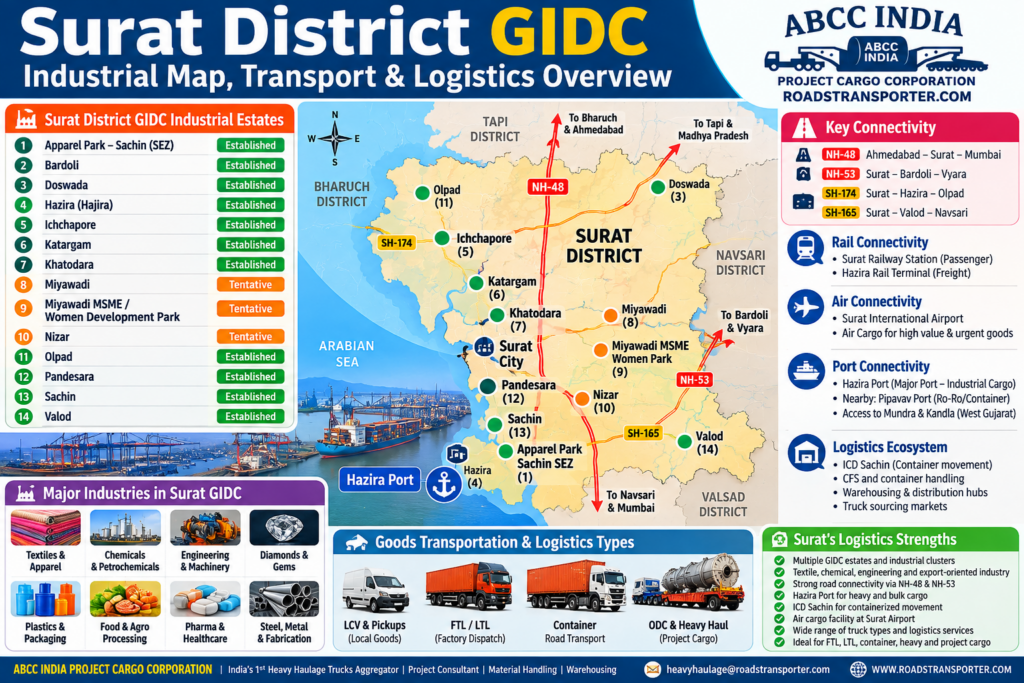
During Navratri, I become almost impossible to recognize.

The streets glow. Garba circles spin late into the night. Bandhani fabrics move like waves of colour. Young people dance beside grandparents who still remember older forms of celebration.

Janmashtami brings another mood.

Devotion grows stronger, fairs become crowded, children pull their parents toward rides and food stalls, and the atmosphere carries both religion and celebration.

Then comes Uttarayan, when rooftops turn into little kingdoms of competition and laughter.

Kites rise above me.

For one day, almost everyone seems to look upward.

Food is another language through which I tell my story.

I know the smell of freshly fried gathiya in the morning.

I know fafda beside jalebi, Gujarati thalis served with quiet generosity, and Kathiawadi meals strong enough to make a traveler forget the distance he has driven.

My markets have always understood hunger.

There are snacks for hurried workers, sweets for festivals, meals for families, and roadside food for drivers who have been on the highway for hours.
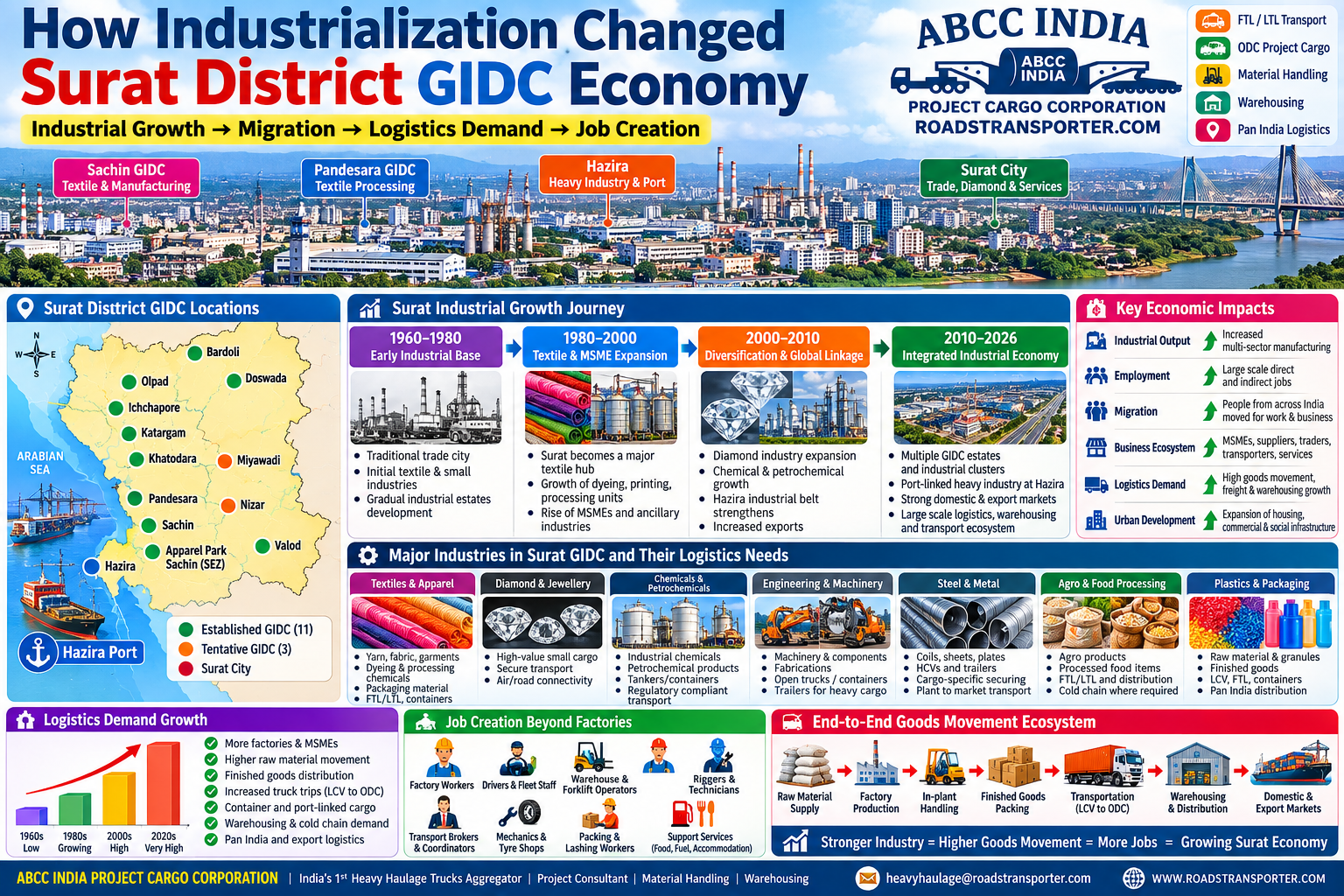
You should not visit me only with a camera.
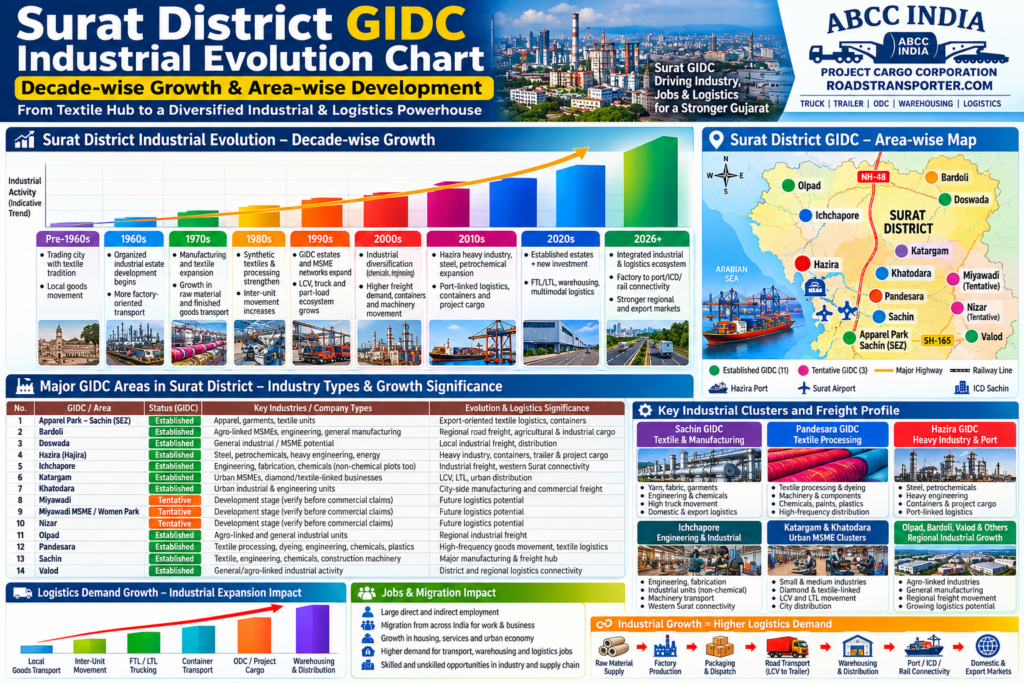
Come hungry.

Sit where local families sit. Ask what is fresh. Taste slowly.

My Bandhani is one of my proudest traditions.

Those tiny knots are not merely decorative.

They contain patience.

A piece of Bandhani may pass through many hands before it reaches a bride, a traveler or a shop window. Every dot has been created through human skill. Every pattern is evidence that craftsmanship can survive even while the world around it becomes automated.

And automation certainly came to me.

The brass industry changed my economic character long before many outsiders understood how important it had become.

In workshops across Jamnagar, metal was cast, machined, polished, plated and transformed into tiny components that travelled far beyond Gujarat.

Some were used in electrical systems.

Others became fittings, valves, hardware or engineering parts.

People began calling me a brass city, and I accepted the name with pride.

My factories were not always enormous.

That was part of their strength.

Small family enterprises learned to specialize. One workshop made one component, another performed another stage, and a network of suppliers, traders and transporters connected them.

Generations grew up around machines.

Children learned the sound of lathes before they understood what export orders were.

Then my industrial story grew much larger.

The arrival and expansion of major refining and petrochemical activity transformed my coastal economy.

Suddenly, enormous projects stood where older generations had known a very different landscape.

Engineers arrived.

Contractors arrived.

Heavy machinery moved along roads.

Warehouses appeared.

Hotels grew.

Transport companies found new work.

The scale of industry changed my identity not only in Gujarat but across India.

Some people feared that I would lose myself.

I understand why.

Growth can erase memory when it moves carelessly.

But I am still trying to carry both worlds.

A Bandhani artisan may work within the same district where advanced energy technology is being developed.

A brass worker may live within driving distance of giant industrial complexes.

A farmer may pass heavy transport vehicles while carrying produce toward a market yard.

This contrast is not a weakness.

It is my character.

And now I am changing again.

The language of my future includes solar manufacturing, batteries, green hydrogen, clean energy, industrial automation and new logistics systems.

I have lived through royal history, craft-based commerce, industrial clustering and refinery-driven transformation.

Perhaps my next chapter will be written in renewable energy.

But whenever I begin to feel too modern, nature reminds me where I really live.

Khijadiya does that to me.

At sunrise, the wetlands become quiet enough to make even a busy traveler slow down.

Migratory birds arrive from faraway places and rest here as though borders mean nothing to them.

Flamingos, waders and countless other birds make my winter mornings unforgettable.

The Gulf of Kutch tells an even older story.

Tides retreat and return.

Mangroves breathe between land and sea.

Marine life survives in spaces that many visitors would never notice unless someone teaches them where to look.

My Marine National Park and intertidal landscapes are among the reasons I wish travelers would see me as more than an industrial district.

My coast is not simply a background for factories.

It is alive.

It deserves protection.

I ask visitors to remember that.

Do not collect what belongs to the sea.

Do not disturb birds for photographs.

Do not treat protected places like amusement parks.

Travel gently.

I will show you more when you do.

Tourism came to me gradually.

I was never a destination that shouted for attention like some of India’s more famous cities.

Perhaps that has protected part of my charm.

Many people still arrive because they are passing through.

Some are traveling toward Dwarka.

Some come for business.

Some visit relatives.

Some arrive because of work in industry.

And then, unexpectedly, they find a lake at sunset.

They discover old architecture.

They hear continuous chanting at Bala Hanuman Temple.

They visit Khijadiya early in the morning.

They buy Bandhani.

They taste local food.

And suddenly, I become more than a stopover.

That is the moment I enjoy most.

I like surprising people.

Couples discover that they can find romantic evenings without luxury resorts.

Families find easy outings around lakes, temples and wildlife.

Students find lessons in ecology, engineering and history.

Photographers find birds, markets, architecture and extraordinary coastal light.

Business travelers sometimes extend their stay because they realize the city has more character than the industrial meeting that brought them here.

Solo travelers often understand me particularly well.

They move slowly.

They sit by the lake.

They watch people.

They notice details.

I am not a destination that must always be consumed quickly.

Sometimes my best experiences are ordinary.

A tea stall at the end of a long road.

An old man feeding stories to grandchildren beside a temple.

A shopkeeper unfolding Bandhani while explaining the difference between two patterns.

Workers leaving an industrial area at sunset.

Birds returning to water as the city begins lighting its evening streets.

These are not always found in travel brochures.

But they are where I live.

I have challenges too.

Growth brings traffic.

Industry brings environmental responsibilities.

Wetlands and coastal ecosystems need protection.

Traditional artisans need fair markets.

Small businesses need technology without losing independence.

Young people need skills that match the industries arriving around them.

Farmers need stronger value chains.

Urban expansion must learn to coexist with the natural geography that existed long before my roads.

I do not want progress to mean forgetting.

I want progress to mean becoming wiser.

When you visit me, I hope you do not ask only, “What are the best places to see?”

Ask me different questions.

Ask how I became a princely city.

Ask why brass shaped thousands of livelihoods.

Ask why Bandhani survived.

Ask why migratory birds choose my wetlands.

Ask how a coastal district became one of India’s most important industrial landscapes.

Ask what local people eat after work.

Ask where they go in the evening.

Ask what they fear losing.

Ask what they hope I will become.

Then you will begin to know me.

I am Jamnagar.

I am old stone and new machinery.

I am temple chants and factory shifts.

I am Bandhani knots and precision brass.

I am refinery lights and winter flamingos.

I am market noise, coastal silence, wedding colours, roadside food and business ambition.

I have been a royal capital, a manufacturing town, an industrial powerhouse and a gateway to some of Gujarat’s most delicate natural habitats.

And I am still becoming something new.

So when you come, do not rush through me.

Walk beside my lake.

Listen inside my temples.

Wake before sunrise for my birds.

Talk to my shopkeepers.

Taste my food.

Understand my industries.

Follow my coast responsibly.

And carry something home that cannot be bought in a market:

the feeling that you discovered a place whose story was much larger than you expected.

Because that is who I am.

I am Jamnagar—and my story is still being written.

📍 Where Is Jamnagar District?

🚗 Best Places to Visit in Jamnagar District by Road 82

Jamnagar District lies in the Saurashtra region of western Gujarat, India, on the southern side of the Gulf of Kutch. Its landscape stretches from the tidal coast and marine ecosystems to agricultural plains, historic towns, wetlands and one of India’s most important industrial belts. The district administration places it between approximately 21.41°–22.58° N latitude and 68.57°–70.39° E longitude, with a present area of about 5,846 sq km.

If you look at Jamnagar on a Gujarat map, one thing immediately explains much of its personality: the sea is never far from its story. The Gulf shaped its ecology, trade and ports; the hinterland supported agriculture and settlements; royal Nawanagar shaped its architecture and identity; and modern industry transformed Jamnagar into an internationally significant manufacturing and energy centre.

For a traveler, this creates a destination where a morning can begin among migratory birds, continue through an old royal city and end beside a lake illuminated after sunset.

🗺️ Jamnagar District at a Glance

Geographic FeatureJamnagar District
StateGujarat
RegionSaurashtra
District HeadquartersJamnagar city
Approximate Area5,846 sq km
Northern / Northwestern Natural BoundaryGulf of Kutch
Neighbouring DistrictsDevbhumi Dwarka, Rajkot and Porbandar
Important RiversRangmati, Nagmati, Und, Vartu, Aji, Ruparel, Fulzar and Venu
Important Urban CentreJamnagar
Major Coastal PointsBedi, Rozi and Sikka region
LandscapeCoast, tidal flats, wetlands, agricultural plains and semi-arid Saurashtra terrain
Major Crops Listed by District AdministrationGroundnut, cotton, wheat, bajra and castor
Major Economic ActivitiesBrass engineering, refinery-related industry, agriculture, oil mills, trade and logistics
Major Nature AttractionKhijadiya Bird Sanctuary and Gulf of Kutch marine ecosystem
Major Heritage LandmarkLakhota Kotho / Archaeological Museum
Nearest Major Regional CityRajkot

The district administration currently identifies 421 villages and lists Jamnagar City, Jamnagar Rural, Kalavad, Dhrol, Jodiya, Lalpur and Jamjodhpur in its taluka information. Because administrative structures can be reorganized, travelers and businesses should use current government records rather than older maps—especially maps produced before the creation of Devbhumi Dwarka District.

🌊 Geography – Where Saurashtra Meets the Gulf of Kutch

Jamnagar’s geography is one of the reasons it feels different from inland Gujarat.

Drive away from the city and the landscape can change quickly. Urban neighborhoods give way to industrial belts, farms, scrubland, villages and eventually tidal environments connected with the Gulf of Kutch.

This is not a mountain district, and travelers should not describe Jamnagar as a hill-station destination merely for Clickbate purposes. Its natural strength comes instead from coast, wetlands, creeks, islands, mudflats, mangroves and open Saurashtra countryside.

The district’s official geographic record lists the Rangmati, Nagmati, Und, Vartu, Aji, Ruparel, Fulzar and Venu among its rivers.

Rangmati and Nagmati are particularly important to Jamnagar’s historical identity because the new capital of Nawanagar was established beside them.

Water is also woven into the city’s visual identity through Ranmal Lake and Lakhota Kotho.

For photographers, this combination creates very different frames: royal architecture reflected in lake water, winter birds over wetlands, colorful Bandhani in crowded markets, salt-influenced coastal landscapes and the industrial silhouettes of modern Jamnagar.

🌦️ Climate – When Does Jamnagar Feel Best?

Jamnagar generally experiences a hot, relatively dry Saurashtra climate, moderated to some extent around coastal areas.

Summer can become intensely hot, particularly during the middle of the day. The southwest monsoon transforms agricultural and natural landscapes, although heavy rainfall can occasionally disrupt local roads. Winter is normally the most comfortable period for broad sightseeing and is particularly rewarding for birdwatching.

SeasonGeneral ExperienceBest Activities
WinterPleasant and comparatively comfortableHeritage, birdwatching, markets, photography, outdoor sightseeing
SummerHot, especially afternoonsMuseums, temples, early-morning and evening outings
MonsoonGreener countryside with variable rainScenic drives, culture, food, photography
Post-MonsoonFresh landscapes and improving outdoor weatherRoad trips and nature tourism

The district’s statistical page reports 1,100 mm average rainfall for the 2012–2016 reference period; that figure should not be treated as a permanent annual forecast because rainfall naturally varies from year to year.

🏰 How Nawanagar Became Jamnagar

To understand Jamnagar, I would begin not at a modern factory but in 1540.

The official district history records Jamnagar as the former Nawanagar, an important Jadeja princely state of Saurashtra. Jam Rawal established his new capital in August 1540 on the banks of the Rangmati and Nagmati rivers. Over time, Nawanagar became known as Jamnagar—essentially the city of the Jams.

One traditional story recorded by the district administration gives the city’s founding an almost cinematic character.

During a hunting expedition, Jam Rawal reportedly saw a hare turn against the hunting dogs and drive them away. He interpreted the animal’s courage as a sign of the strength of the land and decided that such a place was worthy of becoming his capital.

Whether a modern traveler approaches that episode as historical tradition or legend, it remains an evocative part of Jamnagar’s cultural memory.

🦚 Mythology, Krishna and the Yadava Connection

Jamnagar’s wider cultural landscape cannot be separated from the Krishna traditions of western Saurashtra.

The district’s official historical account says that Pauranic literature associates Lord Krishna with the establishment of his kingdom at Dwarka after leaving Mathura, and records the Nawanagar Jams’ traditional claim of Yadava ancestry.

An important modern geographical distinction is necessary here.

Dwarka is now in Devbhumi Dwarka District, not present-day Jamnagar District.

Older histories and documents can refer to Dwarka as part of Jamnagar because the administrative geography was different. For an evergreen travel guide, mythology and historical jurisdiction should therefore be distinguished from today’s district boundaries.

This distinction makes the article more trustworthy without diminishing the cultural relationship between Jamnagar and the Krishna landscape of western Saurashtra.

🏛️ Archaeology and the Memory Inside Lakhota

If Jamnagar’s history feels abstract, walk into Lakhota.

The Archaeological Museum occupies Lakhota Kotho, a water fort constructed in 1846 under Jam Ranmalji. The government describes its architecture as predominantly Rajput with Iranian influence and notes that it originally served defensive and royal-leisure purposes.

Its museum collections take visitors much deeper into the regional past.

The reorganized museum contains 321 exhibits across 11 sections, representing regional heritage from roughly the ninth through nineteenth centuries. Objects include sculptures, miniature paintings, coins, copper plates, textiles, beadwork, natural-history specimens and royal arms.

This makes Lakhota more than a photography stop.

It is one of the best places for a first-time traveler to understand how royal, artistic and everyday histories overlap in Jamnagar.

👑 Princely Nawanagar, Colonial India and Cultural Change

Under British paramountcy, Nawanagar remained a princely state rather than becoming an ordinary British-administered city.

Its rulers influenced civic development, architecture, institutions and cultural life. The princely legacy remains visible in Jamnagar’s palaces, gateways, old streets and museum collections.

Perhaps the best-known Nawanagar royal internationally was K. S. Ranjitsinhji, whose cricketing legacy extended far beyond the princely state; India’s Ranji Trophy carries his name.

Later royal patronage also supported heritage preservation. The district’s museum history credits Jam Shri Digvijaysinhji’s interest in archaeology and records the establishment of the Archaeological Museum at Lakhota in 1946.

After independence and political integration, the old princely landscape became part of modern Gujarat, but its cultural imprint survived.

That is why Jamnagar can feel both royal and intensely industrial today.

🔩 From Royal Capital to Industrial Powerhouse

Few Indian travel destinations demonstrate economic transformation as dramatically as Jamnagar.

The district administration identifies brass industry, oil refinery, agriculture and oil mills among its major economic activities.

The brass engineering cluster became especially important.

Across workshops and factories, manufacturers developed capabilities in precision components, fittings, electrical parts, hardware and related engineering products. Around this manufacturing base grew tool suppliers, packaging companies, metal traders, transporters, warehouses and other ancillary businesses.

Then large-scale petroleum refining fundamentally changed the industrial geography.

Today, the wider Jamnagar industrial landscape is associated internationally with massive refining and energy operations, while a new generation of renewable-energy manufacturing is adding another layer to the district’s economic story.

The fascinating part is that the older economy has not disappeared.

You can still encounter traditional Bandhani craftsmanship and small engineering workshops in the same district that accommodates industrial projects of extraordinary scale.

🚛 Why Jamnagar Matters to Transport and Logistics

Jamnagar is not merely a place where products are manufactured; it is a place from which enormous volumes and many different types of cargo must move.

Agriculture generates farm-to-market transport.

Brass manufacturers require raw materials, LTL/FTL distribution and export logistics.

Retail markets depend on daily distribution.

Industrial plants require machinery, spares and project materials.

Large energy developments can require specialized heavy-haul and ODC transportation.

The coast adds another dimension.

The district administration identifies Bedi Port as an important tidal lighterage port on the Gulf of Kutch and also lists Rozi as a maritime access point.

For a logistics professional, Jamnagar therefore represents an intersection of road freight, railway movement, coastal infrastructure, manufacturing supply chains, agriculture and project cargo.

✈️ How Is Jamnagar Connected?

Jamnagar is accessible by road, railway and air, while its coast supports maritime industrial activity.

The district administration places Jamnagar Airport approximately 10 km from the city and confirms that Jamnagar lies on the Western Railway network. Road connections link it with major Gujarat cities through state transport and private buses.

Transport ModePractical Role
✈️ AirBusiness and leisure access through Jamnagar Airport
🚆 RailLong-distance passenger connectivity via Western Railway
🚌 BusGujarat ST and private services
🚗 RoadBest flexibility for district attractions and onward Saurashtra travel
🚚 Freight RoadCrucial for agriculture, brass, industrial and project cargo
⚓ MaritimeBedi, Rozi and specialized coastal industrial infrastructure

The official district travel page identifies Rajkot at about 92 km from Jamnagar, making Rajkot an important regional road gateway.

Flight and train schedules change, so travelers should check live timetables rather than relying on an evergreen article for a specific daily service.

🦩 Why Jamnagar Is Important for Tourism

Jamnagar is unusual because its strongest attractions belong to completely different tourism categories.

You can explore royal heritage, religious traditions, birdwatching, marine ecology, Bandhani craftsmanship, food, old markets and industrial history within one district.

Travel InterestJamnagar Experience
HeritageLakhota Kotho, old-city architecture and Nawanagar legacy
MuseumArchaeological Museum at Lakhota
BirdwatchingKhijadiya Bird Sanctuary
Spiritual TourismBala Hanuman and historic temples
Marine NatureGulf of Kutch ecosystem
PhotographyWetlands, lake, heritage streets and markets
ShoppingBandhani, traditional markets and local products
Food TourismGujarati and Kathiawadi flavors
Industrial Tourism ContextBrass and energy-driven economic landscape
Family TravelLake, temples, museum and nature outings

🌿 Hidden Jamnagar Beyond the Famous Attractions

First-time visitors often make the mistake of collecting only landmark names.

Jamnagar becomes more rewarding when you explore its transitions.

Walk around older neighborhoods early in the morning before commercial traffic becomes intense. Watch craftsmen and shopkeepers prepare for the day. Drive through the countryside after the monsoon. Explore traditional markets without turning every encounter into a photograph.

Spend enough time at Khijadiya to stop counting birds and simply listen.

And notice the transition from historic Jamnagar to the industrial outskirts.

That changing landscape tells the economic history of the district more clearly than a textbook.

For responsible travelers, wetlands and coastal habitats deserve particular care. Avoid loud music, wildlife disturbance, littering and unauthorized access to protected or industrial coastal zones.

🧵 Culture – Bandhani, Garba and Living Traditions

Jamnagar’s culture is not locked inside its museum.

You see it in Bandhani textiles, wedding clothing, religious rituals, Gujarati hospitality, market conversations and festival nights.

Navratri brings Garba and traditional clothing into public spaces. Janmashtami carries particular resonance across western Saurashtra’s Krishna-influenced cultural landscape. Uttarayan fills the sky with kites, while Diwali and the Gujarati New Year transform markets and family homes.

Jain, Hindu, Muslim, Sikh and other communities have also contributed to the district’s cultural fabric.

For travelers, festivals are excellent opportunities for photography—but religious observance should never be treated as a staged performance. Ask before photographing people closely and respect temple, mosque, derasar and gurudwara rules.

🍽️ What Should You Eat in Jamnagar?

Come hungry.

A Jamnagar trip becomes much more personal when sightseeing pauses for local food.

Look for gathiya, fafda, jalebi, khaman, Gujarati snacks, Kathiawadi-style meals, rotla, vegetable preparations, chutneys, buttermilk and regional sweets. What is available varies by restaurant, season and time of day.

Morning food outings can be particularly enjoyable because local snack shops are active before the sightseeing heat intensifies.

For a first visit, I would choose one polished restaurant for comfort and at least one busy local establishment for character.

Follow local customers.

A crowded, clean food counter often tells you more than a large advertising board.

🚪 Jamnagar as a Gateway to Western Saurashtra

Jamnagar’s location makes it useful not only as a destination but also as a base or gateway for a broader western Gujarat journey.

Rajkot lies inland to the east and functions as a major commercial and transport connection. Devbhumi Dwarka lies toward the west, opening the route toward one of India’s most celebrated Krishna pilgrimage landscapes. Porbandar provides another important coastal and historical direction.

This allows travelers to design circuits rather than isolated trips.
Travel DirectionWider Opportunity
Toward RajkotUrban tourism, business and onward Gujarat connectivity
Toward Devbhumi DwarkaDwarka pilgrimage and western Saurashtra coast
Toward PorbandarCoastal travel and Gandhi heritage
Gulf of Kutch sideMarine ecology and coastal landscapes
Jamnagar hinterlandVillages, agriculture and offbeat Saurashtra
Industrial corridorsManufacturing, logistics and business travel

🧭 Practical Advice for First-Time Visitors

For a short visit, keep two days for Jamnagar city and a carefully selected nature outing; add more time if birdwatching, photography, business visits or regional road trips are important.

Winter is generally the easiest season for long outdoor days. In summer, move heritage walks and nature activities toward early morning or evening. During the monsoon, check road and weather conditions before rural travel.

Keep separate expectations for tourist and industrial areas. Refinery, port, defense-sensitive and other controlled locations may have strict access or photography restrictions.

For nature tourism, verify sanctuary timings and permissions before departure.

And don’t measure Jamnagar against Ahmedabad, Dwarka or Kutch.

It tells a different story.

🌅 Why Jamnagar Deserves More Than a Stopover

Jamnagar is one of those places that becomes more interesting after you understand why everything is here.

The lake makes more sense after you learn about Nawanagar.

The old gates mean more after hearing Jam Rawal’s story.

The market becomes richer after understanding Bandhani.

A small brass workshop looks different once you recognize the district’s manufacturing influence.

Khijadiya becomes more precious when you understand the ecological importance of the Gulf landscape.

And the enormous industrial horizon becomes another chapter—not the whole identity—of a district whose story began centuries before modern factories appeared.

So don’t simply pass through Jamnagar on the way somewhere more famous.

Come for the royal history. Wake early for the birds. Walk beside Lakhota Lake. Taste Saurashtra. Explore the old markets. Understand the industries. Follow the coast responsibly. Then use Jamnagar as your doorway into the wider landscapes of western Gujarat.

That is when Jamnagar stops being a point on the Gujarat map and becomes a destination you genuinely remember.

✈️ How to Reach Jamnagar District, Gujarat – Complete Transport & Stay Guide

Reaching Jamnagar is easier than its far-western position on the Gujarat map might suggest. The district is connected by air, long-distance rail, GSRTC buses, private coaches, highways, city buses, auto-rickshaws, taxis, app-based rides and rental vehicles, making it practical for tourists, pilgrims, families, solo travelers and people arriving for refinery, brass-industry or other business work.

For a first-time outstation traveler, the simplest rule is this: use Jamnagar Airport for the fastest arrival, Jamnagar Railway Station for convenient long-distance travel, GSRTC/private buses for lower-cost Gujarat connections, and a taxi or rental car when you plan to explore Khijadiya, coastal areas or destinations outside central Jamnagar.

Jamnagar District’s official tourism information places Jamnagar Airport roughly 10 km from the city, confirms that Jamnagar lies on the Western Railway network, and states that state transport buses and private luxury coaches connect the city with major places across Gujarat. Rajkot, an important alternative transport gateway, is approximately 92 km away by road.

🚦 Jamnagar Transport at a Glance

https://cargoo.in/types-of-transportation
Transport ModeMain Arrival PointBest ForApprox Travel CostLast-Mile OptionAdvance BookingMain Advantage
✈️ FlightJamnagar AirportLong-distance travelers, business visitorsRoute/date dependentTaxi, app cab, auto where availableStrongly recommendedFastest
🚆 TrainJamnagar Railway Station – JAMFamilies, budget travelers, long-distance trips₹150–₹3,000+Auto, taxi, app cab, city busRecommendedExcellent value
🚉 Hapa Railway StationHAPASelected trains and local connectivityTrain dependentAuto/taxi/city busRecommendedUseful secondary railhead
🚌 GSRTC BusJamnagar Bus StationGujarat intercity travel₹100–₹1,000+Auto/city bus/taxiAvailable onlineLow-cost statewide connectivity
🚍 Private BusDifferent boarding pointsSleeper/AC road travel₹300–₹2,000+Auto/cabRecommendedMultiple comfort levels
🚗 Self-Drive CarJamnagar highwaysFamilies, couples, road tripsFuel + toll + rentalDirectRental booking advisedMaximum flexibility
🚕 TaxiDoor-to-doorFamilies, seniors, business travelers₹15–₹25+/km broadlyDirectOptionalConvenient
🛺 Auto-RickshawCity/localShort journeys₹50–₹300 typicalDirectUsually noCheap local travel
📱 App CabUber and available platformsNew visitorsDynamicDirectIn-appUpfront fare estimate
🏍️ App Bike TaxiUber Bike / current operatorsSolo travelersDynamicDirectIn-appLow-cost quick rides
🚌 Jamnagar City BusCity routesBudget travelersVery lowWalk/autoSome digital supportCheapest city transport
🚢 WaterwayBedi/Rozi industrial-maritime zoneMaritime/authorized useNot regular tourist fareRoad transferSpecial arrangementsIndustrial/coastal significance
🚇 MetroNot available————Jamnagar currently has no metro network

Costs throughout this guide are travel-planning estimates, not fixed tariffs. Airfare, train class, bus category, taxi prices, fuel and hotel rates vary according to season and availability.

✈️ Reaching Jamnagar by Air

🛫 Nearest Airport – Jamnagar Airport

The nearest commercial airport is Jamnagar Airport, also associated with the Govardhanpur civil enclave.

The district administration places it approximately 10 km from Jamnagar town, while Gujarat Tourism describes it as around 9 km from the city centre. Both figures should be understood as approximate because distance varies according to your exact hotel or destination.

Airport InformationDetails
AirportJamnagar Airport
Approx Distance from Central Jamnagar9–10 km
Typical Road TimeRoughly 20–35 minutes
Best ForBusiness travelers, families, elderly travelers, short trips
Local TransferTaxi, app ride, auto where available, hotel pickup
BookingAirline website/app or reputable flight portal
Recommended BufferArrive well before scheduled departure according to airline advice

The district’s current travel page specifically notes an Air India connection with Mumbai, but airline networks and frequencies are inherently changeable. Travelers should therefore search the actual travel date rather than using an evergreen blog as a flight timetable.

📱 Online Flight Booking

Use:

  1. airline official websites and mobile apps;
  2. reputable travel portals;
  3. corporate travel systems where applicable.

For baggage changes, cancellations and schedule disruptions, booking directly with the airline can sometimes simplify support.

🚕 Airport to Jamnagar City

A taxi or app-based car is usually the simplest option for someone visiting Jamnagar for the first time.

Plan approximately ₹250–₹700 for an ordinary airport-city ride depending on destination, vehicle type, surge pricing and waiting. Premium cars can cost more.

Some hotels provide chargeable or complimentary airport transfer packages. Hotel Aram, for example, currently advertises an airport pickup/drop benefit on qualifying direct-booking offers, although travelers should reconfirm the active offer for their dates. (hotelaram.in)

♿ Air Travel for Senior Citizens and Differently Abled Travelers

Travelers needing wheelchair or mobility assistance should request it directly from the airline before travel, ideally while booking.

Also consider:

  1. requesting wheelchair assistance from terminal entry to aircraft;
  2. booking an aisle or easy-access seat where available;
  3. pre-arranging a taxi rather than negotiating after arrival;
  4. choosing a hotel with lift access;
  5. allowing extra boarding time;
  6. carrying medicines in hand baggage.

🚆 How to Reach Jamnagar by Train

🚉 Jamnagar Railway Station

Jamnagar Railway Station is one of the most practical ways to reach Jamnagar District.

Jamnagar is part of the Western Railway network, and the district administration states that the city is connected with the rest of India by multiple daily and weekly trains.

The primary station code is:

JAM – Jamnagar

Another useful station in the wider city area is:

HAPA – Hapa

Gujarat Tourism also identifies Jamnagar, Hapa and Modpur among railway points in the area. (Gujarat Tourism)

Rail OptionBest Use
Jamnagar – JAMPrimary arrival station for tourists
Hapa – HAPAUseful for trains stopping outside central Jamnagar
Other regional stationsOnly when train routing makes them more convenient

🎟️ Online Train Ticket Booking

The safest booking route is the official IRCTC reservation platform for reserved Indian Railways tickets.

Indian Railways’ passenger enquiry systems can also be used for train information and status. (Indian Railway)

Book early during:

  1. Navratri;
  2. Diwali;
  3. Janmashtami;
  4. school holidays;
  5. long weekends;
  6. wedding season;
  7. major religious travel periods.

🚕 Railway Station Last-Mile Connectivity

From Jamnagar Railway Station, travelers can generally continue by:

  1. auto-rickshaw;
  2. city bus;
  3. taxi;
  4. app-based ride;
  5. hotel transfer;
  6. rental vehicle.

Central attractions such as Lakhota Lake and the old-city area are relatively accessible from the railway station. Hotel Aram is officially listed by Gujarat Tourism as approximately 2 km from the nearest railway station, while Sayaji’s current factsheet lists Jamnagar Station approximately 2.6 km from the hotel.

🚌 Reaching Jamnagar by GSRTC State Transport Bus

For budget travelers coming from elsewhere in Gujarat, GSRTC is one of the most useful transport options.

The district administration confirms that Jamnagar is well connected with Gujarat cities through state transport services.

GSRTC’s current directory lists Jamnagar Bus Station as the city’s principal state transport terminal and also identifies bus control points within the wider division.

Common road directions include services toward or via:

  1. Rajkot;
  2. Ahmedabad;
  3. Dwarka;
  4. Porbandar;
  5. Junagadh;
  6. Bhavnagar;
  7. other Gujarat towns according to current schedules.

🎟️ GSRTC Online Ticket Booking

GSRTC supports electronic booking and mobile booking. Its published booking system also describes a current-booking facility for eligible last-minute trips after trip sheets are generated.

For important journeys, reserve in advance rather than relying on last-minute availability.

GSRTC Passenger TypeRecommended Service
Student / backpackerStandard bus
Budget familyExpress
Senior travelerReserved seat service
Longer overnight tripSleeper/AC service where scheduled
Last-minute passengerCheck current/e-booking availability

🚍 Private Buses and Luxury Coaches

Private operators supplement GSRTC with various combinations of:

  1. AC seating;
  2. non-AC seating;
  3. sleeper coaches;
  4. semi-sleeper buses;
  5. overnight services.

These are useful for routes where departure time or comfort matters more than the lowest fare.

Private bus boarding points may not always be at the main GSRTC terminal, so check the exact pickup address before leaving your hotel.

A bus advertised as “Jamnagar” may depart from a roadside office, bypass or private boarding point.

For a first-time visitor arriving late at night, I recommend booking a cab or auto from the confirmed drop point rather than walking with luggage through an unfamiliar area.

🚌 Public Transport in Jamnagar District – City Bus Service

Jamnagar has an operating municipal city-bus network.

The Jamnagar Municipal Corporation currently publishes routes including services linking Darbargadh, Hapa Railway Station, Jamnagar Railway Station, Town Hall, Bedi Port, Dared and other areas. Current published schedules generally operate from around morning through evening, with frequencies varying substantially by route.

This makes the city bus useful for:

  1. budget tourists;
  2. students;
  3. workers;
  4. solo travelers;
  5. passengers connecting to railway areas;
  6. travelers without heavy luggage.

💰 Jamnagar City Bus Fare

JMC’s currently published route page shows a very low stage-based tariff, beginning from ₹5 for the first 2 km on the listed routes and increasing progressively.

Because fares and route structures may be revised, check the latest city-bus information before publishing fixed prices permanently.

📱 Jamnagar City Bus Digital Information

The JJMF mobile application currently advertises city-bus ticket booking, real-time vehicle location and route timetable functionality.

This is particularly helpful for someone unfamiliar with Jamnagar.

🚇 Does Jamnagar Have a Metro?

No. Jamnagar currently does not have a metro rail system.

Therefore, travelers should not search for a “nearest Jamnagar Metro Station.”

Urban movement depends mainly on:

  1. city buses;
  2. auto-rickshaws;
  3. taxis;
  4. app rides;
  5. private cars;
  6. two-wheelers.

If a future metro or rapid-transit system is announced, this section should be updated only after an official project confirmation.

🛺 Auto-Rickshaws in Jamnagar

Autos remain one of the simplest ways to travel short distances inside Jamnagar.

They are useful for:

  1. railway station to hotel;
  2. bus stand to market;
  3. Lakhota Lake;
  4. temples;
  5. shopping streets;
  6. restaurants.

Approximate short urban trips may cost ₹50–₹200+, while longer movements can cost more.

Always agree on a fare when a meter is not being used.

For elderly travelers, confirm that the vehicle can stop close to the hotel or attraction entrance.

📱 App-Based Cabs in Jamnagar

Uber currently lists Jamnagar as an active service area, with on-demand Uber Go trips available through its app. Uber’s present Jamnagar page reports an illustrative average of ₹243 for a 20-minute Uber Go trip, although real fares depend on distance, time and demand.

This is particularly helpful for outstation visitors because the fare estimate is displayed before travel.

Use app-based rides for:

  1. airport pickups;
  2. railway transfers;
  3. hotel-to-attraction journeys;
  4. restaurant trips;
  5. short business travel.

Always verify the vehicle and driver details displayed in your application before boarding.

🏍️ Bike Taxi in Jamnagar

Bike-taxi availability has recently expanded in Jamnagar.

Uber currently advertises Uber Bike in Jamnagar, and August 2026 reporting specifically included Jamnagar among the Indian cities added during Uber Bike’s latest expansion.

This can be useful for:

  1. solo travelers;
  2. students;
  3. people with little luggage;
  4. short city trips.
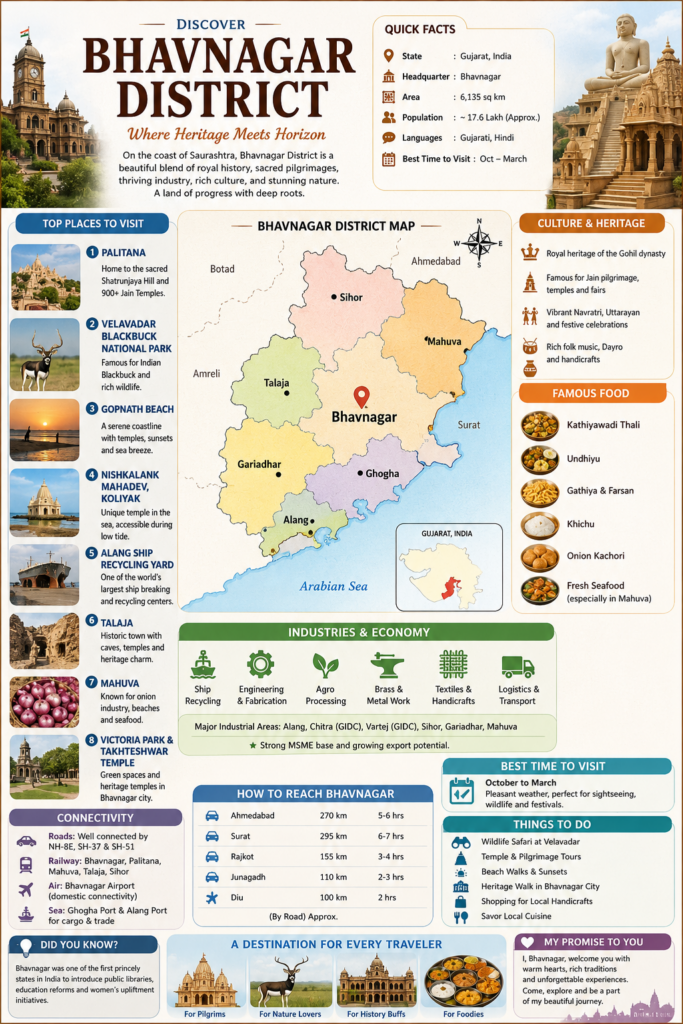
It is not ideal for:

  1. senior citizens;
  2. families with children;
  3. passengers with large suitcases;
  4. travelers during heavy rain;
  5. passengers uncomfortable with two-wheelers.
Always wear the provided helmet and follow local safety rules.
🚕 Traditional Taxi and Outstation Cab

A private taxi becomes much more useful once your itinerary goes beyond central Jamnagar.

Consider booking a car for:

  1. Khijadiya Bird Sanctuary;
  2. rural areas;
  3. coastal drives;
  4. Narara direction subject to access;
  5. Rajkot transfer;
  6. Dwarka onward journey;
  7. Porbandar journey;
  8. business visits to industrial areas.

A broad planning range for local/outstation taxis may be roughly:

VehicleTypical Planning Rate
Hatchback / small sedan₹12–₹18/km
Sedan₹14–₹22/km
SUV₹18–₹30/km
Full-day city use₹2,000–₹4,500+
Outstation day tripDistance + allowance based

These are not government tariffs. Ask for a written quote covering:

  1. kilometers included;
  2. driver allowance;
  3. tolls;
  4. parking;
  5. night charge;
  6. interstate tax if applicable;
  7. waiting time.

🚗 Rental Cars, Self-Drive Vehicles and Two-Wheelers

Rental vehicles are useful for travelers wanting an independent district road trip.

Before accepting any rental vehicle, inspect:

  1. insurance;
  2. tyres;
  3. spare tyre;
  4. brakes;
  5. lights;
  6. FASTag;
  7. fuel level;
  8. RC and permit documents where applicable.

For scooters or motorcycles, photograph the vehicle’s existing scratches before leaving the rental location.

A self-drive vehicle is particularly valuable if your itinerary includes multiple places outside Jamnagar city.

🛣️ Reaching Jamnagar by Road

Road travel is one of Jamnagar’s major strengths.

The district is connected toward Rajkot and the wider Gujarat highway system, while westbound roads continue toward Devbhumi Dwarka and the coast.

The official district page identifies Rajkot as approximately 92 km from Jamnagar.

Approximate road-trip planning:

OriginApprox Travel CharacterTypical Road Time*
RajkotClosest major regional gateway2–3 hours
DwarkaWestern Saurashtra pilgrimage circuit2.5–3.5 hours
PorbandarCoastal circuit2.5–3.5 hours
AhmedabadLong intercity highway journey6–8 hours
BhujLonger western Gujarat connection6–8 hours depending route

Road time varies with traffic, stops, roadworks and route.

For long journeys, avoid planning by distance alone. Gujarat highways may be fast for long stretches, but urban approaches, construction, toll plazas and village traffic affect actual time.

⚓ Reaching Jamnagar by Water

Jamnagar has genuine maritime importance, but there is no ordinary public tourist ferry that should be treated as the normal way to reach Jamnagar city.

The district administration identifies Bedi Port and Rozi Port as maritime access points on the Gulf of Kutch.

These facilities are more relevant to:

  1. cargo;
  2. port activity;
  3. industrial supply chains;
  4. authorized marine access;
  5. specialized local maritime movements.

For Pirotan or Marine National Park-related travel, visitors must not simply hire an unverified boat. Access can depend on permissions, tide, protected-area regulations and current boat arrangements. The district identifies Bedi Port as a principal access reference for Marine National Park–Pirotan.

🚆 What About Local Trains?

Jamnagar is not a suburban railway city like Mumbai.

Rail should primarily be treated as intercity and regional transport, with Jamnagar and Hapa serving as useful stations.

For movement inside the city, buses, autos and cabs are normally more practical than waiting for a train.

🚕 Last-Mile Connectivity from Major Arrival Points

Arrival PointCity CentreLakhota LakeKhijadiyaRecommended Transfer
Jamnagar Airport~9–10 kmSimilar urban rangeApprox 20 km to sanctuaryCab / hotel transfer
Jamnagar Railway StationA few kmShort city rideApprox 15 km to sanctuaryAuto / cab
Jamnagar Bus StationCentral accessShort urban journeyApprox 15 km to sanctuaryAuto / cab
Hapa Railway StationOuter-city sideLonger than JAM stationRoute dependentCab / city bus

The district’s Khijadiya page gives approximate distances of 20 km from Jamnagar Airport and 15 km from Jamnagar Railway Station and the State Transport bus stand.

🅿️ Parking in Jamnagar

Drivers should expect three types of parking:

  1. hotel/private parking;
  2. roadside or market-area parking where legally permitted;
  3. designated pay-and-park facilities.

Old Jamnagar streets around traditional markets can be congested, so parking farther away and walking can be easier.

Jamnagar Municipal Corporation has an established pay-and-park framework. Its published parking policy includes a designated paid facility near Digjam Circle under the railway overbridge, although the specific rate table in that policy is historical and should not be treated as a guaranteed current 2026 tariff.

For evergreen content, the best advice is:

use marked parking, obtain a receipt where applicable and confirm the current rate displayed at the facility.

🚘 Parking Tips by Traveler Type

TravelerBest Parking Strategy
FamilyHotel with onsite parking
Senior citizensDrop passenger near entrance before parking
Heritage visitorPark outside congested core and walk
Market shopperUse legal paid parking where available
Large SUVAvoid narrow old-city lanes
Tourist busConfirm bus parking before arrival
Rental vehicleNever leave documents or valuables visible

⚡ EV Charging in Jamnagar

EV charging infrastructure is expanding quickly across Gujarat, but individual charger availability, connector status and operating hours change too frequently for an evergreen travel article to rely on a fixed list.

EV travelers should check live charging-network applications or map services immediately before departure.

Before a long trip:

  1. locate at least two possible chargers;
  2. confirm CCS2/appropriate connector compatibility;
  3. charge before visiting rural or coastal areas;
  4. ask hotels whether overnight charging is permitted;
  5. avoid reaching an isolated charger with less than a comfortable reserve.

This is particularly important when driving toward coastal nature destinations where public charging can be less predictable than inside the city.

♿ Accessible Travel in Jamnagar

Jamnagar can be manageable for senior citizens and travelers with limited mobility if the itinerary is designed realistically.

Prefer:

  1. air or AC train for long-distance arrival;
  2. pre-booked taxi transfers;
  3. hotels with elevators;
  4. ground-floor rooms if required;
  5. attractions with shorter walking circuits;
  6. morning/evening sightseeing in summer.

At airports and railway stations, request official mobility assistance in advance where available.

Avoid trying to cover:

  1. wet intertidal terrain;
  2. long rural walks;
  3. crowded old markets;
  4. uneven heritage areas

without checking suitability first.

Wheelchair accessibility at individual temples, restaurants and older monuments can vary substantially.

🌙 Arriving in Jamnagar Late at Night

For someone who has never visited Jamnagar, late-night arrival deserves planning.

Before leaving home:

  1. save the hotel address offline;
  2. tell the hotel your expected arrival;
  3. arrange an airport/station pickup if arriving very late;
  4. keep your phone charged;
  5. avoid accepting unsolicited rides from unknown intermediaries;
  6. confirm the vehicle number before entering an app cab;
  7. keep cash plus digital payment available.

Do not choose a cheaper hotel far outside the city merely to save a few hundred rupees if you arrive after midnight without reliable transport.

🎟️ Online Ticket Booking for Jamnagar District

Travel RequirementBest Booking Method
FlightAirline app/website or trusted OTA
TrainIRCTC
GSRTC BusGSRTC online/mobile booking
Private BusOperator website or established bus-ticket portal
Uber CarUber app
Uber BikeUber app where shown
City BusJJMF app/current JMC information
Rental CarEstablished local/national rental company
HotelHotel’s official website or reputable hotel-booking portal
Wildlife AttractionCheck official forest/tourism instructions where applicable

Never transfer large amounts to an unknown number sent through an unofficial social-media page claiming to offer “special tourist tickets.”

🏨 Where to Stay in Jamnagar – Accommodation by Location and Budget

Jamnagar offers budget lodges, independent hotels, heritage accommodation, business hotels and premium branded stays.

The district administration currently lists properties including Sayaji Jamnagar and Lords Inn Jamnagar, while Gujarat Tourism officially profiles Hotel Aram.

Room rates below are estimated booking ranges and can rise during festivals, weddings, industrial events and holidays.

💰 Budget Hotels in Jamnagar District

Hotel / Stay TypeLocation AdvantageApprox Room PriceApprox Distance/AccessTypical AmenitiesBest ForBooking Tip
Hotel President / similar central hotelTeen Batti / central Jamnagar₹1,200–₹2,500Convenient to city attractionsAC, Wi-Fi, basic dining variesBudget families, solo travelersCheck recent room photos
KD Comfort / similarP.N. Marg / Dwarka Road side₹1,200–₹2,500Central-to-west city accessBasic business stayShort visitsConfirm parking before booking
Local station-area hotelsRailway side₹800–₹2,000Near rail arrivalBasic roomsOvernight train passengersAvoid choosing solely by lowest price
Dharamshala / community staysLocation varies₹300–₹1,500Often near religious areasBasicPilgrimsEligibility/rules may apply

Gujarat Tourism’s trip planner currently includes Hotel President and KD Comfort among Jamnagar lodging options.

🏨 Mid-Range Hotels in Jamnagar

PropertyLocationApprox RangeNearby ConvenienceAmenitiesBest ForBooking Tip
Hotel AramP.N. Marg / central Jamnagar₹2,500–₹5,500+Approx 2 km from rail station; central heritage accessHeritage atmosphere, restaurant, gym, conference facilitiesCouples, heritage travelers, familiesDirect booking may include useful transfer benefits
Hotel Keshwara’s ResidencyJamnagar₹2,000–₹4,500+City accessTypical hotel facilitiesFamilies/businessGujarat Tourism lists it as a registered Jamnagar hotel
Lords Inn JamnagarMotikhavdi, Jamnagar–Khambhalia Highway₹2,500–₹5,500+Industrial/highway sideHotel dining, business facilitiesRefinery/business travelersNot ideal if all sightseeing is central city
Express ResidencyJamnagar–Dwarka / industrial side₹2,500–₹6,000+Good for industrial beltHotel, restaurant, leisure facilitiesBusiness couples, industrial visitorsCompare distance with your actual worksite

Hotel Aram’s official Gujarat Tourism listing places it approximately 7 km from the airport and 2 km from the nearest railway station and identifies amenities such as conference facilities, restaurant, AC/non-AC rooms and a gym. (Gujarat Tourism)

⭐ Premium & Luxury Hotels in Jamnagar

HotelAreaApprox RangeTransport AdvantageNotable AmenitiesIdeal ForBooking Tip
Sayaji JamnagarIndira Gandhi Road₹3,500–₹8,000+Approx 2.6 km station, 7.8 km airportRestaurant, 24/7 café, banquet, premium roomsFamilies, couples, corporate guestsStrong option for central business + tourism
The Fern Residency Jamnagar, Series by MarriottDwarka Bypass / airport-connected area₹3,500–₹8,000+Positioned near airport and station49 rooms/suites, dining, rooftop venue, gymCouples, business travelersGood for modern branded stay
Premium resort/business propertiesOuter Jamnagar₹4,000–₹12,000+Better for self-drive usersPool/spa/recreation variesStaycations, couplesVerify distance before booking

Sayaji’s current factsheet lists 60 rooms, a restaurant, café and banquet spaces and places the property 7.8 km from the airport and 2.6 km from the railway station.

The Fern Residency, now operating as The Fern Residency Jamnagar, Series by Marriott, describes itself as close to both Jamnagar Airport and Jamnagar Station and offers 49 rooms/suites, dining, a rooftop venue and business/event facilities.

🦩 Best Accommodation for Khijadiya Bird Sanctuary

Khijadiya is close enough to Jamnagar that most visitors do not need to relocate to a separate remote hotel.

Stay in Jamnagar city and leave before sunrise.

The district places the sanctuary approximately 15 km from Jamnagar Railway Station and bus stand and about 20 km from the airport.

For birdwatchers:

  1. choose a hotel with 24-hour reception;
  2. request packed breakfast;
  3. arrange a car the evening before;
  4. leave early;
  5. carry binoculars and water.

🏭 Best Hotels for Industrial & Business Travelers

Travelers working around the refinery, Motikhavdi, industrial highways or western industrial belt should choose hotels based on factory distance rather than tourist-attraction distance.

Work PurposeBetter Location Strategy
Central brass businessCentral Jamnagar
Shankar Tekri/GIDCCity/eastern industrial-access location
Motikhavdi industrial visitsMotikhavdi/highway hotel
Refinery-related visitHighway/industrial-side accommodation
Multiple city meetingsCentral branded hotel
Airport-heavy scheduleAirport/bypass side

Sayaji’s published distance sheet, for example, lists the hotel approximately 22 km from Reliance and 12 km from GIDC, useful figures for deciding whether a central hotel fits an industrial itinerary.

🧳 Best Transport Choice for Different Travelers

Traveler TypeBest ArrivalBest Local Transport
Solo backpackerTrain / GSRTCCity bus + auto + bike taxi
CoupleFlight / trainApp cab / rental car
Family with childrenTrain / flightCab
Senior citizensFlight / AC trainPre-booked taxi
StudentsTrain / GSRTCCity bus
Corporate travelerFlightHotel cab / app cab
PhotographerTrain / flightRental car with early departures
BirdwatcherTrain / flightPrivate taxi
PilgrimTrain / busAuto/cab
Industrial visitorFlight / trainChauffeur-driven car
International travelerMajor gateway airport + domestic connection/roadPre-booked transfer

🚗 Best Alternative Gateway – Rajkot

If a direct flight or train to Jamnagar does not suit your schedule, Rajkot is the most useful major regional alternative gateway.

The Jamnagar administration places Rajkot approximately 92 km away.

A taxi trip commonly takes around two to three hours depending on traffic and route.

This can be especially useful when:

  1. flights to Jamnagar are inconvenient;
  2. you find a better train to Rajkot;
  3. your Gujarat itinerary already includes Rajkot;
  4. you are traveling by private car.

Compare the total journey time and transfer cost, not merely the airline fare.

🌍 Practical Arrival Plan for a First-Time Outstation Traveler

If this is your first visit to Jamnagar, I would plan the journey like this:

By flight: pre-book a hotel or app cab, go directly to your accommodation and keep the first evening relaxed.

By train: use Jamnagar station when possible, then take an auto or cab to your hotel.

By GSRTC: save the hotel location and confirm how far it is from Jamnagar Bus Station before arrival.

By private sleeper: check the exact drop point—do not assume it is the government bus terminal.

By self-drive: choose a hotel with confirmed parking.

After check-in, use autos or app rides for the central city. Hire a car only on the days you travel to Khijadiya, coastal destinations or onward places such as Dwarka.

⚠️ Essential Jamnagar Transport Safety Tips

Avoid unlicensed drivers offering aggressively discounted outstation trips.

For app rides, match the vehicle registration and driver details before boarding.

Do not photograph sensitive military, airport, refinery, port or restricted industrial infrastructure.

Never enter an operational port assuming it is a tourist attraction.

During monsoon, ask about road conditions before heading to isolated coastal or rural areas.

Do not depend on an EV charger without confirming live status.

When traveling with children or elderly family members, avoid unnecessarily complex transfers simply to save a small amount.

Keep digital and offline copies of:

  1. hotel address;
  2. train/flight ticket;
  3. identification;
  4. emergency contacts.

Jamnagar district’s official emergency resources currently list 108 for ambulance services and 1077 for the disaster control room.

🌟 Best Way to Reach Jamnagar – Final Recommendation

There is no single best transport mode for everyone.

Choose air travel when time matters most.

Choose rail when you want the best balance of cost and comfort.

Choose GSRTC when your priority is economical travel within Gujarat.

Choose a private AC/sleeper bus when its route and timing are more convenient.

Use city buses and autos for economical movement within Jamnagar.

Use an app cab or private taxi if you are new to the city, carrying luggage or traveling with your family.

And choose a rental or chauffeur-driven car when Khijadiya, coastal attractions or a wider Saurashtra road trip are part of the plan.

The biggest mistake a first-time traveler can make is treating Jamnagar merely as a point to reach.

The journey is also the beginning of the experience.

Arrive with enough time to settle in, choose accommodation according to the places you genuinely plan to visit, and give Jamnagar at least a little room to surprise you—from Lakhota Lake and old-city markets to bird-filled wetlands, temples, industrial landscapes and the open roads leading deeper into western Gujarat.

🌟 What Is Jamnagar District Famous For?

🚗 Best Places to Visit in Jamnagar District by Road 83

Jamnagar District is famous for a rare combination of royal Nawanagar heritage, Jamnagari Bandhani, brass engineering, temples, wetlands, marine biodiversity, lakes, Gujarati food, festivals, industry and coastal landscapes. Official district tourism highlights Lakhota, Khijadiya Bird Sanctuary, Marine National Park–Pirotan and religious heritage, while the GI Registry confirms Jamnagari Bandhani as a registered geographical indication.

CategoryFamous Attraction / ThingWhy It Is FamousHistorical / Cultural SignificanceBest Time to ExperienceInteresting FactsTravel Tip
🏰 Royal HeritageNawanagar legacyJamnagar was historically the capital of the princely state of NawanagarFounded in 1540 and associated with the Jadeja rulersOct–MarJamnagar literally developed from the identity of the Jams of NawanagarBegin with Lakhota and the old city to understand the district
🏛️ Heritage MonumentLakhota KothoIconic water fort and museum in Ranmal LakeBuilt in 1846 under Jam Ranmalji and now a protected monumentOct–MarCombines Rajput architecture with Iranian influenceVisit near sunset after the museum
🏺 MuseumArchaeological Museum, LakhotaRegional sculpture, coins, paintings, textiles and royal objectsPreserves Nawanagar and wider regional heritageYear-roundLocated inside historic Lakhota KothoCheck current museum timings
🌅 LakeRanmal / Lakhota LakeJamnagar’s signature urban landscapeClosely tied to the city’s royal and civic historyOct–MarOne of the easiest places for sunset photographyCombine with Bala Hanuman Temple
🙏 Devotional TourismBala Hanuman TempleFamous for its continuous Ram Dhun traditionOne of Jamnagar’s best-known religious landmarksYear-roundLocated on the bank of Lakhota LakeVisit in the evening for temple + lake ambience
🕉️ Temple Culture“Chhoti Kashi” identityJamnagar has a dense concentration of important templesReflects the city’s long Shaivite and devotional traditionYear-roundDistrict tourism explicitly describes Jamnagar as Chhoti KashiPlan a temple circuit rather than rushing individual shrines
🔱 Shiva HeritageNagnath, Siddhnath, Kashi Vishwanath, BhidbhanjanImportant local Shiva templesPart of Jamnagar’s historic religious geographyMaha Shivratri / winterSeveral major shrines lie within the cityDress modestly and avoid peak queues
🕍 Jain HeritageJain Derasar, Chandi BazaarImportant Jain religious presenceReflects the city’s mercantile and multicultural historyYear-roundLocated in the old commercial coreRespect photography rules
☪️ Islamic HeritageJama Masjid, Ratanbai Masjid, Vohra-no-HajiroHistoric Muslim religious architectureDemonstrates Jamnagar’s diverse urban cultureOct–MarThese sites coexist with Hindu, Jain, Sikh and Parsi landmarksAvoid visiting during prayer rush unless attending respectfully
🪯 Sikh HeritageGurudwara, JamnagarCommunity worship and hospitalityPart of Jamnagar’s multi-faith identityYear-roundListed among official religious attractionsCover your head before entering
⛪ Christian HeritageLocal churchesPart of Jamnagar’s modern religious diversitySmaller but meaningful Christian community presenceChristmas / year-roundNot a dominant tourism categoryVerify church access before visiting
🧵 GI-Tagged HandicraftJamnagari BandhaniIntricate tie-dye textile traditionRegistered GI handicraft connected to Jamnagar’s identityYear-roundGI registration is valid through 2030Ask about handwork, fabric and provenance before buying
👗 Textile CultureBandhani sarees and dupattasBright colors and traditional patternsStrongly associated with weddings and Gujarati dressWedding/festival seasonOften bought for bridal and festive useCompare workmanship instead of judging only by color
🔩 Major IndustryBrass partsJamnagar is one of India’s best-known brass-component clustersFamily-run workshops evolved into precision engineering unitsYear-roundComponents serve electrical, plumbing, automotive and industrial marketsIndustrial buyers should audit suppliers and specifications
⚙️ MSME ClusterPrecision engineeringDense ecosystem of machining, casting, plating and toolingBuilt through generations of specialized small enterprisesYear-roundStrong B2B and export orientationVisit factories only with prior appointment
🛢️ Heavy IndustryRefining and petrochemicalsJamnagar has global industrial significanceLarge-scale refinery investment transformed the regional economyYear-roundThe industrial landscape is vastly different from the old cityDo not photograph restricted industrial infrastructure
⚡ Emerging IndustryRenewable-energy manufacturingNew solar, battery and hydrogen-linked investmentRepresents Jamnagar’s next phase of industrial transformationYear-roundConnects old engineering skills with new energy technologyBest understood through business research, not casual tourism
🚚 LogisticsProject and industrial freightManufacturing, refinery and energy activity generate major cargo flowsImportant to western Gujarat’s supply chainsYear-roundIncludes FTL, containers and specialized heavy haulageIndustrial visitors should plan routes and security access in advance
⚓ Maritime EconomyBedi and Rozi coastal beltPort-linked trade and industrial marine activityGulf of Kutch location gave Jamnagar strategic commercial importanceOct–Mar for sightseeing contextOperational port areas may be restrictedNever enter port zones without permission
🦩 WildlifeKhijadiya Bird SanctuaryWetland bird diversity and migratory speciesImportant conservation landscape close to the Gulf of KutchNov–FebCombines freshwater and saline habitatsReach around sunrise with binoculars
🪸 Marine WildlifeMarine National Park–PirotanCoral, mangroves, intertidal habitats and marine biodiversityOne of India’s pioneering marine protected landscapesOct–MarAccess depends on tide, permissions and current rulesNever promise Pirotan access without checking
🌿 Eco-TourismMangroves and tidal wetlandsDistinct coastal ecologyCritical wildlife habitatWinterJamnagar’s nature is coastal rather than mountainousAvoid disturbing intertidal life
🏖️ CoastBalachadi-side coastal landscapeRelaxed sunset and picnic atmospherePart of Jamnagar’s Gulf-side geographyOct–MarBetter for scenery than classic resort-beach tourismDo not assume swimming is safe
🌳 Gardens & LeisureLakhota lakefront / city gardensEasy family outingsPart of Jamnagar’s urban recreation landscapeOct–Mar eveningsSuitable for all agesBest paired with nearby food
⛰️ Hill StationsNone as a defining Jamnagar attractionJamnagar is not a genuine hill-station districtIts identity is coastal and semi-arid—Inventing hills for SEO would be misleadingChoose other Gujarat destinations for hill travel
💦 WaterfallsNo major signature waterfallWaterfalls are not a defining Jamnagar tourism featureGeography is better known for coast, wetlands and lakesMonsoon for countrysideSeasonal water features should not be mislabeled as major attractionsDo not market Jamnagar as a waterfall destination
🧗 AdventureIntertidal exploration and nature tripsAdventure comes through ecology rather than mountain sportsConnected to Gulf of Kutch landscapesWinterTide timing can matter more than clock timeUse authorized/local guidance where required
🍽️ Local CuisineGujarati & Kathiawadi foodStrong regional flavor and simple hearty mealsReflects Saurashtra’s food cultureYear-roundBajra rotla, sev tameta and regional thalis are common favoritesAsk about spice level
🥨 Street FoodGathiya, fafda, khaman, snacksPopular breakfast and evening eating cultureEveryday urban food traditionYear-roundMorning snack culture is especially livelyChoose busy, hygienic stalls
🍬 SweetsJalebi, shrikhand, local mithaiPopular at festivals and family functionsStrong connection with Gujarati celebration cultureFestivals / year-roundSweet shops are integral to local giftingBuy dairy sweets close to departure in summer
🥘 Kathiawadi MealsRotla, lasaniya preparations, sev tametaRobust Saurashtra flavorsLinked with regional rural food traditionsWinterOften spicier than standard Gujarati foodOrder buttermilk and specify spice preference
🛍️ Traditional MarketChandi BazaarJewellery, textiles and old-city shoppingLongstanding commercial areaOct–MarAlso near religious heritageExplore on foot
🧵 ShoppingBandhani marketsBest cultural souvenir categoryDirectly connected to Jamnagar’s textile heritageYear-roundQuality varies significantlyAsk whether work is handmade
🏭 Industrial MarketShankar TekriBrass and engineering clusterSymbol of Jamnagar’s MSME economyBusiness hoursMore valuable to buyers than ordinary touristsArrange B2B visits beforehand
🌾 AgricultureGroundnutImportant local cropSupports oil mills, trade and rural livelihoodsHarvest/market seasonDistrict administration lists groundnut among major cropsCheck live mandi rates for commercial buying
🌱 AgricultureCotton, wheat, bajra, castorImportant rural production baseSupports agriculture and commodity tradeSeasonalJamnagar’s economy is not purely industrialRural visits should respect private farmland
🎡 FestivalShravani / Jamnagar Lok MelaLarge fair atmosphereCombines devotion, commerce and entertainmentAround Janmashtami/ShravanOne of the district’s major public cultural gatheringsExpect heavy crowds
💃 FestivalNavratri GarbaDance, music and traditional attireOne of Gujarat’s most visible cultural traditionsSep–OctOld Jamnagar retains traditional Garba formsAsk before close-up photography
🪁 FestivalUttarayanKite flyingMajor Gujarati winter celebrationAround mid-JanuaryRooftops become highly animatedWatch for kite strings on roads
🪔 FestivalDiwali & Gujarati New YearLights, sweets, markets and family traditionsImportant cultural and commercial seasonOct–NovBusiness schedules may change during Bestu VarasBook accommodation early
🦚 FestivalJanmashtamiKrishna devotion and fairsSaurashtra has deep Krishna cultural connectionsAug–SepOften overlaps with major local fair activityExpect temple crowds
🏏 Sports HeritageK. S. RanjitsinhjiOne of India’s most celebrated historical cricket figuresNawanagar ruler whose name lives on in the Ranji TrophyYear-roundJamnagar has an unusual royal-cricket legacySports-history readers should explore Nawanagar history
🏏 Sports HeritageDuleepsinhjiImportant cricket personality connected with NawanagarPart of the region’s princely sporting traditionYear-roundDuleep Trophy carries his nameInclude in sports-history storytelling
👑 Famous Royal FigureJam RanjitsinhjiRoyal ruler and cricketerInternationally important in cricket historyYear-roundHelped shape Jamnagar’s modern royal identityDo not confuse royal history with current administration
📚 Literature & CultureGujarati/Saurashtra literary traditionsRegional language and storytellingReflects the cultural evolution of western GujaratFestivals / cultural eventsGujarati remains dominant in everyday cultural lifeLocal-language interaction enriches travel
🗣️ LanguagesGujarati, Hindi and local Saurashtra speech formsEveryday communication and identityReflects migration, commerce and regional cultureYear-roundEnglish is understood in many tourism/business settingsLearning simple Gujarati greetings helps
🎶 Folk MusicGarba, devotional bhajans, folk traditionsIntegral to religious and festival lifePassed through community celebrationsNavratri / religious eventsTraditional music may coexist with modern amplified eventsSeek smaller community events for authenticity
💃 Folk DanceGarba & DandiyaJamnagar participates deeply in Gujarat’s dance cultureRitual, festive and social importanceNavratriTraditional street Garba can differ from commercial eventsRespect devotional context
🏫 EducationGujarat Ayurved University / ITRA legacyJamnagar is nationally important for Ayurveda education and researchHelped establish the city as a centre for Ayurvedic learningYear-roundAyurveda is one of Jamnagar’s strongest educational identitiesAcademic visitors should verify campus-access rules
☀️ Unique HeritageHistoric SolariumUnusual medical-history structureEstablished in the princely eraOct–MarDistrict tourism describes it as a rare attractionVerify current visitor access
🌍 Eco-PhotographyKhijadiya & Gulf landscapesBirds, wetlands and coastal lightCombines conservation with tourismWinterExcellent sunrise photographyUse long lenses instead of approaching wildlife
📸 Urban PhotographyLakhota and old JamnagarReflections, gates, bazaars, templesHistoric city layers remain visibleOct–MarEarly morning offers softer light and lighter trafficAvoid obstructing commercial streets
🚗 Weekend TravelHeritage + wildlife combinationCompact mix of city and natureGood for short Saurashtra breaksNov–FebA two-day trip can combine lake, museum and birdingAdd another day for coast
🧭 Hidden GemOld-city heritage lanesLess commercialized travel experienceArchitectural and social history survives in everyday streetsWinter morningsBest discoveries are often between major landmarksWalk slowly and ask before photographing people
🌅 Unique ExperienceTemple + lake + local dinner eveningCombines spirituality, scenery and foodReflects contemporary Jamnagar lifestyleOct–MarOne of the easiest first-time itinerariesStart at Bala Hanuman and end with dinner
🧑‍💼 Business TravelBrass + energy ecosystemStrong industrial demandGenerates hotels, logistics and professional servicesYear-roundJamnagar attracts visitors who arrive primarily for workAdd half a day for heritage sightseeing
🌐 Export IdentityBrass componentsPrecision parts travel to domestic and global marketsDemonstrates the power of clustered MSMEsYear-roundSmall components can serve large international industriesB2B buyers should verify certifications
🚀 Startup OpportunityIndustrial technologyAutomation, QC, logistics, recycling and energy services have demandBuilt around existing manufacturing problemsYear-roundJamnagar’s startup opportunity is more B2B than consumer-app drivenSolve existing supply-chain pain points
🧭 Gateway RoleWestern SaurashtraUseful base toward Rajkot, Dwarka and PorbandarStrategic position within western GujaratOct–MarJamnagar links industry, pilgrimage and coastal travelCombine districts rather than rushing through

Jamnagar’s tourism authority confirms the importance of Khijadiya Bird Sanctuary, Marine National Park–Pirotan, Ranmal Lakhota Lake, Archaeological Museum and the city’s religious sites. (Jamnagar District) The district also records its origin as Nawanagar, founded in 1540 as a major Jadeja princely state in Saurashtra.

✨ Why Jamnagar Is Special in One Sentence

Jamnagar is famous because royal Nawanagar history, Chhoti Kashi temples, GI-tagged Bandhani, brass engineering, Gulf of Kutch marine life and Khijadiya’s birds all coexist within one remarkably diverse district.

🌟 Interesting Things Jamnagar Is Especially Known For

  1. Jamnagari Bandhani is officially GI registered, making it one of the district’s strongest authentic shopping and cultural identities.
  2. Jamnagar was historically Nawanagar, founded in 1540 and shaped by the Jadeja rulers.
  3. Lakhota Kotho is a historic water fort, now functioning as an archaeological museum and protected monument.
  4. Jamnagar is known as Chhoti Kashi because of its concentration of important religious places.
  5. Khijadiya is one of Jamnagar’s strongest wildlife attractions, combining freshwater wetlands, tidal mudflats, creeks, saline land and mangrove habitat.
  6. The Gulf of Kutch marine ecosystem gives Jamnagar an ecological identity quite different from ordinary beach destinations.
  7. Brass manufacturing and precision engineering give Jamnagar a strong international industrial reputation.
  8. K. S. Ranjitsinhji’s legacy gives the former princely state an unusual place in Indian cricket history.
  9. The city’s tourism appeal works particularly well for heritage travelers, birdwatchers, photographers, devotees, food lovers, business travelers and short weekend visitors.

❤️ Why First-Time Travelers Should Visit Jamnagar

Come to Jamnagar if you want a destination that refuses to fit into one category.

Come for a winter morning among birds at Khijadiya. Come for the reflections of Lakhota at sunset. Listen to the Ram Dhun beside the lake. Buy Bandhani from people who understand the craft. Taste Gujarati and Kathiawadi food. Walk the old markets. Learn how tiny brass components built a global manufacturing reputation.

Then look toward the Gulf and realize that the same district also protects one of India’s most remarkable marine landscapes.

That combination—heritage, devotion, craftsmanship, wildlife, food and industrial ambition—is what Jamnagar District is truly famous for.

🛡️ Common Travel Myths, Tourist Scams, Safety Issues & Solutions in Jamnagar District

Jamnagar is a major tourism, pilgrimage, business and industrial destination, and visitors should approach safety practically rather than fearfully. There is no sound basis for portraying ordinary scams listed below as uniquely or unusually common in Jamnagar. They are general travel risks that can occur in many Indian destinations, alongside Jamnagar-specific concerns such as summer heat, monsoon disruption, protected coastal ecosystems and restricted industrial areas.

For emergencies, India’s unified emergency number is 112. Jamnagar District currently lists Police 100, Ambulance 108, Fire 101, Disaster Control Room 1077, Women Helpline 1091, and Child Helpline 1098. Gujarat also operates the Abhayam 181 Women Helpline statewide.

🚨 Jamnagar Travel Myths, Scams, Problems & Practical Solutions Chart

Myth / Scam / ProblemRealityCommon TargetWarning SignsPrevention TipsRecommended SolutionEmergency Helpline / Authority
🚕 Taxi fare overchargingAn unmetered/private ride can cost more if fare is not agreed beforehandFirst-time visitors, airport/rail passengersDriver avoids quoting fare or changes amount laterUse app fare estimate or agree total fare before departurePay agreed fare; keep vehicle details if disputing serious misconductPolice 112 / 100
🛺 Auto-rickshaw fare disputeShort trips may involve negotiated faresTourists unfamiliar with local distances“Meter not working,” unclear fareAsk hotel/local staff for approximate fare; agree before boardingEnd ride at safe public location if disagreement escalatesPolice 112 / 100
🚖 “Your hotel is closed” storyNever accept such a claim without checking yourselfNew arrivalsDriver recommends a different hotel immediatelyCall your booked hotel directlyGo only to the address on your confirmed reservationPolice if coercion occurs
🏨 Fake accommodation listingFraudulent or misleading listings can occur online anywhereBudget travelers, couplesExtremely low price, off-platform payment, no verifiable addressCross-check hotel name, recent reviews and locationContact booking platform/bank quickly after suspected fraudCyber fraud 1930
💳 Fake hotel payment requestA scammer may impersonate accommodation staffTravelers with upcoming bookingsWhatsApp payment link or urgency threatContact hotel through independently verified detailsBlock payment/card where possible and report immediately1930
🎟️ Counterfeit attraction ticketNot every person claiming to sell admission is authorizedFirst-time touristsCash-only “special ticket,” no receiptBuy at official counter/authorized booking channelDo not pay unofficial agentsAttraction management / Police
🧑‍🏫 Fake or unofficial guideA friendly stranger is not automatically an authorized guideHeritage touristsAggressive approach, no identification, vague pricingConfirm fee and credentials before startingDecline politely and use recognized guides where requiredTourist/attraction authority
💰 Guide changes price afterwardUsually caused by failing to establish termsForeign and family travelers“Pay whatever you like” followed by demandFix total price, duration and inclusions beforehandPay only agreed amountPolice if threatened
📱 UPI QR-code scamYou do not need to scan a QR code or enter a UPI PIN to receive ordinary UPI moneyAlmost anyone“Scan this to receive refund/prize”Read every UPI screen before approvingContact bank immediately after unauthorized transferCyber fraud 1930
🔐 OTP fraudLegitimate payment support should not require handing an OTP to strangersSenior citizens, less tech-confident travelersCaller asks for OTP, PIN or CVVNever share OTP, PIN, CVV or UPI PINFreeze affected account/card quickly1930
💸 Fake UPI payment screenshotA screenshot does not prove that money reached your accountVendors and travelers receiving refundsPerson shows “successful” screenshotCheck your own banking/UPI appTrust actual account credit, not sender screenshotBank / 1930
🏧 ATM assistance scamStrangers offering unsolicited ATM help may be riskySeniors, distracted visitorsPerson stands too close or asks for card/PINCover keypad; refuse assistanceBlock card immediately if compromisedBank + 1930
🏧 ATM skimming/tamperingTampered ATMs are a general banking riskAll travelersLoose card slot, suspicious keypad/cameraPrefer bank-branch ATMs in visible locationsStop transaction and inform bankBank / Police
📞 “Digital arrest” scamPolice or government agencies do not legitimately demand money through threatening video calls to avoid arrestTravelers and familiesThreats, secrecy demands, urgent transfersDisconnect and independently verify with authoritiesPreserve evidence and report immediately1930 / 112
🎁 Prize/refund scamUnexpected winnings/refunds requiring a fee are major warning signsTourists shopping online“Pay processing charge first”Do not transfer moneySave evidence and report1930
📶 Public Wi-Fi riskOpen networks can expose sensitive activityCafé/hotel usersUnsecured network with suspicious loginAvoid banking on unknown Wi-FiUse mobile data for paymentsCybercrime 1930 if fraud occurs
👛 PickpocketingCrowded places require ordinary precautionsFestival visitors, market shoppersUnnecessary crowding/contactKeep phone/wallet in secure front/closed bagBlock cards and report theft112 / 100
🎒 Unattended luggageRailway/bus areas require normal vigilanceFamilies and solo travelersStranger asks you to leave baggageKeep luggage under your controlInform security/police if stolenPolice/Railway authorities
🛍️ Bandhani authenticity confusionNot every colorful tie-dye item has identical workmanship or provenanceSouvenir buyersSeller makes unverifiable “pure handmade” claimsCompare shops and ask about technique/fabricRequest invoice for expensive purchasesConsumer grievance route if warranted
💎 Jewellery purity issueAppearance alone cannot establish precious-metal purityWedding shoppersResistance to hallmark/invoice questionsBuy from established jeweller and check applicable hallmarkingPreserve bill and productConsumer authority / Police for suspected fraud
🔩 Brass souvenir overpricingPrice and quality varyBusiness and souvenir buyersNo weight/specification or invoiceCompare multiple sellersObtain written specification for B2B purchaseConsumer/legal remedy as applicable
🍽️ Food bill disagreementMenu prices, taxes and extras should be checkedFamilies/groupsNo menu or unclear pricingCheck price before ordering expensive itemsRequest itemized billConsumer grievance route
🍴 “Famous local restaurant” claimPopularity on social media does not guarantee qualityFood touristsPaid-looking reviews, no recent evidenceCheck several recent sources and local demandChoose busy, hygienic establishmentsFood-safety authority if serious issue
🥤 Unsafe drinking waterHeat makes hydration essential, but unsafe water can cause illnessEveryoneBroken bottle seal, questionable water sourceUse sealed/verified drinking waterSeek medical help for severe symptomsAmbulance 108
☀️ Summer heat exhaustionJamnagar can become very hotChildren, seniors, outdoor touristsDizziness, headache, weaknessAvoid intense midday exposure; hydrateMove to cool area and seek medical attention if severe108
🌧️ Monsoon road disruptionHeavy rain can temporarily affect roads and low-lying areasDrivers, rural touristsWaterlogging, official warningsCheck weather/road conditions before departureDelay or reroute rather than crossing unsafe waterDisaster Control 1077
🌊 Unsafe sea swimming assumptionA coastline does not automatically mean safe swimmingFamilies, couplesStrong currents, tidal flats, no lifeguardSwim only where explicitly considered safeLeave water during worsening conditions112 / 108
🌊 Tide miscalculationGulf of Kutch intertidal travel can depend heavily on tidesMarine tourists, photographersWater level changing rapidlyUse authorized guidance and current tide informationReturn before conditions become unsafeForest/local authority / 112
🪸 Collecting coral/shells from protected areasProtected marine ecosystems are not souvenir shopsMarine touristsGuide/person encourages wildlife removalLeave natural material where it belongsFollow protected-area instructionsForest Department
🦩 Getting too close to birdsKhijadiya is a wildlife habitat, not a staged photo setPhotographersChasing/flushing birdsUse binoculars/telephoto lensMove back immediately if wildlife reactsForest/sanctuary authority
🛥️ Unauthorized Pirotan tripAccess to protected marine areas may involve current permissions and operational restrictionsAdventure touristsAgent promises guaranteed unrestricted accessVerify current official access firstDo not board questionable boat tripsForest/Marine authorities
🏭 Industrial-area photographyRefineries, ports, airport/defence-sensitive and industrial sites can have restrictionsPhotographers, vloggersSecurity signage/barriersAsk permission before photographyDelete/stop recording if lawfully instructedSite security / Police
⚓ “Bedi Port is an ordinary tourist attraction”Operational port areas may have controlled accessCurious touristsGates/security restrictionsObserve only from legal public areasFollow port instructionsPort authority
🚧 Restricted-area shortcutGoogle Maps can sometimes suggest roads unsuitable or inaccessible to touristsSelf-drive visitorsSecurity gate, industrial road, private propertyUse established public roadsTurn back instead of arguing with securityPolice if genuinely stranded
🚗 Rental-car damage disputeExisting damage should be documentedRoad-trip travelersVehicle handed over without inspectionPhotograph/video vehicle before acceptingCompare return condition with timestamped imagesRental company / consumer remedy
⛽ Fuel-related disagreementVerify pump display before fuelingSelf-drive travelersMeter not resetWatch zero reading and retain receiptRaise issue with station managerOil-company grievance channel
🅿️ Fake parking collectorNot everyone demanding roadside cash represents an official facilityDriversNo rate board, receipt or authorizationUse marked parking and ask for receiptMove to verified parkingJMC/Police
🚫 Illegal parkingNarrow markets and busy roads are not safe places to abandon a vehicleSelf-drive touristsNo-parking signage, obstructionUse designated parkingFollow traffic authority directionsTraffic Police
🚆 Train ticket “agent” fraudReserved tickets should come through legitimate channelsOutstation touristsStranger promises guaranteed berthUse official/authorized reservation channelReport suspicious transactionRailway authority / 1930 if online fraud
🚌 Wrong private-bus boarding pointPrivate coaches may use different pickup/drop pointsFirst-time passengersTicket says vague landmarkConfirm exact map location and operator contactArrive earlyBus operator
✈️ Fake flight cancellation/refund callFraudsters can exploit travel disruptionsAir passengersCaller requests OTP/card/UPI PINCheck airline app/site independentlyContact airline/bank directly1930
🚕 Late-night unsolicited rideConvenience should not override verificationSolo/women travelersDriver pressures you away from official pickup areaUse verified taxi/app/hotel transferShare trip details with trusted person112 / 100
👩 Women travelers’ safety concernNormal precautions and reliable transport are more useful than fear-based claimsSolo womenIsolated area, unwanted following/contactPrefer populated routes and verified rides after darkMove to a staffed/public location and seek help181 / 1091 / 112
👵 Senior citizen mobility problemHeat, long walks and uneven heritage surfaces may create more difficulty than crimeSeniorsFatigue, inaccessible stairsArrange cab, rest breaks and suitable hotelShorten itinerary108 for medical emergency
♿ Accessibility assumptionsHistoric sites may not provide uniform step-free accessTravelers with disabilitiesStairs, uneven surfacesConfirm accessibility before departureArrange assistance/alternative viewpointAttraction management
👶 Lost child in festival crowdLarge fairs and festivals can separate familiesFamiliesDense crowdPut guardian contact details with childAlert police/event control immediatelyChild Helpline 1098 / 112
🎆 Festival overcrowdingNavratri, Janmashtami and fairs can create traffic/crowd pressureEveryonePacked entrance/exitArrive early and establish family meeting pointLeave before congestion becomes unsafePolice 112 / 100
🌙 Isolated night sightseeingSome nature/coastal areas are unsuitable for casual late-night explorationCouples, photographersPoor lighting, few people, weak networkFinish remote sightseeing before darkReturn to populated area112
🐕 Stray animal/road hazardAnimals can appear on urban and rural roadsDrivers, bikersPoor visibility at nightSlow down and avoid sudden swervingSeek medical help after bite/injury108
🛵 Helmet neglectShort tourist trips still carry road riskBike/scooter usersRental provider minimizes safetyWear proper helmetDo not accept unsafe vehicleTraffic Police
📸 Photographing people without consentA public place does not remove basic privacy and cultural courtesyPhotographers/vloggersVisible discomfort or objectionAsk before close portraitsStop if requestedPolice only if dispute escalates
🛕 Temple “mandatory donation” confusionGenuine donations are generally distinct from officially priced services/ticketsPilgrimsStranger insists payment is compulsory without official basisUse official counter/donation boxAsk temple managementTemple administration
👟 Temple etiquette problemFootwear, clothing and photography rules varyFirst-time touristsPosted restrictionsRead signs and follow local customCooperate with temple staffTemple management
💵 Carrying excessive cashDigital payments are common, but backup cash remains usefulAll travelersLarge visible cash bundleSplit money and cardsBlock lost cards immediatelyBank / Police
📍 Blind reliance on map appsNavigation apps can be wrong around rural/private/industrial roadsSelf-drive travelersRoad becomes narrow, gated or unpavedCross-check with signage/local adviceTurn back safely112 if stranded/emergency
🔋 Phone battery failureTickets, maps, UPI and cab apps often depend on the phoneDigital-first travelersLow battery before remote tripCarry power bank and offline hotel addressAsk verified establishment for assistance—
⚡ EV charging assumptionA charger shown online may be busy or temporarily unavailableEV road trippersLong rural stretch with low batteryKeep backup chargers/routesRecharge before remote coastal tripsCharging operator
🧳 “Everything can be seen in one day”Jamnagar’s heritage, wetlands and coastal experiences need sensible pacingFirst-time visitorsOverloaded itineraryPrioritize 2–4 experiences per dayDrop lower-priority stops—

Cyber-financial fraud deserves especially fast action: the Government of India’s National Cyber Crime Reporting Portal directs victims of financial cyber fraud to call 1930 immediately, and complaints can also be filed through the national portal.

Emergency / ProblemContactWhen to Use
🚨 Unified Emergency Response112Immediate emergency requiring police/emergency response
👮 Jamnagar Police100Crime, theft, threat or police assistance
🚑 Ambulance108Medical emergency
🔥 Fire101Fire emergency
🌧️ District Disaster Control Room1077Flood, cyclone, severe weather or district disaster
👩 Jamnagar-listed Women Helpline1091Women’s emergency assistance
👩 Gujarat Abhayam Women Helpline181Women’s guidance, support, distress and rescue services
👶 Child Helpline1098Child protection/emergency
🕵️ Crime Stopper1090Crime-related assistance as listed by district administration
💻 Cyber Financial Fraud1930UPI, card, banking and other cyber-financial fraud
☎️ Citizen Call Centre155300Citizen-service assistance
👮 Jamnagar District Police Control Room0288-2550200District police control room

Jamnagar District’s official helpline page confirms its local emergency numbers, while its police directory currently provides station and control-room contacts throughout the district. (Jamnagar District) Gujarat’s Women & Child Development Department confirms that Abhayam 181 operates across all districts and can provide guidance, assistance and rescue services to women in distress.

🛡️ Essential Safety Rules for First-Time Jamnagar Visitors

  1. Keep 112, 108, 181 and 1930 saved before traveling.
  2. Never share an OTP, CVV, ATM PIN or UPI PIN with a caller, hotel, taxi driver or supposed bank employee.
  3. If money disappears through a suspected cyber scam, contact 1930 immediately rather than waiting until the next day.
  4. Confirm taxi/auto fares or use an app estimate before beginning an unfamiliar journey.
  5. Book hotels, buses, trains and flights through established official or reputable channels.
  6. Keep receipts for expensive Bandhani, jewellery and other major purchases.
  7. Carry sealed drinking water and reduce strenuous afternoon sightseeing during extreme summer heat.
  8. Check weather before monsoon road trips and use 1077 for district disaster assistance when necessary.
  9. Treat Khijadiya, mangroves and marine habitats as protected ecosystems—not picnic grounds.
  10. Never enter refineries, operational ports, defence-sensitive zones or other restricted industrial property merely because a map shows a road.
  11. Women arriving late should favor verified app cabs, hotel transfers or known taxi services; Gujarat’s 181 Abhayam service is available statewide when assistance is needed.
  12. Seniors should prioritize comfortable transport, shade, hydration, elevators and shorter walking circuits rather than trying to match a younger group’s itinerary.

⚠️ Important Reality Check for Travelers

A responsible Jamnagar safety guide should not claim that taxi scams, pickpocketing, fake guides, food fraud or crimes against tourists are especially prevalent in Jamnagar unless reliable evidence demonstrates that.

The more useful approach is preparation.

Verify before paying. Keep control of your phone and banking credentials. Use authorized booking channels. Respect wildlife and restricted industrial areas. Check weather and tides before coastal outings. Use well-lit, populated places for late-evening travel, and contact official authorities when something genuinely feels unsafe.

With those ordinary precautions, visitors can focus on what brought them to Jamnagar in the first place: Lakhota’s heritage, Bala Hanuman’s spiritual atmosphere, Jamnagari Bandhani, Gujarati and Kathiawadi flavors, Khijadiya’s birdlife and the extraordinary coastal ecology of the Gulf of Kutch.

🛣️ National Highways, Road Connectivity & Travel Advisory for Jamnagar District, Gujarat

Jamnagar District has strong road connectivity with Rajkot, Kalavad, Dhrol, Lalpur, Jamjodhpur, Devbhumi Dwarka, Porbandar and the wider Saurashtra highway network. For tourists, industrial travelers and goods-transport operators, the most important routes are the national-highway corridors feeding Jamnagar from the east and northeast, together with major state highways, bypasses and city arterial roads.

The most important practical point is that road classifications and local traffic restrictions can change. A road that appeared as a State Highway in an older map may later be upgraded, renumbered or absorbed into a National Highway. Likewise, city no-entry timings for trucks may be changed through temporary police notifications. For that reason, this guide separates verified highway facts from travel-risk guidance and avoids inventing permanent truck timings, crime zones or accident black spots where no current official location-wise notification is available.

🚗 Major National Highways Connecting Jamnagar District

Highway / CorridorImportant Jamnagar ConnectionMain Direction / Places ServedImportance for Travelers & FreightTypical Road CharacterTravel Advice
NH-927DJamnagar – Kalavad corridorJamnagar → Kalavad → Jamkandorna → Dhoraji → NH-27Major eastern/southeastern connection toward central Saurashtra and NH-27Intercity highwayUseful toward Dhoraji/Junagadh-side routes; check roadworks and local traffic
NH-151ADhrol / northern district corridorConnects the Jamnagar-side region through Dhrol toward Morbi and wider northern Gujarat routesImportant passenger, industrial and freight corridorSections under widening/improvementConstruction caution around Dhrol/Amran-side works
NH-27 connection via regional networkAccess through Dhoraji/Rajkot-side networkMajor national east-west highway connectivity beyond JamnagarLinks Jamnagar traffic with wider Gujarat and IndiaHigh-capacity national corridor outside much of Jamnagar districtFASTag and toll planning needed on onward journeys
Jamnagar–Dwarka highway corridorWestbound from JamnagarJamnagar → Khambhalia → Dwarka regionMajor pilgrimage, tourism and industrial routeBusy intercity routeWatch mixed tourist, bus and heavy-vehicle traffic
Jamnagar–Rajkot corridorEastbound regional gatewayJamnagar → Dhrol/Rajkot direction depending selected routeMost important connection to RajkotHeavy passenger and commercial trafficAllow extra time near towns and junctions

The Ministry of Road Transport and Highways officially defines NH-927D as a 108 km highway beginning at NH-27 near Dhoraji, passing Jamkandorna and Kalavad, and terminating at Jamnagar.

NHAI’s current infrastructure records also show active four-laning work on NH-151A around the Dhrol bypass and Amran missing-link section, with the project covering roughly 12.25 km and a target completion timeframe extending into 2027. Travelers should therefore expect construction zones, lane shifts and temporary speed restrictions on affected stretches.

🛤️ Important State Highways & Regional Roads

Several older Gujarat road classifications identify key corridors serving Jamnagar, though travelers should use these more as route identities than permanent numbering guarantees, because road upgrades and renumbering can occur.

Important Road / Traditional SH CorridorKey PlacesMain UseTraveler Relevance
Jamnagar–Kalavad roadJamnagar, KalavadPassenger + agricultural + industrialImportant southeastern district connection
Jamnagar–Lalpur roadJamnagar, LalpurRural, industrial and regionalUseful for western/southern district travel
Jamnagar–Dhrol roadJamnagar, DhrolRajkot/northern regional movementHeavy mixed traffic
Jamnagar–Jamjodhpur roadJamnagar, JamjodhpurRural and inter-district travelScenic rural drive in good weather
Jamnagar–Bedi roadCity to Bedi maritime beltPort/industrial trafficExpect trucks and restricted operational zones
Jamnagar–Sikka roadCity toward Sikka industrial/coastal beltIndustry, refinery-linked movementHeavy commercial traffic and security-sensitive areas
Jamnagar–Khambhalia roadToward Devbhumi DwarkaPilgrimage, industry, freightOne of the busiest westbound corridors
Hapa / bypass approachesHapa, industrial/rail areasFreight, APMC, industrial movementTruck traffic and market congestion can be significant

Older Gujarat highway listings identify corridors such as SH-22 through Dhrol, SH-23 through Kalavad/Lalpur, SH-26 through Jamnagar–Kalavad and SH-27 through Jamnagar–Lalpur, but these should not be treated as immutable current road numbers without checking the latest state road notification.

🚦 Does Jamnagar Have an Expressway?

Jamnagar District does not currently have a major operational controlled-access expressway comparable with the Ahmedabad–Vadodara Expressway running through the district.

For road-trip planning, Jamnagar should therefore be considered a highway-based destination rather than an expressway destination.

That matters because travelers should expect:

  1. at-grade junctions;
  2. village access;
  3. two-wheelers;
  4. tractors;
  5. pedestrians;
  6. commercial vehicles;
  7. occasional livestock;
  8. local buses entering and leaving traffic.

Even on improved four-lane sections, do not drive as if the road were a closed expressway.

🚧 Jamnagar Road Safety & Traveler Awareness Chart

Road Issue / Location TypeCurrent RealityMain RiskWho Should Be Extra CarefulPreventionAlternate / Solution
NH-151A Dhrol–Amran worksMajor highway improvement project is under implementationConstruction machinery, diversions, lane changesNight drivers, buses, trucksReduce speed and obey temporary signsAllow extra time or use current navigation advice
Jamnagar–Rajkot travelImportant busy regional routeMixed-speed traffic and junction congestionFamilies, highway driversAvoid aggressive overtakingStart early and keep buffer time
Jamnagar–Khambhalia/Dwarka corridorHeavy pilgrimage + commercial trafficBuses, trucks, tourist vehiclesFirst-time driversMaintain safe following distanceTravel during daylight when possible
Bedi roadPort-linked trafficHeavy trucks and controlled areasTourists, cyclistsStay on public roadsDo not enter operational port gates
Sikka industrial corridorMajor industrial movementHeavy vehicles and restricted photography/security zonesTourists, photographersFollow industrial signageUse only authorized public routes
Hapa / APMC approachesAgriculture and freight activityTrucks, loading vehicles and congestionSmall-car drivers, pedestriansAvoid peak mandi activity if sightseeingUse bypass/alternative urban approach
Old Jamnagar marketsNarrow, busy streetsPedestrians, autos and limited parkingSUVs and tourist busesPark outside dense market lanesWalk or use auto-rickshaw
Lakhota / central cityPopular urban attractionEvening traffic and parking demandFamilies on weekendsArrive before peak eveningUse legal paid/marked parking
Rural roadsVariable width/lightingAnimals, tractors, potholes after rainNight driversSlow down after sunsetPrefer daytime travel
Monsoon low-lying sectionsTemporary flooding can occurHidden potholes, water currentsCars and bikesNever enter unknown floodwaterWait or reroute
Coastal access roadsTidal/industrial geographyRemote stretches and weak night visibilityCouples/photographersReturn before late nightUse known public roads
Highway construction diversionsTemporaryConfusing lane alignmentOutstation driversFollow signs, not only phone navigationRecheck route after each diversion
Night drivingNot inherently unsafe but visibility fallsAnimals, unlit vehicles, fatigueSolo and senior driversTake breaks and reduce speedStop at established towns
Fog/hazeLess common than north India but possible locallyReduced visibilityWinter early-morning driversUse low beam, reduce speedDelay departure if visibility is poor
Summer road travelExtreme heat possibleTyre overheating, dehydrationLong-distance travelersCheck tyres, coolant and waterRest during peak afternoon
Cyclone/heavy weatherGulf coast can face severe weatherFlooding, closures, high windsAll travelersFollow district alertsSuspend travel when authorities advise

🚫 No-Entry Roads & Heavy-Vehicle Restrictions in Jamnagar

Local traffic authorities may impose time-based heavy-vehicle restrictions in congested commercial and city areas. However, I did not find a current official 2026 city-wide notification that safely confirms permanent hour-by-hour truck restrictions for every Jamnagar road.

For this reason, an evergreen guide should not publish unverified timings such as “9 AM–10 PM” as permanent law.

The most reliable approach is:

Area TypeLikely Restriction ConcernBest Practice
Old-city commercial roadsHeavy-vehicle access can be restrictedFollow current Traffic Police signage
Chandi Bazaar / Pancheshwar sideNarrow commercial streetsAvoid trucks and large tourist buses
Market areasPeak pedestrian congestionUse peripheral parking
School/hospital areasTemporary local restrictionsObey posted signs
Festival routesTemporary closures/diversionsCheck police advisory on event day
Industrial-to-city freight movementTruck timing controls may applyTransporters should verify before dispatch
ODC movementsSpecial route/permission requirementsObtain route survey and competent authority approvals

A non-official online Jamnagar logistics page publishes specific no-entry claims for Pancheshwar Tower, Chandi Bazaar and Khambhalia Road, but because I could not corroborate those exact hours through a current police/government notification, they should not be treated as authoritative traffic law.

🚚 Truck & ODC Travel Advice

For ordinary truck drivers, always confirm:

  1. current city-entry timing;
  2. axle and gross-weight compliance;
  3. FASTag;
  4. parking availability;
  5. unloading slot;
  6. industrial gate timing;
  7. festival diversions.

For ODC/heavy-haul cargo, also verify:

  1. bridge load capacity;
  2. overhead electrical lines;
  3. railway crossings;
  4. sharp turns;
  5. median openings;
  6. height barriers;
  7. traffic permissions;
  8. police escort requirement;
  9. night-movement permission;
  10. industrial gate geometry.

Jamnagar’s refinery, brass, port and new-energy industries make this especially important.

🌧️ Flood-Prone & Monsoon Travel Awareness

Jamnagar’s monsoon risk is not comparable with a Himalayan landslide destination.

The main concern is temporary urban waterlogging, overflowing local drainage, low-lying rural roads and water over causeways/road depressions during intense rainfall.

Monsoon ProblemWarning SignSafe Action
Water across roadRoad edge no longer visibleDo not enter
Underpass floodingVehicles turning backUse surface diversion
Strong flowing waterDebris moving across roadwayStop well before water
Rural bridge/causeway overflowWater crossing structureWait for official reopening
Potholes hidden by waterUnknown depthSlow down or reroute
Lightning/heavy stormPoor visibilityPark safely away from trees/power lines
Cyclonic weatherOfficial alertAvoid unnecessary travel

Jamnagar’s District Disaster Control Room currently lists 1077 and 0288-2553404 for disaster-related assistance.

⛰️ Landslide & Ghat Sections

Jamnagar is not a major ghat or landslide district.

Travelers should not expect the kind of mountain-road hazards found in the Western Ghats or Himalayas.

Its primary natural road risks are instead:

  1. heavy rain;
  2. waterlogging;
  3. coastal weather;
  4. heat;
  5. high winds;
  6. poor visibility;
  7. rural road conditions.

This is an important factual distinction for trustworthy travel content.

🚦 Major Congestion Hotspots

Traffic levels vary by time and event, but these locations/types commonly require extra travel time because of their function:

AreaWhy Congestion Can BuildBetter Strategy
Pancheshwar / old cityDense markets and narrow streetsWalk or use auto
Chandi BazaarShopping and pedestrian activityVisit outside busiest evening period
Lakhota / Ranmal LakeTourism and evening recreationArrive before sunset peak
HapaRailway, APMC and freight movementAllow buffer time
Industrial approachesShift changes + heavy trafficAvoid major shift-change windows if possible
GSRTC / railway approachesPassenger pickups/drop-offsUse designated pickup areas
Festival venuesTemporary crowd surgesPark away and walk
Airport Road / major junctionsBusiness and urban trafficAllow additional city-transfer time

💳 Toll Plazas & FASTag Awareness

Toll exposure depends heavily on your origin and route.

NHAI currently records toll plazas on major NH-27 corridors around wider Saurashtra, including Bharudi and Pithadiya on the Gondal–Rajkot section, while Dhumiyani serves the Porbandar–Jetpur corridor. These are not necessarily encountered on every Jamnagar journey.

Travel DirectionToll Expectation
Jamnagar city local travelUsually none
Jamnagar–nearby district roadsRoute-dependent
Long-distance NH travelExpect tolls
Ahmedabad/central Gujarat road tripMultiple tolls possible
Porbandar/Junagadh circuitToll depends on selected NH route
Kutch onward travelMultiple NH tolls possible

Travel with:

  1. active FASTag;
  2. sufficient FASTag balance;
  3. vehicle RC;
  4. driving licence;
  5. insurance;
  6. pollution certificate where applicable.

Toll rates change periodically, so avoid publishing a permanent fixed tariff inside an evergreen travel article.

🅿️ Parking Availability

AreaParking SituationRecommendation
Lakhota LakeLimited/managed urban parking nearbyReach early
Old city / Chandi BazaarLimitedPark outside dense streets
HotelsMany mid/premium hotels provide onsite parkingConfirm before booking
Railway StationPassenger parking/drop zonesFollow station signage
AirportRegulated airport parkingFollow current airport tariff
KhijadiyaVisitor arrangements subject to sanctuary setupDo not block approach
Highway restaurantsUsually easier than city centreConfirm bus/truck space
Industrial estatesPrivate/site-controlledObtain visitor permission
Bedi/Sikka operational zonesRestricted/private parkingDo not park at industrial gates

Jamnagar Municipal Corporation has previously published a formal pay-and-park framework, but charges and individual facilities can change, so travelers should follow the current displayed parking rate and obtain a receipt.

⚡ EV Charging & Electric-Car Road Trips

EV infrastructure is growing in Gujarat, but charging-point status changes too quickly to make a static station list genuinely evergreen.

Before an EV trip to Jamnagar:

EV Planning StepRecommendation
City chargingCheck live charging apps
Hotel chargingConfirm before booking
Highway chargerKeep at least one backup
Coastal tripStart with high state of charge
Khijadiya/rural tripDo not assume destination charging
ConnectorVerify CCS2/other compatibility
Long queueKeep enough range to reach alternate station
Faulty chargerReport to network operator

Do not arrive at a remote coastal destination with minimal battery simply because a map displayed one charger.

🚨 Roadside Emergency Services

EmergencyNumber / Authority
Unified emergency112
Police100
Ambulance108
Fire101
Disaster Control Room1077
Jamnagar Police Control Room0288-2550200
Women Helpline1091 / Gujarat 181
Child Helpline1098

Jamnagar District’s current helpline and police pages confirm these official contacts and list the District Police Control Room at 0288-2550200.

👮 Crime Zones & Personal-Safety Awareness

A responsible travel guide should not brand individual Jamnagar neighborhoods as “crime zones” without official crime-rate evidence.

I did not find a current government source identifying any tourist neighborhood as a formally designated “crime zone.”

Instead, apply risk based on situation, not stigma.

SituationRisk LevelSafer Choice
Busy market in daytimeNormal urban cautionSecure wallet/phone
Lakhota eveningGenerally populatedUse normal city precautions
Railway/bus arrival late nightModerate situational cautionPre-book cab/auto
Isolated coastal road after darkHigher situational riskReturn before late night
Industrial road at nightNot appropriate for casual tourismStay on public route
Empty rural shortcutAvoid if unfamiliarUse main signed road
Festival crowdPickpocket/separation riskSet meeting point
ATM in isolated locationAvoidUse bank/bright commercial area
Unverified roadside parkingTheft/damage riskUse staffed/legal parking

Recent Jamnagar traffic-police enforcement has included action around Lakhota lakefront and Nuri Chowkdi, demonstrating active policing of vehicle-rule violations; this should not be interpreted as evidence that those locations are crime zones.

🚗 Safe Driving Rules for Jamnagar District

SituationBest Practice
Highway overtakingOvertake only with full visibility
Village junctionReduce speed in advance
Heavy truck nearbyStay out of blind spots
Multi-axle/ODC cargoGive extra passing room
Night drivingUse low beam around approaching traffic
Two-wheelersWear certified helmet
ChildrenUse age-appropriate restraint
RainIncrease following distance
FloodwaterNever test depth with vehicle
FatigueStop every few hours
TyresCheck pressure before summer highways
Phone navigationPassenger should operate phone where possible
Railway crossingNever bypass closed barrier
Port/industrial gateDo not stop for photography
Wildlife/cattleBrake progressively, avoid violent swerving

🔄 Alternate Route Planning

A single “best alternate route” cannot be permanently recommended because accidents, construction and flooding are dynamic.

Use this decision process:

If This HappensDo This
NH construction causes delayFollow signed diversion rather than unsurfaced shortcut
Jamnagar city congestionUse official bypass/ring-road option where navigation confirms
Old city blockedPark externally and continue by auto/walking
Monsoon road closureWait or take authority-approved alternate
Accident shuts highwayFollow Police/NHAI diversion
Festival processionAvoid city core
Industrial gate congestionWait outside legally or use confirmed industrial approach
Map suggests private roadTurn back

Never allow navigation software to override a police barricade, closed bridge, no-entry sign, private-property gate or flood warning.

🚚 Jamnagar Road Connectivity for Industrial & Logistics Travelers

Jamnagar’s roads serve much more than tourism.

They carry:

  1. brass components;
  2. machinery;
  3. petroleum-related cargo;
  4. agricultural produce;
  5. containerized goods;
  6. construction materials;
  7. oversized project equipment;
  8. renewable-energy machinery.

The district also has maritime access through Bedi and Rozi ports, while the official travel page confirms Jamnagar’s strong road connection with Gujarat cities and places Rajkot about 92 km away.

For transport companies, the core risk is not simply road condition.

It is the combination of vehicle dimensions + route geometry + traffic restrictions + bridge capacity + industrial gate access + permissions.

🧭 Best Road-Trip Advice for First-Time Visitors

For a first Jamnagar visit, daylight driving is preferable when leaving the city for wildlife or coastal locations.

If arriving from Rajkot, keep time in hand rather than treating map ETA as guaranteed.

If continuing toward Dwarka, expect pilgrimage buses and commercial traffic.

If driving in monsoon, check the weather before leaving the hotel.

If your destination is an industrial facility, obtain the correct gate and access instructions in advance—large refinery complexes can have multiple controlled approaches.

If you are visiting markets, use a smaller vehicle or park outside the old-city core.

And if a local road looks unsafe, flooded, heavily under construction or restricted, turning around is usually smarter than proving that your vehicle can get through it.

✅ Jamnagar Road Travel Checklist

Before a highway trip, confirm fuel/EV range, tyres, spare wheel, brakes, FASTag, insurance, licence, weather, accommodation parking and expected arrival time.

Keep 112, 108 and 1077 saved.

Use the latest navigation map, but prioritize road signs and police instructions over the app.

Avoid isolated coastal or industrial roads late at night unless travel is genuinely necessary.

And for heavy trucks or ODC cargo, never use an ordinary tourist-route recommendation as a substitute for a professional road-route survey.

Jamnagar has excellent strategic connectivity, but its mix of tourism traffic, agriculture, ports, industrial plants, villages and heavy freight means good driving requires patience rather than speed.

That is the most important road-safety rule for Jamnagar District.

🧳 Travel Planning, Booking, Safety & Tourist Assistance Guide for Jamnagar District, Gujarat

Planning a first trip to Jamnagar is straightforward once you separate the journey into four parts: how you will reach the city, who will handle bookings, how you will move around locally, and what safety backups you will keep ready.

Jamnagar has physical travel agencies handling domestic and international holidays, flights, hotels, visas, customized tours and corporate travel, while Gujarat Tourism also publishes registered tour operators and registered guides for the destination. Its current Jamnagar tourism information identifies Royal Travel, Sunrise Holidays and HIR International among registered operators, and the state tourism portal maintains searchable lists of approved operators and tourist guides.

For first-time visitors, the safest approach is not to choose an agency only because it appears first in an online search. Compare a physical office, written itinerary, cancellation rules, hotel names, vehicle type, taxes, payment schedule and emergency support before sending a significant advance.

✈️ Verified Physical Travel Agencies & Tour Operators in Jamnagar

Phone numbers are intentionally privacy-masked for public publishing: the first and last digits remain visible while middle digits appear as …... Google ratings below are dynamic snapshots and can change.

Agency NameAddressContactServicesDomestic / InternationalRoadRailAirCruiseVisa & PassportHotel BookingTravel InsuranceGoogle Rating*Best ForWhy ChooseTravel Tip
UNIGLOBE Royal TravelShreeji Imperia, F-1 A & B, above City Union Bank, Park Colony, Jamnagar0…..3Flights, hotels, travel management, visa services, corporate travelBothArrange/confirmAskYesAskYesYesAskNot reliably published in retrieved sourceCorporate, international, visa-focused tripsGujarat Tourism lists Royal Travel as a registered tour operator; its own site promotes flight/hotel booking and visa servicesAsk for written visa checklist and refund conditions before payment
SaveTime HolidaysBedi Gate Road, near Town Hall, Jamnagar0…..7 / 0…..8Air tickets, railway tickets, passport, visa, hotels, tour packages, study abroadBothAskYesYesAskYesYesAsk—Air + rail + visa planningCompany states it began in 1994 and is IATA/UFTAA/TAAI affiliatedVerify whether railway booking is direct agency service or authorized reservation support
Travel Temptations – Just a Mile ApartLal Bunglow, Patrakar Colony, Jamnagar9…..1Travel-agency planning; confirm individual productsAskAskAskAskAskAskAskAsk4.9Customized trip consultationStrong current local rating and physical officeAsk for an itemized itinerary rather than only package total
Fit2Fly Holidays Pvt LtdNear Amusement Park, Mahavir Park, Jamnagar9…..0Tours/holiday planning; confirm flights, hotels and visa support directlyAskAskAskAskAskAskAskAsk5.0Family and leisure holidaysHighly rated local tour agencyConfirm exactly which services are handled in-house
Bandhav Tours Pvt ltdC-32, Road No. 1, opposite Vikas Gruh, Indradeep Society, Jamnagar9…..1Travel-agency services and toursAskAskAskAskAskAskAskAsk4.7General holiday planningLong-standing reviewed local travel agency presenceRequest recent customer references for complex international trips
FLY2HIGH HOLIDAYSAshirwad Complex, Gurudwara Road, Patrakar Colony, Jamnagar6…..0Tour operator / holiday planningAskAskAskAskAskAskAskAsk4.9Holiday packages and group travelStrong current ratingVerify hotel names before paying package advance
Express Holiday Mart104-B, Madhav Square, opposite Avantika Complex, Lal Bunglow Circle, Jamnagar9…..8Travel-agency and holiday-planning servicesAskAskAskAskAskAskAskAsk4.9Couples, families, customized tripsLarge review base for a local officeCompare package inclusions against direct hotel/flight prices
Travelcations HolidayOffice 8, Sanidhya Complex, Patel Colony, Jamnagar7…..0Tour operator, itinerary planningAskAskAskAskAskAskAskAsk4.9Customized leisure tripsHighly rated local tour operatorAsk who provides 24-hour emergency support during the trip
Shree varudi tours & travelsIndira Marg, opposite Harsiddhi Mataji Temple, near Janta Fatak, Jamnagar9…..1Travel-agency services; 24-hour listingAskYes/confirmAskAskAskAskAskAsk4.9Road travel, late-hour assistanceCurrent listing shows 24-hour operationConfirm whether office service itself operates overnight or only phone support
Infinite AdventureRoyal Heights, near Khodiyar Temple, Khodiyar Colony, Jamnagar9…..0Tour operator; adventure-oriented planningDomestic / ask internationalYesAskAskAskAskAskAsk4.9Adventure and activity-led itinerariesUseful specialist category for travelers wanting more than standard sightseeingVerify insurance, operator credentials and activity safety standards

SaveTime specifically states that it provides air tickets, railway tickets, passport, visa, hotel and tour-package services, while UNIGLOBE Royal Travel publishes visa, flight and hotel-booking support.

Gujarat Tourism separately lists Royal Travel, Sunrise Holidays and HIR International as registered tour operators for Jamnagar, which is a useful verification layer when choosing assistance for a Gujarat itinerary.

🌍 Specialized Booking & Visa Assistance

Service NeedVerified / Suitable OptionWhat to Confirm Before Paying
International flight + visaUNIGLOBE Royal Travel / SaveTime HolidaysVisa category, embassy fee, service fee, refund policy
Passport assistanceSaveTime advertises passport supportAn agency can assist with forms; passport approval remains with government authority
Study abroadSaveTime and specialist immigration consultants operate locallyUniversity recognition, visa category, refund clauses
Holiday visa consultationDream Viza ServicesVisa decision is made by embassy/consulate, never guaranteed by consultant
Immigration/student visaRoyal Immigration & Student Visa ServicesCheck documentation and written service agreement
Visa consultancyVISA X CONSULTANCYNever pay for a “guaranteed visa” promise

No legitimate agent can guarantee that an embassy, consulate or immigration authority will approve a visa. An agency can prepare documents, arrange appointments and advise on process; the official authority makes the decision.

🚕 Car Rentals, Airport Transfers & Local Sightseeing

ProviderLocationContactMain ServiceRating*Best ForSafety / Booking Tip
PT car rentalAerodrome Road, Khodiyar Colony9…..4Car rental4.9Airport transfers, local sightseeingConfirm km allowance, toll, driver allowance and night charges
Shailesh Car & Bike Private LimitedDwarkesh Complex, near Samarpan Over Bridge9…..7Car leasing / vehicle hire4.6Car/bike requirements and flexible travelCheck insurance, vehicle papers and damage policy
Aram TravelsPandit Nehru Marg, Jamnagar9…..5Car rental4.924-hour transport and city/outstation travelObtain written outstation price
Dwarkadhish cab jamnagarJamnagarContact via current listingCar rental4.9Dwarka and regional road tripsConfirm exact pickup point and vehicle registration

For Jamnagar sightseeing, a cab is especially useful for Khijadiya, coastal areas, industrial business visits and onward trips toward Dwarka, Rajkot or Porbandar. Central attractions such as Lakhota Lake, Bala Hanuman Temple and markets are often easier by auto, cab or local bus.

🚌 Which Booking Method Is Best?

Travel RequirementBest Booking ChannelWhy
Domestic flightAirline website/appDirect schedule and support
International flightAirline or experienced IATA-type agentUseful for complex routing
Indian RailwaysIRCTC / authorized booking sourceOfficial reservation system
GSRTC busGSRTC official bookingState-transport schedules
Private busEstablished operator / trusted booking portalMultiple sleeper/AC options
HotelHotel direct or major booking platformEasier comparison
VisaOfficial embassy/VFS-type process + verified consultant if neededAvoid fake guarantees
Travel insuranceInsurer/authorized agentPolicy wording matters
Gujarat tour guideGujarat Tourism registered-guide listStronger credential verification
Package tourPhysical agency + written itineraryUseful for families/groups
CruiseCruise line/experienced cruise agencyVisa and port requirements can be complex

Gujarat Tourism’s registered-guide portal and toll-free assistance line are particularly useful when a visitor wants a recognized guide rather than an unsolicited person approaching outside an attraction. Gujarat Tourism currently publishes toll-free tourist assistance at 1800 203 1111.

🗓️ Essential Jamnagar Trip Planning Guide

Planning QuestionPractical Recommendation
Best overall seasonOctober to March
Best birdwatchingNovember to February
Best city sightseeing timeMorning and late afternoon
Summer strategySightsee early, rest midday, return in evening
Monsoon strategyMaintain flexible road/coastal plans
Recommended first trip2–4 days
Wildlife-focused tripAdd early-morning Khijadiya visit
Marine tripVerify tides, permits and access first
Business + tourismKeep at least half a day for Lakhota/heritage
Family transportChauffeur-driven cab is easiest
Solo budget transportTrain/bus + city bus/auto
Senior citizen planFewer attractions, cab transfers, elevator hotel
Corporate groupPre-book coach, restaurant and hotel conference facilities

💰 Practical Jamnagar Travel Budget

Traveler StyleApprox Daily Budget per PersonTypical Experience
Backpacker₹1,000–₹2,000Budget stay, bus/auto, local food
Budget Couple₹2,000–₹4,000Basic hotel + city sightseeing
Comfortable Traveler₹3,500–₹7,000Mid-range hotel + cabs + restaurants
Premium Couple₹7,000–₹15,000+Premium hotel, private vehicle, upscale dining
Family₹3,000–₹8,000 ppHotel, cab, attractions and meals
Corporate₹4,000–₹12,000+ ppBusiness hotel, transfers, meals
Wildlife/Photography₹3,000–₹8,000+Transport, guide and specialized timing

Planning estimates excluding long-distance air/rail fares.

🎒 Jamnagar Packing Checklist

  1. Government-issued identification
  2. Flight/train/bus confirmations
  3. Hotel address saved offline
  4. Light cotton clothing
  5. Comfortable walking footwear
  6. Hat/cap and sunglasses
  7. Sunscreen
  8. Refillable drinking-water bottle
  9. Prescription medicines
  10. Small first-aid kit
  11. ORS/electrolytes for hot weather
  12. Power bank
  13. Phone charging cable
  14. Small amount of backup cash
  15. Bank cards
  16. Rain jacket/umbrella during monsoon
  17. Light winter layer for early winter mornings
  18. Binoculars for Khijadiya
  19. Waterproof camera pouch for coastal trips
  20. Mosquito repellent
  21. Travel-insurance details where applicable

🚌 Public Transport & Last-Mile Assistance

Jamnagar is connected by air, Western Railway and state/private buses; Gujarat Tourism currently places Jamnagar Airport about 9 km from the city centre and identifies Jamnagar, Hapa and Modpur among railway points serving the region.

TransportBest ForLimitation
City busLowest-cost urban movementRoutes/frequencies require checking
Auto-rickshawShort city journeysAgree fare when needed
App cabVisitors unfamiliar with cityAvailability/surge can vary
TaxiFamilies, seniors, outer attractionsMore expensive
Rental carFlexible multi-day travelParking and driver responsibility
BikeSolo travelerWeather and road safety
GSRTCIntercity Gujarat travelLonger than private vehicle
TrainLong-distance travelLast-mile transfer still needed
FlightFastest accessLimited schedules compared with metro cities

🚨 Verified Emergency & Tourist Assistance Contacts

AssistanceNumber / AuthorityUse
Unified national emergency112Immediate emergency
Jamnagar Police100Police assistance
Ambulance108Medical emergency
Fire101Fire emergency
District Disaster Control Room1077Flood, cyclone, disaster
Women Helpline1091Women’s emergency support
National Women Helpline181Women in distress/support
Child Helpline1098Child protection/emergency
Crime Stopper1090Crime-related assistance
Citizen Call Centre155300Citizen assistance
Cyber Financial Fraud1930UPI/card/banking fraud
Gujarat Tourism1800 203 1111Tourism information/support

Jamnagar District’s official helpline page, updated in August 2026, confirms 101, 100, 108, 1077, 1098, 1091, 1090 and 155300. (Jamnagar) The National Cyber Crime Reporting Portal states that victims of financial cyber fraud should call 1930 immediately.

🏥 Medical & Health Planning

For ordinary illness, Jamnagar has government and private medical facilities, but travelers should keep 108 for genuine emergencies.

Before travel:

TravelerMedical Preparation
Senior citizenCarry prescription + medicine list
Diabetic travelerKeep medicines/snacks in hand baggage
Cardiac patientAvoid peak heat and excessive walking
ChildCarry pediatric basics prescribed by doctor
Pregnant travelerDiscuss long-distance travel with physician
Disabled travelerConfirm hotel and vehicle accessibility beforehand
International visitorKeep insurance documentation and passport copy

Do not rely on a travel guide to diagnose symptoms. Severe dehydration, chest pain, breathing difficulty, loss of consciousness, major injury or other serious symptoms warrant urgent medical help.

👩 Women, Solo, Senior & Child Traveler Safety

TravelerMain ConcernPractical Solution
Solo womanLate-night transfersUse verified app cab/hotel transfer and share trip details
Solo man/womanIsolated coastal roadFinish remote sightseeing before late night
Senior citizenHeat, stairs, long walksCab transfers + shorter itinerary
ChildCrowded festival separationKeep guardian contact details with child
CoupleRemote sunset locationsReturn toward populated areas before late night
Student groupGroup coordinationUse attendance/meeting-point system
Disabled travelerUneven heritage accessCall attraction/hotel beforehand
Foreign visitorCommunication/payment confusionKeep hotel card/address and verified local guide

📱 UPI, ATM & Cashless Payment Safety

Digital payments are widely useful, but the most important rule is:

You do not enter a UPI PIN to receive ordinary money.

RiskPrevention
QR-code refund scamNever scan an unknown QR merely to “receive money”
OTP fraudNever disclose OTP
UPI collect requestRead amount and recipient before approval
Fake payment screenshotCheck your own account balance
ATM shoulder surfingCover PIN keypad
Card skimmingPrefer bank/brightly located ATMs
Fake customer careUse bank/app official number
Remote-screen app scamNever install screen-sharing software at stranger’s request

If money has been fraudulently transferred, call 1930 immediately rather than waiting.

⚠️ Common Tourist Scams & Prevention

Scam / ProblemWarning SignPreventionWhat to Do
Fake travel agentOnly WhatsApp, no verifiable officeVerify office and written invoiceStop payment and report fraud
Fake hotel listingUnrealistically low priceCall hotel independentlyContact bank/platform
Taxi overchargingFare not agreedUse app/agree fareEnd trip safely and dispute appropriately
Fake guideNo credentials, aggressive approachUse registered guideDecline and report harassment
Counterfeit ticketCash-only street sellerBuy official ticketInform attraction staff
QR scam“Scan to receive refund”Never approve unknown requestCall 1930 after loss
Visa scam“100% guaranteed visa”Embassy makes decisionAvoid consultant
Shopping fraudNo invoice for expensive goodsCompare shops and demand billUse consumer remedy
PickpocketingDense festival/market crowdClosed bag/front pocketBlock cards and inform police
Fake charity requestPressure or emotional coercionDonate only to verified organizationWalk away
Restaurant overchargeNo menu / unclear priceAsk price before orderingRequest itemized bill
Fake car rentalAdvance to unverified numberCheck office/vehicleDo not transfer large advance
Adventure-tour fraudNo permits/safety informationVerify operator credentialsCancel unsafe activity
Pirotan “guaranteed boat”No mention of tide/permissionsVerify current official accessDo not board unauthorized boat

🌧️ Weather & Monsoon Safety

Jamnagar’s biggest weather-related visitor risks are summer heat, heavy monsoon rain, coastal wind and occasional severe weather rather than mountain landslides.

The district operates an Emergency Operation Centre and lists 1077 / 0…..4 for disaster assistance.

ConditionSafe Practice
Extreme summer heatAvoid heavy sightseeing around midday
DehydrationCarry water and electrolytes
Heavy monsoon rainDelay rural/coastal travel
Flooded roadNever drive through unknown water depth
LightningMove into substantial shelter
Cyclone warningFollow district instructions
Strong coastal windAvoid exposed marine areas
Poor visibilityReduce speed or postpone road trip

🦩 Wildlife, Marine & Adventure Safety

Khijadiya and Jamnagar’s marine environments should be treated as protected ecosystems rather than amusement areas.

Pirotan-related travel is tide-sensitive; Gujarat Tourism specifically warns that tide timing changes and travelers should ask locally about the day’s boat timing.

ActivitySafety Rule
Khijadiya birdwatchingStay quiet and keep distance
Wildlife photographyUse zoom lens rather than approaching
Marine intertidal visitFollow current tide and guide instructions
PirotanVerify permits/access before departure
Mangrove visitDo not damage roots or vegetation
Coastal driveStay on public roads
SwimmingDo not assume an unmonitored coast is safe
BoatingUse authorized operator and safety equipment
Adventure activityConfirm insurance and trained operator

🍽️ Food & Drinking-Water Safety

Jamnagar’s food is one of the pleasures of the trip, but heat makes basic hygiene important.

Choose establishments with good turnover, prefer freshly cooked hot food, and drink sealed or reliably filtered water.

During summer:

  1. avoid food that has sat exposed for long periods;
  2. refrigerate dairy sweets during long travel;
  3. drink more water than usual;
  4. do not replace every meal with fried snacks;
  5. reduce excessive spicy food if you are not accustomed to it.

Travelers with Jain, vegan, allergy or medically restricted diets should describe the actual ingredient restriction, not merely assume restaurant staff interpret a dietary label exactly the same way.

♿ Accessibility for Differently Abled Travelers

Jamnagar is manageable with advance planning, but accessibility is not uniform.

Location TypeAccessibility Reality
Modern hotelUsually easiest; confirm lift and accessible bathroom
AirportRequest airline wheelchair assistance
Railway stationRequest official passenger assistance where available
Old heritage buildingStairs/uneven surfaces possible
Old cityNarrow streets and congestion
KhijadiyaOutdoor terrain may limit mobility
Coastal/intertidal areaGenerally unsuitable for many mobility limitations
TempleAccess differs by individual shrine

Ask specific questions: “Is there a step-free entrance?” is more useful than “Is it accessible?”

🌱 Eco-Friendly & Responsible Travel

Travel responsibly by carrying a reusable bottle, refusing unnecessary single-use plastic, keeping wetlands quiet, avoiding wildlife feeding, supporting genuine Bandhani craftsmanship, choosing locally owned food businesses, using shared transport where practical and never removing shells, coral or natural material from protected coastal environments.

Tourism should leave income and respect, not litter and disturbance.

✅ Local Do’s & Don’ts

DoDon’t
Dress respectfully at religious sitesPhotograph worshippers intrusively
Ask before photographing peopleTreat markets as photo sets
Verify prices before purchasingAssume every “handmade” claim is equal
Carry hydration in summerPlan exhausting midday walks
Check tide/access before marine travelArrive at Pirotan expecting guaranteed entry
Use licensed/verified transportEnter an unknown vehicle without checking
Follow industrial security signsPhotograph refinery/defence-sensitive infrastructure
Keep emergency contacts savedDepend entirely on internet connectivity
Use legal parkingBlock old-city roads
Support authentic local craftBargain aggressively with artisans for tiny amounts

⚖️ Advantages & Disadvantages of Visiting Jamnagar

AdvantagesPossible Limitations
Heritage + wildlife + industry in one destinationNot a classic hill-station destination
Strong railway and road connectivityFlight network smaller than major metros
Excellent winter birdwatchingSummer can be extremely hot
Unique marine ecologyMarine access can be permit/tide dependent
GI-tagged Bandhani shoppingQuality varies by seller
Strong vegetarian food cultureStrict vegan travelers need ingredient verification
Useful gateway toward Dwarka/RajkotRemote coastal areas need private transport
Business + leisure potentialIndustrial/security zones require care
Generally affordable compared with major tourist metrosLuxury tourism inventory is smaller than Goa/Udaipur

📝 Before Booking Any Jamnagar Travel Package

Ask the agency to provide in writing:

  1. Exact hotel name
  2. Room category
  3. Meal plan
  4. Check-in/check-out dates
  5. Flight/train/bus details
  6. Vehicle type
  7. AC/non-AC status
  8. Kilometres included
  9. Toll and parking policy
  10. Driver allowance
  11. Sightseeing list
  12. Entry fees included/excluded
  13. Marine/wildlife permissions included/excluded
  14. Guide status
  15. Travel-insurance details
  16. Visa fee vs agency service fee
  17. GST/tax treatment
  18. Cancellation charges
  19. Refund timeline
  20. Emergency contact during journey

🌟 Practical Recommendation for a First-Time Jamnagar Traveler

For a simple Jamnagar trip, you do not necessarily need a travel agency. A confident traveler can book the train/flight and hotel independently, then arrange a local cab for Khijadiya or coastal sightseeing.

A verified local travel consultant becomes particularly valuable when the trip involves multiple cities, elderly passengers, corporate groups, international flights, visa paperwork, complex hotel combinations, pilgrimage circuits, school tours, honeymoon planning or specialized marine/nature arrangements.

For guides, use Gujarat Tourism’s registered-tourist-guide resources rather than accepting the first person who approaches you outside an attraction. For financial fraud, act quickly through 1930. For genuine emergencies, use 112/100/108, and for district weather or disaster problems use 1077.

The goal is not to make Jamnagar travel complicated. It is to remove avoidable uncertainty before you arrive.

Book through verifiable channels, preserve receipts, keep a realistic itinerary, use responsible local transport, protect your banking credentials, respect wildlife and religious places, and leave enough free time to enjoy what often becomes the best part of Jamnagar—the unplanned cup of tea, the quiet lake at sunset, the morning birds at Khijadiya and the conversations that happen between the famous attractions.

📚 Jamnagar District Movies, Books, Media, Museums, Archives & Trusted Research Resources

For travelers, students, historians, business researchers and content creators, the most reliable way to study Jamnagar District and historic Nawanagar is to combine current government sources with museums, census archives, established newspapers, historical books and carefully verified audiovisual material. The official Jamnagar District portal was updated in August 2026 and provides tourism, administration, emergency, citizen-service and district-reference information, while Gujarat Tourism and Incredible India provide broader visitor context.

🎬 Movies, Documentaries, Television & Visual Media Related to Jamnagar

Resource NameCategoryDescriptionWhy It Is ImportantBest ForOfficial Website / SourceTravel & Learning Tip
Jamnagar / Nawanagar film-location researchMovies / Film ResearchThere is no authoritative consolidated government database of feature films shot specifically in present-day Jamnagar DistrictPrevents false “movie shot here” claimsContent Creators, Film ResearchersVerify with film credits, production companies and local authoritiesNever copy film-location lists from unreferenced blogs
Polish Children & Jam Saheb Digvijaysinhji storyDocumentary / Historical Film SubjectThe wartime humanitarian story of the Nawanagar ruler and Polish refugees at Balachadi has inspired books and documentary interestImportant international humanitarian chapter of Nawanagar historyHistorians, Students, Documentary MakersHistorical archives and reputable documentary sourcesDistinguish Balachadi history from dramatized retellings
Nawanagar Royal HistoryDocumentary SubjectRoyal Jadeja history, princely-state administration and Jamnagar’s transformation provide rich documentary materialExplains how Nawanagar became modern JamnagarHistorians, Students, CreatorsJamnagar District history resources (jamnagar.nic.in)Use official history as chronology, then add archival research
Marine National Park – Gulf of KutchWildlife Documentary SubjectCoral, mangroves, tidal ecology and marine wildlifeOne of India’s most distinctive marine-documentary subjectsWildlife Creators, Students, FamiliesJamnagar District tourism (jamnagar.nic.in)Check current protected-area access before filming
Khijadiya Bird SanctuaryNature / Bird DocumentaryWetlands supporting resident and migratory birdsStrong birdwatching and conservation subjectBirders, Students, PhotographersDistrict tourism portal (jamnagar.nic.in)Winter dawn produces the strongest field-learning experience
Lakhota Museum & Nawanagar HeritageTravel / Heritage VideoMuseum, fort, lake and royal collectionsExcellent visual introduction to Jamnagar historyFamilies, Students, CreatorsJMC / Archaeological Museum (mcjamnagar.com)Professional shoots require checking current photography permissions
Sandesh News – Jamnagar coverageTelevision / YouTube NewsMajor Gujarati news outlet regularly covering Jamnagar road, weather, civic and breaking newsUseful for current events rather than evergreen historyTravelers, Residents, Business TravelersSandesh News verified YouTube channel (YouTube)Cross-check breaking reports with government advisories

📖 Best Books & Historical Reading About Jamnagar and Nawanagar

Resource NameCategoryDescriptionWhy It Is ImportantBest ForOfficial Website / SourceTravel & Learning Tip
The Jubilee Book of Cricket – K. S. RanjitsinhjiClassic Book / CricketCricket writing by Jamnagar’s most internationally celebrated royal sportsmanConnects Nawanagar with global cricket historySports Fans, Students, HistoriansMajor library/archive cataloguesRead alongside a modern biography of Ranji
Batting for the Empire: A Political Biography of Ranjitsinhji – Mario RodriguesBiographyExamines Ranji as cricketer, prince and political figureUseful beyond simplified sporting biographiesHistorians, Sports ResearchersPublished-book/library cataloguesParticularly useful for colonial-era context
Historical biography of Jam RanjitsinhjiRare Book / BiographyOlder publications document Ranji, reconstruction of Jamnagar, industries, banking and public worksValuable primary/near-primary historical perspectiveHistorians, ResearchersRare-book catalogues (rarefinds.co.in)Treat period language and praise critically
India and the War – Nawanagar sectionHistorical ReferenceContemporary material on Jam Ranjitsinhji and the princely stateUseful snapshot of Nawanagar during the imperial periodHistorians, StudentsRare Book Society of India archive (Rare Book Society of India)Compare historical population/boundaries with modern Jamnagar
Nawanagar: The Immortal RanjiHistorical BiographyArchival account focused on the celebrated Jam SahebHelpful for cricket and princely-state historySports Historians, ResearchersIGNCA digitized archive (IGNCA)Excellent supplementary source, not a modern district guide
Nawanagar State Census ReportGovernment Historical DocumentHistoric census information compiled for the former princely statePrimary source for population and administrationResearchers, HistoriansCensus India digital archive (Census India)Ideal for comparing princely and modern demographic structures
Jamnagar District Census HandbooksGovernment ResearchHistorical census volumes covering settlements, occupations, population and infrastructureValuable long-term district research resourceStudents, Researchers, PlannersCensus India NADA (Census India)Always note the census year before quoting figures
Jamnagar District ProfileGovernment ReportConcise government district profileUseful for baseline administrative researchStudents, Businesses, Content CreatorsDistrict Jamnagar portal (jamnagar.nic.in)Check publication date because some statistics may be historical

📰 Newspapers, Local News & Current-Affairs Sources

Resource NameCategoryDescriptionWhy It Is ImportantBest ForOfficial Website / SourceTravel & Learning Tip
Gujarat SamacharGujarati NewspaperMajor Gujarati daily covering Jamnagar and Saurashtra newsUseful for local politics, accidents, festivals, civic developments and businessTravelers, Businesses, ResearchersOfficial Gujarat Samachar platformsConfirm breaking reports with official authorities
SandeshNewspaper / News TV / DigitalLarge Gujarati media network with Jamnagar coverageUseful for weather, roads, public events and regional newsTravelers, Families, Business TravelersSandesh digital/verified channel (YouTube)Particularly helpful during fast-moving local events
Divya Bhaskar – Jamnagar EditionGujarati NewspaperDivya Bhaskar publishes a Jamnagar editionStrong source for hyperlocal civic and community developmentsResidents, Researchers, VisitorsDivya Bhaskar (Wikipedia)Search the Jamnagar edition rather than only national headlines
Times of India / Indian Express Gujarat coverageEnglish NewsBroader English-language reporting on GujaratUseful for major industrial, environmental and policy storiesBusiness Travelers, ResearchersOfficial publicationsLess hyperlocal than Gujarati newspapers
Official district press releasesGovernment NewsDistrict notices, announcements and administrative informationHighest-value source for official local changesAll TravelersDistrict Jamnagar portal (jamnagar.nic.in)Prefer this for closures, public notices and government decisions
JMC News / What’s NewMunicipal InformationCivic notices, parking, health, roads, taxation and municipal announcementsImportant for city-level practical informationResidents, Business Travelers, ResearchersJamnagar Municipal Corporation (mcjamnagar.com)Check before major city events or civic disruptions

🏛️ Government Portals & Official Public Information Sources

Resource NameCategoryDescriptionWhy It Is ImportantBest ForOfficial Website / SourceTravel & Learning Tip
District Jamnagar – Government of GujaratDistrict AdministrationOfficial district portal covering history, tourism, contacts, administration, public services and emergenciesPrimary official Jamnagar referenceEveryoneDistrict Jamnagar (jamnagar.nic.in)Use this before relying on private travel blogs
Jamnagar District TourismOfficial TourismPlaces to visit, accommodation, handicrafts and access informationBest government starting point for local travelTourists, Families, PilgrimsDistrict tourism section (jamnagar.nic.in)Check pages again shortly before travel
Gujarat TourismState Tourism BoardState-level attraction and travel informationUseful for Jamnagar plus wider Saurashtra itinerariesTourists, Families, Content CreatorsGujarat Tourism (Gujarat Tourism)Useful for extending Jamnagar trips toward nearby districts
Incredible India – JamnagarNational TourismMinistry of Tourism destination overviewAdds national tourism contextDomestic & International TouristsIncredible India (Incredible India)Cross-check district boundaries because broad tourism pages can group nearby attractions loosely
Jamnagar Municipal CorporationMunicipal GovernmentRoads, city services, complaints, civic notices, health and citizen servicesEssential for city-specific practical informationResidents, Travelers, ResearchersJMC (mcjamnagar.com)Useful for parking, civic issues and city maps
JMC Virtual Civic CenterPublic Service PlatformTaxes, complaints, certificates, permissions and municipal servicesImportant civic referenceResidents, Businesses, ResearchersJMC Online Services (mcjamnagar.com)Travelers mostly need complaints/public notices rather than tax services
Gujarat Open Government DataData PortalCensus and state datasets available for analysis/downloadStrong source for factual, structured researchResearchers, Students, SEO Writersdata.gov.in Gujarat datasets (Data.gov.in)Cite dataset year, not just download date
Census of India / NADADigital Government ArchiveHistorical census reports and district handbooksEssential demographic/historical researchResearchers, StudentsCensus India (Census India)Valuable for long-term trend analysis
Gujarat Land Records / official map systemsGovernment MappingLand, settlement and administrative mapping resourcesUseful for geographical and property researchResearchers, BusinessesGujarat government land-record systemsDo not treat cadastral information as a tourist map
BISAG-prepared Jamnagar District MapGIS / Map ResourceOfficial-use district map showing boundaries, settlements, roads and railwaysBetter geographic reference than handmade mapsResearchers, Students, Logistics PlannersGujarat government map PDF (Gujarat Agri & Water Management Board)Map itself warns it is not to scale
Jamnagar PolicePublic SafetyPolice station/control-room information and law-enforcement noticesEssential emergency referenceTravelers, Women, FamiliesLinked through District Jamnagar portal (jamnagar.nic.in)Save emergency contacts offline
District Disaster Management / Control RoomEmergency InformationFlood, cyclone and disaster alerts/supportParticularly relevant in severe monsoon/coastal weatherAll TravelersDistrict portalCheck during major weather alerts

🏺 Museums, Cultural Institutions & On-Site Learning

Resource NameCategoryDescriptionWhy It Is ImportantBest ForOfficial Website / SourceTravel & Learning Tip
Archaeological Museum, Lakhota KothoMuseumState archaeological museum inside historic Lakhota FortJamnagar’s strongest physical heritage-learning resourceTourists, Students, Historians, FamiliesJMC / District Museum information (mcjamnagar.com)Allocate at least 1–2 hours rather than visiting only for photos
Lakhota Museum CollectionArchaeology / ArtIncludes sculptures, miniature paintings, coins, copper plates, textiles, natural-history specimens and royal armsCovers regional history from roughly 9th–19th centuriesResearchers, Historians, CreatorsOfficial museum information (mcjamnagar.com)Read object labels carefully for original provenance
Archaeological Museum LibraryMuseum LibraryMinistry of Culture’s museum directory lists library facilitiesUseful supplementary research facilityResearchers, StudentsMinistry of Culture Museum Directory (Ministry of Culture)Contact museum before assuming research access
Lakhota Light & Sound ShowHeritage InterpretationCurrent museum schedule includes weekend evening showAccessible introduction to local heritageFamilies, TouristsJMC museum notice (mcjamnagar.com)Verify show status/timing before arrival
Khijadiya Bird SanctuaryOutdoor EducationLiving wetland classroomValuable for ecology, migration and environmental educationStudents, Birders, FamiliesOfficial district tourism (jamnagar.nic.in)Bring binoculars and a bird field guide
Marine National ParkOutdoor / Marine EducationIntertidal marine ecology, coral and mangrove environmentsMajor environmental-learning resourceStudents, Researchers, Nature TravelersDistrict tourism (jamnagar.nic.in)Protected-area rules come before tourism convenience

🗄️ Digital Archives & Historical Research Platforms

Resource NameCategoryDescriptionWhy It Is ImportantBest ForOfficial Website / SourceTravel & Learning Tip
Census India NADADigital ArchiveDigitized historical census materialOne of the strongest primary-data resourcesResearchers, HistoriansCensus India (Census India)Search both “Jamnagar” and “Nawanagar”
IGNCA Digital ResourcesCultural ArchiveDigitized older books and historical referencesUseful for royal, art and cultural historyHistorians, StudentsIGNCA (IGNCA)Older texts need contextual interpretation
Rare Book Society of IndiaDigital Rare BooksHistoric books, images and colonial-era materialValuable for Nawanagar-period primary readingHistorians, WritersRare Book Society of India (Rare Book Society of India)Verify dates and original publication context
Open Government Data Platform IndiaGovernment DataDownloadable demographic/statistical datasetsStrong for charts and SEO fact-checkingResearchers, Content Creatorsdata.gov.in (Data.gov.in)Useful for creating transparent data visualizations
Internet ArchiveDigital LibraryScanned historical books, maps and period materialUseful secondary discovery platformResearchers, StudentsInternet ArchiveVerify scans against original bibliographic details
Google BooksBook DiscoverySearchable historical book previews/cataloguesUseful for finding references to NawanagarHistorians, StudentsGoogle BooksSearch alternate spellings such as Nawanagar/Navanagar
HathiTrust / WorldCatLibrary DiscoveryBibliographic search for rare and academic booksHelps locate physical/academic copiesResearchersLibrary cataloguesExcellent when online full text is unavailable

🗺️ Maps, GIS & Geographic Research Resources

Resource NameCategoryDescriptionWhy It Is ImportantBest ForOfficial Website / SourceTravel & Learning Tip
Official Jamnagar District MapGIS / Administrative MapDistrict/taluka boundaries, major roads, railway and settlementsReliable administrative orientationResearchers, Students, LogisticsGujarat government map (Gujarat Agri & Water Management Board)Do not use “not to scale” map for precise route measurement
JMC City MapUrban MapMunicipal portal includes city-map resourcesUseful for city-level orientationTourists, ResidentsJMC (mcjamnagar.com)Combine with current navigation for real-time routes
Google MapsNavigation / POICurrent road navigation, businesses and user reviewsExcellent for practical travel logisticsTravelersGoogle MapsVerify restricted industrial/coastal roads locally
OpenStreetMapOpen MappingCommunity-maintained geographic databaseUseful supplementary map layerResearchers, Cyclists, CreatorsOpenStreetMapDo not assume every mapped road is publicly accessible
Bhuvan / NRSCSatellite & GISIndian government geospatial informationUseful for regional landscape studyResearchers, GeographersISRO/NRSC BhuvanBetter for analysis than everyday tourist navigation

🏫 Educational & Academic Research Resources

Resource NameCategoryDescriptionWhy It Is ImportantBest ForOfficial Website / SourceTravel & Learning Tip
Institute of Teaching and Research in Ayurveda, JamnagarHigher Education / ResearchMajor Ayurveda teaching and research institution in JamnagarGives Jamnagar national significance in Ayurvedic educationStudents, Researchers, Wellness HistoriansITRA / Ministry of AYUSH official sourcesCheck visitor/library rules before arriving
Gujarat Ayurved heritage in JamnagarEducational HistoryJamnagar has a long association with formal Ayurveda educationImportant cultural and medical-history themeStudents, Wellness TravelersGovernment/academic sourcesDistinguish academic Ayurveda from commercial spa marketing
Census research collectionsDemographyLong-run district statisticsSupports population, occupation and development studiesResearchersCensus IndiaPay close attention to district boundary changes
MSME / industrial cluster reportsEconomic ResearchGovernment research on brass and industrial sectorsHelps explain Jamnagar beyond tourismBusiness Travelers, StudentsMSME/BEE government sourcesCheck report year because cluster counts evolve
BEE Jamnagar Brass Cluster resourcesIndustrial EducationEnergy-efficiency information for Jamnagar brass manufacturingUseful for engineering and sustainability researchBusinesses, StudentsBureau of Energy EfficiencyStrong source for industry-focused educational content

🏭 Business, Industry & Economic Reference Platforms

Resource NameCategoryDescriptionWhy It Is ImportantBest ForOfficial Website / SourceTravel & Learning Tip
GIDCIndustrial DevelopmentIndustrial-estate and investment informationEssential for understanding Gujarat industrial infrastructureInvestors, BusinessesGIDC official portalUse current estate data rather than old directories
MSME Development resourcesGovernment Business ResearchCluster reports and SME programmesImportant for Jamnagar brass-industry researchBusinesses, StudentsMinistry of MSMEHistorical cluster figures are not current counts
Bureau of Energy EfficiencyIndustrial SustainabilityResearch and programmes related to Jamnagar brass clusterUseful for energy and cleaner-production analysisManufacturers, ResearchersBEEGood EEAT source for industrial articles
Reliance Industries public reportsCorporate ResearchJamnagar refinery and new-energy informationCritical for studying modern industrial transformationBusiness Travelers, InvestorsReliance corporate reportsDistinguish company projections from completed capacity
SEZ IndiaGovernment SEZ DataOfficial records for Jamnagar SEZsReliable regulatory referenceInvestors, ResearchersMinistry of Commerce SEZ portalUse current notified-area documents
Jamnagar Factory Owners AssociationIndustry AssociationRepresents a significant part of the local manufacturing ecosystemUseful for networking and industrial-event researchBusinesses, ManufacturersAssociation’s official materialConfirm membership/vendor data directly

📰 Magazines, Travel Guides & Secondary Reading

Resource NameCategoryDescriptionWhy It Is ImportantBest ForOfficial Website / SourceTravel & Learning Tip
Incredible India Jamnagar GuideGovernment Travel GuideNational-level overview of Jamnagar tourismStrong starting source for mainstream travelersTourists, FamiliesIncredible India (Incredible India)Cross-check nearby-district attractions before publishing
Gujarat Tourism Jamnagar GuideOfficial Travel GuideAttraction, access and regional tourism materialUseful for itinerary buildingTourists, CreatorsGujarat Tourism (Gujarat Tourism)Verify seasonal access to marine destinations
District Jamnagar tourism pagesLocal Travel GuideDistrict-specific attraction informationMore locally grounded than generic portalsAll TravelersDistrict portal (jamnagar.nic.in)Strong source for local factual verification
National Geographic / nature publicationsMagazine / NatureWider marine, coastal and wildlife reading where Jamnagar is coveredAdds ecological contextNature TravelersPublication archivesSearch by “Gulf of Kutch” as well as Jamnagar
Academic journalsScholarly ResearchPapers on marine ecology, wetlands, industry and historyHighest depth for specialized subjectsResearchersGoogle Scholar / institutional journalsSearch Khijadiya, Gulf of Kutch and Nawanagar separately

📺 YouTube Channels & Video Sources Worth Using Carefully

Resource NameCategoryDescriptionWhy It Is ImportantBest ForOfficial Website / SourceTravel & Learning Tip
Gujarat Tourism official video contentOfficial Tourism VideoDestination promotion and state tourism footageUseful visual overviewTourists, FamiliesGujarat Tourism’s official channelsUse as inspiration, not as proof of current accessibility
Incredible India official mediaGovernment Travel VideoNational tourism campaignsAdds destination contextTravelers, CreatorsMinistry of Tourism channelsCheck upload date
Sandesh NewsVerified News YouTubeGujarati breaking/local news coverage including JamnagarHelpful for fast-changing eventsTravelers, BusinessesVerified Sandesh News channel (YouTube)Cross-check emergency stories with government sources
Major Gujarati news channelsNews VideoJamnagar reports from ABP Asmita, TV9 Gujarati, Zee 24 Kalak and othersUseful for regional developmentsResidents, ResearchersVerified channel pagesAvoid relying on thumbnails/headlines alone
Independent Jamnagar travel vloggersUser-Generated Travel VideoStreet food, routes, markets and attractionsUseful for visual orientationTourists, CreatorsYouTube searchConfirm prices, timings and permissions independently

🏞️ Best Physical Resources for Travelers Already in Jamnagar

ResourceWhat You Can LearnBest ForPractical Tip
Lakhota Archaeological MuseumRoyal history, archaeology, textiles, arms and artFirst-time visitorsStart your heritage exploration here
Khijadiya Bird SanctuaryWetland ecology and migrationFamilies, students, photographersArrive at sunrise in winter
Old Jamnagar streetsLiving urban historyPhotographers, historiansWalk early before traffic builds
Bandhani marketsTextile craft and commercial cultureShoppers, designersTalk to established sellers about technique
Brass industrial areasModern MSME manufacturingBusiness travelers, engineering studentsVisit only by prior appointment
Bala Hanuman and temple circuitLiving religious culturePilgrims, familiesRespect worship before photography
JMC / Collectorate information officesCivic/public informationResearchers, travelers with administrative needsUse official channels rather than brokers

🔍 Best Research Sources by Topic

Research QuestionBest Starting Sources
Where is Jamnagar and how is it administered?District Jamnagar + official district map
What is Jamnagar’s history?District history + Census archives + Lakhota Museum
What was Nawanagar?Historical census reports + rare books + biographies
What is Jamnagar famous for?District tourism + Gujarat Tourism + museum
What wildlife occurs around Jamnagar?Forest/tourism authorities + academic ecology literature
What is Jamnagar’s population/history of settlement?Census India
What industries dominate Jamnagar?MSME, BEE, GIDC, company/government reports
Where can I find current civic notices?Jamnagar Municipal Corporation
Where can I find emergency information?District administration
Where should I check road/weather disruptions?District administration + police + established local news
Where can I research Jamnagar cricket heritage?Ranjitsinhji biographies + archival sources
Where can I find historic photographs/maps?IGNCA, Census archives, rare-book collections, museum

🏺 Lakhota Museum – Jamnagar’s Most Valuable Heritage Research Stop

The Archaeological Museum at Lakhota Kotho deserves special attention because it is simultaneously a tourist attraction, historical archive, museum and educational institution. Current official museum information states that the reorganized collection contains 321 exhibits in 11 sections, representing roughly the ninth through nineteenth centuries, with particular emphasis on the former princely state of Nawanagar.

The Ministry of Culture’s national museum directory also records a library among the museum’s facilities. Its collections include sculpture, inscriptions, coins, manuscripts, paintings, prehistoric material and other regional heritage.

For a researcher writing about Jamnagar’s temples, rulers, archaeology, textiles or princely history, an hour spent reading museum labels carefully can be more valuable than several generic travel blogs.

🗂️ How to Research Historic Jamnagar Correctly

A major research trap is the changing geography of the word Jamnagar.

Historic Nawanagar, older Jamnagar State and older Jamnagar District did not share the exact boundaries of present-day Jamnagar District. The official district portal explains Jamnagar’s origin as Nawanagar in 1540, while older census records document the princely state’s significantly different territory and administrative structure.

Therefore, when researching an old temple, village, port or palace, first ask:

Was this location inside historical Nawanagar, the former larger Jamnagar District, or today’s Jamnagar District?

That one question prevents many geographical errors.

Jamnagar is unusually rewarding for home study because its story connects Jadeja royal history, Ranjitsinhji and cricket, archaeology, Bandhani craftsmanship, brass engineering, refining, renewable energy, Ayurveda, wetlands and marine ecology. The deeper you research it, the clearer it becomes that Jamnagar is not simply a tourist city—it is a destination where cultural history, natural science and modern industrial India overlap.

🌍 People Who Raised Jamnagar’s Fame, Government Projects Shaping Its Future & Investment/CSR Opportunities

Jamnagar’s global identity has been built by very different kinds of people and institutions. A sixteenth-century ruler established Nawanagar on the Rangmati and Nagmati rivers. Later rulers strengthened architecture, public institutions, cricket and cultural heritage. In the modern era, internationally known sports personalities carried Jamnagar’s name onto cricket grounds, while industrial investment turned the district into a major engineering, refining and emerging clean-energy centre.

Its future is equally diverse.

As of August 2026, important publicly verifiable development activity includes NH-151A capacity expansion around Dhrol and Amran, continuing development and terminal reconfiguration at Jamnagar Airport, municipal sewerage and wastewater planning, city-bus operations, industrial and SEZ activity, and large private new-energy investment. At the same time, Jamnagar has substantial needs in heritage conservation, wetland ecology, skills, healthcare, sanitation, rural livelihoods, women and youth empowerment and public-space improvement.

These opportunities must not be mixed together. A highway concession, industrial factory or commercial warehouse is an investment. Some infrastructure may be developed through PPP or government procurement. Restoration of heritage, environmental conservation, education, health, sanitation, vocational skills and rural development may potentially qualify for CSR when structured within Schedule VII of the Companies Act and applicable CSR Rules. Ordinary commercial expenditure or infrastructure built primarily for a company’s own business cannot simply be relabelled as CSR.

👑 Famous Personalities Who Raised the Name of Jamnagar

NameFieldJamnagar ConnectionMajor ContributionNational / Global RecognitionLegacyCultural / Tourism / Economic Impact
Jam RawalFounder / RulerFounded Nawanagar, the predecessor of Jamnagar, in 1540Established the new capital on the Rangmati–Nagmati riverbanksCentral figure in the founding history of JamnagarCreated the political and urban foundation from which modern Jamnagar developedHis story anchors heritage tourism, local identity and historical interpretation
Jam Ranmalji IIRoyal Governance / Urban DevelopmentRuler of NawanagarAssociated with Ranmal Lake and Lakhota Kotho in the nineteenth centuryImportant figure in Jamnagar’s built heritageLeft one of the city’s most recognizable architectural landscapesLakhota Lake/Kotho remains a major tourism, cultural and public-space asset
K. S. Ranjitsinhji Vibhaji JadejaCricket / RoyaltyJam Saheb of NawanagarInternational cricketing fame and civic-development legacyOne of cricket’s most celebrated early batsmen; India’s Ranji Trophy bears his nameConnected Jamnagar permanently with world cricketSports heritage creates strong potential for museums, interpretation, events and sports tourism
K. S. DuleepsinhjiCricketMember of the Nawanagar royal familyDistinguished first-class and Test cricket careerIndia’s Duleep Trophy bears his nameExtended Nawanagar’s extraordinary cricketing legacyStrengthens Jamnagar’s sports-history branding
Jam Shri Digvijaysinhji Ranjitsinhji JadejaRoyalty / Humanitarianism / HeritageJam Saheb of NawanagarSupported heritage institutions; his encouragement contributed to the creation of the Archaeological Museum in Lakhota KothoRemembered beyond India for humanitarian leadership during the Second World WarHis personal collection contributed to Jamnagar’s museum heritageCreates international heritage, humanitarian-history and educational-tourism potential
Vinoo MankadCricketBorn in JamnagarOne of India’s outstanding early all-rounders and opening batsmenInternational Test cricketer; associated with major records in Indian cricket historyAn enduring part of Jamnagar’s cricket traditionAdds depth to Jamnagar’s potential cricket-heritage circuit
Ravindra JadejaCricketBorn in the Jamnagar area and strongly associated with the cityInternational all-rounder representing India across formatsGlobal cricket recognition through international competition and major tournamentsContemporary continuation of Jamnagar’s exceptional cricket cultureKeeps Jamnagar visible to younger sports audiences and strengthens sports-tourism potential
Dhirubhai AmbaniIndustry / EntrepreneurshipReliance’s later mega-scale investment profoundly transformed Jamnagar’s industrial geographyBuilt the entrepreneurial foundation of Reliance IndustriesGlobally recognized Indian industrial legacyHis business legacy underpins one of Jamnagar’s most important modern economic transformationsHelped position the district as a global energy and industrial centre
Mukesh D. AmbaniIndustry / EnergyReliance’s Jamnagar refinery, petrochemicals and new-energy investments are central to the district’s modern economyExpansion of integrated refining and the new-energy manufacturing ecosystemGlobally prominent business leaderJamnagar is evolving from refining hub toward integrated clean-energy manufacturingDrives supplier opportunities, construction, logistics, engineering, skills and employment demand

The district’s official history records Jam Rawal’s establishment of Nawanagar in August 1540, while Jamnagar’s Archaeological Museum credits Jam Shri Digvijaysinhji’s support for archaeology and the museum’s establishment in 1946.

🏛️ Current Government Leadership & Key Development Authorities

Government officers change through transfers, so names should always be date-stamped. As verified on the Jamnagar District portal updated August 19, 2026, the Collector & District Magistrate is Shri P. B. Pandya, IAS; Ms Nisha, IAS is District Development Officer; Shri Deepesh Kedia, IAS is Municipal Commissioner; and Ravi Mohan Saini, IPS is Superintendent of Police.

Department / AuthorityCurrent Role / LeadMajor Public, Transport, Tourism, Industrial or Infrastructure ResponsibilityLocation / CoverageCurrent Status / Latest Verifiable UpdateBudget / Funding Source Where Officially AvailableChallengesExpected CompletionTraveller / Business / Community ImpactOfficial Source
District CollectorateCollector & DM – Shri P. B. Pandya, IASDistrict coordination, land/revenue, disaster response, regulatory and development coordinationJamnagar DistrictCurrent officeholder verified Aug 2026Scheme/project dependentMulti-agency coordination, land and disaster resilienceOngoing administrative roleCentral coordination point for major district-level developmentDistrict Administration
District PanchayatDDO – Ms Nisha, IASRural development, health, education, agriculture, social welfare and Panchayat programmesRural JamnagarCurrent DDO verified Aug 2026State/central rural and departmental schemesRural service delivery and geographical spreadOngoingMajor impact on villages, farmers, women, children and rural livelihoodsDistrict Panchayat
District Planning OfficeDistrict Planning OfficeGrant allocation and utilisation under district, taluka, MLA, pilgrimage-tourism and development programmesJamnagarActive; official functions updated Aug 2026Multiple district/state grantsPrioritisation and monitoring of many small development schemesScheme-specificKey institutional entry point for district-level public-development proposalsDistrict Planning Office
Jamnagar Municipal CorporationCommissioner – Shri Deepesh Kedia, IASUrban roads, drainage, water, waste, planning, city buses, public spaces and municipal servicesJamnagar CityCommissioner verified on current JMC portalMunicipal budget + state/central schemesLegacy infrastructure, newly merged areas, drainage, traffic and service expansionOngoingDirectly affects tourism quality, investment climate and urban liveabilityJMC
JMC Underground Drainage BranchMunicipal engineering authorityPMC for STP, TTP, CETP, APS and multiple sewerage-system worksJamnagar CityFresh PMC tenders issued Aug 13, 2026Government grants / municipal project funding; final package values subject to tender documentsOld-city utilities, merged areas, treatment capacityTo be determined after procurementBetter sanitation, water quality, public health and urban environmentJMC Tender Portal
JMC Old Fort Sewerage – AMRUTJMC / AMRUTSewer collection network in Old Fort AreaOld JamnagarOlder project page still labels work in progress; page contains historical completion dates and therefore requires fresh field/status verificationApproved cost ₹24.58 crore under AMRUT on JMC project pageDense existing utility network and heritage-city constraintsHistoric completion date shown has passed; current status should be reverifiedSignificant for heritage-area sanitation if completed/fully commissionedJMC UGD
JMC City Bus NetworkJMC public transportMunicipal routes linking Darbargadh, railway stations, Hapa, Dared, Bedi Port and other areasJamnagar CityCurrent route information published July 2026Municipal public-transport fundingFrequency, coverage and first/last-mile integrationOperationalSupports low-cost commuting and tourist mobilityJMC Bus Routes
NHAI / MoRTHNational highway authority4-laning Dhrol bypass + Amran missing link on NH-151ADhrol–Amran corridorCurrent MoSPI dashboard lists 12.25 km project with ₹455.54 crore original/project cost field and ₹126.13 crore expenditure field; target date shown Feb 2, 2027Central road-sector funding / EPCLand, construction interfaces, traffic managementFeb 2, 2027 on current dashboardFaster freight/passenger movement and safer bypassing of built-up areasMoSPI PAIMANA / NHAI
NHAI – Dhrol/Bhadra/Pipaliya corridorNational highway authorityFour-laning of Dhrol–Bhadra–Pipaliya sections of NH-151ANorthern Jamnagar corridorNHAI lists the 50.42 km project among completed projectsHAM road projectMaintenance, traffic safety and network integrationCompletedImproves northern road connectivity and freight efficiencyNHAI
Airports Authority of India – Jamnagar AirportAAIGeneral airport developmentCivil Enclave, JamnagarAAI FY2026–27 capital budget continues to classify Development of Jamnagar Airport as ongoingAAI / government grant entries vary by workSpace, civil-enclave operational constraints, passenger growthScheme dependentSupports business travel, tourism and regional connectivityAAI Capital Budget
AAI – Terminal ReconfigurationAAIReconfiguration of terminal, expansion of security-hold and arrival areasJamnagar AirportListed as ongoing in AAI FY2026–27 capital budgetAAI capital budgetOperating-airport construction and passenger handlingOfficial budget document does not provide a final completion date in retrieved excerptBetter passenger experience and terminal capacityAAI
Jamnagar PoliceSP – Ravi Mohan Saini, IPSLaw and order, traffic, public/event security and emergency responseDistrict-wideCurrent officer and control-room details verified Aug 2026Government policing budgetFestival crowds, industrial traffic, highways and city enforcementContinuousDirect bearing on resident and visitor safetyDistrict Police
GIDCGujarat Industrial Development CorporationIndustrial-estate planning, land and infrastructureJamnagar/Shankar Tekri and other estate areasExisting industrial-estate system; current availability/pricing must be checked on GIDC portalGIDC/state industrial-development modelLand availability, utilities, environmental complianceContinuousCritical for manufacturing, warehousing and MSME investmentGIDC official portal
Reliance Jamnagar SEZ / Development CommissionerSEZ authorities + developerMulti-product export-oriented SEZJamnagar industrial beltSEZ was operational; 2025–26 Board material records proposal to de-notify 155.254 ha from 1,377.4622 ha for renewable-energy use in DTAPrivate investment under SEZ frameworkBoundary changes, regulatory compliance and industrial transitionOngoing regulatory processMaintains Jamnagar’s export and industrial significanceSEZ India

✈️ Jamnagar Airport – A Verifiable Near-Term Infrastructure Opportunity

The AAI FY2026–27 capital budget is especially useful because it confirms two distinct Jamnagar entries: continuing airport development and terminal reconfiguration including expansion of the security-hold and arrival areas, both shown as ongoing.

AAI is also tendering commercial services at the civil enclave. In 2026 it issued concessions relating to advertising and passenger-facing services, showing that airport development creates commercial tender opportunities in addition to publicly funded construction.

These airport concessions are commercial procurement—not CSR.

🛣️ NH-151A – One of the Most Important Current Public Infrastructure Projects

The Dhrol bypass and Amran missing-link four-laning package is the clearest current highway project directly relevant to Jamnagar.

The MoSPI PAIMANA infrastructure-monitoring dashboard currently records:

Project FactCurrent Official Record
HighwayNH-151A
Dhrol bypassApprox. 5.7 km
Amran missing linkApprox. 6.55 km
Combined lengthApprox. 12.25 km
ConfigurationFour lane
Contractor in NHAI award recordMKC Infrastructure Ltd.
Project-cost field₹455.54 crore
Expenditure field in current dashboard₹126.13 crore
Current target date shownFebruary 2, 2027

For logistics companies, the value is straightforward: bypass capacity can reduce built-up-area conflict, improve freight reliability and connect more efficiently with the wider NH-151A network.

⚡ Private Industrial Investment – Jamnagar’s Clean-Energy Transformation

Public infrastructure is only one part of Jamnagar’s investment story.

Reliance’s large-scale new-energy development is a private commercial investment, not a government project or CSR project. It is relevant because the industrial ecosystem can stimulate secondary demand for precision engineering, automation, packaging, logistics, safety, warehousing, skills and industrial services.

SEZ Board material explicitly records land being considered for de-notification from the operational Jamnagar multi-product SEZ because land is required in the Domestic Tariff Area for a renewable-energy plant.

This distinction matters:

Building solar/battery factories = commercial investment.

Training disadvantaged youth for employment in renewable-energy manufacturing may potentially qualify as CSR under vocational skills/livelihood enhancement if structured in compliance with CSR law.

🤝 Investor, Corporate Funding & CSR Opportunity Mapping

The following table separates confirmed public/commercial projects from development needs that could become investible, PPP or CSR programmes after government/implementing-agency approval.

Project / Development NeedSectorLocationOpportunity TypeInvestment PotentialSuitable Investor / Corporate ProfileCSR Eligibility / Schedule VII ThemeCSR Funding OpportunityPPP / Corporate Partnership PotentialGovernment / Institutional Funding PossibilityPotential Social / Economic / Tourism ImpactBeneficiary GroupImplementing Agency / AuthorityFund Utilisation & Management FrameworkGovernance / Due-Diligence / Monitoring RequirementsMain RisksInvestor / CSR Value PropositionOfficial Contact / Source
NH-151A Dhrol–Amran four-laningHighwaysDhrol/AmranConfirmed government infrastructureHigh, but procurement already governed by NHAI contractHighway EPC/O&M firmsGenerally not ordinary CSRDo not market highway construction as CSRFuture roadside/commercial services may arise separatelyCentral highway programmeFreight efficiency, safety, reduced congestionResidents, transporters, industriesNHAI/MoRTHEPC contract and government monitoringNHAI/MoSPI monitoring, quality and audit requirementsDelays, land, utilities, cost/time overrunsBetter regional logisticsNHAI / MoSPI
Jamnagar Airport terminal reconfigurationAviationJamnagar AirportConfirmed public infrastructureHigh through AAI procurement/concessionsAviation contractors, commercial concessionairesTerminal civil works not normally CSRPassenger assistance/accessibility programmes could require separate CSR analysisStrong commercial concession potentialAAI capital programmeBusiness and tourist connectivityPassengers, business travelersAAITender/concession agreementsAAI procurement, safety and security complianceAviation approvals, operating-site constraintsGrowing passenger-facing commercial marketAAI
Airport retail / advertising / passenger servicesAviation CommerceJamnagar AirportConfirmed tender-driven commercial opportunityModerateRetail, hospitality, media, passenger-service firmsNo—commercial concessionNot CSRYes—commercial concessionAAI tenderingBetter passenger services and local business opportunityAirport usersAAIConcession revenue modelTender compliance, service KPIsTraffic volume, concession economicsDirect airport market accessAAI tender portal
STP/TTP/CETP/APS and sewerage-system developmentSanitation / WaterJamnagar CityCurrent municipal procurement + future programme opportunitiesHighWater-tech, EPC, O&M, environmental firmsPotentially eligible CSR only for qualifying sanitation/safe-water public-benefit components, not contractor’s commercial workStrong for community sanitation, water conservation or awareness projects if structured separatelyStrong public procurement / O&M potentialGovernment grants, AMRUT/state/municipal programmesPublic health, cleaner water, urban liveabilityResidents, visitors, vulnerable communitiesJMCRing-fenced project accounts / tender-based spendingTechnical audits, water-quality KPIs, procurement complianceO&M sustainability, utility conflictsHigh visible social/environmental valueJMC
Old-city underground drainage improvementSanitation / Heritage CityOld JamnagarPublic need; current/future works must be checked by tenderModerate–HighWater infrastructure firmsPotential under sanitation theme for qualifying public-benefit additionsPossible for toilets, hygiene, community awareness, water-quality work—not commercial sewer EPCProcurement/technical partnershipAMRUT/state grantsImproves heritage district visitor experience and public healthOld-city residents, touristsJMCGovernment project/tender accountsGIS/utility survey, engineering audit, outcome monitoringDense utilities, heritage impactsStrong urban-health and tourism co-benefitJMC
Lakhota Kotho heritage conservation & interpretationHeritage / TourismRanmal LakeConservation need; any new project requires State Archaeology/JMC approvalModerateHeritage conservation firms, foundations, cultural corporationsSchedule VII: protection of national heritage, art and culture potentially relevantHigh potential for approved conservation, interpretation, accessibility, library/education componentsPossible sponsorship/technical partnership subject to monument rulesState archaeology, municipal grants, cultural schemesTourism, conservation, local pride, educational valueTourists, students, residentsGujarat State Archaeology + JMCConservation plan approved by competent heritage authorityHeritage-impact review, procurement, conservation standards, public reportingInappropriate restoration, commercializationStrong place-based CSR with measurable visitor/heritage outcomesDistrict Museum/JMC; museum already underwent joint restoration
Khijadiya wetland conservationEnvironment / Eco-tourismKhijadiyaConservation need, not open commercial-development invitationModerate philanthropic/technicalEnvironmental foundations, biodiversity companies, scientific institutionsSchedule VII environmental sustainability / flora & faunaStrong potential where Forest Department approves research, habitat, interpretation, waste/water workLimited commercial PPP; conservation-firstForest/wetland programmes, grantsBiodiversity protection, eco-tourism quality, educationWildlife, students, local communitiesGujarat Forest Department / sanctuary authorityDedicated conservation project account with ecological workplanBaseline biodiversity data, independent ecology review, output/outcome indicatorsHabitat disturbance, greenwashingHigh-impact biodiversity CSRDistrict tourism identifies 605 ha sanctuary
Marine ecosystem & mangrove conservationEnvironmentGulf of Kutch coastConservation/research needHigh long-term social/environmental valueEnergy, port, shipping, environmental foundationsEnvironmental sustainability, natural-resource conservationStrong if additional, public-benefit and authority-approvedResearch partnerships more appropriate than commercial tourismForest/coastal/environment grantsCoastal resilience, biodiversity and responsible tourismCoastal communities, wildlifeForest/Coastal authoritiesScience-based conservation planCRZ/protected-area compliance, ecological baselines, third-party monitoringEcological sensitivity, industrial conflictsStrong nature-positive CSR with measurable indicatorsDistrict tourism / competent environmental authority
Bandhani artisan livelihoods & GI-linked craft developmentHandicrafts / Women / LivelihoodJamnagarSocial-enterprise + CSR opportunityModerateFashion/textile companies, e-commerce, foundationsHeritage/traditional arts; livelihood enhancement; women empowerment where applicableStrong potentialStrong commercial market-linkage plus separate CSR training componentsHandicraft/MSME schemesArtisan income, women’s livelihoods, tourism spendingArtisans, women, youthEligible implementing entity + relevant government/craft bodyBeneficiary-linked project accounting; avoid subsidising corporate sourcing costsArtisan consent, pricing transparency, provenance, impact metricsExploitative sourcing, tokenismHigh cultural + livelihood impactGI/craft authorities / District Planning Office
CNC, renewable-energy & industrial-skills academySkills / EmploymentIndustrial clustersCommercial training + CSR programme potentialHighEngineering, energy, automotive, manufacturing companiesEmployment-enhancing vocational skills / livelihood enhancementVery strong for eligible beneficiary-focused programmesIndustry-academia partnershipSkill India, state skill programmes, industry contributionsEmployability and productivityYouth, women, economically weaker groupsITI/skill institution/eligible implementing entityTrainee-level expenditure and placement trackingEmployer curriculum validation, certification, placement and retention measurementTraining not matched to jobsDirect talent-pipeline and community impactDistrict Panchayat / skill agencies
Women in advanced manufacturing programmeWomen Empowerment / SkillsJamnagar industrial beltCSR / workforce-development opportunityModerateManufacturing, engineering, energy companiesGender equality + vocational skillsStrong if beneficiaries/community purpose meet CSR requirementsIndustry training and recruitment partnershipsSkill/women-development schemesHigher female labour participation and incomeWomen/youthEligible CSR implementing entity + training institutionRing-fenced training budgetGender-disaggregated placement/pay/retention metricsSafety, transport, placement qualityStrong DEI + local talent outcomesDDO / Women & Child Development
Rural farm-value-chain trainingAgriculture / Rural DevelopmentDistrict villagesCommercial agri-investment + CSR capacity buildingModerate–HighFood processors, agri-tech, warehousing companiesRural development / livelihood themesStrong for farmer training, water, productivity and livelihoodsCommercial procurement must remain separate from CSRNABARD/agriculture/state schemesFarm income, post-harvest efficiencyFarmers, FPOs, rural youthDistrict Agriculture Office/FPO/eligible entityFarmer-level records and transparent procurement separationAvoid captive sourcing disguised as CSR; measure income/productivityClimate, prices, adoptionRural-development impact + stronger local ecosystemDistrict Panchayat agriculture contacts
Public libraries & digital heritage learningEducation / CultureCity and rural centresCSR/philanthropyLow–ModerateBanks, IT firms, industrial corporates, foundationsEducation + public libraries + heritageStrong potentialPublic institution partnershipsEducation/cultural grantsLiteracy, digital access, heritage awarenessStudents, families, researchersMunicipal/Panchayat/library/eligible entityAsset register, utilisation monitoringOpen access, procurement audit, usage metricsLow utilisation without programmingHighly measurable social infrastructureDistrict Planning Office
Government-school STEM & robotics labsEducationRural/urban JamnagarCSRModerateEngineering, technology, energy firmsEducationStrongSchool-industry partnershipsEducation schemesSTEM exposure and employability pipelineStudentsEducation Department / eligible partnerSchool-level asset and programme accountsTeacher training, utilisation and learning assessmentEquipment without sustained teachingStrong local future-skills alignmentDistrict Panchayat education office
Healthcare screening & preventive-health programmesHealthRural/industrial communitiesCSRModeratePharma, energy, manufacturing, hospitalsPreventive healthcareStrongHospital/community partnershipsNHM/state health programmesEarlier diagnosis, worker/community healthWomen, elderly, rural residentsDistrict Health Office / qualified NGOPatient confidentiality + health programme accountingMedical protocols, referral tracking, outcome monitoringOne-off camps without follow-upHigh direct social valueCDHO via District Panchayat
Accessible tourism at major heritage sitesTourism / Disability InclusionLakhota and approved sitesCSR + public projectLow–ModerateHospitality, mobility, construction, technology companiesCSR eligibility depends on design: reducing inequalities / disability inclusion + heritagePotentially strong if authority-approvedTechnical sponsorship / procurementTourism/heritage/accessibility schemesMore inclusive tourismDifferently abled visitors, seniorsJMC / State ArchaeologyAccessibility audit and approved works planUniversal-design standards and user testingHeritage constraints, poor designHighly visible inclusion outcomeJMC / State Archaeology
City public-space shade, drinking water & heat resilienceClimate / Public HealthJamnagar CityMunicipal + potential CSR componentsModerateBanks, energy, manufacturing, urban foundationsHealthcare/safe water/environment where properly structuredPotentialSponsorship/municipal partnershipMunicipal/state climate programmesHeat-risk reduction and better visitor comfortPedestrians, workers, seniors, touristsJMCO&M responsibility must be clearHeat-risk baseline, usage and maintenance auditsNeglected assetsPractical climate-adaptation valueJMC
City-bus shelters / passenger informationPublic TransportJamnagarCommercial advertising/PPP or municipal project; CSR only for clearly eligible inclusion componentsModerateTransit-tech, advertising, infrastructure firmsOrdinary bus infrastructure is not automatically CSRLimited; accessible passenger information may potentially fit inclusion if properly structuredStrong PPP/advertising potentialMunicipal fundingBetter mobility and tourist usabilityCommuters, students, visitorsJMCConcession or public procurement modelService standards, ad rights, maintenance KPIsRevenue shortfall, vandalismVisible mobility improvementJMC bus network
Marine/wetland interpretation centresTourism / Environment / EducationApproved conservation sitesCSR/philanthropy + public institutionModerateEnvironment-focused corporations, foundationsEnvironment + educationStrong if authority-approvedLimited eco-tourism partnershipForest/tourism grantsBetter responsible tourism and conservation literacyStudents, touristsForest DepartmentInterpretation plan + conservation safeguardsNo habitat disturbance, visitor carrying-capacity metricsOver-tourismEducation + biodiversity impactForest/official tourism authority
ODC/logistics training and road-safety centreLogistics / Skill DevelopmentIndustrial corridorCommercial training + CSR for eligible youthModerateLogistics, EPC, heavy-haul, refinery contractorsVocational skills; road-safety education may qualify under approved themes/program designGood for public-benefit skills programmesStrong industry partnershipSkill programmes / road-safety institutionsSkilled jobs and safer industrial transportDrivers, youth, logistics workersTraining institution/eligible CSR entityTraining/certification accountsCompetency testing, safety outcomes, placement trackingPoor certification qualityIndustry-relevant social investmentR&B / Skill agencies / industry
Public sanitation at tourism nodesTourism / SanitationHeritage/visitor areasCSR + municipal projectLow–ModerateHospitality, consumer brands, industrial CSR foundationsSanitationStrong subject to public access and authority approvalPossible O&M partnershipMunicipal/tourism schemesVisitor comfort, women/senior safety, cleaner public spacesTourists/residentsJMCConstruction + long-term O&M planUsage, hygiene inspections, uptime KPIsO&M failureHighly visible, measurable public benefitJMC

🧾 What Can Legally Fit CSR—and What Usually Cannot?

ActivityCSR PotentialImportant Qualification
Preventive healthcare✅ StrongMust be a genuine public-benefit CSR programme
Drinking water & sanitation✅ StrongClearly included under Schedule VII themes
Education✅ StrongIncludes special education and relevant learning programmes
Vocational skills✅ StrongEspecially employment-enhancing skills and livelihood programmes
Women empowerment✅ StrongMust create community/public benefit
Senior citizen support✅ StrongSubject to CSR programme compliance
Environment / biodiversity✅ StrongIncludes flora/fauna, ecological balance and natural resources
Heritage restoration✅ StrongHeritage/art/cultural conservation expressly recognized
Public libraries✅ StrongSpecifically within heritage/culture theme
Rural development✅ StrongExpress Schedule VII category
Sports training✅ Eligible in qualifying categoriesRelevant recognized sports categories and programme design matter
Disaster relief / rehabilitation✅ PotentialMust comply with applicable CSR interpretation/rules
Ordinary highway construction❌ Generally not CSRCore public infrastructure procurement should not be relabelled
Company’s own factory❌ NoCommercial capital expenditure
Warehouse built for corporate operations❌ NoBusiness asset
Routine employee benefits❌ Generally excludedCSR should not principally benefit employees and families
Commercial sponsorship aimed mainly at marketing❌ Not automatically CSRAdvertising value cannot replace CSR purpose
Statutory compliance expenditure❌ Not CSR merely because socially usefulCSR must be additional to normal legal obligations
Political contribution❌ Not CSRSeparate legal treatment
Normal business procurement from local SMEs❌ Not CSRValuable economic activity but still ordinary business

Schedule VII includes healthcare and sanitation, education and vocational skills, gender equality, environmental sustainability, heritage and traditional arts, and rural development. MCA guidance also emphasizes that CSR has its own statutory framework and should not be stretched to classify ordinary business expenditure as social responsibility.

💰 Commercial Investment vs PPP vs CSR vs Philanthropy

Funding ModelPrimary PurposeFinancial Return Expected?Jamnagar Example
Commercial InvestmentBuild profitable business/assetsYesWarehouse, engineering plant, renewable-energy supplier
Government ProcurementDeliver publicly funded works/servicesContractual returnHighway EPC, municipal sewerage contract
PPP / ConcessionPrivate participation in public/commercial serviceUsually yesAirport advertising concession, possible transit advertising
CSRStatutory social-development spending under Companies ActNo commercial return as primary purposeVocational skills, wetlands, public health, heritage
Philanthropy / GrantPublic-good support outside/alongside CSR frameworkNoMuseum research, scholarships, cultural programmes
Impact Investment / Social EnterpriseSocial impact plus sustainable financial returnUsually yesArtisan marketplace or farmer value-chain enterprise

This distinction is fundamental for investor credibility.

🔍 CSR Due-Diligence & Fund-Management Framework

Any serious Jamnagar CSR proposal should begin with a documented needs assessment, not with a predetermined publicity idea.

Governance AreaMinimum Good-Practice Requirement
Legal eligibilityConfirm Schedule VII alignment and Companies Act/CSR Rules
Implementing partnerVerify legal registration and CSR-1 eligibility where required
Need assessmentEstablish baseline beneficiary/environmental problem
Government approvalObtain written approval where government land/assets are involved
Conflict of interestDisclose related-party relationships
BudgetActivity-wise, beneficiary-wise and milestone-based
Bank accountRing-fenced accounting appropriate to programme structure
ProcurementCompetitive and documented for material spending
Asset ownershipClearly define who owns and maintains CSR-created capital assets under applicable rules
MonitoringMonthly/quarterly operational metrics
OutcomesMeasure outcomes, not only money spent
Impact assessmentFollow statutory requirements where applicable; use independent assessment for large programmes
AuditFinancial + programme audit
Geo-taggingUseful for physical assets
Beneficiary verificationPrevent duplicate/ghost beneficiaries
Environmental programmesScientific baseline and technical review
Heritage projectsCompetent conservation architect/authority approvals
Public disclosureAnnual report/project dashboard where appropriate
Grievance mechanismAccessible complaints and resolution process
Exit planDefine post-CSR O&M and sustainability

📊 Example Impact Metrics for Jamnagar CSR Projects

ProgrammeInputs Are Not Enough—Measure These Outcomes
SkillsCertification, placement rate, 6/12-month retention, wage increase
Women’s livelihoodIncome change, sustained orders, enterprise survival
HealthScreened → diagnosed → treated/referral completion
School STEMStudent participation, learning gains, teacher usage
HeritageConservation condition, visitor learning, accessibility
Wetland conservationHabitat indicators, species trends, disturbance reduction
WaterQuality compliance, litres reliably supplied, downtime
SanitationToilet uptime, cleanliness score, usage, pathogen/health indicators
Rural livelihoodFarm income, yield/productivity, post-harvest loss reduction
Public transportRidership, waiting time, passenger-information uptime
Road safetyCrash/severity trends and trained-driver compliance

🏭 Best Commercial Investment Opportunities Around Jamnagar’s Growth

SectorWhy Jamnagar Is AttractiveInvestor Profile
Precision componentsExisting brass/engineering ecosystemEngineering MSMEs, global OEM suppliers
Automation & roboticsDense manufacturing clusterIndustrial-tech companies
Renewable-energy ancillariesEmerging solar/battery/hydrogen ecosystemClean-tech manufacturers
Hydrogen valves/fittingsExisting machining and metal skillsAdvanced engineering companies
Industrial warehousingManufacturing and project freightLogistics/real-estate investors
Export packagingBrass and engineering exportsPackaging firms
Project logisticsRefinery/new-energy/industrial equipmentHeavy-haul specialists
Crane/material handlingIndustrial construction and maintenanceEquipment-rental companies
Testing & certificationExport-quality requirementsLaboratories/technical investors
Industrial recyclingBrass and metals ecosystemCircular-economy investors
HospitalityIndustrial/business travelHotel operators
Airport servicesOngoing airport commercial tenderingRetail/travel-service concessionaires
Food processingAgriculture and mandi linkagesAgri-food investors
B2B industrial softwareFragmented MSME ecosystemSaaS/industrial startups

🌱 Highest-Potential CSR Themes for Jamnagar

If a corporate house asked me where CSR could create the strongest additional, measurable and locally relevant impact, I would prioritize:

industrial and green-energy skills for youth; women-led Bandhani livelihood programmes; wetlands and mangrove conservation; preventive healthcare; rural farm-value-chain capacity building; school STEM education; heritage conservation and public interpretation; disability-accessible tourism; safe drinking water and sanitation; and heat/climate resilience.

These themes align strongly with Jamnagar’s actual economy and social geography while fitting more naturally within Schedule VII than artificially labelling commercial infrastructure as CSR.

🧑‍💼 Who Should Investors and CSR Teams Contact First?

RequirementStarting Authority
District-level public-development proposalCollectorate / District Planning Office
Rural programmeDistrict Development Officer / District Panchayat
Urban projectJamnagar Municipal Corporation
Urban water/drainageJMC Engineering / UGD / Water Works
National highwayNHAI / MoRTH
Airport commercial opportunityAirports Authority of India
Industrial landGIDC
SEZ issueDevelopment Commissioner / SEZ India
Heritage monumentGujarat State Archaeology + relevant local authority
Wildlife/wetland projectGujarat Forest Department / sanctuary authority
Health programmeChief District Health Officer
Government-school programmeDistrict Primary Education Office / Education Department
Agriculture/rural livelihoodDistrict Agriculture Office / District Panchayat
Law/order/event safetySuperintendent of Police

The Jamnagar District portal provides current District Panchayat contact points for health, education, agriculture, irrigation, roads and social welfare, while the District Planning Office lists direct contact details for development-plan and grant functions.

📞 Key Official Institutional Contacts

AuthorityContact
District Planning Office0288-2550248 • dpo-jam@gujarat.gov.in
District Development Officer0288-2550286 • ddo-jam@gujarat.gov.in
Jamnagar Municipal Corporation0288-2550231–235 • Toll-free 1800-233-0131
JMC Commissioner0288-2552321
Superintendent of Police0288-2554203
District Police Control Room0288-2550200 / 100
District Agriculture Officer0288-2556119
District Primary Education Officer0288-2676532
Chief District Health Officer0288-2671097
Executive Engineer – R&B0288-2670286 / 2670287

Current district and municipal portals verify these contacts; institutional contact details should still be rechecked immediately before submitting an investment, CSR or public-development proposal.

🚀 Jamnagar’s Future – Where Heritage, Infrastructure and Clean Industry Can Meet

Jamnagar’s development story is unusually powerful because its future does not require abandoning its past.

The same city that carries the legacy of Jam Rawal, Ranjitsinhji and Digvijaysinhji now serves a manufacturing and energy economy of global scale. Its historical water fort remains a major public landmark; its wetlands support internationally important biodiversity; brass workshops participate in worldwide supply chains; and new-energy manufacturing is creating an entirely new industrial horizon.

Current public investment reinforces that transition. NH-151A capacity expansion is improving the road network. AAI continues developing Jamnagar Airport and reconfiguring its terminal. JMC is procuring new sewerage and wastewater-planning work. City buses continue providing basic public transport.

The next opportunity is to connect these investments intelligently.

Commercial capital can build factories, logistics networks, hotels, technology companies and industrial services.

Government investment and PPPs can improve transport and urban infrastructure.

CSR can build skills, protect wetlands, strengthen healthcare, improve education, conserve heritage and empower artisans, women and rural communities.

Philanthropy and research partnerships can document Jamnagar’s history and protect knowledge that commercial markets may never adequately value.

For investors, the district offers industrial depth.

For CSR leaders, it offers measurable social and environmental challenges.

For foundations, it offers heritage and ecological importance.

For young entrepreneurs, it offers existing supply chains waiting to be improved.

And for Jamnagar itself, the greatest opportunity is not simply attracting more money—it is attracting the right type of capital to the right type of project, governed transparently and measured by what genuinely changes after the money is spent.

That is how Jamnagar can protect the fame built by its past while financing a more inclusive, resilient and globally competitive future.

🚛🌊 Jamnagar and Me : The Night the Tide Changed Our Route — An ODC Road Survey Story from Jamnagar

At 4:42 in the morning, the road outside Jamnagar was almost colourless.

The headlights of our survey vehicle cut through a thin coastal haze as we moved toward the industrial belt. On my dashboard lay a notebook, a laser distance meter, measuring tape, bridge notes and a route drawing that already had too many corrections in red ink.

Our proposed cargo was not something a driver could simply load and take onto a highway.

It was an oversized industrial module whose final transport configuration would be substantially wider and taller than a conventional truck. Before any actual movement, the transport engineering team would have to validate the trailer configuration, axle loads, turning geometry, overhead clearances, bridge suitability, traffic-management requirements and every critical obstruction along the approved route.

That was why I was here.

Not to drive the cargo.

To discover where it could not go.

🌅 First Light Near the Industrial Belt

Jamnagar looks very different before factories and highways fully wake up.

The district sits beside the Gulf of Kutch, but its transport geography is shaped equally by industry. Refinery-linked movement, engineering workshops, brass manufacturing, ports, villages and agricultural traffic all meet on the same regional road network.

Our proposed survey began around the industrial side of Jamnagar and examined a potential connection toward the wider highway network.

The first kilometer looked easy.

Wide carriageway.

Reasonable shoulders.

No immediate overhead obstruction.

One of the younger members of my team looked through the windshield and said, “Sir, this section is clear.”

I stopped the vehicle.

“Clear for what?”

He understood immediately.

A route is never simply clear.

It can be clear for a car and impossible for a 45-metre transport combination.

It can be clear for an ordinary trailer and unacceptable for an ODC movement with a high centre of gravity.

It can look wide enough until the rear trailer sweeps across the opposite shoulder during a turn.

That morning, those distinctions would save our route.

📐 The Junction That Looked Bigger on the Map

Our first serious obstacle appeared at a junction connecting the industrial approach with the onward road.

Satellite imagery had made it look generous.

Standing there was different.

There was a raised median on one side, a utility pole near the outer turning envelope and a drainage edge that reduced the usable pavement.

I positioned one teammate at the estimated tractor line and another near the expected rear-trailer sweep.

We measured again.

Then again.

The problem was not simply road width.

It was swept-path geometry.

If the tractor turned too early, the trailer could climb the median.

If it turned late, the outer side of the transport combination moved dangerously close to the utility pole and drainage edge.

A tea seller nearby had been watching us place markers on the road.

Finally, he walked over.

“Bada saman aane wala hai?”

“Very big,” I replied.

He pointed toward another local approach.

“Trucks sometimes go from that side.”

We inspected it.

For ordinary trucks, his suggestion was excellent.

For our proposed ODC configuration, it introduced an even tighter reverse curve.

Still, his information mattered. Local people often know road behavior that no desktop survey reveals—where trucks queue, where water collects, which junction becomes blocked during market hours and which road looks public on a map but functions differently on the ground.

I marked the junction:

Critical turning point — swept-path simulation and temporary traffic/median intervention to be evaluated subject to authority approval.

That single sentence could eventually represent hours of engineering work.

🛣️ Toward the NH-151A Network

As daylight strengthened, we continued toward the highway system associated with the Dhrol side of Jamnagar District.

NH-151A is strategically important to this part of the region, and highway improvement around Dhrol and the Amran missing-link corridor has been part of ongoing national-highway development.

For a tourist, a wider highway usually means a faster journey.

For an ODC engineer, widening creates different questions.

Is the construction complete on the movement date?

Are temporary diversions operating?

What is the usable carriageway width?

Are unfinished structures present?

Have new sign gantries been erected?

What are the vertical and lateral clearances?

Can a modular trailer negotiate temporary traffic islands?

An ODC route survey is therefore a time-sensitive engineering exercise. A survey drawing can become obsolete after a new median, overhead sign, power line, culvert or construction diversion appears.

We stopped beside one transition where normal traffic passed comfortably.

Our proposed transport would not.

A temporary alignment narrowed the usable movement corridor.

I photographed the approach, recorded coordinates in our working documentation and noted that the location would require revalidation close to the actual movement date.

The road had taught us its second lesson:

A future highway cannot be surveyed only as it exists today.

🌉 The Bridge Where Everyone Became Quiet

By late morning we reached the structure that concerned me most.

A bridge.

Drivers often look at a bridge and ask:

“Is it wide enough?”

An ODC engineer has to ask something much more important:

Can the structure safely carry the proposed loading configuration?

We did not pretend that visual inspection could answer that.

I recorded the structure location, approach geometry, approximate available width, parapet constraints and observable condition for preliminary route-survey purposes.

But bridge acceptance would require appropriate structural information and competent engineering/authority review.

The cargo weight alone would not tell the full story.

The trailer configuration matters.

Number of axle lines matters.

Axle spacing matters.

Load distribution matters.

Bridge span and structural condition matter.

Dynamic effects matter.

I wrote across the survey sheet:

NO MOVEMENT ASSUMPTION — STRUCTURAL CAPACITY TO BE VERIFIED THROUGH COMPETENT AUTHORITY/ENGINEERING REVIEW.

Nobody in the team spoke for a moment.

That is the discipline heavy-haul transport demands.

Sometimes the most professional answer is not “yes” or “no.”

It is:

“We do not yet have enough engineering evidence to approve this.”

☀️ Heat, Tyres and Human Fatigue

By afternoon, Jamnagar’s heat had transformed the survey.

The road shimmered.

Truck tyres threw warm dust from the shoulder.

Our water bottles disappeared quickly.

ODC safety is often discussed in terms of bridges, electricity lines and turning radii, but human fatigue can destroy a technically perfect movement plan.

So I began marking potential controlled holding areas.

A heavy-haul convoy may need places where it can stop without obstructing normal traffic.

Those locations need sufficient width and ground stability.

A random shoulder is not necessarily a safe parking bay for a loaded hydraulic modular trailer.

We considered emergency stopping, escort-vehicle positioning and the ability of local traffic to pass.

Every few kilometres, the route became less like a line on a map and more like an operating system.

⚡ The Obstacle Above Our Heads

Later, one teammate called me back.

“Sir, check the line.”

An overhead electrical crossing passed above the proposed movement corridor.

That changed everything.

We took preliminary clearance observations without treating them as authorization.

The critical height would ultimately depend on the final loaded transport height, road level at the movement line, suspension configuration and legally required electrical safety clearance.

Nobody would simply “lift the wire” during movement.

Any required shutdown, raising, isolation or modification would need coordination and authorization from the responsible electricity utility and other competent authorities.

I photographed the crossing from both directions.

My note was short:

Electrical clearance critical — joint verification required before movement.

A beautiful road can become impossible because of one cable.

🏘️ Where the Highway Became a Village

Further ahead, the character of the route changed.

Shops appeared.

Motorcycles multiplied.

A tractor carrying agricultural produce moved slowly ahead of us.

Children were returning home.

For the first time that day, our biggest problem was neither concrete nor steel.

It was people.

An ODC convoy passing through an inhabited section changes the normal use of a road. Traffic may need temporary regulation. Parked vehicles can destroy turning clearance. Pedestrians can enter the movement envelope. Local businesses can be affected.

I spoke with a shopkeeper about the busiest period.

He described morning activity, school traffic and evening congestion.

That information went into the operational notes.

If movement through the section were ultimately permitted, the traffic-management plan would need to consider the community—not merely the convenience of the transporter.

Heavy hauling should never become a demonstration of who owns the biggest machine.

The road belongs to everyone.

🌧️ A Dry Culvert Told Me About the Monsoon

One location looked harmless.

A small drainage crossing.

Almost dry.

One of our local drivers said something that made me stop.

“In heavy rain, water comes here.”

That sentence changed the risk classification.

Jamnagar’s terrain does not present Himalayan-style ghat and landslide conditions, but monsoon drainage can still matter enormously for heavy transport.

Soft shoulders are particularly dangerous.

An empty survey vehicle can drive over ground that may not safely support a loaded trailer carrying concentrated loads.

We photographed the culvert and adjoining shoulders.

For any movement near severe monsoon conditions, drainage, pavement condition and ground bearing would need fresh inspection.

That was the third lesson the road gave us:

Never survey only the weather you are standing in.

🌊 The Gulf of Kutch Changed My Thinking

Near evening, we moved closer to the coastal-industrial landscape.

The air changed first.

Then the light.

Industrial silhouettes stood against the fading sky while the Gulf of Kutch gave the horizon a strange metallic glow.

Our route discussion had originally focused on the most direct road connection.

But coastal Jamnagar made me reconsider the problem.

Jamnagar’s logistics geography includes maritime infrastructure such as the Bedi/Sikka-side industrial-port environment alongside major road and industrial networks.

Could a different logistics concept reduce difficult inland ODC movement?

Not necessarily.

But it deserved engineering evaluation.

In project logistics, the shortest road is not always the best route.

Sometimes the safest solution comes from reconsidering the entire logistics chain—origin handling, port interface, road leg, trailer configuration, temporary works and final delivery sequence.

I drew a box around one sentence in my notebook:

Do not optimize kilometres. Optimize risk.

🛑 The Survey Was Not an Approval

We returned toward Jamnagar after sunset.

Our vehicle was dusty.

The camera contained hundreds of site photographs.

The survey sheets were covered with observations:

critical junctions;

bridge verification;

overhead electrical crossings;

temporary highway works;

drainage structures;

holding locations;

village movement;

industrial access;

traffic-management requirements.

But none of those notes constituted permission to move an ODC cargo.

Before an actual movement, the project could require coordination or approvals involving relevant road-owning authorities, police/traffic authorities, electricity utilities, bridge/structural authorities, industrial facilities and other agencies depending on the final route, vehicle and cargo.

The final transport configuration would also need engineering validation.

A route survey identifies problems.

It does not magically authorize solutions.

🚛 The Phone Call I Did Not Expect

Two days later, our team reviewed the route.

The easiest option on paper had accumulated too many unresolved interfaces.

Someone asked the question every project team eventually asks:

“Can we somehow make it work?”

I looked at the route drawings.

“Yes,” I said.

Then I added:

“But that doesn’t mean we should.”

We began comparing alternatives.

A slightly longer alignment reduced the number of severe turning conflicts and avoided one particularly difficult community interface.

It added kilometres.

It potentially reduced operational uncertainty.

The room became quiet.

Heavy-haul projects are full of pressure to save distance, hours and money.

But one avoided structural problem, one eliminated overhead obstruction or one safer village passage can be worth far more than several kilometres of additional travel.

We recommended that the alternative be developed further, subject to detailed engineering and authority verification.

🌅 What Jamnagar Taught Me

Weeks later, I returned to one of the survey locations shortly after sunrise.

There was no convoy.

No hydraulic trailer.

No police escort.

No giant cargo dominating the road.

Only ordinary Jamnagar life.

A milk vehicle passed.

Two motorcycles crossed the junction.

A tea stall opened.

A truck headed toward the industrial side.

Nobody there knew how many calculations, photographs, measurements and arguments had been generated by that ordinary piece of road.

And that is exactly how successful heavy-haul engineering should feel.

When people watch a giant ODC cargo move successfully, they often remember the machine.

I remember everything that allowed the machine to move:

the surveyor who noticed the cable;

the engineer who refused to assume bridge capacity;

the local driver who remembered monsoon water;

the shopkeeper who explained village traffic;

the safety team that demanded a proper holding location;

the authorities whose permissions would govern the movement;

and the teammate who measured the same difficult turn three times because being certain mattered more than being fast.

I closed my notebook beside the road.

The first page had begun with a proposed route.

The final page contained something different:

a route we were prepared to defend with engineering evidence.

That morning in Jamnagar, I understood again why I have never measured the success of an ODC road survey by the number of kilometres completed.

I measure it by the dangers we discover before the cargo ever reaches the road.

🌅 Blog Recap: Places to Visit in Jamnagar District, Gujarat

🚗 Best Places to Visit in Jamnagar District by Road 84

Jamnagar District is one of those corners of Gujarat that becomes more interesting the longer you stay. At first, a visitor may know it for Jamnagar city, Lakhota Lake, temples, Bandhani textiles or its enormous industrial presence. Travel deeper, however, and a much broader landscape appears—wetlands alive with birds, a biologically rich coastline along the Gulf of Kutch, old Nawanagar heritage, village traditions, bustling bazaars, brass workshops, pilgrimage places and roads carrying both travelers and some of India’s most important industrial freight.

Geographically, Jamnagar occupies a strategically important part of the Saurashtra peninsula. Its relationship with the Gulf of Kutch has influenced its ecology, maritime connections, industries and settlement patterns. This coastal character also explains why nature travelers should look beyond conventional city sightseeing. Khijadiya’s wetlands and the protected marine environments associated with the Gulf of Kutch reveal an entirely different side of the district—one where tides, migratory birds, mangroves and coastal ecosystems determine the rhythm of a journey.

Historically, understanding Jamnagar means remembering Nawanagar. The story of Jam Rawal and the Jadeja rulers gives the region a royal identity that remains visible through its architecture, urban heritage and cultural memory. Lakhota Kotho and Ranmal Lake are therefore more than attractive photography locations; they are gateways into the evolution of the former princely state.

Jamnagar’s heritage also reaches far beyond Gujarat. The legacy of Ranjitsinhji connects the region with international cricket, while the humanitarian story associated with Jam Saheb Digvijaysinhji and Polish children during the Second World War gives the wider Nawanagar story an extraordinary international dimension.

For spiritually inclined travelers, Jamnagar offers another layer. Temples, shrines and long-established devotional traditions continue to shape everyday life. Bala Hanuman Temple beside Ranmal Lake is among the city’s best-known spiritual landmarks, while smaller religious places encountered away from the principal tourist circuit often provide quieter experiences.

Culture is equally visible outside monuments.

It lives in Bandhani fabric being unfolded across a shop counter, Gujarati and Kathiawadi meals shared around a table, festival decorations appearing in neighborhood streets, conversations at tea stalls and generations of artisans continuing specialized skills. Travelers who slow down enough to experience these ordinary moments often understand Jamnagar better than those racing between attractions.

🦩 From Heritage Streets to Wetlands: Why Jamnagar Rewards Different Travelers

There is no single correct way to experience Jamnagar District.

Families can combine Lakhota Lake, museums, temples, local food and accessible city attractions. Couples can enjoy quieter mornings, sunset walks and carefully chosen coastal experiences. Solo travelers can explore markets, heritage areas and birdwatching destinations while maintaining ordinary safety precautions.

Students can turn the district into an open classroom covering history, marine ecology, ornithology, Ayurveda, manufacturing and urban development. Photographers can work with radically different subjects—from palace architecture and Bandhani patterns to migratory birds and coastal landscapes.

Business travelers encounter yet another Jamnagar.

The district is internationally important for refining and energy while Jamnagar city and its industrial areas are widely associated with brass components and engineering manufacturing. MSMEs, workshops, industrial suppliers, logistics businesses and emerging energy-related activity make the district economically significant far beyond tourism.

This coexistence of heritage, ecology and heavy industry is one of Jamnagar’s most unusual characteristics.

🏭 Economy, Industry & the Jamnagar Visitors Rarely See

Jamnagar should not be described merely as a heritage destination.

Modern industry has profoundly changed its economy.

Large-scale energy and refining activity, brass manufacturing, engineering enterprises, trading, agriculture, logistics and supporting service businesses generate employment and commercial movement across the region.

For entrepreneurs and investors, opportunities extend into manufacturing support, warehousing, industrial services, logistics, hospitality, skills, technology and supply-chain businesses. At the same time, socially useful initiatives in education, healthcare, artisan livelihoods, environmental conservation, skill development and heritage protection can create long-term community value when developed through legitimate government, institutional, philanthropic or CSR frameworks.

Travelers should remember that industrial importance also creates boundaries. Refineries, ports, sensitive installations and operational industrial premises are not sightseeing attractions merely because they look impressive from a road. Access controls, photography restrictions and security instructions must always be respected.

🚆 Road, Rail, Air & Local Transport

Jamnagar’s transport connectivity makes it practical for first-time visitors.

The city is connected by rail and road with major Gujarat destinations, while Jamnagar Airport provides air connectivity subject to current airline schedules. State transport buses, private coaches, taxis, auto-rickshaws and rental vehicles provide onward options.

A private cab becomes particularly convenient when combining city attractions with locations farther outside the urban centre.

Road travelers should plan more carefully during intense monsoon weather and on industrial corridors carrying heavy vehicles. Avoid treating map-app arrival times as guarantees.

For coastal or wildlife excursions, daylight travel is usually the more practical choice.

🌿 Hidden Jamnagar Is Often the Most Memorable Jamnagar

The most rewarding Jamnagar itinerary does not need to contain dozens of stops.

Instead of collecting locations, collect experiences.

Watch the city become active around Ranmal Lake in the morning. Spend time understanding the exhibits inside Lakhota rather than photographing only its exterior. Listen to the devotional atmosphere around Bala Hanuman. Speak respectfully with Bandhani sellers about craftsmanship. Taste regional food without rushing through the meal.

Then leave the dense city behind.

At Khijadiya, slow down enough to observe the wetlands rather than treating birdwatching as another checklist activity. Around protected coastal environments, understand the importance of tides and conservation before planning access.

These quieter experiences provide something Google Maps cannot calculate: a sense of place.

🛡️ Practical Safety Lessons Before Visiting Jamnagar

Jamnagar does not need sensational warnings to become a useful travel guide. Most visitors need the same sensible precautions required elsewhere.

Confirm hotel and transport bookings through reliable channels. Agree or understand taxi and auto fares before unfamiliar journeys. Never share OTPs, banking PINs, CVVs or UPI PINs. Treat unexpected QR-code refunds and urgent payment requests cautiously.

During summer, heat and dehydration may present more practical difficulty than crime. Carry drinking water, use sun protection and reduce strenuous afternoon sightseeing.

During heavy monsoon weather, never drive through floodwater of unknown depth.

Around wildlife, maintain distance and follow sanctuary rules.

Before marine excursions, verify current access, permission and tide conditions.

Women traveling alone should favor populated areas and verified transport after dark. Senior citizens benefit from shorter sightseeing schedules, comfortable vehicles and advance accessibility checks. Families visiting crowded festivals should establish a meeting point and keep guardian contact information with children.

For a genuine emergency anywhere in India, 112 should be remembered.

💰 Planning a Better Jamnagar Trip

A first visit becomes much more enjoyable when the itinerary has breathing room.

Rather than attempting every tourist place in a single day, use Jamnagar city as a base and divide the trip by experience:

Travel InterestWhat to Prioritize
HeritageLakhota, Ranmal Lake and historic city areas
SpiritualityBala Hanuman and established religious sites
WildlifeKhijadiya and authorized nature experiences
Marine ecologyOfficially accessible Gulf of Kutch experiences
FoodGujarati/Kathiawadi meals, snacks and sweets
ShoppingJamnagari Bandhani and established local markets
PhotographySunrise wetlands, heritage architecture and lake sunsets
Family tripCity heritage + food + comfortable nature outing
Couple tripRelaxed sightseeing, sunset and quality stay
Solo travelHeritage walks, food exploration and birdwatching
StudentsMuseum + ecology + history + industrial learning
BusinessIndustrial appointments combined with city heritage
Senior citizensTemples, lakefront, museum and comfortable vehicle itinerary

Two to four days can provide a rewarding introduction depending on interests, while wildlife photographers, researchers and travelers combining Jamnagar with the wider Saurashtra circuit may want longer.

🌍 A Destination Worth Understanding, Not Simply Visiting

The greatest mistake would be to judge Jamnagar by a single identity.

It is not only an industrial city.

It is not only the former Nawanagar.

It is not only a pilgrimage stop.

It is not only a wildlife destination.

And it is certainly not simply somewhere travelers pass through on the way to another famous Gujarat attraction.

Jamnagar is the combination.

Royal history meets modern engineering. Temple bells coexist with factory shifts. Bandhani artisans work within an economy known internationally for industrial production. Migratory birds arrive beside a district containing enormous energy infrastructure. Ancient cultural memory survives inside a city planning its next stage of growth.

That contrast gives Jamnagar its character.

🌱 Leave Jamnagar Better Than You Found It

The best Jamnagar journey is not measured by how many pins disappear from your sightseeing list.

Measure it by what you understood.

Did you learn why Nawanagar matters to the city’s identity?

Did you recognize the ecological value of its wetlands and coastline?

Did you buy from genuine local artisans?

Did you taste regional food rather than eating only familiar chain meals?

Did you respect worshippers before taking photographs?

Did you leave wildlife undisturbed?

Did you avoid littering the place you came to admire?

Responsible tourism is made from these small decisions.

For travelers arriving by road—including those who become curious about the enormous machinery and industrial cargo occasionally associated with this manufacturing region—professional route planning and road safety remain essential. ABCC India Project Cargo Corporation works in the specialized transport and heavy-haul ecosystem, including ODC road-route surveying and project-logistics support. That industrial identity, however, is only one small part of Jamnagar’s much larger story.

Come for the famous places, but leave time for what you did not expect.

Watch birds rise over a wetland before breakfast. Walk beside the lake when the evening light reaches Lakhota. Listen instead of speaking for a few minutes inside an old devotional space. Ask an artisan how Bandhani is actually made. Sit over a Gujarati meal longer than your itinerary planned.

Then, when it is time to leave Jamnagar District, take photographs, memories and knowledge with you—but leave its heritage intact, wildlife undisturbed, streets cleaner and local culture respected.

That is not merely a better way to visit Jamnagar.

It is the kind of travel that gives a destination a reason to welcome us back.

🌅 Conclusion:

Exploring the places to visit in Jamnagar District reveals a Gujarat destination where royal heritage, spiritual traditions, wetlands, marine landscapes, craftsmanship and modern industry exist surprisingly close to one another. Jamnagar is not simply a sightseeing stop—it is a district whose character becomes clearer when travelers give it enough time.

A meaningful journey can begin around Lakhota Lake and Lakhota Kotho, continue through the devotional atmosphere of Bala Hanuman Temple, move into traditional markets filled with Jamnagari Bandhani, and then leave the city for the remarkable birdlife and wetland environment of Khijadiya Bird Sanctuary. The wider Gulf of Kutch landscape adds another dimension through mangroves, tidal ecosystems and protected marine biodiversity.

History gives the journey greater depth. The legacy of Nawanagar, its Jadeja rulers, the extraordinary cricket heritage associated with Ranjitsinhji, and the humanitarian memory of Jam Saheb Digvijaysinhji connect this corner of Saurashtra with stories extending far beyond Gujarat.

Yet Jamnagar is equally a place of the present.

Its brass and engineering industries, refinery and energy ecosystem, ports and logistics activity have made the district economically important. This unusual meeting of heritage, wildlife, spirituality, manufacturing and coastal geography is precisely what separates Jamnagar from a conventional tourist destination.

First-time visitors should avoid trying to see everything in a hurry. Allow time for an early morning around the wetlands, an unhurried museum visit, authentic Gujarati or Kathiawadi food, conversations in traditional markets and an evening beside the lake. Check current weather, attraction timings, protected-area permissions and transport conditions before longer excursions, particularly during the monsoon or when visiting coastal environments.

Travel responsibly as well. Do not disturb birds or marine life, remove natural material from protected areas, litter beaches and wetlands, photograph people without permission or enter restricted industrial and port areas merely for photographs. Supporting genuine artisans, independent food businesses, local guides and responsible accommodation allows tourism expenditure to remain connected with the communities that give Jamnagar its identity.

The best places to visit in Jamnagar District are therefore not necessarily those producing the most photographs. They are the places that help you understand how this district developed—its water, coast, rulers, faith, wildlife, artisans, industries and people.

Come with curiosity rather than a checklist.

Watch Jamnagar wake beside the lake. Listen to birds before the roads become busy. Study an old museum object instead of simply photographing it. Taste something you have never ordered before. Speak with the people who work in its markets and workshops.

And when you leave, carry Jamnagar’s stories with you while leaving its heritage, wildlife and landscapes exactly where they belong.

🚛 ABCC India Project Cargo Corporation – Connecting Geography with Logistics

For journeys of a very different scale, ABCC India Project Cargo Corporation works across India’s road-route survey, transport, logistics and project-cargo consulting sector. Its expertise includes geographical route planning, industrial connectivity assessment, ODC and heavy-haul transportation support, road-route surveys and project-logistics planning.

In industrial districts such as Jamnagar, where highways, ports, manufacturing zones, settlements and sensitive infrastructure intersect, professional route assessment can be essential for complex cargo movement. ABCC India’s work focuses on understanding these real-world geographical and engineering conditions so that project logistics can be planned more systematically and safely.

Whether you arrive in Jamnagar as a traveler searching for heritage and nature or as a professional studying its industrial connectivity, one principle remains the same:

Understand the road, respect the place, and travel responsibly.

❓ FAQs

🌿 What are the best places to visit in Jamnagar District?

The best places to visit in Jamnagar District include Lakhota Lake and Lakhota Palace, Bala Hanuman Temple, Khijadia Bird Sanctuary, Pratap Vilas Palace, Bhujio Kotho and protected coastal and marine attractions around the Gulf of Kutch. Jamnagar is especially rewarding for travelers interested in heritage, birdwatching, temples, photography, local food and coastal ecology.

🚗 What are the best places to visit near Jamnagar within 100 km?

Within roughly 100 km of Jamnagar, travelers can plan day trips combining Khijadia Bird Sanctuary, coastal landscapes, religious sites, heritage locations and countryside destinations. Distances should be checked from your exact starting point because Jamnagar District is geographically large and road routes can differ from straight-line distances.

👨‍👩‍👧‍👦 Which are the best one-day picnic places near Jamnagar for families?

For families, Khijadia Bird Sanctuary, Lakhota Lake, city gardens, established religious destinations and suitable coastal locations can work well for one-day outings. Choose destinations according to children’s ages, weather, driving distance, food availability and accessibility for senior citizens.

❤️ Where can couples go for a one-day trip near Jamnagar?

Couples can consider Lakhota Lake around sunset, peaceful heritage locations, birdwatching at Khijadia and permitted coastal destinations. Early mornings and late afternoons generally provide more comfortable weather and better photography, especially outside winter.

🌴 Are there hidden and unexplored places near Jamnagar?

Yes. Beyond Jamnagar’s famous tourist attractions, the district contains lesser-known wetlands, rural landscapes, traditional villages, coastal environments and heritage pockets. However, “hidden” should not be confused with unrestricted access—protected wildlife areas, ports, defence installations and industrial zones may require permission or prohibit entry.

🐦 What is the best nature and wildlife destination near Jamnagar?

Khijadia Bird Sanctuary is one of the strongest choices for birdwatching and nature tourism. Jamnagar’s wider Gulf of Kutch region is also nationally important for marine biodiversity. Wildlife visits are most rewarding when travelers follow current Forest Department rules and avoid disturbing birds or marine habitats.

🌧️ What is the best season for a one-day picnic near Jamnagar?

Winter is generally the most comfortable season, particularly for outdoor sightseeing and birdwatching. Monsoon can make landscapes greener but requires checking rainfall, waterlogging and road conditions. Summer outings are better planned for early morning or evening, with adequate drinking water and sun protection.

💳 How much does a one-day Jamnagar picnic trip cost?

The cost depends heavily on transport and activities. A self-planned local outing using public transport can be inexpensive, while a private taxi, restaurant meals, attraction fees or organized group activities increase the budget. Families and corporate groups should compare transport, meals, entry fees, parking and activity charges rather than relying on a single fixed per-person estimate.

🚌 Which places near Jamnagar are suitable for corporate team outings?

Corporate groups can consider nature-oriented day trips, resorts or professionally managed recreational venues, heritage outings and approved eco-tourism experiences according to group size. Before booking, verify parking, washrooms, meal arrangements, indoor backup space, accessibility, group activities and whether the venue can legally accommodate the expected number of visitors.

⭐ Is Jamnagar District worth visiting for a weekend trip?

Yes. Jamnagar District is worth visiting, particularly for travelers who enjoy combining heritage, spirituality, wildlife, coastal ecology, Gujarati food and local culture. A short trip can cover Jamnagar city’s principal attractions, while a longer weekend allows time for Khijadia and carefully planned excursions outside the city. For first-time visitors, choosing fewer places and experiencing them properly usually creates a better trip than attempting an overcrowded sightseeing schedule.

🚗 1-Day Picnic Near Gandhinagar: 5–100 KM Trips for Couples & Family

Places to Visit in Gandhinagar

🌿 Places to Visit in Gandhinagar District, Gujarat – The Ultimate Travel & Tourism Guide

🚗 1-Day Picnic Near Gandhinagar: 5–100 KM Trips for Couples & Family 85

🌅 Introduction – Come, Discover the Greener and Quieter Side of Gujarat

There are some destinations that impress you the moment you arrive, and there are others that slowly reveal themselves as you travel deeper. Gandhinagar District belongs to the second kind.

When I first began exploring this part of Gujarat, I expected a well-planned capital city, broad roads, government buildings and neatly maintained public spaces. I found all of that—but Gandhinagar District had much more waiting beyond the obvious landmarks.

Drive away from the busiest urban stretches and the landscape begins to change. The traffic thins, trees become more noticeable, villages interrupt the modern cityscape, and the Sabarmati quietly reminds you that this district has a geographical identity much older than its status as Gujarat’s capital region.

That contrast is what makes travelling here interesting.

Gandhinagar is not a destination I would recommend only to travellers who want to tick famous monuments off a list. I would invite you here if you enjoy discovering how modern Gujarat, spirituality, history, science, nature and everyday local life can exist within a surprisingly compact travel circuit.

For a first-time visitor searching for the best places to visit in Gandhinagar District, the magnificent Akshardham complex is naturally one of the major attractions. Yet it should not become the beginning and end of your journey. The district and its immediate travel circuit reward travellers who give themselves time to look beyond the most photographed sights.

One of my favourite experiences here is simply moving between completely different worlds within the same day.

You can begin with a peaceful morning around the city’s greener avenues, spend hours exploring science and technology at Gujarat Science City, move into the atmosphere of historic Adalaj Stepwell, and later find yourself watching evening light soften the landscape around the Sabarmati.

And if wildlife fascinates you, Indroda Nature Park adds another dimension to the journey. Often described for its dinosaur and natural-history attractions, the park makes Gandhinagar particularly interesting for families and curious young travellers.

This variety is the district’s greatest travel strength.

🧭 What Is Gandhinagar District Famous For?

Gandhinagar District is best known for Gujarat’s capital city, Akshardham, Indroda Nature Park, green urban spaces, educational and government institutions, nearby heritage attractions, the Sabarmati landscape and convenient access to Ahmedabad’s wider tourism circuit.

But that quick answer does not tell the entire story.

Look beyond the headline attractions and you begin finding the smaller experiences that often become more memorable: a quiet road under mature trees, a local food stop that was never on your itinerary, village landscapes beyond the capital, temple bells in the morning, birds around water and green areas, and conversations with people who can point you towards places that rarely appear on standard tourist checklists.

These are the moments that turn sightseeing into travel.

If you are searching for tourist places, picnic spots, weekend getaways or family trips in Gandhinagar, you can create a comfortable journey without spending most of your day travelling between distant attractions. Families can combine educational attractions, parks, heritage and relaxed outings. Students can turn the trip into an exploration of science, ecology, architecture and civic planning.

Couples looking for quieter experiences can build an itinerary around heritage architecture, landscaped spaces and peaceful evening outings rather than crowded commercial attractions. Groups can comfortably combine Gandhinagar with Ahmedabad and nearby heritage destinations.

And for the solo traveller, Gandhinagar has a different appeal.

Travelling alone here gives you permission to slow down. You can spend longer studying the geometric beauty of a stepwell, walk through a nature-focused attraction without following someone else’s timetable, photograph architecture when the light feels right, or simply sit somewhere quiet and watch the rhythm of Gujarat’s capital unfold.

🌳 Beyond Monuments

Travellers frequently search for natural places, lakes, waterfalls, hills, hidden gems, offbeat attractions, unexplored places and unknown places near Gandhinagar. This is where expectations need to remain realistic.

Gandhinagar is not a Himalayan hill destination, nor should genuine travel information invent dramatic waterfalls or mountains merely to satisfy a search keyword.

Its natural appeal is subtler.

Think of river landscapes, tree-lined areas, parks, seasonal greenery, birdlife and countryside drives. During and after the monsoon, parts of the surrounding landscape can feel dramatically fresher, while winter brings the kind of pleasant weather that encourages longer days outdoors.

For travellers interested in adventure travel, Gandhinagar works better as a base for active exploration than as a conventional extreme-adventure destination. Cycling, nature observation, long heritage walks, photography outings and road trips into the wider region can add activity to an otherwise relaxed itinerary.

The district is also well positioned for travellers who like combining different experiences instead of dedicating an entire vacation to a single theme.

History lovers can explore architectural heritage. Spiritual travellers have important religious sites. Families have educational attractions and recreation. Photographers can work with stepwell geometry, temple architecture, greenery, street scenes, reflections, wildlife and changing evening light.

Food lovers, meanwhile, should leave room in the itinerary rather than treating meals as an afterthought.

Gujarat is a place where travel often continues at the dining table.

A simple breakfast, a traditional Gujarati thali, farsan, seasonal dishes or an evening snack can tell you as much about local life as a monument. Ask local residents where they actually eat instead of automatically choosing the most visible restaurant. Those conversations frequently produce the best discoveries.

🚗 Is Gandhinagar Worth Visiting?

Yes—especially if you enjoy heritage, spirituality, science, nature, architecture, photography and relaxed family-friendly sightseeing.

Its biggest advantage is accessibility.

Gandhinagar’s proximity to Ahmedabad means travellers can plan anything from a one-day sightseeing trip or weekend getaway to a broader Gujarat vacation. Road connectivity makes self-drive journeys and hired vehicles practical, while rail and air connections through the wider Ahmedabad–Gandhinagar region make the destination accessible to visitors arriving from other parts of India.

But I would resist rushing through Gandhinagar merely because it appears manageable on a map.

Give it time.

Wake up early enough to see the city before the working day gathers momentum. Notice how much greener some roads feel compared with the image many first-time travellers have of a state capital. Keep an hour free for an attraction you had not originally planned. Stop for local food. Talk to people. Carry a camera, but occasionally put it away.

And if you travel during summer, plan outdoor sightseeing carefully around the heat. Winter is generally more comfortable for extended exploration, while the monsoon can transform the visual character of the surrounding landscape. Always check current attraction timings, entry conditions and local weather before setting out because these can change.

❤️ Your Gandhinagar Journey Begins Here

Perhaps that is the best way to understand Gandhinagar District: do not arrive expecting one spectacular landscape to define your trip. Come prepared to discover layers.

Come for the celebrated landmarks, but stay curious about what lies between them.

Come with your family and turn a weekend into shared memories. Come as a couple and search for quieter corners away from rushed sightseeing. Come with friends and connect Gandhinagar with a longer Gujarat road trip. Come alone and experience the unusual pleasure of exploring a capital city at your own pace.

Most importantly, come without assuming that you already know Gandhinagar simply because you know it is the capital of Gujarat.

There are stories beneath the modern avenues, heritage beyond the administrative identity, nature beside the urban landscape and small discoveries waiting beyond the familiar tourist photographs.

In this complete Gandhinagar District travel and tourism guide, I will take you beyond a simple list of attractions. We will explore the best tourist places, picnic spots, hidden gems, heritage sites, natural escapes, family and couple destinations, food experiences, realistic travel budget, suggested itinerary, photography locations, transport options, seasonal planning and practical travel tips you need before setting out.

So keep your itinerary flexible, your camera ready and a little space in your journey for the unexpected.

Gandhinagar may be Gujarat’s planned capital—but the most rewarding parts of your trip do not always need to be planned.

🗺️ Useful Places to Visit in Gandhinagar District & Nearby Gujarat

For Gandhinagar District, the strongest travel mix is heritage, spirituality, museums, gardens, riverfront recreation, wildlife/nature, science, food and family entertainment. Gujarat Tourism itself highlights Akshardham, Indroda Dinosaur Park, Adalaj Trimandir, Dandi Kutir and Adalaj ni Vav among the area’s important experiences.

A useful accuracy note: Gandhinagar is not a beach, seaport, natural hill-station, major waterfall, cable-car or wine-tourism destination. I have therefore separated genuine Gandhinagar attractions from worthwhile nearby excursions, rather than inventing attractions merely to cover keywords. Budgets below are indicative per-person day-trip spending, normally excluding intercity airfare and luxury accommodation; tickets, transport and activity prices can change.

NoPlaceBest SeasonWhen to VisitWhy to VisitIdeal ForApprox BudgetTravel Tip
1BAPS Shri Swaminarayan Akshardham, GandhinagarOct–MarAfternoon–eveningTemple architecture, spirituality, gardens and cultural experienceFamily, Couples, Seniors, Students₹300–1,200Keep enough time for security procedures and evening activities
2Adalaj Ni VavOct–Mar8–11 AMMagnificent 15th-century stepwell, carvings and Indo-Islamic architecture All ages, Photographers₹200–800Morning light is excellent for architectural photography
3Indroda Dinosaur & Fossil ParkOct–FebMorningDinosaurs, fossils, nature education and family explorationChildren, Gen Alpha, Students, Families₹300–800Allow several hours rather than treating it as a quick photo stop
4Dandi Kutir MuseumYear-roundAfternoonGandhi-related history presented through a distinctive museum experienceStudents, Families, Seniors₹200–700Check current opening schedule before travelling
5Sarita UdhyanOct–FebMorning/eveningGreen picnic atmosphere and relaxed outdoor timeFamilies, Couples, Seniors₹100–500Better for slow recreation than rushed sightseeing
6Sant Sarovar DamMonsoon–winterSunrise/eveningSabarmati scenery and seasonal waterside atmosphereFriends, Couples, Photographers₹100–500Never enter unsafe water or restricted areas
7Puneet VanOct–MarMorningThemed greenery, walking and peaceful recreationFamilies, Seniors, Students₹100–400Combine with other central Gandhinagar sights
8Children’s ParkOct–FebEveningCasual family recreation and children’s outingGen Alpha, Families₹100–500Best included in a family-oriented itinerary
9Garden of Gh – 4 Circle, GandhinagarOct–MarMorning/eveningUrban garden, walking and local-life experienceAll ages₹0–300Useful for a low-budget evening
10Gandhinagar RiverfrontOct–MarSunsetRiver scenery, walking and photographyCouples, Families, Solo₹100–500Sunset generally offers the best atmosphere
11Capital Complex AreaOct–FebDaytimePlanned-capital architecture and civic landscapeStudents, Architecture enthusiasts₹100–400Respect photography/security restrictions
12Mahatma MandirYear-roundEvent dependentMajor convention and exhibition venueCorporate groups, Business travellers₹200–1,000Particularly relevant when a public exhibition/event is scheduled
13Swarnim ParkOct–FebMorning/eveningLandscaped capital-city greeneryFamily, Couples, Seniors₹100–300Pair with the central administrative district
14Garden (Sector -1)Oct–MarMorningNeighbourhood greenery and walkingSeniors, Solo, Families₹0–200Good for travellers wanting a non-touristy local break
15Adalaj TrimandirOct–MarMorning/eveningMulti-faith temple concept with Krishna, Shiva and Mahavir shrines and landscaped surroundings Families, Seniors, Spiritual travellers₹100–500Dress respectfully and maintain silence
16Shree Panchdev TempleYear-roundMorning/eveningLocal devotional experienceFamilies, Seniors₹100–300Visit during quieter prayer periods
17St. Xavier’s ChurchYear-roundService hoursChristian worship, community and quiet reflectionAll ages₹0–300Respect Mass/service timings
18Green City Bible Church (GCBC)Year-roundService/event timeContemporary Christian community experienceFamilies, Solo travellers₹0–300Confirm service schedule beforehand
19Mahudi Jain TempleOct–MarMorningImportant devotional excursion and Jain pilgrimageFamilies, Seniors, Groups₹300–1,000Maintain temple etiquette
20Mini Pawagadh, Mahudi-area circuitOct–MarMorningDevotional outing and short regional road tripFriends, Family₹300–1,000Verify local access before departure
21Samrat Samprati Museum Koba (सम्राट संप्रति म्यूज़ियम)Year-roundDaytimeJain heritage and museum interestStudents, History lovers, Seniors₹100–500Check opening hours before visiting
22Koba Jain Temple AreaOct–MarMorningSpiritual atmosphere and Jain architectureFamilies, Seniors₹100–500Combine with nearby museum visits
23Swapna Srushti Water ParkMar–JunDaytimeWater rides, swimming-style recreation and group funGen Alpha, Gen Z, Families, Friends₹800–1,800Carry appropriate swimwear and sun protection
24Mar–JunDaytimeArtificial water recreation, dining and group outingsFamilies, Friends, Corporate groups₹600–1,500Do not confuse the artificial attraction with a natural waterfall
25Gift City View/Business DistrictOct–MarEveningModern urban skyline and business-tourism perspectiveMillennials, Gen Z, Corporate travellers₹200–800Public access differs by building/zone
26Gujarat International Finance Tec-City business circuitYear-roundWorking hoursCorporate architecture and India’s international financial-services districtProfessionals, MBA students, Corporate teams₹200–1,000Arrange business visits separately where permission is needed
27Raysan Riverside/Green BeltMonsoon–winterMorningQuiet local landscapes and photographySolo, Couples, Cyclists₹100–400Prefer daylight and established public areas
28PethapurOct–MarDaytimeTraditional settlement and craft/cultural explorationCulture lovers, Students₹200–700Local interaction is more rewarding with a knowledgeable guide
29Pethapur Stepwell/Heritage CircuitOct–MarMorningLesser-known heritage explorationOffbeat travellers, Photographers₹200–600Verify access and condition locally
30Lekawada CountrysideMonsoon–winterMorningRural scenery and agriculture-oriented travelFamilies, Students, Photographers₹200–600Visit farms only with the owner’s permission
31Rural Gandhinagar Agriculture CircuitNov–FebMorningCrops, village landscapes and agricultural learningStudents, Families, Groups₹300–1,000Arrange farm visits in advance rather than entering private land
32Rainbow Kathiyawadi DhabaYear-roundLunch/dinnerAffordable Kathiyawadi-style food stopFoodies, Families, Friends₹200–600Ask about spice level when ordering
33Sargasan Food CircuitYear-roundEveningGujarati, North Indian and contemporary diningGen Z, Millennials, Families₹300–1,200Explore several small dishes instead of one heavy meal
34Kudasan Food & Café CircuitYear-roundEveningCafés, snacks and modern Gandhinagar nightlife-lite experienceGen Z, Couples, Friends₹300–1,000Weekends can be busier
35Vedic Premium Spa – GandhinagarYear-roundAfternoon/eveningSpa and wellness breakAdults, Couples, Business travellers₹1,000–4,000+Confirm the exact treatment and price before booking
36The Leela Gandhinagar HotelYear-roundStay/diningPremium stay, dining and business travelCouples, Corporate, Luxury travellers₹2,000+ dining; stay extraSuitable for a premium rather than budget itinerary
37The Fern Residency Gandhinagar, Series by MarriottYear-roundStay/diningBusiness and leisure accommodationFamilies, Corporate travellers₹1,000+ dining; stay extraCompare current room packages directly before booking
38Gandhinagar Cycling CircuitOct–FebSunriseBroad roads, greenery and active explorationGen Z, Millennials, Solo₹100–700Use helmet, lights and low-traffic routes
39Sabarmati Nature Photography CircuitOct–FebSunriseBirds, river landscape and seasonal photographySolo, Students, Photographers₹100–500A telephoto lens/binoculars can improve the experience
40Gandhinagar Heritage + Food Day CircuitOct–MarFull dayStepwell, temples, museums and Gujarati food in one itineraryFamilies, Friends, Couples₹800–2,500Start early to avoid backtracking

🚗 10 High-Value Day Trips from Gandhinagar

The next ten are deliberately labelled nearby excursions rather than Gandhinagar District attractions. This is the more useful way to cover birding, hills, climbing, larger amusement parks and broader Gujarat experiences without misleading readers.

NoPlaceBest SeasonWhen to VisitWhy to VisitIdeal ForApprox BudgetTravel Tip
41Thol Lake Bird SanctuaryNov–FebSunriseWetland birdwatching and nature photographyFamilies, Birders, Seniors₹400–1,200Carry binoculars and keep noise low
42Nalsarovar Bird SanctuaryNov–FebEarly morningMajor wetland and migratory-bird experience; Gujarat Tourism includes it in regional touring circuits Nature lovers, Couples, Photographers₹700–2,000Arrive early; verify boating conditions locally
43Ahmedabad Science CityYear-round10 AM onwardScience, interactive learning and family entertainmentGen Alpha, Students, Families₹500–1,500Reserve most of a day if exploring multiple attractions
44Sabarmati AshramOct–MarMorningGandhi history and national heritageAll generations₹200–700Give the museum exhibits time rather than rushing through
45Kankaria LakeOct–FebEveningLakefront recreation and family outingChildren, Couples, Friends₹300–1,000Evening works well for families
46Ahmedabad Heritage City CircuitOct–MarMorningPol houses, old-city architecture, mosques and heritageStudents, Couples, Photographers₹500–1,500A guided heritage walk adds context
47Shree Ganesha Fun WorldOct–Mar / summer water activitiesFull dayWater-park and amusement-style group outingKids, Gen Z, Friends, Families₹800–2,000Confirm operating rides before travelling
48Polo ForestJul–FebEarly morning/full dayForest scenery, ruins, trekking and adventure-oriented road tripGen Z, Millennials, Groups₹1,200–3,000Avoid risky climbing during wet conditions
49Taranga HillsOct–FebMorningHill landscape, temples, walking and regional adventureFriends, Couples, Pilgrims₹1,000–2,500Wear proper walking footwear
50Modhera Sun TempleOct–MarMorning–sunsetExceptional temple architecture and photographyFamilies, Couples, Seniors, Students₹1,000–2,500Combine with another north-Gujarat heritage stop

🎯 Which Gandhinagar Experience Fits Each Generation?

TravellerBest ChoicesWhy
Gen AlphaIndroda Park, water parks, Science CityDinosaurs, science, play and interactive learning
Gen ZRiverfront, cycling, cafés, Polo Forest, water parksSocial outings, photography and active experiences
MillennialsAdalaj, Akshardham, food circuit, heritage, wellnessCulture + short-break convenience
Gen XAkshardham, Dandi Kutir, Mahudi, NalsarovarBalanced cultural and family travel
BoomersTemples, gardens, museums, stepwellsSlower, meaningful sightseeing
Senior CitizensAkshardham, Trimandir, Mahudi, Sarita UdhyanSpirituality and relaxed recreation
CouplesAdalaj, riverfront, Thol, cafés, heritage circuitsPhotography and quieter shared experiences
Solo/Lonely TravellersMuseums, heritage walks, gardens, cycling, birdingEasy independent exploration
Corporate TeamsMahatma Mandir/GIFT-area circuit, water parks, resortsBusiness plus team recreation
StudentsIndroda, Dandi Kutir, Adalaj, Science CityScience, ecology, history and architecture

🌤️ Best Time to Visit Gandhinagar District and Seasonal Weather Conditions

The best time to visit Gandhinagar District is generally from November to February, when cooler and drier conditions make heritage walks, temples, nature parks, gardens, photography and day trips considerably more comfortable. Gujarat Tourism gives November–February as Gujarat’s principal travel season and broadly describes state-level seasonal temperatures as about 29–41°C in summer, 27–35°C during monsoon and 12–29°C in winter; actual Gandhinagar temperatures can move outside these ranges during individual heat waves, cold spells or rainy periods.

Gandhinagar, however, is not only a winter destination. Summer works surprisingly well for museums, temples, indoor attractions and carefully timed evening outings. Monsoon brings greener landscapes and a more photogenic Sabarmati-side environment, while winter is the easiest season for travellers who want long sightseeing days.

SeasonApprox. PeriodTypical Travel CharacterBest ForOverall Recommendation
☀️ SummerMarch–JuneHot, dry and increasingly intense by afternoonMuseums, temples, indoor attractions, evening outingsGood with heat planning
🌧️ MonsoonJuly–SeptemberHumid, cloudy, greener, occasional heavy rainNature, gardens, countryside, photographyVery good for slow travel
❄️ WinterOctober/November–FebruaryPleasant days and cooler mornings/eveningsHeritage, wildlife, picnics, walking, family toursBest overall season

☀️ Summer in Gandhinagar – March to June

Summer changes the way you should travel rather than making Gandhinagar completely unsuitable. The golden rule is simple: explore early, move indoors around midday and return outdoors toward evening.

Light cotton clothing, sunglasses, sunscreen, a cap, ORS/electrolytes and a refillable water bottle belong in every summer day bag. Children, older adults and anyone unaccustomed to Gujarat’s heat should avoid unnecessary afternoon exposure.

The following summer recommendations are intentionally different from the monsoon and winter lists.

🛕 1. Akshardham – A Summer Evening of Architecture and Spirituality

Akshardham is one of the easiest places to recommend to a first-time Gandhinagar traveller because it combines monumental architecture, spirituality and landscaped surroundings within a single destination. Gujarat Tourism describes the temple as an intricately carved pink-sandstone structure standing in a 23-acre complex.

Summer changes the ideal visiting strategy. Instead of arriving around noon, schedule your visit for later in the afternoon and remain into the cooler part of the evening, subject to current admission and programme timings. The sandstone takes on warmer colours as daylight softens, creating attractive opportunities for exterior architectural photography where photography is permitted.

Allow roughly 2–4 hours depending on the experiences you plan to include. Gujarat Tourism’s trip planner estimates about two hours for the core attraction, but a relaxed visitor can comfortably spend longer.

For families, the attraction provides a shared cultural experience without requiring a strenuous trek. Senior citizens can appreciate its spiritual atmosphere if the visit is paced carefully. Couples may enjoy the landscaped setting, although it should be approached primarily as a religious and cultural destination rather than a conventional romantic attraction. Students interested in architecture, religion and cultural tourism will find plenty to observe.

A practical per-person local outing budget might be ₹300–₹1,200, excluding accommodation and depending on transport, food and paid experiences. Gandhinagar offers accommodation from economical hotels to premium business properties, while Ahmedabad expands the choice considerably.

Vegetarian food is the natural choice around this religious circuit. Keep meals relatively light during extreme heat and drink water regularly.

Road access is straightforward, and Gandhinagar can also be reached through its railway connections; Ahmedabad’s Sardar Vallabhbhai Patel International Airport serves the wider region.

Summer packing should include breathable clothes and sun protection, but visitors must also respect temple dress and security requirements. Check current restrictions on cameras, bags, electronics and operating days before leaving your hotel.

For solo visitors, spouses, multigenerational families, students and organised groups, Akshardham offers something summer travellers particularly need: a meaningful destination that does not depend upon spending an entire day exposed to the sun.

Best time: Late afternoon to evening
Recommended duration: 2–4 hours
Estimated local budget: ₹300–₹1,200 per person
Best for: Families, couples, seniors, solo visitors, students, spiritual groups
Photography: Exterior architecture and gardens where permitted
Summer caution: Avoid unnecessary midday exposure and verify security rules

🏛️ 2. Dandi Kutir Museum – The Smart Midday Summer Choice

When Gandhinagar becomes uncomfortable outdoors, Dandi Kutir becomes one of the district’s most logical sightseeing choices.

The museum tells the story and teachings of Mahatma Gandhi through technology-assisted interpretation. Gujarat Tourism notes the use of audiovisual presentations, 3-D visuals and 360-degree experiences, and its trip planner suggests roughly 2.5 hours for exploration.

That makes it especially useful when constructing a summer itinerary. Spend the early morning outdoors, move to Dandi Kutir during the hotter portion of the day and return to outdoor sightseeing later.

History becomes more approachable here for younger visitors because it is presented through multimedia rather than solely through display cases and long labels. Students studying modern Indian history can gain context for Gandhi’s life and the independence movement, while parents can turn the visit into an educational family outing.

Allow approximately 2–3 hours.

A reasonable local budget is around ₹250–₹800 per person, allowing for transport, refreshments and any applicable admission charges. Always check the current official ticket price rather than treating planning estimates as fixed fees.

Photography opportunities centre more on the unusual exterior form and surrounding architecture because indoor photography rules can differ. Respect every displayed restriction.

Dandi Kutir is also accessible for corporate and educational groups looking for something more meaningful than conventional entertainment. For seniors, the museum format can be considerably easier than a long outdoor heritage walk during summer.

Nearby Gandhinagar hotels cover budget, mid-range and premium categories. The museum is around 3 km from the city’s main bus stand according to Gujarat Tourism, while Ahmedabad is approximately 30 km away.

Remember one particularly important planning detail: Gujarat Tourism currently lists Dandi Kutir as closed every Monday. Always reconfirm before visiting because schedules can change.

Best time: Late morning to afternoon
Recommended duration: 2–3 hours
Estimated local budget: ₹250–₹800
Best for: Families, students, seniors, solo travellers, corporate and school groups
Photography: Exterior architecture; follow indoor rules
Packing: Water, light clothing and a small notebook for students
Important: Check current hours; official tourism information lists Monday closure

🕉️ 3. Adalaj Trimandir – A Peaceful Morning or Evening Escape

Adalaj Trimandir is particularly suited to travellers who want a calmer summer experience.

The complex represents a multi-faith concept, with shrines associated with Krishna, Shiva and Mahavir, surrounded by manicured gardens. Gujarat Tourism describes its pink-and-white marble and sandstone architecture and the large hall reached by dramatic staircases.

In summer, arrive soon after opening or closer to evening rather than during peak afternoon heat.

Spend 1.5–2.5 hours here. Walk slowly, observe the architecture and allow time for quiet reflection. Families and seniors will appreciate the relatively peaceful environment, while solo travellers can enjoy the contemplative atmosphere without needing a packed itinerary.

For couples and spouses, this is better understood as a serene shared spiritual experience than a romantic attraction. Students of comparative religion and architecture can find the combination particularly interesting.

Budget approximately ₹150–₹600 per person for local transport, refreshments and incidental expenses.

Adalaj also has a practical sightseeing advantage: the Trimandir can be paired with other attractions around Adalaj on a broader itinerary, although this guide deliberately assigns those other major attractions to different seasons.

Gujarat Tourism states that Gandhinagar is about 12 km away and notes road connectivity through state transport services.

For photographs, concentrate on architectural symmetry, staircases, stonework and landscaped surroundings where permitted. Early morning gives gentler light and fewer heat-related problems.

Dress modestly, carry water and avoid turning religious spaces into staged social-media sets. That simple respect matters more than getting another photograph.

Best time: Early morning or evening
Duration: 1.5–2.5 hours
Budget: ₹150–₹600
Ideal for: Seniors, families, solo visitors, couples, spiritual groups, students
Safety: Hydrate and avoid hot afternoon garden walks
Photography: Architecture and landscaped surroundings where allowed

💼 4. Mahatma Mandir and Central Gandhinagar Urban Circuit

Summer is an excellent time to understand another identity of Gandhinagar: India’s purpose-built state capital and an important administrative and convention city.

Mahatma Mandir is most relevant when an exhibition, conference, public programme or professional event is taking place. Rather than promising unrestricted tourist access to every part of a working venue, travellers should check the current event calendar and entry conditions.

This is especially useful for corporate groups, architecture students, business travellers and visitors interested in urban planning.

Combine the venue area with a drive through Gandhinagar’s planned sectors and landscaped avenues. In summer, use an air-conditioned vehicle during the hotter hours and reserve walking for morning or evening.

Allow 2–4 hours, or considerably longer when attending an event.

Local spending may range from ₹300 to ₹1,500+ per person, excluding conference tickets and accommodation. Business travellers have access to several premium and mid-range hotels, while economical stays are available throughout the Gandhinagar–Ahmedabad region.

Photography should focus on urban geometry, public architecture and streetscape only where permitted. Government and security-sensitive areas deserve particular caution: never photograph restricted facilities simply because they look architecturally interesting.

This circuit works especially well for MBA students, architecture and planning students, conference delegates and corporate teams. Families may enjoy it when combined with a public exhibition, but young children will generally find Gandhinagar’s recreational attractions more engaging.

For an evening outing, choose established public areas, restaurants and organised events rather than wandering around isolated administrative zones after dark.

Best time: Event hours; outdoor exploration after 5 PM
Duration: 2–4 hours or event-dependent
Budget: ₹300–₹1,500+
Ideal for: Corporate groups, business travellers, students, Gen Z and Millennials
Photography: Modern architecture where permitted
Safety: Follow access controls around government buildings

🍽️ 5. Kudasan–Sargasan Food and Evening Circuit

Not every memorable travel experience needs a monument.

After a hot Gandhinagar day, an evening built around Gujarati food, cafés and local neighbourhood life can become one of the most enjoyable parts of the trip.

Kudasan and Sargasan provide convenient contemporary dining territory for travellers staying around Gandhinagar. Instead of chasing a single supposedly “famous” restaurant, use the evening to sample different flavours according to your appetite and dietary preferences.

Traditional Gujarati dishes and snacks worth looking for can include dhokla, khandvi, thepla, handvo, khaman, fafda and seasonal Gujarati preparations. Restaurant menus vary, so treat these as food ideas rather than promises that every establishment serves every dish.

Budget around ₹250–₹1,200 per person, depending on whether you choose street-style snacks, casual restaurants or premium dining.

For Gen Z and Millennials, café hopping provides an easy social evening. Couples can combine dinner with a relaxed drive. Families appreciate the flexibility of multiple cuisine choices, while senior citizens can select comfortable indoor restaurants and dine before peak crowds.

Food photographers will find colourful Gujarati snacks more interesting in natural light, but evening restaurant photography can also work if you avoid disturbing other diners.

Summer food safety is important. Choose busy, hygienic establishments, be cautious with food that has been sitting unrefrigerated and drink safe water.

This is also one of the easier safe-evening concepts for Gandhinagar because you can remain in populated commercial areas and use app-based taxis or a private vehicle. “Safe” never means risk-free, so retain ordinary urban precautions.

Best time: 6:30–10 PM
Duration: 2–4 hours
Budget: ₹250–₹1,200
Best for: Foodies, couples, families, friends, solo diners
Photography: Food and contemporary city life
Summer tip: Eat light, hydrate and choose hygienic establishments

🌧️ Monsoon in Gandhinagar – July to September

The monsoon gives Gandhinagar a completely different visual character. Cloud cover softens harsh sunlight, vegetation becomes richer and the Sabarmati landscape feels more alive.

It is also an unpredictable season. Short showers can become heavy rain, roads may temporarily waterlog and river or dam areas demand much greater caution.

Never enter flowing water, cross barriers or stand on slippery edges for photographs.

🌿 6. Sarita Udhyan – Gandhinagar’s Green Monsoon Picnic Mood

Sarita Udhyan is at its most atmospheric when the landscape has been refreshed by rain.

This is not a destination built around one monumental attraction. Its value lies in greenery, breathing space and the simple pleasure of slowing down beside Gandhinagar’s natural environment.

Visit on a rain-free morning or late afternoon. Allow 1–2 hours, longer if you are planning a family picnic.

Monsoon temperatures are generally less punishing than peak summer but humidity can be substantial. Gujarat Tourism’s broad state-level guide puts monsoon temperatures around 27–35°C, although actual daily conditions vary.

Families can bring children for an outdoor break; couples can enjoy a quiet walk; senior citizens should choose dry, stable pathways; solo travellers can use the park as a low-cost pause between major attractions.

Budget approximately ₹100–₹500 per person, mostly for transport, food and refreshments.

Pack a compact umbrella, light rain jacket, mosquito repellent, drinking water and footwear with reliable grip. Avoid spreading elaborate picnics when heavy rain is forecast.

Photography improves after showers. Wet leaves become richer in colour, cloud cover creates soft portraits and puddles can provide reflections. Protect cameras and phones with waterproof pouches.

Do not approach swollen riverbanks or isolated slippery areas simply for a dramatic photograph.

For accommodation, central Gandhinagar makes the most practical base because this is an urban outing rather than a destination requiring an overnight stay nearby.

Best time: 7–10 AM or 4–6:30 PM on a dry day
Duration: 1–2 hours
Budget: ₹100–₹500
Ideal for: Families, couples, solo travellers, seniors, picnics
Packing: Umbrella, mosquito repellent, waterproof pouch, grip footwear
Safety: Stay away from risky river edges after heavy rain

💧 7. Sant Sarovar Dam – Monsoon Water, Clouds and Caution

For travellers seeking a stronger monsoon landscape, Sant Sarovar attracts attention because water and dramatic skies can completely change the visual mood.

But this recommendation comes with a non-negotiable warning: a dam is infrastructure, not a swimming pool or adventure playground.

Visit only legal public-access areas, obey barriers and local instructions, and never enter water or approach spillways. Conditions can change rapidly during monsoon.

A sensible visit lasts 45–90 minutes, preferably in daylight and during stable weather.

The attraction is strongest for photographers, friends on a road trip and couples looking for scenery. Families can visit if children are closely supervised. It is less suitable for travellers with limited mobility when surfaces are muddy or slippery.

Budget roughly ₹150–₹600 per person, depending largely on transport.

Cloud formations, reflections and seasonal greenery offer good landscape photography. A wide-angle lens is useful, but a waterproof cover is more important.

Do not plan a late-night visit. Daylight gives better visibility and makes it easier to assess wet surfaces, traffic and water conditions.

Pack rain protection, drinking water and shoes with traction. Check the weather before departure and abandon the plan if heavy rainfall or official restrictions make conditions questionable.

Best time: Morning or late afternoon in stable weather
Duration: 45–90 minutes
Budget: ₹150–₹600
Ideal for: Photographers, couples, friends, road trippers
Not recommended for: Swimming or risky waterside activity
Safety: Obey every dam restriction and avoid visits during severe weather

🌳 8. Puneet Van – A Rain-Washed Urban Nature Break

Puneet Van suits travellers who enjoy nature without needing a remote wilderness journey.

During monsoon, tree cover, wet foliage and cloudy skies can make a simple walk feel surprisingly restorative. It works especially well between larger sightseeing stops because you do not need an entire day.

Plan 1–2 hours.

Morning is generally best for walking, while late afternoon can provide attractive soft light if rain has cleared.

Families can use the space for an inexpensive outing. Senior citizens can enjoy a gentle walk where surfaces are dry. Solo travellers may appreciate the quietness, and students interested in plants or urban ecology can turn the visit into an observational exercise.

An approximate budget of ₹100–₹400 covers local travel and refreshments for most visitors.

The monsoon photographer should look beyond grand landscapes. Raindrops on leaves, textured bark, reflections and close-up plant details can create stronger photographs than another wide garden shot.

Mosquito repellent becomes important. So does footwear.

Avoid stepping onto waterlogged grass or slippery surfaces merely because they create a shortcut. During thunderstorms, leave exposed outdoor areas and seek appropriate shelter.

Puneet Van is best regarded as a slow-travel attraction—somewhere to breathe rather than somewhere to race through a checklist.

Best time: Morning after light rain
Duration: 1–2 hours
Budget: ₹100–₹400
Best for: Families, solo travellers, students, seniors, couples
Photography: Macro nature, wet foliage, portraits
Packing: Repellent, umbrella and anti-slip footwear

🌾 9. Dehgam Countryside and Responsible Agriculture Tourism

If urban Gandhinagar feels too orderly, a monsoon drive towards the district’s rural side reveals a different landscape.

The Dehgam area and surrounding countryside become more visually interesting when agricultural fields are green. This is where visitors can understand that Gandhinagar District extends beyond government buildings and planned sectors.

Agriculture tourism, however, needs to be responsible.

Fields are workplaces and private property. Do not enter crops for photographs, fly drones over farms without permission or turn villagers into unsolicited photo subjects.

A properly arranged rural experience can include farm observation, conversations about crops, village food and understanding seasonal agricultural routines. Arrange such experiences through a legitimate host or local contact rather than arriving unannounced.

Allow half a day.

Budget roughly ₹500–₹1,500 per person for transport, meals and an arranged local experience. Corporate or student groups may pay more for organised educational programmes.

This is particularly suitable for students, families with older children, photographers, corporate learning groups and travellers interested in rural Gujarat. Couples and friends can enjoy the drive, while seniors should avoid muddy farm paths.

Monsoon photography can be beautiful: green fields, clouds, rural roads and agricultural activity. Always request permission before photographing identifiable people at close range.

Carry water, rainwear, insect repellent and a basic first-aid kit. Rural roads can become muddy, so check local conditions.

Best time: Morning
Duration: Half day
Budget: ₹500–₹1,500
Ideal for: Students, families, photographers, corporate groups, friends
Photography: Fields and rural landscapes with permission
Safety: Never enter private farms or flooded roads without local guidance

🌲 10. Indroda Wilderness Landscape – Monsoon Nature Without Rushing

Indroda is so substantial that travellers often reduce it unfairly to “the dinosaur park.”

Gujarat Tourism describes the wider attraction as approximately 400 hectares on both banks of the Sabarmati, incorporating a zoo, botanical garden, interpretation facilities and wilderness habitat with birds, reptiles, nilgai, langurs and peafowl.

For this seasonal guide, the monsoon emphasis is on its ecology and green landscape, rather than its dinosaur exhibits.

Visit during a dry weather window and allow 2–4 hours. The official trip planner gives a shorter approximate exploration time, but nature enthusiasts can easily spend longer.

The park is excellent for students because ecology becomes visible rather than theoretical. Families can introduce children to natural history and wildlife, while solo photographers can work slowly without a group schedule.

Budget around ₹250–₹800 per person, allowing for transport, food and current admission charges.

For wildlife photography, patience matters more than chasing animals. Never feed wildlife or move beyond designated visitor zones.

Wear covered footwear and carry mosquito protection. Rain can make surfaces slippery, and humidity may be tiring for seniors or very young children.

Gujarat Tourism notes that Ahmedabad is around 30 km away, with Gandhinagar connected by rail and Ahmedabad’s international airport providing air access.

Best time: Morning during a dry spell
Duration: 2–4 hours
Budget: ₹250–₹800
Ideal for: Families, students, solo travellers, photographers, nature lovers
Photography: Birds, greenery, wildlife and botanical subjects
Safety: Remain on visitor routes; avoid outdoor exploration during thunderstorms

❄️ Winter in Gandhinagar – October/November to February

Winter is when Gandhinagar becomes easiest to recommend without qualifications.

Cooler mornings allow longer walks, midday heritage sightseeing becomes more comfortable and evenings encourage outdoor dining and relaxed exploration. It is the best season for first-time visitors who want to experience several attractions in one trip.

Carry a light layer for early mornings and evenings, especially in December and January, but retain sun protection for daytime sightseeing.

🏛️ 11. Adalaj Ni Vav – Winter’s Essential Heritage Experience

If I had to choose one winter morning for a first-time heritage traveller in Gandhinagar District, I would spend it descending into Adalaj Ni Vav.

The 15th-century stepwell is far more than an old water structure. Its pillars, carved surfaces, changing levels of light and Indo-Islamic architectural character make it one of the district’s most rewarding places for slow observation.

Gujarat Tourism describes the structure as five storeys deep and notes a fascinating climatic feature: its interior is said to remain about six degrees cooler than outside.

Winter removes the urgency created by summer heat, allowing you to study details instead of simply seeking shade.

Arrive early and allow 1–2 hours.

For photographers, this is one of Gandhinagar’s strongest architectural locations. Work with symmetry, staircases, carved pillars and shafts of light. Avoid blocking narrow passages while composing photographs.

Families can use the visit to introduce children to Gujarat’s traditional water architecture. Architecture and history students should allow extra time. Couples will find the setting visually memorable, while seniors can enjoy the monument if they are comfortable with stairs.

That last point matters: a stepwell naturally involves changes in level. Visitors with mobility limitations should assess accessibility before attempting deeper sections.

Budget approximately ₹150–₹600 per person, depending on transport and current entry conditions.

The site can be combined efficiently with other northern Ahmedabad–Gandhinagar attractions, but avoid packing so many stops into one day that heritage becomes a race.

Best time: 8–11 AM
Duration: 1–2 hours
Budget: ₹150–₹600
Ideal for: Couples, families, students, solo travellers, photographers
Photography: Exceptional architecture and geometric compositions
Safety: Watch steps and avoid rushing on crowded stairways

🦕 12. Indroda Dinosaur and Fossil Park – Winter Family Adventure

Winter is arguably the easiest season for exploring Indroda’s educational attractions because families can spend longer outdoors without the intensity of summer.

Gujarat Tourism describes Indroda as a large nature and natural-history complex with dinosaur displays, a zoo, botanical garden, interpretation centre and wilderness environment.

Children may arrive excited about dinosaurs, but a thoughtful visit can introduce them to fossils, biodiversity, birds, reptiles and conservation.

Allow 3–4 hours for a relaxed family experience.

The destination works exceptionally well for Gen Alpha, school students and multigenerational families. Gen Z photographers can explore nature subjects, while seniors who enjoy wildlife should pace the visit and use rest opportunities.

Budget approximately ₹300–₹900 per person, including local transport, refreshments and current entry fees.

Winter mornings provide better walking conditions and pleasant natural light. A moderate telephoto lens helps with wildlife, while a standard phone camera is enough for family photographs and dinosaur exhibits.

Do not feed or provoke animals. Children should remain supervised. Comfortable walking shoes are essential because the attraction is much more rewarding when explored on foot.

For school and corporate educational groups, plan transport and group permissions beforehand rather than arriving with a large party unexpectedly.

Best time: 9 AM–1 PM
Duration: 3–4 hours
Budget: ₹300–₹900
Ideal for: Children, families, students, wildlife lovers, seniors, groups
Photography: Wildlife, fossils, dinosaurs and vegetation
Packing: Walking shoes, water, light winter layer, binoculars

🌼 13. Sarita Udhyan and Sabarmati Morning Picnic Circuit

Winter mornings turn a simple garden outing into something genuinely enjoyable.

Instead of visiting Sarita Udhyan only as another attraction to tick off, bring breakfast or light picnic food, walk slowly and let the morning unfold.

Spend 1.5–3 hours.

This is among the easiest low-cost recommendations for families, couples, seniors and solo travellers. Children get open space; older visitors can enjoy a gentler outing; couples can share an uncomplicated morning away from commercial entertainment.

Budget around ₹100–₹500 per person.

Winter sunrise and early morning light can produce soft landscape photographs. Birdlife may add interest, although visitors should never disturb birds for closer photographs.

Carry a picnic mat, reusable water bottle and a small bag for your rubbish. Leave the area cleaner than you found it.

For safe evening use, stick to established public areas and normal visitor hours. Morning remains my preferred option because visibility, weather and photography are generally better.

Best time: 7–10 AM
Duration: 1.5–3 hours
Budget: ₹100–₹500
Ideal for: Family picnics, couples, seniors, solo travellers, friends
Photography: Morning light, greenery and candid family moments
Responsible-travel tip: Carry every piece of picnic waste back with you

🛕 14. Koba Jain Temple and Spiritual Circuit

Winter is particularly comfortable for travellers interested in Gandhinagar’s quieter spiritual side.

A Koba-area Jain visit offers an alternative to the district’s largest headline attractions. The experience is best approached slowly: observe religious etiquette, appreciate the architecture and allow space for worshippers.

Plan 1.5–2.5 hours, potentially longer when combining related religious or heritage stops.

The circuit works especially well for senior citizens, families, Jain pilgrims, solo spiritual travellers and students interested in religion and architecture. Couples can visit respectfully as part of a broader cultural itinerary.

Budget approximately ₹150–₹600 per person for local transportation and meals.

Winter mornings are comfortable for temple visits. Dress modestly and check rules relating to leather items, food, photography and access because individual religious institutions may apply specific requirements.

Photography should never interfere with worship. Ask before photographing interiors or people.

For accommodation, Gandhinagar remains the easiest base, giving travellers access to hotels across multiple budgets without needing to change lodging for every small excursion.

Best time: Morning
Duration: 1.5–2.5 hours
Budget: ₹150–₹600
Ideal for: Seniors, pilgrims, families, solo travellers, students
Photography: Exterior architecture where allowed
Travel etiquette: Confirm temple-specific rules before entering

🚲 15. Gandhinagar Green-Avenue Cycling and Urban Photography Tour

Winter gives active travellers something summer rarely does: the freedom to experience Gandhinagar at human speed.

A carefully planned cycling route through suitable green avenues and public areas can reveal why India’s planned capitals feel different from older cities. Straight roads, sector planning, trees and civic architecture create an unusual visual rhythm.

Start shortly after sunrise and ride for 1.5–3 hours.

This experience is best for fit solo travellers, friends, Gen Z, Millennials, students and corporate wellness groups. Couples who enjoy cycling can turn it into an active morning date.

Budget approximately ₹200–₹800 per person, depending on cycle rental and transport arrangements.

Wear a helmet. Use lights or reflective equipment when visibility is low. Follow traffic rules and avoid high-speed arterial roads where cycling conditions are unsuitable.

For photographers, stop only in safe places. Interesting subjects include avenue perspective, morning light, urban geometry, gardens and everyday street scenes.

Do not photograph sensitive government or security facilities.

Carry water, a basic puncture kit if independently cycling and a light jacket on colder mornings.

This is also a valuable solo-travel activity because it provides structure without requiring a guide, although first-time visitors should plan the route in advance.

Best time: 6:30–9:30 AM
Duration: 1.5–3 hours
Budget: ₹200–₹800
Ideal for: Solo travellers, couples, friends, students, corporate groups
Photography: Urban planning, green avenues and morning street scenes
Safety: Helmet compulsory in practice; choose low-risk routes

🌅 16. Gandhinagar–Adalaj Heritage Weekend Circuit

Winter is the season when I would recommend slowing the entire journey down and creating a two-day Gandhinagar weekend getaway rather than collecting attractions in a single rushed day.

Build the circuit around heritage, spirituality, gardens, local food and evening relaxation. Because Adalaj and Gandhinagar are close enough to combine efficiently, travellers can spend more time experiencing individual places instead of sitting in vehicles.

A comfortable local weekend budget might begin around ₹2,500–₹5,000 per person for economical travel and rise significantly for premium hotels, private vehicles and fine dining. These are planning estimates, not package prices.

Couples can choose a comfortable hotel and combine heritage photography with relaxed dinners. Families can alternate educational attractions with gardens. Friends can add cafés and cycling. Senior citizens can build a slower itinerary with fewer stops.

Corporate groups can use Gandhinagar’s business infrastructure for meetings and add cultural sightseeing around the programme.

Winter accommodation demand can be stronger around major events, conferences and holidays, so advance booking is sensible.

For food, try Gujarati dishes but do not force every meal into a “must-eat” checklist. A good trip should leave room for what locals recommend that day.

Photographers should reserve separate morning and evening windows instead of photographing everything under harsh midday light.

Most importantly, don’t confuse a longer itinerary with a better itinerary. Five places experienced properly can create stronger memories than fifteen attractions photographed through a car window.

Best time: November–February
Duration: 1 night/2 days
Budget: Approx. ₹2,500–₹5,000+ per person
Ideal for: Couples, families, friends, solo visitors, seniors, corporate groups
Accommodation: Budget to premium Gandhinagar hotels
Best approach: Fewer attractions, longer experiences

📊 Which Season Is Best for Your Gandhinagar Trip?
Traveller TypeBest SeasonRecommended Experience
Solo TravellerWinterHeritage, cycling, museums
Couple/SpouseWinter or MonsoonHeritage, gardens, food and photography
FamilyWinterIndroda, temples, parks and museums
ChildrenWinter/Summer with indoor planningDinosaurs, museums and family recreation
Senior CitizensWinterTemples, gardens and slow sightseeing
StudentsWinterHistory, ecology, architecture and museums
FriendsMonsoon/WinterRoad trips, nature and food circuits
Corporate GroupsWinterConferences + cultural outings
PhotographersMonsoon/WinterGreen landscapes, architecture, wildlife
Budget TravellersWinterWalking, parks, temples and public attractions
Weekend TravellersNov–Feb1-night/2-day Gandhinagar circuit
Summer VisitorsMarch–JuneIndoor attractions + evening sightseeing
🧳 Seasonal Packing Guide for Gandhinagar
SeasonWhat to PackMain Risk
SummerCotton clothes, cap, sunscreen, sunglasses, water, ORSHeat and dehydration
MonsoonUmbrella, rain jacket, waterproof pouch, mosquito repellent, grip shoesSlippery surfaces, heavy rain, water hazards
WinterLight jacket, walking shoes, moisturiser, water, sun protectionCool early mornings and long outdoor days
🌡️ Final Answer: When Should You Visit Gandhinagar?

For most first-time travellers, November to February is the best time to visit Gandhinagar District. The weather is more comfortable for long sightseeing days, heritage exploration, wildlife visits, picnics, cycling, temples and outdoor photography. Gujarat Tourism likewise identifies November–February as Gujarat’s principal visitor season.

Choose the monsoon if greenery, atmospheric photography and slower nature-based outings matter more to you than predictable weather. Choose summer if your dates are fixed and you are willing to organise the day around museums, temples, air-conditioned breaks and evening activities.

Whatever the season, check the current weather forecast, attraction opening hours, admission charges and local access conditions immediately before travelling. Official Gujarat Tourism currently identifies Gandhinagar’s visitor portfolio across flora and fauna, Gandhi-related heritage, museums and religious sites, including attractions such as Akshardham, Indroda, Adalaj Trimandir, Dandi Kutir and Adalaj Ni Vav.

That variety is precisely why Gandhinagar works across the calendar: winter makes it comfortable, monsoon makes it greener, and careful planning makes even summer worth exploring.

Follow Our Facebook Page For Regular Travel Industry Updates :-  CLICK HERE

Follow Our Whatsapp Channel For Regular Travel Industry Updates :- CLICK HERE

🍽️ Best Highway Dhabas, Restaurants & Food Places in Gandhinagar District

🚗 1-Day Picnic Near Gandhinagar: 5–100 KM Trips for Couples & Family 86

Gandhinagar’s strongest food identity is Gujarati vegetarian cuisine, thalis, farsan, North Indian/Punjabi food, Rajasthani dal-bati, South Indian breakfast, cafés, sweets and modern family dining. Dedicated seafood, Marathi-speciality and fully vegan restaurants are much less prominent than in coastal Gujarat, Mumbai or Ahmedabad, so these should not be artificially presented as signature Gandhinagar experiences.

The chart below uses currently discoverable restaurant/business information. Google ratings, opening hours, menus and prices can change, so travellers should reconfirm before making a special journey. Restaurant phone numbers are partially masked for privacy.

NameCategoryAddressNearby Highway / LocationFamous Dishes / Best ChoiceMeal TypeCuisineVeg / Jain / Vegan AvailabilityApprox BudgetFamily FriendlyParkingContact NumberGoogle Rating*Why VisitTravel Tip
Khetlaaapa Gujarati ThaliGujarati ThaliSuper Mall 1, Infocity RoadInfocityGujarati thali, dal, kadhi, rotli, seasonal vegetablesBreakfast/Lunch/DinnerGujaratiVeg; ask for Jain₹1–200YesCheck locally9••••••••64.9Very economical option for traditional Gujarati-style mealsGo at lunch for the strongest thali experience
RIVAJ – Gujarati RasthalGujarati RestaurantSarthak Pulse Mall, KudasanKudasan/BhaijipuraGujarati thali, farsan, dal-kadhi, vegetablesLunch/DinnerGujaratiVeg; ask about Jain₹200–400YesMall/local parking9••••••••74.3Useful for travellers wanting a more restaurant-style Gujarati mealReach slightly before peak dinner time
Shree Radhe ThalGujarati ThaliSiddhraj Zavod, near GUDA BhavanSarkhej–Gandhinagar Highway/SargasanGujarati thaliLunch/DinnerGujaratiVegetarian; confirm Jain₹200–400YesCheck locally8••••••••54.2Convenient traditional meal near the highway-side Sargasan beltGood stop when combining Gandhinagar with Ahmedabad
Matarani Parathewale & Rajasthani Dal BatiRajasthani RestaurantShop 13, Reliance Cross Road, KudasanKudasanDal bati, paratha, Rajasthani mealsLunch/DinnerRajasthani/North IndianMostly veg; confirm Jain₹1–200YesLocal parking7••••••••84.3One of the clearer choices for dal-bati in GandhinagarDal-bati is filling; order conservatively
RAJASTHANI FAMOUS DALBATIHighway/Rajasthani FoodPrayosha Complex, RandhejaMansa–Gandhinagar HighwayDal bati and Rajasthani staplesLunch/Dinner/Late MealRajasthaniVeg likely; verify JainBudgetYesRoadside/local9••••••••64.1Useful road-trip option on the Mansa side; listing shows 24-hour operationReconfirm 24×7 hours before relying on a late-night stop
Shree Atithi DhabaHighway DhabaOpp. Khodiyar Petrol Pump, KhorajSG Highway/Vaishnodevi CirclePunjabi/North Indian dhaba-style dishesLunch/Dinner/Late EveningNorth IndianAsk restaurant₹200–400YesHighway-style parking likely; verify9••••••••54.0Convenient dhaba stop for Ahmedabad–Gandhinagar highway trafficParticularly practical for road travellers and drivers
Shivshakti Dhaba, SG Highway, KhorajPunjabi Highway DhabaNear Vaishnodevi, KhorajSarkhej–Gandhinagar HighwayPunjabi gravies, roti, dal and dhaba mealsLunch/Dinner/Late NightPunjabi/North IndianConfirm locally₹200–400YesSuitable highway setting7••••••••13.4Long-standing highway-style option and convenient late meal stopListing currently shows service until around 2 AM; verify first
ATUL RESTAURANT (Saurashtra Dhaba)Saurashtra DhabaGandhinagar 382355Eastern Gandhinagar sideKathiyawadi/Saurashtra-style meal optionsLunch/DinnerGujarati/KathiyawadiAsk about Jain₹200–400YesCheck locally9••••••••54.2Better fit for travellers looking for rustic Gujarati/Saurashtra flavoursAsk for spice level before ordering
SambharSaSouth Indian RestaurantSiddharaj Z Square, KudasanKudasanDosa, idli, uttapam, sambarBreakfast/Lunch/DinnerSouth IndianVegetarian; ask for Jain/vegan modifications₹200–400YesComplex parking7••••••••64.8One of the strongest current choices for South Indian breakfast in GandhinagarMorning is ideal for a lighter breakfast
Punjabi tadka family restaurantFamily Punjabi RestaurantNear Hotel Siddharth Inn, VavolVavolPaneer, dal, breads and Punjabi mainsLunch/DinnerPunjabi/North IndianVegetarian options; confirm JainModerateYesCheck locally9••••••••24.3Straightforward choice for family-style Punjabi diningGood option for larger mixed-age groups
Greenz RestaurantVegetarian Family RestaurantKudasanKudasanIndian, Asian and multi-cuisine vegetarian dishesLunch/DinnerIndian/AsianVegetarian; ask Jain/vegan₹200–400YesCheck locally9••••••••04.3Popular family restaurant with thousands of reviewsWeekends can be busy
Green Apple RestaurantPure Vegetarian RestaurantGH-4 II, Sector 16Sector 16Multi-cuisine vegetarian mealsLunch/DinnerNorth Indian/Multi-cuisineVeg; ask JainModerateYesLocal parking9••••••••04.1Convenient central-city family dining optionUseful when sightseeing around Gandhinagar sectors
THE ROYAL ERA RESTAURANT & BANQUETPure Veg / BanquetSector 16, near HDFC BankGH-5/Sector 16Indian vegetarian restaurant dishesLunch/DinnerMulti-cuisine IndianVegetarian; confirm Jain/vegan₹200–400YesBanquet-area parking likely8••••••••94.7Strong rating and suitable for family or group diningUseful for celebrations and organised groups
swagatam family restaurantFamily RestaurantSarthak Mall, Sargasan Cross RoadSargasanIndian family diningLunch/DinnerMulti-cuisineVegetarian choices; confirm Jain₹200–400YesMall parking7••••••••74.8Good current rating for casual family mealsReserve ahead for larger weekend groups
Cilantro’s Global Cuisine RestaurantPremium Multi-CuisineThe Urbania Complex, KudasanKudasanIndian and global restaurant dishesLunch/DinnerMulti-cuisineVegetarian options; ask Jain/vegan₹400–800YesComplex parking9••••••••54.6Suitable for corporate dining and mixed-group preferencesBetter suited to a sit-down meal than a quick highway stop
Yanki Sizzlerr – Pure Veg Restaurant in GandhinagarPremium Pure VegRadhe Infinity, RandesanRaksha Shakti CircleSizzlers and contemporary vegetarian dishesLunch/DinnerContinental/IndianPure Veg; confirm Jain/vegan₹600–1,600YesComplex parking8••••••••84.5Good for couples, families and celebratory mealsBudget more than for standard Gandhinagar thali restaurants
The House of Makeba – Pure Veg Family Dining Restaurant in GandhinagarPremium Pure VegRadhe Infinity, RandesanRaksha Shakti CircleIndian, Italian, Mexican-style vegetarian dishesLunch/DinnerGlobal/Multi-cuisinePure Veg; ask for Jain/vegan₹400–1,200YesComplex parking8••••••••44.5Contemporary atmosphere suited to couples and family dinnersBetter for leisurely dining than a low-budget meal
Si Nonna’s – The Original Sourdough Pizza | Swagat Mall | GandhinagarPizza ChainSwagat Holiday Mall Road, SargasanSargasanSourdough pizzaLunch/DinnerItalian/PizzaVegetarian choices; vegan/Jain must be confirmed₹600–1,600YesMall parking7••••••••94.8Popular modern option for Gen Z, families and casual groupsAsk about current vegetarian and vegan toppings
Roast and ToastCaféSynergy Space, SargasanSG Highway/SargasanCoffee, café meals and snacksLunch/Evening/DinnerCafé/ContinentalVeg options; confirm vegan₹400–600YesComplex parking8••••••••44.7Good café stop for young travellers, couples and informal meetingsWorks well for evening coffee rather than traditional Gujarati food
SALAD BLUSHHealthy Food / Salad ShopSuper Mall II, InfocityInfocitySalads and healthy bowlsBreakfast/Lunch/Light DinnerHealthy/ContemporaryVeg choices; confirm full vegan preparation₹200–400YesMall parking9••••••••04.9Useful for travellers seeking lighter, healthier mealsConfirm dressings if following a strict vegan diet
The Salad SpotHealthy Food / JuiceShree Rang Pearl, RandesanRandesanSalads, juices and light foodBreakfast/LunchHealthyAsk about vegan options₹200–400YesLocal parking9••••••••14.7Alternative to heavy thali and dhaba foodBest suited to daytime healthy eating
Shree Gokulesh Farali CenterFasting / Farali FoodPramukh Arcade, KudasanReliance Cross RoadFarali/upvas dishesFasting Food/Lunch/DinnerFarali IndianVegetarian; fasting-focused₹1–200YesLocal parking9••••••••84.8Particularly relevant during religious fasting daysAsk whether dishes meet your specific vrat rules
Radhe Prem Ni Mithaas (Sector 11)Sweets, Snacks & BakeryHaveli Arcade, Sector 11CH RoadGujarati snacks, sweets, fast foodBreakfast/Snacks/Light MealsGujarati/IndianVeg; Jain/farali items available at some branchesModerateYesCheck locally7••••••••24.3Convenient for sweets, snacks and takeaway during sightseeingFarali menus can change by season/festival
THE CAPITAL STREET FOOD COURT24×7 Food CourtNear Kameshwar School, SargasanSargasanMixed street food and quick bitesAll-day/Late NightMulti-cuisine street foodVendor-dependent₹200–400YesCheck locally8••••••••94.4One of the useful discoverable 24×7 food options in GandhinagarLate-night travellers should still reconfirm which individual counters are operating
La Crest Restaurant & BanquetPremium Family / Corporate DiningOpp. Sargasan, Gandhinagar Bypass RoadGandhinagar BypassMulti-cuisine restaurant mealsLunch/DinnerIndian/Multi-cuisineVegetarian options; confirm Jain/vegan₹400–800YesBanquet parking9••••••••94.6Well suited to family celebrations and corporate groupsLarge groups should book ahead
CANDLE LIGHT DATE N DINNERCouple / Celebration DiningPramukh Square, SargasanSargasanSet-menu and celebration diningDinnerMulti-cuisineConfirm dietary optionsPremiumCouples primarilyComplex parking7••••••••94.8Special-occasion choice for couples rather than routine food tourismConfirm package details and inclusions before booking

🌮 Popular Food Streets & Eating Zones

Gandhinagar does not have one universally recognised food street on the scale of Ahmedabad’s Manek Chowk. Instead, Kudasan, Sargasan, Infocity, Sector 11, Sector 16, Sector 21 and the Airport/SG Highway corridors function as its major eating clusters.

The Sargasan–Kudasan belt is currently the strongest area for cafés, vegetarian family restaurants, pizza, thalis and evening food outings. Zomato listings also show a concentration of street-food choices around Infocity and Airport–Gandhinagar Highway, including pani puri, vadapav, dhokla, frankies, sandwiches and fast food.

For a more organised street-food environment, The Spicy Street has been described as a food-park-style destination near Kudasan with Indian, Chinese, Thai, fast-food and street-food offerings. Tripadvisor currently shows a 4.8/5 rating from a small number of reviews, so it is attractive as an evening food stop but should not be treated as statistically equivalent to restaurants with thousands of reviews.

🥗 Jain, Vegan & Upvas Food in Gandhinagar

For fasting travellers, Radhe Prem Ni Mithaas has verifiable menu sections for Fasting/Upvas Specials, including items such as farali sabudana patties, farali potato preparations and other seasonal vrat foods. Its Sector 21 menu also lists Jain variants for some dishes.

Strict vegans should be more careful. Tripadvisor currently lists multiple Gandhinagar restaurants as vegan-friendly, but “vegan-friendly” usually means some vegan options, not a fully vegan kitchen. Ask whether butter, ghee, paneer, cheese, curd, milk powder or dairy-based sauces are used.

🚛 Best Food Choices for Highway Travellers & Truck Drivers

For commercial drivers, road travellers and transport crews, the most practical food corridor is the Sarkhej–Gandhinagar/SG Highway and Khoraj–Vaishnodevi side, where traditional dhabas and late-opening restaurants are easier to find. Shree Atithi Dhaba and Shivshakti Dhaba, SG Highway, Khoraj are directly positioned on this corridor and currently list extended evening hours.

Truckers should prioritise establishments with safe off-road parking, visible lighting, clean drinking water, toilets and freshly cooked food rather than choosing only by Google rating. Highway parking availability can change, especially around construction, events and traffic diversions.

🍛 What Food Should First-Time Visitors Try?

A first visit to Gandhinagar should prioritise Gujarati thali, dal-kadhi, rotli, seasonal shaak, khaman, dhokla, khandvi, handvo, fafda, thepla and local sweets. Travellers wanting regional variety can add Kathiyawadi food or Rajasthani dal-bati, while South Indian breakfast and contemporary cafés are widely accessible.

Litti chokha is not a signature Gandhinagar or Gujarati dish, Marathi-speciality restaurants are comparatively limited, and Gandhinagar is inland, so seafood should not be promoted as a local speciality. Those cuisines may occasionally be available at individual multi-cuisine restaurants, but they are better treated as optional menu choices rather than defining elements of Gandhinagar food tourism.

🏭 Industrial Evolution & Economic Landscape of Gandhinagar District, Gujarat

Gandhinagar District has evolved from an agriculture-linked regional economy into one of Gujarat’s most unusual combinations of manufacturing, MSMEs, engineering, pharmaceuticals, agro-processing, electronics, information technology, government administration and international financial services.

Its economic story is different from Ahmedabad, Surat or Rajkot. Gandhinagar was not built around an old textile city, a port or a centuries-old mercantile centre. Its modern transformation accelerated after Gandhinagar was developed as Gujarat’s planned capital. Government institutions attracted employees, housing, education, professional services and infrastructure; industrial estates subsequently strengthened manufacturing, while the Ahmedabad–Gandhinagar urban corridor increasingly connected the district with one of western India’s largest commercial ecosystems.

Today the district contains traditional manufacturing centres such as Chhatral, Kalol, Dehgam and Mansa, electronics and engineering estates in Gandhinagar, the Santej industrial belt, technology-oriented development and, most dramatically, Gujarat International Finance Tec-City (GIFT City).

That last development has changed the scale of Gandhinagar’s economic identity. GIFT City currently reports more than 1,000 operational entities, 20,000+ jobs, over 29 million sq ft allotted and more than US$100 billion in banking asset size as of September 2025.

In other words, modern Gandhinagar is no longer simply Gujarat’s administrative capital. It is increasingly part factory district, knowledge corridor, financial-services centre, startup ecosystem and globally connected business destination.

📈 How Gandhinagar’s Economy Evolved

Economic PhaseBroad TransformationMajor Economic DriversLong-Term Impact
Pre-industrial economyAgriculture, village trades and local commerce dominatedFarming, livestock, woodworking, crafts and local marketsEstablished rural production base
Capital-development eraPlanned Gandhinagar expanded administrative activityState government, construction, housing and public infrastructureCreated service-sector employment
Industrial-estate expansionOrganised manufacturing spread through GIDC and private clustersEngineering, chemicals, plastics, pharmaceuticals, textilesCreated factory and MSME employment
Ahmedabad–Gandhinagar corridor growthUrban and industrial economies became more interconnectedRoads, real estate, education, services and logisticsLarger labour and consumer market
IT & knowledge-economy phaseTechnology and professional services expandedElectronics, IT/ITES, education, Infocity-type developmentHigher-skilled employment
GIFT City eraInternational finance and technology entered the district’s economic landscapeIFSC, banking, insurance, capital markets, fintech and global servicesInternationalised Gandhinagar’s business profile
Emerging futureFinance, digital services, advanced manufacturing and sustainable infrastructure convergeFintech, GCCs, data infrastructure, engineering, food processing, logisticsGreater potential for high-value investment

GIDC remains a central institution in this story. It describes itself as Gujarat’s industrial-development nodal agency and currently reports 239 industrial estates across the state, while also developing sector-specific estates, industrial areas and Special Investment Regions.

🏗️ Major Industrial Estates and Manufacturing Clusters

One of the most important distinctions for investors is that Gandhinagar District is not a single industrial cluster. Different areas have developed different specialisations.

Gujarat’s MSME Strategic Investment Plan identifies Gandhinagar clusters including engineering, pharmaceuticals, plastics, textiles and chemicals at Chhatral; wood-based industries at Dehgam; electronics in the Gandhinagar Sector 25 area; seeds and agro-processing at Mansa; and engineering around Sector 28.

Industrial Area / ClusterMajor Economic CharacterBusiness Opportunities
Chhatral GIDCEngineering, pharmaceuticals, chemicals, plastics, textilesManufacturing, industrial supplies, freight, packaging, maintenance
Kalol GIDCMixed manufacturing and engineeringComponents, fabrication, industrial services, warehousing
Santej–Rakanpur BeltManufacturing and privately developed industrial activityEngineering, packaging, printing, chemicals and logistics
Dehgam GIDCWood-related and mixed industriesFurniture inputs, woodworking, packaging and agro-linked enterprise
Mansa GIDCSeeds and agro-processingSeed processing, grading, packaging, cold-chain and food processing
Gandhinagar Engineering EstateEngineering-oriented unitsFabrication, machinery and components
Gandhinagar Electronics AreaElectronics-oriented industryElectronics, electrical products, repair and technology services
Bhat Industrial EstateMixed industrial developmentMSMEs, distribution and industrial services
Sector 26 EHTP/IT/ITES–GIDC SEZTechnology-oriented developmentIT, electronics and business services
GIFT CityIFSC + domestic business districtFinance, fintech, insurance, funds, leasing, GCCs and IT

The India Industrial Land Bank records industrial land assets in Gandhinagar including Bhat, Chhatral, Dehgam, the Sector-26 EHTP/IT/ITES development and Dharti Apollo Industrial Park. Its dataset lists Chhatral at about 199.84 hectares and the Sector-26 development at about 163.03 hectares.

GIDC’s current property documentation separately confirms Gandhinagar Engineering, Gandhinagar Electronics, Dehgam, Mansa, Chhatral and Kalol (N.G.) among its estate network.

⚙️ Why Chhatral Matters

Chhatral is one of the district’s most important conventional manufacturing centres.

Unlike GIFT City’s glass towers and financial-services offices, Chhatral represents the physical production side of Gandhinagar’s economy—factories, machinery, industrial raw materials, chemicals, engineering products, packaging and road freight.

Government environmental-clearance records, for example, document synthetic-organic-chemical manufacturing within Chhatral GIDC, illustrating the presence of process industries alongside the estate’s engineering and other manufacturing activities.

For logistics businesses, this creates demand for everything from small commercial vehicles and LCVs to multi-axle trucks, containers and specialised project-cargo transport.

💻 GIFT City – Gandhinagar’s New Economic Revolution

No discussion of Gandhinagar’s economy is complete without GIFT City.

GIFT City is positioned between Ahmedabad and Gandhinagar and combines a Multi-Services SEZ, India’s first International Financial Services Centre and a domestic business district.

Its target sectors now extend well beyond conventional banking.

GIFT City SectorEconomic Opportunity
BankingInternational and wholesale financial services
Capital MarketsExchanges, brokers and market infrastructure
Fund ManagementAlternative investment and global fund structures
InsuranceInternational insurance and reinsurance
FintechFinancial technology and digital financial services
Aircraft LeasingInternational leasing and financing
Ship LeasingMaritime finance and leasing
BullionInternational bullion trading ecosystem
Global In-House CentresInternational corporate operations
IT & ITESTechnology and business services
Finance CompaniesCross-border and specialised finance
Foreign UniversitiesInternational higher education
Maritime ClusterShipping and maritime-related services
BiotechnologyKnowledge-driven commercial opportunities
PharmaceuticalsCorporate and service-sector activity
EngineeringProfessional and commercial ecosystem

GIFT City’s official business profile identifies banking, finance, IT/ITES, fintech, capital markets, biotech, maritime activity, insurance, engineering, automobiles and pharmaceuticals among its targeted sectors.

Its infrastructure is itself an economic experiment. The development highlights a utility tunnel, district cooling, smart water systems, power infrastructure, automated waste management and city command-and-control infrastructure.

This matters because Gandhinagar is effectively participating in two industrial revolutions simultaneously.

Chhatral and Kalol continue producing and moving physical goods.

GIFT City increasingly moves capital, data, financial products and professional services.

That combination gives the district an unusually diversified economic future.

🌍 Corporate Houses, Multinationals and Institutional Ecosystem

GIFT City’s official ecosystem currently identifies major names including HSBC, IBM, Bank of America, Standard Chartered, Oracle and Google among partners/occupants in its development ecosystem.

Its development listings also identify institutions and organisations such as State Bank of India and LIC alongside private real-estate and commercial developers.

The significance is larger than the brands themselves. International financial institutions create direct professional jobs but also stimulate legal services, accounting, cybersecurity, compliance, consulting, hospitality, housing, facility management, transport and education.

That multiplier effect is an important part of Gandhinagar’s emerging economy.

It would, however, be misleading to reduce regional development to famous corporations. Thousands of small manufacturers, traders, transport operators, contractors, family-owned businesses, workshops, service firms and professionals form the less visible economic foundation of the district.

🧰 MSMEs – The Industrial Backbone People Rarely See

A visitor travelling through Chhatral, Kalol or Santej encounters a very different Gandhinagar from the landscaped capital.

Here the economy is built around production schedules, raw-material deliveries, fabrication, packaging, dispatches, maintenance workshops and truck movements.

Historical establishment records show businesses in the Kalol/Santej belt engaged in areas including chemical production, engineering components, plastic printing and packaging.

MSMEs play several interconnected roles:

MSME ActivityWider Economic Contribution
Engineering fabricationSupplies machinery and industrial components
PlasticsSupports packaging and manufacturing
PharmaceuticalsProduction and supply-chain employment
ChemicalsInputs for multiple downstream industries
TextilesProcessing, manufacturing and trade
Printing & packagingSupports virtually every manufactured product
WoodworkingFurniture, industrial and consumer products
Agro-processingConverts farm production into higher-value goods
Electrical/electronicsSupports industrial and technology demand
Transport servicesConnects factories to suppliers and markets
Repair & maintenanceKeeps industrial equipment operational
WarehousingSupports inventory and distribution

GIDC argues that industrial estates create cluster advantages through access to raw materials, markets, technology, common services and infrastructure.

That cluster effect explains why seemingly small businesses can become strategically important.

A packaging company may serve pharmaceutical manufacturers. A fabricator may supply machinery builders. A transporter may connect twenty MSMEs with customers across India. A warehouse can become the bridge between production and e-commerce distribution.

🌾 Agriculture, Agro-Processing and Gandhinagar’s ODOP Opportunity

Industrialisation has not erased agriculture.

The Government of India’s current One District One Product food-processing list identifies okra-based products as Gandhinagar’s ODOP.

This creates opportunities beyond selling fresh vegetables.

Okra Value ChainPotential Enterprise
FarmingImproved cultivation and contract farming
CollectionFarmer aggregation centres
SortingQuality grading
PackagingRetail and export-ready packaging
Cold chainTemperature-managed storage
ProcessingFrozen/dehydrated okra
LogisticsReefer and fast road transport
Quality controlTesting and traceability
ExportProcessed and fresh produce markets
Waste utilisationBiomass/by-product innovation

Mansa’s recognised seed and agro-processing activity further strengthens the district’s agricultural-business potential.

For entrepreneurs, this is one of Gandhinagar’s most practical opportunities because it connects the rural economy with modern food processing, packaging, cold storage, logistics and organised retail.

🪵 Traditional Industry – Pethapur Wood Block Making

Before international finance and industrial parks, Gandhinagar’s economy had another kind of skilled technology: the artisan’s hand.

Pethapur became associated with carved wooden blocks used in textile printing. The Government of India’s ODOP portal now recognises woodwork/block making as a secondary Gandhinagar ODOP activity, describing the district’s woodworking and hand-carved printing-block tradition.

This traditional industry deserves attention because it connects Gandhinagar with Gujarat’s much larger textile heritage.

Its future does not have to be confined to souvenir sales.

Digital catalogues, designer collaborations, textile workshops, heritage tourism, e-commerce and export-oriented craft marketing can give traditional block makers access to customers far beyond Gujarat.

🧵 What About GI-Tagged Products?

GI status must not be invented merely to make a district appear culturally richer.

Gujarat has several important GI-registered textile and handicraft products, but they should not automatically be labelled “Gandhinagar GI products.”

For example, the official handloom GI listing associates Patan Patola with Patan, Rajkot Patola with Rajkot, Tangaliya with Surendranagar and Kachchh Shawls with Kutch.

Interestingly, the Gujarat State Handloom & Handicrafts Development Corporation—based in Gandhinagar—is listed in connection with the Gharchola Craft of Gujarat GI registration. That institutional association does not mean the entire craft geographically originates in Gandhinagar District.

This distinction is important for trustworthy travel and economic content.

🛍️ Wholesale, Offline Purchasing and Traditional Markets

Gandhinagar is not Gujarat’s biggest wholesale trading centre; Ahmedabad remains much stronger for massive textile, commodity and specialist wholesale markets.

Gandhinagar nevertheless has several useful purchasing ecosystems.

Sector markets serve residents and government employees. Kalol provides a more traditional commercial environment linked to its industrial and residential economy. Chhatral and Santej are more useful for B2B industrial sourcing than tourist shopping. Pethapur offers the potential for craft-oriented purchases, while Gandhinagar’s government-supported handicraft ecosystem provides access to Gujarat-made products.

The Gujarat State Handloom & Handicrafts Development Corporation’s Garvi Gurjari operation is headquartered near Mahatma Mandir in Sector 13 and markets products including Patola, Ajrakh, embroidery, handicrafts and home furnishings.

Purchasing NeedBest Area/Approach
Industrial componentsChhatral–Kalol–Santej supplier ecosystem
Engineering suppliesIndustrial estates and specialist dealers
Agricultural inputsMansa/Dehgam commercial areas
Everyday retailGandhinagar sector markets
Traditional handicraftsGovernment-supported craft outlets
Wooden printing blocksPethapur, preferably directly from genuine artisans
Gujarati textilesGandhinagar outlets; Ahmedabad for much larger wholesale choice
Corporate procurementGandhinagar–Ahmedabad business corridor
Food/agricultural sourcingRural markets and regulated supply chains
Premium commercial servicesGIFT City and central Gandhinagar

🚚 Logistics Infrastructure – The Economy Behind the Economy

Manufacturing cannot grow if raw materials cannot arrive and finished goods cannot leave.

Gandhinagar benefits from proximity to Ahmedabad and northern Gujarat and from road connections that integrate it with wider state and national freight networks. Its industrial belts therefore support substantial demand for FTL, LTL, parcel movement, containers, machinery transport and project cargo.

A manufacturing shipment may move through several stages:

Supplier → Factory → Warehouse → Packaging → Truck → Distribution Centre → Retailer/Exporter.

Every stage creates economic activity.

Engineering and machinery manufacturers need open trucks, trailers and sometimes heavy-haul equipment. Pharmaceuticals and food products may require more controlled transport conditions. Plastics, textiles and packaged products generate regular FTL/LTL demand. Agriculture creates seasonal freight requirements.

GIFT City creates a different logistics category: movement of employees, documents, IT hardware, office equipment, high-value electronics, facility-management supplies and business travellers.

Gandhinagar therefore demonstrates how logistics itself is changing—from transporting tonnes of industrial cargo to supporting high-value service economies and digitally managed supply chains.

👷 Employment – From Factory Floor to Global Finance

The employment structure of Gandhinagar is becoming unusually diverse.

Economic SegmentTypical Employment
GovernmentAdministration, technical and public services
ManufacturingOperators, engineers, supervisors
MSMEsSkilled/semi-skilled workers, technicians
PharmaceuticalsProduction, quality, laboratory and regulatory roles
ChemicalsPlant operations, safety and engineering
Agro-processingProcessing, packaging and supply chain
LogisticsDrivers, dispatchers, warehouse teams, fleet managers
IT/ITESDevelopers, support and digital operations
GIFT CityBanking, insurance, compliance, fintech and investment roles
ConstructionCivil engineering and skilled trades
HospitalityHotels, restaurants and event services
EducationFaculty, research and administration
CraftsArtisans, designers and traders

GIFT City alone reports more than 20,000 jobs generated.

The larger employment effect extends further into residential development, taxis, restaurants, security, maintenance, housekeeping, education and retail.

🚀 Startups, Innovation and Knowledge Economy

Gandhinagar’s future competitive advantage is increasingly linked to knowledge.

The wider Ahmedabad–Gandhinagar ecosystem combines universities, research institutions, technology companies, government departments, financial institutions and investors. GIFT City adds a specialised environment for fintech and international financial innovation.

Potential startup categories include:

Startup OpportunityWhy Gandhinagar Fits
FintechIFSC and financial ecosystem
RegTechComplex international financial compliance
InsurTechInsurance activity at GIFT IFSC
CybersecurityBanks, government and enterprise demand
AI/data analyticsIT and financial-services customers
AgriTechRural district + agro-processing
LogisticsTechManufacturing and freight corridors
CleanTechSmart infrastructure and industrial demand
Food processingODOP okra opportunity
B2B marketplacesLarge MSME supplier ecosystem
HR/SkillTechGrowing demand for specialised talent
HospitalityTechBusiness travel and convention market

🏦 Government Initiatives and Institutional Advantage

Gandhinagar has an unusual advantage: many of Gujarat’s principal policy-making institutions are physically located in the capital.

GIDC itself is headquartered at Udyog Bhavan in Gandhinagar.

For investors, GIDC estates can reduce some land-development complexity. The corporation states that its industrial land is already classified as non-agricultural and that major estates can include supporting commercial and social infrastructure.

GIFT City similarly promotes single-window clearances and plug-and-play infrastructure as part of its investment proposition.

The combination does not eliminate business risk, but it creates an institutional framework for both manufacturing and service-sector investment.

👩‍💼 Entrepreneurs, Industrialists and Business Leadership

A trustworthy district profile should avoid producing a decorative list of “famous entrepreneurs” whose connection to Gandhinagar cannot be demonstrated.

The district’s economic transformation has instead been shaped by several overlapping groups: local MSME founders in Kalol, Chhatral and Santej; traditional Pethapur artisans; agricultural entrepreneurs; property and infrastructure developers; technology professionals; institutional leaders; women entrepreneurs; startup founders; and executives working within the expanding GIFT City ecosystem.

Their contribution is often less visible than that of nationally famous industrialists but economically significant.

A second-generation engineering business that employs 60 workers, a woman-led food-processing enterprise employing rural workers, an artisan family preserving block carving or a logistics operator connecting small factories to national markets can produce meaningful local impact without becoming a household name.

That is the industrial history that economic statistics often miss.

🌱 CSR, Sustainability and Infrastructure

Industrial growth creates responsibilities alongside opportunities.

Chemical and process industries need environmental controls. Manufacturing clusters require waste management, occupational safety and responsible groundwater use. Freight growth requires safer roads and cleaner vehicles.

GIDC notes that chemical estates can include environmental-management infrastructure and provisions for common effluent-treatment and waste-disposal facilities.

GIFT City represents another model, incorporating district cooling, automated waste management and smart infrastructure into its urban design.

Future industrial competitiveness will increasingly depend on:

energy efficiency → renewable power → water reuse → cleaner freight → waste recovery → ESG reporting → green buildings → responsible supply chains.

For entrepreneurs, sustainability is therefore becoming a business market rather than merely a compliance obligation.

⚠️ Challenges Facing Gandhinagar’s Industrial Economy

Growth brings difficult questions.

Industrial belts need better last-mile roads and organised truck parking. Manufacturing requires skilled labour. Chemical industries must maintain strict environmental compliance. Fast urbanisation raises land and housing costs. MSMEs face financing, technology-upgradation and export-certification challenges.

GIFT City faces a different challenge: it must compete for financial institutions, international capital and specialised professionals against established global financial centres.

ChallengeBusiness Response Needed
Rising industrial costsAutomation and productivity
Skilled-labour gapsIndustry-linked training
MSME financingBetter formal credit access
Environmental pressureCleaner production technology
Traffic/freight congestionLogistics planning and truck infrastructure
Global competitionQuality and certification
Export complexityDigital compliance and trade support
Climate riskResilient infrastructure
Artisan declineDesign, tourism and e-commerce integration
Agricultural wastageProcessing and cold-chain investment

💰 Future Investment Opportunities in Gandhinagar District

The most promising opportunities are not necessarily another giant factory.

Some of the strongest possibilities exist between existing industries.

OpportunityPotentialTarget Investor
Fintech/RegTechVery HighStartups, financial firms
Global Capability CentresVery HighMNCs
Financial servicesVery HighBanks, funds, insurers
Industrial warehousingHighLogistics developers
3PL/FTL/LTL servicesHighTransport companies
Cold chainHighAgro/logistics investors
Okra processingHighFood processors
Engineering componentsHighMSMEs
Industrial automationHighTechnology manufacturers
PackagingHighMSMEs
Data/cybersecurityVery HighTechnology firms
Sustainable infrastructureHighCleanTech investors
Corporate hotelsHighHospitality companies
Business travel servicesHighTourism entrepreneurs
Skill developmentHighEducation providers
Artisan e-commerceMedium–HighSocial enterprises
EV logisticsEmergingFleet operators
Industrial recyclingHighCircular-economy businesses

🧭 Practical Insights for Entrepreneurs, Investors and Business Travellers

Do not evaluate Gandhinagar only from central Gandhinagar.

If you are researching manufacturing, physically visit Chhatral, Kalol, Santej, Dehgam and relevant GIDC estates.

If you are evaluating finance, fintech, international services or GCC opportunities, spend time at GIFT City.

For agro-processing, study Mansa, Dehgam and the rural supply chain rather than only urban markets.

For traditional industry, speak directly with genuine Pethapur artisans.

And for logistics investment, map the actual movement of goods: factory gates, highways, loading points, warehouses, labour availability, truck restrictions, turnaround times and customer destinations.

Industrial land prices also change. For FY 2026–27, GIDC’s published allotment-price page currently lists Chhatral at ₹1,400 per sq m and Kalol (N.G.) at ₹1,720 per sq m; these are official allotment figures for the stated financial year, not general market-property valuations.

That distinction is crucial before making an investment model.

🌍 Why Gandhinagar Matters to Gujarat and India’s Future Economy

Gandhinagar’s economic importance is ultimately based on convergence.

The district combines government decision-making, conventional manufacturing, MSMEs, agriculture, crafts, technology, education and international financial services within the wider Ahmedabad–Gandhinagar metropolitan economy.

GIFT City now provides the most visible symbol of that transformation. Its official vision places Gandhinagar within a tri-city model where Ahmedabad contributes commercial depth, Gandhinagar provides the policy environment and GIFT City acts as an emerging economic and financial hub.

Yet the factory worker in Chhatral, seed processor in Mansa, engineer in Kalol, artisan in Pethapur and financial professional in GIFT City are all parts of the same economic story.

That is what makes Gandhinagar particularly interesting.

Its past was built around land, agriculture, craftsmanship and administration.

Its industrial phase added factories, engineering, chemicals, pharmaceuticals, plastics and MSMEs.

Its newest transformation is adding finance, technology, fintech, global services and smart infrastructure.

For manufacturers, Gandhinagar offers access to established industrial clusters. For entrepreneurs, it offers opportunities around food processing, logistics, technology and business services. For investors, GIFT City introduces an international dimension rarely associated with a district economy. For travellers, industrial and business tourism reveals an entirely different Gujarat beyond monuments and conventional sightseeing.

The strongest future opportunities will probably emerge where these worlds meet: AgriTech connecting farms with markets, LogisticsTech connecting factories with customers, fintech connecting businesses with capital, clean technology reducing industrial costs and skilled professionals connecting Gandhinagar with global markets.

Gandhinagar District’s next economic chapter, therefore, is unlikely to be defined by one industry.

It will be defined by how successfully the district connects manufacturing with technology, agriculture with processing, MSMEs with exports, finance with innovation, traditional skills with digital markets and economic growth with sustainability.

🛍️ Economic Shopping & Business Growth Guide for Gandhinagar District, Gujarat

Gandhinagar District is one of those places where a traveller can buy vegetables from a traditional sector market in the morning, inspect engineering suppliers around an industrial estate in the afternoon and end the day beside the towers of India’s first International Financial Services Centre.

That contrast explains the district’s economic character.

Gandhinagar is not Gujarat’s largest wholesale-shopping destination, and it should not be compared directly with Ahmedabad’s giant textile markets, Surat’s diamond ecosystem or Rajkot’s engineering bazaars. Its strength comes from a different combination: government administration, organised retail, traditional neighbourhood markets, agriculture, manufacturing, MSMEs, educational institutions, technology businesses and the rapidly expanding GIFT City financial ecosystem.

For shoppers, this means everything from fresh produce and economical household goods to branded retail, Gujarati handicrafts and industrial procurement. For entrepreneurs and investors, the district offers opportunities in manufacturing, fintech, IT/ITES, warehousing, food processing, logistics, hospitality, retail, professional services and agriculture-linked businesses.

A crucial terminology note for first-time investors: Gujarat primarily uses GIDC—Gujarat Industrial Development Corporation—not MIDC, which is Maharashtra’s industrial-development corporation. Official GIDC records list Gandhinagar-area estates including Gandhinagar Engineering, Gandhinagar Electronics, Dehgam, Mansa, Chhatral and Kalol.

📌 Gandhinagar Economic Shopping & Business Quick Answer

QuestionPractical Answer
Best traditional shopping areaSector 21 and other sector-based shopping centres
Best budget local-market experienceSector 21, Sector 24 and Meena Bazaar area
Best modern shopping zoneSargasan–Kudasan
Major mall destinationSwagat Holiday Mall, Sargasan
Agricultural wholesale opportunityKalol APMC and other district agricultural-market networks
Best traditional craft purchasePethapur wood-printing blocks and Gujarat handicrafts
Main manufacturing beltChhatral–Kalol–Santej corridor
Important GIDC estatesChhatral, Kalol, Dehgam, Mansa, Gandhinagar Engineering/Electronics
Major SEZ/financial hubGIFT City
Best fintech/business-services opportunityGIFT City
Strong MSME opportunitiesEngineering, packaging, plastics, pharma support, agro-processing
Best logistics opportunitiesIndustrial freight, warehousing, cold chain and B2B distribution
Best area for corporate retail growthKudasan, Sargasan, Raysan–Randesan and GIFT-linked corridor
Best business-trip combinationGIFT City + Gandhinagar + Chhatral/Kalol according to industry

🛒 Traditional Shopping Markets in Gandhinagar

The easiest mistake a visitor can make is to search only for malls.

Gandhinagar’s planned-sector system has created a network of neighbourhood commercial areas that often provide a more authentic view of everyday life. Sector-based markets sell groceries, fruit and vegetables, clothes, footwear, household goods, electrical supplies, snacks and daily essentials.

Municipal street-vendor records specifically document vendors around District Shopping Centre Sector 21, Meena Bazaar near Sachivalaya and other sector commercial areas, confirming that informal and semi-formal street trade remains part of Gandhinagar’s retail landscape.

🏪 Major Local Shopping Areas

Market / Shopping AreaBest ForBuyer TypePrice CharacterWhy VisitPractical Tip
Sector 21 MarketVegetables, fruits, clothes, household goods, accessoriesResidents, budget travellersBudget–moderateOne of the city’s broadest everyday shopping areasVisit in the morning for produce and evening for general shopping
Sector 24 MarketDaily-use products, vegetables, clothing, electronicsLocal householdsBudget–moderateStrong neighbourhood-shopping characterCompare prices among small independent shops
Meena Bazaar, Sachivalaya areaSmall goods, tools, electronics, utility itemsBudget buyers, workersBudgetTraditional market atmosphere near administrative districtCarry small-value digital/payment options
Sector 11 AreaOffices, food, services, government-related commercial activityEmployees, business visitorsModerateCentral location close to institutional activityUseful during working hours
Sector 16 Shopping AreasRetail, restaurants, servicesFamilies, professionalsModerateCentral Gandhinagar commercial stopCombine with nearby sightseeing
Sector 28 Commercial AreaLocal shopping and industrial-estate linkageResidents, industrial visitorsBudget–moderateUseful for practical purchasesNot primarily a tourist-shopping destination
Infocity Commercial ZoneRestaurants, offices, retail and servicesIT employees, students, visitorsModerateGood business-and-food combinationWeekday evenings can be active
KudasanBranded retail, cafés, restaurants, servicesGen Z, families, professionalsModerate–premiumOne of Gandhinagar’s fast-growing urban-commercial areasGood for evening shopping
SargasanMalls, restaurants, supermarkets and corporate spacesFamilies, professionalsModerate–premiumConvenient SG Highway accessUseful for travellers driving between Ahmedabad and Gandhinagar
Kalol Town MarketHousehold goods, agriculture-linked commerce and local retailResidents, tradersBudget–moderateTraditional urban market serving northwestern districtBetter for practical purchases than souvenir hunting
Dehgam MarketRural/urban retail and agricultural goodsFarmers, families, tradersBudgetUseful gateway to eastern rural economyVisit during daytime
Mansa MarketAgricultural and traditional town commerceRural customers, tradersBudgetImportant service centre for surrounding villagesCombine with business visits to agro units

Community discussions also repeatedly identify Sector 21, Sector 24 and Meena Bazaar as places residents use for affordable everyday shopping rather than premium showroom retail. That is useful local evidence, although individual vendor quality and availability naturally vary.

🏬 Malls and Modern Retail Growth

Modern Gandhinagar’s retail geography is moving toward Sargasan, Kudasan, Raysan, Randesan and the Gandhinagar–Ahmedabad corridor.

A Gandhinagar Municipal Corporation mall document records commercial properties including Shree Balaji Agora Mall, Swagat Holiday Mall, D-Mart Sector 26, b-Mart Sargasan, Osia Sector 21 and Vishal Super Market Kudasan.

Swagat Holiday Mall illustrates how Gandhinagar’s retail economy is changing. Its developer describes a mix of retail shops, branded showrooms, food court, multiplex, gaming, supermarket, spa and corporate offices, positioned near Sargasan on the GIFT City road corridor.

Modern Retail DestinationLocationCharacterBest ForBusiness Potential
Swagat Holiday MallSargasanLarge lifestyle mallFashion, entertainment, foodHigh
Super Mall 1 / Infocity commercial zoneInfocityOffice-linked retailEmployees, cafés, everyday servicesMedium–High
Sarthak Pulse MallKudasan/BhaijipuraMixed retail/commercialRestaurants, shops, officesHigh
Pramukh Anand / Kudasan complexesKudasanNewer commercial developmentProfessional services, retailHigh
Sector 21 retail clusterSector 21Traditional + organised retailValue shoppingStable
D-Mart Sector 26Sector 26Mass-market supermarketGroceries and household purchasesHigh-volume retail
Sargasan commercial corridorSargasanRetail + restaurants + officesFamilies, professionalsVery High
GIFT City retail ecosystemGIFT CityPremium corporate-oriented retailProfessionals and international business visitorsEmerging–Very High

Retail entrepreneurs should notice the distinction between these markets. A value-fashion store may work differently in Sector 21 than in Kudasan. A premium café may benefit more from proximity to offices, young professionals and GIFT-linked residential development than from a traditional neighbourhood market.

🌾 APMCs, Mandis and Agricultural Purchasing

Gandhinagar District still has a substantial agriculture-linked economy, making agricultural markets important for wholesalers, processors, traders, transporters and food businesses.

The e-NAM directory identifies Kalol APMC Main Market Yard in Kalol East, Gandhinagar District, handling commodities including bajra, paddy, castor seed, mustard and guar seed among its listed categories.

🚜 Agricultural Business Map

Agricultural HubMain OpportunityTypical BuyersLogistics NeedInvestment Opportunity
Kalol APMCGrain, oilseeds and agricultural tradingTraders, processorsBulk trucks, local pickup, storageWarehousing, grading, agri logistics
Mansa regionSeeds and agro-linked commerceFarmers, seed businessesBagged cargo and distributionSeed processing and packaging
Dehgam rural beltAgricultural produce and farm inputsFarmers, wholesalersLocal collection transportCollection centres and agro services
Gandhinagar rural villagesVegetables and horticultureRetailers, aggregatorsFast local deliveryFresh-produce aggregation
Ahmedabad wholesale linkLarger downstream marketDistrict tradersIntercity road freightDistribution consolidation

Anyone using a mandi for commercial purchasing should check the current day’s arrivals, commodity prices, auction timing and market rules rather than relying on a static blog figure. Agricultural prices are inherently variable.

For transport companies, APMC-linked business can create requirements for pickups, LCVs, open trucks, covered vehicles, warehousing and—in appropriate produce categories—cold-chain services.

🎁 What Should Travellers and Buyers Purchase?

Gandhinagar is not famous for one dominant consumer product in the way Kutch is associated with certain crafts or Surat with textiles. Its shopping advantage is access to Gujarat’s broader product ecosystem combined with a few locally meaningful purchases.

ProductWhere to LookWhy BuyBuyer Tip
Pethapur wooden printing blocksPethapur artisansTraditional craft connected to textile printingPrefer genuine artisan-made pieces
Gujarati handicraftsGovernment-supported craft outletsAccess to products from across GujaratAsk about production origin
Handloom textilesGandhinagar craft storesConvenient regional shoppingDo not assume every textile is Gandhinagar-made
Gujarati snacksSector markets / sweet shopsPractical edible souvenirCheck packaging and expiry
Local agricultural productsTraditional marketsDistrict-to-consumer connectionPurchase seasonal produce
Industrial componentsChhatral/Kalol suppliersB2B procurementObtain specifications and GST invoice
Engineering materialsIndustrial estatesManufacturing supply chainInspect quality before bulk order
Seeds/agri inputsMansa/Dehgam commercial networkAgriculture businessBuy from licensed suppliers

For authentic craft shopping, the Gujarat State Handloom & Handicrafts Development Corporation’s Garvi Gurjari ecosystem is particularly useful because it provides a more structured route to Gujarat handicrafts than random souvenir shops.

🏭 GIDC Industrial Estates: Where Manufacturing Business Happens

Gandhinagar’s business economy has two very different faces.

Central Gandhinagar and GIFT City are administration, finance and services.

Chhatral, Kalol, Dehgam, Mansa and other estates are where physical manufacturing and industrial supply chains become visible.

Official GIDC documentation confirms several relevant estates, while GIDC itself operates 239 industrial estates across Gujarat as the state’s industrial-development agency.

⚙️ Major Gandhinagar Industrial Areas

Industrial AreaTypical Economic RoleSuitable BusinessesLogistics RequirementInvestment Character
Chhatral GIDCLarge conventional manufacturing clusterEngineering, chemicals, plastics, pharma-linked unitsHCV, FTL, containers, trailersMature industrial
Kalol GIDCManufacturing and support servicesEngineering, fabrication, distributionTrucking and warehousingMature
Gandhinagar Engineering EstateEngineering MSMEsFabrication, components, repairLCV/HCVUrban industrial
Gandhinagar Electronics EstateElectronics/electrical clusterElectronics, electrical products, servicesSecure small cargoTechnology-oriented
Dehgam GIDCSmaller industrial baseWood, agro and general MSMEsLocal/regional freightLower-cost expansion
Mansa GIDCAgro-linked industrial activitySeeds, processing, packagingAgricultural and packaged freightEmerging
Bhat industrial/commercial areaAhmedabad–Gandhinagar corridorServices, industry, commercial developmentStrong road connectivityHigher-value corridor
Santej–Rakanpur beltPrivate industrial activityEngineering, packaging and mixed manufacturingHeavy road freightStrong MSME ecosystem

GIDC’s published FY 2025–26 allotment data illustrates how dramatically location affects industrial-land economics: the official table lists Bhat at ₹16,130 per sq m, Gandhinagar Electronics and Engineering at ₹9,290, Gandhinagar IT SEZ at ₹6,570, Gandhinagar SEZ at ₹4,510, while Dehgam and Mansa are listed at ₹970 per sq m for that financial year. These are GIDC allotment rates, not general private-market property valuations.

That difference is an important investor lesson: cheaper land may reduce entry cost, but connectivity, labour, suppliers, customer proximity and infrastructure can matter more than plot price alone.

🌐 GIFT City, SEZ and International Business Growth

GIFT City has changed the meaning of “business in Gandhinagar.”

Its official platform describes the development as a global financial and technology hub containing a Multi-Services SEZ and India’s first International Financial Services Centre. More than 1,000 entities are operational, 29 million+ sq ft has been allotted, employment exceeds 20,000 and banking assets exceed US$100 billion as of September 2025.

💼 GIFT City Business Opportunities

SectorOpportunity
BankingInternational and wholesale financial services
Fund ManagementInvestment funds and asset management
InsuranceCross-border insurance and reinsurance
Capital MarketsExchanges, brokers and market services
FintechPayments, financial technology and innovation
Aircraft LeasingFinance and leasing
Ship LeasingMaritime finance
BullionTrading and related services
Global In-house CentresInternational corporate operations
IT/ITESTechnology and business-process services
E-commerceCorporate and support functions
Research & DevelopmentTechnology and financial innovation
BPO/KPOProfessional back-office services
Corporate OfficesRegional and global operations

GIFT City’s official target-business list also includes biotechnology, engineering, automobiles and pharmaceuticals alongside finance and technology.

For small entrepreneurs, the opportunity is not limited to becoming a bank or fintech company. Every growing corporate district creates supporting demand:

business hotels → cafés → coworking → employee transport → recruitment → cybersecurity → housekeeping → facility management → office food → event production → corporate gifts → printing → housing → last-mile delivery.

That supporting economy may be more accessible to a local MSME than the regulated IFSC business itself.

📦 Logistics, Warehousing and Transport Infrastructure

A district that combines factories, agricultural markets and financial offices needs several different logistics systems.

Traditional industrial zones require raw-material inbound transport and finished-goods dispatch.

Agricultural markets need rapid collection, bulk movement and storage.

Retail businesses require distribution.

Corporate offices need secure movement of IT equipment, documents and high-value goods.

🚚 Major Logistics Corridors

Corridor / AreaTypical CargoVehicle RequirementBusiness Potential
Chhatral–KalolEngineering, chemicals, manufactured goodsHCV, containers, trailersVery High
Santej–RakanpurIndustrial goods, packaging, componentsLCV to HCVHigh
DehgamAgro/wood/general goodsPickup, LCV, medium trucksMedium–High
MansaSeeds, agricultural cargoLCV/HCVMedium–High
Ahmedabad–Gandhinagar corridorRetail, commercial and industrial goodsAll vehicle categoriesVery High
GIFT CityIT assets, office supplies, high-value cargoSecure vans/LCVHigh-value niche
Kalol APMCAgricultural commoditiesOpen/covered trucksSeasonal High

Warehousing opportunities are strongest where land, truck access and customer concentration overlap. A warehouse too deep inside a congested urban area may be less useful than one positioned near an industrial corridor with efficient highway connectivity.

Manufacturers should calculate not merely rent per square foot, but:

factory-to-warehouse distance + truck waiting time + tolls + labour + loading equipment + delivery lead time + vehicle restrictions.

Those numbers determine the real logistics cost.

🧰 MSME Clusters and Small-Business Opportunities

Gandhinagar’s visible landmarks may be government offices and modern towers, but much of the district’s everyday economic activity comes from MSMEs.

NABARD’s district planning document shows significant projected MSME lending activity across Gandhinagar, Dehgam, Kalol and Mansa, reflecting the breadth of manufacturing and service-sector enterprise potential.

MSME SectorWhy It Fits GandhinagarPotential Customer
Industrial fabricationExisting engineering clustersFactories
PackagingPharma, food, manufacturingIndustrial units
TransportMultiple estatesManufacturers
WarehousingIndustrial and retail growthDistributors
Cold chainAgriculture and foodFarmers/processors
Industrial maintenanceMature factoriesGIDC units
Electrical servicesManufacturing and commercial growthFactories/offices
CybersecurityGIFT/IT ecosystemFinancial institutions
RecruitmentFinance, technology and industryCorporates
Facility managementGIFT and commercial buildingsOffices
Food processingAgriculture + ODOP potentialRetail/export markets
Corporate cateringGIFT/Infocity/business zonesOffices
Tourism transportBusiness + leisure travelHotels/corporates

🚀 Startup Ecosystem and Innovation Opportunities

Gandhinagar has a major advantage that traditional industrial towns often lack: institutions.

A government list of recognised nodal institutions includes innovation/incubation activity at IIT Gandhinagar, PDPU/PDEU, DA-IICT, Gujarat State Biotechnology Mission and EDII in Bhat, among others in the wider regional ecosystem.

This creates fertile ground for businesses that combine technology with established district industries.

💡 Startup Opportunities

Startup IdeaLocal Demand Driver
FintechGIFT City
RegTechIFSC compliance
AI financial analyticsBanking/fund ecosystem
CybersecurityFinance + government
Logistics softwareChhatral/Kalol factories
Fleet managementIndustrial freight
AgriTechRural Gandhinagar
Food processingAgricultural value chain
Cold-chain techFresh produce
B2B industrial marketplaceMSME suppliers
Waste recyclingIndustrial estates
Clean-energy servicesESG requirements
HR techCorporate hiring
Corporate mobilityGIFT/Infocity
Tourism-techBusiness + leisure visitors

Entrepreneurs should not assume an incubator automatically provides funding. Incubators differ in sector, eligibility, mentoring, laboratory access and funding programmes. Always review current admission requirements directly.

🤝 Business Associations and Local Networks

A newcomer can waste months trying to understand an industrial area independently.

Local industry associations, chambers, estate associations, transport networks, trader groups and professional bodies can shorten that learning curve significantly.

They help investors understand:

labour availability, local vendor reputation, freight practices, environmental requirements, utility issues, industry-specific challenges and government procedures.

In Chhatral and Kalol, estate-level networking is particularly valuable because manufacturing businesses depend heavily on supplier relationships and local industrial services.

At GIFT City, networking operates differently—through conferences, financial institutions, professional associations, fintech events and international-business programmes.

🏛️ Government Schemes Entrepreneurs Should Study

Instead of selecting a scheme simply because the subsidy percentage looks attractive, business owners should match schemes to their actual investment model.

Support AreaSchemes / Institutions to Investigate
Industrial landGIDC
MSME registrationUdyam
Credit guaranteeCGTMSE
Micro-enterprise financePMEGP / MUDRA as applicable
Food processingPMFME and relevant MoFPI programmes
Startup supportStartup India / Startup Gujarat
Export developmentDGFT / export-promotion councils
Technology upgradingMSME and sector-specific programmes
Women entrepreneursCentral/state entrepreneurship programmes
AgricultureAgriculture department / NABARD-linked finance
GIFT City investmentGIFT City / IFSCA regulations and incentives
Skill developmentState and central skilling programmes

Eligibility, subsidy ceilings and scheme windows change. An investor should verify the latest guideline and obtain professional tax/legal advice before making a financial commitment.

🎪 Business Events, Exhibitions and Corporate Travel

Gandhinagar has developed an important business-event economy around Mahatma Mandir, Helipad Exhibition Centre and GIFT City’s professional ecosystem.

Trade exhibitions create temporary but substantial demand for:

hotels, taxis, catering, stall fabrication, warehousing, equipment transport, event labour, printing, security and corporate hospitality.

For an MSME owner, attending the right exhibition can sometimes be more valuable than months of cold sales calls because buyers, suppliers and policymakers gather in the same location.

Business travellers should book accommodation well ahead during major events because demand can rise quickly.

🔍 Hidden Business Opportunities Most Visitors Miss

The most promising ideas are often found between established sectors rather than inside them.

🌱 1. Farm-to-City Fresh Produce

Gandhinagar’s rural areas sit close to dense urban markets.

An entrepreneur who can organise aggregation, grading, packaging, traceability and rapid delivery can shorten the chain between farms and households, restaurants or institutional buyers.

📦 2. Shared Warehousing for MSMEs

Small manufacturers may not need an entire warehouse.

Multi-client warehousing with pallet storage, inventory software, packaging and dispatch can reduce their fixed costs.

🛠️ 3. Industrial Maintenance-on-Demand

Factories lose money when machines stop.

A digitally coordinated network of electricians, mechanics, welders and automation specialists can serve industrial estates faster than fragmented sourcing.

🍱 4. Corporate Meal and Healthy-Food Services

GIFT City’s employee population creates demand for reliable office lunches, healthy meals, subscription dining and late-working-hour catering.

🚐 5. Corporate Employee Transport

Professionals commuting between Ahmedabad, Gandhinagar and GIFT City create demand for predictable mobility solutions.

♻️ 6. Industrial Waste Recovery

Packaging material, metals, plastics and other recyclable streams can become inputs for circular-economy businesses when handled within regulatory requirements.

🧳 7. Business Tourism

Executives visiting GIFT City or industrial estates may have only half a free day.

Curated combinations such as business meeting + Adalaj Stepwell + Gujarati dinner + airport transfer can create a premium niche.

📈 Where Gandhinagar’s Future Growth Is Likely to Concentrate

The next phase of growth is likely to be multi-centred.

Growth ZoneLikely Future Drivers
GIFT CityFinance, fintech, GCCs, international services
Kudasan–Raysan–RandesanHousing, retail, food and professional services
SargasanRetail, hospitality, healthcare and commercial space
ChhatralManufacturing and industrial logistics
KalolManufacturing, trade and warehousing
DehgamLower-cost MSME/agro opportunities
MansaAgro-processing and rural enterprise
Ahmedabad–Gandhinagar corridorIntegrated urban-commercial expansion

GIFT City currently reports more than 1,000 operational entities and 20,000+ employment generated, providing a measurable base for continued supporting-service demand rather than merely speculative future growth.

💰 Shopping Comparison: Where Should You Spend Your Money?

Your RequirementRecommended Area
Cheapest everyday shoppingSector markets
Vegetables and household essentialsSector 21 / local markets
Modern mall shoppingSargasan
Cafés and lifestyle retailKudasan–Sargasan
Premium business environmentGIFT City
Agricultural commoditiesKalol APMC / relevant mandi
Traditional craftPethapur / recognised craft outlets
Industrial procurementChhatral–Kalol
Electronics/electrical B2BGandhinagar Electronics Estate
Agro inputsMansa/Dehgam
Corporate giftsGandhinagar/GIFT commercial vendors
Large wholesale selectionConsider Ahmedabad if Gandhinagar supply is insufficient

🧮 Business Location Comparison

AreaProperty Cost TendencyCustomer BaseIndustrial AccessCorporate AccessBest Business
GIFT CityPremiumHigh-value professionalsMediumExcellentFinance, fintech, services
KudasanMedium–PremiumFamilies/professionalsMediumExcellentRetail, café, office
SargasanMedium–PremiumFamilies/highway trafficMediumVery GoodMall retail, hospitality
Central GandhinagarMediumGovt employees/residentsMediumGoodServices, retail
ChhatralIndustrialFactoriesExcellentModerateManufacturing/logistics
KalolModerateIndustry + town populationExcellentModerateManufacturing/warehouse
DehgamLowerRural/industrialGoodLowerAgro/MSME
MansaLowerRural/tradeGoodLowerAgro-processing

These are relative market characteristics, not property-price quotations. Site-level rents and land values can differ dramatically.

🚨 Practical Shopping Tips

Carry digital payment options but also maintain a small amount of cash for traditional markets. Ask for a GST invoice when buying goods for business use. For expensive electronics or industrial products, verify warranty and seller credentials.

Never purchase a machine or industrial component merely because it is cheaper. Specification mismatch can cost far more than the saving.

When shopping at an APMC or agricultural market, understand quantity units, quality grades, commission structure and delivery responsibility before agreeing to a trade.

For crafts, ask who made the item and where it was produced. This helps support genuine artisans rather than mass-produced imitations.

🧑‍💼 Practical Investment Checklist

Before renting, purchasing or establishing any business in Gandhinagar District, investigate:

QuestionWhy It Matters
Who is my actual customer?Determines location
Is the property legally approved for my activity?Prevents compliance problems
What is the power requirement?Critical for manufacturing
How reliable is water supply?Essential for process industries
What pollution approvals apply?Major regulatory issue
Can large trucks enter comfortably?Determines logistics efficiency
Is labour available nearby?Affects production cost
Who are the closest suppliers?Reduces inventory
Where is the nearest warehouse?Controls dispatch speed
Is the area flood-prone?Operational risk
What are local rents and deposits?Cash-flow planning
Is public transport available?Employee retention
What incentives genuinely apply?Investment economics
Who are the competitors?Market feasibility
What is the exit/resale scenario?Investment risk

⭐ Expert Recommendations

For a first-time shopper, begin with Sector 21 to understand everyday Gandhinagar and then visit Sargasan or Kudasan to see its newer retail economy.

For a manufacturer, do not choose an industrial plot until you have physically driven the Chhatral, Kalol, Dehgam and relevant GIDC corridors during actual working hours.

For an agriculture entrepreneur, study mandi arrivals and farm supply chains before investing in processing equipment.

For a startup founder, use Gandhinagar’s academic institutions and GIFT ecosystem as networks rather than treating the city only as a government centre.

For a warehouse investor, calculate truck turnaround time and customer density before chasing inexpensive land.

For a retail investor, pay attention to residential occupancy and daily footfall rather than only future project brochures.

For a business traveller, Gandhinagar is most revealing when you see both extremes: the traditional market and the emerging global financial district.

🌟 From Sector Market to Global Financial Hub

Gandhinagar District’s shopping and business story is ultimately a story of coexistence.

At one end are local vegetable vendors, sector markets, mandi traders, rural farmers, artisans and family-run shops.

At the other are industrial estates, technology campuses, premium malls and international financial institutions at GIFT City.

Between them lies the real opportunity.

Retailers can serve a growing professional population. Farmers can connect with organised urban demand. manufacturers can modernise supply chains. Logistics companies can link factories, agricultural markets and distribution centres. Startups can solve problems in finance, transport, agriculture and industrial efficiency.

GIFT City’s growth gives this transformation a global dimension. Officially, it already hosts more than 1,000 operational entities and targets banking, finance, fintech, insurance, IT/ITES, engineering and other advanced services.

But entrepreneurs should not assume every opportunity belongs inside a skyscraper.

Some of Gandhinagar’s most durable businesses may still be built around food, transportation, warehousing, maintenance, affordable retail, agriculture, packaging and services that solve everyday problems.

The best investment strategy is therefore not to chase whatever sector sounds fashionable.

Visit the market. Talk to customers. Walk through the industrial estate. Study freight movements. Compare rents. Understand government approvals. Observe where workers eat, shop and travel. Then calculate whether the business solves a genuine local need.

That practical approach is the real economic advantage of exploring Gandhinagar District—not merely seeing what has already been built, but recognising where the next layer of demand is beginning to appear.

💼 Best Business Ideas & Corporate Team Outing, Offsite & Get-Together Places in Gandhinagar District

Gandhinagar District provides an unusually diverse environment for both new business investment and corporate recreation. Within the same district, entrepreneurs can find conventional GIDC manufacturing estates, agricultural markets, universities, government institutions, rapidly expanding residential areas and India’s emerging international finance-and-technology hub at GIFT City.

For business planners, the strongest opportunities are increasingly appearing in fintech support, industrial services, logistics, warehousing, food processing, corporate mobility, cybersecurity, hospitality, healthy food, agriculture technology and MSME support services. GIFT City currently reports more than 1,000 operational entities and over 20,000 jobs, while its target industries include banking, finance, IT/ITES, fintech, insurance, engineering and pharmaceuticals.

Conventional industry remains equally important. GIDC provides organised industrial estates and sector-specific infrastructure, and Gandhinagar has recognised electronics, engineering and IT/ITES/SEZ development alongside Dehgam, Mansa and other manufacturing locations.

Government support should always be treated as eligibility-based rather than guaranteed money. PMEGP, MUDRA, CGTMSE, Startup India/Gujarat, NABARD-linked programmes and food-processing schemes have different conditions, limits, sectors and bank-appraisal requirements. NABARD’s current district planning work specifically points to opportunities in micro food processing, cold-chain-linked services, packaging, e-commerce enablement, tourism-linked accommodation and MSME credit convergence.

🚀 1. Best Business Ideas in Gandhinagar District

Business IdeaWhy SuitableTarget CustomersEstimated InvestmentProfit PotentialSkills RequiredPossible Schemes & Support*Main RisksSuccess TipsFuture Growth
Fintech Support & RegTech ServicesGIFT City’s growing IFSC ecosystem creates compliance and technology demandBanks, fund managers, fintech firms₹5–30 lakh+HighFinance, software, complianceStartup India, Startup Gujarat, MSME, eligible credit schemesRegulation, talent costSpecialise in one regulated problem instead of offering generic ITVery High
Cybersecurity & Data ProtectionFinance, government and technology organisations require stronger digital securityBanks, corporates, universities, MSMEs₹5–25 lakhHighCybersecurity, networkingStartup/MSME support, CGTMSE-linked credit where eligibleSkills shortage, liabilityCertifications and recurring security contracts build trustVery High
Corporate Employee TransportGIFT City, Infocity and institutional employment generate commuting demandCorporates, BPOs, banks, hotels₹10 lakh–₹1 crore+Medium–HighFleet management, GPS, complianceMUDRA/MSME/vehicle finance as applicableFuel, maintenance, idle fleetStart with contracted routes before buying a large fleetVery High
Industrial FTL/LTL TransportGIDC estates need raw-material and finished-goods movementManufacturers, distributors₹15 lakh–₹2 crore+Medium–HighFleet operations, freight salesMSME, bank vehicle finance, CGTMSE as eligibleFreight cycles, driver shortageBuild return-load networks and digital POD systemsHigh
ODC & Project-Cargo SupportEngineering and industrial machinery occasionally require specialist movementEngineering firms, EPC contractors₹25 lakh–₹5 crore+High but project-basedRoute survey, heavy haul, permits, safetyMSME/asset finance as applicableHigh capital, specialised liabilityBegin with consulting/aggregation before purchasing heavy assetsHigh
Multi-Client WarehousingChhatral/Kalol/urban distribution create inventory demandMSMEs, e-commerce, distributors₹25 lakh–₹3 crore+Medium–HighWarehouse operations, WMSMSME credit, industrial incentives where applicableVacancy and land costLocate near customers and truck corridors, not just cheap landHigh
Cold Storage & Fresh-Produce LogisticsRural agriculture and urban consumption need faster post-harvest movementFarmers, FPOs, retailers, processors₹50 lakh–₹5 crore+High if utilisation is strongRefrigeration, food logisticsNABARD, agriculture/food-processing programmes, bank creditEnergy cost, seasonalitySecure farmer and buyer contracts before constructionVery High
Okra & Vegetable ProcessingFood processing can add value beyond raw produceFarmers, supermarkets, exporters₹15 lakh–₹2 croreMedium–HighFood technology, QA, salesPMFME/MoFPI/NABARD as applicableRaw-material fluctuationsStart with grading, freezing or dehydration based on confirmed buyersHigh
Seed Processing & PackagingMansa and rural Gandhinagar support agriculture-linked activityFarmers, seed companies₹20 lakh–₹1 crore+Medium–HighAgronomy, quality controlAgriculture/MSME/NABARD-linked programmesRegulation, crop cyclesWork only with compliant certified seed channelsHigh
Industrial Packaging UnitEngineering, pharma and food businesses consume packaging continuouslyGIDC units, logistics companies₹10–75 lakhMedium–HighPackaging design, manufacturingPMEGP/MSME/MUDRA according to scalePrice competitionOffer customised and recyclable industrial packagingHigh
Industrial Repair & MaintenanceFactories need fast mechanical/electrical supportChhatral, Kalol and other GIDC units₹5–25 lakhHighElectrical, mechanical, weldingPMEGP, MUDRA, MSMESkilled manpower24-hour breakdown contracts can create recurring revenueHigh
B2B Industrial Procurement PlatformMSMEs repeatedly purchase components, consumables and maintenance itemsFactories, contractors₹5–30 lakhHigh if scaledDigital sales, procurementStartup/MSME schemesSupplier quality, working capitalBegin with one industrial category and verified vendorsVery High
Healthy Corporate Meal SubscriptionOffice workers increasingly need reliable weekday mealsGIFT/Infocity employees₹5–20 lakhMedium–HighFood production, deliveryMUDRA, PMEGP, PMFME where eligibleFood safety, customer churnBuild weekly subscriptions and corporate contractsHigh
Corporate Catering & Event FoodConferences and business events create group demandCorporates, exhibition organisers₹10–40 lakhMedium–HighCatering, event managementMSME/MUDRA/PMEGPSeasonal event demandDevelop institutional clients instead of relying only on weddingsHigh
Business Travel & Corporate ConciergeGIFT City and exhibitions bring national/international visitorsExecutives, companies, delegates₹3–15 lakhMedium–HighTravel planning, hospitalityStartup/MSME/MUDRAOnline competitionCombine airport transfer, hotel, local sightseeing and executive logisticsHigh
Conference & Exhibition LogisticsGandhinagar hosts significant conferences and exhibitionsExhibitors, event agencies₹10–75 lakhHigh during event cyclesTransport, warehousing, event coordinationMSME creditSeasonality, deadlinesOffer door-to-booth logistics and temporary storageHigh
EV Fleet Charging & ServicesCorporate fleets and urban mobility are gradually electrifyingFleet owners, offices, residents₹10 lakh–₹1 crore+Emerging–HighElectrical systems, site operationsEV/state/central programmes where current and eligibleUtilisation and grid capacityChoose sites using fleet commitments, not assumptionsVery High
Solar Rooftop & Energy-Efficiency ServicesFactories and commercial buildings need to lower energy costsGIDC units, warehouses, offices₹5–30 lakhHighElectrical/solar engineeringRenewable-energy financing/support as applicablePolicy and price changesSell energy savings rather than equipment aloneVery High
Industrial Waste RecyclingManufacturing creates recyclable packaging, plastics and metalsFactories, warehouses₹20 lakh–₹2 crore+Medium–HighRecycling, environmental complianceMSME/green-finance programmes as eligiblePollution approvalsSecure authorised collection and compliant processingHigh
Rural Farm Experience & Agro-TourismGandhinagar combines agriculture with proximity to an urban marketFamilies, schools, corporate groups₹10–75 lakhMediumHospitality, agricultureNABARD/rural tourism and MSME schemes where applicableSeasonality, permissionsKeep real farming central instead of creating an artificial theme parkMedium–High
Pethapur Craft & Experience StudioTraditional wooden block-making has cultural and tourism potentialDesigners, tourists, students₹3–15 lakhMediumCraft marketing, workshopsHandicraft/MSME/PMEGP schemes where eligibleArtisan decline, limited awarenessShare revenue fairly with artisans and sell workshops + productsMedium–High
Professional Laundry & Linen ServiceHotels, hospitals and corporate accommodation need recurring launderingHotels, hospitals, serviced apartments₹15–60 lakhMedium–HighOperations, hygieneMSME/PMEGP/bank financeWater and energy costSign institutional contracts before scaling plant capacityHigh
Corporate Coworking & Meeting RoomsConsultants and growing service firms need flexible officesStartups, finance firms, consultants₹20 lakh–₹1 crore+Medium–HighReal estate, hospitalityStartup/MSME financeHigh rent and occupancy riskTarget specialised communities rather than generic desksHigh
Recruitment & BFSI Skill AcademyGIFT City and industrial growth create talent demandStudents, banks, fintechs, manufacturers₹5–25 lakhHighTraining, HR, complianceSkill-development/startup programmesPlacement credibilityBuild courses around employer-verified rolesVery High

Scheme availability, subsidy percentages, collateral rules and eligibility should be checked with the respective government department/bank before investment. GIDC has also introduced assistance initiatives for micro and small enterprises relating to sheds/plots and continues to develop MSME and women-focused industrial initiatives.

📈 Which Gandhinagar Business Sectors Have the Strongest Future?

Opportunity SegmentCurrent DemandCapital RequirementScalability5–10 Year Outlook
Fintech & RegTechHighMediumExcellent⭐⭐⭐⭐⭐
CybersecurityHighLow–MediumExcellent⭐⭐⭐⭐⭐
GCC support servicesGrowing rapidlyMediumExcellent⭐⭐⭐⭐⭐
Logistics & warehousingHighMedium–HighHigh⭐⭐⭐⭐⭐
Industrial servicesHighMediumHigh⭐⭐⭐⭐
Food processingModerate–HighMediumHigh⭐⭐⭐⭐
Cold chainGrowingHighHigh⭐⭐⭐⭐⭐
Corporate mobilityGrowingMedium–HighHigh⭐⭐⭐⭐
Hospitality/eventsHigh around business periodsMediumHigh⭐⭐⭐⭐
Agro-tourismEmergingMediumModerate⭐⭐⭐
Artisan/craft tourismNicheLowModerate⭐⭐⭐
EV/green-energy servicesEmerging rapidlyMedium–HighExcellent⭐⭐⭐⭐⭐

GIFT City’s notified SEZ itself covers 261 acres within the wider 886-acre development, reinforcing the long-term service-business opportunity around the finance-and-technology ecosystem.

🏕️ 2. Best Corporate Team Outing, Offsite & Get-Together Places in Gandhinagar District

Gandhinagar does not have a genuine sea beach or natural hill station, so a trustworthy district guide should not manufacture those categories. Corporate outings here are strongest around resorts, water parks, luxury hotels, conference centres, camping, urban adventure, gardens, nature education and riverside picnic environments.

Budgets below are practical planning estimates per person and are not official venue quotations. Corporate pricing varies dramatically according to group size, meals, conference equipment, accommodation, weekday/weekend date and exclusive venue use.

PlaceCategoryBest SeasonIdeal DurationTeam ActivitiesPractical Group Size / CapacityApprox BudgetFacilitiesWhy ChooseTravel Tip
Swapna Srushti ResortResort / Corporate Day OutOct–Mar; summer with water activitiesFull day / 1 nightTeam games, pool time, meals, informal bondingSmall to large corporate groups; confirm event capacity₹1,500–₹5,000+Resort stay, dining, leisure facilitiesStrong all-in-one recreational outing outside central cityRequest a corporate package based on exact headcount
Swapna Srushti Water ParkWaterparkMar–JunFull dayWater rides, group challenges, informal recreationSuitable for larger groups; advance group booking advised₹1,000–₹2,000+Water rides, food, changing facilitiesOne of Gandhinagar’s clearest summer team-outing optionsConfirm operating rides, locker and meal inclusions
Aarti Adventure Camp SiteCamping / AdventureOct–FebFull day / overnightCamping, team games, outdoor learningSmall–medium groups; confirm site capacity₹800–₹2,500+Campsite and outdoor spacesBetter for team bonding than a formal boardroom meetingInspect sanitation and activity safety before large bookings
Adventure parkAdventure ParkOct–Mar2–5 hoursPhysical challenges, recreational activitiesMedium groups₹300–₹1,200+Adventure/recreation facilitiesConvenient option within Gandhinagar cityConfirm which activities are operating for corporate groups
Hotel Natraj & ResortResort / Get-TogetherOct–MarFull day / overnightMeetings, meals, recreation, informal networkingMedium–large groups; capacity on request₹1,500–₹5,000+Accommodation, dining, resort environmentUseful for Mahudi-side corporate retreat or overnight outingGet one bundled room-meal-meeting quotation
Gift City Club, a member of Radisson IndividualsLuxury Corporate RetreatYear-roundHalf day / 1–2 nightsLeadership meetings, networking, dining, wellnessExecutive and corporate groups; venue-specific capacity₹3,000–₹10,000+Hotel, dining, premium hospitality, meeting/event environmentExcellent for senior management and GIFT City teamsBetter for leadership retreats than low-budget mass outings
Grand Mercure Ahmedabad GIFT CityBusiness Hotel / Conference OffsiteYear-roundHalf day / overnightStrategy meetings, conference, team dinnerSmall to large business groups depending on venue layout₹2,500–₹8,000+Rooms, dining, corporate hospitalityConvenient for IFSC businesses and visiting national teamsAsk for meeting-room + meals + rooms as one corporate package
The Leela Gandhinagar HotelLuxury Hotel / Conference VenueYear-roundHalf day / 1–2 nightsLeadership retreats, annual meetings, gala dinnersExecutive groups to major events depending on venue₹4,000–₹12,000+Luxury rooms, event spaces, dining, railway-station integrationPremium choice for CXO meets and important clientsReserve well ahead during exhibitions and government/business events
Skylon HotelConference Centre / Budget Business GatheringYear-roundHalf/full dayTraining, seminars, meetings, group mealsSmall–medium groups₹800–₹2,500+Conference-oriented facilities and accommodationEconomical alternative near key Gandhinagar institutionsInspect AV and seating configuration before final booking
Hotel Prominent Corporate ResidencyCorporate HotelYear-roundHalf day / overnightMeetings, business stay, team dinnerSmall–medium business groups₹1,000–₹3,500+Hotel, restaurant, accommodationConvenient Kudasan base for smaller corporate teamsSuitable for functional offsites rather than adventure outings
Indroda Nature ParkEco-Tourism / Educational Team OutingOct–Feb3–5 hoursNature walk, ecology learning, photography, informal team bondingBest for small–medium educational/corporate groups₹200–₹800Nature park, natural-history attractionsStrong CSR, environment and sustainability-themed outingKeep activities quiet and conservation-friendly
Sarita UdhyanPicnic Spot / Green RetreatOct–Feb2–4 hoursPicnic, informal discussions, light group activitiesSmall–medium teams₹100–₹500Public garden/open spacesVery low-cost team recreationAvoid amplified corporate events that disturb public users
Sant Sarovar AreaScenic Picnic / NaturePost-monsoon–winter1–2 hoursPhotography, short informal outingSmall groups₹100–₹500Scenic environment; limited formal corporate facilitiesUseful as an add-on rather than a full corporate offsiteStay in legal public areas and away from dangerous water edges
Dandi Kutir + Mahatma Mandir CircuitMuseum / Conference & Cultural OutingOct–MarHalf/full dayConference, heritage learning, team sightseeingCan accommodate organised groups depending on event₹300–₹2,000+ excluding event packageMuseum + major convention infrastructureIdeal for teams mixing business, history and civic cultureCheck event access and museum opening day before planning
Akshardham Cultural VisitSpiritual / Cultural Team OutingOct–Mar2–4 hoursCultural visit, reflection, group experienceSuitable for organised groups subject to venue rules₹200–₹800+Temple complex, landscaped environmentExcellent for calm, values-oriented team gatheringsNot appropriate for loud games or commercial team-building exercises

🏆 Best Corporate Outing by Team Objective

Corporate GoalBest Choice
Summer fun daySwapna Srushti Water Park
Resort team bondingSwapna Srushti Resort
Camping and outdoor bondingAarti Adventure Camp Site
CXO leadership retreatGift City Club, a member of Radisson Individuals
Luxury corporate conferenceThe Leela Gandhinagar Hotel
GIFT City business offsiteGrand Mercure Ahmedabad GIFT City
Low-budget training meetingSkylon Hotel
Nature and sustainability outingIndroda Nature Park
Low-cost team picnicSarita Udhyan
Heritage + business programmeMahatma Mandir–Dandi Kutir
Spiritual/cultural outingAkshardham
Small adventure outingAdventure park

🌳 What Gandhinagar Does—and Does Not Offer

Requested Outing CategoryGandhinagar District Reality
ResortsYes
Adventure parksYes
WaterparksYes
Picnic spotsYes
Nature retreatsLimited but available
CampingAvailable through organised campsites
Eco-tourismNature/educational experiences available
Luxury corporate hotelsStrong
Conference venuesVery Strong
Wellness/spa retreatsAvailable mainly through hotels/spas
Farm staysEmerging rather than a major tourism category
TrekkingLimited; Gandhinagar is not a major trekking district
Natural hill stationNo genuine hill station within the district
BeachNone; Gandhinagar is landlocked
Sea resortNone
Major ropeway adventureNot a defining Gandhinagar activity

💰 Corporate Outing Budget Planner

Outing StyleApprox Day Budget Per PersonRecommended Team SizeTypical Inclusion
Public picnic₹100–₹5005–30Transport + snacks
Nature/educational outing₹300–₹1,00010–50Entry + transport + meals
Adventure day₹800–₹2,00010–100Activities + lunch
Waterpark outing₹1,000–₹2,50020–200+Entry + food + transport
Resort day outing₹1,500–₹3,50010–200+Activities + meals
Overnight resort offsite₹3,000–₹7,50010–100+Rooms + meals + activities
Corporate hotel conference₹1,500–₹5,00010–300+Hall + meals + AV
Premium leadership retreat₹5,000–₹15,000+5–100Luxury stay + meeting + dining

These are planning ranges, not official tariff quotations.

✅ Corporate Offsite Planning Checklist

Before paying an advance, confirm the exact number of rooms, conference-hall capacity, theatre/classroom seating, projector/LED screen, microphones, Wi-Fi, buffet inclusions, tea breaks, outdoor activity space, swimming-pool rules, changing rooms, parking for buses, driver meals, GST, overtime, cancellation policy and emergency arrangements.

For water or adventure activities, ask who operates the activity, what safety equipment is provided and whether trained supervisors are present.

For mixed-age corporate groups, avoid building the programme entirely around high-intensity activities. A good Gandhinagar offsite can combine team games, meals, a short business session, light recreation and unstructured conversation.

💡 Entrepreneur’s Final Strategy for Gandhinagar

The best business opportunity in Gandhinagar is not necessarily the one demanding the most capital.

A new entrepreneur should first decide which of the district’s three economic worlds they want to serve.

GIFT City and central Gandhinagar favour finance, technology, cybersecurity, corporate transport, food, accommodation and professional services. GIFT City’s current scale—more than 1,000 operational entities and 20,000+ jobs—makes supporting services a genuine economic opportunity rather than a purely speculative idea.

GIDC and manufacturing corridors favour freight, warehousing, packaging, industrial maintenance, equipment services and B2B procurement. GIDC’s estate model specifically emphasises infrastructure, cluster advantages, market linkages and sector-specific development.

Rural Gandhinagar offers another set of opportunities around agriculture, food processing, cold chain, farm services and responsible agro-tourism. NABARD’s current planning outlook identifies continued potential in food processing, packaging, tourism-linked microenterprise, credit mobilisation and rural enterprise development.

The strongest approach is to find an existing problem before choosing a business. Spend time at GIFT City if you want corporate customers, visit industrial estates if you plan to serve factories, and speak with farmers, traders and processors if your opportunity is agricultural.

For corporate teams, apply the same logic. Do not choose the venue only because photographs look impressive. Choose it according to the purpose—celebration, training, leadership strategy, adventure, relaxation, environmental learning or simple team bonding.

That combination of practical business thinking and purposeful recreation is what makes Gandhinagar District increasingly useful not only as Gujarat’s administrative capital, but as a place to build businesses, create employment, develop teams and participate in the region’s next phase of economic growth.

🎉 Famous Festivals & Cultural Events in Gandhinagar District, Gujarat

Gandhinagar District celebrates a mix of Gujarati folk traditions, Hindu and Jain religious festivals, national commemorations, heritage programmes, food events and modern cultural gatherings. Navratri is the biggest mass-participation cultural season, while Uttarayan, Diwali, Janmashtami, Holi and temple-linked celebrations add colour throughout the year. Gujarat Tourism also specifically features Gandhinagar attractions such as Akshardham, Mahudi Jain Temple and Adalaj heritage sites, which form important cultural and pilgrimage circuits.

NoFestival / Cultural EventUsually HeldMajor Location / AreaCultural ImportanceMain ExperiencesBest ForApprox BudgetPhotography HighlightsTravel Tip
1Navratri & Garba MahotsavSep–OctGandhinagar city, clubs, societies, party plotsGujarat’s iconic nine-night celebration of ShaktiGarba, dandiya, traditional dress, music, devotional ritualsFamilies, Couples, Friends, Gen Z, Tourists₹200–₹2,500+Chaniya choli, kediyu, garba circles, night lightsBook popular garba venues early and wear comfortable footwear
2Uttarayan / Makar Sankranti14 Jan, sometimes celebrations extend around the dateRooftops and neighbourhoods across GandhinagarGujarat’s famous kite-flying traditionKite flying, music, festive food, family gatheringsAll ages₹200–₹1,000Colourful kites against winter skiesProtect eyes/skin from kite-string hazards; drive carefully
3International Kite Festival – Gujarat circuitJanuaryMajor state events; Gandhinagar travellers can combine with AhmedabadMajor Gujarat tourism festival attracting kite enthusiastsGiant kites, international designs, cultural performancesFamilies, Photographers, International visitors₹500–₹2,000+Giant decorative kitesGujarat Tourism listed the 2026 International Kite Festival for 10–14 January; annual dates vary.
4Diwali & Gujarati New YearOct–NovEntire districtMajor family, religious and commercial festivalLakshmi Puja, diyas, rangoli, sweets, shoppingFamilies, Couples, Seniors₹500–₹5,000+Diyas, rangoli, decorated marketsExpect crowds and some business closures around key holidays
5Holi & DhuletiFeb–MarResidential areas, villages, organised venuesSpring festival symbolising renewal and good over evilHolika Dahan, colours, community celebrationsFamilies, Friends, Students₹200–₹800Colour portraits and community celebrationsProtect cameras and avoid throwing colour on unwilling participants
6JanmashtamiAug–SepTemples throughout GandhinagarCelebration of Lord Krishna’s birthBhajans, temple decoration, midnight worshipFamilies, Devotees, Seniors₹100–₹700Decorated Krishna shrinesVisit major temples before peak-night crowding
7Maha ShivratriFeb–MarShiva temples across the districtImportant night of Shiva worshipFasting, prayers, bhajans, temple visitsDevotees, Families, Seniors₹100–₹500Lamps and temple ritualsReligious sites may become crowded late at night
8Ganesh ChaturthiAug–SepSocieties and community mandalsPopular community celebration of Lord GaneshaPuja, cultural programmes, immersion ritualsFamilies, Youth groups₹100–₹800Decorated Ganesh idolsObserve immersion activities from safe designated areas
9Ram NavamiMar–AprHindu templesCelebration of Lord Rama’s birthPuja, bhajans, religious gatheringsFamilies, Seniors, Pilgrims₹100–₹500Temple decorationMorning programmes can be more comfortable in hot weather
10Hanuman JayantiMar–AprHanuman templesDevotional celebration associated with Lord HanumanRecitations, prayers, prasadDevotees, Families₹100–₹500Religious ceremoniesRespect queues and temple photography rules
11Akshardham Festival & Special Religious CelebrationsFestival-dependentBAPS Swaminarayan Akshardham, GandhinagarMajor Swaminarayan spiritual and cultural centreDarshan, devotional programmes, architecture, exhibitionsFamilies, Pilgrims, International visitors₹300–₹1,200Temple façade and landscaped complex where permittedCheck current festival programme and strict security rules before visiting; Gujarat Tourism identifies Akshardham as Gandhinagar’s signature religious attraction.
12Annakut / Govardhan PujaAfter DiwaliSwaminarayan and other templesElaborate devotional food offeringsAnnakut displays, darshan, prayersFamilies, Spiritual travellers₹100–₹500Decorative food offerings where photography is allowedExpect heavy temple crowds
13Mahudi Jain Religious CelebrationsJain calendar dependentMahudi Jain TempleImportant Jain pilgrimage tradition associated with Ghantakarna MahavirPuja, pilgrimage, devotional food traditionsJain pilgrims, Families, Seniors₹200–₹1,000Temple architecture and pilgrimage atmosphereFollow Jain temple rules strictly; Gujarat Tourism includes Mahudi among Gandhinagar’s key visitor sites.
14Paryushan ParvaAug–SepJain temples and communitiesJain festival focused on reflection, fasting and forgivenessPrayers, fasting, discourses, SamvatsariJain families, Spiritual visitors₹100–₹500Primarily devotional rather than spectacle-orientedAvoid treating solemn worship as entertainment
15Mahavir JayantiMar–AprJain templesBirth anniversary of Lord MahaviraProcessions, prayers, community programmesFamilies, Pilgrims₹100–₹500Temple decorations and processionsDress modestly
16Rath YatraJun–JulLocal temple routesTraditional Hindu procession festivalDecorated chariots, bhajans, community participationFamilies, Devotees, Photographers₹100–₹500Processions and decorated chariotsRoad diversions and crowds may affect transport
17Raksha BandhanAugHomes and marketsFamily celebration of sibling relationshipsRakhi shopping, sweets, family gatheringsFamilies₹100–₹1,000Colourful rakhi marketsShop a few days early for better selection
18Sharad PurnimaSep–OctTemples, societies and community spacesMoonlit autumn celebrationGarba in some communities, devotional gatherings, traditional milk-based foodFamilies, Couples₹100–₹700Moonlit cultural scenesOutdoor evening weather is usually pleasant
19Vasant PanchamiJan–FebSchools, temples and educational institutionsAssociated with learning and Goddess SaraswatiPuja, educational celebrationsStudents, Families₹100–₹500Yellow clothing and flowersCheck institution access before visiting
20Gandhi Jayanti2 OctDandi Kutir and government/educational institutionsNational commemoration especially relevant to Gandhinagar’s Gandhi-focused museum circuitExhibitions, talks, commemorative activitiesStudents, Families, History travellers₹100–₹500Museum architecture and official programmesCheck special programmes at Dandi Kutir in advance
21Republic Day Celebrations26 JanGovernment institutions, schools, public groundsNational civic celebration in Gujarat’s capitalFlag ceremonies, cultural performances, official programmesFamilies, Students₹0–₹500Ceremonial eventsSecurity restrictions may apply around government areas
22Independence Day15 AugGovernment and educational venuesParticularly prominent in the state capitalFlag hoisting, patriotic programmes, cultural performancesStudents, Families₹0–₹500Flags and public ceremoniesExpect controlled access around official functions
23Gujarat Foundation Day1 MayGandhinagar government/cultural venuesCelebrates formation of Gujarat stateState programmes, cultural performances, exhibitionsResidents, Students, Cultural travellers₹0–₹800Gujarati cultural performancesGovernment-event access varies each year
24National Mango FestivalLate May/season-dependentGandhinagarFood/agriculture-focused public festival previously hosted in GandhinagarMango varieties, displays, food stalls and agricultural interactionFoodies, Families, Farmers₹100–₹800Mango displays and colourful stallsGujarat Tourism records a National Mango Festival in Gandhinagar; confirm whether it is scheduled in the year you travel.
25Heritage Festival – Adalaj CircuitUsually winter when organisedAdalajCelebration of architecture and Gujarat’s heritageCultural performances, heritage interpretation, stepwell visitsHistory lovers, Photographers, Couples₹200–₹1,000Adalaj Stepwell illuminated/cultural setting when programmedGujarat Tourism’s festival calendar has included heritage programming at Adalaj; dates are not necessarily annual.
26Cultural Programmes at Mahatma MandirEvent-dependentMahatma MandirMajor convention venue in Gujarat’s capitalExhibitions, cultural shows, government and corporate programmesCorporate groups, Students, VisitorsEvent-dependentStage shows and exhibitionsCheck event calendar because Mahatma Mandir is not a continuously operating festival venue
27Vibrant Gujarat–linked Business & Cultural EventsPeriodicMahatma Mandir / GandhinagarInternational investment and business-event ecosystemExhibitions, networking, cultural hospitalityCorporate visitors, Entrepreneurs, StudentsEvent-dependentConvention environmentAccreditation may be required for professional events
28University Cultural FestivalsAcademic calendarIIT Gandhinagar and other campusesStudent-led music, technology, arts and cultural activityCompetitions, performances, talksGen Z, Students₹0–₹1,500Youth performances and campus culturePublic access and registration vary
29Christmas Celebrations24–25 DecChurches and Christian communitiesChristian religious and community festivalMass, carols, decorationsChristian families, Visitors₹0–₹500Christmas lights and church decorationAttend worship respectfully rather than as a photo-only visit
30New Year Cultural & Hospitality Events31 Dec–1 JanHotels, clubs, restaurants, GIFT-area venuesModern leisure and hospitality celebrationMusic, dinners, parties and hotel eventsCouples, Friends, Corporate groups₹1,000–₹10,000+Night lighting and event décorPre-book reputable venues and arrange safe return transport

💃 Best Gandhinagar Festivals for Different Travellers

Traveller TypeRecommended Festival / EventWhy
First-Time VisitorNavratriStrongest immersion in Gujarati music, clothing and communal dance
Family with ChildrenUttarayanColourful, interactive and deeply rooted in local life
Couple / SpouseNavratri, Sharad Purnima, DiwaliFestive evenings, lights and cultural atmosphere
Solo TravellerNavratri, Heritage FestivalEasy way to observe local culture and photography
Senior CitizensJanmashtami, Mahudi celebrations, AnnakutSpiritual and community-oriented experiences
StudentsGandhi Jayanti, university festivals, Gujarat Foundation DayHistory, civic identity and youth culture
PhotographersUttarayan, Navratri, Holi, Heritage programmesStrong colours, movement, architecture and human stories
FoodiesNational Mango Festival, Diwali, UttarayanSeasonal food traditions and festival snacks
International TouristsNavratri and UttarayanTwo of Gujarat’s most recognisable cultural experiences
Corporate VisitorsMahatma Mandir/GIFT cultural eventsCombines business travel with Gujarati culture

🗓️ Gandhinagar Festival Calendar at a Glance

PeriodMain Experiences
JanuaryUttarayan, Republic Day, winter cultural programmes
February–MarchMaha Shivratri, Holi/Dhuleti
March–AprilRam Navami, Mahavir Jayanti, Hanuman Jayanti
MayGujarat Foundation Day; mango-related events when scheduled
June–JulyRath Yatra and early monsoon religious observances
AugustIndependence Day, Raksha Bandhan, Janmashtami
September–OctoberGanesh Chaturthi, Paryushan, Navratri, Gandhi Jayanti
October–NovemberDussehra, Sharad Purnima, Diwali, Gujarati New Year, Annakut
DecemberChristmas and year-end cultural/hospitality events

Gujarat Tourism describes Navratri as Gujarat’s celebrated nine-night dance festival, while its statewide festival calendar also highlights the International Kite Festival among Gujarat’s internationally recognised events.

⚠️ Festival Travel Tip

Festival dates based on the Hindu and Jain lunar calendars change every year. Temporary tourism festivals, heritage programmes, exhibitions and food festivals may also skip a year or change venue. Always verify the exact year’s dates, venue, ticket rules, parking arrangements and security restrictions before publishing an itinerary or making a special journey.

💍 Complete Wedding, Pre-Wedding & Honeymoon Guide for Gandhinagar District, Gujarat

Gandhinagar works particularly well for couples who want a wedding journey combining heritage architecture, greenery, modern luxury hotels, spiritual blessings, professional wedding services and easy access to Ahmedabad and wider Gujarat.

The strongest months for outdoor pre-wedding photography, weddings and romantic sightseeing are generally October to February. Summer shoots are better around sunrise, indoor studios and luxury properties, while monsoon gives gardens and countryside a greener look but requires backup plans.

Commercial photography, drones, tripods, elaborate costumes and professional crews may require permission at monuments, temples, gardens, hotels and government-controlled locations. Couples should never assume that normal visitor entry automatically permits a commercial pre-wedding shoot.

📸 Best Pre-Wedding Photoshoot Places in Gandhinagar

PlaceCategoryBest TimeWhy ChooseRecommended Shoot StyleApprox Local Shoot Expense*Ideal ForTravel Tip
Adalaj Ni VavHeritage StepwellOct–Feb, 8–10 AMCarved pillars, dramatic geometry and filtered lightRoyal, ethnic, heritage₹5,000–₹25,000+ excluding photographerTraditional and editorial couplesVerify commercial-shoot permission before carrying professional gear
Indroda Nature ParkNature / GreeneryOct–Feb morningTrees, natural backgrounds and softer winter lightCasual, nature, lifestyle₹3,000–₹15,000+Nature-loving couplesUse only permitted public areas; never disturb wildlife
Sarita UdhyanGarden / Picnic LandscapeWinter morningSimple greenery, open spaces and candid framesCasual, picnic, pastel₹2,000–₹10,000+Budget couplesWeekday mornings are quieter
Puneet VanBotanical / GreenPost-monsoon–winterDense vegetation and intimate natural framesTraditional, romantic₹2,000–₹10,000+Couples preferring greeneryCarry mosquito protection after monsoon
Sant Sarovar surroundingsWaterside landscapePost-monsoon–winterOpen sky and water-oriented backgroundsSunset, silhouette₹2,000–₹12,000+Cinematic couplesStay away from restricted or unsafe water edges
Gandhinagar green avenuesUrban / LifestyleNov–Feb sunriseTree-lined roads and planned-city characterCasual, bicycle, travel-story₹2,000–₹10,000+Modern couplesDo not obstruct traffic or shoot sensitive government buildings
GIFT City public-access areasModern ArchitectureOct–Mar eveningGlass towers, contemporary skyline and urban moodFormal, fashion, cinematic₹5,000–₹25,000+Modern and corporate-style couplesObtain permission for any controlled property or elaborate setup
Pethapur heritage streetsCultural / RusticOct–FebOlder settlement textures and local characterTraditional Gujarati₹3,000–₹15,000+Heritage loversAsk before photographing residents or private property
Taj Gandhinagar grounds, subject to packageLuxury ResortYear-roundLandscaped resort, architecture and premium ambienceLuxury, wedding editorial₹15,000–₹75,000+ depending on property policyPremium couplesBook an approved shoot/stay package instead of arriving unannounced
The Leela Gandhinagar, subject to hotel approvalLuxury HotelYear-roundGrand interiors and sophisticated city backdropLuxury, formal, reception-style₹20,000–₹1 lakh+ depending on hotel policyLuxury couplesHotel photography rules and charges must be confirmed in writing

Expenses shown are planning ranges for venue-related travel, styling and possible access—not official location fees.

💞 Best Post-Wedding Photoshoot Locations

LocationBest StyleBest TimeWhy It Works After MarriageApprox Couple SpendIdeal DurationImportant Tip
Adalaj Heritage CircuitTraditional newlywed portraitsWinter morningBridal wear pairs beautifully with stone architecture₹8,000–₹30,000+2–3 hrsUse lighter outfits if extensive walking is involved
Gandhinagar–GIFT CityContemporary married-couple storyBlue hour/eveningCreates modern contrast with traditional wedding photographs₹5,000–₹25,000+2 hrsGet property permission wherever required
Taj Gandhinagar ResortLuxury post-weddingYear-roundResort lawns, interiors and wellness stay can become one experience₹20,000–₹1 lakh+Half/full dayCombine shooting with an overnight stay
PethapurGujarati-culturalWinter morningHeritage textures create a local story rather than generic studio frames₹5,000–₹20,000+2–3 hrsRespect community privacy
Rural GandhinagarRustic / AgriculturePost-monsoon–winterFields and village roads can produce warm storytelling₹5,000–₹25,000+Half dayEnter farms only with the owner’s permission
Sarita UdhyanRelaxed newlywedWinter sunriseAffordable, natural and uncomplicated₹3,000–₹12,000+1–2 hrsAvoid weekends if privacy matters

🎥 Professional Wedding Photographers & Videographers in Gandhinagar

Contact numbers below are intentionally masked for privacy. Published prices are snapshots and should always be reconfirmed for your wedding date.

Photographer / StudioAreaServicesPublished / Indicative PricingContactWhy ConsiderBooking Tip
Layer Cine Wedding & Layer StudioKudasanCandid, traditional, cinematography, drone, pre-wedding, live screeningPre-wedding around ₹49,000; 2-day package around ₹1 lakh; 3-day around ₹2.5 lakh in its published WeddingWire listing 9••••••••6Established wedding-focused studio with photography and film capabilitySpecify albums, reels, raw footage and drone permissions in contract
THE DP SHOOTRandesanWedding and couple photographyQuote-based; compare against local ₹40,000–₹80,000+ pre-wedding range9••••••••5Strong current local review profileAsk to see complete weddings, not only Instagram highlights
Aryan Digital Photo & VideographyKudasanWedding photography and videographyQuote on request9••••••••7Accessible local studio for photo-video coverageClarify number of photographers and final delivery timeline
Nk’s PhotographyGandhinagarCandid, traditional, cinematography, dronePublished pre-wedding around ₹45,000; 2-day wedding around ₹85,000 Contact through vendor listingMid-range published packagesConfirm whether albums and cinematography are included
Sathvaro ARTSector 5CCandid, traditional, cinematic, dronePublished pre-wedding around ₹40,000; 2-day around ₹1.25 lakh Contact through vendor listingUseful mid-range benchmarkRequest written deliverables before advance
Vivah VideoKalolWedding, sangeet, pre-wedding, cinematographyPublished pre-wedding around ₹25,000; 2-day package around ₹1.53 lakh Contact through platformBudget-conscious Gandhinagar District optionVerify current team and portfolio before booking

💰 Pre-Wedding & Wedding Photography Budget Planner

Package TypeTypical Gandhinagar/Ahmedabad-Market Planning RangeUsually IncludesCommon Extras
Simple pre-wedding photography₹20,000–₹40,000One photographer, edited photosVenue, makeup, travel
Photo + cinematic pre-wedding₹40,000–₹80,000Photography, short film/reelDrone, premium venue, costume
Premium destination pre-wedding₹80,000–₹2 lakh+Multi-location photo/video productionFlights, hotel, permits
Basic 1-day wedding₹40,000–₹80,000Traditional photo/videoAlbums, candid team
Professional 1-day wedding₹75,000–₹1.5 lakhCandid + traditional + videoDrone, reels, same-day edit
Two-day wedding₹1–₹2.5 lakhMultiple ceremoniesPremium albums, larger crew
Three-day premium coverage₹2–₹5 lakh+Full wedding-story productionDestination travel, livestream
Luxury cinematic wedding₹5–₹15 lakh+Large crew, films, drone, premium editingCelebrity-style production

Published Gandhinagar vendor listings currently show pre-wedding packages around ₹25,000–₹75,000 and multi-day wedding photography extending beyond ₹2 lakh, making these planning bands realistic rather than fixed tariffs.

💒 Wedding Planners, Decorators & Event Specialists

VendorCategoryLocationContactApprox Planning BudgetBest ForTravel / Booking Tip
Weddings by YJWedding PlannerSargasan / GIFT City Road9••••••••7₹75,000–₹5 lakh+ planning fee/project scopeFull weddings and coordinated eventsAsk whether vendor management and on-day coordination are included
ICON EVENTS GANDHINAGARWedding PlannerKudasan8••••••••2₹50,000–₹4 lakh+Weddings, celebrations, eventsCompare décor-inclusive and planner-only quotations
Imperial – event managementWedding PlannerSector 7B9••••••••0₹50,000–₹4 lakh+Traditional and family weddingsRequest past-event references of similar guest count
The Elite DecorDecor / Event ManagementRaysan9••••••••2₹50,000–₹10 lakh+ depending on scaleStage, mandap and themed décorFinalise flower type, lighting and dismantling costs
Zagmag decoratorsDecoratorSector 257••••••••4₹40,000–₹8 lakh+Local wedding decorationInspect physical samples rather than approving only reference images
Abhay decoratorsWedding / Decoration ServicesSector 269••••••••3Quote-basedFunctions and local weddingsAsk whether electrical, stage and seating work are subcontracted

Planner/decorator ranges are market-planning estimates, not vendor-published prices.

💄 Bridal Makeup Artists in Gandhinagar

Artist / StudioAreaServiceContactApprox Bridal Budget*Ideal ForBooking Tip
Titli Bridal StudioSector 3ABridal makeup and beauty9••••••••1₹8,000–₹30,000+Traditional bridal looksBook a trial for skin tone, foundation and hairstyle compatibility
Preeti Beauty, Hair & Makeup StudioSargasanMakeup, hair and bridal styling8••••••••7₹8,000–₹30,000+Brides near Sargasan/Kudasan venuesAsk if early-morning venue travel costs extra
BEAUTYGRAM BY UNNATI GANDHINAGARSector 4CBridal and occasion makeup7••••••••3₹10,000–₹35,000+Contemporary bridal stylingConfirm whether lashes, extensions, draping and hairstyling are included

Actual bridal rates vary by senior artist, cosmetics, hairstyle, draping, location and function count.

👗 Wedding Shopping in Gandhinagar

Store / AreaCategoryLocationContactBest ForIndicative SpendTip
The Wedding StoryMen’s Wedding WearSector 21Store contact via listingGroom outfits and formalwear₹5,000–₹50,000+Begin fittings several weeks ahead
Ananya VastramDesigner ClothingKudasan8••••••••3Women’s occasion and designer wear₹3,000–₹50,000+Ask about alteration time before paying
The Riwaaz wedding cloth storeWedding Clothing / WholesalePethapur7••••••••6Budget and family wedding clothing₹2,000–₹30,000+Compare fabric quality, stitching and final price
Shyam BoutiqueDesigner BoutiqueKudasan9••••••••8Bridal-family and festive apparel₹3,000–₹40,000+Take jewellery and footwear colours into account
Dress codeMen’s ClothingSector 219••••••••8Groom/family menswear₹2,500–₹25,000+Request full fitting before wedding week

For a much larger bridal jewellery, saree, lehenga and designer-shopping selection, couples can also compare Ahmedabad because of its proximity.

🌹 Honeymoon & Romantic Travel

✈️ Best First Honeymoon Destinations from Gandhinagar

DestinationTravel CharacterIdeal DurationBest SeasonApprox Couple BudgetWhy ChooseTravel Tip
Udaipur, RajasthanLakes + Palaces + Luxury3–5 daysOct–Mar₹25,000–₹80,000+One of the easiest genuinely romantic trips from GujaratReserve a lake-view dinner rather than overloading sightseeing
Mount AbuHill Station2–4 daysOct–Mar; monsoon for greenery₹18,000–₹50,000Cooler weather, viewpoints and relaxed paceAvoid peak holiday weekends
KutchDesert / Culture4–6 daysNov–Feb₹30,000–₹80,000+White desert, handicrafts and distinctive landscapeLong road distances require realistic planning
DiuBeach / Heritage3–5 daysOct–Mar₹25,000–₹60,000Sea, forts and slow coastal eveningsDo not pack every beach into one day
SaputaraHill / Nature3–4 daysMonsoon–winter₹20,000–₹50,000Gujarat’s principal hill-station experienceMonsoon is scenic but road visibility requires care
GoaBeach / Nightlife / Resort4–6 daysNov–Feb₹35,000–₹1 lakh+Classic first-honeymoon combinationChoose North or South Goa according to nightlife vs quietness
KeralaBackwaters / Hills / Wellness5–7 daysOct–Mar₹50,000–₹1.5 lakh+Houseboats, tea hills and romantic resortsUse fewer destinations and better hotels
KashmirMountain Romance5–7 daysSeason-dependent₹60,000–₹1.5 lakh+Snow, valleys and iconic honeymoon sceneryCheck weather and current travel advisories immediately before departure

❤️ Romantic Second-Honeymoon & Anniversary Getaways

DestinationIdeal DurationCouple BudgetBest ForWhy It Works
Polo Forest1–2 days₹5,000–₹15,000Nature and quiet anniversaryForest, ruins and road-trip atmosphere
Modhera + Patan1–2 days₹5,000–₹15,000Heritage-loving couplesSun Temple and stepwell architecture
Statue of Unity / Ekta Nagar2–3 days₹12,000–₹35,000Active couplesMultiple attractions within a planned destination
Ahmedabad luxury staycation1–2 nights₹10,000–₹40,000+Parents wanting a short escapeMinimal travel time
Taj Gandhinagar wellness stay1–2 nights₹15,000–₹50,000+Spa anniversaryRelaxation without long-distance travel
GIFT City luxury weekend1–2 nights₹10,000–₹35,000+Modern urban couplesRestaurants, hotels and contemporary skyline

🏨 Romantic Hotels, Resorts & Couple Staycations

PropertyCategoryLocationCouple ExperienceApprox Stay Budget*ContactWhy Choose
The Leela Gandhinagar HotelLuxury HotelSector 14Premium stay, fine dining, romantic experiences₹10,000–₹30,000+7••••••••4High-end city honeymoon/staycation
Taj Gandhinagar Resort & Spa, GujaratLuxury Wellness ResortLimbodra / Gandhinagar–Mahudi RoadPool, gardens, spa, Ayurveda, resort ambience₹10,000–₹30,000+7••••••••0Strongest local wellness-retreat option
Gift City Club, a member of Radisson IndividualsPremium Hotel / ClubGIFT CityUrban luxury and relaxing weekend₹6,000–₹18,000+7••••••••1Modern staycation near GIFT
Grand Mercure Ahmedabad GIFT CityPremium Business HotelGIFT CityCouple weekend + dining₹5,000–₹15,000+7••••••••0Convenient modern stay
The Fern Residency Gandhinagar, Series by MarriottMid-Premium HotelSargasanShort affordable staycation₹4,000–₹10,000+7••••••••0Good balance of location and price
7 Wonders HotelBoutique HotelKudasanShort couple stay and romantic dinner₹3,000–₹8,000+7••••••••7Accessible mid-range celebration option

Room rates vary sharply by date, taxes, events and room category.

Taj’s official information describes a six-acre resort with landscaped surroundings, a pool, J Wellness Circle, Ayurveda facilities, 105 rooms and 11 suites.

🕯️ Candle-Light Dinner & Romantic Cafés

VenueCategoryLocationApprox Couple CostContactWhy ChooseTip
The Leela Gandhinagar – Romantic Gazebo DinnerLuxury Private DinnerSector 14Published from ₹30,000 + taxes7••••••••0 / 7••••••••9Private gazebo beside infinity pool with personalised décorAdvance booking essential; official hotel price can change
CANDLE LIGHT DATE N DINNERDedicated Romantic DiningSargasanNormal meal around ₹1,000 for two; special setups vary7••••••••9Private/candlelit setting focused on couplesConfirm decoration package separately; current listing shows parking and private dining
7 Wonders Hotel Candlelit DinnerPrivate Dinner PackageKudasanPublished ₹5,000 per couple9••••••••7Package includes private dining, decoration, cake and meal on current offerAdvance reservation mandatory
Roast and ToastCaféSargasan₹800–₹1,500 for two8••••••••4Relaxed date and coffee eveningBetter for informal dating than private celebrations

🧖 Spa, Wellness & Ayurvedic Couple Experiences

Spa / Wellness CentreTypeLocationCouple Budget*ContactIdeal ForImportant Note
J Wellness Circle at Taj GandhinagarLuxury Spa + AyurvedaLimbodra₹8,000–₹30,000+ per coupleVia TajHoneymoon spa day / anniversaryOfficial spa offers couple suites and a 120-minute romantic Abhisarana experience
Lotus Luxurious Spa | GandhinagarDay SpaKudasan₹3,000–₹10,000+8••••••••2Couple relaxationConfirm treatment menu and whether couple room is available
The Spa – GandhinagarDay SpaKudasan₹3,000–₹10,000+9••••••••1Post-wedding relaxationVerify therapist preference and treatment duration before paying

Except where specifically cited from an official provider, budgets are indicative.

🧗 Adventure & Fun Activities for Couples

ActivityPlaceBest SeasonApprox Couple BudgetRomance / Fun FactorSafety Tip
Water ridesSwapna Srushti Water ParkMar–Jun₹1,500–₹3,500+Playful honeymoon/weekend dayFollow ride and swim rules
Adventure activitiesAdventure parkOct–Mar₹500–₹2,000Active dateConfirm currently operational activities
Waterpark + meal outingThe Hill Waterfall | Restaurant, Banquet & Water ParkSummer₹1,000–₹3,000+Casual couple outingIt is an artificial recreational attraction, not a natural waterfall
CyclingGandhinagar green avenuesNov–Feb morning₹300–₹1,200Healthy low-cost dateUse helmets and safe roads
Heritage walkAdalajWinter morning₹300–₹1,500Cultural romanceWear comfortable footwear
Resort wellnessTaj GandhinagarYear-roundPremiumSlow honeymoon experienceReserve spa treatments ahead

🙏 Religious Blessing Places After Marriage

PlaceFaith / CategoryLocationBest TimeApprox ExpenseWhy Couples VisitEtiquette
BAPS Shri Swaminarayan Akshardham, GandhinagarHindu / SwaminarayanSector 20Morning/evening₹100–₹500+Prayer and spiritual beginning after marriageRespect strict security and photography rules
Shree Panchdev TempleHindu TempleSector 22Morning/evening₹50–₹300Local blessing visitDress respectfully
Swaminarayan Temple Gandhinagar (Hanumanji Mandir) HK ShastriHindu TempleSector 23Morning/evening₹50–₹300Peaceful devotional visitAvoid photography during worship without permission
Mahudi Jain TempleJain PilgrimageMahudiMorning₹200–₹1,000 including travelImportant Jain devotional excursionFollow food and temple-specific rules
St. Xavier’s ChurchCatholic ChurchSector 8Service/open hours₹0–₹200Christian prayer and thanksgivingWedding blessings need prior clergy arrangement
Green City Bible Church (GCBC)Christian ChurchSargasanService times₹0–₹200Prayer/communityContact church before arranging any formal ceremony
Methodist Church, GandhinagarChristian ChurchSector 23Sunday/service hours₹0–₹200Religious blessingChurch marriage requirements differ by denomination

🚘 Wedding Cars, Honeymoon Cars & Couple Transport

Provider / OptionServiceLocationContactApprox BudgetBest ForTip
Wedding cars GandhinagarWedding Car RentalSector 249••••••••9Quote-based; ₹5,000–₹35,000+ depending on vehicle/decor is a reasonable market planning bandBride/groom entryInspect actual booked vehicle before paying
Rider Story Self Drive Car Rental Service GandhinagarSelf-Drive RentalKudasan9••••••••5₹1,500–₹6,000+ per day depending on vehicleHoneymoon road tripsVerify deposit, kilometres and insurance terms
Chauffeur-driven premium vehicleAhmedabad–Gandhinagar suppliersSedan/SUV/LuxuryCompare multiple vendors₹8,000–₹35,000+Bridal entry and VIP transportGet registration, insurance and chauffeur details before booking

National market examples currently advertise wedding-car packages from about ₹8,000 for an SUV and around ₹35,000 for Mercedes/BMW/Audi class packages, but Gandhinagar availability should always be confirmed locally.

🎭 Entertainment & Celebration Ideas

ExperienceSuitable StageApprox BudgetBest ForPlanning Tip
Live Garba troupeSangeet₹20,000–₹1 lakh+Gujarati wedding identityCheck performer count and sound requirements
DJ + LED setupSangeet / Reception₹20,000–₹1.5 lakh+Younger guestsConfirm legal sound cut-off
Folk musiciansWelcome / Mehndi₹15,000–₹75,000+Cultural weddingAsk for live-performance samples
Couple dance choreographySangeet₹5,000–₹30,000+Bride and groomStart practice weeks ahead
Photo boothReception₹10,000–₹50,000Guests of all agesMatch props with wedding theme
Live wedding screeningWedding₹20,000–₹1 lakh+Large venuesCoordinate directly with photography team
Waterpark dayPre/post-wedding family gathering₹1,000–₹2,000+ ppYoung family groupsAvoid immediately before major bridal makeup functions

✅ Complete Before-Wedding Activities Checklist

  1. Finalise wedding date and ceremony timings.
  2. Prepare realistic total wedding budget with 10–15% contingency.
  3. Confirm venue and written cancellation policy.
  4. Prepare guest list before selecting catering capacity.
  5. Book photographer and videographer.
  6. Confirm pre-wedding location permissions.
  7. Sign written contract for albums, reels, films and delivery dates.
  8. Book bridal and groom outfits.
  9. Complete alteration and final fitting.
  10. Finalise jewellery and secure storage.
  11. Book bridal makeup trial.
  12. Book mehndi artist.
  13. Finalise wedding planner or family coordination team.
  14. Approve mandap, floral and stage design.
  15. Confirm caterer, menu and tasting.
  16. Ask for Jain, vegan, children’s and allergy-friendly meal options where needed.
  17. Reserve rooms for outstation guests.
  18. Arrange airport/railway transfers.
  19. Book bride and groom vehicles.
  20. Arrange guest buses or cars.
  21. Finalise DJ, music and entertainment.
  22. Verify sound and venue timing restrictions.
  23. Create rain/heat backup plan for outdoor functions.
  24. Share emergency/vendor contact sheet with family coordinators.
  25. Prepare wedding-day payment schedule.
  26. Pack medicines and emergency essentials.
  27. Back up invitation, vendor and travel documents digitally.
  28. Book honeymoon only after checking passport/visa requirements where applicable.
  29. Purchase appropriate travel insurance for expensive or international trips.
  30. Keep one wedding day free from unnecessary last-minute shopping.

💑 Complete After-Wedding Activities Checklist

  1. Complete agreed vendor payments only after reconciling bills.
  2. Secure jewellery, gifts and important documents.
  3. Back up wedding photographs received immediately.
  4. Select album photographs before the vendor deadline.
  5. Confirm cinematic-film editing preferences.
  6. Return rented outfits, jewellery or décor on time.
  7. Complete temple/church blessing visit if desired.
  8. Rest at least one day before a long honeymoon journey when possible.
  9. Recheck flights, hotel reservations and transfers.
  10. Carry marriage certificate/document copies where relevant.
  11. Pack weather-appropriate honeymoon clothes.
  12. Inform banks before international travel if necessary.
  13. Avoid publicly posting live honeymoon location details when privacy matters.
  14. Arrange a relaxed romantic dinner rather than filling every evening with sightseeing.
  15. Consider a couple spa day after exhausting wedding ceremonies.
  16. Save vendor invoices and warranty/booking documents.
  17. Write down favourite wedding memories while still fresh.
  18. Send thank-you messages to guests and key helpers.
  19. Review final wedding expenditure together.
  20. Begin married life with a trip that suits both personalities rather than following social-media trends.

💡 Final Wedding & Honeymoon Planning Advice

A successful Gandhinagar wedding does not require the most expensive photographer, hotel or decoration. The strongest results usually come from matching the right vendor to the right job: heritage photography at the correct hour, experienced professionals with written deliverables, realistic travel buffers, comfortable guest transport and a honeymoon itinerary with enough time to enjoy being together.

For pre-wedding photography, Adalaj and Gandhinagar’s greener locations offer the strongest local identity, while luxury properties can provide polished indoor alternatives. For a post-wedding staycation, Gandhinagar now has genuinely premium choices: Taj’s resort combines gardens, pool, spa and Ayurveda, while The Leela offers city-centre luxury and an officially advertised private romantic gazebo dinner.

Most importantly, treat all venue fees, vendor prices, hotel rates and online ratings as live information rather than permanent facts. Obtain a current written quotation before paying an advance, verify what is included, and never assume that an attractive social-media photograph represents a legally permitted commercial shoot location.

That approach keeps the wedding beautiful, the honeymoon relaxed and the memories focused on the couple rather than avoidable planning problems.

🌿 I Am Gandhinagar

🚗 1-Day Picnic Near Gandhinagar: 5–100 KM Trips for Couples & Family 87

I am Gandhinagar.

People often introduce me with a simple sentence: “Gandhinagar is the capital of Gujarat.”

That is true, but it is not enough.

I am not only government buildings, broad roads and carefully planned sectors. I am also old villages, temple bells, stepwells, farms, industrial estates, quiet gardens, growing business districts and the changing dreams of people who have made their homes on my soil.

My story did not begin when administrative buildings rose from the ground.

Long before I became a capital, people lived here beside fields, wells, village roads and the Sabarmati landscape. Farmers understood my seasons. Artisans shaped wood with patient hands. Traders moved between settlements. Religious traditions connected communities long before modern maps divided my land into sectors and highways.

I carry those older memories even today.

🕰️ My Story Before the Capital Was Built

Before people knew me as a planned city, my region belonged to the wider historical and cultural landscape of north-central Gujarat.

Villages such as Adalaj, Pethapur, Mansa, Dehgam and Kalol developed their own identities over generations.

Among the most beautiful reminders of that older world is Adalaj Ni Vav.

When I look at its carved pillars and descending corridors, I remember a time when a stepwell was not merely a tourist attraction. It was water infrastructure, a social meeting place, an architectural achievement and a refuge from heat.

Its stones tell stories more patiently than any modern building.

Pethapur carries another memory for me.

Its artisans became known for intricately carved wooden blocks used in textile printing. Those blocks connected small workshops here with Gujarat’s much larger textile culture.

The hands that carved them may never have appeared in grand history books, but their craftsmanship travelled far beyond my villages.

🏛️ The Day I Became Gujarat’s Capital

My modern identity changed dramatically after the creation of Gujarat state in 1960.

A new capital was needed.

Planners imagined a city that would be organised, green and functional. Roads were laid out systematically. Residential and administrative sectors were developed. Government institutions moved in.

Gradually, I began to look very different from older Indian cities.

My avenues became wider.

My sectors became numbered.

Trees lined many roads.

Government offices, schools, hospitals and residential colonies gave me a new rhythm.

I was no longer only a rural landscape.

I had become the administrative heart of Gujarat.

Yet I never wanted to become a city made only of files, offices and official vehicles.

Life slowly filled the spaces between them.

Markets appeared. Restaurants opened. Families settled. Students arrived. Institutions grew. Festivals brought colour to my organised streets.

That is when I truly began to feel alive.

🛕 Faith Became Part of My Identity

Religion has always shaped my emotional landscape.

In Gandhinagar city, Akshardham became one of my most recognised landmarks.

I have watched families arrive there from across India—children looking upward at the architecture, senior citizens walking slowly toward prayer, travellers pausing to understand the spiritual traditions represented within the complex.

Elsewhere, Jain pilgrims travel toward Mahudi.

Temples in Gandhinagar, Adalaj and neighbouring settlements continue traditions that existed long before my modern skyline.

Churches quietly serve Christian communities.

My religious identity is not one story.

It is many stories existing beside one another.

During Navratri, I change completely.

The disciplined appearance of my capital city gives way to colour, rhythm and movement.

Garba circles grow larger as the night deepens. Young people arrive wearing embroidered clothes. Older generations watch proudly. Children try to copy complicated steps.

For nine nights, my roads seem to carry music.

Then Uttarayan arrives.

My winter sky fills with kites.

From rooftops, families call to one another, music plays and food is shared. The city looks upward together.

During Diwali, lamps and decorative lights soften the official architecture.

During Janmashtami, Mahavir Jayanti, Holi, Eid, Christmas and other celebrations, different communities add their own emotions to my calendar.

This is the culture travellers understand only after spending time with me.

🍛 I Speak Through Food Too

If you want to know me, do not only visit my monuments.

Sit down and eat.

My food carries the wider character of Gujarat.

A traditional meal may place dal, kadhi, vegetables, rotli, rice, farsan and something sweet before you in one generous experience.

In smaller eateries you may find khaman, dhokla, fafda, thepla, handvo and khandvi.

Around Kudasan, Sargasan, Infocity and the newer neighbourhoods, my food personality has changed with my population.

Cafés now stand beside Gujarati restaurants.

South Indian breakfast competes with Punjabi dinners.

Pizza, sandwiches, healthy bowls and international-style menus serve students and professionals.

Yet traditional food remains close.

Go a little farther toward older towns and rural areas and the flavours become simpler and more local.

Food is one of the easiest ways to watch my past and present sitting at the same table.

🌳 I Have Always Needed Green Spaces

People sometimes arrive expecting a dry administrative capital.

They are surprised by my greener side.

Sarita Udhyan, Puneet Van, tree-lined sectors and the Sabarmati landscape create breathing spaces between offices and roads.

Indroda adds another dimension.

Children may come for dinosaurs and fossils, but they leave having encountered nature, wildlife and environmental learning as well.

In monsoon, I look different.

Dust settles.

Leaves brighten.

Fields beyond my urban sectors become green.

The Sabarmati landscape changes.

Clouds soften the skyline.

This is when photographers begin seeing another version of me.

I am not a hill station.

I do not have beaches.

I do not pretend to have dramatic natural waterfalls where none exist.

My natural beauty is quieter.

You notice it in trees, river landscapes, winter mornings, village fields and open skies.

🏭 Then Industry Changed Me Again

The next major chapter of my life came through industrialisation.

Around Chhatral, Kalol, Santej, Dehgam and other industrial areas, factories began shaping a new economic identity.

Engineering.

Chemicals.

Pharmaceuticals.

Plastics.

Packaging.

Textiles.

Agro-processing.

Electrical and electronic businesses.

MSMEs grew beside larger enterprises.

Truck traffic became part of my working rhythm.

Raw materials arrived.

Finished products left for markets across Gujarat and India.

Warehouses appeared.

Transporters, mechanics, fabricators, drivers, accountants and supervisors found employment.

The industrial economy connected my rural and urban worlds in ways many travellers never see.

A tourist may drive past a factory wall without thinking about what happens behind it.

I know.

Behind that wall could be hundreds of workers, suppliers, transport vehicles and family livelihoods.

💻 Then GIFT City Changed My Horizon

Just when people thought they understood me, another transformation began.

Glass towers rose near my southern edge.

GIFT City changed the visual and economic meaning of Gandhinagar.

Banks, financial institutions, technology firms, fund managers, insurers and international business operations began joining my economy.

My story was no longer only about government and manufacturing.

Now it included finance, fintech, data, global services and corporate professionals.

Young people began arriving with laptops instead of factory tools.

Restaurants and hotels changed.

Housing demand increased.

Corporate transport expanded.

New business ideas followed.

I began connecting two very different worlds.

In Chhatral, trucks move physical cargo.

In GIFT City, financial systems move capital across borders.

Both are now part of me.

That contrast makes my economic identity unusually diverse.

🎓 Education Gave Me Another Voice

Students have also reshaped me.

Institutions around Gandhinagar and the wider Ahmedabad–Gandhinagar region have brought researchers, engineers, entrepreneurs and young professionals into my daily life.

Campuses generate conversations about science, technology, design, entrepreneurship and public policy.

Students visit my museums.

They explore my heritage.

Some eventually build businesses here.

Others leave and carry memories of Gandhinagar into different parts of India and the world.

A capital city becomes stronger when it is not only governed from, but also learned from.

📸 Travellers Slowly Began Seeing Me Differently

For many years, travellers treated me as a short stop from Ahmedabad.

Some still do.

They arrive, visit one major attraction and leave.

I wish they would stay longer.

Because I have more than one face.

Come in the morning and explore Adalaj’s stone architecture.

Spend time with dinosaurs, fossils and greenery at Indroda.

Walk through gardens.

Visit temples.

Explore museums.

Drive toward Pethapur.

Eat where local families eat.

Watch the modern skyline around GIFT City toward evening.

Suddenly, one destination begins feeling like several.

Families find educational attractions.

Couples find heritage and quieter evening experiences.

Solo travellers can explore without rushing.

Senior citizens can build gentle spiritual itineraries.

Students can combine architecture, history, environment and science.

Business travellers can finish meetings and still find culture nearby.

That flexibility is one of my greatest tourism strengths.

💞 I Have Watched Generations Change

I have seen grandparents who once knew my villages before the capital was built bring their grandchildren to modern attractions.

I have seen young couples take photographs beside heritage architecture that existed centuries before them.

I have watched farmers travel into the city for business.

I have watched executives leave office towers and eat ordinary Gujarati food with friends.

I have seen students ride bicycles through morning roads.

I have watched migrant workers arrive seeking opportunity.

Every generation has created another layer of my identity.

Sometimes change has been uncomfortable.

Traffic has increased.

Urban development has consumed open spaces.

Industrialisation has brought environmental responsibilities.

Property values have risen.

Old crafts struggle to compete with mass production.

Economic growth creates pressure as well as opportunity.

I know that progress is not automatically beautiful.

It must be managed.

🌱 What I Hope My Future Will Become

I want to grow without forgetting myself.

I want GIFT City to succeed without making traditional markets irrelevant.

I want factories to expand while controlling pollution.

I want new highways without dangerous roads.

I want modern retail without destroying small family businesses.

I want tourists to photograph Pethapur’s artisans and also buy from them fairly.

I want farmers to earn more from processing and better supply chains.

I want my young people to find meaningful work without always needing to leave.

I want clean public spaces, safer roads, better public transport and responsible tourism.

And I want visitors to understand that I am not merely a place to pass through.

❤️ If You Visit Me, Do Not Rush

If you come to Gandhinagar, give me time.

Come during winter if you want comfortable sightseeing.

Come during monsoon if you want greener landscapes.

If summer brings you here, travel early, rest during the hottest hours and return outdoors in the evening.

Do not judge me only by famous landmarks.

Walk through an ordinary market.

Speak to a shopkeeper.

Eat a local breakfast.

Watch families enjoying a garden.

Visit a village.

Understand an industrial area.

Look at GIFT City’s skyline.

Then look again at the old stones of Adalaj.

That single day will show you how many centuries can coexist within one district.

I am Gandhinagar.

I am ancient wells and modern towers.

I am farmers and financial professionals.

I am temple bells and conference halls.

I am Gujarati thali and modern cafés.

I am industrial trucks and quiet gardens.

I am village craftsmanship and global finance.

I am constantly changing, but I still carry the memory of the land I was before anyone called me a capital.

Come and meet me slowly.

Do not simply ask, “What are the best places to visit in Gandhinagar?”

Ask instead:

“What stories does Gandhinagar want to tell me?”

Stay long enough, and I will answer.

🗺️ Where Is Gandhinagar District? Gujarat’s Green Capital Between Heritage and the Future

🚗 1-Day Picnic Near Gandhinagar: 5–100 KM Trips for Couples & Family 88

Gandhinagar District lies in north-central Gujarat in western India, with Gandhinagar city serving as both the district headquarters and the capital of Gujarat. It forms part of the economically powerful Ahmedabad–Gandhinagar urban region and sits along the Sabarmati River system, immediately north of Ahmedabad.

For a first-time traveller, the simplest way to understand its location is this: reach Ahmedabad, travel north toward Gujarat’s capital, and within a short journey the crowded metropolitan landscape begins opening into Gandhinagar’s broader roads, government precincts, gardens, institutional campuses and newer commercial districts.

Yet the district is much more than Gujarat’s administrative capital. Its geography stretches beyond the planned city into Adalaj, Kalol, Mansa, Dehgam, Pethapur and numerous agricultural and industrial settlements. Heritage stepwells, temples, villages, farms, manufacturing clusters and the futuristic skyline of GIFT City all belong to this wider regional story.

📍 Gandhinagar District Location at a Glance

Geographic FactPractical Information
StateGujarat
CountryIndia
RegionNorth-central Gujarat
District HeadquartersGandhinagar
State CapitalGandhinagar
Approx. coordinates of Gandhinagar city23.22° N, 72.65° E
Major riverSabarmati
Important urban centresGandhinagar, Kalol, Dehgam, Mansa
Important nearby cityAhmedabad
Ahmedabad city centreRoughly 25–30 km, depending on starting point and route
Nearest major airportSardar Vallabhbhai Patel International Airport, Ahmedabad
Important railway accessGandhinagar Capital Railway Station; Ahmedabad Junction is a major regional rail hub
Major modern business districtGIFT City
Major industrial areasKalol, Chhatral and other GIDC/private industrial belts
LandscapePredominantly plains, urban greenery and agricultural countryside
Natural hill stationNone within Gandhinagar District
Sea coast / beachNone; the district is inland
Best general sightseeing seasonOctober to February

🧭 Gandhinagar on the Map of Gujarat

Look at Gujarat’s map and Gandhinagar occupies a strategically valuable position around the state’s political and economic core.

Ahmedabad lies immediately to its south and southwest. Mehsana is toward the north and northwest, while Sabarkantha lies toward the northeast/east; Kheda and Ahmedabad-region geography influence the southern approaches.

This location gives Gandhinagar an advantage that many administrative capitals do not enjoy: it stands beside one of India’s largest commercial cities.

Ahmedabad supplies a massive metropolitan consumer market, airport connectivity, universities, hospitals, trade networks and manufacturing capacity. Gandhinagar contributes government administration, institutions, organised urban development, GIFT City and its own industrial and agricultural economy.

Together, they increasingly function as an interconnected economic region.

For travellers, this means Ahmedabad and Gandhinagar can easily be combined in the same itinerary rather than treated as completely separate trips.

🌍 What Does Gandhinagar’s Landscape Look Like?

Do not arrive expecting Himalayan slopes, coastal cliffs or dense Western Ghats forests.

Gandhinagar’s beauty is subtler.

The district is predominantly a plain landscape, shaped by settlements, farmland, roads, the Sabarmati system and decades of urban development.

Gandhinagar city is particularly associated with planned sectors, broad avenues and extensive tree cover. Drive away from the administrative centre and the scenery gradually changes into villages, agricultural fields, industrial development and traditional townscapes.

This transition is worth observing.

One moment you can be beside a government complex; later you may pass farmland; continue toward another corridor and factories, warehouses and trucks begin appearing.

Then the glass skyline of GIFT City presents an entirely different Gandhinagar.

That diversity makes a road journey through the district surprisingly revealing.

🌊 Sabarmati River, Water Landscapes and Green Spaces

The Sabarmati River is the district’s most important riverine geographic feature.

Its presence influenced settlement and agriculture long before Gandhinagar became a modern capital.

Today, travellers encounter the river landscape around recreational areas such as Sarita Udhyan and Sant Sarovar, while smaller water bodies, canals and seasonal drainage systems form part of the wider landscape.

Water has another historical significance here.

At Adalaj Ni Vav, architecture demonstrates how communities of semi-arid western India historically approached water conservation. Descending through the stepwell is therefore not merely a sightseeing experience—it is an encounter with an ingenious social and environmental response to climate.

Gandhinagar does not possess major natural waterfalls comparable with India’s mountain or high-rainfall regions. Online visitors should therefore distinguish between genuine natural features and recreational attractions using names such as “waterfall.”

⛰️ Are There Mountains, Hill Stations or Dense Forests in Gandhinagar?

No major mountain range or recognised natural hill station lies within Gandhinagar District.

That is important for accurate travel planning.

Travellers searching for trekking mountains should consider Gandhinagar primarily as a heritage, cultural, spiritual, educational, urban-nature and business destination, then combine it with hill or forest destinations elsewhere in Gujarat if desired.

Its green attractions are instead represented by gardens, urban forests, river landscapes and places such as Indroda Nature Park.

Indroda is especially interesting for families and students because its tourism value combines environmental education, natural history and recreation.

☀️ Climate and Best Time to Understand Gandhinagar

Gandhinagar has a hot semi-arid to tropical seasonal climate typical of inland Gujarat, with hot summers, southwest-monsoon rainfall and comparatively pleasant winters.

SeasonGeneral ConditionsTravel ExperienceRecommended Approach
Winter: Oct–FebPleasant to cool, especially mornings/nightsBest overall sightseeing periodHeritage walks, gardens, temples, photography
Summer: Mar–JunHot; peak afternoons can become severeOutdoor sightseeing becomes tiringExplore early morning/evening; use air-conditioned indoor attractions midday
Monsoon: Jun/Jul–SepRain, humidity and greener surroundingsAttractive landscapes but variable outdoor conditionsCarry rain protection and check road/weather conditions
Post-monsoonGreener countrysideExcellent for photographyGood period for road trips and outdoor locations

October through February is generally the easiest period for first-time leisure visitors.

🏺 Before Gandhinagar Became Gandhinagar

The modern capital is young.

The land is not.

Gandhinagar’s wider region belongs to Gujarat’s much older historical landscape, shaped over centuries by settlements, trade routes, agriculture, religious traditions and changing political powers.

The clearest surviving example for many visitors is Adalaj Stepwell, constructed in the late 15th century.

Its architecture reflects more than engineering.

Look carefully at the carved columns and ornamental details and you begin seeing the cultural interaction that characterised medieval Gujarat.

The popular historical account associates the stepwell with Rudabai, wife of the Vaghela chief Rana Veer Singh, and with Sultan Mahmud Begada’s period. Some details surrounding Rudabai have accumulated legend through repeated retelling, so responsible travel writing should distinguish inscription-supported history from later romantic narratives.

That distinction actually makes Adalaj more interesting, not less.

History tells us what evidence supports.

Folklore tells us what generations wanted to remember.

👑 Kingdoms, Dynasties and the Wider Historical Landscape

The Gandhinagar region cannot accurately be described as the seat of one continuous ancient kingdom corresponding to today’s district boundaries.

Modern administrative boundaries are much newer.

Instead, its historical landscape should be understood within the succession of powers that influenced north and central Gujarat—including early regional kingdoms, the Chaulukya/Solanki era, Vaghela power, the Gujarat Sultanate, Mughal influence, Maratha expansion and eventually British paramountcy over different parts of Gujarat.

Nearby Patan, the celebrated capital of the Chaulukyas, is particularly useful for understanding the wider medieval history of this region.

The Gujarat Sultanate later transformed political power and architecture across the region. Mahmud Begada’s era is especially relevant when discussing Adalaj.

During later centuries, Mughal and Maratha political influence reshaped Gujarat.

Under British colonial rule, the wider territory was governed through a mixture of directly administered areas and princely-state arrangements.

Gandhinagar city itself, however, was not a British-built colonial capital.

Its defining transformation came after Indian independence.

🇮🇳 How Gandhinagar Became Gujarat’s Capital

When the bilingual Bombay State was divided in 1960, Gujarat became a separate state.

Ahmedabad initially served as the state capital.

A purpose-built capital was subsequently developed north of Ahmedabad and named Gandhinagar in honour of Mahatma Gandhi.

This explains why the city feels different from Ahmedabad.

Ahmedabad grew organically through centuries of trade, neighbourhoods, mills and migration.

Gandhinagar was planned.

Its sectors, road hierarchy, administrative precincts and greenery reflect that planning philosophy.

The development of the new capital became one of the most important post-independence urban-planning projects in Gujarat.

🛕 Mythology, Faith and Spiritual Geography

Gandhinagar’s spiritual importance comes more from living religious traditions and pilgrimage centres than from one universally accepted ancient mythological narrative covering the entire district.

The most internationally recognisable modern religious landmark is BAPS Swaminarayan Akshardham in Gandhinagar.

Its architecture, exhibitions, landscaped surroundings and spiritual atmosphere have made it one of the city’s defining visitor attractions.

Mahudi is another important pilgrimage destination, especially within Jain tradition, associated with Ghantakarna Mahavir.

Across villages and towns, smaller Hindu and Jain temples preserve local devotional traditions.

Christian churches and other religious communities add further layers to the district’s cultural landscape.

Travellers should be cautious with internet claims connecting every old structure to the Mahabharata, Ramayana or miraculous events. Unless reliable historical or religious evidence exists, such stories are better described as local tradition or folklore rather than established history.

🪨 Archaeology and Heritage – Where the Stones Speak

For architecture lovers, Adalaj is indispensable.

But heritage exploration need not end there.

Pethapur provides a different kind of cultural heritage through its traditional wooden block-carving craft, historically connected with textile printing.

This is living heritage rather than monumental heritage.

A carved block may fit in your hand, yet it represents generations of knowledge involving wood selection, drawing, carving and textile design.

For travellers interested in disappearing crafts, conversations with genuine artisans can become more memorable than another hurried monument photograph.

🎭 How Gandhinagar’s Culture Evolved

Gandhinagar’s culture is an intriguing combination of traditional Gujarati society and a relatively young capital-city population.

Government employees came from different parts of Gujarat.

Educational institutions attracted students.

Industrialisation brought workers.

Technology companies attracted professionals.

GIFT City introduced another international corporate layer.

Consequently, Gandhinagar’s contemporary culture cannot be reduced to one village tradition or urban lifestyle.

During Navratri, however, its Gujarati identity becomes unmistakable.

Garba grounds and residential societies fill with music, embroidered clothing and circular dance.

During Uttarayan, rooftops fill with kite flyers.

Diwali brings lights and family gatherings.

Janmashtami, Mahavir Jayanti, Holi and numerous community celebrations add to the annual calendar.

🍛 What Does Gandhinagar Taste Like?

Start simply.

Try khaman, dhokla, fafda, jalebi, thepla, handvo or khandvi.

Then sit down for a Gujarati thali when you are hungry enough to appreciate its variety.

A traditional thali may bring rotli, dal, kadhi, seasonal vegetables, farsan, rice, pickles and sweets together.

Winter offers another reason to explore Gujarati cuisine because seasonal dishes become particularly appealing.

Modern Gandhinagar has also developed a wider restaurant culture around Kudasan, Sargasan, Infocity and GIFT City, where Gujarati food shares the neighbourhood with Punjabi, South Indian, café, fast-food and contemporary dining.

That culinary shift reflects the city’s changing population.

🏭 Gandhinagar as an Industrial District

Visitors who remain only in the government sectors miss an important part of Gandhinagar’s identity.

Industrial corridors around Kalol, Chhatral and neighbouring manufacturing areas contribute substantially to the district’s economy.

Manufacturing activities include engineering, chemicals, pharmaceuticals and related industries, plastics, packaging, agro-linked enterprises and numerous MSMEs.

These clusters create an ecosystem around:

raw materials → manufacturing → packaging → warehousing → road freight → distribution.

For a business traveller, understanding this industrial geography is as important as visiting the administrative centre.

🌐 GIFT City – Gandhinagar’s New Global Identity

Then there is Gujarat International Finance Tec-City—GIFT City.

Its towers provide perhaps the sharpest visual contrast in the district.

Spend the morning looking at centuries-old carvings in Adalaj.

By evening, stand near the modern skyline of GIFT City.

The transition feels extraordinary.

GIFT City hosts India’s International Financial Services Centre ecosystem and has become a major centre for international banking, financial services, insurance, capital markets, fund management, fintech and related professional services.

For Gandhinagar, its importance extends beyond office towers.

It stimulates demand for housing, hotels, restaurants, transportation, technology services, corporate events, professional services and supporting businesses.

This is why Gandhinagar increasingly matters to business travellers as well as tourists.

🚚 Why Gandhinagar Matters for Transport and Logistics

Geography gives Gandhinagar a valuable logistics position.

It sits beside Ahmedabad and connects efficiently toward industrial and trading centres of north Gujarat while remaining linked to Gujarat’s larger highway system.

Industrial areas generate inbound raw materials and outbound finished goods.

Agricultural areas create seasonal commodity movement.

GIFT City and government institutions generate higher-value corporate and service logistics.

Urban expansion creates demand for construction materials, retail distribution, e-commerce and household movement.

This makes Gandhinagar part of a much larger Ahmedabad–Gandhinagar economic and transport corridor.

🚗 Road Connectivity

Road is usually the easiest way to explore the district.

Gandhinagar connects conveniently with Ahmedabad, Kalol, Mehsana and other parts of Gujarat through national/state highways and major urban corridors.

For tourists, taxis, private cars, buses and app-based mobility can handle most urban itineraries.

For heritage and rural exploration, a private vehicle can be more practical because attractions may be spread across different directions.

Always check live road conditions rather than relying on an old route map, particularly during monsoon or major public events.

🚆 Rail Connectivity

Gandhinagar Capital Railway Station provides direct rail access and has been substantially redeveloped.

Ahmedabad Junction remains an important alternative because its much larger rail network provides extensive connections across India.

A traveller may therefore find that the best train depends on the itinerary rather than simply choosing the geographically nearest station.

✈️ Air Connectivity

The main airport serving Gandhinagar is Sardar Vallabhbhai Patel International Airport in Ahmedabad.

Depending on the destination within Gandhinagar and traffic conditions, road transfer is relatively convenient.

This airport access is one of Gandhinagar’s major advantages for business events, weddings, conferences and short leisure trips.

A traveller can land in Ahmedabad and begin exploring Gandhinagar without losing an entire day to onward transportation.

🚢 What About Water Transport?

Gandhinagar is landlocked.

It has no seaport and no regular passenger sea connection.

The Sabarmati is geographically and culturally important, but it should not be presented as a commercial passenger-waterway substitute for road or rail travel.

Industrial cargo requiring port access must move overland toward Gujarat’s seaports according to the shipment’s origin, destination, commodity and shipping line requirements.

🧳 Why Should Tourists Visit Gandhinagar?

Because it provides contrasts without demanding enormous travel distances.

Traveller InterestRecommended Experience
HeritageAdalaj Ni Vav
SpiritualityAkshardham, Mahudi circuit
Family tourismIndroda Nature Park
HistoryDandi Kutir
ArchitectureAdalaj + modern Gandhinagar
NatureIndroda, Sarita Udhyan, river landscapes
CraftPethapur
Modern IndiaGIFT City
Business travelGIFT City + industrial corridors
PhotographyAdalaj, greenery, modern skyline
FoodSector markets, Kudasan, Sargasan
StudentsMuseums, nature education, institutions
Senior travellersTemples, gardens and relaxed sightseeing

💎 Hidden Gems Beyond the Headline Attractions

Pethapur deserves more attention than it usually receives.

Instead of arriving merely for a photograph, seek out the story of wooden block carving.

Explore Gandhinagar’s quieter gardens in the early morning.

Drive through the countryside after the monsoon when agricultural landscapes become greener.

Observe how older villages meet expanding suburbs around the Ahmedabad–Gandhinagar corridor.

For photographers, these transitions often tell a more original story than repeating the same famous monument image.

The hidden attraction of Gandhinagar is sometimes not a single “unknown place.”

It is the contrast between different landscapes.

🚪 Gandhinagar as a Gateway

Gandhinagar is exceptionally useful as a base for exploring central and north Gujarat.

🗺️ Popular Extensions from Gandhinagar

DestinationWhy Combine It
AhmedabadUNESCO-listed historic-city experiences, museums, food and Sabarmati heritage
AdalajStepwell and architecture
ModheraCelebrated Sun Temple
PatanRani ki Vav and Patola tradition
Mehsana regionNorth Gujarat heritage and business travel
Polo ForestForest and archaeological landscapes
VadnagarHistoric town and archaeological interest
Little Rann/Kutch directionLonger road-trip extension
Statue of Unity / Ekta NagarMulti-day Gujarat itinerary extension

Not every destination in this table lies within Gandhinagar District; they are regional extensions that can be incorporated into a longer itinerary.

🗓️ How Many Days Are Enough for Gandhinagar?

For only the headline attractions, one full day can provide a useful introduction.

Two days are much better.

A practical first-time itinerary might use Day 1 for Adalaj, central Gandhinagar, Akshardham and an evening around the newer urban districts, while Day 2 can include Indroda, Dandi Kutir, Pethapur or another interest-specific excursion.

Three days allow slower travel, food exploration and nearby heritage extensions.

Business travellers can often add half-day sightseeing around their meeting schedule.

🎒 Practical Visitor Insights

QuestionPractical Answer
Is Gandhinagar worth visiting?Yes, particularly for heritage, spirituality, family tourism, architecture and modern Gujarat
Best season?October–February
How many days?1–2 days for most first-time visitors
Good for families?Yes
Good for couples?Yes, especially heritage, dining and relaxed sightseeing
Good for solo travel?Yes, with normal urban precautions
Good for seniors?Generally yes; choose a slower itinerary
Is there a beach?No
Is there a hill station?No
Are there natural waterfalls?Not a defining natural feature of the district
Nearest major airport?Ahmedabad
Can Ahmedabad and Gandhinagar be combined?Absolutely; this is one of the most practical ways to visit
Main travel characterCapital city + heritage + spirituality + greenery + business

❤️ Come and Discover the Gandhinagar Behind the Capital

If you think Gandhinagar is only a collection of government offices, come and look again.

Begin beneath the stone corridors of Adalaj, where generations learned how architecture could turn water into community.

Listen to the quieter stories of Pethapur’s craftsmen.

Walk among trees.

Taste Gujarati food.

Watch families gather during festivals.

Follow the industrial roads toward factories that keep supply chains moving.

Then, as daylight fades, look toward the modern skyline of GIFT City.

Within a surprisingly compact geography, you will have travelled from medieval craftsmanship to post-independence city planning and onward to India’s emerging international financial economy.

That is where Gandhinagar District really is.

Not simply at a point on Gujarat’s map.

It stands between Ahmedabad’s metropolitan energy and north Gujarat’s historic landscape; between farms and financial towers; between stepwells and smart infrastructure; between memories of an older Gujarat and ambitions for the Gujarat still being built.

Come with enough time to see both.

That is when Gandhinagar begins to feel less like a capital you visited—and more like a story you discovered.

🚆 How to Reach Gandhinagar District, Gujarat – Complete Transport & Accommodation Guide

Gandhinagar is one of Gujarat’s easiest state capitals to reach because it sits immediately beside Ahmedabad and is now connected by air, long-distance rail, Ahmedabad–Gandhinagar Metro, GSRTC buses, private coaches, highways, taxis, auto-rickshaws and rental vehicles.

For an outstation traveller visiting for the first time, the easiest choices are usually:

By air: Fly to Sardar Vallabhbhai Patel International Airport in Ahmedabad and continue to Gandhinagar by taxi or cab.

By train: Choose Gandhinagar Capital Railway Station when a convenient direct train is available. Otherwise, Ahmedabad Junction provides a much larger long-distance train network.

By metro: Ahmedabad Metro Phase II now reaches Gandhinagar all the way to Mahatma Mandir, with stations serving GIFT City, Infocity, Akshardham, Sector 16 and Sector 24. GMRC states that the full Phase-II corridor to Mahatma Mandir was commissioned in January 2026.

By road: Gandhinagar is convenient from Ahmedabad, Mehsana, Himmatnagar, Vadodara, Udaipur and other western Indian cities through the wider Gujarat highway network.

📊 Gandhinagar Transport Modes Compared

Transport ModeMain Arrival PointSuitable ForApprox Travel CostTypical Local Travel TimeOnline BookingLast-Mile ConnectivityMain Advantage
FlightAhmedabad International AirportLong-distance/international travellersAirfare varies + ₹500–₹1,500+ road transferAround 30–60 min to Gandhinagar depending on traffic/destinationAirline websites/apps, travel portalsTaxi, app cab, rental carFastest for distant travellers
Long-distance trainGandhinagar CapitalFamilies, seniors, budget travellersRoute/class dependentImmediate access to central GandhinagarIRCTCMetro, taxi, autoCentral arrival
Train via AhmedabadAhmedabad JunctionTravellers without a direct Gandhinagar trainRoute/class dependent + onward transferRoughly 45–90 min onward depending on modeIRCTCMetro/taxi/busMuch wider train selection
MetroMahatma Mandir and other Gandhinagar stationsAhmedabad visitors, commuters, budget travellersAbout ₹5–₹40 across current network depending on journeyRoute-dependentGMRC app / station QR ticketAuto, bus, taxi, walkingCheap and predictable
GSRTC busGandhinagar bus facilities / route-specific stopsBudget travellersApprox ₹30–₹500+ depending on route/serviceRoute-dependentGSRTC e-bookingAuto, city transport, taxiStrong Gujarat-wide network
Private busHighway/authorised boarding pointsOvernight intercity travellers₹300–₹2,000+Depends on originOperator/aggregator appsAuto/cabUseful for overnight journeys
Taxi/App CabDoor-to-doorFamilies, luggage, couples, business travellers₹15–₹30+ per km broadly, dynamic pricing appliesDirectApp/phoneDoor-to-doorMost convenient
Auto-rickshawLocal city travelShort-distance budget travelMeter/negotiated/app-based where available5–30 min commonlySometimes app-basedDoor-to-doorEasy short trips
Rental CarAirport/city rentalFamily sightseeing, multi-stop touring₹2,000–₹6,000+ per dayFlexibleRental platform/operatorFull flexibilityBest for district exploration
Self-drive CarAhmedabad/GandhinagarCouples, friends, road trips₹1,500–₹5,000+ per day + fuelFlexibleSelf-drive apps/operatorsFull flexibilityIndependence
Bike/Bike TaxiLocal, if currently availableSolo light-luggage travelLow–moderateFast for short tripsApp if operatingDoor-to-doorEconomical
WaterwayNot applicable—————Gandhinagar is inland

Costs are approximate planning ranges rather than regulated tariffs. Dynamic fares, tolls, parking, festival congestion and vehicle category can change actual spending.

✈️ How to Reach Gandhinagar by Air

🛫 Nearest Airport to Gandhinagar

The practical airport for Gandhinagar District is Sardar Vallabhbhai Patel International Airport in Ahmedabad.

Gujarat Tourism consistently identifies Ahmedabad’s international airport as the air gateway for Gandhinagar attractions. Its Gandhinagar trip-planning information places Ahmedabad roughly 30 km from central Gandhinagar and lists Ahmedabad airport as the relevant international air connection.

Depending on whether you are travelling to central Gandhinagar, Kudasan, GIFT City, Adalaj, Sargasan or Kalol, your actual airport transfer distance and time will differ.

🚕 Airport to Gandhinagar Options

Transfer OptionApprox TimeApprox CostBest ForImportant Tip
Prepaid/airport taxi30–60 min₹700–₹1,500+Families, seniors, international visitorsConfirm final destination before starting
App-based cab30–60 min₹500–₹1,200+Most travellersSurge pricing can change fare
Private hotel transfer30–60 min₹800–₹2,500+Luxury/business guestsPre-book for late arrivals
Rental/self-drive vehicle30–60 minRental dependentRoad-trip travellersCheck deposit, fuel and toll rules
Road + Metro combinationLongerLow–moderateBudget travellersAirport itself is not yet directly connected by the operational metro

🚇 Is There a Direct Metro from Ahmedabad Airport to Gandhinagar?

Not yet as of August 2026.

GMRC has announced Ahmedabad Metro Phase 2A, a 6.032-km extension with five stations designed to provide direct connectivity to Sardar Vallabhbhai Patel International Airport and integrate with Ahmedabad–Gandhinagar transport hubs. It is a future extension rather than part of the currently operational airport journey.

This is an important distinction because outdated or speculative travel guides may imply the airport metro is already operating.

For now, use road transport between the airport and Gandhinagar or connect to the operational metro at a suitable point if that genuinely simplifies your journey.

🚆 How to Reach Gandhinagar by Train

🚉 Gandhinagar Capital Railway Station

Gandhinagar Capital Railway Station is the most convenient rail arrival point for many visitors staying around central Gandhinagar.

Indian Railways’ published train information includes services originating or terminating at Gandhinagar Capital, confirming that it forms part of the national rail network.

The station has an especially useful modern transport connection: GMRC reports that Mahatma Mandir Metro Station is connected directly with Gandhinagar Capital Railway Station by a 335-metre foot overbridge equipped with travellators. The same interchange also provides convenient access to Mahatma Mandir, Dandi Kutir and nearby central-city facilities.

That makes rail + metro one of the best combinations for travellers without a private vehicle.

🚉 Ahmedabad Junction as an Alternative

Do not reject a train merely because it does not terminate at Gandhinagar.

Ahmedabad Junction generally offers a much broader selection of long-distance trains.

A traveller arriving at Ahmedabad can continue toward Gandhinagar by metro, taxi, bus or a combination of these.

For many passengers coming from Delhi, Mumbai, Rajasthan, Madhya Pradesh or southern India, comparing both Gandhinagar Capital and Ahmedabad Junction can produce a better schedule.

🎟️ Online Train Booking

Use IRCTC’s official website or app for reserved Indian Railways tickets.

For first-time travellers:

Book early for festivals and winter weekends.

Use the exact station code/name shown by IRCTC.

Check whether your train arrives at Gandhinagar Capital or Ahmedabad.

Do not assume Ahmedabad and Gandhinagar stations are interchangeable.

Confirm live platform information close to departure.

🚇 Ahmedabad–Gandhinagar Metro – A Major 2026 Travel Upgrade

Gandhinagar’s public transport changed significantly with the completion of Ahmedabad Metro Phase II.

GMRC currently reports 22 Phase-II stations across 28.25 km, and the entire corridor to Mahatma Mandir is operational.

Important Gandhinagar stations include:

Metro StationUseful For
GNLUGujarat National Law University area and interchange
PDEUUniversity/institutional area
GIFT CityFinancial/business district
RaysanResidential/institutional zone
RandesanResidential area
Dholakuva CircleLocal connectivity
InfocityOffices, hotels, restaurants
Sector 1Gandhinagar sectors
AkshardhamAkshardham area
Juna SachivalayaAdministrative district
Sector 16Central-sector access
Sector 24Local residential/commercial area
Mahatma MandirConvention centre, railway interchange, Dandi Kutir

GMRC’s current operational documentation identifies these stations across the Gandhinagar Phase-II network.

💰 Metro Fare and Ticketing

The Gandhinagar corridor currently operates within a low-cost metro fare framework, with the published Gandhinagar extension information indicating fares ranging approximately from ₹5 to ₹40 depending on journey length.

GMRC accepts:

QR paper tickets

Mobile QR tickets

NCMC cards

Other permitted fare media depending on corridor

Cash, UPI and cards at station ticket windows

Official GMRC mobile-app QR ticket purchases.

GMRC specifically confirms that official mobile QR tickets can be bought with UPI, debit/credit cards or net banking.

♿ Metro Accessibility

This is one of Gandhinagar’s strongest public-transport advantages for seniors and differently abled travellers.

GMRC states that Phase-II stations are universally accessible and incorporate pedestrian access, organised pick-up/drop-off areas, bus bays, bicycle/two-wheeler parking and designated auto-rickshaw spaces.

The current station-access listing also records wheelchair-accessible lifts and ramps at Gandhinagar stations including GIFT City, Akshardham, Sector 16, Sector 24 and Mahatma Mandir.

For travellers with reduced mobility, metro can therefore be preferable to repeatedly entering and exiting autos.

🚌 How to Reach Gandhinagar by GSRTC Bus

GSRTC provides Gandhinagar with state-level road connectivity from Gujarat cities and towns.

Buses are especially useful for travellers arriving from places such as:

Ahmedabad

Mehsana

Himmatnagar

Patan

Vadodara

Rajkot

Bhavnagar

other Gujarat towns depending on current schedules.

Gujarat Tourism notes regular state-transport access between Ahmedabad and Gandhinagar.

🎟️ GSRTC Online Ticket Booking

GSRTC supports e-booking and mobile-booking systems.

Its official current-booking documentation also allows eligible last-minute bookings after the trip sheet has been generated, with electronic/SMS-based ticketing under specified conditions.

For outstation visitors, the most reliable procedure is:

Check the official GSRTC portal/app.

Enter the exact boarding city and Gandhinagar destination.

Compare Express, Gurjarnagari, sleeper or other service types where available.

Check the boarding point carefully.

Reach the stop before departure.

Keep your ticket/SMS and identity document ready.

Bus schedules can change, so a 2026 blog should avoid promising that one specific service operates permanently.

🚍 Private Buses and Overnight Coaches

Private buses can be useful from larger western Indian cities where direct rail timings are inconvenient.

Search platforms such as RedBus, AbhiBus and individual operator websites can show currently operating services.

Before booking, check:

Exact Gandhinagar boarding/drop location

Whether the bus actually enters Gandhinagar or stops on the Ahmedabad highway

Sleeper versus seater configuration

Air-conditioning

Luggage allowance

Cancellation rules

Recent operator reviews

Arrival time.

A cheap ticket is not useful if the bus leaves you at an isolated highway point at 3 AM.

For a first-time traveller, choose a well-lit recognised drop point and pre-arrange onward transport.

🚍 Public Transport Within Gandhinagar District

🚇 Metro

Metro is now the backbone for travel along the Ahmedabad–Gandhinagar corridor and major Gandhinagar stations.

It is particularly useful for:

GIFT City

Infocity

Akshardham vicinity

central sectors

Mahatma Mandir

railway interchange.

🚌 Buses

GSRTC and local bus services provide another affordable layer of connectivity.

Their usefulness varies by route and destination.

Bus travel works better for established urban corridors than for trying to visit multiple rural attractions in one day.

🛺 Auto-Rickshaws

Autos remain convenient for:

station-to-hotel transfers

short metro-to-attraction journeys

sector-to-sector movement

markets

restaurants.

Ask for the fare before starting when the journey is not meter-based.

For first-time travellers carrying luggage, a cab can be more comfortable.

🚕 App-Based Cabs in Gandhinagar

App-based cab services are commonly used in the Ahmedabad–Gandhinagar urban region.

Availability can vary according to:

time of day

weather

festival demand

GIFT City office hours

distance from central Gandhinagar.

For airport transfers and early-morning trains, pre-booking or scheduling where supported is sensible.

Approximate short city rides may start in the low hundreds of rupees, while airport or Ahmedabad transfers can cost substantially more.

Never treat app estimates as fixed fares because surge pricing and traffic affect them.

🛵 Bike Taxis

Bike-taxi availability and applicable state rules can change.

If a recognised platform currently offers lawful bike-taxi service in your pickup area, it may suit a solo traveller carrying only a small backpack.

It is not ideal for:

large luggage

children

senior citizens

monsoon rain

formal business travel

airport baggage.

Check the app locally on the day of travel rather than publishing bike-taxi availability as guaranteed.

🚗 Rental Cars and Self-Drive Vehicles

A private or rental vehicle becomes particularly valuable when exploring beyond central Gandhinagar.

Use one if your itinerary includes combinations such as:

Adalaj

Pethapur

Mahudi

Kalol

Mansa

Dehgam

industrial visits

rural tourism

nearby Ahmedabad attractions.

💰 Typical Planning Budget

Vehicle TypeApprox Day CostBest For
Small self-drive hatchback₹1,500–₹2,500+Solo/couple
Sedan₹2,000–₹3,500+Couples/small family
SUV₹3,000–₹6,000+Family/group
Chauffeur sedan₹2,500–₹4,500+Senior/business travellers
Tempo Traveller₹5,000–₹10,000+Groups

Fuel, driver allowance, tolls, parking and kilometre limits may be extra.

Read the agreement rather than comparing only headline prices.

🚘 Road Connectivity to Gandhinagar

Gandhinagar’s location beside Ahmedabad gives road travellers multiple approach corridors.

Approximate planning times under ordinary conditions are:

OriginTypical Road TimeBest Mode
Ahmedabad40–75 minMetro, cab, bus, car
Ahmedabad Airport30–60 minCab/car
Mehsana1–1.5 hrsCar/bus
HimmatnagarAround 1.5–2 hrsCar/bus
VadodaraAround 2–3 hrsTrain/car/bus
UdaipurAround 4–5 hrsCar/bus/train
MumbaiLong-distance journeyTrain/flight/overnight bus

These are approximate and can change significantly with traffic, road work and exact origin/destination.

🅿️ Paid Parking in Gandhinagar

Parking conditions differ considerably by attraction.

Large institutional, commercial, metro and hotel properties are more likely to have organised parking than small heritage or market areas.

GMRC specifically reports bicycle and two-wheeler parking provisions at Phase-II stations, together with drop-off bays and multimodal facilities.

Before driving to:

Akshardham

Adalaj Stepwell

Mahatma Mandir

GIFT City

large events

busy festival venues,

check current parking arrangements.

During exhibitions or Navratri, normal parking plans can change.

Never park on an approach road merely because other cars are doing so.

⚡ EV Charging in Gandhinagar

Gandhinagar’s modern residential and commercial growth means EV charging is increasingly available through:

fuel stations

commercial complexes

hotels

GIFT City/office developments

private charging networks.

But charger status is dynamic.

Drivers should check a live charging-network app or vehicle navigation system immediately before travelling because chargers can be occupied, offline or restricted to property guests.

For a long-distance EV trip, plan at least one backup charging point around the Ahmedabad–Gandhinagar corridor.

♿ Senior Citizen & Differently Abled Travel Guide

Gandhinagar is comparatively manageable because major modern infrastructure is planned with accessibility in mind.

The metro is particularly strong: GMRC says Phase-II stations provide universal accessibility, and current entrance records show lifts with wheelchair ramps across Gandhinagar stations.

Traveller NeedBest Option
Wheelchair travellerMetro + accessible cab
Senior with luggageDirect cab from airport/station
Senior sightseeingChauffeur-driven car
Visually impaired passengerSeek station assistance; use accessible metro infrastructure
Family with young childrenCab/car + metro for suitable corridors
Traveller avoiding stairsConfirm lifts at rail/metro station
Long-distance arrival at nightPre-arranged hotel/cab transfer

At heritage monuments such as stepwells, historic architecture itself can limit accessibility even when the entrance area is reachable.

🌊 Can You Reach Gandhinagar by Water?

No.

Gandhinagar District is landlocked and has no passenger seaport or scheduled waterway service.

The Sabarmati River is geographically important, but it does not provide practical intercity passenger transportation to Gandhinagar.

Travellers arriving by cruise ship or commercial sea route elsewhere in Gujarat must continue overland by road or rail.

📲 Online Ticket Booking for Gandhinagar Travel

Travel NeedRecommended Booking Method
FlightAirline website/app or major OTA
Indian RailwaysIRCTC
Ahmedabad MetroOfficial GMRC app / station ticketing
GSRTC BusOfficial GSRTC e-booking/app
Private BusOperator website or recognised bus aggregator
CabRecognised ride-hailing app
Rental CarReputable rental operator/platform
HotelHotel direct site or established booking portal
AttractionsOfficial attraction/tourism portal where online ticketing exists

GMRC’s official rules confirm that metro tickets can be purchased at stations through cash/UPI/card and that digital QR tickets are available through its mobile app.

🛏️ Where to Stay in Gandhinagar – Budget, Mid-Range & Luxury

Hotel rates below are approximate normal planning ranges and may rise sharply during Vibrant Gujarat events, exhibitions, weddings, government programmes, cricket events and holiday weekends.

💵 Budget Hotels

Hotel / AreaUseful ForApprox Night RangeRelative LocationAmenities to ExpectBooking Tip
Hotel EmpyreanVavol / railway-side access₹1,200–₹2,500+VavolAC rooms, basic business stayGood for travellers prioritising price
HOTEL THE AVANTA – GANDHINAGARKudasan, restaurants, metro-side urban area₹1,200–₹3,000+KudasanModern rooms, nearby diningCompare weekday rates
Hotel Shrimad Villa gandhinagarSargasan₹1,300–₹3,000+Near Sargasan commercial areaAC rooms, food accessGood base for Ahmedabad–Gandhinagar corridor
Hotel Crystal NCentral Gandhinagar₹1,200–₹2,500+Sector 11Basic accommodationVerify current reviews and room type

🏨 Mid-Range Hotels

HotelUseful ForApprox Night RangeNearby AreaTypical AmenitiesBooking Tip
The Fern Residency Gandhinagar, Series by MarriottFamily/business stays₹4,000–₹8,000+SargasanRestaurant, business facilities, modern roomsStrong location for road travellers
Hotel Pride EliteSargasan commercial district₹3,000–₹7,000+SargasanModern rooms, mall/commercial accessCheck packages including breakfast
Crayon hotelsCentral administrative/business visit₹2,500–₹5,000+Sector 11City accommodationUseful for government-office trips
Grand Mercure Ahmedabad GIFT CityGIFT City business travel₹4,000–₹9,000+GIFT CityPool/business facilities/diningExcellent for GIFT meetings

⭐ Luxury Accommodation

PropertyBest ForApprox Night RangeNearby Attractions / Business AreaKey AdvantagesBooking Tip
Gift City Club, a member of Radisson IndividualsLuxury business stay, couples₹6,000–₹15,000+GIFT CityPremium rooms, dining, club facilitiesUseful for corporate travel and staycations
The Leela GandhinagarLuxury leisure/business₹8,000–₹25,000+Gandhinagar Capital Station, Mahatma MandirPremium hotel integrated into central transport/business districtExcellent for rail arrivals and conventions
Taj Gandhinagar Resort & SpaWellness/resort stay₹10,000–₹30,000+Outskirts/Mahudi-side corridorResort atmosphere, spa, poolBetter for relaxation than daily city commuting

The Gandhinagar Capital–Mahatma Mandir interchange is unusually convenient for hotel and conference travellers because GMRC’s 335-metre connecting footbridge links the metro and railway station, with Mahatma Mandir and nearby central facilities accessible from the same multimodal zone.

🏨 Best Area to Stay According to Your Trip

TravellerBest Area
First-time sightseeing travellerCentral Gandhinagar / Sector 11–16
Akshardham-focused visitorCentral Gandhinagar / metro corridor
Railway travellerMahatma Mandir/Gandhinagar Capital area
GIFT City business travellerGIFT City / Raysan / Randesan
Budget travellerVavol / Kudasan / Sector 11
Café and restaurant loverKudasan–Sargasan
Family with private carSargasan/Kudasan
Airport-focused short staySouthern Gandhinagar / Ahmedabad–Gandhinagar corridor
Luxury travellerGIFT City or premium central Gandhinagar
Resort/wellness travellerOuter Gandhinagar/Mahudi-side properties

🎒 First-Time Outstation Traveller Strategy

If you have never visited Gandhinagar, avoid making transport complicated.

For a flight arrival, take a direct cab to your hotel unless you are travelling extremely light and already understand the metro interchange.

For a train arriving at Gandhinagar Capital, use the connected Mahatma Mandir Metro Station whenever your hotel or attraction lies near the metro corridor.

For a train arriving at Ahmedabad, metro can be the best low-cost option when your destination lies near GIFT City, Infocity, Akshardham or central Gandhinagar.

For a family visiting Adalaj, Akshardham, Indroda and Pethapur in one day, a hired car is usually more efficient than repeatedly changing public transport.

For a solo budget traveller, metro + auto is now one of the best Gandhinagar combinations.

For senior citizens, a direct cab and centrally located hotel can be worth the additional cost.

⚠️ Transport Mistakes First-Time Visitors Should Avoid

Do not confuse Ahmedabad Airport with a Gandhinagar airport—the Ahmedabad international airport is the practical passenger airport for Gandhinagar.

Do not assume every Ahmedabad-bound train stops at Gandhinagar Capital.

Do not assume airport metro connectivity is already complete; the direct airport extension is a newer development project, not part of today’s normal airport transfer.

Do not book a private overnight bus without examining its exact drop point.

Do not depend on a late-night auto being available at an isolated attraction.

Do not drive into GIFT City or government-sensitive zones assuming every parking area is public.

Do not rely on a charging-station listing without checking live status.

And do not calculate an itinerary using map distance alone—Ahmedabad–Gandhinagar traffic can change considerably during office peaks and major events.

🌟 Final Answer – What Is the Best Way to Reach Gandhinagar?

For most long-distance travellers, the easiest route is:

Flight → Ahmedabad Airport → taxi/cab → Gandhinagar.

For rail travellers:

Direct train → Gandhinagar Capital → Mahatma Mandir Metro/auto/cab.

If no suitable Gandhinagar train exists:

Train → Ahmedabad → Metro or cab → Gandhinagar.

For visitors already in Ahmedabad, Ahmedabad Metro Phase II has become one of the most practical and economical ways to reach Gandhinagar, with the completed corridor extending through GIFT City and major Gandhinagar sectors to Mahatma Mandir.

That connectivity has changed Gandhinagar tourism considerably. A visitor can now move between Ahmedabad and Gujarat’s capital without depending entirely on a private vehicle, while travellers needing rural attractions, industrial estates or several widely separated destinations can still use hired cars.

Book the long-distance part of your journey first, choose accommodation according to the places you actually intend to visit, and then decide whether metro + auto or a private car makes more sense for your local itinerary.

For a first trip, simplicity wins: arrive comfortably, stay near your main sightseeing or business zone, and leave enough time to discover Gandhinagar instead of spending the journey constantly changing vehicles.

🌟 What Is Gandhinagar District Famous For?

🚗 1-Day Picnic Near Gandhinagar: 5–100 KM Trips for Couples & Family 89

Gandhinagar District is famous for being the capital region of Gujarat, Akshardham Temple, Adalaj Stepwell, Indroda Dinosaur and Fossil Park, Dandi Kutir, Pethapur Printing Blocks, Mahudi Jain pilgrimage, planned greenery, educational institutions, GIDC manufacturing clusters and the rapidly expanding GIFT City financial and technology hub. Gujarat Tourism officially presents Gandhinagar through heritage, museums, religious tourism and flora-fauna attractions, while GIFT City has added an international finance-and-technology identity to the district.

🗺️ Complete Gandhinagar District Famous-For Chart

CategoryFamous Attraction / ThingWhy It Is FamousHistorical / Cultural SignificanceBest Time to ExperienceInteresting FactsTravel Tip
State IdentityGandhinagar – Capital of GujaratAdministrative and political capital of GujaratDeveloped as a planned capital after creation of Gujarat stateOct–FebThe modern city is known for sector planning, broad roads and greenerySpend time beyond the government district to understand the real city
Spiritual LandmarkBAPS Swaminarayan AkshardhamMonumental temple architecture, gardens and cultural experiencesImportant modern Swaminarayan religious complexOct–Mar; late afternoon/eveningGujarat Tourism treats Akshardham as Gandhinagar’s featured experience. Check current security, electronics and photography rules
HeritageAdalaj Ni VavIntricate five-storey stepwell architectureImportant example of medieval Gujarat’s water architecture and cultural interactionOct–Feb morningStepwells once served practical, social and ritual purposes in semi-arid GujaratVisit early for cooler weather and cleaner architectural photographs
Wildlife & Natural HistoryIndroda Dinosaur and Fossil ParkDinosaurs, fossils, zoo, botanical garden and wildernessMajor environmental-education attractionNov–FebGujarat Tourism describes a roughly 400-hectare complex on both banks of the Sabarmati with zoo, botanical garden, interpretation facilities and wildlife. Allocate several hours and wear comfortable shoes
MuseumDandi KutirLife and teachings of Mahatma Gandhi presented using multimediaConnects Gandhinagar tourism with India’s freedom movementOct–MarGujarat Tourism highlights audiovisual, 3-D and 360-degree interpretation; the museum is closed Mondays in its current listing. Verify opening hours before making a special trip
Jain PilgrimageMahudi Jain TemplePilgrimage associated with Ghantakarna MahavirImportant Jain devotional destinationOct–MarIncluded among Gandhinagar’s principal religious attractions by Gujarat Tourism. Respect temple-specific food and worship rules
Multi-Faith SpiritualityAdalaj TrimandirDistinctive multi-faith temple conceptCombines Jain and Hindu devotional traditions within one complexOct–MarOne of the district’s prominent religious-tourism stopsMorning or evening is more comfortable
HandicraftPethapur Printing BlocksFine hand-carved wooden blocks for textile printingGenerations of Pethapur craftsmen supplied printing blocks to textile centresYear-roundPethapur Printing Blocks are a registered Geographical Indication, GI Application 585, registered in 2018 and valid to August 2027. Buy directly from genuine craftspeople when possible
Artisan HeritagePethapur block makersExceptional carving skillLinks Gandhinagar with Gujarat’s historic textile-printing economyOct–FebGujarat Tourism’s craft publication calls Pethapur a leading national centre for hand-carved textile-printing blocks and records nationally awarded craftsmen. Ask permission before entering workshops or photographing artisans
AgricultureOkra-based productsGandhinagar’s officially identified food-processing ODOPReflects the district’s agricultural and food-processing potentialSeasonalMinistry of Food Processing Industries lists okra-based products as Gandhinagar’s ODOP. Agricultural travellers should arrange farm visits instead of entering private fields
FinanceGIFT CityIndia’s international finance and technology ecosystemRepresents Gandhinagar’s transformation from administrative capital to global business centreYear-roundGIFT City reports 1,000+ operational entities, 20,000+ jobs and over US$100 billion in banking assets as of Sep 2025. Business buildings may have controlled access
SEZ / IFSCGIFT IFSCBanking, funds, insurance, fintech, leasing and capital marketsIndia’s first International Financial Services CentreYear-roundGIFT City includes a Multi-Services SEZ and international financial-services ecosystem. Excellent for business tourism and architecture-oriented visits
StartupsFintech and technology ecosystemGrowing demand from GIFT City and academic institutionsPart of the district’s new knowledge economyYear-roundFinance, fintech, global in-house centres and IT are official GIFT target sectors. Entrepreneurs should attend professional events rather than visit as casual tourists only
IndustriesEngineering, pharma, chemicals, plastics and packagingStrong industrial activity around Chhatral, Kalol and neighbouring estatesTraditional manufacturing balances the newer service economyYear-roundIndustrial estates generate significant B2B and freight activityFactory visits usually require appointments
MSMEsChhatral–Kalol–Santej industrial ecosystemDense supplier and manufacturing networkImportant source of regional employmentYear-roundMSMEs support fabrication, packaging, maintenance, freight and industrial servicesTravel during working hours if doing business research
LogisticsAhmedabad–Gandhinagar–North Gujarat corridorStrategic road position near Ahmedabad and industrial beltsConnects manufacturing, agriculture, retail and corporate activityYear-roundGandhinagar handles both conventional industrial freight and high-value corporate logisticsCheck truck-access rules before industrial movements
EducationIIT Gandhinagar and higher-education ecosystemEngineering, research and innovationStrengthens the district’s knowledge economyAcademic calendarGandhinagar has developed into an important education and research centreCampus access can depend on events and permissions
Education / TechnologyDA-IICT and technology institutionsInformation and communication technology educationContributes skilled professionals and startup cultureAcademic calendarA key part of the Ahmedabad–Gandhinagar technology corridorAttend public lectures/festivals where permitted
Convention TourismMahatma MandirConferences, exhibitions and major institutional eventsStrengthens Gandhinagar’s national business-event roleEvent-dependentOne of Gujarat’s most prominent convention destinationsHotel demand rises during large events
Freedom MovementMahatma Gandhi legacy through Dandi KutirMuseum-based interpretation of Gandhi’s life and freedom struggleGives the capital a strong Gandhi-circuit identityOct–MarGandhinagar is named after Mahatma Gandhi, though Gandhi was not a native of the districtDo not describe him as a Gandhinagar-born freedom fighter
Famous PeopleMahatma Gandhi as namesake and historical inspirationThe city carries his name and Dandi Kutir interprets his lifeSymbolic association rather than birthplace connectionYear-roundGandhi was born in Porbandar, so the link is commemorative, not biographical originKeep this distinction clear in SEO content
Artists / CraftspeoplePethapur master block carversFine wood-block craftsmanshipPreserves a declining specialised artisan traditionYear-roundGujarat Tourism records Maneklal Gajjar as a National Award recipient for wooden blocks and documents several Prajapati artisan families. Purchasing directly supports living craft traditions
LiteratureGujarati language and wider literary cultureGujarati is central to local life and cultural expressionGandhinagar hosts state cultural and educational institutionsYear-roundThe district is more strongly identified with institutions than with one universally recognised district-specific literary schoolExplore book fairs and university events when scheduled
Sports PersonalitiesNo single sportsperson uniquely defines Gandhinagar tourismSports infrastructure and institutions matter more than celebrity associationGrowing urban sporting cultureWinter/eveningsAvoid attaching unrelated Gujarat sports stars to the district for SEOCover verified local athletes only when reliable biographical evidence exists
LanguageGujaratiPrimary regional language and identityCarries folk traditions, food vocabulary and community lifeYear-roundHindi and English are also widely understood in urban and business settingsLearning a few Gujarati greetings improves local interaction
Folk DanceGarba & DandiyaGujarat’s iconic Navratri dance cultureDevotional celebration centred on ShaktiSep–OctGandhinagar comes alive with society, club and organised Garba eventsComfortable footwear matters more than elaborate fashion
FestivalNavratriNine nights of Garba, music and colourful clothingOne of Gujarat’s defining cultural celebrationsSep–OctAmong the best times for cultural photographyBook popular event entries early
FestivalUttarayanKite flying, rooftop gatherings and festive foodMajor Gujarati seasonal tradition14 JanuaryWinter skies fill with kitesWatch for sharp kite strings when walking or riding
FestivalDiwali & Gujarati New YearLamps, family gatherings, shopping and sweetsMajor religious and commercial festival periodOct–NovBusinesses may observe different holiday schedulesReserve hotels and transport early
Local FoodGujarati ThaliBroad introduction to regional flavoursReflects Gujarat’s vegetarian food cultureYear-roundTypically combines dal, kadhi, vegetables, breads, rice, farsan and sweetsArrive hungry; servings can be generous
SnacksKhaman, dhokla, khandvi, handvo, theplaEveryday Gujarati favouritesStrong connection with local breakfast and snack cultureYear-roundAvailable from humble snack shops to premium restaurantsBusy local shops often offer fresher turnover
SweetsShrikhand, basundi, jalebi and Gujarati mithaiFestival and family-meal favouritesFood traditions connected with celebrationsYear-roundSweet preferences vary seasonally and by communityBuy perishables close to consumption time
Street FoodSargasan, Kudasan and sector-market foodEvening snacks, cafés and casual diningShows Gandhinagar’s transition from planned capital to young metropolitan cityEveningsModern food clusters coexist with traditional Gujarati eateriesChoose busy, hygienic vendors
ShoppingSector 21 and neighbourhood sector marketsValue shopping and local daily lifeReflect Gandhinagar’s planned-sector urban formMorning/eveningBetter for everyday shopping than luxury souvenirsCompare prices between small shops
Modern RetailSargasan–Kudasan corridorMalls, restaurants, cafés, branded retailRepresents suburban expansionEveningPopular with professionals and younger residentsWeekends can be crowded
TextilesGujarat textiles available in GandhinagarBandhani, Patola and handicraft retail are accessibleGandhinagar functions as a state-capital retail gatewayYear-roundNot every Patola/Bandhani item sold here is made in GandhinagarAsk origin and authenticity before paying premium prices
GI ProductsPethapur Printing BlocksRegistered craft GIPreserves local wood-block carving identityYear-roundOfficial GI registry records Pethapur Printing Blocks as registered. This is the strongest verified Gandhinagar-specific GI reference
Emerging Textile GIAshavali Sarees of RidrolTraditional textile application associated with Gandhinagar-area applicantsPotential future heritage-textile recognitionYear-roundAs of the current GI database, Ashavali Sarees of Ridrol are under examination, not registered, so they should not yet be presented as a confirmed GI. Check current GI status before updating an article
GardensSarita Udhyan & urban green spacesLow-cost recreation and picnicsReinforces Gandhinagar’s “green capital” imageNov–FebThe city is better known for gardens than dramatic natural terrainMorning visits are most pleasant
River LandscapeSabarmatiMain natural geographic feature through GandhinagarInfluenced settlement and regional ecologyPost-monsoon–winterIndroda spreads along both banks of the river. Stay away from unsafe water edges
Eco-TourismIndroda wilderness and botanical areasWildlife, environmental education and birdlifeSupports conservation awarenessNov–FebNilgai, langurs, peafowl, reptiles and numerous bird species are described within the park. Never feed animals
Devotional TourismAkshardham–Mahudi–Trimandir circuitMultiple major religious experiencesHindu, Jain and multi-faith travel circuitOct–MarCan be covered as a spiritual weekendDress modestly
ChurchesLocal Christian churchesCommunity worship rather than mass tourismReflect religious diversityChristmas / service daysChurches are meaningful community spaces but not major district tourism iconsAttend services respectfully
MosquesLocal mosques and Islamic heritage in the wider regionReligious and community significanceReflect Gujarat’s layered cultural historyYear-roundGandhinagar is not defined by one nationally famous mosque comparable with AhmedabadFor monumental Islamic architecture, nearby Ahmedabad offers a stronger circuit
FortsNo major signature fort within Gandhinagar DistrictNot a fort-tourism destinationHistorical interest is stronger in stepwells, settlements and nearby regional heritage—Avoid inventing a “Gandhinagar Fort” keyword attractionConsider nearby Gujarat heritage destinations for fort tourism
LakesSmall urban/rural water bodies and recreational landscapesPicnics and seasonal scenerySecondary natural attractionMonsoon–winterGandhinagar is not primarily a lake destinationVerify local access before travelling to lesser-known water bodies
WaterfallsNo defining natural waterfallGeography is predominantly plains—Monsoon for greener landscapesCommercial attractions with “waterfall” in their names may be artificialDo not advertise artificial water features as natural waterfalls
Hill StationNone within Gandhinagar DistrictDistrict is predominantly plains——Nearest hill-style trips require travel beyond the districtChoose Polo Forest/Taranga or farther destinations for hill experiences
BeachesNoneGandhinagar is landlocked——No sea coast or seaport exists within the districtDo not use beach keywords deceptively
AdventureCycling, organised camping and recreational parksMild outdoor recreationModern leisure rather than extreme-adventure identityOct–FebBetter for easy activity than mountaineering or raftingUse helmets and recognised operators
Hidden GemPethapurLiving craft heritage and older settlement characterOffers an authentic counterpoint to modern GandhinagarOct–FebThe craft story can be more memorable than conventional souvenir shoppingMeet artisans respectfully
Hidden GemRural GandhinagarFarms, village roads and seasonal greeneryReveals the district beyond capital-city imageryPost-monsoon–winterAgriculture remains an important economic layerNever enter fields without permission
Unique ExperienceMedieval Adalaj + futuristic GIFT City in one dayExtraordinary contrast between heritage and future-facing urbanismShows centuries of regional transformationOct–FebFew itineraries move so quickly from carved stepwell to international financial districtPlan Adalaj in morning and GIFT skyline toward evening
Local BusinessesFamily-run MSMEs and workshopsSupport industrial supply chains and employmentRepresent the less-visible foundation of district growthWorking daysMany businesses are B2B rather than tourist-facingArrange appointments for industrial visits
Exports / Global BusinessFinancial services, manufacturing and processed productsConnects Gandhinagar to international marketsGIFT IFSC gives the district unusually strong global-service reachYear-roundGIFT City reports over US$100 billion banking asset size. Separate financial-services exports from physical-goods exports when writing
Visitor ExperienceAhmedabad–Gandhinagar combined tripEasy access to two very different citiesCombines historic Ahmedabad with Gujarat’s planned capitalOct–FebGujarat Tourism positions several Gandhinagar attractions within wider central-Gujarat touring circuits. Stay 1–2 days in Gandhinagar rather than treating it only as a drive-through stop

✨ Why Gandhinagar Is Special

  1. It combines old and new unusually well: you can explore the 15th-century atmosphere of Adalaj, traditional Pethapur craftsmanship and then see the skyline of GIFT City on the same trip.
  2. It is genuinely strong for family tourism: Akshardham, Indroda, Dandi Kutir, gardens and educational institutions give children and students more than simple sightseeing.
  3. Pethapur is more significant than many travellers realise: its printing blocks are not merely a local souvenir—the craft has registered GI protection.
  4. Agriculture still matters: Gandhinagar’s official food-processing ODOP is okra-based products, connecting rural farming with processing, packaging and future agribusiness opportunities.
  5. GIFT City has given the district an international economic identity: the official development now reports more than 1,000 operational entities and 20,000+ jobs.
  6. Gandhinagar is not a beach, hill-station or waterfall destination. Its genuine natural appeal comes from greenery, the Sabarmati landscape, parks, seasonal countryside and eco-education at Indroda.
  7. Its strongest cultural season is Navratri, while Uttarayan, Diwali, Janmashtami, Jain observances and other festivals keep the cultural calendar active.
  8. Its food is distinctly Gujarati but increasingly cosmopolitan: traditional thalis and farsan now share space with cafés and multi-cuisine restaurants around Kudasan, Sargasan, Infocity and GIFT City.
  9. The district works for many traveller types: families, students, seniors, business visitors, couples and solo travellers can all build different itineraries without travelling huge distances.
  10. For a first visit, allow at least 1–2 days. Combine heritage, spirituality, food, nature and modern Gandhinagar rather than spending the entire trip at a single landmark.

Gandhinagar is ultimately famous for contrast. Its identity stretches from carved stepwells and artisan workshops to dinosaurs, temple architecture, government institutions, factories and international financial towers. That diversity gives travellers something more interesting than a conventional checklist: a chance to watch Gujarat’s history, culture, economy and future occupy the same district.

🛡️ Gandhinagar District Travel Myths, Tourist Scams, Safety Issues & Practical Solutions

Gandhinagar District is generally straightforward for tourists, families, students and business travellers, but normal urban travel risks still apply. Visitors should be more concerned about routine problems—unverified bookings, digital-payment fraud, transport misunderstandings, heat, traffic, lost belongings and misleading online listings—than dramatic claims that Gandhinagar is full of tourist scams.

There is no reliable basis for labelling the following issues as uniquely or unusually common in Gandhinagar. This chart is a prevention guide for situations a traveller could encounter, especially when visiting an unfamiliar city.

⚠️ Common Travel Problems, Scams & Solutions in Gandhinagar

Myth / Scam / ProblemRealityCommon TargetWarning SignsPrevention TipsRecommended SolutionEmergency Helpline / Authority
“Gandhinagar is completely scam-free”No destination is risk-freeFirst-time visitorsExcessive trust in strangers or unverified offersUse normal urban precautionsVerify important purchases, transport and reservationsEmergency: 112
“Gandhinagar is unsafe for tourists”Avoid sensational claims; most visits involve normal city precautionsFirst-time travellersViral claims without reliable evidenceFollow routine safety practicesUse recognised transport and populated areas112
Taxi overchargingFare disputes can occur anywhereAirport arrivals, foreigners, familiesDriver refuses app/meter or changes priceUse app/prepaid taxi or agree fare beforehandKeep trip/fare evidence and complain through operator if applicable112 for threats/emergency
Auto-rickshaw fare disputeShort trips may involve negotiated faresRailway/metro passengersNo clear fare agreementAsk fare before boarding where meter/app isn’t usedPay only the agreed legitimate farePolice if intimidation occurs
Fake app-cab driverTraveller enters wrong vehicleSolo travellers, late arrivalsVehicle/driver does not match appMatch number plate, driver and OTPCancel and report mismatchCab platform / 112
Driver asks to cancel app rideRemoves some platform protections and recordsTourists“Cancel it and pay me directly”Keep legitimate booking within the platformDecline and order another ridePlatform support
Fake tourist guideNot every person offering guiding is authorised or knowledgeableHeritage visitorsAggressive approach, invented history, forced shoppingPrefer recognised guides or official interpretationDecline politelyAttraction management / police if harassed
Fake monument ticketCounterfeit links or unofficial sellers can imitate booking channelsOnline plannersStrange URL, WhatsApp-only payment, huge discountBuy at official counter/authorised websitePreserve transaction evidencePolice / 1930 for financial cyber fraud
“Special VIP entry” scamSomeone may claim to bypass legitimate queues/rulesPilgrims, familiesCash demanded outside official systemFollow venue’s published admission procedureWalk awayVenue security
Temple donation pressureGenuine donations should remain voluntary unless an official fee appliesPilgrimsPersistent cash demand by an unauthorised personDonate only through official channelsReport harassment to temple managementVenue security / 112 if necessary
Fake hotel websiteFraudsters can imitate accommodation listingsOutstation visitorsOnly WhatsApp contact, suspicious payment accountCross-check hotel website, map listing and phoneContact hotel directly before advance payment1930
Non-existent homestayAttractive photos may not represent a real propertyBudget travellersNo verifiable address/reviewsUse reputable platforms and verify locationDispute payment quicklyPlatform / 1930 if fraudulent
Booking confirmation not recognisedOTA/vendor communication failure may occurFamilies/business visitorsHotel cannot locate reservationCarry booking ID and invoiceContact booking platform before paying twiceBooking platform
Unusually cheap luxury hotelDeep discount may be baitDeal seekersUrgent bank/UPI transfer requestedCompare with hotel’s own current pricingDon’t transfer until verified1930 if money lost
QR-code payment trickScanning/approving a payment request can send moneyUPI users“Scan this QR to receive refund/prize”Read the payment screen before entering UPI PINContact bank immediately after unauthorised transfer1930
UPI refund scamReceiving money normally does not require entering a UPI PINTravellers awaiting refundCaller requests PIN/OTPNever disclose OTP/PINContact bank through official channel1930
Fake customer-care numberSearch results/social posts can contain impersonatorsTravellers with booking issuesRemote-access app request or OTP demandUse official app/site contact detailsDisconnect immediately1930
ATM card skimming / PIN theftStandard banking precautions remain usefulCash usersLoose card slot, stranger offering assistancePrefer bank ATMs and cover keypadBlock card immediately if compromisedBank + 1930 if fraud occurs
“Police/digital arrest” payment demandGovernment cybercrime authorities warn about impersonation fraudAnyone with smartphoneThreatening video call demanding immediate moneyVerify independently; don’t transfer moneyContact actual police directly1930 / 112
PickpocketingSensible precautions are appropriate in crowdsFestival/market visitorsUnusual crowding or distractionKeep phone/wallet secureBlock cards and report theft112 / nearest police station
Lost smartphoneLoss can expose personal and financial accountsAll travellers—Screen lock, backups, device trackingBlock SIM/payment apps; report theftPolice
Shopping overchargingTourist-facing price differences are possibleVisitors buying handicraftsNo displayed price/billCompare shops and request invoiceDon’t buy under pressureConsumer grievance mechanism where applicable
Fake Pethapur handicraftMachine-made or unrelated goods may be sold as authentic local craftSouvenir buyersSeller cannot explain origin/artisanBuy from credible artisans/retailersAsk provenance before premium purchaseConsumer authority if misrepresented
“Everything sold as Gujarati handicraft is locally made”Products may originate elsewhereSouvenir shoppersVague manufacturing originAsk where and by whom it was madePrioritise traceable local craft—
Food bill surpriseTaxes/add-ons or menu misunderstanding can create disputesRestaurant visitorsMenu price unclearCheck menu and charges before orderingRequest itemised billRestaurant manager
Poor food hygieneStreet food quality varies by vendorFood explorersStale ingredients, poor storage, dirty utensilsChoose busy, clean-looking establishmentsStop eating if food seems unsafeMedical help if ill
Fake “pure veg/Jain” claimPreparation standards can differStrict dietary travellersStaff cannot explain preparationAsk explicitly about ingredients/kitchen practicesChoose specialist establishments if strict separation mattersRestaurant management
Bottled-water concernDamaged seals should be avoidedEveryoneBroken/tampered capCheck sealReplace bottleVendor
Fake parking attendantUnauthorised collection can occur in many citiesDriversNo receipt/signage/uniformLook for official parking signs/ratesAsk for receiptVenue/security/police
Vehicle towing/no-parking issueGovernment and business areas can have controlled parkingSelf-drive visitorsRestricted signs, barricadesUse designated parkingContact relevant traffic authorityLocal traffic police
GIFT City access misunderstandingSome buildings/areas are controlled workplaces, not open tourist attractionsSightseersSecurity barriersRespect access rulesEnjoy authorised/public-access areasProperty security
Government-building photography issueSensitive premises may restrict photographyPhotographersSecurity signs/personnelAsk before shootingDelete/stop if legitimately instructedSite security
Drone photography assumptionA scenic location does not automatically permit drone operationsCreatorsRestricted airspace/propertyCheck DGCA and local/property rulesFly only where legally permittedRelevant aviation/local authority
Akshardham electronics/photography misunderstandingReligious/security rules may restrict belongings or photographyTouristsSecurity noticesCheck current official visitor rules before arrivalUse authorised deposit arrangementsTemple security
Adalaj commercial-shoot assumptionTourist entry does not necessarily equal permission for professional productionCouples/creatorsLarge crew/tripods/dronesCheck current site rulesObtain permission when requiredMonument/site authority
Heat exhaustionGandhinagar summers can be very hotChildren, seniors, outdoor touristsHeadache, dizziness, heavy sweatingAvoid peak afternoon heat, hydrateMove to shade/cooling and seek medical help if severe112 / medical emergency services
DehydrationLong outdoor sightseeing increases risk in hot weatherWalkers, familiesFatigue, thirstCarry drinking waterRest and rehydrateMedical help if serious
Monsoon waterloggingHeavy rain can temporarily affect roadsDriversIntense rain, standing waterCheck weather/traffic before departureDelay route rather than entering flooded roads112 if stranded/emergency
Lightning during monsoonOpen spaces can become hazardous during thunderstormsOutdoor visitorsThunder/dark storm cloudsMove indoorsAvoid trees/open ground/water112 in emergency
Riverbank safetySabarmati edges and water bodies require normal cautionFamilies/photographersSlippery banks, rising waterRemain in designated visitor areasMove away during heavy rain112
Wildlife interaction at IndrodaWildlife should never be fed or approachedFamilies/childrenAttempting selfies/feedingFollow park rulesInform park staff of problemsPark authority
Road accident riskTraffic is a greater everyday hazard than exotic tourist dangersDrivers, cyclists, pedestriansSpeeding, wrong-side driving, fatigueSeat belts, helmets, sober drivingMove to safety and request emergency help112
Wrong highway routeNavigation errors happen around growing urban corridorsSelf-drive touristsApp route enters unsuitable local roadReview route before departureReturn to major road safelyTraffic police if needed
Metro last-service assumptionMetro does not operate 24×7Evening visitorsArriving after last trainCheck same-day timetableKeep cab/auto backupMetro staff
Missed railway connectionTraffic and transfers can take longer than expectedOutstation visitorsTight itineraryKeep generous bufferContact railway/booking channelRailway assistance
Private bus drops outside citySome coaches use highway boarding/drop pointsOvernight travellersVague “Gandhinagar” stopCheck exact map pin before bookingArrange onward cabBus operator
EV charger unavailableOnline listings may be stale or charger occupiedEV road-trippersOffline/full chargerCheck live status and keep backup chargerDivert before battery becomes criticalCharging network
Senior citizen fatigueLarge sites and hot weather can be tiringSeniorsLong walks, stairsShorter itinerary, morning travelUse cab and frequent rests112 if medical emergency
Stepwell accessibilityHistoric stairs are inherently difficult for some visitorsSeniors/mobility-impaired travellersSteep/uneven stepsAssess mobility before descendingEnjoy accessible upper areas if neededSite staff
Women travelling alone at nightNormal urban precautions remain advisableSolo womenIsolated pickup point, mismatched cabShare trip details and use verified transportMove to populated location if uncomfortable181 / 112
Harassment/stalkingShould be treated seriouslyWomen/solo travellersPersistent following/contactMove toward security/public areaSeek immediate assistance181 Abhayam / 112
Children separated in crowdsFestivals and attractions can become busyFamiliesDense crowdGive children parent contact detailsInform venue security immediately112 if necessary
“Local law doesn’t matter to tourists”Visitors must follow Indian and Gujarat lawsAll travellersSeller/stranger claims prohibited activity is acceptableAvoid illegal/restricted activityFollow official instructionsPolice
Alcohol assumptionsGujarat has prohibition-related laws and specific permit rulesDomestic/international visitorsUnauthorised seller offers alcoholCheck current legal rules before possessing/consuming alcoholUse only lawful channels if eligibleGujarat authorities/police
Stranger offers “special party”Unknown private invitations can create safety/legal risksYoung/solo travellersCash demand, unknown locationAvoid unverified gatheringsLeave and use trusted venue112 if threatened
“Unknown hidden place is always better”Remote locations may lack transport, lighting or facilitiesAdventure travellersNo reliable map/access informationResearch before leavingVisit in daylight with return transport112 in emergency
Social-media location misinformationReels may mislabel artificial attractions or places outside the districtFirst-time touristsNo official/map verificationCross-check location before travellingRebuild itinerary using verified sources—
Fake natural waterfall claimGandhinagar is not known for major natural waterfallsMonsoon travellersEdited images/vague locationVerify geographic locationDon’t travel solely from viral reel—
Fake hill-station claimGandhinagar District is predominantly plainsWeekend tourists“Secret hill station in Gandhinagar” without credible locationCheck map/topographyChoose genuine regional hill/nature destinations—
Beach/seaport misinformationGandhinagar is landlockedFirst-time visitors“Gandhinagar beach” travel promotionVerify mapPlan Gujarat coast separately—

🚨 Verified Emergency & Safety Contacts

For an immediate threat, accident or other emergency, 112 is India’s integrated emergency number and is the most useful number for travellers to remember. Gujarat government material documents the state’s implementation of the 112 emergency-response system.

For women in distress in Gujarat, 181 Abhayam Women Helpline is toll-free and available across the state. The Gujarat Women & Child Development Department says women from other states visiting Gujarat can also use the service, which can provide guidance, counselling and emergency rescue assistance.

For UPI, card, banking, fake booking or other cyber-financial fraud, call 1930 immediately and report the incident through the National Cyber Crime Reporting Portal. The Government of India’s portal specifically identifies 1930 for immediate cyber-financial-fraud reporting.

👩 Women Travellers in Gandhinagar

Women travelling solo should use the same practical habits recommended in any unfamiliar Indian city: choose well-reviewed accommodation, avoid isolated pickup points late at night, confirm the app-cab registration number before entering, share trip details with someone trusted and keep the phone charged.

If a woman feels threatened, followed or harassed, moving toward a busy public place, hotel reception, metro staff, security personnel or police facility is preferable to confronting the person alone. Gujarat’s 181 Abhayam service can provide assistance and rescue support when required.

👴 Senior Citizens & Families

Senior travellers should pay particular attention to summer heat, long walking distances and heritage-site stairs. Adalaj’s architectural experience involves descending into a historic stepwell, so mobility should be considered before attempting the entire route.

Families should keep children close at crowded festivals and attractions and avoid allowing them to approach water edges or wildlife. Carry essential medicines, drinking water and identification/contact information.

💳 The Most Important Digital-Payment Rule

Never reveal your UPI PIN, card PIN, OTP, CVV or banking password to a driver, hotel, guide, “customer-care executive,” police impersonator or anyone claiming to process a refund.

If money has already been transferred fraudulently, speed matters: contact your bank and call 1930 immediately. India’s cybercrime authorities specifically recommend immediate reporting of cyber-financial fraud.

🎒 10 Practical Safety Rules for First-Time Visitors

  1. Verify your hotel before sending a large advance.
  2. Match an app cab’s driver and registration number before entering.
  3. Keep UPI PINs and OTPs completely private.
  4. Buy attraction tickets only through official or authorised channels.
  5. Carry water and minimise midday outdoor sightseeing during extreme summer heat.
  6. Check weather and road conditions during heavy monsoon rain.
  7. Respect photography, drone and security restrictions at temples, government areas and GIFT City properties.
  8. Keep valuables secure in markets, festivals, stations and other crowded areas.
  9. Tell someone where you are going before exploring remote or unfamiliar locations alone.
  10. Save 112, 181 and 1930 in your phone before beginning the trip.

The best approach is not to travel through Gandhinagar expecting scams around every corner. Stay alert without becoming suspicious of ordinary local people. Verify payments and bookings, respect local rules, use established transport, prepare for Gujarat’s weather and respond quickly if something genuinely goes wrong. That balance produces a safer—and much more enjoyable—Gandhinagar journey.

🛣️ Major National Highways, State Highways & Road Connectivity in Gandhinagar District

Gandhinagar District has strong road connectivity because it sits between Ahmedabad, North Gujarat, the Himmatnagar–Udaipur corridor, GIFT City and major manufacturing belts such as Kalol and Chhatral. For ordinary travellers, the most important roads are NH-147, NH-48 connections around Chiloda, SH-41 toward Kalol–Mehsana, SH-68 through Dehgam, SH-71 toward Mansa, and the wider Ahmedabad urban-ring-road network.

For freight operators, these routes are equally important. Gandhinagar’s factories, government establishments, GIFT City, agricultural markets and residential growth generate movement ranging from passenger cars and buses to LCVs, containers and heavy industrial trucks.

One important safety point should guide this entire section: traffic restrictions, truck no-entry periods, roadworks, diversions, toll tariffs, parking arrangements and temporary closures can change much faster than an evergreen article can be updated. Where no reliable permanent official timing is published, this guide does not invent one. Travellers and commercial drivers should check current traffic-police and navigation information on the day of travel.

🚦 Gandhinagar District Road Connectivity – Quick Answer

QuestionPractical Answer
Most important Ahmedabad–Gandhinagar roadNH-147 / Sarkhej–Gandhinagar–Chiloda corridor
Important Delhi/Udaipur-side connectionNH-48 through the Chiloda/Himmatnagar direction
Important Kalol–Mehsana industrial roadSH-41
Important Dehgam–Naroda corridorSH-68
Important Mansa connectionSH-71
Major business corridorSG Highway–Gandhinagar–GIFT City belt
Major industrial traffic beltAdalaj–Kalol–Chhatral–Mehsana corridor
Expressway directly inside central GandhinagarNone functioning as a city-centre expressway
Ahmedabad–Vadodara ExpresswayUseful regional connection via Ahmedabad, not a Gandhinagar city road
Natural ghat/landslide sectionNo major ghat terrain; district is predominantly plains
Main monsoon riskWaterlogging, low visibility and drainage congestion
Emergency number112

MoRTH’s current infrastructure documentation identifies the Chiloda–Gandhinagar–Sarkhej section of NH-147, approximately km 0 to km 44.042, as a major national-highway corridor in Gujarat.

🗺️ Major National Highways Connecting Gandhinagar District

HighwayMain Gandhinagar ConnectionImportant Destinations ConnectedMain UseRoad CharacterTraveller Advice
NH-147Chiloda–Gandhinagar–SarkhejGandhinagar, Ahmedabad, Sarkhej and onward western Gujarat corridorsPassenger, corporate and commercial trafficMajor divided urban/highway corridorExpect peak-hour congestion around major junctions
NH-48Chiloda/Himmatnagar-side connectionAhmedabad region, Himmatnagar, Udaipur, Rajasthan and Delhi corridorLong-distance passenger and freightMajor national highwayMaintain lane discipline and extra following distance around heavy vehicles
NH-147 onward west/southwestThrough Sarkhej connectionSanand, Viramgam, Surendranagar directionIndustrial and intercity movementNational-highway corridor beyond GandhinagarUseful for western Gujarat road trips
Ahmedabad regional NH linksVia AhmedabadVadodara, Mumbai, Rajkot and other directionsIntercity movementMultiple high-capacity roadsSelect route according to final destination, not merely nearest highway

NH-147 is the modern national-highway identity of much of the familiar Sarkhej–Gandhinagar Highway, with the corridor continuing toward Chiloda.

🚘 Why NH-147 Matters So Much

For leisure travellers, NH-147 connects Ahmedabad-side hotels, Sargasan, Kudasan and Gandhinagar.

For business visitors, it gives access toward government institutions, GIFT City connections and commercial zones.

For logistics companies, it links the state-capital region with Ahmedabad’s much larger industrial and distribution ecosystem.

This road therefore carries very different users at the same time—office commuters, tourists, buses, taxis, delivery vehicles and commercial freight.

The safest strategy is to avoid aggressive lane changing around busy junctions and maintain additional braking distance during rain.

🚚 NH-48 and the Chiloda–Himmatnagar Connection

NH-48 is one of India’s strategically important north–south corridors. Around Gandhinagar, its importance is especially visible toward Chiloda and the Ahmedabad–Himmatnagar–Udaipur direction.

This is the route family travellers may use when heading toward:

Himmatnagar

Idar

Udaipur

Rajasthan

Delhi-side destinations.

It is also a major freight corridor.

Large trucks, buses and private cars share the road, so overtaking should be deliberate rather than impulsive.

NHAI continues to undertake safety-improvement and blackspot-removal projects on NH-48 in Gujarat, demonstrating that even high-standard highways require continuous safety engineering.

🛤️ Important State Highways in Gandhinagar District

📊 State Highway Guide

State Highway / CorridorImportant RouteMain Areas ServedEconomic ImportanceMain Travel RiskBest Use
SH-41Ahmedabad–Adalaj–Kalol–Chhatral–MehsanaAdalaj, Kalol, ChhatralHeavy industrial and intercity trafficTrucks, junction conflicts, peak congestionMehsana/industrial travel
SH-68Naroda–Dehgam–Harsol/Dhansura directionDehgam and eastern GandhinagarRural, agricultural and regional movementMixed local/highway trafficDehgam and eastward travel
SH-71Gandhinagar–Pethapur–Mansa–Visnagar directionPethapur, MansaAgriculture, town traffic and regional travelTwo-wheelers, village junctions, local crossingsMansa/Visnagar direction
Gandhinagar–Mahudi corridorGandhinagar toward MahudiRural areas and pilgrimage trafficPilgrimage and agricultureFestival congestionMahudi visits
Gandhinagar–Mansa road networkCapital to northern rural districtPethapur/MansaFarming, markets and local commutingAgricultural vehicles and village trafficRural tourism/business

Official project records identify SH-68 as the Naroda–Dehgam–Harsol–Dhansura corridor and document road-widening work within Gandhinagar District.

SH-41 is particularly important economically. A current highway-asset report describes the 51.6-km Ahmedabad–Mehsana toll highway as part of SH-41, passing through Kalol and Chhatral and serving dense industrial clusters.

Official Gujarat records also identify SH-71 as part of the Gandhinagar–Mansa regional road network.

🏭 SH-41 – Gandhinagar’s Important Industrial Highway

SH-41 deserves special attention from road travellers because it is not merely another regional highway.

The Ahmedabad–Mehsana corridor passes through or serves Adalaj, Kalol, Chhatral and surrounding industrial areas.

A current operator report states that this four-lane toll corridor carries both passenger and commercial traffic and serves industrial clusters involved in engineering, agro-processing, pharmaceuticals, textiles, ceramics and plastics.

For tourists heading toward Mehsana or north Gujarat, it is convenient.

For freight operators, it is economically critical.

For motorists, that means expecting commercial vehicles.

Avoid remaining unnecessarily in a truck’s blind spot and give turning heavy vehicles considerably more space at industrial junctions.

💰 Toll Plazas Affecting Gandhinagar Road Trips

Toll / CorridorRoadApprox Location / RoleWho Is Most AffectedTravel Tip
Adalaj Toll PlazaSH-41 Ahmedabad–Mehsana corridorAdalaj side of Ahmedabad–Mehsana highwayMehsana/Kalol-bound vehiclesKeep FASTag funded
Chhatral Check PlazaSH-41 corridorIndustrial Chhatral areaIndustrial/commercial trafficExpect possible slowing near busy periods
Mehsana Main TollSH-41 farther northMehsana sideLong-distance north Gujarat trafficCheck current tariff before commercial trip
Nandasan Check PlazaSH-41 corridorFarther northIntercity freight/passenger trafficAllow extra travel time

The current Ahmedabad–Mehsana highway operator describes Adalaj and Mehsana as mainline toll plazas and Chhatral and Nandasan as check plazas.

Toll charges change by vehicle class and notification, so static tariff tables become outdated quickly.

Use FASTag and check the current operator/NHAI tariff when planning commercial freight.

🛣️ Expressways Relevant to Gandhinagar Travellers

🚗 Ahmedabad–Vadodara Expressway

The Ahmedabad–Vadodara Expressway is useful to Gandhinagar travellers heading toward Nadiad, Anand or Vadodara, but it should not be described as running through central Gandhinagar District.

The practical route is:

Gandhinagar → Ahmedabad-side connection → Ahmedabad–Vadodara Expressway → Nadiad/Anand/Vadodara.

NHAI’s toll-plaza documentation identifies Ahmedabad, AUDA Ring Road, Nadiad and Anand toll points on the Ahmedabad–Vadodara Expressway system.

🏗️ Future Tharad–Ahmedabad Expressway

NHAI documentation refers to a proposed Tharad–Ahmedabad greenfield expressway under Bharatmala.

It is relevant to the region’s future transport geography but must not be presented to travellers as an already operational route.

That distinction is important for evergreen SEO accuracy.

🏙️ Important Arterial Roads & Urban Corridors

Road / CorridorMain UseTypical TrafficMain RiskTraveller Strategy
Sarkhej–Gandhinagar HighwayAhmedabad–Gandhinagar commutingCars, buses, cabs, commercial vehiclesPeak congestionAvoid office rush if flexible
Gandhinagar sector roadsLocal city movementCars, two-wheelers, busesFast-moving intersectionsFollow signals despite broad roads
Koba–GIFT City corridorGIFT/business travelCorporate traffic, taxisOffice-hour congestionAllow buffer before meetings
Kudasan–Sargasan corridorHotels, restaurants, residential trafficCars, two-wheelersEvening congestionUse designated parking
Infocity corridorOffices, hotelsCommuter trafficOffice rushMetro can reduce road dependence
Adalaj approachesHeritage + intercity trafficTourist cars, buses, trucksJunction congestionVisit stepwell early
Kalol–Chhatral industrial beltManufacturing and freightHeavy trucks, employee vehiclesIndustrial junction conflictsDefensive driving essential
Pethapur–Mansa corridorRural/town travelBikes, tractors, busesMixed-speed trafficAvoid high speed through villages
Dehgam corridorRural/intercity movementBikes, buses, commercial vehiclesVillage crossingsSlow near settlements

⏰ No-Entry Roads, Heavy-Vehicle Rules & Truck Restrictions

No permanent district-wide heavy-vehicle no-entry schedule should be published without a current traffic-police order.

Traffic authorities can impose temporary or route-specific restrictions because of:

VIP movement

Navratri

Republic Day or Independence Day functions

Vibrant Gujarat and major conferences

religious processions

road construction

accidents

flooding

major exhibitions

security requirements around government zones.

🚛 Practical Truck-Driver Rule

SituationWhat Commercial Drivers Should Do
Entering central GandhinagarCheck current traffic-police restrictions
Delivering near GIFT CityConfirm designated gate/loading window with consignee
Mahatma Mandir eventExpect diversions/security checks
Akshardham vicinityAvoid unauthorised stopping/parking
Government/Sachivalaya zoneFollow signage and security directions
Industrial deliveryObtain factory gate instructions before arrival
Festival dayCheck live traffic advisory before departure
ODC/heavy haulConduct route survey and obtain every required permission

A navigation app is useful for congestion, but it is not a substitute for police instructions or statutory permits for commercial/heavy haulage.

⚫ Accident-Prone Roads & Blackspot Awareness

Road-safety content should distinguish a documented official blackspot from a road that merely “feels dangerous.”

MoRTH says 13,795 accident-prone blackspots had been identified nationally for rectification by 2024–25, with permanent measures completed at thousands of them.

I did not find a sufficiently current official public list that supports labelling specific Gandhinagar intersections as active 2026 statutory blackspots. Therefore this guide does not fabricate blackspot names.

Instead, travellers should exercise heightened caution at these road types:

Higher-Risk Road SituationWhy Extra Care Is NeededRecommended Action
NH-48 high-speed corridorSpeed differential between cars/trucksMaintain lane and distance
SH-41 industrial beltHeavy trucks + junction trafficAvoid sudden overtaking
Adalaj junctionsTourist + commuter + freight mixingReduce speed early
Kalol approachesUrban-industrial trafficWatch two-wheelers/pedestrians
Chhatral industrial accessTrucks entering/exiting factoriesExpect slow turning vehicles
Rural SH-68Village crossingsReduce speed near habitation
Mansa/Pethapur roadsTractors, bikes, busesAvoid high-speed overtaking
Urban roundabouts/circlesFrequent lane changesSignal early and hold lane
Night highway travelReduced visibility/fatigueStop if sleepy
Monsoon highwaysHydroplaning/poor visibilityLower speed substantially

🌧️ Flood-Prone & Monsoon Road Awareness

Gandhinagar is not mountainous, so landslides and major ghat-road failures are not typical hazards.

Monsoon risk is different.

The Gujarat Institute of Disaster Management specifically identifies Gandhinagar among cities that have experienced urban-flood incidents caused by intense rainfall, with waterlogging and disruption aggravated by drainage and urban-development issues.

🌊 Monsoon Road Problems

ProblemWhere It Can OccurWarning SignWhat to Do
Urban waterloggingLow-lying city roadsStanding waterUse alternate route
Underpass floodingDepressed roadwayVehicles turning aroundNever enter uncertain water depth
Poor visibilityNH/SH during heavy rainSpray and dark cloudsSlow down, lights on
HydroplaningHigh-speed highwaysSteering feels lightEase off accelerator; don’t brake violently
Drain overflowUrban/local roadsFast-moving waterAvoid crossing
Mud/debrisRural roadsSurface contaminationReduce speed
River/dam access riskSabarmati/Sant Sarovar areasRising water/barriersStay outside restricted areas

National disaster-management guidance warns that roads and embankments can contribute to drainage congestion when culverts and waterways cannot accommodate flows.

The safest monsoon principle is simple: if you cannot judge the depth of floodwater, do not drive through it.

⛰️ Ghat Sections & Landslide Risk

Gandhinagar District itself is primarily plains.

HazardGandhinagar Reality
Mountain ghat roadsNot a defining local feature
Hairpin mountain roadsNo major district tourism corridor
LandslidesLow relevance compared with hill districts
RockfallNot a routine Gandhinagar road hazard
FogOccasional winter visibility reduction possible, but not Himalayan-style fog geography
Main natural road riskHeat, heavy rain, waterlogging and visibility

Travellers heading beyond Gandhinagar toward hillier areas of Rajasthan or northeastern Gujarat should reassess terrain-specific conditions for those destinations separately.

🚧 Congestion Hotspots to Plan Around

The following are traffic-pressure locations, not official accident blackspots.

AreaWhy Congestion OccursCommon TimeBest Strategy
SG HighwayCommuter/commercial trafficMorning/eveningTravel outside office peak
SargasanResidential + restaurant + highway trafficEvening/weekendsMetro/cab where practical
KudasanCommercial/residential growthEveningUse designated parking
KobaGIFT/institutional trafficOffice hoursKeep meeting buffer
GIFT City entrancesEmployee peak movement/securityOffice shiftsFollow designated gates
AdalajHighway + local + heritage trafficDay/weekendsVisit early
KalolIndustrial and town trafficWorking hoursAvoid unnecessary city detours
ChhatralFactory and truck movementsShift/dispatch periodsKeep longer braking distance
Mahatma MandirEvents/conferencesEvent-dependentFollow event traffic plan
AkshardhamVisitor/security movementHolidays/eveningsUse authorised parking

🅿️ Parking Awareness

Location TypeParking SituationAdvice
Metro stationsSome provide organised two-wheeler/bicycle and multimodal accessUse marked bays
GIFT CityControlled/property-specific parkingConfirm destination parking before arrival
Hotels/mallsUsually organised but capacity variesValidate paid/free terms
AdalajTourist parking availability can vary with crowdingArrive early
AkshardhamFollow designated security-managed parkingDo not park on restricted approaches
Sector marketsLimited at busy timesAvoid blocking roads
Industrial estatesFactory-specific truck parkingConfirm gate/holding area
Mahatma MandirEvent-specific arrangementsFollow organiser instructions

Never treat an empty roadside shoulder as legal parking.

⚡ EV Charging for Gandhinagar Road Trips

EV infrastructure is expanding across the Ahmedabad–Gandhinagar urban region, but charger availability is dynamic.

Charging can be found through fuel stations, malls, hotels, commercial developments and charging-network operators.

Official fuel-retail information confirms petrol/service facilities along SH-71, Mansa, Kalol and other Gandhinagar corridors, illustrating the well-developed highway-service network.

For an EV journey:

charge before entering a long rural loop;

check live charger availability through your vehicle or charging-network app;

keep at least one backup charger;

never arrive with only a few kilometres of remaining range;

confirm whether a hotel charger is public or guest-only.

Do not rely on an evergreen blog for live charging status.

🚑 Emergency & Roadside Assistance

SituationAuthority / Number
Police, fire, ambulance or serious road emergency112
Highway emergency on an NHAI-managed national highway1033 where applicable
Cyber/payment fraud1930
Women’s emergency assistance in Gujarat181
Vehicle breakdownInsurance/RSA provider
Toll/FASTag issueToll operator/issuer/NHAI channels
Traffic complaintGujarat Police / local traffic authority

NHAI maintains its Regional Office in Gandhinagar for Gujarat’s national-highway administration.

🚨 Crime-Zone Awareness for Road Travellers

It would be irresponsible to label a neighbourhood, highway, village or community a “crime zone” without current police-supported crime data.

I did not find reliable current official evidence supporting a permanent list of “dangerous crime areas” in Gandhinagar District.

A more useful approach is to identify situations that increase vulnerability.

SituationPotential RiskSafer Behaviour
Isolated highway stop after midnightTheft, harassment, stranded travellerStop at busy fuel stations/hotels
Unlit rural roadAccident/security concernPrefer daylight for unfamiliar routes
Unknown private parkingTheft/fake feeUse recognised parking
Highway ATM late at nightFinancial/personal safetyPrefer bank/secure-area ATM
Unverified roadside assistanceOvercharging/fraudContact insurer/RSA
Solo traveller with breakdownVulnerabilityRemain in safe visible location and call assistance
Truck driver sleeping roadsideCollision/theft riskUse recognised truck halt/parking
Cash transaction with unknown brokerFraudUse traceable payments/invoice
Fake traffic/police demandExtortion riskRequest official identification/process
Remote sightseeing shortcutStranding/security riskStay on established roads

Gujarat Police provides dedicated road/traffic safety guidance and citizen complaint channels. (Gujarat Police)

The principle is important: avoid stigmatising places; manage situational risk instead.

🚛 Truckers & Logistics Safety Chart

Freight IssueGandhinagar RelevanceRecommended Practice
Industrial congestionHigh around Chhatral/KalolCall consignee before arrival
Truck parkingVariableUse authorised yard/holding area
City no-entryMay be temporary/route-specificCheck current police notification
Over-height cargoFlyover/utility conflictConduct route survey
ODC movementSpecialist requirementObtain legal permissions/escort as applicable
Chemical cargoIndustrial activity presentFollow hazardous-goods regulations
Driver fatigueLong NH routesMandatory rest planning
Monsoon floodingSeasonalAvoid flooded industrial access roads
FASTagToll corridorsKeep balance sufficient
BreakdownBusy highway riskMove to shoulder if safely possible, use hazard warning
Night dispatchCommon industrial practiceVerify secure destination gate access
Loading safetyFactory logisticsUse proper lashing and axle-load compliance

For heavy haul and ODC movement, online maps are insufficient. Bridge clearances, flyovers, turning radius, electrical lines, road widths, construction zones and traffic restrictions must be physically or professionally surveyed before movement.

🚘 Alternate-Route Planning

Normal Route ProblemPossible Strategy
SG Highway congestionUse metro for passenger travel when destination is served
Central Gandhinagar event closureFollow police diversion rather than local shortcut
Adalaj congestionApproach outside weekend peak
SH-41 incidentUse navigation/police-directed alternative; do not improvise through narrow villages with trucks
NH-147 disruptionConsider alternate Ahmedabad urban connections depending destination
GIFT City congestionUse metro where practical
Monsoon waterloggingAvoid submerged road and choose higher/main corridor
Ahmedabad-side congestionConsider journey timing rather than adding a much longer detour

For heavy commercial vehicles, an alternate route suitable for a car may be completely unsuitable for a truck or trailer.

✅ Gandhinagar Road-Safety Checklist

  1. Check weather and live traffic before departure.
  2. Keep FASTag sufficiently funded.
  3. Wear seat belts in front and rear seats.
  4. Use helmets on two-wheelers.
  5. Never drive after alcohol or intoxicant consumption.
  6. Maintain extra distance behind trucks and buses.
  7. Avoid a truck’s blind spots.
  8. Do not overtake near junctions, village entrances or curves.
  9. Reduce speed before industrial gates.
  10. Expect tractors and two-wheelers on rural roads.
  11. Use low beam appropriately at night.
  12. Do not use hazard lights merely because it is raining; use them according to traffic rules/emergency need.
  13. Stop driving if sleepy.
  14. Never enter visibly flooded underpasses or roads.
  15. Keep emergency numbers accessible.
  16. Carry drinking water during summer.
  17. Inspect tyre pressure and tread before long highway trips.
  18. Keep an EV-charging backup if driving electric.
  19. Park only in authorised areas.
  20. Do not rely on a viral social-media shortcut.
  21. For ODC/project cargo, complete a professional route survey.

🌟 Final Gandhinagar District Road Travel Advisory

Gandhinagar’s road network is one of its economic strengths.

NH-147 provides the crucial Chiloda–Gandhinagar–Sarkhej connection, while NH-48 links the district toward Himmatnagar, Udaipur and India’s major north–south highway system. SH-41 connects the important Adalaj–Kalol–Chhatral–Mehsana industrial corridor, SH-68 strengthens Dehgam’s connection toward Naroda and eastern Gujarat, and SH-71 supports movement toward Pethapur, Mansa and Visnagar.

For ordinary tourists, the roads are generally manageable if you plan around office peaks, large events and monsoon conditions.

For truckers and commercial fleets, the challenges are more specialised: industrial traffic, tolls, restricted urban access, parking, loading windows and safe interaction with fast passenger traffic.

For monsoon travellers, waterlogging—not landslides—is the more realistic weather concern. Gujarat’s disaster-management institute explicitly recognises Gandhinagar’s exposure to urban flooding from intense rainfall and drainage stress.

And for personal security, do not travel with an exaggerated fear of supposed “crime zones.” There is no responsible basis for branding arbitrary Gandhinagar neighbourhoods as dangerous without current police data. Use established roads, populated fuel stations and recognised parking; avoid isolated late-night stops; and call 112 if an actual emergency occurs.

The best Gandhinagar road trip is therefore not the one completed fastest.

It is the one where you choose the correct corridor, understand the vehicle mix, respect temporary traffic restrictions, monitor weather, avoid unnecessary risks and arrive with enough energy left to enjoy the destination.

🧭 Travel Planning, Booking, Safety & Tourist Assistance Guide for Gandhinagar District, Gujarat

Gandhinagar District is an easy destination to organise independently, but first-time visitors often benefit from a reliable local travel agency when a trip involves several moving parts—flights, railway tickets, hotels, visa documentation, honeymoon planning, corporate travel, group tours, pilgrimage packages, airport transfers or an international itinerary.

The safest booking principle is simple: verify the agency’s physical office, obtain a written itinerary and GST invoice where applicable, check cancellation terms before paying, and never transfer a large amount merely because somebody claims a fare will disappear in the next few minutes.

For railway reservations, passports and visas, remember that a travel agent is an intermediary or assistance provider. Indian Railways tickets should ultimately be issued through authorised systems, passports are issued through the Government of India’s passport system, and visas are controlled by the destination country’s government or authorised visa-processing mechanism.

The businesses below have currently discoverable physical Gandhinagar addresses or local business records. Ratings and services can change; contact numbers are intentionally masked for privacy.

✈️ Verified Travel Agencies, Tour Operators & Travel Consultants in Gandhinagar

Agency NameAddressContactMain ServicesDomestic / InternationalRoadRailAirCruiseVisa & Passport AssistanceHotel BookingTravel InsuranceGoogle Rating*Best ForWhy ChooseTravel Tip
Yashvi Tours & Travels Pvt Ltd – IATA ApprovedSiddhraj Zori, near Sargasan Cross Road, SG Highway, Sargasan9••••••••1Travel planning and agency servicesDomestic + International◇◇✓◇◇◇◇4.9/5, 348 reviewsAir travel, international trips, familiesPhysical Sargasan office and IATA-approved positioningAsk for airline PNR and fare-rule printout before payment
Gravitic Tours113, The Sky Court, opposite Shiva Blessings, Sargasan7••••••••2Tours and holiday planningVerify current destinations◇◇◇◇◇◇◇4.9/5, 115 reviewsCustomized holidaysWell-reviewed local physical officeRequest a day-by-day itinerary rather than verbal package details
YUVA Tours – Adventure & HolidaysGolden Arcade, GIDC Electronic Estate, Sector 259••••••••3Tour operation, adventure and holidaysVerify individual package✓◇◇◇◇◇◇4.9/5, 117 reviewsAdventure, youth and group travelClearly positioned around adventure/holiday toursVerify activity insurance and operator credentials for adventure packages
Kk travels agencySunrise Arcade, Kudasan9••••••••7Travel-agency servicesConfirm◇◇◇◇◇◇◇4.9/5, 440 reviewsLocal families and general holiday enquiriesLarge current review countCompare final quote with direct airline/hotel price
Swarg HolidaysA/3 District Shopping Centre, Sector 219••••••••0Holiday and travel-agency servicesConfirm◇◇◇◇◇◇◇4.9/5, 103 reviewsSector-21 residents, family holidaysCentral Gandhinagar physical locationVisit the office for complex multi-person bookings
Mahakal Travels gandhinagar | travel agency ahemdabad | corporate travel agency | travel providerRedian Residency area, Sargasan8••••••••6Travel and corporate travelConfirm✓◇◇◇◇◇◇4.9/5, 28 reviewsCorporate and transport-related travelListed as a corporate travel provider; 24-hour business listingCorporate groups should request one written master invoice
Jay Shree Sadhi Tours And TravelsSuryanarayan Society, Sector 259••••••••2Tour operatorConfirm✓◇◇◇◇◇◇5.0/5, 75 reviewsRoad tours, groups and local planningCurrent listing indicates 24-hour availabilityConfirm exact vehicle type and permit before road tours
Gaton Visa ConsultantsKailash Sagar Complex, Sector 229••••••••0Visa consultancyInternational————✓—◇4.9/5, 89 reviewsVisa-document guidanceSpecialist visa-consulting profileA consultant cannot guarantee visa approval
Rider Story Self Drive Car Rental Service GandhinagarShivalay Residency, Gandhinagar–Kudasan Road9••••••••5Self-drive car rentalLocal / Domestic road travel✓——————5.0/5, 58 reviewsCouples, road trips, families24-hour listing and dedicated rental categoryPhotograph vehicle condition before accepting it
Driftway Bike Rentals Infocity (Pickup Point)Dholakuva Metro Station/Infocity area7••••••••1Motorcycle rentalLocal / regional road travel✓——————3.4/5, 5 reviewsSolo/light-luggage travellersConvenient near metro/InfocityCheck helmet, RC, insurance and fuel policy before departure
Rentro – Bike RentalSector 13C8••••••••1Motorcycle rentalLocal / regional✓——————5.0/5, 2 reviewsShort independent local travelCentral-city rental optionSmall review base means vehicle inspection matters more than rating alone

🌍 Gandhinagar Agencies with Clearly Published Multi-Service Capabilities

Some Gandhinagar businesses publish sufficiently detailed service information to verify more than their business category.

Happy Journey Overseas describes itself as a Gandhinagar-based visa consultancy and tourism agency supporting visas for destinations including Canada, Australia, the UK, USA, Dubai, Schengen countries and New Zealand, alongside domestic/international holidays, honeymoon trips and corporate/group tours.

JJ Tourism / JJ Immigration lists domestic and international tour packages, corporate travel, honeymoon packages, visa and documentation assistance, insurance, foreign exchange, educational/group travel, flights and hotels from its Infocity-area Gandhinagar office.

Tripsathi, based behind Hotel Siddharth Inn in Vavol, publicly lists holiday packages, hotels, flights, cruises, cabs, visa services and money exchange.

Book Your Way Holidays, Sector 26, is publicly listed as a tour operator, airline-ticket agency, lodging service, currency-exchange service and visa/passport-assistance office; its directory listing gives it 4.9/5 from 50+ reviews.

These detailed listings are especially useful if a traveller needs international flights + visa + hotel + ground transport under one booking relationship.

🛂 Visa, Passport & International-Travel Reality Check

ServiceWhat a Travel Consultant Can DoWhat They Cannot Legitimately Guarantee
PassportHelp with documentation/form guidanceIssue an Indian passport themselves
Tourist visaPrepare/check application documentsGuarantee approval
Schengen visaHelp with forms, appointments and documentsBypass embassy/consulate rules
US/UK/Canada visaDocumentation/interview guidancePromise an approved visa
Travel insuranceSell/arrange eligible policiesGuarantee every claim is covered
ForexArrange through authorised channelsIgnore RBI/legal requirements
International flightBook ticket and manage itineraryControl airline cancellations
CruiseArrange cruise where offeredWaive immigration/visa rules

A red flag is any agent saying “100% guaranteed visa”, asking you to falsify financial documents or requesting payment into an unrelated personal account.

💰 Travel Agency Booking Comparison

Booking MethodAdvantagesDisadvantagesBest For
Local physical travel agentFace-to-face support, group coordination, documentation helpMark-up may be higherFamilies, seniors, complex trips
Airline directClear fare ownership and airline supportMultiple airlines require separate bookingsSimple air journeys
IRCTC directOfficial railway reservationInterface can be challenging for new usersTrain travellers
Hotel directEasier special requestsMay not be cheapest every dateCouples, families, accessibility needs
Major OTAEasy price comparisonRefund disputes can involve intermediaryExperienced digital travellers
Tour operator packageOne itinerary and single coordinatorLess flexibilityHoneymoon/group tours
Self-planned tripMaximum controlRequires more researchSolo travellers, frequent travellers

✅ How to Verify a Travel Agent Before Paying

VerificationWhat to Check
Physical officeVisit or confirm a genuine mapped commercial address
Business identityGST/business details where applicable
Air bookingAsk for airline PNR and verify on airline website
Railway ticketEnsure valid IRCTC/rail booking details
HotelContact hotel independently for expensive bookings
VisaConfirm official embassy/VFS/authorised process
PaymentPrefer traceable business payment
InvoiceAsk for written invoice
CancellationGet cancellation/refund rules in writing
InsuranceDemand policy document and insurer name
PackageInsist on hotel names, room category, meals and transfers
International tripConfirm baggage, visa and passport-validity requirements

🌤️ Essential Gandhinagar Trip-Planning Guide

📅 Best Time to Visit

For most leisure travellers, October to February provides the easiest weather for Adalaj Stepwell, Indroda, temples, gardens, heritage exploration and day trips.

SeasonConditionsPlanning Advice
October–FebruaryPleasant/coolerBest overall
March–JuneHot to extremely hot afternoonsSightsee early and after sunset
July–SeptemberHumid, rainy, greenerCarry rain protection and monitor heavy rainfall

Winter also coincides with some of Gujarat’s liveliest cultural periods, including Uttarayan and the broader festive season.

💵 Practical Daily Travel Budget

Traveller StyleApprox Daily Spend*Typical Choices
Backpacker₹800–₹1,800Budget stay, metro/bus, local food
Budget couple₹2,000–₹4,000Basic hotel, autos/metro, local restaurants
Comfortable traveller₹3,000–₹7,000 ppMid-range hotel, cabs, restaurants
Family₹5,000–₹12,000+ total/dayHotel, car, family dining
Luxury couple₹12,000–₹35,000+Premium hotel/resort, private car, fine dining

Excluding long-distance airfare and large shopping expenditure.

🎒 Packing Checklist

ItemSummerMonsoonWinter
Comfortable walking shoes✓Waterproof/grip preferred✓
Cotton clothingEssentialUsefulDaytime
Cap/sunglassesEssentialOptionalUseful
SunscreenEssentialUsefulUseful
Refillable water bottleEssentialEssentialEssential
ORS/electrolytesRecommendedUsefulOptional
UmbrellaOptionalEssentialOptional
Rain jacket—Recommended—
Mosquito repellentUsefulImportantUseful
Light jacket——Recommended
Medicine supplyAll seasonsAll seasonsAll seasons
Power bankRecommendedWaterproof pouch tooRecommended

🚇 Public Transport for Tourists

Gandhinagar now benefits from Ahmedabad Metro Phase II connectivity into the capital, including stations serving GIFT City, Infocity, Akshardham and Mahatma Mandir. For local tourism, metro + auto/cab is often the cheapest practical combination.

A private vehicle remains more useful for Adalaj, Mahudi, rural areas and multi-stop district itineraries.

First-time visitors arriving by air generally find a direct cab from Ahmedabad airport simpler than making multiple transfers.

🚨 Essential Emergency & Tourist Assistance Numbers
NeedNumber / AuthorityWhen to Use
Unified emergency112Police, fire or urgent emergency
Ambulance108Medical emergency
Women Helpline Gujarat181Woman in distress
Women Helpline listed by Gandhinagar District1091Women’s assistance
Child Helpline1098Child at risk/distress
Cyber-financial fraud1930UPI/card/online fraud
Railway assistance139Railway enquiries/complaints
Elderly Helpline14567Senior-citizen assistance
Gujarat PwD support/Jeevan Astha1800-233-3330Disability-related assistance
Gandhinagar Municipal Corporation1800-108-1818Municipal complaint/service
Fire101Fire emergency
Gujarat animal emergency1962Animal emergency

The Gandhinagar District administration currently publishes Child Helpline 1098 and Women Helpline 1091, while Gandhinagar Municipal Corporation lists 108 ambulance, 181 women helpline, 101 fire and municipal assistance numbers.

India’s Department of Empowerment of Persons with Disabilities also lists 112, Railway Helpline 139, Elderly Helpline 14567 and Gujarat’s 1800-233-3330 Jeevan Astha support line.

👮 Tourist Police & Complaints

I could not verify a dedicated, continuously staffed Gandhinagar Tourist Police helpline separate from the regular police system. Travellers should therefore use 112 for an urgent police incident and the nearest police station or official Gujarat Police grievance channel for non-emergency matters.

For hotel, travel-agent or commercial disputes, preserve:

payment receipt;

invoice;

WhatsApp/email conversation;

booking confirmation;

agency name/address;

bank transaction reference.

Cyber-financial fraud should be reported immediately through 1930 and the National Cyber Crime Reporting Portal, because quick reporting gives banks and authorities the best opportunity to act.

🏥 Useful 24-Hour Hospitals for Travellers

For an emergency, call 108/112 rather than attempting to diagnose which hospital is best while travelling.

HospitalLocationCurrent ListingPhoneTraveller Relevance
SMVS Swaminarayan HospitalAhmedabad–Gandhinagar Road, Randesan24 hours; 4.9/5 from 15,835 reviews7••••••••4Major accessible option near southern/central Gandhinagar
Apollo HospitalBhat GIDC24 hours; 4.6/57••••••••3Useful near Ahmedabad–Gandhinagar corridor
Advanced Superspeciality HospitalSector 6/D24 hours; 4.6/59••••••••6Convenient for central Gandhinagar
Sharda Multispecialty HospitalKudasan24 hours; 4.7/59••••••••4Useful around Kudasan/Sargasan

Hospital ratings should never determine emergency care; ambulance personnel and clinical need should take priority.

👩 Women Traveller Safety

Gandhinagar can be explored independently, but women travelling alone should use normal city precautions.

SituationRecommended Practice
Airport arrival at nightPre-book recognised cab/hotel transfer
App cabMatch driver, plate and OTP
HotelPrefer reviewed properties with staffed reception
Evening sightseeingUse populated, recognised areas
Isolated attractionAvoid after normal visiting hours
Harassment/followingMove into a public/security area and call 181/112
Social mediaAvoid publishing real-time hotel/room details
Ride sharingShare trip details with trusted person

🧍 Solo Traveller Safety

Solo travellers gain freedom but have no companion to solve problems.

Carry two methods of payment, keep identification backed up digitally, tell somebody your approximate plan and avoid riding or driving long distances when exhausted.

Do not accept an unknown person’s invitation to an isolated “secret spot” merely because it promises better photography.

👴 Senior Citizen Safety

For seniors, Gandhinagar’s greatest challenges are usually summer heat and excessive walking, not complex navigation.

Choose a centrally located hotel, use cabs for longer sightseeing and schedule no more than two or three major attractions in a day.

Adalaj Ni Vav contains significant stairs, so visitors with knee, balance or mobility issues should decide how far they are comfortable descending.

The national Elderly Helpline is 14567.

♿ Differently Abled Travellers

Gandhinagar’s newer metro and institutional infrastructure is considerably more accessibility-friendly than centuries-old heritage structures.

Before booking:

ask hotel whether an accessible room is truly step-free;

confirm bathroom grab rails;

confirm lift size;

request wheelchair airport/rail assistance early;

use metro lifts where appropriate;

check whether the attraction itself has level access.

For disability-related assistance in Gujarat, the Government of India directory lists the Jeevan Astha Gujarat Police helpline: 1800-233-3330.

👶 Child Safety

Write a parent’s contact number on a card placed inside a child’s pocket during crowded festivals.

Do not allow children to climb monument railings, enter water bodies or feed wildlife.

At Indroda, follow park rules and supervise children around animals and natural areas.

Child Helpline: 1098.

💳 ATM, Cashless Payment & UPI Safety

Gandhinagar is highly compatible with digital payments, especially in hotels, restaurants, malls and urban commercial areas.

The biggest rule is:

You do not enter your UPI PIN to receive money.

SituationWarning SignAction
“Scan QR for your refund”UPI PIN requestedStop
Hotel asks OTPOTP unrelated to legitimate card flowRefuse
Stranger helps at ATMWants card/PINDecline
Fake customer careRequests screen-sharing appDisconnect
Agent requests personal-account paymentBusiness invoice does not matchVerify
Unknown payment linkMisspelled/unusual domainDon’t open
Cyber fraud already occurredMoney debitedCall 1930 immediately

🌧️ Weather & Monsoon Safety

Gandhinagar is a plains destination, so landslide danger is low compared with mountain districts.

Monsoon risks are more likely to involve heavy rain, road waterlogging, low visibility and slippery surfaces.

Gandhinagar Municipal Corporation currently publishes a dedicated monsoon-control contact, reflecting the need for seasonal municipal response.

Never drive into deep standing water when its depth is uncertain.

☀️ Summer Heat Safety

March to June can become extremely uncomfortable during afternoon sightseeing.

Avoid long outdoor programmes between late morning and late afternoon during severe heat.

Carry water, electrolytes and sun protection.

For children, seniors and travellers with existing vulnerabilities, air-conditioned midday breaks can turn a dangerous itinerary into a comfortable one.

🦕 Wildlife & Adventure Safety

Indroda and organised adventure outings should be experienced as managed visitor attractions—not places for risky wildlife selfies or unsupervised climbing.

Do not feed animals.

For adventure sports, ask:

Who operates the activity?

Are helmets/harnesses provided?

Are instructors trained?

Does the package include accident coverage?

What happens if weather forces cancellation?

A low price is not a substitute for safety equipment.

🍽️ Food & Drinking-Water Safety

Gujarati food is one of the pleasures of travelling here, but normal hygiene precautions matter.

Choose establishments with good food turnover, avoid visibly stale food and check the seal on packaged drinking water.

Strict Jain and vegan travellers should explain dietary requirements clearly because “vegetarian” alone does not necessarily mean Jain or vegan.

During summer, be especially cautious with dairy and foods left unrefrigerated for long periods.

🎫 Common Tourist Scams & Prevention Chart

Possible Scam / ProblemWarning SignPreventionWhat to Do if It Happens
Fake travel agencyNo office/invoice, personal account onlyVerify physical addressPreserve proof and report fraud
Fake hotel bookingUnrealistically low luxury rateCall hotel independentlyContact bank/platform
Taxi overchargingDriver avoids agreed/app fareUse app/prepaid/agree fareReport through platform
Fake guideAggressive unsolicited approachUse recognised guideDecline
Counterfeit ticketWhatsApp-only sellerBuy official/authorised ticketPreserve evidence
UPI fraudPIN needed for “refund”Never share PIN/OTP1930 immediately
Fake QR donationPressure to scan QRDonate only through recognised channelsStop payment if possible
Shopping misrepresentation“Rare local antique” with no provenanceCompare and request billUse consumer complaint process
PickpocketingDistraction in dense crowdSecure phone/walletPolice + block cards
Fake charity donationEmotional pressure/no identifiable organisationVerify charityDecline
Visa guarantee“100% assured approval”Remember embassy decidesAvoid vendor
Fake passport shortcutClaims government process can be bypassedUse official Passport Seva processReport suspicious demand

There is no evidence that these scams are unusually prevalent in Gandhinagar; they are preventive scenarios applicable to unfamiliar-city travel.

📄 Complaint Procedure After a Travel Booking Problem

If an agency fails to provide an agreed service, do not begin with social-media arguments.

First collect the invoice, itinerary, proof of payment, cancellation terms and written communications.

Ask the company for a written resolution.

For airline, railway, hotel or payment-platform issues, use that provider’s official grievance route.

For suspected criminal fraud or threats, use police.

For cyber-financial fraud, call 1930 immediately.

If you paid by card, also speak with the issuing bank about the applicable dispute process.

🛡️ Why Travel Insurance Can Be Worth Buying

BenefitWhy It Matters
Emergency medical coverPotentially expensive treatment away from home
Trip cancellationProtects against specified covered disruptions
Flight delayMay cover eligible additional costs
Baggage loss/delayHelps with qualifying losses
Passport lossAssistance during international travel
Emergency evacuationImportant on adventure/international trips
Personal liabilityUseful on some policies
Adventure coverRequired separately on many policies

Read exclusions carefully. A basic policy may exclude adventure activities, alcohol-related incidents or pre-existing conditions.

♻️ Responsible & Eco-Friendly Travel

Carry a refillable water bottle.

Avoid disposable plastic where practical.

Do not leave picnic waste in Sarita Udhyan or nature areas.

Never carve names into Adalaj’s historic stone.

Ask before photographing artisans in Pethapur.

Do not enter agricultural fields without permission.

Use metro/public transport when it genuinely fits your route.

Support genuine local crafts and family businesses rather than buying only mass-produced souvenirs.

👍 Advantages & Disadvantages of Visiting Gandhinagar

AdvantagesLimitations
Easy Ahmedabad connectivitySummer can be extremely hot
Metro connectivityAirport is in Ahmedabad, not Gandhinagar
Heritage + spirituality + natureNot a beach destination
Good family attractionsNo natural hill station
Strong business infrastructureMajor attractions are spread across different areas
Wide hotel rangeSome heritage locations have limited accessibility
Relatively simple road networkMajor events can create temporary congestion
Excellent Ahmedabad combination tripMonsoon can disrupt outdoor plans
Strong vegetarian food availabilityLate-night public transport is less comprehensive than daytime
GIFT City/business tourismMany business buildings are not tourist attractions

✅ Gandhinagar Travel Dos and Don’ts

DoDon’t
Verify attraction opening hoursAssume every online listing is current
Carry waterUnderestimate summer heat
Keep digital and cash backupCarry excessive cash
Use verified transportEnter an unmatched app cab
Dress respectfully at religious sitesTreat temples as photo studios
Check monsoon forecastDrive blindly into floodwater
Ask permission before artisan/farm photosWalk onto private property
Request itemised travel quotationsPay a large undocumented cash advance
Save emergency numbersWait hours before reporting cyber fraud
Respect local residentsAssume every destination exists for tourists

⭐ Practical Recommendation for a First-Time Gandhinagar Visitor

For a straightforward 1–2 day Gandhinagar sightseeing trip, most travellers do not need a tour operator. A good hotel, metro/cab combination and a simple itinerary covering Adalaj, Akshardham, Indroda, Dandi Kutir and local food can be arranged independently.

A local travel consultant becomes much more useful when you need a multi-city Gujarat holiday, pilgrimage circuit, family group, international honeymoon, visa assistance, flights for several passengers, corporate/MICE movement, school tour or complex transportation plan.

When selecting one, do not simply choose the agency with the highest rating.

Look for a real office, clearly written inclusions, traceable payment, genuine ticket PNRs, realistic visa advice, cancellation terms and somebody who remains reachable after receiving the money.

Gandhinagar’s district administration maintains an official tourism section covering access, accommodation and places of interest, making government information a useful cross-check when planning the destination itself.

Plan carefully, verify before paying and keep a little flexibility in the itinerary. That is usually enough to turn Gandhinagar from an unfamiliar capital into a remarkably easy destination to explore safely and confidently.

📚 Gandhinagar District Movies, Books, News, Museums, Archives & Trusted Research Resources

For anyone researching Gandhinagar District, Gujarat, the strongest sources are not random travel blogs. Start with the Gandhinagar District Administration, Gujarat Tourism, Census of India, government museums, IIT Gandhinagar’s research repository, official cultural archives and established Gujarati news organisations.

Film-related information requires extra caution. Gandhinagar and Adalaj have appeared as shooting locations, but there is no authoritative single database of every movie, TV serial or web series filmed in Gandhinagar District. Where a production cannot be tied to the district through a credible source, it is better not to claim the connection.

🎬 Movies, Documentaries, TV & Screen Resources Related to Gandhinagar

Resource NameCategoryDescriptionWhy It Is ImportantBest ForOfficial Website / SourceTravel & Learning Tip
RaeesHindi Film / Shooting LocationParts of the film were shot at Adalaj Stepwell, with additional shooting reported near GandhinagarProvides a documented connection between a major Hindi film and Gandhinagar District heritageTourists, Film Fans, Content CreatorsShooting was reported by DeshGujarat. Visit Adalaj for its architecture, not merely to recreate film scenes
Kon Halaave Limdi Ne Kon Jhulave Pipli – Ek JhunoonGujarati FilmContemporary reporting said filming was taking place mainly in GandhinagarUseful example of Gandhinagar’s role as a Gujarati-film production locationFilm Researchers, Gujarati Cinema FansTimes of India documented the Gandhinagar shoot. Treat filming details as production history, not a permanent tourist attraction
Affraa TafriGujarati FilmIts first schedule included a colonial building in a village in GandhinagarDemonstrates use of Gandhinagar’s lesser-known architectural locationsFilm Students, ResearchersReported by Times of India. Exact private shooting properties may not be open to tourists
The DesireIndo-Chinese FilmScenes were reported as being filmed at a golf resort in GandhinagarAn example of international-oriented filmmaking using Gandhinagar-area locationsFilm Historians, Content CreatorsContemporary Times of India report. Verify the present-day access status of any resort before visiting
Gujarat Cine Tourism BrochureOfficial Film-Tourism ResourceGujarat Tourism’s film brochure discusses the state’s shooting ecosystem, films, TV productions and Film Shooting CellBest official starting point for researching Gujarat as a production destinationFilmmakers, Researchers, Location ScoutsGujarat Cine Tourism Brochure Do not assume every film named in the brochure was filmed in Gandhinagar specifically
Gujarat Tourism YouTubeOfficial YouTube ChannelState tourism films, destination videos and cultural storytellingUseful visual reference before a Gujarat tripTourists, Families, CreatorsOfficial Gujarat Tourism channel. Use it for inspiration, then verify practical details on official destination pages
DD GirnarGovernment TV / Cultural ChannelGujarat’s public-service Gujarati television channel covering culture, festivals, public affairs and major eventsStrong institutional source for Gujarat cultural programmingStudents, Families, ResearchersPrasar Bharati identifies DD Girnar as Gujarat’s regional public-service channel. Search its archives around Navratri, Vibrant Gujarat and major Gandhinagar events
District Administration Media GalleryOfficial Photo / Video / Audio ArchiveGandhinagar District’s website maintains photo, video and audio galleriesDirect district-level visual recordContent Creators, Researchers, TouristsGandhinagar District Portal Useful for verifying official events and landmarks

🎥 Important Screen-Research Warning

There is currently no reliable official Gandhinagar-specific catalogue of OTT web series or television serials. Gujarat Tourism’s cine-tourism material documents numerous productions filmed somewhere in Gujarat, but those titles should not automatically be attributed to Gandhinagar District.

📖 Books, Gazetteers & Historical Research

Resource NameCategoryDescriptionWhy It Is ImportantBest ForOfficial Website / SourceTravel & Learning Tip
Gazetteers: Gandhinagar DistrictHistorical GazetteerGovernment-produced district gazetteer published in 1980 covering geography, history, society, economy and administrationOne of the deepest historical references for the districtHistorians, Researchers, StudentsDigitised bibliographic record available via Google Books.Excellent for understanding Gandhinagar before its modern expansion
Gujarat State GazetteersGovernment Reference BookWider state gazetteer material covering fauna, climate, history, agriculture and institutionsHelps place Gandhinagar within Gujarat’s broader historical contextResearchers, Historians(Google Books)Cross-reference older place names because administrative boundaries have changed
District Census Handbook – Gandhinagar Part ACensus / Village & Town DirectoryOfficial Census handbook with village, town and infrastructure informationEssential for settlement-level geography and facilitiesStudents, Researchers, PlannersCensus of India Gandhinagar Part A Best source for historic village/town structure
District Census Handbook – Gandhinagar Part BCensus / Population DataOfficial Primary Census Abstract and socio-demographic dataCore statistical reference for district demographicsResearchers, Business Analysts, StudentsCensus of India Gandhinagar Part B Remember that the latest completed decennial Census remains the underlying reference
1981 Gandhinagar District Census HandbookHistorical Statistical BookOlder village, town, amenities and administrative dataValuable for studying long-term urbanisation and industrial growthHistorians, EconomistsCensus of India digital archive. Compare with 2011 data to see long-term change
1982 District Census HandbookHistorical BookEarlier Gandhinagar district directory and municipal informationSupports historical comparisonsStudents, ResearchersGoogle Books bibliographic copy. Particularly useful for historical infrastructure research
Gandhinagar District HistoryOfficial Government HistoryDistrict administration account of Gujarat’s formation and Gandhinagar’s establishmentReliable short reference for the modern capital’s originTourists, Students, WritersHistory of Gandhinagar District Use this before repeating unsourced dates from travel blogs
Digital District Repository – GandhinagarGovernment Digital History ArchiveMinistry of Culture district-level historical narratives, including material on the 1857 uprising associated with the regionUseful for focused historical researchHistorians, StudentsMinistry of Culture Digital District Repository. Cross-reference historical narratives with gazetteers and archival scholarship

🏛️ Museums, Heritage & Cultural Learning Resources

Resource NameCategoryDescriptionWhy It Is ImportantBest ForOfficial Website / SourceTravel & Learning Tip
Dandi KutirMuseum / Gandhi StudiesMultimedia museum interpreting Mahatma Gandhi’s life and ideasOne of Gandhinagar’s most significant historical-learning attractionsFamilies, Students, HistoriansDandi Kutir – Gujarat Tourism Current Gujarat Tourism information lists Monday closure; verify again before visiting
Indroda Dinosaur and Fossil ParkNatural-History Museum / ParkFossils, dinosaur interpretation, zoo, botanical garden and environmental educationMajor science and natural-history resourceChildren, Students, Families, ResearchersIndroda Dinosaur Park Give yourself several hours if studying both fossils and ecology
Adalaj Ni VavHeritage / Architectural ResourceHistoric stepwell famous for elaborate stonework and water architectureEssential for medieval architectural and social-history researchHistorians, Photographers, StudentsAdalaj Ni Vav – Gujarat Tourism Observe its structure as water infrastructure, not just an Instagram location
Akshardham TempleReligious / Cultural ResourceMajor Swaminarayan temple complex combining architecture, exhibitions and devotionImportant for modern religious and cultural tourismPilgrims, Families, ResearchersAkshardham – Gujarat Tourism Check current restrictions on phones, cameras and bags
Gandhinagar Culture & Heritage PortalGovernment Cultural ResourceOfficial overview of festivals, dance, clothing, craftsmanship and local cultural identityReliable starting point for Gandhinagar cultureStudents, Tourists, WritersCulture & Heritage – Gandhinagar District Useful for checking Navratri, Uttarayan and Gujarat Foundation Day context

🏫 Libraries, Digital Archives & Academic Resources

Resource NameCategoryDescriptionWhy It Is ImportantBest ForOfficial Website / SourceTravel & Learning Tip
IIT Gandhinagar LibraryAcademic LibraryMajor research library at IIT Gandhinagar with print, digital and research-support servicesValuable for scholarly work in science, humanities, technology and regional studiesResearchers, StudentsIIT Gandhinagar Library Visitor access is institution-dependent; check rules before travelling
IITGN Digital RepositoryInstitutional Digital ArchiveHosts scholarly books, chapters, papers, conference material and presentations from the IITGN communityExcellent open research discovery toolResearchers, Academics, StudentsIITGN Digital RepositorySearch “Gandhinagar,” “Gujarat,” “heritage,” “urban planning” and specific site names
Sachivalaya LibraryGovernment LibraryGovernment-sector library supported by the Information Commissionerate/Directorate of LibrariesImportant for governance and public-policy reference materialCivil-Service Researchers, Policy StudentsGovernment documentation confirms its RFID-based digital-library infrastructure. Access rules may differ from an ordinary public library
Census of India Digital LibraryGovernment Statistical ArchiveDistrict census books and historical census publicationsMost authoritative source for historic demographic dataResearchers, Businesses, StudentsCensus Digital Library – Gandhinagar Download both Part A and Part B for serious district research
Gandhinagar District DocumentsOfficial Digital DocumentsDistrict reports, notices and survey documentsUseful for administrative and environmental researchResearchers, BusinessesGandhinagar District document repository. Check publication date before using figures in evergreen content

🌐 Official Tourism, Government & Public Information Platforms

Resource NameCategoryDescriptionWhy It Is ImportantBest ForOfficial Website / SourceTravel & Learning Tip
Gandhinagar District AdministrationGovernment PortalOfficial district information, tourism, departments, notices, public utilities and emergency linksPrimary district-level referenceEveryoneGandhinagar District Official Portal Check it before publishing changing administrative information
District Tourism SectionOfficial Tourism ResourceGandhinagar tourism overview, attractions and visitor informationBest district-government tourism starting pointTourists, FamiliesGandhinagar Tourism Use with Gujarat Tourism for cross-verification
Gandhinagar Places of InterestOfficial Attraction DirectoryGovernment descriptions of Adalaj, Akshardham, Indroda, Dandi Kutir and other attractionsHelpful for attraction history and contextTourists, Content CreatorsPlaces of Interest Strong source for basic heritage facts
Gujarat Tourism – GandhinagarState Tourism PortalState tourism overview covering heritage, museums, religious sites and naturePrimary state tourism sourceTourists, Families, PilgrimsExplore Gandhinagar – Gujarat Tourism Check individual attraction pages for updated hours
Ahmedabad & Gandhinagar Tourism BrochureOfficial Travel GuideState-created regional itinerary/brochureExcellent for combining the two citiesFirst-Time Visitors, Tour PlannersAhmedabad & Gandhinagar Brochure Especially useful for multi-day regional itinerary planning
Incredible India – GandhinagarNational Tourism PortalMinistry of Tourism destination pageAdds national-level tourism referenceInternational Tourists, FamiliesGandhinagar – Incredible India Cross-check distances against your actual hotel/route
Gandhinagar Municipal CorporationCivic InformationMunicipal administration, local infrastructure and citizen servicesImportant for current urban informationResidents, Business Travellers, ResearchersGandhinagar Municipal Corporation Useful for civic notices and local service information
Gujarat Tourism Registered Guides/OperatorsOfficial Tourism AssistanceGujarat Tourism attraction pages provide registered tour-operator and guide informationSafer than hiring an unidentified roadside guideTourists, Groups, PilgrimsGujarat Tourism’s current attraction listings include registered operators/guides. Reconfirm registration/current availability before booking

📰 Newspapers, News Channels & Current-Affairs Sources

Resource NameCategoryDescriptionWhy It Is ImportantBest ForOfficial Website / SourceTravel & Learning Tip
Gujarat Samachar – GandhinagarGujarati Newspaper / Local NewsDedicated Gandhinagar coverage and Gandhinagar e-paper editionStrong source for local events, civic issues and breaking district newsResidents, Tourists, ResearchersGandhinagar News – Gujarat Samachar Useful for checking same-week weather, road and event disruptions
Gujarat Samachar English – GandhinagarEnglish Local NewsEnglish-language Gandhinagar news pageAccessible to non-Gujarati readersTourists, Business TravellersGandhinagar News in English Helpful for recent local developments before travel
Gujarat Samachar Gandhinagar E-paperNewspaper ArchiveDate-specific Gandhinagar newspaper pagesUseful for historical/local-news snapshotsHistorians, ResearchersCurrent 2026 Gandhinagar edition is available online. Search by date around major festivals or events
DD GirnarGovernment News & Culture ChannelGujarati-language Doordarshan regional channelAuthoritative public-service coverage of major Gujarat eventsFamilies, ResearchersPrasar Bharati documents its regional programming and festival coverage. Valuable for state-level cultural context
DeshGujaratDigital News / ArchiveGujarat-focused digital news publicationUseful supplementary archive for politics, infrastructure and film-shooting recordsResearchers, JournalistsIts archived reporting documents the Raees shoot at Adalaj. Cross-check sensitive claims with primary government or established news sources

🗺️ Maps, GIS, Census & Public Data Resources

Resource NameCategoryDescriptionWhy It Is ImportantBest ForOfficial Website / SourceTravel & Learning Tip
Census District Handbook MapsCensus / Geographic DataOfficial town, village and district reference materialBest long-term administrative geography resourceGeographers, ResearchersCensus of India Gandhinagar handbook. Older maps may show boundaries that have since changed
District AdministrationAdministrative Maps / Public DataTaluka and district administrative informationUseful for confirming Gandhinagar, Mansa, Kalol and Dehgam structureTourists, BusinessesOfficial district site confirms four talukas. Always distinguish Gandhinagar city from Gandhinagar District
ORGI Digital LibraryCensus Research PlatformHistorical and contemporary census publicationsExcellent longitudinal research platformHistorians, DemographersCensus digital catalog. Compare 1981 and 2011 handbooks for urban-growth research
District Survey ReportsGeological / Administrative ResearchOfficial district reports including sand and mineral surveysUseful for environmental, geographic and industrial studiesResearchers, BusinessesGandhinagar document repository. Use only the latest applicable report for regulatory decisions

🎓 Best Resources by User Type

UserStart WithThen Explore
First-Time TouristGujarat Tourism + District Tourism PortalIncredible India + official attraction pages
FamilyGujarat TourismIndroda + Dandi Kutir official pages
StudentCensus Handbook + District HistoryIITGN Repository
HistorianGandhinagar District GazetteerCensus archives + Digital District Repository
Content CreatorDistrict Media Gallery + Gujarat TourismGazetteer and official attraction pages for fact-checking
Business TravellerDistrict Administration + GMCGIFT/business-specific official sources
PilgrimGujarat Tourism religious-site pagesIndividual temple official information
PhotographerGujarat Tourism + heritage pagesCine-tourism brochure
Film ResearcherGujarat Cine TourismCredible archived production reporting
GeographerCensus District HandbookDistrict documents and administrative portal
JournalistOfficial district releasesGujarat Samachar + DD Girnar
Cultural ResearcherDistrict Culture & HeritageGazetteer + Gujarat Tourism

🔍 Five Particularly Valuable Research Sources

For a serious Gandhinagar article, I would prioritise these resources:

  1. Gandhinagar District Gazetteer for historical depth and older administrative, cultural and economic context.
  2. Census of India District Census Handbook for villages, towns, demographics, amenities and socio-economic evidence.
  3. Gandhinagar District Administration for current official local information, attractions, notices and public services.
  4. Gujarat Tourism for verified visitor attractions, tourism circuits, museums and registered guides/operators.
  5. IIT Gandhinagar Library and Digital Repository for academic studies and deeper research beyond ordinary tourism pages.

🌍 People Who Raised Gandhinagar’s Name, Government Development Projects & Investment–CSR Opportunities

Gandhinagar District has an unusual development story. Within the same geography stand a post-independence planned capital, medieval heritage, traditional artisan settlements, agricultural villages, major educational institutions, conventional manufacturing estates and GIFT City—India’s first International Financial Services Centre ecosystem.

That diversity creates four very different kinds of opportunities: commercial investment that must generate financial returns; government/PPP infrastructure investment; philanthropy; and Corporate Social Responsibility expenditure legally linked to Schedule VII of the Companies Act. These should never be mixed together simply because all involve money.

As of August 2026, some of Gandhinagar’s largest recent transport milestones are measurable. Ahmedabad Metro Phase II has been fully commissioned to Mahatma Mandir; the Union Cabinet has approved both an airport-connectivity metro extension and a GIFT City–Shahpur extension; GIFT City reports over 1,000 operational entities and more than 20,000 jobs; and GIDC continues to offer an established manufacturing ecosystem across Gandhinagar-area estates.

👥 1. Famous Personalities Connected with Gandhinagar’s Identity and Global Recognition

A factual Gandhinagar personality list should not simply collect famous Gujaratis. The connection should be meaningful and verifiable.

NameFieldGandhinagar ConnectionMajor ContributionNational / Global RecognitionLegacyCultural / Tourism / Economic Impact
H. K. MewadaArchitecture & Urban PlanningChief architect/planner of modern GandhinagarLed planning of Gujarat’s new capital with its sector system, road hierarchy and green-city conceptRecognised as one of the principal planners of India’s major post-independence planned capitalsGandhinagar’s original urban formHis work fundamentally created the city identity visitors still experience; GMC officially credits Mewada and Prakash Apte with planning the capital.
Prakash M. ApteArchitecture & Town PlanningAssistant planner and later senior town planner for GandhinagarWorked with Mewada in planning and implementing Gandhinagar in the 1960sAuthor of The Building of Gandhinagar: New Capital of Gujarat, IndiaImportant documentary voice on Gandhinagar’s planning philosophyHis documentation preserves the original urban-planning vision for students, architects and heritage researchers.
Prof. Sudhir K. JainEngineering & Higher EducationFounding Director of IIT Gandhinagar, 2009–2022Built IIT Gandhinagar’s academic culture and oversaw development of its permanent campusPadma Shri; international member of US National Academy of Engineering; former President of International Association for Earthquake EngineeringHelped establish Gandhinagar as a respected higher-education and research destinationStrengthened international academic visibility, research activity, talent development and education tourism.
Govindlal PrajapatiTraditional CraftPethapur wood-block-making traditionHelped preserve and transmit hand-carved wooden block-making skillsGujarat Tourism documents him among Pethapur’s master block-making familiesContinuation of a specialised craft traditionSupports cultural tourism, textile heritage, artisan livelihoods and authentic local shopping.
Mukesh Prajapati and Pethapur artisan familiesHandicraftsPethapurMaintain intricate hand-carved blocks used for textile printingGujarat Tourism describes Pethapur as a major national centre for printing blocksLiving craft heritage rather than museum heritageCreates potential for workshops, designer collaboration, educational tourism and artisan-led commerce.
Mahatma GandhiNational History / Symbolic AssociationGandhinagar is named after him; Dandi Kutir interprets his life and ideasLeadership in India’s freedom movement and philosophy of non-violenceGlobal historical figureGives Gujarat’s capital a powerful symbolic identityStrengthens Gandhi-related educational and museum tourism; he was born in Porbandar, not Gandhinagar, so the connection should be described as commemorative rather than birthplace-based

🏙️ Why These People Matter More Than a Celebrity List

Mewada and Apte gave Gandhinagar its physical identity.

Pethapur artisans preserve part of its living cultural identity.

Prof. Sudhir Jain helped strengthen its knowledge and research identity.

Gandhi provides its symbolic identity.

And today’s financial, infrastructure and government leadership is building another identity around GIFT City, metro connectivity, technology and international investment.

That is a more credible representation of the people who shaped Gandhinagar than attaching unrelated actors, cricketers or industrialists simply because they were born somewhere in Gujarat.

🏗️ 2. Government Authorities & Development Projects Shaping Gandhinagar’s Future

Government positions change. The following names and project statuses are based on official sources available in August 2026 and should be rechecked before publication updates.

Department / AuthorityCurrent Role / LeadershipMajor Project / ResponsibilityLocationStatusLatest Verifiable UpdateOfficial Budget / FundingChallengesExpected CompletionTraveller / Business / Community ImpactOfficial Source
Gandhinagar District AdministrationCollector & District Magistrate: Shri Ravindra D. Khatale, IASDistrict coordination, land administration, disaster management, public services and interdepartmental implementationEntire districtOngoing governanceDistrict portal lists him as Collector; page updated 3 Jun 2026Departmental/state budget dependentUrbanisation, rural–urban coordination, land and emergency managementContinuousCentral coordinating authority for investors, citizens and district-level projectsDistrict Administration.
Gandhinagar Municipal CorporationCommissioner: latest incumbency page lists Shri J. S. Prajapati from 18 May 2026Roads, sanitation, drainage, gardens, public health, parking and municipal infrastructureGandhinagar urban areaOngoingGMC’s incumbency register shows current commissioner from May 2026Municipal/state/mission funding varies project-wiseDrainage, mobility, waste, rapid expansionContinuousDirect influence on tourist cleanliness, roads, neighbourhood services and urban qualityGMC.
Gujarat Metro Rail CorporationGoI–GoG joint ventureAhmedabad Metro Phase II: Motera–Mahatma Mandir plus GNLU–GIFT CityAhmedabad–GandhinagarCompleted / OperationalFinal section to Mahatma Mandir inaugurated 11 Jan 2026₹5,384.17 crore; funding includes GoI, GoG, AFD, KfW and subordinate debtIntegration, ridership, last-mile connectivityCompletedMajor improvement for commuters, tourists, students and GIFT employeesGMRC.
Government of India + GMRCMetro expansionGIFT City–Shahpur extensionGIFT City toward ShahpurCabinet ApprovedUnion Cabinet approval announced Feb 2026₹1,067 croreConstruction interfaces, utilities, traffic and executionOfficially planned over about 4 yearsExpands GIFT City’s workforce catchment and public-transit accessibilityPIB.
Government of India + GMRCMetro Phase 2AKoteshwar Road–Airport connectivityAhmedabad airport corridor serving Ahmedabad–Gandhinagar networkCabinet ApprovedApproved 10 Jun 2026; 6.032 km, 5 stations₹2,169.04 croreUnderground/elevated construction, airport security, urban interfacesProject implementation period to follow approved planFuture direct airport connectivity materially improves Gandhinagar business and tourism accessPIB.
Indian Railways / GARUDRailway redevelopmentGandhinagar Capital Railway Station redevelopmentCentral GandhinagarCompletedRailway Land Development Authority records Gandhinagar Capital among completed redevelopment projectsImplemented through GARUD; SPV structure involved Government of Gujarat and railway-side entityStation-city integration and passenger growthCompletedHigh-quality rail gateway and convenient Mahatma Mandir/metro interchangeIndian Railways/RLDA.
GIFT City Company Ltd.Chairman: Uday Kotak; MD & Group CEO: Sanjay Kaul, IASGIFT City financial/technology/business-district developmentGIFT CityOngoing multi-phase development1,000+ entities operational; 20K+ employment; 29M+ sq ft allotted; banking assets above US$100bn as of Sep 2025Public/institutional/private development model; project-specific capital variesGlobal competitiveness, talent, mobility, resilience, urban servicesLong-term continuing buildoutInternational business, finance, employment, hotels, real estate and supporting servicesGIFT City.
Gujarat Industrial Development CorporationChairperson Mamta Verma, IAS; VC & MD Praveena D.K., IASIndustrial-estate development and allocationBhat, Dehgam, Gandhinagar Electronics/Engineering, IT SEZ, SEZ, Mansa and wider GIDC ecosystemOperational / Continued investmentFY2026–27 official allotment rates published; e.g. Bhat ₹18,550/sq m, Dehgam/Mansa ₹1,120, Gandhinagar Electronics/Engineering ₹10,690GIDC estate investment and allotment mechanismsInfrastructure, environmental compliance, land cost, MSME competitivenessContinuingIndustrial jobs, logistics demand and manufacturing investmentGIDC.
Gujarat Tourism / TCGLSecretary Tourism: Dr Kuldeep Arya; MD & Commissioner: Dr Vipin Garg, IAS on current official contact pageTourism promotion, visitor infrastructure, policy and attraction developmentGandhinagar and Gujarat-wideOngoingCurrent contact page updated 18 Jul 2026Tourism-policy and project-specific government fundingHeritage upkeep, visitor management, destination competitivenessContinuousTourism investment, destination marketing, jobs and visitor facilitiesGujarat Tourism.
Gujarat Fibre Grid Network Ltd.Government of Gujarat SPVBharatNet / rural fibre infrastructureGujarat-wide with Gandhinagar headquarters and district connectivityPhase-II operational framework; amended BharatNet implementation procurement ongoingPhase-III/Amended BharatNet RFP published Jun 2026Government/BharatNet institutional fundingLast-mile reliability, rural demand, network maintenanceTender/project schedule dependentEnables rural digital services, businesses, education and e-governanceGFGNL.
Gujarat Institute of Disaster ManagementState disaster-management institutionGIFT City disaster-risk and resilience planningRaisan/GIFT CityPlanning framework established; resilience work continuingGIDM maintains a dedicated GIFT City DRM framework covering hazard, vulnerability and action planningInstitutional/government programme fundingClimate, urban density, infrastructure interdependenceContinuous resilience programmeImportant to insurers, investors, developers and public-safety plannersGIDM.

🚇 Gandhinagar’s Transport Transformation in One View

ProjectStatus in Aug 2026Official CostStrategic Benefit
Ahmedabad–Gandhinagar Metro Phase IIOperational₹5,384.17 croreConnects Ahmedabad, Gandhinagar, GIFT City and Mahatma Mandir
GIFT City–Shahpur Metro ExtensionApproved₹1,067 croreExpands GIFT’s urban and education/corporate connectivity
Airport Metro Phase 2AApproved₹2,169.04 croreFuture direct airport link to wider Ahmedabad–Gandhinagar system
Gandhinagar Capital Station RedevelopmentCompletedProject implemented through GARUD/SPV frameworkModern rail gateway and multimodal connection
GIFT City continuing infrastructure buildoutOngoingDevelopment-specificInternational business growth
GIDC estate investmentContinuingPlot/project-specificManufacturing, MSMEs and logistics

The next major gain for a tourist or business visitor will be network integration rather than simply building more roads: rail + metro + airport + GIFT City + local last-mile transport.

💰 3. Commercial Investment, PPP, Philanthropy and CSR Are Not the Same

Before approaching a company or government authority, classify the project correctly.

Funding TypePrimary PurposeFinancial Return Expected?Example in GandhinagarCan It Automatically Be Called CSR?
Commercial InvestmentProfit and asset/value creationYesHotel, warehouse, food-processing plant, fintech companyNo
PPPPublic service/infrastructure delivered through contracted public-private structureUsually contractual return/revenue mechanismTransit, public facilities or infrastructure only where government formally tenders PPPNo
CSRStatutory social-impact spending under Section 135/Schedule VIINo private commercial return as the objectiveEducation, health, heritage, environment, livelihood projects where legally eligibleYes, only when compliant
PhilanthropyVoluntary social givingNoScholarships, heritage support, community healthMay or may not qualify as statutory CSR
Government GrantPublic-policy supportNo conventional equity returnPMFME, rural development, skill or infrastructure schemesNot CSR
Institutional FinanceDebt/equity for commercially viable projectYesWarehouse, manufacturing or renewable-energy projectNo

Companies covered by Section 135 generally have CSR obligations linked to 2% of prescribed average net profits, while Schedule VII defines the eligible thematic universe. Ordinary business expenditure should not simply be reclassified as CSR.

🤝 4. Investor, Corporate Funding & CSR Opportunity Mapping

The opportunities below are opportunity areas—not claims that government has formally invited CSR money or approved every project. A company must obtain written approval from the relevant implementing authority before treating any project as available.

Project / Development NeedSectorLocationInvestment PotentialSuitable Investor / CorporatePossible Schedule VII / CSR ThemeCSR Funding OpportunityPPP / Corporate PartnershipGovernment / Institutional FundingLikely ImpactBeneficiariesPossible Implementing AuthorityFund Use & ManagementGovernance / Monitoring RequirementsRisk FactorsInvestor / CSR Value PropositionOfficial Contact / Starting Source
Pethapur craft preservation, design training and digital marketingHeritage / LivelihoodPethapurCommercial niche + CSR-compatible social componentTextile companies, designers, e-commerce, banks, foundationsHeritage/art/culture; livelihood; vocational skillsStrong potential for artisan training, tools, documentation and market literacyCommercial designer collaborations separatelyHandicraft/MSME programmes may applyArtisan incomes, cultural tourism, youth skill retentionCraft families, apprenticesRelevant craft authority/local body/eligible NGOSeparate training grants from commercial purchase contractsBaseline artisan census, beneficiary list, invoices, output and income trackingCommercial capture, loss of authenticityStrong Gujarat heritage story with measurable livelihood outcomesGujarat Tourism craft documentation.
Okra farmer capacity, post-harvest training and farmer aggregationAgriculture / Rural DevelopmentRural GandhinagarStrong commercial value-chain potentialFood processors, agri companies, retailers, logistics firmsRural development, livelihood, education/vocational skillCSR may support training, farmer capacity, water/soil practices—not a company’s own profit-making processing plantContract farming or processing must remain commercialPMFME/MoFPI/NABARD possibilities subject to eligibilityReduced wastage, better farm income, jobsFarmers, FPOs, rural youthAgriculture/FPO/eligible implementation partnerFarmer-level expenditure records and outcome trackingIndependent procurement, conflict-of-interest controls, measurable yield/income indicatorsCrop risk, market volatilityConnects Gandhinagar’s official ODOP—okra—to inclusive rural developmentMoFPI ODOP list.
Farmer skill centres and sustainable farming trainingRural Development / EducationMansa, Dehgam and rural areasSocial-impact investmentAgri-input firms, banks, FMCG and foundationsEducation, vocational skills, rural developmentClearly recognised thematic fit when structured for community benefitCorporate knowledge partnership possibleNABARD/agriculture programmes may complementSkills, farm productivity and resilienceFarmers, agricultural labourAgriculture agency/FPO/CSR-eligible NGOTraining, demonstration, extension and outcome evaluationAttendance, pre/post assessment, no product-promotion masquerading as CSRCorporate marketing conflictScalable, measurable rural-impact programmeMCA specifically recognises farmer capacity and agricultural-labour skill development within Schedule VII interpretations.
Road-safety awareness and commercial-driver trainingTransport SafetyNH/SH/industrial corridorsCSR/social investment rather than road-concession investmentLogistics companies, auto manufacturers, insurers, oil companiesEducation, vocational skill, preventive healthStrong potential for driver training and road-user awarenessCorporate technical partners possibleTransport/police programmes may cooperateAccident prevention, safer freightDrivers, students, road usersTraffic/transport authority + eligible NGO/training agencyTraining centres, simulators, awareness materialTraining records, safety KPIs, independent evaluationDifficult attribution of accident reductionDirectly aligned with logistics-sector social responsibilityMCA expressly recognises road-safety awareness, driver training and accident-victim medical aid under relevant Schedule VII themes.
Accessible tourism upgradesTourism / InclusionSelected attractions and public facilitiesSocial infrastructureHotels, banks, technology firms, disability-focused foundationsHealthcare/support to differently abled; potentially heritage where relevantRamps, assistive interpretation and mobility tools may qualify subject to legal review and owner approvalProduct/technology partnerships possibleTourism/public-infrastructure funding may supplementMore inclusive tourismSeniors, persons with disabilities, familiesGujarat Tourism/site authorityAccessibility audit before capital expenditureUniversal-design standards, ownership of created assets, user testingHeritage restrictions, poor maintenanceVisible, measurable inclusionMCA recognises aids/appliances for differently abled persons within eligible CSR interpretation.
STEM labs, scholarships and experiential science educationEducationRural/urban schools, Gandhinagar institutionsHigh social impactTechnology companies, banks, engineering firmsEducation and special educationHigh CSR suitabilityUniversity/corporate knowledge partnershipsEducation schemes may co-fundStudent skills and employabilitySchool/college studentsEducation authority/eligible institution/NGOEquipment register, teacher training, recurring curriculumUsage metrics, learning outcomes, third-party verificationEquipment becomes unused without teachersStrong talent-pipeline and social-impact storyIIT Gandhinagar demonstrates an established science/outreach ecosystem.
Skills for fintech, BFSI, cybersecurity and employabilitySkill DevelopmentGandhinagar/GIFT-linked communitiesCommercial training market + CSR community programmeBanks, fintech firms, IT companies, GCCsEmployment-enhancing vocational skillsCSR possible for eligible beneficiaries and not solely employeesCorporate curriculum, internships and placements possibleSkill-development schemes may alignEmployability and future-ready skillsYouth, women, disadvantaged groupsSkill institutions/eligible NGOBeneficiary selection, training, certification and placement trackingIndependent placement verification; employee-only programme cannot be counted as CSRSkills mismatch, training without jobsDirect connection between local youth and GIFT’s expanding economyGIFT City currently reports 20K+ employment and multiple finance/technology sectors.
Women entrepreneurship and self-help-group enterprise supportWomen EmpowermentRural and urban GandhinagarSocial enterprise + microenterprise opportunityBanks, FMCG, retail, logistics, foundationsGender equality, livelihood and vocational skillsHigh CSR compatibility when structured for beneficiariesProcurement partnerships can be separate from CSRNRLM/state livelihood programmes may alignFemale income, enterprise creationWomen and SHGsGovernment livelihood mission/eligible NGOTraining, revolving inputs only where legally structured, market accessBeneficiary ownership, procurement transparency, income monitoringElite capture, weak marketsMeasurable gender and livelihood impactSchedule VII specifically covers gender equality and women empowerment.
Preventive healthcare and community screeningHealthRural/peri-urban communitiesCSR/social impactHospitals, pharma, insurers, banksHealthcare including preventive healthcareStrongHealthcare partnershipsPublic-health programmes may convergeEarlier diagnosis and awarenessRural families, seniors, womenHealth department/hospital/eligible NGOCamps linked to referral and follow-up rather than one-off eventsConsent, medical protocols, health-data privacy and outcome reportingOne-time camps with no follow-upHighly measurable community benefitHealthcare and preventive healthcare are expressly included in Schedule VII.
Safe drinking water and sanitation improvementWater / Public HealthSchools, rural areas and public facilitiesSocial infrastructureFMCG, industrial firms, banks, utilitiesSanitation and safe drinking waterHigh where need is provenTechnology/O&M partnerships possibleMunicipal/rural-water schemes can complementHealth and quality-of-life improvementStudents and rural communitiesGMC/rural local bodies/public authority/eligible NGOCapex + defined O&M modelWater-quality testing, asset register, maintenance accountabilityFailed O&MEasy-to-understand and measurable public benefitSchedule VII explicitly includes sanitation and safe drinking water.
Urban biodiversity, tree care and ecological educationEnvironmentGandhinagar green spaces/eligible public areasCSR/environmental partnershipAuto, energy, manufacturing, finance companiesEnvironmental sustainability, ecological balance, flora/faunaHigh, but only with landowner/public-authority approvalTechnical partnership possibleGovernment environment programmesShade, biodiversity, environmental educationResidents, visitors, studentsGMC/forest/environment authorityNative species, maintenance and survival-linked paymentGIS tagging, survival audit instead of counting saplings plantedPoor survival, monocultureHighly visible green-city contributionSchedule VII includes environmental sustainability and protection of flora/fauna.
Heritage interpretation and conservation supportHeritage / TourismAdalaj/Pethapur/other eligible heritage assetsCSR/philanthropicBanks, hotels, construction and cultural foundationsProtection of national heritage, art and culture where eligiblePotentially strong but requires owner/statutory permissionsSponsorship and technology partnership distinct from conservation workTourism/heritage grants possibleBetter preservation and visitor educationTourists, students, local communitiesHeritage/site authorityTechnical conservation plan; no unauthorised alterationConservation experts, procurement controls, condition surveys and public disclosureDamage from inappropriate restorationHigh-visibility cultural impactMust be approved by competent heritage authority; CSR cannot override conservation law
Community disaster preparedness and climate resilienceDisaster Risk ReductionGandhinagar/GIFT/rural communitiesCSR/social-resilience opportunityInsurers, banks, utilities, infrastructure firmsDepending activity: education, health, environment/rural developmentPreparedness training, heat/flood awareness and resilient community systems can be assessed for CSR fitCorporate technical expertise valuableGIDM/state programmes may partnerReduced disaster vulnerabilityResidents, institutions, vulnerable groupsGIDM/local authority/eligible NGOHazard-specific programme and community drillsBaseline risk assessment, drills, after-action reportsDuplicate government function cannot be dressed as CSRStrong ESG and resilience alignmentGIDM has established a dedicated GIFT City DRM framework.

⚖️ CSR Governance: What Companies Must Get Right

CSR funding should never be treated as an informal donation pool.

Current MCA rules require much more disciplined governance. Implementing agencies generally need appropriate legal status and CSR-1 registration, while company Boards must oversee the annual action plan, fund-utilisation modalities and monitoring arrangements. The CFO or responsible financial officer must certify utilisation of CSR funds.

Governance RequirementPractical Meaning for a Gandhinagar Project
Schedule VII fitExplain exactly which permitted theme the project serves
Need assessmentEstablish the problem before proposing the solution
Implementing-agency due diligenceCheck registration, governance, accounts and relevant CSR-1 requirements
Authority permissionMandatory for work on government land, monuments, parks or public infrastructure
Detailed budgetSeparate capital cost, programme cost, monitoring and permitted overhead
Bank/payment trailAvoid undocumented cash expenditure
MilestonesRelease funding against measurable deliverables
ProcurementCompetitive quotation/tender process where appropriate
Asset ownershipCapital assets created from CSR must comply with CSR Rules
MonitoringTrack output and outcome indicators
CFO certificationCompany must satisfy itself that CSR funds were used as approved
Board reportingProjects should form part of the company’s approved CSR framework
Public disclosureRequired CSR details must be disclosed as applicable
Independent impact assessmentMandatory for certain large companies/projects meeting prescribed thresholds

The 2021 CSR Rules allow CSR-created capital assets to be held only by specified eligible entities, beneficiaries or a public authority. They also require an independent impact assessment for companies with average CSR obligations of at least ₹10 crore over the preceding three years where a qualifying completed project had an outlay of ₹1 crore or more.

🚫 What Should Not Be Presented as Gandhinagar CSR

A few distinctions are critical.

A company building its own warehouse in Chhatral is a commercial investment.

A bank opening a profitable GIFT City office is commercial investment.

A hotel constructing rooms for tourists is commercial investment.

A logistics company buying trucks for its normal business is commercial investment.

A real-estate developer constructing saleable apartments is commercial investment.

None becomes CSR merely because the project creates employment.

CSR would instead be something like community driver training, rural skill development, environmental restoration, scholarships, artisan livelihood development or eligible public-health work, provided all legal conditions are met.

Likewise, MCA guidance says projects that benefit only employees and their families do not qualify as CSR.

🏦 Best Commercial Investment Opportunities

Separate from CSR, Gandhinagar offers strong commercial investment opportunities.

Commercial OpportunityMain Demand DriverPotential Investor
Fintech / RegTechGIFT IFSCTechnology and financial-services firms
Global Capability CentresGIFT City + talent ecosystemMNCs
CybersecurityBanks, government and corporatesIT/security companies
Commercial officesGIFT/urban growthInstitutional real estate
Hotels & serviced apartmentsConferences, GIFT, government travelHospitality investors
Corporate housingSkilled employee populationDevelopers
Industrial manufacturingGIDC clustersDomestic/global manufacturers
Warehousing & 3PLChhatral–Kalol and wider corridorLogistics funds/operators
Cold chainAgriculture and food processingLogistics/agri investors
Okra processingOfficial ODOP value chainFood processors
Industrial packagingManufacturing ecosystemMSMEs
Renewable energy & efficiency servicesIndustrial/commercial energy demandEnergy-service companies
EV fleet and chargingCorporate commuting/logisticsMobility investors
Corporate restaurants/cateringGIFT and office populationHospitality/F&B
Business-event servicesMahatma Mandir and corporate ecosystemEvent/logistics companies

GIFT City now officially targets banking, finance, IT/ITES, fintech, capital markets, insurance, engineering, automobiles, pharmaceuticals and other service sectors.

🏭 GIDC Investment Reality in 2026–27

For manufacturers, the economic geography within Gandhinagar District matters enormously.

Official GIDC FY2026–27 allotment prices show wide variation:

Gandhinagar-Area GIDC EstateFY2026–27 Official Industrial Plot Allotment Price
Bhat₹18,550/sq m
Gandhinagar Electronics₹10,690/sq m
Gandhinagar Engineering₹10,690/sq m
Gandhinagar IT SEZ₹7,560/sq m
Gandhinagar SEZ₹5,190/sq m
Dehgam₹1,120/sq m
Mansa₹1,120/sq m

These are GIDC allotment prices—not open-market land valuations, and investment decisions must also consider infrastructure, permitted industrial use, environmental approvals, labour, transport cost and customer proximity.

🌐 GIFT City – The Largest Investor-Attraction Story

GIFT City currently provides Gandhinagar District’s strongest international investment narrative.

Official figures report:

  1. more than 1,000 operational entities;
  2. more than 20,000 jobs generated;
  3. more than 29 million sq ft allotted;
  4. more than US$100 billion in banking assets as of September 2025.

Its institutional ecosystem identifies global and Indian organisations and targets financial services, technology, fintech, insurance, fund management, capital markets, aircraft/ship leasing and global in-house centres.

For international investors, this is a commercial/regulatory investment proposition, not a CSR programme.

🌱 Best CSR Themes for Gandhinagar District

If a corporate foundation asked where its money could create the most meaningful local social value, a sensible priority framework would be:

PriorityCSR ThemeWhy Gandhinagar Fits
1Youth skills and employabilityGIFT, industrial estates and universities create demand for specialised skills
2Rural livelihood/agricultureGandhinagar remains partly agricultural; okra is its official ODOP
3Women entrepreneurshipStrong opportunity to link SHGs with urban markets
4Artisan livelihoodPethapur block making is distinctive local heritage
5Road safetySignificant industrial and commuter traffic
6Preventive healthcareRural/peri-urban communities benefit from sustained screening/referral
7Environment and biodiversityFits Gandhinagar’s green-capital identity
8Water and sanitationImportant public-health infrastructure
9Accessible tourism/public spacesImproves inclusion for seniors and persons with disabilities
10Education/STEMPresence of universities creates excellent mentor/knowledge partnerships
11Disaster preparednessHeat, flooding and dense smart infrastructure require resilience
12Heritage conservationStrong cultural value when undertaken with statutory permission

📊 Impact Measurement Framework for CSR & Development Partners

Funding a project is the beginning—not proof of success.

SectorWeak MetricBetter Impact Metric
Tree plantingNumber plantedSurvival after 12/24/36 months
Skill programmeNumber trainedPlacement/income after 6–12 months
Farmer trainingAttendanceYield, wastage or income improvement
Women empowermentSHGs formedSustainable enterprise revenue/income
Road safetyPosters distributedKnowledge change + incident indicators
HealthcarePeople screenedReferral completion and treatment uptake
WaterRO units installedWater quality + uptime + users served
EducationComputers donatedStudent usage and learning outcomes
HeritageMoney spentCondition improvement + visitor interpretation quality
AccessibilityRamp installedIndependent accessibility audit/user satisfaction
Artisan supportWorkshops heldArtisan income + apprentices retained
TourismPromotional impressionsMeasurable visitor/local-economic benefit

🧾 Due-Diligence Checklist Before Funding Any Gandhinagar Project

Before committing investment or CSR money, a company should verify:

  1. the legal identity of the implementing organisation;
  2. CSR-1 registration where legally required;
  3. 12A/80G status where applicable to the implementation route;
  4. audited financial statements;
  5. prior-project performance;
  6. conflict-of-interest declarations;
  7. actual land ownership;
  8. written government/site permission;
  9. environmental and heritage approvals;
  10. beneficiary selection method;
  11. procurement procedure;
  12. bank-account controls;
  13. GST/TDS compliance where relevant;
  14. milestone-linked disbursement;
  15. asset-ownership arrangements;
  16. grievance mechanism;
  17. safeguarding policy for women and children;
  18. outcome indicators;
  19. audit rights;
  20. public disclosure;
  21. exit and maintenance plan.

A beautiful proposal deck is not due diligence.

📞 Where Investors and CSR Teams Should Start

RequirementAppropriate Starting Authority
District-level project coordinationGandhinagar Collectorate
Municipal urban projectGandhinagar Municipal Corporation
Industrial land / GIDC estateGIDC
GIFT City commercial investmentGIFT City Company Ltd.
Metro/transport projectGMRC / relevant government authority
Tourism projectTourism Corporation of Gujarat / Commissioner of Tourism
Rural agricultureDistrict Agriculture agencies / relevant state department
Food processing / ODOPMoFPI/state implementation ecosystem
Academic partnershipIIT Gandhinagar / relevant university
Disaster resilienceGujarat Institute of Disaster Management
Heritage workCompetent heritage/tourism/site authority
CSR legal complianceCompany’s Board/CSR advisers + MCA framework

Current official contacts include GIFT City’s investment enquiry channels and GIDC’s Gandhinagar head office, while Gujarat Tourism’s current contact page identifies its tourism secretary, commissioner/MD and project teams.

🌟 Why Gandhinagar Can Attract Capital and Social Investment

Gandhinagar’s strongest advantage is not any single mega-project.

It is convergence.

The district has traditional villages and artisans who can benefit from livelihood support.

It has agriculture that can move into higher-value processing and logistics.

It has established manufacturing areas requiring better industrial services and skilled workers.

It has major universities producing research and talent.

It has government institutions capable of coordinating large public programmes.

It now has a fully operational Ahmedabad–Gandhinagar metro connection to Mahatma Mandir, with further approved extensions toward the airport and beyond GIFT City.

And GIFT City gives Gandhinagar something few Indian districts possess: a direct connection with international finance, fintech, global banks, investment funds and multinational professional services.

This creates commercial opportunities in finance, property, hospitality, transport, logistics, technology and skills.

But economic success should also create a social-development opportunity.

A financial institution arriving in GIFT City could support financial literacy or employability training.

A manufacturing company in Chhatral could support driver safety, vocational training or environmental restoration.

A food company could support farmer capacity building while independently developing a commercial okra-processing supply chain.

A hotel group could support heritage interpretation, accessibility or hospitality skills.

A technology company could help schools build STEM capability and digital learning.

That is how credible CSR works: it addresses a genuine public need without disguising corporate capital expenditure as social responsibility.

❤️ From Planned Capital to Investable, Inclusive Future

Gandhinagar was planned by architects such as H. K. Mewada and Prakash Apte as a new capital.

Its craftsmen kept older cultural knowledge alive in Pethapur.

Academic leaders helped institutions such as IIT Gandhinagar achieve national and international recognition.

Manufacturing created employment across its industrial corridors.

And today GIFT City, metro connectivity and new infrastructure are rewriting the district’s global economic identity.

The next chapter should not be measured only in kilometres of metro track, square metres of offices or rupees of industrial investment.

It should also be measured in skilled young people finding jobs, women building enterprises, artisans earning enough to teach the next generation, safer commercial drivers, healthier villages, surviving trees, clean water, accessible tourism and investment that creates durable economic value.

For investors, Gandhinagar offers a compelling commercial proposition.

For companies and foundations, it offers substantial social-impact potential.

For government, the challenge is to connect those resources transparently.

And for every investor or CSR partner, the most important rule remains the same:

verify the need, verify the authority, verify the legal funding route, define measurable outcomes, audit the money and publish the impact.

That is how Gandhinagar can attract capital without confusing investment with charity—and create development that strengthens both its international reputation and the everyday lives of the people who call the district home.

🚛 We and Gandhinagar :The Night We Measured a Road Before the Machine Could Move

At 4:37 in the morning, Gandhinagar was still asleep when I placed my survey wheel on the edge of an industrial road near Chhatral.

The streetlights faded into the darkness behind a row of factories. Somewhere inside one of those sheds stood the reason I had come here—a large industrial process module that looked perfectly comfortable inside the factory but would become a completely different engineering problem the moment it was loaded onto a hydraulic multi-axle trailer.

The machine was not asking me whether the destination was far.

It was asking a harder question:

“Is there enough road for me?”

I have learned through years of heavy-haul route surveys that kilometres rarely decide whether an ODC movement succeeds. A bridge parapet, an overhead cable, a sharp village turn, an unnoticed median, a weak shoulder or ten centimetres of missing vertical clearance can stop a multimillion-rupee cargo movement.

That morning, my proposed journey would examine a route from the Chhatral–Kalol industrial belt toward Gandhinagar and the wider national-highway network.

I was not there to find the shortest road.

I was there to find the road that could carry the load safely.

🛣️ 5:12 AM – Chhatral Gave Me the First Warning

Our team consisted of a route engineer, trailer specialist, electrical-clearance coordinator, safety supervisor and local driver who knew the industrial roads better than any navigation application.

We started at the factory gate.

Before studying highways, I measured the first twenty metres.

Gate width.

Internal turning radius.

Drain position.

Road-edge level.

Compound wall.

Electric pole.

Median.

Space available for the tractor to align with the trailer.

The factory manager looked surprised.

“The highway is wide,” he told me.

I pointed toward the gate.

“The highway doesn’t matter if we cannot get the trailer out of here.”

That became our first engineering challenge.

A normal truck could turn left without thinking. A long hydraulic trailer carrying an oversized module would sweep much farther across the junction. Its rear axle lines would not follow the tractor’s path.

We marked the corner for a detailed swept-path assessment.

No wall was going to be broken because somebody guessed.

Nothing would move until measurements proved it could.

📏 6:05 AM – The Road Started Speaking in Numbers

By sunrise, Chhatral’s industrial traffic had begun waking up.

Workers arrived on motorcycles. Tea stalls opened. Small goods vehicles appeared outside factory gates. Heavy trucks that had travelled overnight began looking for unloading points.

Our survey vehicle moved slowly.

I recorded:

carriageway width;

median openings;

traffic islands;

culverts;

road shoulders;

overhead utilities;

trees;

signboards;

junction geometry;

temporary structures;

possible trailer-holding locations.

Every important obstacle received photographs, coordinates and measurements.

An ODC route survey is partly engineering and partly imagination.

You must stand on an empty road and mentally see something enormous moving through it.

Where will the prime mover be?

Where will the trailer tail swing?

Which axle will approach the shoulder?

Where will traffic wait?

If the combination stops here at midnight, where can it stand without blocking emergency movement?

Those questions cannot be answered from a satellite image alone.

☕ 7:18 AM – A Tea Seller Changed Our Survey

Near a busy industrial junction, we stopped beside a small tea stall.

An elderly man watched us repeatedly measuring the road.

“What are you searching for?” he finally asked.

I showed him a photograph of the proposed cargo.

He laughed.

“You want to bring that through here?”

Then he pointed farther down the road.

“Go and see the turn after the drainage crossing.”

That sentence was worth more than an hour of staring at a digital map.

We drove ahead.

He was right.

The carriageway looked adequate until it reached a junction where the usable turning area narrowed sharply. A concrete edge, roadside structure and opposing traffic movement created a geometry problem that was almost invisible on an ordinary route map.

We measured it from several points.

The local man’s warning had revealed one of the day’s most important constraints.

That is why I never conduct a route survey believing engineering knowledge makes local knowledge unnecessary.

The road belongs to the people who use it every day.

They know where trucks get stuck.

They know where water collects.

They know which junction becomes chaotic after a factory shift.

They know which roadside space disappears when the market opens.

Good survey engineers listen.

🏗️ 9:06 AM – Kalol Changed the Nature of the Journey

Approaching the Kalol industrial area, traffic became more complicated.

This was no longer simply a question of width.

There were motorcycles, buses, local commercial vehicles and heavy freight sharing the corridor.

An ODC convoy changes the behaviour of every road user around it.

That means traffic management becomes an engineering consideration.

We identified locations where pilot vehicles could regulate movement temporarily, subject to approval from the competent authorities.

We also studied possible holding points.

An oversized convoy should never be pushed into a congested section merely because the crew wants to save thirty minutes.

Sometimes the safest engineering decision is to wait.

🌉 10:41 AM – The Structure I Refused to Guess About

Eventually we reached a bridge structure on the proposed corridor.

I stopped the vehicle.

Someone said, “Heavy trucks use it every day.”

That sentence is common during route surveys.

It is also insufficient.

A normal multi-axle truck and a specialised hydraulic trailer carrying concentrated heavy cargo are not automatically comparable.

For a serious movement, bridge suitability can require examination of structural records, axle configuration, axle spacing, load distribution and engineering approval by the competent road/bridge authority.

I photographed the approaches and recorded the structure.

The report would mark it:

Structural verification required before movement.

There is courage in heavy hauling.

But guessing the capacity of a bridge is not courage.

It is negligence.

⚡ 12:26 PM – The Invisible Ceiling

The afternoon sun was harsh when our clearance pole showed another problem.

An overhead utility crossed the proposed path.

People driving underneath it every day barely noticed it.

For us, it was a ceiling.

ODC transportation happens inside an invisible three-dimensional corridor.

Width is only one boundary.

Height is another.

We measured the utility clearance and documented the location.

Any requirement for temporary shutdown, lifting, guarding, modification or other intervention would have to be assessed and executed only by the responsible utility agency with proper permission and safety procedures.

No driver, helper or transporter should improvise around live electrical infrastructure.

The cargo could wait.

Human life could not be replaced.

🌳 2:14 PM – Gandhinagar Looked Wide, But I Stayed Suspicious

When we moved closer toward the planned roads of Gandhinagar, the landscape changed.

Broad avenues.

Organised sectors.

Green verges.

Large junctions.

At first glance, this seemed like an ODC engineer’s dream.

But wide roads create their own illusion.

A divided avenue may still have:

a restrictive median opening;

traffic-light mast arms;

sign gantries;

streetlights;

trees;

pedestrian infrastructure;

turning restrictions;

urban traffic controls.

We stopped at one junction that looked enormous.

The trailer specialist walked through the proposed turning path.

He pointed at the central island.

“The tractor clears. Trailer won’t.”

That was exactly the distinction I had been waiting for.

For an articulated heavy-haul combination, the front and rear do not behave as one vehicle.

We marked the junction for a swept-path simulation and possible alternative alignment.

🚦 4:03 PM – Permissions Became Part of the Road

By late afternoon my notebook was no longer only about physical obstacles.

It contained authorities.

Road-owning agency.

Traffic police.

Local administration.

Utility agencies.

Industrial premises.

Any relevant highway authority.

And additional permissions that could become necessary depending on the final cargo dimensions, gross combination weight and selected route.

For an ODC movement, a road may be physically passable but legally unavailable until the required permissions and conditions are satisfied.

The movement plan would therefore need to coordinate engineering with administration.

Route feasibility.

Vehicle configuration.

Traffic plan.

Movement window.

Pilot vehicles.

Emergency arrangements.

Utility coordination.

Bridge verification.

Weather monitoring.

Communication hierarchy.

The cargo would move only when those pieces became one plan.

🌧️ 5:38 PM – A Dry Culvert Told Me a Monsoon Story

Near a semi-rural stretch, I noticed stains along the concrete edge of a drainage structure.

The weather was dry.

The road looked harmless.

But the marks suggested water had previously risen much higher.

I spoke to two local men nearby.

During intense monsoon rain, they explained, runoff could become significant around the low section.

That information entered the report.

A route surveyed in dry weather is not automatically safe in heavy rain.

For a long hydraulic trailer, a waterlogged shoulder can be especially dangerous. The wheels closest to the edge may impose loads on ground whose bearing condition cannot be judged from the surface.

I photographed the drainage and marked the location for seasonal verification.

The road had just told us what it might become months later.

🌆 7:11 PM – We Reached the National-Highway Connection

The evening traffic was flowing when we finally reached the broader highway network.

Cars accelerated past us.

Trucks moved steadily in the distance.

For the first time that day, the route appeared generous.

But my survey was not finished.

We checked merging geometry.

Shoulder availability.

Entry angle.

Median arrangements.

Nearby structures.

Safe convoy assembly possibilities.

Potential interaction with high-speed traffic.

For an ODC convoy, entering a major highway can be more dangerous than travelling along it.

The convoy is slow.

The highway is not.

That speed difference has to be managed.

🌙 9:32 PM – We Drove the Difficult Sections Again

Most people thought the survey was over.

I asked the team to turn back.

This time, we travelled after dark.

Night changes a road.

A harmless junction becomes poorly illuminated.

A roadside business extends farther toward the carriageway.

Parked trucks consume the shoulder.

Glare hides pedestrians.

Reflective signs become more visible while unmarked obstacles disappear.

And this mattered because the actual ODC movement, if approved, would likely need a carefully controlled low-traffic window.

We revisited the most difficult locations.

At one industrial section, trucks were parked exactly where our daytime survey had assumed the trailer might use additional turning space.

That changed the plan again.

The area would have to be cleared and controlled before convoy arrival.

Another small detail.

Another potential failure prevented before the cargo ever left the factory.

🤝 11:08 PM – Nobody Asked Who Was the Hero

We finally stopped under the lights of a roadside fuel station.

My shoes were covered in dust.

The survey team looked exhausted.

Our cameras were full.

The route sheet was covered with measurements, arrows and warnings.

We had not moved one kilogram of cargo.

Yet perhaps the most important part of the transportation had already happened.

The local driver had identified practical traffic behaviour.

The tea seller had warned us about a hidden turn.

The trailer specialist had recognised off-tracking problems.

The electrical coordinator had documented utility constraints.

The safety supervisor had challenged our stopping locations.

Local residents had explained monsoon behaviour.

And engineering had converted all those observations into decisions.

Heavy hauling is often photographed when the giant cargo finally rolls down the highway.

People see the prime mover.

They see hydraulic trailers.

They see flashing pilot lights.

They see the enormous machine.

They rarely see the people who walked the road before it.

🌌 12:17 AM – I Returned to the Factory Gate

Before going home, I drove back to where the survey had started.

The industrial estate was quiet again.

The same machine was still inside the factory.

Nothing about it had changed.

But my understanding of the road had.

That morning, the route had been a line on a map.

Now it was a living engineering system.

I knew the narrow turn.

I knew the bridge requiring verification.

I knew the overhead utility.

I knew the urban junction where the trailer could off-track.

I knew the monsoon-sensitive drainage point.

I knew where parked trucks could destroy our turning space.

I knew where traffic management might be required.

And I knew which authorities and asset owners would have to become part of the final movement plan.

I placed my hand on the factory gate and looked toward the dark road.

In this profession, people often celebrate the day an enormous machine reaches its destination.

I celebrate something earlier.

The moment when a dangerous unknown becomes a measured risk.

Because an ODC cargo journey does not truly begin when the driver starts the engine.

It begins when someone walks ahead of the machine, measures what everyone else passes without noticing, listens to the people who know the road, and has the courage to write “not safe yet” whenever the evidence demands it.

That night in Gandhinagar, our cargo had travelled nowhere.

But we had already carried it across every difficult metre of the journey—in measurements, calculations, photographs, conversations and decisions.

And sometimes, that is the most important journey a heavy load will ever make.

🌿 Gandhinagar District Travel Guide – Recap, Summary

🚗 1-Day Picnic Near Gandhinagar: 5–100 KM Trips for Couples & Family 90

🧭 Powerful Travel Recap

Gandhinagar District is much more than the administrative capital of Gujarat. It is a destination where planned urban design, medieval heritage, spiritual landmarks, green spaces, traditional craftsmanship, modern industry, education, finance, logistics and rural life come together within one compact region.

Geographically, Gandhinagar holds an important position in north-central Gujarat, directly connected with Ahmedabad and the wider North Gujarat corridor. The Sabarmati landscape, agricultural plains, planned sectors and expanding urban belts give the district a varied character. It has no sea beach or natural hill station, but it compensates with heritage architecture, river landscapes, gardens, eco-tourism, cultural circuits and easy road connectivity to nearby destinations.

Historically, Gandhinagar’s land carries stories much older than the modern capital. Adalaj Ni Vav reflects medieval engineering, water conservation and architecture, while Pethapur preserves the heritage of traditional wooden printing blocks. The district’s wider history is linked with Gujarat’s changing dynasties, medieval kingdoms, Sultanate influence, colonial transitions and the development of Gandhinagar as a planned capital after Gujarat became a separate state.

Its mythological and spiritual character is equally important, though responsible travellers should distinguish between documented history and local religious belief. Akshardham, Mahudi Jain Temple, Adalaj Trimandir and other temples and churches add devotional depth to a district often seen only through the lens of government and business.

🎭 Culture, Food and Festivals

Gandhinagar’s cultural identity is unmistakably Gujarati.

Navratri brings Garba and Dandiya to life. Uttarayan fills the sky with kites. Diwali, Janmashtami, Mahavir Jayanti, Holi and local religious celebrations create a strong annual festival calendar.

Food is another major reason to explore slowly.

Gujarati thali, khaman, dhokla, fafda, thepla, khandvi, handvo and local sweets remain essential experiences, while Kudasan, Sargasan, Infocity and GIFT City now offer cafés, multi-cuisine restaurants and modern dining alongside traditional food.

The best food experience is not always at the most expensive restaurant. Travellers should explore local markets and trusted family eateries, while checking hygiene, dietary preferences and current opening hours.

🏛️ Tourism Highlights and Hidden Gems

The district’s major attractions include:

  1. Akshardham
  2. Adalaj Ni Vav
  3. Indroda Dinosaur and Fossil Park
  4. Dandi Kutir
  5. Sarita Udhyan
  6. Puneet Van
  7. Sant Sarovar
  8. Mahudi Jain pilgrimage circuit
  9. Pethapur craft heritage
  10. GIFT City skyline and business district

Yet Gandhinagar’s real charm often lies between these attractions.

A quiet morning in a sector garden, a rural road after monsoon, a conversation with a Pethapur artisan, a local food stop, a heritage corner that does not appear on every tourist map, or an evening looking at the contrast between old Gandhinagar and GIFT City can become more memorable than a rushed checklist.

This is why the district works especially well for families, couples, solo travellers, students, senior citizens, photographers, pilgrims, corporate visitors and weekend travellers.

🌱 Nature and Seasonal Experiences

Winter is generally the best season for sightseeing because cooler weather makes walking, heritage visits and outdoor photography more comfortable.

Monsoon transforms the district into a greener landscape, particularly around gardens, rural areas and the Sabarmati zone. Summer can be harsh, so outdoor sightseeing is better scheduled in the morning and evening, with museums, temples and indoor attractions used during the hottest hours.

Gandhinagar does not need exaggerated claims about waterfalls or mountains to become attractive. Its natural appeal is more subtle—green roads, river environments, botanical areas, seasonal fields and urban parks.

🏭 Economy, Industry and Modern Growth

Few tourism districts offer such a strong contrast between traditional culture and modern economic development.

Industrial areas around Kalol, Chhatral, Santej, Dehgam and Mansa support manufacturing, engineering, pharmaceuticals, chemicals, plastics, packaging, agro-processing and MSMEs.

Meanwhile, GIFT City has transformed Gandhinagar’s global identity through finance, fintech, banking, insurance, technology and international business services.

This economic diversity creates employment, business travel, logistics demand, hospitality growth and new opportunities for entrepreneurs.

For curious travellers, the district is therefore not only a tourism destination but also a place to understand how Gujarat’s economy is evolving.

🚚 Transport and Logistics Connectivity

Gandhinagar benefits greatly from its proximity to Ahmedabad.

Road connections link it with Ahmedabad, Mehsana, Himmatnagar, Udaipur and wider Gujarat. National and state highways connect industrial and rural areas, while Gandhinagar Capital Railway Station provides rail access.

Ahmedabad’s international airport serves as the main air gateway.

Metro connectivity has further improved movement between Ahmedabad, Gandhinagar, GIFT City and major urban areas.

For local travel, visitors can use metro, buses, autos, app-based cabs, rental vehicles and private cars depending on the route.

Families and senior citizens generally benefit from direct cabs or hired vehicles when covering multiple attractions, while solo travellers and budget visitors can combine metro with autos.

🛡️ Safety and Practical Travel Advice

Gandhinagar is best explored with sensible urban travel precautions.

Use verified taxis and app-based cabs.

Avoid sharing UPI PINs, OTPs or banking details.

Book hotels and tickets through trusted sources.

Check current attraction timings.

Respect photography restrictions around temples, government buildings and sensitive areas.

Avoid isolated water edges during monsoon.

Carry drinking water and sun protection in summer.

Senior citizens should plan shorter walking days.

Women travelling alone should use recognised transport and stay in populated areas at night.

For cyber fraud, banking scams or suspicious digital transactions, immediate reporting is more effective than waiting.

The most important emergency number to remember is 112.

💰 Budget and Trip Planning

A Gandhinagar trip does not need to be expensive.

Budget travellers can rely on metro, local food, public attractions and economical hotels.

Families may spend more on private cars, comfortable accommodation and restaurant dining.

Luxury travellers can choose high-end hotels and resorts around central Gandhinagar and GIFT City.

A practical stay is:

1 day for major landmarks.

2 days for a relaxed first-time visit.

3 days or more if adding Ahmedabad, Modhera, Patan, Mahudi or nearby regional excursions.

The best itinerary should leave free time.

Gandhinagar rewards travellers who slow down.

⭐ Final Summary

Gandhinagar District should not be seen only as Gujarat’s capital.

It is a destination shaped by:

heritage + faith + greenery + education + industry + finance + food + culture + modern infrastructure.

Adalaj represents its historical depth.

Akshardham represents its spiritual identity.

Indroda represents science and nature.

Pethapur represents living craftsmanship.

GIFT City represents its economic future.

Its roads, rail, metro and Ahmedabad airport connectivity make it easy to reach, while its varied attractions make it suitable for short breaks, family trips, business travel and cultural exploration.

The district is not dramatic in the way mountain or coastal destinations are.

Its beauty is found in contrasts.

Old and new.

Village and capital.

Craft and technology.

Temple and finance tower.

Green garden and industrial corridor.

That is what makes Gandhinagar worth discovering.

❤️ The Gandhinagar You Remember May Not Be the One You Planned

There is a moment that often happens during a Gandhinagar trip.

You may begin the journey thinking about famous places.

Then somewhere between a carved stepwell, a quiet road, a Gujarati meal, a craftsman’s workshop or the evening skyline of GIFT City, you stop thinking about sightseeing.

You start noticing the district itself.

That is when Gandhinagar becomes memorable.

Travel here responsibly.

Respect heritage.

Support genuine local businesses.

Do not leave waste behind.

Ask permission before photographing people.

Avoid damaging natural and cultural sites for social-media content.

Drive safely.

Learn something about the place before arriving.

And allow local stories to change your itinerary.

ABCC India Project Cargo Corporation works across India’s transport and heavy-haul logistics sector, including route-survey and project-cargo support. For travellers, however, the larger message is simpler: good journeys—whether carrying people or heavy cargo—begin with understanding the road, respecting the place and planning responsibly.

Come to Gandhinagar for the famous attractions.

Stay long enough to discover what lies between them.

Because the most meaningful travel memories are rarely the places you simply tick off a list.

They are the places that quietly stay with you after you return home.

🌿 Conclusion

Exploring the best places to visit in Gandhinagar District is not simply about moving from one tourist attraction to another. The real experience comes from understanding how remarkably different worlds coexist here—from the intricate stone craftsmanship of Adalaj Ni Vav and the spiritual atmosphere of Akshardham to the green spaces of the planned capital and the modern skyline of GIFT City.

Gandhinagar rewards travellers who explore beyond the obvious. Spend time in its gardens, discover the traditional craftsmanship of Pethapur, taste authentic Gujarati food, visit museums and nature-oriented attractions, and observe how villages, educational institutions, industrial areas and modern business districts collectively shape the region.

Families can enjoy relaxed sightseeing and educational attractions, couples can discover peaceful green spaces and heritage photography locations, students can explore history and science, pilgrims can follow important spiritual circuits, and business travellers can combine professional visits with short cultural excursions. Its proximity to Ahmedabad and connectivity by road, rail and metro also make Gandhinagar practical for weekend getaways and short Gujarat itineraries.

The best journey, however, is not necessarily the one covering the maximum number of attractions. Allow enough time to experience each place properly. Check current opening hours and local conditions before travelling, respect photography restrictions at religious and sensitive locations, use verified transport services, support genuine local businesses and craftspeople, and avoid leaving waste at heritage and natural sites.

Responsible tourism becomes especially meaningful in a district like Gandhinagar. Historic structures need preservation, traditional skills need customers, green spaces need responsible visitors, and local communities deserve respect rather than being treated merely as backgrounds for photographs.

🚛 ABCC India Project Cargo Corporation – Connecting Geography, Industry and Journeys

Alongside this travel perspective, ABCC India Project Cargo Corporation works in the specialised field of road route surveys, goods transportation, logistics planning and project-cargo consulting across India. Its work focuses on understanding geography before movement begins—from industrial connectivity and road-route feasibility to heavy-haul transportation planning and logistics support.

For oversized and project cargo, geographical knowledge becomes particularly important because highways, bridges, turning radii, overhead restrictions, industrial approaches and local road conditions can directly influence transport feasibility and safety. ABCC India’s route-planning experience therefore connects naturally with the broader subject of understanding India’s roads, industrial regions and transport corridors.

For travellers, transport professionals and businesses alike, the lesson is surprisingly similar: know the destination, understand the route, prepare carefully and respect the places through which you travel.

Gandhinagar District deserves exactly that approach.

Come for its celebrated landmarks, but leave enough time for its quieter stories. Meet local people, appreciate its heritage, taste its food, understand its changing economy and explore beyond the standard tourist checklist.

Because the most memorable places to visit in Gandhinagar District are not always those that produce the most photographs—they are the places that help you understand how Gujarat’s history, culture, faith, nature and ambitions for the future continue to share the same landscape.

❓ FAQs

⭐ What are the best places to visit in Gandhinagar District?

The best places to visit in Gandhinagar District include Akshardham, Adalaj Ni Vav, Indroda Dinosaur and Fossil Park, Dandi Kutir, Sarita Udhyan, Puneet Van, Sant Sarovar and Pethapur. The district combines heritage, spirituality, museums, gardens, nature and modern urban experiences.

🚗 What are the best places to visit near Gandhinagar within 100 km?

Within roughly 100 km of Gandhinagar, travellers can plan trips toward Ahmedabad, Modhera, Thol, Nalsarovar and other heritage, nature and devotional destinations, depending on the exact starting point and route. Always verify current road distance before departure.

👨‍👩‍👧‍👦 Which places in Gandhinagar are best for a one-day family picnic?

Families can consider Indroda Nature Park, Sarita Udhyan, Puneet Van, Akshardham and Adalaj Ni Vav. Choose attractions according to children’s ages, weather, walking requirements and current opening hours.

❤️ What are the best places to visit in Gandhinagar for couples?

Couples looking for relaxed sightseeing can explore Adalaj Ni Vav, landscaped gardens, cultural attractions and peaceful green areas. Heritage photography, Gujarati dining and an Ahmedabad–Gandhinagar weekend itinerary can make a good short couple’s trip.

🌿 Are there any hidden or unexplored places in Gandhinagar District?

Yes. Beyond major tourist attractions, travellers can explore Pethapur’s traditional wooden-block craft heritage, quieter sector gardens, rural landscapes and lesser-known cultural and devotional sites. Access and photography rules should always be respected.

🌦️ What is the best time to visit Gandhinagar District?

October to February is generally the most comfortable period for outdoor sightseeing. Monsoon brings greener landscapes, while summer can become very hot, making early-morning, evening and indoor sightseeing more practical.

👨‍💼 What are the best corporate outing places near Gandhinagar?

Corporate groups can consider resorts, conference properties, golf-oriented venues, nature retreats and activity-based destinations around Gandhinagar and the Ahmedabad–Gandhinagar region. Compare group capacity, meeting facilities, meals, team activities, transport and cancellation policies before booking.

💳 How much does a one-day Gandhinagar sightseeing trip cost?

A one-day trip can range from a relatively inexpensive public-transport outing to a considerably higher-cost private-cab or resort experience. Your actual budget depends on transport, attraction fees, meals, activities, parking and whether you choose a budget, family or premium itinerary.

✈️ How many days are enough to explore Gandhinagar?

One day can cover selected major landmarks, while two days provides a more relaxed Gandhinagar experience. Plan three days or longer when combining Gandhinagar with Ahmedabad or other nearby excursions.

🌟 Is Gandhinagar District worth visiting for tourists?

Yes. Gandhinagar is particularly worthwhile for travellers interested in Gujarati heritage, architecture, spirituality, museums, gardens, family attractions, food and modern development. Its combination of Adalaj’s historic architecture, Akshardham’s spiritual importance and the region’s modern capital-city character creates a distinctive short-break experience.

Follow Us On Social Media

4,100FansLike
1,000FollowersFollow
967FollowersFollow
294FollowersFollow
3,060SubscribersSubscribe