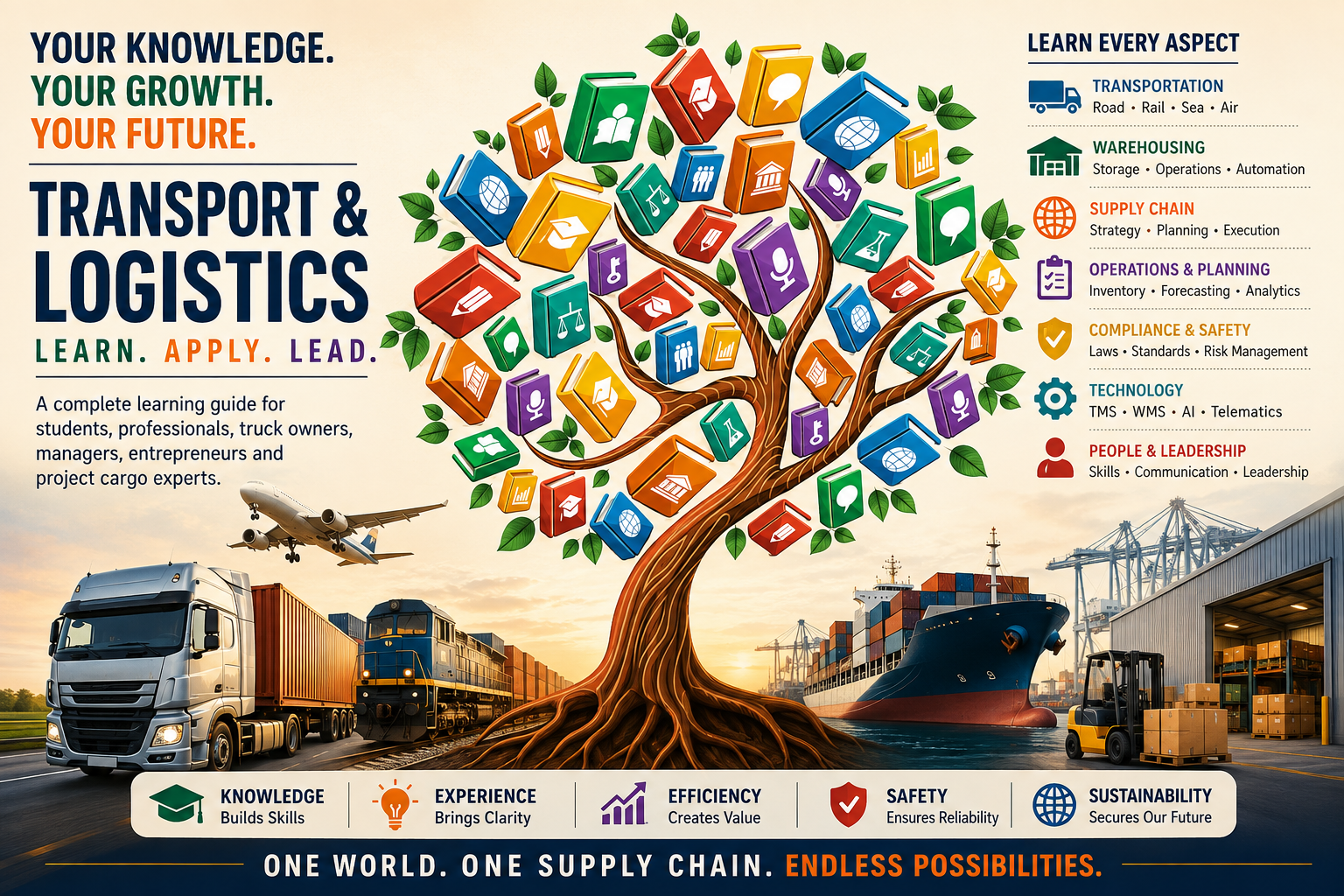

Transport in India plays in vital role in growth and development of Indian economy. The transport system has changed continuously since Independence. As the population is growing, the transport engineering system is also growing to meet the increasing population requirements. These problems were understood by some of the experts and they tried to show a way to these problems in their own terms by writing down books. Let us have a look at top 10 transport books.
Related :-
Warehouse and Small Temporary Storage Rental Services
Truck Rental Services
Crane Rental Services
Metro Rail Projects transport :-

The author of this book is M. Ramachandran a senior bureaucrat who was Secretary to the Government of India, in Ministry of Urban Development. Currently, he has been allotted work in an advisory capacity in the areas of infrastructure, urban affairs, and project planning.
This transport engineering book includes a full-length study of the metro rail system in India. In India the metro rail project has shown speedy growth as an alternative to mass transport in urban areas which are getting highly populated, having high vehicular traffic, and increased pollution. This book tells the story of metro rail as proposed and started in Kolkata, Mumbai, Delhi, Jaipur, Chennai, Bangalore, Hyderabad and Kochi . It focuses on the complexities of project planning, and Indian experience compared to global counterparts.
India and China at Sea transportation :-

The author of this book is a senior researcher at the National Security College Australian National University. China and India are two major powers as a part of long-term shifts in the regional balance of power. The books show China’s growing naval presence in the Indian Ocean which is seen as a challenge for India’s aspirations towards regional leadership and major power status. The notes in the books noted by strategic analysts across the world make it easy to understand Indian and Chinese perspectives about their roles in the Indian Ocean and their evolving naval strategies towards each other.
Related :-
Advantages of road transport :- Please Click
Disadvantages of road transport :- Please Click
Oversized Load Transportation Problems :- Please Click
Containerisation Multi modal transport :-

The author of this book is Dr K. V. Hariharan who is a well-known expert based in Mumbai. This book includes Logistics and Supply Chain Management with reference to Multi modal Transport engineering . It highlights the National Maritime Development Programme and efforts made to increase develop infrastructural facilities – road, national highways, railways, airports, inland waterways, seaport terminals.
Reforming Urban Transport :-

Dr M. Ramachandran is the author of this book who is also a former secretary to the Government of India. This book focuses on various issues our cities and towns are facing in the area of urban transport. It showcases the efforts made at and being made both at the policy level as well as at the field level to address the problems. The increasing complexities of challenges in the area of urban transport and initiatives taken to handle the problems on the ground also hold a place in the book.
Productivity and Efficiency in State transport engineering book Undertakings in India :-

The author of this book is Sanjay Singh. Since Independence bus industry has been working as a mixed pattern of public and private sector ownership. Publicly owned State Transport engineering Undertakings dominates the industry. Even though they play an important role STUs have not been able to keep pace with the very rapid and substantial increases in demand of the past few years. They have not been able to maintain their service levels and their market share has reduced as a passenger have now moved to personalised transport.
Recommended :-
Transport Department :- Please Click
History of Transportation :- Please Click
Importance of transport system :- Please Click
Tracks of Change Railways and Everyday Life in Colonial India :-
The author of this book is Ritika Prasad. These books focus on how the railway became increasingly important in the lives of a large number of Indians during the mid-nineteenth century onwards . While allowing millions of people to experience the discomfort of third-class travel, the public opportunities for proximity and contact created by railways together forced colonial society to face a question of exclusion. Passengers were not only the one who was affected by the transformations that railways shaped.

Shipping Industry in India Colonialism to Globalisation A Spatio-Temporal Analysis :-

The author of this book is Sadanand Gupta. The main content of this book is how the seaport plays an important role in the economy of the country. Seaports play a complex role in physical, spatial and socio-economic phenomena and are an important centre where the different kinds of interactions and dependencies in the national economy are worked out. the book represents the concepts and theoretical frameworks relevant to the historical and spatial analysis of the seaports, port systems and sea port cities. A detailed outline of the evolution of the Indian seaport system from the colonial period to the present day has been focused in this book.
Transportation Sector in India Problems Prospects and Opportunities for Development :-

The manner in which Transport engineering in India has been developed and is being maintained is widely criticized. This edition represents a collection of eight papers which gives you note on various dimensions of the transport engineering sector in India and EU which also includes Eco-friendly systems of travel, private sector participation in railways and more. The authors have summarised ways how improvements can be achieved in rail, road, and waterways sector and propose measures for building advanced mobility systems which can be more environment-friendly and sustainable.
Urban Transport In India Crisis and Cure :-

The author of this book is Dilip Halder and the book was published by Bookwell publications. Transport engineering in India has been increasing gradually and problems related to it are also increasing. Mainly Urban transport engineering problem has assumed crisis proportion in all the metropolitan cities in India with the difference in degree due to the supply and demand gap of transport services.
Related :-
Trucks Truckers and Trucking
Goods Transportation Problems
Logistics Overview
Logistics Park
Laws of Carriage of Goods by Sea and Multi modal transport :-
Author of this book Dr K.V Hariharan is a well-known shipping expert based in Mumbai. This book has two parts. Part I has Introduction and reviews of the acts. Part II includes Indian carriage of goods by sea act 1925, as amended by the Multi modal Transportation engineering of Goods Act, 1993. United Nations convention of carriage of goods by sea, 1978 are also included.

Transport management engineering books pdf Coming soon …..
Please click & See Our Endless Journey – Please Click
Public Frequently Asked Questions FAQ :-


📚 PART 1 — Best Transport & Logistics Books in India and Worldwide: Complete Learning Guide
Transport and logistics are much more than moving goods from one place to another. Behind every truck on a highway, container at a port, parcel at a doorstep, aircraft carrying cargo or warehouse serving a factory is a complex network of people, infrastructure, technology, finance and planning.
Modern logistics connects:
🚛 Road freight
🚆 Rail freight
⚓ Shipping and ports
✈️ Air cargo
📦 Warehousing
🏭 Manufacturing
🚢 Container transportation
🌐 International trade
🛒 Retail and e-commerce
🏗️ Project cargo and heavy haulage
🔗 Supply chain management
🤖 Automation and artificial intelligence
For students, truck owners, fleet operators, freight brokers, logistics managers, exporters, importers, warehouse professionals, entrepreneurs and supply-chain leaders, learning therefore cannot stop with one logistics textbook.
A serious logistics learner should understand transport economics, freight operations, inventory, warehousing, supply chains, shipping, customs, technology, infrastructure, safety, regulations and real-world industry practices.
This guide brings those learning resources together.
🎯 Who Should Read This Transport & Logistics Learning Guide?
This resource is designed for:
🎓 Logistics and supply-chain students
🚛 Truck owners and fleet operators
👨✈️ Transport managers
📦 Warehouse professionals
🏭 Manufacturers
⚓ Shipping professionals
✈️ Air-cargo professionals
🌐 Exporters and importers
🏗️ Project-cargo specialists
🚚 Freight brokers and transport agents
📊 Supply-chain analysts
🛒 E-commerce professionals
💻 Logistics-tech entrepreneurs
👨💼 Business owners
🔧 Fleet-maintenance professionals
🛣️ Road-transport professionals
Even travellers interested in understanding how roads, ports, railways and industrial corridors shape economies can find useful resources here.
📚 What Should a Logistics Professional Study?
A well-rounded logistics education can be divided into several interconnected areas.
| Learning Area | What You Learn | Useful For |
|---|---|---|
| 🚛 Transportation | Freight movement and modal selection | Transport managers |
| 🔗 Supply Chain | End-to-end flow of goods | Managers, students |
| 📦 Warehousing | Storage and fulfilment | Warehouse professionals |
| 📊 Inventory | Stock optimisation | Retail/manufacturing |
| ⚓ Maritime | Ships, ports and containers | EXIM professionals |
| ✈️ Air Cargo | Time-sensitive freight | Air logistics |
| 🚆 Rail Freight | Bulk and intermodal movement | Industrial logistics |
| 🏗️ Project Cargo | Heavy/oversized loads | EPC, ODC professionals |
| 🌐 International Trade | Import/export operations | EXIM businesses |
| 🧾 Customs | Border compliance | Importers/exporters |
| 💰 Transport Economics | Freight costs and markets | Business owners |
| 🛣️ Infrastructure | Roads and transport networks | Planners |
| 🤖 Logistics Technology | AI, IoT, automation | Modern logistics |
| 🌱 Green Logistics | Sustainability | Future supply chains |
| 📈 Analytics | Data-driven decisions | Analysts/managers |
🏆 30 Essential Transport, Logistics & Supply Chain Books
Instead of treating every book as equally useful, start according to your role.
| Book | Author(s) | Main Subject | Best For |
|---|---|---|---|
| 📘 Supply Chain Management: Strategy, Planning, and Operation | Sunil Chopra | Supply-chain strategy | Students & managers |
| 📗 Designing and Managing the Supply Chain | Simchi-Levi, Kaminsky & Simchi-Levi | Supply-chain design | Advanced learners |
| 📙 Logistics & Supply Chain Management | Martin Christopher | Logistics strategy | Managers |
| 📕 Business Logistics/Supply Chain Management | Ronald H. Ballou | Logistics fundamentals | Students |
| 📘 The Handbook of Logistics and Distribution Management | Alan Rushton, Phil Croucher & Peter Baker | Logistics operations | Professionals |
| 📗 The Goal | Eliyahu M. Goldratt & Jeff Cox | Constraints/operations | Managers |
| 📙 Factory Physics | Wallace J. Hopp & Mark L. Spearman | Manufacturing systems | Engineers |
| 📕 Toyota Production System | Taiichi Ohno | Lean production | Manufacturing |
| 📘 The Machine That Changed the World | Womack, Jones & Roos | Lean manufacturing | Industry leaders |
| 📗 Lean Thinking | Womack & Jones | Waste reduction | Operations |
| 📙 The Box | Marc Levinson | Containerisation | Shipping/logistics |
| 📕 The Geography of Transport Systems | Jean-Paul Rodrigue | Transport geography | Students/planners |
| 📘 Transportation: A Supply Chain Perspective | Coyle et al. | Transportation management | Logistics students |
| 📗 Maritime Economics | Martin Stopford | Shipping economics | Maritime professionals |
| 📙 Port Economics, Management and Policy | Theo Notteboom, Athanasios Pallis & Jean-Paul Rodrigue | Ports | Port professionals |
| 📕 Warehouse Management | Gwynne Richards | Warehousing | Warehouse managers |
| 📘 Global Logistics | Donald Waters & Stephen Rinsler | International logistics | Global professionals |
| 📗 Operations Management | Nigel Slack, Alistair Brandon-Jones & Nicola Burgess | Operations | Students/managers |
| 📙 Introduction to Operations Research | Hillier & Lieberman | Optimisation | Analysts |
| 📕 Inventory Management and Production Planning and Scheduling | Silver, Pyke & Peterson | Inventory | Advanced learners |
| 📘 Matching Supply with Demand | Cachon & Terwiesch | Operations | MBA/students |
| 📗 The Resilient Enterprise | Yossi Sheffi | Supply-chain resilience | Leaders |
| 📙 The Power of Resilience | Yossi Sheffi | Disruption management | Executives |
| 📕 The New (Ab)Normal | Yossi Sheffi | Post-disruption supply chains | Leaders |
| 📘 Arriving Today | Christopher Mims | Modern delivery networks | General readers |
| 📗 Ninety Percent of Everything | Rose George | Shipping | General readers |
| 📙 The Travels of a T-Shirt in the Global Economy | Pietra Rivoli | Global trade | Students |
| 📕 The Wal-Mart Effect | Charles Fishman | Retail supply chains | Business readers |
| 📘 The Everything Store | Brad Stone | E-commerce operations context | Entrepreneurs |
| 📗 Ports in a Storm | Renee Haltom, Thomas Hoenig & others/context dependent editions | Supply-chain/port context | Supplementary reading |
Note: Book editions, authorship details and availability can change. For academic use, always check the current publisher catalogue or library record before purchasing or citing an edition.
🥇 Best Book for Learning Supply Chain Management
📘 Supply Chain Management: Strategy, Planning, and Operation — Sunil Chopra
This is one of the strongest starting points for students who want to understand supply-chain management systematically.
Important concepts include:
network design
supply and demand
inventory
transportation
sourcing
coordination
information
pricing
supply-chain drivers
The biggest advantage is that supply chain is treated as an integrated system rather than a collection of unrelated departments.
A transporter may think mainly about vehicles.
A warehouse manager may think about storage.
A manufacturer may think about production.
A supply-chain manager must understand how all three interact.
Best For
🎓 MBA students
🎓 Logistics students
👨💼 Supply-chain managers
🏭 Manufacturing professionals
📊 Analysts
🌍 Best Book for Logistics Strategy
📙 Logistics & Supply Chain Management — Martin Christopher
Martin Christopher’s work is especially useful for understanding logistics as a source of competitive advantage.
A business does not compete only through product quality.
It may also compete through:
delivery speed
availability
service reliability
inventory efficiency
responsiveness
supply-chain flexibility
For senior logistics professionals, this strategic perspective is important because logistics should not be viewed merely as a cost centre.
🚛 Best Book for Transportation Management
📘 Transportation: A Supply Chain Perspective — Coyle and Co-authors
Transportation decisions affect:
freight cost
inventory
delivery reliability
customer service
warehouse location
modal choice
A good transportation-management text helps learners compare:
road
rail
air
water
pipeline
intermodal transportation
This is particularly useful for students who understand general supply chains but need deeper transportation knowledge.
🌐 Best Free Transport Geography Learning Resource
The Geography of Transport Systems
Jean-Paul Rodrigue’s The Geography of Transport Systems is particularly valuable because its associated online resource provides extensive educational material covering transportation networks, freight, ports, terminals, globalisation, urban mobility and supply chains.
The Geography of Transport Systems
For transport professionals, geography matters because freight is always constrained by physical space.
A route is influenced by:
distance
terrain
cities
industrial clusters
ports
borders
terminals
infrastructure
This becomes especially important in road-route surveys and project-cargo planning.
📦 Best Book for Warehouse Management
📕 Warehouse Management — Gwynne Richards
Warehousing has changed dramatically.
The modern warehouse can involve:
WMS software
barcode scanning
RFID
automation
robotics
picking systems
cross-docking
returns
e-commerce fulfilment
Warehouse professionals need to understand both physical operations and technology.
A warehouse is not simply a building where products wait.
It is an active node in the supply chain.
⚓ One of the Most Important Books About Containerisation
📙 The Box — Marc Levinson
Few technologies transformed global trade as dramatically as the shipping container.
Before standardised containers, cargo handling could be:
slow
labour-intensive
expensive
damage-prone
Containerisation helped integrate:
ships
ports
trucks
railways
warehouses
into much more efficient intermodal systems.
The Box explains this transformation in a highly readable way.
It is especially useful for people who want to understand why modern global logistics looks the way it does today.
🚢 Best Advanced Book for Shipping Economics
📗 Maritime Economics — Martin Stopford
Shipping is not simply about ships.
Maritime economics involves:
freight markets
ship cycles
ports
ship finance
fleet economics
cargo demand
international trade
For professionals working around:
shipping lines
ports
freight forwarding
chartering
bulk cargo
container logistics
this is a major advanced reference.
⚓ Best Resource for Understanding Ports
📕 Port Economics, Management and Policy
Ports are complex economic systems connecting:
ships
trucks
railways
warehouses
customs
terminals
industrial clusters
Modern ports also influence regional economic development.
The open-access online version of Port Economics, Management and Policy provides a particularly useful structured learning resource.
Port Economics, Management and Policy
🏭 Best Books for Manufacturing Logistics
Transport professionals serving factories should understand manufacturing.
Three useful starting points are:
📕 The Goal
Introduces the Theory of Constraints through a business narrative.
📘 Factory Physics
Provides a more technical understanding of manufacturing behaviour.
📗 Toyota Production System
Explains principles associated with Toyota’s production philosophy.
Together they help explain why:
late trucks
excess inventory
production bottlenecks
poor scheduling
can have consequences far beyond the transport department.
🔄 Why The Goal Is Useful for Logistics Professionals
Imagine a warehouse full of inventory.
At first glance, that may appear safe.
But excess inventory can hide:
production imbalance
forecasting errors
slow-moving goods
capital blockage
process problems
The Goal encourages readers to identify constraints rather than optimise every department independently.
This idea applies directly to logistics.
A company can have:
excellent trucks
excellent warehouses
excellent software
and still have a poor supply chain if one critical bottleneck controls the whole system.
🏭 Lean Manufacturing Books Every Logistics Manager Should Know
Two important books are:
Toyota Production System — Taiichi Ohno
and
Lean Thinking — James P. Womack & Daniel T. Jones
Lean thinking focuses heavily on eliminating waste.
In logistics, waste can appear as:
empty running
waiting
excess inventory
unnecessary handling
poor routing
repeated movement
damaged cargo
This makes lean principles relevant far beyond the factory floor.
🚛 What Should Truck Owners Read?
Truck owners do not necessarily need to begin with highly mathematical supply-chain textbooks.
Their learning priorities are different.
A truck-business owner should understand:
freight economics
vehicle costing
route profitability
fleet utilisation
driver management
maintenance
insurance
taxation
compliance
working capital
customer credit
digital freight platforms
fuel management
The best learning programme combines books with government regulations, vehicle-manufacturer documentation, industry publications and actual fleet data.
💰 The Most Important Equation for a Truck Owner
A transporter’s real question is not:
“How much freight did I receive?”
It is:
“What did the truck actually earn after all operating and ownership costs?”
A simple conceptual model is:
Freight Revenue
− Fuel
− Toll
− Driver Expense
− Maintenance
− Tyres
− Insurance
− Permits & Compliance
− Finance/EMI
− Brokerage/Commission
− Empty Return Cost
− Detention Loss
= Actual Operating Margin
This is why business and accounting education belongs in a transport-learning library.
🏗️ Learning Resources for ODC, Heavy Haulage & Project Cargo
ODC transportation requires knowledge beyond conventional trucking.
Professionals should study:
route surveying
bridge engineering basics
axle-load distribution
turning radius
ground pressure
hydraulic trailers
SPMT systems
lifting engineering
load securing
cargo stability
risk assessment
traffic management
utility clearances
There is no single book that can make someone a competent heavy-haul professional.
This field requires a combination of:
engineering references
equipment manuals
standards
case studies
route experience
supervised field training
For heavy transport, practical competence is essential.
⚖️ Load Securing Is a Serious Technical Subject
Improper cargo restraint can lead to:
cargo movement
vehicle instability
equipment damage
road accidents
injuries
Professionals involved in specialised cargo should therefore study recognised load-securing standards and equipment-manufacturer instructions applicable to their jurisdiction and operation.
Internet photographs should never replace engineering calculations or competent supervision for critical heavy cargo.
✈️ What Should Air Cargo Professionals Study?
Air cargo requires understanding of:
cargo acceptance
ULDs
dangerous goods
security
temperature control
documentation
customs
airport handling
time-critical logistics
The International Air Transport Association provides industry training and professional resources across cargo and dangerous-goods topics.
For regulated operations, always use the applicable current rules and official training rather than relying on an old textbook.
⚓ What Should Maritime Professionals Study?
Shipping professionals should learn:
Incoterms
bills of lading
containerisation
chartering
shipping economics
port operations
marine insurance
customs
freight forwarding
multimodal transport
They should also understand the role of the International Maritime Organization in international shipping regulation.
International Maritime Organization
🌐 What Should Exporters & Importers Study?
International logistics involves more than finding a freight forwarder.
Exporters and importers should understand:
Incoterms
customs procedures
tariffs
HS classification
shipping documentation
trade finance
insurance
container logistics
port charges
freight forwarding
compliance
The International Chamber of Commerce is the authoritative publisher of Incoterms rules.
Always check the current official rules when making contractual decisions.
📏 Why Logistics Professionals Should Study Standards
Professional logistics is governed not only by business practices but also by technical and management standards.
Standards may cover:
quality
safety
packaging
containers
dangerous goods
transport services
information systems
environmental management
Indian professionals should become familiar with the Bureau of Indian Standards.
International operations may also require familiarity with relevant ISO standards.
International Organization for Standardization
Standards should be treated as professional reference material rather than casual reading.
🇮🇳 Essential Government Learning Resources for Indian Logistics
Books explain principles.
Government sources explain the environment in which Indian logistics actually operates.
Professionals should regularly study resources from relevant government bodies dealing with:
roads
highways
railways
ports
customs
taxation
commerce
industry
infrastructure
The Ministry of Commerce and Industry’s logistics initiatives are particularly relevant to understanding India’s wider logistics policy direction.
Department for Promotion of Industry and Internal Trade
🌍 World Bank Logistics Performance Index
Anyone studying national logistics competitiveness should understand the Logistics Performance Index.
The World Bank’s LPI compares countries across logistics-related dimensions and provides a useful framework for discussing:
customs
infrastructure
international shipments
logistics competence
tracking and tracing
timeliness
World Bank Logistics Performance Index
The LPI should be used as an analytical tool rather than treated as the only measure of a country’s logistics capability.
🎓 Books Alone Are Not Enough
A modern logistics professional should build a learning ecosystem.
That ecosystem can include:
📚 Books
📖 Academic journals
📰 Industry magazines
🏛️ Government reports
📏 Standards
📊 Industry datasets
🎬 Documentaries
🎥 Films
📺 TV programmes and web series
🎧 Podcasts
🎤 Conferences
🏢 Industry associations
🗂️ Directories
💻 Online courses
🎓 Certifications
🏛️ Museums
🗄️ Archives
🏭 Factory visits
⚓ Port visits
📦 Warehouse visits
🚛 Field experience
Each teaches something different.
A textbook can explain inventory theory.
A warehouse visit can show why that theory becomes difficult.
A government report can explain infrastructure policy.
A truck journey can show how infrastructure performs in reality.
A documentary can reveal the human side of global supply chains.
The strongest logistics education combines all of them.
🧠 Recommended Learning Path for Beginners
If you are completely new to logistics, follow this sequence:
Step 1 — Understand supply chains
Start with a general supply-chain textbook.
↓
Step 2 — Understand transportation
Study road, rail, air, sea and multimodal transport.
↓
Step 3 — Learn warehousing and inventory
Understand what happens before and after transportation.
↓
Step 4 — Study manufacturing
Learn why factories require particular logistics services.
↓
Step 5 — Learn international trade
Study ports, containers, customs and Incoterms.
↓
Step 6 — Learn technology
Study WMS, TMS, GPS, IoT, automation and analytics.
↓
Step 7 — Choose a specialisation
Examples:
🚛 Road freight
⚓ Maritime logistics
✈️ Air cargo
📦 Warehousing
🏗️ Project cargo
🌐 EXIM
📊 Supply-chain analytics
↓
Step 8 — Get field experience
No serious logistics education is complete without observing real operations.
👨💼 Recommended Learning Path for Working Professionals
Working professionals should study problems they actually encounter.
For example:
Transport Manager
Transportation → fleet economics → routing → driver management → TMS → analytics.
Warehouse Manager
Warehouse operations → inventory → WMS → automation → safety.
Export Manager
Trade → Incoterms → customs → shipping → documentation → trade finance.
Project Cargo Professional
Engineering basics → route survey → trailers → load distribution → lifting → safety → project management.
Supply-Chain Manager
Strategy → forecasting → inventory → procurement → manufacturing → logistics → analytics → resilience.
🚛 Recommended Learning Path for Truck Owners
Truck owners can focus on:
- Vehicle costing
- Freight-rate calculation
- Fuel management
- Driver management
- Preventive maintenance
- Tyre management
- Route planning
- Working capital
- Insurance
- Compliance
- Customer credit control
- Digital freight technology
A trucker’s education should ultimately improve one measurable outcome:
safe, compliant and profitable vehicle utilisation.
📚 Build Your Own Transport & Logistics Library
Do not buy 100 books immediately.
Build your library in layers.
Level 1 — Foundation
Supply chain
transportation
warehousing
operations
Level 2 — Professional
inventory
procurement
analytics
manufacturing
Level 3 — Specialisation
shipping
air cargo
project cargo
fleet management
EXIM
Level 4 — Leadership
strategy
resilience
technology
sustainability
economics
A book is valuable when you can connect its ideas to a real logistics problem.
🌟 The Most Important Lesson
The transport and logistics industry changes continuously.
Vehicles change.
Warehouses automate.
Ports become more sophisticated.
E-commerce changes delivery expectations.
Artificial intelligence improves forecasting and routing.
Alternative fuels change fleet planning.
But several fundamentals remain constant:
The right product must reach the right place, in the right condition, at the right time, through a safe and economically sustainable supply chain.
Understanding those fundamentals is the purpose of serious logistics education.
➡️ PART 2 — Best Transport & Logistics Books Category-Wise
The next section will continue directly with detailed categories covering Indian road transport and trucking books, global supply-chain books, warehousing, inventory, shipping, ports, rail freight, air cargo, highway engineering, fleet management, project cargo, EXIM, customs, transport economics, green logistics, AI and Logistics 4.0, followed later by documentaries, movies, web series, magazines, journals, government reports, research papers, standards, directories, associations, trade fairs, podcasts, courses, certifications, museums and archives.
📚 PART 2 — Best Transport & Logistics Books Category-Wise
A strong transport and logistics library should not be built around one generic “supply chain” shelf. Different roles need different kinds of knowledge.
A fleet operator needs cost control, maintenance and route economics. A warehouse manager needs inventory, layout and fulfilment knowledge. A port professional needs shipping, terminal and container expertise. A project-cargo specialist needs route engineering, load distribution, lifting, risk and compliance understanding.
This section groups the most useful books and references by subject so readers can choose according to their career or business role.
🚛 Best Road Transport & Trucking Books
Road freight professionals should understand far more than driving or dispatching vehicles. Important subjects include transport economics, vehicle costing, fleet utilisation, driver management, routing, maintenance, compliance and freight markets.
| Book / Resource | Main Focus | Best For |
|---|---|---|
| Transportation: A Supply Chain Perspective | Modal and freight management | Transport managers |
| The Geography of Transport Systems | Transport networks and corridors | Route planners |
| Business Logistics/Supply Chain Management | Freight and logistics fundamentals | Students |
| The Handbook of Logistics and Distribution Management | Distribution and transport operations | Professionals |
| Vehicle OEM manuals | Vehicle operation and maintenance | Fleet owners |
| Government transport regulations | Compliance and permits | Transport companies |
| NHAI / highway references | Road infrastructure | Route planners |
| Fleet-management case studies | Utilisation and cost control | Fleet managers |
For Indian trucking businesses, practical learning should also include real operating data from their own vehicles: fuel consumption, empty kilometres, detention hours, tyre cost, maintenance cost and revenue per trip.
💰 Best Books for Freight Costing & Transport Economics
A profitable transport business depends on knowing the real cost of movement.
Useful subjects include:
fuel economics, tolls, depreciation, vehicle finance, labour, maintenance, demand cycles, empty running, freight pricing and capacity utilisation.
Good starting references include transport-economics textbooks, logistics-management books and fleet-costing literature.
The most important concept is not gross freight.
It is contribution after all trip and ownership costs.
🚚 Best Fleet Management Learning Resources
Fleet management combines operations, finance and engineering.
Professionals should study:
preventive maintenance, tyre life, fuel theft control, telematics, driver productivity, accident management, replacement cycles and utilisation.
A useful learning stack includes:
OEM maintenance manuals, telematics reports, transport-management textbooks, safety manuals and internal fleet KPIs.
No generic book can replace the maintenance schedule of the actual truck model being operated.
🛞 Best Vehicle Maintenance Resources
For fleet operators, manufacturer documentation is often more valuable than general automotive books.
Study:
engine maintenance, transmission, brakes, suspension, tyres, electrical systems, emissions systems and preventive inspection.
For critical repairs, use approved workshops and qualified technicians rather than relying on informal internet advice.
🏗️ Best ODC, Heavy Haulage & Project Cargo Resources
Project cargo is one of the most specialised areas of logistics.
Important subjects include:
axle-load distribution
centre of gravity
bridge capacity
road-route survey
turning radius
ground bearing pressure
hydraulic trailers
SPMTs
lifting plans
load securing
escort planning
permit management
risk assessment
Recommended learning sources include:
equipment-manufacturer manuals
heavy-transport engineering references
load-securing standards
lifting standards
project-management literature
case studies from specialist heavy-haul companies
This field must be learned through a combination of technical study and supervised field experience.
⚙️ Best Trailer & SPMT Learning Resources
Professionals working with modular trailers and SPMTs should study manufacturer documentation from established equipment suppliers.
Important concepts include:
axle-line capacity
hydraulic suspension
steering geometry
load distribution
power-pack operation
slope limits
ground pressure
configuration planning
Never treat SPMT capacity as a simple “tonnage per axle” calculation without engineering review.
🏗️ Best Crane & Lifting Books
Heavy lifting requires understanding of:
load charts
radius
boom configuration
ground conditions
rigging
sling angles
wind limits
lifting points
communication systems
Useful resources include crane-manufacturer manuals, recognised rigging handbooks and applicable safety standards.
For real lifts, calculations should be prepared and reviewed by competent professionals.
📦 Best Warehouse Management Books
Warehousing is one of the most important logistics specialisations.
Warehouse Management — Gwynne Richards
A strong professional reference covering modern warehouse operations.
Key subjects include:
layout
receiving
put-away
storage
picking
packing
dispatch
automation
technology
performance measurement
It is especially useful for warehouse managers and students who want practical operational understanding.
📊 Best Inventory Management Books
Inventory decisions directly affect cash flow and customer service.
Important references include advanced inventory-management texts such as:
Inventory Management and Production Planning and Scheduling by Silver, Pyke and Peterson.
Core subjects include:
safety stock
reorder points
forecasting
service levels
economic order quantities
inventory classification
uncertainty
Inventory should be understood as a financial asset as well as an operational buffer.
🔗 Best Supply Chain Management Books
Supply Chain Management: Strategy, Planning, and Operation — Sunil Chopra
Strong all-round foundation.
Designing and Managing the Supply Chain — Simchi-Levi, Kaminsky and Simchi-Levi
Useful for more analytical and strategic learners.
Logistics & Supply Chain Management — Martin Christopher
Strong strategic perspective.
The Resilient Enterprise — Yossi Sheffi
Useful for understanding disruption and resilience.
The Power of Resilience — Yossi Sheffi
Focuses on preparing organisations for major supply-chain shocks.
Together, these books provide strategy, design, operations and resilience perspectives.
🏭 Best Operations Management Books
Logistics professionals benefit greatly from operations-management knowledge.
Useful books include:
Operations Management — Nigel Slack and co-authors
The Goal — Eliyahu Goldratt and Jeff Cox
Factory Physics — Hopp and Spearman
Lean Thinking — Womack and Jones
These books help readers understand bottlenecks, flow, waste, capacity and variability.
🏭 Best Lean & Manufacturing Books
Toyota Production System — Taiichi Ohno
A foundational work on lean production principles.
The Machine That Changed the World
Explains the rise of lean production and Toyota’s manufacturing system.
Lean Thinking
Extends lean principles beyond the factory floor.
These concepts are directly relevant to logistics because waiting, unnecessary movement, excess inventory and poor flow are all forms of waste.
⚓ Best Shipping & Maritime Logistics Books
Maritime Economics — Martin Stopford
One of the strongest advanced references for shipping.
Subjects include:
shipping markets
fleet economics
ship finance
cargo demand
cycles
freight rates
The Box — Marc Levinson
Excellent for understanding how containerisation transformed world trade.
Ninety Percent of Everything — Rose George
A readable look at the global shipping system and the people who operate it.
These books complement each other well: one technical, one historical and one documentary-style.
⚓ Best Port Management Resources
Port Economics, Management and Policy
A strong open-access reference for:
port systems
terminal operations
port governance
competition
hinterlands
logistics corridors
Ports should be understood as networks linking sea transport with inland road and rail systems.
🚢 Best Container Logistics Books
Container logistics involves:
container standards
terminal operations
intermodal transport
empty-container repositioning
shipping lines
ports
CFS and ICD systems
The Box is an excellent historical starting point, while port and maritime texts provide deeper operational understanding.
Professionals should also study current ISO container standards and carrier operating rules.
✈️ Best Air Cargo Learning Resources
Air cargo learners should study:
IATA cargo manuals and training
air-freight operations books
dangerous-goods regulations
ULD handling
airport logistics
temperature-controlled cargo
IATA remains one of the most important professional sources for the sector.
🚆 Best Railway & Rail Freight Books
Rail logistics study should cover:
rail economics
terminal design
wagon systems
intermodal transport
bulk cargo
rail capacity
freight corridors
Indian professionals should also study official Indian Railways and Dedicated Freight Corridor information.
Rail freight becomes especially important for:
coal
steel
cement
containers
minerals
long-haul bulk cargo
🛣️ Best Highway & Transportation Engineering Books
For road-route survey, infrastructure and transport planning, standard transportation-engineering textbooks can help readers understand:
road geometry
traffic engineering
pavement
junctions
sight distance
bridges
vehicle characteristics
highway design
These books are particularly useful for engineers and route-survey professionals.
🌍 Best Transport Geography Books
The Geography of Transport Systems — Jean-Paul Rodrigue
This is one of the most useful books for understanding why logistics networks develop where they do.
It explains:
transport corridors
ports
terminals
globalisation
freight flows
urban transport
supply chains
For road-route planners, transport geography helps connect infrastructure with economics.
🌐 Best International Trade & EXIM Books
Export-import professionals should understand:
Incoterms
customs
trade documentation
letters of credit
marine insurance
shipping documents
tariffs
HS codes
Useful resources include international-trade textbooks, ICC material and government customs documentation.
The current official version of Incoterms should always be used for contractual decisions.
🧾 Best Customs & Compliance Resources
Customs information changes frequently.
For India, current official resources are more important than old textbooks.
Professionals should regularly study:
CBIC
ICEGATE
DGFT
Ministry of Commerce
Books are useful for principles, but live government systems should be used for current rules.
🧪 Best Dangerous Goods Resources
Dangerous-goods logistics is highly regulated.
Different modes use different frameworks.
Examples include:
IATA Dangerous Goods Regulations for air
IMDG Code for maritime transport
applicable road and rail rules
This subject should be learned through current official training and regulations, not casual secondary summaries.
🌱 Best Green Logistics & Sustainability Books
Green logistics is becoming increasingly important because transportation and warehousing consume large amounts of energy.
Key topics include:
fuel efficiency
route optimisation
EV fleets
alternative fuels
modal shift
warehouse energy
carbon accounting
packaging
reverse logistics
Useful reading includes sustainability textbooks, corporate logistics case studies and standards such as ISO environmental-management frameworks.
⚡ Best EV & Alternative-Fuel Logistics Resources
Fleet operators evaluating EV, LNG, CNG, hydrogen or other technologies should study:
vehicle range
payload effect
charging or refuelling network
total cost of ownership
battery degradation
residual value
maintenance
route suitability
Manufacturer data and real-world fleet trials should be used alongside books.
🤖 Best AI, Automation & Logistics 4.0 Resources
Modern logistics technology includes:
artificial intelligence
machine learning
IoT
robotics
digital twins
autonomous vehicles
predictive maintenance
route optimisation
computer vision
Professionals should combine logistics knowledge with technology learning.
A software tool is useful only when it solves a real operational problem.
📊 Best Logistics Analytics Books
Analytics professionals should study:
statistics
forecasting
optimisation
simulation
operations research
network design
Introduction to Operations Research — Hillier & Lieberman
A strong foundation for analytical decision-making.
Common logistics applications include:
vehicle routing
warehouse location
inventory optimisation
transport scheduling
capacity allocation
📈 Best Forecasting Books
Forecasting is essential for:
inventory
fleet planning
warehouse capacity
labour scheduling
Good forecasting resources teach:
time-series analysis
seasonality
trend
forecast error
demand variability
Forecasts should always be treated as estimates rather than certainty.
🌪️ Best Supply Chain Risk & Resilience Books
The Resilient Enterprise
The Power of Resilience
These books are especially useful for understanding:
natural disasters
supplier failures
port congestion
political disruption
pandemics
transport strikes
The core lesson is that resilience requires preparation before disruption occurs.
🛒 Best Retail & E-Commerce Logistics Books
Modern retail logistics involves:
distribution centres
fulfilment
last mile
returns
inventory placement
customer expectations
Useful broader books include:
The Wal-Mart Effect
Arriving Today
The Everything Store
They are not pure logistics textbooks, but they help explain how retail scale and e-commerce reshape distribution networks.
📦 Best Last-Mile Delivery Books & Resources
Last-mile learning should include:
route planning
delivery density
customer time windows
urban congestion
micro-fulfilment
returns
gig work
Because this field changes quickly, current industry reports and case studies are often as valuable as books.
🔄 Best Reverse Logistics Resources
Reverse logistics covers:
product returns
repair
recycling
remanufacturing
waste recovery
It has become increasingly important because of e-commerce and sustainability requirements.
Supply-chain textbooks often introduce the subject, while specialised research provides deeper knowledge.
🛡️ Best Supply Chain Security Resources
Security learning can include:
cargo theft
tampering
cybersecurity
warehouse security
driver security
route risk
port security
Professionals should combine physical-security and digital-security education.
📋 Best Procurement & Sourcing Books
Procurement affects logistics because supplier decisions influence:
distance
lead time
inventory
risk
transport cost
Supply-chain managers should learn:
supplier selection
contracting
negotiation
total cost
supplier risk
Procurement should not be evaluated only by purchase price.
💼 Best Project Management Books for Logistics
Large logistics projects benefit from project-management knowledge.
Useful concepts include:
scope
schedule
cost
risk
stakeholders
quality
change management
This is especially relevant for:
plant relocation
warehouse construction
project cargo
new transport networks
🧮 Best Finance Books for Transport Entrepreneurs
Transport operators should understand:
cash flow
working capital
debt
depreciation
profit and loss
taxation
return on investment
A truck can generate revenue and still destroy cash if financing, maintenance or credit collection is poorly managed.
Basic business-finance education is therefore essential.
🚛 Best Learning Resources for Freight Brokers
Freight brokers and commission agents should study:
transport costing
carrier verification
contracts
credit control
cargo insurance
documentation
route planning
negotiation
digital freight marketplaces
A broker’s value should come from coordination and market knowledge rather than simply adding commission.
🏢 Best Resources for Logistics Company Owners
Business owners need broader knowledge than operational employees.
Study:
strategy
finance
sales
risk
technology
compliance
human resources
customer service
insurance
The owner must understand how all parts of the logistics business interact.
🎓 Best Books for Logistics Students
A practical starter library is:
- Supply Chain Management: Strategy, Planning, and Operation
- Logistics & Supply Chain Management
- Transportation: A Supply Chain Perspective
- Warehouse Management
- The Geography of Transport Systems
- The Goal
- The Box
This provides a balanced foundation before specialisation.
👨💼 Best Books for Working Logistics Managers
Managers can prioritise:
Logistics & Supply Chain Management
The Handbook of Logistics and Distribution Management
Warehouse Management
The Resilient Enterprise
Lean Thinking
The exact mix depends on role.
🚛 Best Books for Truck & Fleet Owners
Truck owners should combine general books with:
OEM manuals
business-finance education
fleet data
transport regulations
insurance guidance
maintenance references
The most useful “book” for a fleet owner may ultimately be a well-maintained operating-cost spreadsheet based on actual vehicle data.
🏗️ Best Resources for Heavy Haul Professionals
Heavy-haul professionals should build knowledge from:
engineering references
manufacturer manuals
load-securing standards
lifting standards
road-route surveys
bridge data
case studies
field supervision
This is not a field that can safely be learned from one book.
🌟 Which Book Should You Read First?
If you are a:
Student: start with Sunil Chopra.
Logistics manager: start with Martin Christopher.
Warehouse professional: start with Gwynne Richards.
Shipping professional: start with Martin Stopford.
General reader interested in global freight: start with The Box.
Transport planner: start with The Geography of Transport Systems.
Operations manager: start with The Goal.
The right first book depends on the problem you want to understand.
➡️ PART 3 — Logistics Documentaries, Movies, Web Series & TV Shows
Next we will move beyond textbooks and build the media-learning section: the best documentaries about trucking, shipping, ports, warehouses, global trade, supply-chain crises, manufacturing and infrastructure; movies and series that indirectly teach transport and logistics; what each one teaches; who should watch it; and which titles are entertainment versus serious educational resources.
🎬 PART 3 — Best Logistics Documentaries, Movies, Web Series & TV Shows for Transport & Supply Chain Learning
Books explain systems in detail. Visual media helps learners see those systems operating in the real world.
A documentary can show what port congestion looks like. A trucking film can reveal the human side of long-haul transport. A manufacturing documentary can demonstrate how production delays affect logistics. A supply-chain series can show how fragile global networks become during shortages, strikes or disasters.
The best media learning therefore combines:
📚 books for theory
🎬 documentaries for reality
📺 series for case-based learning
🎧 interviews for professional insight
🏭 field visits for practical understanding
This section focuses on titles that can genuinely teach something about transport, logistics, shipping, supply chains, infrastructure, manufacturing or trade.
🎥 Why Movies & Documentaries Matter for Logistics Education
A textbook may explain:
port congestion
driver shortages
global sourcing
inventory
containerisation
But a documentary can show:
what a crowded terminal looks like
how truck drivers live
how long ships wait
how warehouse operations function
how a disruption spreads through the economy
This visual context improves understanding.
🎬 Best Logistics Documentaries — Quick Guide
| Title / Type | Main Topic | What You Can Learn | Best For |
|---|---|---|---|
| 🚢 Container/shipping documentaries | Maritime trade | Ports, vessels, containers | Shipping learners |
| 🚛 Trucking documentaries | Road freight | Driver life, route risks | Fleet/transport students |
| ⚓ Port documentaries | Terminal operations | Cranes, yards, customs | Port professionals |
| 🏭 Factory documentaries | Manufacturing | Production + logistics links | Operations students |
| 📦 Warehouse documentaries | Fulfilment | Picking, automation | Warehouse learners |
| 🌍 Global trade documentaries | Supply chains | Trade dependencies | General logistics |
| 🚆 Railway documentaries | Freight rail | Bulk transport, networks | Rail learners |
| ✈️ Air cargo documentaries | Aviation logistics | Time-critical freight | Air cargo students |
| 🏗️ Heavy transport films | Project cargo | Oversize movement | ODC professionals |
🚢 1. Documentaries About Global Shipping
Shipping is one of the best subjects for visual learning because the scale is difficult to understand from books alone.
A useful shipping documentary may show:
container terminals
ship loading
port cranes
crew operations
global trade routes
customs
cargo handling
For maritime learners, watch for the relationship between:
ship
terminal
container yard
truck
rail
That connection is the foundation of modern intermodal logistics.
📦 2. Documentaries About Containerisation
Containerisation transformed world trade.
A strong documentary on containers can help learners understand:
standardisation
port productivity
cargo security
intermodal transfer
global sourcing
Pair these documentaries with The Box by Marc Levinson for a much deeper understanding.
⚓ 3. Port Operations Documentaries
Port documentaries are valuable because most people never see what happens inside a working terminal.
Look for content showing:
quay cranes
yard cranes
container stacking
gate operations
vessel planning
truck movement
rail interfaces
customs inspection
These are especially useful for:
shipping students
freight forwarders
exporters
importers
logistics managers
🚛 4. Trucking Documentaries
Trucking documentaries reveal the human side of logistics.
Important themes include:
driver fatigue
road safety
parking
long working hours
family separation
vehicle maintenance
weather
delivery pressure
For transport managers, this creates a reminder:
the truck is an asset, but the driver is the human system operating it.
👨✈️ What Trucking Films Teach Managers
A transport manager can learn:
why unrealistic schedules fail
why rest matters
why safe parking is essential
why driver retention is difficult
why communication matters
Many logistics problems blamed on “drivers” are actually system-design problems.
🚛 5. Long-Haul Trucking Shows
Television series about long-haul transport can be entertaining, but they can also show:
weather risk
route difficulty
equipment limits
vehicle recovery
time pressure
Treat them as illustrative, not as formal training.
Entertainment programmes often dramatise events.
❄️ 6. Extreme-Weather Trucking Content
Shows or documentaries covering:
snow roads
mountain passes
desert transport
remote highways
are useful for understanding how geography affects operations.
For route planners, this reinforces a key concept:
distance alone does not determine route difficulty.
Terrain matters.
Weather matters.
Road geometry matters.
Infrastructure matters.
🏗️ 7. Heavy Haulage & Oversized Cargo Documentaries
Heavy-haul documentaries can be especially useful for project-cargo professionals.
Look for examples involving:
transformers
reactors
wind-turbine components
industrial modules
ships
bridges
heavy machinery
These movements often require:
special trailers
route surveys
utility removal
police coordination
bridge assessment
temporary road works
⚠️ Heavy-Haul Videos Are Not Engineering Training
A video may show a 500-ton load moving successfully.
It does not show every calculation behind the project.
Viewers should not copy:
trailer configuration
rigging
axle loading
route decisions
without engineering review.
Use documentary content to understand complexity, not to design operations.
🏭 8. Factory & Manufacturing Documentaries
Manufacturing documentaries can teach logistics indirectly.
Look for:
assembly lines
material feeding
inventory
quality control
packaging
dispatch
A factory does not begin or end with production.
It depends on inbound logistics before manufacturing and outbound logistics afterward.
🚗 Automotive Manufacturing Shows
Automobile factories are excellent logistics classrooms.
They demonstrate:
just-in-time delivery
parts sequencing
supplier coordination
assembly-line flow
quality control
vehicle dispatch
Students studying automotive logistics should watch how thousands of components converge at the correct time.
🏭 9. Mega Factory-Style Programmes
Factory programmes showing:
aircraft
automobiles
construction equipment
food
electronics
can help learners understand industrial flow.
Useful questions while watching:
Where do raw materials arrive?
How is inventory stored?
When does production trigger replenishment?
How are finished goods shipped?
That turns entertainment into structured learning.
📦 10. Warehouse & Fulfilment Documentaries
Warehouse videos can demonstrate:
receiving
put-away
racking
picking
sortation
packing
dispatch
Modern fulfilment centres may also include:
robots
conveyors
automated storage
computer vision
warehouse-management software
This is especially relevant for e-commerce logistics.
🛒 11. E-Commerce Supply Chain Documentaries
E-commerce has transformed customer expectations.
A good programme may show:
click-to-order systems
fulfilment centres
inventory placement
last-mile delivery
returns
The key lesson is speed.
Customers increasingly expect logistics to become almost invisible.
📦 12. Last-Mile Delivery Films
Last-mile documentaries can help explain why the final few kilometres are often among the most expensive parts of delivery.
Challenges include:
traffic
address errors
customer availability
parking
failed delivery
returns
Urban logistics is not simply a smaller version of highway trucking.
It is a different operational problem.
🚆 13. Railway Documentaries
Railway documentaries can be useful for understanding:
rail networks
freight yards
locomotives
wagon loading
bulk cargo
intermodal terminals
Rail is especially important for high-volume movement of:
coal
minerals
steel
cement
containers
🚆 Freight Rail vs Passenger Rail
Many railway documentaries focus on passenger trains.
For logistics education, search specifically for:
freight trains
container rail
bulk freight
freight corridors
The economics and operational priorities can be very different.
✈️ 14. Air Cargo Documentaries
Air cargo documentaries can show:
airport cargo terminals
ULD handling
security screening
aircraft loading
express parcels
pharmaceutical freight
This helps learners understand why air cargo is more expensive but valuable for:
urgent
high-value
time-sensitive
shipments.
💊 Pharmaceutical Cold Chain Programmes
Documentaries about pharmaceutical supply chains can teach:
temperature control
monitoring
packaging
risk
compliance
Cold-chain failures can destroy product value even when the transport journey appears successful.
🧊 15. Cold Chain Documentaries
Cold-chain media can cover:
food
dairy
seafood
vaccines
pharmaceuticals
Important learning points include:
pre-cooling
temperature monitoring
reefer vehicles
cold storage
last-mile control
Cold-chain logistics is a continuous system.
One weak link can compromise the entire shipment.
🌾 16. Agricultural Supply Chain Documentaries
Agricultural logistics is especially valuable for Indian learners.
A useful documentary may follow:
farmer
collection
mandi
processing
warehouse
transport
retail
This helps explain:
post-harvest losses
cold-chain needs
price variation
transport dependency
🥛 17. Dairy Supply Chain Films
Dairy documentaries can demonstrate:
milk collection
chilling
processing
quality testing
packaging
distribution
For Indian students, the cooperative dairy model is particularly important.
Anand and the Amul ecosystem provide a strong case study for rural supply chains.
🍎 18. Food Supply Chain Documentaries
Food documentaries often reveal logistics even when logistics is not the main subject.
Watch for:
seasonality
storage
refrigeration
transport
distribution centres
Food supply chains highlight the relationship between time and product quality.
🌍 19. Globalisation & Trade Documentaries
Globalisation documentaries can help learners understand:
outsourcing
international sourcing
trade routes
labour
shipping
consumer markets
These films often show why a simple consumer product may involve multiple countries before reaching a store.
👕 20. Fashion & Textile Supply Chain Documentaries
Fashion is one of the best examples of a globally dispersed supply chain.
A garment may involve:
cotton
spinning
weaving
dyeing
stitching
shipping
warehousing
retail
For Gujarat learners, this is especially relevant because of the state’s major textile industries.
👕 The True Cost
The True Cost is widely discussed as a documentary about the fashion industry’s environmental and labour impacts.
For logistics students, it can also raise questions about:
global sourcing
production geography
sustainability
consumer demand
It is not a logistics textbook, but it can expand supply-chain thinking.
📦 21. Consumer Goods Supply Chain Films
Films following products from factory to store help explain:
distribution
packaging
transport
inventory
retail replenishment
Try watching a product journey and drawing its supply chain afterward.
This is an excellent student exercise.
🚢 22. Maritime Life Documentaries
Films about merchant seafarers help viewers understand the people behind global shipping.
They can explore:
months at sea
crew welfare
port calls
safety
isolation
A container may appear automated from the outside, but shipping remains dependent on skilled people.
🚢 23. Shipping Safety & Disaster Documentaries
Maritime disaster documentaries can teach:
risk management
navigation
cargo stability
weather
human factors
The important learning goal should be understanding why failures occurred, not simply watching accidents.
🚧 24. Infrastructure Documentaries
Infrastructure programmes covering:
highways
bridges
tunnels
ports
airports
are extremely useful for transport professionals.
They explain how logistics depends on civil engineering.
A truck’s capability is irrelevant if:
the bridge cannot carry the load
the tunnel is too low
the turning radius is inadequate
🌉 Bridge Engineering Documentaries
For ODC route-survey professionals, bridge documentaries are particularly useful.
Observe:
bridge type
span
load path
foundation
maintenance
But bridge capacity must always be confirmed through engineering data, not visual inspection alone.
🛣️ Highway Construction Documentaries
Highway programmes can help explain:
earthwork
pavement
interchanges
drainage
traffic management
Transport professionals benefit from understanding how the roads they use are designed and maintained.
🏙️ 25. Urban Mobility Documentaries
Urban transport documentaries may cover:
metro systems
buses
traffic
cycling
pedestrian movement
Even freight professionals should study passenger mobility because goods vehicles share the same urban road space.
🚦 Congestion Documentaries
Traffic-congestion films can help learners understand:
peak demand
road capacity
bottlenecks
land use
Freight delivery performance can be heavily affected by urban congestion.
🛣️ 26. Road Safety Documentaries
Road safety films are essential learning resources for trucking professionals.
Important topics include:
speed
fatigue
seat belts
blind spots
vehicle maintenance
pedestrian safety
Safety training should never be treated as an optional HR exercise.
😴 Driver Fatigue Films
Fatigue can be as dangerous as poor vehicle maintenance.
Documentaries about driver fatigue help illustrate:
reaction-time reduction
microsleep
decision errors
Fleet schedules must allow drivers to rest.
🤖 27. Automation & Robotics Documentaries
Modern logistics increasingly uses:
warehouse robots
autonomous vehicles
AI routing
computer vision
Automation documentaries can help learners think about:
productivity
employment
capital investment
safety
The key question is not whether machines will replace humans entirely.
It is how human roles will change.
🚗 28. Autonomous Vehicle Documentaries
Self-driving truck content often receives large media attention.
Learners should distinguish:
prototype
pilot programme
commercial deployment
Technology adoption is usually slower and more complex than promotional videos suggest.
🌱 29. Sustainability & Green Logistics Documentaries
Environmental films can help logistics professionals understand:
fuel consumption
carbon emissions
packaging waste
shipping emissions
air pollution
These topics increasingly influence transport policy and fleet investment.
🔋 30. Electric Truck & EV Documentaries
EV documentaries can help learners explore:
battery technology
charging
range
infrastructure
For logistics, always ask:
What happens to payload?
How long does charging take?
Does the route have infrastructure?
What is the total cost of ownership?
🎥 Movies That Can Teach Transport & Logistics Indirectly
Movies should not be treated as formal training.
But certain films can illustrate logistics themes.
🚛 Convoy
Convoy centres on truck drivers and trucking culture.
Although fictional and entertainment-focused, it can lead to discussion about:
driver community
regulation
road culture
🚛 Smokey and the Bandit
This comedy-action film involves a time-sensitive trucking mission.
It is not educational logistics content, but it can be used to discuss:
delivery deadlines
driver risk
regulation
The entertainment context must be kept clear.
🚢 Captain Phillips
This film focuses on maritime piracy.
For logistics learners, it can introduce:
maritime security
crew safety
global shipping routes
Again, use it as a discussion starter, not as operational training.
🚆 Unstoppable
The film centres on a runaway freight train.
It can trigger discussions about:
rail safety
hazardous cargo
emergency response
The events are dramatised for cinema.
🚛 Sorcerer
This film involves dangerous road transportation under extreme conditions.
It is useful mainly as a dramatic illustration of:
route risk
hazardous cargo
It is not a model for real-world practice.
🚚 The Wages of Fear
Another classic film centred around hazardous transport.
It can provoke discussion about:
risk
vehicle condition
driver pressure
terrain
Safety standards in real operations should obviously be far stricter.
🚢 All Is Lost
Although not a logistics film, the story involves a collision with a shipping container.
It can lead to discussion about:
container loss at sea
maritime risk
📺 TV Shows & Series Relevant to Logistics
Certain reality and documentary series can help learners observe operations.
Look for programmes covering:
Ice Road trucking
heavy rescue
mega factories
airport operations
ports
railways
extreme engineering
Always distinguish edited television from formal professional instruction.
❄️ Ice Road Truckers
This reality series became well known for showing truck drivers operating in extreme cold.
It can illustrate:
weather risk
route planning
driver skill
equipment preparation
But reality television editing can exaggerate drama.
Use it for visual context.
🚛 Outback Truckers
This programme follows Australian truckers working over very long distances and challenging routes.
It can illustrate:
remote logistics
vehicle reliability
route planning
driver endurance
Useful for comparing geography with Indian freight corridors.
🏗️ Heavy Rescue: 401
This programme focuses on heavy vehicle recovery.
It can teach:
incident response
tow operations
road clearance
It also shows why commercial-vehicle accidents can create major logistics disruption.
🏭 Mega Factories / Ultimate Factories-Type Programmes
These programmes can be excellent introductions to manufacturing systems.
Use them to observe:
material flow
automation
production scheduling
quality
Then connect those operations to inbound and outbound logistics.
✈️ Airport Operations Series
Airport documentary shows can demonstrate:
baggage
passenger operations
security
aircraft turnaround
For air-cargo students, choose episodes or programmes specifically involving cargo terminals.
⚓ Port & Shipping Series
Programmes following:
container ships
mega ports
shipyards
are useful for visualising maritime infrastructure.
📺 Documentary Series About Engineering
Engineering series covering bridges, roads and mega infrastructure are valuable for:
transport engineers
project cargo professionals
route survey specialists
They help explain why logistics depends on engineering design.
🇮🇳 Indian Transport & Logistics Visual Resources
Indian learners should also search for high-quality programmes from:
Doordarshan archives
government ministries
public-sector organisations
Indian Railways
port authorities
documentary producers
Topics worth studying include:
Dedicated Freight Corridors
Indian highways
major ports
Delhi Metro
rail freight
industrial corridors
Official project films can sometimes provide better technical context than entertainment programmes.
▶️ YouTube as a Logistics Learning Platform
YouTube can be extremely valuable if sources are chosen carefully.
Good channels may include:
universities
government agencies
equipment manufacturers
professional associations
logistics companies
Avoid treating every popular channel as authoritative.
🔍 What to Search for on YouTube
Useful searches include:
“container terminal operations”
“warehouse automation”
“heavy haul transport”
“SPMT operation”
“truck fleet management”
“rail freight terminal”
“air cargo operations”
Then verify who produced the video.
⚠️ Dangerous YouTube Learning
Avoid copying:
lifting techniques
cargo securing
heavy-haul configurations
from unverified videos.
High-risk operations require professional training and engineering review.
🎓 How Students Should Use Documentaries
Do not just watch.
Take notes under four headings:
What Was Being Moved?
Which Transport Mode Was Used?
What Was the Biggest Constraint?
What Could Have Improved the Operation?
This converts passive viewing into learning.
👨💼 How Logistics Managers Should Watch Documentaries
Managers should ask:
Where did waiting occur?
What created risk?
Where did information fail?
What process could be redesigned?
The same documentary can teach very different lessons depending on the viewer’s role.
🚛 How Truck Owners Should Use Visual Learning
Focus on:
driver behaviour
fuel management
vehicle checks
route conditions
incident response
Then compare what you observe with your own fleet.
🏗️ How Project Cargo Professionals Should Watch Heavy-Haul Films
Pause and analyse:
axle lines
road width
turns
bridges
utilities
escort vehicles
Then ask:
What engineering preparation must have happened before this scene?
That is where the real learning begins.
🎬 Documentary vs Reality TV vs Movie
| Format | Educational Value | Main Limitation |
|---|---|---|
| Documentary | High | May simplify technical details |
| Industry film | High | Can be promotional |
| Reality TV | Medium | Drama/editing |
| Movie | Low–Medium | Fiction |
| Training video | Very High | Narrow subject |
| Manufacturer video | High | Brand-specific |
Use the right source for the right learning purpose.
🌟 Best Visual Learning Combination
For one subject, combine three formats.
Example:
Container Logistics
📚 Read The Box
🎬 Watch container-port documentaries
⚓ Study real port diagrams and data
That creates a far stronger understanding than any one resource alone.
❤️ Logistics Stories Make Invisible Systems Visible
Most consumers see a product only when it reaches a shop or their doorstep.
They do not see:
the ship
the port crane
the truck driver
the warehouse worker
the customs officer
the dispatcher
Documentaries and visual media reveal this hidden world.
That is why they deserve a place in serious logistics education.
The best logistics professional should understand not only how the system is supposed to work, but also what it looks like when real people operate it under real constraints.
➡️ PART 4 — Best Logistics Magazines, Journals, Directories & Research Resources
Next we will cover authoritative industry magazines, Indian and global logistics publications, academic journals, research papers, transport directories, government data portals and professional databases—along with what each is useful for and how students, fleet owners, managers and researchers should use them.
📰 PART 4 — Best Logistics Magazines, Journals, Directories & Research Resources
Books build foundations. Industry publications and research resources keep that knowledge current.
Transport and logistics change constantly because of new regulations, fuel costs, freight rates, ports, technology, warehousing, automation, infrastructure, e-commerce, trade policy and supply-chain disruptions.
A professional who reads only textbooks can understand principles but still miss what is happening in the market today.
That is why logistics learning should include:
📰 Industry magazines
📖 Academic journals
📊 Research reports
🗂️ Business directories
🏛️ Government data
📈 Market intelligence
🌍 International databases
🚛 Transport publications
🇮🇳 Best Indian Logistics Magazines & Industry Publications
Indian logistics professionals should follow publications that regularly cover:
road transport
ports
shipping
warehousing
supply chains
freight
infrastructure
technology
government policy
Useful publication categories include:
transport and trucking magazines
shipping and port journals
supply-chain publications
warehousing magazines
automotive commercial-vehicle media
infrastructure publications
The most useful publication is not necessarily the one with the biggest audience.
It is the one that consistently publishes credible, industry-specific information.
🚛 What Truck Owners Should Read Regularly
Truck and fleet owners should prioritise publications covering:
commercial vehicles
fuel prices
road regulations
tyres
fleet technology
insurance
driver issues
freight markets
transport policy
A transport-business owner does not need to read every supply-chain research paper.
They need information that changes operating decisions.
⚓ What Shipping Professionals Should Read
Shipping professionals should follow:
container freight markets
port developments
shipping lines
chartering
maritime regulations
vessel capacity
trade routes
Major international maritime publications can be especially useful for understanding global freight cycles.
📦 Best Supply Chain Magazines
Supply-chain magazines typically cover:
procurement
inventory
warehousing
transportation
technology
automation
risk
resilience
They are useful for managers because they combine:
case studies
executive interviews
market trends
technology developments
This makes them easier to consume than academic journals while still offering professional value.
📖 Best Academic Journals for Logistics & Supply Chain Research
Academic journals are useful when readers need deeper evidence.
Important research areas include:
transportation
inventory
operations
supply chains
warehousing
network design
sustainability
Examples of respected journal categories include:
Transportation Research
Journal of Business Logistics
International Journal of Physical Distribution & Logistics Management
International Journal of Logistics Management
Supply Chain Management: An International Journal
Transportation Science
Maritime Policy & Management
Students should access these through universities, libraries or legitimate academic databases where available.
🔬 Transportation Research Journals
The Transportation Research family of journals is particularly important for advanced students and researchers.
Topics can include:
traffic
freight transport
transport policy
economics
safety
technology
behaviour
These journals are more technical than industry magazines.
They are useful for:
PhD scholars
transport planners
engineers
policy researchers
📊 Journal of Business Logistics
This journal focuses on logistics and supply-chain research.
Relevant subjects can include:
transport strategy
distribution
service
supply-chain integration
logistics performance
It is especially valuable for academic and managerial research.
🌍 International Journal of Physical Distribution & Logistics Management
This journal explores logistics and distribution topics across international markets.
Common themes include:
distribution networks
warehousing
transport
supply-chain strategy
It is useful for researchers who want evidence-based logistics insight.
🚢 Maritime Policy & Management
For shipping professionals and researchers, maritime journals help explain:
shipping markets
ports
regulation
maritime economics
trade
This is particularly useful for learners working in:
ports
shipping lines
freight forwarding
📚 How to Read Academic Papers Without Getting Lost
Do not begin by reading every equation.
Start with:
title
abstract
conclusion
figures
limitations
Then ask:
What problem was studied?
What data was used?
What did the researchers find?
Can this apply to my business?
This makes academic research more practical.
🔎 Best Research Databases for Logistics Students
Useful academic platforms include:
Google Scholar
Crossref
university databases
publisher websites
research repositories
Search with specific queries such as:
“truck fleet fuel efficiency India”
“warehouse automation productivity”
“port congestion supply chain”
Specific questions produce better research than broad searches like “logistics paper.”
🏛️ Best Indian Government Research Sources
Government reports are essential for understanding Indian logistics.
Important source categories include:
Ministry of Road Transport and Highways
Ministry of Commerce and Industry
DPIIT
Ministry of Ports, Shipping and Waterways
Indian Railways
CBIC
DGFT
NITI Aayog
Bureau of Indian Standards
These resources can provide:
policy documents
industry data
regulations
infrastructure updates
trade information
🛣️ Ministry of Road Transport & Highways Resources
Road transport professionals should regularly check official MoRTH information.
Useful topics include:
vehicle rules
highway policy
road safety
commercial vehicle regulations
transport statistics
Official information should always take priority over outdated blogs for regulatory decisions.
⚓ Ministry of Ports, Shipping & Waterways
Maritime professionals can use government resources for:
port development
shipping policy
inland waterways
maritime initiatives
This helps learners understand how public policy shapes logistics infrastructure.
🚆 Indian Railways & Freight Data
Indian Railways is essential for studying:
freight volumes
commodity movement
rail infrastructure
Dedicated Freight Corridors
Rail data is especially useful for comparing road and rail logistics.
📦 DPIIT Logistics Resources
DPIIT has an important role in India’s logistics-policy ecosystem.
Professionals should study topics related to:
National Logistics Policy
logistics efficiency
multimodal connectivity
digital systems
This is essential for understanding India’s long-term logistics direction.
🌐 CBIC & Customs Resources
Import-export professionals should study CBIC resources for:
customs procedures
duties
compliance
trade facilitation
Customs rules change.
Always verify current government information before making business decisions.
📊 NITI Aayog Reports
NITI Aayog frequently publishes reports relevant to:
infrastructure
transport
energy
electric mobility
economic development
These reports can help logistics professionals understand policy trends beyond day-to-day operations.
🌍 World Bank Logistics Research
The World Bank provides internationally comparable research.
Important topics include:
logistics performance
trade facilitation
infrastructure
economic development
The Logistics Performance Index is one of the best-known tools.
🌐 WTO Trade Data
World Trade Organization resources can help learners understand:
global trade flows
trade policy
tariffs
international commerce
Shipping and logistics demand ultimately depends on trade.
🚢 UNCTAD Maritime Reports
UNCTAD’s Review of Maritime Transport is one of the most important recurring global reports for maritime logistics.
Topics include:
shipping
freight rates
ports
container trade
global maritime trends
Maritime professionals should read recent editions rather than relying only on books.
📈 OECD Transport & Economic Research
OECD resources can provide useful international research on:
transport productivity
infrastructure
trade
economic policy
They are especially relevant for comparative studies.
🗂️ Transport & Logistics Directories
Directories can help businesses find:
transporters
warehouses
freight forwarders
shipping agents
customs brokers
equipment suppliers
However, directory inclusion does not automatically prove quality.
Always verify:
business identity
GST details
address
experience
insurance
references
⚓ Shipping Directories
Shipping directories may list:
shipping lines
agents
ports
freight forwarders
NVOCCs
These can be valuable for exporters and importers.
🚛 Truck Transport Directories
Road-freight directories can help locate:
truck owners
fleet operators
transport brokers
regional transport companies
But businesses should perform due diligence before handing over high-value cargo.
🏗️ Heavy Haulage Directories
Specialised project cargo requires more careful supplier selection.
Look for evidence of:
equipment ownership
past projects
engineering capacity
route-survey experience
insurance
safety record
A directory listing alone is not enough.
📦 Warehouse Directories
Warehouse databases can help identify:
3PL warehouses
cold stores
fulfilment centres
industrial storage
Important factors include:
location
capacity
fire safety
insurance
WMS capability
🧊 Cold Storage Directories
Cold-chain businesses should verify:
temperature range
backup power
monitoring
certifications
Cold storage is a technical facility, not simply refrigerated space.
🌐 Logistics Association Directories
Professional associations often maintain member lists.
These can be useful for:
networking
vendor discovery
industry verification
But membership should still be combined with independent due diligence.
📊 Market Research Reports
Commercial research firms publish logistics-market reports covering:
market size
growth forecasts
technology
competition
These can be useful, but readers should examine methodology.
Do not accept every forecast as fact.
⚠️ Be Careful With Market Size Numbers
Different reports may estimate different market sizes because they define “logistics industry” differently.
One report may include:
transport
warehousing
freight forwarding
Another may include:
courier
e-commerce
technology
Always compare definitions before quoting statistics.
📈 Freight Market Intelligence
Freight market intelligence can help businesses understand:
rates
capacity
demand
seasonality
Large shippers may use digital platforms or internal dashboards.
Smaller transporters can still benefit from systematically tracking their own rates.
🚛 Build Your Own Freight Rate Database
Record:
origin
destination
vehicle type
distance
freight
fuel cost
toll
return load
Over time, this becomes one of the most valuable business datasets.
Your own historical data can often be more useful than a generic market report.
📦 Warehouse Benchmarking Data
Warehouse managers should track:
inventory accuracy
picking productivity
order cycle time
space utilisation
damage rate
Industry reports can provide context, but internal data should drive improvement.
⚓ Port Performance Data
Port professionals can study:
turnaround time
container throughput
berth productivity
dwell time
These metrics help explain port competitiveness.
🚚 Fleet KPI Dashboard
Fleet operators should regularly monitor:
km per litre
empty kilometres
vehicle utilisation
breakdowns
maintenance cost
driver accidents
These metrics convert transport from intuition into management.
🎓 Best Resources for Students
Students should combine:
textbooks
Google Scholar
government reports
World Bank data
industry magazines
This creates balance between:
theory
research
current industry trends
👨💼 Best Resources for Working Professionals
Working professionals should prioritise:
industry reports
government notifications
association updates
technical manuals
relevant journals
The purpose is not to read everything.
It is to stay informed enough to make better decisions.
🚛 Best Resources for Truck Owners
Truck owners can focus on:
commercial vehicle media
MoRTH updates
OEM manuals
fuel trends
insurance changes
Operational relevance matters more than academic depth.
🏗️ Best Resources for Project Cargo Professionals
Project cargo learners should regularly review:
engineering case studies
equipment manuals
port infrastructure
route data
lifting standards
This field requires continuous technical learning.
🔍 How to Check Whether a Logistics Source Is Reliable
Ask:
Who published it?
When was it updated?
Does it cite data?
Is the organisation credible?
Does it have commercial bias?
Can the claim be confirmed elsewhere?
This five-question test can eliminate a lot of poor-quality information.
⚠️ Avoid Outdated Logistics Data
A 2016 transport-cost figure may no longer reflect:
current fuel
tolls
vehicle technology
regulation
infrastructure
Always look at the date.
📅 Build a Monthly Reading Routine
A practical logistics-learning routine could be:
Week 1
Industry news.
Week 2
Government report.
Week 3
Academic paper.
Week 4
Book chapter.
This is easier than attempting to read everything at once.
📝 Keep a Logistics Learning Notebook
For every article or report, record:
What changed?
Why does it matter?
Which business could be affected?
What should I do differently?
This converts information into professional knowledge.
❤️ Good Logistics Professionals Never Stop Updating Their Knowledge
The logistics industry changes too quickly for one degree or one book to remain sufficient forever.
Fuel changes.
Regulations change.
Technology changes.
Trade patterns change.
Ports expand.
Warehouses automate.
Customer expectations change.
The professionals who perform best are usually those who continue learning from both theory and current evidence.
A serious logistics library should therefore contain not only books, but living information sources.
➡️ PART 5 — Logistics Associations, Trade Fairs, Conferences & Professional Networks
Next we will cover major Indian and global transport, trucking, shipping, freight forwarding, warehousing and supply-chain associations; important logistics exhibitions and trade fairs; conferences; networking value; membership benefits; and how professionals can use these networks for learning, business development and credibility.
🤝 PART 5 — Best Logistics Associations, Trade Fairs, Conferences & Professional Networks
Transport and logistics is a relationship-driven industry. Books can teach freight economics, warehouses, supply chains and transportation systems, but professional networks help people understand how the industry actually operates.
A truck owner may need another fleet operator for a return load. An exporter may need a freight forwarder. A project-cargo company may require cranes, hydraulic axles, route-survey specialists and port support. A logistics student may need training, internships or industry exposure.
Professional associations, exhibitions, conferences and industry networks help connect these different parts of the ecosystem.
For logistics professionals, these networks can provide:
🤝 Business connections
📚 Industry education
📢 Policy updates
🎓 Training
🚛 Vendor discovery
🌍 International networking
📊 Market intelligence
🏛️ Government-industry interaction
💼 Career opportunities
💡 Technology discovery
🇮🇳 Major Transport & Logistics Associations in India
India has different associations representing road transport, freight forwarding, shipping, express logistics, supply-chain professionals and specialised logistics sectors.
Rather than joining every organisation, businesses should select associations relevant to their actual work.
| Association / Organisation | Main Area | Useful For |
|---|---|---|
| 🚛 All India Motor Transport Congress (AIMTC) | Road transport | Truck owners, transporters |
| 🌐 Federation of Freight Forwarders’ Associations in India (FFFAI) | Freight forwarding | Forwarders, customs/logistics professionals |
| ⚓ Association of Multimodal Transport Operators of India (AMTOI) | Multimodal logistics | MTOs, freight professionals |
| 📦 Express Industry Council of India (EICI) | Express logistics | Courier/express industry |
| 🚢 Indian National Shipowners’ Association (INSA) | Shipping | Shipowners, maritime sector |
| 🏭 CII logistics initiatives | Industry & supply chain | Corporates |
| 🏢 FICCI logistics initiatives | Trade & logistics policy | Businesses |
| 🏢 ASSOCHAM logistics initiatives | Industry policy | Logistics companies |
Membership rules and activities can change, so professionals should verify current information directly with the relevant organisation.
🚛 All India Motor Transport Congress — AIMTC
The All India Motor Transport Congress is an important name in India’s road-transport ecosystem.
Its public role has included representation of road-transport operators and engagement on issues affecting the commercial-vehicle sector.
Subjects relevant to road transport associations can include:
fuel costs
tolling
taxation
insurance
vehicle regulation
driver welfare
road safety
operating costs
For truck owners and road-transport companies, following such industry bodies can help them understand wider sector concerns.
All India Motor Transport Congress
🌐 Federation of Freight Forwarders’ Associations in India — FFFAI
Freight forwarding connects many components of international logistics.
A freight forwarder may coordinate:
🚢 ocean freight
✈️ air freight
🚛 road transport
🚆 rail movement
📦 warehousing
🧾 documentation
⚓ port operations
The Federation of Freight Forwarders’ Associations in India is therefore particularly relevant to professionals involved in India’s international freight and logistics ecosystem.
Federation of Freight Forwarders’ Associations in India
🚢 Association of Multimodal Transport Operators of India — AMTOI
Multimodal transport combines multiple transport modes within a logistics movement.
For example:
Factory
↓
🚛 Truck
↓
⚓ Port
↓
🚢 Ship
↓
⚓ Destination Port
↓
🚆 Rail / 🚛 Truck
↓
🏭 Customer
Understanding the interfaces between these modes is a specialised logistics skill.
AMTOI is particularly relevant to professionals interested in multimodal transportation and international logistics.
Association of Multimodal Transport Operators of India
📦 Express Industry Council of India — EICI
Express logistics has become increasingly important because of:
e-commerce
time-sensitive deliveries
business parcels
documents
high-value shipments
Express logistics operates differently from conventional full-truckload freight because networks depend heavily on:
hubs
sorting
line haul
air connectivity
last-mile delivery
The Express Industry Council of India represents interests associated with the express-delivery industry.
Express Industry Council of India
🚢 Indian National Shipowners’ Association — INSA
Shipping is fundamental to India’s international trade.
Shipowners operate within a complex environment involving:
international regulations
vessel economics
crew management
ports
fuel
safety
environmental standards
Professionals studying India’s maritime industry should understand the role played by shipowner associations and related maritime institutions.
🏢 Confederation of Indian Industry — CII
CII regularly engages with industries connected to:
manufacturing
infrastructure
logistics
supply chains
technology
trade
For logistics professionals, industry chambers are useful because logistics does not operate independently.
Every major manufacturing sector creates logistics demand.
Confederation of Indian Industry
🏢 Federation of Indian Chambers of Commerce & Industry — FICCI
FICCI represents a wide range of Indian industries and regularly participates in discussions involving:
trade
infrastructure
transportation
manufacturing
economic policy
Its reports and conferences can provide broader business context for logistics professionals.
🌍 International Logistics Associations
Indian professionals involved in global trade should also understand international industry organisations.
Important categories include:
freight forwarding
air cargo
shipping
ports
supply chain
procurement
transportation
🌐 FIATA — International Federation of Freight Forwarders Associations
FIATA is a major international organisation representing freight-forwarding associations.
Its areas of relevance include:
freight forwarding
multimodal transport
professional education
industry documentation
For anyone pursuing an international freight-forwarding career, FIATA is an important organisation to know.
✈️ International Air Transport Association — IATA
IATA is particularly important for professionals working with:
air cargo
dangerous goods
ULDs
pharmaceutical logistics
air-freight operations
It also provides professional training.
🚢 International Maritime Organization — IMO
IMO is a United Nations specialised agency responsible for the global regulatory framework affecting international shipping.
Its work is relevant to:
maritime safety
shipping security
environmental performance
dangerous goods
Professionals working in international shipping should understand IMO’s role.
International Maritime Organization
⚓ International Association of Ports and Harbors — IAPH
Port professionals should understand international port networks and institutions.
IAPH brings together port-related stakeholders and engages with important subjects such as:
port sustainability
digitalisation
energy transition
resilience
International Association of Ports and Harbors
🔗 Association for Supply Chain Management — ASCM
Supply-chain professionals interested in internationally recognised education frequently encounter ASCM.
Its learning ecosystem covers subjects such as:
planning
inventory
operations
logistics
supply-chain strategy
It is also associated with professional certifications.
Association for Supply Chain Management
📦 Council of Supply Chain Management Professionals — CSCMP
CSCMP is another major international professional network focused on supply-chain management.
Its activities include:
education
research
professional networking
industry events
Council of Supply Chain Management Professionals
🎤 Why Logistics Conferences Matter
A good conference can compress months of industry learning into a few days.
Participants may hear directly from:
logistics CEOs
transport operators
technology companies
warehouse developers
manufacturers
government officials
academics
The most valuable conference is not necessarily the largest one.
It is the conference where the participants are relevant to your business.
🏢 Why Logistics Exhibitions Matter
An exhibition is different from a conference.
At exhibitions, visitors can often see actual solutions such as:
🚛 commercial vehicles
🏗️ trailers
🏭 material-handling equipment
📦 warehouse systems
🤖 robots
💻 logistics software
🛰️ telematics
🧊 cold-chain equipment
🔋 EV technology
This makes exhibitions particularly useful for procurement and technology evaluation.
🇮🇳 Important Logistics & Supply Chain Exhibitions in India
India hosts exhibitions and conferences covering areas such as:
warehousing
material handling
commercial vehicles
supply chains
shipping
ports
cold chain
automation
Event names, venues and dates can change, so always check the organiser’s current programme before making travel arrangements.
📦 India Warehousing Show
India Warehousing Show is focused on warehousing and logistics infrastructure.
Visitors may encounter solutions related to:
storage systems
material handling
automation
supply-chain technology
warehouse infrastructure
It can be useful for:
warehouse owners
3PL companies
manufacturers
e-commerce companies
supply-chain professionals
🧊 Cold Chain Exhibitions
Cold-chain exhibitions can be particularly useful for businesses working with:
food
dairy
pharmaceuticals
seafood
agriculture
Technologies may include:
cold rooms
reefer systems
temperature monitoring
insulated packaging
refrigeration
Cold-chain professionals should evaluate equipment based on lifecycle performance, not only purchase price.
🚛 Commercial Vehicle Exhibitions
Commercial-vehicle exhibitions can help fleet owners compare:
engines
fuel systems
cabins
payload configurations
telematics
EVs
alternative fuels
However, exhibition specifications should always be confirmed against actual production models before purchase.
🏗️ Construction & Heavy Equipment Exhibitions
Project-cargo and heavy-haul professionals can also benefit from exhibitions focused on:
cranes
construction equipment
mining machinery
trailers
material handling
These events help professionals understand the equipment that logistics companies may eventually be asked to transport.
⚓ Maritime & Port Conferences
Shipping and port events can connect:
shipping lines
port authorities
terminal operators
freight forwarders
technology companies
cargo owners
These events are especially valuable for understanding changing maritime trends.
🌍 Major International Logistics Exhibitions
International exhibitions can expose professionals to technologies before they become common in India.
Important categories include:
transport logistics
intralogistics
warehouse automation
commercial vehicles
ports
shipping
🇩🇪 Transport Logistic Munich
Transport Logistic in Munich is a major international trade fair covering:
logistics
mobility
IT
supply-chain management
It attracts companies from many parts of the global transport ecosystem.
🤖 LogiMAT
LogiMAT is particularly relevant to:
intralogistics
warehouse technology
automation
material handling
software
Warehouse professionals interested in the future of fulfilment and automation can learn considerably from this type of exhibition.
🎯 How to Choose the Right Logistics Event
Before buying a ticket, ask:
What do I want to learn?
If your problem is warehouse automation, attend a warehouse event.
If your problem is international freight, attend a forwarding or shipping event.
If your problem is truck replacement, a commercial-vehicle exhibition may be more valuable.
If your problem is project cargo, attend heavy-lift, breakbulk or engineering events.
🏗️ Project Cargo & Breakbulk Events
Project cargo professionals should pay particular attention to conferences involving:
breakbulk cargo
heavy lift
EPC projects
energy projects
ports
heavy transport
These events bring together a specialised ecosystem.
Participants may include:
EPC companies
freight forwarders
shipping lines
heavy-haul companies
crane companies
ports
engineering consultants
🌍 Breakbulk Events
Breakbulk events are well known within the project-cargo and heavy-lift community.
They can be particularly valuable for professionals involved in:
oversized industrial cargo
energy projects
heavy equipment
chartering
specialised shipping
🚛 What Truck Owners Can Gain From Associations
A small fleet owner may wonder why an association matters.
Possible benefits include:
industry representation
regulatory information
networking
collective discussion
market awareness
But membership alone does not make a trucking business profitable.
Operators still need strong:
cost control
maintenance
customer relationships
driver management
📦 What Freight Forwarders Can Gain
Forwarders can use professional networks for:
overseas agents
carrier relationships
training
market information
referrals
International forwarding depends heavily on trusted networks because no company owns every part of a global shipment.
🏭 What Manufacturers Can Gain
Manufacturers can use logistics events to discover:
3PL providers
warehouse solutions
automation
fleet technology
packaging systems
This can help reduce logistics costs and improve supply-chain performance.
🎓 What Students Can Gain
Students should not attend an exhibition simply to collect brochures.
Use the event as a live classroom.
Ask exhibitors:
What problem does this technology solve?
Who buys it?
What is the business model?
What skills do you hire for?
A single thoughtful conversation can teach more than dozens of brochures.
💼 Logistics Events & Career Opportunities
Conferences and exhibitions can also expose students and professionals to careers in:
freight forwarding
transport management
warehouse operations
procurement
shipping
air cargo
logistics technology
analytics
project cargo
Networking should be professional rather than aggressive.
🤝 How to Network at a Logistics Exhibition
Do not begin every conversation with:
“Give me business.”
Start with:
Who are you?
What does your company do?
What problem are you solving?
Where do our services overlap?
Business relationships usually begin with relevance.
🪪 Carry a Professional Business Card
For transport professionals, a simple card can include:
name
company
designation
phone
email
website
specialisation
Avoid overcrowding it with every service your company has ever provided.
📱 Use LinkedIn After the Event
After meeting someone, connect professionally while the conversation is still fresh.
A useful follow-up message can mention:
where you met
what you discussed
why staying connected makes sense
Avoid mass-copying promotional messages.
📝 Keep an Event Learning Report
After returning from an exhibition, record:
5 new technologies
5 companies worth following
3 market trends
3 potential partners
1 idea worth testing
This converts travel expenses into organisational learning.
⚠️ Exhibition Hype vs Reality
Not every technology demonstrated at an exhibition will work for your operation.
A warehouse robot may look impressive but still be unsuitable because of:
volume
layout
capital cost
maintenance
integration
Always evaluate total business value.
🤖 Technology Events & Logistics Startups
Technology-focused logistics events can introduce:
digital freight platforms
AI forecasting
route optimisation
fleet telematics
warehouse robotics
digital documentation
Startups can innovate rapidly, but buyers should evaluate:
financial stability
integration
security
support
ROI
before depending on a platform for mission-critical operations.
🏛️ Government-Industry Conferences
Government-linked logistics conferences can be especially useful for understanding:
infrastructure policy
multimodal connectivity
trade facilitation
digitalisation
regulatory direction
These events can provide context that ordinary commercial exhibitions may not.
🗓️ Never Depend on an Old Event Date
Trade fairs change:
dates
venues
organisers
formats
Therefore, evergreen articles should not permanently state a future event date unless the article is regularly maintained.
A better format is:
“Check the official organiser’s website for the current edition, venue and registration schedule.”
🌐 Professional Networks Are Learning Networks
The strongest reason to participate in an industry association is not merely membership status.
It is access to people who understand problems you may encounter later.
A project cargo professional may learn from a structural engineer.
A fleet operator may learn from a tyre specialist.
A warehouse manager may learn from an automation engineer.
A student may learn from all three.
This cross-disciplinary learning is one of the greatest strengths of the logistics industry.
❤️ Build Relationships Before You Need Them
The worst time to search for a specialised logistics partner is after an emergency has already occurred.
Professional networks should be developed before:
a truck breaks down
a cargo gets stuck
a port changes procedures
a heavy lift begins
a new international shipment arrives
Strong logistics depends on trusted relationships as much as physical infrastructure.
A professional network therefore functions almost like another logistics asset.
🎧 PART 6 — Best Logistics Podcasts, Websites, Online Courses & Certifications
The next learning layer covers Indian and global logistics websites, podcasts, free learning portals, university courses, MOOCs and professional certifications for trucking, fleet management, supply chain, warehousing, shipping, freight forwarding, air cargo, EXIM and project logistics.
🎧 PART 6 — Best Logistics Podcasts, Websites, Online Courses & Certifications
A serious logistics professional should not depend only on books.
Books teach principles. Websites and podcasts help you follow current developments. Online courses provide structured skill-building. Professional certifications can demonstrate specialised knowledge to employers, customers and business partners.
The strongest learning system therefore combines:
📚 Books
🌐 Industry websites
🎧 Podcasts
💻 Online courses
🎓 Professional certifications
🏭 Field experience
This section covers useful learning resources for students, truck owners, fleet managers, warehouse professionals, freight forwarders, shipping professionals, exporters, importers and supply-chain managers.
⚡ Best Logistics Learning Resources at a Glance
| Resource | Main Focus | Best For |
|---|---|---|
| 🎓 ASCM CSCP | End-to-end supply chain | Managers, leaders |
| 📦 ASCM CLTD | Logistics, transportation, distribution | Logistics professionals |
| 🏭 ASCM CPIM | Planning, production, inventory | Manufacturing professionals |
| 🌐 FIATA Diploma | Freight forwarding | Forwarders, EXIM professionals |
| 🔗 FIATA Higher Diploma | Supply chain management | Experienced forwarders |
| 📊 CSCMP SCPro | End-to-end supply-chain competence | Experienced professionals |
| ✈️ IATA Training | Air cargo and dangerous goods | Air-freight professionals |
| 🎓 Rutgers/Coursera | Supply-chain fundamentals | Beginners, students |
| 🌐 FIATA online learning | Sustainability, freight electrification | Modern logistics |
| 🎧 FreightWaves Podcasts | Freight markets and trucking | Transport professionals |
| 🌐 FreightWaves | Freight news and analysis | Fleet owners, brokers |
| 📚 Transport Geography | Transport systems | Students, planners |
🎓 ASCM Certifications — A Major Supply Chain Learning Path
The Association for Supply Chain Management offers several professional certifications designed for different career paths.
Three important credentials are:
CSCP — Certified Supply Chain Professional
CLTD — Certified in Logistics, Transportation and Distribution
CPIM — Certified in Planning and Inventory Management
These certifications should not be treated as interchangeable.
Each focuses on a different professional need.
🌐 ASCM CSCP — Best for End-to-End Supply Chain Management
The Certified Supply Chain Professional (CSCP) credential is designed around end-to-end supply-chain knowledge.
It covers areas such as:
supply-chain strategy
network design
planning
supplier relationships
customer relationships
risk
technology
inventory
continuous improvement
ASCM currently positions the 2026 CSCP programme around managing increasingly complex and digitally disrupted global supply networks. (ASCM)
Best For
👨💼 Supply-chain managers
📊 Senior logistics professionals
🏭 Manufacturing managers
🌐 Global supply-chain professionals
📦 Procurement and planning professionals
Choose CSCP If:
you want broad end-to-end supply-chain understanding rather than concentrating only on transportation or warehousing.
🚚 ASCM CLTD — Best for Logistics, Transportation & Distribution
For readers of this transport-focused guide, CLTD may be one of the most directly relevant professional certifications.
The Certified in Logistics, Transportation and Distribution programme covers areas including:
logistics strategy
order management
warehousing
distribution
transportation management
capacity planning
reverse logistics
technology
sustainability
ASCM’s current 2026 CLTD material describes the credential as covering the full logistics spectrum from planning and sourcing through warehousing, transportation, last-mile delivery and reverse logistics. (ASCM)
Best For
🚛 Transport managers
📦 Warehouse managers
🚚 Distribution managers
🏢 3PL professionals
📊 Logistics analysts
CLTD vs CSCP
Choose:
CLTD if your career is strongly focused on physical logistics.
Choose:
CSCP if your role is broader and includes end-to-end supply-chain strategy.
🏭 ASCM CPIM — Best for Manufacturing, Planning & Inventory
CPIM is particularly valuable for people working around:
production planning
inventory
materials
MRP
capacity planning
scheduling
ERP systems
ASCM describes CPIM as a professional standard for areas including materials management, forecasting, production planning and inventory control. (ASCM)
Best For
🏭 Production planners
📦 Inventory managers
📊 Demand planners
⚙️ Manufacturing professionals
💻 ERP users
A road transporter does not necessarily need CPIM first.
But a logistics professional serving complex manufacturing customers can benefit greatly from understanding how production planning works.
📊 CSCP vs CLTD vs CPIM
| Certification | Main Focus | Best Career Fit |
|---|---|---|
| 🌐 CSCP | End-to-end supply chain | Supply-chain leadership |
| 🚚 CLTD | Logistics and distribution | Transport/warehouse professionals |
| 🏭 CPIM | Production and inventory | Manufacturing/planning |
Choose according to the work you actually want to perform.
Do not collect certifications simply to increase the number of letters after your name.
📜 ASCM Certificate Programmes
ASCM also offers shorter certificate programmes in focused supply-chain subjects.
Its current programme includes areas such as supplier relationship management and supply-chain technology, with self-paced programmes designed around approximately 20 hours of education. (ASCM)
These can be useful for professionals who:
do not need a full certification
want focused upskilling
need a specific technology or planning subject
🌐 FIATA Diploma in Freight Forwarding
Freight forwarding requires knowledge across several transport modes and international-trade processes.
The FIATA Diploma in Freight Forwarding currently consists of 15 modules covering key freight-forwarding subjects including multimodal transport, air transport, customs procedures and digital operations. (FIATA)
Best For
🌐 Freight forwarders
⚓ Shipping agents
✈️ Air-freight professionals
🚛 International road logistics
🧾 EXIM professionals
This can be especially useful for people who want to build a structured freight-forwarding career rather than learning each mode independently.
🎓 FIATA Higher Diploma in Supply Chain Management
FIATA also offers a Higher Diploma in Supply Chain Management.
The current programme contains eight modules and includes areas such as:
global purchasing
contract management
production
operations management
FIATA describes it as a progression path for freight-forwarding professionals seeking broader supply-chain knowledge. (FIATA)
Best For
experienced freight forwarders
logistics managers
professionals moving into supply-chain leadership
🌱 FIATA Online Sustainability Courses
Modern freight professionals increasingly need environmental knowledge.
FIATA’s current training portal includes courses such as:
Fundamentals of Sustainable Logistics
Introduction to Road Freight Electrification
Introduction to the GLEC Framework
The electrification course is aimed at both freight buyers and fleet operators, while the GLEC course introduces logistics-emissions calculation and reporting principles. (FIATA Training Portal)
This is particularly relevant for transport businesses evaluating:
⚡ electric trucks
🌱 emissions reporting
🚛 cleaner fleets
📊 sustainability requirements
📊 CSCMP SCPro Certification
The Council of Supply Chain Management Professionals offers the SCPro certification pathway.
CSCMP currently describes SCPro as a tiered programme covering integrated supply-chain knowledge and progressively more advanced problem-solving. (CSCMP)
Current learning areas include:
integrated supply-chain management
demand planning
transportation
supply management
manufacturing
warehousing
inventory
order fulfilment
Best For
experienced supply-chain professionals
managers
professionals seeking strategic progression
🎓 SCPro Levels
CSCMP’s current structure includes:
SCPro Fundamentals
Beginner-level foundation.
SCPro Level One
Broad end-to-end supply-chain knowledge.
SCPro Level Two
More advanced strategic case-based assessment.
The eligibility expectations become higher as candidates progress through the programme. CSCMP currently recommends either a four-year degree or four years of relevant supply-chain experience for Level One, while Level Two requires Level One plus additional education/experience criteria. (CSCMP)
✈️ IATA Training for Air Cargo Professionals
Air cargo is one area where generic logistics education is not enough.
Professionals may need role-specific learning involving:
cargo acceptance
aircraft loading
ULDs
security
dangerous goods
temperature-sensitive freight
IATA provides specialised cargo training and regulatory learning resources.
☢️ IATA Dangerous Goods Training
Dangerous goods in air transport require strict compliance.
IATA’s current dangerous-goods framework uses competency-based training and assessment for different job functions. Its 2026 Dangerous Goods Regulations and training materials are aligned to current air-cargo safety requirements. (IATA)
This is relevant to:
freight forwarder employees
airline cargo staff
ground handlers
warehouse personnel
operations managers
📦 IATA Cargo Acceptance Training
IATA currently offers role-specific e-learning for personnel who process or accept general cargo.
The course covers topics such as:
recognising dangerous goods
identifying undeclared dangerous goods
reporting dangerous-goods incidents
Current IATA information indicates a four-hour e-learning format for this specific course, with an assessment and award of completion. (IATA)
The exact course required depends on the employee’s function.
⚠️ Do Not Use an Old Dangerous-Goods Certificate Forever
Dangerous-goods rules change.
Training validity and recurrent requirements matter.
Always check:
current regulations
role requirements
certificate validity
employer/operator requirements
Regulated safety training should never be treated as a one-time lifetime course.
💻 Best Online Supply Chain Course for Beginners
Rutgers Supply Chain Management Specialization — Coursera
For newcomers, the Rutgers Supply Chain Management Specialization on Coursera offers a structured introduction.
The current programme is organised as a five-course series covering:
logistics
operations
planning
sourcing
supply-chain strategy
The logistics component includes transportation, warehousing, inventory and network design. (Coursera)
Best For
🎓 Students
👨💼 Career changers
🚛 Transport professionals wanting broader knowledge
🏭 Business owners
No advanced supply-chain background is required for the beginner programme. (Coursera)
🎓 Advanced Rutgers Supply Chain Learning
Coursera also currently lists a more advanced Supply Chain Excellence Specialization from Rutgers.
It is positioned for learners with more experience and covers supply-chain excellence at a deeper level. (Coursera)
A sensible learning progression can therefore be:
Beginner Supply Chain Management
↓
Work experience
↓
Advanced Supply Chain Excellence
rather than jumping into the most advanced course immediately.
💻 Free Course vs Paid Certification
These are not the same thing.
Online Course
Main purpose:
learning.
Professional Certification
Main purpose:
learning + assessment + professional credential.
A short online course can improve skills without providing the same professional recognition as a certification programme.
Choose according to your objective.
🎓 Should Logistics Students Pay for Certificates?
Not always.
A student with limited budget may gain more by learning:
Excel
transportation fundamentals
inventory
basic analytics
before spending heavily on premium certifications.
Certification becomes more valuable when:
the learner understands the subject
the credential aligns with career goals
employers recognise it
the learner can apply the knowledge
🚛 Best Online Learning for Truck Owners
Truck owners should not begin with an expensive global supply-chain credential unless it serves a clear business objective.
A practical learning programme should prioritise:
vehicle costing
fleet management
fuel efficiency
maintenance
driver management
insurance
finance
digital freight platforms
compliance
Then add broader supply-chain education as the business grows.
📦 Best Training for Warehouse Professionals
Warehouse professionals can combine:
warehouse-management courses
WMS training
inventory education
safety courses
automation programmes
For managerial progression, CLTD or broader supply-chain credentials may become valuable.
🌐 Best Training for Freight Forwarders
A freight-forwarding professional can consider:
FIATA Diploma
customs education
Incoterms training
shipping documentation
air cargo
multimodal transport
Forwarding requires breadth.
A forwarder who understands only ocean freight will struggle with genuinely multimodal shipments.
🚢 Best Training for Shipping Professionals
Shipping learners should combine:
maritime economics
port operations
shipping documentation
dangerous goods where applicable
chartering
trade
Professional development may come from:
industry associations
maritime institutes
shipping companies
specialised courses
🏗️ Best Training for Project Cargo & Heavy Haul Professionals
There is no universal “heavy haul certificate” that makes a person competent to engineer every move.
Project-cargo learning may require:
engineering education
route-survey training
hydraulic-trailer manufacturer training
lifting and rigging education
load-securing knowledge
project management
safety training
Competence should be demonstrated through both technical knowledge and field experience.
🌐 Best Logistics Websites to Follow
A professional should maintain a small group of trusted websites rather than follow hundreds of random sources.
Useful categories include:
freight news
shipping news
supply-chain analysis
government policy
industry associations
research
🚛 FreightWaves
FreightWaves is a major freight-media and market-information platform focusing heavily on trucking, freight markets and supply chains.
Its media operation includes:
news
analysis
streaming content
podcasts
Current podcast programming includes titles such as WHAT THE TRUCK?!?, Freightonomics, Running on Ice and other freight-focused shows. (FreightWaves)
Best For
🚛 Trucking
📈 Freight markets
💻 Freight technology
📦 Supply-chain news
Its focus is strongly North American, so Indian operators should use it for global industry learning rather than assuming every market trend applies directly to India.
🎧 WHAT THE TRUCK?!?
FreightWaves currently publishes WHAT THE TRUCK?!? as part of its freight podcast network. (FreightWaves)
Topics can include:
trucking
freight technology
market conditions
industry personalities
Best For
fleet operators
brokers
freight-tech professionals
🧊 Running on Ice
Running on Ice focuses on cold-chain subjects within the FreightWaves podcast network.
Current episodes cover areas such as:
cold-chain technology
temperature-controlled logistics
industry developments. (FreightWaves)
This can be useful for:
food logistics
pharmaceutical logistics
reefer operators
📊 Freightonomics
Freight economics influences:
truck capacity
freight rates
demand
carrier profitability
FreightWaves’ Freightonomics programming can help learners think about freight markets more analytically. (FreightWaves)
Again, local Indian market conditions must be studied separately.
📺 FreightWaves TV
FreightWaves also operates a dedicated streaming freight network with programming around trucking, technology and supply-chain developments. (FreightWaves TV)
Visual learning can complement books and podcasts for professionals who prefer current industry discussions.
🌍 The Geography of Transport Systems
One of the most valuable educational websites for transport students is:
The Geography of Transport Systems
It can help learners understand:
transport networks
ports
corridors
terminals
global trade
urban mobility
This is particularly useful for people studying why logistics infrastructure develops in specific geographical locations.
⚓ Port Economics, Management and Policy
For port and maritime learning:
Port Economics, Management and Policy
Topics include:
port operations
governance
competition
hinterlands
terminal systems
This is particularly useful for students because it provides structured educational material without forcing the reader to begin with a highly specialised paid textbook.
🌍 World Bank Logistics Performance Index
For international comparison:
World Bank Logistics Performance Index
Use it to understand how logistics performance can be evaluated across areas such as:
infrastructure
customs
timeliness
tracking
logistics competence
A ranking should never replace deeper country-level research.
🇮🇳 Best Official Websites for Indian Transport Professionals
Indian logistics professionals should keep important government sources bookmarked.
Useful organisations include:
Ministry of Road Transport & Highways
Road and vehicle policy.
NHAI
National Highway information.
DPIIT
National logistics initiatives.
DGFT
Foreign trade.
CBIC
Customs and taxation.
Ministry of Ports, Shipping & Waterways
Maritime policy.
Indian Railways
Rail freight.
For current regulatory decisions, these sources are more authoritative than an old blog post.
🎧 How to Use Logistics Podcasts Properly
Do not listen only for entertainment.
After each useful episode, record:
What changed?
Which company or technology was discussed?
Does this apply to India?
What should I research next?
This simple habit can convert commuting time into professional learning.
🎧 Best Podcast Subjects for Truck Owners
Search for episodes about:
fleet profitability
fuel
driver retention
truck technology
freight cycles
insurance
maintenance
Avoid spending all your listening time on futuristic technology that has no current relevance to your operation.
🎧 Best Podcast Subjects for Supply Chain Managers
Focus on:
planning
resilience
procurement
inventory
AI
risk
leadership
Managers should listen for decision-making frameworks rather than individual news headlines only.
💻 How to Choose an Online Logistics Course
Before enrolling, ask:
Who teaches it?
Which organisation issues the certificate?
How current is the curriculum?
Does it include real cases?
Will it improve a skill you actually need?
What is the total cost?
A course should solve a learning problem.
❌ Do Not Choose Courses Based Only on “100% Placement”
Be cautious with training providers promising:
guaranteed international jobs
guaranteed huge salary
instant logistics manager positions
Verify:
institution identity
trainer experience
course syllabus
alumni outcomes
employer recognition
A certificate cannot replace capability.
🎓 Certification vs Degree
A certification normally demonstrates focused professional knowledge.
A degree provides broader academic education.
They can complement each other.
For example:
BBA/MBA + CLTD
or
Engineering + CSCP
can create a strong combination when the certification matches the person’s job.
🎓 Which Certification Is Best for a Logistics Career?
There is no universal winner.
Choose CLTD If:
you work in transportation, warehousing or distribution.
Choose CSCP If:
you want end-to-end supply-chain leadership.
Choose CPIM If:
you work in production and inventory planning.
Choose FIATA If:
you want freight-forwarding specialisation.
Choose IATA If:
you work specifically in air cargo.
Choose SCPro If:
you want CSCMP’s progressive supply-chain certification path.
💰 Do Expensive Certifications Guarantee Higher Salary?
No.
Salary depends on:
experience
location
company
responsibility
communication
technical skill
performance
A credential may improve career credibility, but it does not automatically create expertise or income.
🚛 Certification for Transport Entrepreneurs
For business owners, certification may be less important than learning that directly improves:
truck utilisation
customer service
cash flow
safety
profitability
However, formal education becomes useful when the business expands into:
3PL
warehousing
international freight
supply-chain consulting
🏗️ Certification for Heavy-Haul Entrepreneurs
A heavy-haul business needs a broad team capability.
Important competence may include:
engineering
safety
transport operations
lifting
project management
One general supply-chain certificate cannot replace these specialised skills.
📅 Create a One-Year Logistics Learning Plan
A practical professional development year could look like this:
Months 1–2
Read logistics fundamentals.
Months 3–4
Complete an online supply-chain course.
Months 5–6
Study a specialised area.
Months 7–8
Attend an industry event.
Months 9–10
Begin a professional certification if appropriate.
Months 11–12
Complete a real improvement project at work.
The final step is important.
Learning should improve something measurable.
📈 Turn Learning Into a Real Logistics Project
Examples include:
reduce empty kilometres by 5%
reduce fuel cost per kilometre
improve inventory accuracy
reduce truck detention
improve warehouse picking productivity
Then use what you studied to solve the problem.
This is where education becomes experience.
❤️ The Best Logistics Qualification Is Knowledge You Can Use
A certificate can help a CV.
A course can teach a method.
A podcast can introduce an idea.
A website can provide current information.
But logistics rewards application.
If learning helps you:
reduce one unnecessary trip
prevent one cargo claim
improve one warehouse process
choose one better route
manage one supplier better
it has created real economic value.
The strongest logistics professional is therefore not the person with the longest list of certificates.
It is the person who keeps learning and knows when and how to apply what they learned.
➡️ PART 7 — Transport & Logistics Museums, Archives, Government Reports, Standards & Historical Learning Resources
Next we will build the less commonly covered but highly valuable section on transport museums, railway museums, maritime museums, automobile collections, archives, historical documents, government policy reports, BIS/ISO standards, industry manuals and institutional research resources in India and worldwide.
🏛️ PART 7 — Transport & Logistics Museums, Archives, Government Reports, Standards & Historical Learning Resources
Transport and logistics can also be learned from museums, archives, standards, government records and historical collections.
Books explain systems. Museums show the machines and infrastructure that shaped them. Archives preserve old maps, railway records, shipping documents and industrial history. Government reports reveal policy and infrastructure priorities. Standards explain how safe and consistent operations should be designed.
For serious learners, these resources add a deeper layer to transport education.
🚆 Transport Museums in India
India has several museums and institutional collections related to railways, automobiles, maritime history and engineering.
These places are useful for:
🎓 students
🚛 transport professionals
🏗️ engineers
📚 researchers
👨👩👧 families
📸 documentary travellers
A museum visit is especially valuable when the visitor studies the technology rather than only taking photographs.
🚆 National Rail Museum, New Delhi
The National Rail Museum is one of India’s most important transport museums.
It helps visitors understand the evolution of:
steam locomotives
diesel locomotives
rail coaches
railway engineering
historic railway systems
For logistics students, the museum provides context for how India’s rail network developed into a major freight and passenger system.
🚂 Why Railway Museums Matter for Logistics Students
Modern freight rail depends on:
track systems
locomotives
wagons
signalling
terminals
bridges
Seeing older railway equipment helps students understand how technology evolved.
This is particularly useful when studying:
rail freight
industrial corridors
intermodal transport
🚗 Automobile Museums
Automobile museums can help fleet and transport professionals understand vehicle evolution.
Useful learning themes include:
engine development
suspension
braking
body construction
vehicle design
fuel systems
For commercial-vehicle professionals, understanding automotive history can provide useful engineering context.
🚘 Auto World Vintage Car Museum, Ahmedabad
Ahmedabad’s Auto World Vintage Car Museum is known for its collection of historic automobiles.
For transport enthusiasts, such collections show how vehicle design changed over time.
While it is more oriented toward passenger vehicles than freight, it can still be useful for understanding:
automotive engineering history
luxury mobility
vehicle technology evolution
🚢 Maritime Museums in India
Maritime museums can help learners understand:
ships
navigation
ports
trade routes
coastal history
naval technology
India’s long coastline and maritime history make these museums particularly valuable for shipping students.
⚓ Lothal & Maritime History
Lothal is not a conventional transport museum, but its archaeological significance makes it extremely important for anyone studying Indian trade history.
It helps learners connect ancient settlement planning with:
trade
waterways
craft production
regional exchange
For logistics students, this creates a remarkable historical comparison between ancient trade networks and modern supply chains.
🚢 Maritime Heritage Around Gujarat
Gujarat’s maritime history can also be studied through:
Lothal
Mandvi
Kutch maritime traditions
historic ports
coastal museums where available
This is particularly relevant because Gujarat remains one of India’s major maritime and logistics regions.
🏛️ Museums as Logistics Classrooms
When visiting a museum, ask:
What problem did this technology solve?
What replaced it?
How did it affect speed?
How did it affect capacity?
How did it change labour?
This makes museum visits much more educational.
🗄️ Transport Archives
Archives preserve original historical material.
These may include:
old railway timetables
port records
shipping documents
company reports
maps
photographs
engineering drawings
government files
For researchers, archives can provide evidence that secondary books cannot.
📚 National Archives of India
The National Archives of India can be useful for historical research involving:
colonial transport
railways
public works
shipping
administrative policy
Researchers should verify catalogue access and document availability before visiting.
🗺️ Old Maps & Transport Geography
Historical maps are especially useful for studying:
road evolution
railway expansion
industrial development
port growth
A city that appears naturally important today may have developed because of older transport infrastructure.
📖 Railway Archives & Institutional Records
Indian Railways and railway museums preserve historical records that can help researchers study:
railway administration
technology
network development
freight history
Students researching transport economics or colonial infrastructure can find these materials particularly valuable.
⚓ Maritime Archives
Maritime researchers may seek:
ship registers
port records
cargo manifests
trade documents
These can reveal how historical trade networks actually functioned.
🏛️ Government Reports Every Logistics Professional Should Know
Government reports help professionals understand the direction of national infrastructure and logistics policy.
Important categories include:
National Logistics Policy
highway statistics
rail freight reports
port statistics
trade reports
infrastructure plans
These resources are especially important in India because government investment strongly influences logistics development.
🇮🇳 National Logistics Policy
India’s National Logistics Policy aims to improve logistics efficiency through:
digital integration
process improvement
multimodal connectivity
standardisation
Professionals should study official policy documents rather than relying only on summaries.
🛣️ Ministry of Road Transport & Highways Reports
MoRTH publishes data and documents related to:
roads
vehicles
road safety
transport policy
These are particularly useful for:
fleet operators
transport economists
road planners
🚆 Indian Railways Reports
Railway reports can provide information about:
freight volumes
traffic
infrastructure
investment
This is useful for comparing road and rail logistics.
⚓ Port Statistics & Maritime Reports
Port authorities and ministries publish data on:
cargo throughput
container volumes
ship calls
port capacity
Shipping professionals should use this data to understand market trends.
🌐 DGFT & Trade Reports
DGFT resources are important for:
export-import policy
trade procedures
licensing
foreign trade
Exporters should always verify current rules before acting.
🧾 CBIC Customs Manuals
Customs manuals and notifications explain:
import procedures
export procedures
duties
documentation
For compliance-related decisions, official customs information should take priority over blogs.
🌍 International Government & Multilateral Reports
Global logistics professionals should also follow reports from:
World Bank
UNCTAD
WTO
OECD
These organisations publish research on:
trade
shipping
logistics performance
infrastructure
📊 World Bank Logistics Performance Index
The Logistics Performance Index helps compare national logistics systems.
Its framework includes areas such as:
customs
infrastructure
international shipments
logistics competence
tracking
timeliness
The LPI is best used as a comparative indicator rather than a complete measure of logistics quality.
🚢 UNCTAD Review of Maritime Transport
UNCTAD’s recurring maritime report is one of the most important global shipping references.
It covers:
shipping markets
container trade
ports
freight rates
global maritime trends
Maritime professionals should read recent editions.
📏 Why Standards Matter in Logistics
Standards create consistency.
Without standards, containers would not fit across different ships, trucks and rail systems.
Standards can cover:
dimensions
quality
safety
packaging
dangerous goods
management systems
They reduce confusion and improve interoperability.
🇮🇳 Bureau of Indian Standards — BIS
BIS develops Indian standards across many sectors.
Transport professionals may encounter standards relevant to:
containers
packaging
road safety
materials
quality
Before using a standard operationally, verify the current edition.
🌐 ISO Standards
International Organization for Standardization standards are used globally.
Relevant areas may include:
quality management
environmental management
containers
supply-chain security
Examples frequently encountered in business include:
ISO 9001
ISO 14001
But companies should determine which standards are actually relevant to their operations.
📦 Container Standards
Standard containers exist because global transport requires common dimensions and fittings.
Standards define elements such as:
container dimensions
corner fittings
identification
This enables containers to move between:
ship
truck
rail
without unloading the cargo.
🛡️ Quality Standards in Logistics
Quality-management systems can help companies formalise:
process control
documentation
corrective action
continuous improvement
Certification is useful only if the company actually follows the system.
🌱 Environmental Standards
Environmental-management systems can help transport companies examine:
fuel usage
waste
emissions
resource consumption
As customers increasingly request environmental data, these systems may become more important.
🔐 Supply Chain Security Standards
Global supply chains face risks including:
cargo theft
tampering
cybersecurity
Security standards can help organisations structure risk controls.
🚛 Manufacturer Manuals — Underrated Learning Resources
Truck, trailer and equipment manufacturers publish manuals covering:
capacity
maintenance
operation
safety
These can be among the most authoritative technical resources for equipment users.
For example, a truck owner’s manual can be more useful for daily maintenance than a general automotive book.
🏗️ Heavy Equipment Manuals
Project-cargo professionals should study manuals for:
trailers
SPMTs
cranes
hydraulic systems
These documents can explain:
load limits
operating procedures
configuration
But they must still be combined with competent engineering.
📚 Standards vs Manuals vs Books
| Resource | Best Use |
|---|---|
| 📚 Book | Theory |
| 📏 Standard | Minimum technical requirements |
| 🔧 Manual | Equipment-specific operation |
| 📊 Government report | Policy and data |
| 🗄️ Archive | Historical evidence |
A professional should know when to use each.
🎓 How Students Should Use Government Reports
Students should not simply copy statistics.
Ask:
What year is the data?
What definition is used?
What geographic area is included?
How was the data collected?
This creates better research.
📚 How Researchers Should Use Archives
Archive research should record:
document title
date
creator
archive reference
This makes findings verifiable.
🚛 How Truck Owners Can Use Government Data
Truck owners can monitor:
road regulations
vehicle rules
toll developments
Government information can directly affect operating cost.
🏗️ How Heavy-Haul Professionals Can Use Standards
Heavy-haul projects may require compliance with multiple standards.
Before each project, teams should identify:
applicable standards
contract requirements
client specifications
Do not assume that standards from one country automatically apply everywhere.
🧭 Build a Professional Reference Library
A serious transport company should maintain a digital library containing:
truck manuals
trailer manuals
insurance policies
government notifications
safety standards
route surveys
This reduces dependency on individual employees’ memory.
☁️ Digital Document Management
Important documents should be:
backed up
organised
version-controlled
Never rely entirely on WhatsApp attachments for critical technical information.
🔄 Keep Standards Updated
Old technical standards can become dangerous.
Create a periodic review system.
Check:
current edition
amendments
withdrawn standards
This is especially important in safety-critical operations.
❤️ Transport History Helps Explain the Future
The modern logistics industry looks futuristic.
But many of its problems are old.
People have always needed to:
move goods
store goods
protect cargo
connect markets
Only the technology changed.
Studying museums, archives and history reminds logistics professionals that every innovation—from railways to containers to automation—exists because someone tried to solve an older transport problem.
➡️ PART 8 — Best Transport & Logistics Skills, Career Paths, Job Roles & Learning Roadmap
Next we can cover career options across trucking, fleet operations, freight forwarding, warehousing, ports, shipping, air cargo, rail logistics, supply chain, procurement, analytics, project cargo and logistics technology, including the skills, books, courses and certifications best suited to each career path.
🎓 PART 8 — Transport & Logistics Career Paths, Job Roles, Skills & Learning Roadmap
Transport and logistics is not a single career.
The industry includes truck operations, fleet management, warehouses, freight forwarding, shipping, ports, air cargo, rail freight, project cargo, procurement, supply-chain planning, analytics, technology, customs, safety and many other specialisations.
A person can enter the industry as a driver, warehouse executive, dispatcher or documentation assistant and gradually progress into management, consulting, entrepreneurship or specialised technical roles.
The right career path depends on three questions:
What type of work do you enjoy?
Which skills are you willing to develop?
Which part of the supply chain do you want to understand deeply?
🚛 Transport & Logistics Career Options at a Glance
| Career | Main Work | Important Skills | Useful Learning |
|---|---|---|---|
| 🚛 Transport Manager | Fleet and freight operations | Planning, costing, communication | CLTD, transport books |
| 🚚 Fleet Manager | Vehicle operations | Maintenance, fuel, drivers | Fleet management |
| 📍 Dispatcher | Vehicle allocation | Routing, communication | Transport operations |
| 👨✈️ Truck Driver | Freight movement | Driving, safety | Professional driver training |
| 📦 Warehouse Manager | Warehouse operations | Inventory, WMS, people | Warehouse Management |
| 📊 Inventory Planner | Stock planning | Excel, forecasting | CPIM |
| 🔗 Supply Chain Manager | End-to-end supply chain | Strategy, planning | CSCP |
| 🛒 Procurement Manager | Purchasing and suppliers | Negotiation, analysis | Procurement training |
| 🌐 Freight Forwarder | International freight | Shipping, documentation | FIATA |
| ⚓ Shipping Professional | Maritime logistics | Shipping, trade | Maritime education |
| ✈️ Air Cargo Executive | Air freight | Cargo procedures | IATA |
| 🧾 EXIM Executive | Import/export | Customs, DGFT, documentation | EXIM courses |
| 🚆 Rail Logistics Manager | Rail freight | Terminals, planning | Rail transport |
| 🏗️ Project Cargo Manager | Heavy/ODC cargo | Engineering + logistics | Project cargo training |
| 🛣️ Route Survey Specialist | ODC route feasibility | Surveying, geometry, infrastructure | Field + engineering |
| 🏗️ Heavy Haul Engineer | Heavy transport planning | Load distribution, trailers | Engineering |
| 🏭 Logistics Engineer | Network/process optimisation | Analytics, operations | Engineering + SCM |
| 📈 Supply Chain Analyst | Data analysis | Excel, SQL, BI | Analytics |
| 🤖 Logistics-Tech Specialist | Digital logistics | TMS, WMS, AI | Technology |
| 🛡️ Logistics Safety Manager | Safety and compliance | Risk, audits | Safety training |
| 💼 Logistics Entrepreneur | Business ownership | Finance, sales, operations | Business + logistics |
🚛 1. Transport Manager
A transport manager coordinates the movement of goods.
Typical responsibilities can include:
vehicle allocation
route planning
driver coordination
freight costing
customer communication
delivery monitoring
documentation
delay management
A strong transport manager understands both the commercial and operational sides of trucking.
Essential Skills
Communication
route knowledge
vehicle knowledge
Excel
cost calculation
negotiation
problem-solving
Useful Learning
Transportation-management textbooks
CLTD-style logistics education
fleet-management courses
government transport regulations
🚚 2. Fleet Manager
A fleet manager focuses on vehicles rather than only shipments.
Responsibilities can include:
preventive maintenance
fuel monitoring
tyres
vehicle utilisation
driver performance
breakdowns
insurance
replacement planning
A fleet manager should know the answer to:
How much does each vehicle really cost per kilometre?
Without that information, fleet profitability becomes difficult to measure.
📍 3. Transport Dispatcher
Dispatchers are the operational nerve centre of many transport companies.
They coordinate:
vehicle availability
drivers
loading schedules
destinations
routes
customers
Good dispatchers require excellent communication and geographic knowledge.
They must make decisions quickly when:
a truck breaks down
loading is delayed
a road closes
a customer changes delivery timing
👨✈️ 4. Professional Truck Driver
Truck driving is a skilled profession.
Professional drivers require:
commercial driving competence
road safety awareness
vehicle inspection knowledge
route understanding
fatigue management
cargo awareness
documentation discipline
Specialised drivers may progress into:
tankers
car carriers
trailers
ODC transport
heavy haulage
Experience should be combined with formal safety and vehicle training wherever applicable.
🧭 5. Route Planner
Route planners determine efficient and feasible routes.
For ordinary freight, considerations include:
distance
tolls
traffic
road restrictions
delivery windows
For oversized cargo, the job becomes much more technical.
🛣️ 6. ODC Road Route Survey Specialist
Road-route surveying is an important specialised career within heavy-haul logistics.
The surveyor may examine:
road width
turning radius
bridge dimensions
culverts
railway crossings
overhead wires
toll plazas
flyovers
traffic restrictions
road gradients
construction zones
alternate routes
A survey report may ultimately determine whether an oversized industrial cargo can physically reach its destination.
Important Skills
📐 Measurement
🗺️ Geography
🛣️ Highway understanding
🌉 Basic bridge awareness
📸 Documentation
📍 GPS/GIS
🚛 Trailer understanding
📝 Technical reporting
Field experience is extremely important.
🏗️ 7. Heavy Haul Transport Engineer
Heavy-haul engineering is more technical than conventional freight planning.
Professionals may work with:
hydraulic modular trailers
multi-axle combinations
SPMTs
girder bridges
low-bed trailers
specialised transport systems
Important calculations can involve:
axle loads
centre of gravity
load distribution
ground pressure
stability
turning geometry
Engineering competence is essential for safety-critical decisions.
⚙️ 8. SPMT Specialist
Self-Propelled Modular Transporters are used for extremely heavy industrial loads.
SPMT specialists may work with:
module configurations
steering
hydraulic suspension
power packs
load distribution
movement planning
Manufacturer training and supervised practical experience are particularly important.
🏗️ 9. Project Cargo Manager
A project-cargo manager coordinates complex industrial shipments.
Cargo may include:
transformers
reactors
turbines
generators
industrial machinery
wind-energy components
The manager may coordinate:
engineering
transporters
cranes
ports
police
government authorities
utility companies
clients
Project cargo therefore requires both technical and project-management skills.
🏗️ 10. Heavy Lift & Rigging Professional
Heavy lifting involves:
cranes
slings
shackles
lifting beams
rigging plans
Professionals must understand:
load weight
centre of gravity
lifting points
crane radius
ground conditions
weather
This is a safety-critical profession requiring competent training and supervision.
📦 11. Warehouse Executive
Warehouse careers often begin at operational level.
Typical work includes:
receiving
put-away
picking
packing
dispatch
inventory counting
Understanding the physical flow of goods provides an excellent foundation for future logistics-management roles.
🏢 12. Warehouse Manager
Warehouse managers coordinate:
people
space
inventory
equipment
systems
safety
Important KPIs can include:
inventory accuracy
order accuracy
picking productivity
space utilisation
damage rate
Useful Learning
Warehouse Management by Gwynne Richards
WMS training
inventory management
safety training
🤖 13. Warehouse Automation Specialist
Modern warehouses increasingly use:
conveyors
sorters
AS/RS
robots
computer vision
automated picking
This creates careers combining:
engineering
software
operations
Automation specialists need to understand the warehouse problem before designing the technology solution.
📊 14. Inventory Planner
Inventory planners determine how much stock an organisation should hold.
Important concepts include:
forecasting
safety stock
reorder point
lead time
service levels
Too little inventory can create shortages.
Too much inventory locks up working capital.
📈 15. Demand Planner
Demand planners estimate future product requirements.
They use:
historical sales
seasonality
market information
statistical models
Forecasting will never eliminate uncertainty.
The objective is to manage uncertainty intelligently.
🔗 16. Supply Chain Manager
Supply-chain managers take a broader view.
They may coordinate:
suppliers
manufacturing
inventory
warehouses
transportation
customers
This requires cross-functional understanding.
Useful Certification
CSCP can be relevant for professionals seeking broader end-to-end supply-chain knowledge.
🛒 17. Procurement Professional
Procurement professionals manage supplier relationships and purchasing.
Skills include:
supplier evaluation
negotiation
contracting
cost analysis
risk management
The cheapest supplier is not necessarily the lowest-cost supplier.
Distance, reliability and quality can significantly affect total supply-chain cost.
🌐 18. Freight Forwarder
Freight forwarders organise international shipments.
They may coordinate:
ocean freight
air freight
road transport
customs
warehousing
documentation
Useful Learning
FIATA programmes
Incoterms
customs procedures
shipping documentation
Freight forwarding is especially suitable for people who enjoy coordination and international business.
⚓ 19. Shipping & Maritime Professional
Maritime careers can exist within:
shipping lines
ports
terminals
ship agencies
freight forwarding
chartering
Important knowledge includes:
shipping documentation
containers
ports
maritime economics
international trade
⚓ 20. Port Operations Professional
Port operations connect vessels with inland logistics.
Possible roles involve:
terminal planning
container yards
gate operations
vessel operations
rail coordination
Ports combine:
engineering
technology
transport
international trade
making them excellent multidisciplinary career environments.
✈️ 21. Air Cargo Professional
Air-cargo careers may involve:
cargo acceptance
documentation
warehouse operations
ULD handling
security
dangerous goods
Useful Learning
IATA cargo education can be relevant depending on the job role.
Air cargo suits professionals interested in time-sensitive international logistics.
🧾 22. EXIM Executive
Export-import executives coordinate international trade documentation.
Knowledge can include:
Incoterms
customs
HS classification
DGFT procedures
shipping documents
trade finance
Accuracy is extremely important.
A documentation error can delay an otherwise perfectly planned shipment.
🚆 23. Rail Logistics Professional
Rail freight professionals can work around:
bulk cargo
container trains
terminals
freight corridors
industrial sidings
Rail logistics is particularly important for high-volume long-distance freight.
🚢 24. Multimodal Logistics Manager
Multimodal logistics combines transport modes.
A shipment might travel:
🚛 Factory
↓
🚆 Rail terminal
↓
⚓ Port
↓
🚢 Vessel
↓
🚛 Final customer
The manager must understand where responsibility transfers between each stage.
📊 25. Supply Chain Analyst
Analytics is becoming one of the strongest logistics career paths.
Analysts may work on:
inventory
forecasting
transport cost
warehouse productivity
supplier performance
Important Skills
Excel
SQL
Power BI/Tableau-type tools
statistics
data visualisation
Advanced roles may also require Python or operations research.
📍 26. Transport Network Analyst
Network analysts help answer questions such as:
Where should warehouses be located?
Which customers should each warehouse serve?
Which transport mode should be used?
This combines:
geography
economics
data
optimisation
💻 27. TMS Specialist
Transportation Management Systems help companies manage:
loads
routes
carriers
freight costs
tracking
TMS professionals combine logistics knowledge with software skills.
This is a growing intersection between transportation and technology.
📦 28. WMS Specialist
Warehouse Management Systems control digital warehouse processes.
WMS specialists may work on:
inventory locations
picking
receiving
dispatch
system integration
A strong WMS consultant should understand actual warehouse operations, not only software screens.
🛰️ 29. Fleet Telematics Specialist
Modern commercial vehicles can generate information about:
location
fuel
speed
engine behaviour
driver behaviour
Telematics specialists convert this data into operational decisions.
🤖 30. AI & Logistics Specialist
Artificial intelligence can support:
forecasting
routing
predictive maintenance
warehouse optimisation
fraud detection
But AI does not eliminate the need for logistics expertise.
The strongest professionals understand both the technology and the operational problem.
🌱 31. Green Logistics & Sustainability Professional
Sustainability roles are emerging around:
emissions
alternative fuels
EV fleets
energy-efficient warehouses
carbon reporting
Professionals may come from:
logistics
engineering
environmental science
data analysis
⚡ 32. EV Fleet Manager
Electric commercial fleets create new operational questions:
charging
range
payload
battery health
route suitability
EV fleet management will increasingly require collaboration between:
operations
energy
technology
finance
🧊 33. Cold Chain Professional
Cold-chain specialists manage temperature-sensitive goods such as:
food
dairy
seafood
pharmaceuticals
Knowledge areas include:
refrigeration
temperature monitoring
cold storage
reefer transport
Cold-chain failures can destroy cargo without visible physical damage.
🛡️ 34. Logistics Safety Manager
Safety managers may work across:
trucking
warehouses
ports
project cargo
Responsibilities can include:
risk assessments
incident investigation
driver safety
audits
emergency planning
Safety should be treated as an operational discipline rather than paperwork.
💰 35. Freight Pricing Analyst
Pricing analysts examine:
distance
vehicle cost
fuel
toll
market demand
return-load probability
A strong pricing system prevents transport companies from accepting freight that creates turnover but destroys profit.
🤝 36. Freight Broker / Transport Commission Agent
Freight brokers connect cargo owners with transport capacity.
Useful skills include:
market knowledge
negotiation
carrier verification
credit management
route knowledge
Professional brokers create value through coordination, reliability and information.
💼 37. Logistics Sales & Business Development
Logistics sales is very different from selling ordinary consumer products.
Customers may evaluate:
reliability
capacity
price
network
insurance
safety
experience
A salesperson must understand operations well enough to avoid promising something the company cannot deliver.
🧑💼 38. Logistics Consultant
Consultants may advise organisations on:
transport costs
warehouses
network design
technology
process improvement
Credibility should come from:
knowledge
data
experience
measurable results
rather than simply using the title “consultant.”
🚀 39. Logistics Entrepreneur
Transport and logistics offers business opportunities in:
trucking
warehousing
freight forwarding
courier
fleet technology
cold chain
project cargo
material handling
Entrepreneurs should understand both logistics and finance.
Revenue growth without cash-flow discipline can become dangerous.
🏢 40. 3PL Manager
Third-party logistics companies can manage:
transport
warehousing
distribution
fulfilment
A 3PL manager must balance:
customer requirements
cost
service levels
operational capacity
🔄 41. Reverse Logistics Professional
Reverse logistics manages:
returns
repairs
recycling
remanufacturing
E-commerce and sustainability are increasing its importance.
📱 42. Last-Mile Delivery Manager
Last-mile managers coordinate urban delivery networks.
Important challenges include:
traffic
delivery density
customer time windows
failed delivery
returns
Last-mile operations reward excellent data and execution.
🛒 43. E-Commerce Logistics Manager
E-commerce logistics combines:
inventory
fulfilment
sortation
line haul
last mile
returns
Speed and accuracy are critical.
🏭 44. Manufacturing Logistics Manager
Manufacturing logistics connects:
suppliers
production
warehouses
transport
Professionals should understand concepts such as:
JIT
material planning
line feeding
production schedules
🌍 45. Humanitarian Logistics Professional
Humanitarian logistics supports disaster and emergency response.
Challenges may include:
damaged infrastructure
urgent demand
limited inventory
remote locations
This field combines logistics with public-service objectives.
🎓 Which Logistics Career Is Best for You?
| You Enjoy | Career to Explore |
|---|---|
| 🚛 Trucks & roads | Transport/Fleet Management |
| 📦 Warehouses | Warehouse Management |
| 🌍 International business | Freight Forwarding |
| ⚓ Ships & ports | Maritime Logistics |
| ✈️ Aviation | Air Cargo |
| 📊 Numbers & data | Supply Chain Analytics |
| 🏗️ Engineering | Project Cargo |
| 🛣️ Field travel & surveying | ODC Route Survey |
| 💻 Technology | Logistics Tech |
| 🛒 Negotiation | Procurement |
| 🤝 Networking & sales | Freight Brokerage/BD |
| 🌱 Sustainability | Green Logistics |
| 💼 Entrepreneurship | Logistics Business |
🧠 Core Skills Every Logistics Professional Should Develop
Regardless of specialisation, several skills are widely valuable.
📊 Excel
Used for:
costing
inventory
planning
analysis
🗣️ Communication
Logistics depends on coordination between multiple parties.
🗺️ Geography
Transport professionals should understand:
cities
industrial regions
ports
highways
corridors
💰 Costing
Every logistics decision has an economic consequence.
🧩 Problem Solving
Things will go wrong.
Good professionals solve problems without creating larger ones.
💻 Digital Skills for Future Logistics Careers
Future professionals should consider learning:
Advanced Excel
Power BI
SQL
ERP systems
TMS
WMS
GPS/GIS
basic Python
Not everyone needs to become a programmer.
But everyone increasingly needs to understand data.
🗣️ Communication Skills Matter More Than Many Students Expect
A logistics professional may communicate with:
drivers
customers
warehouse workers
engineers
customs officials
suppliers
senior management
The ability to explain a problem clearly can be as valuable as technical knowledge.
🇬🇧 Is English Important in Logistics?
For local transport operations, regional languages can be extremely valuable.
For international logistics, English becomes particularly important for:
emails
contracts
shipping documents
international customers
The strongest logistics communicator may therefore be multilingual.
🎓 Logistics Career Roadmap After 10th
Possible routes include:
commercial driving and technical training
ITI programmes
warehouse operations
entry-level logistics roles
Skills can later be upgraded through work experience and formal education.
🎓 Logistics Career Roadmap After 12th
Students can explore:
BBA Logistics
B.Com
B.Sc Logistics
Supply Chain programmes
Maritime studies
The exact programme should be evaluated based on curriculum and institution quality.
🎓 Logistics Career Roadmap After Graduation
Graduates can pursue:
MBA Supply Chain
MBA Operations
professional certifications
specialised logistics courses
But postgraduate education should have a clear career objective.
👷 Engineering to Logistics Career
Engineers can be particularly valuable in:
project cargo
warehouse automation
industrial logistics
network optimisation
Mechanical and civil engineering knowledge can be especially relevant to heavy transport.
📊 Commerce to Logistics Career
Commerce graduates may find strong opportunities in:
freight forwarding
EXIM
procurement
transport finance
logistics sales
Understanding finance is extremely valuable in transport businesses.
💻 IT to Logistics Career
Technology professionals can enter logistics through:
TMS
WMS
analytics
AI
IoT
digital freight platforms
Logistics provides thousands of real-world optimisation problems for technology professionals.
🚛 Driver to Fleet Owner Career Path
One of the most traditional entrepreneurial paths in transport is:
Driver
↓
Owner-Driver
↓
2–5 Truck Fleet
↓
Fleet Operator
↓
Transport Contractor
↓
Logistics Company
Growth requires more than driving skill.
At each stage, finance, people management and customer acquisition become more important.
📦 Warehouse Worker to Manager Career Path
A possible progression is:
Warehouse Associate
↓
Team Leader
↓
Supervisor
↓
Warehouse Executive
↓
Assistant Manager
↓
Warehouse Manager
↓
Regional Operations Manager
Practical experience can become a powerful career asset when combined with digital and management skills.
🌐 Freight Forwarding Career Path
A possible progression is:
Documentation Executive
↓
Operations Executive
↓
Senior Executive
↓
Assistant Manager
↓
Branch Manager
↓
Country/Regional Management
Professionals can specialise further in:
ocean
air
customs
projects
sales
🏗️ Project Cargo Career Path
Project cargo careers can progress from:
Field Assistant
↓
Route Survey Executive
↓
Project Coordinator
↓
Project Cargo Manager
↓
Heavy Haul Consultant / Project Director
The higher the responsibility, the more important engineering, commercial and risk-management knowledge becomes.
📈 Build a T-Shaped Logistics Career
A useful career strategy is to become:
broadly knowledgeable across logistics
but
deeply specialised in one area.
For example:
Broad knowledge:
transport + warehousing + supply chain + trade
Deep specialisation:
ODC road-route surveying
This is sometimes described as a T-shaped skill profile.
🗓️ 12-Month Logistics Career Learning Roadmap
| Period | Learning Goal |
|---|---|
| Month 1 | Logistics fundamentals |
| Month 2 | Transportation |
| Month 3 | Warehousing |
| Month 4 | Inventory |
| Month 5 | Supply chain |
| Month 6 | Excel & analytics |
| Month 7 | Choose specialisation |
| Month 8 | Relevant online course |
| Month 9 | Industry event/field exposure |
| Month 10 | Practical project |
| Month 11 | Certification preparation if useful |
| Month 12 | Portfolio/CV improvement |
📁 Build a Logistics Career Portfolio
Instead of showing employers only certificates, demonstrate work.
Your portfolio could contain:
route survey
freight-cost model
warehouse-layout study
inventory dashboard
fleet KPI report
supply-chain case study
Remove confidential company or customer information before sharing professional work.
❌ Logistics Career Mistakes to Avoid
Do not:
collect certificates without practical knowledge
ignore Excel and data
neglect communication
depend entirely on theory
ignore safety
choose courses only because of advertisements
The industry rewards competence.
🚀 Future Logistics Careers to Watch
Several career areas are likely to remain increasingly important:
🤖 AI-enabled logistics
📊 Supply-chain analytics
🤖 warehouse automation
⚡ electric fleet management
🌱 sustainable logistics
🛰️ telematics
🛡️ supply-chain risk
🏗️ specialised project logistics
🌐 multimodal logistics
Traditional operational knowledge will remain valuable, but it will increasingly be combined with technology and data.
❤️ Logistics Is a Career Without a Single Starting Point
Some people enter logistics through university.
Some through a warehouse.
Some through trucking.
Some through engineering.
Some through shipping.
Some build businesses without ever studying logistics formally.
What matters over the long term is the ability to combine:
knowledge + experience + safety + technology + commercial judgement + continuous learning.
A truck driver who understands vehicle economics can become a fleet owner.
A warehouse worker who learns WMS and analytics can become a manager.
A freight executive who masters international trade can become a forwarding specialist.
A route surveyor who develops engineering knowledge and years of field experience can become a project-cargo consultant.
Transport and logistics therefore offer something unusual:
you can enter through one small part of the supply chain and spend an entire career learning how the rest of the world connects to it.
➡️ PART 9 — Best Transport & Logistics Business Books for Truck Owners, Fleet Operators & Entrepreneurs
The next section will focus specifically on transport business economics, how to calculate truck profitability, freight pricing, fleet expansion, cash flow, EMI, fuel and tyre management, return loads, detention, insurance, customer credit, transport brokerage, business mistakes and books/resources that help logistics entrepreneurs build profitable companies.
💼 PART 9 — Best Transport & Logistics Business Books for Truck Owners, Fleet Operators & Entrepreneurs
Running a transport business is very different from simply owning trucks.
A vehicle can remain busy all month and still produce weak profit. A fleet can grow from 5 trucks to 50 trucks and become financially weaker. A company can show high turnover but struggle to pay diesel bills, drivers, tyre vendors, insurance, loan instalments and taxes.
That is why transport entrepreneurs need to study more than logistics operations.
They also need to understand:
💰 Finance
📊 Costing
🚛 Fleet utilisation
⛽ Fuel management
🛞 Tyre economics
🏦 Vehicle financing
📦 Freight pricing
🤝 Customer credit
🧾 Tax and compliance
📈 Business growth
👨✈️ Driver management
🛠️ Maintenance
🧠 Strategy
The strongest transport businesses are usually built by people who know both:
how trucks move
and
how money moves through the trucking business.
📚 Best Business Books for Transport Entrepreneurs
No single book is written specifically for every Indian trucking problem, but several business books can help fleet owners develop stronger commercial thinking.
| Book | Main Lesson | Why It Helps Transporters |
|---|---|---|
| 📘 Financial Intelligence for Entrepreneurs | Reading financial statements | Understand profit and cash flow |
| 📗 Profit First | Cash discipline | Prevent revenue from disappearing |
| 📙 The Goal | Bottlenecks and flow | Improve fleet and operations |
| 📕 Lean Thinking | Waste reduction | Reduce waiting and unnecessary cost |
| 📘 Good to Great | Business discipline | Long-term company building |
| 📗 The E-Myth Revisited | Build systems, not owner dependency | Useful for small transport firms |
| 📙 Built to Sell | Process-driven business | Improve scalability |
| 📕 Measure What Matters | KPIs and goals | Fleet-performance management |
| 📘 The Personal MBA | Business fundamentals | Good for first-generation entrepreneurs |
| 📗 The Lean Startup | Test before scaling | Useful for logistics-tech/startups |
| 📙 Never Split the Difference | Negotiation | Freight/customer negotiations |
| 📕 Getting to Yes | Structured negotiation | Vendor and client discussions |
| 📘 The Psychology of Money | Financial behaviour | Capital discipline |
| 📗 The Outsiders | Capital allocation | Growth and investment thinking |
| 📙 Competitive Strategy | Industry competition | Positioning transport services |
These should complement transport-specific costing and regulatory knowledge.
🚛 The Biggest Mistake in Trucking: Confusing Revenue With Profit
Suppose one truck earns ₹3,00,000 in freight during a month.
That does not mean the truck made ₹3,00,000.
Expenses may include:
⛽ Diesel
🛣️ Toll
👨✈️ Driver salary
🍛 Driver trip expenses
🛞 Tyres
🔧 Maintenance
🛡️ Insurance
🏦 EMI
📑 Permit and tax costs
🤝 Brokerage
🅿️ Parking
⏰ Detention losses
🚚 Empty-return kilometres
The real question is:
What remains after every direct and indirect cost?
💰 Basic Truck Profitability Formula
A simple operating model is:
Total Freight Revenue
− Fuel Cost
− Toll
− Driver Cost
− Loading/Unloading Expense
− Maintenance
− Tyre Cost
− Insurance Allocation
− Permit/Tax Allocation
− EMI/Finance Cost
− Brokerage
− Empty-Run Cost
− Administrative Cost
= Operating Profit
Then subtract:
depreciation
interest
unexpected breakdowns
bad debt
to understand true business profitability more accurately.
📊 Cost Per Kilometre — One of the Most Important Transport KPIs
Every fleet owner should know approximate cost per kilometre for each vehicle type.
The formula can include:
fuel
tyres
maintenance
driver cost
insurance
tax
finance
depreciation
Example:
If total monthly truck cost is ₹2,40,000 and the vehicle runs 8,000 productive kilometres:
₹2,40,000 ÷ 8,000 = ₹30/km
If actual effective freight revenue is below sustainable cost after considering empty return and waiting time, the route may be unprofitable.
🚚 Productive Kilometres vs Total Kilometres
Do not calculate profitability using only loaded kilometres.
A truck may travel:
1,000 km loaded
and
600 km empty.
Total distance:
1,600 km.
If the freight quote is evaluated only against the loaded 1,000 km, the operator may underestimate the true cost.
Return-load probability therefore matters enormously.
🔄 Empty Running — The Silent Profit Killer
Empty running creates cost without matching freight revenue.
The vehicle still consumes:
fuel
tyres
driver time
maintenance life
toll in some cases
A fleet owner should track:
Empty KM % = Empty Kilometres ÷ Total Kilometres × 100
Reducing empty kilometres can sometimes improve profit more effectively than buying another truck.
📦 Return Load Strategy
Return loads can improve fleet economics, but accepting any cheap return load is not always smart.
Consider:
route deviation
waiting time
loading delay
delivery delay
vehicle suitability
payment quality
A poor return load can consume more value than it creates.
💵 Freight Rate Calculation
A professional freight quote should consider:
distance
vehicle type
payload
fuel consumption
diesel price
toll
route difficulty
loading time
unloading time
return-load probability
seasonality
risk
Do not quote freight only because:
“Another transporter is offering this rate.”
Your competitor may have:
a return load
lower finance cost
different truck specification
or simply be losing money.
⛽ Fuel Management
Fuel is often one of the largest variable costs in road transport.
Fleet owners should track:
kilometres per litre
route-wise fuel performance
vehicle-wise performance
driver-wise variance
idling
Fuel data should be analysed over time rather than judging one trip in isolation.
📊 Fuel Cost Per Kilometre
Example:
Diesel price = ₹90/litre
Truck mileage = 4 km/litre
Fuel cost:
₹90 ÷ 4 = ₹22.50/km
If mileage falls to 3.5 km/litre:
₹90 ÷ 3.5 ≈ ₹25.71/km
That difference becomes large over thousands of kilometres.
🛞 Tyre Economics
Tyres are a major fleet cost.
Track:
purchase price
kilometres achieved
retreading
punctures
alignment
air pressure
A useful metric:
Tyre Cost per KM = Total Tyre Cost ÷ Tyre Life KM
The cheapest tyre is not always the lowest-cost tyre.
🔧 Preventive Maintenance vs Breakdown Maintenance
Waiting for a truck to fail can be extremely expensive.
Breakdowns may create:
roadside repair cost
delivery penalties
towing
customer dissatisfaction
vehicle downtime
Preventive maintenance aims to identify problems before failure.
Fleet owners should maintain:
service schedule
brake checks
engine inspection
fluid checks
electrical checks
suspension checks
🕒 Vehicle Utilisation
A fleet owner should know how many days each vehicle is:
loaded
running
waiting
under maintenance
idle
A truck parked for 10 days still has:
EMI
insurance
depreciation
Utilisation therefore strongly influences profitability.
⏰ Detention Cost
A truck waiting 24 hours at a factory is not truly “free.”
It loses:
earning opportunity
driver productivity
vehicle utilisation
Transport companies should calculate detention cost and establish clear commercial terms with customers.
🏭 Factory Waiting — Why Documentation Matters
Record:
arrival time
gate entry
loading start
loading completion
departure
destination arrival
unloading completion
Without timestamps, detention disputes become difficult to prove.
🏦 Truck EMI & Vehicle Financing
Financing can accelerate fleet growth, but excessive debt can destroy a transport company.
Before buying another truck, evaluate:
expected monthly revenue
operating margin
EMI
down payment
interest
maintenance reserve
Do not buy a truck simply because finance is available.
📊 Debt Service Coverage Thinking
Ask:
Can the vehicle generate enough cash after operations to comfortably cover its EMI?
If the answer depends on:
perfect utilisation
no breakdown
no empty running
no delayed customer payments
the financing plan may be too aggressive.
🚛 New Truck vs Used Truck
New Truck Advantages
warranty
lower initial repair risk
modern technology
Used Truck Advantages
lower purchase cost
lower finance requirement
But used vehicles require strong inspection.
A cheap used truck can become expensive if:
engine
gearbox
chassis
tyres
suspension
need major repairs.
📈 When Should You Add Another Truck?
Fleet expansion should be driven by data.
Good signals may include:
existing fleet consistently utilised
profitable contracted demand
strong customer payment history
maintenance systems working
drivers available
cash reserve sufficient
Bad reason:
“Competitor bought five new trucks.”
💳 Working Capital — The Hidden Transport Problem
Transport companies often pay expenses before customers pay freight.
The transporter pays:
diesel today
toll today
driver today
but customer may pay after:
30 days
45 days
60 days
90 days
This creates a working-capital gap.
💰 Cash Flow Matters More Than Paper Profit
A company may show accounting profit while having no cash.
Why?
Because customers have not paid.
Transport businesses should monitor:
receivables
payables
cash reserve
fuel credit
EMI due dates
📅 Customer Credit Policy
Before accepting large credit exposure, check:
customer history
payment cycle
credit limit
dispute behaviour
One large bad debt can erase profit from many successful trips.
🧾 Proof of Delivery
POD is extremely important in transport billing.
A strong process should track:
vehicle dispatched
delivered
POD received
invoice submitted
payment due
Many small transport companies lose cash-flow control because PODs remain scattered with drivers.
📱 Digitise POD & Billing
Use digital copies where practical.
Organise:
trip number
customer
vehicle
invoice
POD
payment status
This makes collections much easier.
🤝 Brokerage & Commission
Transport brokers provide valuable market connectivity, but commission must be included in freight costing.
A trip that appears profitable before brokerage may become weak after:
commission
payment delay
route deviation
Track the complete commercial cost.
🚚 Own Fleet vs Attached Vehicles
Transport businesses may use:
owned trucks
attached trucks
market vehicles
Each model has different economics.
Owned Fleet
More control, but high fixed capital.
Attached Fleet
Lower capital requirement, less control.
Market Trucks
Highly flexible, but price can fluctuate.
Many successful companies use a combination.
📊 Fleet Mix Strategy
Instead of owning every vehicle type, analyse demand.
You may own core vehicles for consistent lanes and hire specialised capacity when needed.
This reduces idle specialised equipment.
🚛 Vehicle Selection
Vehicle choice should match cargo.
Consider:
payload
body type
road restrictions
volume
loading method
Using an oversized vehicle can increase cost.
Using an undersized vehicle can create multiple trips.
🧊 Specialised Fleets
Specialised transport may include:
reefers
tankers
car carriers
trailers
ODC vehicles
These can command higher rates but also involve:
higher capital
specialised drivers
regulation
maintenance
Higher freight does not automatically mean higher profit.
🛡️ Insurance
Transport entrepreneurs should understand:
vehicle insurance
cargo/transit insurance
liability exposures
Insurance policy conditions matter.
Never assume every cargo loss is automatically covered.
⚠️ Underinsurance
Insufficient insurance may reduce premium but increase financial exposure.
For high-value cargo, insurance planning should be discussed with qualified insurance professionals.
👨✈️ Driver Management
A fleet business is also a people business.
Driver retention can improve when companies provide:
fair wages
timely payment
safe vehicles
rest
respect
support during emergencies
Constant driver turnover creates hidden costs.
😴 Driver Fatigue
Unrealistic schedules can increase:
accident risk
fuel consumption
vehicle damage
Safe operating schedules should matter more than impossible delivery promises.
🛡️ Safety Is Financial Management
An accident can create:
repair cost
cargo loss
legal liability
downtime
reputation damage
Safety investment is therefore also financial protection.
🧾 Compliance Cost
Transporters should understand applicable:
permits
vehicle documentation
tax
fitness requirements
insurance
emission requirements
Non-compliance can lead to:
fines
vehicle detention
business disruption
🛣️ Toll Management
Track toll expense route-wise.
Electronic toll records can also help verify:
vehicle movement
route
trip timing
These records can improve costing accuracy.
📍 Route Profitability
Do not assume every route is equally profitable.
Maintain data by lane:
Mumbai → Delhi
Ahmedabad → Chennai
Pune → Bengaluru
Track:
average freight
cost
empty return
payment cycle
detention
Then identify the strongest and weakest lanes.
🗺️ Route Risk
Cheap routes may involve:
bad roads
heavy congestion
high detention
unsafe parking
Freight pricing should include operational difficulty.
🛣️ Toll vs Alternate Route
A free road is not automatically cheaper.
Alternate routes may add:
distance
fuel
time
vehicle wear
Compare total cost, not toll alone.
📉 Low Freight Can Be Expensive
Suppose two loads are available.
Load A
₹80,000 freight
immediate loading
fast payment
Load B
₹90,000 freight
two-day loading wait
60-day payment
Load A may actually produce better economics.
Freight price is only one variable.
🧠 The E-Myth Lesson for Transport Companies
Many small transport businesses depend entirely on the owner.
The owner:
finds trucks
talks to drivers
calls customers
collects payment
solves breakdowns
This creates a job rather than a scalable company.
A business should gradually develop systems.
📋 Create Standard Operating Procedures
Useful SOPs include:
vehicle dispatch
driver documents
fuel issue
breakdown response
accident reporting
POD collection
billing
payment follow-up
Systems reduce dependency on individual memory.
📊 Measure What Matters in a Fleet
Important KPIs can include:
Revenue per Truck
Cost per KM
Fuel KM/L
Empty KM %
Fleet Utilisation %
Maintenance Cost per KM
Detention Hours
Average Payment Days
Do not create 100 KPIs.
Track the ones that affect decisions.
📈 Revenue per Truck
Compare monthly revenue vehicle-wise.
But also compare profit.
One truck may earn more revenue because it operates a costly route.
📅 Average Collection Period
Track how long customers take to pay.
If average collection changes from 35 days to 60 days, your business needs much more working capital.
💰 Profit First Thinking
One useful business lesson is to avoid spending every rupee entering the bank account.
Transport businesses should maintain reserves for:
tax
maintenance
insurance
emergency breakdowns
Fleet operations are unpredictable.
🛠️ Maintenance Reserve
A truck may operate perfectly for months and suddenly require major repairs.
Set aside money systematically rather than treating breakdowns as unexpected financial disasters.
🧠 Negotiation Books for Transporters
Two useful negotiation books include:
Never Split the Difference — Chris Voss
Useful for difficult commercial discussions.
Getting to Yes — Fisher, Ury and Patton
Useful for structured, interest-based negotiation.
Transport negotiations may involve:
freight
detention
payment terms
fuel escalation
contract duration
🤝 Negotiate Payment Terms, Not Only Freight
Sometimes a slightly lower freight rate with 7-day payment is more valuable than a higher rate paid after 90 days.
Transporters should negotiate:
payment period
detention
diesel escalation
POD requirements
loading terms
The contract has many commercial variables.
📑 Written Agreements
Long-term transport contracts should clearly define:
route
vehicle type
rate
toll
loading/unloading
detention
payment
claims
Verbal assumptions create disputes.
🏭 One Customer Dependency
A transport company dependent on one customer may face high risk.
If that customer:
reduces volume
changes transporter
delays payments
the fleet can become idle.
Diversification reduces dependency.
🎯 Customer Segmentation
Not every customer has equal value.
Consider:
profitability
volume
payment reliability
operational difficulty
A high-volume customer may still be weak if margins are extremely low.
💼 Transport Sales
Strong transport sales should focus on:
reliability
capacity
specialisation
service quality
Do not win every customer by offering the lowest rate.
That strategy can produce revenue without sustainable profit.
🌐 Digital Freight Platforms
Digital platforms can help locate:
loads
vehicles
tracking
But operators should evaluate:
commission
payment security
customer quality
Technology should improve economics, not simply increase transactions.
🛰️ GPS & Telematics ROI
GPS can help reduce:
route deviation
unauthorised stops
theft
poor utilisation
But technology creates value only when someone actually analyses the data.
📊 Build a Simple Fleet Dashboard
Track monthly:
| KPI | Target |
|---|---|
| Cost/km | Reduce sustainably |
| Empty KM % | Reduce |
| Fuel efficiency | Improve |
| Vehicle utilisation | Improve |
| Detention | Reduce |
| Outstanding payments | Reduce |
| Breakdown days | Reduce |
The trend matters more than one month’s result.
📈 When Growth Becomes Dangerous
Rapid fleet growth can create:
debt
driver shortage
maintenance failures
cash shortages
Growth should occur only when operating systems can handle it.
🚛 5 Trucks vs 50 Trucks
With five trucks, the owner may know every driver personally.
With 50 trucks, the business needs:
operations team
maintenance system
billing
HR
data
What worked at five trucks may fail at 50.
🏢 Transport Company to 3PL
A transporter may eventually expand into:
warehousing
distribution
value-added services
But each new service adds complexity.
Expand only when customer demand and capabilities justify it.
🏗️ Moving Into Project Cargo
Project cargo can be attractive because of higher-value projects.
But the risks are also higher.
It requires:
engineering
special equipment
insurance
permissions
route surveys
Do not enter heavy haulage simply because freight rates look attractive.
🧾 Business Books Are Not a Substitute for Professional Advice
Transport businesses operate within legal, accounting, tax and insurance frameworks.
For decisions involving:
tax
contracts
finance
insurance
use qualified professionals where necessary.
Books should improve your judgement, not replace specialist advice.
🗓️ Monthly Transport Business Review
Every month, review:
Revenue
Profit
Receivables
Fuel Efficiency
Empty KM
Breakdowns
Customer Complaints
Then decide one improvement priority for the next month.
📚 Suggested Reading Order for Truck Owners
First
The Personal MBA
Second
Financial Intelligence for Entrepreneurs
Third
The E-Myth Revisited
Fourth
Profit First
Fifth
The Goal
Then add transport-specific technical learning.
📚 Suggested Reading for Larger Fleet Operators
Add:
Measure What Matters
Lean Thinking
Competitive Strategy
as the company becomes more system-driven.
🌟 What Makes a Strong Transport Entrepreneur?
A successful transport entrepreneur does not need to know everything personally.
But they should understand enough to ask good questions about:
vehicle economics
cash flow
safety
customers
technology
The owner who measures only:
“How many trucks do I own?”
may miss the real business.
A stronger measure is:
“How safely and profitably is each rupee of fleet capital being used?”
❤️ Transport Is a Capital Business and a People Business
Trucks are expensive assets.
But trucks alone do not build a transport company.
Drivers move them.
Mechanics maintain them.
Dispatchers coordinate them.
Customers pay for them.
Managers control the cash.
When these parts work together, a transport business can grow sustainably.
When one part fails, buying another truck usually does not solve the problem.
That is why logistics entrepreneurs should study business as seriously as they study vehicles.
➡️ PART 10 — Best Government Reports, Statistics, Policy Documents & Data Sources for Indian Transport and Logistics
Next we will cover the most useful Indian government and international reports for road freight, logistics costs, highways, vehicle statistics, ports, rail freight, trade, warehousing, National Logistics Policy, PM Gati Shakti, LEADS, LPI and official datasets, including what each resource teaches and how transport professionals can use the data for business planning.
📊 PART 10 — Best Government Reports, Statistics, Policy Documents & Data Sources for Indian Transport and Logistics
Books explain concepts, but government reports and official datasets show what is happening in the real economy.
For transporters, fleet owners, logistics managers, exporters, investors, students and researchers, official data can help answer practical questions such as:
How fast is road freight growing?
Which states have stronger logistics ecosystems?
Where are highways expanding?
How much cargo moves through Indian ports?
How important is rail freight?
Which industrial corridors are developing?
What is the government doing to reduce logistics costs?
How should businesses prepare for multimodal infrastructure?
This section brings together the most useful Indian and international official resources for understanding the transport and logistics industry.
🇮🇳 National Logistics Policy
India’s National Logistics Policy is one of the most important policy documents for anyone studying the country’s logistics transformation.
It focuses on improving logistics efficiency through:
digital integration
process improvement
standardisation
skill development
multimodal connectivity
better coordination between government agencies
For logistics professionals, the policy is useful because it shows how the government views logistics as an economic competitiveness issue rather than only a transport issue.
🗺️ PM Gati Shakti National Master Plan
PM Gati Shakti is important for understanding integrated infrastructure planning.
The broader idea is to connect major infrastructure systems such as:
🛣️ Roads
🚆 Railways
⚓ Ports
✈️ Airports
🏭 Industrial corridors
📦 Logistics parks
instead of planning each network independently.
This matters because a factory is useful only when raw materials and finished goods can move efficiently between production, storage and markets.
For students and investors, PM Gati Shakti is particularly useful for studying how infrastructure influences industrial geography.
📍 LEADS — Logistics Ease Across Different States
LEADS is an important framework for comparing logistics conditions across Indian states and Union Territories.
It can help readers understand differences in:
infrastructure
services
regulatory environment
logistics performance
For businesses planning new warehouses, distribution centres or industrial investments, state-level logistics conditions can influence operating costs and service reliability.
LEADS should be used as a comparative planning tool rather than the only basis for an investment decision.
🛣️ Ministry of Road Transport and Highways Data
Road transport professionals should regularly follow official data from the Ministry of Road Transport and Highways.
Useful subjects include:
road-network development
vehicle registrations
road safety
commercial-vehicle regulations
highway statistics
transport policy
For fleet owners, official regulatory changes can directly influence:
vehicle cost
compliance
route planning
operating life
🚘 Vehicle Registration Data
Vehicle-registration statistics can help analysts understand:
commercial-vehicle growth
regional fleet concentration
vehicle categories
market trends
This can be useful for:
vehicle manufacturers
tyre companies
fleet-service providers
transport businesses
However, registered vehicles should not automatically be treated as equivalent to active freight capacity.
🛣️ NHAI Data & Highway Information
The National Highways Authority of India is an important source for information about major highway infrastructure.
Transport professionals should watch developments involving:
new expressways
highway upgrades
tolling
construction
corridors
Highway improvements can change route economics.
A route that was inefficient five years ago may become competitive after a major expressway opens.
🚛 Freight Corridor Analysis
When analysing a freight corridor, collect:
distance
highway type
tolls
industrial clusters
port access
traffic
truck parking
fuel stations
alternative routes
Official highway information should be combined with current field conditions.
🚆 Indian Railways Freight Statistics
Indian Railways is one of the largest freight carriers in the country.
Rail freight is especially important for commodities such as:
coal
iron ore
cement
food grains
fertilisers
containers
steel
Official railway statistics can help transport professionals understand where rail competes with or complements trucking.
🚆 Dedicated Freight Corridors
Dedicated Freight Corridors are especially important for future multimodal logistics.
They can improve:
freight capacity
transit reliability
industrial connectivity
container movement
For road transporters, rail expansion should not always be viewed as competition.
Rail freight often creates additional first-mile and last-mile trucking demand.
⚓ Indian Port Statistics
Ports generate enormous transport demand.
Official port data can include:
cargo throughput
container traffic
vessel calls
commodity mix
This helps businesses identify:
major freight-generating regions
import/export clusters
container opportunities
Important port-linked logistics regions include:
Gujarat
Maharashtra
Tamil Nadu
Andhra Pradesh
Odisha
West Bengal
🚢 Major Ports vs Non-Major Ports
India’s port system includes major ports and numerous state-controlled/non-major ports.
Transport businesses should examine:
cargo type
hinterland
rail connectivity
road connectivity
industrial clusters
Two ports handling similar tonnage can create very different trucking opportunities.
⚓ Sagarmala Programme
Sagarmala is relevant to maritime logistics because it focuses on port-led development and connectivity.
Key themes include:
port modernisation
port connectivity
coastal economic development
logistics efficiency
For shipping and project-cargo professionals, this can help identify long-term infrastructure trends.
🌊 Inland Waterways Data
Inland waterways can move selected bulk and heavy cargo efficiently.
India’s waterways strategy is particularly interesting for:
bulk commodities
project cargo
heavy equipment
For oversized cargo, waterways can sometimes avoid difficult road-route constraints.
🌐 DGFT — Foreign Trade Policy & Export-Import Data
The Directorate General of Foreign Trade is a critical source for exporters and importers.
Professionals should monitor:
Foreign Trade Policy
authorisations
export schemes
import/export procedures
International trade policy directly affects logistics demand.
🧾 CBIC & ICEGATE
CBIC and ICEGATE are central resources for customs and cross-border logistics.
They are relevant for:
customs documentation
import/export declarations
tariffs
trade facilitation
Freight forwarders and EXIM professionals should use current official information rather than old summaries.
📊 Ministry of Commerce Trade Statistics
Trade statistics can help businesses identify:
growing export products
important import categories
major trading partners
For logistics companies, trade data can reveal potential demand for:
containers
warehousing
air cargo
project cargo
🏭 Ministry of Statistics & Programme Implementation
Official economic and infrastructure statistics can help logistics researchers understand:
industrial production
construction
transport activity
economic growth
Logistics demand is closely linked with overall economic activity.
🏢 DPIIT Reports
DPIIT resources can be useful for studying:
logistics policy
industrial corridors
investment
business environment
For transport companies, industrial development creates future freight demand.
🏭 Industrial Corridor Data
Industrial corridors are important because they concentrate:
manufacturing
warehousing
roads
railways
ports
Examples of major corridor concepts include:
Delhi-Mumbai Industrial Corridor
Chennai-Bengaluru corridor
other regional industrial corridors
Freight businesses should watch where new production clusters are emerging.
📦 Multimodal Logistics Parks
Multimodal logistics parks can integrate:
road
rail
warehousing
container handling
They are designed to reduce logistics fragmentation.
For transport operators, they can create new opportunities for:
first-mile transport
last-mile transport
warehousing
distribution
🏗️ National Infrastructure Pipeline
The National Infrastructure Pipeline helps readers understand planned investment across sectors.
Relevant sectors include:
roads
railways
ports
airports
energy
urban infrastructure
Project-cargo businesses should pay particular attention to infrastructure investment because large projects generate demand for heavy equipment movement.
🏗️ Project Cargo Opportunity from Infrastructure Data
A logistics company can analyse planned projects involving:
power plants
refineries
metros
industrial plants
renewable energy
Then assess future demand for:
trailers
cranes
route surveys
heavy transport
Official investment reports can therefore support business development.
🌬️ Renewable Energy Data
Renewable-energy expansion creates specialised transport demand.
Examples include:
wind-turbine blades
towers
nacelles
transformers
solar equipment
Wind-energy logistics is particularly relevant to heavy-haul operators because components may be extremely long or heavy.
⚡ Power Sector Reports
Power-sector projects generate movement of:
transformers
generators
boilers
turbines
Project-cargo companies should monitor official power-sector investment and capacity additions.
🏭 Index of Industrial Production
The Index of Industrial Production can help analysts understand industrial activity.
Higher manufacturing output generally supports higher freight demand.
But freight patterns vary significantly by industry.
🚜 Agricultural Data
Agriculture statistics are important for:
truckers
cold-chain operators
warehouses
Crop production affects seasonal freight.
Examples include:
onions
potatoes
cotton
grains
fruits
Agricultural logistics often experiences strong seasonal peaks.
🌾 Mandi & Agricultural Market Data
Agricultural market information can help transporters understand:
commodity arrivals
seasonal movement
regional demand
This is particularly useful for businesses specialising in agricultural freight.
📦 Warehousing Data
Warehousing reports should be used carefully because no single public source captures the entire market.
Useful indicators include:
industrial development
e-commerce
manufacturing
agricultural storage
cold-chain capacity
Private market reports can supplement official information but should be checked for methodology.
🧊 Cold Chain Reports
Cold-chain data can help businesses understand demand from:
food
pharmaceuticals
dairy
agriculture
India’s cold-chain growth is important for reducing product losses and improving food distribution.
✈️ Airport & Air Cargo Statistics
Airports publish passenger and cargo information.
Cargo data can help identify important air-freight gateways.
Major cargo markets often include:
Delhi
Mumbai
Bengaluru
Chennai
Hyderabad
Air logistics is especially important for:
pharmaceuticals
electronics
high-value goods
express parcels
✈️ Airports Authority of India Data
AAI resources can help analysts examine:
airport traffic
cargo movement
airport infrastructure
For logistics businesses, airport expansion can create new cargo-handling and surface-transport opportunities.
🛃 Customs Airport Data
International air-cargo demand also depends on:
trade composition
customs capacity
freight connections
Airport cargo statistics should therefore be interpreted alongside trade data.
🚢 Shipping Corporation & Maritime Data
Public-sector and maritime institutions can provide useful information about:
shipping
cargo
maritime development
Shipping demand often follows global economic cycles.
🌍 World Bank Logistics Performance Index
The Logistics Performance Index is one of the best-known international logistics benchmarks.
It looks at areas such as:
customs
infrastructure
international shipments
logistics competence
tracking
timeliness
India’s performance can be compared with other economies to identify relative strengths and weaknesses.
The index should be used as one analytical tool rather than a complete judgment of logistics quality.
🌐 World Bank Transport Research
World Bank transport reports can also cover:
roads
railways
urban transport
trade facilitation
These reports often provide valuable international comparisons.
🚢 UNCTAD Review of Maritime Transport
UNCTAD’s Review of Maritime Transport is one of the most important annual maritime-learning resources.
It can include analysis of:
seaborne trade
fleet capacity
container shipping
freight rates
port performance
Anyone working in international logistics should know this publication.
🌍 WTO Trade Statistics
WTO data helps readers understand:
world trade
trade growth
country patterns
International logistics exists because goods cross borders.
Trade statistics therefore provide context for shipping and freight demand.
🌎 IMF & Global Economic Data
Global economic growth influences:
trade
industrial production
shipping demand
For senior logistics analysts, macroeconomic data can help explain freight cycles.
📊 Logistics Data Source Comparison
| Source | Best For |
|---|---|
| MoRTH | Roads and vehicle policy |
| NHAI | Highway infrastructure |
| Indian Railways | Rail freight |
| Port authorities | Maritime cargo |
| DGFT | Foreign trade policy |
| CBIC | Customs |
| DPIIT | Logistics and industrial policy |
| World Bank LPI | Global logistics benchmarking |
| UNCTAD | Maritime trends |
| WTO | Global trade |
🔍 How to Use Official Data Correctly
Always check:
publication date
measurement unit
definitions
coverage
For example, “cargo handled” may be reported in:
tonnes
million tonnes
TEUs
These are not directly interchangeable.
⚠️ Do Not Mix TEU and Tonnes
Container traffic is often reported in TEUs.
Bulk cargo may be measured by tonnes.
A port handling more tonnes may not necessarily handle more containers.
Always identify the metric.
📆 Use the Latest Available Year
Official data often has a reporting lag.
Write:
“According to the latest available official data…”
rather than implying the number represents today’s real-time situation.
📈 Do Not Cherry-Pick Growth Numbers
A 50% increase may look impressive if the starting base was tiny.
Always check:
absolute value
previous year
multi-year trend
📊 Create Your Own Transport Market Dashboard
Transport companies can combine official and internal data.
For example:
official highway data
industrial growth
customer demand
your freight rates
your fleet utilisation
This creates much better business intelligence than following news alone.
🗺️ Build a Freight Opportunity Map
Map:
ports
industrial clusters
warehouses
highways
rail terminals
agricultural markets
Then identify:
cargo origins
cargo destinations
return-load opportunities
Geographic analysis can reveal lanes that competitors overlook.
🚛 Use Data Before Buying Trucks
Before buying a vehicle, study:
customer demand
route economics
freight seasonality
return-load availability
Buying trucks first and searching for cargo later increases business risk.
🏗️ Use Infrastructure Data for Project Cargo
Heavy-haul businesses should track:
new plants
energy projects
industrial corridors
ports
Large infrastructure investment often becomes future project-cargo demand.
📚 Government Reports as Competitive Intelligence
Many businesses ignore public reports because they look boring.
That creates an opportunity.
A logistics company that regularly studies:
industrial policy
infrastructure projects
trade data
may identify future freight demand before competitors.
🎓 Best Government Data for Students
Students can use official datasets to create projects such as:
state-wise road density
port cargo comparison
rail vs road freight
India’s LPI performance
industrial-corridor analysis
This produces stronger academic work than copying generic statistics from blogs.
👨💼 Best Data for Managers
Managers should focus on:
data that changes decisions.
Examples:
new highway opening
new port capacity
industrial investment
commodity production
Do not collect statistics merely because they exist.
🚛 Best Data for Fleet Owners
Fleet owners should monitor:
fuel prices
tolls
vehicle regulations
freight demand
Combine external data with your own fleet performance.
🏗️ Best Data for Project Cargo Companies
Monitor:
infrastructure projects
power projects
renewable projects
industrial investment
Then build relationships before cargo movement begins.
🗓️ Annual Logistics Data Review
Once each year, a logistics company can review:
national logistics policy
road development
rail freight
port cargo
trade
industrial investment
Then ask:
What has changed in our market?
❤️ Data Turns Transport Experience Into Strategy
Experience tells a transporter what happened yesterday.
Data helps explain why it happened and whether it may happen again.
The strongest logistics businesses combine:
driver knowledge
market relationships
route experience
official data
financial data
A truck operator who understands freight numbers can make better decisions.
A supply-chain manager who understands infrastructure data can plan better networks.
A project-cargo company that monitors new industrial investment can identify future opportunities.
Official reports may not be exciting reading.
But in transport and logistics, they can become some of the most commercially valuable documents available.
➡️ PART 11 — Best Transport & Logistics Research Papers, Case Studies & Famous Industry Success Stories
Next we can cover landmark supply-chain and logistics case studies from Toyota, Walmart, Amazon, Zara, Dell, FedEx, UPS, DHL, Maersk, Indian Railways, Amul, Mumbai Dabbawalas and major port/logistics systems, explaining what each case teaches students, transporters, warehouse managers and business owners.
📚 PART 11 — Best Transport & Logistics Research Papers, Case Studies & Famous Industry Success Stories
Transport and logistics becomes easier to understand when theory is connected with real companies, real disruptions and real operating models.
A textbook can explain:
inventory
network design
lean manufacturing
last-mile delivery
multimodal transport
But a case study shows how those ideas behave under actual business pressure.
This section covers famous examples from global and Indian logistics, including manufacturing, retail, e-commerce, freight, ports, railways, dairy and urban delivery systems.
🏭 1. Toyota — Lean Manufacturing & Just-in-Time Logistics
Toyota is one of the world’s most studied operations and supply-chain cases.
Its production philosophy is associated with ideas such as:
Just-in-Time
continuous improvement
waste reduction
flow
quality at source
For logistics professionals, the key lesson is that inventory should not automatically be treated as a solution to every problem.
Too much inventory can hide:
poor planning
quality problems
supplier issues
slow processes
What Transporters Can Learn
Reliable transport becomes more important when customers operate with lower inventory buffers.
A late truck can affect production much faster in a tightly coordinated system.
🛒 2. Walmart — Distribution at Scale
Walmart is widely studied for its large-scale distribution and retail logistics.
Important themes include:
distribution centres
supplier coordination
inventory visibility
transport efficiency
large-scale procurement
The wider lesson is that retail success depends heavily on logistics capability.
A retailer cannot consistently offer availability and competitive prices if replenishment is poorly managed.
📦 3. Amazon — Fulfilment, Technology & Last-Mile Logistics
Amazon transformed consumer expectations around delivery.
Its logistics model illustrates the importance of:
fulfilment centres
inventory placement
automation
data
sortation
last-mile delivery
One important lesson is that e-commerce logistics is not simply parcel delivery.
The delivery promise is supported by a huge upstream network.
🚚 What Trucking Businesses Can Learn From E-Commerce
Fast delivery requires:
reliable line-haul movement
predictable transit times
warehouse coordination
real-time information
For transporters, digital visibility becomes increasingly important when serving time-sensitive supply chains.
👗 4. Zara — Fast Fashion Supply Chain
Zara is frequently discussed in supply-chain education because of its ability to respond rapidly to changing fashion demand.
The broader model demonstrates:
shorter planning cycles
rapid replenishment
tight integration
market responsiveness
Main Lesson
Supply chains do not always compete by holding the largest inventory.
Sometimes they compete by responding faster.
💻 5. Dell — Build-to-Order Supply Chains
Dell became a classic supply-chain case because of its direct-sales and build-to-order model.
The model helped reduce finished-goods inventory and align production more closely with customer orders.
The lesson is important:
information can sometimes replace inventory.
When a company sees demand quickly and coordinates suppliers effectively, it may not need to hold as much finished stock.
✈️ 6. FedEx — Time-Definite Logistics
FedEx helped shape modern express logistics.
Its model demonstrates:
hub-and-spoke networks
air-ground coordination
tracking
time-sensitive operations
Key Lesson
Customers do not buy only transportation.
They buy:
predictability.
A shipment arriving in two days exactly as promised can be more valuable than an uncertain one-day delivery.
📦 7. UPS — Route Efficiency & Delivery Networks
UPS is often studied for delivery-network optimisation.
The company has invested heavily in:
routing
vehicle utilisation
package sorting
network design
For last-mile professionals, the lesson is clear:
small improvements become enormous when repeated across millions of deliveries.
Saving one minute on one route may mean little.
Saving one minute across thousands of routes every day can create major value.
🌐 8. DHL — Global Logistics Integration
DHL provides a useful case for studying global logistics because its operations span:
express
freight forwarding
warehousing
contract logistics
international trade
The broader lesson is that modern customers often want integrated solutions rather than isolated transport services.
🚢 9. Maersk — Shipping to Integrated Logistics
Maersk is useful for studying how a traditional shipping company can expand toward broader logistics services.
The model illustrates movement from:
ocean shipping
toward:
ports
warehousing
inland transport
integrated logistics
This demonstrates an important industry trend:
customers increasingly want one supply-chain partner across multiple stages.
🚢 10. Containerisation — The Industry Case That Changed Global Trade
Containerisation itself is one of the greatest logistics case studies.
Standard containers reduced:
manual cargo handling
damage
transfer time
and improved integration between:
ship
rail
truck
This allowed supply chains to become more global.
The case demonstrates the economic power of standardisation.
⚓ 11. Major Container Ports — Network Effects
Ports such as Singapore, Rotterdam and other major global hubs are useful for studying:
transshipment
terminal productivity
automation
hinterland connectivity
A successful port depends on much more than water depth.
It also needs:
rail
roads
terminals
digital systems
customs
industrial demand
🌊 12. Suez Canal Blockage — Supply Chain Risk Case Study
The temporary blockage of the Suez Canal by the Ever Given in 2021 became one of the clearest modern examples of supply-chain concentration risk.
The disruption demonstrated how one incident at a strategic location can affect:
shipping schedules
container availability
delivery times
freight markets
Main Lesson
Efficient supply chains can also become fragile when too much movement depends on a small number of critical corridors.
🌍 13. COVID-19 Supply Chain Disruption
The pandemic created simultaneous disruptions across:
manufacturing
ports
air cargo
trucking
warehousing
consumer demand
It showed the limits of supply chains designed only for efficiency.
Important lessons included:
supplier diversification
inventory buffers
visibility
risk management
This period accelerated interest in supply-chain resilience.
🚢 14. Global Container Shortage Case
During pandemic-era disruptions, container availability became a major issue.
Containers were often located in the wrong places because normal trade flows had been disrupted.
This demonstrates that logistics capacity is not simply about how many containers exist globally.
It is also about:
where they are when they are needed.
🚗 15. Automotive Semiconductor Shortage
The global semiconductor shortage created major production problems for automotive manufacturers.
One lesson was that even a physically tiny component can stop production of a very large and expensive product.
Supply-chain importance is therefore not determined by size or weight.
A small component can become a critical bottleneck.
🧊 16. Vaccine Cold Chain
COVID-19 vaccine distribution created one of the most visible modern cold-chain logistics challenges.
Requirements involved:
temperature control
monitoring
secure transportation
rapid distribution
This demonstrated that successful logistics is not simply delivering the product.
It is delivering the product within required conditions.
🇮🇳 17. Amul — India’s Cooperative Supply Chain Success Story
Amul is one of India’s strongest supply-chain learning cases.
The system connects:
farmers
village collection
chilling
processing
distribution
retail
The model helped organise a highly fragmented rural supply base.
What Logistics Students Can Learn
Aggregation matters.
A single small dairy farmer may have limited market access.
A coordinated collection and processing system can connect thousands of producers to large markets.
🥛 Anand as a Supply Chain Classroom
Students visiting Anand should study:
collection frequency
cold-chain requirements
processing
distribution
The most important lesson is that logistics can create economic inclusion.
Supply chains do not merely serve corporations.
They can connect small producers to national markets.
🚆 18. Indian Railways — Freight at Massive Scale
Indian Railways is one of the world’s largest transport systems.
Its freight operations offer lessons about:
bulk transportation
network capacity
terminals
commodity flows
Rail is particularly suitable for high-volume movements over long distances.
The case also demonstrates why road and rail should be viewed as complementary modes.
🚆 Dedicated Freight Corridors — Indian Logistics Transformation
Dedicated Freight Corridors represent a major attempt to separate more freight capacity from passenger-dominated rail networks.
Potential benefits include:
higher capacity
better reliability
faster freight movement
For road transporters, the most important lesson is:
rail freight still needs trucks at terminals.
Multimodal logistics can expand trucking opportunities around first-mile and last-mile movements.
📦 19. CONCOR — Container Rail Logistics
Container Corporation of India is an important case for understanding inland container movement.
The system connects:
ports
ICDs
rail
road
This provides a useful example of multimodal logistics in India.
⚓ 20. Indian Ports & Port-Led Development
India’s major and non-major ports provide case studies in:
containerisation
bulk cargo
industrial development
road connectivity
For logistics students, comparing different ports can reveal why:
location
hinterland
cargo base
matter enormously.
⚓ 21. Mundra — Port-Led Logistics Ecosystem
Mundra offers a useful case of how port infrastructure can become part of a wider logistics and industrial ecosystem.
Study:
port capacity
rail connections
road connectivity
industrial development
The broader lesson is that ports can shape entire regional economies.
🚛 22. Indian Road Freight — Fragmentation as a Case Study
India’s trucking industry has historically contained a very large number of small fleet owners.
This creates strengths such as:
flexibility
entrepreneurship
local market knowledge
but also challenges involving:
technology adoption
pricing power
standardisation
credit
This fragmentation itself is an important logistics research subject.
🧑✈️ 23. Indian Truck Driver Shortage
Driver availability is becoming an increasingly important operating issue.
Potential causes can include:
difficult working conditions
long periods away from home
safety concerns
social perception
This reminds fleet owners that vehicle investment without human-resource planning can create idle capacity.
🍱 24. Mumbai Dabbawalas — Low-Tech Logistics Excellence
Mumbai’s dabbawalas are one of India’s most internationally discussed logistics cases.
They operate a lunchbox-delivery system involving:
collection
sorting
rail movement
final delivery
The system is famous for disciplined processes and simple coding methods.
What Students Can Learn
High performance does not always require expensive technology.
Process clarity and consistency matter enormously.
🚆 Why Dabbawalas Are a Multimodal Case
The lunchbox journey can involve:
bicycle
walking
suburban rail
That makes the system a simple but powerful example of multimodal urban logistics.
📱 25. Digital Freight Marketplaces in India
Digital freight platforms provide another modern case.
They attempt to connect:
truck owners
transporters
cargo owners
through technology.
Potential benefits include:
load visibility
truck discovery
tracking
Challenges can include:
trust
pricing
payment
The broader lesson is that digitisation does not eliminate transport-market complexity.
🛒 26. Indian E-Commerce Logistics
Indian e-commerce growth created large demand for:
fulfilment centres
sortation hubs
line-haul trucks
last-mile delivery
This is useful for studying how consumer behaviour can change logistics infrastructure.
📱 27. Quick Commerce — The New Urban Logistics Experiment
Quick-commerce businesses promise extremely fast delivery of daily-use products.
To support that promise, companies use dense urban networks of:
small fulfilment locations
inventory
delivery riders
technology
Logistics Lesson
Shorter delivery times often require inventory to move physically closer to the customer.
🏪 28. Kirana Supply Chains
Traditional Indian retail offers another important case.
Kirana stores are supplied through:
distributors
wholesalers
local delivery networks
Studying these systems reveals how informal and formal supply chains can coexist.
🌾 29. Indian Agricultural Mandis
Agricultural markets provide case studies involving:
seasonality
price discovery
perishable products
transport availability
They are especially useful for studying rural freight.
🧅 Onion Supply Chain
Onion price volatility can be used as a logistics case because the product involves:
production concentration
storage
transportation
Supply disruptions can influence retail prices significantly.
🥔 30. Cold Storage & Potato Supply Chains
Potato logistics demonstrates the relationship between:
harvest timing
cold storage
market demand
Storage allows products to move across time as well as geography.
This is an important logistics concept.
🍎 31. Fresh Produce & Reefer Logistics
Fresh produce creates challenges involving:
temperature
handling
transit time
The lesson:
speed alone does not guarantee quality.
Proper handling matters throughout the chain.
🚗 32. Maruti Suzuki & Automotive Logistics
Automotive manufacturing in India offers powerful logistics learning.
An automobile plant depends on:
hundreds of suppliers
component delivery
vehicle dispatch
Production systems can be highly sensitive to logistics disruption.
🚘 Finished Vehicle Logistics
After vehicles are manufactured, they must reach dealerships.
This creates specialised logistics involving:
car carriers
rail transportation
yards
Finished-vehicle logistics is a separate specialisation.
🏗️ 33. Infrastructure Project Logistics
Large infrastructure projects generate complex movement of:
construction equipment
transformers
steel structures
Each project can become a case study in:
route planning
timing
coordination
🌬️ 34. Wind Turbine Logistics
Wind-energy projects create unusual transport challenges.
Components can include extremely long:
blades
tower sections
The logistics challenge may be caused by length rather than weight.
This is why project cargo requires multiple types of engineering analysis.
⚡ 35. Transformer Transportation
Large transformers can be extremely heavy.
Transport may require:
hydraulic trailers
bridge assessment
route surveys
This is a classic ODC logistics case.
🏭 36. Plant Relocation Projects
Moving an industrial plant involves:
dismantling
packing
transport
reassembly
The logistics provider must coordinate closely with engineers.
This demonstrates how logistics becomes part of a larger engineering project.
🌪️ 37. Disaster Logistics
Natural disasters provide difficult but important supply-chain cases.
Emergency logistics may require rapid movement of:
food
water
medical supplies
rescue equipment
Road closures and damaged infrastructure make routing extremely challenging.
❤️ 38. Humanitarian Logistics
Humanitarian supply chains optimise for:
human need
speed
access
rather than conventional commercial profit.
This provides an important ethical dimension to logistics education.
🚛 39. Transport Strikes as Supply Chain Case Studies
Transport strikes can be studied through:
duration
geographic coverage
commodity impact
For businesses, these events reveal dependency on road capacity.
Companies can learn to develop:
alternative suppliers
inventory buffers
multiple transport modes
⚓ 40. Port Congestion Case Studies
Port congestion can result from:
demand spikes
labour issues
weather
equipment shortages
The impact can spread inland through:
truck delays
warehouse congestion
production shortages
Ports should therefore be understood as part of wider networks.
📚 Best Types of Logistics Research Papers to Search For
Students and professionals should search for papers in areas such as:
vehicle routing
fleet optimisation
warehouse design
inventory management
port efficiency
supply-chain resilience
cold chain
green logistics
last-mile delivery
project cargo
🔎 Useful Research Search Queries
Try searches such as:
“truck routing optimisation India research paper”
“Indian logistics cost supply chain study”
“warehouse automation productivity study”
“port efficiency India research”
Specific queries lead to better academic results.
🧠 How to Analyse a Logistics Case Study
For every case, answer five questions:
1. What Was the Objective?
Reduce cost?
Improve speed?
Increase reliability?
2. What Was the Constraint?
Capacity?
Inventory?
Infrastructure?
3. What Solution Was Used?
Technology?
Process redesign?
4. What Was the Result?
5. Could the Same Idea Work in Your Business?
This structure transforms stories into learning.
🚫 Do Not Copy Famous Supply Chains Blindly
Amazon’s logistics model may not suit a small manufacturer.
Toyota’s inventory system may not suit a company with unreliable suppliers.
Every supply chain has:
different demand
capital
geography
risk
The correct lesson is usually the principle, not the exact operating model.
📈 Create Your Own Company Case Studies
Transport companies should document internal improvements.
Example:
Problem: 18% empty kilometres.
Action: Better return-load planning.
Result: Empty kilometres reduced to 11%.
This creates organisational knowledge.
📂 Maintain a Logistics Case-Study Library
Create folders for:
road freight
warehouse
project cargo
shipping
technology
Whenever you find a good case, save:
problem
solution
lesson
Over time, this becomes a powerful internal learning asset.
🎓 Best Case Studies for Students
Start with:
Toyota
Walmart
Amazon
Dell
Zara
FedEx
Amul
Mumbai Dabbawalas
Indian Railways
Together they demonstrate very different supply-chain models.
🚛 Best Cases for Fleet Owners
Study:
UPS routing
Indian road freight
driver management
digital freight marketplaces
transport strikes
Focus on practical operating lessons.
🏗️ Best Cases for Heavy-Haul Professionals
Study:
transformer transport
wind turbine logistics
plant relocation
large infrastructure projects
These cases show why engineering and logistics must work together.
🌟 The Biggest Lesson From Famous Supply Chains
Toyota does not win because it simply owns factories.
Amazon does not win because it owns warehouses.
FedEx does not succeed merely because it has aircraft.
Amul does not succeed simply because farmers produce milk.
The strength comes from the system connecting all the individual parts.
That is the central lesson of supply-chain management.
A supply chain is only as strong as the connections between its parts.
➡️ PART 12 — Best Transport & Logistics Glossary: 200+ Terms Every Student, Truck Owner & Supply Chain Professional Should Know
Next we can create a large A-to-Z industry glossary covering 3PL, 4PL, FTL, LTL, ODC, POD, TMS, WMS, SCM, freight forwarding, multimodal transport, demurrage, detention, TEU, Incoterms, axle load, SPMT, cold chain, last mile, reverse logistics, cross-docking, inventory turns and hundreds of other terms in simple English for SEO, Featured Snippets and beginners.
📖 PART 12 — Transport & Logistics Glossary: 200+ Important Terms Every Professional Should Know
Transport and logistics has its own language.
A truck owner may talk about FTL, POD and detention. A freight forwarder may discuss B/L, TEU, FCL and Incoterms. A warehouse manager works with WMS, SKU, FIFO and cross-docking, while a project-cargo engineer may discuss ODC, axle load, SPMT, turning radius and bridge capacity.
Understanding these terms helps students, drivers, transporters, exporters, importers, warehouse teams and supply-chain professionals communicate more accurately.
🔤 A — Transport & Logistics Terms
| Term | Simple Meaning |
|---|---|
| 3PL | Third-Party Logistics — an outside company providing logistics services such as transport or warehousing. |
| 4PL | Fourth-Party Logistics — an organisation coordinating multiple logistics providers and managing a broader supply chain. |
| ABC Analysis | Inventory method that classifies items according to importance or value. |
| Accessorial Charges | Additional freight charges beyond the basic transportation rate. |
| Air Cargo | Goods transported by aircraft. |
| Air Waybill (AWB) | Transport document used for air-freight shipments. |
| AIS | Automotive Industry Standards used in various areas of India’s automotive ecosystem. |
| API | Application Programming Interface — enables different software systems to exchange information. |
| ASN | Advance Shipping Notice — electronic information sent before goods arrive. |
| Asset-Based Carrier | Transport company operating its own transportation assets. |
| Axle | Structural vehicle component connecting wheels and supporting load. |
| Axle Load | Weight supported by an axle or axle group. |
| Axle Line | Modular trailer wheel/axle arrangement used in heavy transport. |
🔤 B — Freight, Shipping & Heavy-Haul Terms
| Term | Simple Meaning |
|---|---|
| Backhaul | Return freight carried after completing the primary delivery. |
| Backorder | Customer order waiting because inventory is unavailable. |
| Barge | Flat-bottomed vessel commonly used for inland or coastal cargo movement. |
| Bill of Entry | Customs document associated with imported goods in India. |
| Bill of Lading (B/L) | Important maritime transport document acknowledging receipt of cargo and setting out carriage details. |
| Blind Spot | Area around a vehicle that the driver cannot directly see. |
| Block Train | Train dedicated largely to moving one cargo flow or customer service without frequent re-marshalling. |
| BOGIE | Wheel/axle assembly supporting a rail vehicle or specialised transport equipment, depending on context. |
| Bonded Warehouse | Customs-controlled facility where eligible imported goods can be stored under prescribed conditions. |
| Breakbulk Cargo | Cargo transported as individual units rather than inside standard containers. |
| Bridge Capacity | Load a bridge can safely accommodate under defined engineering conditions. |
| Broker | Intermediary connecting cargo owners with transport capacity. |
| Buffer Stock | Extra inventory kept to protect against uncertainty. |
| Bulk Cargo | Unpacked commodities moved in large quantities, such as coal, grain or ore. |
🔤 C — Container, Cargo & Supply Chain Terms
| Term | Simple Meaning |
|---|---|
| Cabotage | Domestic transportation rules governing movement by foreign carriers/vessels in certain markets. |
| Carrier | Company or person responsible for physically transporting cargo. |
| Cargo | Goods being transported. |
| Cargo Insurance | Insurance designed to cover specified cargo risks subject to policy terms. |
| CBM | Cubic Metre — common measurement of cargo volume. |
| CFS | Container Freight Station. |
| Chassis | Vehicle/trailer structural frame. |
| Consignee | Party to whom goods are being delivered. |
| Consignor | Party sending the goods. |
| Containerisation | Transporting goods using standardised containers. |
| Container Yard (CY) | Area where containers are stored and handled. |
| Control Tower | Central system/team providing supply-chain visibility and coordination. |
| Cross-Docking | Moving goods from inbound to outbound operations with minimal storage. |
| C-TPAT | U.S. Customs-Trade Partnership Against Terrorism supply-chain security programme. |
| CWT | Hundredweight, a freight-weight measurement used in some markets. |
🔤 D — Distribution & Delivery Terms
| Term | Meaning |
|---|---|
| DC | Distribution Centre. |
| Deadhead | Vehicle movement without a revenue-generating load. |
| Dedicated Fleet | Vehicles committed primarily to a specific customer or operation. |
| Delivery Challan | Commercial/documentary record used for movement of goods in specified situations. |
| Demand Forecasting | Estimating future customer demand. |
| Demurrage | Charge generally related to cargo/container remaining beyond allowed free time in a terminal or similar facility; exact usage varies. |
| Detention | Charge or cost associated with transport equipment being held beyond agreed/free time; definition varies by mode and contract. |
| Dispatch | Process of assigning and sending vehicles or shipments. |
| Distribution | Movement of finished products toward customers or markets. |
| Dock | Loading/unloading position at a warehouse or terminal. |
| Door-to-Door | Transport service from shipper location to final consignee location. |
| Drayage | Short-distance freight movement, often connecting ports, rail terminals and nearby warehouses. |
| Dunnage | Material used to support, separate or protect cargo during transportation. |
🔤 E — Modern Logistics Terms
| Term | Meaning |
|---|---|
| E-Commerce Logistics | Logistics supporting online retail orders. |
| EDI | Electronic Data Interchange. |
| ETA | Estimated Time of Arrival. |
| ETD | Estimated Time of Departure. |
| Empty Miles | Distance travelled without revenue cargo. |
| End-to-End Supply Chain | Complete product flow from source to final customer. |
| ERP | Enterprise Resource Planning software. |
| EV Fleet | Fleet containing electric vehicles. |
| Ex Works (EXW) | An Incoterms rule defining seller/buyer responsibilities from the seller’s premises. |
| Express Logistics | Time-sensitive parcel or cargo delivery. |
🔤 F — Freight Terms
| Term | Meaning |
|---|---|
| FCL | Full Container Load. |
| FEU | Forty-foot Equivalent Unit. |
| FIFO | First In, First Out. |
| First Mile | Initial stage of a shipment’s journey. |
| Fleet | Group of vehicles operated by a company. |
| Fleet Management | Managing vehicles, drivers, fuel, maintenance and utilisation. |
| Freight | Goods transported, or sometimes the charge for transportation depending on context. |
| Freight Broker | Intermediary arranging freight between shippers and carriers. |
| Freight Forwarder | Company coordinating shipments, especially international or multimodal cargo. |
| Freight Rate | Price charged for transportation. |
| FTL | Full Truck Load. |
| Fuel Surcharge | Freight-rate adjustment linked to fuel costs under agreed methodology. |
🔤 G — Logistics Technology & Trade Terms
| Term | Meaning |
|---|---|
| Gate-In | Vehicle/container entering a terminal or facility. |
| Gate-Out | Vehicle/container leaving a terminal or facility. |
| Geo-Fencing | Virtual geographic boundary used for tracking or automated alerts. |
| GIS | Geographic Information System. |
| GPS | Global Positioning System. |
| Gross Vehicle Weight (GVW) | Total vehicle weight including vehicle and load, subject to applicable definitions. |
| Gross Weight | Combined weight of cargo and relevant packaging/container as defined for the shipment. |
🔤 H — Heavy Transport Terms
| Term | Meaning |
|---|---|
| Haulage | Transportation of goods, commonly by road or rail. |
| Hazardous Cargo | Goods posing specified health, safety, property or environmental risks. |
| Heavy Haulage | Specialised transport of unusually heavy cargo. |
| Heavy Lift | Handling/lifting exceptionally heavy cargo using specialised equipment. |
| High-Cube Container | Container offering greater internal height than a standard container of comparable length. |
| Hub | Central location where freight is consolidated, sorted or transferred. |
| Hub-and-Spoke | Network connecting smaller locations through central hubs. |
| Hydraulic Axle Trailer | Heavy-haul trailer using hydraulic suspension/axle systems. |
| Hydra Crane | Mobile pick-and-carry crane commonly used for material handling in India. |
🔤 I — Inventory & International Trade
| Term | Meaning |
|---|---|
| ICD | Inland Container Depot. |
| Incoterms® | ICC rules defining certain responsibilities, costs and risks between sellers and buyers in international trade contracts. |
| Inbound Logistics | Movement of materials into an organisation. |
| Intermodal Transport | Freight movement using multiple modes, often while keeping cargo in the same loading unit. |
| Inventory | Goods/materials held for future use or sale. |
| Inventory Accuracy | Degree to which system inventory matches physical stock. |
| Inventory Turnover | Measure of how frequently inventory is sold or consumed and replenished. |
| IoT | Internet of Things — connected sensors/devices exchanging data. |
| ISO Container | Freight container designed around applicable international standardisation requirements. |
🔤 J — Planning & Production Terms
| Term | Meaning |
|---|---|
| JIT | Just in Time — supplying materials close to when they are required. |
| Job Order | Instruction authorising a specific operation or service. |
| Journey Management | Systematic planning and management of transport journeys, especially for safety and risk control. |
| Just-in-Sequence (JIS) | Delivering components in the sequence required for production. |
🔤 K — Logistics Performance Terms
| Term | Meaning |
|---|---|
| Kaizen | Continuous improvement philosophy. |
| Kanban | Visual/pull-based system for controlling work or inventory replenishment. |
| KPI | Key Performance Indicator. |
| Km/L | Kilometres per litre — common vehicle fuel-efficiency metric. |
🔤 L — Trucking & Warehouse Terms
| Term | Meaning |
|---|---|
| Lading | Cargo loaded for transportation. |
| Lashing | Securing cargo to prevent unwanted movement. |
| Last Mile | Final delivery stage to the recipient/customer. |
| Lead Time | Time between initiating and completing an order/process. |
| Lean Logistics | Applying waste-reduction and flow principles to logistics. |
| LCL | Less than Container Load. |
| LIFO | Last In, First Out. |
| Line Haul | Long-distance movement between terminals/hubs or major points. |
| Load Factor | Measure of how effectively available transport capacity is utilised. |
| Load Planning | Deciding how cargo should be arranged and transported. |
| Low-Bed Trailer | Trailer with a low loading deck for heavy/tall machinery. |
| LTL | Less Than Truckload. |
🔤 M — Multimodal & Material Handling
| Term | Meaning |
|---|---|
| Manifest | Document/list describing cargo or shipments being carried. |
| Material Handling | Movement, storage and control of materials within facilities/projects. |
| Milk Run | Planned route collecting/delivering from multiple points in one cycle. |
| MHE | Material Handling Equipment. |
| Modal Shift | Changing freight from one transport mode to another. |
| Multimodal Transport | Movement using two or more modes under an integrated transport arrangement. |
| MTO | Multimodal Transport Operator. |
| MRP | Material Requirements Planning. |
🔤 N — Network & Freight Terms
| Term | Meaning |
|---|---|
| Network Design | Planning warehouses, plants, routes and distribution relationships. |
| NVOCC | Non-Vessel Operating Common Carrier. |
| Net Weight | Weight of goods excluding specified packaging/tare components. |
| Node | Point in a logistics network such as a warehouse, port or factory. |
🔤 O — ODC & Supply Chain Operations
| Term | Meaning |
|---|---|
| Ocean Freight | Cargo transported by sea. |
| ODC | Over Dimensional Cargo — cargo exceeding prescribed dimensional limits. |
| OOG Cargo | Out-of-Gauge cargo exceeding standard container dimensions. |
| Order Cycle Time | Time from order placement to completion/delivery under the chosen definition. |
| Order Fulfilment | Process from receiving an order through delivery. |
| Outbound Logistics | Movement of finished goods from an organisation toward customers. |
| Overhang | Part of cargo extending beyond a vehicle/trailer deck or designated support area. |
| Owner-Operator | Person who owns and operates a commercial vehicle. |
🔤 P — Project Cargo & Procurement
| Term | Meaning |
|---|---|
| Pallet | Platform used for handling and storing goods. |
| Payload | Weight of cargo a vehicle/equipment carries within applicable limits. |
| POD | Proof of Delivery. |
| Port of Discharge | Port where cargo is unloaded from the vessel. |
| Port of Loading | Port where cargo is loaded onto the vessel. |
| Procurement | Process of acquiring goods and services. |
| Project Cargo | Large, heavy, valuable or complex cargo associated with industrial/infrastructure projects. |
| Proof of Concept | Small-scale test used to demonstrate feasibility. |
| PTL | Part Truck Load, a commonly used Indian term for cargo sharing truck capacity. |
🔤 Q — Quality Terms
| Term | Meaning |
|---|---|
| QA | Quality Assurance. |
| QC | Quality Control. |
| QR Code | Machine-readable code used for identification/information access. |
| Quay | Structure alongside water where vessels berth for cargo/passenger operations. |
🔤 R — Road & Reverse Logistics
| Term | Meaning |
|---|---|
| Reefer | Refrigerated container or vehicle. |
| Reverse Logistics | Movement of returned, reusable, repairable or recyclable goods backward through the supply chain. |
| RFID | Radio Frequency Identification. |
| RFP | Request for Proposal. |
| RFQ | Request for Quotation. |
| Ro-Ro | Roll-on/Roll-off transport where wheeled cargo rolls onto/off a vessel or facility. |
| Route Optimisation | Finding efficient routes while considering constraints. |
| Route Survey | Physical/technical assessment of route feasibility. |
| RGN | Removable Gooseneck trailer. |
🔤 S — Supply Chain & Specialised Transport
| Term | Meaning |
|---|---|
| Safety Stock | Extra inventory held against uncertainty. |
| SCM | Supply Chain Management. |
| Seal | Security device applied to containers/trailers or cargo units. |
| Shipper | Party tendering/sending cargo for transportation. |
| SKU | Stock Keeping Unit. |
| SLA | Service Level Agreement. |
| Slot | Allocated space/time in transport or terminal operations depending on context. |
| SOP | Standard Operating Procedure. |
| SPMT | Self-Propelled Modular Transporter. |
| Spot Freight | Freight purchased at prevailing short-term market rates. |
| Stowage | Arrangement/placement of cargo within a vessel, container or transport unit. |
| Supply Chain | Network connecting suppliers, production, logistics and customers. |
| Supply Chain Resilience | Ability of a supply chain to prepare for, respond to and recover from disruption. |
🔤 T — Trucking, Trailer & Technology
| Term | Meaning |
|---|---|
| Tare Weight | Weight of an empty vehicle/container/equipment under the applicable definition. |
| TCO | Total Cost of Ownership. |
| Telematics | Vehicle/equipment data transmitted using communication technology. |
| TEU | Twenty-foot Equivalent Unit — standard container-capacity measure. |
| Third-Party Logistics | Outsourced logistics services. |
| Throughput | Quantity processed through a facility/system during a period. |
| TMS | Transportation Management System. |
| Trailer | Unpowered cargo-carrying unit towed by a powered vehicle. |
| Transit Time | Time required for a shipment to move between defined points. |
| Transshipment | Transfer of cargo from one vessel/vehicle/service to another during its journey. |
| Turnaround Time | Time required to complete a defined operational cycle. |
| Turning Radius | Space/radius needed for a vehicle combination to turn. |
🔤 U — Logistics Utilisation Terms
| Term | Meaning |
|---|---|
| ULD | Unit Load Device used to consolidate cargo/baggage in aviation. |
| Unitisation | Combining smaller cargo items into larger handling units. |
| Utilisation | Extent to which available capacity/assets are productively used. |
| Urban Logistics | Movement and management of goods within cities. |
🔤 V — Vehicle & Supply Chain Terms
| Term | Meaning |
|---|---|
| Value Chain | Activities contributing value from inputs through final product/service. |
| Value-Added Logistics | Additional logistics services such as labelling, packing or assembly. |
| Vendor | Supplier of goods/services. |
| Vendor Managed Inventory (VMI) | Supplier manages agreed inventory levels for the customer. |
| Vehicle Utilisation | Degree to which a vehicle’s available capacity/time is productively used. |
| Visibility | Ability to monitor shipment/inventory status across a supply chain. |
🔤 W — Warehouse Terms
| Term | Meaning |
|---|---|
| Warehouse | Facility used for storing and handling goods. |
| Warehousing | Management of goods within storage/distribution facilities. |
| Waybill | Transport document containing shipment details. |
| WMS | Warehouse Management System. |
| Working Capital | Short-term capital needed to operate a business. |
| Work-in-Process (WIP) | Goods/materials currently undergoing production. |
🔤 X — International Trade Term
| Term | Meaning |
|---|---|
| X-Dock / Cross-Dock | Abbreviation sometimes used for cross-docking operations. |
🔤 Y — Yard Logistics
| Term | Meaning |
|---|---|
| Yard | Area used for staging vehicles, trailers, containers or cargo. |
| Yard Management | Coordinating vehicle, trailer and container movement within a facility yard. |
| YMS | Yard Management System. |
🔤 Z — Inventory & Environmental Terms
| Term | Meaning |
|---|---|
| Zero Inventory | Idealised lean concept of minimising unnecessary inventory rather than literally operating with no stock in every situation. |
| Zero-Emission Vehicle (ZEV) | Vehicle producing no tailpipe emissions during operation. |
| Zone Picking | Warehouse picking method where workers are assigned specific zones. |
🚛 Important Indian Road Transport Abbreviations
| Abbreviation | Meaning |
|---|---|
| LCV | Light Commercial Vehicle |
| ICV | Intermediate Commercial Vehicle |
| MCV | Medium Commercial Vehicle |
| HCV | Heavy Commercial Vehicle |
| M&HCV | Medium & Heavy Commercial Vehicle |
| GVW | Gross Vehicle Weight |
| GCW | Gross Combination Weight |
| ODC | Over Dimensional Cargo |
| POD | Proof of Delivery |
| FTL | Full Truck Load |
| LTL | Less Than Truckload |
| PTL | Part Truck Load |
| ETA | Estimated Time of Arrival |
| GPS | Global Positioning System |
| FASTag | Electronic toll-payment mechanism used on applicable Indian toll facilities |
🏗️ Important Heavy Haul & Project Cargo Terms
| Term | Simple Explanation |
|---|---|
| SPMT | Self-propelled modular transporter for exceptionally heavy loads |
| Hydraulic Modular Trailer | Modular heavy-haul trailer with hydraulic suspension |
| Lowbed | Low-deck trailer used for tall/heavy equipment |
| Highbed | Trailer with comparatively higher deck configuration |
| Flatbed | Open flat-deck trailer |
| Extendable Trailer | Trailer whose deck can extend for long cargo |
| Telescopic Trailer | Extendable trailer commonly associated with long cargo |
| Girder Bridge Trailer | Special transport arrangement supporting cargo between structural girders |
| Axle Line | Modular row/grouping of wheel stations |
| Centre of Gravity (COG) | Point representing the effective concentration of a load’s weight |
| Ground Clearance | Vertical clearance between equipment/cargo and road surface |
| Turning Envelope | Total space occupied by a vehicle combination while turning |
| Route Feasibility | Assessment of whether the proposed transport route is technically practical |
| Swept Path Analysis | Analysis of the space occupied by a vehicle while manoeuvring |
| Bridge Assessment | Engineering evaluation of bridge suitability for a proposed load |
| Utility Clearance | Required clearance from overhead/roadside utilities |
| Lashing | Securing cargo against movement |
| Dunnage | Supporting/protective material around cargo |
🚢 Important Shipping & Container Terms
| Term | Meaning |
|---|---|
| FCL | Full Container Load |
| LCL | Less than Container Load |
| TEU | Twenty-foot Equivalent Unit |
| FEU | Forty-foot Equivalent Unit |
| B/L | Bill of Lading |
| CY | Container Yard |
| CFS | Container Freight Station |
| ICD | Inland Container Depot |
| NVOCC | Non-Vessel Operating Common Carrier |
| Ro-Ro | Roll-on/Roll-off |
| Breakbulk | Individually handled non-containerised cargo |
| OOG | Out-of-Gauge |
| Reefer | Refrigerated transport unit |
| Demurrage | Charge associated with exceeding allowed terminal/container time, subject to contract |
| Detention | Charge associated with keeping transport equipment beyond allowed time, subject to contract |
✈️ Important Air Cargo Terms
| Term | Meaning |
|---|---|
| AWB | Air Waybill |
| MAWB | Master Air Waybill |
| HAWB | House Air Waybill |
| ULD | Unit Load Device |
| IATA | International Air Transport Association |
| DGR | Dangerous Goods Regulations |
| Chargeable Weight | Weight used for freight charging after applying applicable actual/volumetric rules |
| Volumetric Weight | Calculated weight based on shipment dimensions |
📦 Important Warehouse Terms
| Term | Meaning |
|---|---|
| WMS | Warehouse Management System |
| SKU | Stock Keeping Unit |
| FIFO | First In, First Out |
| FEFO | First Expired, First Out |
| LIFO | Last In, First Out |
| Put-Away | Moving received inventory into assigned storage |
| Picking | Selecting goods to fulfil orders |
| Packing | Preparing selected goods for dispatch |
| Cycle Count | Periodic counting of selected inventory |
| Cross-Docking | Transferring inbound goods rapidly to outbound movement |
| AS/RS | Automated Storage and Retrieval System |
| Dock-to-Stock Time | Time from receipt at dock until inventory becomes available in storage/system |
📊 Important Supply Chain KPIs
| KPI | What It Measures |
|---|---|
| OTIF | On Time In Full delivery performance |
| Inventory Turnover | How frequently inventory cycles |
| Fill Rate | Percentage of demand fulfilled from available inventory |
| Perfect Order Rate | Orders completed correctly across defined service criteria |
| Order Cycle Time | Time to fulfil an order |
| Freight Cost per Unit | Transport cost relative to shipped units |
| Cost per KM | Vehicle operating cost per kilometre |
| Empty KM % | Percentage of distance travelled empty |
| Fleet Utilisation | Productive use of fleet capacity |
| Warehouse Utilisation | Use of available warehouse capacity |
| Damage Rate | Percentage of goods damaged |
| Inventory Accuracy | System stock compared with physical stock |
| On-Time Delivery | Percentage delivered within agreed timing |
💰 Important Transport Business Terms
Operating Cost
Cost incurred in running the transport operation.
Fixed Cost
Costs that do not directly change with each kilometre, such as certain finance or administrative costs.
Variable Cost
Costs that tend to change with activity, such as fuel.
Contribution Margin
Revenue remaining after specified variable costs, depending on the accounting definition used.
Working Capital
Money required to fund everyday operations.
Receivables
Money customers owe the business.
Payables
Money the business owes suppliers.
Depreciation
Accounting allocation of an asset’s cost over its useful life.
ROI
Return on Investment.
TCO
Total Cost of Ownership.
🧾 Important EXIM Terms
HS Code
Harmonized System classification used for traded goods.
Customs Duty
Applicable tax/duty imposed on goods under customs law.
Commercial Invoice
Seller’s commercial document describing the transaction.
Packing List
Document describing shipment packaging and contents.
Certificate of Origin
Document certifying the origin of goods under applicable requirements.
Letter of Credit
Banking instrument used in certain international trade transactions.
Incoterms®
ICC rules allocating specified delivery responsibilities, costs and risks between seller and buyer.
🌐 Important Incoterms® 2020 Rules
| Rule | Full Name |
|---|---|
| EXW | Ex Works |
| FCA | Free Carrier |
| CPT | Carriage Paid To |
| CIP | Carriage and Insurance Paid To |
| DAP | Delivered at Place |
| DPU | Delivered at Place Unloaded |
| DDP | Delivered Duty Paid |
| FAS | Free Alongside Ship |
| FOB | Free On Board |
| CFR | Cost and Freight |
| CIF | Cost Insurance and Freight |
The first seven can apply to any mode under Incoterms® 2020, while FAS, FOB, CFR and CIF are rules for sea and inland-waterway transport.
🧠 20 Logistics Terms Beginners Should Learn First
If you are completely new to logistics, begin with:
1. Supply Chain
2. Logistics
3. Freight
4. FTL
5. LTL
6. POD
7. Carrier
8. Shipper
9. Consignee
10. Warehouse
11. Inventory
12. 3PL
13. Freight Forwarder
14. Lead Time
15. Last Mile
16. TMS
17. WMS
18. FCL
19. LCL
20. Incoterms®
Once these concepts are clear, advanced terminology becomes much easier.
🏗️ 20 Terms Every ODC & Heavy Haul Professional Should Know
ODC
OOG
SPMT
Hydraulic Modular Trailer
Axle Line
Axle Load
Centre of Gravity
Payload
Lowbed
Extendable Trailer
Turning Radius
Turning Envelope
Swept Path Analysis
Ground Clearance
Bridge Capacity
Route Survey
Route Feasibility
Utility Clearance
Lashing
Heavy Lift
Knowing the vocabulary, however, does not establish technical competence. Heavy-haul engineering decisions require qualified personnel, calculations and project-specific assessment.
🔄 Logistics vs Supply Chain — What’s the Difference?
This is one of the most common beginner questions.
Logistics generally focuses on activities such as:
transportation
warehousing
inventory movement
distribution
Supply Chain Management is broader.
It can include:
suppliers
procurement
manufacturing
inventory
logistics
customers
information
planning
In simple terms:
Logistics is an important part of the wider supply chain.
🚛 FTL vs LTL vs PTL
FTL — Full Truck Load
A truck is primarily dedicated to one shipment/customer load.
LTL — Less Than Truckload
Smaller shipments share network/vehicle capacity.
PTL — Part Truck Load
Common Indian commercial terminology for shipments occupying part of a truck.
The exact commercial model varies between service providers.
📦 3PL vs 4PL
3PL
Usually performs logistics activities such as:
transport
warehousing
fulfilment
4PL
Generally manages a broader logistics ecosystem and may coordinate several service providers.
Think:
3PL = logistics execution
4PL = broader logistics orchestration
though real commercial models can overlap.
🚚 Detention vs Demurrage
These terms frequently cause confusion because exact definitions can vary by mode, carrier and contract.
Generally:
Demurrage is commonly associated with cargo/container exceeding allowed free time within a terminal or controlled facility.
Detention is commonly associated with equipment being retained outside or beyond the agreed period.
Always check the carrier’s tariff and contract rather than relying solely on a generic definition.
🏭 Inbound vs Outbound Logistics
Inbound
Materials moving toward a factory/business.
Outbound
Finished goods moving from the business toward customers.
Example:
Steel arriving at an automobile factory = Inbound Logistics
Finished car moving to dealership = Outbound Logistics
🚛 First Mile, Middle Mile & Last Mile
First Mile
Initial pickup or movement from source.
Middle Mile
Movement between hubs, warehouses or major facilities.
Last Mile
Final delivery to customer.
E-commerce logistics depends heavily on coordination between all three.
🔄 Forward vs Reverse Logistics
Forward logistics:
Factory → Customer
Reverse logistics:
Customer → Return/Repair/Recycling Network
E-commerce has made reverse logistics increasingly important.
🌍 Multimodal vs Intermodal
The terms are related but not identical.
Intermodal transport typically emphasises movement using multiple modes while cargo remains in the same loading unit, such as a container.
Multimodal transport more broadly refers to carriage involving at least two transport modes under an integrated movement/contractual arrangement.
Legal definitions can vary by jurisdiction.
📦 Cross-Docking Explained Simply
Traditional distribution:
Truck → Warehouse Storage → Picking → Truck
Cross-docking:
Inbound Truck → Sorting/Transfer → Outbound Truck
The objective is to minimise storage time.
Cross-docking works best when inbound and outbound operations are highly coordinated.
🧊 Cold Chain Explained Simply
Cold chain is a temperature-controlled logistics system.
It can include:
production
cold storage
reefer transport
distribution
final delivery
Typical products include:
vaccines
pharmaceuticals
dairy
frozen food
fresh produce
The chain must remain controlled throughout the required stages.
🛰️ TMS vs WMS
TMS
Transportation Management System.
Helps manage:
carriers
routes
loads
freight costs
transport tracking
WMS
Warehouse Management System.
Helps manage:
inventory
locations
receiving
picking
dispatch
Many large supply chains integrate both.
🏗️ ODC vs Heavy Cargo
A cargo can be heavy without being oversized.
A cargo can also be oversized without being exceptionally heavy.
Example:
A very long wind-turbine blade may create a dimensional challenge.
A compact transformer may create a weight challenge.
Some project cargo creates both.
❤️ Why Logistics Vocabulary Matters
The industry connects people from very different backgrounds:
truck drivers
engineers
warehouse workers
customs professionals
exporters
shipping lines
airlines
software developers
government authorities
Shared terminology makes communication faster and reduces misunderstanding.
But knowing definitions is only the beginning.
The real professional skill is understanding how these concepts interact in an actual supply chain.
A transporter who understands detention sees waiting time as a cost.
A warehouse manager who understands inventory turnover sees stock as working capital.
A project-cargo professional who understands axle load sees that total cargo weight alone is not enough to determine route feasibility.
That is when vocabulary becomes practical knowledge.
➡️ PART 13 — Best Transport & Logistics Magazines, News Websites, YouTube Channels, Podcasts & Daily Learning Sources
Next, we can build a regular learning and industry-update system covering Indian and global trucking, shipping, ports, supply chain, warehousing, EXIM, commercial vehicles, project cargo, heavy haulage and logistics technology—plus a daily/weekly/monthly reading schedule so this section becomes highly useful for both Google search visitors and returning readers.
📰 PART 13 — Best Transport & Logistics Magazines, News Websites, YouTube Channels, Podcasts & Daily Learning Sources
Transport and logistics changes too quickly to depend only on books.
Freight rates change. Fuel costs change. Port congestion changes. Government regulations change. New highways open. Warehouses automate. Shipping routes shift. EV fleets expand. AI tools enter planning. Transport strikes disrupt operations.
That is why serious logistics professionals should build a daily, weekly and monthly information routine.
The goal is not to consume endless news.
The goal is to follow a small number of reliable sources that help you make better decisions.
⚡ Best Daily Logistics Learning Sources at a Glance
| Source Type | What It Helps With | Best For |
|---|---|---|
| 📰 Freight news websites | Daily industry developments | Transport managers |
| 🚛 Trucking media | Fleet, freight, driver issues | Truck owners |
| ⚓ Shipping websites | Ports, vessels, freight markets | EXIM & maritime |
| 📦 Supply-chain magazines | Warehousing, procurement, SCM | Managers |
| 🎧 Podcasts | Trends and expert discussions | Busy professionals |
| ▶️ YouTube channels | Visual learning | Students & operators |
| 🏛️ Government portals | Policy and regulation | Everyone |
| 📊 Research platforms | Deep analysis | Students & analysts |
| 📱 Association updates | Industry positions | Members & transporters |
🇮🇳 Best Indian Transport & Logistics News Sources
Indian professionals should follow sources covering:
road transport
commercial vehicles
shipping
ports
warehousing
supply chain
infrastructure
freight
policy
A strong reading mix should include both industry media and official government sources.
🚛 Commercial Vehicle Media
Commercial-vehicle publications can help fleet owners track:
new truck launches
engine technology
EV trucks
CNG/LNG vehicles
telematics
tyres
maintenance trends
These sources are useful for:
fleet owners
vehicle buyers
transport companies
drivers
maintenance teams
The important rule is to separate product journalism from advertising claims.
⚓ Maritime & Shipping News
Shipping professionals should regularly monitor:
container freight rates
port congestion
shipping-line updates
vessel capacity
route disruptions
canal closures
maritime regulation
Useful source categories include:
shipping trade publications
port authority updates
carrier announcements
UNCTAD reports
Maritime logistics changes globally, so international sources are particularly important.
📦 Supply Chain Publications
Supply-chain media usually covers:
inventory
procurement
warehousing
automation
technology
resilience
risk
distribution
These are especially useful for managers because they show how different functions connect.
🌍 FreightWaves
FreightWaves is a major global freight news and analysis platform.
It covers:
🚛 trucking
📈 freight markets
📦 supply chains
💻 logistics technology
🧊 cold chain
🚆 rail freight
It is especially valuable for understanding how freight economics and trucking markets behave in a highly data-driven environment.
Its geographic focus is mainly North America, so Indian readers should use the ideas rather than assume every market condition applies directly to India.
🚢 The Loadstar
The Loadstar is widely followed for international logistics and freight-forwarding news.
Topics often include:
air cargo
ocean freight
ports
freight forwarding
container markets
This makes it useful for:
freight forwarders
exporters
importers
shipping professionals
⚓ Lloyd’s List
Lloyd’s List is one of the oldest and most recognised names in maritime information.
It is useful for advanced maritime professionals interested in:
shipping markets
maritime regulation
risk
vessels
ports
Much of its deeper content can be subscription-based.
🚢 Splash247
Splash247 provides maritime-industry news and commentary.
It can help readers follow:
shipping companies
maritime developments
fleet trends
ports
Use it as one source among several rather than relying on a single publication.
🌐 Supply Chain Dive
Supply Chain Dive focuses on areas such as:
procurement
logistics
retail supply chains
technology
disruptions
It is useful for managers who want shorter current-industry updates rather than academic papers.
📦 Logistics Management
Logistics Management is another useful industry publication covering:
transportation
warehousing
3PL
technology
distribution
Professionals can use this type of publication to track operational trends.
📊 CSCMP Resources
The Council of Supply Chain Management Professionals publishes research and educational material for supply-chain professionals.
Useful areas can include:
case studies
research
industry insights
professional education
This is more structured than ordinary daily news.
🏭 ASCM Learning & Industry Resources
ASCM provides content related to:
planning
inventory
operations
supply-chain management
Professionals studying for CSCP, CLTD or CPIM can also use ASCM’s broader learning ecosystem for continuous education.
🌐 FIATA News & Training
Freight forwarders should follow FIATA for:
industry developments
training
professional standards
multimodal transport
This is particularly useful for international logistics professionals.
✈️ IATA Cargo Updates
Air-cargo professionals should monitor IATA resources for:
cargo standards
dangerous goods
air logistics
training
Regulated air-cargo subjects should always be checked against current official information.
🇮🇳 Indian Government Websites Every Logistics Professional Should Bookmark
A transport professional in India should maintain a trusted set of official websites.
These include:
🛣️ Ministry of Road Transport & Highways
For:
vehicle rules
road policy
transport regulations
road safety
🛣️ NHAI
For:
national highways
toll infrastructure
major corridor updates
📦 DPIIT
For:
National Logistics Policy
logistics initiatives
industrial policy
🌐 DGFT
For:
Foreign Trade Policy
EXIM procedures
🧾 CBIC / ICEGATE
For:
customs
duties
import-export processes
⚓ Ministry of Ports, Shipping & Waterways
For:
port policy
maritime developments
🚆 Indian Railways
For:
rail freight
network development
Official sources should always outrank social-media speculation for regulatory decisions.
🏛️ PIB — Important for Policy Updates
The Press Information Bureau can be extremely useful when the Government of India issues:
policy announcements
transport clarifications
new schemes
official responses to strikes or disputes
For time-sensitive industry news, PIB can help distinguish official information from rumours.
🚛 Transport Association Updates
Road transport businesses should monitor relevant association notices.
These can include updates on:
strike calls
toll concerns
insurance issues
government negotiations
driver problems
However, an association announcement should still be checked for:
geographic scope
participation
effective date
before calling it an “all-India shutdown.”
▶️ Best Types of YouTube Channels for Logistics Learning
YouTube is excellent for practical visual learning when the source is credible.
The strongest channel categories include:
🏛️ Government agencies
🎓 Universities
🚛 Truck manufacturers
🏗️ Heavy-equipment manufacturers
⚓ Ports
📦 Warehouse-technology companies
🌐 Professional associations
Avoid learning high-risk technical operations from random viral videos.
🚛 Truck Manufacturer Channels
OEM channels can help fleet professionals understand:
vehicle technology
maintenance systems
cab features
fuel systems
EVs
These videos are especially useful when comparing:
truck models
new technologies
maintenance practices
But product videos may naturally emphasise positive features.
Always verify specifications independently.
🏗️ Heavy-Haul Equipment Manufacturer Videos
Manufacturers of:
SPMTs
hydraulic modular trailers
cranes
often publish excellent technical demonstrations.
Professionals can observe:
steering
axle movement
hydraulics
configuration
These videos are useful for understanding equipment capability.
They are not substitutes for engineering design or operator training.
⚓ Port YouTube Channels
Port authorities and terminal operators sometimes publish videos showing:
container cranes
terminal operations
ship handling
rail interfaces
These are valuable for students who cannot visit a live port.
📦 Warehouse Automation Videos
Warehouse-technology companies can visually demonstrate:
AS/RS
robotics
sortation
conveyors
WMS integration
Students should ask:
What problem is this technology solving?
How much volume is required?
What happens when the system fails?
This prevents technology admiration from replacing business analysis.
🎓 University Logistics Lectures
University lectures can provide structured education in:
operations research
transport economics
supply chain
inventory
They are particularly useful for students who need deeper theory.
🎧 Best Logistics Podcasts
Podcasts are useful because professionals can learn while:
driving
commuting
walking
travelling
Good topics include:
trucking
freight economics
supply-chain leadership
shipping
procurement
technology
🚛 WHAT THE TRUCK?!?
This FreightWaves podcast covers trucking and freight-industry themes.
Topics can include:
fleet issues
technology
industry personalities
market conditions
It is especially useful for transport-industry listeners.
📊 Freightonomics
Freightonomics focuses more on:
freight markets
economics
capacity
This is useful for professionals interested in understanding why freight rates rise or fall.
🧊 Running on Ice
This podcast focuses on cold-chain and temperature-controlled logistics.
It can be useful for:
reefer operators
food logistics
pharmaceutical supply chains
🎧 Supply Chain Now
Supply Chain Now produces conversations around:
leadership
technology
operations
supply-chain transformation
It can be useful for managers seeking broader industry perspectives.
🎧 The Logistics of Logistics
This type of podcast content is useful for people interested in:
3PL
freight brokerage
technology
logistics entrepreneurship
Choose episodes relevant to your own role.
🎧 Maritime Podcasts
Shipping professionals should search for credible podcasts covering:
container freight
chartering
ports
maritime policy
Maritime audio content can be particularly useful for understanding market cycles.
📰 Best Logistics Magazines for Students
Students should choose publications that explain trends rather than merely advertise services.
A useful monthly mix can include:
one supply-chain publication
one transport publication
one shipping publication
The objective is to understand the industry from multiple perspectives.
🚛 Best Daily Reading for Truck Owners
Truck owners should prioritise:
fuel
commercial vehicles
transport rules
tolls
freight demand
maintenance
A 20-minute daily routine is often enough.
Do not spend two hours reading unrelated supply-chain news when your business problem is fuel control.
👨💼 Best Daily Reading for Logistics Managers
Managers can focus on:
supply-chain disruption
warehousing
procurement
technology
policy
The purpose is to anticipate changes.
⚓ Best Reading for Freight Forwarders
Freight forwarders need faster information.
Monitor:
shipping rates
port disruption
air cargo
customs
trade rules
International freight can change quickly after:
geopolitical events
port strikes
canal closures
weather
🏗️ Best Reading for Project Cargo Professionals
Heavy-haul and project-cargo professionals should follow:
infrastructure projects
energy projects
ports
heavy equipment
road development
heavy lift
Business opportunities often begin long before cargo is ready to move.
📅 Daily Logistics Learning Routine
A practical daily routine can take only 20–30 minutes.
Morning — 10 Minutes
Check:
transport news
government updates
major disruptions
Afternoon — 5 Minutes
Save one useful article.
Evening — 10 Minutes
Read it properly.
Then ask:
Does this affect my business?
📅 Weekly Logistics Learning Routine
Once each week:
📰 Read one long industry article
🎧 Listen to one podcast
📊 Review one business KPI
📚 Read one book chapter
This combination keeps learning balanced.
📅 Monthly Logistics Learning Routine
Each month:
read one research report
attend one webinar
review one government update
study one new technology
You do not need to complete an entire course every month.
Small consistent learning compounds.
📅 Quarterly Logistics Learning Routine
Every three months, review:
What technology changed?
What law changed?
What customer behaviour changed?
What should our company learn next?
This helps transform information into strategic planning.
🧠 Create a Personal Logistics Dashboard
Your reading system can be organised into five categories.
🚛 Operations
Trucking and warehousing.
📊 Market
Freight demand and pricing.
🏛️ Policy
Regulation and government.
💻 Technology
AI, TMS, WMS, telematics.
🌍 Global
Shipping, trade and supply chains.
This prevents random browsing.
📱 Use Google Alerts Carefully
Alerts can help track topics such as:
“India truck strike”
“National Logistics Policy”
“Indian port cargo”
“ODC transport India”
But too many alerts create information overload.
Use only a few high-value topics.
🔔 Follow Official Social Media Accounts
For fast-changing situations such as:
highway closure
port issue
transport strike
official social-media accounts can sometimes publish information faster than websites.
Follow legitimate accounts from:
government agencies
traffic police
port authorities
transport organisations
Always confirm important decisions through official information where possible.
⚠️ Do Not Build Your Knowledge From WhatsApp Forwards
WhatsApp can alert you to something worth checking.
It should not be your final source.
This is particularly important for:
strike news
new transport laws
vehicle bans
road closures
Before acting, verify.
📺 News Channels vs Specialist Media
General news channels are useful for major events.
Specialist media is often better for:
technical detail
industry economics
professional context
Use both when the issue is significant.
📈 How to Identify High-Quality Industry Journalism
A strong article usually answers:
Who?
What?
When?
Where?
Why?
It also distinguishes:
fact
opinion
forecast
Be cautious when headlines are extremely dramatic but the article contains little evidence.
🤖 AI for Logistics News Research
AI tools can help:
summarise reports
compare documents
explain technical concepts
But current operational decisions should still be checked against original sources.
AI summaries can miss:
dates
exceptions
legal wording
The closer a decision gets to safety, compliance or money, the more important original-source verification becomes.
📂 Create an Industry Knowledge Library
Save useful content into folders such as:
🚛 Trucking
⚓ Shipping
📦 Warehouse
🏗️ Project Cargo
🌱 Sustainability
Do not save everything.
Save only information you may use again.
📝 Write a One-Line Summary
Whenever you save an article, add:
Why does this matter?
Example:
“New expressway may reduce Mumbai–Delhi transit time.”
That makes stored content much easier to search later.
👥 Share Learning With Your Team
A fleet manager may learn something that should reach:
drivers
dispatchers
accounts
A warehouse manager may learn something relevant to:
supervisors
IT
safety
Create short internal knowledge-sharing routines.
📚 Build an Internal Monthly Logistics Bulletin
A transport company can prepare a simple monthly internal note covering:
new rules
fuel trends
road developments
customer issues
safety lessons
This creates organisational learning.
🚛 Learning for Drivers
Driver education should be practical.
Useful topics include:
road safety
fatigue
vehicle checks
documentation
fuel efficiency
Drivers do not need long management presentations.
They need information directly relevant to the road.
📦 Learning for Warehouse Teams
Topics can include:
safe material handling
inventory accuracy
damage prevention
WMS usage
Short training sessions repeated regularly can be more effective than one annual seminar.
🏗️ Learning for Heavy-Haul Teams
Safety-critical teams require more structured learning.
Topics may include:
route changes
lifting plans
equipment configuration
risk
Technical training must be delivered by competent professionals.
🌍 Why International News Matters to Indian Transporters
An event thousands of kilometres away can influence:
fuel
container rates
imports
Examples:
war
canal blockage
port strike
Global supply chains connect local transport to international events.
🚢 Follow Container Freight Trends
Importers, exporters and freight forwarders should monitor broad shipping-rate trends.
A sudden rise can influence:
product cost
export competitiveness
However, market indexes are not the exact freight quote for every shipment.
⛽ Follow Energy Markets
Fuel cost strongly affects road transportation.
Fleet owners should understand broad energy-market trends but should make budgets using actual local fuel costs.
🚛 Follow Commercial Vehicle Technology
Watch developments in:
EV
CNG
LNG
hydrogen
driver assistance
Not every technology will fit every route.
Technology should be evaluated through total cost of ownership.
🌱 Follow Sustainability Reporting
Large customers increasingly ask logistics suppliers about:
emissions
fuel
energy
Even small transport companies should gradually understand these concepts.
💻 Follow Digital Freight Platforms
Observe how technology changes:
load matching
payments
tracking
The goal is not to join every platform.
It is to understand how your market is evolving.
🌟 The Best Information Diet Is Selective
Reading 100 articles every day does not make someone an expert.
A stronger routine might be:
one current news source
one official source
one industry publication
one book
one podcast
Then apply the information.
That is how transport knowledge compounds.
➡️ PART 14 — Best Transport & Logistics Colleges, Universities, Institutes & Study Options in India and Abroad
Next we can cover logistics and supply-chain education pathways through BBA, B.Com, B.Sc, MBA, engineering, maritime studies, logistics institutes, Indian and international universities, diploma programmes, executive education, distance learning and how to choose a legitimate course without falling for fake placement claims.
🎓 PART 14 — Best Transport & Logistics Colleges, Universities, Institutes & Study Options in India and Abroad
Transport and logistics education can begin through many different routes.
Some students enter through a BBA or B.Com degree. Others study engineering, maritime studies, supply chain management or international trade. Working professionals may prefer an MBA, executive programme, certification or online course.
There is no single “best logistics degree” for everyone.
The right course depends on:
career goal
budget
academic background
location
industry specialisation
work experience
A student who wants to become a freight forwarder needs a different pathway from someone who wants to become a heavy-haul engineer or warehouse automation specialist.
⚡ Logistics Education Pathways at a Glance
| Study Path | Best For |
|---|---|
| 🎓 BBA Logistics | Students entering logistics management |
| 📚 B.Com | Freight, finance, EXIM, business |
| 📦 B.Sc Logistics | Operations-focused students |
| ⚙️ Engineering | Project cargo, automation, industrial logistics |
| 🚢 Maritime Studies | Shipping and port careers |
| 🧾 EXIM Diploma | Export-import operations |
| 🎓 MBA Supply Chain | Management and leadership |
| 📊 MBA Operations | Manufacturing and planning |
| 💻 Data/Analytics Courses | Supply-chain analytics |
| 🌐 FIATA Programmes | Freight forwarding |
| ✈️ IATA Training | Air cargo |
| 🚚 CLTD | Logistics and distribution |
| 🔗 CSCP | End-to-end supply chain |
| 🏭 CPIM | Production and inventory |
🇮🇳 Best Study Options in India for Logistics Careers
Students in India can find logistics-related education through universities, management institutes, maritime academies, technical institutions and professional training organisations.
Rather than chasing only the word “logistics” in a course title, students should inspect the actual curriculum.
A good programme should ideally cover:
transportation
warehousing
inventory
procurement
supply chain
analytics
finance
technology
international trade
🎓 BBA in Logistics & Supply Chain Management
A BBA programme can be a good starting point for students after Class 12.
Typical subjects may include:
business management
transportation
warehousing
inventory
supply chain
marketing
finance
Best For
students wanting management roles
logistics sales
3PL
warehouse operations
transport management
Before joining, check whether the institute provides real industry exposure.
📚 B.Com for Logistics & Transport Careers
B.Com is underrated for transport careers.
It can provide useful knowledge in:
accounting
taxation
finance
business law
economics
This is particularly valuable for:
transport entrepreneurs
freight brokers
EXIM executives
logistics finance professionals
A B.Com graduate can add specialised logistics training later.
📦 B.Sc Logistics & Supply Chain
Some institutions offer specialised undergraduate programmes focused on logistics.
These can include:
warehouse management
transport operations
shipping
supply chain
procurement
The quality varies significantly between institutions.
Always inspect the syllabus rather than judging only by the course title.
⚙️ Engineering for Logistics Careers
Engineering can be one of the strongest foundations for specialised logistics.
Mechanical Engineering
Useful for:
heavy haulage
vehicle engineering
material handling
project cargo
Civil Engineering
Useful for:
road route surveys
bridges
infrastructure
transportation engineering
Industrial Engineering
Useful for:
warehouse optimisation
manufacturing logistics
operations research
Computer Science / IT
Useful for:
TMS
WMS
AI
logistics technology
🏗️ Best Degree for Heavy Haulage & Project Cargo
There is no single standard project-cargo degree.
A strong pathway may combine:
Mechanical/Civil Engineering
transport/logistics education
field experience
safety and project-management training
Heavy transport requires technical competence that cannot be replaced by a general management course alone.
🛣️ Transportation Engineering
Civil-engineering students interested in roads and mobility can specialise in transportation engineering.
Subjects may include:
traffic engineering
highway design
pavement engineering
transport planning
This can be valuable for:
route survey
highway consulting
infrastructure planning
🚢 Maritime Studies
Students interested in shipping can explore:
nautical science
marine engineering
shipping management
port management
maritime logistics
Maritime education should be chosen according to whether the student wants:
sea-going career
or
shore-based logistics career.
These are very different paths.
⚓ Port & Shipping Management Programmes
Shore-based shipping education may focus on:
port operations
shipping economics
chartering
logistics
international trade
This can lead to careers in:
shipping lines
ports
freight forwarding
terminal operations
✈️ Aviation & Air Cargo Education
Students interested in air freight can study:
aviation management
air cargo
airport operations
Then add role-specific IATA training where appropriate.
Air cargo rewards accuracy and regulatory knowledge.
🧾 Export-Import Courses
EXIM programmes can be useful for:
export documentation
customs
DGFT
shipping documentation
Incoterms
These are especially relevant for:
freight forwarders
exporters
importers
Choose courses that use current regulations.
🎓 MBA in Supply Chain Management
An MBA in supply chain can be useful for professionals moving toward managerial roles.
Typical subjects may include:
procurement
operations
inventory
logistics
strategy
analytics
An MBA becomes more valuable when the student already has some understanding of business or industry.
📊 MBA in Operations Management
Operations management can be excellent for people interested in:
manufacturing
production planning
process improvement
supply chains
It is often broader than a pure logistics MBA.
💼 MBA vs Professional Certification
MBA
Broader management education.
Certification
Focused professional skill.
They can complement each other.
Example:
MBA Operations + CLTD
or
Engineering + CSCP
The best combination depends on career goals.
🏫 How to Choose a Logistics College
Before admission, check:
university recognition
faculty
curriculum
industry partnerships
internships
placement data
laboratories/software exposure
Do not choose only because the website says:
“100% placement.”
Ask for actual employer names and batch data.
🚨 Fake Placement Claims
Be cautious when institutes promise:
guaranteed multinational job
guaranteed foreign placement
huge starting salary
No legitimate course can guarantee every student’s career outcome.
Look for:
verified alumni
transparent placement reports
real industry tie-ups
🏢 Industry Internship Matters
A good logistics internship can expose students to:
truck operations
warehouses
ports
factories
3PL offices
A student who completes only classroom assignments may graduate without understanding basic operational realities.
📦 Warehouse Internship
Students can learn:
receiving
inventory
picking
WMS
dispatch
This is excellent for beginners.
🚛 Transport Company Internship
A transport internship can teach:
dispatch
route planning
freight rates
driver coordination
POD
For logistics-management students, this can be extremely valuable.
⚓ Port Internship
Port exposure can help students understand:
terminals
containers
customs
rail-road interfaces
Access may require formal permissions.
🏭 Manufacturing Logistics Internship
Factories teach:
inbound logistics
production planning
outbound dispatch
This is especially useful for supply-chain students.
🇮🇳 Indian Institutes & Universities — How to Research Them
Because programmes, affiliations, course names and admissions change frequently, use official university websites and current prospectuses.
Look for institutions offering strong programmes in:
logistics
operations
transportation
maritime studies
supply chain
Do not rely only on third-party ranking websites.
🏛️ National-Level Institutions
Students interested in advanced operations and supply chain may also explore management and engineering institutes offering electives or specialised programmes.
Examples include:
IIMs
IITs
NITs
central universities
The specific course availability can change by year.
🚢 Maritime Universities
India has specialised maritime education institutions.
Students should distinguish between:
marine engineering
nautical science
port management
shipping/logistics
Course approvals and eligibility should be checked carefully.
🌍 Best Global Study Destinations for Supply Chain & Logistics
International study destinations often include:
🇺🇸 United States
🇬🇧 United Kingdom
🇩🇪 Germany
🇳🇱 Netherlands
🇸🇬 Singapore
🇦🇺 Australia
🇨🇦 Canada
Each has different strengths.
🇺🇸 United States
The US has many strong programmes in:
supply chain
operations
transportation
It is especially useful for students interested in:
analytics
technology
global supply chains
Tuition can be high.
🇬🇧 United Kingdom
The UK has strong master’s programmes in:
logistics
supply chain
procurement
One-year master’s formats can be attractive to international students.
🇩🇪 Germany
Germany is particularly interesting for:
automotive logistics
industrial engineering
manufacturing
intralogistics
It can be a strong destination for technically oriented students.
🇳🇱 Netherlands
The Netherlands is a natural logistics learning environment because of:
Rotterdam
European trade corridors
multimodal transport
It can be especially attractive for maritime and logistics students.
🇸🇬 Singapore
Singapore is one of the world’s strongest logistics hubs.
Its strategic strengths include:
port logistics
air cargo
global trade
Students interested in Asian logistics can benefit from studying its ecosystem.
🎓 Famous Global Universities for Supply Chain Learning
Internationally recognised supply-chain education can be found at universities known for operations, logistics and analytics.
Examples often discussed in the field include:
MIT
Michigan State University
Arizona State University
Penn State
Cranfield University
Programme names and rankings change, so verify current offerings before applying.
🏫 MIT Supply Chain Education
MIT’s supply-chain ecosystem is internationally recognised.
It is particularly associated with:
analytics
network design
operations
global supply chains
It is suitable for students seeking advanced analytical education.
🇬🇧 Cranfield University
Cranfield has long been associated with logistics and supply-chain education.
It can be useful for:
postgraduate study
executive education
research
Always check current programme availability.
💻 Online University Courses
Online university programmes can be useful for working professionals.
Options may include:
Coursera
edX
university executive programmes
Evaluate:
faculty
course depth
assessment
recognition
A famous university name does not automatically mean every short online course has the same value as a full degree.
🎓 Distance Education
Distance education can be useful for people already working.
But logistics is highly practical.
Try to combine online study with:
site visits
internships
real projects
Theory without field exposure can limit learning.
🎯 Course Selection by Career Goal
Truck/Fleet Management
Transport operations + finance + maintenance.
Warehouse
Warehousing + inventory + WMS.
Supply Chain Manager
MBA/SCM + analytics + CSCP-type learning.
Freight Forwarder
EXIM + FIATA + shipping.
Air Cargo
Aviation/logistics + IATA.
Project Cargo
Engineering + logistics + field experience.
📊 Best Skills to Learn During College
Students should graduate with more than theoretical notes.
Develop:
Excel
PowerPoint
data analysis
communication
business writing
geography
basic finance
For analytics roles:
SQL
Power BI
Python
can add substantial value.
📱 Learn Logistics Software
Exposure to software such as:
ERP
TMS
WMS
can make students more job-ready.
The exact software brand matters less than understanding the underlying process.
🧾 Learn Documentation
Logistics students should become comfortable with documents such as:
POD
invoice
e-way bill
packing list
bill of lading
air waybill
Documentation errors can create real operational delays.
🌐 Learn International Trade Basics
Even domestic logistics students benefit from understanding:
Incoterms
containers
ports
customs
Supply chains increasingly cross borders.
🗣️ Improve Communication Skills
A logistics professional coordinates people from very different backgrounds.
Clear communication with:
drivers
customers
warehouse staff
management
can prevent costly mistakes.
🧭 Geography Is a Career Skill
A transport professional should know:
states
major cities
industrial clusters
ports
highways
Route knowledge improves with field experience.
🎓 Best Combination for a Logistics Student
A strong education profile might look like:
Degree
Excel / Analytics
Internship
One specialised certification
Field exposure
This is often more valuable than collecting many unrelated certificates.
💼 How Employers Evaluate Freshers
Employers may look for:
communication
basic logistics understanding
Excel
attitude
willingness to work operationally
Many fresh graduates expect immediate managerial roles.
Logistics often rewards people who first understand operations.
🚛 Start in Operations
Working in:
warehouse
transport dispatch
customer service
can create a strong foundation.
Later, professionals can move into:
planning
analytics
management
⚠️ Do Not Look Down on Field Work
A supply-chain manager who has never seen:
truck loading
warehouse picking
port gate operations
may struggle to design realistic processes.
Field knowledge creates better management decisions.
📈 Logistics Career Growth Formula
A useful formula is:
Education + Skills + Field Experience + Network + Results
Certificates alone are not enough.
🌍 Should You Study Logistics Abroad?
Study abroad can make sense if:
programme quality is strong
budget is manageable
career goal is international
But large debt for a weak programme can create financial pressure.
Compare:
tuition
living cost
career opportunities
before deciding.
💰 Return on Education Investment
Treat education like an investment.
Ask:
What skill will I gain?
What job can it lead to?
What is total cost?
Do not judge a course only by the brochure.
🧑🎓 Scholarships
Students should research:
university scholarships
government scholarships
industry support
Do this early because deadlines can be far before admission dates.
📚 Build a Learning Portfolio During College
Create:
transport-cost project
warehouse analysis
supply-chain case study
route map
industry report
This can make interviews much stronger.
🏭 Final-Year Project Ideas
Useful logistics projects include:
fleet fuel optimisation
warehouse layout
last-mile routing
cold-chain analysis
port efficiency
ODC route survey
Choose real problems whenever possible.
🚛 ODC Route Survey Student Project
Engineering/logistics students can study a hypothetical route by analysing:
bridge clearances
road width
turns
overhead utilities
But real transport approval must be handled by competent professionals.
🎓 Best Learning Path After 12th
A practical path can be:
Bachelor’s Degree
↓
Internship
↓
Entry-Level Logistics Role
↓
Specialised Certification
↓
Management / Technical Specialisation
This provides both education and practical experience.
❤️ The Best Logistics Institute Cannot Replace Curiosity
A student can attend an excellent university and learn very little if they only study for exams.
Another student can attend an ordinary college but:
read industry books
visit warehouses
learn Excel
follow ports
speak with transporters
complete internships
and become highly capable.
The institution matters.
But the learner matters too.
Transport and logistics rewards people who continuously ask:
How does this system actually work?
➡️ PART 15 — Transport & Logistics Learning Resources by Industry
Next we can create one of the most useful sections in the entire article: industry-wise learning resources for automotive, steel, cement, chemicals, pharma, FMCG, e-commerce, agriculture, cold chain, oil & gas, renewable energy, mining, construction, aerospace, defence, project cargo and ports, showing what logistics professionals should study for each sector.
🏭 PART 15 — Transport & Logistics Learning Resources by Industry
Every industry has a different logistics problem.
Steel logistics is not the same as pharmaceutical logistics. A cement fleet faces different loading, dust and route challenges from an e-commerce network. Wind-turbine transport requires dimensional planning, while FMCG distribution depends on speed, availability and network density.
For transport and logistics professionals, one of the best ways to build expertise is to learn industry by industry.
The right learning questions are:
What is being moved?
How sensitive is the cargo?
Which transport mode is best?
What can go wrong?
Which regulations, equipment and skills are required?
🚗 1. Automotive Logistics
Automotive supply chains are highly coordinated.
They involve:
components
engines
tyres
electronics
body parts
finished vehicles
Important concepts include:
Just-in-Time
Just-in-Sequence
vendor parks
milk runs
line-side delivery
finished vehicle logistics
What to Study
Toyota Production System
lean manufacturing
production planning
automotive supply-chain case studies
vehicle-carrier logistics
rail automotive movement
Best For
transport managers
car-carrier operators
manufacturing logistics professionals
🚘 Finished Vehicle Logistics
Completed vehicles require specialised handling.
Common transport options can include:
multi-level car carriers
rail
coastal shipping
Important issues include:
damage prevention
vehicle inspection
yard management
dealer delivery
A small scratch can create a large commercial claim.
🏭 2. Steel Industry Logistics
Steel logistics involves heavy, dense cargo such as:
coils
plates
bars
structural steel
pipes
The main challenges include:
weight distribution
cargo securing
loading equipment
vehicle selection
road safety
What to Study
load securing
axle-load principles
steel handling
heavy transport safety
warehouse material handling
Useful Equipment Knowledge
trailers
flatbeds
coil carriers
cranes
forklifts
🧱 3. Cement Logistics
Cement logistics operates at huge scale.
Products may move as:
bagged cement
bulk cement
clinker
Typical equipment includes:
open trucks
covered vehicles
cement bulkers
Important learning subjects include:
route economics
high-volume dispatch
bulk handling
fleet utilisation
plant-to-depot distribution
Cement transportation is an excellent case for learning how low-value, heavy cargo creates intense cost pressure.
🏗️ 4. Construction Materials Logistics
Construction logistics can include:
steel
cement
sand
aggregates
prefabricated structures
heavy machinery
Important challenges include:
site access
traffic restrictions
construction delays
unloading space
equipment coordination
A vehicle may reach the destination but still wait hours because the site is not ready.
That waiting is part of logistics cost.
🧪 5. Chemical Logistics
Chemical logistics is highly sensitive to safety and compliance.
Cargo may include:
liquids
gases
industrial chemicals
hazardous substances
Professionals may need knowledge of:
hazard classification
tankers
emergency response
documentation
PPE
segregation
What to Study
current dangerous-goods regulations
chemical-handling procedures
tanker safety
incident-management systems
Never rely on generic internet summaries for regulated chemical movement.
⛽ 6. Oil & Gas Logistics
Oil and gas logistics can involve:
petroleum products
LPG
industrial equipment
pipes
project cargo
Important areas include:
tanker safety
terminal operations
pipeline interfaces
hazardous-material control
heavy project cargo
This sector often combines routine bulk logistics with highly specialised project movements.
💊 7. Pharmaceutical Logistics
Pharmaceutical logistics requires high levels of control.
Cargo may include:
tablets
injectables
vaccines
medical devices
temperature-sensitive products
Important learning topics include:
Good Distribution Practices
temperature monitoring
cold chain
security
traceability
documentation
Best For
cold-chain managers
3PL professionals
warehouse teams
air-cargo specialists
❄️ Pharmaceutical Cold Chain
Cold-chain failures may not always be visible.
A product can look perfect while becoming unusable because temperature limits were exceeded.
Professionals should study:
validated packaging
data loggers
temperature excursions
reefer operations
cold-room management
🥫 8. FMCG Logistics
Fast-moving consumer goods require:
high availability
large distribution networks
frequent replenishment
fast inventory turnover
Typical products include:
food
personal care
household goods
Key Learning Areas
distribution planning
route optimisation
warehouse networks
inventory
retail replenishment
FMCG logistics is a strong example of how millions of small deliveries depend on large upstream transport systems.
🛒 9. Retail Logistics
Retail logistics connects:
distribution centres
stores
suppliers
customers
Important concepts include:
store replenishment
inventory accuracy
forecasting
seasonality
promotion planning
Retail transport is often highly time-sensitive around festivals and promotional periods.
📦 10. E-Commerce Logistics
E-commerce has changed logistics expectations.
Key stages include:
seller pickup
fulfilment
sortation
line haul
last mile
returns
What to Study
warehouse automation
order fulfilment
last-mile delivery
reverse logistics
inventory placement
A fast delivery promise begins long before the delivery rider leaves the hub.
⚡ 11. Quick-Commerce Logistics
Quick-commerce networks aim for very short delivery times.
They rely on:
dense inventory placement
dark stores or micro-fulfilment
local demand forecasting
delivery riders
real-time technology
Learning Question
How close must inventory be placed to customers to meet a 10–30 minute promise?
This makes quick commerce a fascinating urban logistics case.
🌾 12. Agriculture Logistics
Agricultural logistics is highly seasonal and time-sensitive.
Products include:
grains
vegetables
fruits
cotton
oilseeds
Important subjects include:
mandis
warehousing
cold storage
seasonal freight
post-harvest losses
Agricultural logistics demonstrates how transport availability can directly influence farmer income.
🍎 13. Fresh Produce Logistics
Fresh produce needs:
speed
careful handling
ventilation or refrigeration depending on product
rapid market access
Main risks include:
spoilage
temperature
damage
delay
This is one of the strongest examples of time-sensitive road freight.
🥛 14. Dairy Logistics
Dairy logistics connects:
farmers
collection centres
chilling facilities
processing plants
distribution
Useful learning themes include:
milk collection networks
cold chain
cooperative models
route scheduling
Anand and the wider cooperative dairy model remain strong Indian learning cases.
🐟 15. Seafood Logistics
Seafood supply chains can be highly temperature-sensitive.
Professionals need knowledge of:
reefer vehicles
ice systems
cold storage
export logistics
air cargo
A breakdown in refrigeration can destroy product value quickly.
🧊 16. Cold Chain Logistics
Cold-chain expertise applies across:
food
dairy
seafood
pharma
Study:
refrigeration
temperature monitoring
backup power
reefer fleet management
cold storage
Cold-chain logistics is one of the most technically demanding forms of routine distribution.
🌽 17. Food Processing Logistics
Food-processing companies need both inbound and outbound logistics.
Inbound:
farm produce
ingredients
packaging
Outbound:
processed food
retail products
Professionals should understand:
food safety
inventory rotation
batch traceability
distribution
🏺 18. Ceramics & Tiles Logistics
Ceramics and tiles create unique transport challenges.
Products may be:
heavy
fragile
high-volume
Important issues include:
packing
stacking
vehicle suspension
damage prevention
load distribution
Morbi is a useful Indian cluster for studying this industry.
🪟 19. Glass Logistics
Glass is fragile and requires specialised handling.
Common concerns include:
edge protection
vertical support
vibration
loading angles
The logistics professional must balance:
cargo protection
vehicle utilisation
Never copy glass-loading methods without proper technical guidance.
🪵 20. Furniture Logistics
Furniture logistics involves bulky, often damage-sensitive cargo.
Useful topics include:
packing
cubing
loading
last-mile handling
installation
The key metric is often volume, not weight.
🧵 21. Textile Logistics
Textile logistics can include:
cotton
yarn
fabric
garments
The supply chain may connect:
farms
mills
processing units
garment factories
exporters
Important regions in India include textile clusters such as Gujarat, Maharashtra and Tamil Nadu.
What to Study
inventory
export logistics
containerisation
seasonality
👕 22. Fashion Logistics
Fashion depends heavily on:
speed
seasonality
frequent product changes
A delayed shipment can lose value even if the product itself is undamaged.
This makes fashion logistics particularly sensitive to lead time.
💎 23. Diamond & Jewellery Logistics
High-value cargo requires specialised security.
Important topics include:
chain of custody
insurance
secure transport
documentation
air cargo
Surat offers a strong economic case for studying diamond supply chains.
📱 24. Electronics Logistics
Electronics cargo can be:
high-value
damage-sensitive
theft-sensitive
rapidly depreciating
Important learning areas include:
secure warehousing
air freight
packaging
inventory control
Technology products may lose commercial value quickly if delayed.
🔋 25. Battery & EV Supply Chains
Electric mobility creates new logistics requirements.
Cargo can include:
battery cells
battery packs
motors
charging equipment
Professionals need to understand:
dangerous-goods rules where applicable
temperature
packaging
reverse logistics
battery recycling
The EV transition creates logistics opportunities beyond simply transporting electric vehicles.
🚛 26. Commercial Vehicle Logistics
Commercial vehicle manufacturing requires:
components
engines
axles
tyres
finished truck movement
Fleet operators can learn a great deal from studying how trucks themselves are manufactured and distributed.
⚙️ 27. Engineering Goods Logistics
Engineering goods can vary enormously in:
weight
dimensions
fragility
value
Examples include:
motors
gearboxes
industrial equipment
machine tools
This sector frequently sits between general freight and project cargo.
🏗️ 28. Heavy Machinery Logistics
Heavy equipment may include:
excavators
loaders
mining machinery
construction equipment
Vehicle selection may involve:
lowbeds
trailers
special permits
Operators should study:
equipment dimensions
ground clearance
loading methods
route restrictions
⛏️ 29. Mining Logistics
Mining supply chains can involve:
ore
coal
heavy machinery
explosives under strict controls
Important subjects include:
bulk transport
haul roads
dumpers
rail freight
ports
Mining logistics often connects road, rail and maritime networks.
🪨 30. Stone & Marble Logistics
Stone, marble and granite logistics involves:
heavy slabs
fragile surfaces
special loading
Important considerations include:
weight distribution
secure support
lifting equipment
Handling failures can create severe safety risks.
🏭 31. Manufacturing Logistics
Manufacturing logistics connects:
suppliers
factory
warehouse
customers
Important concepts include:
MRP
JIT
line feeding
production planning
finished-goods dispatch
Every transport professional serving factories should understand basic manufacturing flow.
🌬️ 32. Wind Energy Logistics
Wind-project logistics can involve:
blades
tower sections
nacelles
generators
The biggest challenge may be:
length
height
weight
turning radius
What to Study
route survey
extendable trailers
hydraulic trailers
bridge clearances
turning analysis
Wind logistics is one of the best examples of dimensional project cargo.
☀️ 33. Solar Project Logistics
Solar projects require movement of:
panels
structures
inverters
transformers
Although individual solar panels may be relatively light, large projects involve high transport volume and strict site schedules.
⚡ 34. Power Project Logistics
Power projects can generate some of the most demanding project cargo.
Cargo may include:
transformers
generators
turbines
Important learning areas include:
heavy transport engineering
route surveys
bridge assessments
lifting plans
🏗️ 35. EPC Project Logistics
Engineering, Procurement and Construction projects require coordination between:
supplier
manufacturer
transport company
site
engineering team
Project logistics professionals should study:
project management
risk
documentation
heavy transport
🏭 36. Plant Relocation Logistics
Plant relocation may involve:
equipment identification
dismantling
packing
transport
reinstallation
Logistics is only one stage of a broader engineering project.
Detailed coordination is critical.
✈️ 37. Aerospace Logistics
Aerospace cargo can be:
high-value
dimension-sensitive
time-sensitive
Requirements may include:
special packaging
security
air cargo
project transport
Quality and traceability are especially important.
🛡️ 38. Defence Logistics
Defence logistics can involve specialised procurement, storage and transport systems.
Public learners should focus on legitimate, publicly available subjects such as:
supply-chain planning
fleet management
humanitarian support
maintenance systems
Sensitive operational details should not be sought or shared casually.
🏥 39. Healthcare Logistics
Healthcare supply chains include more than pharmaceuticals.
They can involve:
medical devices
hospital supplies
diagnostic products
Reliability matters because logistics failure can affect patient care.
🚑 40. Emergency & Humanitarian Logistics
Humanitarian logistics may require rapid movement of:
food
water
medical supplies
shelter
Challenges include:
damaged roads
uncertain demand
limited infrastructure
The main optimisation goal is often human impact rather than commercial cost.
🚢 41. Port Logistics
Port logistics connects:
ships
terminal yards
trucks
rail
warehouses
Important skills include:
container handling
yard management
gate operations
documentation
hinterland planning
Port congestion can spread deep into inland supply chains.
📦 42. Container Logistics
Container logistics professionals should understand:
FCL
LCL
TEU
CFS
ICD
demurrage
detention
Containerisation is one of the most important foundations of modern international trade.
🚆 43. Rail Freight Logistics
Rail is suited to high-volume long-distance cargo.
Important categories include:
coal
cement
steel
containers
Professionals should study:
freight terminals
wagon capacity
intermodal connections
Dedicated Freight Corridors
✈️ 44. Air Cargo Logistics
Air cargo works best where speed has high value.
Examples include:
pharmaceuticals
electronics
urgent spare parts
high-value products
Study:
ULDs
air waybills
dangerous goods
airport handling
🌊 45. Inland Waterway Logistics
Waterways can offer advantages for:
bulk cargo
heavy project cargo
The opportunity depends heavily on:
navigability
terminal access
last-mile connection
For heavy cargo, waterways can sometimes bypass restrictive highways.
📬 46. Courier & Parcel Logistics
Parcel networks depend on:
collection
sorting
line haul
last mile
The main difference from traditional trucking is the extremely high number of individual shipments.
Technology and barcode tracking become essential.
🏠 47. Packers & Movers Logistics
Household relocation includes:
packing
loading
transportation
unloading
unpacking
Important learning subjects include:
damage prevention
insurance
customer service
inventory lists
Reputation and handling quality can matter more than the lowest rate.
🚗 48. Car & Bike Transportation
Vehicle transportation requires:
secure loading
lashing
inspection
delivery records
Specialised carriers should be used where appropriate.
Before transport, document existing vehicle condition.
📦 49. 3PL Logistics
Third-party logistics companies may combine:
transport
warehousing
distribution
Professionals should study:
contracts
KPIs
customer service
costing
3PL managers must balance different customer requirements on shared infrastructure.
🌐 50. 4PL & Lead Logistics
4PL-style operations involve broader coordination across several service providers.
Skills include:
network management
technology
analytics
supplier management
The focus is orchestration rather than only physical execution.
♻️ 51. Reverse Logistics
Reverse logistics handles:
returns
repairs
recycling
reuse
It is increasingly important in:
e-commerce
electronics
EV batteries
Forward supply chains are usually planned.
Returns are often unpredictable.
That makes reverse logistics particularly difficult.
🌱 52. Green Logistics
Green logistics examines environmental impact across:
vehicles
warehouses
packaging
modes
Professionals should learn:
emissions measurement
fuel efficiency
modal shift
energy management
Sustainability increasingly affects customer procurement requirements.
🤖 53. Logistics Technology Industry
Technology companies are building tools for:
TMS
WMS
route optimisation
tracking
freight marketplaces
AI
The strongest logistics-tech professionals understand operations first.
Technology should solve real logistics problems.
📊 54. Supply Chain Analytics
Analytics can support almost every industry.
Typical problems include:
forecasting
inventory optimisation
vehicle routing
warehouse productivity
Useful skills include:
Excel
SQL
Power BI
Python
operations research
🛡️ 55. Insurance & Cargo Risk
Insurance professionals serving logistics need to understand:
cargo value
route risk
vehicle type
packing
claims
Transport companies should study their policy terms rather than assuming every loss is automatically insured.
🏦 56. Transport Finance
Transport-finance specialists work around:
vehicle loans
fleet leasing
working capital
asset finance
Truck ownership is capital-intensive.
Understanding finance can be as important as understanding transport operations.
🛞 57. Tyre Industry & Fleet Logistics
Tyre logistics includes:
manufacturing
distribution
replacement networks
Fleet owners should also understand tyre economics because tyre performance directly affects cost per kilometre.
⛽ 58. Fuel & Energy Logistics
Fuel logistics includes:
refineries
depots
tankers
retail stations
It is a highly regulated, safety-sensitive network.
Professionals should study current operating and safety rules relevant to their role.
🏙️ 59. Urban Logistics
Cities create special logistics constraints:
traffic
parking
delivery restrictions
high customer density
Important solutions may include:
micro-hubs
EV deliveries
off-peak delivery
Urban logistics will become increasingly important as cities expand.
🌍 60. International Project Logistics
Large industrial projects may require cargo from multiple countries.
This can involve:
shipping
breakbulk
customs
port handling
heavy haulage
The project-logistics professional therefore needs expertise across both international trade and local road engineering.
📚 Best Learning Formula by Industry
For any industry, use this five-part learning model:
1. Read the Industry
Understand how the sector makes money.
2. Study the Cargo
Understand weight, dimensions, value and sensitivity.
3. Study the Logistics Network
Road, rail, port, air, warehouse.
4. Study Safety & Regulations
Identify what can legally and safely be done.
5. Get Field Exposure
Visit real operations where access is authorised.
This model can be applied to almost any transport specialisation.
🎓 Best Industries for Logistics Students to Study First
Start with five very different sectors:
🚗 Automotive
🥛 Dairy
📦 E-commerce
⚓ Container shipping
🌬️ Wind-energy project cargo
Together they teach:
JIT
cold chain
last mile
international logistics
heavy haulage
That gives students a broad picture of how different supply chains behave.
🚛 Best Industries for Truck Owners to Understand
Fleet owners should study industries matching their equipment.
Open Truck Fleet
steel
cement
agriculture
engineering
Container Fleet
FMCG
textiles
electronics
EXIM
Reefer Fleet
food
dairy
pharma
Trailer Fleet
machinery
construction
project cargo
Specialisation becomes stronger when equipment and market knowledge develop together.
🏗️ Best Industries for Heavy-Haul Professionals
Focus deeply on:
power
renewable energy
oil & gas
industrial plants
infrastructure
These sectors regularly generate:
ODC
heavy lift
specialised trailers
route surveys
But each sector has different technical requirements.
❤️ Learn the Customer’s Industry, Not Only Your Own
One of the biggest mistakes logistics providers make is knowing trucks but not understanding the customer’s business.
An automotive customer thinks about production stoppage.
A pharmaceutical customer thinks about temperature integrity.
A retailer thinks about product availability.
A wind-project customer thinks about site schedule and route feasibility.
The transporter who understands these concerns can offer better solutions.
That is the difference between selling only vehicle capacity and providing genuine logistics expertise.
➡️ PART 16 — Transport & Logistics Books and Resources for Future Technologies
Next we can cover AI in supply chain, autonomous trucks, warehouse robotics, drones, EV/CNG/LNG/hydrogen fleets, IoT, blockchain, digital twins, smart ports, predictive maintenance, cybersecurity, green logistics and future transport technologies, including what students, fleet owners and logistics companies should learn now.
🤖 PART 16 — Transport & Logistics Books and Learning Resources for Future Technologies
The next generation of transport will not be shaped only by bigger trucks, faster highways and larger warehouses.
It will increasingly be shaped by AI, automation, robotics, alternative fuels, connected vehicles, digital freight platforms, IoT, autonomous systems, predictive maintenance, digital twins, smart ports and data analytics.
For students, fleet owners and logistics companies, the important question is not:
“Will technology change logistics?”
It already is.
The better question is:
“Which technologies should I understand now, and which ones actually make commercial sense for my operation?”
🔮 Future Logistics Technologies at a Glance
| Technology | Main Logistics Use | Who Should Learn It | Current Importance |
|---|---|---|---|
| 🤖 Artificial Intelligence | Forecasting, routing, planning | Managers, analysts | ⭐⭐⭐⭐⭐ |
| 📊 Machine Learning | Prediction and optimisation | Analysts, tech teams | ⭐⭐⭐⭐⭐ |
| 🛰️ IoT & Telematics | Vehicle/cargo monitoring | Fleet operators | ⭐⭐⭐⭐⭐ |
| 🚛 Autonomous Trucks | Automated driving | Fleet/OEM professionals | ⭐⭐⭐ |
| 🤖 Warehouse Robotics | Picking, movement, sorting | Warehouse managers | ⭐⭐⭐⭐⭐ |
| 🚁 Drones | Inventory/selected delivery uses | Warehouse & innovation teams | ⭐⭐⭐ |
| 🔋 Electric Trucks | Lower-tailpipe-emission freight | Fleet owners | ⭐⭐⭐⭐⭐ |
| 🔥 CNG/CBG/LNG | Alternative road-freight fuels | Fleet owners | ⭐⭐⭐⭐ |
| 💧 Hydrogen | Potential heavy-transport fuel | Long-term planners | ⭐⭐⭐ |
| 🪞 Digital Twins | Simulation and planning | Large enterprises | ⭐⭐⭐⭐ |
| 🔗 Blockchain/DLT | Selected traceability/workflows | Trade & tech teams | ⭐⭐ |
| ⚓ Smart Ports | Automated/digital terminals | Maritime professionals | ⭐⭐⭐⭐⭐ |
| 🔧 Predictive Maintenance | Failure prediction | Fleet managers | ⭐⭐⭐⭐⭐ |
| 🥽 AR/VR | Training and maintenance | Technical teams | ⭐⭐⭐ |
| 🛡️ Cybersecurity | Protecting logistics systems | Everyone | ⭐⭐⭐⭐⭐ |
The ratings above are a learning-priority guide, not a forecast of investment returns.
🤖 1. Artificial Intelligence in Logistics
AI can support decisions involving:
demand forecasting
vehicle routing
inventory
warehouse operations
ETA prediction
customer service
document processing
maintenance
The biggest mistake is treating AI as magic.
AI works best when companies have:
clean data
clear processes
defined business problems
A poorly managed fleet does not automatically become efficient because it buys AI software.
📚 Books for Understanding AI
Useful general books include:
Prediction Machines — Ajay Agrawal, Joshua Gans & Avi Goldfarb
Useful for understanding AI through the economics of prediction.
Competing in the Age of AI — Marco Iansiti & Karim R. Lakhani
Useful for understanding how digital operating models can transform businesses.
Human + Machine — Paul R. Daugherty & H. James Wilson
Explores collaboration between people and AI systems.
For logistics professionals, the objective is not necessarily to become an AI engineer.
It is to understand where AI creates operational value.
🚚 2. AI-Based Route Optimisation
Traditional route planning may rely heavily on:
distance
driver knowledge
Modern optimisation can consider:
traffic
vehicle capacity
delivery windows
road restrictions
multiple stops
For last-mile logistics, even small improvements can become significant at large scale.
⚠️ AI Cannot Replace ODC Route Surveys
For ODC and heavy-haul transportation, digital tools can assist with:
maps
satellite imagery
turning analysis
route alternatives
But they cannot automatically replace physical verification.
Conditions such as:
temporary barricades
new overhead cables
road excavation
bridge repairs
local encroachments
may not appear correctly in digital datasets.
For critical heavy-haul movements, field verification remains essential.
🛰️ 3. IoT in Logistics
IoT means connected devices exchanging information.
In transport, sensors can monitor:
vehicle location
temperature
fuel
doors
cargo conditions
engine performance
This transforms logistics from:
“Where is my truck?”
to:
“What is happening to my truck and cargo right now?”
📡 Telematics
Telematics combines telecommunications with vehicle data.
Fleet operators can monitor:
GPS position
speed
idling
fuel behaviour
engine parameters
driver behaviour
The real value is not collecting data.
It is converting data into action.
📊 Fleet Control Tower
A modern transport control tower may display:
vehicle
driver
route
ETA
delay
customer status
exceptions
Instead of calling every driver repeatedly, managers can focus on shipments requiring intervention.
🌡️ IoT in Cold Chain
Sensors can monitor temperature during:
storage
transportation
delivery
This is important for:
vaccines
pharmaceuticals
dairy
frozen foods
The next level is not merely recording temperature.
It is generating alerts early enough to save the shipment.
🔧 4. Predictive Maintenance
Traditional maintenance can be:
Reactive
Repair after failure.
Preventive
Service according to schedule.
Predictive
Use condition/data signals to estimate when maintenance may be needed.
Predictive systems may analyse:
engine data
temperature
vibration
fault codes
🚛 Why Predictive Maintenance Matters
A breakdown creates more than repair cost.
It can cause:
delivery delay
towing
cargo risk
customer dissatisfaction
lost utilisation
Preventing a failure can therefore create value beyond the spare-part cost.
🤖 5. Autonomous Trucks
Autonomous trucking receives enormous attention.
Possible benefits include:
greater automation
consistent driving behaviour
potential productivity improvements
But real deployment depends on:
regulation
road conditions
weather
infrastructure
technology maturity
economics
🇮🇳 Autonomous Trucks in India
India presents a complex operating environment involving:
mixed traffic
pedestrians
two-wheelers
variable road conditions
local access
Therefore, predictions that human truck drivers will suddenly disappear should be treated cautiously.
Automation may develop differently across:
highways
ports
mines
private industrial sites
🚜 Autonomous Vehicles in Controlled Environments
Some of the most practical automation opportunities can occur in controlled environments such as:
mines
ports
industrial yards
warehouses
These environments can be easier to automate than unrestricted public roads.
🧠 ADAS — More Immediate Than Full Autonomy
Advanced Driver Assistance Systems can include:
collision warnings
lane warnings
driver monitoring
automatic emergency braking
For many fleets, ADAS-related safety improvements may be commercially relevant earlier than fully autonomous trucking.
🤖 6. Warehouse Robotics
Modern warehouses increasingly use:
automated guided vehicles
autonomous mobile robots
robotic picking
automated sortation
Automation can improve:
speed
accuracy
throughput
But robotics should be evaluated against:
volume
labour economics
SKU profile
facility design
ROI
📦 AGV vs AMR
AGV
Automated Guided Vehicle.
Often follows predefined paths.
AMR
Autonomous Mobile Robot.
Typically uses onboard sensing/navigation to move more flexibly.
Understanding this difference is useful for warehouse-technology students.
🏗️ AS/RS
Automated Storage and Retrieval Systems can automatically store and retrieve inventory.
Benefits may include:
high storage density
reduced travel
faster retrieval
But these systems require:
capital
software
maintenance
process discipline
📚 Books for Automation Thinking
The Fourth Industrial Revolution — Klaus Schwab
Useful as broad background on technological transformation.
Rise of the Robots — Martin Ford
Explores automation and employment.
These are broad technology books rather than warehouse engineering manuals, so combine them with technical material.
🚁 7. Drones in Logistics
Drones are often associated with last-mile delivery.
Potential applications also include:
warehouse inventory inspection
yard monitoring
remote site inspection
selected medical deliveries
Drone logistics is still constrained by:
regulation
payload
range
weather
safety
🏗️ Drones for Route Survey Support
For ODC route planning, drones may potentially assist with authorised inspection of:
bridges
turns
roadside obstacles
construction zones
But drone imagery does not replace engineering measurements or legally required permissions.
🔋 8. Electric Trucks
Battery-electric commercial vehicles are becoming increasingly important.
Potential advantages include:
zero tailpipe emissions
lower noise
potentially lower operating energy costs in suitable applications
Challenges can include:
purchase price
charging
range
payload implications
charging time
🚚 Where EV Trucks Can Make Sense
Electric commercial vehicles can be particularly attractive for predictable operations such as:
urban distribution
last-mile delivery
fixed-route operations
The business case should be calculated using:
Total Cost of Ownership (TCO)
rather than vehicle purchase price alone.
📊 EV Truck TCO
Compare:
purchase cost
energy cost
maintenance
financing
battery assumptions
utilisation
resale value
A vehicle that costs more initially may still become economical over its operating life—but this is route- and use-case-dependent.
🔥 9. CNG Fleet
CNG commercial vehicles are already used in several Indian markets.
They may suit:
urban distribution
regional routes
depending on:
fuel availability
route
payload
vehicle configuration
Fleet owners should compare actual route economics.
🌱 10. CBG/Biogas
Compressed biogas can potentially contribute to lower-carbon transport where:
fuel production
distribution
vehicle compatibility
are available.
This is particularly interesting because it links:
waste management
agriculture
energy
transportation.
🚛 11. LNG Trucks
LNG is being explored for long-haul heavy road transport.
Potential advantages can include:
longer range than some alternative-fuel configurations
different emissions profile compared with conventional diesel
Challenges include:
refuelling infrastructure
vehicle cost
fuel availability
For long-haul operators, infrastructure availability is crucial.
💧 12. Hydrogen Trucks
Hydrogen is often discussed as a possible future option for heavy transport.
Potential approaches include:
fuel-cell electric trucks
hydrogen combustion
The long-term economics depend on:
hydrogen production
fuel price
infrastructure
vehicle cost
efficiency
It is an important technology to study, but fleet owners should distinguish pilots from mature commercial networks.
🌱 Green Hydrogen
Green hydrogen generally refers to hydrogen produced using renewable electricity through electrolysis.
Potential future applications include:
industry
shipping-derived fuels
heavy transportation
The supply chain itself will create logistics requirements.
🌽 13. Biofuels
Biofuels may include:
biodiesel
ethanol-derived pathways
other renewable fuels
Transport professionals should monitor:
vehicle compatibility
fuel standards
government policy
Not every fuel can simply be put into every engine.
🧪 14. Synthetic & E-Fuels
Synthetic fuels and e-fuels are being researched for difficult-to-electrify sectors.
Potential relevance includes:
aviation
shipping
specialised transport
Their future depends heavily on:
production cost
energy efficiency
scale
☀️ 15. Renewable-Powered Logistics Facilities
Warehouses can increasingly integrate:
rooftop solar
battery storage
energy-management systems
EV charging
This makes logistics facilities part of the energy transition.
🔗 16. Blockchain in Logistics
Blockchain received enormous attention as a supply-chain technology.
Potential uses include:
document sharing
traceability
trade workflows
records
But not every logistics problem needs blockchain.
A normal database may sometimes be cheaper and simpler.
🧠 Blockchain Lesson
Ask:
Does this problem genuinely require distributed trust between multiple parties?
If not, blockchain may add complexity without enough benefit.
📄 17. Electronic Trade Documents
International logistics still depends heavily on documents.
Digitisation can improve:
speed
visibility
processing
Future trade systems may increasingly use electronic documentation across:
shipping
customs
banking
freight forwarding
Professionals should understand both the operational and legal sides.
🪞 18. Digital Twins
A digital twin is a digital representation of a physical system or asset that can be updated with data.
Potential logistics applications include:
warehouse simulation
port planning
factory logistics
fleet operations
Digital twins can allow managers to test changes before implementing them physically.
🏗️ Digital Twins in Heavy Haulage
A project team could model:
vehicle configuration
turning path
site layout
This can help identify potential problems.
But models are only as reliable as their:
data
assumptions
engineering validation.
🥽 19. Augmented Reality
AR can overlay digital information onto the real environment.
Possible logistics uses include:
warehouse picking
maintenance
training
A technician may eventually see repair instructions while looking directly at equipment.
🥽 20. Virtual Reality
VR can help simulate:
warehouse operations
safety training
equipment environments
Its strongest value may be training people without exposing them to real-world hazards during initial learning.
🧠 21. Machine Learning
Machine learning can identify patterns in large datasets.
Logistics applications include:
demand forecasting
ETA prediction
maintenance
fraud detection
inventory
But models require good historical data.
Poor data can produce poor predictions.
📊 22. Big Data in Logistics
Large logistics networks generate data from:
GPS
orders
customers
warehouses
vehicles
The challenge is not collecting more data.
The challenge is identifying the few signals that improve decisions.
🗺️ 23. GIS in Transportation
Geographic Information Systems can help analyse:
routes
customer locations
warehouses
road networks
industrial clusters
GIS is particularly useful for:
transport planning
network design
ODC preliminary route analysis
🛰️ 24. Satellite Data
Satellite imagery can support:
infrastructure monitoring
route planning
disaster response
For logistics companies operating across large territories, geographic intelligence can become strategically valuable.
📱 25. Digital Freight Marketplaces
Digital freight platforms connect:
cargo owners
transporters
truck owners
Potential benefits include:
better load discovery
reduced search time
tracking
Challenges include:
payment
trust
rate pressure
service quality
Technology can improve market access but does not remove commercial risk.
💳 26. Digital Payments in Trucking
Digital payments can simplify:
fuel
tolls
driver expenses
vendor settlement
Benefits may include:
records
control
reconciliation
But companies also need cybersecurity and fraud controls.
🛣️ 27. Electronic Tolling
Electronic tolling reduces manual transactions and can improve highway flow.
Toll data can also support:
trip verification
route analysis
cost control
Future toll systems may become increasingly automated.
⚓ 28. Smart Ports
Future ports increasingly combine:
automation
AI
sensors
digital documentation
advanced terminal systems
Potential benefits include:
higher throughput
better visibility
shorter turnaround
Ports such as Rotterdam and Singapore are valuable international learning environments for smart-port concepts.
🚢 Automated Container Terminals
Automated terminals may use:
automated cranes
automated vehicles
terminal operating systems
Students should study not only the machines but also:
process integration
safety
cybersecurity
🚆 29. Smart Rail Freight
Rail freight technology can include:
digital scheduling
wagon tracking
automated terminals
predictive maintenance
As multimodal logistics expands, data exchange between:
rail
road
ports
will become increasingly important.
🏙️ 30. Smart-City Logistics
Future cities need solutions for:
congestion
pollution
last-mile delivery
parking
Potential models include:
urban consolidation centres
micro-hubs
cargo bikes
electric vans
Urban logistics may increasingly become part of city planning.
🤖 31. AI-Based Demand Forecasting
Better forecasting can reduce:
stockouts
excess inventory
emergency freight
But forecasts are never perfect.
Managers should understand:
probability
uncertainty
scenario planning
rather than blindly trusting one number.
📦 32. AI in Warehousing
AI can support:
labour planning
slotting
inventory positioning
robot coordination
The goal should be improved operational performance, not simply adding “AI” to a warehouse brochure.
🧾 33. AI in Logistics Documentation
AI tools can assist with:
invoice extraction
POD processing
document classification
customer queries
This can be especially useful for transport businesses still handling large volumes of manual paperwork.
📸 Computer Vision
Computer vision can potentially help identify:
cargo damage
PPE compliance
vehicle condition
warehouse activity
Camera-based systems are becoming increasingly important in logistics automation.
🛡️ 34. Cybersecurity in Logistics
As logistics becomes connected, cyber risk grows.
Potential targets include:
TMS
WMS
GPS systems
port systems
customer databases
A cyberattack can disrupt physical cargo movement.
Cybersecurity is therefore becoming an operations issue, not merely an IT issue.
🔐 Basic Cybersecurity Skills for Transport Companies
Companies should understand:
strong authentication
access control
software updates
backups
phishing awareness
Small transport businesses can also be targets.
🛰️ 35. Cargo Visibility Platforms
Customers increasingly expect:
live location
ETA
delivery confirmation
Future logistics may move from:
“Your shipment has been dispatched.”
toward:
“Your shipment will arrive at 3:42 PM.”
Accurate prediction can become a competitive advantage.
🌐 36. Logistics APIs
APIs allow different systems to communicate.
For example:
Customer ERP
↕
Transporter’s TMS
↕
GPS Platform
↕
Warehouse WMS
This reduces manual data entry and improves visibility.
🧠 37. Generative AI for Logistics
Generative AI can potentially assist with:
report writing
customer communication
SOP drafts
training
document summaries
data-query interfaces
However, humans should verify:
contracts
technical calculations
safety procedures
legal requirements
AI assistance does not transfer professional responsibility.
🤖 38. AI Agents in Supply Chains
Future software agents may increasingly perform workflows such as:
checking shipment status
detecting delays
preparing reports
requesting quotations
This could significantly reduce repetitive administrative work.
🏭 39. Industry 4.0
Industry 4.0 combines:
automation
IoT
data
AI
connected machines
Logistics becomes deeply integrated with manufacturing.
Factories can increasingly signal transport requirements automatically.
🏭 40. Smart Factories
Smart factories may automatically coordinate:
production
inventory
material handling
dispatch
Transport companies serving such factories will need stronger digital integration.
🚛 41. Connected Trucks
Future trucks increasingly communicate with:
fleet systems
workshops
infrastructure
Vehicle data can support:
maintenance
fuel management
safety
Fleet management will become increasingly data-driven.
🔧 42. Remote Diagnostics
Connected vehicles can transmit fault information before reaching the workshop.
This can help maintenance teams prepare:
parts
technicians
service slots
Reducing workshop time improves vehicle utilisation.
🛞 43. Smart Tyres
Tyre-monitoring systems can track variables such as:
pressure
temperature
Maintaining correct tyre conditions supports:
safety
fuel economy
tyre life
For large fleets, tyre data can become an important cost-management tool.
⚖️ 44. Dynamic Load Monitoring
Future vehicles and equipment can increasingly use sensors to monitor:
weight distribution
axle loads
This can improve:
safety
compliance
equipment protection
For heavy transport, accurate load information is especially important.
🏗️ 45. Future of Heavy Haulage
Heavy haulage will likely combine more:
digital route modelling
SPMT technology
advanced hydraulics
remote monitoring
simulation
But human expertise will remain critical because every project can involve unique:
roads
bridges
utilities
communities
permissions.
🌱 46. Green Project Cargo
Renewable-energy expansion itself creates major heavy-haul demand.
Wind projects require:
blades
towers
nacelles
Grid expansion requires:
transformers
electrical equipment
Therefore, the energy transition can create new opportunities for specialised transport companies.
📊 47. Carbon Accounting
Customers increasingly want to understand logistics emissions.
Professionals should learn concepts such as:
CO₂e
Scope 1
Scope 2
Scope 3
Carbon reporting may increasingly influence freight procurement.
🚛 48. Modal Shift
Some freight can move from:
road → rail
or
road → waterways
where economically and operationally appropriate.
The goal is not to eliminate trucking.
Road transport remains essential for first-mile and last-mile connectivity.
♻️ 49. Circular Supply Chains
Traditional model:
Produce → Use → Dispose
Circular model:
Produce → Use → Recover → Reuse/Recycle
This creates new logistics demand for:
returns
recycling
remanufacturing
Reverse logistics will become increasingly important.
📦 50. Sustainable Packaging
Future logistics must also address:
packaging weight
material use
recyclability
Reducing unnecessary packaging can lower:
waste
transport volume
But packaging reduction must not increase cargo damage.
📚 Future Logistics Learning Resource Map
| Topic | What to Study |
|---|---|
| 🤖 AI | Prediction, optimisation, generative AI |
| 📊 Analytics | Excel, SQL, Power BI, Python |
| 🛰️ IoT | Sensors, GPS, telematics |
| 🚛 Autonomous Vehicles | ADAS, autonomy levels, regulation |
| 🤖 Robotics | AGV, AMR, AS/RS |
| 🔋 EV | Battery, charging, TCO |
| 🔥 LNG/CNG/CBG | Fuel infrastructure and economics |
| 💧 Hydrogen | Fuel cells and hydrogen ecosystem |
| 🪞 Digital Twin | Simulation and modelling |
| ⚓ Smart Ports | Terminal automation |
| 🌱 Green Logistics | Carbon and modal shift |
| 🛡️ Cybersecurity | Digital operational risk |
🎓 What Logistics Students Should Learn Now
A strong future-ready student should combine:
Logistics fundamentals
Excel
Data analytics
AI literacy
Industry experience
You do not need to become a programmer.
But you should understand what technology can and cannot do.
🚛 What Truck Owners Should Learn Now
Fleet owners should prioritise technologies with immediate operational value:
GPS/telematics
digital POD
fuel monitoring
maintenance data
route analytics
digital payments
Do not buy technology because it is fashionable.
Buy it when the business case is measurable.
🏗️ What Heavy-Haul Professionals Should Learn
Focus on:
GIS
digital mapping
CAD/swept-path concepts
drone-assisted inspection where lawful
SPMT systems
load distribution
digital documentation
Technology should strengthen engineering judgement rather than replace it.
👨💼 What Logistics Managers Should Learn
Managers should understand:
AI
analytics
automation
cybersecurity
sustainability
The manager of the future will increasingly coordinate:
people
machines
software
data.
⚠️ Technology Hype vs Business Reality
Before investing in any technology, ask:
What problem does it solve?
How much does the problem cost today?
What will implementation cost?
How long is payback?
Can employees actually use it?
If these questions cannot be answered, the technology may still be a demonstration rather than a business solution.
❤️ The Future of Logistics Is Not Human vs Machine
The strongest logistics systems will combine:
human experience
machine intelligence
real-time data
physical infrastructure
A driver understands road behaviour.
An AI system can analyse millions of data points.
An engineer understands structural risk.
A digital model can simulate alternatives.
A warehouse worker understands exceptions.
A robot can repeat predictable movements.
The competitive advantage comes from knowing where humans are stronger, where machines are stronger, and how to connect both safely and economically.
For transport and logistics professionals, future-readiness therefore does not mean chasing every new technology.
It means building enough knowledge to recognise which technology can genuinely make freight safer, faster, more reliable and more profitable.
➡️ PART 17 — Best Transport & Logistics Trade Fairs, Exhibitions, Conferences, Associations & Professional Networks
Next, we can cover major Indian and international logistics exhibitions, commercial-vehicle expos, warehousing events, shipping conferences, Breakbulk/project-cargo events, supply-chain associations, trucking organisations, freight-forwarder networks and professional communities—plus how a student, transporter or logistics company can use them for learning, networking, customers, vendors and business development.
🌐 PART 17 — Best Transport & Logistics Trade Fairs, Exhibitions, Conferences, Associations & Professional Networks
Transport and logistics is one of the most relationship-driven industries in the world.
A truck owner may need reliable return-load contacts. A freight forwarder may need overseas agents. A project-cargo company may need cranes, hydraulic trailers, port support, route-survey specialists and engineering partners. A warehouse operator may need automation vendors, racking companies and software providers.
This is why professional networks matter.
Books teach concepts.
Trade fairs show equipment and technology.
Conferences explain industry trends.
Associations provide representation and professional connections.
Networking helps turn knowledge into business opportunities.
⚡ Best Logistics Networking Resources at a Glance
| Resource Type | Main Benefit | Best For |
|---|---|---|
| 🚛 Transport Associations | Industry representation | Truck owners, fleet operators |
| 🌐 Freight Forwarding Networks | International partnerships | Forwarders, EXIM |
| ⚓ Maritime Associations | Shipping knowledge | Port/shipping professionals |
| 📦 Supply Chain Associations | Education and research | Managers, students |
| 🏗️ Project Cargo Networks | Heavy-haul partnerships | ODC specialists |
| 🏭 Trade Fairs | Equipment and vendor discovery | Business owners |
| 🎤 Conferences | Trends and networking | Senior professionals |
| 🎓 Student Events | Career exposure | Students |
| 💻 Webinars | Remote learning | Everyone |
| 🤝 Professional Communities | Peer learning | Industry professionals |
🚛 Why Transport Associations Matter
Transport associations can provide a collective voice for businesses that otherwise operate independently.
They may engage with issues involving:
fuel prices
tolls
insurance
taxation
vehicle regulations
driver welfare
road safety
transport strikes
industry policy
For small fleet owners, associations can also provide access to a wider professional community.
But membership should not be viewed as a substitute for good business management.
🇮🇳 All India Motor Transport Congress
AIMTC is one of the best-known names in India’s road-transport association ecosystem.
Its role has historically involved representation of commercial road-transport operators and engagement on national industry issues.
Transport professionals may follow association communications to understand:
industry demands
policy concerns
government discussions
major transport protests
For current operational decisions, always confirm the latest official communication rather than relying on forwarded messages.
🚚 State & Regional Transport Associations
Road transport is highly regional.
Many states and cities have associations representing:
truck owners
lorry operators
goods transporters
tankers
trailers
local commercial vehicles
Regional associations can sometimes provide more useful information than national organisations for issues such as:
local entry restrictions
parking
state enforcement
regional strikes
industrial-area problems
🌐 Freight Forwarding Associations
Freight forwarding requires cooperation across multiple countries and transport modes.
A forwarder in India may need:
an overseas destination agent
shipping-line support
customs assistance
road transportation
warehouse services
Professional forwarding associations can provide structured networks for these relationships.
🌍 FIATA
FIATA is a major global federation representing freight-forwarding organisations.
Professionals can use its ecosystem to understand:
freight forwarding
multimodal transport
professional education
global industry developments
For students and young professionals, FIATA also provides insight into how forwarding operates as an international profession rather than only a local booking service.
🇮🇳 FFFAI
The Federation of Freight Forwarders’ Associations in India represents an important part of India’s freight-forwarding ecosystem.
It is relevant for professionals involved in:
international logistics
customs
freight forwarding
multimodal transport
Freight-forwarding organisations can also help members stay connected to regulatory and trade developments.
🚢 Multimodal Transport Networks
Multimodal transportation requires coordination between:
🚛 Road
🚆 Rail
⚓ Sea
✈️ Air
A multimodal professional needs contacts across all these systems.
Associations and professional networks can help build those relationships.
⚓ Shipping & Maritime Associations
Maritime logistics has its own professional ecosystem.
Important groups can represent:
shipowners
ports
terminal operators
shipping agents
freight forwarders
Maritime associations help professionals understand global issues such as:
shipping regulation
port policy
decarbonisation
digitalisation
maritime safety
🚢 Indian National Shipowners’ Association
INSA is relevant to professionals studying India’s shipping industry and ship-owning ecosystem.
Shipping professionals should also follow:
maritime policy
international regulations
trade developments
because shipping markets are highly global.
⚓ International Association of Ports and Harbors
IAPH connects ports and maritime stakeholders internationally.
Important themes include:
port digitalisation
sustainability
energy transition
resilience
smart ports
For port-management students, global port associations provide valuable insight into how major ports are adapting to new technology and environmental requirements.
✈️ IATA for Air Cargo Professionals
Air-freight professionals should understand IATA because it plays an important role across the aviation and air-cargo ecosystem.
Relevant areas include:
air cargo
dangerous goods
training
industry standards
Networking in air cargo is especially valuable because shipments may involve:
airlines
freight forwarders
ground handlers
customs
airport warehouses
📦 Supply Chain Professional Associations
Supply-chain professionals may benefit from associations that provide:
research
certifications
conferences
training
professional communities
Two major international names include:
ASCM
CSCMP
🔗 ASCM Professional Community
ASCM is useful for professionals interested in:
planning
inventory
operations
logistics
supply-chain strategy
Its value is not only certification.
The wider professional network can support:
career learning
industry discussions
peer connections
📊 CSCMP Professional Network
CSCMP brings together supply-chain professionals from multiple sectors.
This is valuable because supply-chain problems rarely remain inside one department.
A warehouse manager may learn from a transportation professional.
A manufacturer may learn from a retailer.
A logistics-tech company may learn from both.
🏗️ Project Cargo & Heavy-Haul Networks
Project cargo is especially dependent on professional networks.
A single movement may require:
EPC company
freight forwarder
heavy-haul transporter
crane company
port
surveyor
civil engineer
police coordination
utility authorities
No individual company necessarily controls every part.
Strong partnerships therefore become a major competitive advantage.
🌍 Breakbulk Community
Breakbulk events and professional communities are among the most relevant global networking environments for:
project cargo
heavy lift
breakbulk shipping
EPC logistics
specialised transport
Participants may include:
shipping lines
ports
freight forwarders
heavy-haul operators
equipment companies
project owners
For ODC professionals, these events can provide much more specialised networking than a general logistics exhibition.
🚛 Heavy-Haul Equipment Exhibitions
Heavy-transport professionals should also monitor events displaying:
hydraulic modular trailers
SPMTs
lowbeds
cranes
lifting equipment
material-handling machinery
Seeing equipment physically can help professionals better understand:
dimensions
configuration
operating concepts
applications
Technical decisions still require manufacturer documentation and qualified engineering.
📦 Warehousing Exhibitions
Warehouse exhibitions can showcase:
racking
forklifts
conveyors
AS/RS
AMRs
warehouse software
dock equipment
packaging
These events are especially useful for warehouse managers evaluating technology.
Do not attend only to collect brochures.
Compare solutions against real operating problems.
🏢 India Warehousing Show
The India Warehousing Show is a prominent industry event focused on warehousing, logistics and related technology.
Typical interest areas can include:
warehouse infrastructure
material handling
automation
software
storage systems
It can be particularly useful for:
3PL companies
manufacturers
warehouse operators
e-commerce businesses
Event dates and venues should always be checked on the organiser’s current website before making travel plans.
🤖 Automation & Intralogistics Exhibitions
Intralogistics events focus on what happens inside warehouses and factories.
Technologies can include:
robots
conveyors
sorters
automated storage
WMS
vision systems
These events are useful for professionals interested in improving:
throughput
accuracy
labour productivity
🌍 LogiMAT
LogiMAT is one of the best-known international events focused on intralogistics and process management.
It can be valuable for studying:
warehouse automation
material handling
software
robotics
International exhibitions can expose Indian professionals to technologies before widespread domestic adoption.
🌍 Transport Logistic Munich
Transport Logistic Munich is a major international trade fair connecting multiple parts of global logistics.
It can cover:
road transport
rail
air cargo
maritime logistics
IT
supply chain
The event is particularly valuable because it brings several transport modes into one professional environment.
🚚 Commercial Vehicle Exhibitions
Truck and fleet operators should follow exhibitions involving:
trucks
buses
trailers
powertrains
telematics
EVs
alternative fuels
These events can help buyers compare emerging technologies.
However, product announcements should always be checked against:
actual production availability
service network
payload
TCO
before purchase.
⚡ EV & Alternative Fuel Events
Future-fleet exhibitions may include:
battery-electric vehicles
CNG
LNG
hydrogen
charging
fuel infrastructure
Fleet managers should use these events to ask operational questions such as:
What is the real range?
How does payload change?
How long does refuelling or charging take?
What infrastructure exists on my routes?
Technology should be evaluated against actual freight operations.
🧊 Cold Chain Exhibitions
Cold-chain events are particularly useful for:
pharmaceuticals
food
dairy
seafood
agriculture
Exhibitors may demonstrate:
refrigerated vehicles
cold rooms
temperature-monitoring systems
packaging
refrigeration equipment
Cold-chain investment decisions should focus on system reliability rather than individual equipment alone.
⚓ Maritime Exhibitions & Conferences
Maritime events may bring together:
ports
shipping lines
terminal operators
freight forwarders
ship technology companies
These can help professionals understand:
container trends
port technology
shipping markets
maritime decarbonisation
🚆 Rail & Multimodal Conferences
Rail-freight and multimodal conferences can help professionals understand how future supply chains may connect:
Dedicated Freight Corridors
logistics parks
ports
road transport
Road transporters should follow these developments because multimodal expansion creates new:
first-mile
last-mile
terminal transport
opportunities.
🏗️ Construction & Equipment Exhibitions
Transporters serving infrastructure projects can benefit from exhibitions featuring:
excavators
cranes
mining equipment
construction machinery
Why?
Because today’s equipment exhibition can become tomorrow’s project-cargo movement.
Understanding equipment specifications helps logistics companies identify future transportation requirements.
🌬️ Renewable Energy Exhibitions
Wind and solar events can be important for project-logistics companies.
Wind projects generate movement of:
blades
towers
nacelles
transformers
Solar projects require:
panels
structures
inverters
transformers
Following project-industry events can help logistics companies identify cargo opportunities before the transportation tender is issued.
🏭 Manufacturing Trade Fairs
Logistics providers should not attend only logistics events.
Manufacturing exhibitions can be equally valuable.
Why?
Because manufacturers create freight demand.
Useful sectors include:
automotive
engineering
steel
chemicals
pharma
food processing
A transport company can often find better customers at an industry-specific exhibition than at another transporter-only event.
🎯 The Best Exhibition Depends on Your Customer
If you transport:
Automotive Components
Attend automotive manufacturing events.
Pharmaceutical Cargo
Attend pharma supply-chain events.
Machinery
Attend engineering exhibitions.
Wind Turbines
Attend renewable-energy events.
International Containers
Attend shipping and EXIM events.
Do not restrict business development to logistics exhibitions.
Follow the industries that generate your cargo.
👨💼 Conferences vs Exhibitions
Exhibition
Best for:
products
technology
vendors
equipment
Conference
Best for:
ideas
strategy
policy
expert discussions
Many major events combine both.
🎤 Why Conferences Matter for Senior Managers
Senior managers can use conferences to understand:
regulatory direction
technology trends
industry investment
customer expectations
The greatest value may come from learning what could affect the business three years from now, not only what is happening today.
🎓 Why Students Should Attend Logistics Events
Students can gain:
industry exposure
career understanding
professional contacts
technology awareness
But students should arrive prepared.
Research:
companies exhibiting
speakers
subjects
before attending.
❓ Questions Students Should Ask Exhibitors
Instead of asking:
“Do you have vacancy?”
try:
“What skills do you look for in fresh logistics graduates?”
“What software does your team use?”
“What is the biggest operational challenge in your business?”
These questions create better conversations and may eventually lead to opportunities.
🚛 What Truck Owners Should Do at an Exhibition
Fleet owners should focus on:
vehicle economics
maintenance
fuel
tyres
telematics
finance
Ask vendors for:
TCO
warranty
service network
operating data
Do not buy equipment simply because it looks impressive at the exhibition.
📦 What Warehouse Managers Should Do
Before attending, prepare a list of actual problems.
Example:
Picking productivity is low.
Then speak with:
WMS vendors
automation companies
racking suppliers
about that specific problem.
This produces better results than randomly viewing technology.
🏗️ What Project Cargo Professionals Should Do
Look for:
heavy-haul equipment
cranes
breakbulk shipping
ports
engineering companies
EPC firms
Project cargo networking should focus on capabilities that complement your own.
🤝 How to Network Professionally
A good introduction should be simple.
Mention:
your name
company
specialisation
why the conversation is relevant
Avoid giving a five-minute company history to someone you just met.
🪪 Business Card Strategy
A professional business card should contain:
name
company
designation
phone
email
website
For specialised transport businesses, include one clear specialisation such as:
Heavy Haulage & Project Cargo
rather than listing 30 unrelated services.
📱 Digital Business Cards & QR Profiles
Digital networking can supplement printed cards.
QR codes can link to:
LinkedIn
company website
digital profile
Keep the destination professional and mobile-friendly.
🔗 LinkedIn for Logistics Networking
LinkedIn can help professionals remain connected after an event.
Follow:
companies
industry leaders
ports
logistics associations
technology providers
Do not send every new connection an immediate sales pitch.
Professional relationships take time.
📧 Best Post-Event Follow-Up
A useful follow-up message should mention:
where you met
what you discussed
why reconnecting makes sense
Avoid sending:
generic catalogue
large attachments
daily promotional messages
without relevance.
📝 Create an Event Contact Database
After each event, record:
person
company
role
what they do
why the contact matters
next action
Without this step, dozens of collected business cards usually become useless.
📊 Score Business Leads
Classify contacts as:
A — Immediate Opportunity
Current relevant project.
B — Strategic Relationship
Potential future collaboration.
C — Learning Contact
Useful professional knowledge.
Not every connection needs to become a customer.
🏭 Vendor Discovery at Trade Fairs
Exhibitions are excellent for finding:
trailers
cranes
forklifts
racking
software
GPS vendors
insurance providers
But vendor selection should continue after the event.
Verify:
experience
references
support
commercial terms
before purchase.
💼 Customer Discovery
Transport companies should attend events where potential customers exhibit.
A project-cargo company might search for:
EPC companies
power-equipment manufacturers
renewable-energy companies
This can be far more valuable than spending the entire event talking only with other transporters.
🧠 Competitor Learning
Trade fairs also help professionals understand:
which services competitors promote
what technology they use
which markets are growing
Do not copy competitors blindly.
Use this information to improve your own positioning.
🛰️ Technology Scouting
A logistics company can assign one team member specifically to identify:
new software
automation
tracking
fuel-saving technology
Then prepare a post-event evaluation based on business value.
📝 Event Learning Report Template
After every important event, document:
5 Important Industry Trends
5 New Technologies
5 Useful Contacts
3 Potential Customers
3 Potential Vendors
1 Idea to Test
This transforms exhibition attendance into an investment rather than tourism.
💰 Calculate Event ROI
Event cost may include:
registration
travel
hotel
staff time
Measure outcomes such as:
new leads
vendor savings
knowledge gained
partnerships
Not every benefit is immediately financial, but event attendance should still have a clear purpose.
🚫 Common Trade Fair Mistakes
Avoid:
collecting every brochure
talking only to familiar people
attending without objectives
buying equipment impulsively
failing to follow up
The real work often begins after the exhibition ends.
🌍 International Event Planning
For overseas exhibitions, plan:
visa
hotel
registration
meeting schedule
local transport
Book important supplier/customer meetings before travelling.
Do not rely entirely on meeting people accidentally at the venue.
🗓️ Event Dates Change Every Year
For evergreen content, do not permanently publish an event date without regular updates.
Write:
“Check the organiser’s official website for the current edition, venue, registration and dates.”
This helps keep the article useful for longer.
💻 Webinars & Virtual Conferences
Not every learning event requires travel.
Webinars can provide:
technical learning
policy discussions
product demonstrations
They are especially useful for small transport businesses that cannot frequently attend national or international exhibitions.
🎧 Recorded Conference Sessions
Many professional organisations publish:
conference recordings
expert interviews
panel discussions
These can extend the learning value long after an event ends.
👥 Local Transport Networks Still Matter
Digital networking is useful, but local relationships remain extremely important.
Regional contacts can help with:
vehicle availability
workshops
loading labour
route information
recovery support
Transport is physical.
Local networks remain valuable even in a digital industry.
🚛 Build a Pan-India Transport Network Carefully
A strong national transport network can include:
fleet operators
brokers
warehouses
cranes
recovery vehicles
local route experts
But every partner should be verified.
A phone number in a WhatsApp group is not the same as a trusted logistics partner.
✅ Vendor Verification Checklist
Before relying on a new transport partner, check:
business identity
office/address
GST details where relevant
vehicle/equipment capability
insurance
references
past projects
For high-value project cargo, verification should be even more detailed.
🏗️ Heavy Haul Partner Verification
For specialised heavy haulage, examine:
actual equipment capability
engineering support
route survey experience
safety systems
project references
Do not choose a heavy-haul partner based only on the lowest quotation.
🌐 International Freight Agent Networks
Freight forwarders often depend on overseas agents.
Professional networks can help find partners in:
origin countries
destination countries
But agents should still be evaluated for:
financial reliability
communication
local capabilities
International logistics depends heavily on trust.
🤝 Relationship Capital in Logistics
A well-developed professional network is a form of business capital.
Imagine a project requires:
one 300-ton transformer move
two cranes
a port operator
an engineering consultant
A company with a strong network can assemble the required team faster.
This creates competitive advantage even when the company does not own every piece of equipment.
🎓 Networking Is Also Education
Professional relationships are not useful only for sales.
A conversation with:
tyre manufacturer
driver
port executive
warehouse engineer
heavy-haul specialist
can teach something that a generic textbook never explains.
That is why the strongest logistics professionals build relationships across disciplines.
❤️ Logistics Is a Network of Networks
A truck is connected to a warehouse.
The warehouse is connected to a factory.
The factory is connected to suppliers.
The suppliers may be connected to ports.
Ports connect to shipping lines.
Shipping lines connect countries.
Logistics is therefore not simply a collection of vehicles and buildings.
It is a network of relationships, infrastructure, information and trust.
Books help you understand the network.
Trade fairs help you see it.
Associations help you enter it.
Professional relationships help you work inside it.
For a transport professional, building knowledge and building a network should happen together.
➡️ PART 18 — Transport & Logistics Monthly Magazines, Annual Reports, Directories & Yearbooks
Next we can create a practical reference section covering Indian and international monthly magazines, trade journals, yearbooks, freight directories, port/shipping directories, commercial-vehicle publications, annual reports and statistical handbooks—including which ones are most useful for truck owners, exporters, students, researchers and project-cargo professionals.
📰 PART 18 — Transport & Logistics Monthly Magazines, Annual Reports, Directories & Yearbooks
Transport and logistics professionals need two kinds of knowledge:
Evergreen knowledge from books and standards.
And current knowledge from magazines, annual reports, directories and industry yearbooks.
A book may explain how freight markets work. A monthly publication shows what freight markets are doing now. A government yearbook can reveal road, port and vehicle trends. A directory can help identify carriers, forwarders, warehouses, ports or equipment suppliers.
The best approach is not to collect hundreds of publications.
It is to build a small, reliable reference system.
⚡ Best Logistics Reference Sources at a Glance
| Resource Type | Main Use | Best For |
|---|---|---|
| 📰 Monthly Magazine | Current industry trends | Managers, students |
| 📖 Trade Journal | Sector-specific developments | Specialists |
| 📊 Annual Report | Company/industry performance | Analysts, investors |
| 📚 Yearbook | Historical and annual statistics | Researchers |
| 🗂️ Directory | Finding companies and services | Buyers, forwarders |
| ⚓ Port Directory | Maritime contacts and infrastructure | Shipping professionals |
| 🚛 Transport Directory | Carrier and fleet discovery | Cargo owners |
| 🏭 Industry Directory | Manufacturers and suppliers | B2B logistics |
| 📈 Statistical Handbook | Data and trends | Students, planners |
🇮🇳 Indian Transport & Logistics Magazines
Indian industry publications can be useful for following:
road transport
warehousing
shipping
ports
supply chain
commercial vehicles
freight forwarding
infrastructure
Readers should prefer publications that clearly distinguish:
news
analysis
sponsored content
advertising
A glossy magazine is not automatically an authoritative source.
🚛 Commercial Vehicle Magazines
Fleet owners can benefit from publications focused on:
trucks
buses
engines
tyres
fleet technology
alternative fuels
telematics
vehicle launches
These are useful for understanding how commercial-vehicle technology is changing.
However, buying decisions should always rely on:
actual specification sheets
service support
payload
fuel economy
TCO
rather than magazine reviews alone.
🛞 Tyre & Fleet Publications
Tyre-focused publications can help transporters follow:
new tyre technology
retreading
fleet applications
maintenance practices
For large fleets, tyre performance can materially affect cost per kilometre.
A good fleet owner should understand tyre economics almost as carefully as fuel economics.
⚓ Shipping & Maritime Magazines
Shipping publications are useful for:
container markets
freight rates
ports
vessels
chartering
maritime regulation
Because shipping is global, international maritime publications are often essential even for Indian professionals.
🚢 The Loadstar
The Loadstar is widely followed in freight forwarding, shipping and air-cargo circles.
It can be useful for tracking:
ocean freight
air freight
ports
forwarders
market disruptions
Best For
freight forwarders
EXIM professionals
shipping managers
⚓ Lloyd’s List
Lloyd’s List is one of the historic names in maritime intelligence.
Topics can include:
shipping markets
vessels
risk
regulation
ports
It is particularly useful for experienced maritime professionals.
Much of the deeper content may require a paid subscription.
🚢 Splash247
Splash247 covers shipping and maritime developments.
It can help readers follow:
shipping companies
fleet developments
port news
industry commentary
Use it alongside official sources and other maritime publications.
📦 Supply Chain Magazines
Supply-chain publications help readers understand how:
procurement
inventory
warehousing
transport
technology
interact.
They are useful for professionals who need broader business context rather than only freight news.
📊 Supply Chain Dive
Supply Chain Dive can be useful for following:
procurement
retail supply chains
logistics
technology
disruptions
The short-article format makes it convenient for daily reading.
📦 Logistics Management
Logistics Management covers subjects such as:
transportation
warehousing
3PL
distribution
technology
It can be a useful source of operational and market-level updates.
🚛 FreightWaves
FreightWaves combines freight news, data, podcasts and analysis.
It is particularly useful for understanding:
trucking economics
freight cycles
carrier markets
logistics technology
Its market emphasis is heavily North American, so Indian readers should use it for learning concepts and global trends rather than copying local rate assumptions.
📚 Academic Trade Journals vs Magazines
These are not the same.
Trade Magazine
Usually:
faster
more accessible
industry focused
Academic Journal
Usually:
peer-reviewed
data-heavy
methodological
A manager may read the trade magazine first.
A researcher may then use the academic journal to investigate the subject in depth.
📊 Annual Reports — An Underrated Logistics Learning Tool
Annual reports can reveal how real organisations think about:
capacity
risk
capital expenditure
operations
strategy
sustainability
Useful annual reports may come from:
ports
shipping companies
logistics companies
rail companies
vehicle manufacturers
warehouse developers
Instead of reading only the profit number, examine operational sections.
🔍 What to Look for in a Logistics Annual Report
Search for terms such as:
capacity
fleet
warehousing
freight
volume
automation
capital expenditure
risk
energy
sustainability
These sections often contain more operational insight than the headline financial results.
🚢 Shipping Company Annual Reports
Shipping-company reports can help learners understand:
fleet size
vessel types
market cycles
fuel costs
trade routes
decarbonisation
They are particularly useful when paired with maritime-economics textbooks.
⚓ Port Annual Reports
Port reports can include:
cargo throughput
container volumes
capacity
infrastructure investments
terminal performance
Students can use these reports for comparative port studies.
🚆 Rail Annual Reports
Railway and freight-related reports can provide insight into:
freight loading
commodity mix
infrastructure
investment
This is useful for road-vs-rail comparisons.
🚛 Commercial Vehicle Company Annual Reports
Truck manufacturers’ annual reports can reveal trends in:
commercial vehicle demand
technology
EVs
alternative fuels
export markets
Fleet owners can use them to understand where OEMs believe the market is heading.
📦 3PL Company Annual Reports
Large logistics companies’ annual reports may discuss:
warehousing capacity
network expansion
technology
customers
business segments
This helps students understand how diversified logistics companies actually make money.
🌱 Sustainability Reports
More companies now publish sustainability or ESG reports.
Logistics-relevant topics may include:
fleet emissions
energy use
renewable power
warehouse efficiency
alternative fuels
These reports are particularly useful for professionals learning green logistics and carbon accounting.
📚 Yearbooks & Statistical Handbooks
A yearbook usually provides annual statistics or sector summaries.
Useful subjects include:
road transport
vehicles
ports
shipping
railways
trade
industry
Yearbooks are particularly useful when studying long-term trends.
🛣️ Road Transport Statistical Handbooks
Road-transport data can help learners analyse:
vehicle growth
road network
accidents
commercial vehicles
Always check:
year
unit
definition
before comparing data.
⚓ Port Statistical Yearbooks
Port statistics can include:
tonnage
TEUs
vessel calls
commodity categories
These allow students to compare ports over time.
🚆 Railway Statistical Reports
Railway statistics may include:
freight tonnes
tonne-kilometres
wagon utilisation
commodity flows
This can support transport-mode research.
🌐 Trade Yearbooks
Trade data helps logistics professionals understand:
which products are moving
which countries are trading
which markets are expanding
Export-import demand ultimately creates freight demand.
🗂️ Transport & Logistics Directories
Directories help identify:
transport companies
freight forwarders
warehouses
ports
agents
equipment suppliers
But directory presence is only a starting point.
It does not guarantee:
capacity
service quality
financial reliability
insurance
🚛 Road Transport Directories
Road transport directories may list:
fleet operators
brokers
specialised carriers
regional transport companies
Cargo owners should verify providers before entrusting:
high-value cargo
hazardous cargo
ODC cargo
⚓ Shipping Directories
Shipping directories can include:
shipping lines
agents
NVOCCs
freight forwarders
ports
They can be particularly useful for exporters entering new markets.
🌐 Freight Forwarder Directories
Freight-forwarder directories can help locate overseas partners.
Before appointing an agent, verify:
professional memberships
business history
references
local capabilities
International shipments depend heavily on trustworthy partners.
📦 Warehouse Directories
Warehouse directories can help businesses find:
3PL warehouses
fulfilment centres
industrial storage
cold stores
Important selection factors include:
location
fire safety
security
WMS
insurance
vehicle access
🧊 Cold Storage Directories
Cold-chain directories can help locate:
cold stores
reefer operators
temperature-controlled warehouses
But technical capability must be verified.
Ask:
temperature range
monitoring
backup power
certifications
🏗️ Project Cargo & Heavy Haul Directories
Specialised directories may help identify:
heavy-haul operators
crane companies
project forwarders
ports
engineering suppliers
For critical projects, verify:
actual equipment
engineering capability
project references
safety record
Do not assume a company owns a 20-axle hydraulic trailer simply because its website contains a photograph.
🏭 Industrial Directories
Industrial directories can be extremely valuable to transport businesses because manufacturers create freight demand.
Directories may cover:
automotive
pharma
engineering
steel
chemicals
textiles
food
A transport company can use these directories for structured B2B prospecting.
📍 Industrial Estate Directories
Directories of industrial estates and clusters can help identify:
factories
warehouses
suppliers
This is particularly useful for:
local transport
regional FTL
industrial cargo
Geographic clustering can also reveal strong return-load opportunities.
⚓ Port & Terminal Directories
Port directories may contain information about:
terminals
agents
facilities
contacts
For project-cargo professionals, facility details such as:
berth capacity
yard space
road connectivity
can be commercially important, but technical information should be confirmed directly with the port.
📚 Chamber of Commerce Directories
Business chambers can maintain membership directories covering:
manufacturers
exporters
service providers
These can be useful for:
B2B networking
customer discovery
supplier sourcing
🤝 Association Member Directories
Associations such as freight-forwarding or transport bodies may maintain member lists.
These can sometimes provide a better starting point than an open internet search because members belong to a recognised industry network.
Membership, however, should not replace due diligence.
🌍 International Business Directories
Exporters and logistics companies may use international directories to identify:
buyers
suppliers
freight agents
distributors
For unfamiliar companies, always perform additional verification before financial commitments.
⚠️ Directory Scam Warning
Be cautious of directories promising:
“Guaranteed international business”
“Premium verified transporter”
“Top logistics company award”
in exchange for a large payment without transparent methodology.
Ask:
Who uses this directory?
How are companies verified?
Is the audience relevant?
Do not buy credibility.
📊 Annual Freight Reports
Freight reports can help companies understand:
capacity
rates
market cycles
demand
Large logistics markets often have industry-specific freight indexes.
These are useful for directional understanding rather than exact customer quotations.
🚢 Container Freight Reports
Maritime reports may analyse:
spot container rates
capacity
blank sailings
port congestion
These can help exporters understand why ocean freight changes.
✈️ Air Cargo Market Reports
Air-freight reports can cover:
capacity
rates
trade lanes
demand
Air cargo reacts quickly to:
electronics cycles
pharma demand
e-commerce
📦 Warehousing Market Reports
Commercial real-estate and logistics firms often publish reports on:
warehouse leasing
industrial markets
rent
location trends
These are useful for:
3PL companies
investors
manufacturers
But methodology and coverage differ between reports.
🚛 Commercial Vehicle Market Reports
These can provide:
truck sales
vehicle segment trends
fuel technology shifts
Fleet owners should use them for market context rather than deciding which truck to buy.
🧊 Cold Chain Market Reports
Cold-chain reports can help identify growth in:
pharmaceuticals
food
agriculture
Be cautious with market-size forecasts.
Compare definitions before quoting them.
🏗️ Project Cargo Market Intelligence
Heavy-haul companies should monitor reports relating to:
power projects
renewable energy
industrial investment
infrastructure
These may reveal future cargo opportunities before tenders are published.
📖 Company Catalogues as Learning Resources
Equipment catalogues can be useful technical references.
Examples:
truck brochures
trailer catalogues
crane catalogues
forklift specifications
They help professionals understand:
dimensions
capacity
configuration
But promotional catalogues should not be treated as independent performance studies.
🚛 Truck Specification Books
Fleet operators should maintain specification records for each vehicle.
Include:
GVW
wheelbase
body dimensions
engine
payload assumptions
turning radius where available
This becomes useful for vehicle selection and route planning.
🏗️ Trailer Specification Library
Heavy-haul companies should maintain current specifications for:
lowbeds
hydraulic trailers
SPMTs
extendable trailers
Include:
deck height
axle configuration
dimensions
manufacturer limits
Project planning becomes easier when equipment information is organised.
📦 Warehouse Equipment Catalogues
Warehouse managers can compare:
forklifts
racking
dock levellers
conveyors
But always examine:
maintenance
spares
service support
not only purchase price.
📂 Build a Company Reference Library
A logistics company should maintain organised folders for:
🚛 Fleet
manuals and specifications.
🗺️ Routes
surveys and restrictions.
📦 Warehousing
layouts and equipment.
🏛️ Regulations
government notifications.
📊 Market
reports and industry data.
🤝 Vendors
verified capabilities.
This becomes institutional knowledge.
🔄 Keep Directories Updated
Transport information changes constantly.
Companies:
close
relocate
change numbers
sell equipment
A directory last updated five years ago may be unreliable.
Record a:
Last Verified Date
for important business contacts.
📞 Verify Before Dispatch
Before sending cargo through a newly discovered provider, confirm:
contact person
office
vehicle
route
rate
insurance
For high-value shipments, additional due diligence is appropriate.
🎓 Best Reference Mix for Logistics Students
A student can follow:
one monthly magazine
one annual government report
one academic journal
one industry yearbook
This creates a strong mixture of current and long-term information.
🚛 Best Reference Mix for Truck Owners
Truck owners need a more operational combination:
commercial-vehicle publication
government transport updates
fuel/toll information
OEM documentation
You do not need to subscribe to ten academic journals to run a five-truck fleet.
⚓ Best Reference Mix for Shipping Professionals
Follow:
maritime news
UNCTAD reports
port statistics
shipping-company reports
This provides market, policy and company-level perspectives.
🏗️ Best Reference Mix for Project Cargo Professionals
Combine:
industrial project reports
port directories
heavy-equipment catalogues
road/infrastructure data
Then validate critical technical information directly.
📊 How to Build an Annual Logistics Reading Calendar
January–March
Review previous year’s industry performance.
April–June
Study annual reports and policy developments.
July–September
Review technology and market reports.
October–December
Prepare next year’s logistics outlook.
This converts random reading into a disciplined research process.
📝 Create an Annual Logistics Intelligence Report
A transport company can create its own internal yearbook containing:
freight trends
fuel trends
new routes
customers
fleet KPIs
major disruptions
technology changes
This can become more useful to the company than many external reports because it reflects its actual business.
📈 Compare Year-on-Year Performance
For example:
2025 vs 2026:
Revenue
loaded KM
empty KM
fuel efficiency
detention
customer payment days
Long-term trends reveal whether the operation is truly improving.
❤️ Good Reference Material Helps You Ask Better Questions
A directory gives you a company name.
It does not tell you whether that company is reliable.
An annual report gives you numbers.
It does not automatically explain why they changed.
A magazine tells you what happened.
It may not tell you whether it matters to your business.
The real skill is combining sources.
A logistics professional should move from:
information
to
verification
to
analysis
to
decision.
That is what turns magazines, reports and directories into professional intelligence rather than just reading material.
➡️ PART 19 — Best Transport & Logistics Laws, Regulations, Standards & Compliance Learning Resources
Next we can cover Indian Motor Vehicles rules, e-way bills, GST, permits, axle-load compliance, dangerous goods, cargo insurance, multimodal transport, customs, shipping, air cargo, warehousing, labour and safety standards, with emphasis on which official sources professionals should follow and how to avoid learning compliance from outdated blogs.
⚖️ PART 19 — Transport & Logistics Laws, Regulations, Standards & Compliance Learning Resources
Transport and logistics is not only an operational industry.
It is also a compliance-intensive industry.
A truck may be mechanically fit but still face detention because documentation is incomplete. An export shipment may be packed correctly but delayed because customs paperwork is wrong. A chemical cargo may reach the destination safely but still violate transport requirements if the wrong vehicle, declaration or safety procedure was used.
That is why transport professionals should understand not only:
🚛 vehicles
📦 freight
🛣️ routes
🏭 warehouses
but also:
⚖️ laws
📜 rules
🧾 documentation
📏 standards
🛡️ insurance
🚨 safety
🌐 trade compliance
The most important rule is simple:
Use books to learn the principles, but use current official sources to make compliance decisions.
⚡ Transport & Logistics Compliance Areas at a Glance
| Compliance Area | Main Subject | Most Relevant To |
|---|---|---|
| 🚛 Motor Vehicle Rules | Vehicle operation and road legality | Fleet owners |
| 🪪 Vehicle Documents | RC, fitness, permit, insurance | Truck operators |
| ⚖️ Axle Load | Legal vehicle loading | Truck/trailer operators |
| 📦 E-Way Bill | GST-linked goods movement | Businesses/transporters |
| 🧾 GST | Tax and transport documentation | Accounts/logistics |
| 🛣️ Permits | Commercial vehicle movement | Fleet operators |
| 🧪 Dangerous Goods | Hazardous cargo safety | Chemical/tanker operators |
| 🛡️ Cargo Insurance | Shipment risk | Cargo owners |
| ⚓ Customs | Import/export clearance | EXIM professionals |
| 🚢 Maritime Rules | Shipping and sea cargo | Shipping professionals |
| ✈️ Air Cargo Rules | Aviation cargo safety | Air-freight professionals |
| 📦 Warehousing | Storage and safety | Warehouse operators |
| 👷 Labour & Safety | Workplace protection | Employers |
| 🌱 Environment | Emissions/waste | Fleets and warehouses |
| 🏗️ ODC Permissions | Oversized cargo movement | Heavy-haul professionals |
🚛 1. Motor Vehicles Act & Road Transport Rules
Every Indian road-transport professional should understand the basic regulatory framework governing commercial vehicles.
Important subjects can include:
vehicle registration
commercial permits
fitness
insurance
driving licences
loading limits
road safety
vehicle standards
Transport companies should rely on current government notifications and applicable state requirements rather than an old summary from a blog.
🪪 Important Commercial Vehicle Documents
Depending on the vehicle and operation, documentation may include:
Registration Certificate
Fitness Certificate
Insurance
Permit
Pollution Under Control certificate
Driving Licence
tax-related documentation
goods-related documents
Additional requirements may apply according to:
cargo
vehicle
route
state
operation type
A transport company should maintain a digital and physical document-control system.
📅 Document Expiry Management
Do not wait until roadside inspection to discover that a document expired.
Maintain an expiry register for:
insurance
fitness
permit
PUC
driver licence
equipment certificates
A fleet with 100 vehicles cannot depend on someone’s memory.
📱 Digital Vehicle Documentation
Digital government platforms have made it easier to access certain vehicle and licence information.
However, operators should still confirm what documentation is legally accepted for the specific situation.
A phone battery dying should not become the company’s document-control strategy.
⚖️ 2. Vehicle Weight & Axle Load Compliance
Truck and trailer loading must not be judged only by whether the cargo physically fits.
Professionals need to consider:
GVW
GCW where applicable
axle loads
tyre capacity
vehicle configuration
In heavy transport, the total cargo weight alone is not enough.
Two vehicles carrying the same total weight can place very different loads on individual axles.
🚛 Overloading — Why It Is More Than a Fine
Overloading can affect:
braking distance
tyres
suspension
steering
road surface
bridges
It can also increase:
accident risk
vehicle wear
fuel consumption
Therefore, legal loading is also a safety and asset-management issue.
⚙️ Axle Load in Heavy Haulage
For hydraulic modular trailers and other specialised vehicles, engineers may need to evaluate:
payload distribution
axle-line configuration
centre of gravity
road capacity
bridge capacity
Do not assume that adding more axle lines automatically makes every route safe.
🏗️ 3. ODC & Overweight Cargo Permissions
Over Dimensional Cargo may exceed prescribed limits for:
width
height
length
Some movements may also require special handling because of weight.
Depending on the cargo and route, requirements can involve:
permissions
route approval
traffic coordination
utility clearance
police support
special operating conditions
These should be verified project by project.
🛣️ ODC Route Survey & Compliance
Before dispatching oversized cargo, route teams may need to inspect:
bridges
flyovers
toll plazas
railway crossings
turns
electric lines
road width
construction zones
A compliant vehicle can still become trapped if the route is physically unsuitable.
That is why route feasibility and legal compliance must work together.
📏 ODC Dimensions Must Be Measured Correctly
Measure the actual transportation envelope, not only the cargo drawing.
Include where relevant:
cargo
supports
packing
trailer deck
projections
An error of even a few centimetres can matter under:
bridges
gantries
power lines
🧾 4. GST & Goods Transportation
Road freight businesses operate within India’s GST system.
The tax treatment of transport services can depend on:
service category
provider type
recipient
applicable notifications
Transporters should not depend on old online articles for GST rates or liability.
Use:
current GST notifications
CBIC resources
qualified tax professionals
when making commercial decisions.
📦 5. E-Way Bill
The e-way bill is an important part of goods movement under GST in India.
Transport and accounts teams should understand:
when an e-way bill is required
who generates it
vehicle details
validity
updates during transit
Requirements and exceptions can depend on the transaction and applicable rules.
🚚 Vehicle Change During Transit
If goods are transferred from one vehicle to another because of:
breakdown
transshipment
operational requirement
the relevant transport documentation may need to be updated according to current rules.
Do not assume that the original vehicle number can simply remain unchanged.
⏱️ E-Way Bill Validity
Validity can be linked to distance and cargo/vehicle circumstances under applicable rules.
Because regulations can change, always verify current GST provisions rather than publishing permanent numeric rules without maintenance.
🧾 Invoice vs Delivery Challan
Goods may move under different commercial documentation depending on the transaction.
Possible documents can include:
tax invoice
delivery challan
e-way bill
packing list
The correct combination depends on why the goods are moving.
Example situations may include:
sale
job work
repair
stock transfer
Tax professionals should be consulted for specific cases.
🌐 6. Import & Export Compliance
International logistics adds several additional compliance layers.
Professionals should understand:
customs
trade policy
shipping documents
HS classification
Incoterms®
duties
restricted goods
A simple freight quotation does not cover all the legal responsibilities of international trade.
🧾 HS Code
The Harmonized System classifies traded goods.
Correct classification can influence:
customs duty
trade restrictions
documentation
Incorrect classification can create:
delays
disputes
penalties
Do not choose a code because another company appears to use it for a vaguely similar product.
📄 Bill of Entry
Imports into India can require a Bill of Entry under applicable customs procedures.
EXIM professionals should understand the document’s purpose and use current customs systems and guidance.
🚢 Shipping Bill
Export procedures can involve a Shipping Bill and other supporting documentation according to cargo and trade requirements.
Document accuracy matters because mistakes can delay:
customs clearance
port movement
shipment
🌍 7. Incoterms® Compliance Learning
Incoterms® rules are published by the International Chamber of Commerce.
They help define certain responsibilities between buyer and seller involving:
delivery
cost
risk
They do not replace the complete sales contract.
⚠️ FOB Does Not Mean “Everything Included”
Transport professionals frequently hear terms such as:
FOB
CIF
CFR
DDP
without understanding the exact responsibility split.
Everyone handling international shipments should understand the current official Incoterms® rules rather than relying on informal market interpretations.
🚢 8. Maritime Shipping Compliance
International maritime cargo can involve requirements relating to:
dangerous goods
container weight
cargo documentation
ship safety
security
Shipping professionals should follow:
IMO requirements
carrier rules
port rules
national regulations
⚖️ Verified Gross Mass — VGM
Container shipping requires accurate weight information under applicable maritime safety rules.
Incorrect cargo or container weight can affect:
vessel planning
crane operations
container stacking
ship stability
This makes weight declaration a safety issue rather than merely paperwork.
📦 Container Compliance
Professionals should understand:
container condition
weight limits
CSC-related safety requirements where applicable
sealing
cargo securing
A damaged container should not be used simply because loading needs to happen urgently.
🧪 9. Dangerous Goods by Sea
Dangerous goods transported by sea fall under specialised rules and classifications.
Professionals may encounter:
UN numbers
hazard classes
packaging groups
labels
documentation
segregation
The applicable current IMDG Code and professional training should be used.
✈️ 10. Air Cargo Compliance
Air cargo has strict safety and security requirements.
Professionals may need to understand:
air waybills
security screening
cargo acceptance
dangerous goods
ULD handling
special cargo
Air transport rules can be significantly stricter than ordinary road freight because of aviation safety.
☢️ Dangerous Goods by Air
IATA dangerous-goods education and applicable regulatory requirements are extremely important for staff handling hazardous air cargo.
Do not rely on an old DGR manual.
Current editions and training requirements matter.
🔋 Lithium Battery Logistics
Lithium batteries are increasingly important because of:
electronics
EVs
energy storage
They can also create specific transportation risks.
Requirements can vary according to:
battery type
state of charge
packaging
mode
shipment configuration
This is a specialist compliance subject.
🧪 11. Road Transportation of Hazardous Materials
Hazardous road freight can involve:
chemicals
petroleum products
gases
flammable liquids
corrosive materials
Possible compliance areas include:
vehicle suitability
labelling
driver training
emergency information
PPE
documentation
Transporters should use current Indian requirements applicable to the specific substance and operation.
🚨 Emergency Response Planning
Hazardous-cargo operators should prepare for:
spill
fire
leak
vehicle accident
Drivers and control-room teams should know:
who to call
how to isolate the area
what not to touch
A transport emergency plan should exist before the emergency.
🛡️ 12. Cargo & Transit Insurance
Transport insurance is often misunderstood.
Different insurance arrangements can cover different risks.
Examples may include:
cargo/transit insurance
carrier-related liability
vehicle insurance
project-specific coverage
Cargo owners and transporters should understand:
who is insured
what is insured
which risks are covered
exclusions
deductibles
❌ “Transit Insurance Included” Is Not Enough
Ask:
Who issued the policy?
What is the insured value?
Which risks are covered?
What are the exclusions?
What documentation is required for a claim?
A marketing statement is not the same as an insurance contract.
📸 Evidence Before Dispatch
For high-value cargo, maintain records such as:
cargo photographs
packing condition
loading condition
vehicle number
seal number
dispatch documentation
This can help when investigating later damage or claims.
📦 13. Warehousing Compliance
Warehouses can involve requirements relating to:
fire safety
building use
labour
electrical systems
storage practices
hazardous materials
The exact requirements depend on:
location
warehouse type
stored goods
facility size
Warehouse owners should obtain professional advice for applicable local compliance.
🔥 Fire Safety
Warehouses can contain large fuel loads from:
packaging
pallets
goods
racking systems
Fire-safety planning may involve:
exits
extinguishers
hydrants/sprinklers where required
alarms
evacuation planning
Fire systems should not exist merely to pass inspection.
They must actually work.
🧯 Fire Drill & Training
Warehouse teams should know:
where exits are
how alarms work
where to assemble
who calls emergency services
Emergency knowledge should not be stored only inside an SOP folder.
🏗️ Racking Safety
Industrial racking must be used within its designed limits.
Risks include:
overloading
forklift impact
incorrect modifications
damaged uprights
Regular inspection can prevent structural failures.
🚜 Forklift Compliance & Safety
Forklifts can be extremely dangerous when:
overloaded
driven too fast
operated by untrained workers
used around pedestrians without controls
Warehouse safety requires:
trained operators
vehicle inspection
traffic segregation
load awareness
👷 14. Worker Safety & Occupational Compliance
Logistics workplaces can expose employees to:
moving vehicles
heavy cargo
machinery
heights
chemicals
Companies should establish practical safety systems according to applicable laws and standards.
🦺 PPE
Depending on the work, PPE may include:
helmet
safety shoes
reflective vest
gloves
eye protection
hearing protection
PPE is the last line of defence.
It should not replace safer equipment or better processes.
🚛 Driver Safety
Fleet compliance should include driver safety.
Important subjects include:
fatigue
speed
vehicle inspection
seat belts
mobile-phone distraction
alcohol/drug policies
A company that ignores unsafe schedules cannot solve safety simply by displaying posters.
😴 Fatigue Management
Delivery pressure should never force drivers into unsafe operation.
Fatigue can reduce:
reaction time
judgement
attention
Route schedules should include realistic rest.
📏 15. BIS Standards
The Bureau of Indian Standards publishes standards covering many products, systems and services.
Transport and logistics professionals may encounter BIS standards in areas such as:
packaging
containers
materials
vehicle-related components
safety
Always verify the current standard and amendments before technical application.
🌐 16. ISO Standards for Logistics Companies
Relevant ISO systems can include:
ISO 9001
Quality management.
ISO 14001
Environmental management.
ISO 45001
Occupational health and safety management.
Some supply chains may also use specialised security or industry standards.
Certification should reflect a functioning system, not just a certificate on the office wall.
🛡️ ISO 45001 & Safety Culture
A safety-management system can help organisations structure:
hazard identification
incident reporting
corrective action
training
But documents alone do not prevent accidents.
Leadership behaviour and field execution matter.
🌱 17. Environmental & Emission Compliance
Transport operators increasingly need to understand:
vehicle emission standards
fuel technologies
waste management
pollution requirements
Warehouses may also need to consider:
energy
waste
hazardous materials
Environmental requirements are likely to become more important as customers pursue sustainability targets.
🚛 Emission Standards
Fleet owners should understand which emission standard applies to:
their vehicle
registration year
operating area
Vehicles may also face local restrictions based on emission categories.
Always verify current local regulations before entering restricted urban areas.
🏙️ City No-Entry & Truck Restrictions
Truck movement can be restricted by:
time
vehicle type
road
emission class
Rules may change.
Dispatchers should verify current local restrictions before scheduling delivery.
🛣️ 18. Highway Compliance
Highway operations can involve:
tolls
speed regulations
lane discipline
vehicle restrictions
work zones
Fleet drivers should understand applicable rules rather than relying only on informal road habits.
💳 FASTag & Toll Compliance
Electronic tolling has become a standard element of Indian highway freight operations.
Fleet companies should reconcile toll transactions against:
vehicle
trip
route
This helps detect:
incorrect transactions
route deviations
cost leakage
📷 E-Challan Management
Digital traffic enforcement makes it easier for companies to lose track of accumulated penalties if no central system exists.
Maintain:
vehicle-wise challan records
driver communication
closure/payment documentation
Repeated violations should trigger corrective action rather than becoming a routine cost.
🅿️ 19. Parking & Terminal Rules
Commercial vehicles may face local restrictions involving:
roadside parking
industrial areas
city limits
Transport companies should plan for legitimate truck-parking options rather than treating highway shoulders as normal parking facilities.
⚓ 20. Port & Terminal Compliance
Drivers entering ports or terminals may need:
vehicle documents
driver identification
gate passes
PPE
cargo documentation
High-security facilities can have strict entry procedures.
Confirm requirements before sending a truck.
🏭 21. Factory Entry Compliance
Industrial plants may impose their own safety requirements.
Visitors and transport crews may need:
helmet
safety shoes
reflective vest
induction
vehicle inspection
Driver delays at factory gates can often be reduced by confirming entry requirements in advance.
🧪 22. Chemical Plant Entry
Chemical and petroleum facilities may have stricter requirements involving:
spark controls
PPE
driver training
vehicle inspection
emergency equipment
Never assume requirements from one factory will apply identically to another.
🌐 23. Multimodal Transport Compliance
Multimodal transport can combine:
road
rail
sea
air
Professionals must understand:
where liability changes
which documents apply
which regulations apply to each stage
International multimodal logistics can become legally complex.
📦 24. Packaging Standards
Packaging is not merely presentation.
It protects cargo against:
impact
vibration
moisture
compression
Different cargo may require:
wooden crates
pallets
corrosion protection
shock protection
For export cargo, packaging may also face quarantine or material requirements.
🌳 Wooden Packaging & International Trade
Wooden packaging used in international trade can be subject to phytosanitary requirements.
Exporters should verify current rules for:
wood pallets
crates
dunnage
before shipment.
🔐 25. Supply Chain Security
Security compliance may address:
cargo theft
tampering
unauthorised access
cyber risk
Controls can include:
seals
GPS
access control
CCTV
driver verification
High-value cargo may require enhanced measures.
💻 Cybersecurity Compliance
Digital logistics creates new risks involving:
customer data
TMS
WMS
tracking platforms
financial information
Transport companies should implement at minimum:
strong authentication
access control
backups
phishing awareness
A cyber incident can stop physical freight operations.
📄 26. Data & Document Retention
Logistics companies generate large numbers of records:
PODs
invoices
e-way bills
trip sheets
contracts
vehicle documents
Companies should establish retention policies according to:
tax
legal
customer
insurance
requirements.
Do not delete documents simply because payment was received.
🤝 27. Transport Contracts
A good transport contract should clearly address relevant commercial issues such as:
freight rate
route
vehicle type
detention
loading/unloading
payment terms
cargo liability
claims
insurance
Ambiguity becomes expensive after a problem occurs.
💰 Detention Clause
Waiting time should ideally be defined before the vehicle reaches the factory.
Clarify:
free hours
detention rate
evidence required
Otherwise the transporter and customer may interpret “waiting” differently.
🛡️ Liability Clause
Transporters should understand exactly what liability they accept.
Do not sign complex contracts without understanding:
cargo value exposure
insurance requirements
indemnities
penalties
Seek qualified legal advice for significant agreements.
👨💼 28. Compliance Responsibility
Never assume:
“Agent will handle everything.”
A company can outsource a task.
It cannot always outsource responsibility.
Management should know:
which compliance applies
who is responsible
how it is verified
📋 Transport Compliance Checklist
Before dispatch, confirm where applicable:
✅ Vehicle registration
✅ Fitness
✅ Permit
✅ Insurance
✅ PUC
✅ Driver licence
✅ Invoice/challan
✅ E-way bill
✅ Cargo insurance
✅ Route permissions
✅ Dangerous-goods documents
✅ Customer entry requirements
Not every shipment requires every item.
The checklist should be tailored to the operation.
🏗️ Heavy-Haul Compliance Checklist
For specialised cargo, consider:
cargo drawing
actual dimensions
weight
centre of gravity
trailer configuration
axle-load analysis
route survey
bridge review
permissions
utility planning
traffic management
insurance
lifting plan where applicable
A single missing critical element can delay an entire project.
📚 Best Sources for Learning Transport Compliance
A reliable compliance library should prioritise:
🏛️ Government notifications
📏 BIS/ISO standards
🚛 OEM manuals
🌐 Customs and trade portals
⚓ IMO/IATA material where applicable
📚 Specialist textbooks
👨⚖️ Qualified professionals
❌ Compliance Sources You Should Not Trust Blindly
Be careful with:
old blog posts
WhatsApp forwards
random YouTube advice
AI-generated summaries without verification
old PDF copies of regulations
These can be useful starting points.
They should not be the final authority for regulated decisions.
📅 Keep a Compliance Update Calendar
A logistics company can review:
Monthly
vehicle/document expiry.
Quarterly
major regulatory changes.
Annually
company-wide compliance audit.
Before Every Special Project
project-specific requirements.
Compliance should be an ongoing process.
📂 Create a Compliance Library
Maintain folders for:
🚛 Motor Vehicles
🧾 GST
🌐 Customs
⚓ Shipping
✈️ Air Cargo
🧪 Dangerous Goods
📦 Warehousing
🏗️ ODC & Project Cargo
🛡️ Insurance
Each document should show:
source
publication date
version
This helps prevent employees from unknowingly using obsolete rules.
🔄 Version Control Matters
Imagine:
ODC-Rules-Final.pdf
ODC-Rules-New-Final.pdf
ODC-Rules-Final2.pdf
This is not professional document control.
Use clear names such as:
Document Name – Authority – Date – Version
Technical and compliance teams should always know which version is current.
🎓 Best Compliance Learning for Students
Students should learn the structure of regulation rather than memorising every rule.
Understand:
who regulates roads
who regulates customs
who regulates aviation
who regulates shipping
where official information is published
Then learn how to find current information.
That skill remains useful even when regulations change.
🚛 Best Compliance Learning for Truck Owners
Fleet owners should prioritise:
vehicle documents
permits
weight limits
insurance
road rules
e-way bill coordination
These have immediate operating impact.
🌐 Best Compliance Learning for Freight Forwarders
Forwarders should focus on:
customs
Incoterms®
shipping documentation
dangerous goods
multimodal transport
International freight requires strong documentation discipline.
✈️ Best Compliance Learning for Air Cargo Professionals
Prioritise:
IATA training
dangerous goods
security
cargo acceptance
Use current official material.
🏗️ Best Compliance Learning for Heavy-Haul Professionals
Heavy-haul teams require expertise across:
vehicle law
road permissions
engineering
utility coordination
safety
insurance
Because every heavy-haul movement can be unique, compliance planning should begin early in the project.
⚠️ Do Not Learn Compliance Only After Receiving a Fine
Many small businesses treat regulation reactively:
Fine arrives.
Then they investigate the rule.
A stronger approach is preventive.
Good compliance can reduce:
penalties
vehicle detention
cargo delay
insurance disputes
customer conflict
This makes compliance a commercial advantage.
❤️ Compliance Is Part of Professional Logistics
The best transporter is not simply the company that can provide the cheapest truck.
A professional logistics provider should also understand:
Can this cargo legally move?
Is the vehicle compliant?
Are the documents correct?
Is the cargo insured?
Is the route permitted?
Are safety requirements satisfied?
These questions may appear bureaucratic, but together they protect:
the cargo
the driver
the customer
the company
other road users
In transport and logistics, compliance should therefore not be viewed as a burden added after operations.
Good compliance is part of good operations.
➡️ PART 20 — Best Transport & Logistics Books, Resources & Learning Plan by Experience Level
Next we can organise this entire mega guide into practical learning paths for absolute beginners, logistics students, truck owners, drivers, transport managers, warehouse professionals, freight forwarders, supply-chain managers, ODC/project-cargo experts and senior logistics leaders, including what to read first, what to watch, which reports to follow, which certification to consider and a 30-day, 90-day and 1-year study plan.
🎯 PART 20 — Best Transport & Logistics Books, Resources & Learning Plan by Experience Level
A beginner should not study logistics the same way as a fleet owner.
A warehouse manager does not need the same first reading list as a freight forwarder.
A project-cargo professional needs more engineering and route knowledge than a general supply-chain student.
The easiest way to learn transport and logistics efficiently is to match the learning path with your current experience level and career goal.
This section organises the entire guide into practical study paths for different types of learners.
⚡ Transport & Logistics Learning Paths at a Glance
| Learner Type | Start With | Next Step | Best Long-Term Direction |
|---|---|---|---|
| 🎓 Absolute Beginner | Logistics fundamentals | Transportation + warehousing | Choose specialisation |
| 📚 Student | SCM + operations | Internship + analytics | Certification + career path |
| 🚛 Truck Owner | Costing + fleet management | Finance + technology | Profitable fleet growth |
| 👨✈️ Driver | Safety + vehicle knowledge | Specialised driving | Fleet/technical growth |
| 🚚 Transport Manager | Transportation + costing | TMS + analytics | CLTD/leadership |
| 📦 Warehouse Professional | Warehouse + inventory | WMS + automation | Management |
| 🌐 Freight Forwarder | EXIM + shipping | FIATA + multimodal | Global forwarding |
| 🔗 Supply Chain Manager | SCM + strategy | Analytics + resilience | CSCP/senior leadership |
| 🏗️ Project Cargo Professional | Heavy haul + engineering | Route survey + lifting | Specialist consultant |
| 📊 Analyst | Excel + statistics | SQL/BI/OR | Advanced analytics |
| 👨💼 Senior Leader | Strategy + finance | Risk + technology | Network transformation |
🌱 Learning Path 1 — Absolute Beginners
If you are completely new to transport and logistics, do not begin with:
dangerous-goods manuals
complex optimisation formulas
maritime chartering
heavy-haul axle calculations
First understand how the complete system works.
Start with four questions:
Where do goods come from?
Where are they stored?
How are they transported?
How do they reach the customer?
📚 Beginner Reading List
Start with:
1. Supply Chain Management: Strategy, Planning, and Operation — Sunil Chopra
Use selected introductory chapters.
2. Logistics & Supply Chain Management — Martin Christopher
Useful for understanding the broader business role of logistics.
3. The Box — Marc Levinson
Excellent for understanding global container logistics through history.
4. The Goal — Eliyahu Goldratt & Jeff Cox
Useful for understanding flow and bottlenecks.
Do not try to finish all four simultaneously.
Read one properly.
🎬 Beginner Visual Learning
Watch documentaries or credible videos about:
container ports
truck transportation
warehouses
factories
Then identify:
supplier
factory
warehouse
transporter
customer
This helps turn theory into a visible system.
💻 Beginner Digital Skills
Learn:
basic Excel
email writing
online maps
basic spreadsheets
At this stage, you do not need advanced Python or AI.
📅 30-Day Beginner Learning Plan
Week 1 — Understand Logistics
Study:
logistics vs supply chain
inbound vs outbound
first mile vs last mile
FTL vs LTL
Week 2 — Understand Transportation
Learn basic differences between:
road
rail
sea
air
Week 3 — Understand Warehousing
Learn:
receiving
storage
picking
dispatch
inventory
Week 4 — Understand Business Flow
Follow one product from:
raw material
to
final customer.
At the end of 30 days, you should be able to explain a simple supply chain clearly.
🎓 Learning Path 2 — Logistics Students
Students need a broader foundation because they are still discovering which career suits them.
Study:
transport
warehousing
inventory
operations
procurement
international trade
analytics
Do not specialise too early unless you already have a clear career objective.
📚 Student Reading Plan
A strong sequence is:
Book 1
Supply Chain Management — Sunil Chopra
Book 2
Transportation: A Supply Chain Perspective
Book 3
Warehouse Management — Gwynne Richards
Book 4
The Geography of Transport Systems
Book 5
The Goal
This gives a balanced introduction.
💻 Skills Logistics Students Should Learn
Before graduating, develop practical ability in:
Excel
PowerPoint
basic finance
business communication
data analysis
geography
For analytical roles, add:
SQL
Power BI
basic Python
🏭 Student Field Exposure
Try to visit or intern at:
transport company
warehouse
factory
freight forwarder
port where authorised
One month of real operations can clarify career interests better than dozens of generic motivational videos.
🎓 Student Certification Strategy
Do not rush to collect five expensive certifications.
First build fundamentals.
Later consider:
CLTD
CSCP
FIATA
IATA
depending on career direction.
📅 90-Day Student Learning Plan
Month 1
Supply-chain fundamentals.
Month 2
Transportation and warehousing.
Month 3
Excel + one practical project.
Possible project:
analyse transport cost on five lanes.
Or:
compare warehouse KPIs.
🚛 Learning Path 3 — Truck Owners & Fleet Operators
Truck owners need a very different curriculum.
The first question is not:
“What is supply-chain resilience?”
It is:
“Is my truck actually profitable?”
Begin with:
vehicle costing
fuel
tyres
maintenance
drivers
freight rates
cash flow
📊 First 10 Things a Truck Owner Should Learn
- Cost per kilometre
- Fuel cost per kilometre
- Empty kilometre percentage
- Tyre cost per kilometre
- Maintenance cost
- Vehicle utilisation
- Detention cost
- Customer payment period
- Route profitability
- Working capital
If these numbers are unknown, advanced logistics theory should not be the first priority.
📚 Recommended Business Books for Truck Owners
Read:
The Personal MBA
Financial Intelligence for Entrepreneurs
The E-Myth Revisited
Profit First
The Goal
Then combine these ideas with your own vehicle data.
📊 30-Day Truck Owner Project
For every trip during one month, record:
origin
destination
freight
distance
diesel
toll
driver cost
empty return
At month-end calculate:
revenue
cost
profit
This exercise alone can reveal more than many expensive seminars.
🛰️ Technology Truck Owners Should Learn
Start with practical tools:
GPS
digital POD
fuel tracking
FASTag reconciliation
fleet spreadsheets
Then consider advanced telematics as the fleet grows.
📅 One-Year Fleet Learning Roadmap
Quarter 1
Costing.
Quarter 2
Maintenance and fuel.
Quarter 3
Drivers and technology.
Quarter 4
Finance and business growth.
The objective is not academic knowledge.
It is safer and more profitable fleet operation.
👨✈️ Learning Path 4 — Truck Drivers
Professional drivers need practical education.
Priority subjects include:
road safety
fatigue
vehicle inspection
cargo awareness
documents
fuel-efficient driving
Drivers should not be overloaded with management theory that has no immediate relevance.
🚛 Driver Daily Inspection Learning
Understand basic checks for:
tyres
lights
brakes
fluid leaks
mirrors
load security
Vehicle-specific inspections should follow manufacturer and company procedures.
😴 Fatigue Education
Drivers should recognise signs such as:
heavy eyes
frequent yawning
poor concentration
No delivery deadline justifies driving when dangerously fatigued.
🏗️ Specialised Driver Career Development
Experienced drivers may progress toward:
trailers
tankers
car carriers
ODC transport
heavy haulage
Each requires additional skill and safety training.
🚚 Learning Path 5 — Transport Managers
Transport managers need to understand:
vehicles
drivers
costing
routes
customers
technology
They sit between operations and management.
📚 Recommended Books
Transportation: A Supply Chain Perspective
The Handbook of Logistics and Distribution Management
Logistics & Supply Chain Management
Then study:
fleet economics
TMS
analytics
📊 Transport Manager KPIs
Track:
cost/km
on-time delivery
vehicle utilisation
empty km
detention
fuel efficiency
Do not manage only through phone calls.
Manage through information.
🎓 Certification
CLTD can be particularly relevant for transport and distribution managers seeking structured professional development.
📦 Learning Path 6 — Warehouse Professionals
Warehouse professionals should begin with the physical process.
Learn:
receiving
put-away
storage
picking
packing
dispatch
Then add:
inventory
WMS
automation
📚 Recommended Book
Warehouse Management — Gwynne Richards
Then study inventory-management fundamentals.
📊 Warehouse KPIs to Learn
Inventory accuracy
order accuracy
picking productivity
damage rate
space utilisation
A warehouse cannot improve what it does not measure.
🤖 Future Warehouse Skills
As experience grows, learn:
WMS
AS/RS
AMR
robotics
analytics
Automation knowledge will increasingly support career growth.
🌐 Learning Path 7 — Freight Forwarders
Freight forwarding requires broad multimodal knowledge.
Learn:
shipping
air cargo
road transport
customs
Incoterms
documentation
The forwarder is a coordinator of networks.
📚 Reading Areas
International trade
containerisation
shipping economics
multimodal transport
🎓 Certification Path
Consider:
FIATA Diploma
Then:
FIATA Higher Diploma
depending on professional stage.
🧾 Documentation Skills
Master documents such as:
Bill of Lading
Air Waybill
Commercial Invoice
Packing List
Small documentation errors can create large international delays.
⚓ Learning Path 8 — Shipping & Port Professionals
Begin with:
containerisation
maritime economics
ports
international trade
📚 Recommended Books
The Box
Maritime Economics
Port Economics, Management and Policy
📊 Learn Key Port Metrics
Throughput
TEUs
dwell time
turnaround time
Understand why port productivity influences the entire inland supply chain.
✈️ Learning Path 9 — Air Cargo Professionals
Air cargo professionals need stronger regulatory knowledge.
Study:
air waybills
ULDs
security
dangerous goods
cargo acceptance
🎓 Professional Learning
IATA training can be highly relevant depending on role.
Use current regulated material.
🧊 Specialisation Opportunity
Air cargo professionals can specialise in:
pharmaceuticals
cold chain
express logistics
These require additional knowledge.
🔗 Learning Path 10 — Supply Chain Managers
Supply-chain managers must understand the whole network.
Learn:
planning
inventory
procurement
manufacturing
logistics
risk
technology
📚 Recommended Books
Sunil Chopra
Martin Christopher
Simchi-Levi
Yossi Sheffi
These provide strong strategic and operational perspectives.
📊 Manager Analytics Skills
Learn:
Excel
BI tools
forecast interpretation
Senior managers do not always need to code.
But they must understand what data means.
🎓 Certification
CSCP can be a good fit for broad end-to-end supply-chain professionals.
📈 Learning Path 11 — Supply Chain Analysts
Analysts need stronger quantitative skills.
Study:
statistics
forecasting
optimisation
data visualisation
💻 Technical Skill Sequence
Excel
↓
SQL
↓
Power BI
↓
Python
↓
Operations Research
Do not jump directly into machine learning without mastering basic data handling.
📚 Recommended Technical Book
Introduction to Operations Research — Hillier & Lieberman
Use it alongside practical logistics datasets.
🏗️ Learning Path 12 — ODC & Project Cargo Professionals
Project cargo demands a combination of:
logistics
engineering
field experience
safety
This is one of the few logistics areas where purely theoretical learning is especially dangerous.
📚 Subjects to Study
route survey
vehicle geometry
axle load
centre of gravity
load securing
bridge basics
project management
🛣️ Route Survey Learning
Learn to inspect:
road width
turns
bridges
culverts
rail crossings
overhead lines
gradients
traffic restrictions
A route is not feasible merely because Google Maps displays it.
🏗️ Heavy Transport Equipment Learning
Study:
hydraulic modular trailers
SPMT
lowbeds
extendable trailers
Use:
manufacturer manuals
field training
competent engineering supervision.
📐 Digital Skills for Route Survey Specialists
Useful tools can include:
GPS
GIS
mapping
CAD/swept-path concepts
photographic documentation
These tools can improve accuracy and reporting.
🦺 Safety First
No course, video or book makes someone automatically competent to approve a critical heavy-haul movement.
Field experience and engineering review remain essential.
👨💼 Learning Path 13 — Logistics Entrepreneurs
Entrepreneurs need to study:
operations
finance
sales
people
technology
A founder who understands only transportation may struggle when the company begins managing:
staff
customer credit
warehousing
technology
📚 Entrepreneur Reading Stack
The Personal MBA
The E-Myth Revisited
Financial Intelligence for Entrepreneurs
Never Split the Difference
The Goal
This combines business, finance, negotiation and operations.
📈 Entrepreneur Learning Objective
The goal is to build a system that performs even when the founder is not personally handling every dispatch.
🏭 Learning Path 14 — Manufacturing Logistics Professionals
Learn:
JIT
MRP
production planning
line feeding
supplier coordination
📚 Recommended Books
Toyota Production System
Factory Physics
The Goal
These help explain the relationship between production and logistics.
🌱 Learning Path 15 — Sustainability Professionals
Study:
emissions accounting
energy
alternative fuels
modal shift
For logistics, learn how emissions arise from:
transport
warehouses
packaging
Do not treat sustainability as a marketing slogan.
It increasingly influences procurement and fleet investment.
🤖 Learning Path 16 — Logistics Technology Professionals
Technology specialists should first understand logistics processes.
Learn:
TMS
WMS
tracking
routing
inventory
Then add:
AI
IoT
automation
The worst logistics technology is software built by people who do not understand the operation it is supposed to improve.
🧠 30-Day Logistics Technology Plan
Week 1:
learn TMS and WMS concepts.
Week 2:
understand GPS and telematics.
Week 3:
learn basic analytics.
Week 4:
study one AI use case.
👨💼 Learning Path 17 — Senior Logistics Leaders
Senior leaders need less operational detail and more strategic integration.
Study:
network design
capital allocation
resilience
technology
risk
📚 Leadership Reading
Martin Christopher
Yossi Sheffi
Competitive Strategy
Then supplement with:
industry reports
company annual reports
government policy
🌍 Senior Leader Learning Question
Ask:
What change today could make our current logistics model obsolete five years from now?
That creates forward-looking strategy.
🗓️ Universal 30-Day Logistics Study Plan
Days 1–5
Supply-chain fundamentals.
Days 6–10
Transportation.
Days 11–15
Warehousing and inventory.
Days 16–20
Industry case studies.
Days 21–25
Technology.
Days 26–30
Create one practical project.
The project is what converts knowledge into ability.
🗓️ Universal 90-Day Learning Plan
Month 1 — Foundation
Books and concepts.
Month 2 — Specialisation
Choose:
trucking
warehouse
shipping
project cargo
etc.
Month 3 — Application
Complete:
analysis
field study
process improvement
Do not finish 90 days with only notes.
Produce something.
🗓️ One-Year Logistics Mastery Roadmap
Quarter 1 — Foundations
Transport
warehouse
inventory
Quarter 2 — Business & Technology
finance
analytics
software
Quarter 3 — Specialisation
Deep study in one domain.
Quarter 4 — Application
Certification where useful
industry event
real-world improvement project
At the end of the year, your goal should be measurable improvement rather than simply:
“I watched 200 logistics videos.”
📚 The 10-Resource Minimal Logistics Library
If you want a smaller library, start with:
- Supply Chain Management — Sunil Chopra
- Logistics & Supply Chain Management — Martin Christopher
- Transportation: A Supply Chain Perspective
- Warehouse Management — Gwynne Richards
- The Goal
- The Box
- Maritime Economics
- The Geography of Transport Systems
- World Bank Logistics Performance resources
- Current government logistics/transport reports
This gives a broad foundation.
📚 Advanced Logistics Library
After the foundation, add:
operations research
inventory management
resilience
lean manufacturing
port economics
industry-specific standards
Do not confuse number of books owned with knowledge acquired.
🎧 Weekly Learning Formula
A sustainable weekly routine can be:
1 book chapter
1 industry article
1 podcast
1 hour analysing your own operation
This is realistic even for busy professionals.
🧠 The 70-20-10 Learning Model for Logistics
A useful practical approach is:
70% — Experience
Work on real operations.
20% — People
Learn from:
managers
engineers
drivers
mentors
10% — Formal Study
Books
courses
certifications
The exact percentages are not a rigid scientific rule, but the principle is valuable:
logistics competence grows heavily through application.
📁 Create a Learning Portfolio
Maintain evidence of what you learned.
Examples:
freight-cost model
route analysis
warehouse KPI dashboard
supply-chain case study
fleet profitability report
For project cargo:
route survey case studies can be especially valuable when confidential information is properly removed.
📝 Keep a Lessons-Learned Register
After a difficult shipment, record:
What happened?
Why?
What prevented a worse result?
What should change?
This is one of the most powerful learning systems a logistics company can create.
🚫 Avoid Endless Learning Without Application
A common mistake is:
course → course → certificate → certificate
without ever applying anything.
After every major learning activity, ask:
What will I do differently?
If there is no answer, learning may remain purely theoretical.
🎯 Choose Your Specialisation Carefully
Do not specialise because a topic sounds fashionable.
Choose based on:
interest
existing experience
career demand
technical ability
Someone who loves field travel and engineering may enjoy project cargo.
Someone who loves data may be better suited to analytics.
There is room for both.
❤️ The Best Logistics Learning Path Is the One You Actually Follow
There is no perfect book list.
There is no universal certification.
There is no one-year course that turns every learner into a logistics expert.
Expertise grows through repeated cycles:
Study
↓
Observe
↓
Apply
↓
Make mistakes
↓
Improve
↓
Study again
A truck owner learns differently from a supply-chain analyst.
A port manager learns differently from an ODC route surveyor.
But all strong professionals share one habit:
They keep updating what they know as the industry changes.
❓ Transport & Logistics FAQ: Books, Courses, Careers, Certifications & Learning

This FAQ section answers common questions asked by students, truck owners, transport managers, warehouse professionals, freight forwarders, project-cargo specialists and supply-chain learners.
1. Which is the best logistics book for beginners?
A strong beginner choice is Supply Chain Management: Strategy, Planning, and Operation by Sunil Chopra. It gives a structured introduction to supply-chain design, planning, inventory, sourcing and transportation.
2. Which book is best for logistics managers?
Logistics & Supply Chain Management by Martin Christopher is especially useful for managers because it explains logistics as a source of competitive advantage.
3. Which book is best for transport managers?
Transportation: A Supply Chain Perspective is a useful choice for learning freight modes, transport strategy and the role of transportation within supply chains.
4. Which book is best for warehouse managers?
Warehouse Management by Gwynne Richards is one of the strongest practical books for modern warehouse operations.
5. Which book is best for shipping and maritime logistics?
Maritime Economics by Martin Stopford is a major advanced reference for shipping economics, freight markets and fleet operations.
6. Which book explains containerisation best?
The Box by Marc Levinson is one of the most readable books explaining how the shipping container transformed global trade.
7. Which book is best for operations management?
The Goal by Eliyahu M. Goldratt and Jeff Cox is a strong starting point for learning bottlenecks, flow and operational constraints.
8. Which books are useful for lean logistics?
Useful choices include Toyota Production System by Taiichi Ohno and Lean Thinking by James P. Womack and Daniel T. Jones.
9. Which book is best for transport geography?
The Geography of Transport Systems by Jean-Paul Rodrigue is one of the best resources for understanding transport networks, corridors, ports, terminals and global freight geography.
10. Which books should truck owners read?
Truck owners should combine transport knowledge with business books such as The Personal MBA, Financial Intelligence for Entrepreneurs, The E-Myth Revisited, Profit First and The Goal.
11. Is there one book that can teach the complete logistics industry?
No. Logistics covers transportation, warehousing, inventory, ports, shipping, air cargo, supply chain, analytics, finance and compliance. A combination of books and real-world experience is better than relying on one title.
12. Can I learn logistics without doing an MBA?
Yes. Many professionals learn through books, online courses, certifications, internships and field experience. An MBA can help, but it is not the only route.
13. Can I learn logistics online?
Yes. Online learning can cover supply chain, warehousing, transportation, analytics, procurement and international freight.
14. Which online course is good for beginners?
The Rutgers Supply Chain Management Specialization on Coursera is a useful beginner-oriented option covering logistics, operations, planning, sourcing and strategy.
15. Which certification is best for logistics professionals?
There is no single best certification. The right choice depends on role.
CLTD suits logistics, transportation and distribution.
CSCP suits end-to-end supply-chain roles.
CPIM suits planning and inventory.
FIATA suits freight forwarding.
IATA suits air cargo.
16. What is CLTD?
CLTD stands for Certified in Logistics, Transportation and Distribution and is aimed at professionals working in logistics, transportation, warehousing and distribution.
17. What is CSCP?
CSCP stands for Certified Supply Chain Professional and focuses on broader end-to-end supply-chain management.
18. What is CPIM?
CPIM stands for Certified in Planning and Inventory Management and is especially relevant to production planning, materials and inventory.
19. Which certification is better: CSCP or CLTD?
Choose CSCP for broad supply-chain leadership and CLTD for deeper logistics, transportation and distribution knowledge.
20. Which certification is best for freight forwarding?
The FIATA Diploma in Freight Forwarding is a recognised specialist learning route for freight-forwarding professionals.
21. Which certification is best for air cargo?
IATA training is particularly relevant for air cargo, especially where dangerous goods, cargo acceptance or other regulated activities are involved.
22. Is certification necessary to get a logistics job?
Not always. Employers may also value practical experience, communication, Excel, operations knowledge and industry exposure.
23. Do logistics certifications guarantee a high salary?
No. Salary depends on experience, employer, location, role, performance and skills. Certifications can improve credibility but do not guarantee income.
24. Is logistics a good career?
Yes. Logistics offers careers across road transport, warehousing, ports, shipping, freight forwarding, e-commerce, analytics, project cargo and supply-chain management.
25. What are the best career options in logistics?
Strong career paths include transport manager, fleet manager, warehouse manager, freight forwarder, supply-chain analyst, procurement manager, port professional, project-cargo manager and logistics technology specialist.
26. What should I study after Class 12 for logistics?
Possible options include BBA Logistics, B.Com, B.Sc Logistics, engineering, maritime studies and other supply-chain-related programmes.
27. Is BBA Logistics useful?
Yes, if the programme includes practical learning in transportation, warehousing, inventory, business and supply-chain fundamentals.
28. Is B.Com good for a logistics career?
Yes. B.Com can be especially useful for freight, transport finance, EXIM, brokerage and logistics entrepreneurship.
29. Is engineering useful for logistics?
Yes. Mechanical, civil, industrial and computer-science backgrounds can be especially useful in project cargo, warehouse automation, transportation engineering and logistics technology.
30. Which engineering branch is best for heavy haulage?
Mechanical and civil engineering can be especially relevant because heavy haulage involves vehicles, load distribution, bridges, roads and route feasibility.
31. What should I study for ODC and project cargo?
Study road-route surveys, axle-load concepts, centre of gravity, hydraulic trailers, load securing, lifting, bridge basics and project management.
32. Can I become a project-cargo expert by reading books only?
No. Project cargo requires field experience, engineering judgement and supervised practical learning in addition to books.
33. What skills are required for ODC road-route surveying?
Important skills include measurement, road geometry, bridge awareness, GPS/GIS, photography, reporting, vehicle understanding and field observation.
34. What should a truck owner learn first?
Start with cost per kilometre, fuel efficiency, empty kilometres, tyre cost, maintenance, vehicle utilisation, detention and cash flow.
35. What is the most important financial metric for a truck owner?
Actual operating profit after fuel, toll, drivers, maintenance, tyres, insurance, finance, empty running and other operating costs.
36. Why is empty running important?
Empty kilometres generate cost without freight revenue, so reducing empty running can significantly improve fleet profitability.
37. What is cost per kilometre?
Cost per kilometre is the total operating cost divided by the relevant kilometres travelled. It is one of the most important measures in fleet economics.
38. What should fleet managers track?
Fleet managers should track fuel efficiency, maintenance cost, empty kilometres, utilisation, breakdowns, driver performance and cost per kilometre.
39. What is fleet utilisation?
Fleet utilisation measures how effectively vehicles are being used productively instead of remaining idle or unavailable.
40. What is detention in transport?
Detention refers to time or charges associated with a vehicle or transport equipment being held beyond agreed or free time, depending on the contract and mode.
41. What is POD?
POD means Proof of Delivery, showing that the shipment was delivered.
42. What is FTL?
FTL means Full Truck Load, where a truck is primarily dedicated to one shipment or customer load.
43. What is LTL?
LTL means Less Than Truckload, where smaller shipments share transport capacity.
44. What is PTL?
PTL means Part Truck Load, a commonly used Indian commercial term for a shipment occupying part of a truck.
45. What is 3PL?
3PL means Third-Party Logistics, where an external provider performs logistics services such as transportation or warehousing.
46. What is 4PL?
4PL generally refers to broader logistics orchestration where a provider coordinates multiple logistics partners and processes.
47. What is supply-chain management?
Supply-chain management coordinates sourcing, production, inventory, logistics and customers across the full flow of goods and information.
48. What is the difference between logistics and supply chain?
Logistics is generally one major part of the broader supply chain. Supply-chain management also includes sourcing, manufacturing, planning and supplier relationships.
49. What is warehouse management?
Warehouse management covers receiving, storage, inventory, picking, packing and dispatch within a warehouse facility.
50. What is WMS?
WMS means Warehouse Management System, software used to manage warehouse inventory and processes.
51. What is TMS?
TMS means Transportation Management System, software used to manage loads, carriers, routes, transport costs and shipment visibility.
52. What should warehouse managers learn?
They should learn receiving, storage, inventory, WMS, picking, automation, safety and warehouse KPIs.
53. Which KPIs are important in warehouses?
Important warehouse KPIs include inventory accuracy, picking productivity, order accuracy, damage rate and space utilisation.
54. What is inventory turnover?
Inventory turnover measures how frequently inventory is sold or used and replenished over a period.
55. What is safety stock?
Safety stock is extra inventory held to protect against uncertainty in demand or supply.
56. What is cross-docking?
Cross-docking transfers goods from inbound to outbound movement with little or no long-term storage.
57. What is last-mile delivery?
Last-mile delivery is the final stage of moving a shipment to the customer or recipient.
58. Why is last-mile logistics expensive?
It involves urban traffic, customer time windows, low shipment density, failed deliveries and frequent stops.
59. What is reverse logistics?
Reverse logistics manages goods moving back from customers for returns, repairs, reuse, remanufacturing or recycling.
60. What is cold-chain logistics?
Cold-chain logistics controls temperature-sensitive products through storage, transportation and distribution.
61. Which industries need cold-chain logistics?
Major users include pharmaceuticals, dairy, seafood, frozen foods and fresh produce.
62. What should freight forwarders learn?
Freight forwarders should learn ocean freight, air cargo, customs, Incoterms, shipping documents and multimodal transport.
63. What is a freight forwarder?
A freight forwarder coordinates cargo movement and related services, especially for international or multimodal shipments.
64. What is a Bill of Lading?
A Bill of Lading is an important maritime transport document used in the carriage of goods by sea.
65. What is an Air Waybill?
An Air Waybill is a transport document used for air-cargo shipments.
66. What are Incoterms?
Incoterms® are ICC rules that define certain responsibilities, costs and risks between buyers and sellers in international trade.
67. What is FCL?
FCL means Full Container Load.
68. What is LCL?
LCL means Less than Container Load.
69. What is TEU?
TEU means Twenty-foot Equivalent Unit, a standard container-capacity measure.
70. What is an ICD?
ICD means Inland Container Depot.
71. What is a CFS?
CFS means Container Freight Station.
72. What is multimodal transport?
Multimodal transport uses two or more modes such as road, rail, sea or air in an integrated cargo movement.
73. Is rail freight important for logistics professionals?
Yes. Rail is important for bulk and long-distance freight such as coal, steel, cement and containers.
74. What should shipping professionals read?
Useful resources include Maritime Economics, The Box, port-management resources and current maritime reports such as UNCTAD’s shipping research.
75. What should port professionals study?
Study terminal operations, container handling, port economics, hinterland connectivity, yard management and maritime trade.
76. What should air-cargo professionals study?
Study air waybills, ULDs, cargo acceptance, security, dangerous goods and time-sensitive logistics.
77. What should supply-chain analysts learn?
Learn Excel, statistics, SQL, BI tools, forecasting and optimisation. Advanced roles may also use Python.
78. Is Python necessary for logistics?
Not for every role. It becomes especially useful in analytics, automation, forecasting and optimisation.
79. Is Excel important in logistics?
Yes. Excel is widely useful for costing, inventory, freight analysis, planning and reporting.
80. Is AI important for logistics careers?
Yes. AI is increasingly used in forecasting, routing, maintenance, warehouse operations and document processing.
81. Will AI replace logistics professionals?
AI is more likely to change tasks than eliminate the need for logistics expertise. Human judgement remains important in safety, exceptions, negotiation and complex operations.
82. Will autonomous trucks replace truck drivers?
Full replacement is unlikely to happen uniformly or immediately. Deployment depends on technology, regulation, road conditions and operating environments.
83. Should truck owners learn telematics?
Yes. Telematics can help track vehicle location, fuel, driver behaviour and maintenance-related data.
84. What is predictive maintenance?
Predictive maintenance uses condition and vehicle data to identify signs that maintenance may soon be required.
85. Are electric trucks good for logistics?
They can work well in suitable routes and duty cycles, especially predictable urban or regional operations. Fleet decisions should be based on total cost of ownership.
86. What is TCO?
TCO means Total Cost of Ownership, including purchase, fuel or energy, maintenance, finance and other lifecycle costs.
87. What should logistics professionals learn about sustainability?
They should understand fuel efficiency, emissions, alternative fuels, energy use, modal shift and carbon reporting.
88. What is green logistics?
Green logistics focuses on reducing environmental impact across transportation, warehouses, packaging and related supply-chain activities.
89. Are logistics documentaries useful for learning?
Yes. They provide visual understanding of ports, trucking, factories, warehouses and global trade, but should not replace technical training.
90. Which trucking TV shows are useful for visual learning?
Shows such as Ice Road Truckers and Outback Truckers can illustrate route, weather and driver challenges, but they are entertainment and reality television rather than formal training.
91. Are movies useful for logistics education?
Some films can stimulate discussion about trucking, maritime security or rail safety, but they should be treated as supplementary learning rather than technical references.
92. Which logistics podcasts are useful?
Useful categories include FreightWaves programmes, supply-chain leadership podcasts, freight economics and specialist cold-chain discussions.
93. Which websites should logistics professionals follow?
Good categories include official government portals, ASCM, CSCMP, FIATA, IATA, FreightWaves, transport geography resources and maritime publications.
94. Which government sources should Indian truck owners follow?
Important sources include MoRTH, NHAI and other applicable state or national transport authorities.
95. Which government sources should exporters follow?
Exporters should monitor DGFT, CBIC, ICEGATE and other relevant official trade sources.
96. Which reports are useful for logistics research?
Useful resources include National Logistics Policy material, LEADS, World Bank LPI, UNCTAD maritime reports, road statistics, rail-freight data and port statistics.
97. What is the World Bank Logistics Performance Index?
The LPI is an international benchmarking framework examining logistics-related areas such as infrastructure, customs, tracking, timeliness and logistics competence.
98. What are good logistics case studies for students?
Toyota, Walmart, Amazon, Dell, Zara, FedEx, Amul, Indian Railways and Mumbai Dabbawalas are useful starting points.
99. Why is Amul a good supply-chain case study?
It demonstrates how farmer collection, chilling, processing, distribution and cooperative organisation can connect fragmented rural production with large markets.
100. Why are Mumbai Dabbawalas studied in logistics?
Their system demonstrates disciplined sorting, multimodal urban delivery and process consistency with relatively simple technology.
101. Why should logistics professionals attend trade fairs?
Trade fairs can provide exposure to new vehicles, warehouse systems, software, automation, vendors and business contacts.
102. Which exhibitions are useful for warehouse professionals?
Warehousing and intralogistics exhibitions are useful for seeing racking, forklifts, WMS, robotics and automated systems.
103. Which events are useful for project-cargo professionals?
Breakbulk, heavy-lift, EPC, port and specialised transport events are particularly relevant.
104. Do students benefit from logistics exhibitions?
Yes, especially when they attend with questions about careers, technology, operations and skills rather than simply collecting brochures.
105. What are logistics associations useful for?
They can support education, networking, industry representation, policy awareness and professional development.
106. Which associations should freight forwarders know?
FIATA and FFFAI are among the important names in global and Indian freight-forwarding ecosystems.
107. Which associations should supply-chain managers know?
ASCM and CSCMP are major international professional organisations for supply-chain education and networking.
108. Why should transport professionals read annual reports?
Annual reports reveal real information about capacity, investment, strategy, risk, fleets, technology and market conditions.
109. Are company annual reports better than market reports?
They serve different purposes. Annual reports explain individual organisations, while market reports provide broader industry analysis.
110. Are logistics directories reliable?
They are useful for discovering companies, but directory inclusion does not prove capability or reliability. Due diligence is still necessary.
111. How should I verify a transporter found in a directory?
Check business identity, address, GST details where relevant, fleet/equipment capability, insurance and references.
112. What should I study about transport law?
Truck operators should understand vehicle documents, permits, weight rules, insurance, e-way bills and applicable road regulations.
113. Why should I use official sources for compliance?
Because transport, customs, tax and dangerous-goods rules can change. Old blogs and videos may no longer be accurate.
114. What is the best way to learn dangerous-goods logistics?
Use current official regulations, approved training and competent specialist instruction applicable to the transport mode.
115. What standards are useful in logistics?
Standards can cover quality, environmental management, occupational safety, containers, packaging and other technical areas.
116. Is ISO 9001 useful for logistics companies?
It can help formalise quality-management processes when the organisation genuinely implements the system.
117. Is ISO 45001 relevant to logistics?
Yes. It relates to occupational health and safety management and can be relevant to fleets, warehouses and industrial logistics.
118. What should logistics companies include in a reference library?
Books, standards, government notifications, vehicle manuals, route surveys, equipment specifications, market reports and internal case studies.
119. Why are OEM manuals important?
They provide equipment-specific information about operation, maintenance and technical limitations.
120. What is the best way to learn logistics from government reports?
Read the methodology, date, definitions and data tables rather than copying isolated statistics.
121. How many books should a logistics beginner read?
Start with three to five strong foundational books. Reading and applying a few good books is better than collecting 100 titles.
122. How much time should I study logistics each week?
Even three to five focused hours per week can produce strong long-term results when learning is consistent and practical.
123. What is a good weekly logistics-learning routine?
Read one book chapter, one current industry article, listen to one podcast and spend time analysing one real operational problem.
124. What is a good 30-day logistics-learning plan?
Study logistics fundamentals, transport modes, warehousing, inventory and one practical case study, then complete a small project.
125. What is a good 90-day logistics-learning plan?
Month one: foundations. Month two: specialisation. Month three: practical application and field learning.
126. What should I learn in one year?
Build fundamentals, digital skills, one specialisation, field exposure and one relevant certification if it fits your career.
127. Is field experience necessary in logistics?
Yes. Real-world operations reveal constraints that books and software often cannot show fully.
128. What is the best way to get logistics field experience?
Internships, warehouse work, transport operations, factory visits, freight-forwarding roles and authorised port or project visits are useful routes.
129. Can a truck driver become a logistics manager?
Yes. Practical road experience can become a valuable foundation when combined with management, finance, technology and communication skills.
130. Can a warehouse worker become a supply-chain manager?
Yes. Operational experience combined with education, analytics and cross-functional knowledge can support long-term progression.
131. Can a B.Com student enter project logistics?
Yes, but technical project-cargo roles may require additional engineering and field knowledge. Commercial and documentation roles are also important in project logistics.
132. Can an engineer work in logistics?
Yes. Engineers are valuable in project cargo, transportation engineering, automation, industrial logistics and network optimisation.
133. What is the best skill for a logistics fresher?
A combination of basic logistics understanding, Excel, communication and willingness to learn operations is extremely useful.
134. Is geography important in logistics?
Yes. Understanding cities, highways, industrial clusters, ports and transport corridors directly improves logistics decision-making.
135. Is communication important in logistics?
Very. Logistics requires constant coordination between customers, drivers, warehouses, suppliers, officials and management.
136. Should logistics professionals learn negotiation?
Yes. Negotiation is important in freight rates, detention, payment terms, contracts and supplier relationships.
137. What is the best business lesson for transport entrepreneurs?
Do not confuse high revenue with high profit. Measure actual operating cost, working capital and cash flow.
138. When should a fleet owner buy another truck?
When existing capacity is consistently utilised, profitable demand exists, drivers are available and cash flow can support the additional asset.
139. Is owning more trucks always better?
No. A smaller well-utilised fleet can be financially stronger than a larger underutilised fleet with heavy debt.
140. What is the most important lesson in logistics education?
Understand the whole system, specialise deeply in one area and continuously apply what you learn to real operations.
🌟 Final FAQ Takeaway
For beginners, start with logistics fundamentals and one strong book.
For students, combine theory with internships and Excel.
For truck owners, learn costing before expanding the fleet.
For managers, learn data, finance and supply-chain strategy.
For freight forwarders, study international trade and multimodal transport.
For project-cargo professionals, combine engineering, route knowledge and supervised field experience.
And for everyone in logistics:
keep learning, because the industry keeps changing.
🌟 Final Summary, Top 25 Transport & Logistics Books & Complete Learning Checklist
Transport and logistics is too broad to learn from one book, one course or one degree.
A truck owner needs fleet economics. A warehouse manager needs inventory and process knowledge. A freight forwarder needs customs, shipping and international trade. A project-cargo professional needs route surveys, engineering awareness and heavy-haul experience. A supply-chain manager needs to understand how all of these functions connect.
The strongest learning strategy is therefore simple:
Learn the fundamentals first, choose one specialisation, build practical skills, follow current industry sources and keep updating your knowledge throughout your career.
🏆 Top 25 Must-Read Transport, Logistics & Supply Chain Books
| No | Book | Author(s) | Best For |
|---|---|---|---|
| 1 | Supply Chain Management: Strategy, Planning, and Operation | Sunil Chopra | Supply-chain fundamentals |
| 2 | Logistics & Supply Chain Management | Martin Christopher | Logistics strategy |
| 3 | Designing and Managing the Supply Chain | Simchi-Levi, Kaminsky & Simchi-Levi | Advanced SCM |
| 4 | Transportation: A Supply Chain Perspective | Coyle and co-authors | Transport management |
| 5 | Warehouse Management | Gwynne Richards | Warehouse professionals |
| 6 | The Handbook of Logistics and Distribution Management | Rushton, Croucher & Baker | Logistics operations |
| 7 | Business Logistics/Supply Chain Management | Ronald H. Ballou | Logistics students |
| 8 | The Goal | Eliyahu M. Goldratt & Jeff Cox | Operations and bottlenecks |
| 9 | Factory Physics | Hopp & Spearman | Manufacturing logistics |
| 10 | Toyota Production System | Taiichi Ohno | Lean manufacturing |
| 11 | Lean Thinking | Womack & Jones | Process improvement |
| 12 | The Machine That Changed the World | Womack, Jones & Roos | Lean systems |
| 13 | The Box | Marc Levinson | Containerisation |
| 14 | Maritime Economics | Martin Stopford | Shipping professionals |
| 15 | Port Economics, Management and Policy | Notteboom, Pallis & Rodrigue | Ports |
| 16 | The Geography of Transport Systems | Jean-Paul Rodrigue | Transport geography |
| 17 | Introduction to Operations Research | Hillier & Lieberman | Analytics and optimisation |
| 18 | Inventory Management and Production Planning and Scheduling | Silver, Pyke & Peterson | Inventory management |
| 19 | Matching Supply with Demand | Cachon & Terwiesch | Operations |
| 20 | The Resilient Enterprise | Yossi Sheffi | Supply-chain risk |
| 21 | The Power of Resilience | Yossi Sheffi | Disruption management |
| 22 | Arriving Today | Christopher Mims | Modern delivery networks |
| 23 | Ninety Percent of Everything | Rose George | Shipping and maritime life |
| 24 | The Travels of a T-Shirt in the Global Economy | Pietra Rivoli | Trade and global supply chains |
| 25 | The Personal MBA | Josh Kaufman | Transport entrepreneurs |
🚛 Best Books for Truck Owners
Truck owners should not begin with the most academic books.
A practical reading order is:
1. The Personal MBA
Understand business fundamentals.
2. Financial Intelligence for Entrepreneurs
Learn cash flow, profit and financial statements.
3. The E-Myth Revisited
Learn why a business needs systems.
4. Profit First
Build stronger cash discipline.
5. The Goal
Understand bottlenecks and operational flow.
Then combine this learning with your own fleet data.
🚚 Best Resources for Fleet Managers
Fleet managers should study:
vehicle costing
preventive maintenance
fuel efficiency
driver management
telematics
route profitability
Useful resources include:
OEM manuals
transport-management textbooks
fleet KPI reports
commercial-vehicle publications
government regulations
A fleet manager’s most valuable learning document may eventually be the company’s own vehicle-performance database.
📦 Best Resources for Warehouse Professionals
Start with:
Warehouse Management
Then study:
inventory management
WMS
automation
safety
warehouse KPIs
Important operational measures include:
inventory accuracy
picking productivity
order accuracy
damage rate
space utilisation
🔗 Best Resources for Supply Chain Managers
A strong reading sequence is:
Sunil Chopra
↓
Martin Christopher
↓
Simchi-Levi
↓
Yossi Sheffi
This provides:
planning
strategy
network design
risk
resilience
Add analytics and finance as management responsibility grows.
🌐 Best Resources for Freight Forwarders
Study:
FIATA material
Incoterms®
customs
shipping documentation
air cargo
multimodal transport
Useful books include:
The Box
Maritime Economics
The Geography of Transport Systems
A freight forwarder should understand how different transport modes interact rather than specialising too narrowly in one carrier or lane.
⚓ Best Resources for Shipping Professionals
Build a maritime library around:
Maritime Economics
The Box
Port Economics, Management and Policy
UNCTAD maritime reports
IMO resources
Shipping knowledge should combine market economics, port operations, regulation and international trade.
✈️ Best Resources for Air Cargo Professionals
Priority areas include:
air waybills
cargo acceptance
ULDs
security
dangerous goods
temperature-sensitive cargo
Use current IATA material where relevant.
Air-cargo compliance and dangerous-goods training must remain current.
🏗️ Best Resources for ODC & Project Cargo Professionals
Project cargo cannot be mastered from one textbook.
Build knowledge across:
road-route surveys
axle load
centre of gravity
hydraulic trailers
SPMTs
load securing
bridge basics
lifting
project management
permissions
risk assessment
Useful resources include:
equipment-manufacturer manuals
engineering references
technical standards
case studies
field experience
For safety-critical heavy transport, practical competence and qualified engineering review remain essential.
📊 Best Resources for Logistics Analysts
A strong learning sequence is:
Excel
↓
Statistics
↓
SQL
↓
Power BI
↓
Python
↓
Operations Research
Then apply these skills to real logistics problems such as:
vehicle routing
inventory forecasting
warehouse productivity
network design
🤖 Best Resources for Future Logistics Technology
Future-ready professionals should understand:
artificial intelligence
IoT
telematics
warehouse robotics
predictive maintenance
EV fleets
digital twins
smart ports
cybersecurity
Useful general technology books include:
Prediction Machines
Competing in the Age of AI
Human + Machine
But technology should always be connected to a measurable logistics problem.
🏛️ Best Government & Official Resources
Indian transport and logistics professionals should regularly follow relevant information from:
Ministry of Road Transport & Highways
NHAI
DPIIT
DGFT
CBIC / ICEGATE
Indian Railways
Ministry of Ports, Shipping & Waterways
Bureau of Indian Standards
International learning sources include:
World Bank
UNCTAD
WTO
IMO
IATA
ISO
Official sources are especially important for regulations, compliance and current data.
📰 Best Industry Reading Mix
A strong professional reading system can include:
one logistics publication
one transport/freight source
one official government source
one book
one podcast
This provides a balance between:
current news
policy
theory
industry experience
🎬 Best Visual Learning Resources
Use documentaries and credible videos to observe:
ports
trucking
warehouses
manufacturing
rail freight
air cargo
project cargo
Visual learning is particularly useful when paired with a book.
Example:
Read: The Box
Watch: container-terminal documentaries
Study: actual port diagrams and statistics
This creates much deeper understanding.
🎓 Best Certifications by Career Goal
| Career Goal | Certification / Learning Route |
|---|---|
| 🚚 Transport & Distribution | CLTD |
| 🔗 End-to-End Supply Chain | CSCP |
| 🏭 Inventory & Production Planning | CPIM |
| 🌐 Freight Forwarding | FIATA Diploma |
| ✈️ Air Cargo | IATA training |
| 📊 Supply Chain Leadership | CSCMP / SCPro pathways |
| 🏗️ Project Cargo | Engineering + specialist training + field experience |
Do not choose certification based only on popularity.
Choose according to the job you actually want.
📚 Best Logistics Learning Resources Beyond Books
A complete learning system should include:
📚 Books
🎬 Documentaries
🎥 Movies and series for supplementary context
📰 Magazines
📖 Academic journals
📊 Research reports
🏛️ Government publications
📏 Standards
🗂️ Directories
🤝 Associations
🎤 Conferences
🏭 Trade fairs
🎧 Podcasts
🌐 Websites
💻 Courses
🎓 Certifications
🏛️ Museums
🗄️ Archives
🏭 Field visits
No single category gives a complete logistics education.
🗓️ 30-Day Logistics Learning Checklist
Week 1 — Fundamentals
✅ Understand logistics vs supply chain
✅ Learn FTL, LTL, 3PL, first mile and last mile
✅ Read introductory SCM material
Week 2 — Transportation
✅ Compare road, rail, sea and air
✅ Understand freight costing
✅ Study one transport case
Week 3 — Warehousing & Inventory
✅ Learn receiving, storage, picking and dispatch
✅ Understand safety stock
✅ Learn basic warehouse KPIs
Week 4 — Practical Application
✅ Analyse one real supply chain
✅ Build one Excel model
✅ Write one page of lessons learned
At the end of 30 days, you should understand how goods flow from source to customer.
📅 90-Day Learning Checklist
Month 1
✅ Fundamentals
✅ Transportation
✅ Warehousing
Month 2
✅ Choose specialisation
✅ Read one specialised book
✅ Follow relevant industry sources
Month 3
✅ Complete practical project
✅ Improve Excel/data skills
✅ Get field exposure where possible
Your 90-day result should be a practical output, not only notes.
🗓️ One-Year Logistics Learning Checklist
Quarter 1 — Foundation
✅ Supply chain
✅ Transportation
✅ Warehousing
✅ Inventory
Quarter 2 — Business & Data
✅ Finance
✅ Excel
✅ Analytics
✅ Technology
Quarter 3 — Specialisation
Choose one:
🚛 Trucking
📦 Warehouse
⚓ Shipping
✈️ Air Cargo
🌐 Freight Forwarding
🏗️ Project Cargo
📊 Analytics
Quarter 4 — Application
✅ Industry event
✅ Practical improvement project
✅ Certification if genuinely useful
✅ Build professional portfolio
📁 Build Your Logistics Learning Portfolio
A strong portfolio can contain:
freight-costing model
fleet KPI dashboard
warehouse analysis
route study
supply-chain case study
industry research report
For route-survey professionals, a well-prepared route-survey case can demonstrate:
observation
technical reporting
road knowledge
risk awareness
Confidential client and project information should always be removed before sharing publicly.
📊 Your Personal Logistics Knowledge Dashboard
Every year, ask yourself:
Can I calculate transport cost?
Can I read basic financial statements?
Can I understand a warehouse process?
Can I explain FTL vs LTL?
Can I read logistics data?
Can I identify supply-chain risk?
Do I understand my chosen specialisation deeply?
These questions are more useful than simply counting certificates.
🚫 Learning Mistakes to Avoid
Do not:
❌ buy every recommended book
❌ collect certificates without applying them
❌ trust outdated compliance videos
❌ treat documentaries as engineering training
❌ ignore field workers
❌ ignore finance
❌ chase every new technology
❌ copy foreign logistics models without adapting them to India
The goal is not information accumulation.
The goal is better judgement.
🧠 Five Questions to Ask Before Reading Any Logistics Resource
Who Created It?
Is the author credible?
When Was It Published?
Is the information still current?
What Is It Trying to Teach?
Theory, regulation, opinion or sales?
Can I Verify Important Claims?
Especially statistics and regulatory information.
Can I Apply It?
Knowledge becomes valuable when it improves a decision.
🌟 A Simple Lifetime Logistics Learning Formula
Use:
Books for Principles
Government Sources for Rules
Industry Media for Current Events
Data for Decisions
Field Experience for Reality
That combination is stronger than relying on any one source.
🏢 How Companies Can Build Their Own Logistics Academy
Larger transport companies do not have to depend only on external training.
They can create internal learning modules for:
drivers
dispatchers
fleet managers
warehouse teams
project-cargo staff
A practical internal programme might cover:
road safety
fuel efficiency
vehicle inspection
POD management
customer communication
route planning
cargo handling
incident reporting
Training should use examples from actual company operations.
📚 Build an Internal Knowledge Library
Maintain organised digital folders for:
books and permitted references
government notifications
equipment manuals
route surveys
case studies
SOPs
training presentations
lessons learned
This prevents important knowledge from disappearing when one employee leaves.
📝 Lessons Learned Are Company Books
Every difficult shipment creates knowledge.
Suppose a trailer gets stuck because of a newly installed overhead cable.
Do not solve the problem and forget it.
Record:
location
cause
solution
future action
Over ten years, a well-maintained lessons-learned database can become more valuable to a specialist logistics company than many textbooks.
🚛 What Truck Owners Should Ultimately Know
A serious fleet owner should understand:
cost per kilometre
freight pricing
empty kilometres
fuel
tyres
maintenance
drivers
cash flow
customer credit
compliance
A transport company should not expand faster than its ability to manage these fundamentals.
📦 What Warehouse Managers Should Ultimately Know
Understand:
people
inventory
space
equipment
systems
safety
data
Warehouse management is the art of balancing all seven.
🌐 What Freight Forwarders Should Ultimately Know
Understand:
trade
documentation
customers
carriers
modes
regulation
risk
The forwarder’s greatest asset is often coordination capability rather than physical equipment ownership.
🏗️ What Project Cargo Professionals Should Ultimately Know
Understand that no cargo move exists in isolation.
A project depends on:
cargo
vehicle
route
bridge
weather
permits
people
engineering
The strongest heavy-haul professional respects all of them.
❤️ Conclusion — The Best Logistics Book Is Only the Beginning
The transport and logistics industry can look simple from the outside.
A truck picks up cargo.
A warehouse stores it.
A ship carries a container.
A courier delivers a parcel.
But behind every movement lies a network of:
engineering
finance
technology
planning
regulations
people
A single truck journey may depend on a driver, dispatcher, mechanic, highway, fuel station, warehouse, customer, insurance company and banking system.
A global shipment can add:
customs
ports
shipping lines
railways
freight forwarders
multiple governments
That is why logistics is such a powerful field of study.
It sits at the intersection of geography, engineering, economics, technology and human behaviour.
Books help us understand the system.
Documentaries help us see it.
Data helps us measure it.
Standards help us operate consistently.
Technology helps us improve it.
And field experience teaches us what the textbooks left out.
For students, the journey may begin with one supply-chain book.
For a truck driver, it may begin by learning vehicle safety.
For a fleet owner, it may begin with calculating the real cost per kilometre.
For a warehouse worker, it may begin with understanding inventory.
For an engineer, it may begin with a road-route survey for an oversized transformer.
The starting points are different.
The destination is the same:
becoming better at moving the things the world needs—safely, reliably and economically.
🚛 A Note From ABCC India Project Cargo Corporation
India’s transport sector provides an unusually powerful classroom because highways, industrial clusters, ports, cities and remote project sites create different logistics problems every day.
ABCC India Project Cargo Corporation works across transport, logistics, project cargo and road-route survey requirements, particularly where geography and heavy industrial movement interact.
In ODC transportation, books can explain vehicle geometry, axle loading and project planning—but the actual road still has to be inspected.
A bridge may have restrictions.
A village turn may be too sharp.
An overhead utility may be lower than expected.
A highway project may have changed the route since the previous survey.
This is where theoretical logistics knowledge meets field experience.
The most valuable logistics education therefore comes from combining what the industry has written with what the road itself teaches.
🌟 Final Takeaway
If you are beginning today, do not try to learn everything at once.
Start with:
one book
↓
one specialisation
↓
one practical project
↓
one year of consistent learning
Then repeat the cycle.
Because there is no final chapter in transport and logistics.
The roads change.
The trucks change.
The ports change.
Technology changes.
Supply chains change.
And the best logistics professionals keep learning with them.


