🚛 The Ultimate Logistics & Transportation Guide for Plant Heads and Supply Chain Leaders
👋 A Real Introduction – Written for People Who Run Plants, Not for ….

If you are a Plant Head, Procurement Manager, Dispatch Head, Warehouse Manager, or Logistics Leader, you already know one hard truth:
Production problems are visible. Logistics problems quietly destroy profits.
This blog is not written like a textbook or a copied internet article. It is written the way real plant meetings sound—where delays, truck waiting, unloading chaos, damage, detention, and pressure from management are discussed openly.
This guide exists to help you:
- Choose the right logistics partners (regional, national, international)
- Reduce hidden logistics cost
- Avoid dispatch and unloading failures
- Ensure smooth, predictable delivery—by road, rail, air, or multimodal
🧠 Why Logistics Becomes a Problem Only When It Fails
In most plants, logistics works quietly in the background—until the day it fails.
A single delayed truck can:
- Stop a production line
- Block dispatch billing
- Create arguments between departments
- Invite senior management questions
Unlike production, logistics failures leave no second chance. Once a delivery is missed, the loss is already done.
⚠️ The Most Ignored Reality: Material Handling & Unloading Problems

Most logistics discussions stop at “truck reached the plant.” In reality, the biggest losses start after the truck enters the gate.
🚧 Common Unloading Problems Seen in Indian Plants
- Trucks waiting for hours because unloading space is blocked
- Cranes or forklifts not available when the vehicle arrives
- Height mismatch between dock and vehicle
- Unsafe manual unloading causing damage and injuries
- ODC cargo arriving without unloading preparation
These problems lead to:
- Detention charges
- Damage claims
- Labour overtime
- Safety incidents
- Internal blame games
Good logistics planning always includes transport + unloading as one system.
🚚 Road Transportation – Practical Reality, Not Theory
Road transport remains the most used mode because it is flexible. But flexibility without discipline becomes chaos.
🚛 When FTL Actually Saves Money
Many managers choose LTL to save freight. In reality, FTL often costs less overall when you count:
- Lower damage risk
- Faster billing
- Zero rehandling
- Better accountability
FTL works best for:
- Finished goods
- High-value cargo
- Time-bound deliveries
📦 The Truth About LTL / Part Load
LTL looks cheaper on paper. On the ground, it comes with:
- Multiple loading and unloading points
- Higher handling damage
- Longer transit time
LTL should be used only with controlled operators and proper packaging.
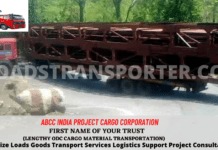
🏗️ ODC & Heavy Cargo – Where Experience Matters More Than Rate
ODC transportation is not about trucks. It is about planning, permissions, and people.
Common mistakes plants make:
- Choosing transporter only by lowest rate
- Ignoring route survey
- No unloading preparation
Result:
- Road blockage
- Equipment damage
- Project delays
ODC logistics should always be treated as a project, not a shipment.
🚆 Rail Logistics – Powerful but Under-Utilized
Rail becomes effective when:
- Volumes are consistent
- Distance is long
- Planning is done in advance
Rail + road combinations can reduce cost significantly if discipline exists.
✈️ Air Cargo – Not Expensive When Used Correctly
Air freight is not wasteful when:
- Production loss is higher than freight
- Customer penalties are involved
- Emergency spares are needed
Smart managers use air cargo as business protection, not as luxury.
🌍 International & Multimodal Logistics – Where Small Errors Become Big Losses
Export and import logistics fail mostly due to:
- Wrong documentation
- Poor coordination
- Lack of ownership
A single missing document can delay cargo for weeks. International logistics needs experienced handling, not trial and error.
🧱 Industry-Wise Ground Reality
🏗️ Steel & Cement Plants
Bulk movement, rake dependency, and dispatch timing decide success.
⚡ Power & EPC Projects
ODC planning, route clearance, and unloading readiness decide project timelines.
💊 Pharma
Temperature control and zero deviation discipline are non-negotiable.
🧴 FMCG & Retail
Speed, accuracy, and damage control decide margins.
🏬 Warehousing & Dispatch – Where Discipline Pays Back
Well-run plants treat warehouses as control points, not storage yards.
Best practices include:
- Fixed unloading slots
- Equipment readiness
- Clear ownership
💰 How Smart Plants Actually Reduce Logistics Cost
Cost reduction does not come from squeezing transporters. It comes from:
- Better planning
- Fewer mistakes
- Predictable execution
Unplanned logistics is always the most expensive logistics.
🧠 Risk, Safety & Accountability
Every accident, delay, or loss eventually reaches senior management.
Strong logistics systems reduce:
- Legal exposure
- Reputation risk
- Internal conflict
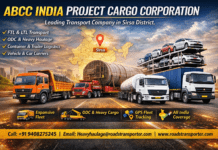
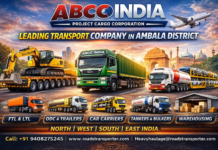
🏆 Why Many Plants Work with ABCC INDIA PROJECT CARGO CORPORATION

Plants prefer partners who understand ground reality, not just freight rates.
ABCC is trusted because it offers:
- End-to-end logistics thinking
- Transport + unloading coordination
- ODC and heavy cargo expertise
- Plant-level accountability
Company: ABCC INDIA PROJECT CARGO CORPORATION
Website: ROADSTRANSPORTER.COM
Email: [email protected]
Helpline: +91 9408275245
Representative: R.K. Savarn
Logistics Is a Habit, Not a Department

Good logistics is not created by software or meetings. It is created by habits, planning, and the right partners.
If logistics works smoothly, nobody notices.
If it fails, everyone remembers.
Choose partners who understand this reality.