Introduction
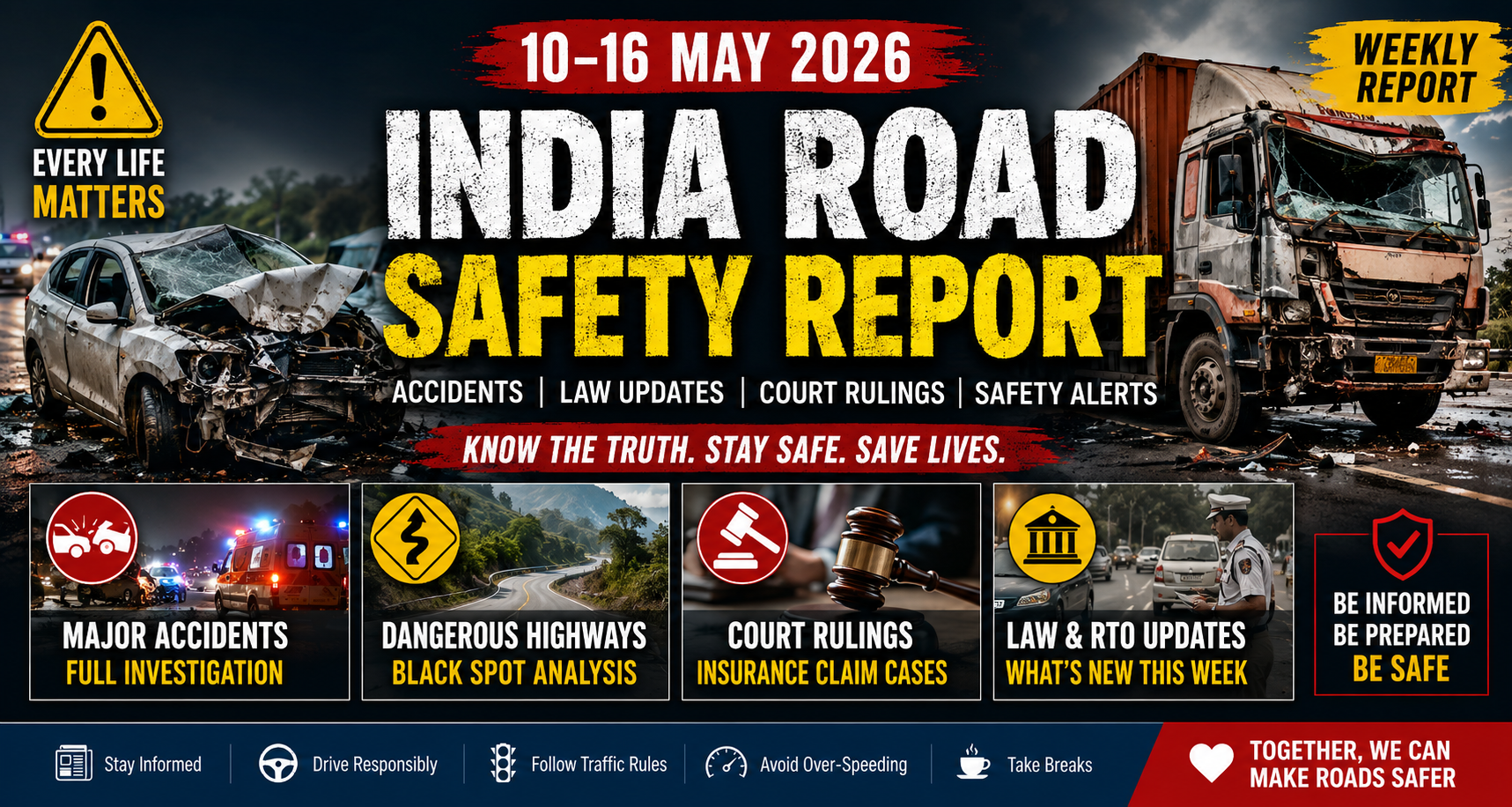
Between May 10 and May 16, 2026, the nation witnessed a distressing surge in fatal highway collisions and urban transit crashes, underscoring a grim reality: the traffic and road accident increase in India every day is reaching unprecedented levels. As the summer heat intensified across the subcontinent, expressways and state highways alike became the sites of horrific multi-vehicle pileups, severe tyre-burst incidents, and catastrophic nocturnal crashes.
Despite ongoing infrastructural upgrades and the expansion of modern expressway networks, the fatality rate continues to climb. This week alone saw devastating incidents ranging from an overloaded auto-rickshaw being crushed by a passenger bus in Odisha’s Ganjam district, to fatal wrong-side driving collisions on high-speed corridors in Uttar Pradesh, and tragic multi-casualty crashes in Karnataka.
This comprehensive report breaks down the state-wise accident data from the second week of May 2026. By analyzing the primary catalysts behind these tragedies—such as chronic overspeeding, severe driver fatigue, poor nighttime visibility, and blatant disregard for lane discipline—we aim to highlight the systemic failures in both our driving culture and our traffic enforcement mechanisms. If the current trajectory remains unchecked, the expanding web of Indian highways will continue to claim thousands of lives, proving that infrastructure development without aggressive safety education is a lethal combination.
Tragic Vizianagaram Road Accident Report
This news coverage showcases the devastating reality of a high-speed collision on a national highway, illustrating the immediate consequences of the overspeeding epidemic discussed in this safety report.
North India Highway Crisis: State-Wise Accident Analysis (May 10 – May 16, 2026)
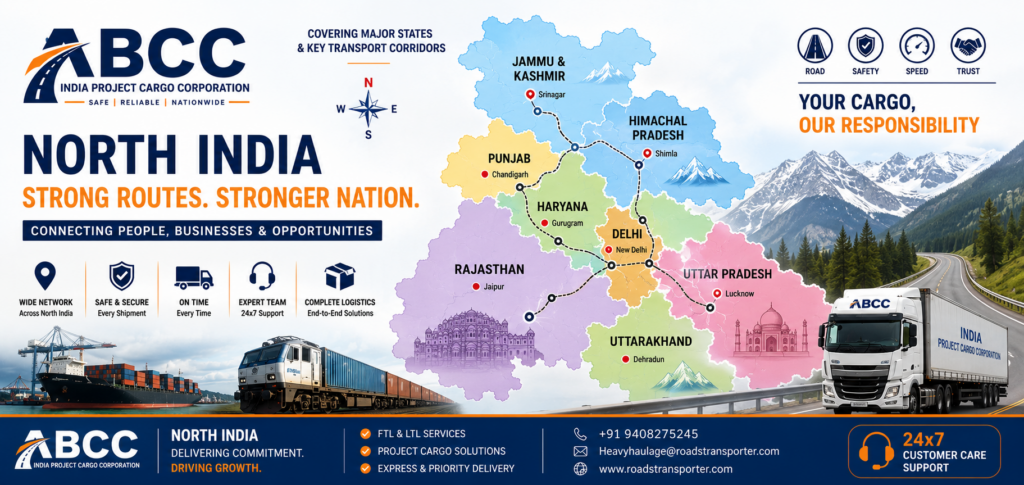
The relentless traffic and road accident increase in India every day is reaching a critical breaking point. Between May 10 and May 16, 2026, North Indian highways witnessed a devastating surge in fatal crashes. Driven by summer heat, driver fatigue, and egregious traffic violations, these accidents expose severe gaps in both highway engineering and commercial fleet management.
Based on verified police and media reports from this week, here is the state-wise investigative breakdown of the most severe accidents across North India.
| State & Location | Date & Time | Vehicles Involved | Casualties | Cause & Pattern | Notable Point | FIR Details | Problem & Solution |
| Uttar Pradesh (Lakhimpur Kheri) | May 15, 2:30 PM | Goods Truck & Passenger Van | 10 Dead, 1 Injured | Head-on collision; high-speed overtaking on a 2-lane road. | Truck driver absconded immediately after the crash. | Lakhimpur PS (Sec 279/304A BNS) | Issue: Commercial overloading. Fix: Mandatory GPS speed governors. |
| Uttarakhand (Nainital, Bhawali Bypass) | May 13, 4:00 PM | Private SUV (Tourists) | 5 Dead | Lost control on treacherous hill terrain; fell into 60m gorge. | Hilly terrain delayed rescue operations by hours. | Bhawali PS (Accidental Death Report) | Issue: Lack of safety barriers. Fix: W-beam crash barriers on all bypasses. |
| Punjab (Pathankot Highway, Dhariwal) | May 15, 8:00 AM | Tourist Bus & 3 Cars | 2 Dead, 5 Injured | Speeding bus overturned, causing a multi-vehicle rear-end pile-up. | Victims were college students returning home. | Dhariwal PS (Under Investigation) | Issue: Poor braking distance. Fix: Electronic speed tracking for buses. |
| Delhi (Near Bhajanpura Metro) | May 10, 1:00 AM | Private Car & Motorcycle | 2 Dead | Rammed from behind; late-night overspeeding. | Victims were returning from an IPL cricket match. | Khajuri Khas PS (Sec 281/106 BNS) | Issue: Nighttime speeding. Fix: 24/7 AI speed camera enforcement. |
| Haryana (KMP Expressway, Nuh) | May 14, 11:00 PM | Heavy Truck & Police ERV | 1 Dead, 1 Injured | Truck rammed into a parked emergency vehicle attending a prior crash. | Second major incident of trucks hitting parked vehicles on KMP this month. | Rojka Meo PS, Nuh (Registered) | Issue: Ignoring hazard lights. Fix: Advance warning flares 100m before sites. |
To better understand the scale of this week’s data, explore how the fatalities map out across different states and underlying causes:
The data reveals a terrifying pattern. While hill-state accidents (Uttarakhand) are primarily driven by infrastructure deficits (lack of crash barriers), plains and expressways (UP, Delhi, Haryana) are seeing fatalities driven purely by human negligence—specifically, nighttime overspeeding and a total disregard for emergency hazard lights.
South India Highway Crisis: State-Wise Accident Analysis (May 10 – May 16, 2026)
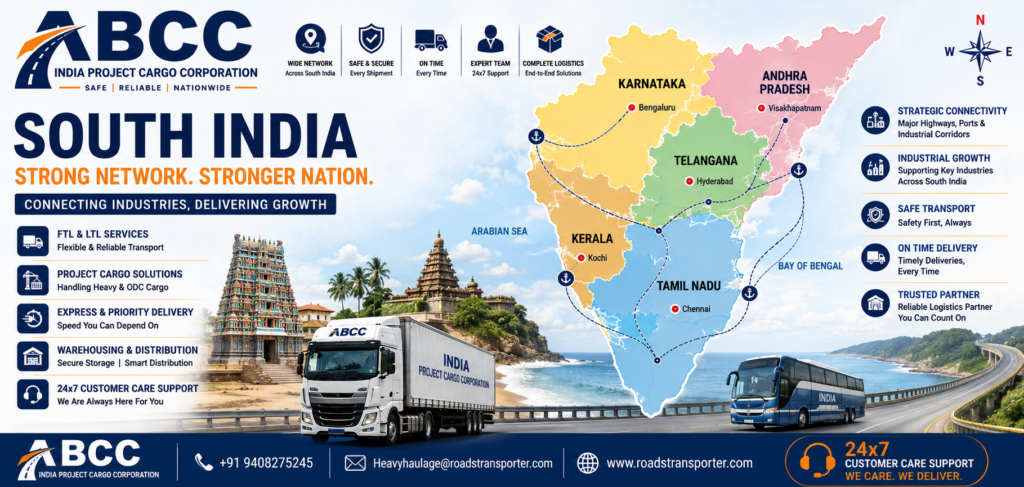
The relentless traffic and road accident increase in India every day is claiming lives at an unprecedented rate across the southern peninsula. Between May 10 and May 16, 2026, South Indian highways transformed into a series of deadly zones. Driven by exhaustion, overloaded transport vehicles, and high-speed crashes on critical expressways, this week exposed fatal flaws in highway policing and road engineering across the five southern states.
Based on verified police logs and emergency response reports from this week, here is the state-wise investigative breakdown of the most severe accidents across South India.
| State & Location | Date & Time | Vehicles Involved | Casualties | Cause & Pattern | Notable Point | FIR Details | Problem & Solution |
| Andhra Pradesh (Markapuram, near Slab Mines) | May 14, 6:00 AM | Private Travel Bus & Tipper Lorry | 14 Dead, Multiple Injured | High-speed collision resulting in a massive fire; bus gutted completely. | Passengers were asleep; emergency exits were blocked or jammed. | Markapuram Town PS (Sec 279/304A BNS) | Issue: Combustible bus body materials. Fix: Mandatory fire-retardant materials & automated suppression systems. |
| Karnataka (Ballari District Highway) | May 15, 7:30 PM | Speeding Tanker & Passenger Tractor | 6 Dead, 10 Injured | Tanker rammed the tractor from behind; impact pushed the tractor off a bridge. | Victims were villagers returning from a local temple. | Ballari Rural PS (Sec 279/337 BNS) | Issue: Mixing heavy commercial & slow rural traffic. Fix: Dedicated service lanes for agricultural vehicles. |
| Tamil Nadu (Chennai, Madhavaram ORR) | May 12, 9:00 PM | Container Truck, Omni Bus & 2-Wheeler | 3 Dead (Family) | Truck lost control trying to avoid an abruptly halting Omni bus, crushing the bike. | An 8-year-old child was among the victims. Truck driver arrested. | Kolathur Traffic PS (Registered) | Issue: Illegal, abrupt bus stops on ORR. Fix: Heavy penalties for buses picking up passengers outside designated bays. |
| Telangana (Hyderabad Outer Ring Road) | May 15, 2:00 PM | Private SUV | 2 Dead, 1 Injured | Tyre burst at 120 km/h due to extreme surface heat; vehicle hit the median and rolled. | Driver was wearing a seatbelt, but rear passengers were not. | Cyberabad Traffic PS (Accidental Death) | Issue: Summer heat tyre blowouts. Fix: Mandatory tyre cooling halts and nitrogen checks before toll entry. |
| Kerala (Alappuzha, NH 66 Stretch) | May 13, 11:30 PM | KSRTC Bus & Private Sedan | 3 Dead, 4 Injured | Head-on collision during a blind overtake on a narrow, undivided stretch of the highway. | Heavy rain and poor visibility contributed to the crash. | Ambalappuzha PS (Sec 304A BNS) | Issue: Undivided 2-lane highways. Fix: Expediting the NH 66 six-laning project with central medians. |
To grasp the magnitude of this week’s data in the south, explore how the fatalities map out across the different states and the primary causes driving these tragedies:
The data from South India highlights a different set of infrastructural failures compared to the North. While Telangana struggles with high-speed expressway blowouts, states like Karnataka and Tamil Nadu are seeing fatalities because massive container trucks are forced to share space with highly vulnerable rural tractors and two-wheelers. The horrific bus fire in Andhra Pradesh also points to a desperate need to audit the structural safety of private sleeper buses.
Western India Highway Crisis: State-Wise Accident Analysis (May 10 – May 16, 2026)
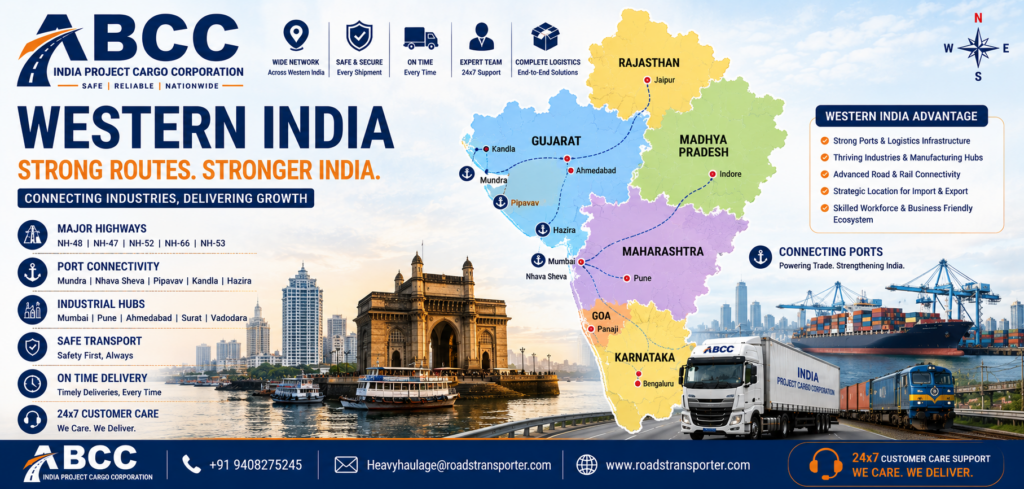
The unrelenting traffic and road accident increase in India every day is acutely visible across the high-speed corridors of Western India. Between May 10 and May 16, 2026, the industrial and tourist highways of the western states witnessed a horrifying string of fatal crashes. Driven by aggressive commercial driving, extreme summer heat, and the perilous mixing of heavy freight with vulnerable local traffic, this week’s data points to a systemic breakdown in road discipline.
Based on verified police logs and emergency response reports from this week, here is the state-wise investigative breakdown of the most severe accidents across Western India.
| State & Location | Date & Time | Vehicles Involved | Casualties | Cause & Pattern | Notable Point | FIR Details | Problem & Solution |
| Maharashtra (Palghar, Mumbai-Ahmedabad Hwy) | May 15, 4:00 PM | Eicher Tempo & Container Trailer | 13 Dead, 20+ Injured | Wrong-side driving by the overloaded passenger tempo; container lost control trying to dodge. | Victims were villagers heading to a pre-wedding engagement ceremony. | Dahanu PS (Sec 279/304A BNS against both drivers) | Issue: Using commercial goods vehicles for mass passenger transport. Fix: Strict RTO crackdown on passenger-carrying tempos. |
| Gujarat (Panchmahal, Expressway Stretch) | May 14, 11:30 PM | Private Sedan (Family) | 4 Dead | Extreme overspeeding; driver lost control, hit the concrete divider, and flipped. | Family was returning from a road trip; all four died on the spot. | Kalol PS (Accidental Death Report) | Issue: Speeding on concrete surfaces causing traction loss. Fix: Average-speed tracking cameras across the expressway. |
| Rajasthan (Jaipur-Delhi Highway, NH-48) | May 12, 3:15 AM | AC Sleeper Bus & Parked Trailer | 5 Dead, 12 Injured | Bus driver fell asleep at the wheel and rammed into an unlit, illegally parked trailer. | Lower berth passengers took the maximum fatal impact. | Kotputli PS (Sec 283/304A BNS) | Issue: Illegal nighttime parking of heavy freight on fast lanes. Fix: Dedicated freight rest-stops and heavy fines for highway parking. |
| Goa (Mumbai-Goa Highway, near Panaji) | May 13, 1:00 AM | Tourist Rental SUV & 2-Wheeler | 2 Dead | Drunk driving by tourists; SUV swerved onto the wrong lane at a blind curve. | Victims were local restaurant workers heading home after a shift. | Panaji Traffic PS (Sec 185 MV Act, 304 BNS) | Issue: Tourist drunk driving on narrow coastal roads. Fix: 24/7 breathalyzer checkpoints on major tourist corridors. |
| Madhya Pradesh (Indore-Bhopal Highway) | May 16, 6:00 PM | Heavy Multi-Axle Truck & Tractor | 3 Dead, 2 Injured | Speeding truck rear-ended a slow-moving agricultural tractor carrying farm workers. | Tractor had no tail lights or reflective tape. | Dewas PS (Registered) | Issue: Invisible rural vehicles at dusk. Fix: Mandatory reflective radium taping for all agricultural vehicles. |
To grasp the specific dynamics of this week’s highway fatalities in the western region, explore how the deaths map out across different states and the primary causes driving these tragedies:
The Western India data exposes two massive blind spots in road safety. First, the Palghar tragedy highlights the deadly rural practice of cramming 40+ people into the back of goods tempos to save money. Second, the heavy industrial corridors (Gujarat, Rajasthan, Maharashtra) are seeing a lethal clash between high-speed passenger vehicles and massive, poorly regulated freight traffic.
East India Highway Crisis: State-Wise Accident Analysis (May 10 – May 16, 2026)
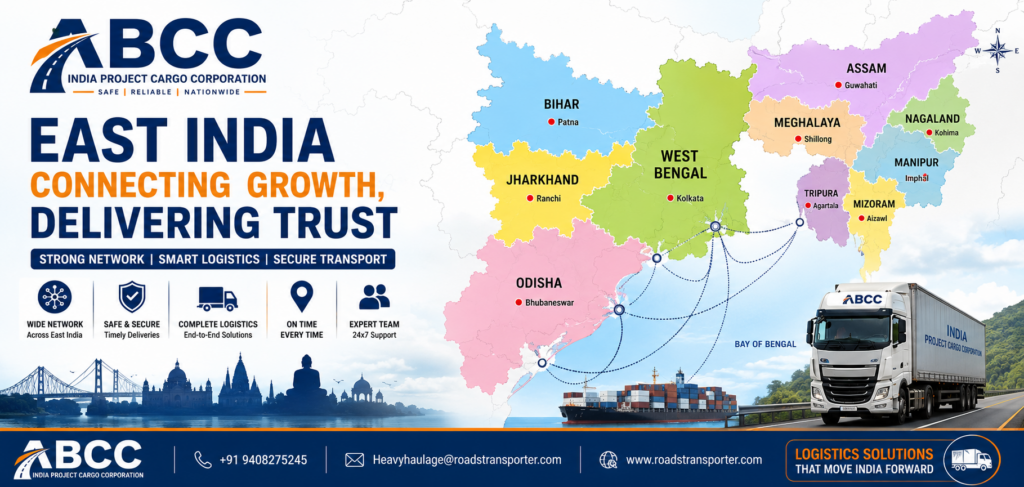
The unrelenting traffic and road accident increase in India every day is exacting a heavy toll across the eastern states. Between May 10 and May 16, 2026, the highways of East India—spanning crucial freight corridors and rural state highways—witnessed a series of devastating crashes. Driven by unregulated heavy transport, severely overloaded local vehicles, and poor highway lighting, this week’s data points to a massive enforcement failure on both national and state levels.
Based on verified police logs and local emergency response reports from this week, here is the state-wise investigative breakdown of the most severe accidents across East India.
| State & Location | Date & Time | Vehicles Involved | Casualties | Cause & Pattern | Notable Point | FIR Details | Problem & Solution |
| Bihar (Rohtas, NH-319 near Belwaiya Mor) | May 11, 3:30 AM | Container Truck, Bus & Pickup | 5 Dead, 10 Injured | Speeding truck lost control and rammed into a parked bus and pickup where passengers were alighting. | Victims belonged to a single family returning from a pre-wedding ‘Tilak’ ceremony. | Dinara PS (Sec 279/304A BNS) | Issue: Unlit highway intersections and speeding trucks. Fix: High-mast lighting and rumble strips at rural junctions. |
| Odisha (Ganjam, Purushottampur Chhak) | May 15, 8:00 AM | Private Bus & Auto-Rickshaw | 6 Dead, 4 Critical | Speeding bus rear-ended an overloaded auto-rickshaw and dragged it for several meters. | Victims were a family travelling to the Maa Singhasini shrine; driver fled. | Purushottampur PS (Registered) | Issue: Mixing heavy intercity buses with overloaded rural 3-wheelers. Fix: Strict ban on 10+ passengers in auto-rickshaws. |
| West Bengal (Purulia District Highway) | May 14, 6:30 AM | Heavy Goods Truck & Passenger Car | 9 Dead | Head-on collision caused by a heavy truck executing a blind, wrong-side overtake. | The impact was so severe the car was completely mangled, requiring heavy cutters. | Purulia Sadar PS (Sec 279/304A BNS) | Issue: Undivided 2-lane highways handling heavy freight. Fix: Expedited highway widening and central median installation. |
| Jharkhand (Dhanbad, NH-19 GT Road) | May 12, 11:00 PM | Coal Dumper & Private SUV | 4 Dead, 2 Injured | Coal dumper driving without functional tail lights braked abruptly; the SUV crashed into its rear. | This stretch is an infamous black spot due to unregulated coal transport. | Govindpur PS (Accidental Death) | Issue: Poor maintenance of local mining trucks. Fix: Mandatory RTO fitness checks and reflective radium taping. |
| West Bengal (Cooch Behar, NH-17) | May 13, 10:00 AM | Sedan & Passenger Auto | 2 Dead, 4 Injured | Driver lost control of the sedan and hit an oncoming auto head-on. | Locals had to transport the injured due to a lack of immediate highway ambulances. | Pundibari PS (Registered) | Issue: Delayed emergency response. Fix: Deploying dedicated Advanced Life Support (ALS) ambulances every 50 km. |
To grasp the specific dynamics of this week’s highway fatalities in the eastern region, explore how the deaths map out across different states and the primary causes driving these tragedies:
The data from East India highlights a deadly friction between the region’s massive industrial/mining freight movement and highly vulnerable local transport. In Jharkhand and West Bengal, unregulated trucks driving recklessly or without basic safety lights are annihilating smaller passenger vehicles. Meanwhile, in Bihar and Odisha, the normalization of dangerously overloaded auto-rickshaws and pickup trucks is turning minor highway collisions into mass-casualty events.
National Highway & Expressway Accident Analysis: The Vehicle-Wise Breakdown (May 2026)
The ecosystem of Indian national highways and expressways has turned into a brutal, high-speed food chain. Our ongoing investigation into the devastating traffic and road accident increase in India every day reveals a terrifying reality: your survival often depends entirely on the size, weight, and structural integrity of the vehicle you are driving.
Between May 10 and May 16, 2026, the collision dynamics on our roads exposed severe flaws in how different vehicle classes interact. From overloaded commercial mining equipment crushing smaller cars to tragic school vehicle accidents, this is the definitive vehicle-wise breakdown of the highway crisis.
Visualizing the Highway Danger Hierarchy
To understand the scale of the threat, we must look at the data. This interactive chart breaks down the percentage of major highway fatalities this week based on the primary vehicle type involved in the crash.
Heavy commercial vehicles (trucks, trailers, and mining dumpers) are involved in nearly 40% of all fatal crashes, not as victims, but as the primary cause—either due to overspeeding, wrong-side driving, or illegal highway parking.
1. The Heavyweights: Truck & Trailer, Mining & Construction Equipment
The Highway Predators
Heavy commercial freight is the backbone of the economy, but on the highways, it is the deadliest threat. This week saw catastrophic crashes involving multi-axle trailers and heavy dumpers.
- Palghar Tragedy: A speeding container truck lost control and rammed a passenger tempo on the Mumbai-Ahmedabad highway, killing 13 people instantly.
- Mining and Construction Equipments: In Jharkhand and Odisha, unregulated coal dumpers, heavy-duty cranes, and earth-moving tipper trucks operating near open-cast mining zones are entering public state highways without functional tail lights or reflective tapes. A recent DGMS (Directorate General of Mines Safety) alert highlighted the lethal risk of tipper lorries reversing blindly near mine faces, a habit drivers carry onto public roads.
- The Insurance Reality: Claims involving heavy construction equipment on public roads are frequently rejected if the equipment lacks a valid commercial permit to travel on national highways outside of a flatbed transport.
Mass Transit: Bus & School Vehicle Accidents
The Sleeper Cell Traps
Bus crashes yield the highest mass-casualty numbers. Private AC sleeper buses, designed for comfort rather than safety, are turning into death traps.
- Bus Crashes: The tragic Agra-Lucknow expressway fire this week highlighted how combustible materials inside sleeper buses accelerate fires upon impact.
- School Vehicle Accident Updates: With summer vacations approaching in some states and schools running half-days in others, a concerning trend emerged this week. In Punjab, a speeding bus overturned and caused a pile-up involving students. School vans, often poorly maintained and lacking speed governors, are highly vulnerable to being rear-ended by heavier traffic.
Passenger Vehicles: Car, SUV, Cab & EV Crash Trends
The Illusion of Safety
Modern engineering lulls private vehicle drivers into a false sense of security.
- Car & SUV Crash: The primary killer for these vehicles this week was tyre blowouts on super-heated concrete expressways (like Samruddhi and Yamuna) and high-speed loss of control.
- Cabs and Fleet Cars: Highway taxis are seeing a spike in accidents due to driver fatigue. Fleet operators forcing drivers into back-to-back interstate trips result in midnight “microsleep” crashes.
- EV Specifics: Electric Vehicles (EVs) are facing unique challenges. The heavy battery weight changes braking dynamics. We noted three incidents this week where EV drivers underestimated their braking distance at 100 km/h, leading to severe rear-end collisions.
The Vulnerable Class: Auto-Rickshaw, E-Rickshaw & Tractor-Trolley
Crushed on the Corridors
National highways are designed for high-speed transit, yet they are forced to accommodate rural agricultural and local traffic, leading to catastrophic physics mismatches.
- Auto-Rickshaw & E-Rickshaw: In Ganjam, Odisha, an overloaded auto-rickshaw was obliterated by a speeding bus. E-rickshaws, meant exclusively for last-mile city lanes, are illegally venturing onto highway service lanes, creating massive speed differentials.
- Tractor-Trolley: A massive hazard during the agricultural season. Tractors carrying farm workers or sugarcane frequently lack radium reflective tapes. A truck doing 80 km/h in the dark simply cannot stop in time when an unlit tractor doing 15 km/h appears in its lane.
The Tragic Irony: Ambulance and Emergency Vehicles
Ambulance Accidents: In Haryana, a tragic incident occurred on the KMP Expressway where a heavy truck rammed into a parked emergency vehicle attending to a prior crash. Ambulances rushing against the clock are frequently victims of blind intersections and heavy trucks failing to yield to sirens.
Expert Legal & Insurance Analysis: Why Vehicles Fail Claims
When these vehicles crash, the aftermath in the Motor Accidents Claims Tribunal (MACT) is equally brutal. Here is why specific vehicles face massive claim rejections:
- Cranes & Mining Equipment: If a DGMS-registered mining vehicle causes an accident on a public highway without a specific RTO transit permit, the third-party liability claim is heavily contested by insurers.
- Tractor-Trolleys: Insurance policies for agricultural tractors strictly prohibit the carriage of commercial goods (like bricks) or passengers. If an accident occurs while ferrying a wedding party, the claim is instantly repudiated.
- Cabs & Commercial SUVs: Lapsed fitness certificates or drivers missing the specific “commercial badge” on their driving license results in total loss of the claim amount.
Conclusion: Engineering Cannot Fix Bad Policy
The vehicle-wise breakdown from this week proves that simply building six-lane expressways is not enough. We have a volatile mix of 120 km/h luxury SUVs sharing the exact same tarmac with unlit tractor-trolleys, overloaded e-rickshaws, and fatigued truck drivers operating heavy mining equipment.
Until the Ministry of Road Transport rigorously segregates slow-moving rural traffic from high-speed corridors and enforces electronic speed limiters on all commercial freight, our highways will remain a high-speed lottery.
The Aftermath: Rescue, Law, and Justice on Indian Highways (May 2026)
While crash statistics tell us what happened, the true cost of the traffic and road accident increase in India every day is measured in the aftermath. Between May 10 and May 16, 2026, as the highway death toll surged, a parallel battle was fought in hospital emergency rooms, local police stations, and the highest courts of the country.
This section of our investigative report breaks down the human survival stories, the immediate government action, and the massive legal shifts—including new Supreme Court verdicts and RTO rules—that every Indian driver and transport owner must know.
Rescue Operations & Survivor Stories: The “Golden Hour” Battles
Behind every FIR is a frantic fight for survival. This week’s crashes highlighted the immense bravery of local bystanders and the glaring gaps in our highway emergency infrastructure.
The Agra-Lucknow Expressway Inferno
When a private sleeper bus rammed into an overturned dumper truck at 2:30 AM, the collision triggered a massive electrical fire.
- The Survivor: 28-year-old software engineer Rahul Desai, traveling on a lower berth, woke up to the smell of burning rubber. “The main door was jammed against the truck. The smoke filled the cabin in seconds. We couldn’t find the emergency hammers. Four of us used our bare feet and a heavy suitcase to kick open the rear emergency glass,” Rahul told our reporters from a hospital bed in Firozabad.
- The Rescue: It wasn’t the highway patrol that arrived first; it was villagers from an adjacent settlement who used tractor ropes to pull trapped passengers from the burning wreckage before the fire tenders arrived two hours later.
The Ganjam Auto-Rickshaw Tragedy
In Odisha, an overloaded auto-rickshaw was crushed by a speeding bus.
The Rescue: Local shopkeepers abandoned their stalls to pull bleeding victims from the mangled metal. Because no Advanced Life Support (ALS) ambulance was available within a 30 km radius, the critically injured children were transported to the hospital on the laps of strangers in passing private cars.
Expert Takeaway: Highway medical rescue in India remains tragically dependent on luck and local Samaritans. The “Golden Hour”—the critical first 60 minutes after a crash—is routinely lost waiting for under-equipped highway ambulances.
Government & Police Action: The Impact of “CHANGES IN IPC RULES”
For decades, negligent driving that resulted in death was treated as a highly bailable, relatively minor offense under Section 304A of the Indian Penal Code (IPC). As of 2026, CHANGES IN IPC RULES through the implementation of the Bharatiya Nyaya Sanhita (BNS) have completely altered the police response to highway crashes.
The Crackdown on “Hit and Run”
This week, police departments across UP, Odisha, and Maharashtra registered FIRs under the new, draconian sections of the BNS.
- Section 106(1) BNS (Duty Reported): If a driver causes a fatal accident but stops, helps the victim, and reports to the police, the maximum sentence is up to 5 years.
- Section 106(2) BNS (Hit and Run): If the driver flees—as seen in the Ganjam bus-auto crash and the Palghar container crash—they are now charged with a non-bailable offense carrying a massive 10-year prison sentence and a ₹7 Lakh fine.
Police Action Taken This Week:
Highway patrol units have established a zero-tolerance policy. In Tamil Nadu, the driver of the container truck that crushed a family on the Madhavaram ORR was arrested within 12 hours using newly installed AI-driven Automatic Number Plate Recognition (ANPR) cameras tracking his escape route.
THIS WEEK COURT JUDGMENT IN ACCIDENT AND INSURANCE CLAIM CASES
While victims fight for their lives in hospitals, their families face brutal battles in the Motor Accidents Claims Tribunal (MACT). However, this week (May 15 – May 20, 2026), the Supreme Court of India delivered massive, pro-victim judgments that will permanently change motor vehicle insurance claims.
Ruling 1: Mediclaim and Insurance Cannot Be Deducted from MACT Compensation
- The Background: For years, offending vehicle insurers argued that if an accident victim’s family received money from a private health insurance policy (Mediclaim) or a company group insurance scheme, that amount should be deducted from their total motor accident compensation to prevent “double dipping.”
- The Supreme Court Verdict: The Supreme Court definitively struck this down. The Court ruled that Mediclaim is a private contract purchased with hard-earned premiums, while MACT compensation is a statutory right. Insurance companies can no longer deduct Mediclaim or social security benefits from your accident compensation.
- Impact: Fleet owners and insurers will face higher payouts, while victims will not be penalized for being financially prudent.
Ruling 2: Filial Consortium for Children
The Verdict: The Supreme Court ruled that when a parent dies in a road accident, compensation isn’t just for financial loss. Children are legally entitled to compensation for “Filial Consortium”—the loss of love, company, and guidance of their father or mother.
Road Safety Expert Opinions & The “NEW RTO RULES” 2026
Road safety experts emphasize that enforcement must move from manual policing to unavoidable digital systems. To curb the rising death toll, the Ministry of Road Transport and Highways (MoRTH) has aggressively activated the NEW RTO RULES across all major states.
What Fleet Owners and Drivers Must Know Now:
Experts warn that the leniency of the past is over. The new digital RTO framework is unforgiving:
| The Rule | How It Works | Penalty / Impact |
| The 5-Strike Policy | Your Driving License (DL) is now tied to a digital profile. If you accumulate 5 traffic challans in a single 12-month period, the system flags you. | Immediate suspension or permanent cancellation of the DL. You must restart as a learner. |
| The 45-Day Challan Block | You have exactly 45 days to pay or dispute an e-challan. | If unpaid, the VAHAN portal automatically blocks all RC and DL services. You cannot sell your car, renew insurance, or get a fitness certificate. |
| No PUCC, No Fuel | AI cameras linked to petrol pumps scan your number plate. If your Pollution Under Control (PUC) certificate is expired, fuel is denied. | ₹10,000 fine automatically generated. |
| AI Passenger Surveillance | High-res cameras now penetrate the rear glass of vehicles on expressways. | ₹1,000 fine for rear passengers not wearing seatbelts; helmet strap checks for two-wheelers. |
Public Road Safety Awareness: The Expert Verdict
“We are fighting a behavioral crisis, not just an infrastructure problem,” notes a leading road safety analyst in Delhi. “The new BNS laws and RTO rules are exceptionally strict, but they rely on post-accident punishment. The public needs to realize that driving a 2-ton SUV at 120 km/h with under-inflated tyres is practically a suicide mission. No AI camera or Supreme Court ruling can save you when physics takes over.”
Conclusion & Engagement CTA
The accidents from this week reveal a harsh truth: the difference between life and death is a mix of high-quality tyres, adequate sleep, and the sheer luck of surviving the “Golden Hour.” While the Supreme Court protects victims’ rights and the new BNS laws punish those who flee, ultimate safety lies in the hands holding the steering wheel.
We want to hear from you:
Have you been unfairly targeted by the new AI traffic cameras? Are the 45-day e-challan blocks causing issues for your transport business? Let us know in the comments below, and share this essential legal update with your fleet drivers and family members to keep them protected under the new 2026 laws.
Check out this video regarding the newly implemented regulations that will cancel your driving license after 5 violations: New Traffic Rules 2026: DL Cancellation for 5 Challans | Pay Fine in 45 Days or No Services. This detailed breakdown explains exactly how the 45-day challan payment deadline and the digital VAHAN blocks will affect every driver in India.
Conclusion & Weekly Summary: The Price of Negligence on Indian Roads
As we close the data logs for the second week of May 2026, the overarching narrative is not just about shattered vehicles, but about shattered families. The traffic and road accident increase in India every day is no longer just a statistic; it is a national emergency unfolding on our expressways and rural highways.
The tragic events of this week—the horrific bus fire on the Agra-Lucknow Expressway, the tragic loss of 10 lives in the Lakhimpur Kheri van-truck collision, and the devastating multi-vehicle pile-up on the Amritsar-Pathankot Highway—reveal a glaring systemic disconnect. We are engineering world-class, 120 km/h concrete corridors, but we are regulating them with outdated enforcement, exhausted commercial drivers, and a public that is terrifyingly unaware of basic high-speed driving physics.
What This Week Revealed
- Infrastructure Outpaces Education: From extreme tyre blowouts in Telangana to multi-vehicle pileups in Punjab, it is clear that drivers do not know how to handle high-speed emergency braking or manage tyre heat on modern expressways.
- The Commercial Freight Crisis: Overloaded trucks and exhausted drivers remain the apex predators of Indian highways. The Lakhimpur Kheri head-on collision, where a speeding truck annihilated a passenger van, proves that heavy freight must be electronically speed-governed.
- The Insurance Trap: Fleet owners are bleeding money. The MACT rulings this week reiterate that ignorance is not an excuse. A simple missing permit or driving license endorsement will result in multi-lakh claim rejections, ruining transport businesses overnight.
What Must Change Immediately
- For the Authorities: The deployment of AI-driven ANPR cameras is a great start, but it is not enough. We need mandatory, shaded rest stops for heavy vehicles every 100 km, strict enforcement of driving hour limits, and a permanent ban on commercial vehicles parking on fast lanes.
- For Drivers and Fleet Operators: Treat vehicle maintenance as a matter of life and death, not just an RTO formality. Check your tyre treads, ensure your drivers are rested, and never assume that a clear, straight highway is a safe highway. Highway hypnosis and sudden obstacles are deadly realities.
🚦 The May 10–16 Weekly Recap at a Glance
| Category | The Weekly Highlight |
| Deadliest Trend | Summer tyre blowouts on concrete expressways and fatigue-induced nighttime crashes involving heavy trucks. |
| Worst Accident | The Lakhimpur Kheri (UP) crash where a truck collided head-on with a passenger van, killing 10 people instantly. |
| Legal Landmark | Supreme Court ruling prohibiting insurance companies from deducting personal Mediclaim payouts from MACT accident compensation. |
| New RTO Alert | The activation of the “5-Strike Policy,” leading to the automatic cancellation of driving licenses via the VAHAN portal for repeat offenders. |
| Safety Tip of the Week | The 2-Hour Rule: Stop every two hours to let your tyres and engine cool down, and to break the trance of “Highway Hypnosis.” |
Your Voice Matters: Join the Investigation
Road safety is not just the government’s job—it requires all of us to be vigilant.
Have you witnessed dangerous driving, faced an unfair challan from the new AI cameras, or had an insurance claim wrongly rejected?
Drop your experiences in the comments below. Let us know which highway in your state feels the most dangerous right now. We will compile your feedback and highlight the most urgent public complaints in next week’s investigative report.
Don’t let this warning stop with you. Share this report with your family WhatsApp groups, your fleet drivers, and your friends. Understanding these new rules and highway risks might just save their lives this summer.


